Exploring the role of critical thinking in civic life through the life and trial of Socrates. Students practice Socratic questioning and discuss the responsibilities of citizens to question authority within a democratic framework.
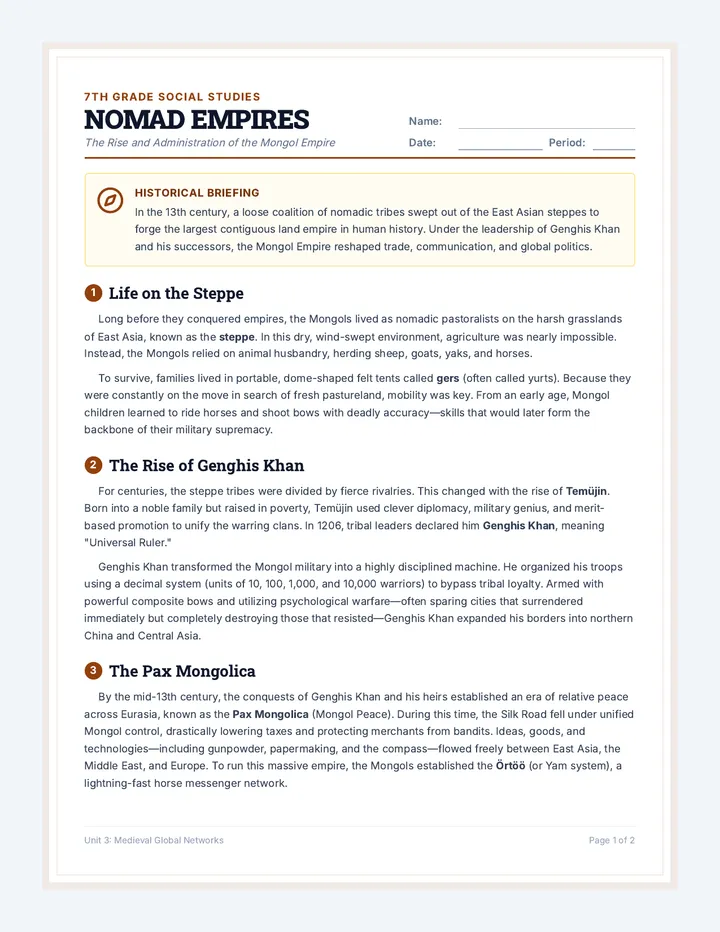
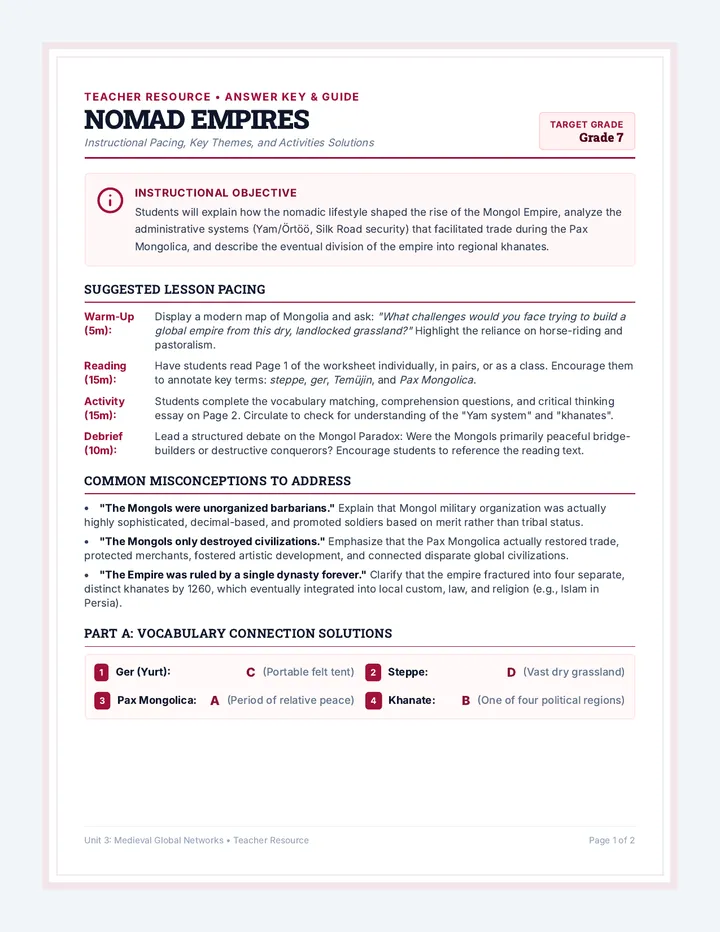
A comprehensive history lesson for 7th grade social studies exploring the rapid rise, administration, and ultimate division of the Mongol Empire. Includes a student reading worksheet and a corresponding teacher guide and answer key.
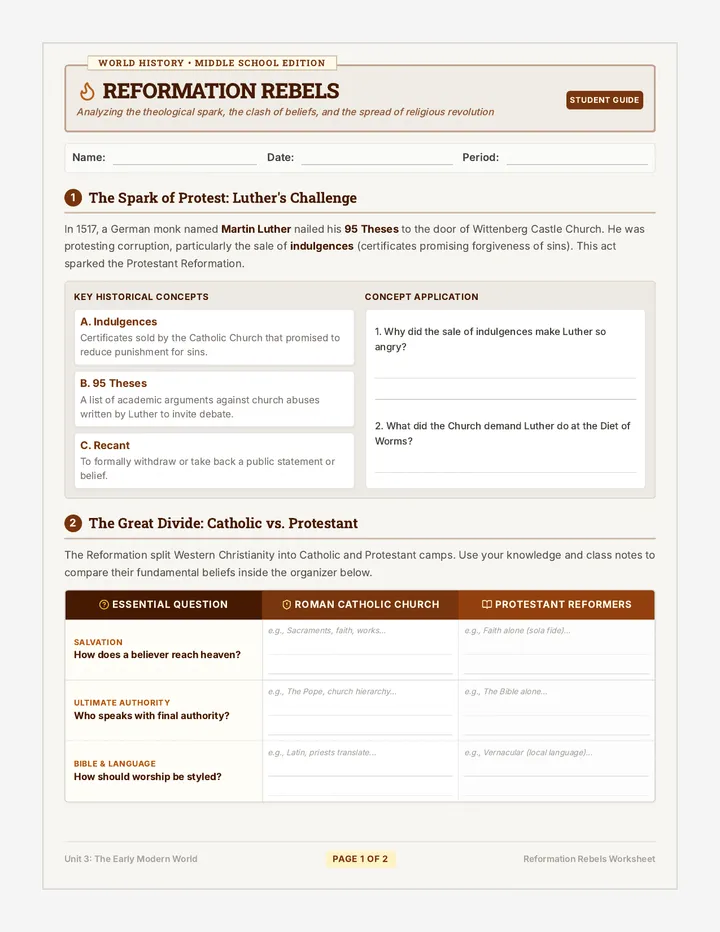
A middle school history lesson introducing the Protestant Reformation, focusing on Martin Luther's protest, the fundamental theological clashes, and the visual spread of Protestantism across Europe.
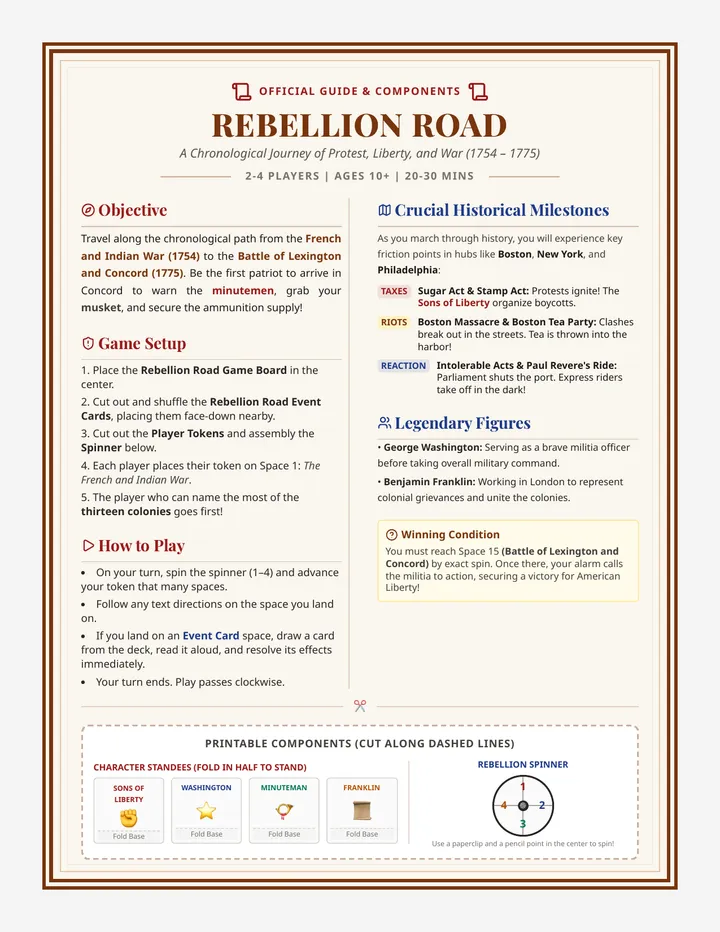
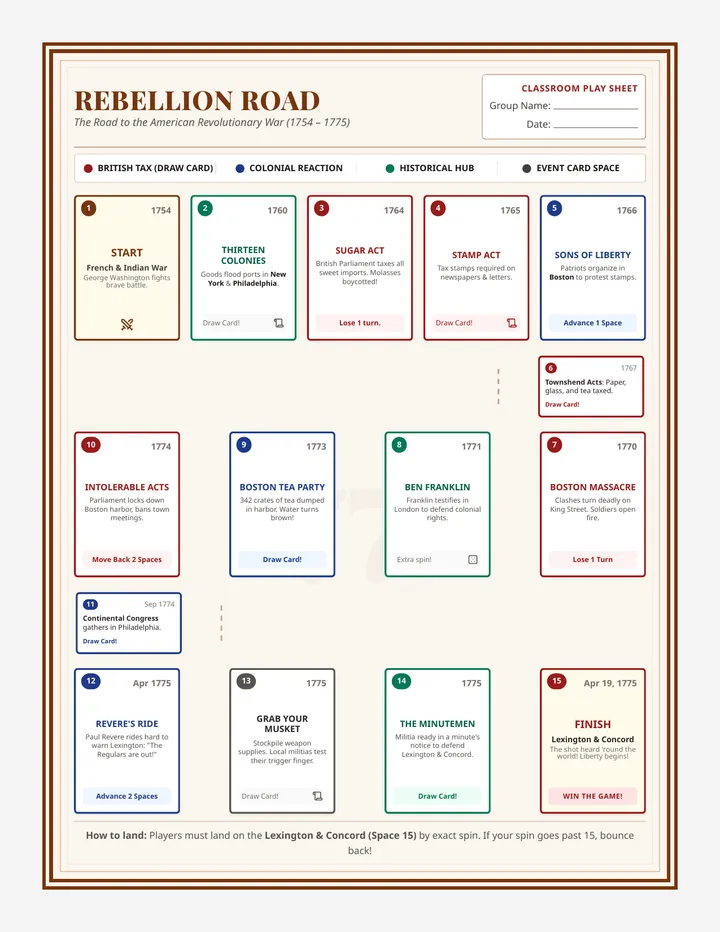
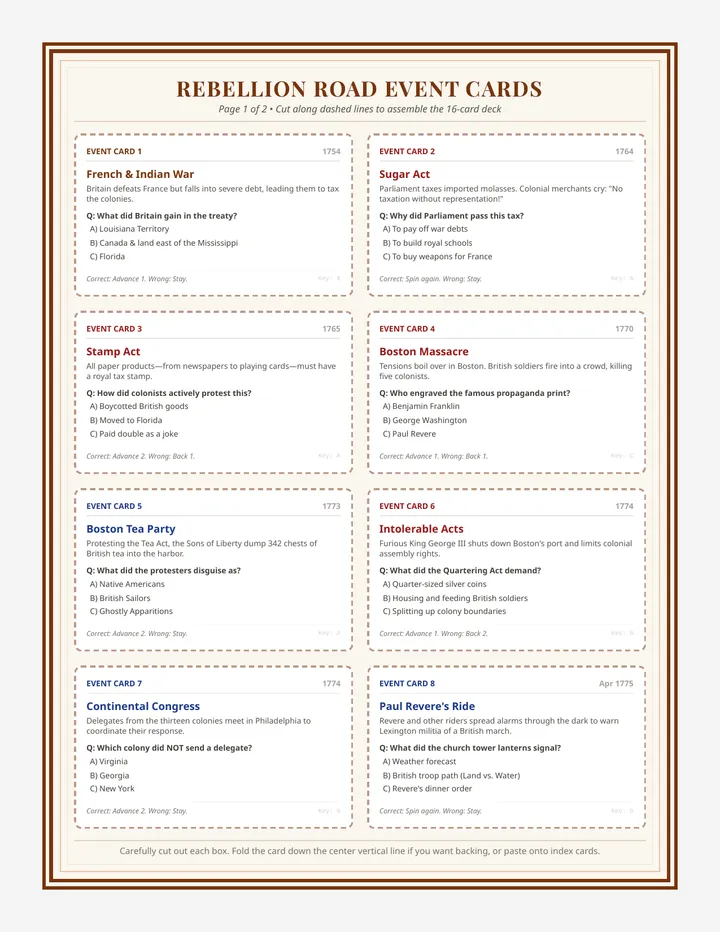
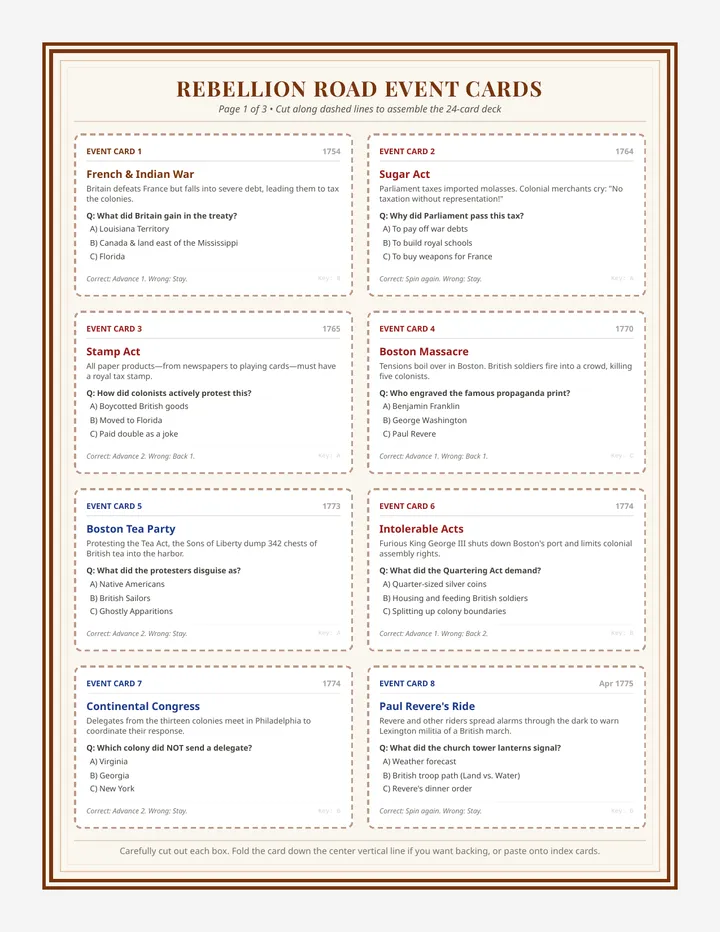
An immersive, print-ready educational board game teaching the major events, key figures, and critical concepts leading up to the American Revolutionary War from 1754 to 1775.
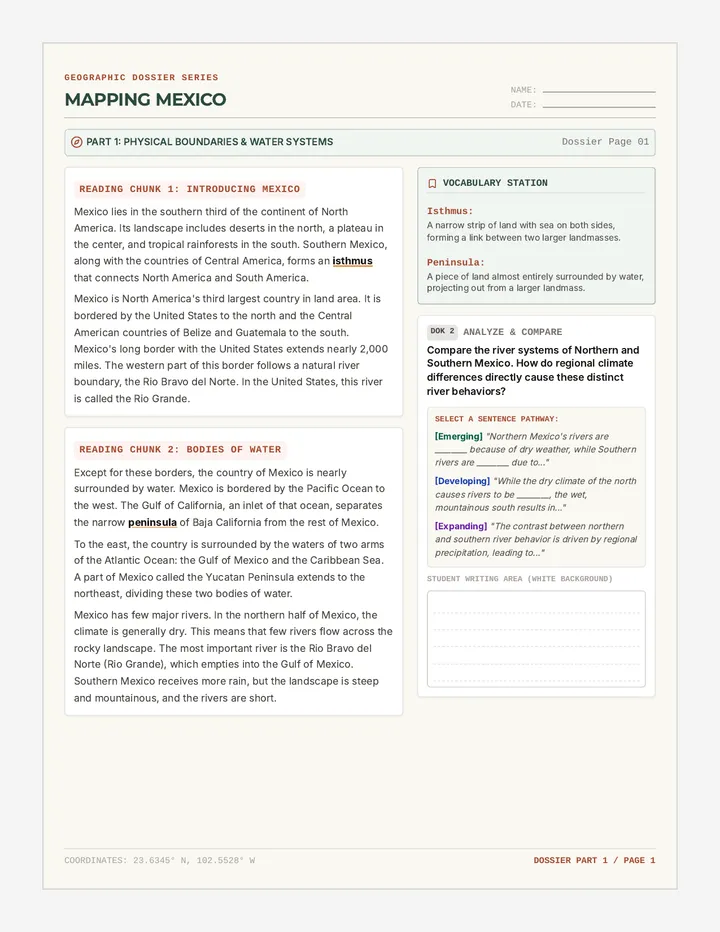
A comprehensive lesson exploring Mexico's physical geography, diverse climates, and distinct economic regions. Students engage in structured side-by-side reading, vocabulary analysis, and DOK2/DOK3 text-dependent analysis.
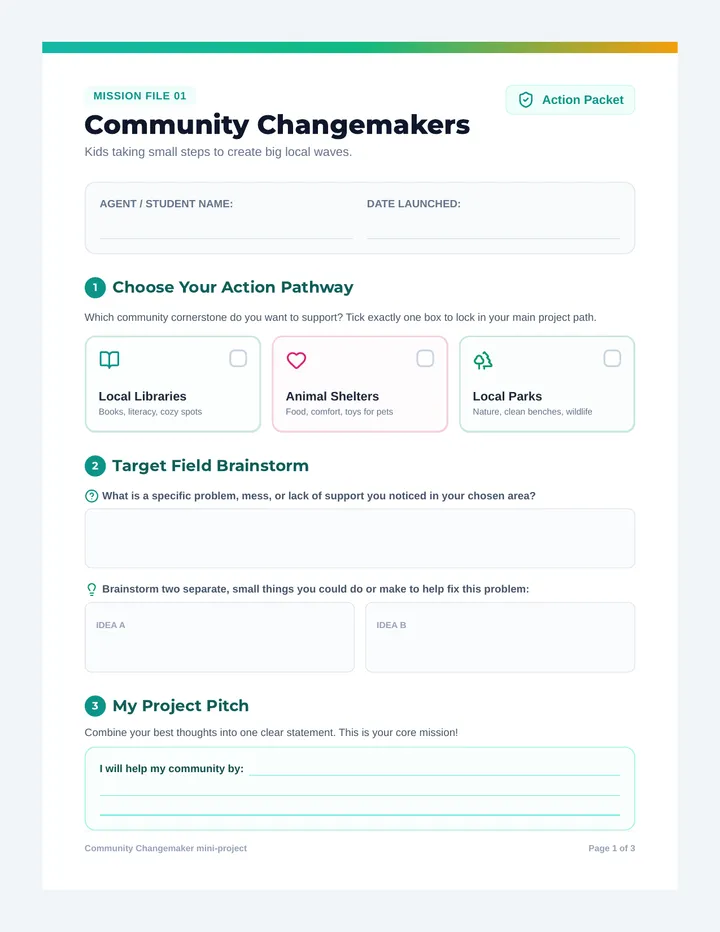
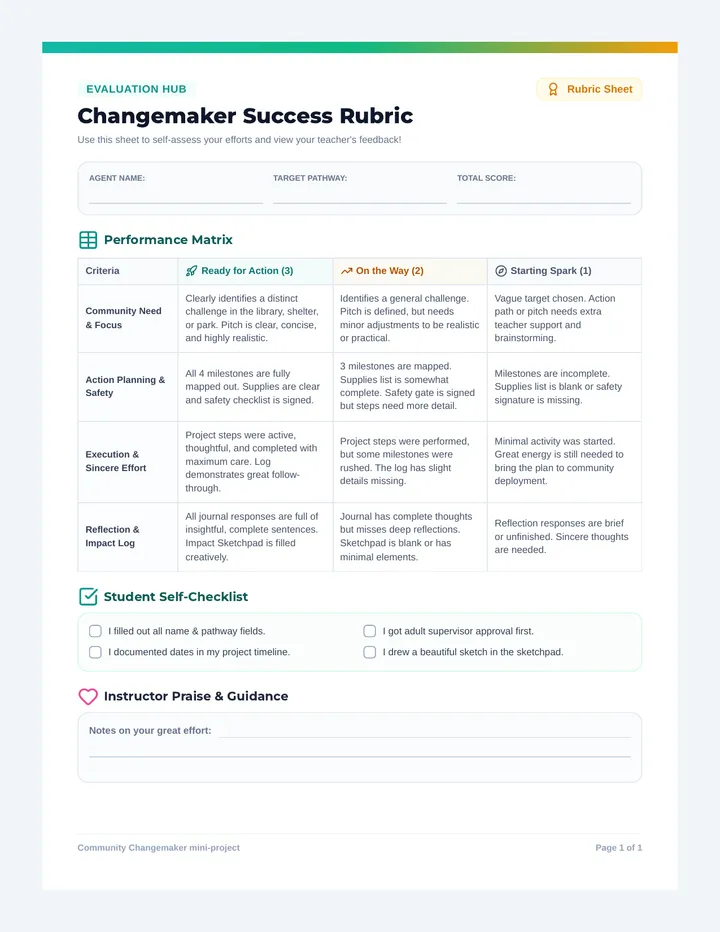
A mini-project curriculum designed to empower young students to become local community changemakers. It guides them through brainstorming, planning, and executing simple, impactful action projects for local libraries, animal shelters, or parks.
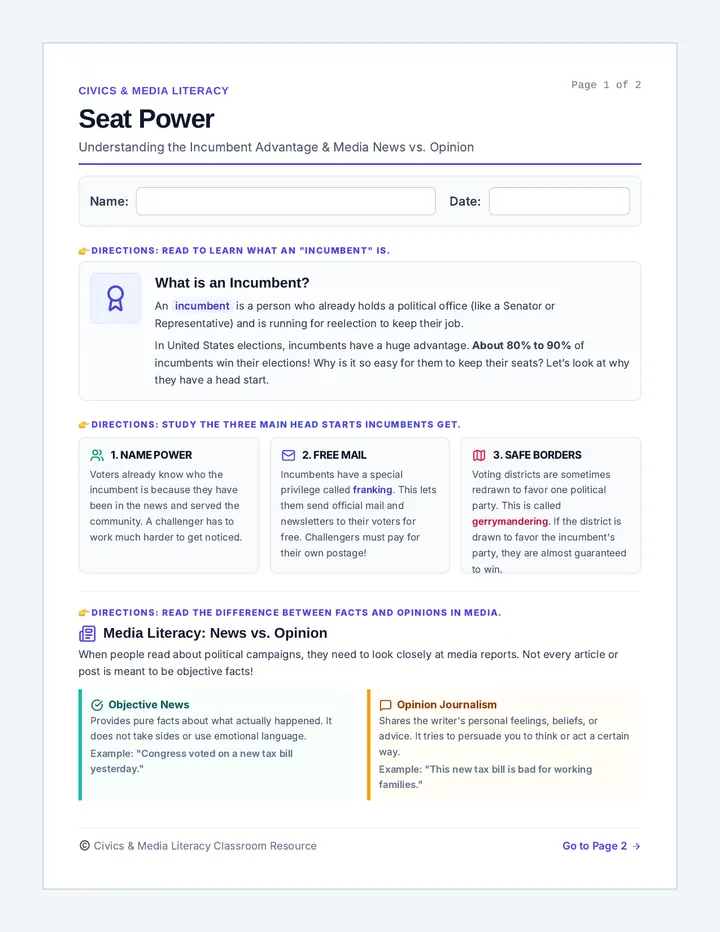
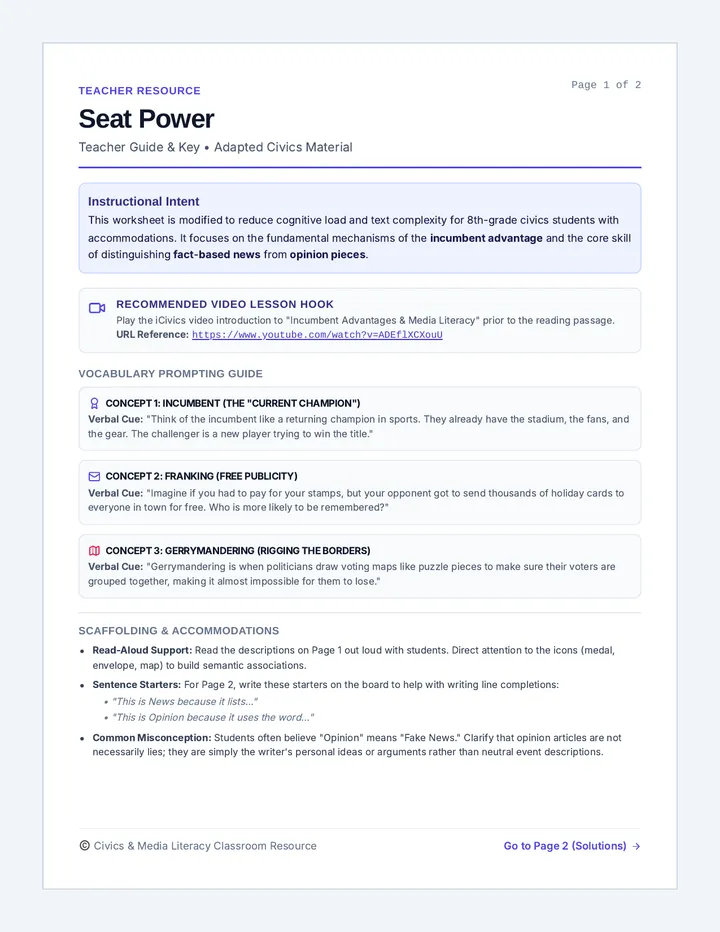
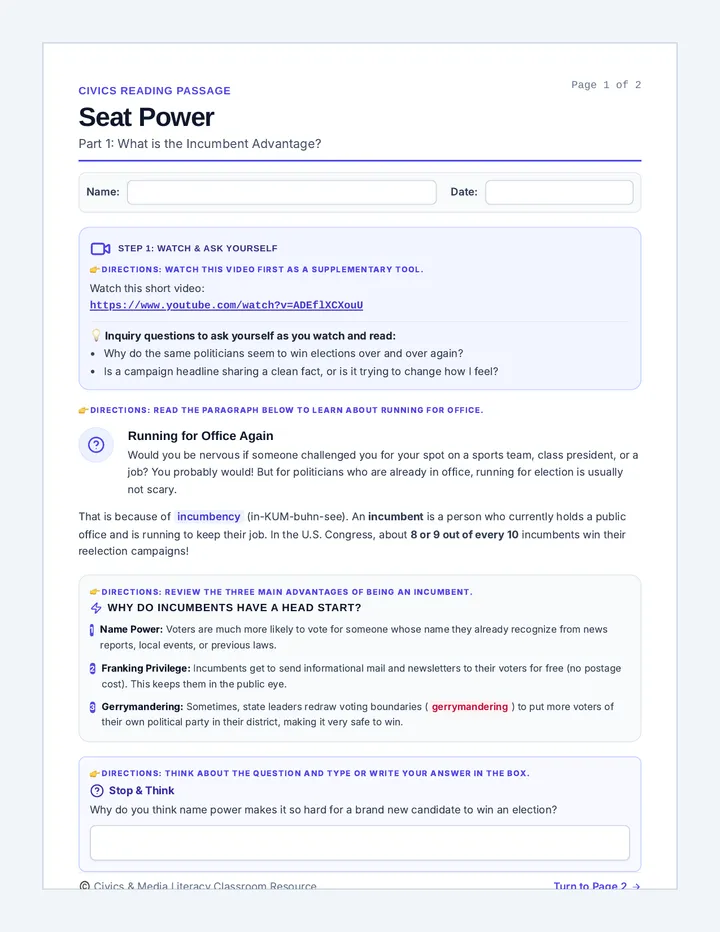
A foundational civics lesson on incumbency, electoral advantages, and media literacy. Students explore why current politicians usually win reelection and learn to distinguish between objective news reports and opinion articles.
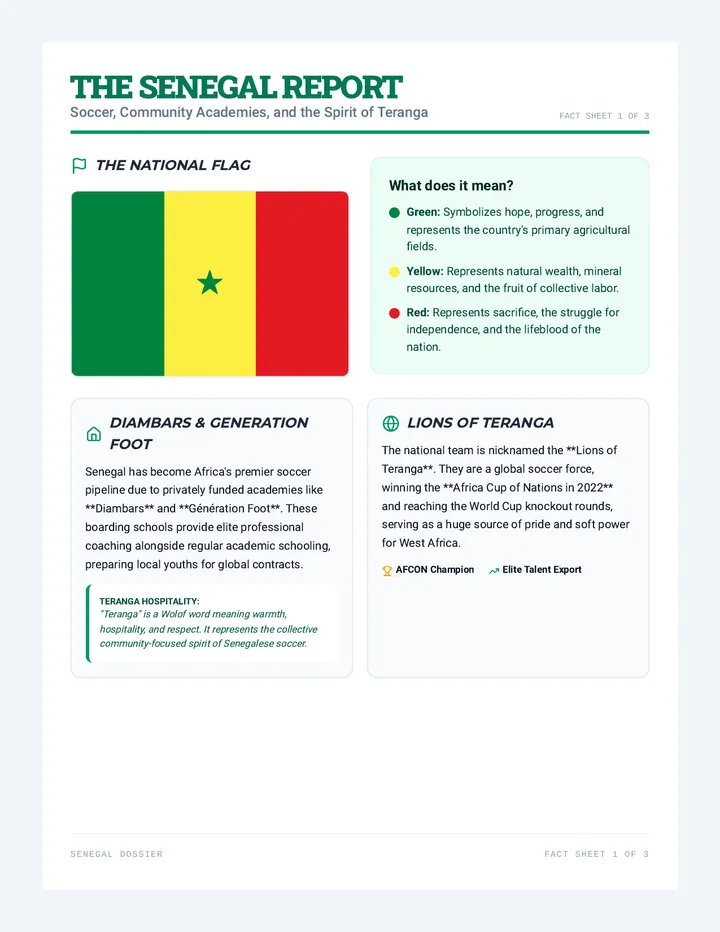
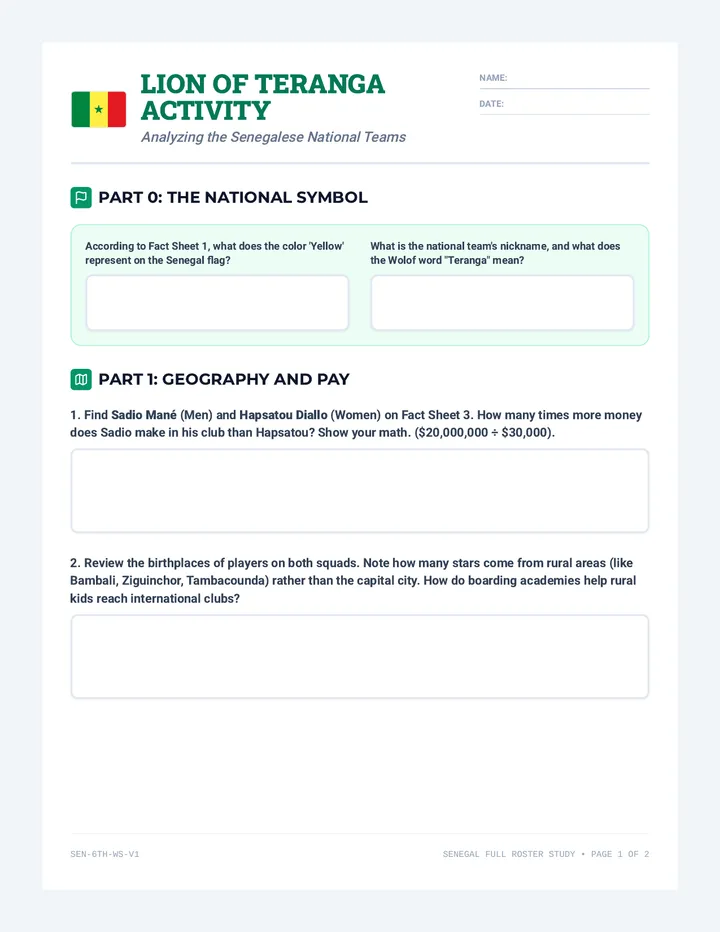
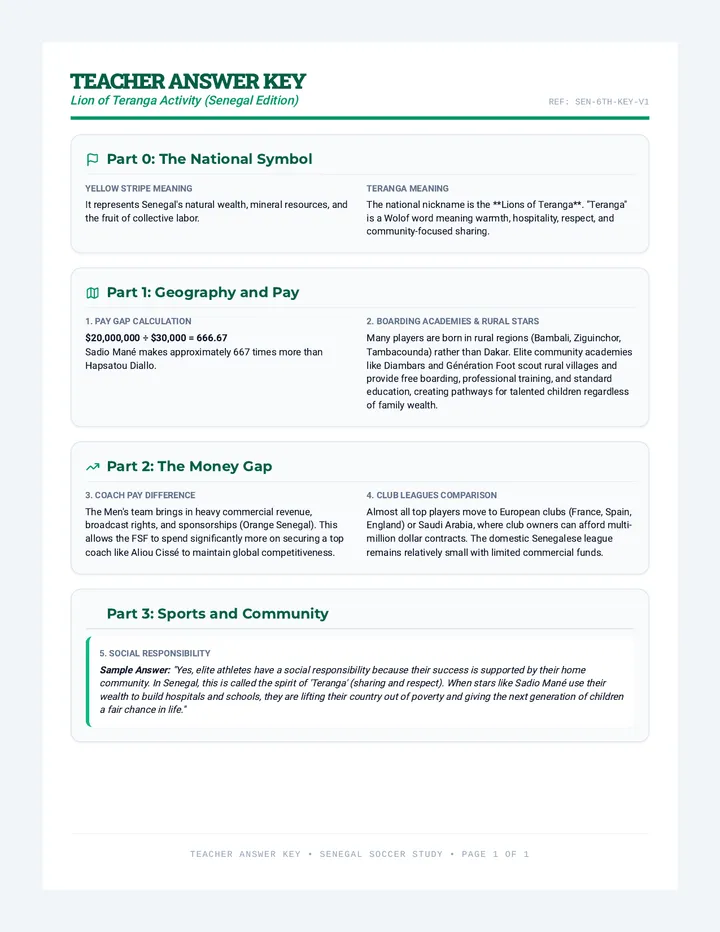
An investigation of Senegal's national soccer program (Lions of Teranga), French-African economic ties, and community soccer academies.
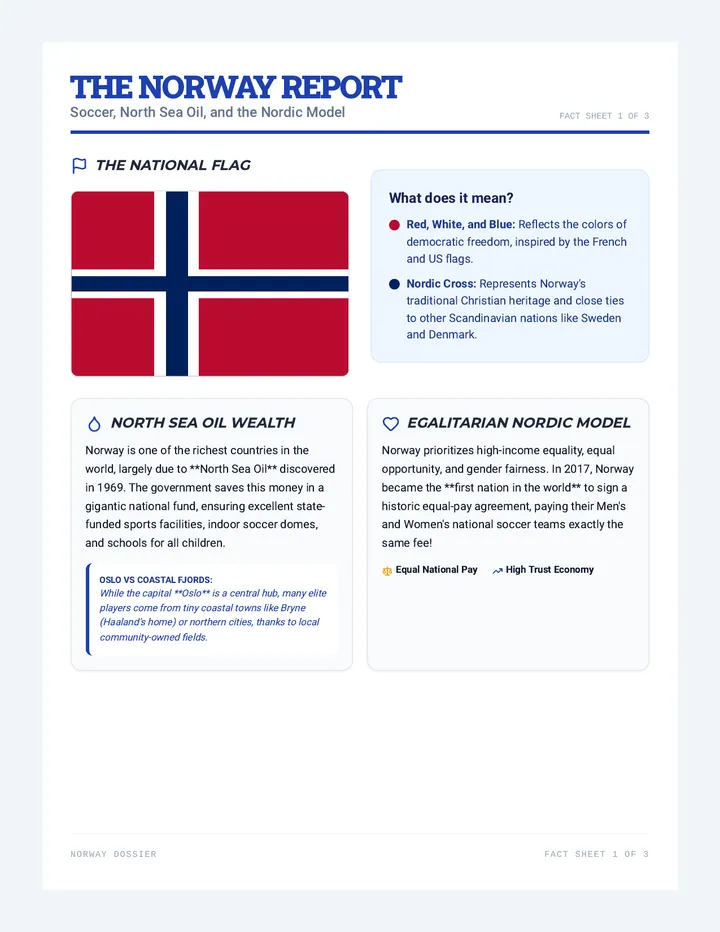
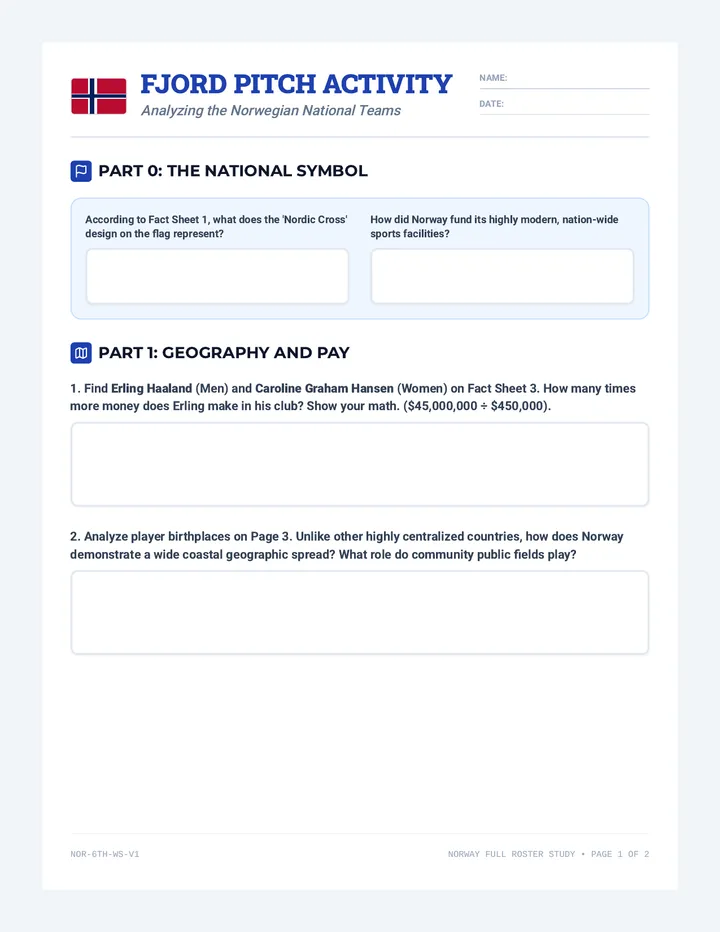
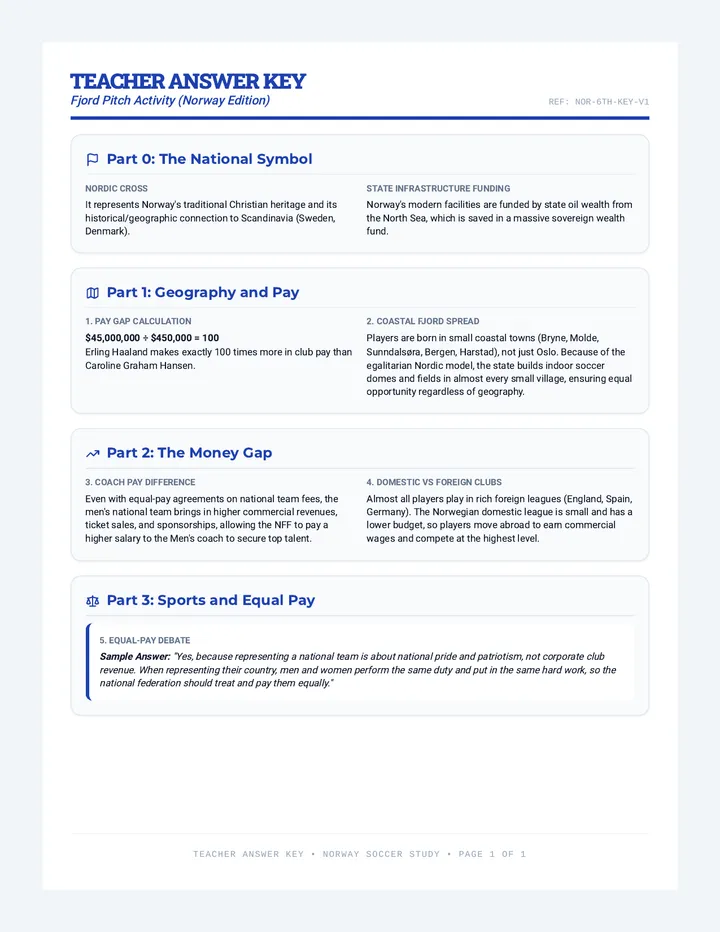
An exploration of Norway's soccer renaissance, wealth from North Sea oil, and its high-income equality model in professional sports.
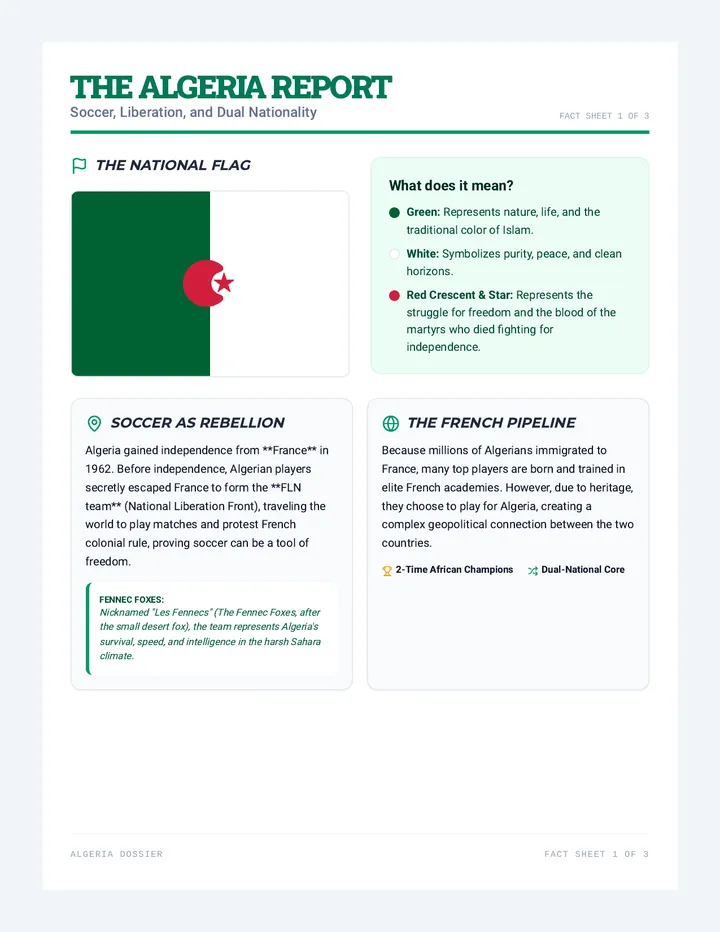
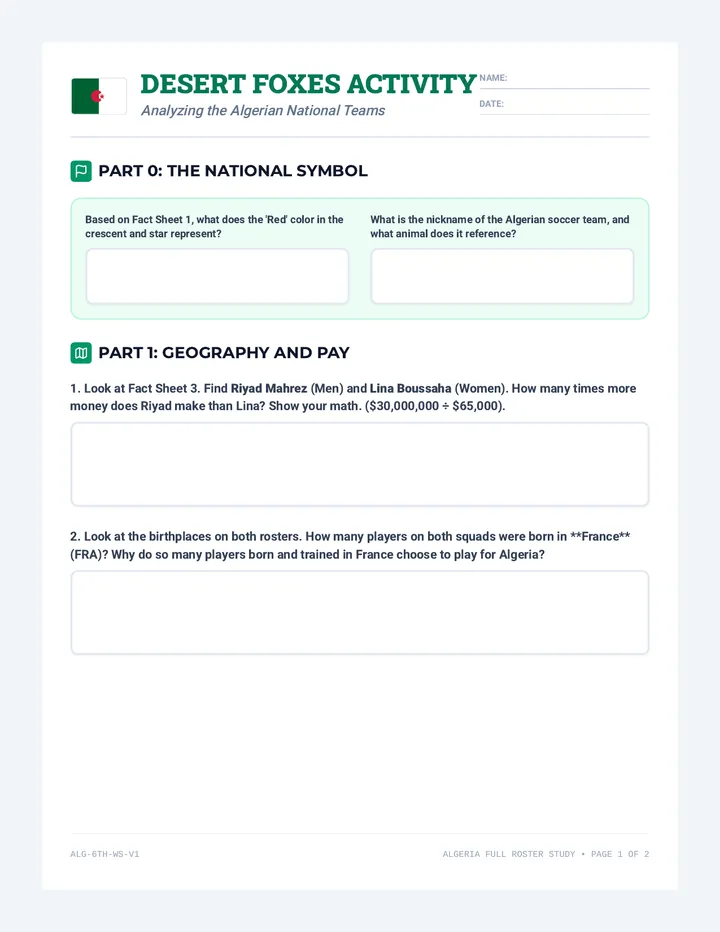
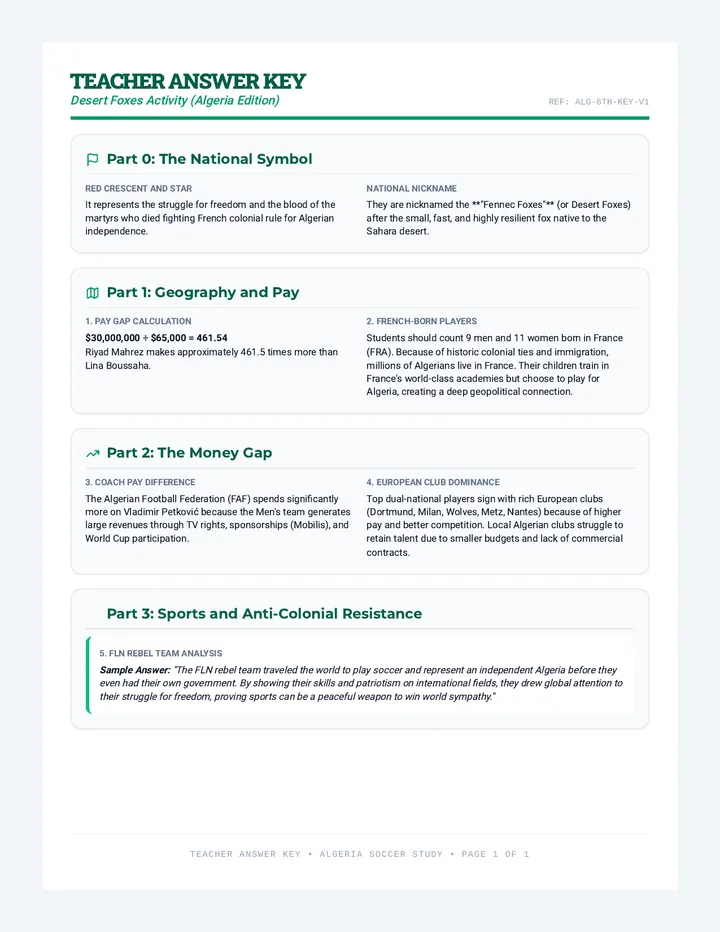
An investigation of Algerian soccer (Fennec Foxes), the geopolitics of French-Algerian dual citizenship, and soccer as a historic symbol of anti-colonial resistance.
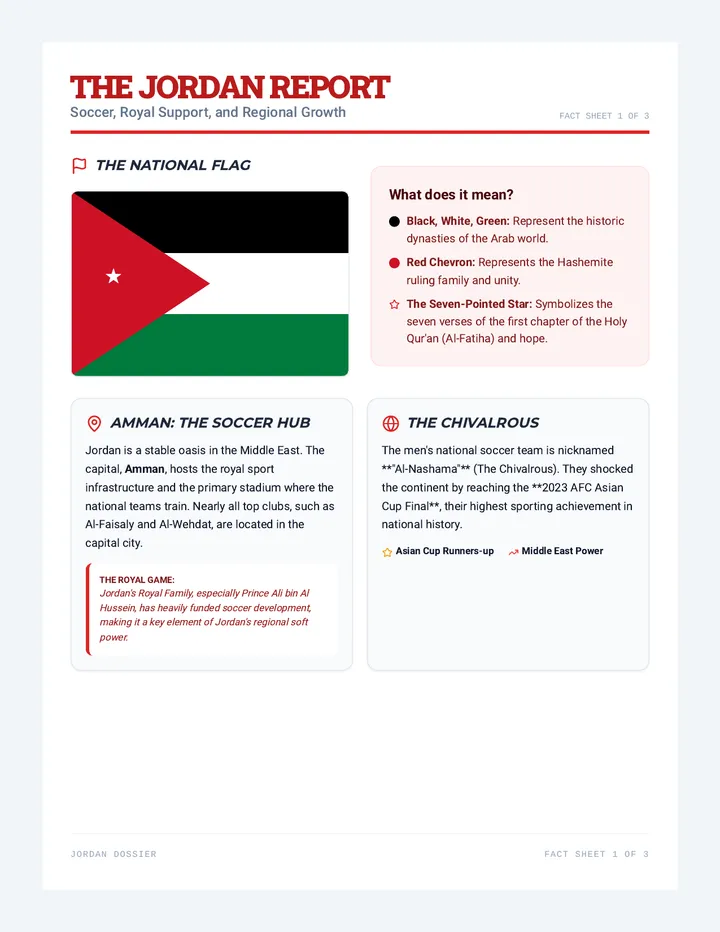
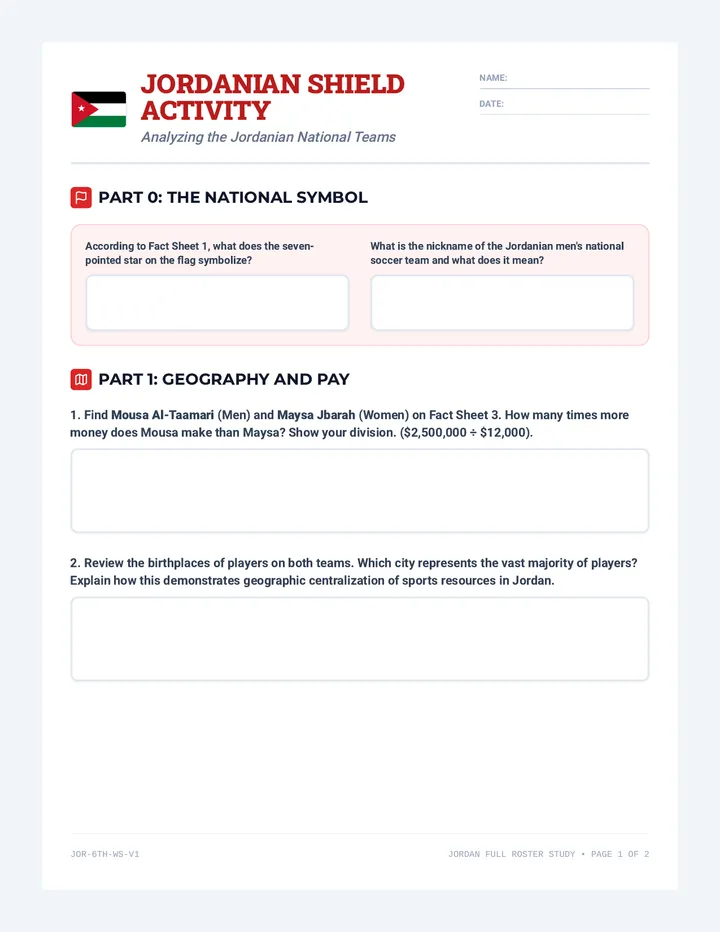
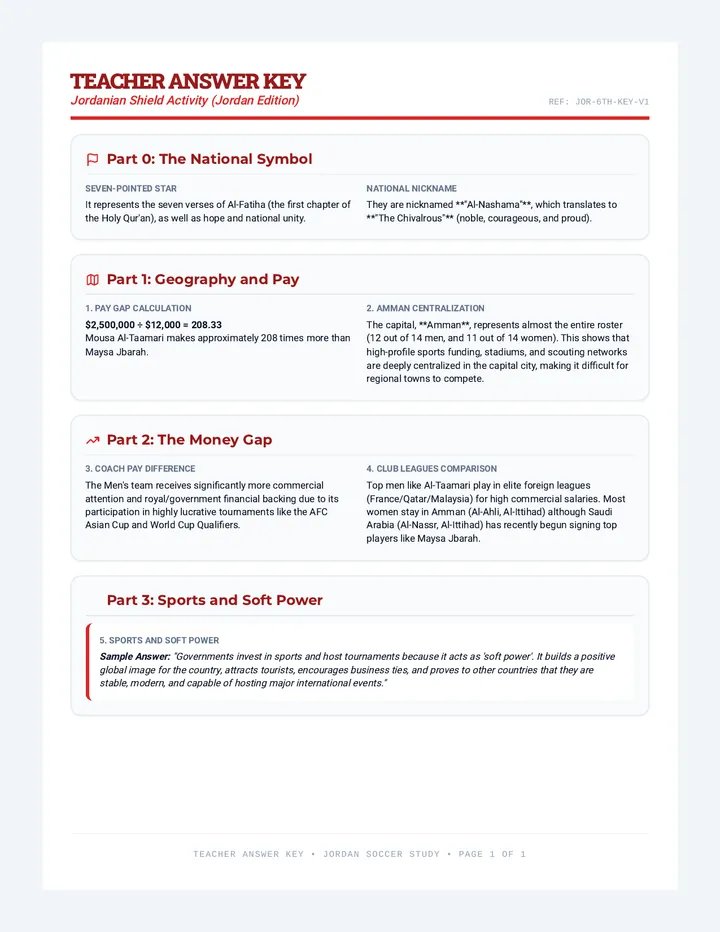
An exploration of Jordan's rise in Asian soccer, regional development, and the geopolitical role of sports infrastructure in the Middle East.
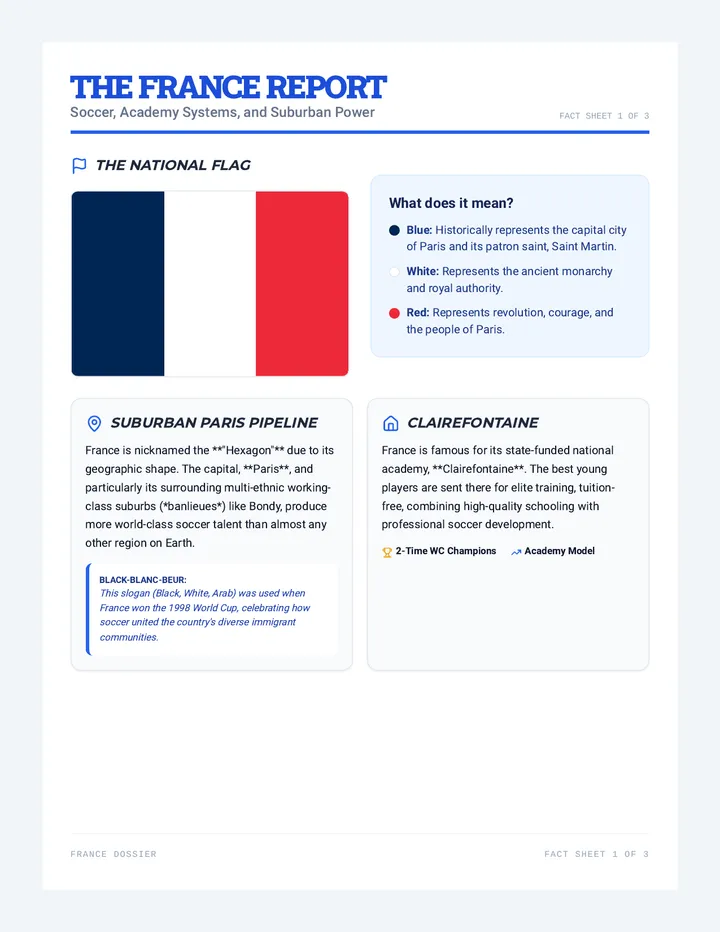
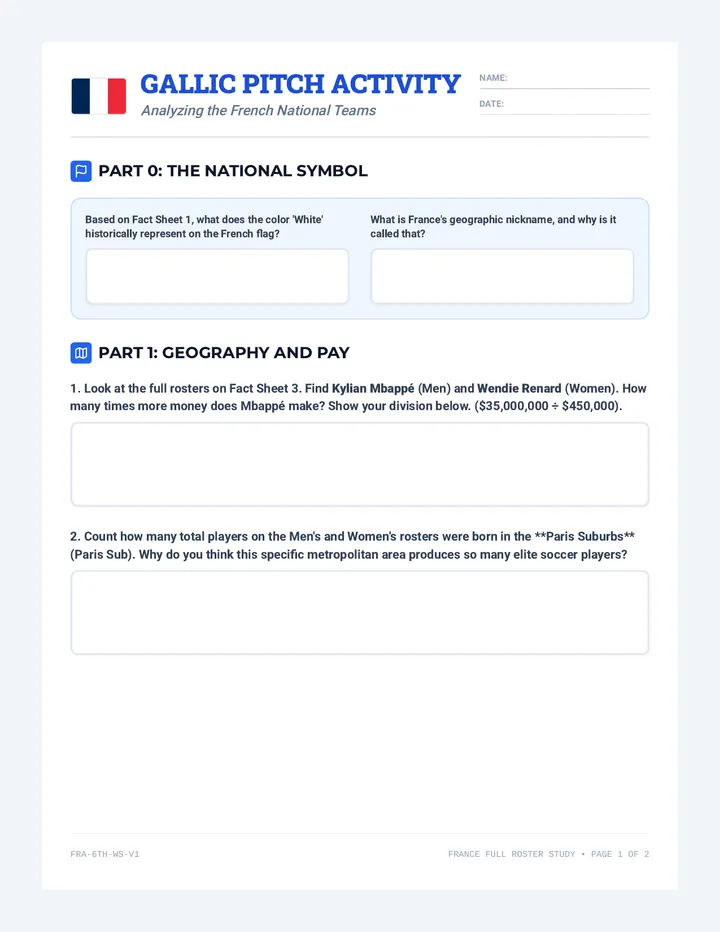
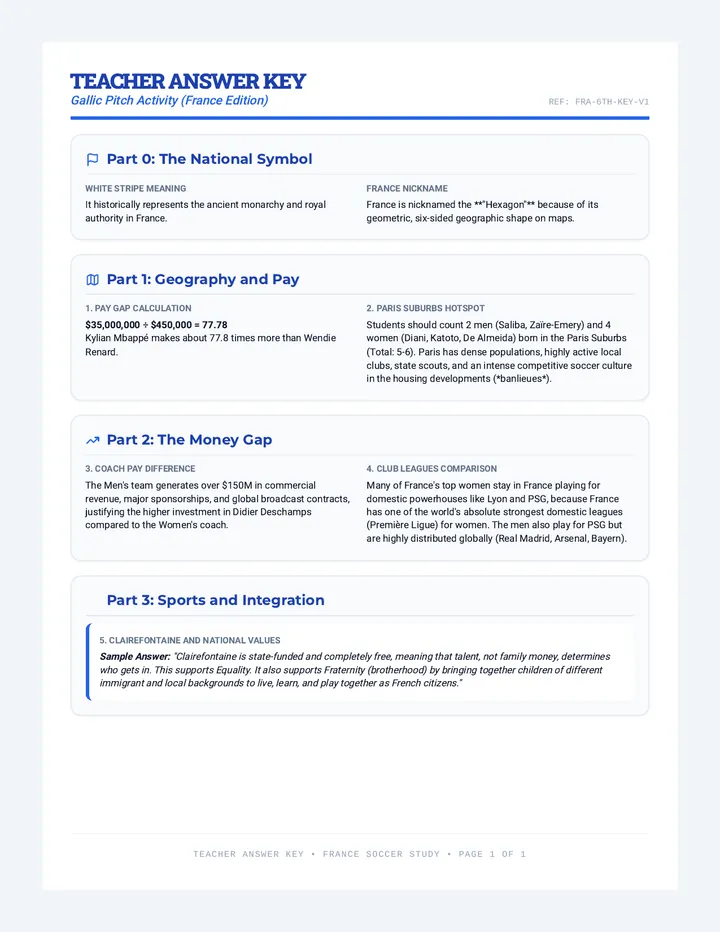
An investigation of France's elite soccer academies, the economics of Ligue 1, and the geopolitics of suburban Paris soccer.
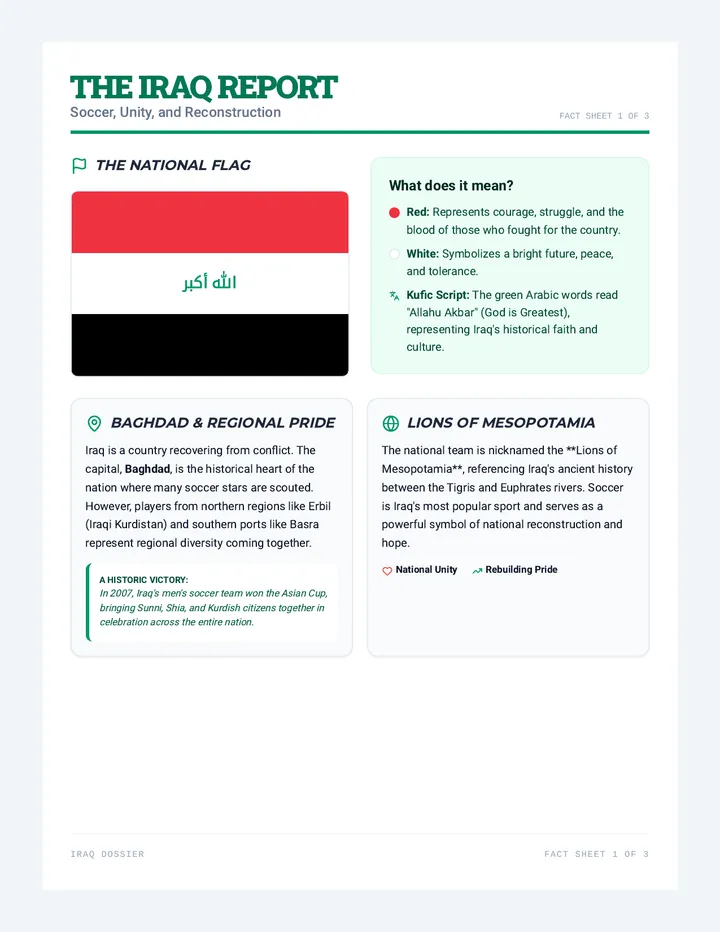
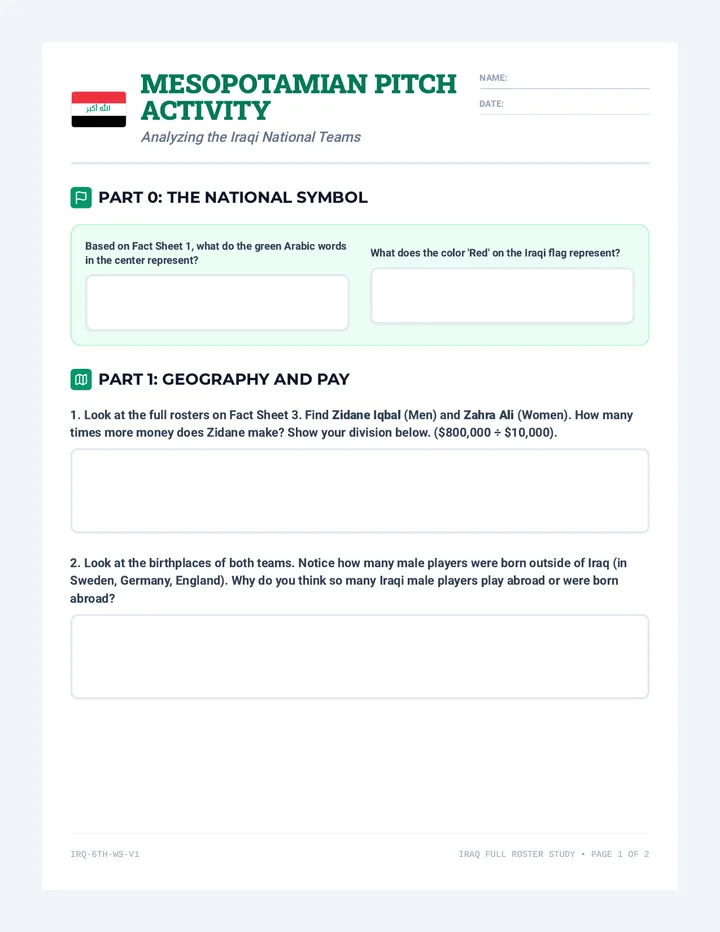
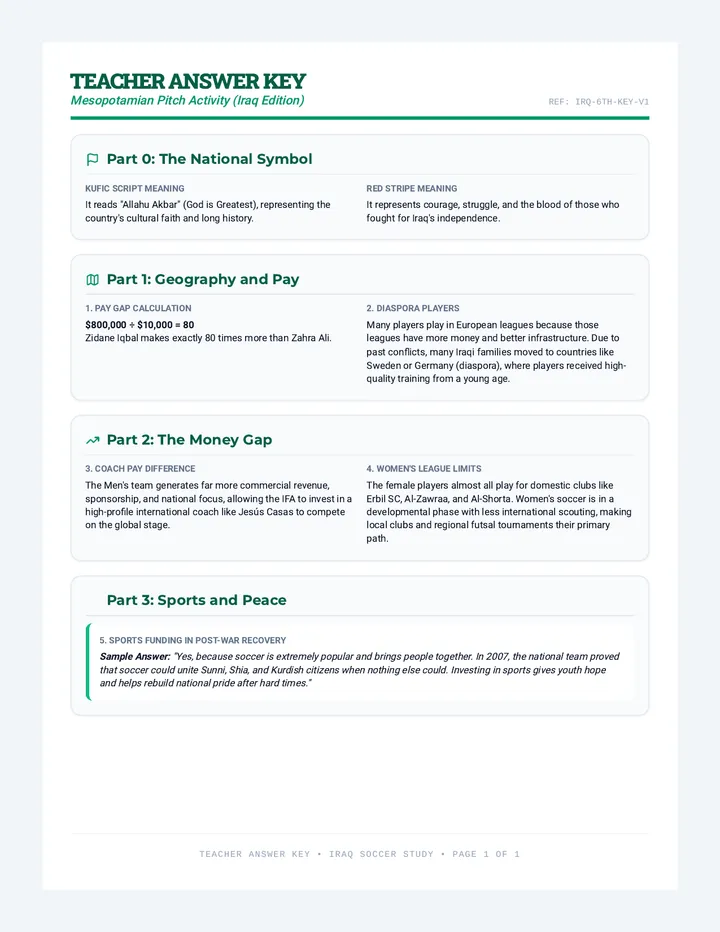
An exploration of soccer, national identity, and post-war reconstruction in Iraq, analyzing the Lions of Mesopotamia national soccer program.
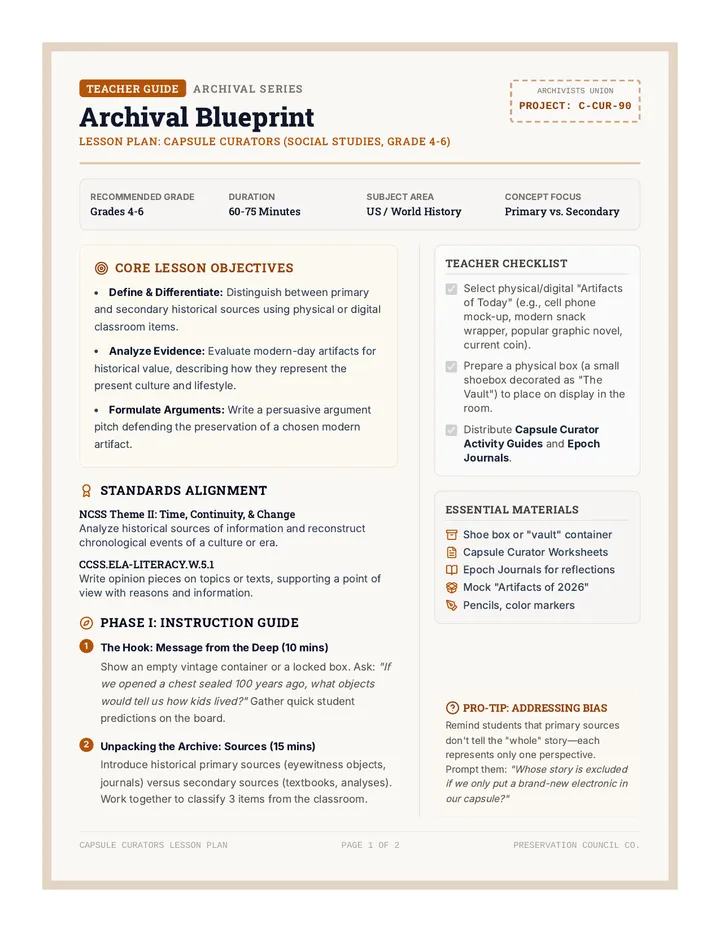
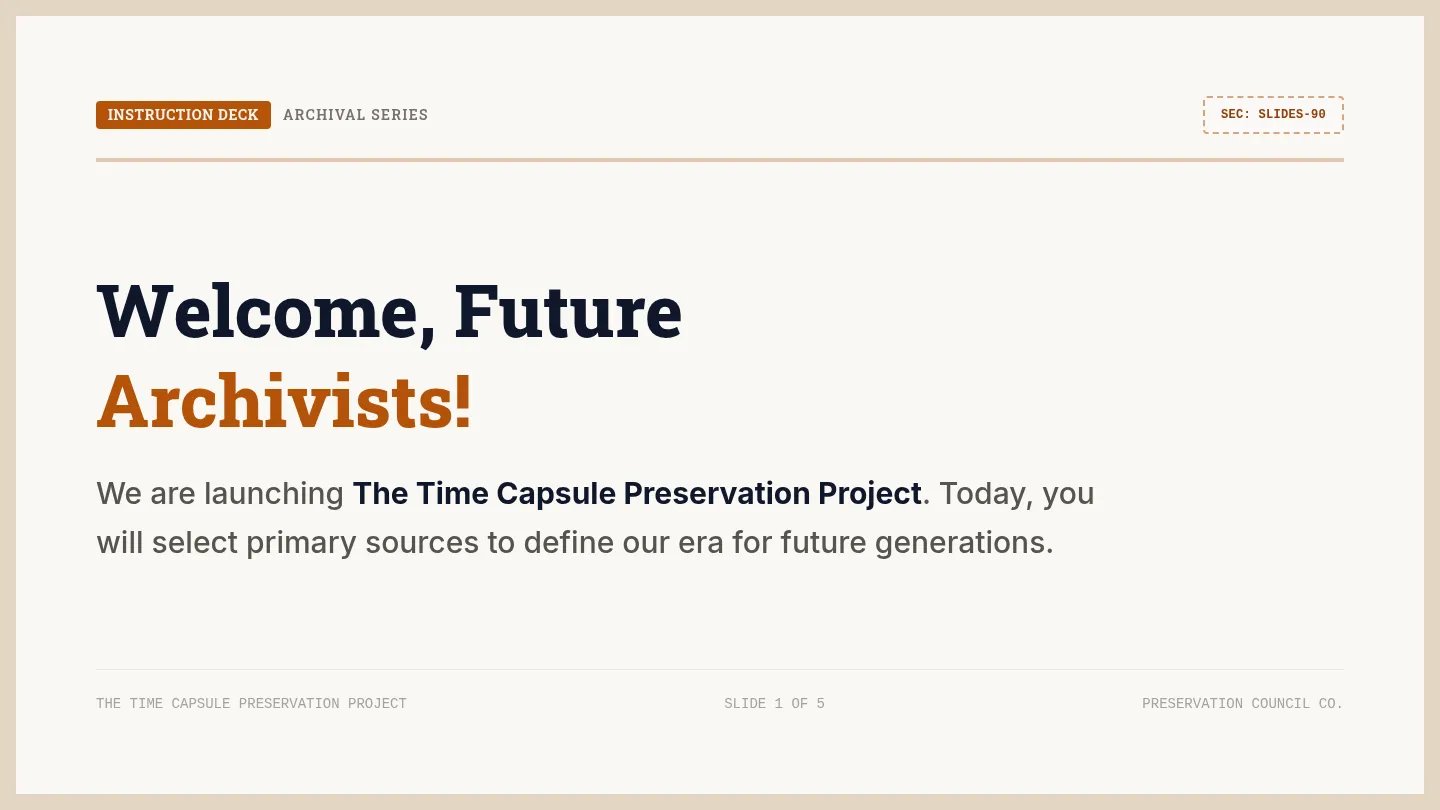
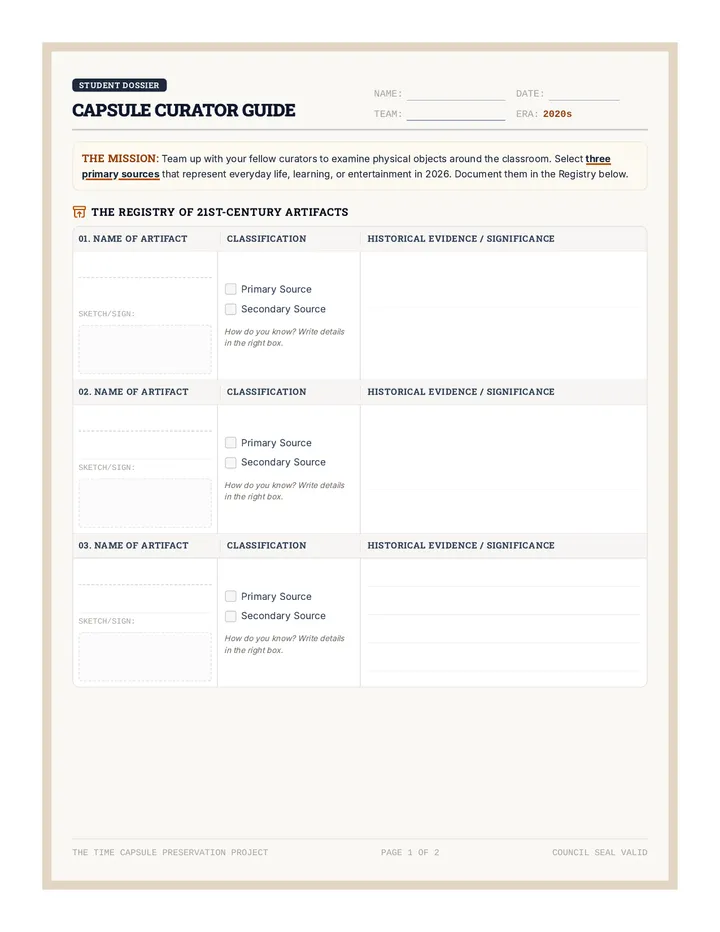
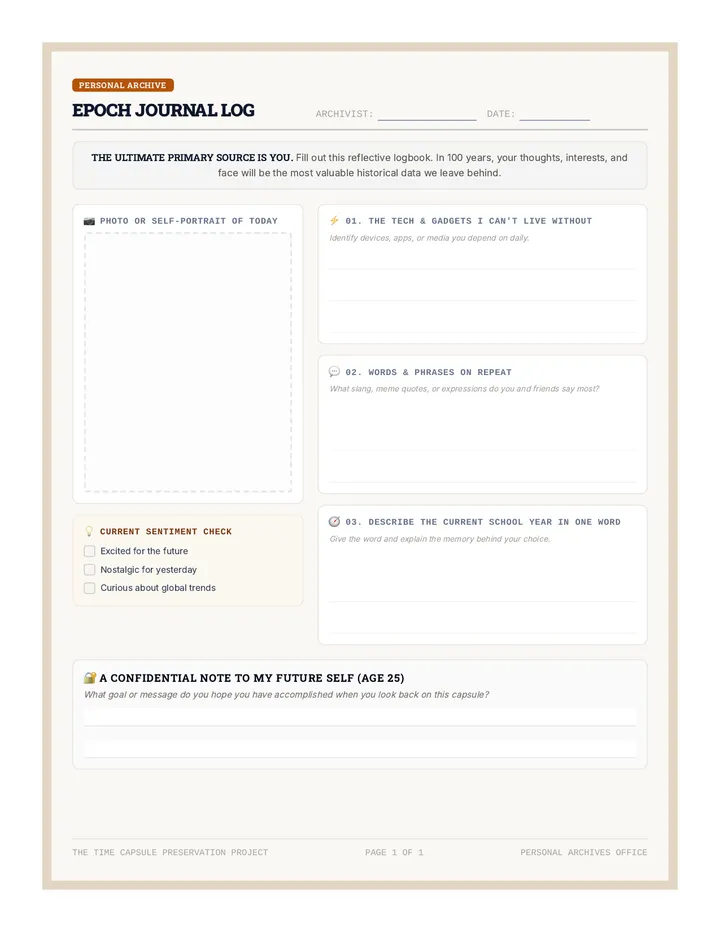
An inquiry-based social studies lesson where students explore primary and secondary sources by curating a classroom time capsule. Students analyze modern artifacts, select items representing their epoch, and write persuasive letters to future historians.
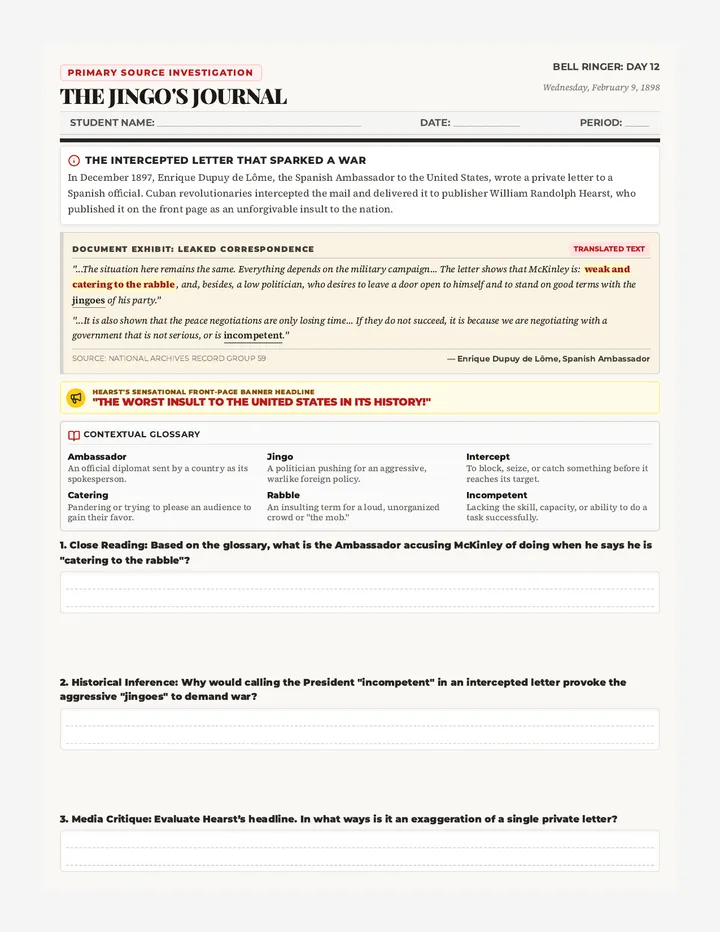
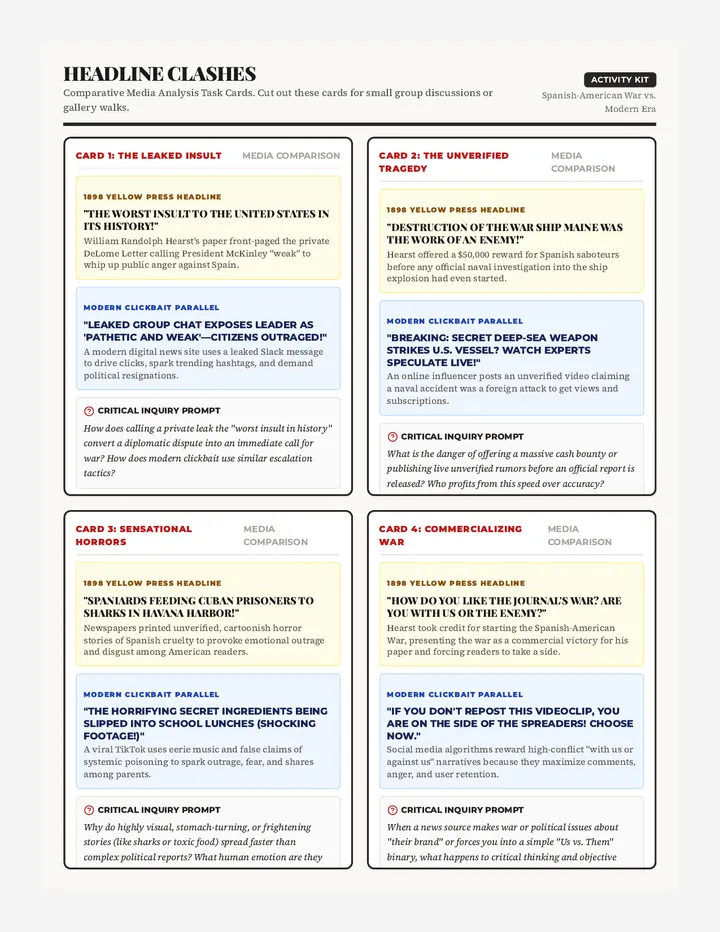
Students examine yellow journalism through the lens of the historical DeLome Letter leak of 1898. They analyze sensationalized media, understand the historical context of the Spanish-American War, and draw parallels to modern media.
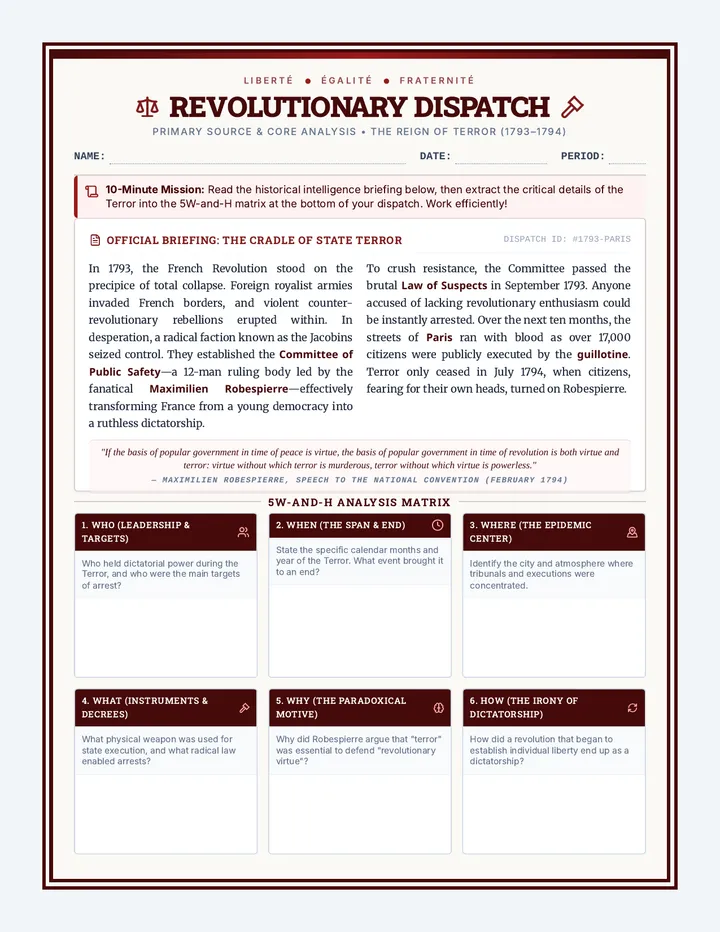
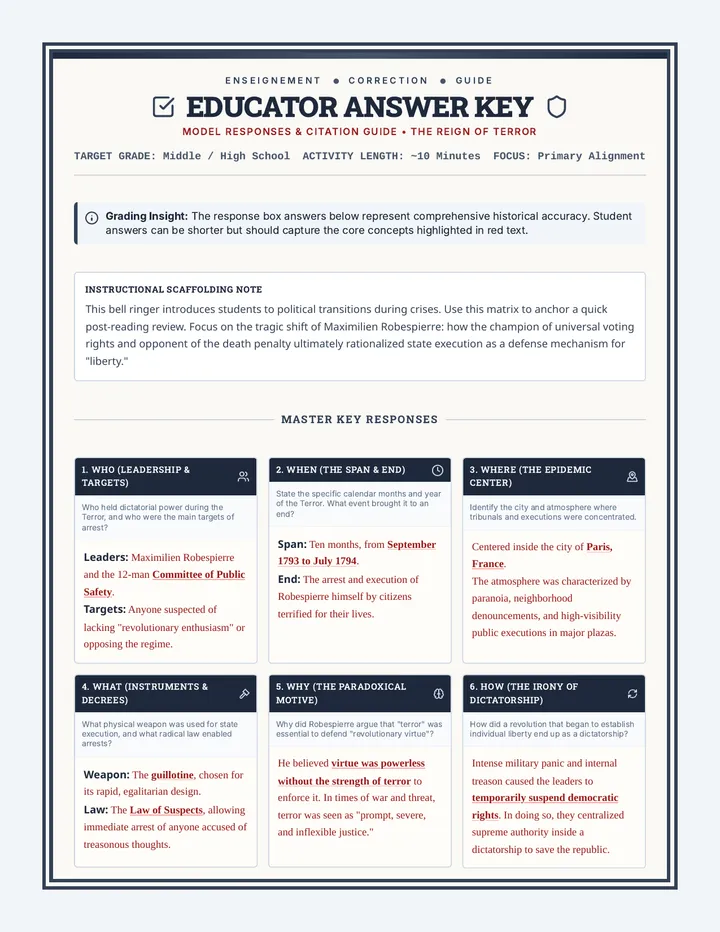
A deep dive into the French Revolution's bloodiest phase, analyzing how revolutionary ideals twisted into state-sponsored terror under Robespierre.
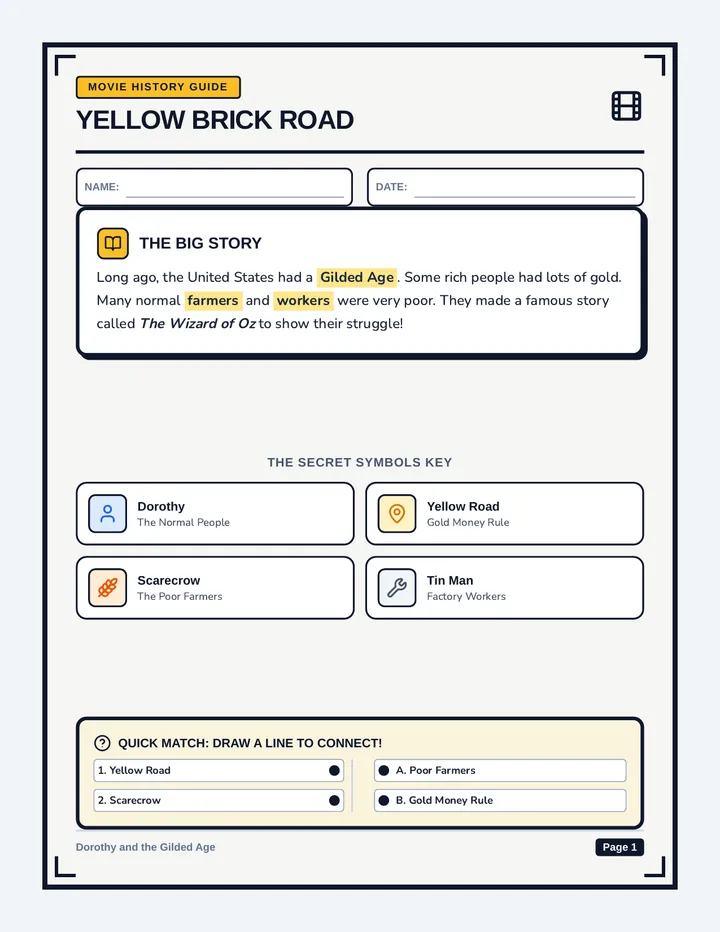
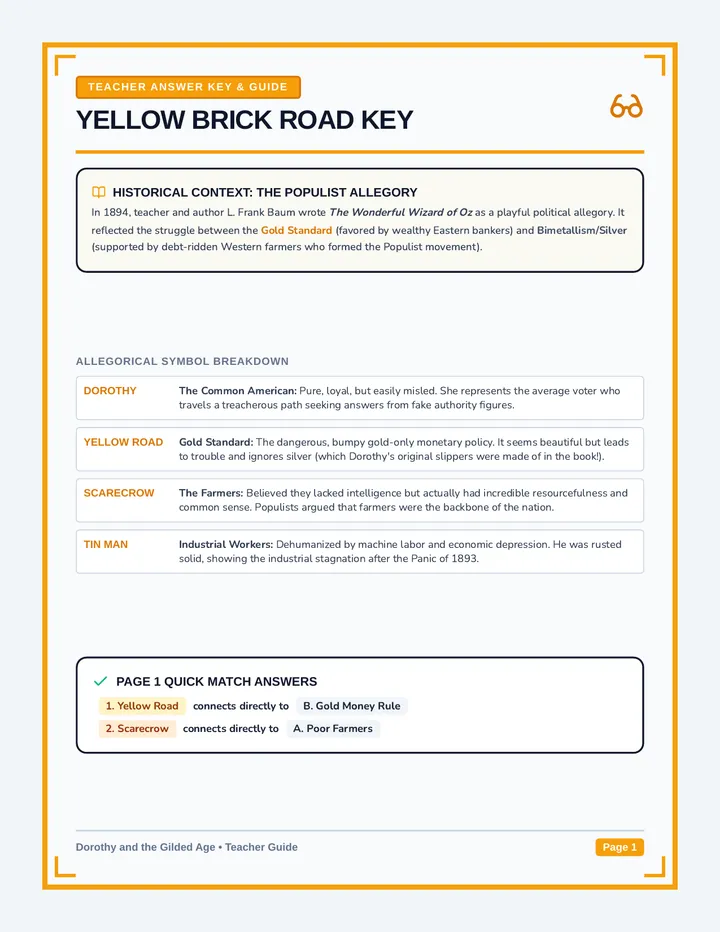
A highly accessible watch guide lesson linking The Wizard of Oz (1939) to Gilded Age politics (Populism, the Gold Standard, and industrial workers), designed specifically for middle school students reading at a 1st-grade level using visual matching, word banks, and literal multiple-choice questions.
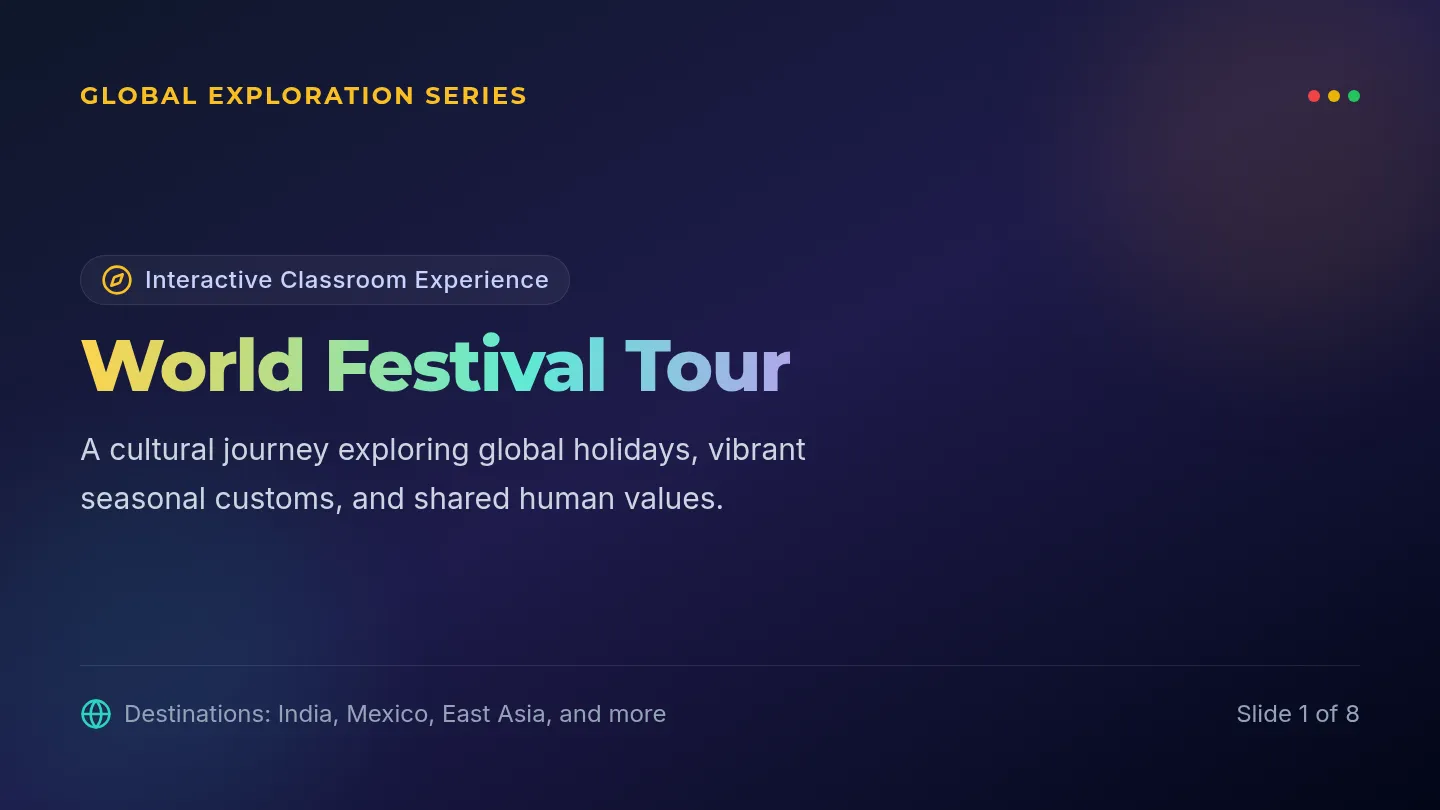
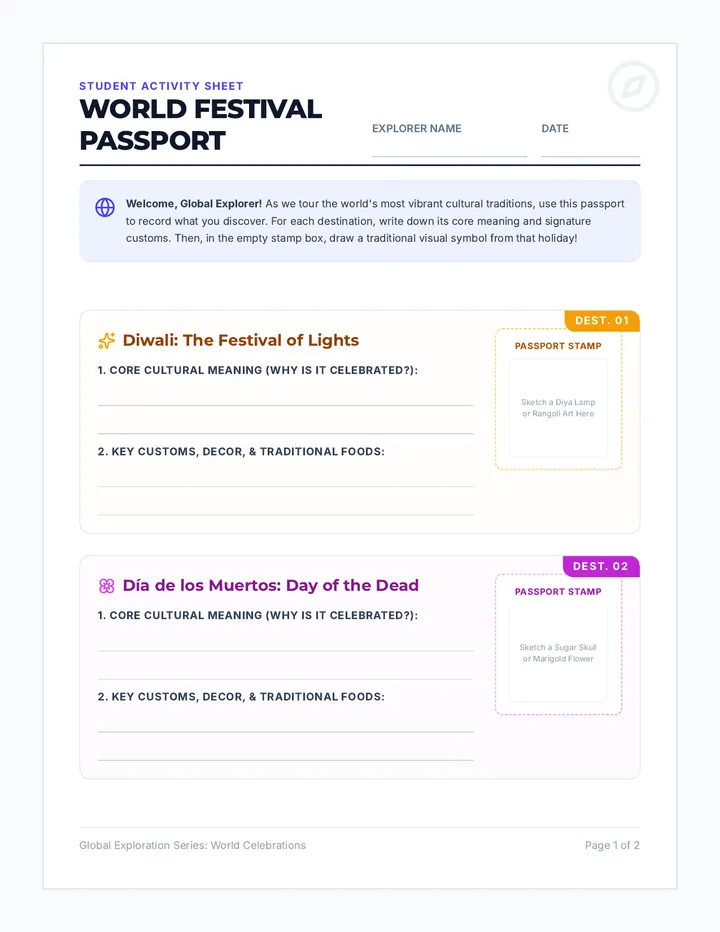
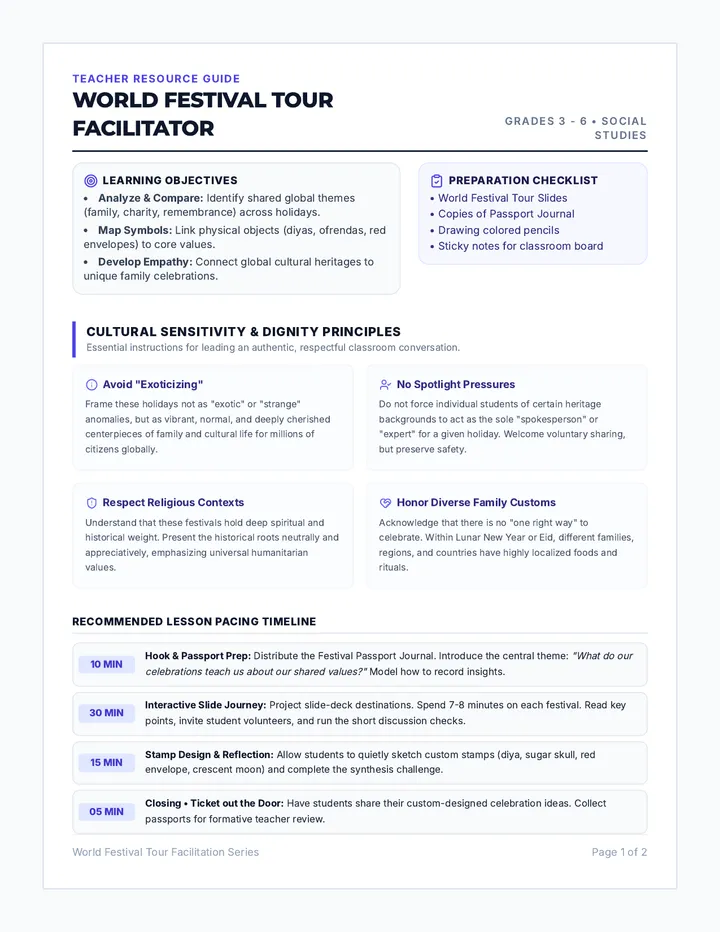
An engaging, multicultural lesson introducing students to four rich global celebrations: Diwali, Día de los Muertos, Lunar New Year, and Eid al-Fitr. The lesson explores cultural significance, seasonal customs, symbols, and values, supporting global citizenship and empathy.
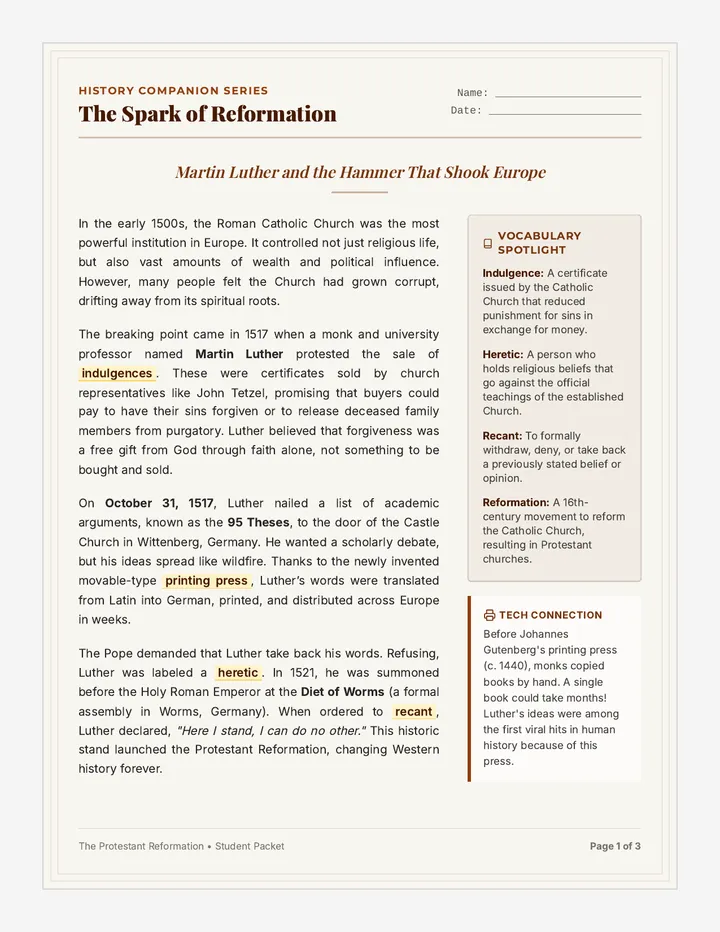
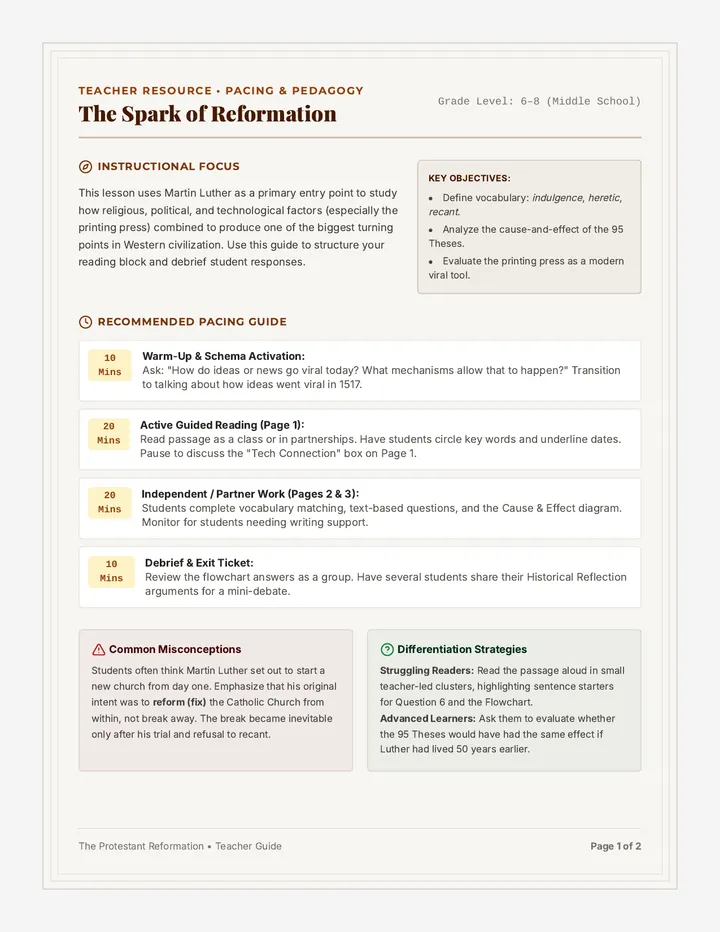
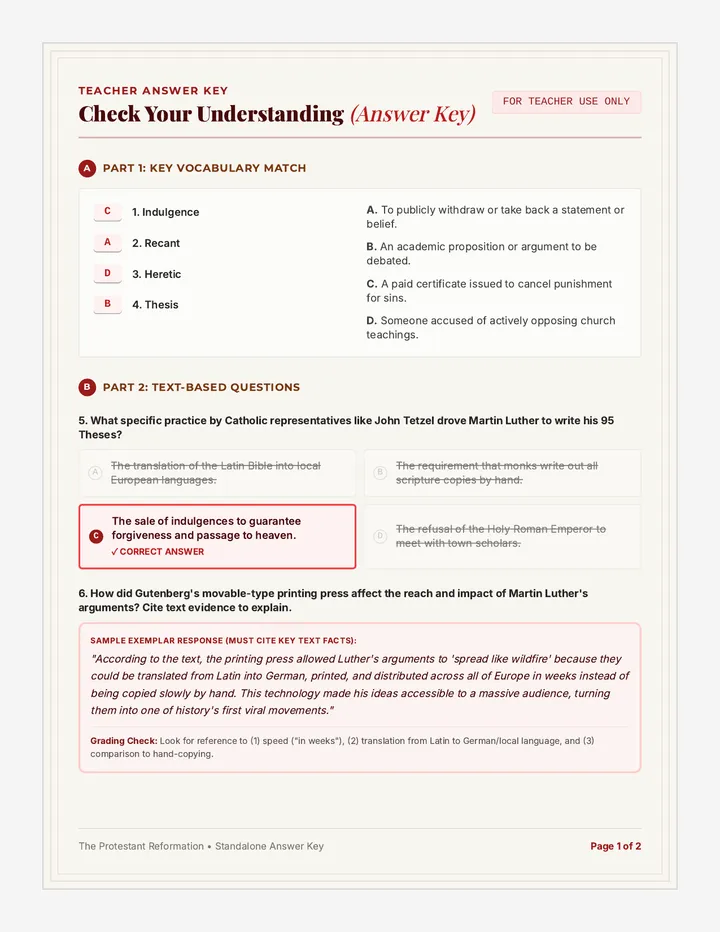
A middle school history lesson exploring Martin Luther's role in the Protestant Reformation, focusing on key biographical events, critical vocabulary, and cause-and-effect historical analysis.
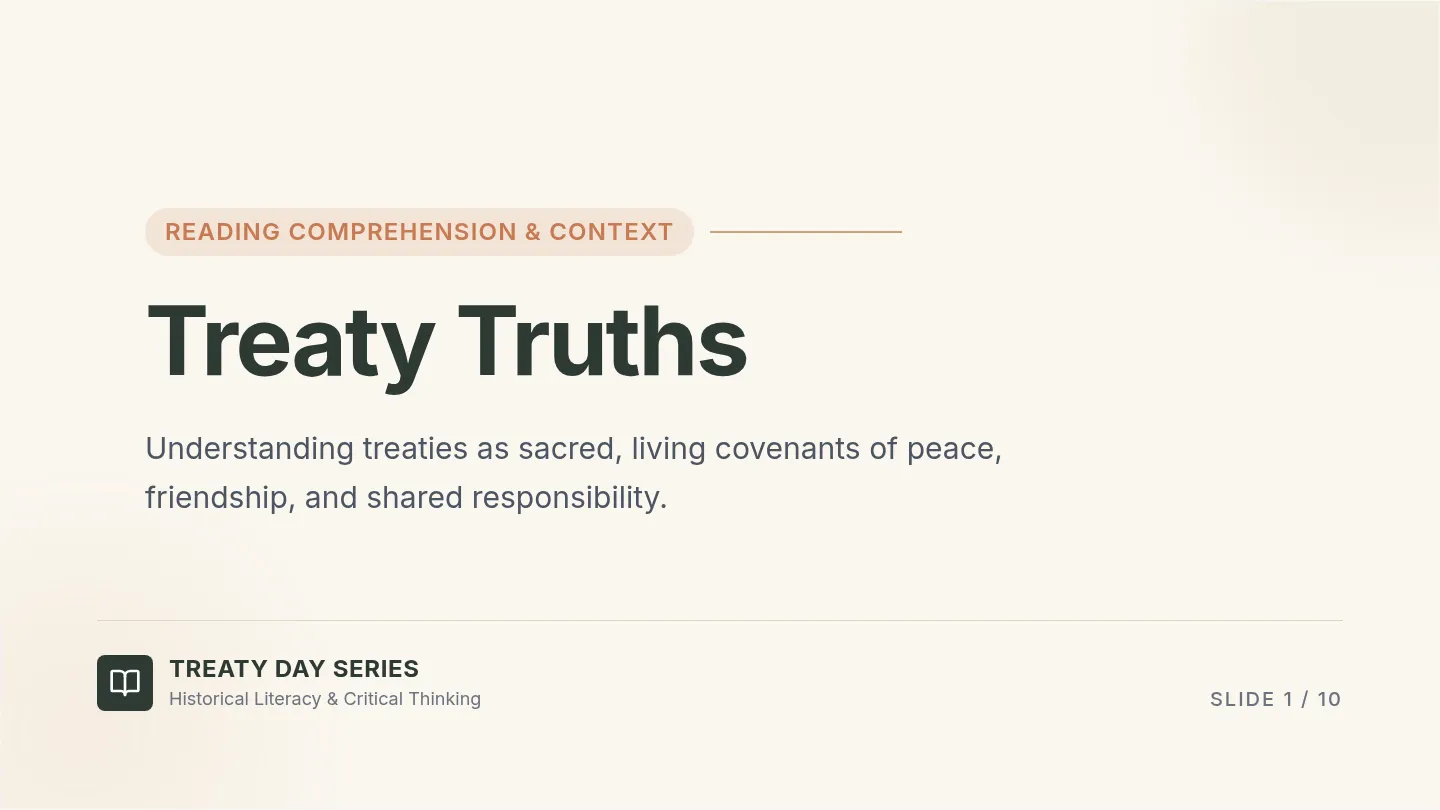
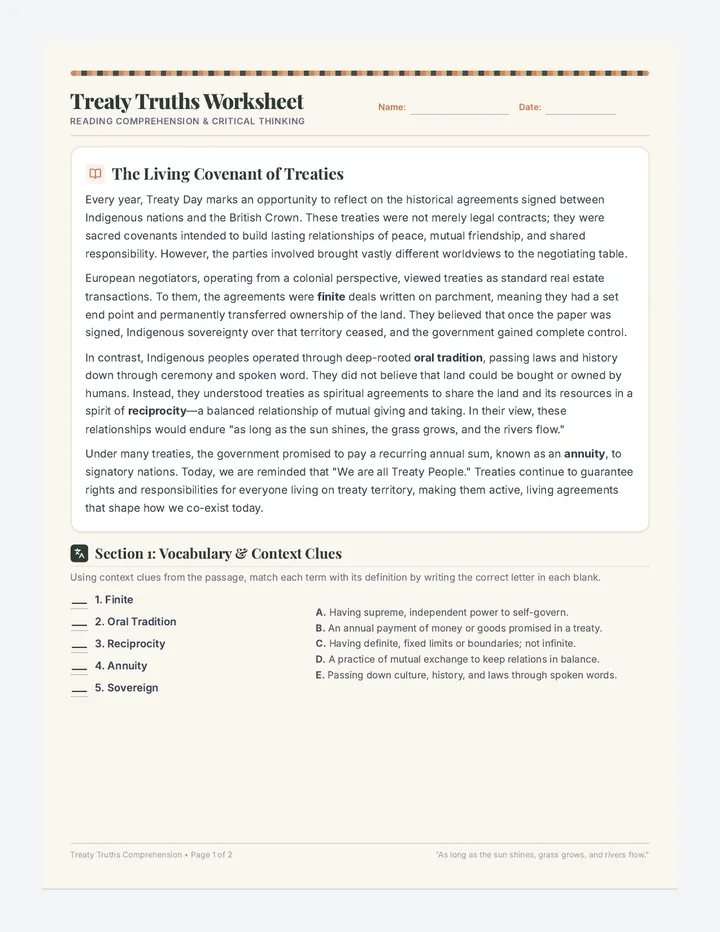
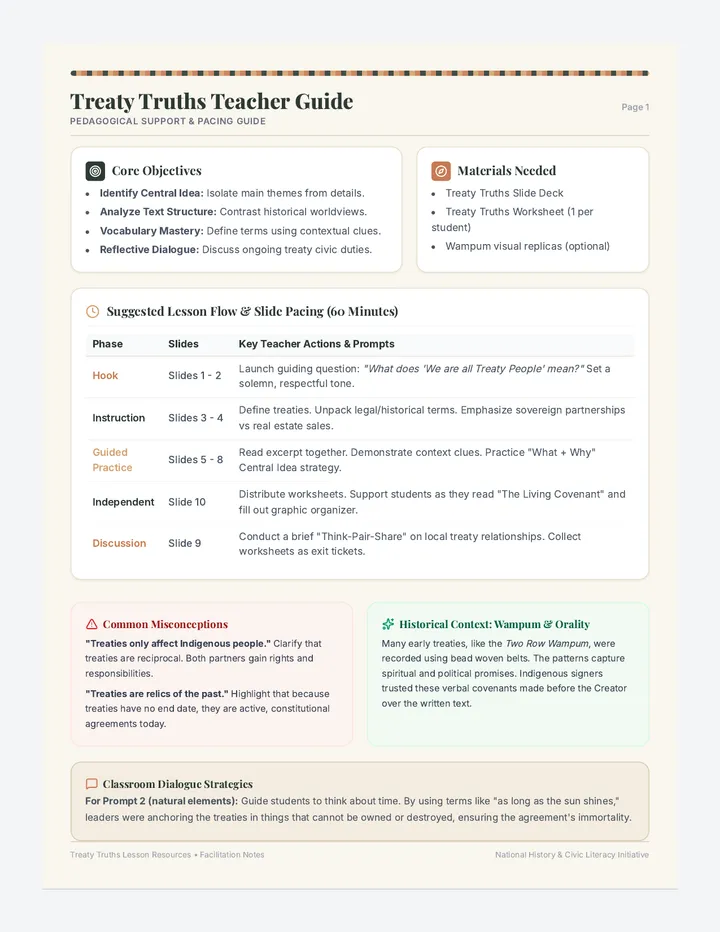
An interactive, historically grounded lesson exploring the significance of Treaty Day, focusing on central ideas, summarizing, and historical vocabulary. Students analyze the nature of treaties as sacred, ongoing agreements and practice identifying key themes and context clues.