Students take turns acting as the conductor, using gestures to control dynamics and tempo for their classmates representing different instrument families.

A complete bulletin board kit featuring vibrant, rainbow-themed musical elements and diverse student illustrations to celebrate music as a universal language.
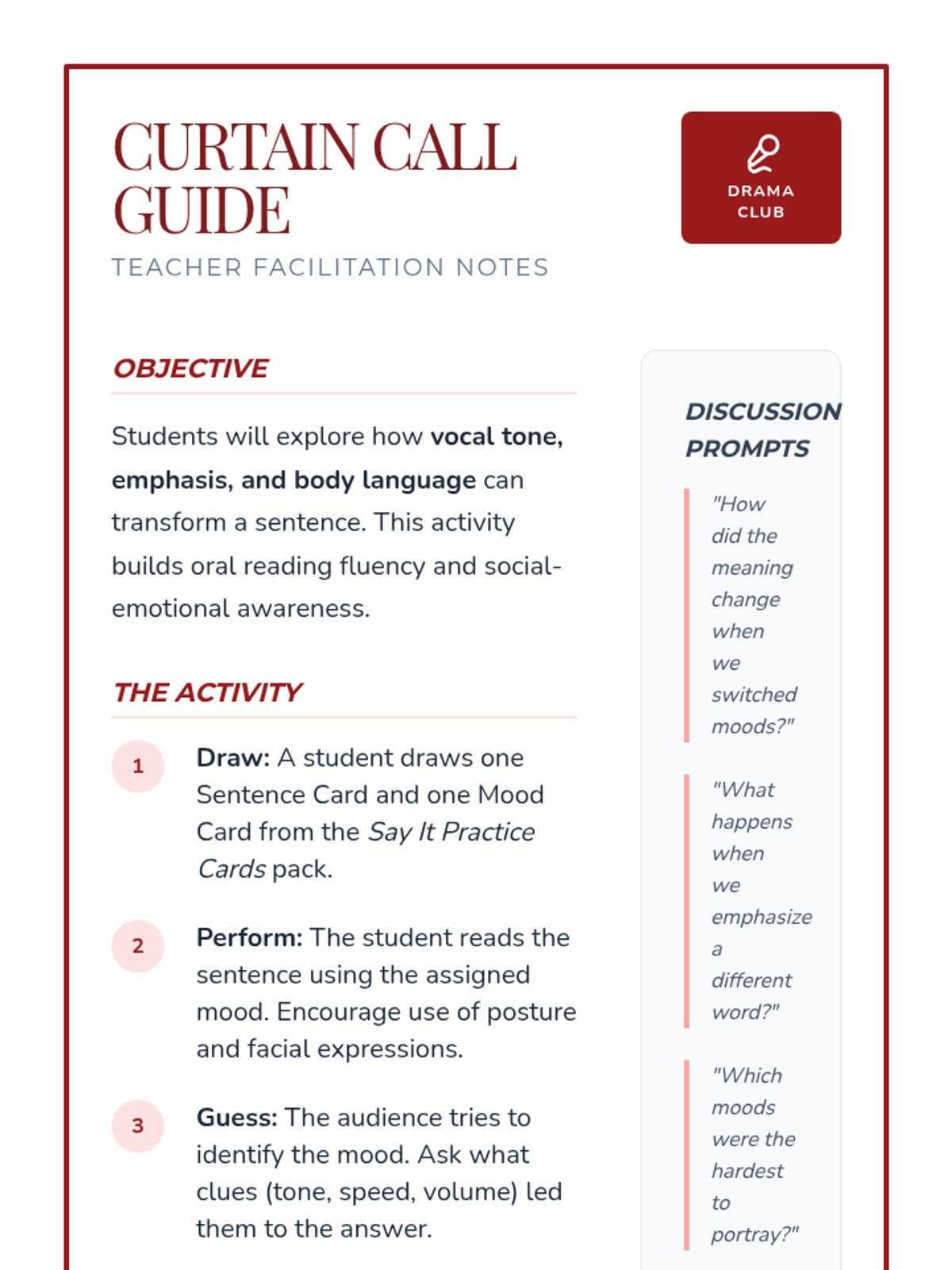
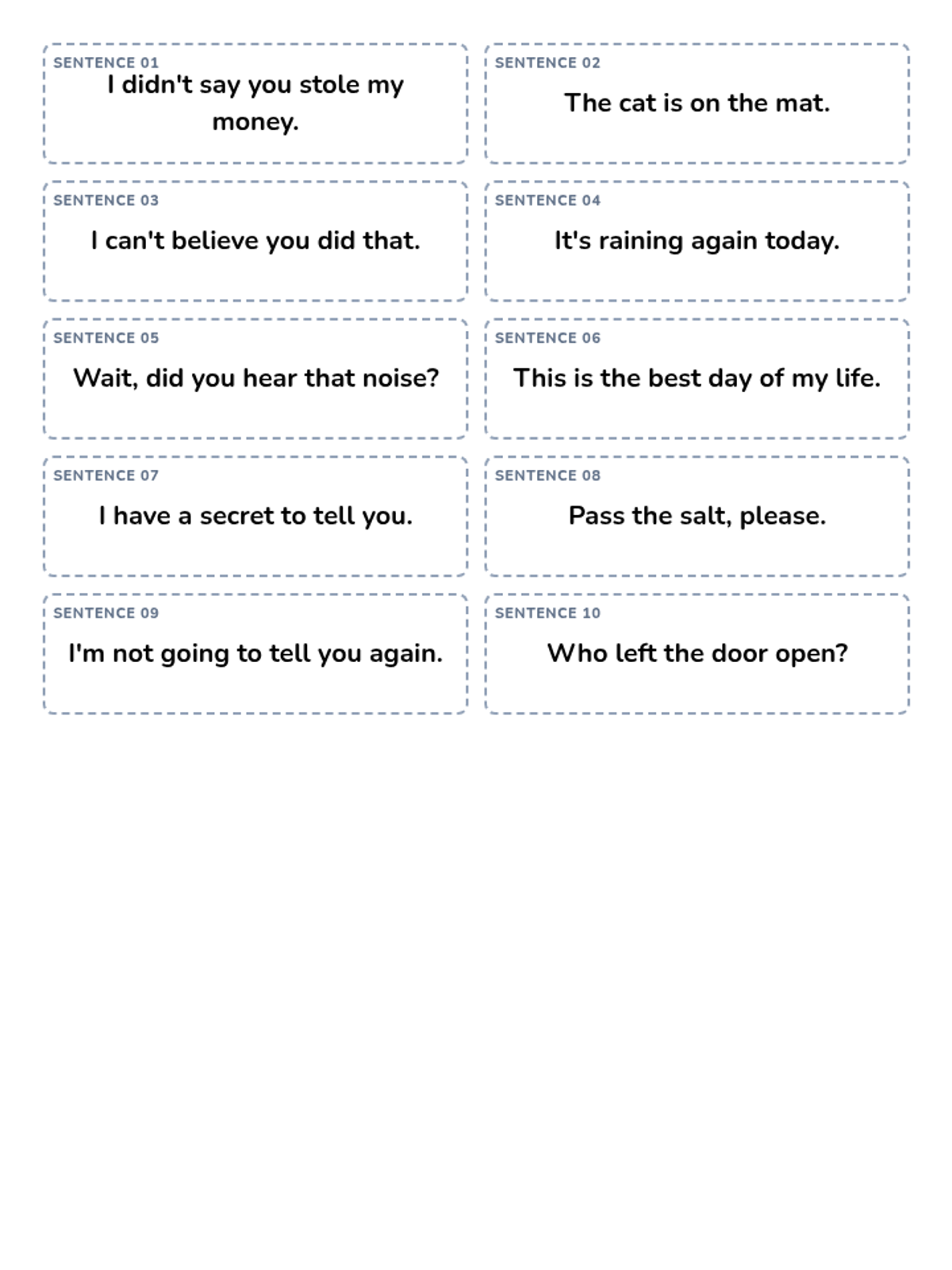
A high-energy drama and literacy lesson focused on prosody, tone, and vocal expression. Students practice reading the same sentence in various moods to discover how delivery changes meaning.
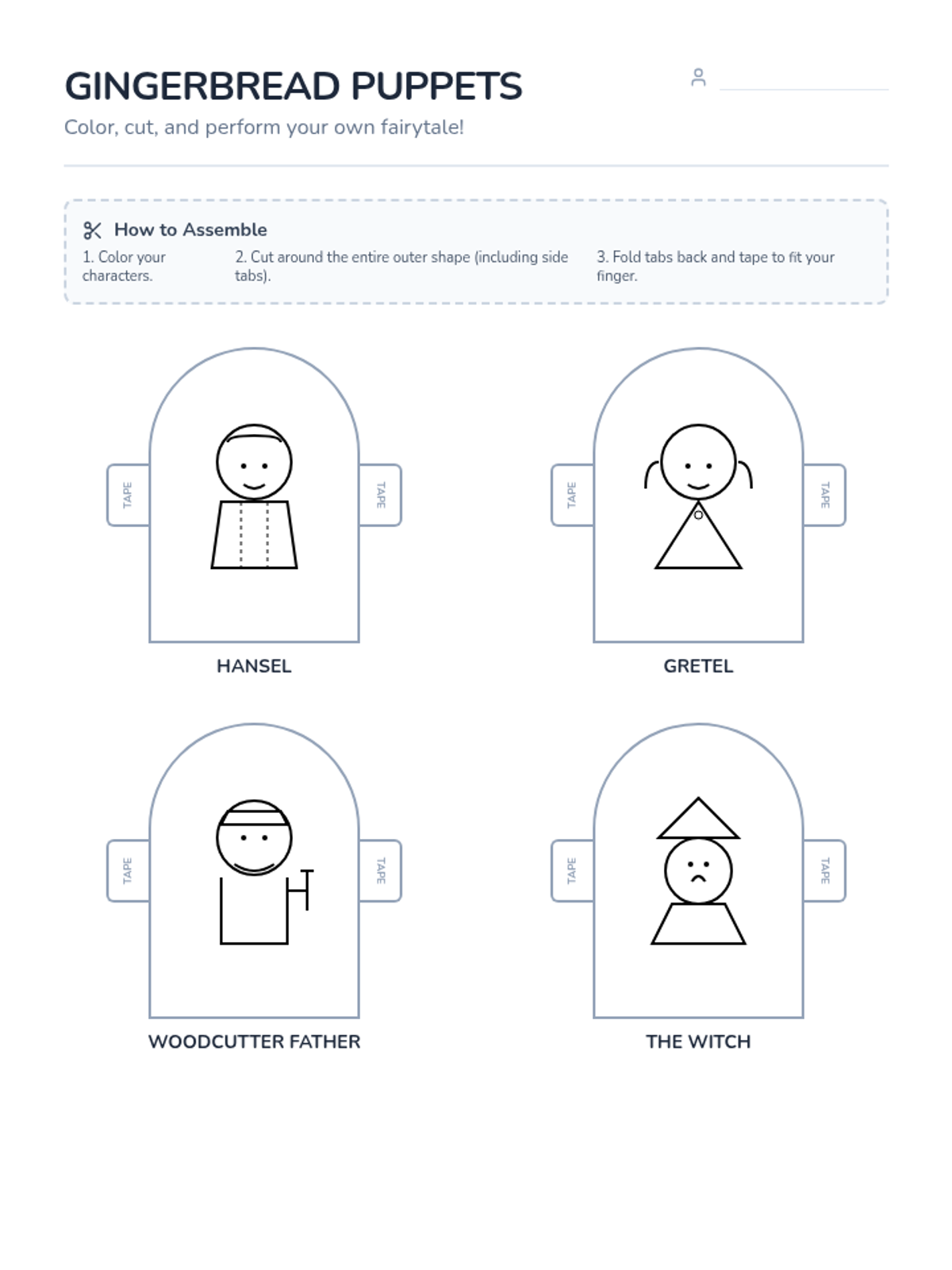
A creative lesson focused on oral storytelling and character analysis through the classic tale of Hansel and Gretel using DIY finger puppets.
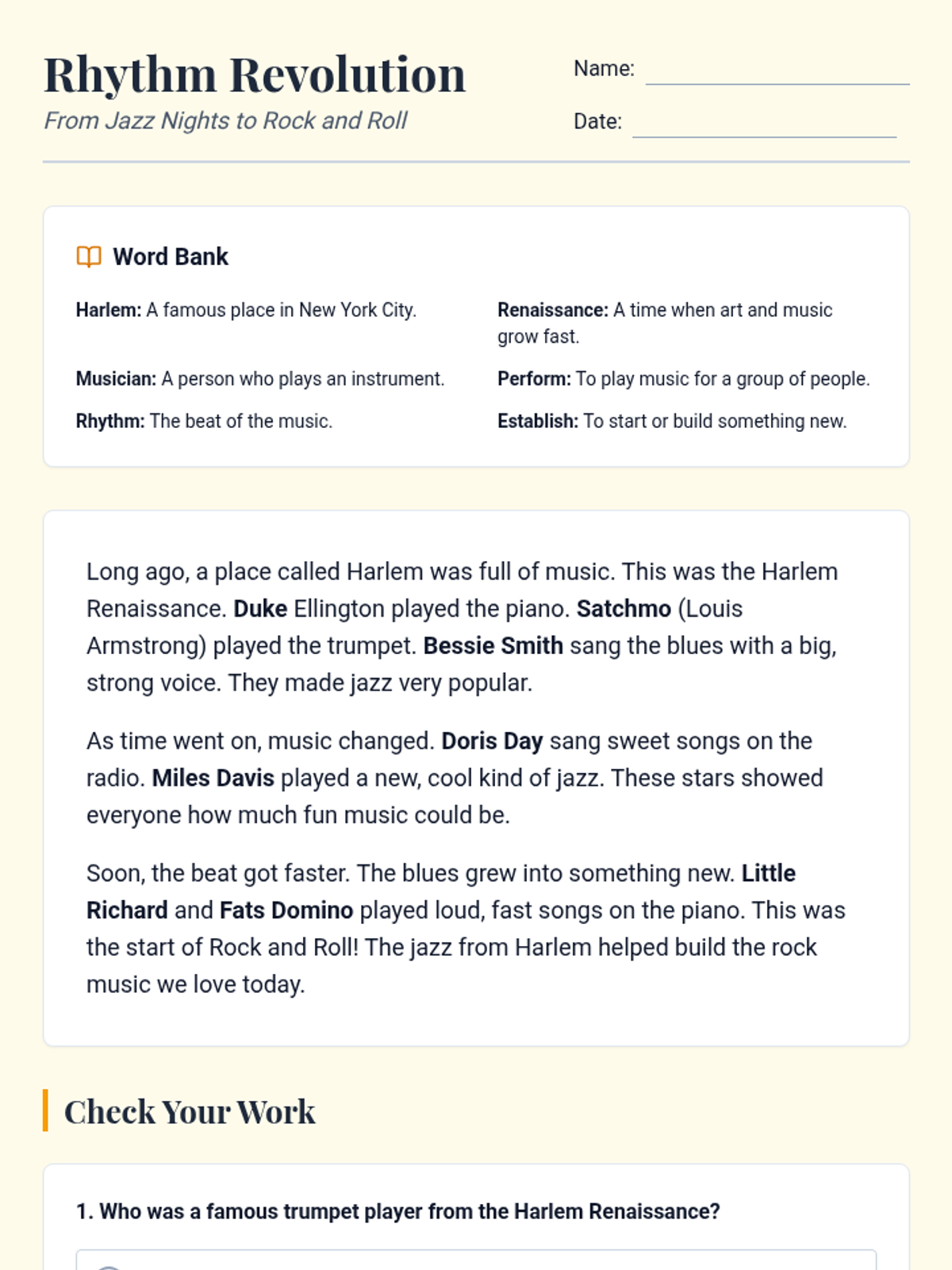
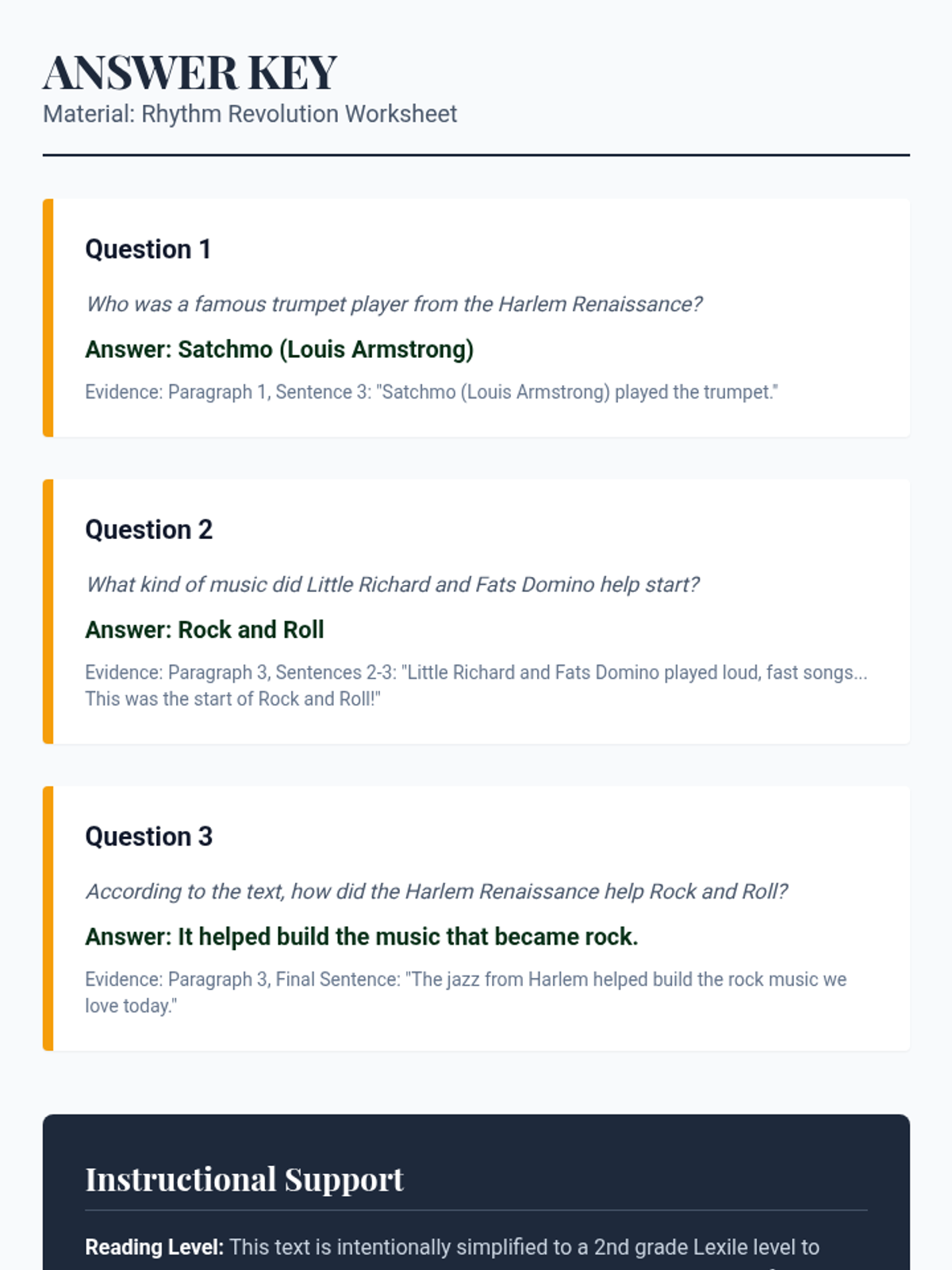
A lesson exploring the musical evolution from the Harlem Renaissance jazz scene to the birth of Rock and Roll, written at an accessible reading level.
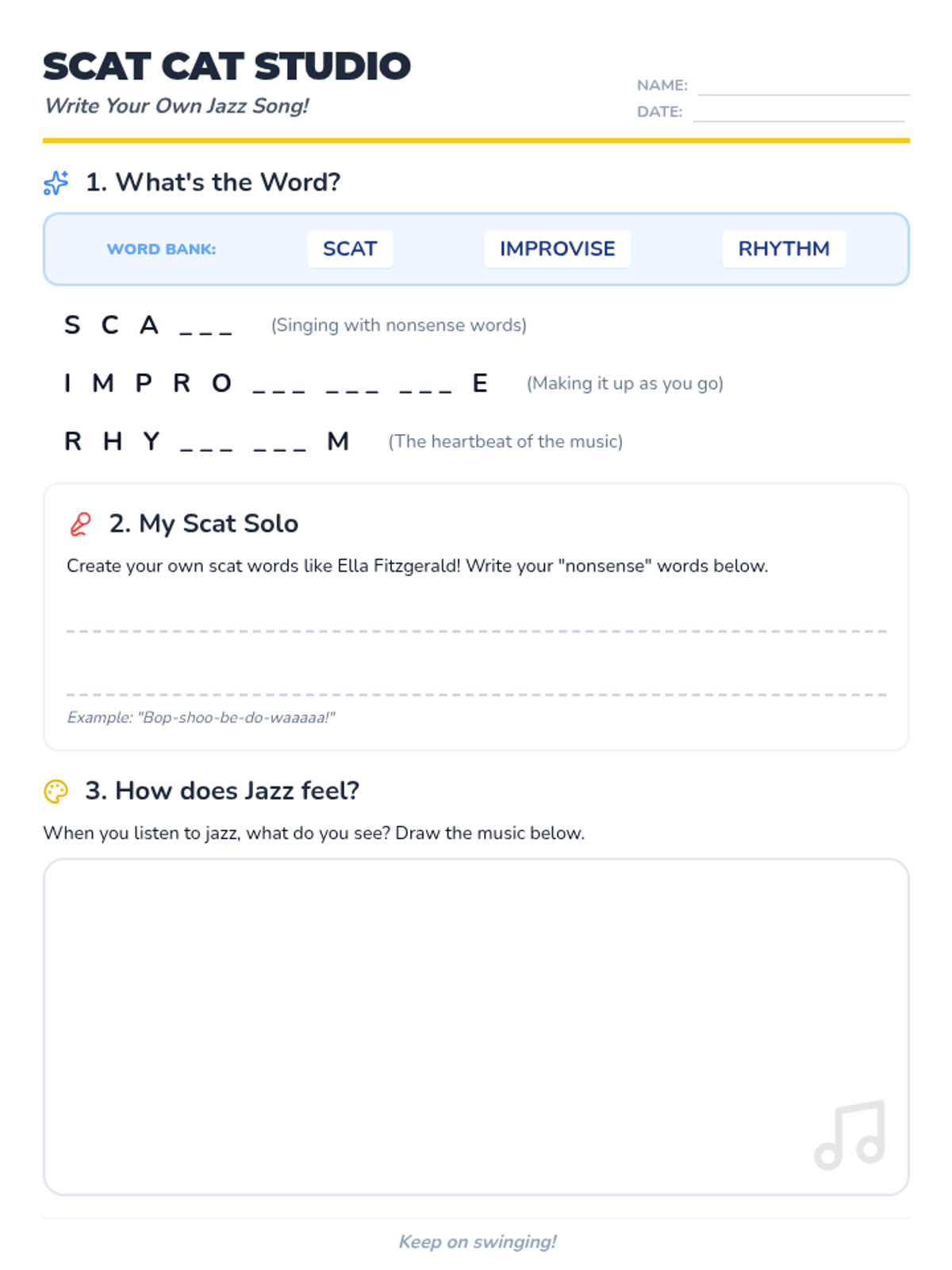
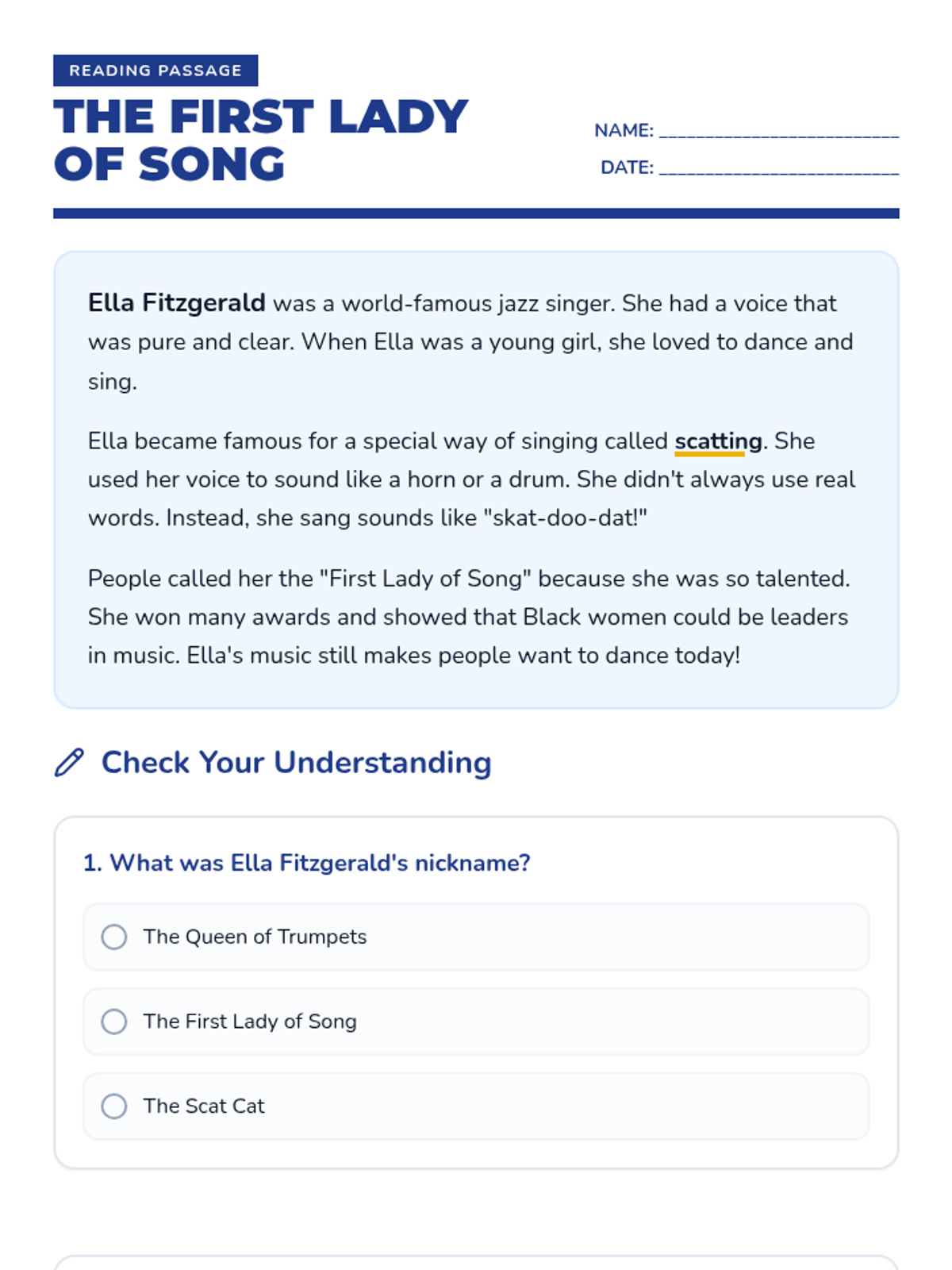
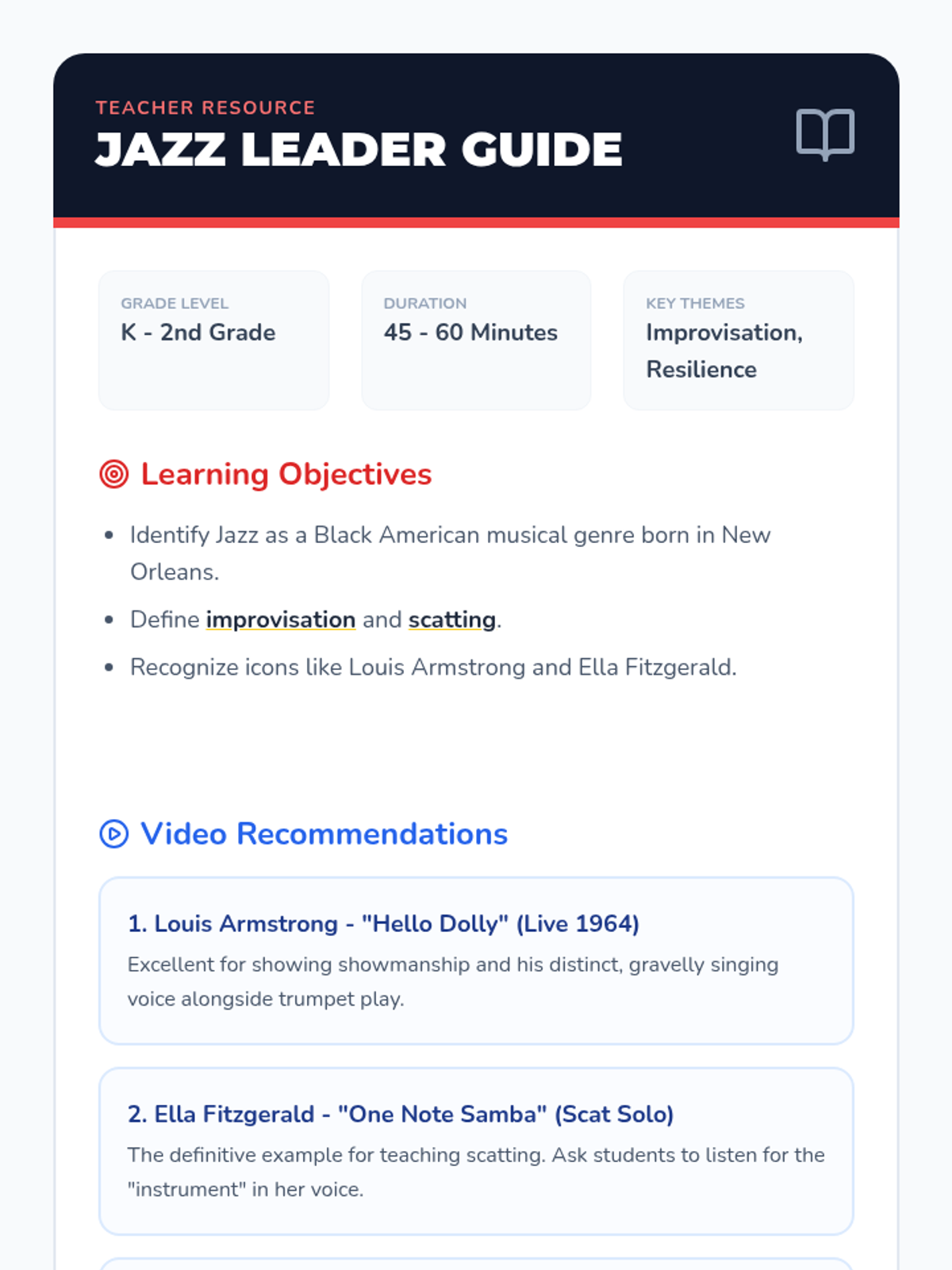
This lesson introduces students to the sounds of jazz, the concept of improvisation, and the historical origins of the genre in New Orleans.
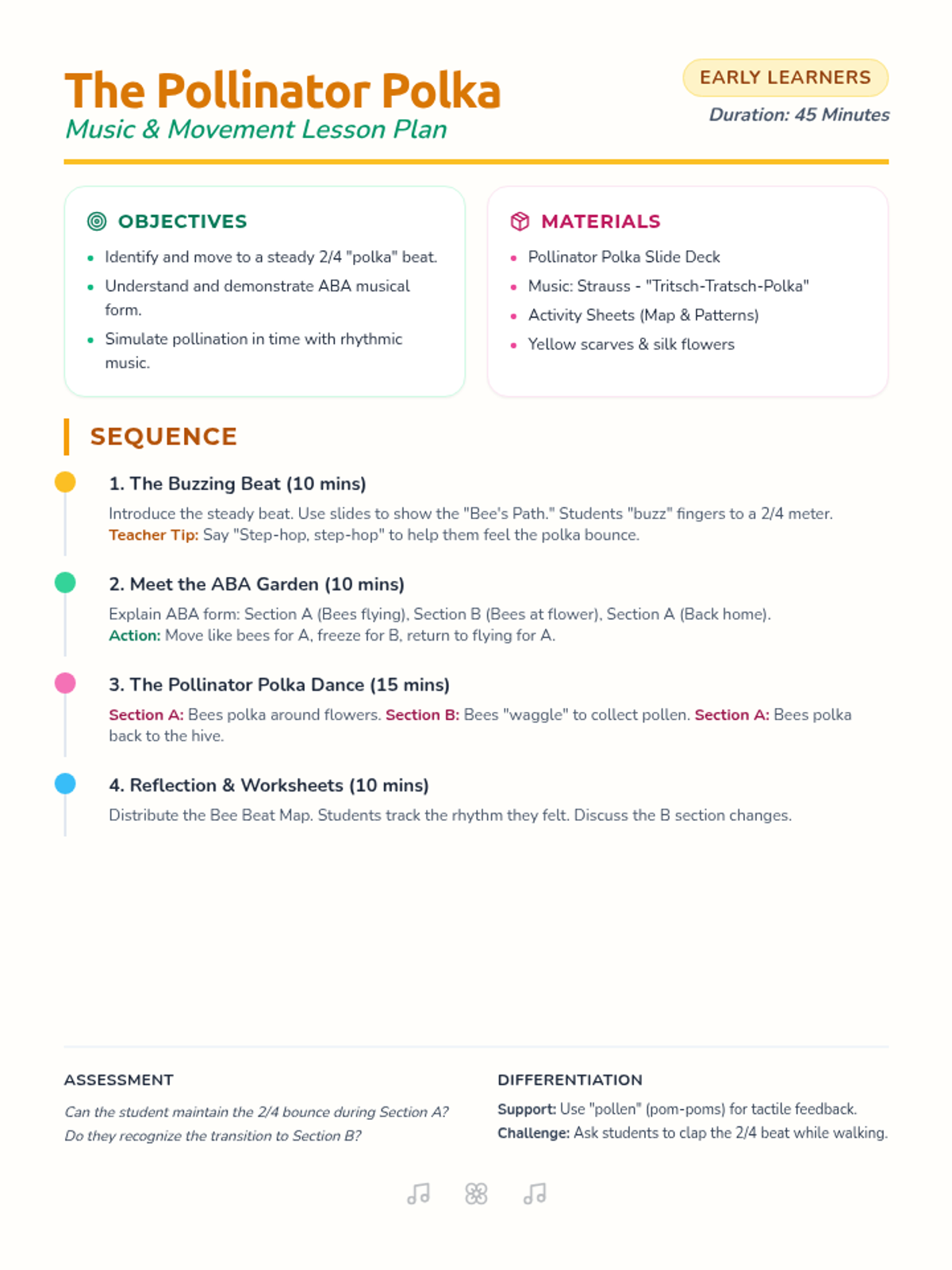
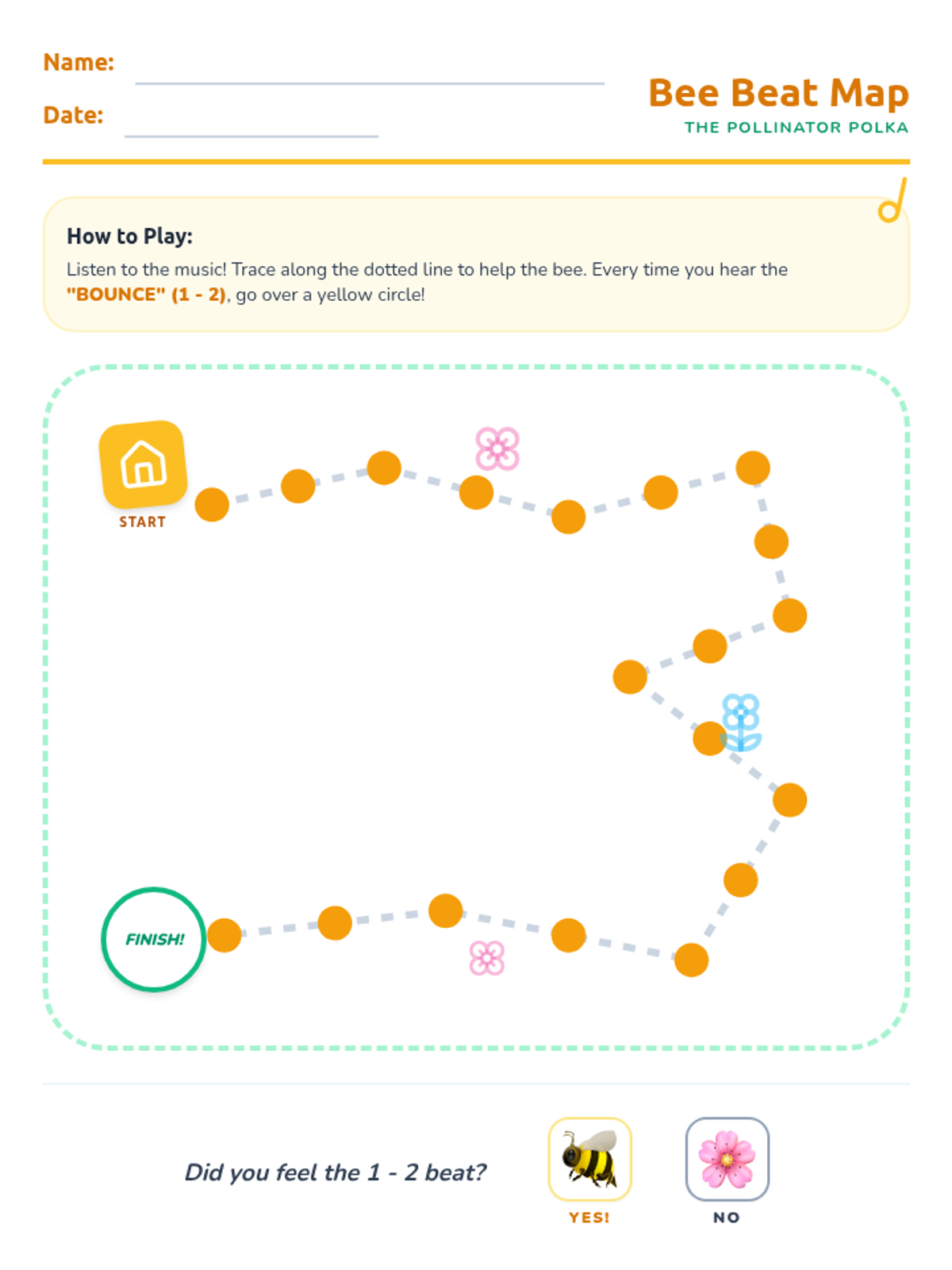
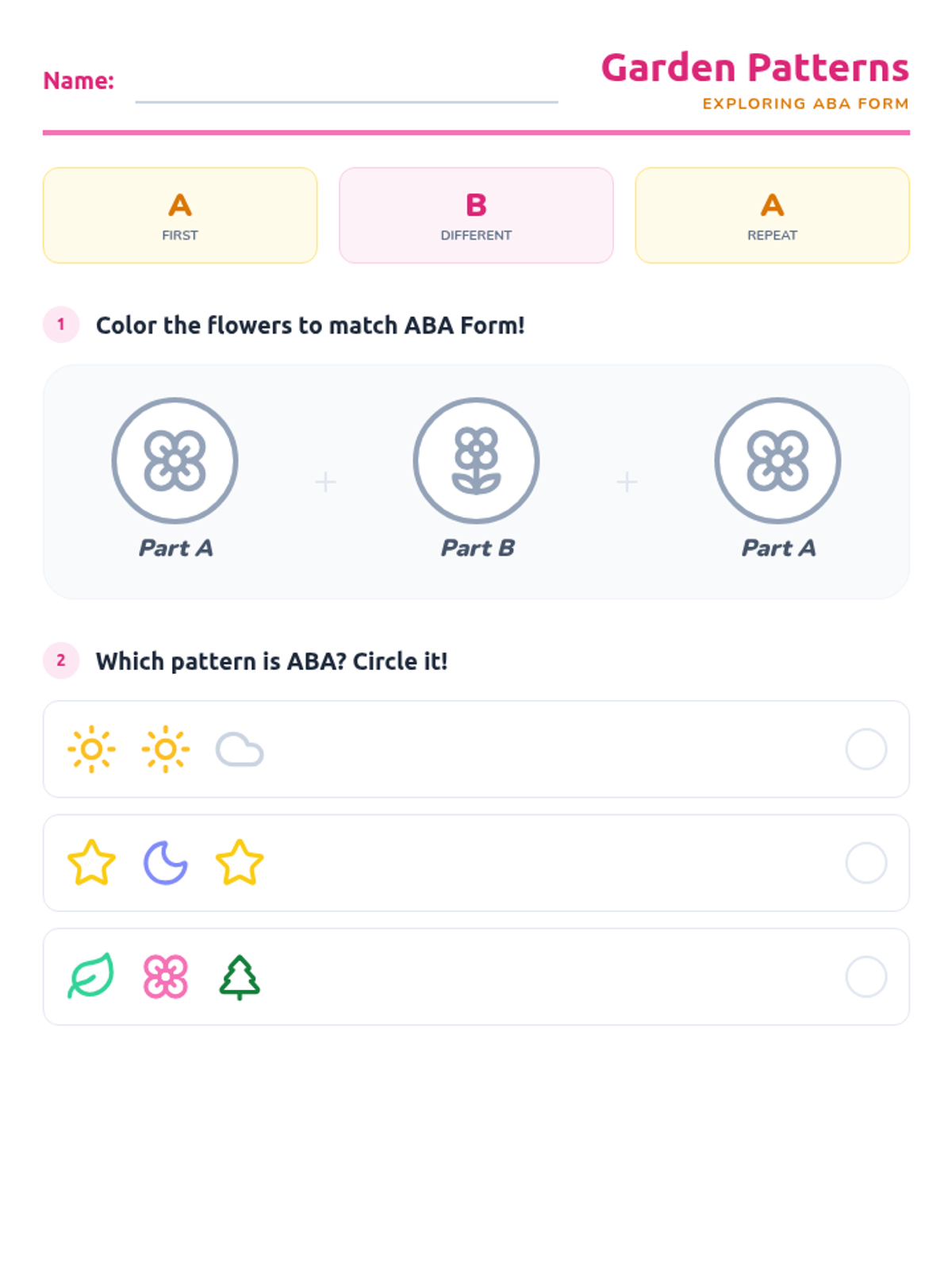
An early childhood music and science integration lesson exploring 2/4 meter and ABA form through the whimsical lens of bees and flowers. Students move, listen, and create while learning about the rhythmic "polka" beat and the structure of music.
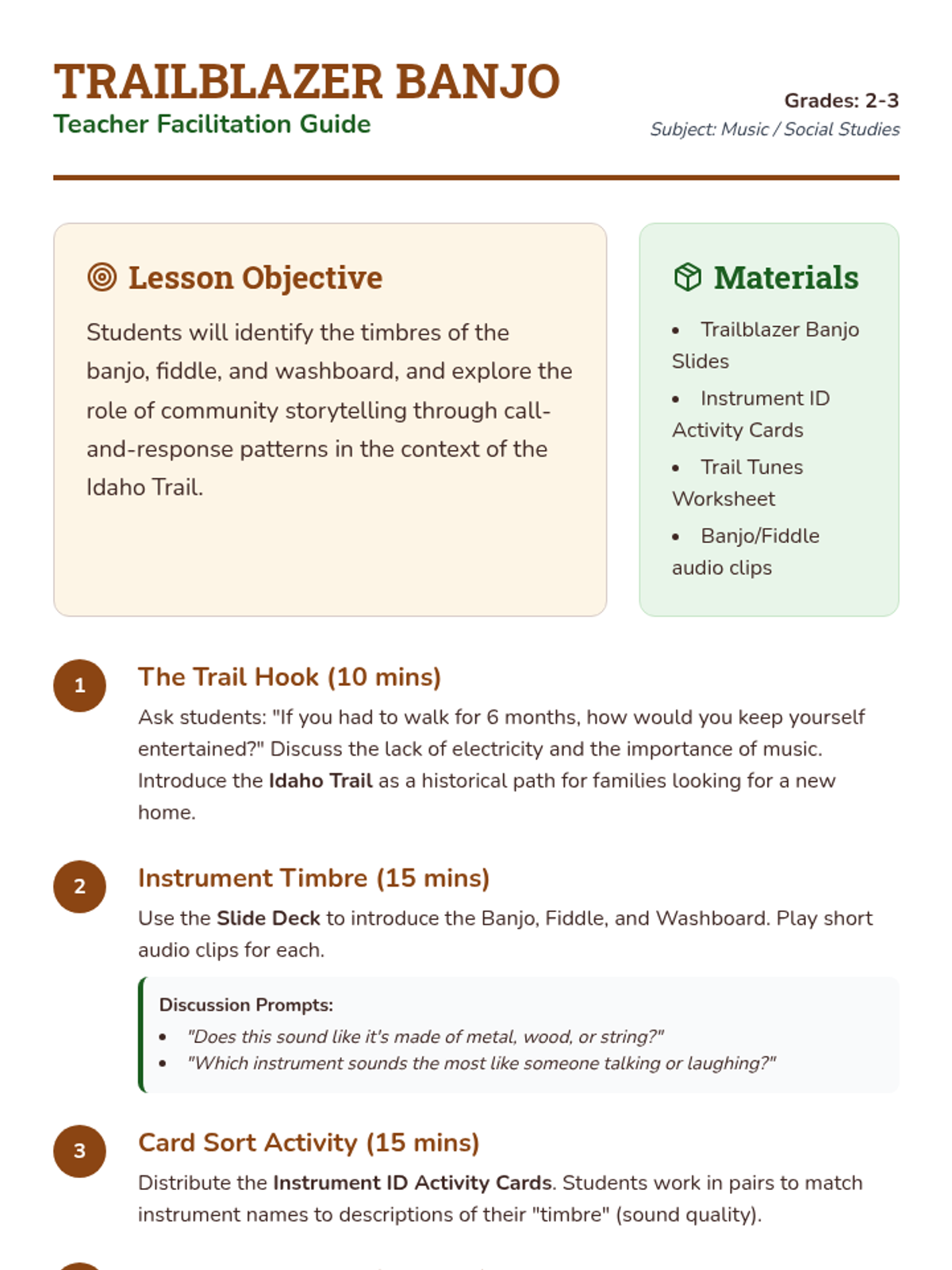
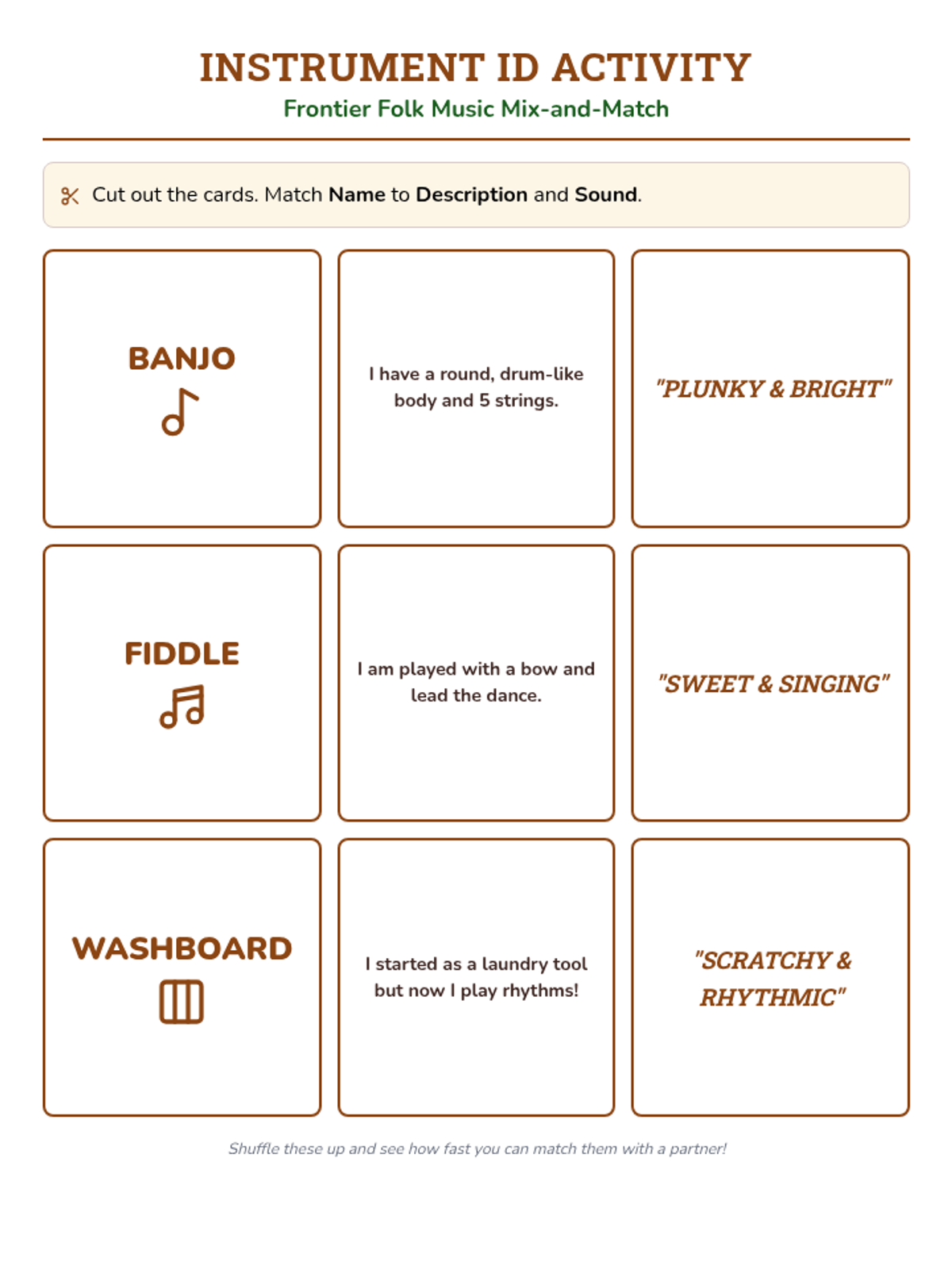
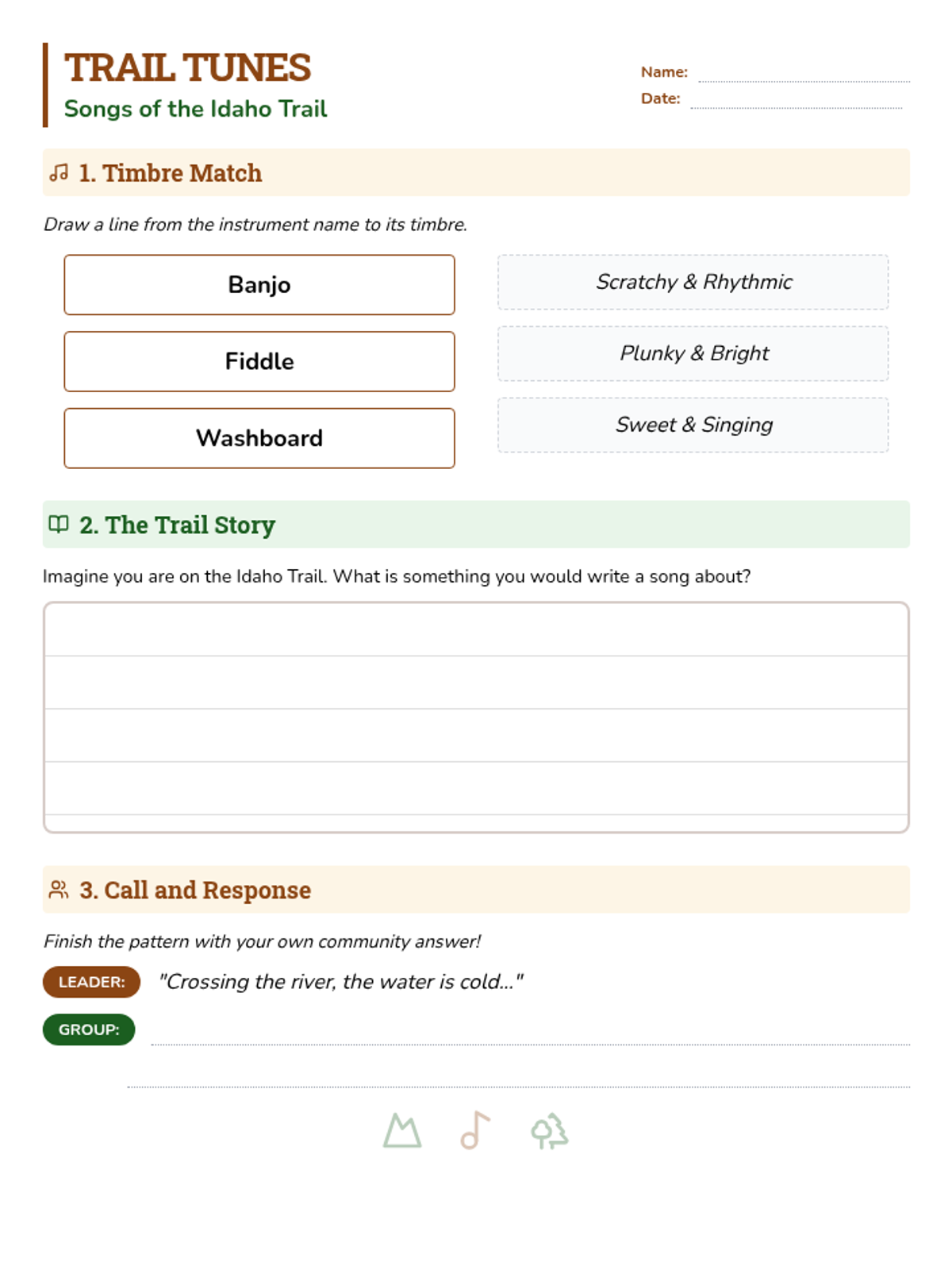
Second and third graders explore the history of American folk music on the Idaho Trail, focusing on the unique sounds of the banjo, fiddle, and washboard while practicing call-and-response.
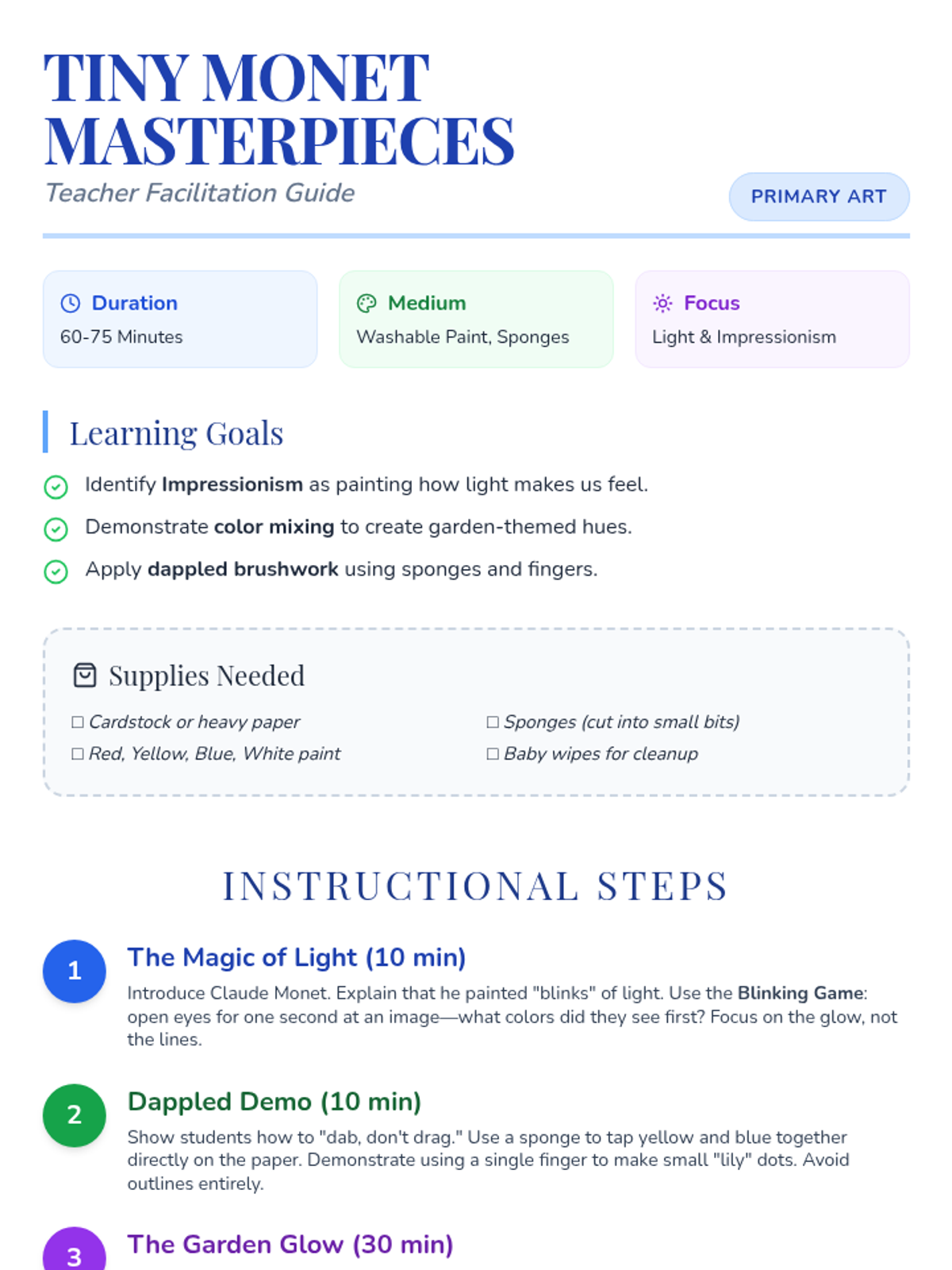
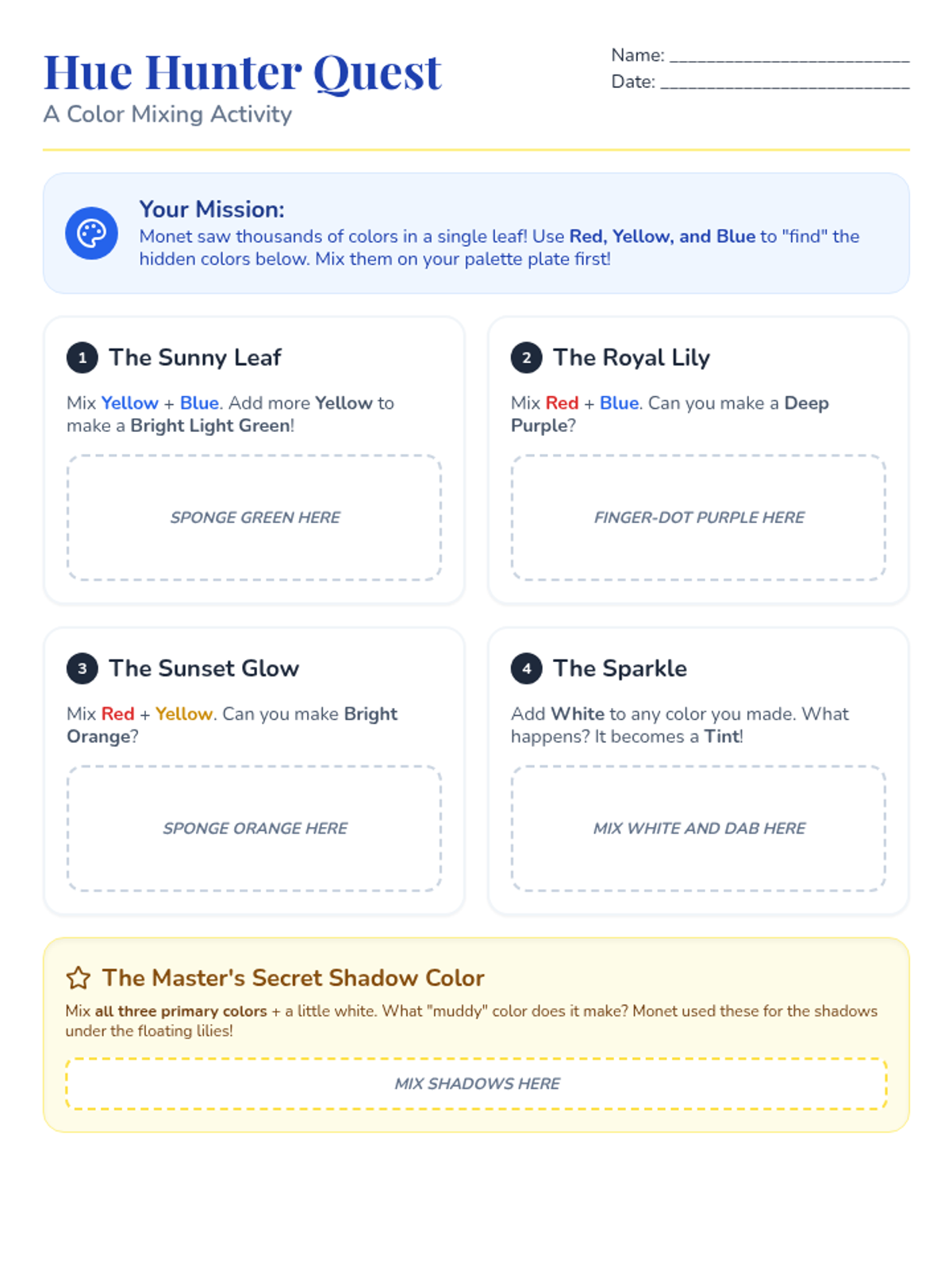
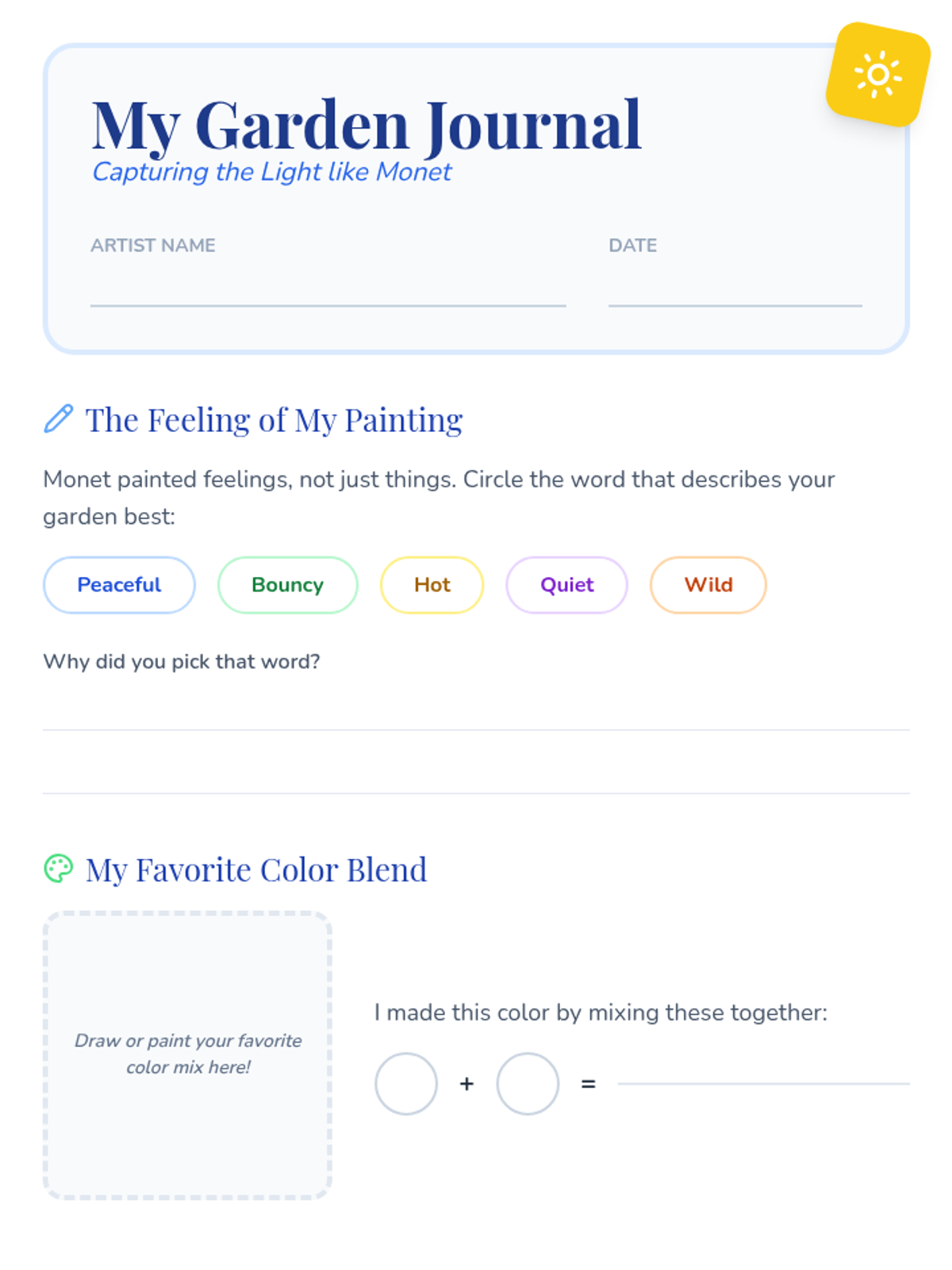
A primary art lesson introducing Impressionism through the works of Claude Monet. Students explore light, color mixing, and dappled textures using finger painting and sponge techniques to create their own garden masterpieces.
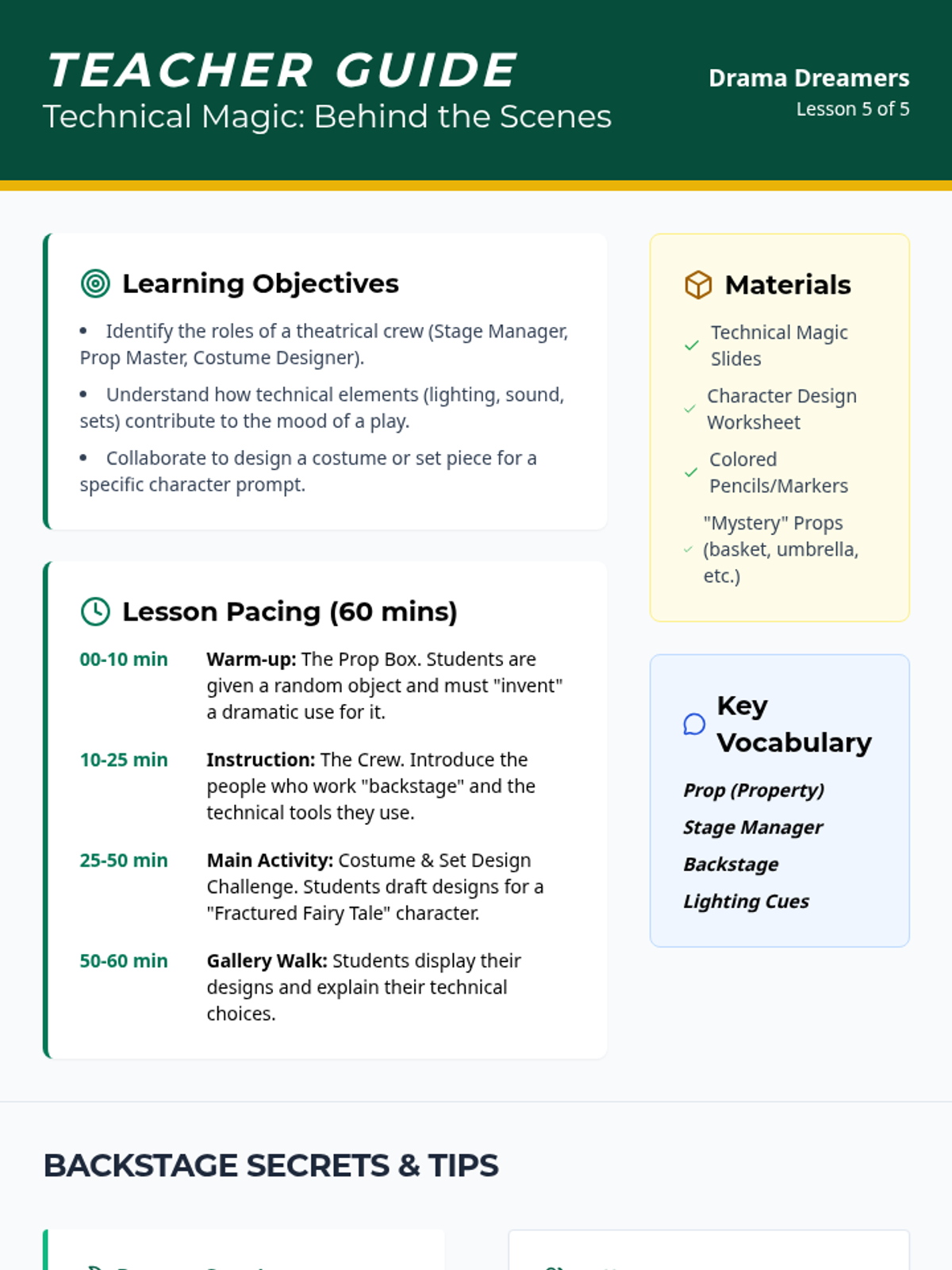
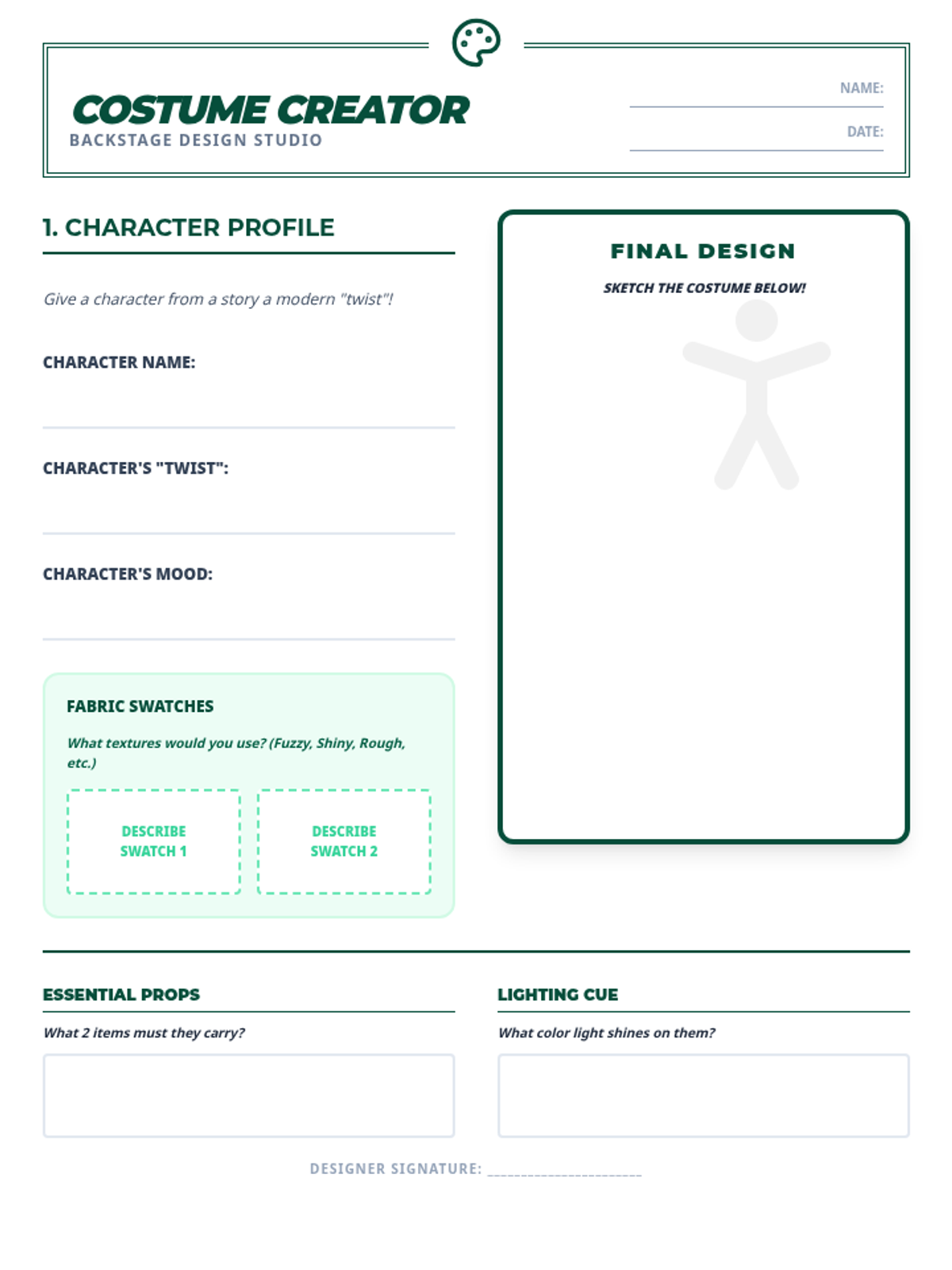
An exploration of the "Behind the Scenes" heroes, from costume designers to stage managers, and the technical magic that brings a play to life.
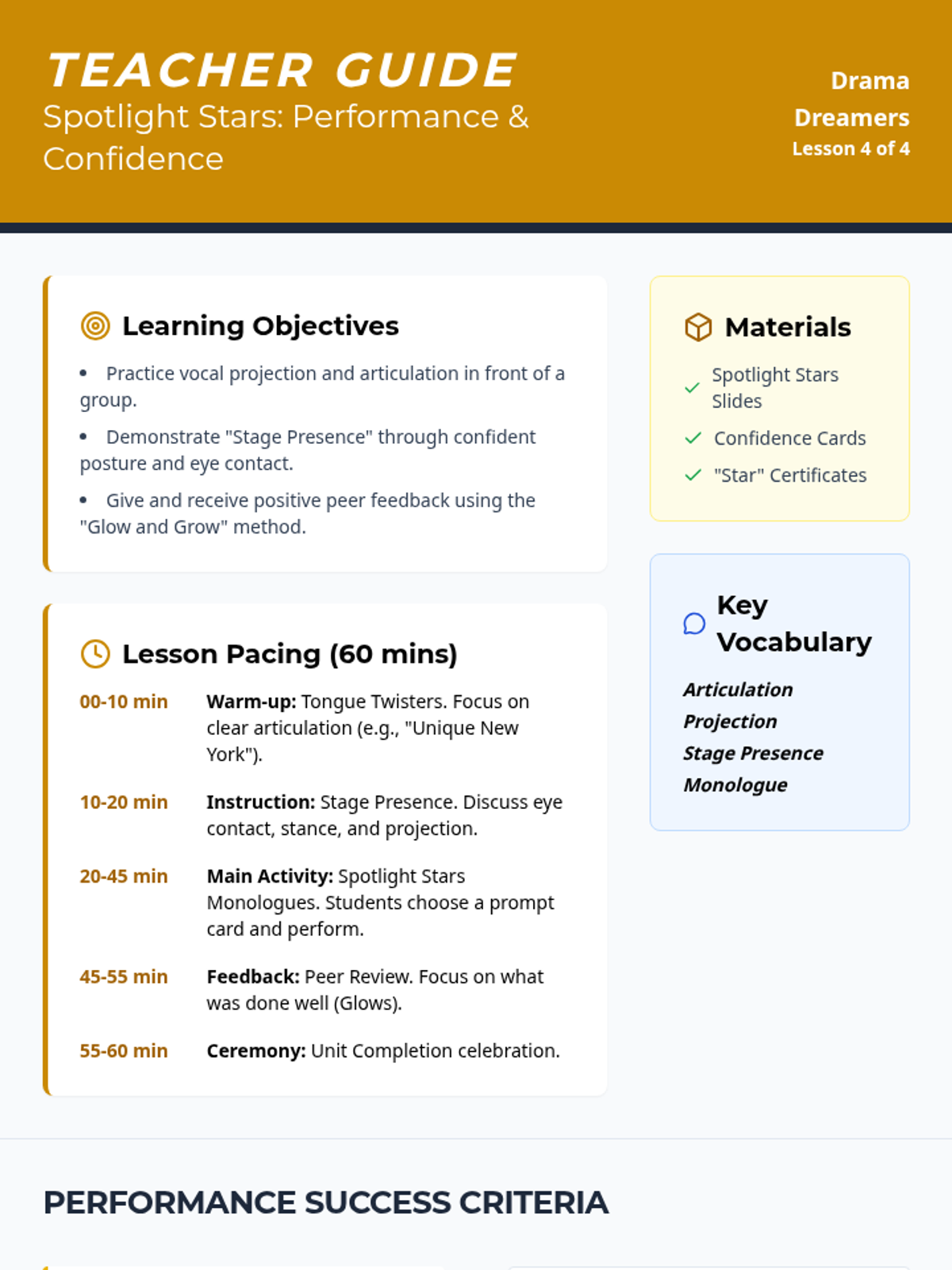
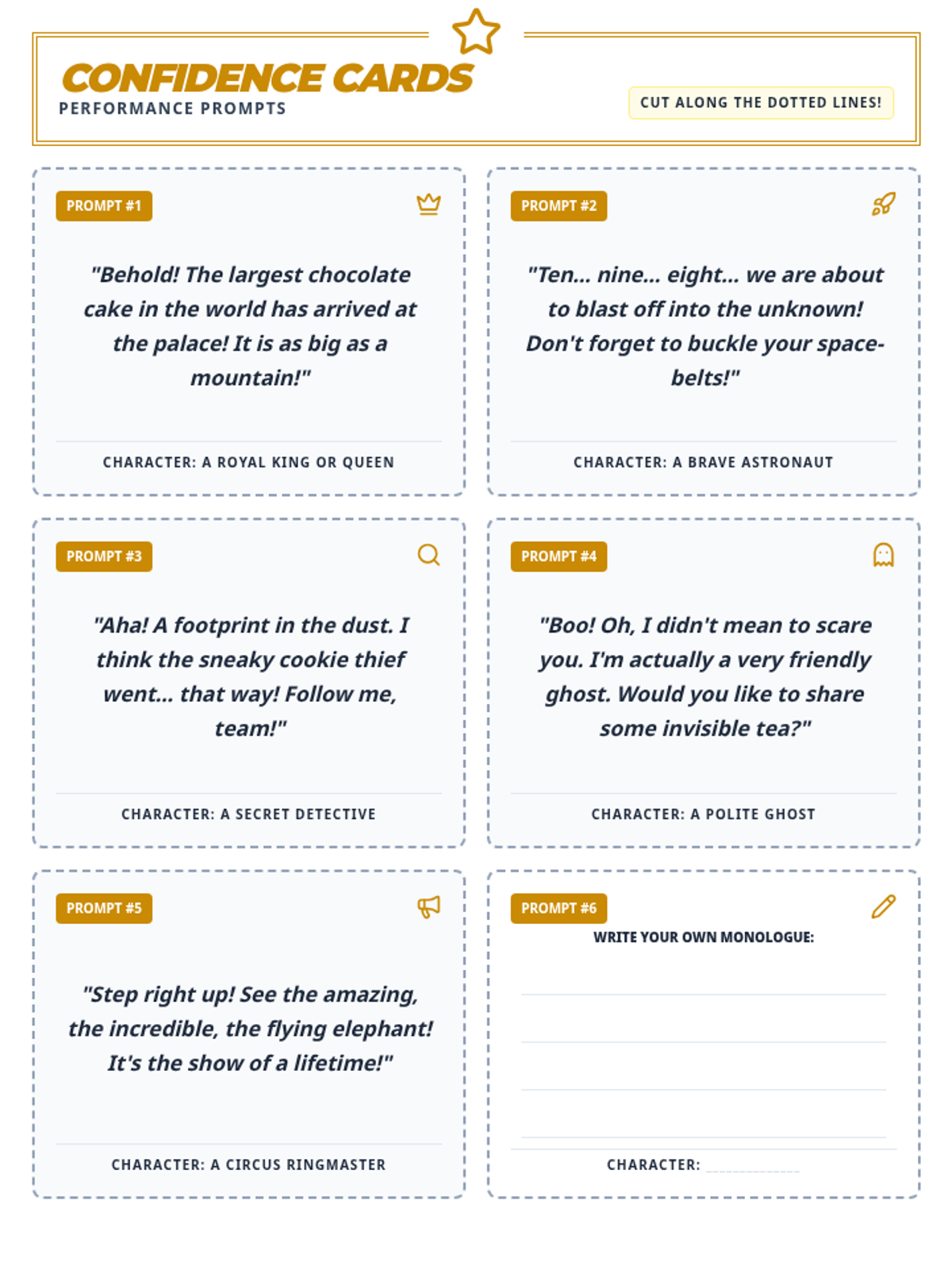
Focusing on presence and projection, students practice short speeches and monologues to build performance confidence.
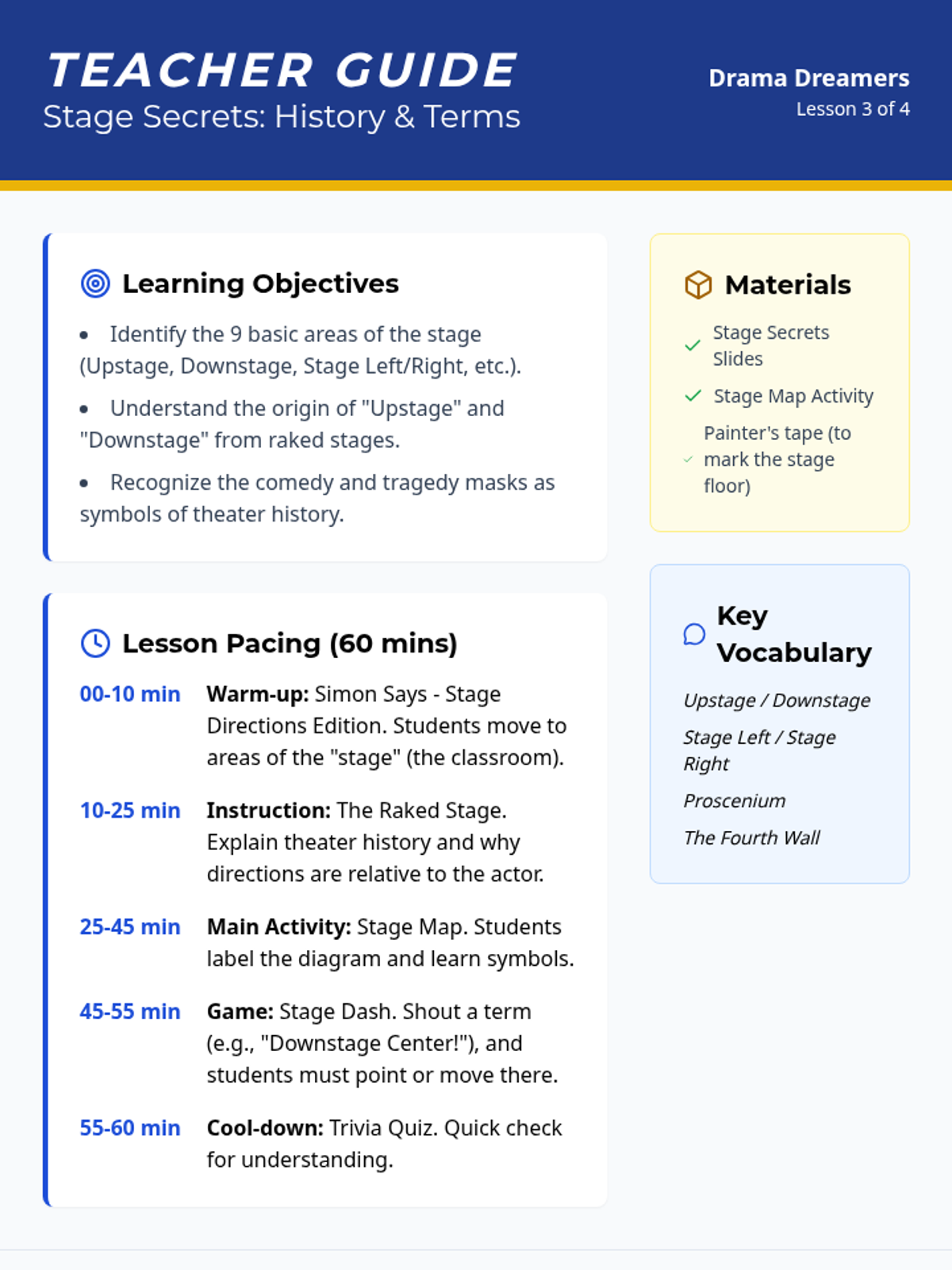
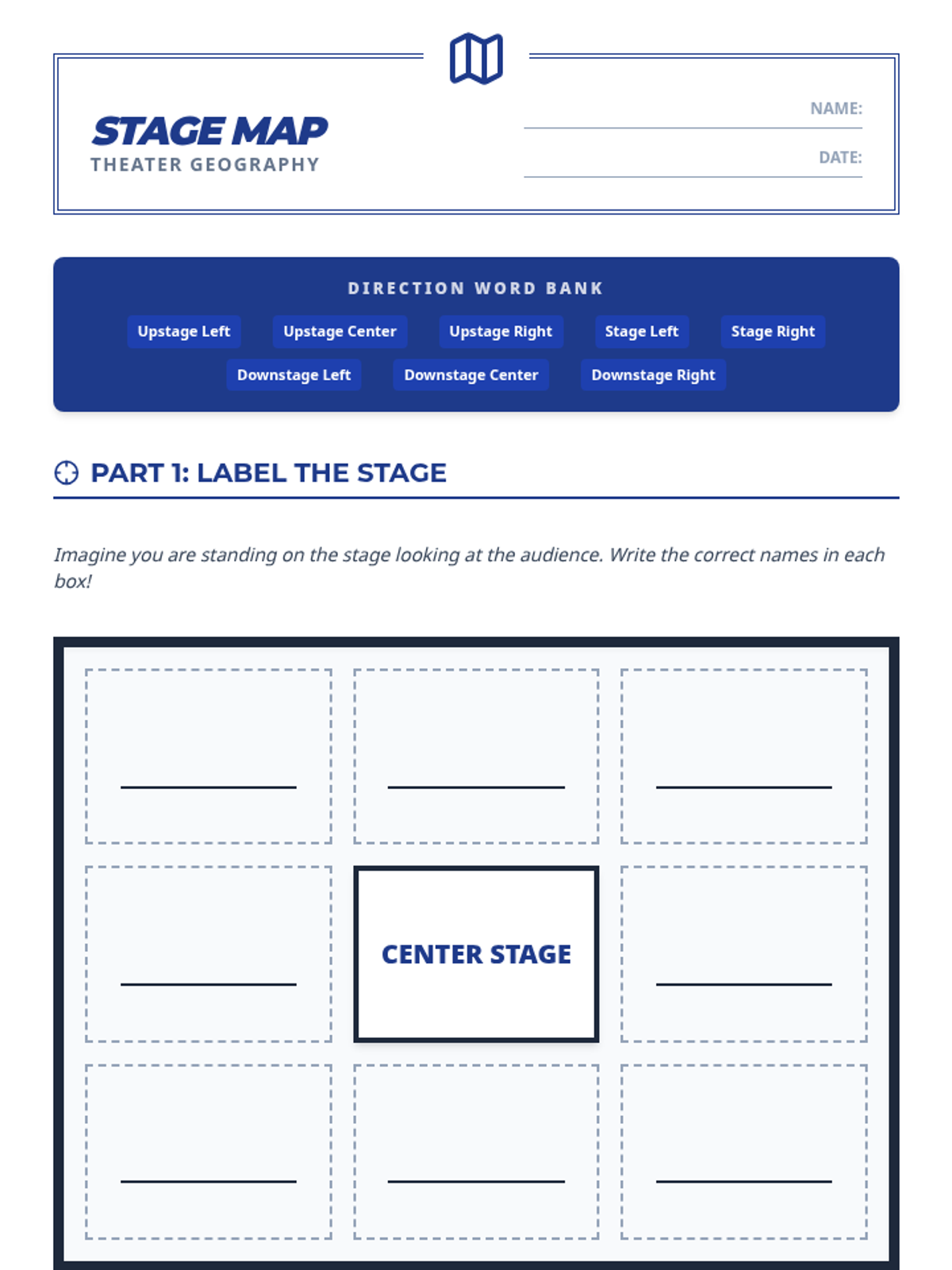
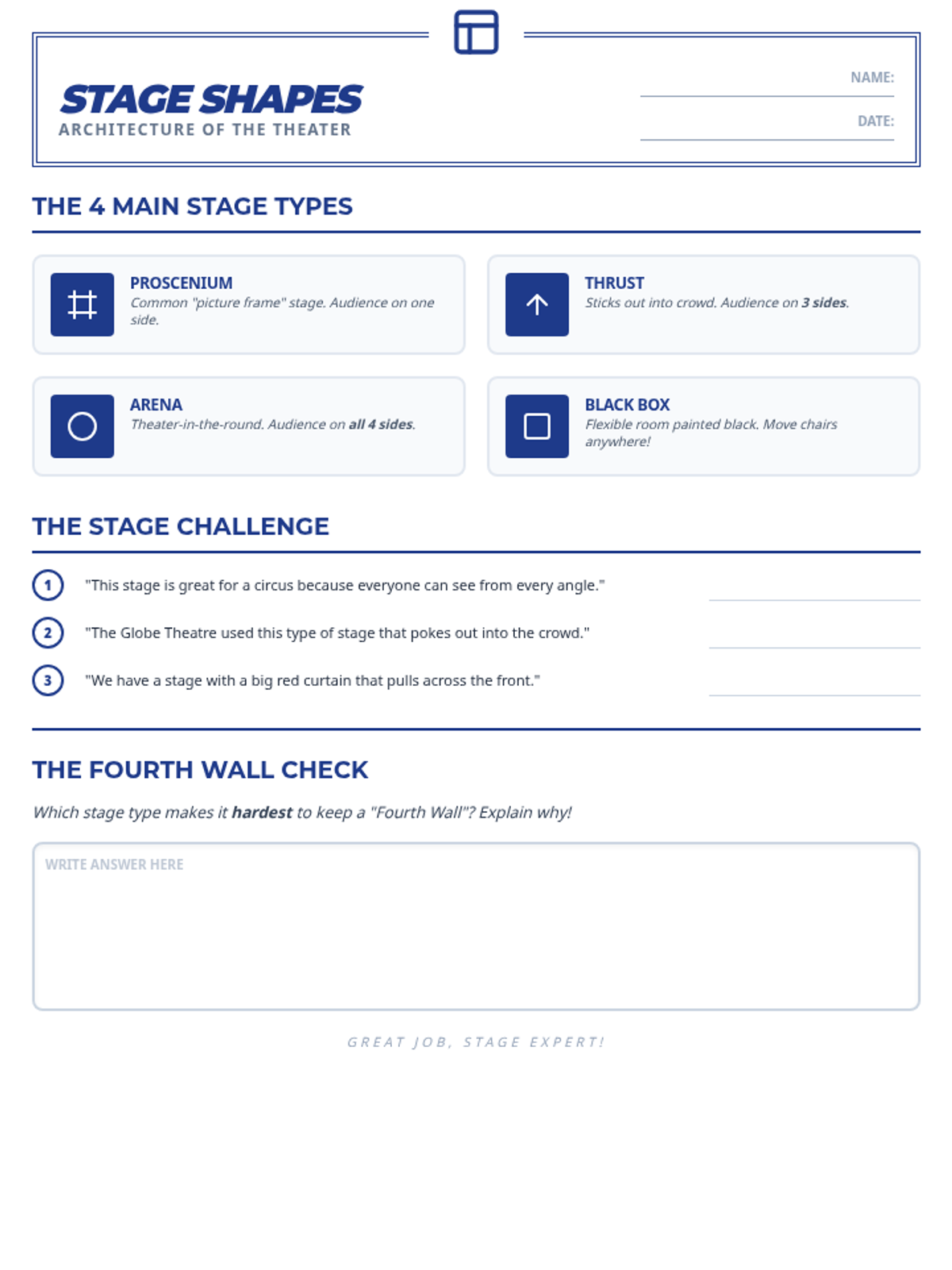
A journey through theater history and the technical language of the stage, from Ancient Greece to modern stage directions.

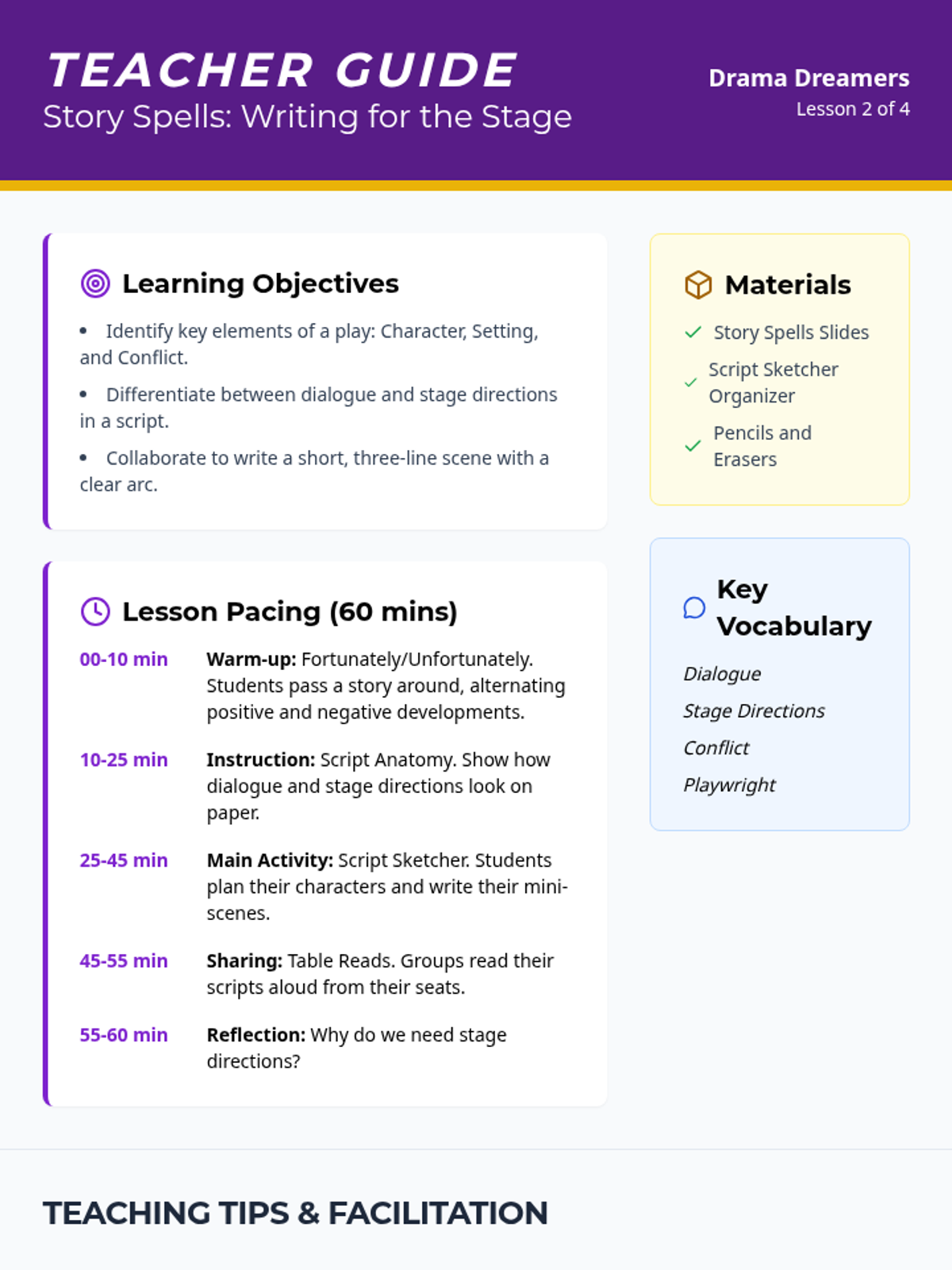
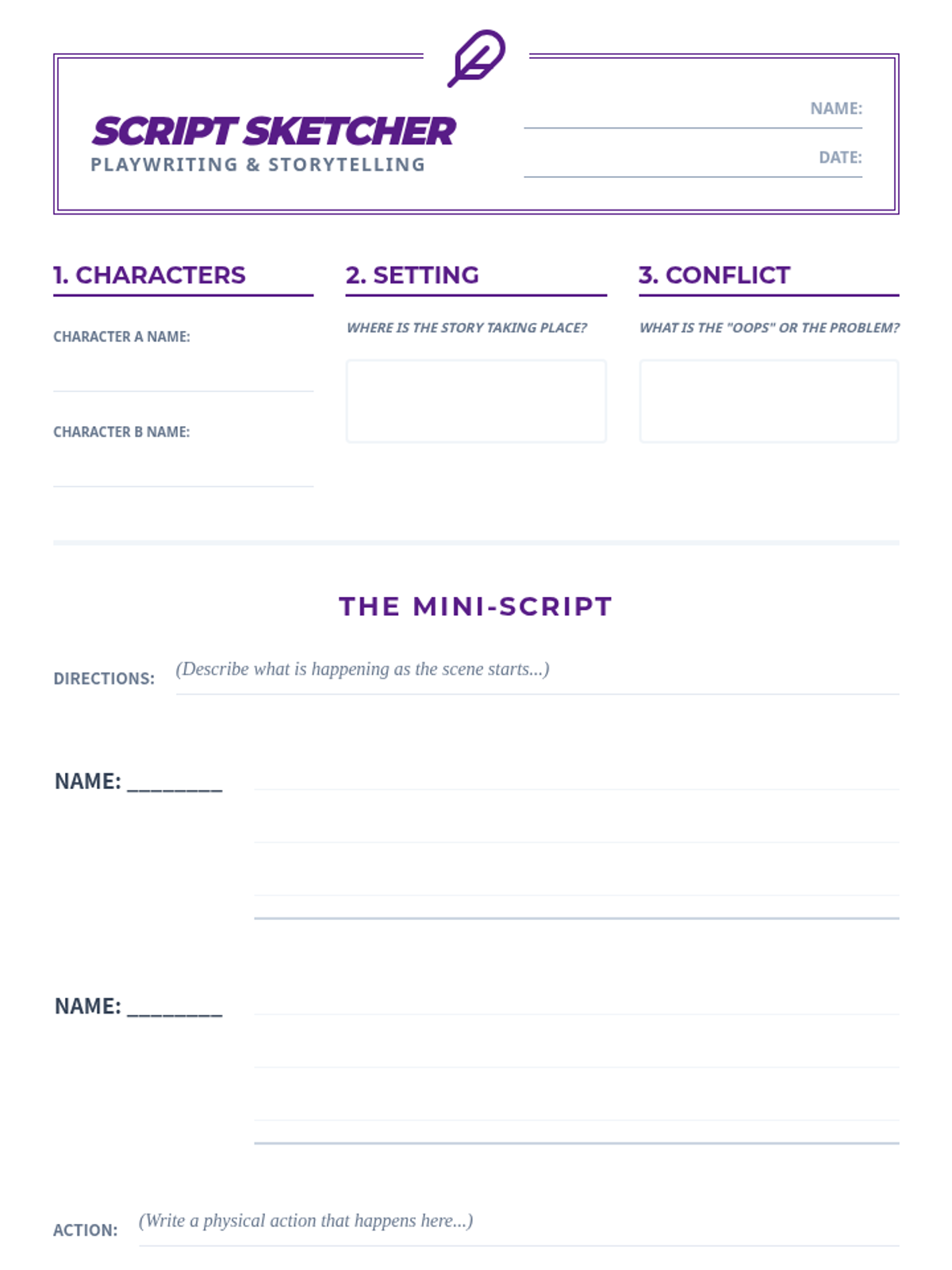
An introduction to the structure of plays, including characters, settings, and dialogue, where students draft their own short scenes.
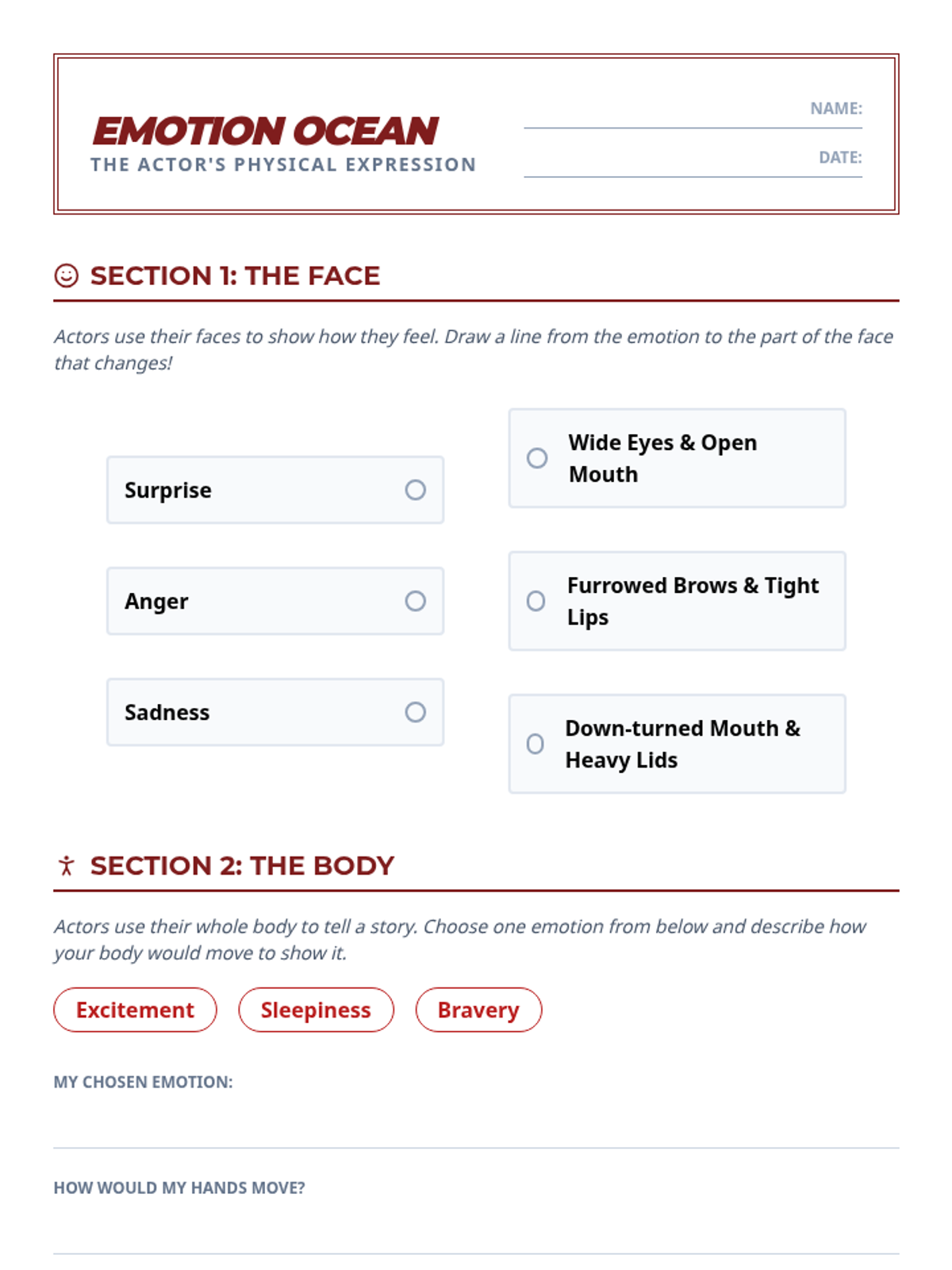
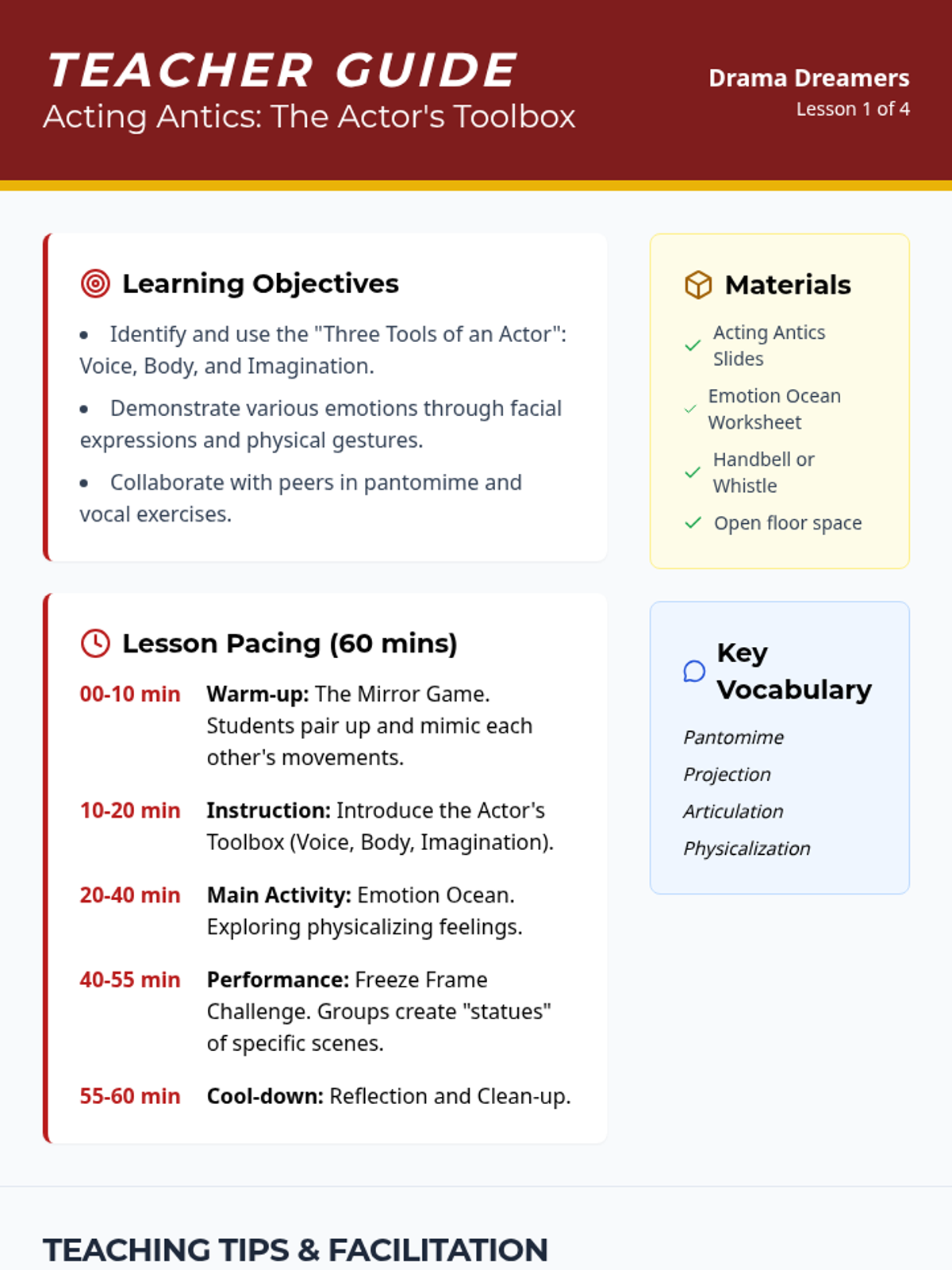
Students explore the core tools of an actor: voice, body, and imagination through games and expressive exercises.
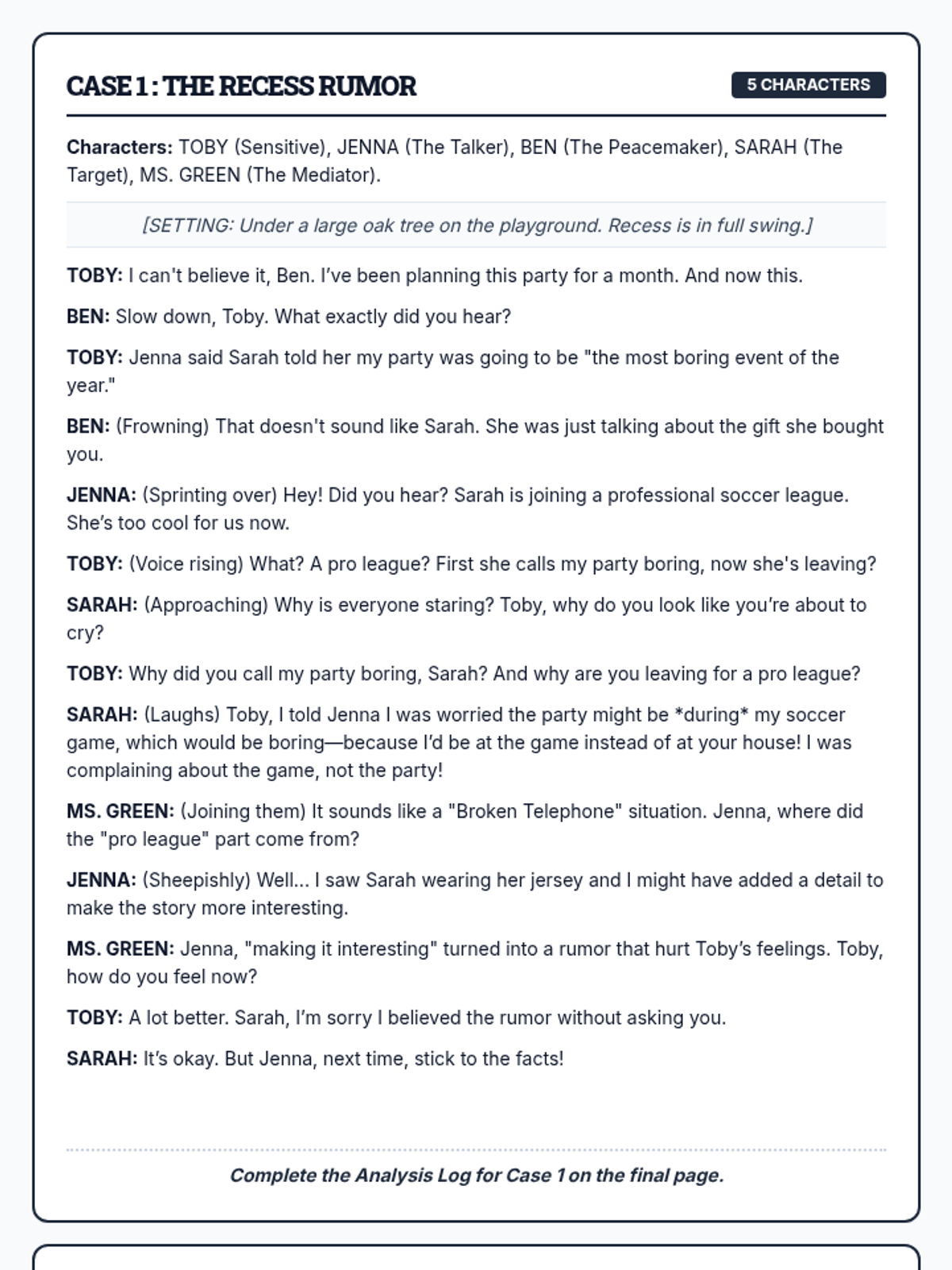
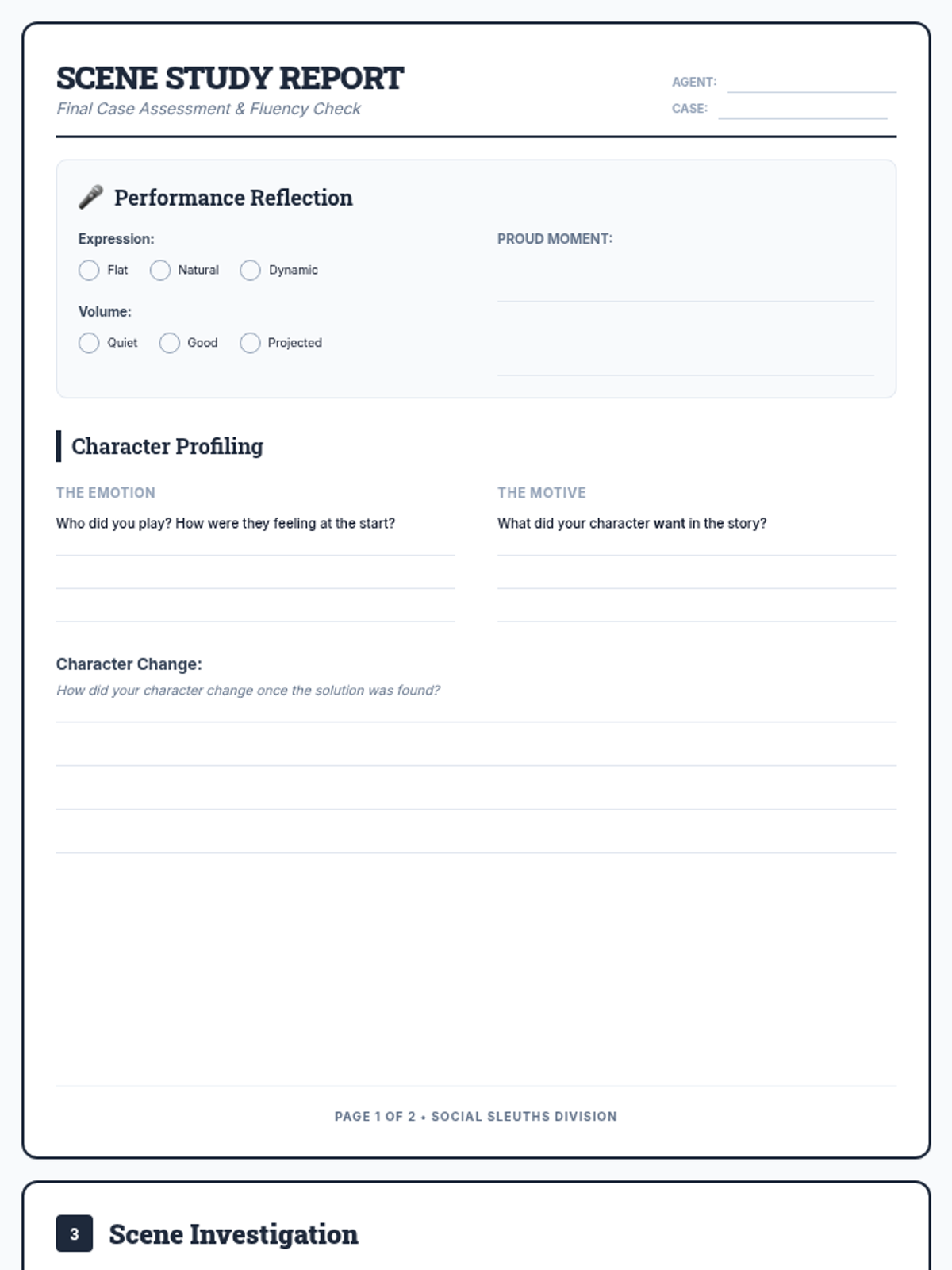
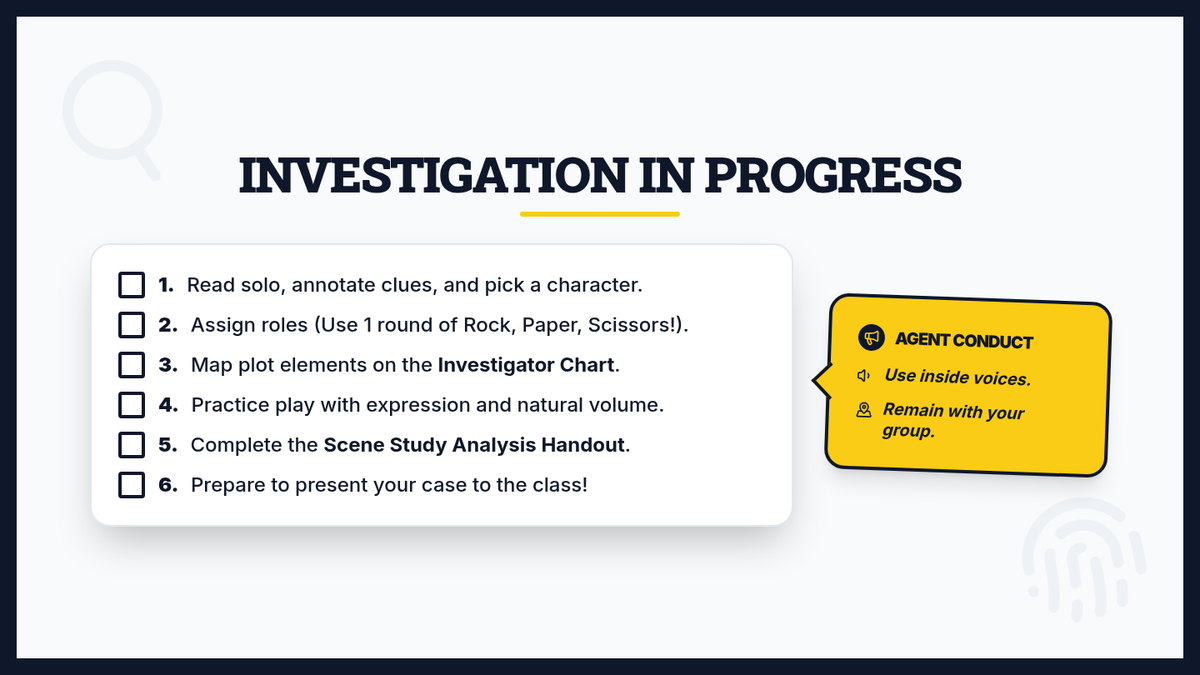
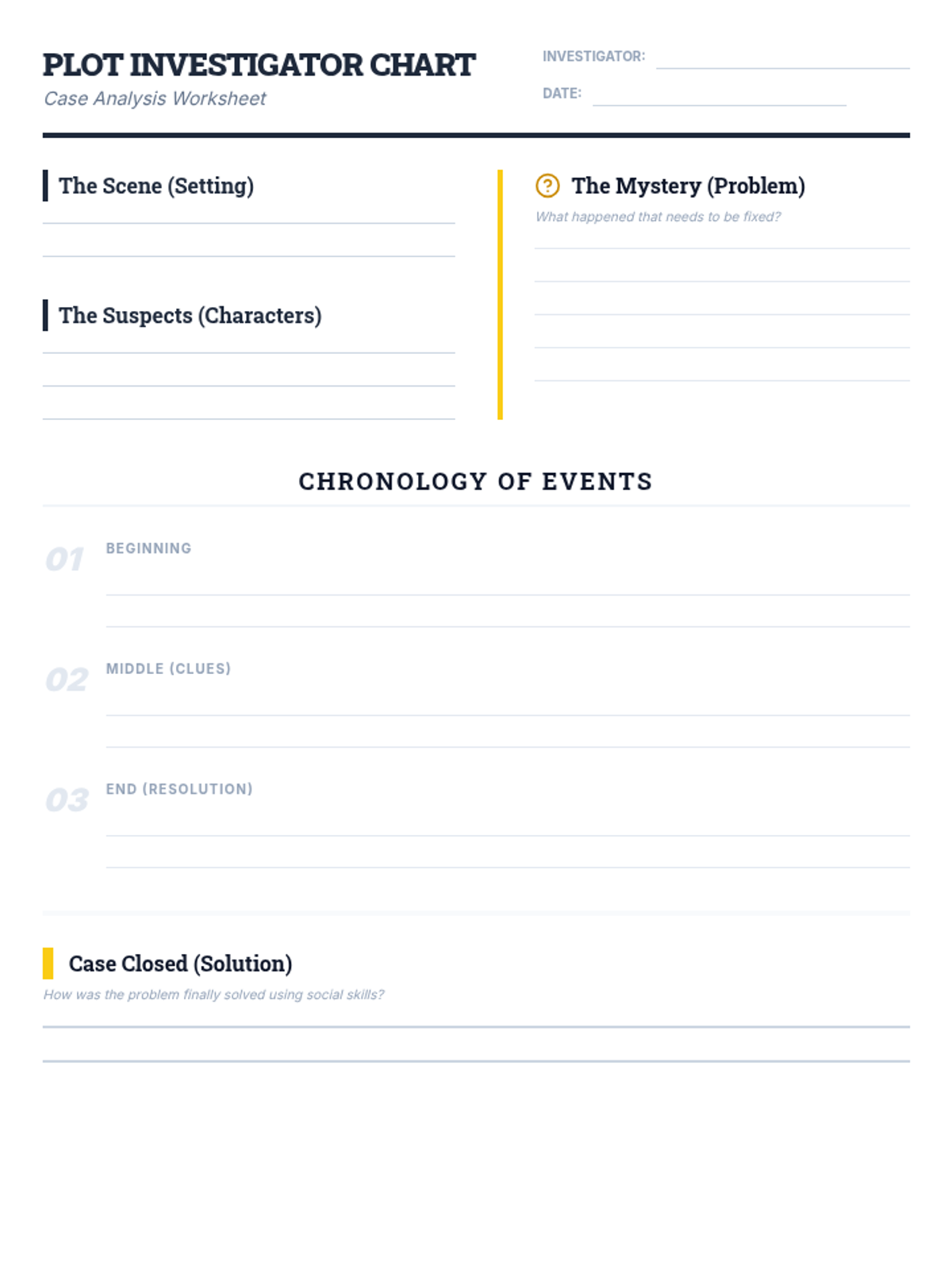
Students work in small groups to rehearse and perform mystery plays, analyzing their specific plot structures and reflecting on social-emotional themes.
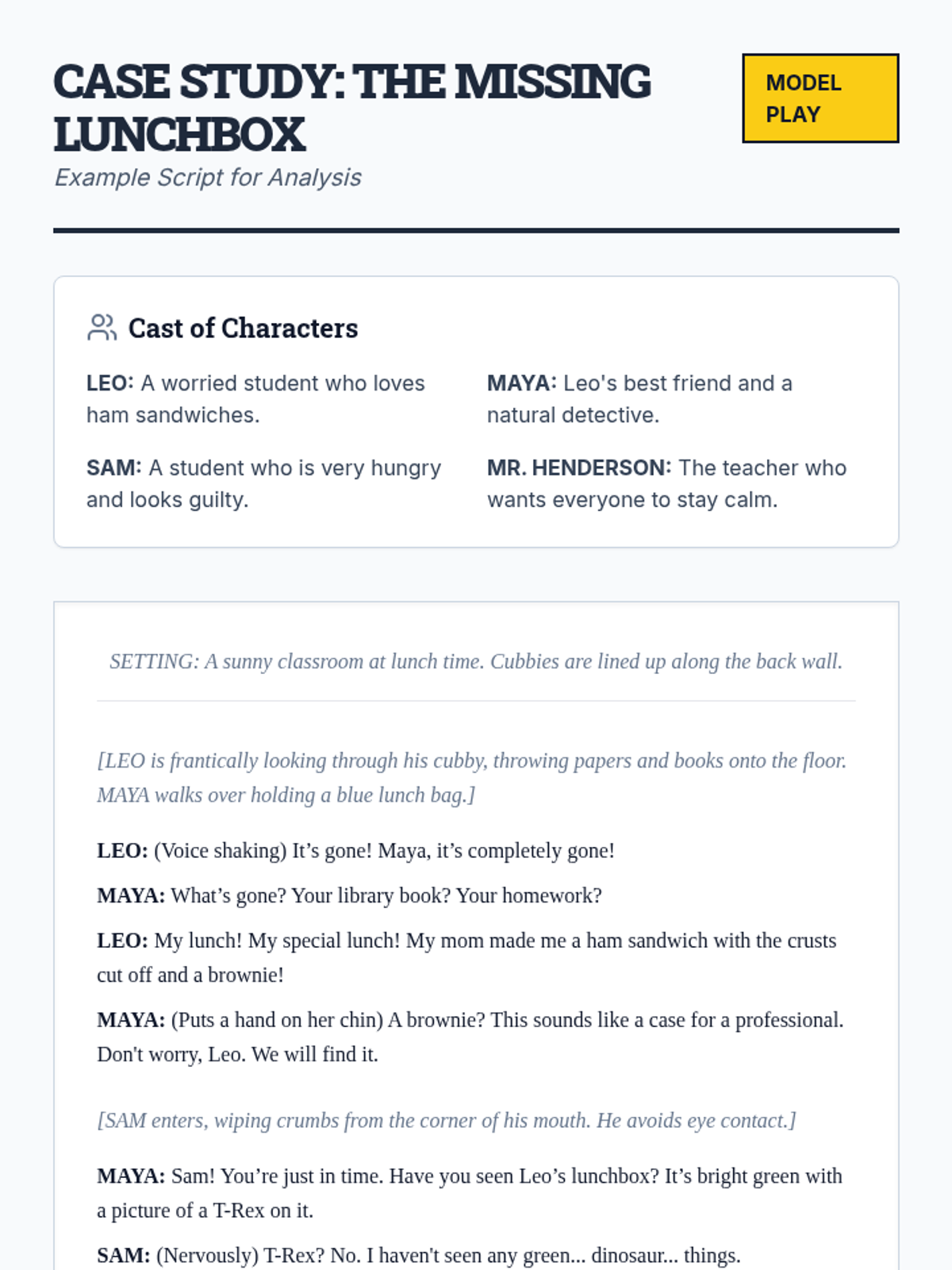
Students learn the fundamental components of a play script and use a model play to identify setting, characters, and plot structure.
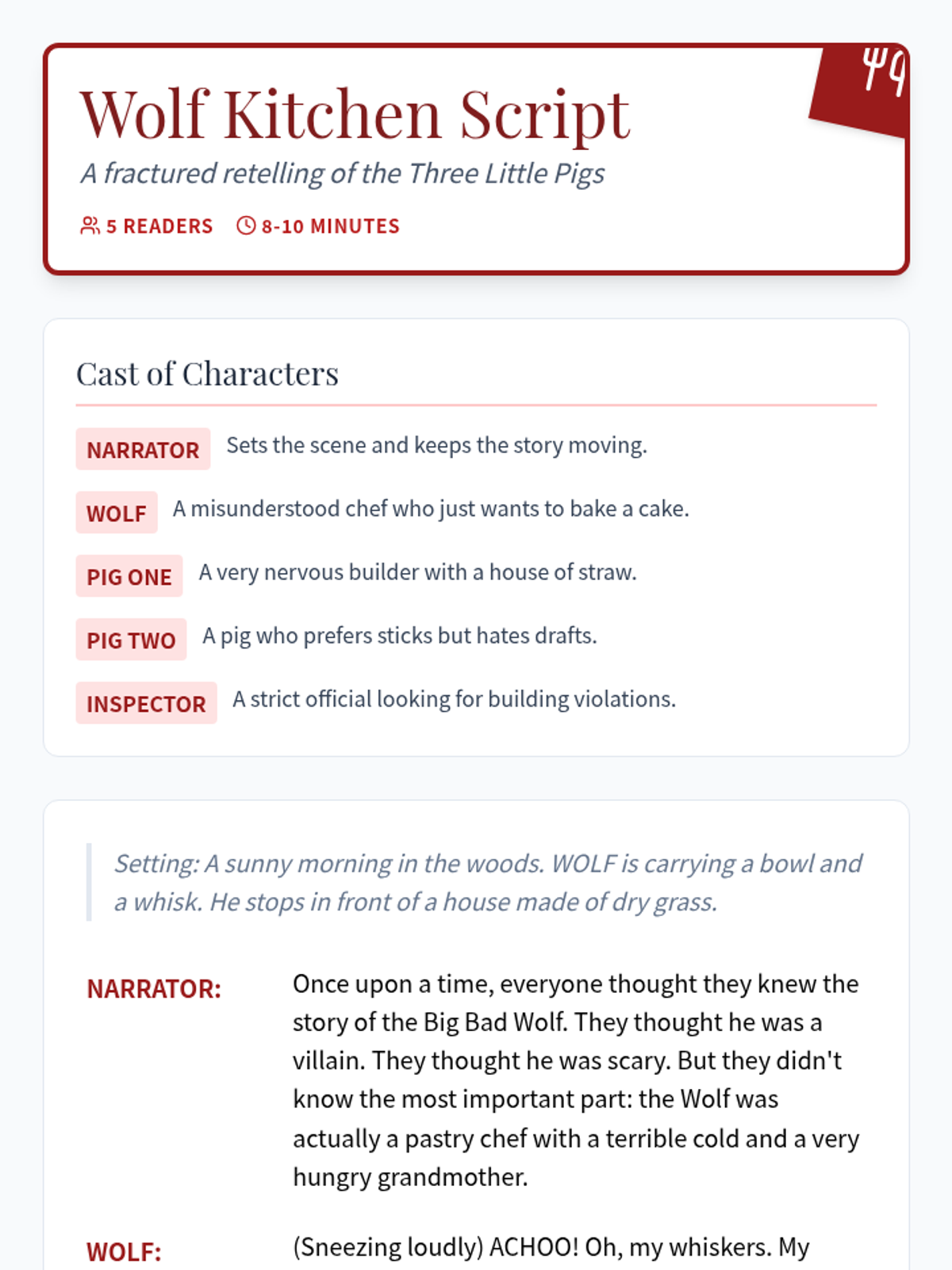
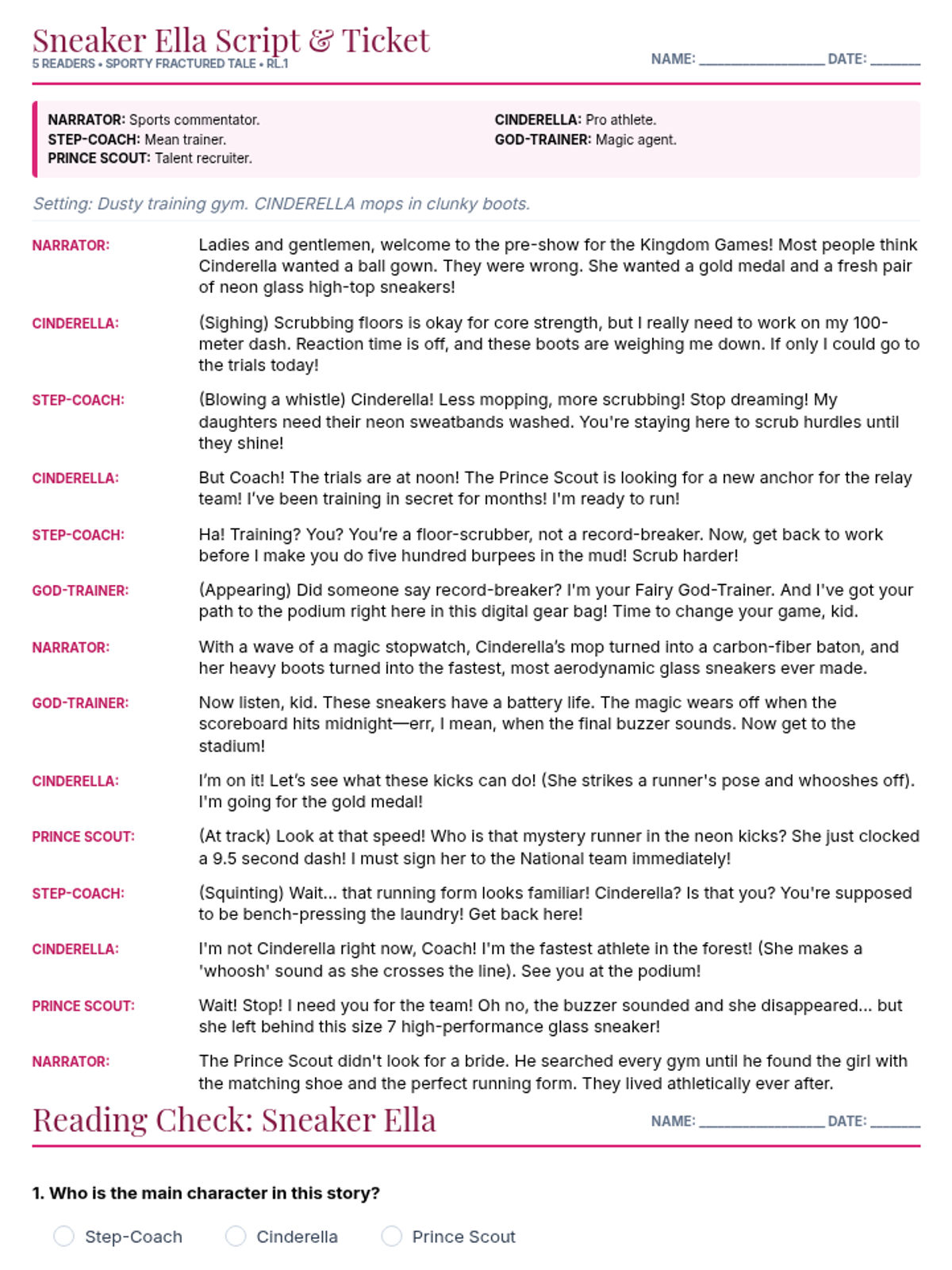
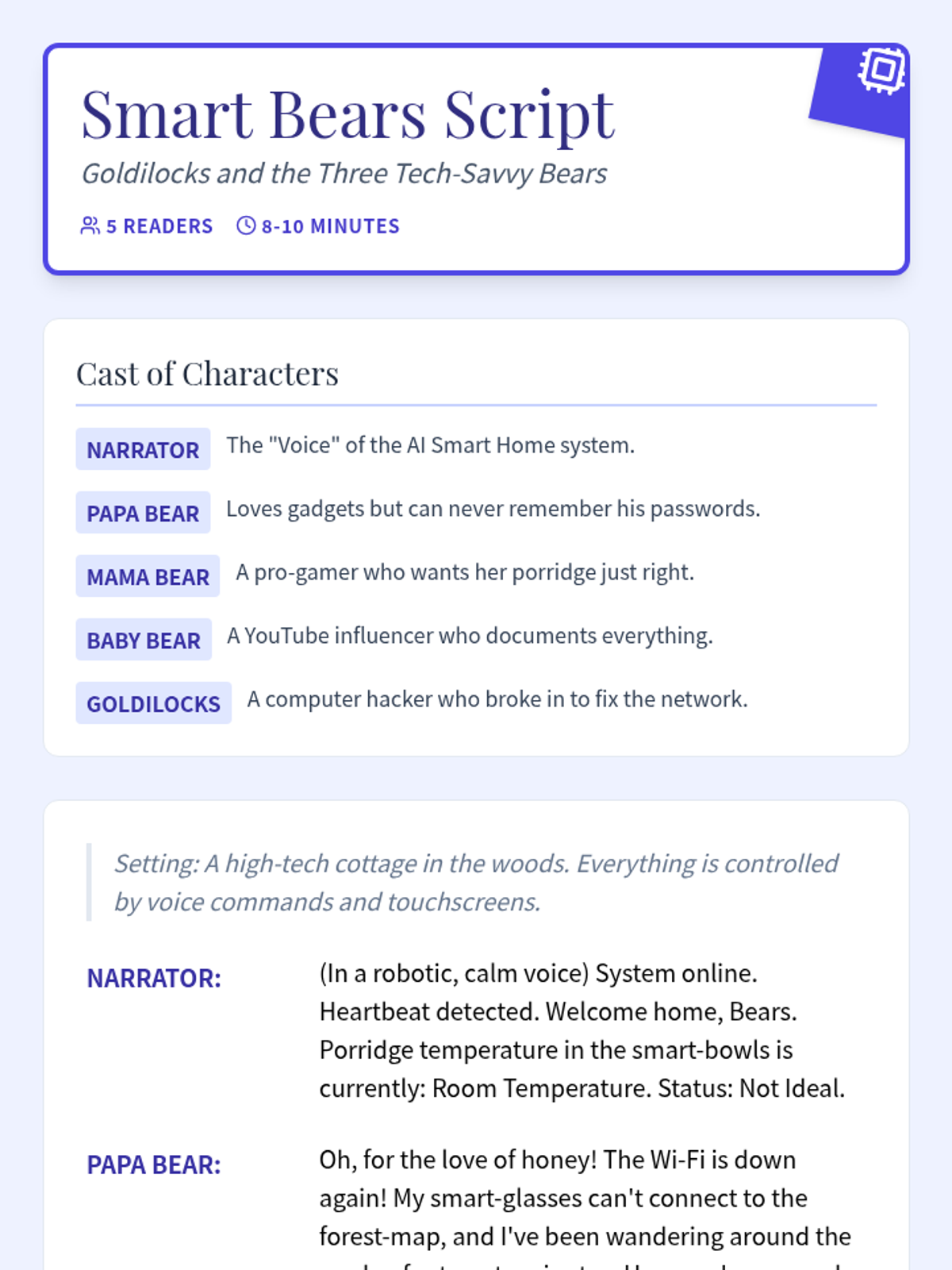
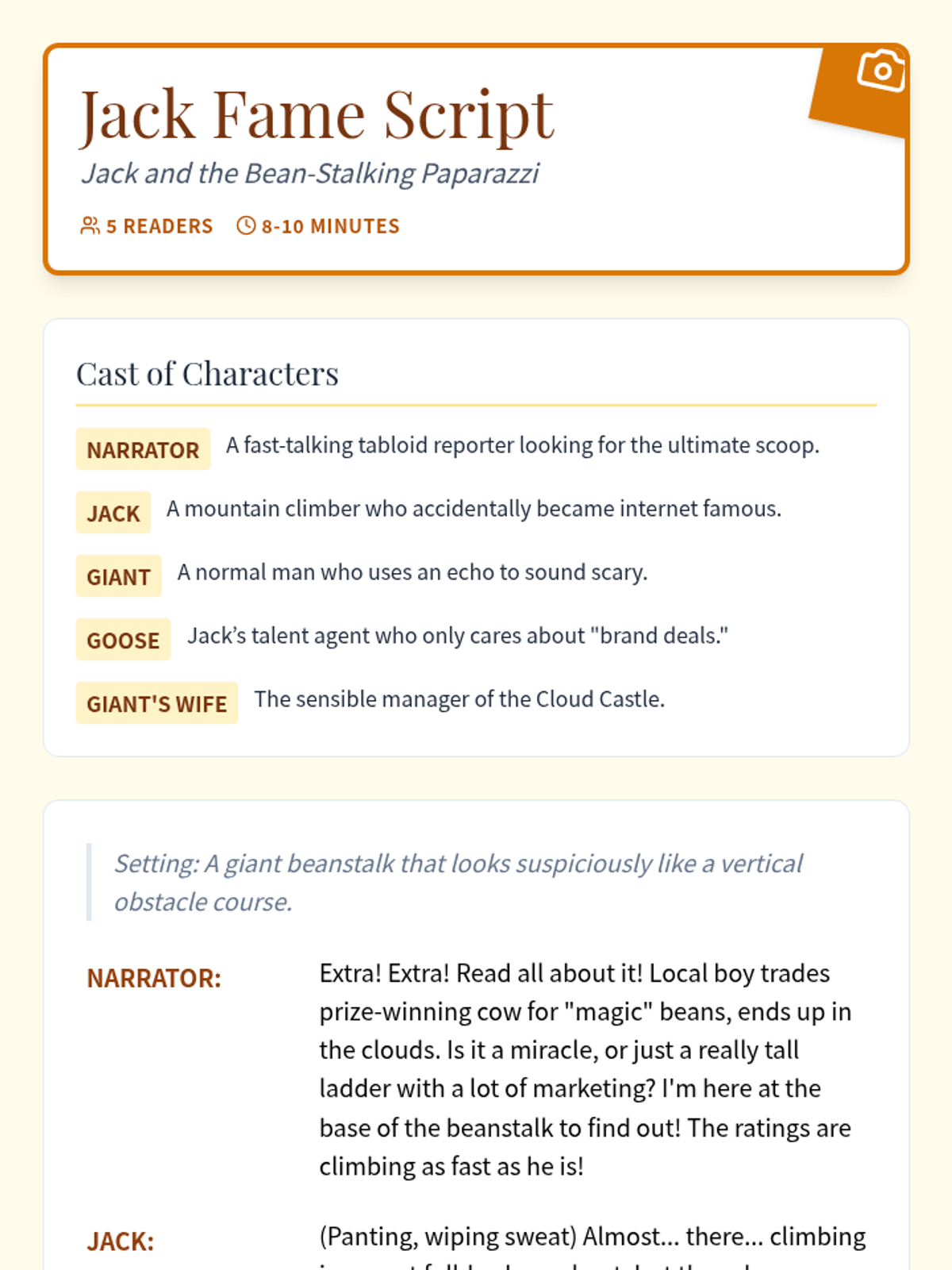
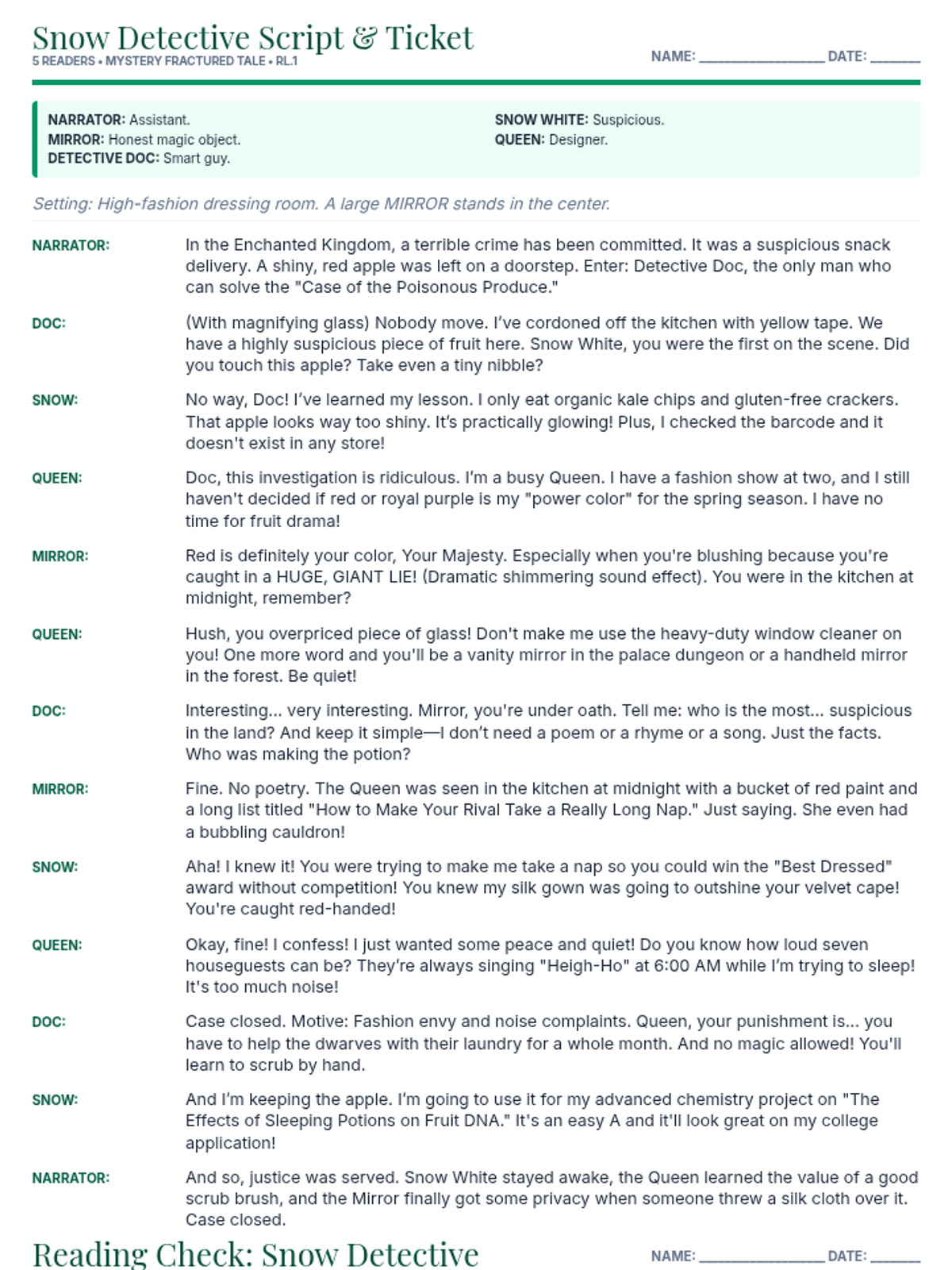
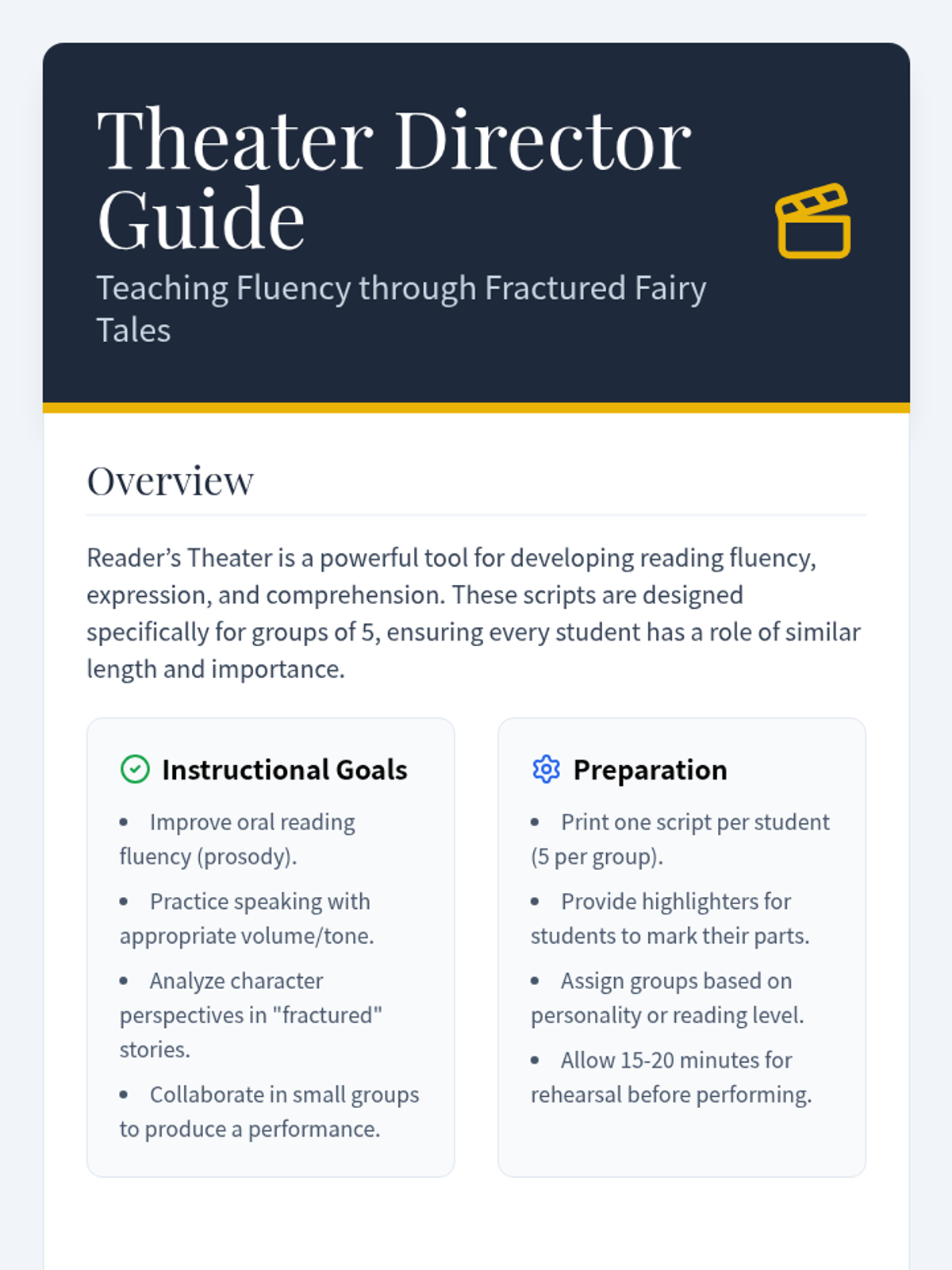
Students practice and perform five unique fractured fairy tale scripts, each featuring exactly five characters to support collaborative group work.
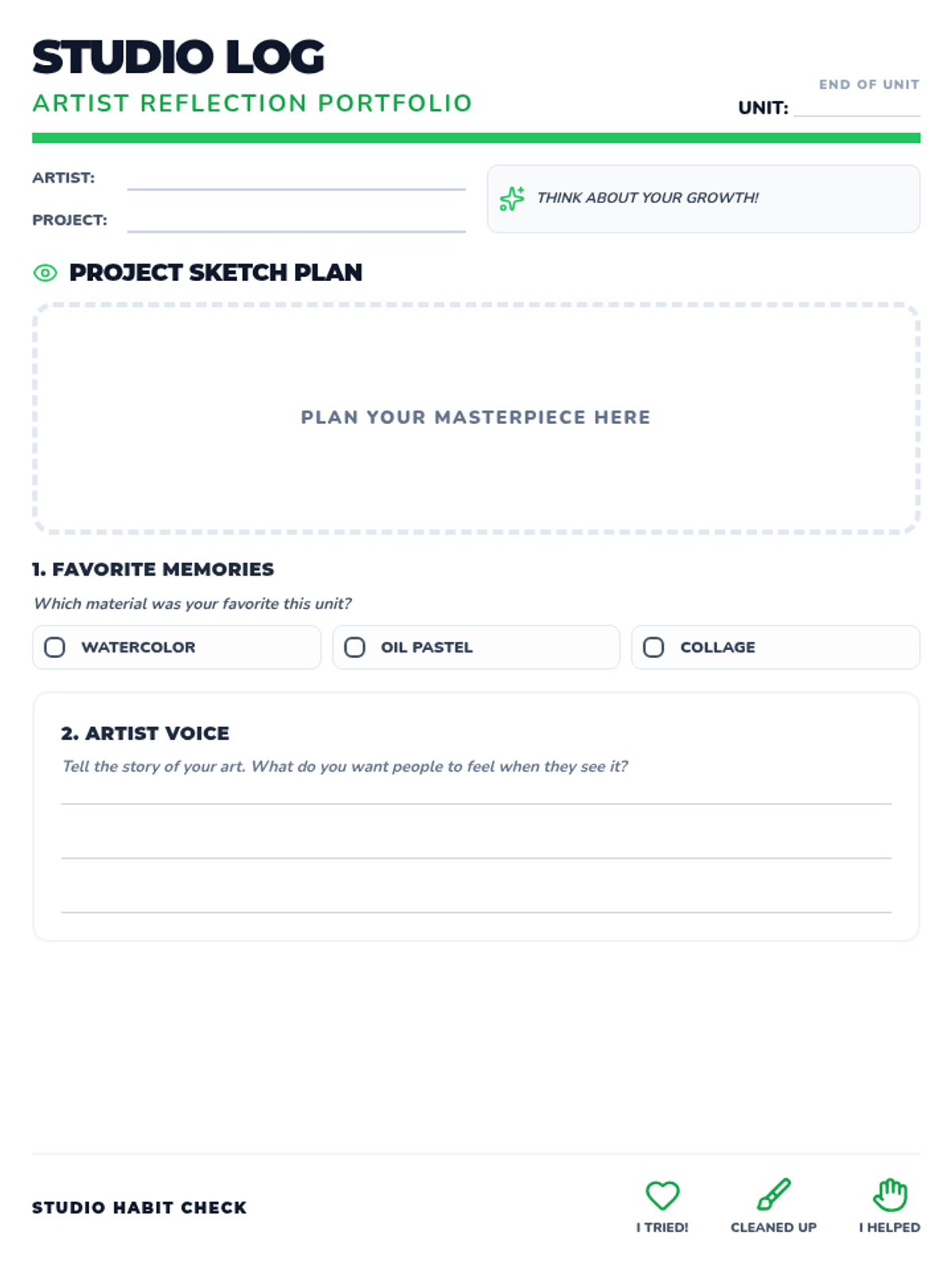
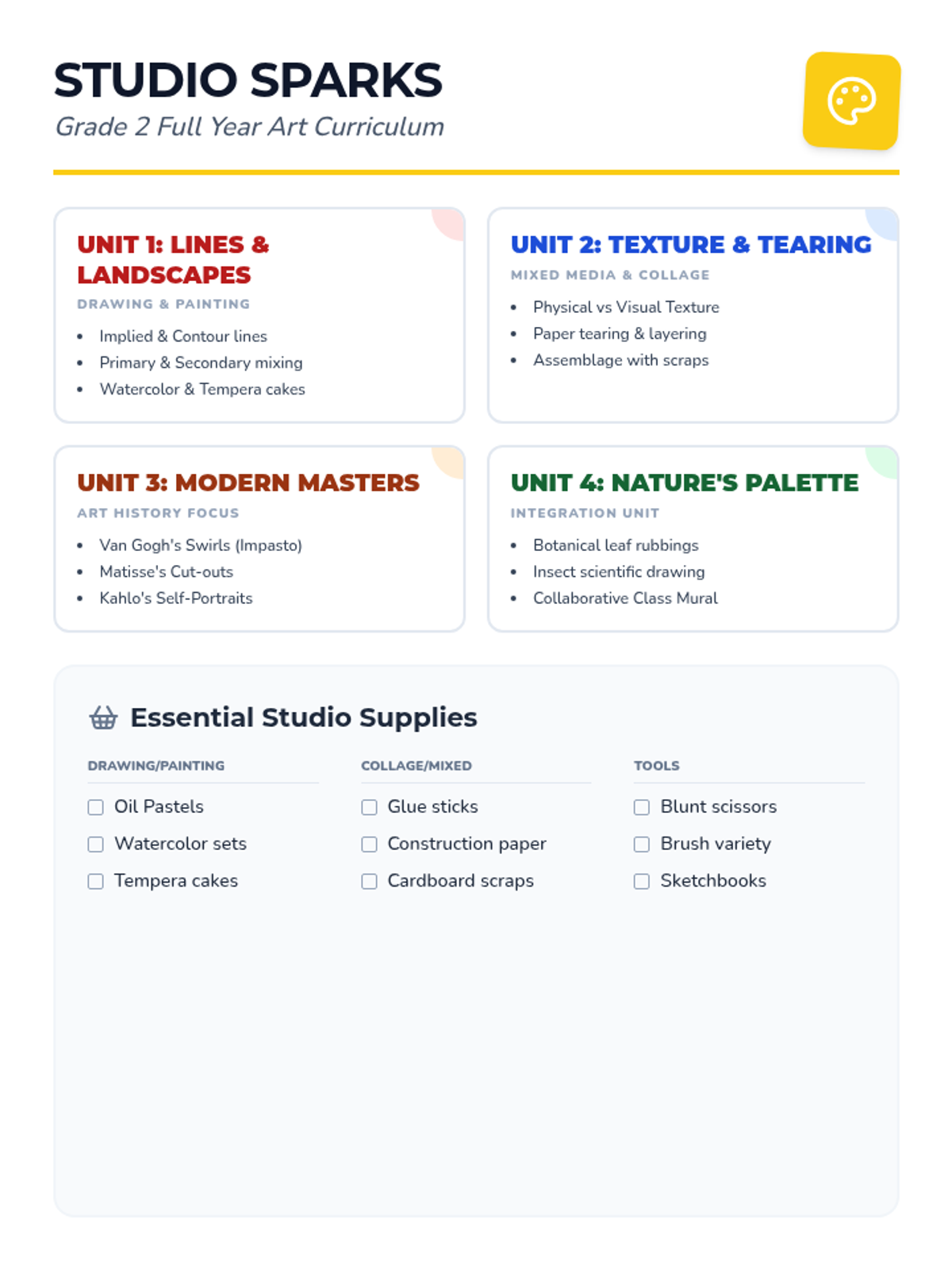
A final unit integrating all skills to create large-scale works inspired by the natural world and global art traditions.
A deep dive into the lives and styles of iconic painters, focusing on impressionism, surrealism, and pop art.
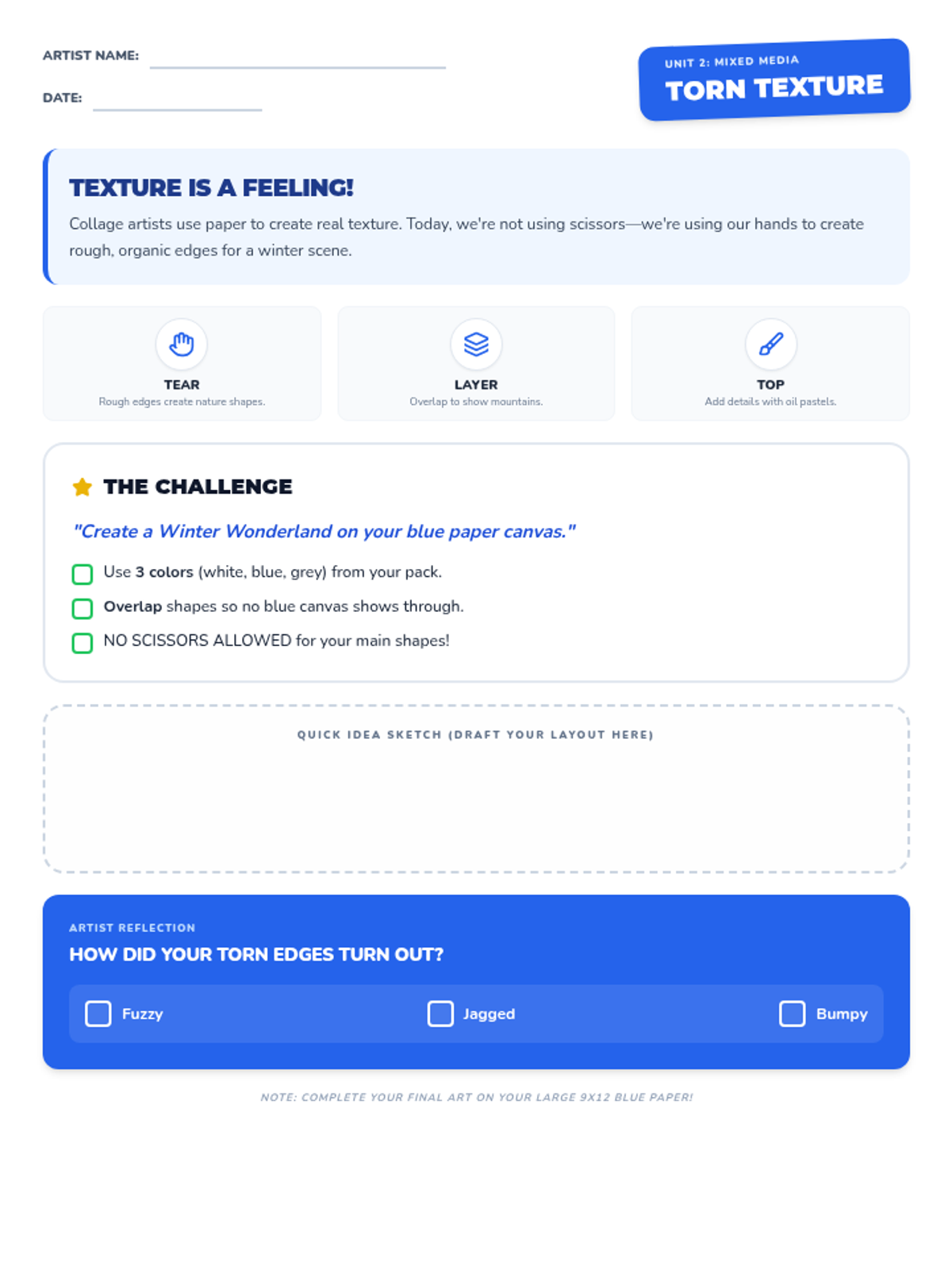
Explores tactile art-making through paper tearing, layering, and found-object assembly.
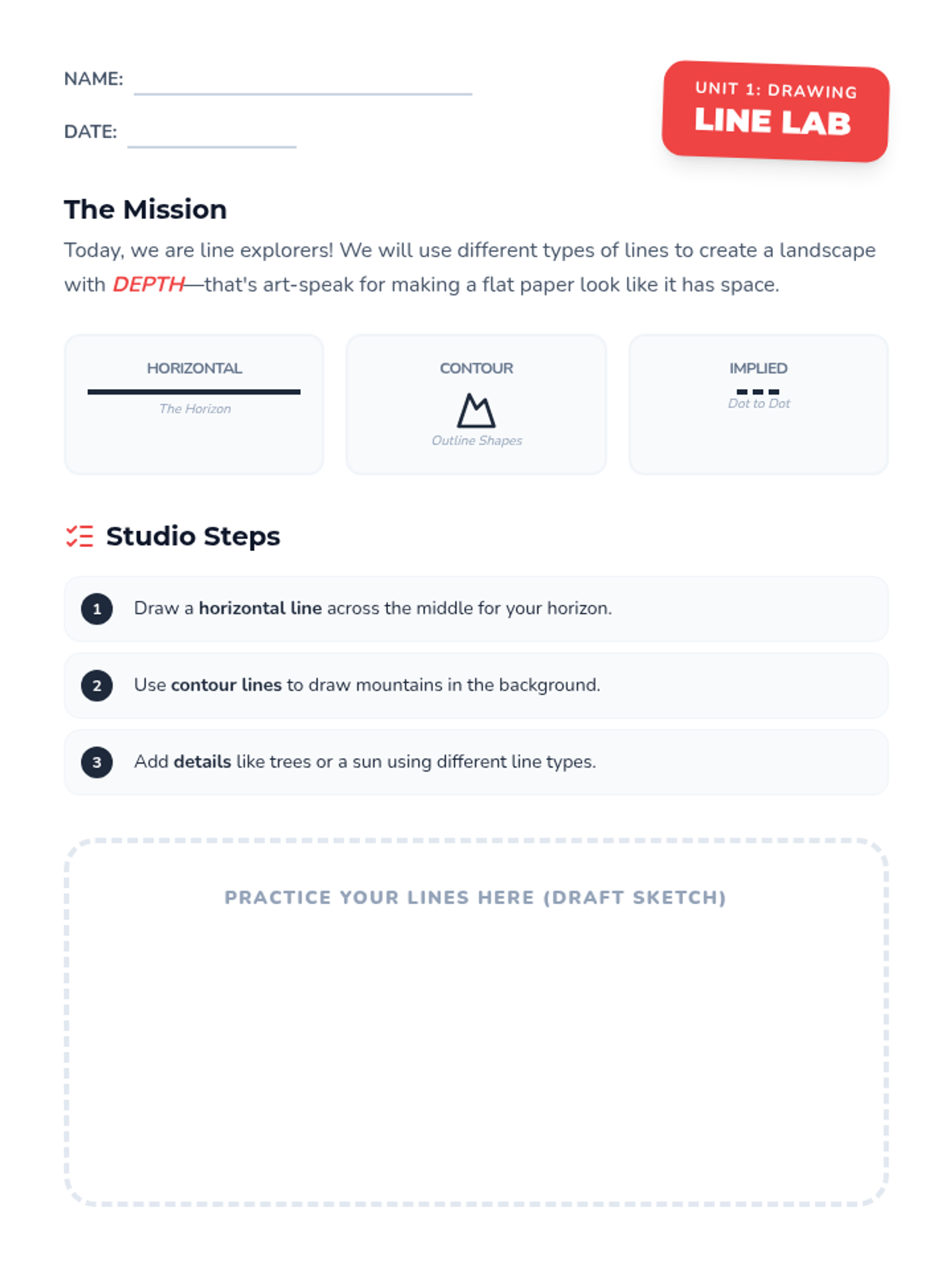
Focuses on the fundamentals of line, shape, and color through wet and dry media, inspired by landscape and portraiture.
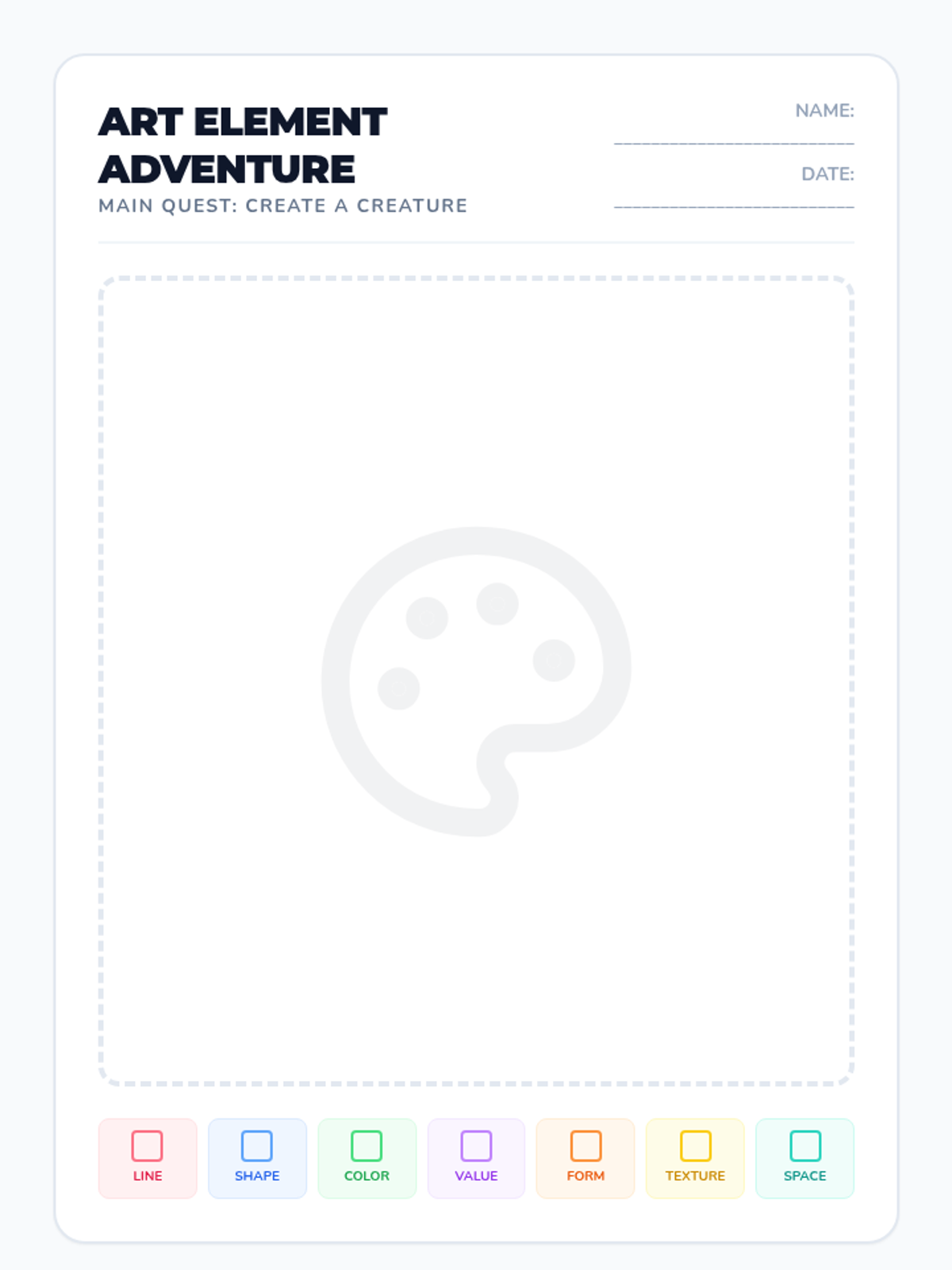
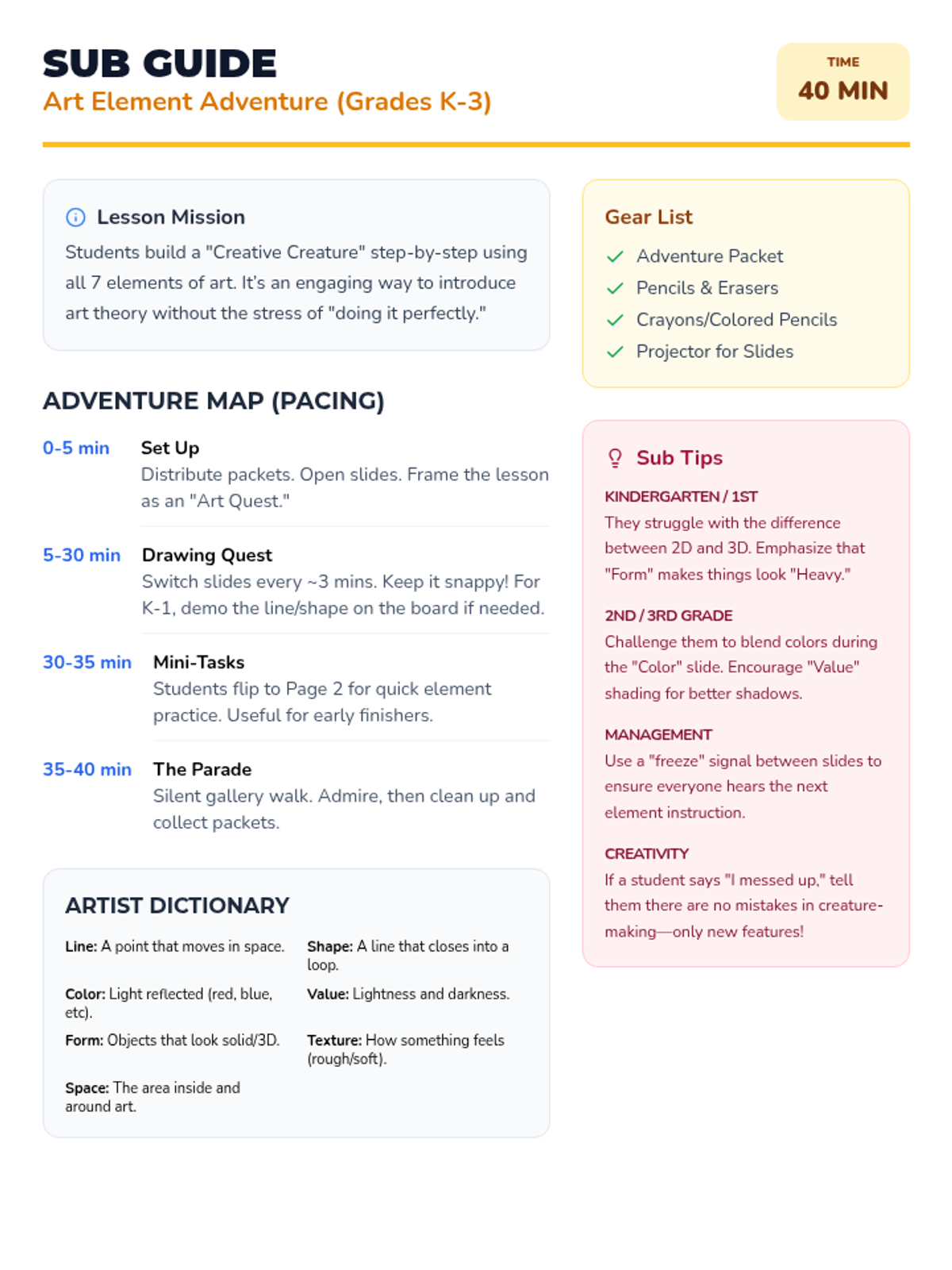
A 40-minute guided art lesson for grades K-3 that introduces the 7 elements of art through a single integrated drawing activity and supporting mini-tasks. Ideal for substitutes, this lesson builds a 'Creative Creature' step-by-step.
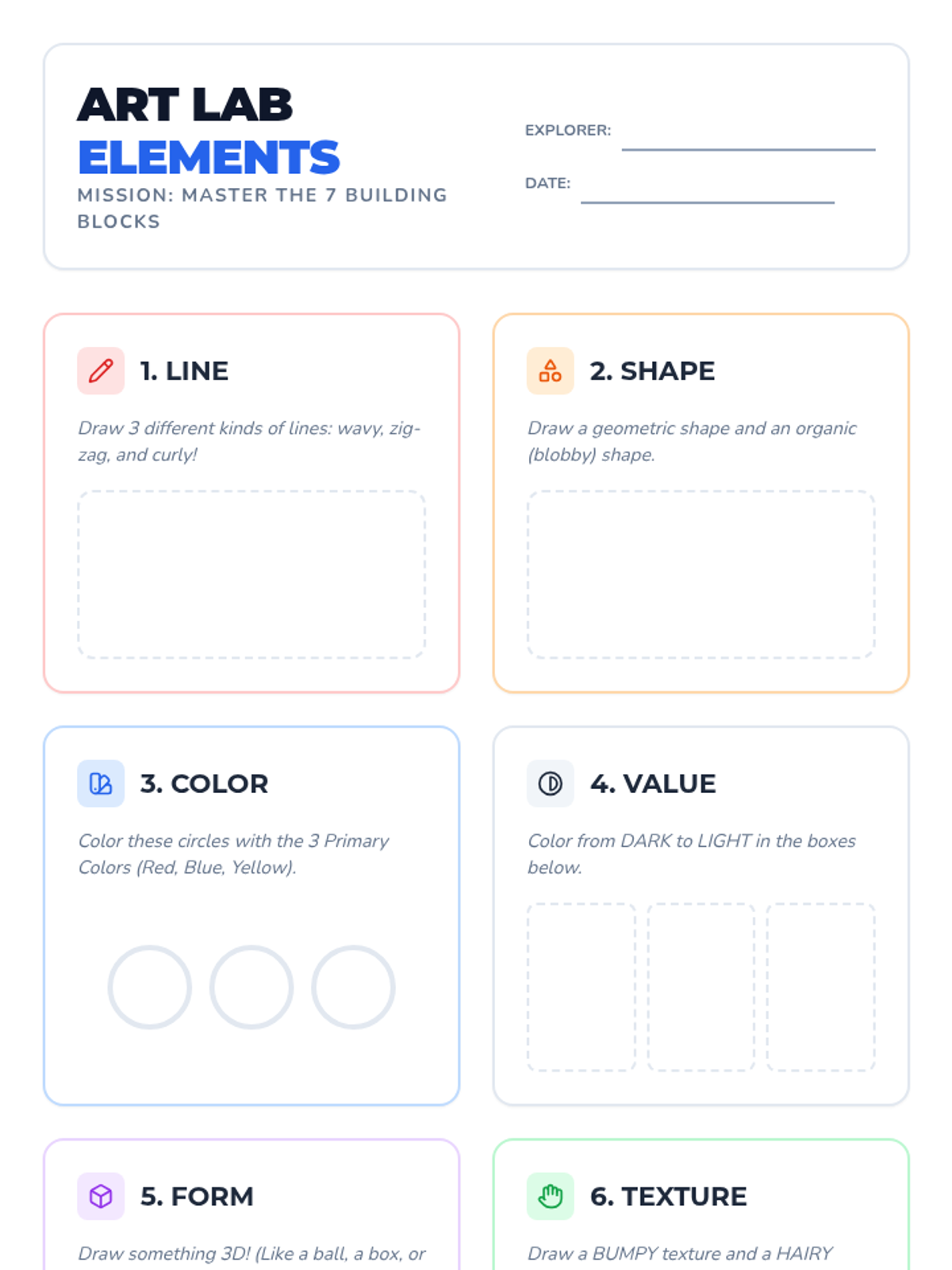
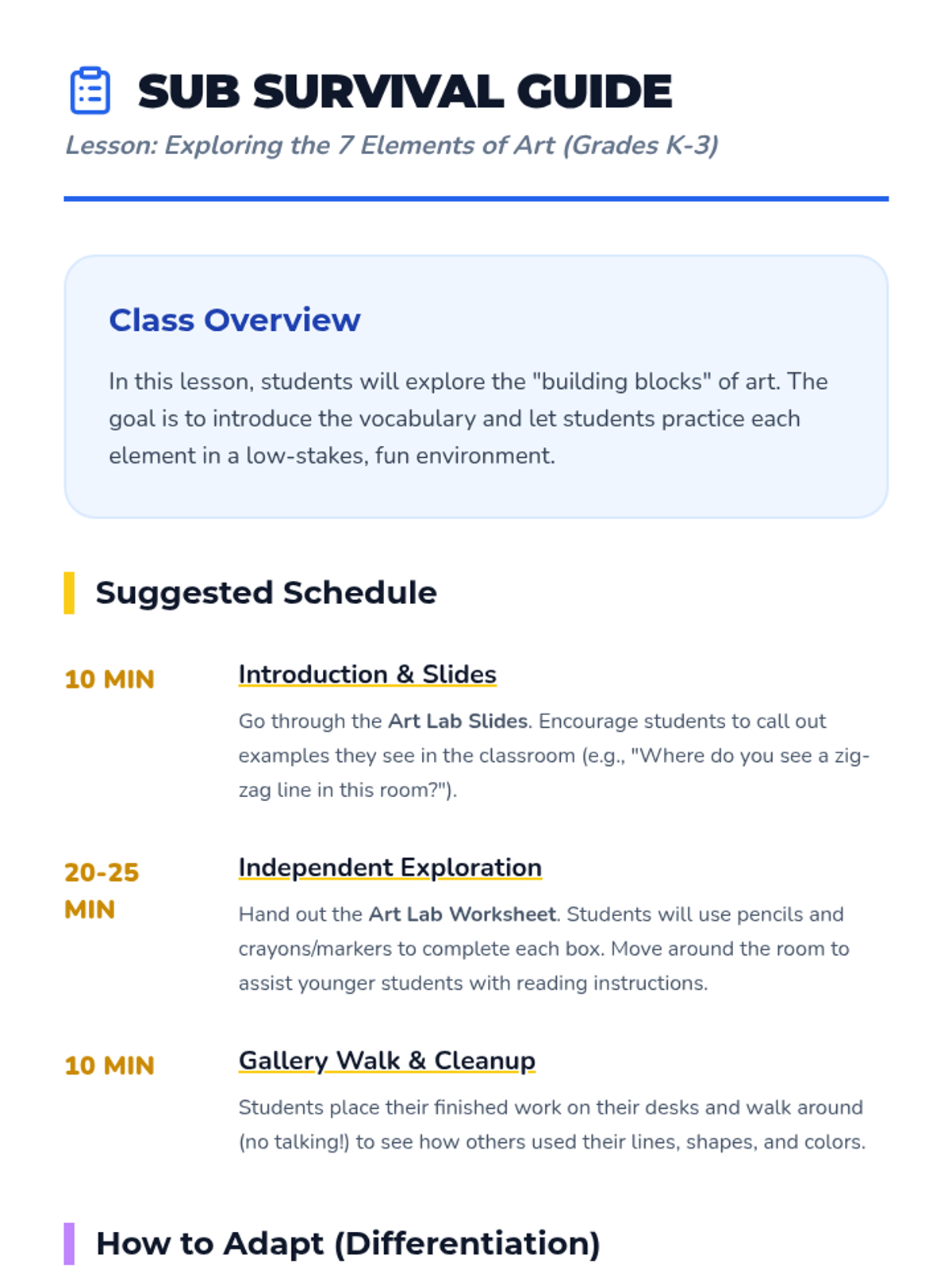
A comprehensive substitute-friendly lesson introducing the 7 Elements of Art to students in grades K-3 through visual exploration and hands-on practice.
A fun and engaging animal-themed coloring book that encourages students to identify, draw, and color 51 different animals. This lesson focuses on animal diversity and recognition through a creative field-guide approach.
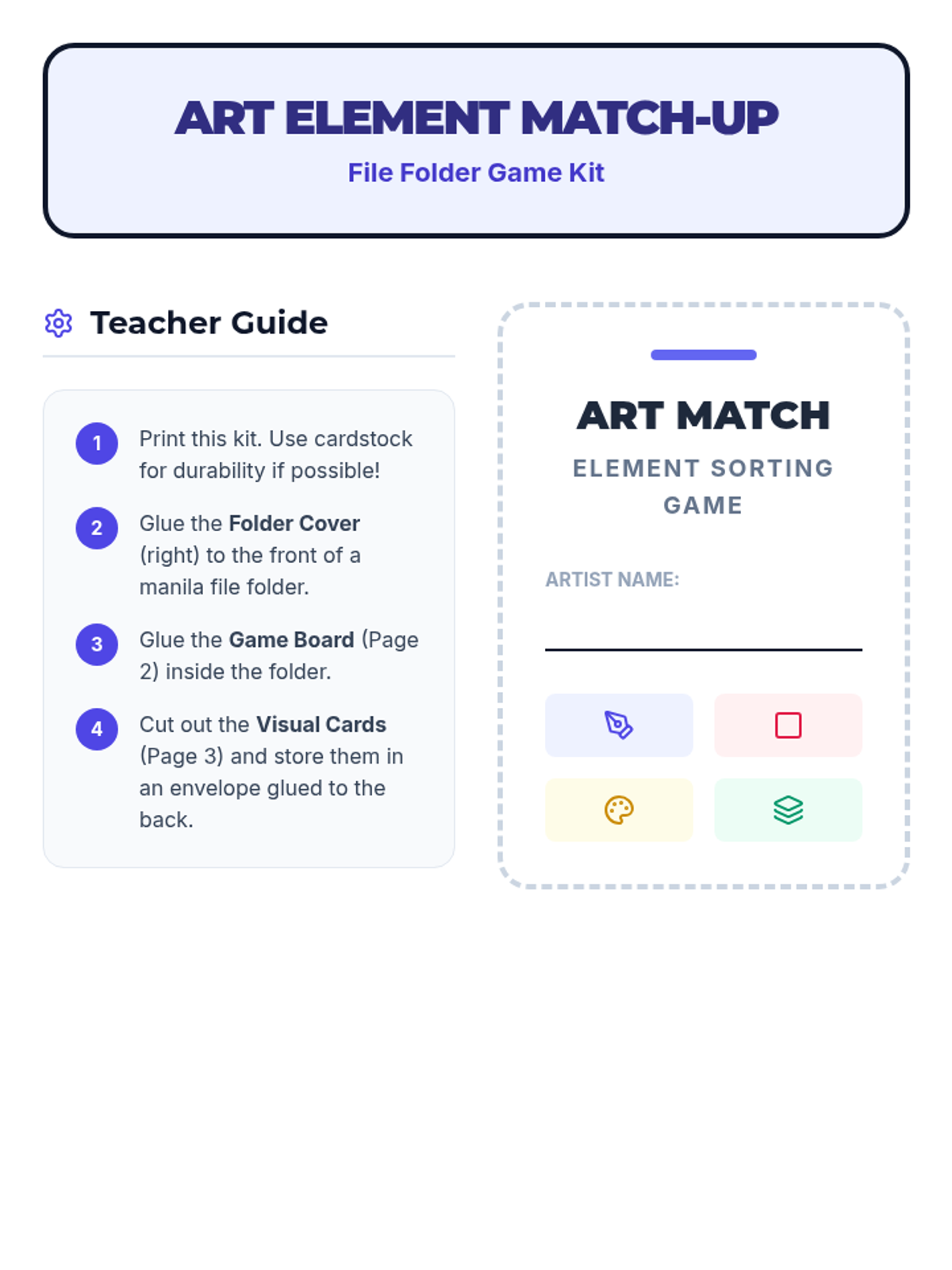
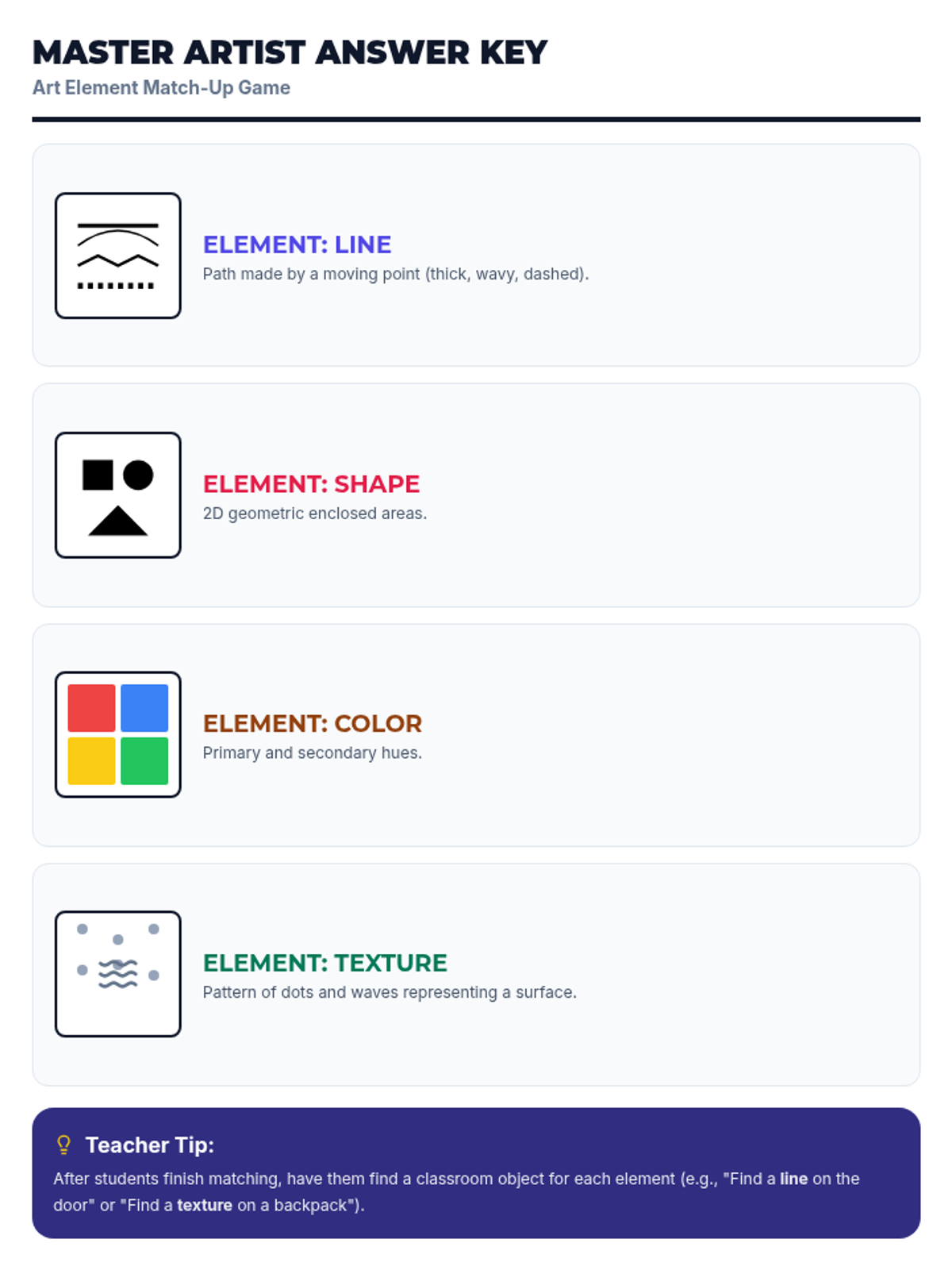
A hands-on file folder game and introductory lesson focusing on four core elements of art: line, shape, color, and texture. Students learn to identify these elements through visual examples and interactive matching.
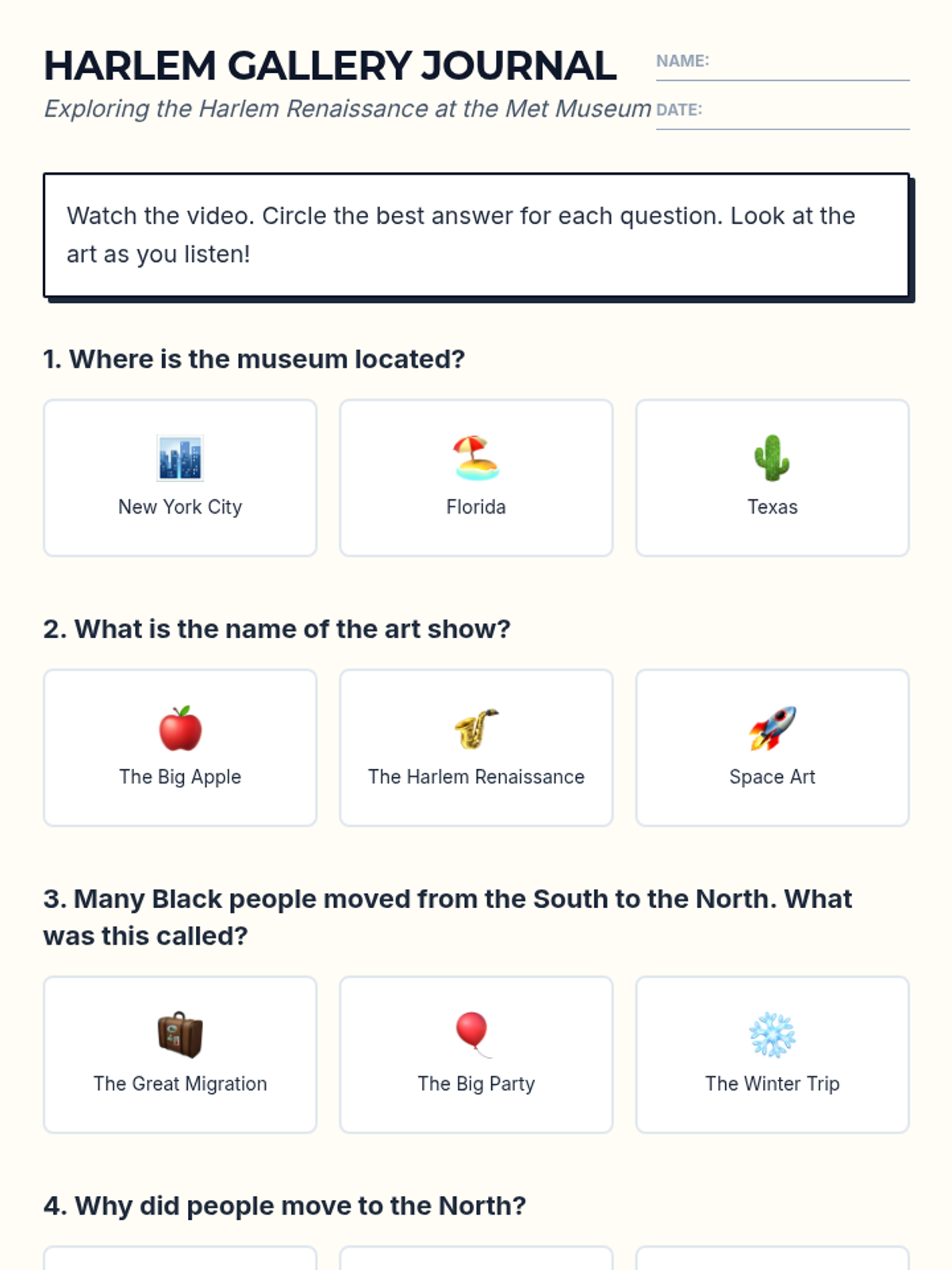
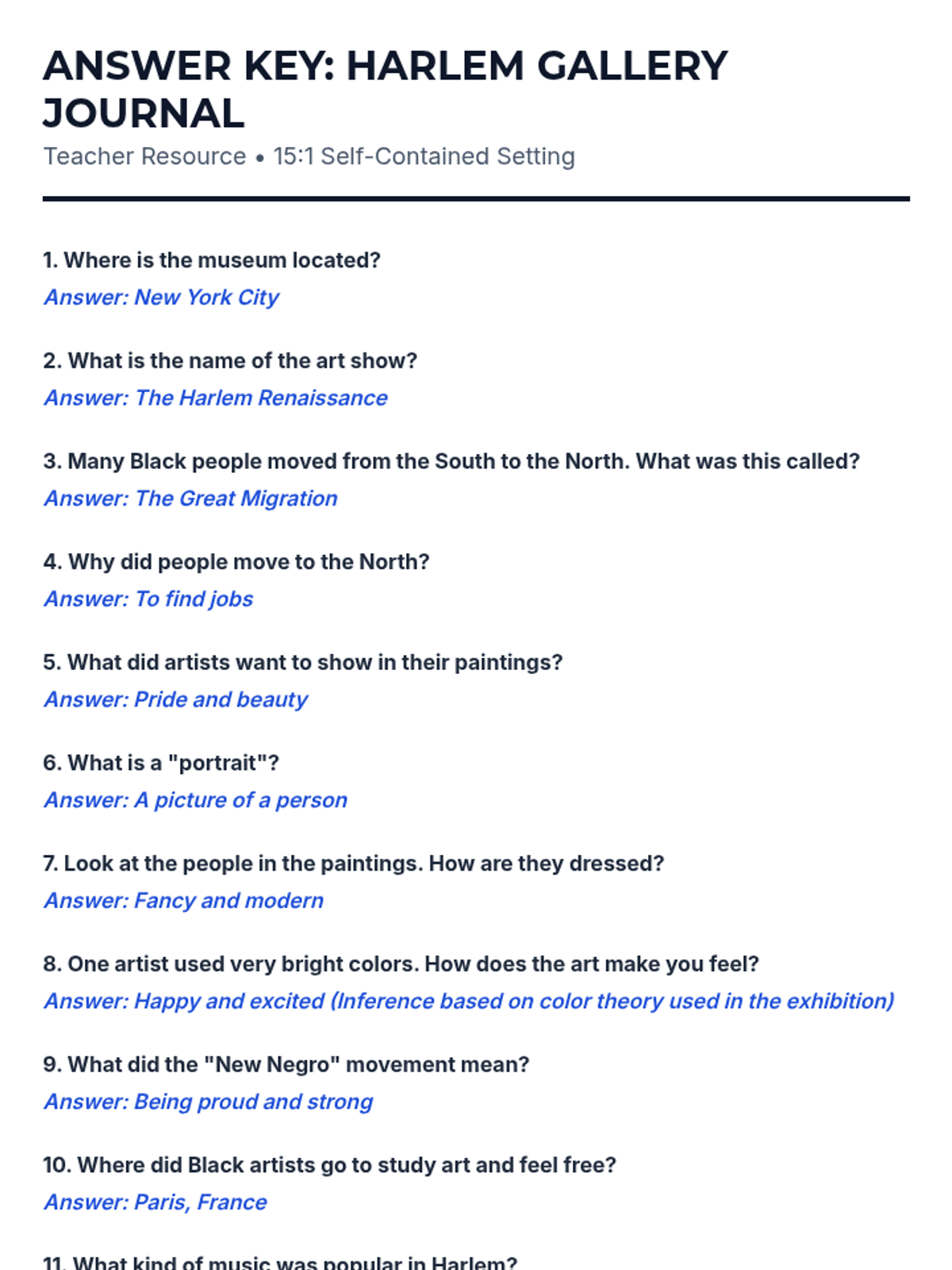
A guided exploration of the Harlem Renaissance exhibition at the Met Museum, designed for students with emerging reading skills to engage with art history through literal and inferential questions.
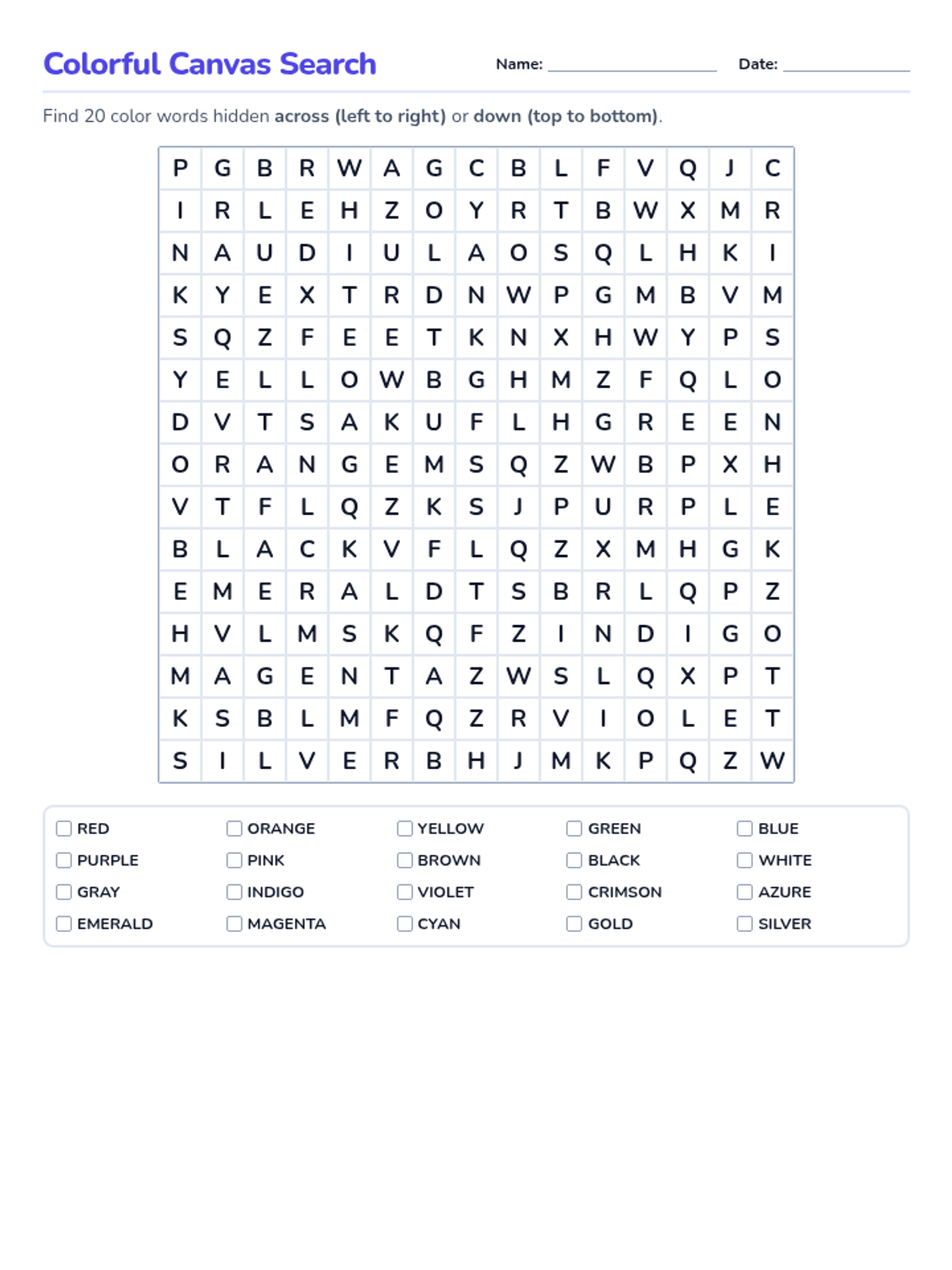
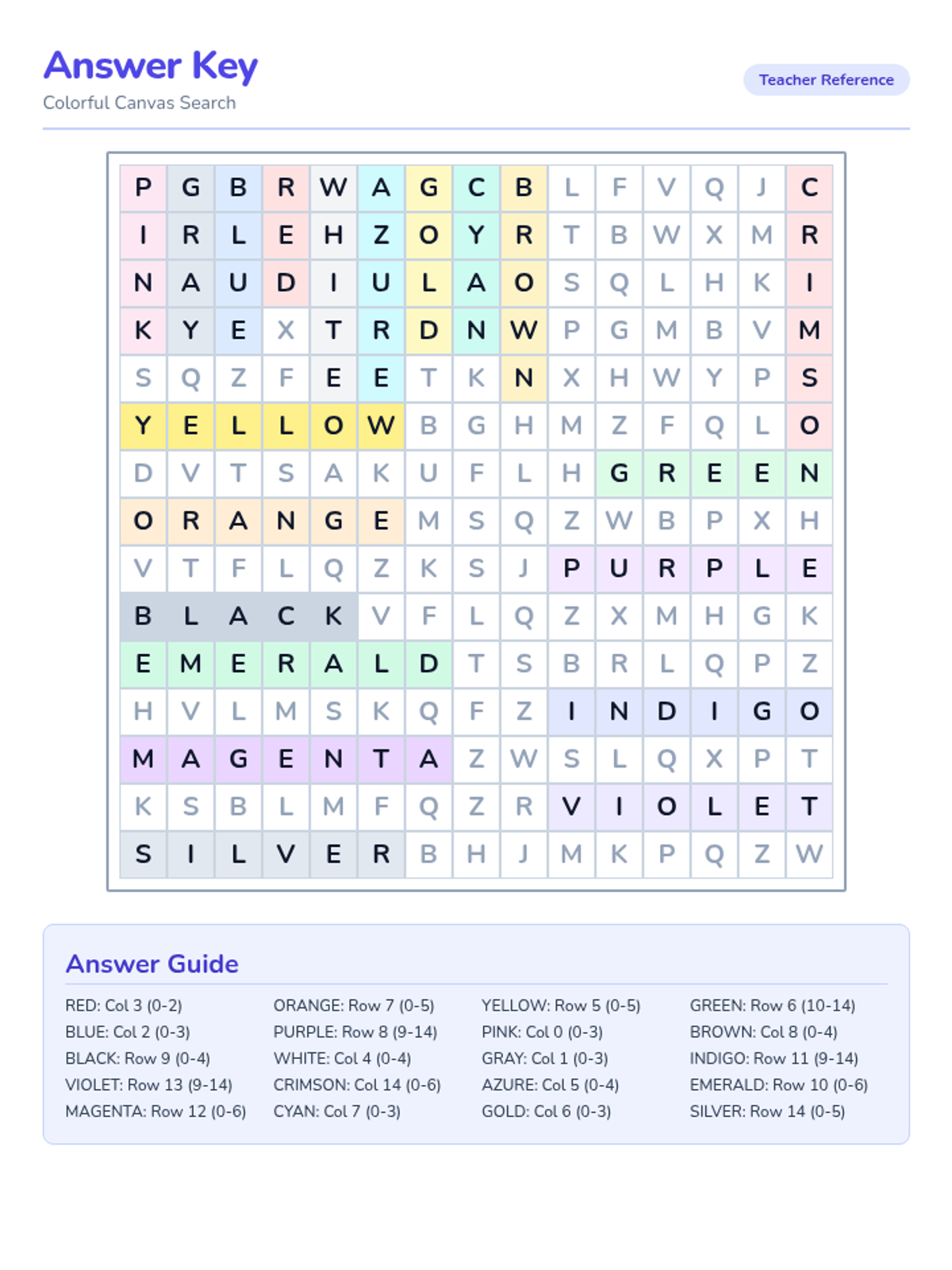
A creative exploration of colors through a word search activity, designed for young artists or those needing large print accessibility.
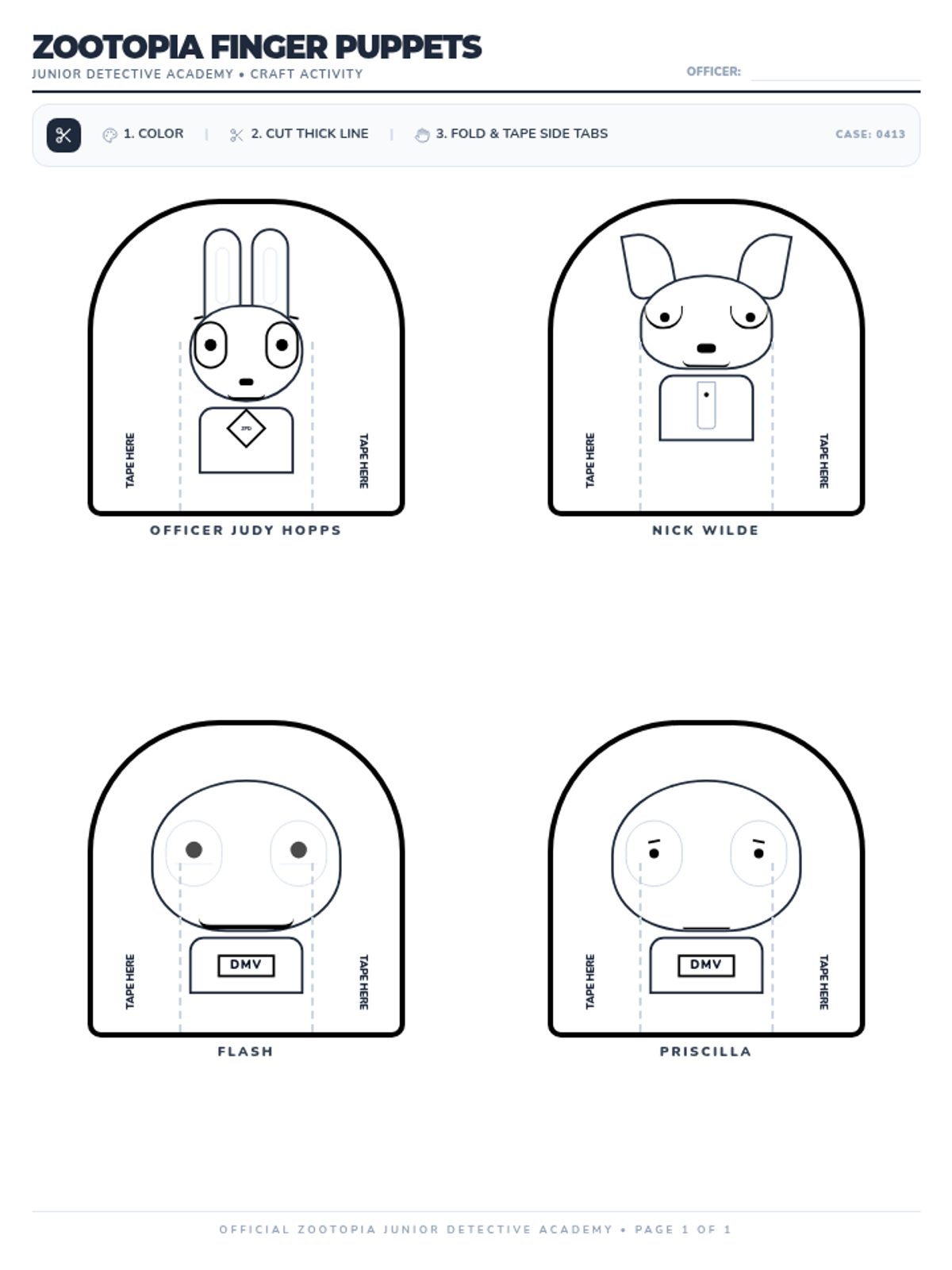
A creative craft lesson where students color and create their own finger puppets of favorite Zootopia characters to practice storytelling and role-playing.
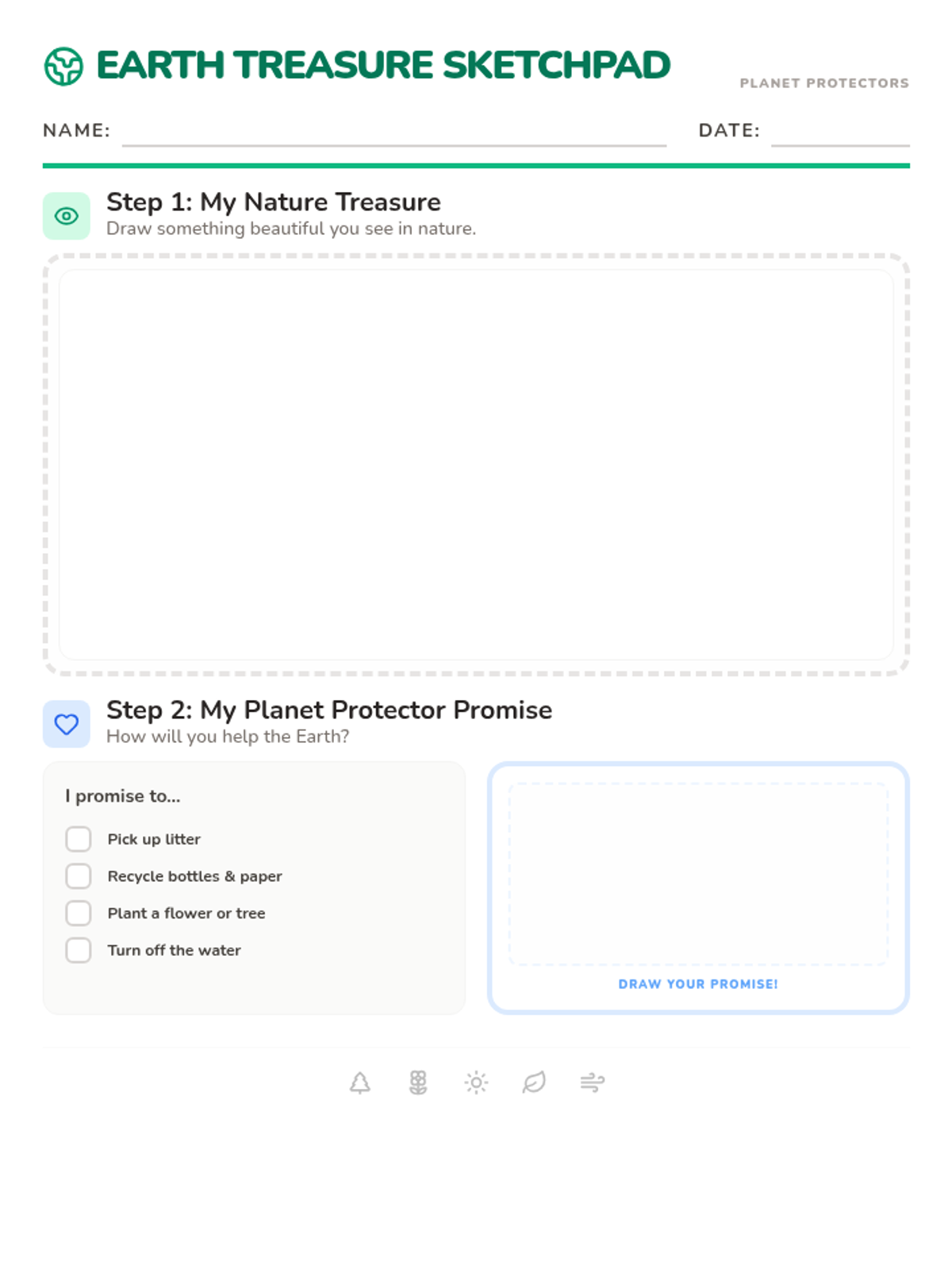
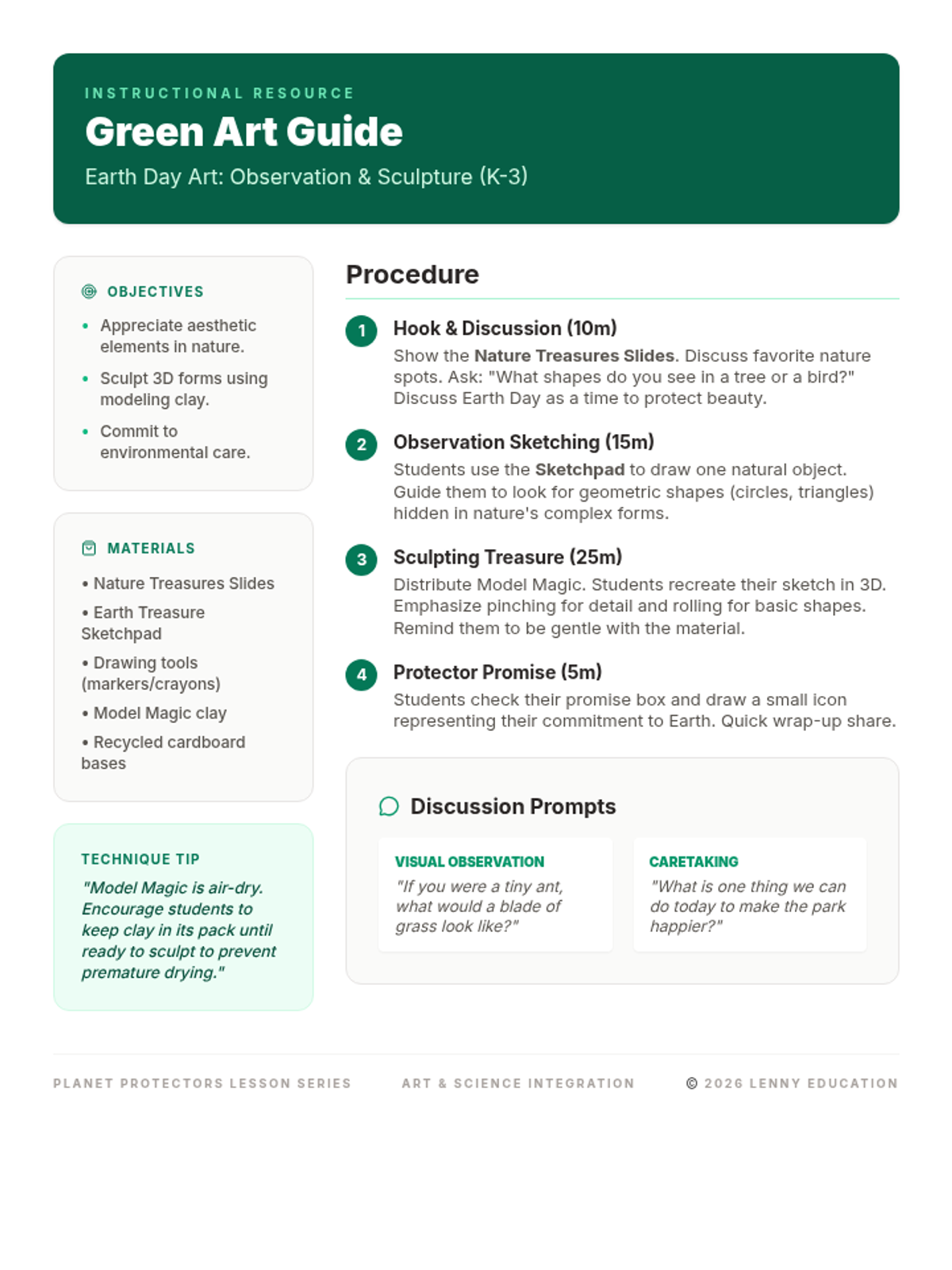
A primary art lesson exploring the beauty of nature and our role in keeping the Earth clean. Students observe natural wonders and create their own "Earth Treasures" using drawing and sculpting materials.
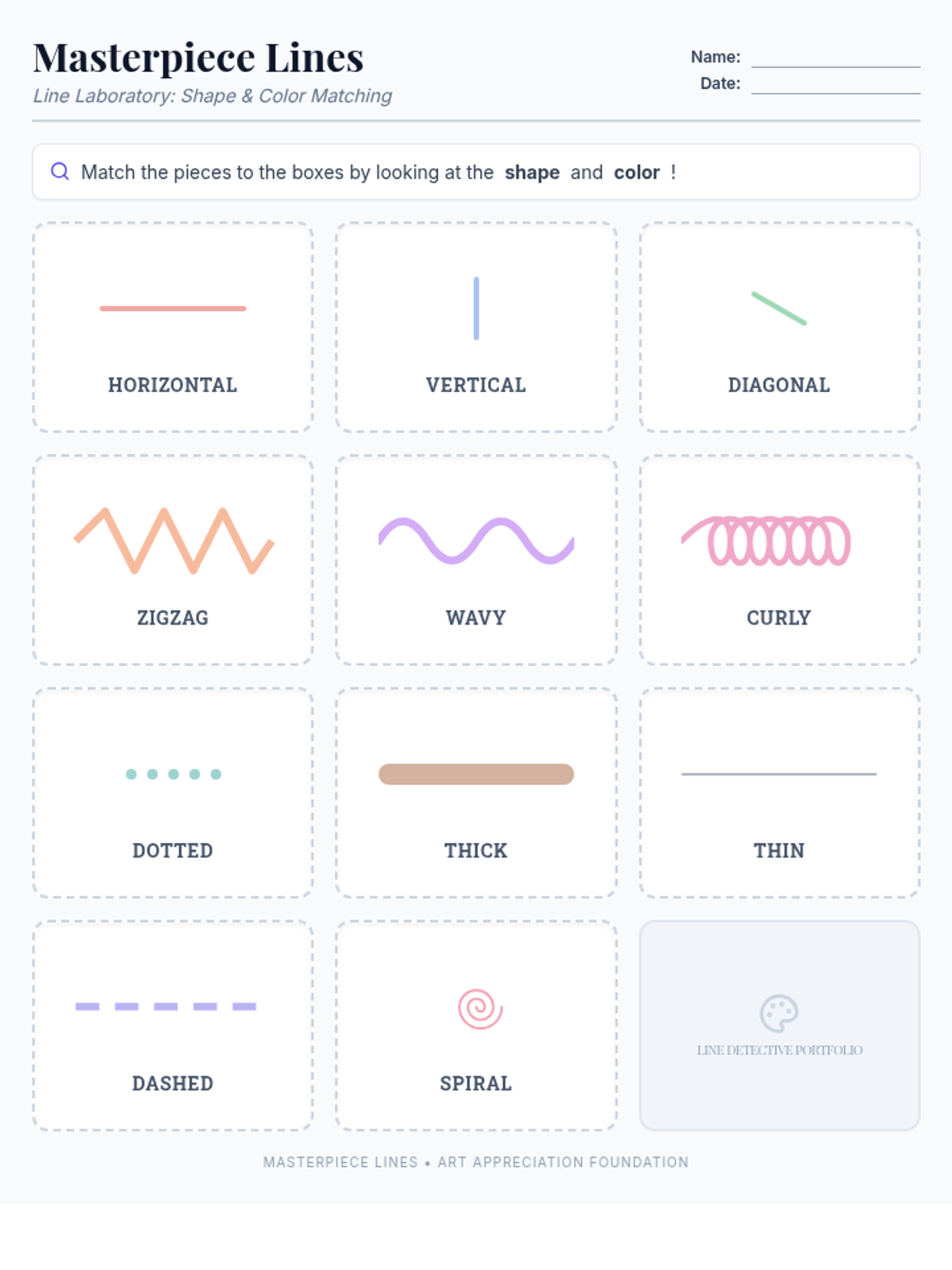
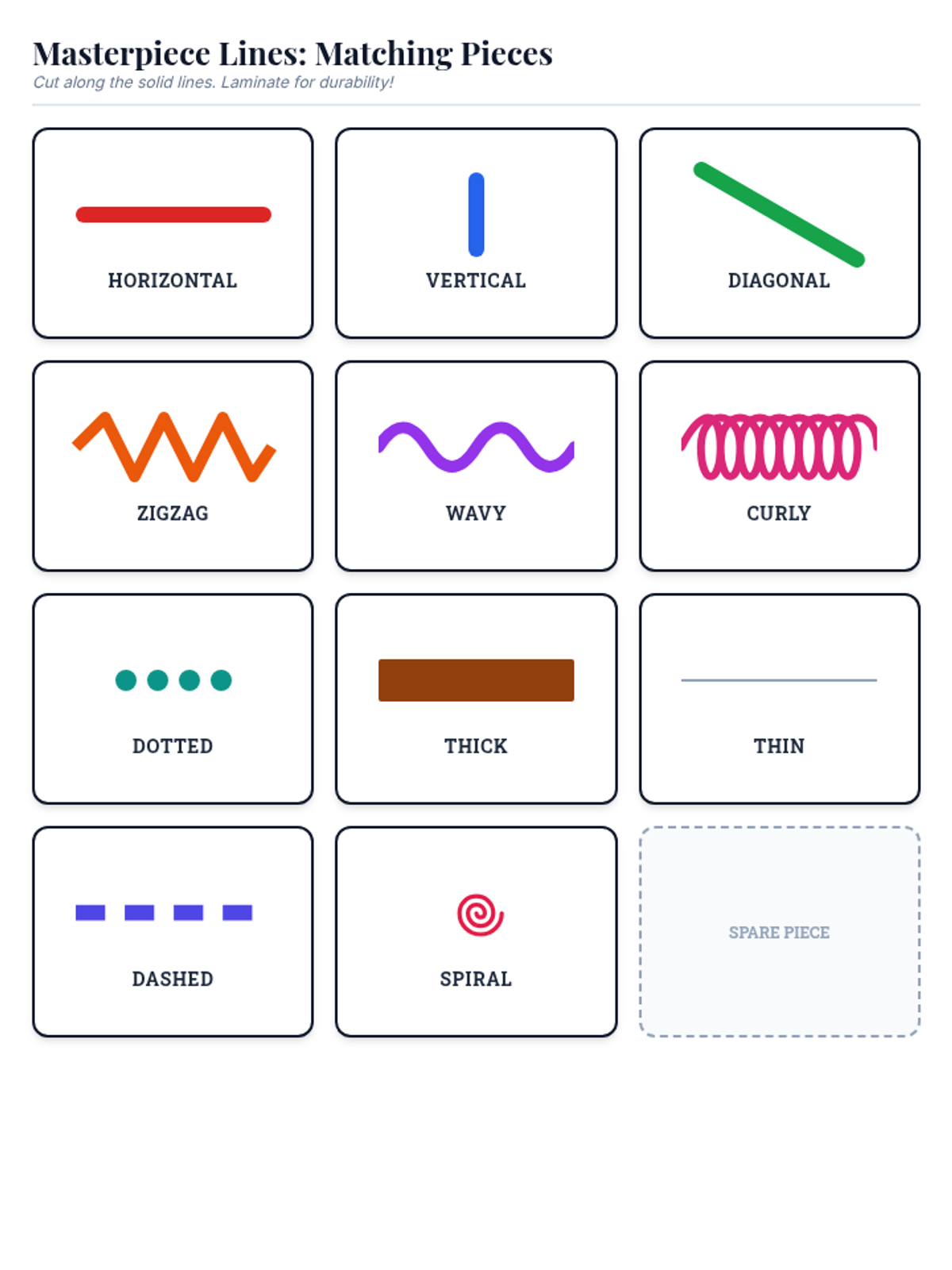
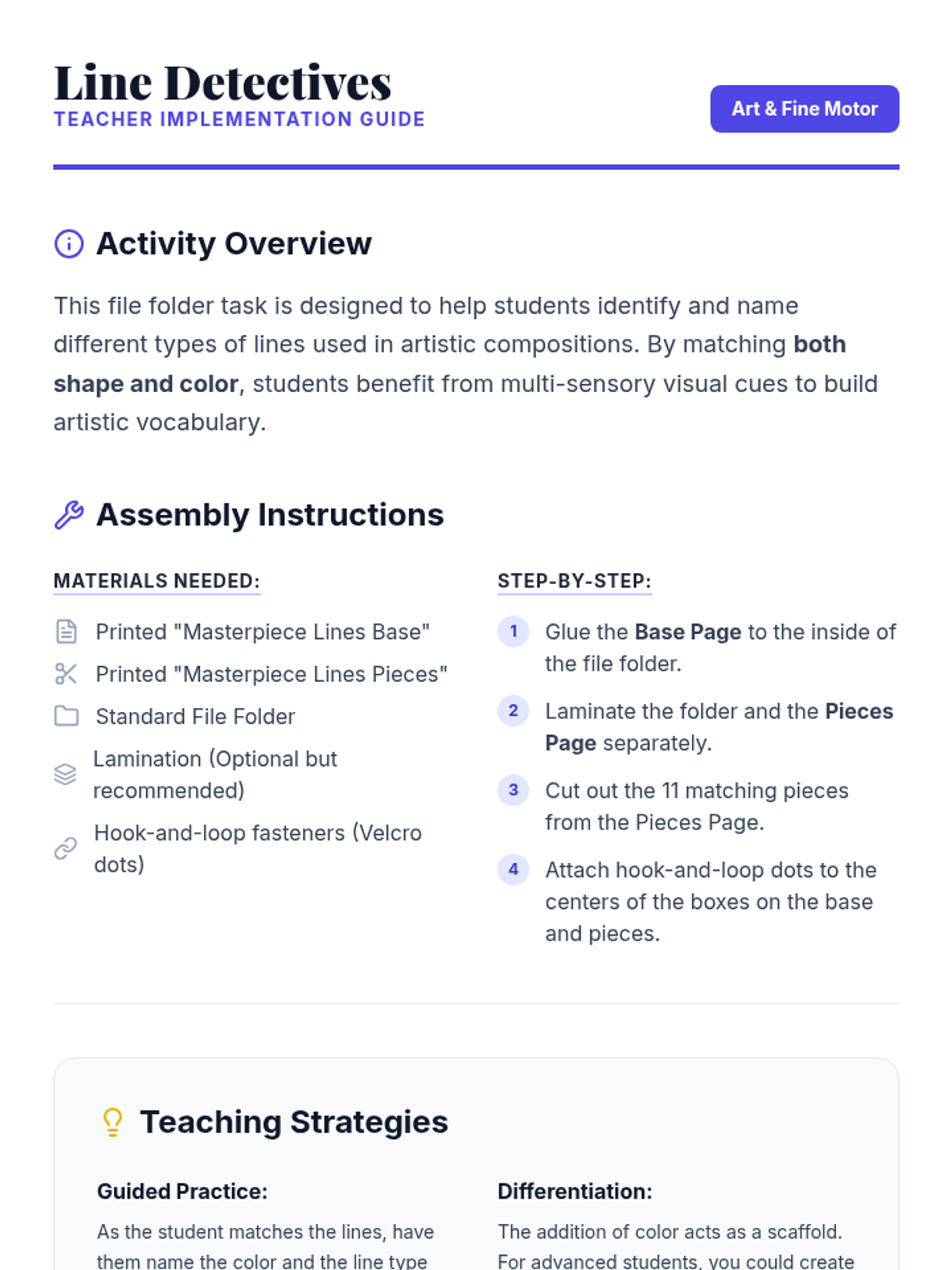
A hands-on activity for students to identify and match various line types used in art, from basic directional lines to complex decorative patterns.
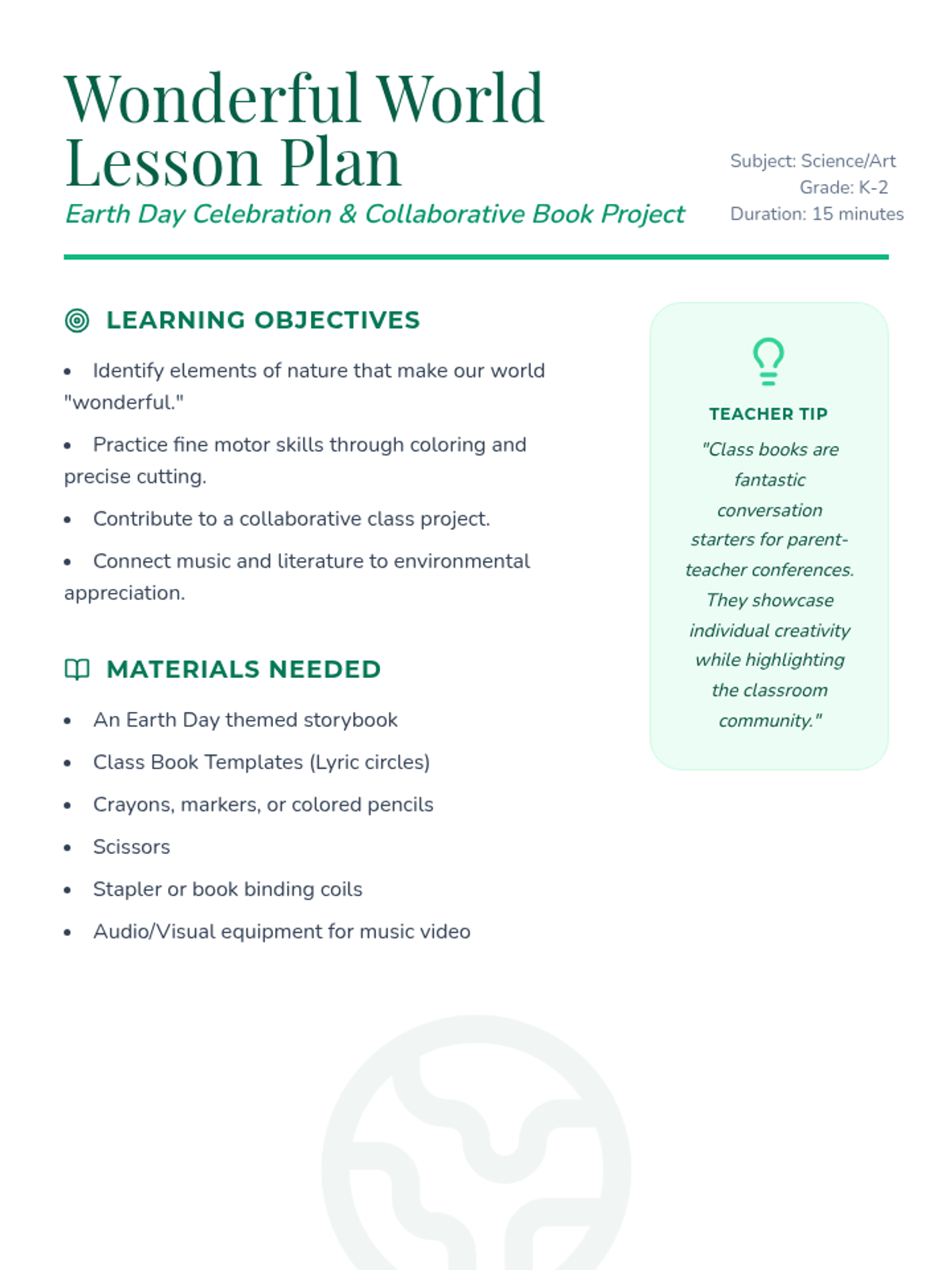
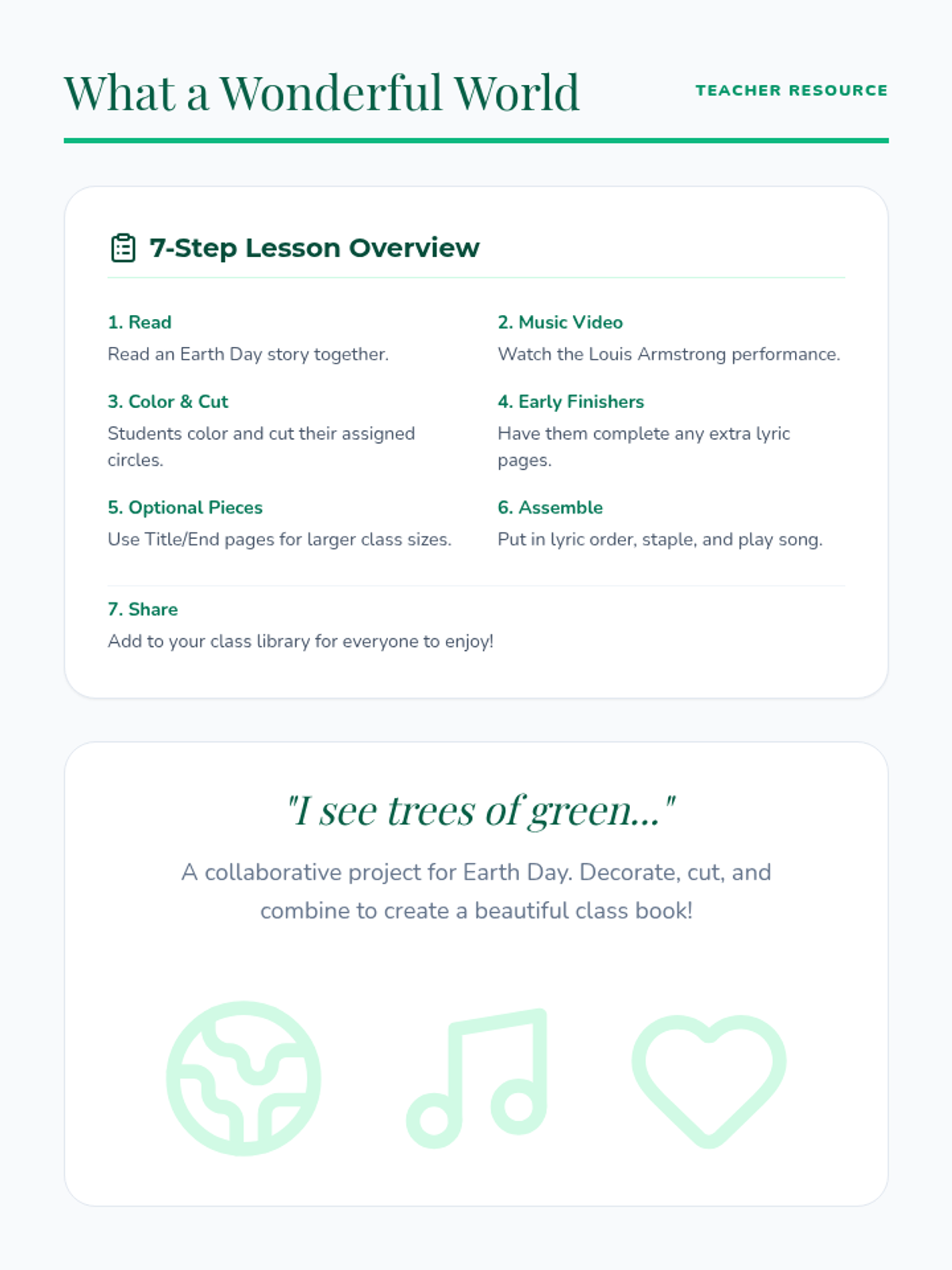
A collaborative Earth Day lesson where students create a class book inspired by Louis Armstrong's 'What a Wonderful World'. Includes a detailed teacher guide and presentation slides with a video embed.
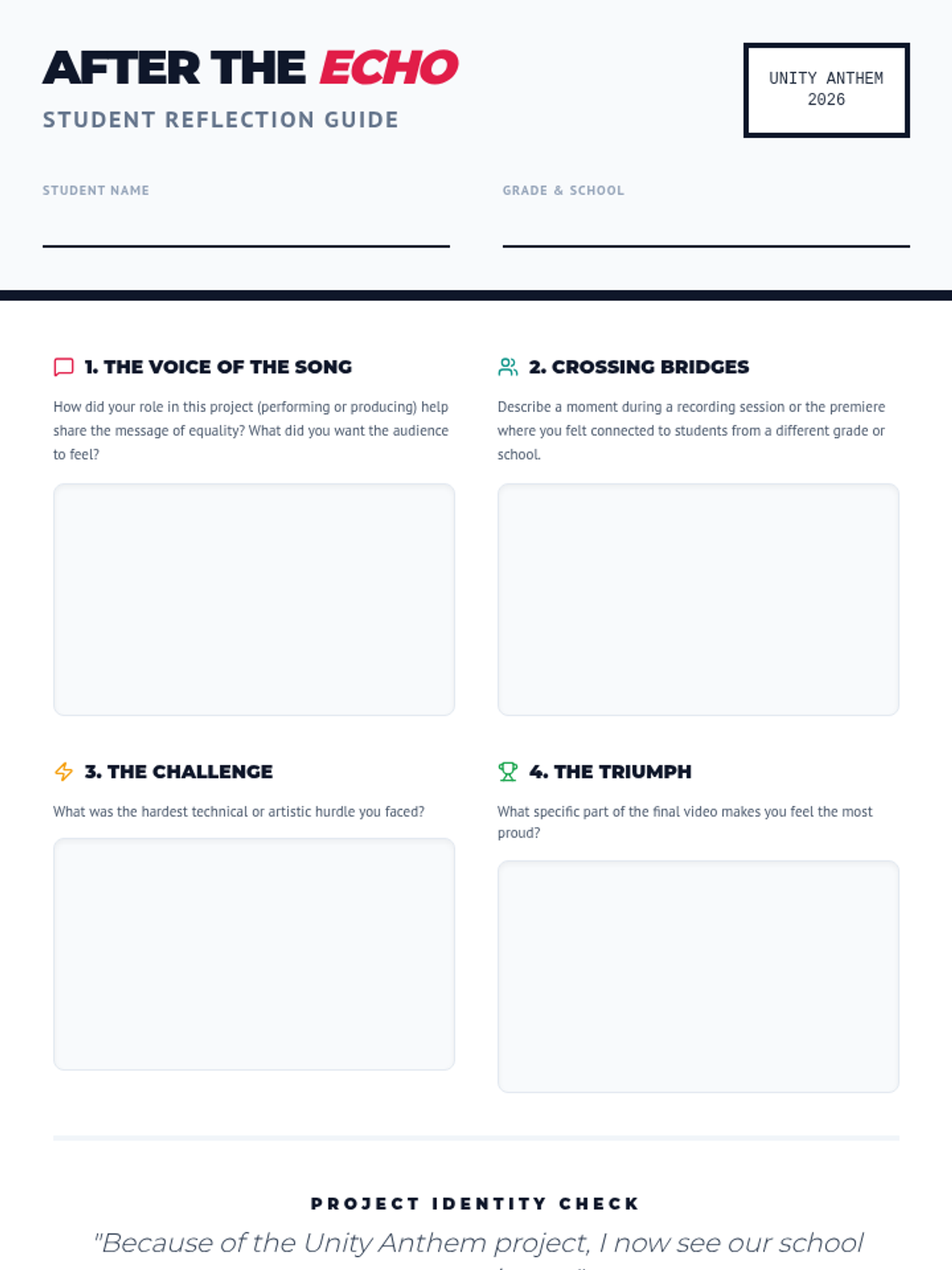
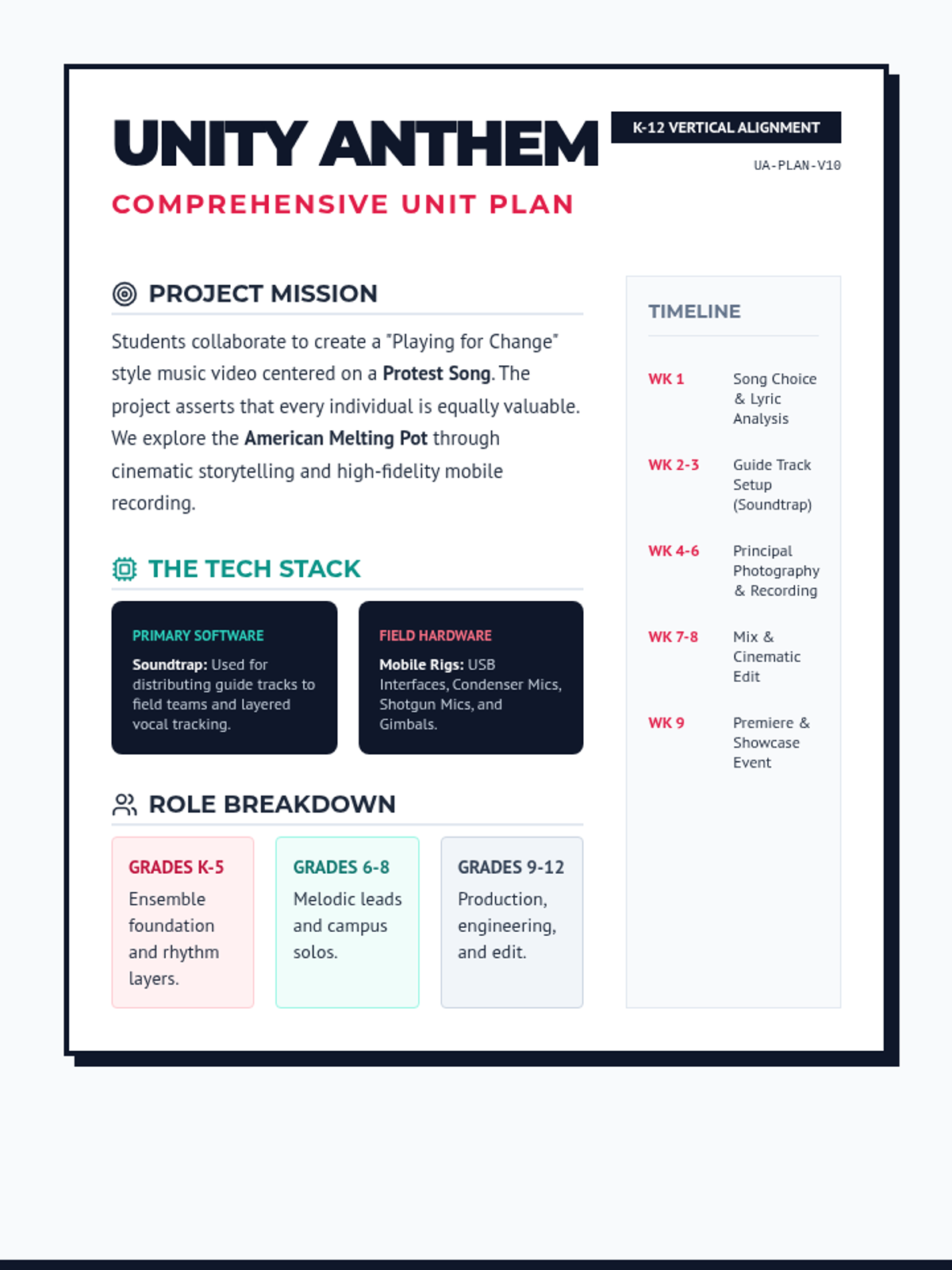
The final premiere of the music video at the All-town Music Tech Showcase, followed by a live performance and student reflection on the collaborative process.
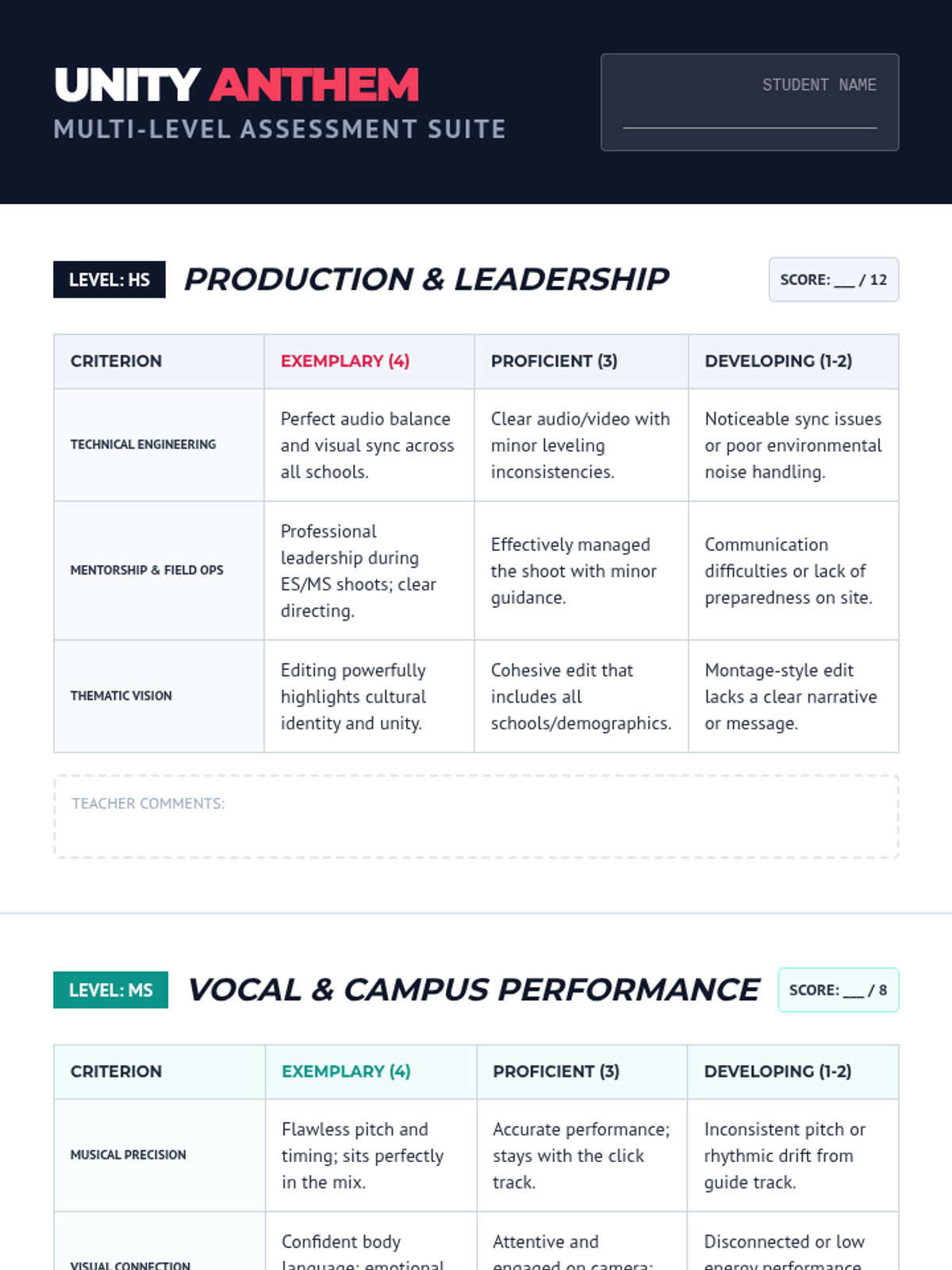
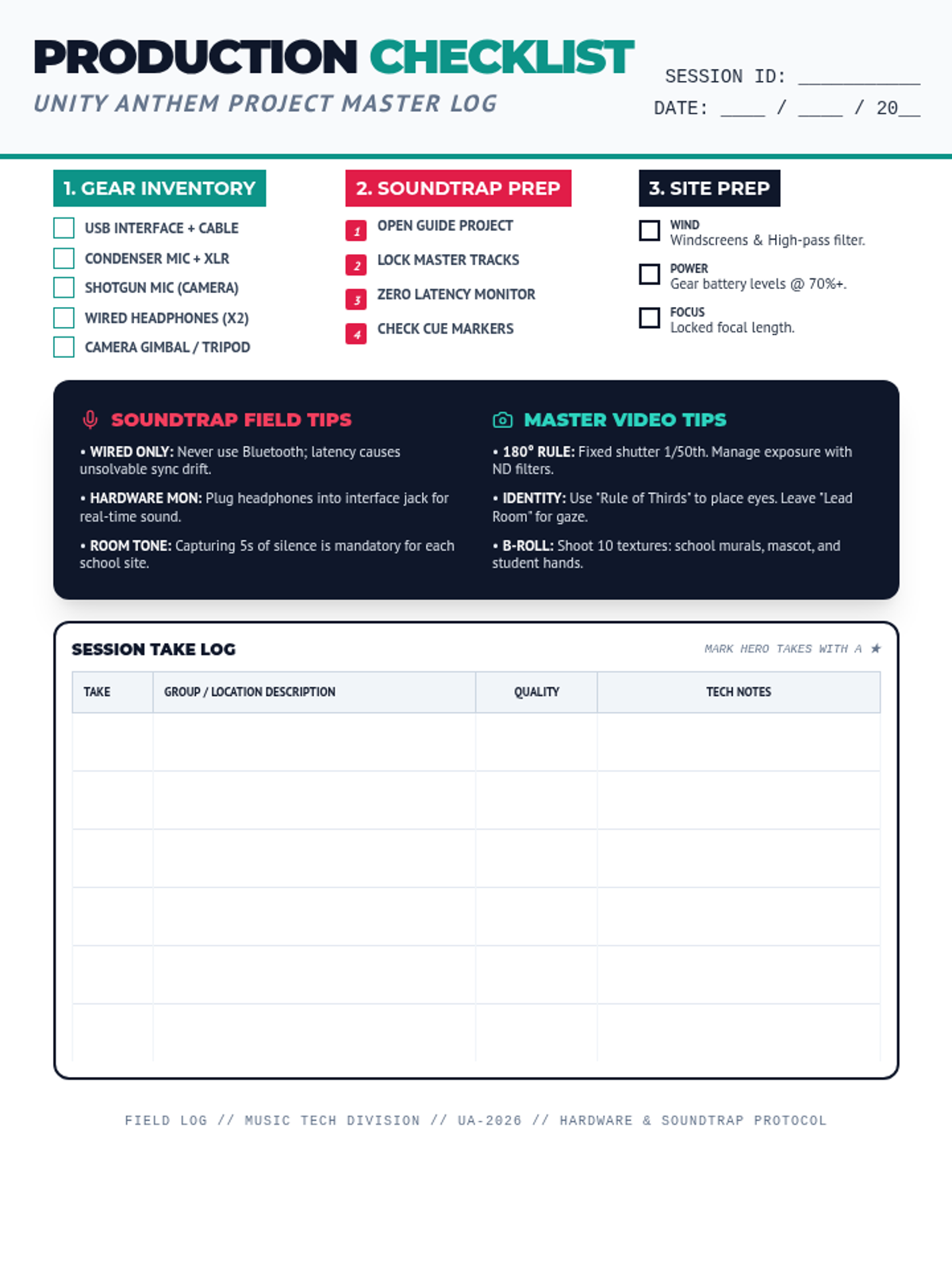
The technical phase involving on-location recordings at elementary and middle schools, followed by high school student-led mixing and video production.
Introduction to the 'Playing for Change' concept, exploring the themes of the chosen protest song, and laying the groundwork for the K-12 collaboration.