A grammar lesson for 5th-6th graders focusing on the simple aspect of verb tenses (past, present, and future). Students will use a timeline-based approach to understand how verbs situate actions in time without complex helper verbs.
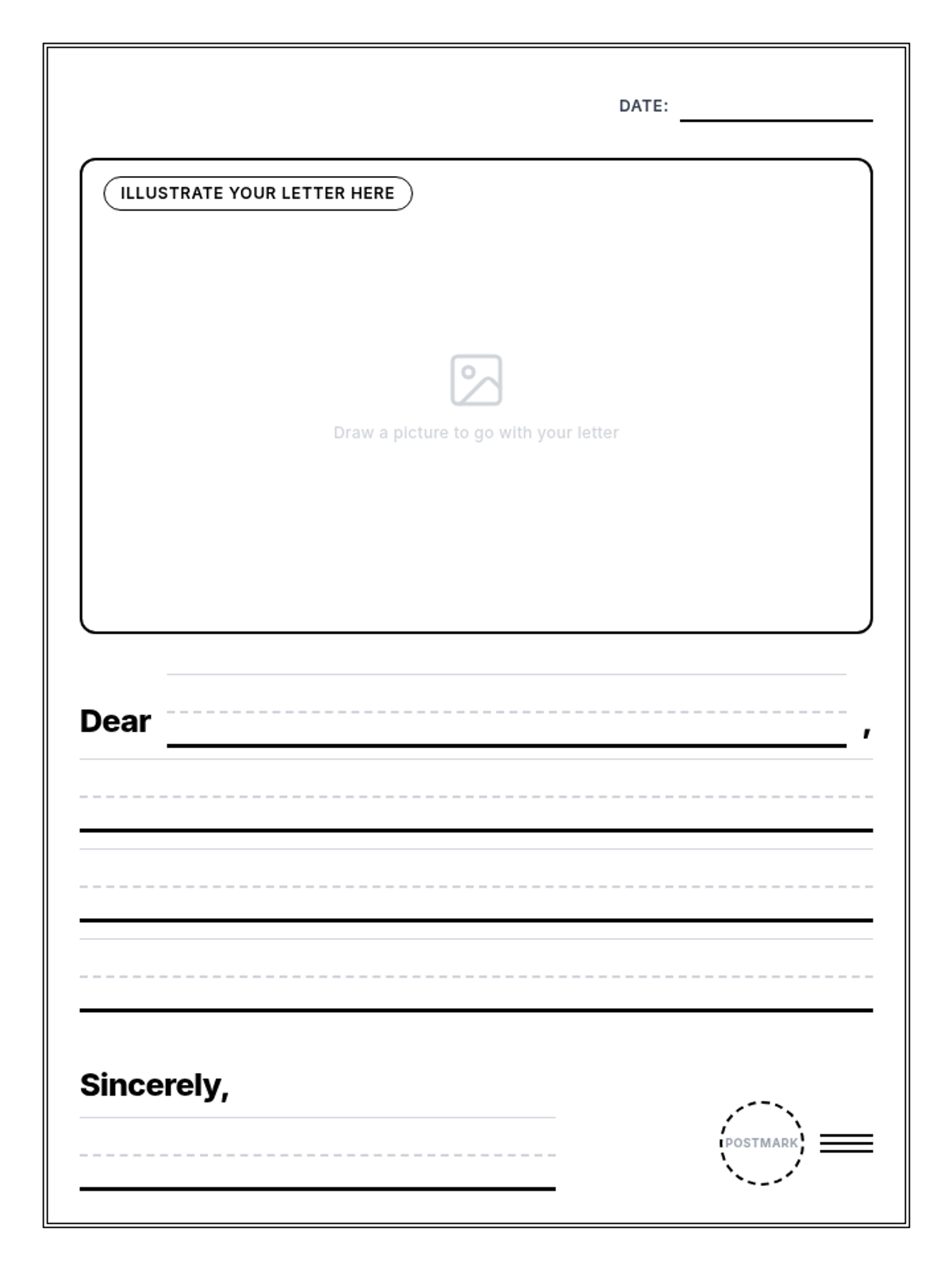
A collection of modern, black-and-white letter writing templates with Fundations-style writing lines, designed to differentiate for primary and elementary classrooms.
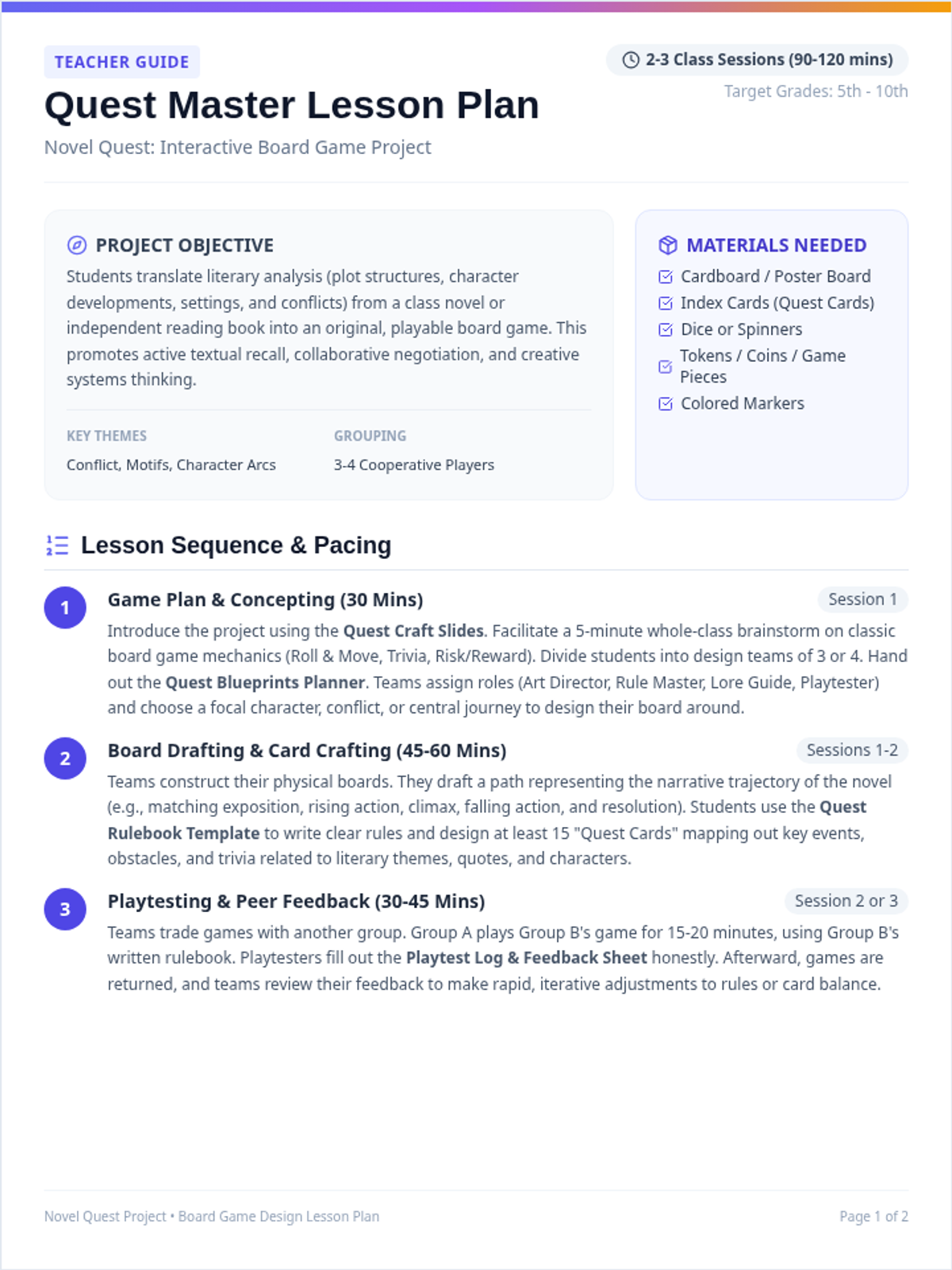
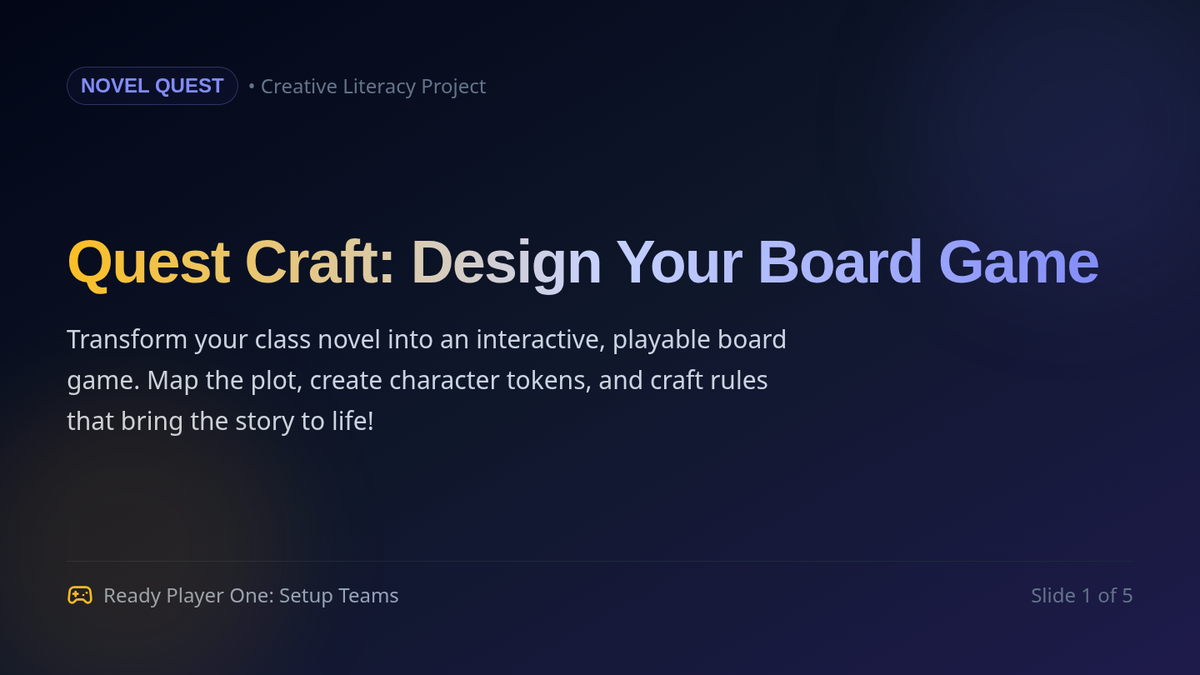
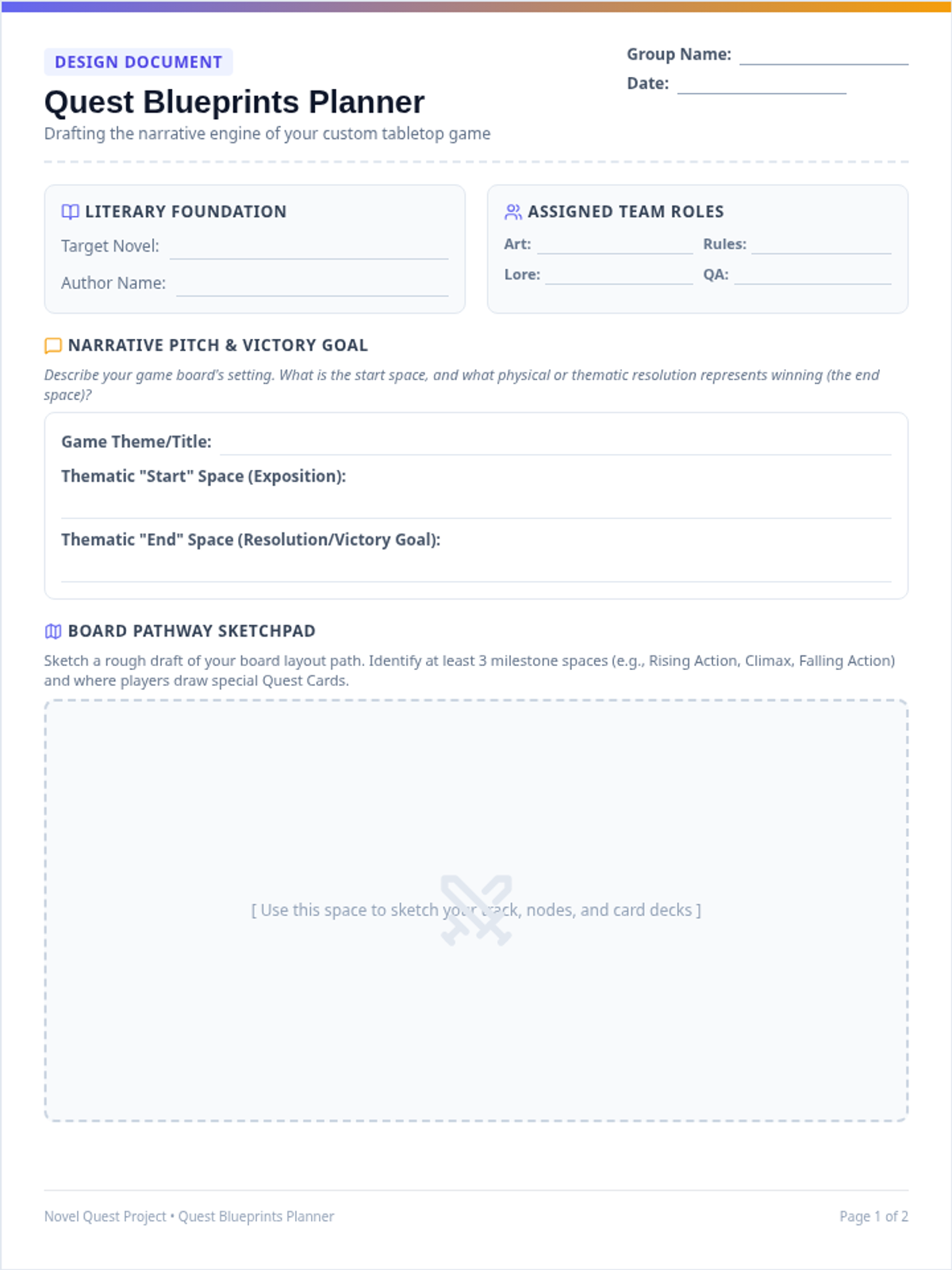
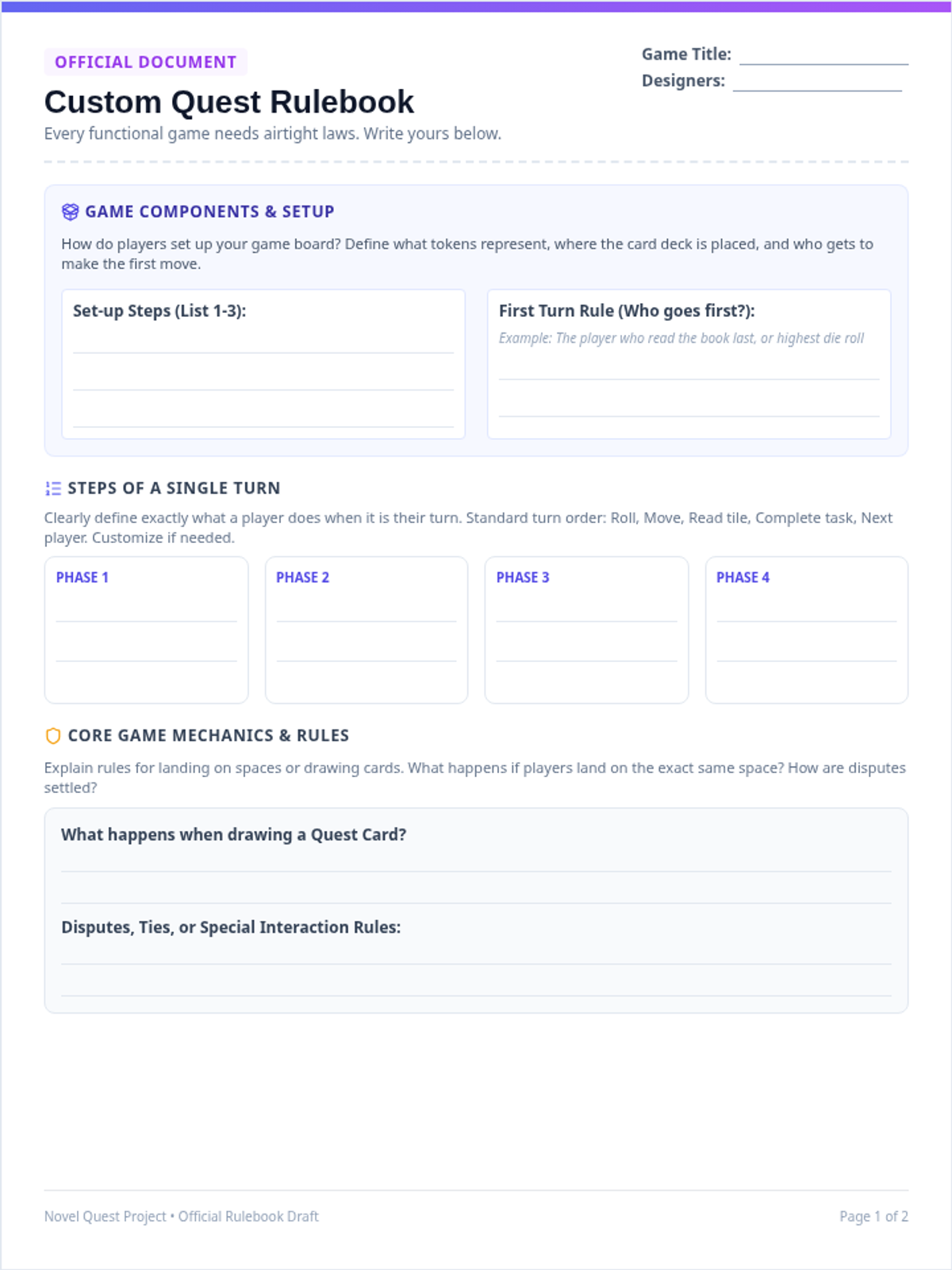
A hands-on cooperative project where students analyze a novel's plot, characters, and settings by transforming them into an original board game. Students design, draft, and playtest their games to show textual comprehension.
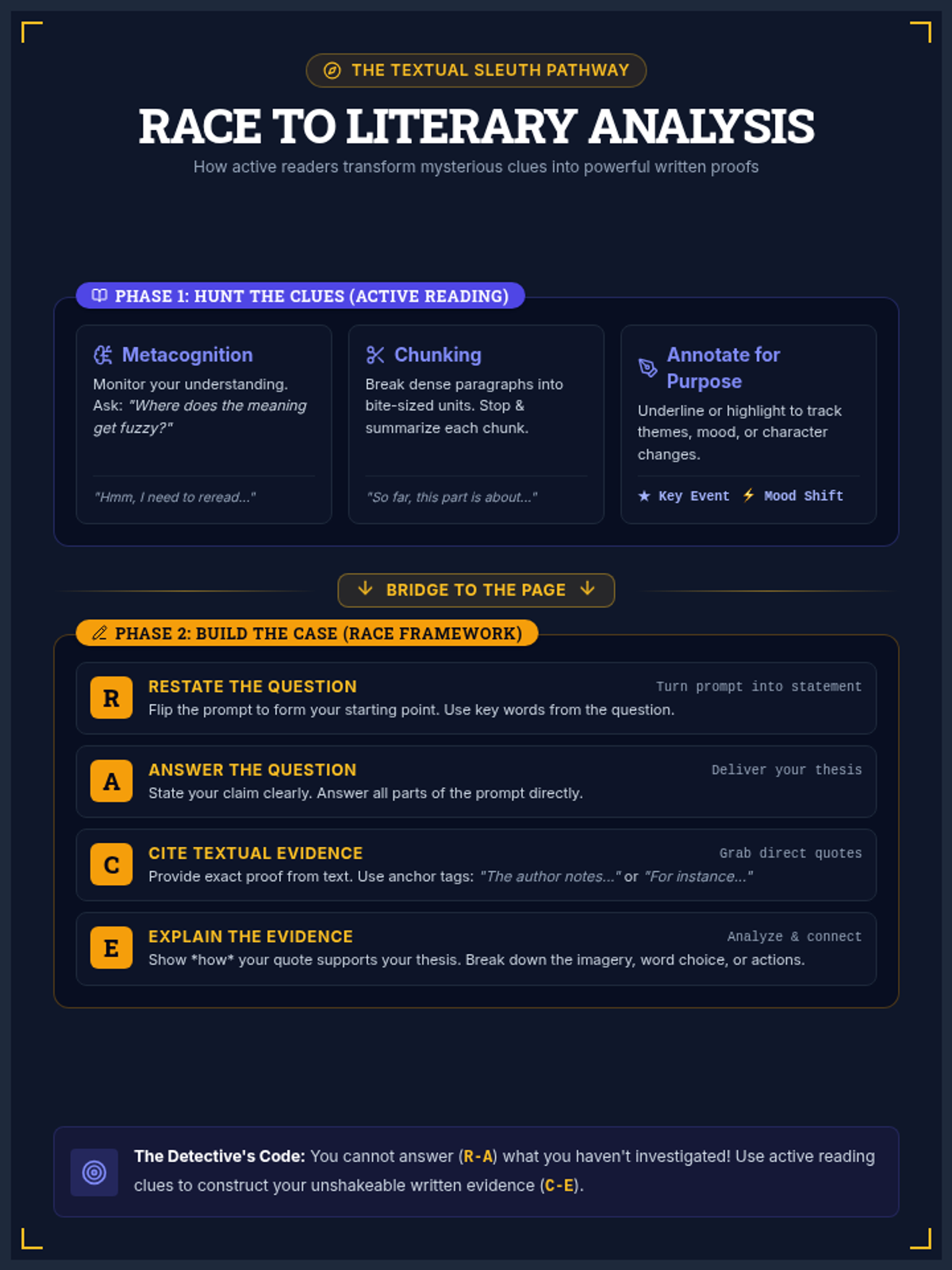
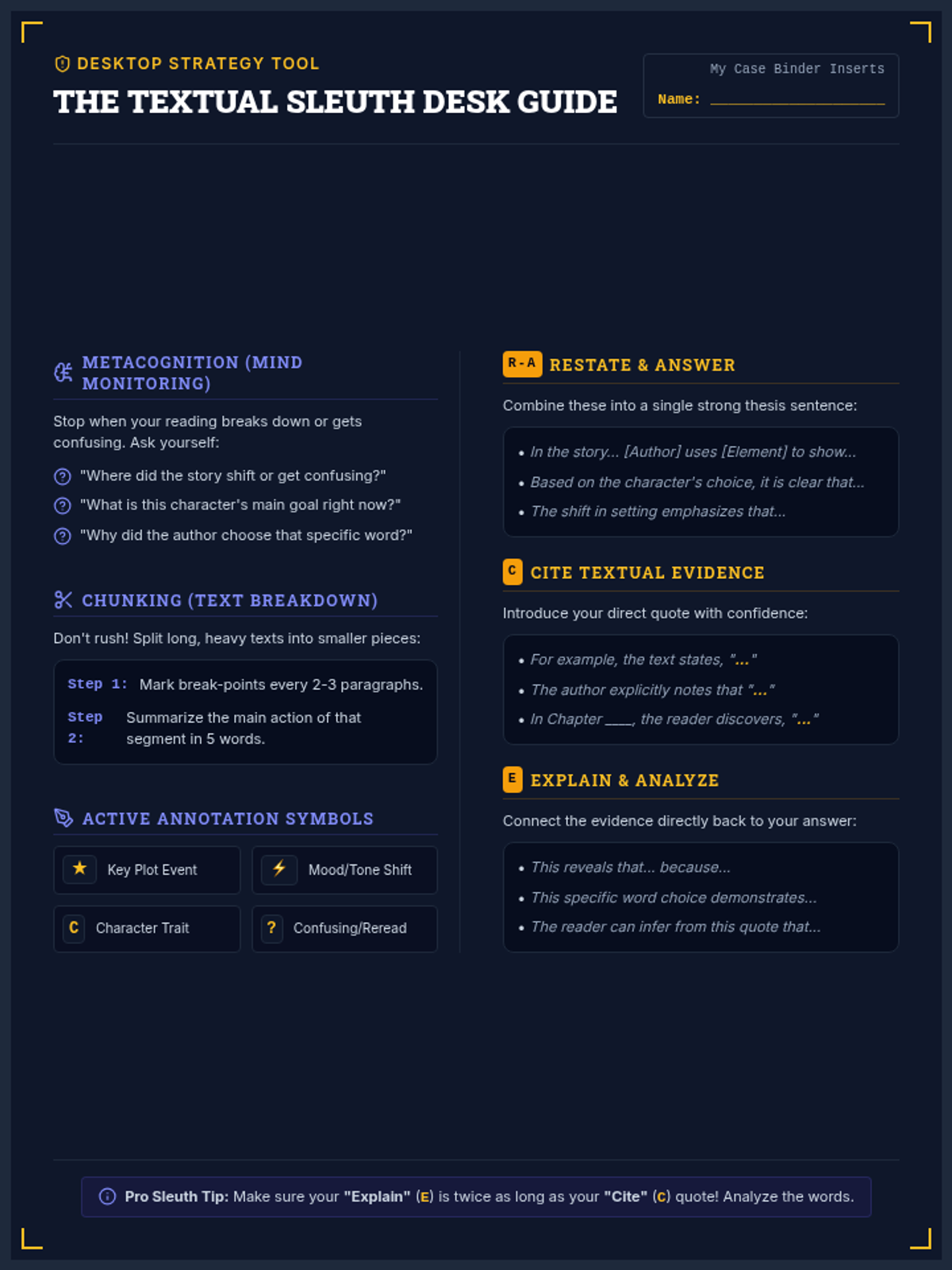
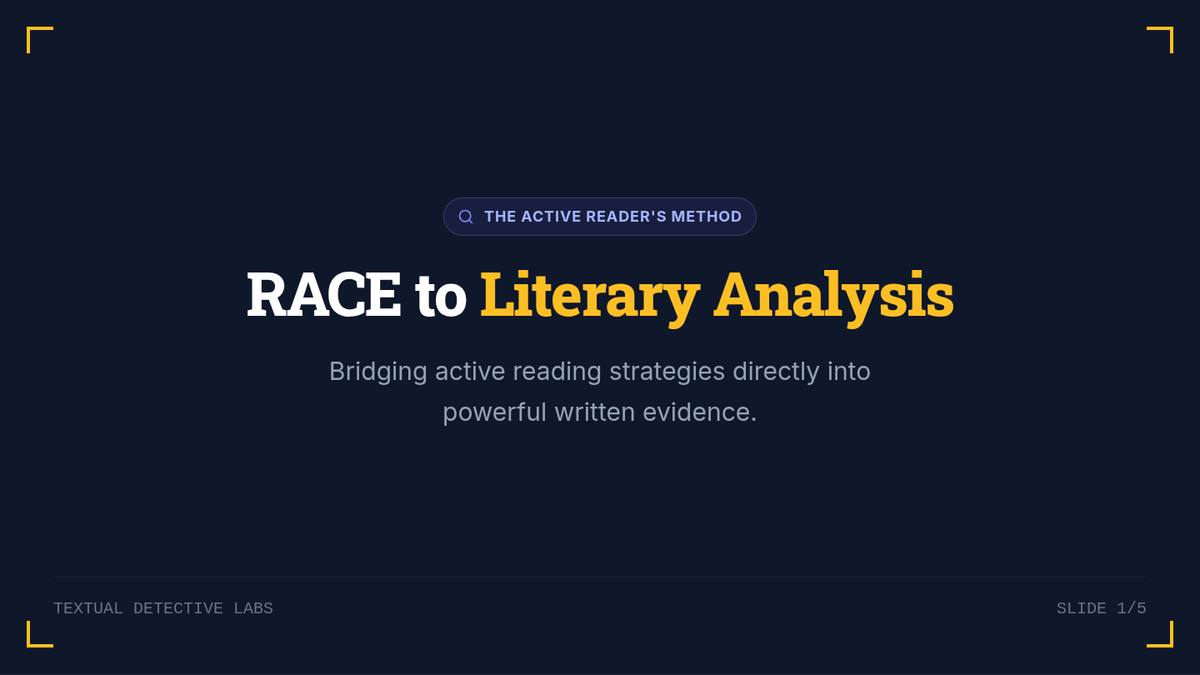
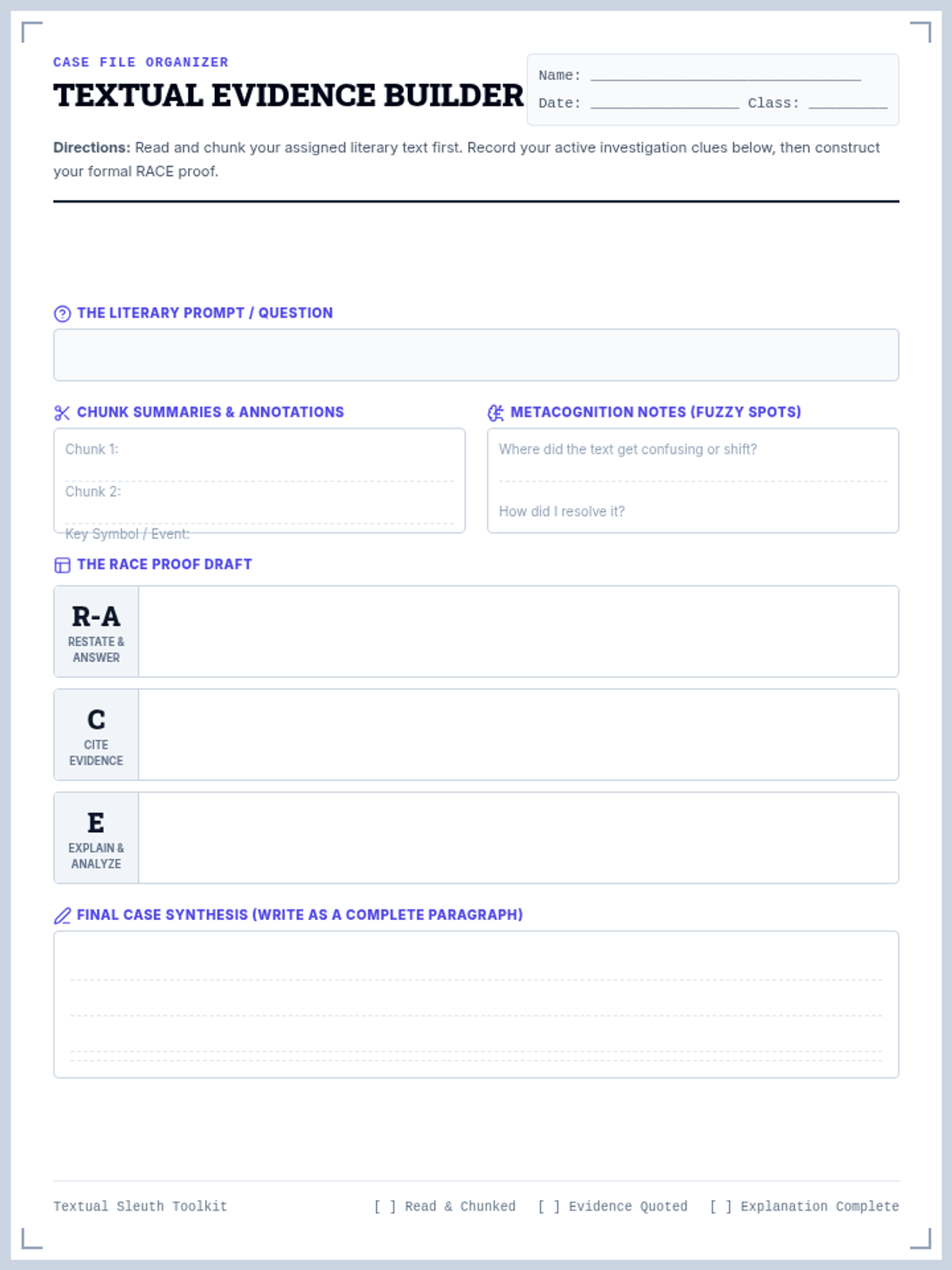
A comprehensive lesson designed to bridge active reading strategies (Metacognition, Chunking, and Annotating) directly into structured literary analysis writing using the RACE framework. Includes visual anchors, reference tools, presentation slides, and graphic organizers.
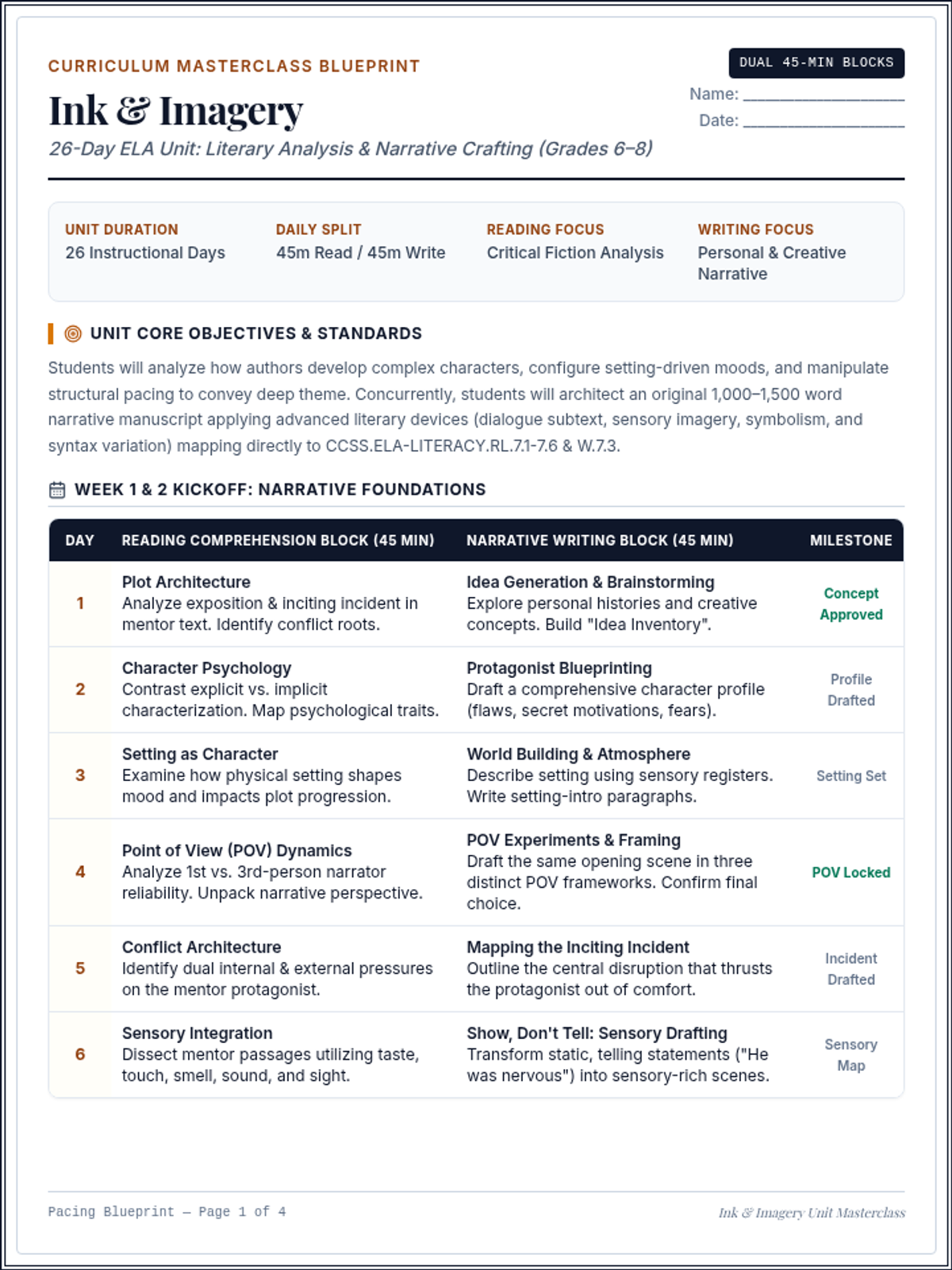
A comprehensive masterclass mapping out a 26-day instructional unit for Middle School Literary Analysis and Narrative Writing. Includes detailed dual 45-minute daily blocks for reading and writing.
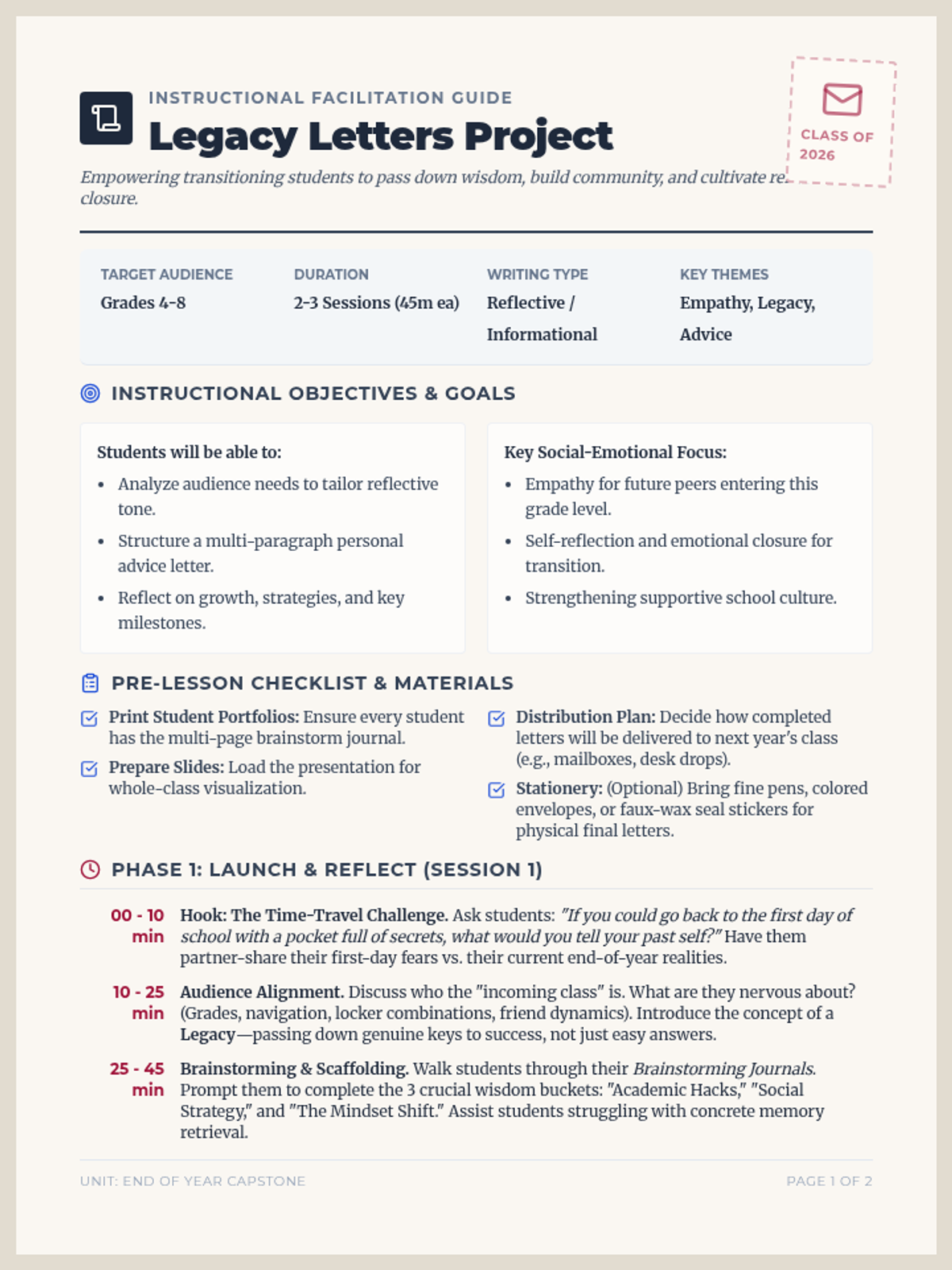
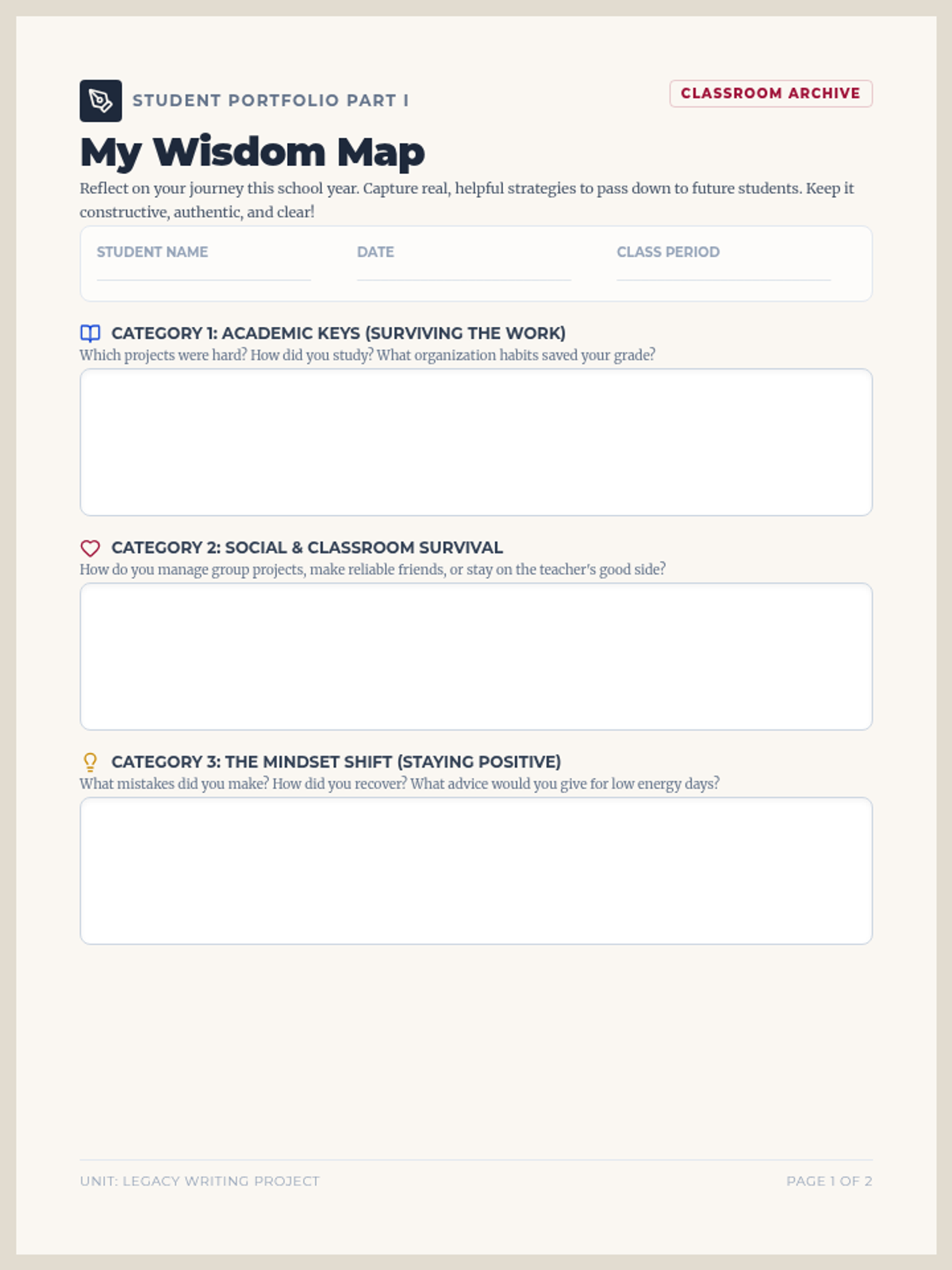
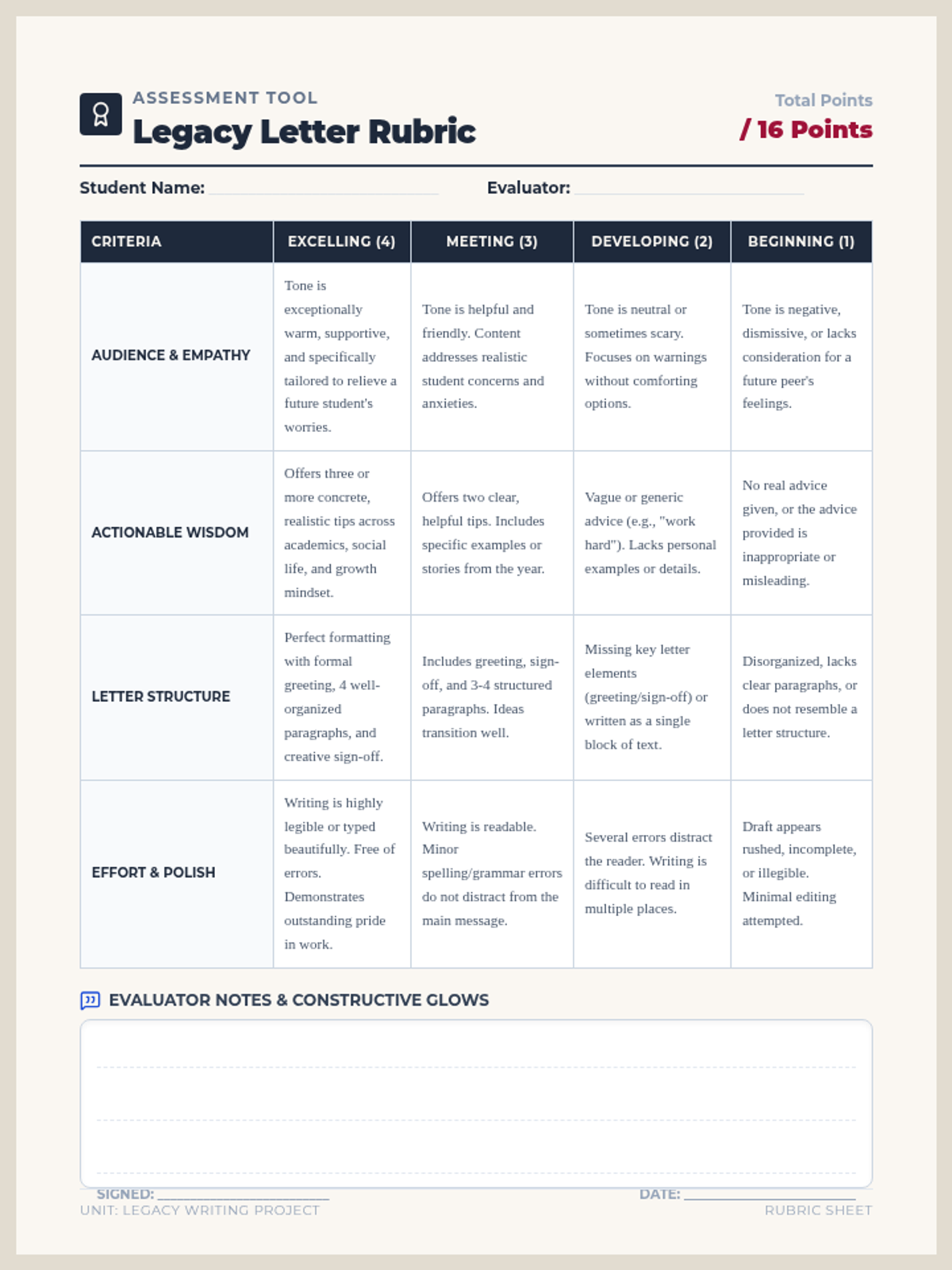
A reflective end-of-year writing project where graduating or transitioning students write letters of wisdom, strategies, and encouragement to the incoming class.
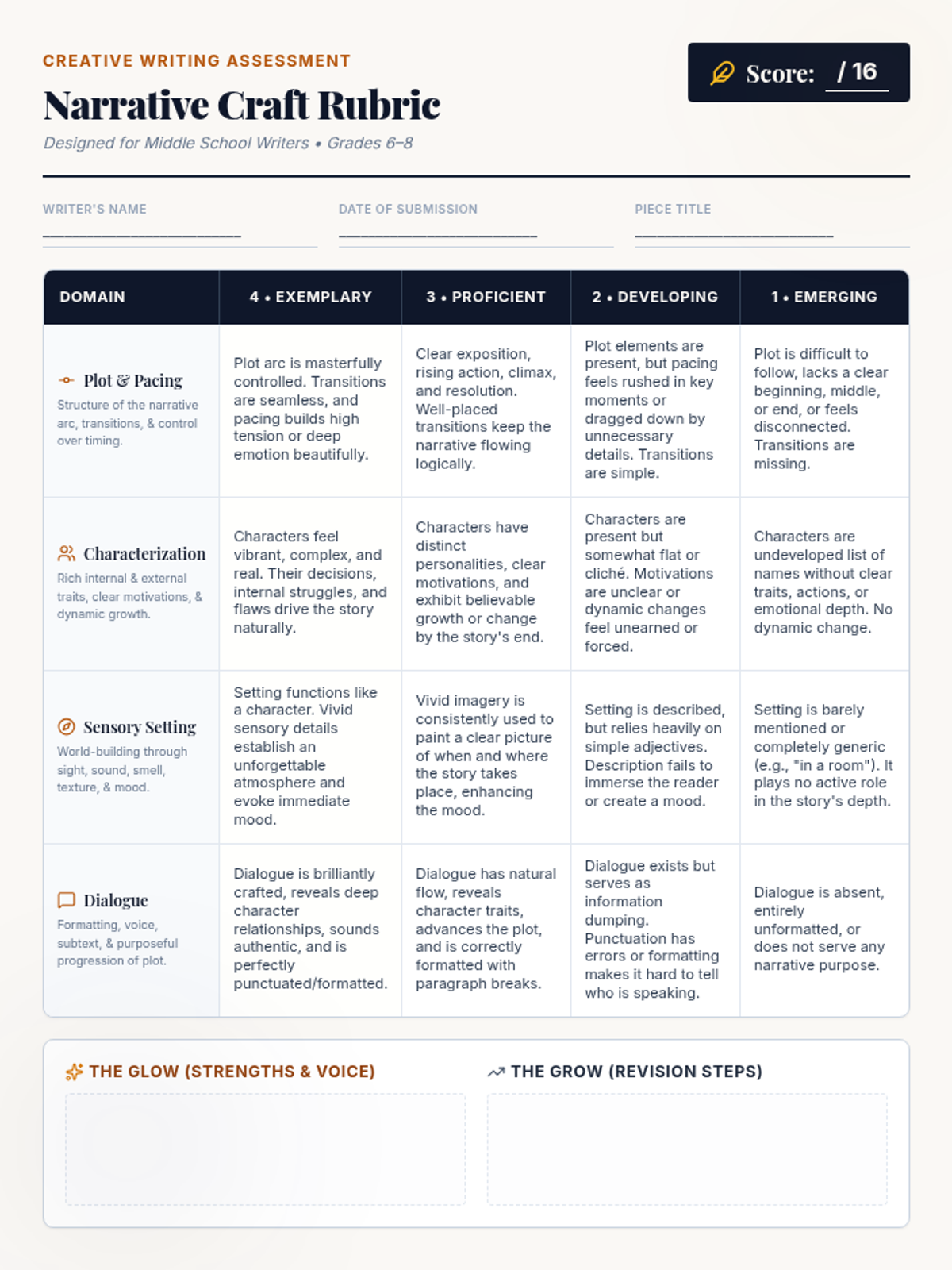
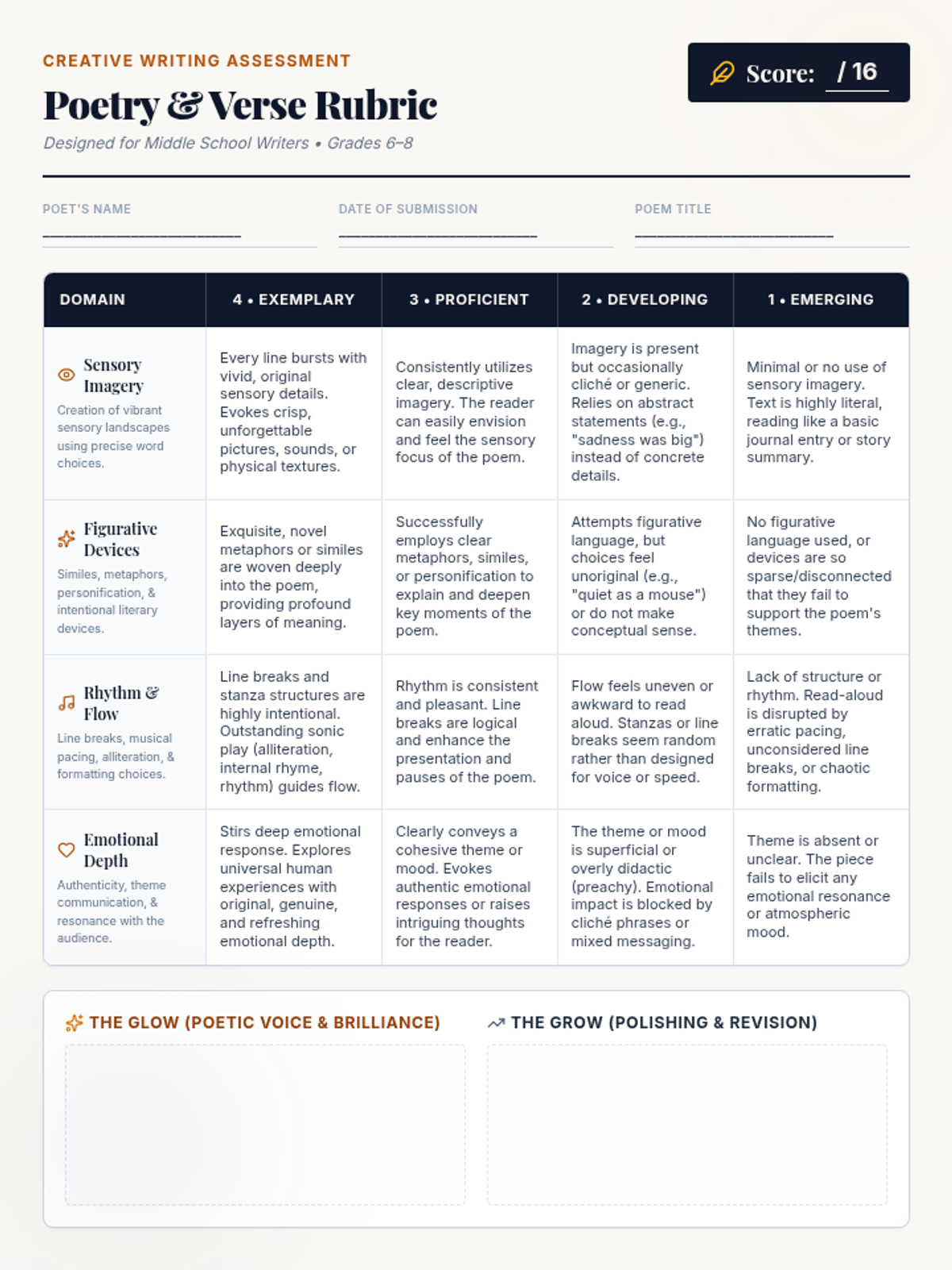
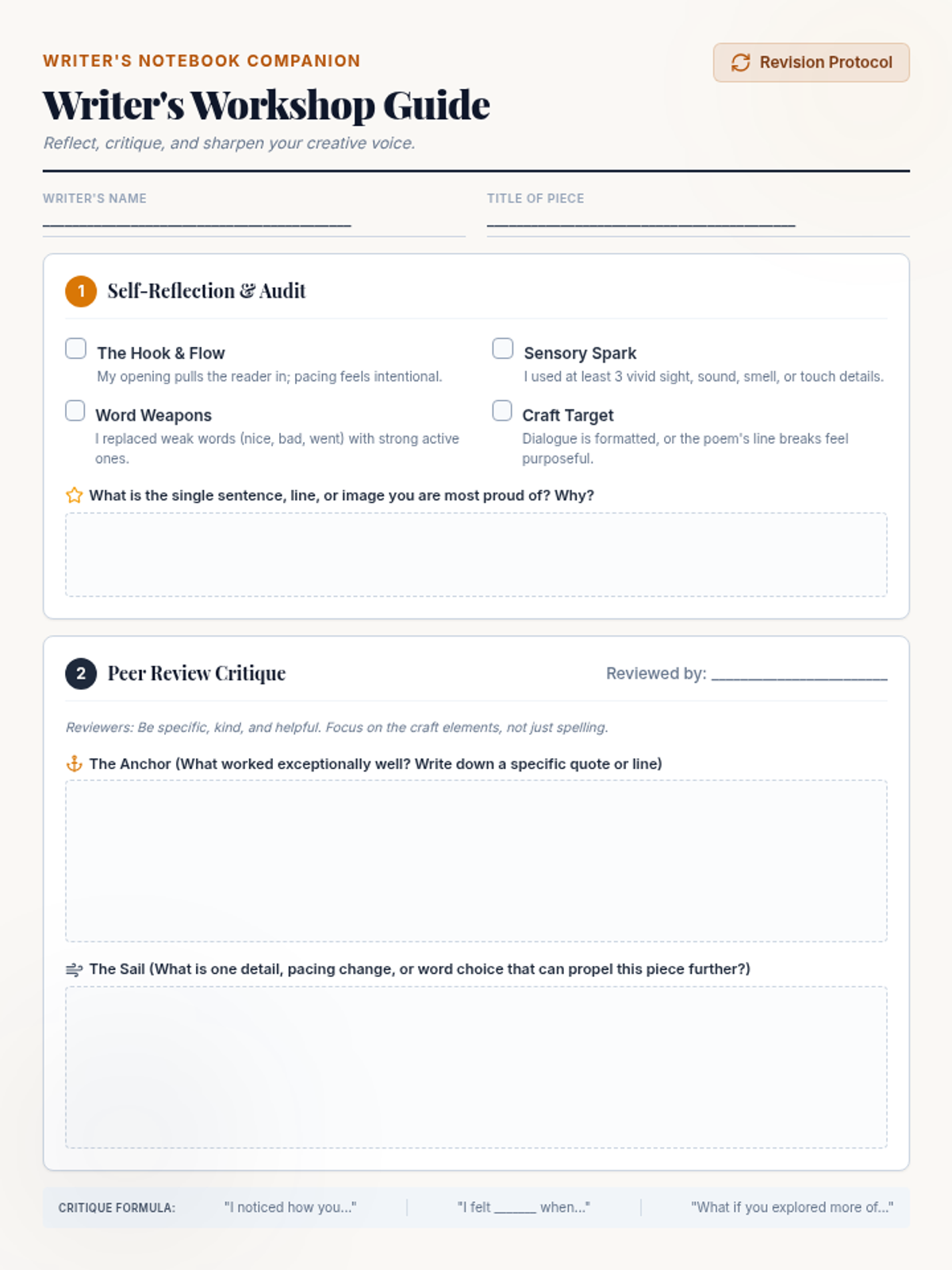
A comprehensive rubric set for middle school creative writing, containing highly detailed rubrics for Fictional Narratives and Poetry & Verse, alongside a student-facing reflection and peer feedback guide.
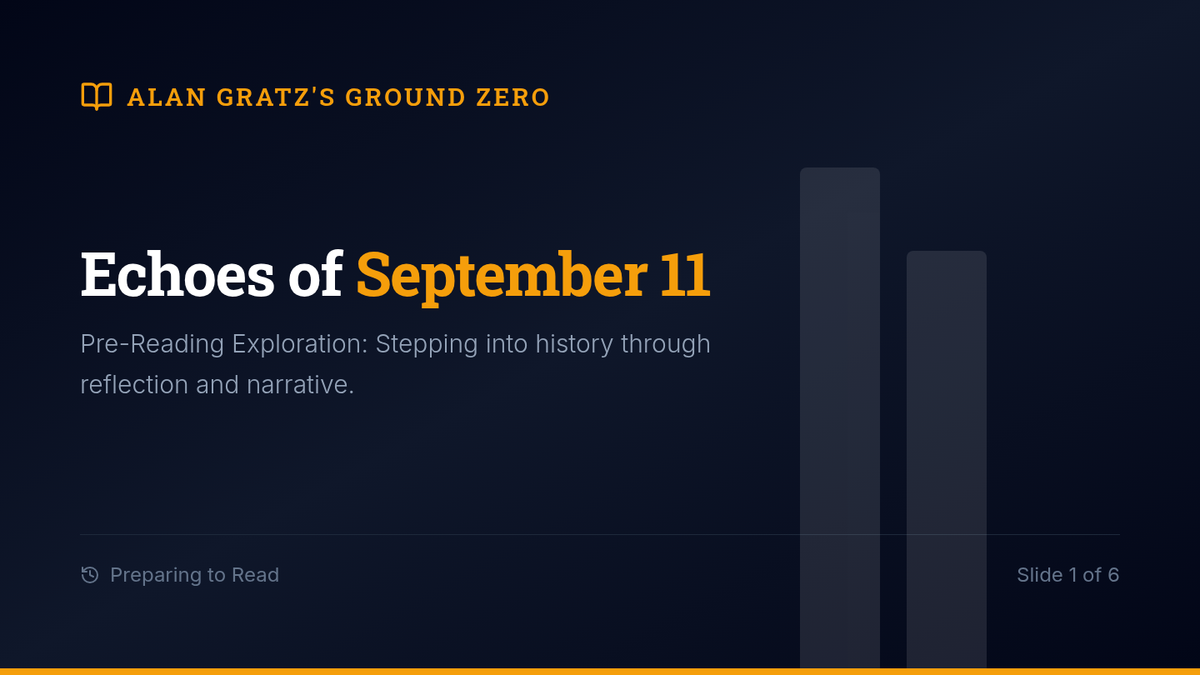
A pre-reading lesson for Alan Gratz's novel 'Ground Zero' designed to transition students from factual video viewing and KWL charts to deep, emotional, and creative writing prompts.
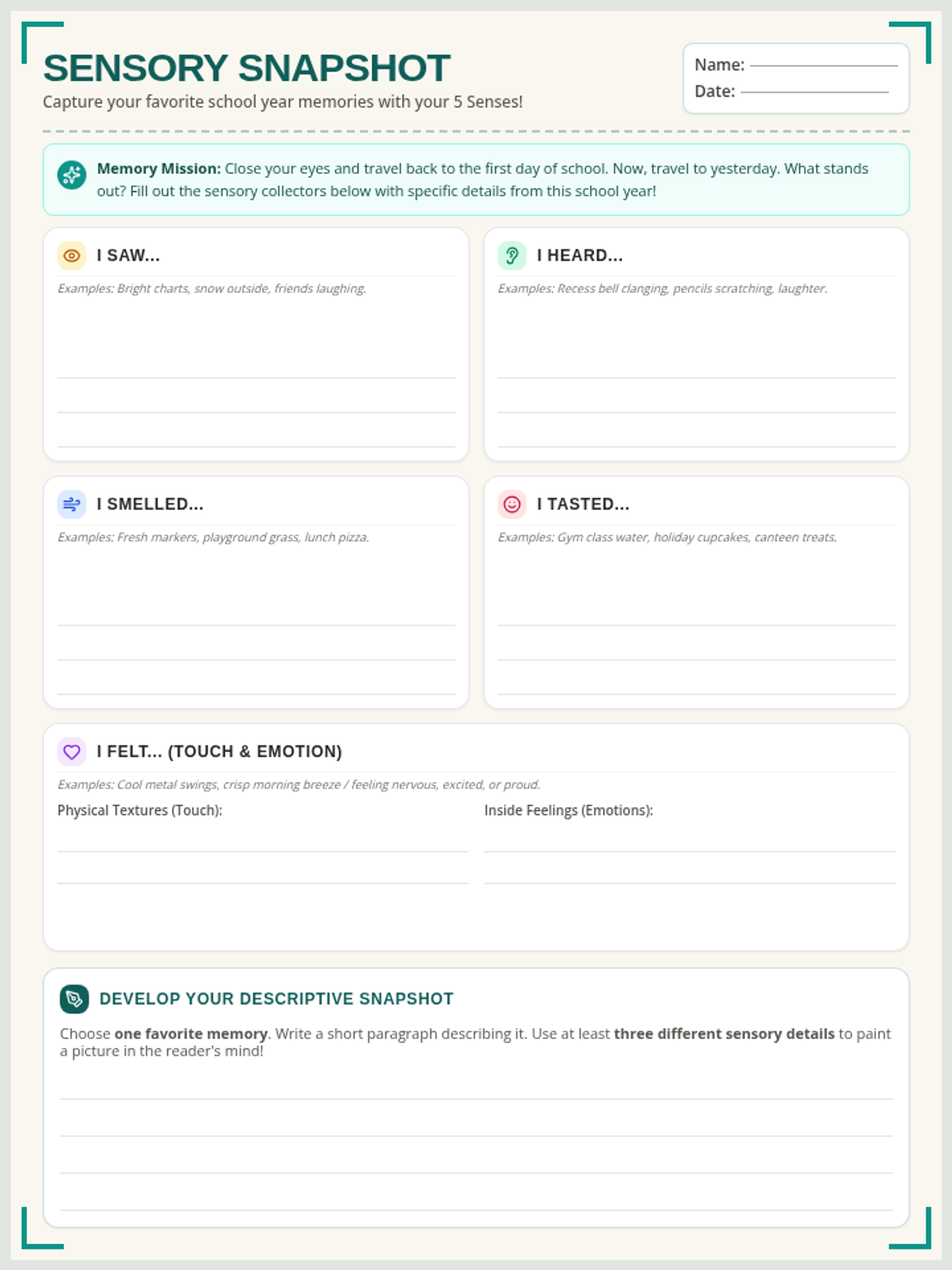
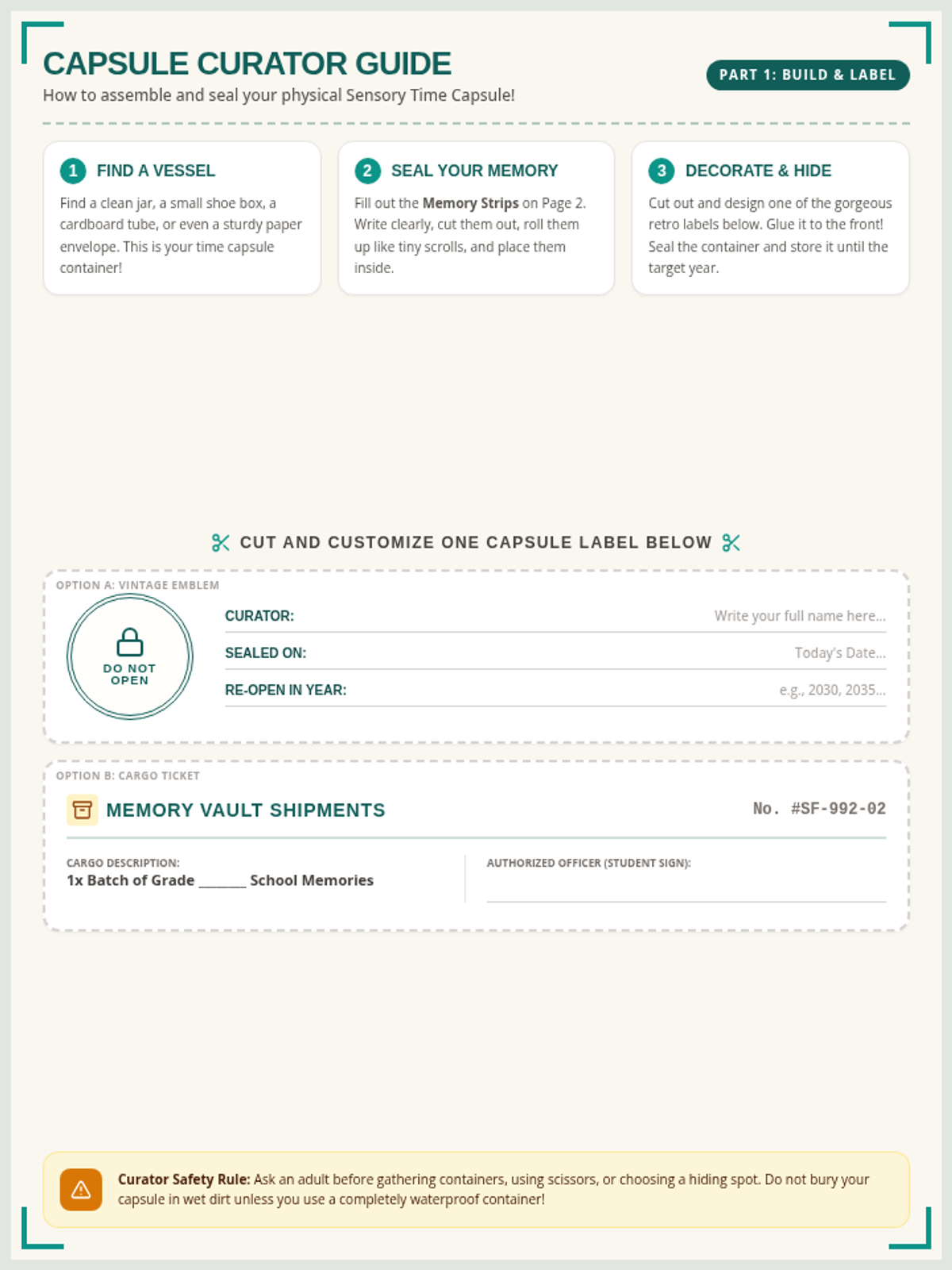
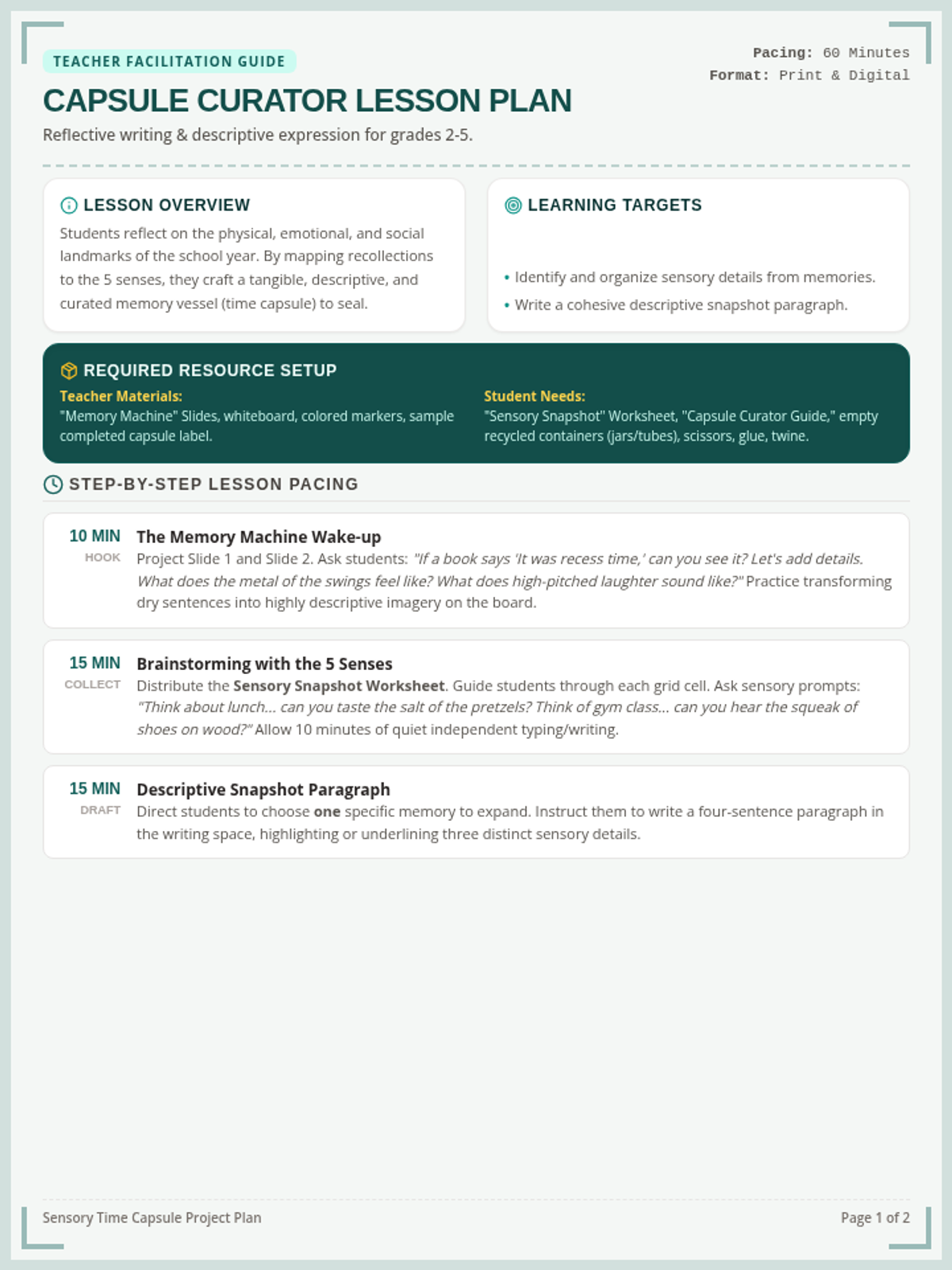
A reflective writing and crafting lesson where students in grades 2-5 use sensory details to capture their favorite school year memories, creating a physical or digital time capsule to celebrate their growth and transition to summer.
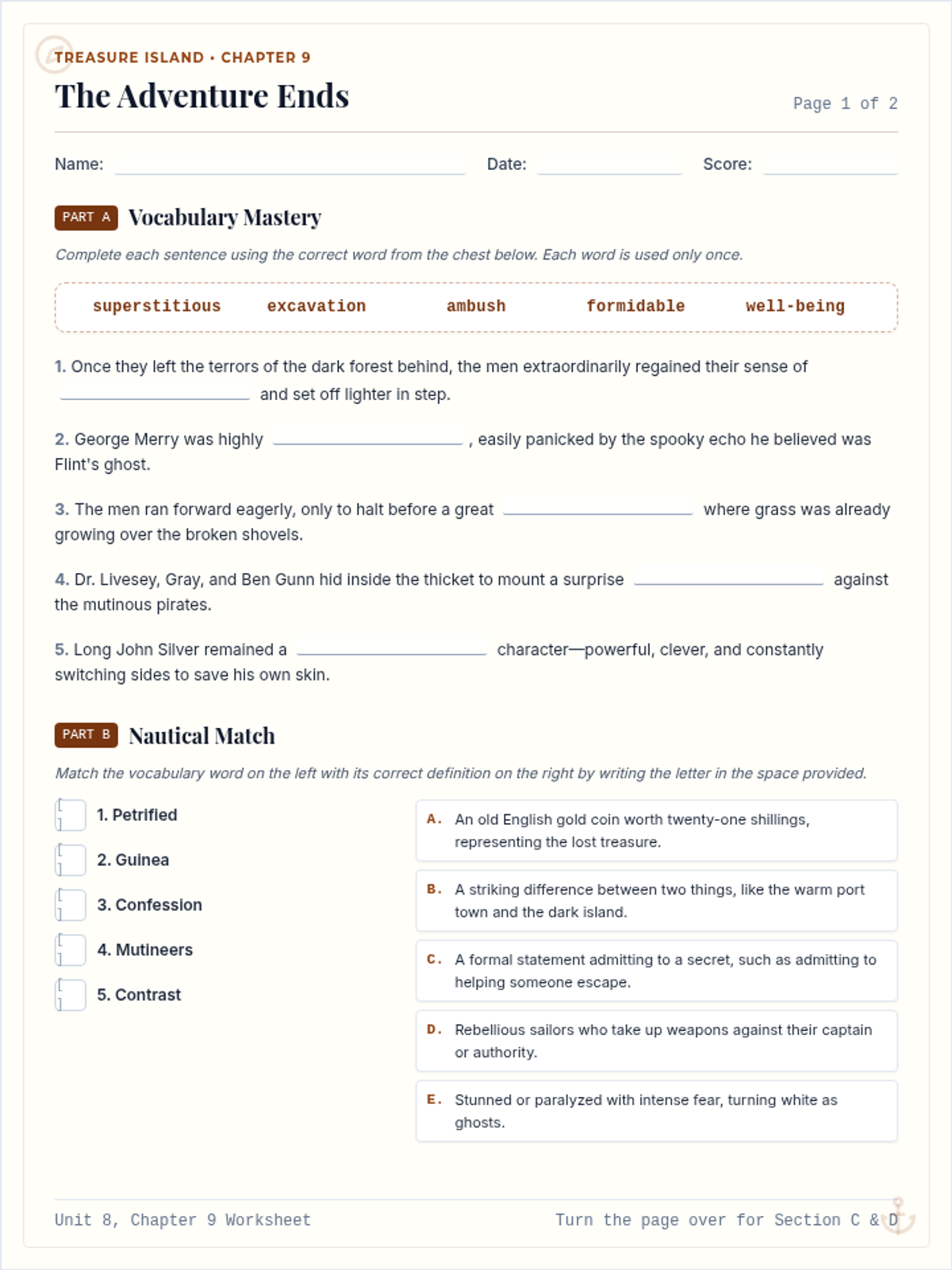
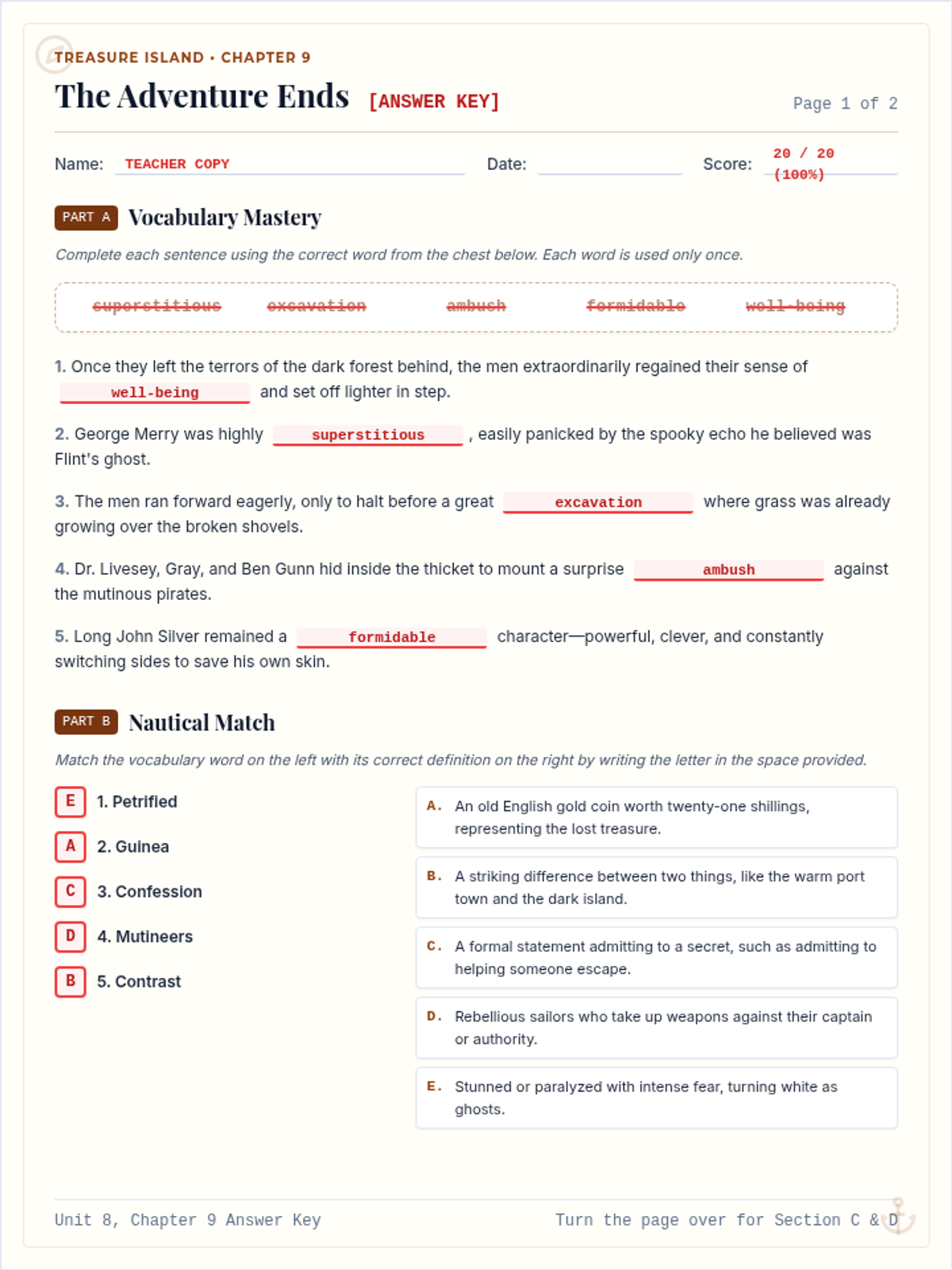
A reading comprehension and vocabulary lesson based on the final chapter of Treasure Island.
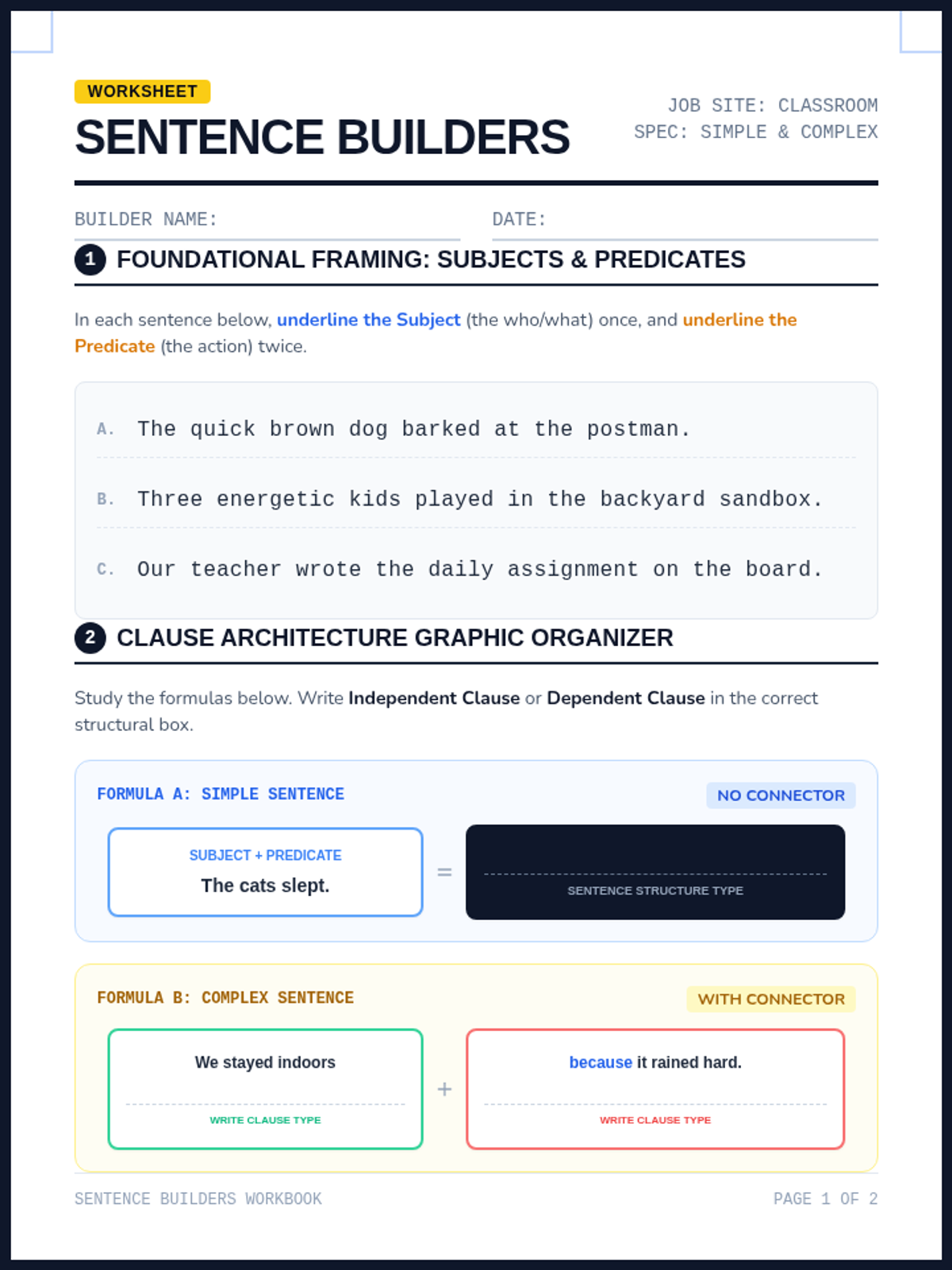
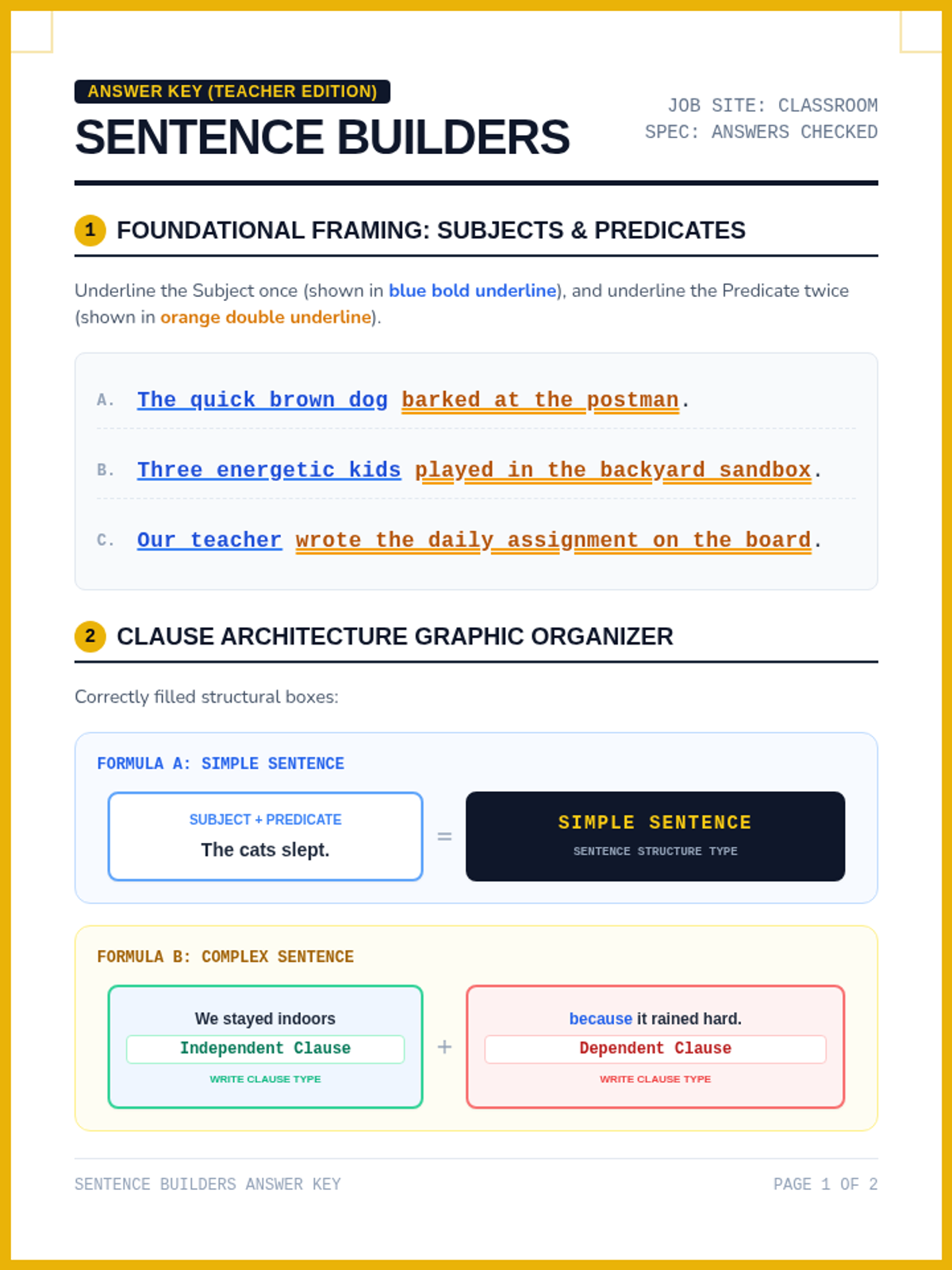
A foundational grammar lesson focusing on identifying subjects and predicates, and distinguishing between simple and complex sentences using visual construction-themed formulas and graphics.
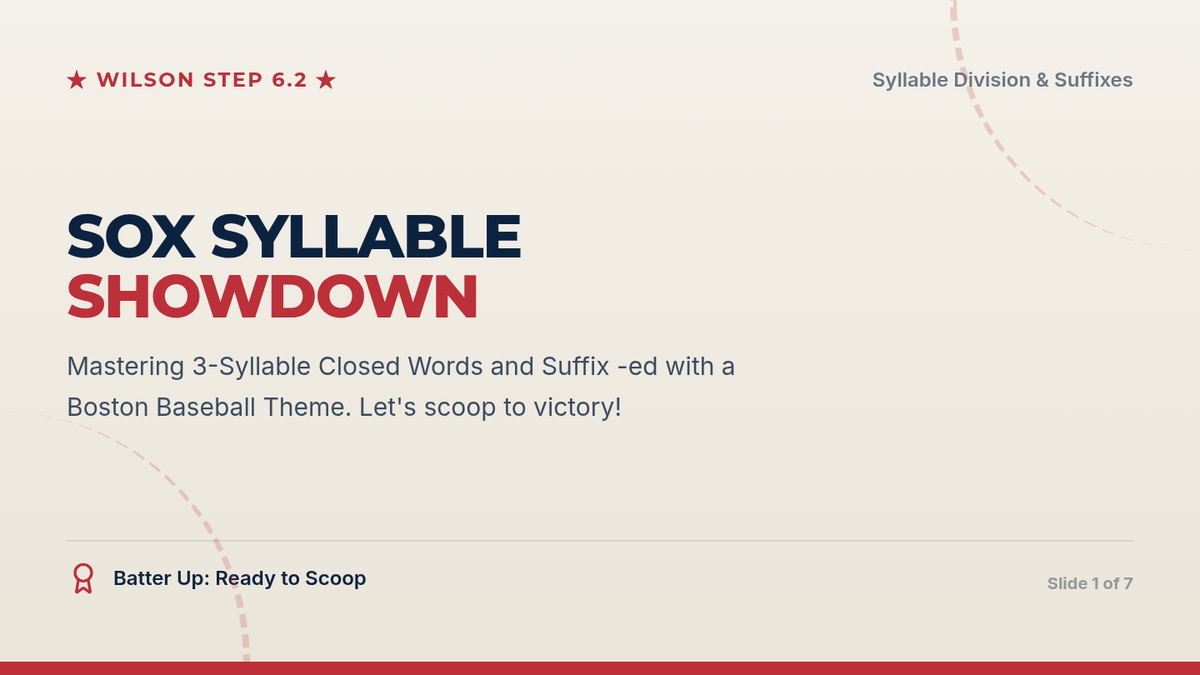
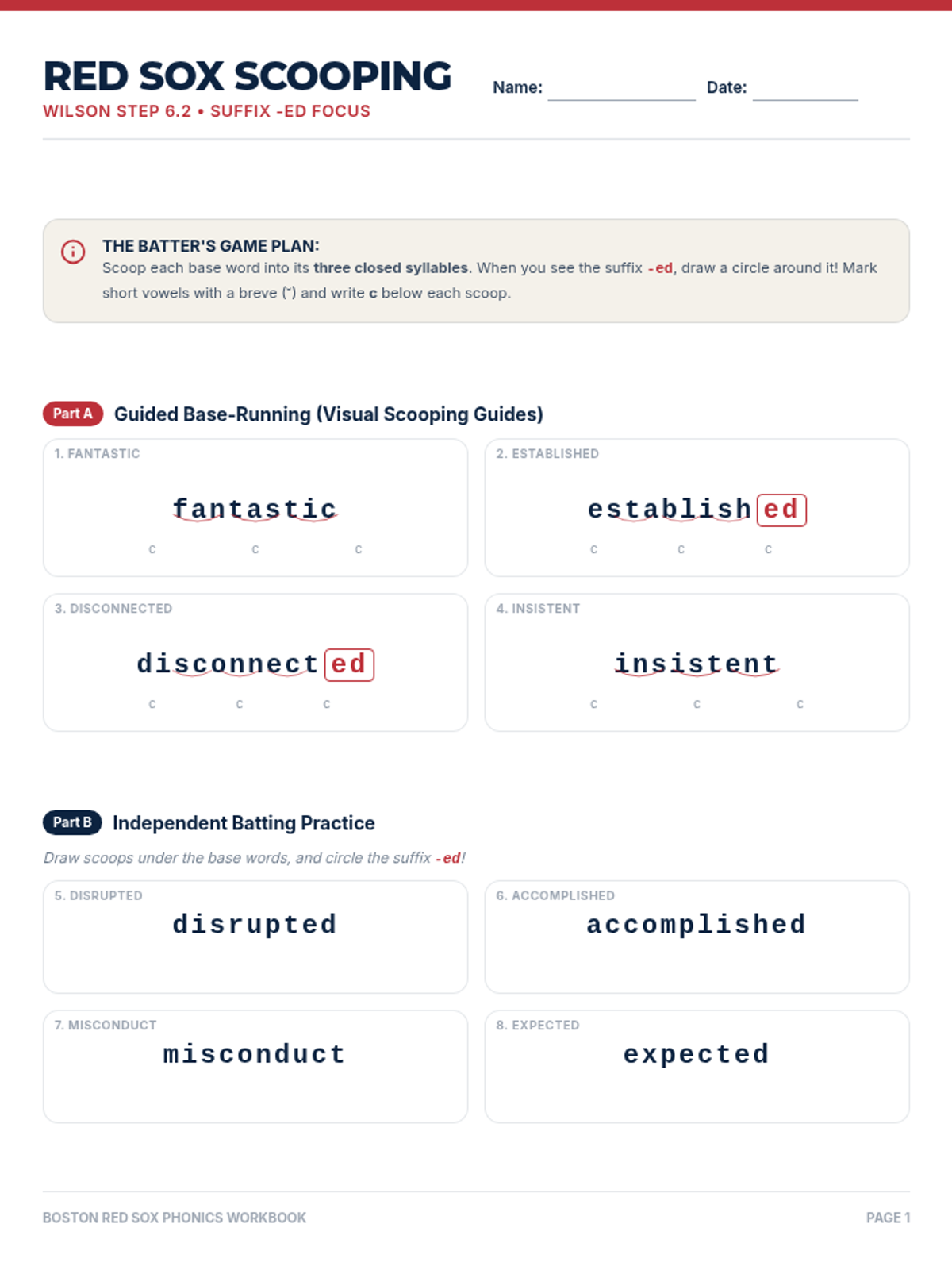
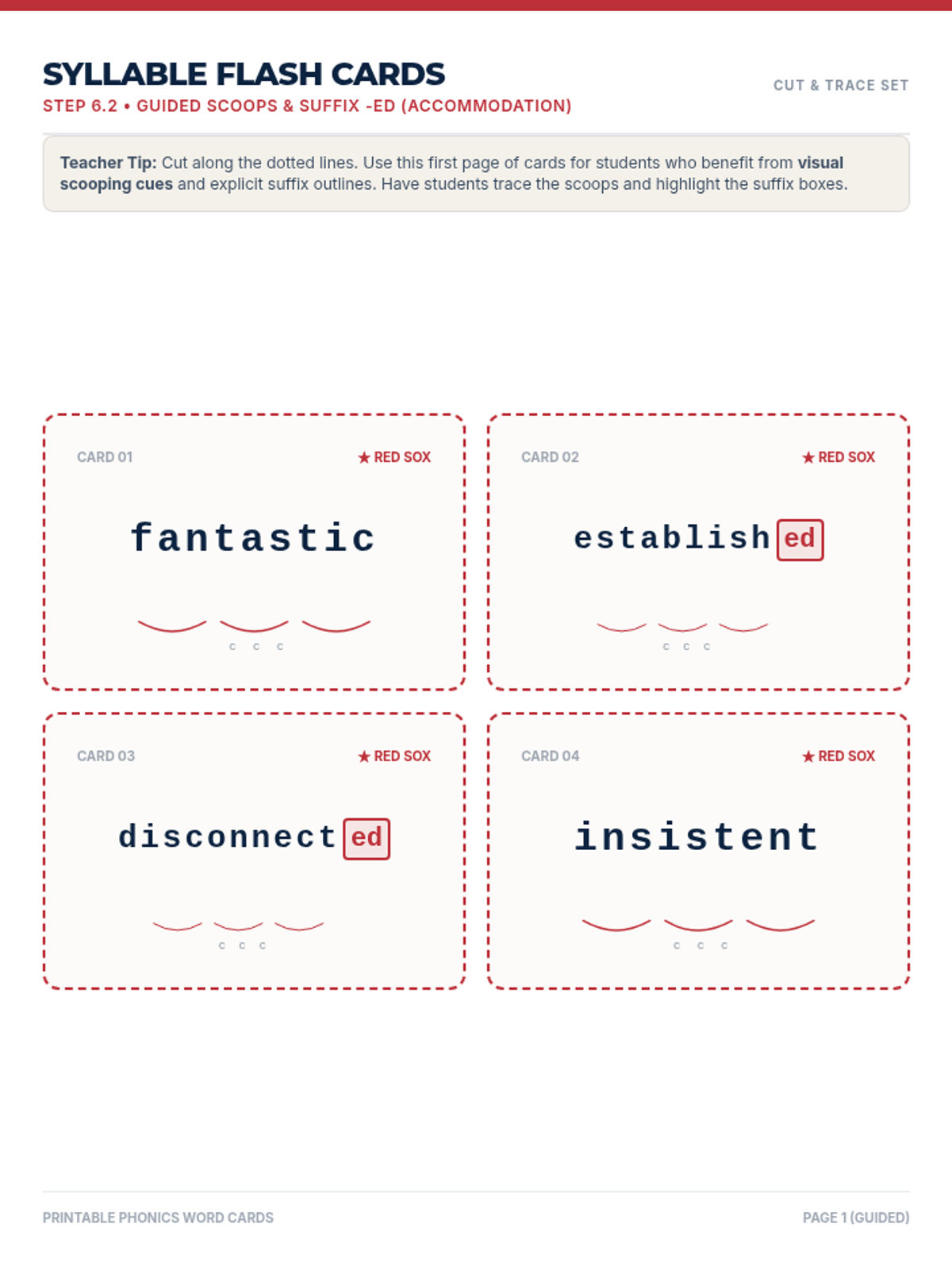
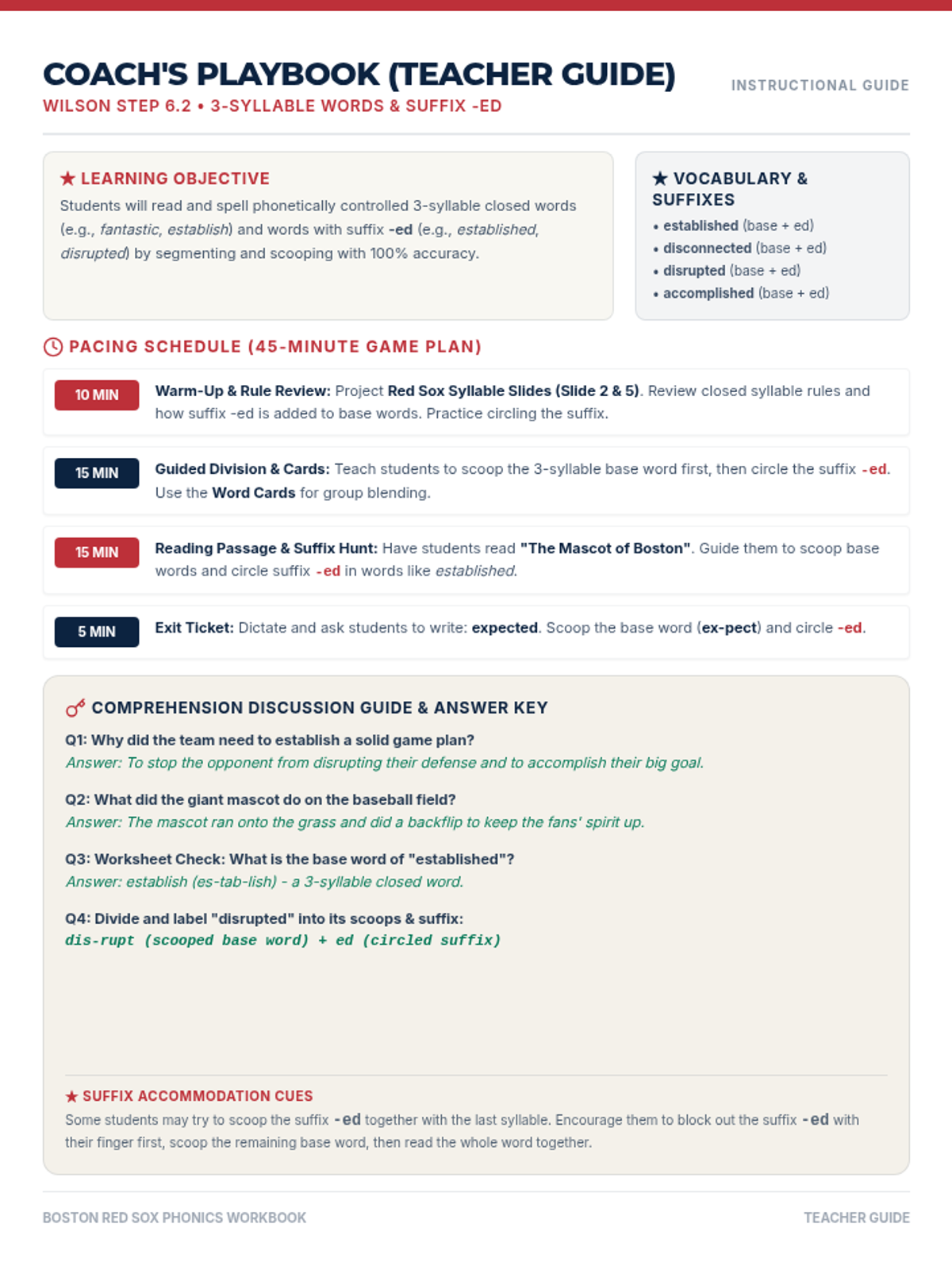
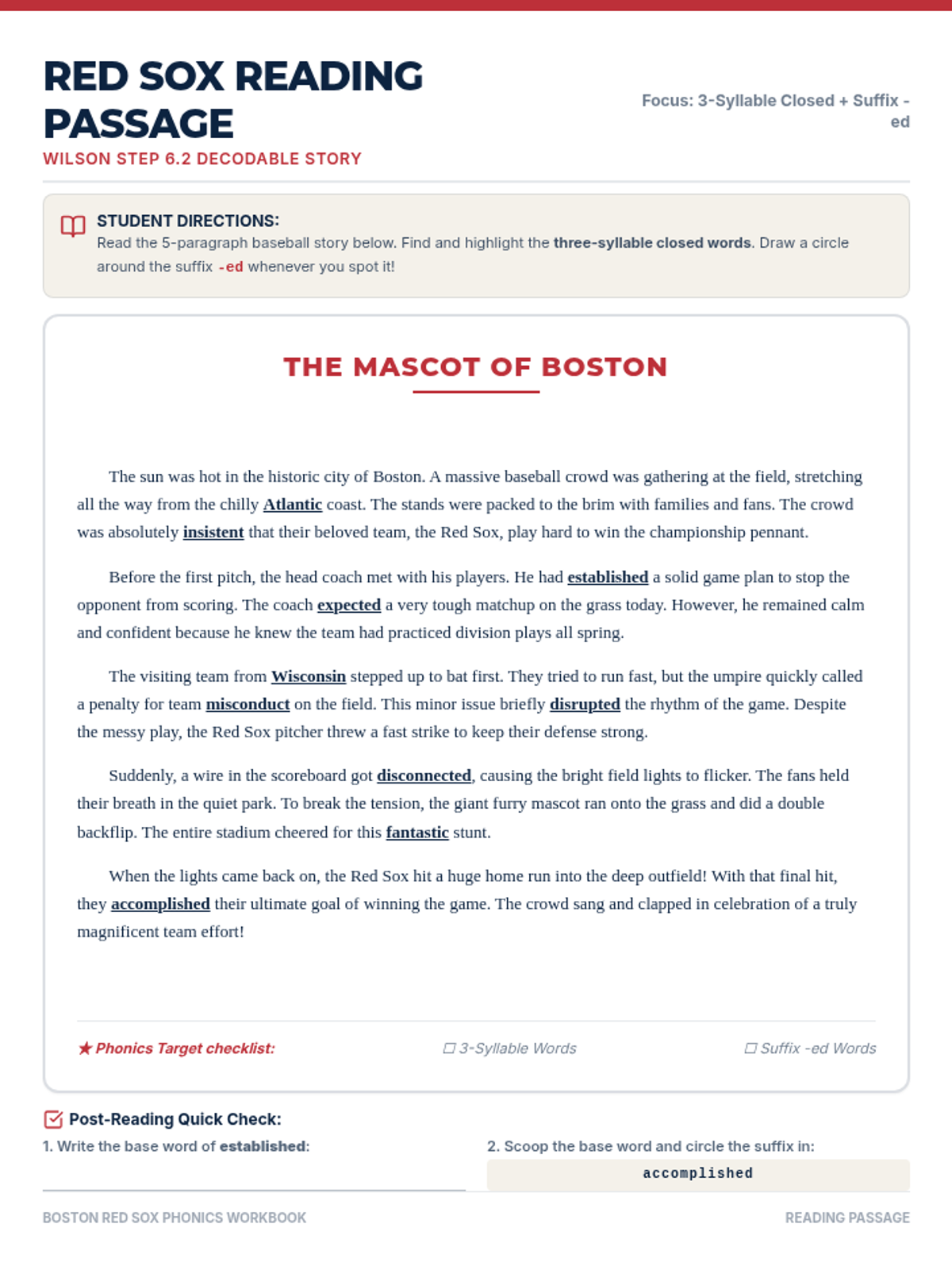
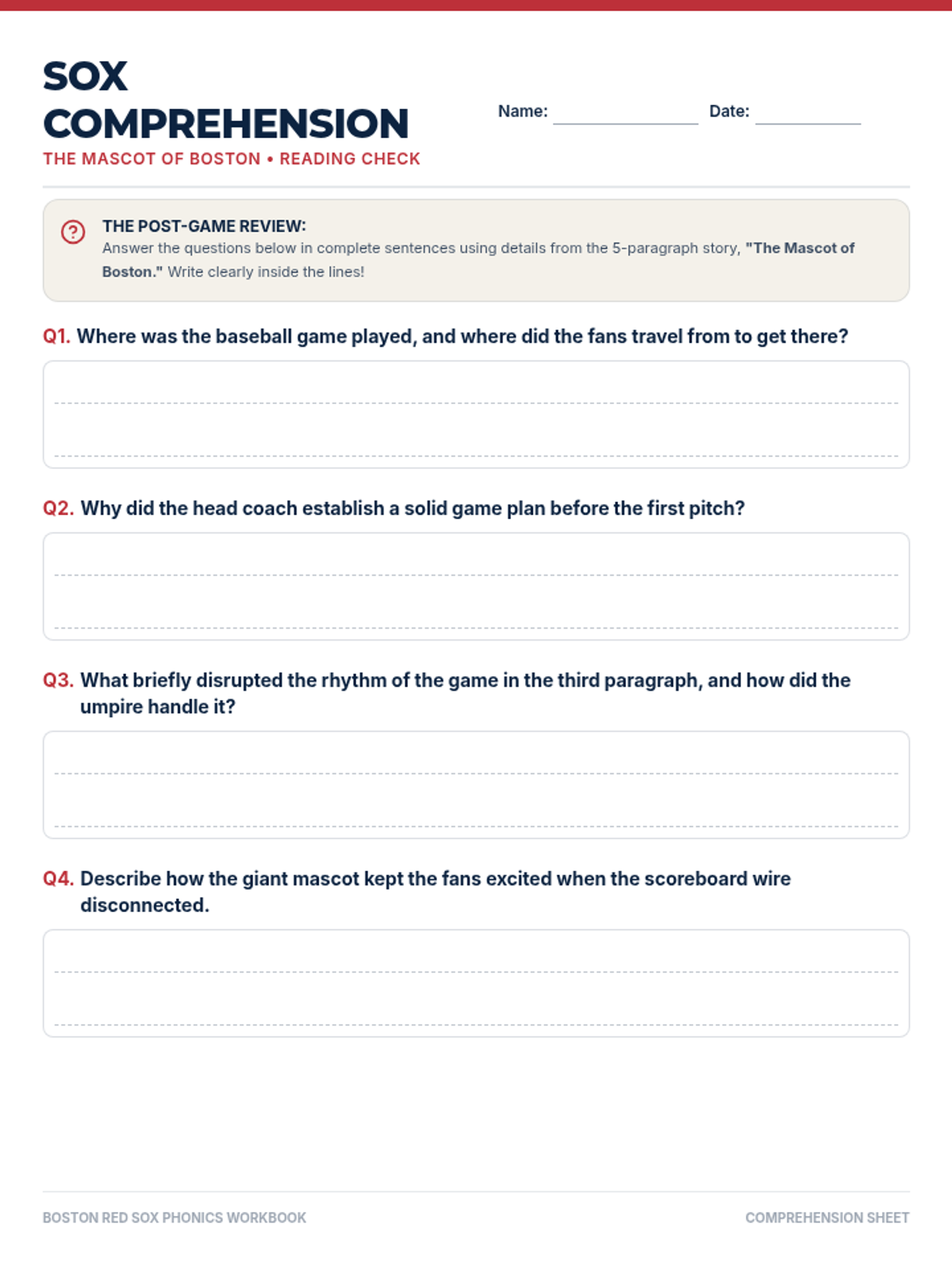
A comprehensive Wilson Step 6.2 lesson focusing on 3-syllable closed words, themed around the Boston Red Sox. Includes a slide deck, scooping worksheets, word cards, and a teacher guide with comprehension questions.
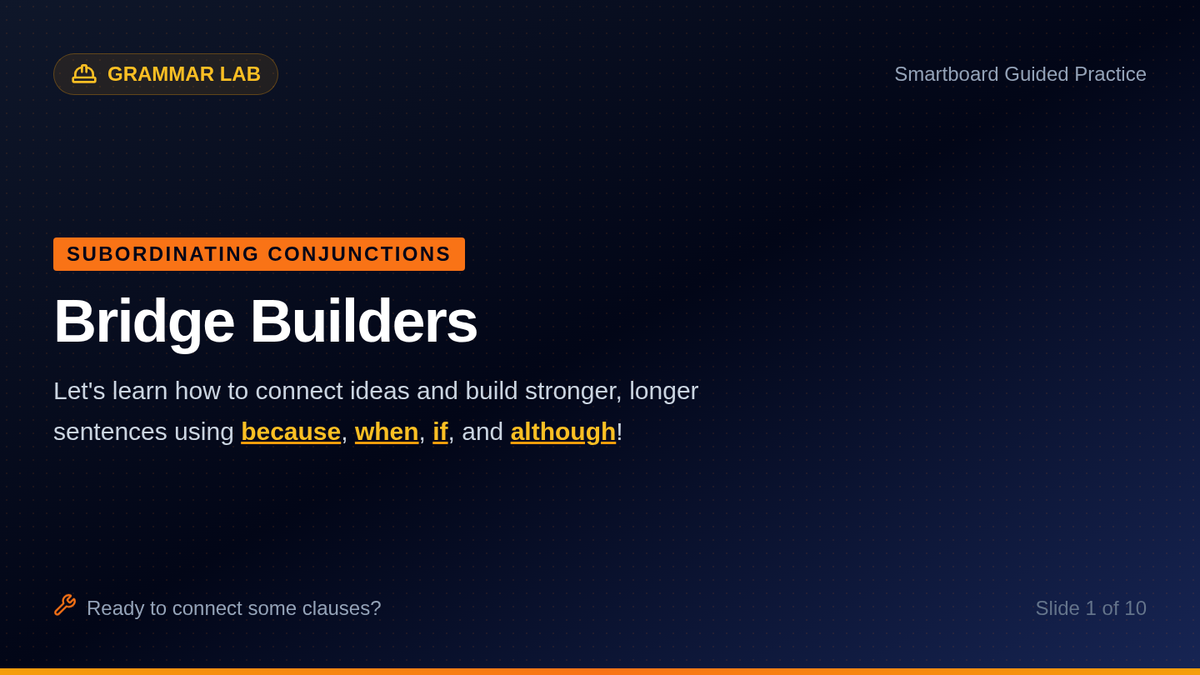
An interactive lesson where students learn to use key subordinating conjunctions (because, when, if, although) to connect clauses, using a highly visual bridge-building theme suitable for smartboard delivery.
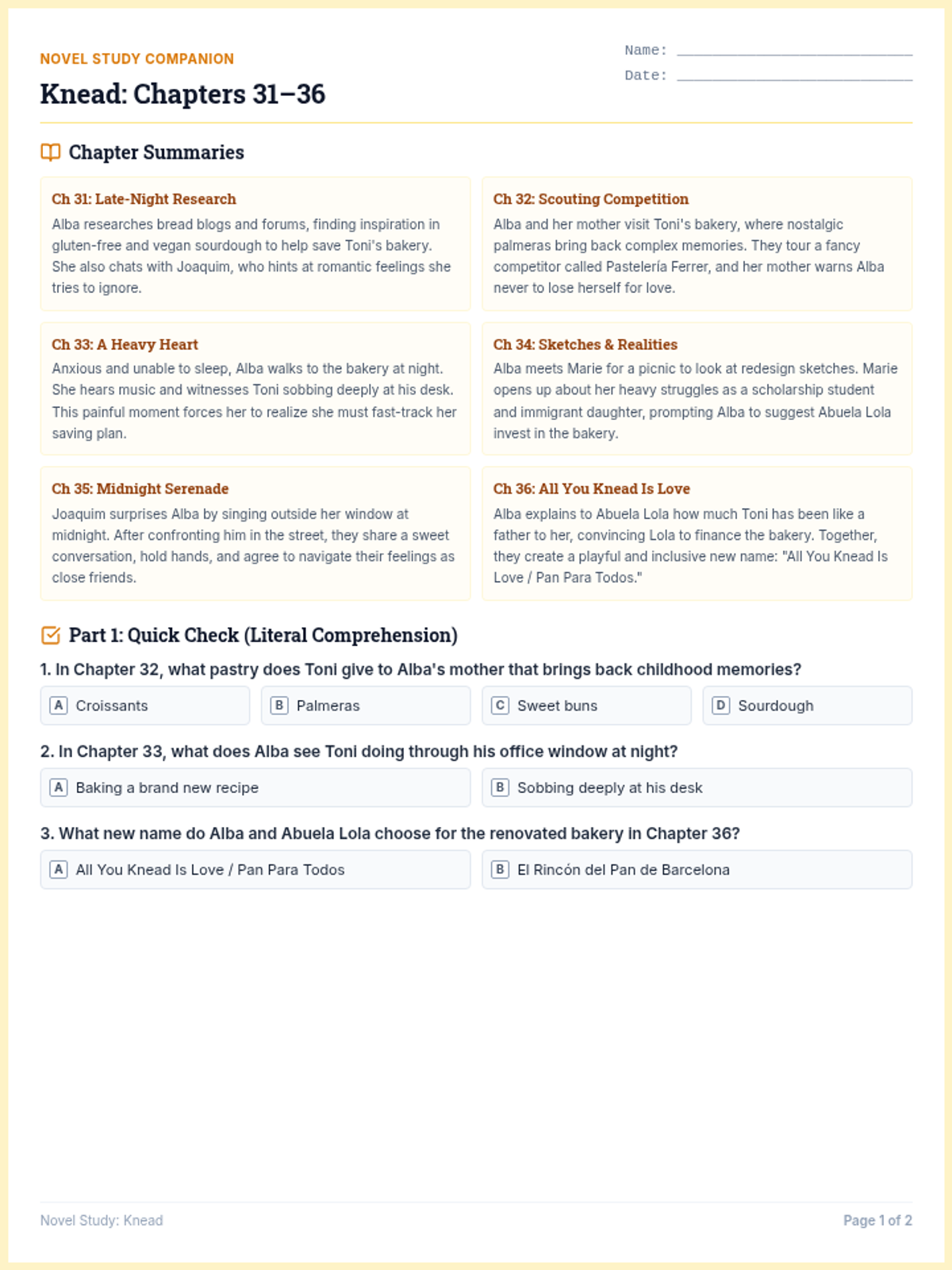
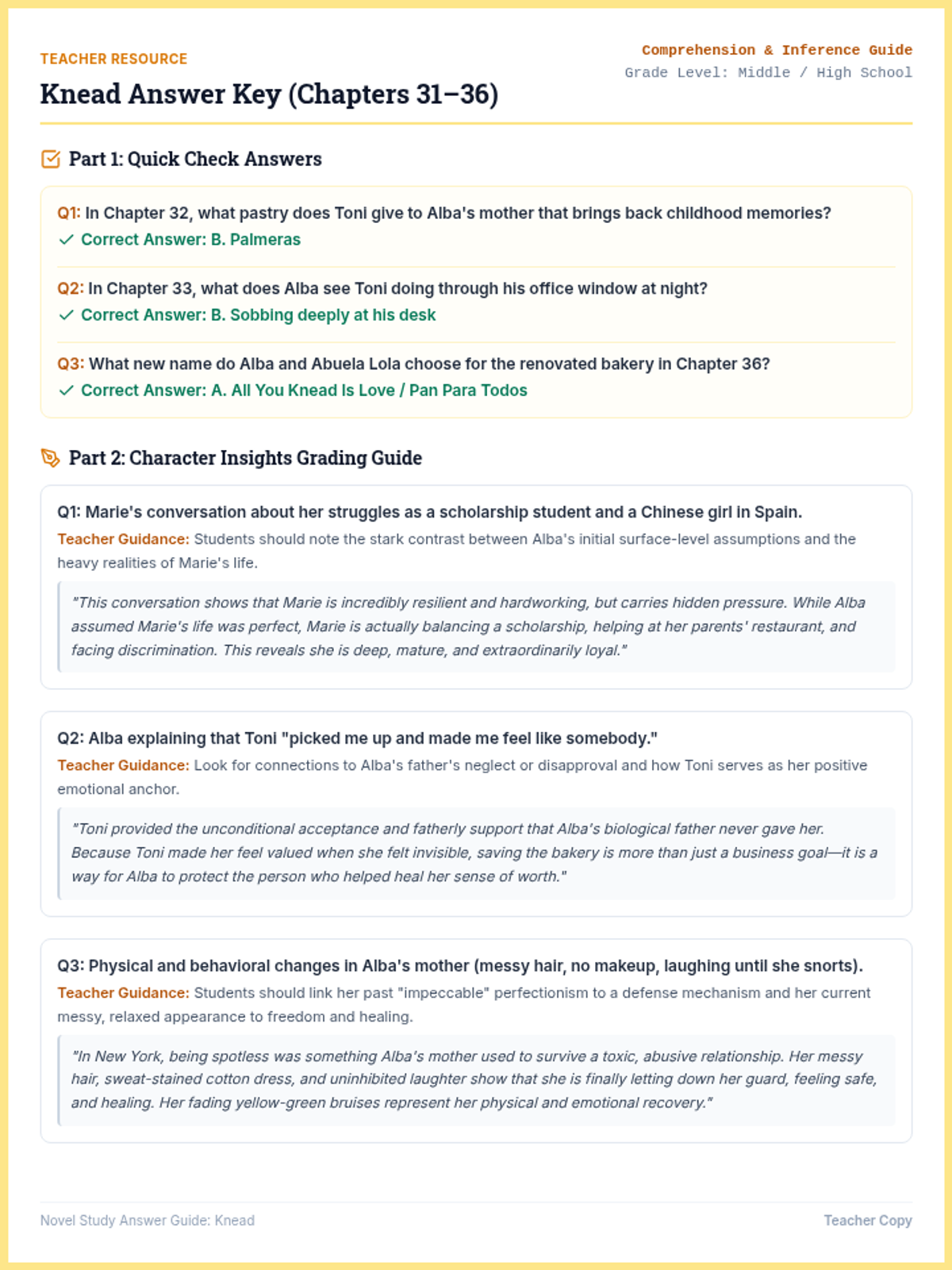
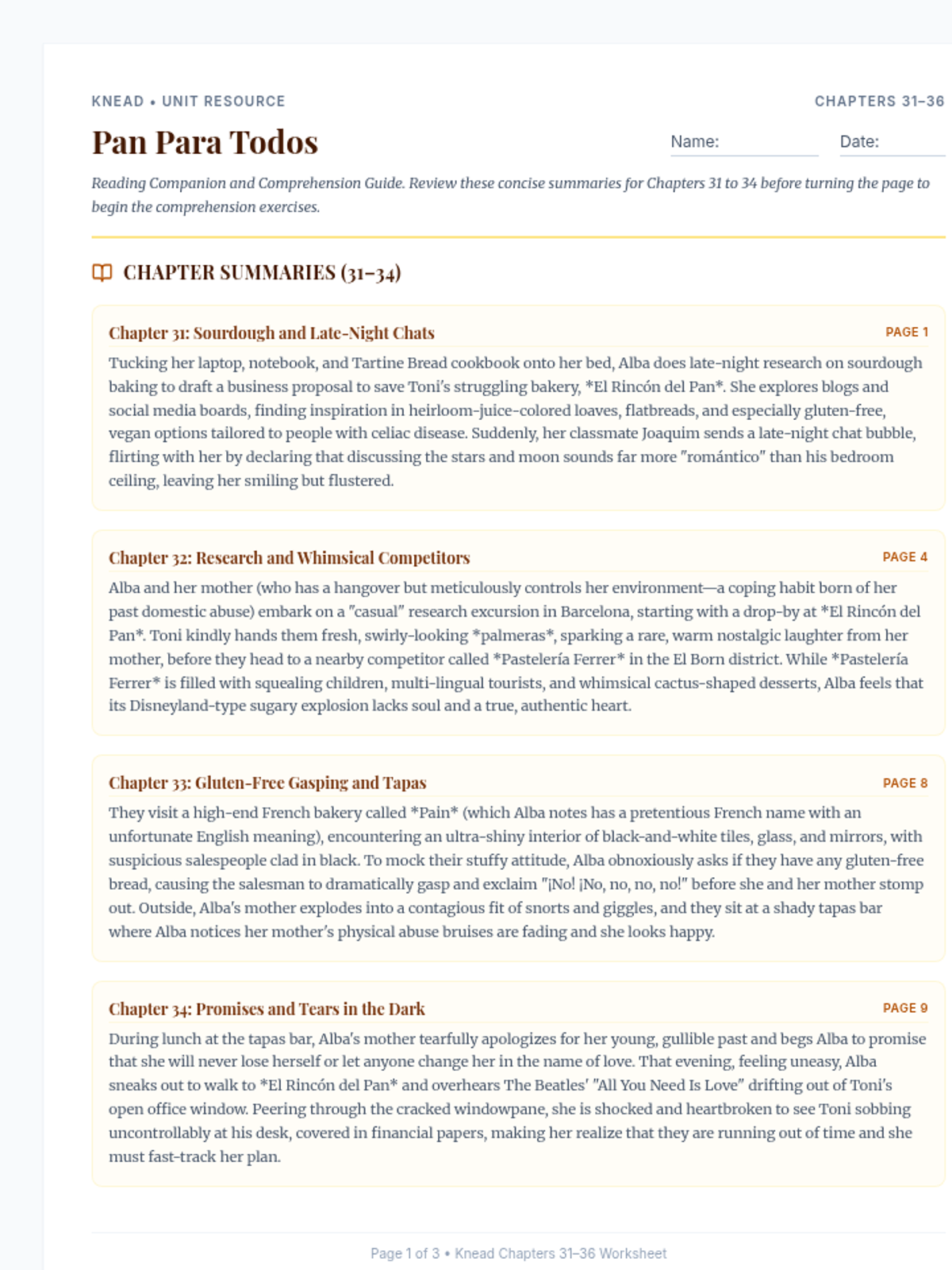
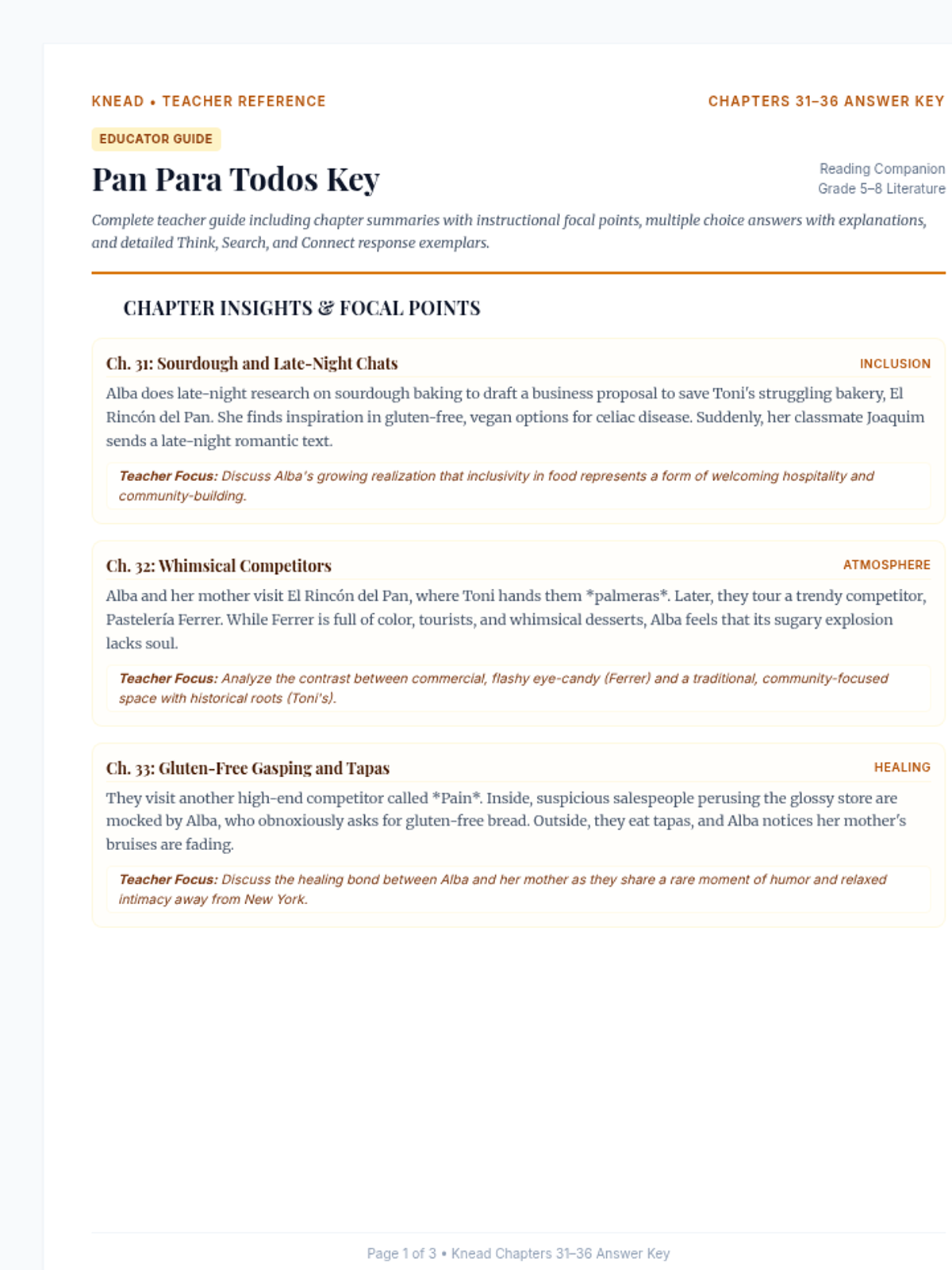
A deep-dive reading analysis of chapters 31-36 of the novel 'Knead', exploring student comprehension and character inference.
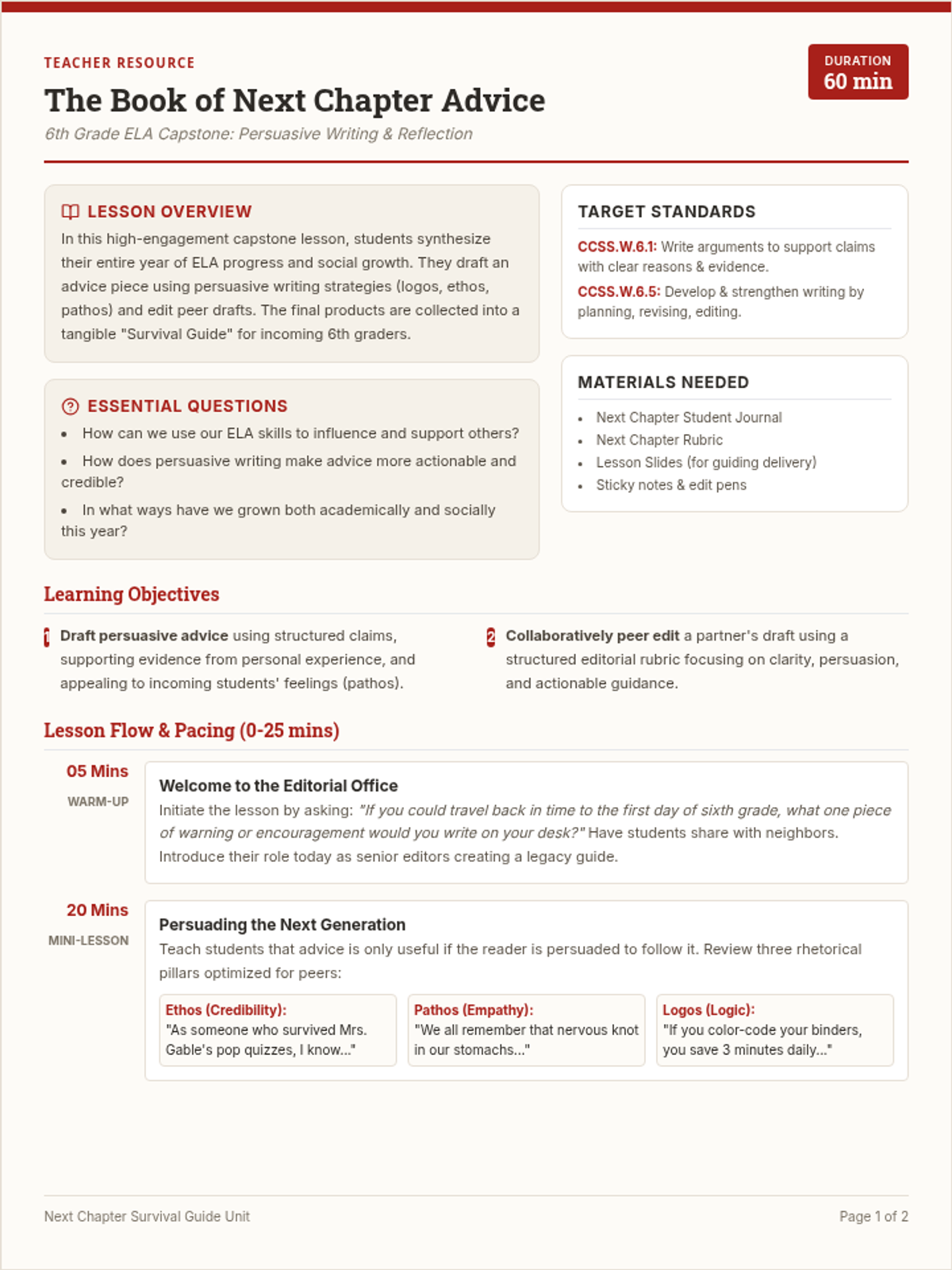
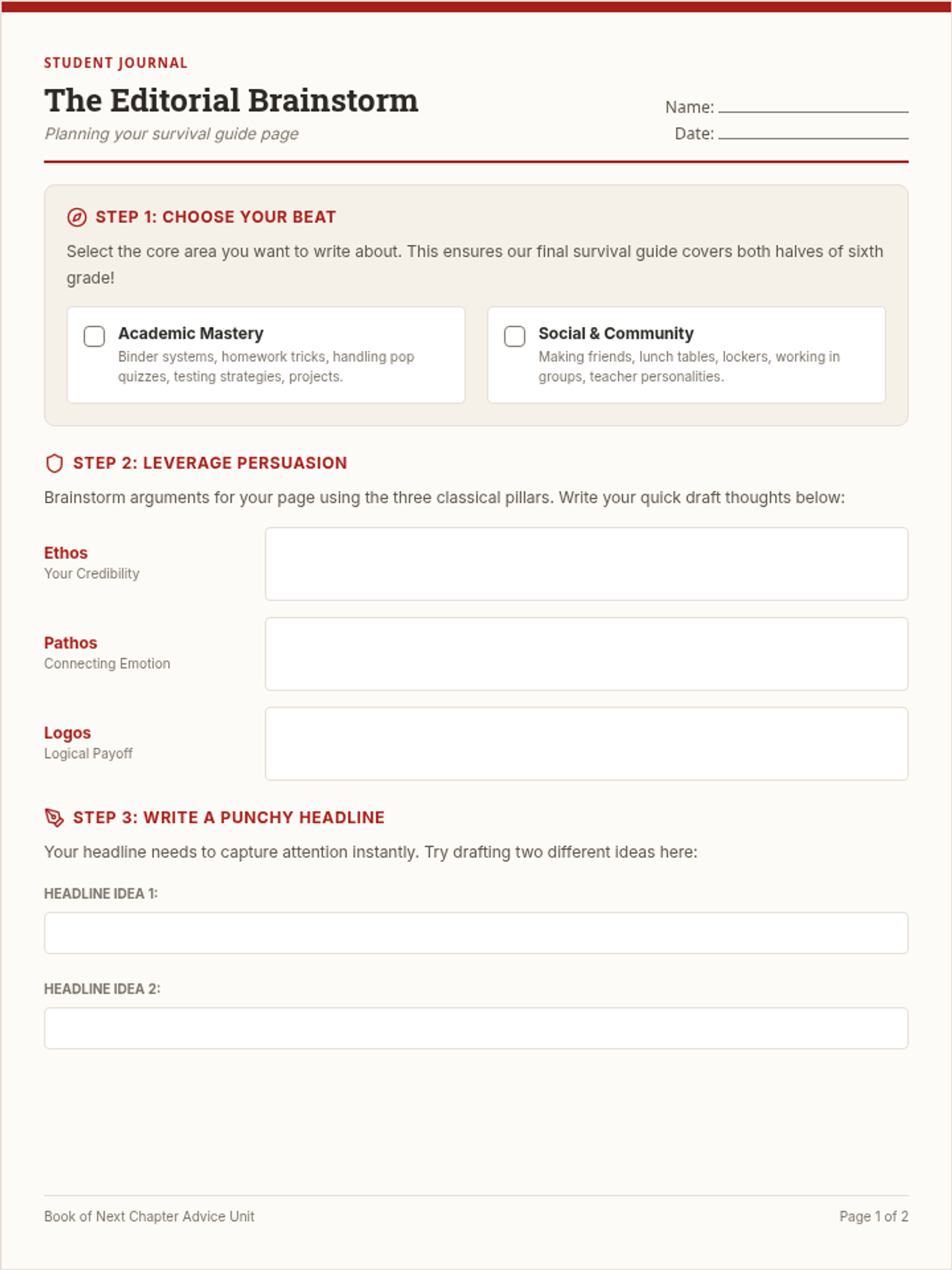
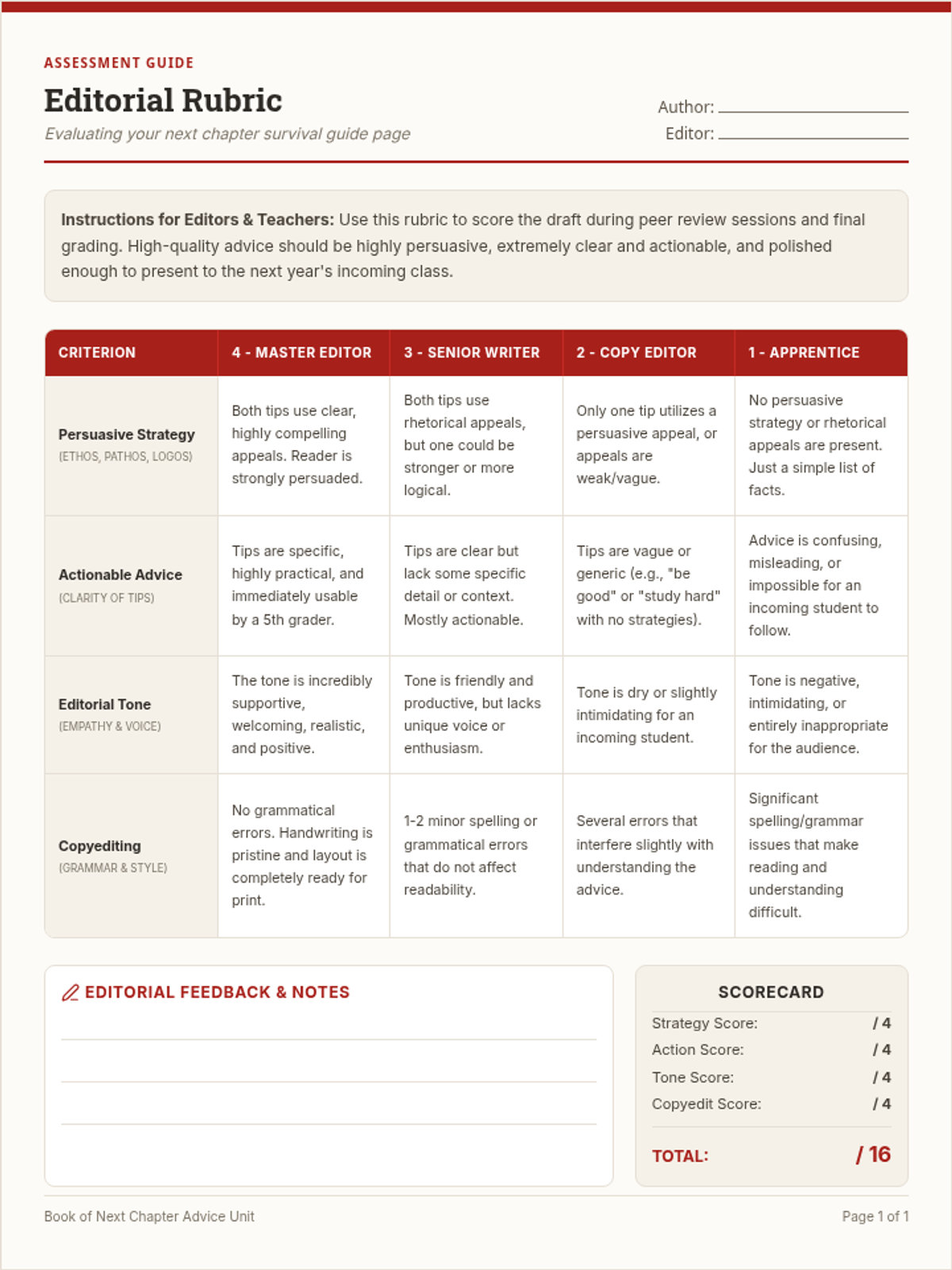
A lesson where sixth-grade students write, edit, and compile a collaborative survival guide for rising sixth graders. They synthesize their ELA growth and academic/social tips using persuasive writing.
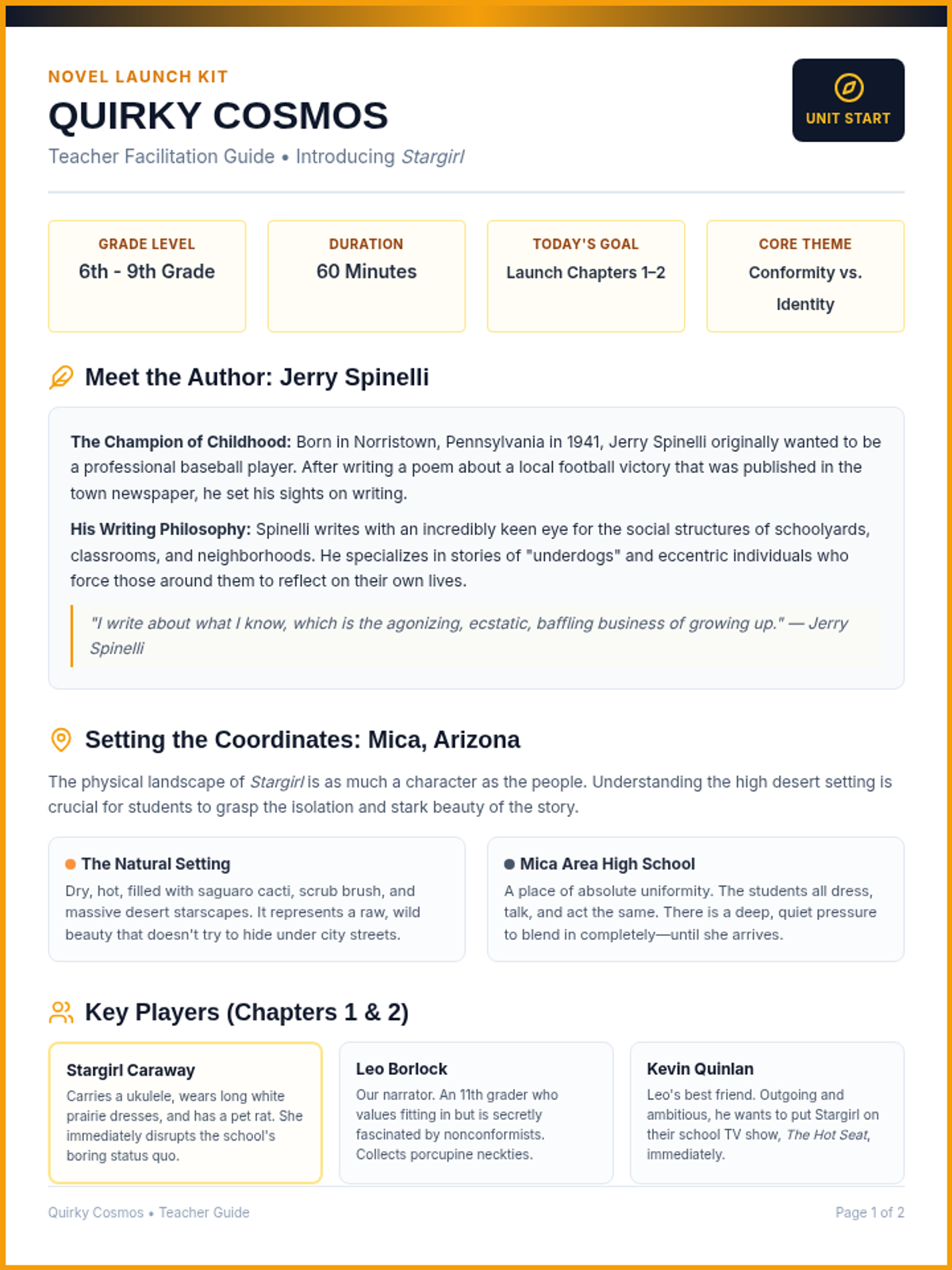
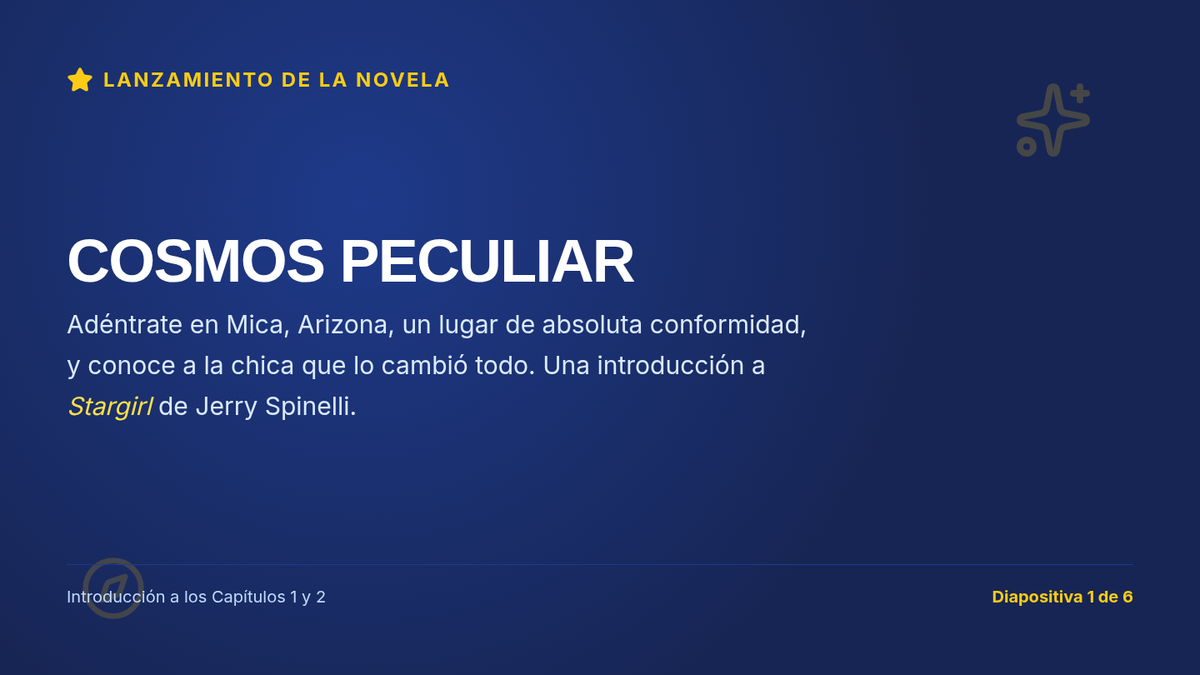
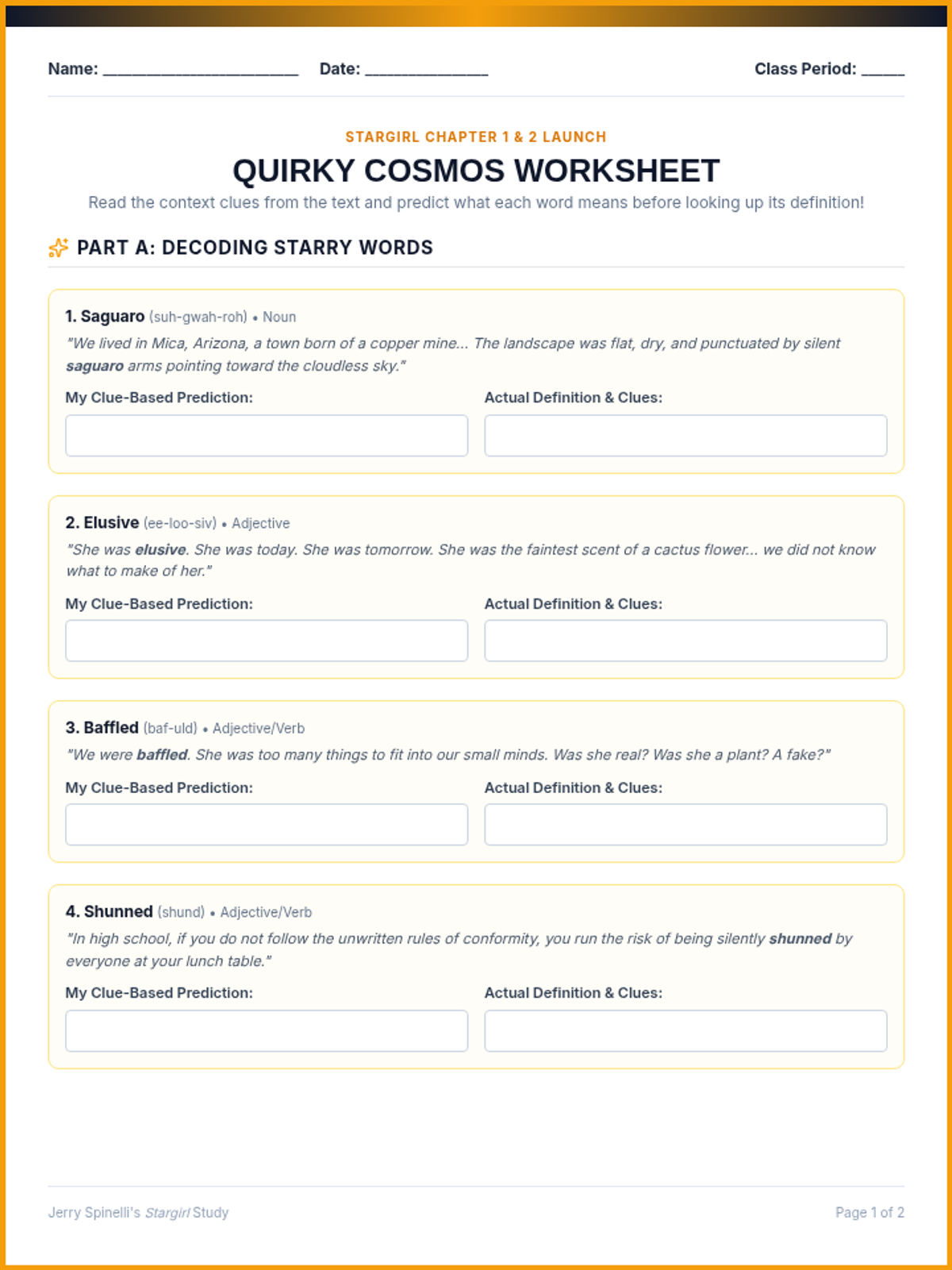
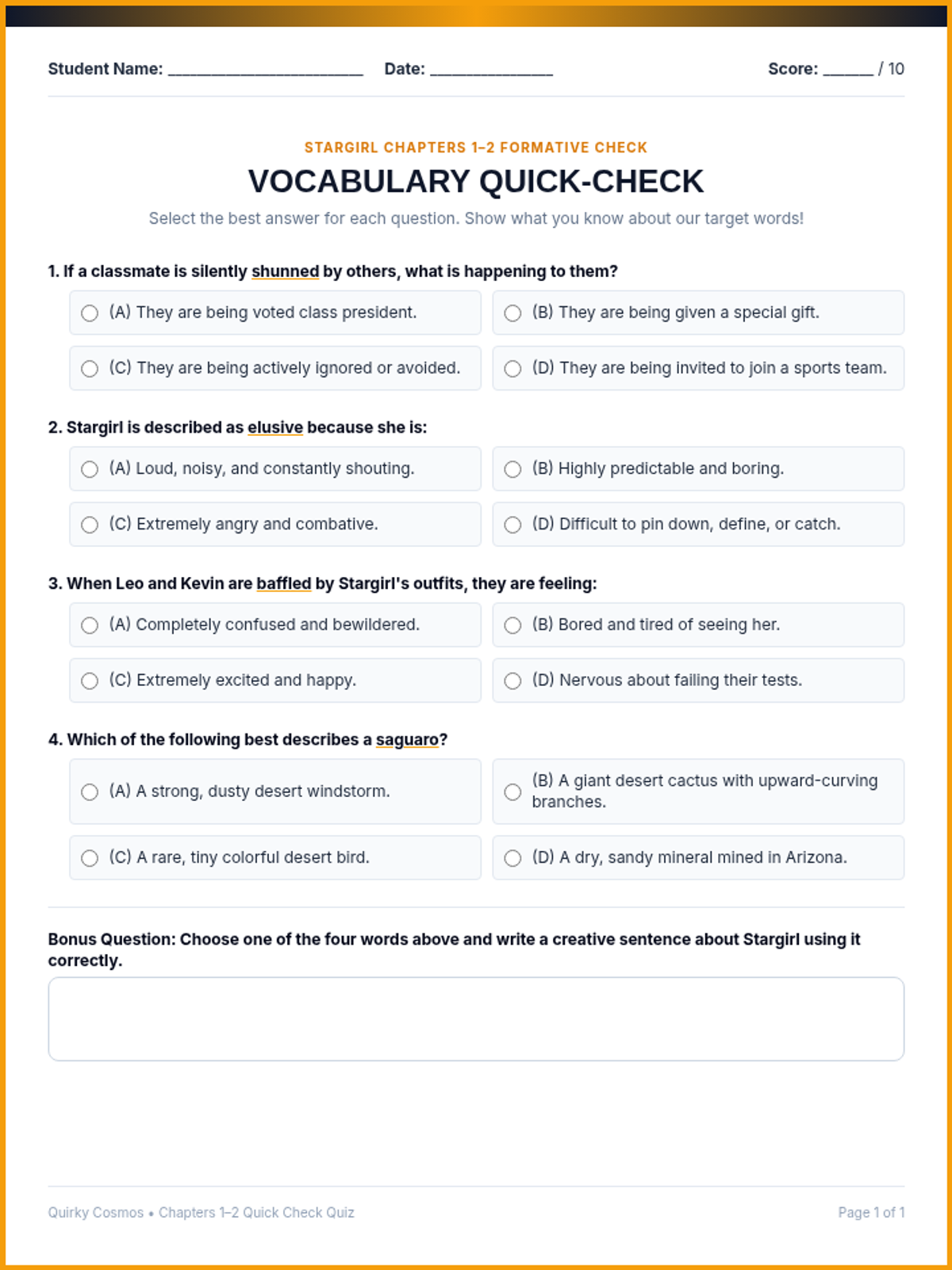
An introductory lesson bundle for Jerry Spinelli's novel Stargirl, focusing on the author's background, desert setting of Mica, Arizona, key characters, and contextual vocabulary for Chapters 1 and 2.
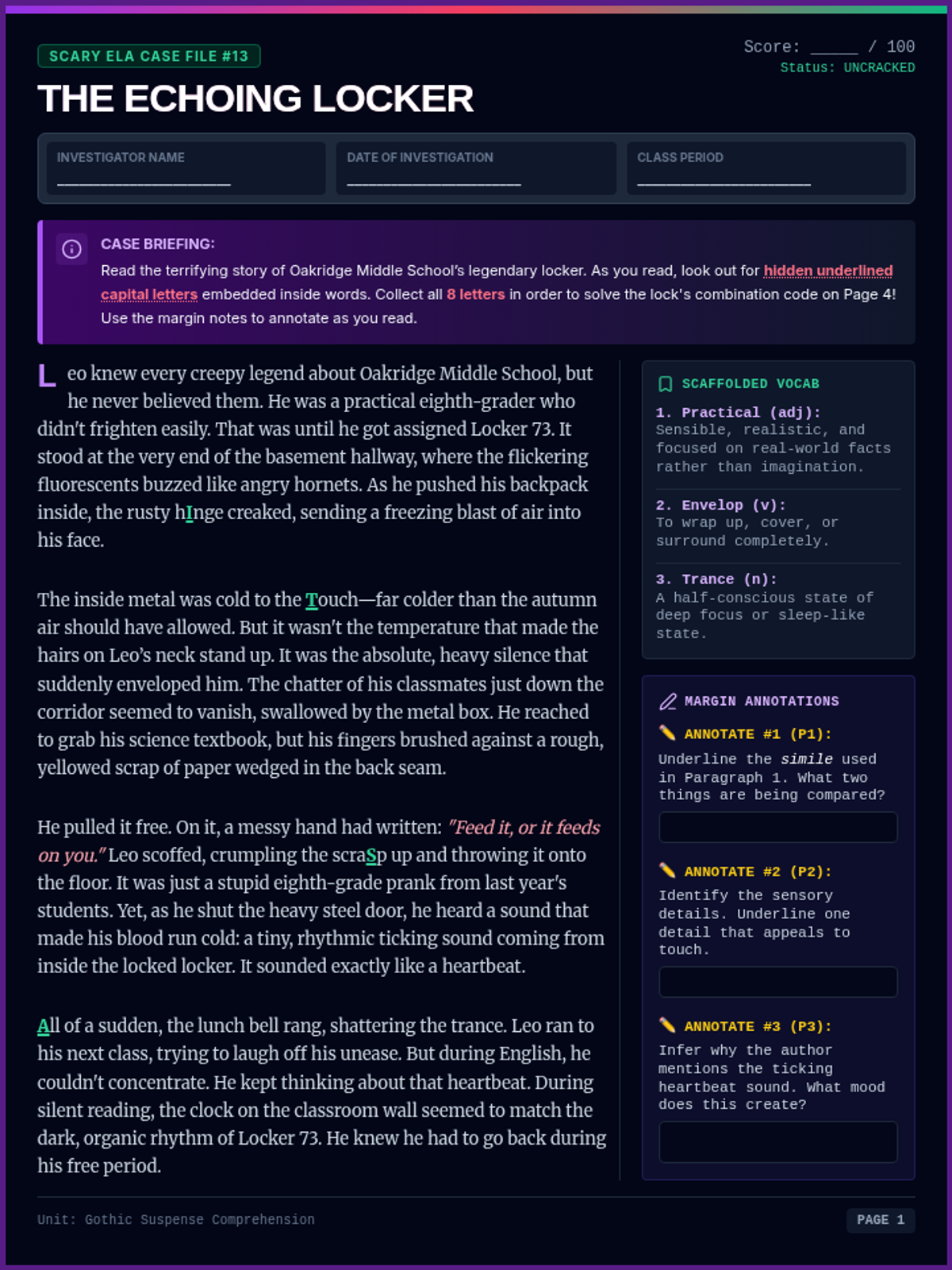
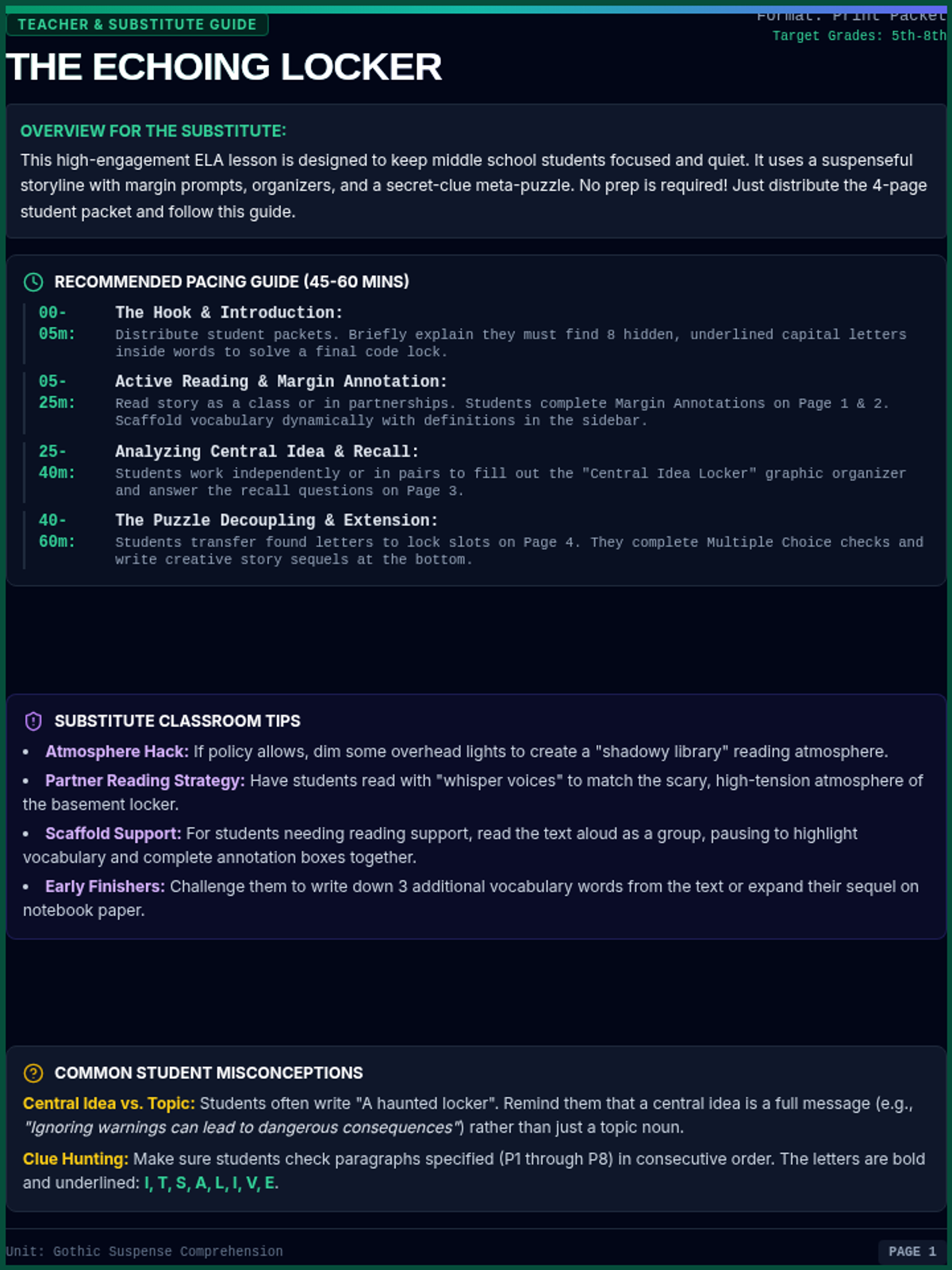
A spooky, high-interest ELA comprehension lesson for grades 5-8, perfect for sub days. Students read a terrifying tale about a haunted school locker, use margin annotations, complete visual organizers, and crack a secret clue-based meta-puzzle.
An architectural blueprint-themed lesson introducing relative adverbs (where, when, why) as 'bridge builders' that connect clauses and sentences. Includes interactive instruction slides, hands-on task cards for stations, and a blueprint-style recording sheet.
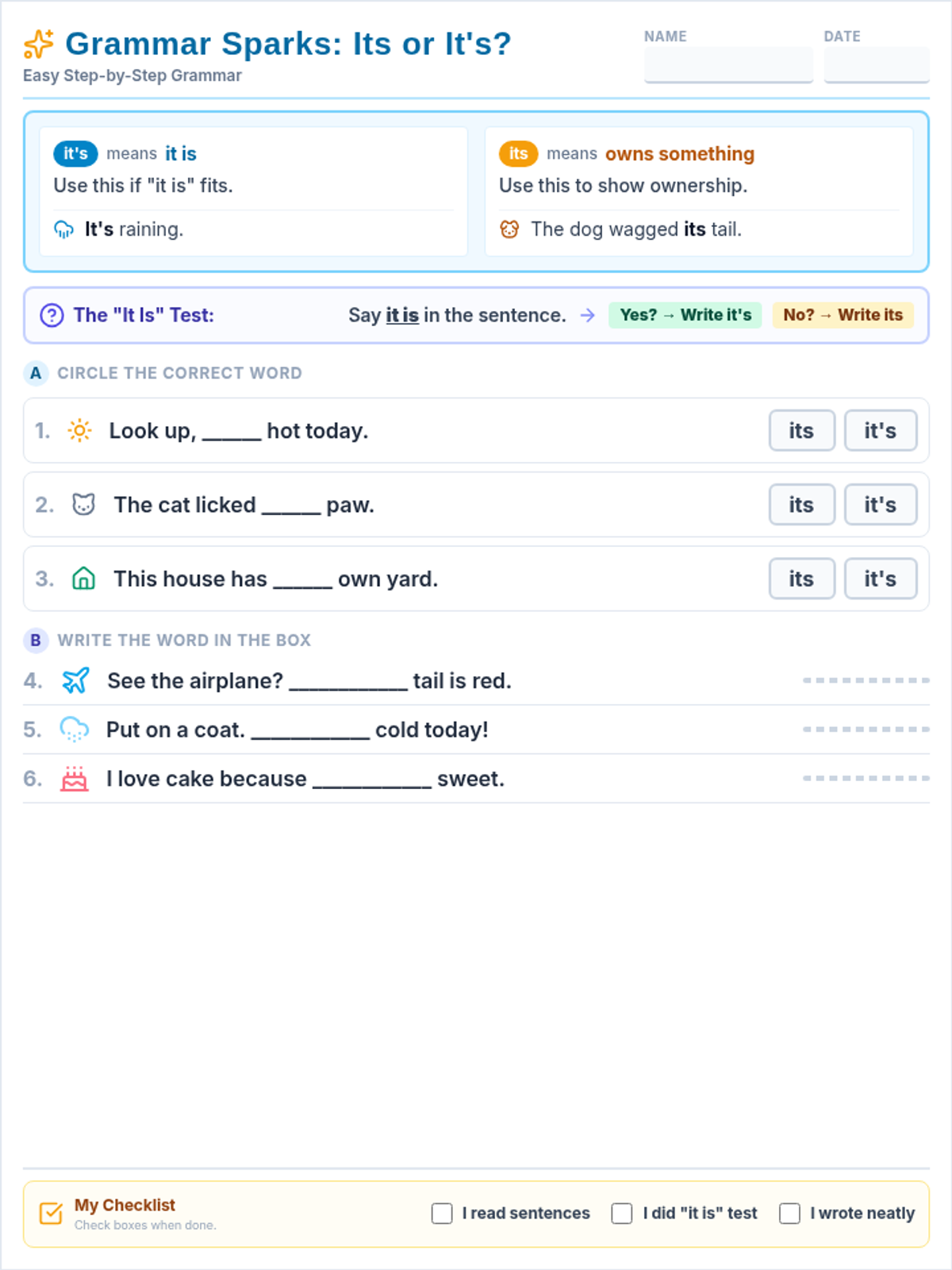
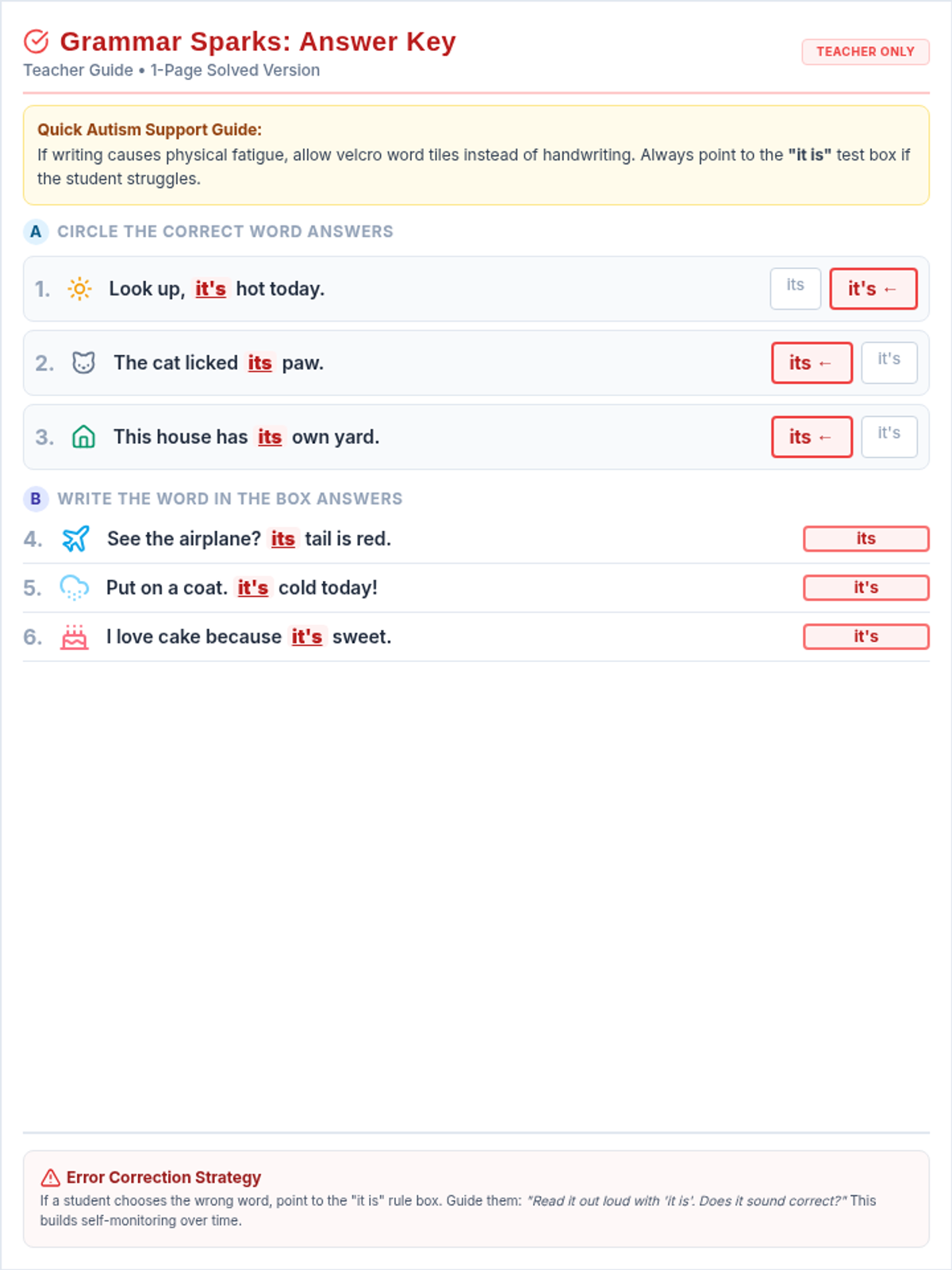
A highly structured grammar lesson focusing on the distinction between 'its' and 'it's', customized with visual icon supports, step-by-step rule scaffolding, and self-monitoring checklists for students who benefit from predictable layouts.
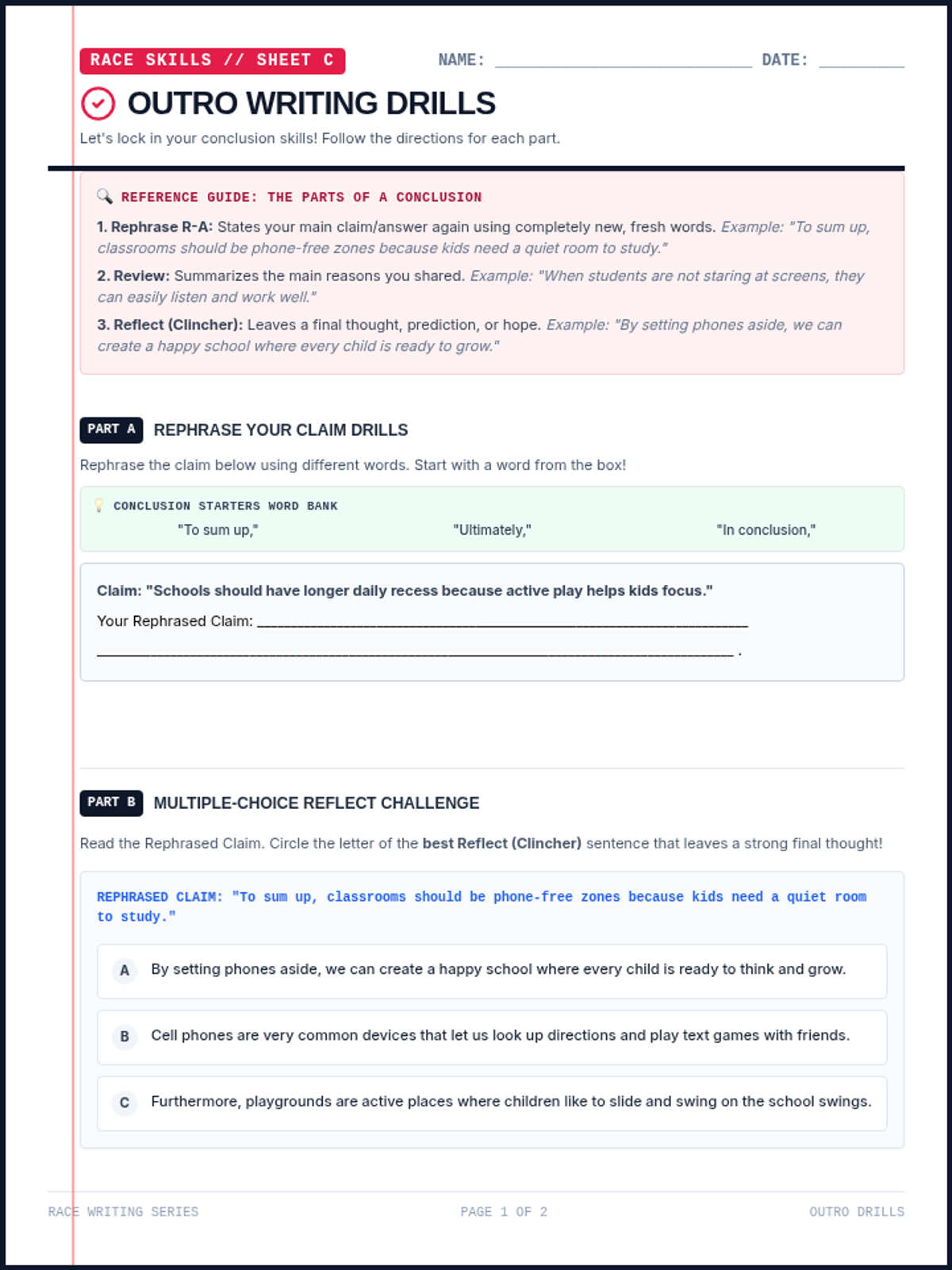
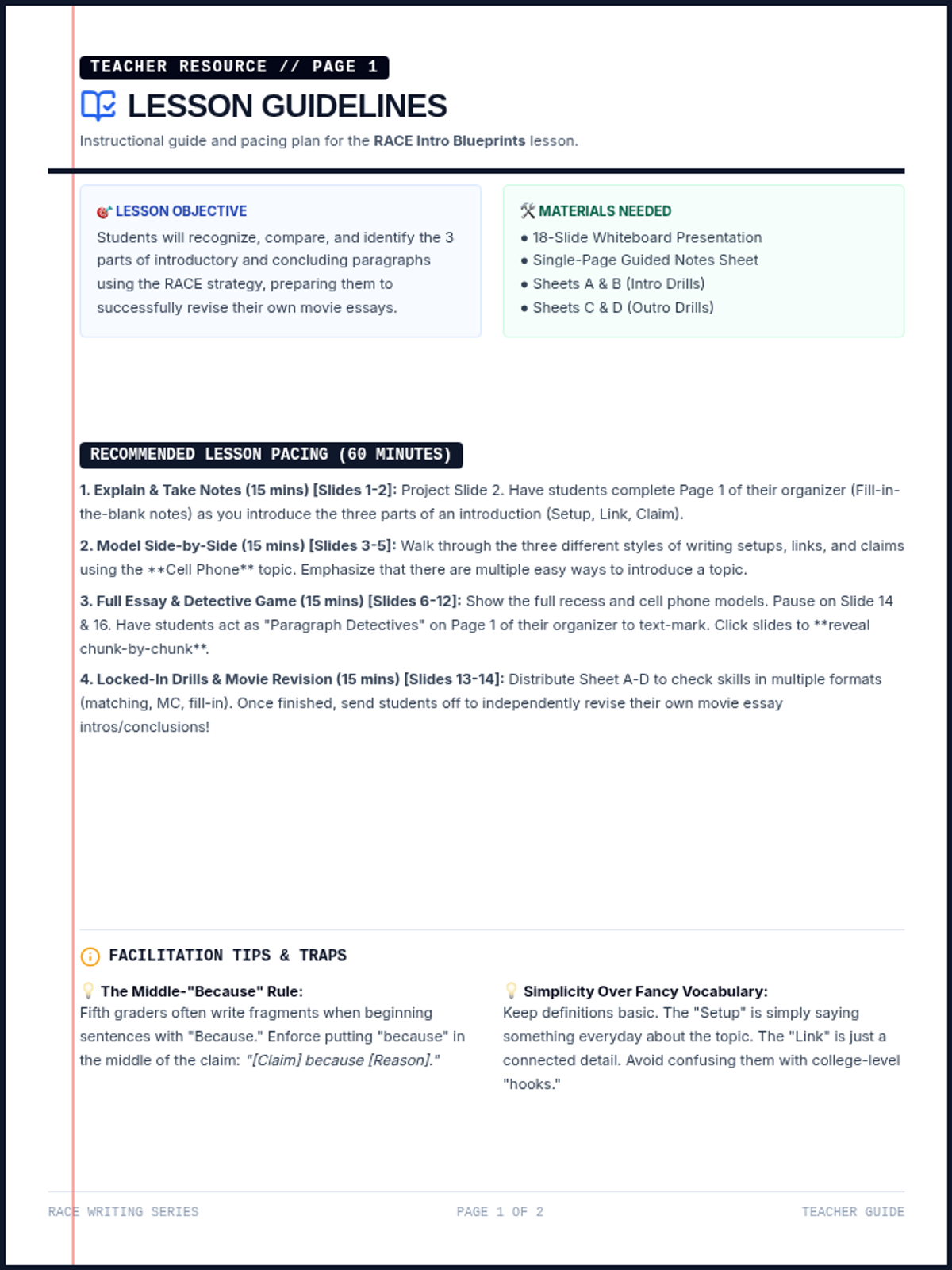
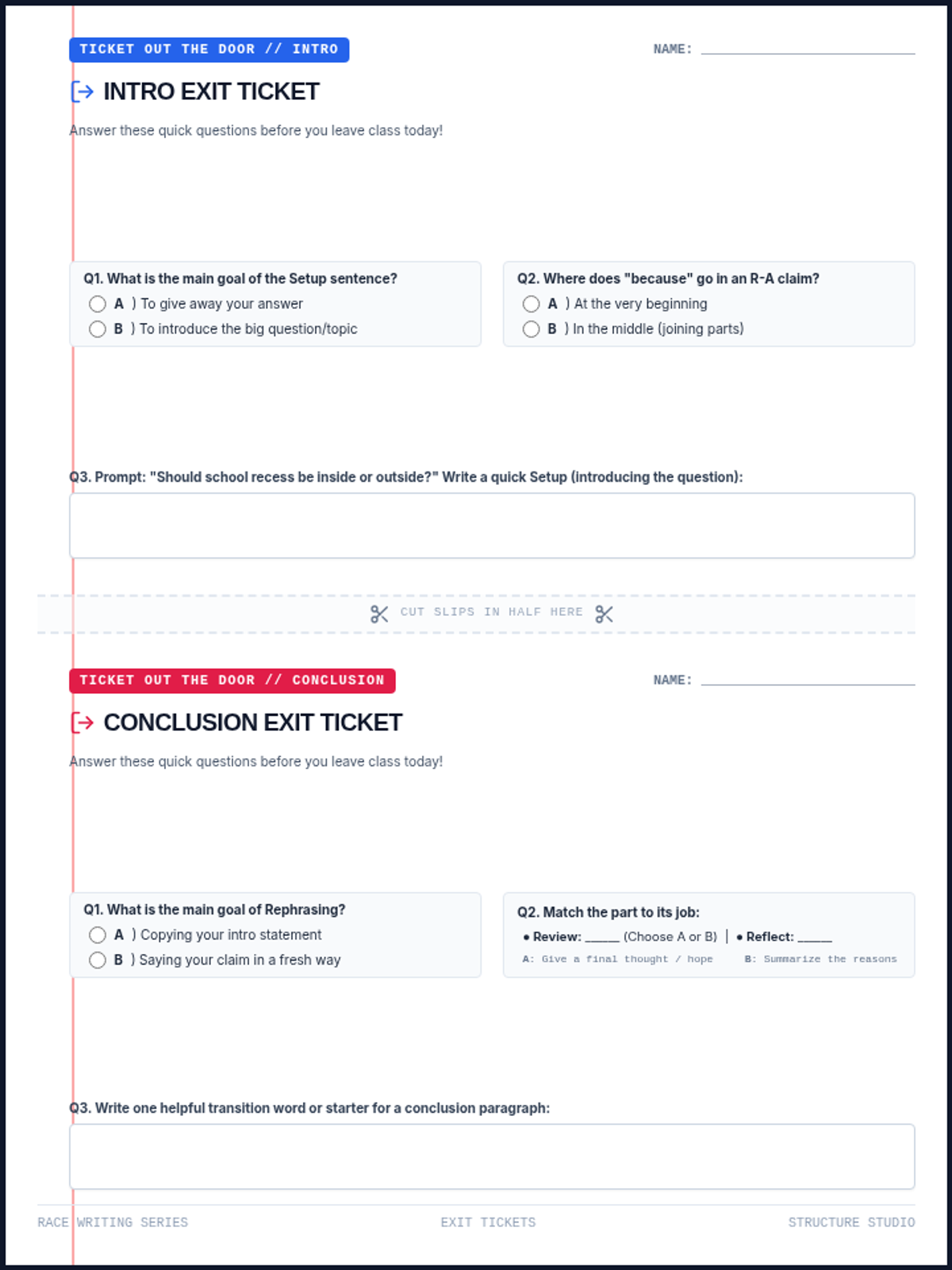
A structured writing lesson focused on drafting cohesive introductory paragraphs using the RACE strategy. Features a clear gradual release model (I Do, We Do, You Do) to guide students through introducing the question, linking context, and drafting a solid Restate & Answer claim.
A high-interest persuasive writing lesson where students analyze the impact of technology on society, select a stance on topics like social media limits or video game benefits, and construct a structured persuasive argument.
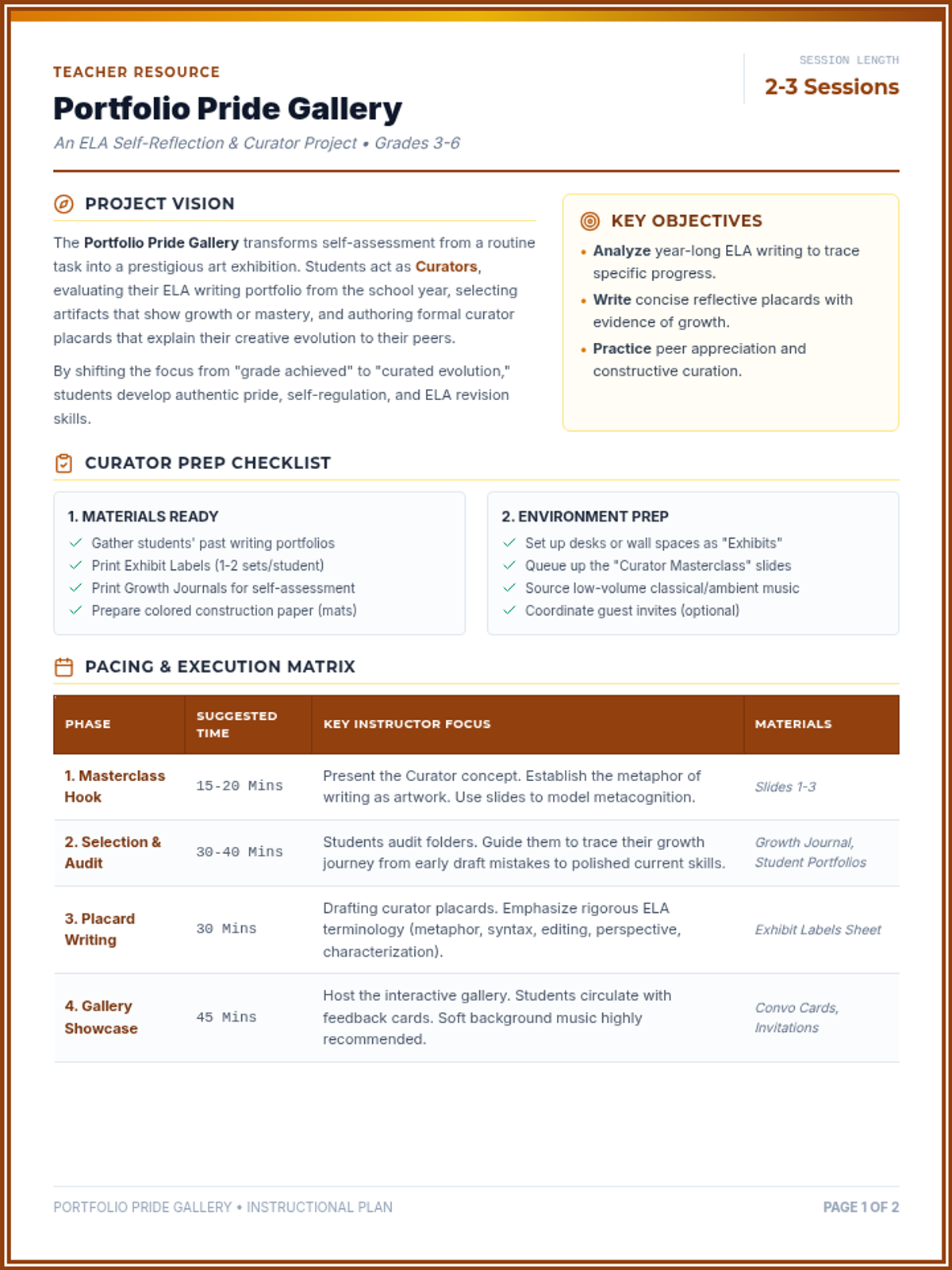
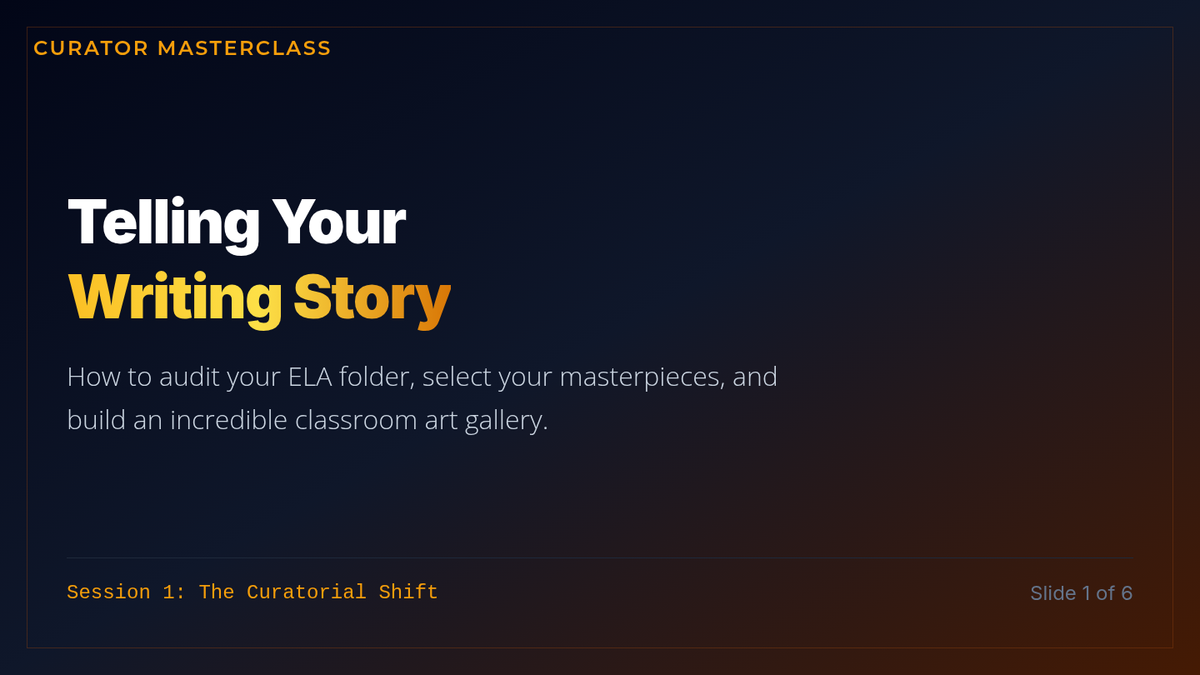
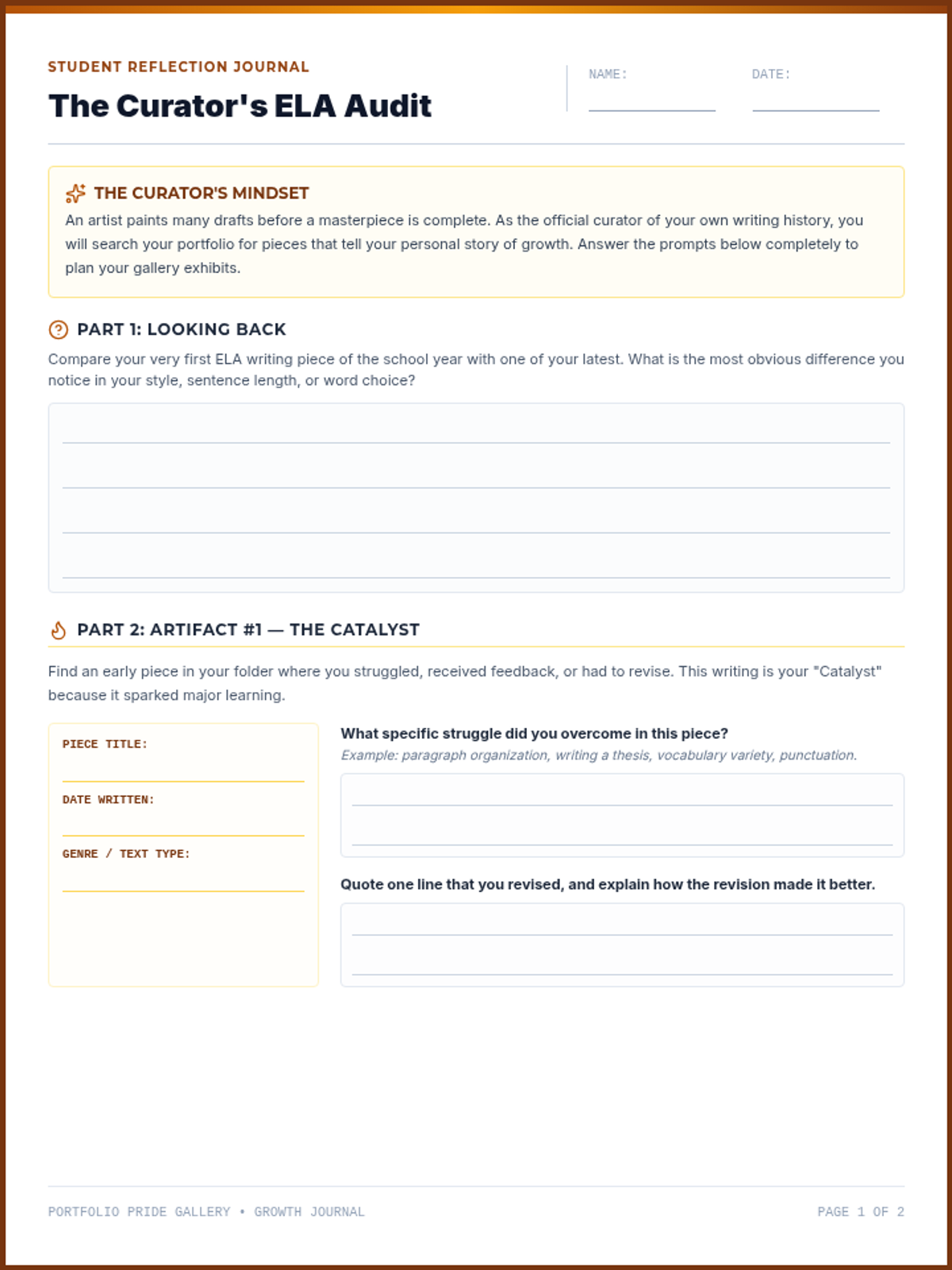
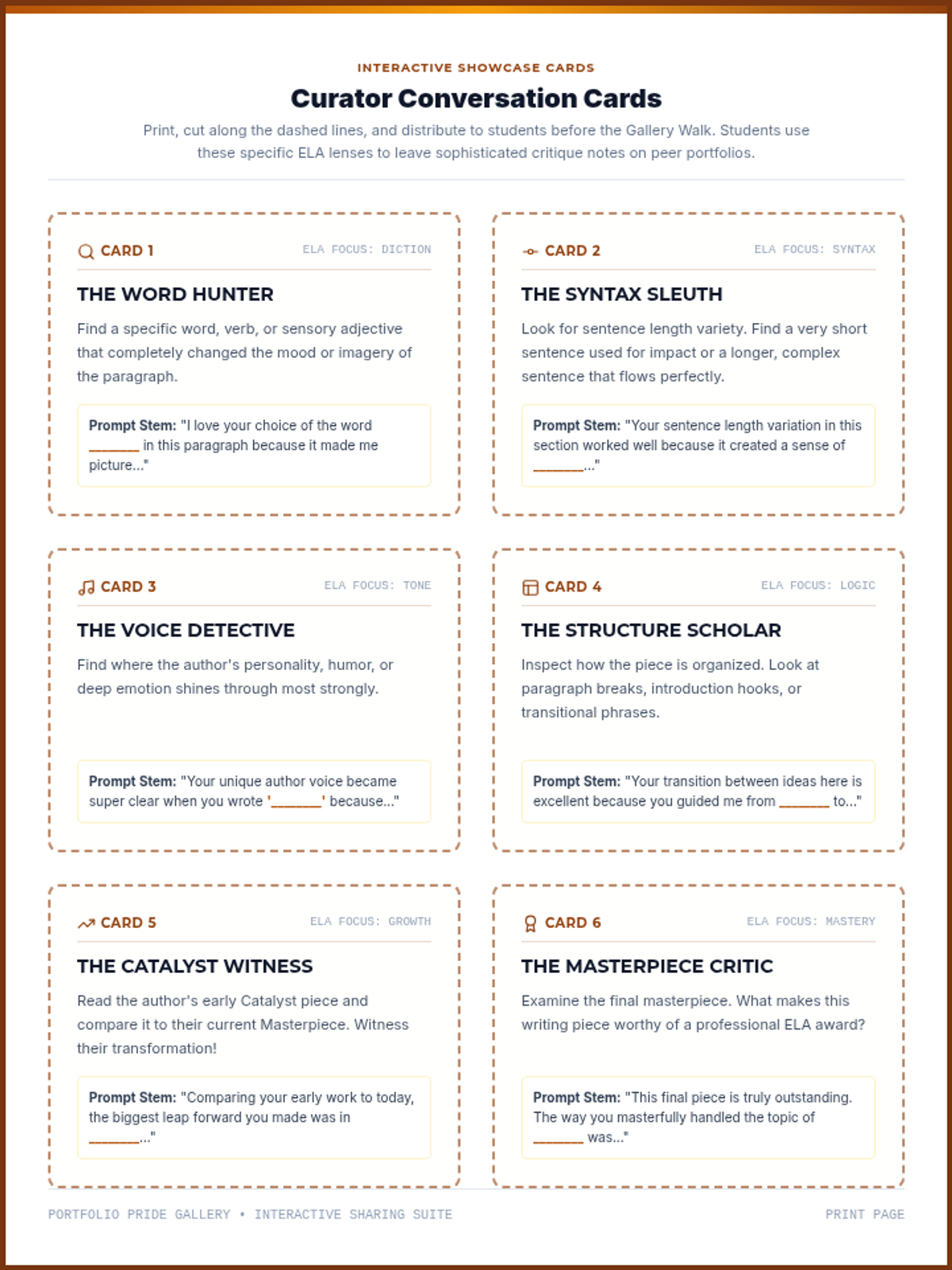
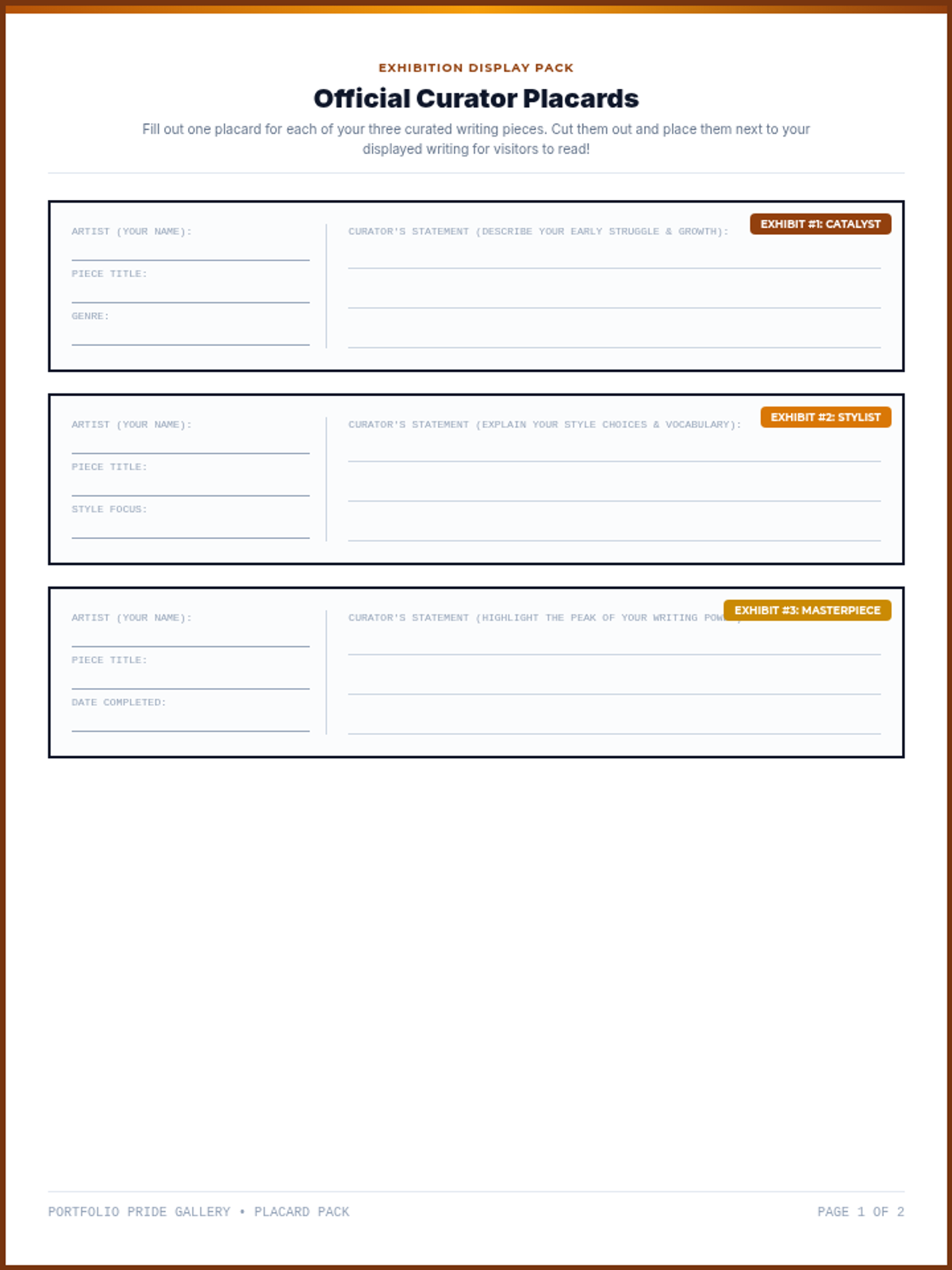
An ELA and self-reflection project where 3rd-6th grade students curate their year-long academic growth, select their best writing, and design an interactive art-gallery-style showcase of their progress.
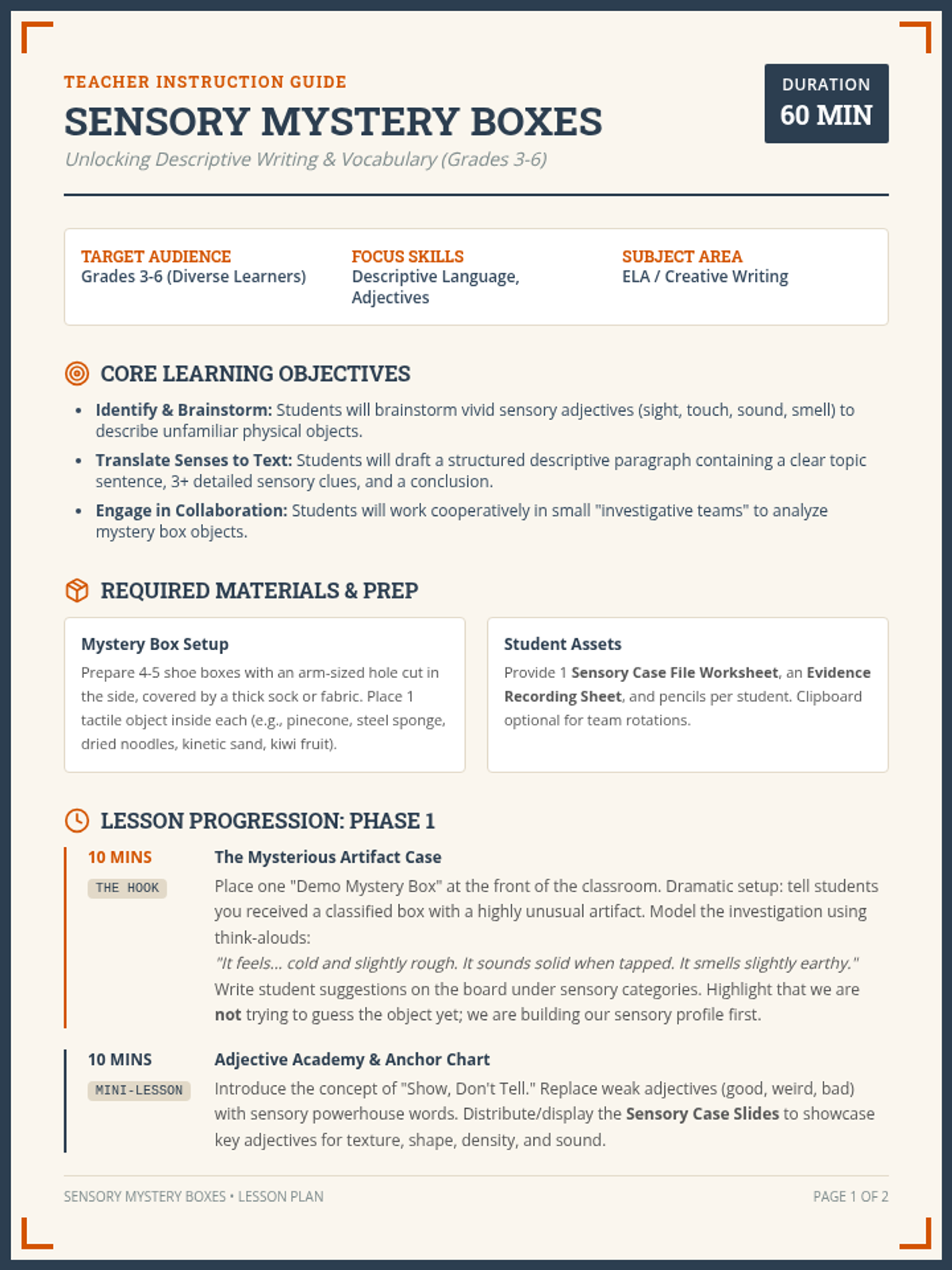
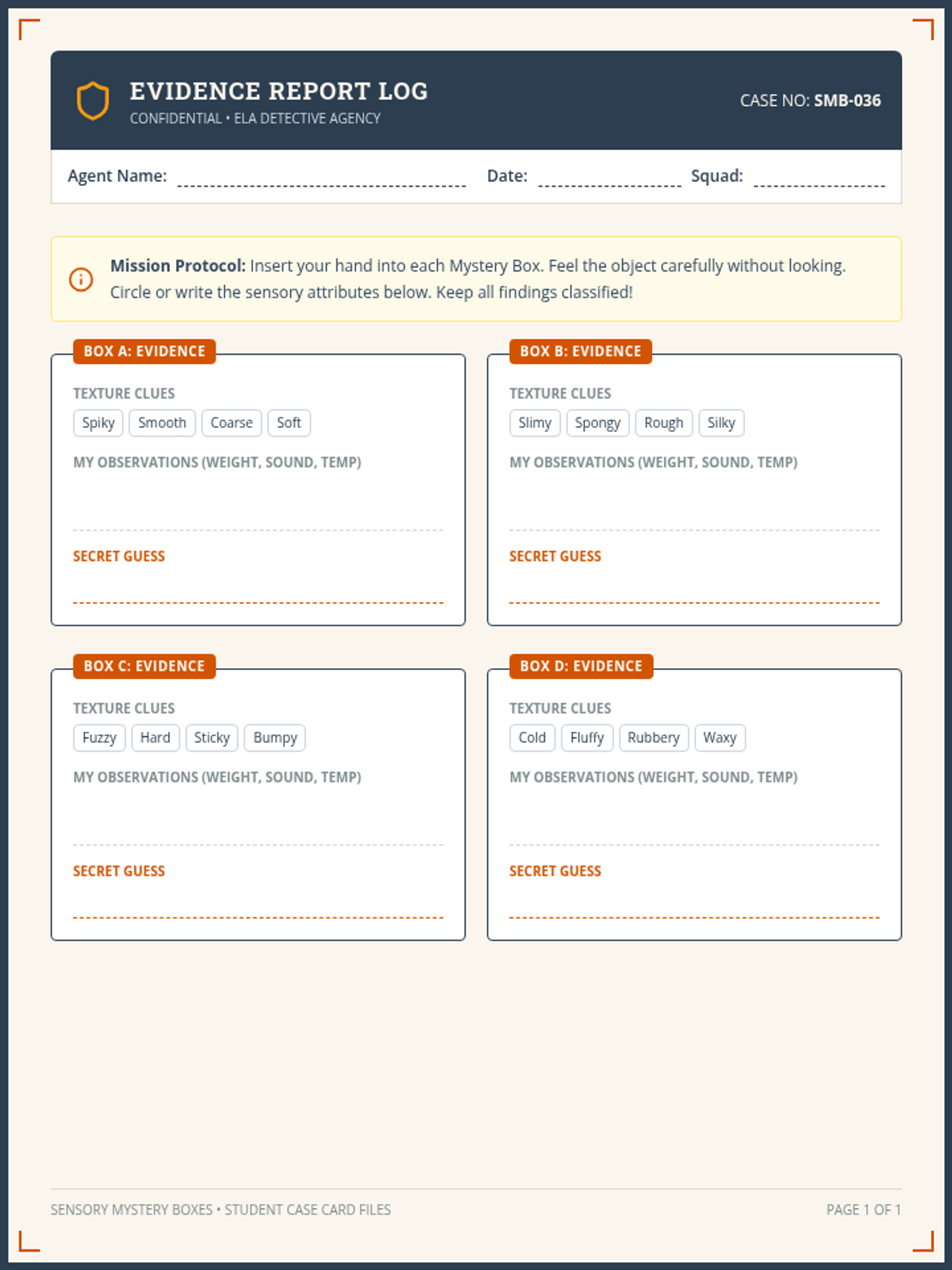
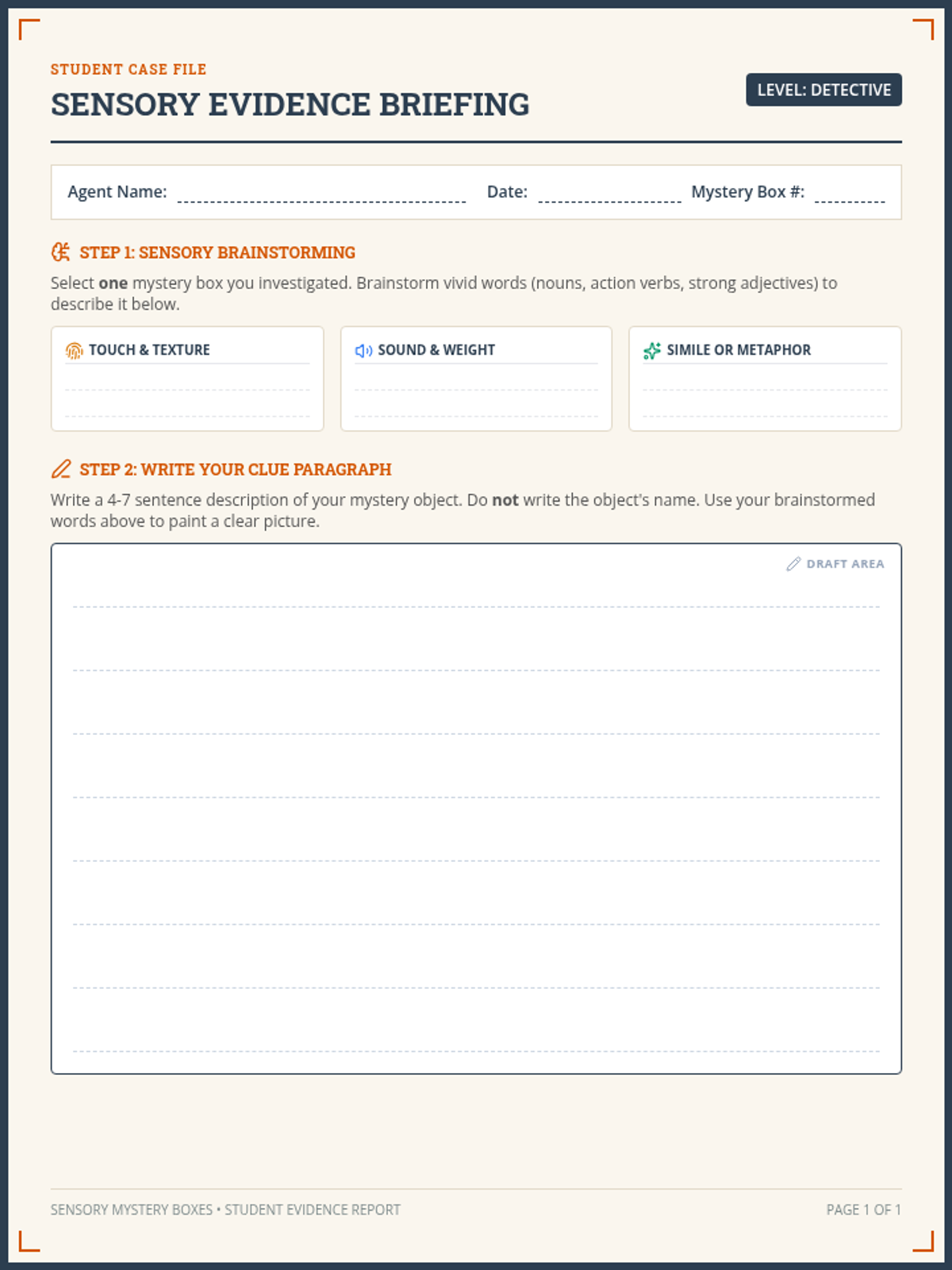
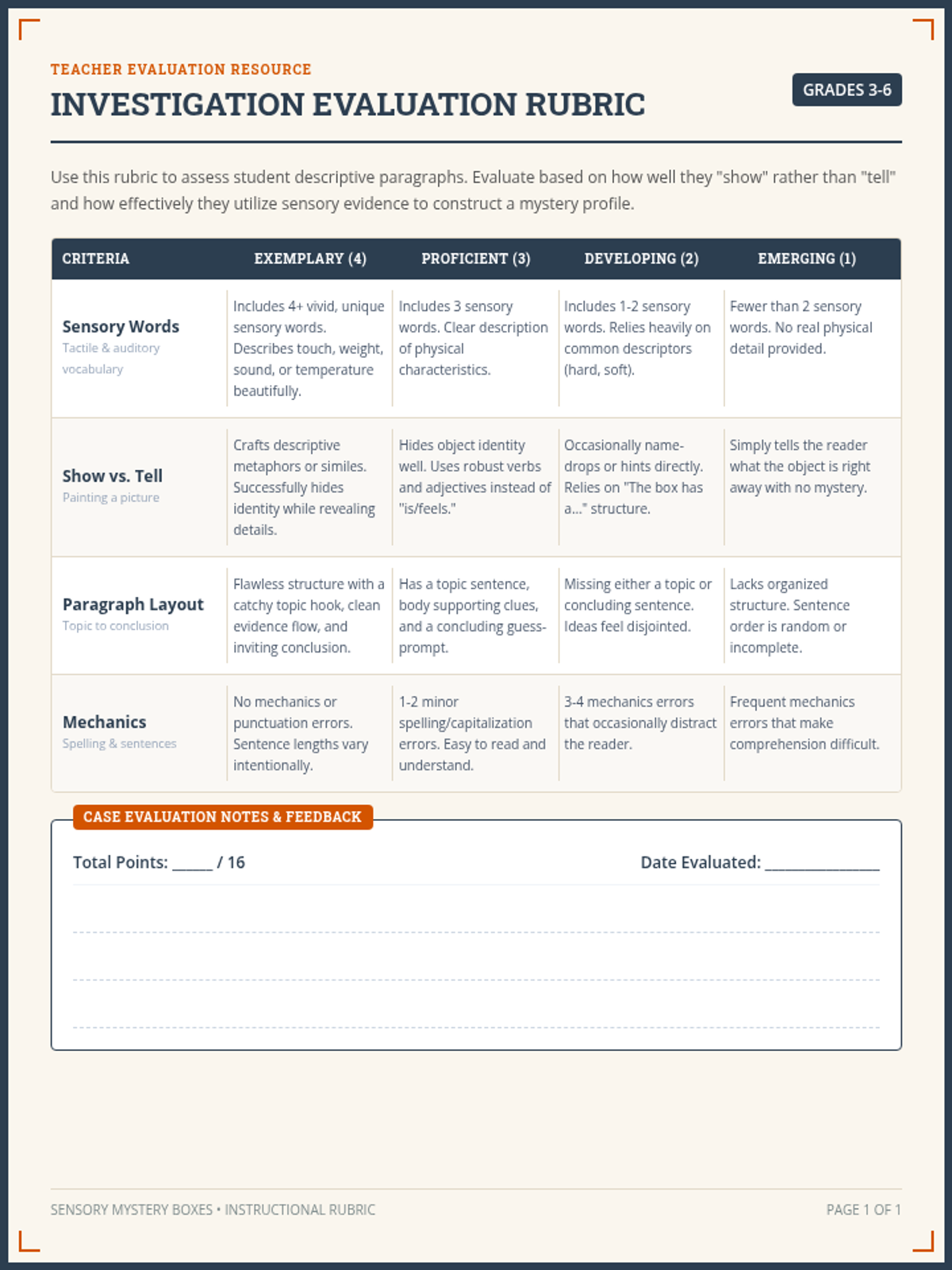
An immersive, multi-sensory ELA lesson designed for grades 3-6 to unlock descriptive writing. Students explore mystery tactile objects, build sensory vocabulary, and compose descriptive paragraphs.
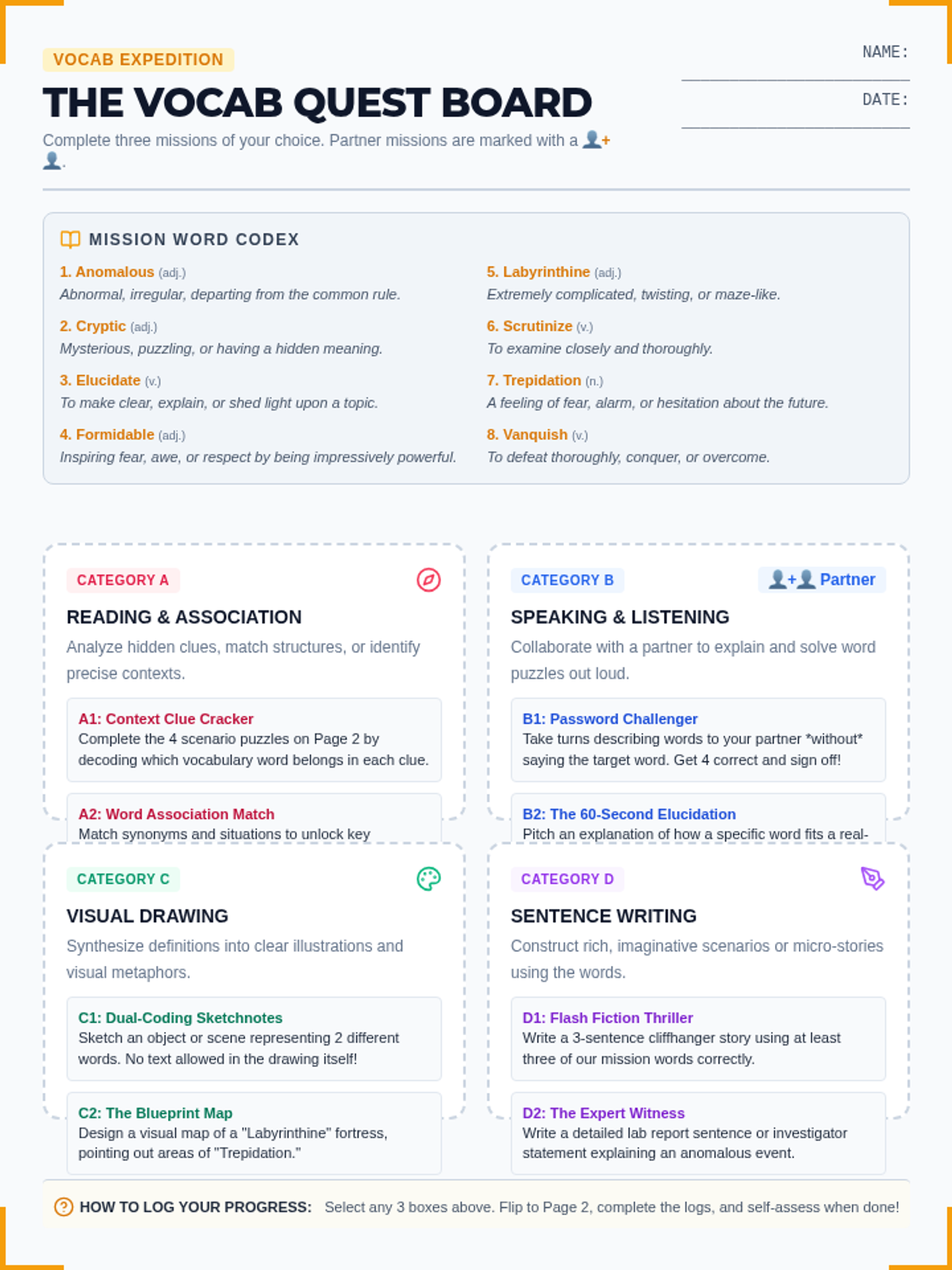
A vocabulary review lesson utilizing a thematic Choice Board Matrix, focusing on critical thinking, collaborative partner speaking, reading comprehension, visual sketching, and creative writing.
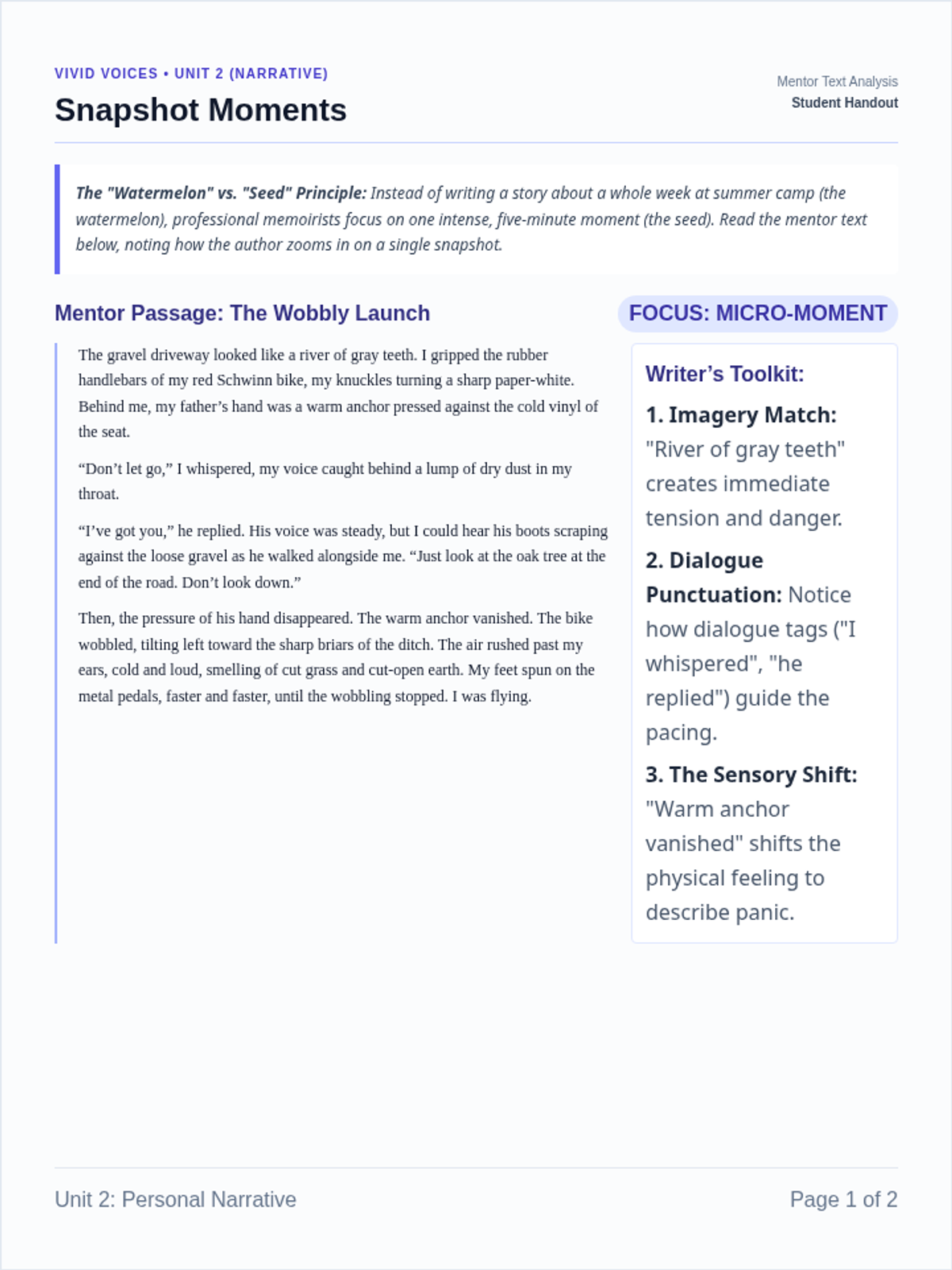
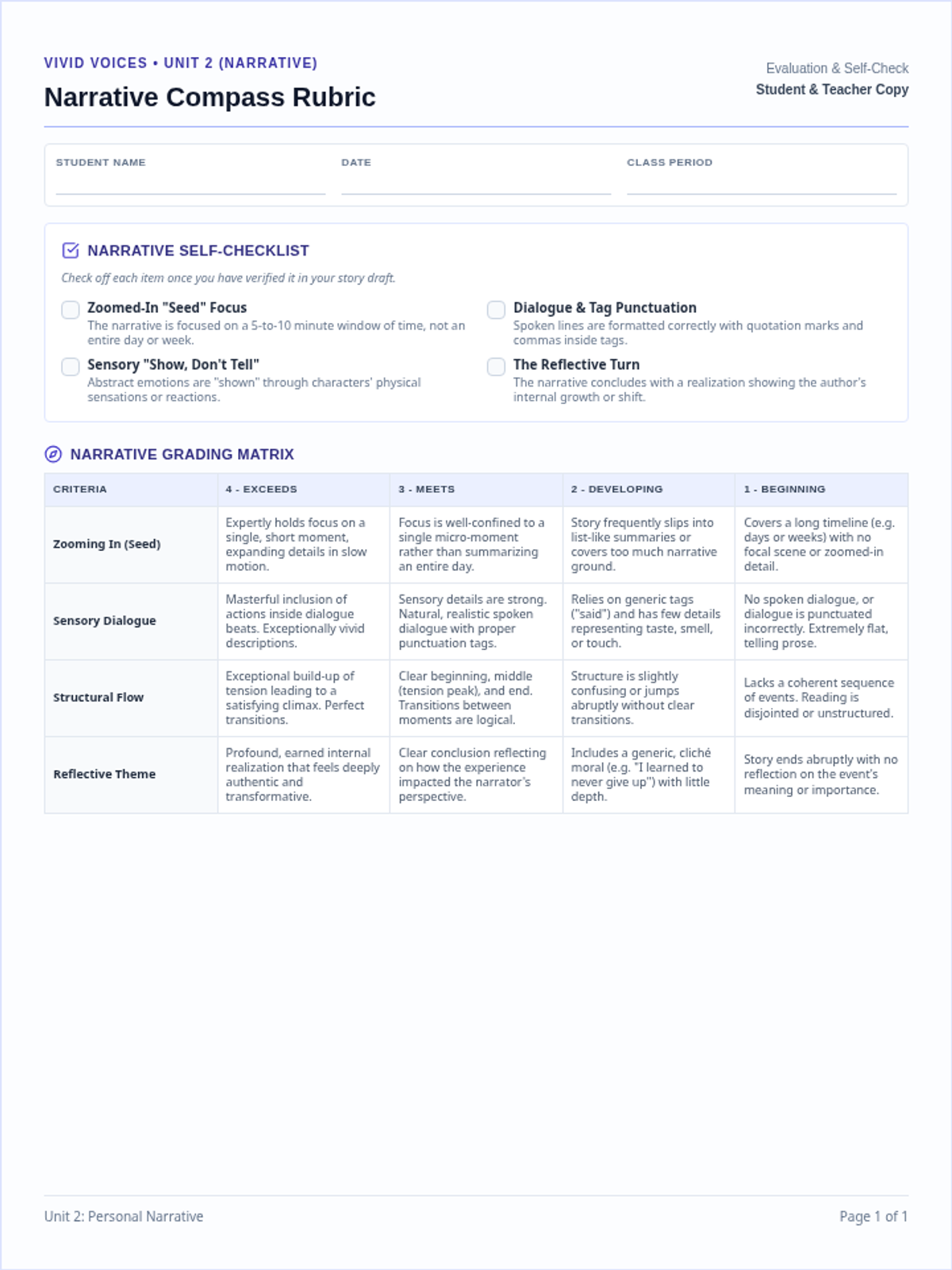
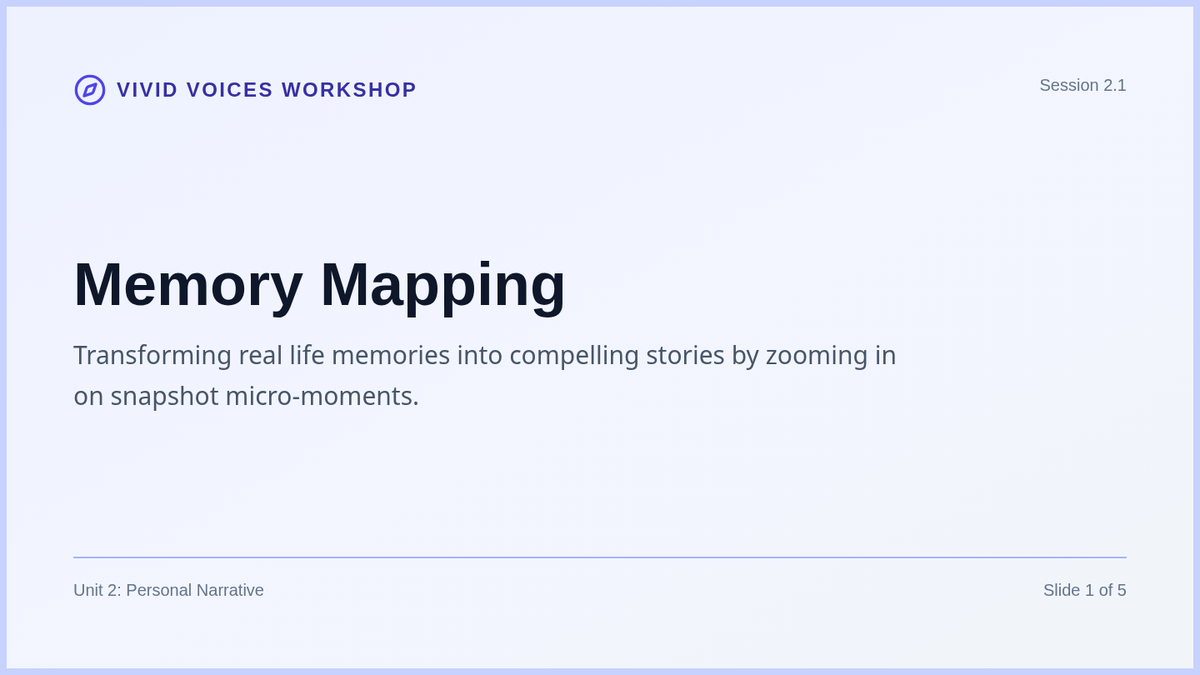
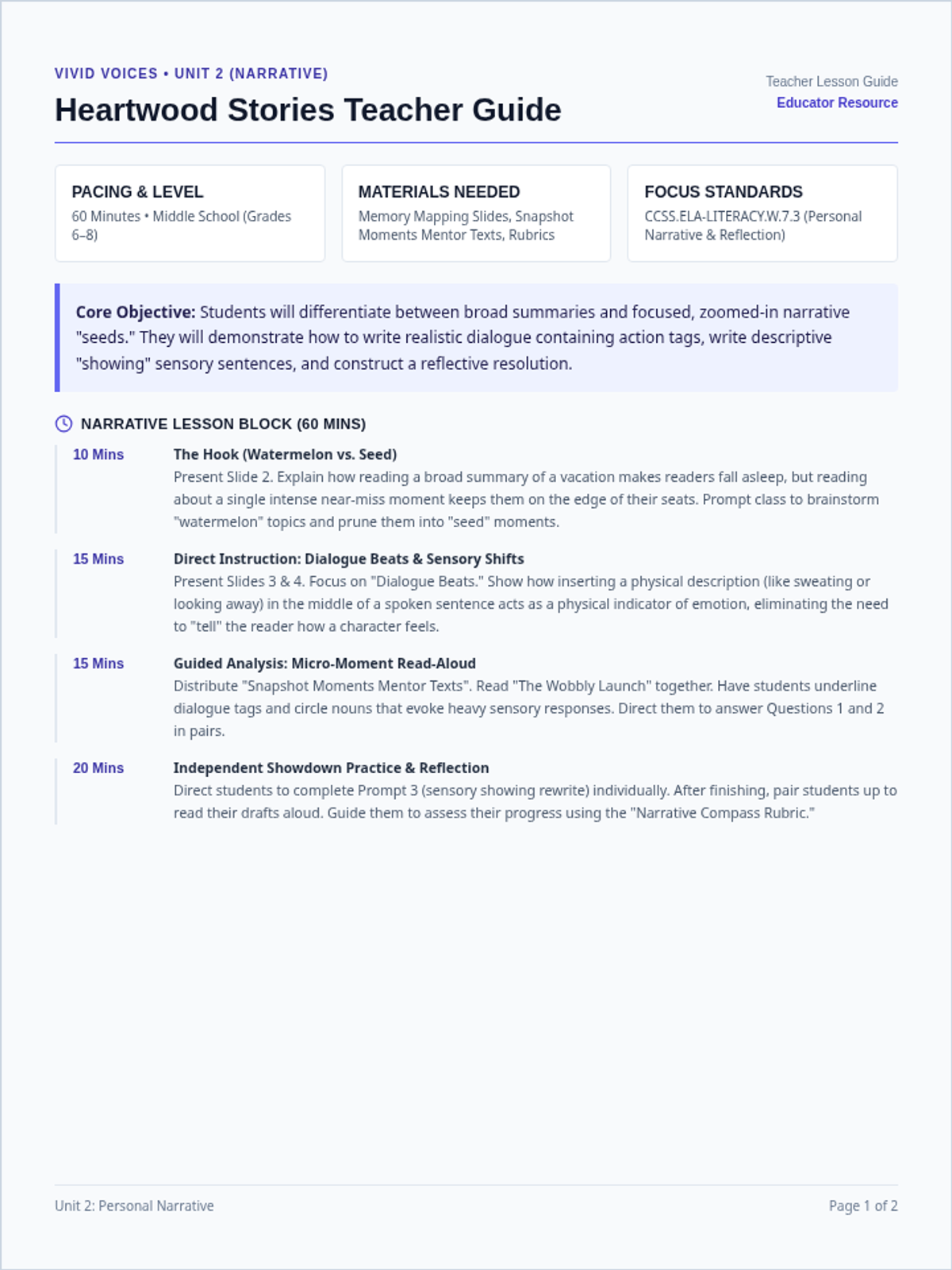
A journey into transforming real-life memories into vivid prose. Students practice zooming in on 'snapshot moments', writing realistic dialogue, and developing authentic reflective themes.
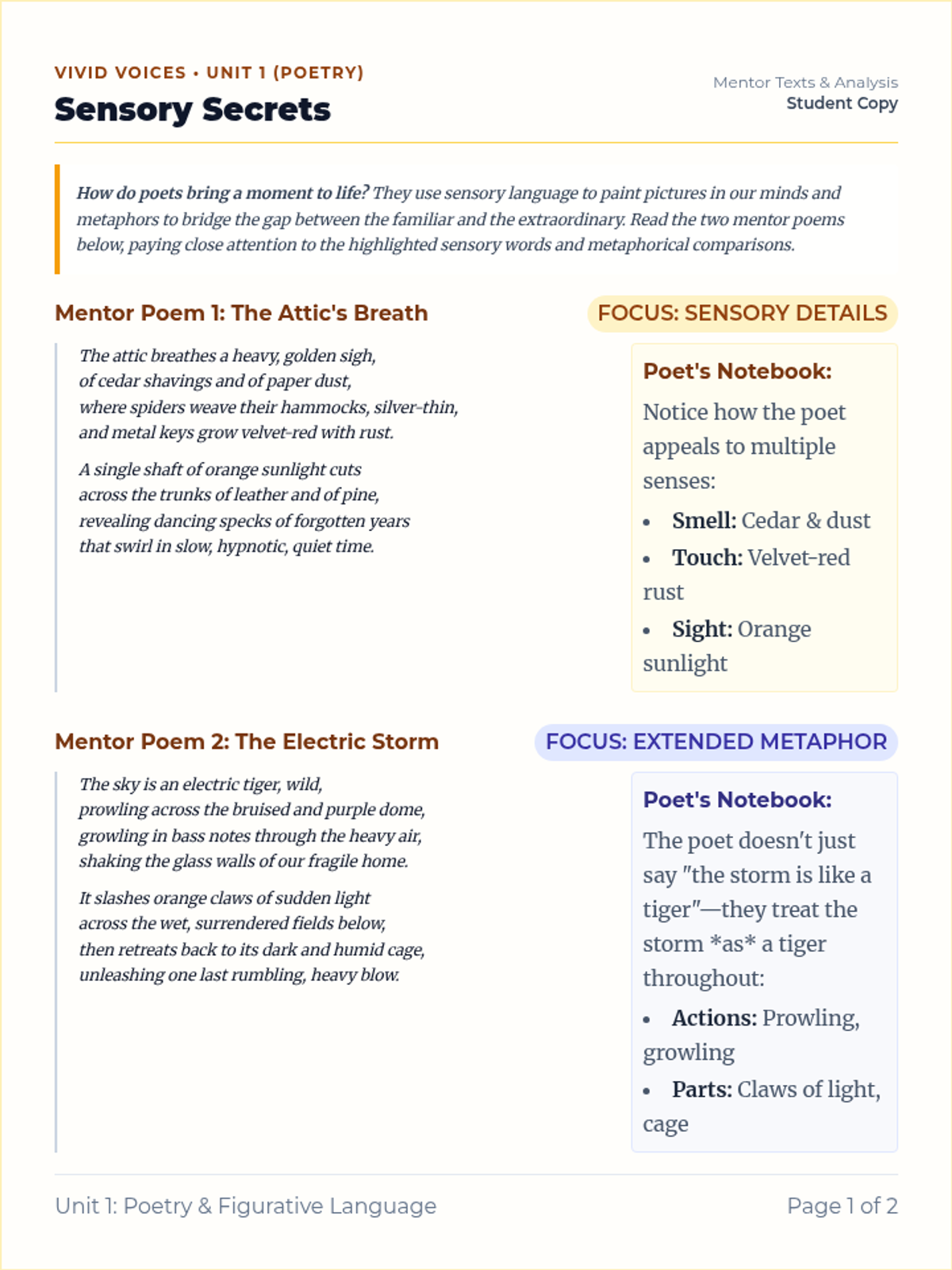
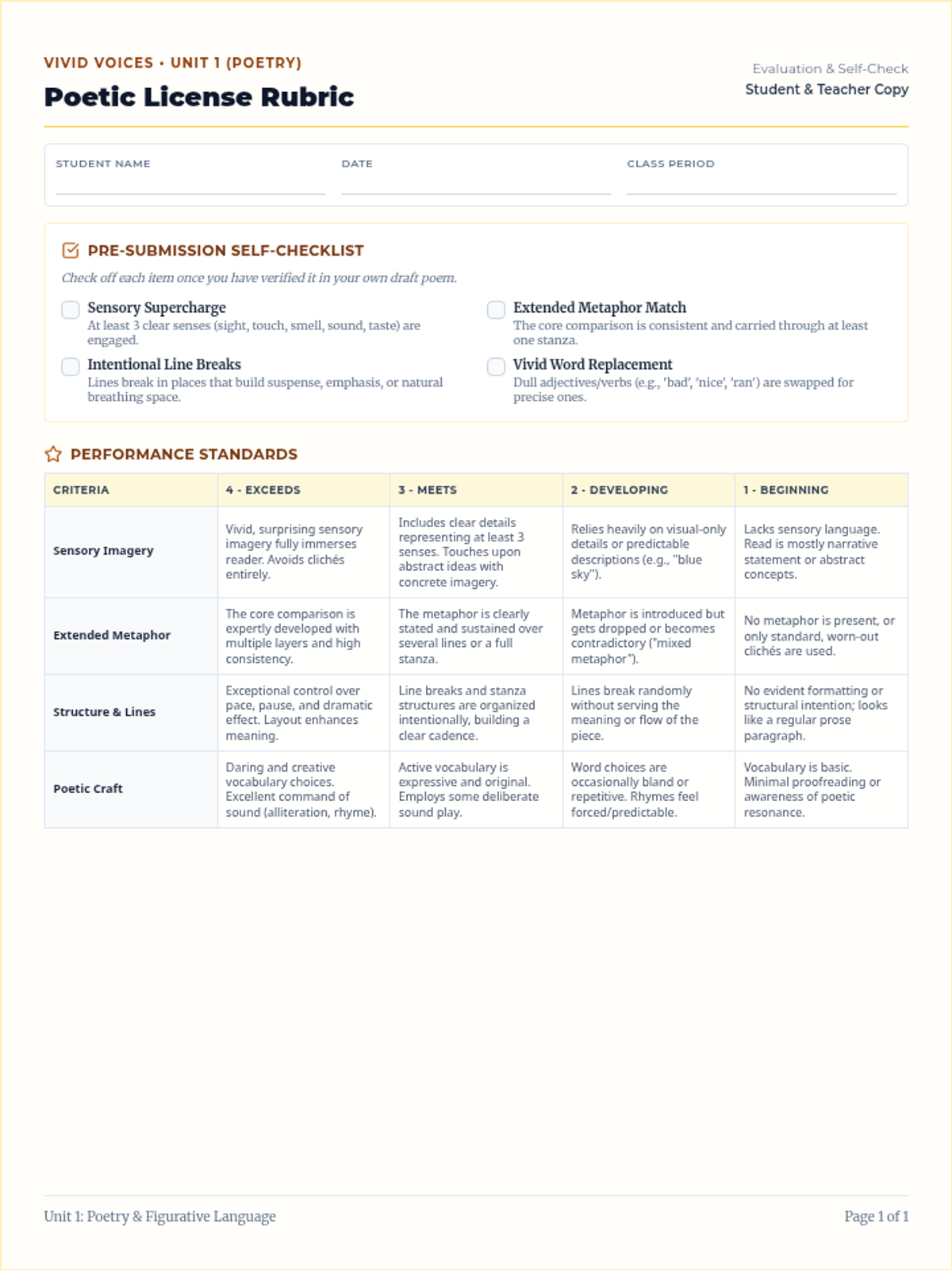
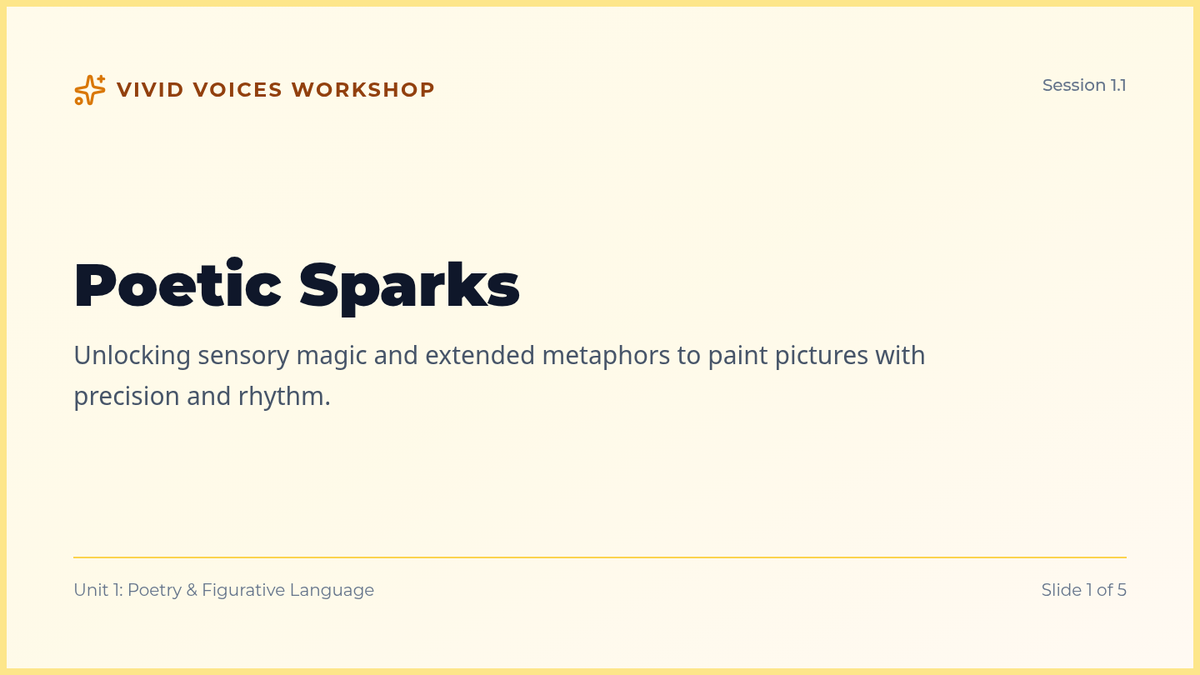
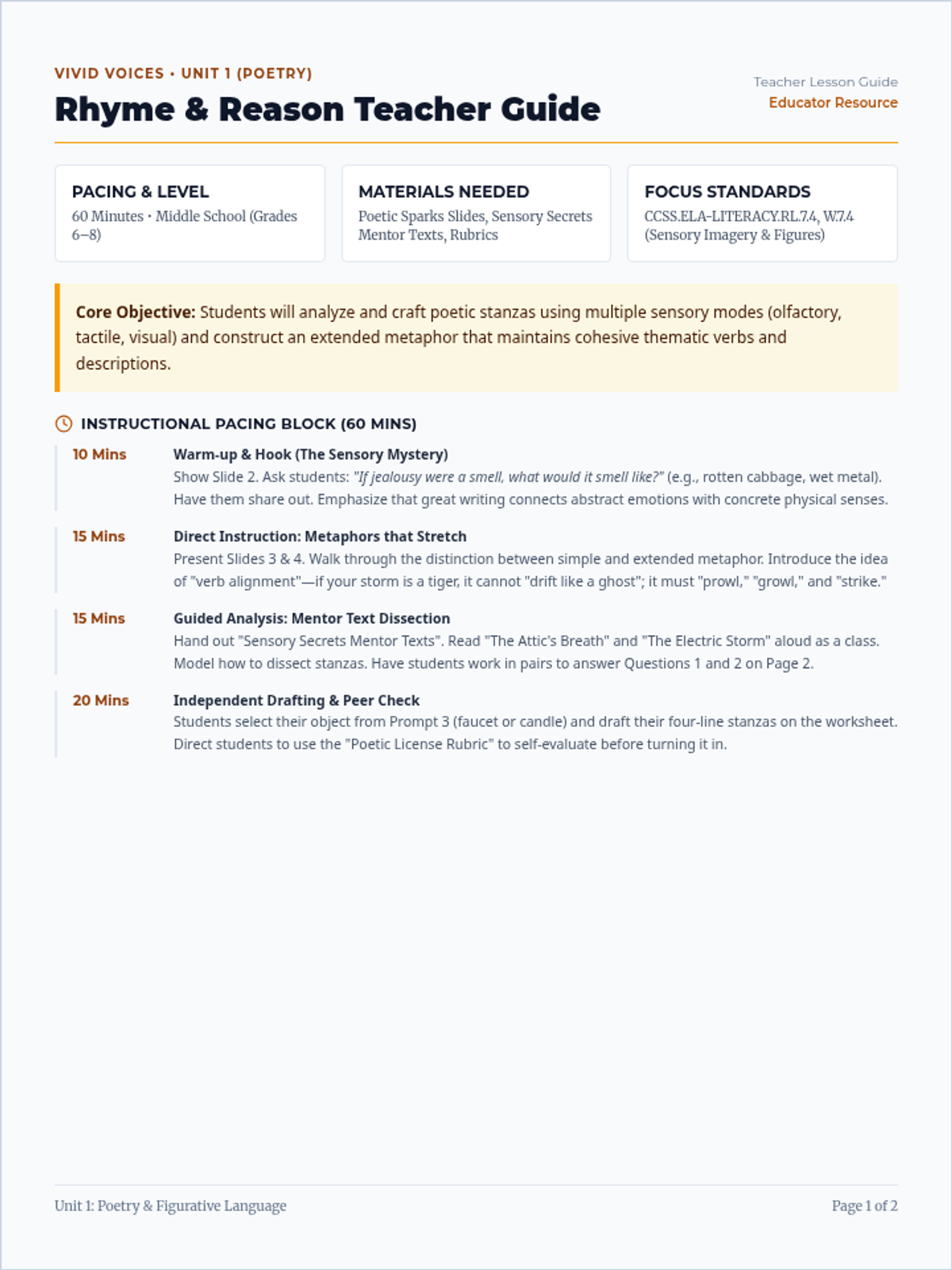
An immersive exploration of sensory imagery, metaphor, rhythm, and structure. Students examine classic and modern mentor poems and draft original pieces using figurative language.
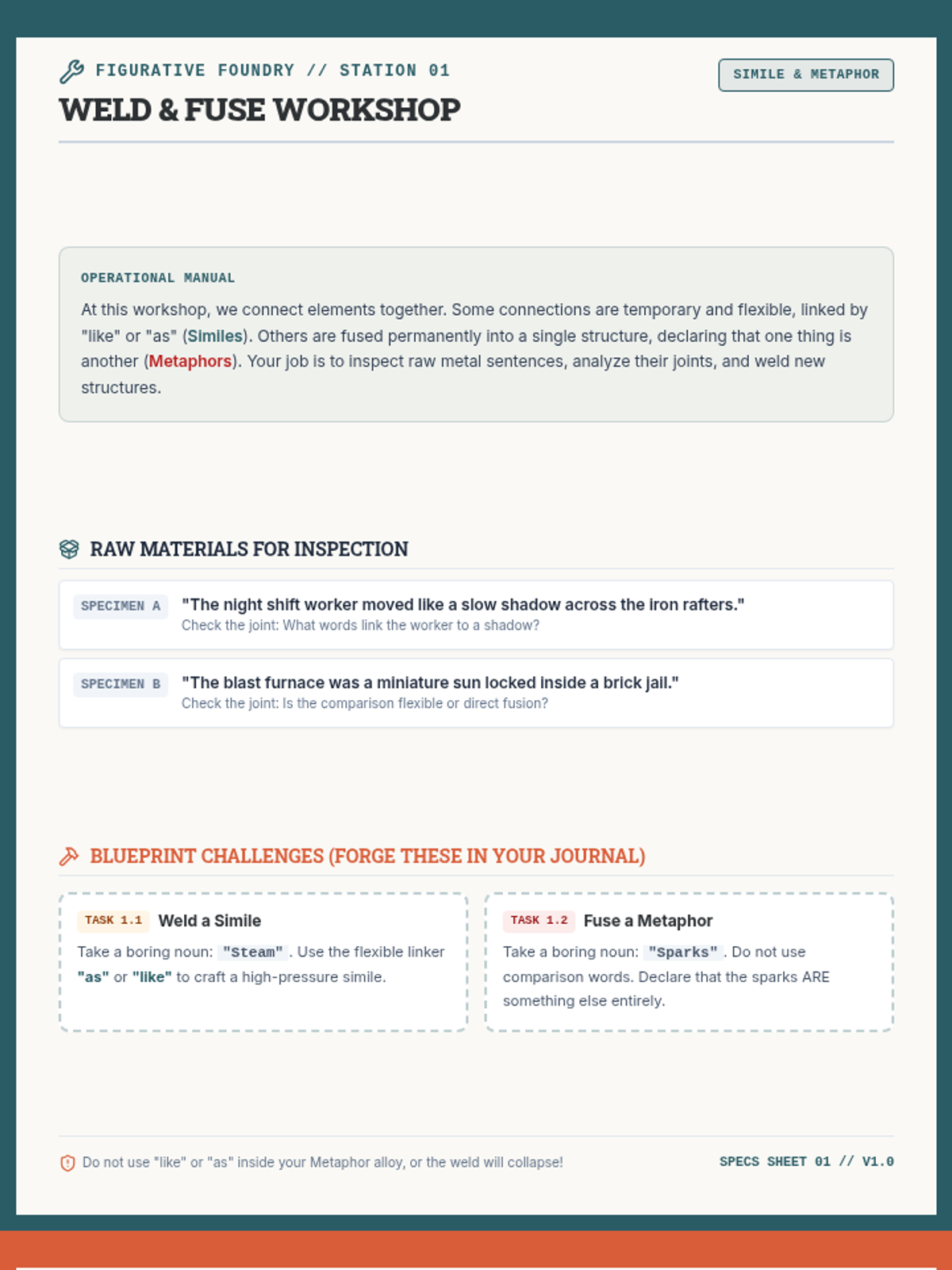
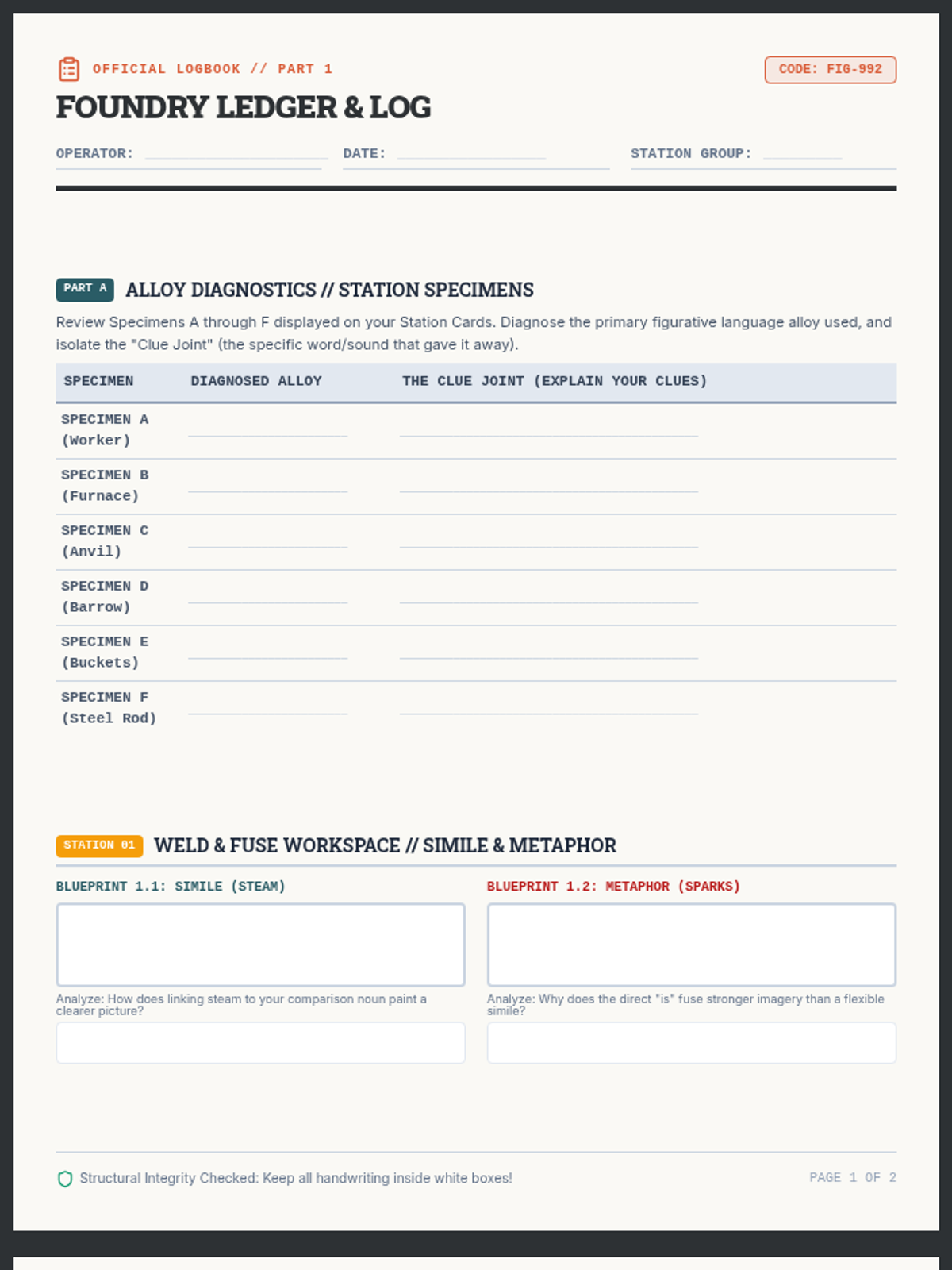
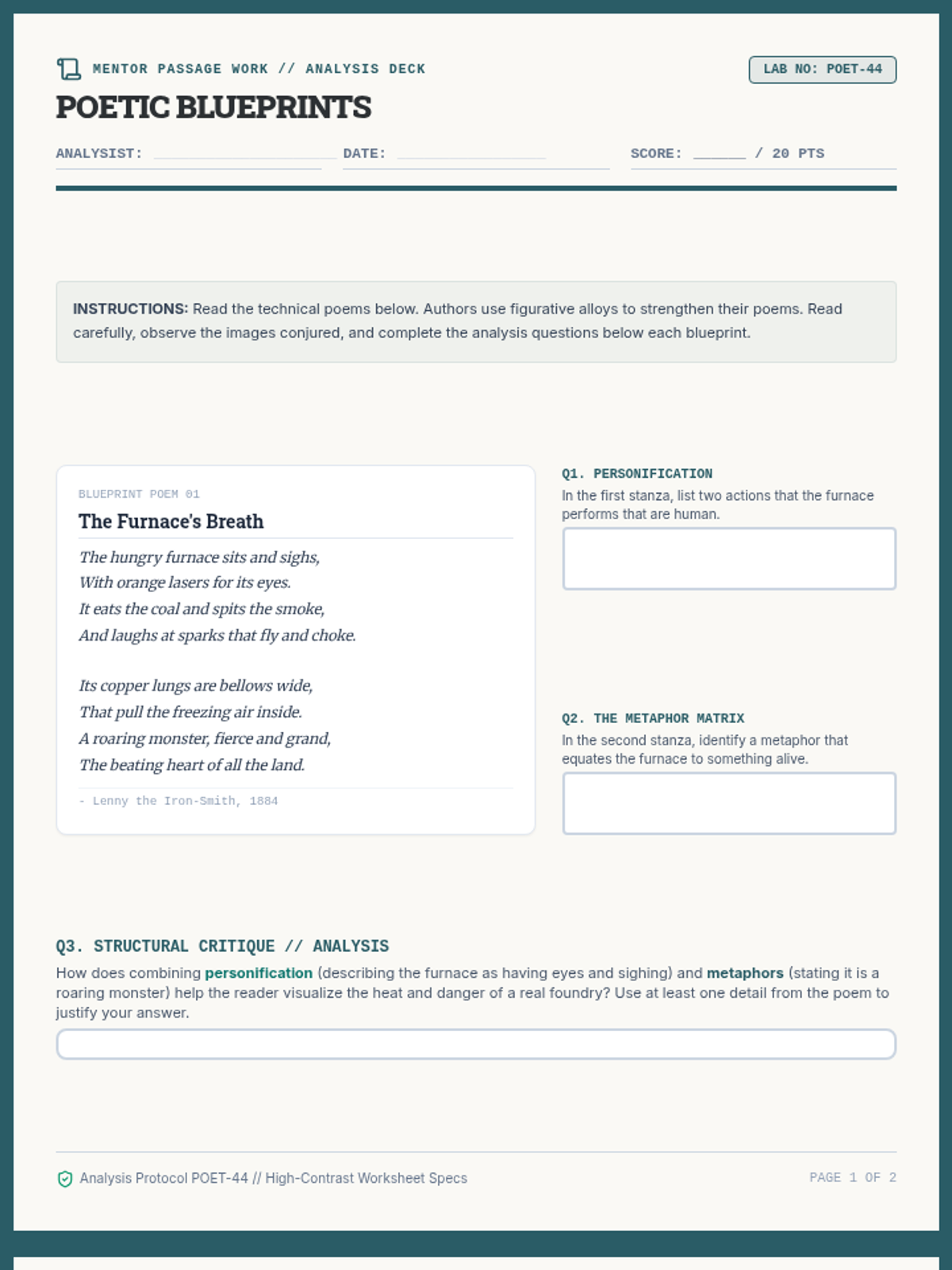
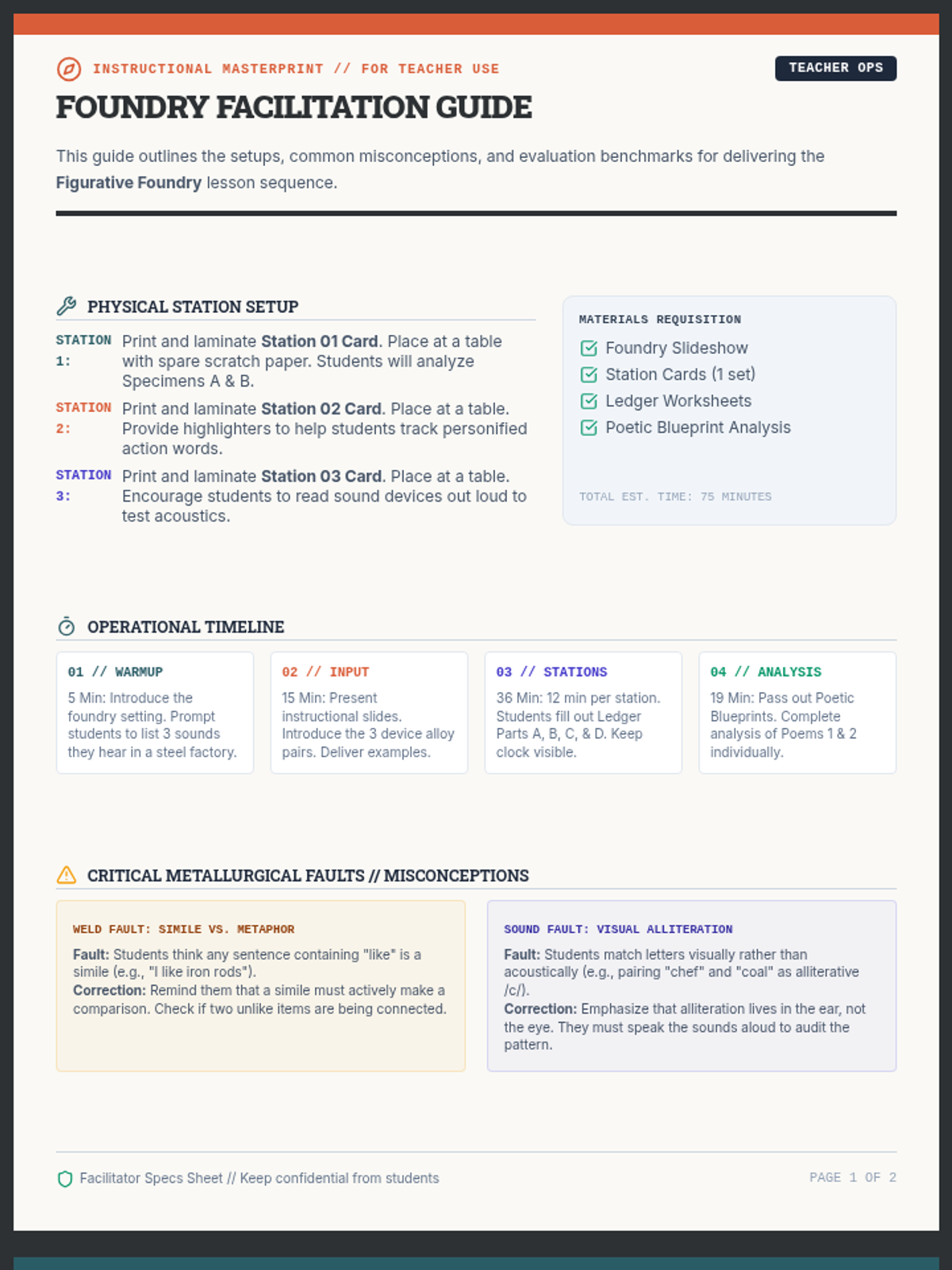
An immersive, hands-on lesson exploring six major types of figurative language through structured station activities, a collaborative workshop, mentor poetry analysis, and an interactive slideshow. Students learn to identify, analyze, and craft similes, metaphors, personification, hyperboles, alliteration, and onomatopoeia.
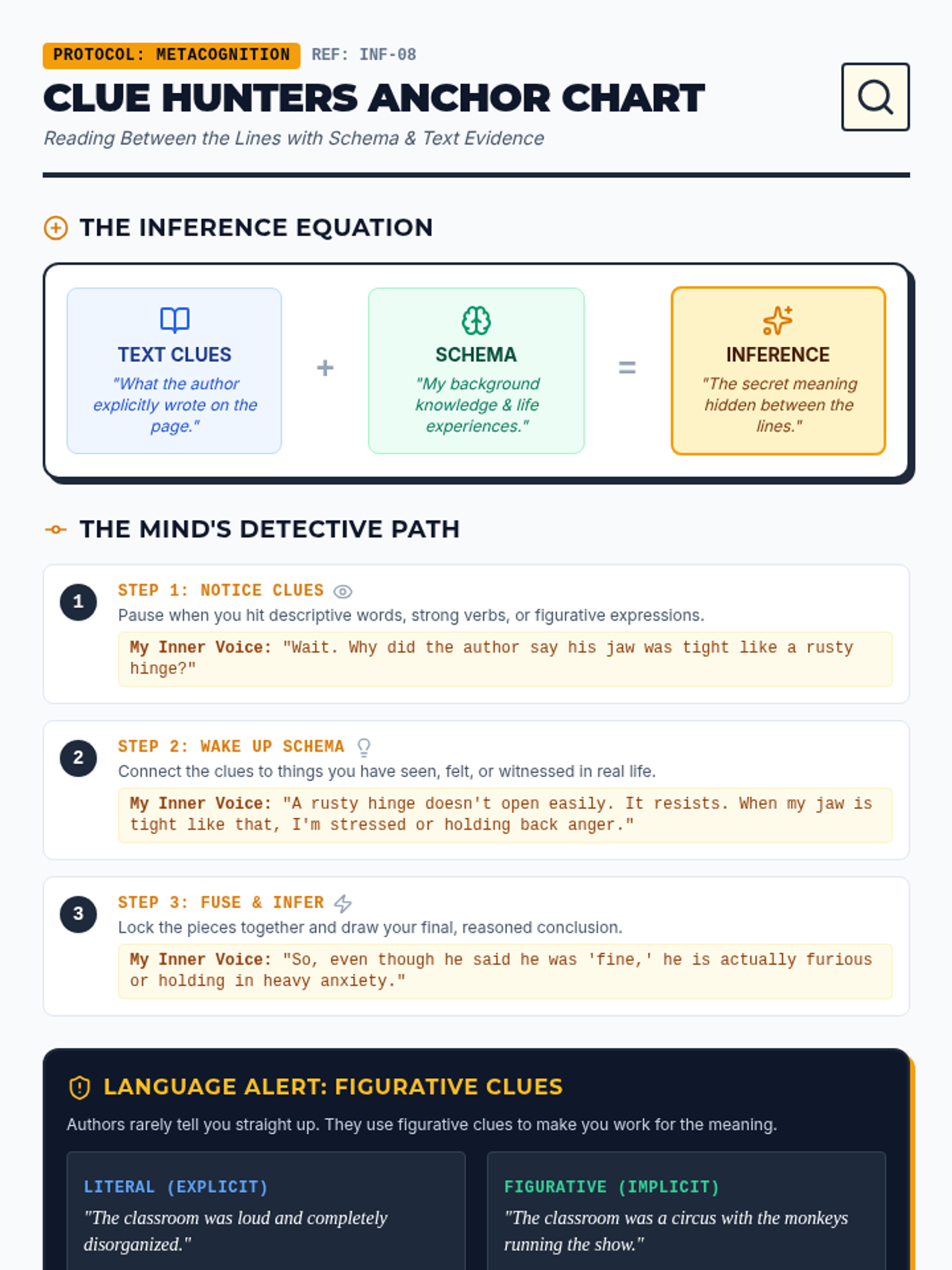
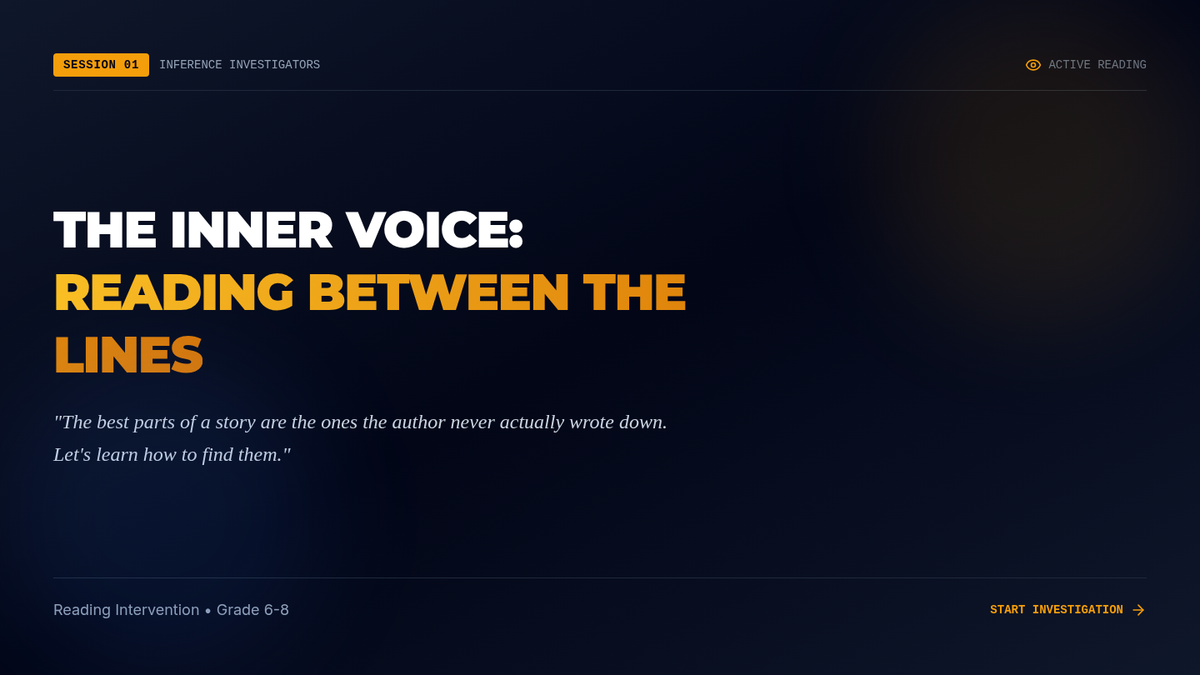
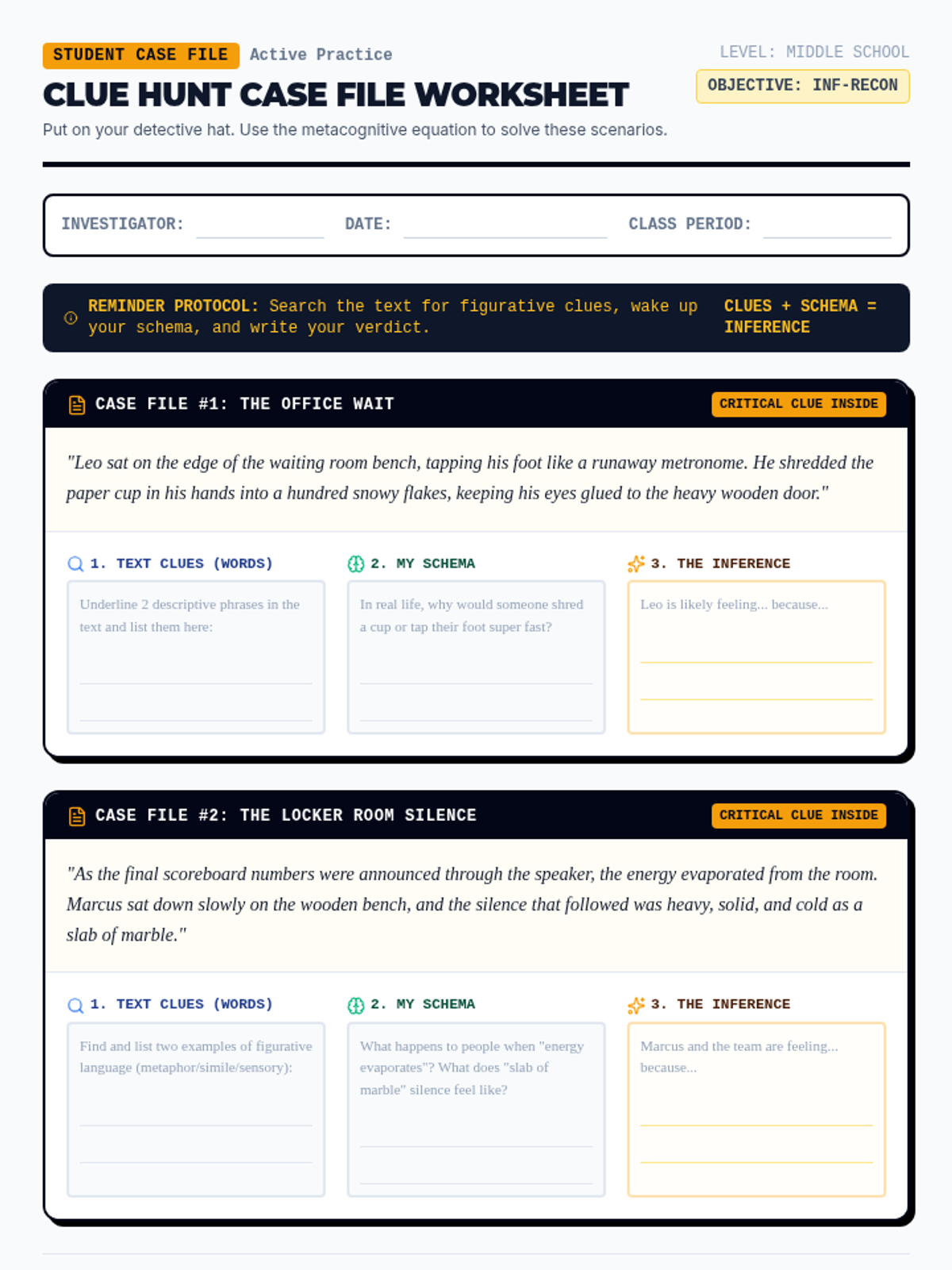
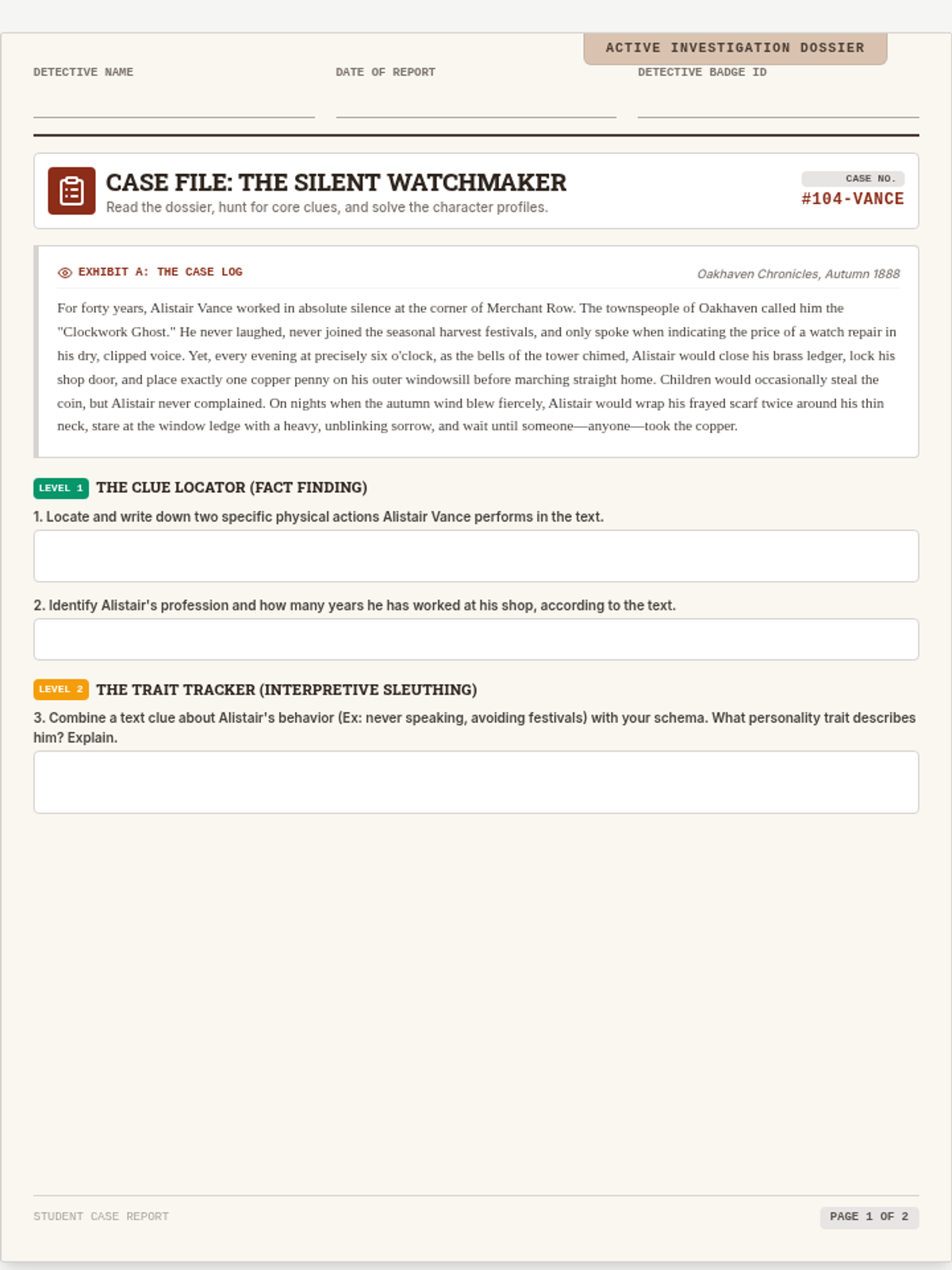
A middle school reading intervention lesson focusing on language and inference. Through metacognitive anchor charts, a guided presentation, and a structured case file worksheet, students learn to combine text clues with personal schema to decode figurative language and draw deep inferences.
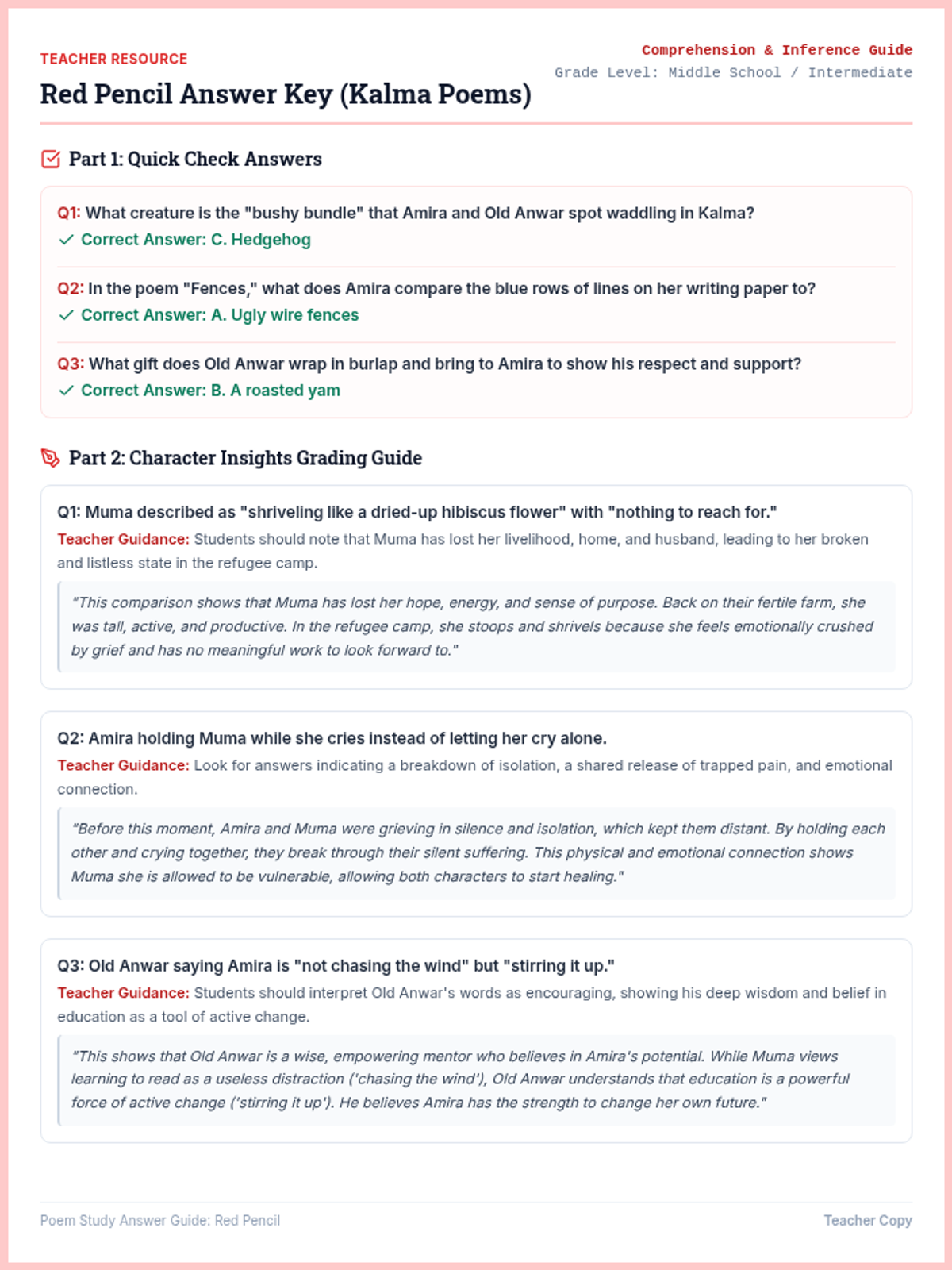
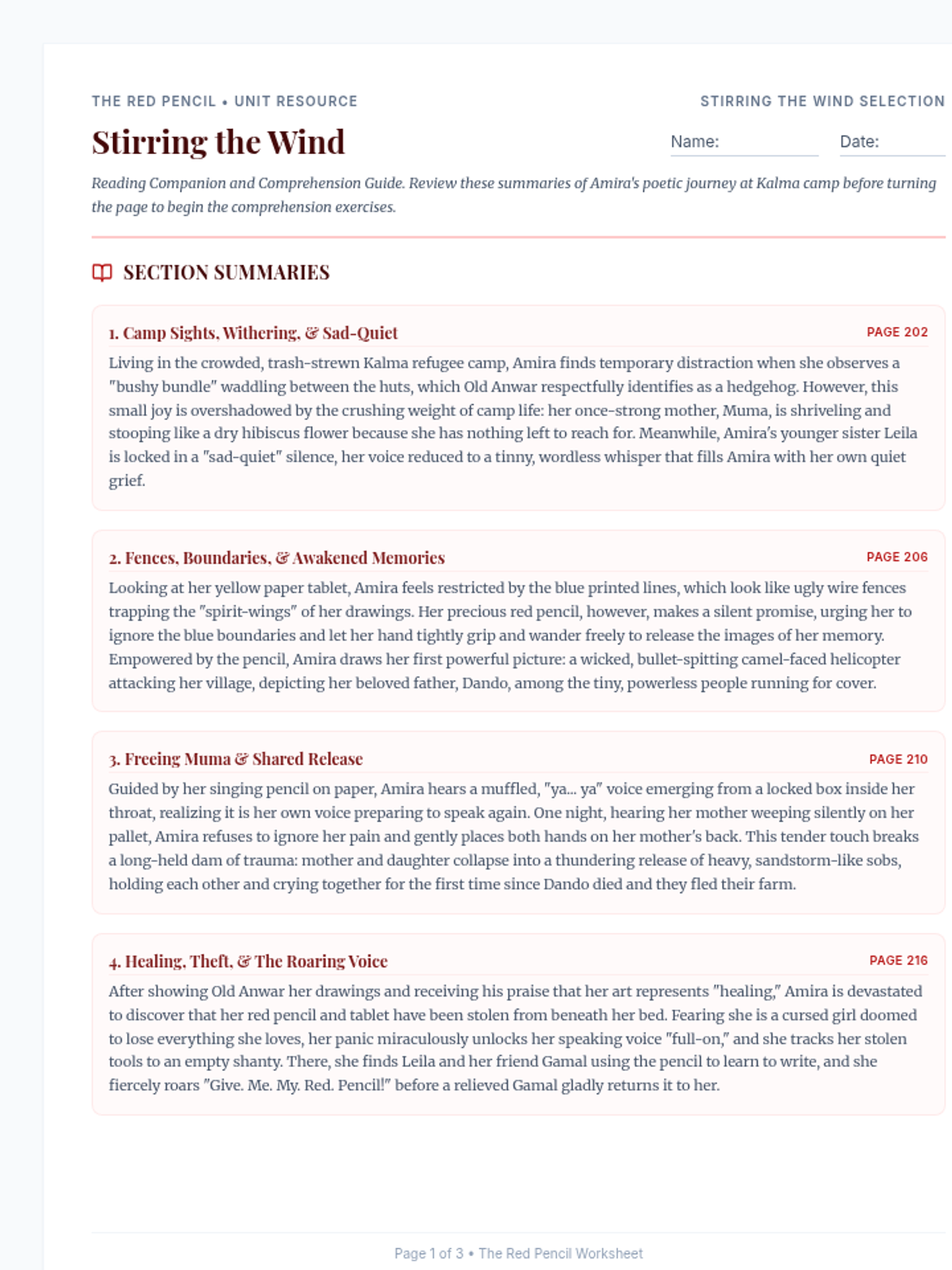
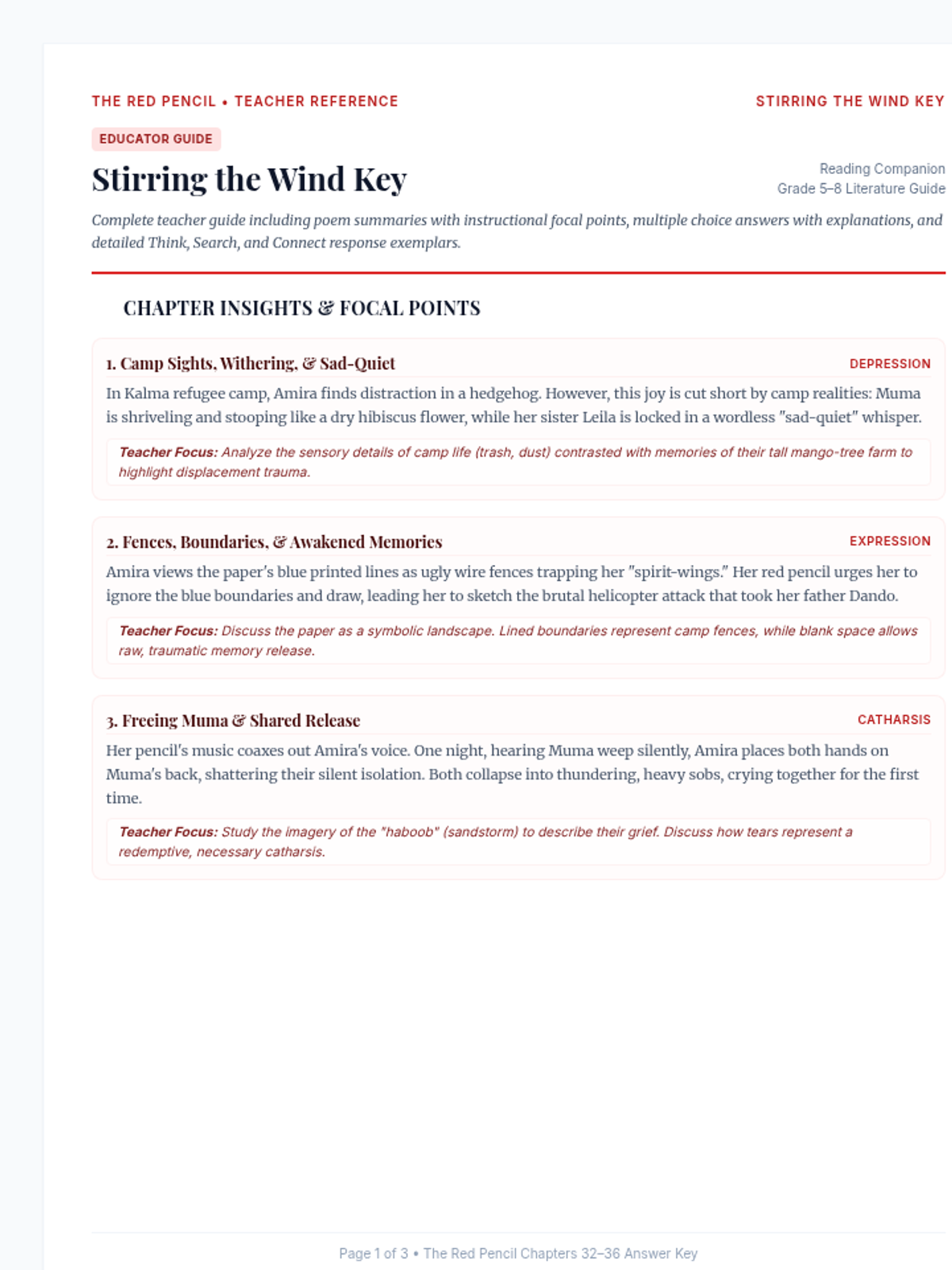
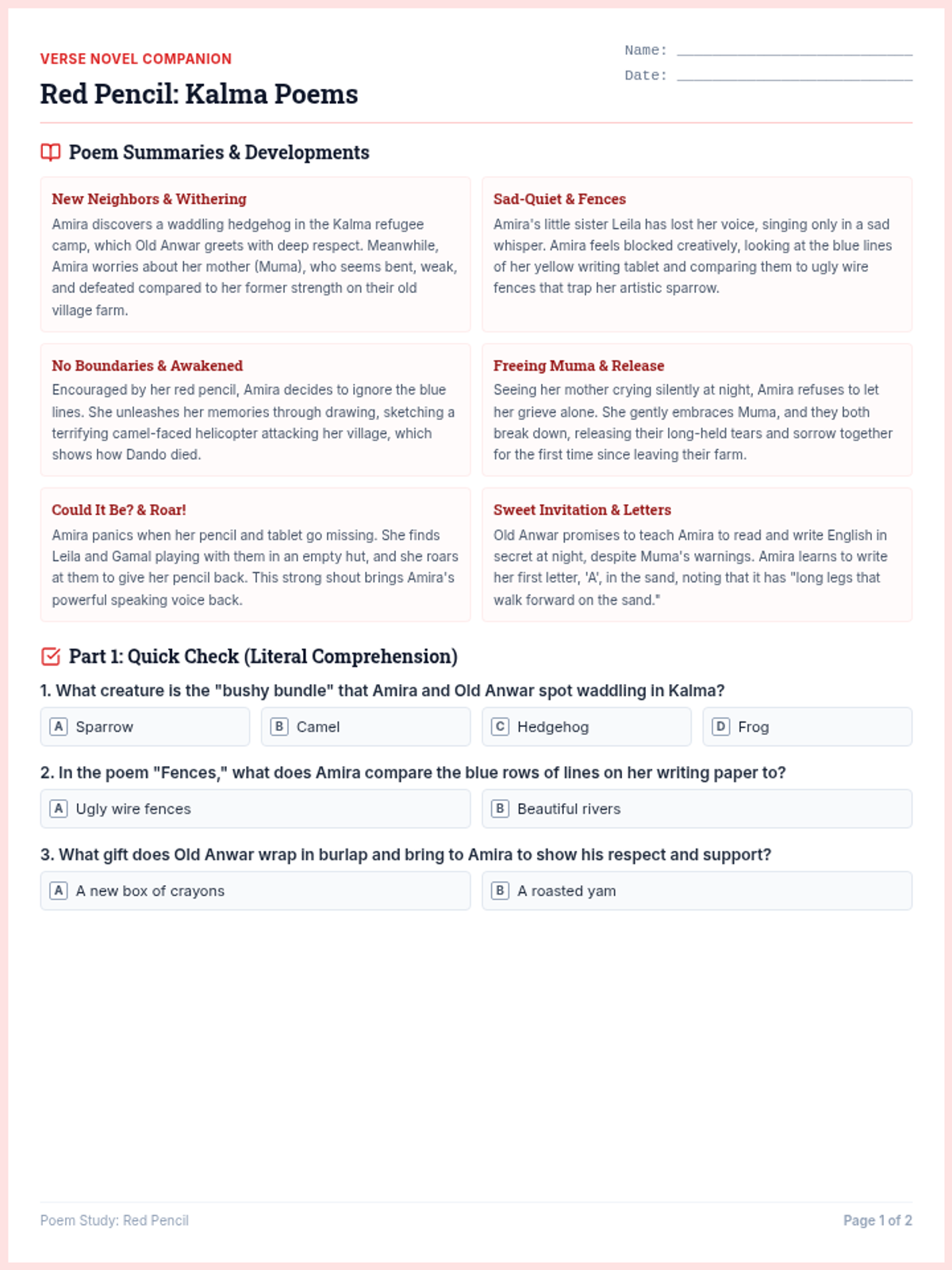
An exploration of Andrea Davis Pinkney's 'The Red Pencil'. Amira navigates the trauma of Kalma refugee camp, finding her voice and healing through her red pencil, secret nighttime reading lessons, and a powerful shared release of grief with her mother.
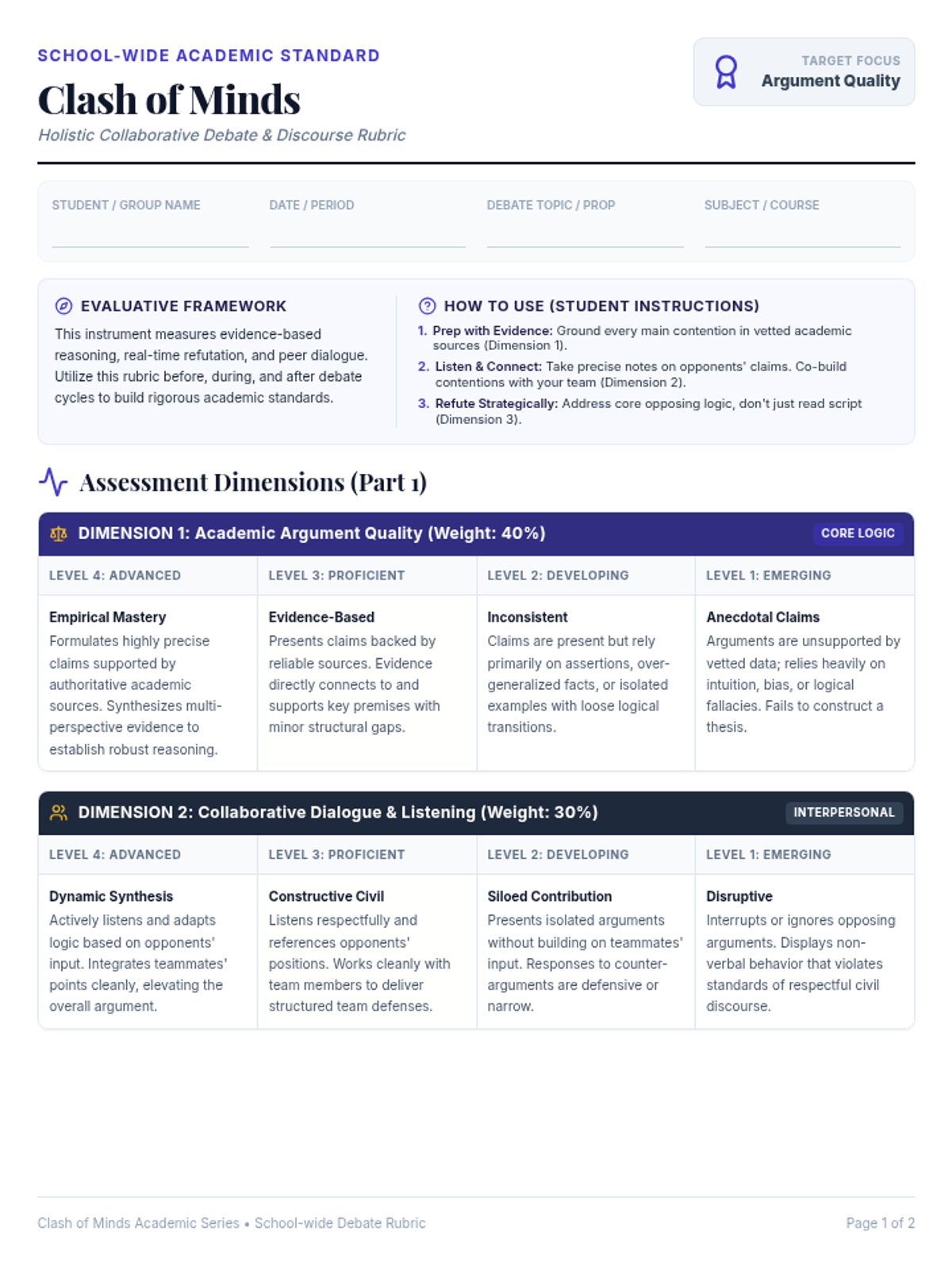
A foundational lesson containing frameworks and evaluative tools to support rigorous, evidence-based collaborative debate. It focuses on elevating academic argument quality, critical thinking, and respectful civil dialogue across different subjects and grade levels.
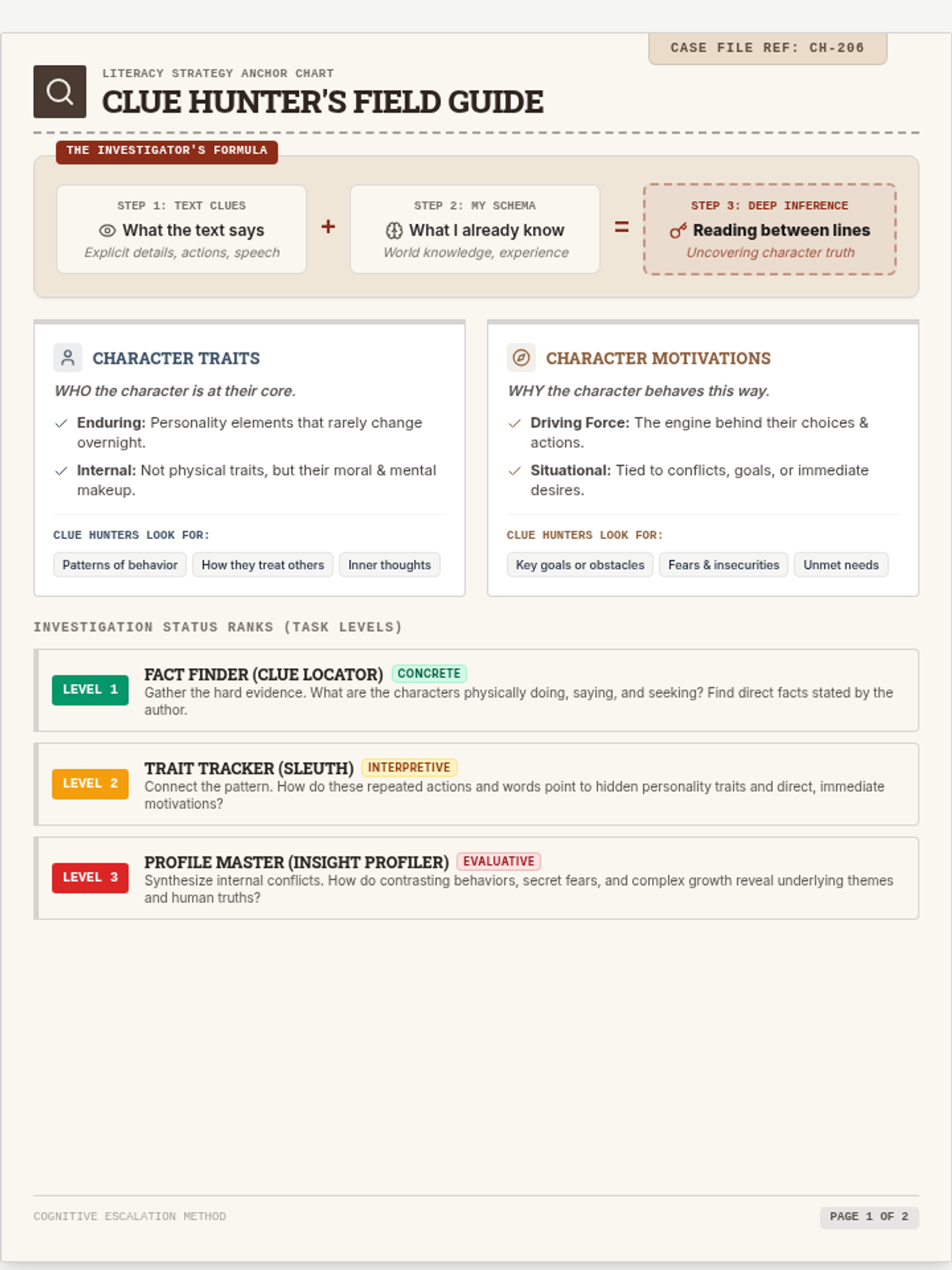
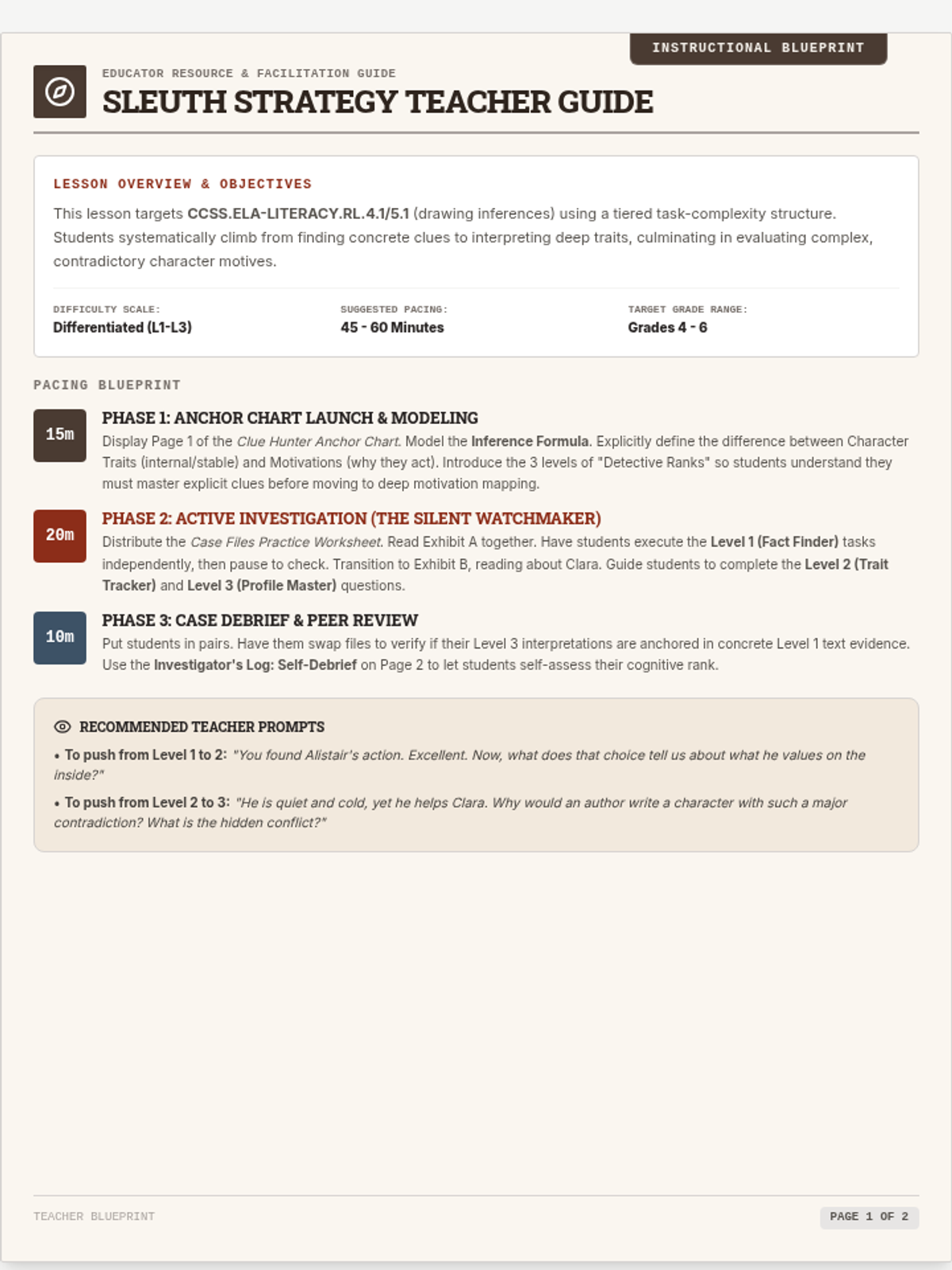
A differentiated lesson focused on character analysis. Students learn to hunt for textual clues and combine them with personal schema to uncover character traits and deep-seated motivations, structured across three escalating levels of task complexity (Fact Finding, Trait Tracking, and Motive Mapping).
An exploration of Chapters 31-36 of 'Knead'. Alba works desperately to save Toni's traditional Barcelona bakery, confronting painful family history and social class barriers, before pitching a revolutionary, pun-filled new business plan to her grandmother.
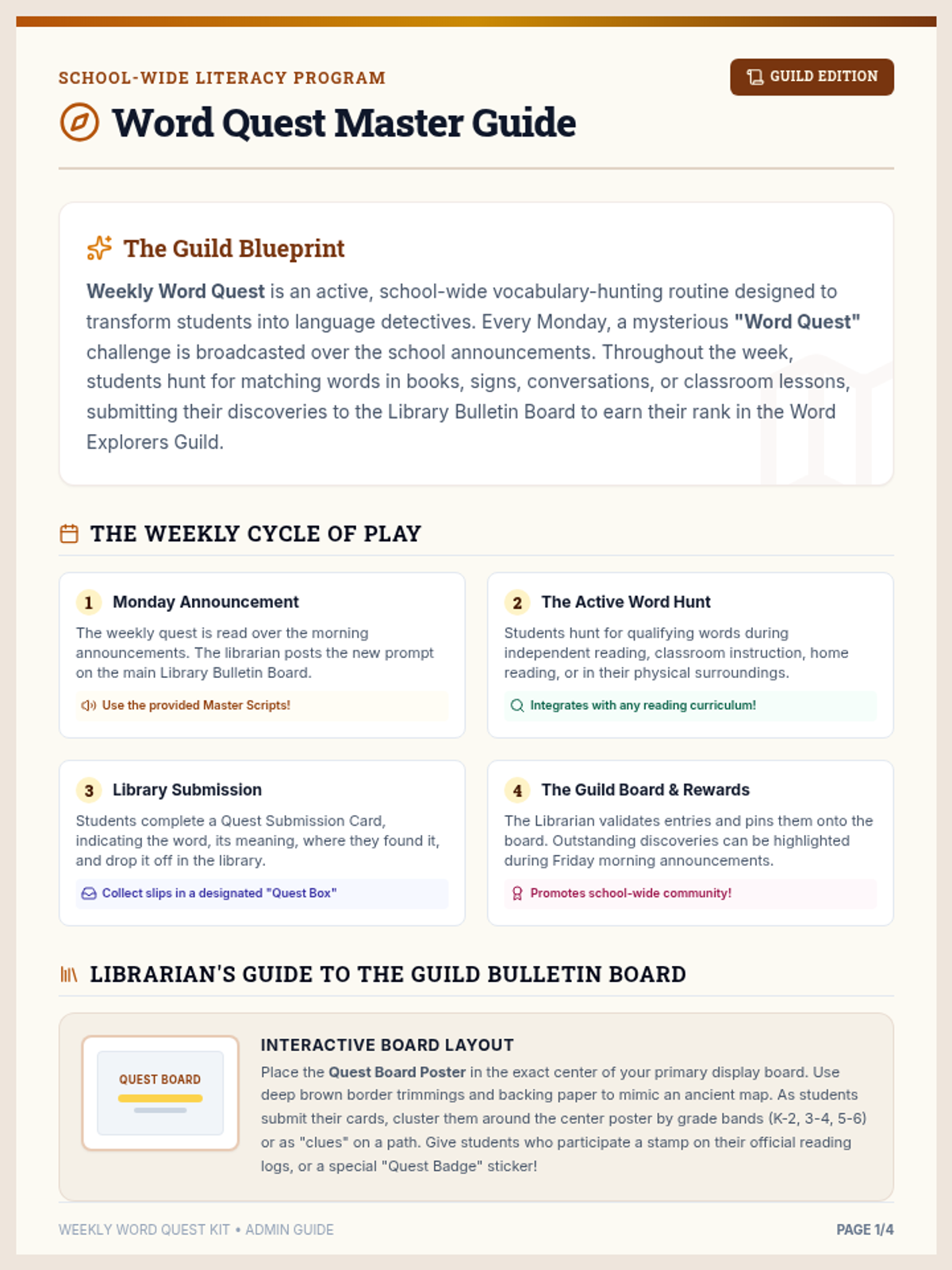
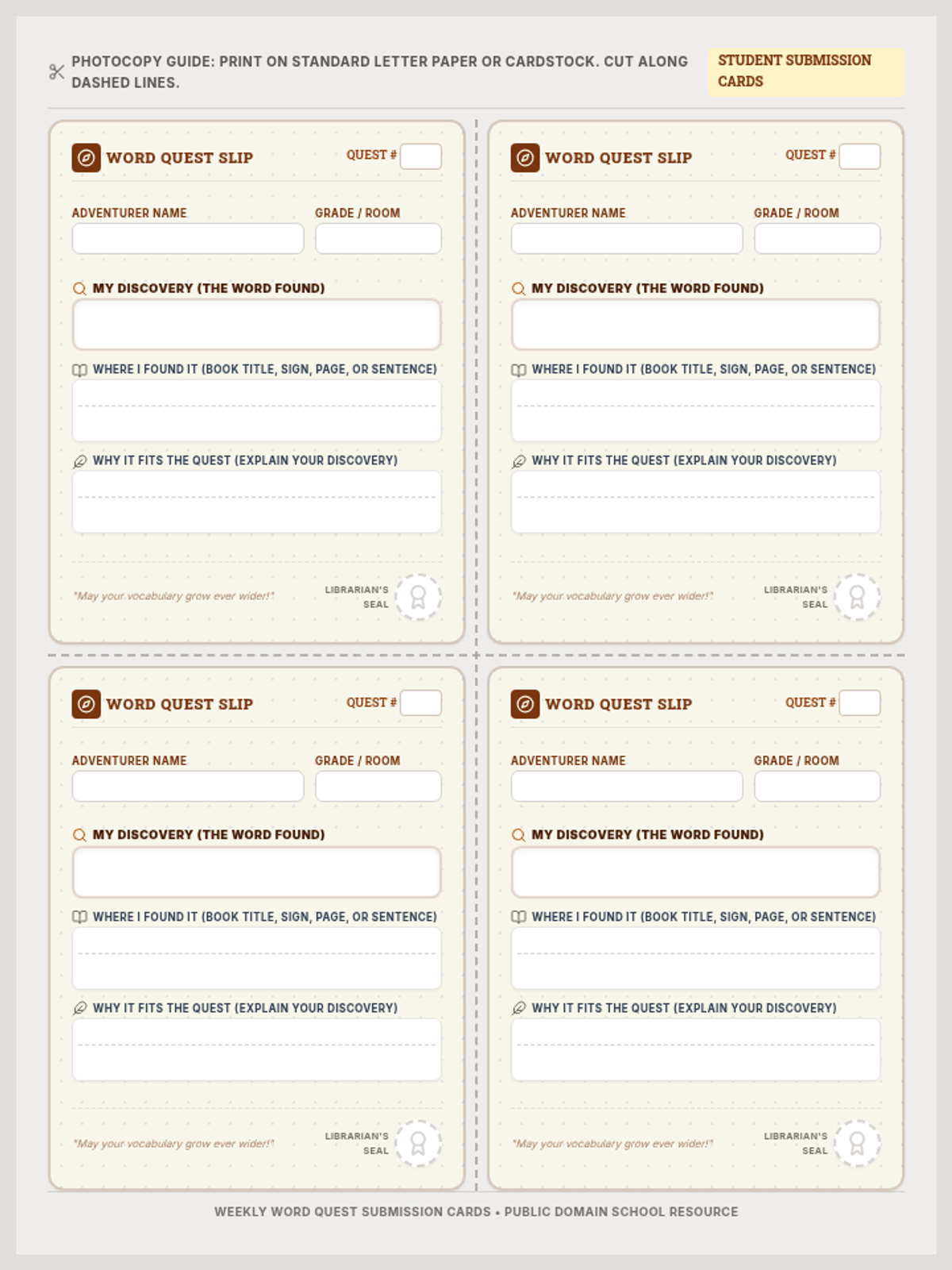
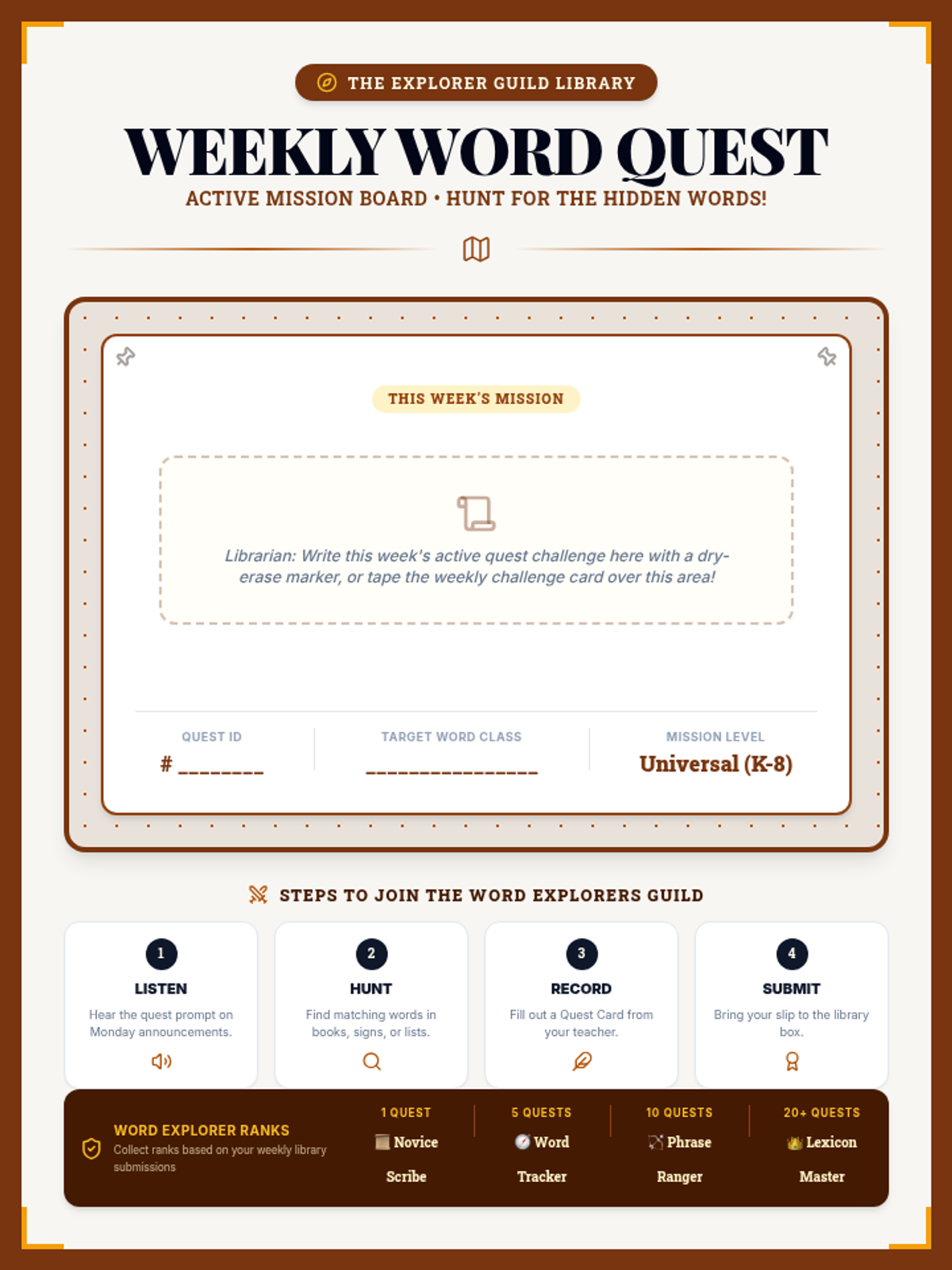
A comprehensive school-wide literacy program and implementation toolkit. Includes a 40-week master quest index, printable student submission slips, and a high-impact library bulletin board poster.
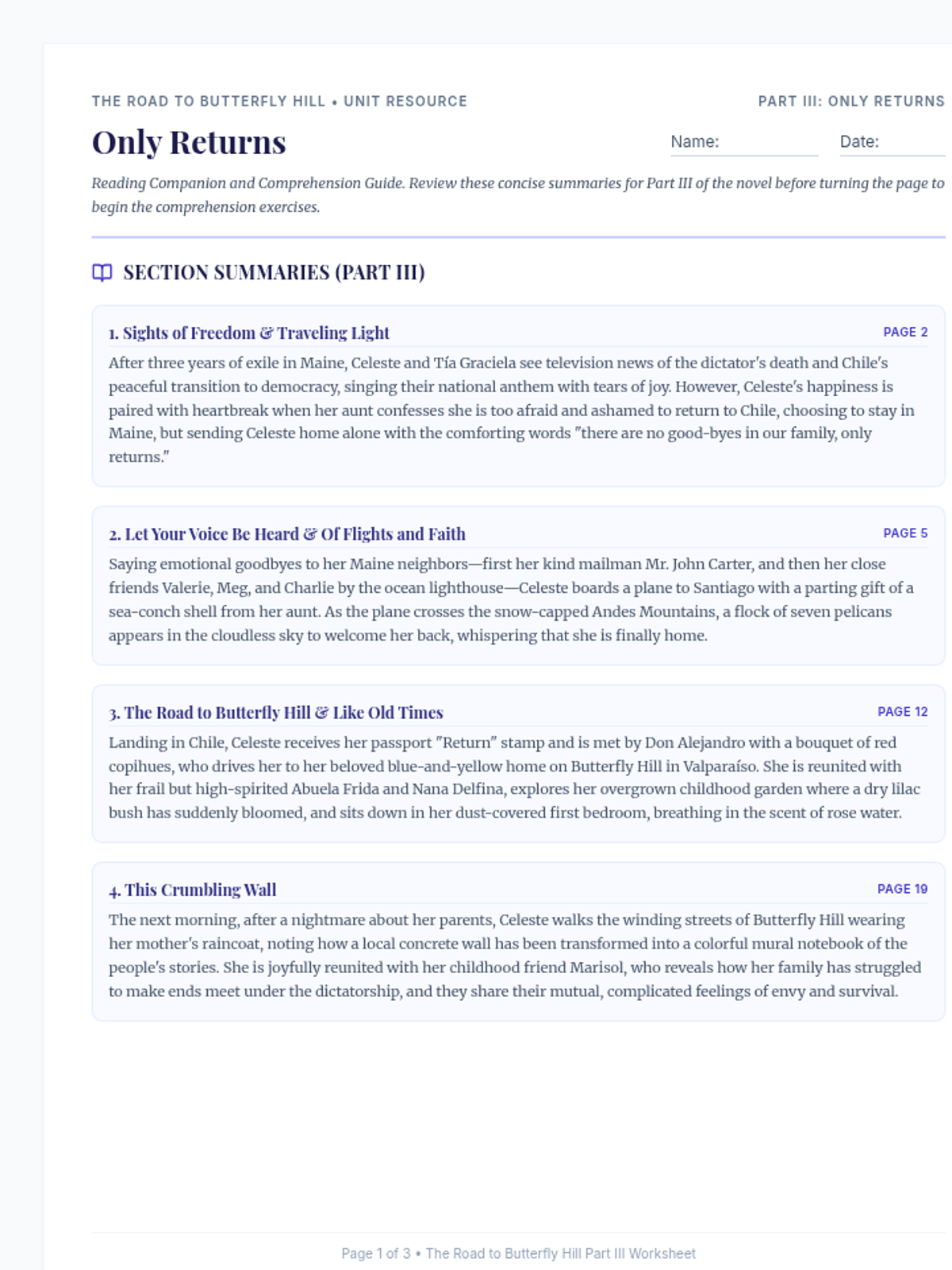
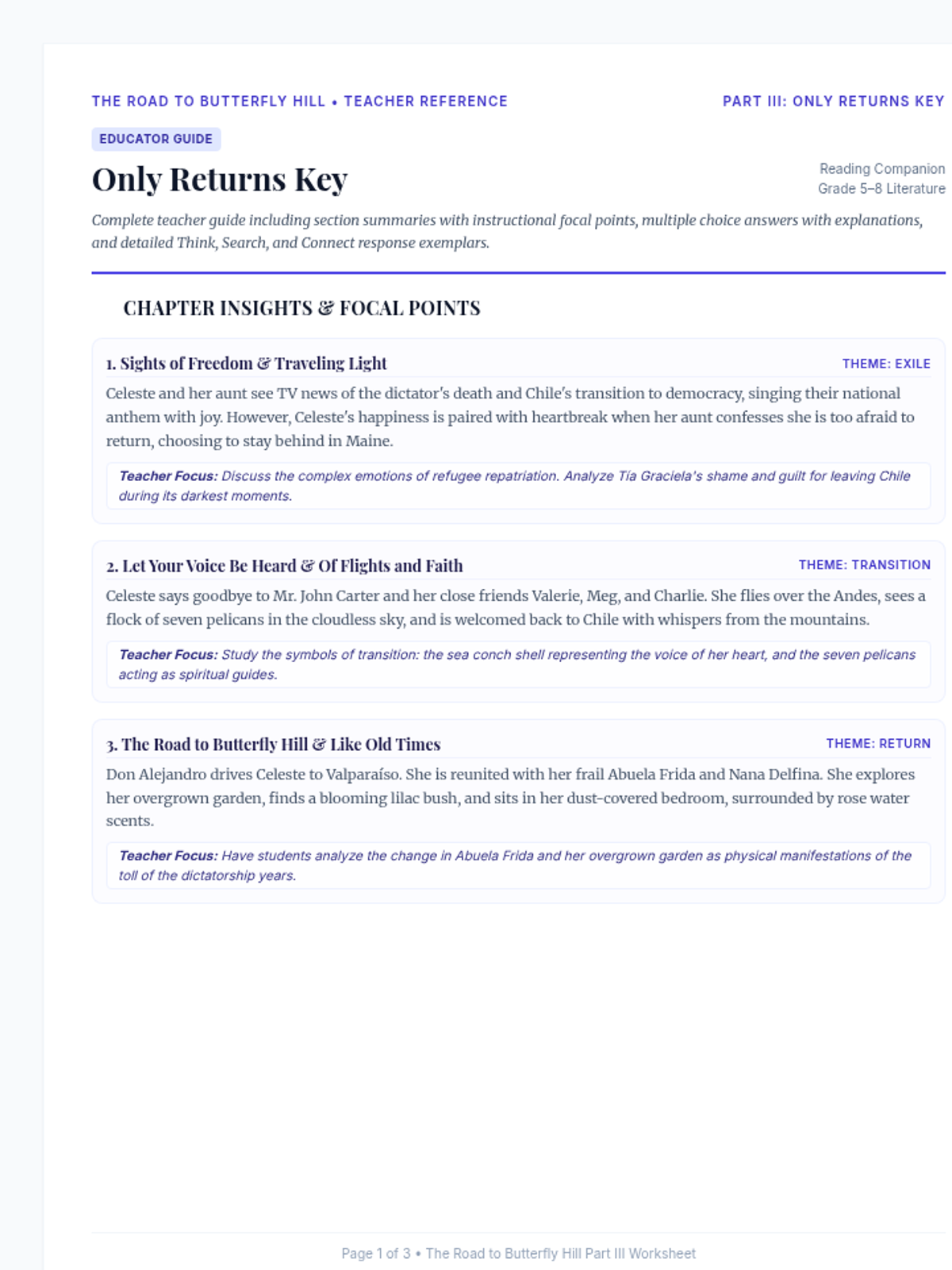
An exploration of Part III of Marjorie Agosín's 'The Road to Butterfly Hill'. Celeste returns to Chile after the fall of the dictatorship, reconnects with her family and friends on Butterfly Hill, and embarks on a courageous journey south with Cristóbal to find her parents.
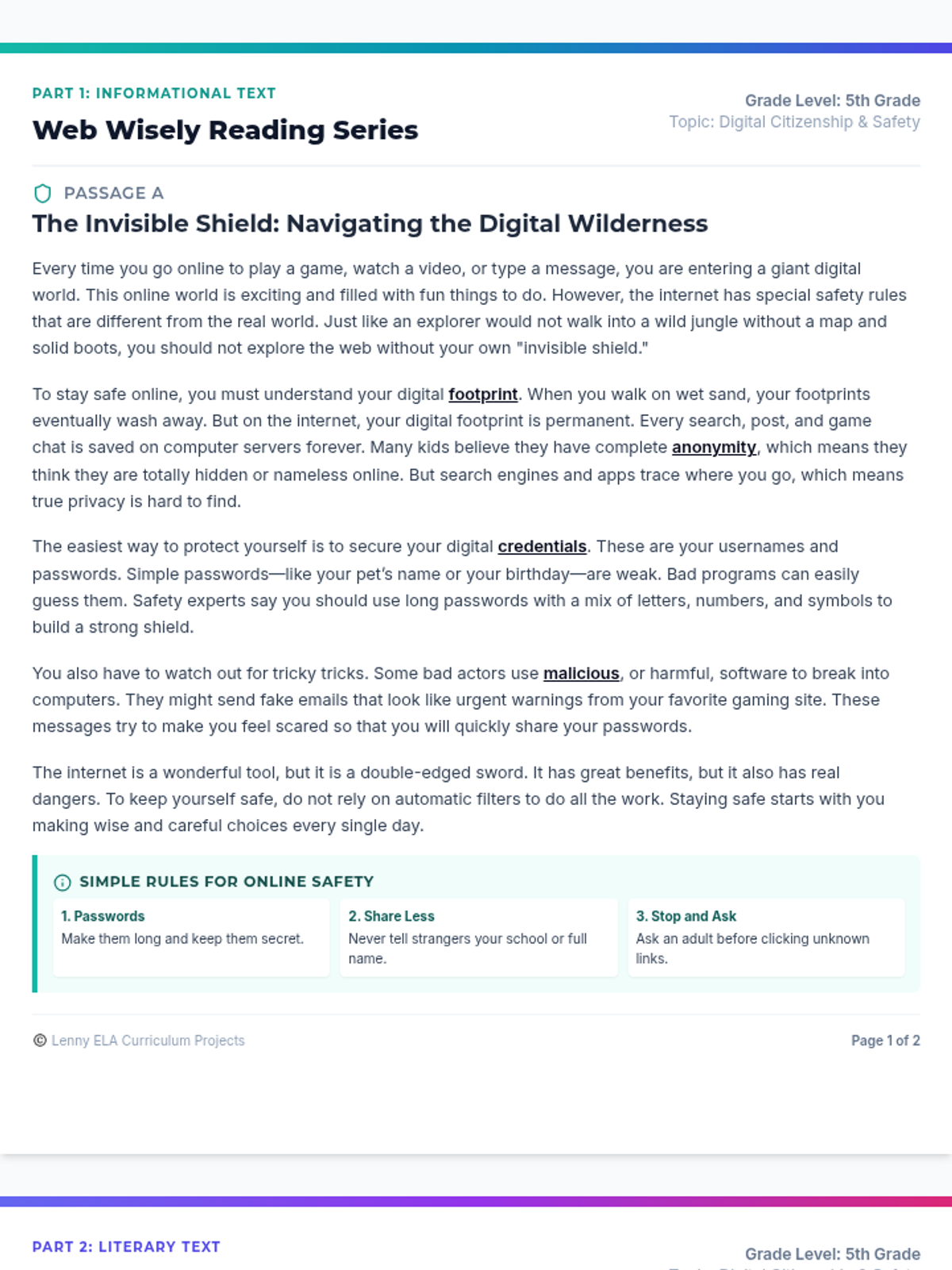
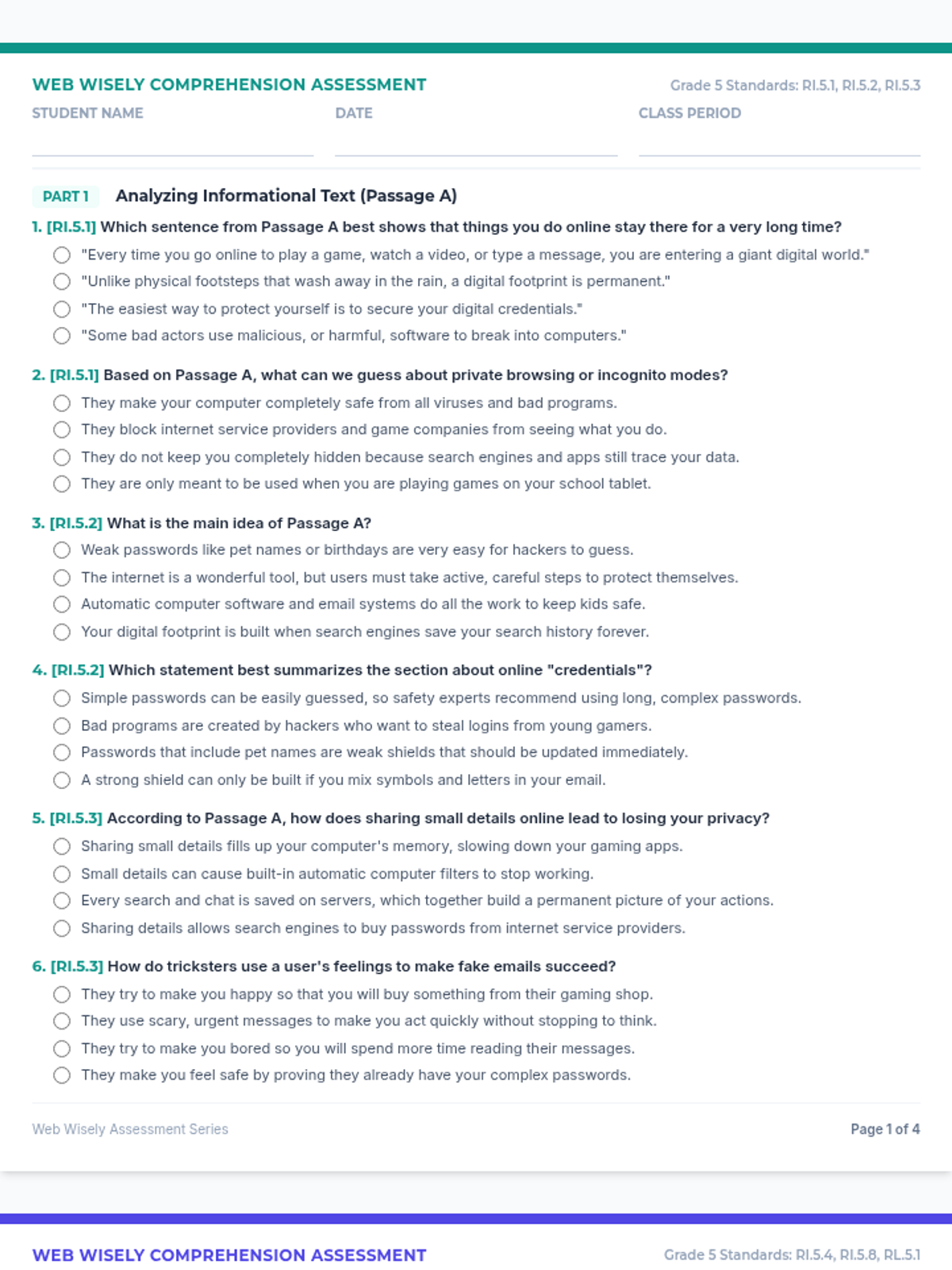
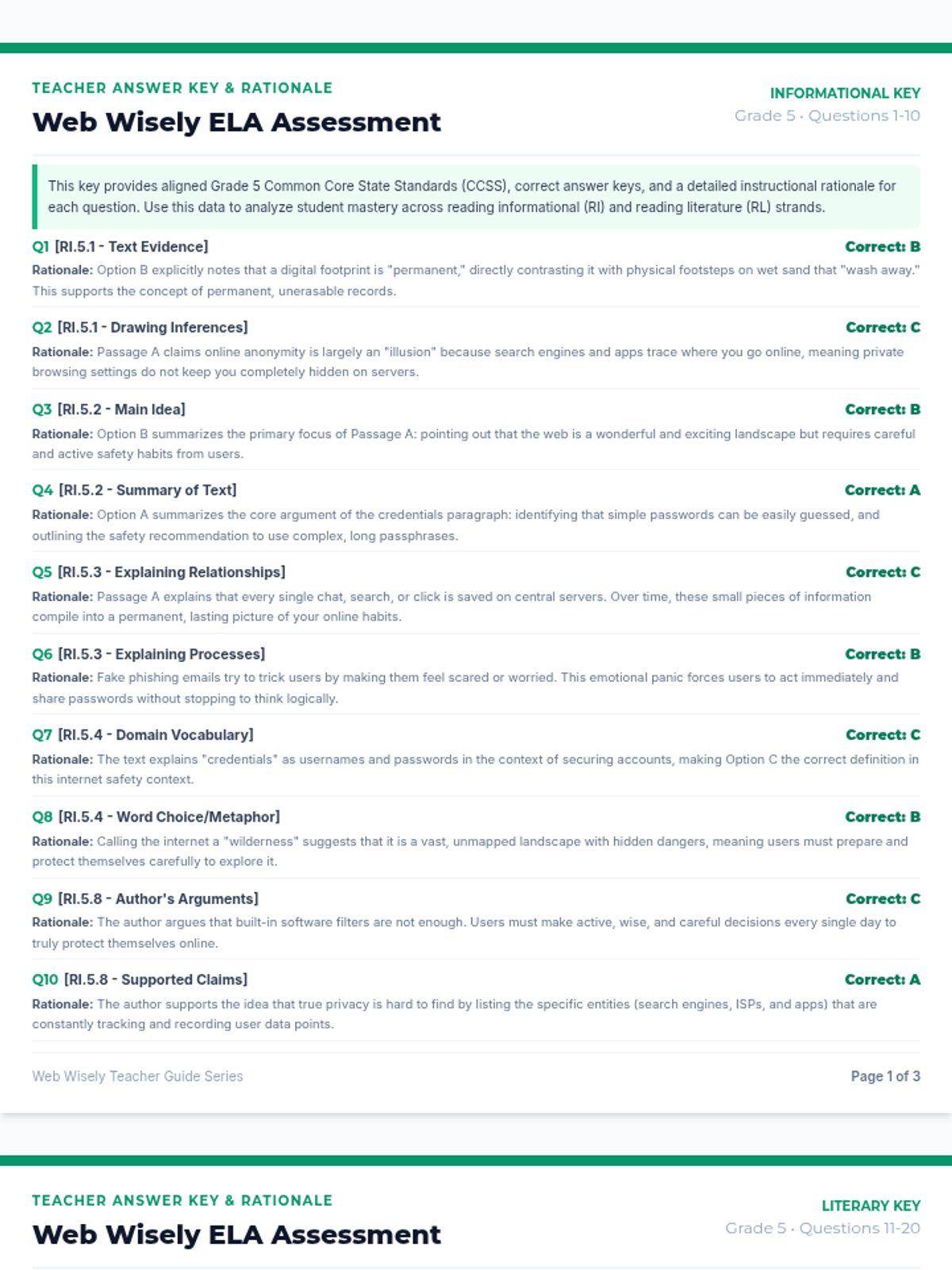
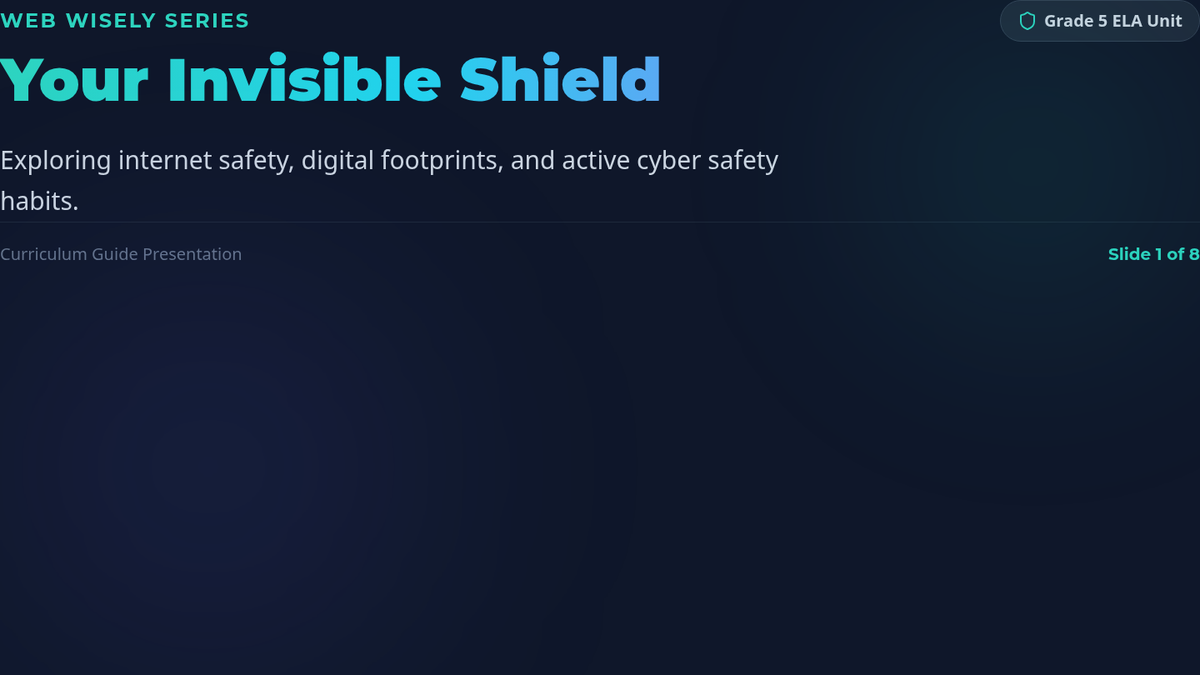
A comprehensive middle school ELA reading unit focused on internet safety and digital citizenship. Includes a two-page paired reading passage (informational and narrative), a four-page standard-aligned comprehension assessment covering 12 standards (RI.1-4, RI.8, RL.1-4, RL.8, L.4-5) plus context-clues, and a complete teacher's answer key with standard alignments and detailed rationales.
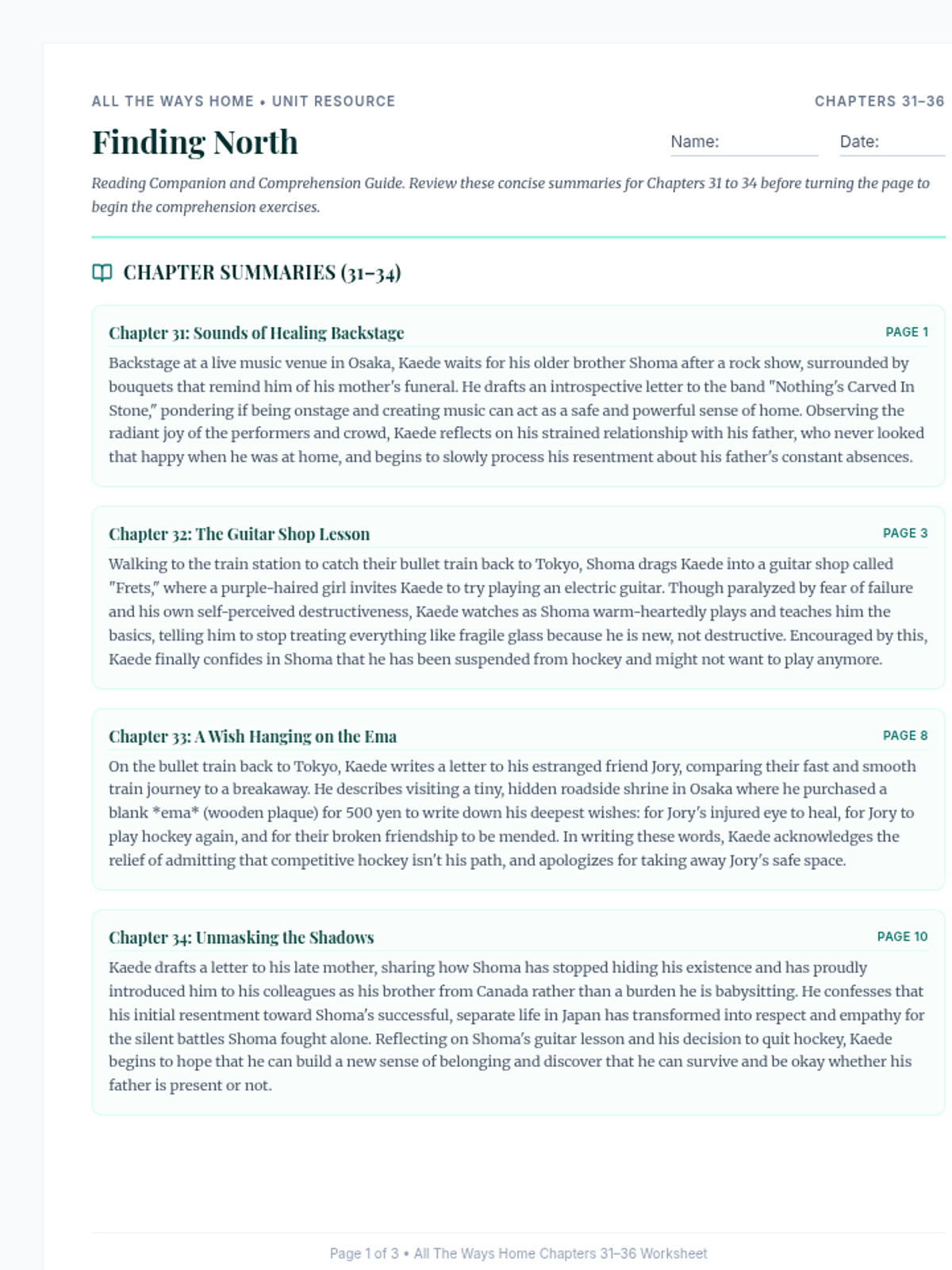
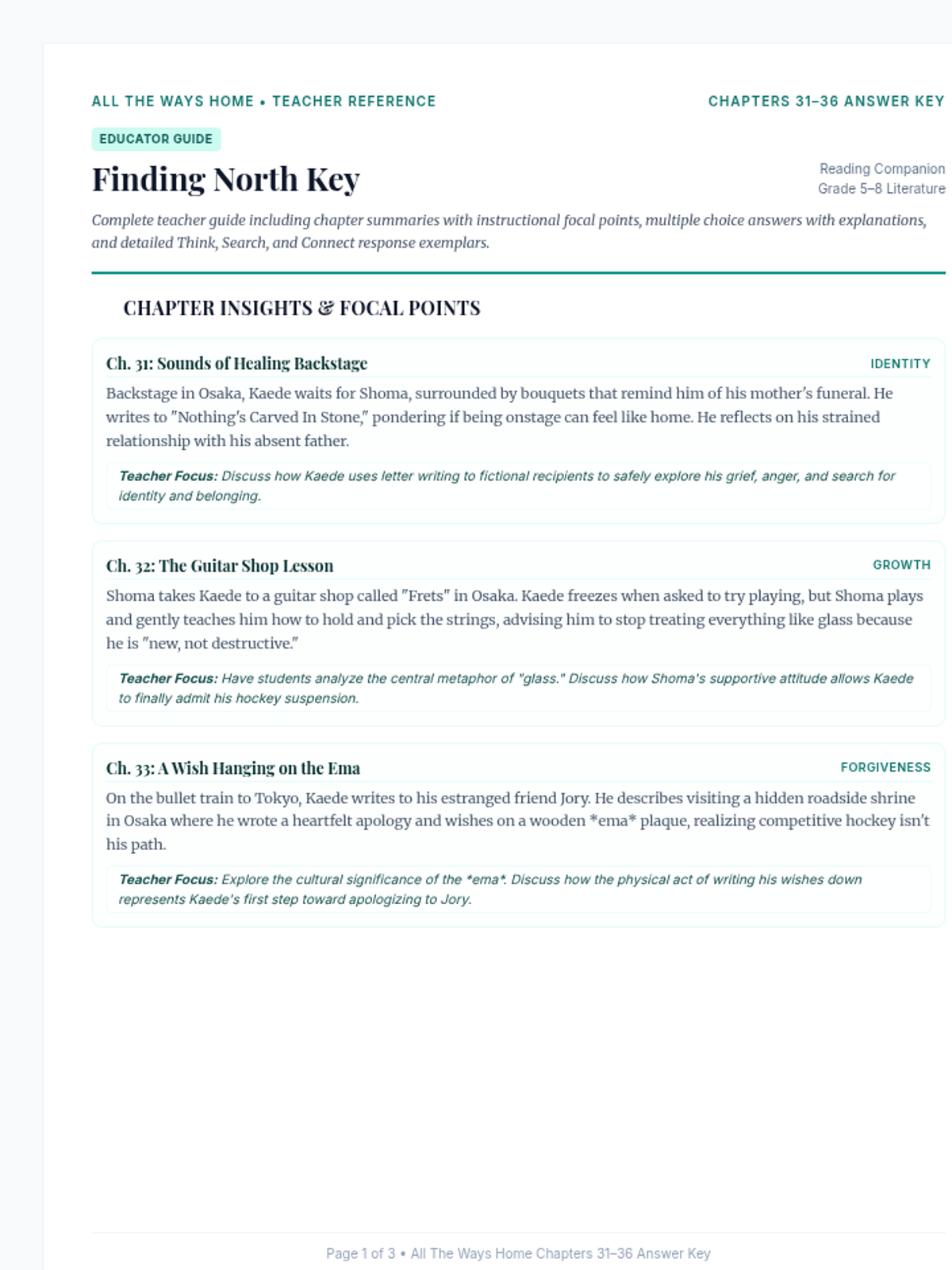
A study of Chapters 31-36 of Elsie Chapman's 'All The Ways Home'. Students explore Kaede's search for identity, his complex relationship with his brother Shoma, his father's painful abandonment, and his desperate choice to steal Shoma's bass to find his father in Sapporo.
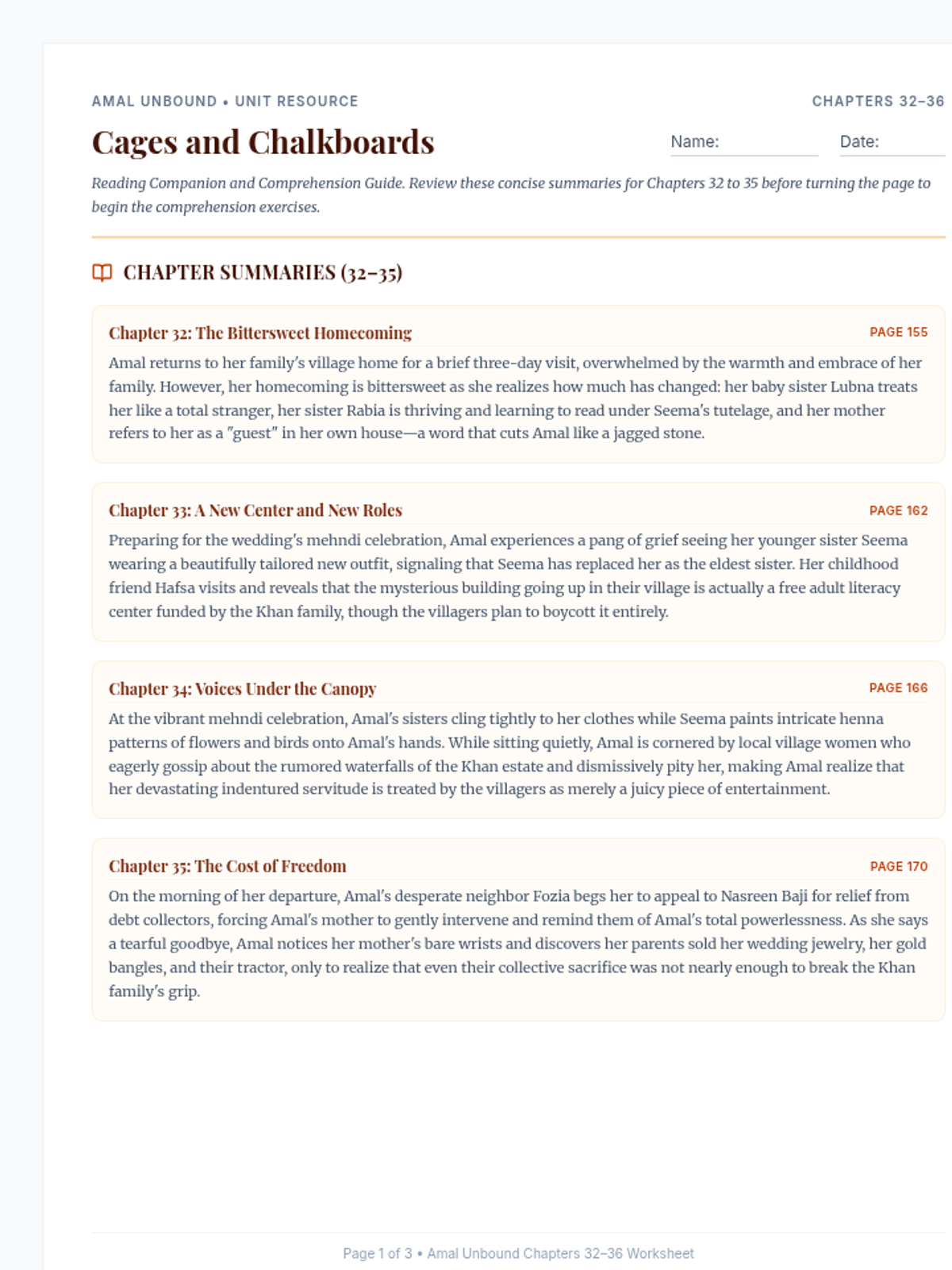
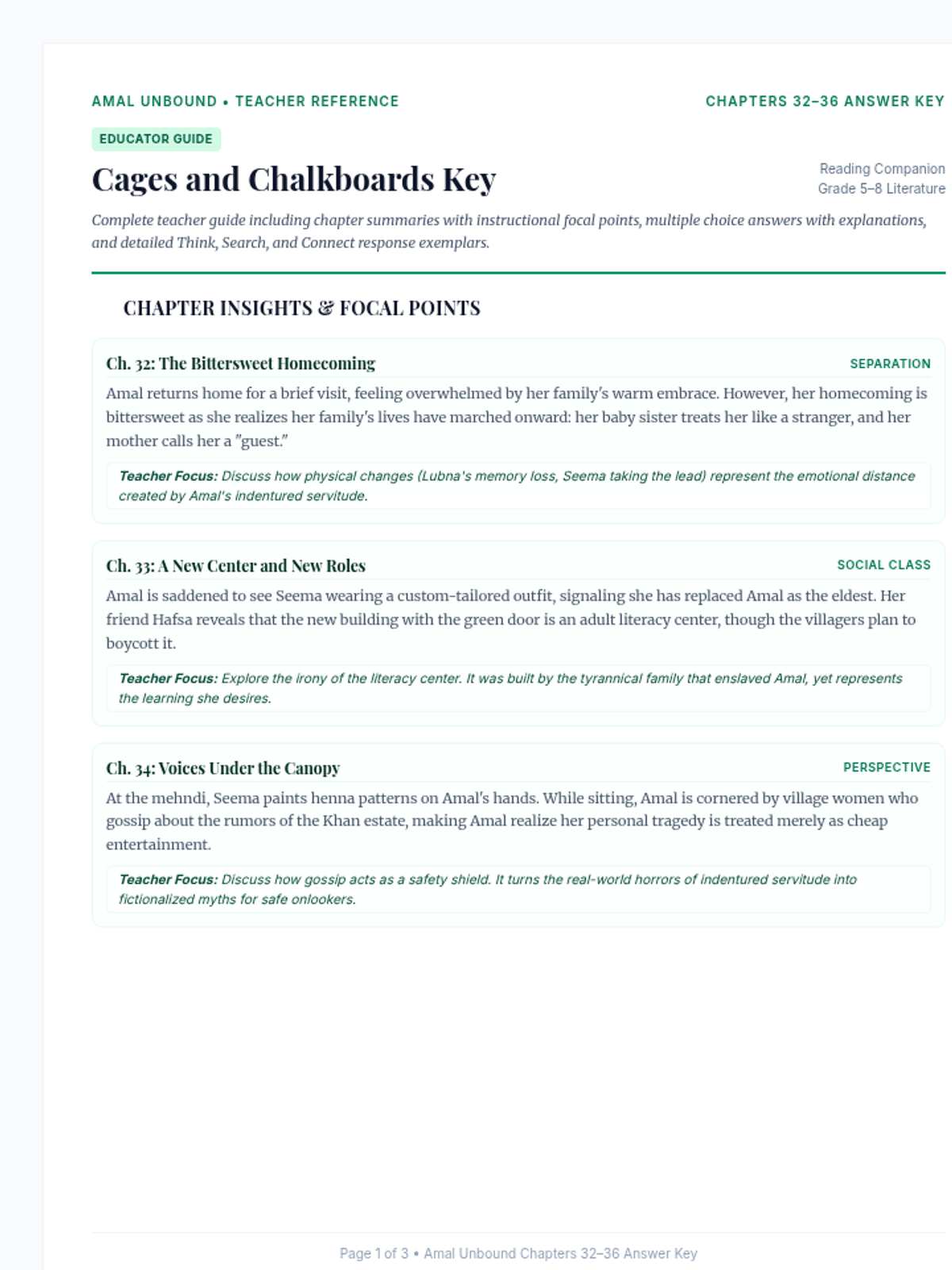
A lesson covering Chapters 32-36 of Aisha Saeed's 'Amal Unbound'. Students analyze Amal's bittersweet visit home, her realization of Nasreen Baji's gilded cage, and the unexpected opportunity to attend the new literacy center.
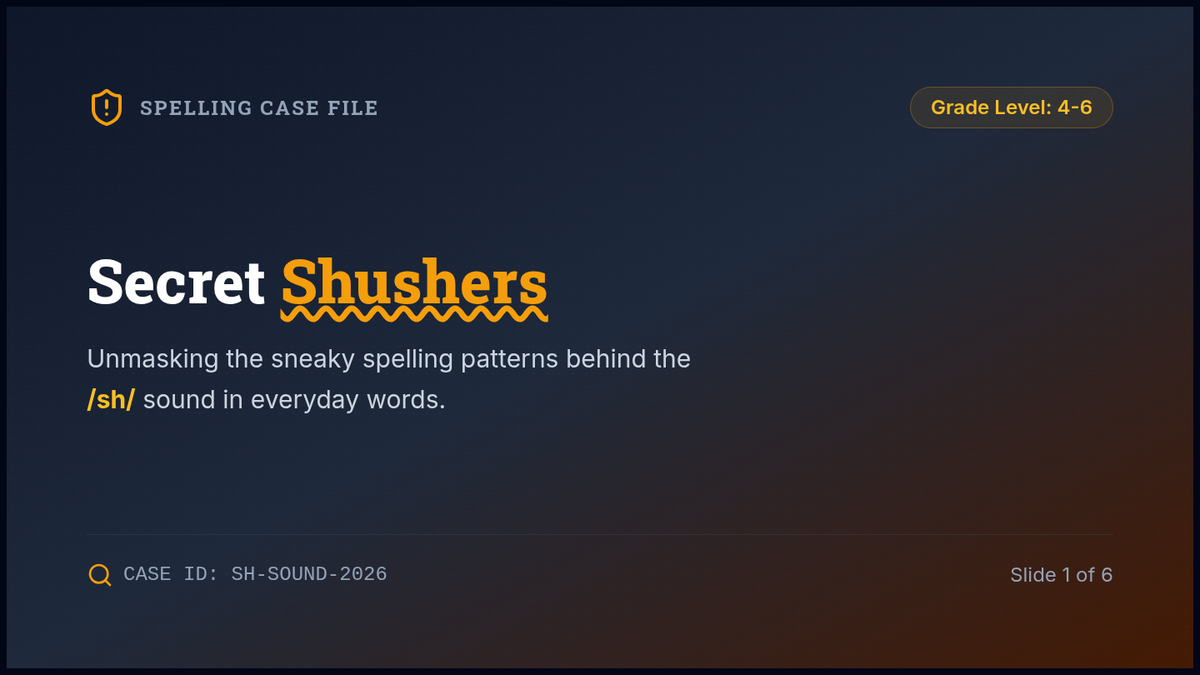
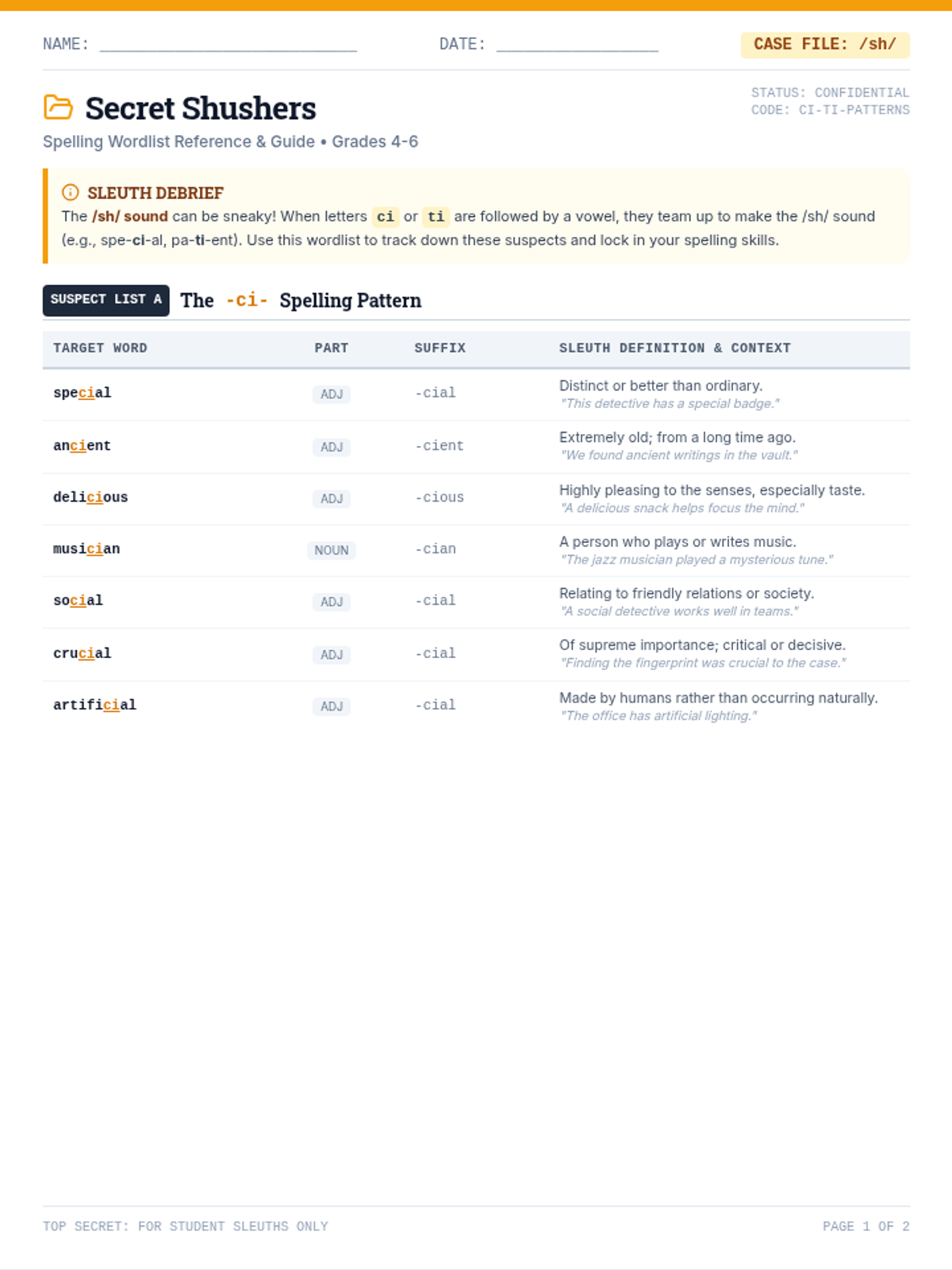
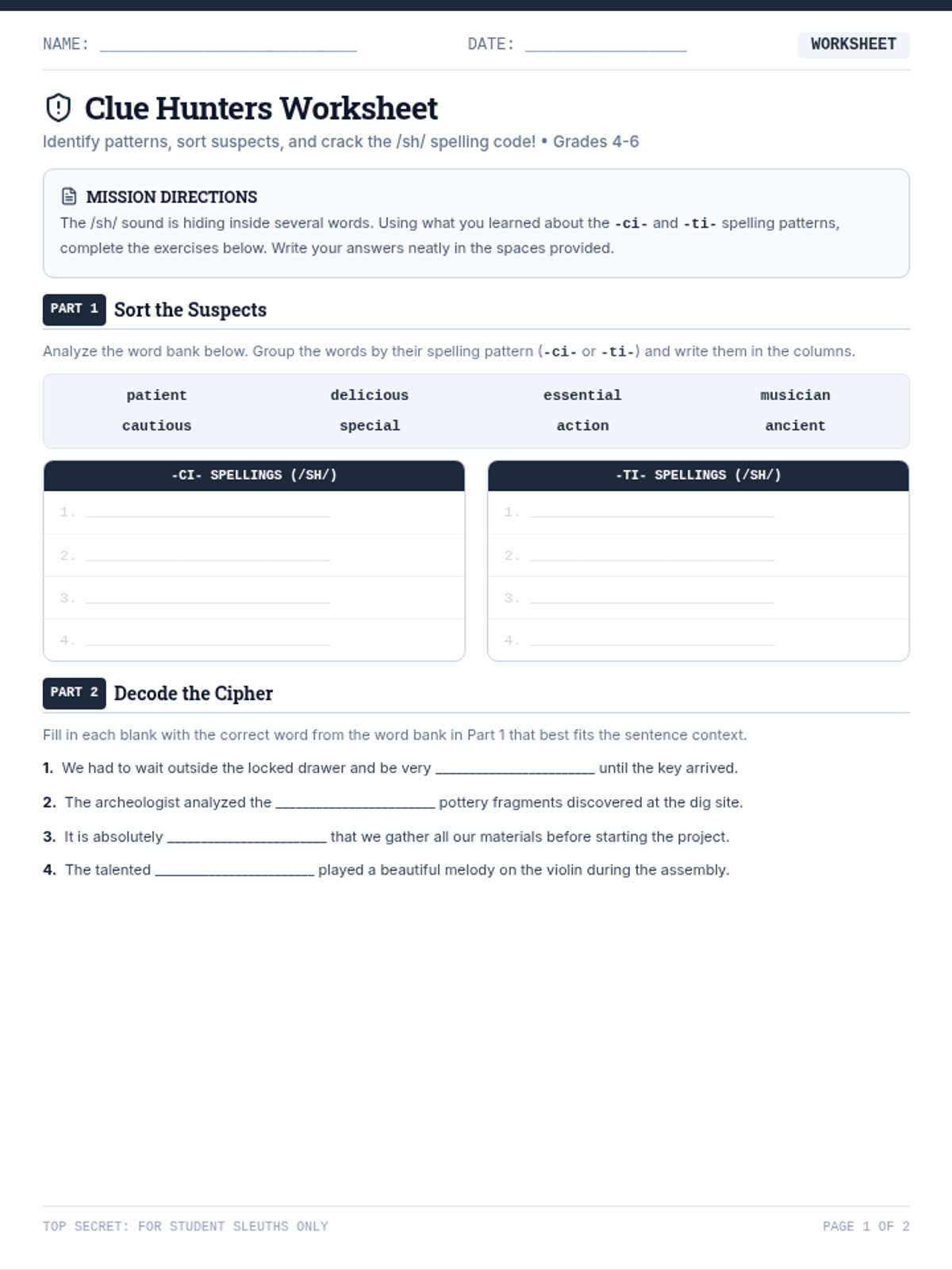
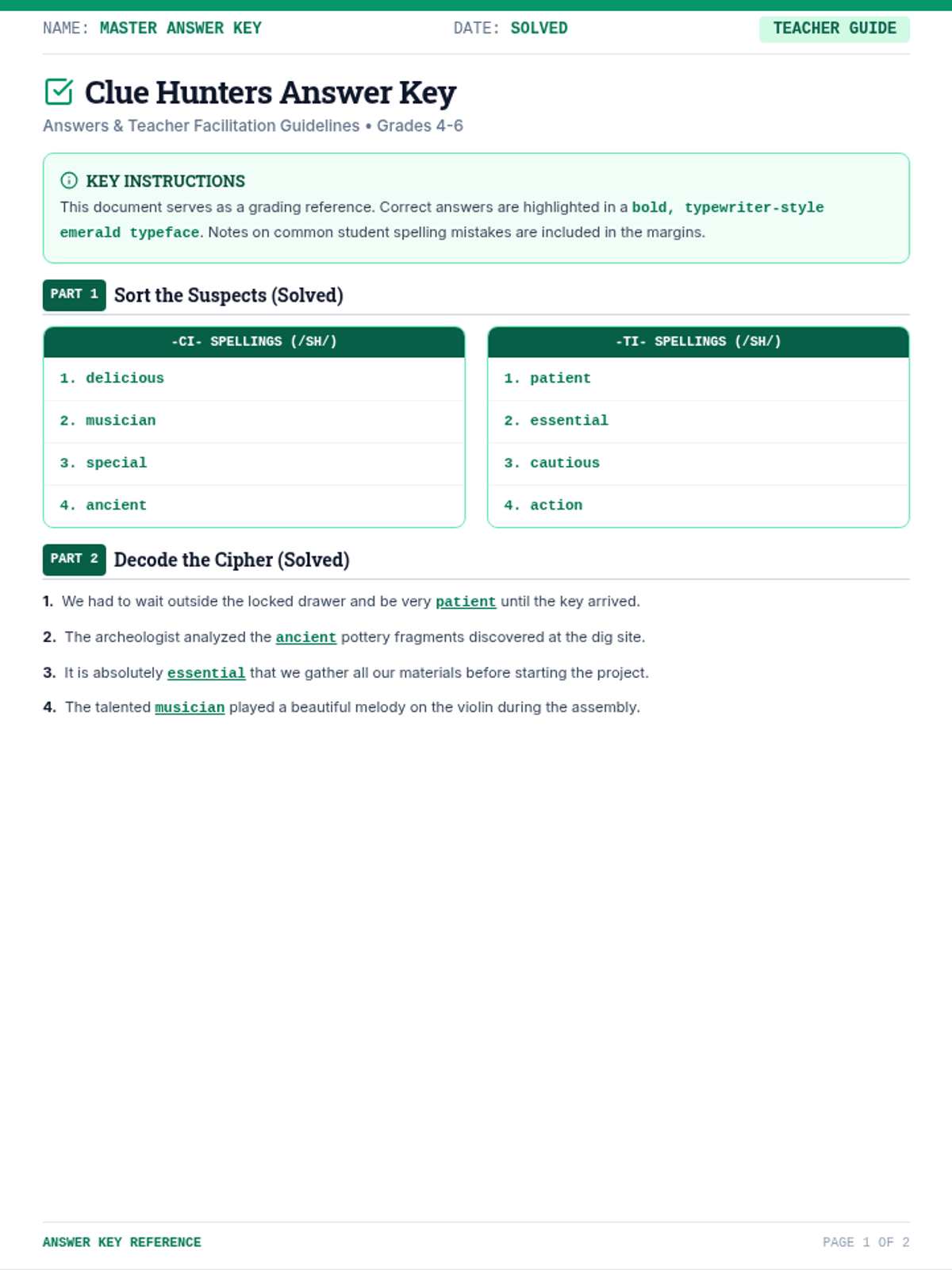
A spelling and phonics lesson for grades 4-6 focusing on the /sh/ sound spelled with 'ci' (as in special) and 'ti' (as in patient). Students explore patterns, organize words in detective-style case files, and apply their knowledge through interactive word hunts and spelling activities.
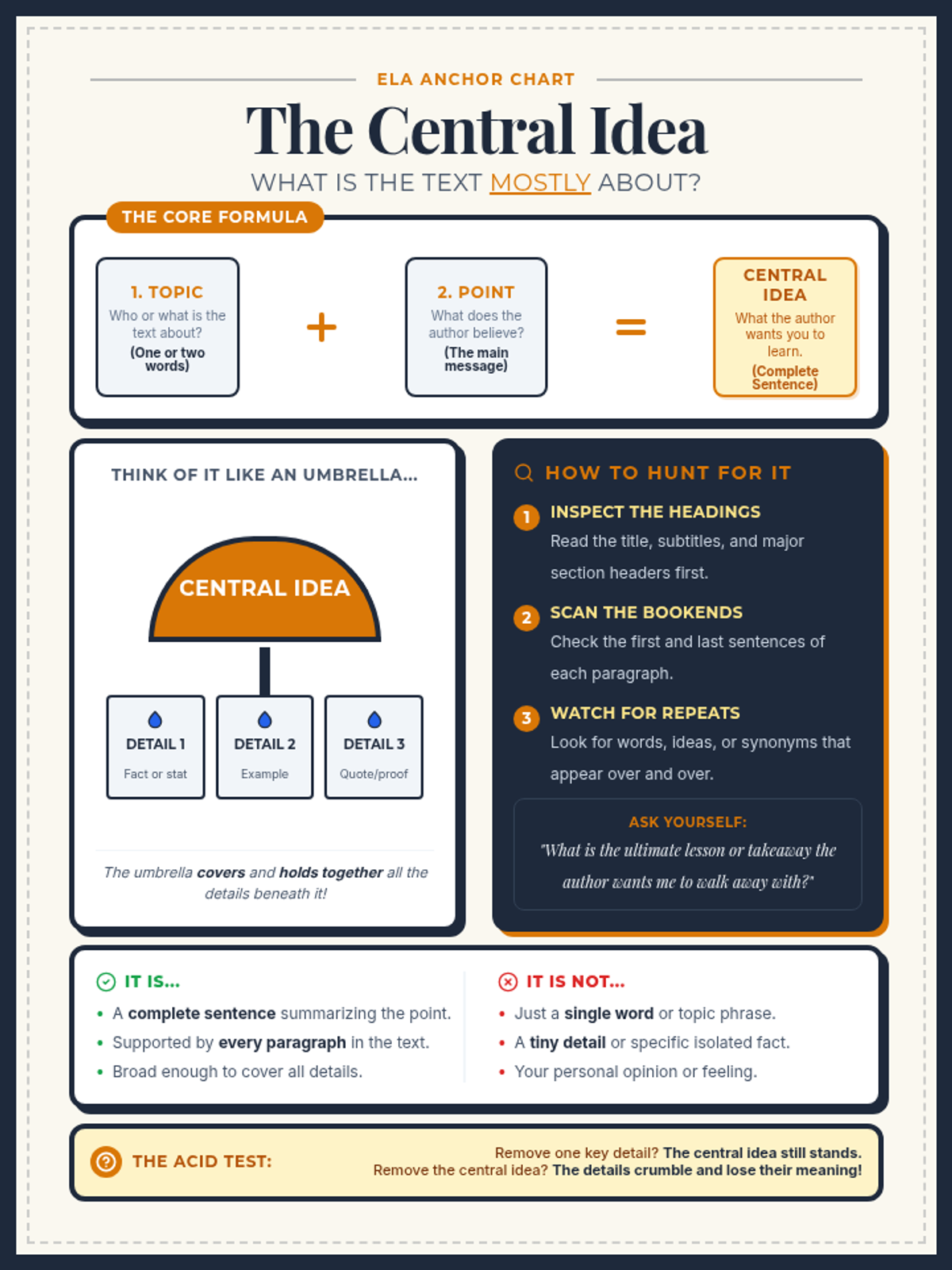
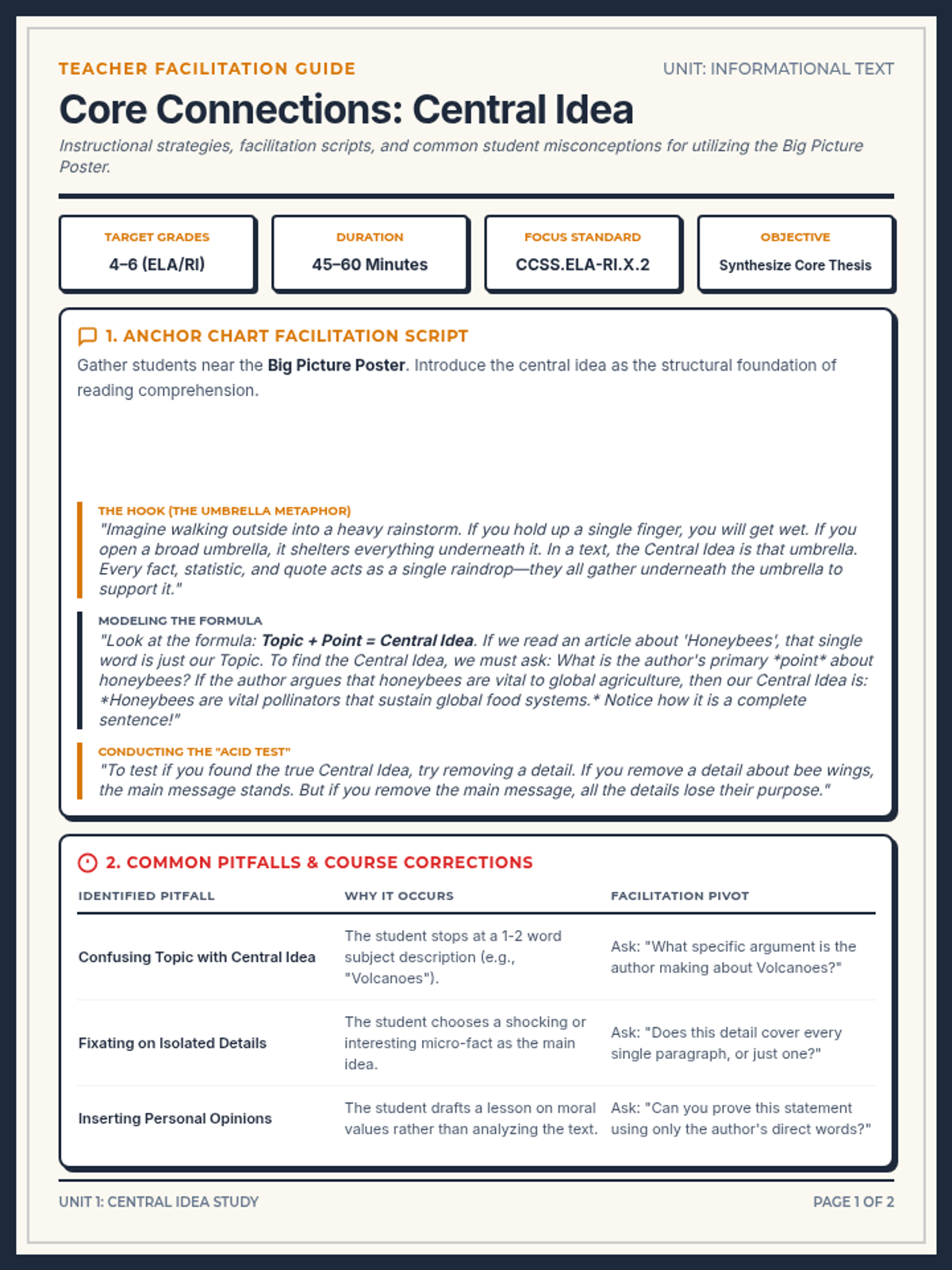
A lesson designed to guide students in identifying, analyzing, and synthesizing the central idea of informational texts. Features a visual anchor chart and a supporting teacher facilitation guide.
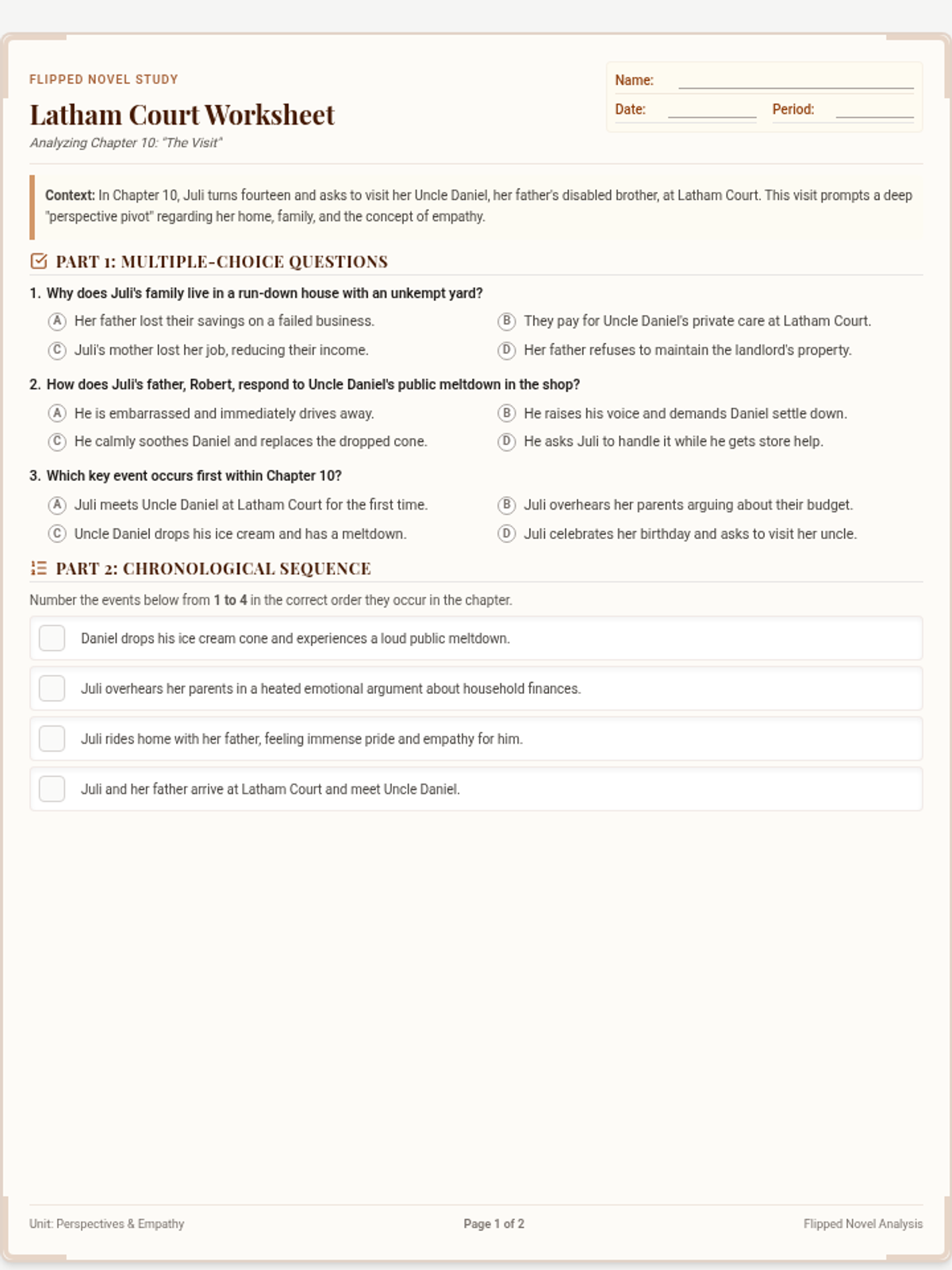
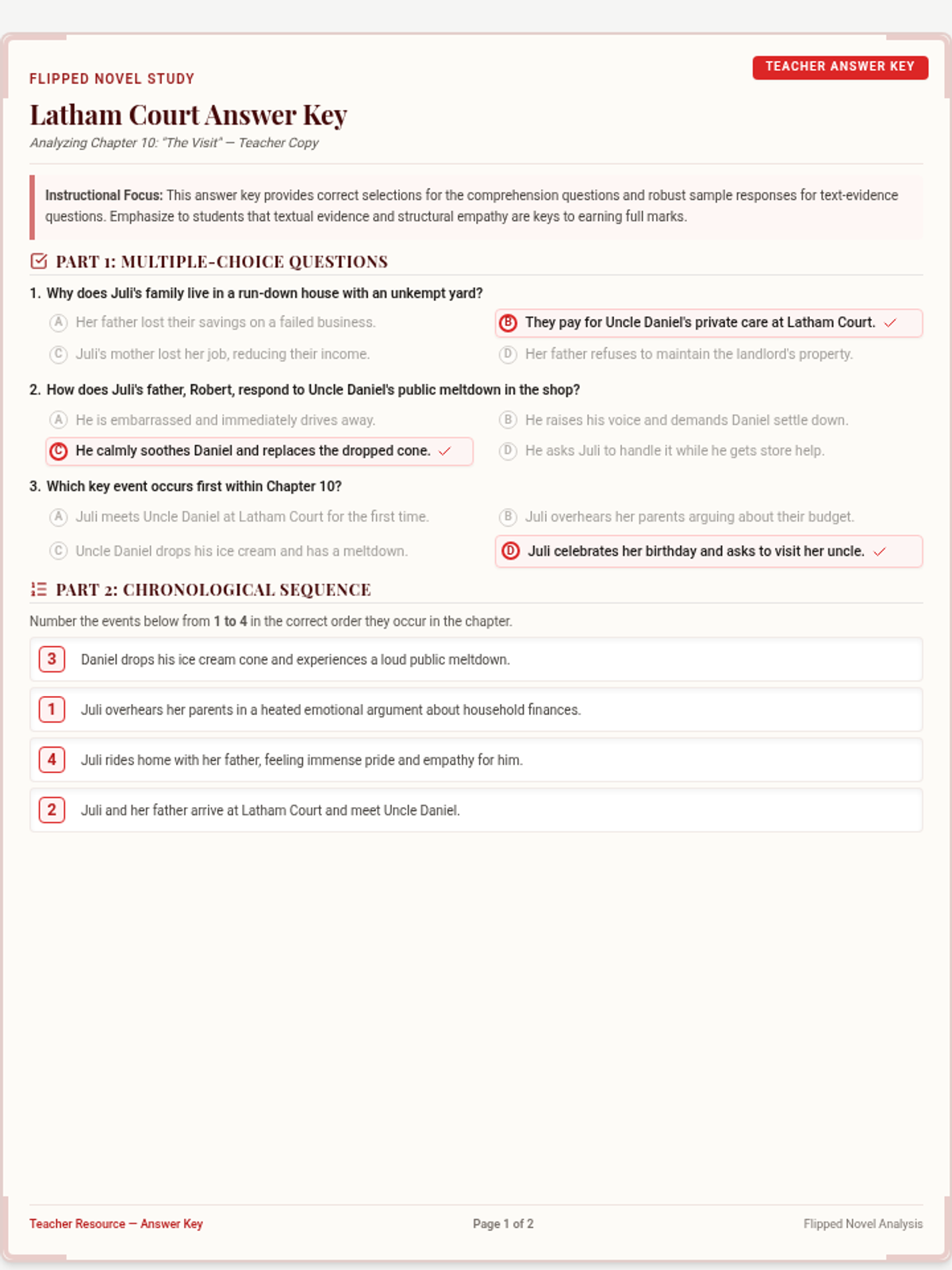
An ELA lesson analyzing character perspectives, family sacrifice, and empathy in the pivotal chapter 'The Visit' from Wendelin Van Draanen's novel Flipped. Students explore basic comprehension and deep perspective shifts through rigorous multiple-choice and text-evidence short answers.
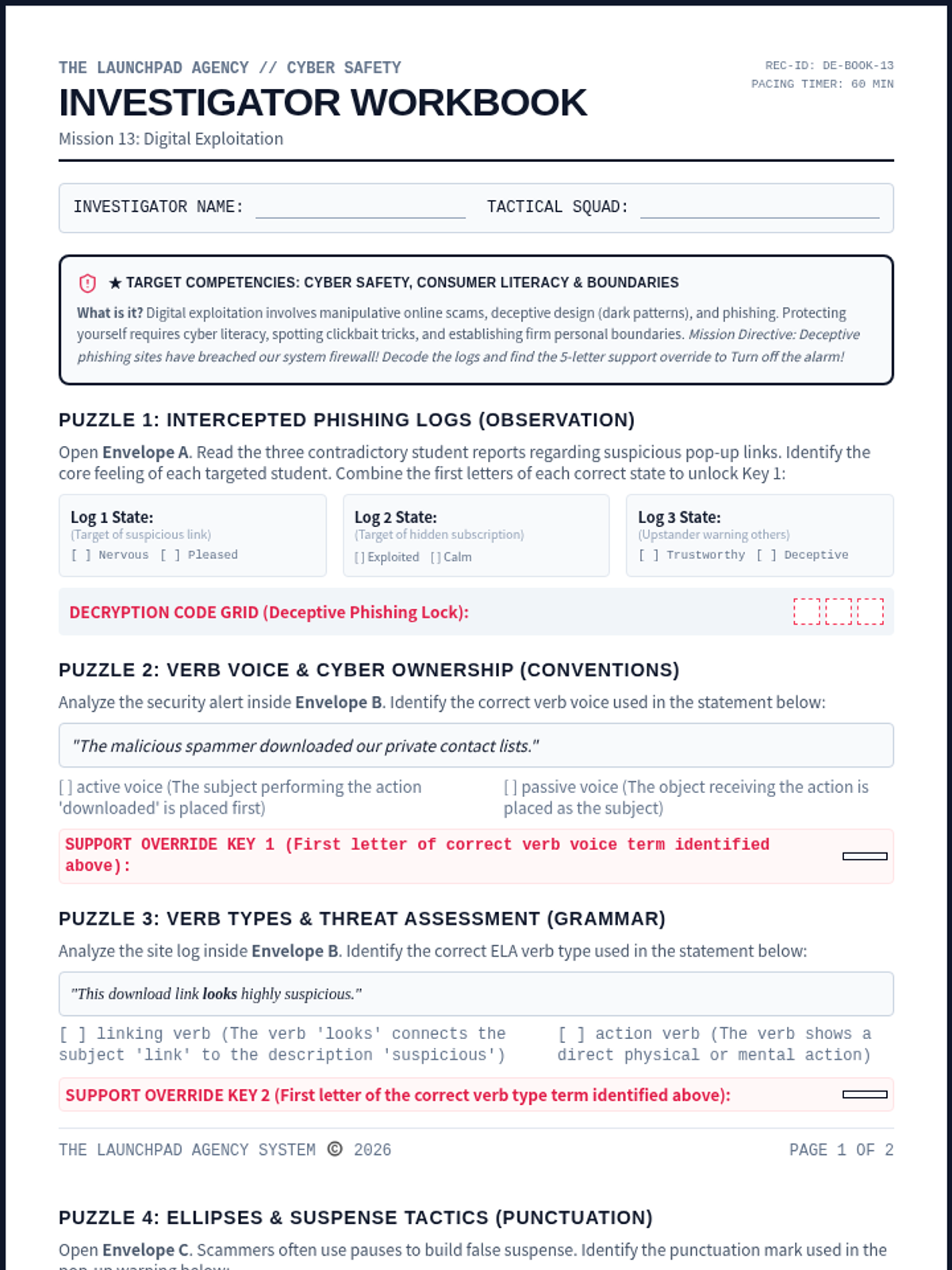
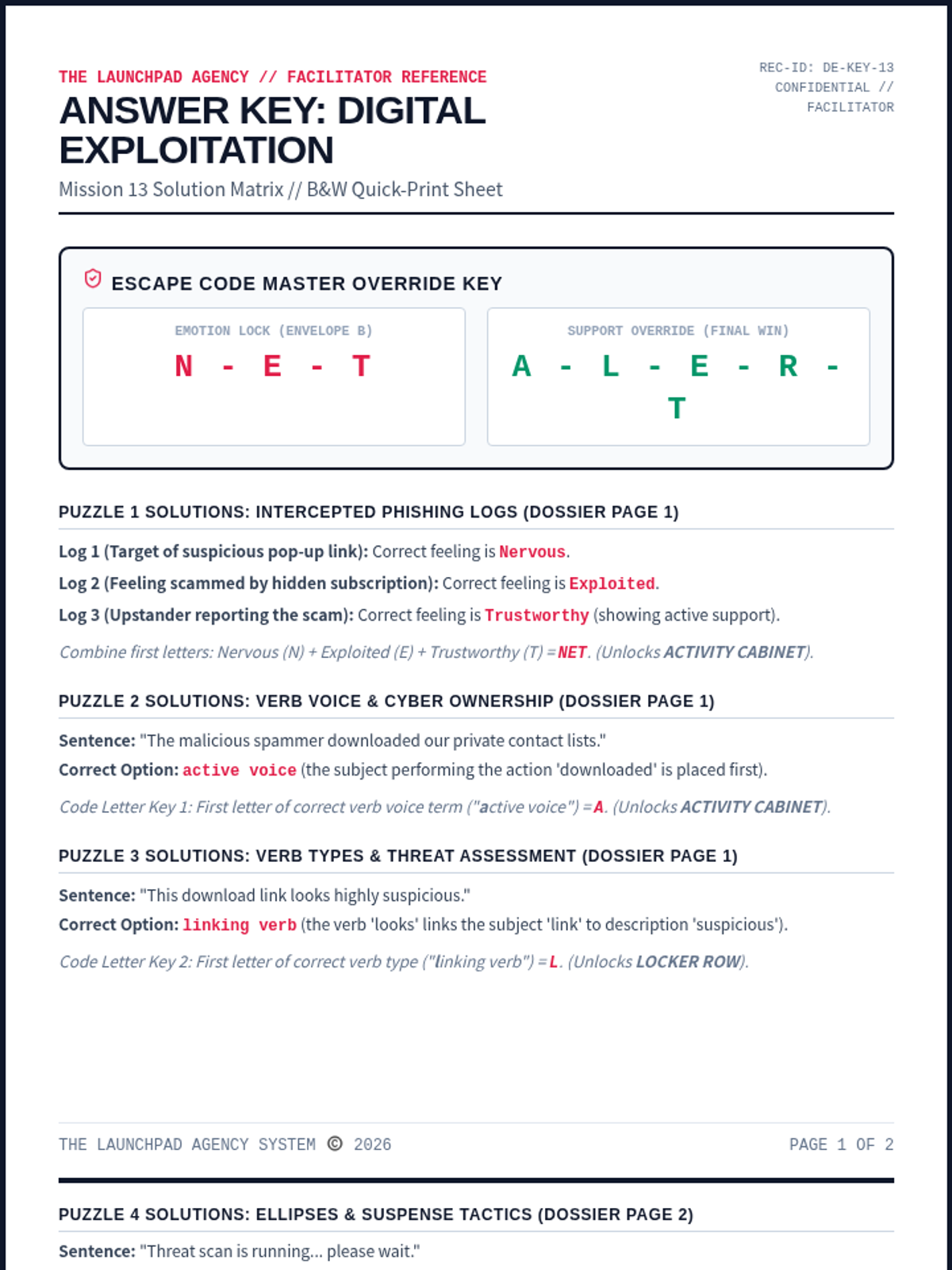
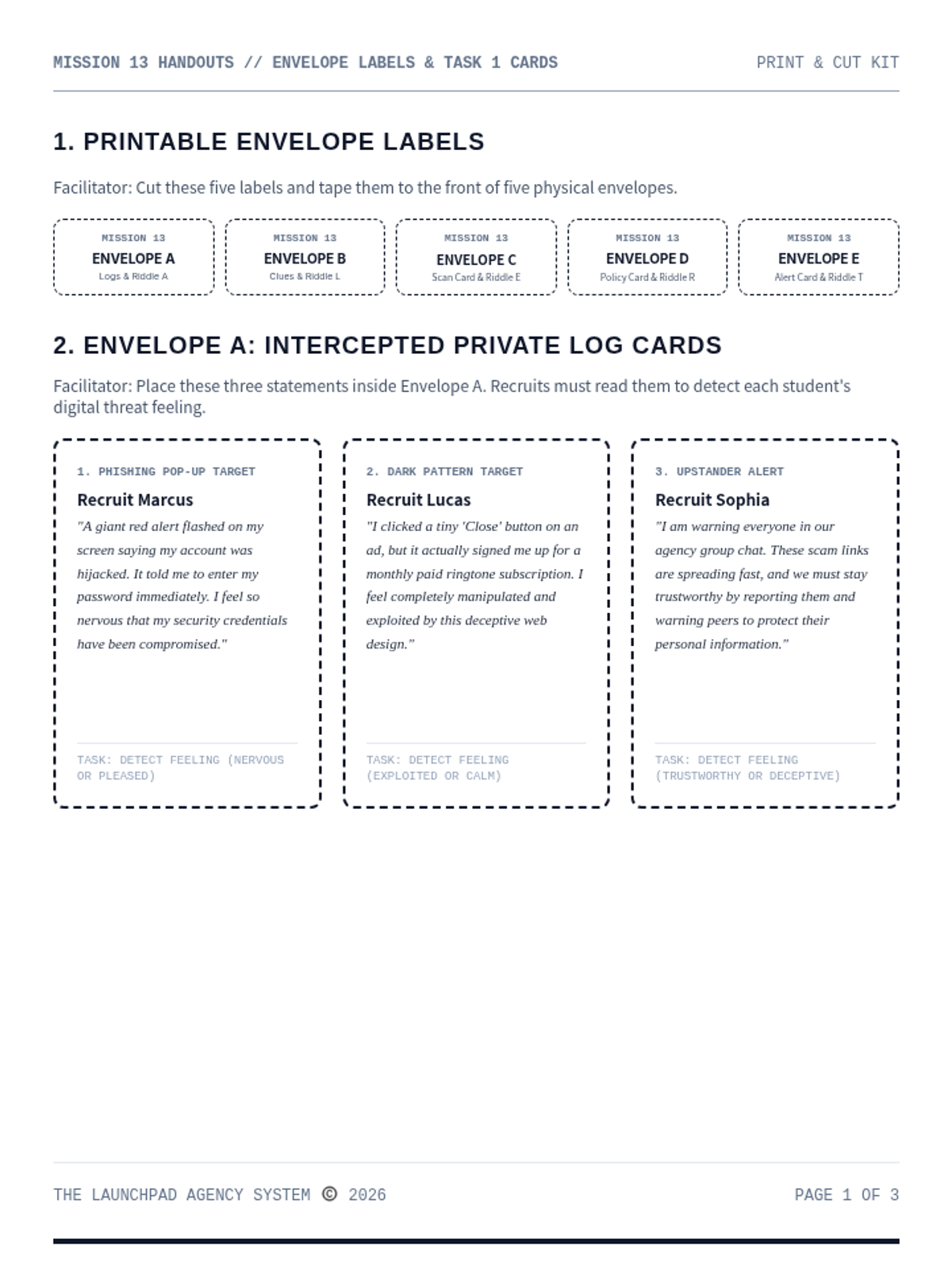
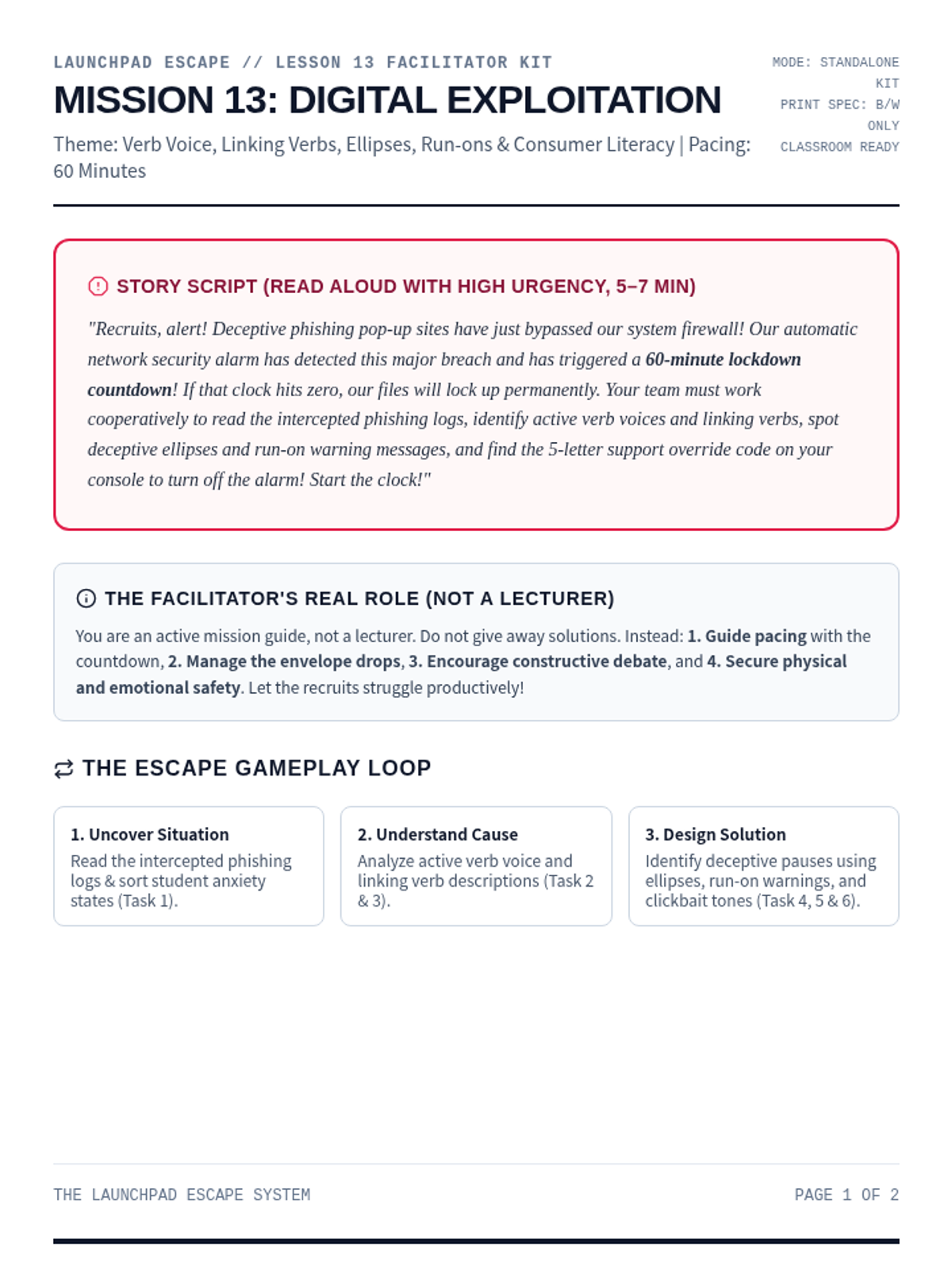
A high-stakes digital safety escape room focused on identifying online scams, recognizing manipulative dark patterns, and protecting personal data. Recruits analyze active verb voices, linking verbs, ellipses punctuation, and deceptive tones to decode the final alert.