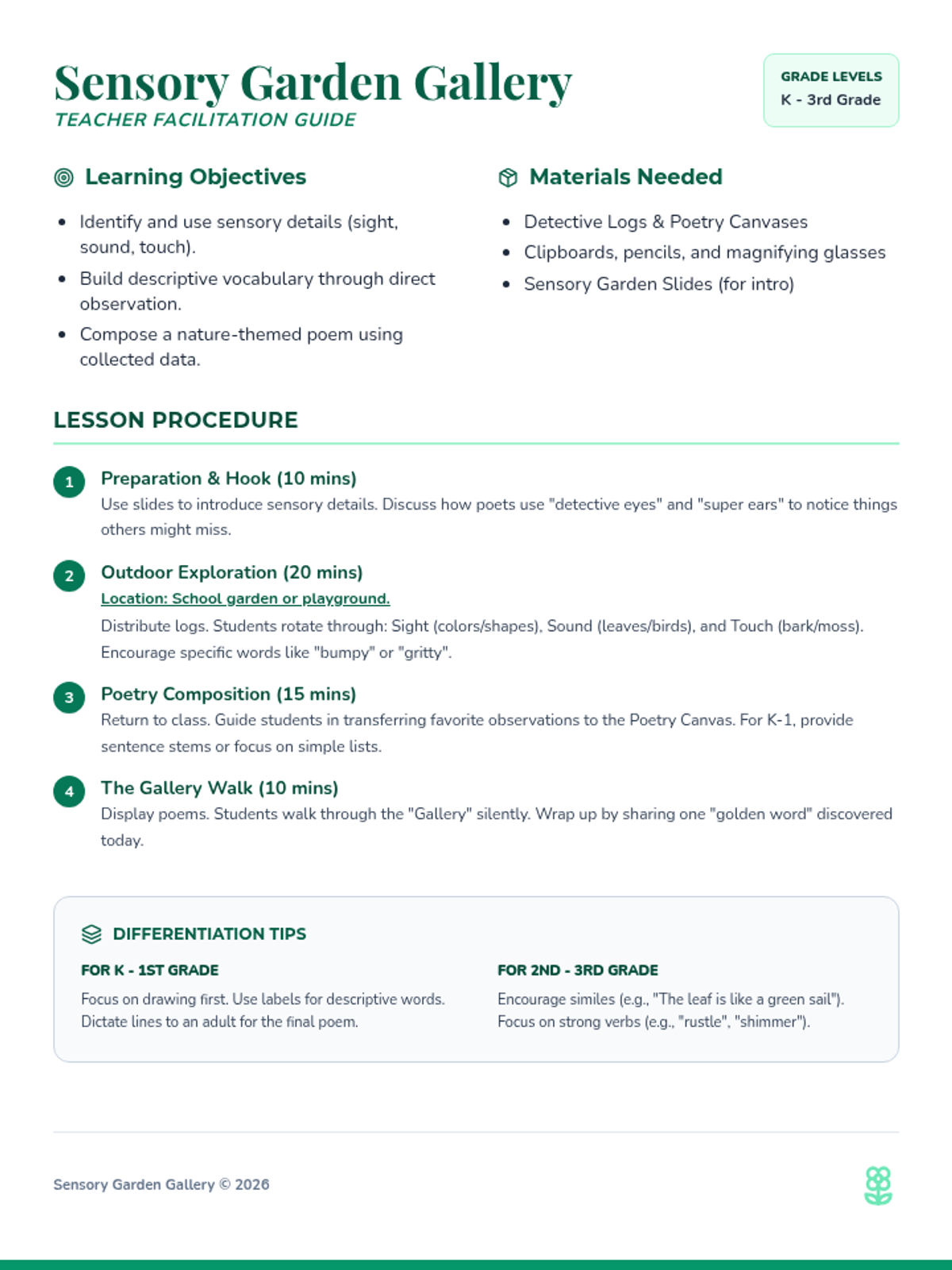
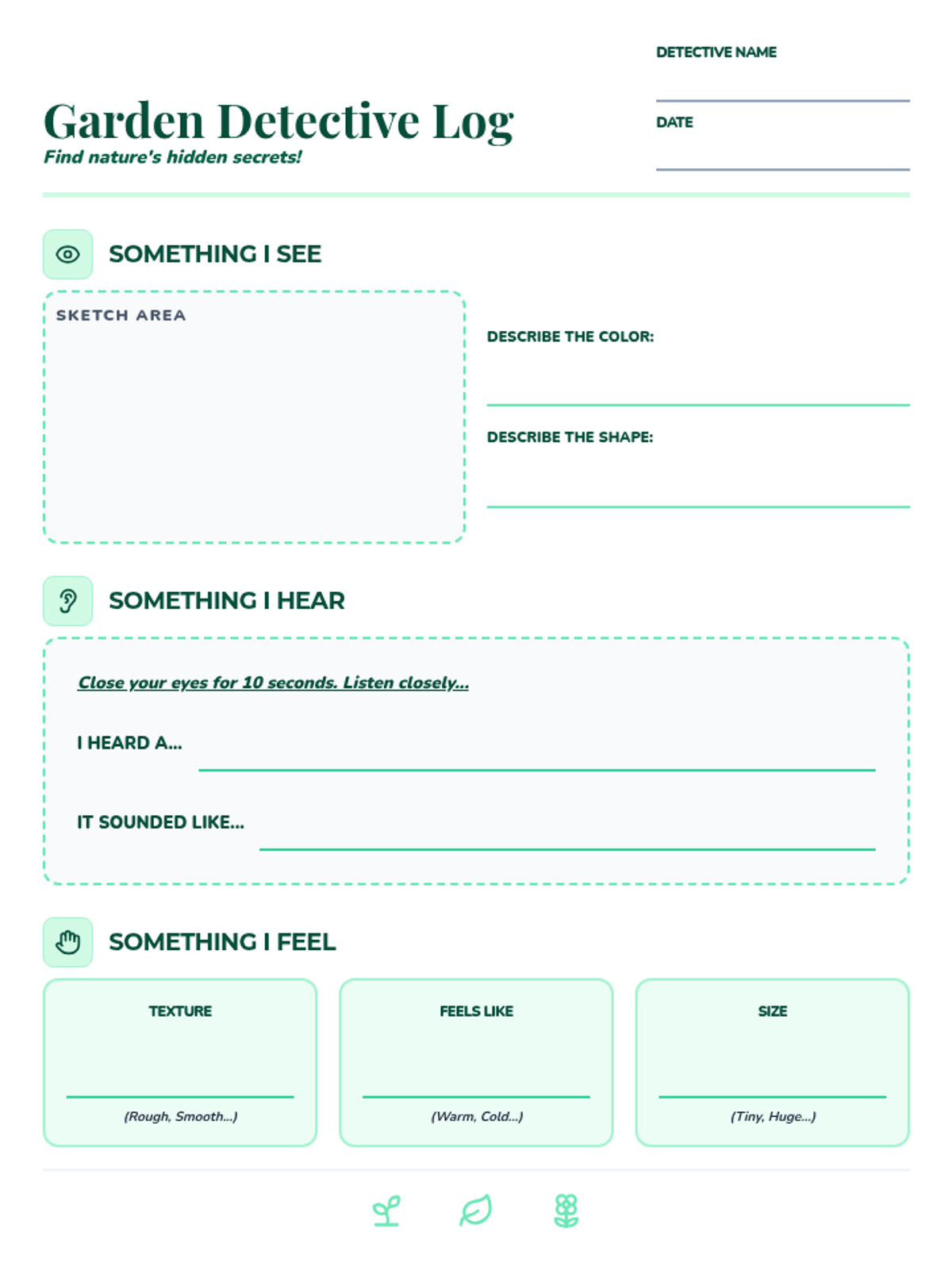
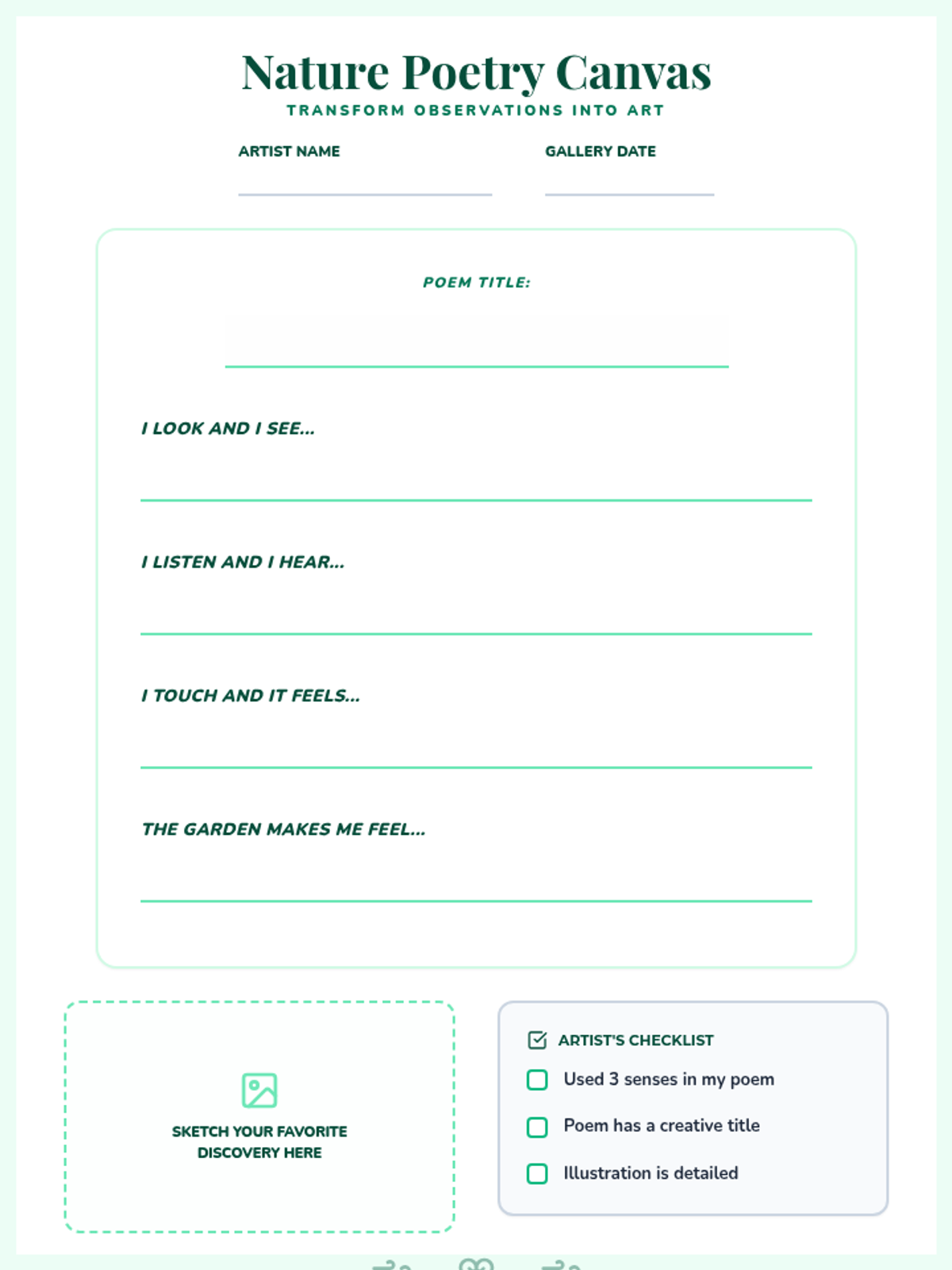
Students explore the school grounds to collect sensory details—sights, sounds, and textures—to compose nature poems. This outdoor activity builds descriptive vocabulary and observational skills for Kindergarten through third-grade learners.
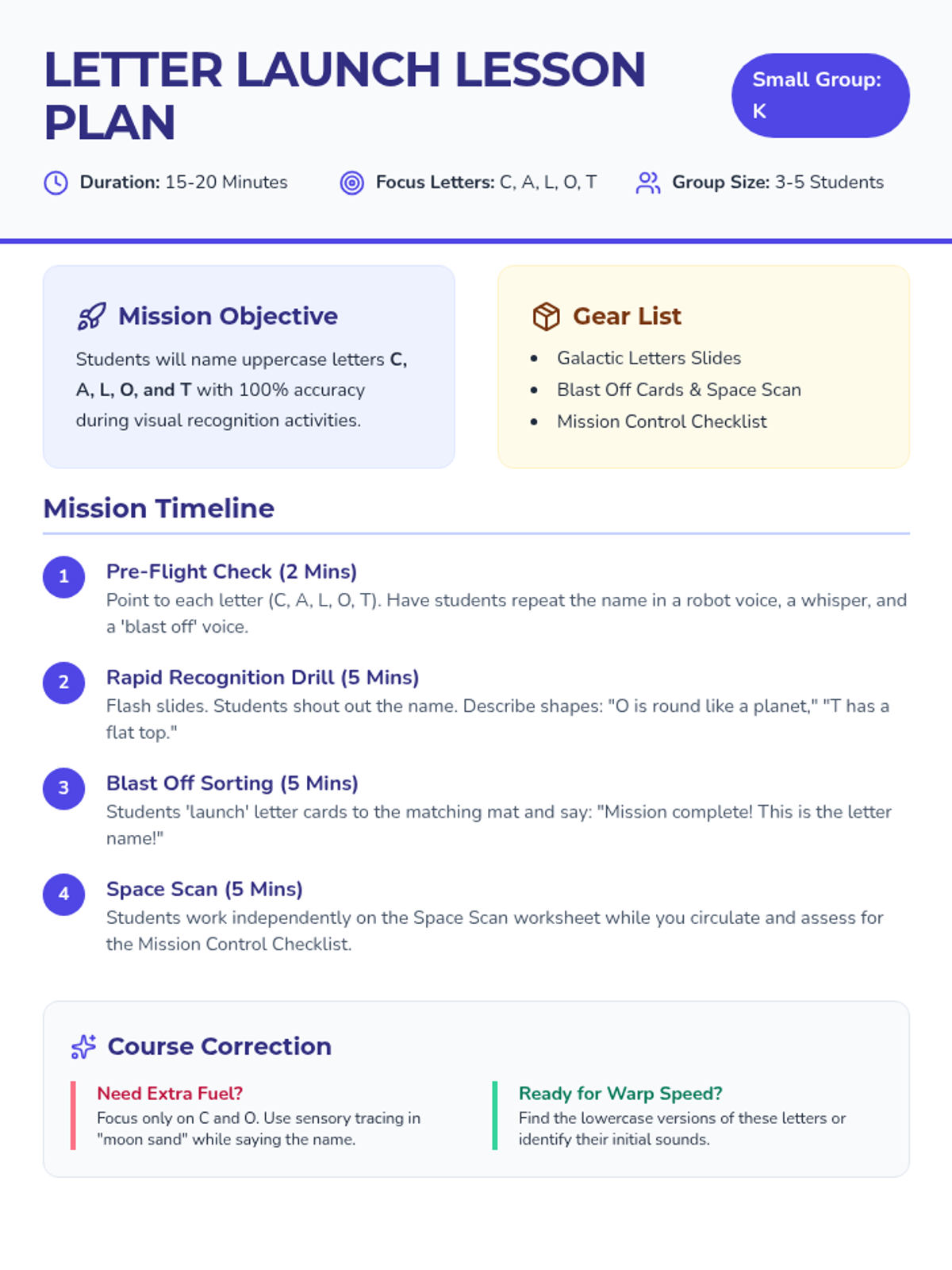
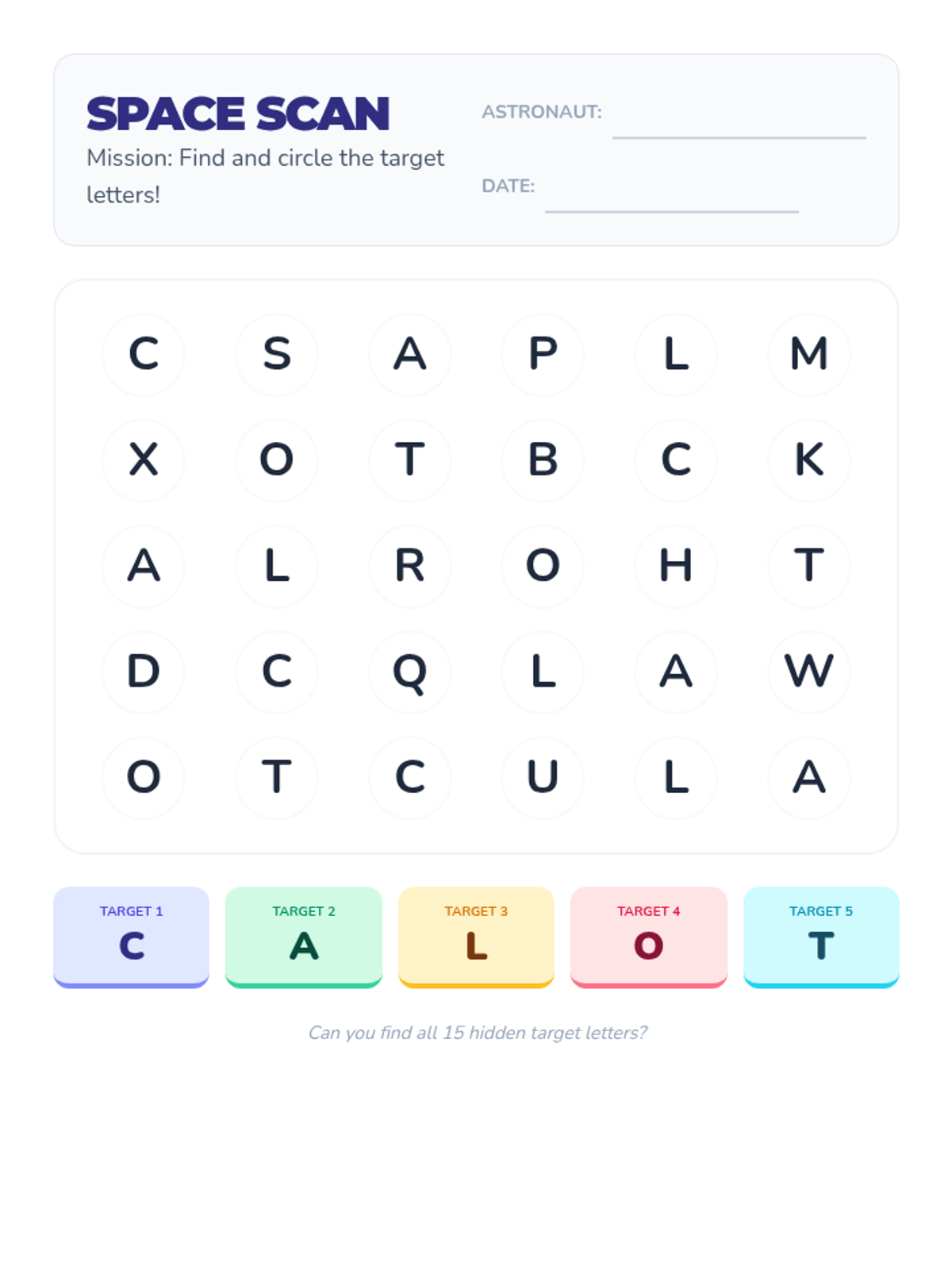
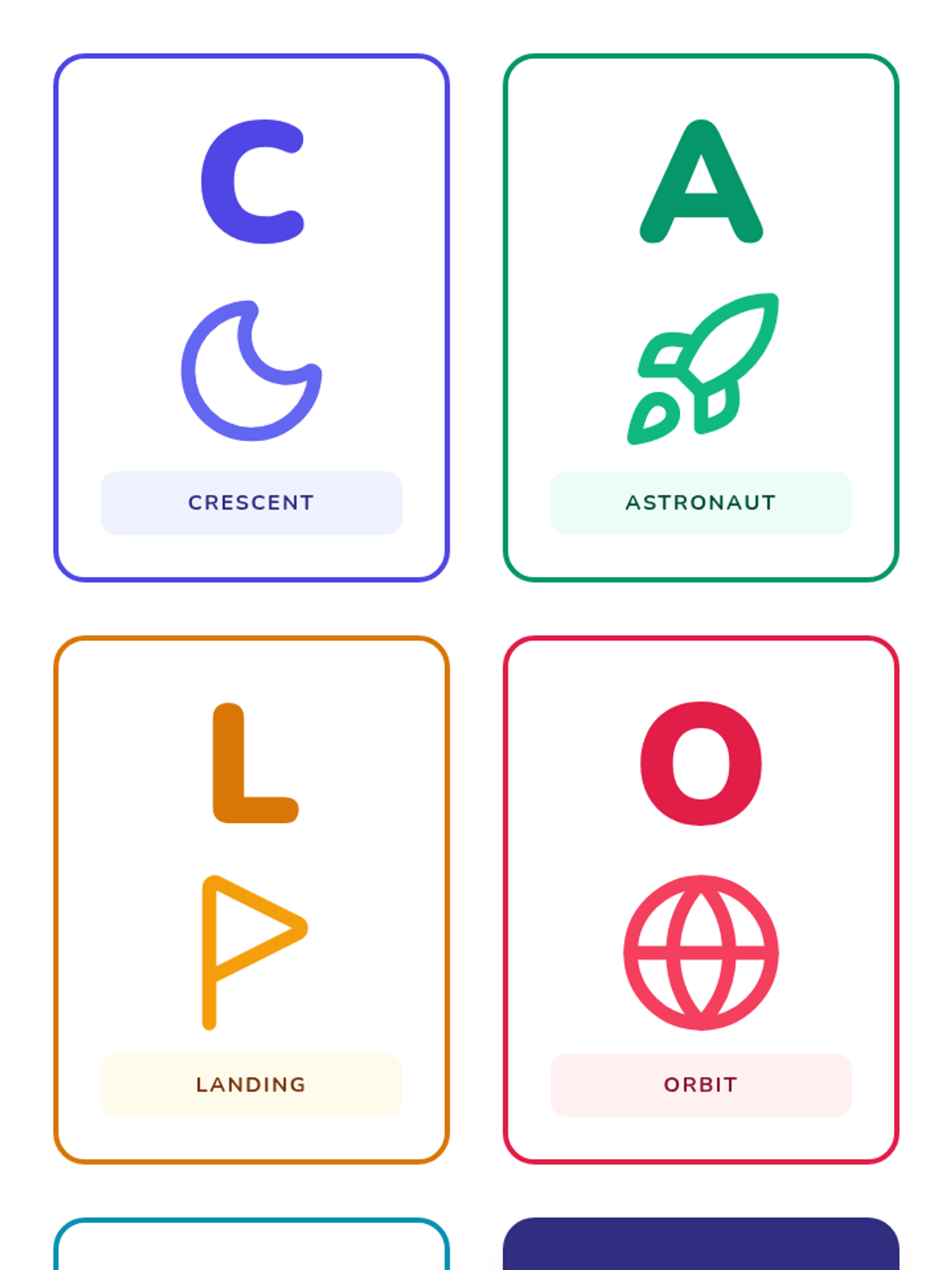
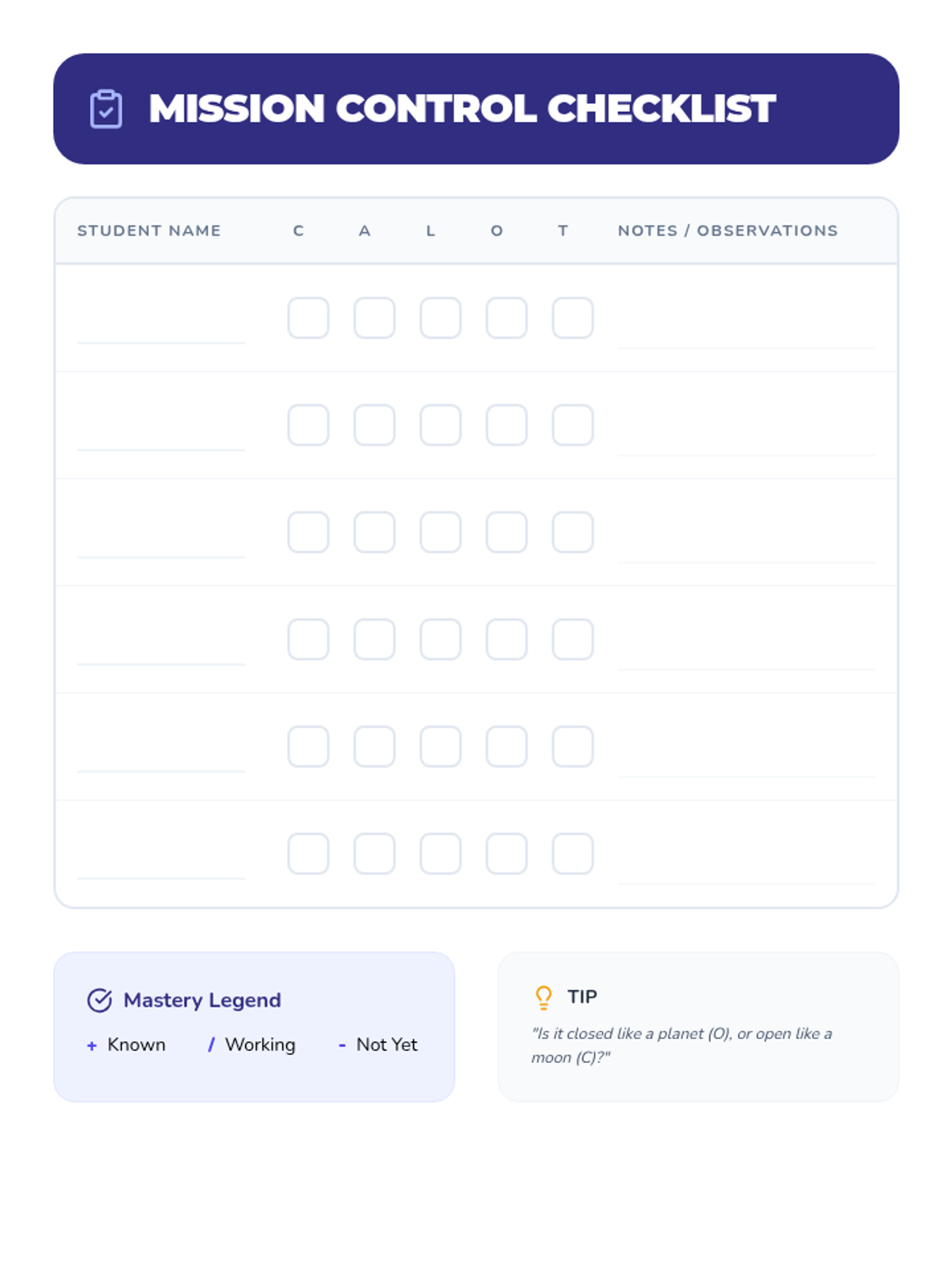
A fast-paced, space-themed small group lesson to help kindergarteners identify the letters C, A, L, O, and T through visual recognition and interactive play.
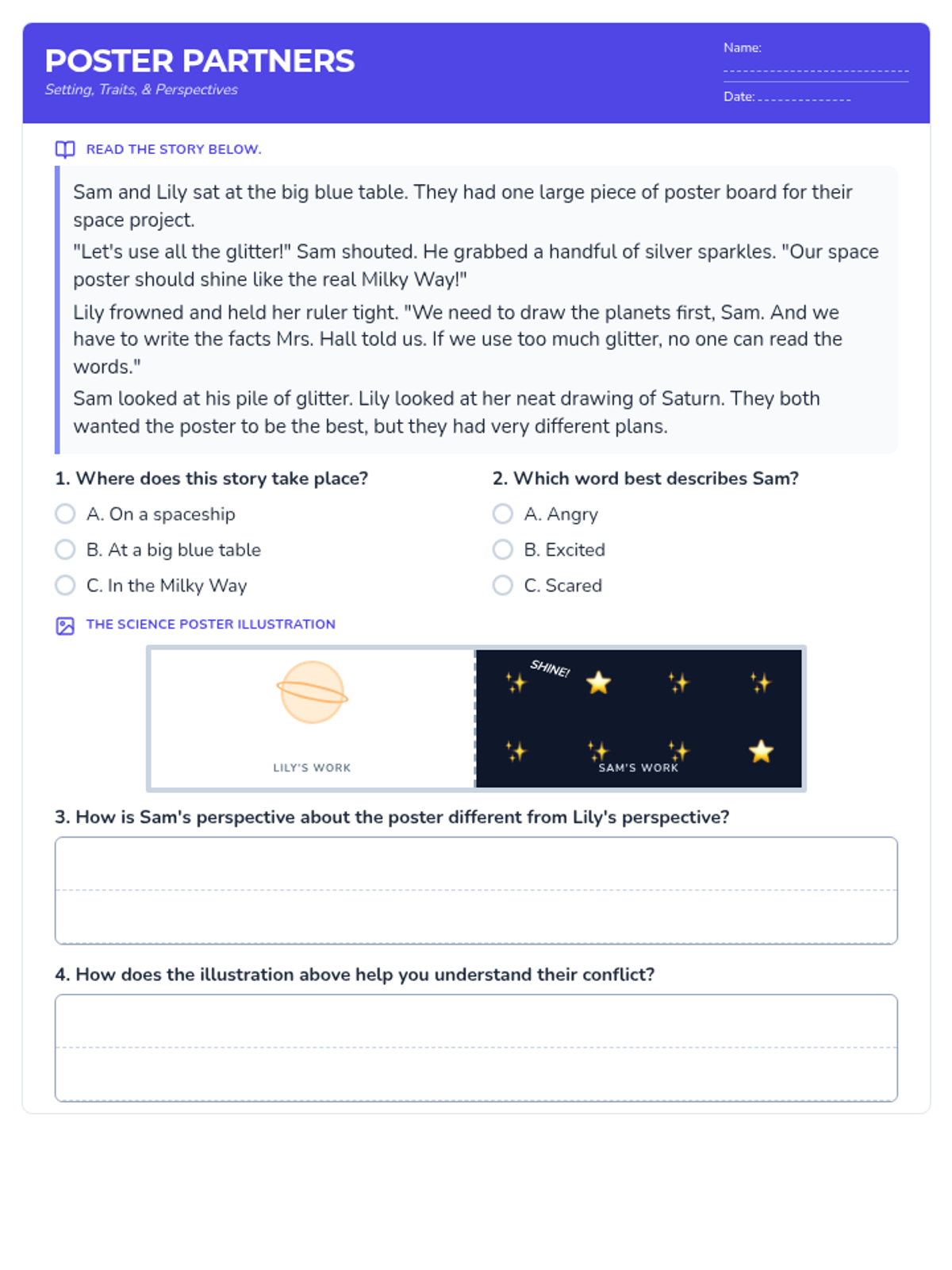
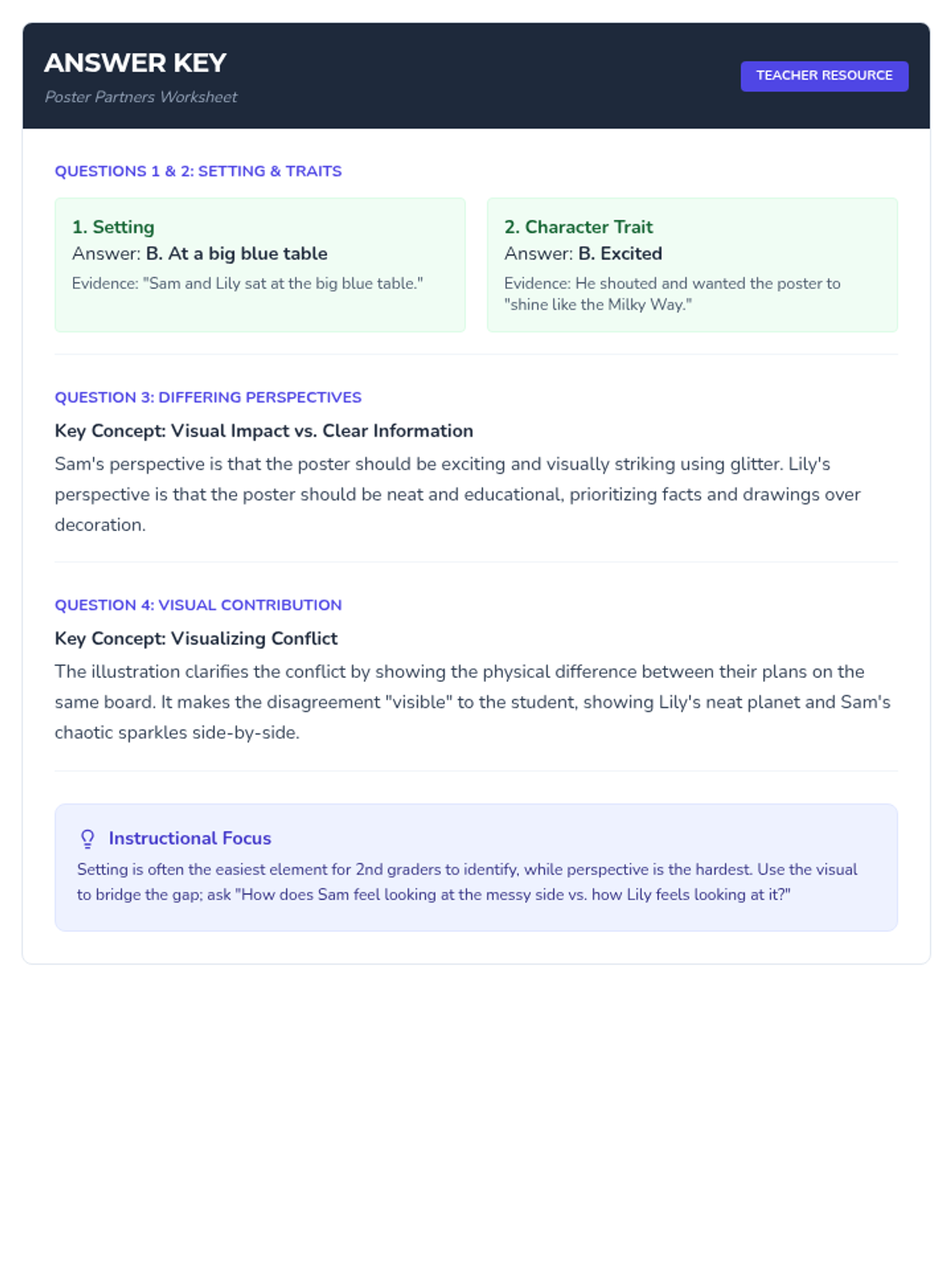
A 2nd-grade reading comprehension lesson focusing on character traits, varying perspectives, and the role of illustrations in storytelling. Students read a short passage about two classmates with different artistic visions and analyze their interactions.
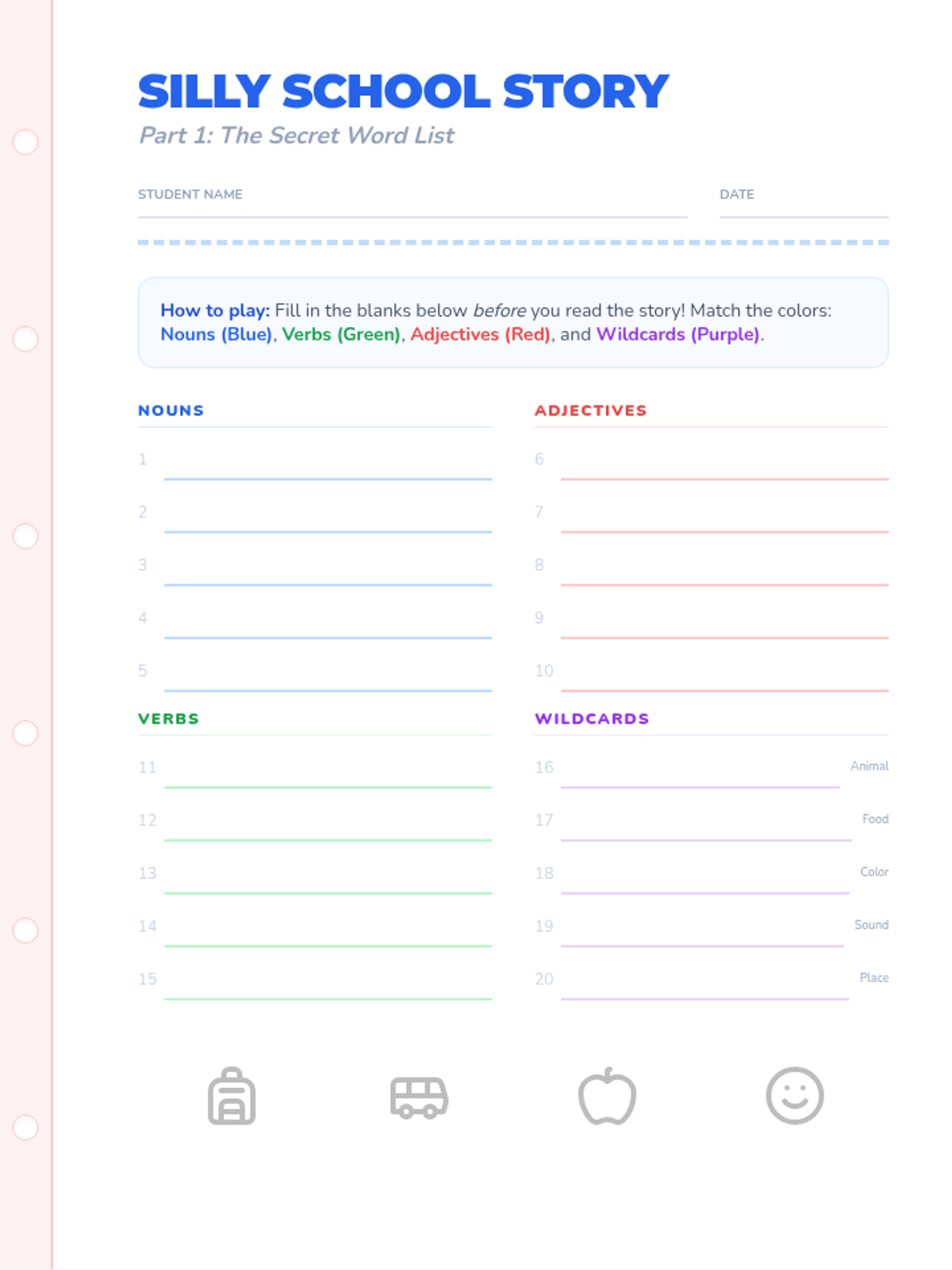
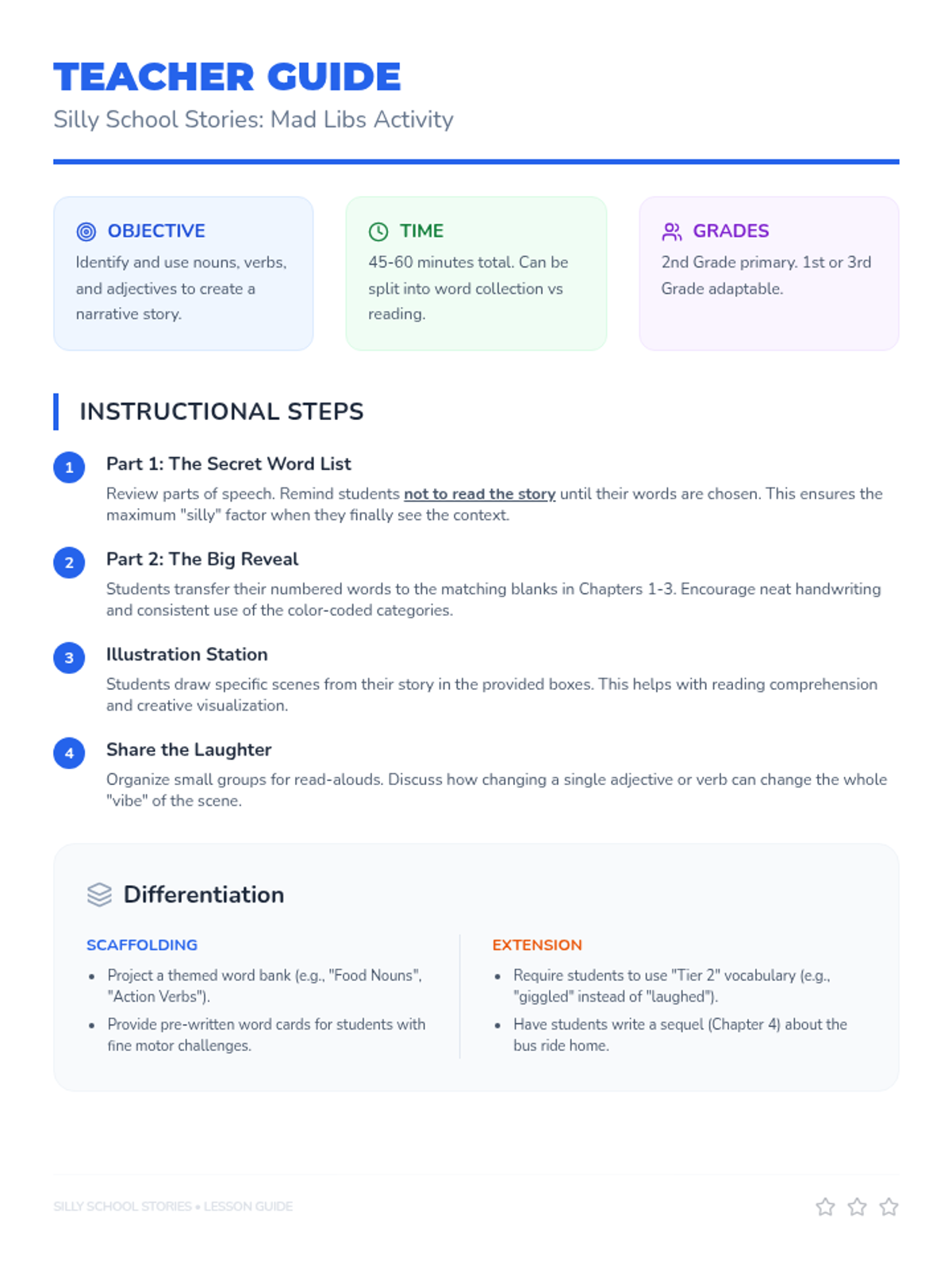
A creative writing activity where 2nd grade students use nouns, verbs, and adjectives to complete a hilarious 4-page story about a chaotic day at school.
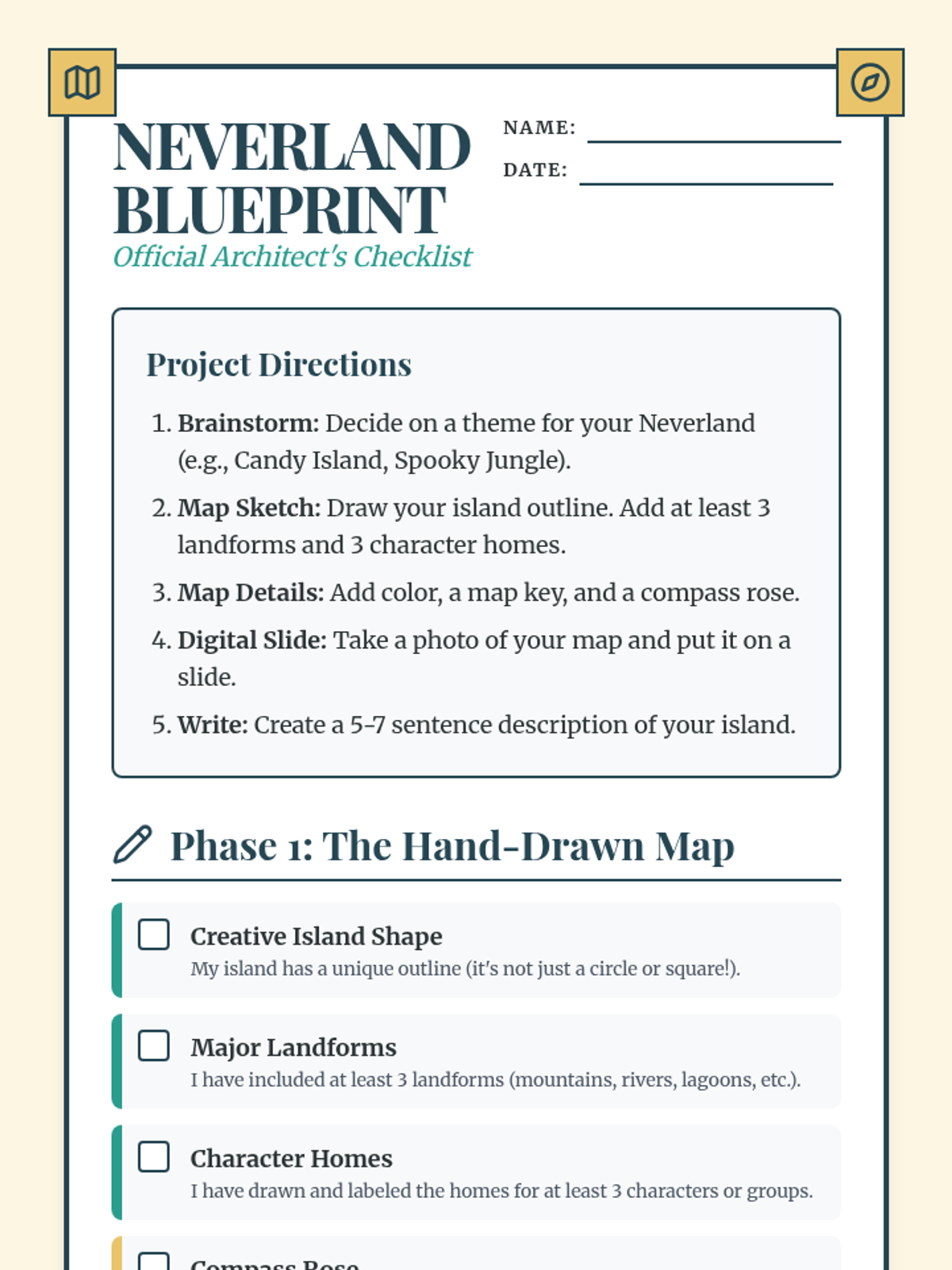
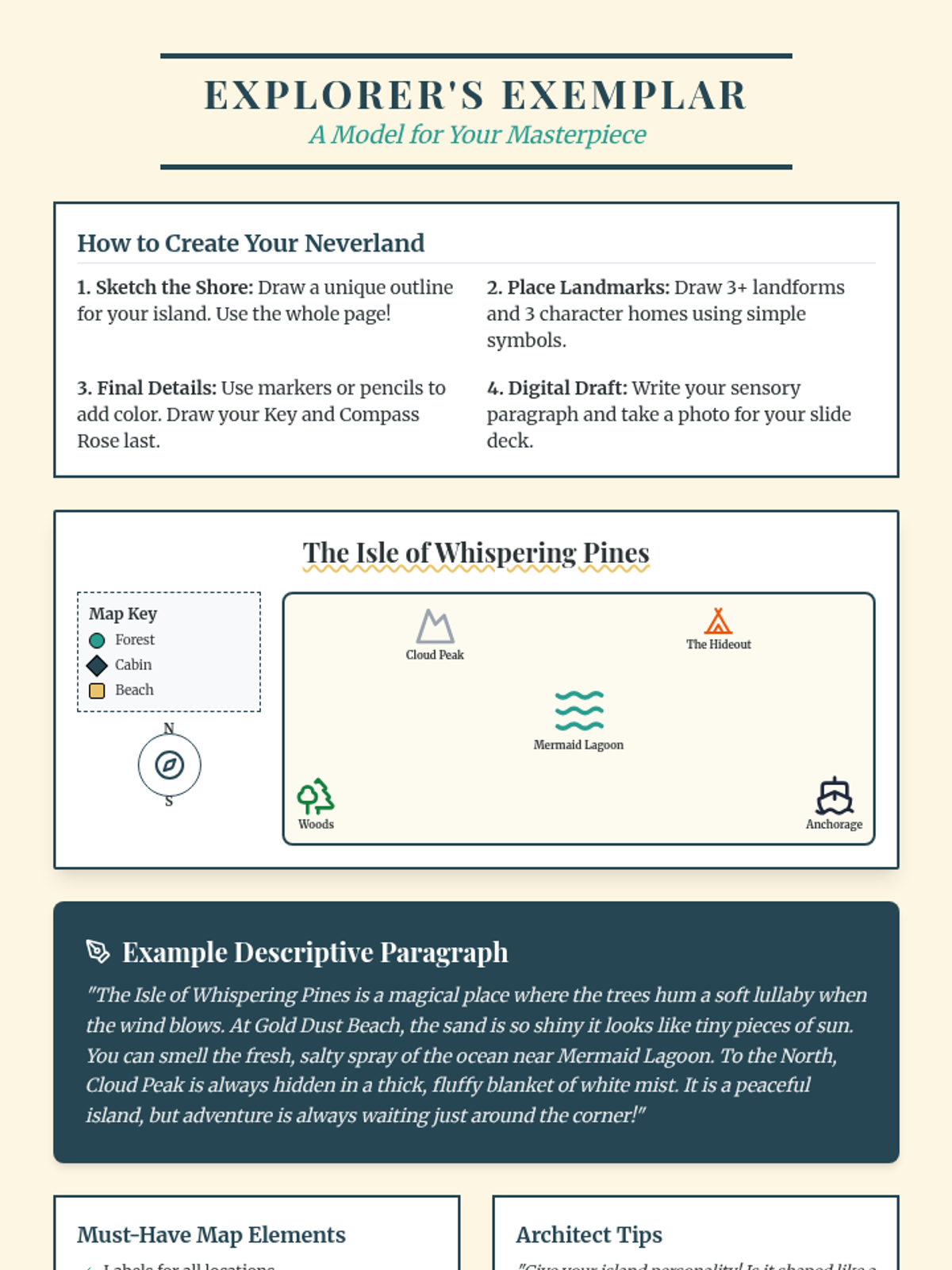
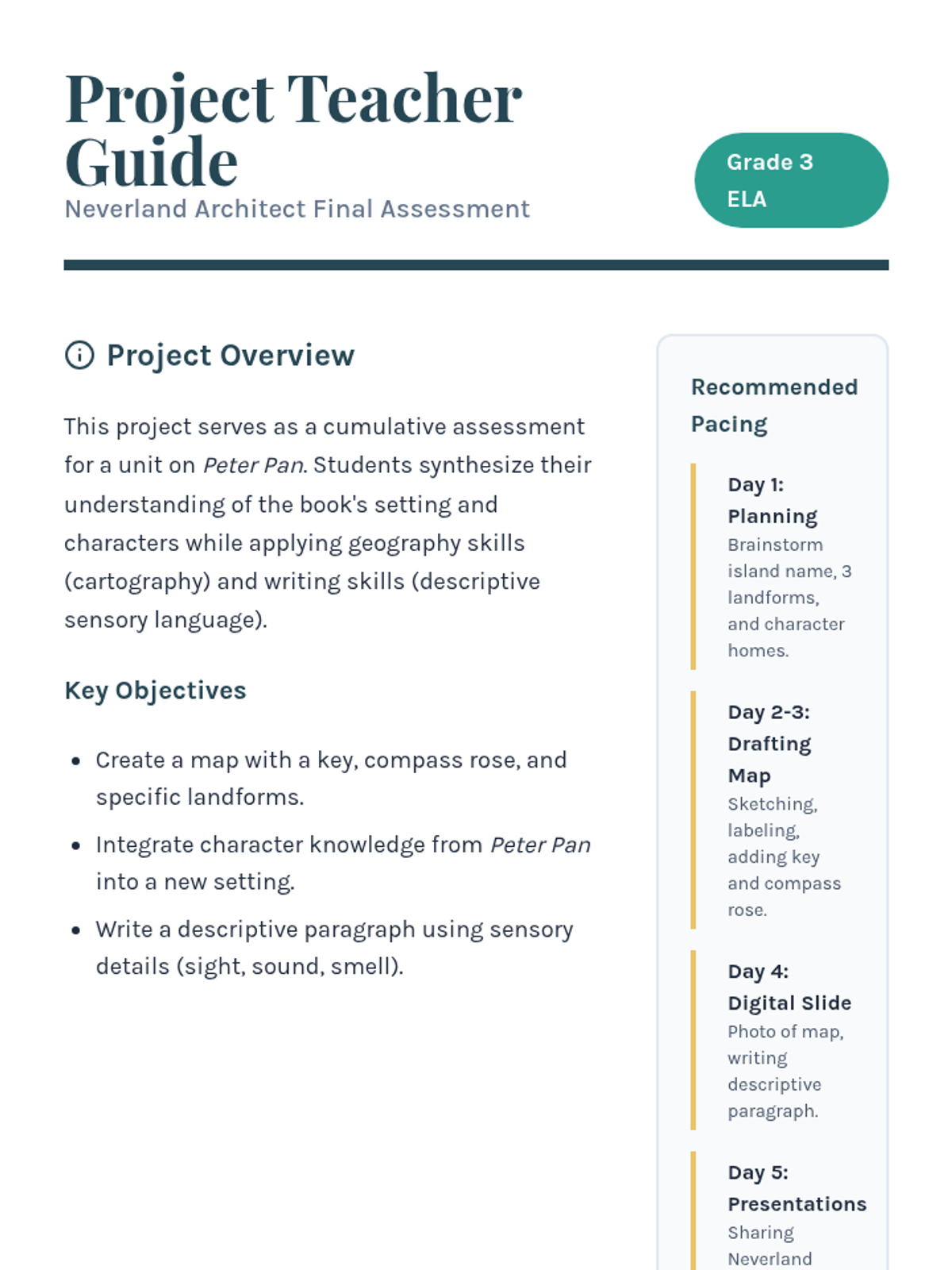
A creative final project for 3rd graders following the reading of "Peter Pan," where students design their own version of Neverland through cartography and digital storytelling.
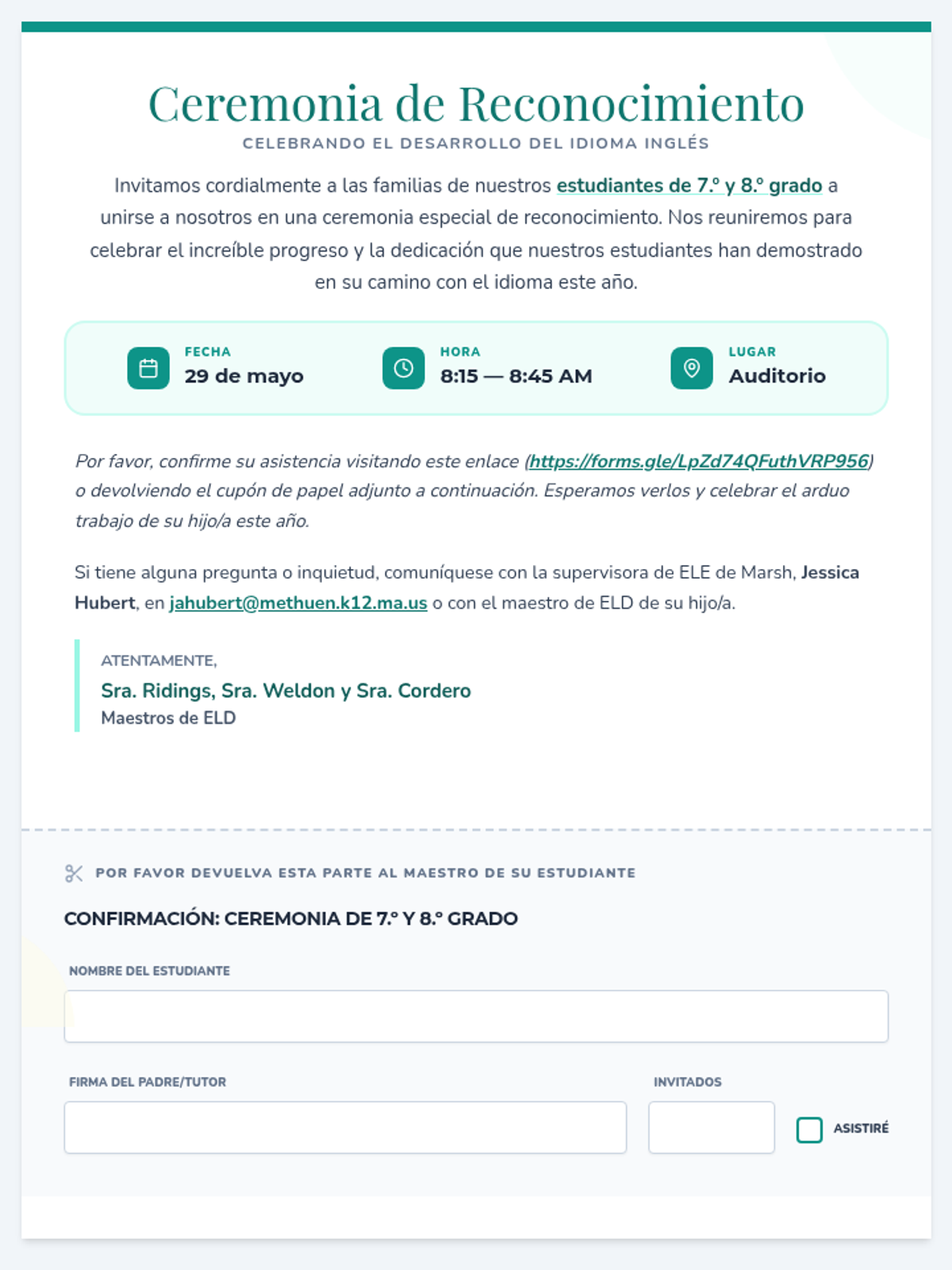
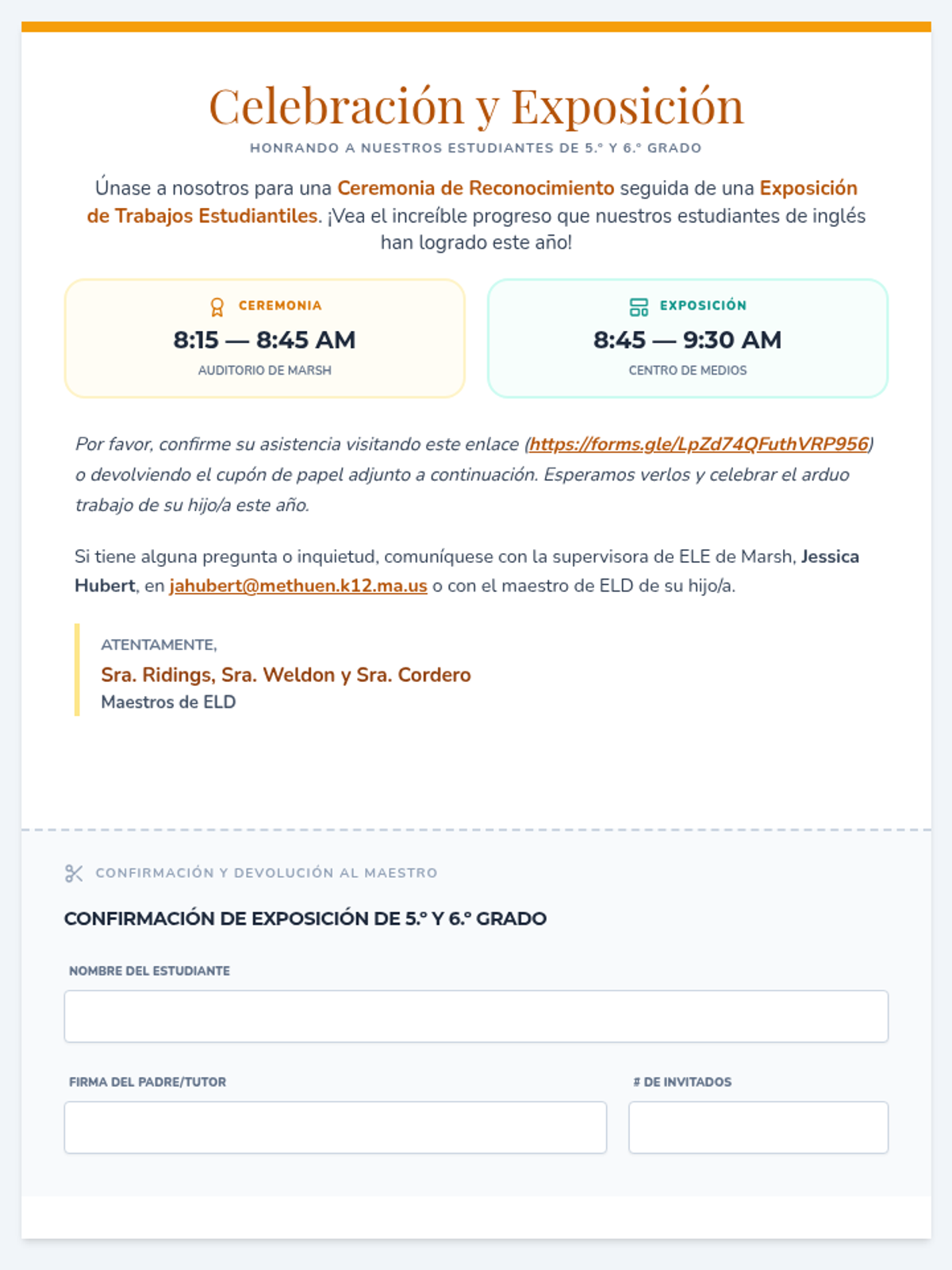
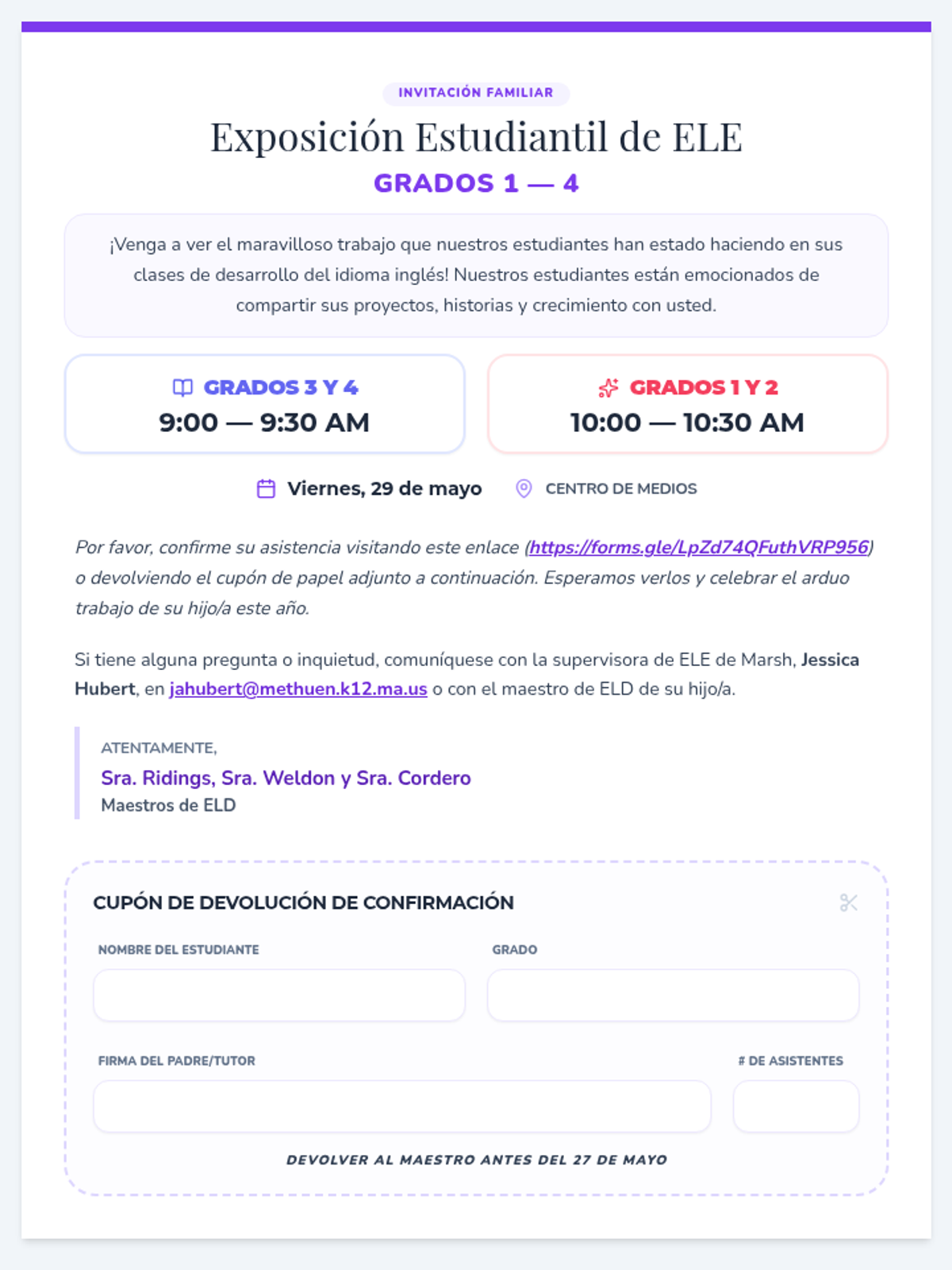
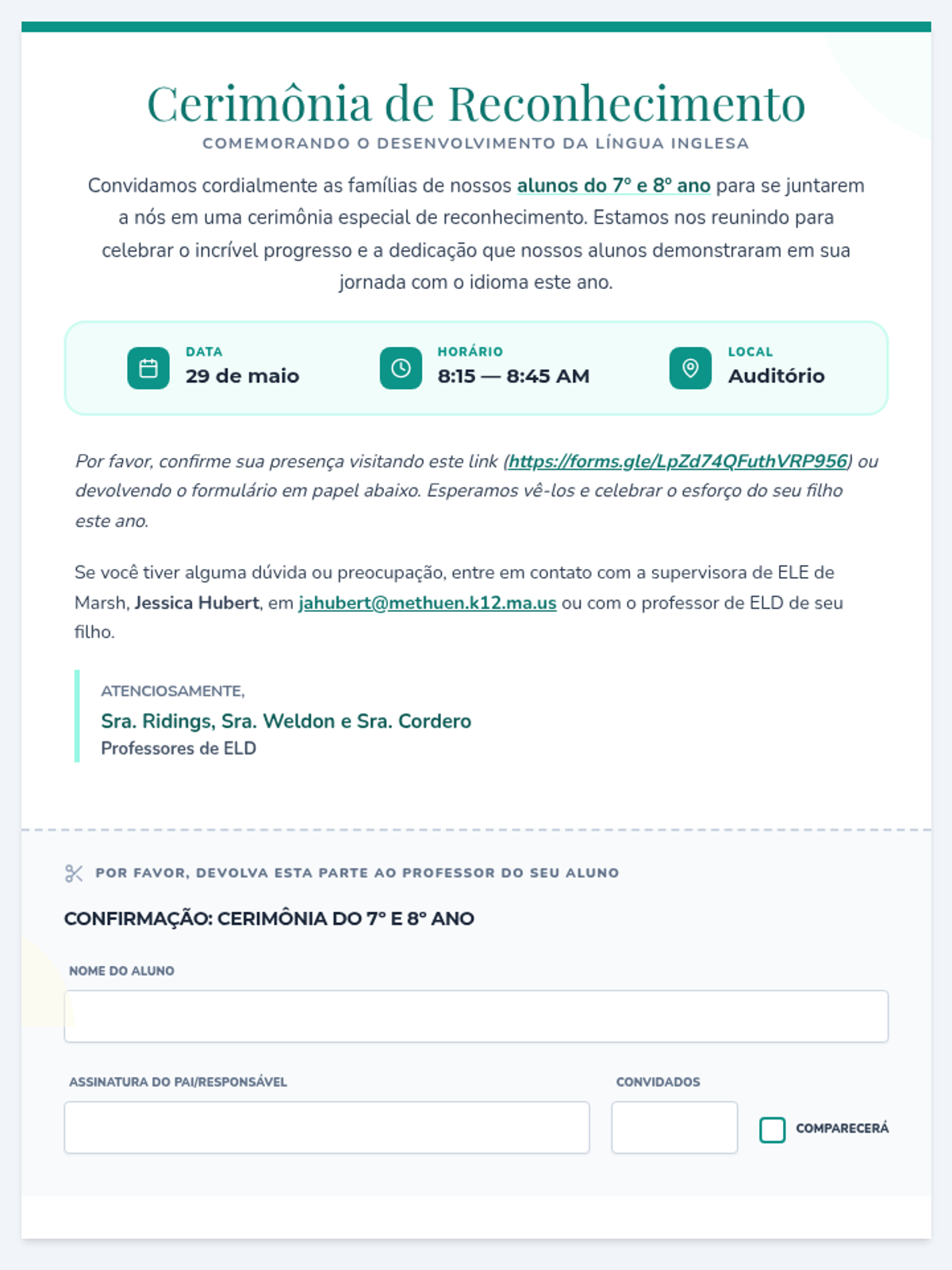
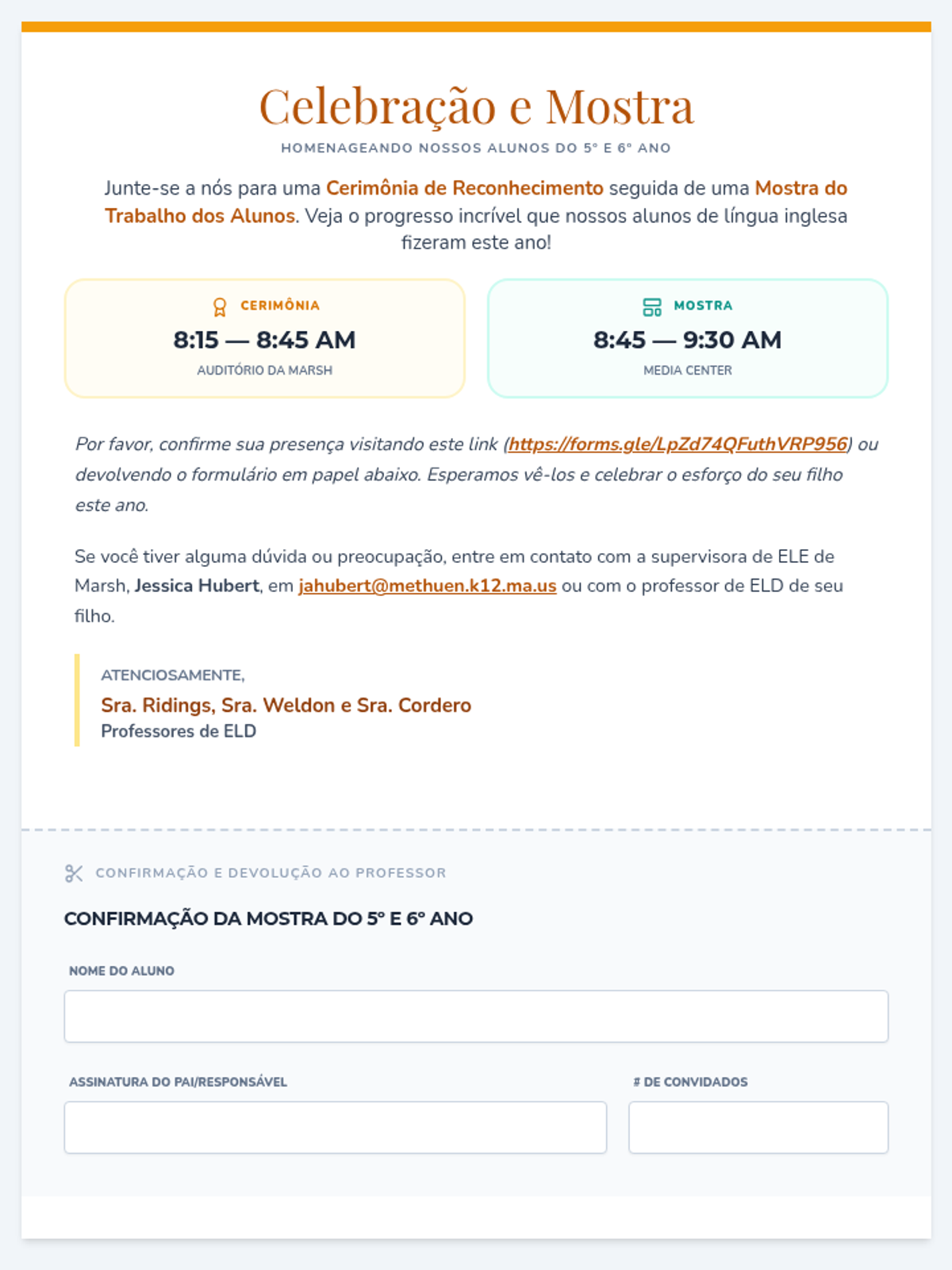
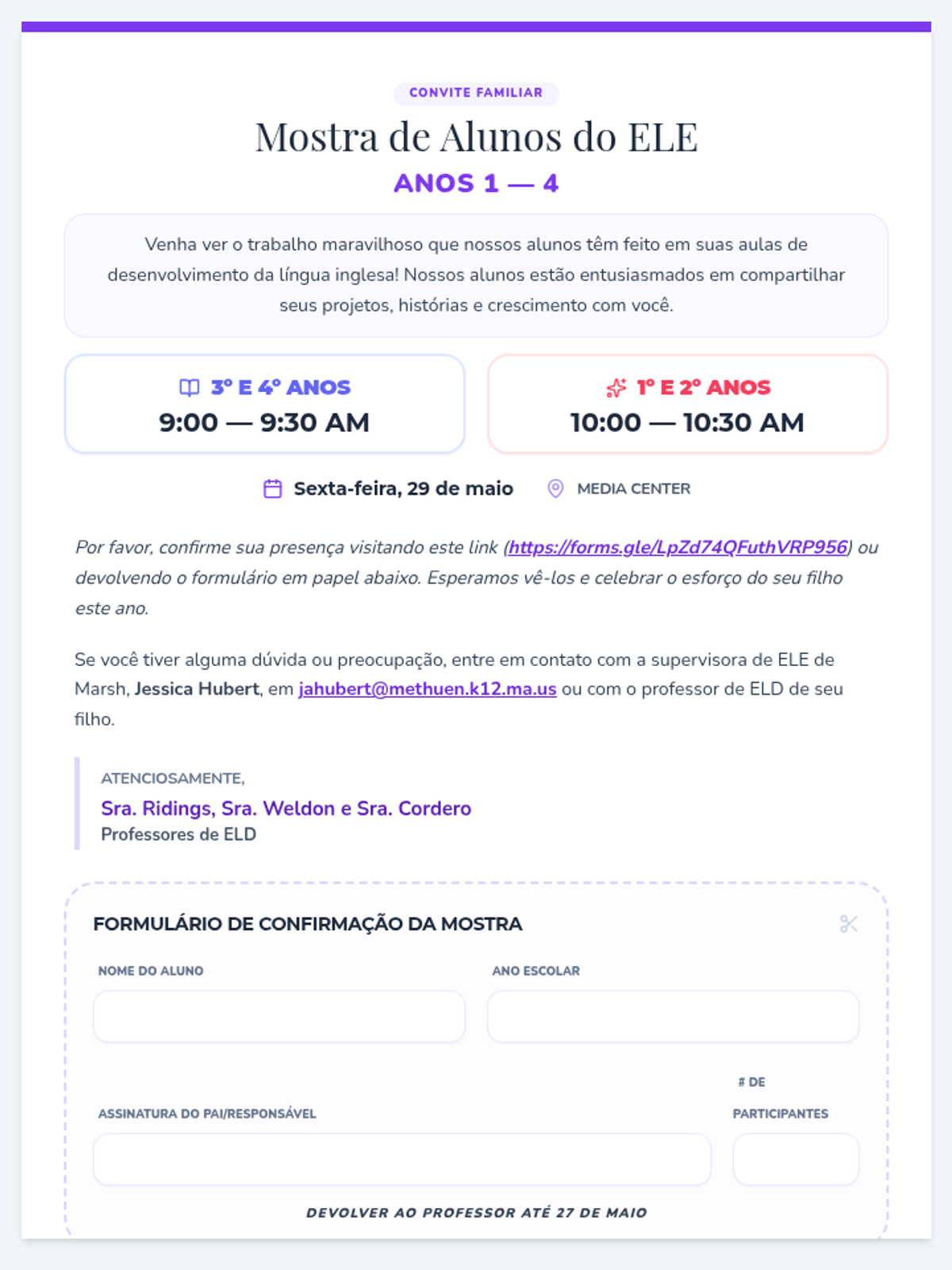
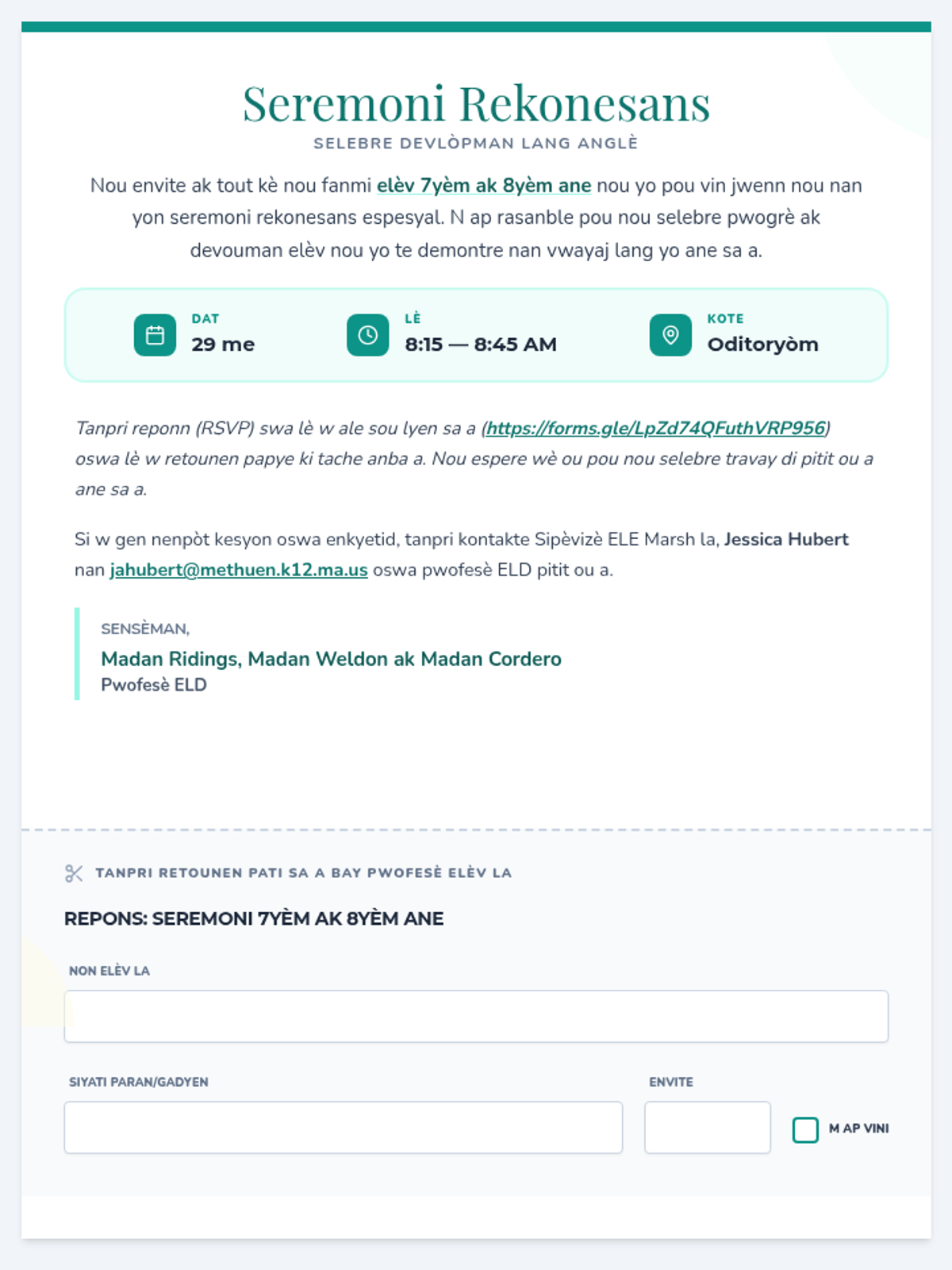
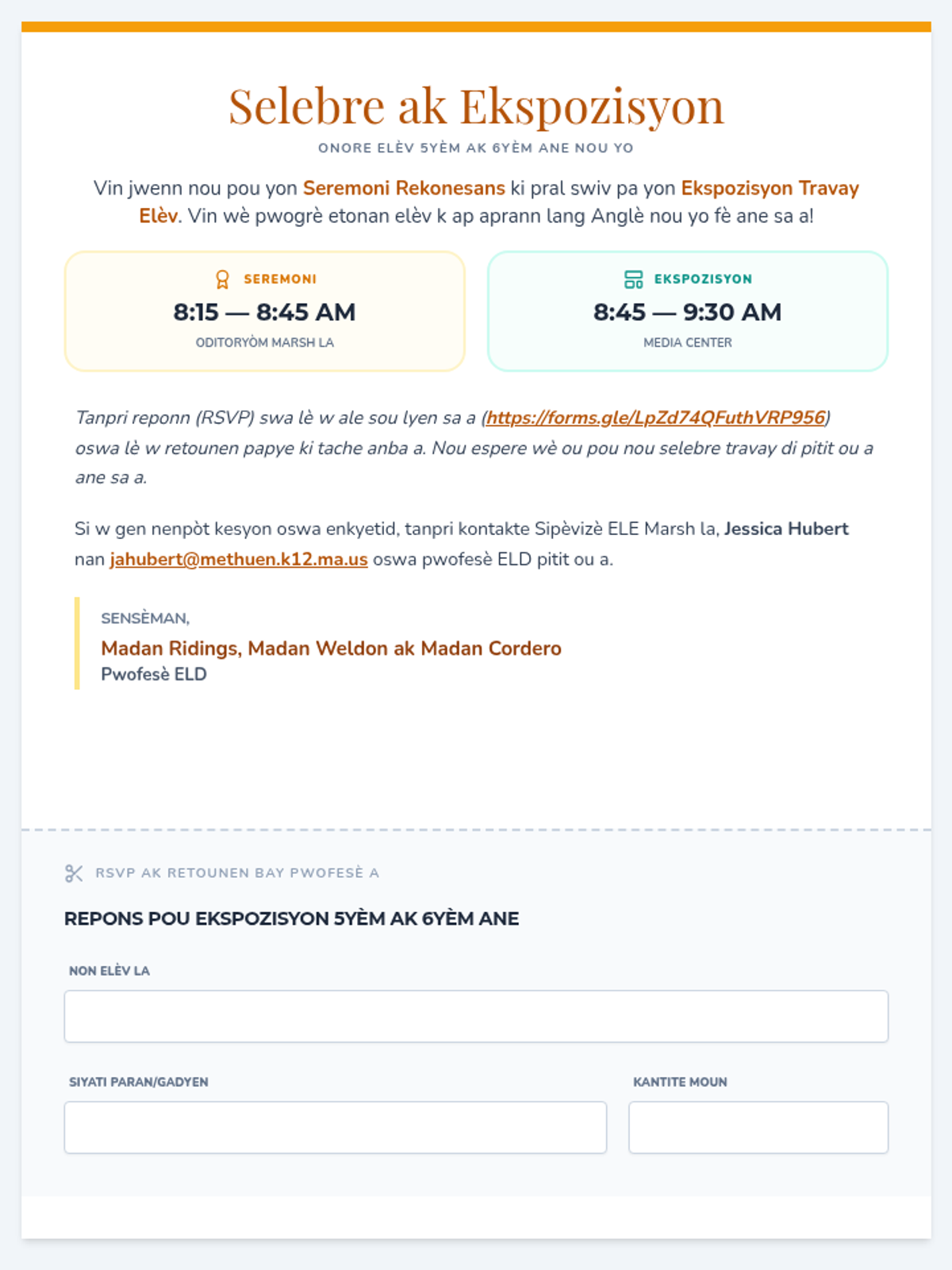
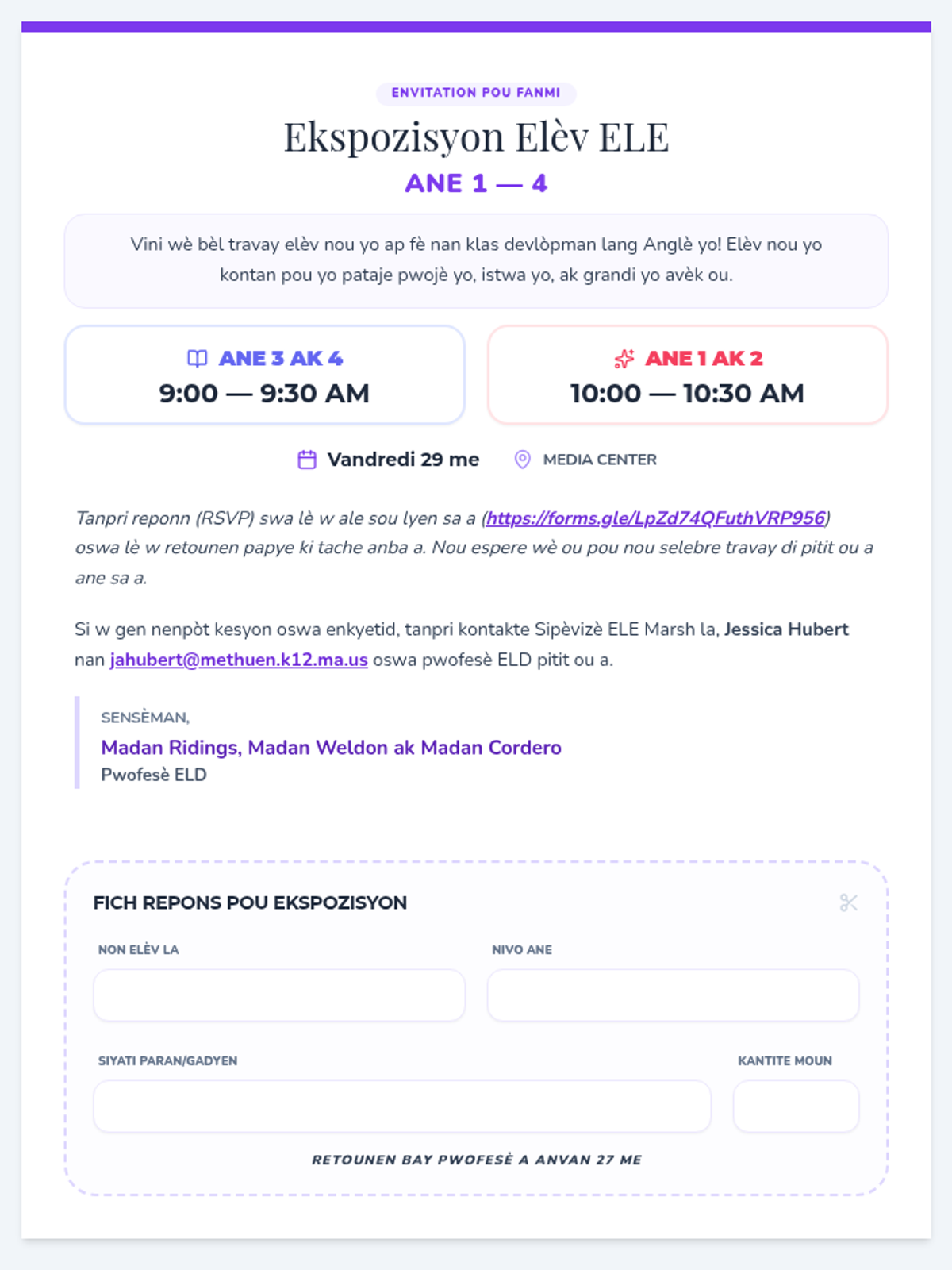
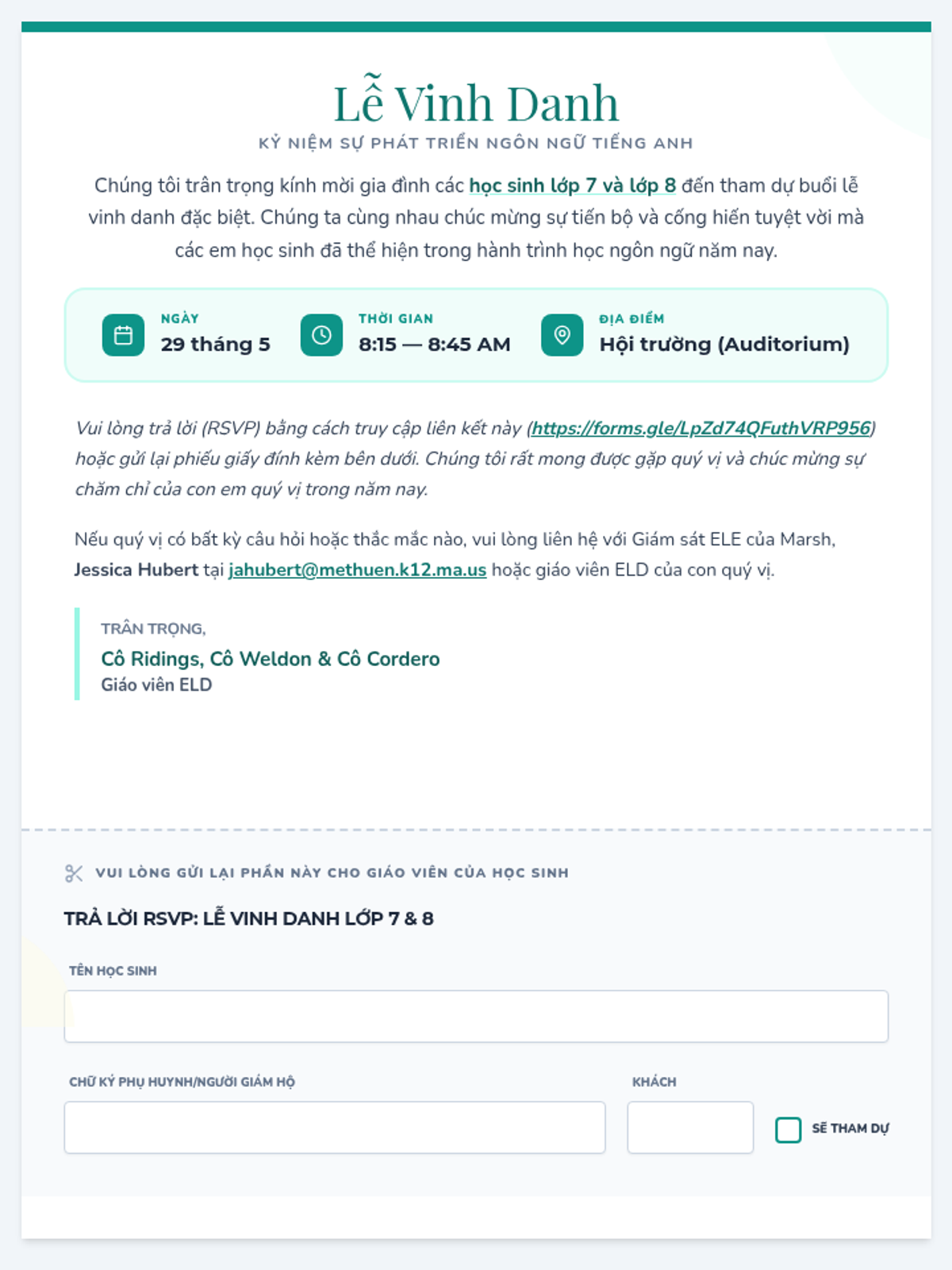
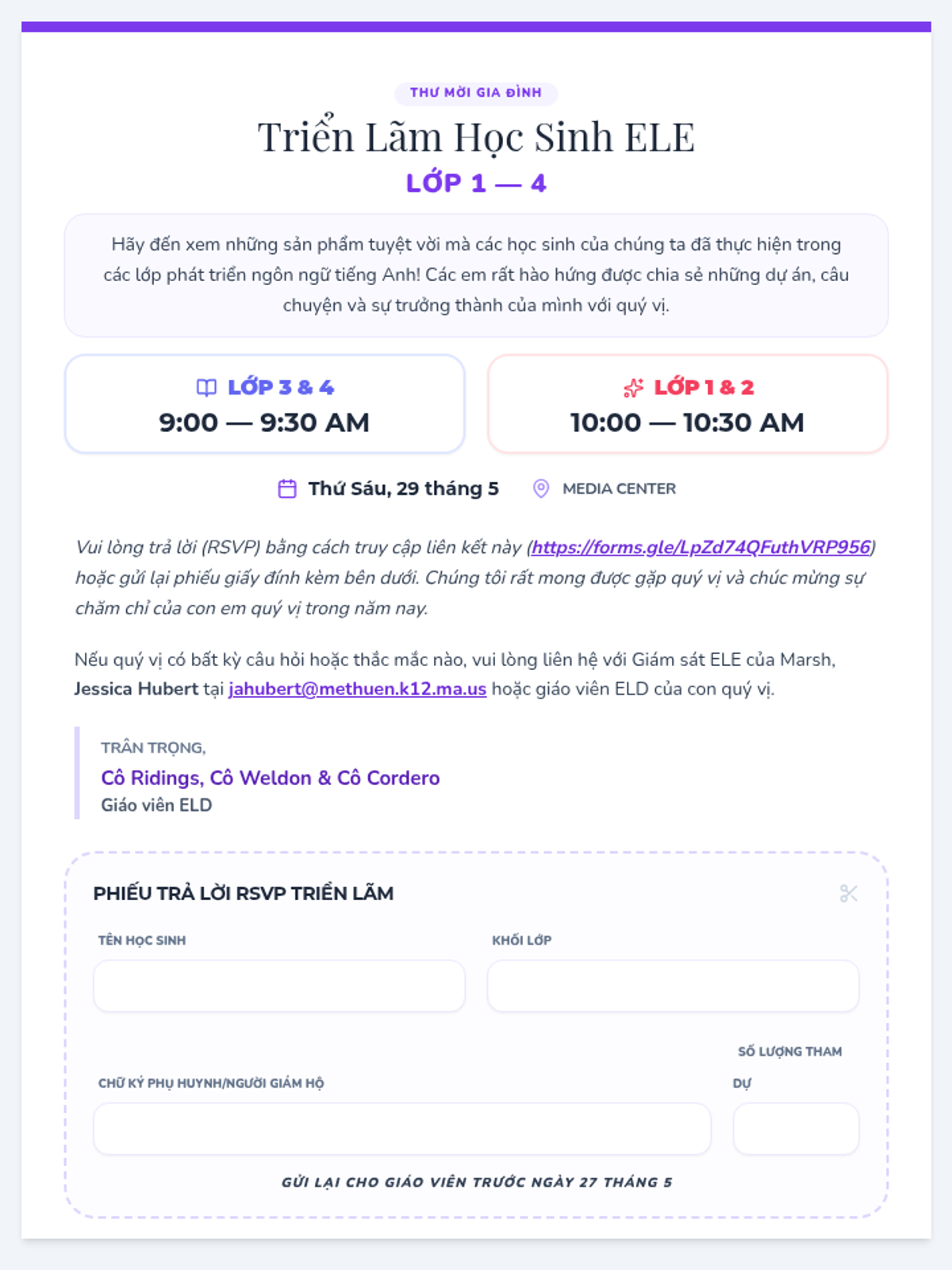
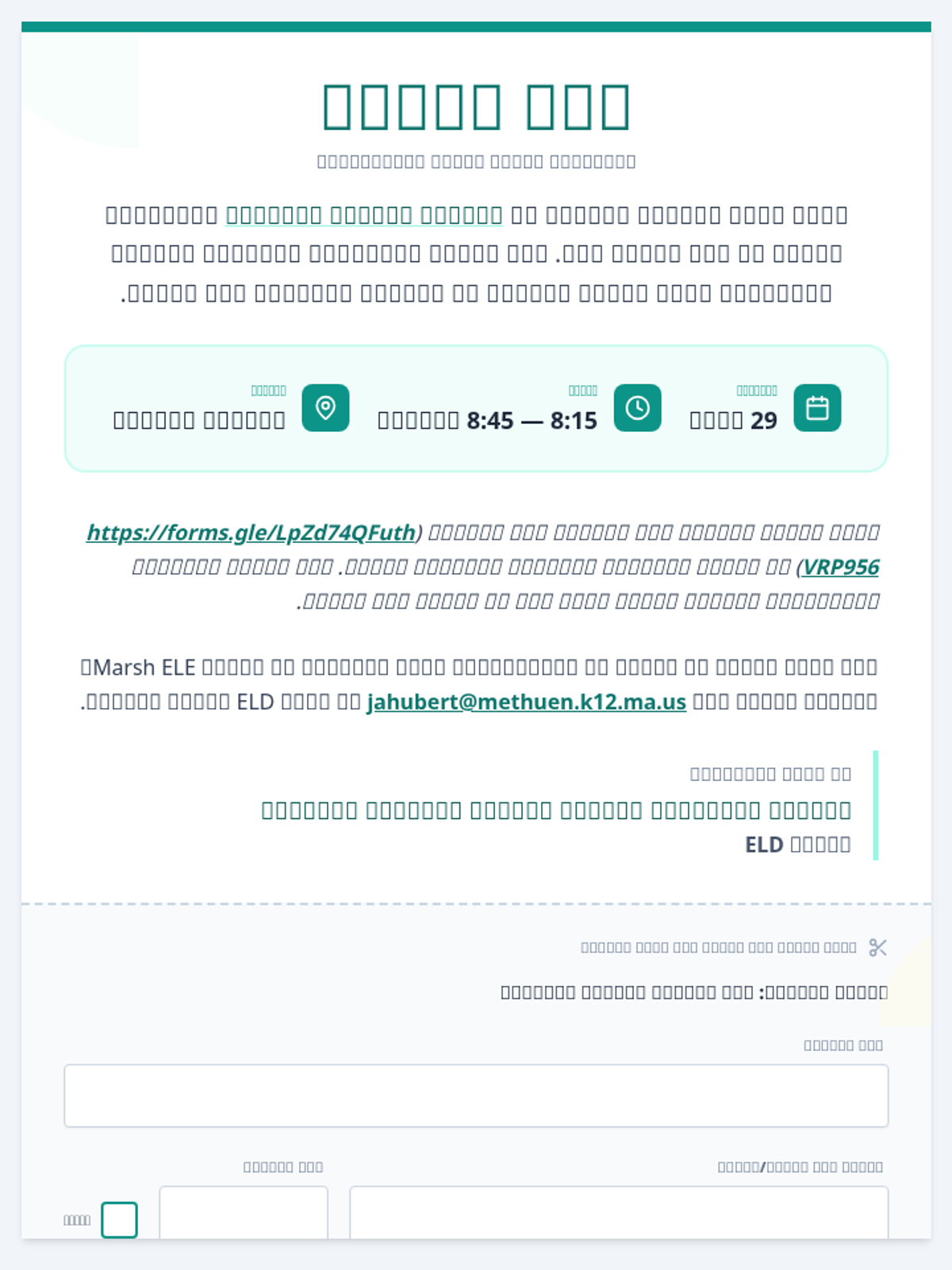
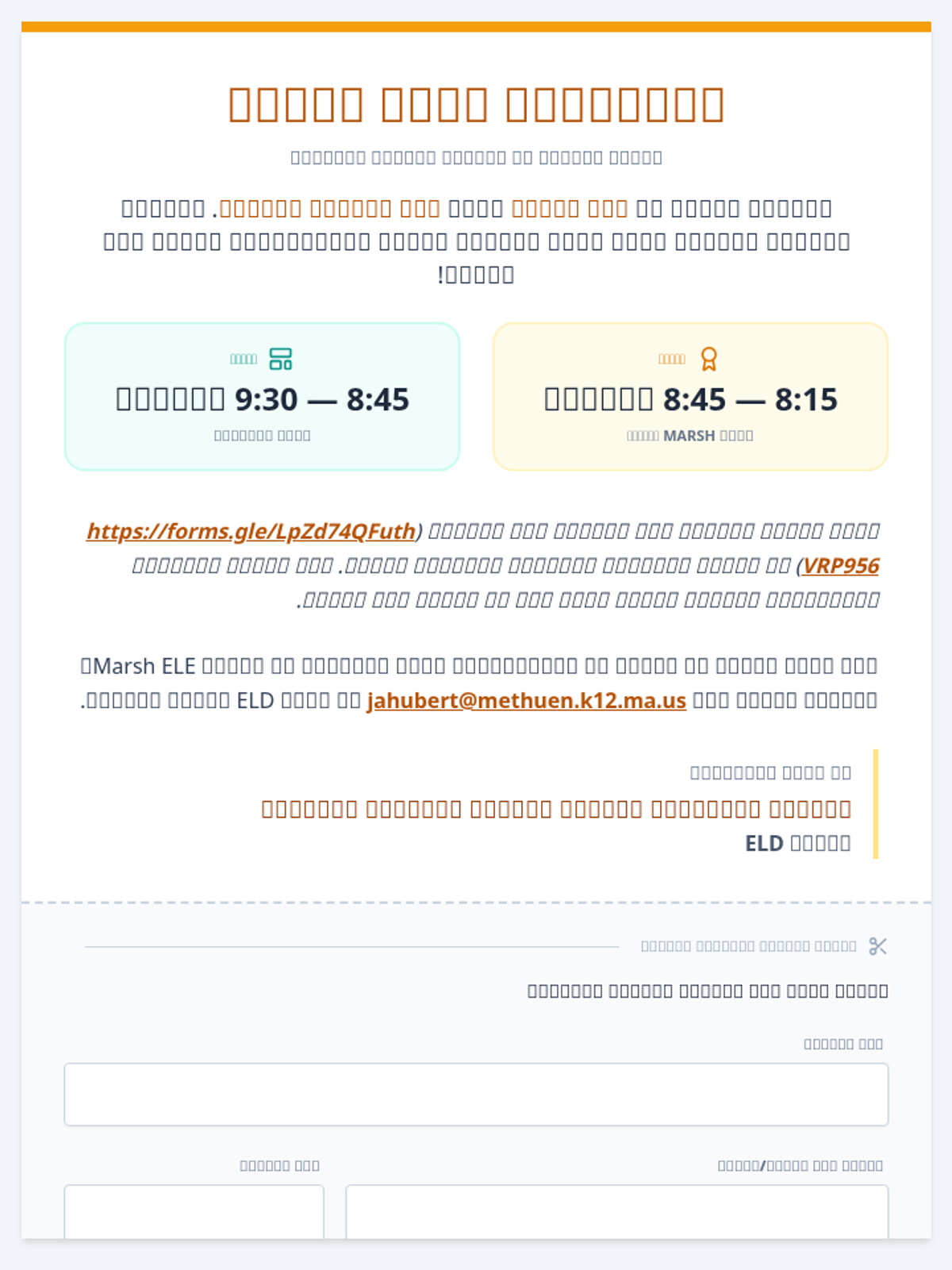
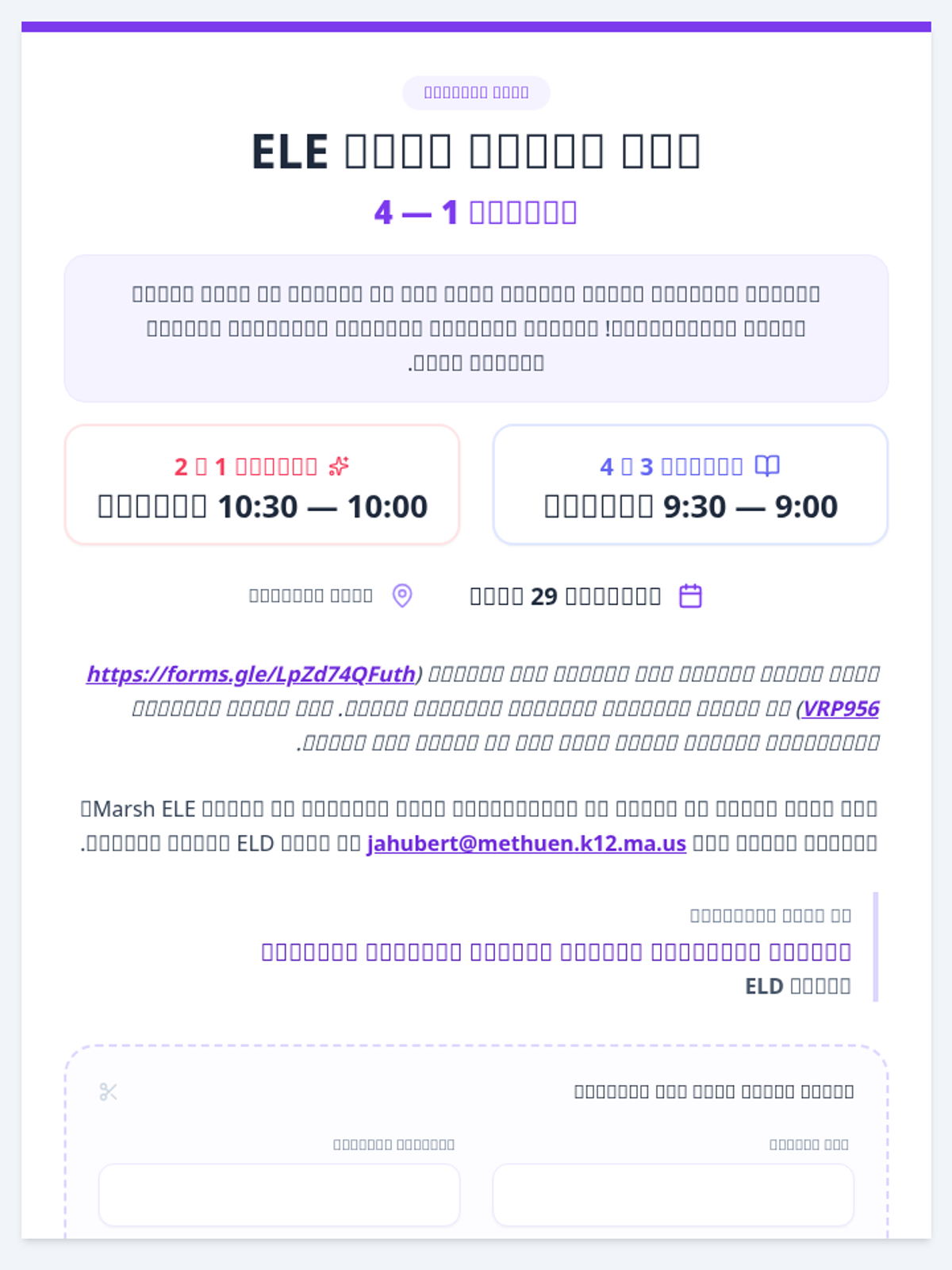
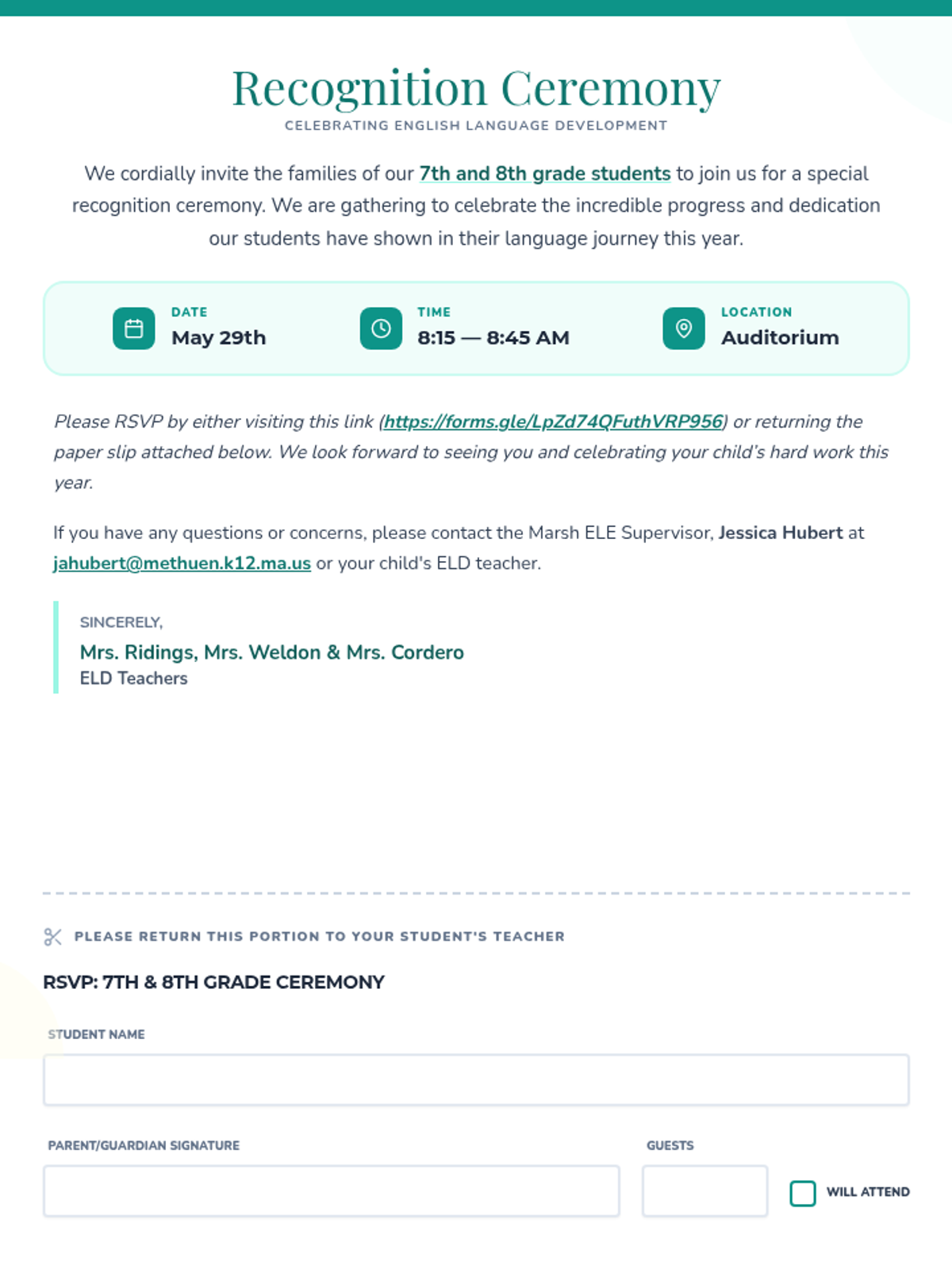
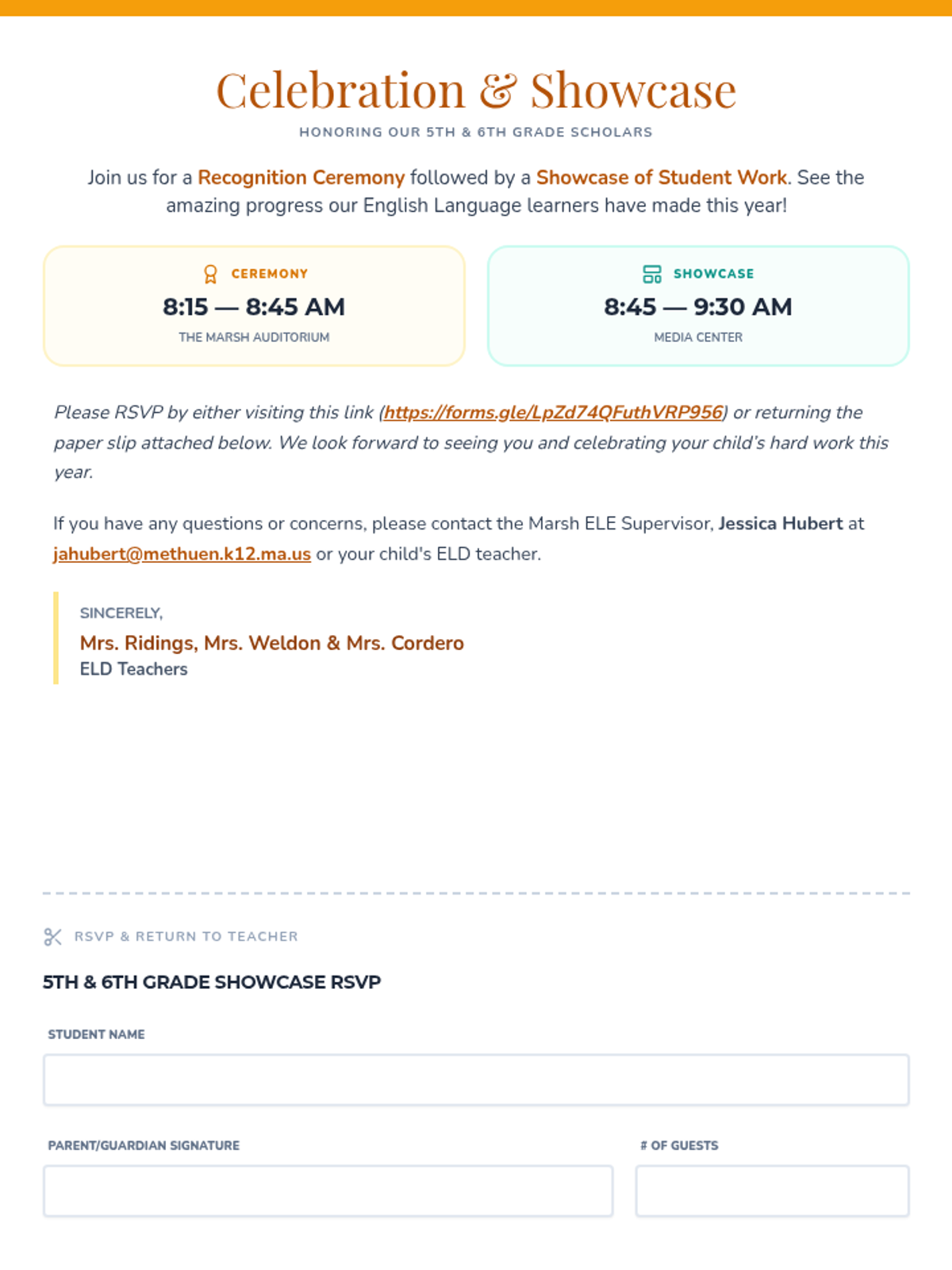
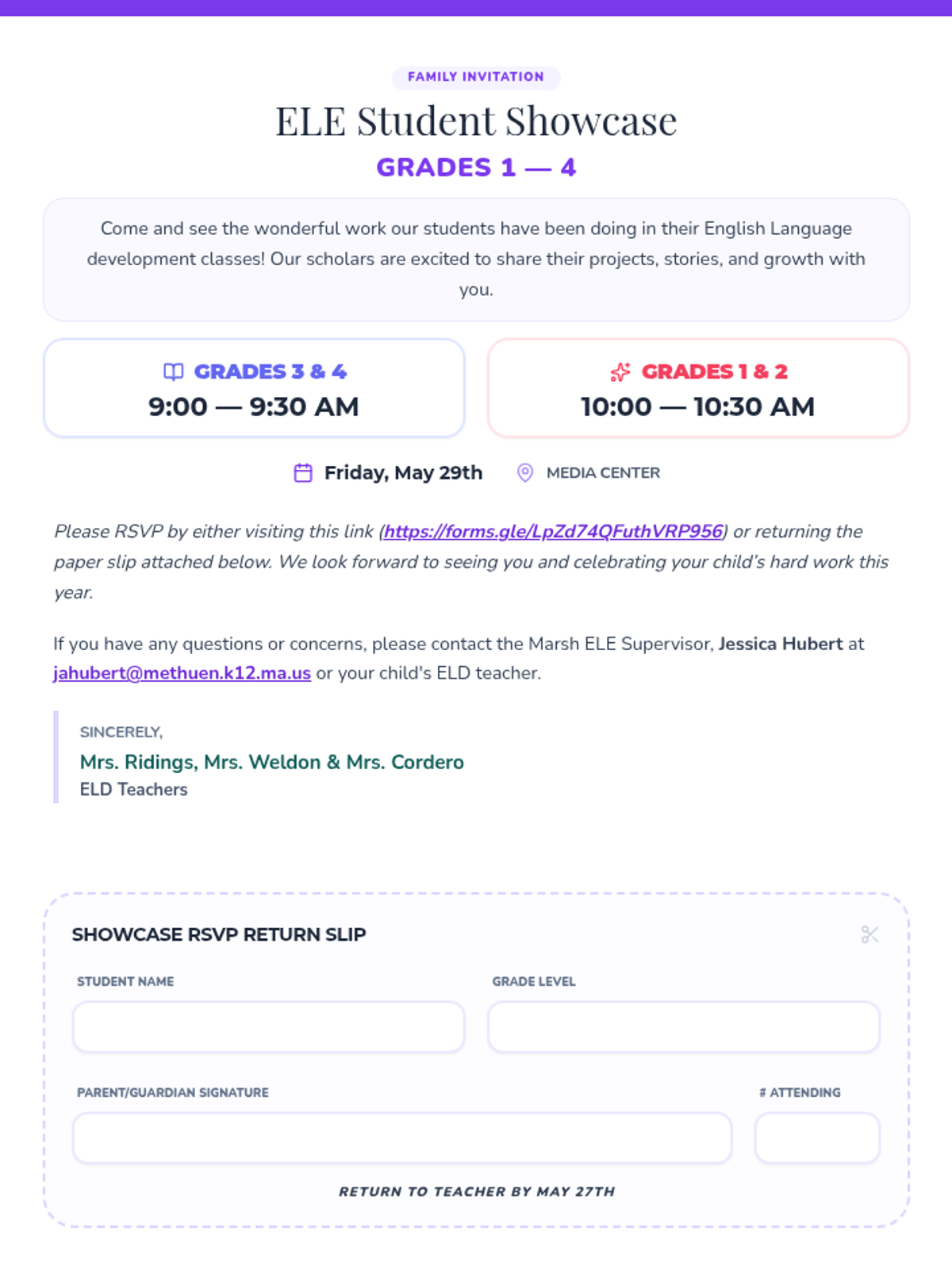
A collection of family invitation flyers for the English Language Education (ELE) showcase and recognition ceremonies across various grade levels. Each flyer includes specific timing, location details, and a return slip for RSVPs.
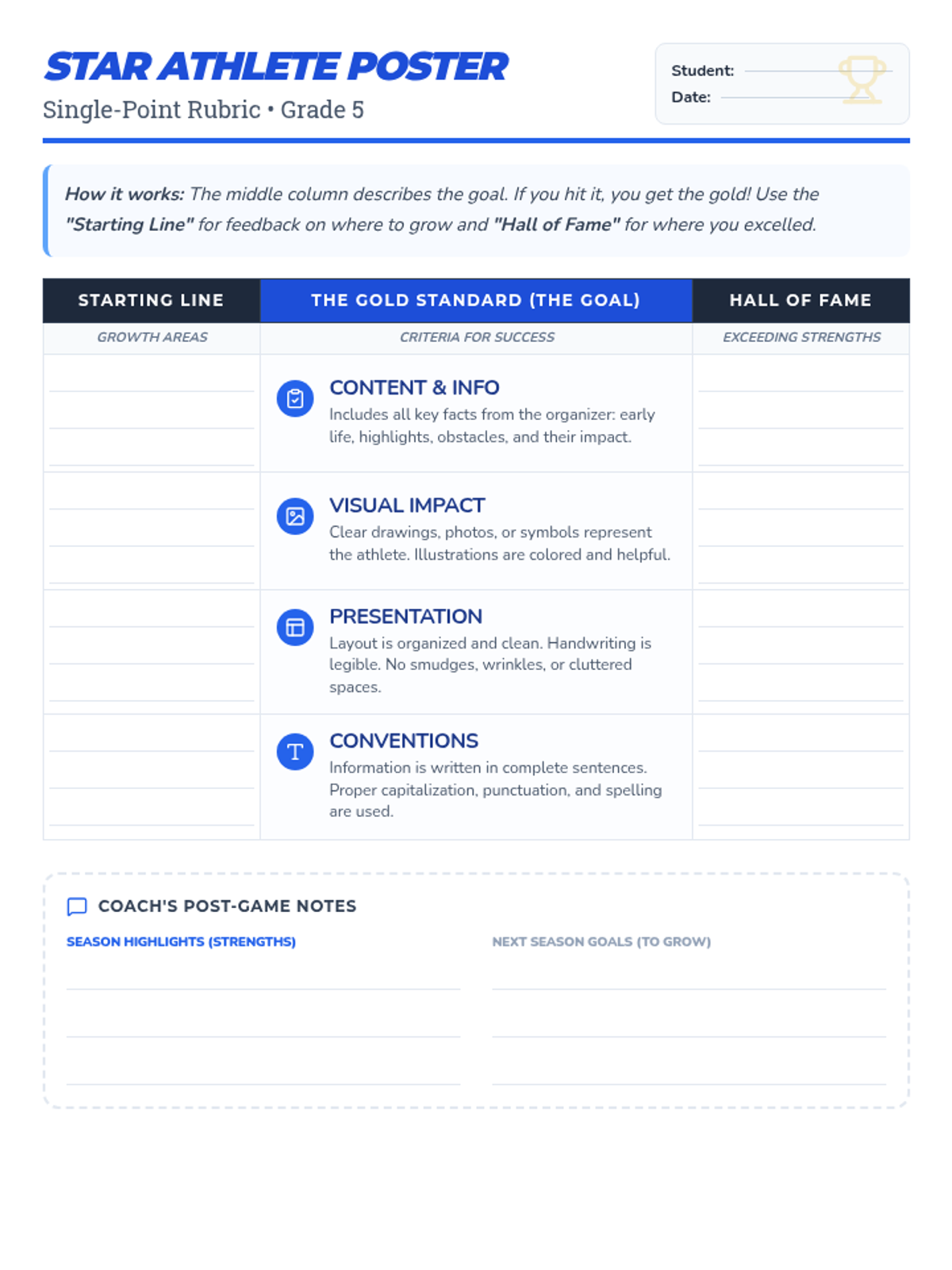
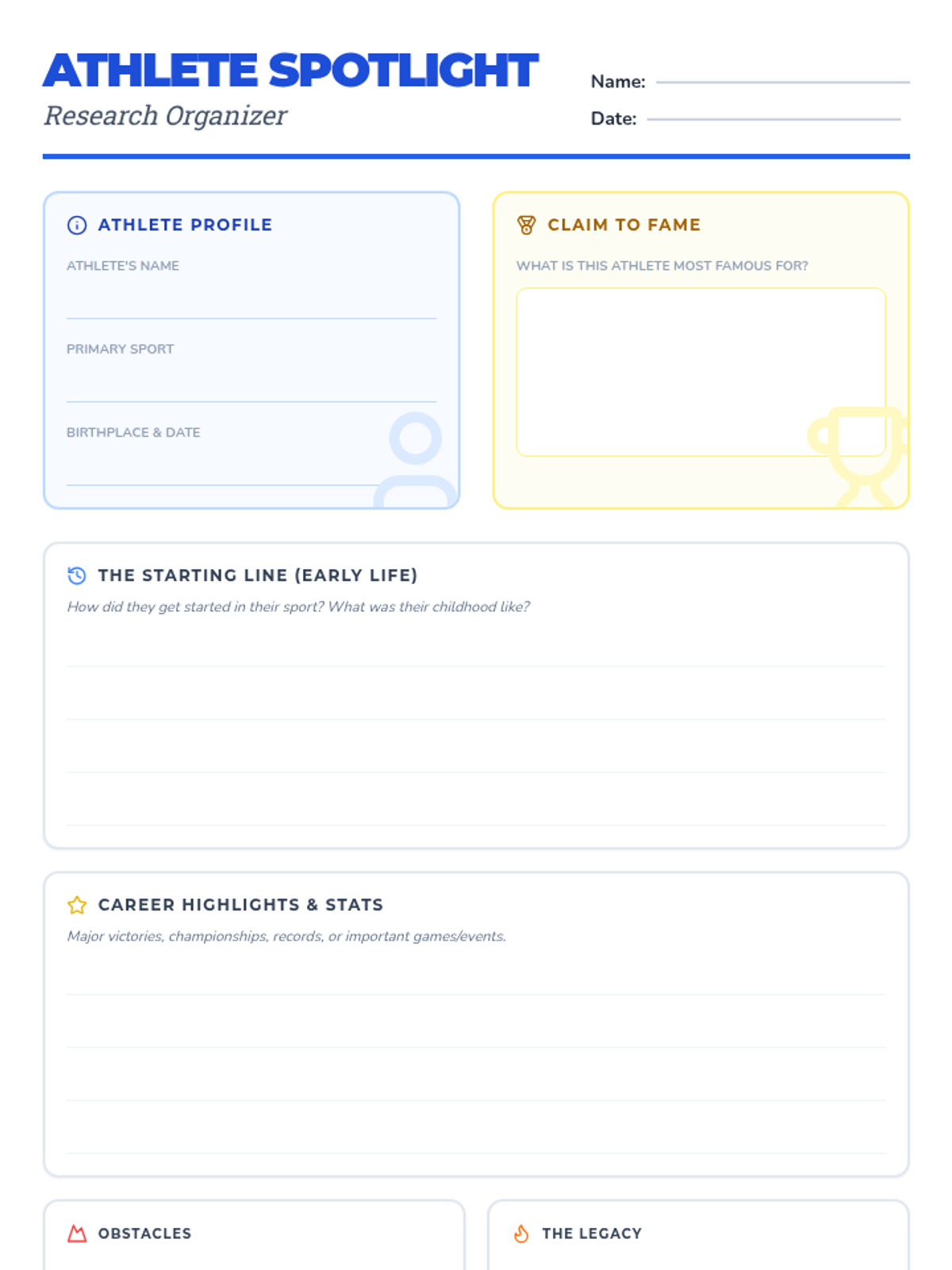
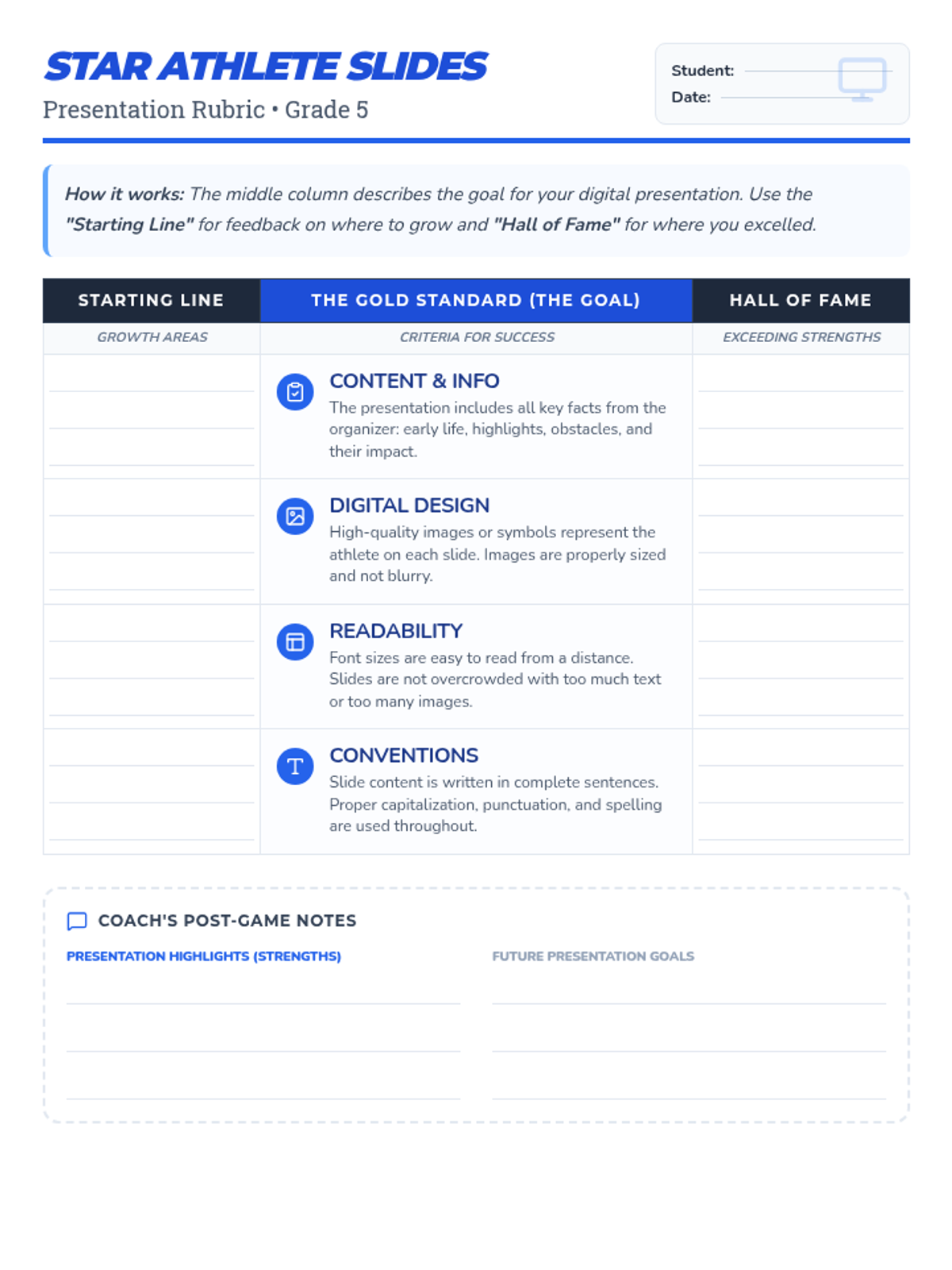
A project-based lesson where students research a famous athlete, organize their findings, and create a visually engaging biography poster.
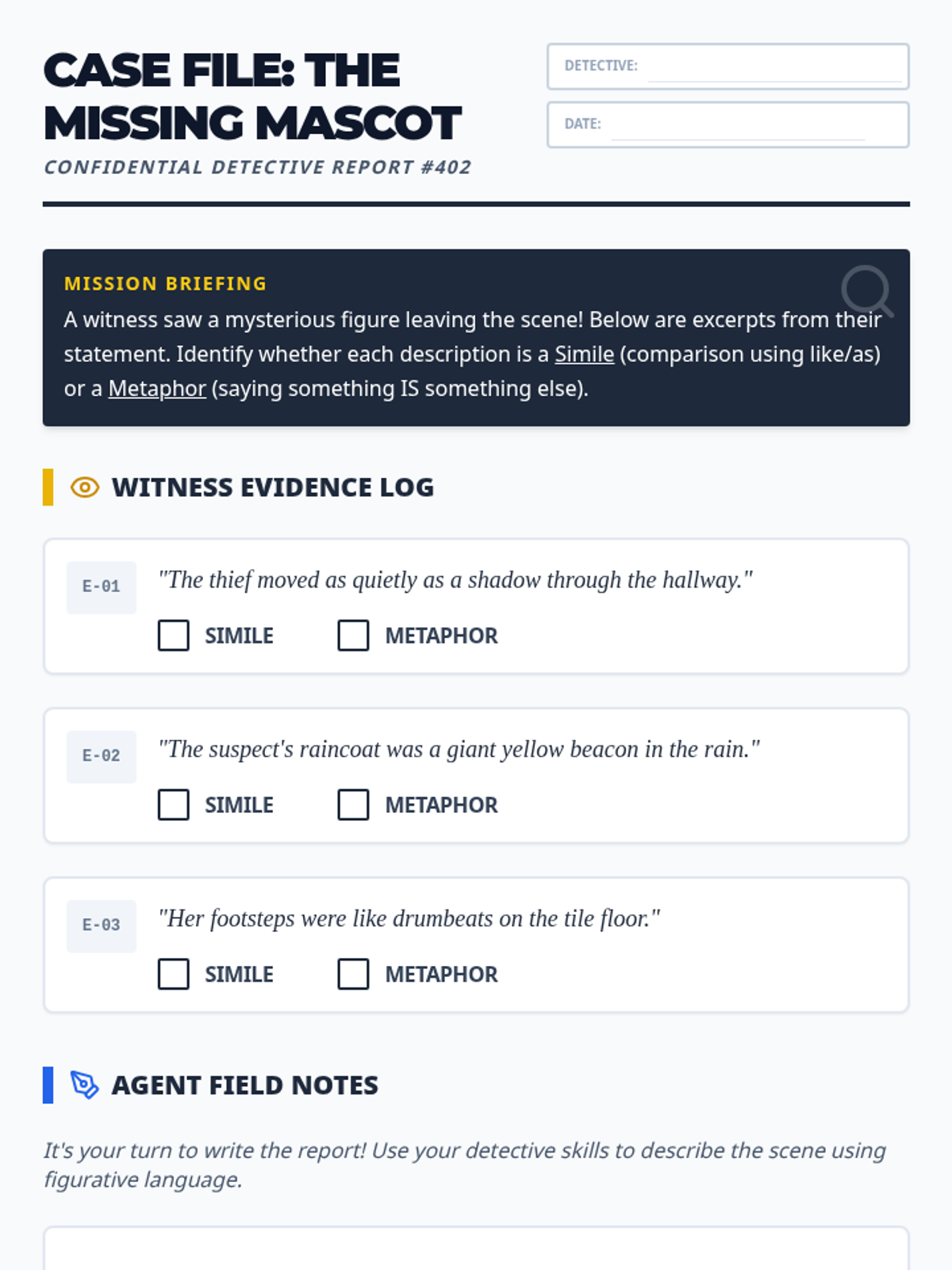
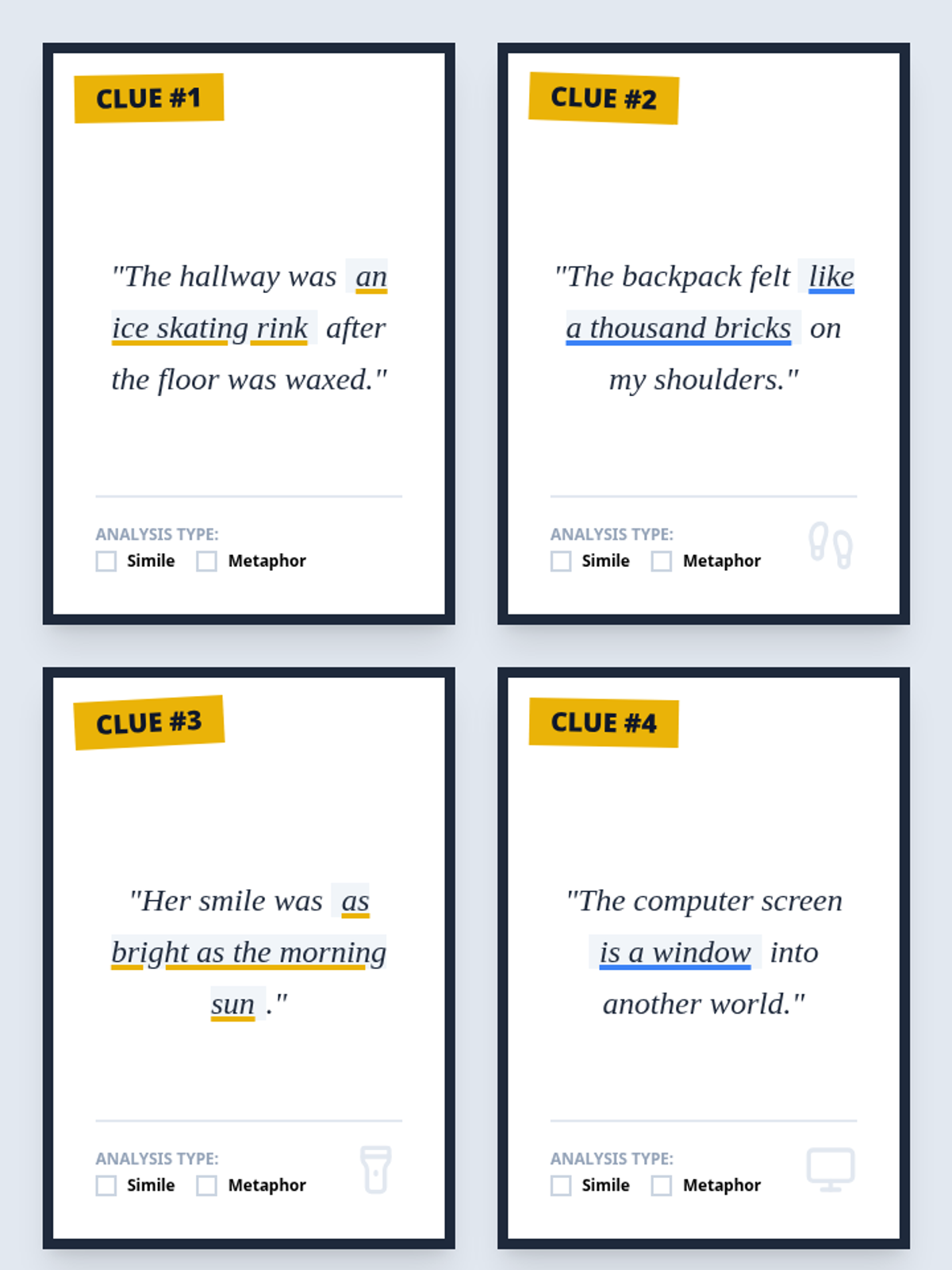
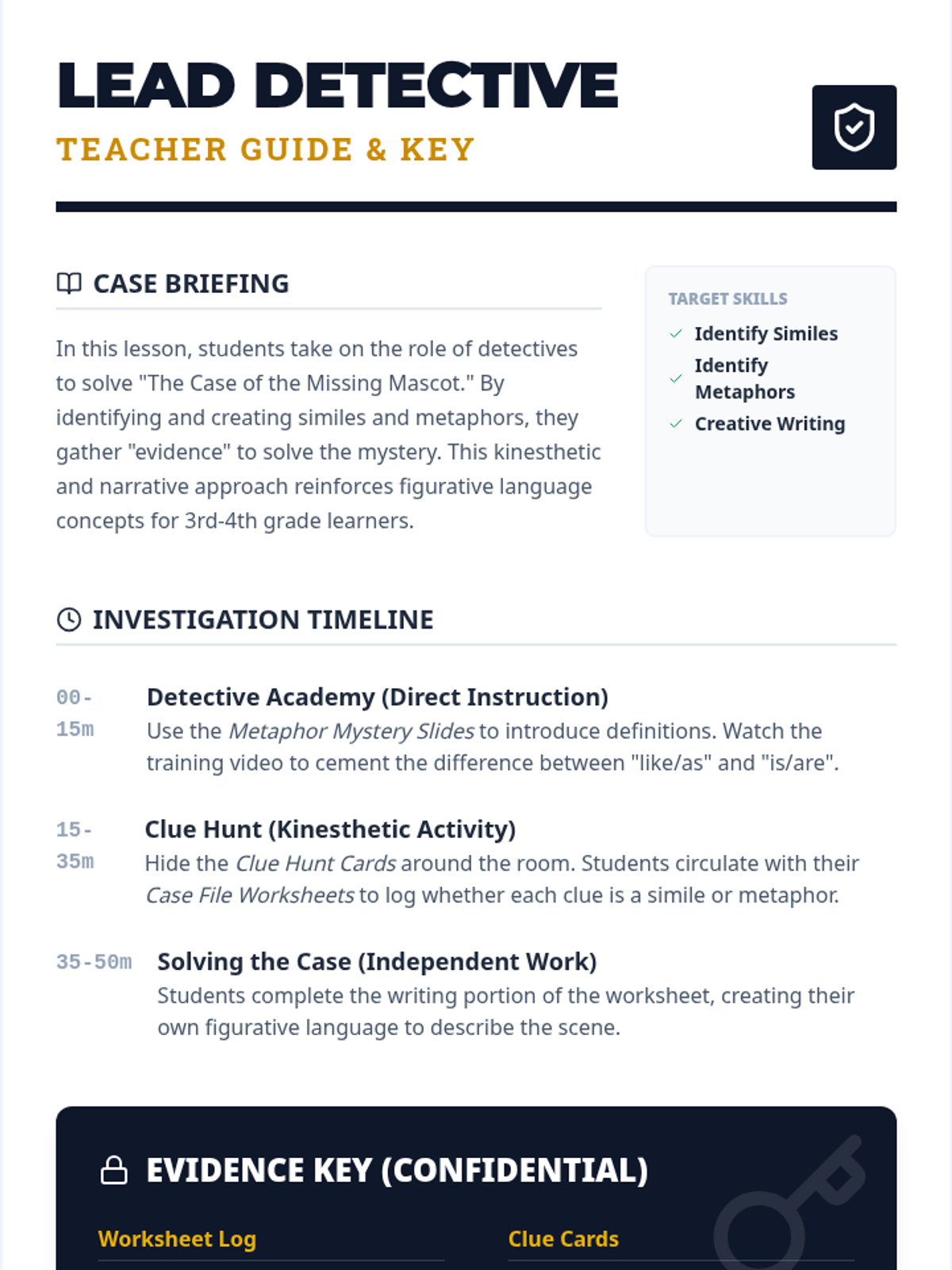
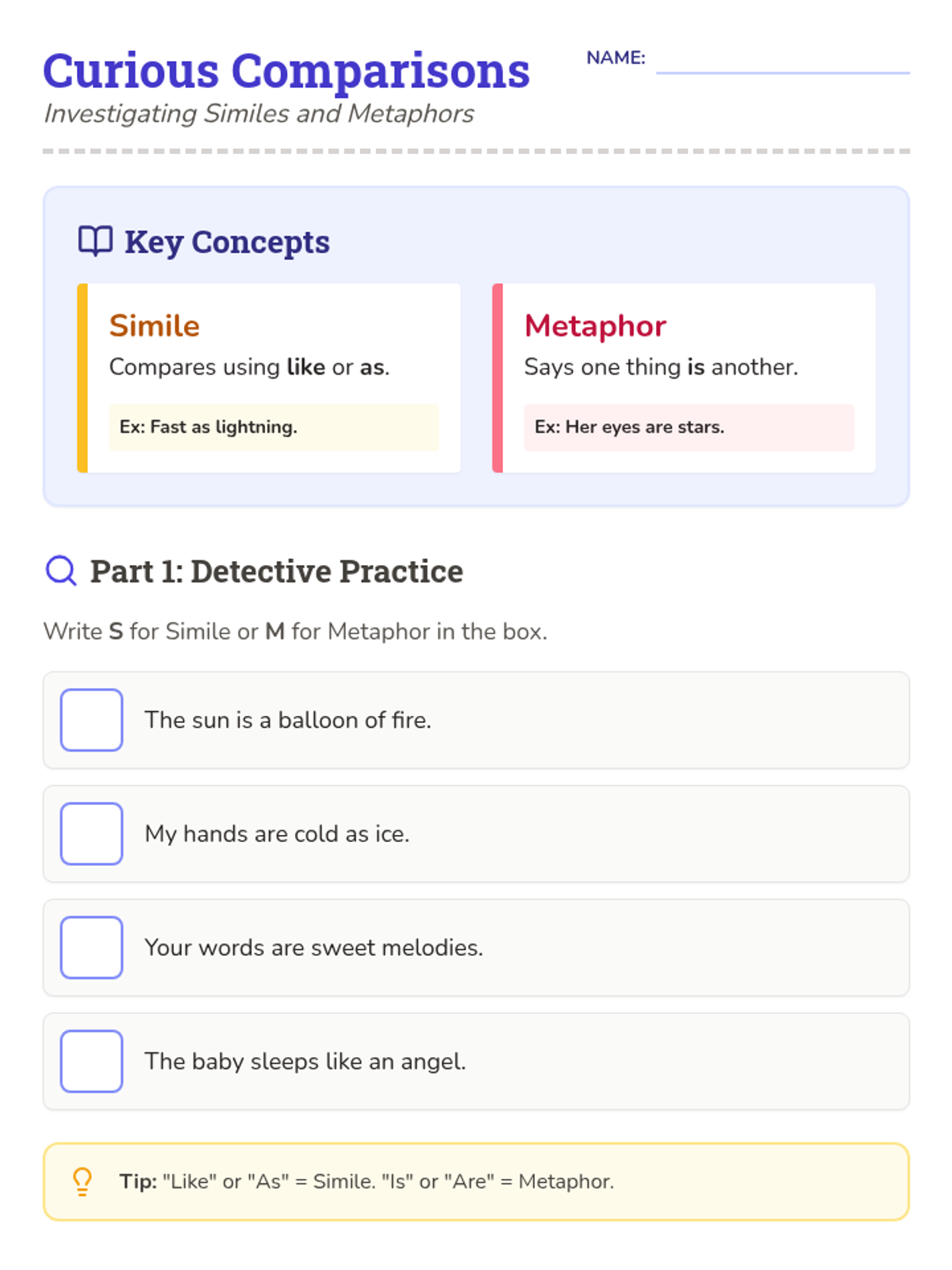
Students become literary detectives, using their knowledge of similes and metaphors to track down a missing classroom item. They will analyze figurative language clues and create their own descriptions to solve the mystery.
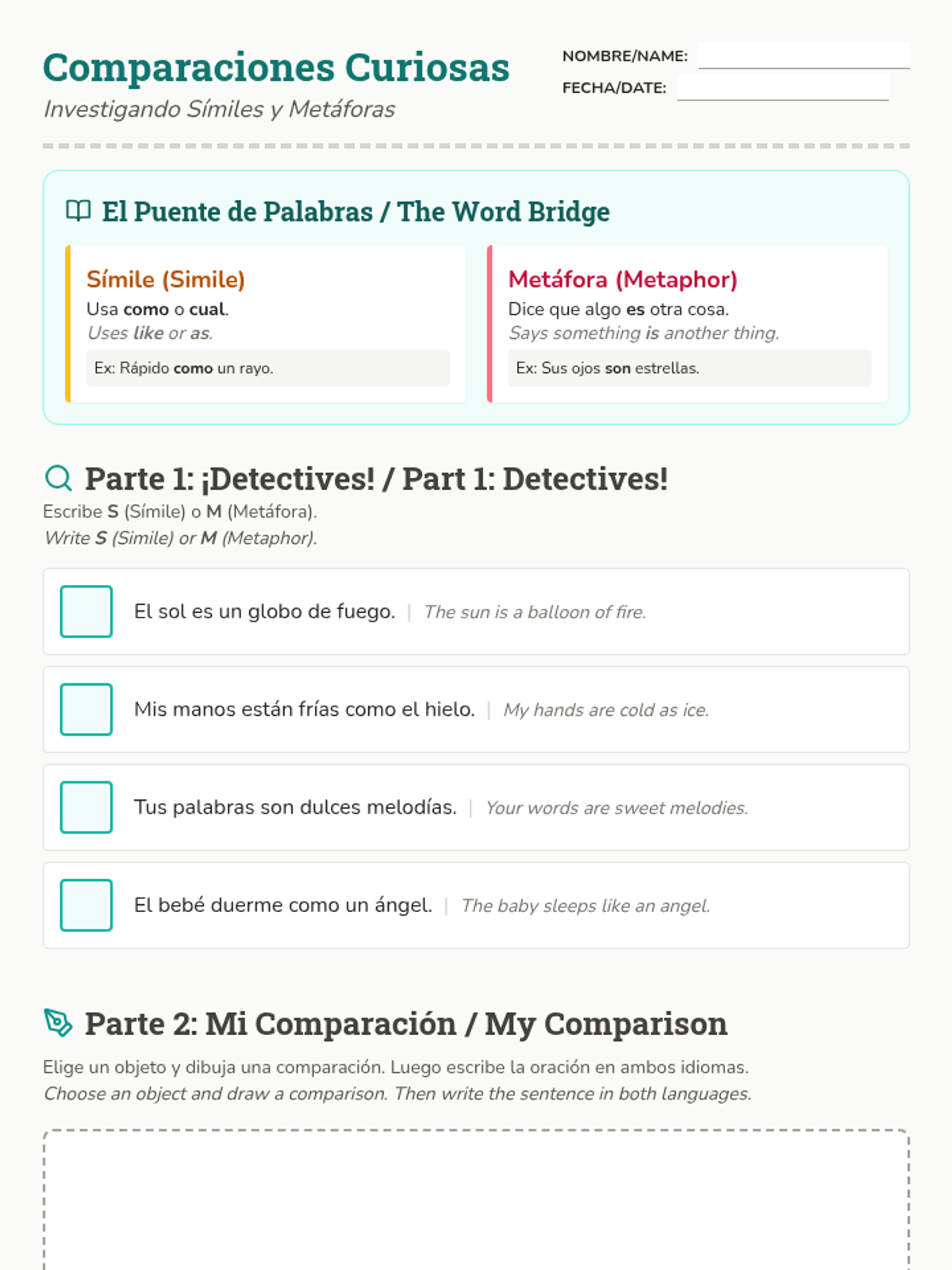
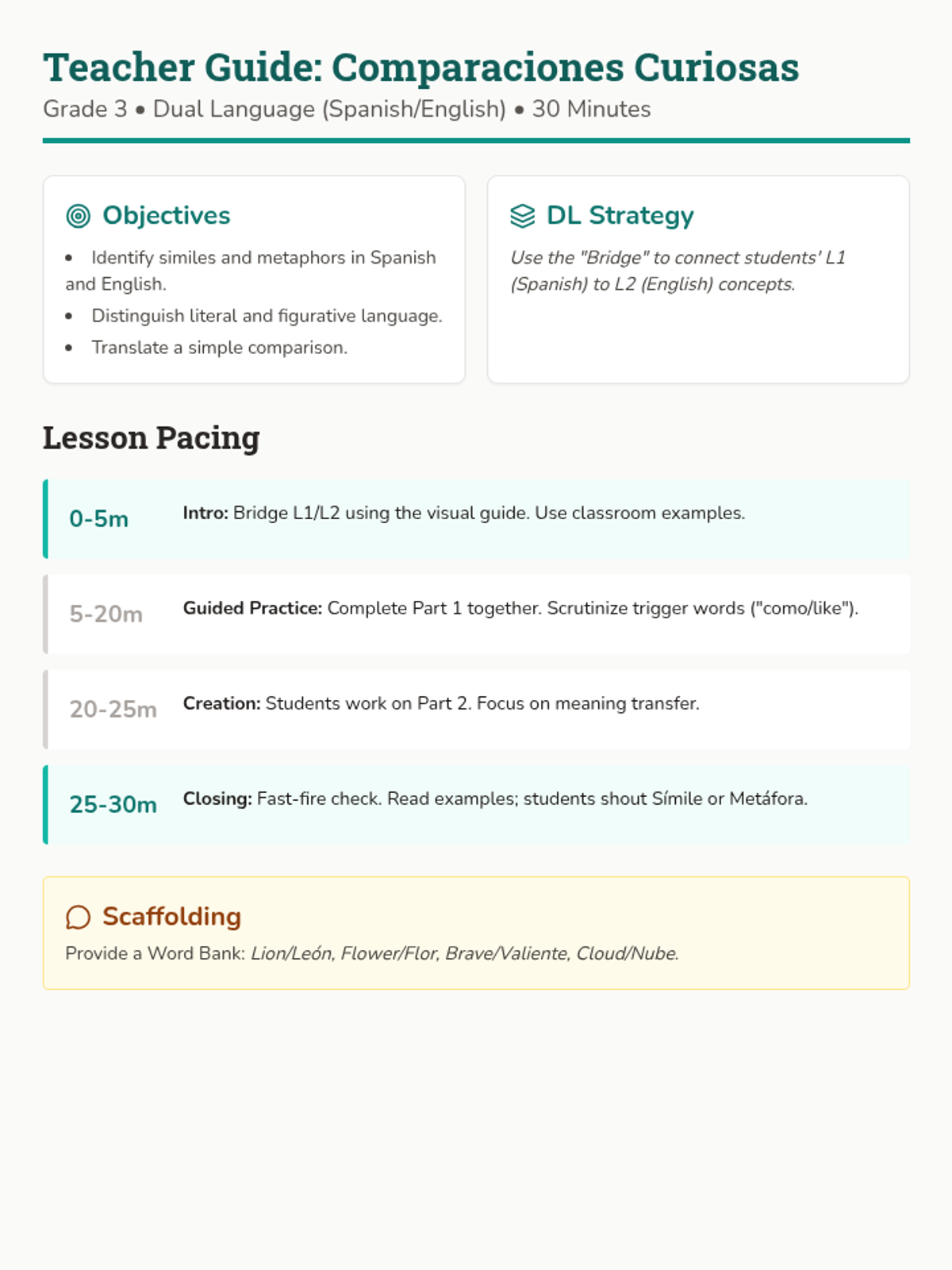
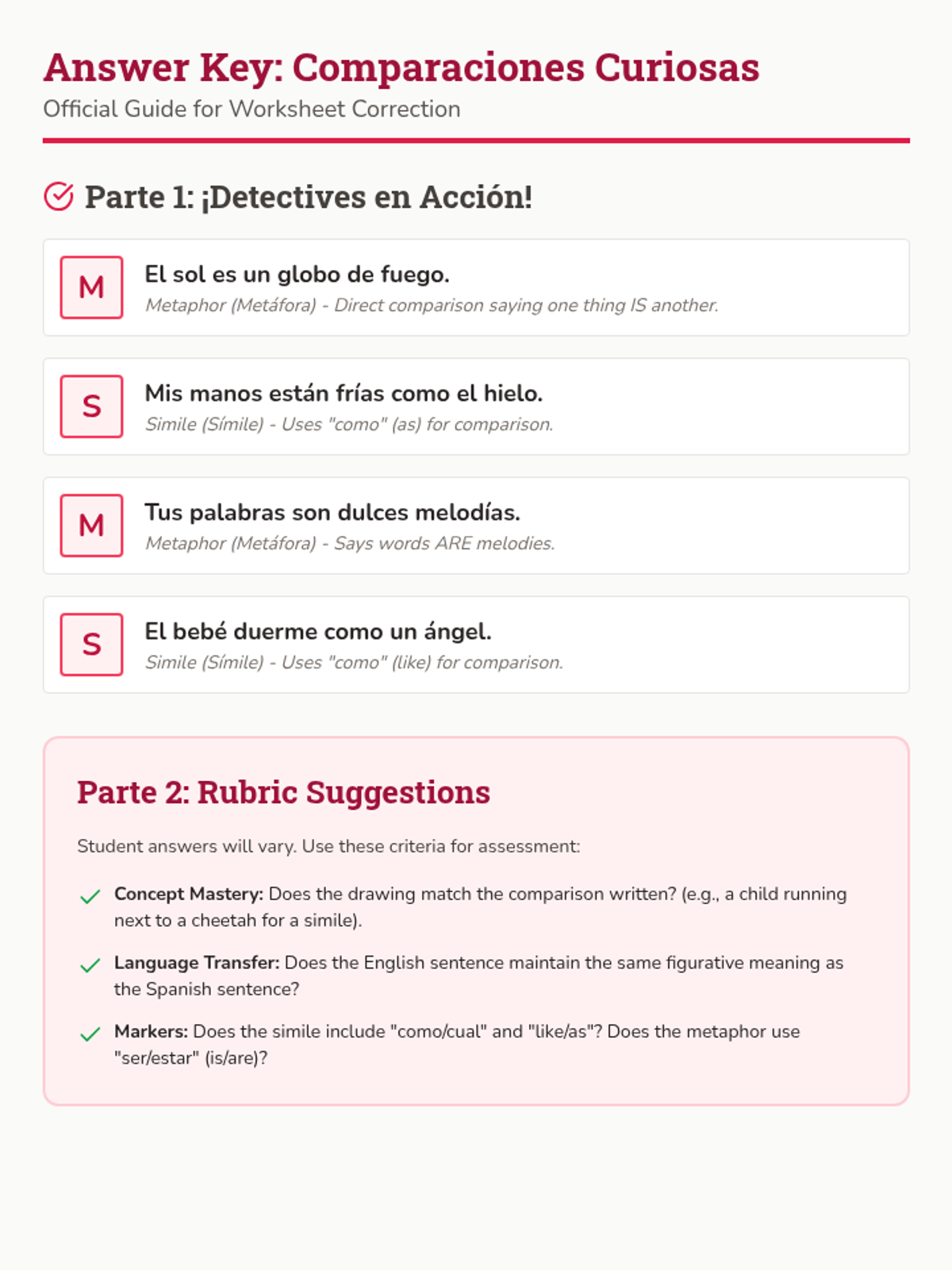
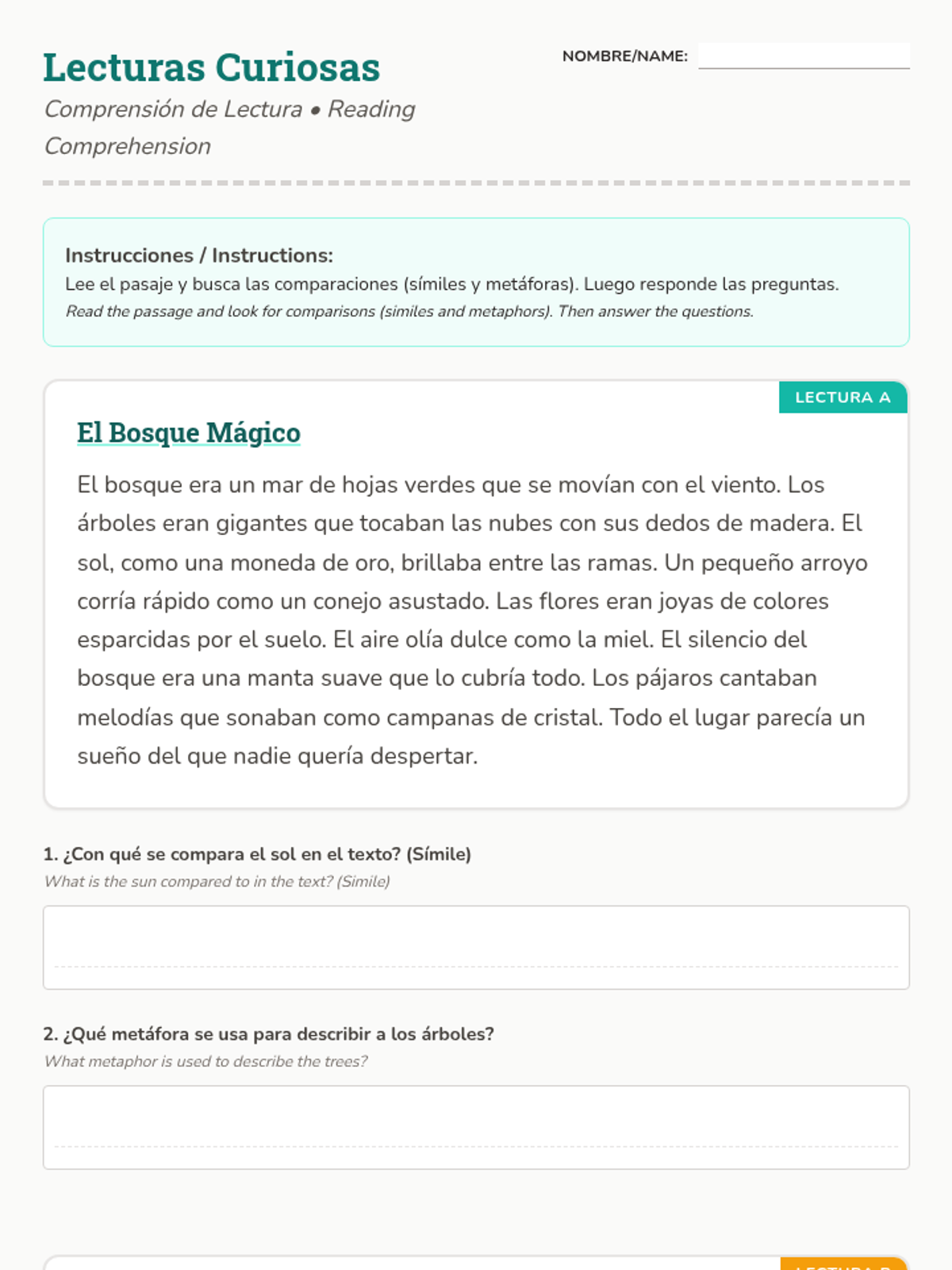
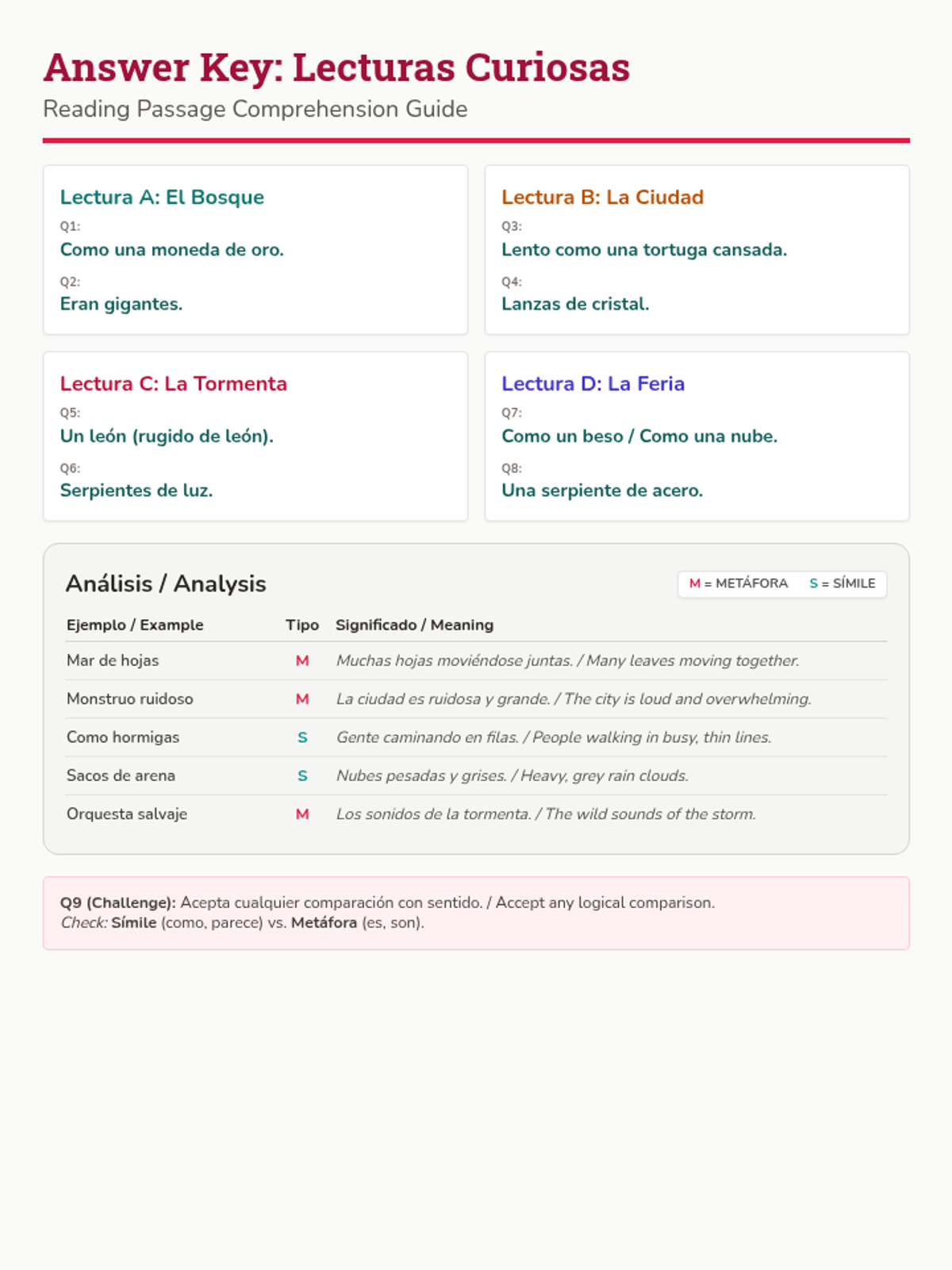
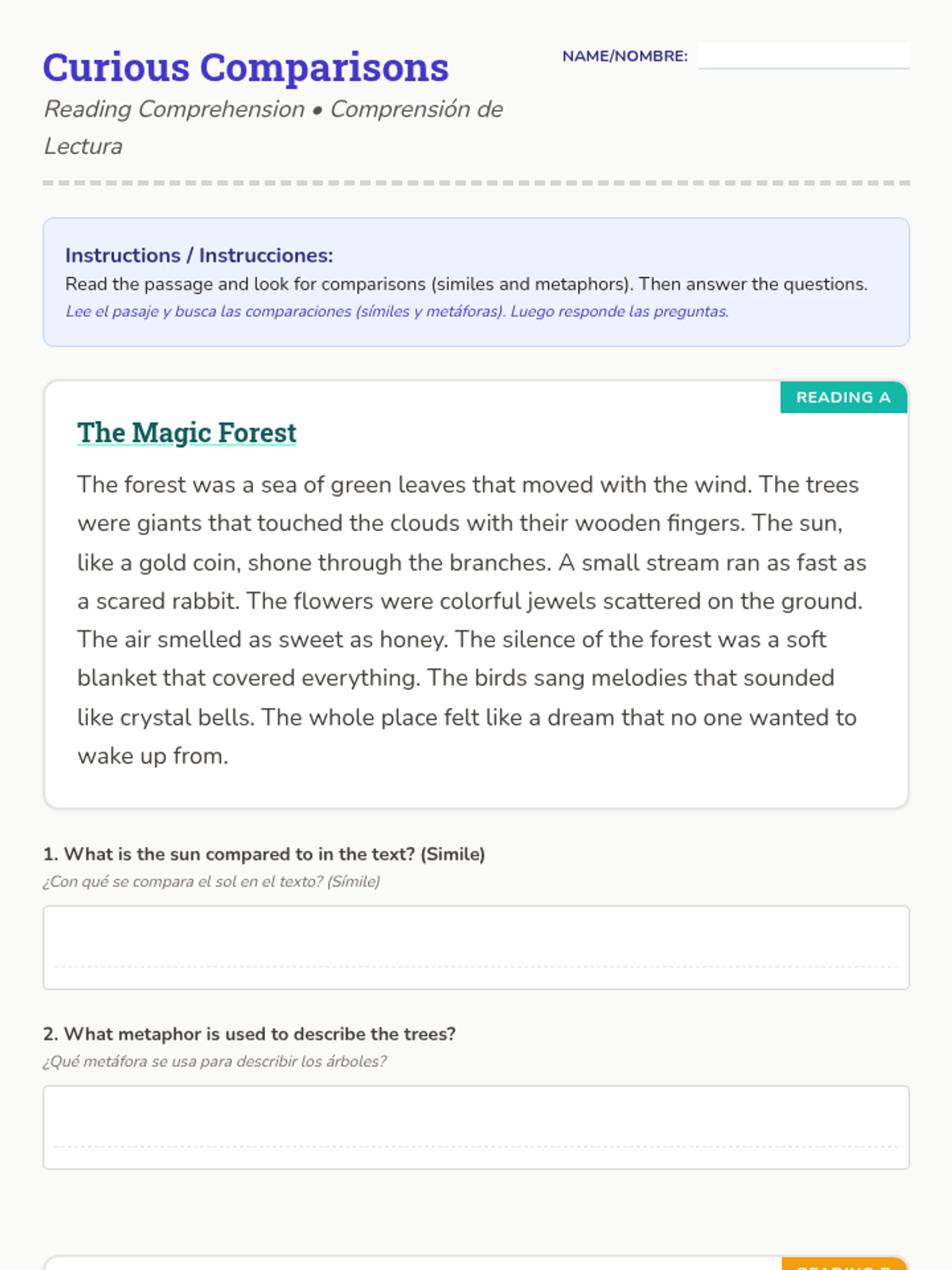
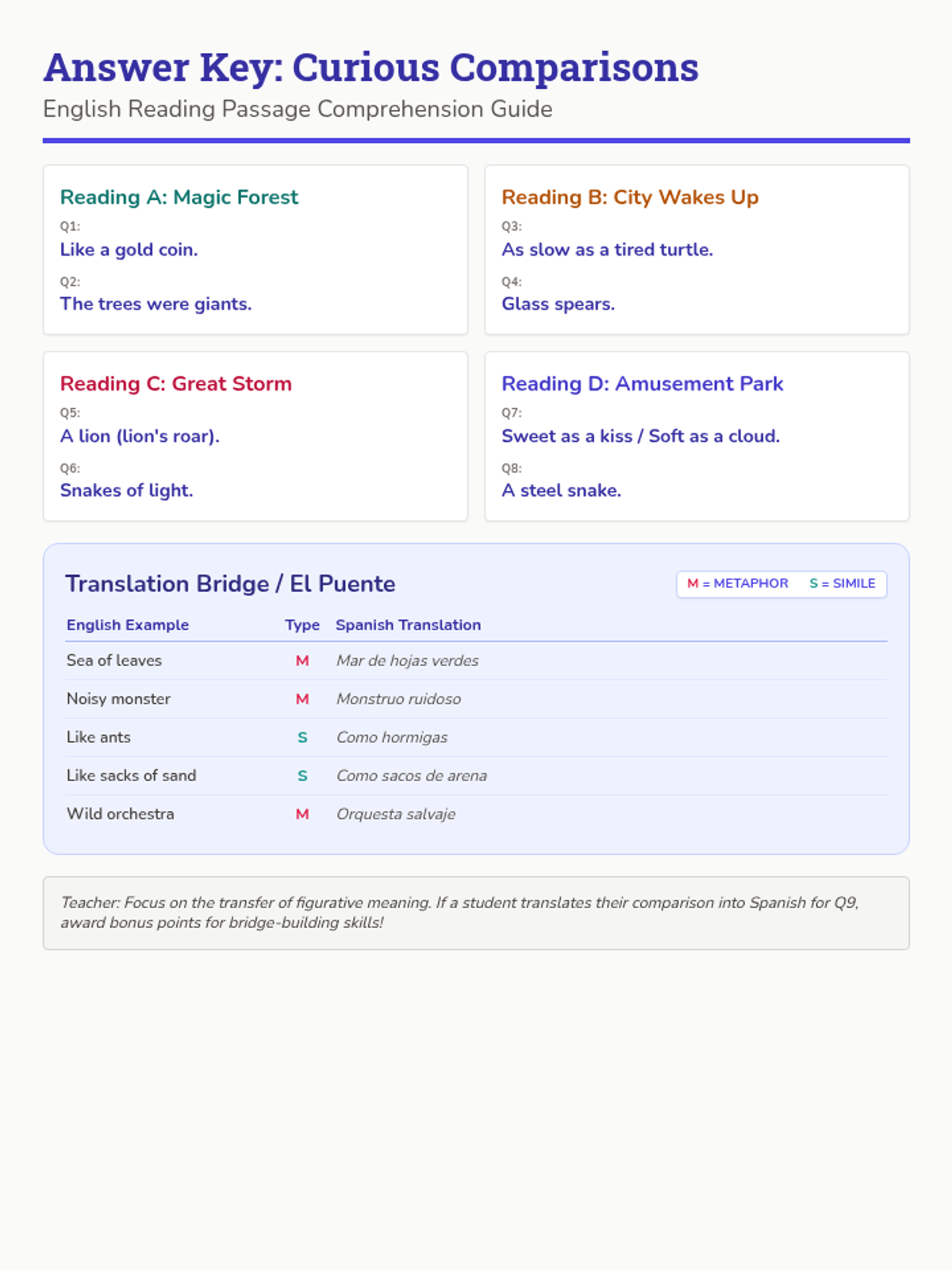
A dual-language (Spanish/English) lesson for 3rd grade focusing on metaphors and similes. Designed for Spanish-dominant students to bridge their understanding of figurative language into English.
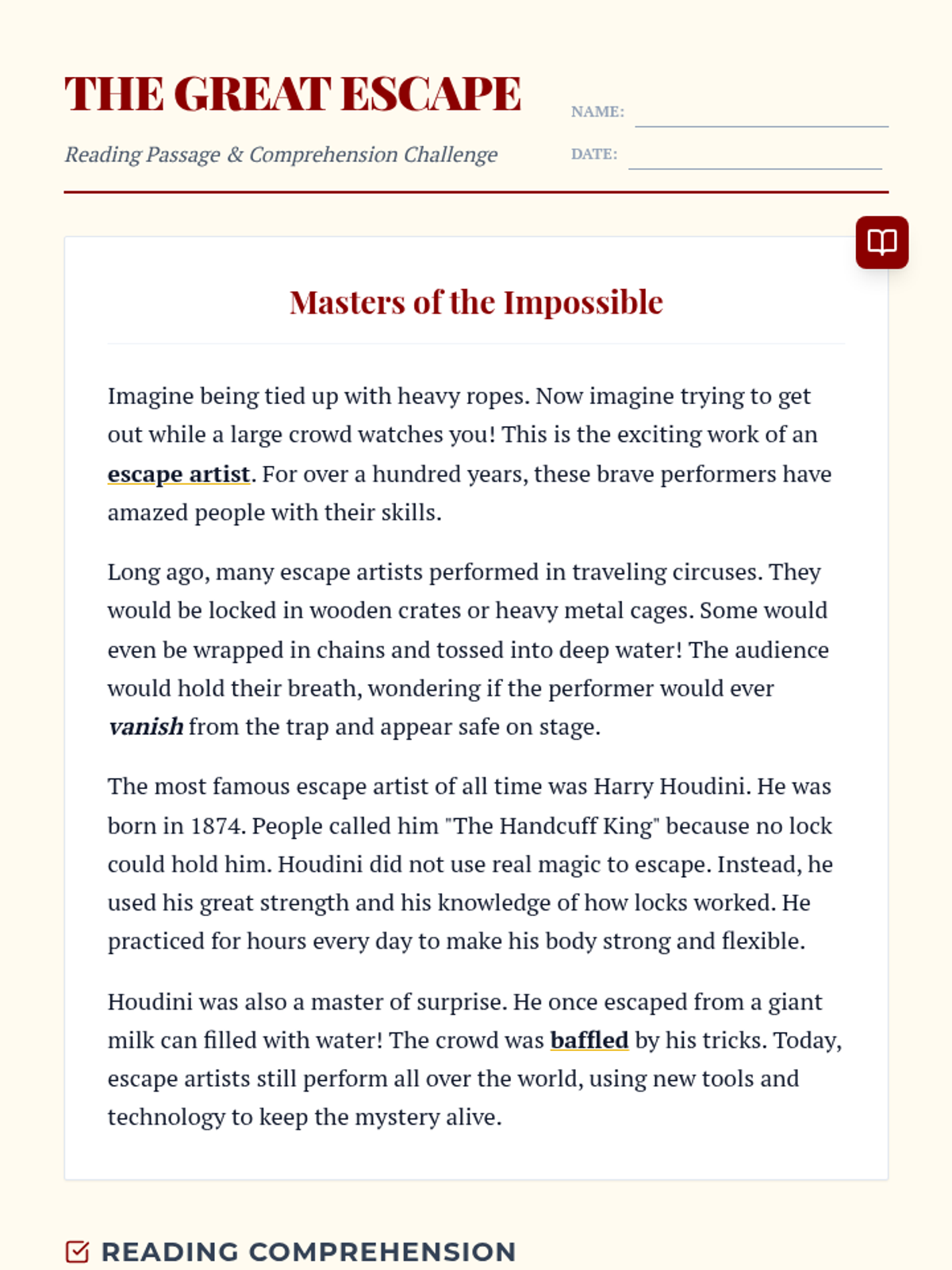
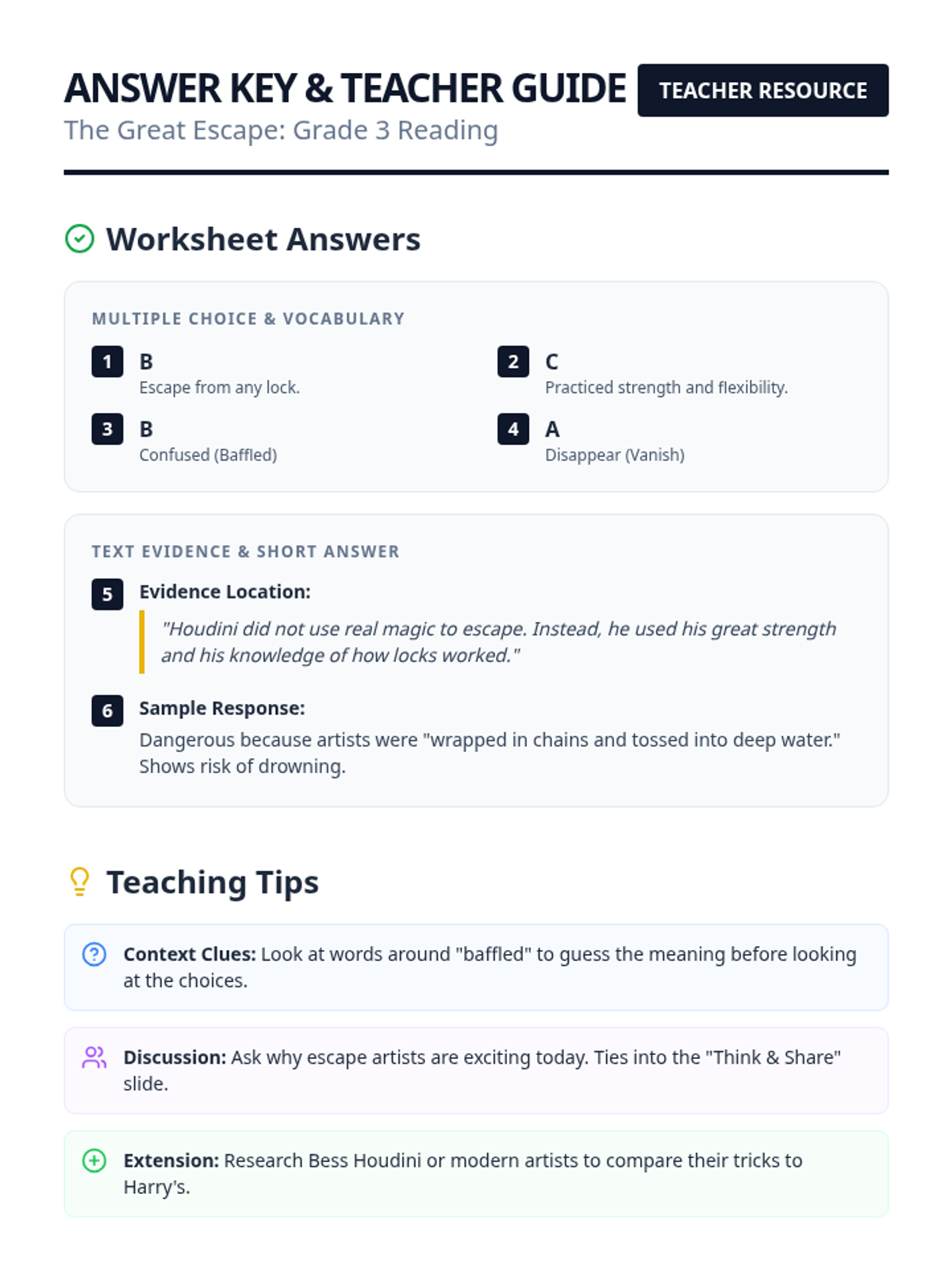
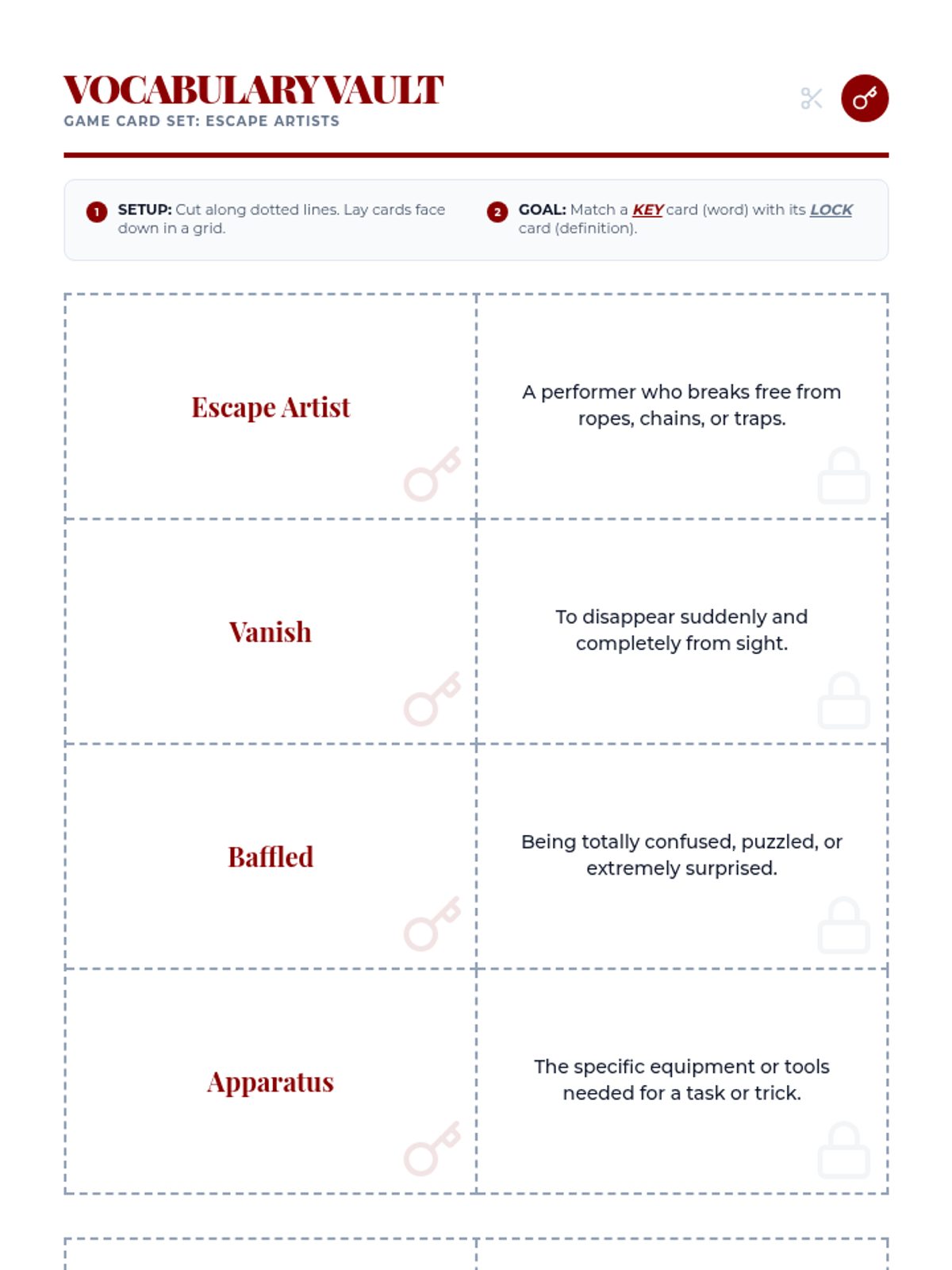
A reading comprehension lesson for Grade 3 focused on the history and skills of escape artists, featuring Harry Houdini. Students will explore informational text, identify text evidence, and build vocabulary through reading and discussion.
Students transform into nature detectives to explore the sensory wonders of their environment. Through guided outdoor exploration, they collect descriptive details using sight, sound, and touch to compose original nature poems for a class 'gallery' display.
A pirate-themed word building center where students master r-controlled vowels (ar, or, er, ir, ur) by constructing words on treasure map mats and logging their loot.
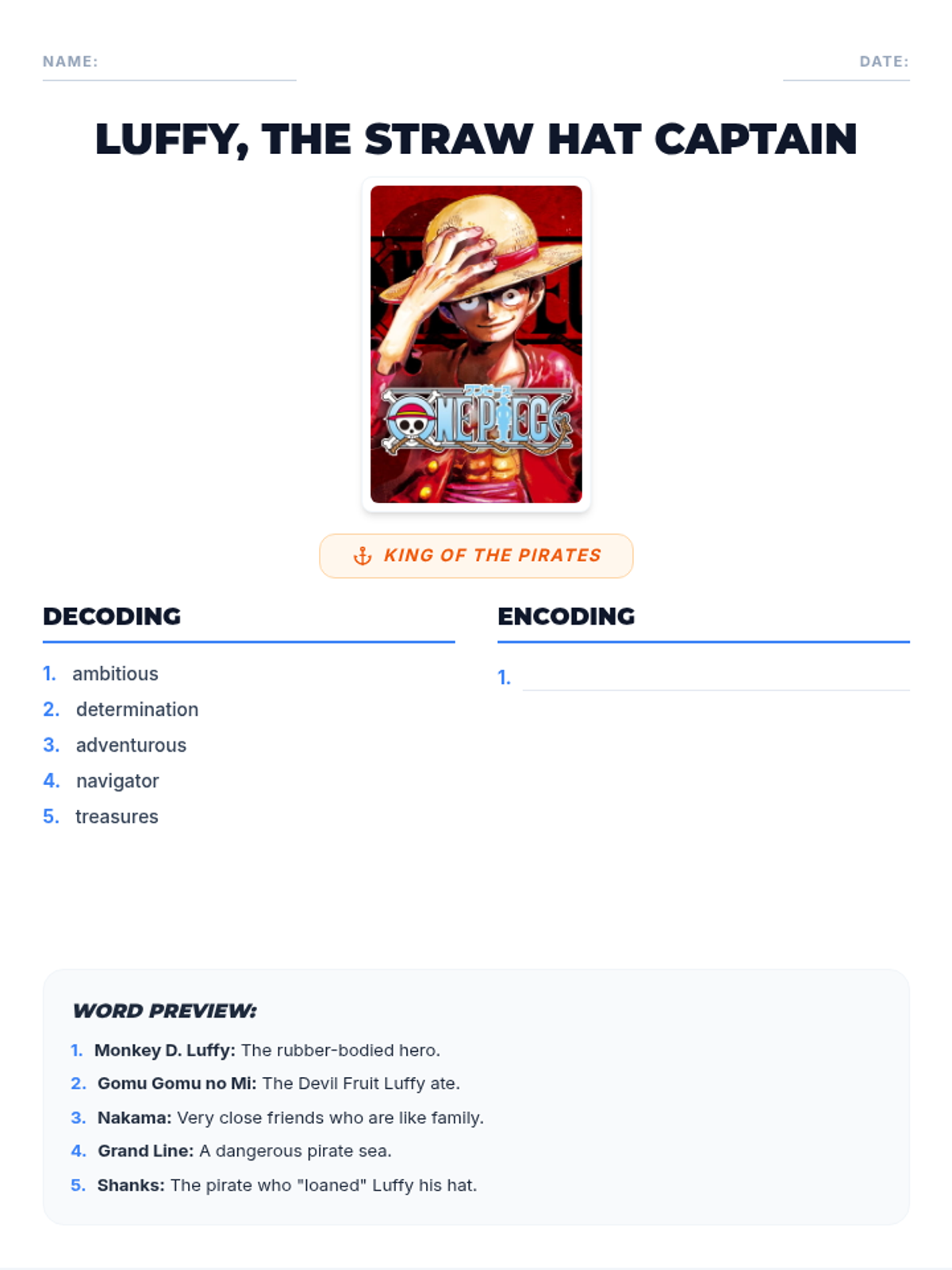
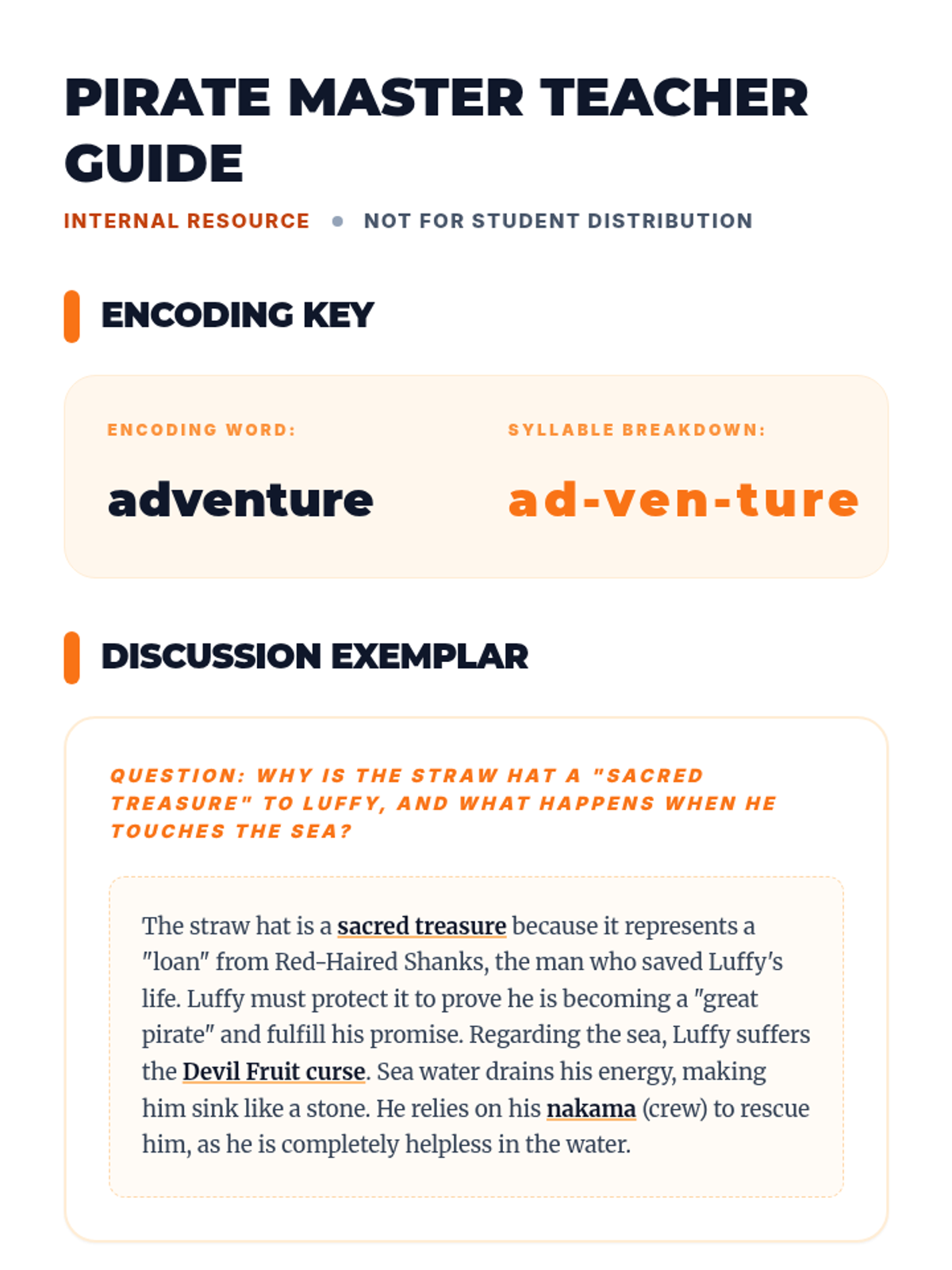
This lesson focuses on Monkey D. Luffy's journey from a small village to the Grand Line, highlighting his determination and the significance of his iconic straw hat. Students practice reading fluency, vocabulary decoding, and thematic analysis.
A 20-minute intensive lesson on identifying main ideas and key details to write a concise non-fiction summary about rural Illinois communities.
A hands-on lesson focusing on identifying and forming contractions by matching word pairs to their shortened versions through interactive card games.
Students step into the role of language detectives to decode common idioms, distinguishing between literal and figurative meanings through interactive exploration and context clues.
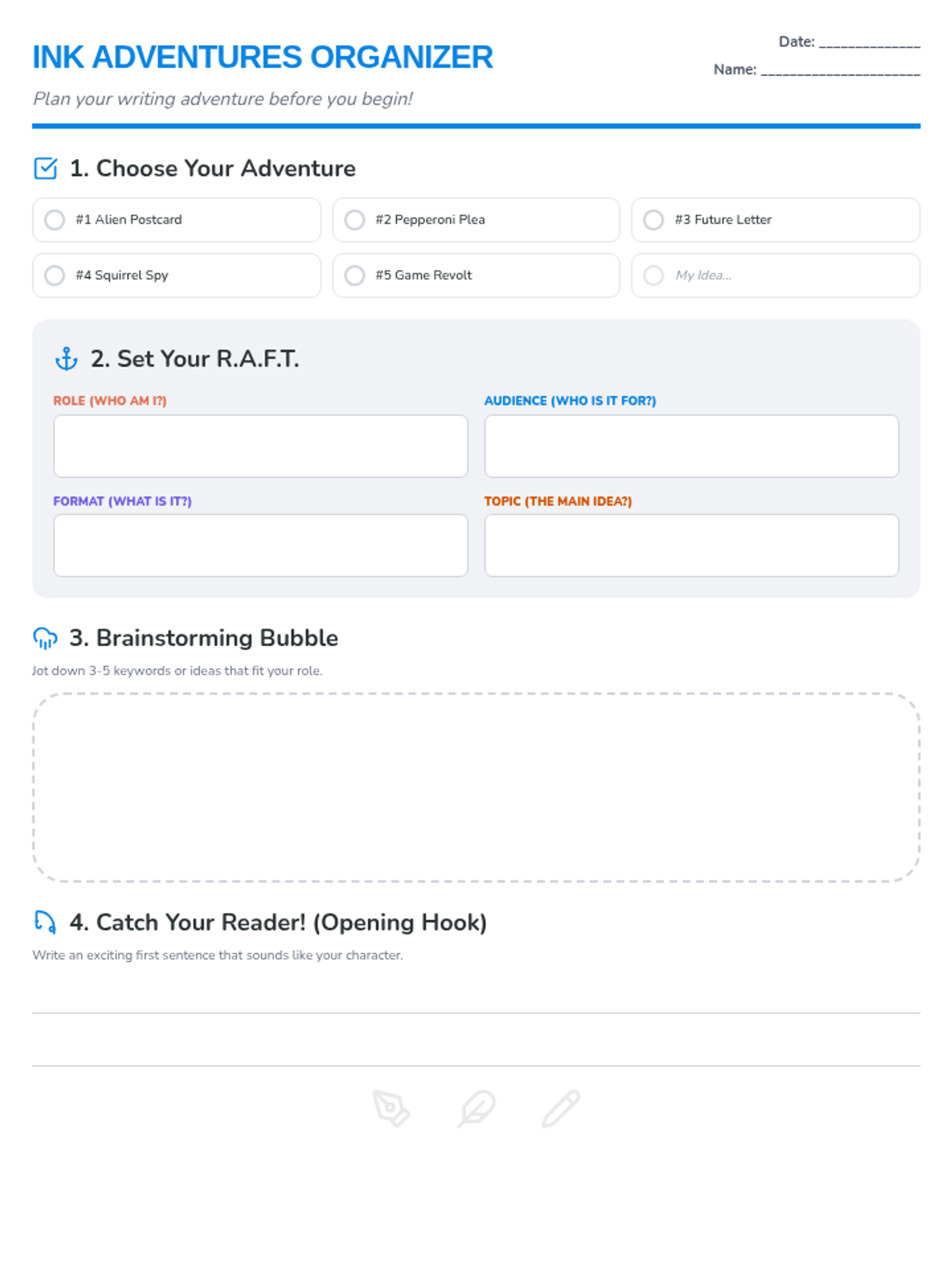
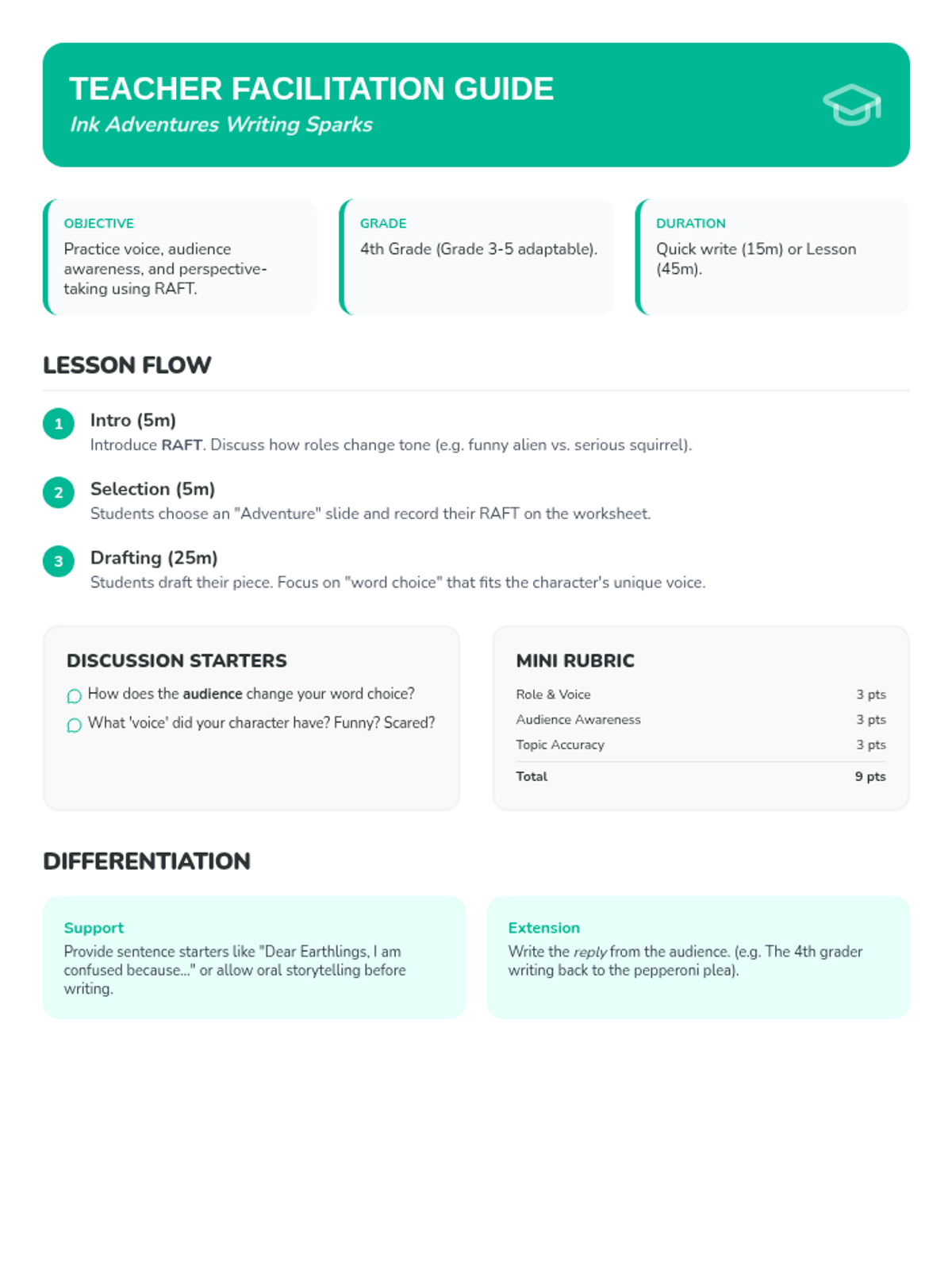
A collection of creative and engaging writing prompts for 4th-grade students using the RAFT (Role, Audience, Format, Topic) framework to explore different perspectives and styles.
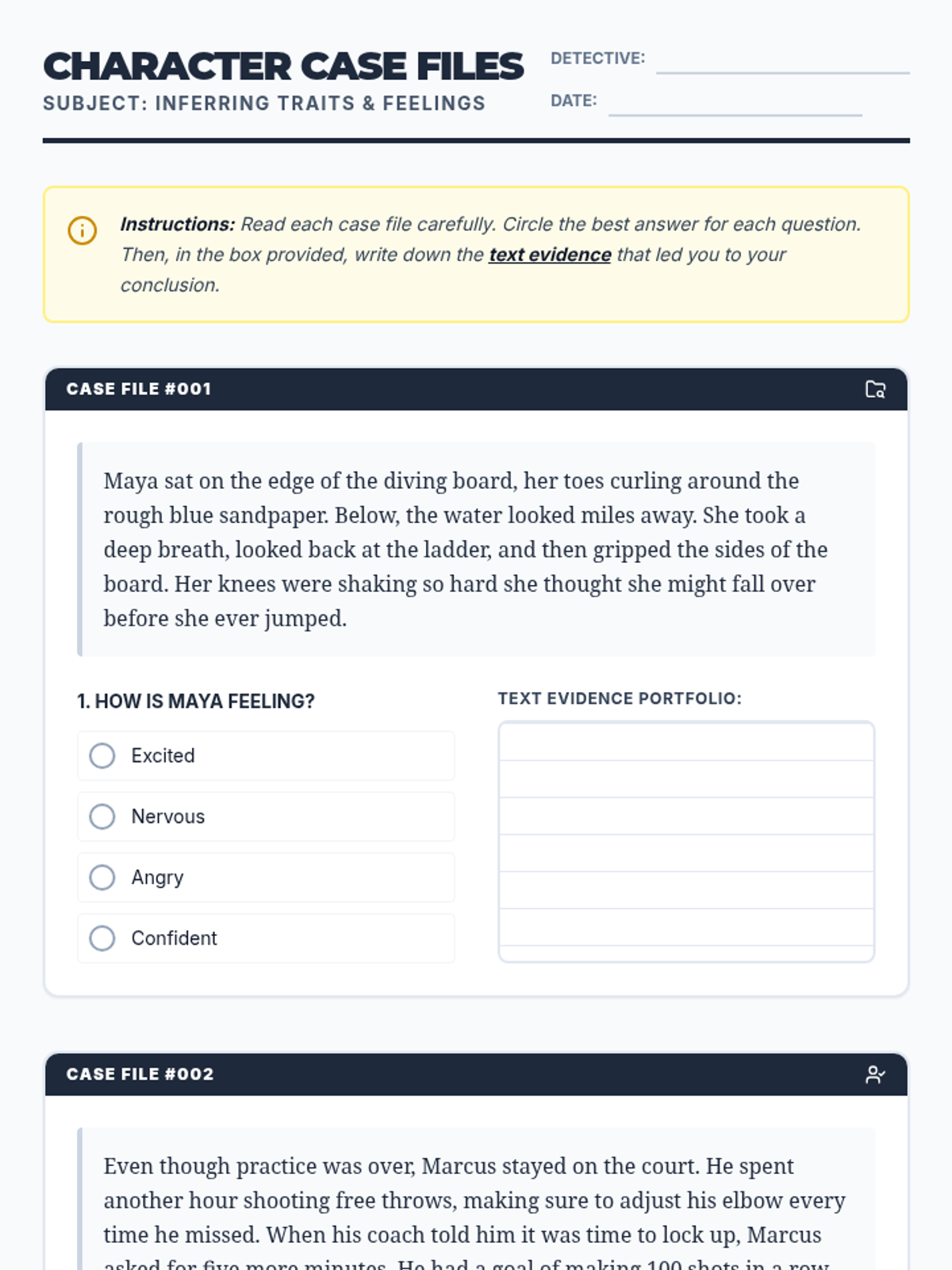
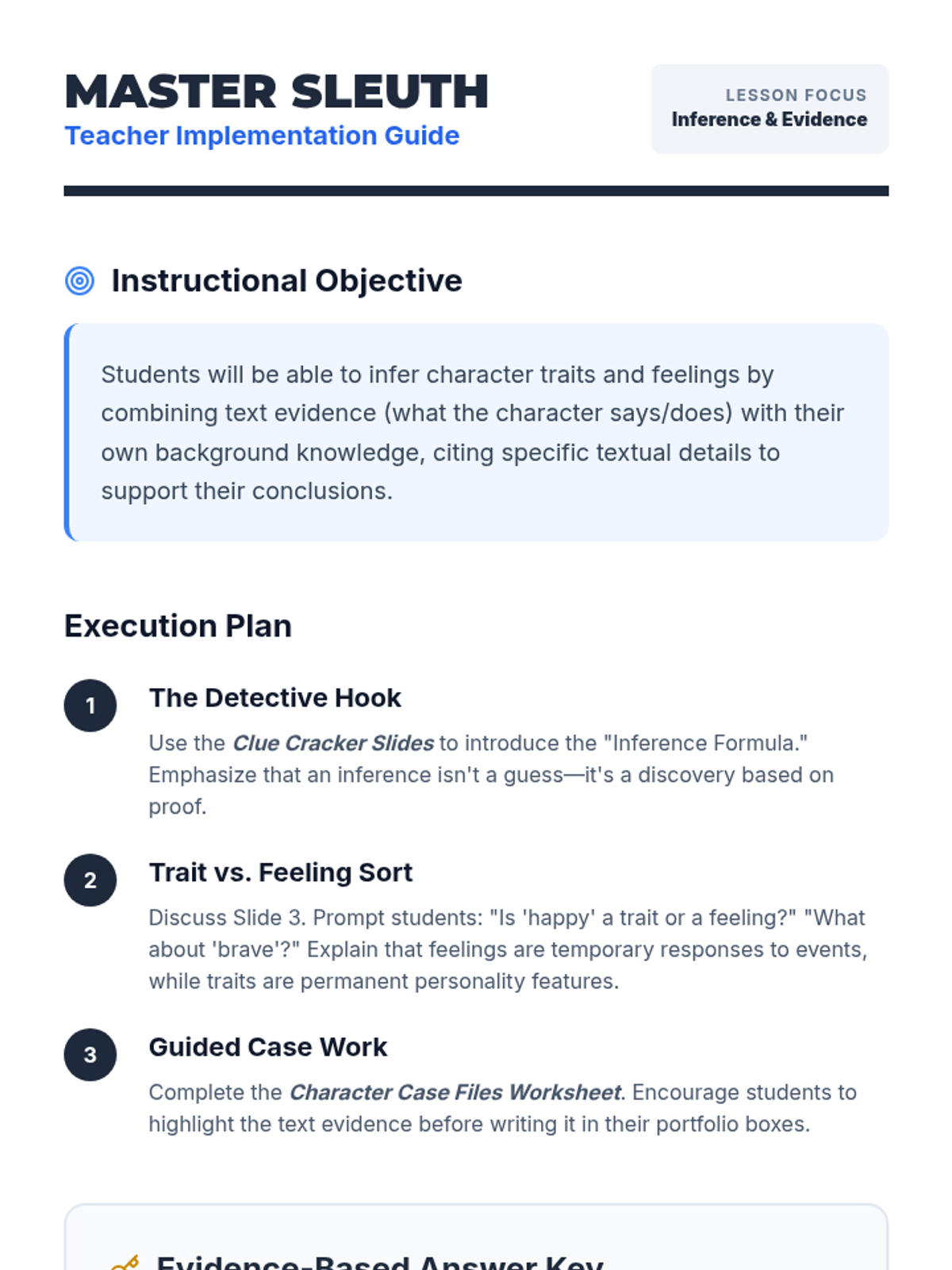
A lesson focused on teaching students how to use text evidence to infer character traits and feelings through a 'detective' lens.