Students investigate the internal structure of seeds, focusing on the role of starch as a food source for the developing embryo. The lesson features a seed dissection activity and a SciShow Kids video on how popcorn kernels function as seeds.
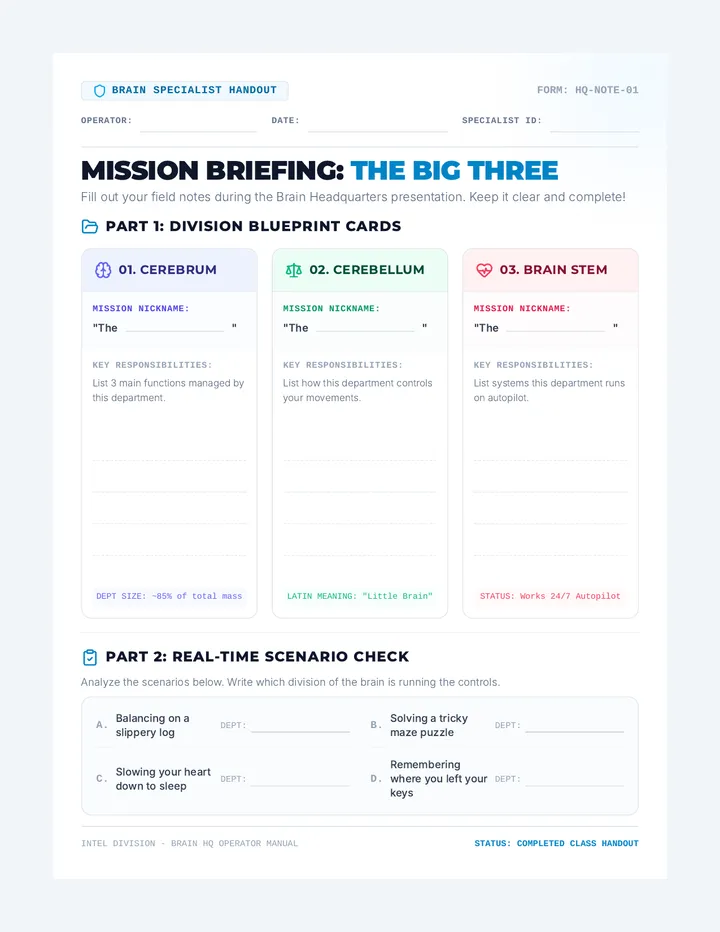
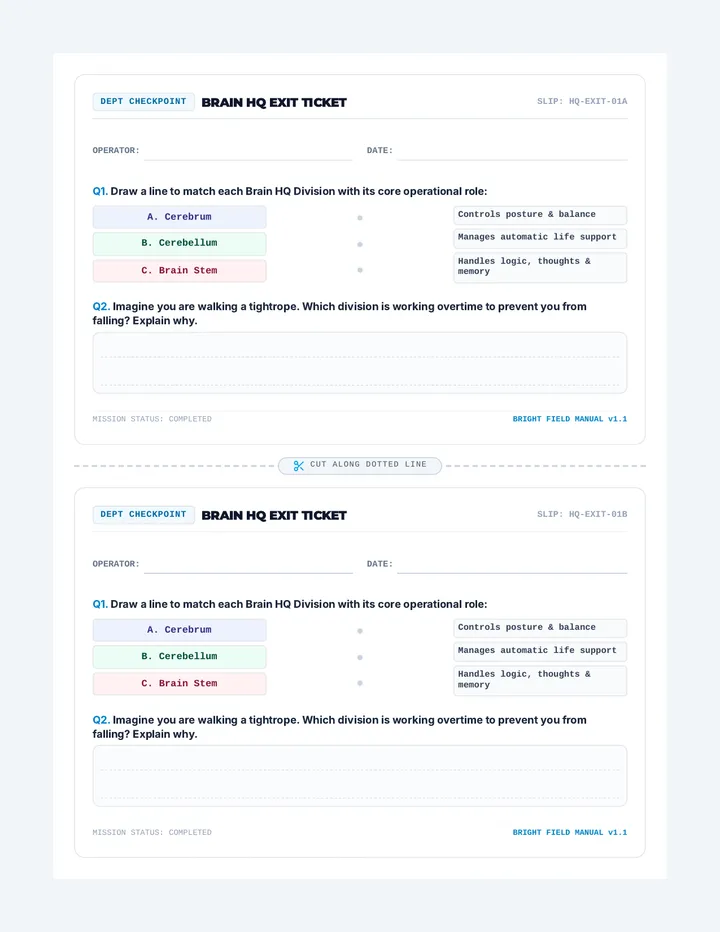
An interactive lesson introducing elementary or middle school students to the three major divisions of the brain: the Cerebrum, Cerebellum, and Brain Stem.
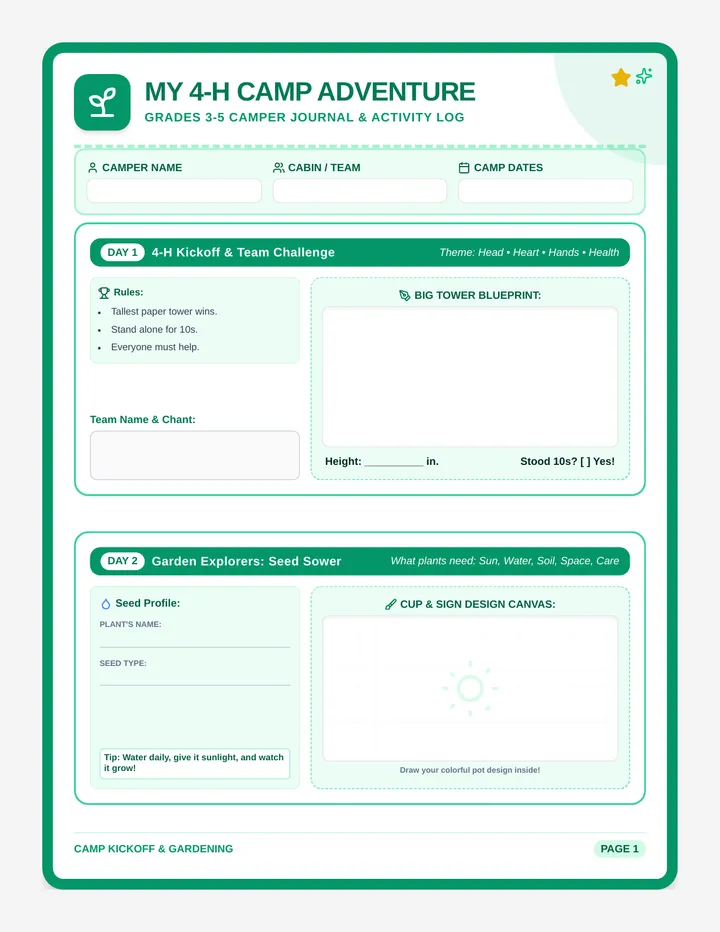
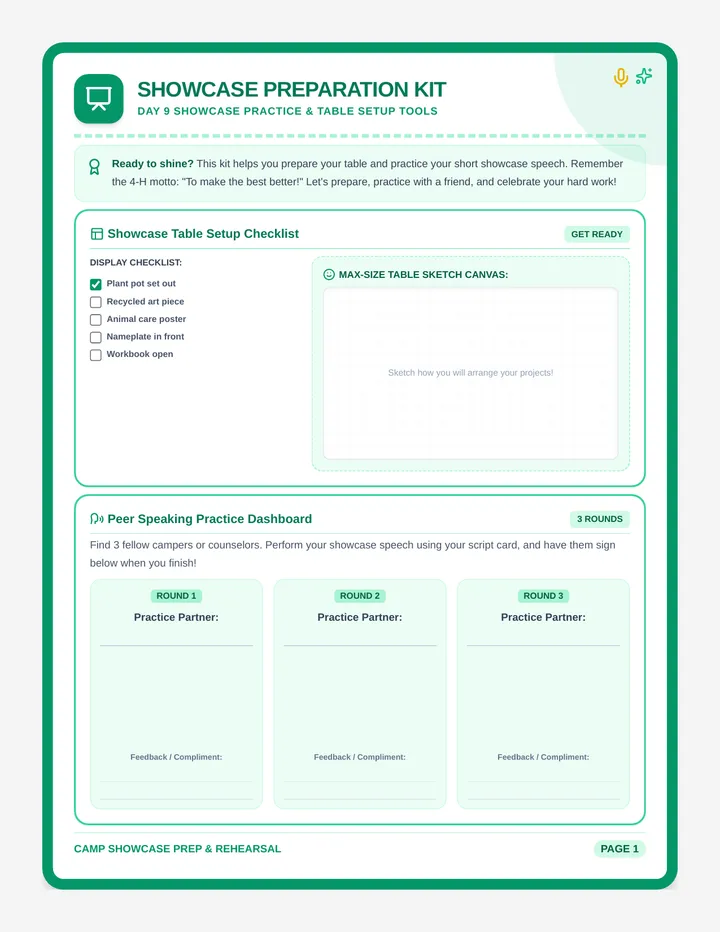
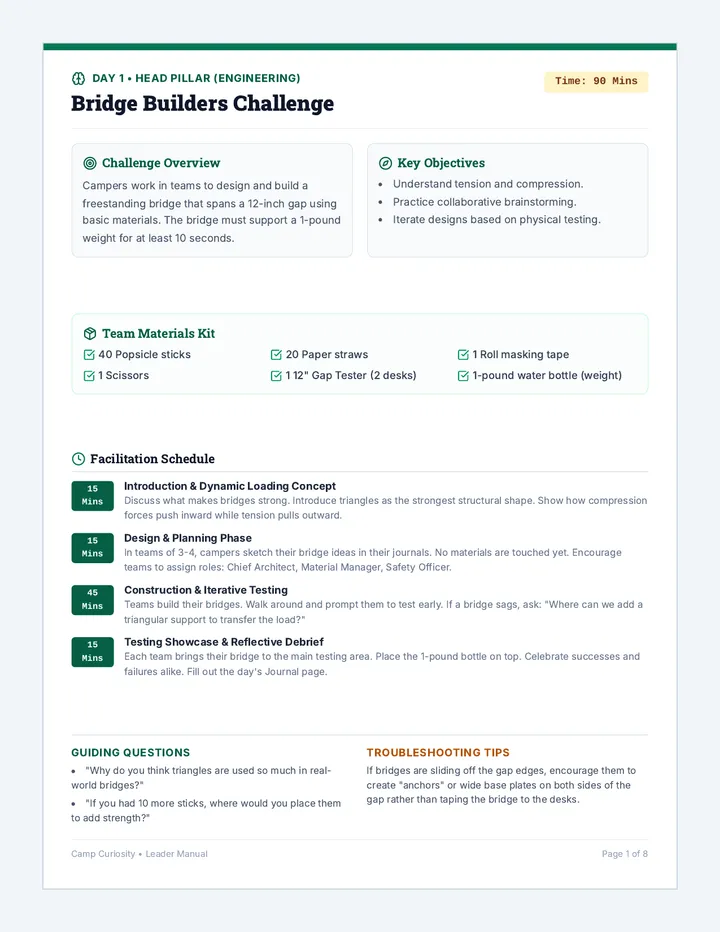
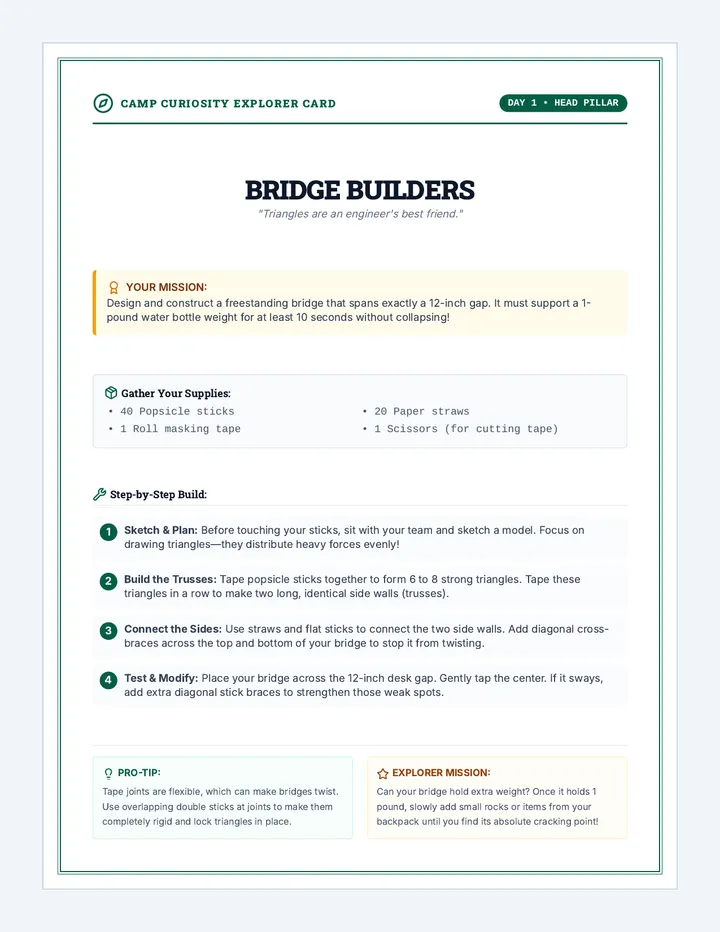
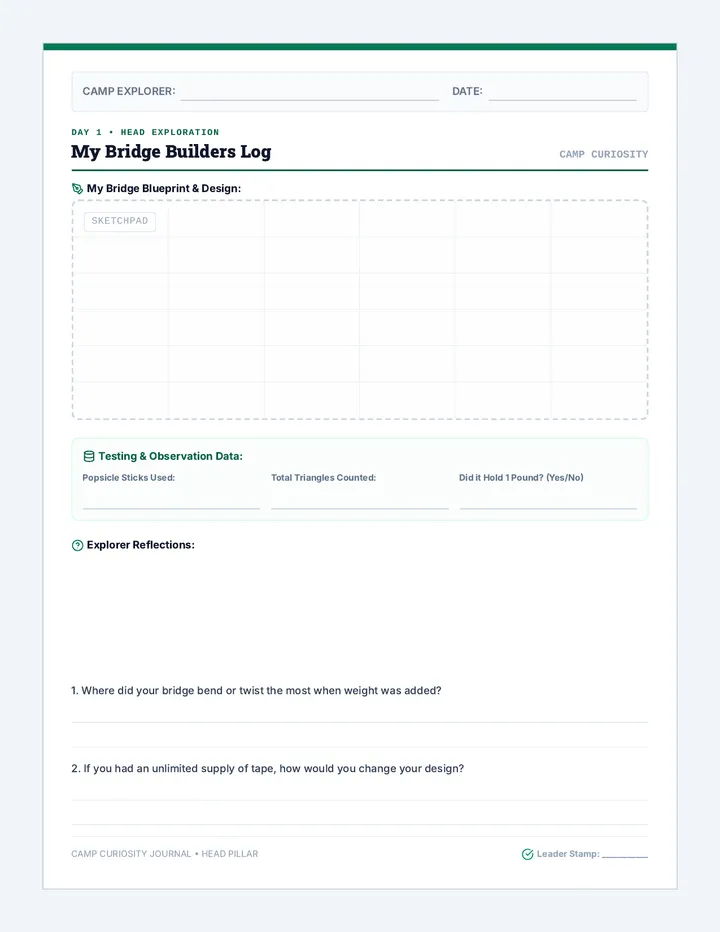
An engaging, hands-on summer camp series for grades 3-5 focusing on teamwork, STEM, gardening, healthy living, and creative problem-solving. This lesson includes a comprehensive multi-day student workbook and a showcase presentation preparation kit.
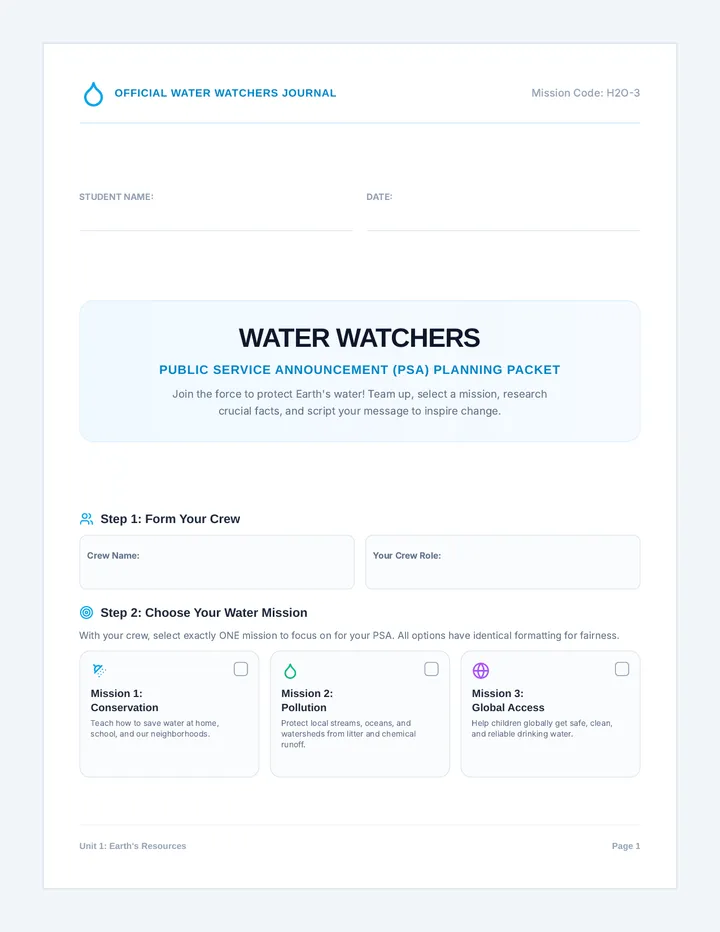
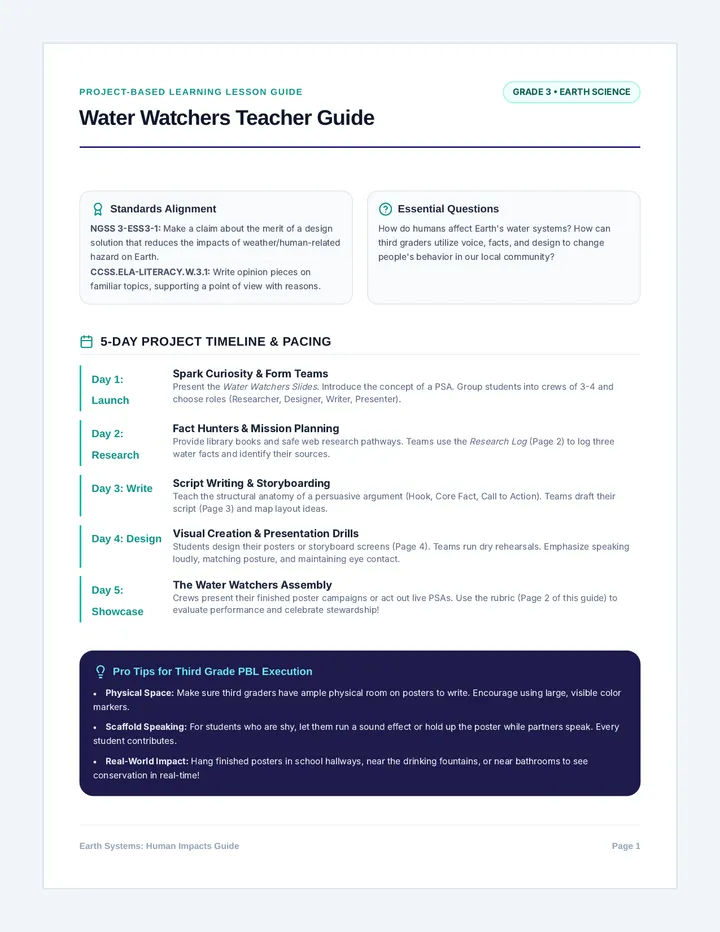
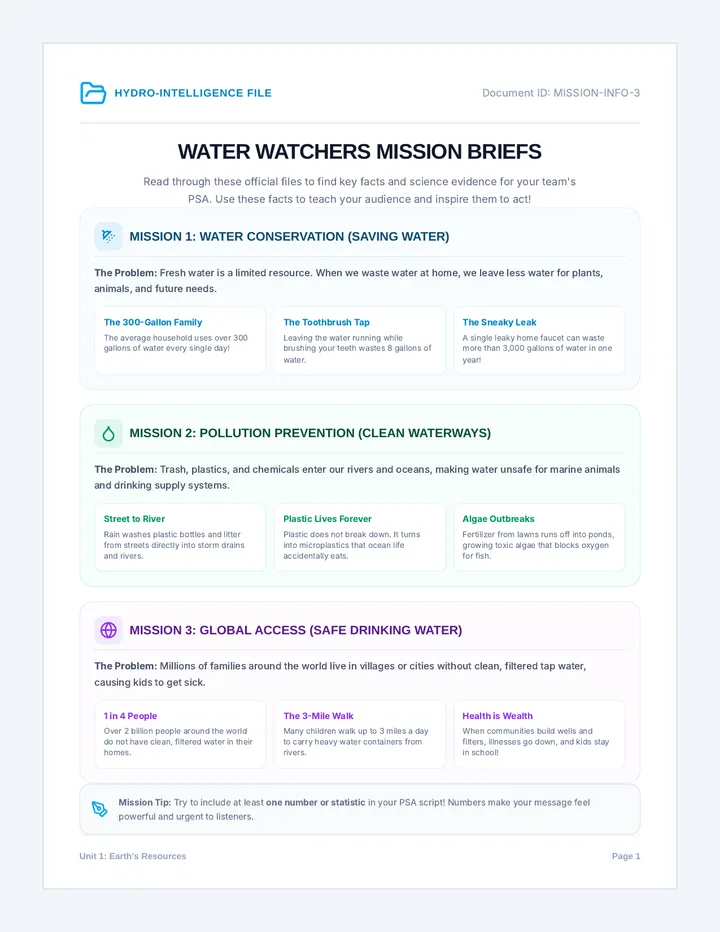
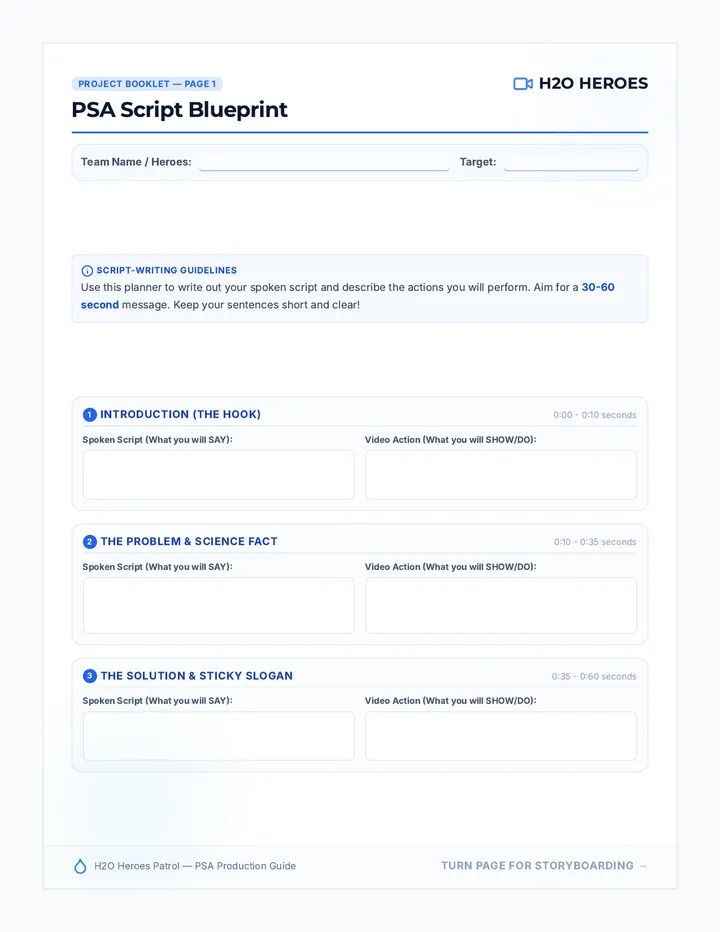
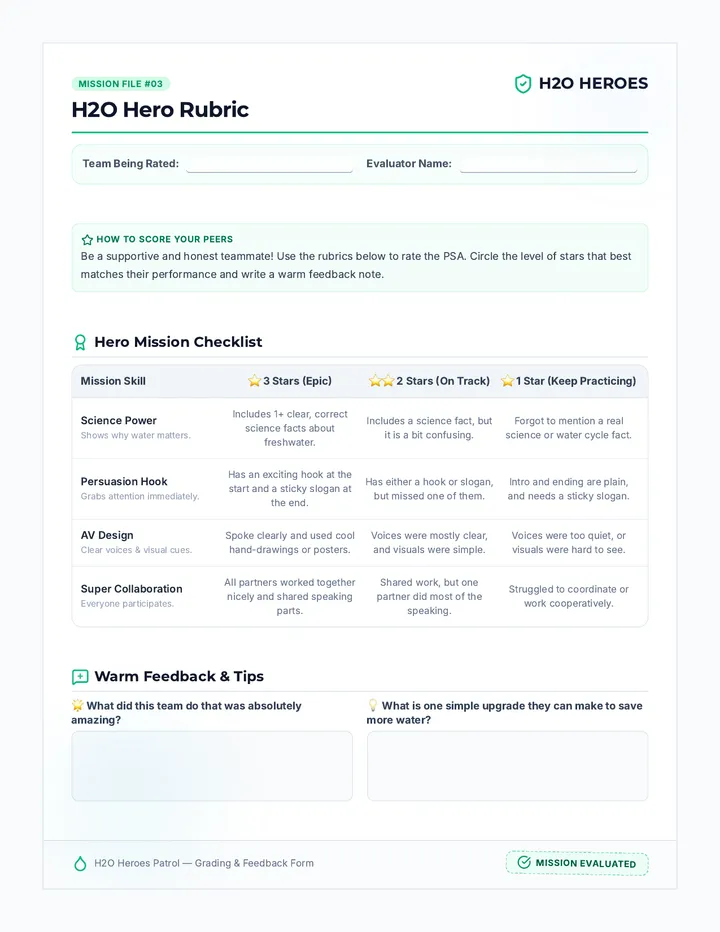
A third-grade project-based learning lesson where students learn about Public Service Announcements (PSAs) and collaborate to create their own media campaign focusing on water conservation, pollution prevention, or global clean water access. Includes an introductory slide deck, student planning packet, and a comprehensive teacher guide with rubrics.
Students collaborate in teams to script, storyboard, and edit their water conservation PSA, which they will then present to make a difference in their community.
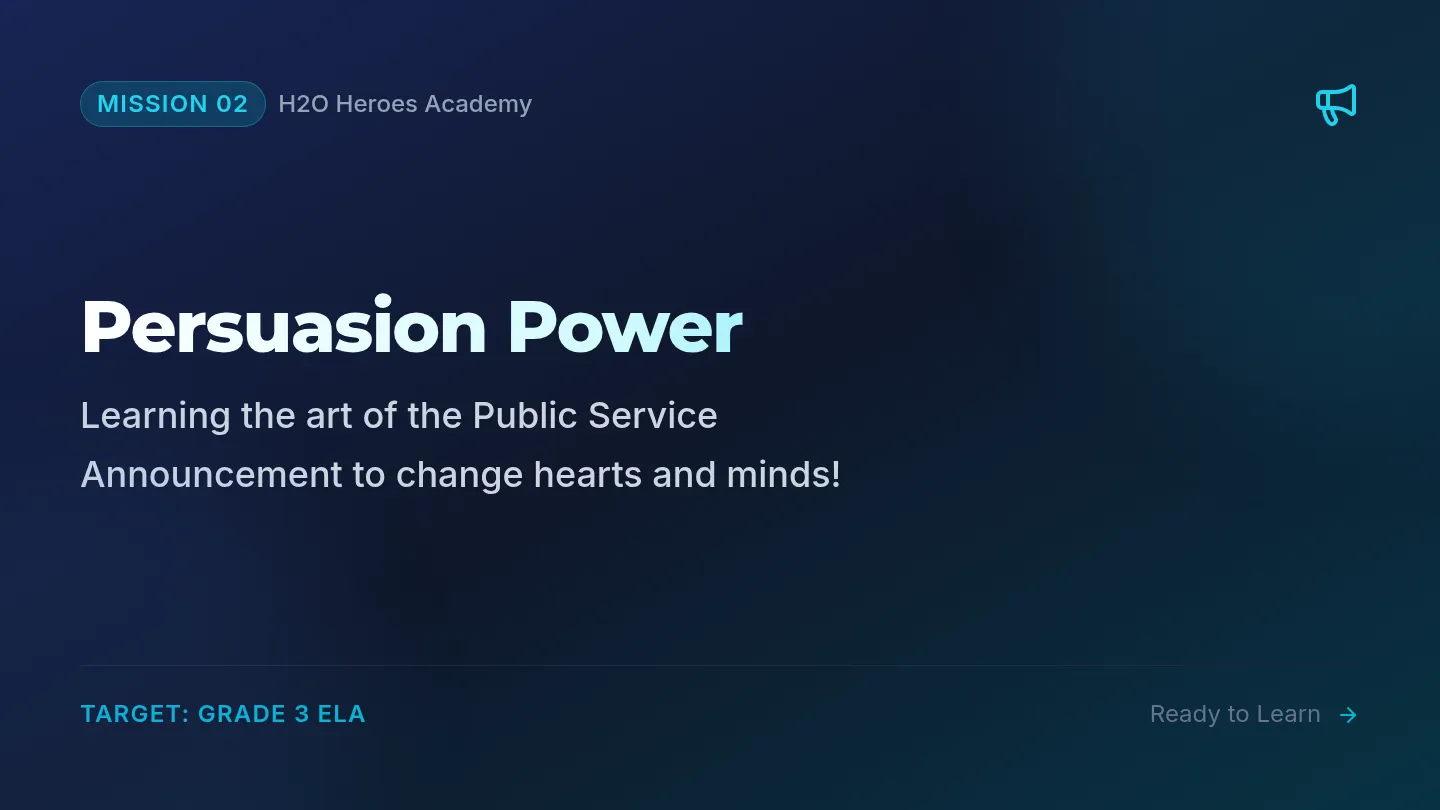
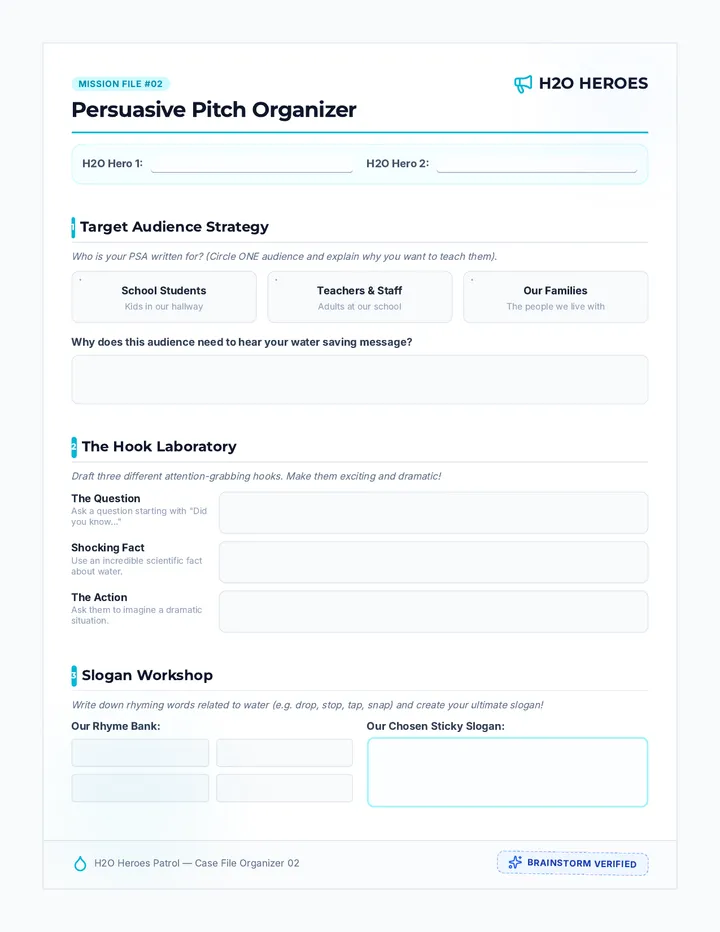
Students learn the elements of persuasive communication, including target audience, emotional appeal, memorable slogans, and engaging hooks, laying the groundwork for their PSA scripts.
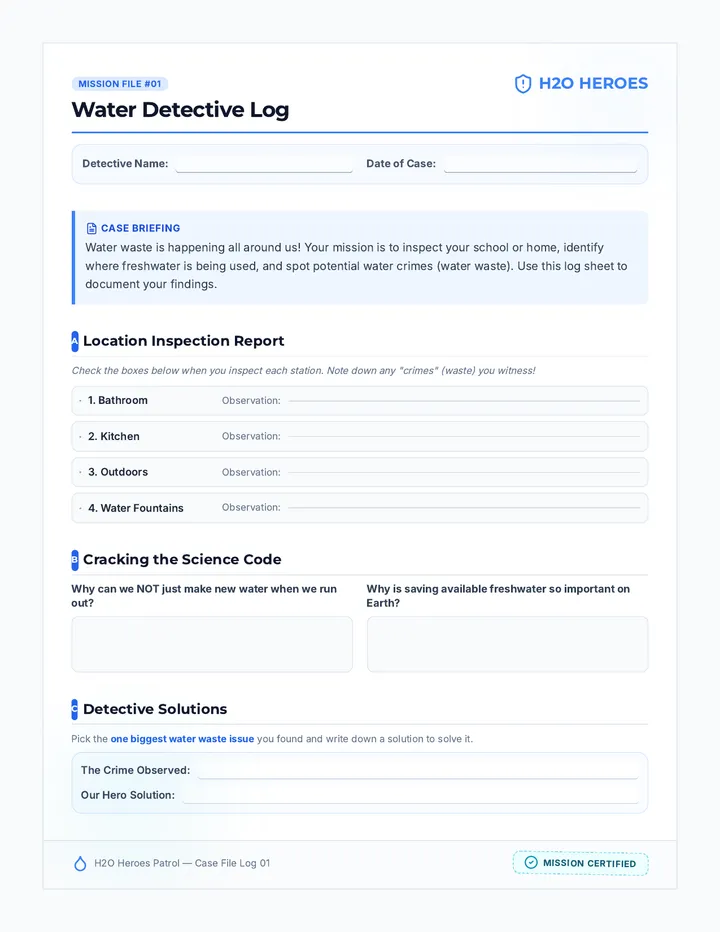
Students explore the distribution of water on Earth, discover how little freshwater is accessible for human use, and learn the science of why water conservation is critical.
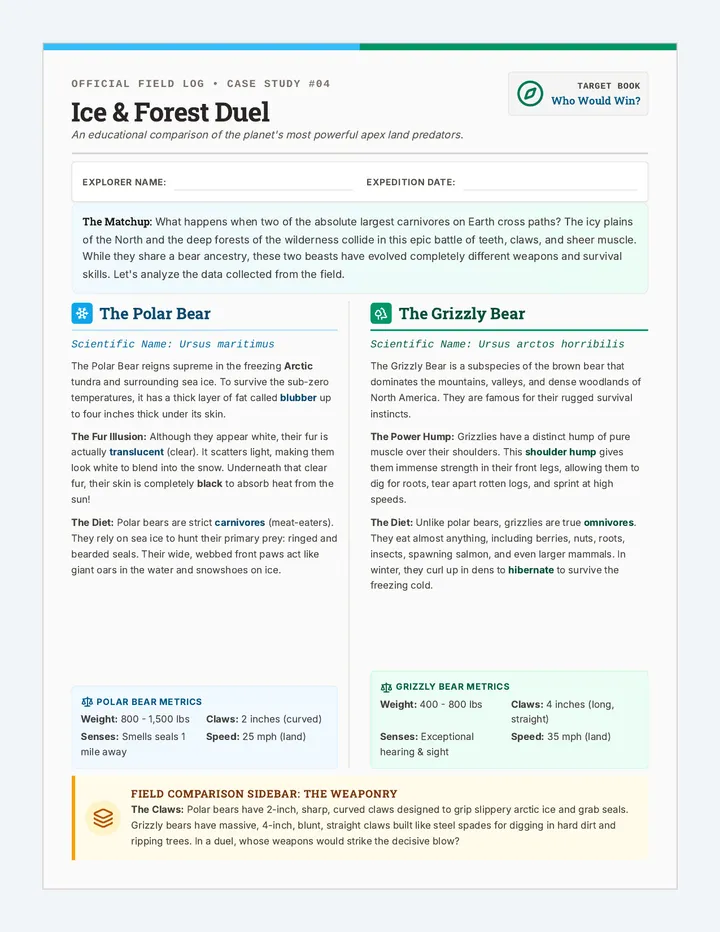
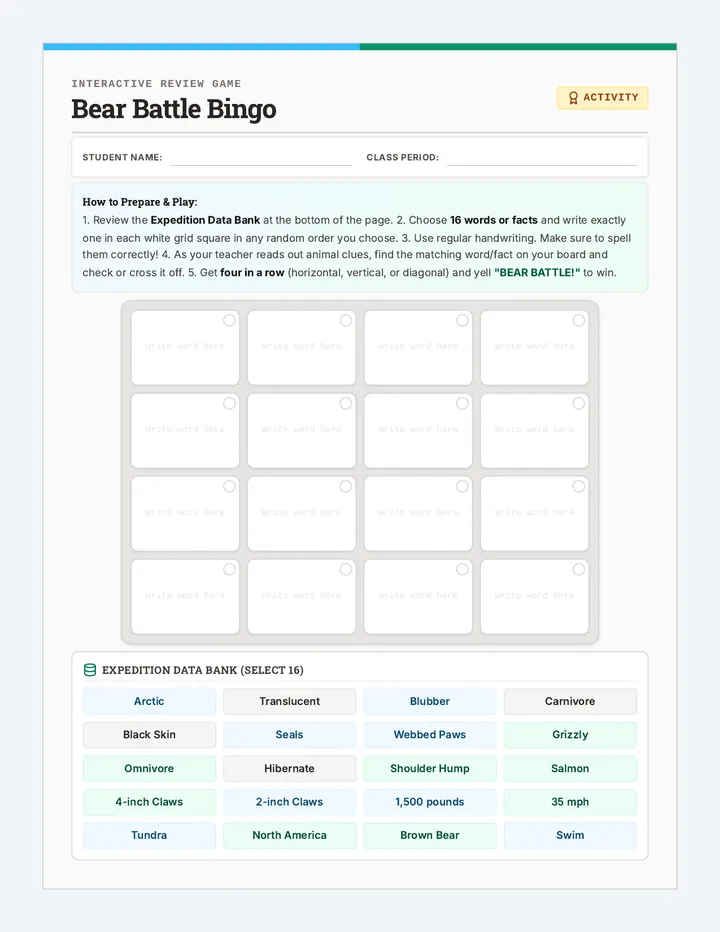
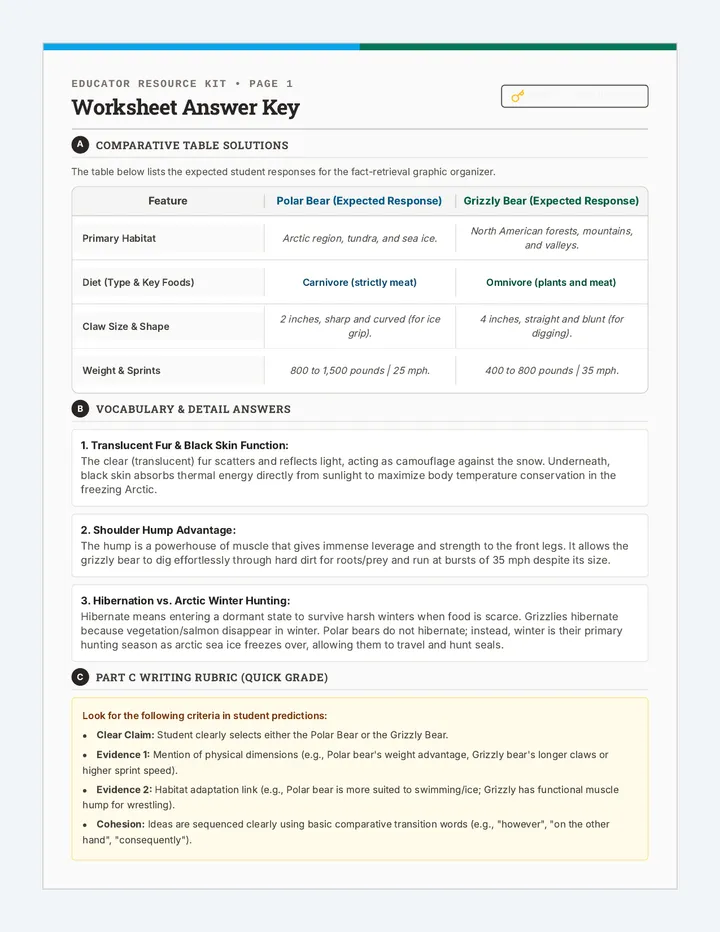
A thrilling comparison lesson focused on polar bears and grizzly bears. Students read a themed comparison passage, complete fact-retrieval questions, and play a write-in bingo review game based on the book 'Who Would Win? Polar Bear vs. Grizzly Bear'.
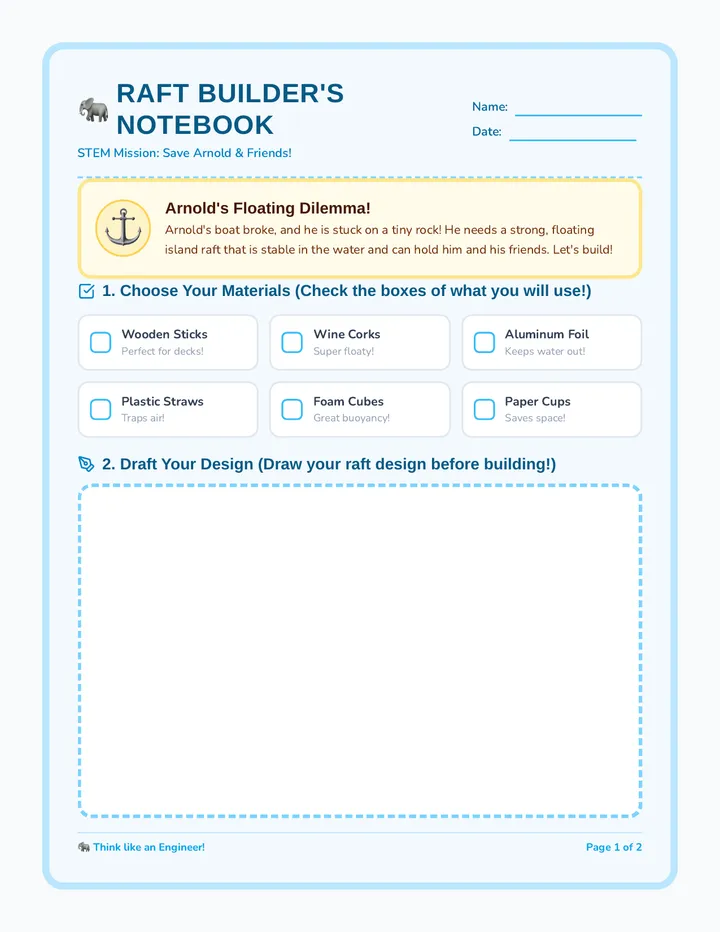
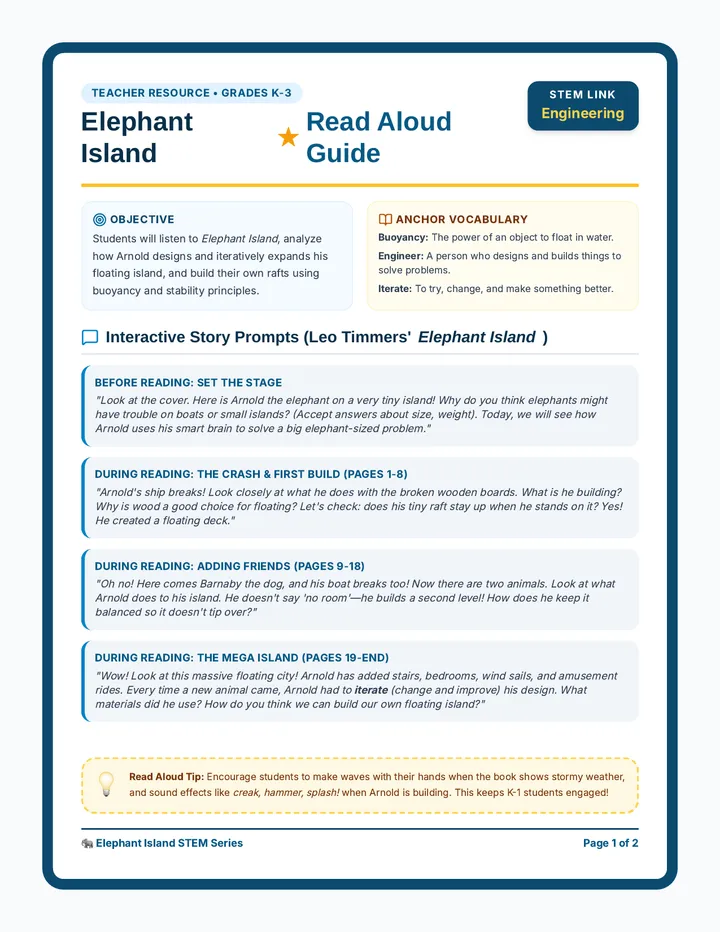
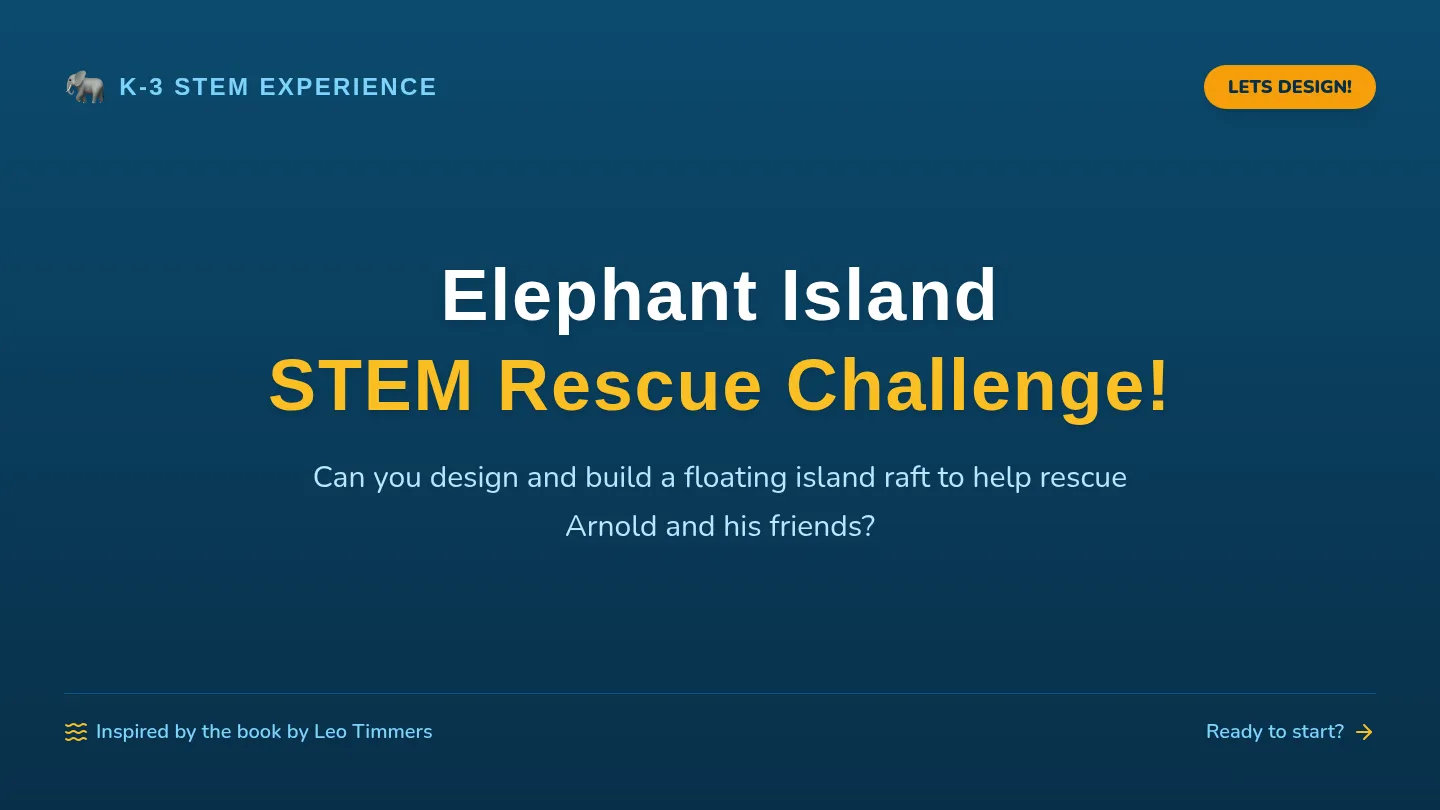
An interactive STEM challenge and read-aloud experience based on Leo Timmers' 'Elephant Island'. Students design and build floating island rafts to rescue Arnold and his friends.
The complete 8-day camp program containing the comprehensive Teacher Manual, printable Challenge Task Cards, and the daily Student Camp Journal.
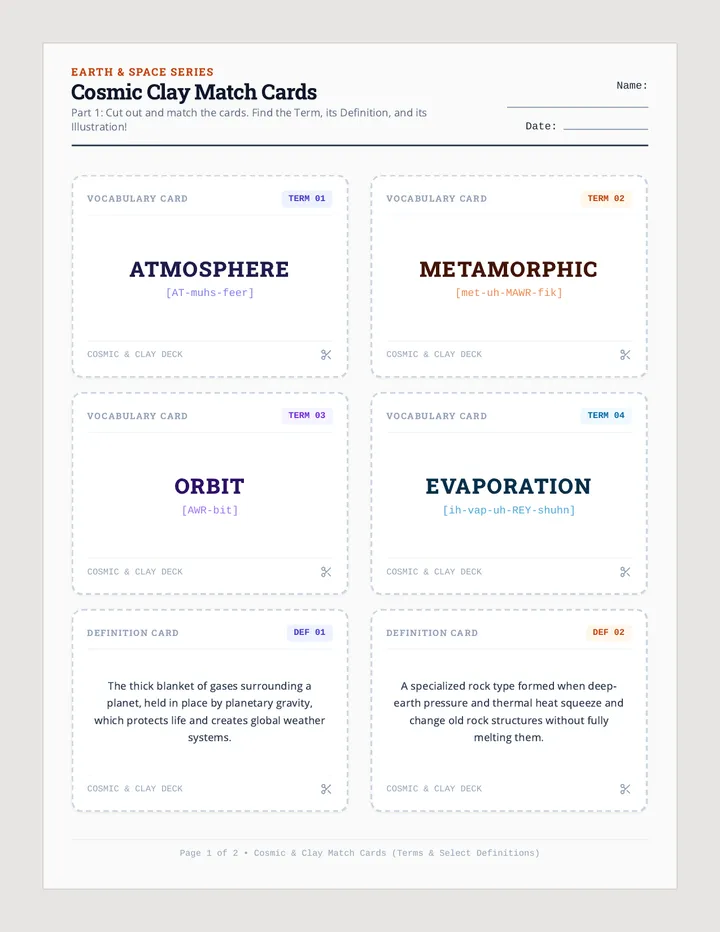
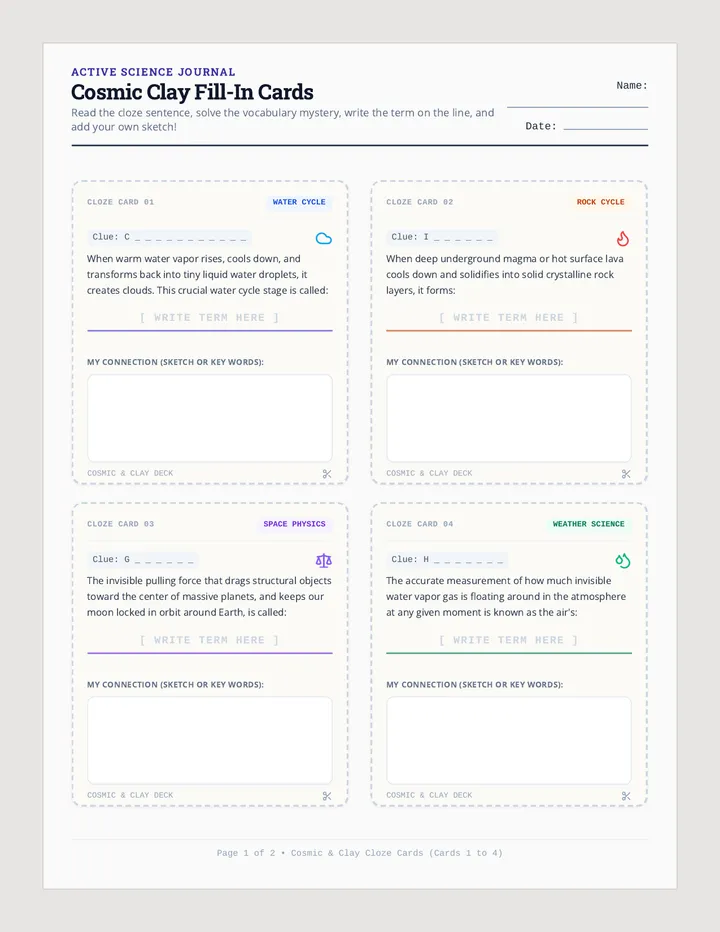
An interactive vocabulary lesson on Earth and Space Science, featuring visual matching card decks and tactile fill-in-the-blank cloze activities covering rocks, weather, water cycles, and space.
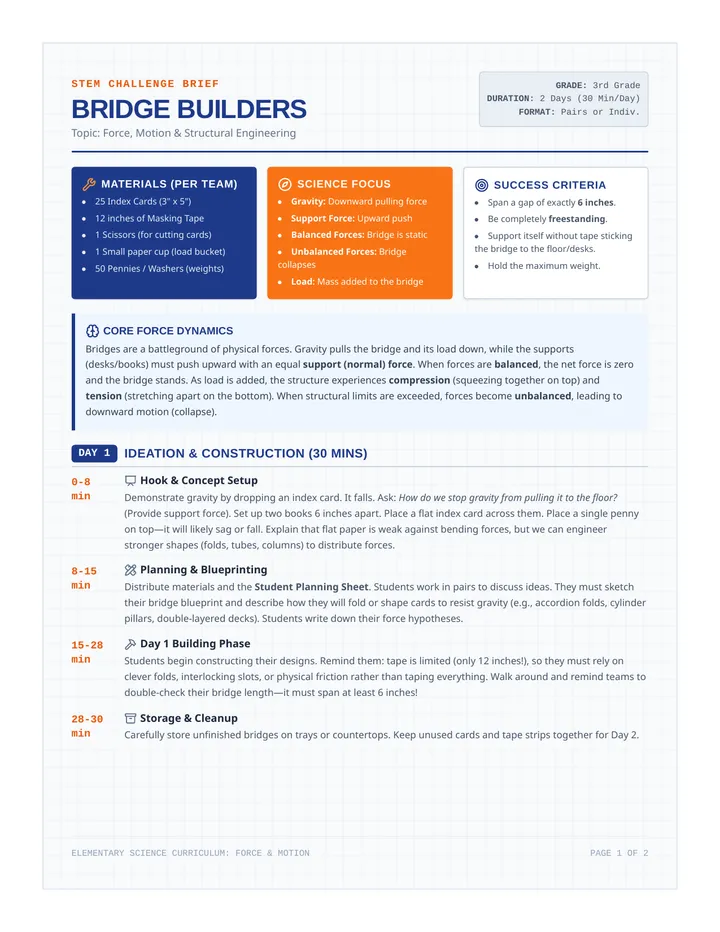
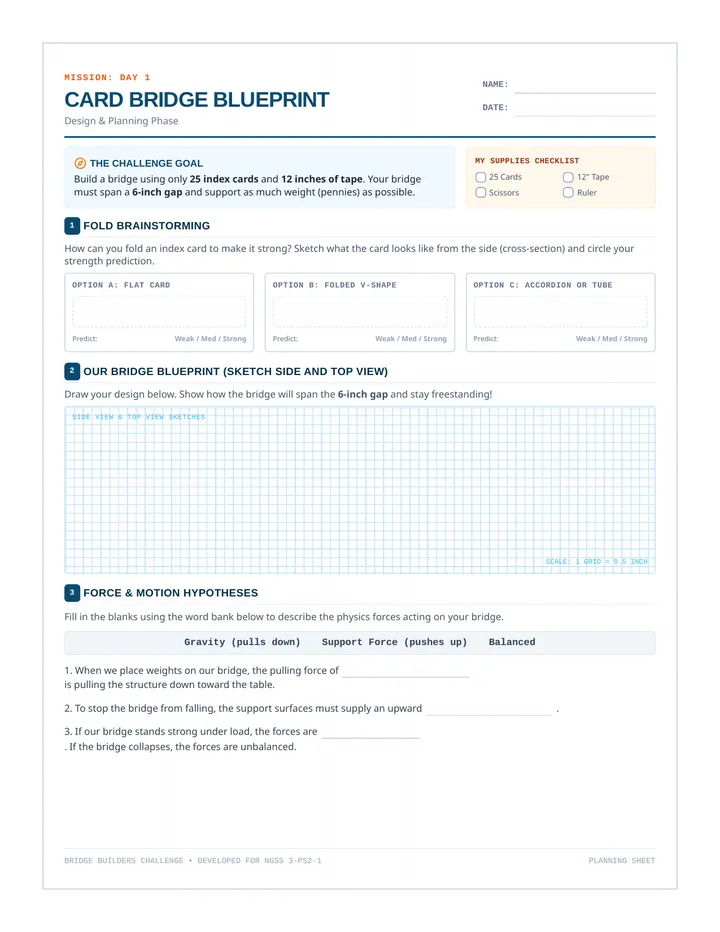
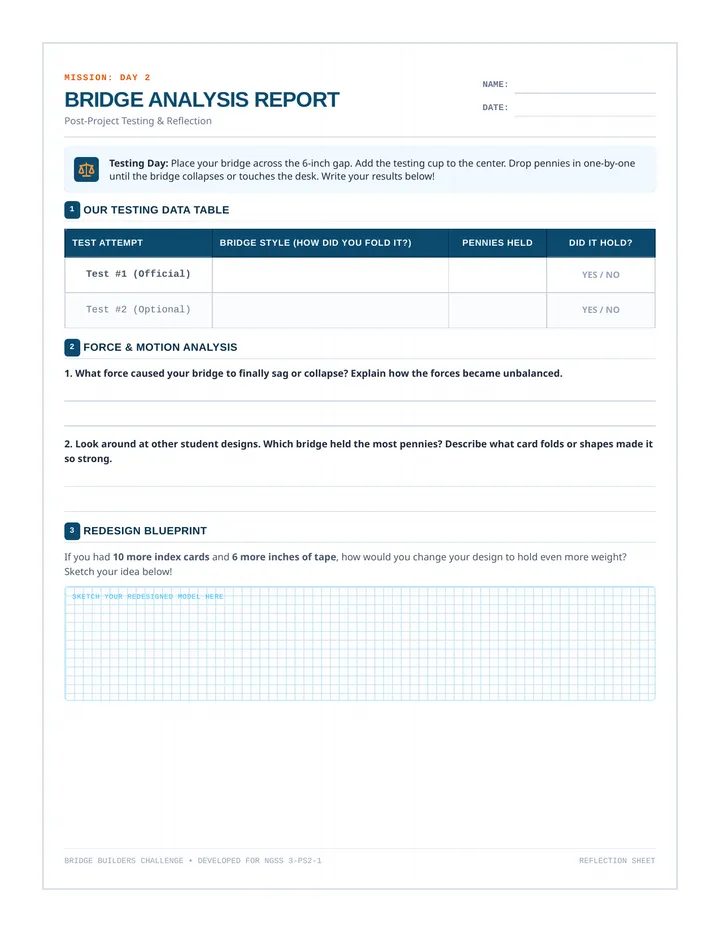
A 2-day hands-on STEM engineering challenge where 3rd-grade students design, build, and test index card bridges to explore balanced and unbalanced forces, gravity, and load-bearing structures.
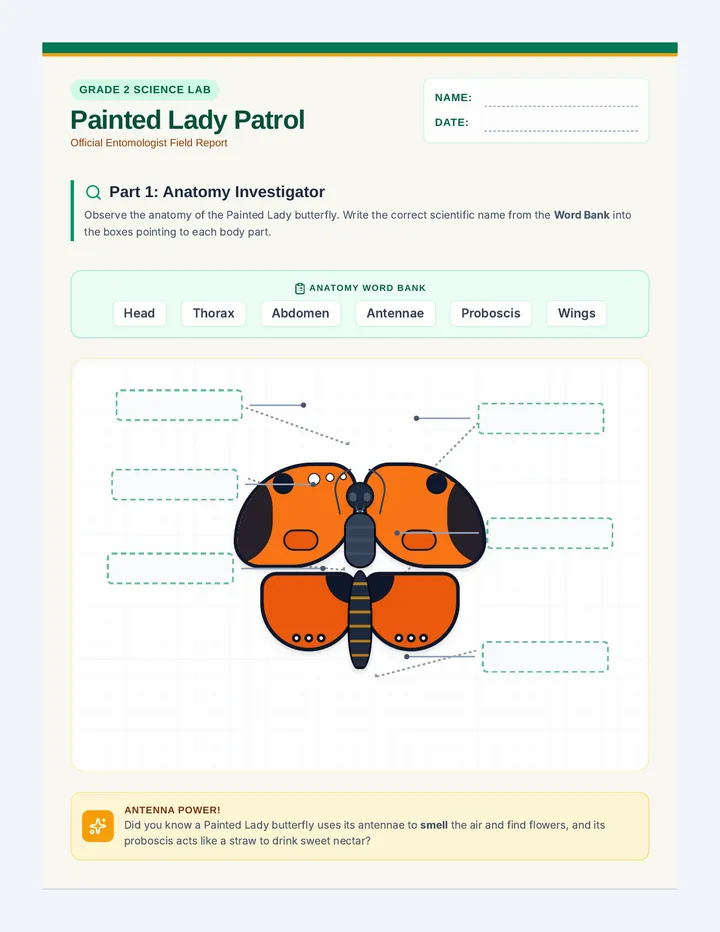
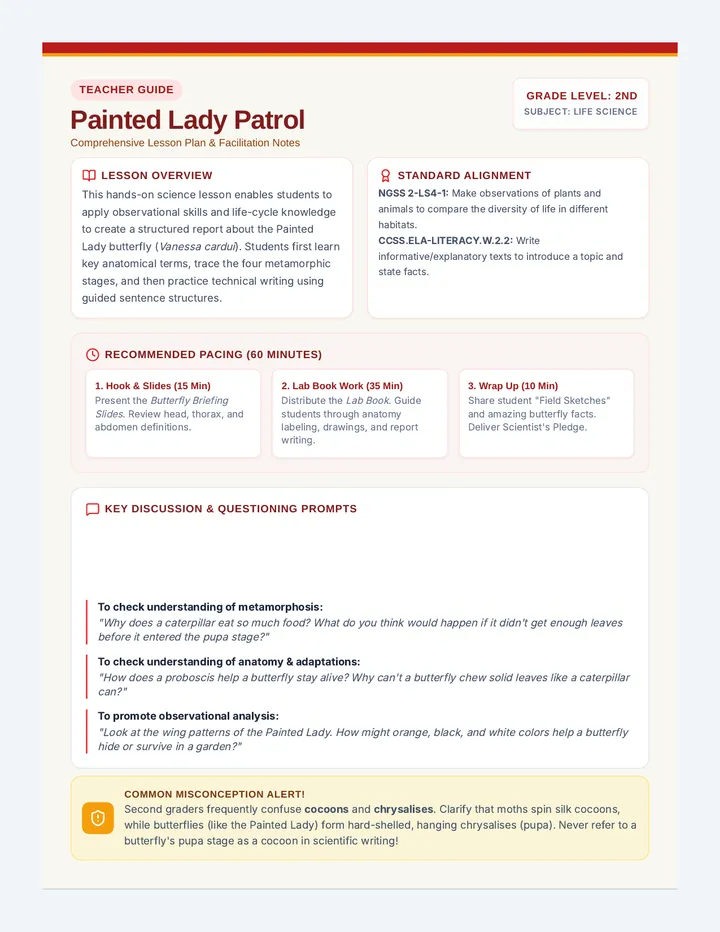
A hands-on 2nd-grade science unit where students study the Painted Lady butterfly's anatomy, trace its life cycle, and compile their findings into a guided research report. Includes interactive visual slides, a multi-page student lab book, and a detailed teacher facilitation guide with grading rubrics and answer keys.
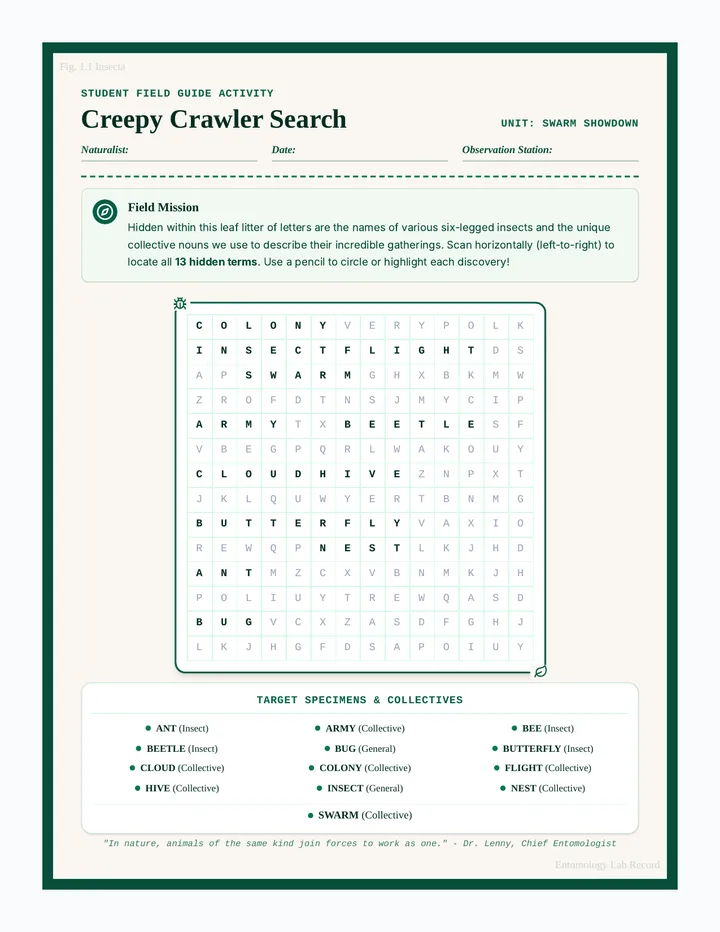
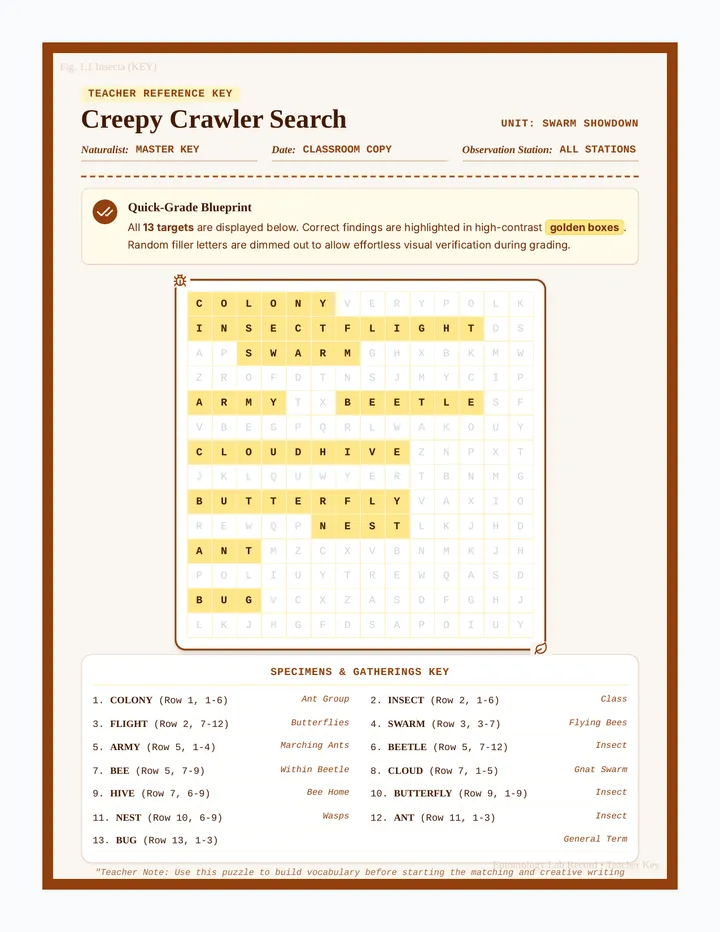
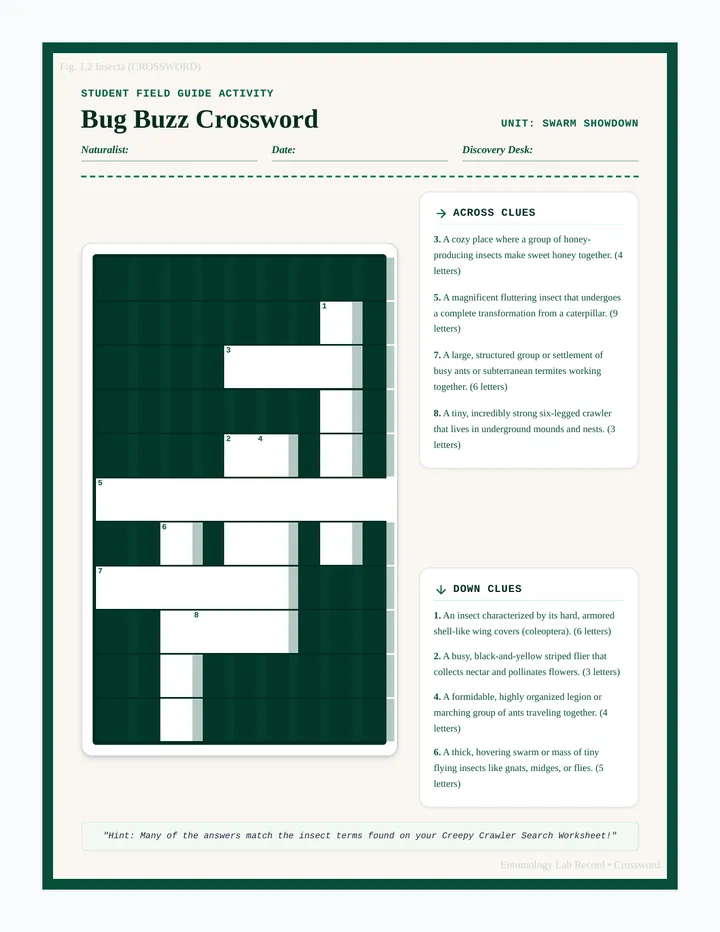
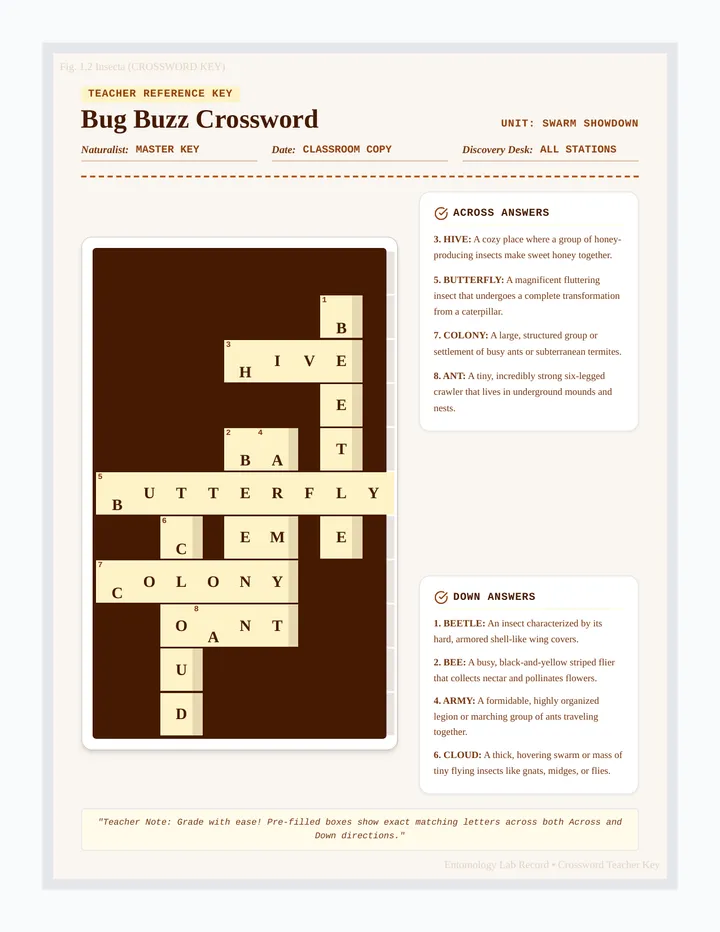
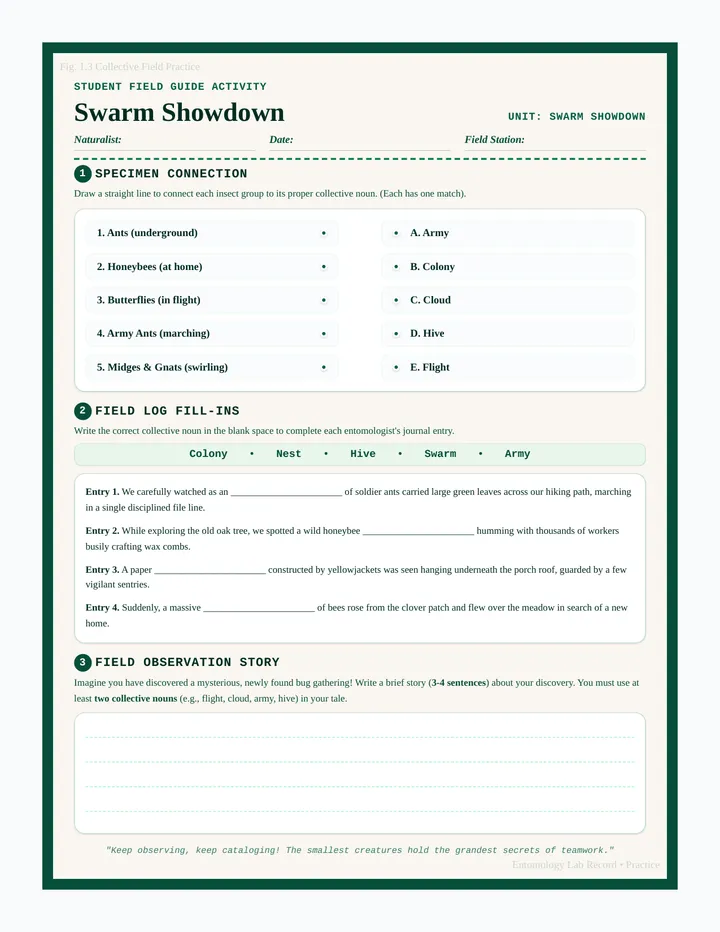
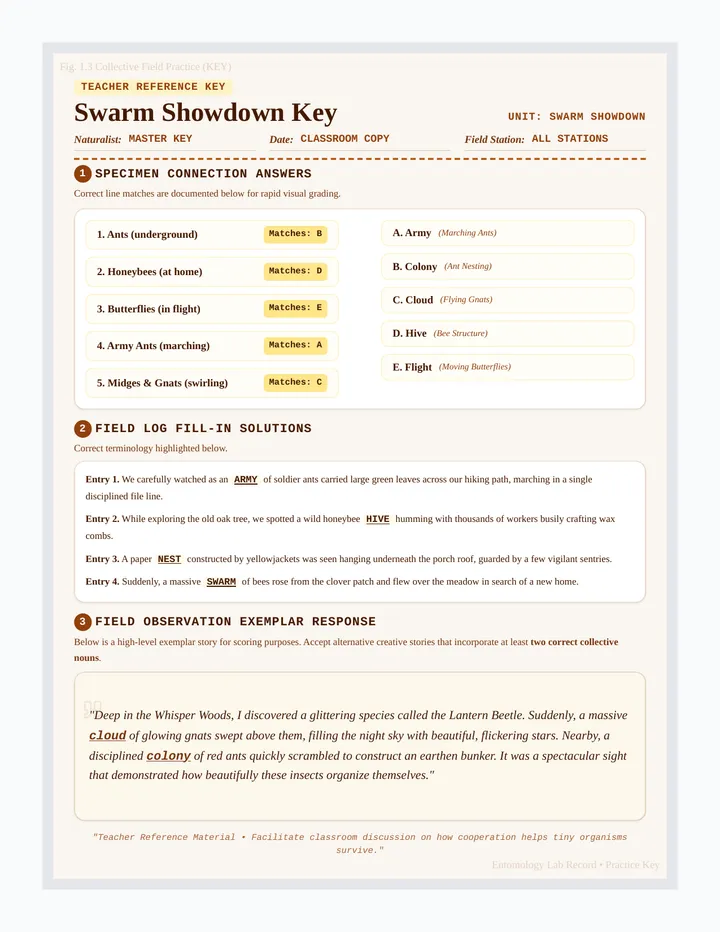
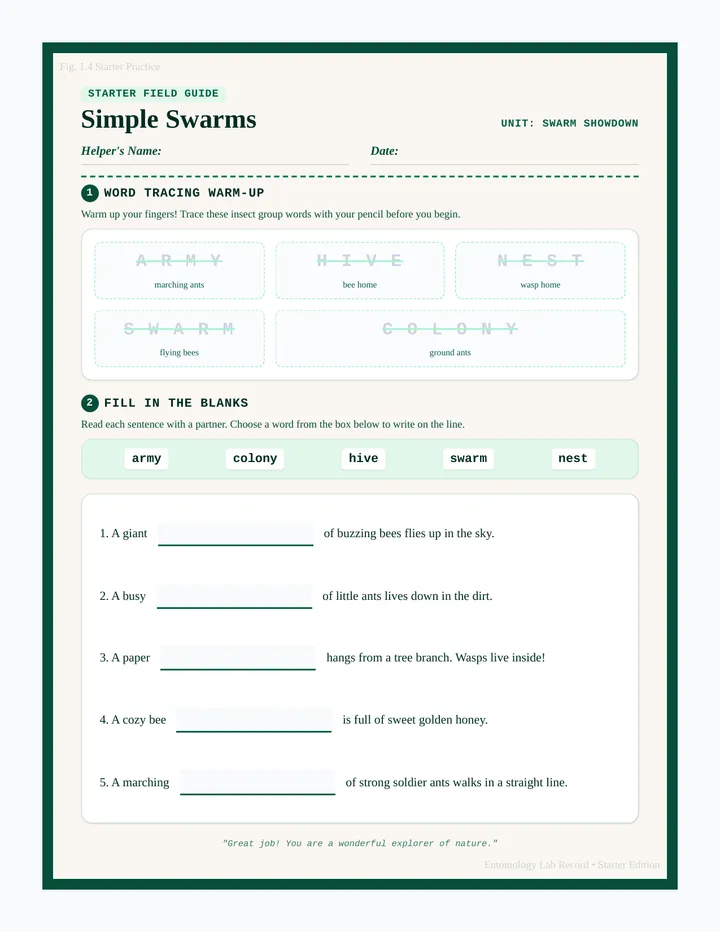
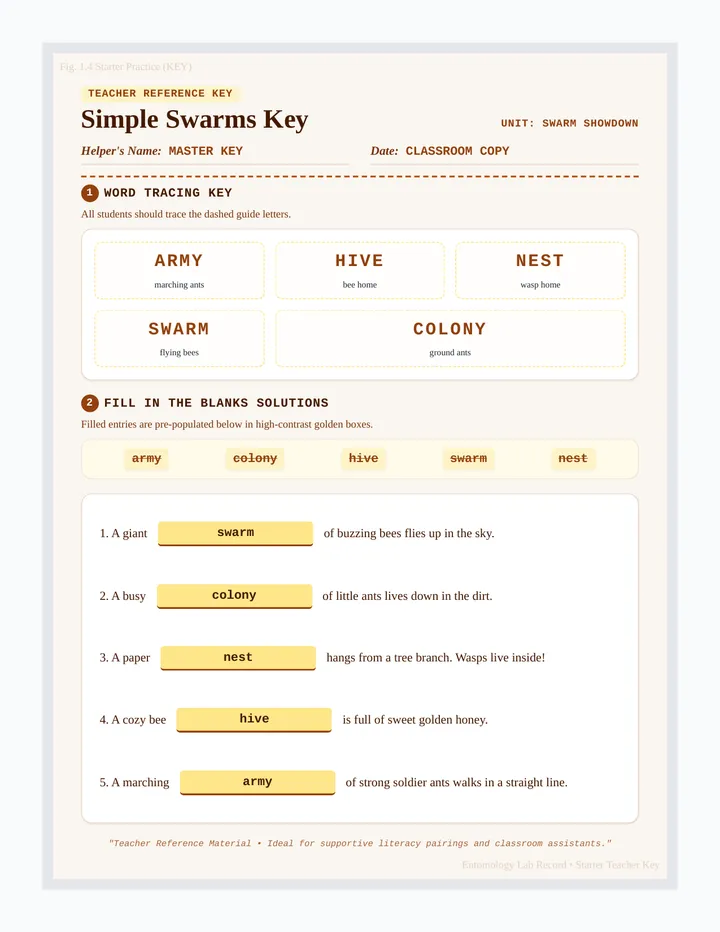
An engaging lesson on insect collective nouns and terminology, featuring a word search, crossword, and hands-on matching and writing activities exploring how bugs gather in groups.
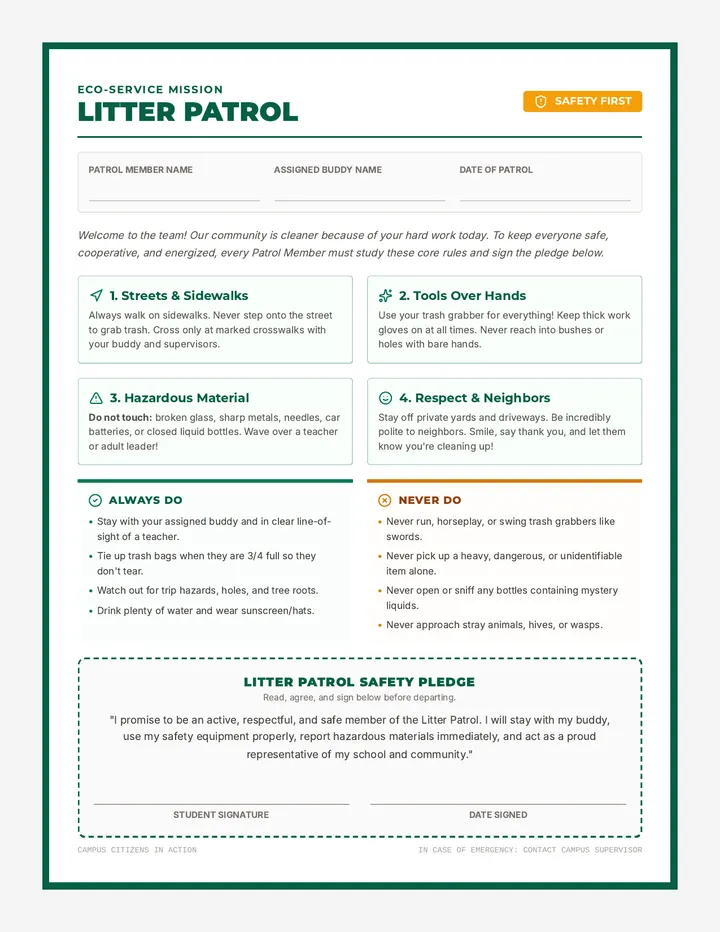
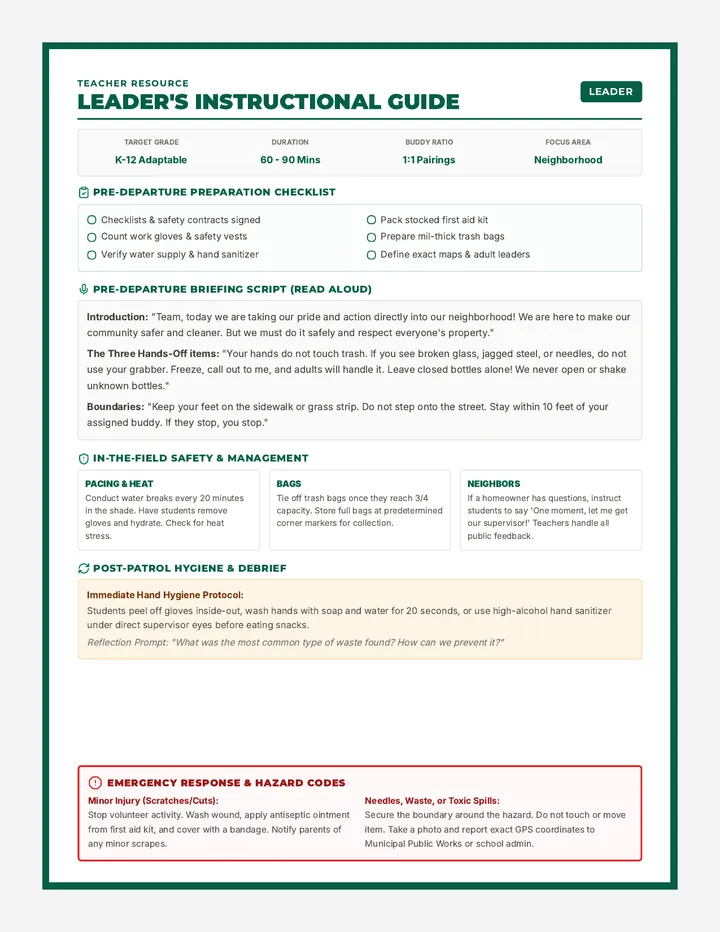
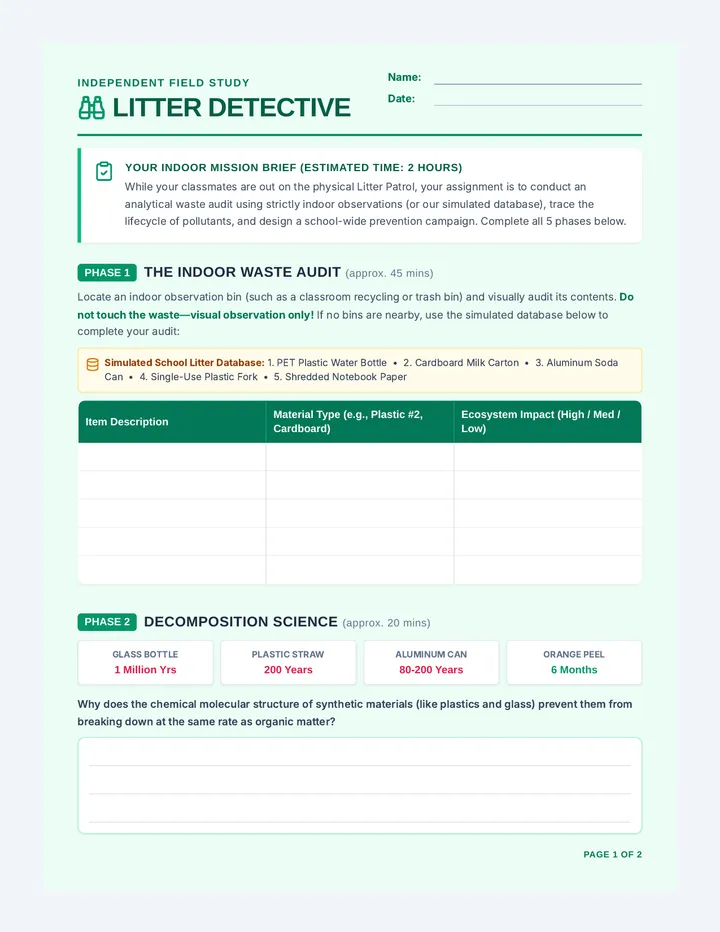
A comprehensive safety and preparation kit for students and teachers participating in a neighborhood trash pick-up community service project. It includes safety slides, a student contract and checklist, and a detailed teacher instruction guide.
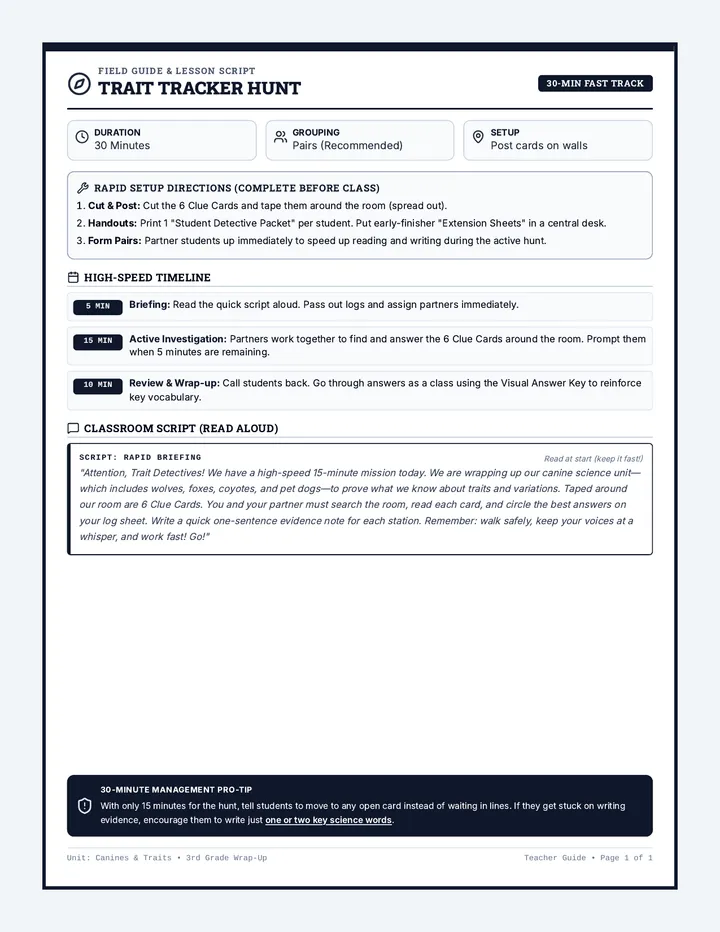
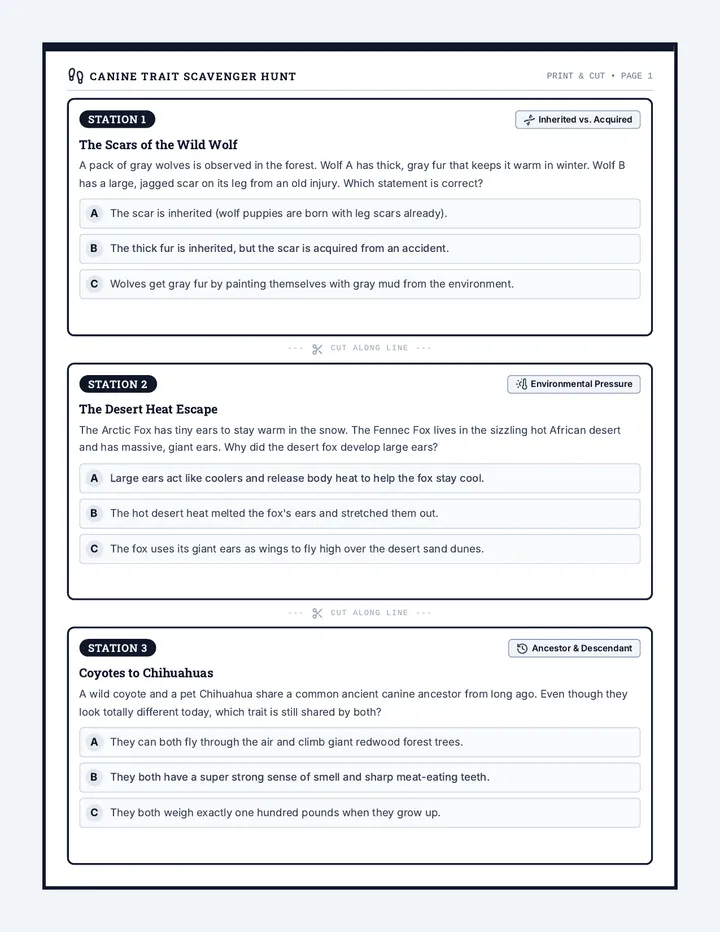
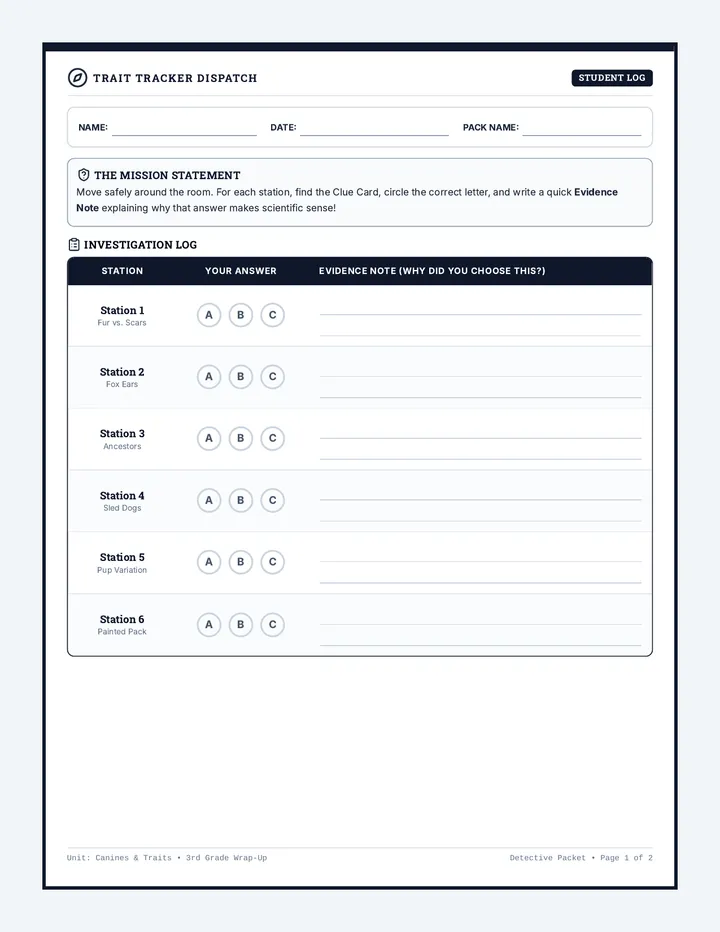
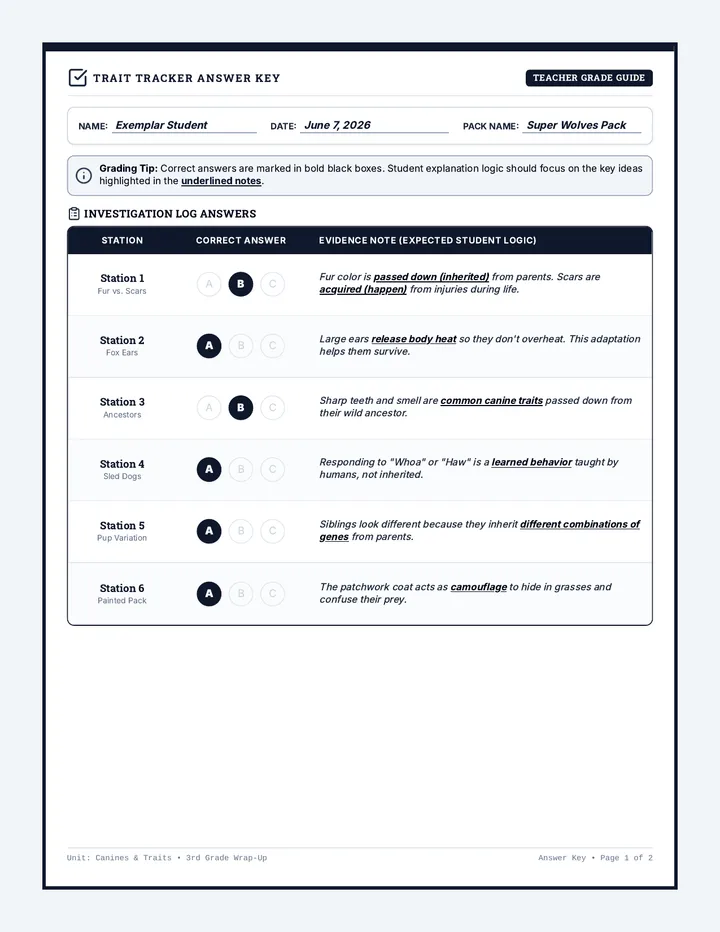
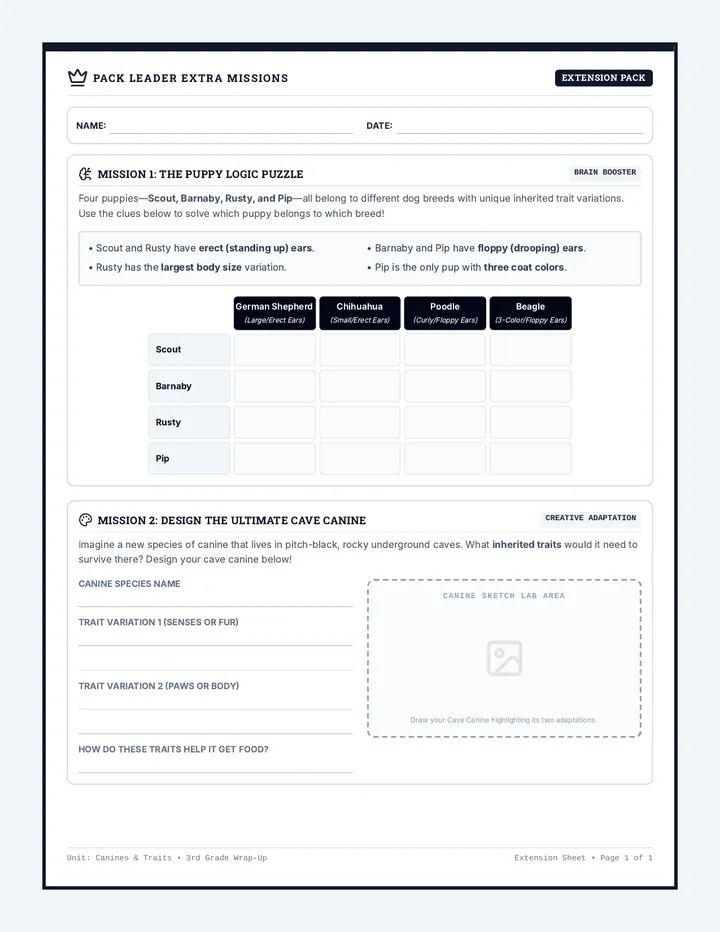
A high-engagement, print-ready scavenger hunt and review activity where students track down canine trait clues. Designed for easy delivery by a substitute teacher, it includes a step-by-step facilitation script, task cards, a student investigation log, an answer key, and creative early-finisher extensions.
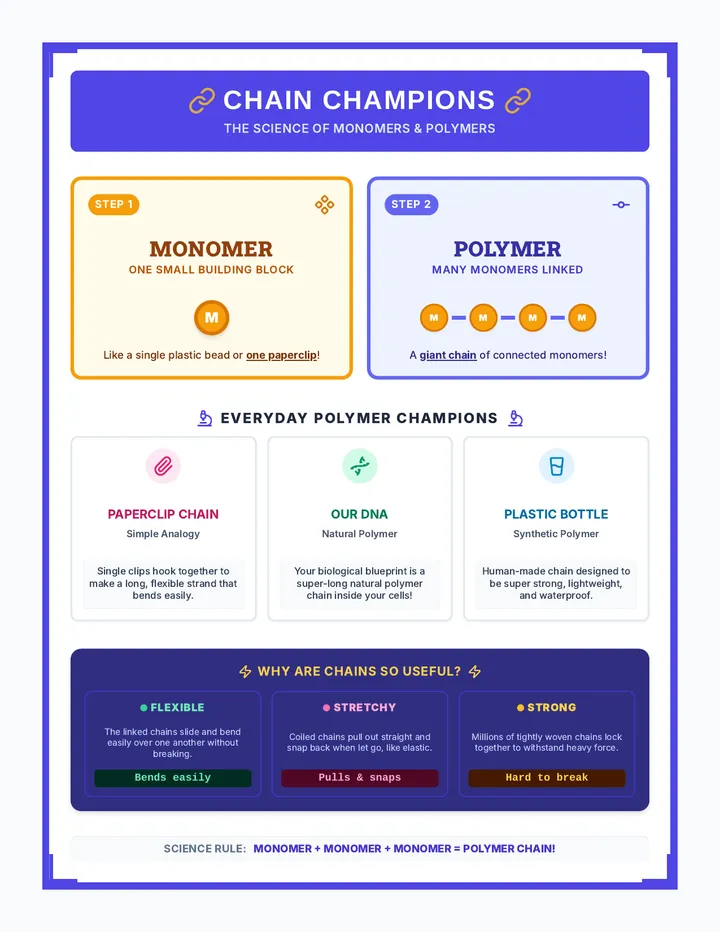
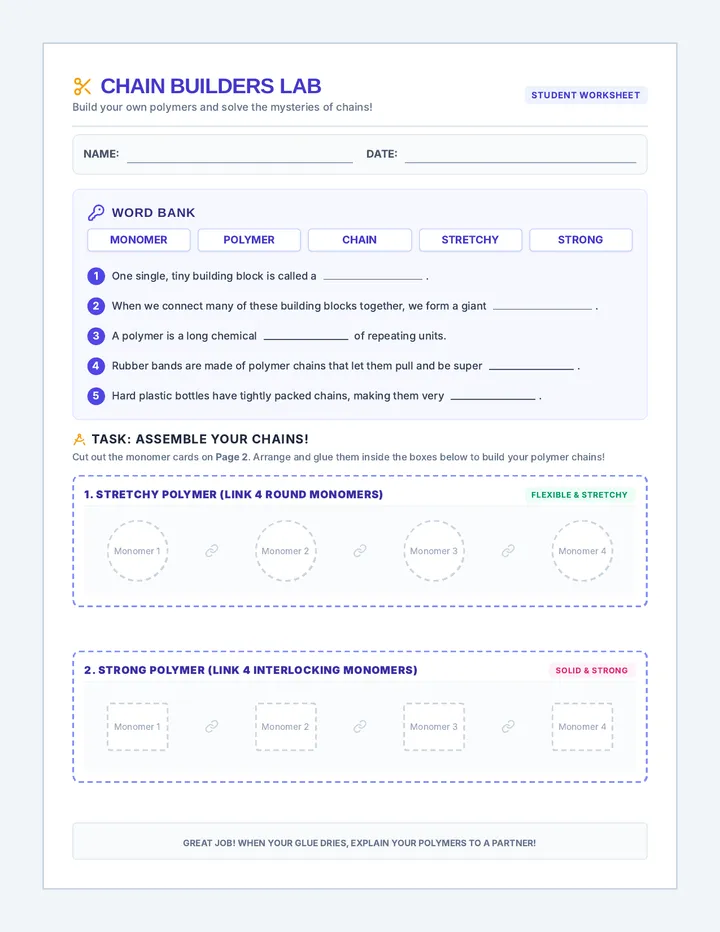
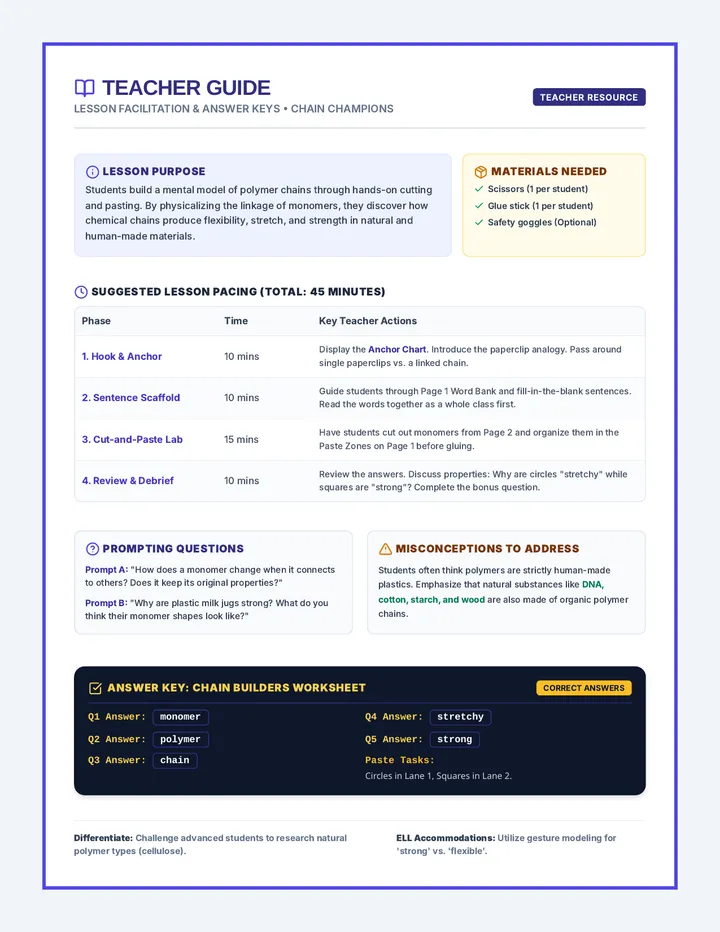
A highly visual and tactile introduction to polymer chains, monomers, and everyday applications. Students explore how small repeating units form strong, flexible, and stretchy properties through hands-on modeling and scaffolded writing.
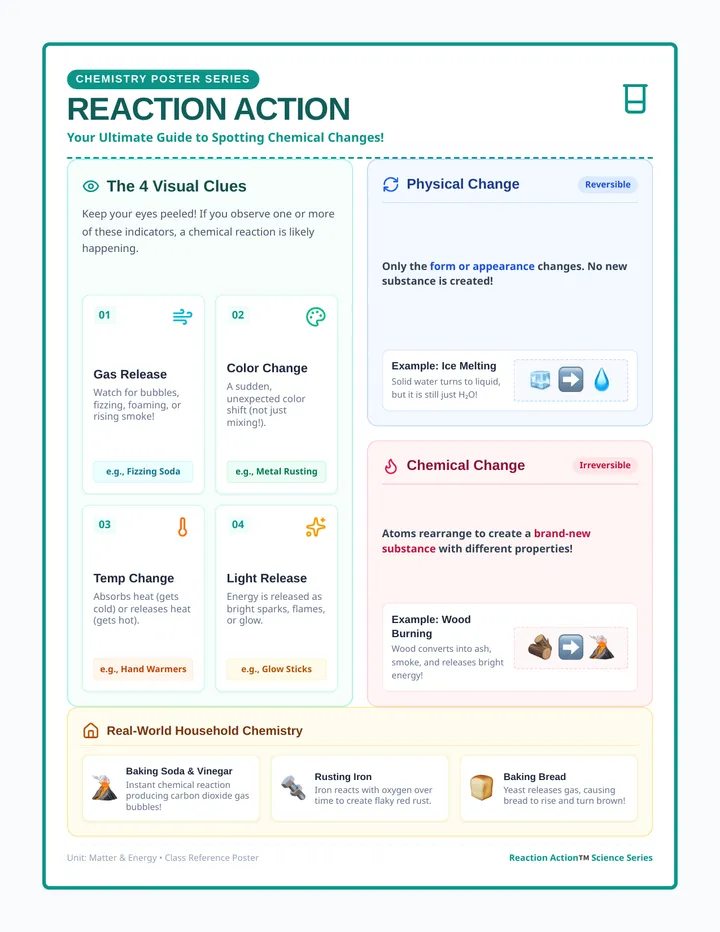
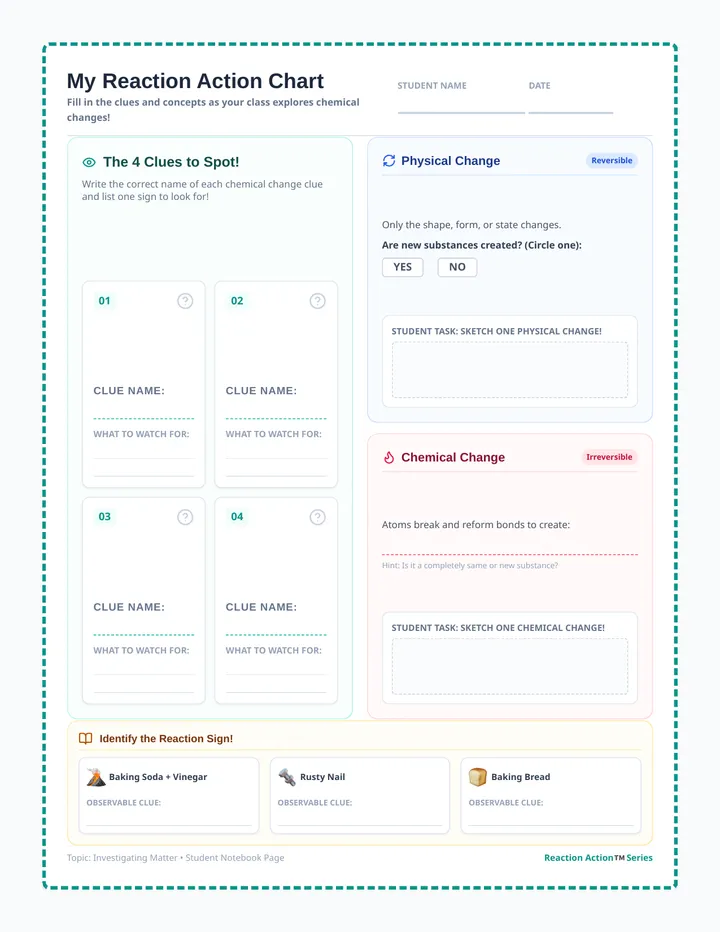
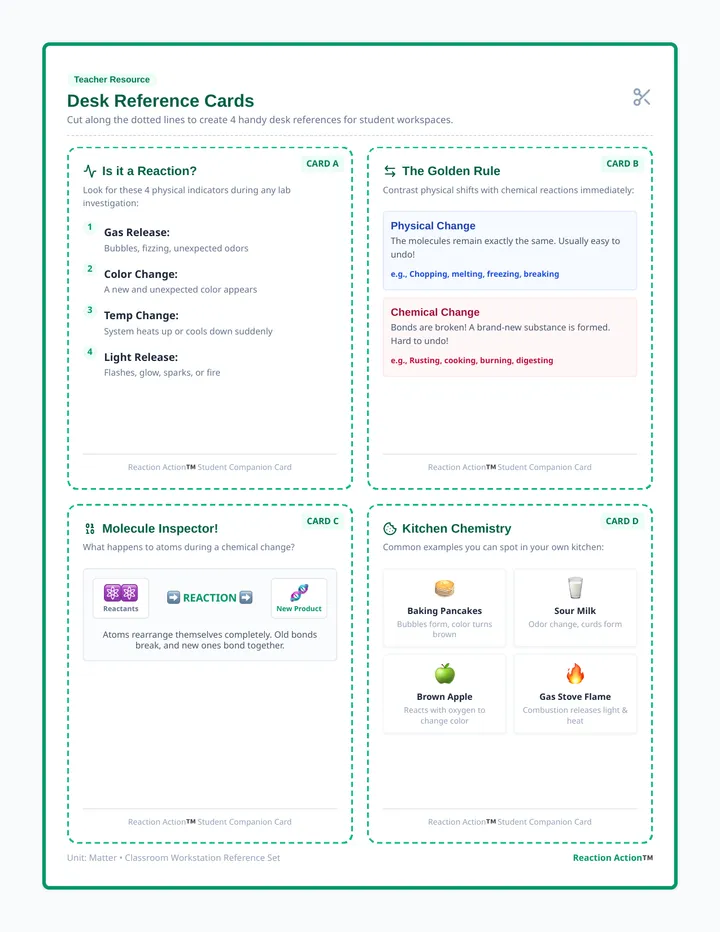
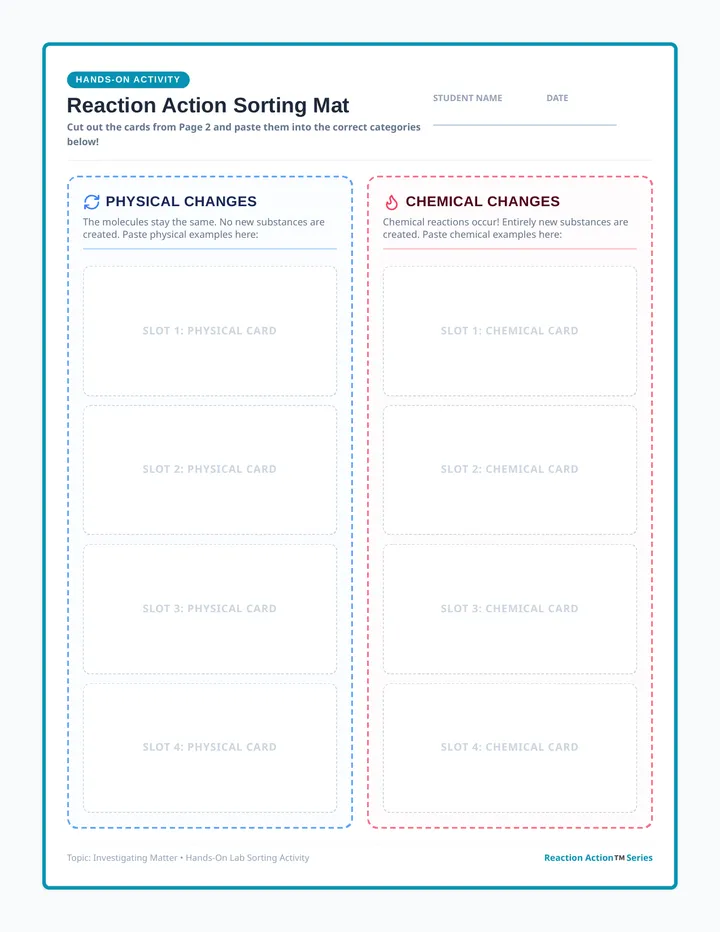
A comprehensive learning suite focused on identifying chemical reactions through visual clues, contrasting physical and chemical changes, and sorting real-world household examples. Includes a complete anchor chart, student fill-in chart, pocket resources, and a hands-on sorting kit.
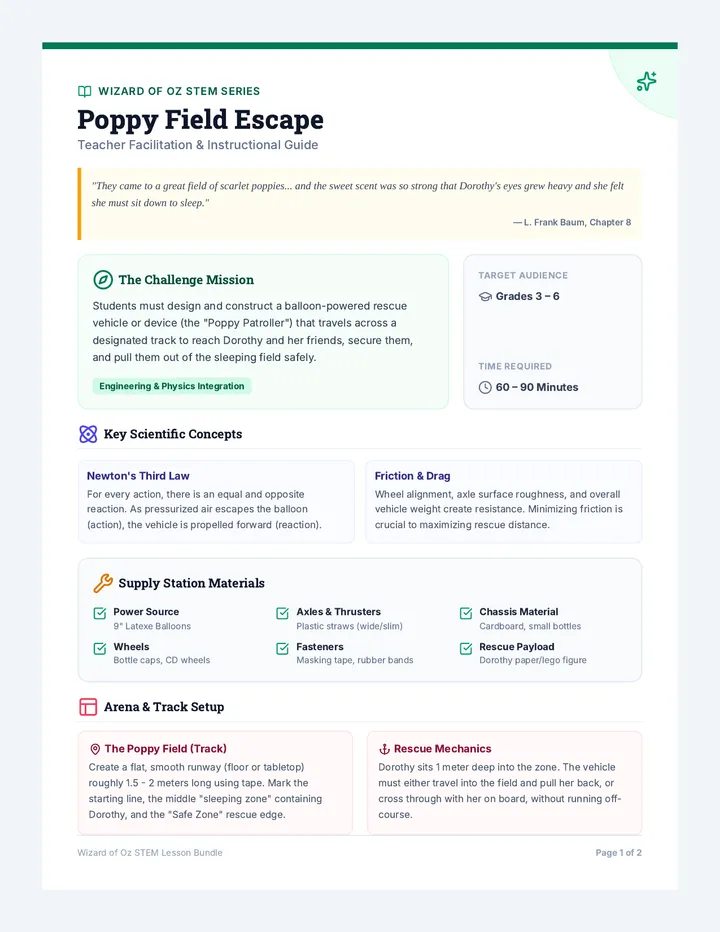
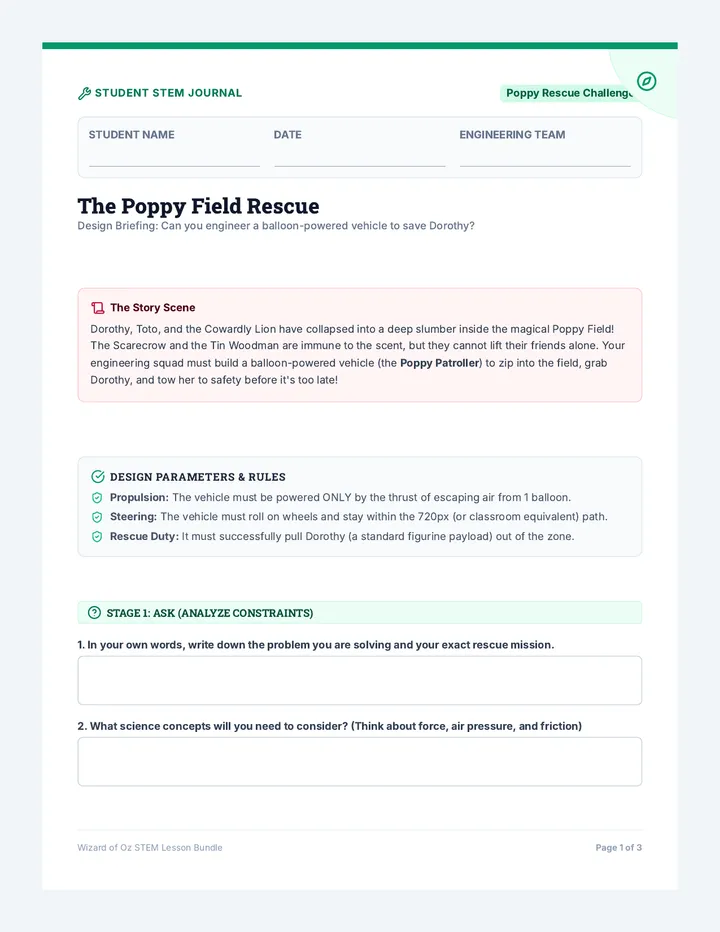
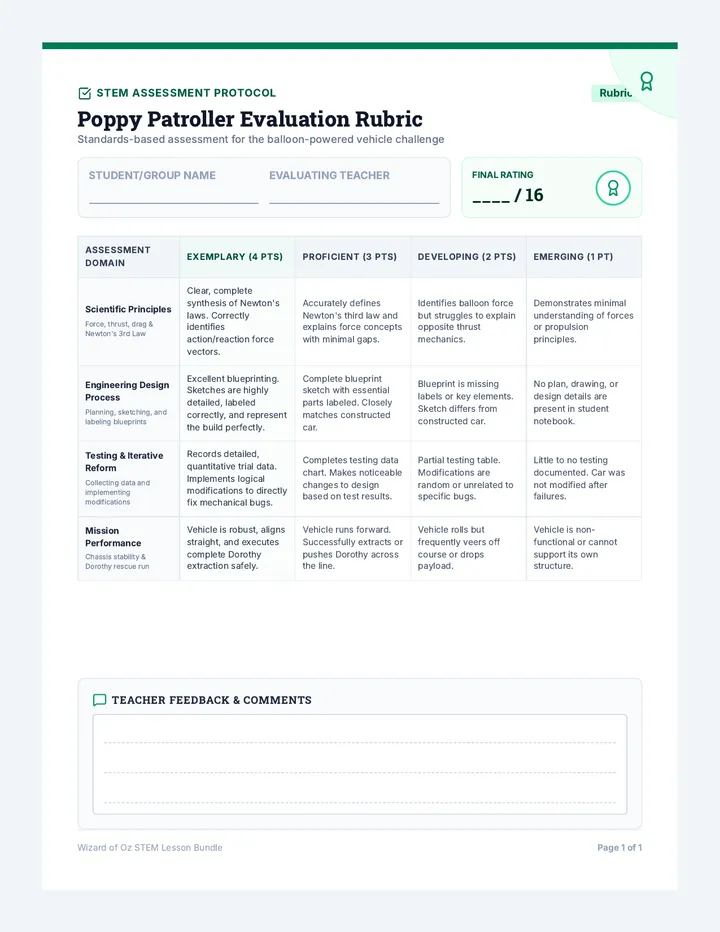
A hands-on STEM challenge based on The Wizard of Oz where students design and build a balloon-powered rescue vehicle to save Dorothy and her friends from the sleeping effects of the Poppy Field. This lesson guides students through the complete engineering design process, combining physical science concepts with literary connections.
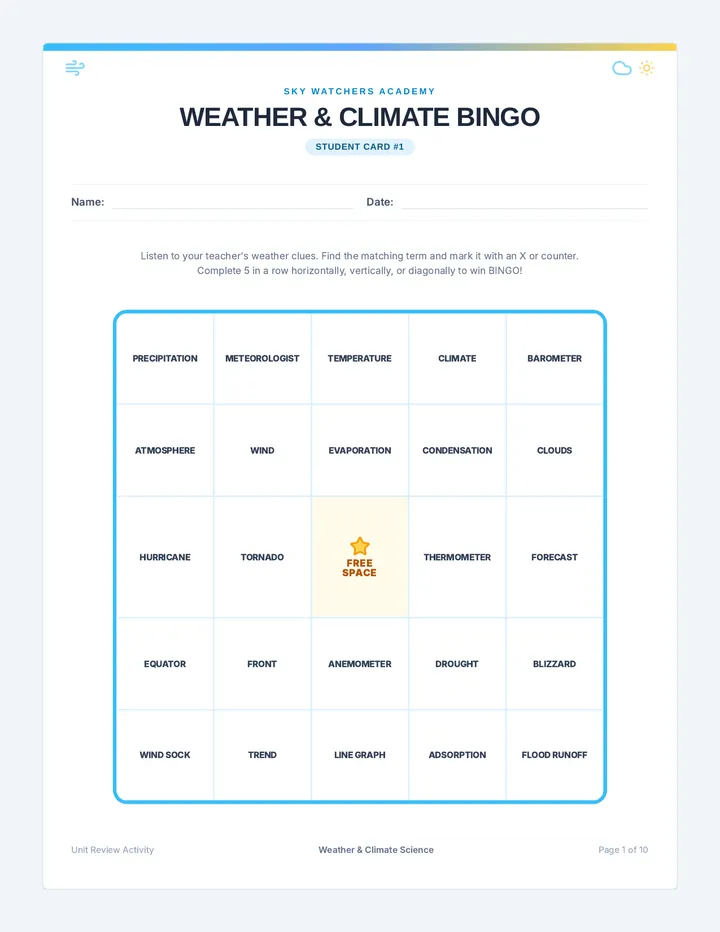
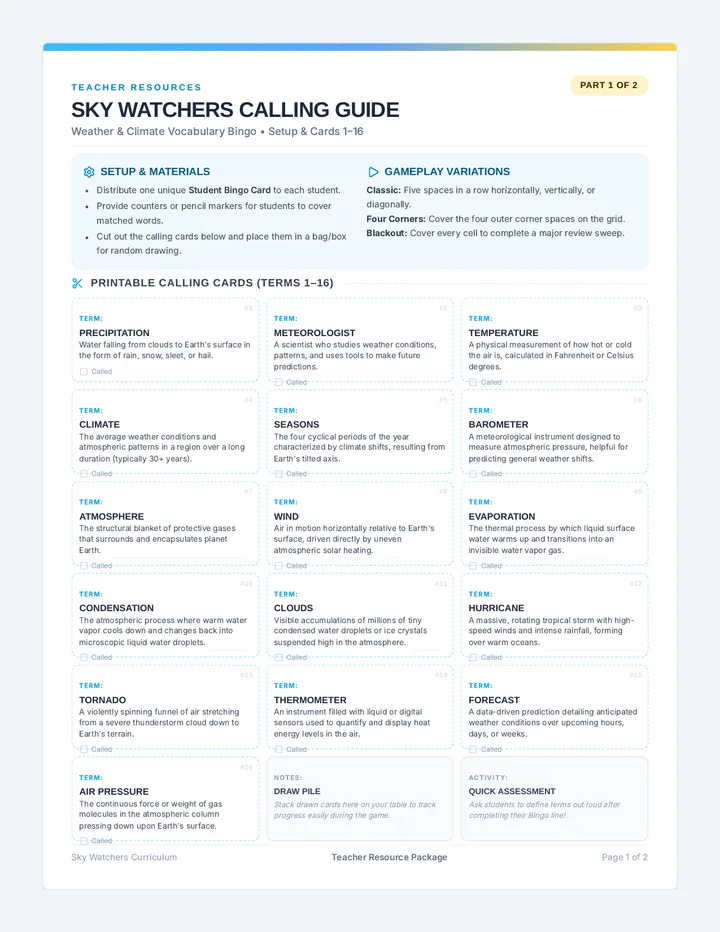
A weather and climate science unit featuring a complete class set of ready-to-print Bingo cards and a comprehensive teacher calling and tracking guide.
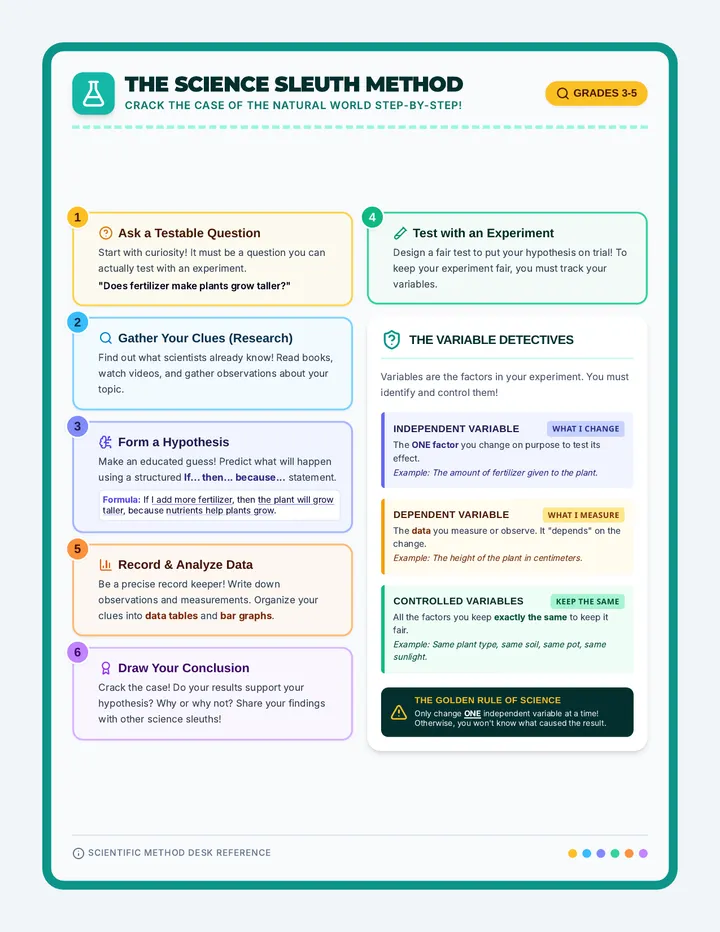
A high-impact science investigation unit starting with visual anchor charts and student planning templates to master the scientific method and variable identification in grades 3-5.
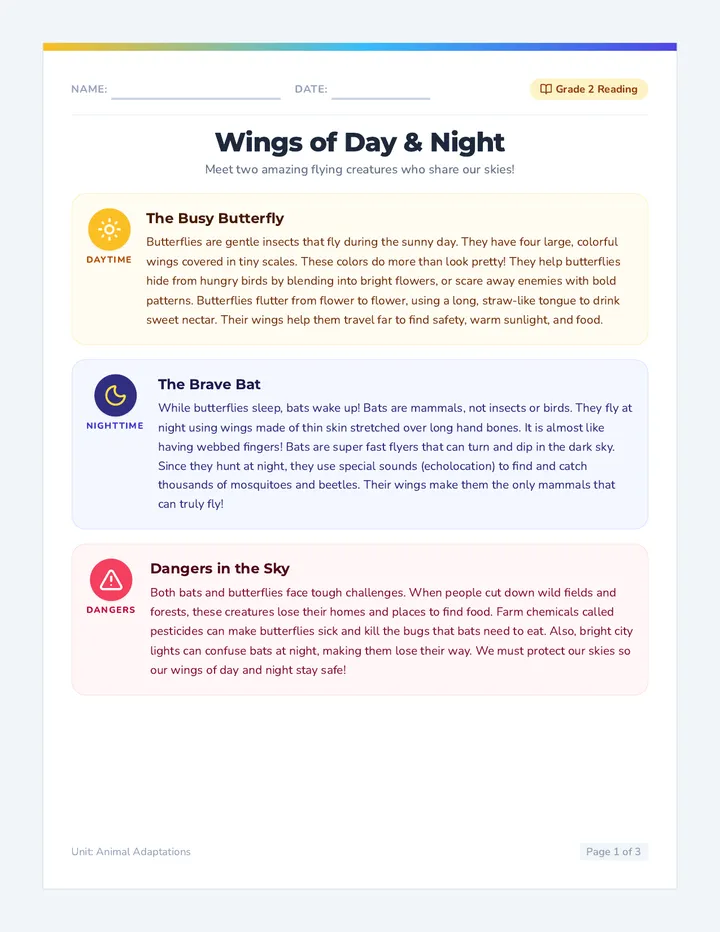
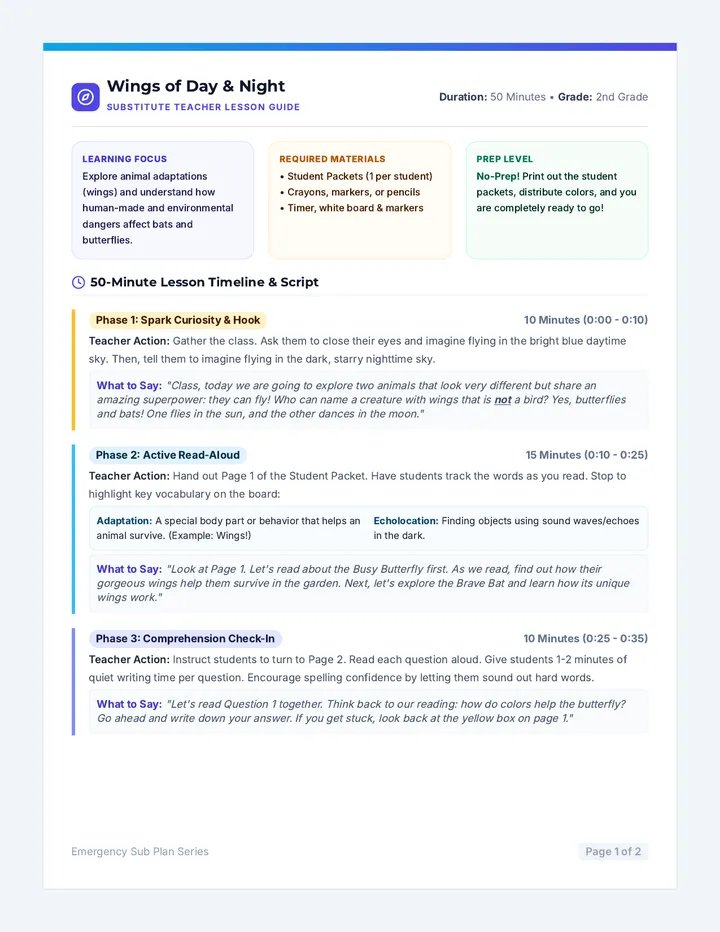
A 50-minute emergency sub plan for second graders exploring butterflies and bats. Students investigate how wings help these creatures survive, the unique dangers they face, and create a dual-habitat drawing of day and night.
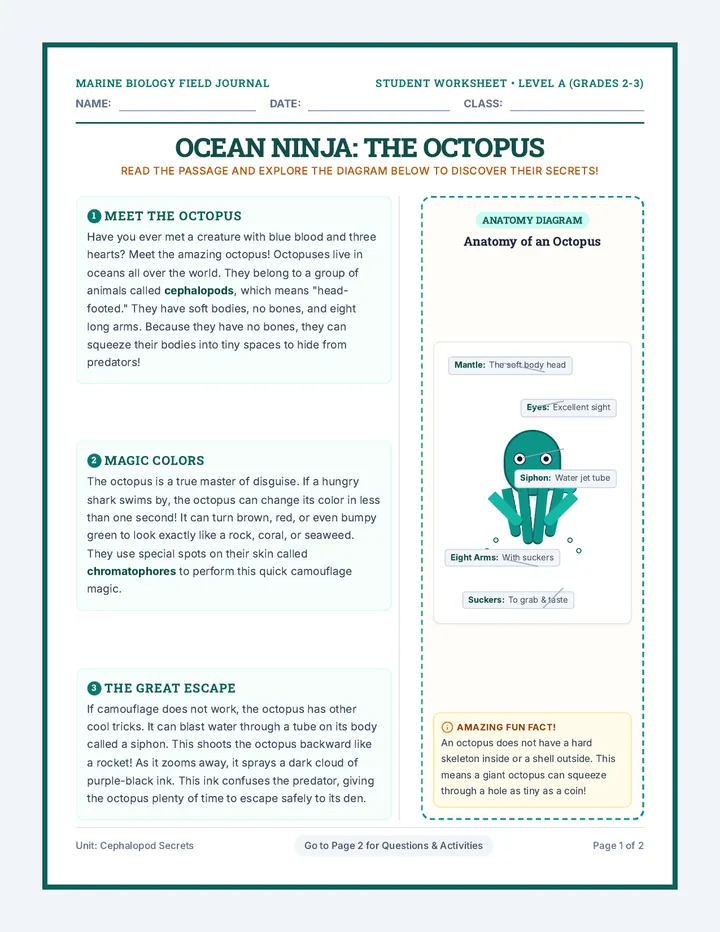
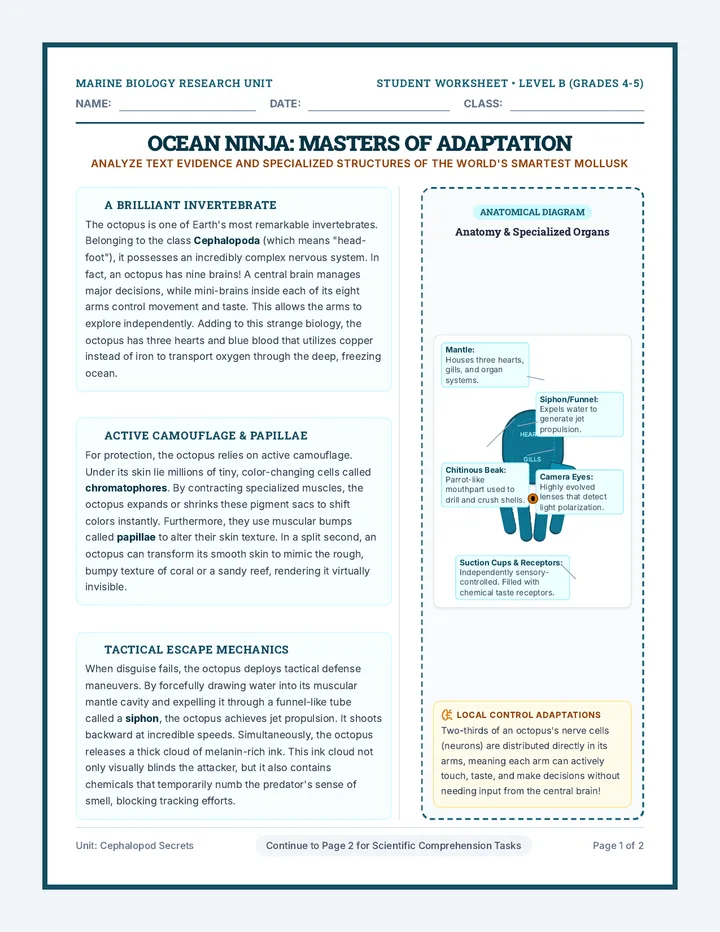
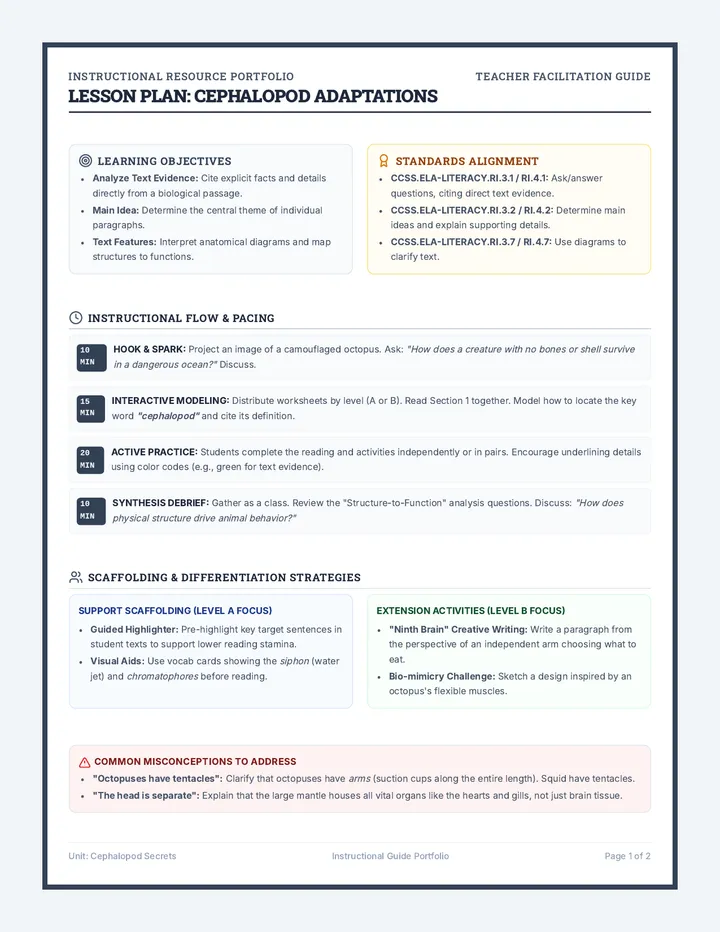
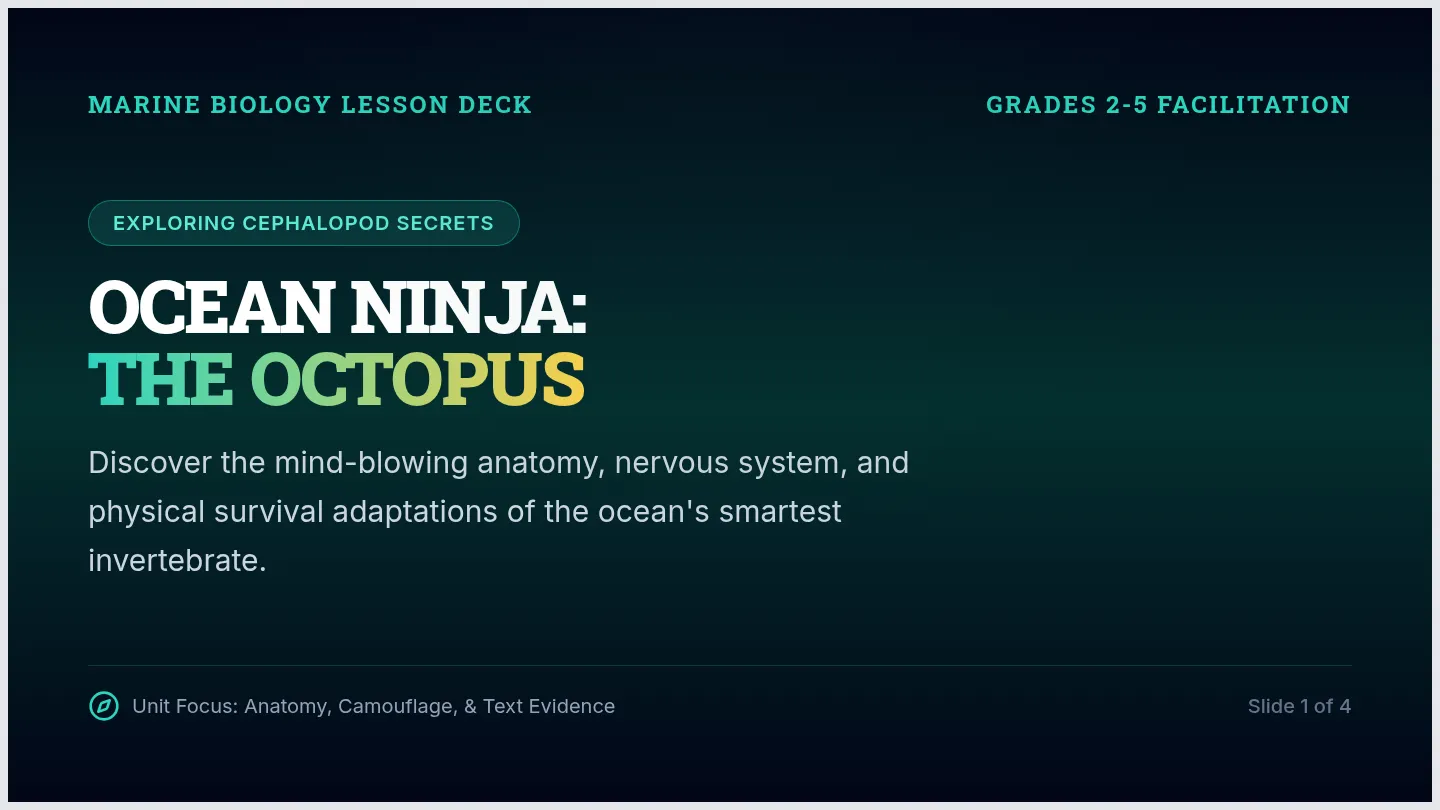
A differentiated reading comprehension unit focusing on the fascinating adaptations, anatomy, and intelligence of octopuses. Students read level-adjusted passages, analyze text-feature diagrams, and practice finding direct text evidence and summarizing main ideas.
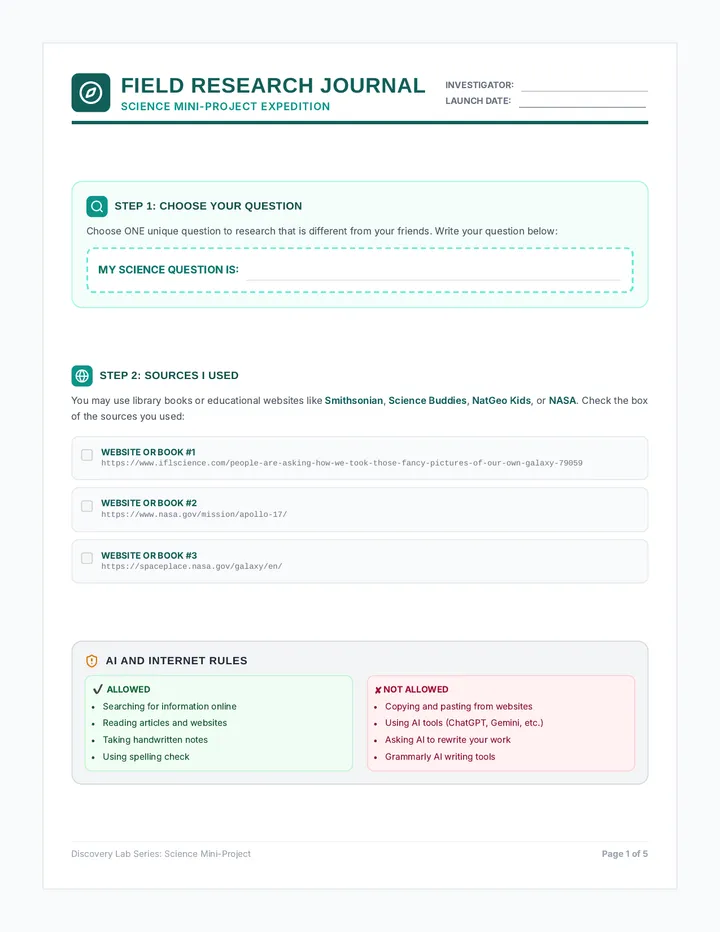
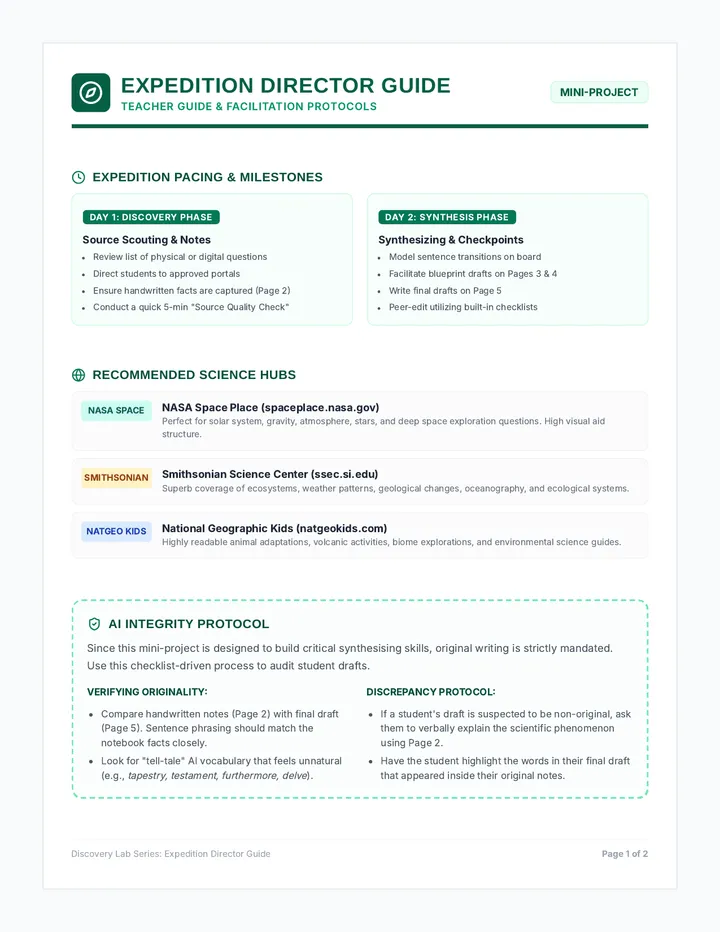
A student-led research project where students choose a science question, evaluate reliable sources, gather evidence, and draft a 3-4 paragraph explanation. Includes moderate visual scaffolding and structured checklists to guide independent inquiry and writing.
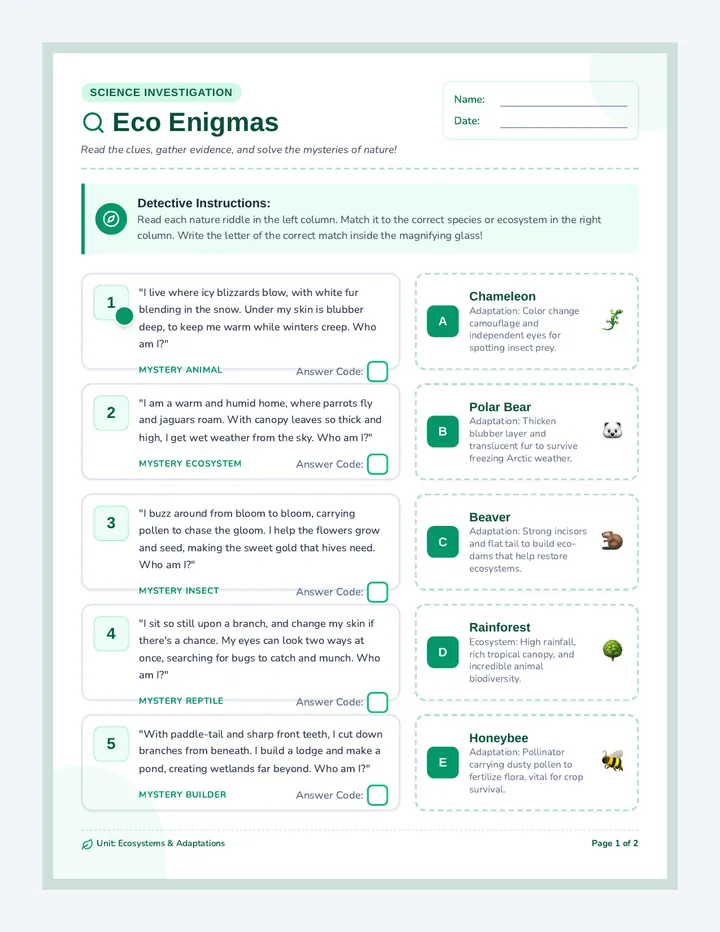
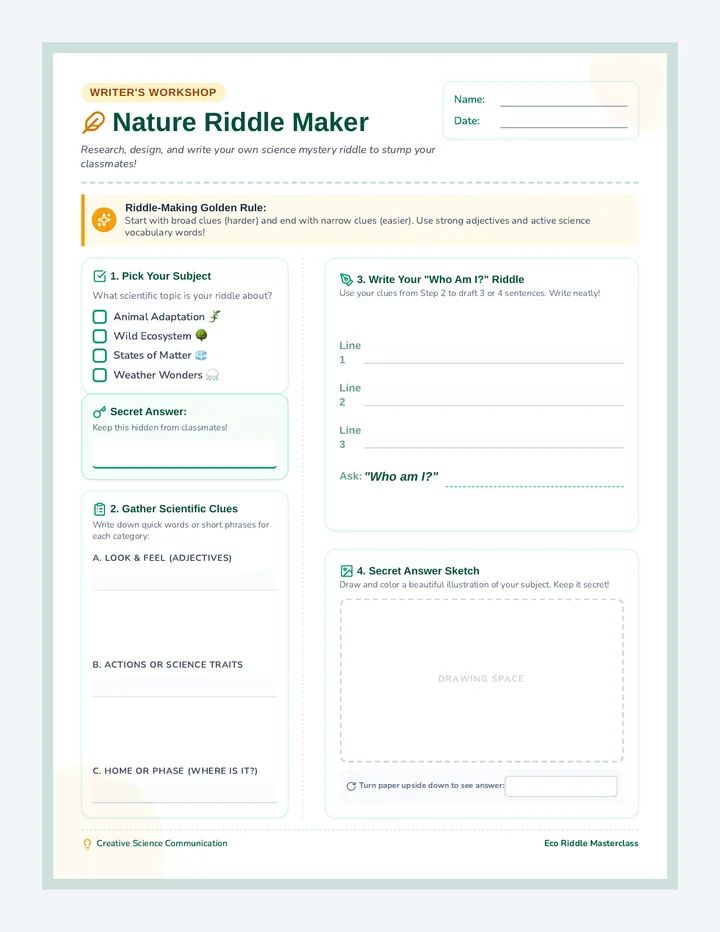
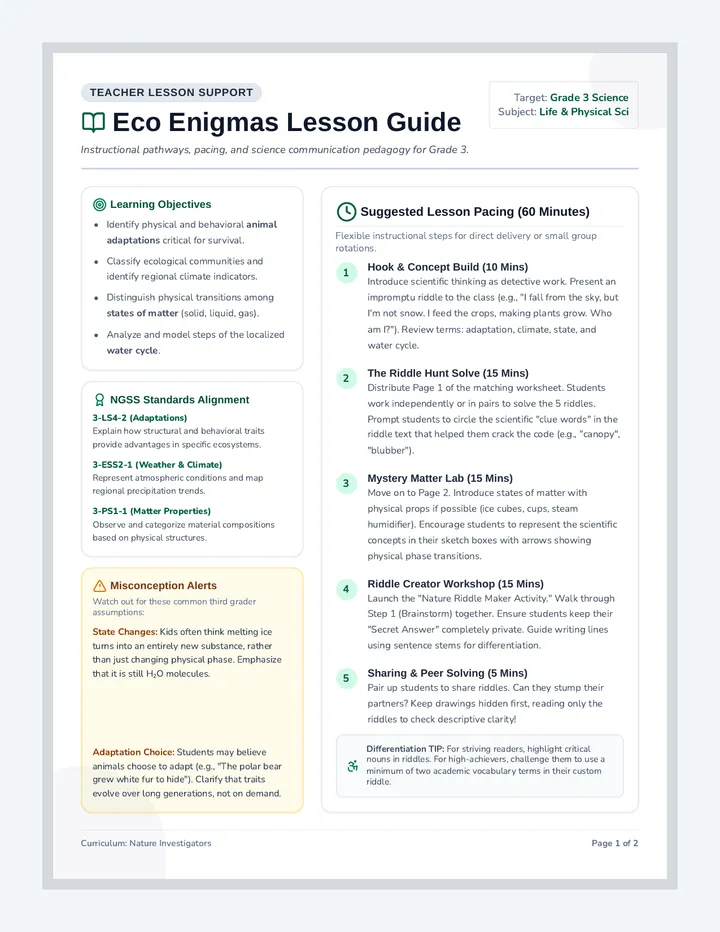
A hands-on science lesson for third graders using riddles to explore ecosystems, animal adaptations, weather, and states of matter. Students solve clues, match concepts, and author their own scientific riddles.
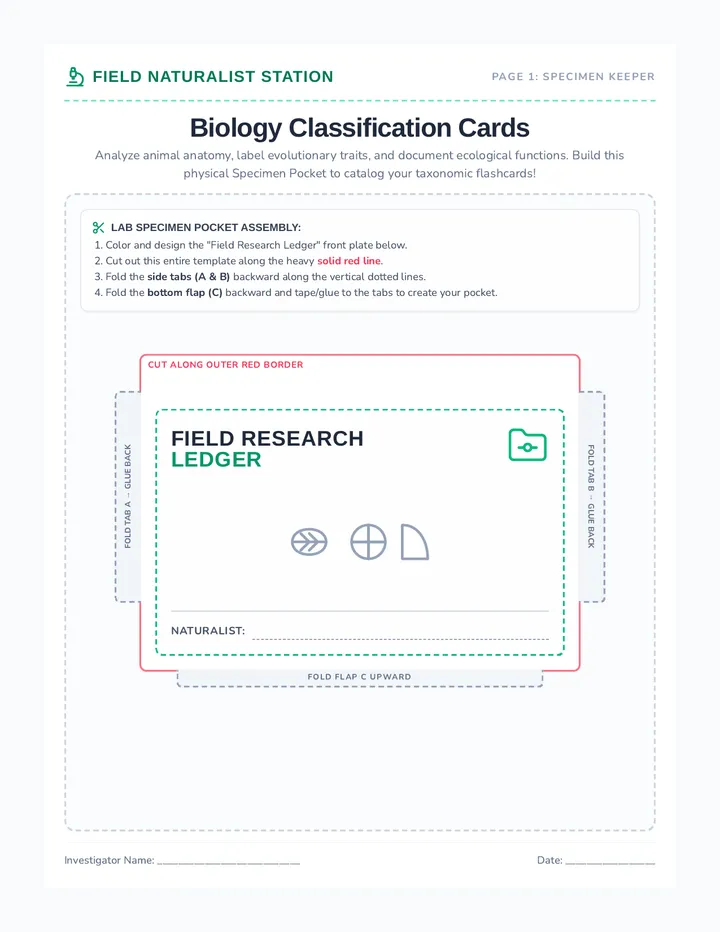
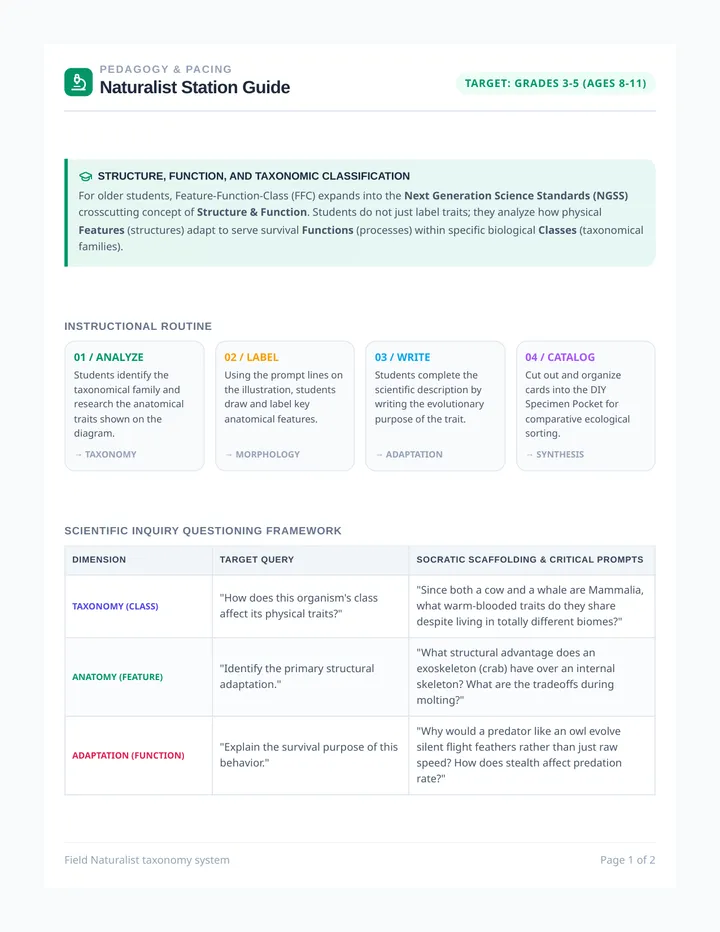
A biology and taxonomy sorting system designed for older kids (Grades 3-5). Students analyze evolutionary adaptations, label critical anatomical features, and categorize specimens by their taxonomic classes, habitats, and ecological functions.
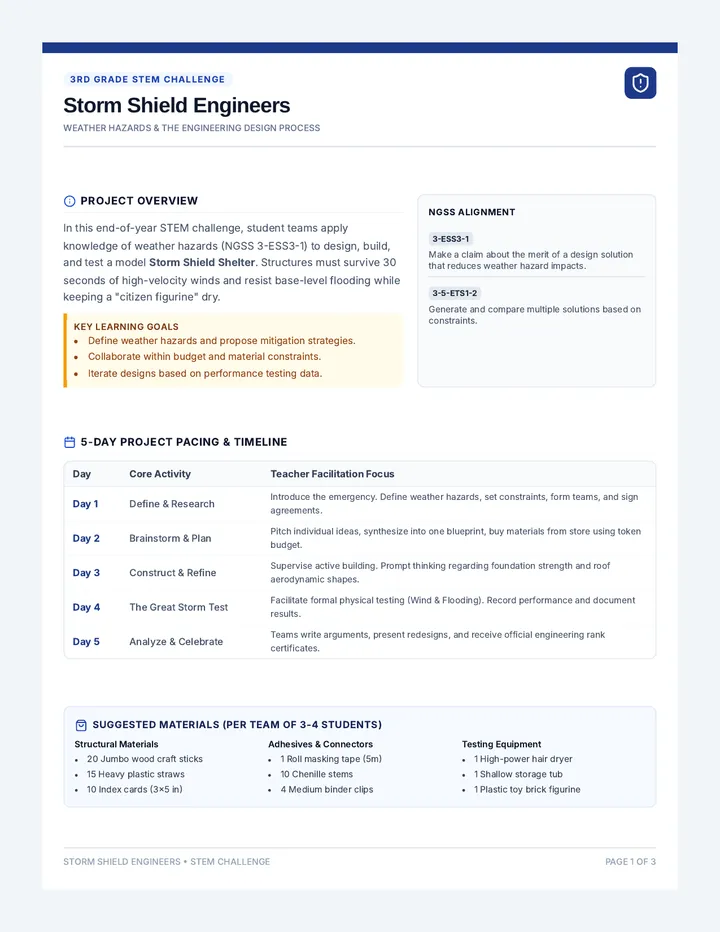
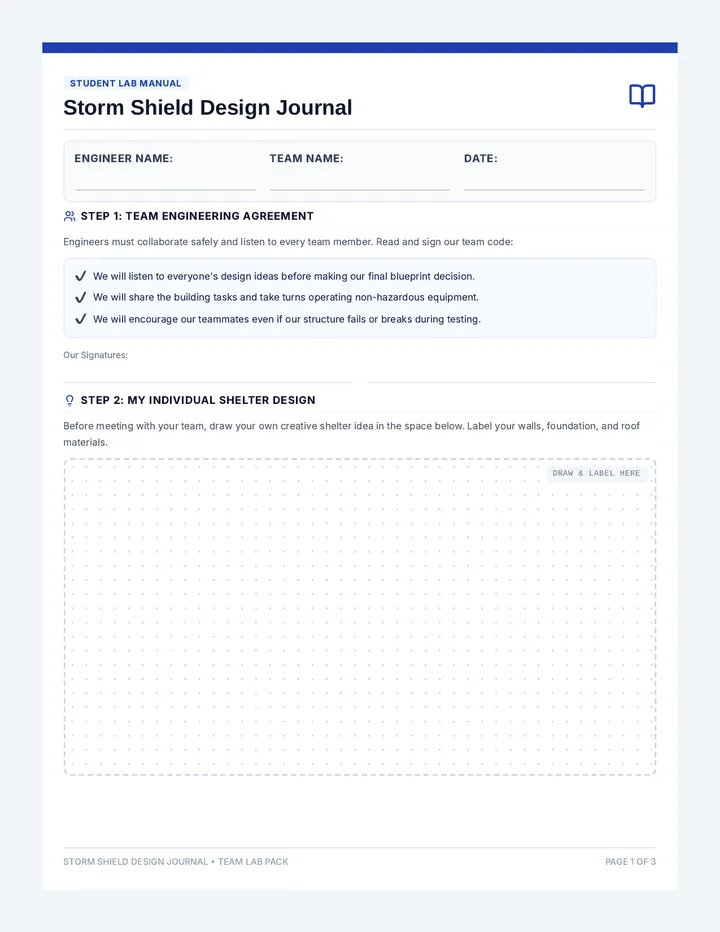
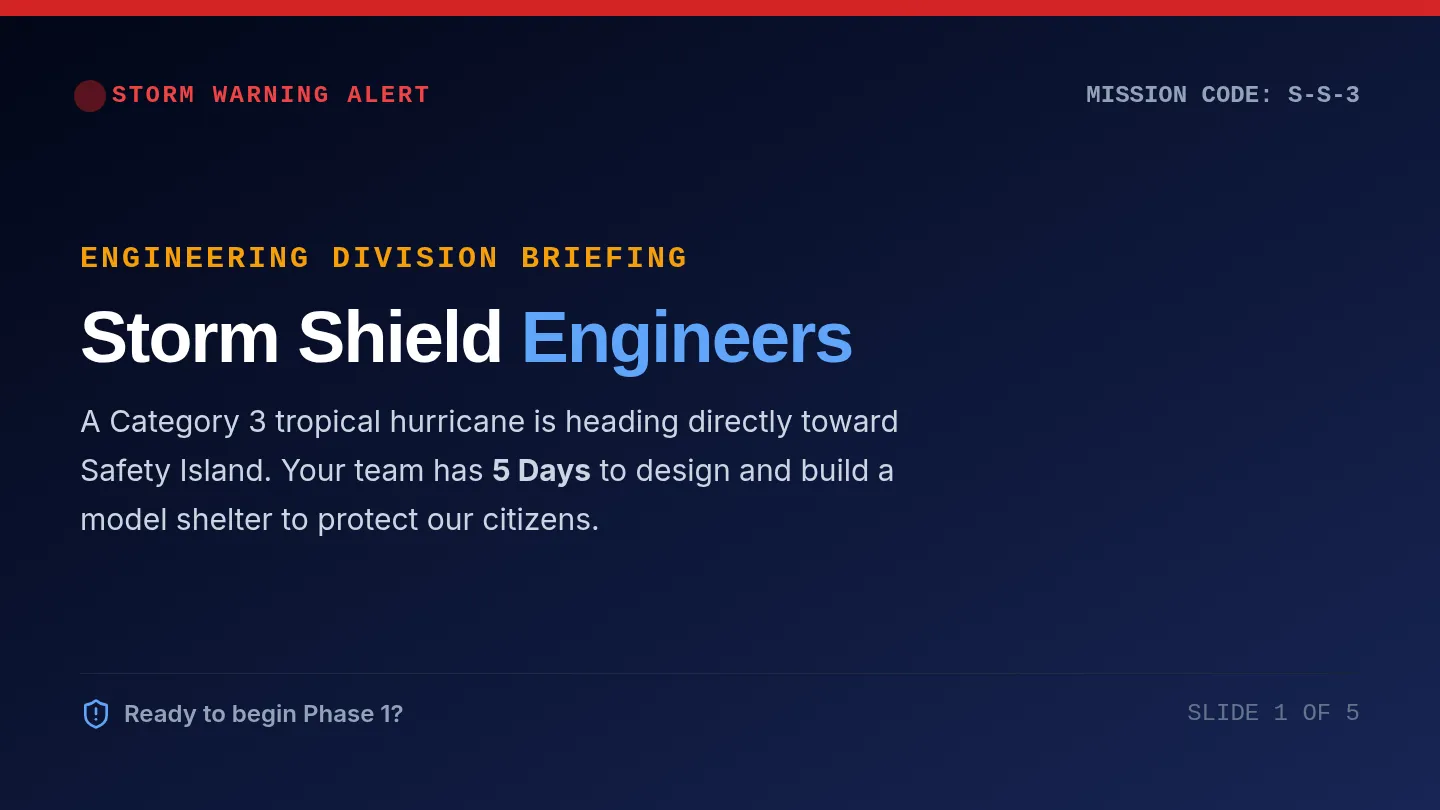
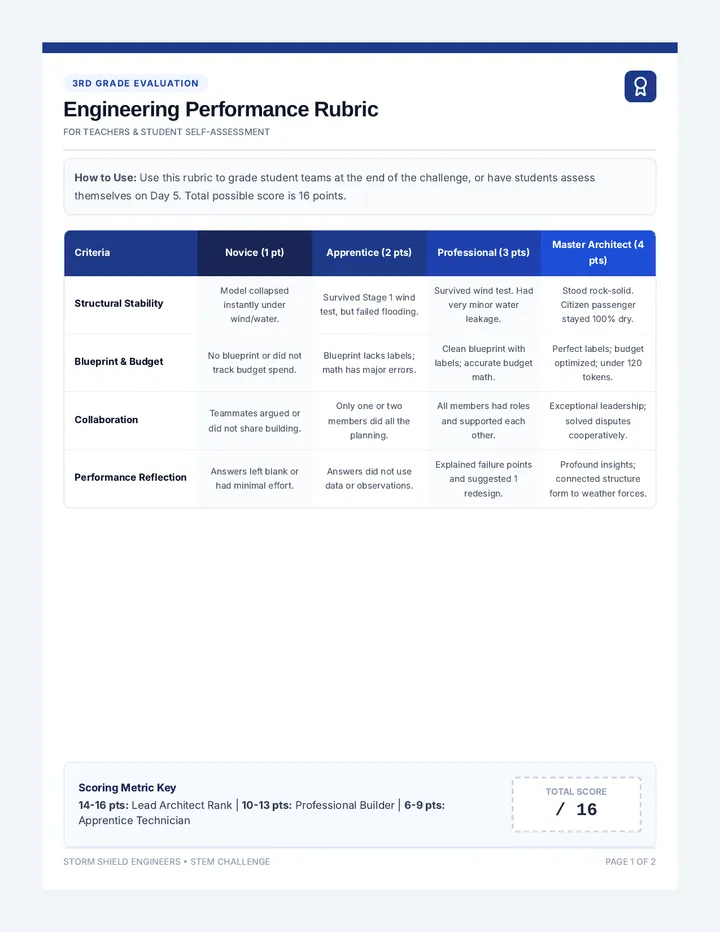
A collaborative, hands-on 3rd-grade STEM challenge where student engineering teams design, build, and test a model storm shelter that can survive wind and water hazards. Students apply weather hazard standards while experiencing the complete engineering design process over a multi-day timeline.
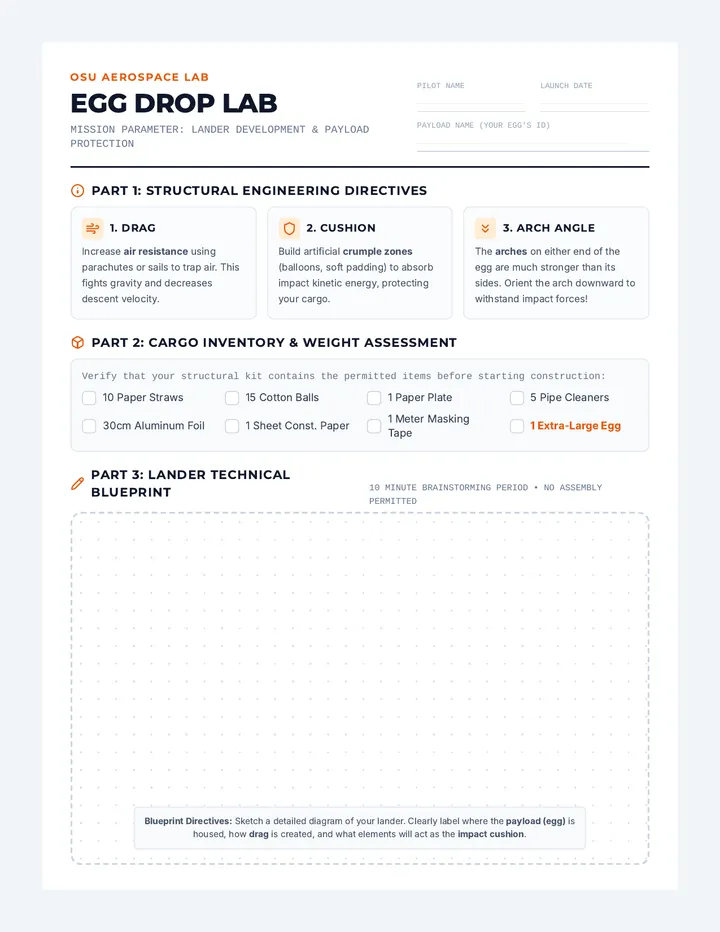
An engaging, hands-on physics and engineering lesson where students design, build, and test protective landing craft for fragile payloads (eggs), exploring forces, deceleration, and structural integrity.
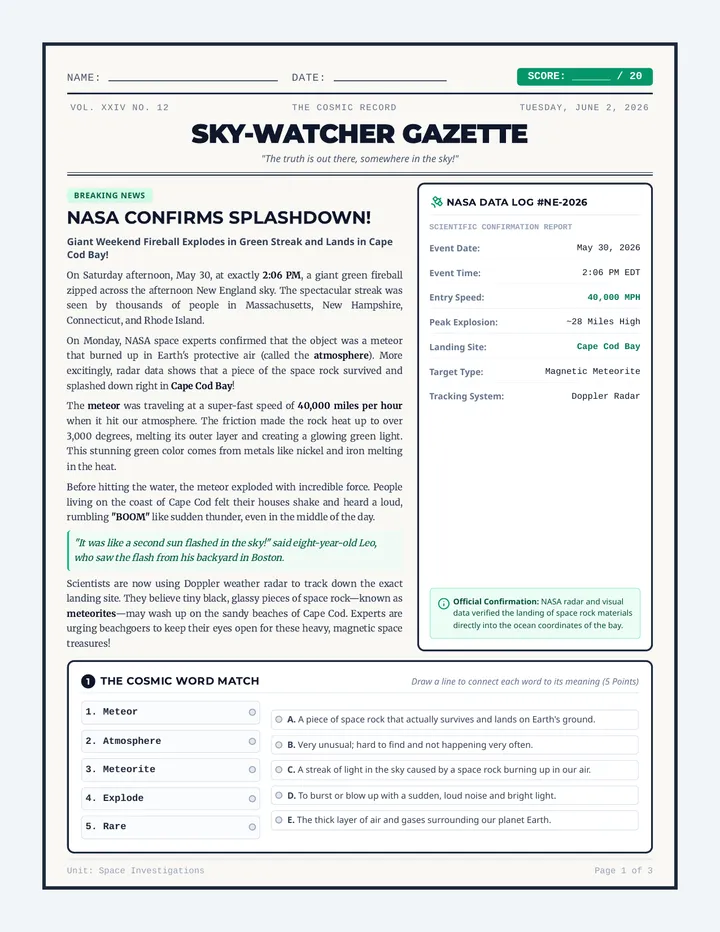
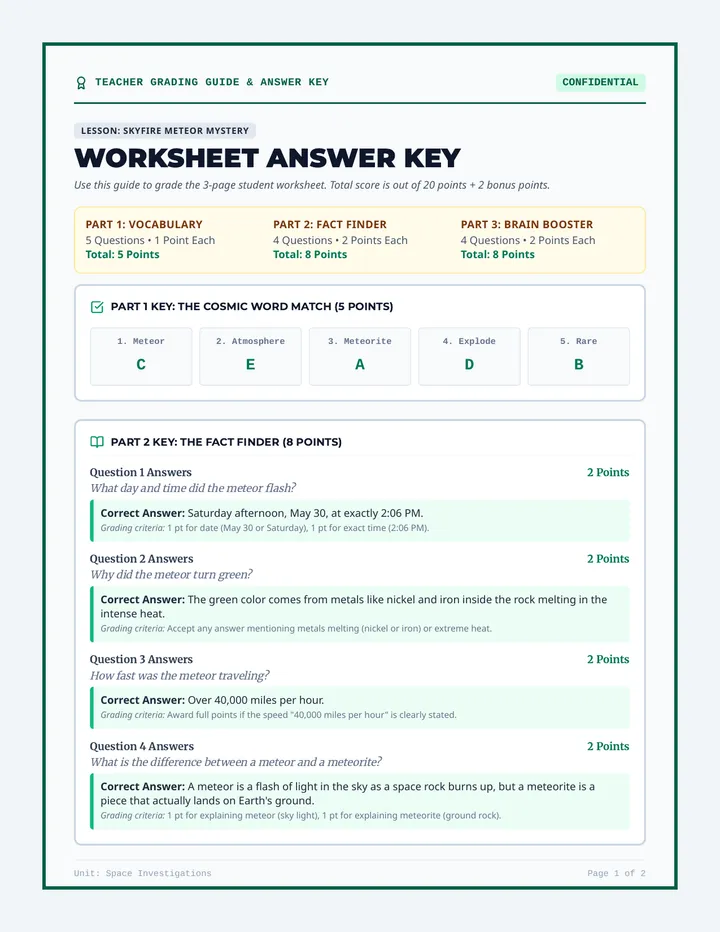
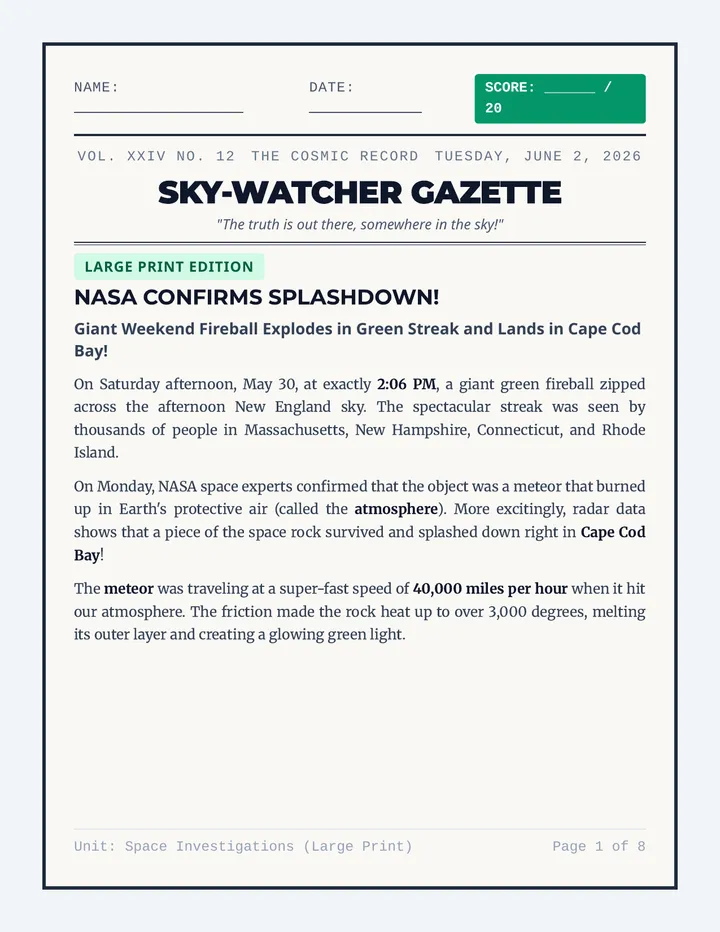
A reading comprehension lesson for 2nd and 3rd-grade students based on the spectacular meteor explosion over New England. Features engaging news-style reading, vocabulary challenges, comprehension questions, and a creative activity.