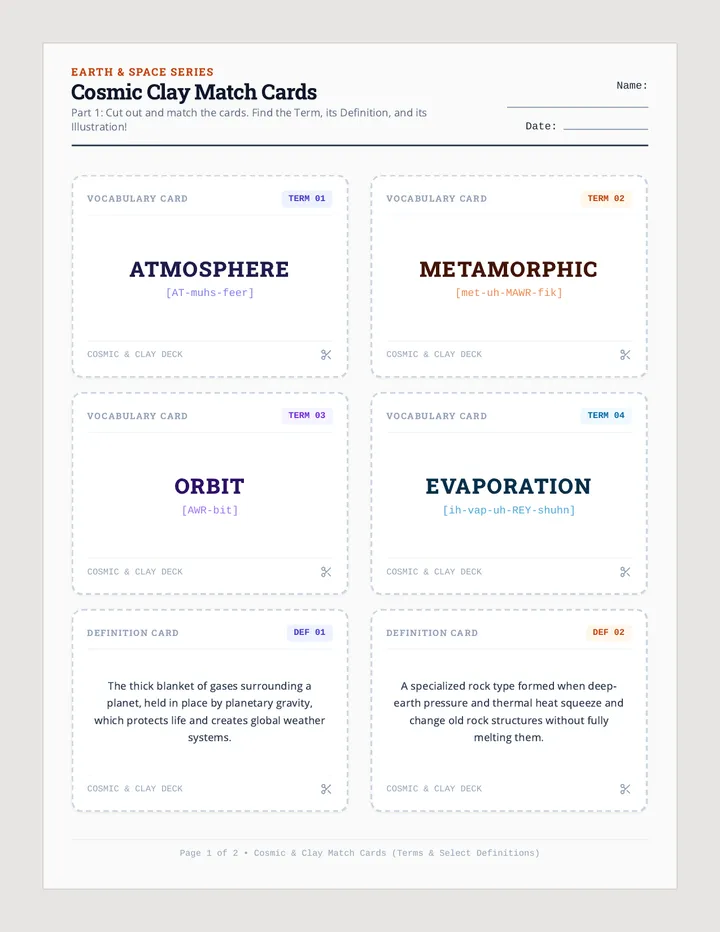
A comprehensive lesson exploring the rock cycle, weathering processes, sediment characteristics, and the practical human uses of Earth's geological resources.
A lesson exploring the connections between the planets of our solar system and the Greek and Roman deities they are named after, focusing on the physical characteristics that inspired their names.
A comprehensive chemistry midterm review covering chemical reactions, water properties, planetary science, and atomic structure based on the Spring 2026 exam.
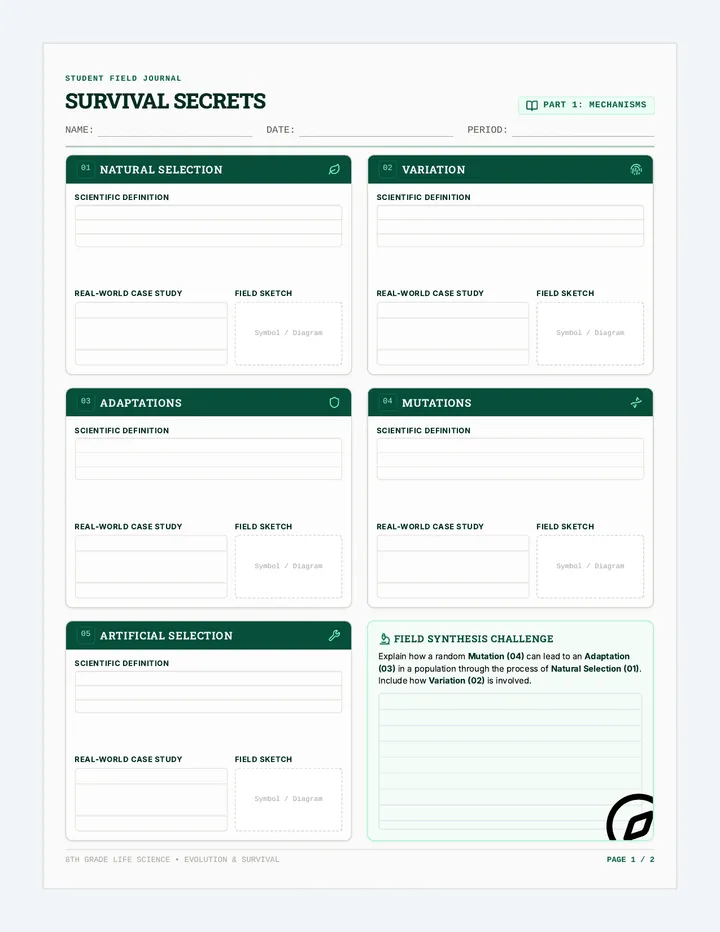
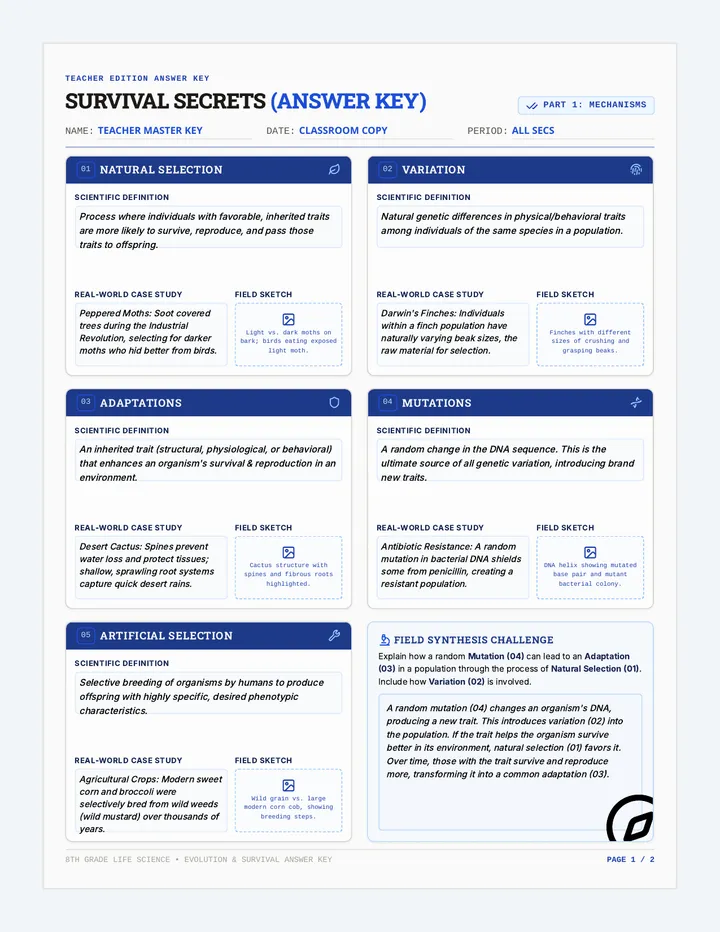
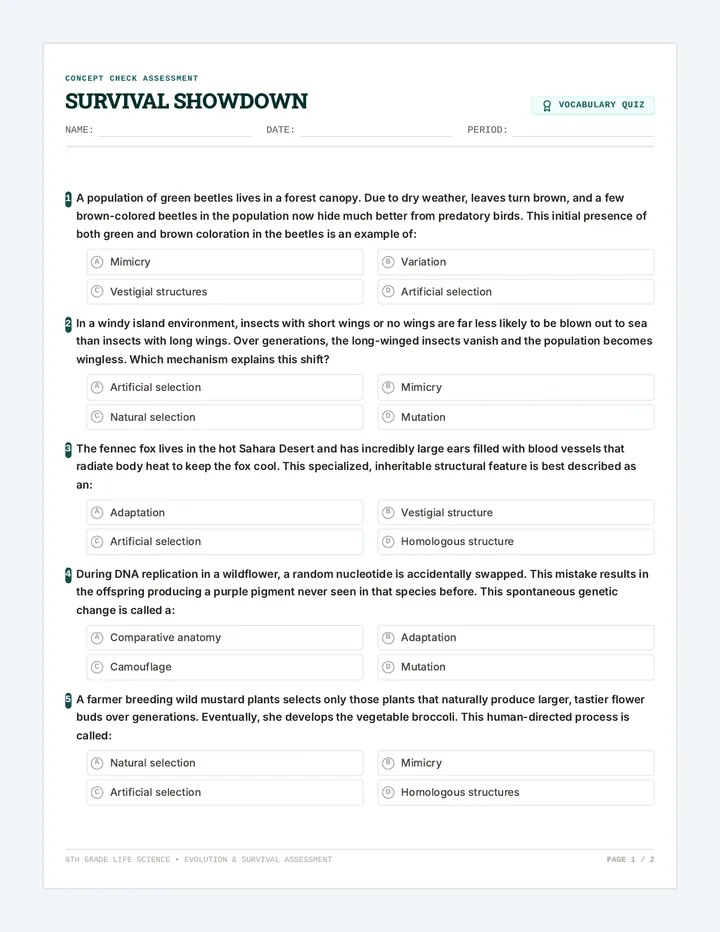
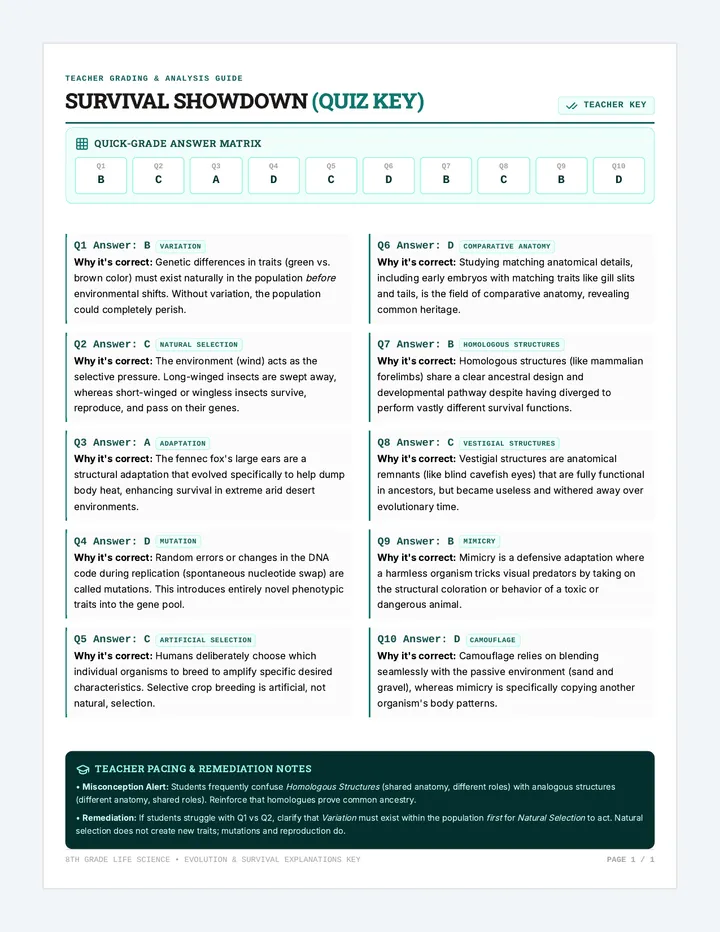
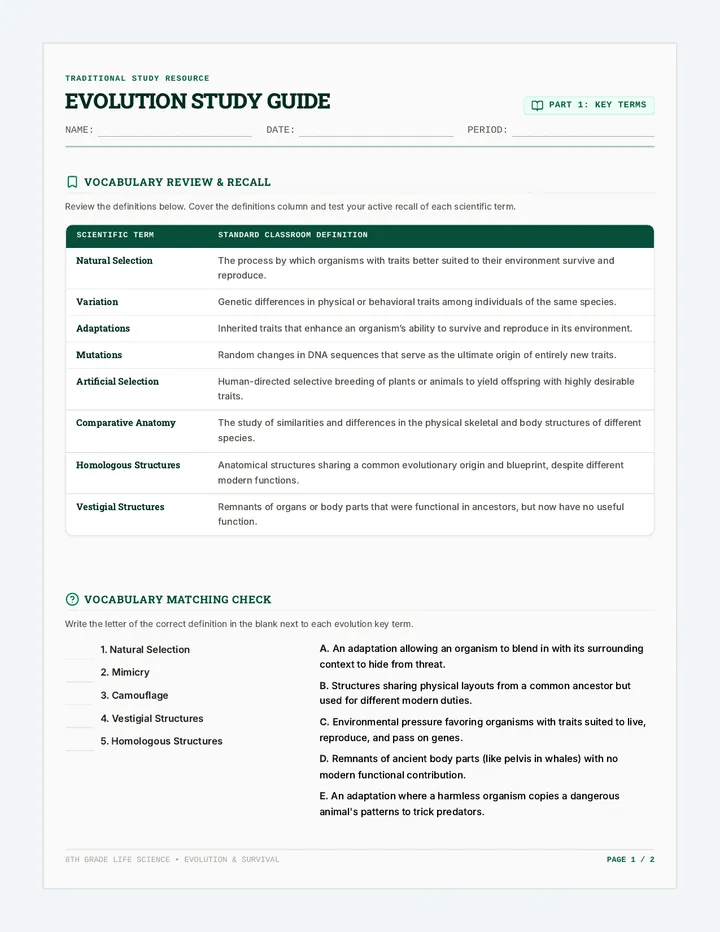
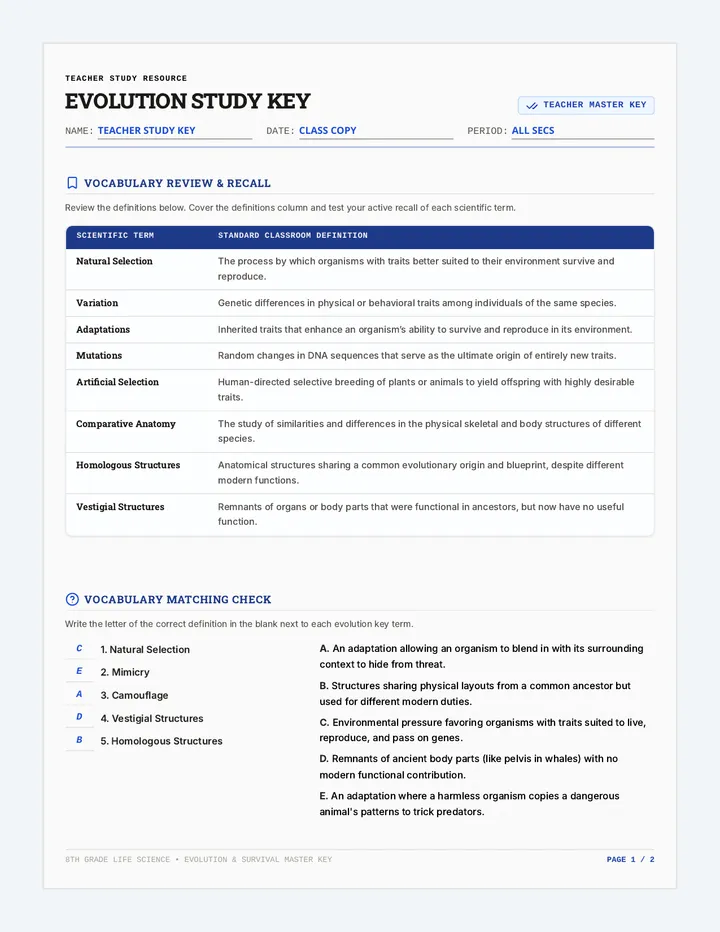
A comprehensive vocabulary lesson focused on the terminology of evolutionary history, including definitions, application through examples, and assessment.
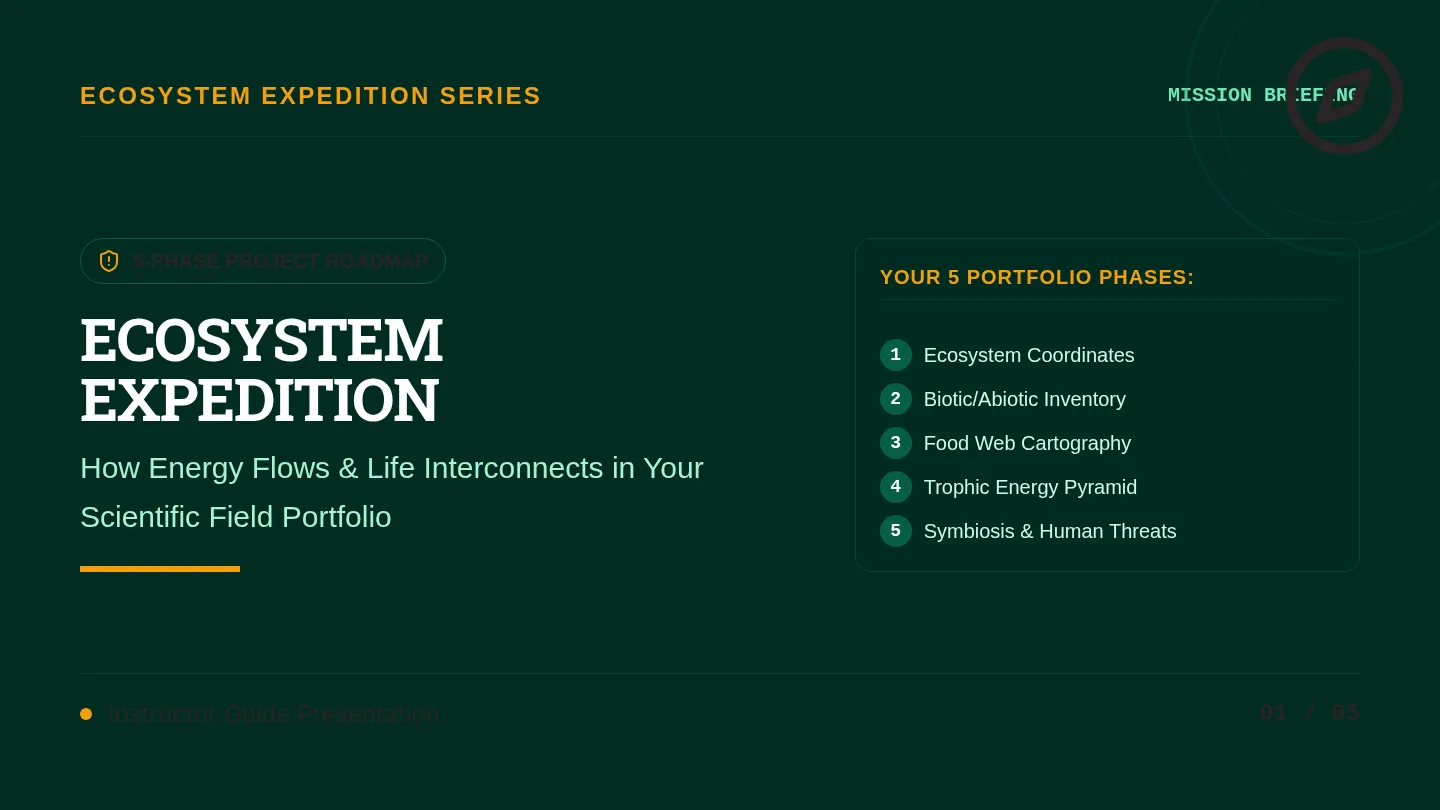
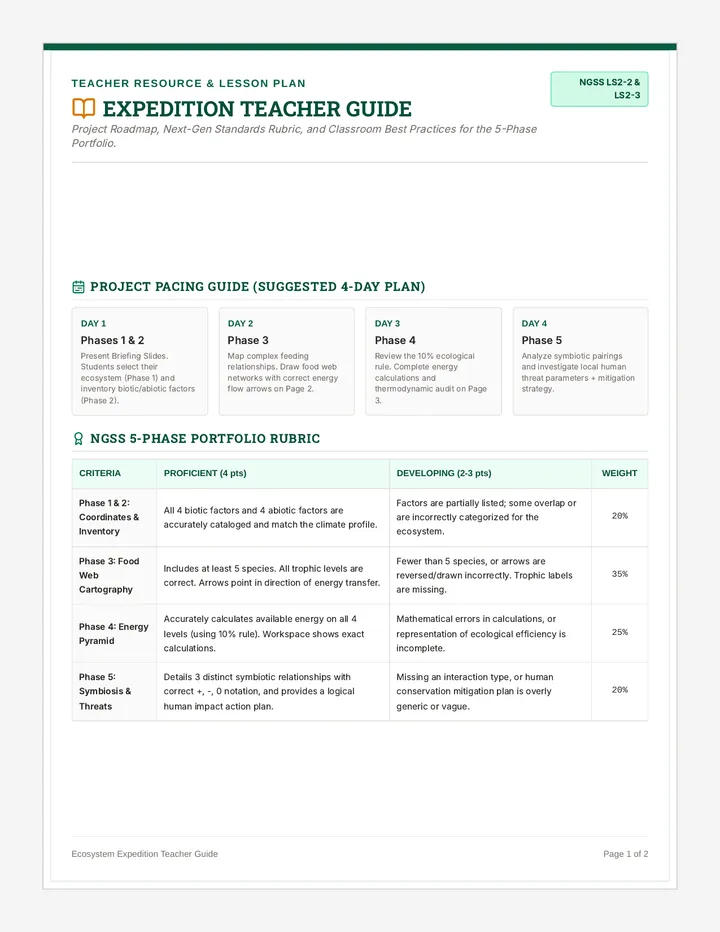
Examines ecological relationships, energy flow through trophic levels, and the cycling of matter within ecosystems.
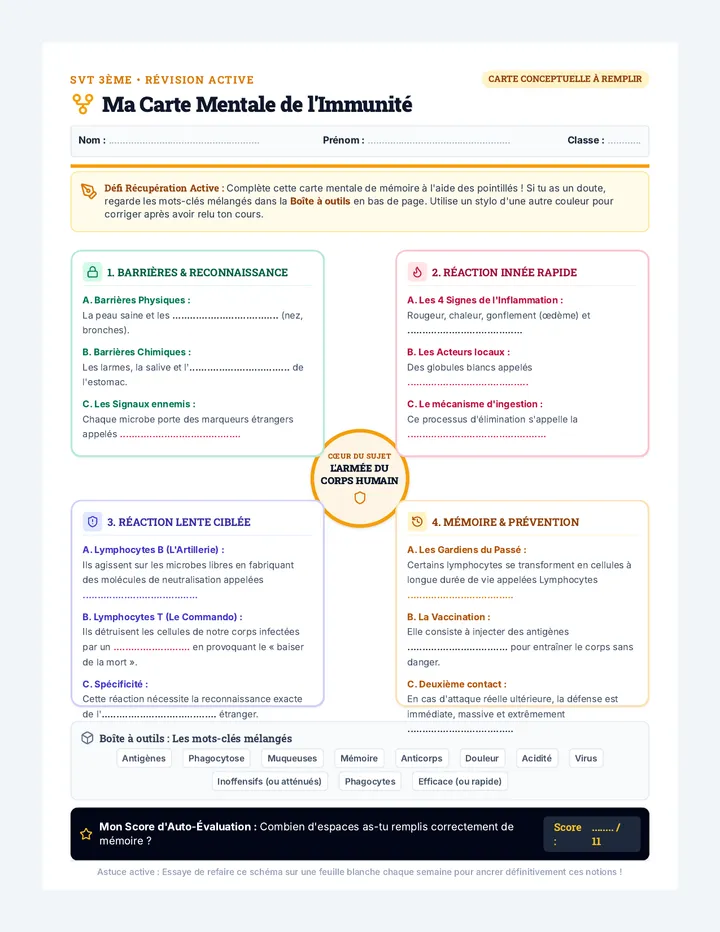
Explores the functions and interactions of the 11 human body systems to maintain homeostasis.
Focuses on plant systems including transport, reproduction, and response mechanisms like tropisms.
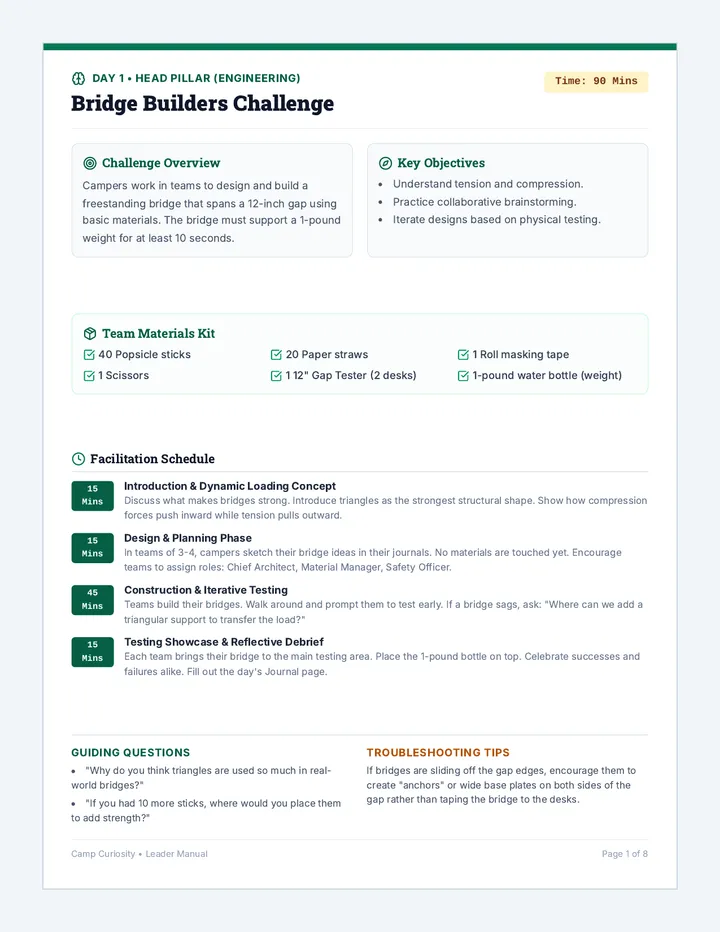
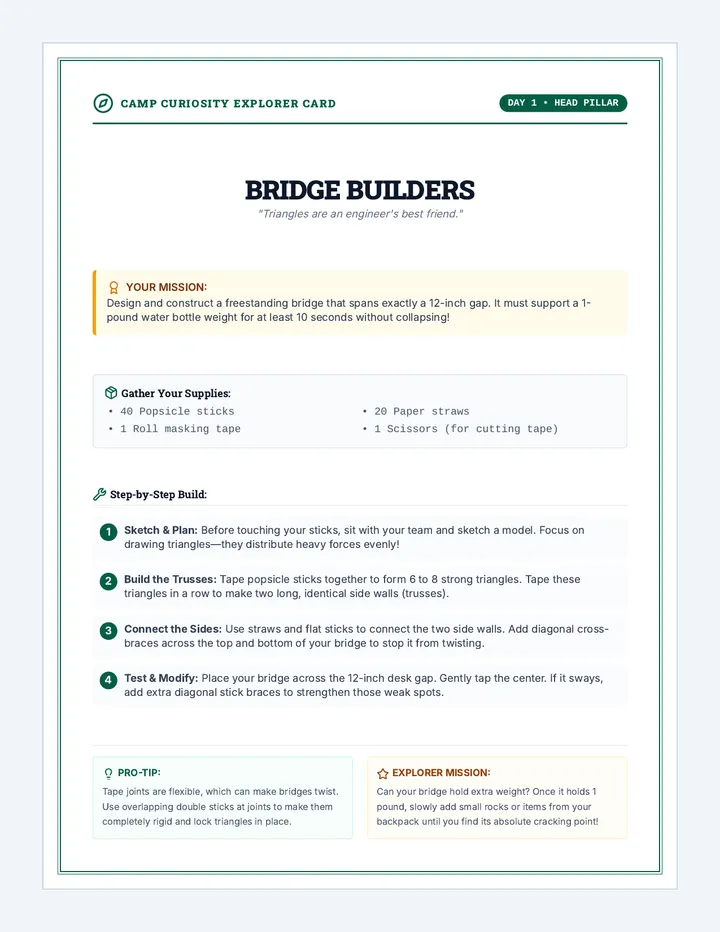
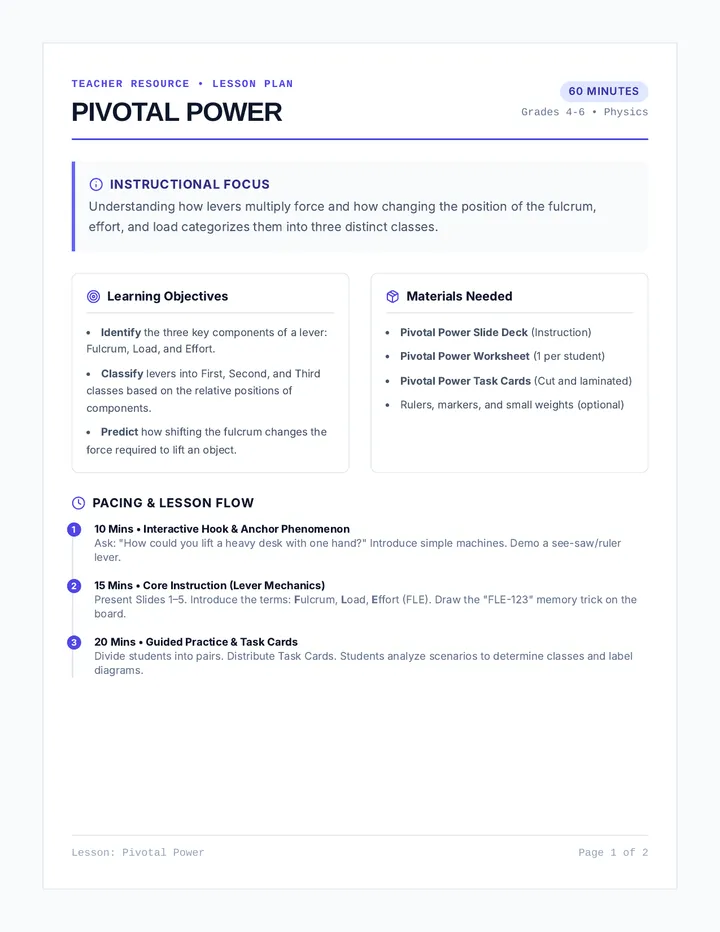
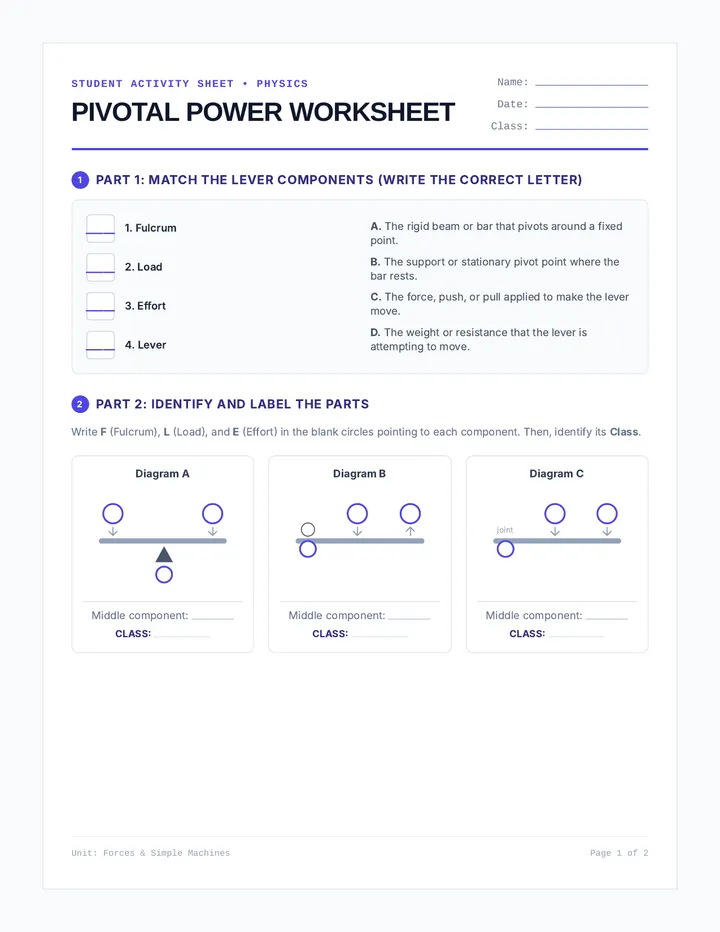
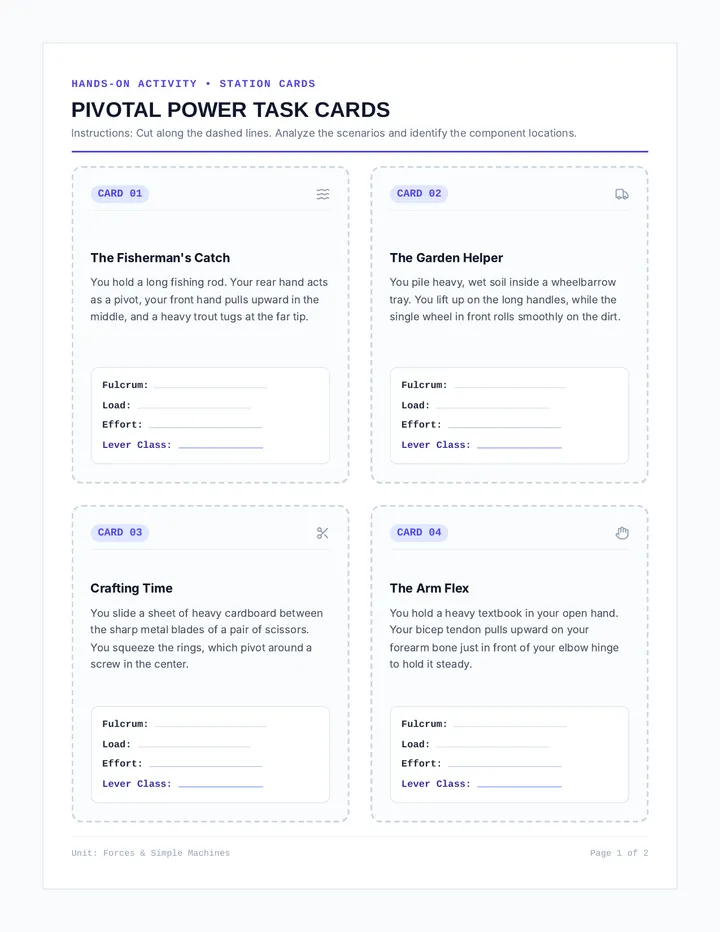
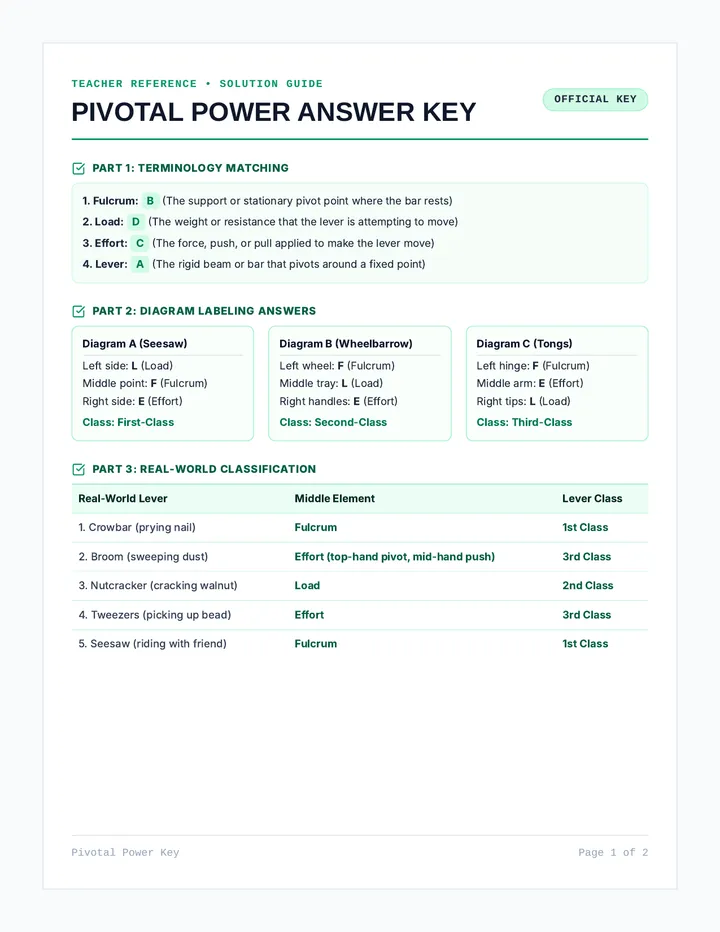
A hands-on engineering lesson where students design and plan their own complex Rube Goldberg machines to accomplish simple tasks using simple machines.
A 7th-grade science lesson that uses the world of Helldivers 2 to explore biology, physics, and environmental science through the lens of 'Managed Democracy'.
A comprehensive practice session focused on the Next Generation Science Standards (NGSS) Science and Engineering Practice of Analyzing and Interpreting Data across all science domains. Students will evaluate graphs, tables, and patterns to draw evidence-based conclusions.
A focused lesson on predicting offspring genotypes and phenotypes using monohybrid crosses.
A lesson exploring the three pillars of evidence for the Big Bang Theory: Redshift, Cosmic Microwave Background radiation, and the abundance of light elements. Students act as cosmic detectives to piece together the history of our universe.
A comprehensive lesson on metalloids, their semiconductor properties, and the diverse chemical groups they inhabit, including the boron, carbon, nitrogen, and oxygen groups, along with an introduction to transuranium elements.
A STEM-focused lesson where students explore biological adaptations and apply engineering design principles to create 'bionic' enhancements for plants facing environmental stressors. Students research specific threats, brainstorm mechanical solutions, and prototype protective structures.
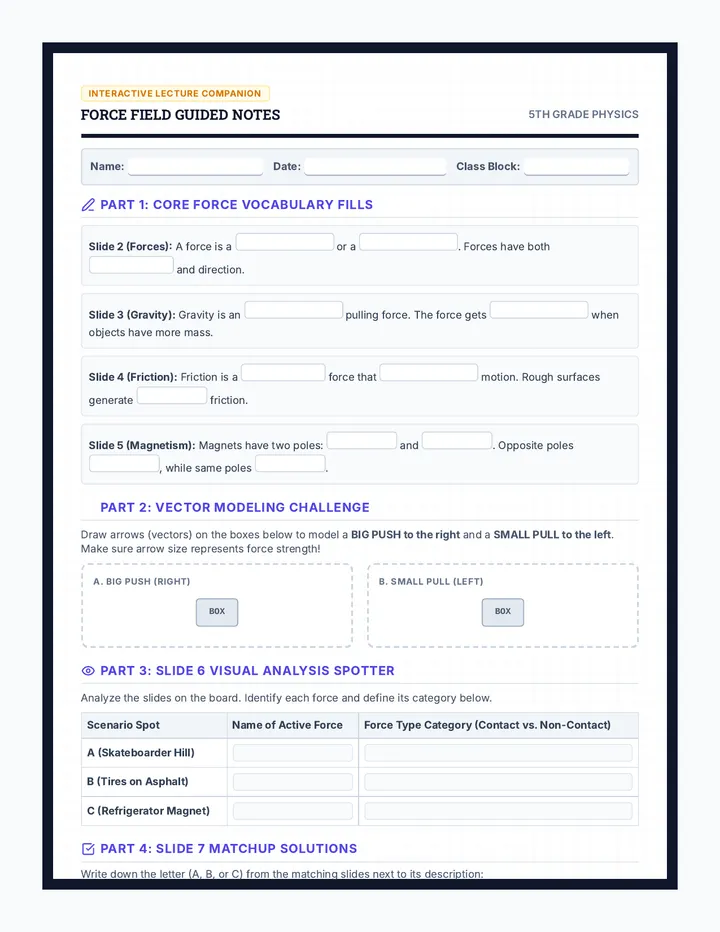
This lesson introduces students to the concepts of centripetal and centrifugal forces through visual aids, comparative analysis, and real-world application. Students will learn the physical reality of center-seeking forces versus the apparent sensation of outward force caused by inertia.
An in-depth exploration of the metamorphosis of frogs, from eggs to adult amphibians, designed for 4th-grade scientists. Students will engage with reading passages, diagrams, and hands-on sorting to master the biological stages of life.
A field-trip-focused lesson where students explore the zoo to observe water properties in action and understand how different ecosystems rely on specific water characteristics and conservation adaptations.
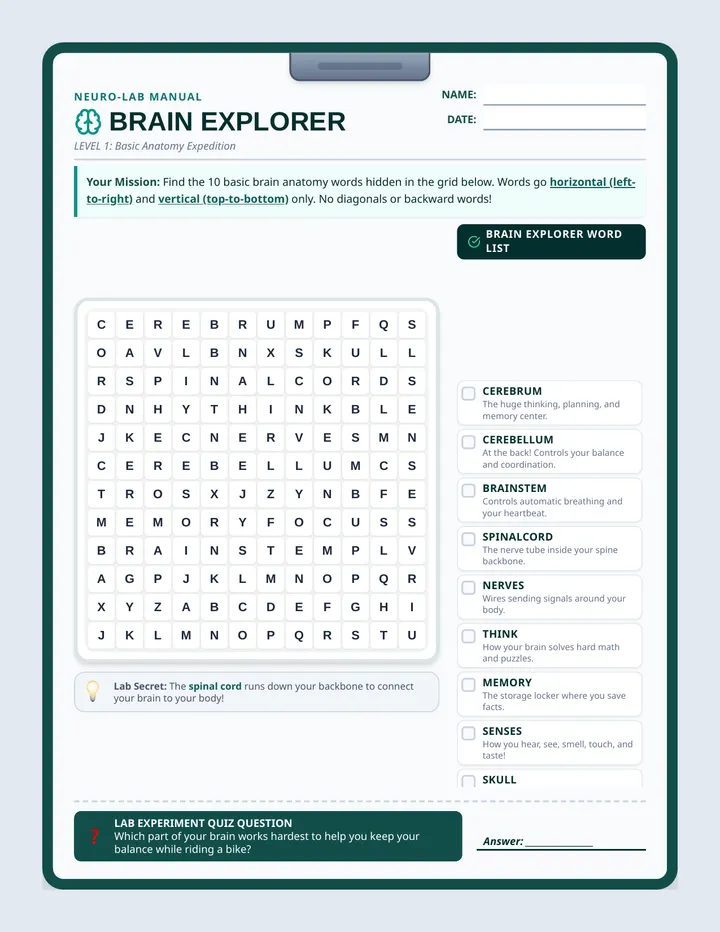
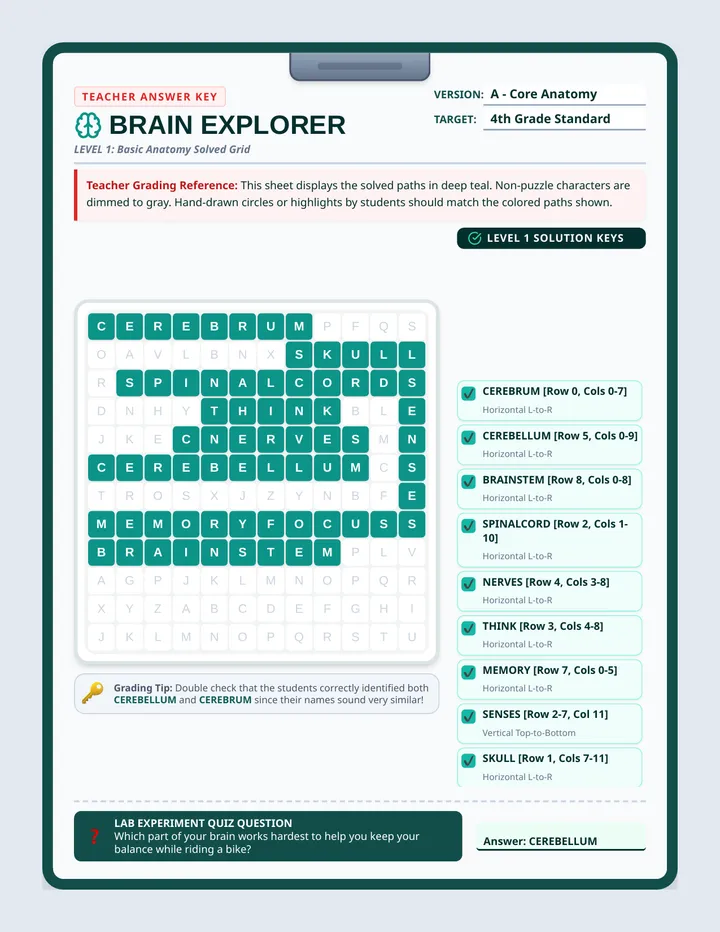
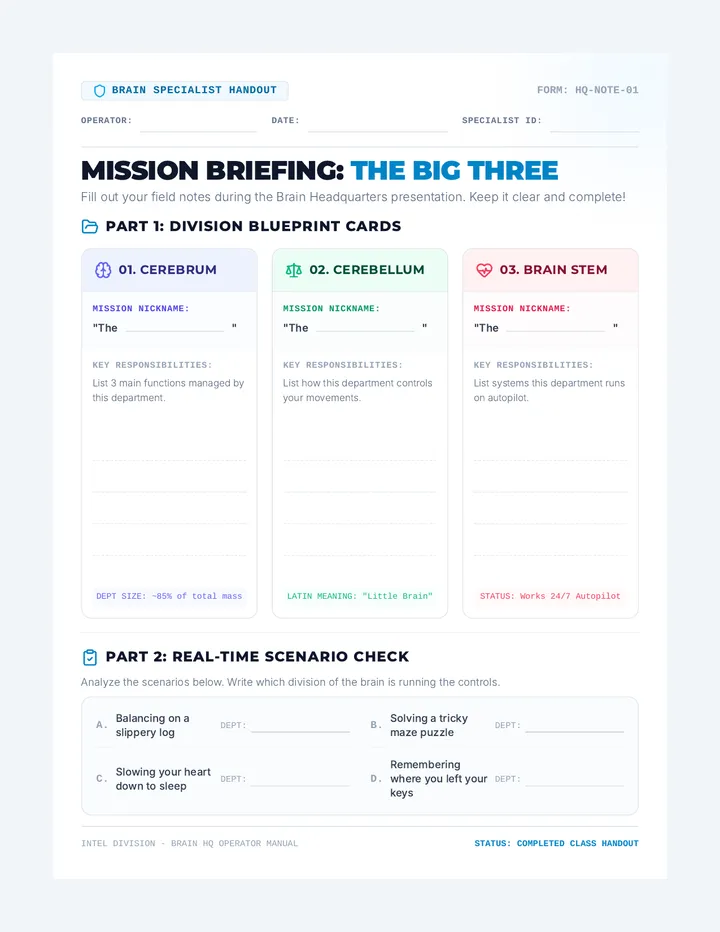
A comprehensive lesson exploring the human brain's capabilities and the nature of intelligence, featuring an informational text analysis and a multiple intelligences choice board.
An inquiry-based exploration of the four forces of flight—lift, weight, thrust, and drag—through the lens of aerospace engineering. Students design, test, and iterate on paper gliders to observe aerodynamic principles in action.
A lesson focused on identifying the roles of producers, consumers, and decomposers within an ecosystem through visual aids and hands-on sorting, designed for MCAS Alt portfolio evidence.
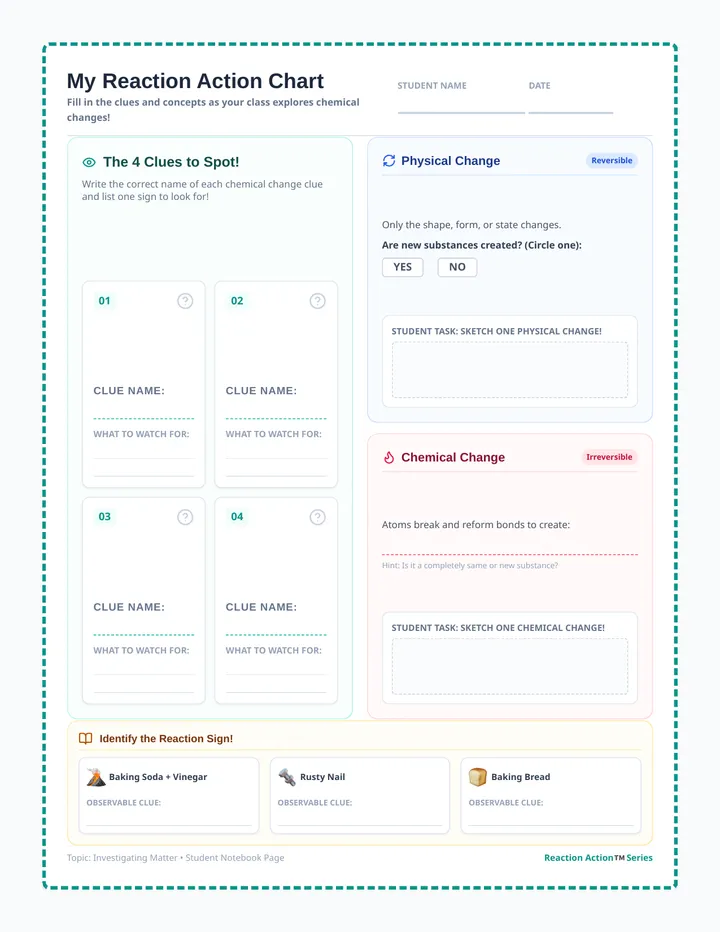
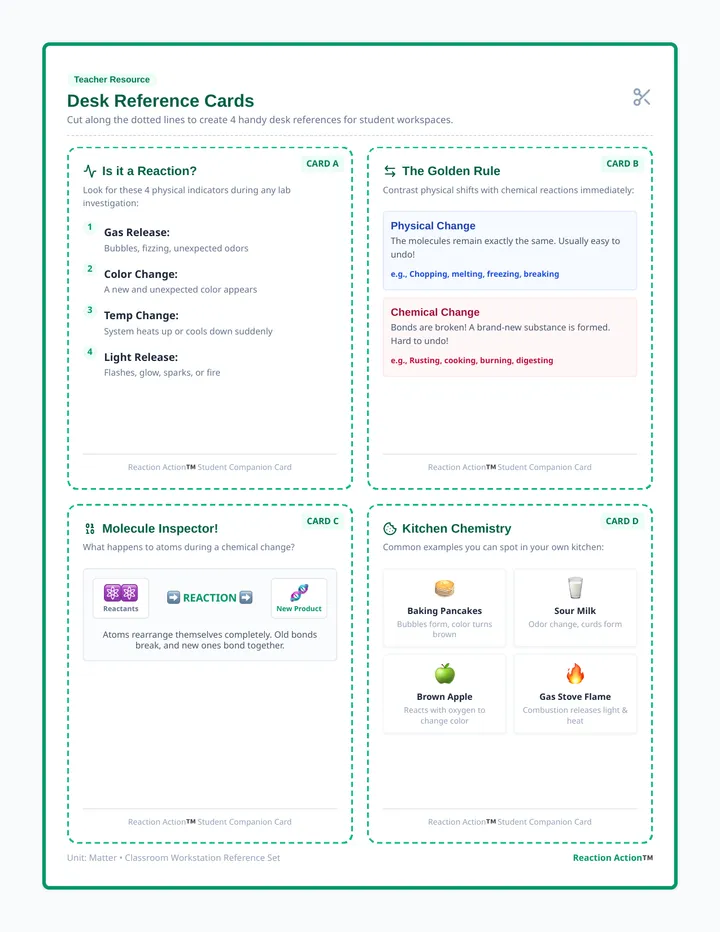
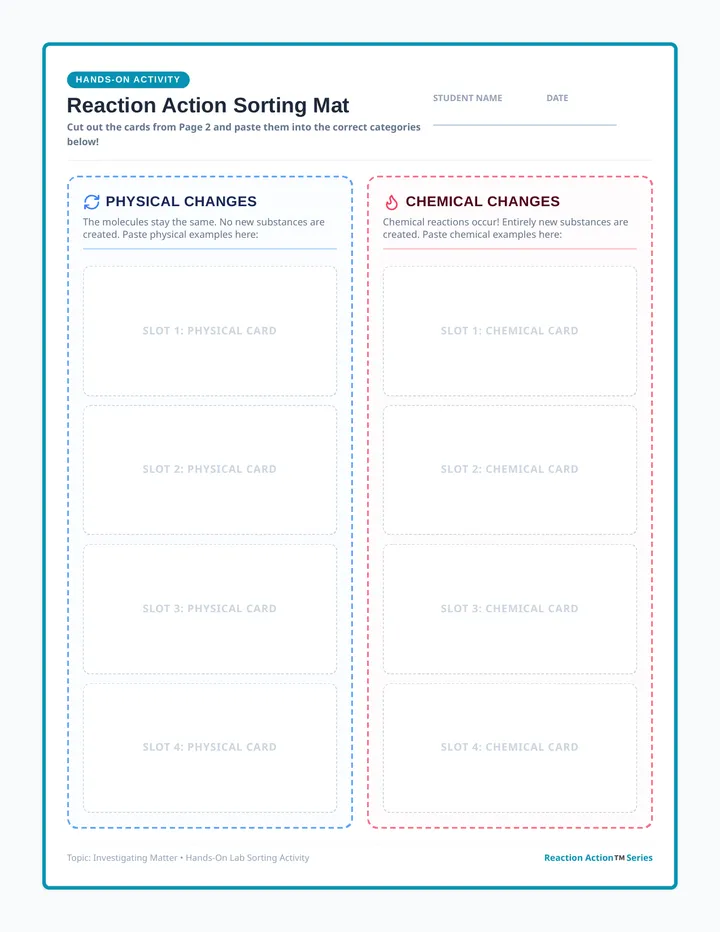
Master the fundamental concepts of elements, their properties, and the forces that bind them together.
A foundational lesson on cybersecurity for elementary students, focusing on identifying personal information and learning the 'Ask First' rule for online sharing.
A comprehensive lesson exploring the unique stages of mammal life cycles, focusing on humans and dogs, with differentiated activities for 4th-grade students.
A final assessment to evaluate student understanding of thermal energy transfer, insulators, and conductors.
Applying thermal energy knowledge to complex real-world scenarios through a reading passage and interactive task cards.
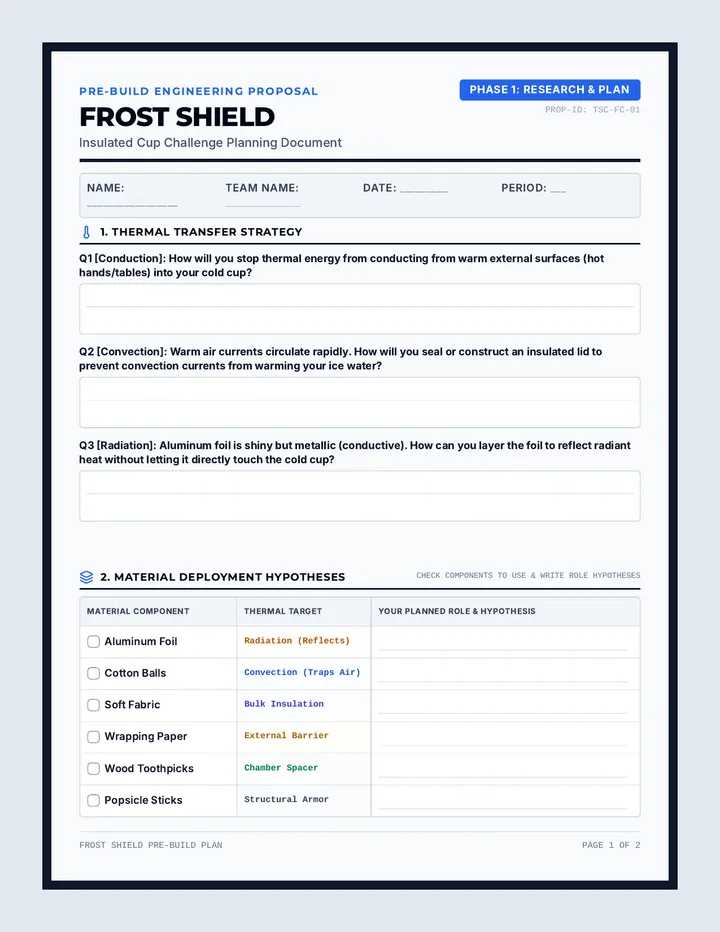
A hands-on laboratory experiment where students test various materials to determine their effectiveness as insulators.
Reviewing the three types of heat transfer through interactive slides and a graphic organizer to connect concepts to everyday life.
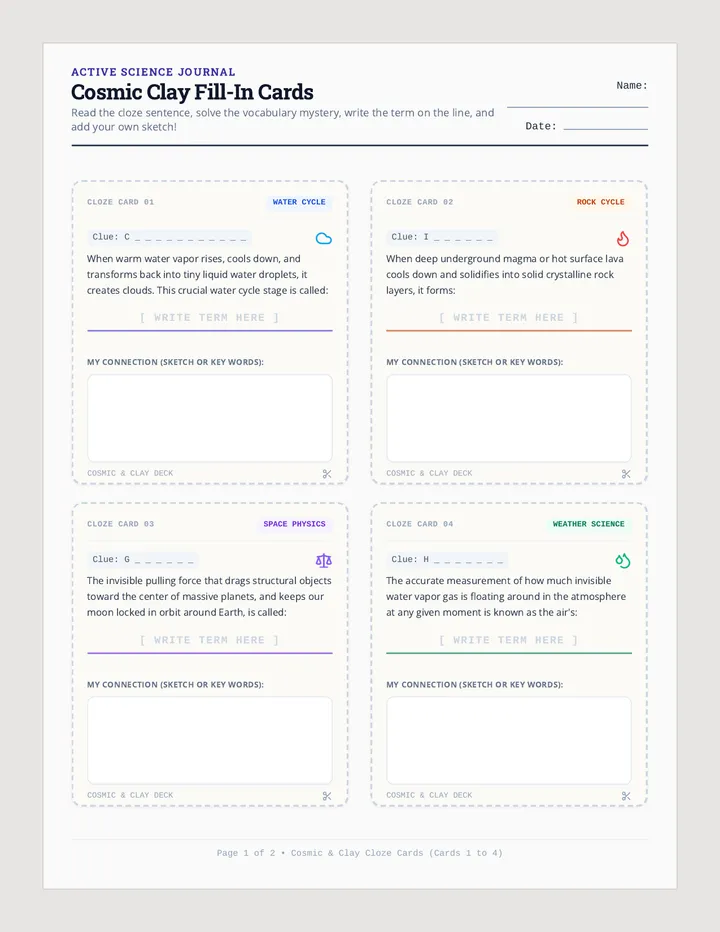
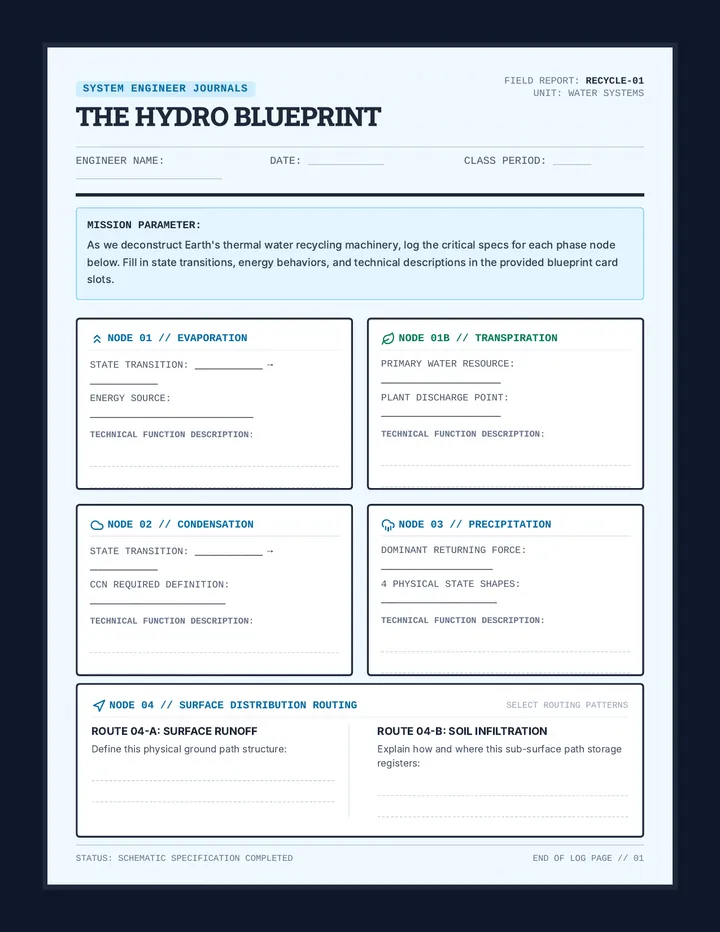
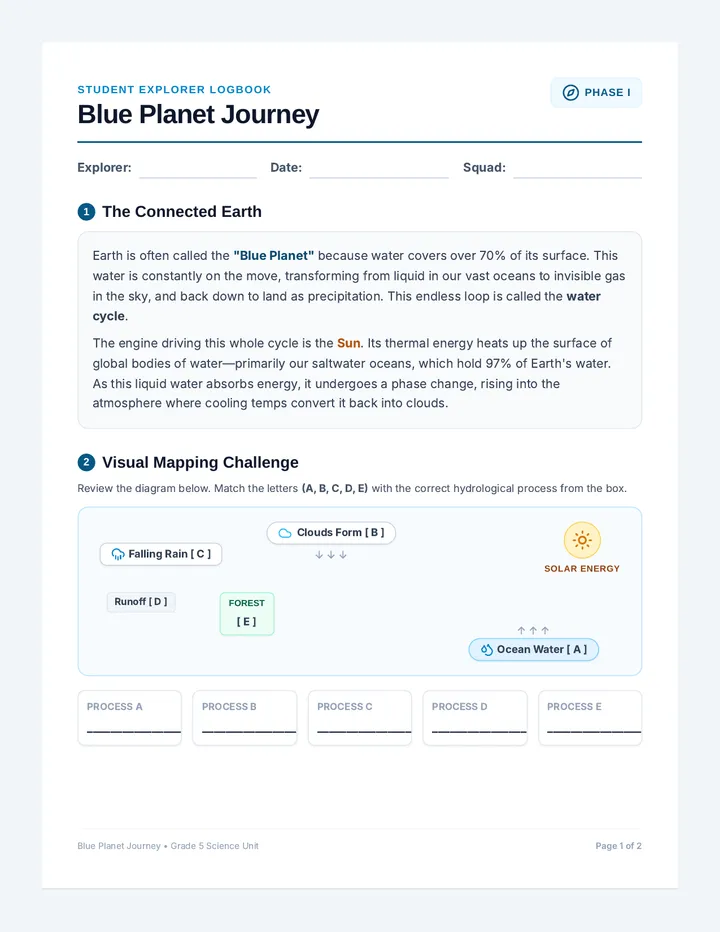
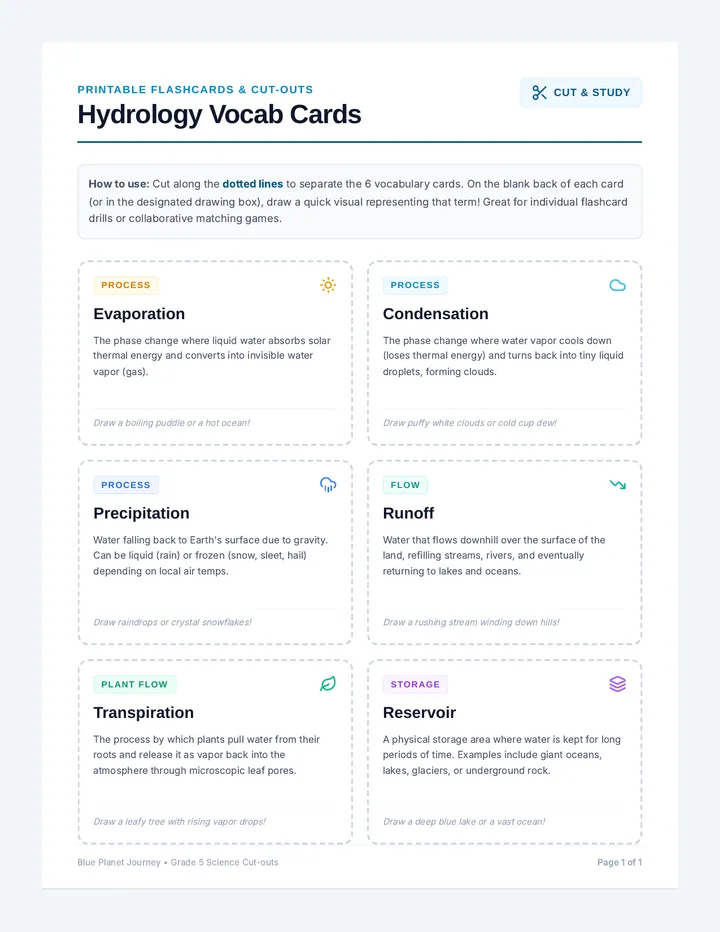
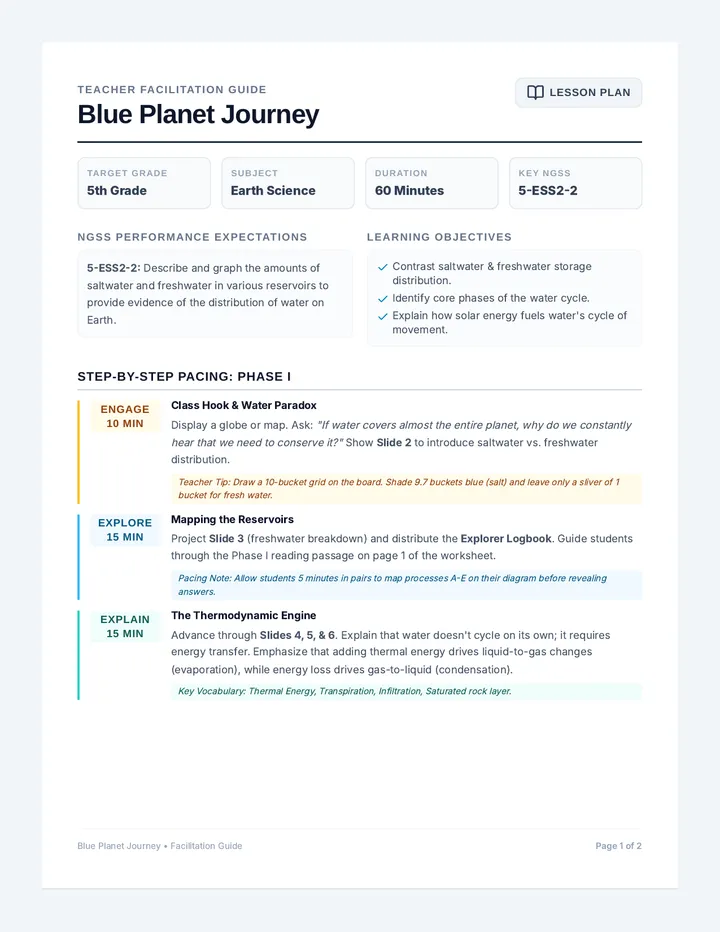
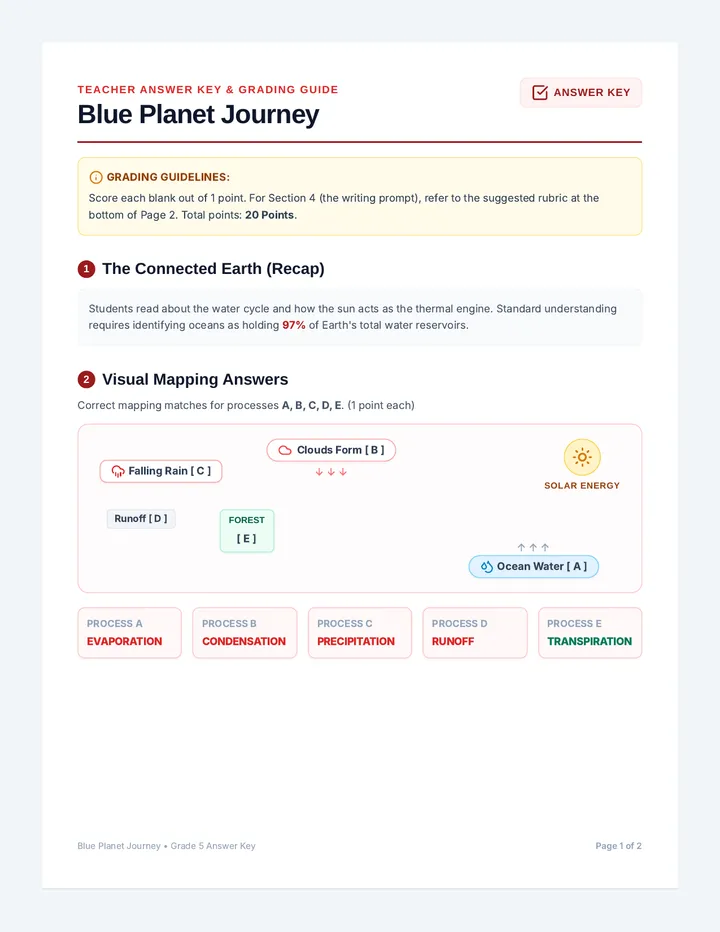
A comprehensive lesson on the water cycle, covering evaporation, condensation, precipitation, runoff, and absorption through visual aids and tiered practice.
A comprehensive lesson exploring atomic structure, Periodic Table trends, and the fundamental differences between ionic and covalent bonding using elements from the first three periods.
A comprehensive introduction to biomimicry where students explore how nature's best designs solve human challenges, culminating in a creative engineering project.
Students explore the Input-Process-Output (IPO) model by deconstructing everyday smart devices and designing their own tech solutions to classroom challenges. This lesson bridges the gap between physical hardware and programmatic logic through hands-on analysis and creative problem-solving.
A comprehensive lesson exploring why Australia receives high levels of UV radiation, focusing on ozone depletion and the interaction between light and matter. Students analyze data, practice constructing scientific explanations, and explore the biological impact of UV light.
A creative coding lesson where students use p5.js to manipulate image data, exploring the intersection of computer science and glitch art aesthetics.
A remedial lesson focused on rebuilding foundational skills in atomic notation and subatomic particle calculations for students who struggled with the initial unit.
An interactive lesson for 7th graders to distinguish between habitat and niche, explore specific roles within ecosystems, and predict outcomes of ecological disruptions.
Students explore the diverse ecosystems of the California Central Coast, investigating how native plants and animals adapt to their specific environments before creating their own miniature biome models.