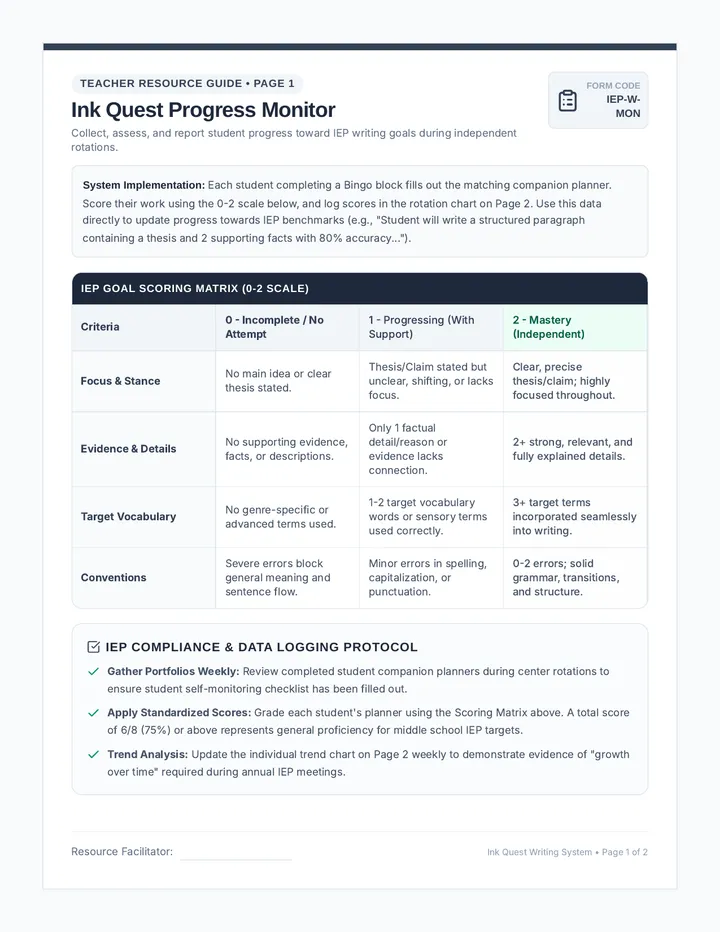
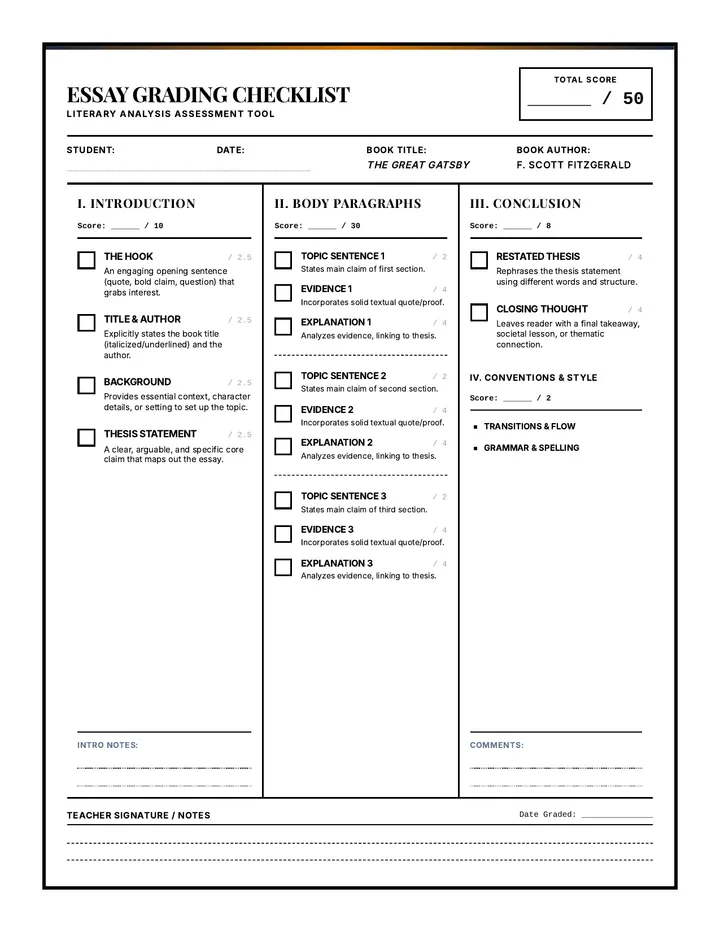
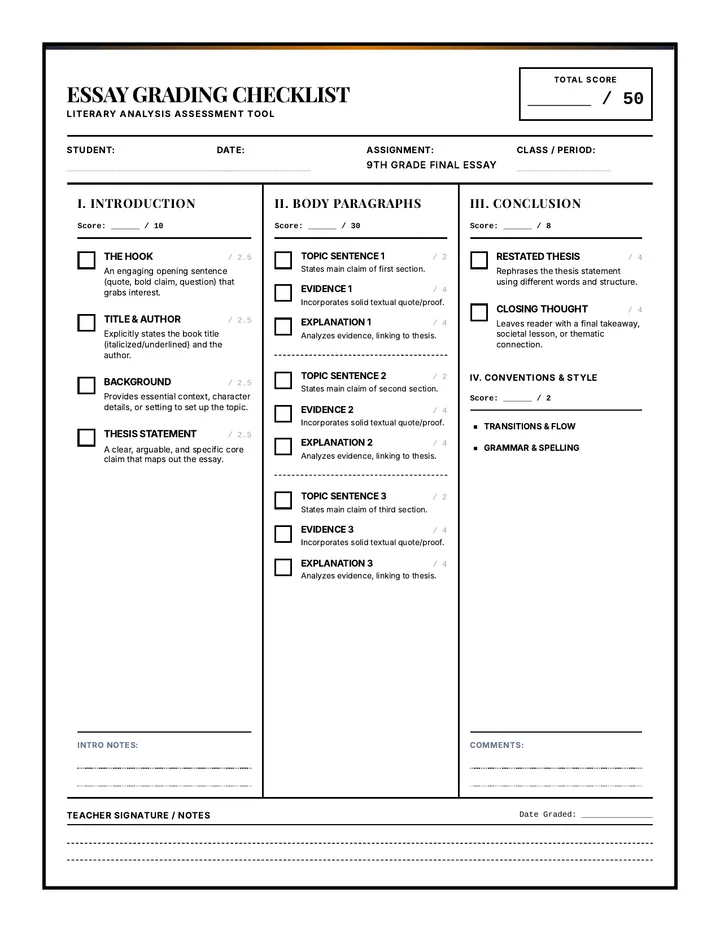
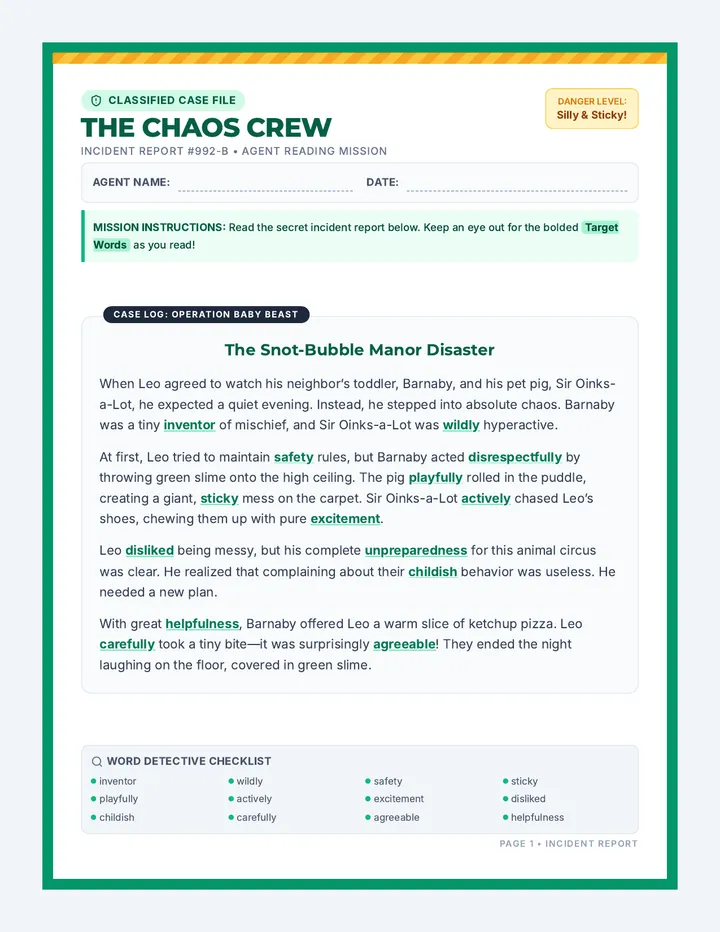
A lesson focused on teaching 3rd graders how to correctly match pronouns with their antecedents, focusing specifically on singular and plural agreement.
A reading assessment lesson focused on 'Something New,' a story about a community garden. Students analyze central messages, character traits, and point of view through standards-aligned questions (RL.2, RL.3, RL.6).
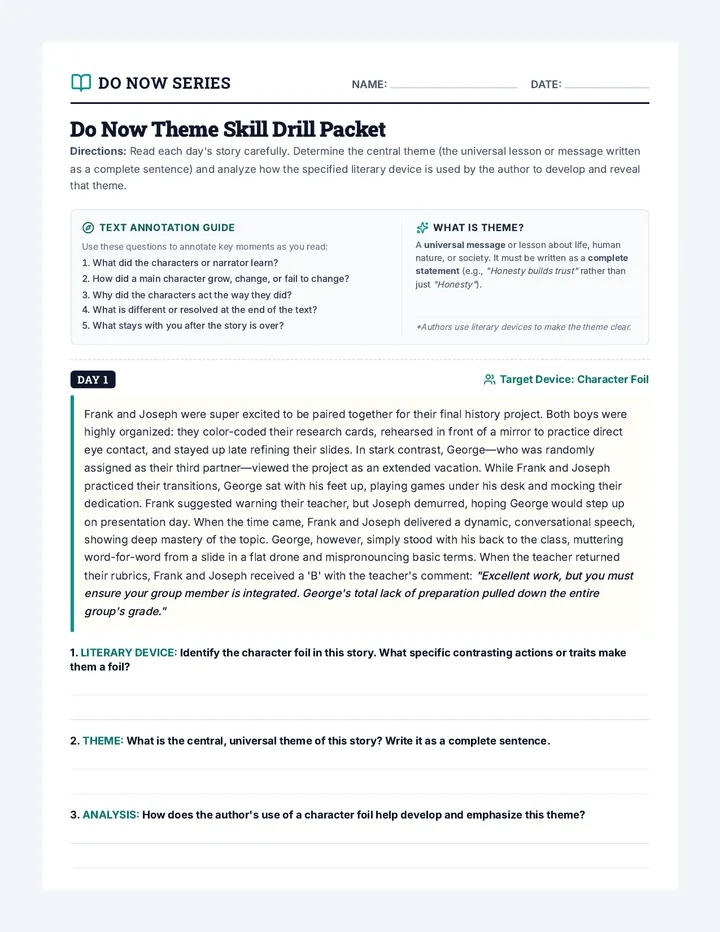
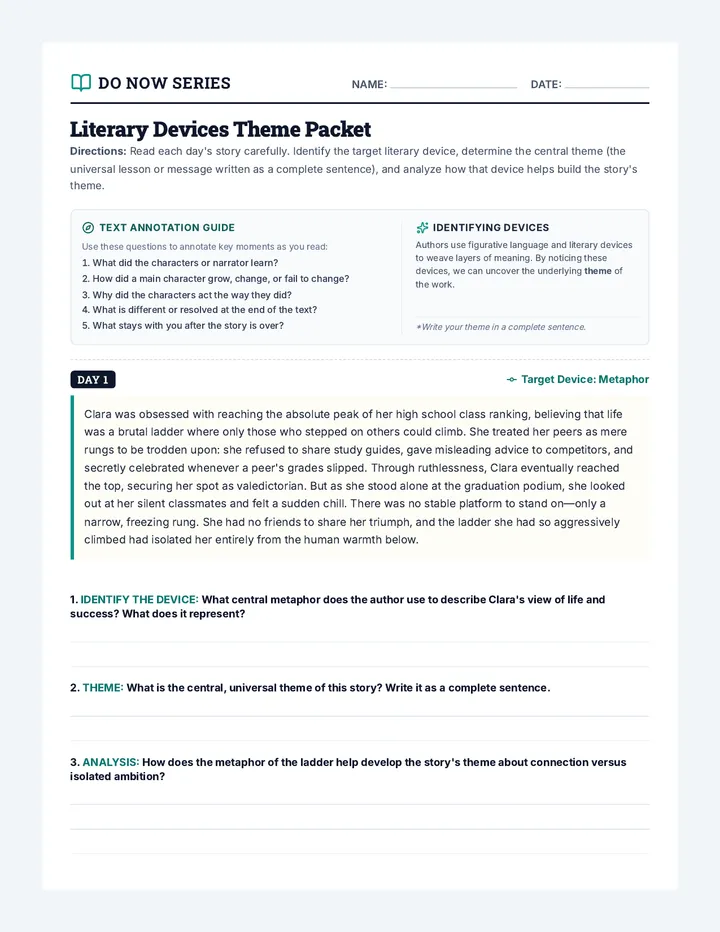
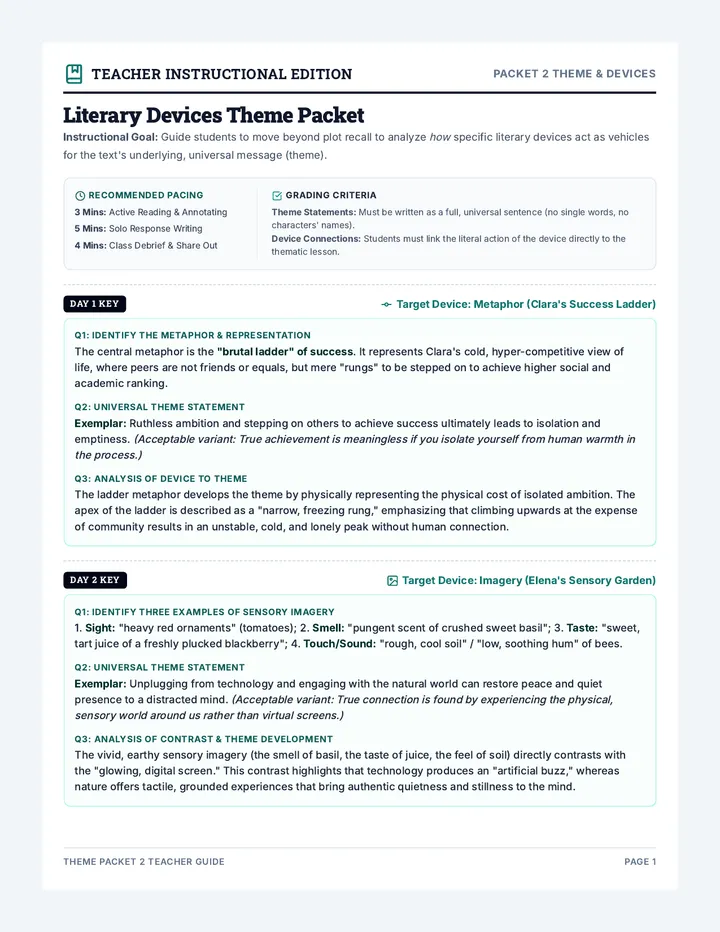
A comprehensive review of NC Standard RI 8.4, focusing on context clues, connotation, tone, and vocabulary types to prepare students for the 8th grade EOG.
A lesson focused on integrating information from text and illustrations (maps and photographs) to understand where, when, why, and how key events occur in the history of Yellowstone National Park.
Students will learn to use simple present tense verbs correctly, focusing on subject-verb agreement for singular and plural nouns.
This lesson explores the myth of Pandora through a comparative lens, analyzing how different media (video vs. text) portray her character and the themes of curiosity and hope. Students will develop critical analysis skills by identifying key differences in narrative elements and artistic choices.
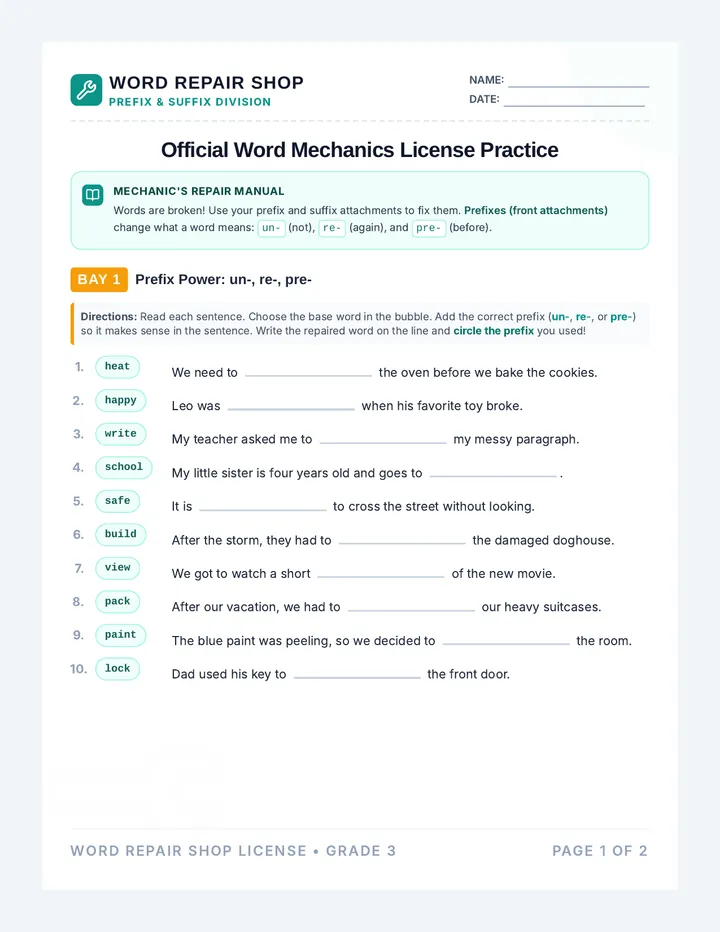
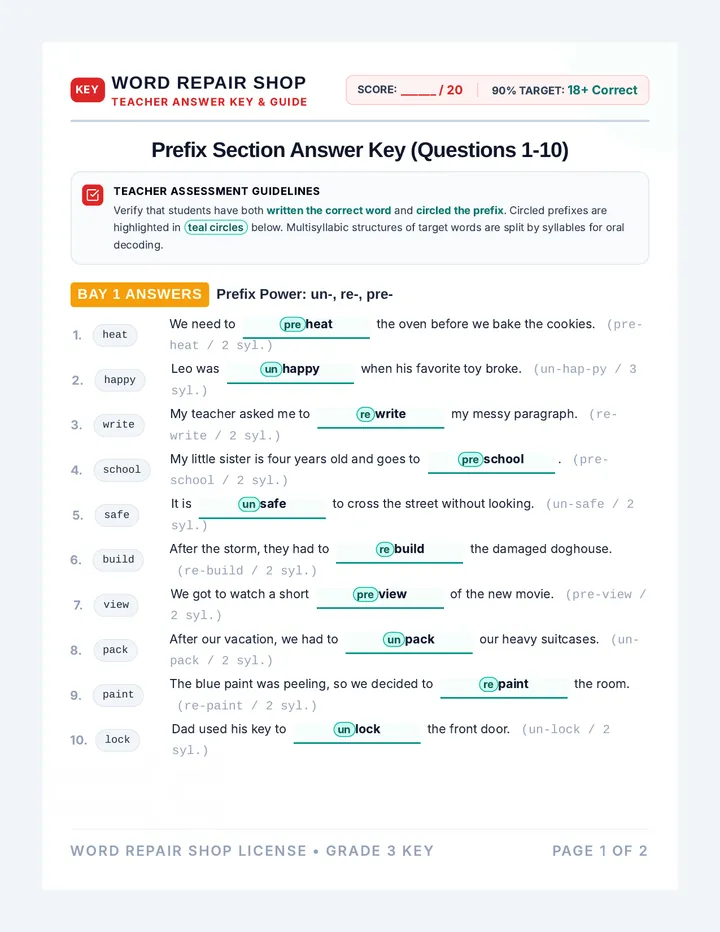
Applying common suffixes (-s, -es, -ed, -ing) and mastering spelling rules like doubling consonants and dropping the silent e.
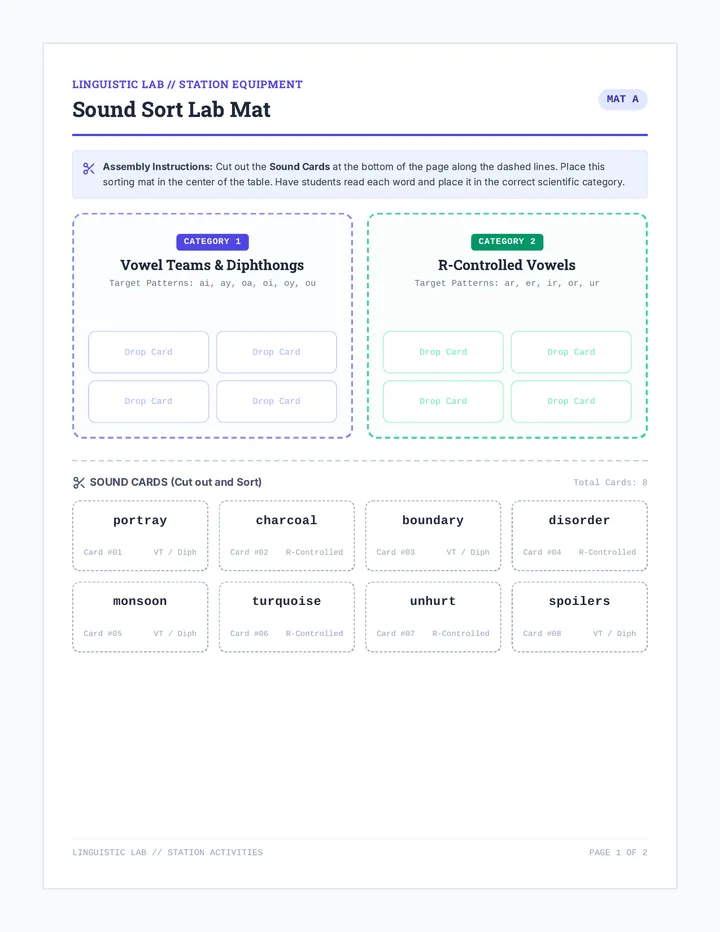
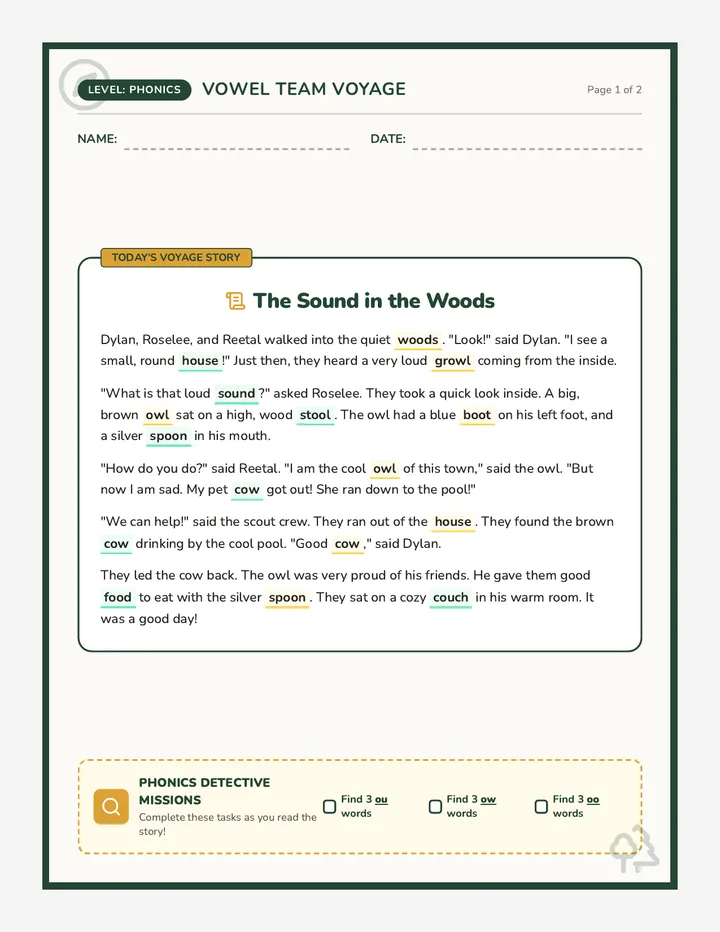
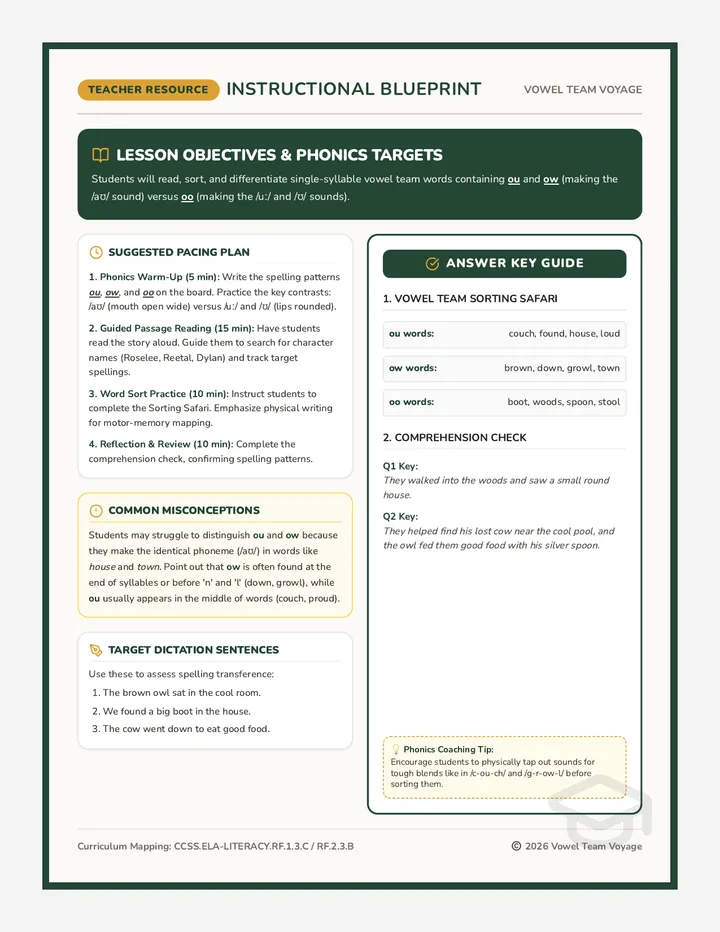
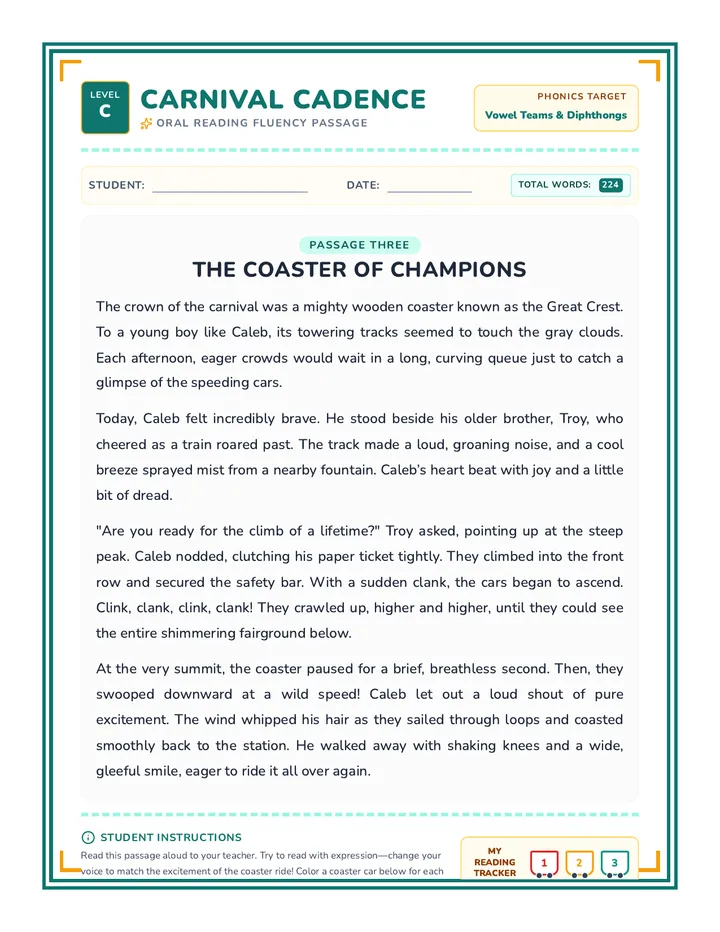
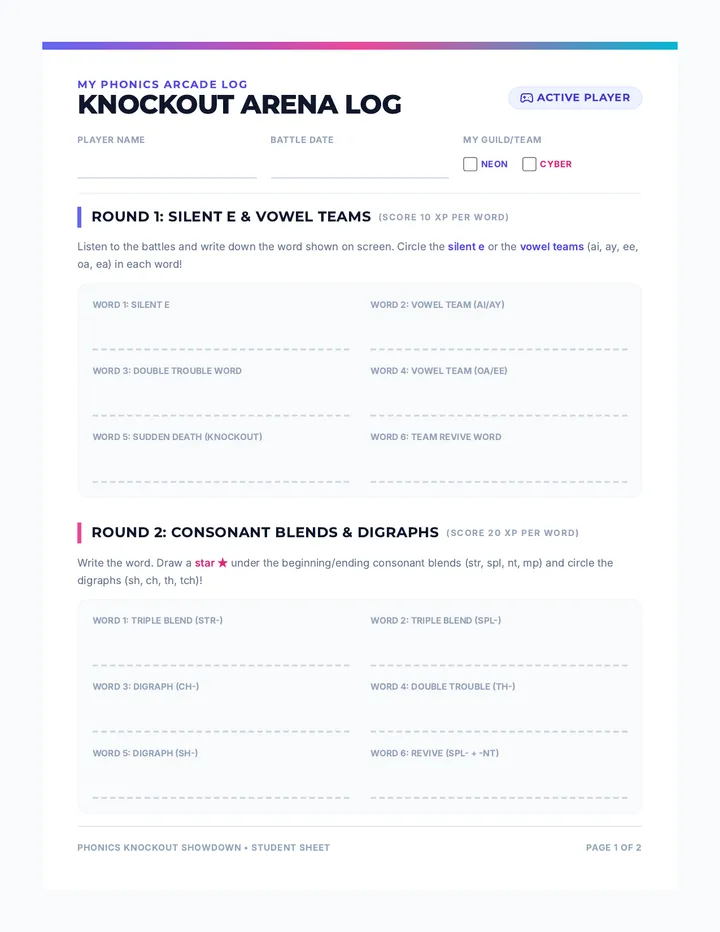
Exploring common vowel teams like ai, ay, ee, and ea, and understanding how vowel combinations create long vowel sounds.
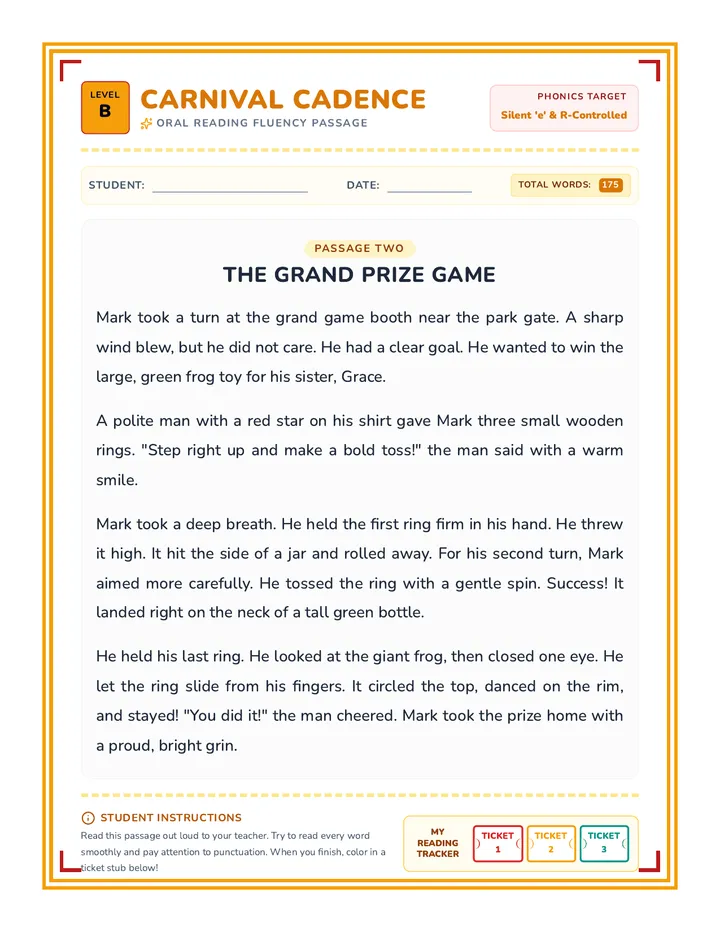
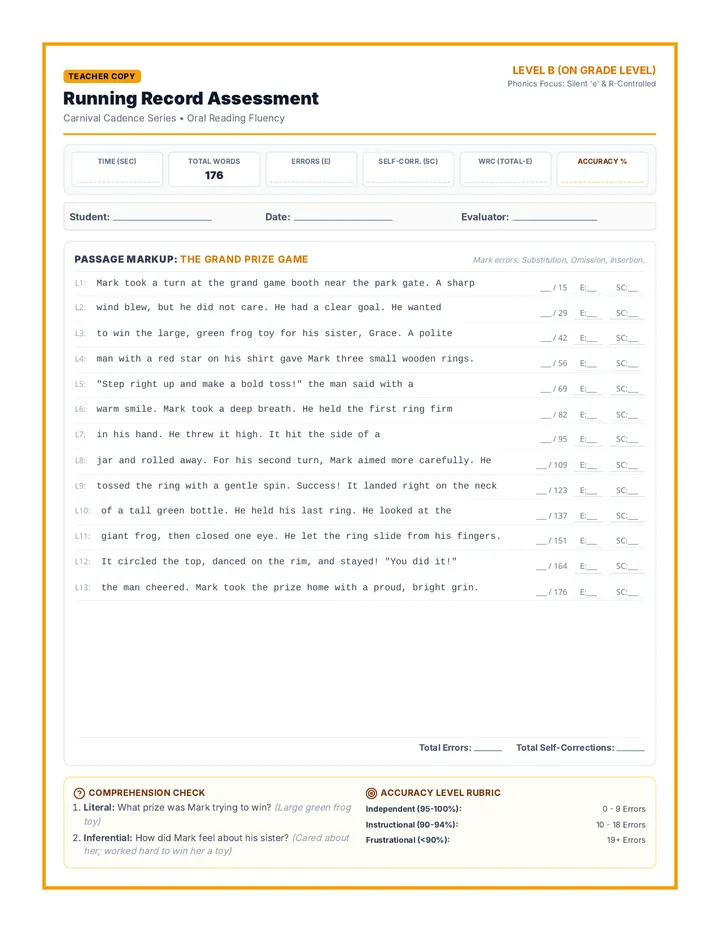
Learning the role of silent e in changing vowel sounds from short to long, focusing on common CVCE patterns.
Developing proficiency with consonant blends (bl, st, fr) and digraphs (ch, sh, th, wh) to decode and spell more complex single-syllable words.
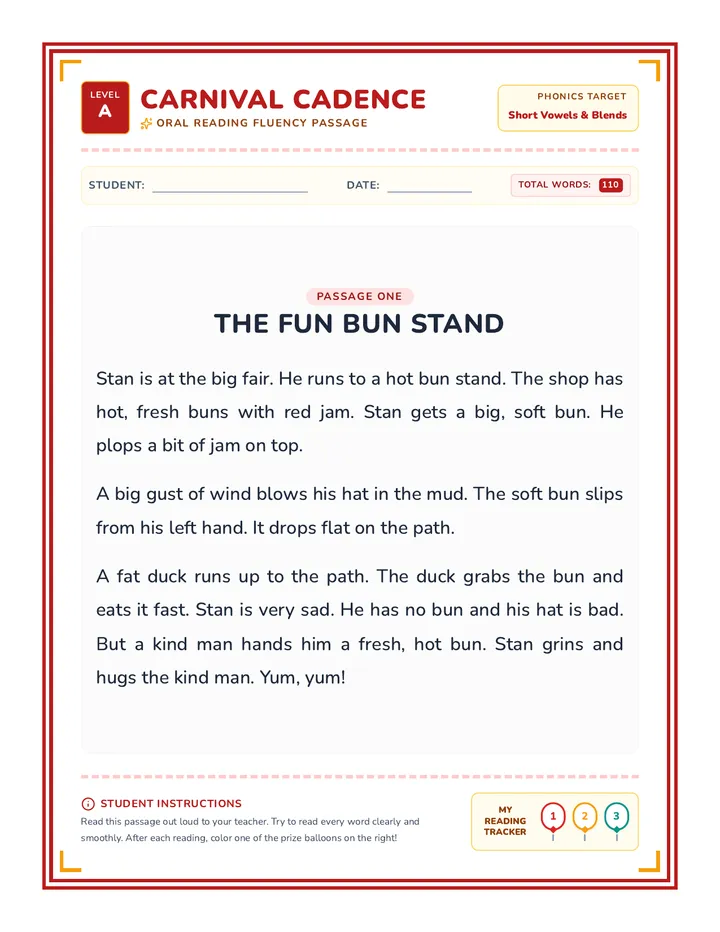
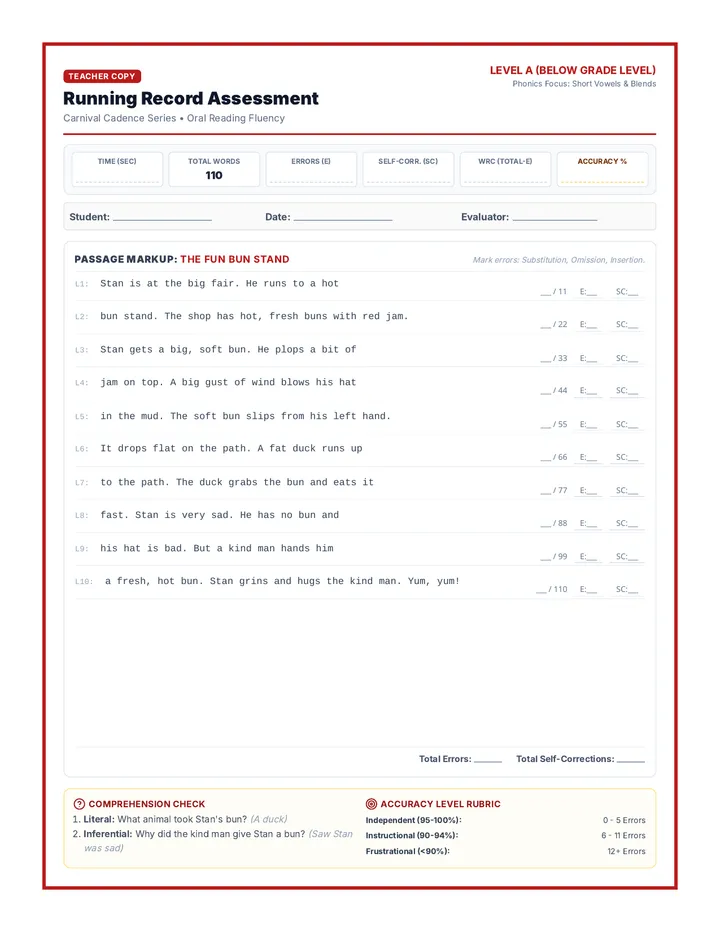
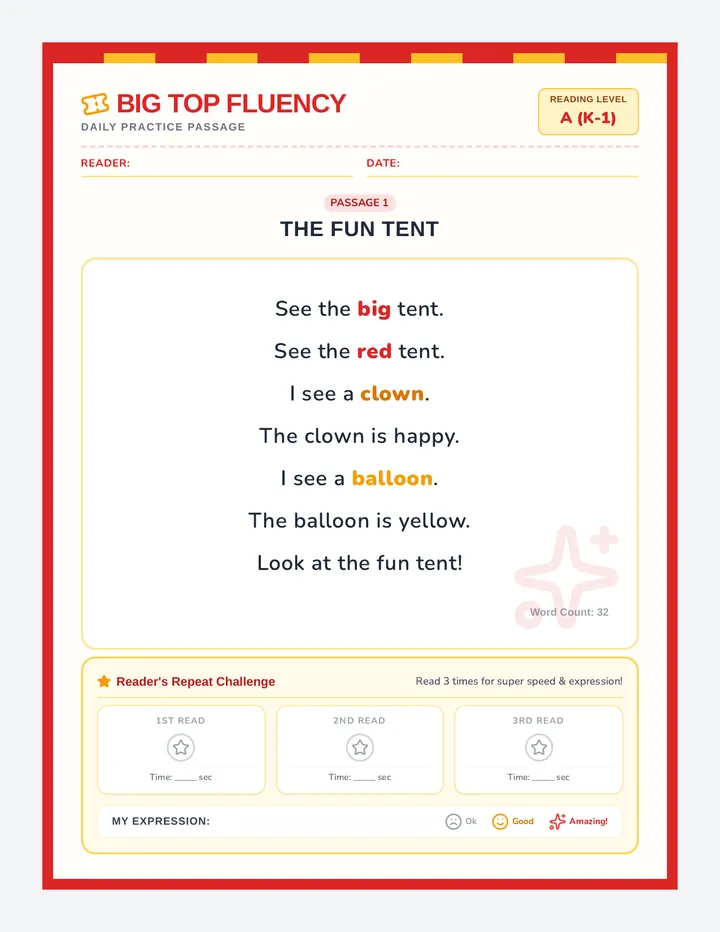
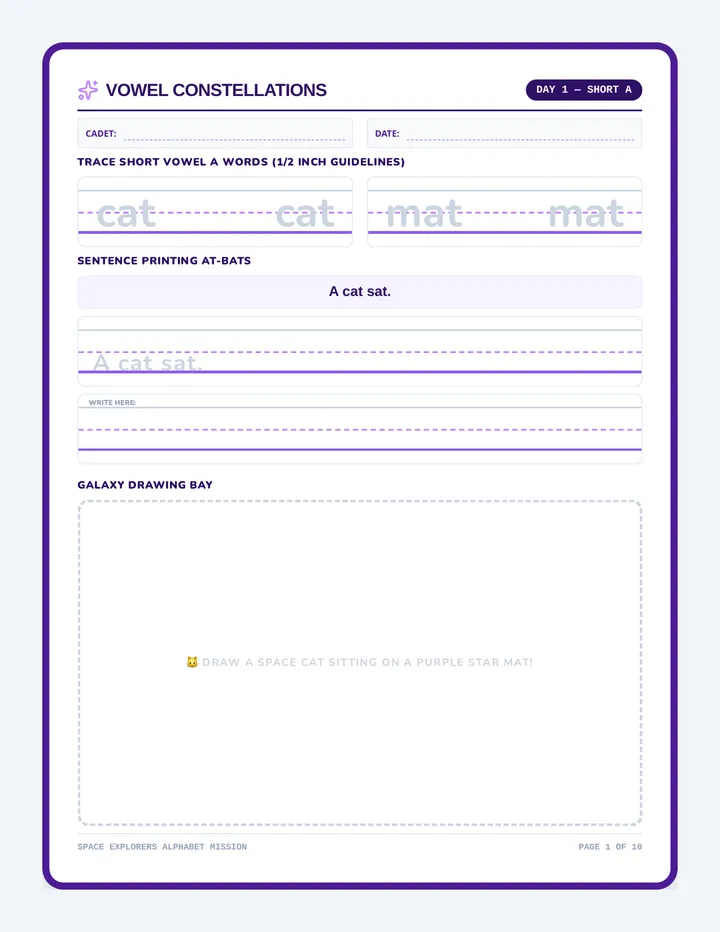
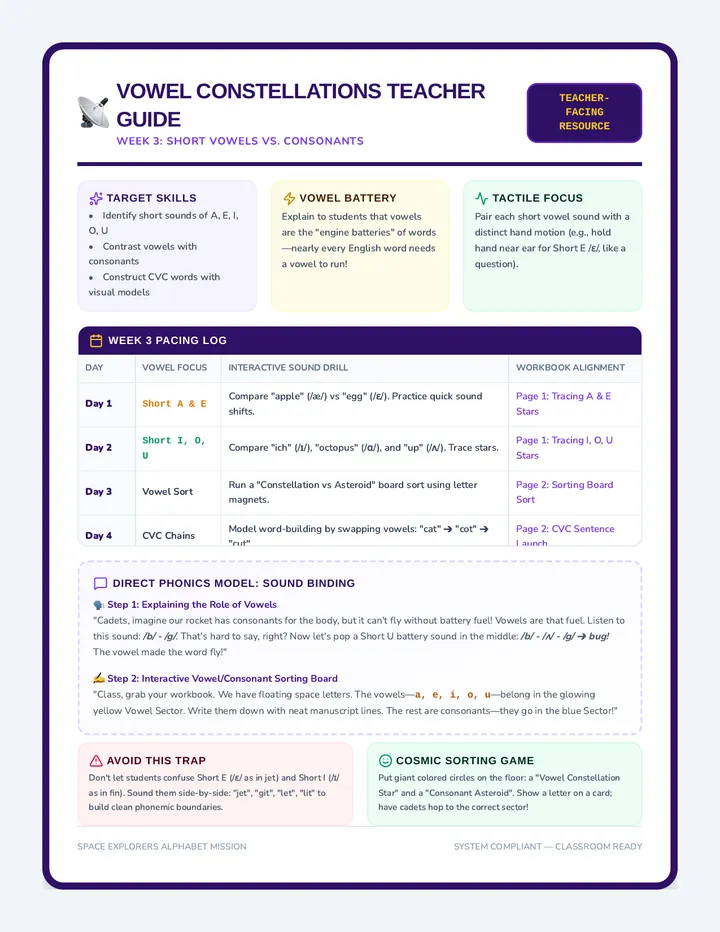
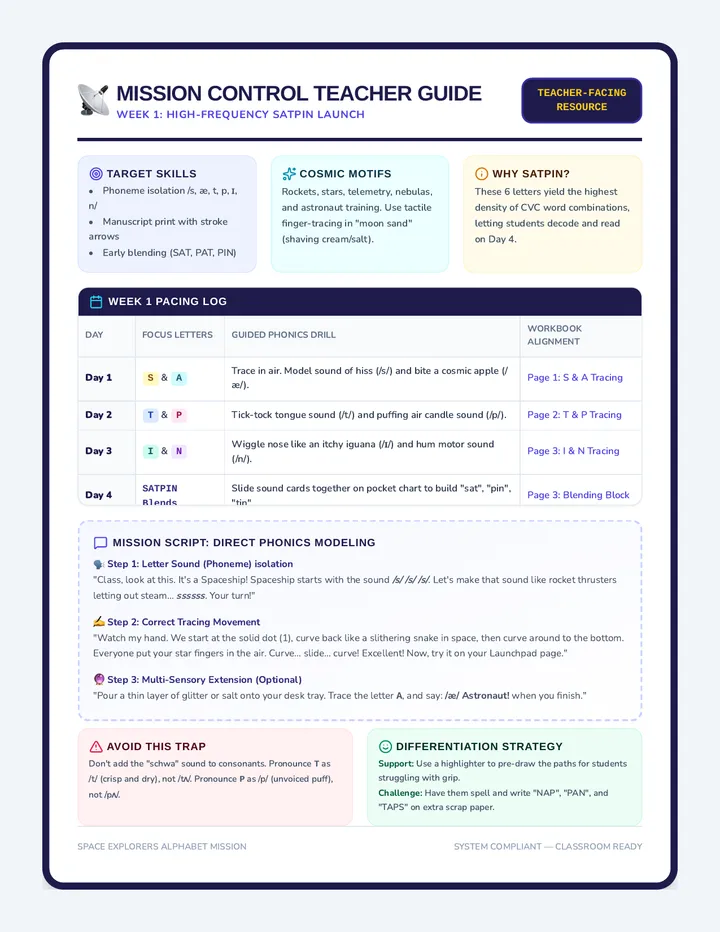
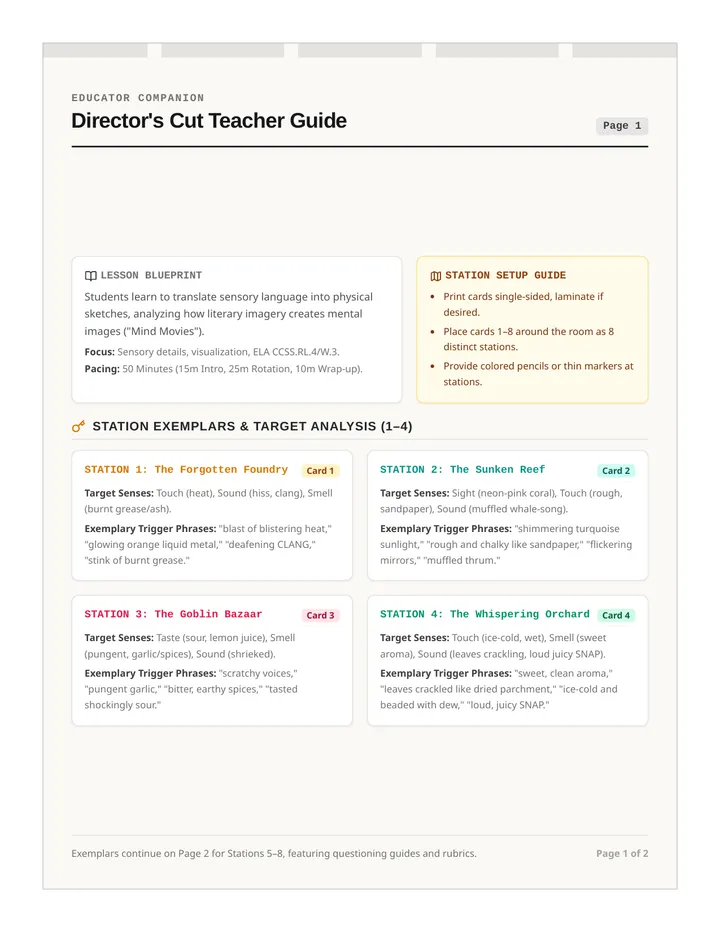
Mastering short vowel sounds (a, e, i, o, u) through CVC word construction, reading fluency with simple decodable text, and basic spelling patterns.
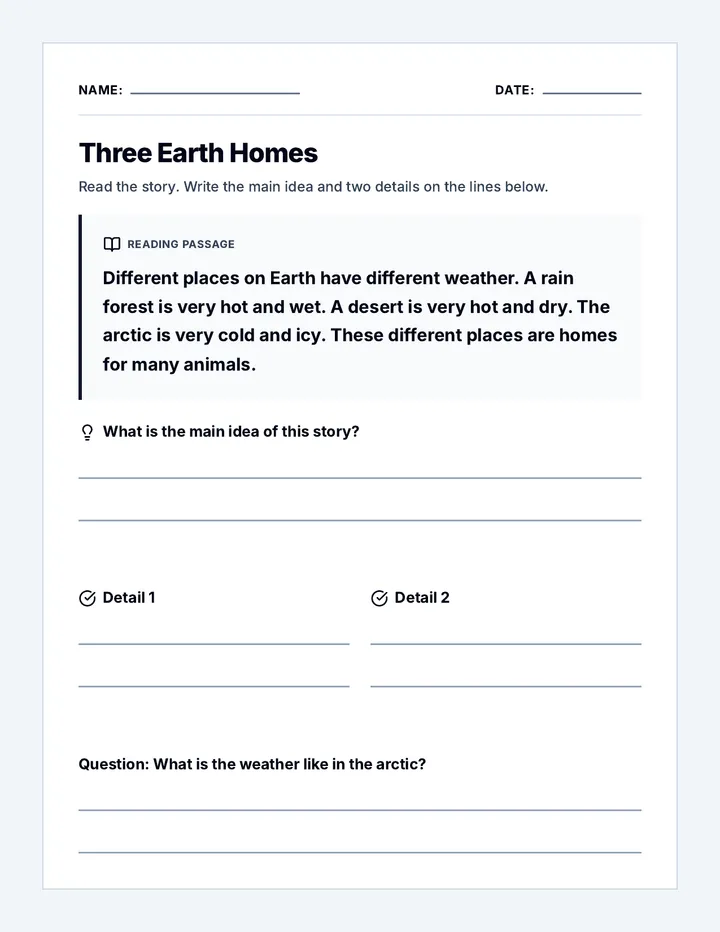
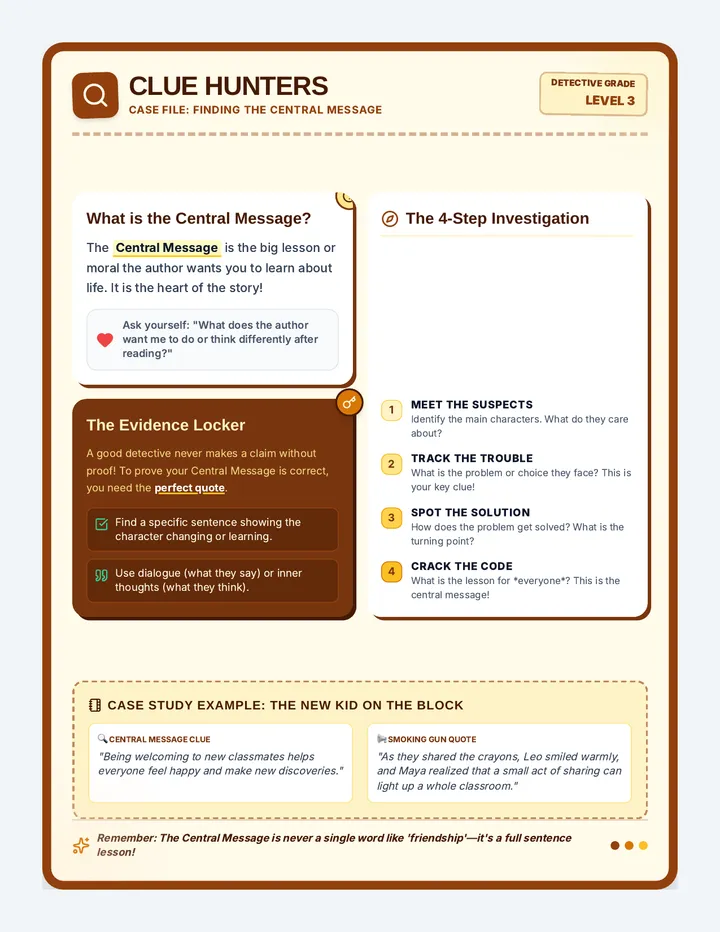
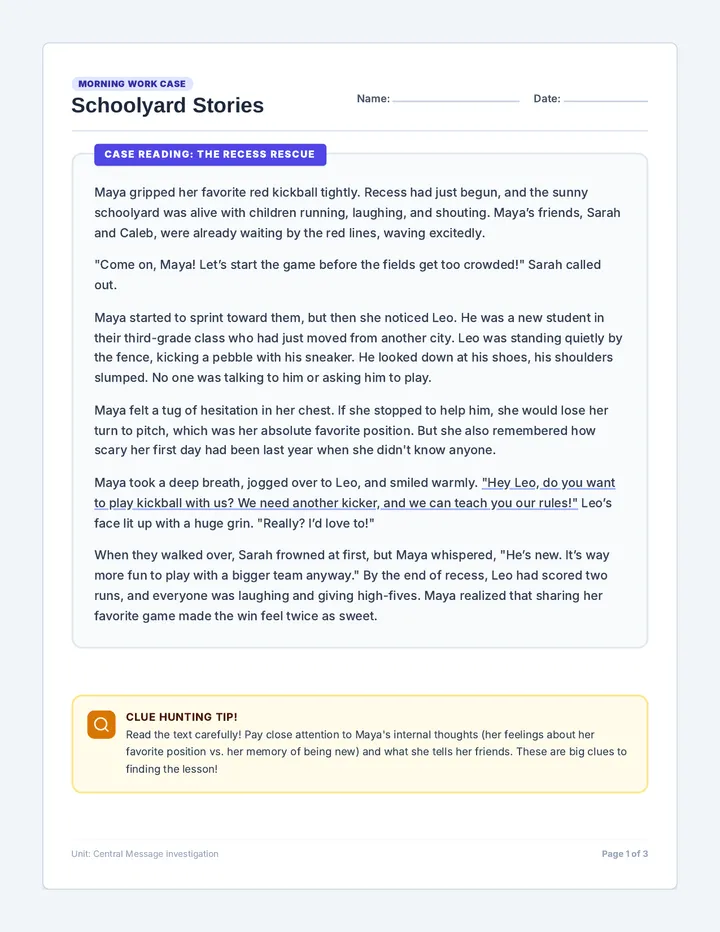
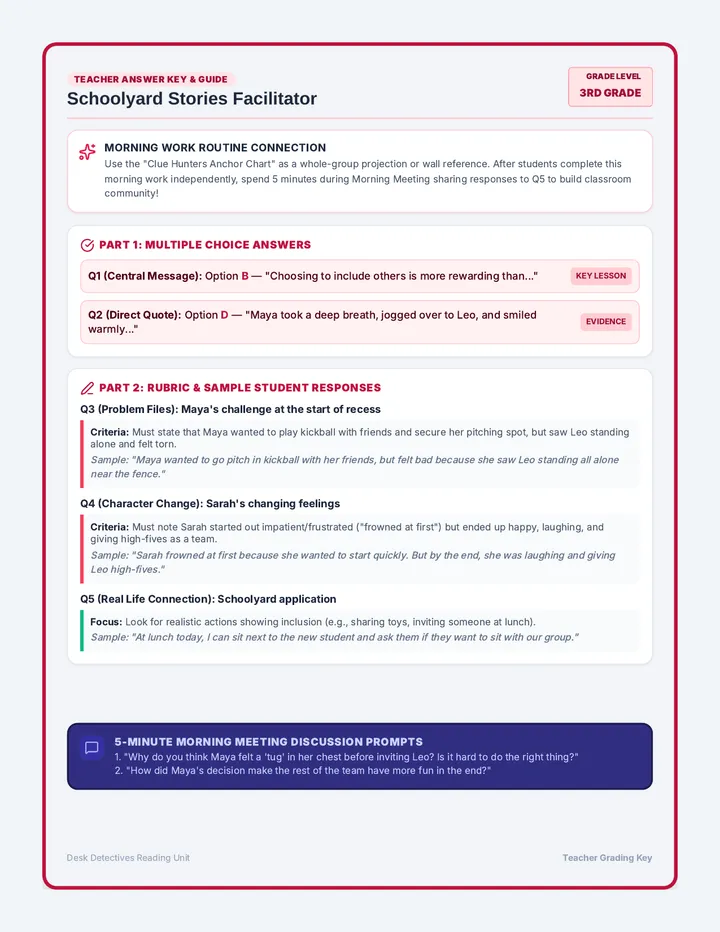
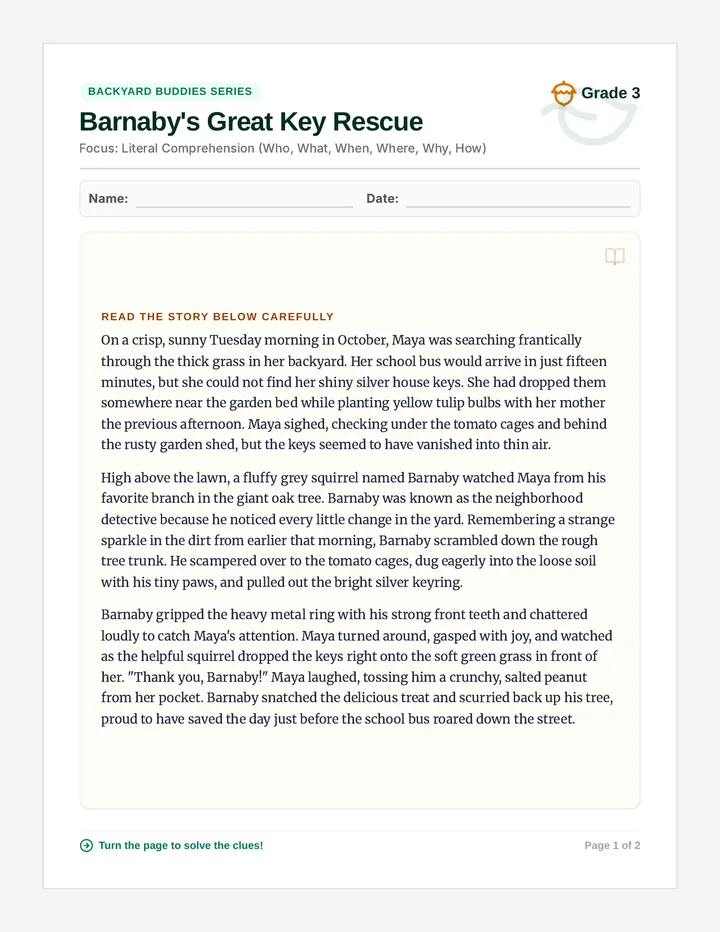
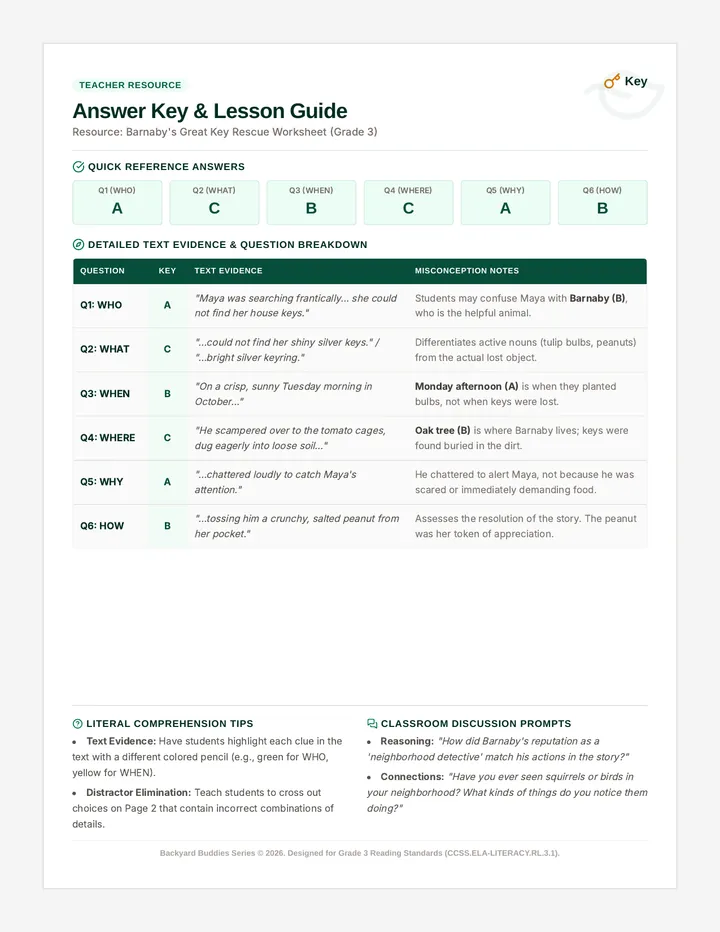
A lesson focused on identifying the central message and key details in stories, specifically designed for NC 3rd Grade Reading standards. Students will learn to recount stories and connect lessons to specific textual evidence.
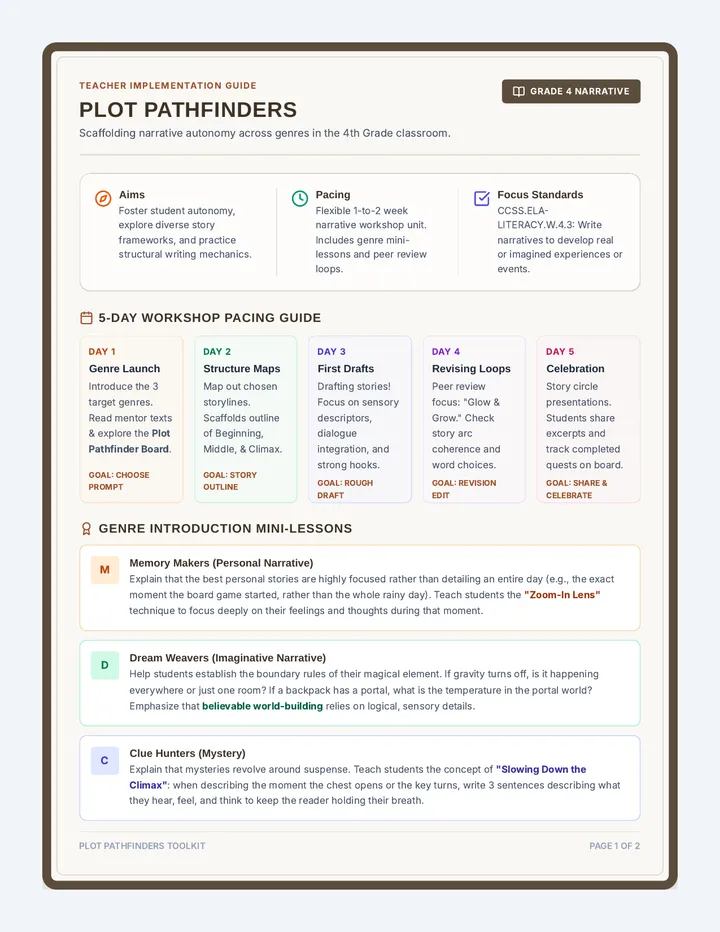
A celebratory final session where students demonstrate their 'Master Pathfinder' skills and receive recognition for their growth in thinking and English.
Focuses on logic and decision-making by asking 'why' and 'how' questions about texts to understand cause and effect.
Deepens self-awareness through journaling and reflection, helping students recognize their own reactions and thoughts while reading and writing.
Encourages idea construction and creative writing, showing students how to fuel their mind machines with imagination to create original stories.
Develops information decoding skills by teaching students to search for facts and evidence within a text, much like a forensic scientist.
Introduces the growth mindset by comparing resilience to a gear that helps us keep moving forward even when we encounter 'rusty' mistakes.
Explores social understanding by teaching students how to use their 'internal compass' to interpret character feelings and perspectives in texts.
Uses story mapping to help students visualize narrative flow and understand how different parts of a story connect to form a whole.
Teaches basic grammar and sentence structure as the 'blueprints' that help us express ideas clearly so others can understand our thoughts.
Introduces vocabulary building through the lens of 'parts' for our mind machines, focusing on labeling emotions and objects with precision.
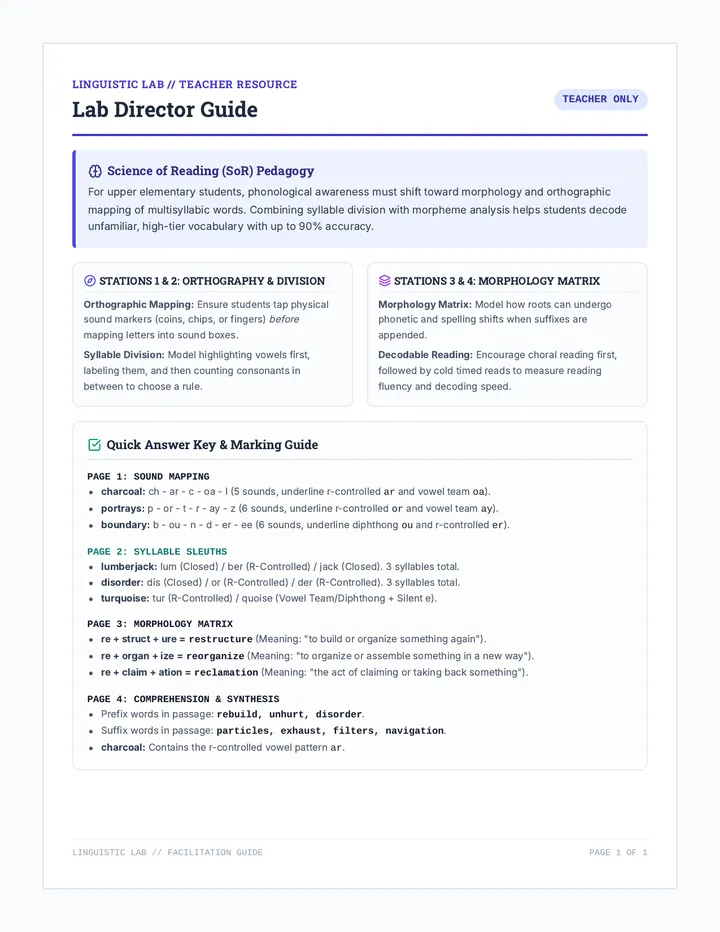
Focuses on phonics and pattern spotting in text, teaching students that reading is a form of detective work where we look for clues to unlock meaning.
An introductory lesson where students become 'Pathfinders,' learning that their minds are like incredible machines with gears they can control. Focuses on self-awareness and the basics of how we decode stories.
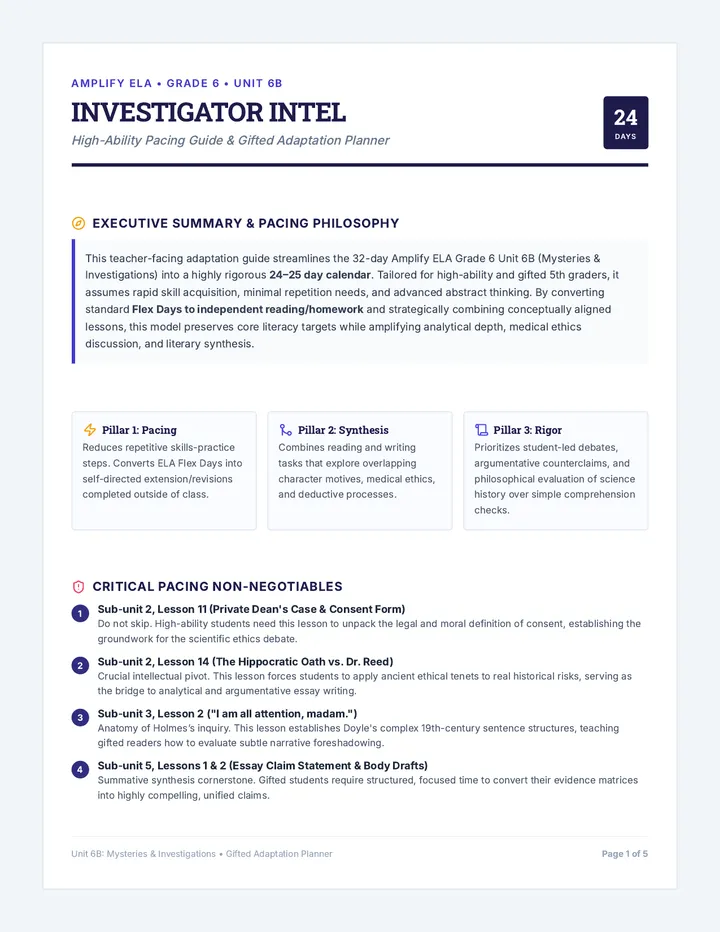
A comprehensive lesson on using context clues (Inference, Definition, Example, Antonym, Synonym) to decode unfamiliar vocabulary, featuring a detective-themed anchor chart, guided notes, and a story-based assessment.
An exploration of Chapters 13-15 of Zora Neale Hurston's 'Their Eyes Were Watching God,' focusing on Janie's transition to the Everglades and her deepening relationship with Tea Cake.
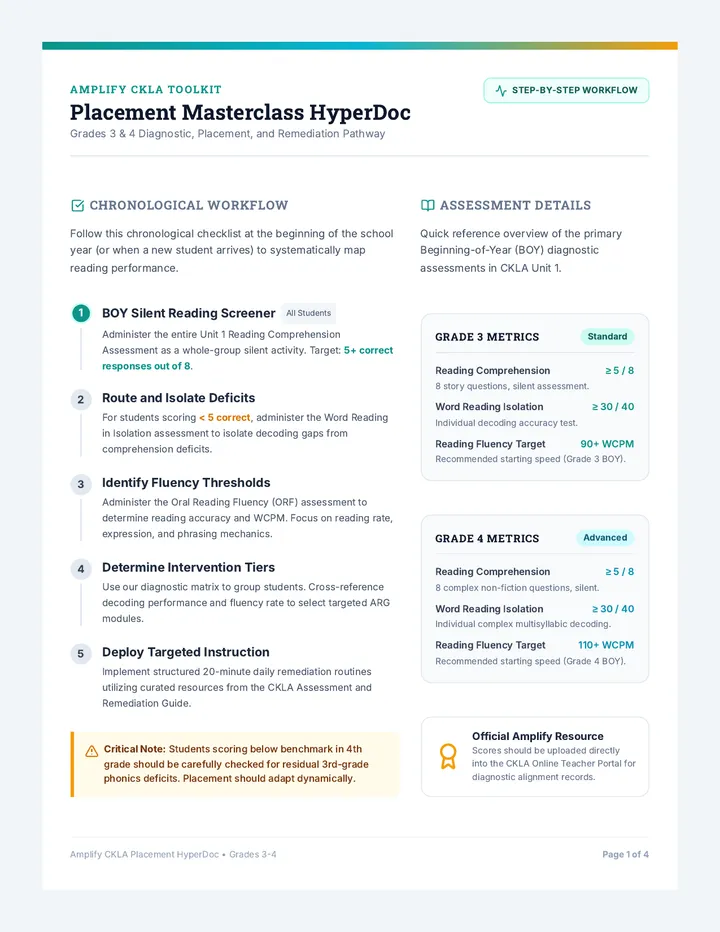
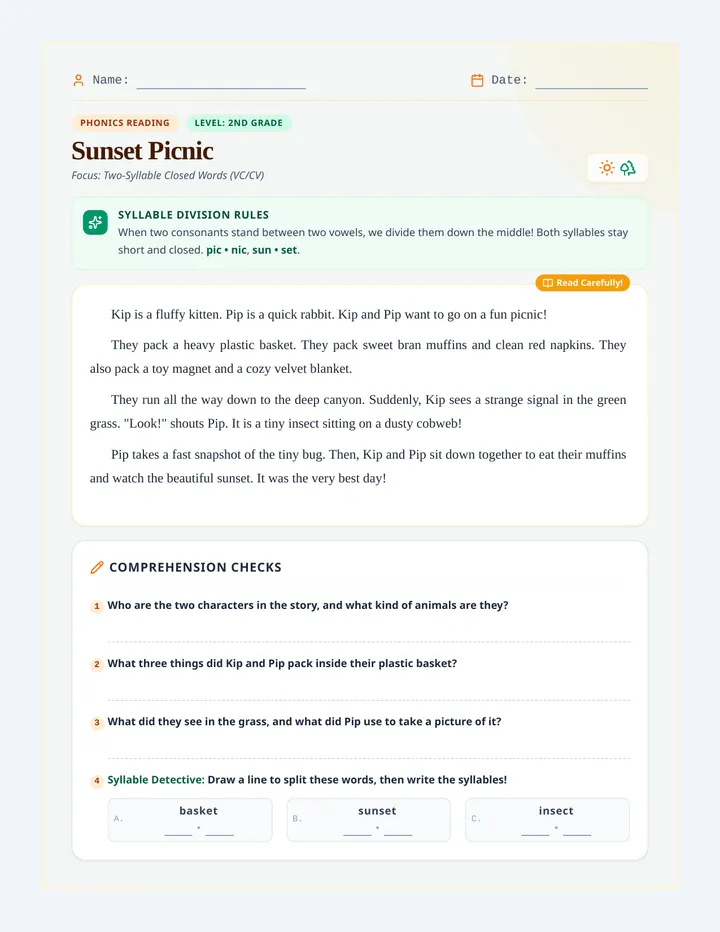
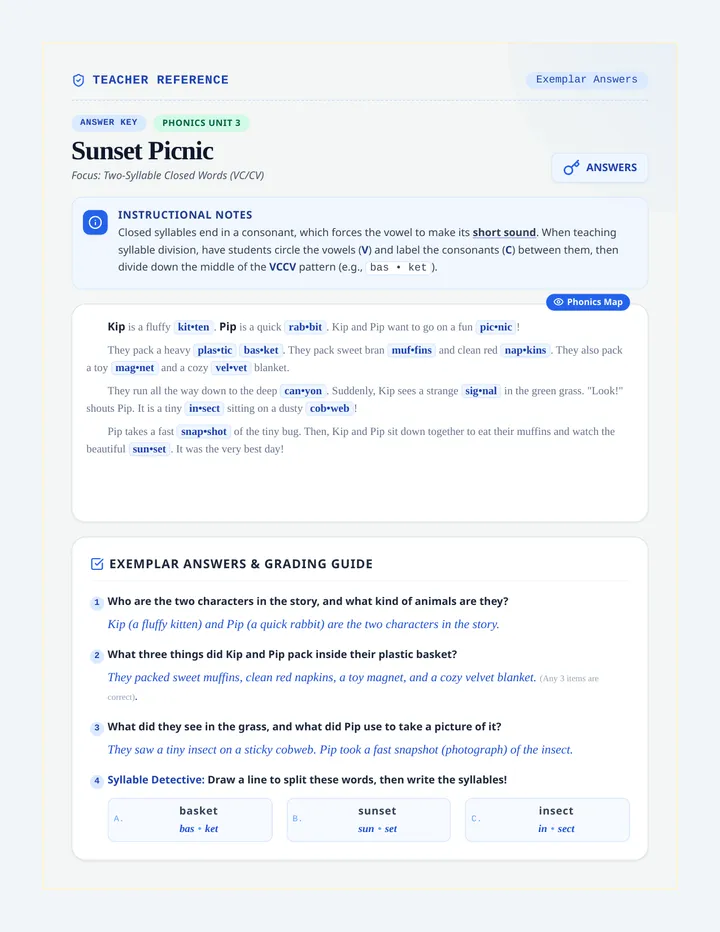
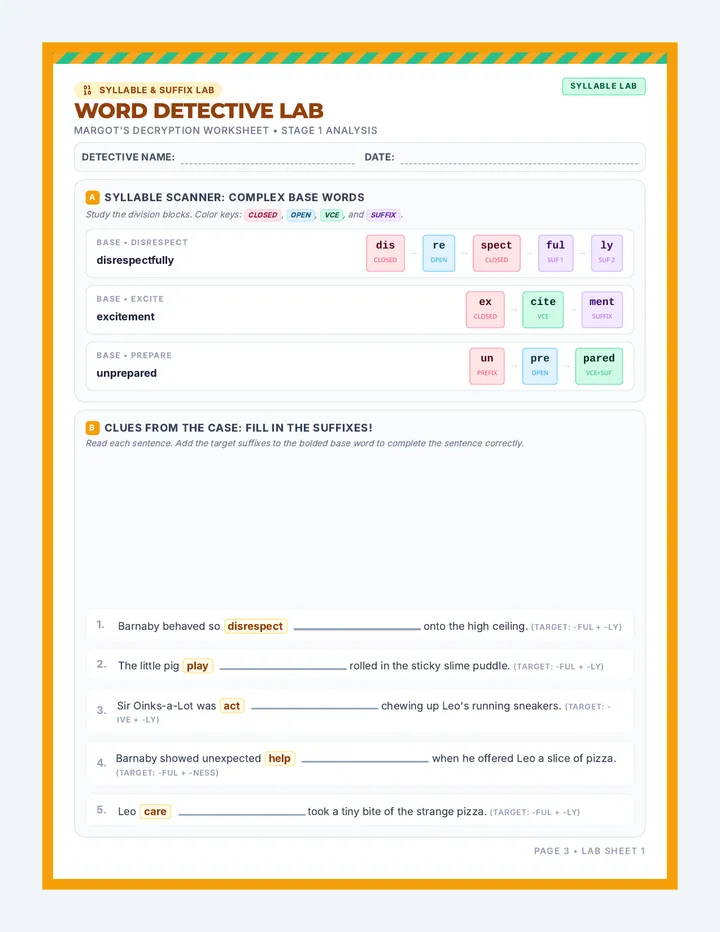
A hands-on lesson for first graders to identify and divide multisyllabic words with two closed syllables using the VC/CV pattern. Students will learn to spot the "vowel-consonant-consonant-vowel" pattern to decode longer words.
Students explore the four main ways to spell the /k/ sound using a detective-themed series of worksheets. Activities include sorting words by pattern, filling in context-rich sentences, matching pictures, and solving a crossword.
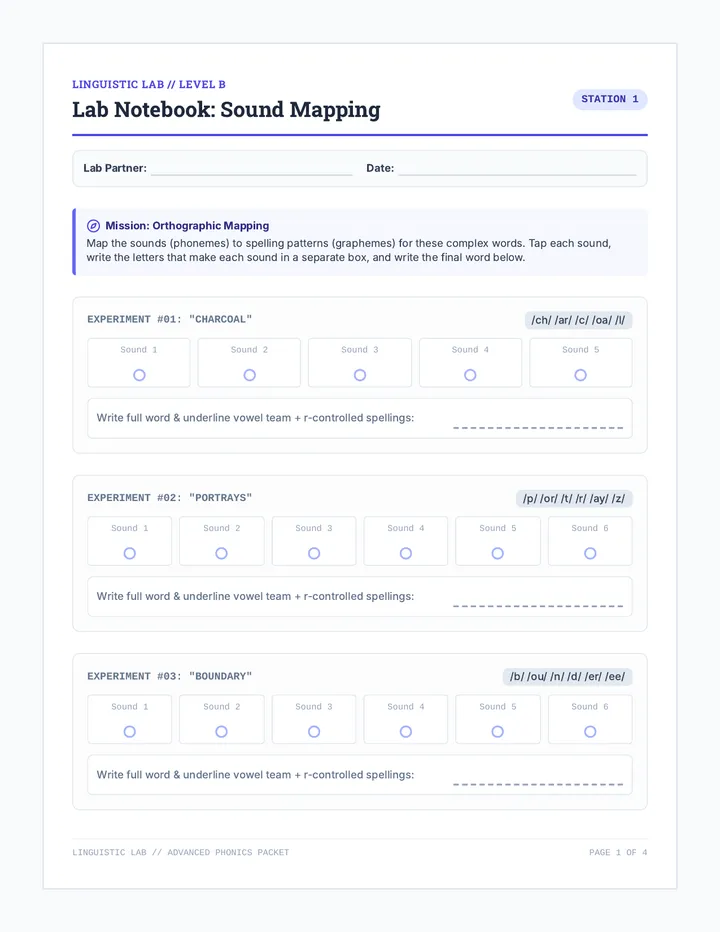
A series of activities focusing on long 'a' spelling patterns: a-consonant-e, vowel teams ai/ay, and open syllables. Students practice mapping sounds, completing sentences, and sorting words to build phonemic awareness and spelling proficiency.
A cosmic-themed ELA morning work packet for 3rd grade focused on North Carolina standards for informational text. Students complete daily 'Mission Logs' to practice key comprehension skills including main idea, text evidence, and vocabulary.
A comprehension lesson focused on Chapter 13 of 'The Last Kids on Earth and the Nightmare King', where students analyze setting, character teamwork, and a major plot turning point involving a radio signal.