A targeted grammar lesson focusing on subject-verb agreement through the high-interest lens of professional soccer. Designed for advanced students who need to master complex compound subjects and prepositional phrase interference.
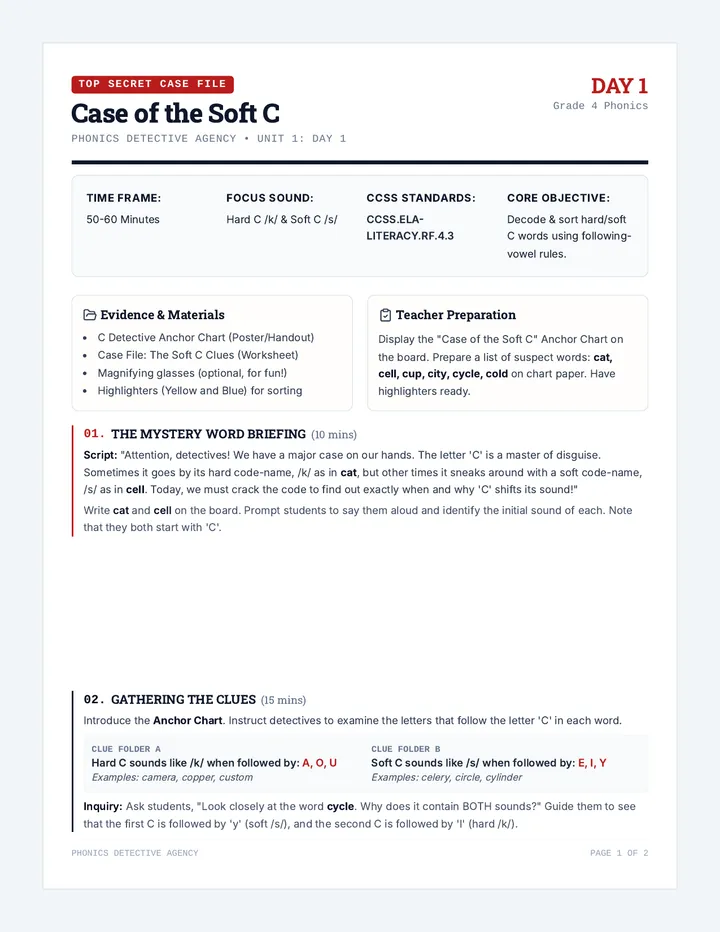
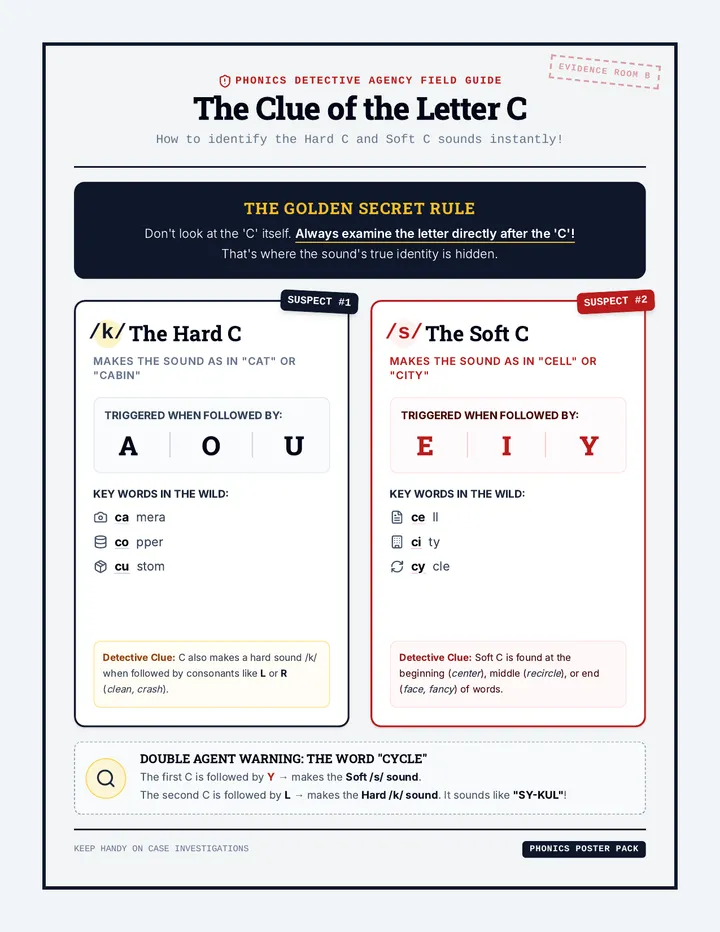
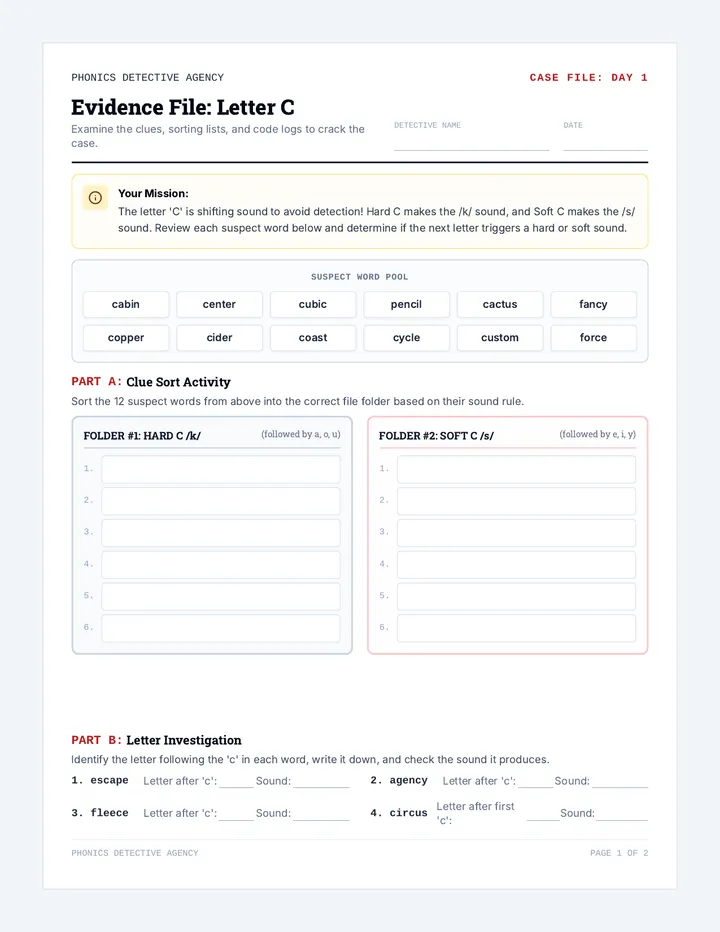
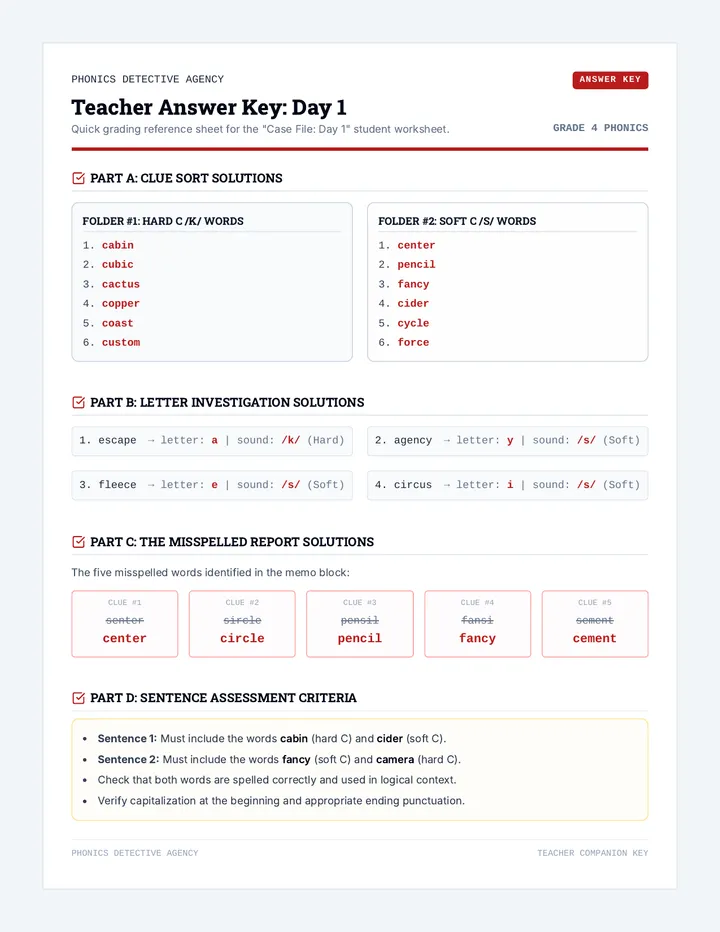
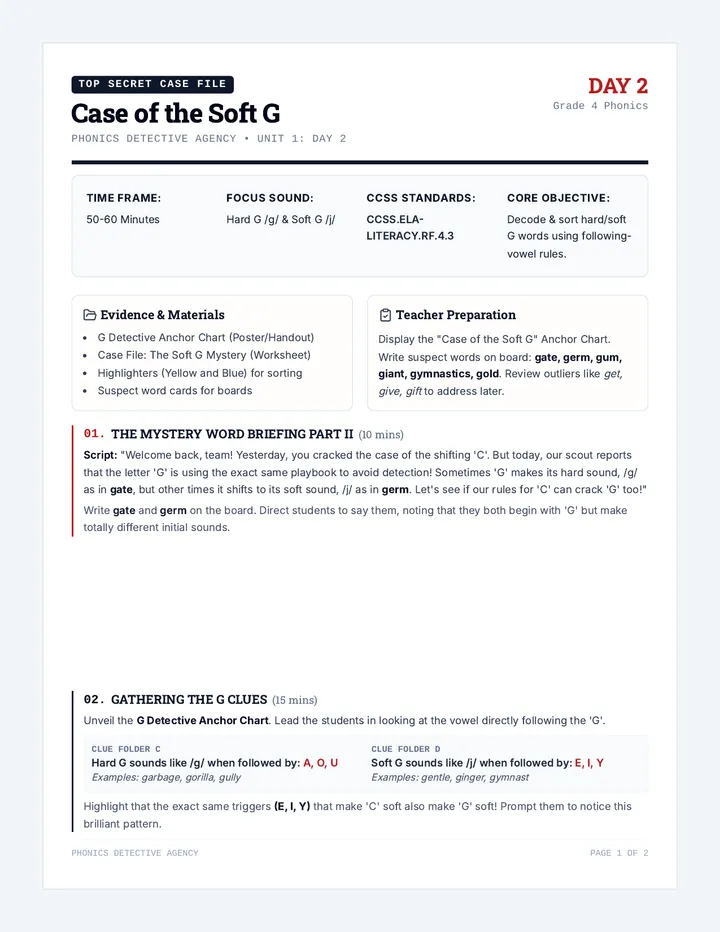
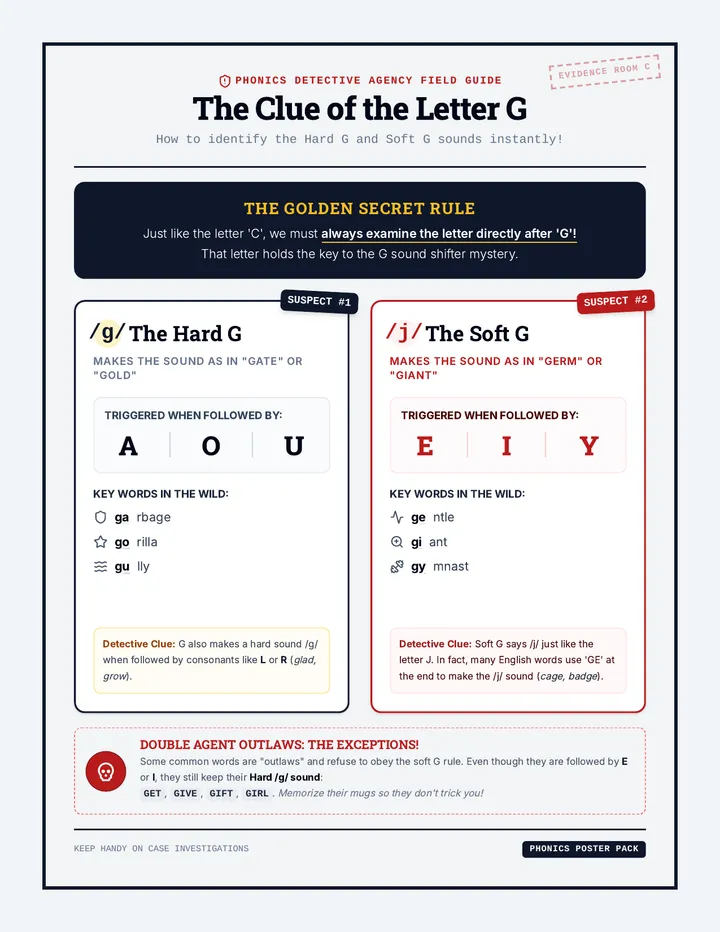
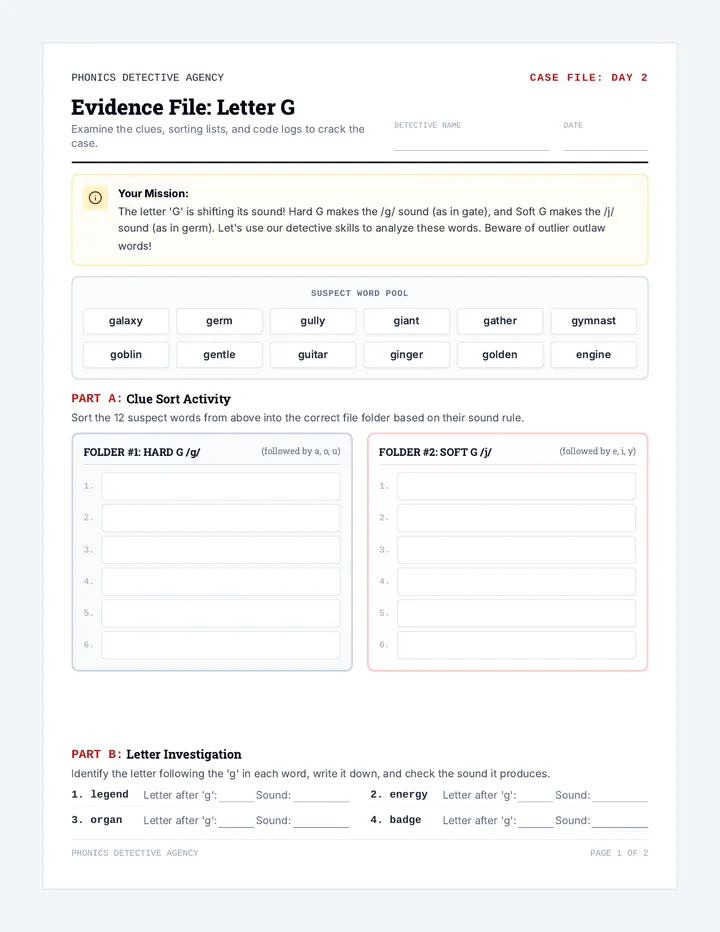
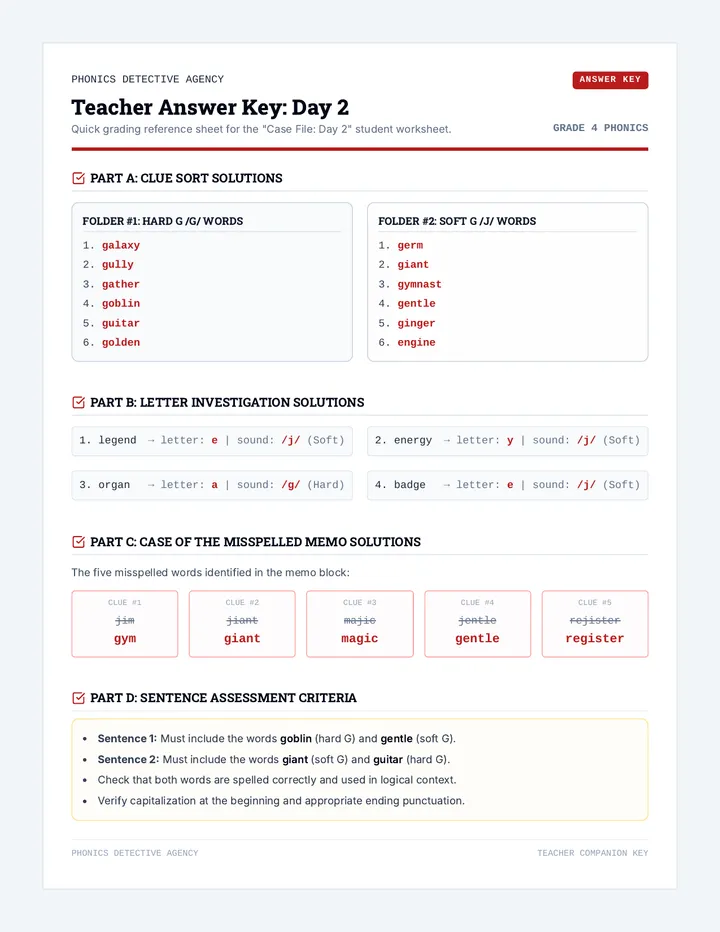
A comprehensive, detective-themed 2-day phonics unit for 4th graders to master the hard and soft sounds of 'c' and 'g' using structured inquiry, visual anchor charts, and scaffolded practice worksheets.
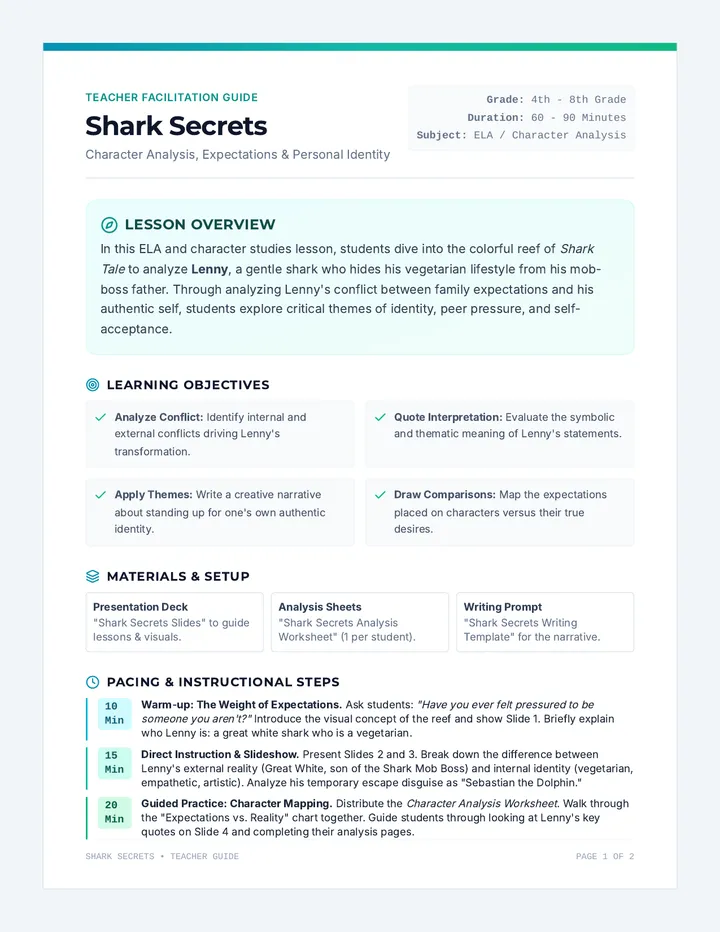
A complete lesson exploring identity, expectations, and self-acceptance through the character of Lenny from Shark Tale. Students analyze Lenny's traits and conflict, engage in guided discussion, and compose a creative story about staying true to oneself.
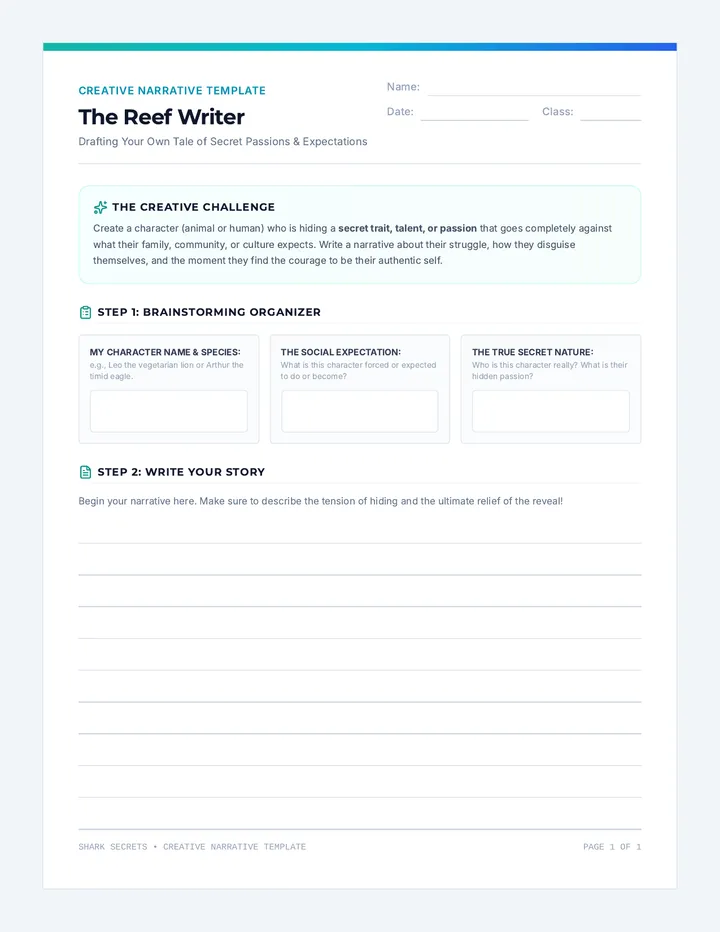
A creative story writing template that guides students to write their own story inspired by Lenny's journey, focusing on a character hiding a secret trait or passion that goes against family expectations.
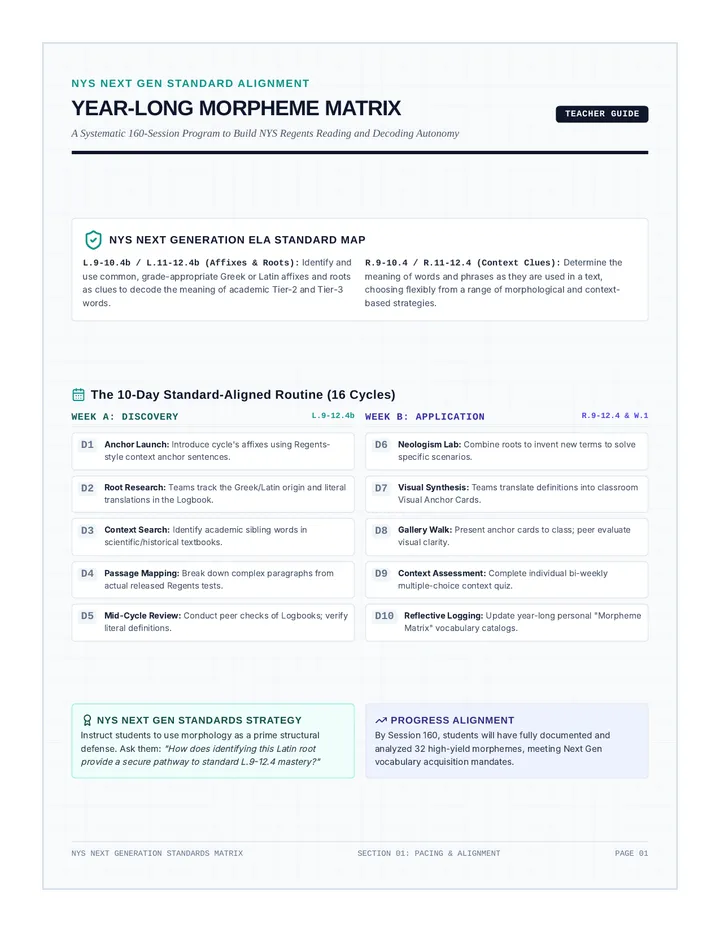
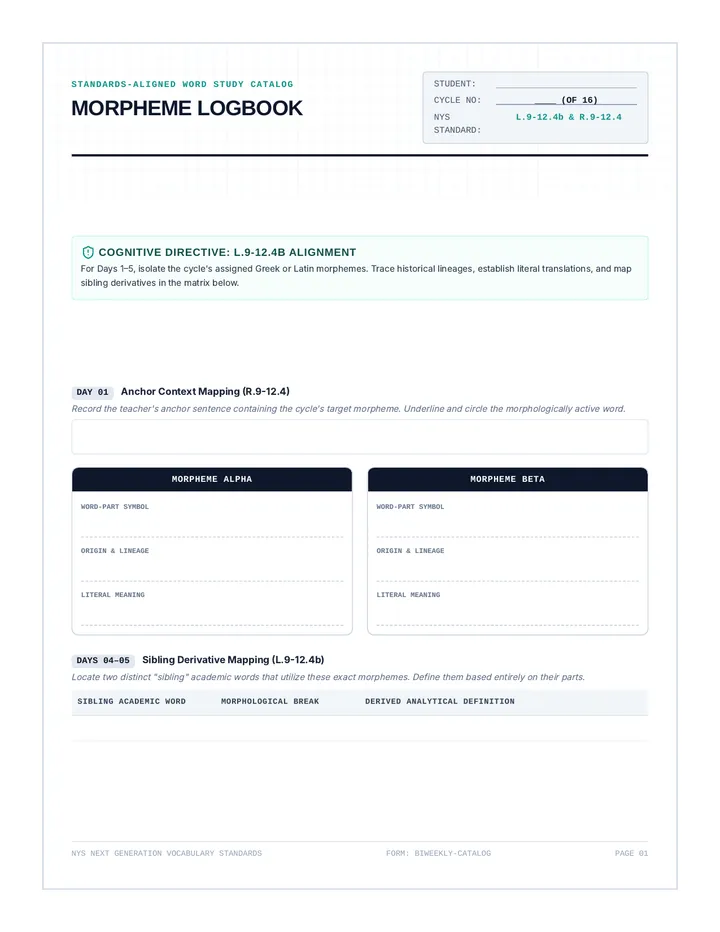
A comprehensive, year-long academic vocabulary system mapping 32 critical Greek and Latin roots across 16 bi-weekly cycles (covering 160 class sessions), designed specifically to build NYS Regents reading comprehension and decoding autonomy.
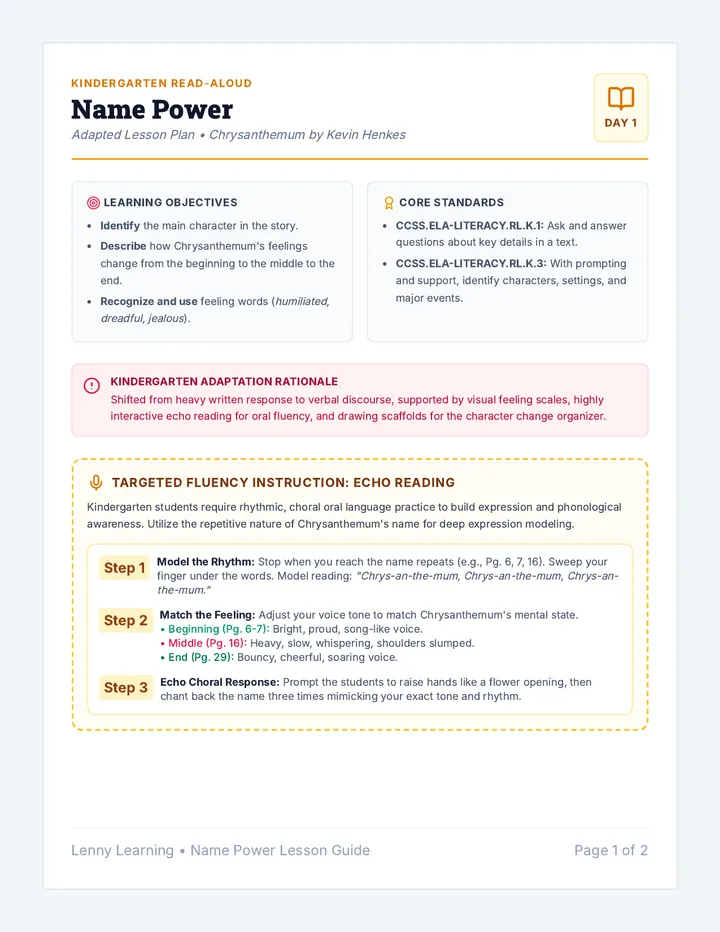
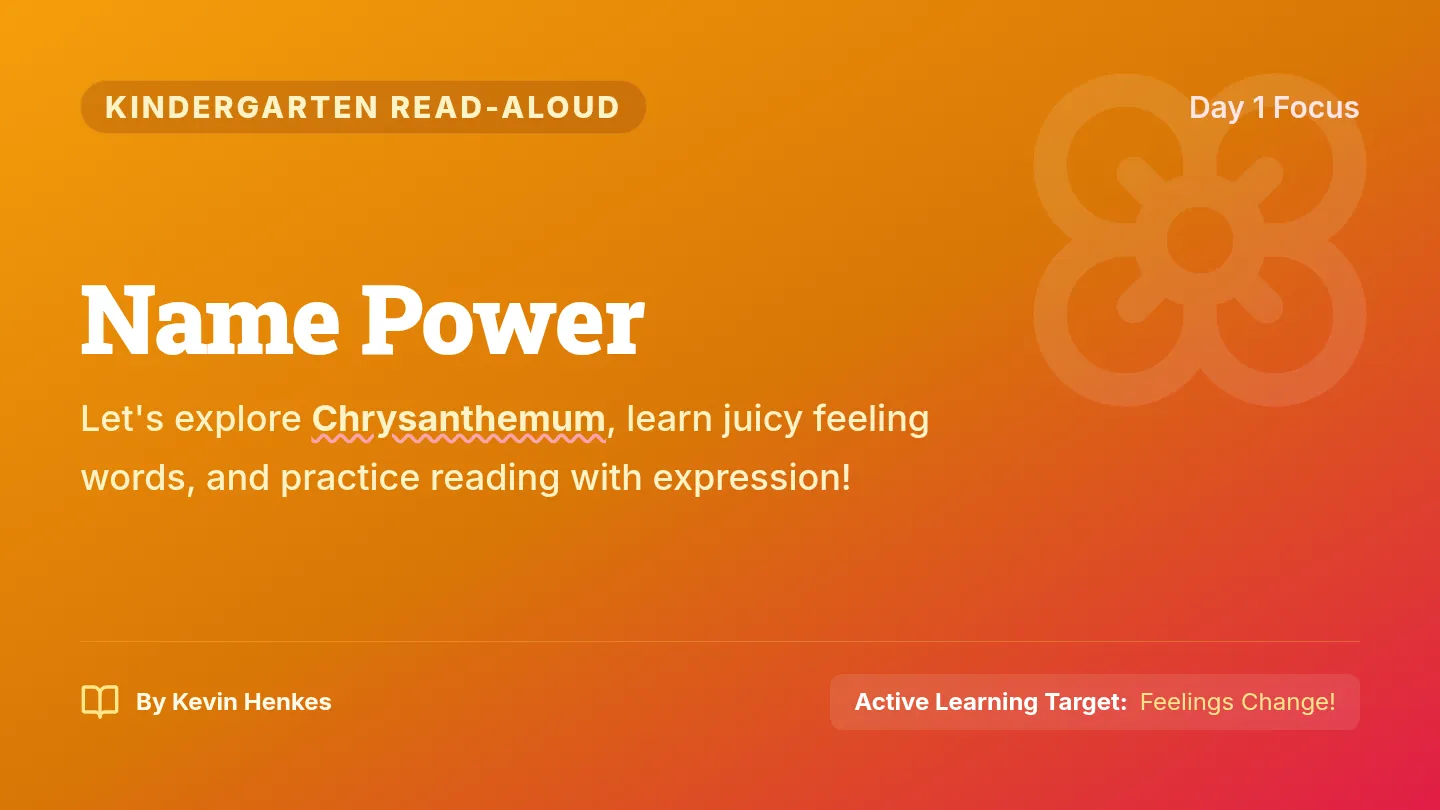
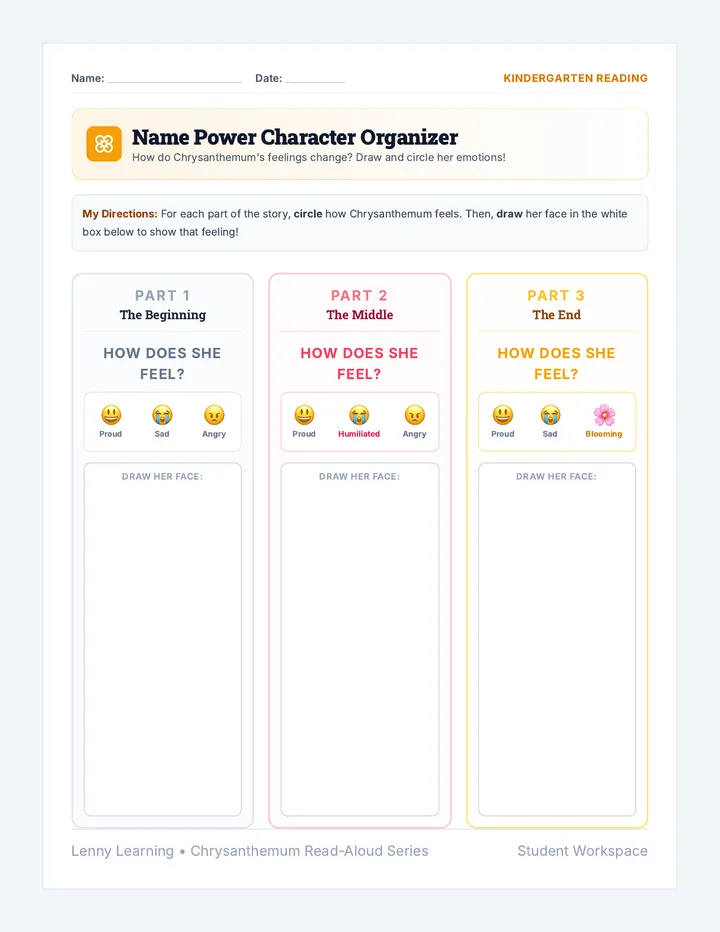
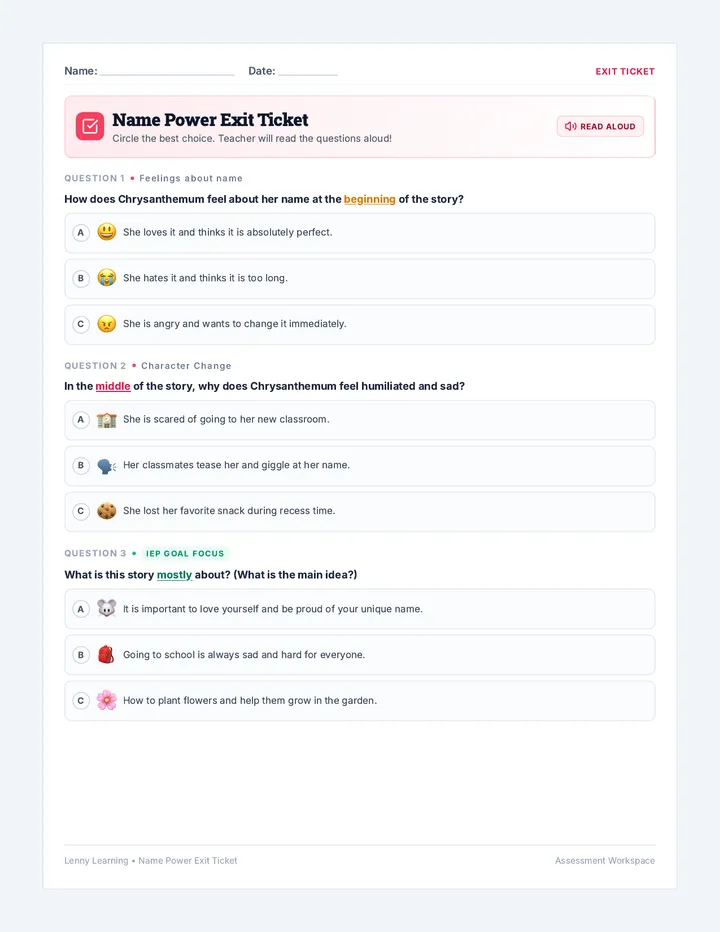
A Kindergarten-adapted read-aloud lesson for Chrysanthemum. It incorporates echo reading fluency practice, deep vocabulary instruction, character change mapping, and scaffolded checks for understanding.
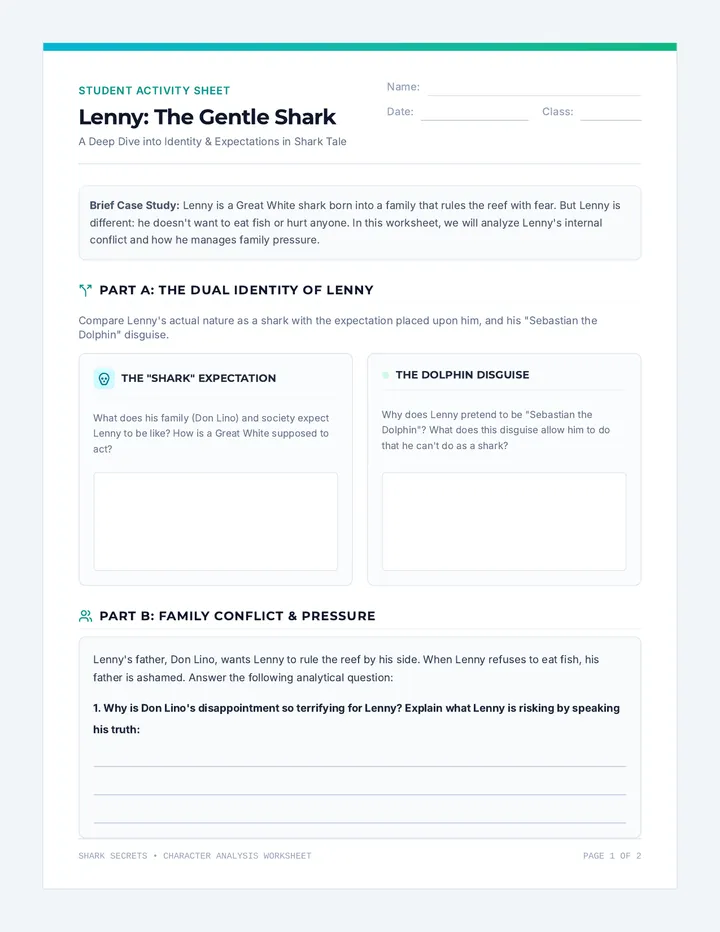
A student character analysis worksheet exploring Lenny's traits, his relationship with his father, and the contrast between his shark nature and dolphin disguise. Includes quote analysis and reflective prompts.
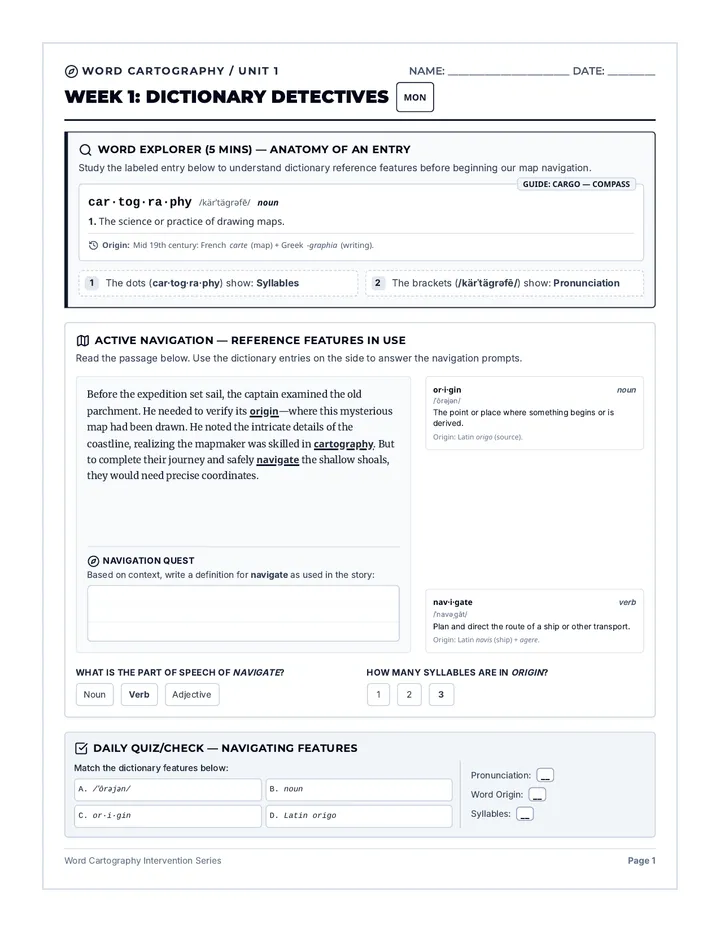
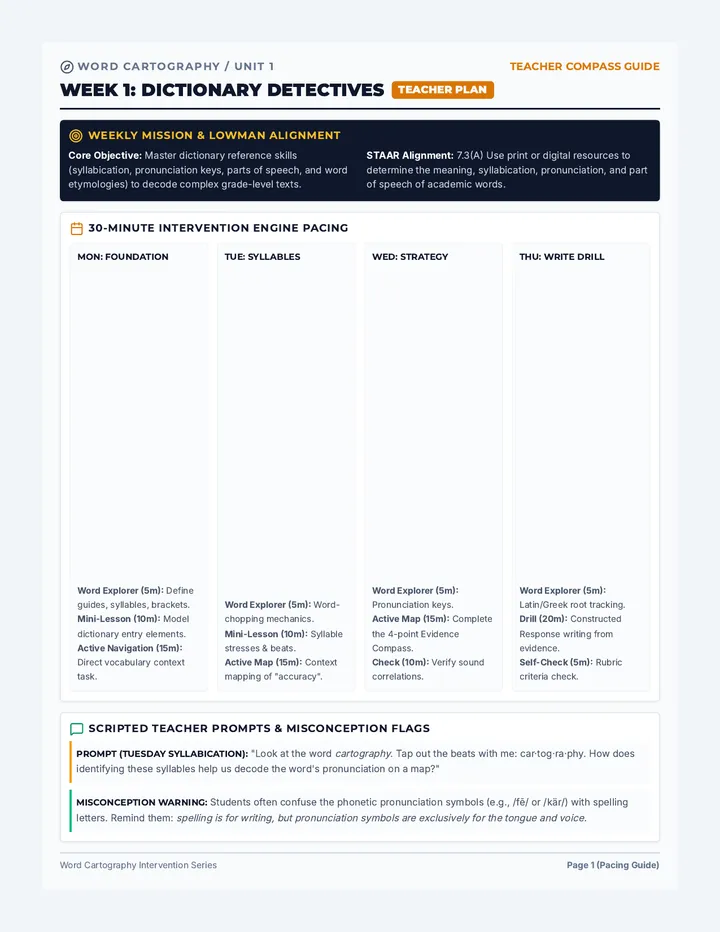
A 3-week foundational reading and vocabulary unit for 7th-grade intervention. Students master dictionary reference tools, high-leverage affixes, and root words while developing evidence-based reading analysis skills.
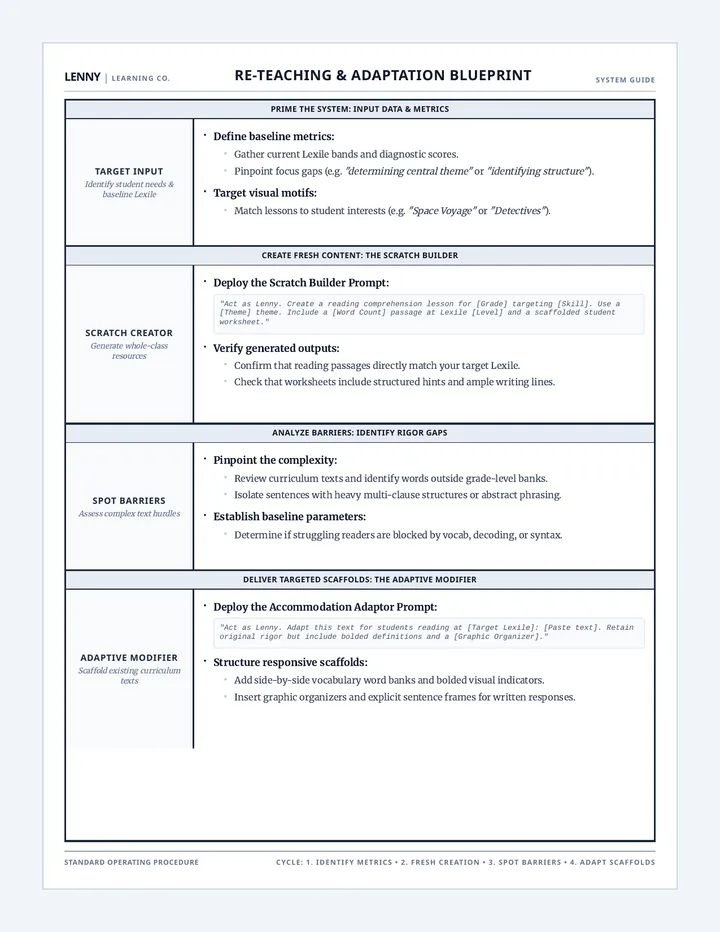
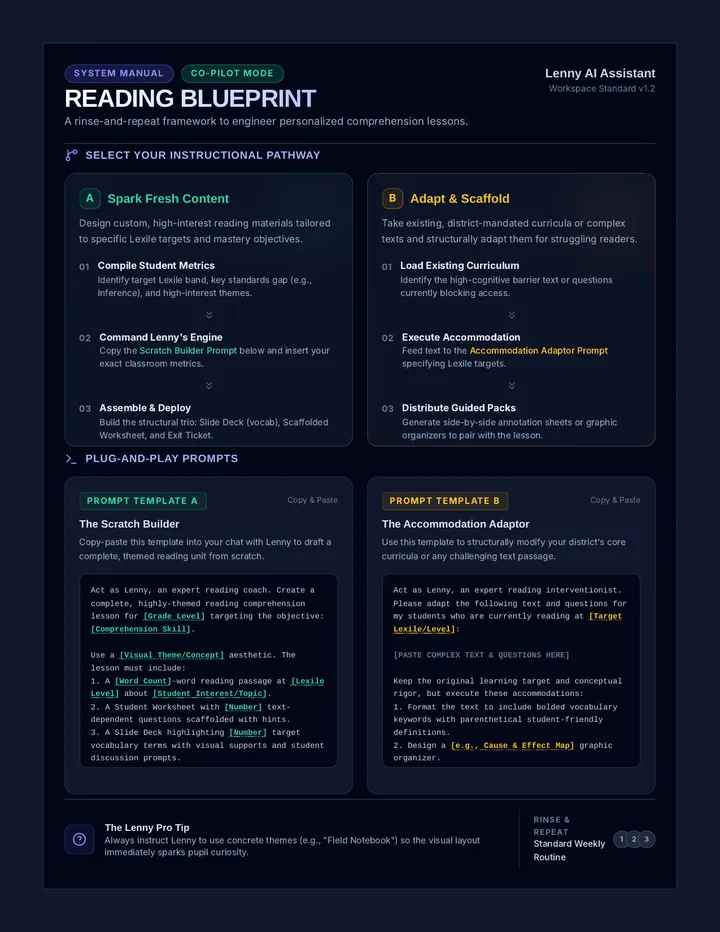
Guides and structures for teachers to design and modify reading comprehension lessons with Lenny. Includes both visual flowcharts and classic academic table formats.
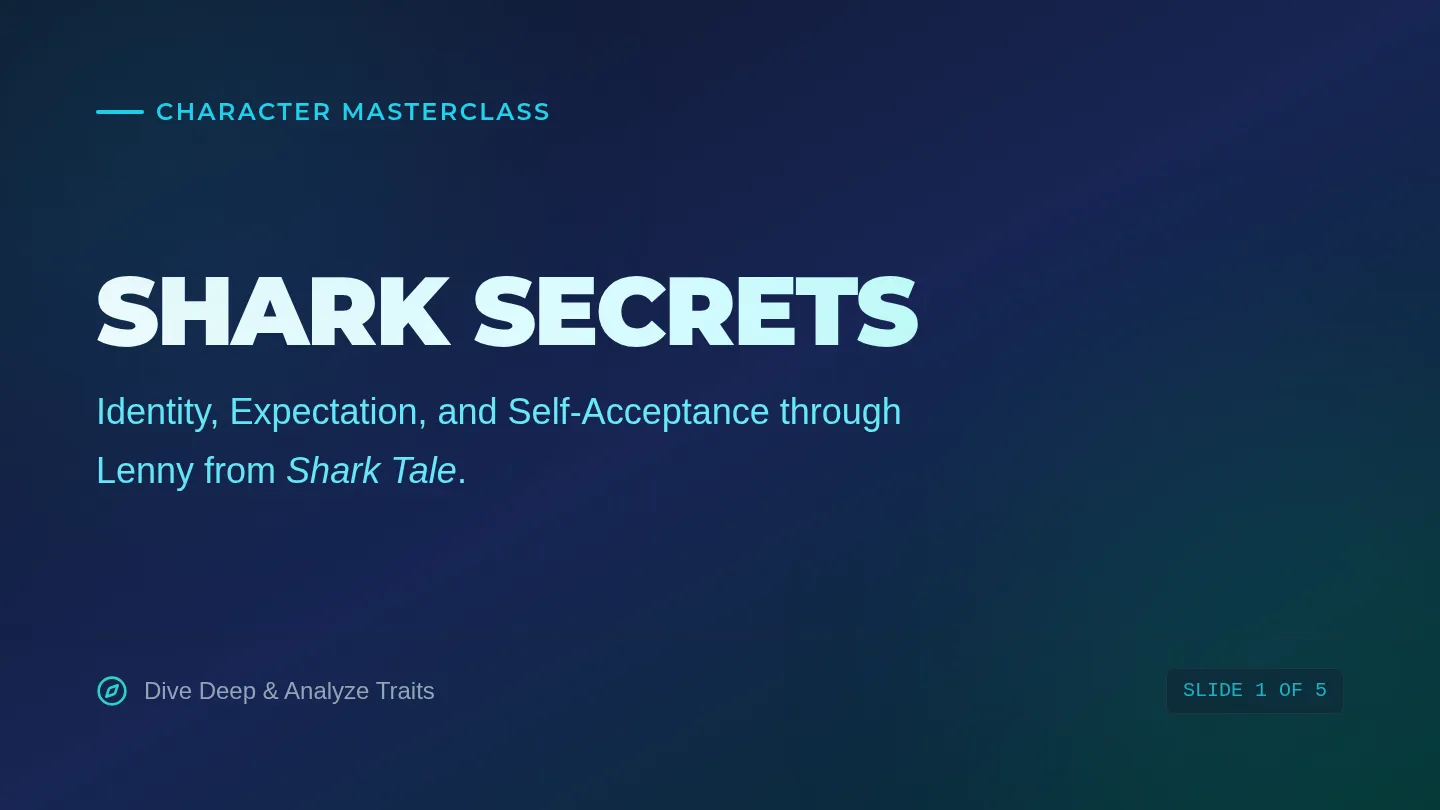
A 5-slide visual presentation deck introducing Lenny from Shark Tale, exploring his traits, conflict, and the dolphin disguise, and launching the writing activity.
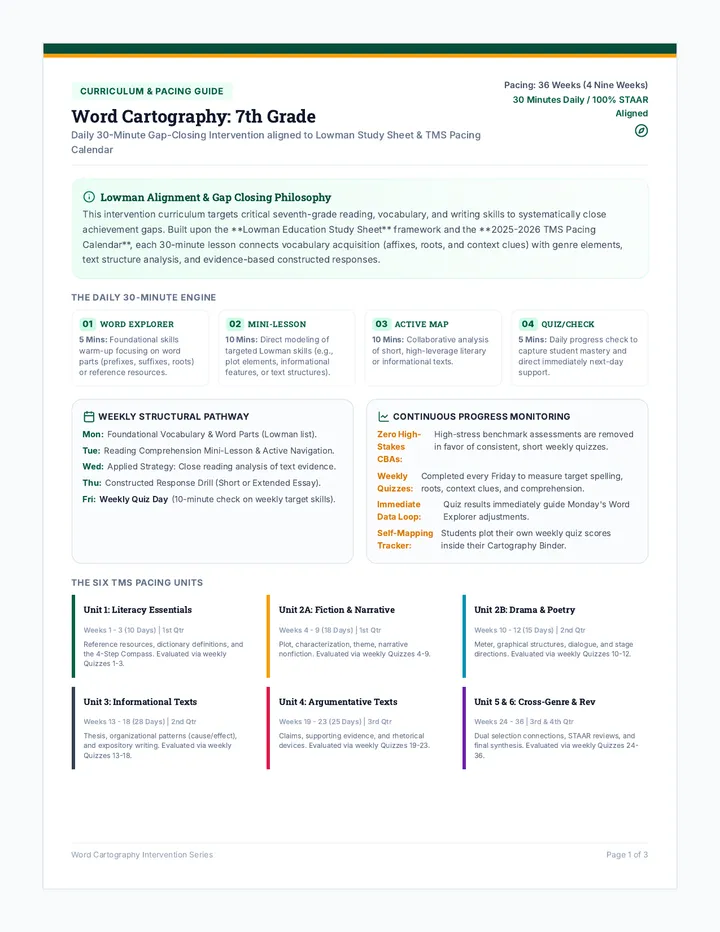
A comprehensive, year-long 30-minute intervention curriculum designed to close the 7th-grade reading achievement gap. It blends systemic academic vocabulary acquisition, structured context clue strategies, and rigorous informational text navigation.
Students investigate the letter 'g', discovering when it makes its hard /g/ sound versus its soft /j/ sound, followed by interactive detective decoding and contextual word-sorting practice.
A comprehensive, 2-page teacher's guide and lesson plan for conducting a character analysis and creative writing lesson focused on Lenny from Shark Tale. Includes pacing, discussion prompts, and differentiation.