Students become Word Alchemists, learning to transform common, 'base' vocabulary into high-powered academic language through context and connotation.
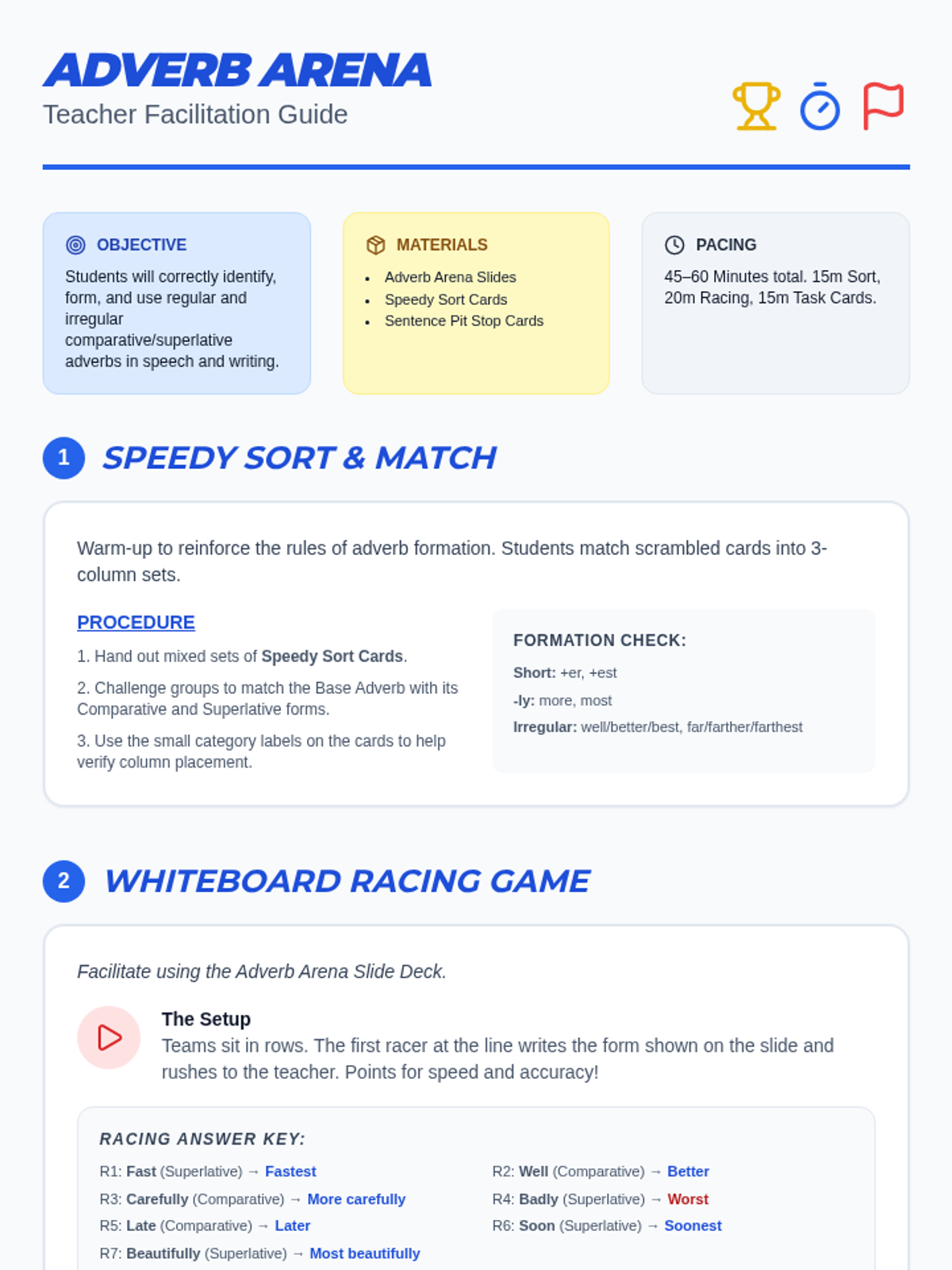
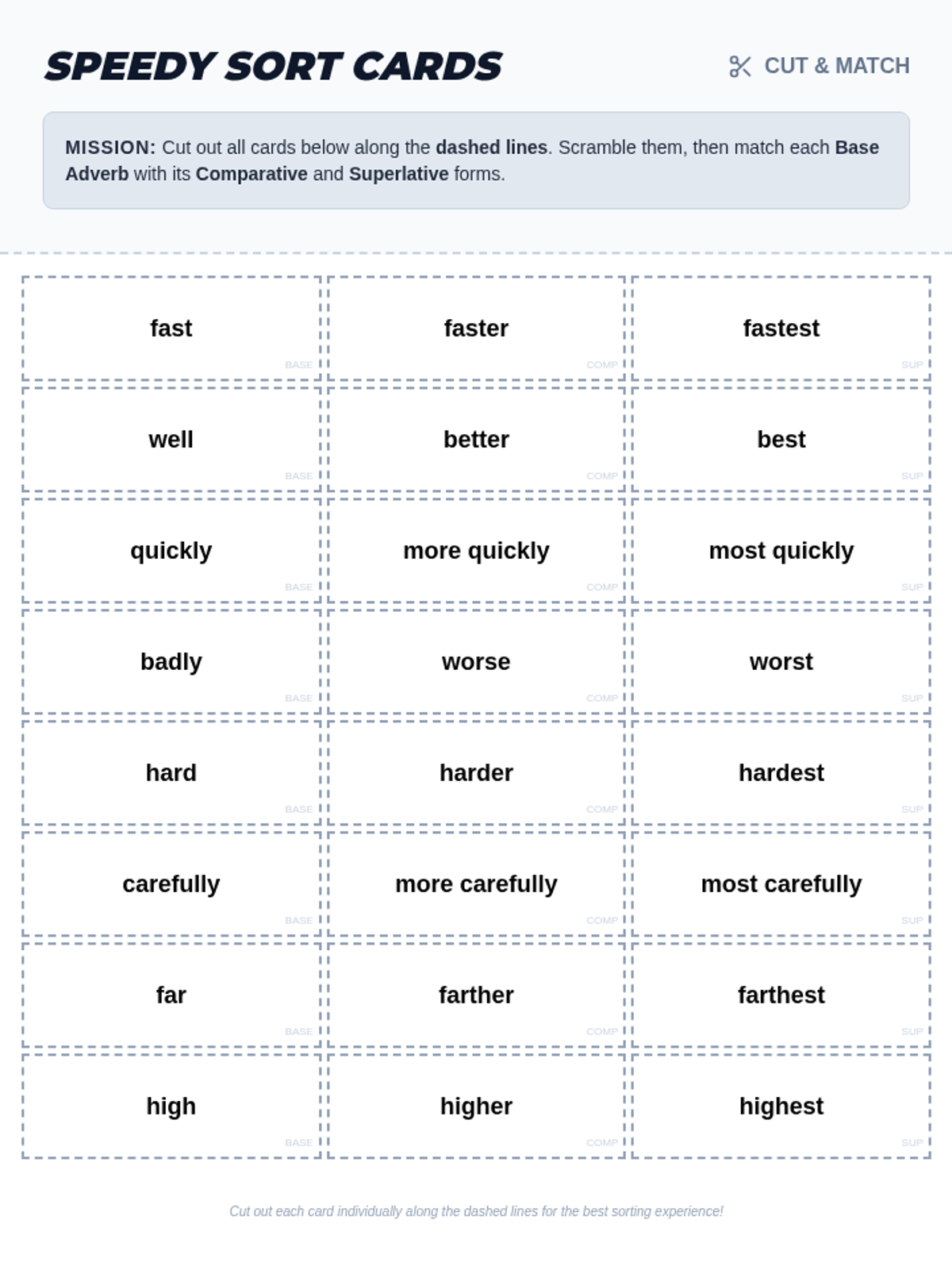
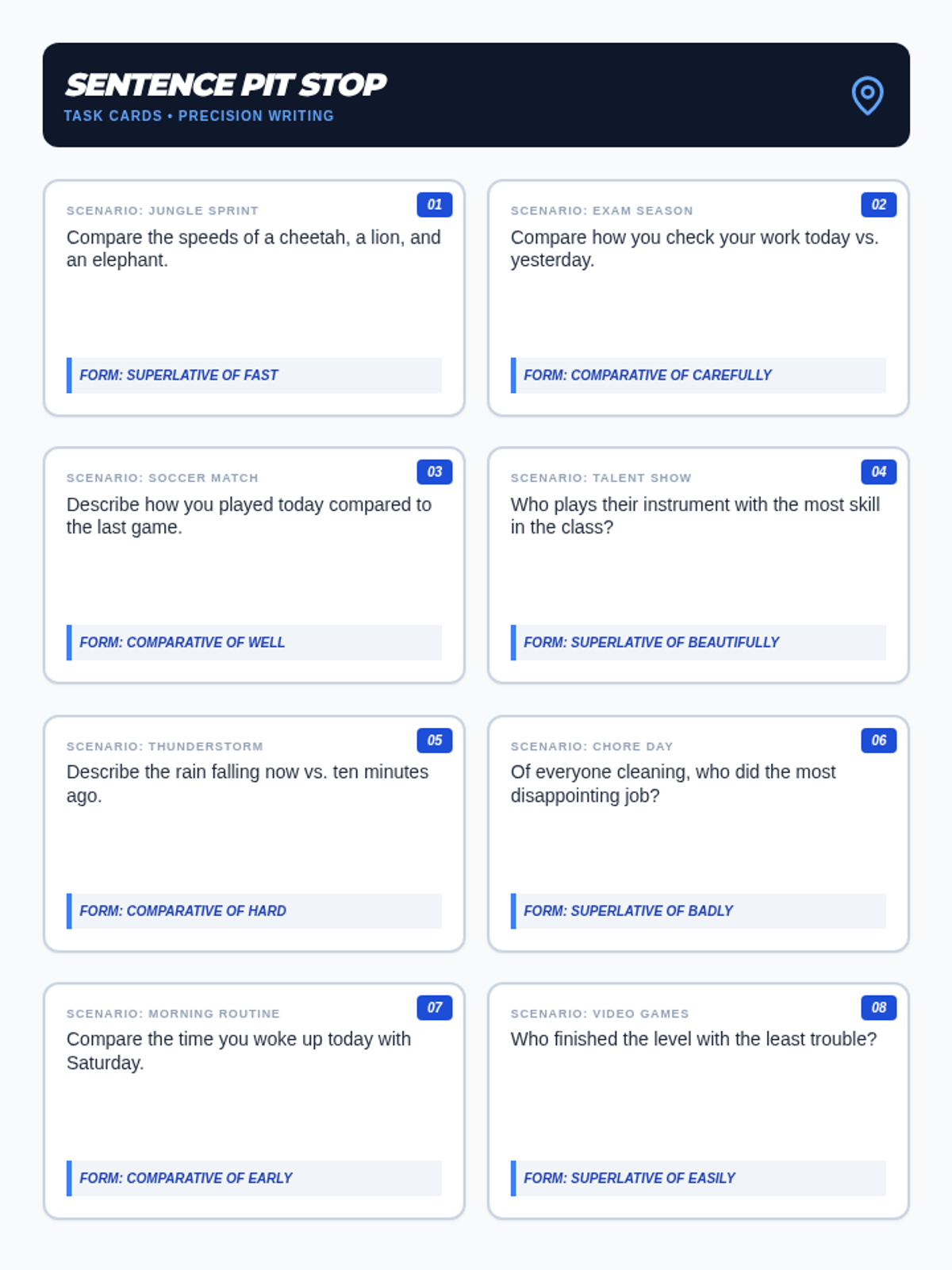
A high-energy set of activities designed to master comparative and superlative adverbs through movement, sorting, and creative sentence construction.

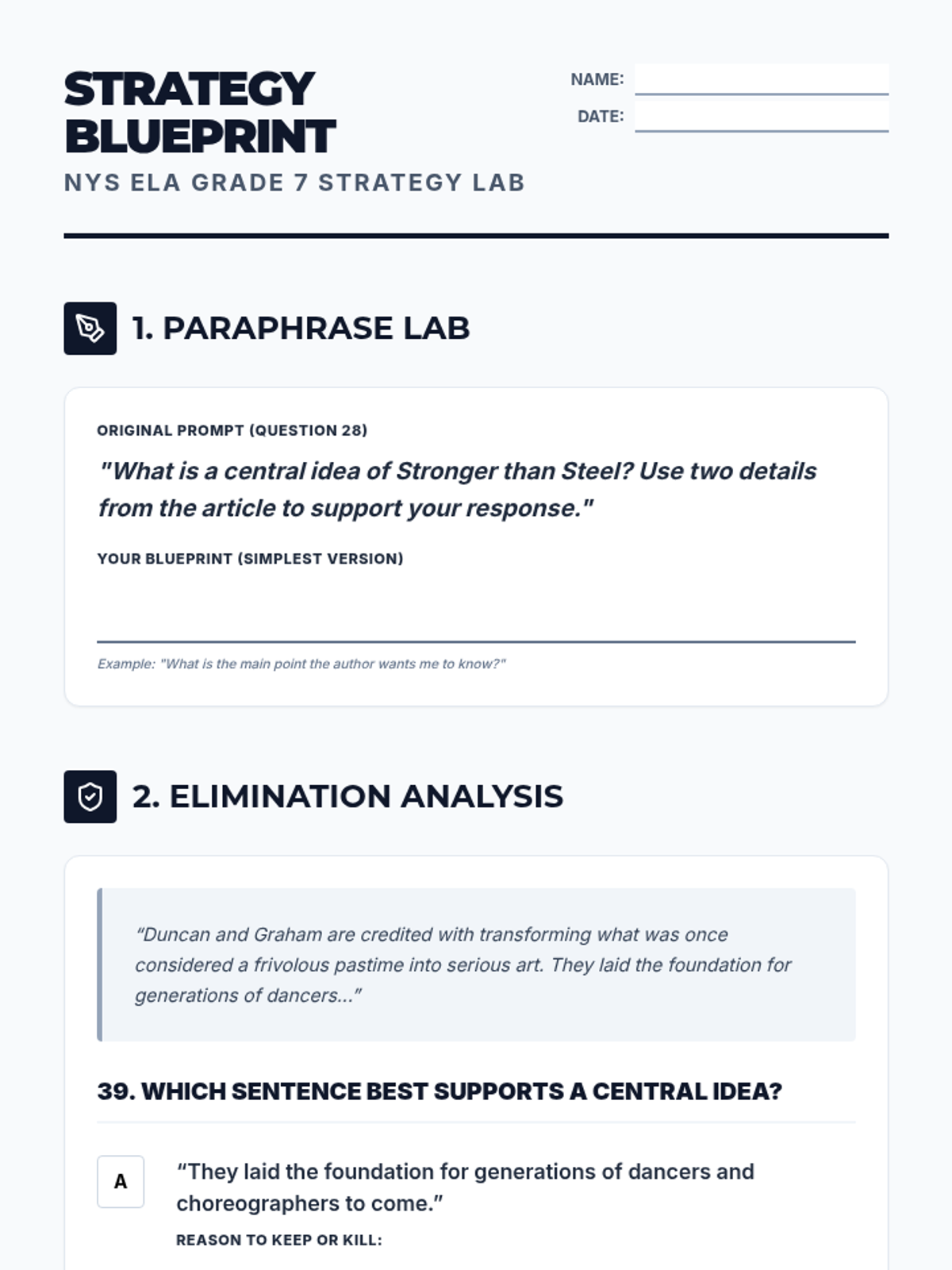
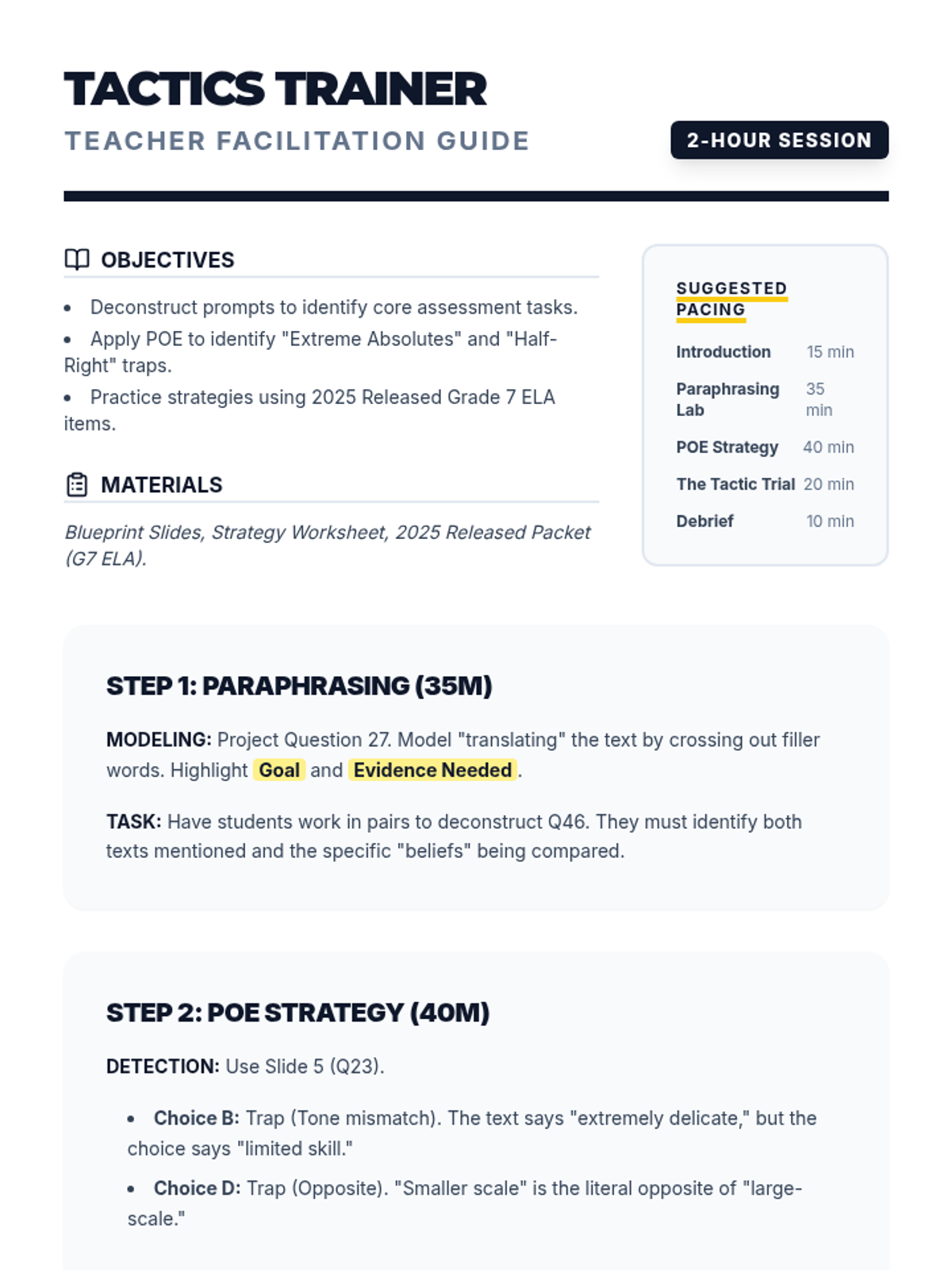
A comprehensive two-hour test preparation lesson focusing on Process of Elimination (POE) and prompt paraphrasing, utilizing 2025 NYS Grade 7 ELA released items to build student confidence and accuracy.
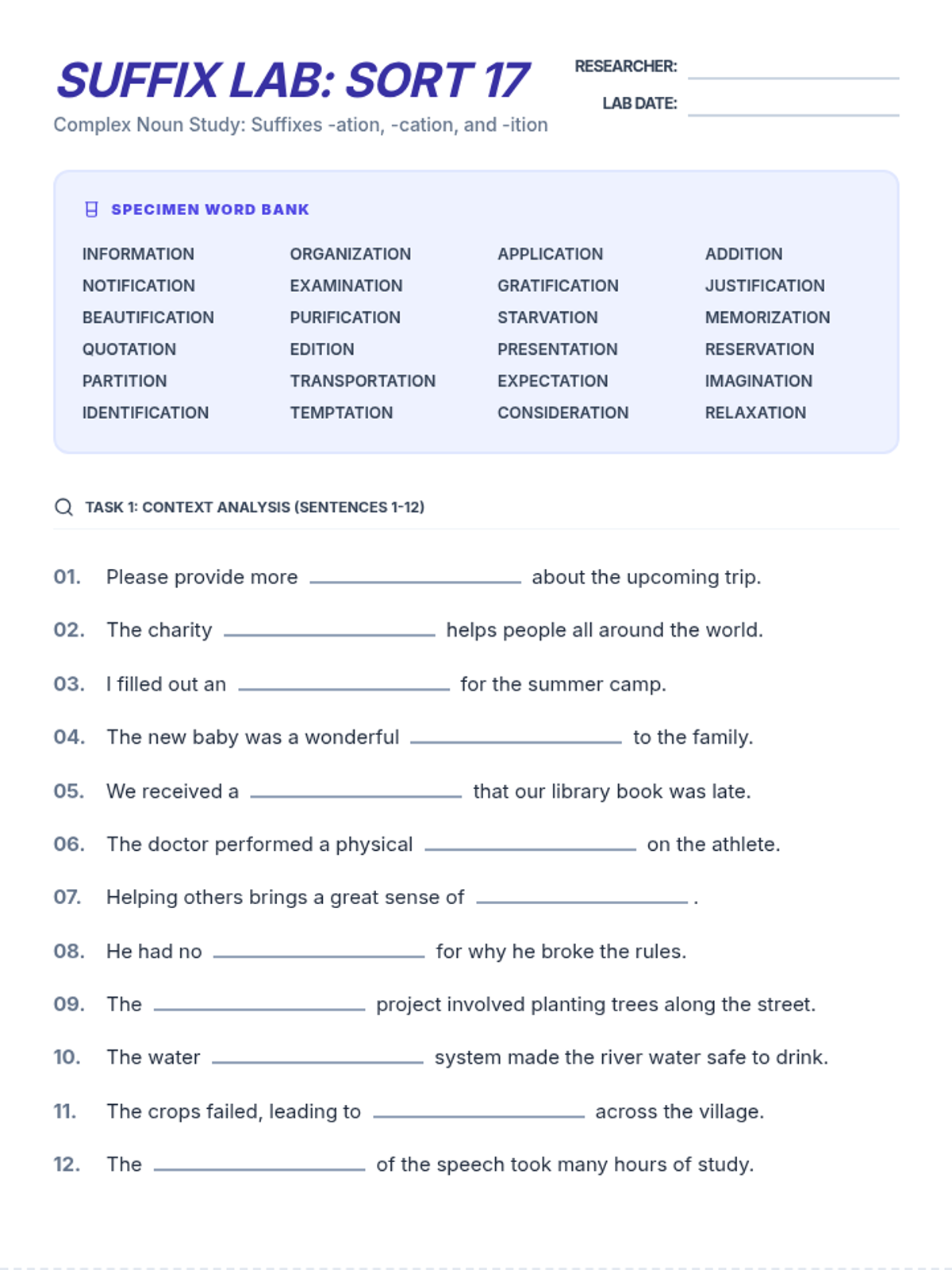
A lesson focused on the suffixes -ation, -cation, and -ition and how they transform verbs into nouns. Students analyze word pairs like 'inform' and 'information'.
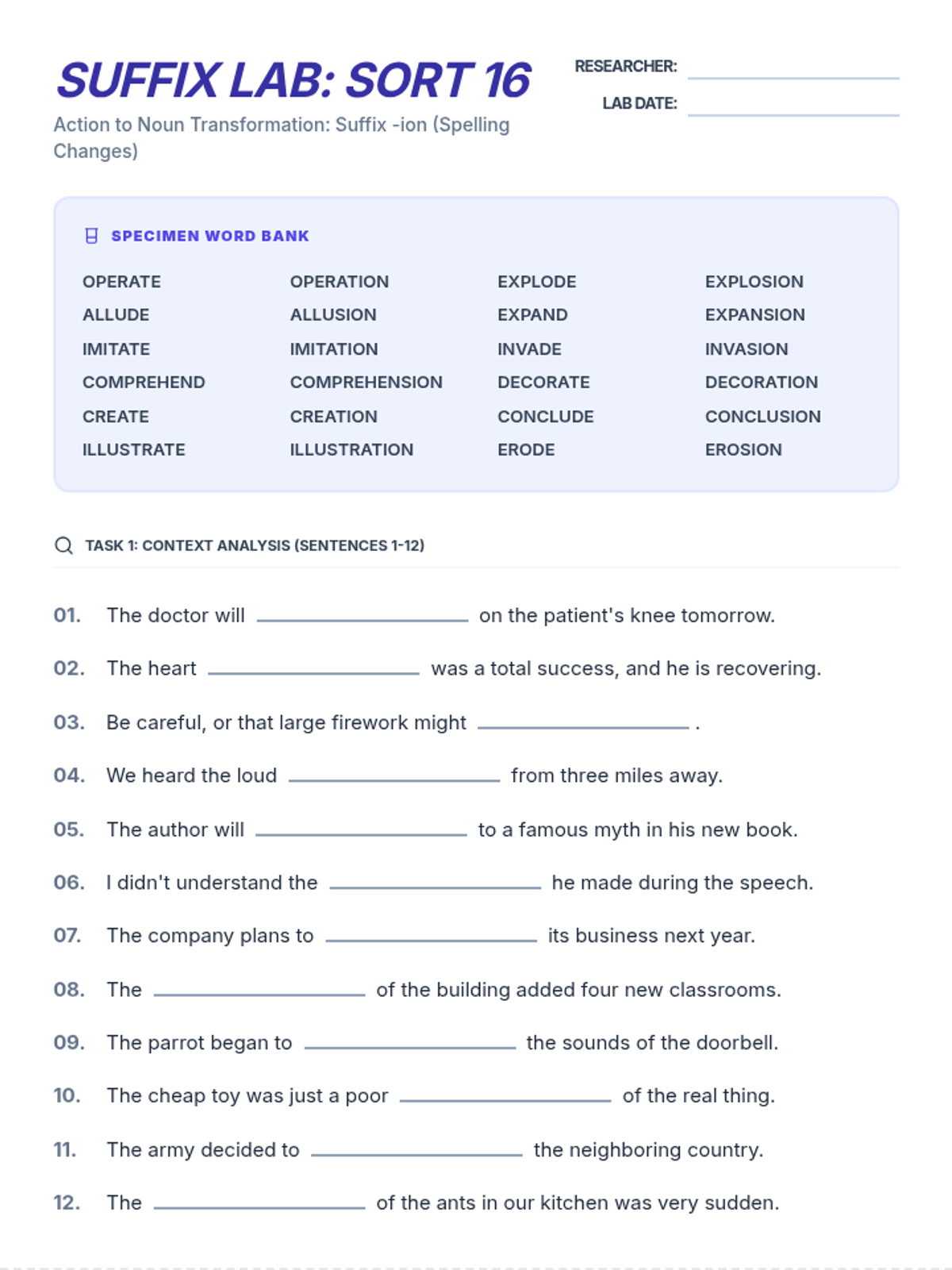
A lesson focused on the suffix -ion involving spelling changes such as dropping the final 'e' or changing 'd' to 's'. Students analyze pairs like 'operate' and 'operation'.
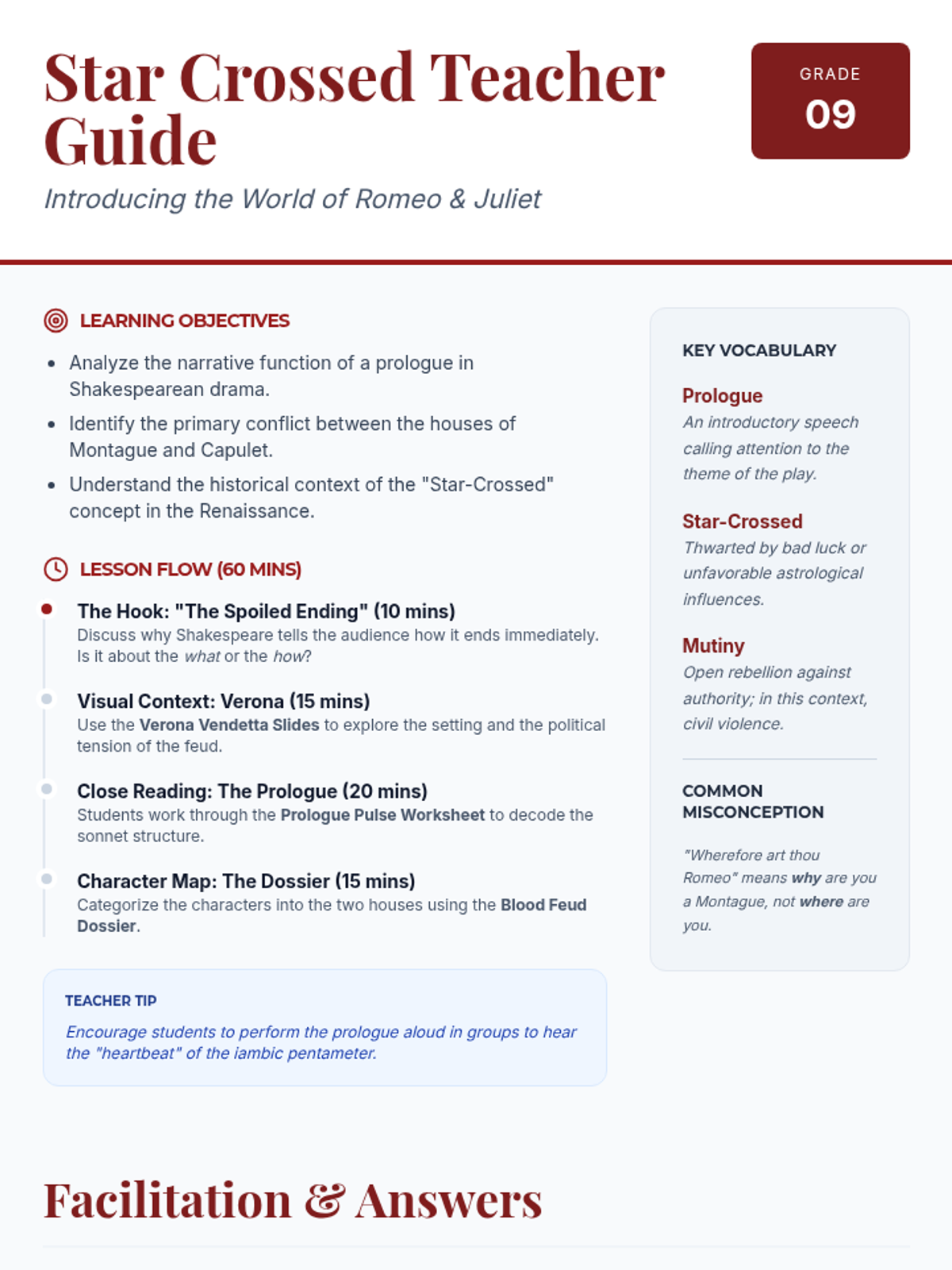
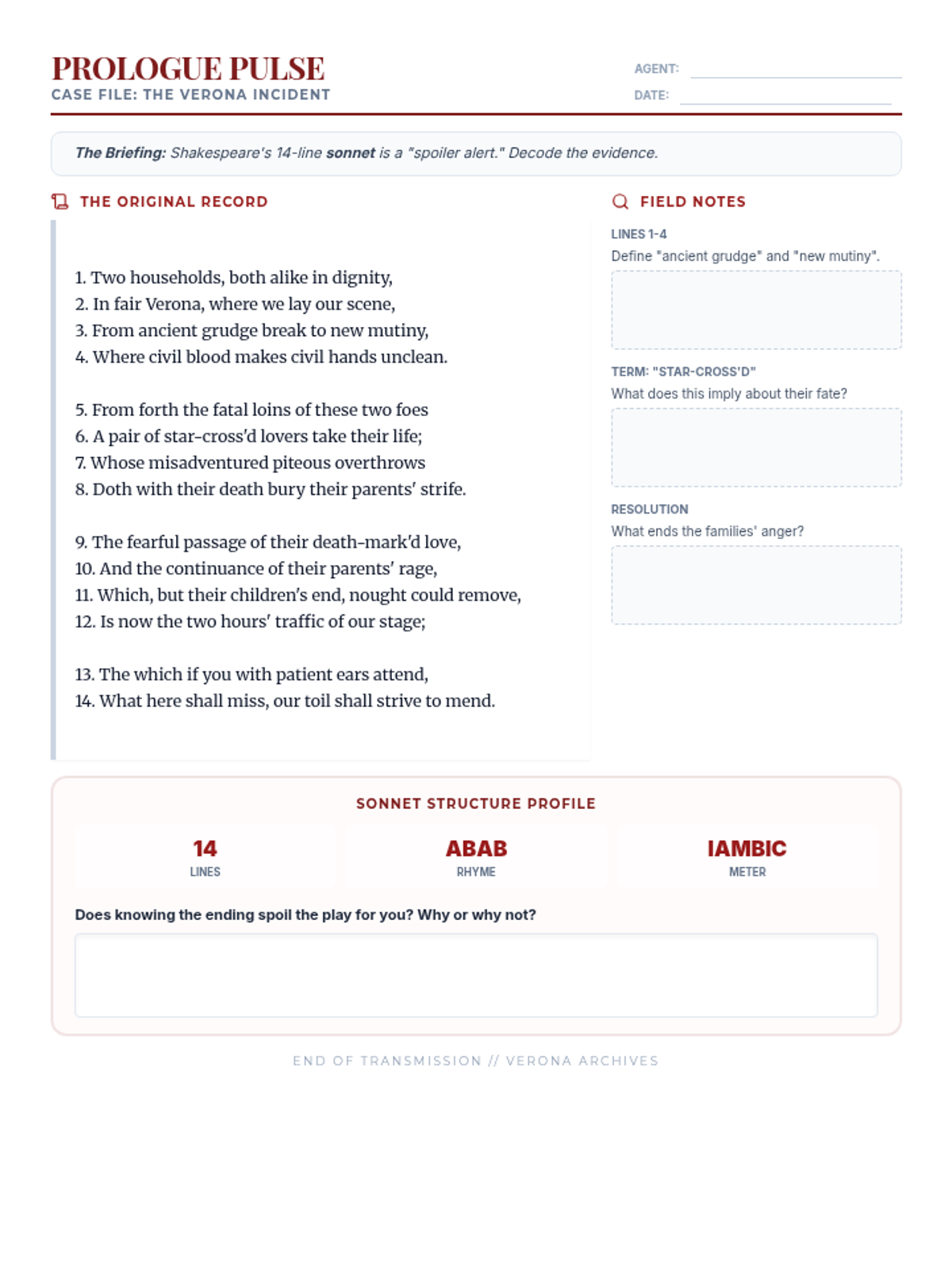
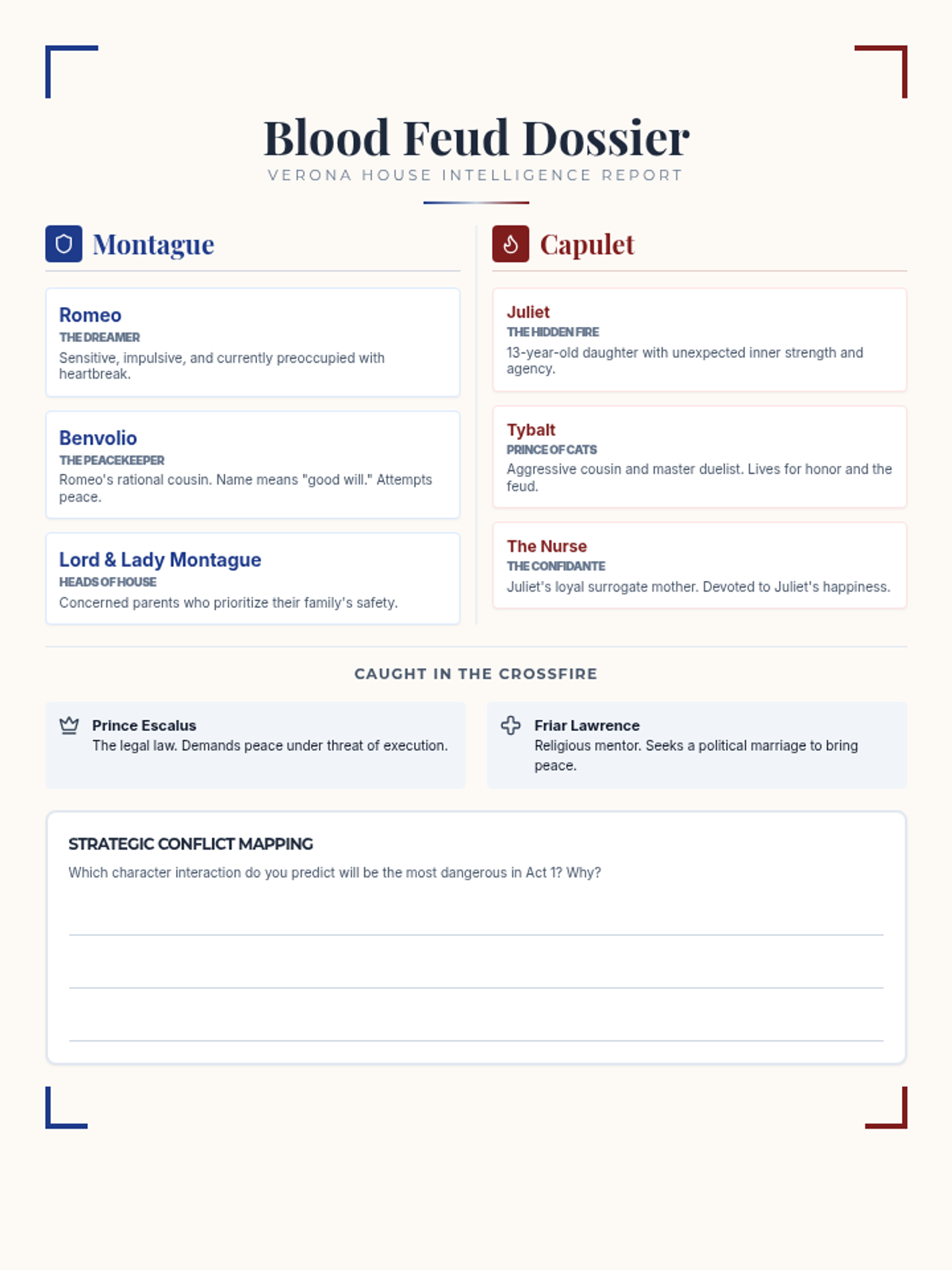
An introductory lesson for Shakespeare's Romeo & Juliet, focusing on the historical context, the Montague-Capulet feud, and the iconic prologue as a narrative device.
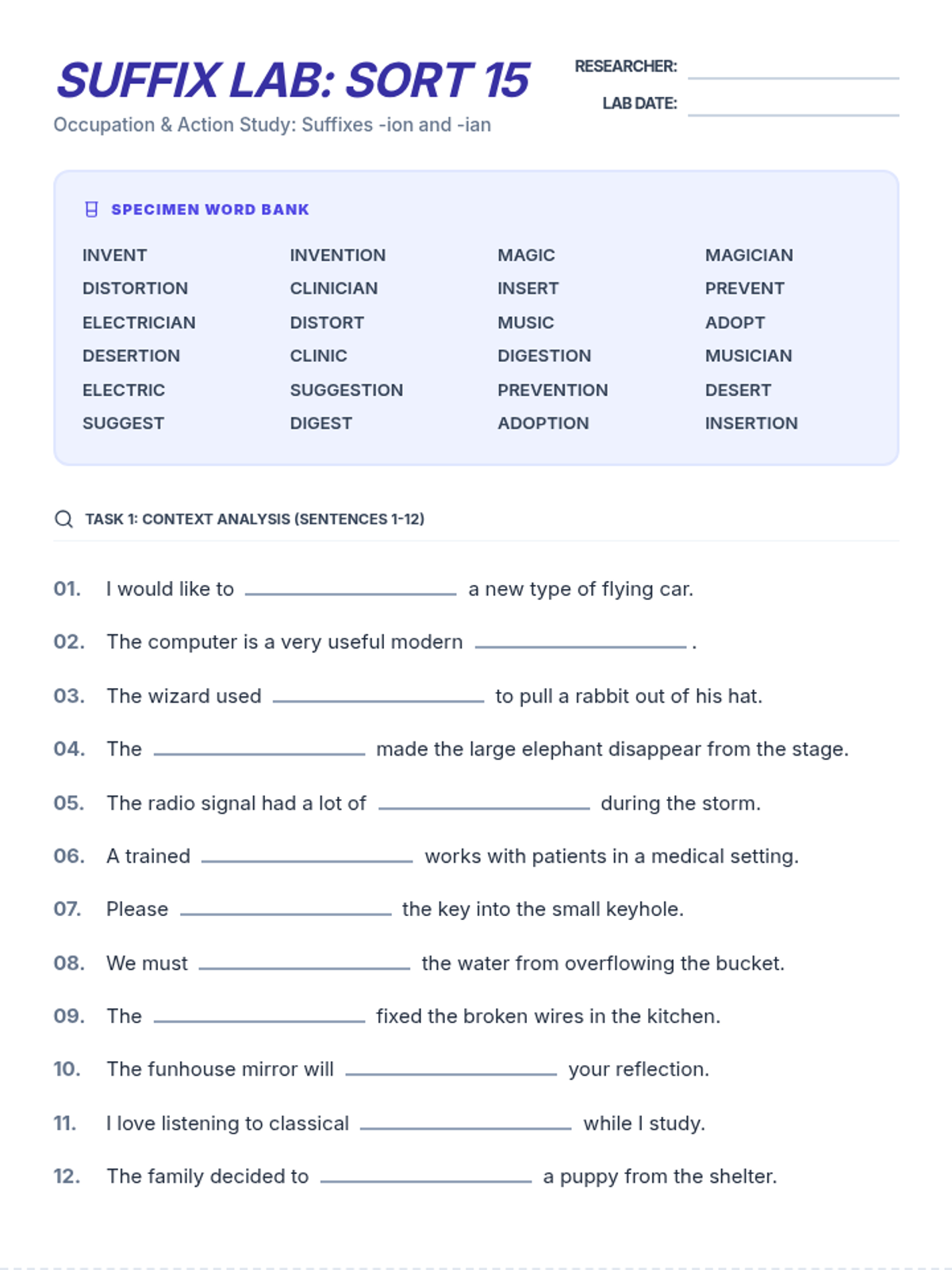
A lesson focused on the suffixes -ion and -ian with no spelling change to the base word. Students analyze nouns like 'invention', 'magician', and 'musician'.
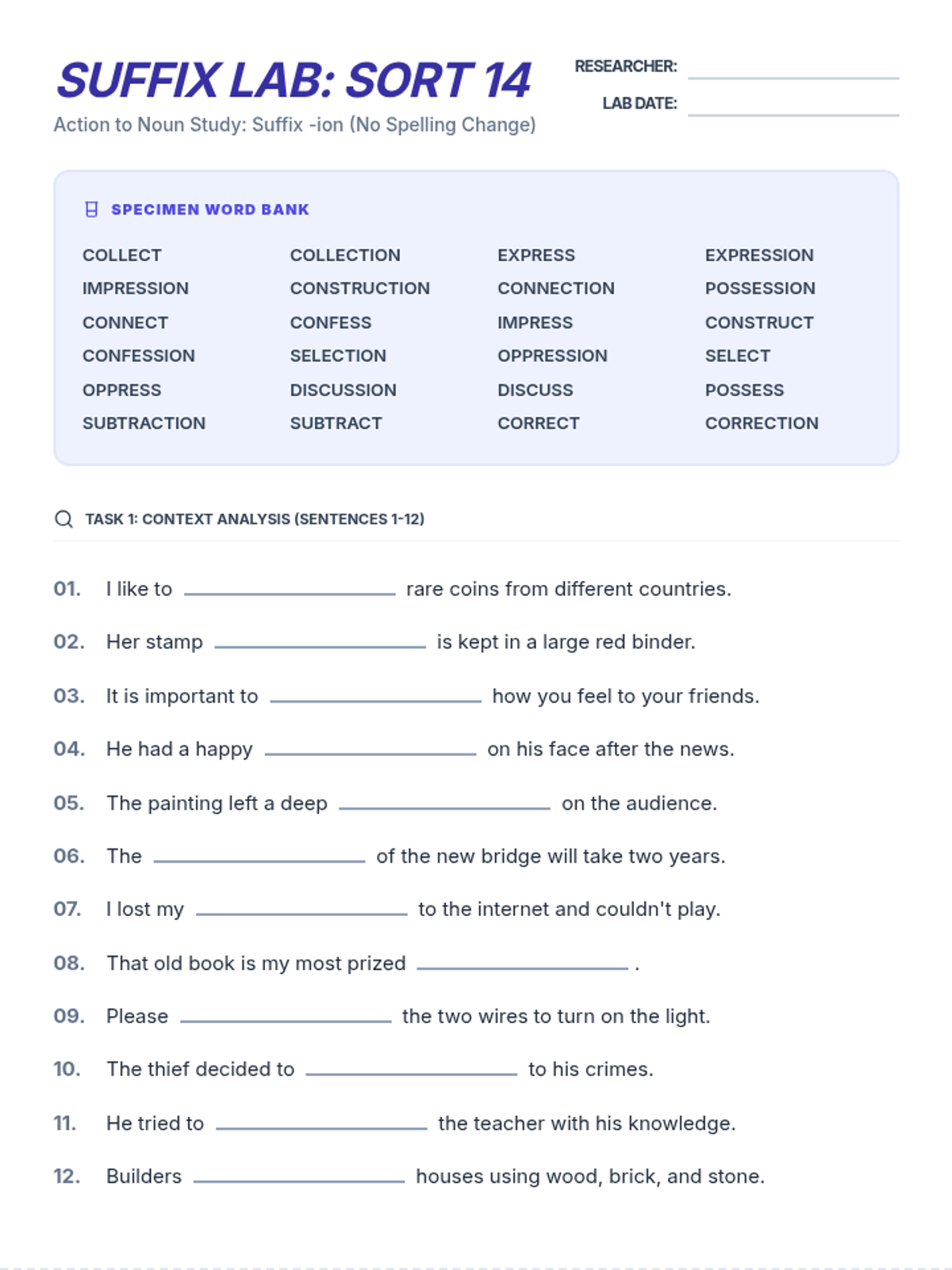
A lesson focused on the suffix -ion and how it changes verbs into nouns with no spelling change to the base word. Students analyze word pairs like 'collect' and 'collection'.
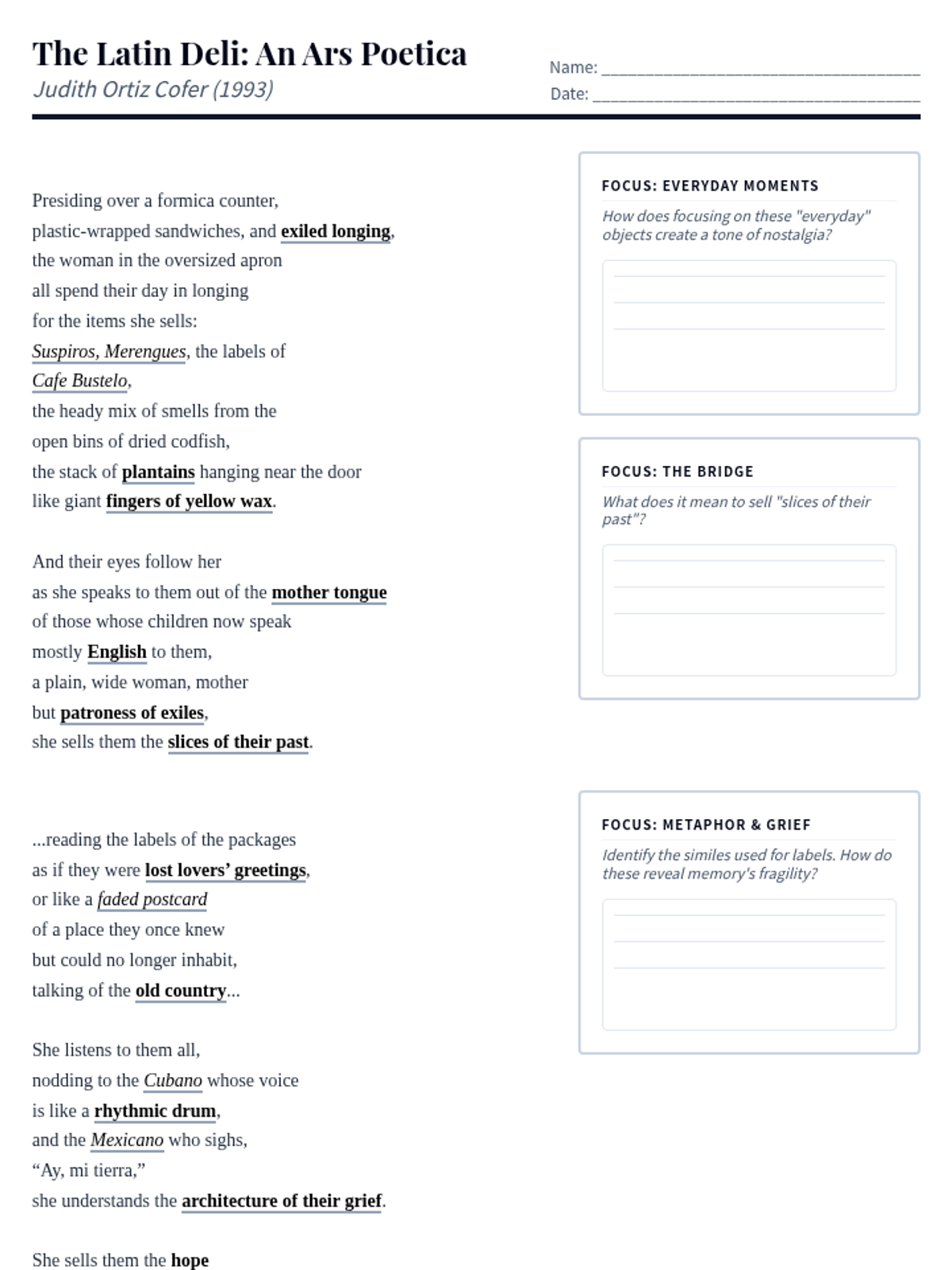
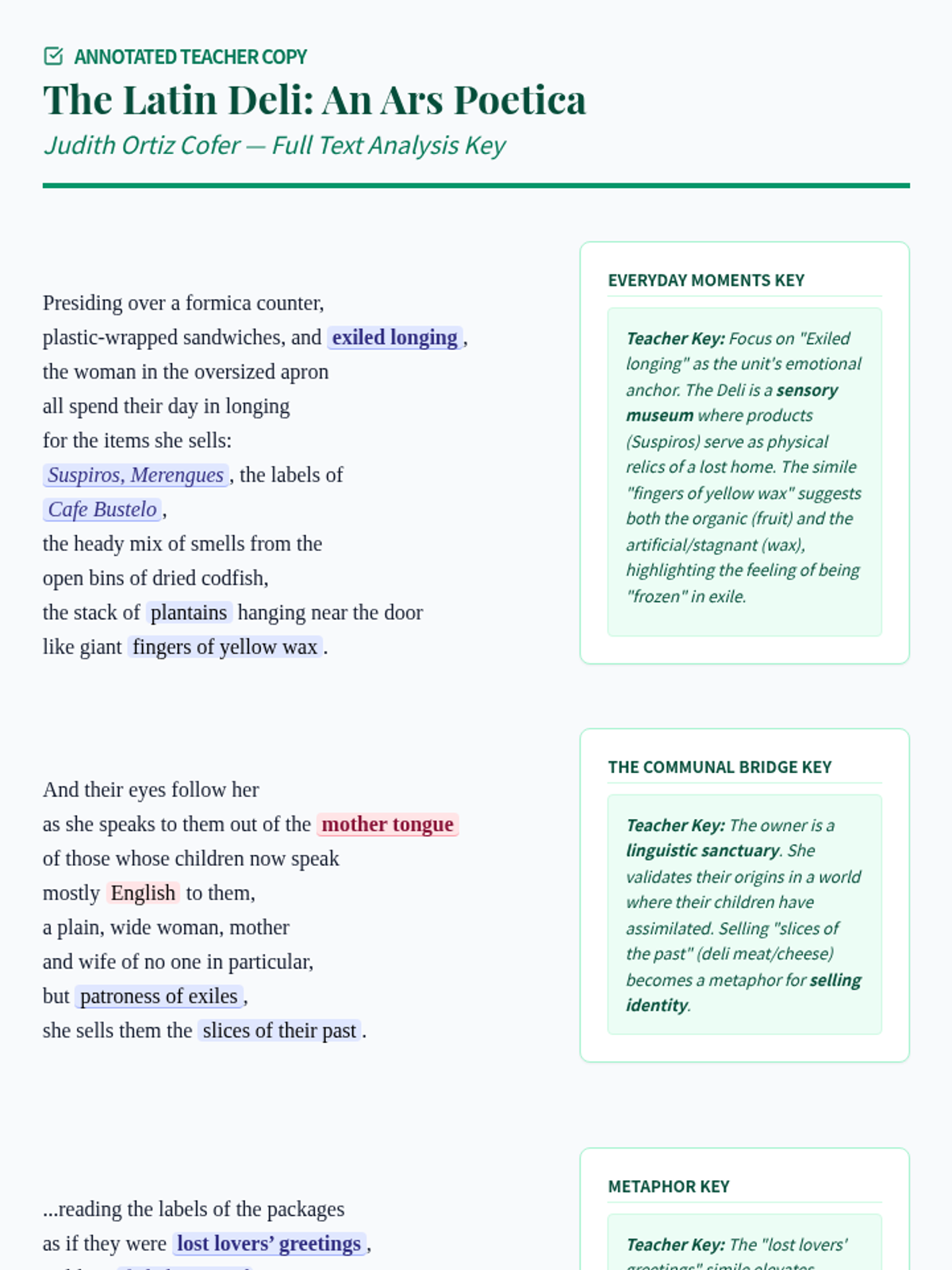
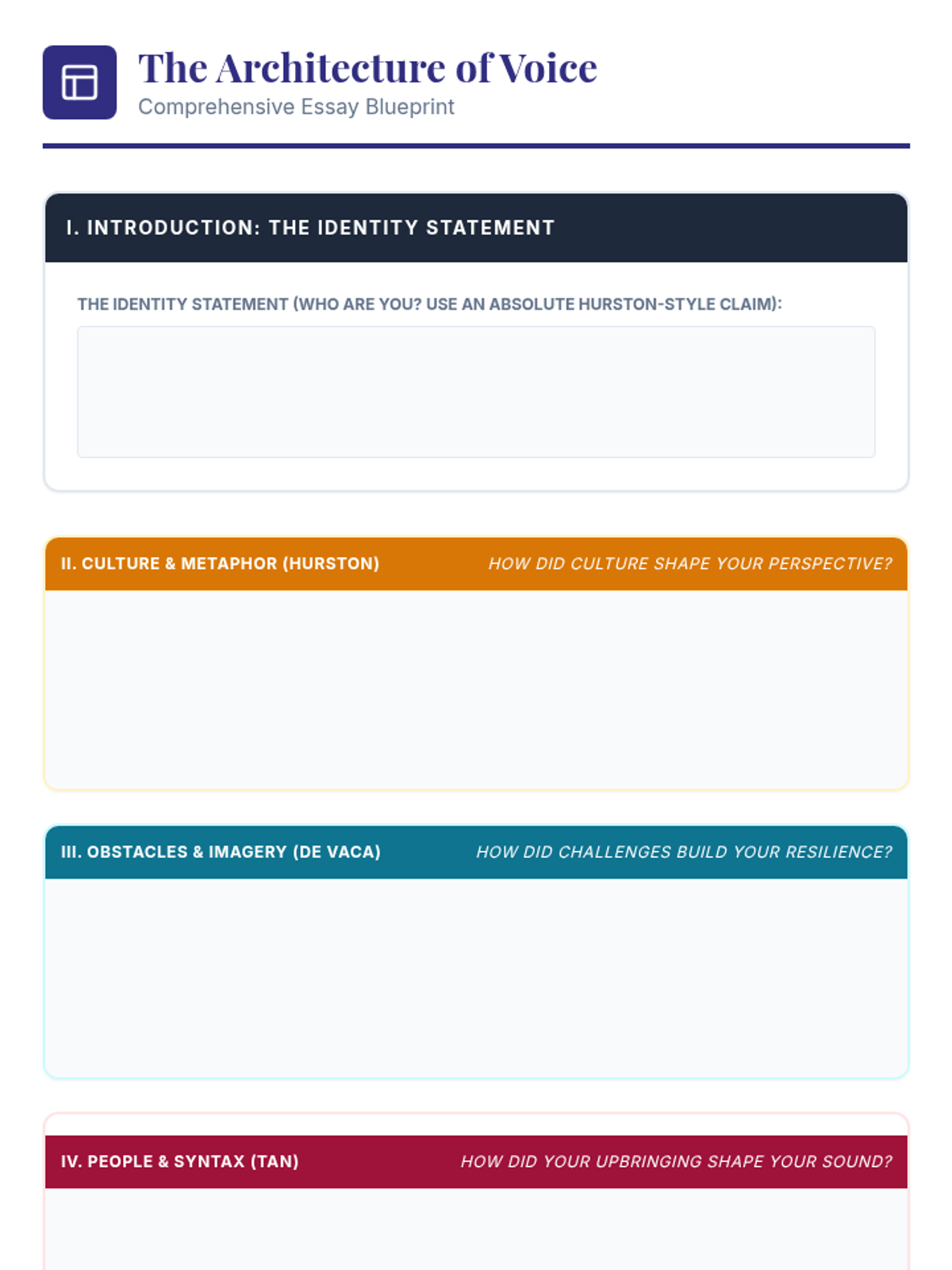
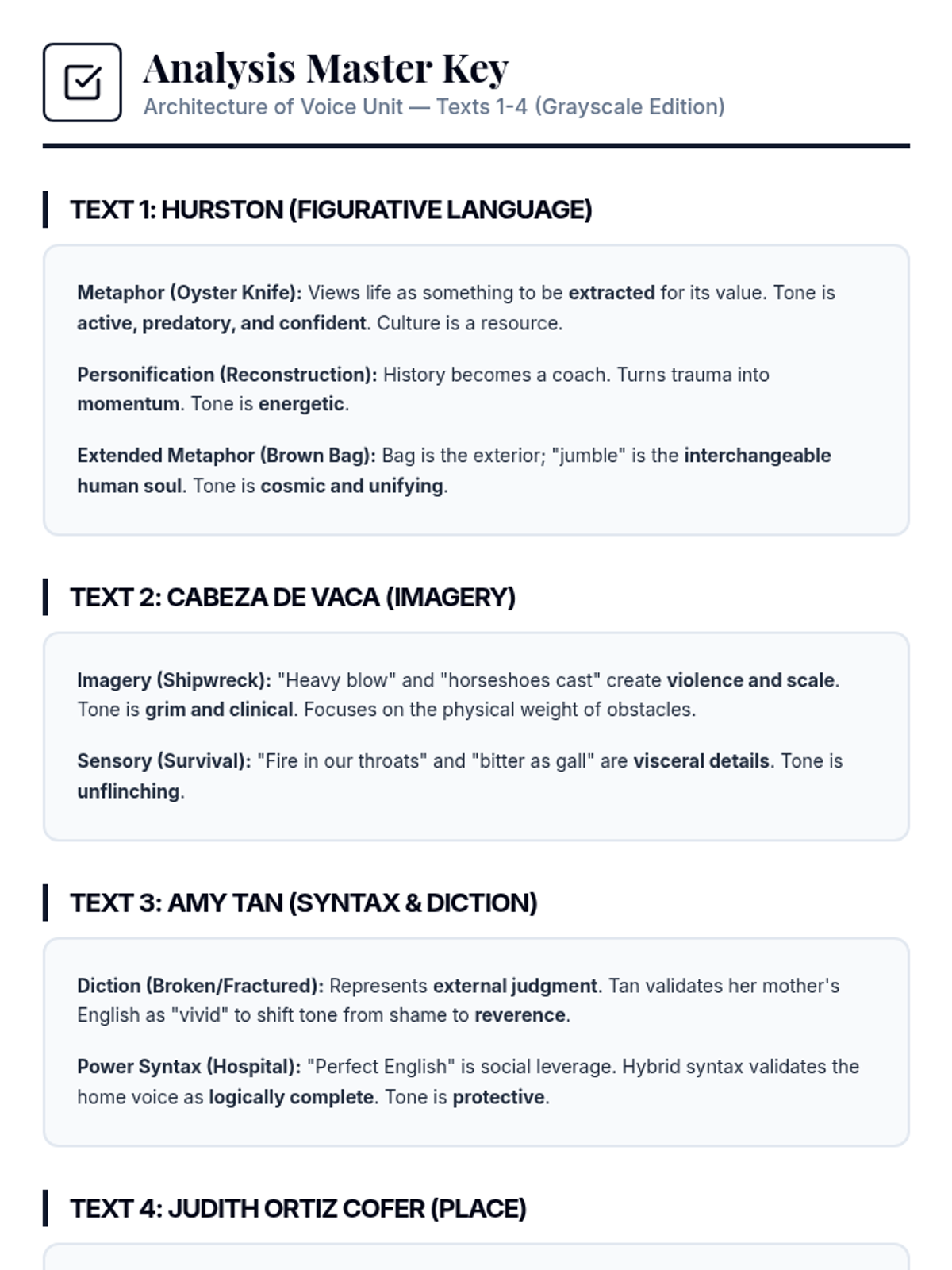
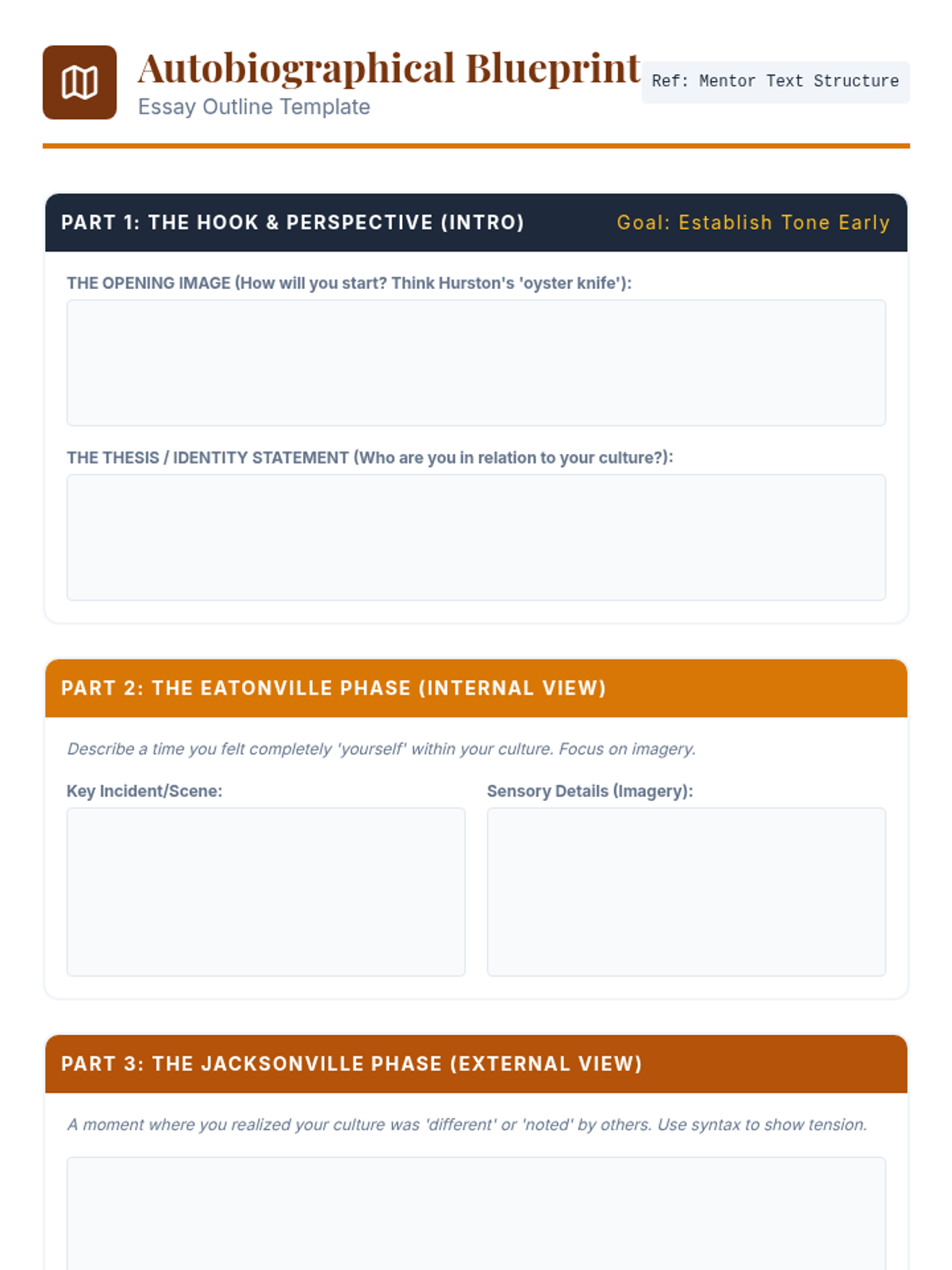
Examine Judith Ortiz Cofer's 'The Latin Deli,' focusing on the poetry of everyday moments. Students draft a final body paragraph on how specific places have shaped their voice and finalize their full essay.
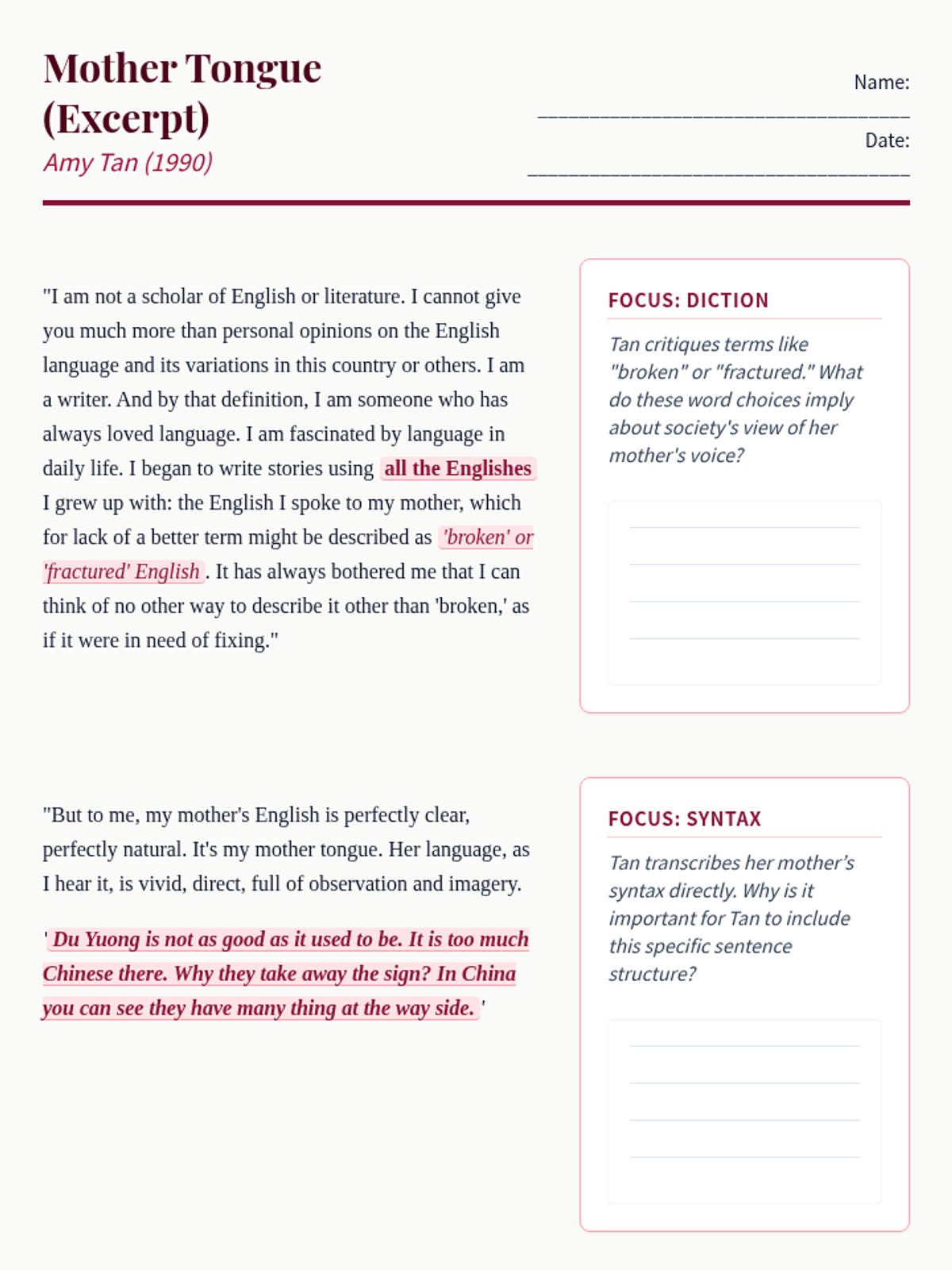
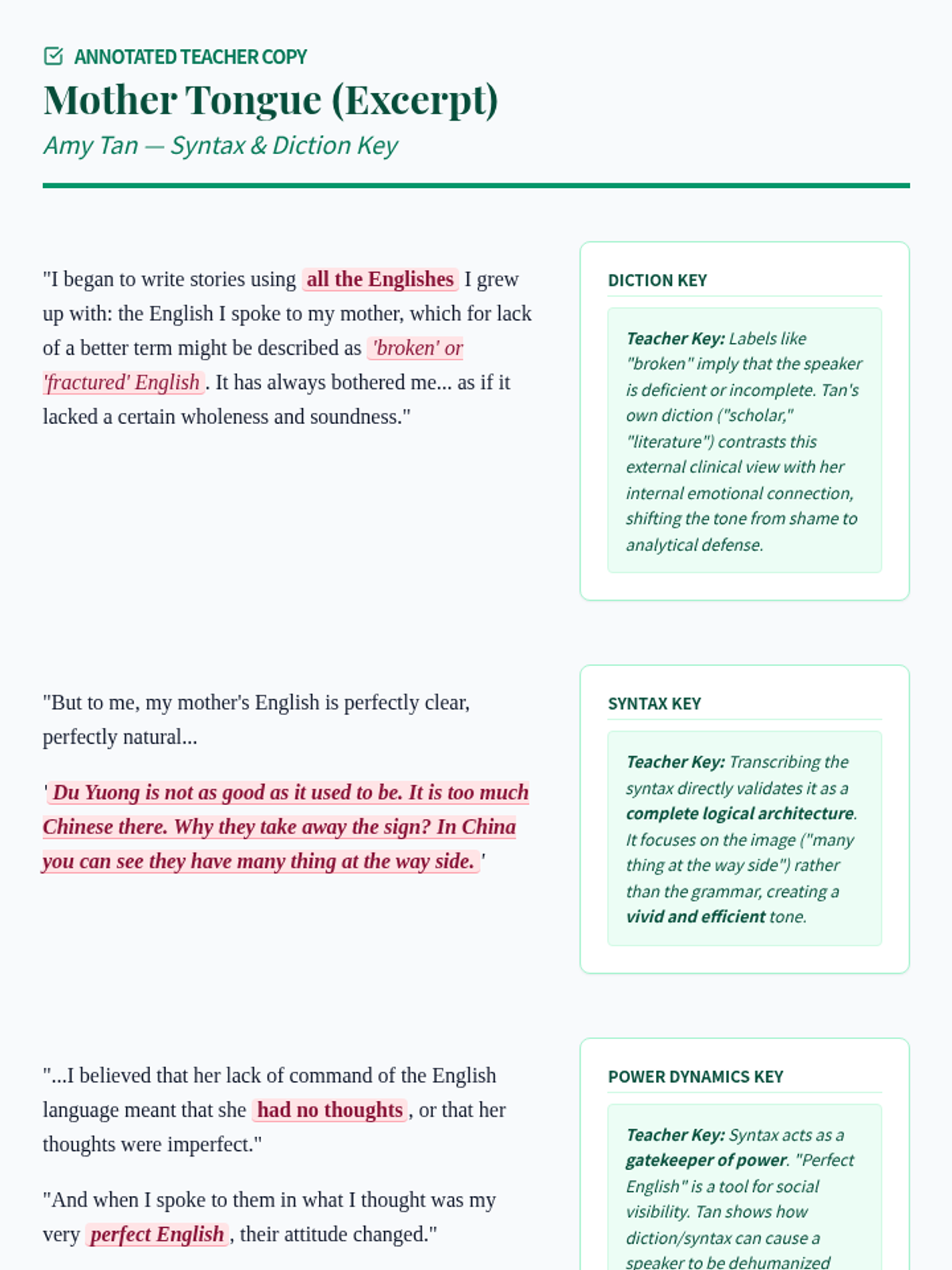
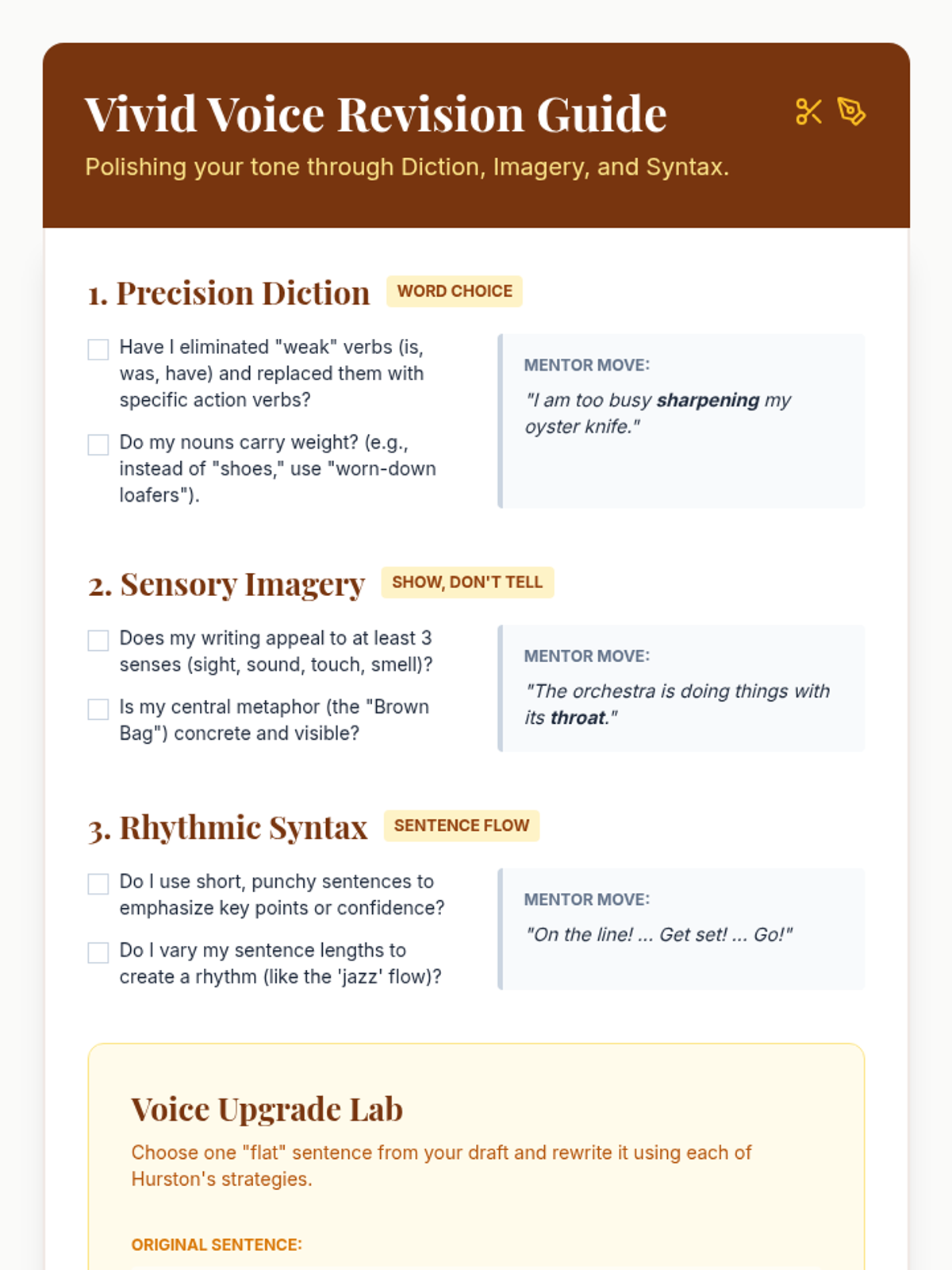
Study Amy Tan's 'Mother Tongue' and her mastery of syntax and diction to explore complex identity. Students draft a body paragraph on how the people they were raised by have shaped their voice.
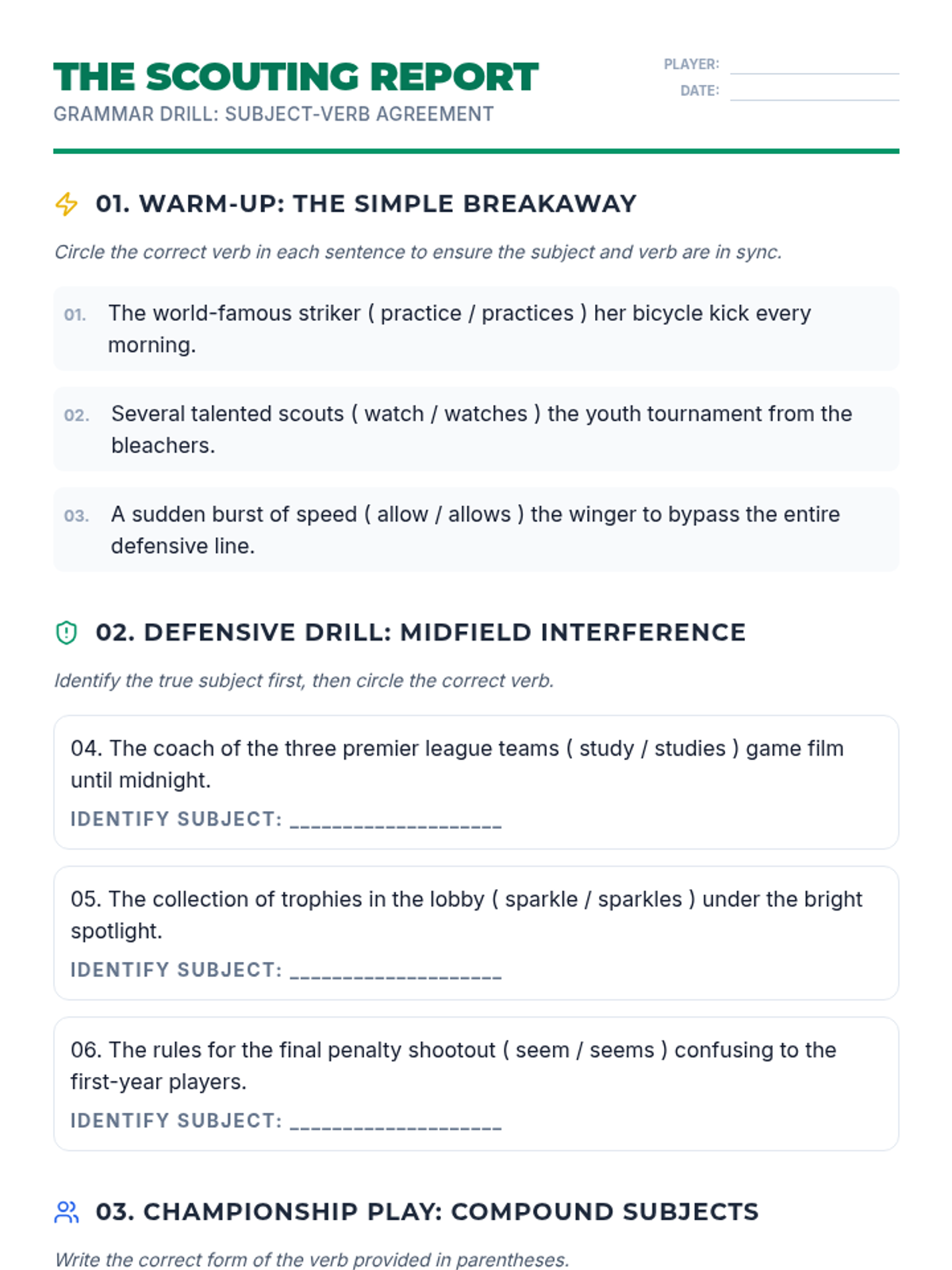
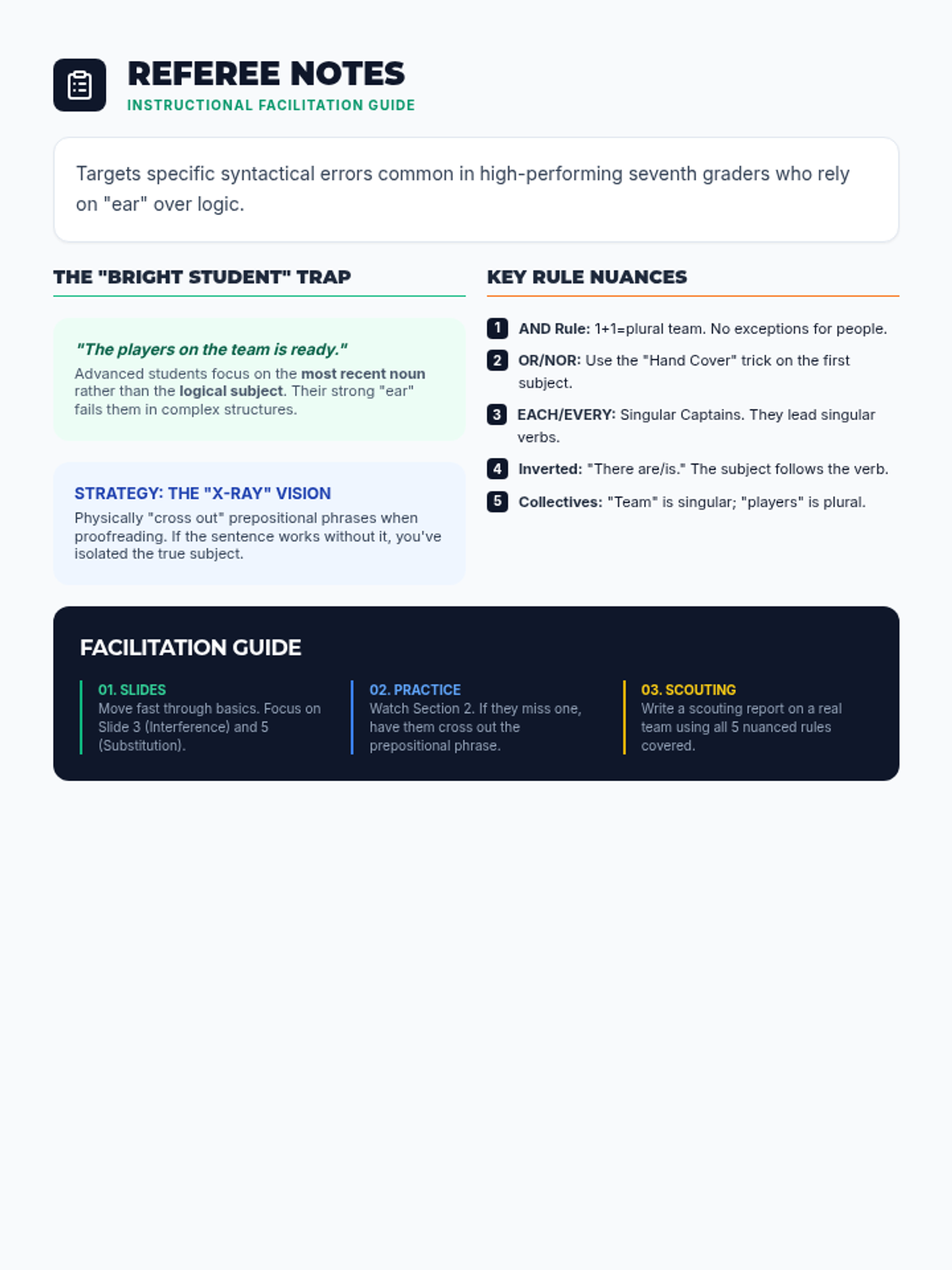
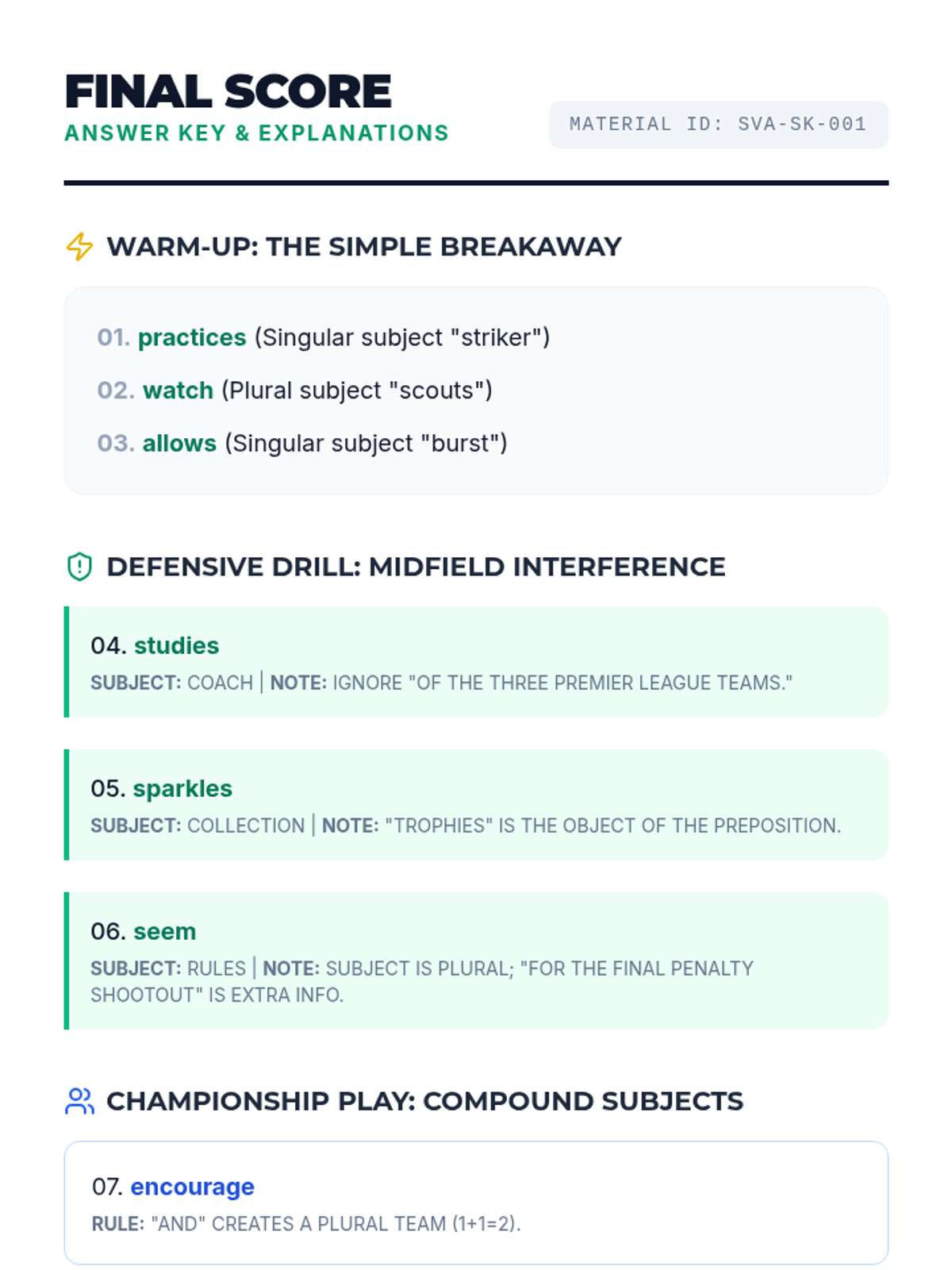
A targeted grammar lesson focusing on subject-verb agreement through the high-interest lens of professional soccer. Designed for advanced students who need to master complex compound subjects and prepositional phrase interference.
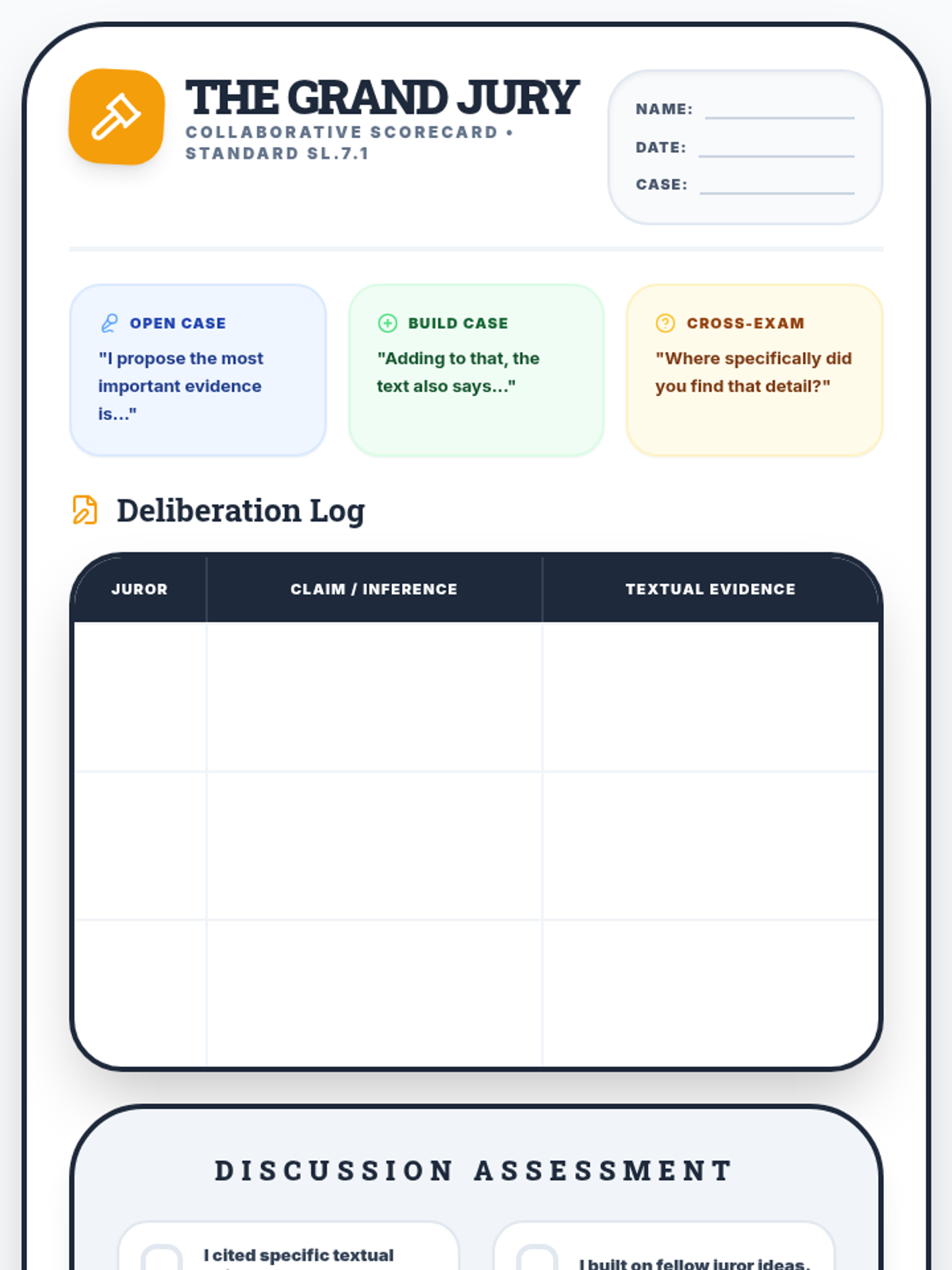
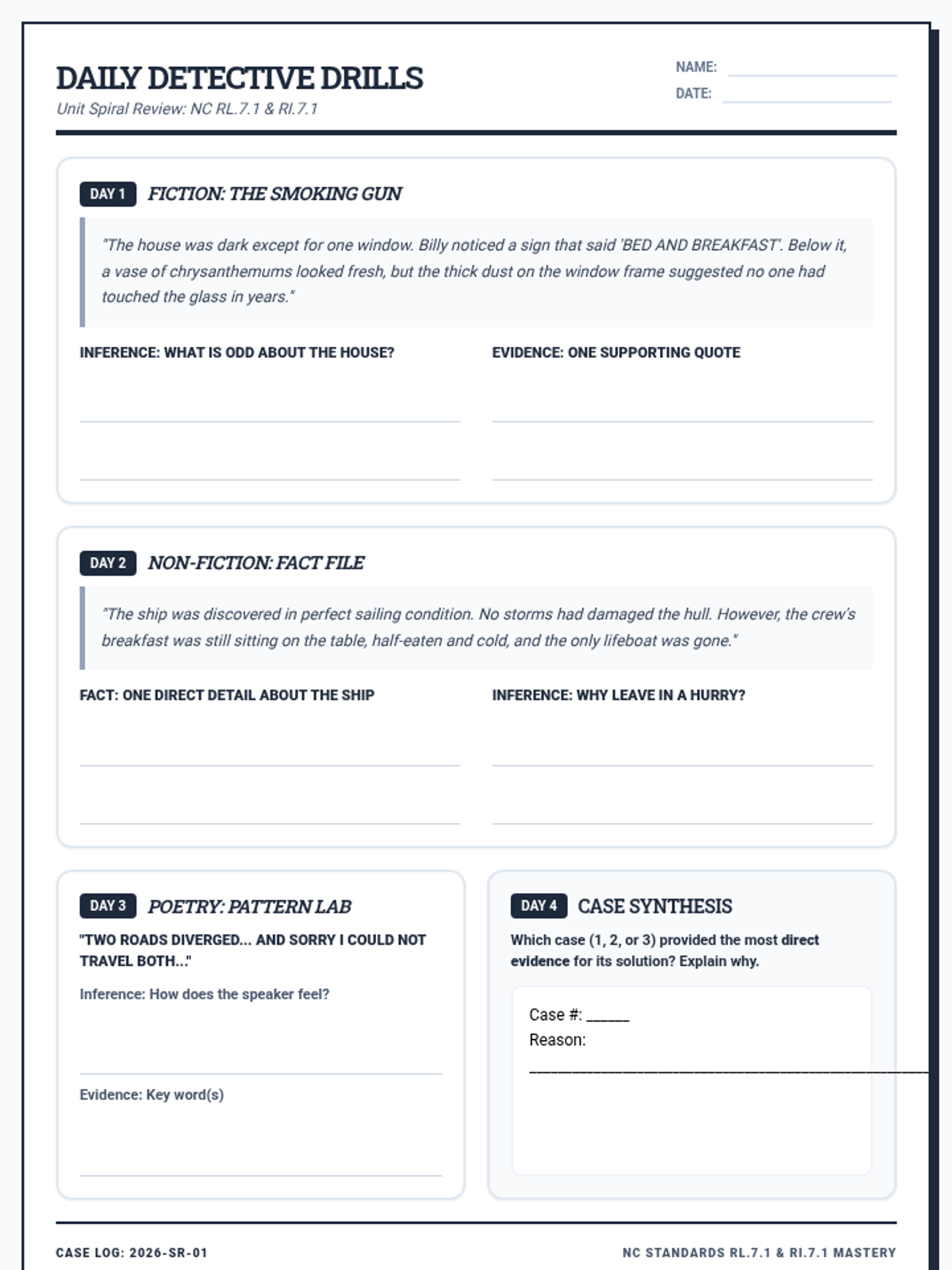
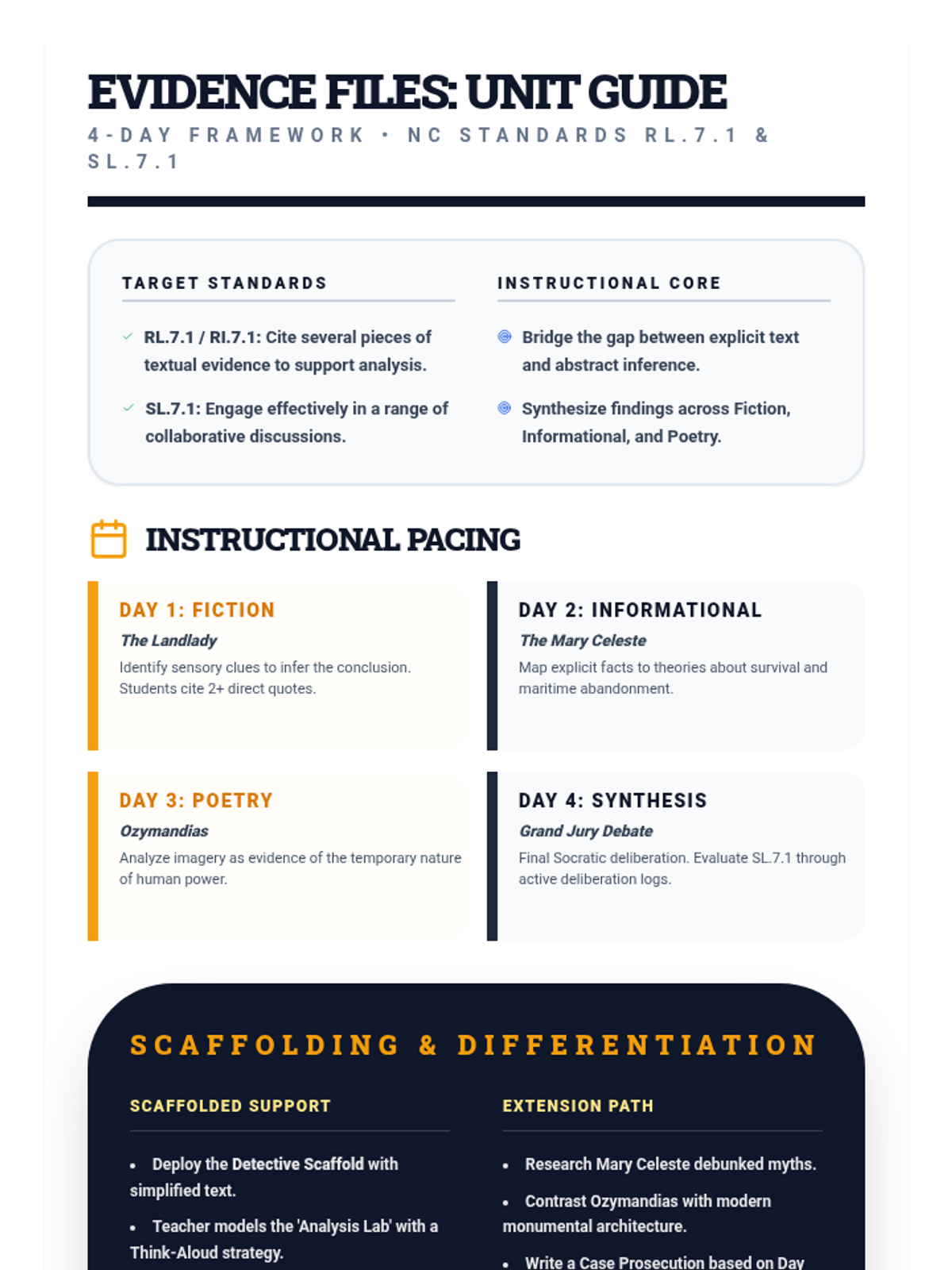
Day 4: Students participate in a 'Grand Jury' collaborative discussion to synthesize their evidence from the week and reach a final verdict on the unit's key texts.
Day 3: Students dive into 'Ozymandias' by Percy Bysshe Shelley, using textual evidence to infer the poem's deeper meanings about power and time.
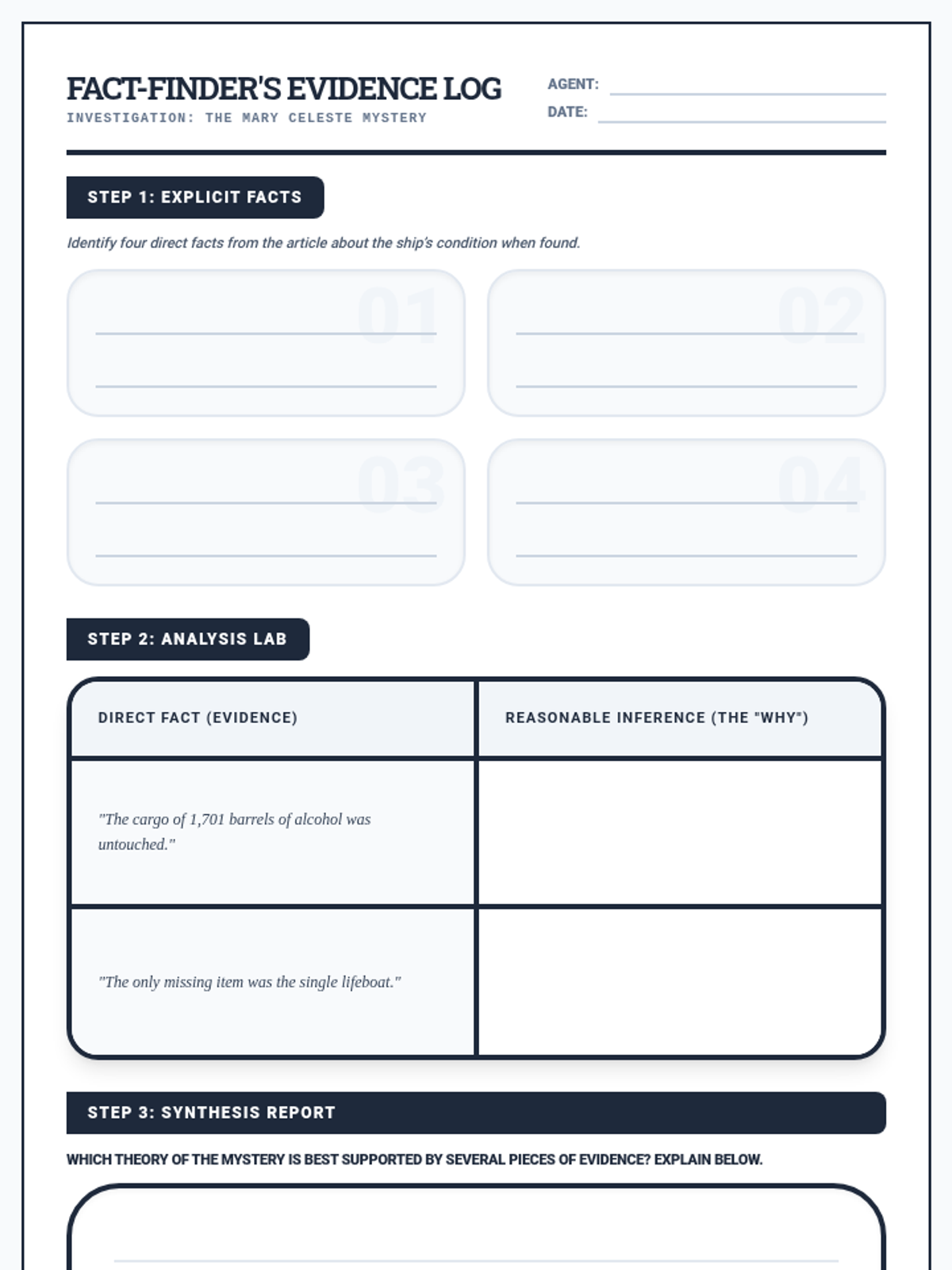
Day 2: Students examine a non-fiction article about the Mary Celeste to distinguish between explicit facts and inferences while citing several pieces of evidence.
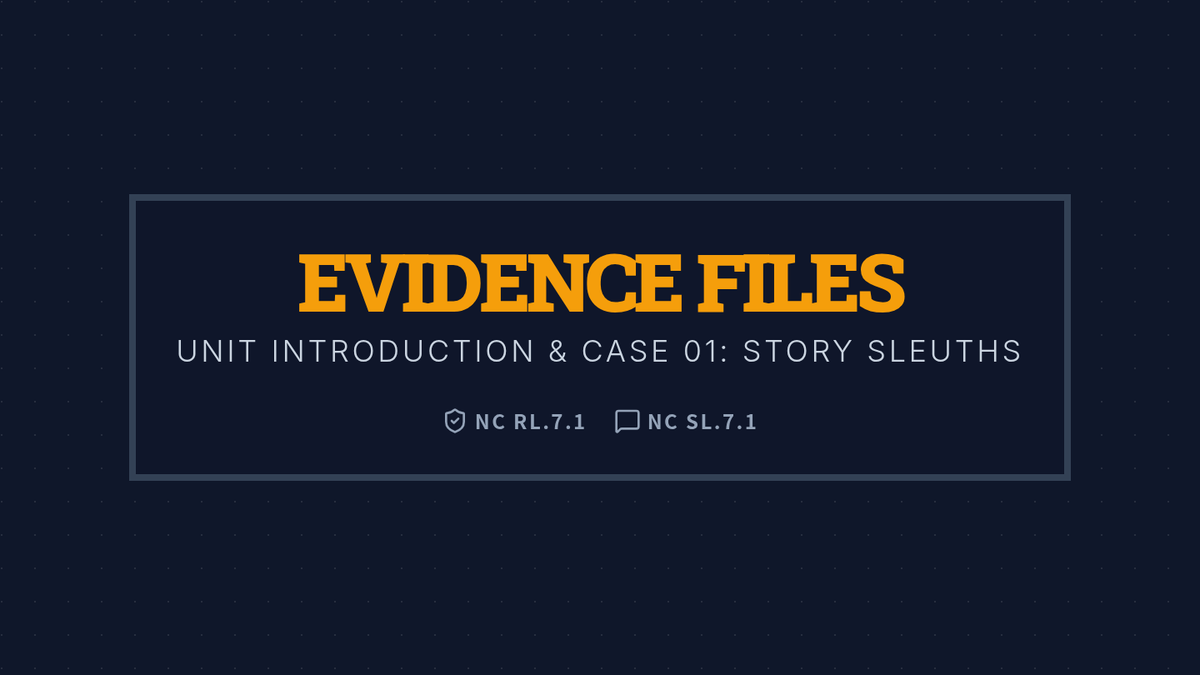
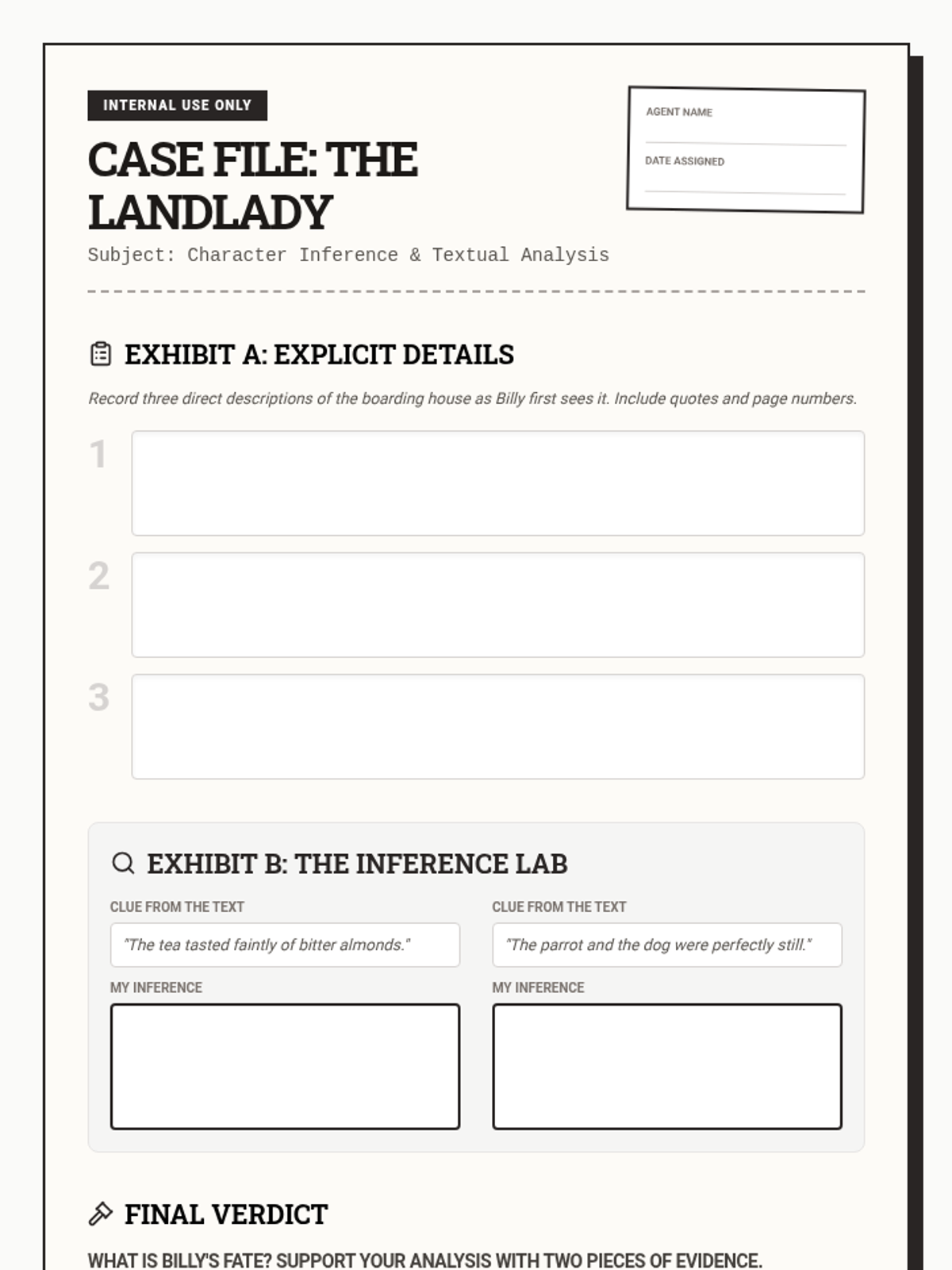
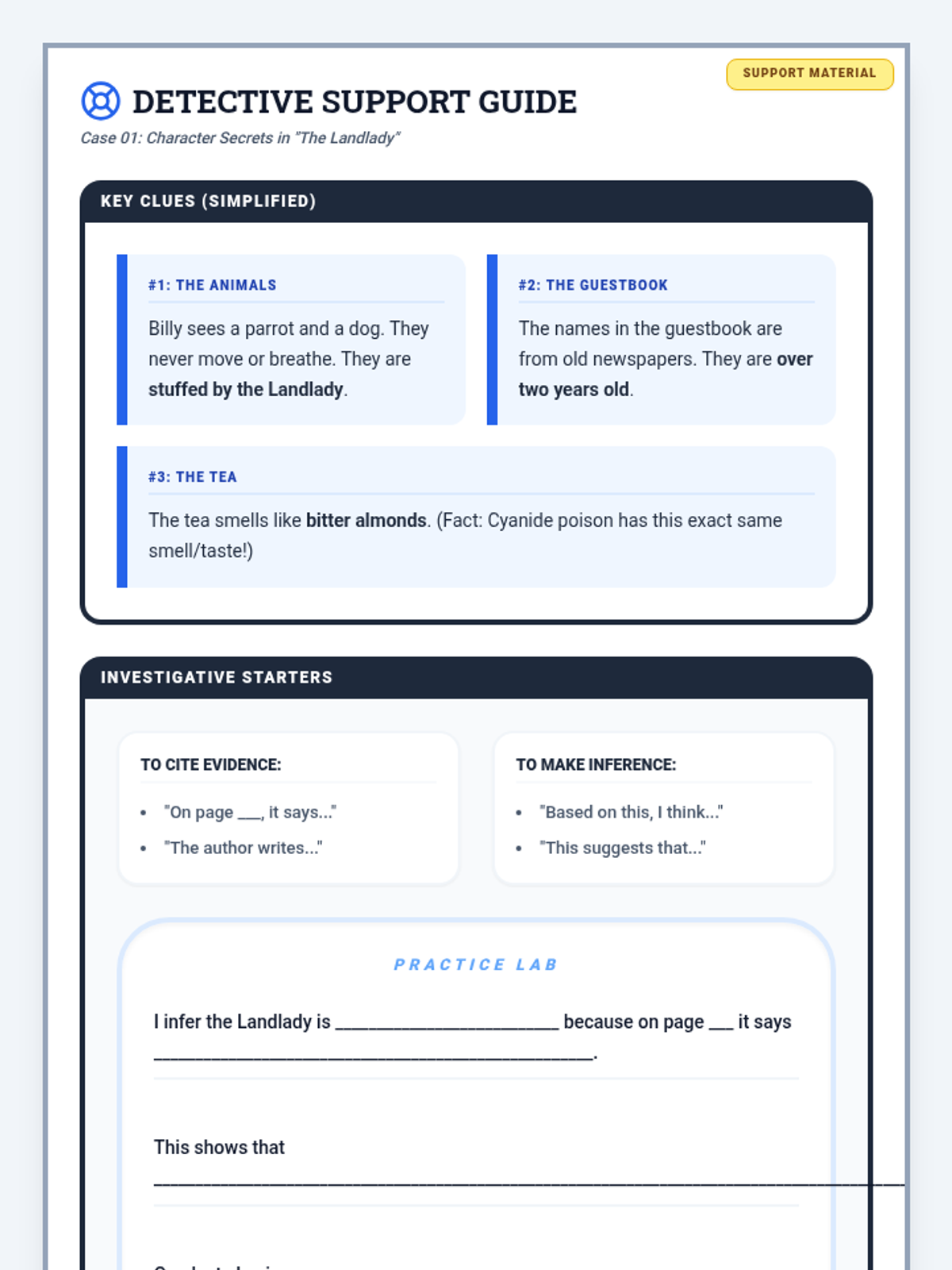
Day 1: Students analyze Roald Dahl's 'The Landlady' to practice making inferences and citing evidence to support their claims about the story's eerie outcome.
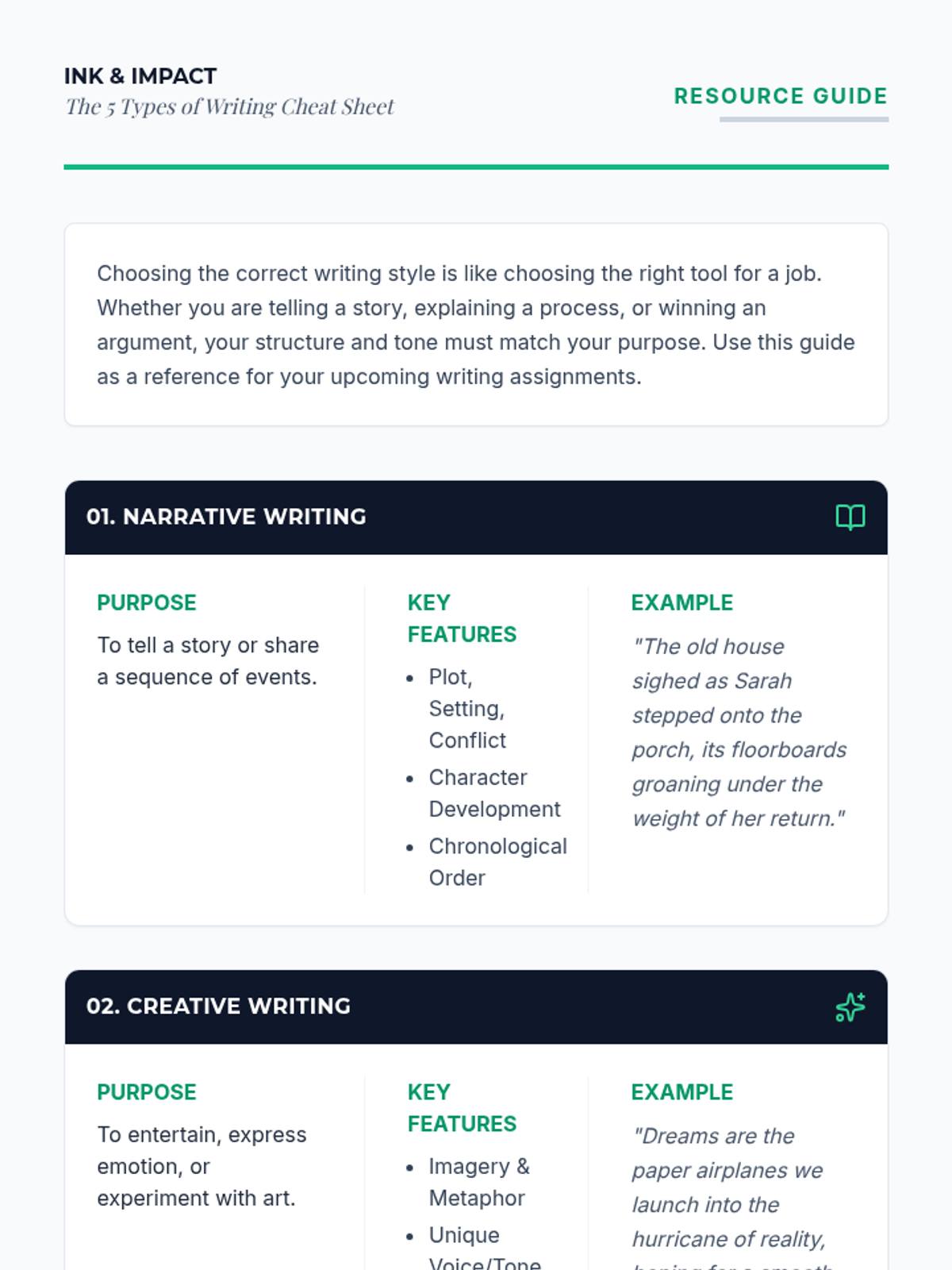
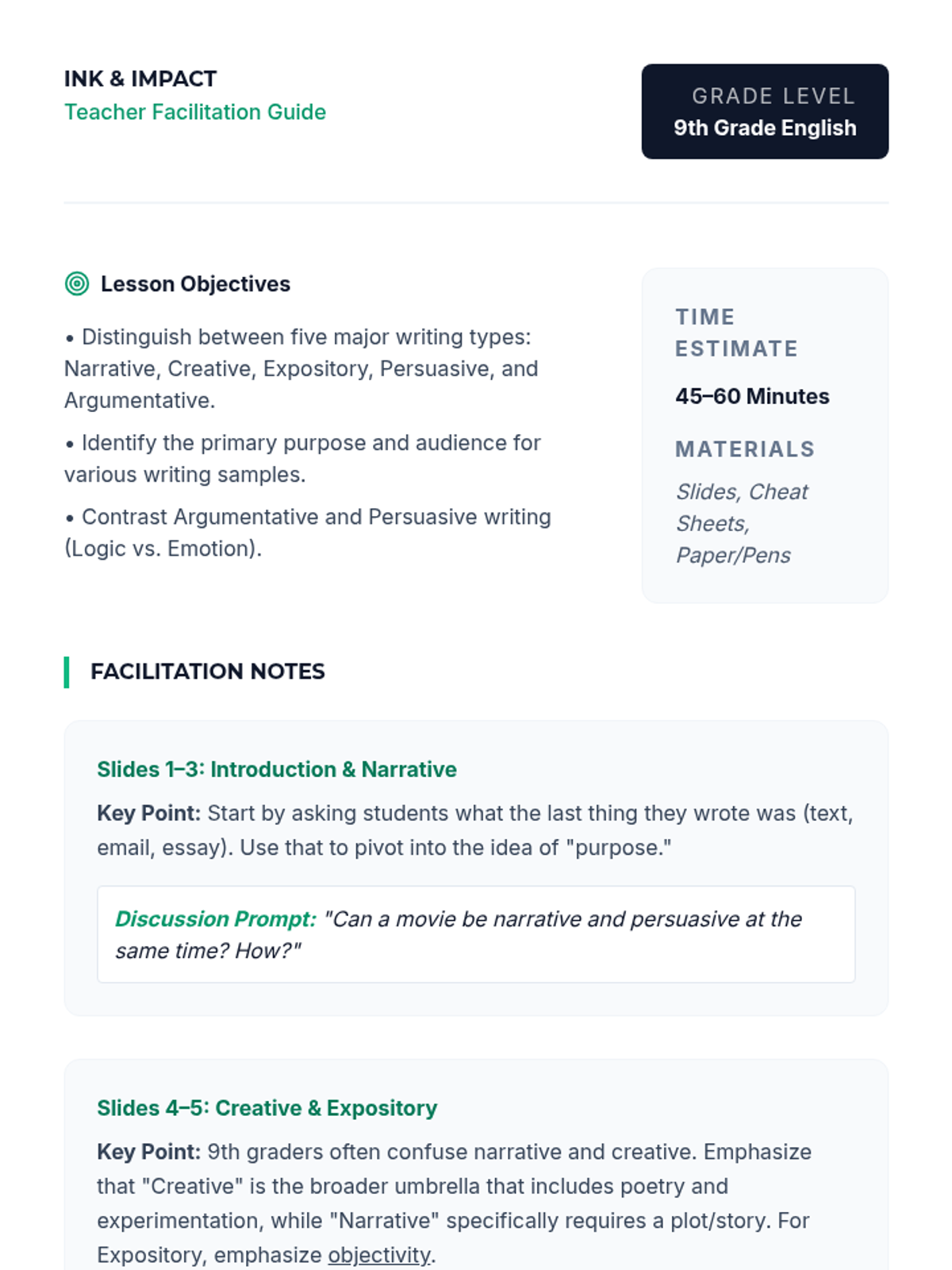
An introductory exploration of five major writing types: Narrative, Creative, Expository, Persuasive, and Argumentative. Students learn to distinguish between these forms based on purpose, structure, and audience impact.
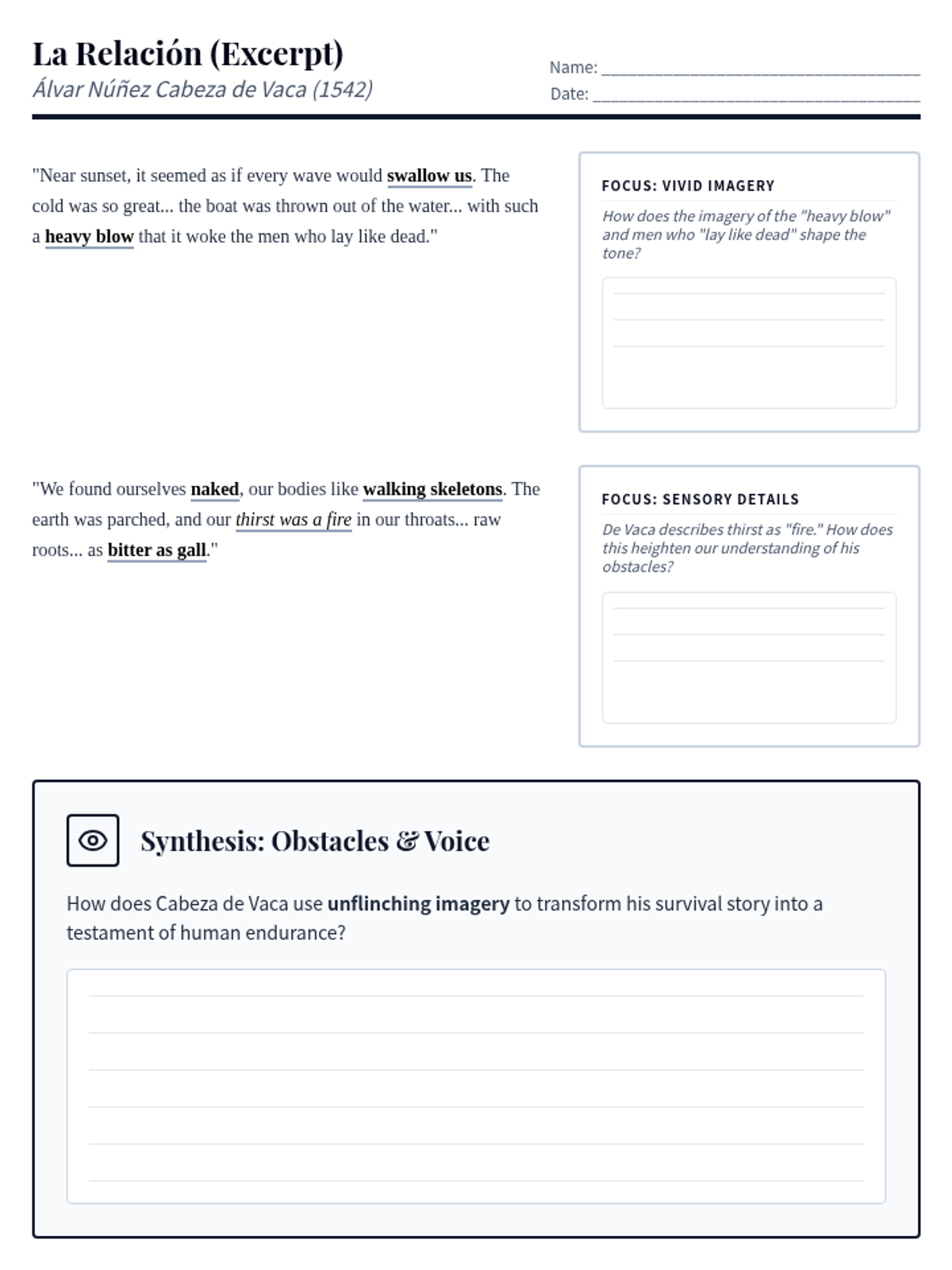
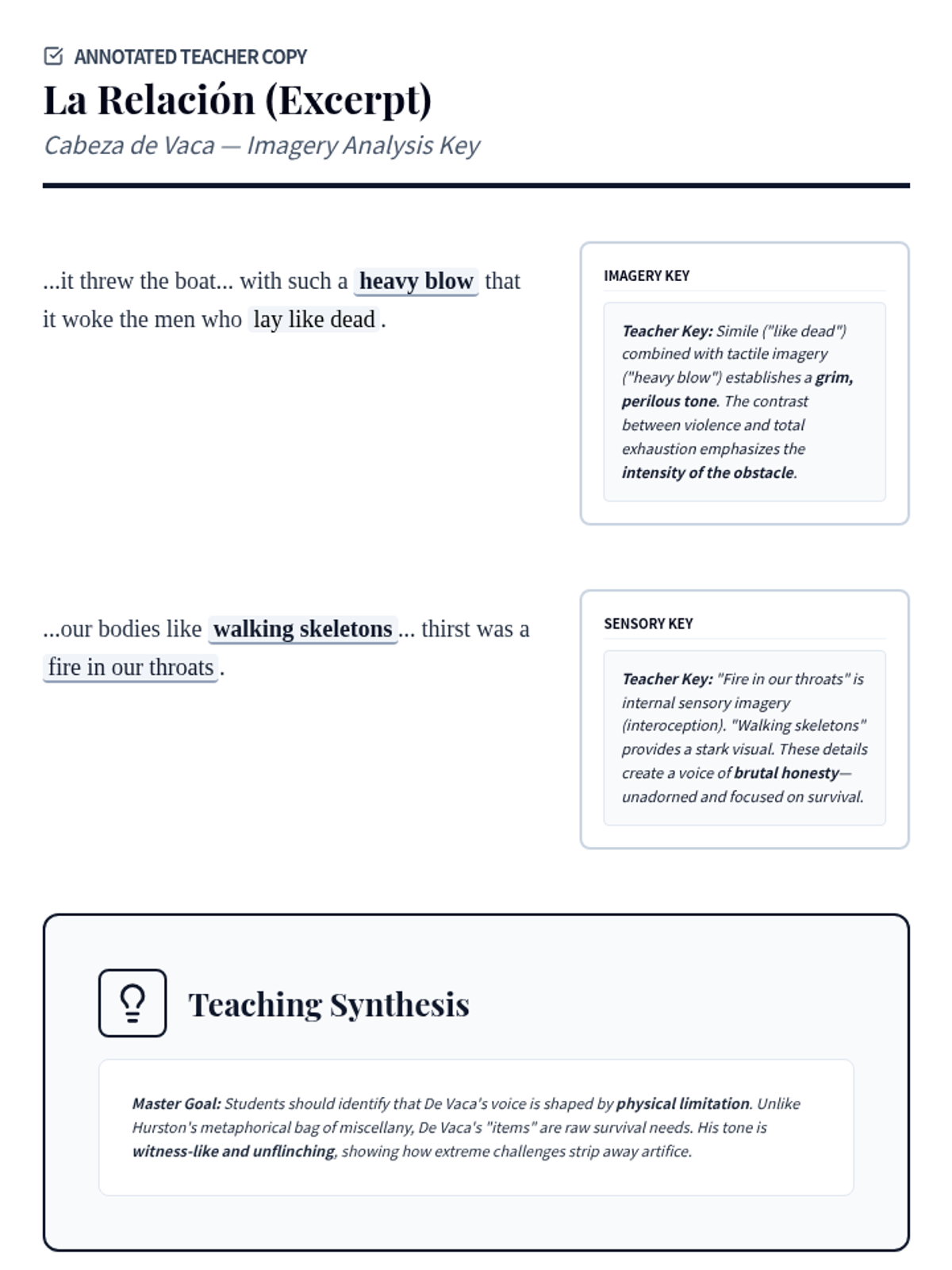
Analyze Cabeza de Vaca's 'La Relación,' focusing on his use of vivid imagery to convey survival. Students draft a body paragraph on how obstacles and challenges have shaped their voice.