Students explore sensory vocabulary and animal adaptations through the lens of a North American marsupial, the Virginia Opossum. They will identify 'super powers' (smell and hearing) and 'weaknesses' (eyesight) while practicing descriptive language.
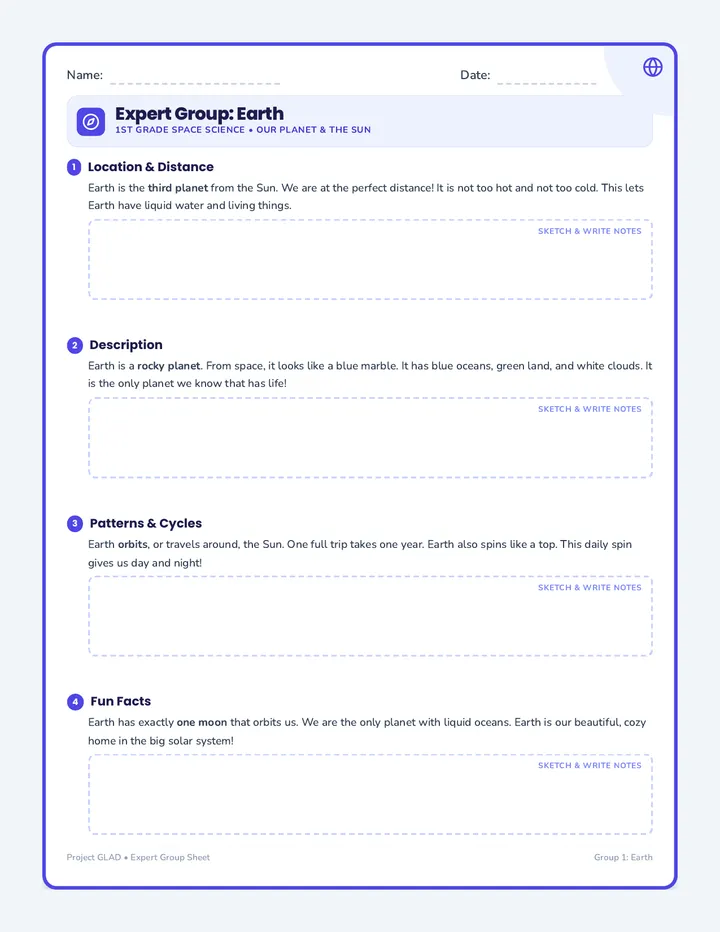
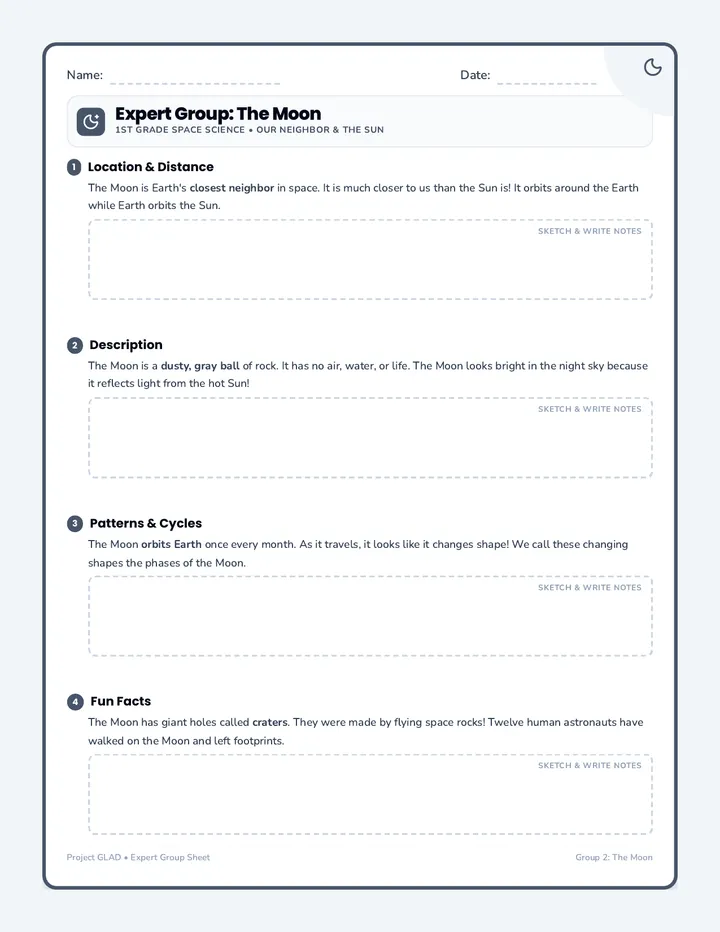
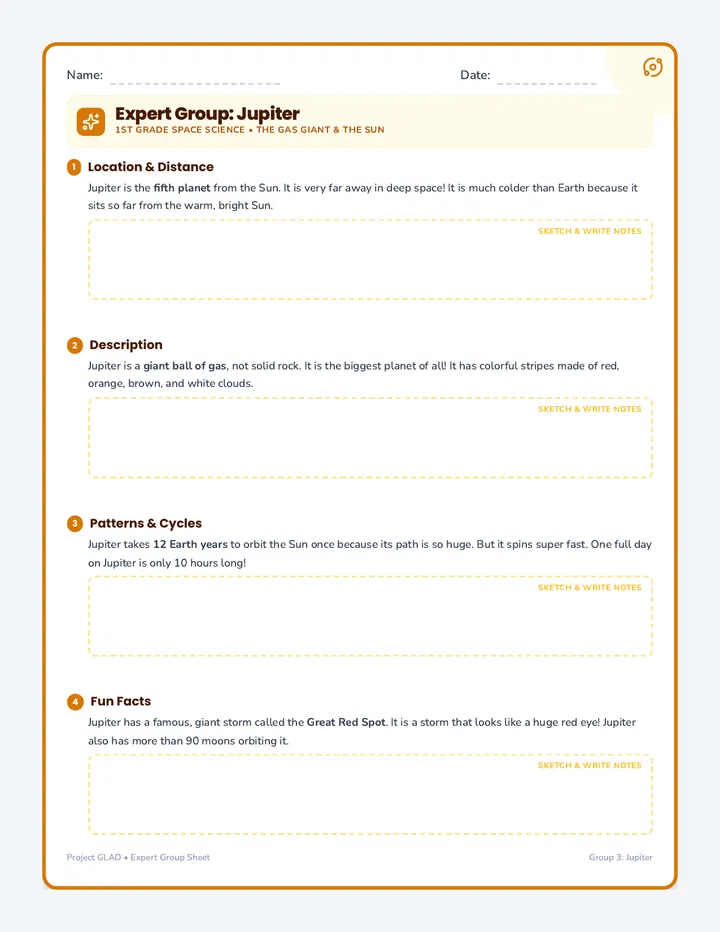
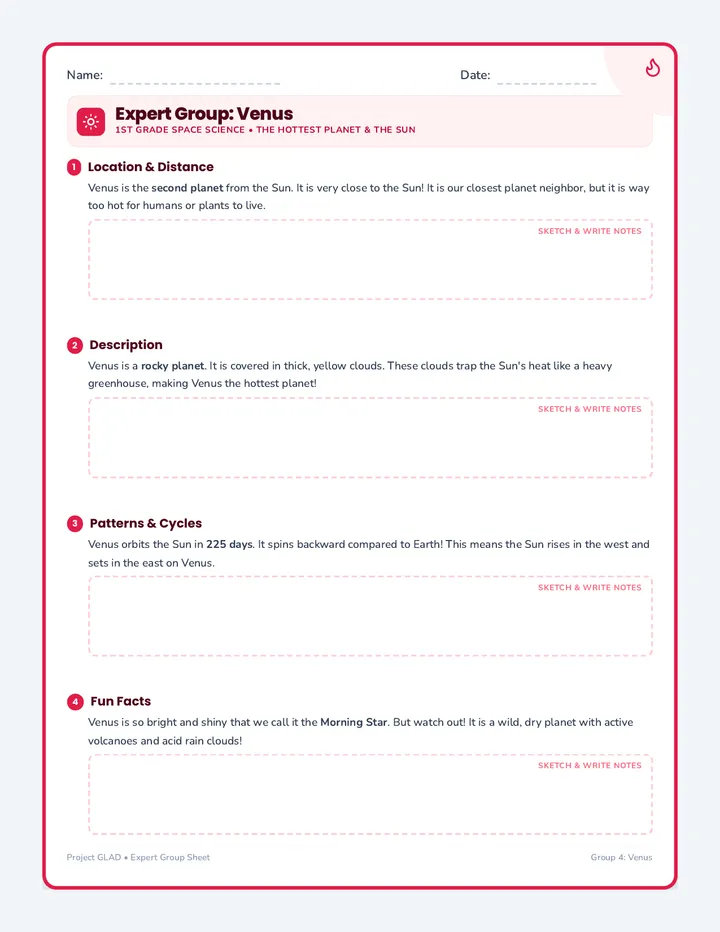
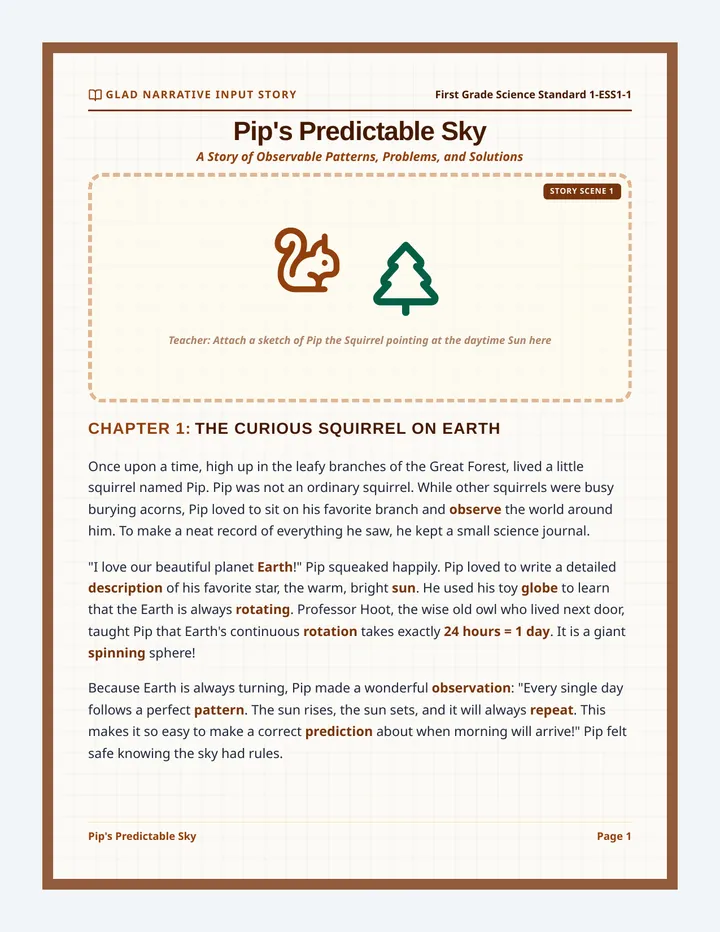
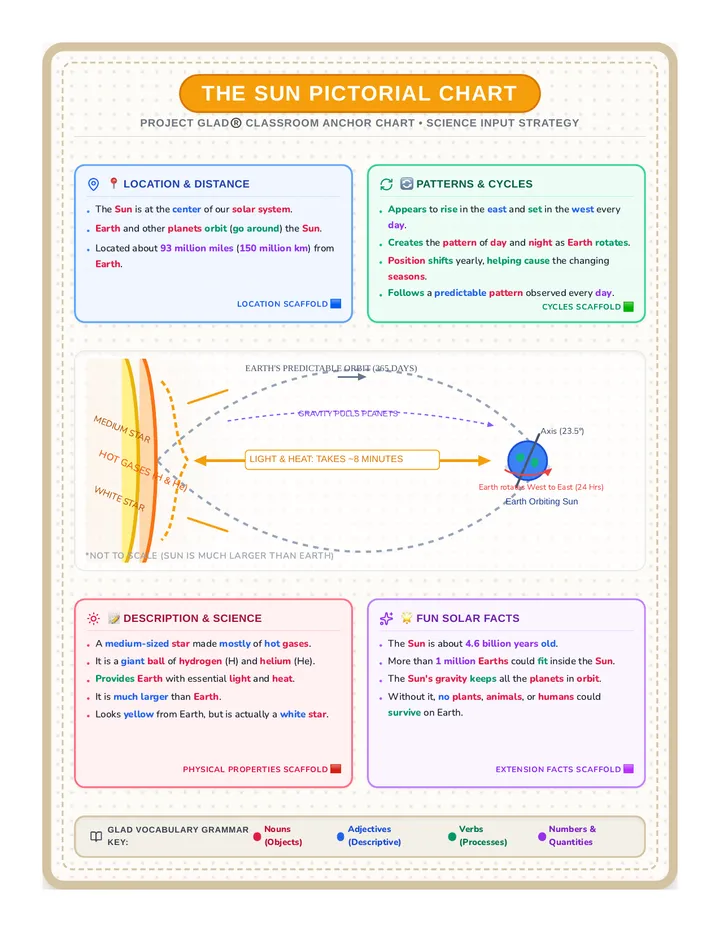
A 1st-grade science unit where students work in expert groups to explore Earth, the Moon, Jupiter, and Venus in relation to the Sun. Each group reads specialized text and sketches key observations to build collaborative knowledge.
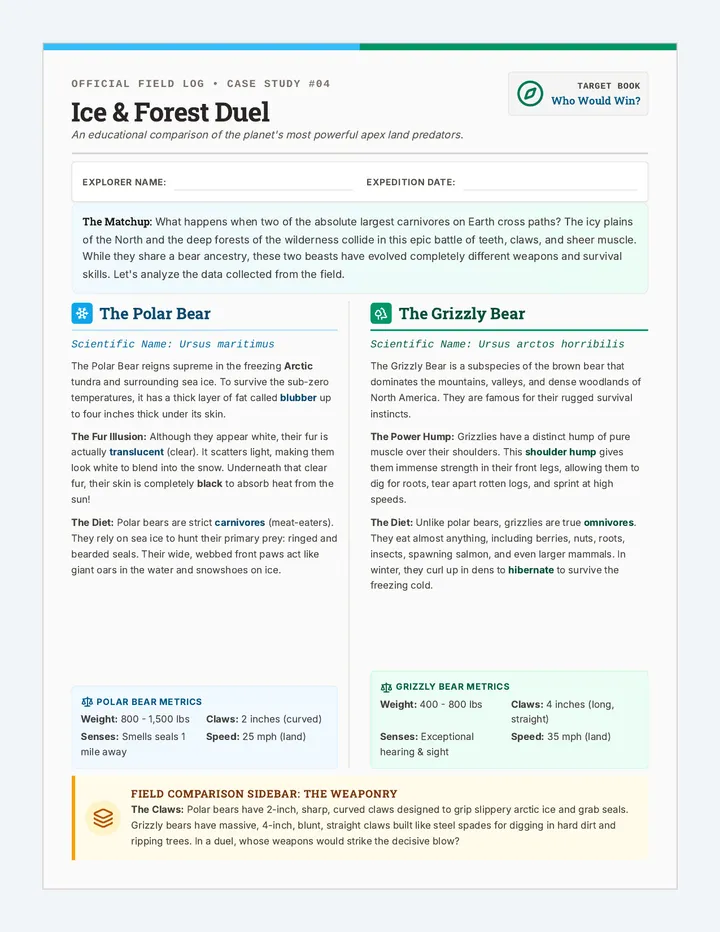
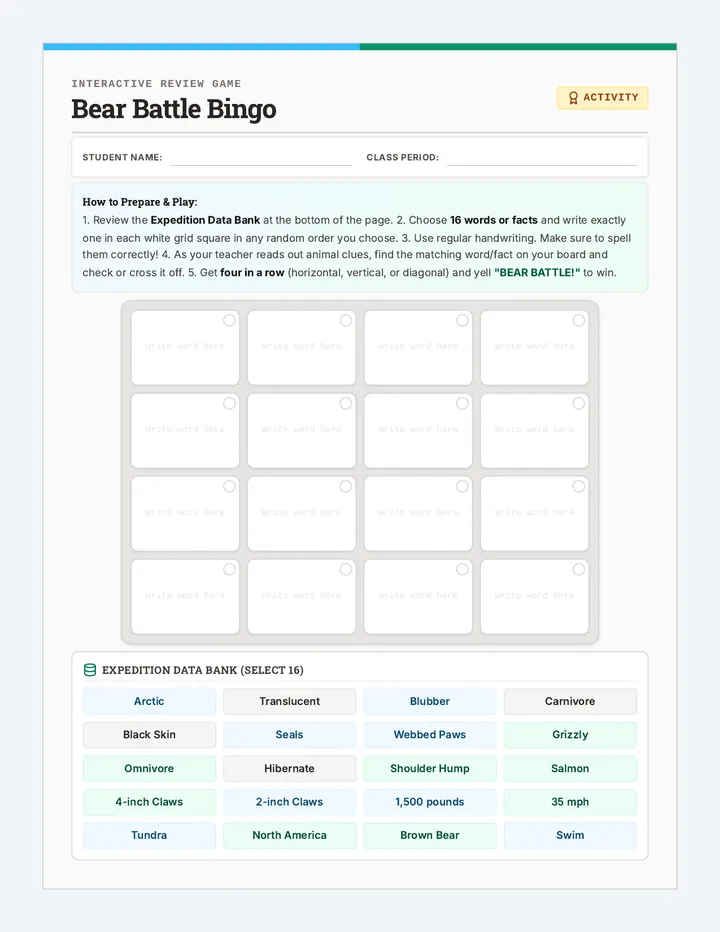
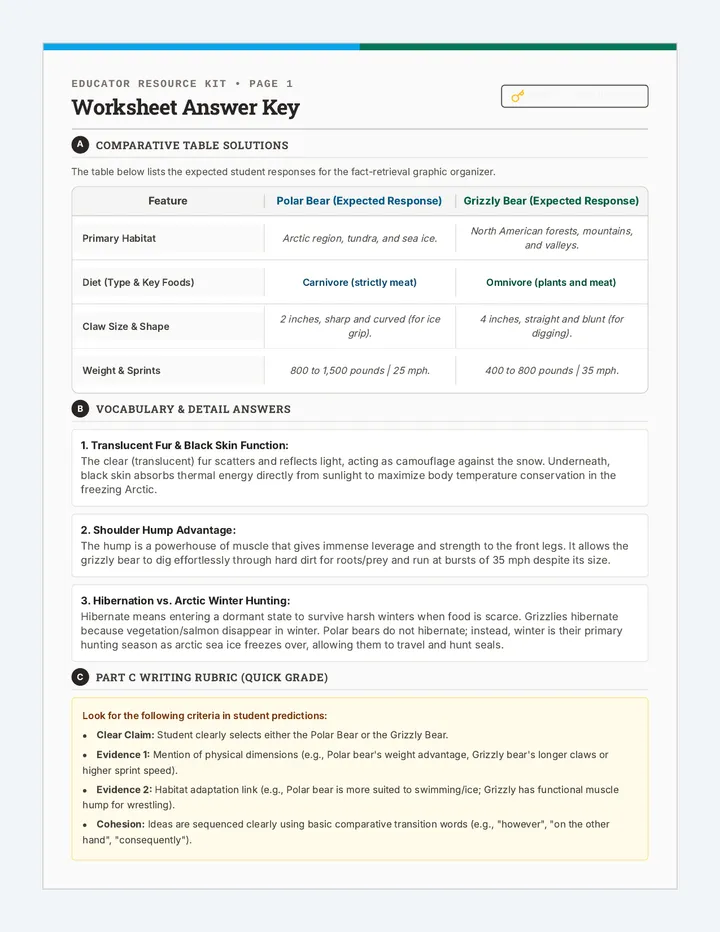
A thrilling comparison lesson focused on polar bears and grizzly bears. Students read a themed comparison passage, complete fact-retrieval questions, and play a write-in bingo review game based on the book 'Who Would Win? Polar Bear vs. Grizzly Bear'.
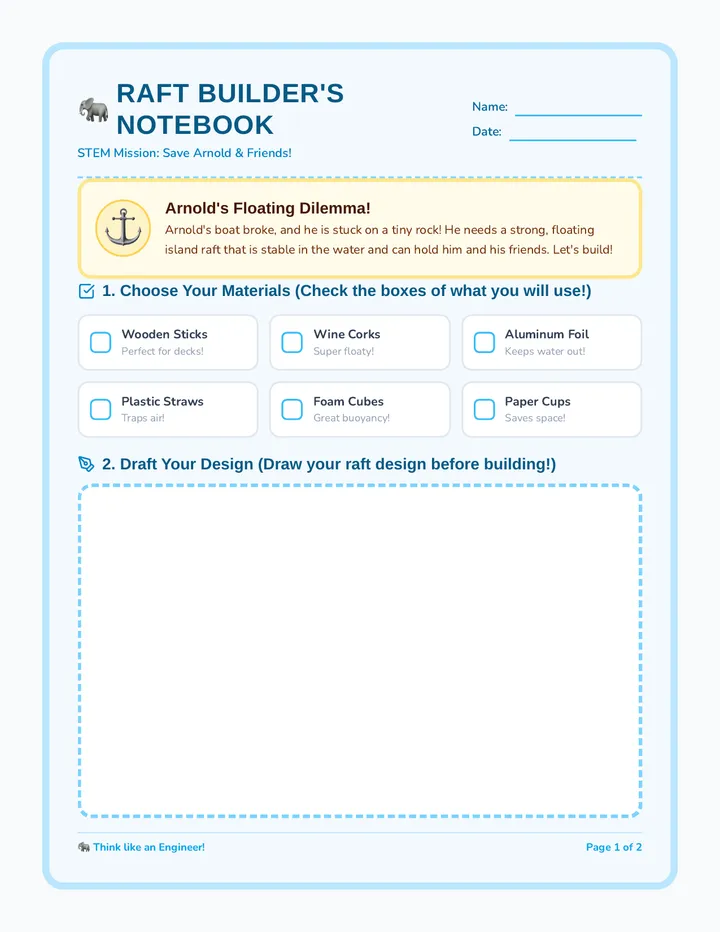
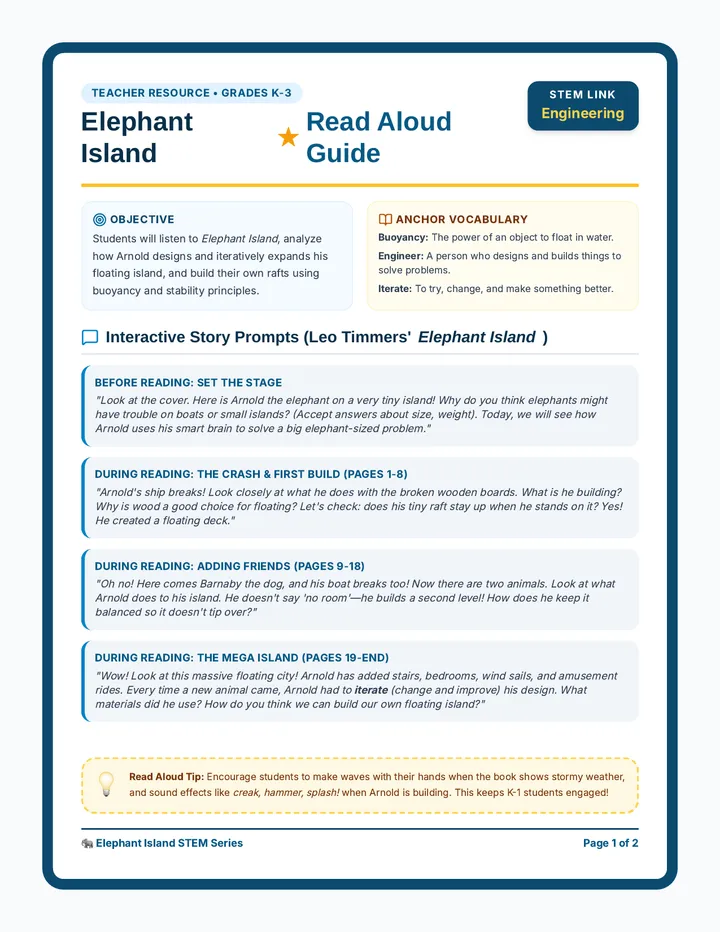
An interactive STEM challenge and read-aloud experience based on Leo Timmers' 'Elephant Island'. Students design and build floating island rafts to rescue Arnold and his friends.
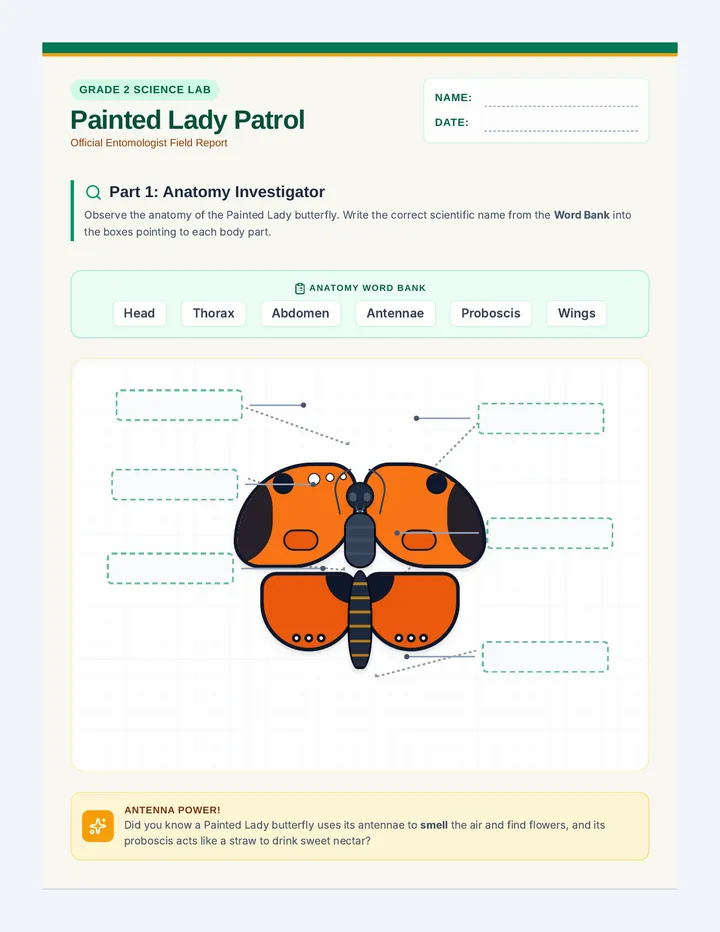
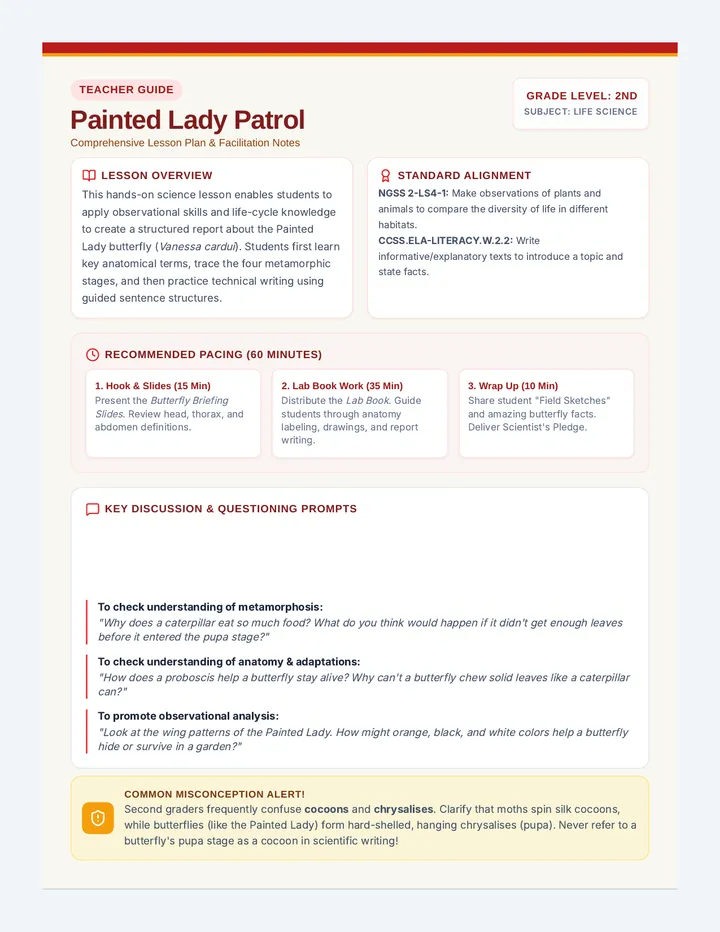
A hands-on 2nd-grade science unit where students study the Painted Lady butterfly's anatomy, trace its life cycle, and compile their findings into a guided research report. Includes interactive visual slides, a multi-page student lab book, and a detailed teacher facilitation guide with grading rubrics and answer keys.
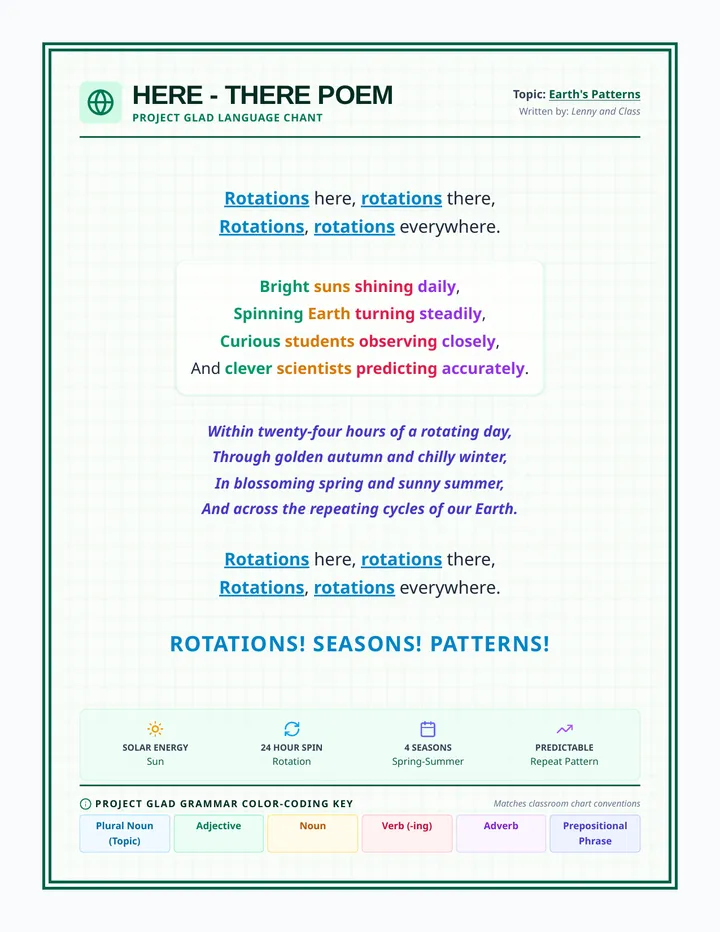
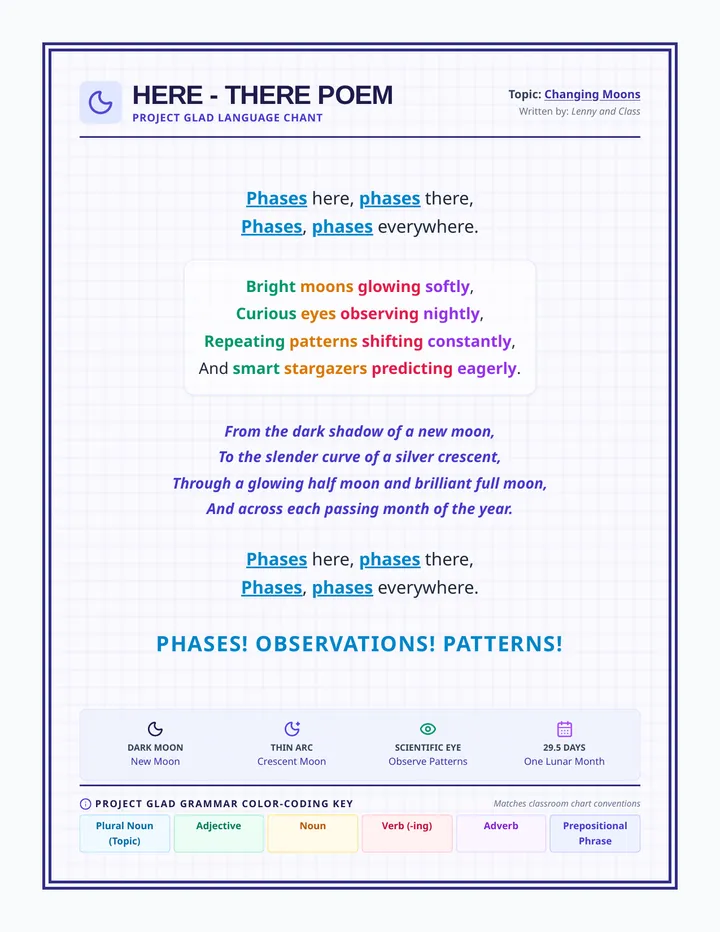
A set of beautifully color-coded GLAD (Guided Language Acquisition Design) Here/There chants that introduce students to repeating solar and lunar cycles. Includes classroom-ready anchor chart posters for rotating Earth patterns and changing moon phases.
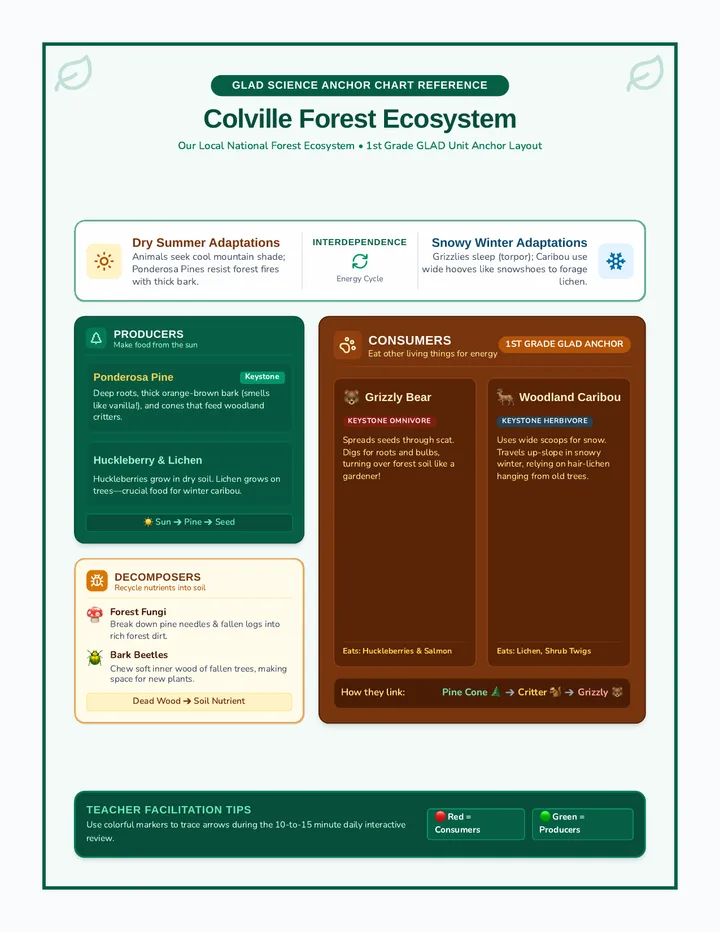
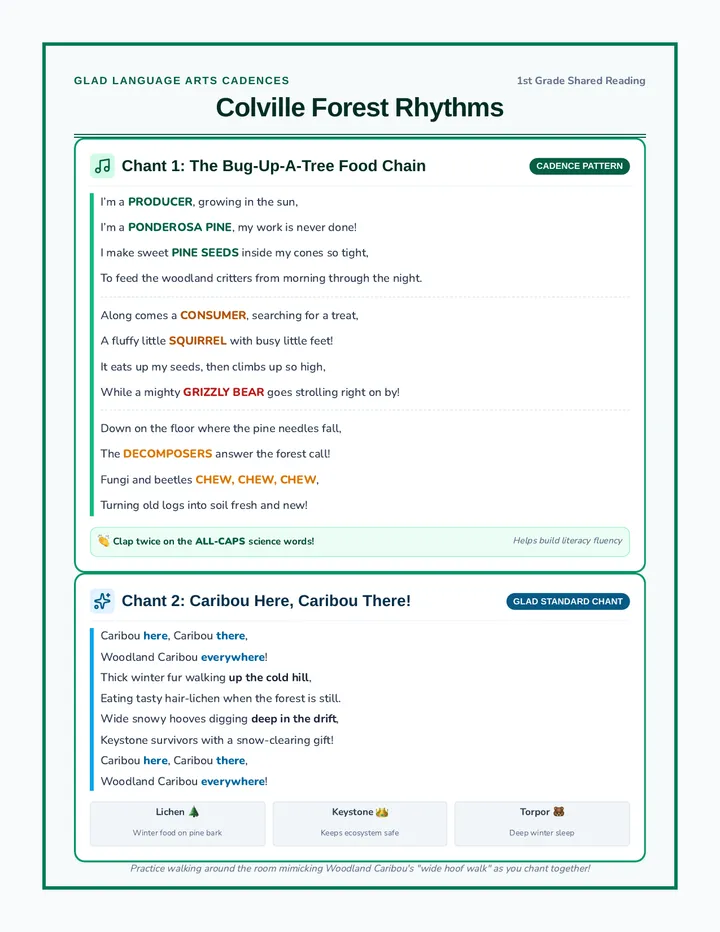
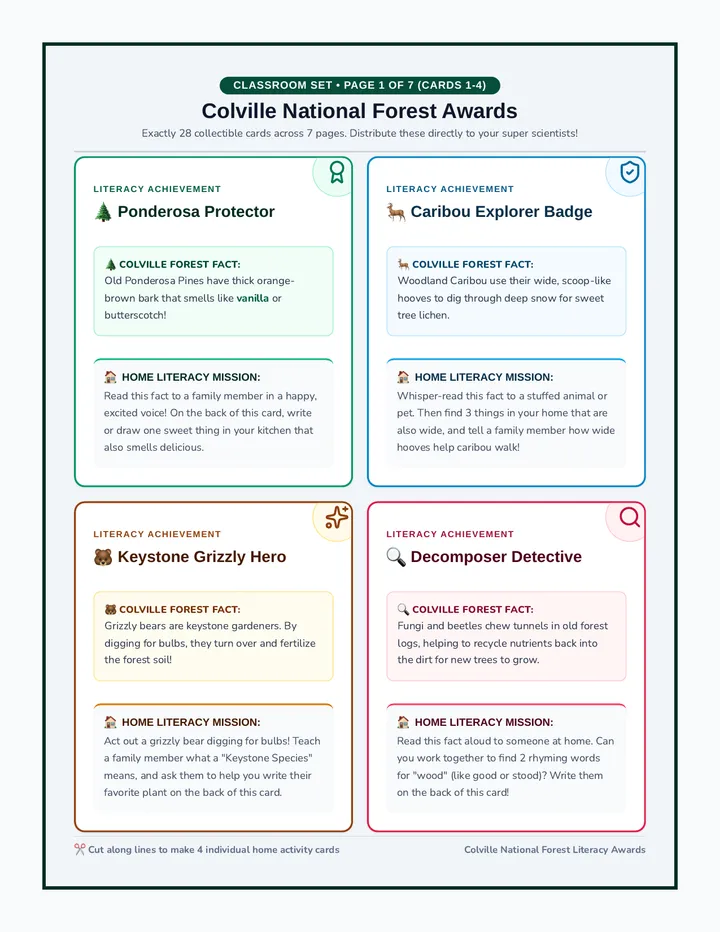
An interactive unit lesson plan implementing Guided Language Acquisition Design (GLAD) strategies to teach 1st graders about the Colville National Forest ecosystem. Students interact with pictorial charts, chant high-frequency science vocabulary, and earn literacy awards detailing local keystone species, food webs, and seasonal changes.
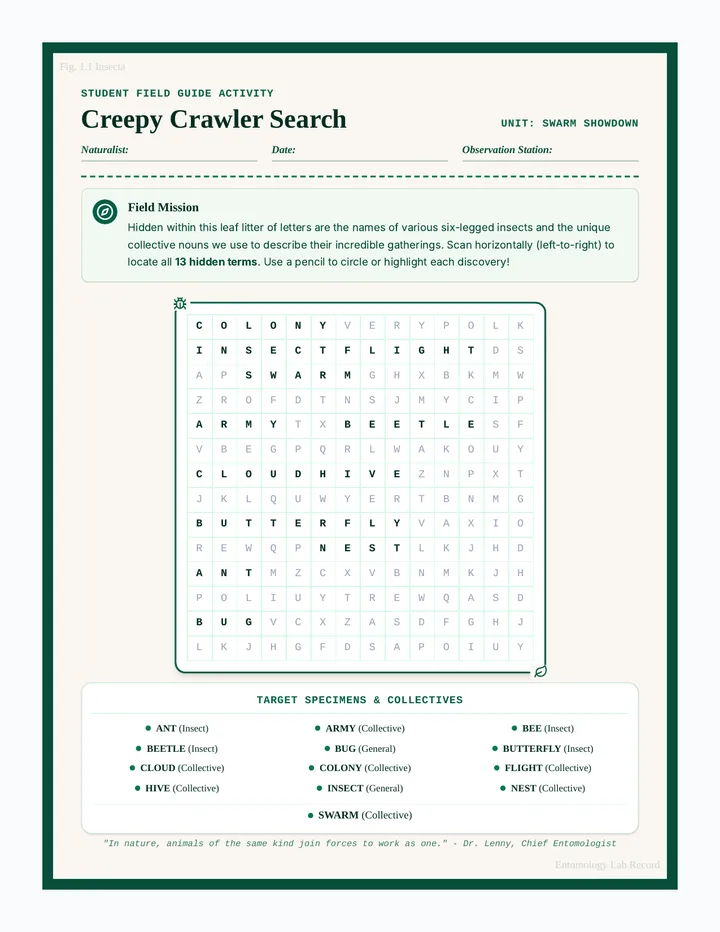
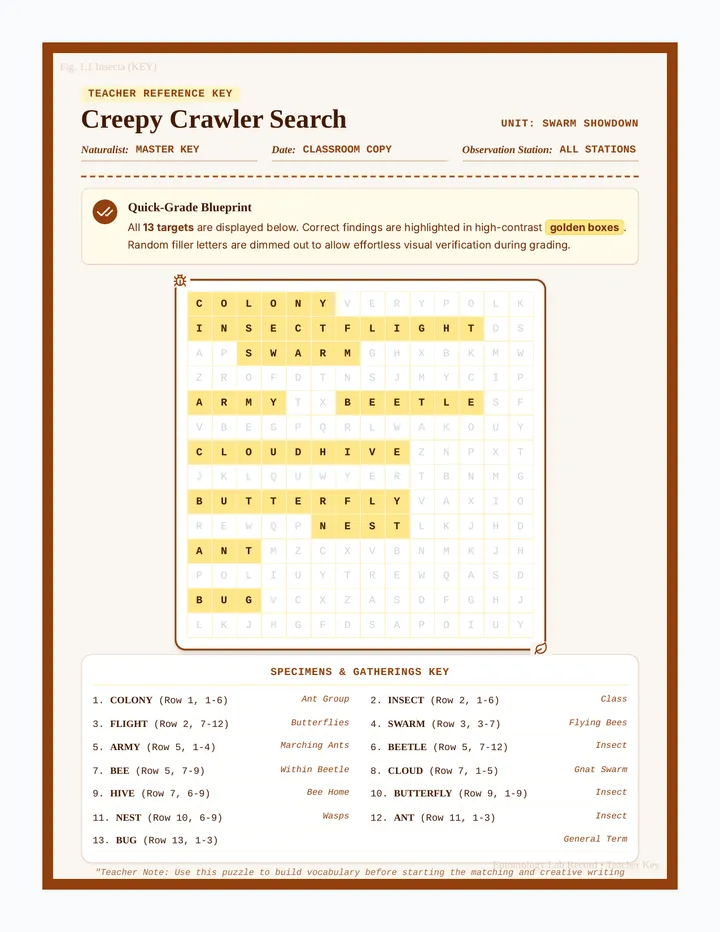
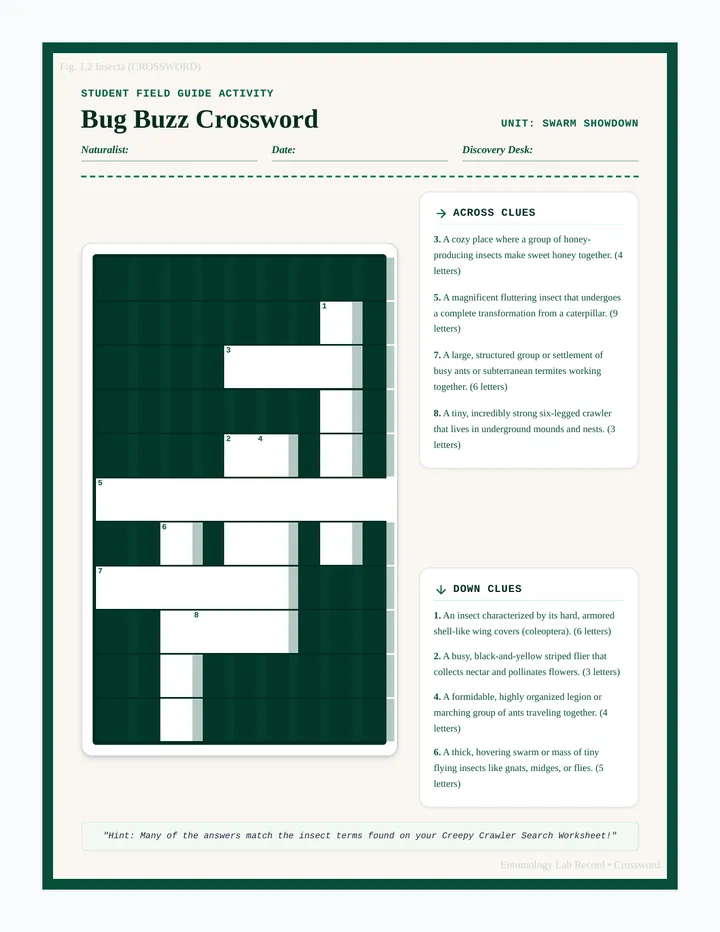
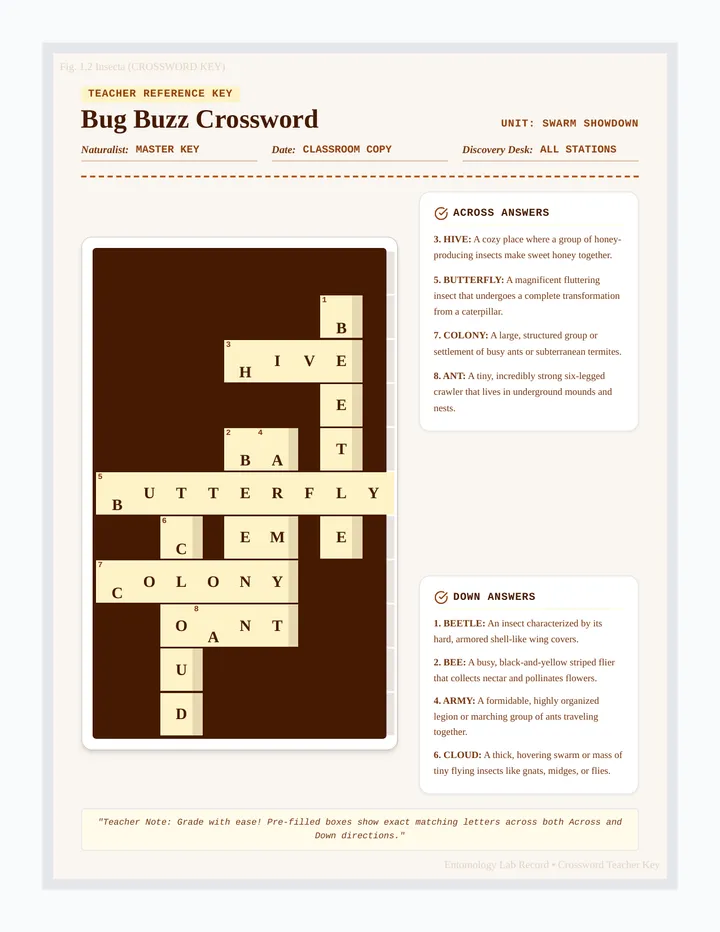
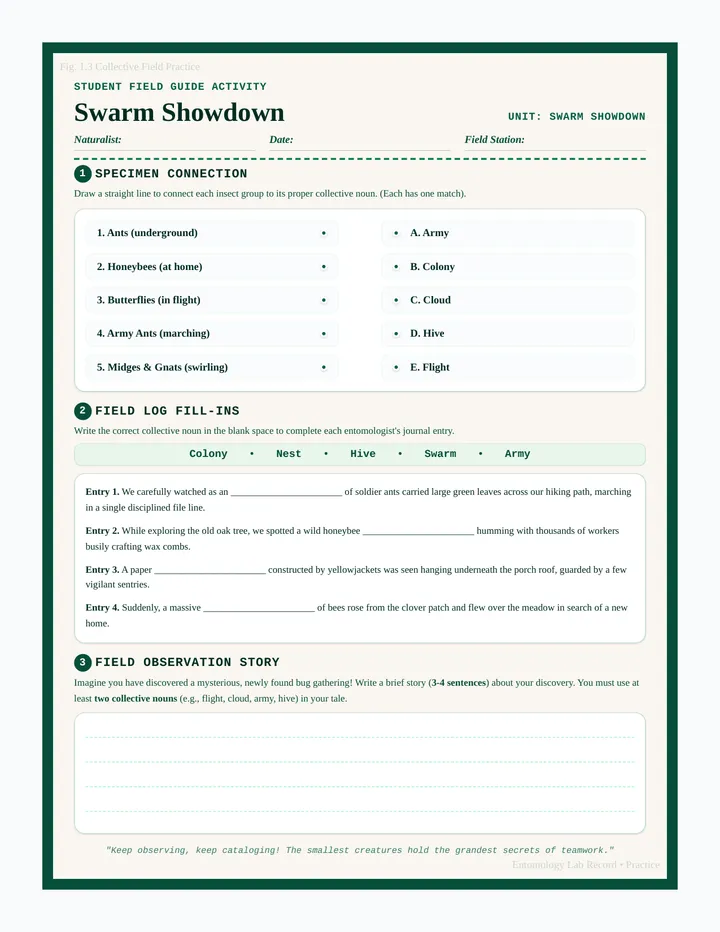
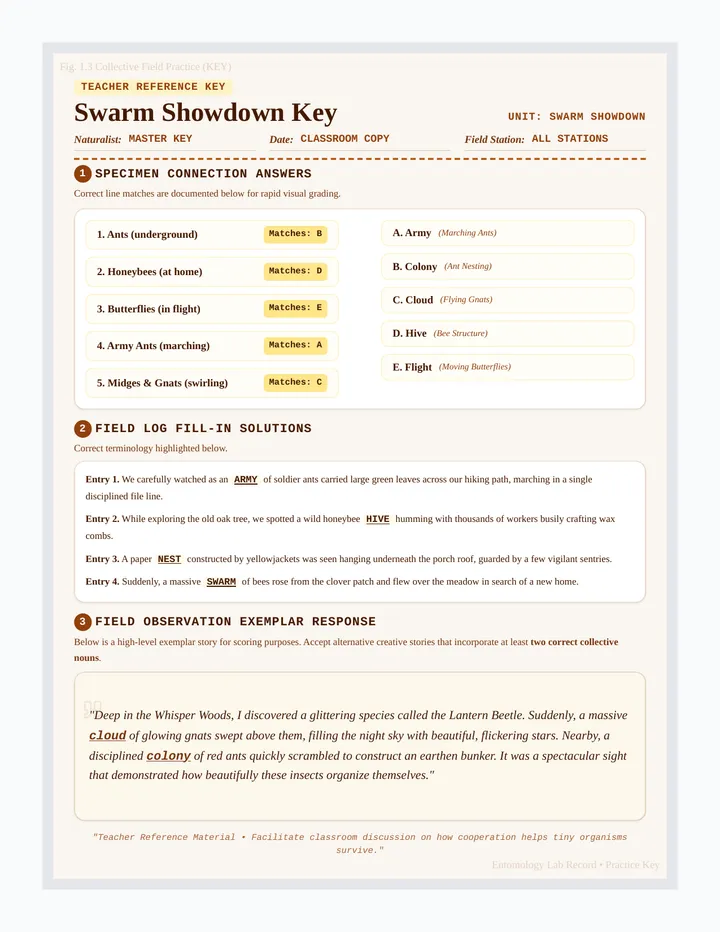
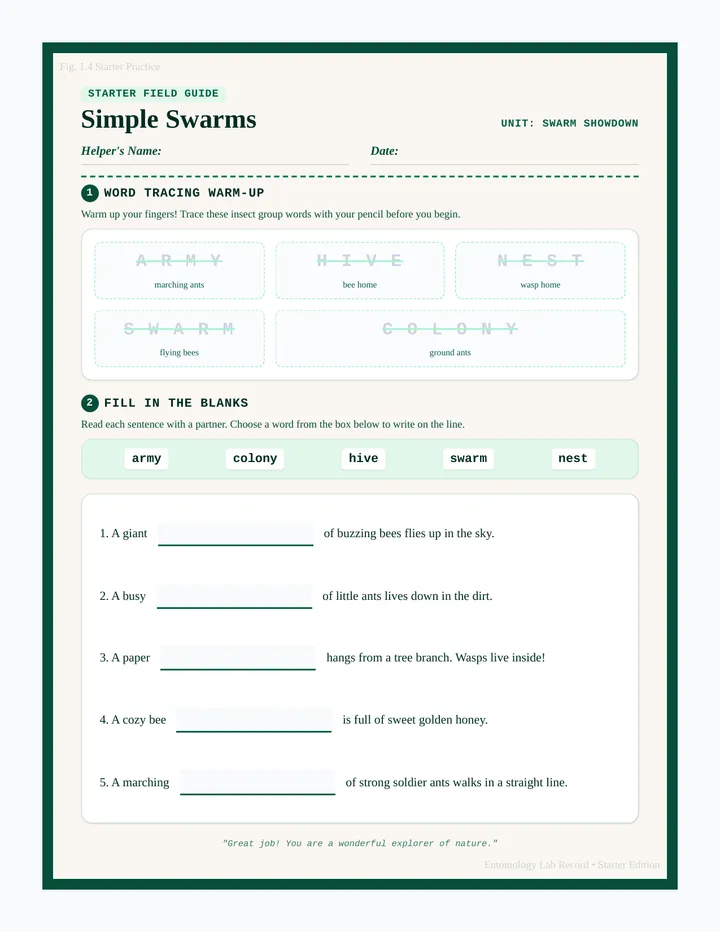
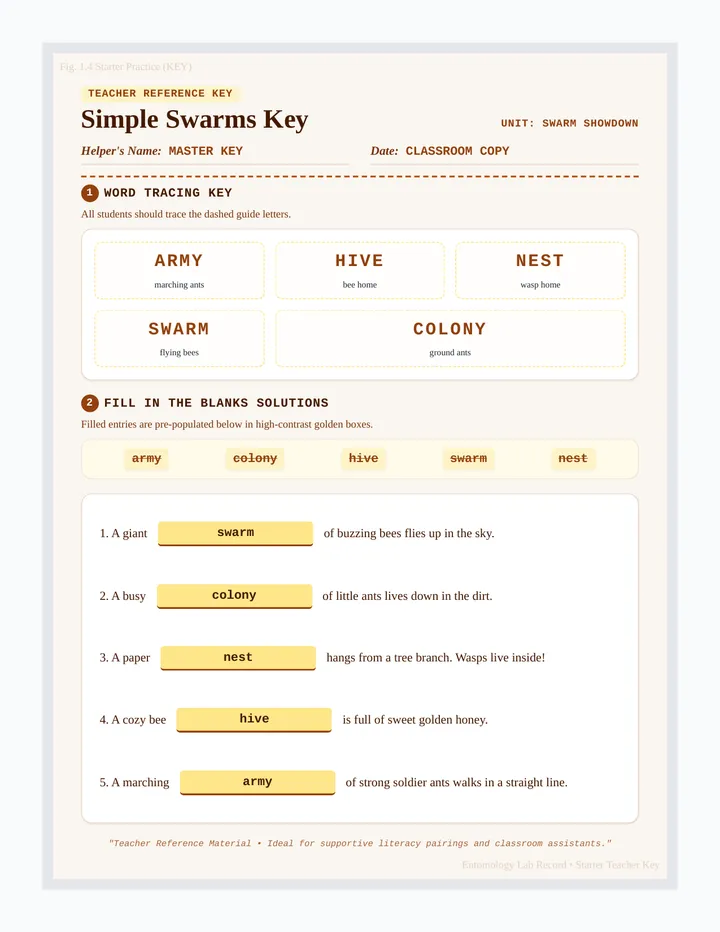
An engaging lesson on insect collective nouns and terminology, featuring a word search, crossword, and hands-on matching and writing activities exploring how bugs gather in groups.
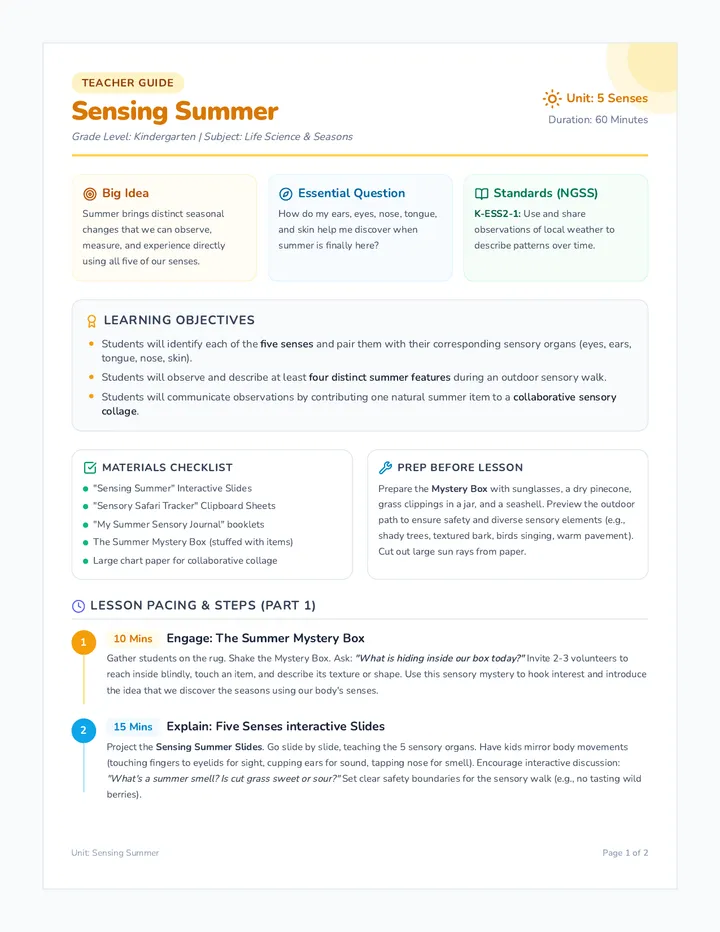
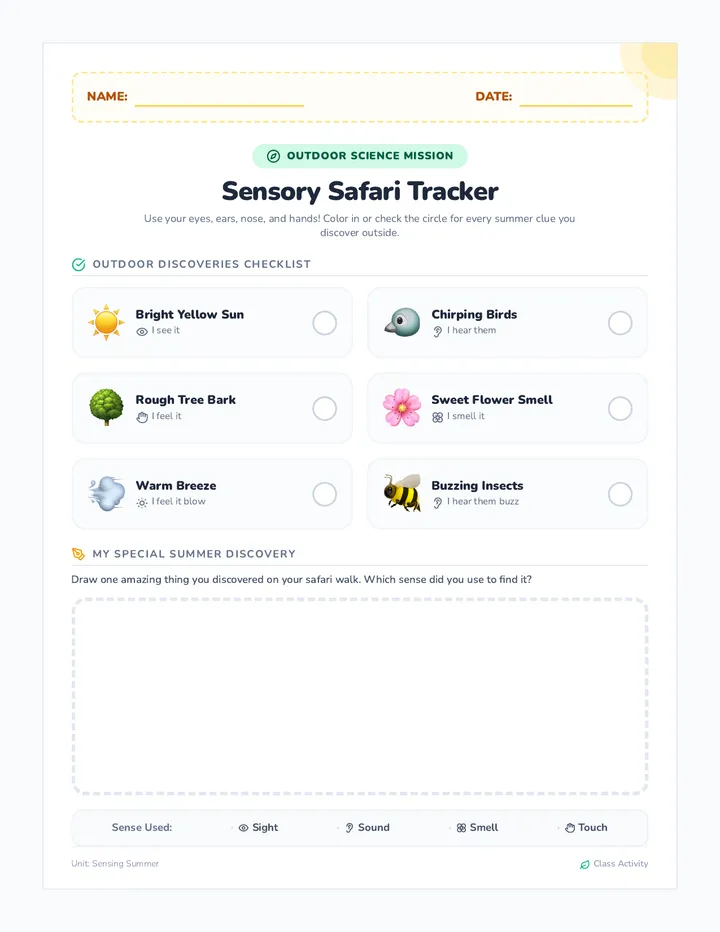
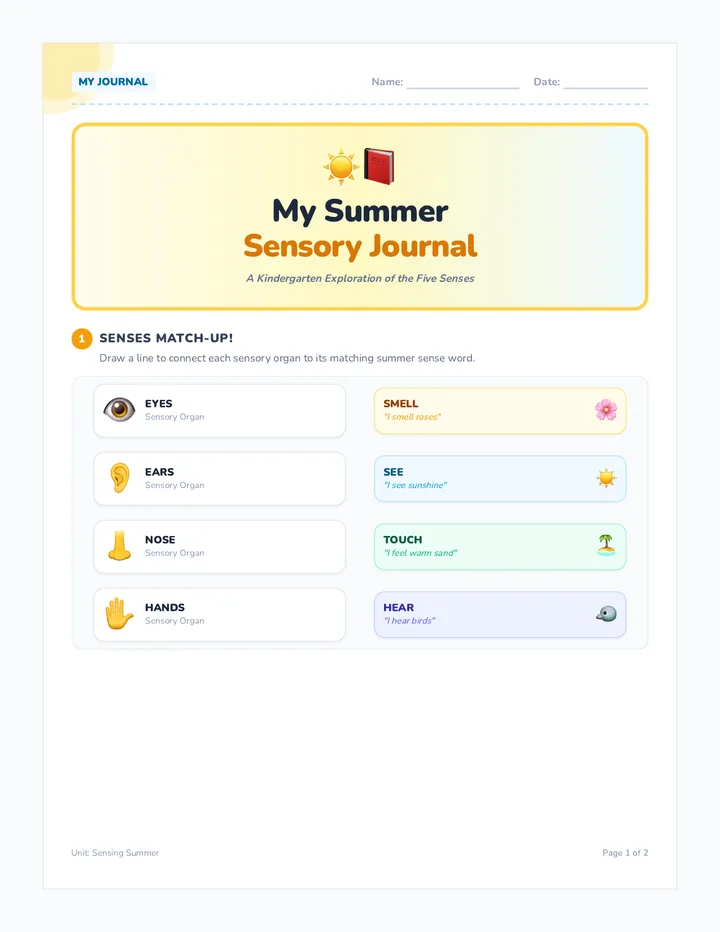
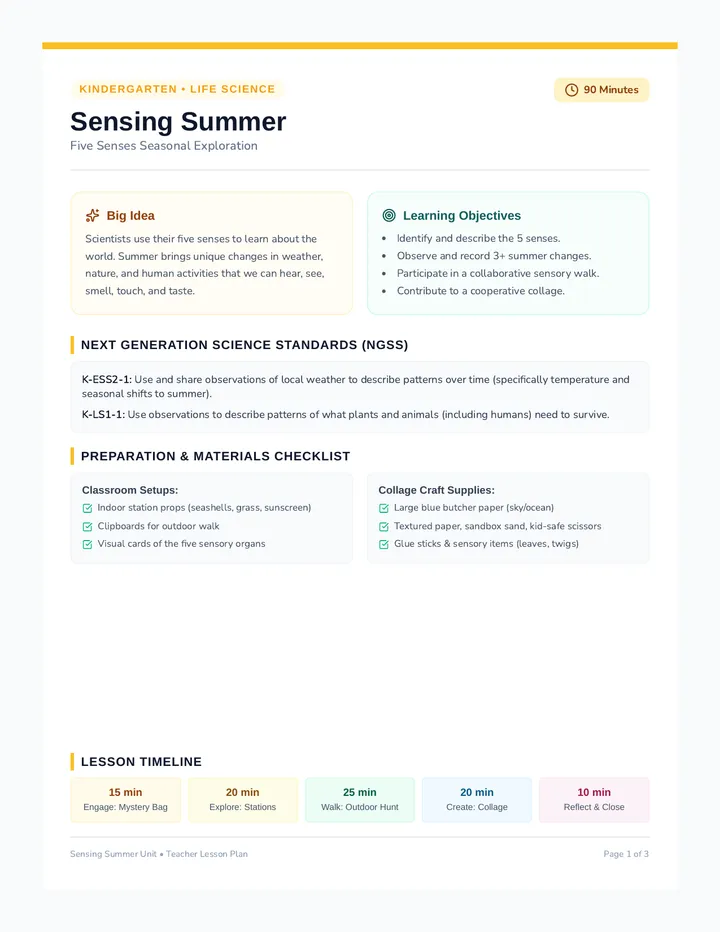
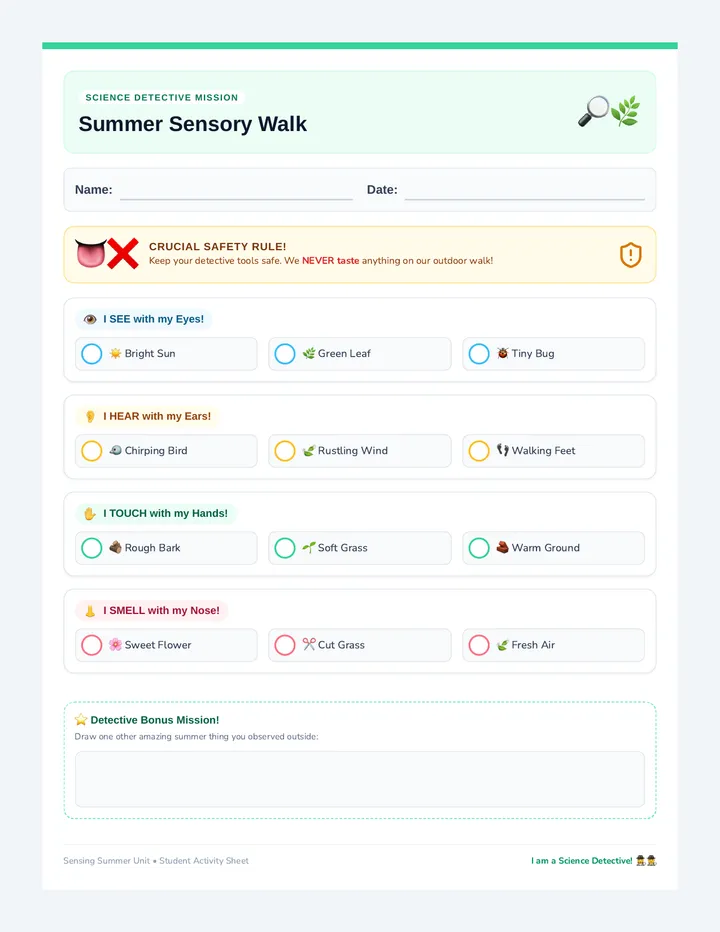
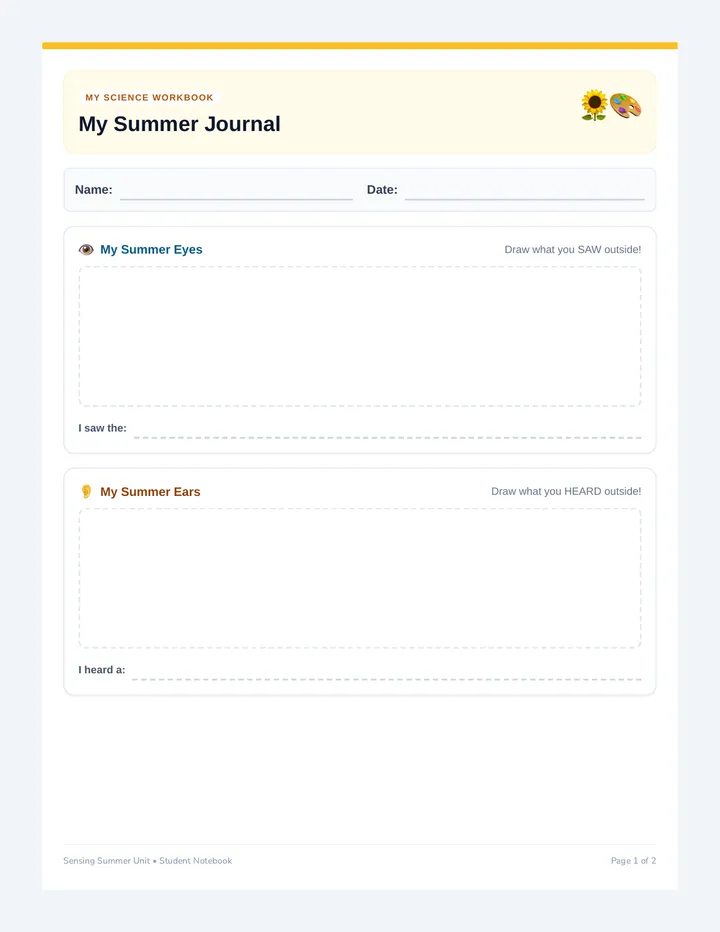
A comprehensive kindergarten science lesson where students explore summer using their five senses. The lesson includes a teacher guide, interactive slides, an outdoor sensory walk checklist, and a reflective sensory journal.
An interactive sensory science lesson where kindergarteners explore the seasonal changes of summer using their five senses through classroom discovery, an outdoor sensory walk, and journal reflections.
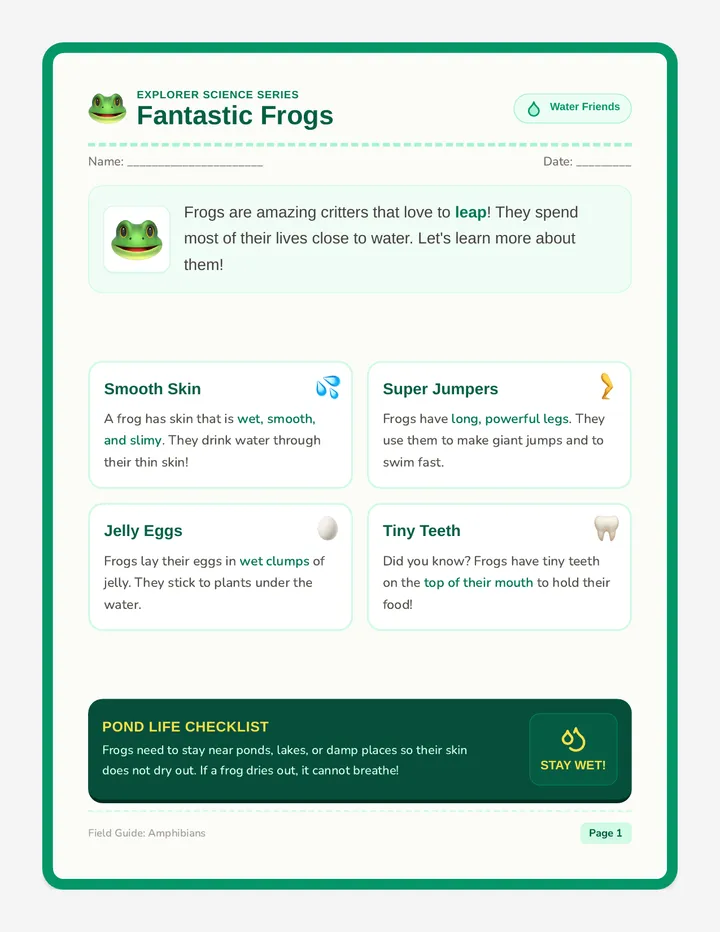
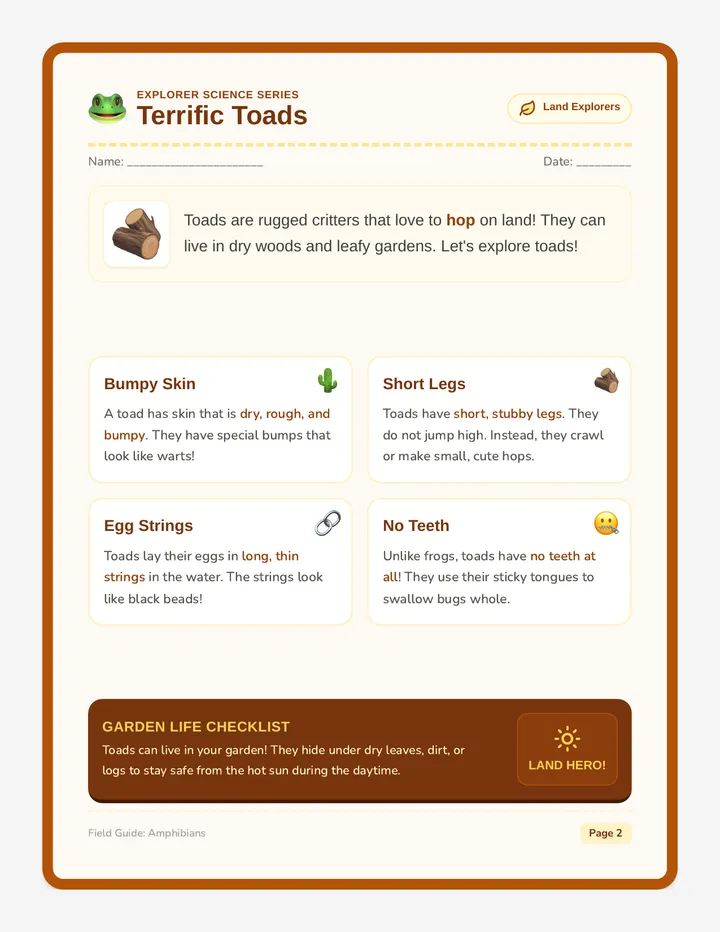
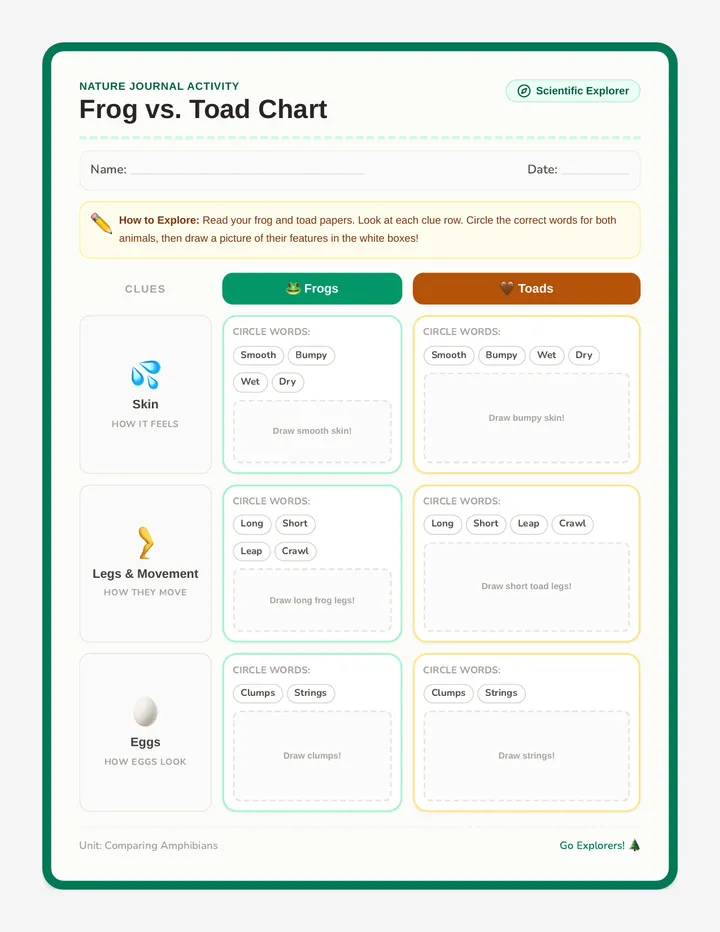
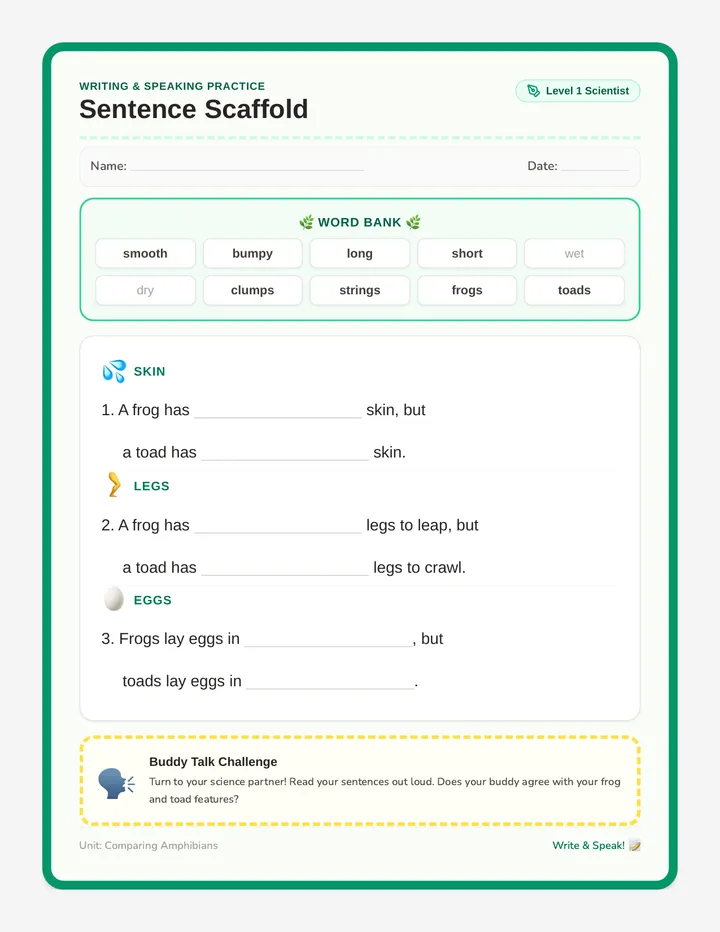
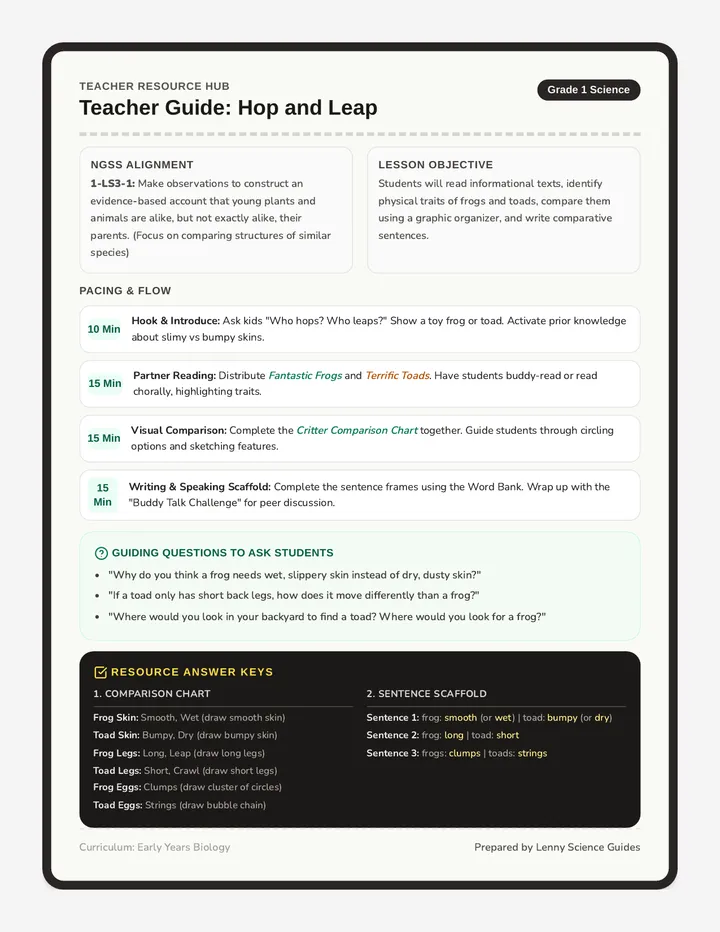
A first-grade science lesson comparing the observable physical and behavioral features of frogs and toads. Includes dual illustrated reading passages, a picture-supported graphic organizer, a sentence-frame writing scaffold, and a teacher facilitation guide.
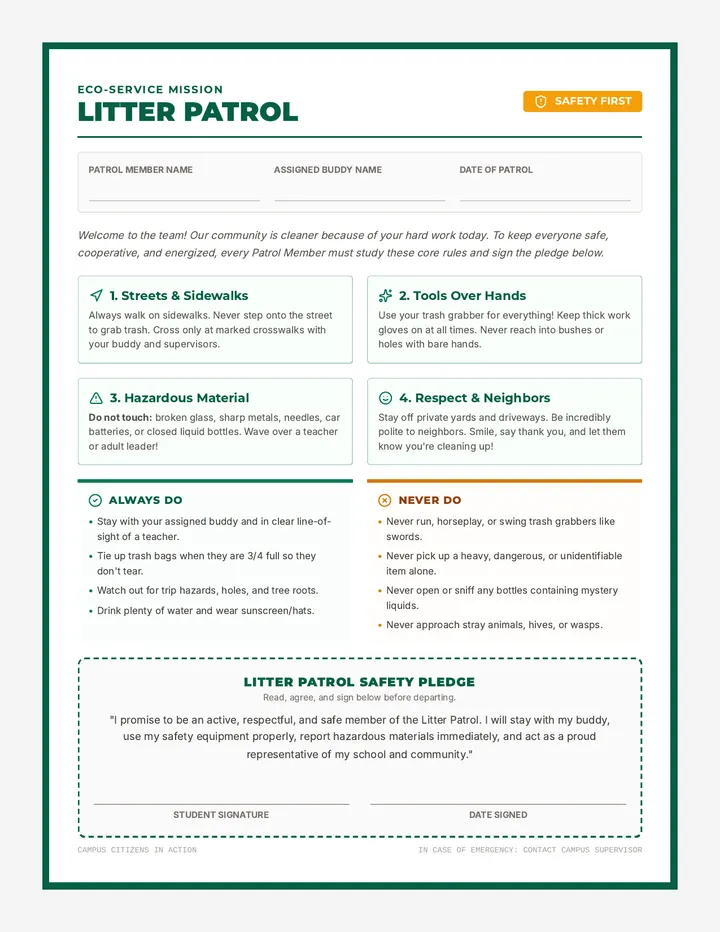
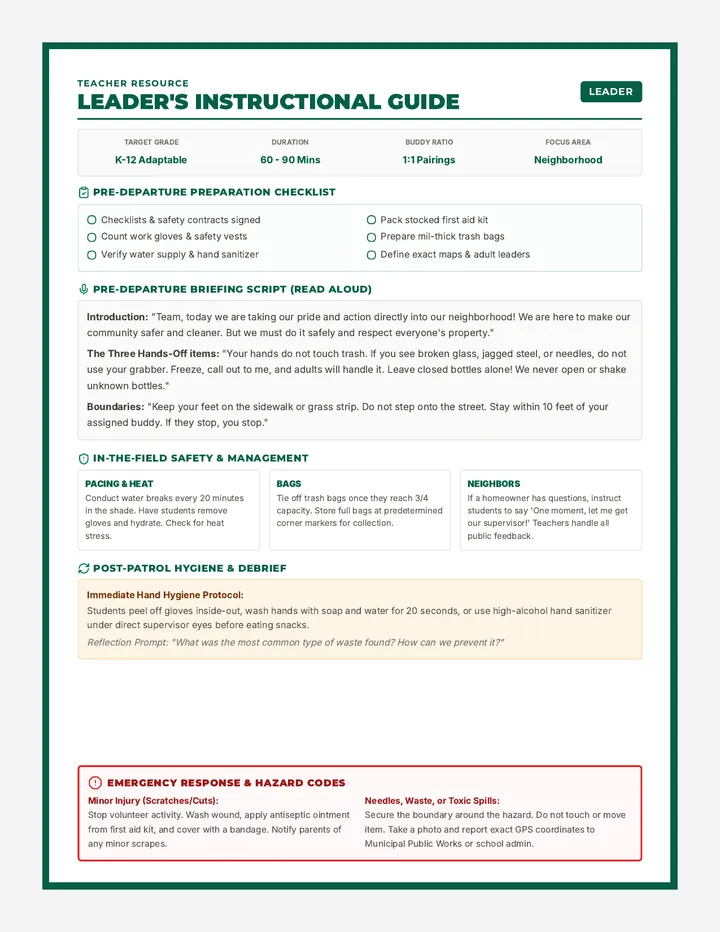
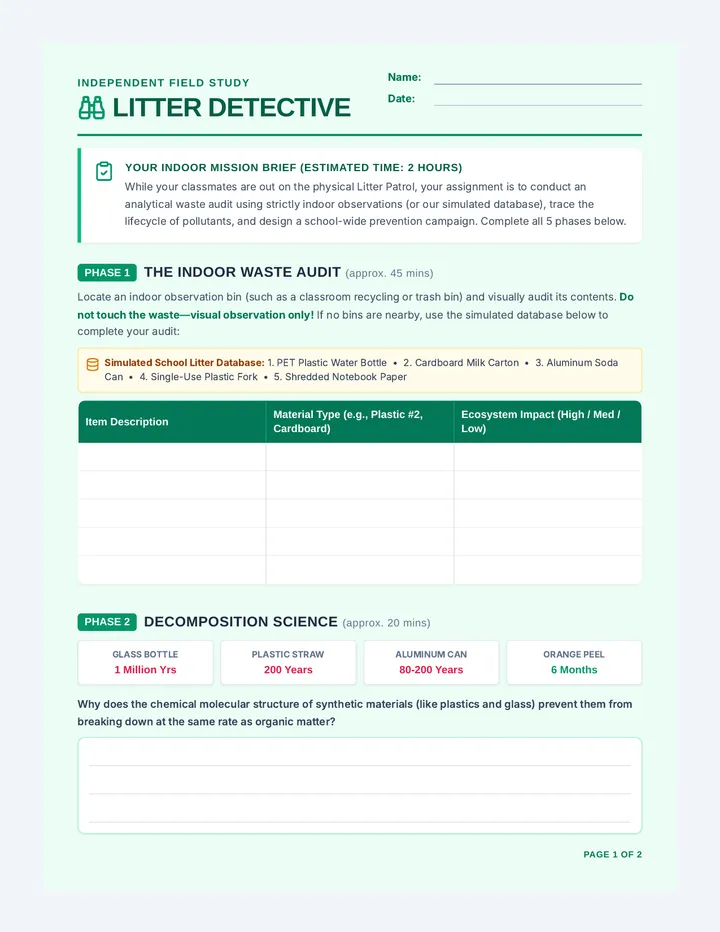
A comprehensive safety and preparation kit for students and teachers participating in a neighborhood trash pick-up community service project. It includes safety slides, a student contract and checklist, and a detailed teacher instruction guide.
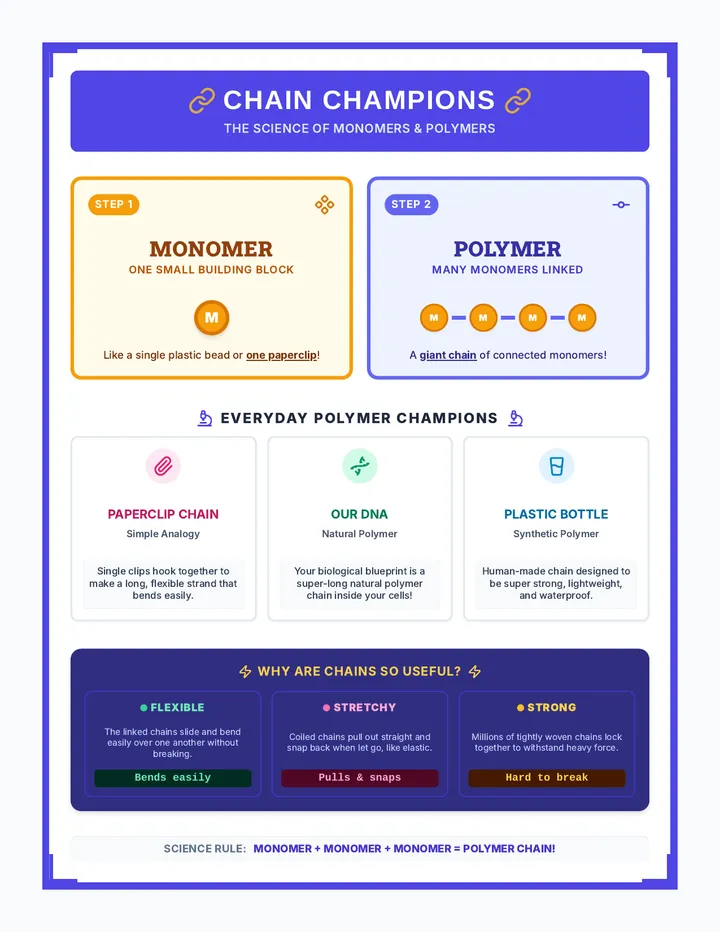
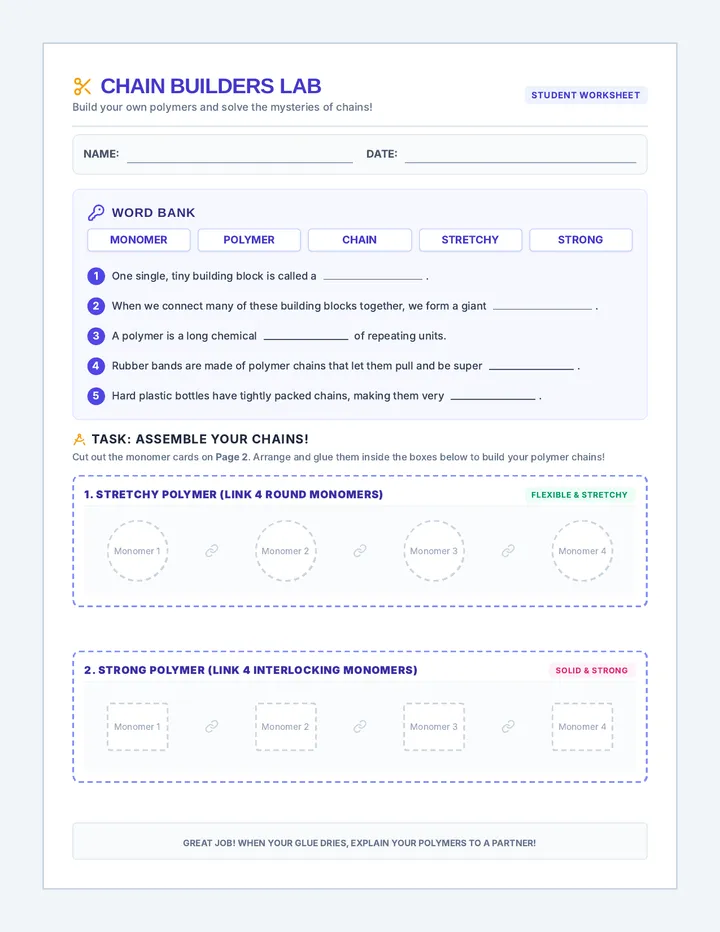
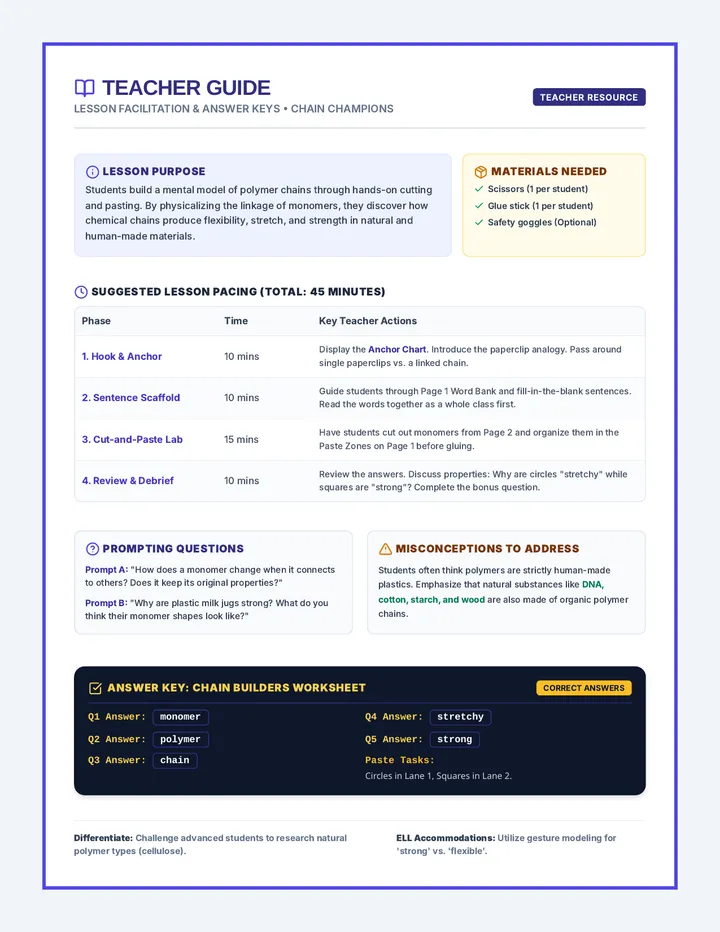
A highly visual and tactile introduction to polymer chains, monomers, and everyday applications. Students explore how small repeating units form strong, flexible, and stretchy properties through hands-on modeling and scaffolded writing.
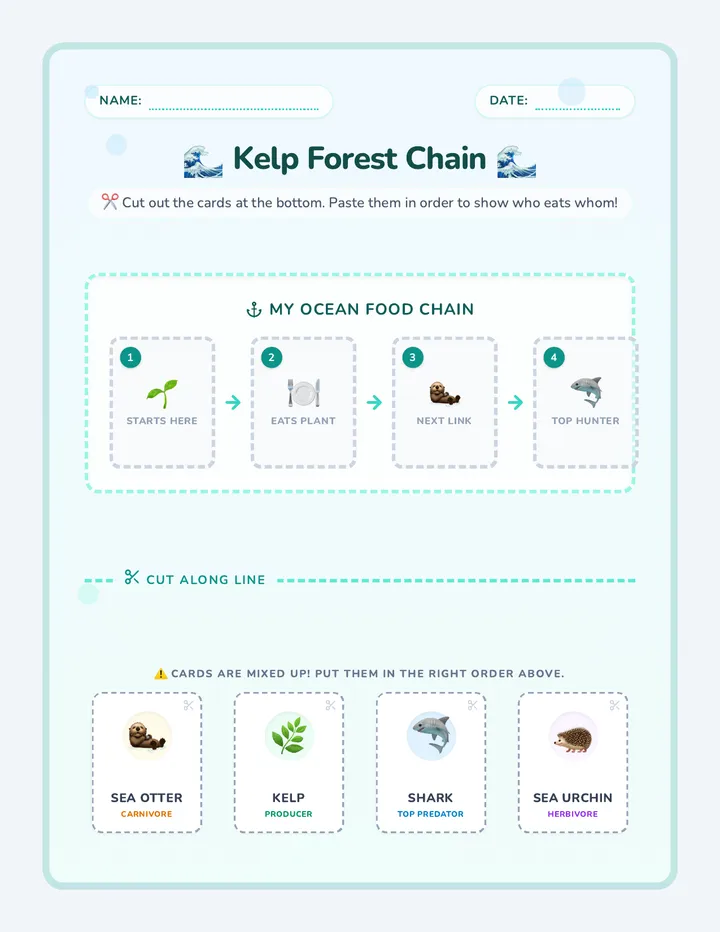
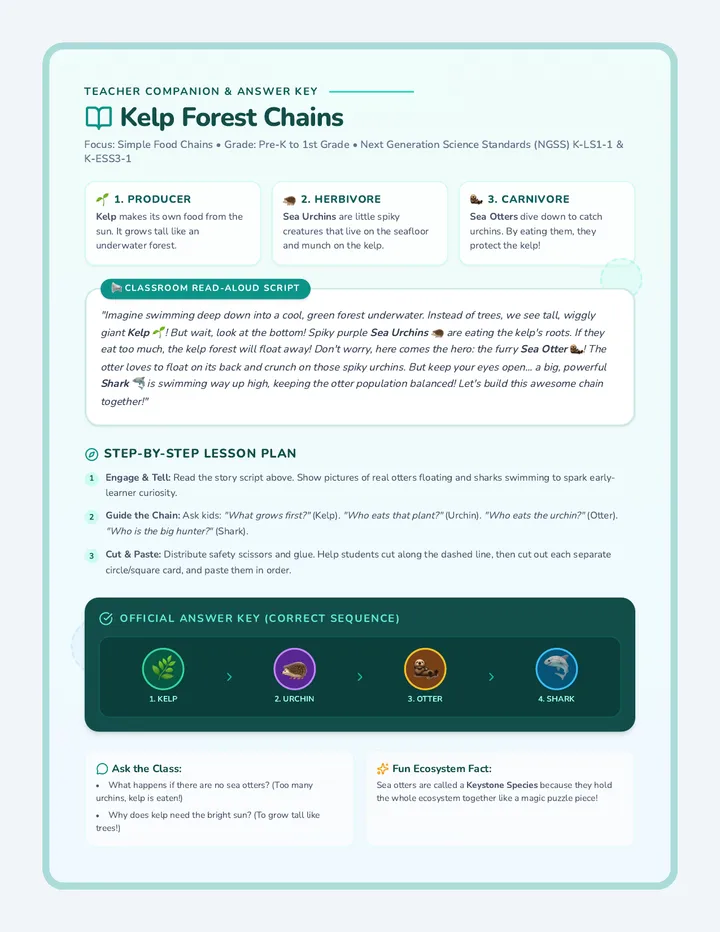
A hand-on science lesson for early learners (Pre-K to 1st grade) to understand simple ocean food chains using the kelp forest ecosystem. Students explore how energy moves from kelp to urchins, otters, and sharks through a tactile cut-and-paste activity.
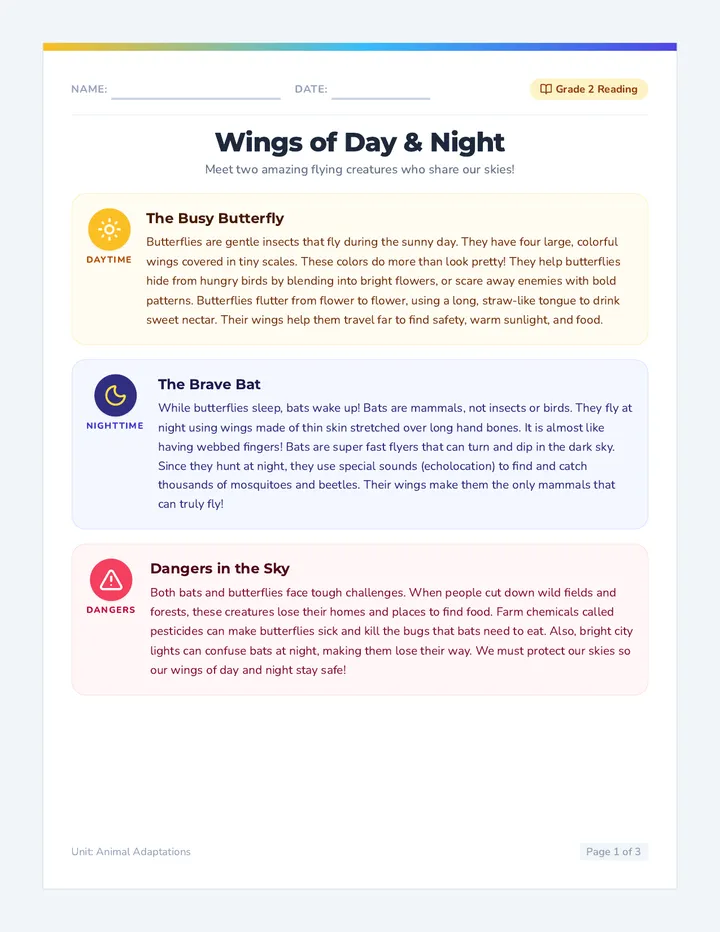
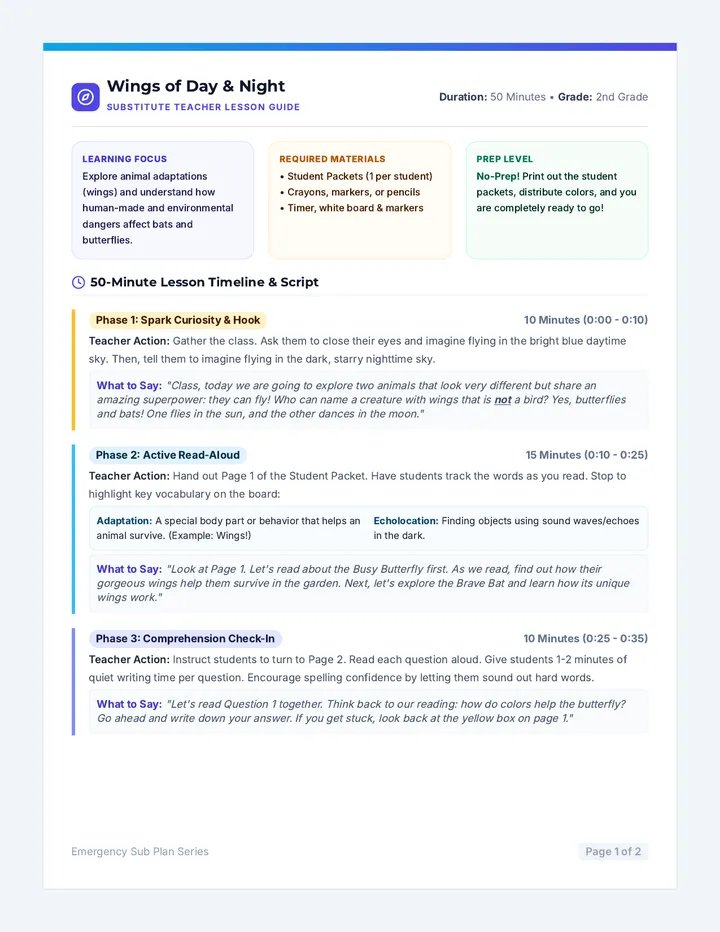
A 50-minute emergency sub plan for second graders exploring butterflies and bats. Students investigate how wings help these creatures survive, the unique dangers they face, and create a dual-habitat drawing of day and night.
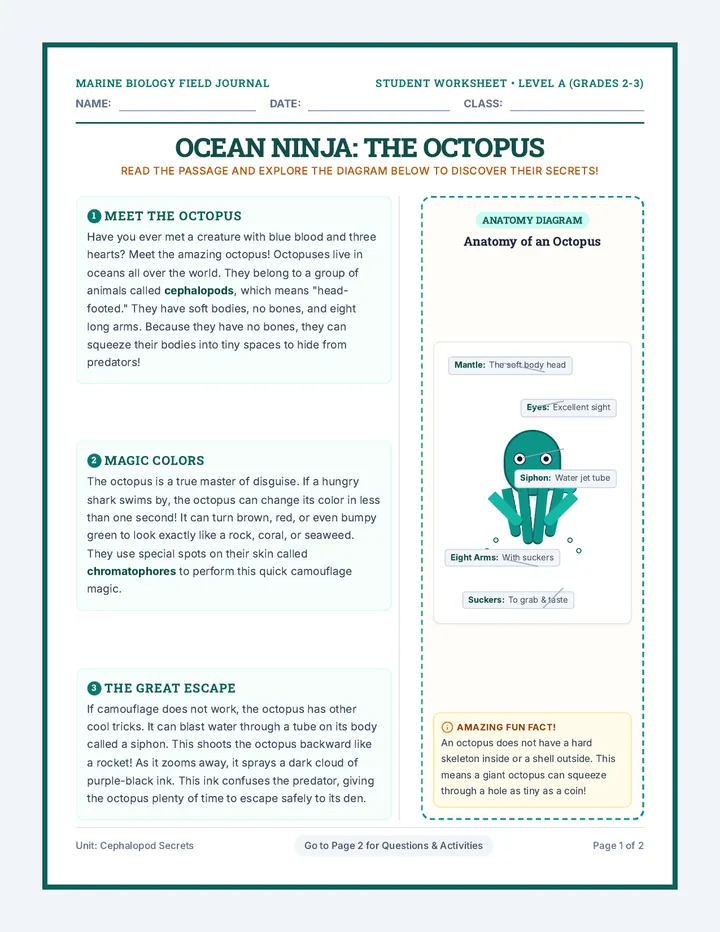
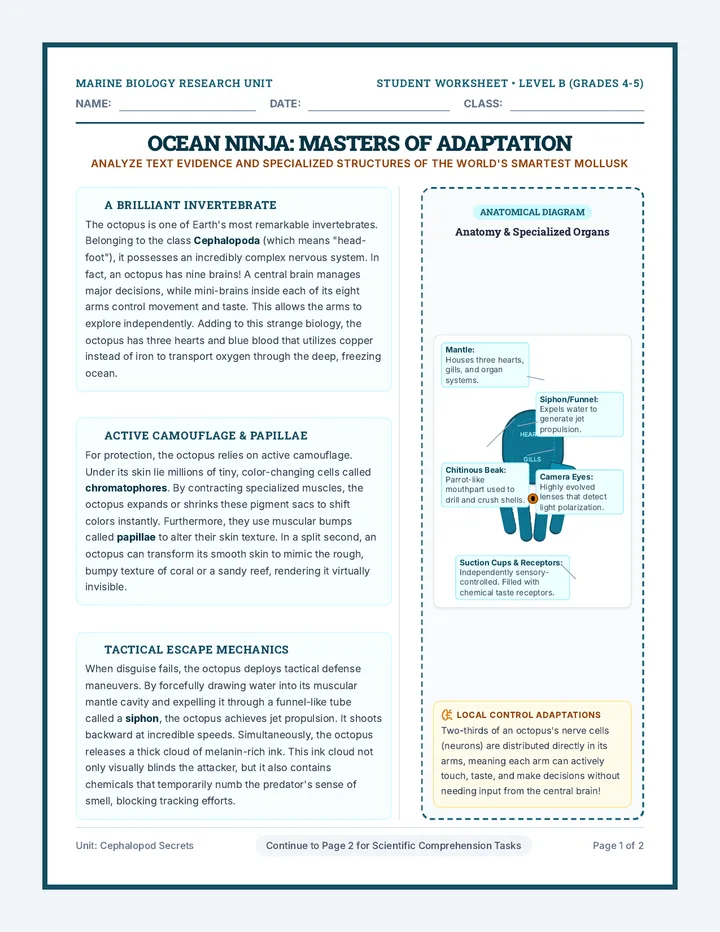
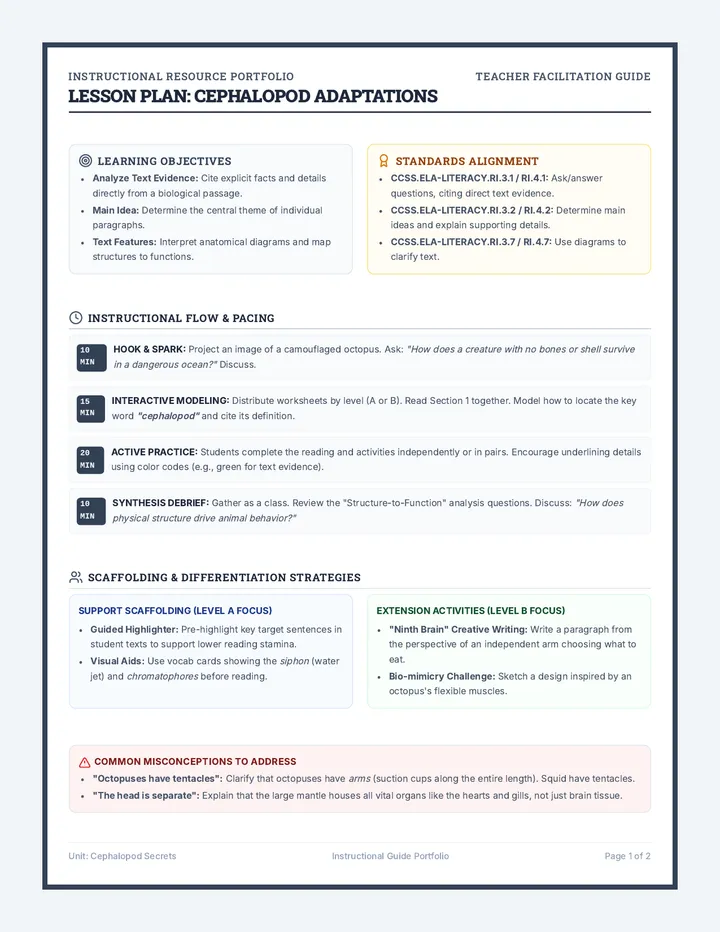
A differentiated reading comprehension unit focusing on the fascinating adaptations, anatomy, and intelligence of octopuses. Students read level-adjusted passages, analyze text-feature diagrams, and practice finding direct text evidence and summarizing main ideas.
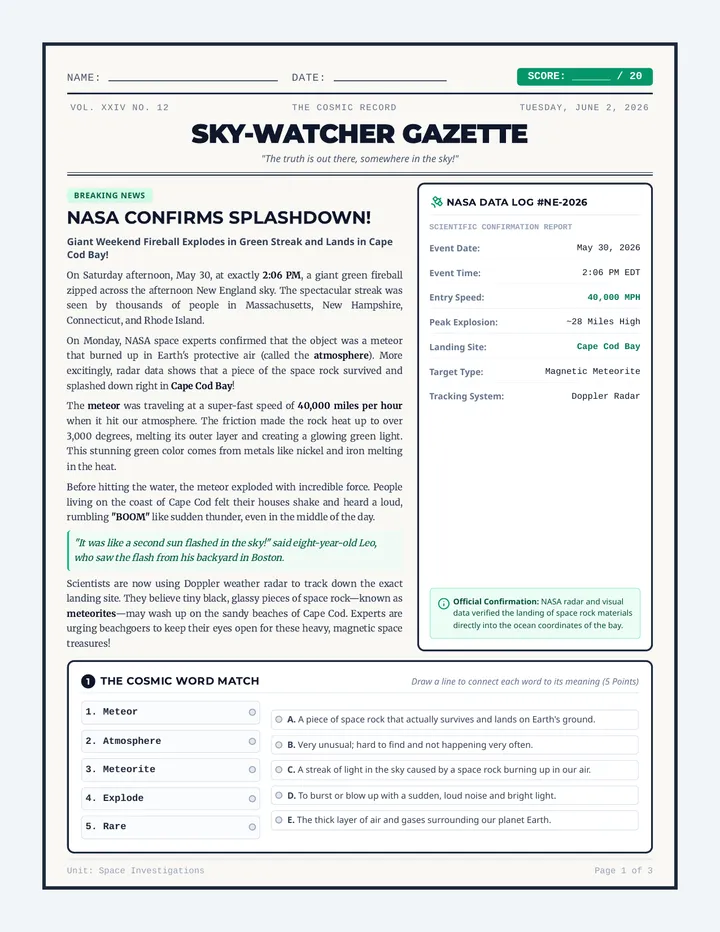
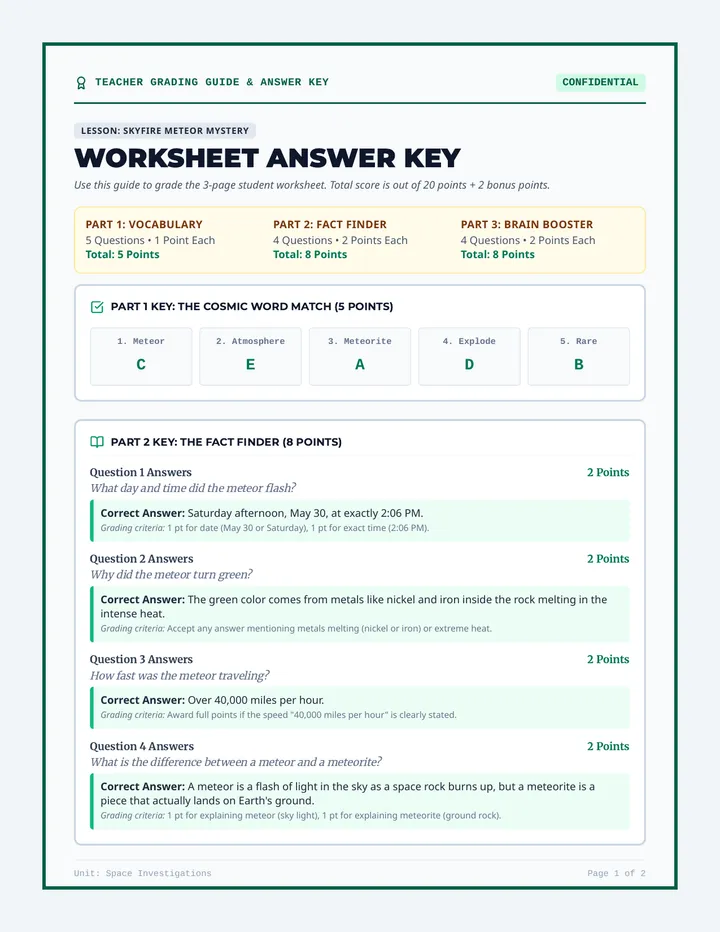
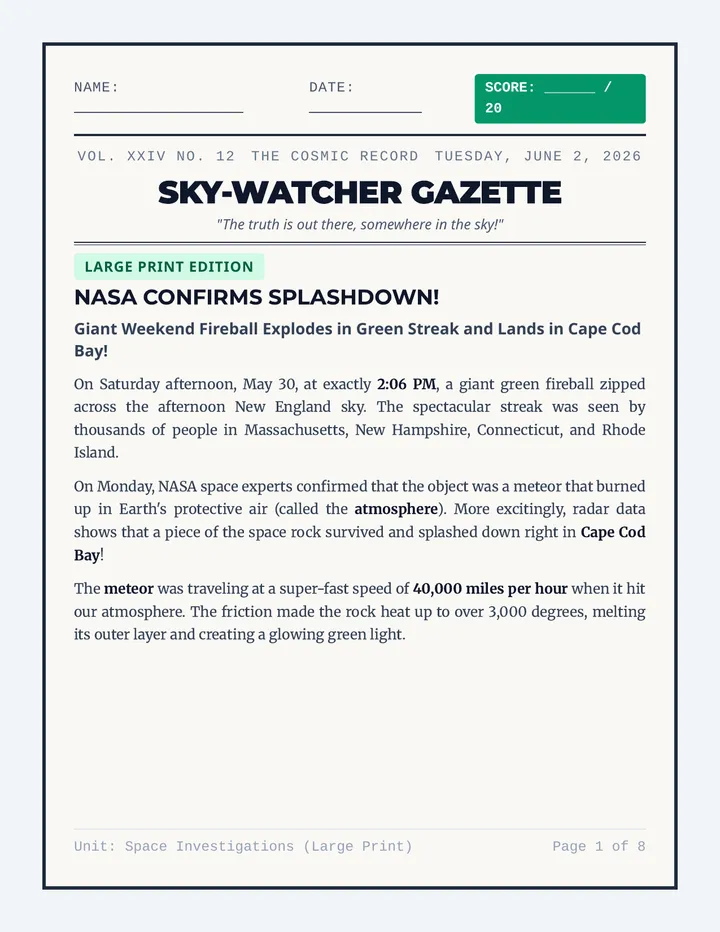
A reading comprehension lesson for 2nd and 3rd-grade students based on the spectacular meteor explosion over New England. Features engaging news-style reading, vocabulary challenges, comprehension questions, and a creative activity.
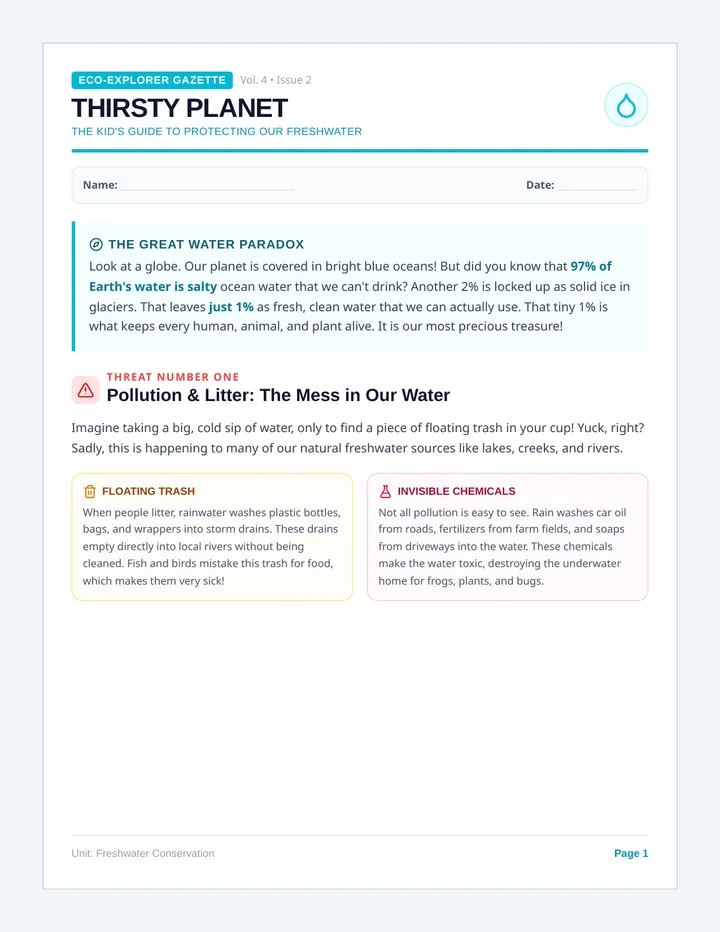
A lesson focused on understanding the primary threats to our freshwater supply, featuring an engaging, student-friendly explorer article on pollution, home water waste, droughts, and growing demand.
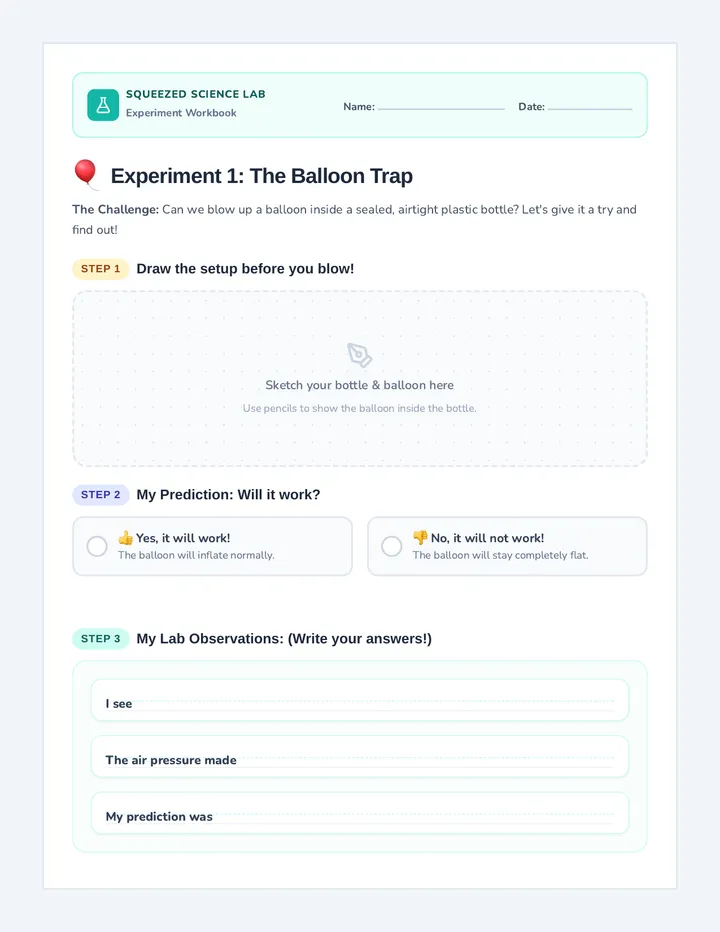
An early elementary science lesson about air pressure featuring three hands-on experiments: Balloon in a Bottle, Egg in a Bottle, and the Water Glass Trick. Students make predictions and record observations using a highly visual cut-and-paste workbook.
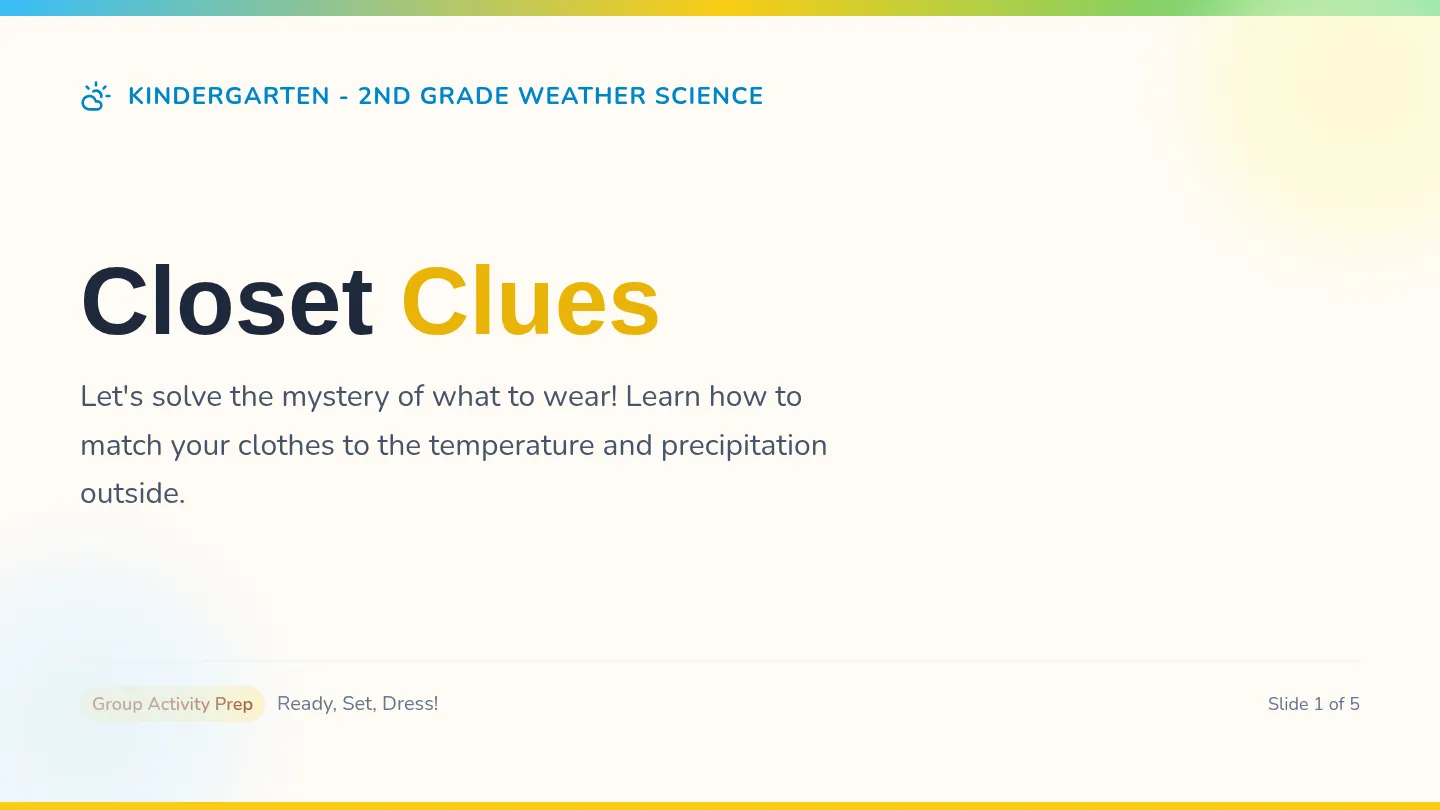
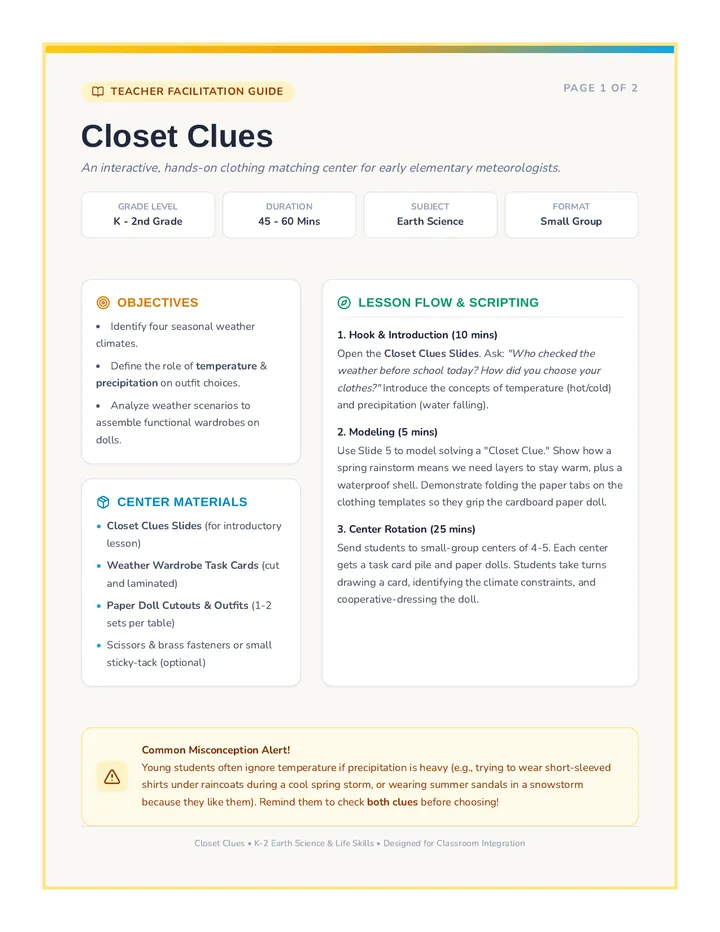
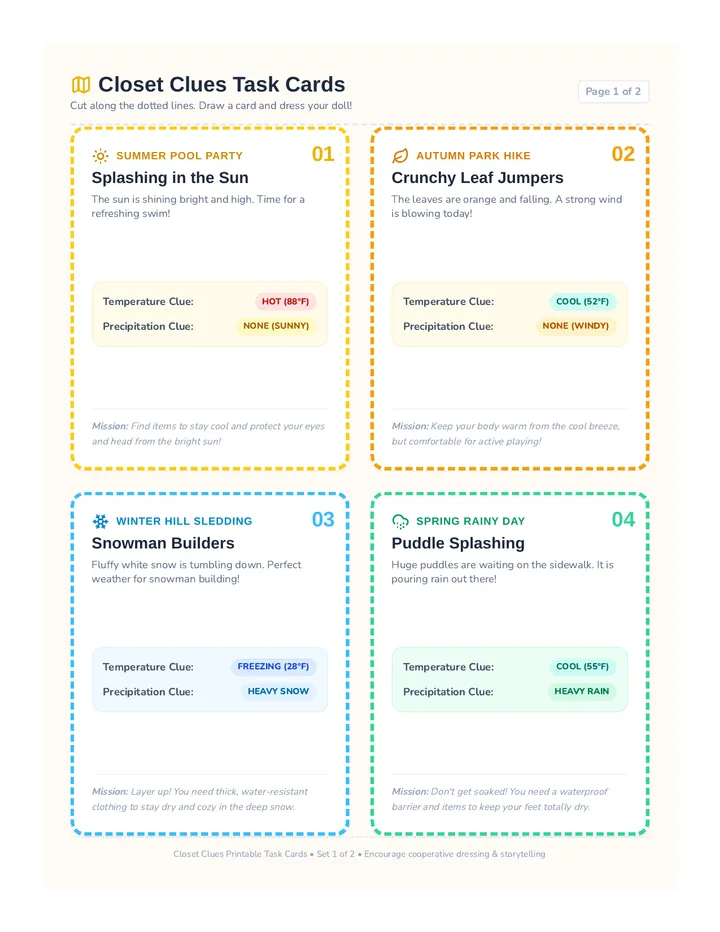
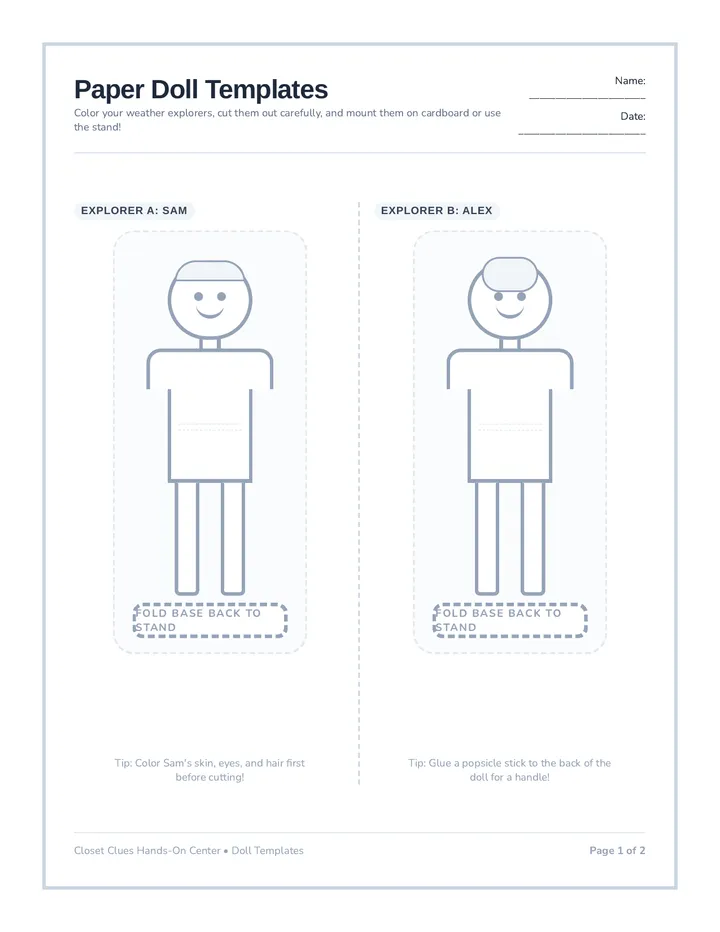
A hands-on, interactive lesson where students explore how to select appropriate clothing based on seasonal weather conditions, temperature, and precipitation. Using task cards and paper-doll cutouts, students practice matching wardrobes to real-world weather scenarios.
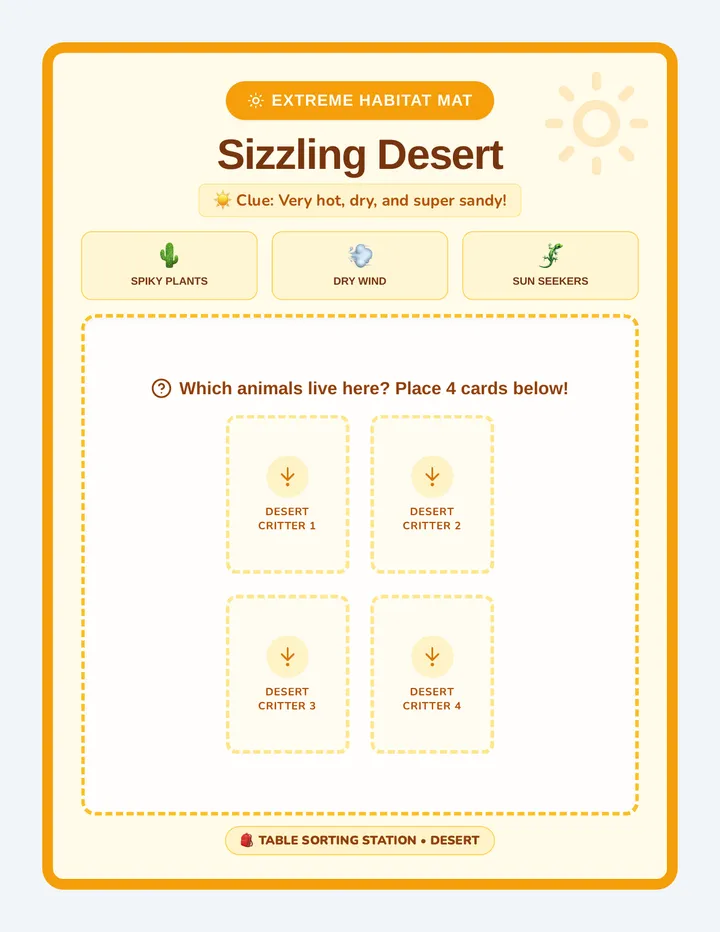
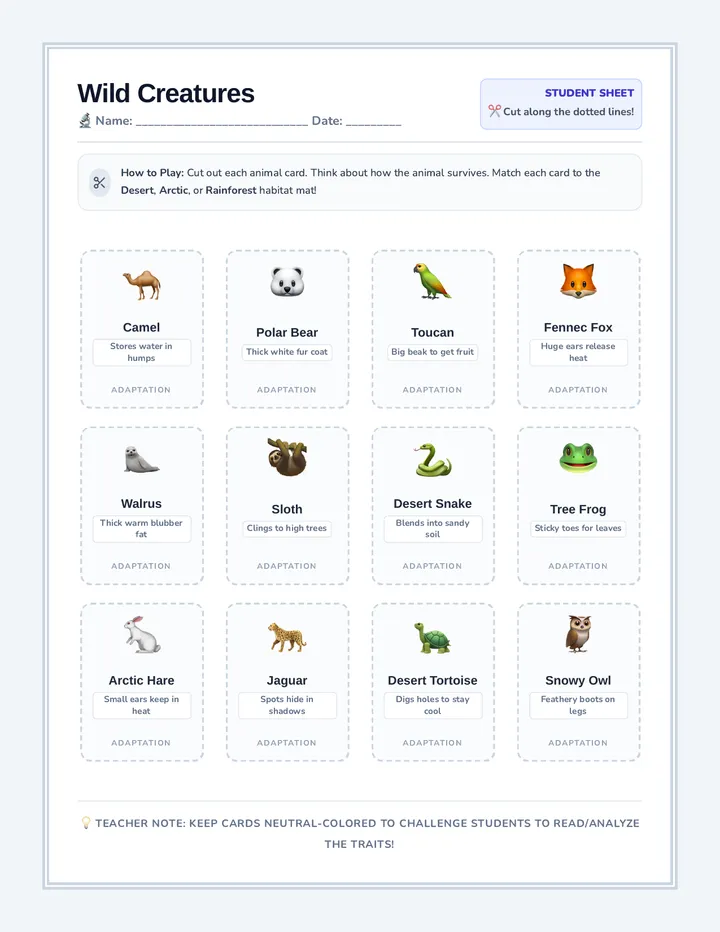
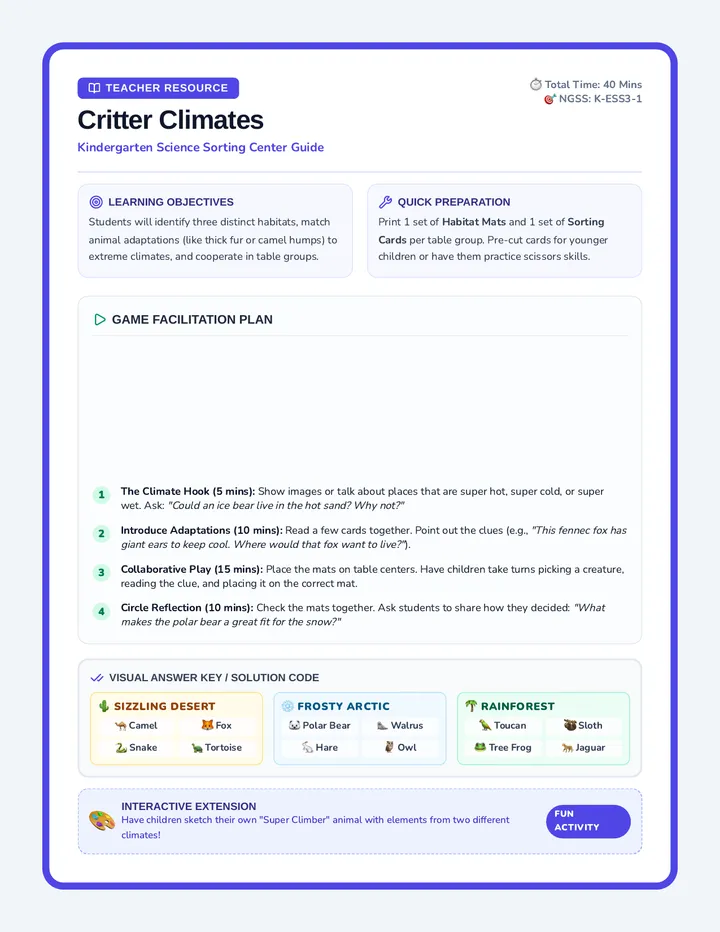
A hands-on kindergarten science game where students sort animals into three extreme habitats: Desert, Arctic, and Rainforest, learning about adaptations along the way.