An introduction to the foundations of logic and reasoning, centered on Aristotle's syllogisms and the Socratic method in Ancient Greece. Students will learn to build valid arguments and spot common logical errors.
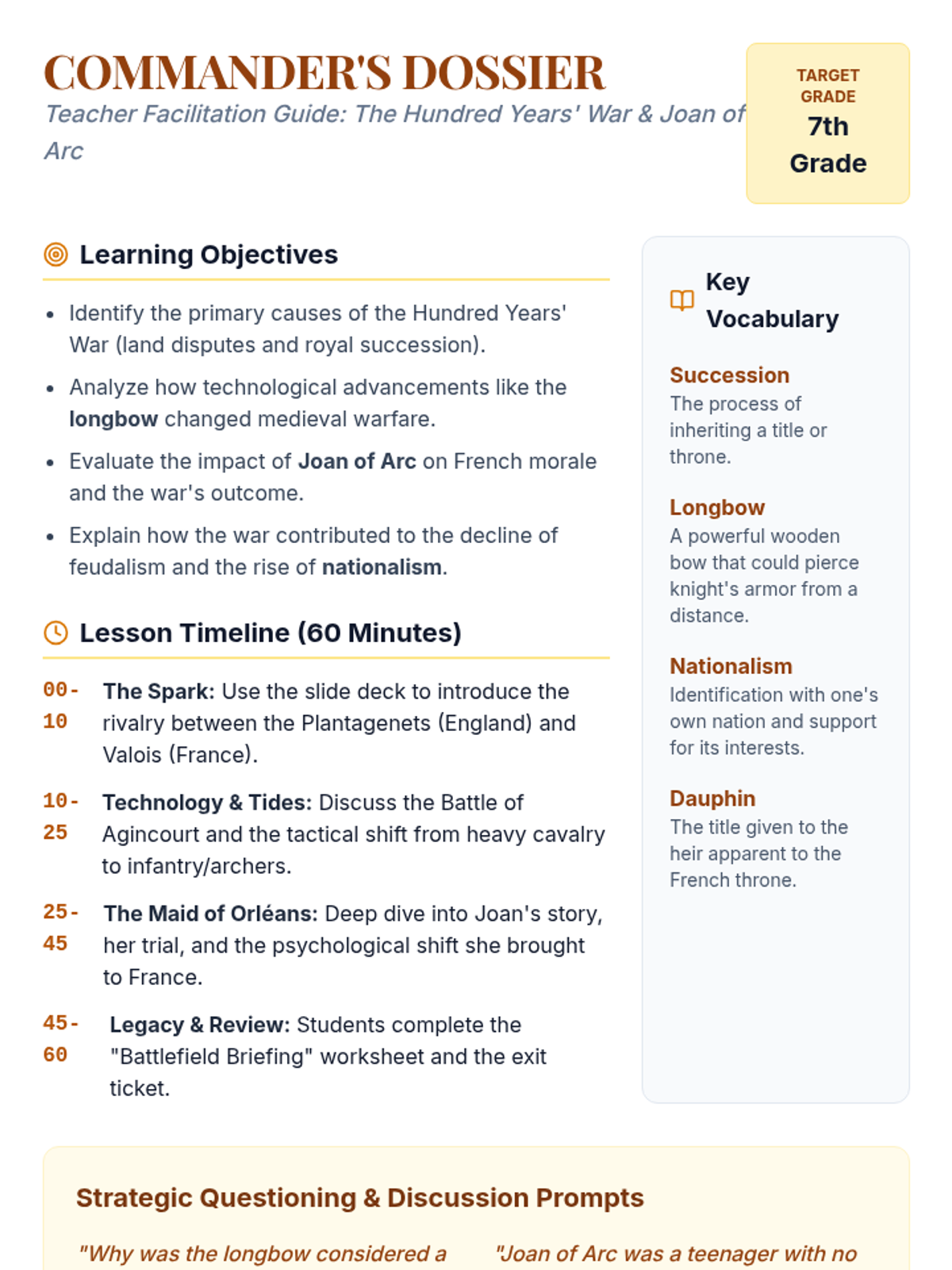
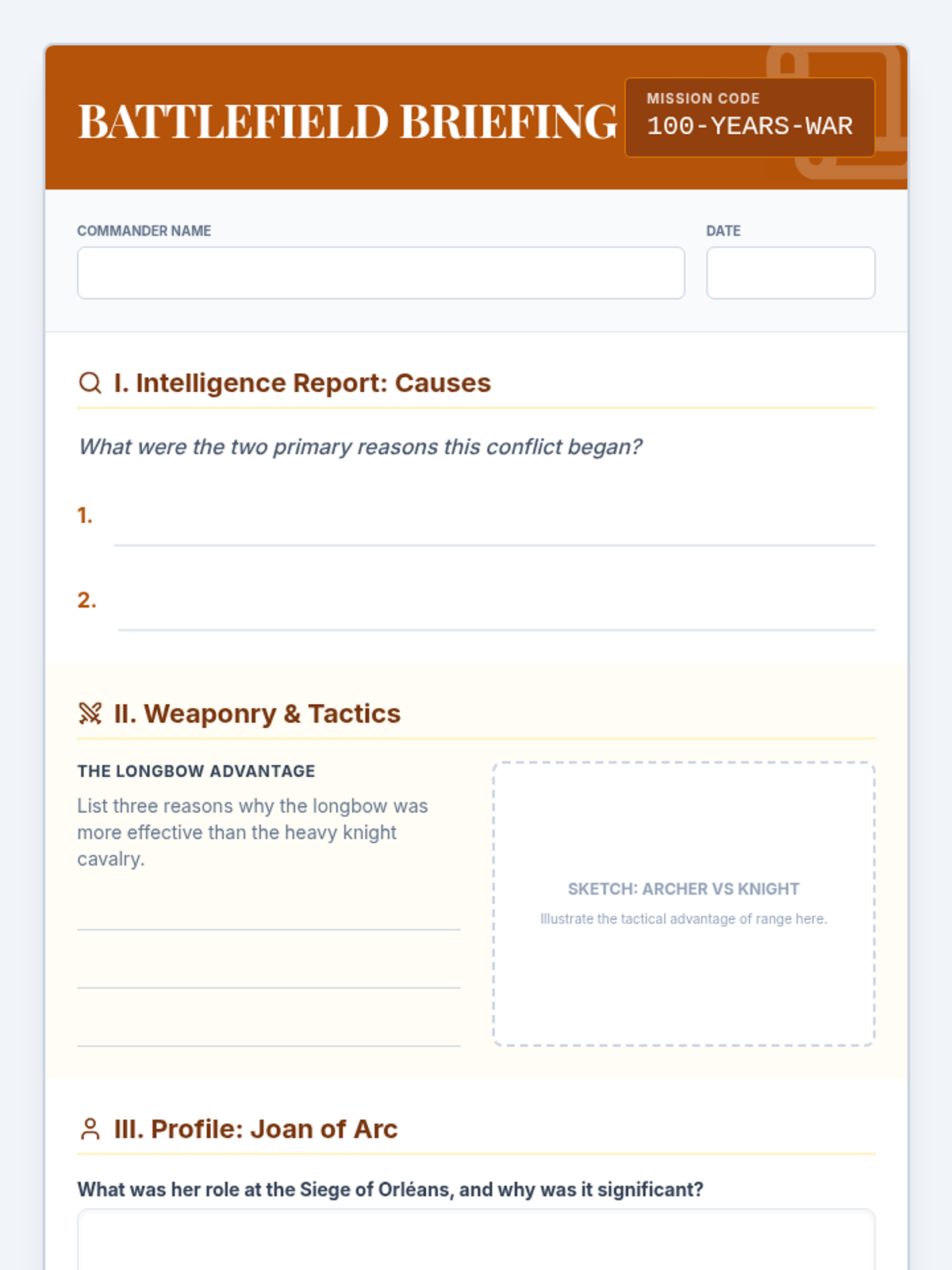
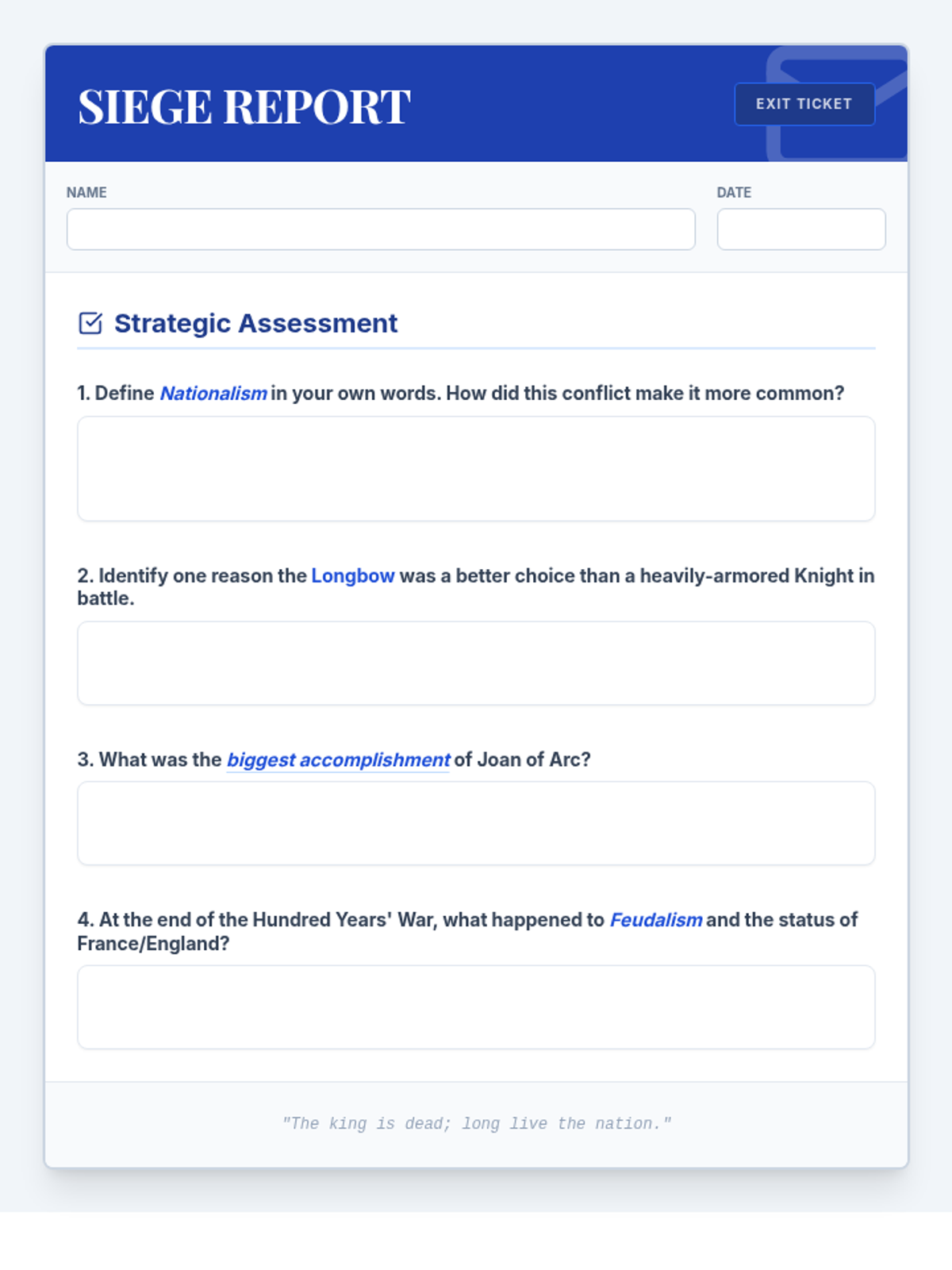
A comprehensive exploration of the Hundred Years' War and the transformative role of Joan of Arc, focusing on the shift from feudalism to nationalism and the impact of new military technology.
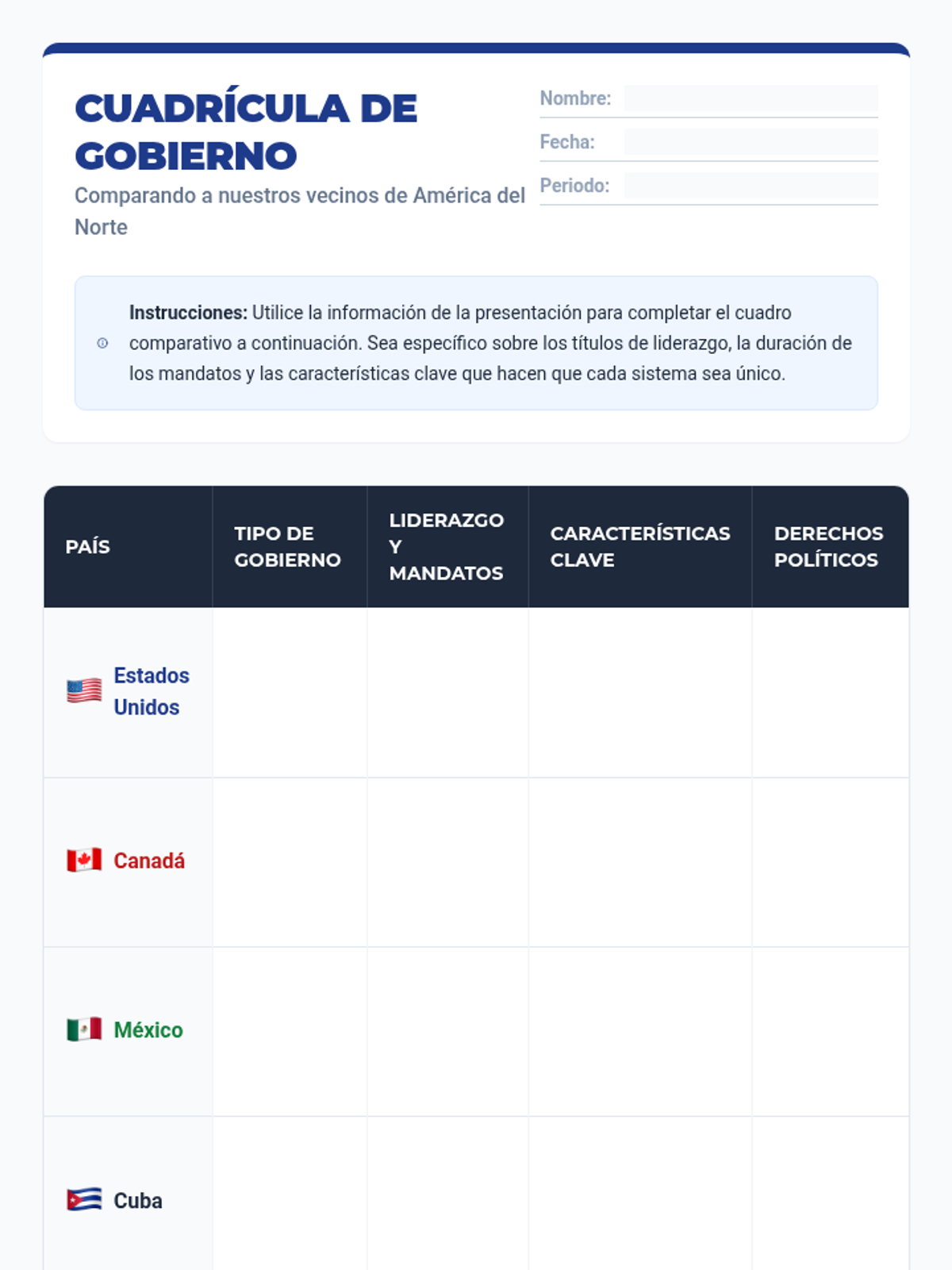
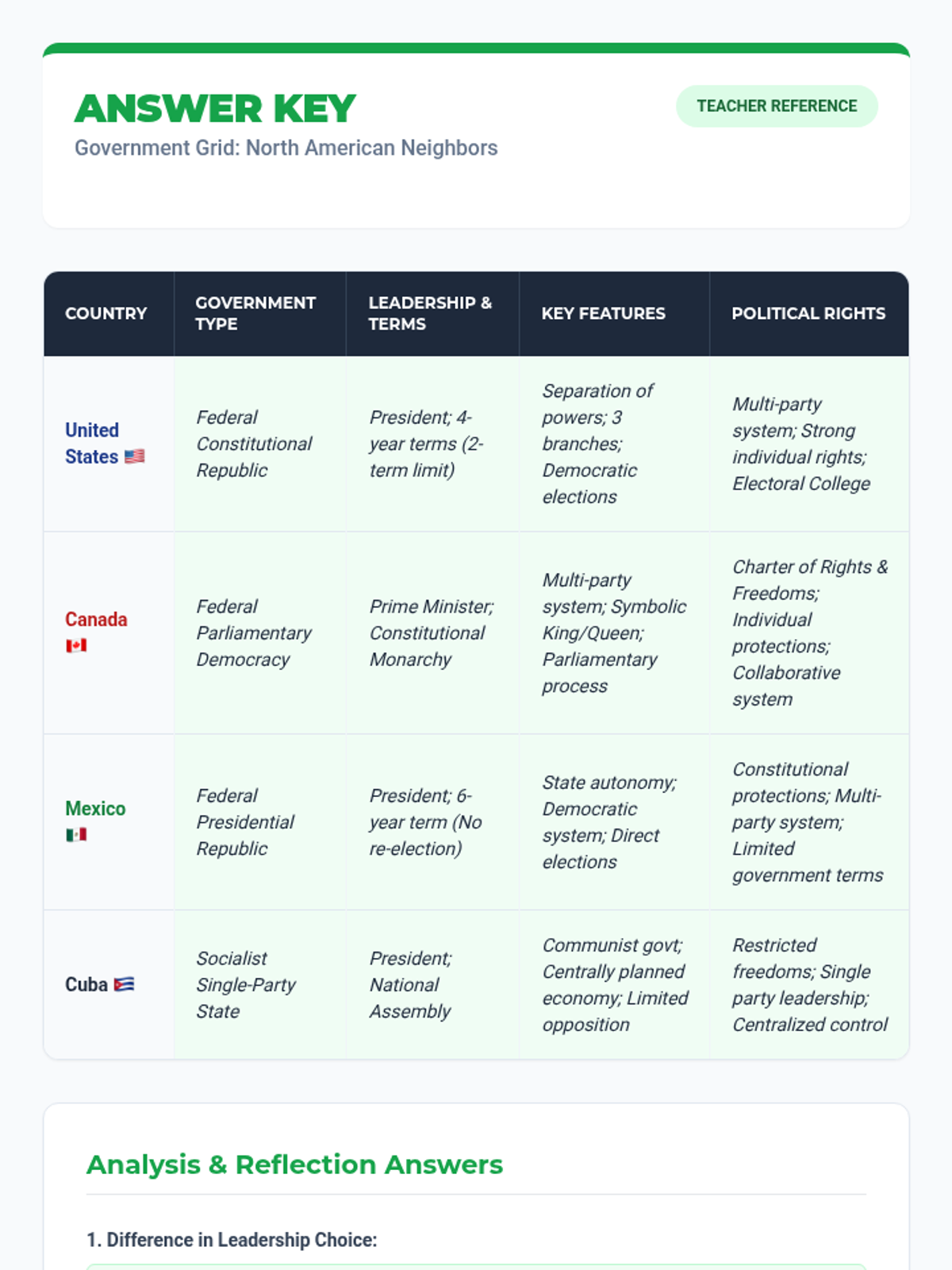
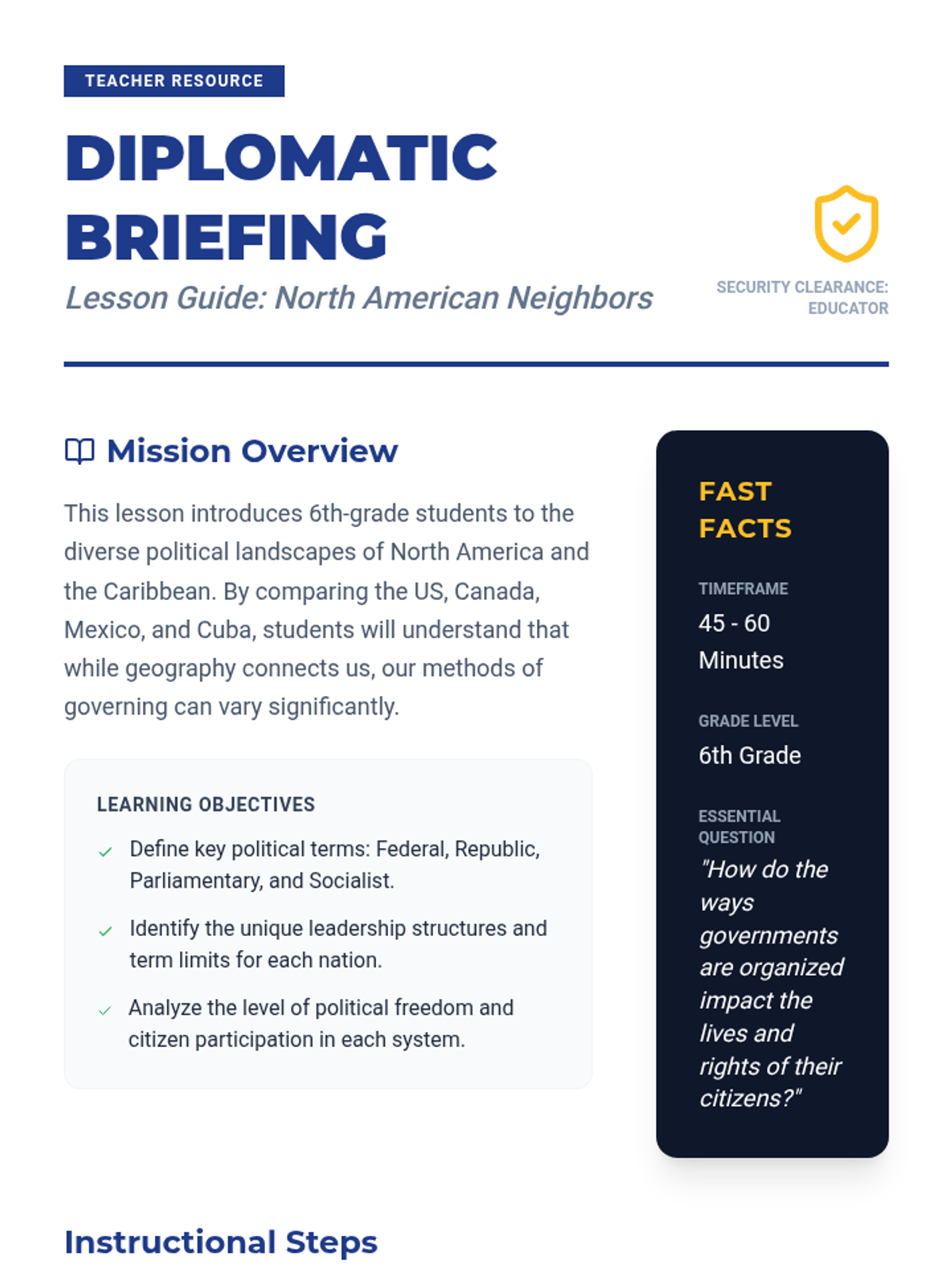
An introductory lesson comparing the government systems of the United States, Canada, Mexico, and Cuba, focusing on leadership, political rights, and key structural features for 6th-grade students.
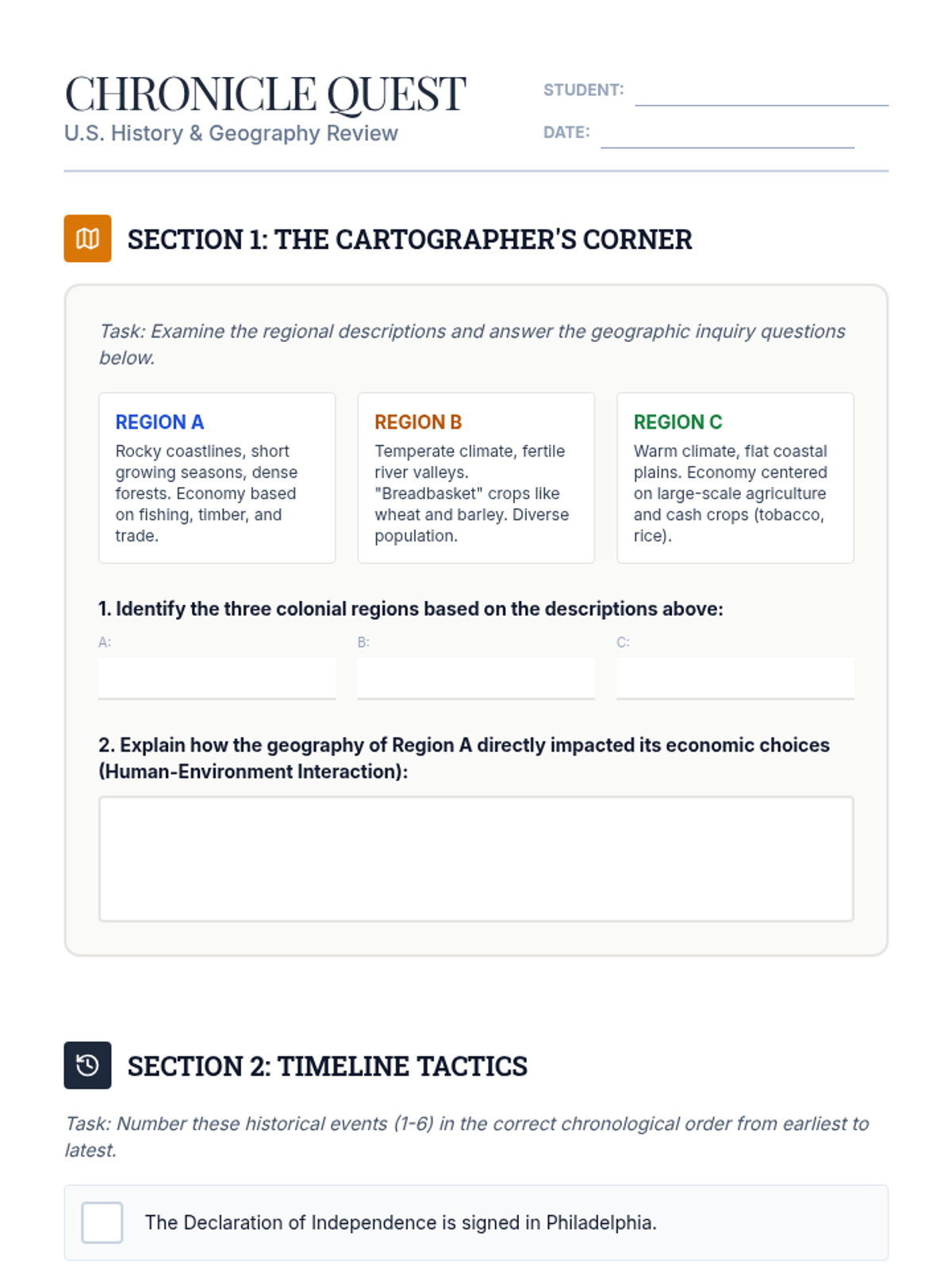
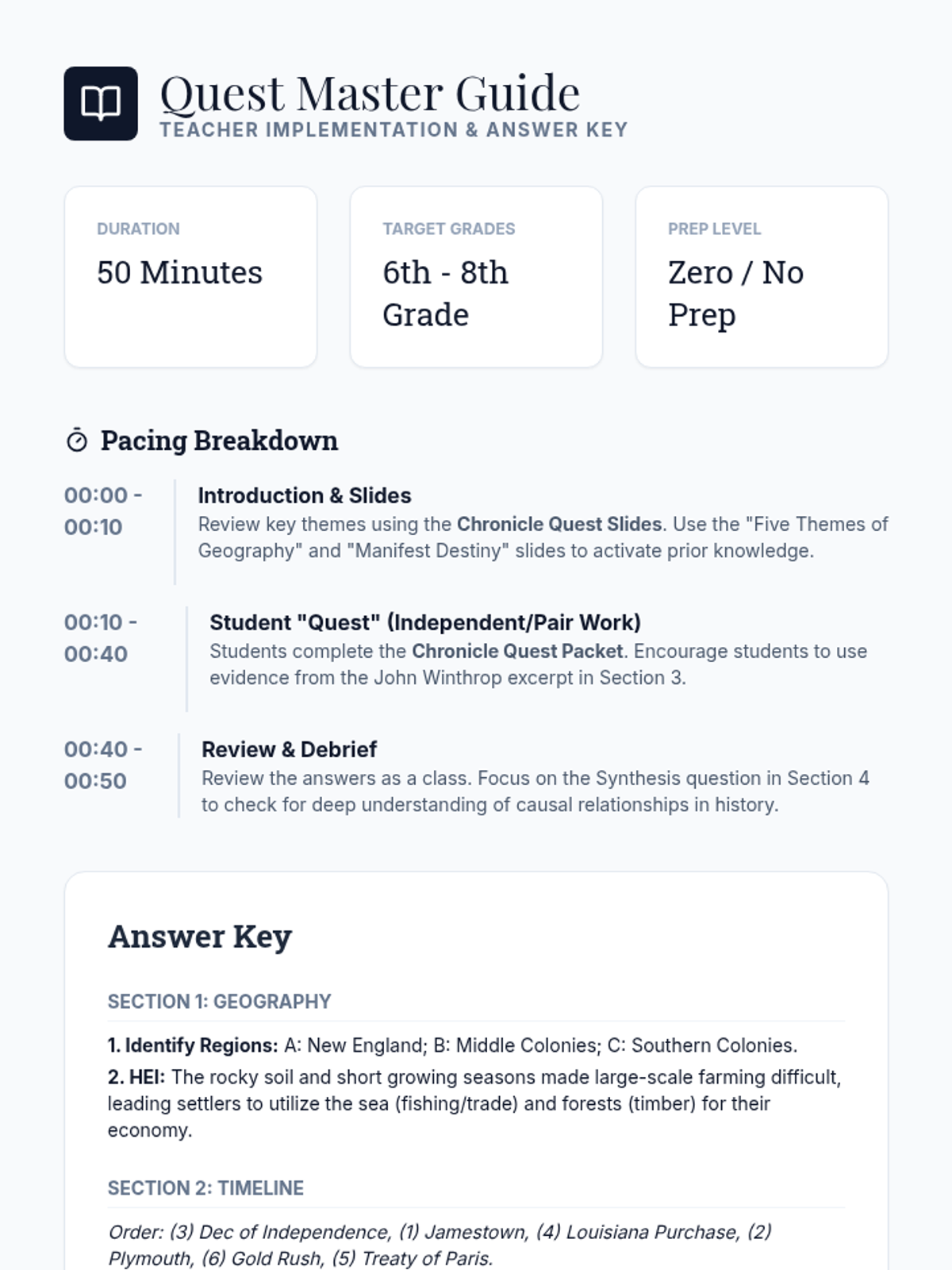
A comprehensive 50-minute social studies review for middle schoolers, covering US history from colonization to westward expansion, geography, and primary source analysis.
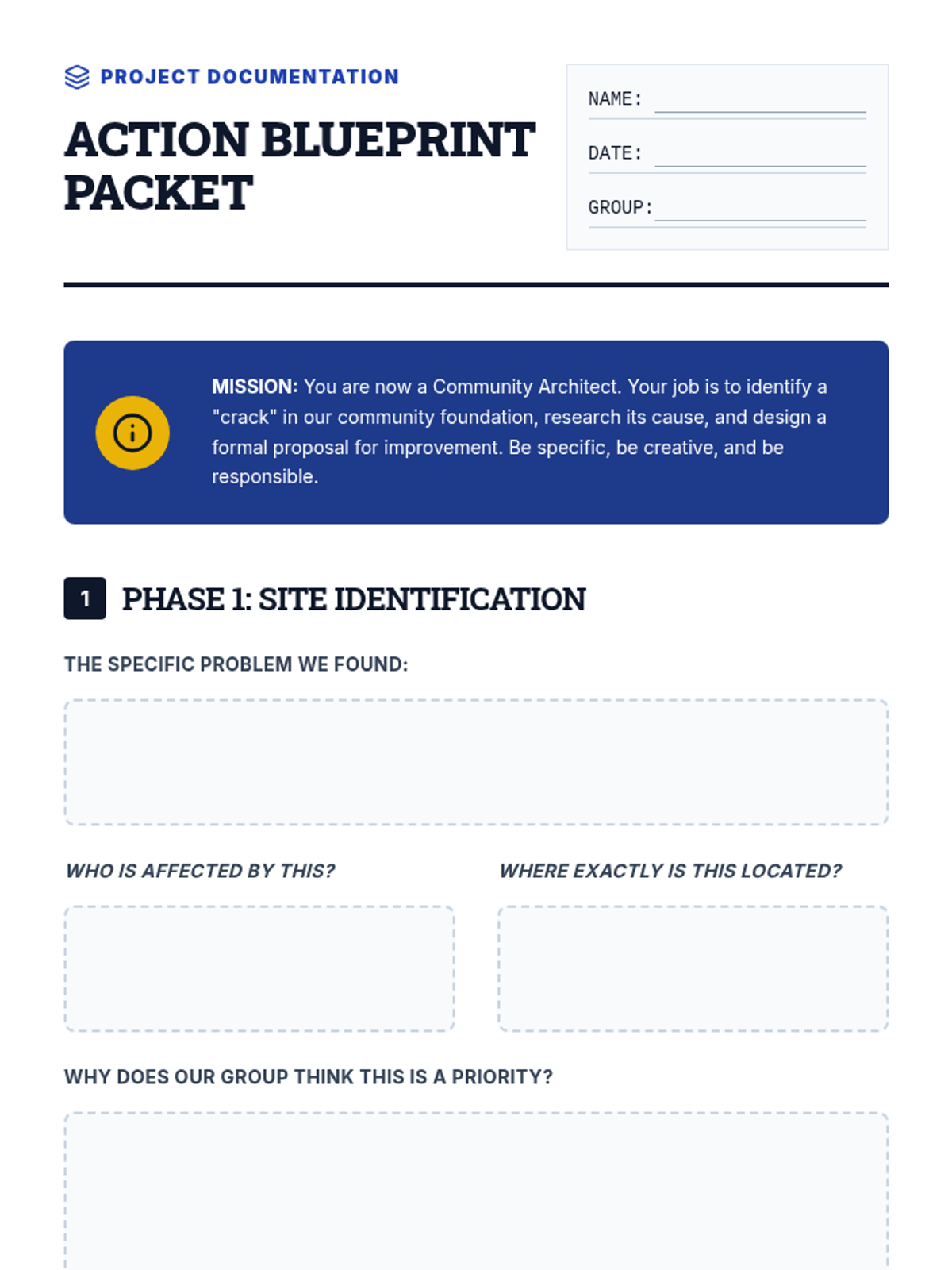
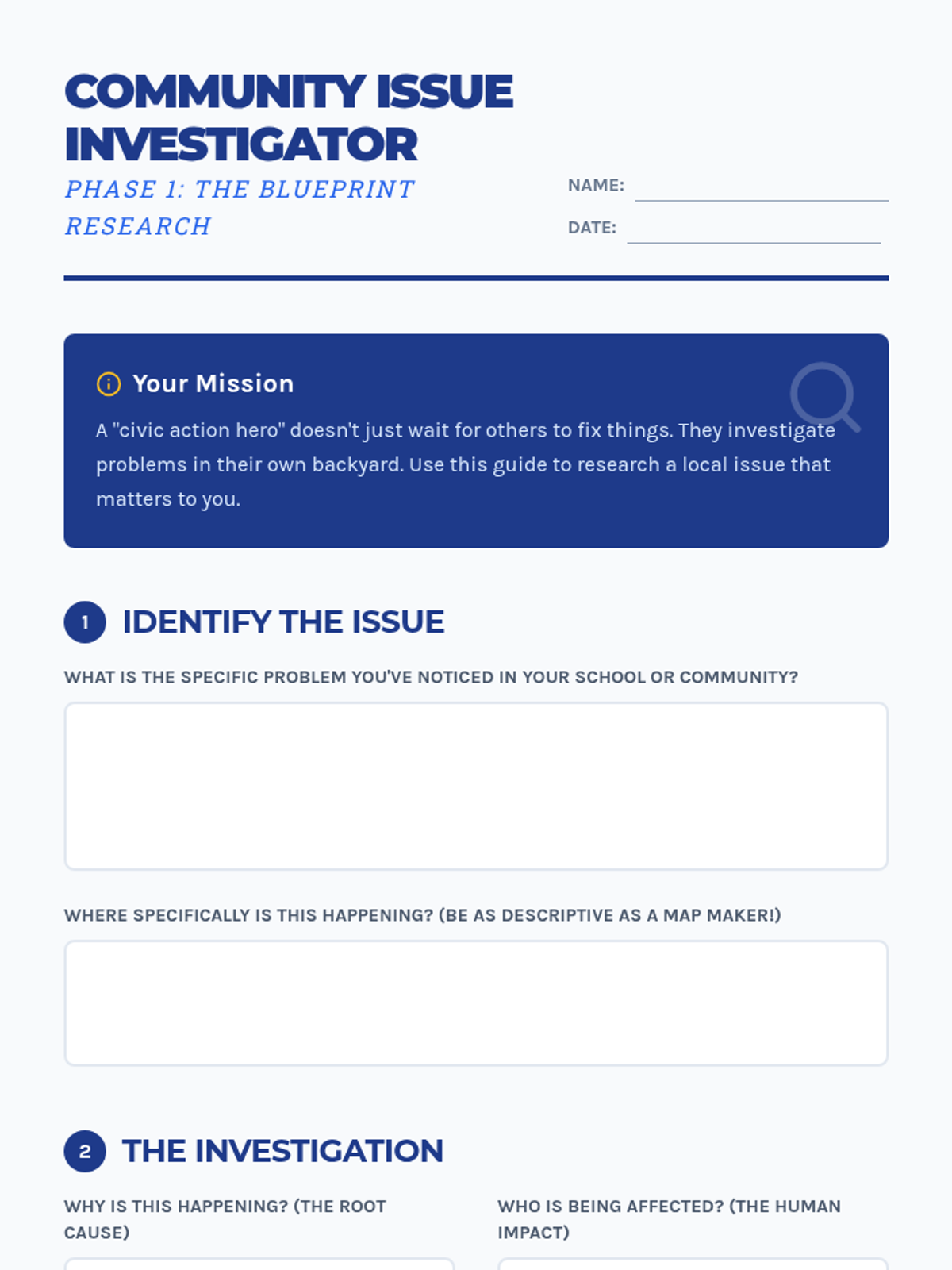
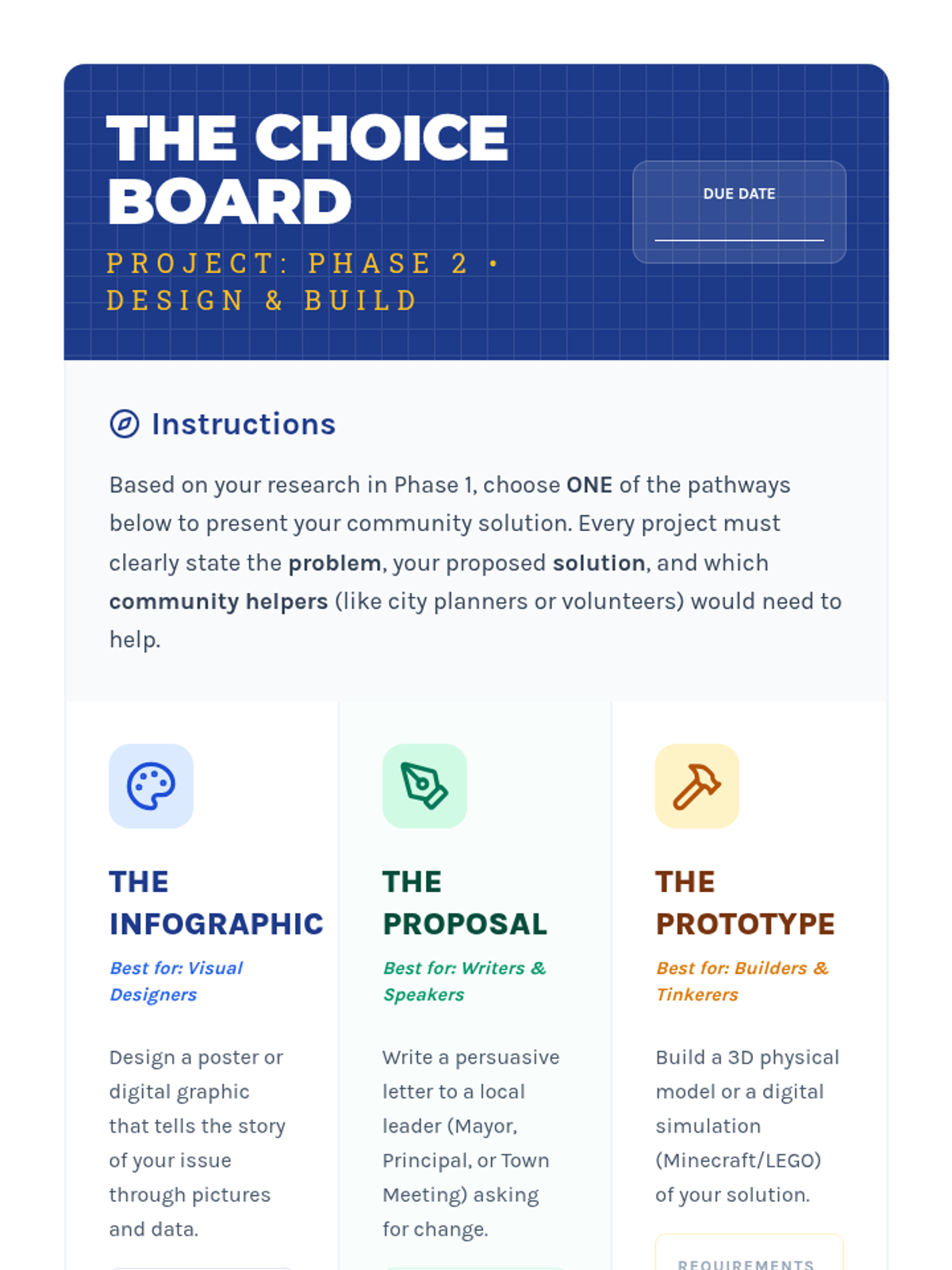
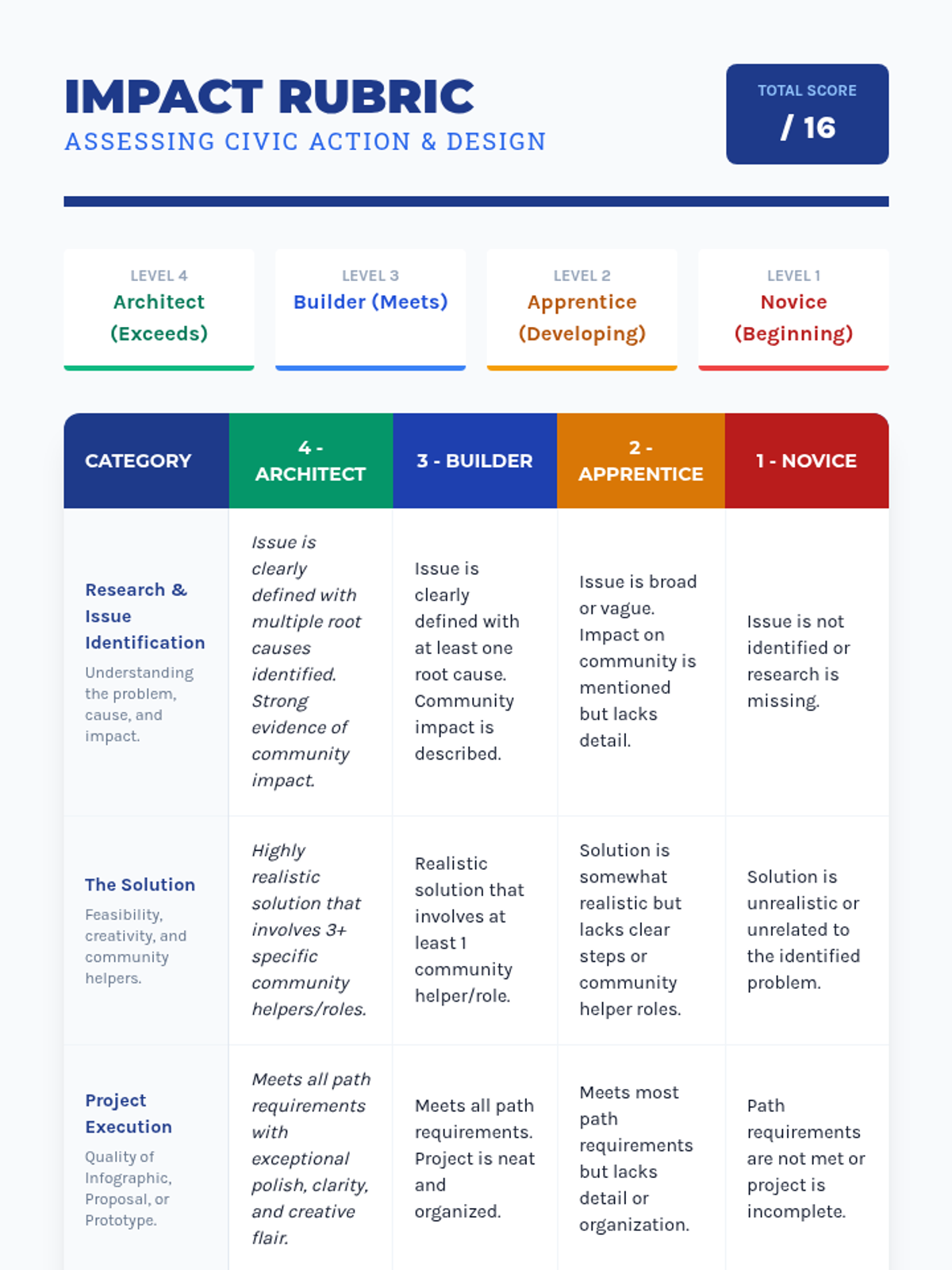
A project-based social studies lesson where students identify local community issues and develop proposals for change through visual, written, or oral pathways. Students take on the role of 'Community Architects' to design solutions for a better neighborhood.

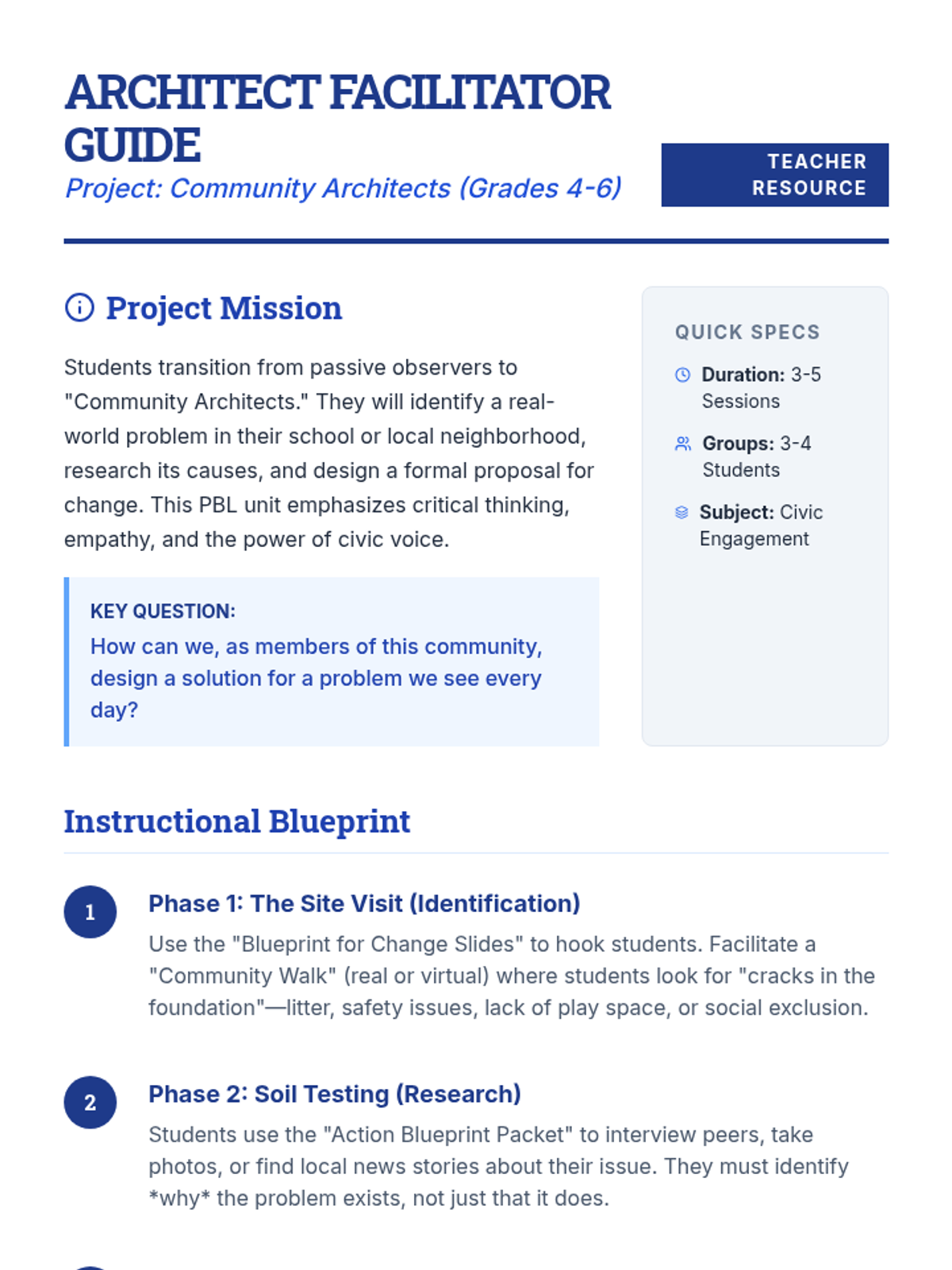
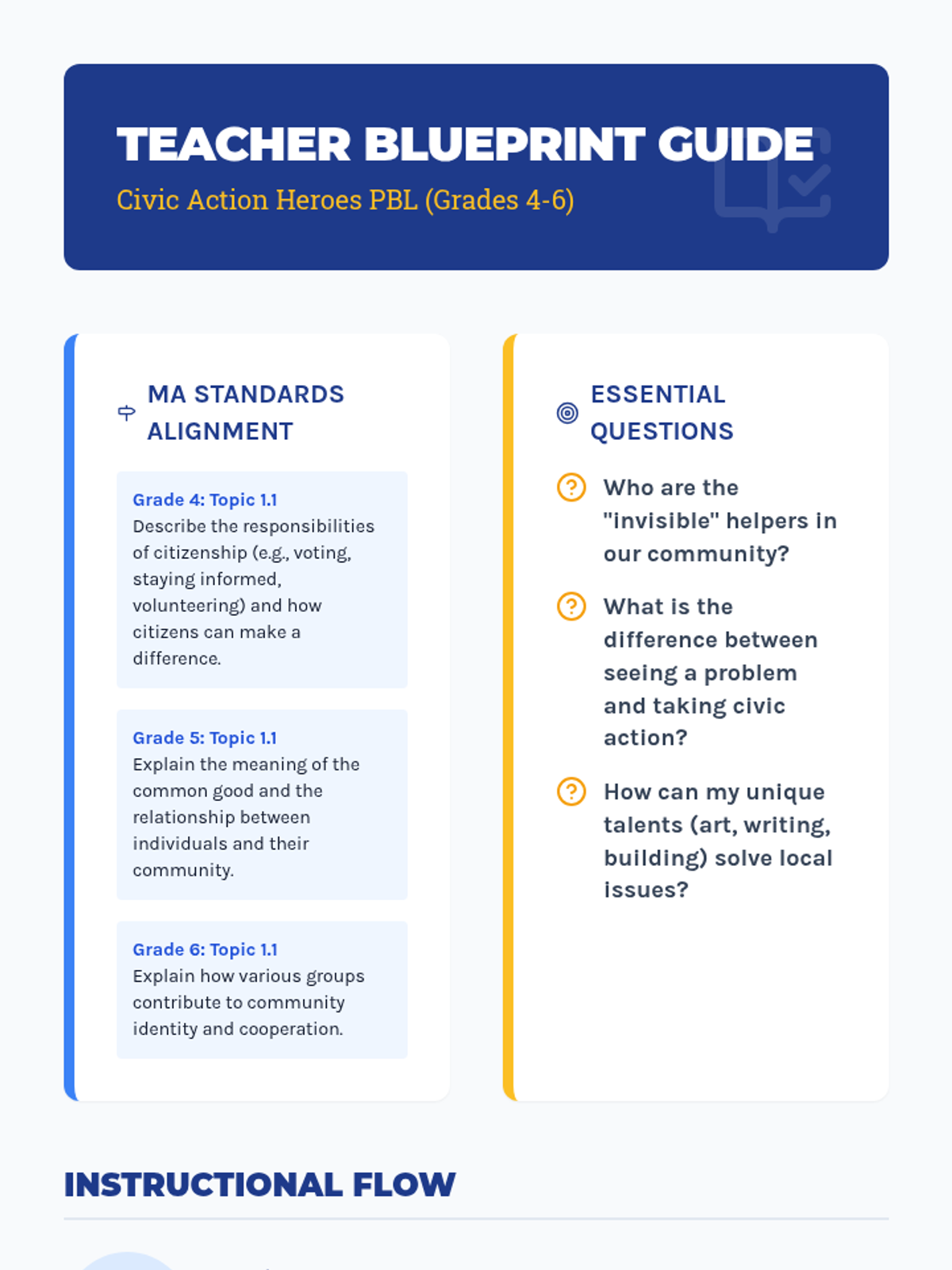
An inquiry-based social studies lesson for grades 4-6 exploring civic responsibility and community roles through a project-based learning lens. Students identify local issues and propose creative solutions using differentiated pathways.
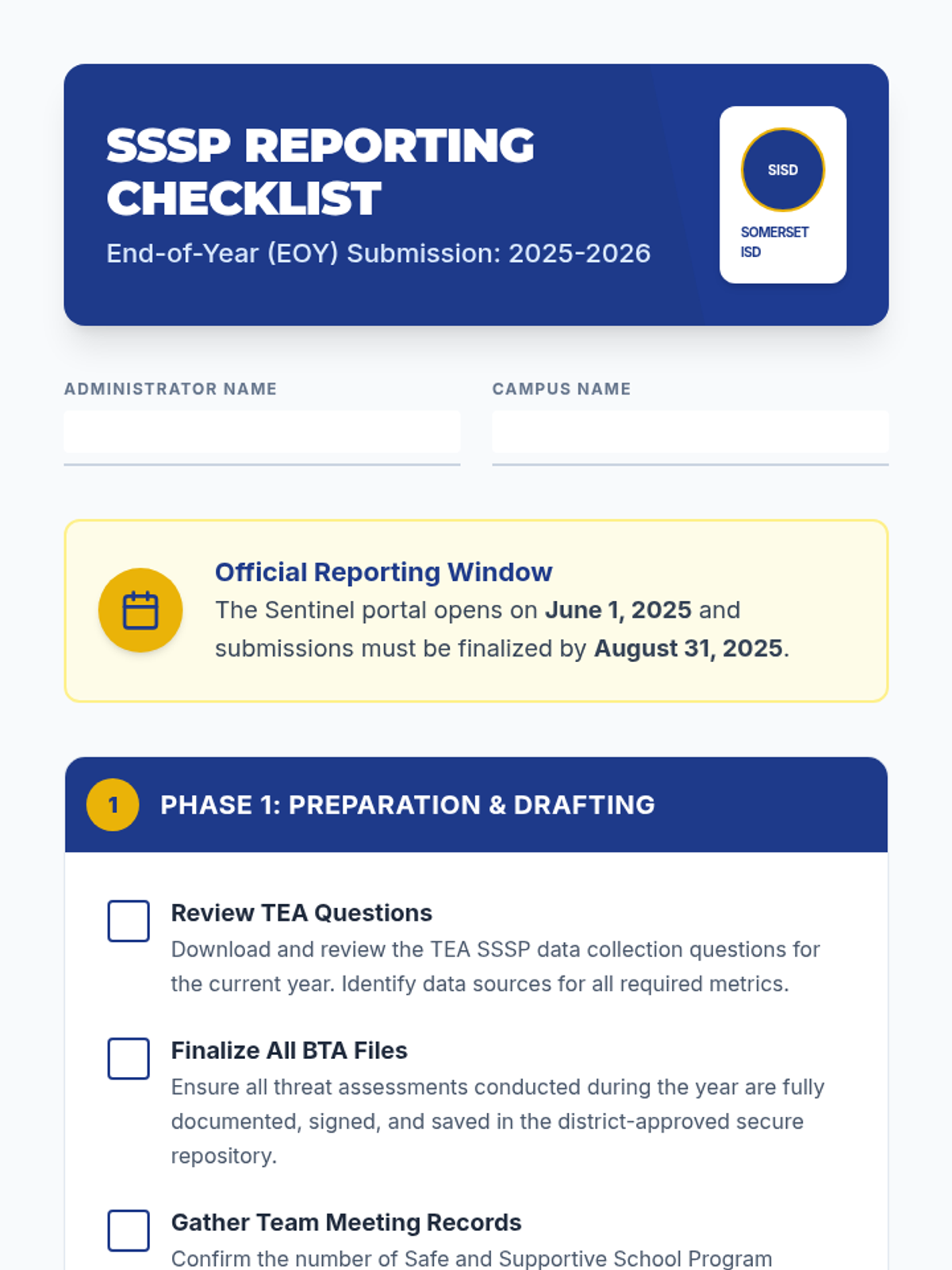
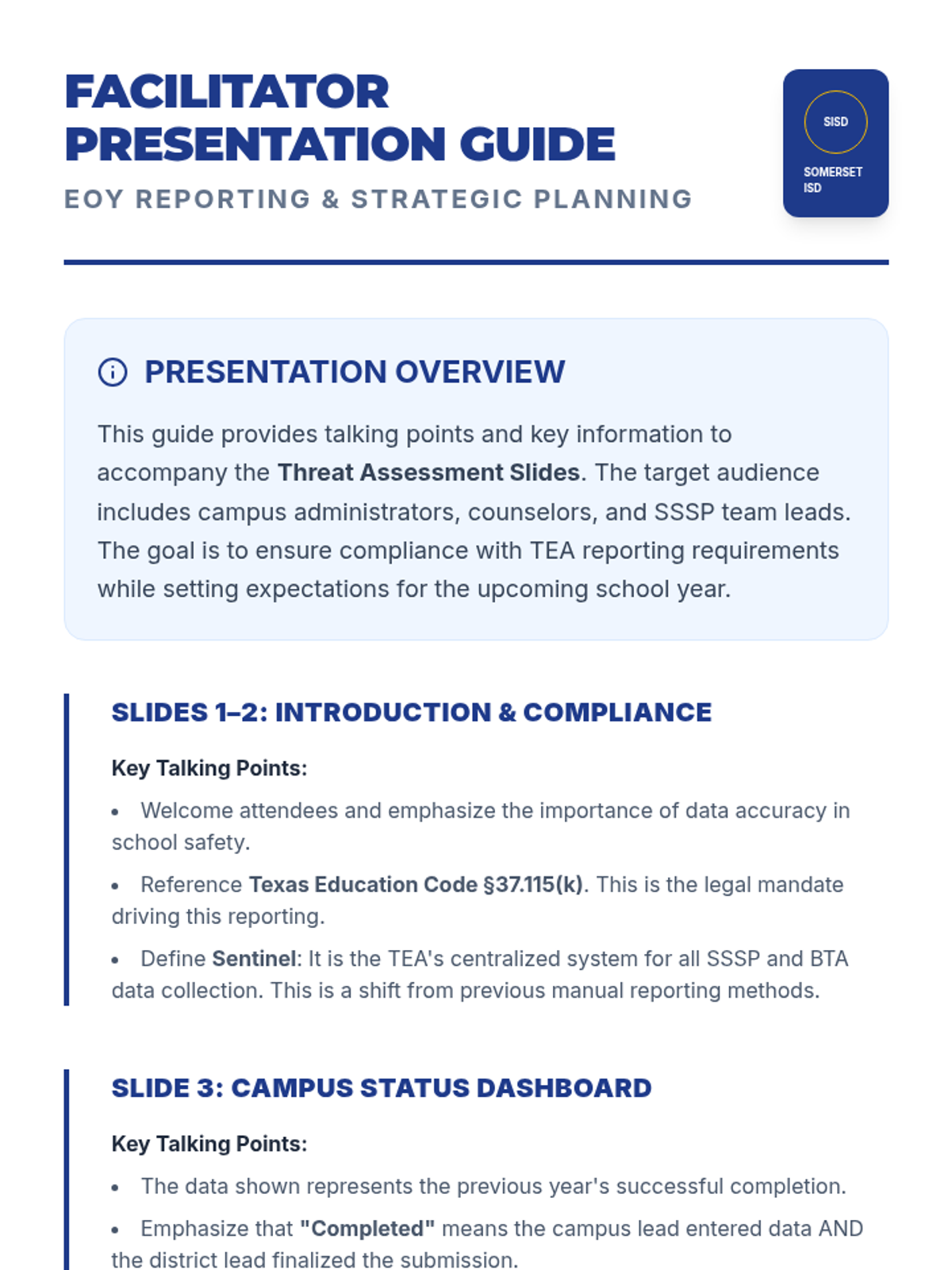
A professional presentation and administrative guide for school leaders regarding the end-of-year Behavioral Threat Assessment (BTA) and Safe and Supportive School Program (SSSP) reporting processes and future planning.
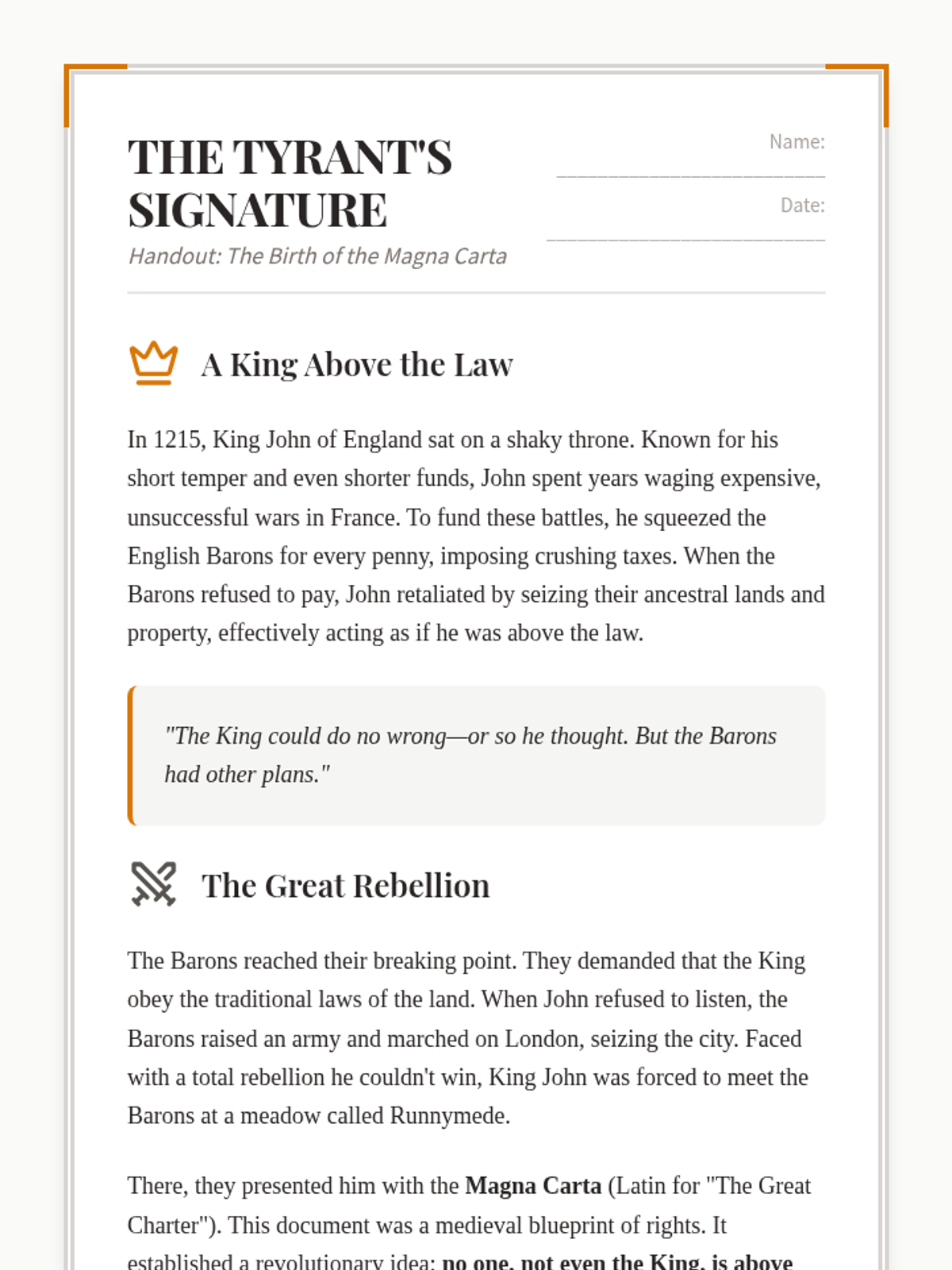
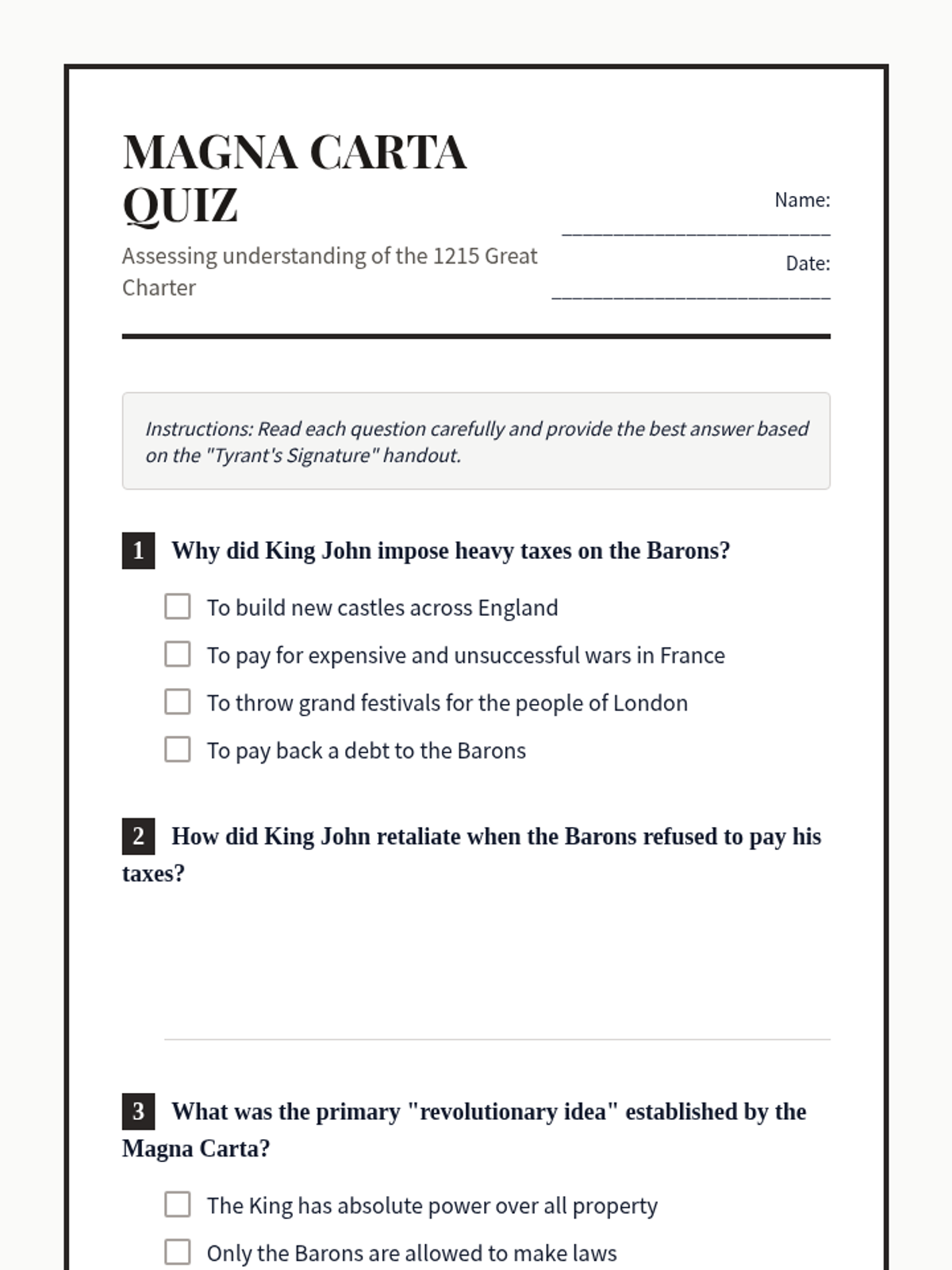
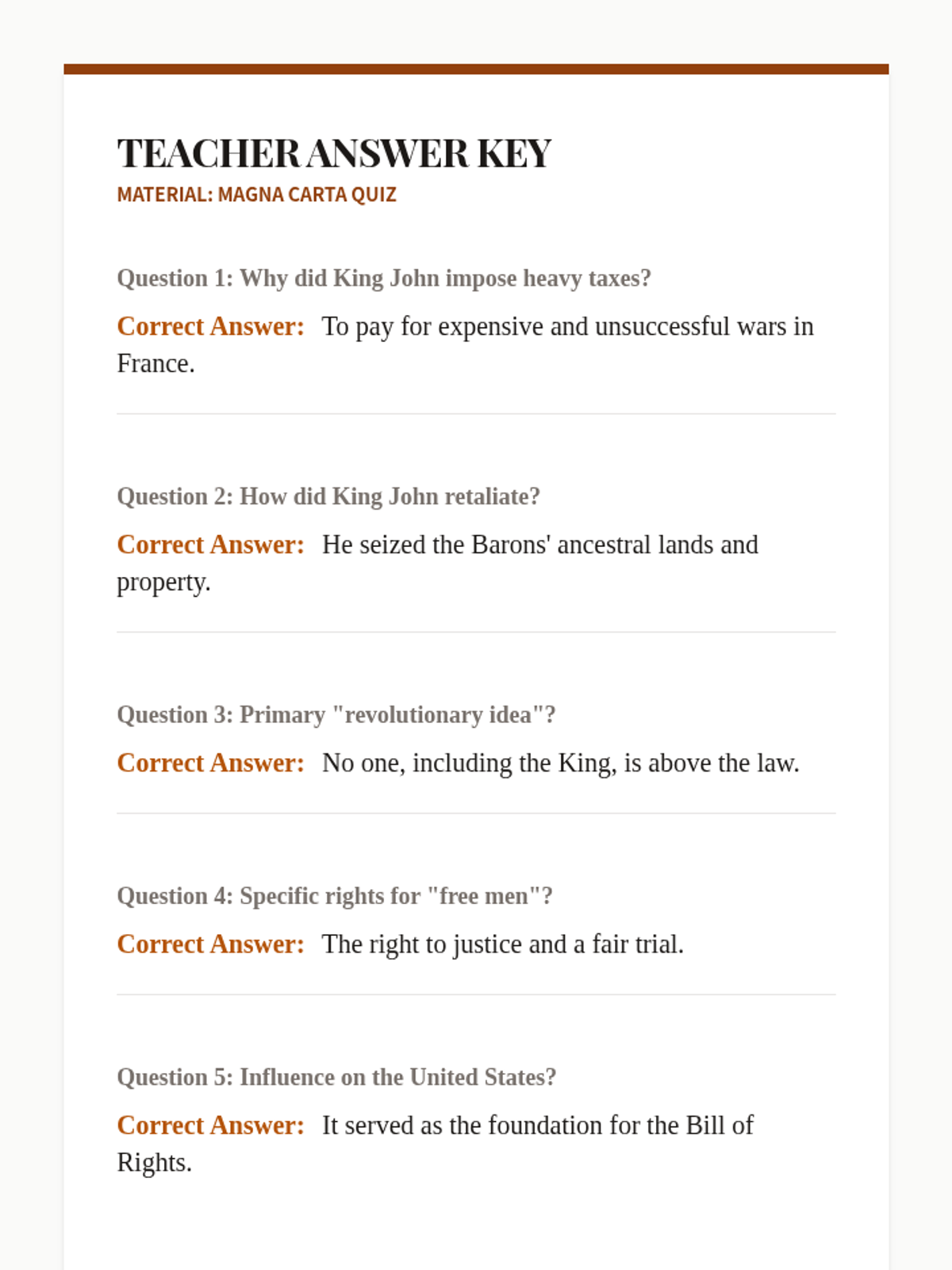
A lesson exploring the conflict between King John and the Barons, the creation of the Magna Carta, and its lasting impact on modern democracy.
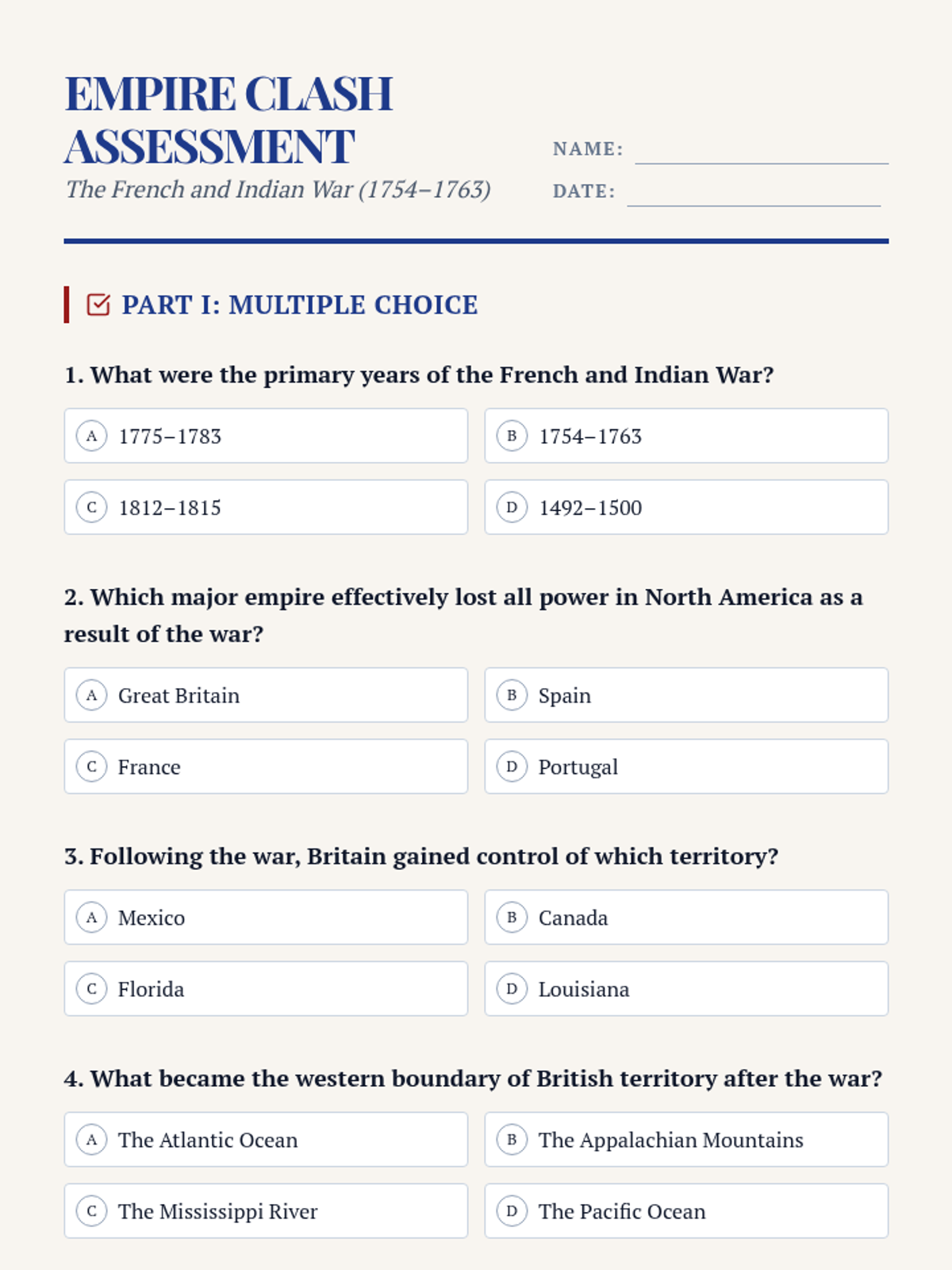
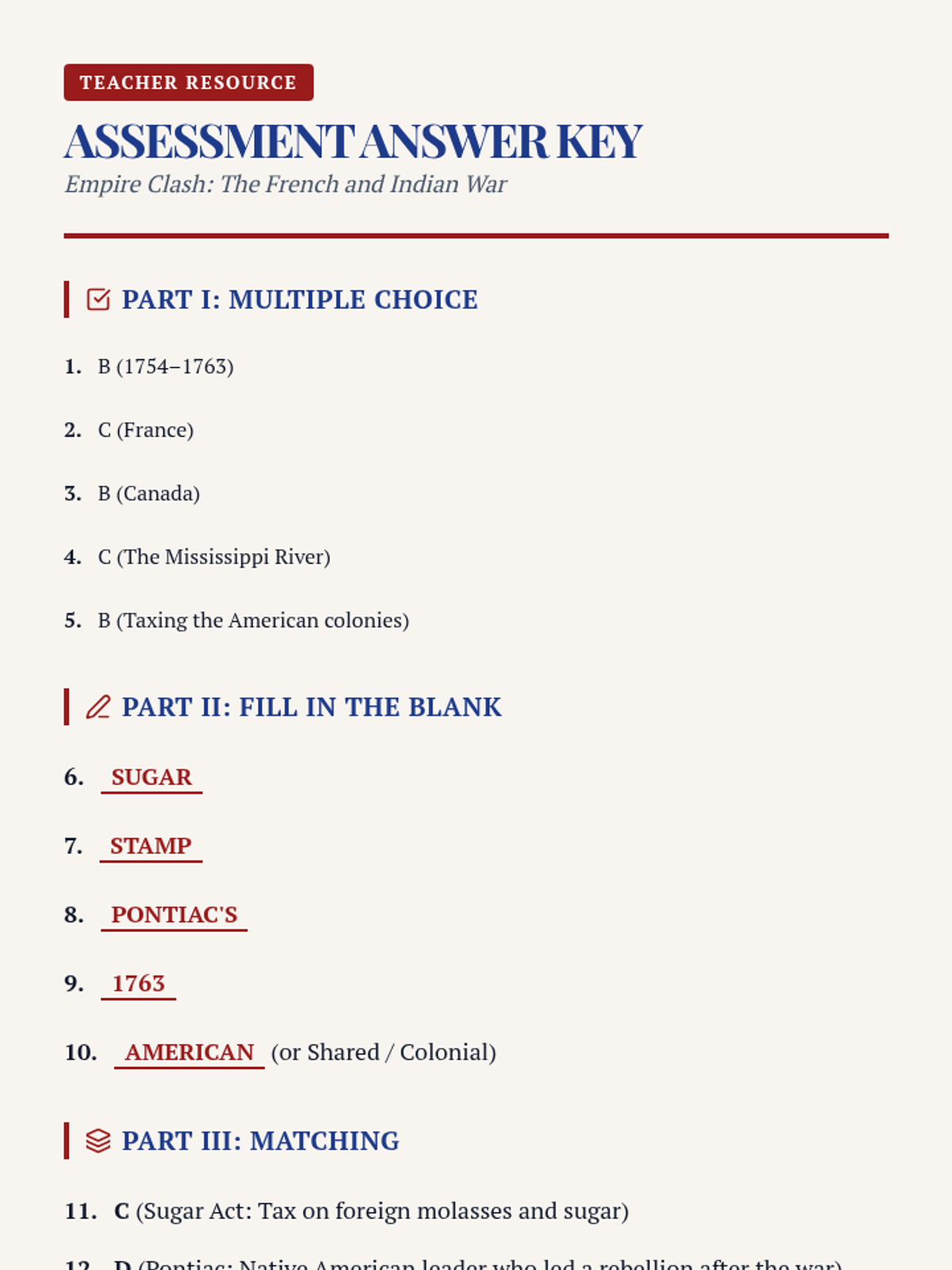
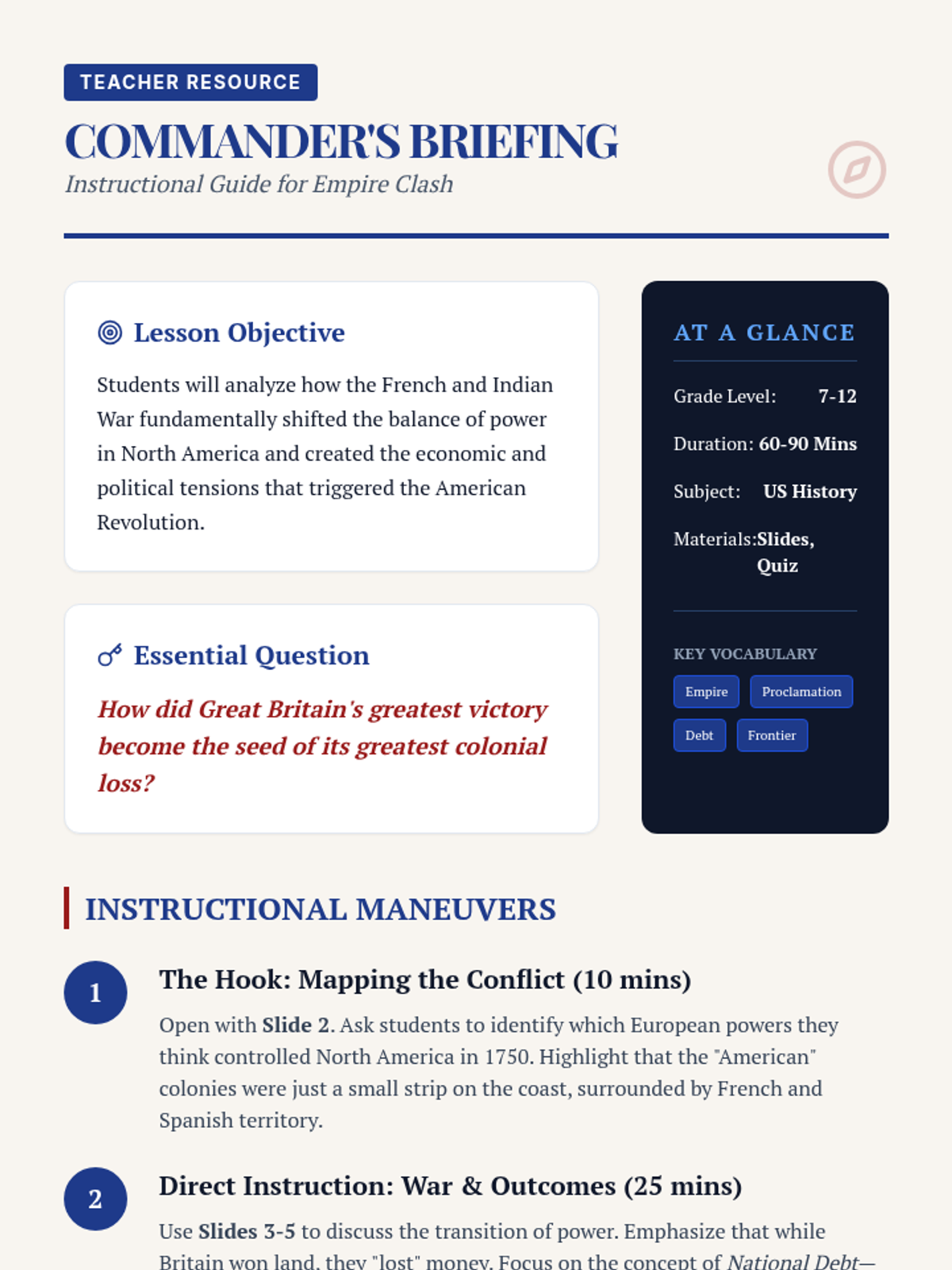
A comprehensive look at the French and Indian War, exploring its causes, the shift in global power, and how it set the stage for the American Revolution through debt, taxes, and colonial unity.
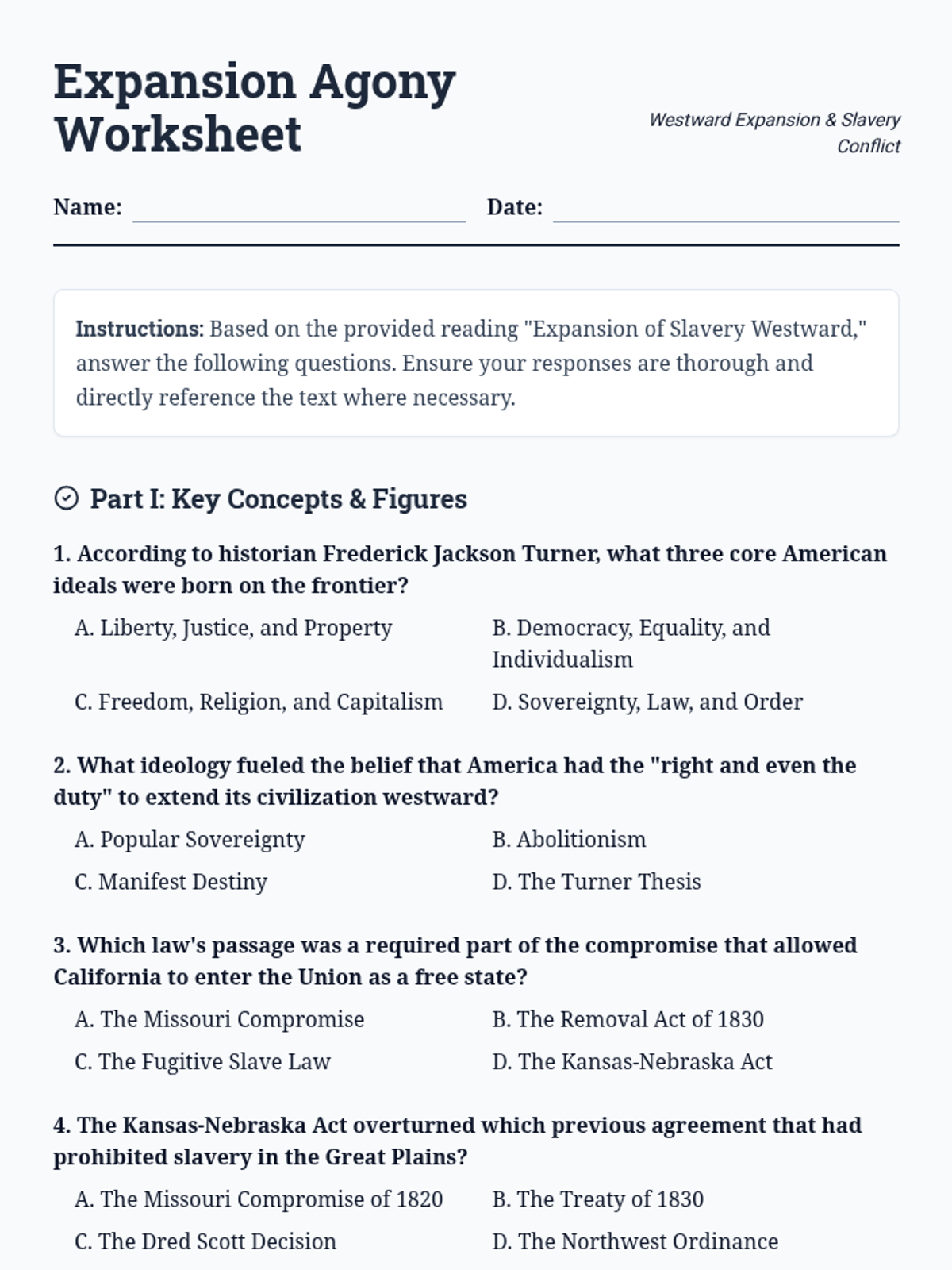
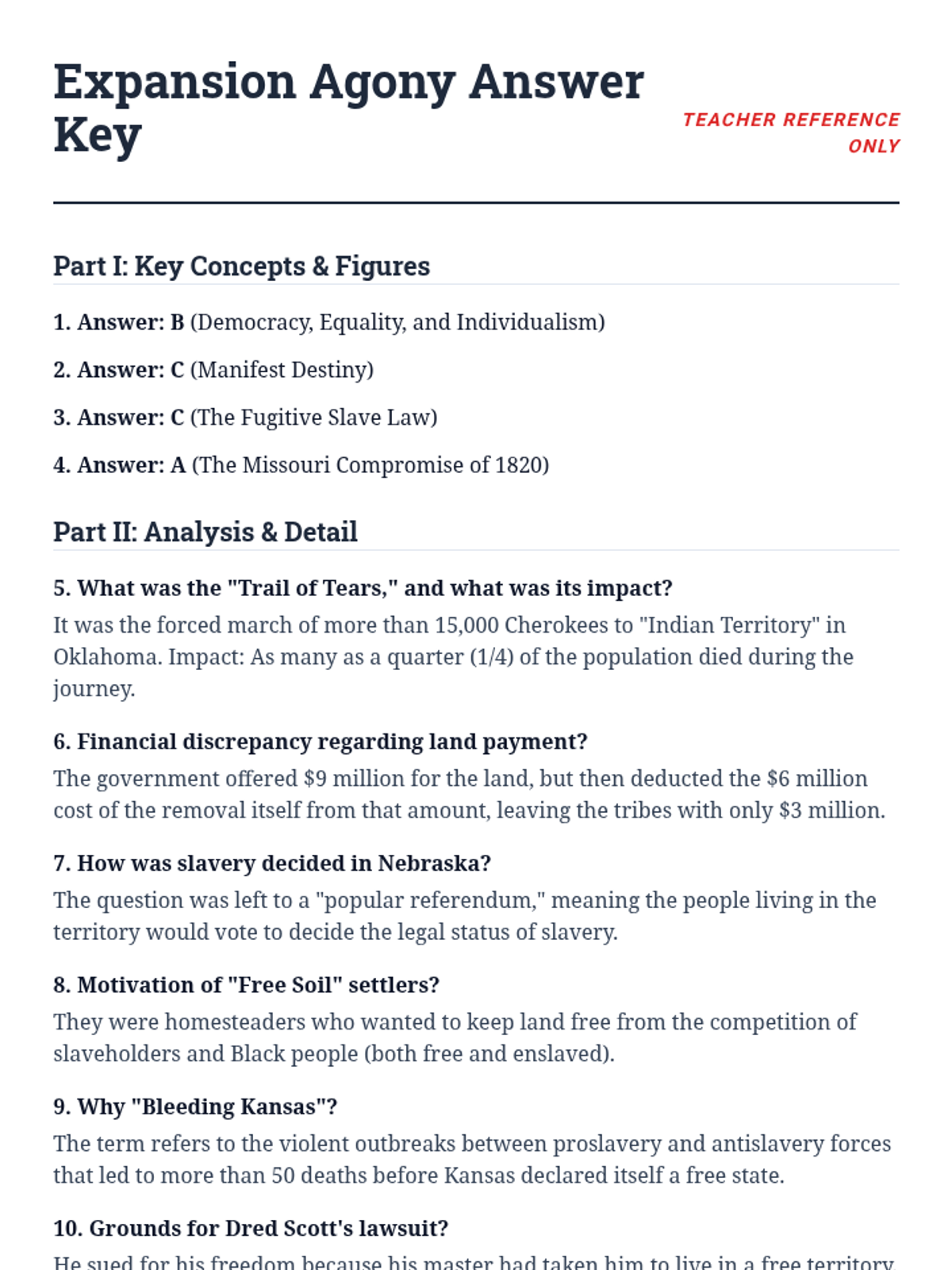
A comprehensive lesson exploring the tension between westward expansion and the spread of slavery, focusing on Indian removal, the Kansas-Nebraska Act, and the Dred Scott decision.
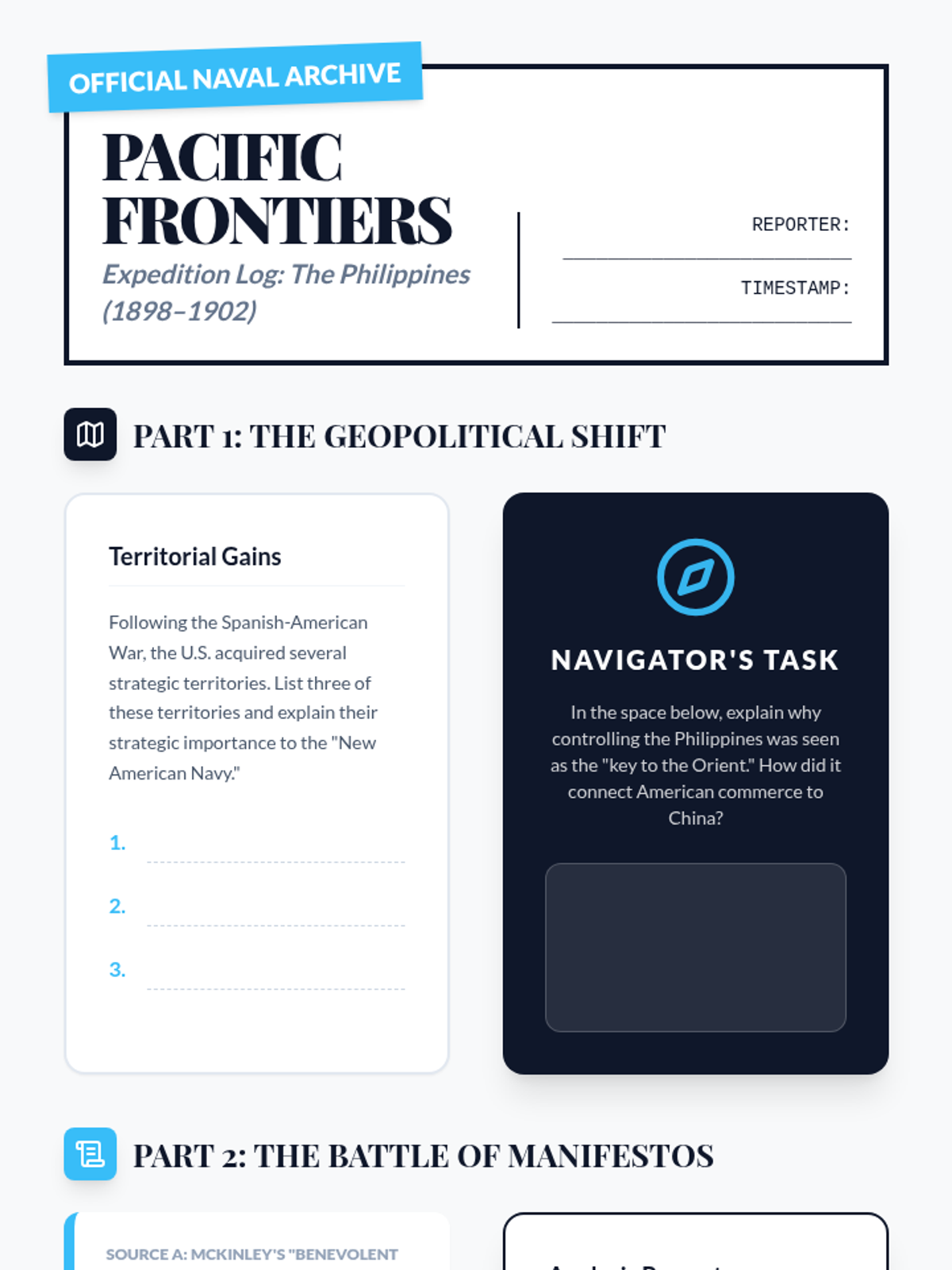
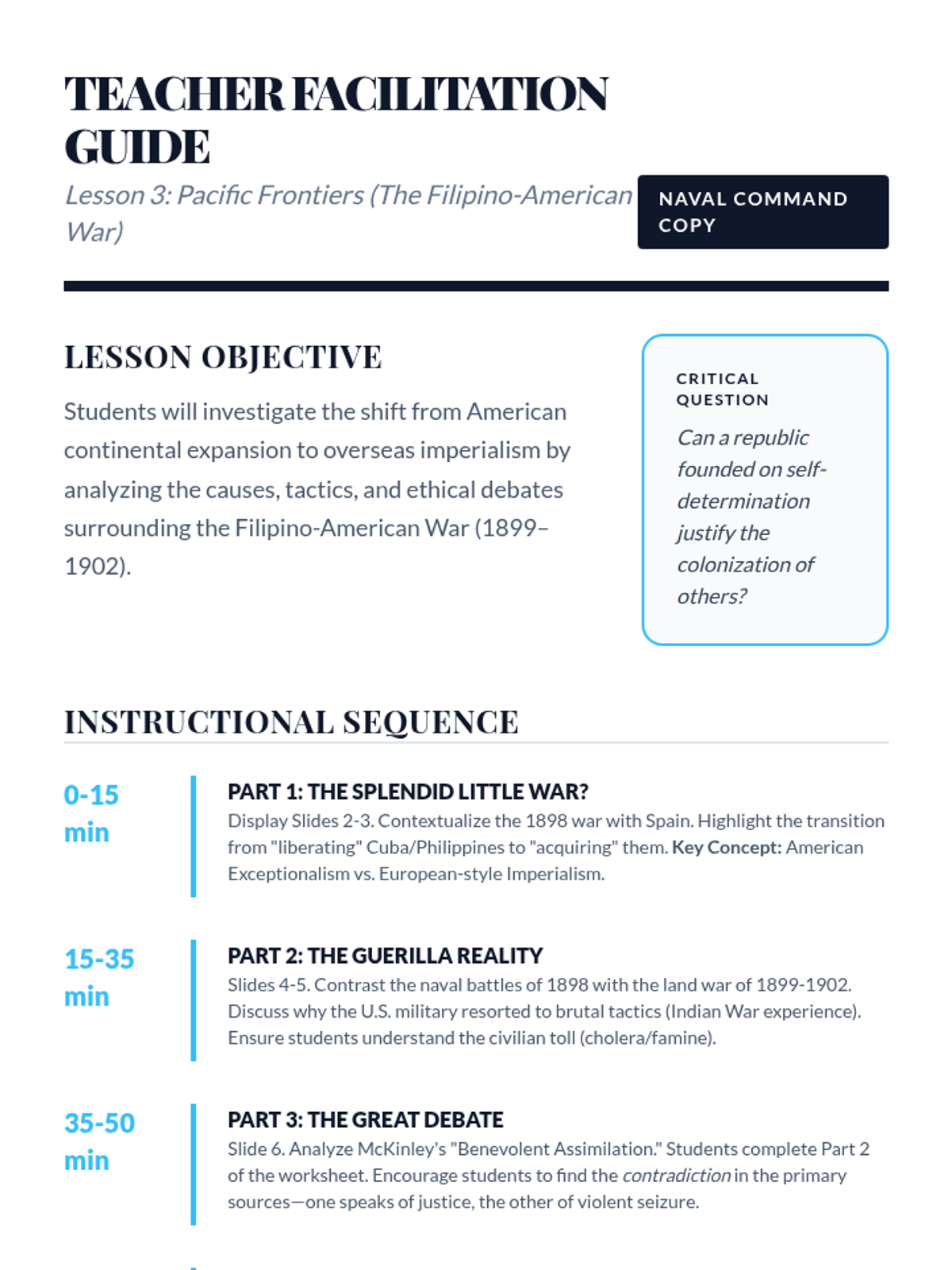
Investigates America's transition into a global empire, focusing on the causes and consequences of the Spanish-American War and the often-overlooked Filipino-American War.
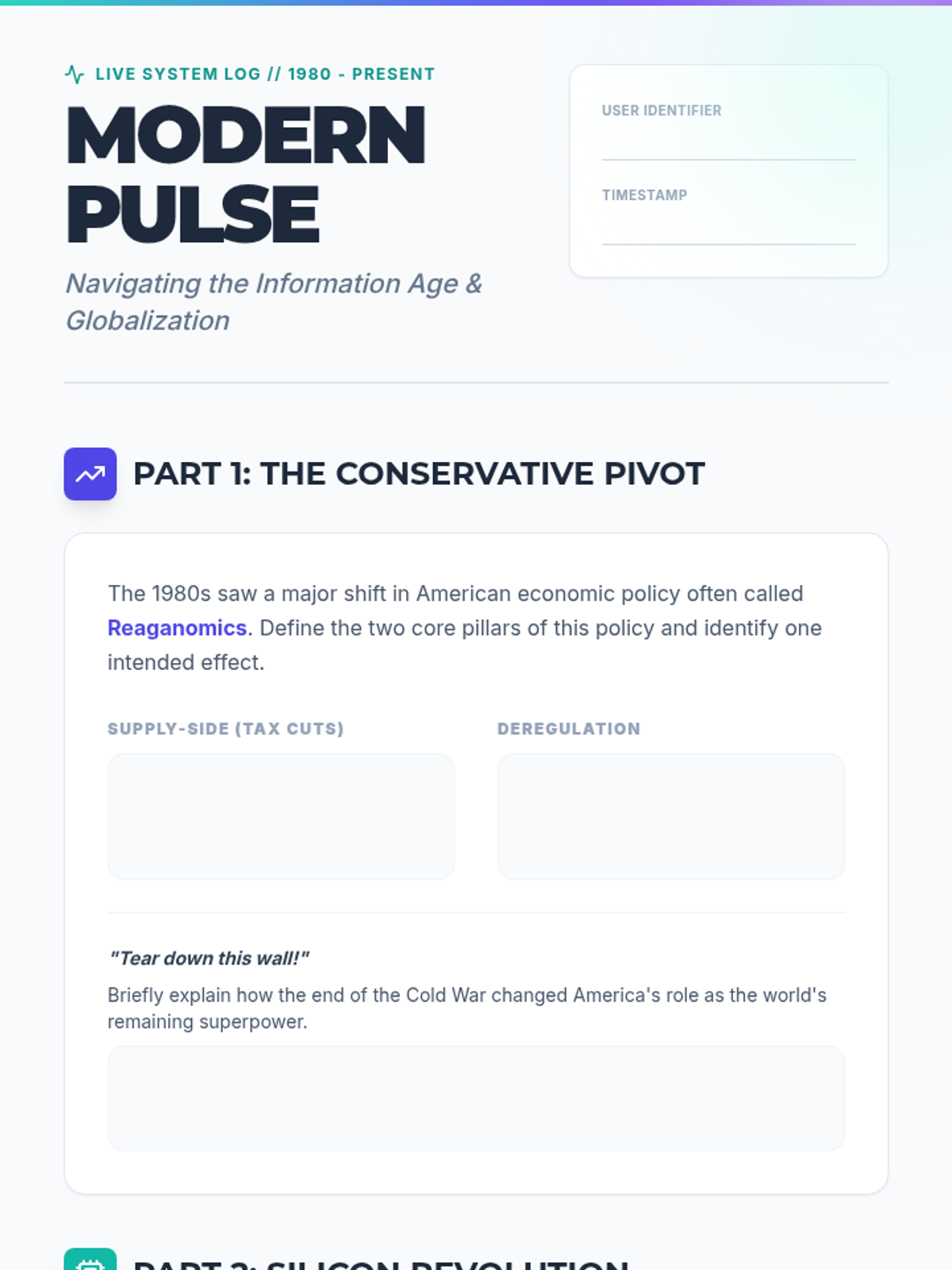
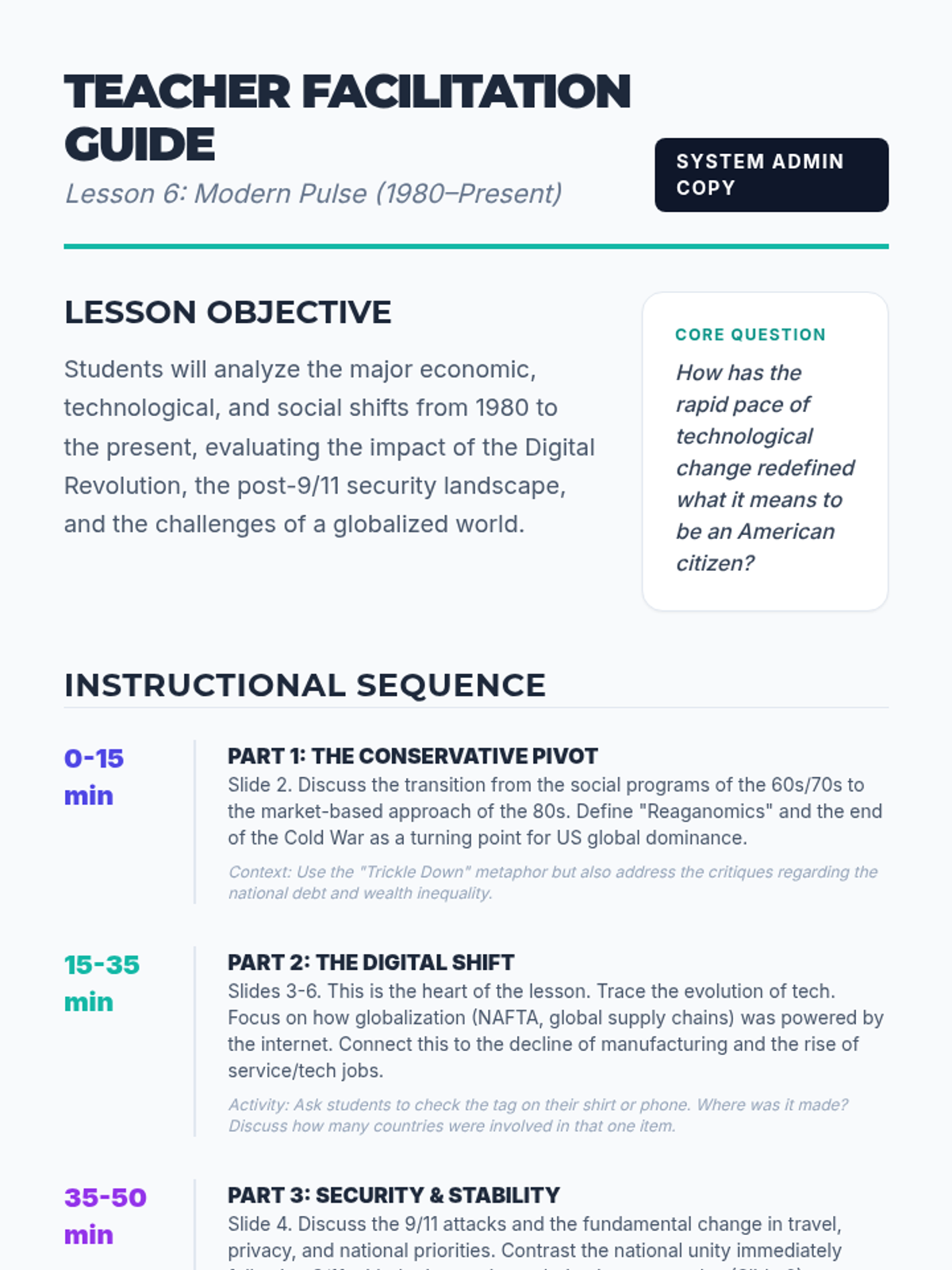
Analyzes the United States from the 1980s to the present, focusing on the technological revolution, globalization, post-9/11 challenges, and current societal trends.
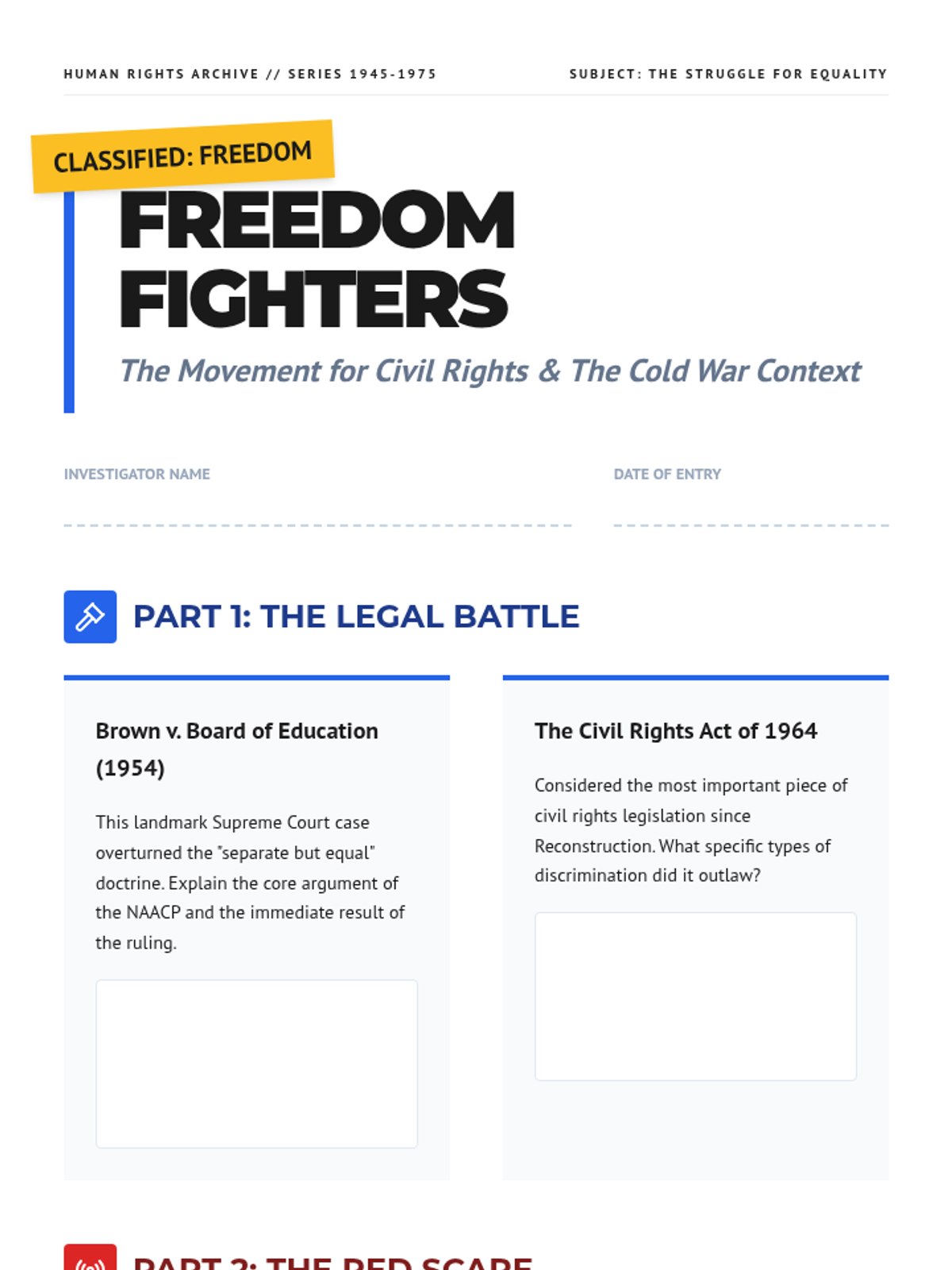
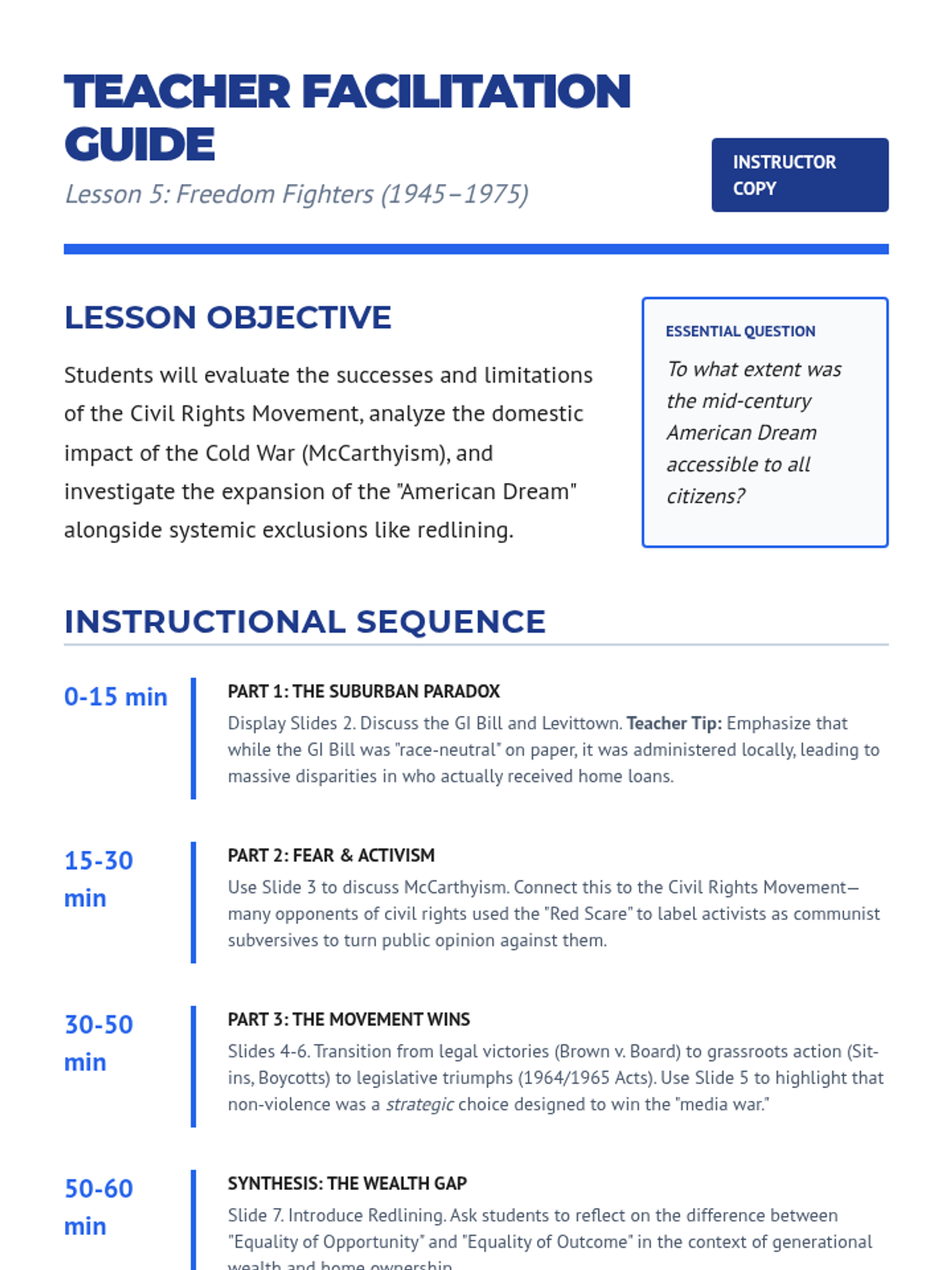
Focuses on the struggle for racial equality and social justice, examining the Civil Rights Movement, the Cold War's impact on domestic policy, and the expansion of the American Dream.
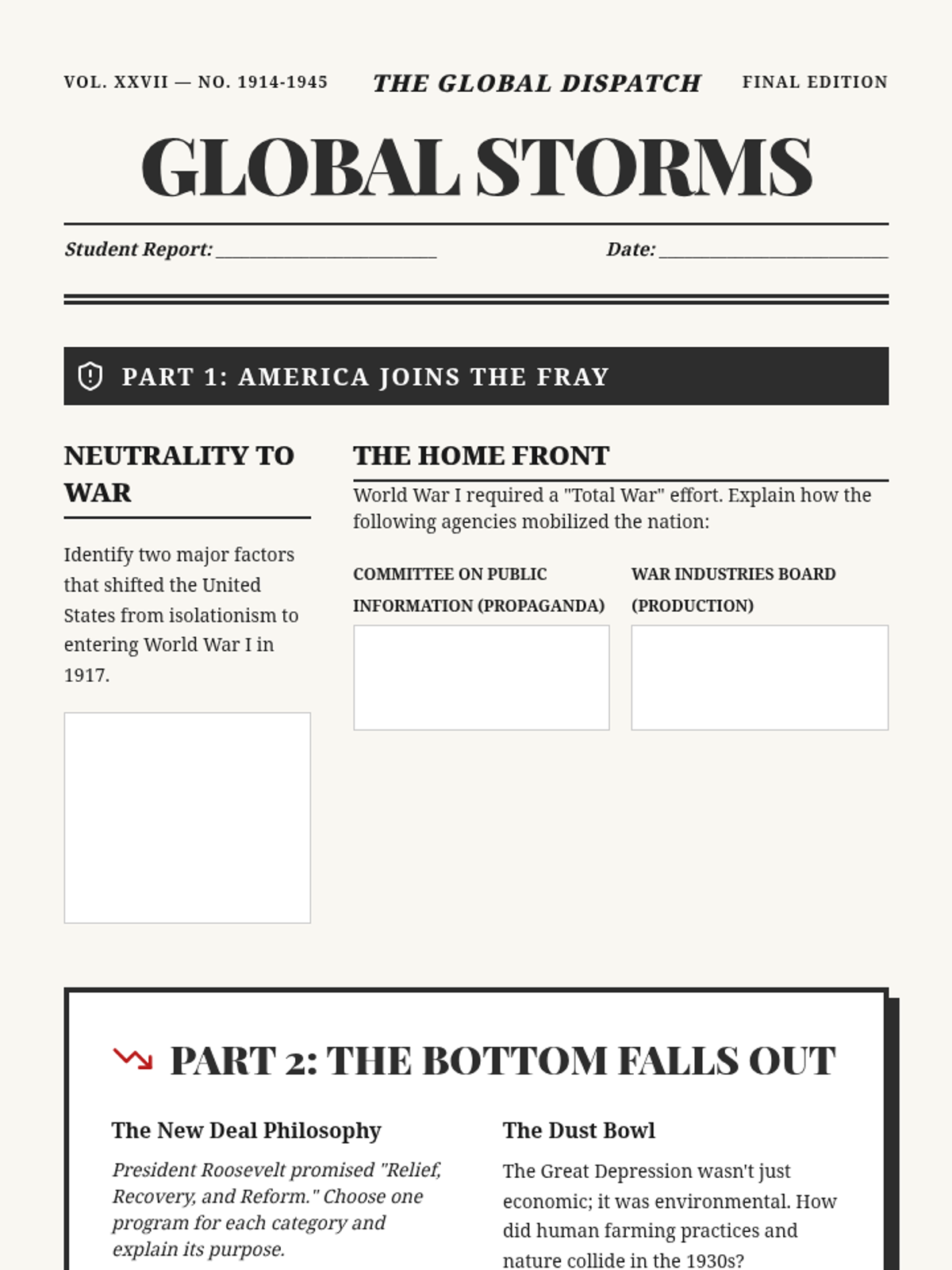
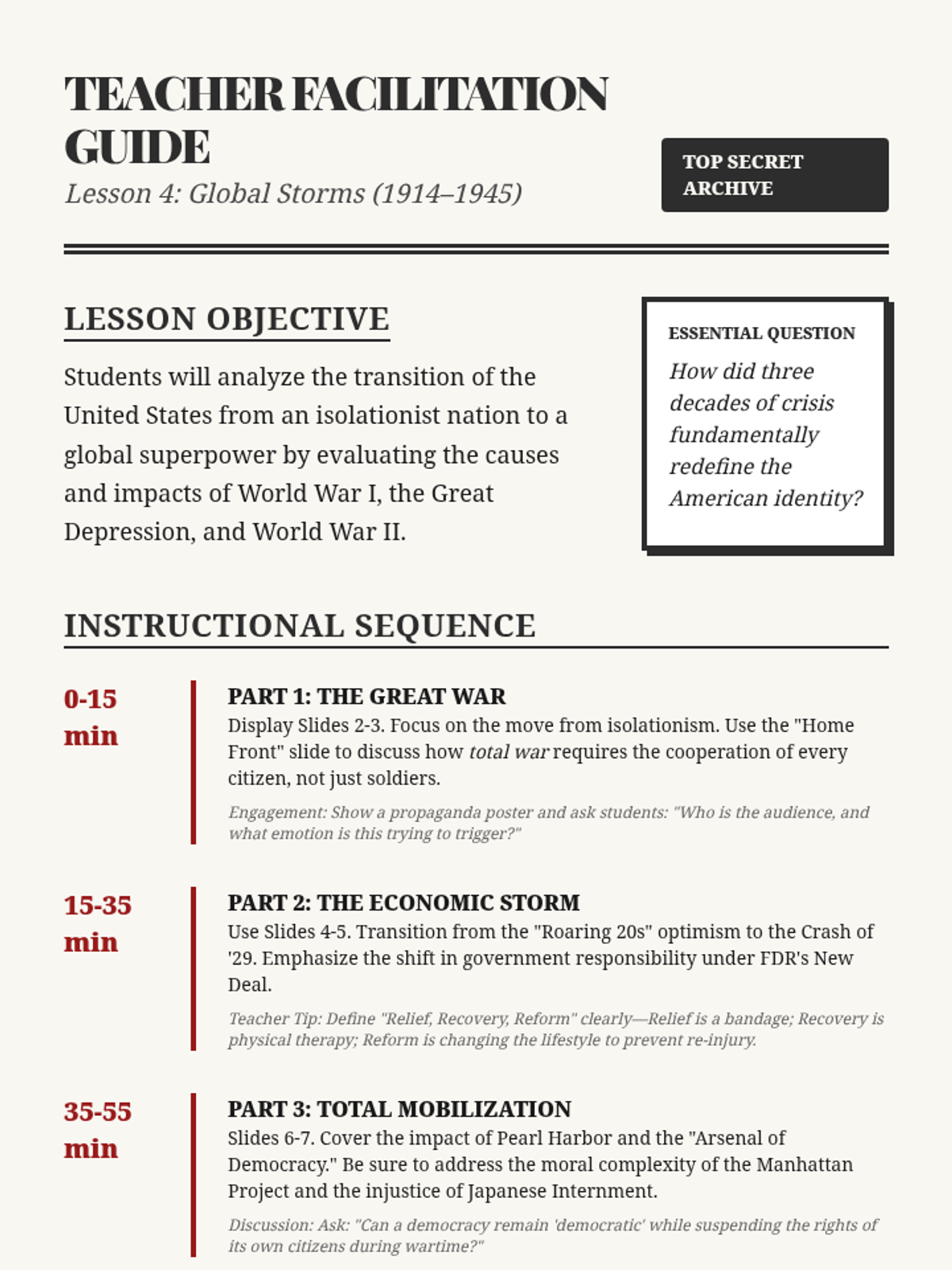
Explores America's emergence as a global power through the lenses of World War I, the Great Depression, and World War II, focusing on how these events reshaped the domestic landscape.
Examines the rapid industrialization of America, the rise of big business, the era of the Gilded Age, and the experiences of immigrants and workers during this transformative period.
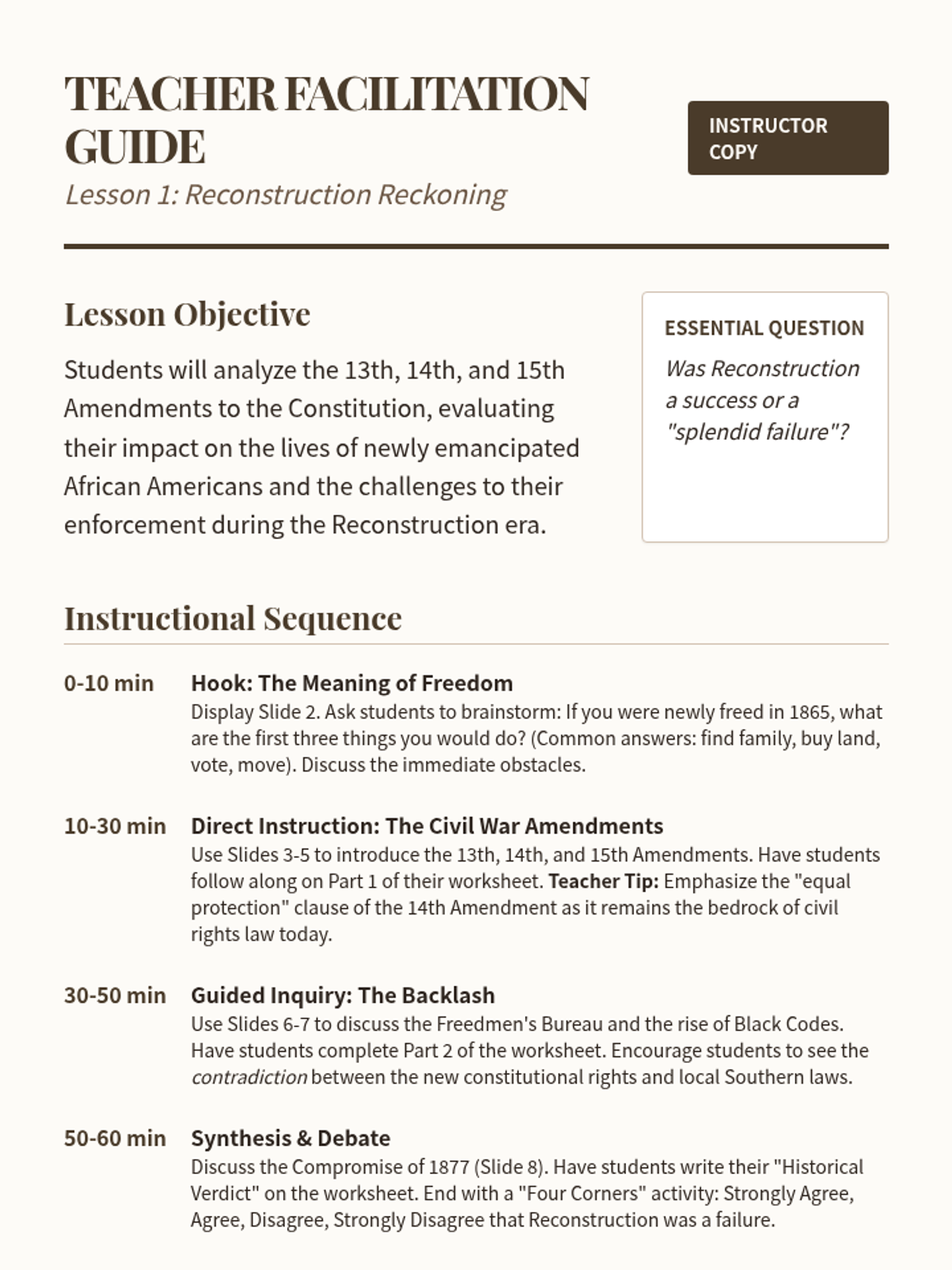
An investigation into the rebuilding of the United States after the Civil War, focusing on the 13th, 14th, and 15th Amendments, and the challenges faced by newly freed African Americans.
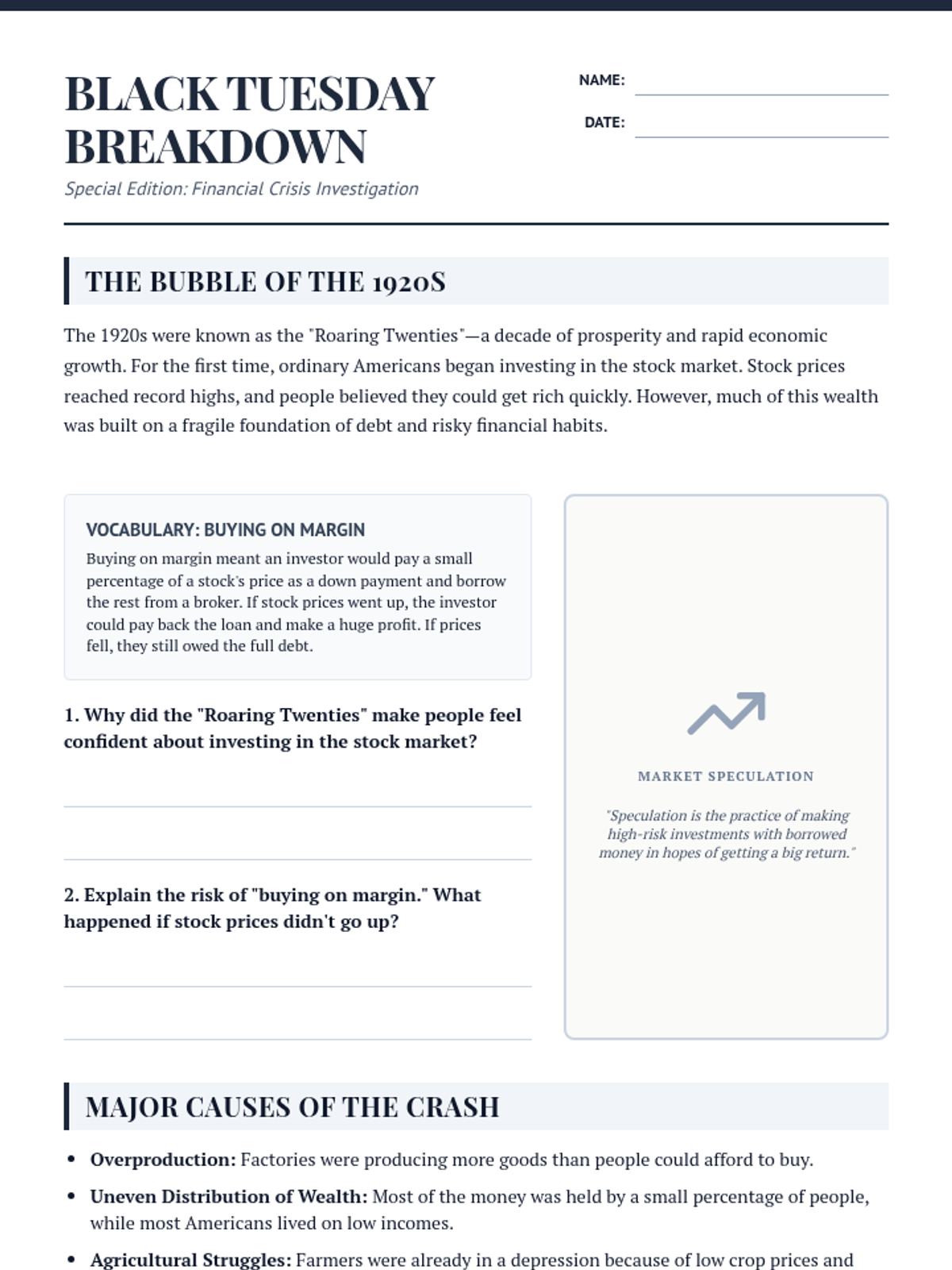
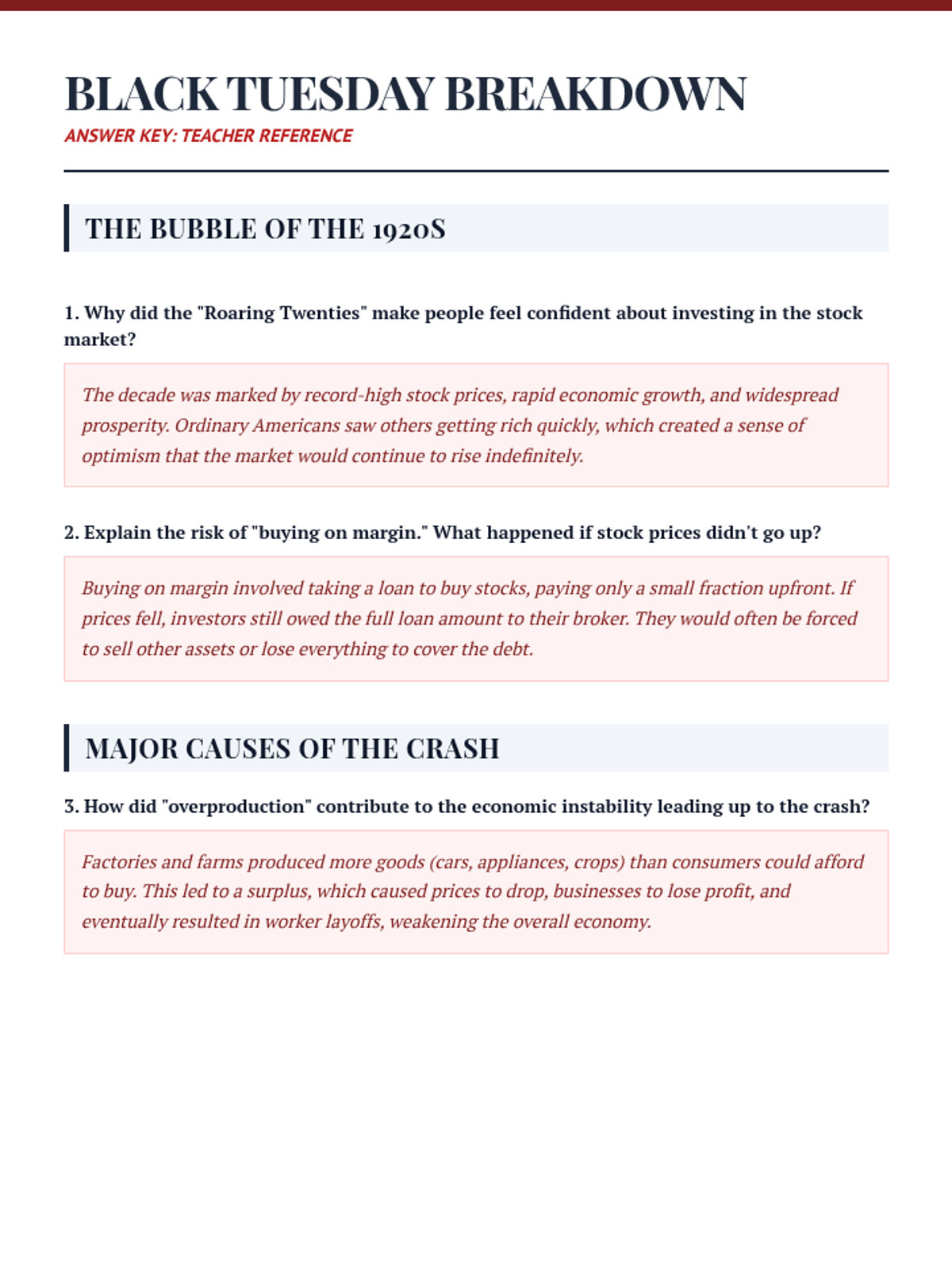
This lesson explores the causes and immediate impacts of the 1929 Stock Market Crash, helping students understand how the 'Roaring Twenties' ended in financial catastrophe.
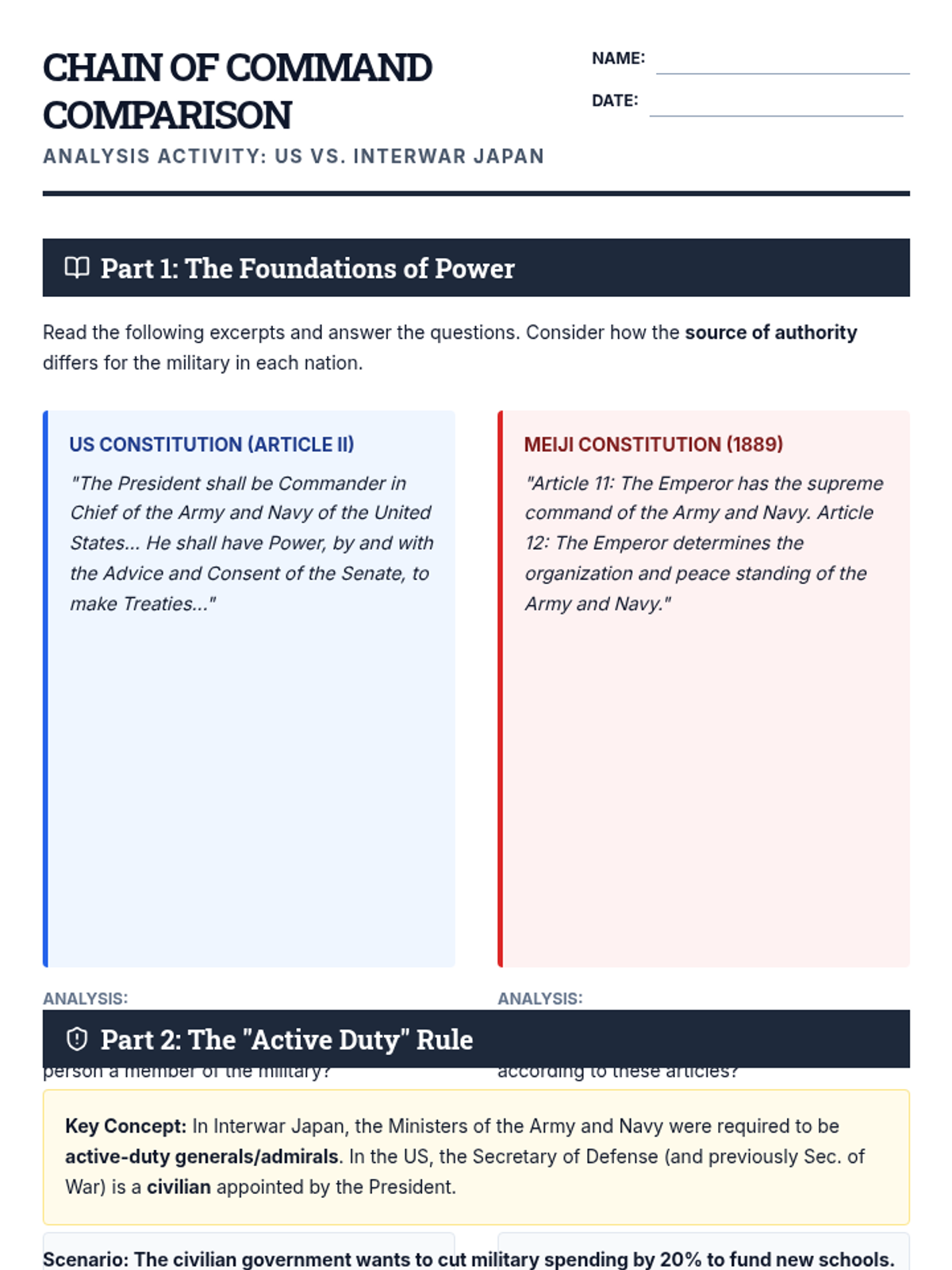
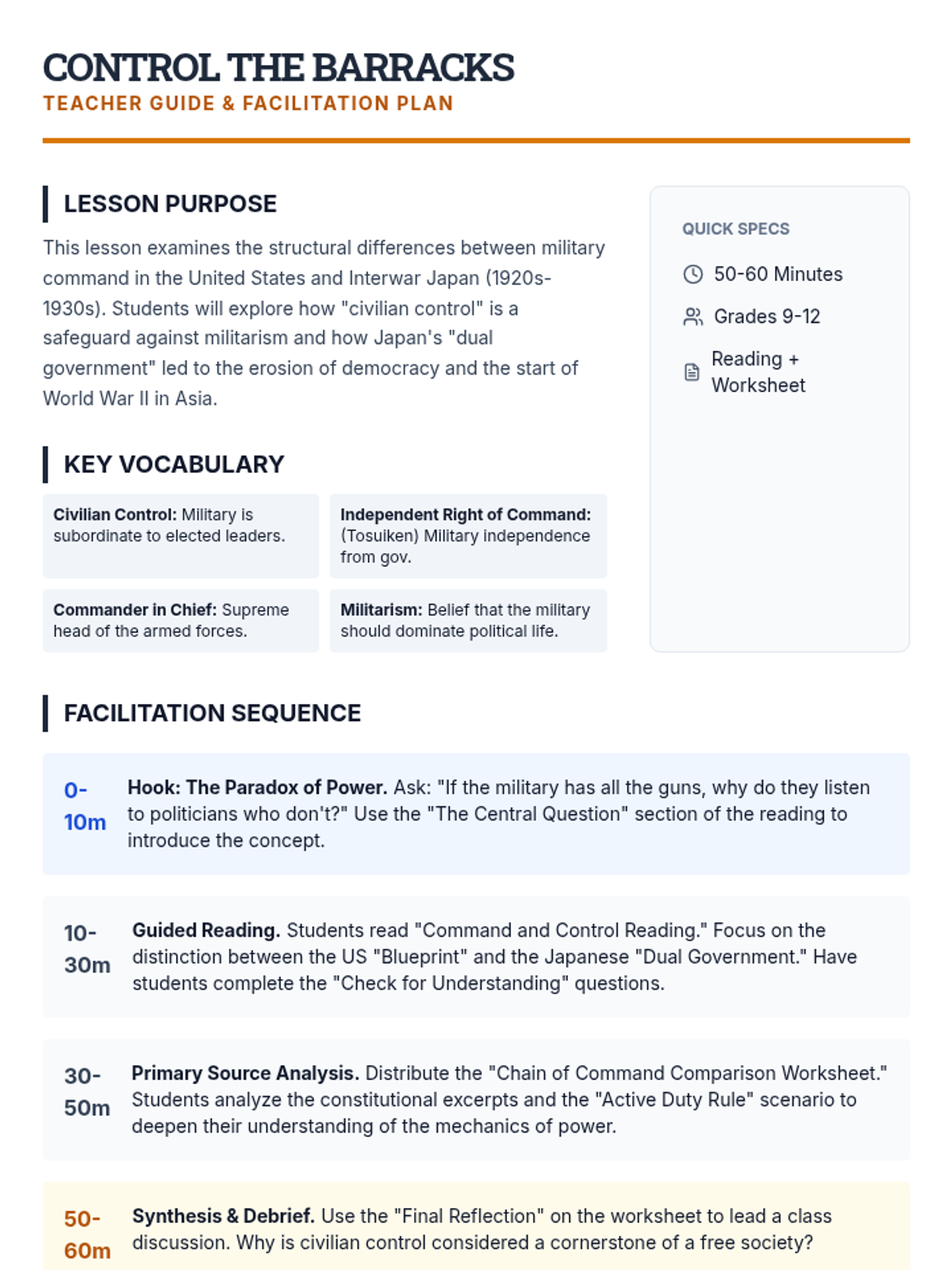
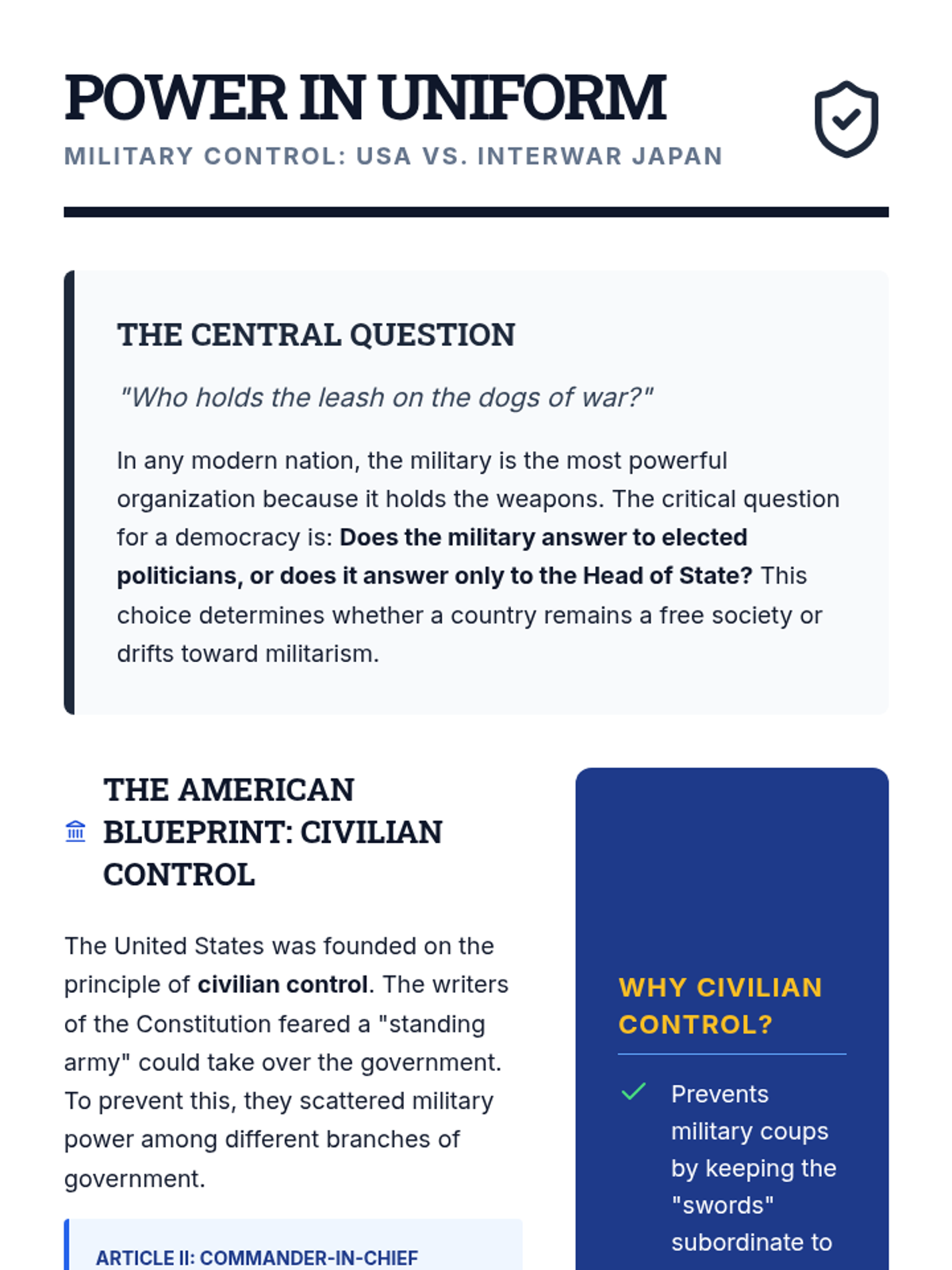
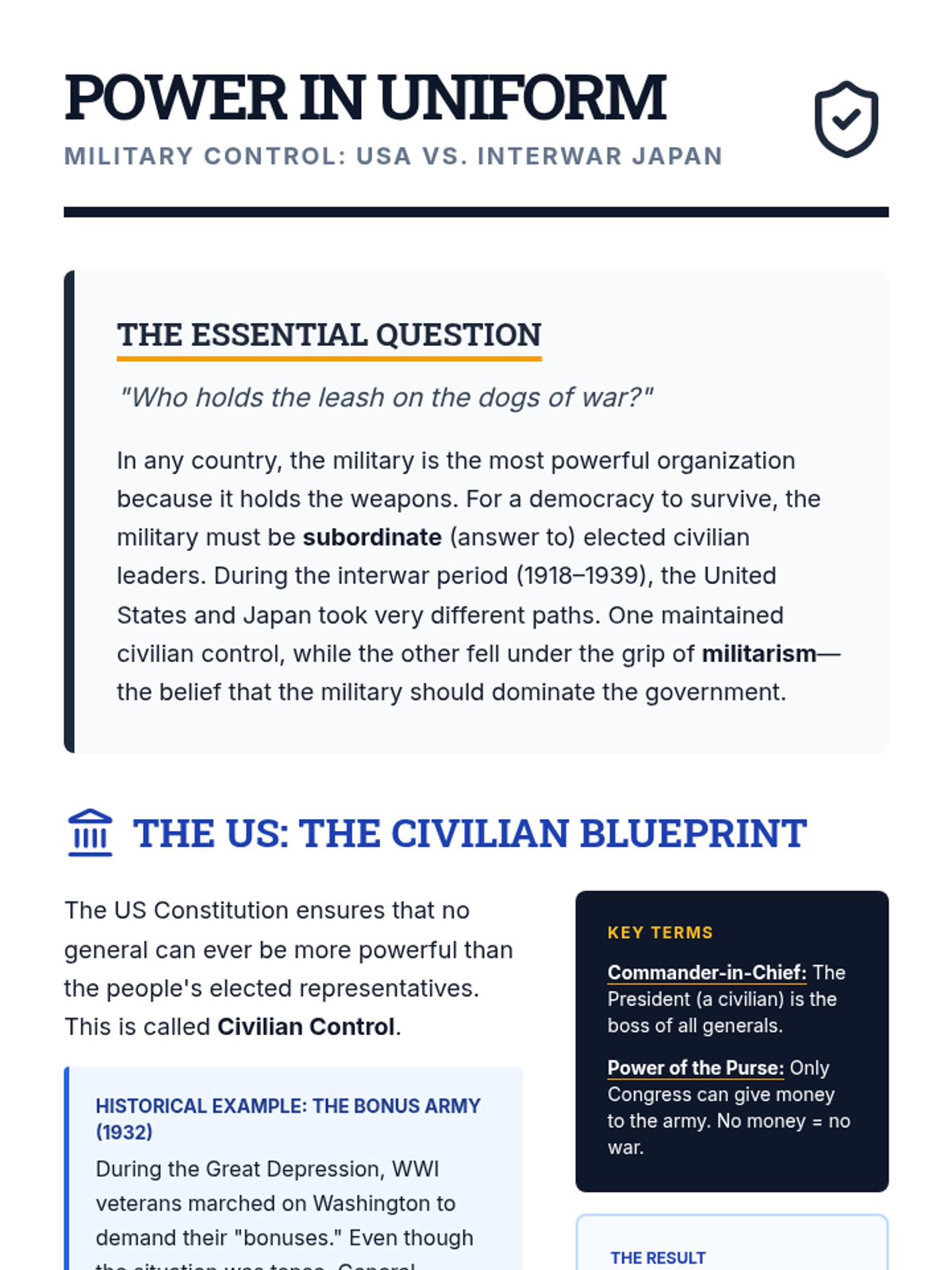
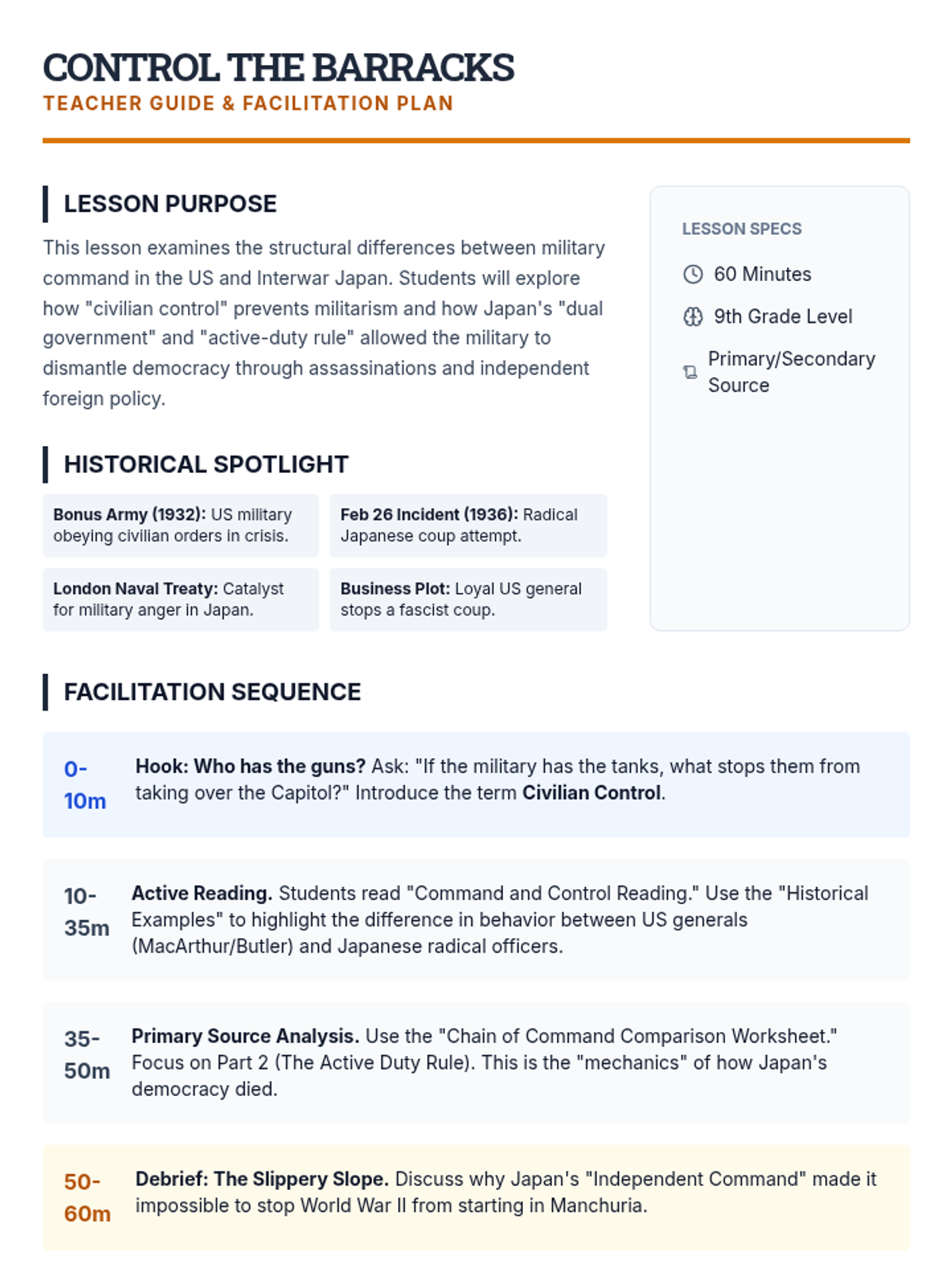
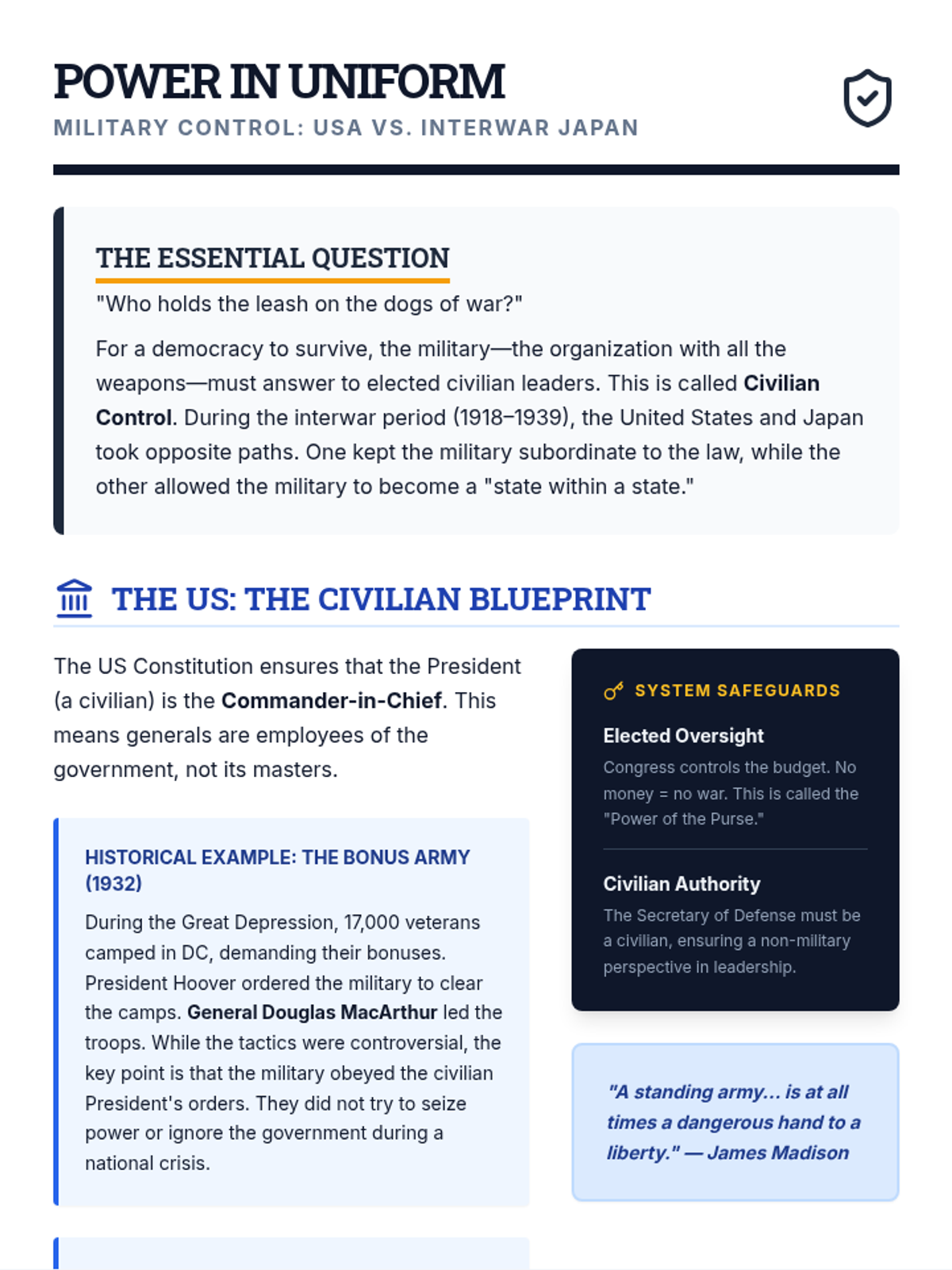
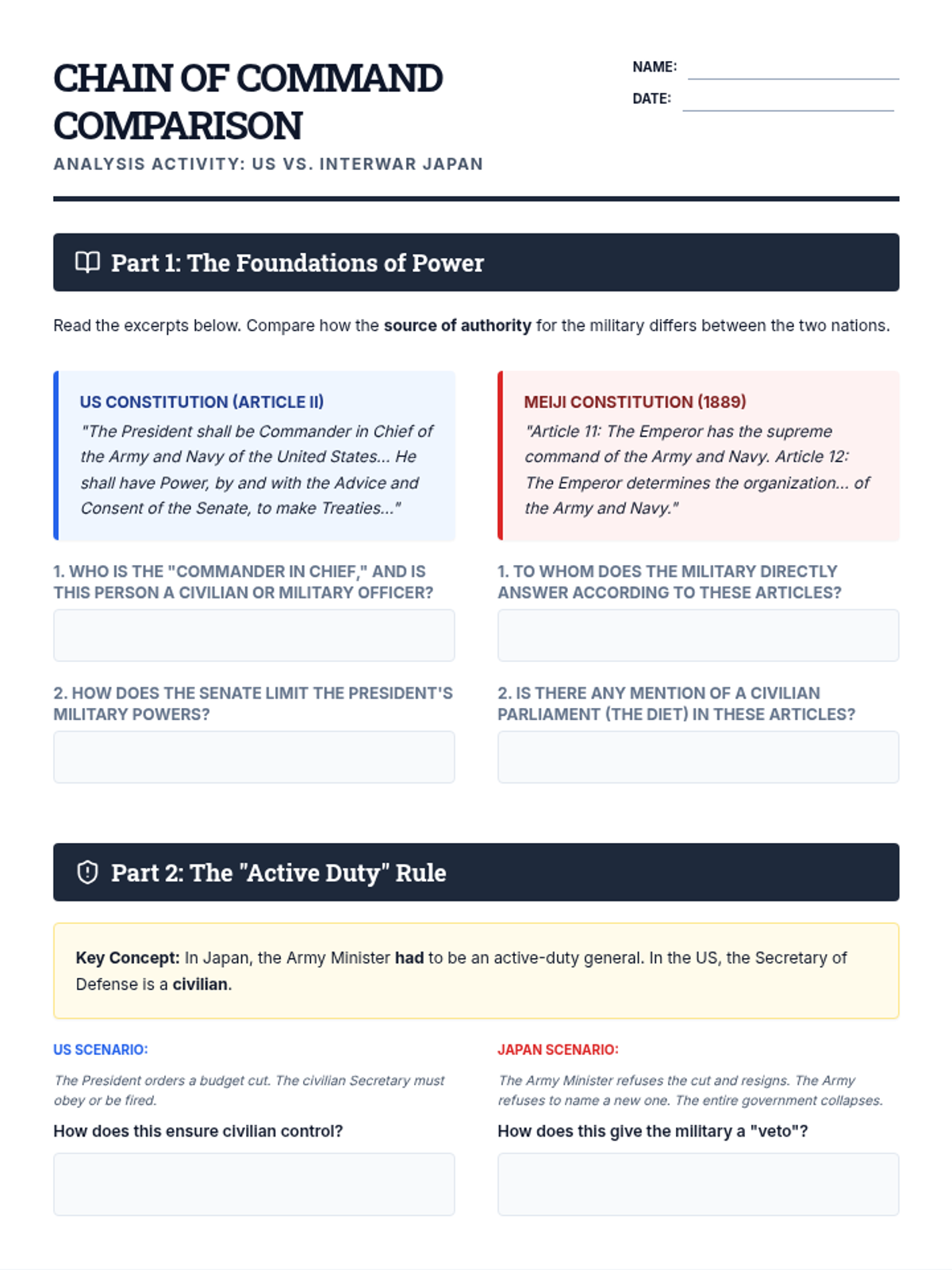
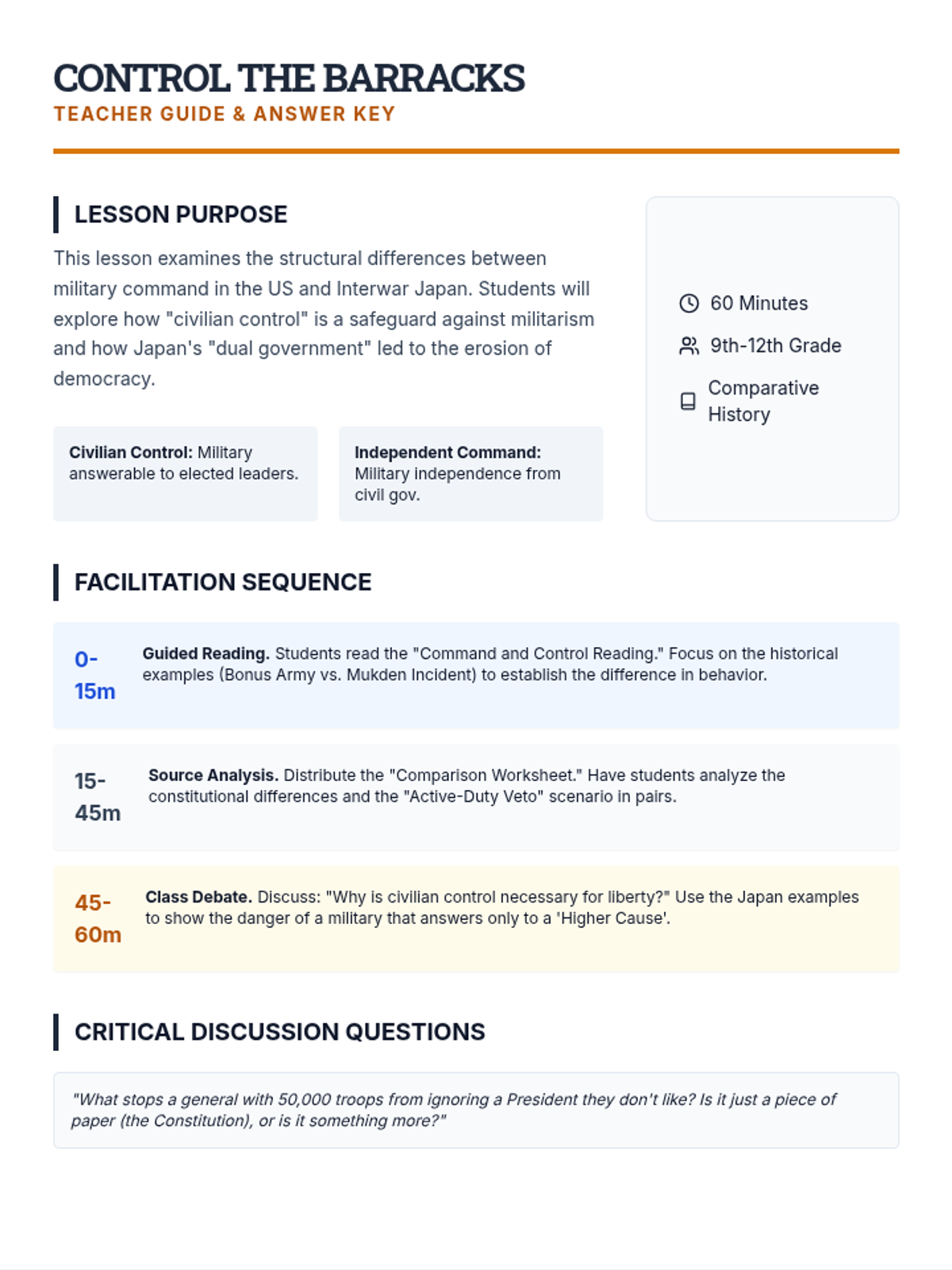
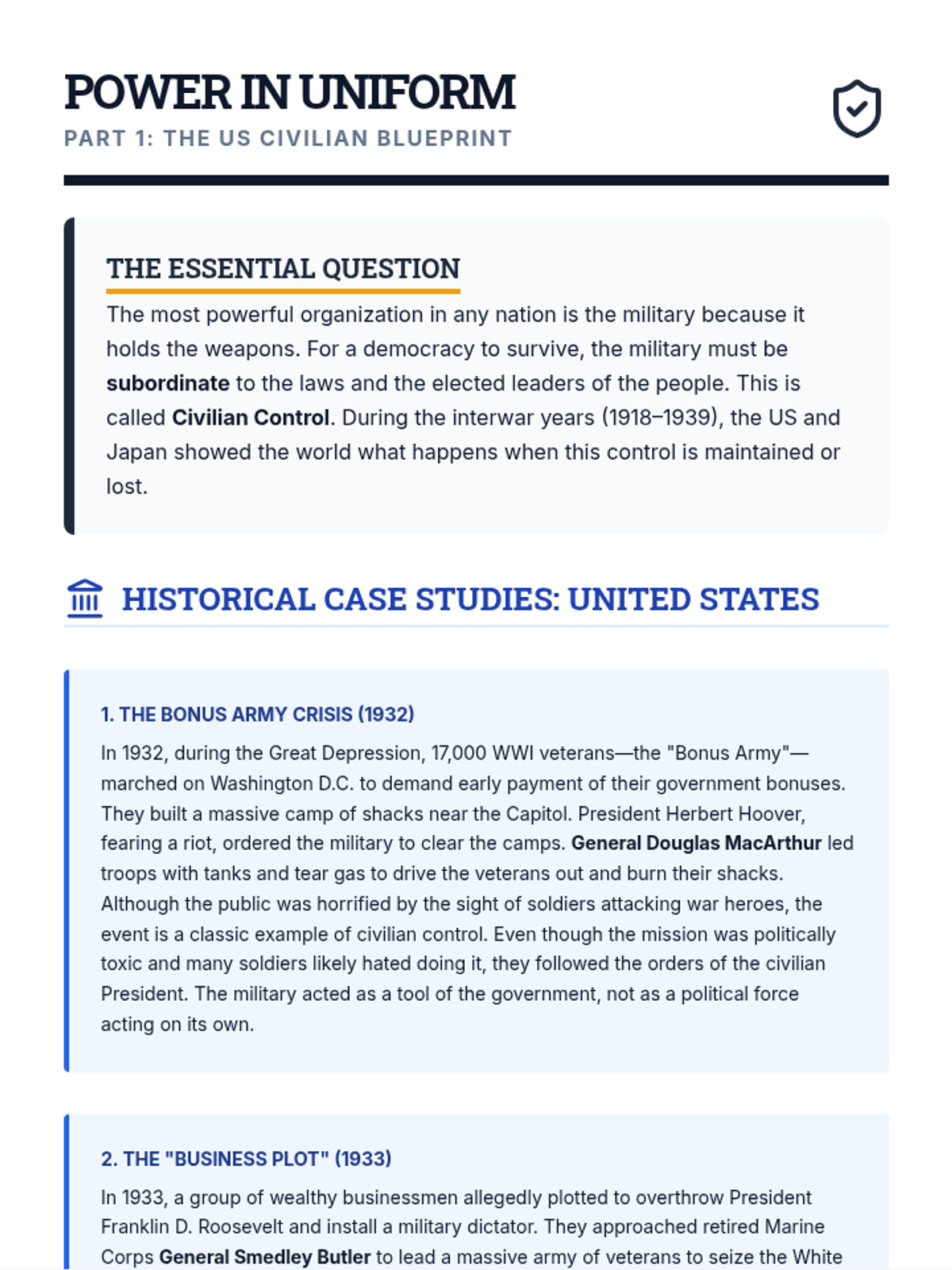
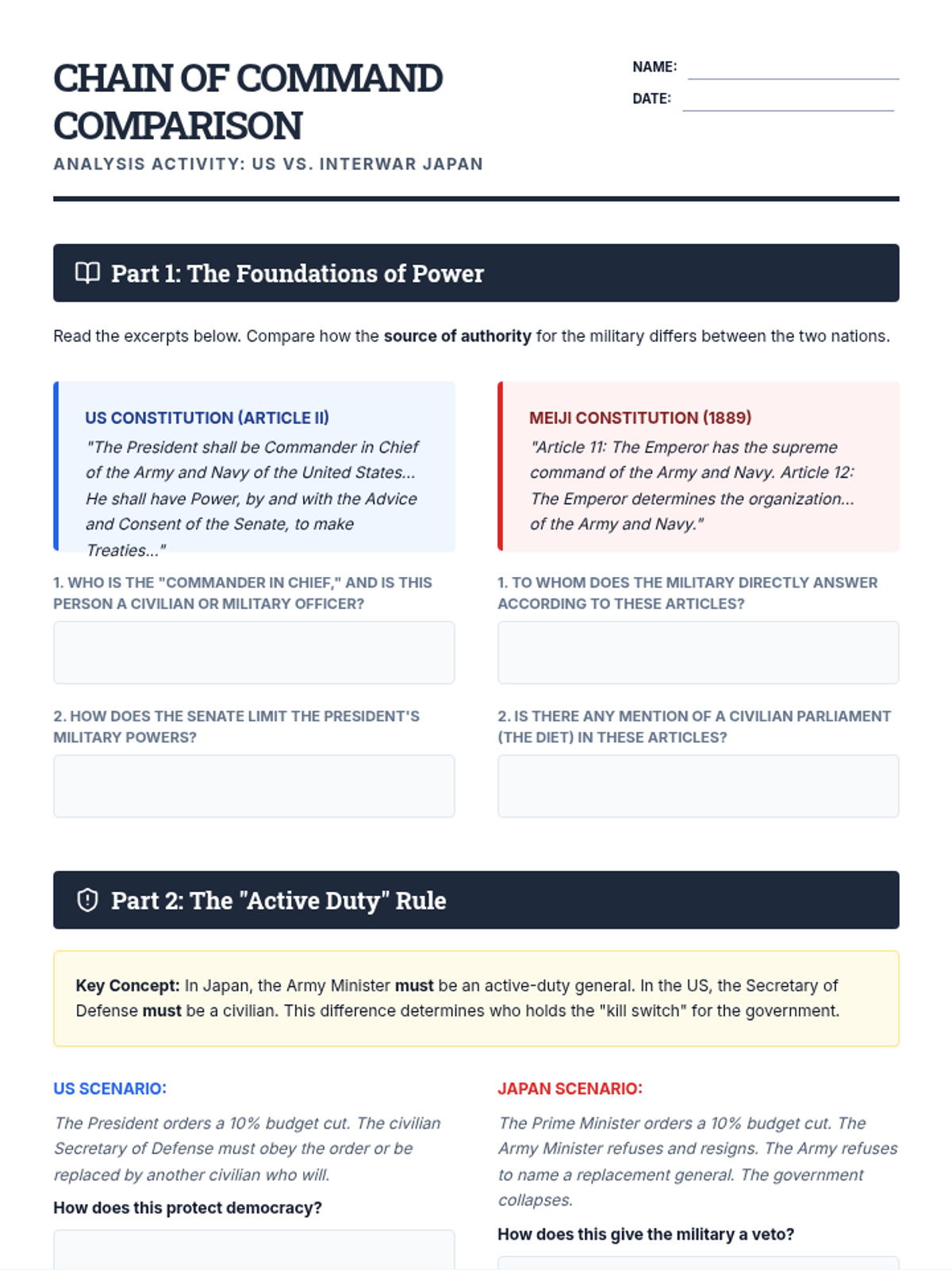
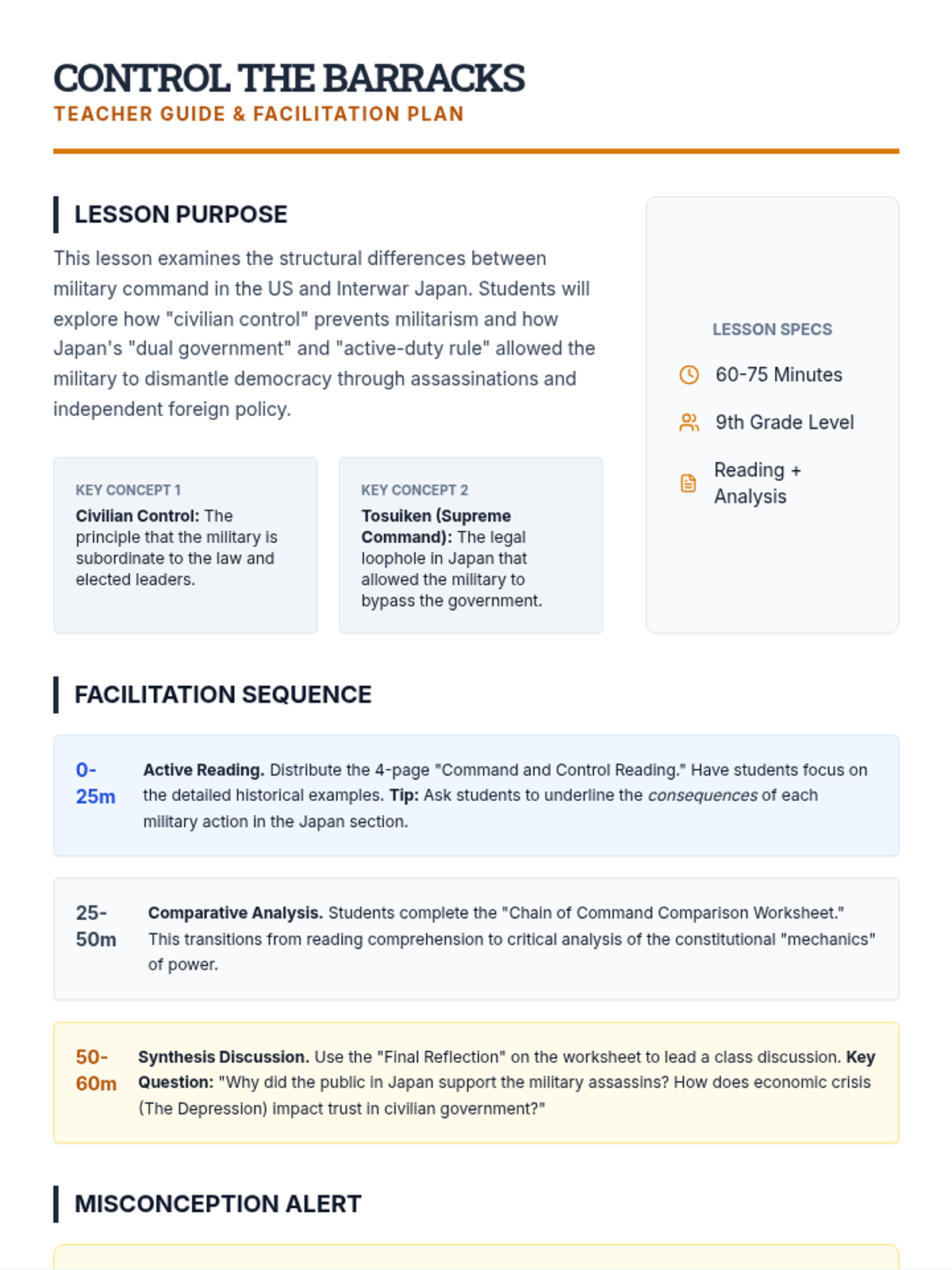
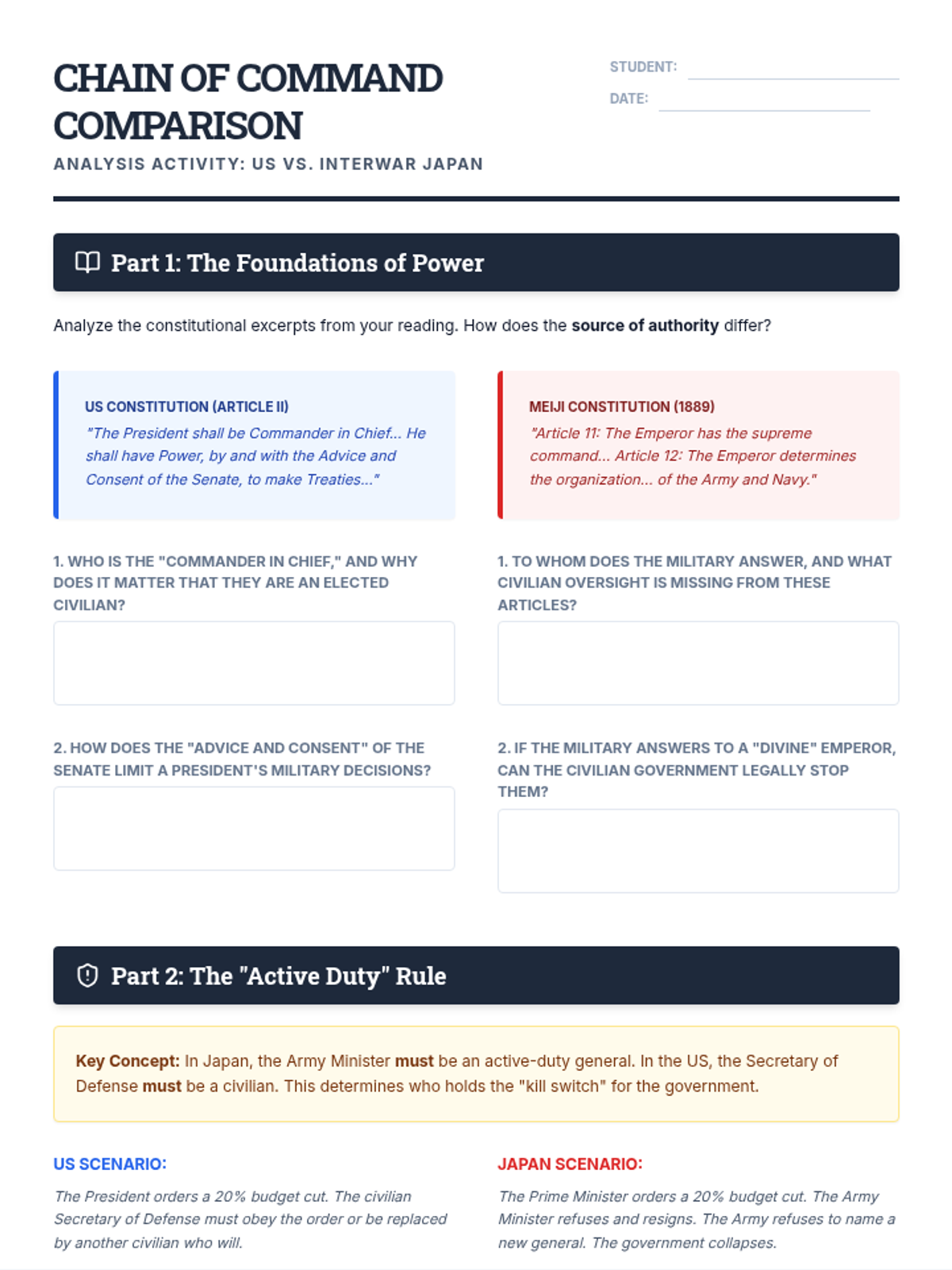
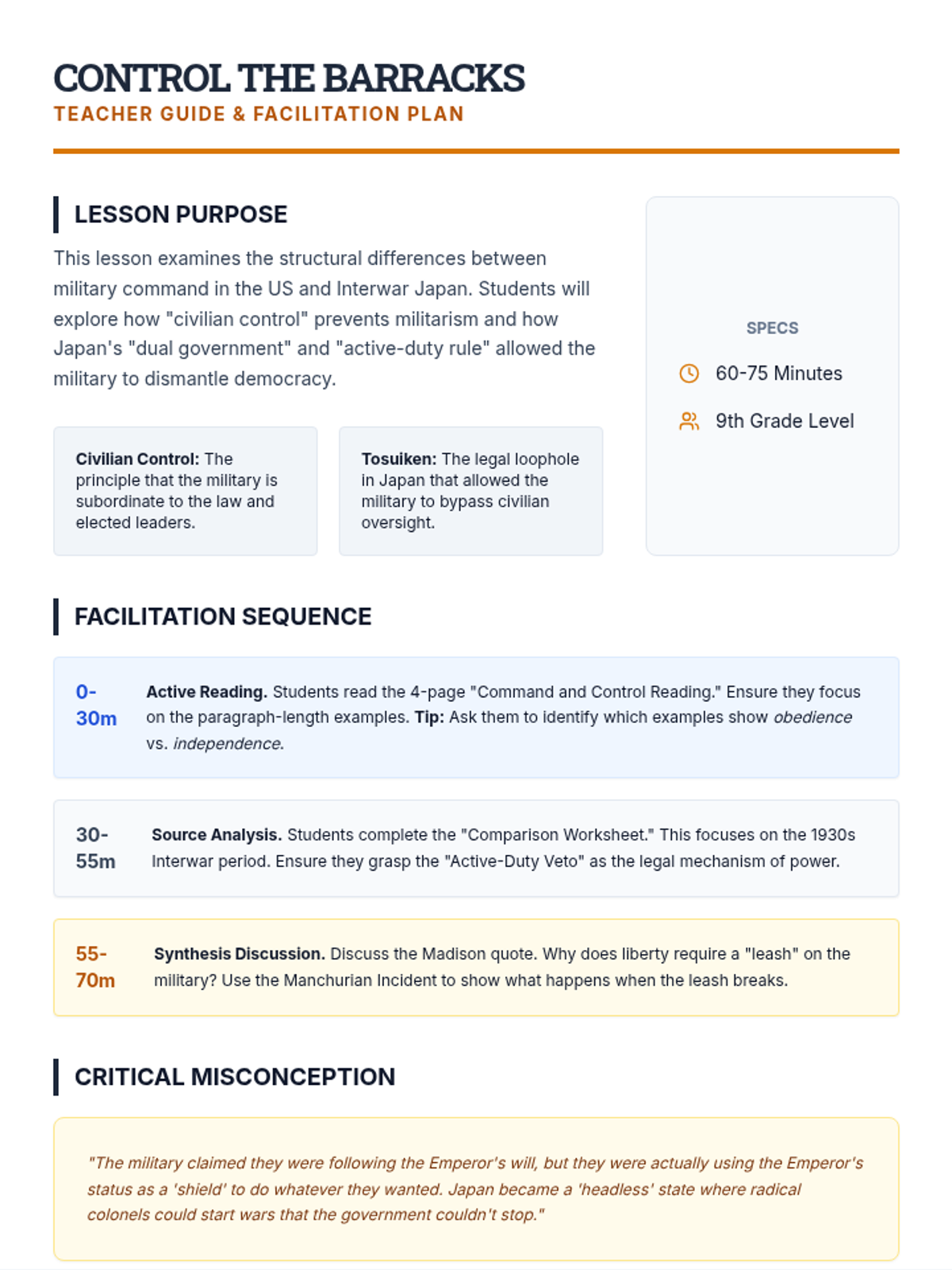
A comparative study of military governance structures, examining the US principle of civilian control versus the autonomous power of the military in Interwar Japan. Students will analyze constitutional frameworks and the consequences of military independence.
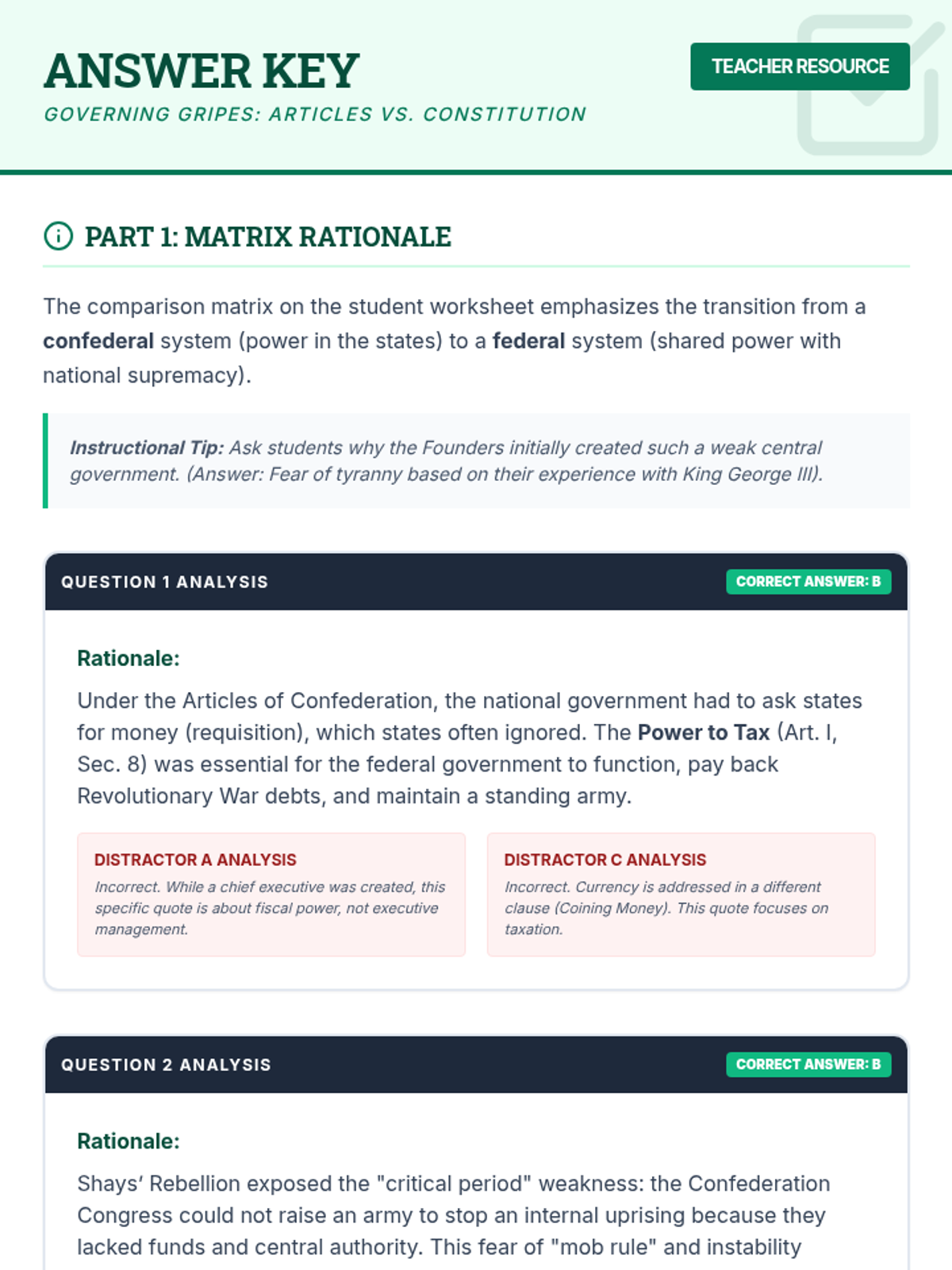
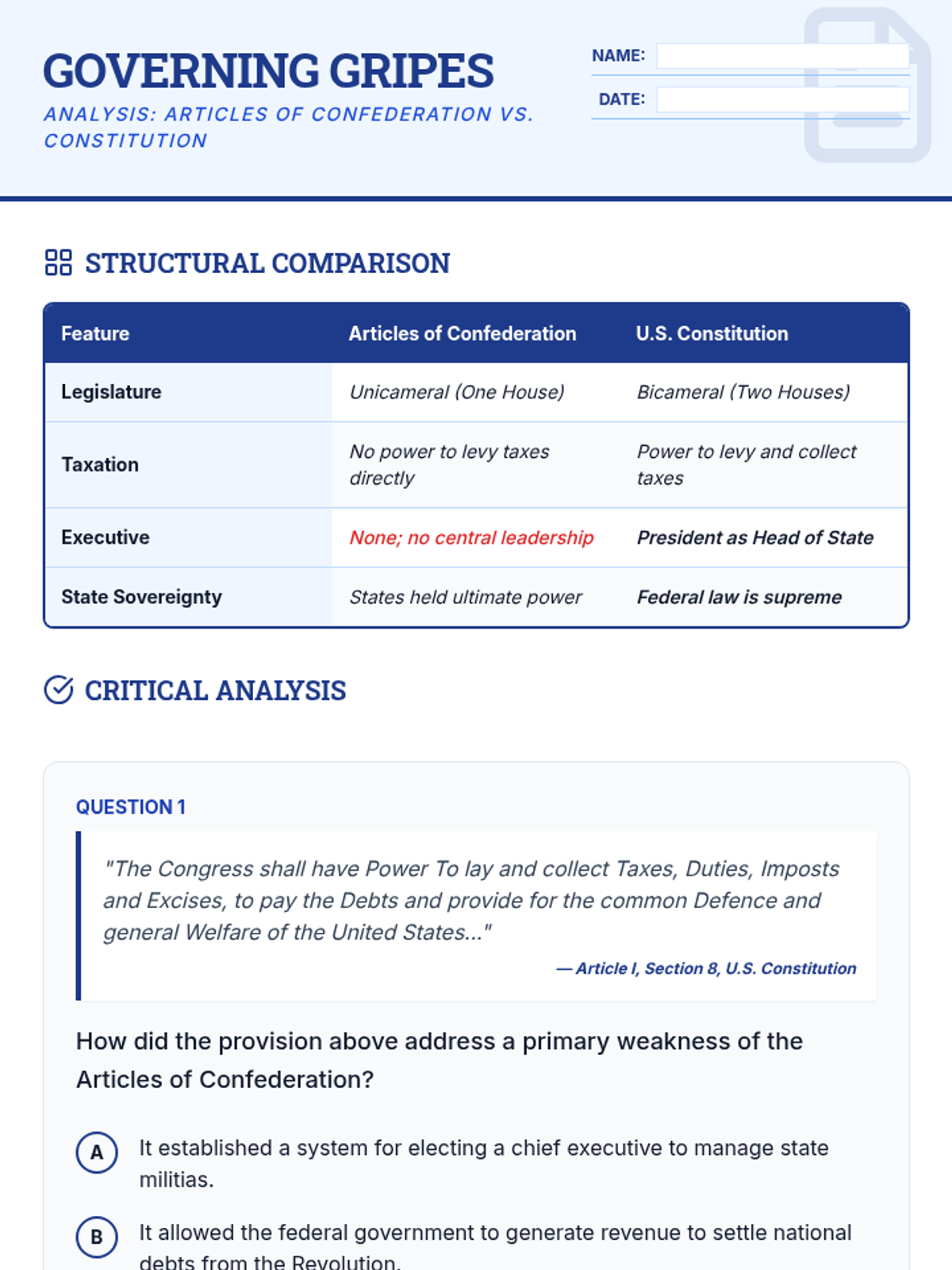
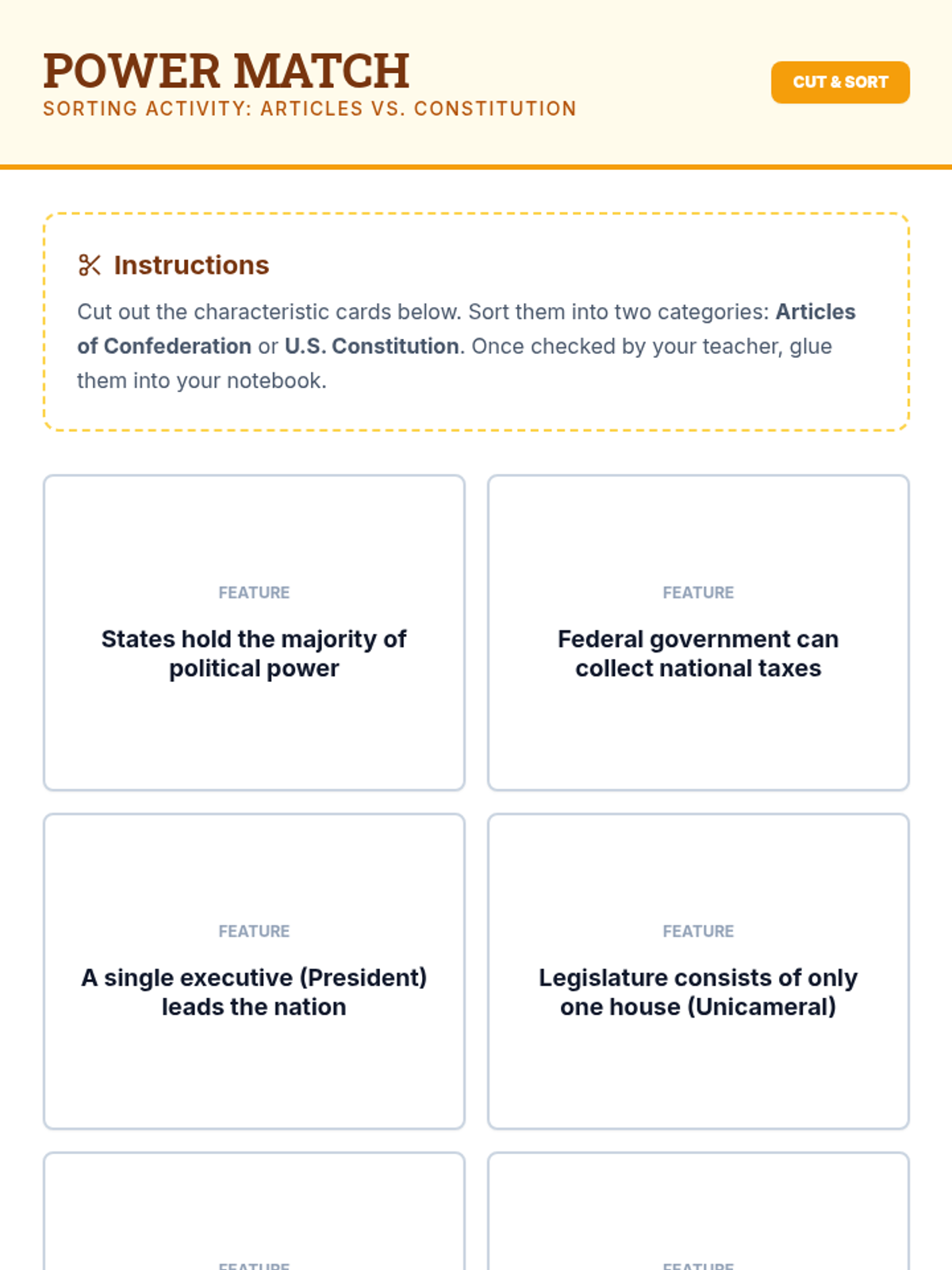
A lesson exploring the transition from the Articles of Confederation to the U.S. Constitution, highlighting the structural shifts in federal power and STAAR-aligned analysis.
A lesson focusing on the ideological divide between Federalists and Anti-Federalists during the ratification of the U.S. Constitution, featuring STAAR-aligned practice questions.
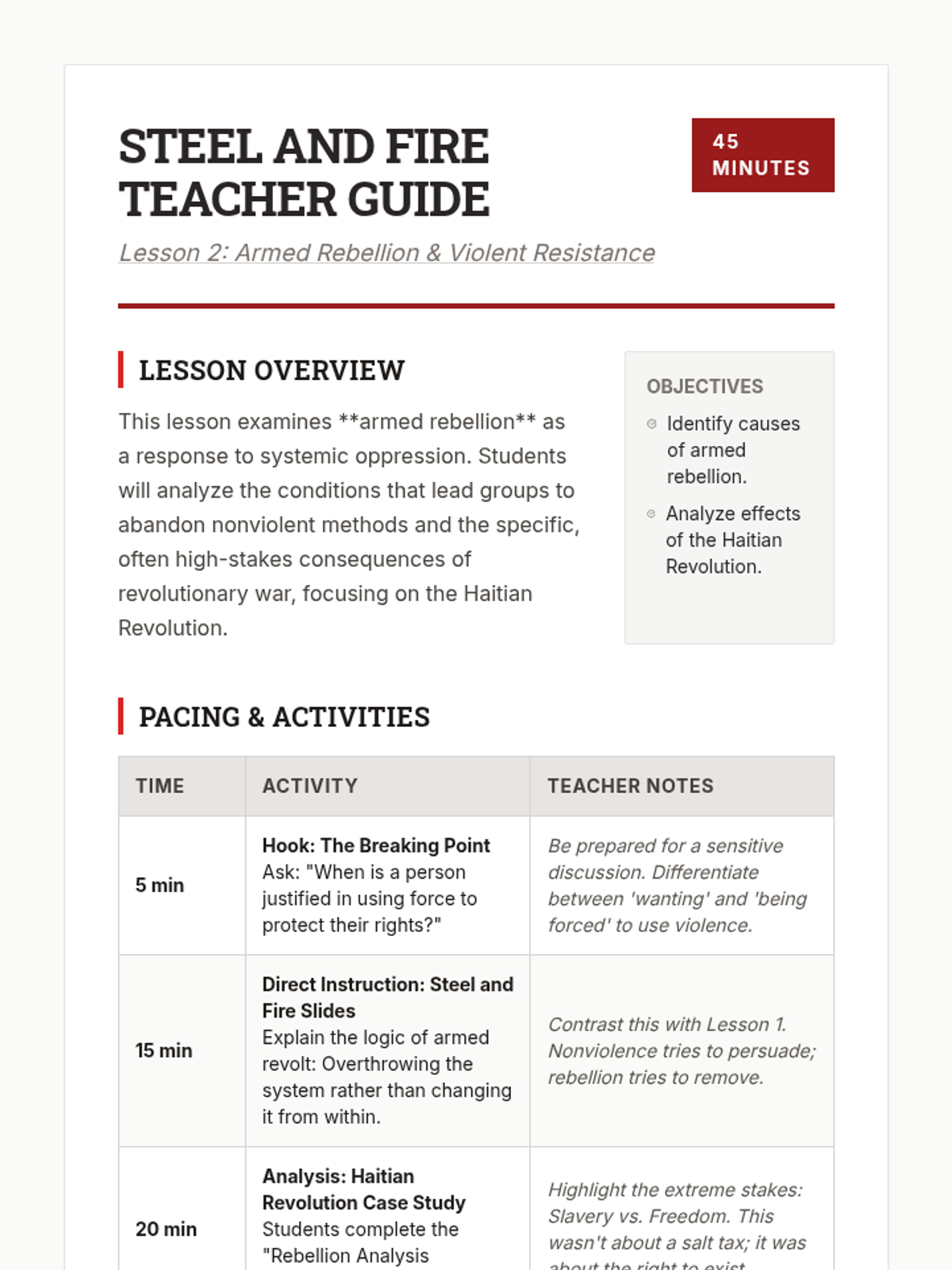
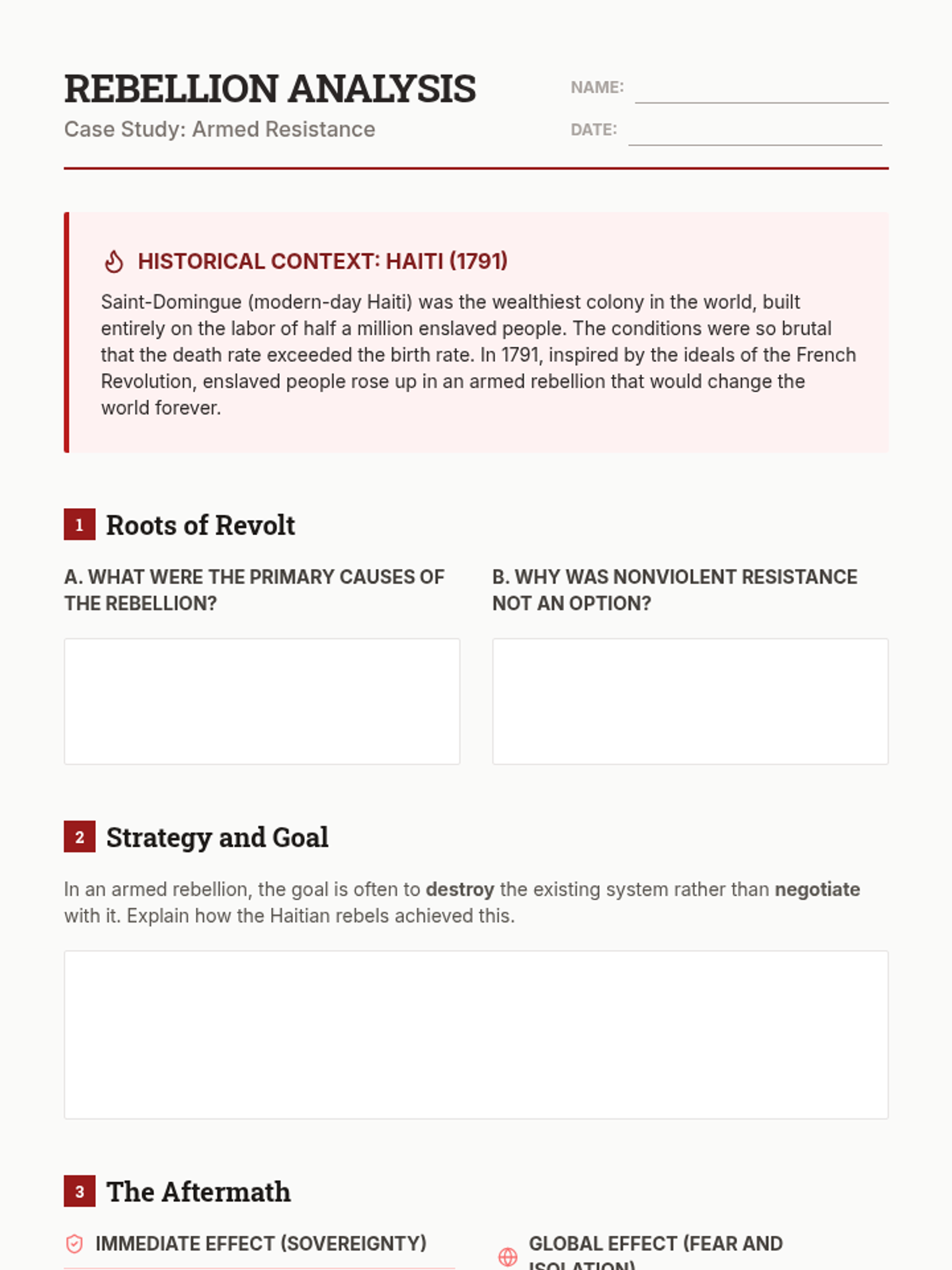
An examination of armed rebellion as a form of resistance, analyzing the factors that lead to violent conflict and the long-term consequences of revolutionary movements.
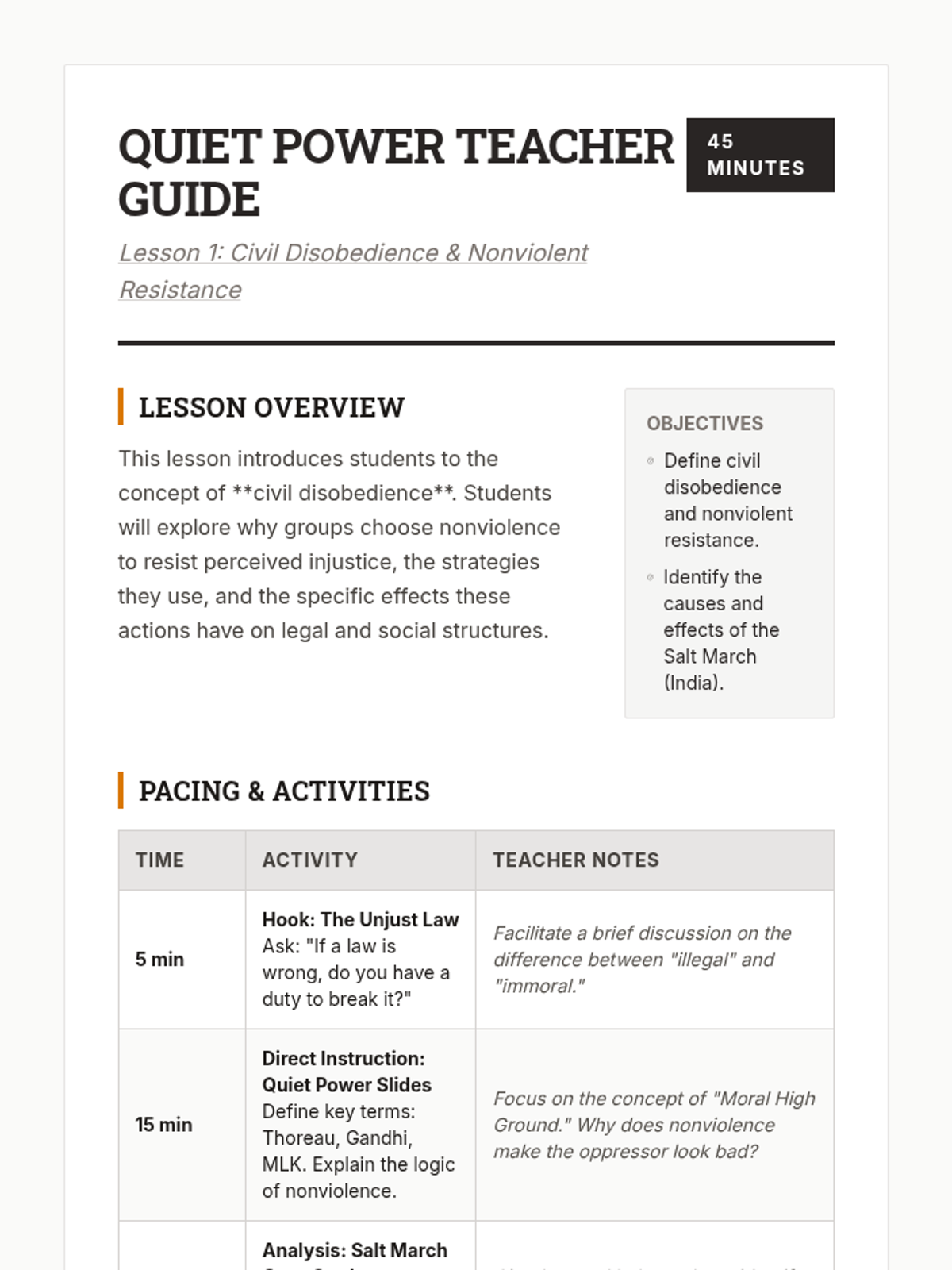
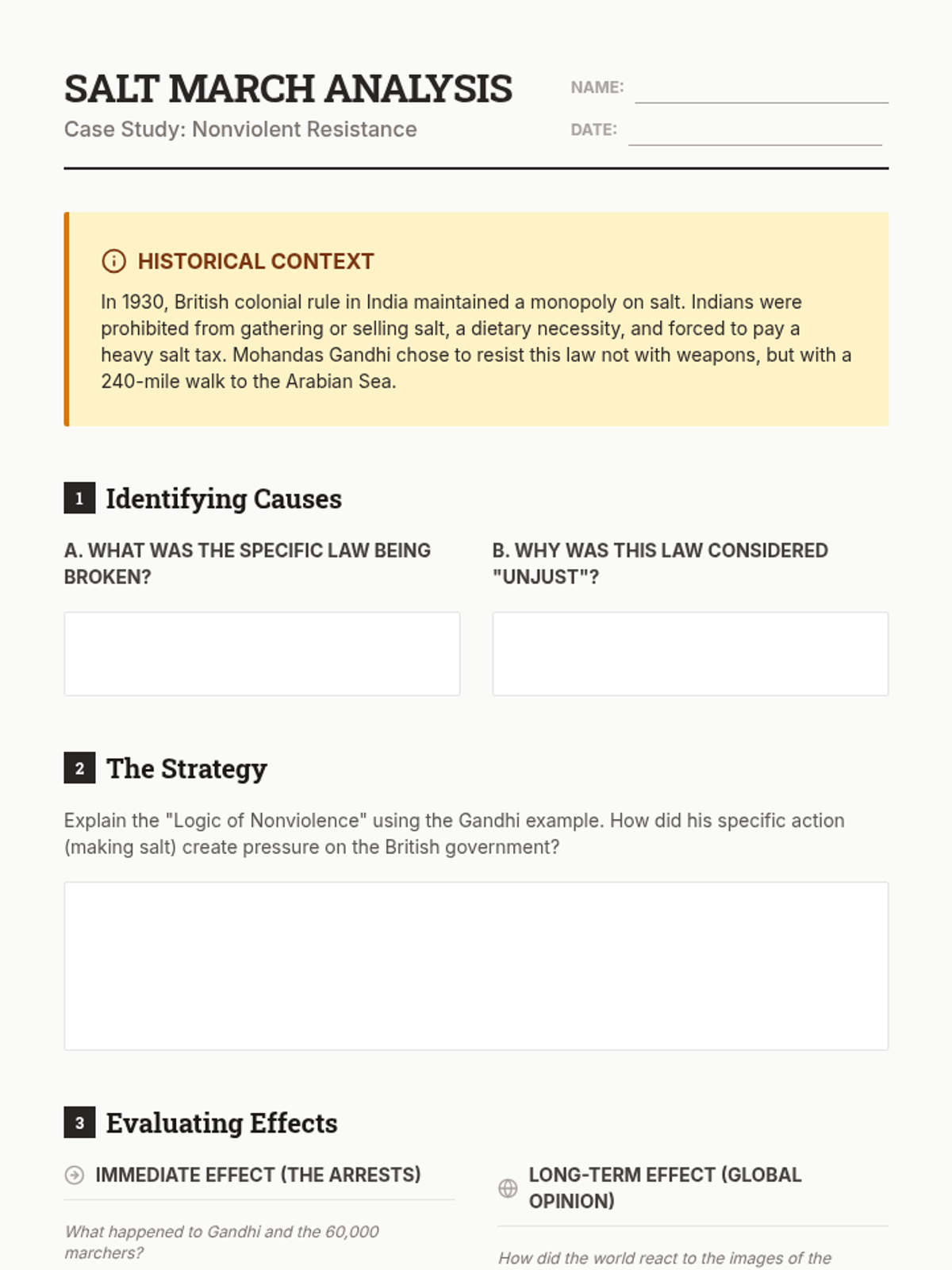
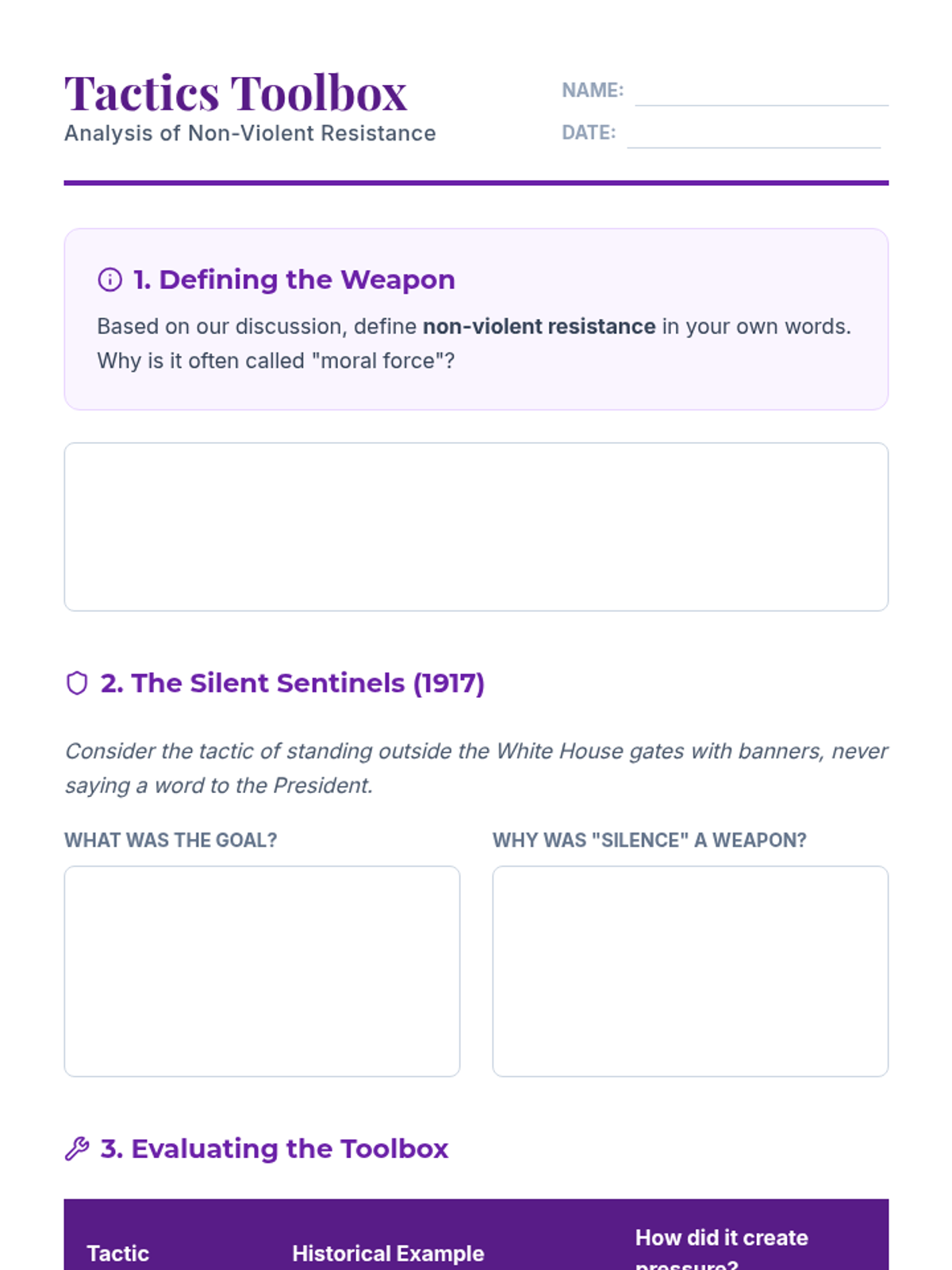
An introduction to nonviolent resistance, focusing on the philosophy of civil disobedience and its historical impact on social and political change.
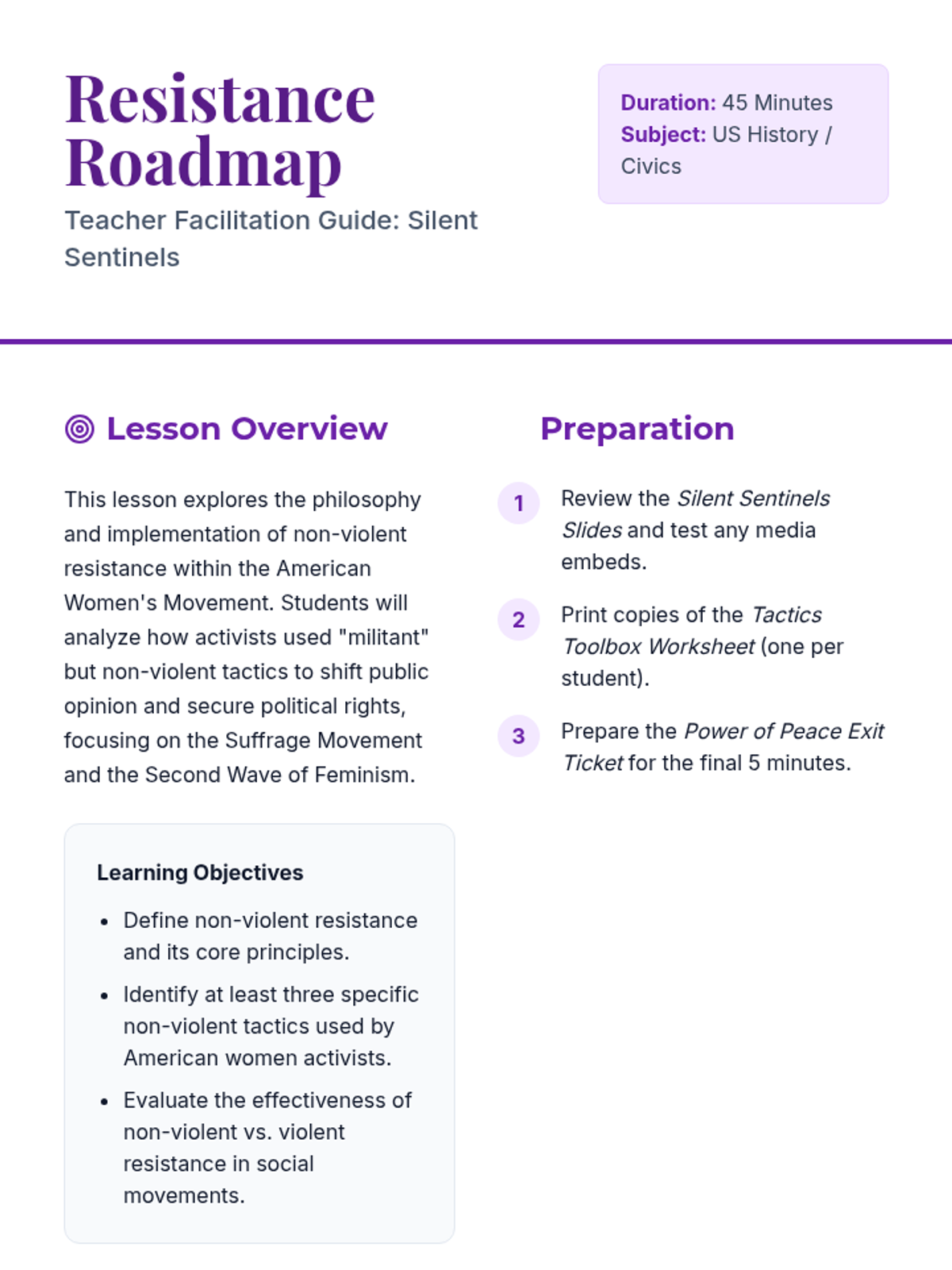
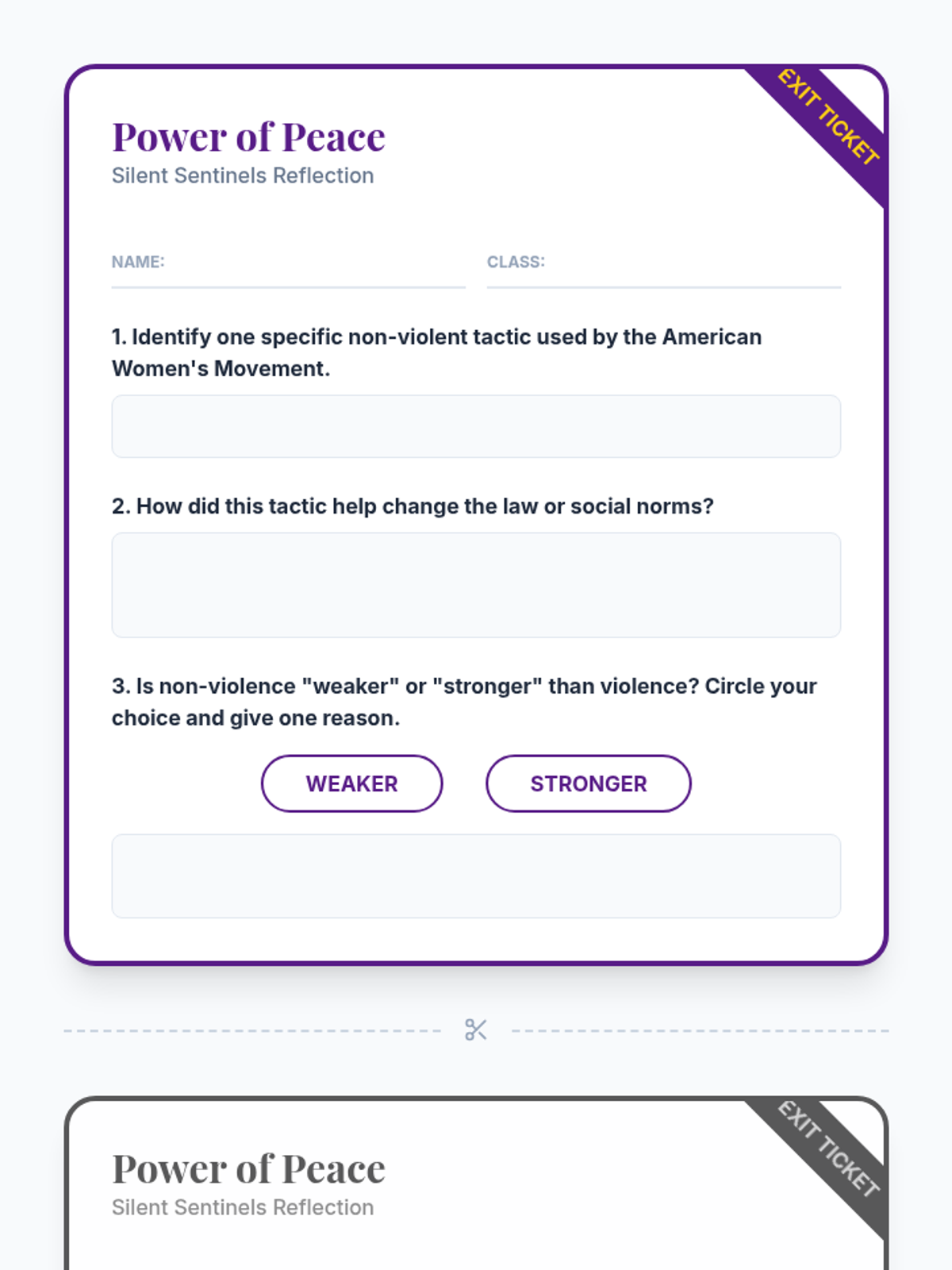
An exploration of non-violent resistance strategies used during the American Women's Movement, focusing on the tactics that transformed social and political landscapes.
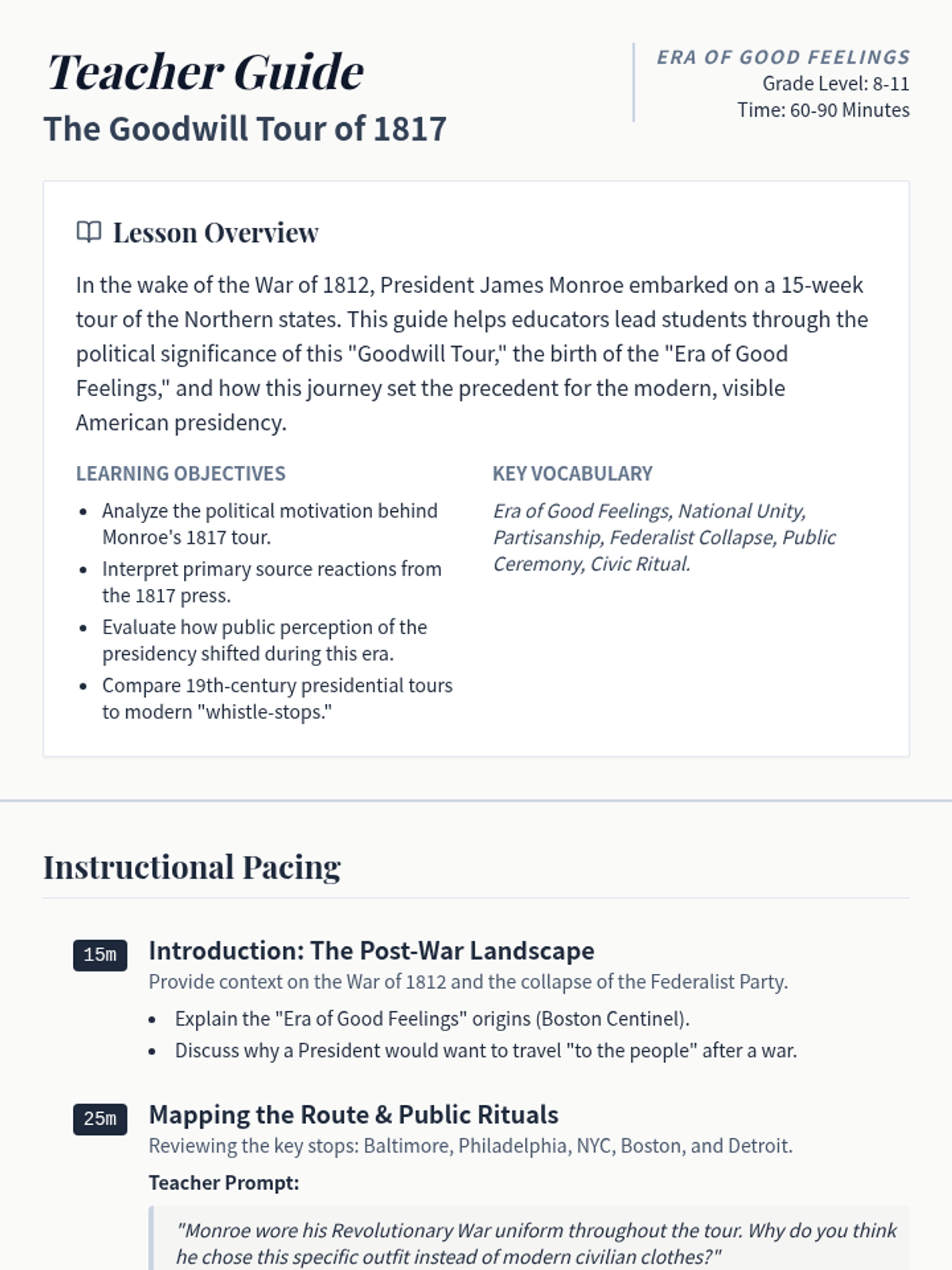
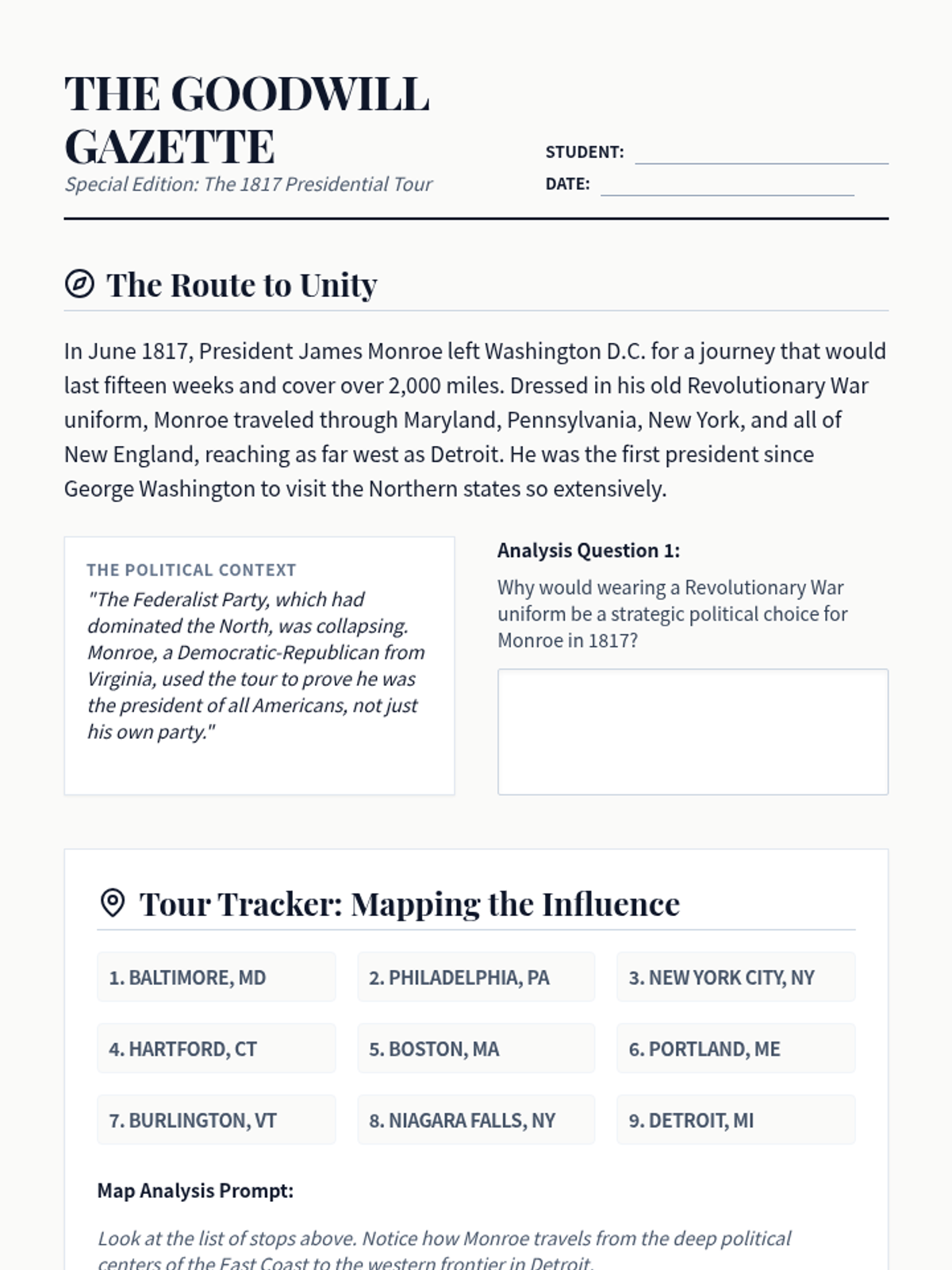
A comprehensive lesson exploring James Monroe's 1817 tour of the Northern states, which coined the phrase 'Era of Good Feelings' and redefined the American presidency's relationship with the public.
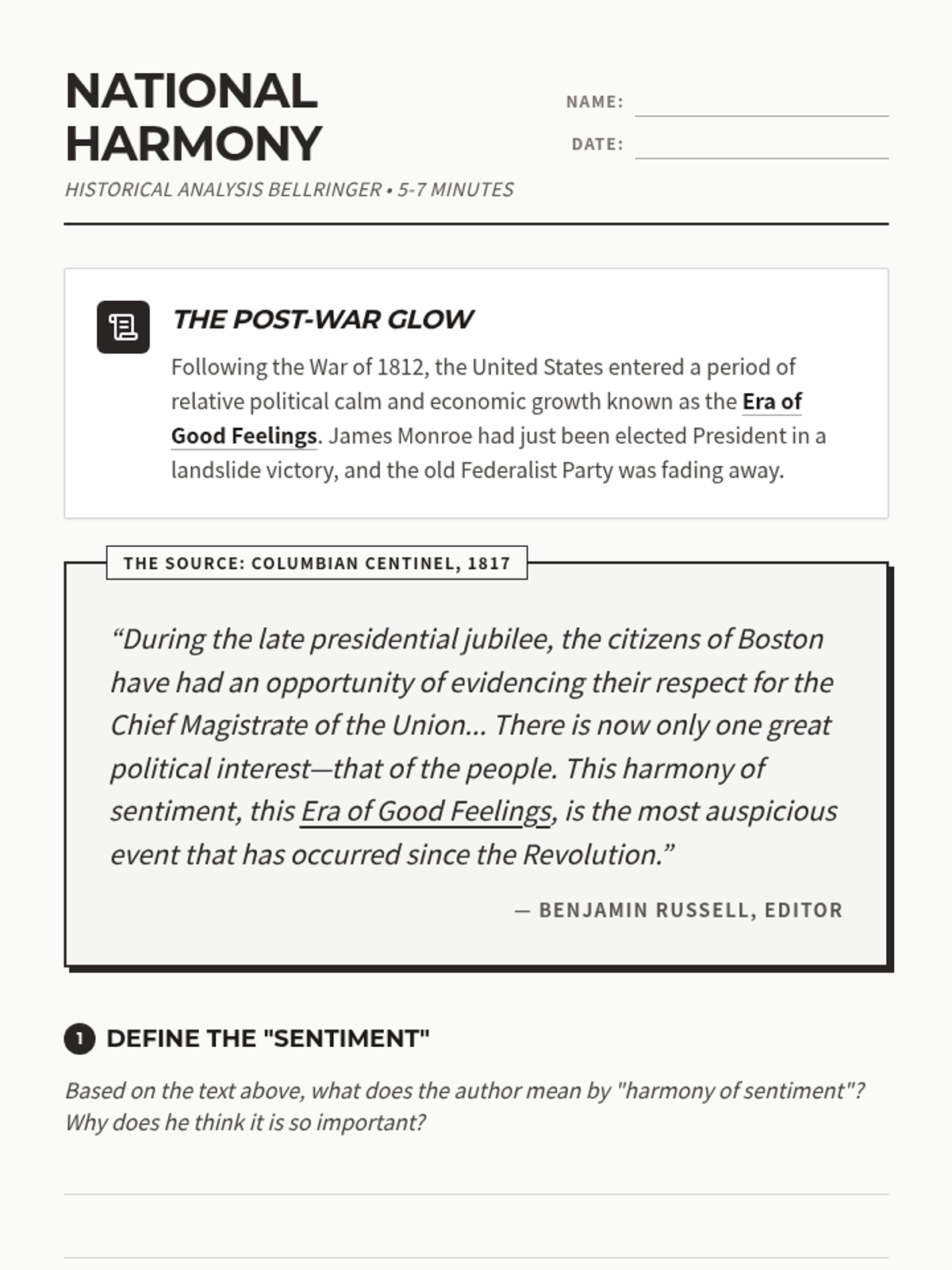
A quick introductory lesson focusing on James Monroe's presidency and the emergence of national unity following the War of 1812.
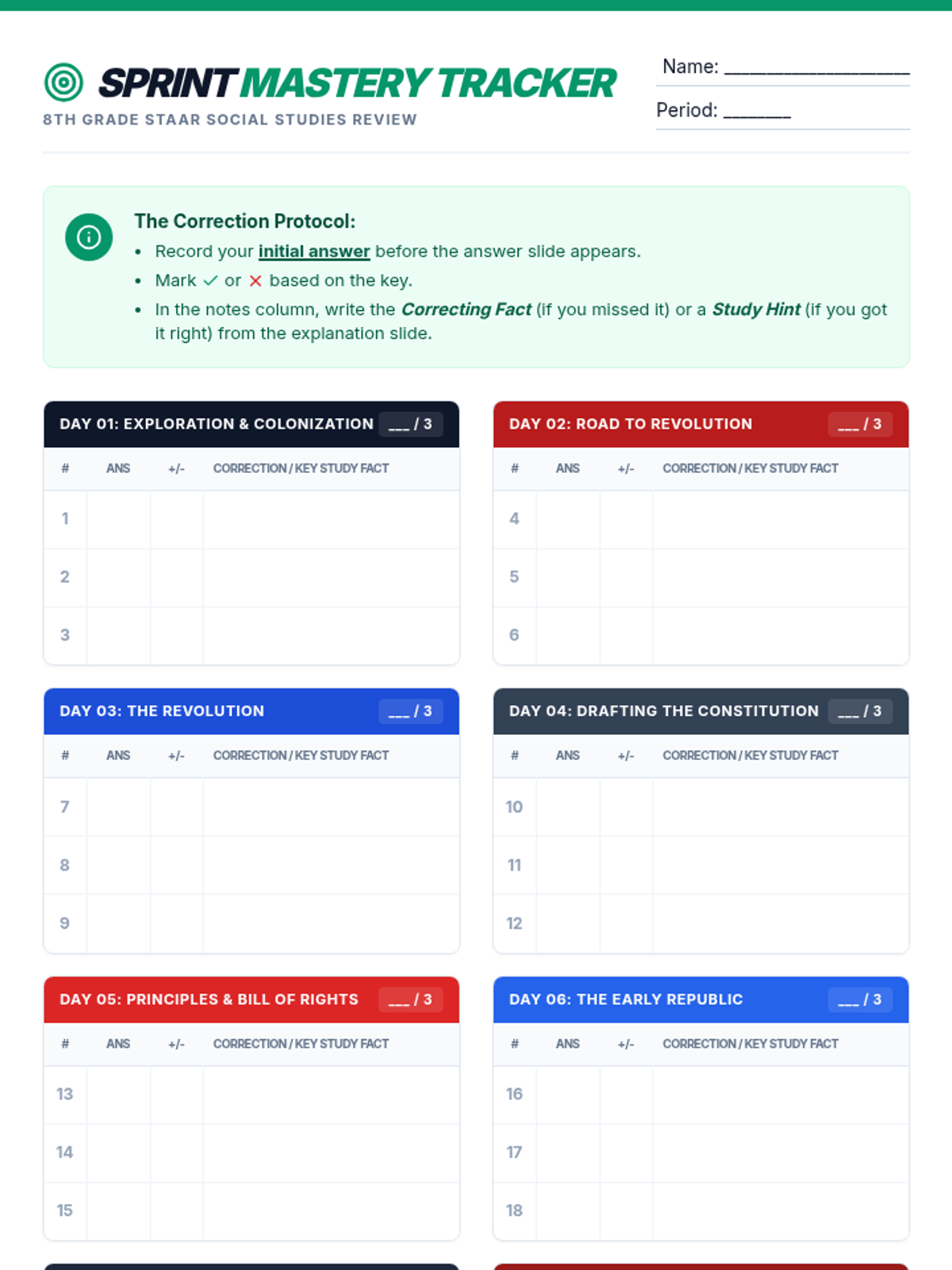
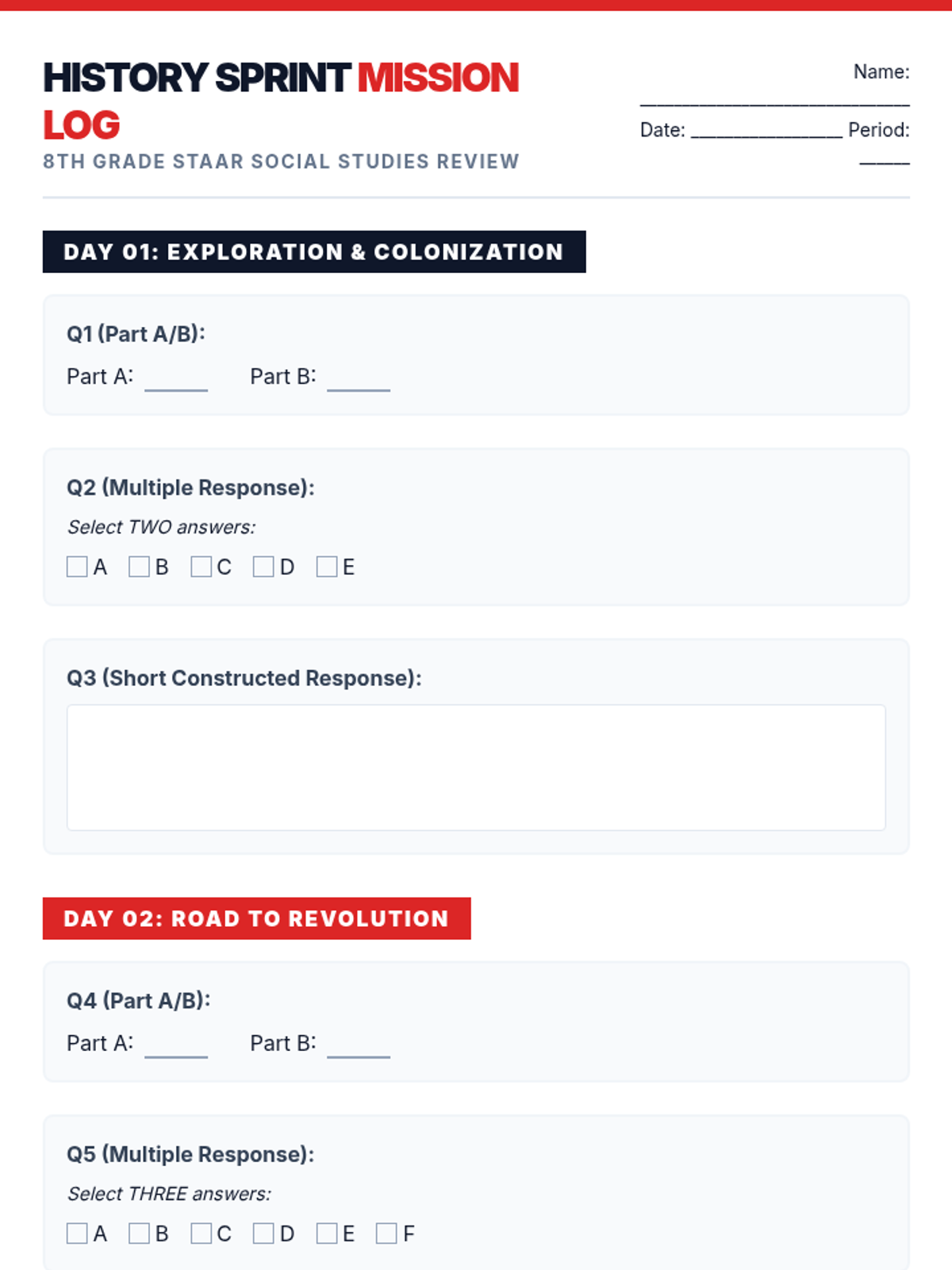
The first week of the STAAR review focuses on the foundations of the United States, including European Exploration, Colonialism, the American Revolution, and the drafting of the Constitution.
The final week of the STAAR review addresses the causes and events of the Civil War, followed by the challenges and outcomes of the Reconstruction Era.
The second week of the STAAR review covers the development of the early republic, the presidency of Andrew Jackson, Manifest Destiny, and the social reforms of the 19th century.
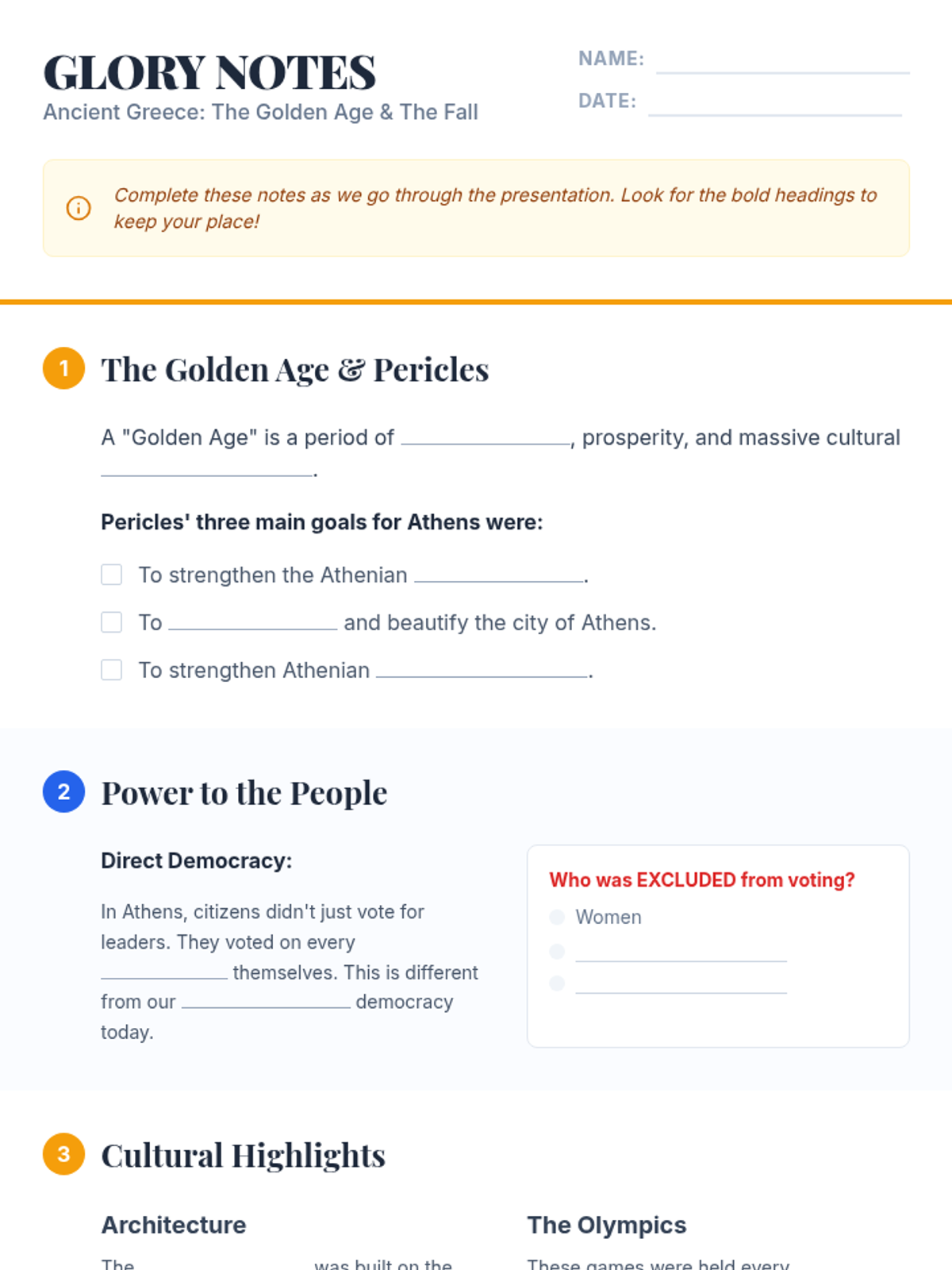
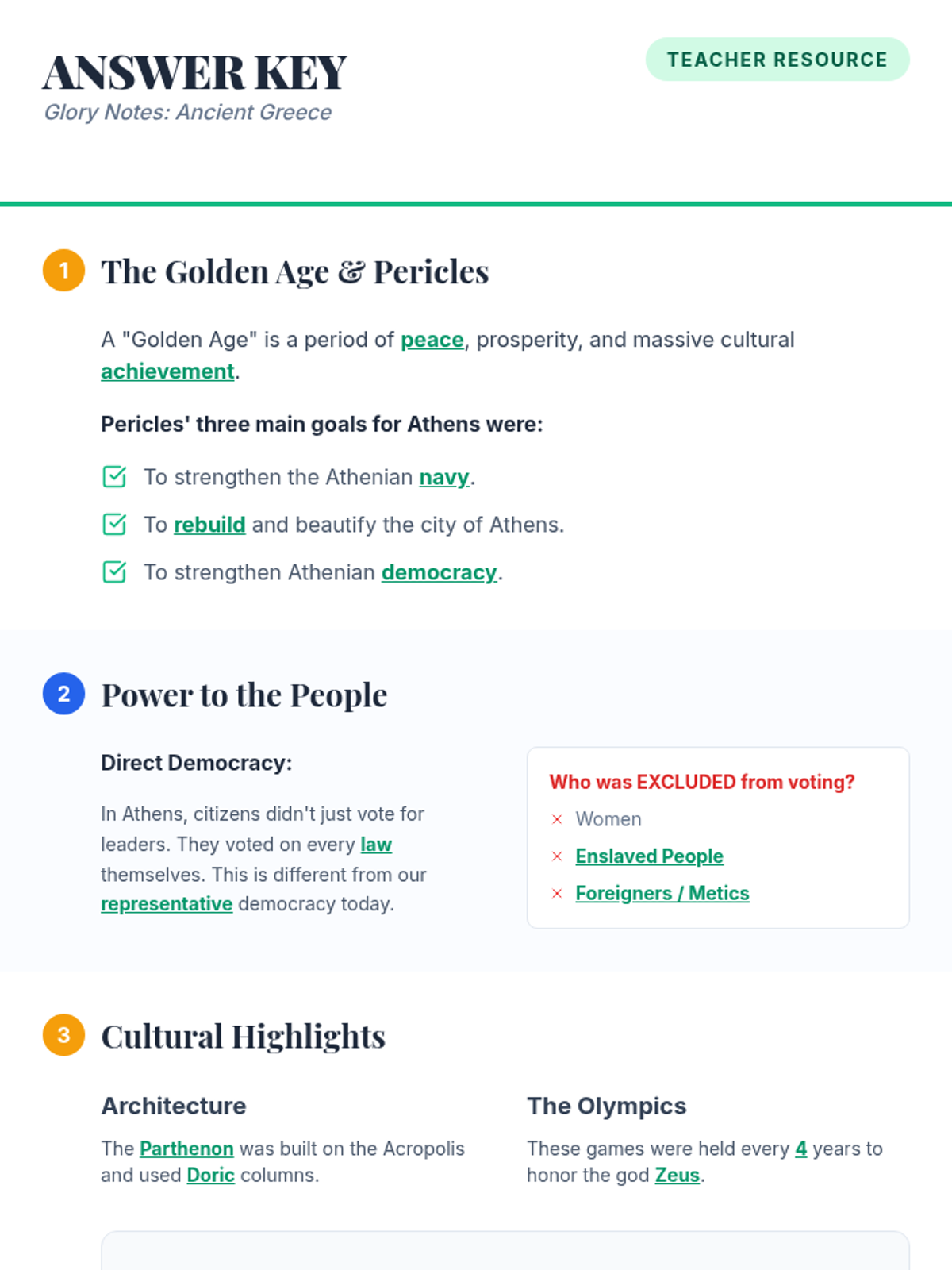
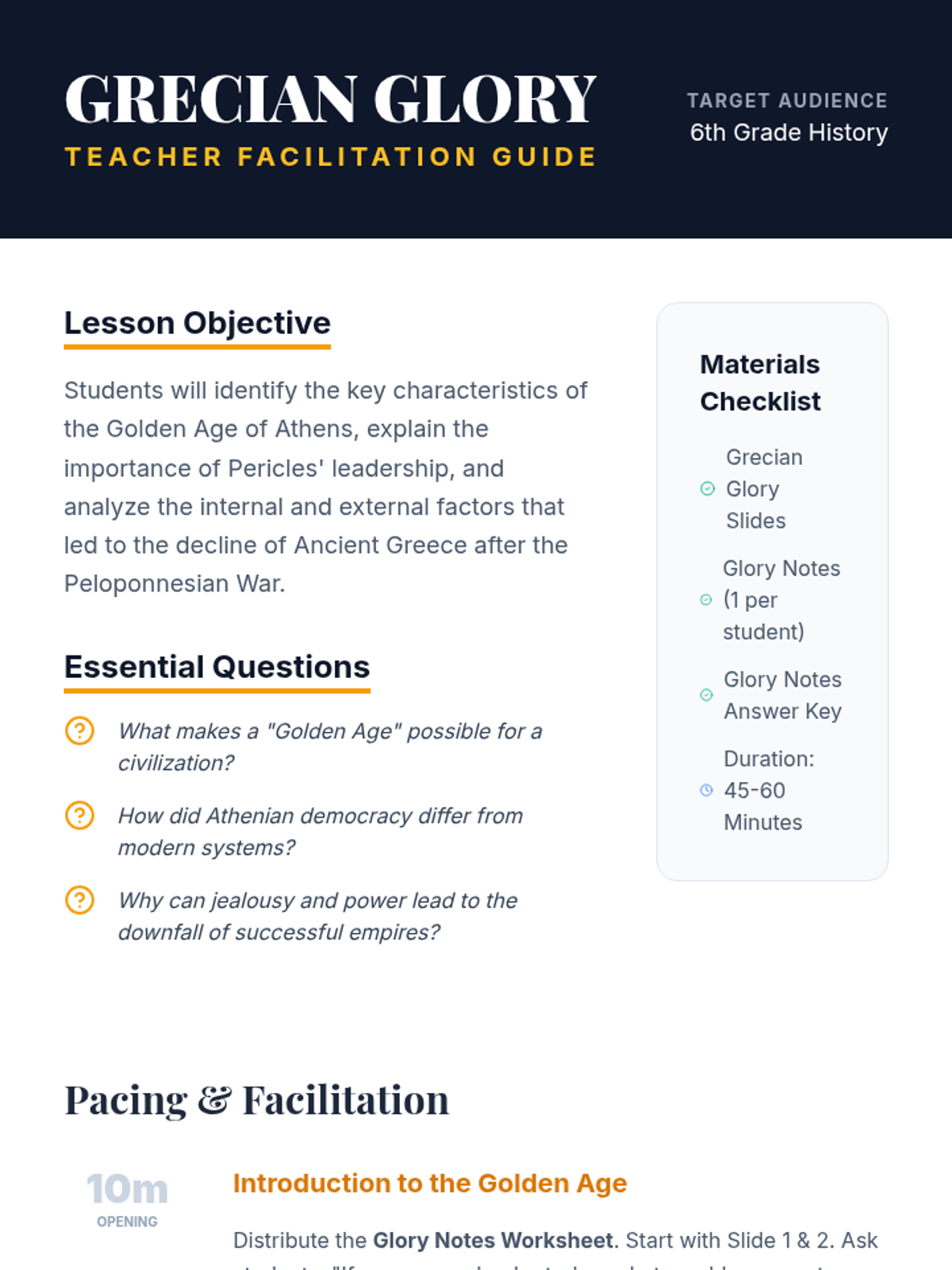
A deep dive into the peak of Athenian culture under Pericles and the eventual decline following the Peloponnesian War. Students explore democracy, architecture, and the cost of conflict.
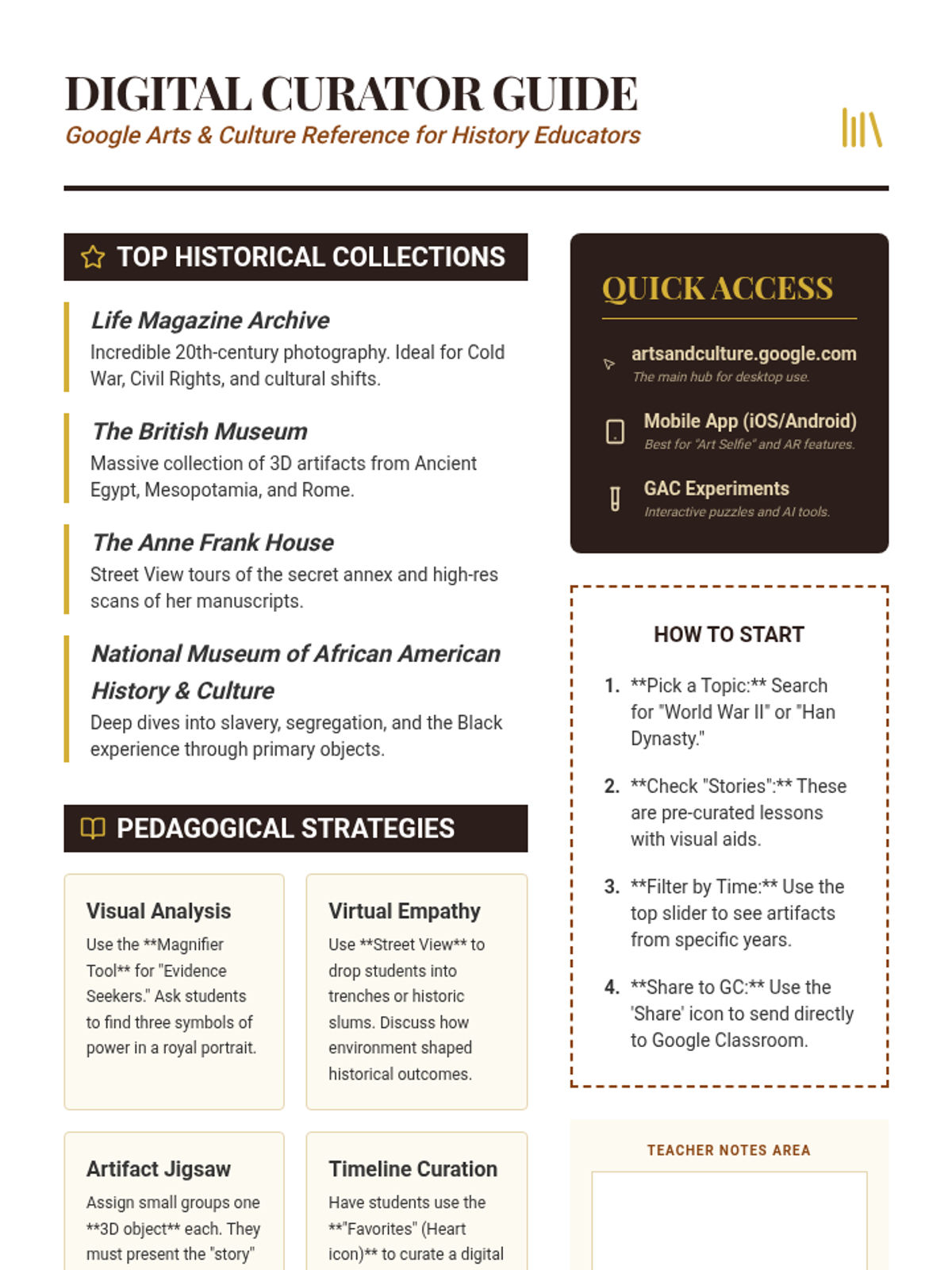
A quick-fire guide for history educators on leveraging Google Arts & Culture's digital archives and virtual tours to enhance classroom engagement.
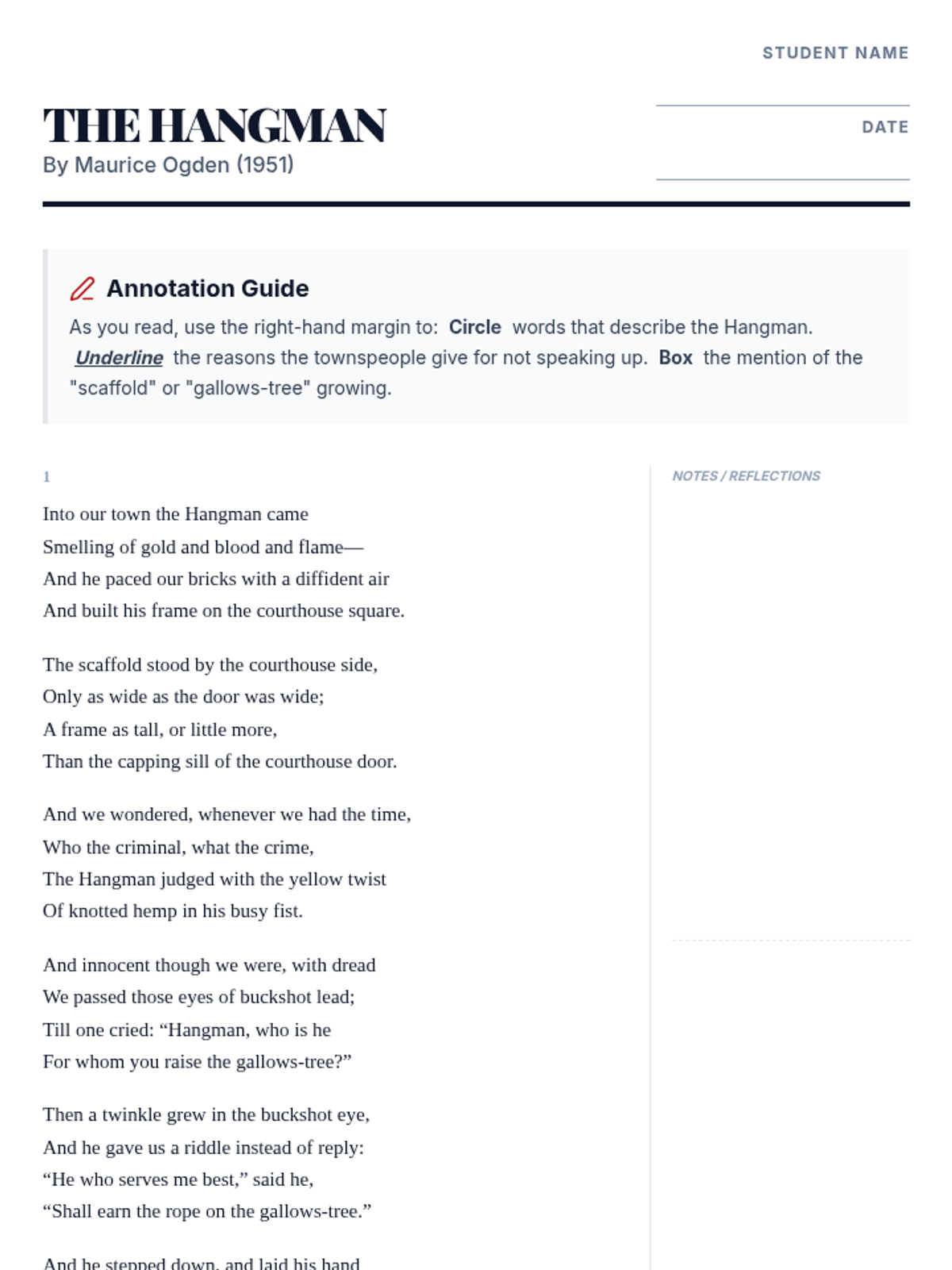
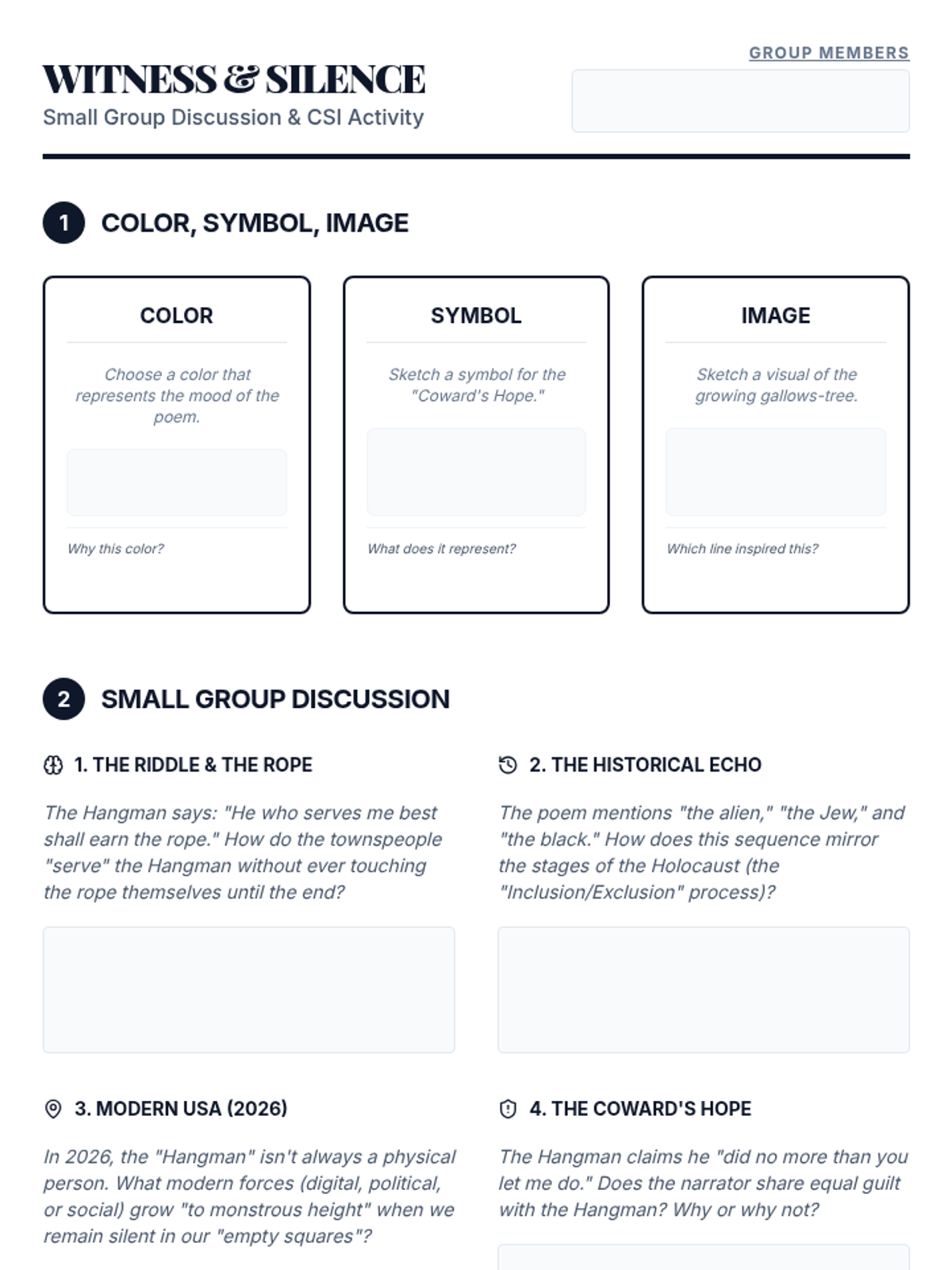
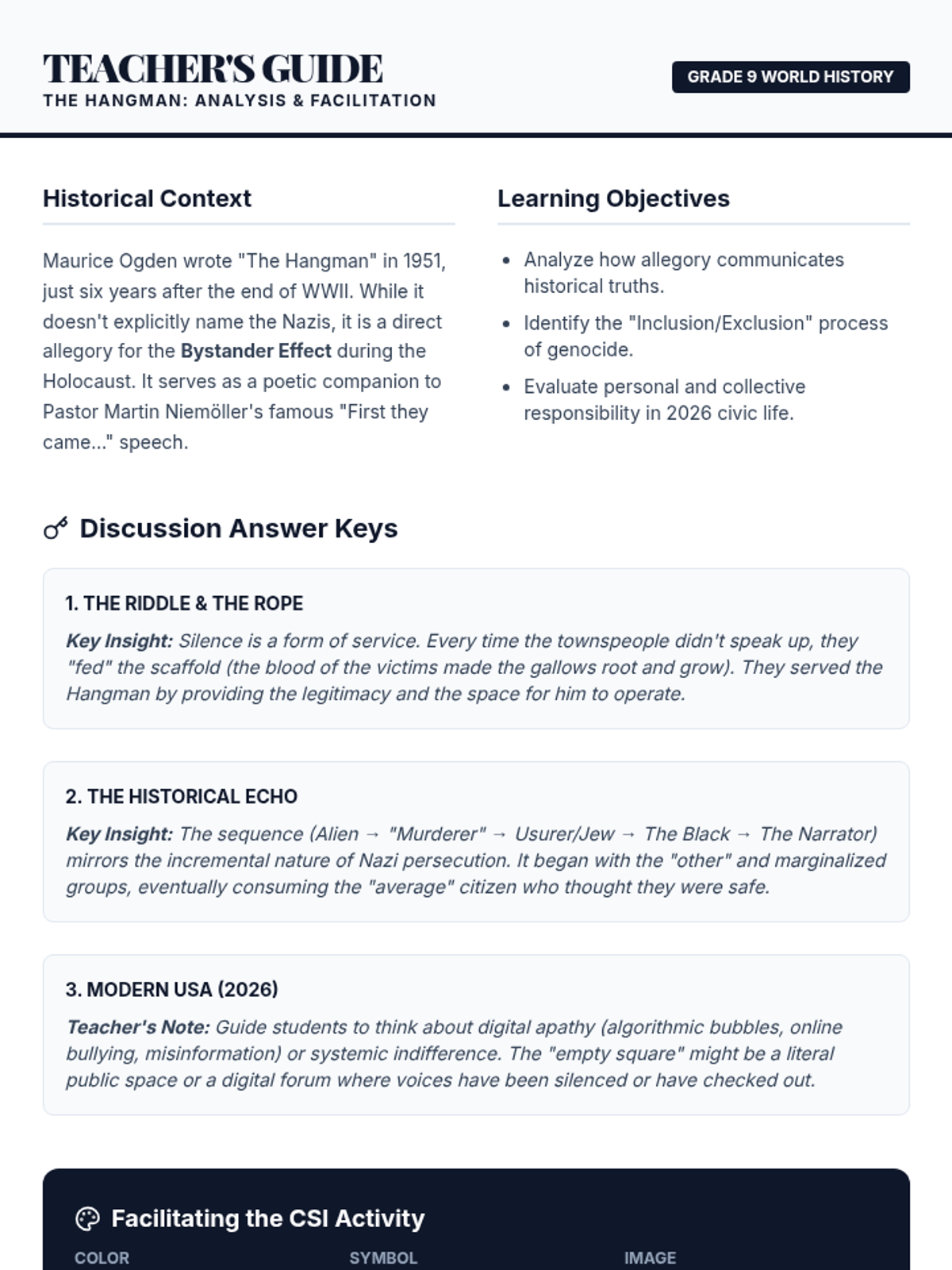
A deep dive into Maurice Ogden's 'The Hangman,' exploring the themes of bystander apathy, personal responsibility, and the historical parallels to the Holocaust, with a final bridge to modern civic duty in 2026.
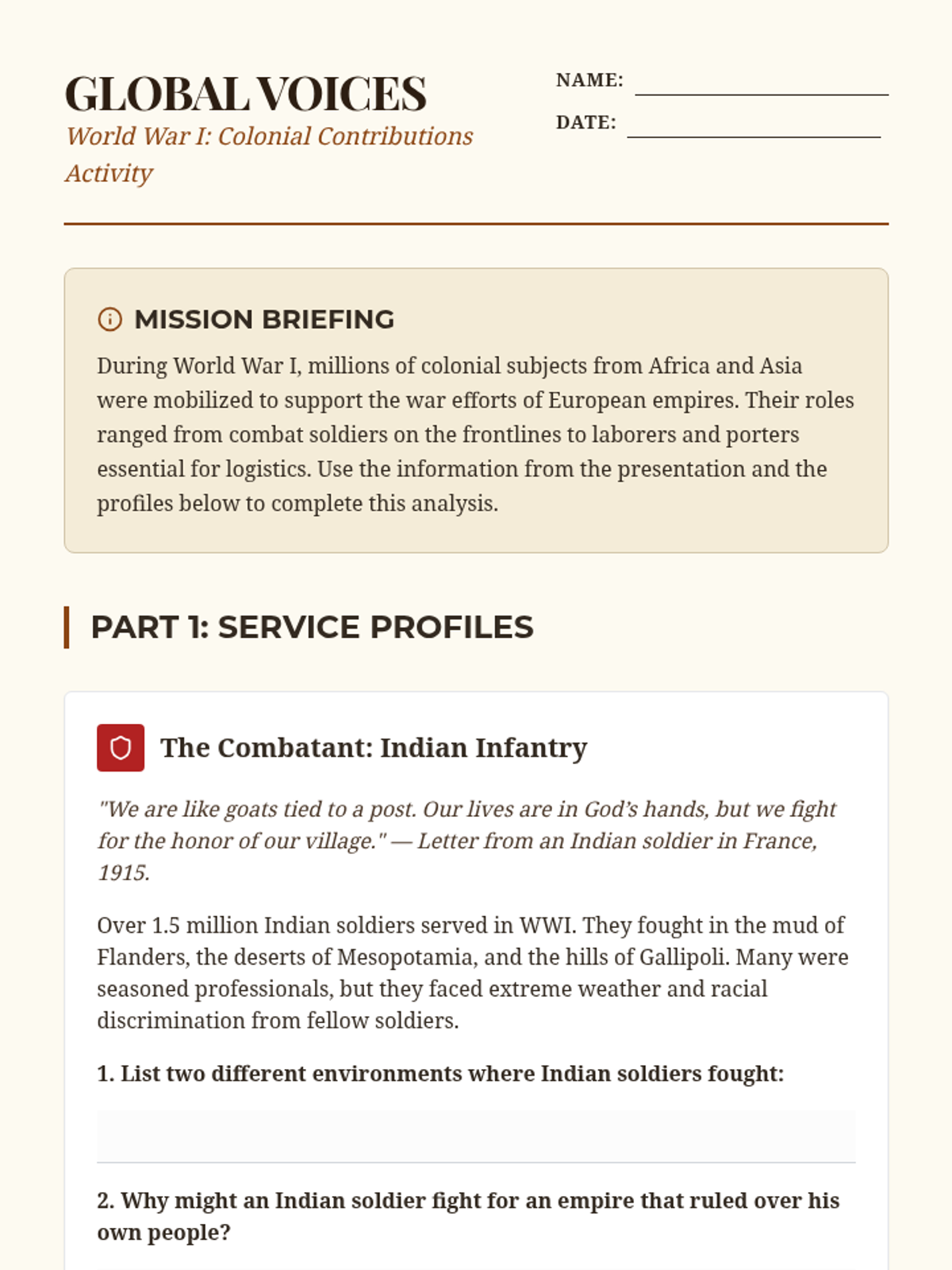
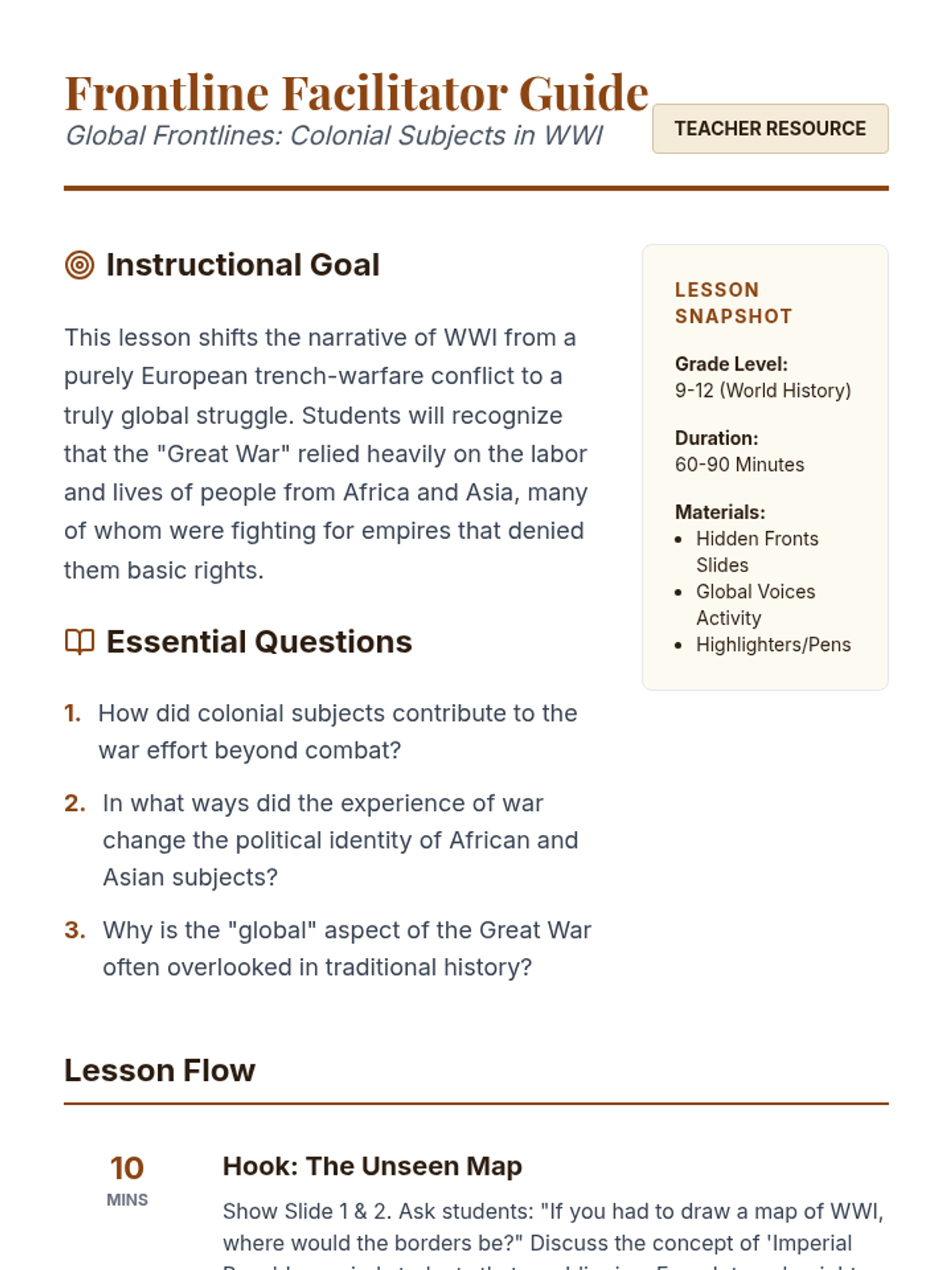
This lesson explores the often-overlooked contributions of colonial subjects from Africa and Asia during World War I, highlighting their roles as soldiers and laborers on the global stage.
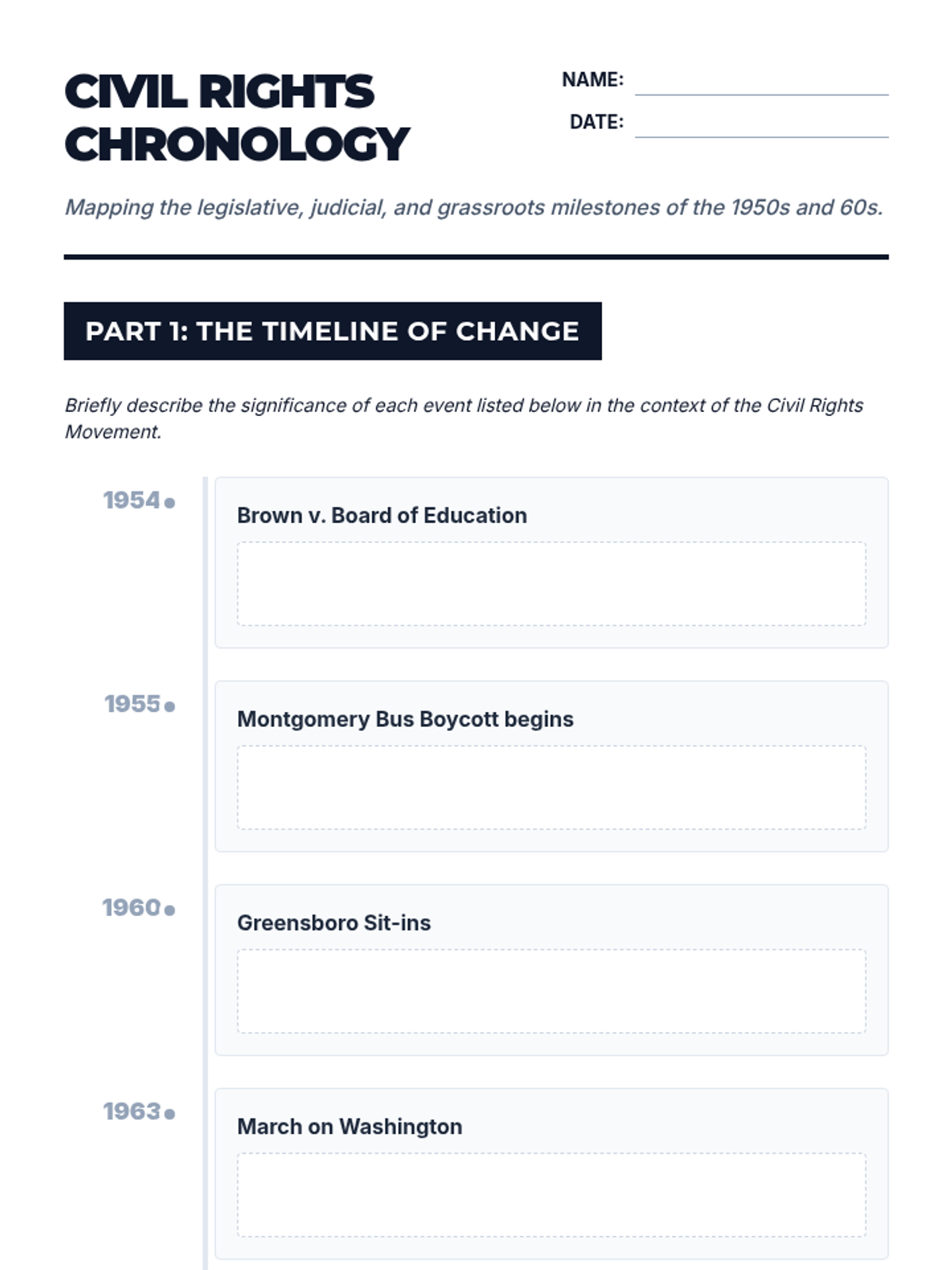
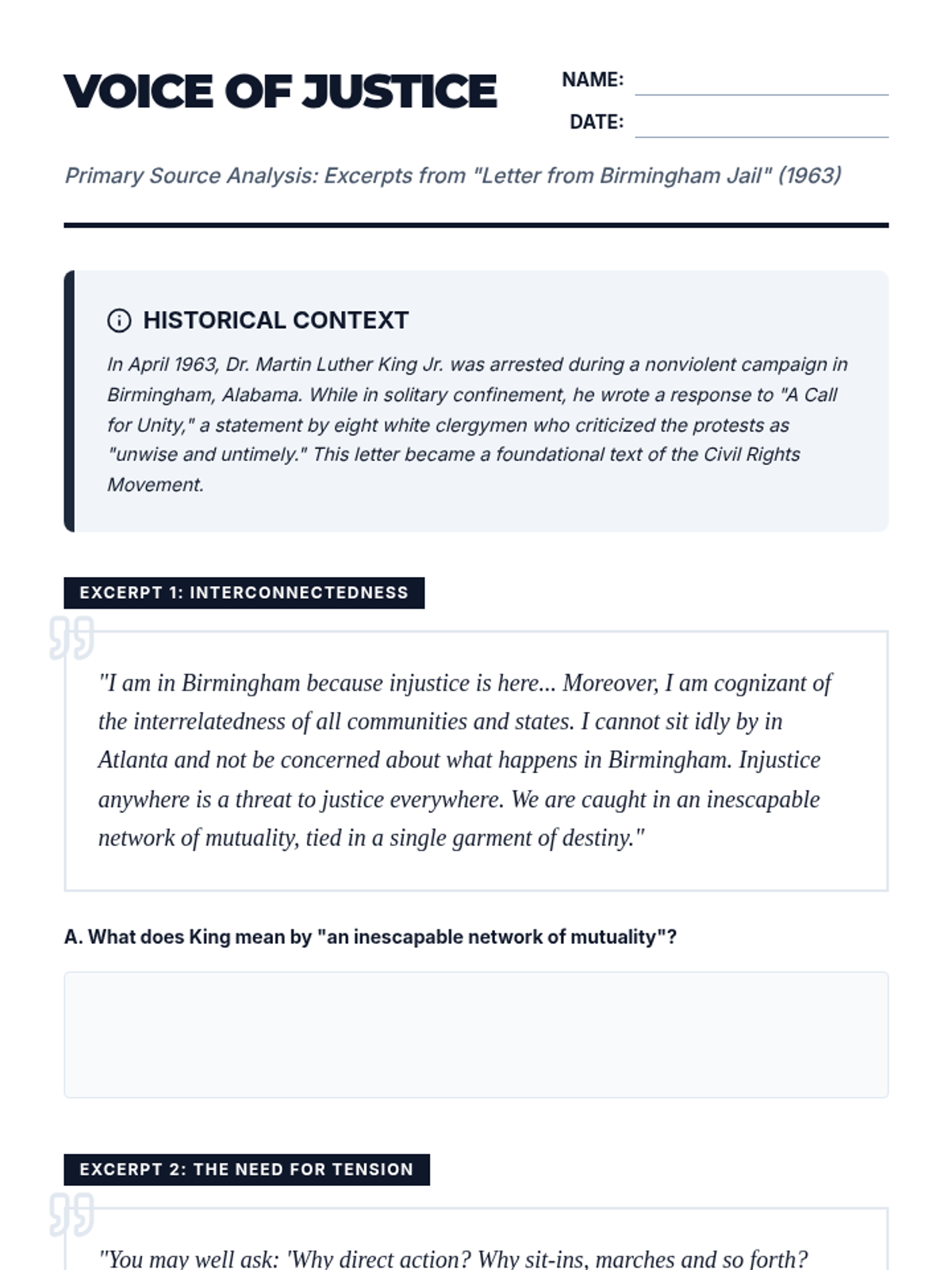
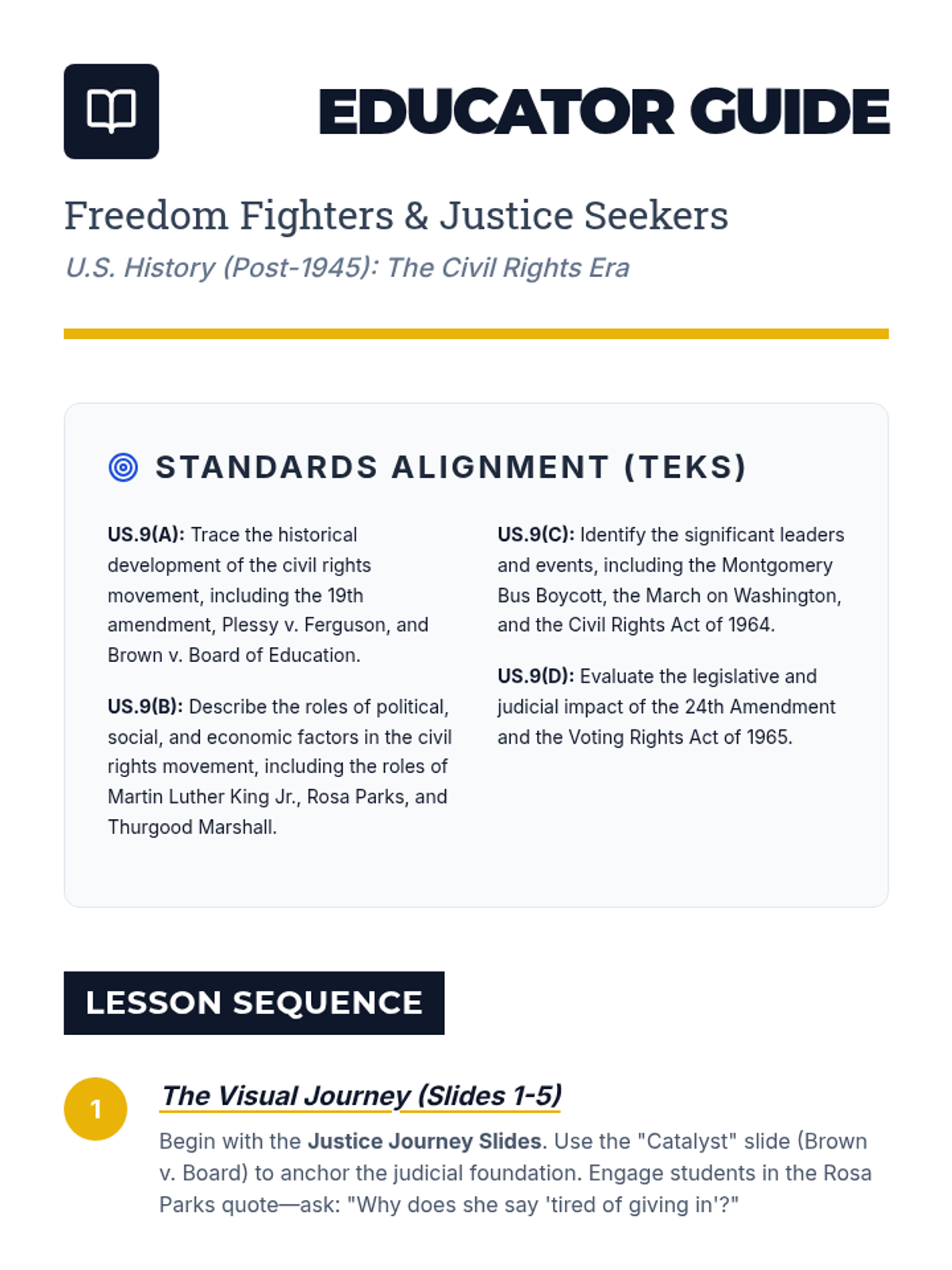
A comprehensive high school U.S. History lesson covering the Civil Rights Movement (1950s-1960s). It focuses on key events, figures, and strategies through primary source analysis, a timeline activity, and guided discussion, aligned with TEKS standards.
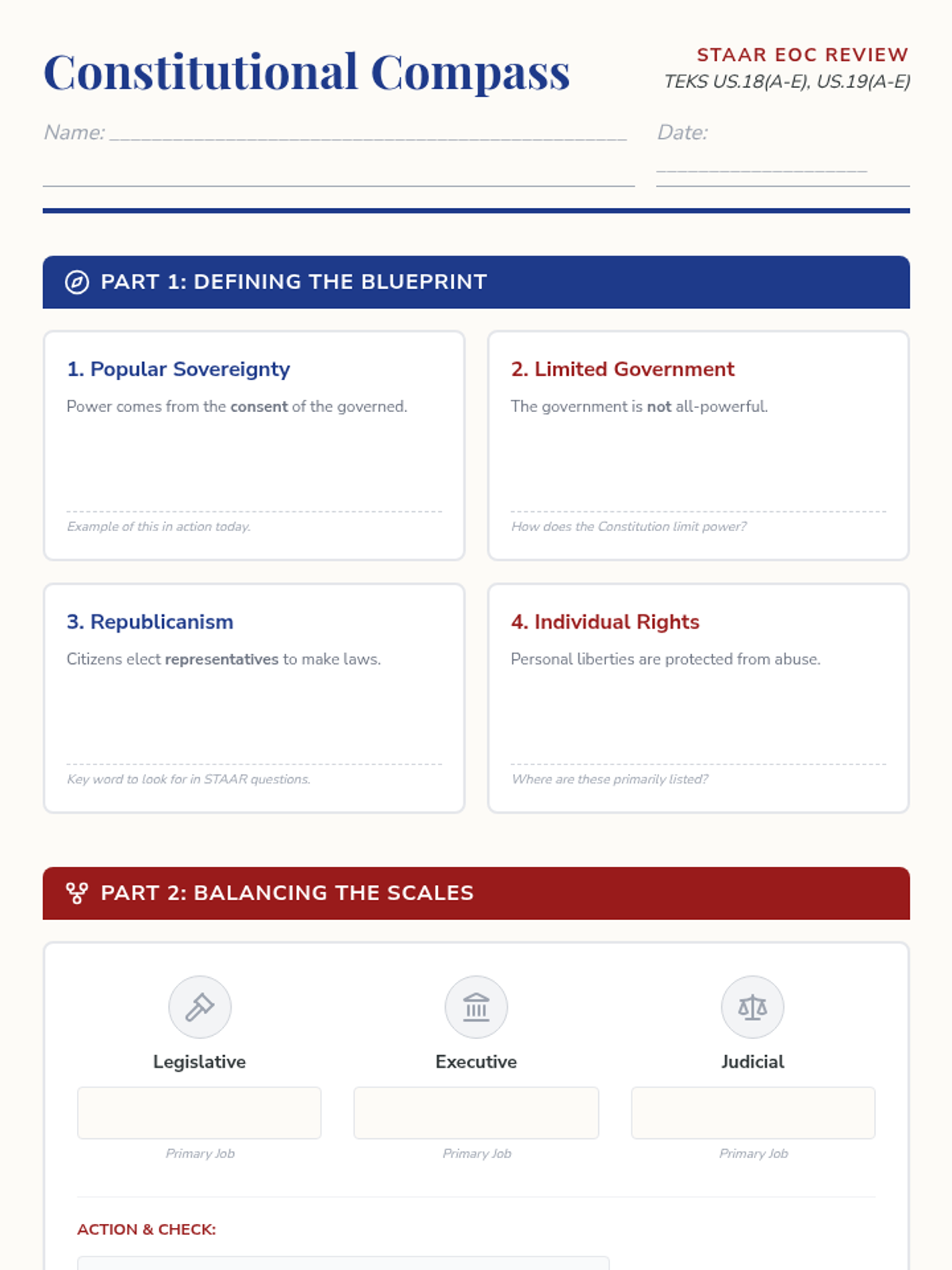
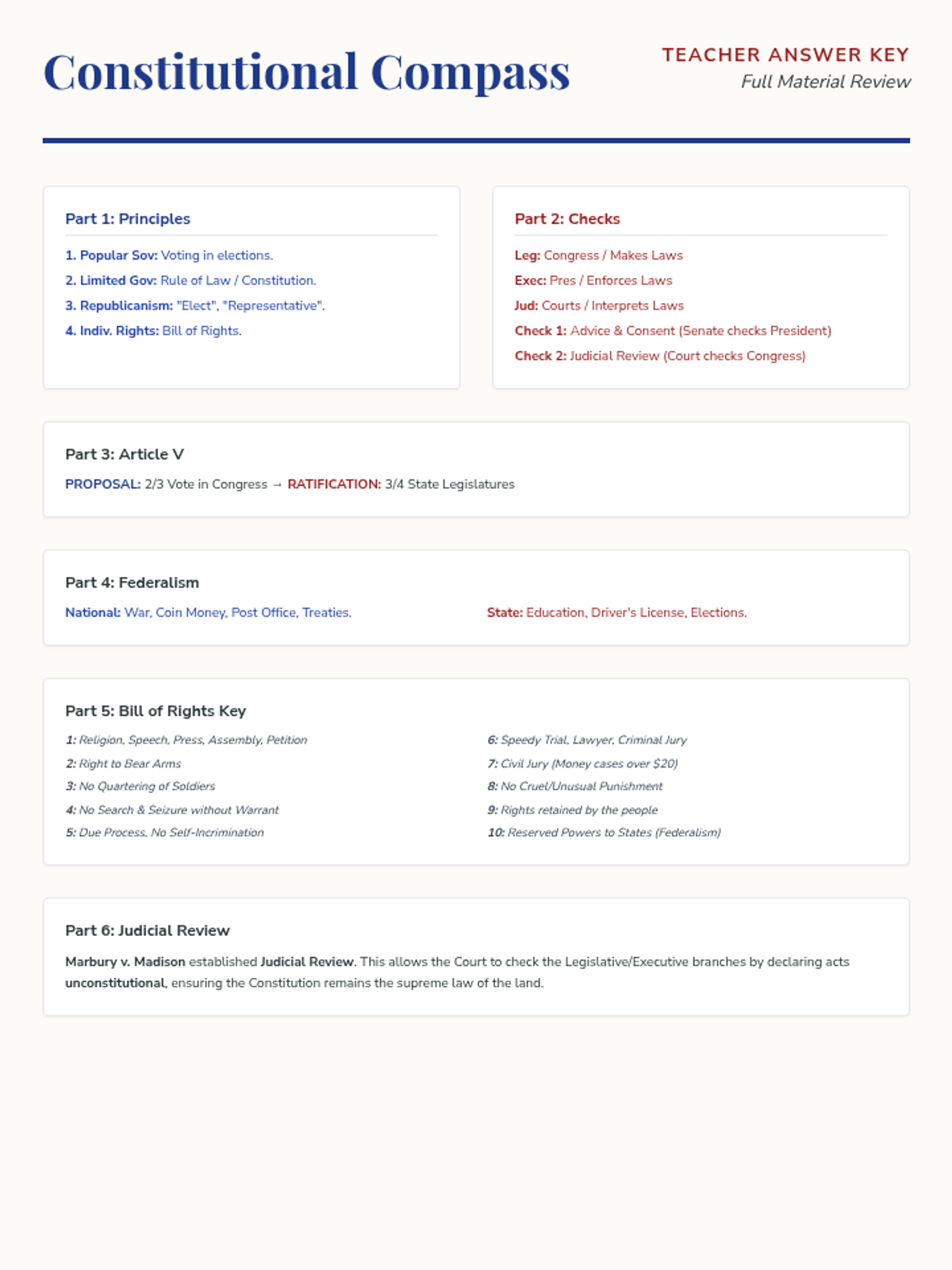
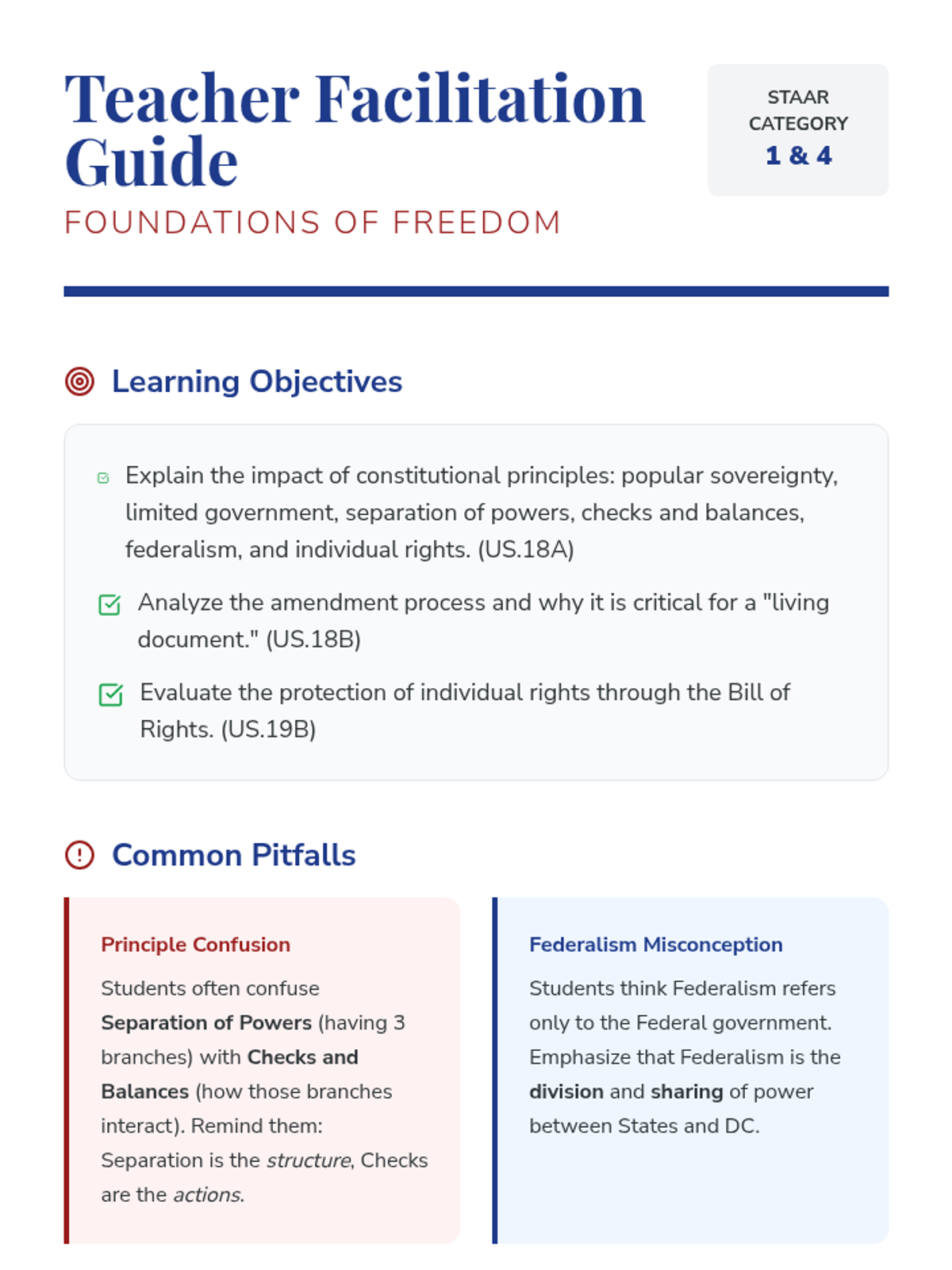
A high-intensity STAAR EOC review focusing on the U.S. Constitution, the Bill of Rights, and the mechanics of American government. This lesson breaks down complex principles like federalism and checks and balances into visual organizers and exam-ready practice.
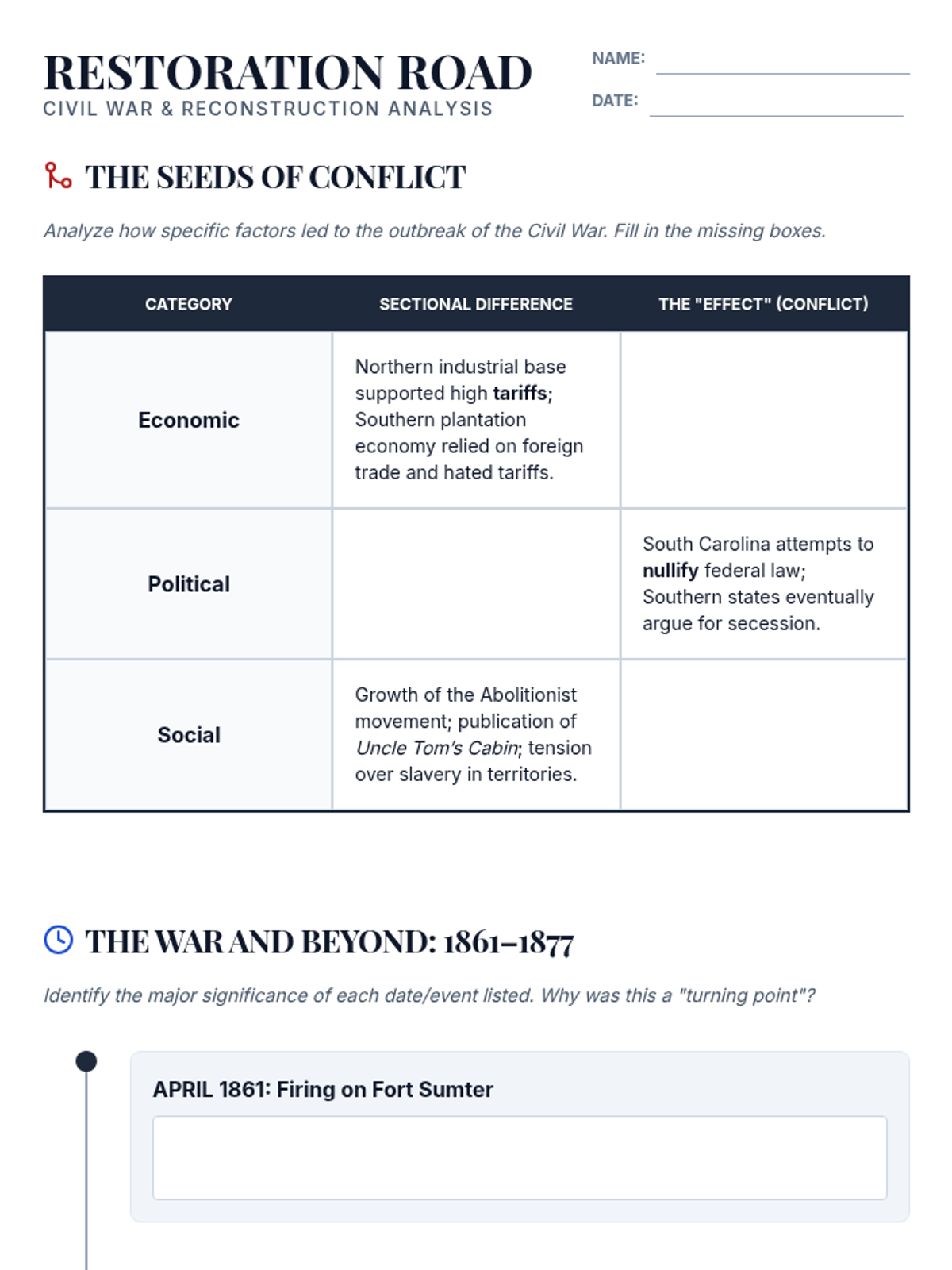
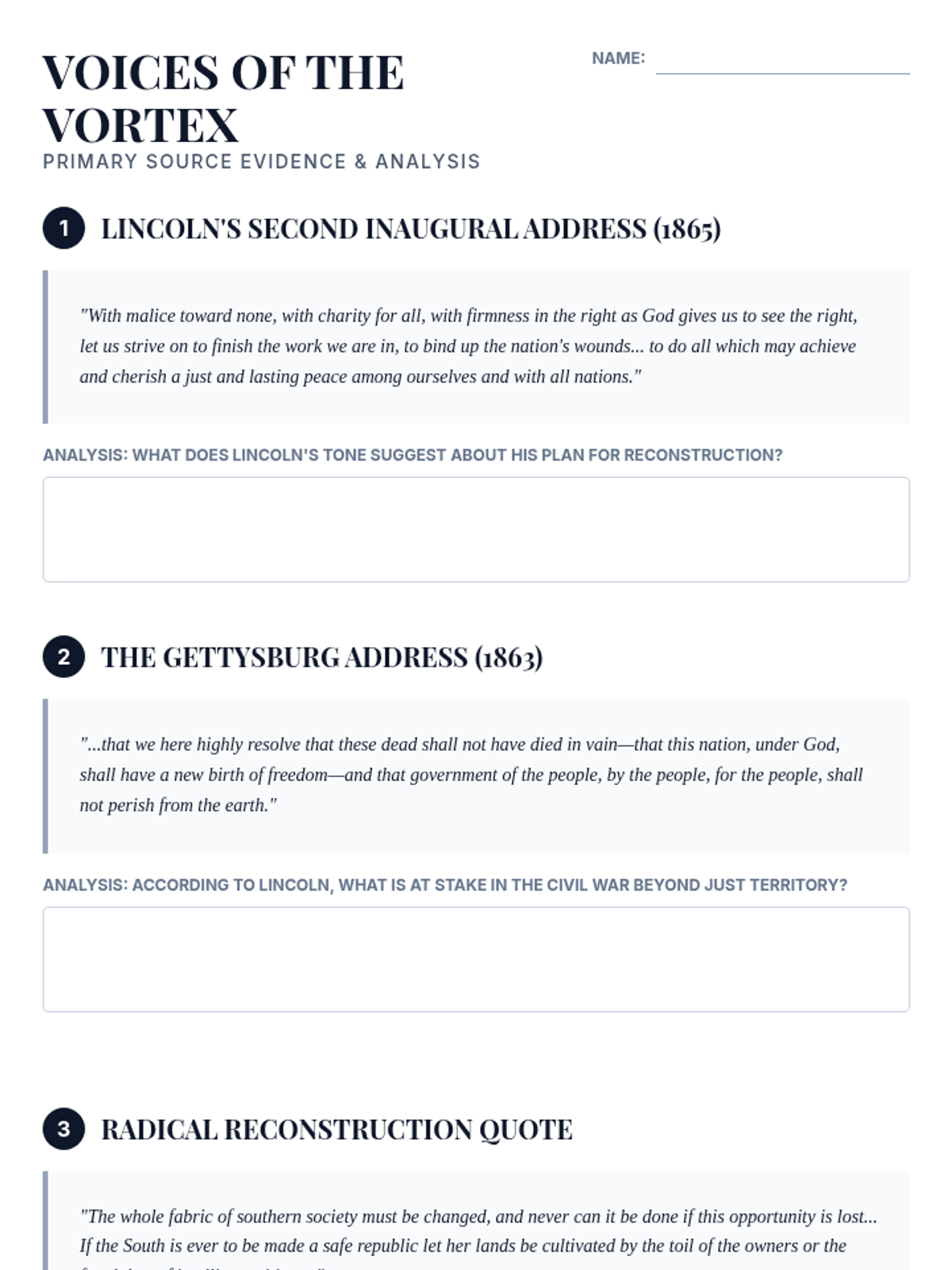
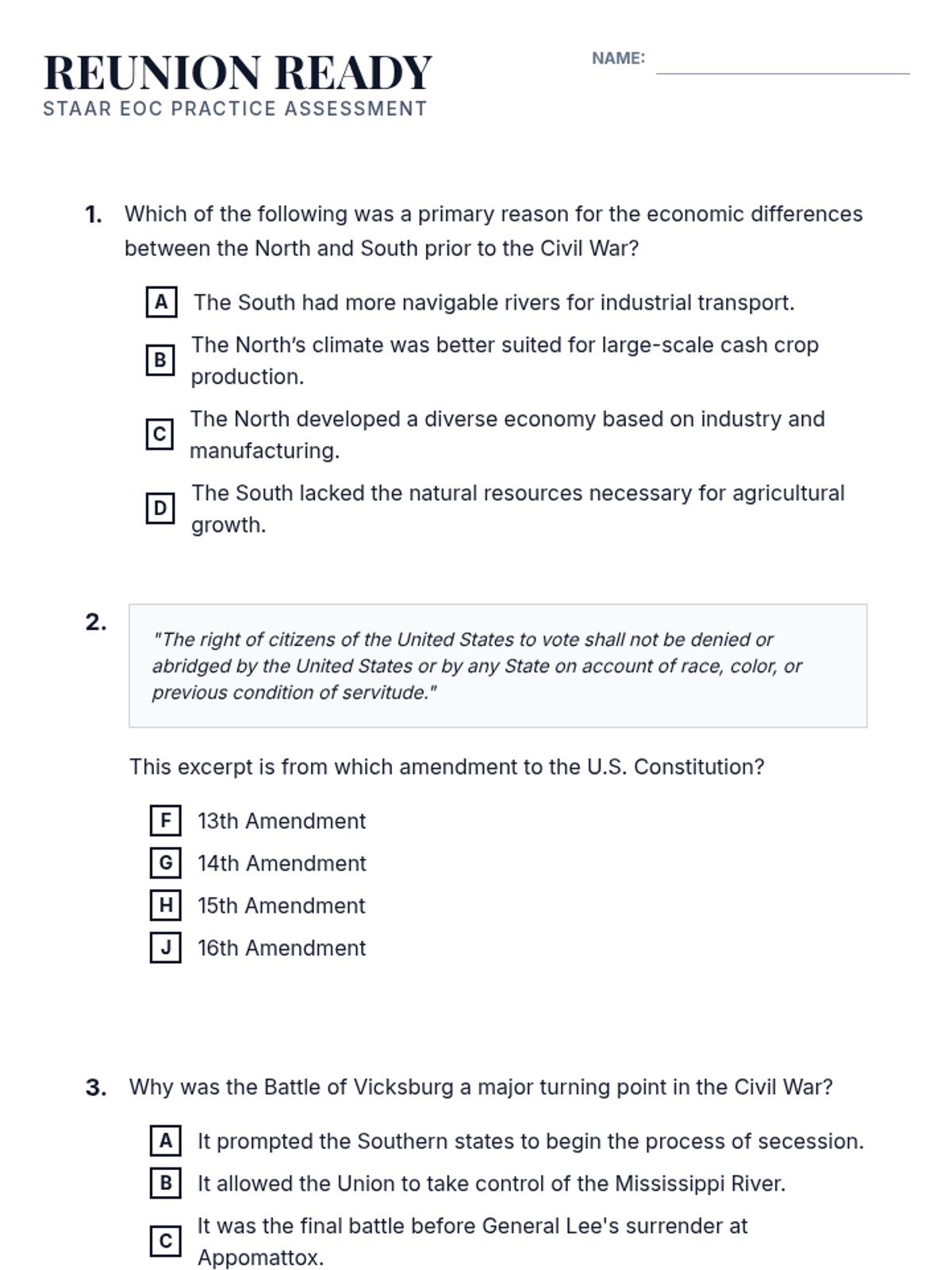
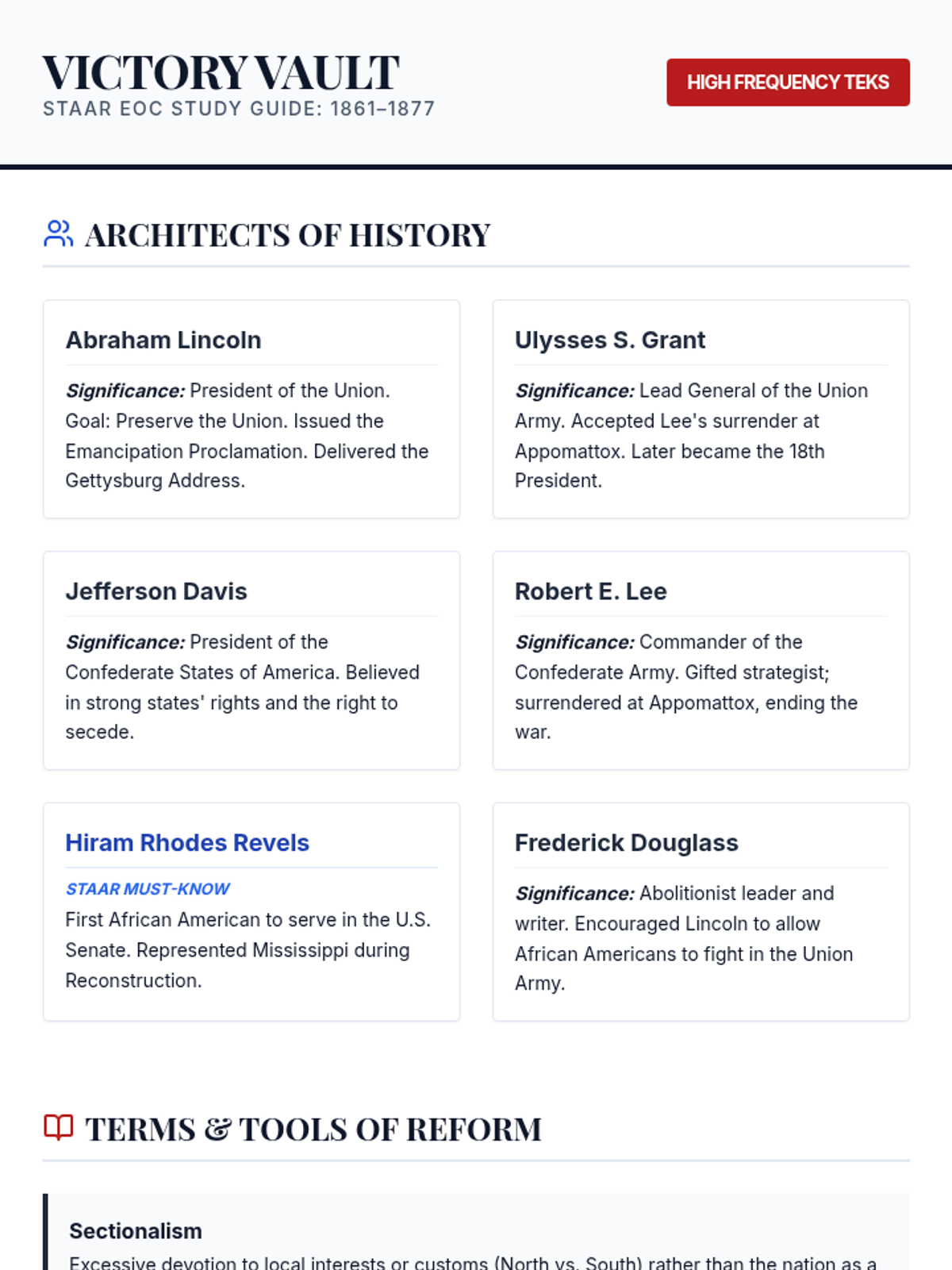
A comprehensive STAAR EOC prep lesson covering the American Civil War and Reconstruction era, focusing on high-frequency TEKS including sectionalism, turning points, and the 13th, 14th, and 15th Amendments.
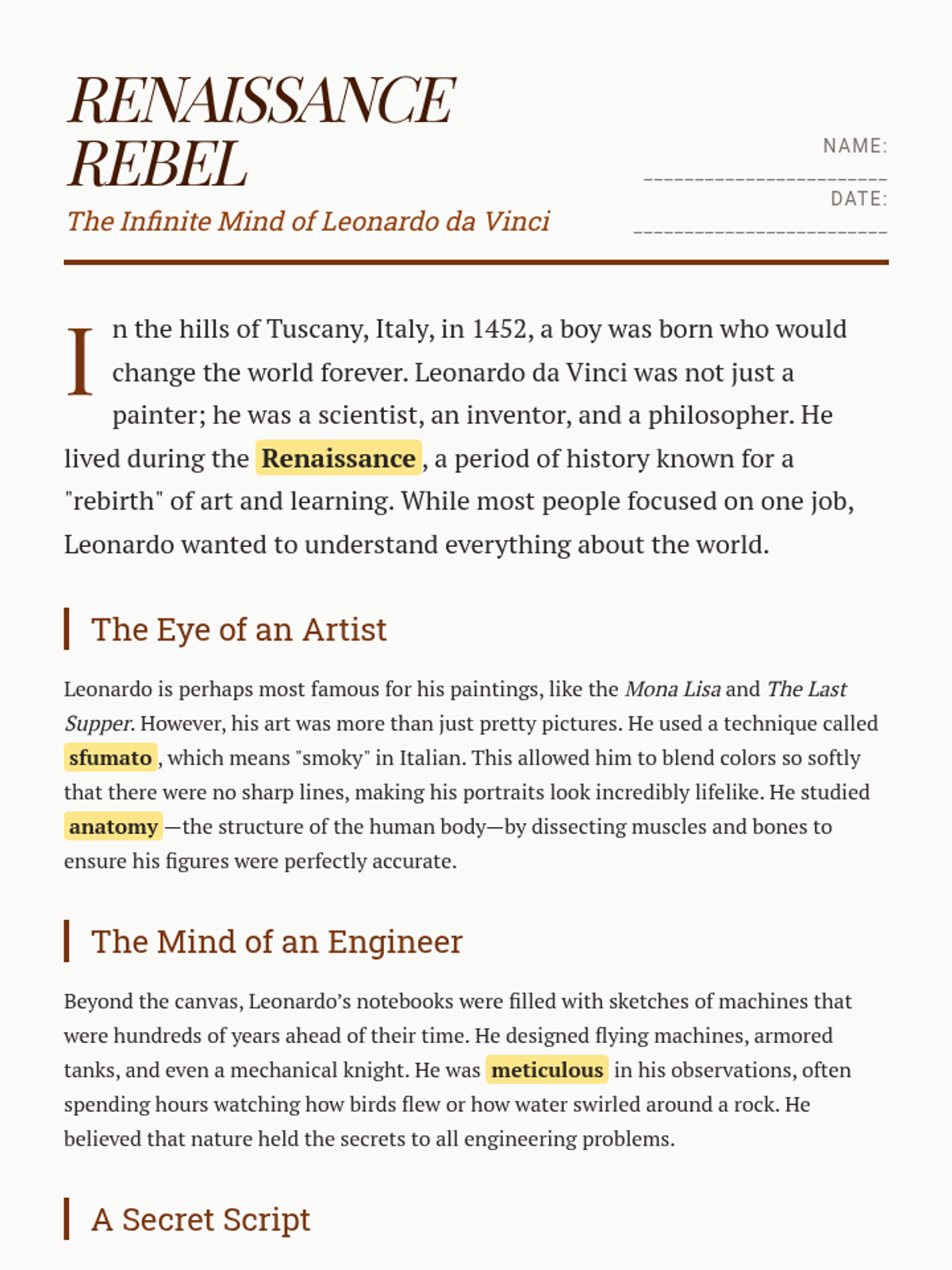
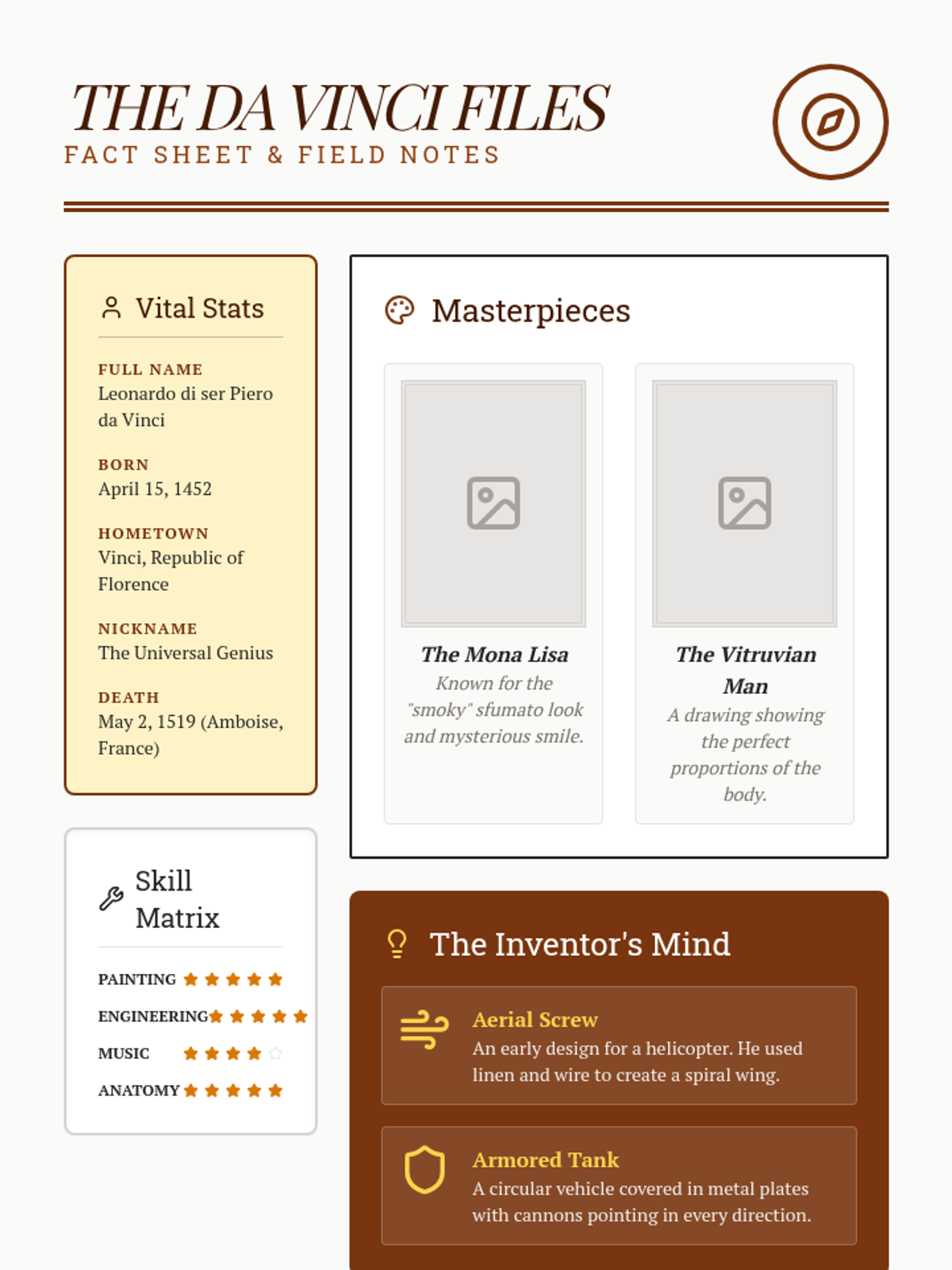
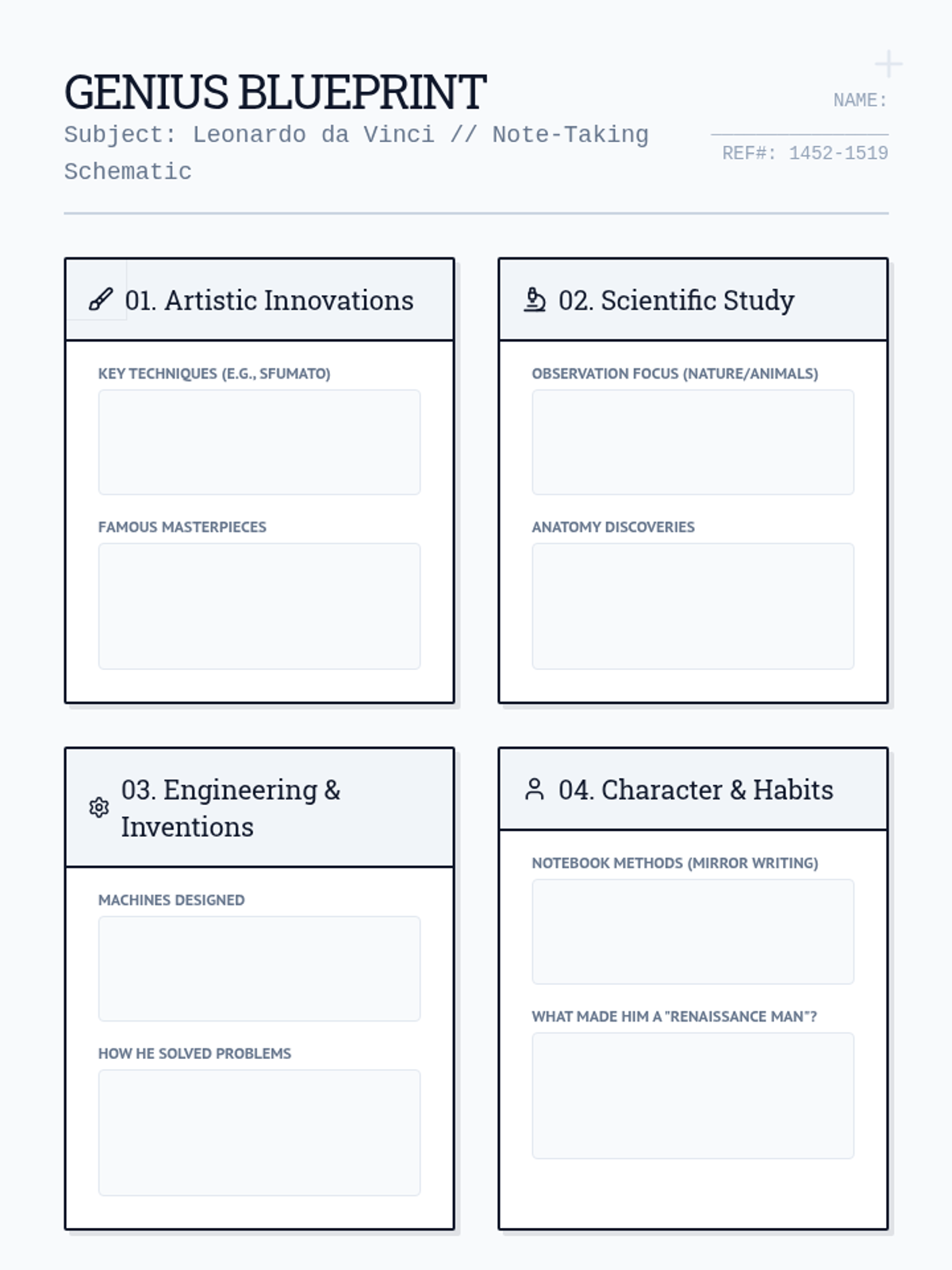
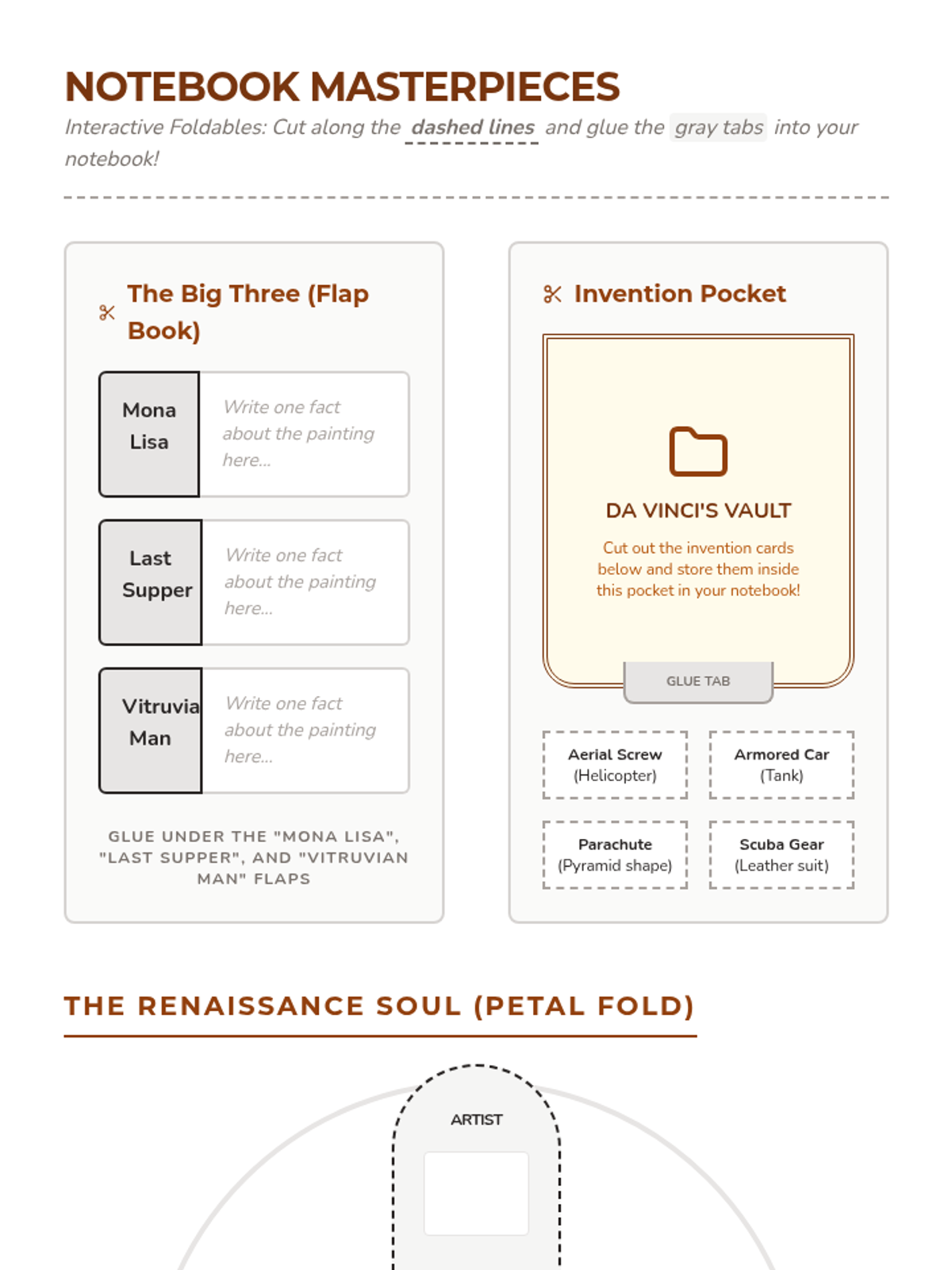
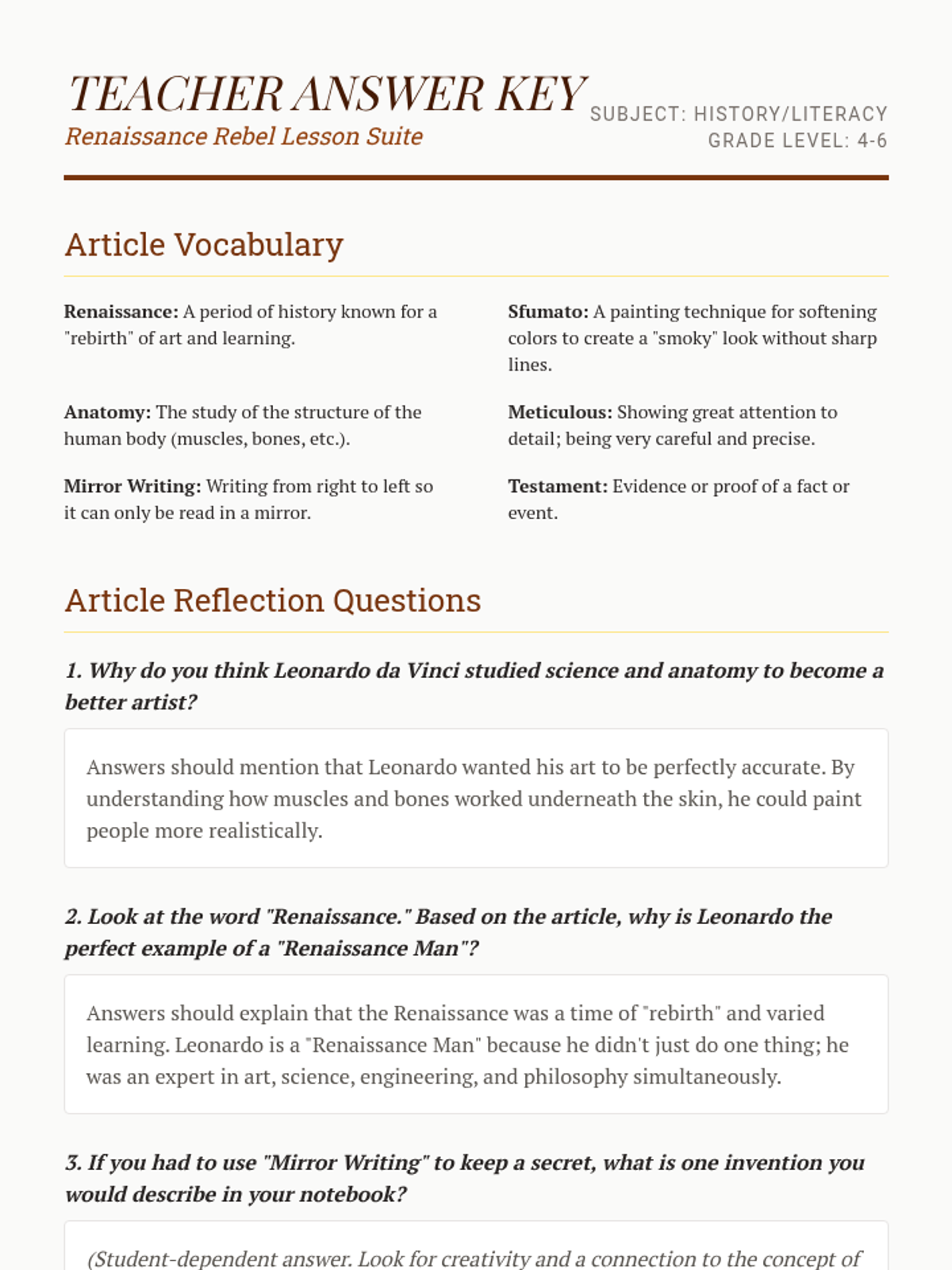
A comprehensive exploration of Leonardo da Vinci's life, art, and inventions, designed to build informational reading and note-taking skills.
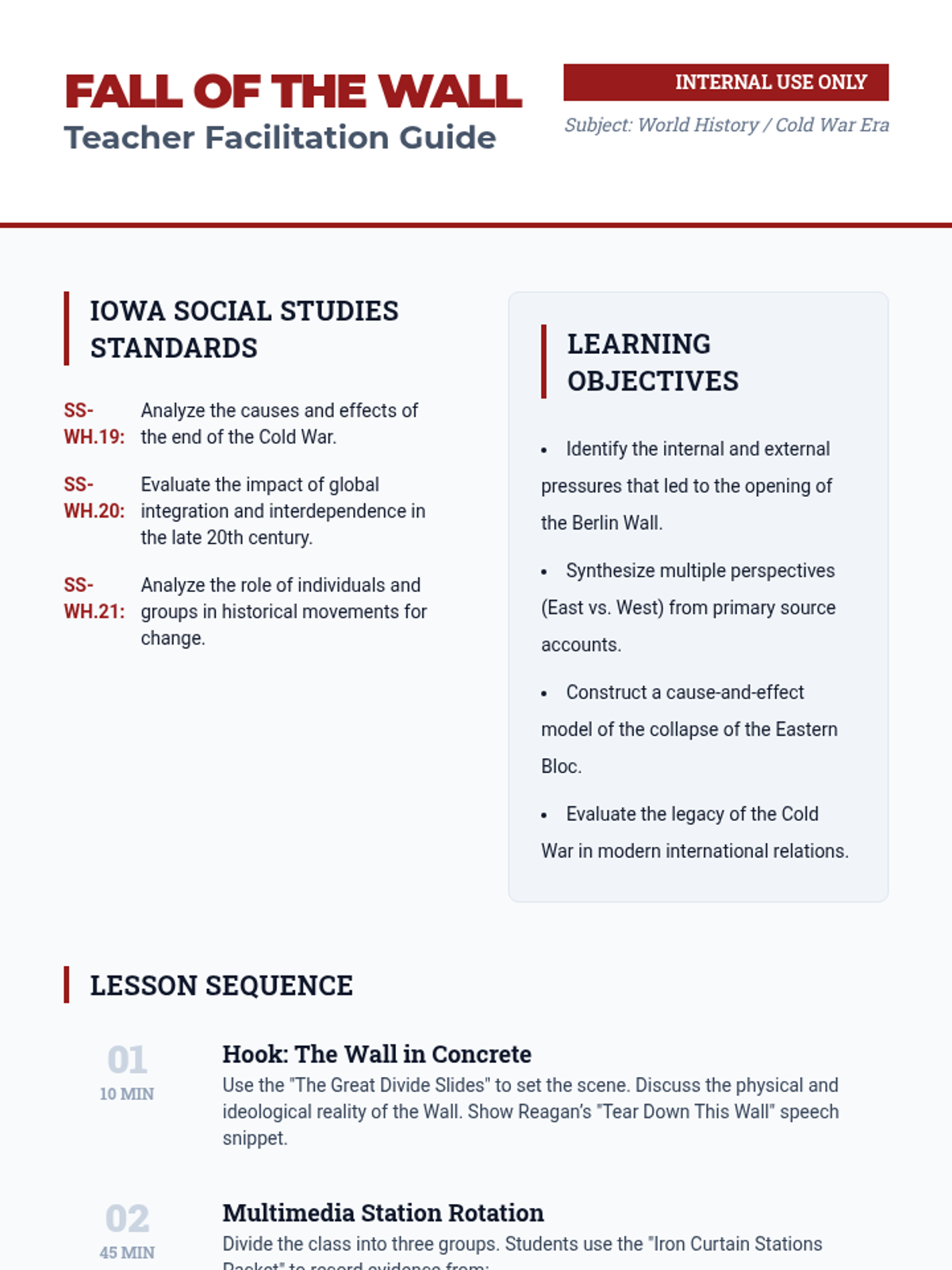
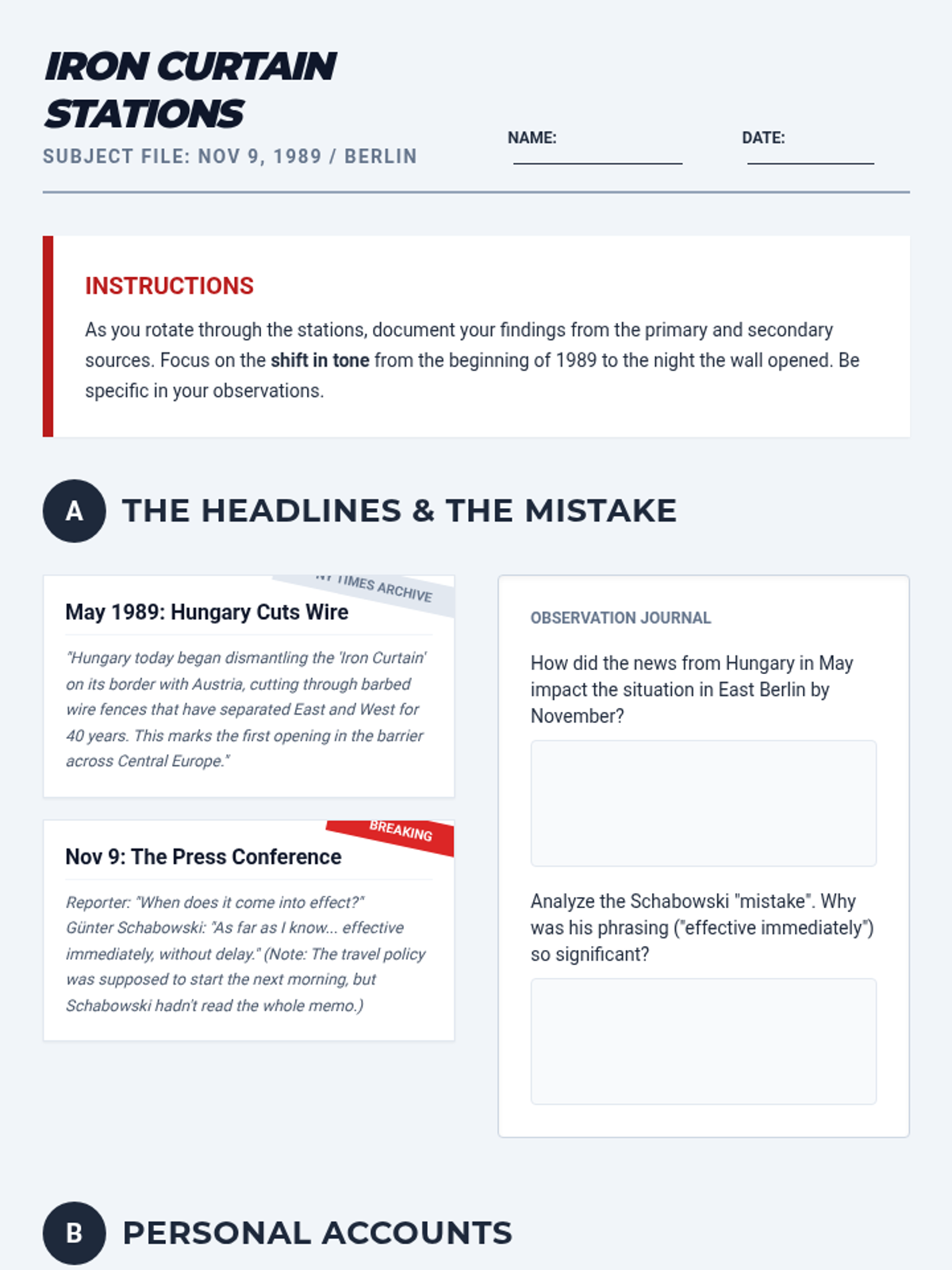
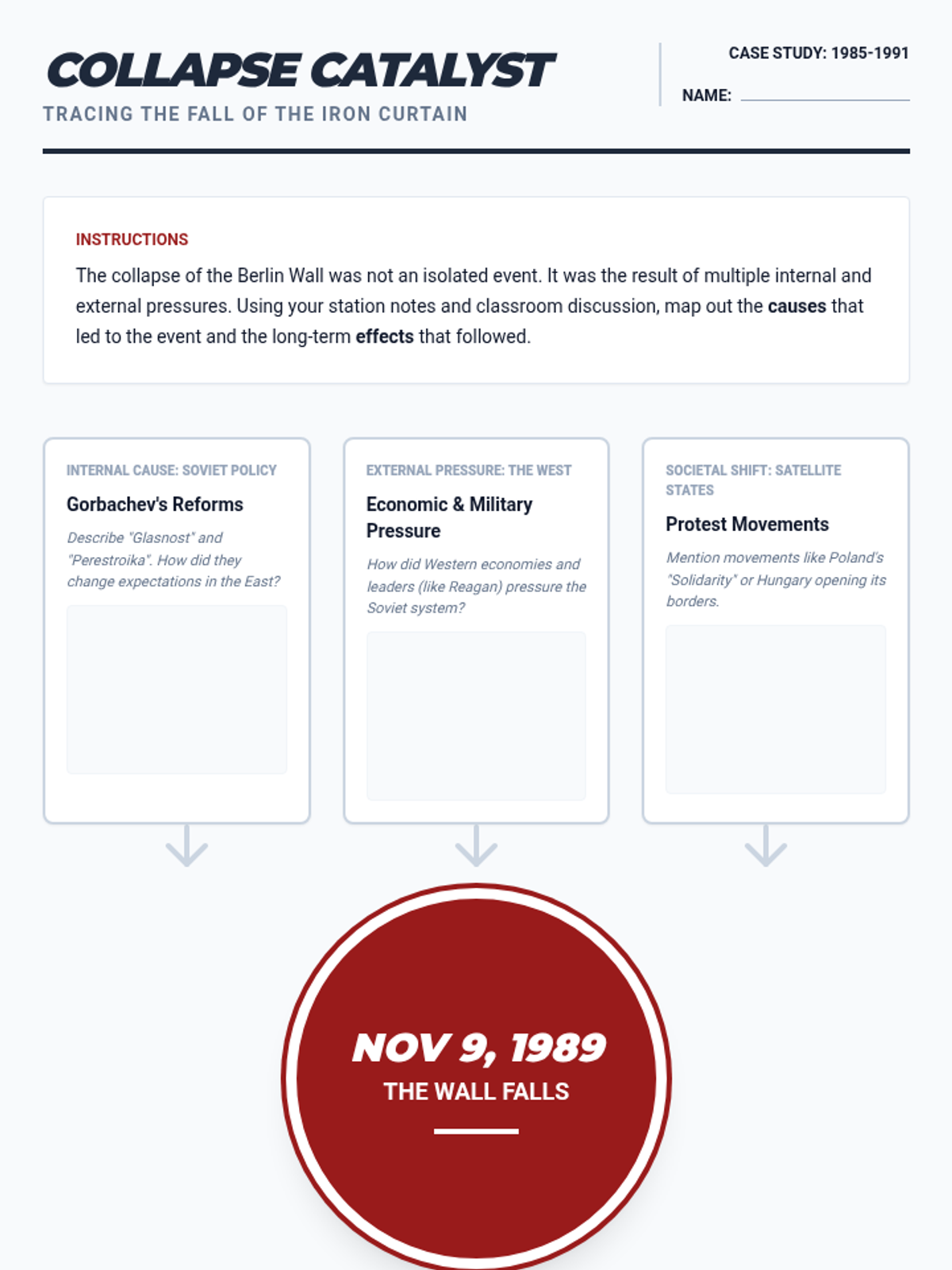
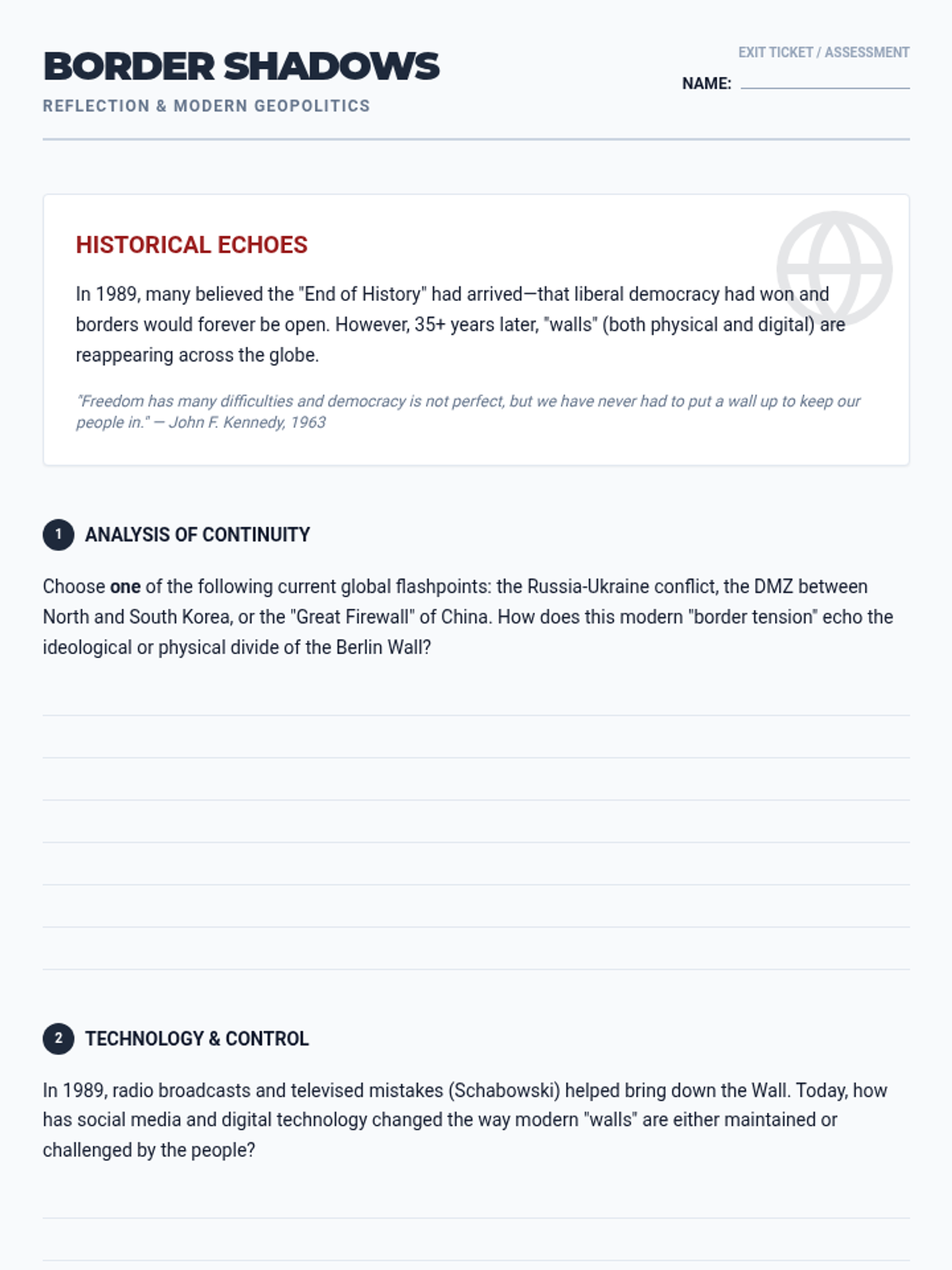
A comprehensive lesson on the fall of the Berlin Wall and the end of the Cold War, featuring multimedia station rotations, cause-and-effect analysis, and contemporary geopolitical reflections. aligned to Iowa Social Studies Standards.
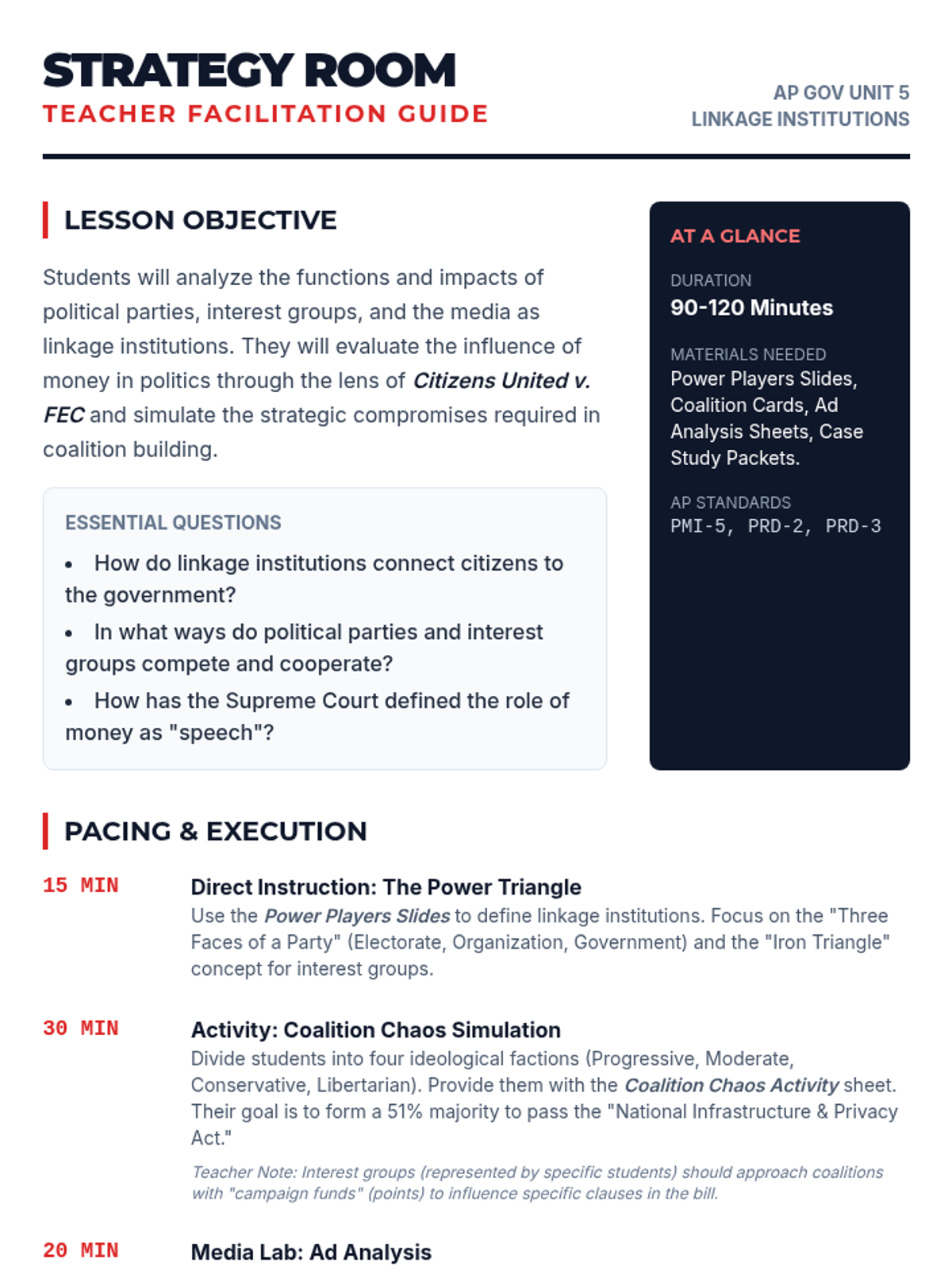
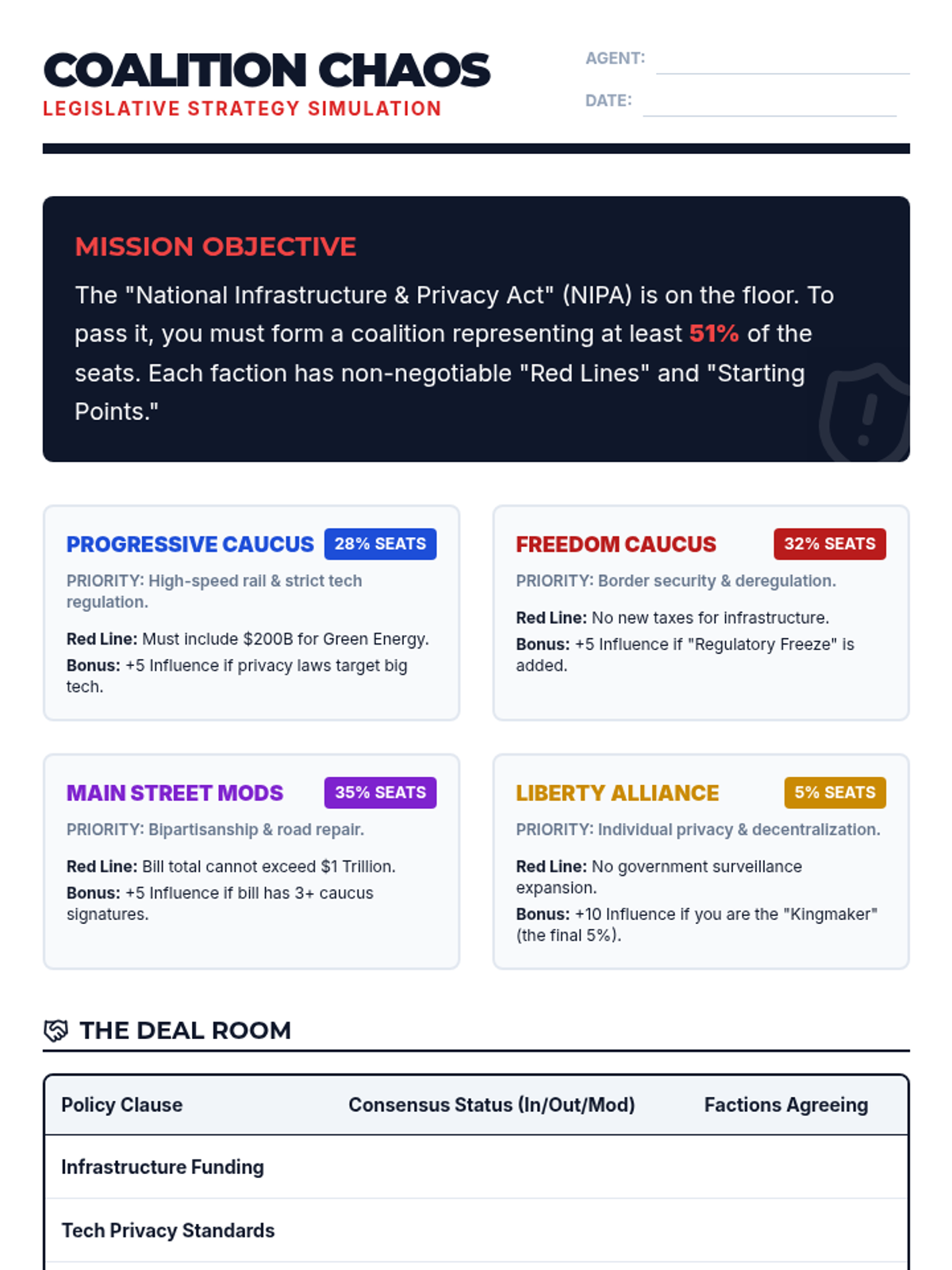
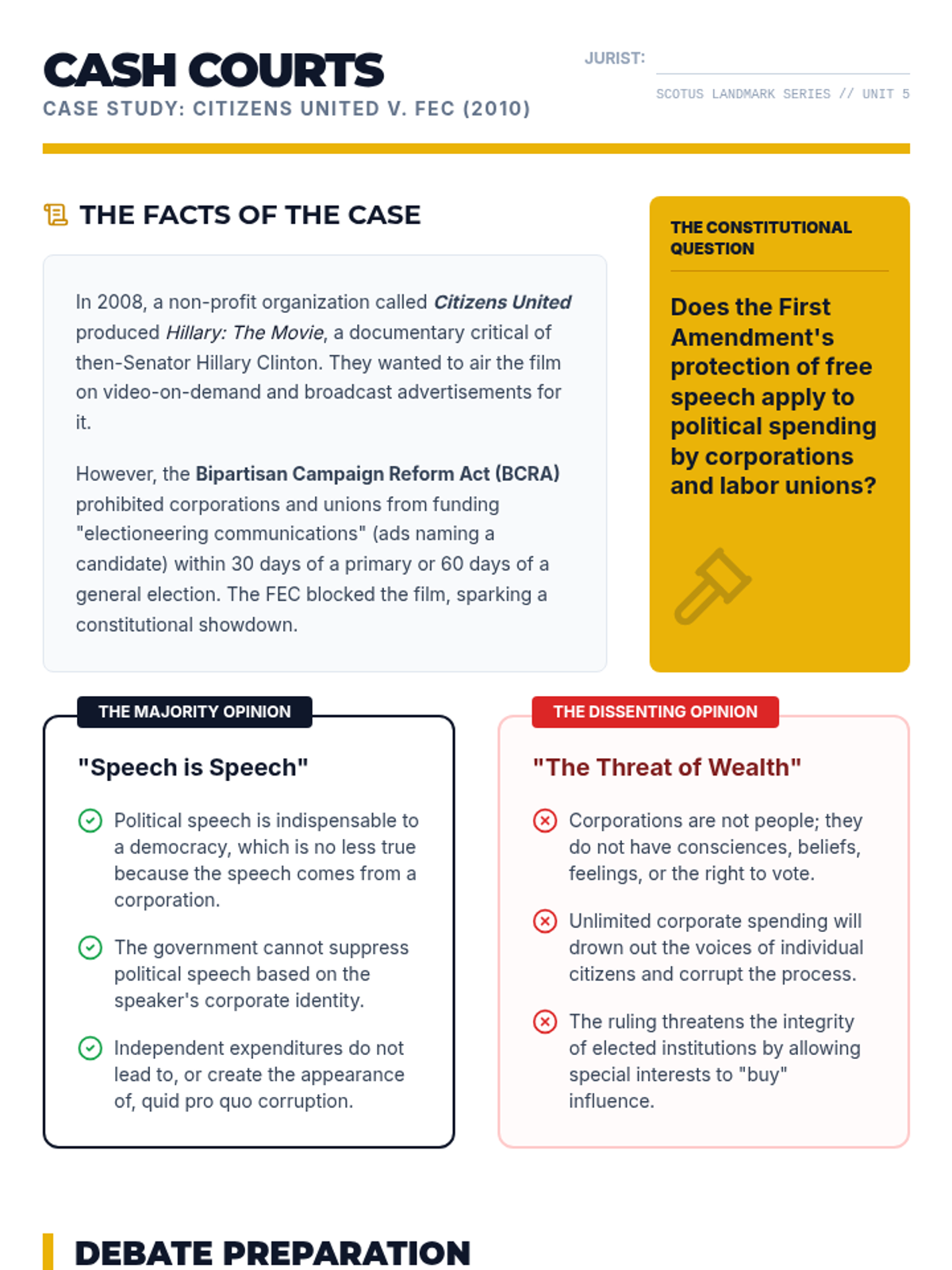
An intensive AP Government lesson exploring the three primary linkage institutions: political parties, interest groups, and the media. Students will simulate coalition building, analyze the persuasive power of campaign media, and debate the constitutional implications of *Citizens United v. FEC*.
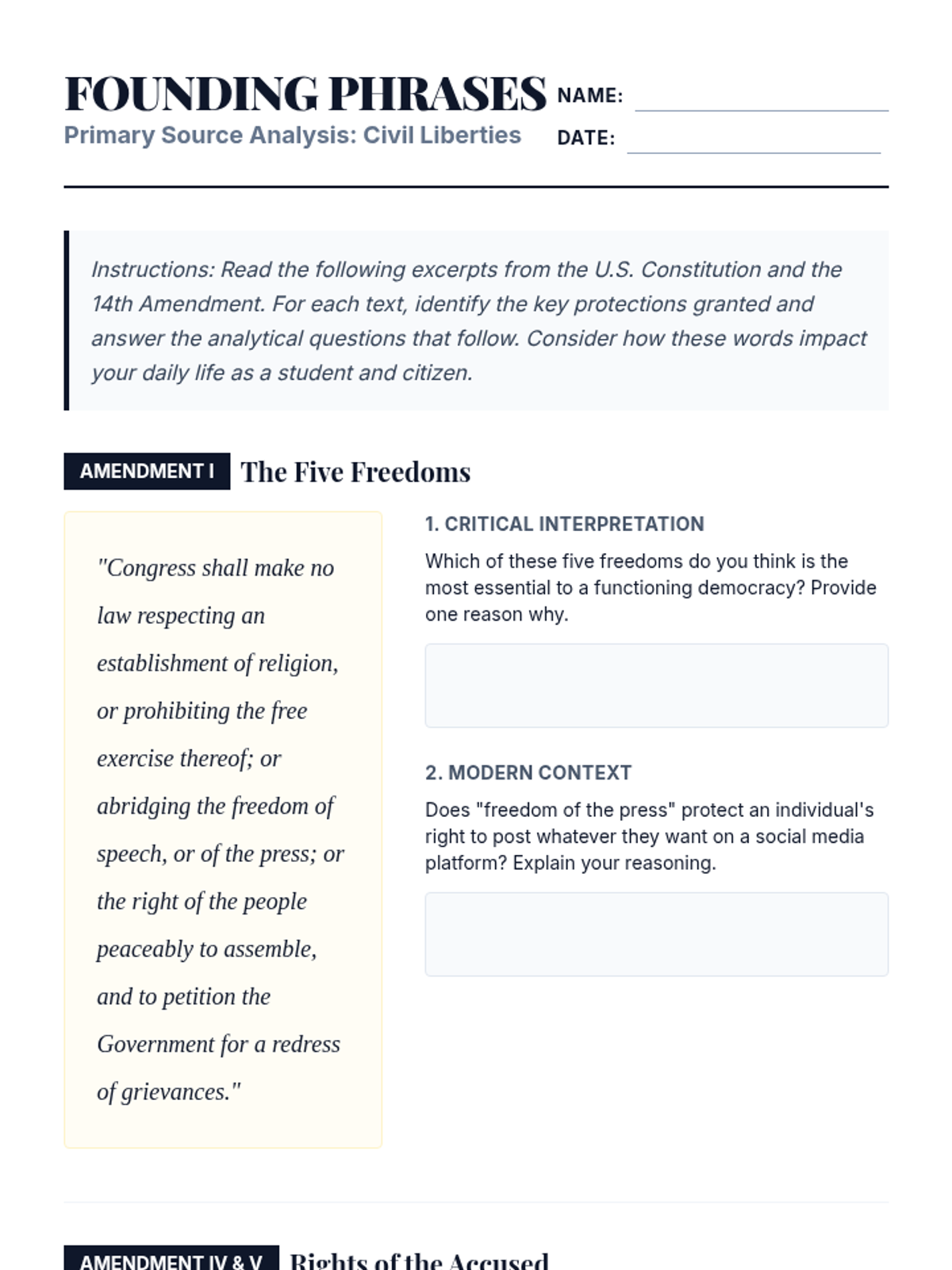
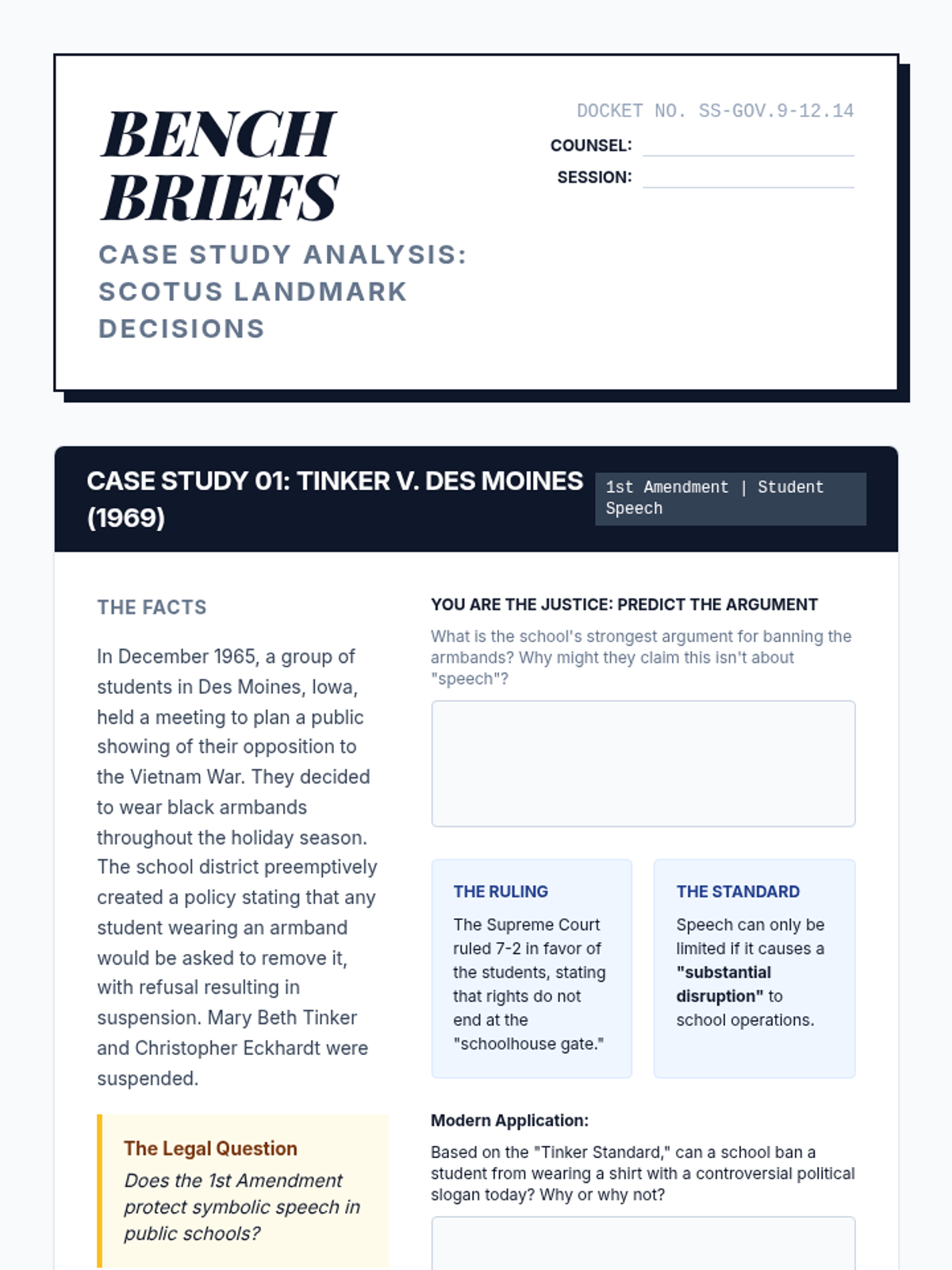
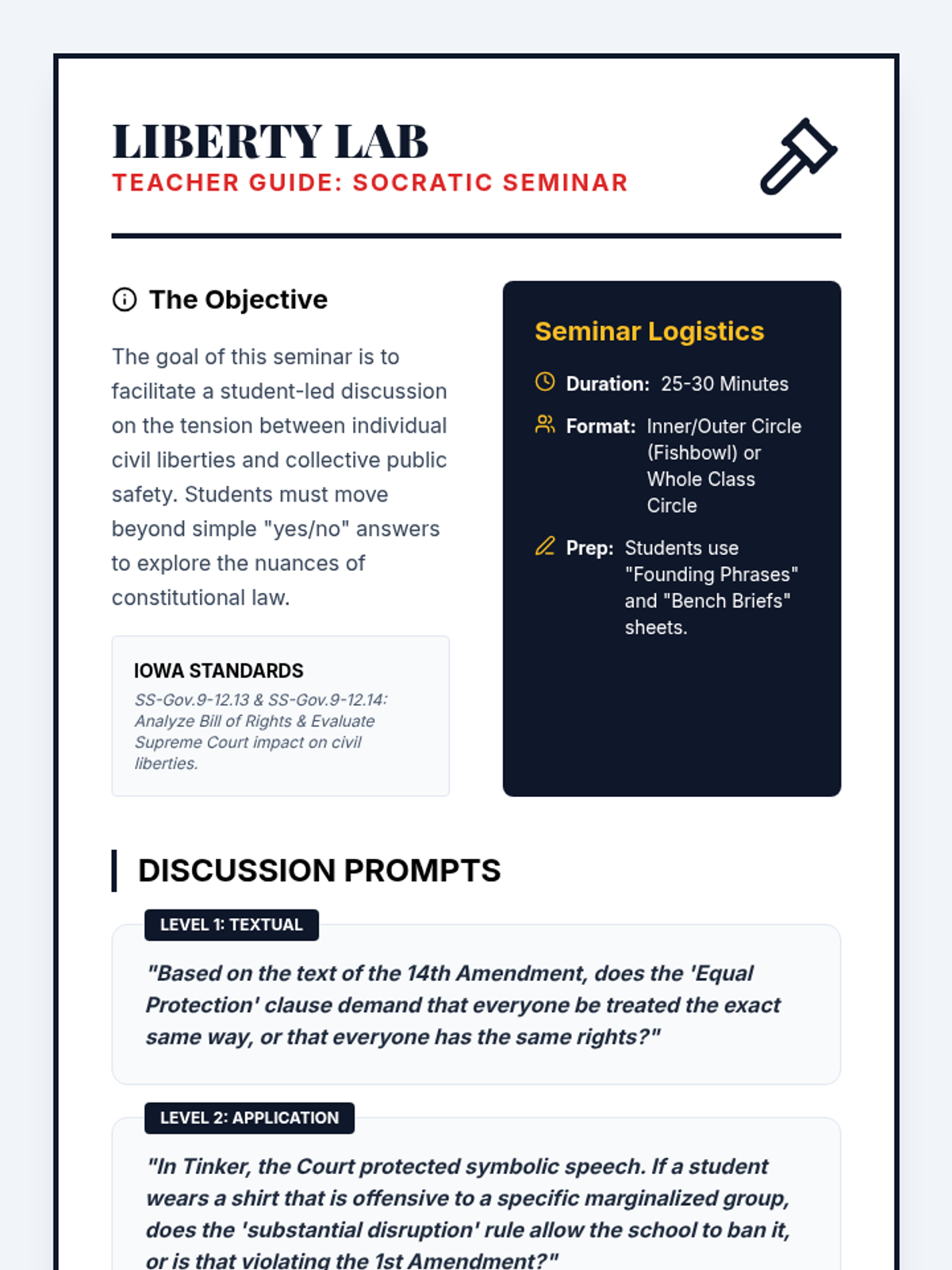
A high school U.S. Government lesson focusing on the Bill of Rights, the 14th Amendment, and the tension between individual civil liberties and public safety. Includes primary source analysis, landmark Supreme Court case studies, and a structured Socratic seminar.
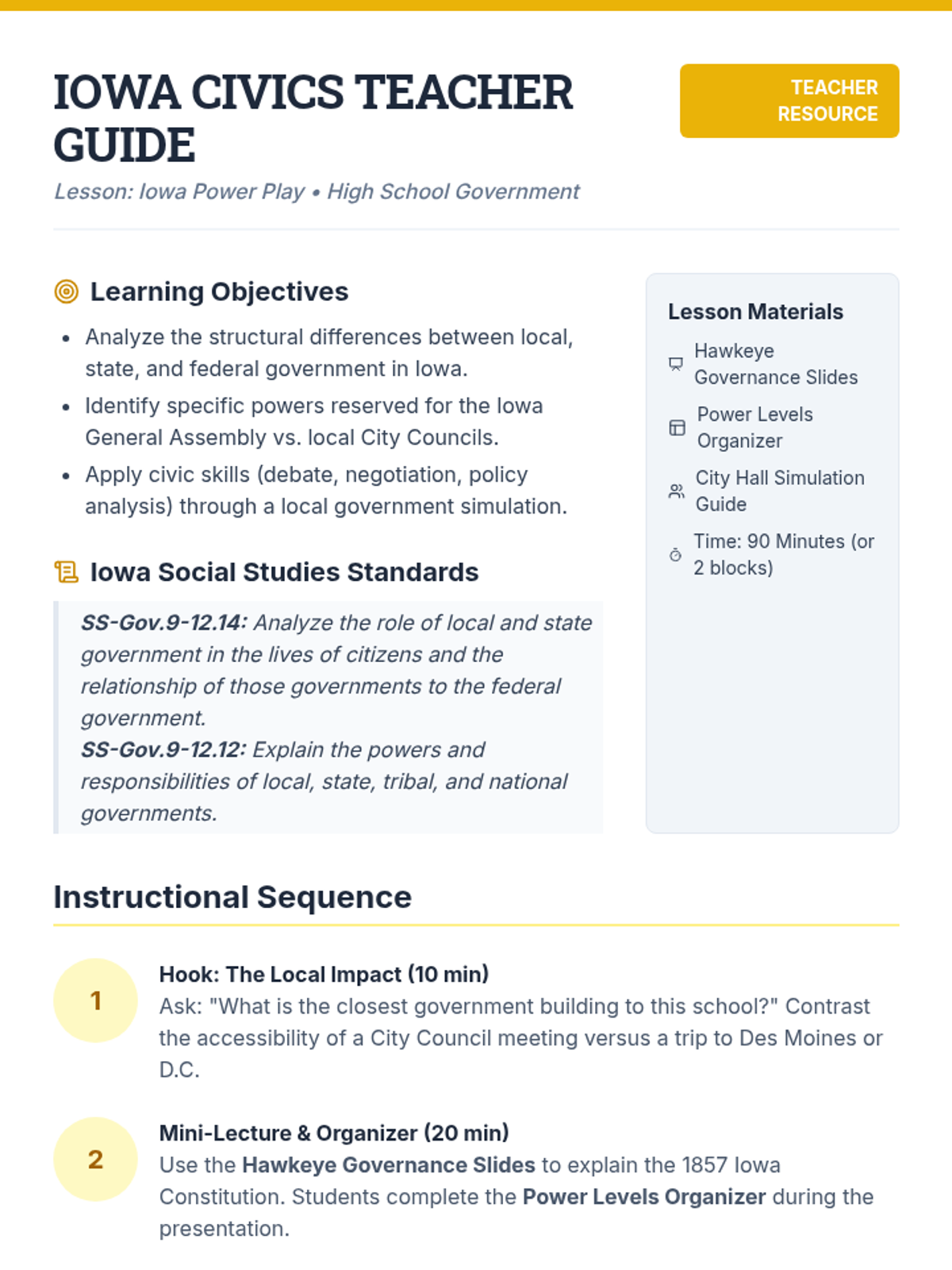
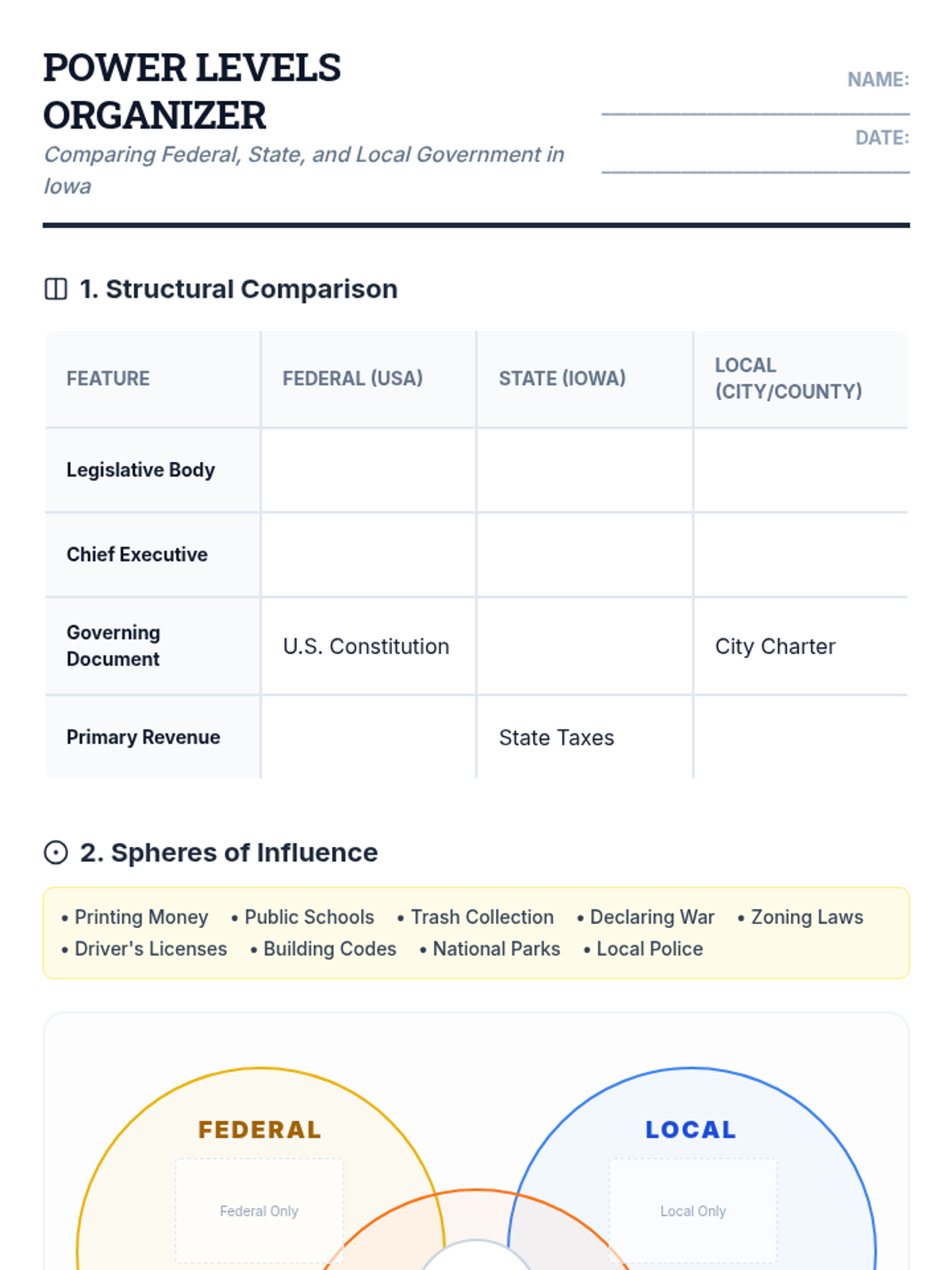
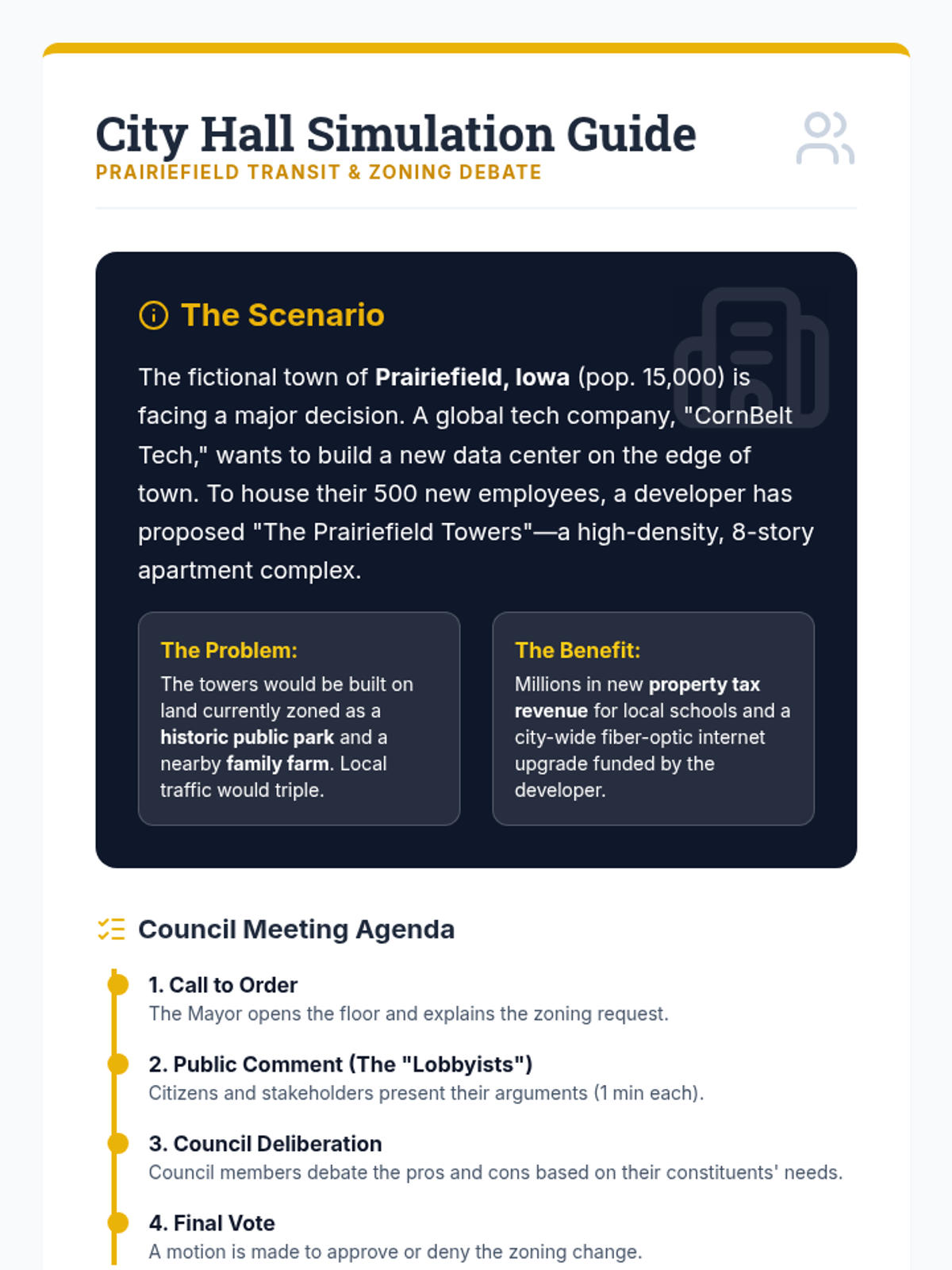
A high school civics lesson exploring the structure and function of Iowa's state and local governments, featuring a city council simulation and a comparative graphic organizer.
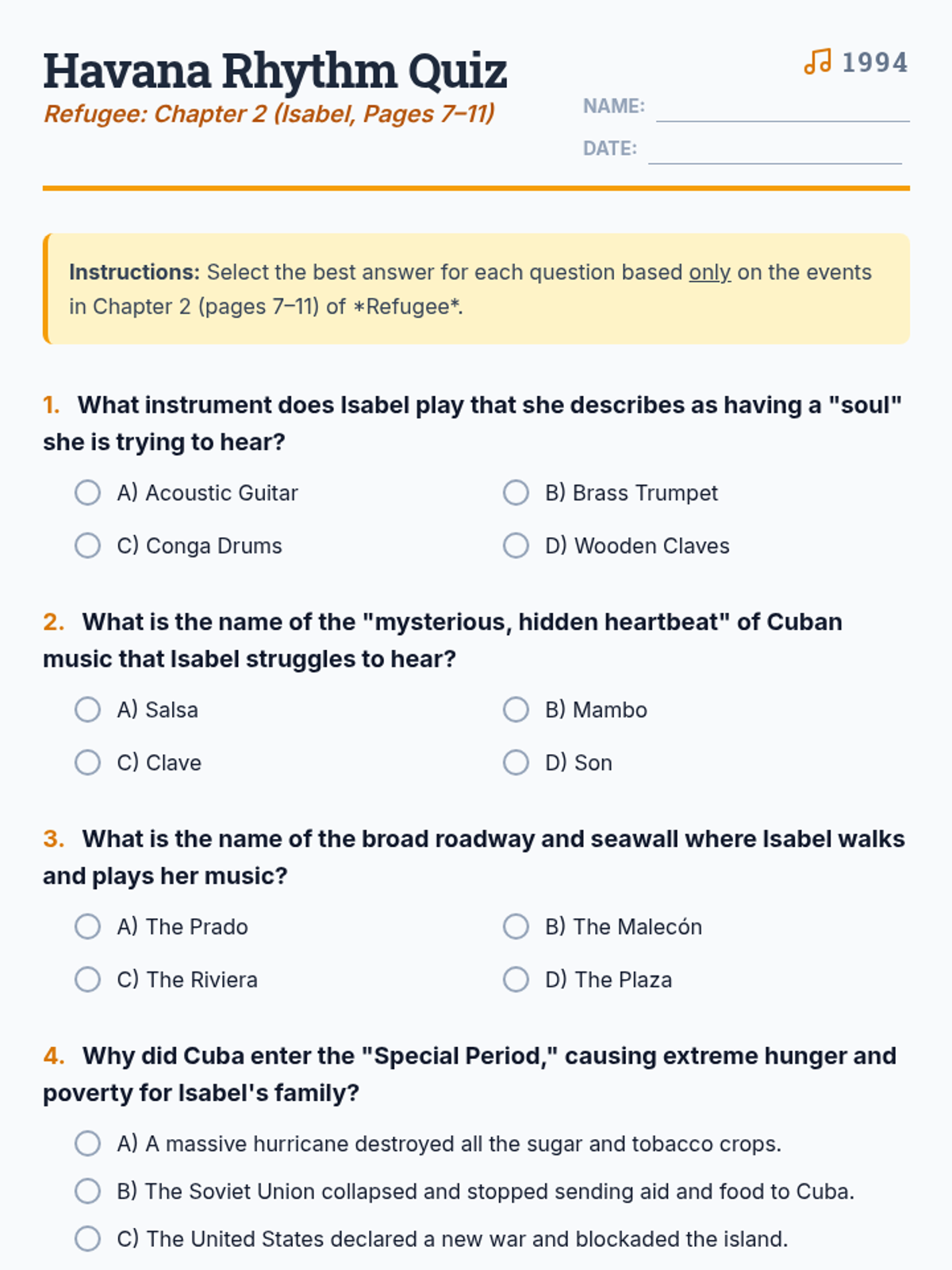
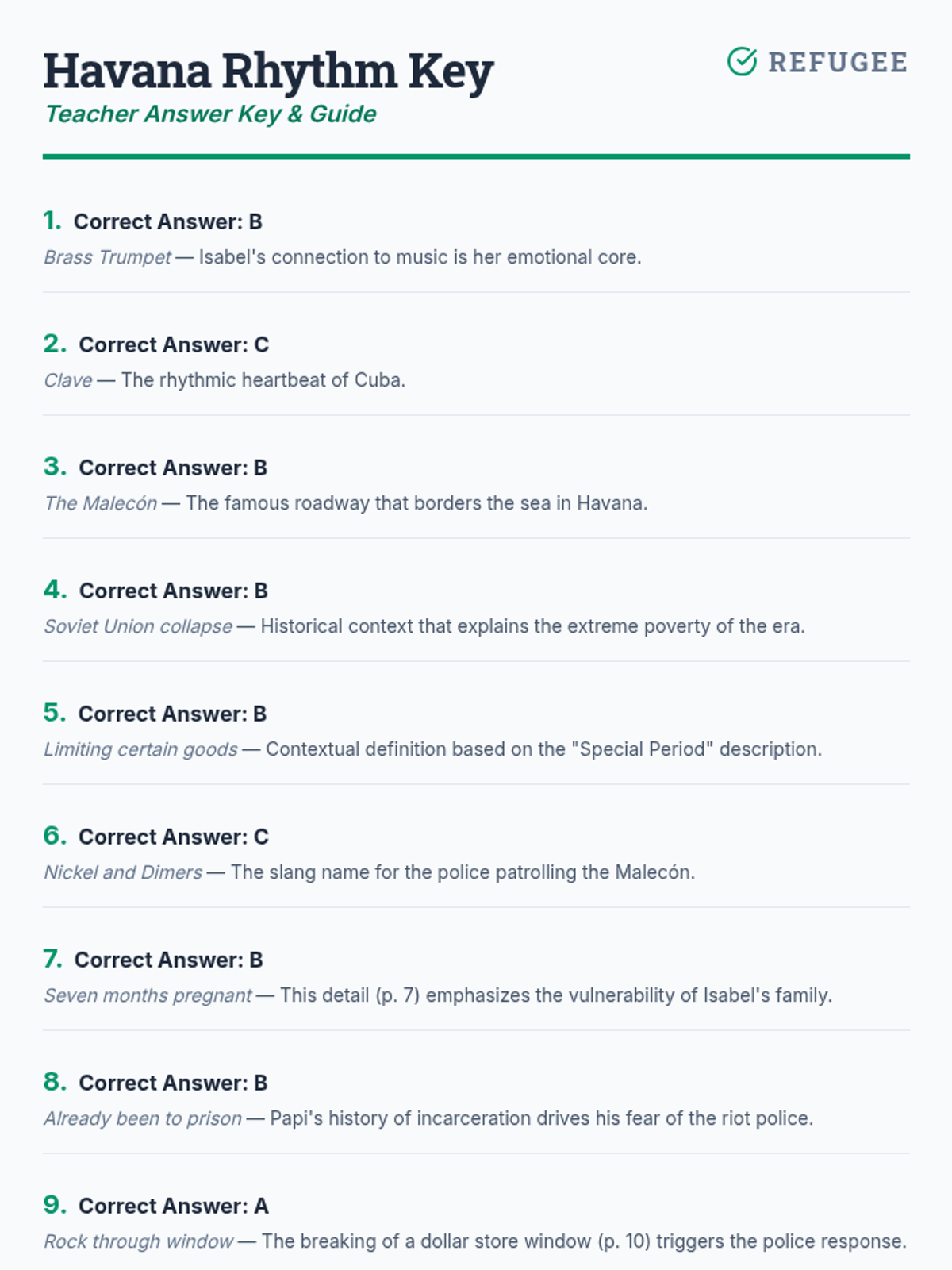
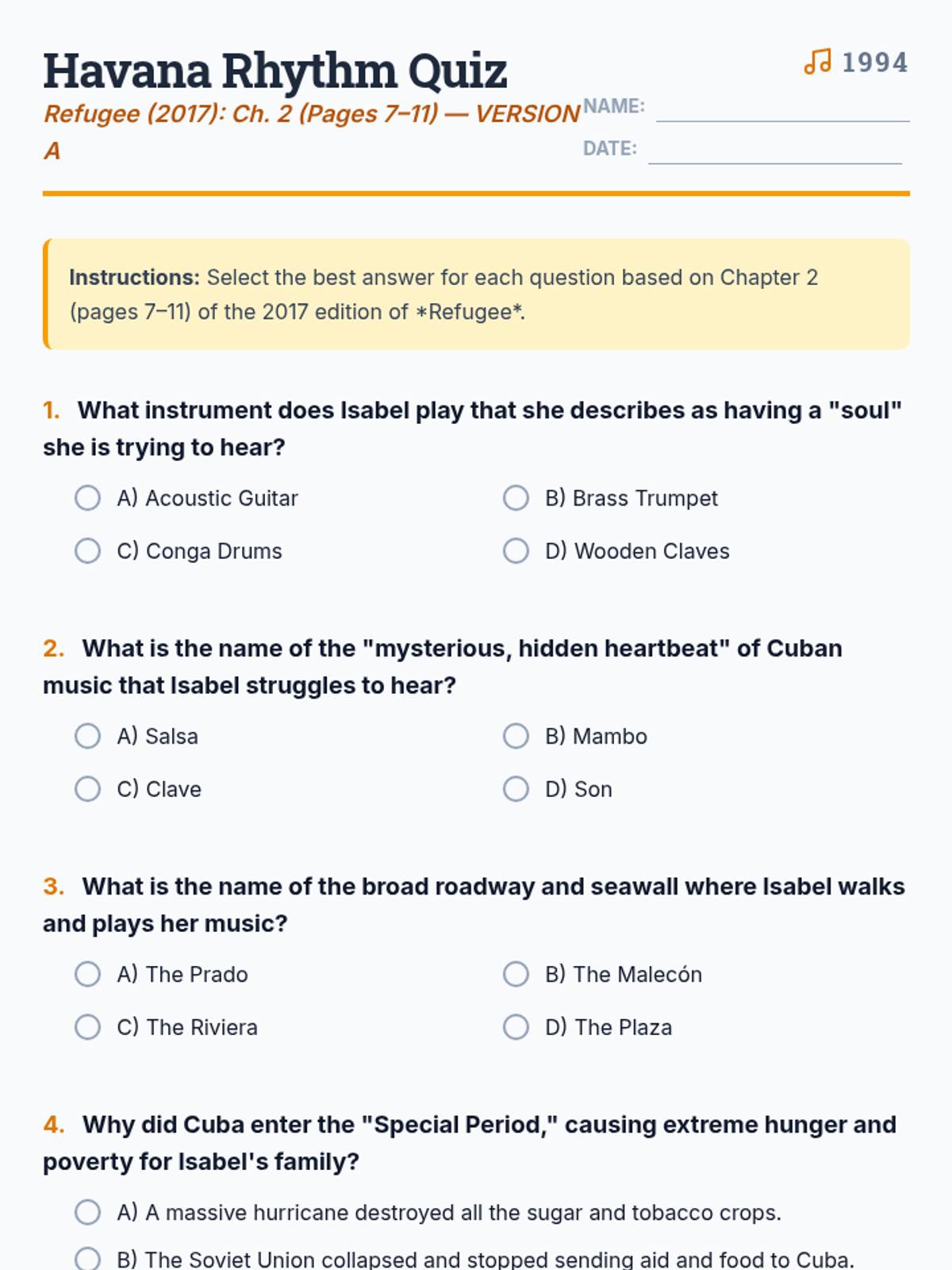
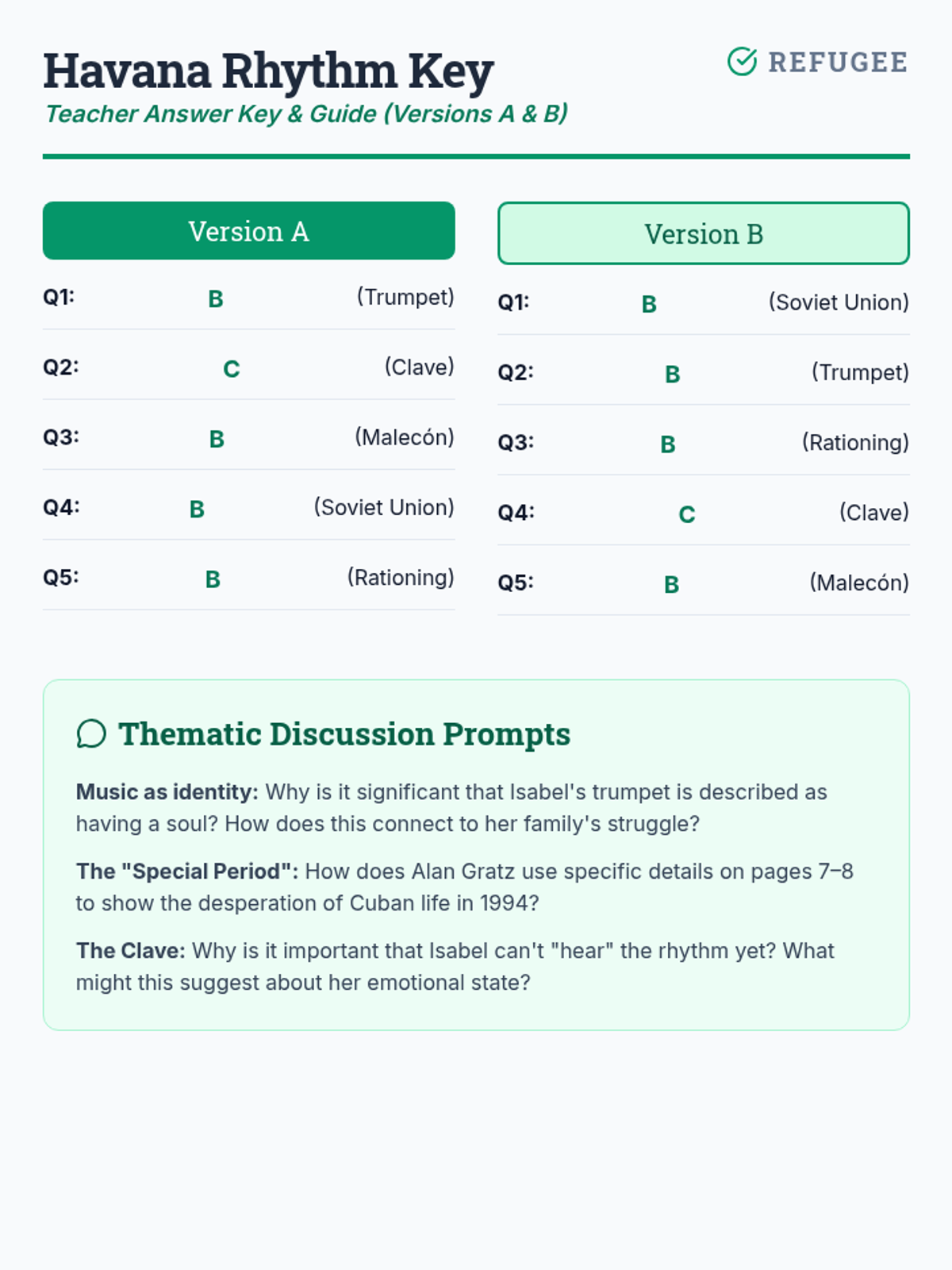
A focused study on Isabel's introduction in Alan Gratz's 'Refugee', exploring the setting of 1994 Cuba and the rising tensions in Havana.