An introductory lesson comparing the government systems of the United States, Canada, Mexico, and Cuba, focusing on leadership, political rights, and key structural features for 6th-grade students.
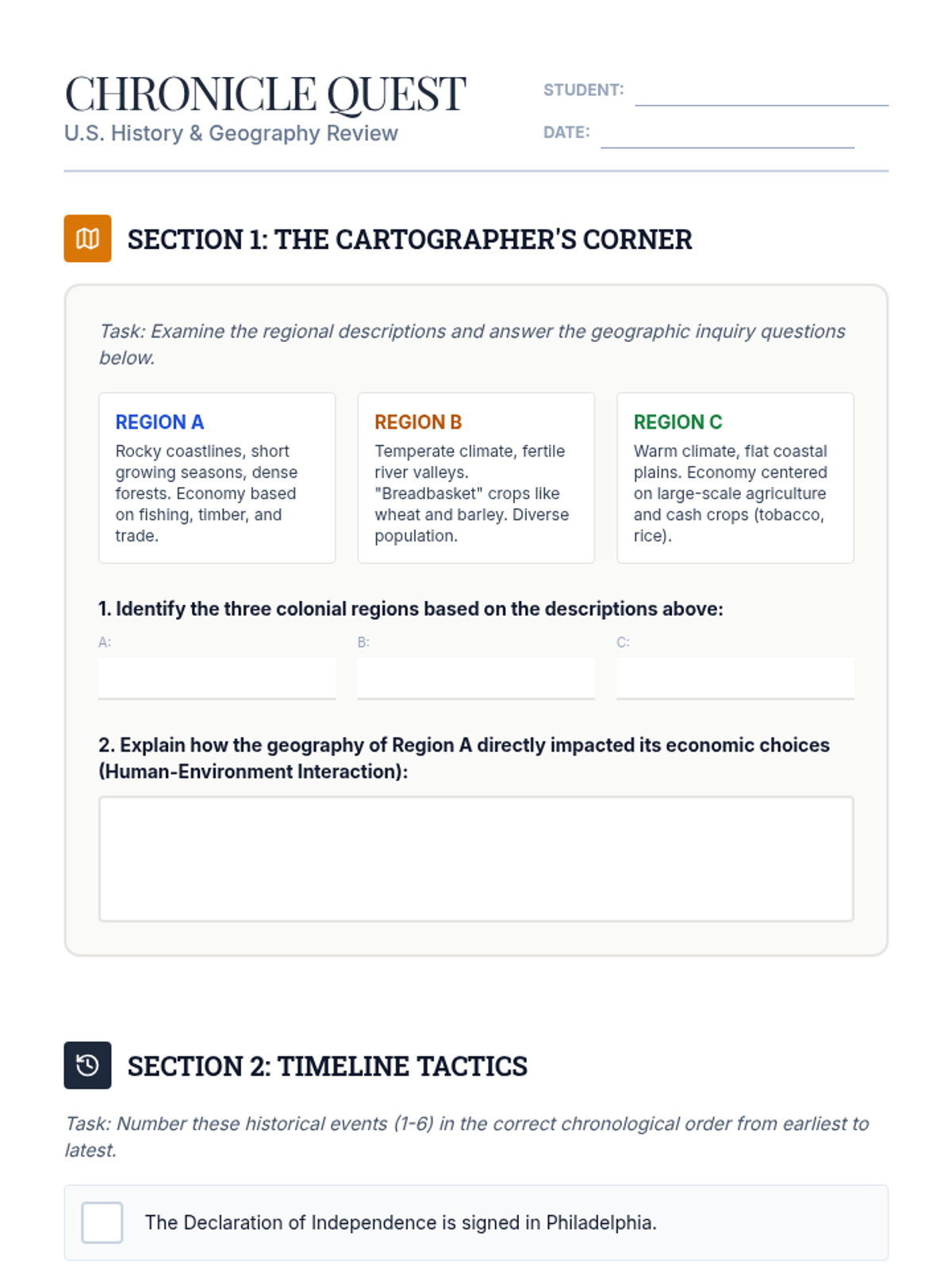
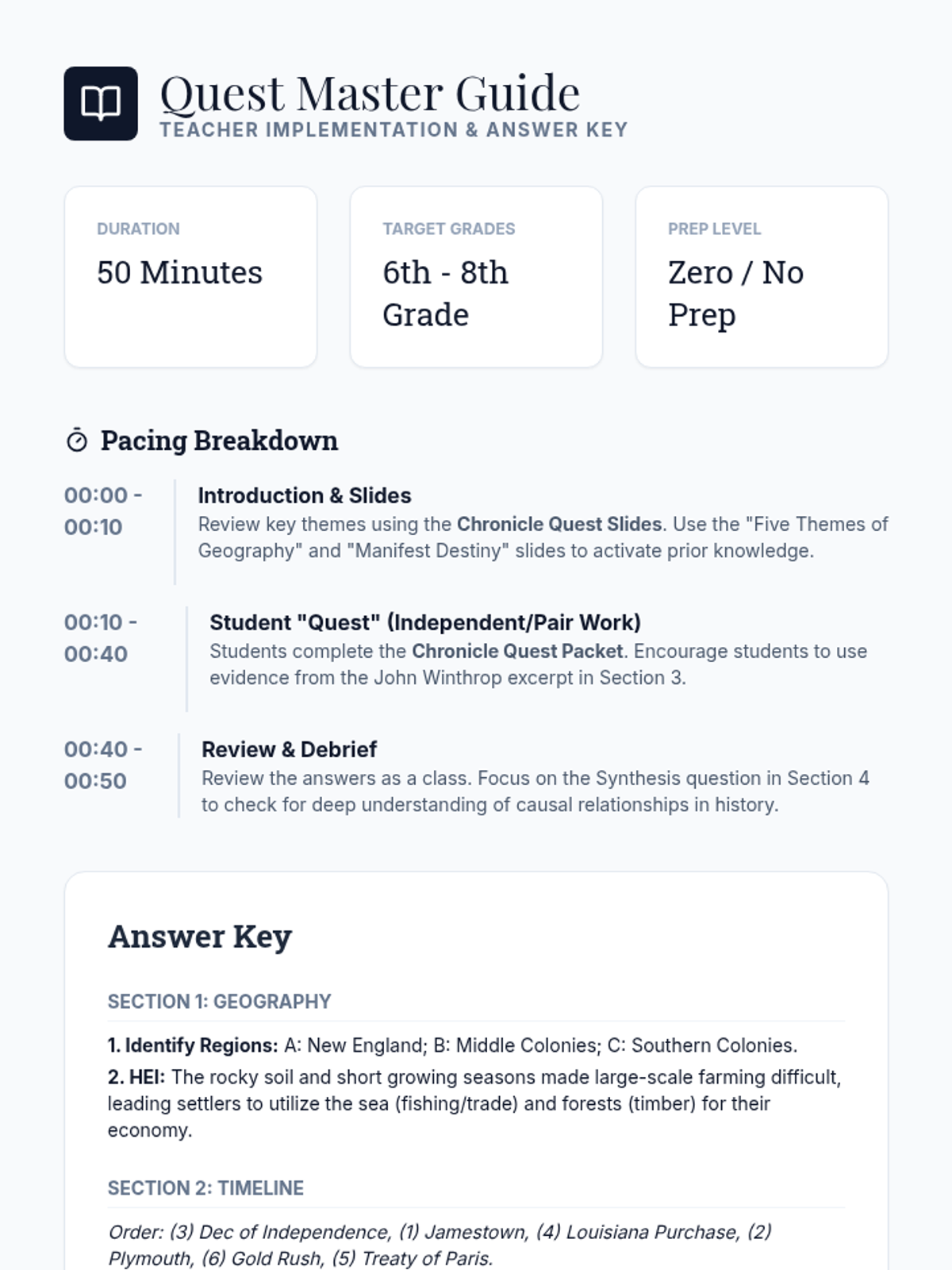
A comprehensive 50-minute social studies review for middle schoolers, covering US history from colonization to westward expansion, geography, and primary source analysis.
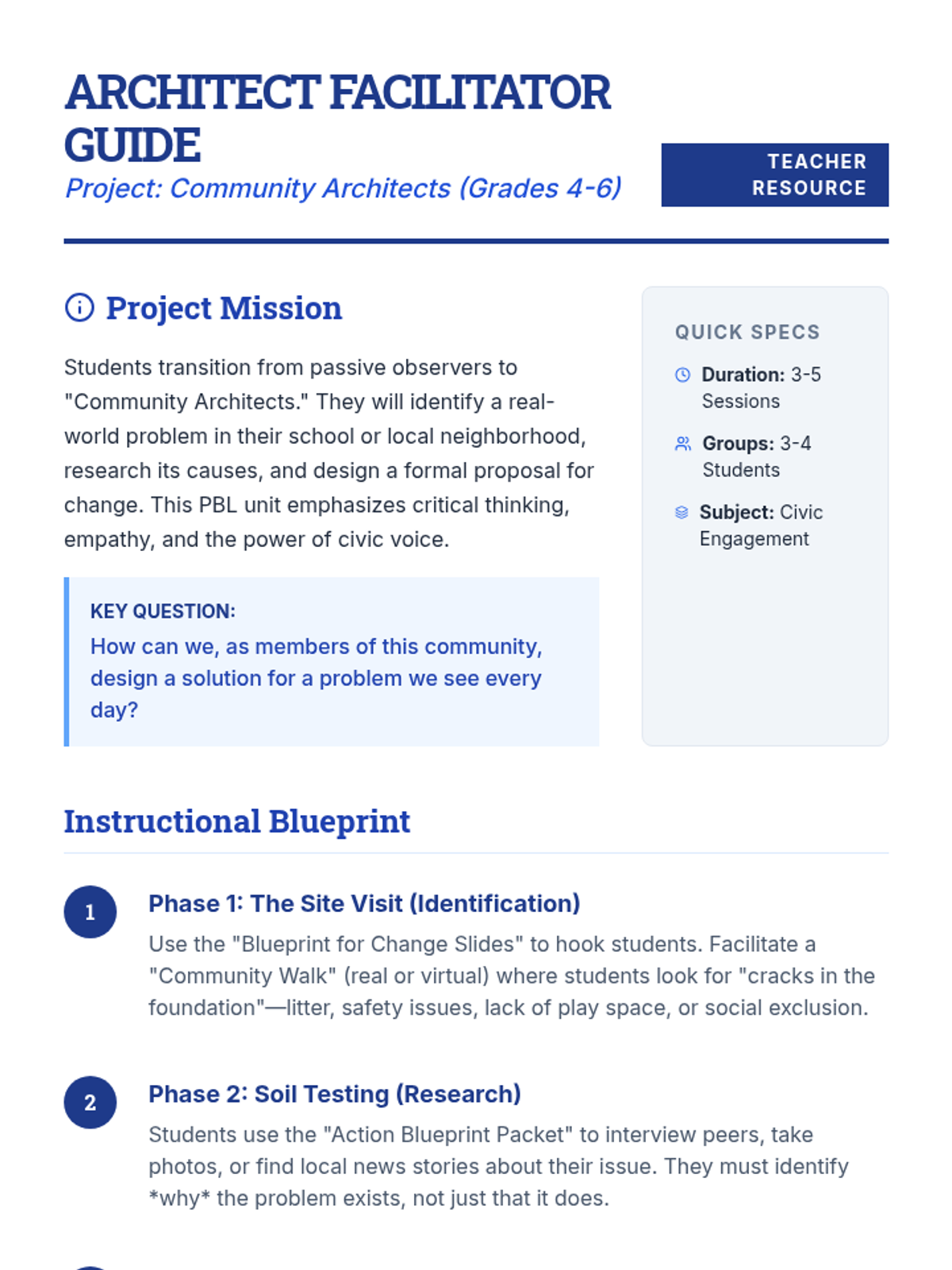
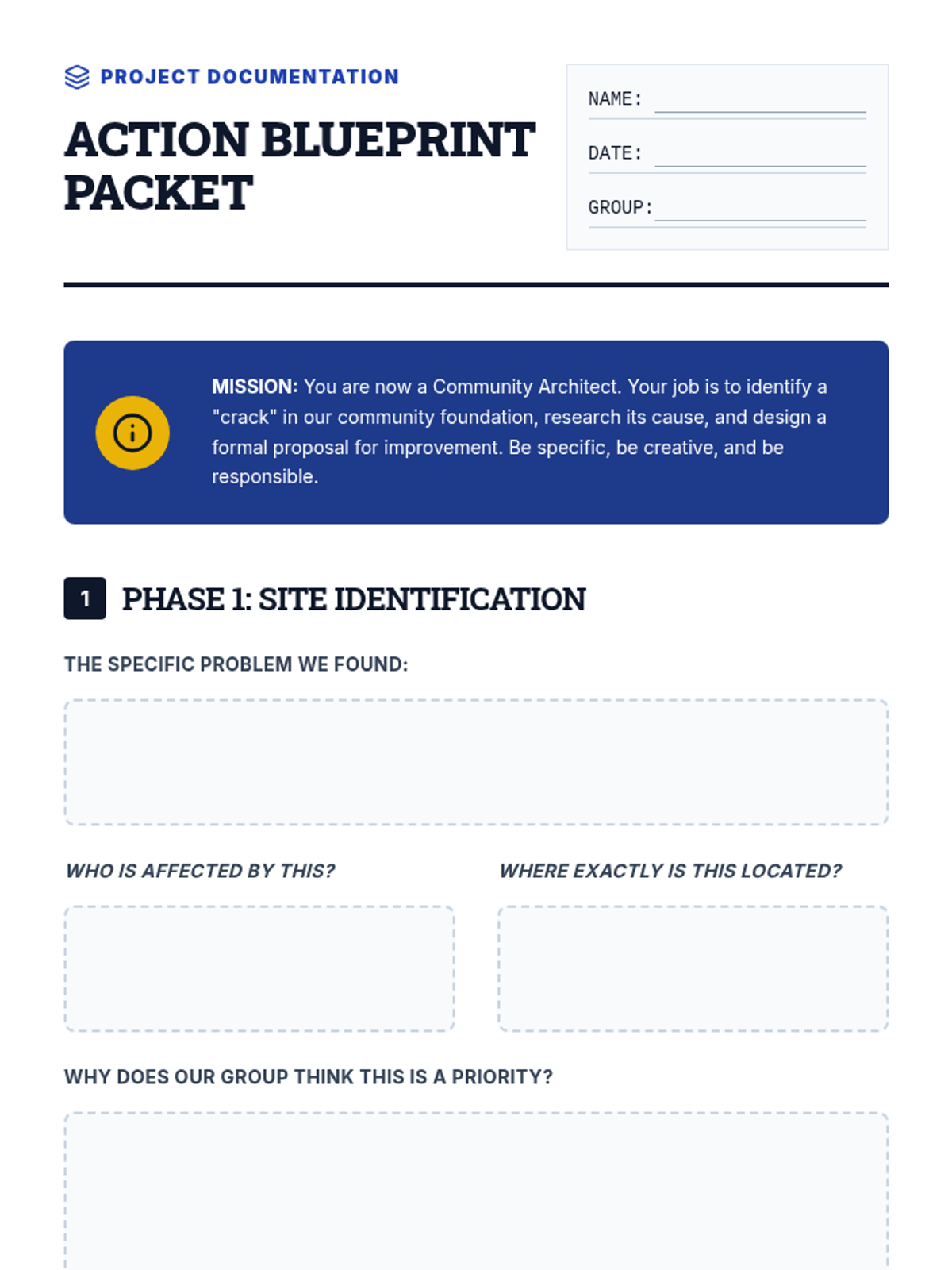
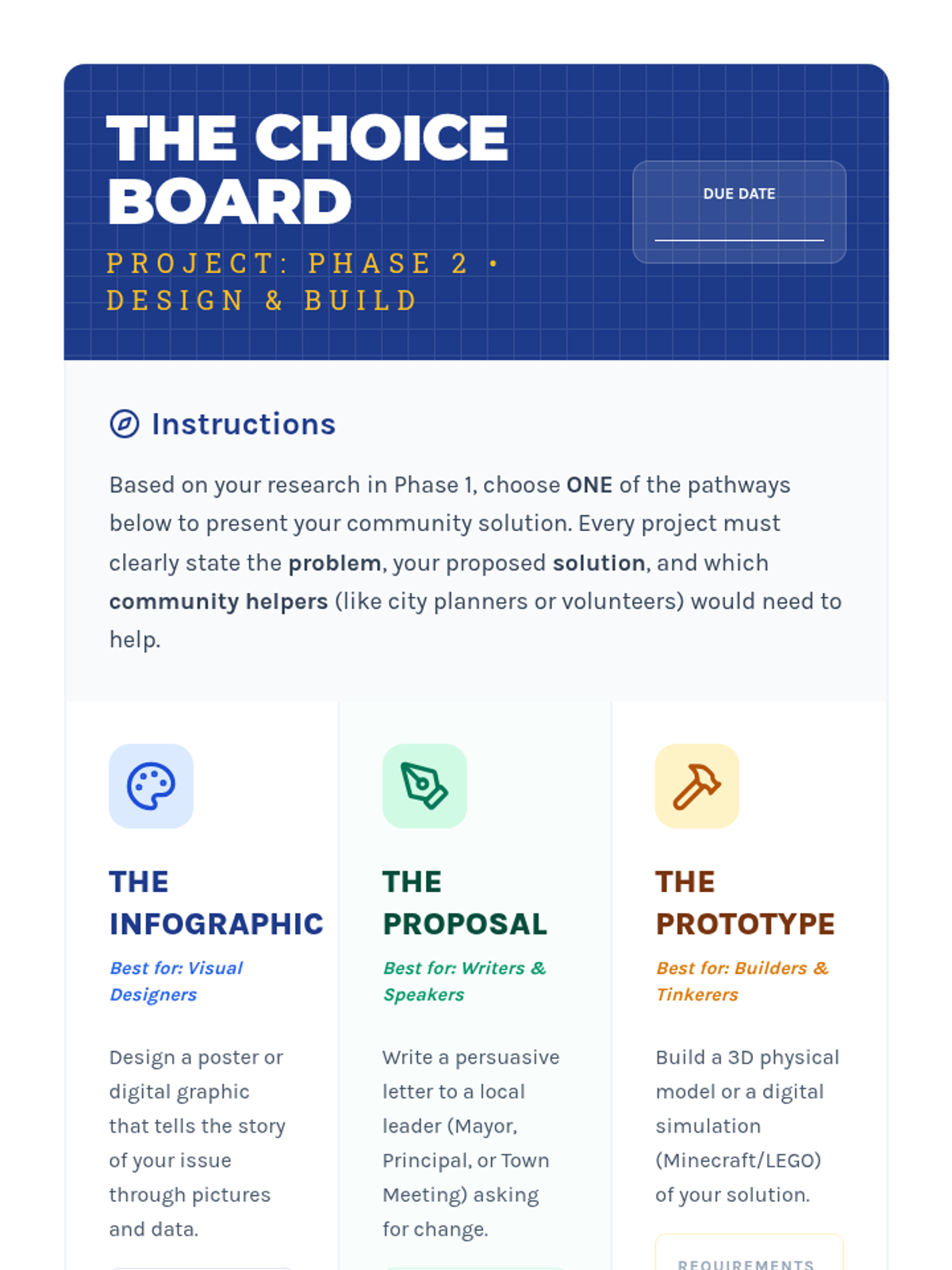
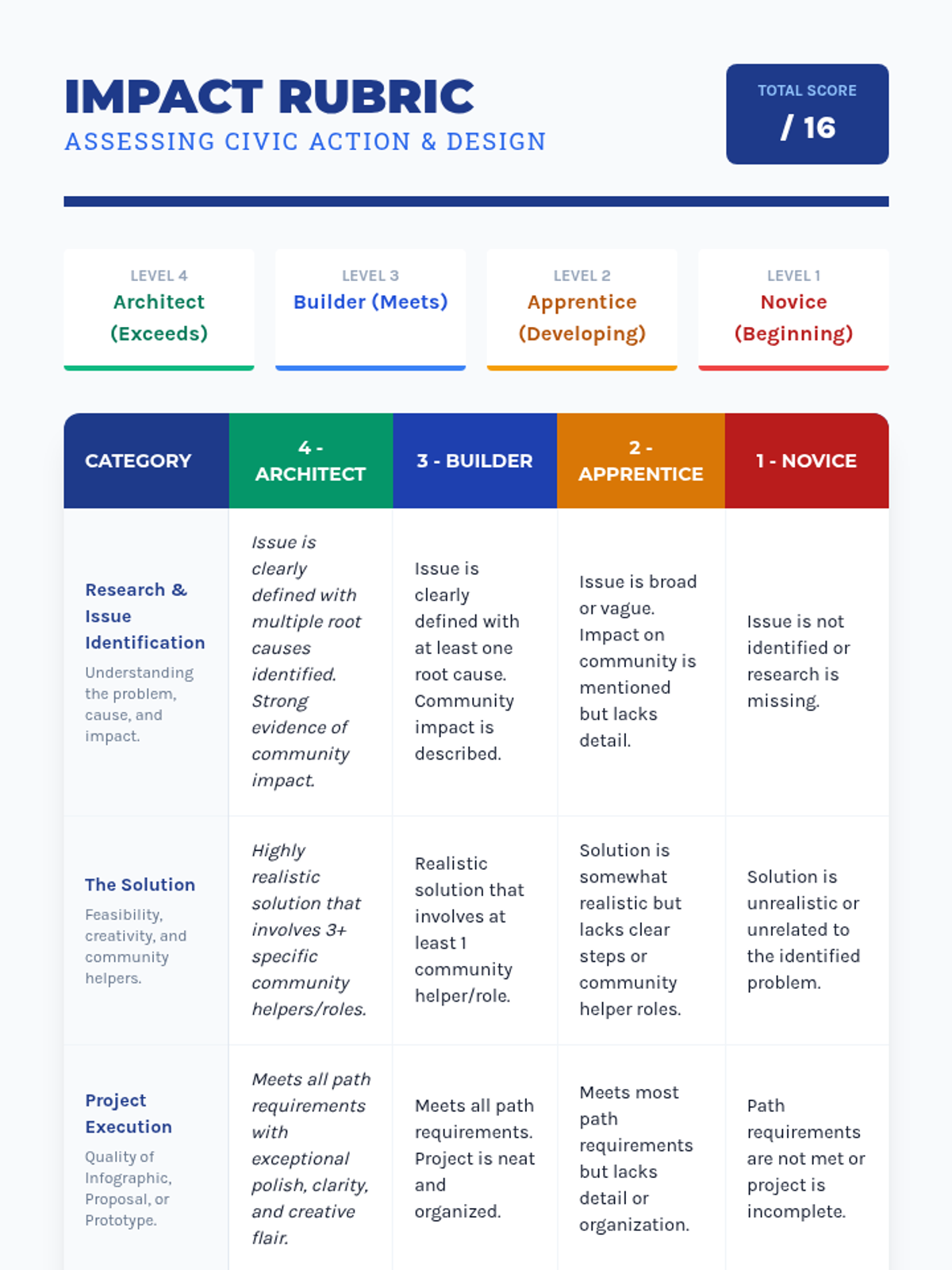
A project-based social studies lesson where students identify local community issues and develop proposals for change through visual, written, or oral pathways. Students take on the role of 'Community Architects' to design solutions for a better neighborhood.
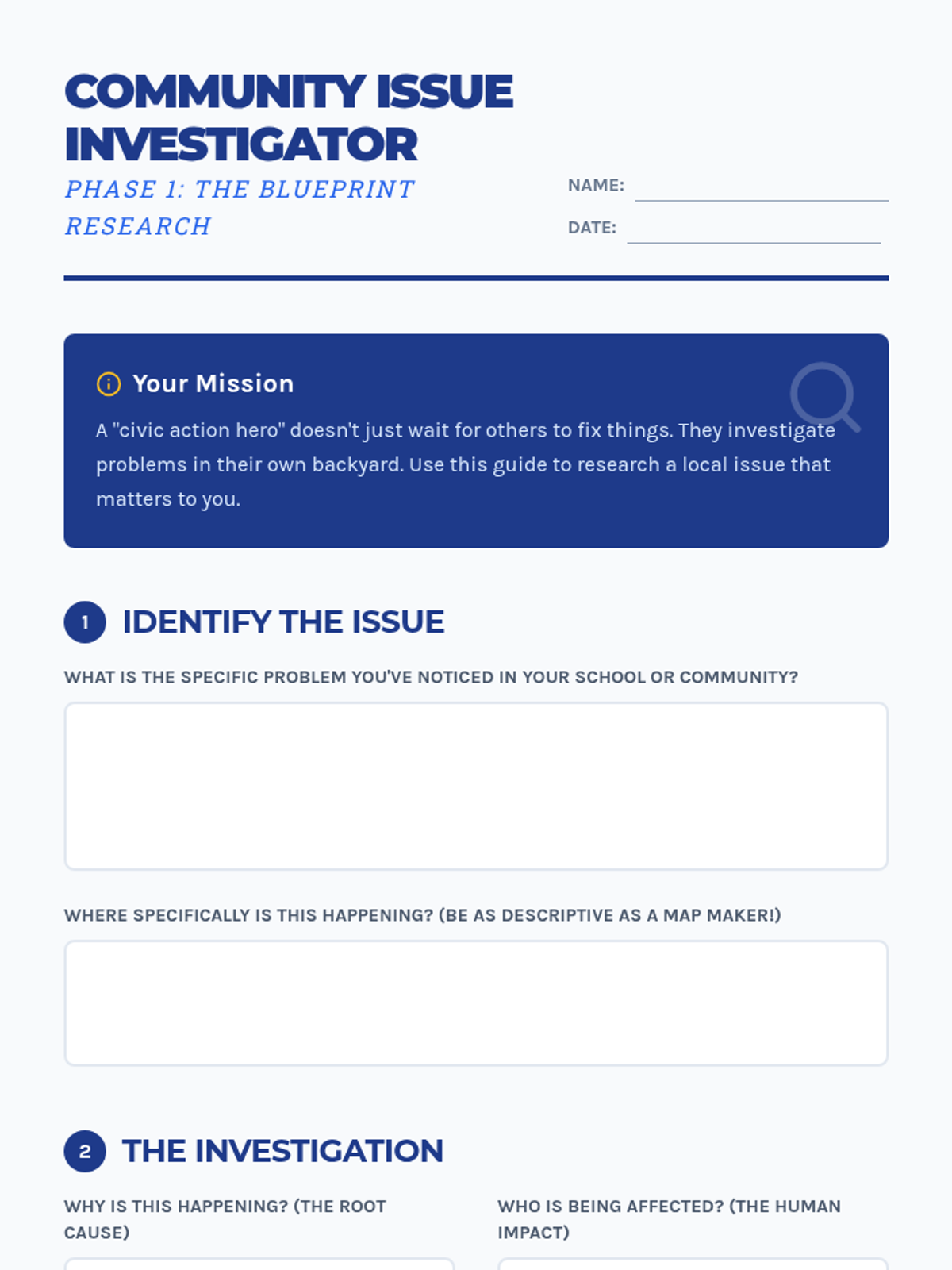
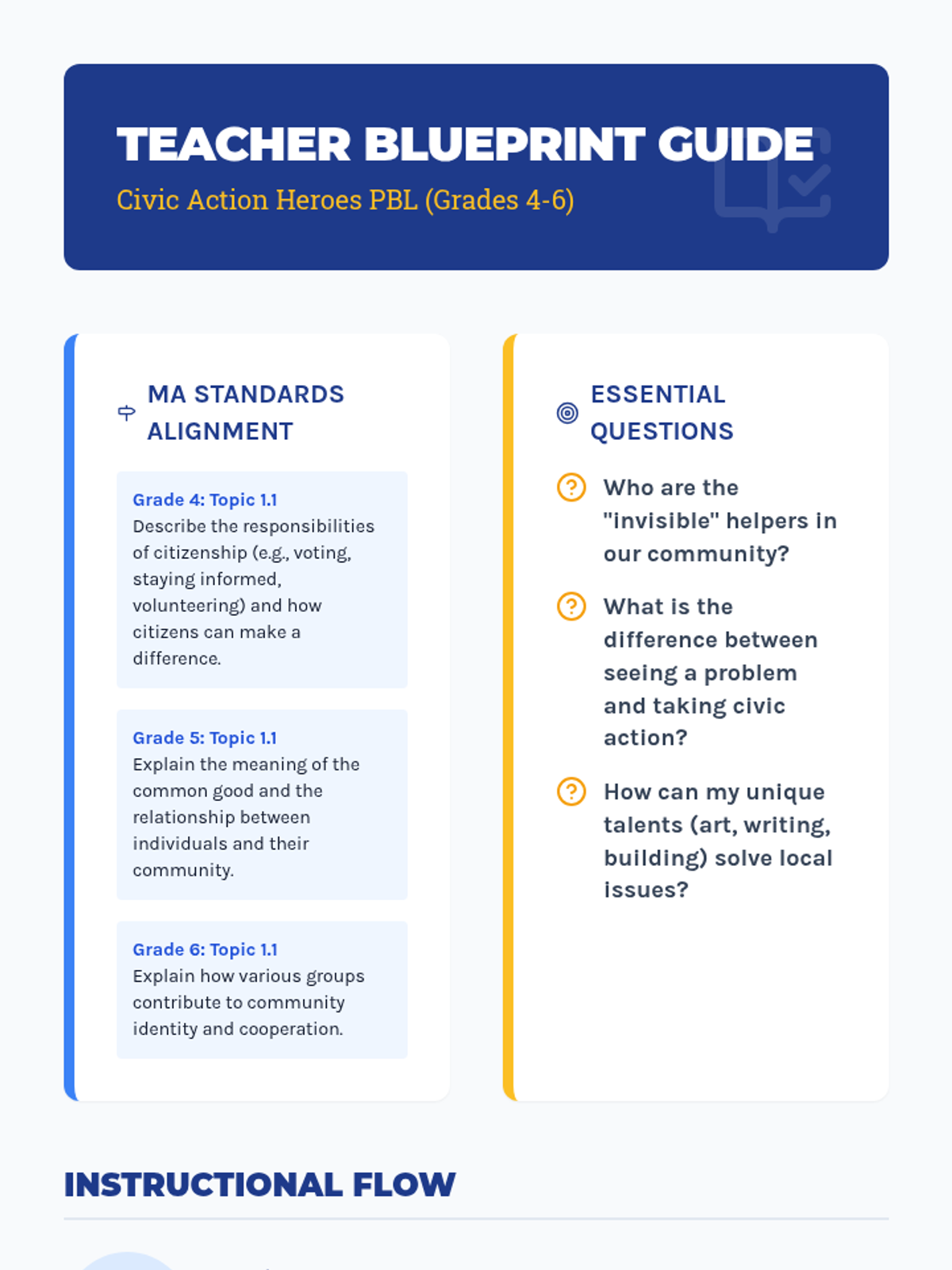
An inquiry-based social studies lesson for grades 4-6 exploring civic responsibility and community roles through a project-based learning lens. Students identify local issues and propose creative solutions using differentiated pathways.
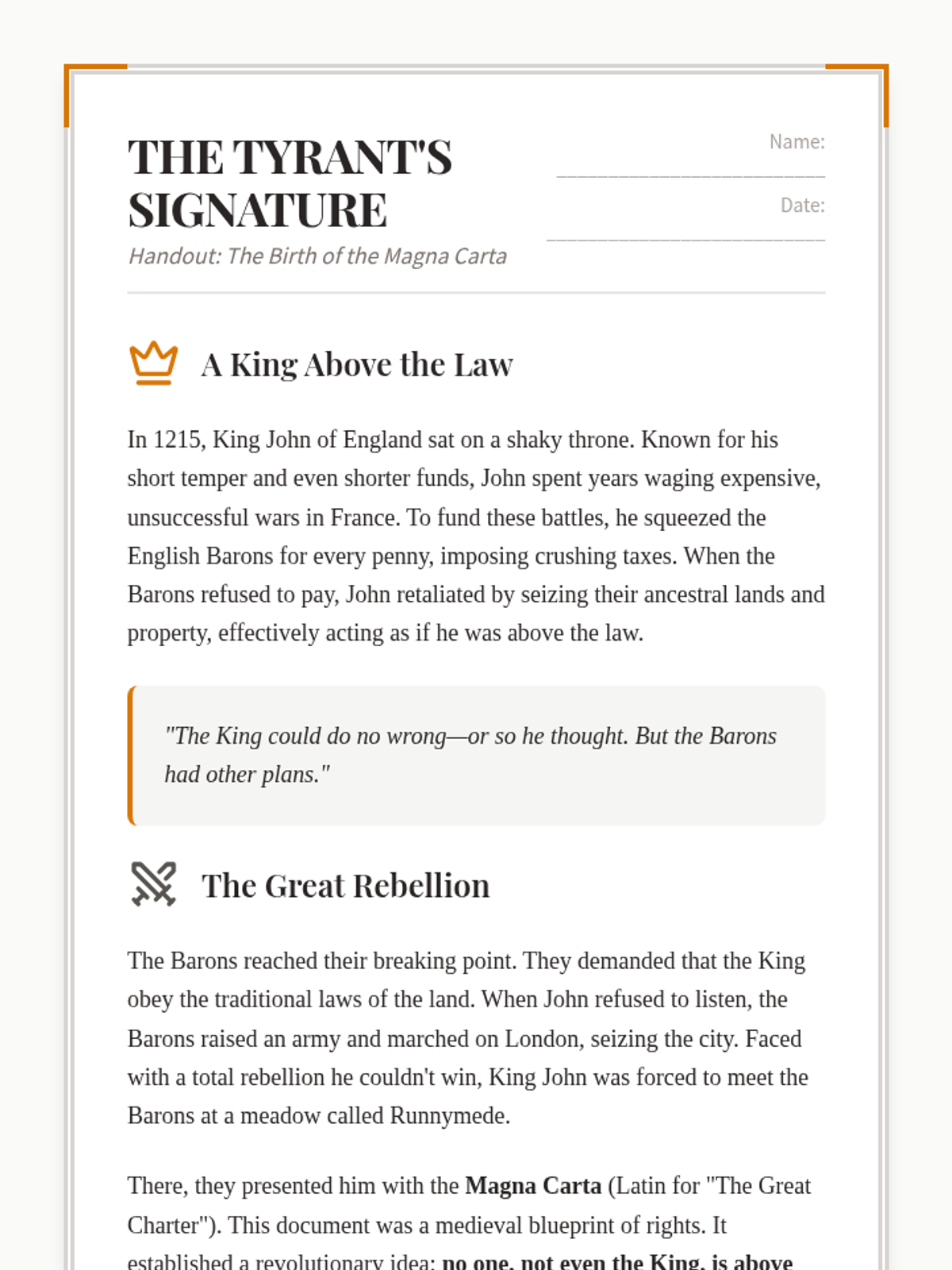
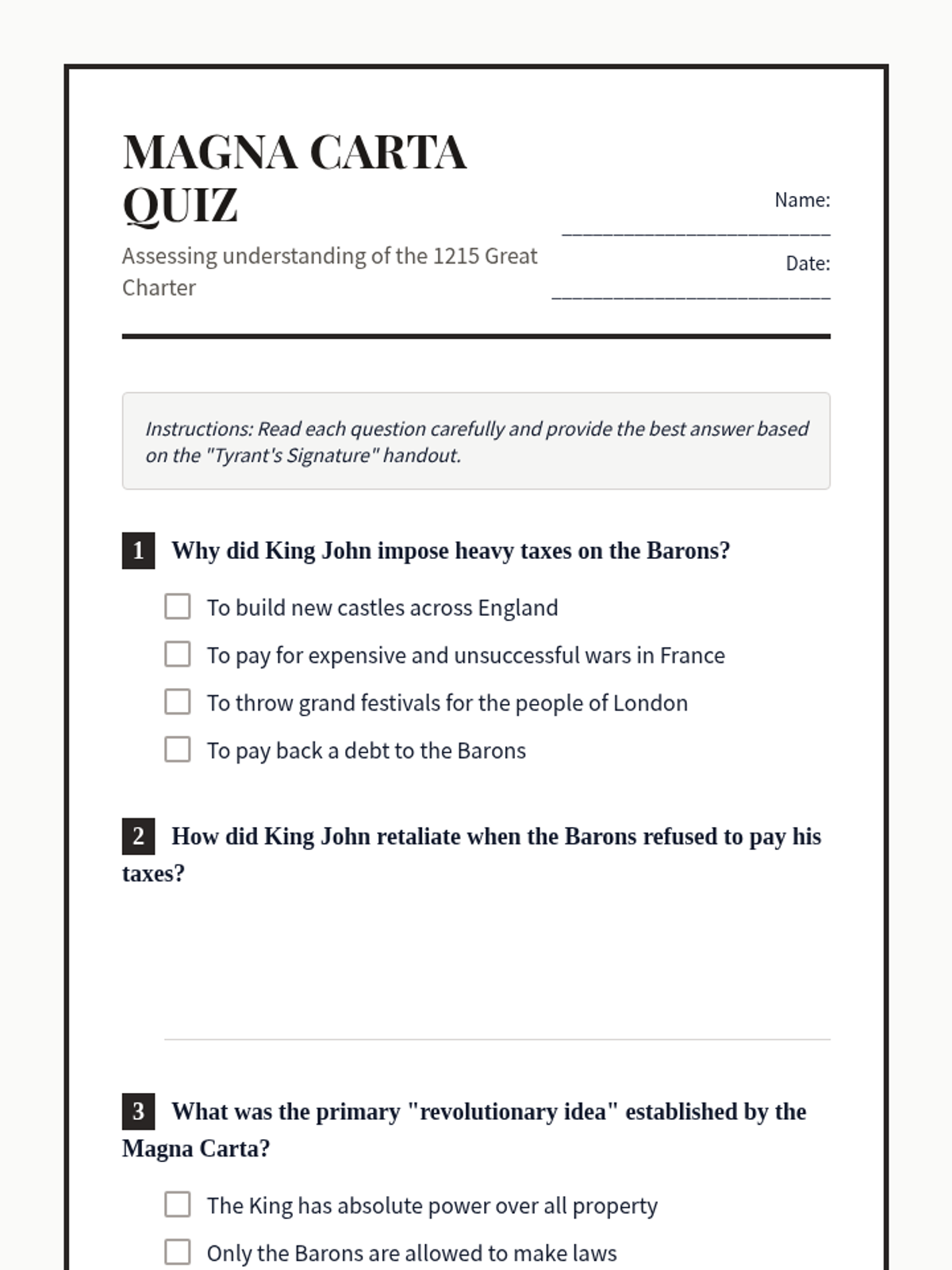
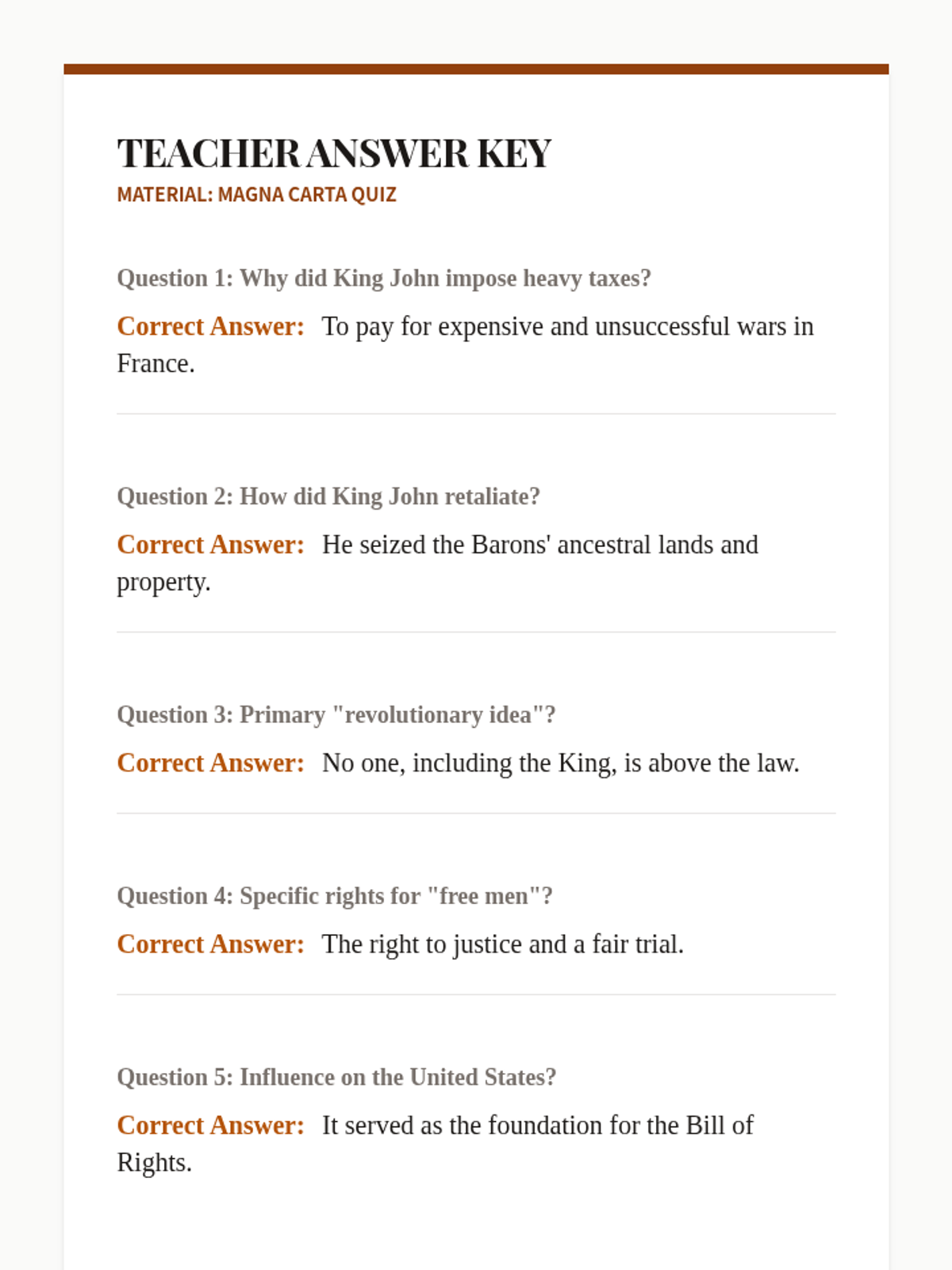
A lesson exploring the conflict between King John and the Barons, the creation of the Magna Carta, and its lasting impact on modern democracy.
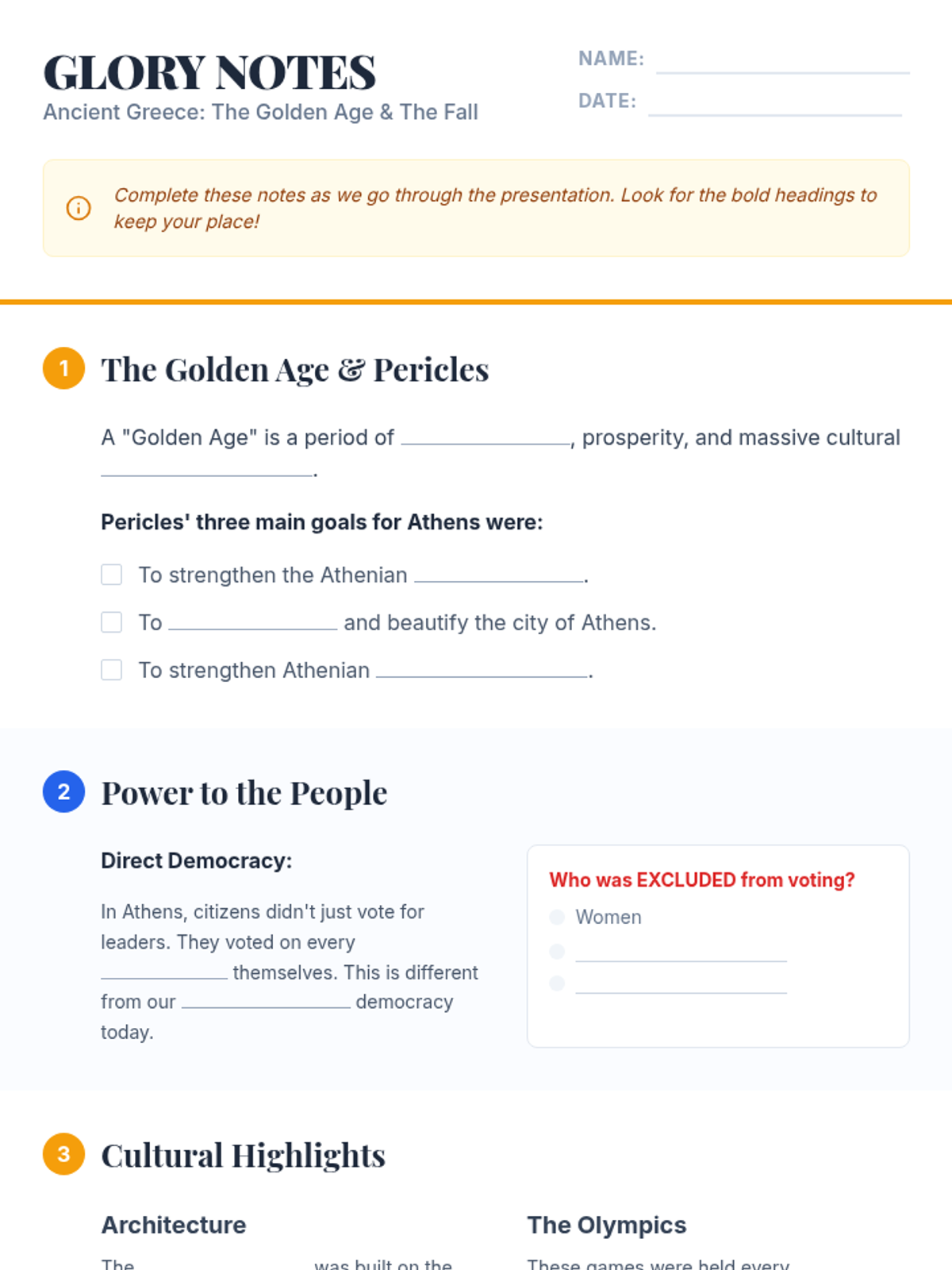
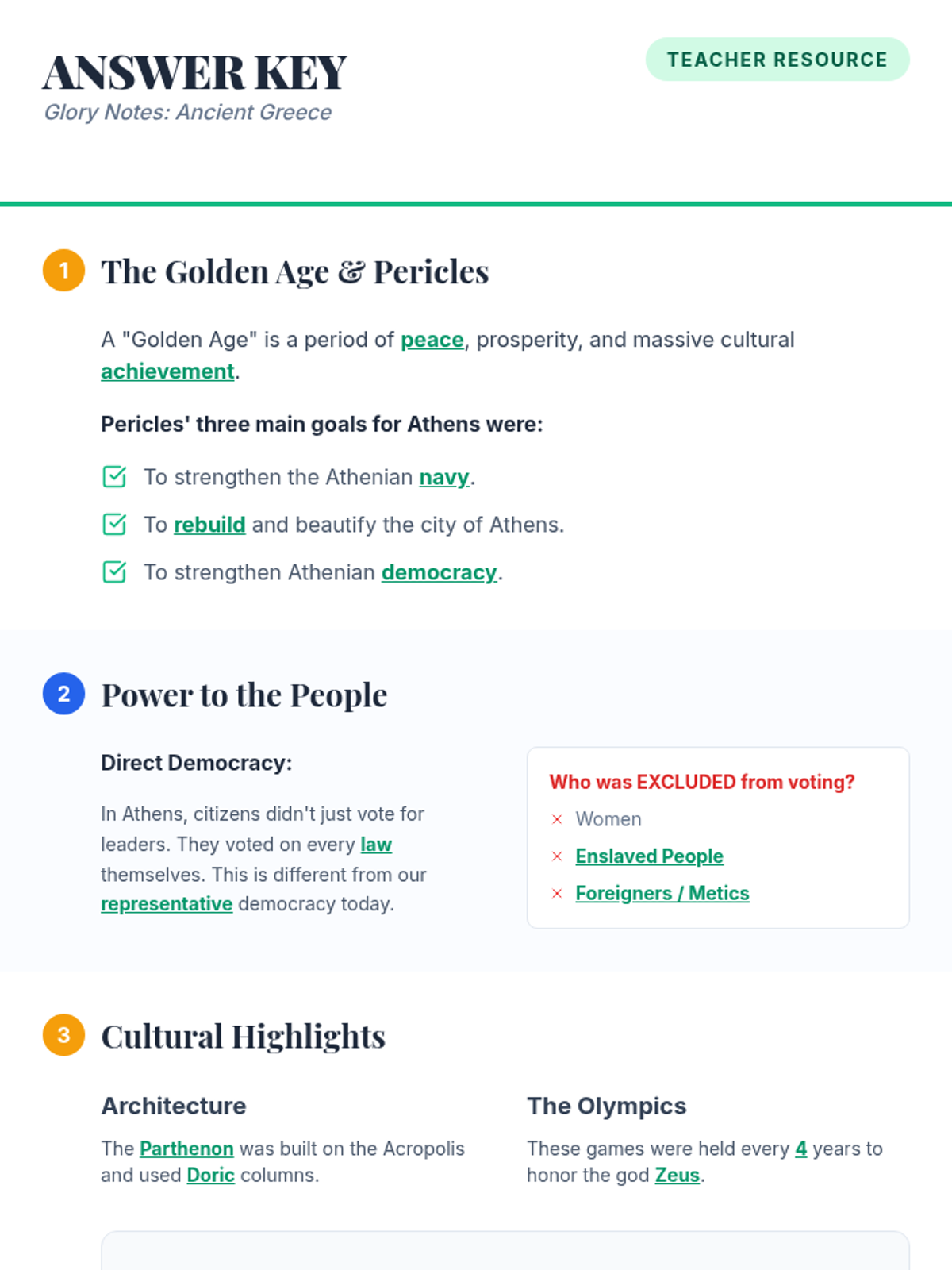
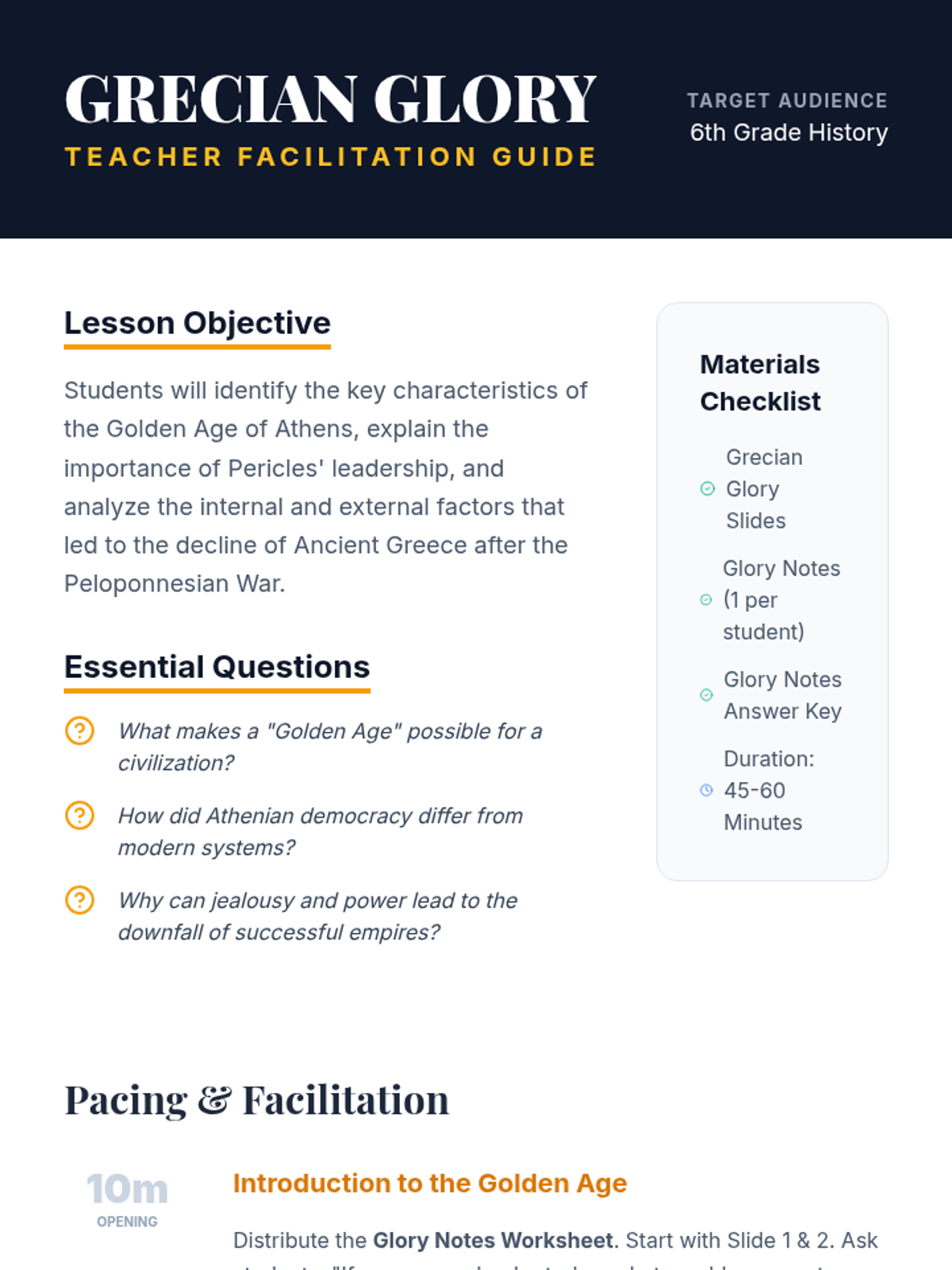
A deep dive into the peak of Athenian culture under Pericles and the eventual decline following the Peloponnesian War. Students explore democracy, architecture, and the cost of conflict.
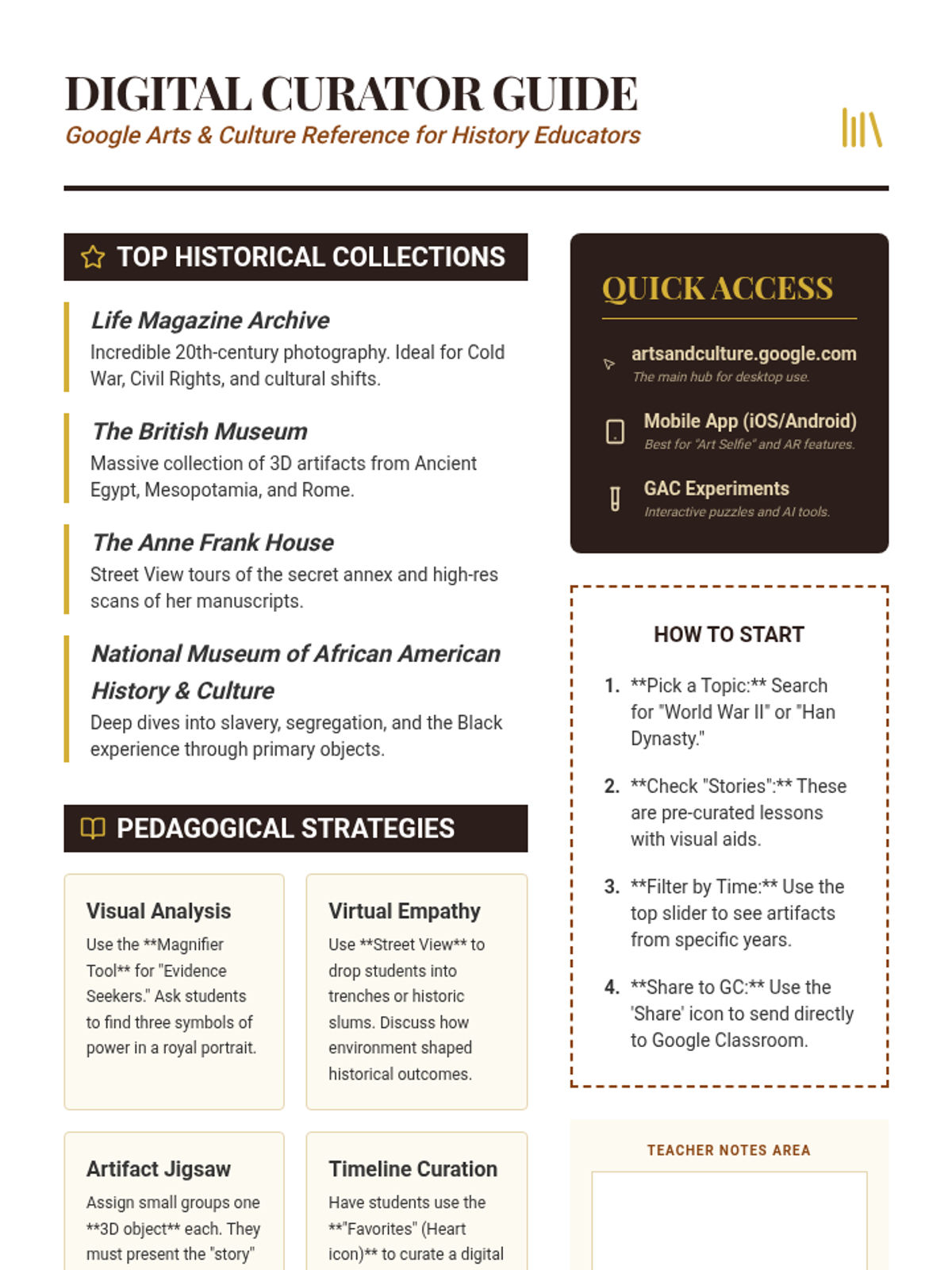
A quick-fire guide for history educators on leveraging Google Arts & Culture's digital archives and virtual tours to enhance classroom engagement.
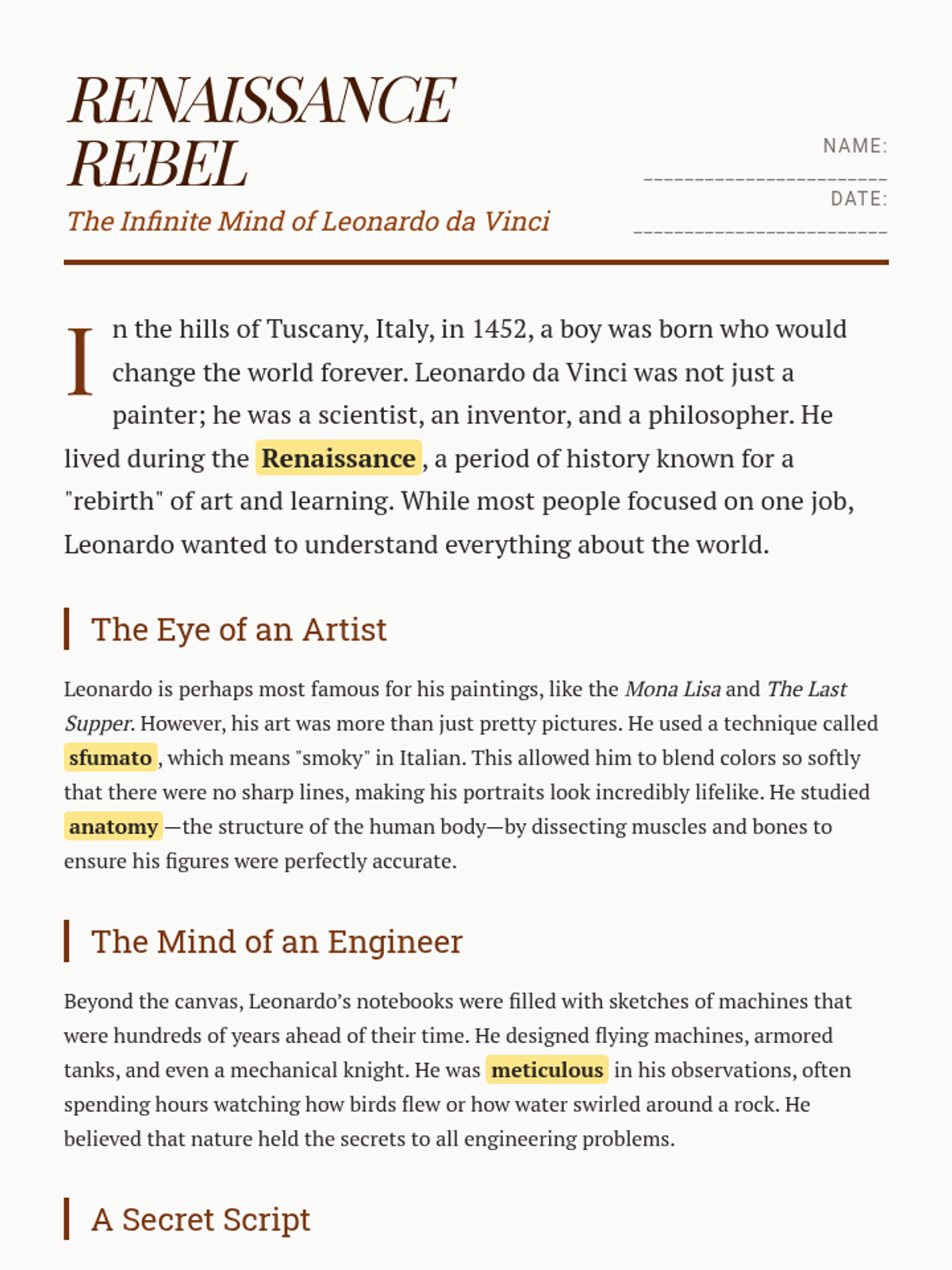
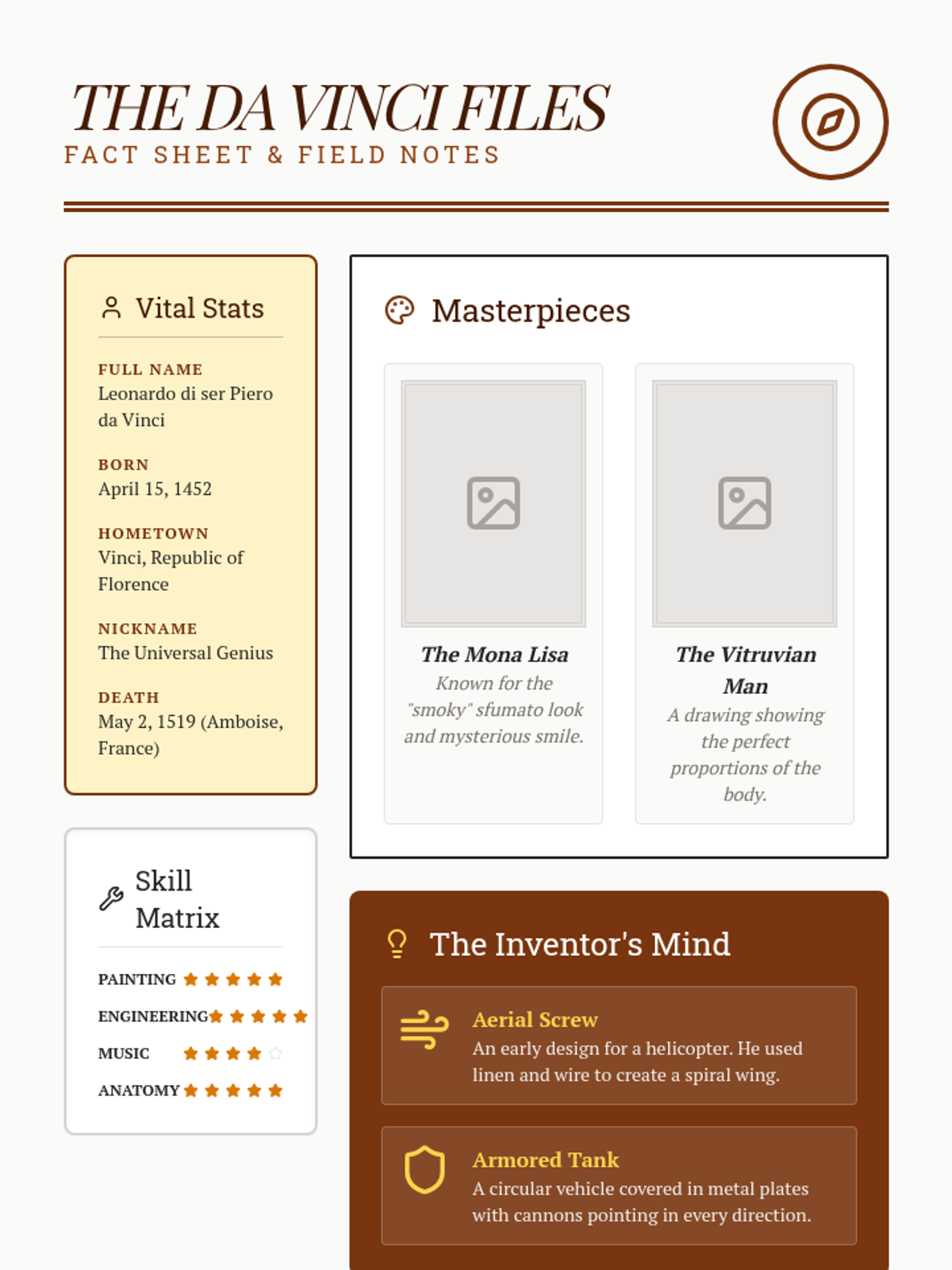
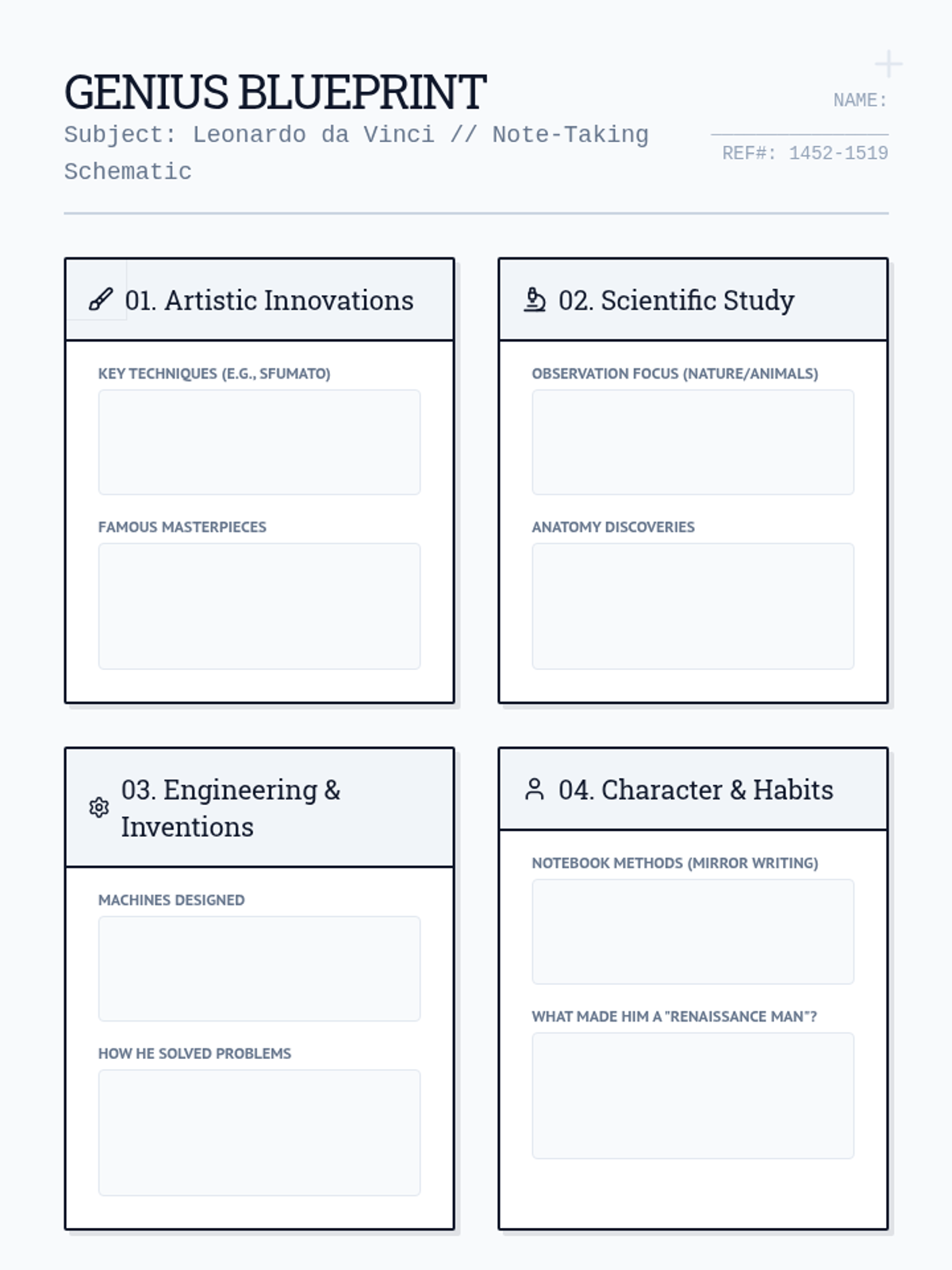
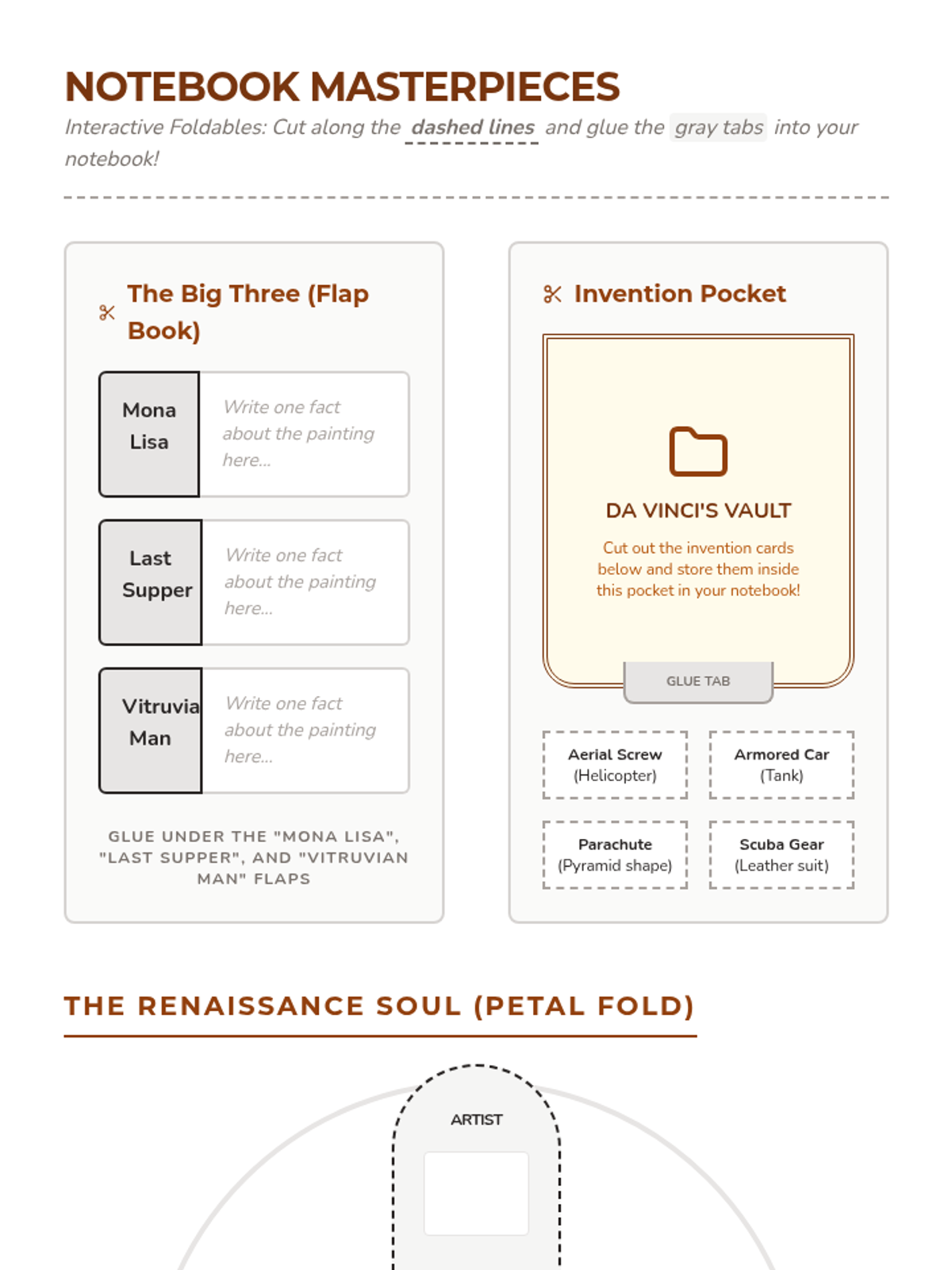
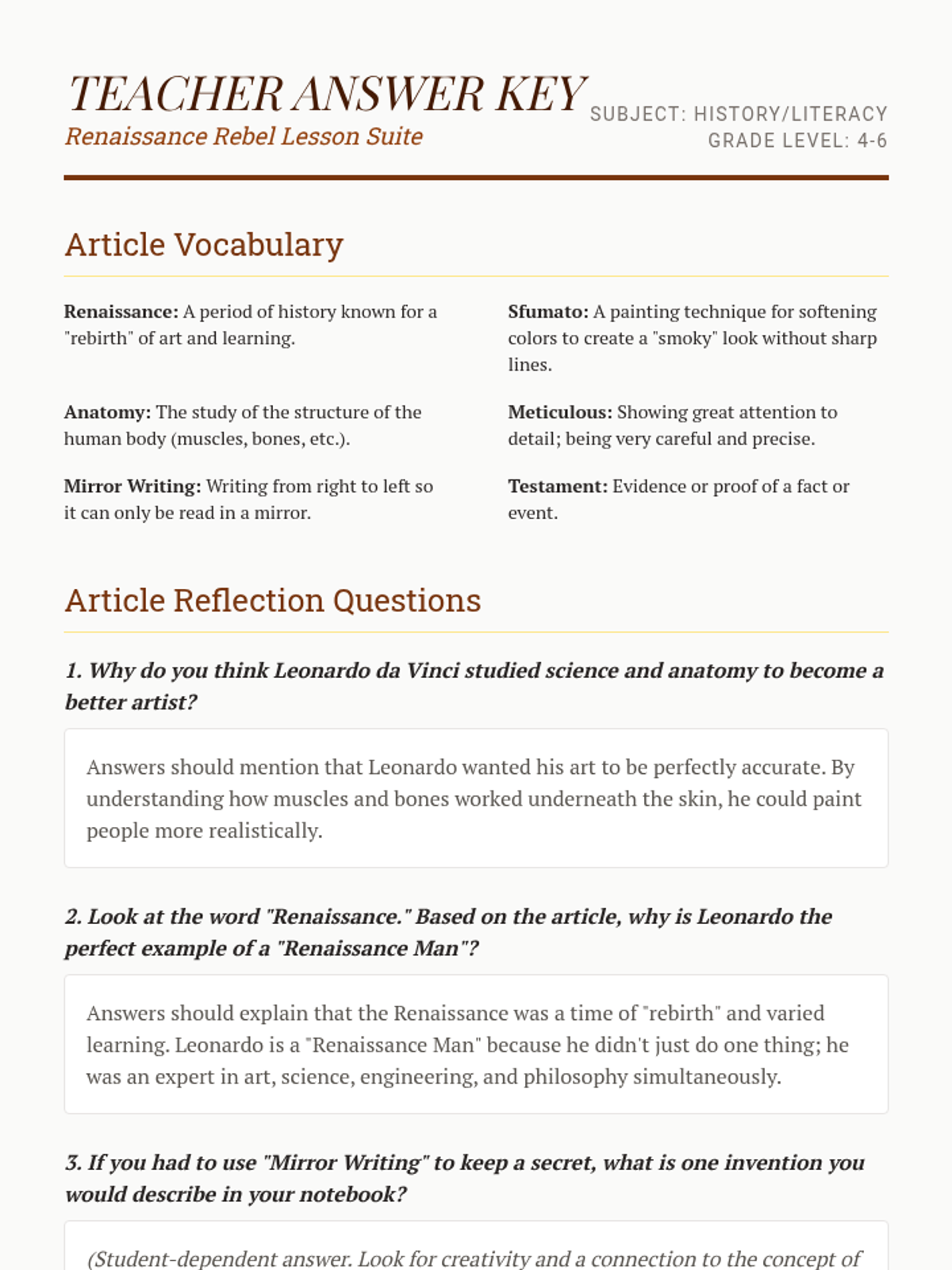
A comprehensive exploration of Leonardo da Vinci's life, art, and inventions, designed to build informational reading and note-taking skills.
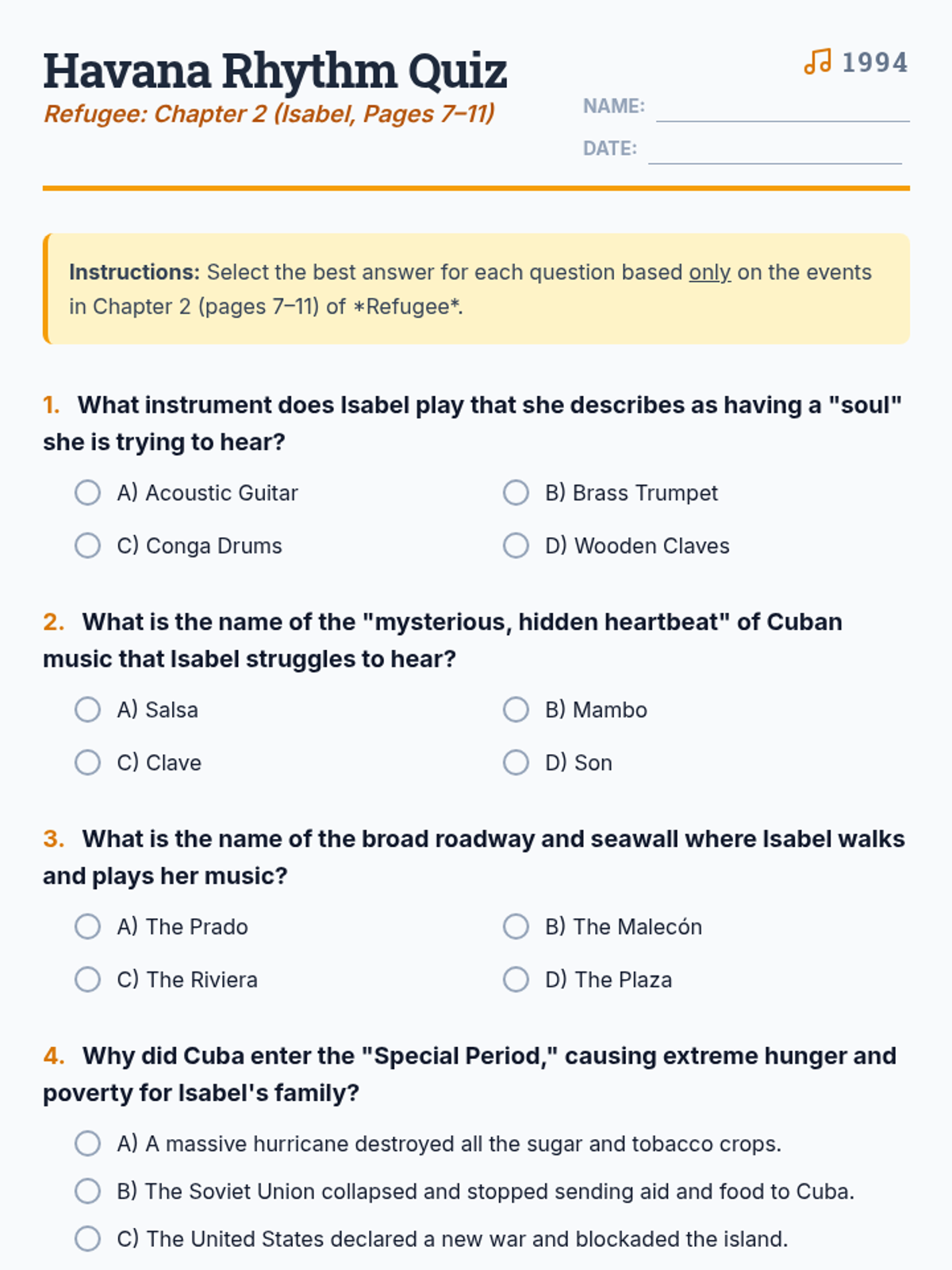
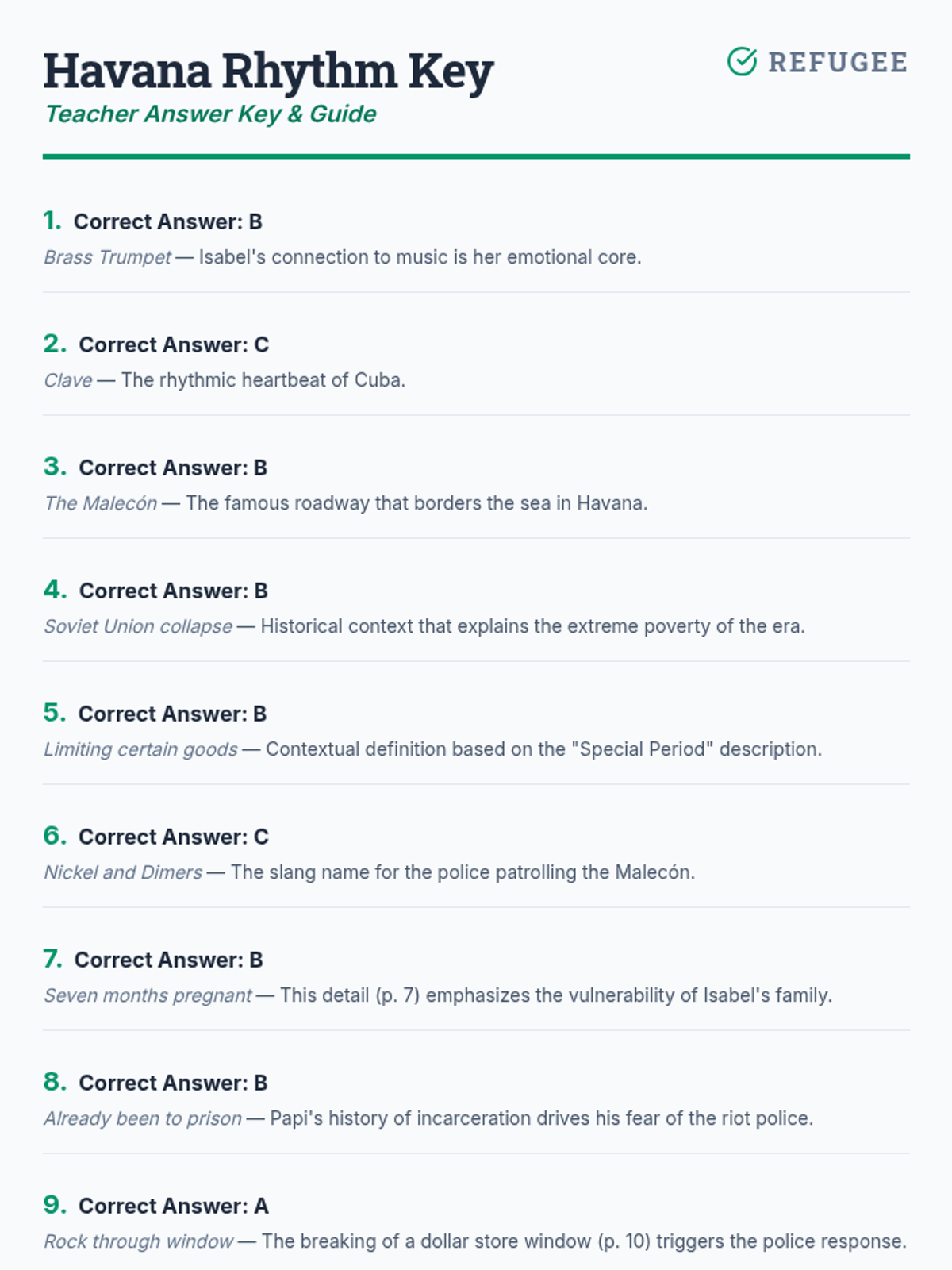
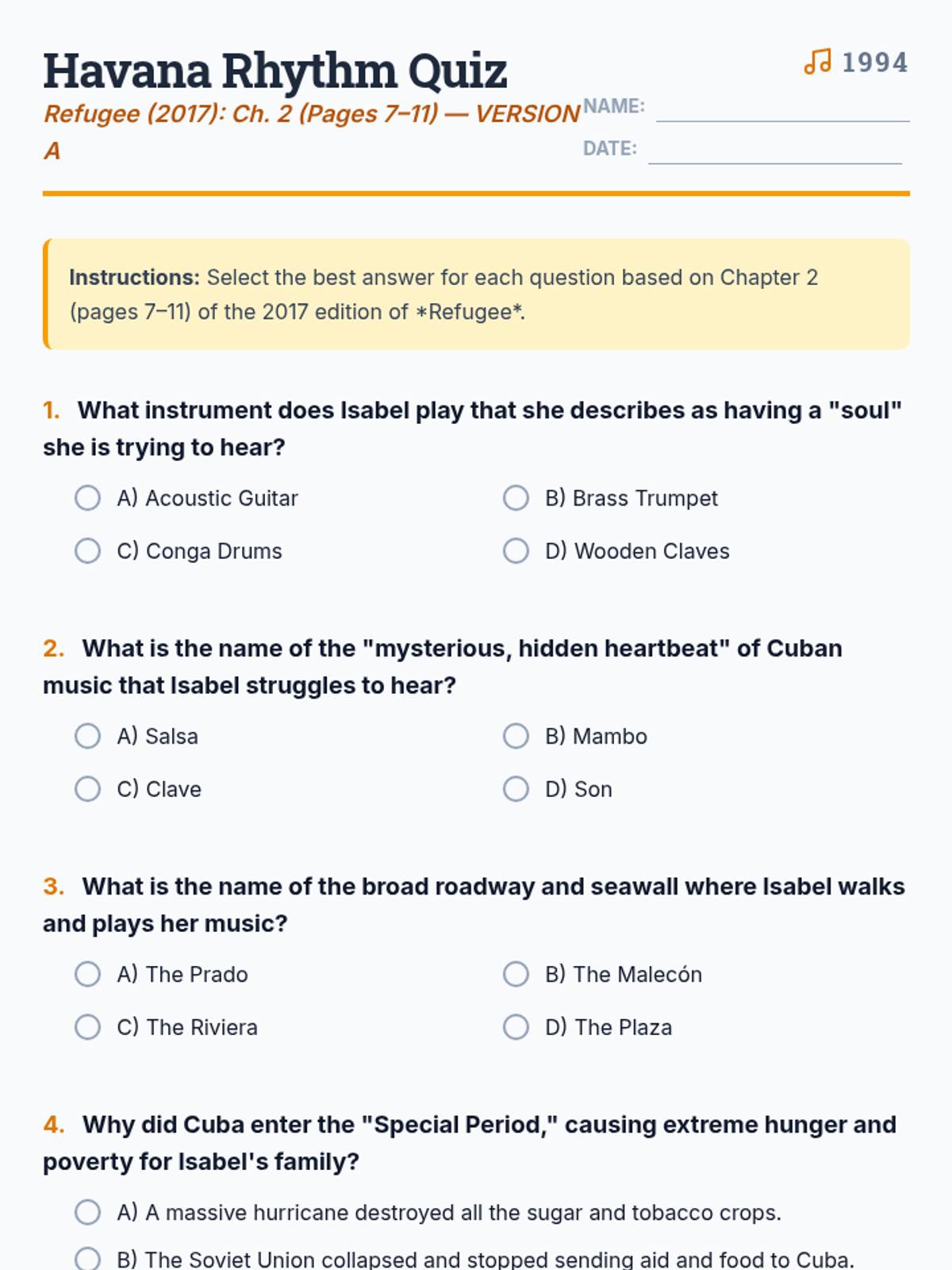
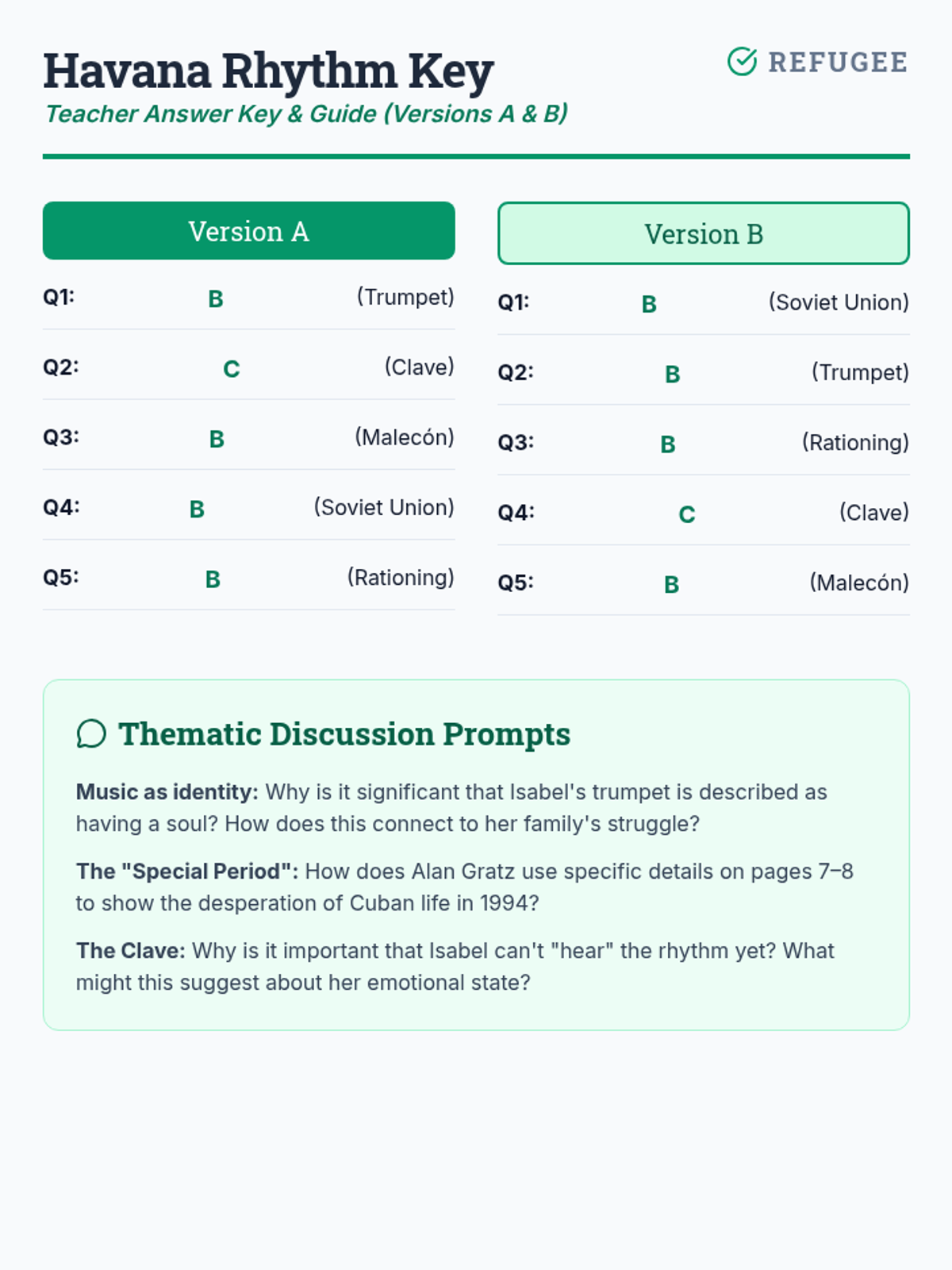
A focused study on Isabel's introduction in Alan Gratz's 'Refugee', exploring the setting of 1994 Cuba and the rising tensions in Havana.
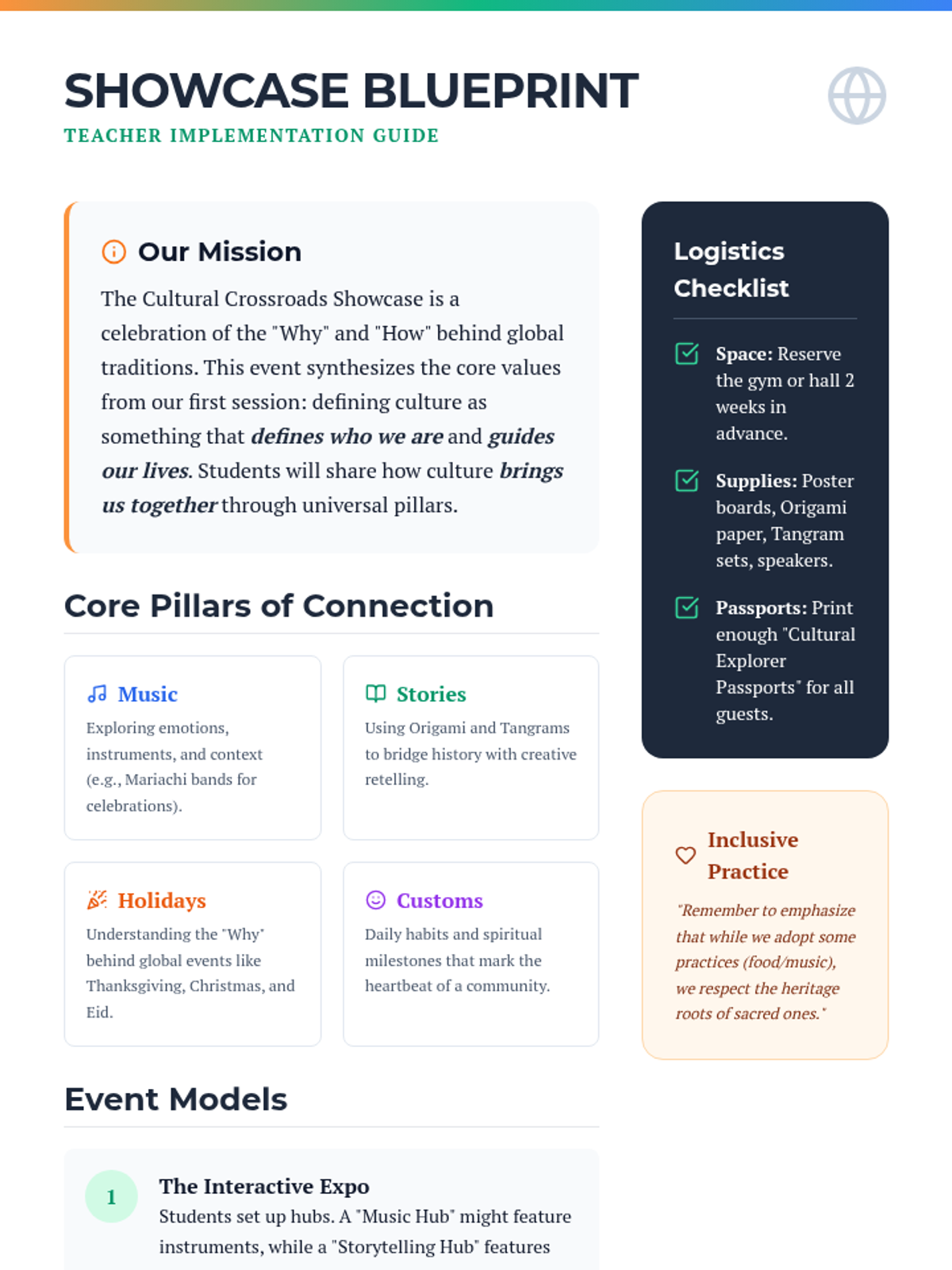
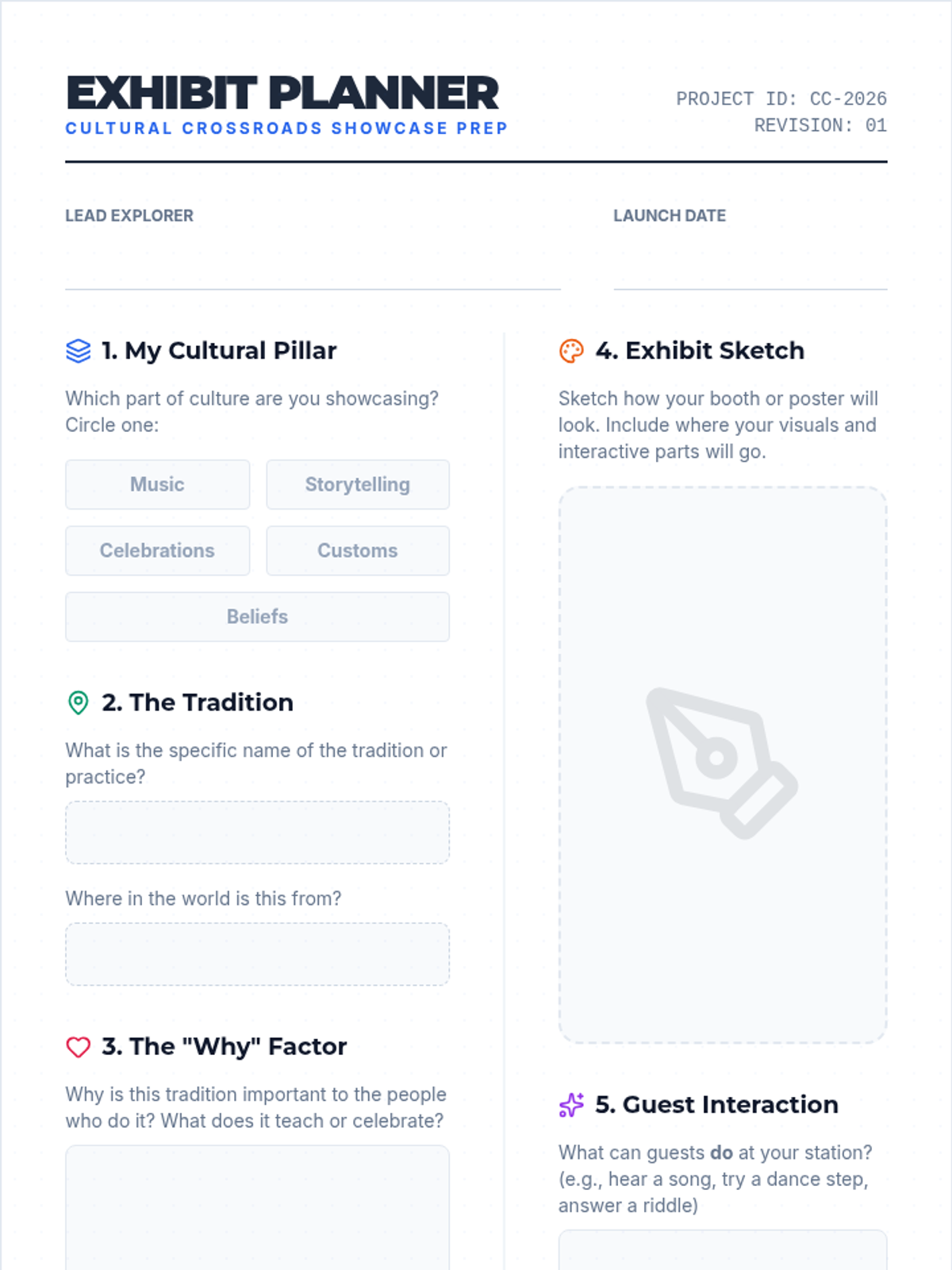
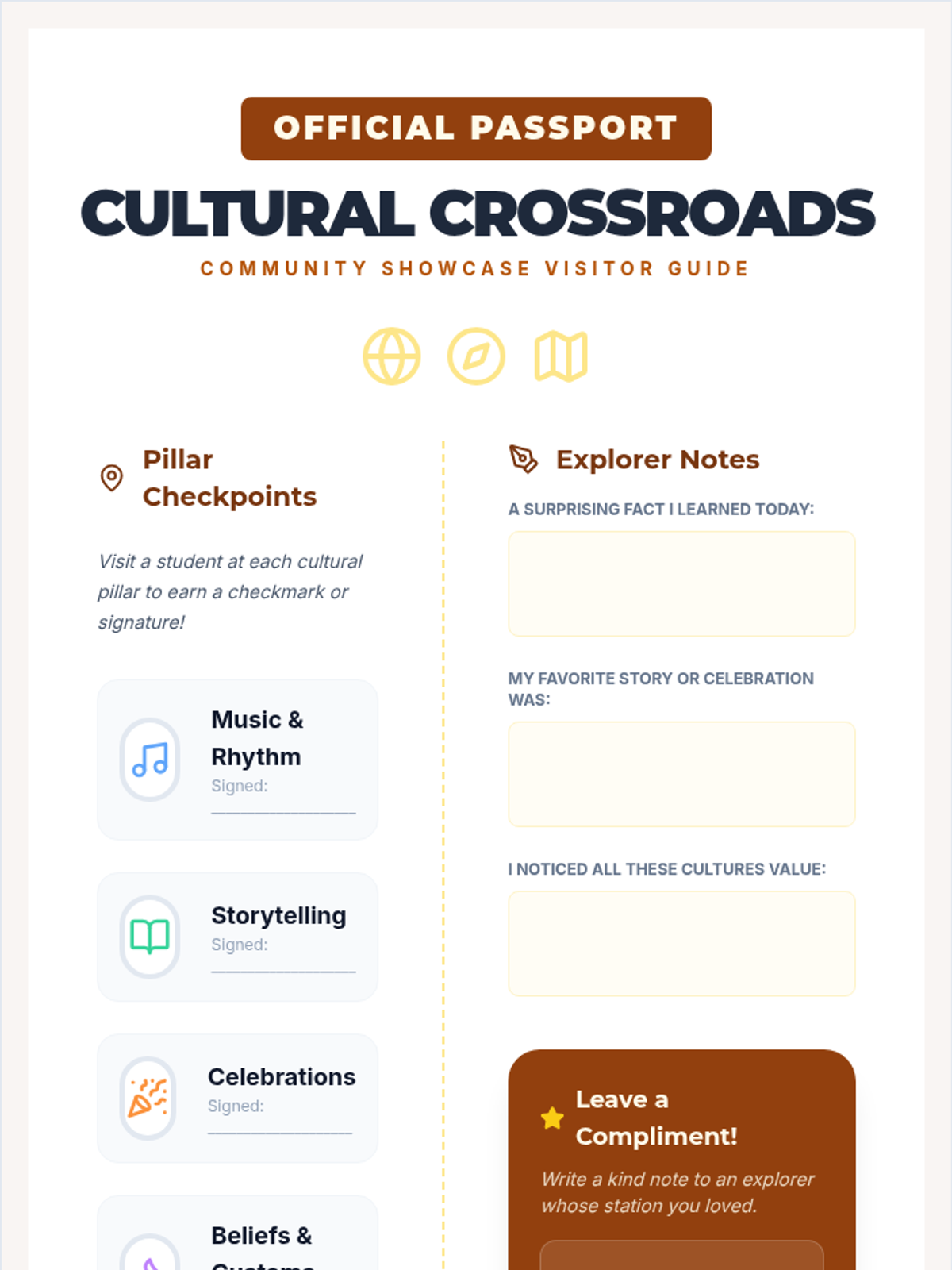
A culminating unit for the Cultural Connections after-school club where students prepare and host a showcase for the community. The lesson focuses on synthesizing their understanding of cultural pillars like music, storytelling, and traditions through interactive presentations.
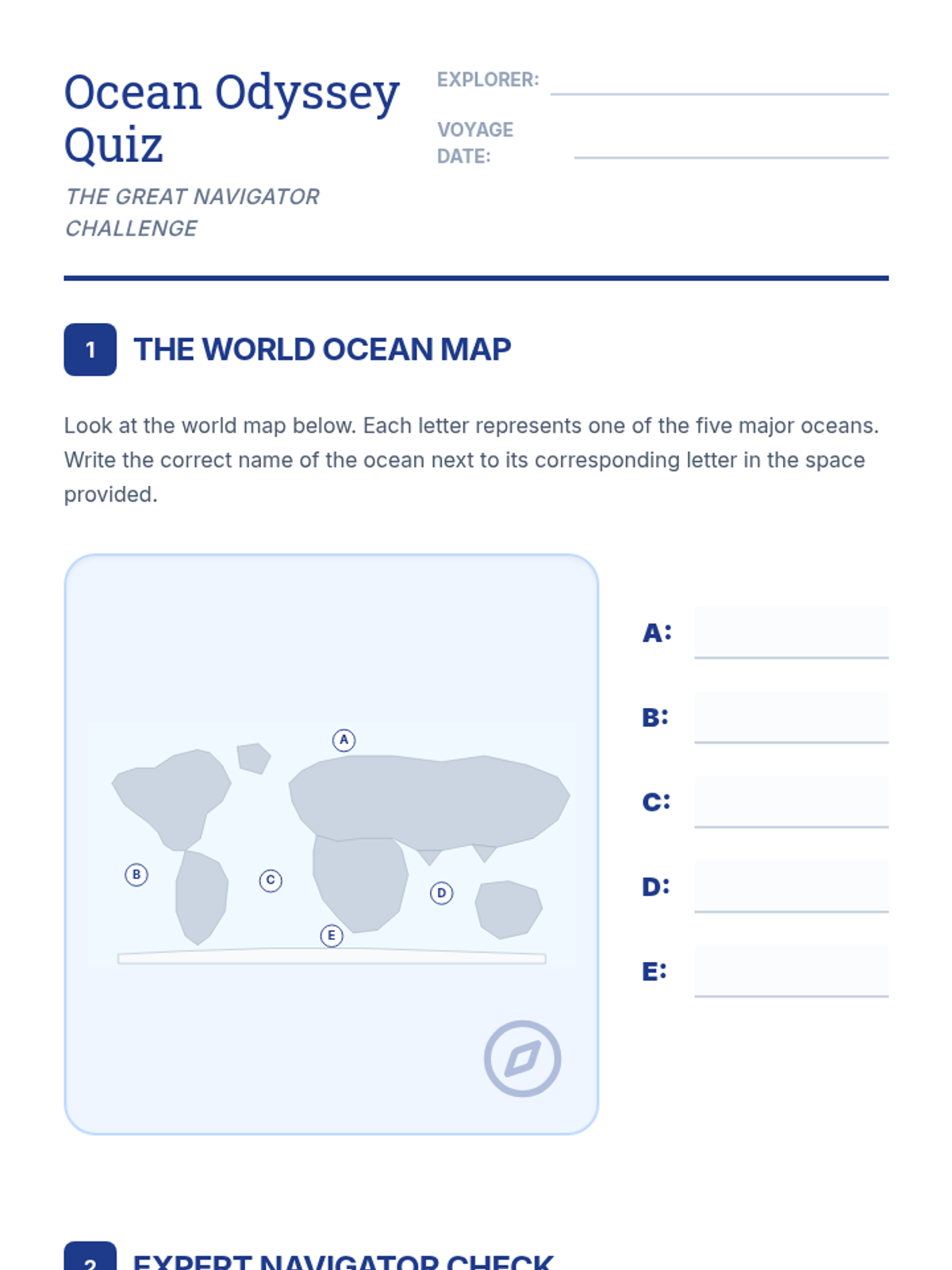
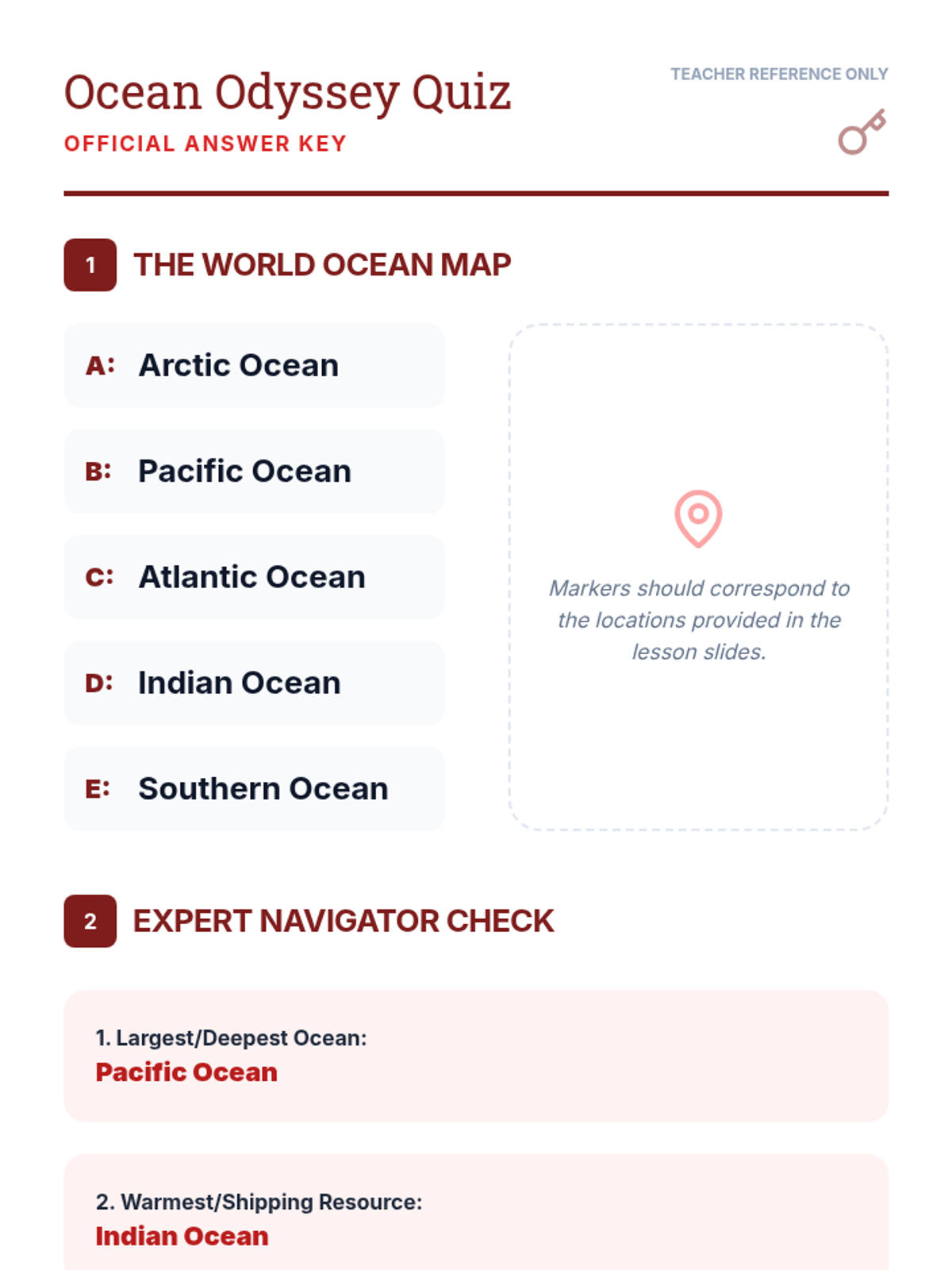
A lesson introducing the world's five oceans, their locations, and unique characteristics, concluding with a labeling assessment.
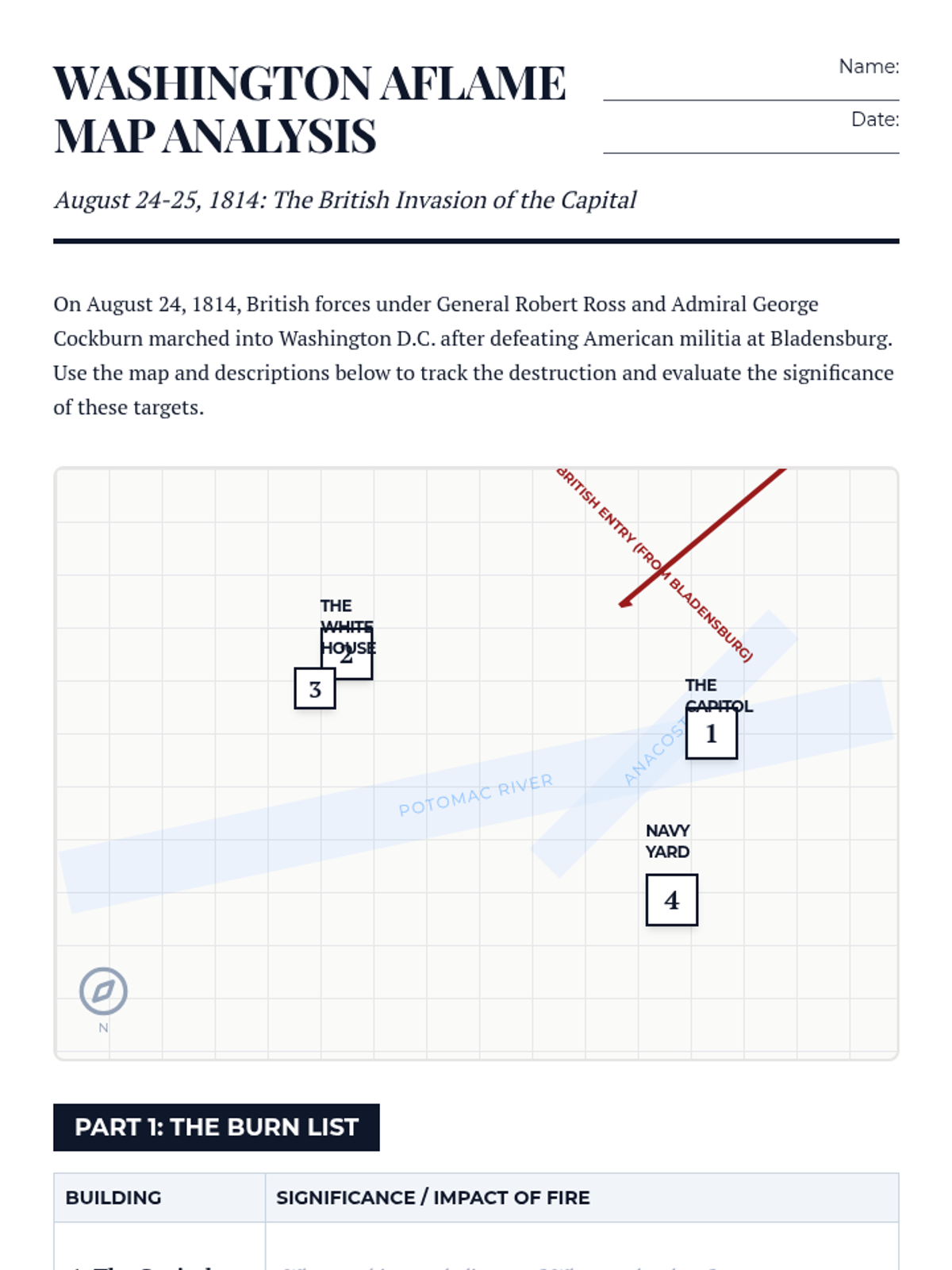
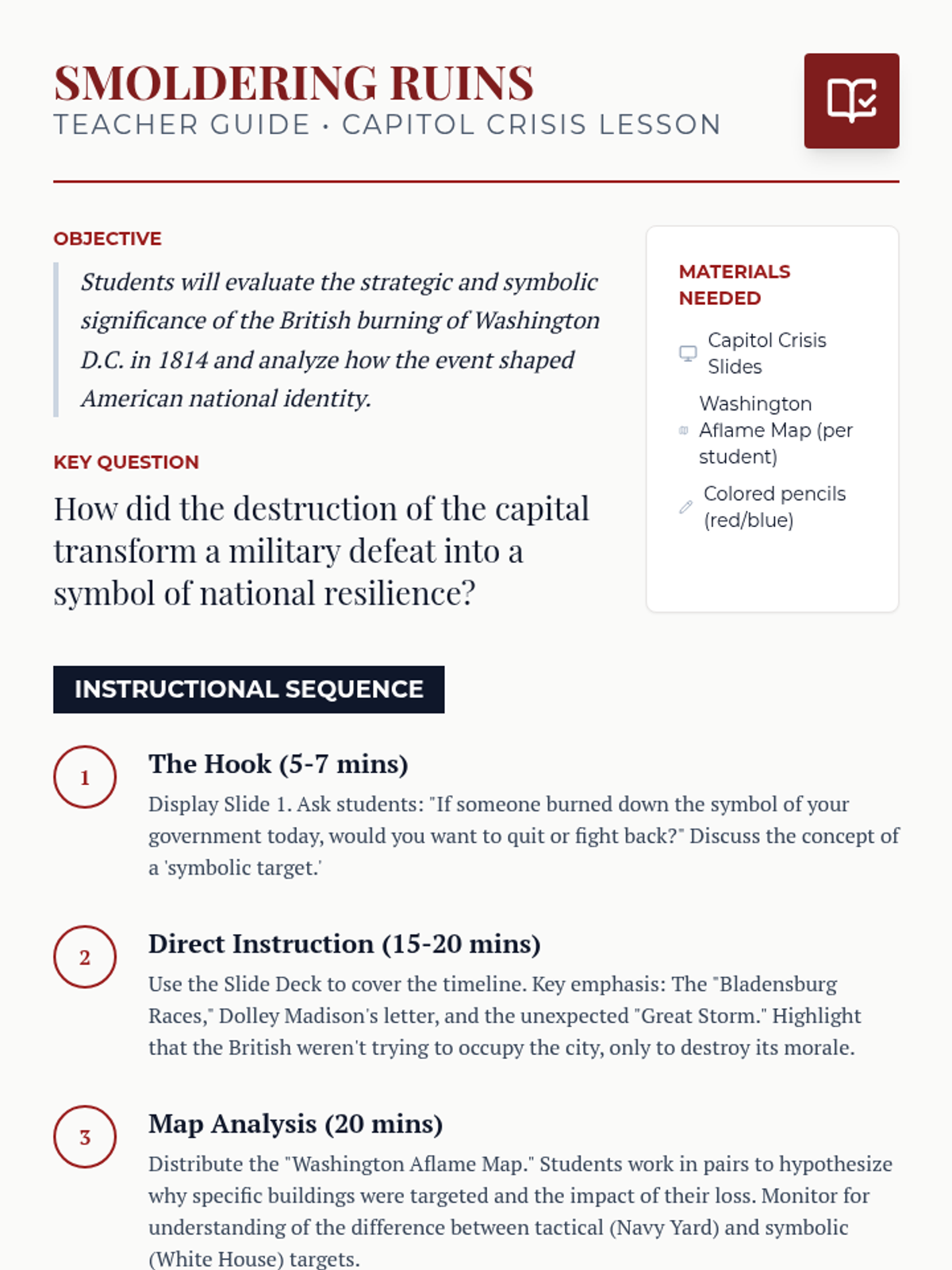
An investigation into the 1814 British invasion of Washington D.C., focusing on the sequence of events, the tactical movements of British forces, and the symbolic impact of the capital's destruction.
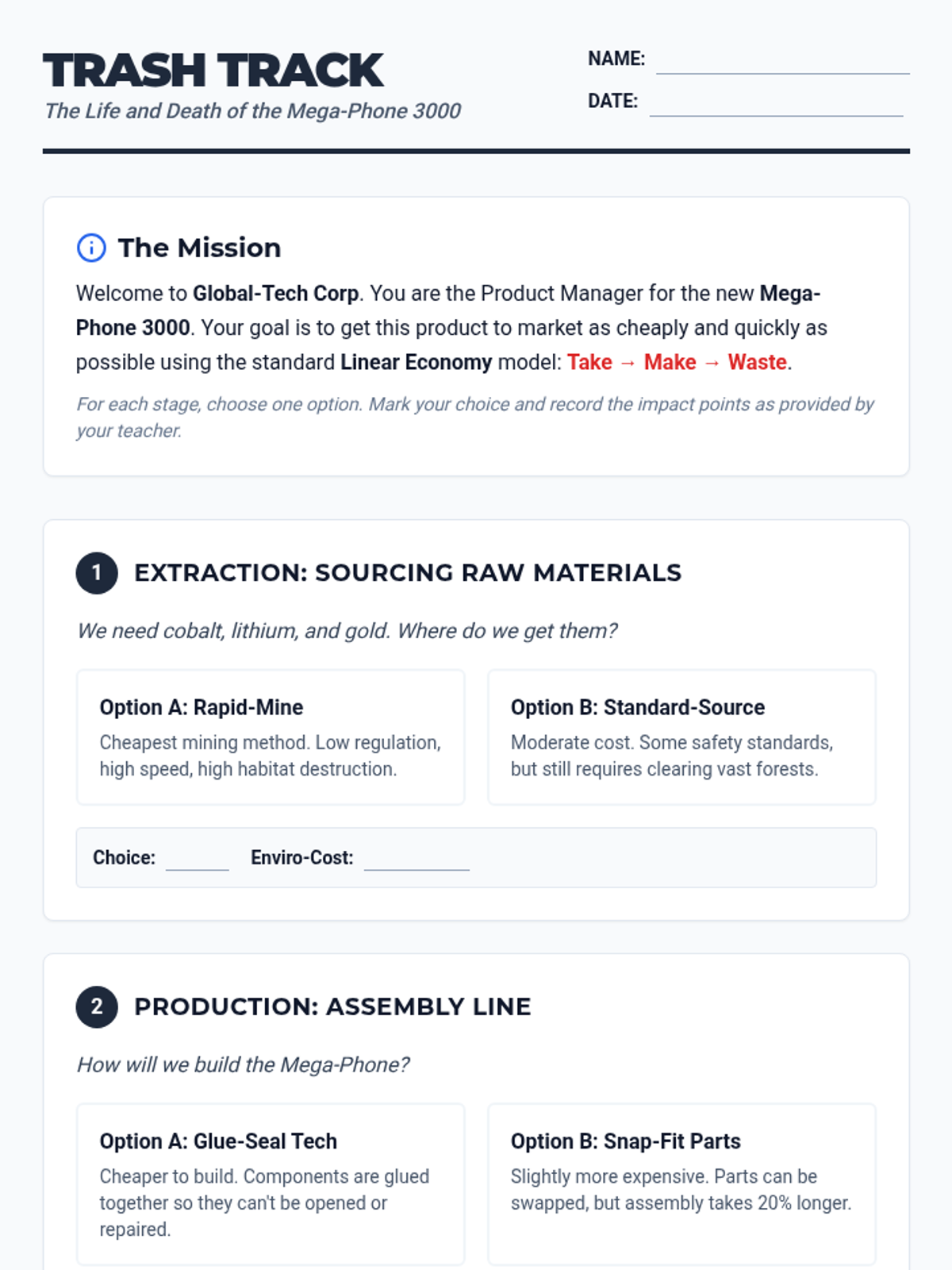
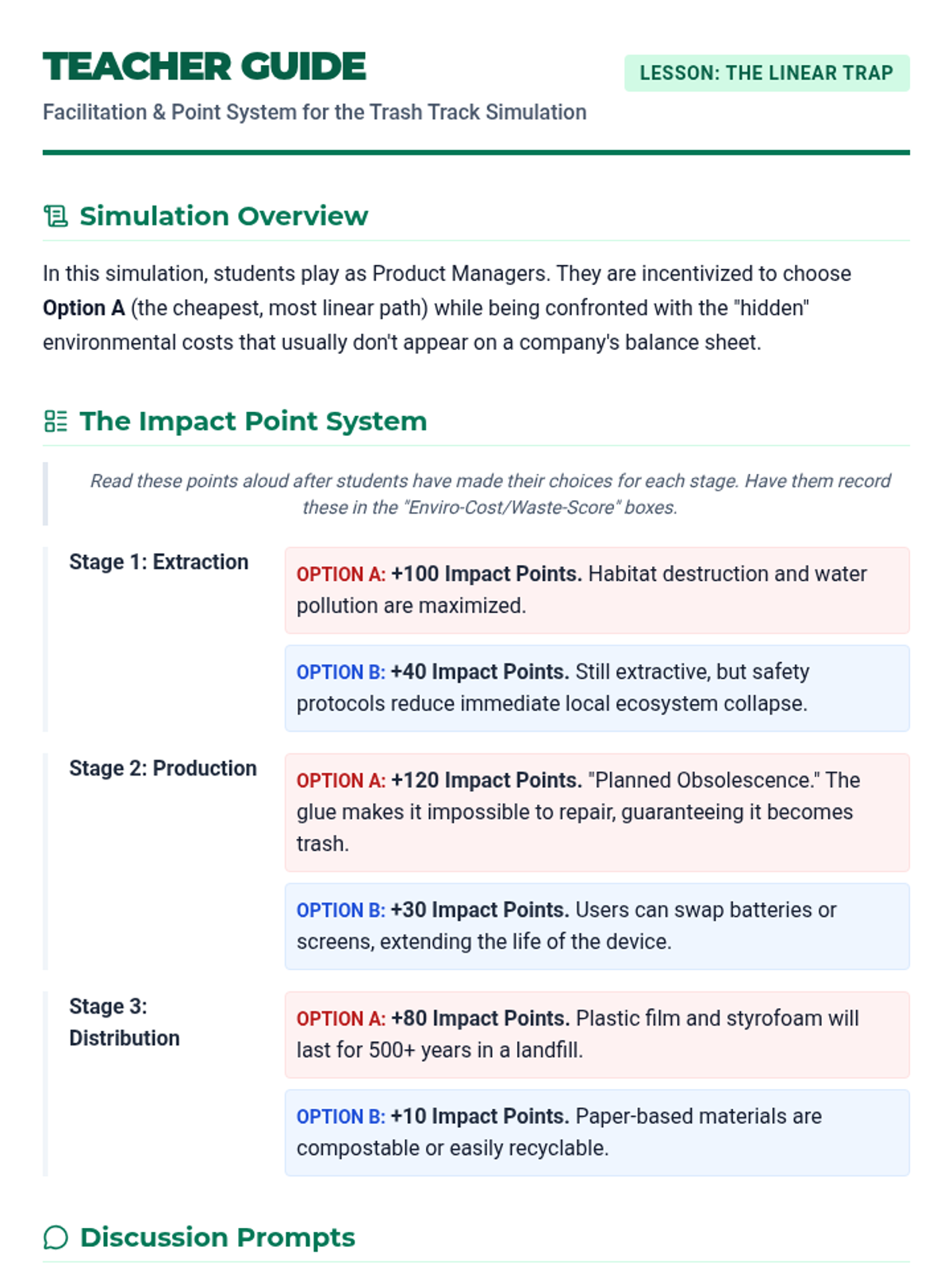
In this simulation-based lesson, students follow the life cycle of a consumer product through a linear economy, making choices that highlight the 'take-make-waste' model. They then analyze the environmental consequences and brainstorm circular alternatives to reduce waste and resource depletion.
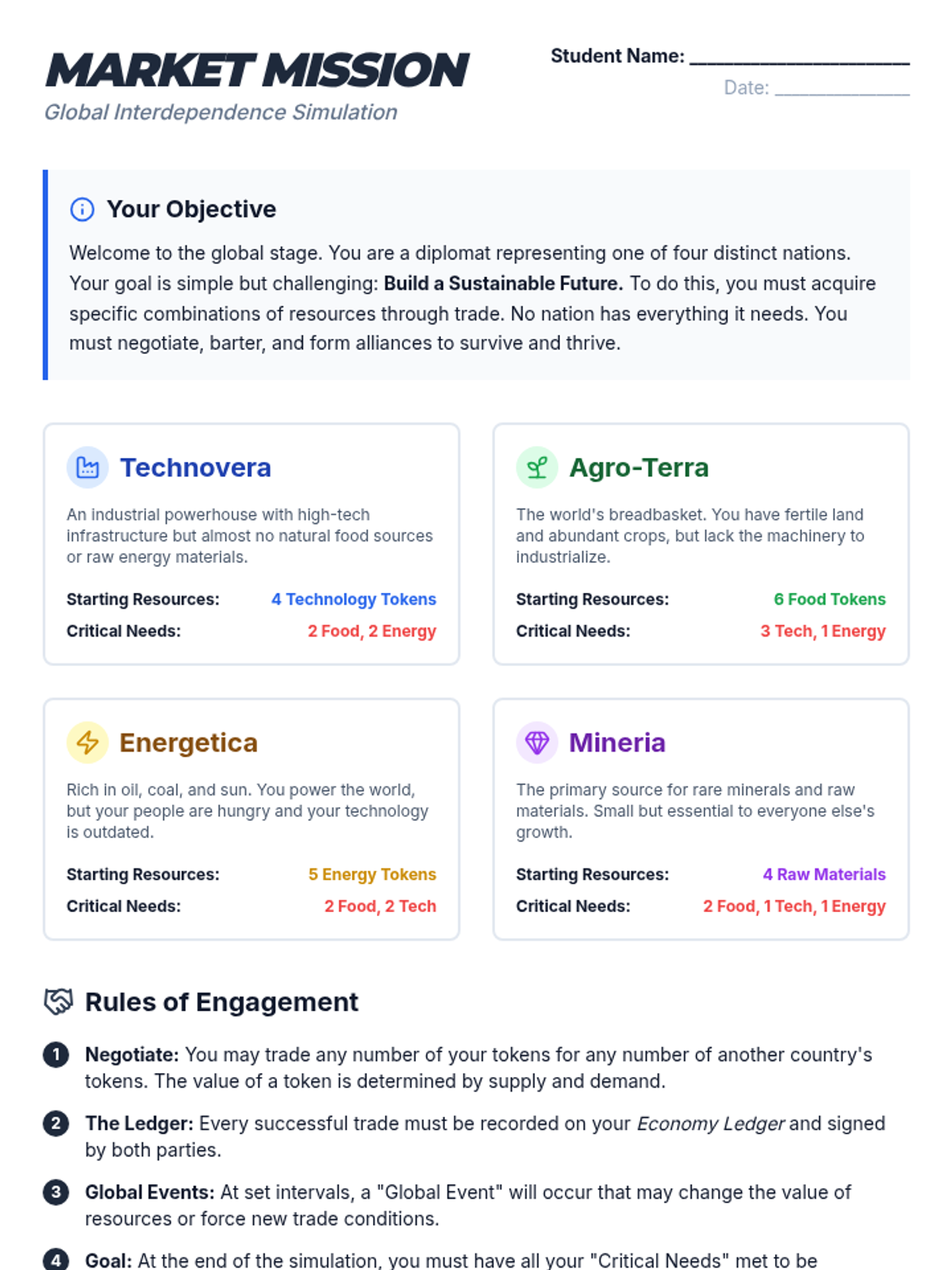
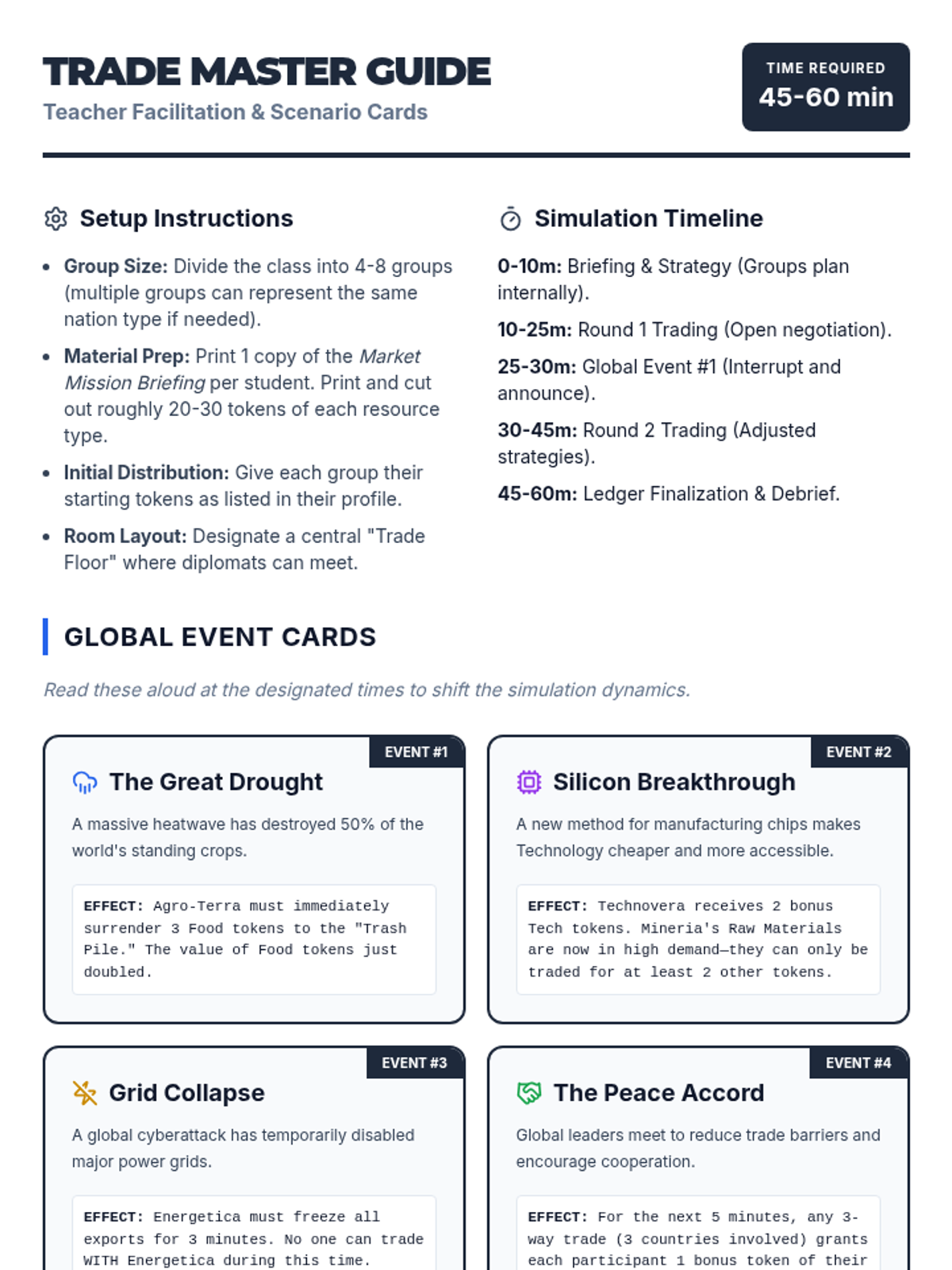
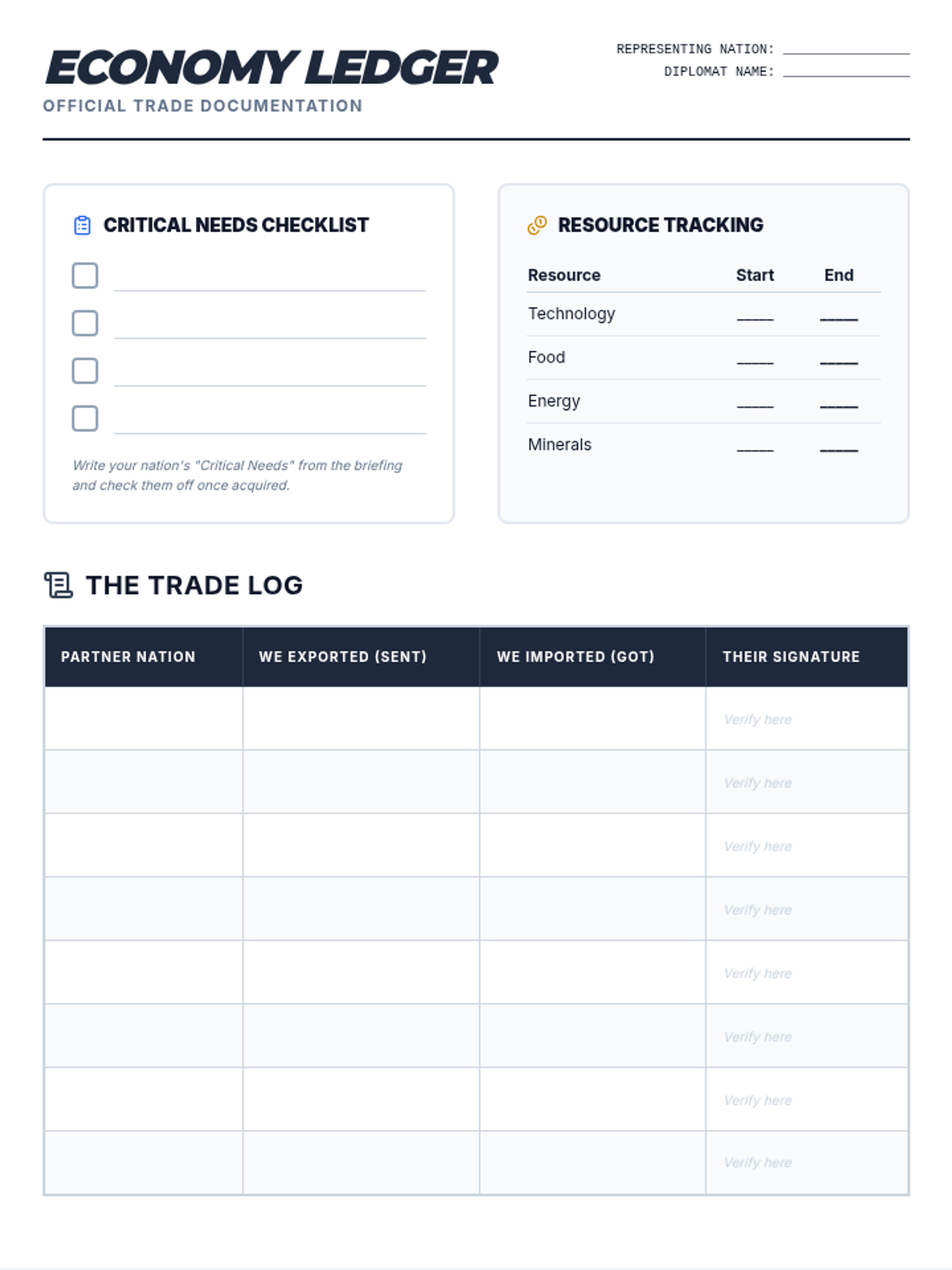
An immersive classroom simulation exploring the complexities of global trade, resource distribution, and economic interdependence. Students represent different nations with unique strengths and needs, negotiating trades to achieve specific development goals.
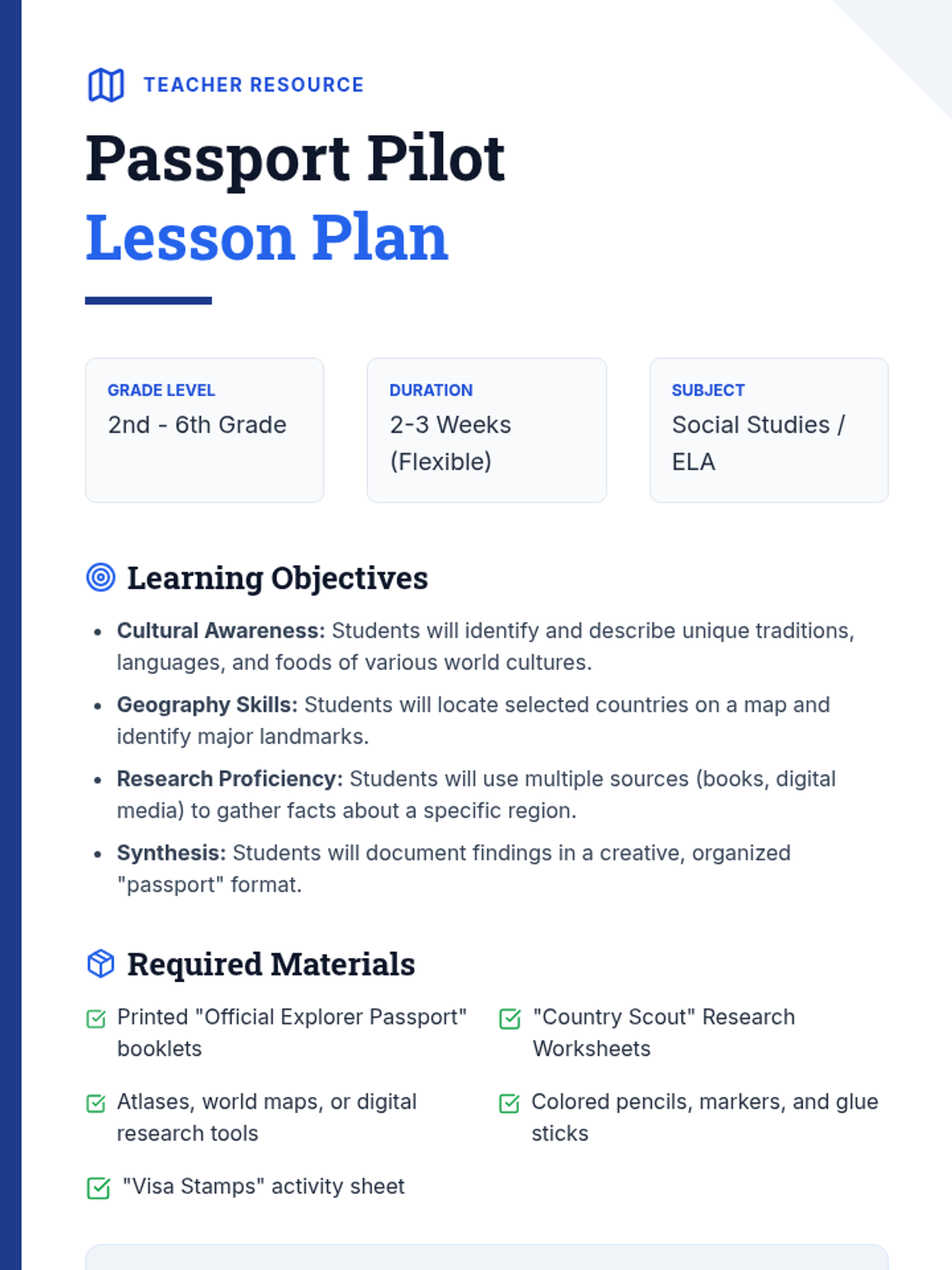
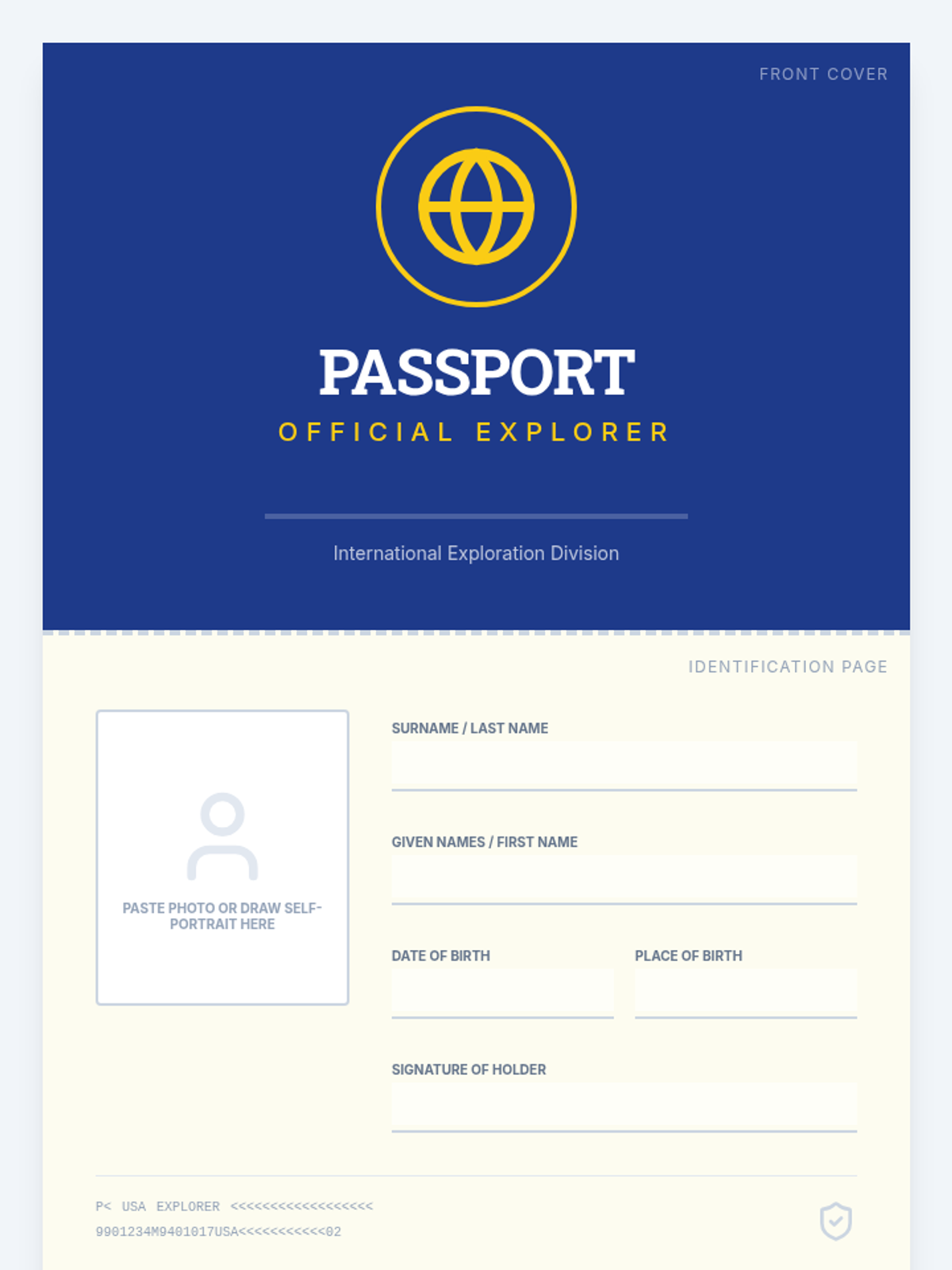
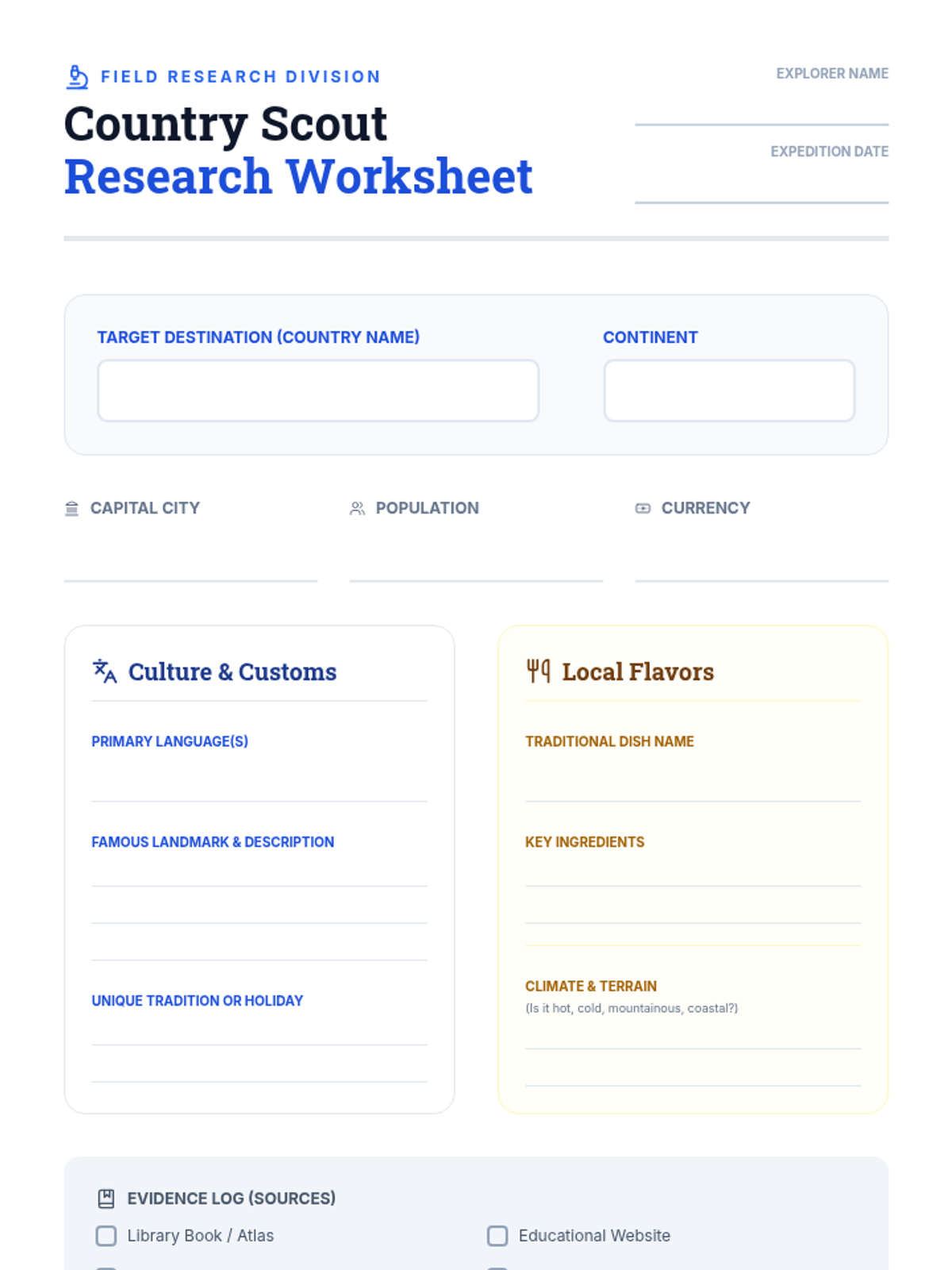
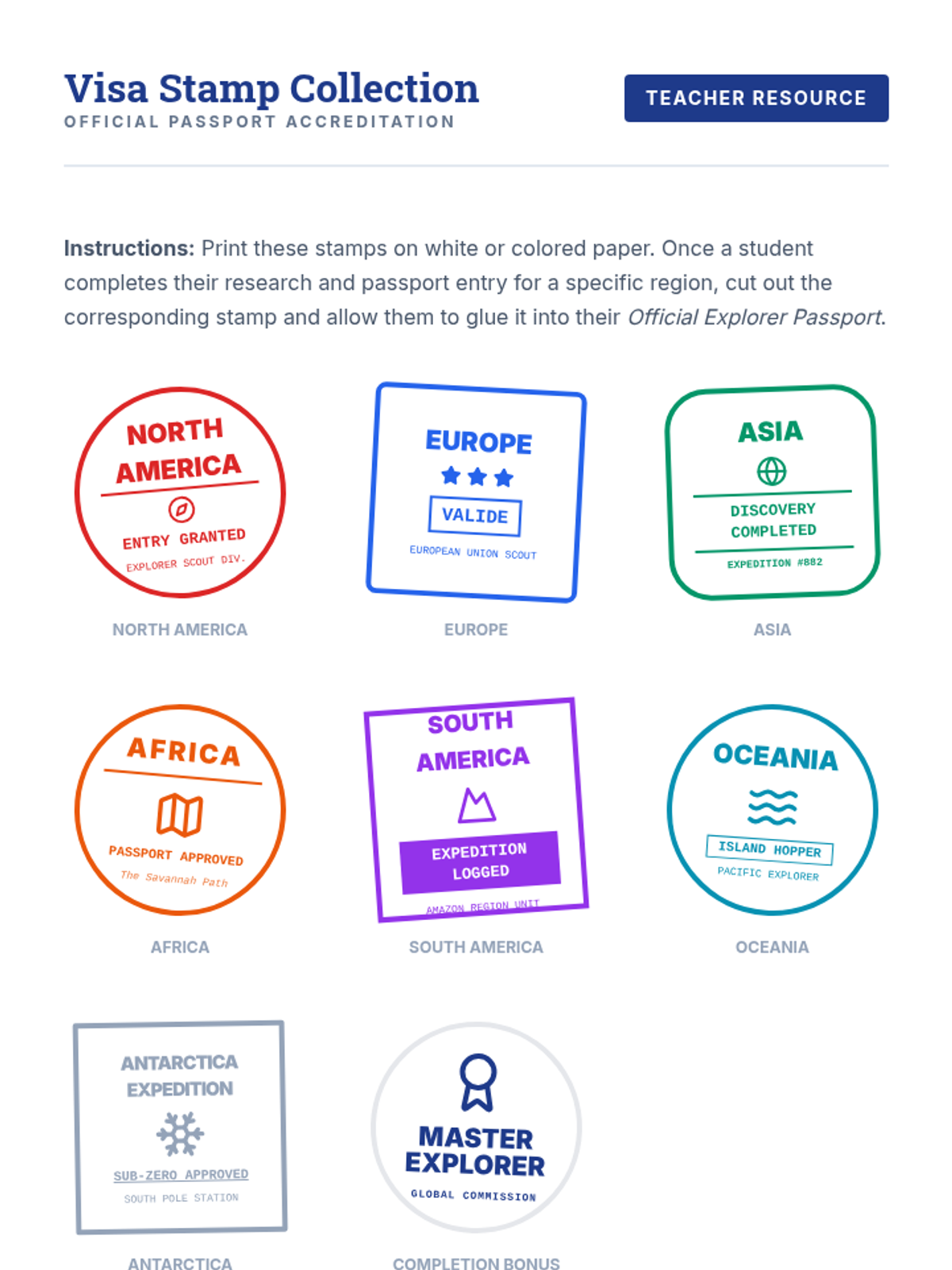
An immersive project where students 'travel' the world, researching diverse cultures, landmarks, and traditions to complete their own personalized explorer passport.
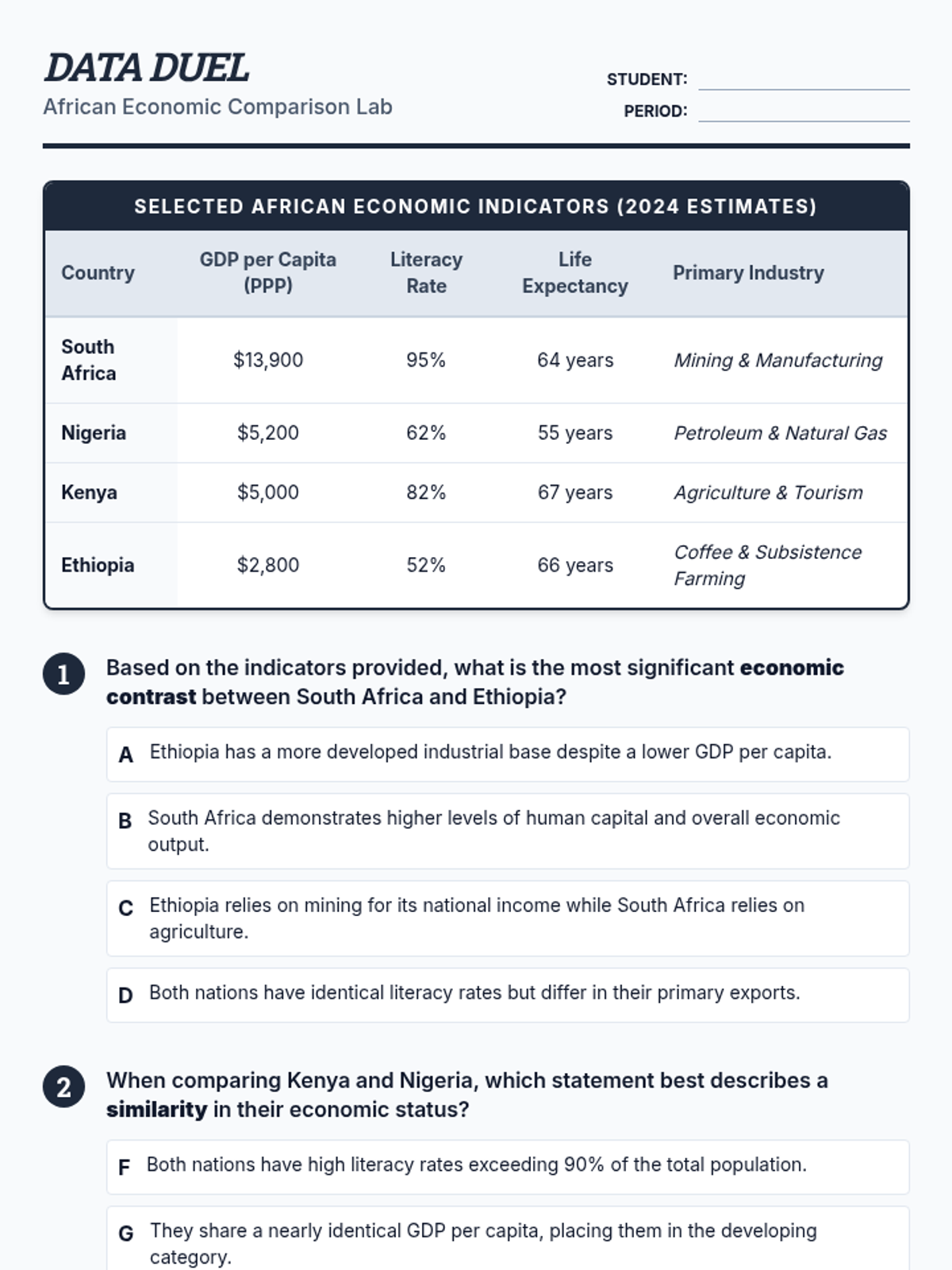
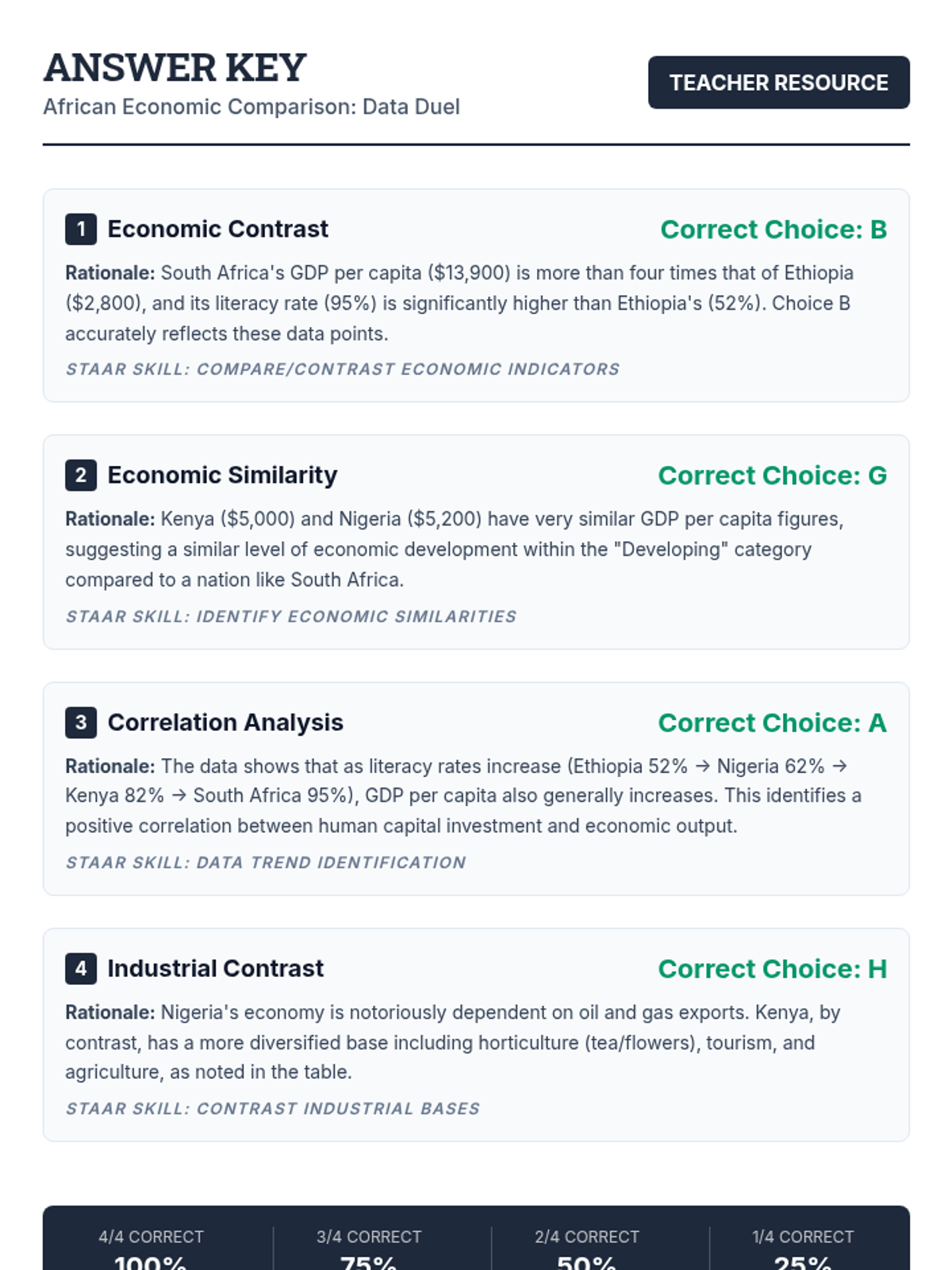
A focused lesson on comparing and contrasting various African nations using economic, demographic, and geographic data to prepare for STAAR-style assessments.
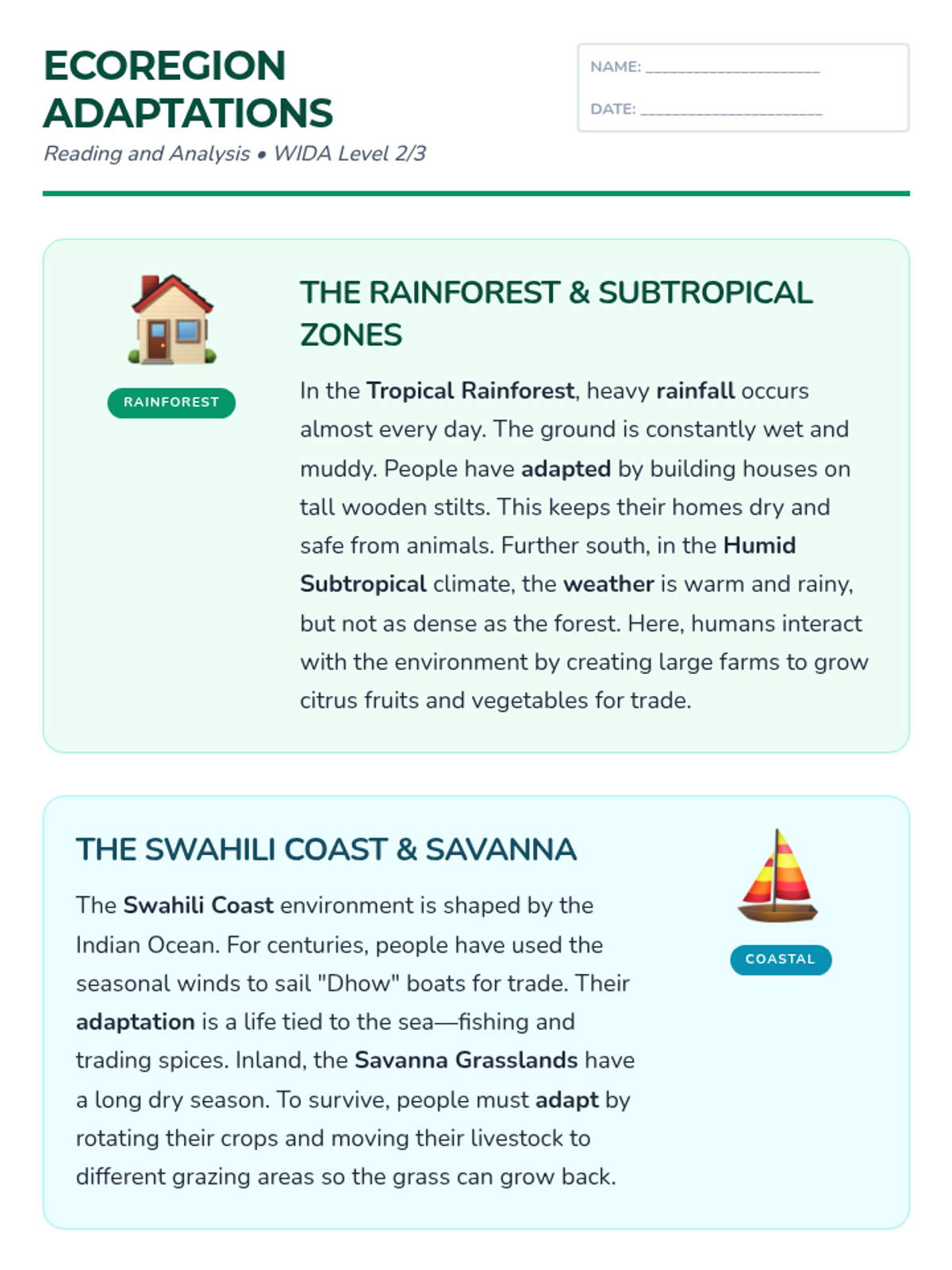
Focuses on how humans adapt to different African environments like the Sahel, oases, and highlands.