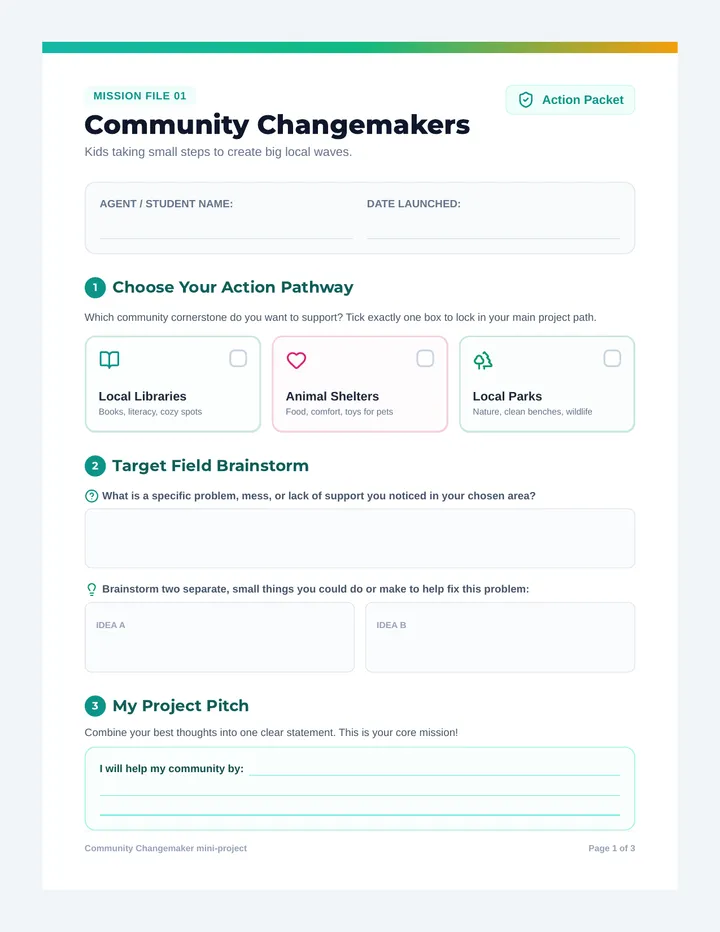
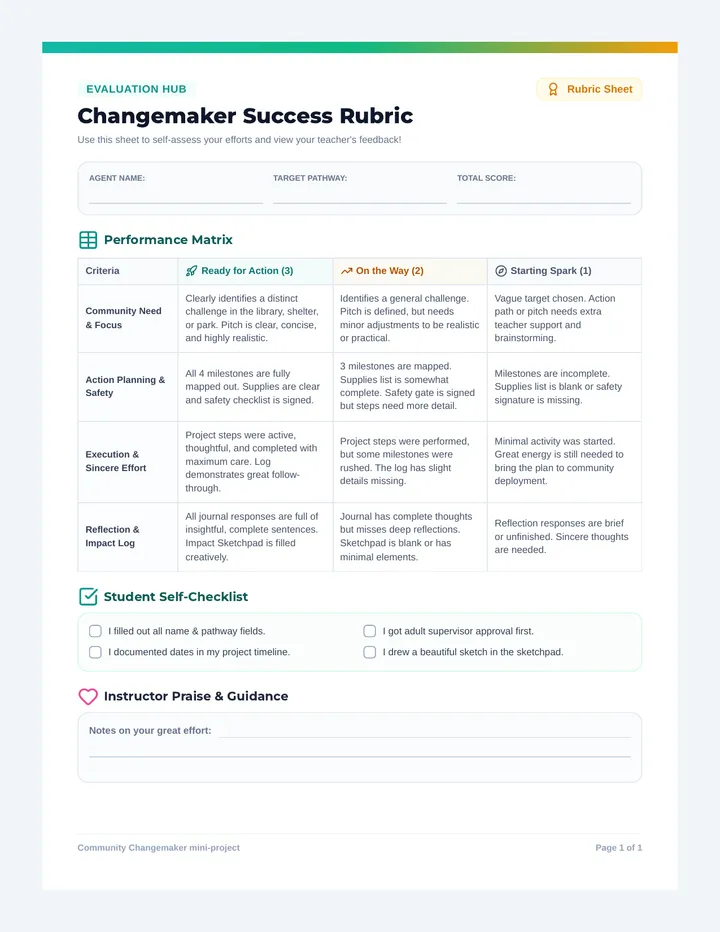
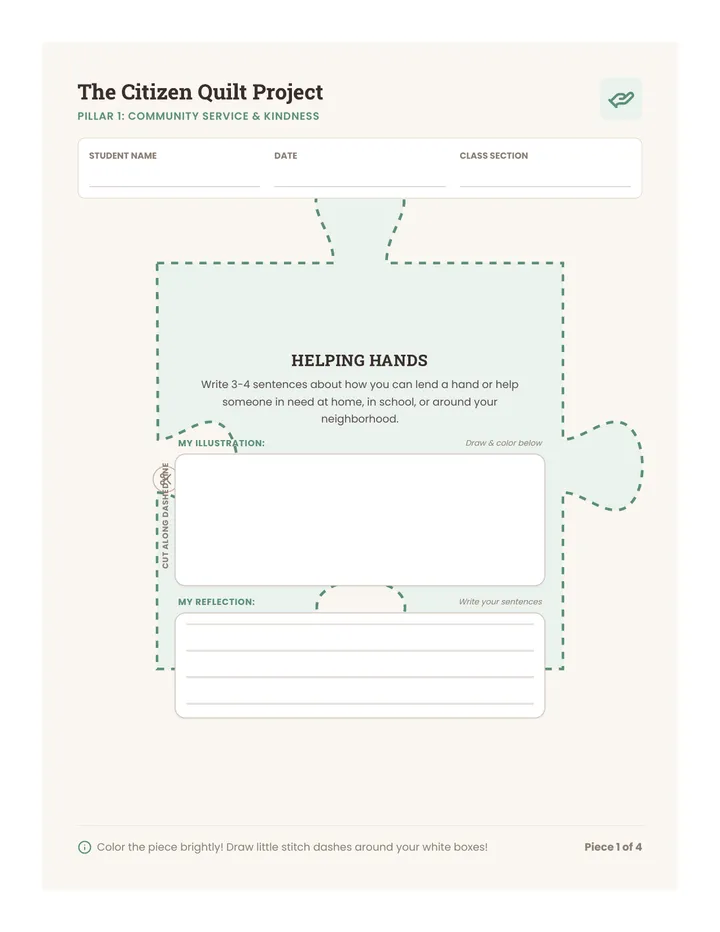
An inquiry-based social studies lesson for grades 4-6 exploring civic responsibility and community roles through a project-based learning lens. Students identify local issues and propose creative solutions using differentiated pathways.
An introductory lesson comparing the government systems of the United States, Canada, Mexico, and Cuba, focusing on leadership, political rights, and key structural features for 6th-grade students.
A comprehensive 50-minute social studies review for middle schoolers, covering US history from colonization to westward expansion, geography, and primary source analysis.
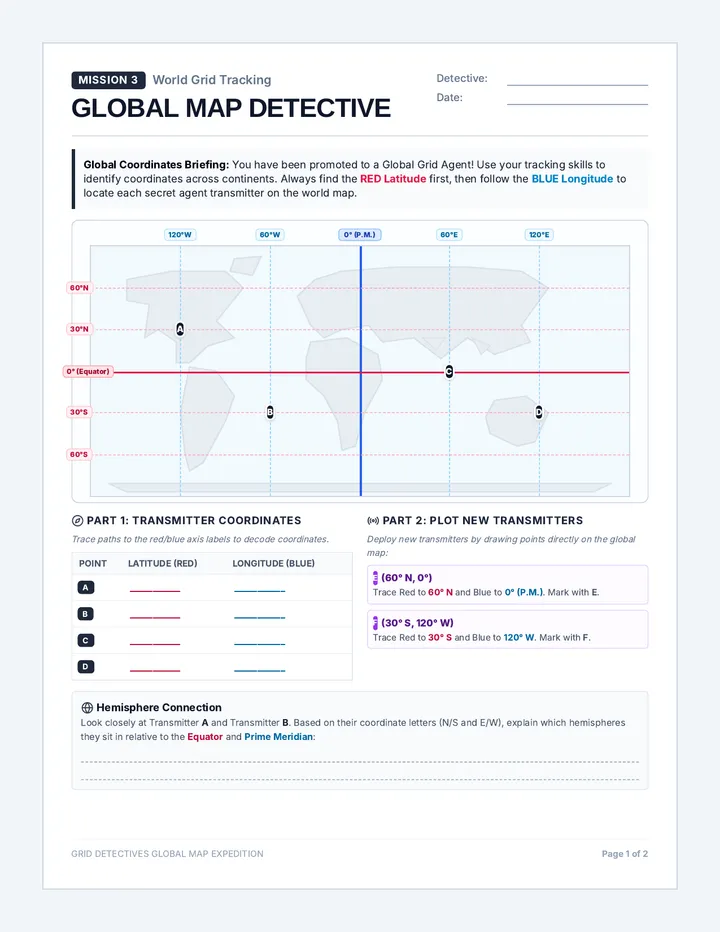
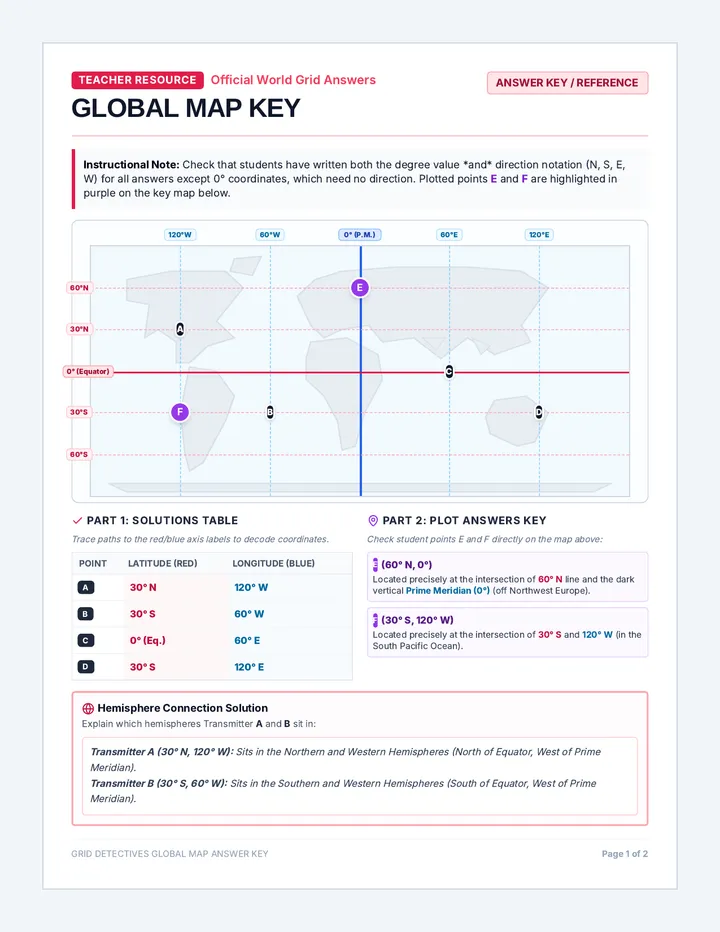
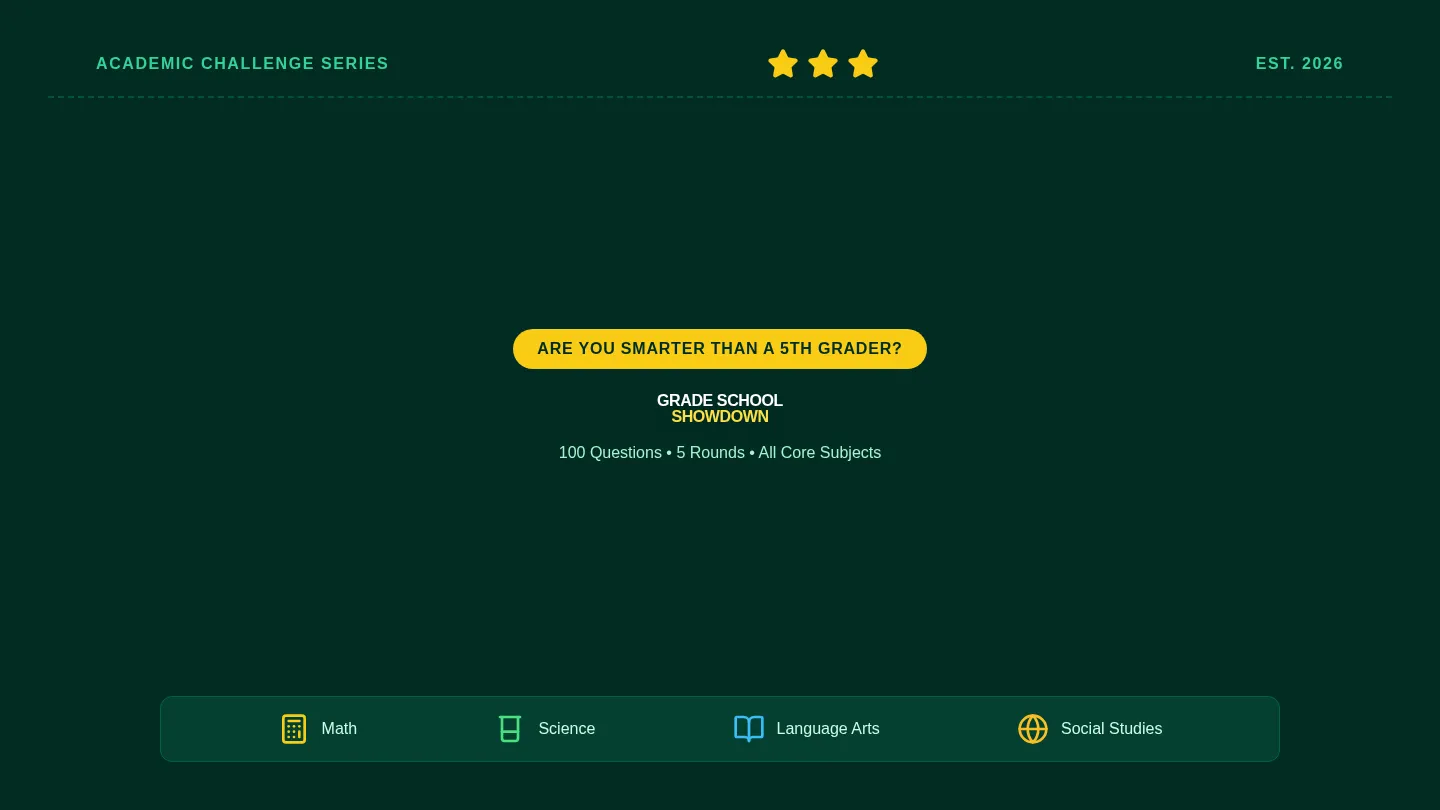
An engaging, detective-themed review of government and civics for grades 3-5, covering the branches of government, rights and responsibilities, and community decision-making.
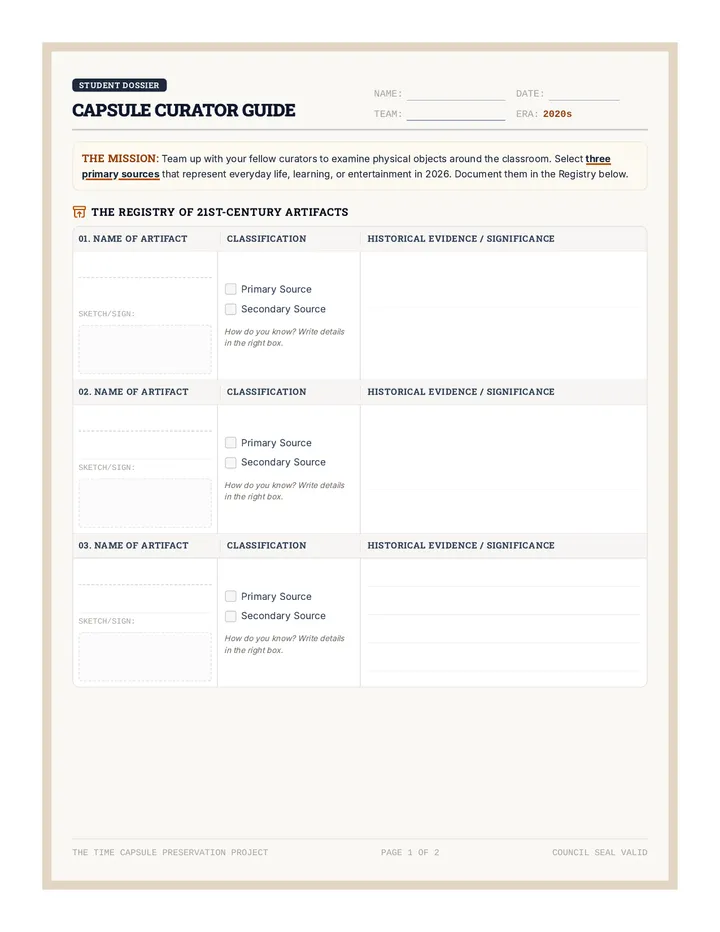
A project-based social studies lesson where students identify local community issues and develop proposals for change through visual, written, or oral pathways. Students take on the role of 'Community Architects' to design solutions for a better neighborhood.
A lesson exploring the conflict between King John and the Barons, the creation of the Magna Carta, and its lasting impact on modern democracy.
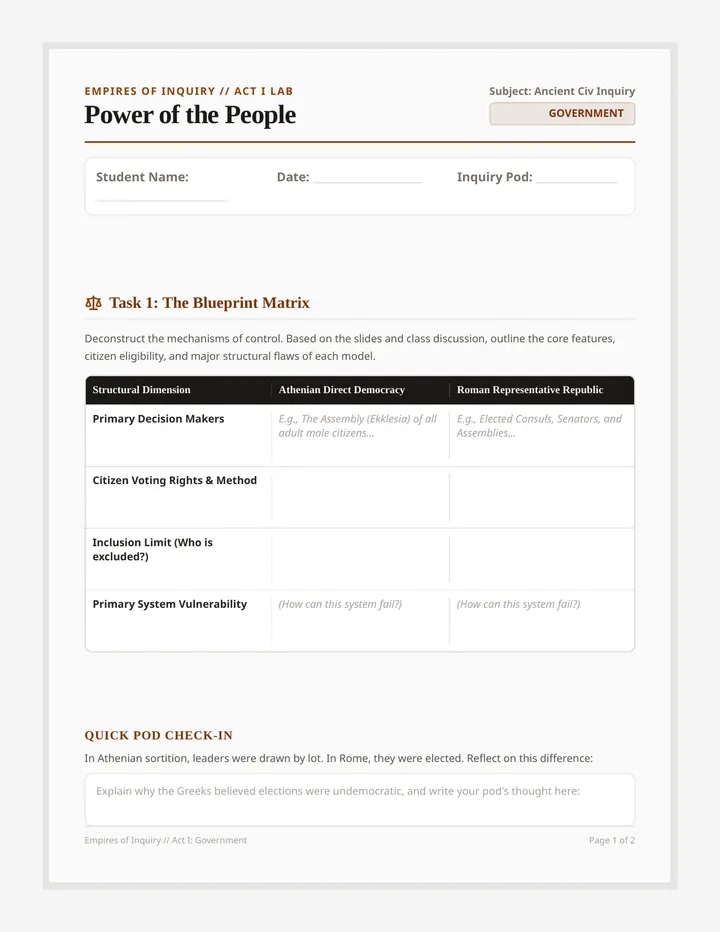
A deep dive into the peak of Athenian culture under Pericles and the eventual decline following the Peloponnesian War. Students explore democracy, architecture, and the cost of conflict.
A quick-fire guide for history educators on leveraging Google Arts & Culture's digital archives and virtual tours to enhance classroom engagement.
An introductory lesson on United States geography, focusing on state identification, capital cities, and the practical use of a compass rose for navigation.
Review the major characters and stories of Irish myth through a matching challenge and a final comprehension assessment.
Discover the magical realm of Tír na nÓg and the tragic but beautiful journey of Oisín.
Dive into the Fenian Cycle with the story of Fionn Mac Cumhaill and the Salmon of Knowledge.
Explore the Ulster Cycle through the legendary hero Cú Chulainn and his incredible feats of strength and bravery.
Introduce the origins of Irish mythology through the Tuatha Dé Danann and the four magical treasures. Students will begin their Mythic Cycles graphic organizer.
A comprehensive exploration of Leonardo da Vinci's life, art, and inventions, designed to build informational reading and note-taking skills.
A focused study on Isabel's introduction in Alan Gratz's 'Refugee', exploring the setting of 1994 Cuba and the rising tensions in Havana.
A culminating unit for the Cultural Connections after-school club where students prepare and host a showcase for the community. The lesson focuses on synthesizing their understanding of cultural pillars like music, storytelling, and traditions through interactive presentations.
A vibrant exploration of traditional clothing from the diverse home countries of our class, examining how climate, history, and identity shape garments from Latin America, Africa, Asia, and beyond.
A lesson introducing the world's five oceans, their locations, and unique characteristics, concluding with a labeling assessment.
An investigation into the 1814 British invasion of Washington D.C., focusing on the sequence of events, the tactical movements of British forces, and the symbolic impact of the capital's destruction.
In this simulation-based lesson, students follow the life cycle of a consumer product through a linear economy, making choices that highlight the 'take-make-waste' model. They then analyze the environmental consequences and brainstorm circular alternatives to reduce waste and resource depletion.
An immersive classroom simulation exploring the complexities of global trade, resource distribution, and economic interdependence. Students represent different nations with unique strengths and needs, negotiating trades to achieve specific development goals.
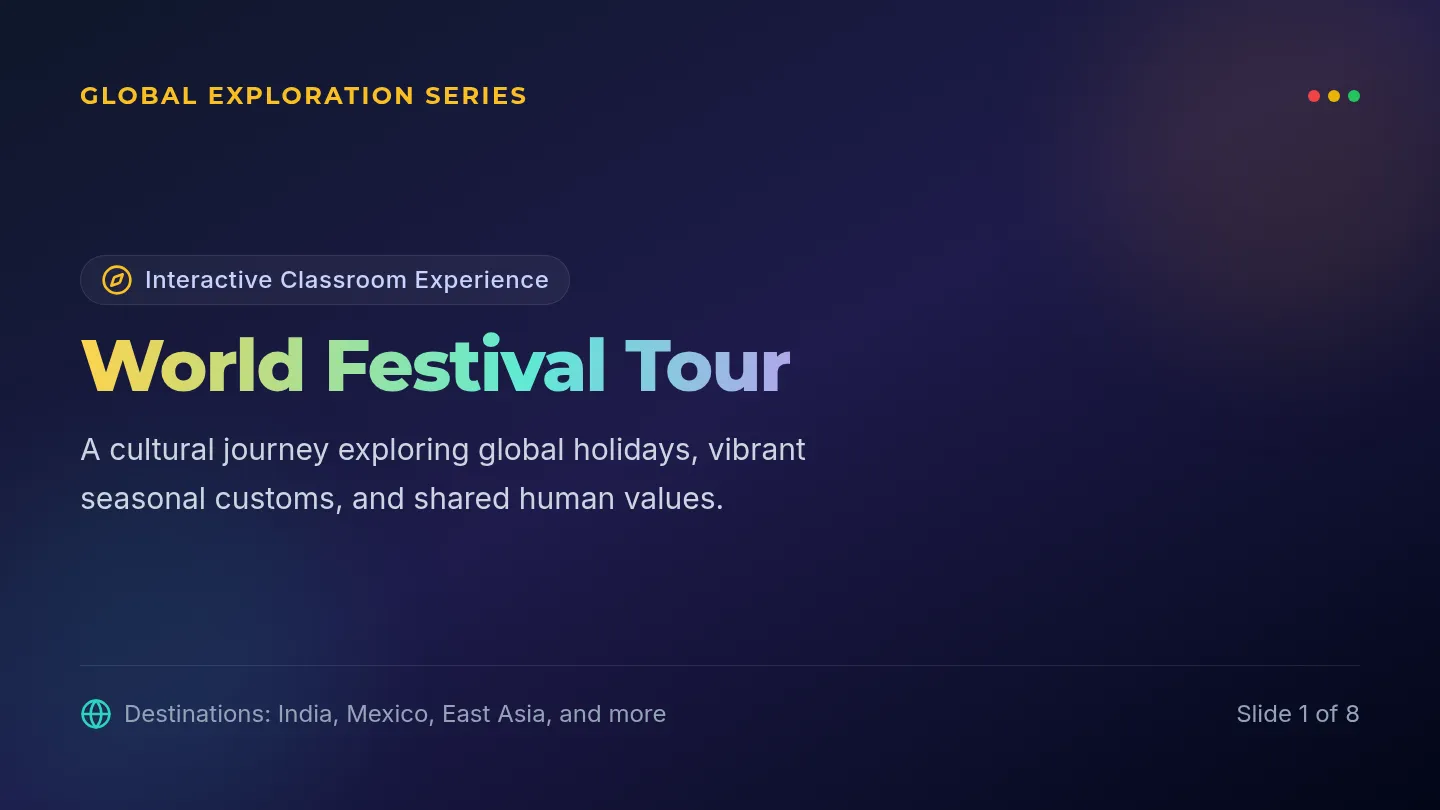
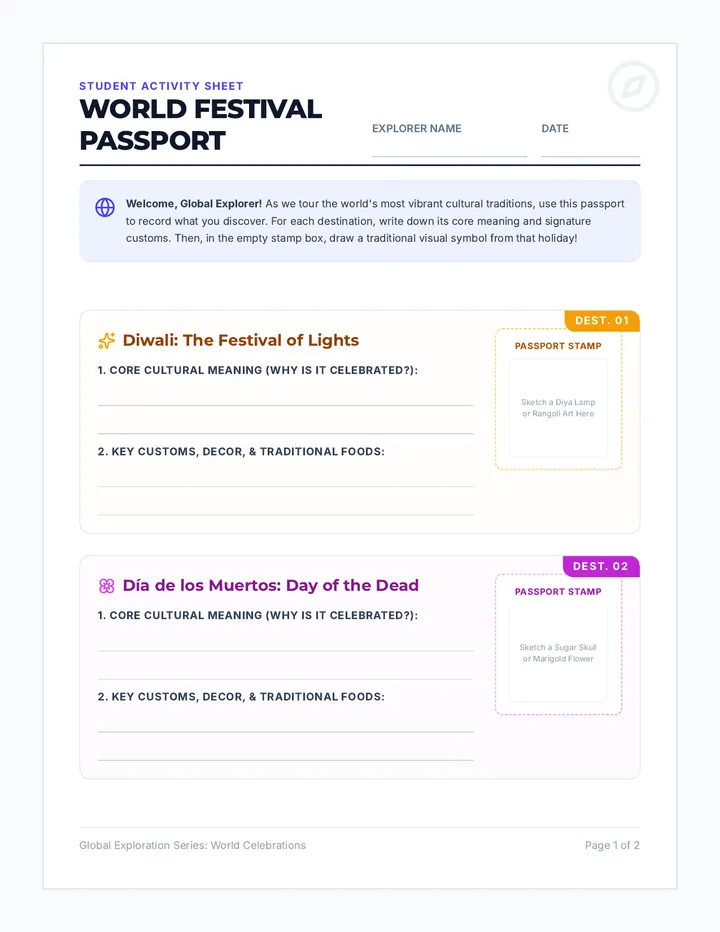
An immersive project where students 'travel' the world, researching diverse cultures, landmarks, and traditions to complete their own personalized explorer passport.
A focused lesson on comparing and contrasting various African nations using economic, demographic, and geographic data to prepare for STAAR-style assessments.
Focuses on how humans adapt to different African environments like the Sahel, oases, and highlands.
An introduction to the geography and climate zones of Sub-Saharan Africa, focusing on visual identification and basic vocabulary.
Study of the Kingdom of Mali, Mansa Musa's pilgrimage, and the center of learning in Timbuktu through simplified texts and cloze activities.
Exploration of the Trans-Saharan trade routes, focusing on the exchange of gold and salt and the importance of camels in crossing the desert.
Introduction to the four major physical zones of Sub-Saharan Africa (Sahara, Sahel, Savanna, Rainforest) using visual identification and simple descriptive vocabulary.
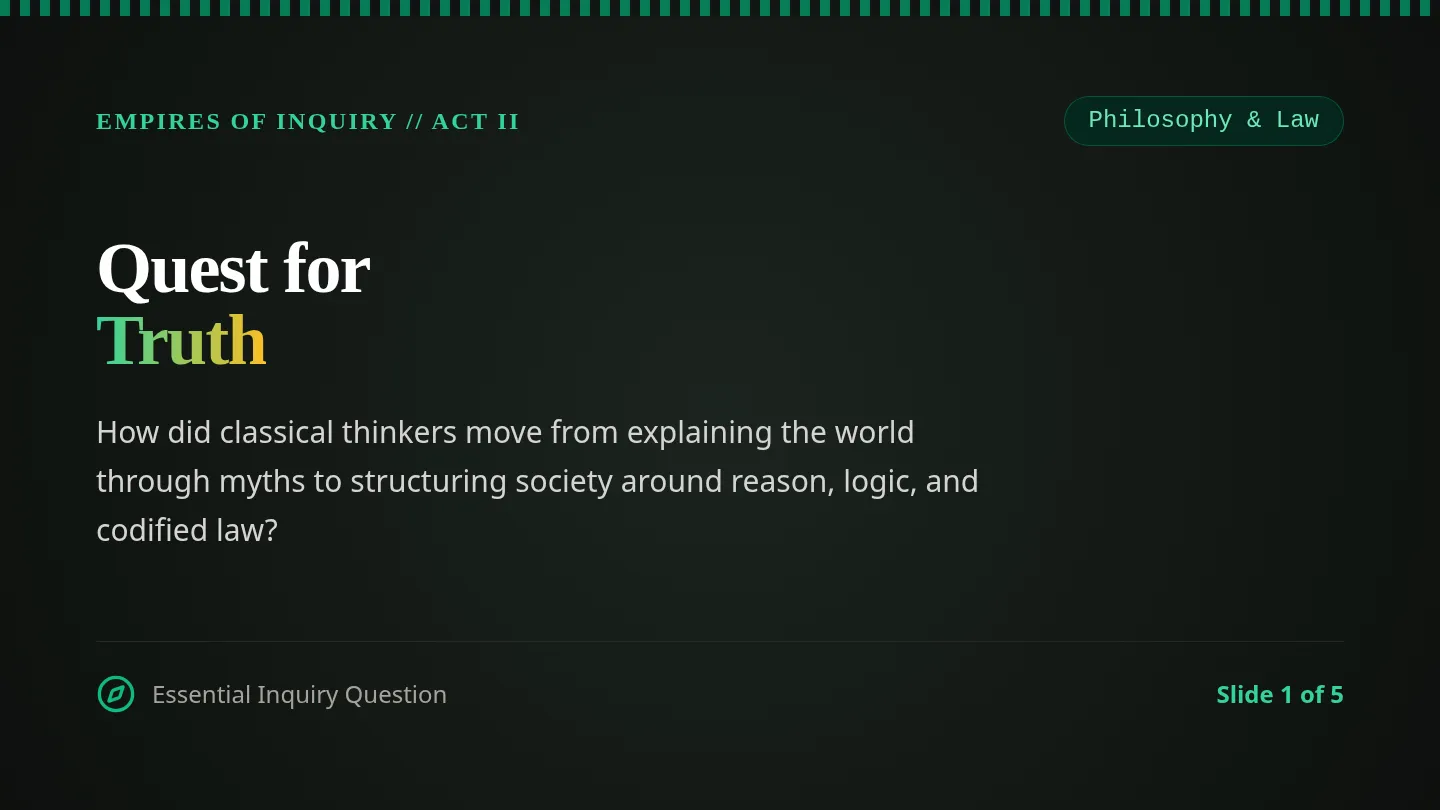
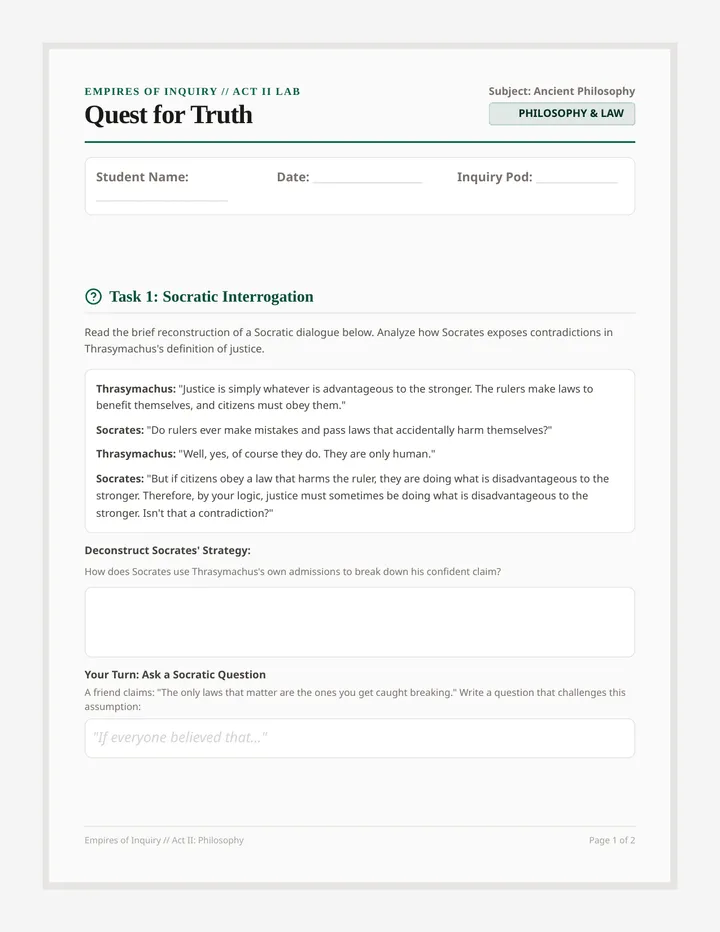
An introduction to the foundations of logic and reasoning, centered on Aristotle's syllogisms and the Socratic method in Ancient Greece. Students will learn to build valid arguments and spot common logical errors.
An analysis of the contributions and perspectives of Black Americans, both enslaved and free, who fought for a liberty that was often denied to them.
Investigating the complex decisions and alliances made by Native American groups during the conflict and the impact of the war on their lands.
Highlighting the essential and often overlooked roles of women, like Abigail Adams and Phillis Wheatley, in the struggle for independence.
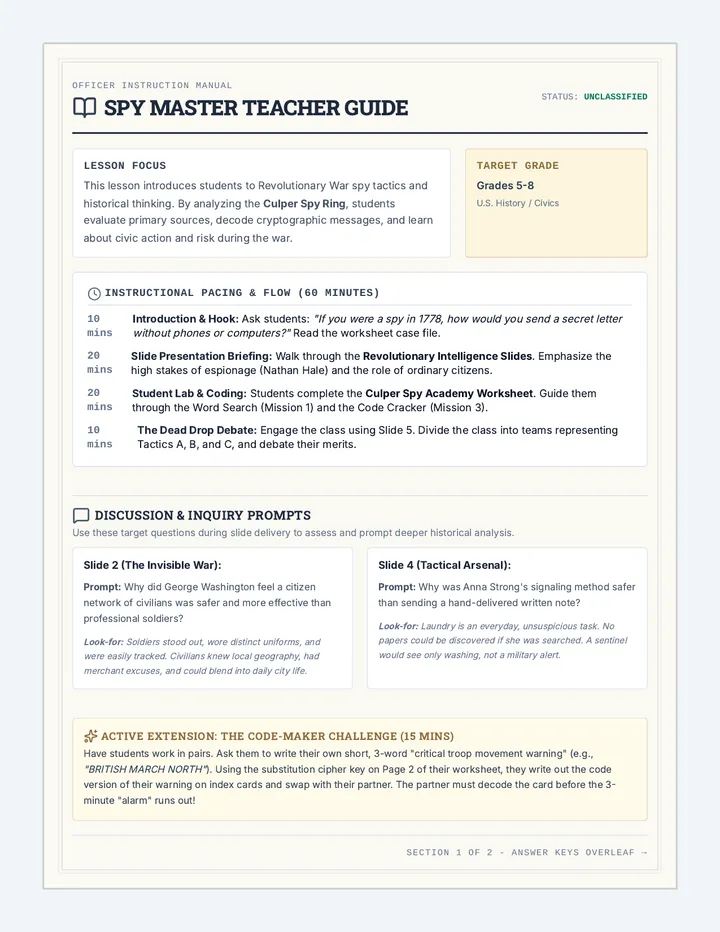
A biographical look at the 'Committee of Five' and other key founding figures who shaped the political landscape of the Revolution.
Students explore the difficult choices faced by colonists as they identified as Patriots, Loyalists, or remained neutral.