A lesson on 2-digit plus 1-digit addition using number lines, focusing on regrouping. Students practice the "jump to the next ten" strategy to visualize crossing the tens boundary.

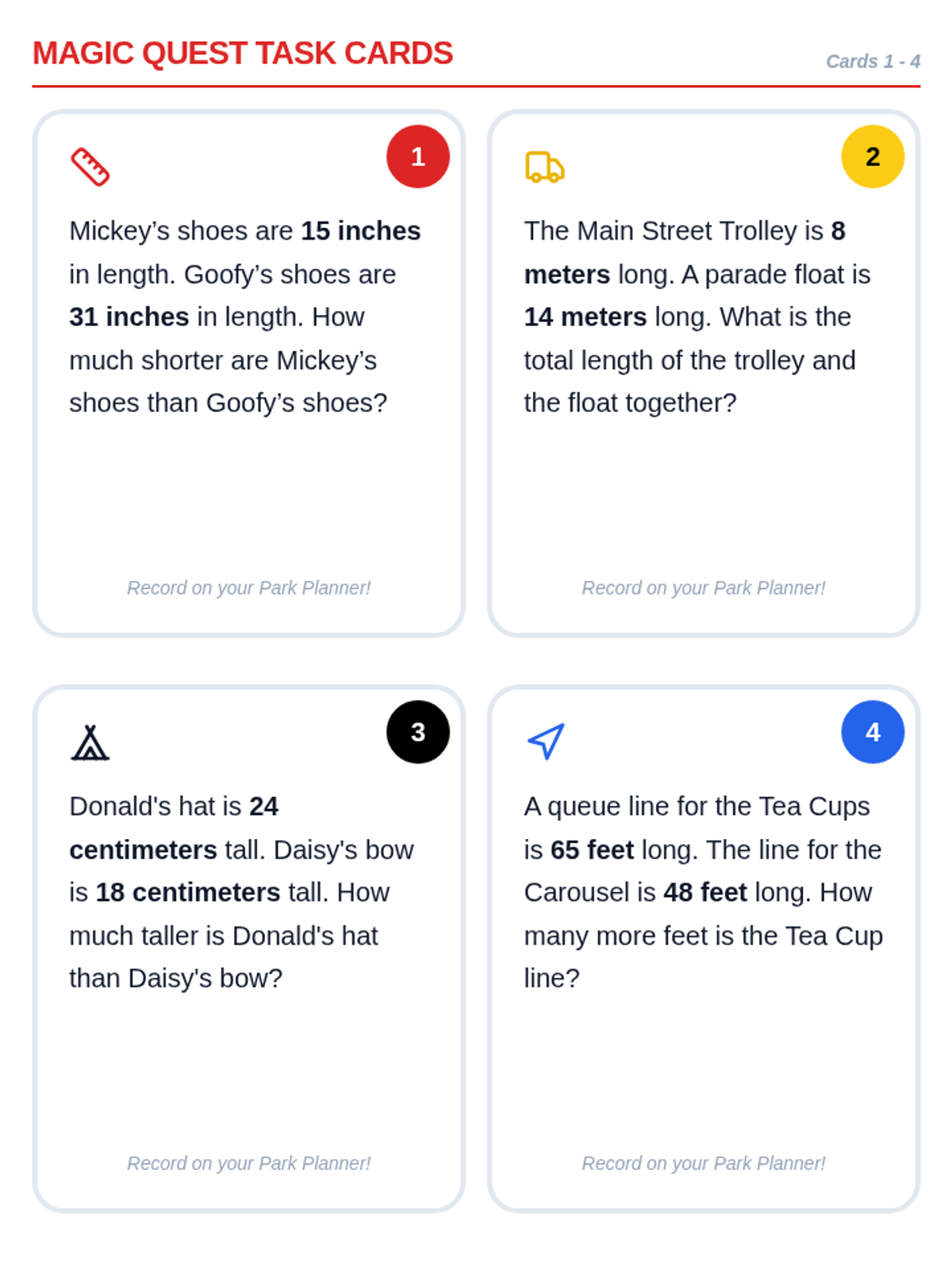
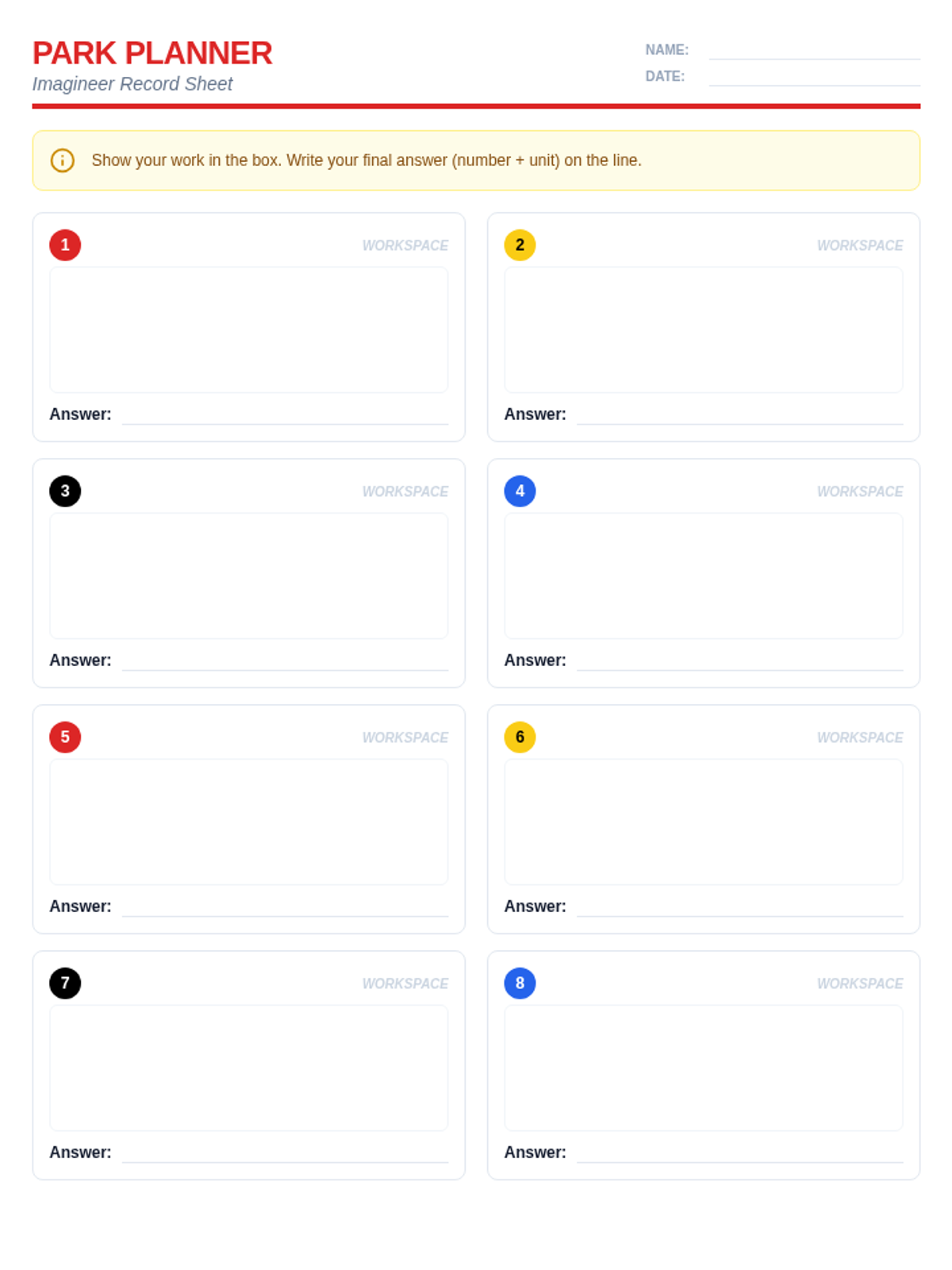
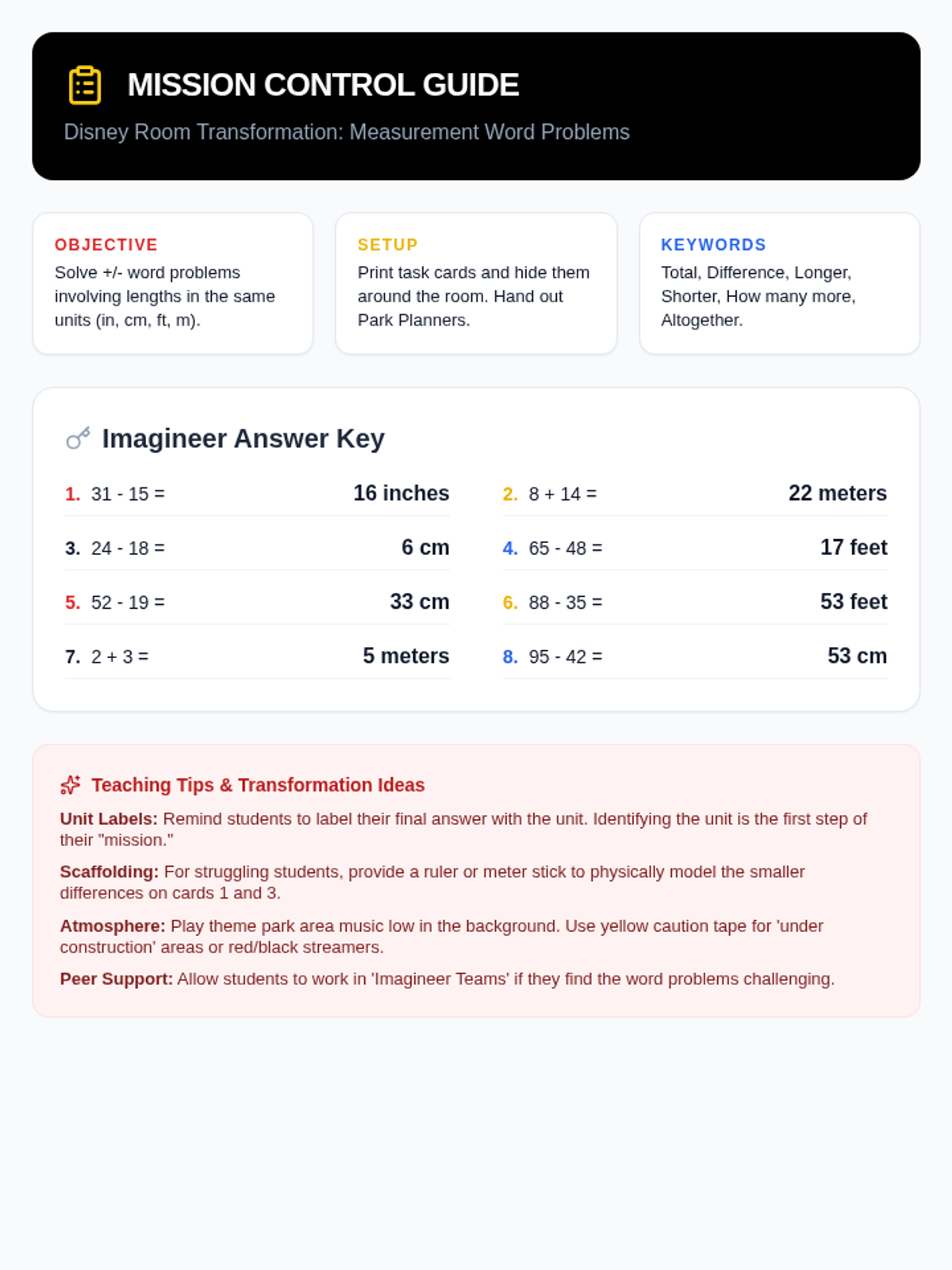
A high-energy measurement word problem lesson set in a magical theme park, designed for a room transformation experience. Students solve length comparison and addition problems using inches, centimeters, feet, and meters.
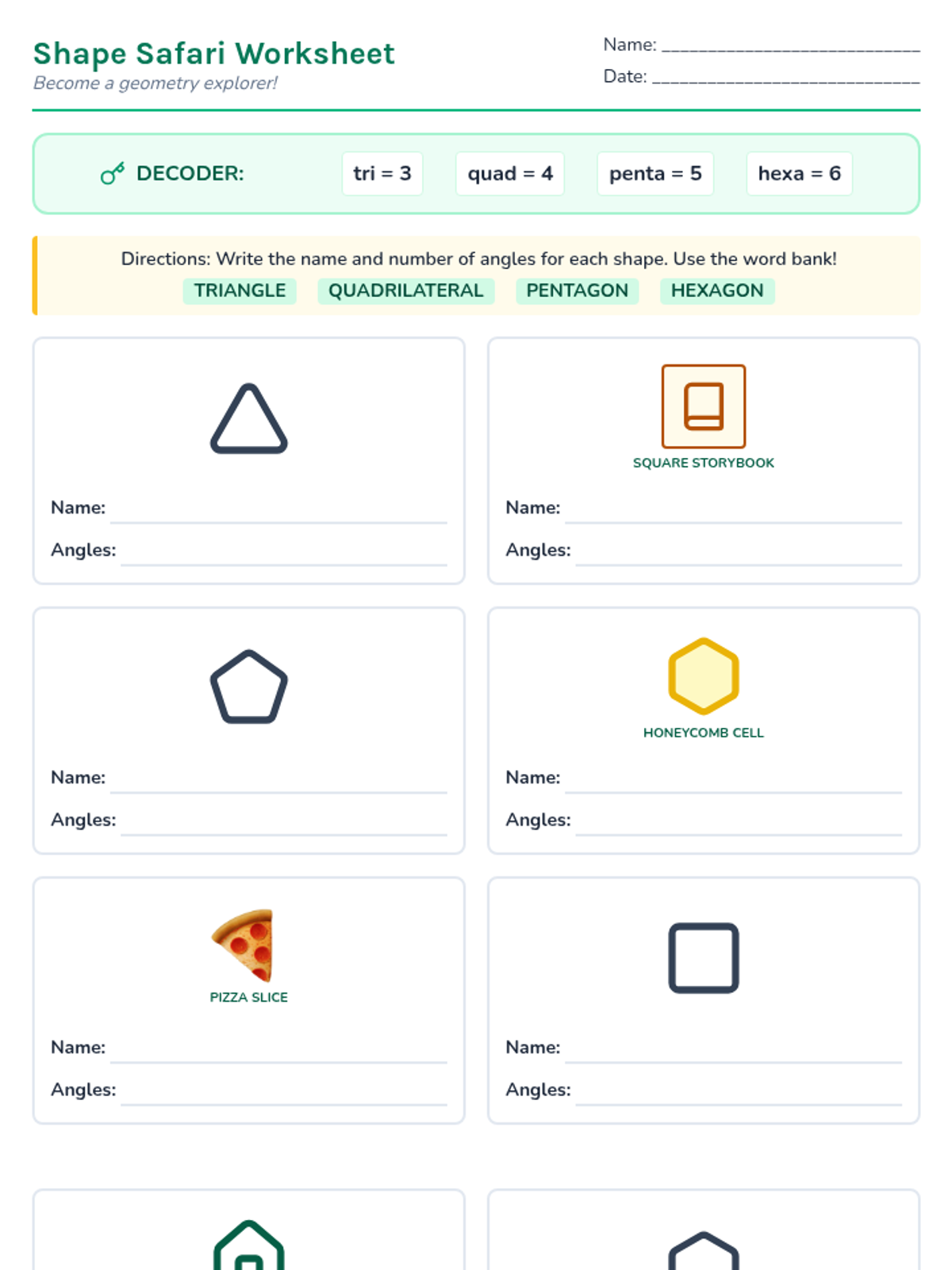
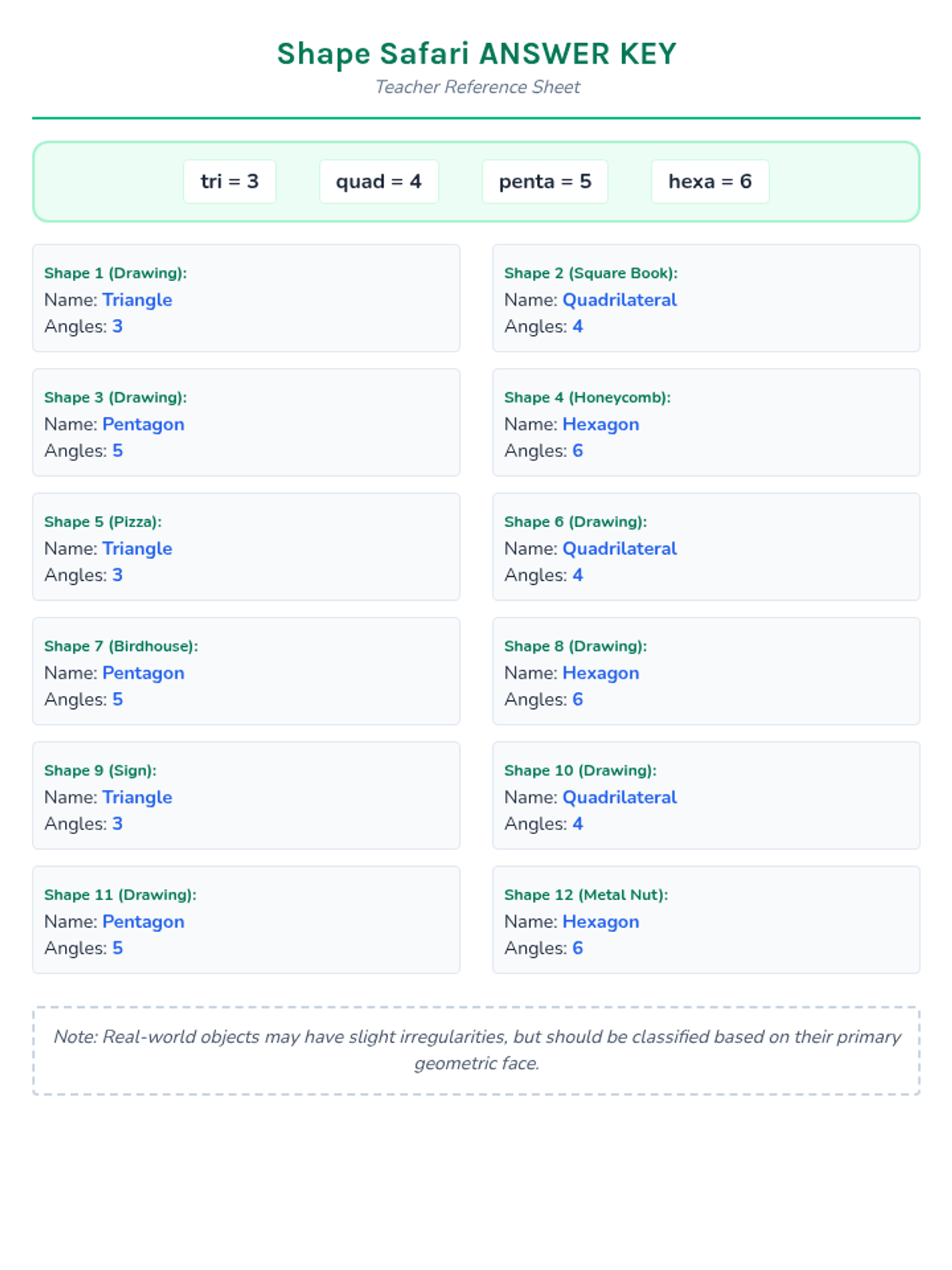
A foundational geometry lesson for 2nd graders focused on identifying and classifying triangles, quadrilaterals, pentagons, and hexagons based on their names and number of angles.
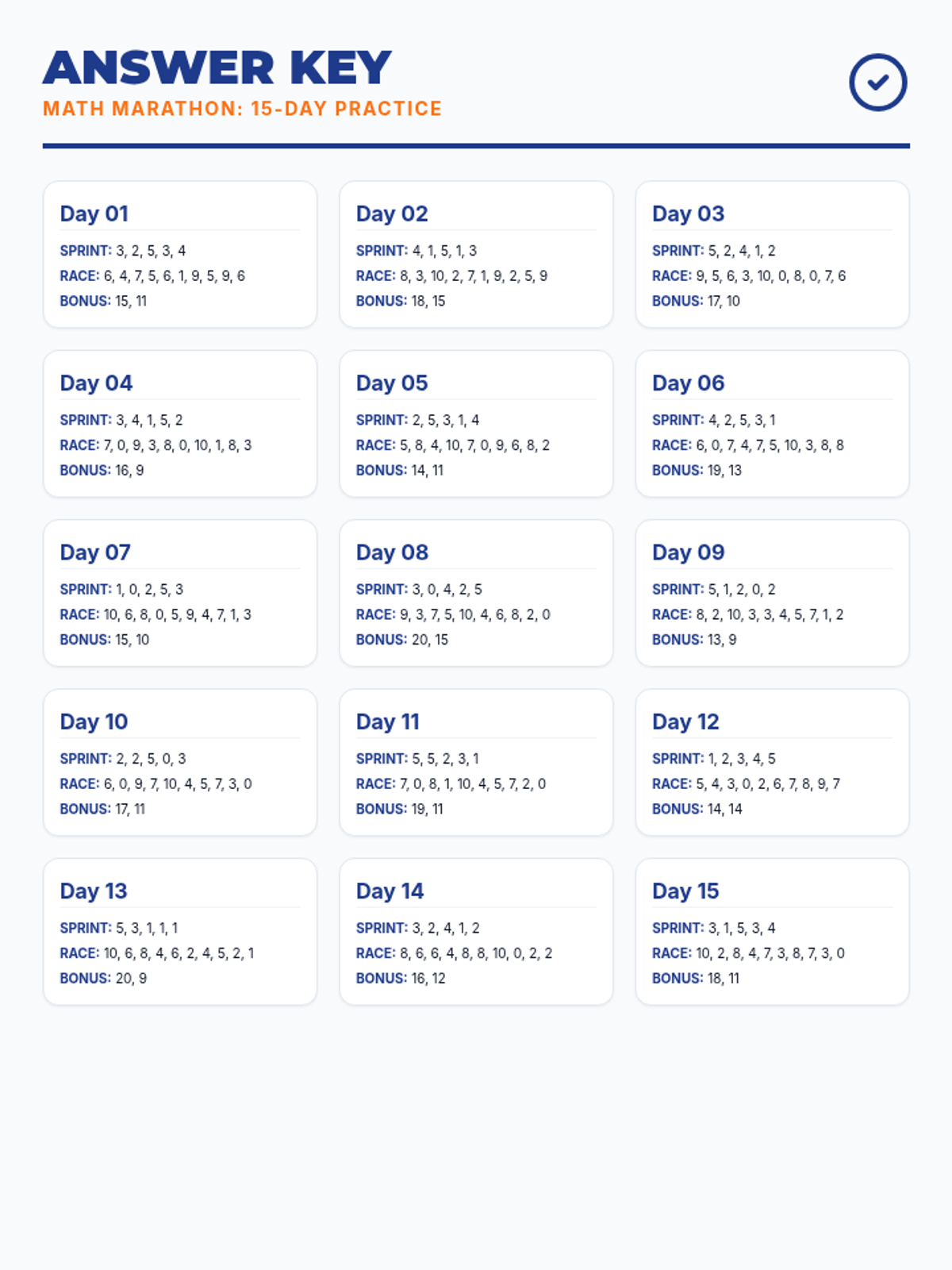
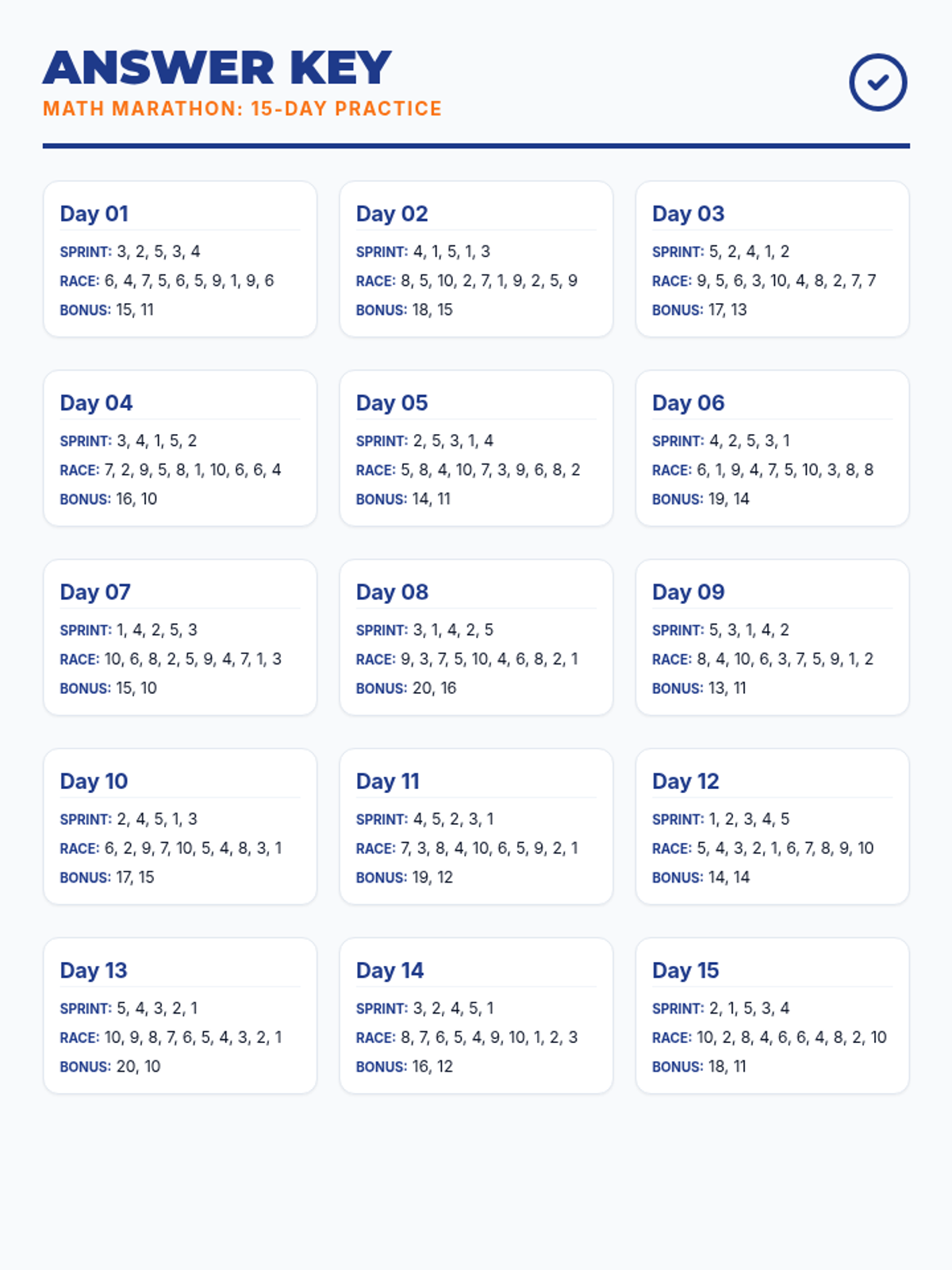
A 15-day progressive fact practice program focusing on addition and subtraction fluency within 5, 10, and 20. Students build confidence through daily "Math Marathons" with varying levels of visual support.
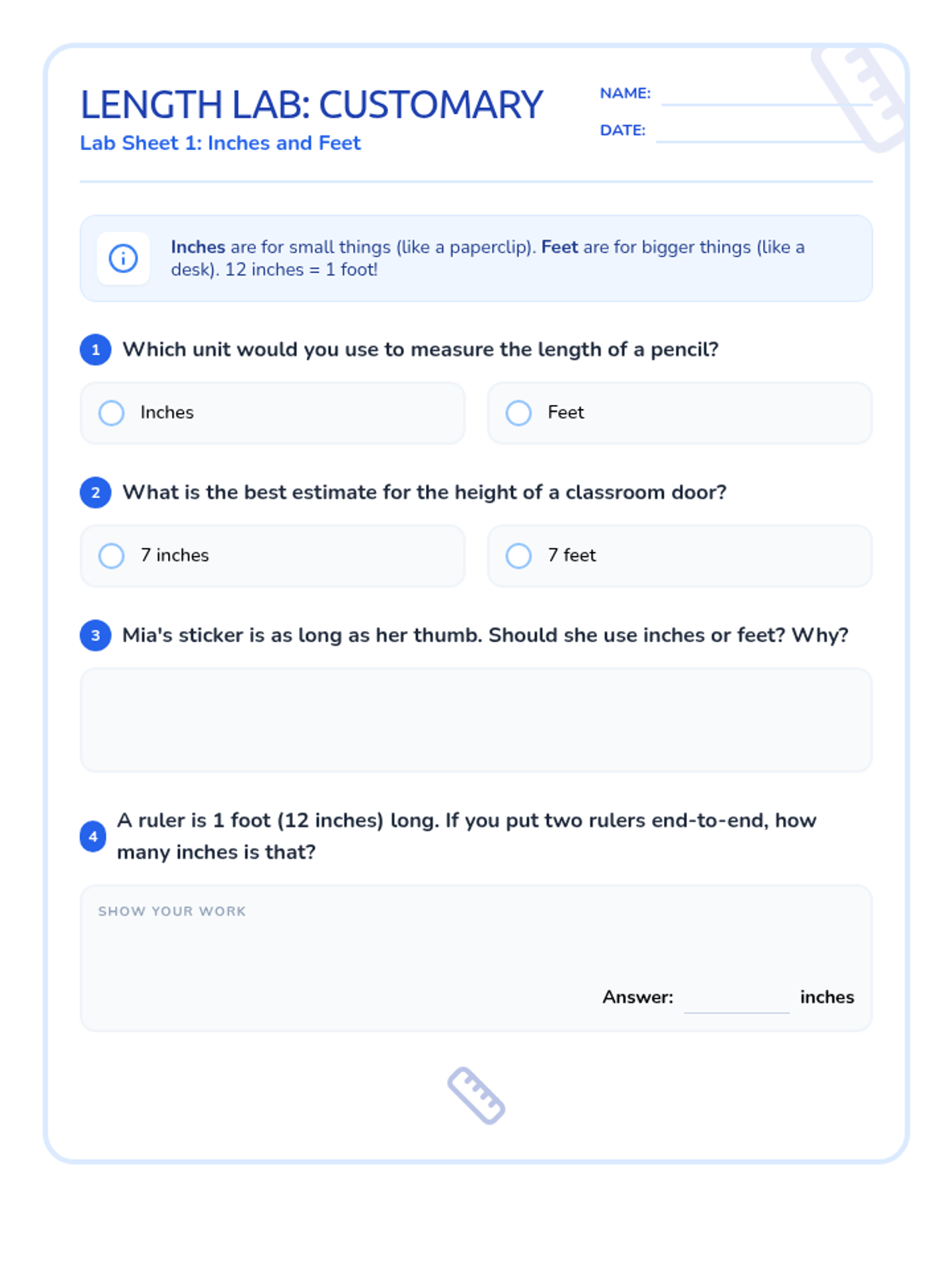
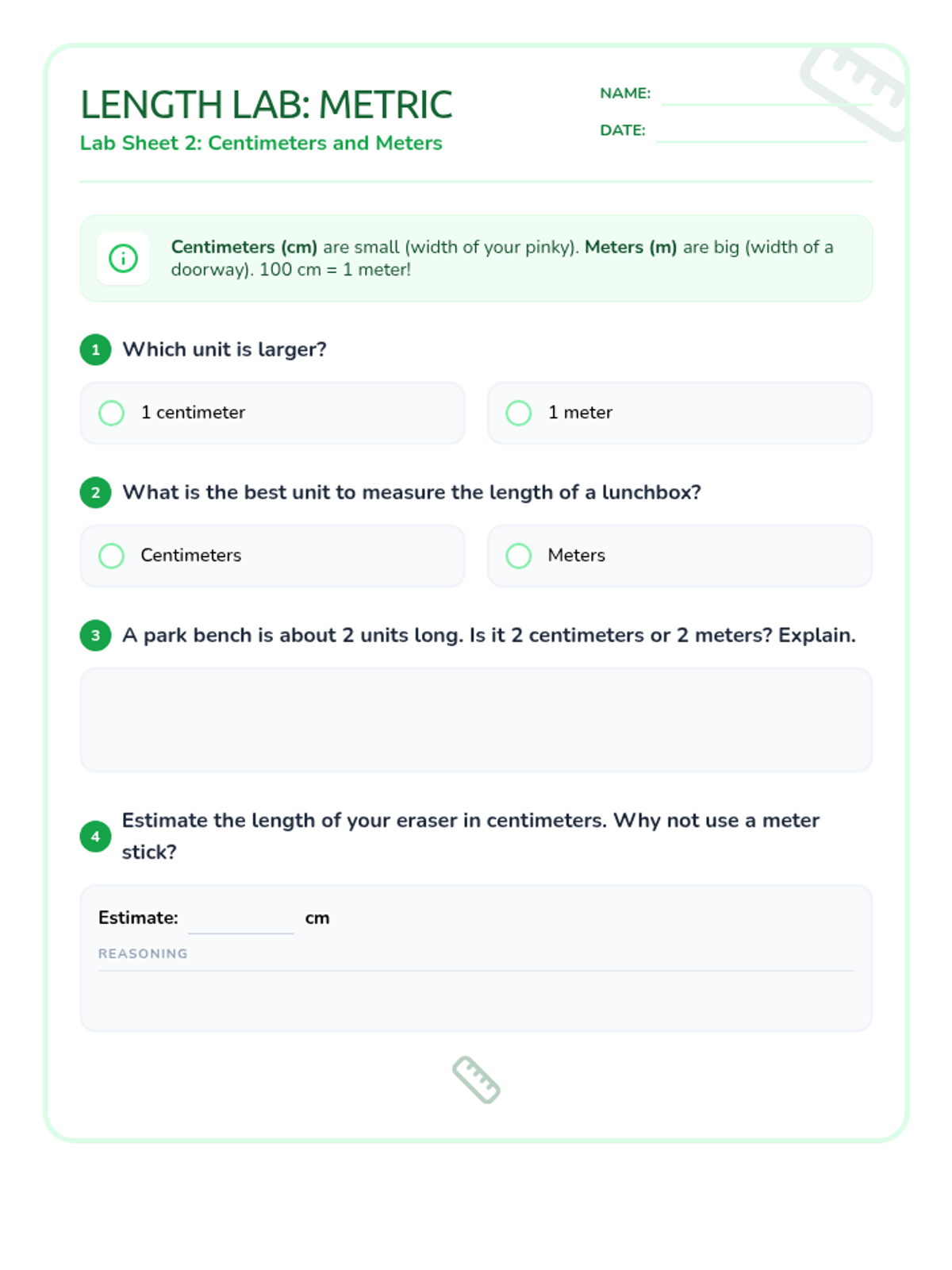
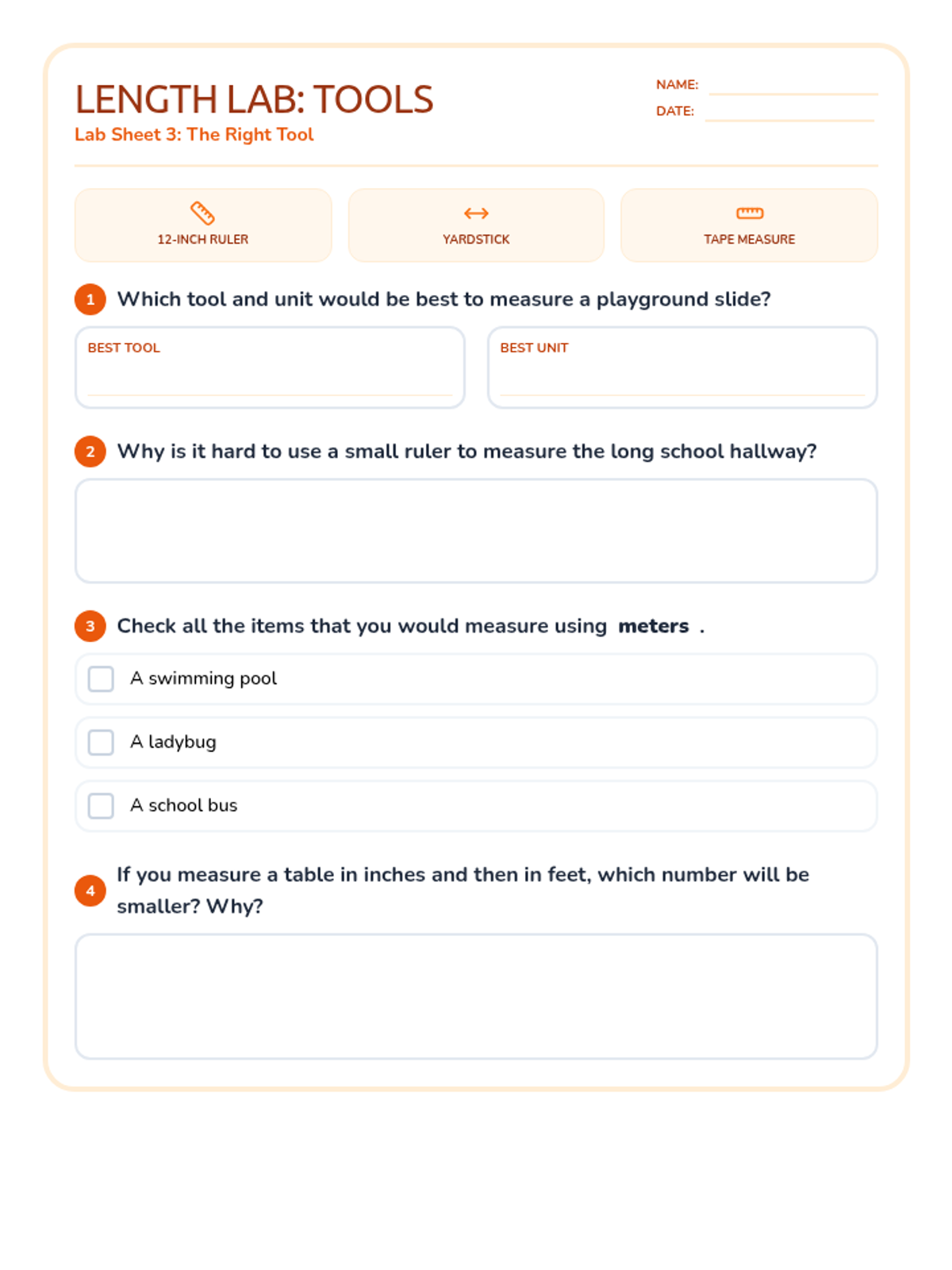
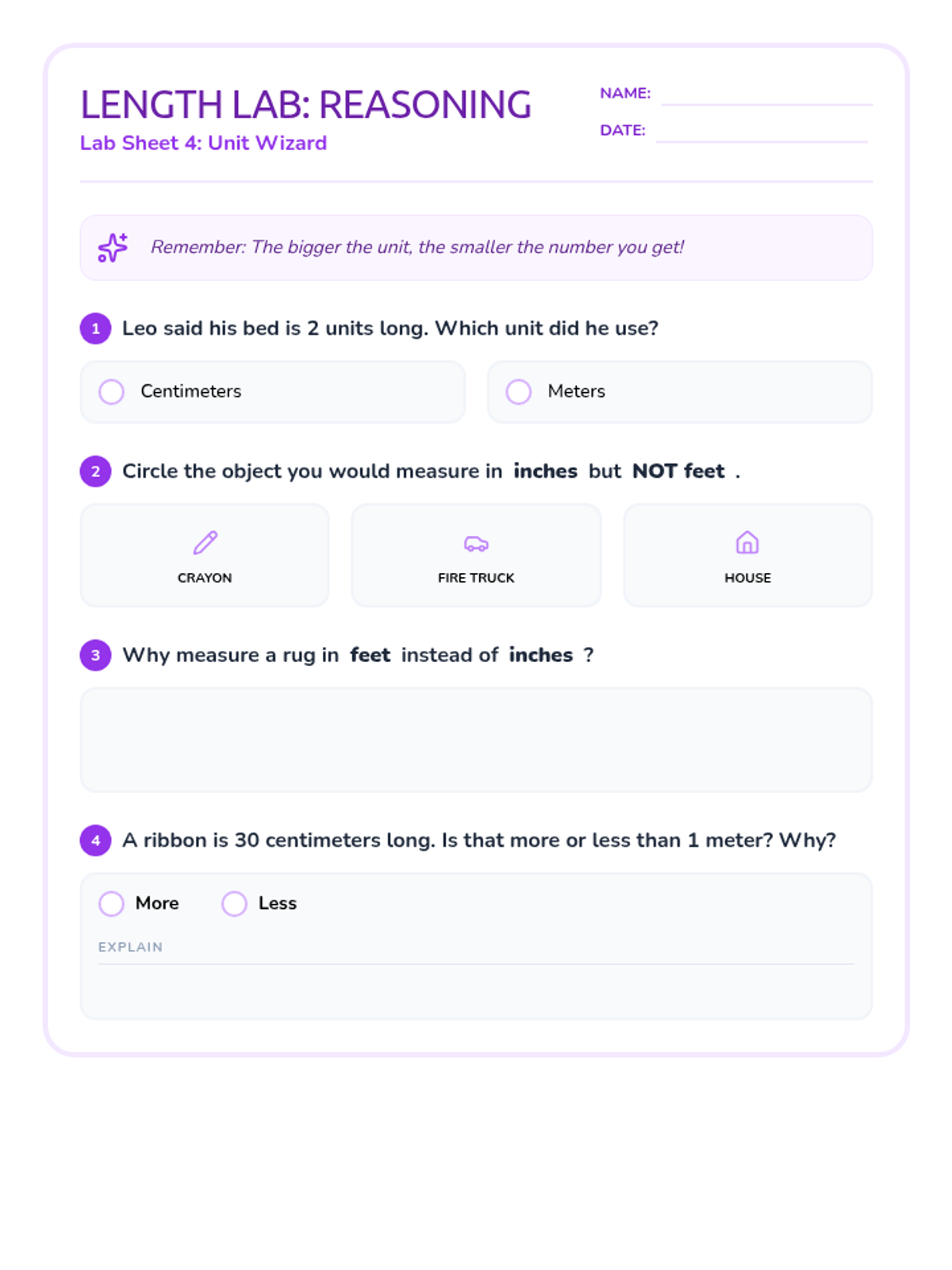
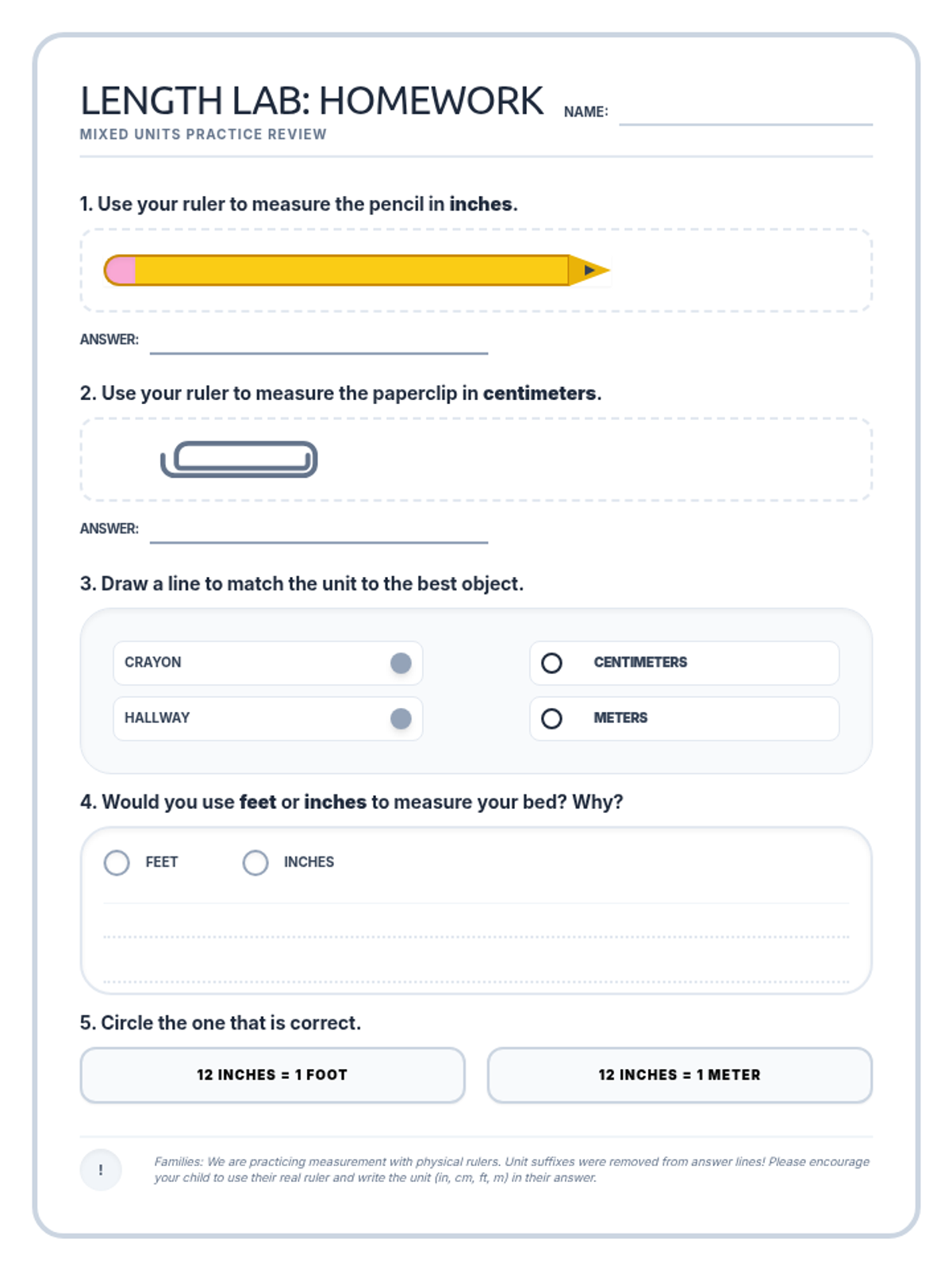
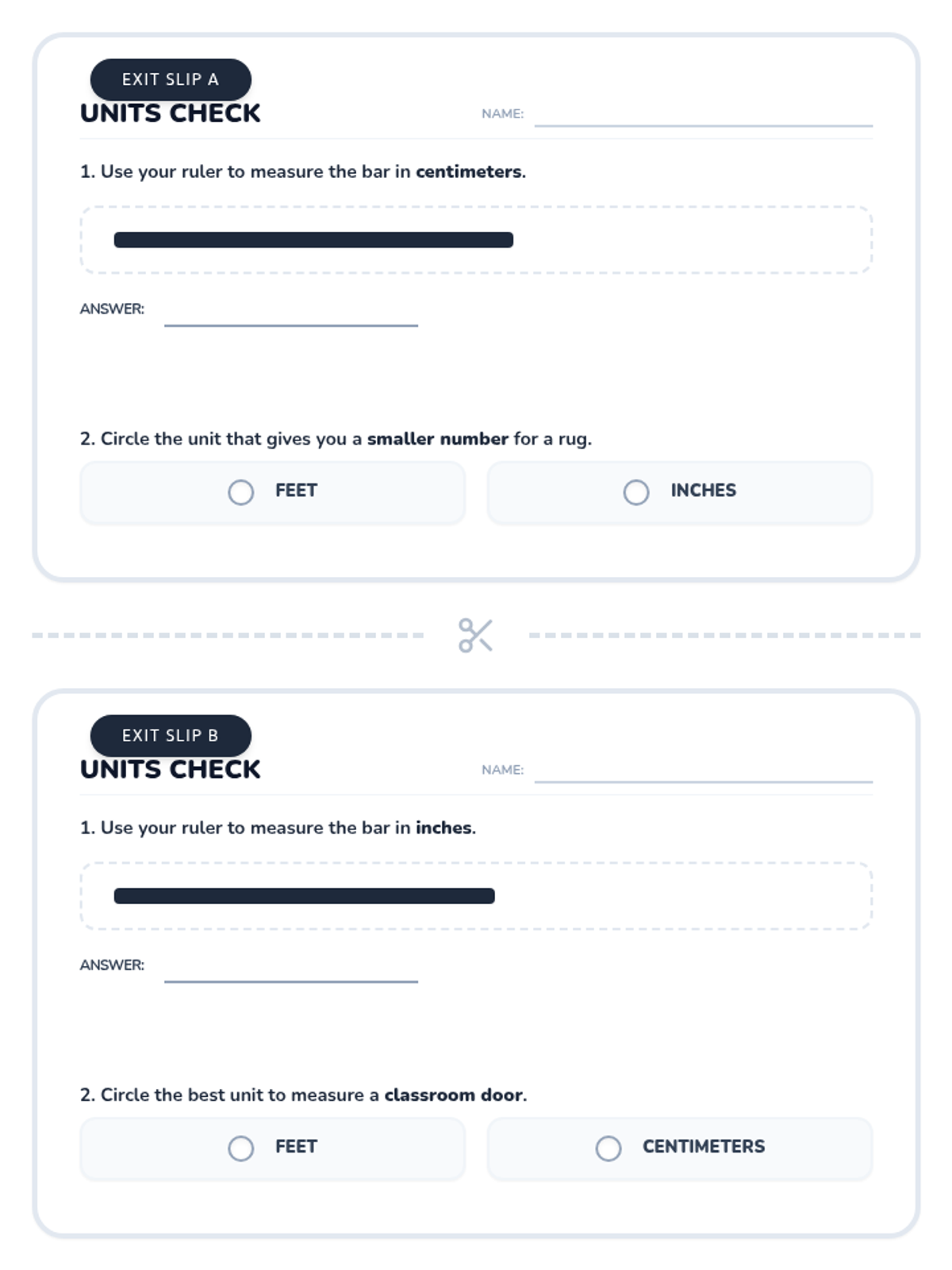
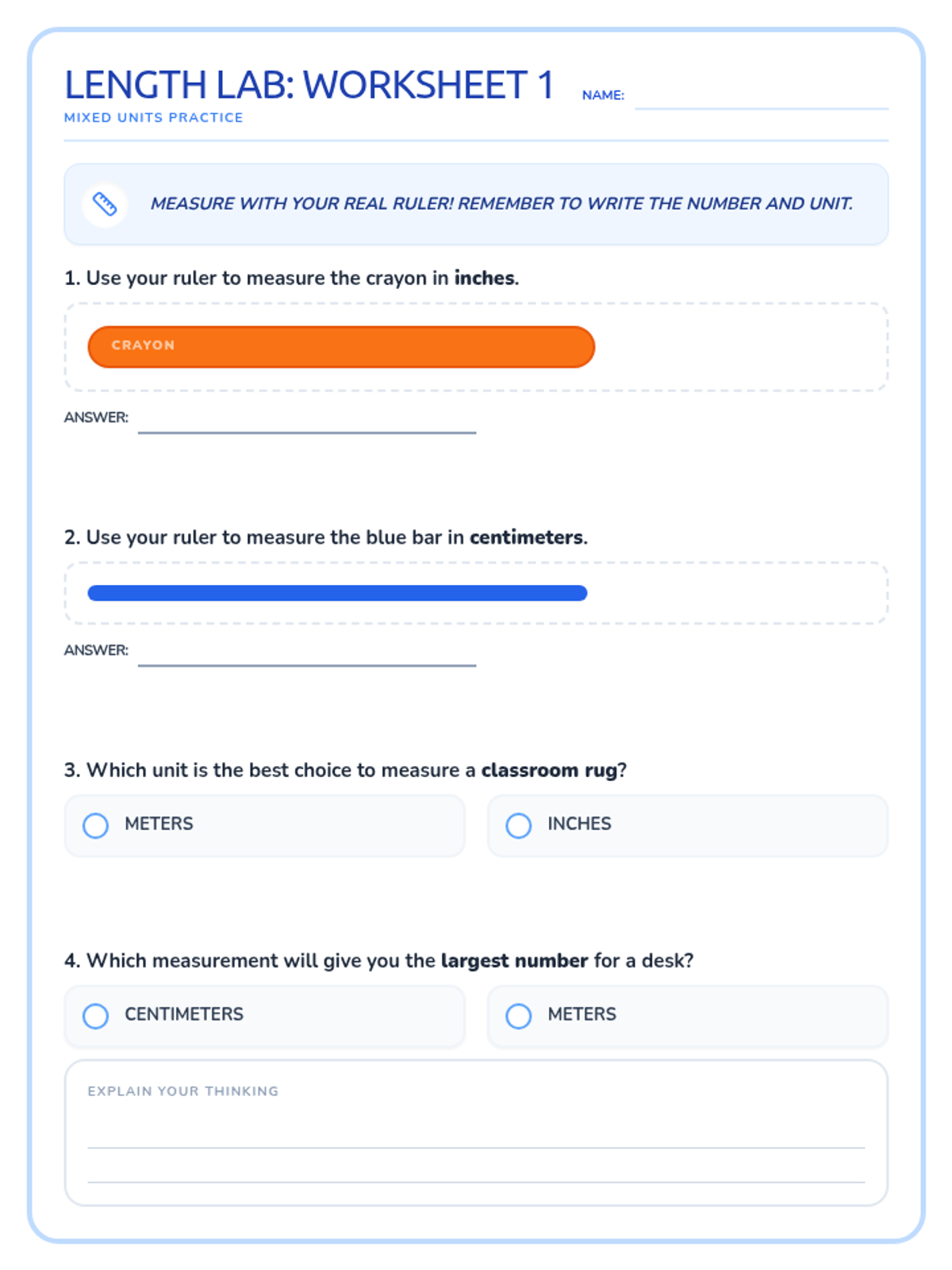
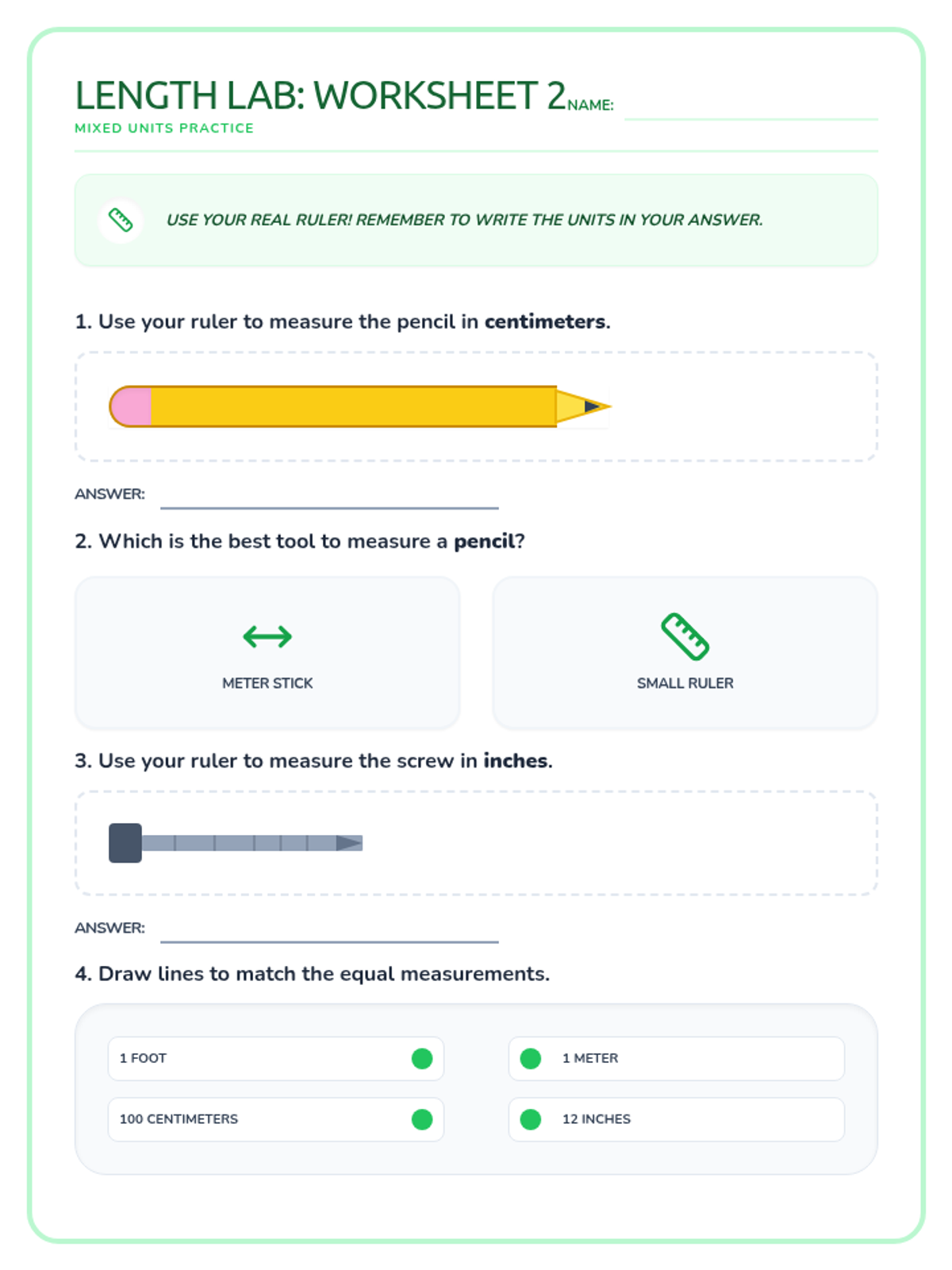
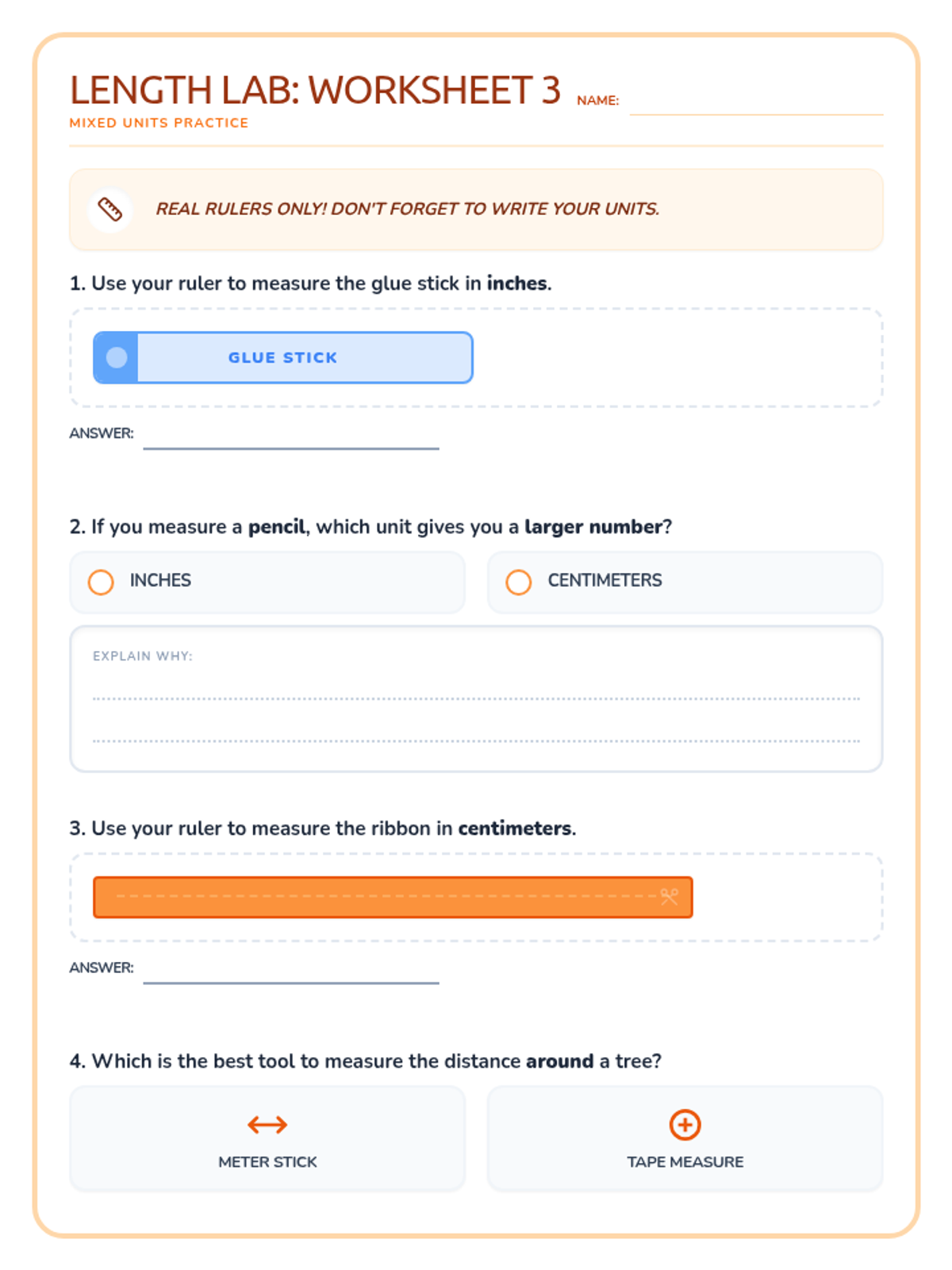
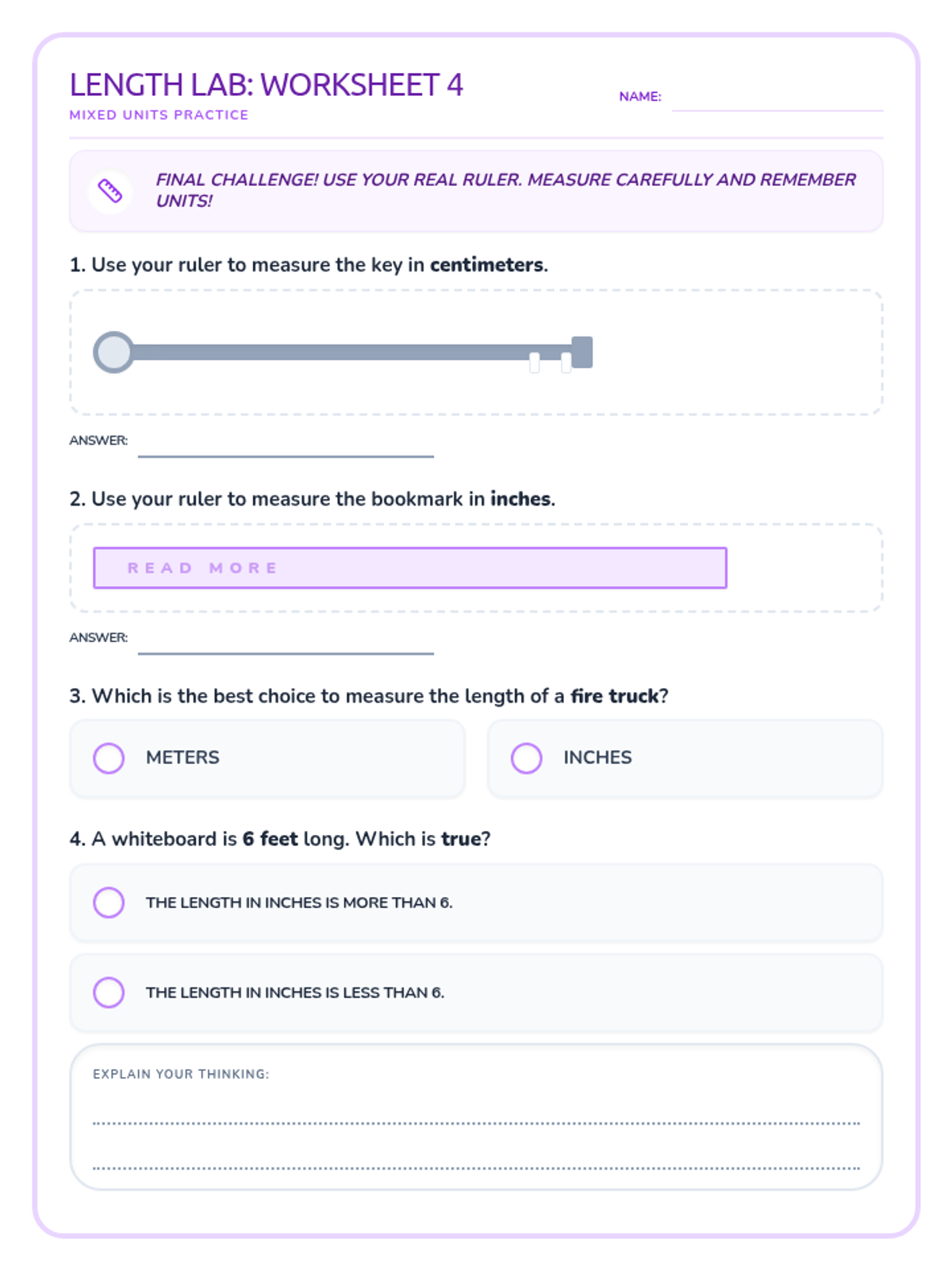
A lesson focused on differentiating between inches, feet, centimeters, and meters, including hands-on estimation and unit selection.
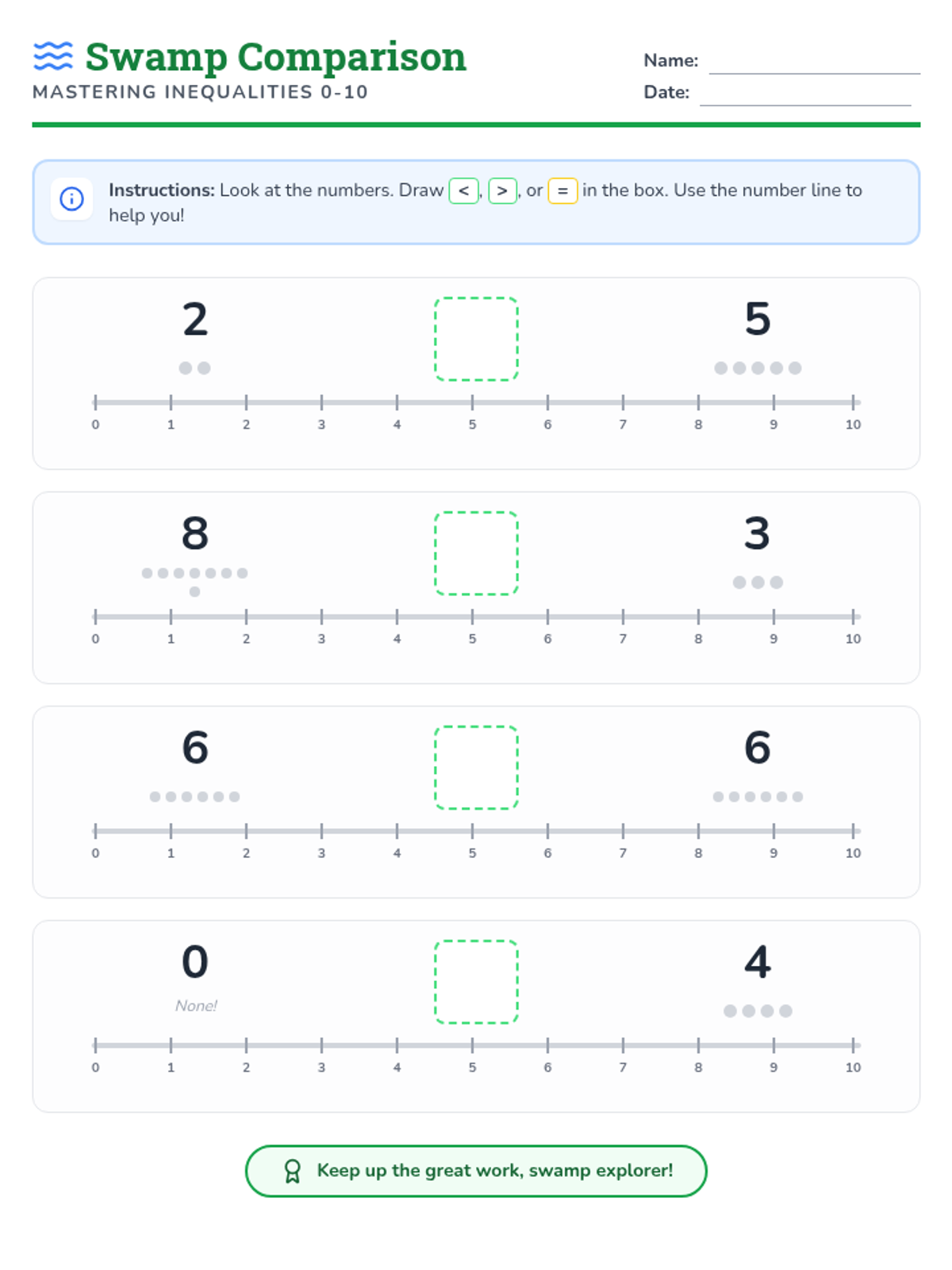
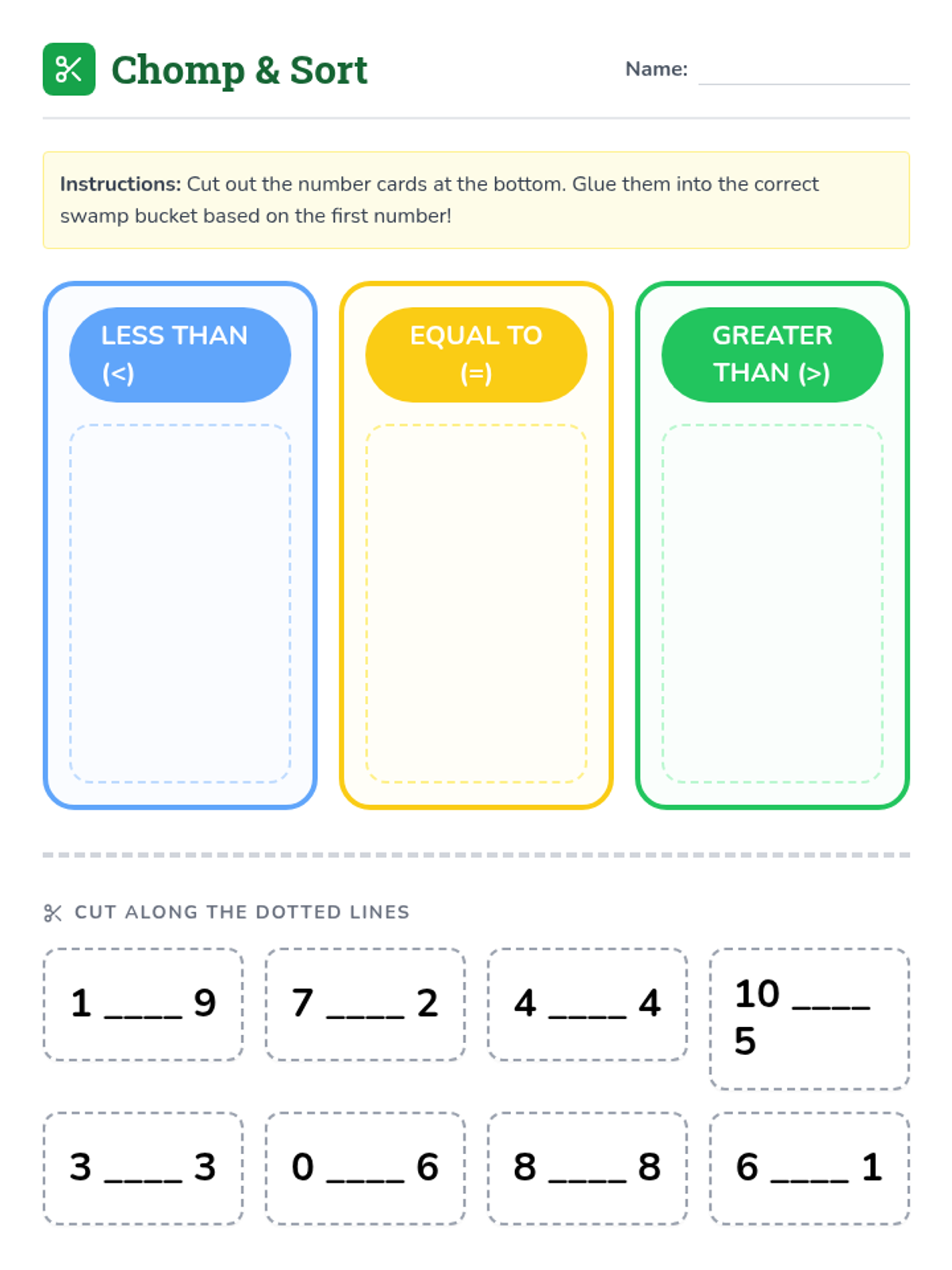
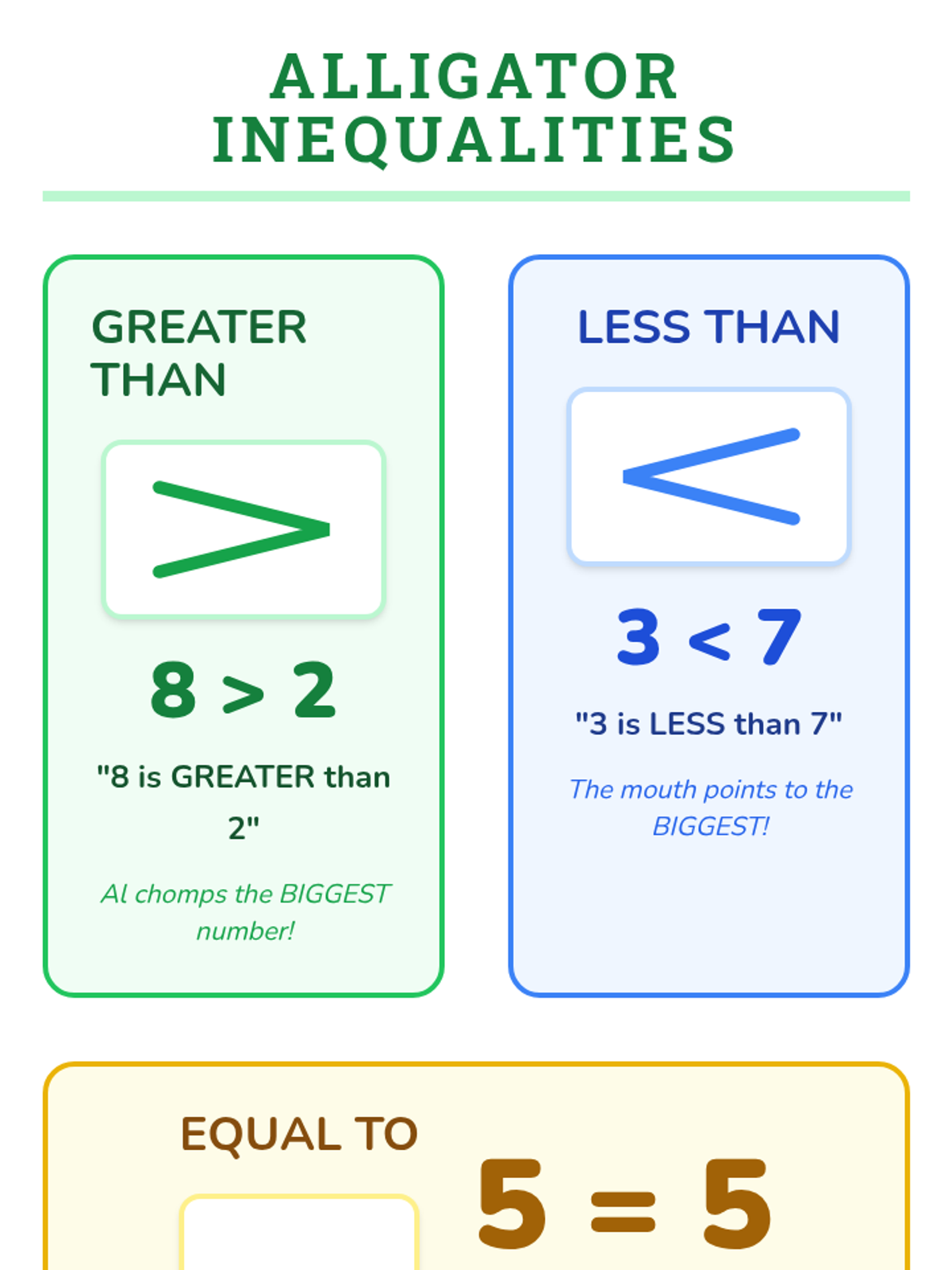
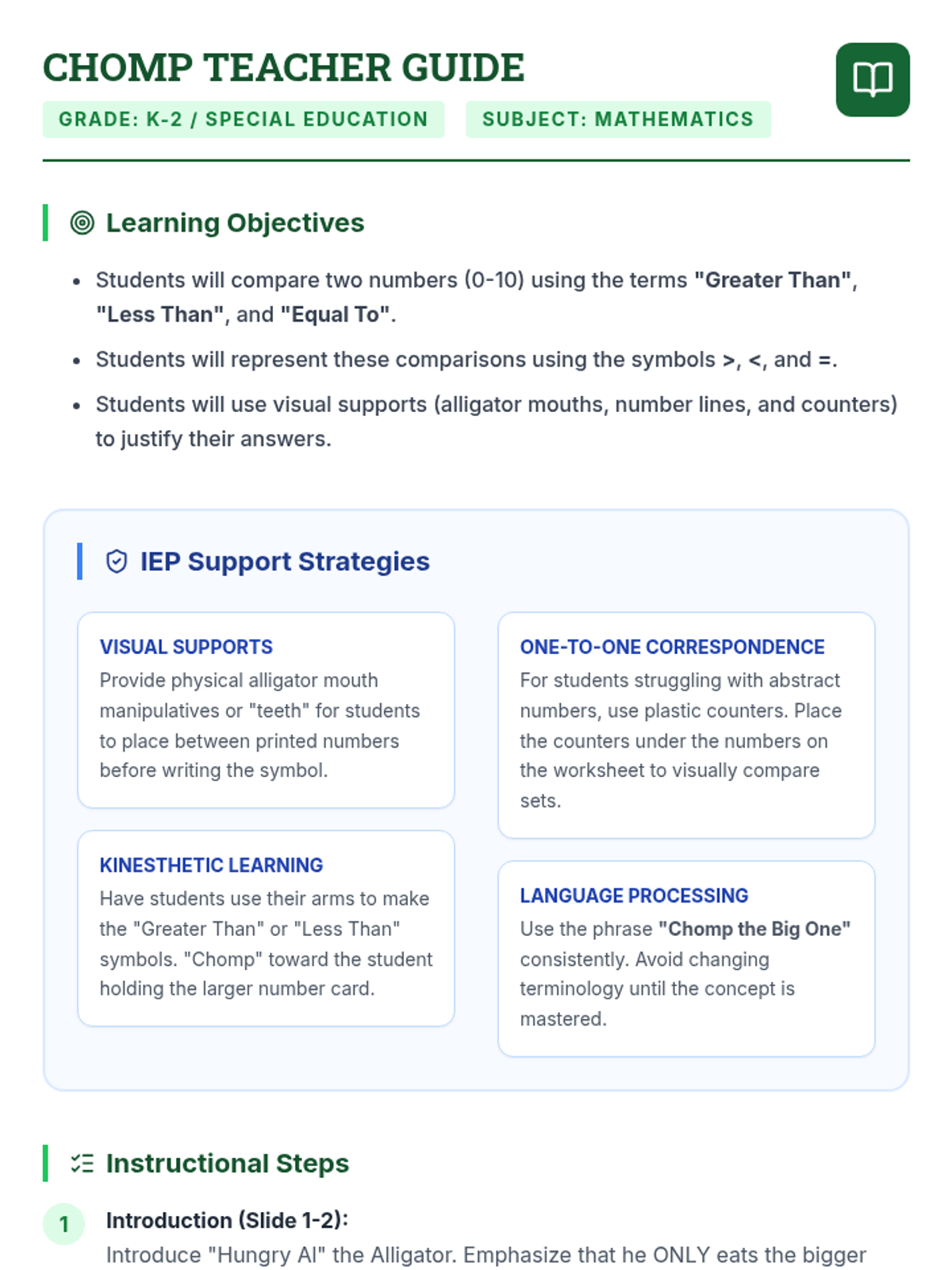
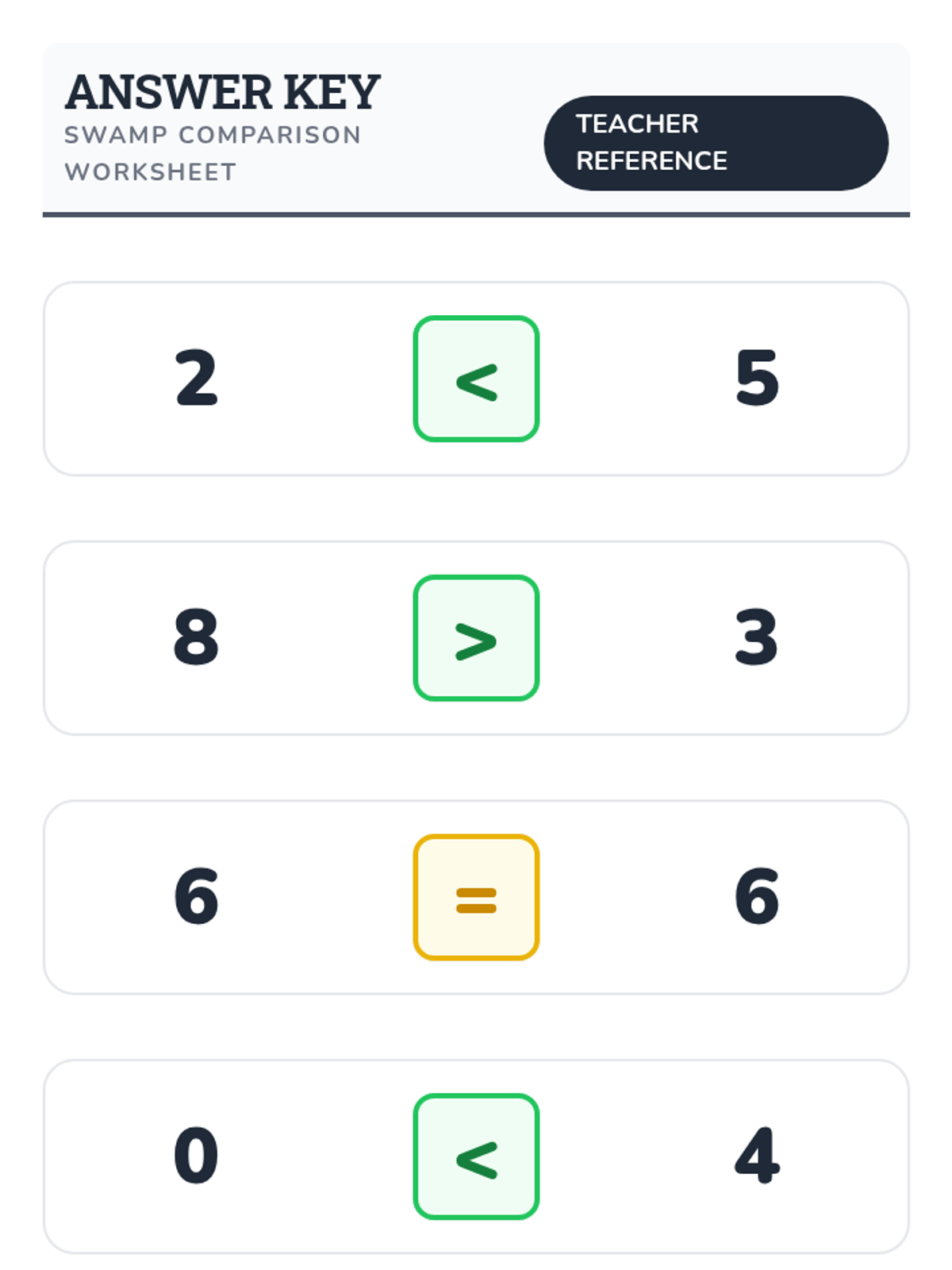
A beginner's guide to comparing numbers 0-10 using alligator visuals, number lines, and counters to help students master inequalities.
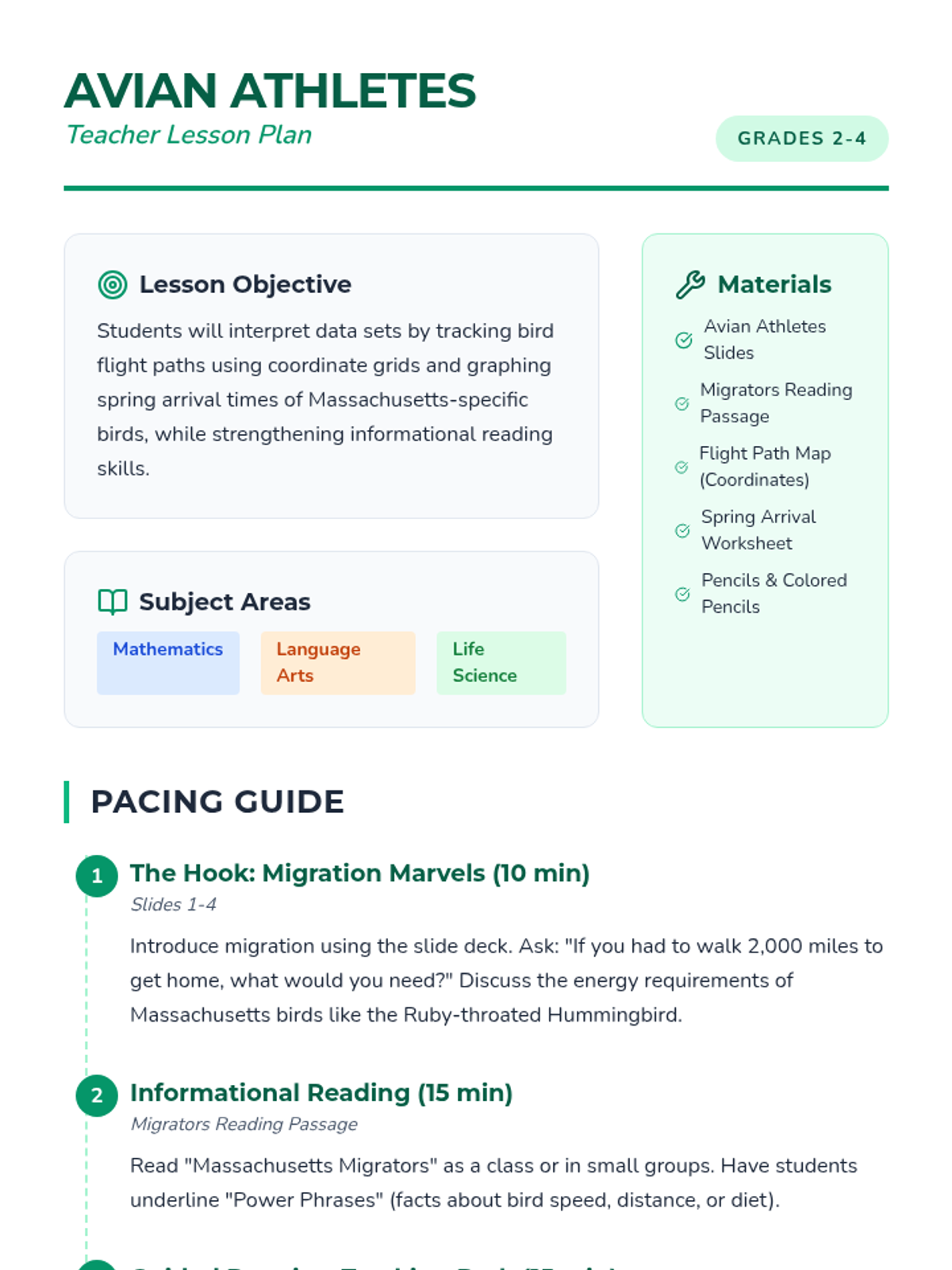
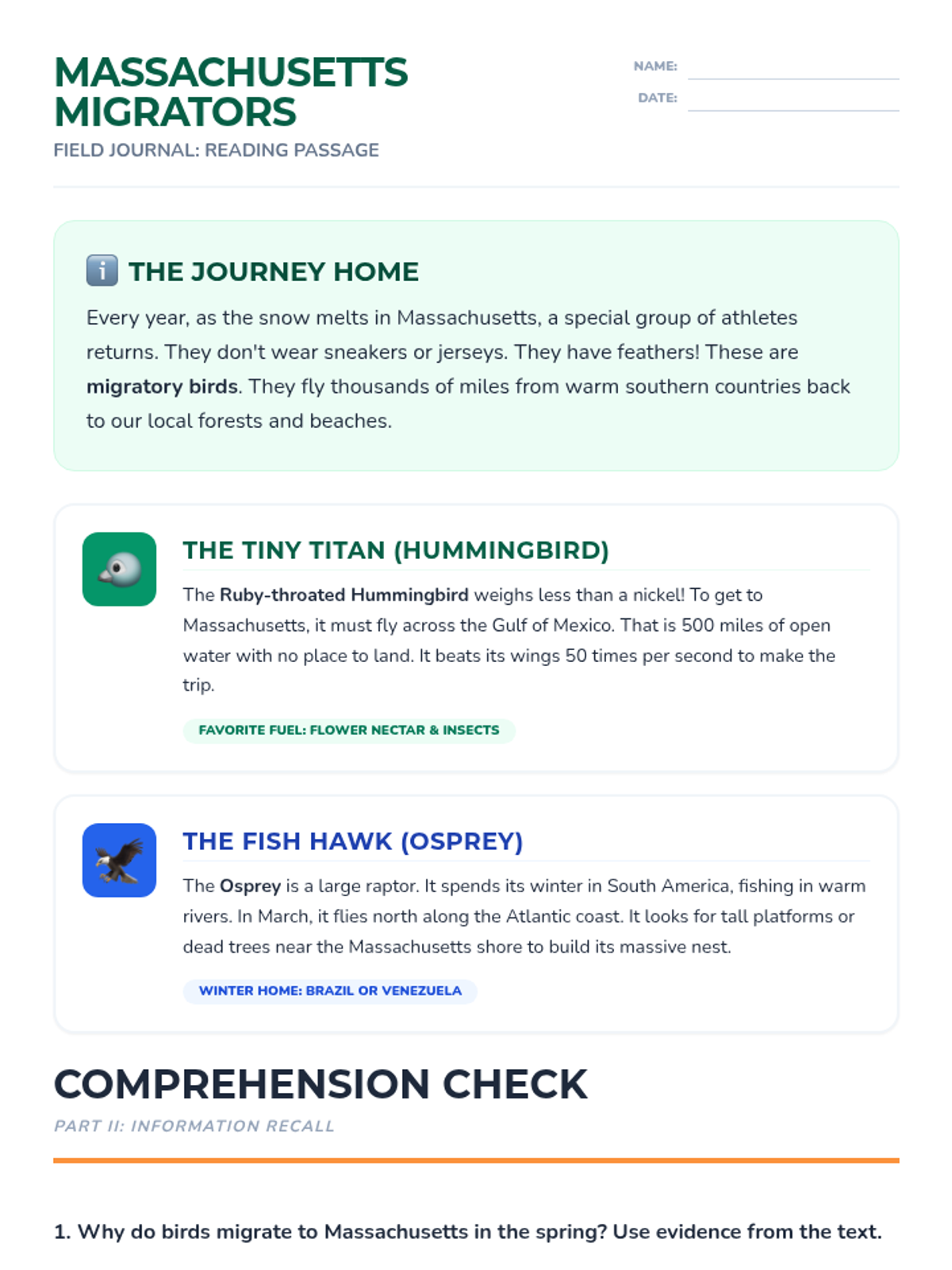
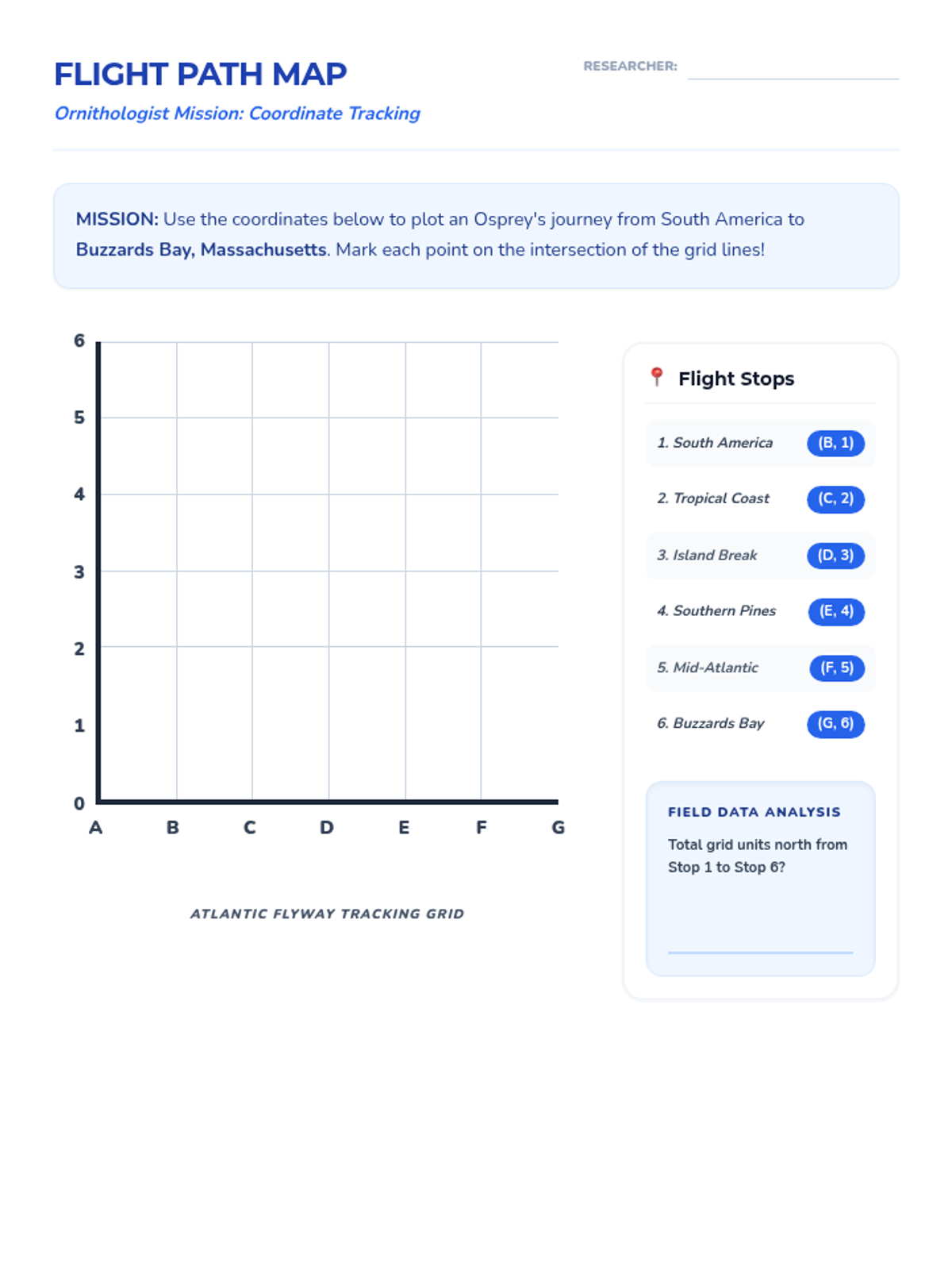
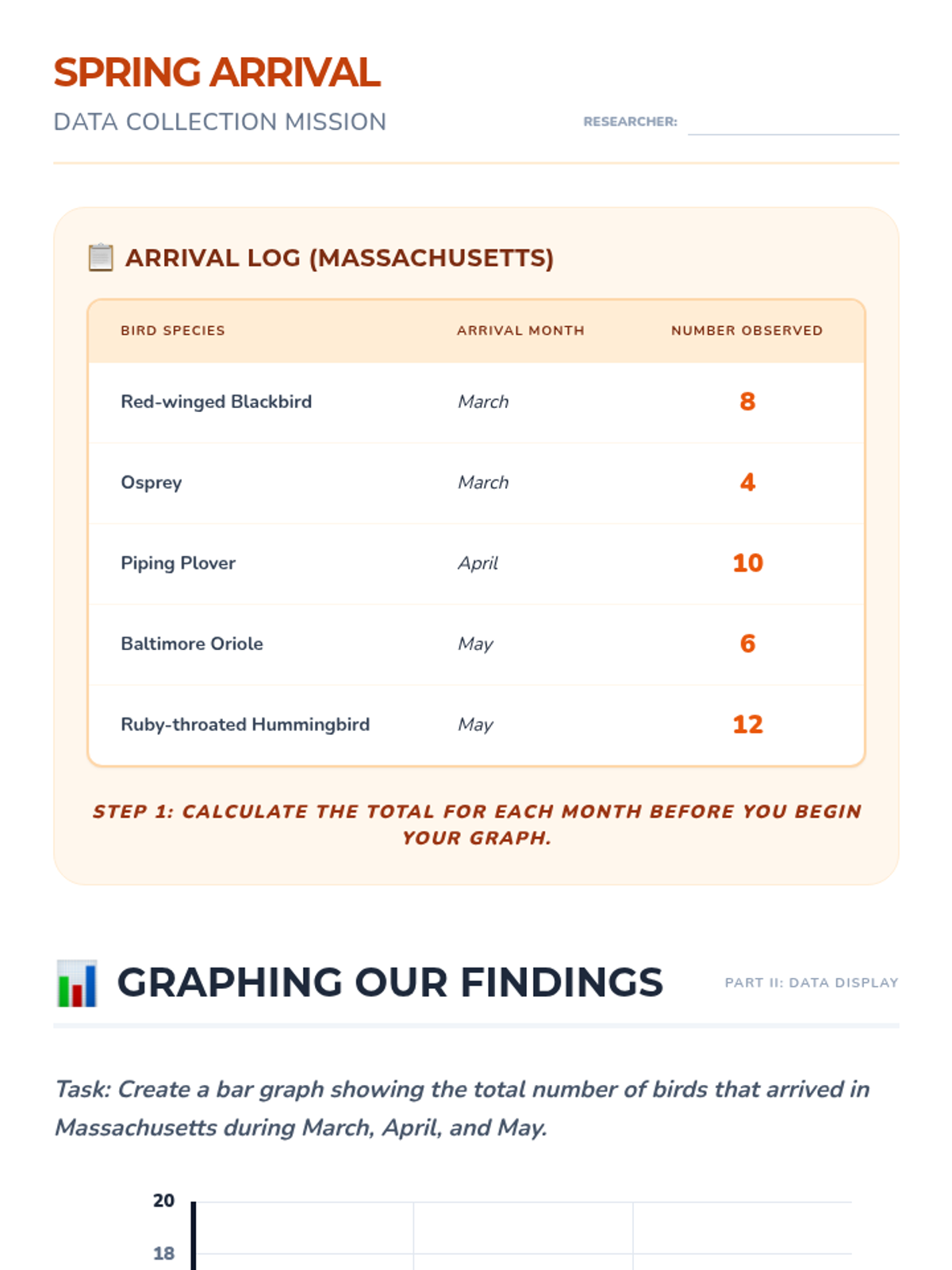
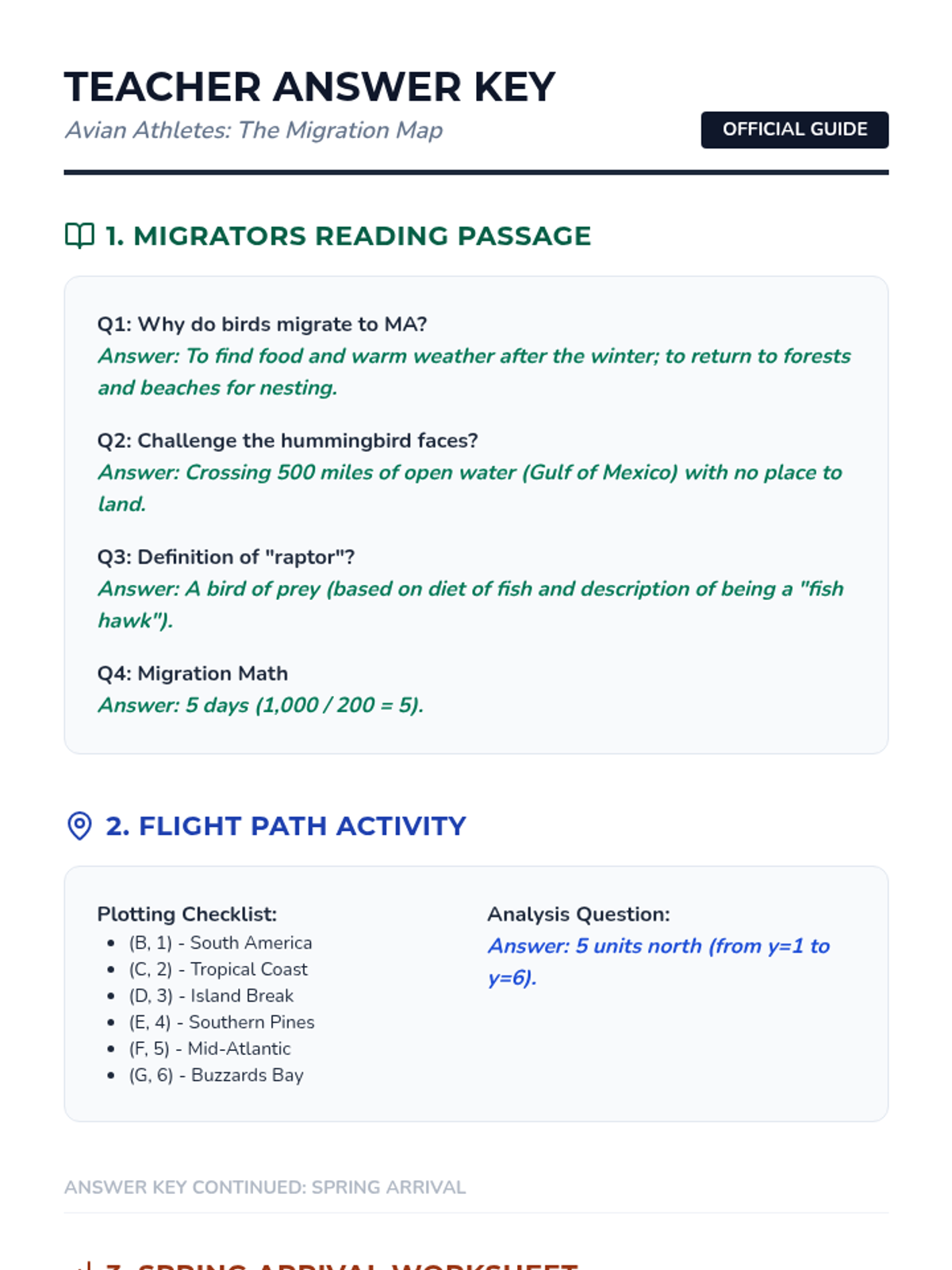
This lesson connects local Massachusetts bird migration to math and ELA standards. Students will use coordinate grids to track flight paths, graph arrival data, and read informational texts about native species like the Osprey and Piping Plover.
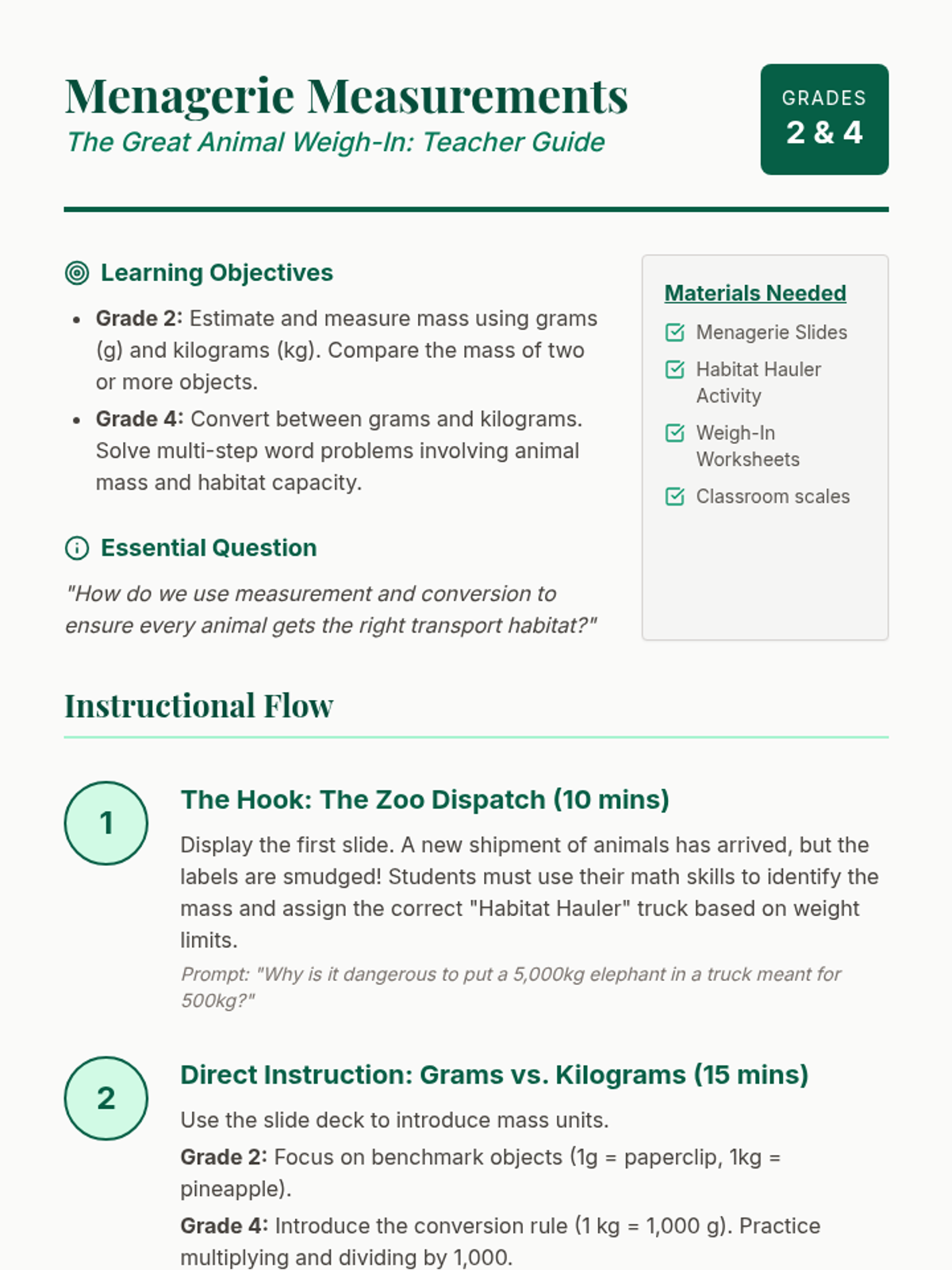
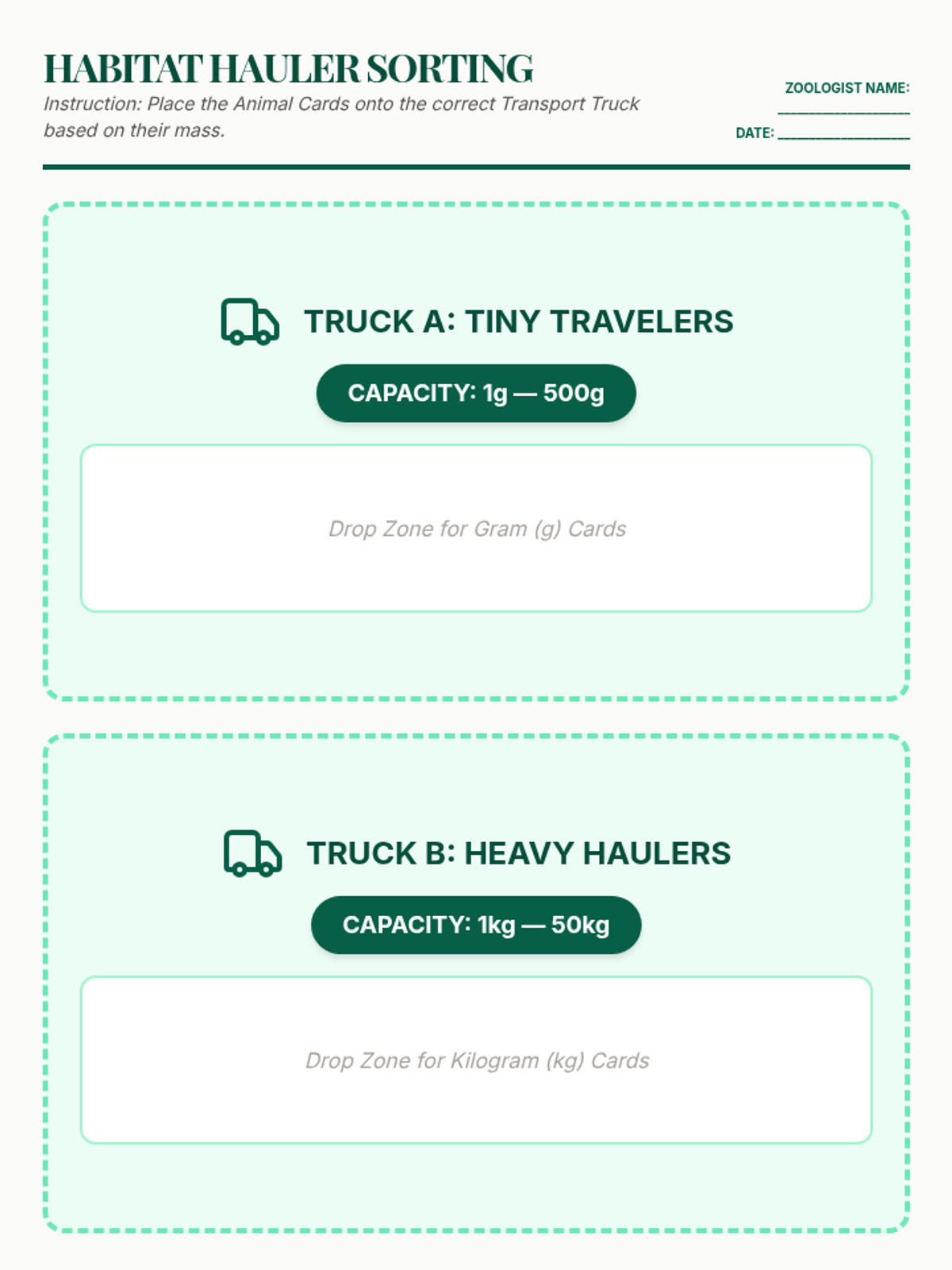
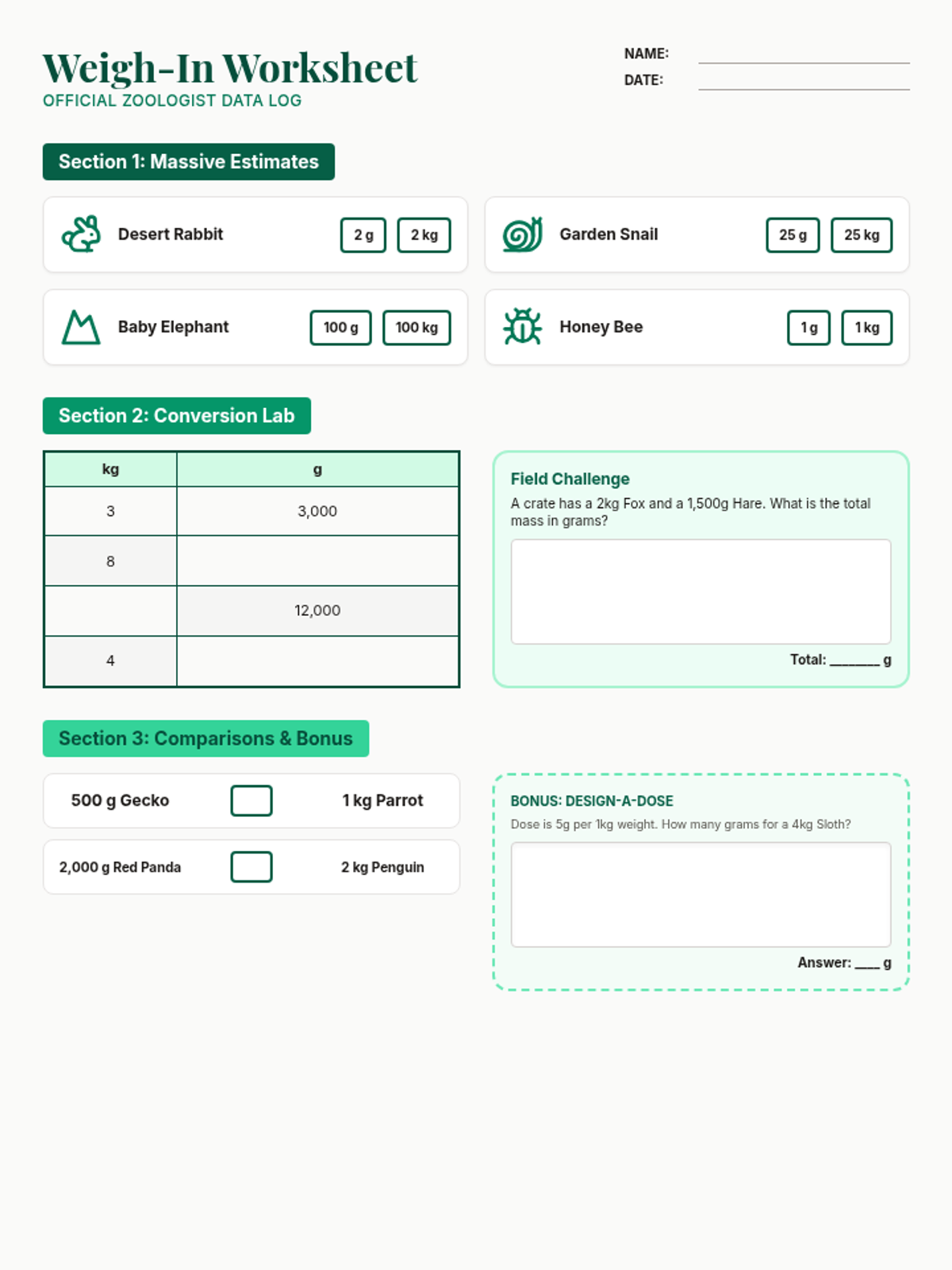
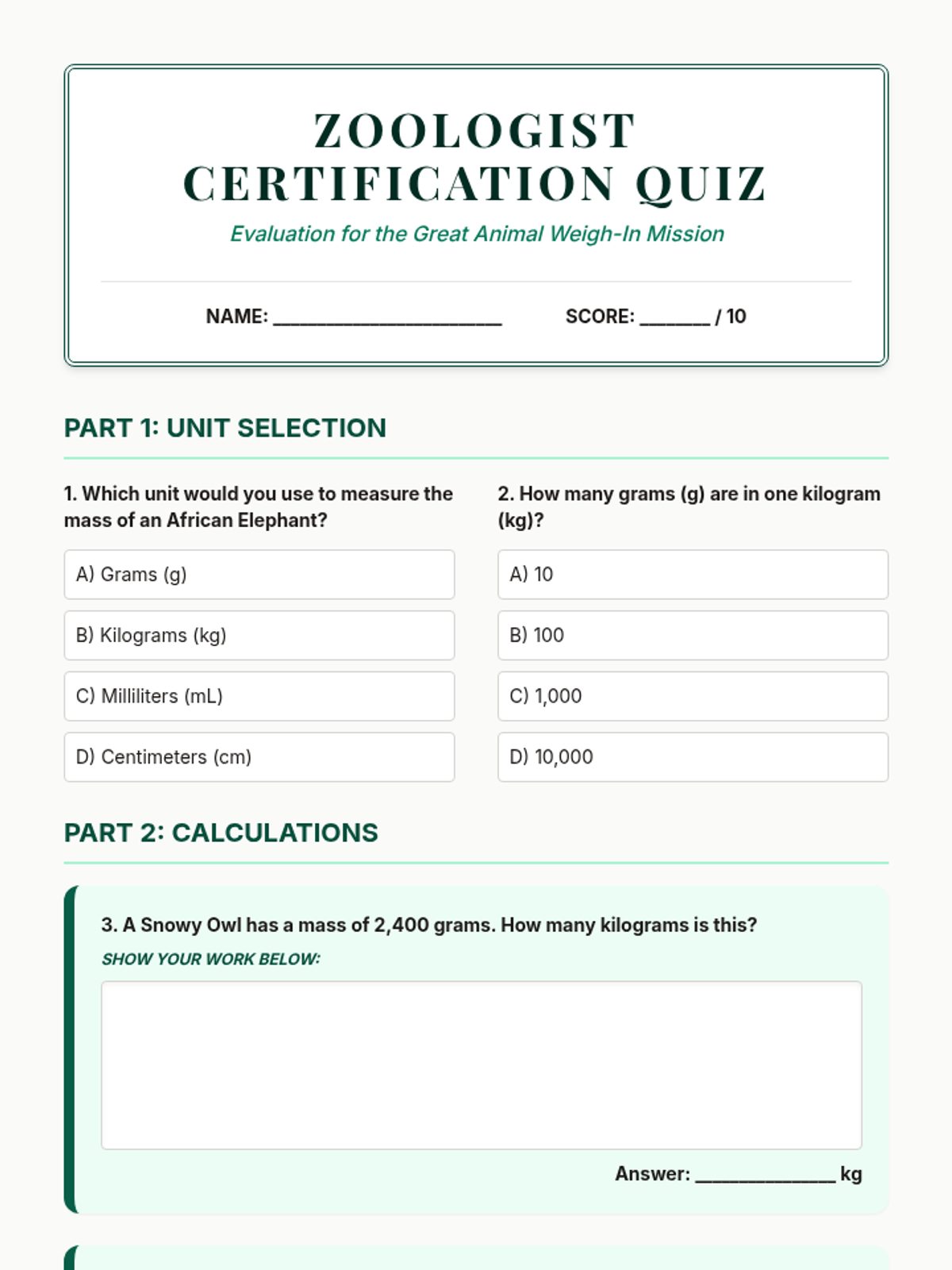
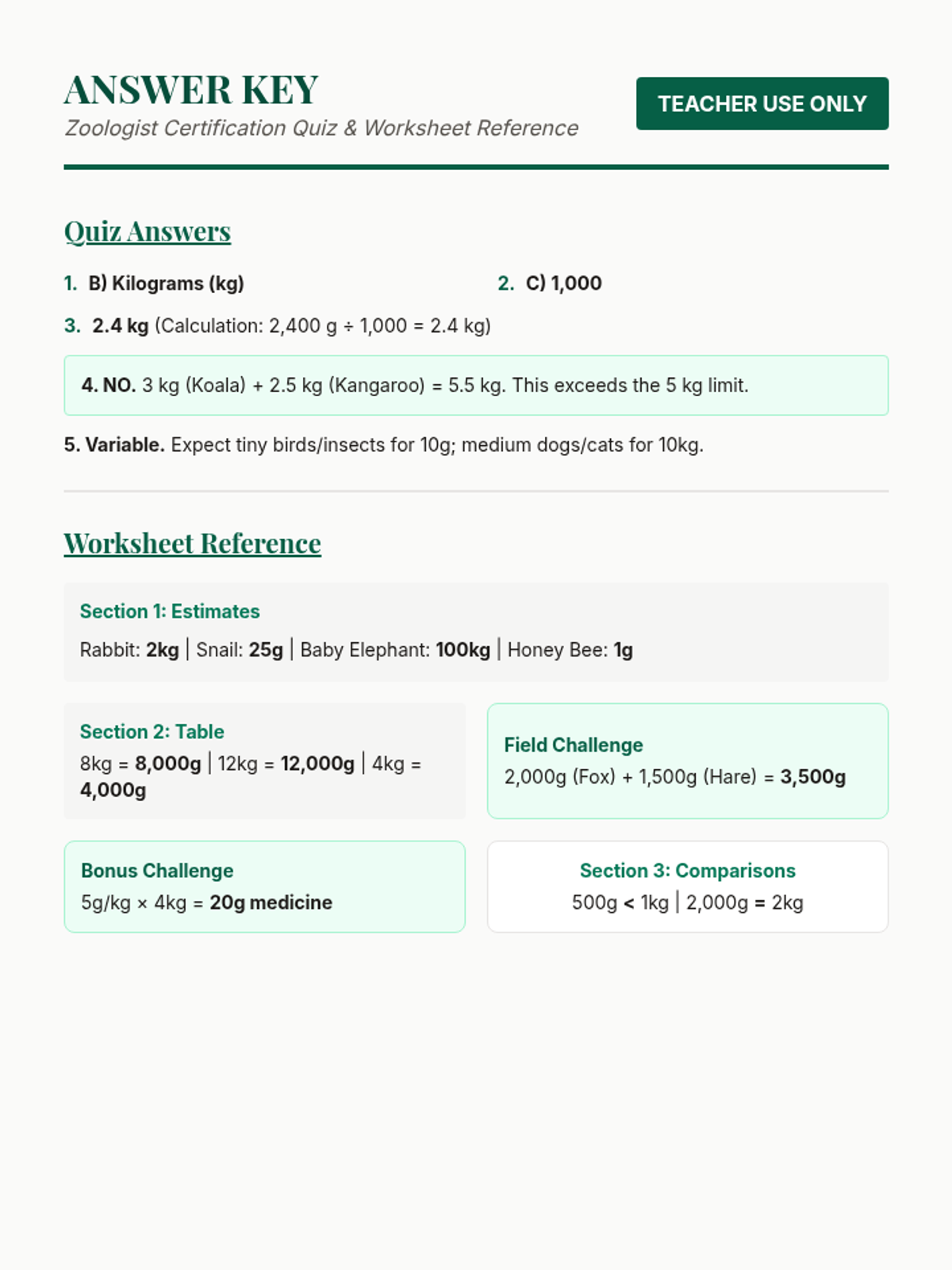
A math and science integrated lesson where students become zoologists, measuring and comparing the mass of animals to ensure safe transport. This lesson covers grams and kilograms with metric conversions for differentiated 2nd and 4th-grade learning.
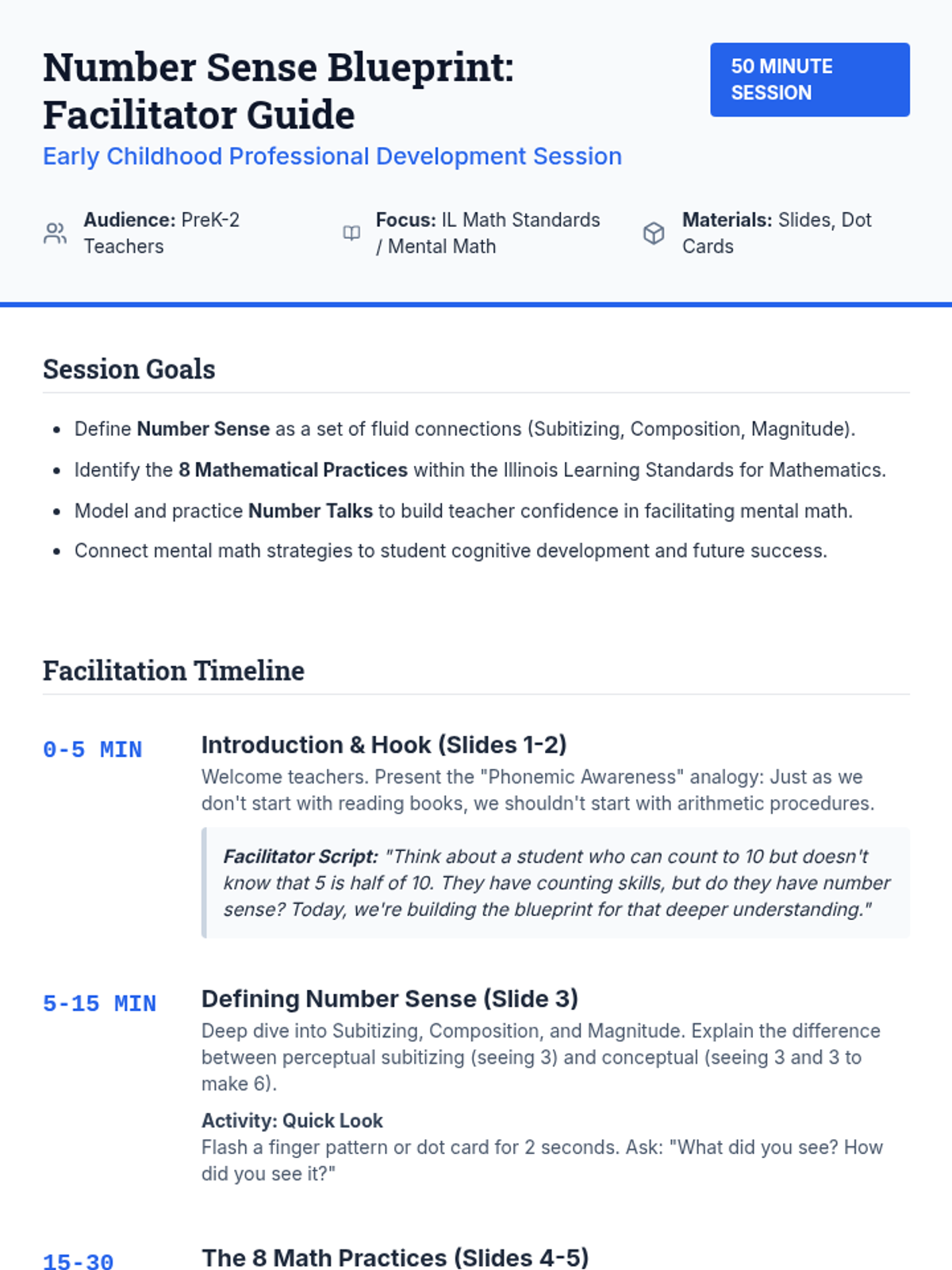
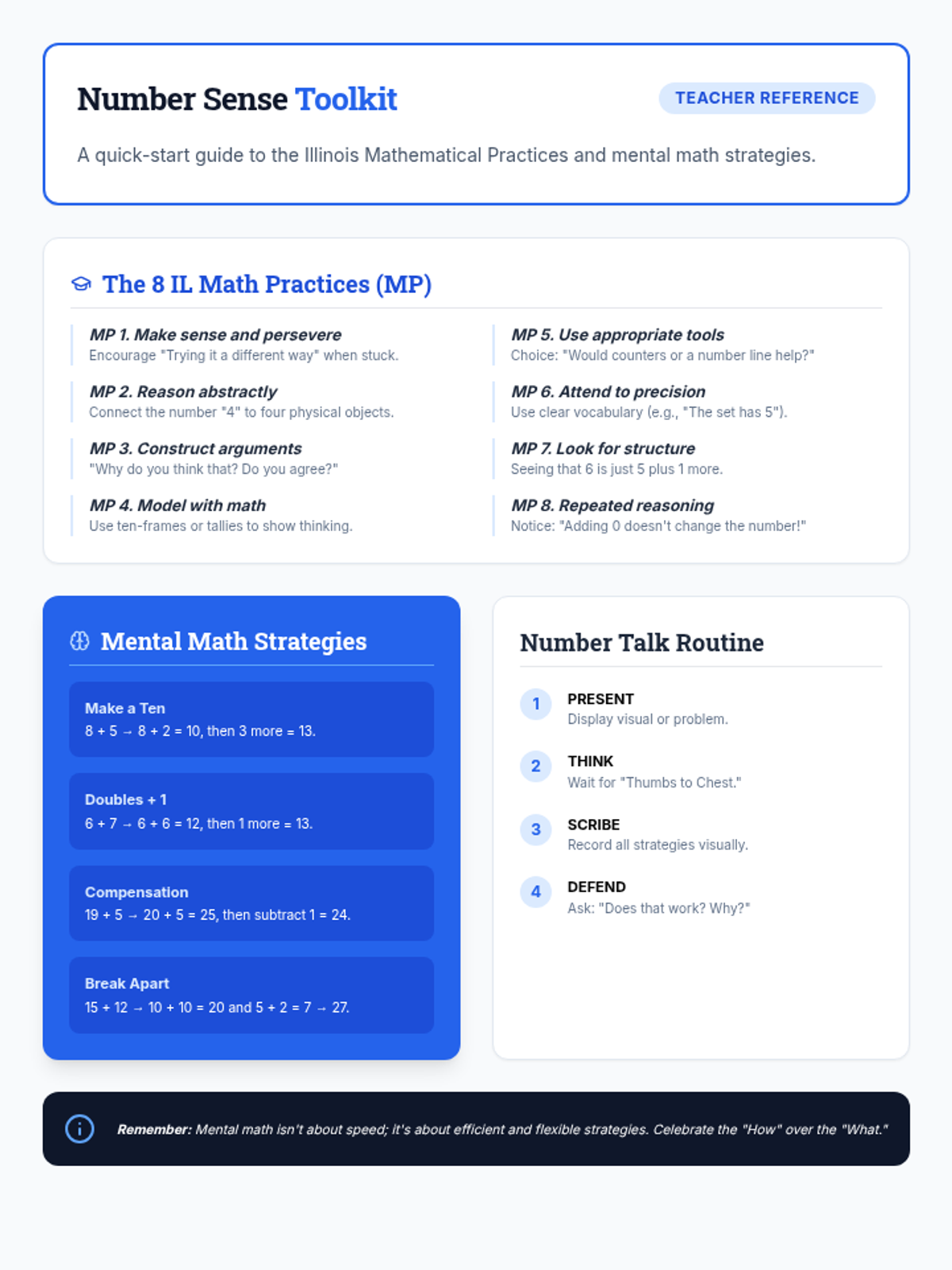
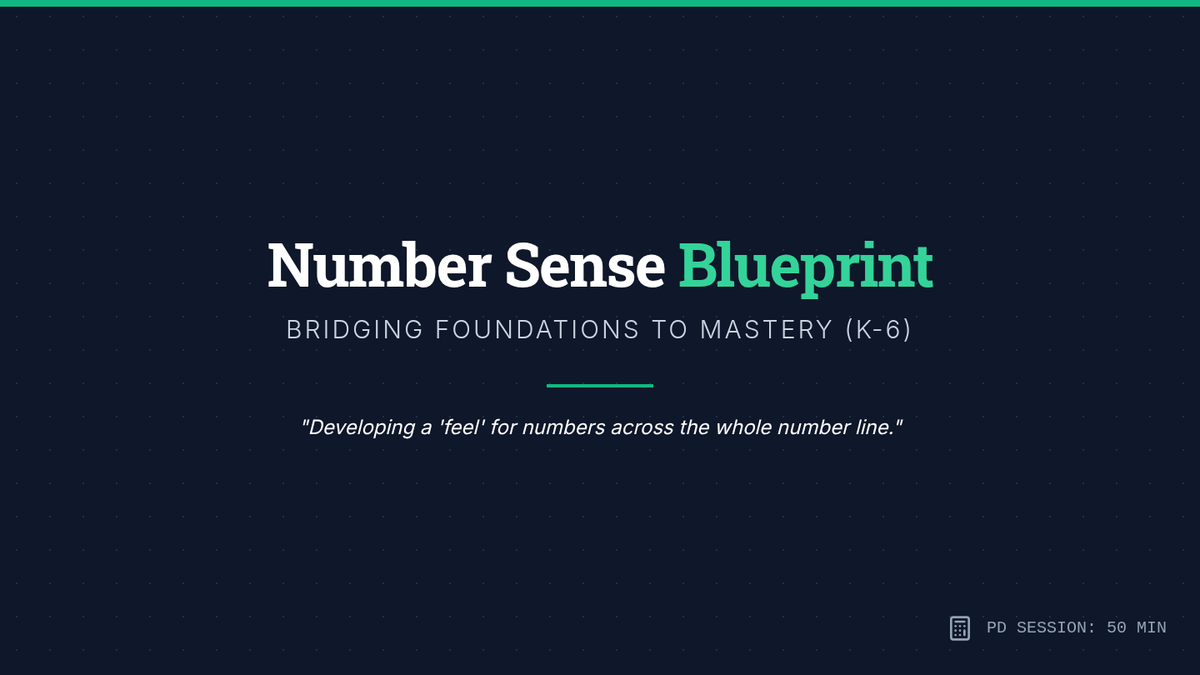
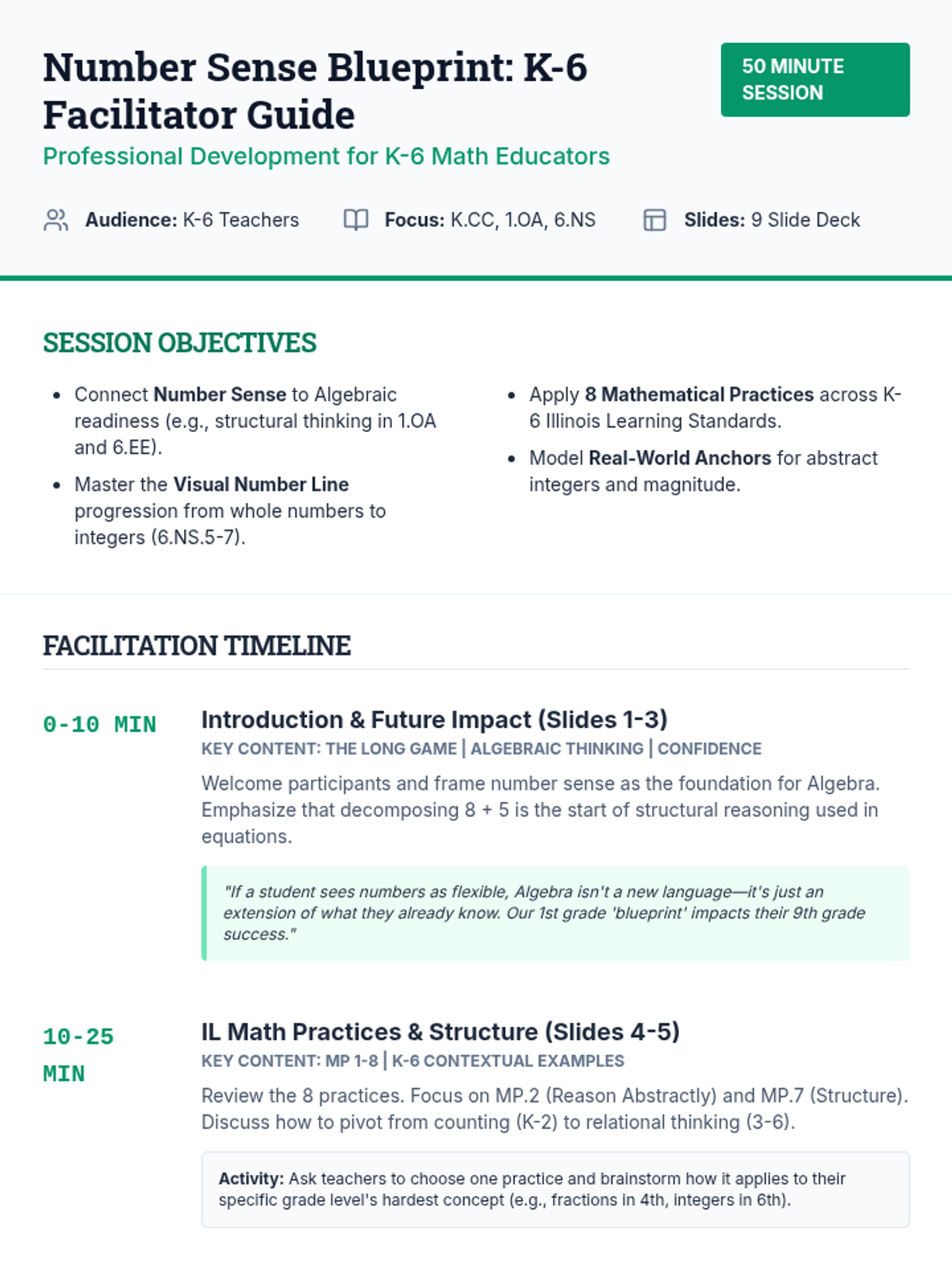
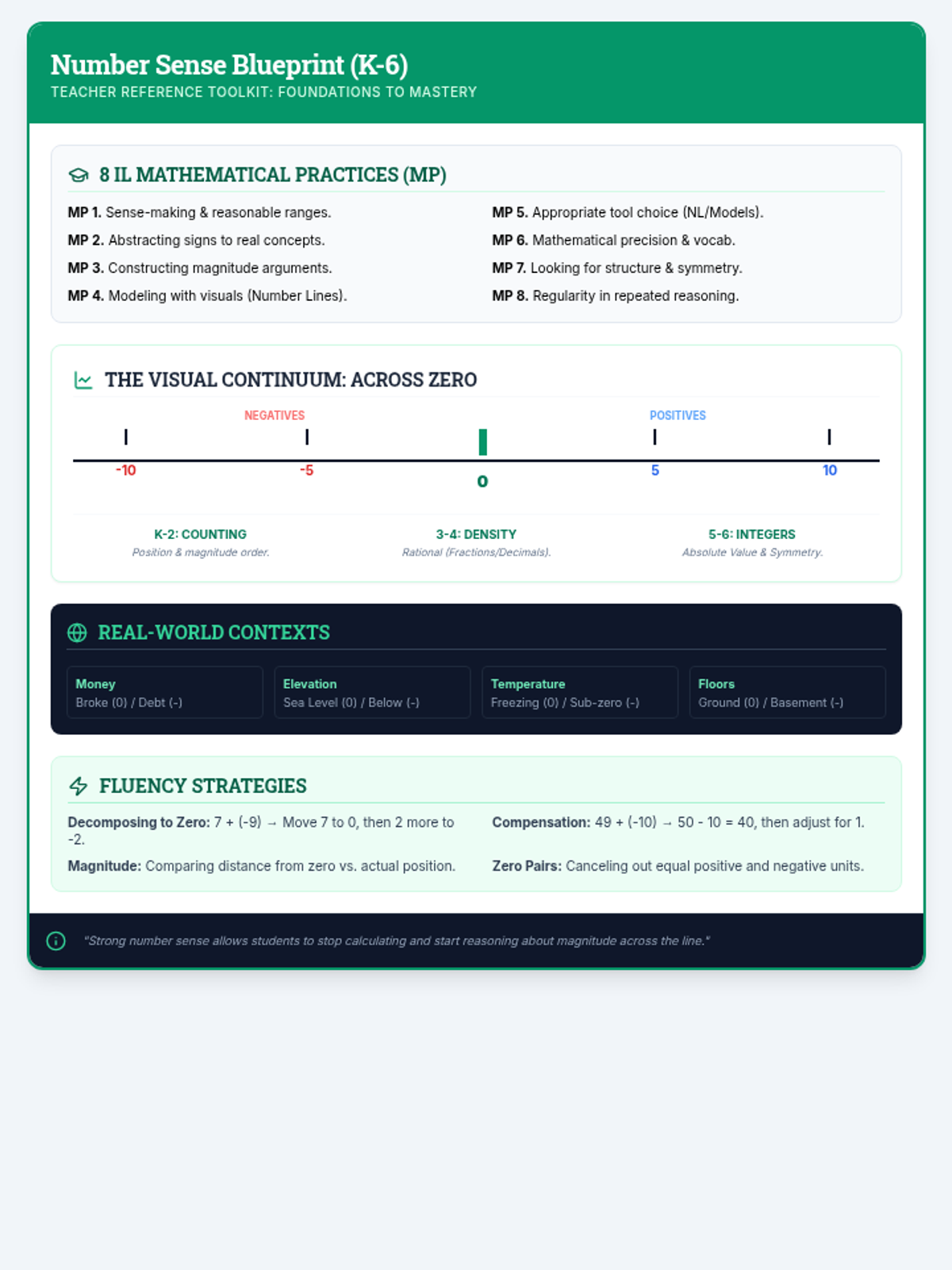
A 50-minute professional development session for K-6 educators focusing on number sense, the visual number line (positive and negative), real-world applications, and the 8 IL Mathematical Practices.
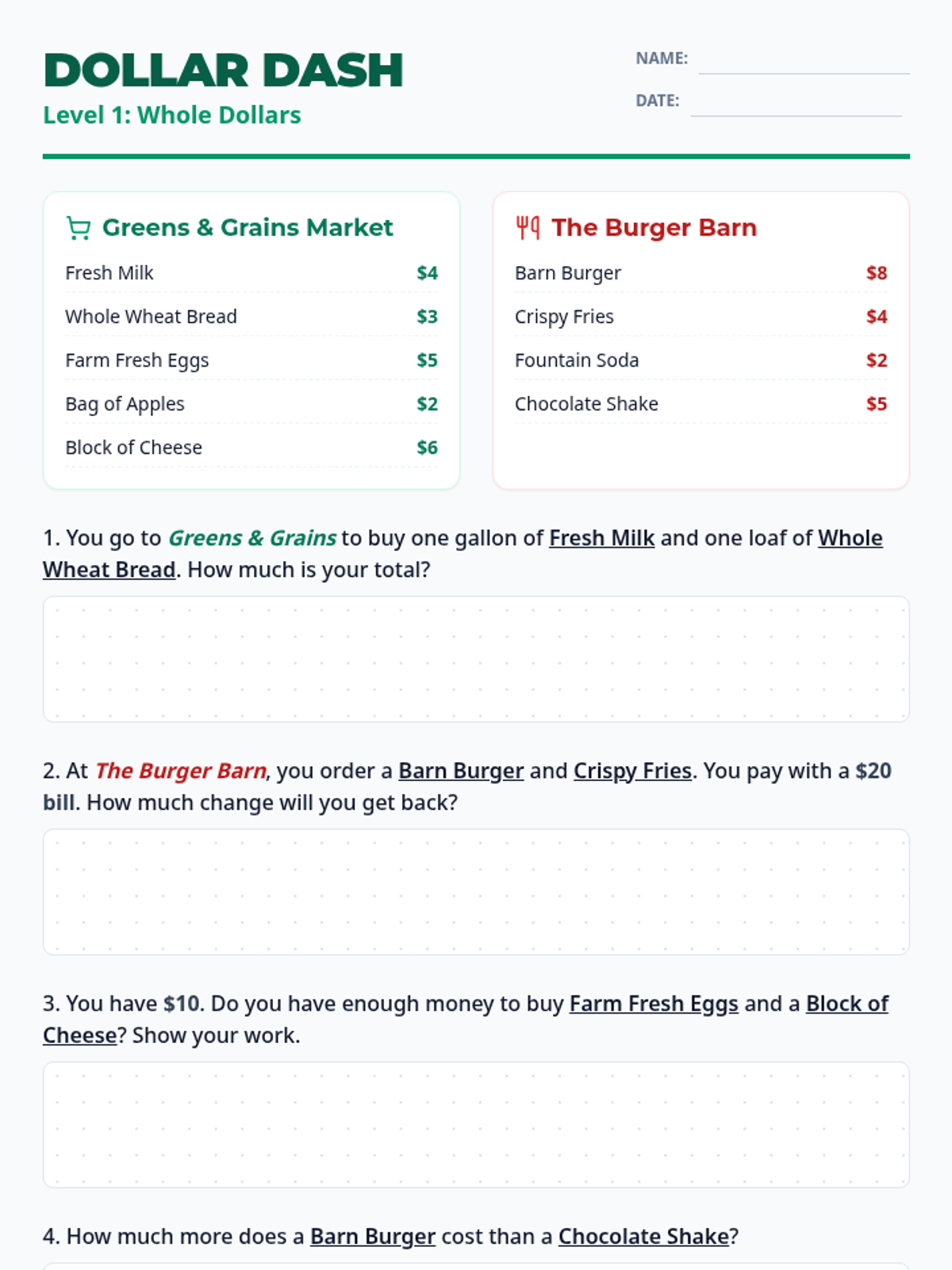
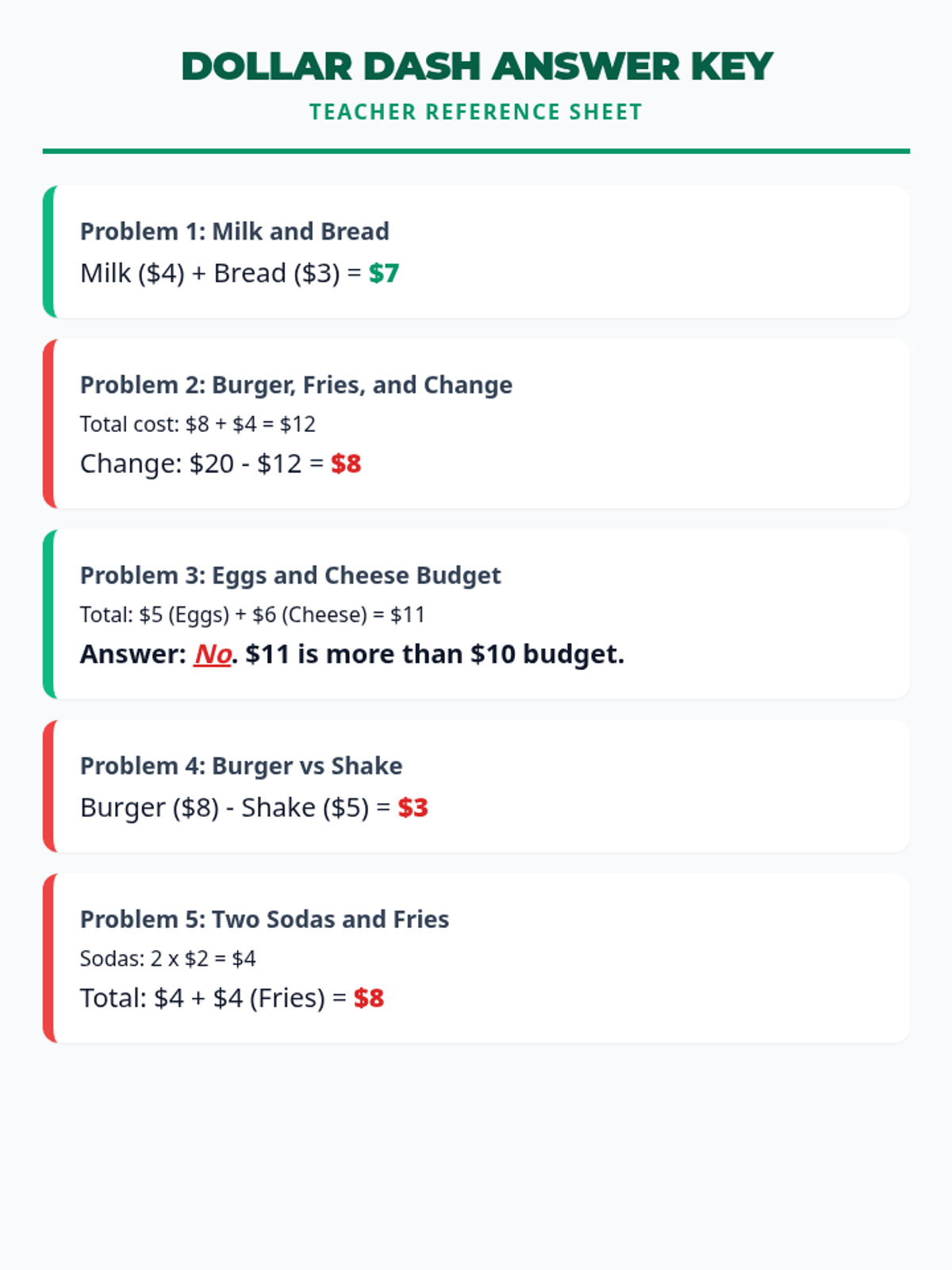
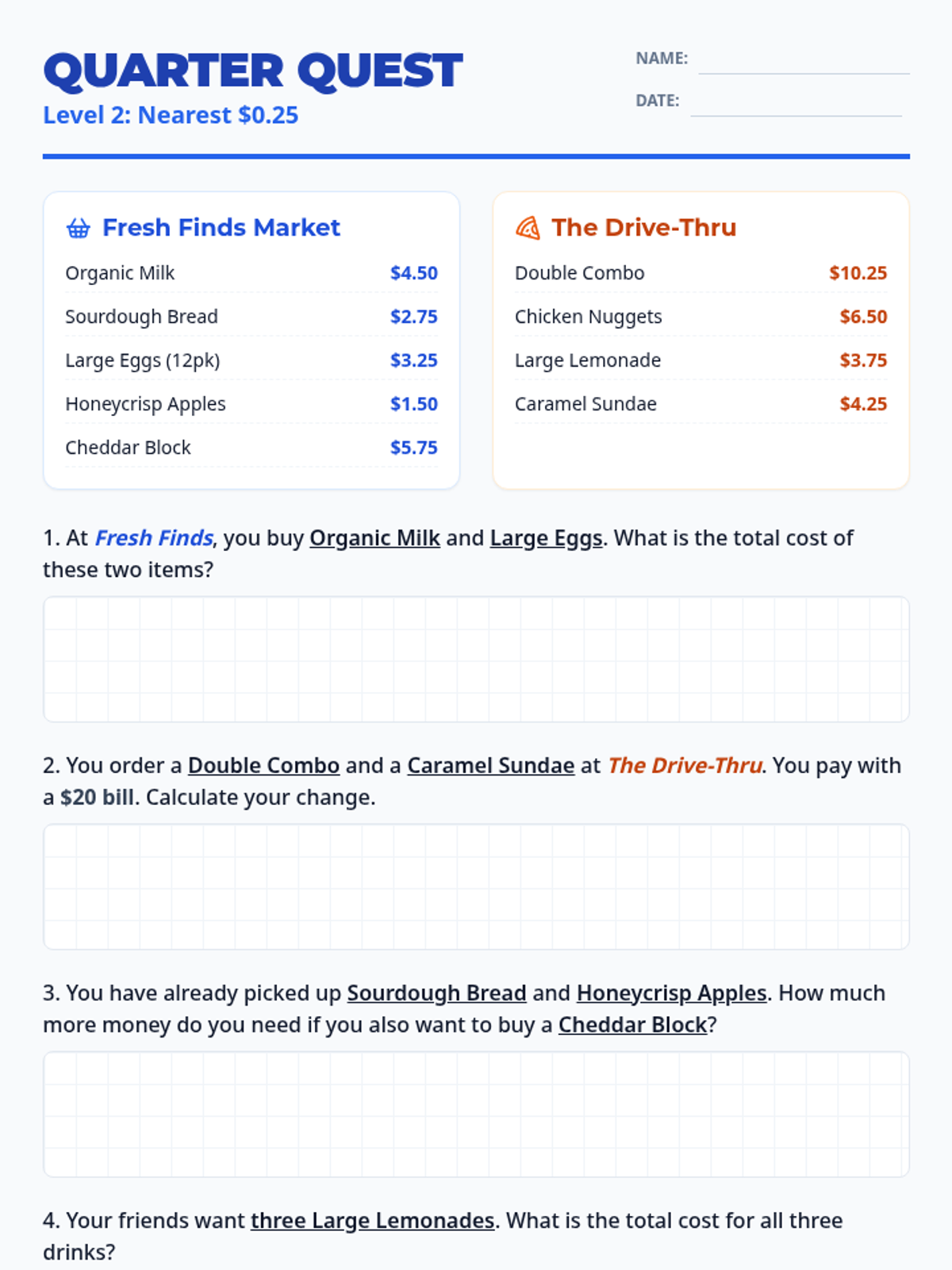
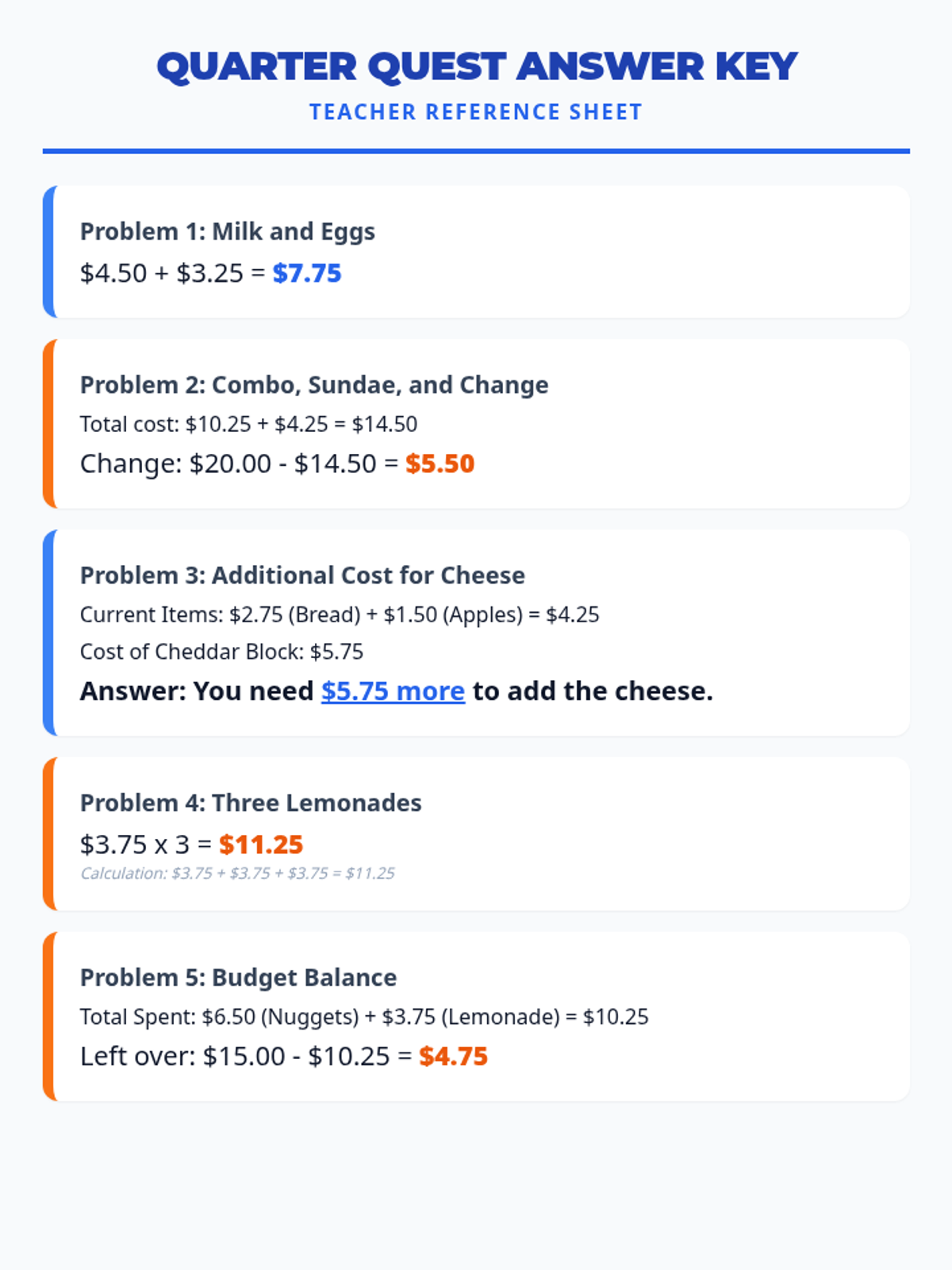
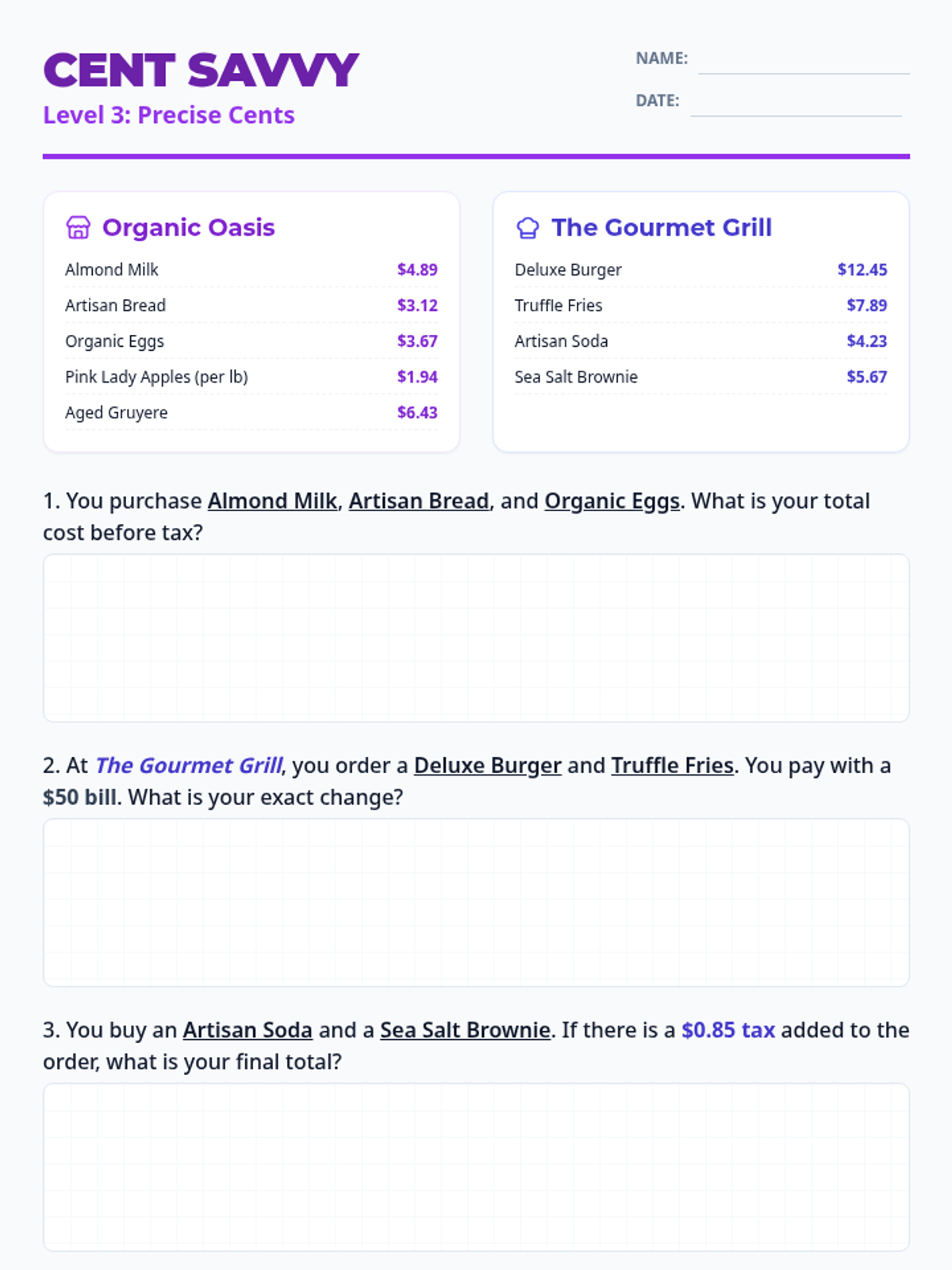
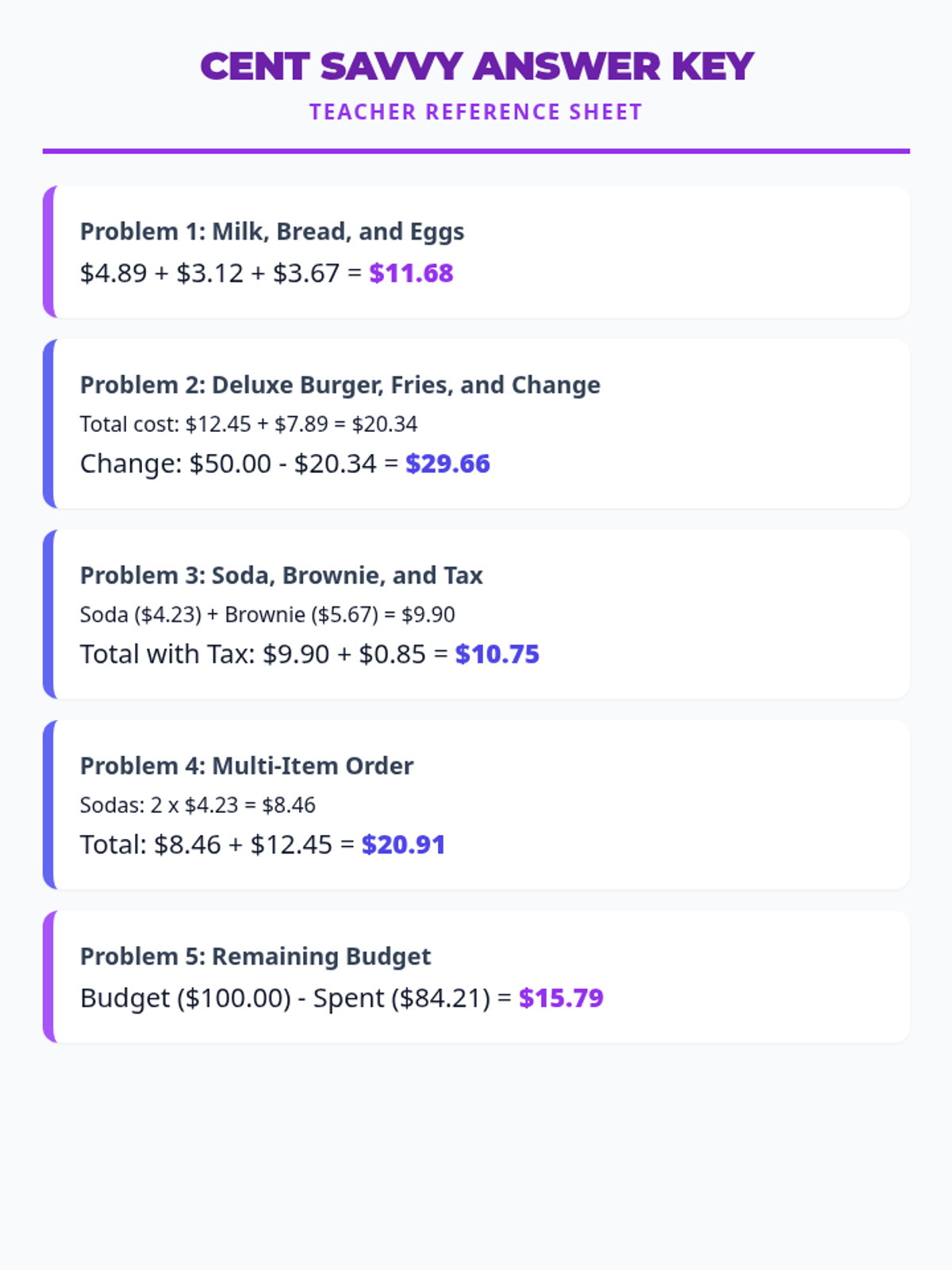
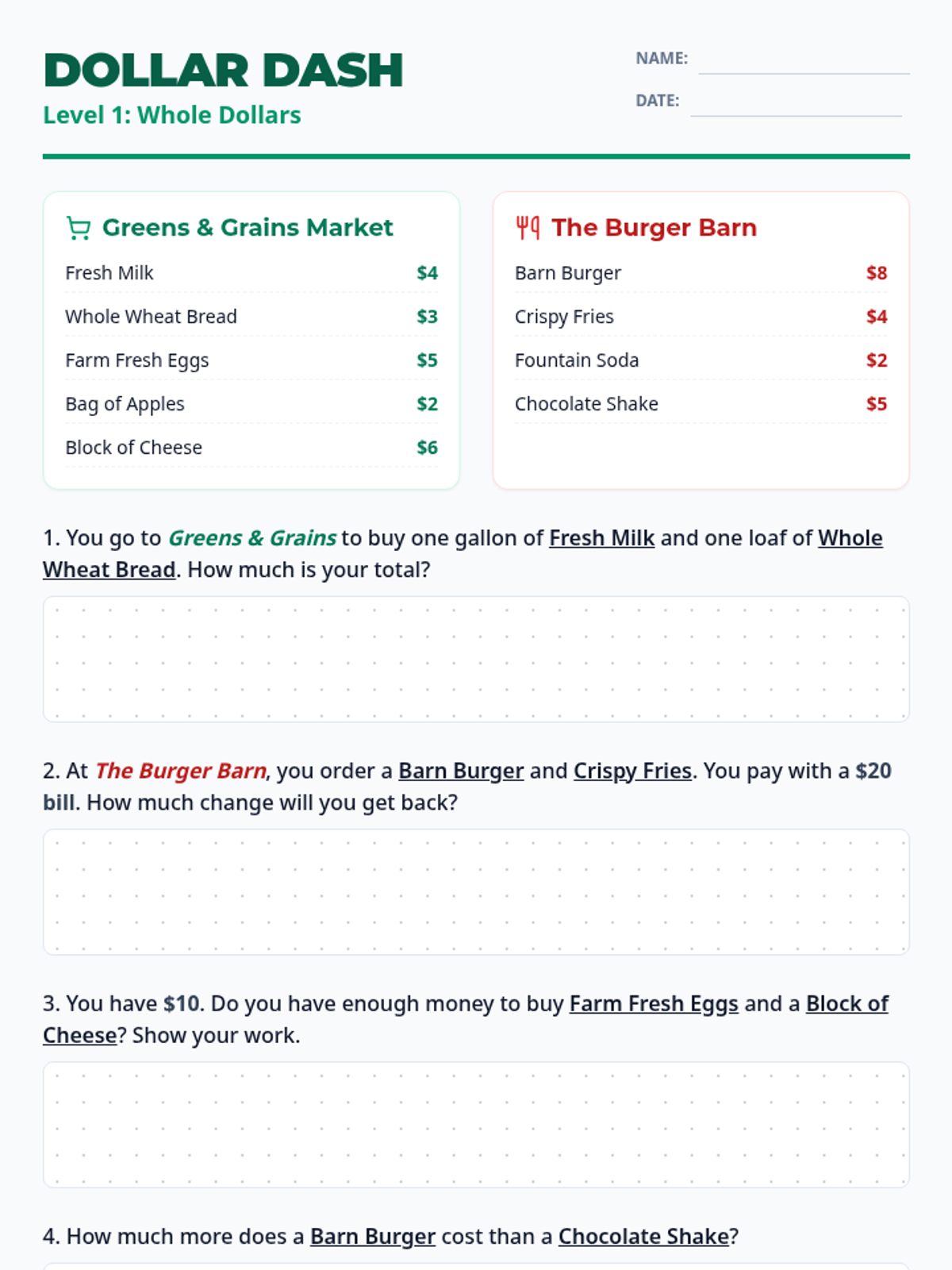
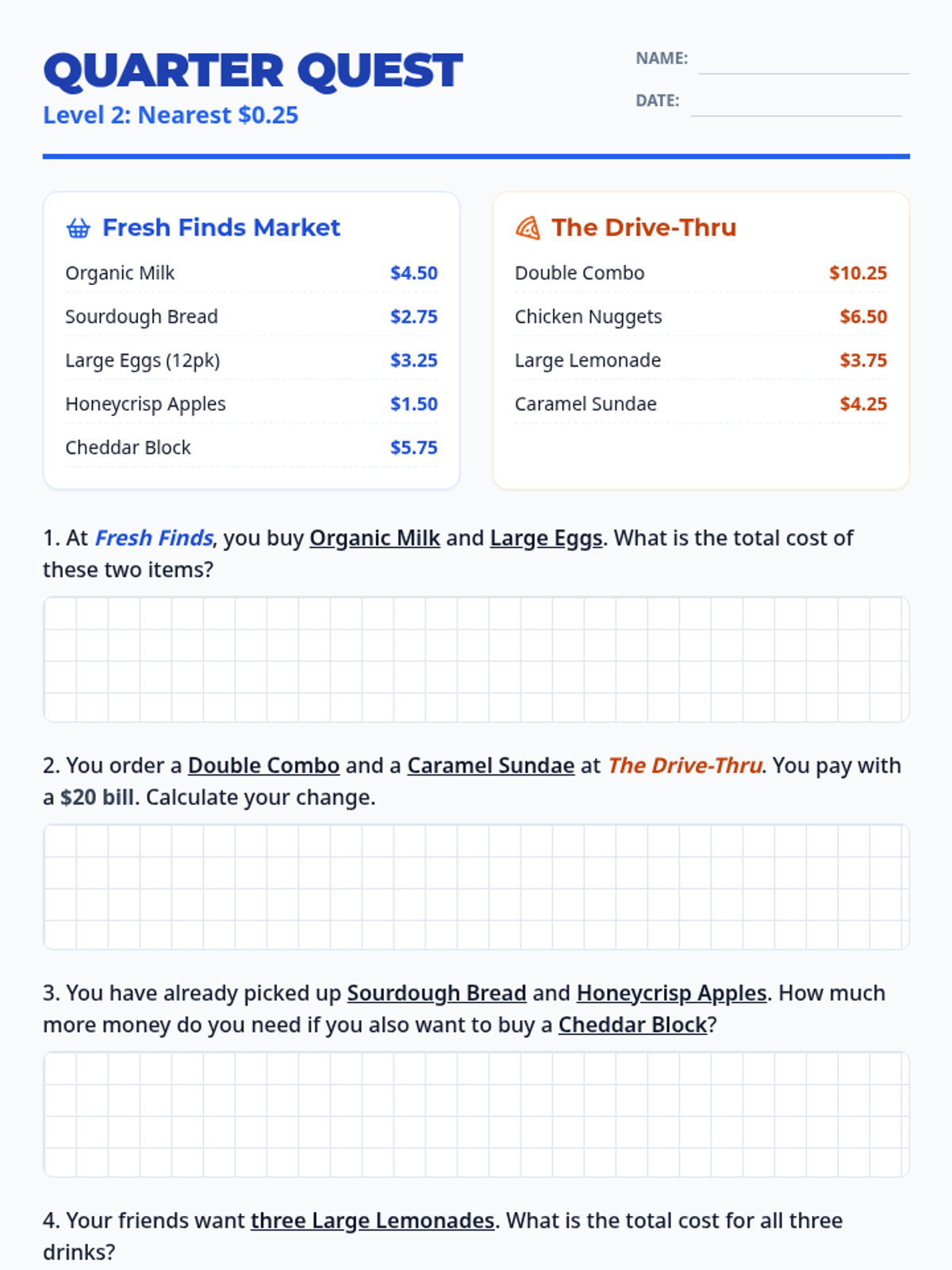
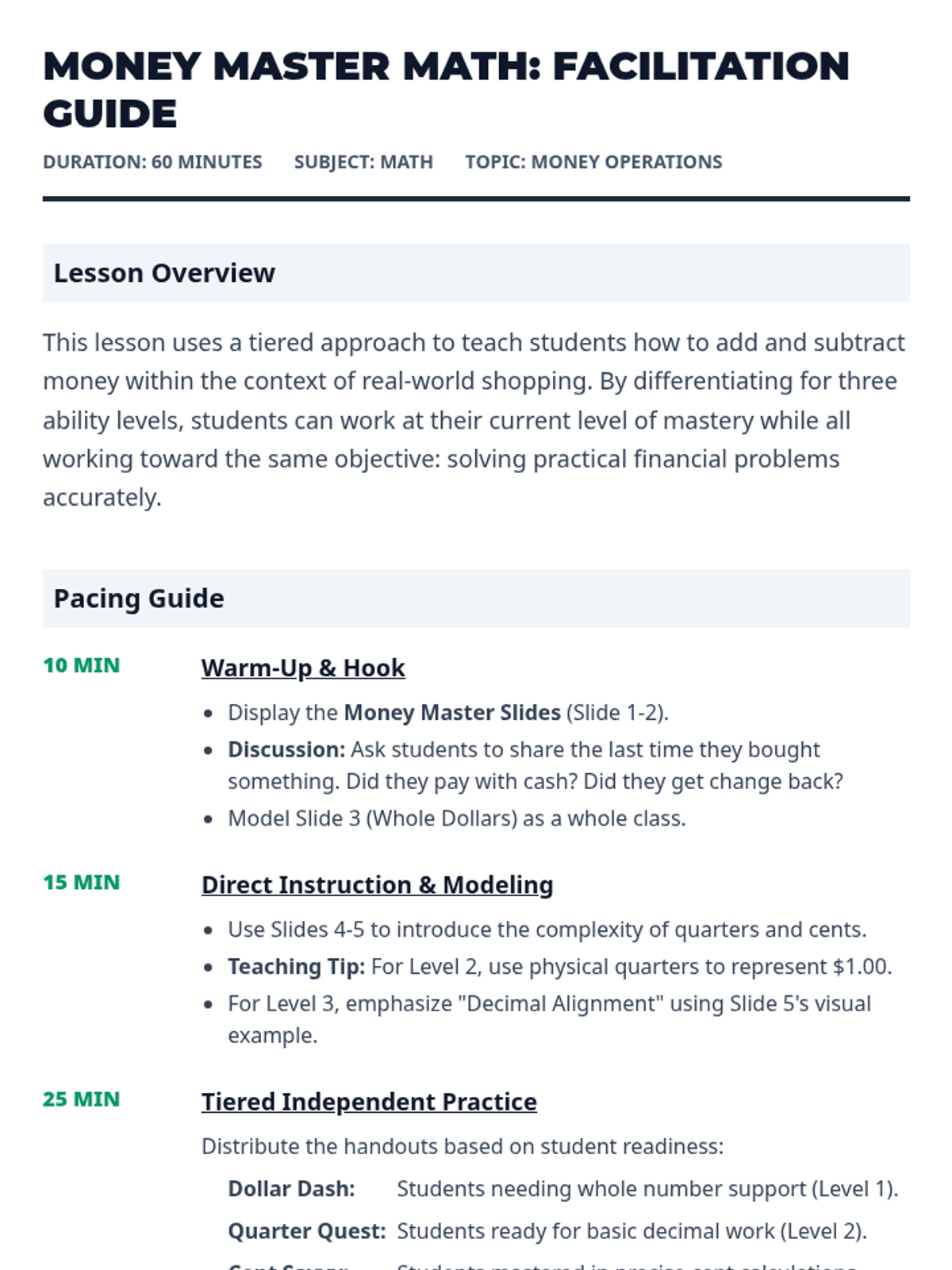
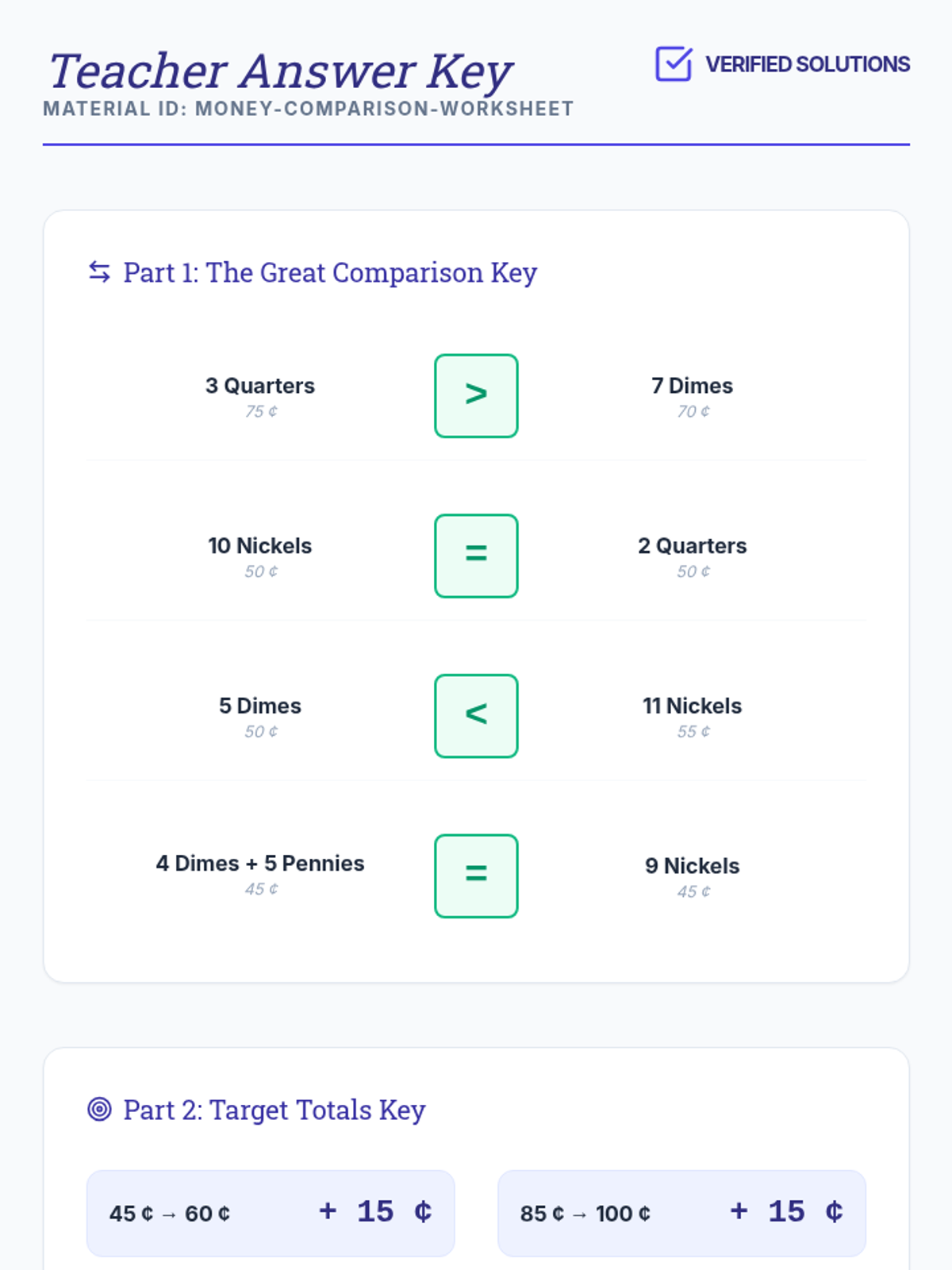
A tiered math lesson focusing on real-world money applications in grocery stores and fast food restaurants, differentiated for three ability levels ranging from whole dollars to precise cent calculations.
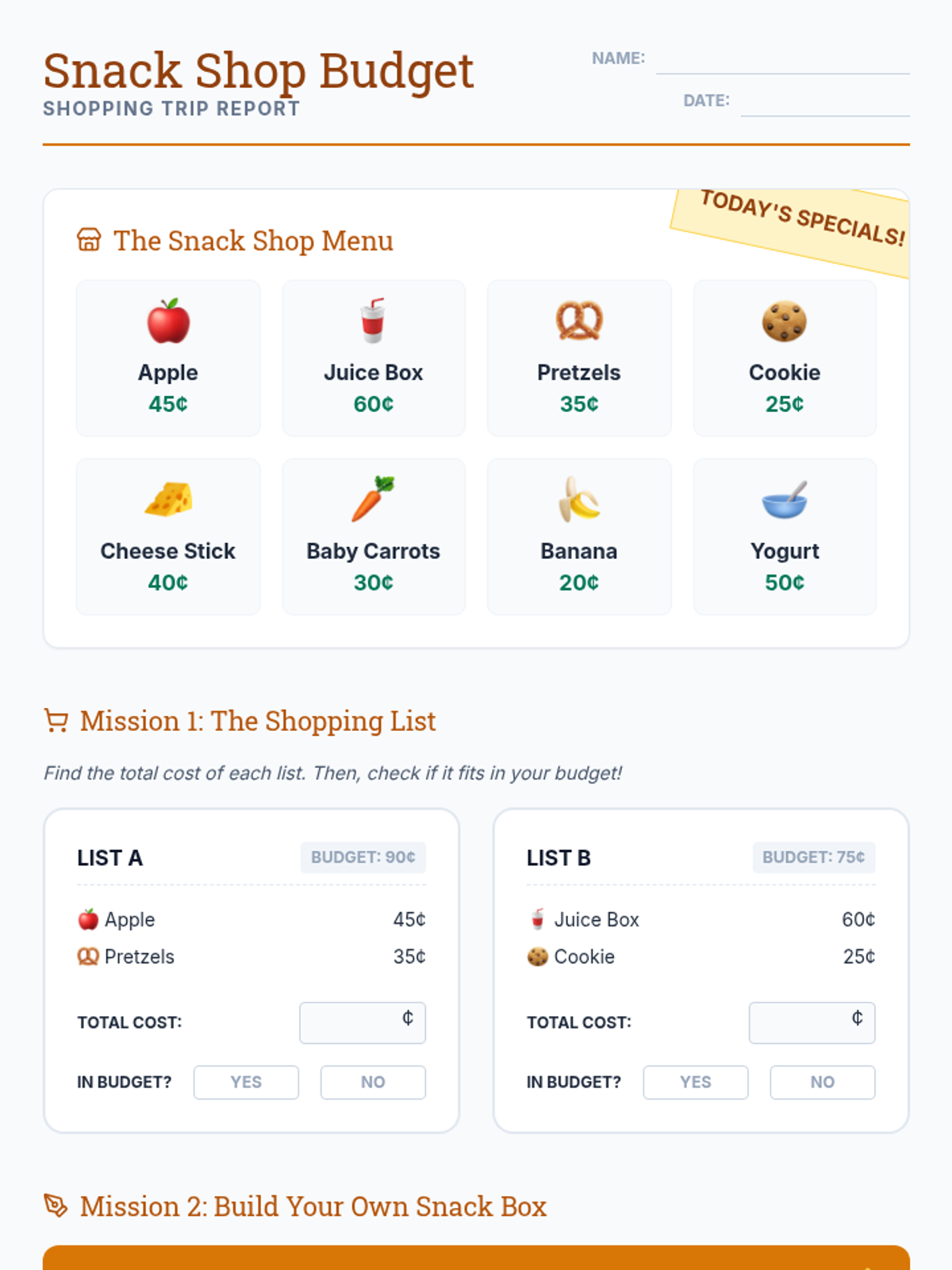
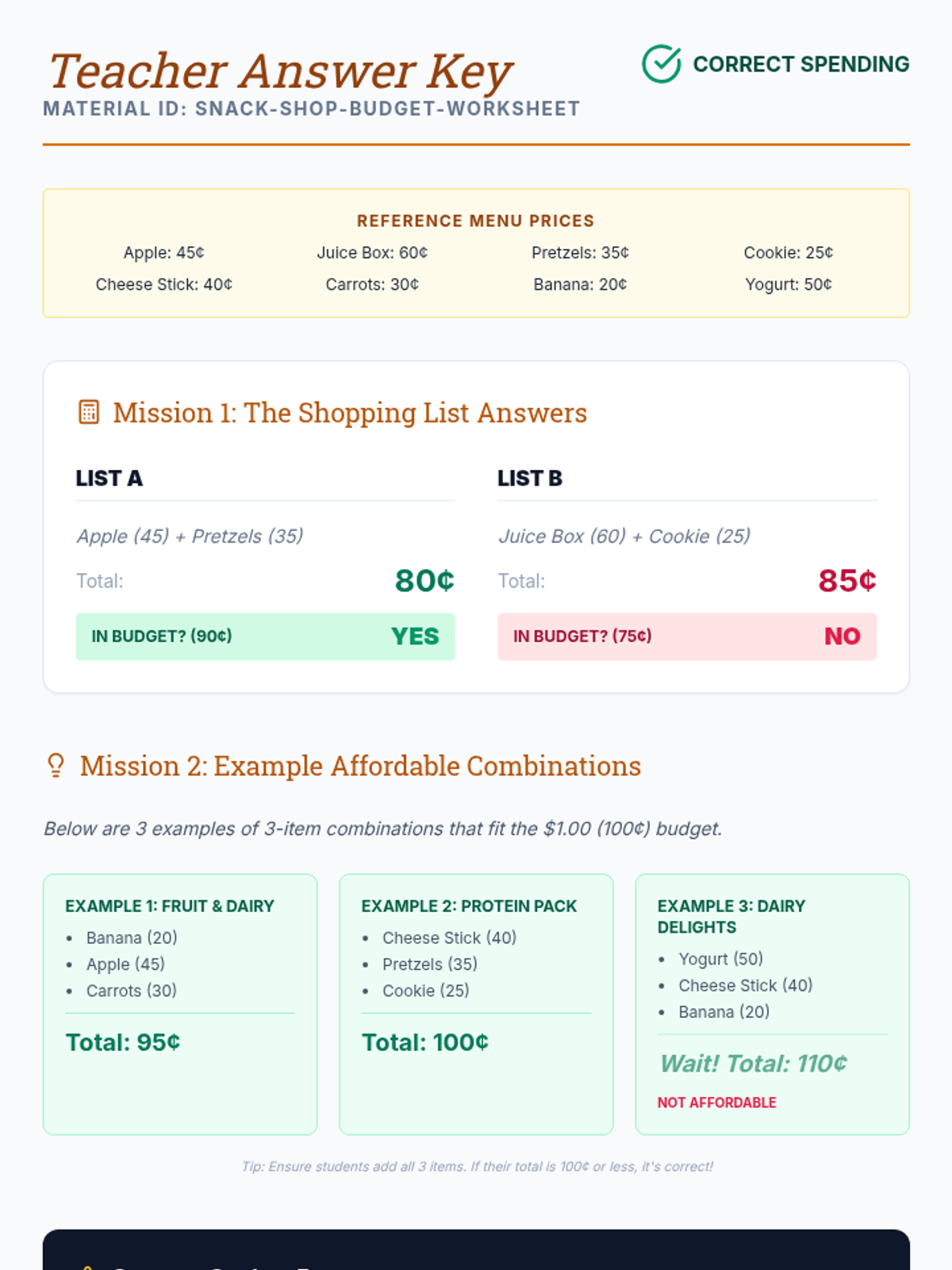
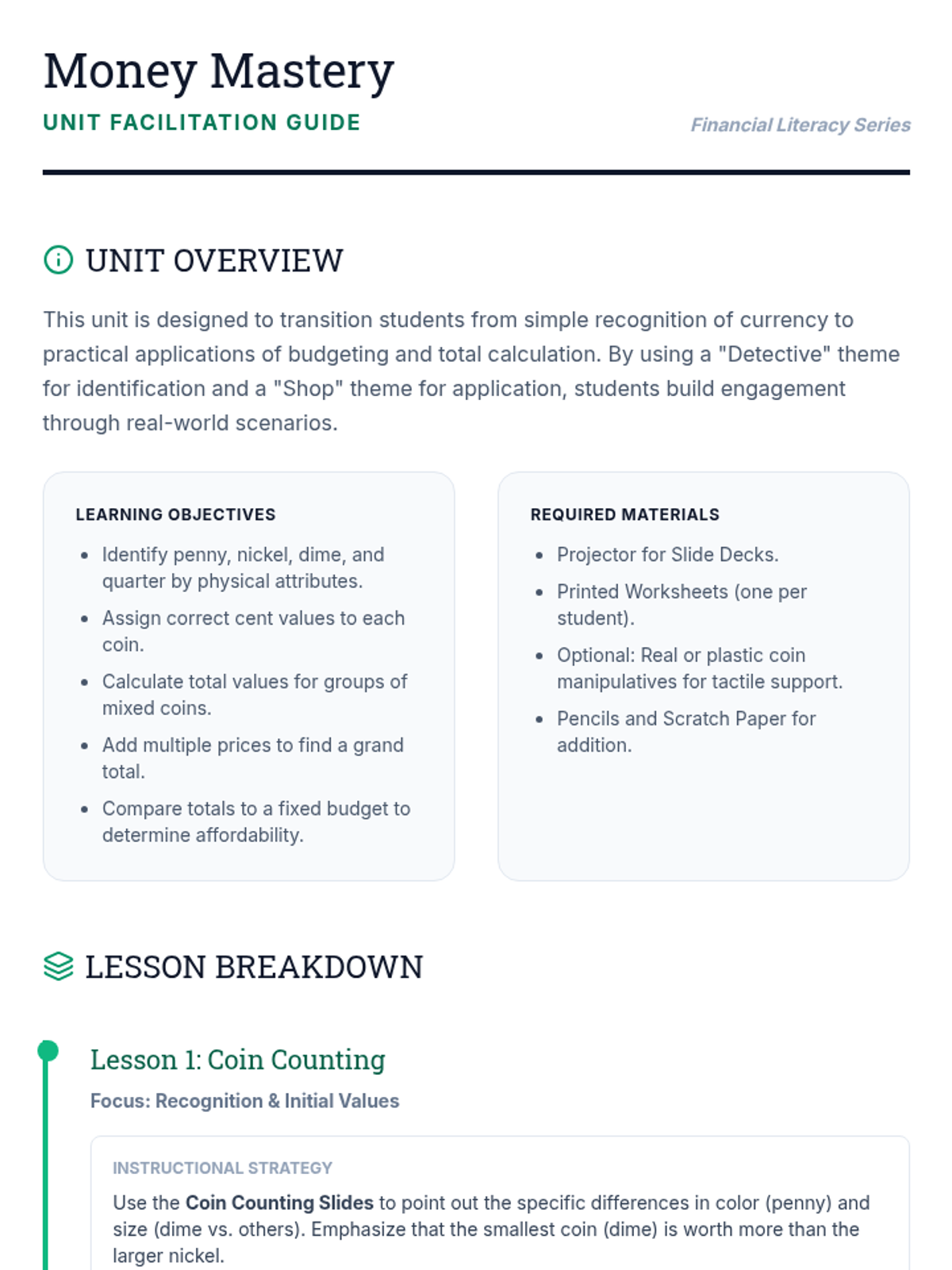
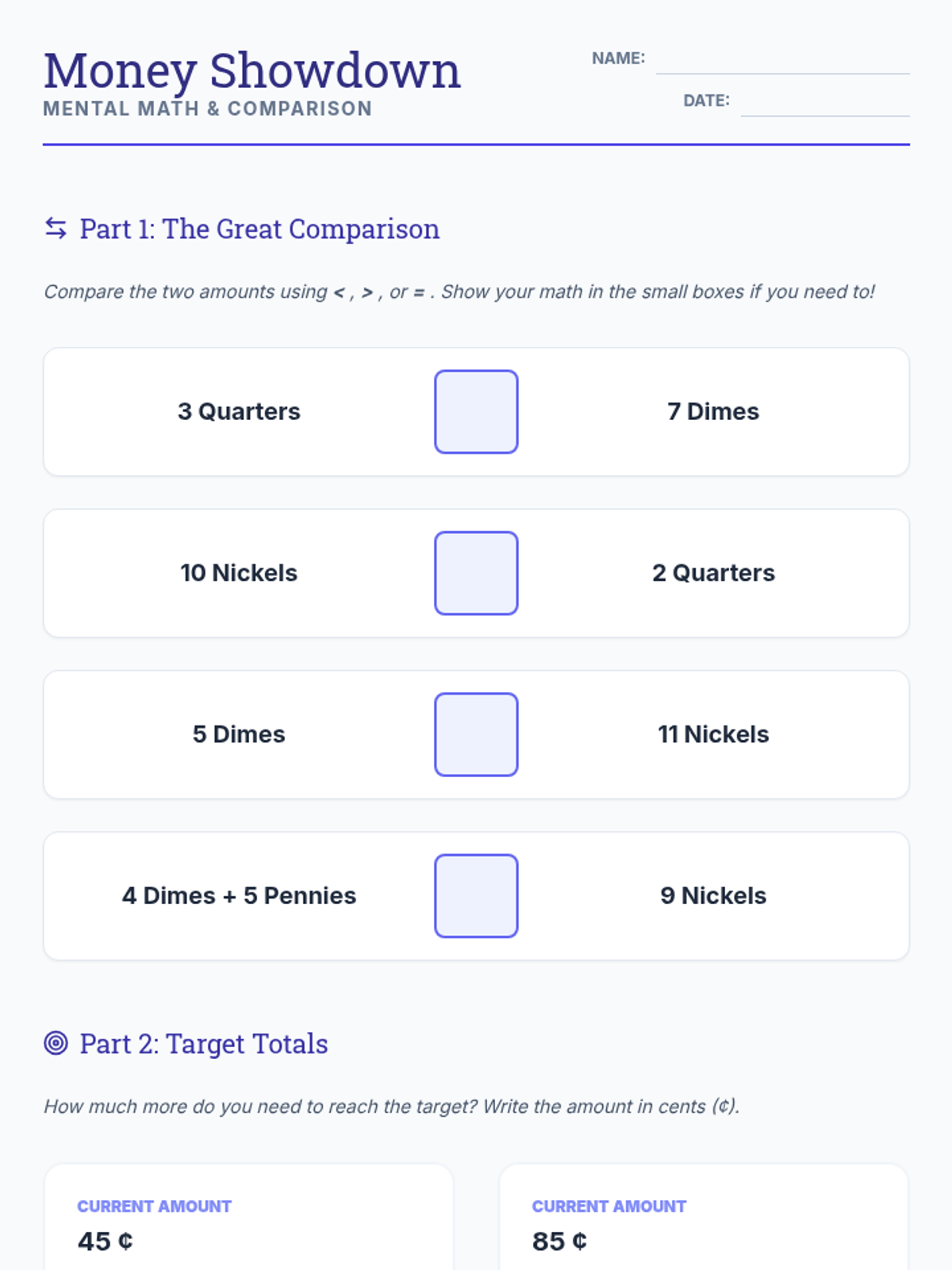
This lesson teaches students how to calculate total costs of multiple items and make spending decisions based on a fixed budget.
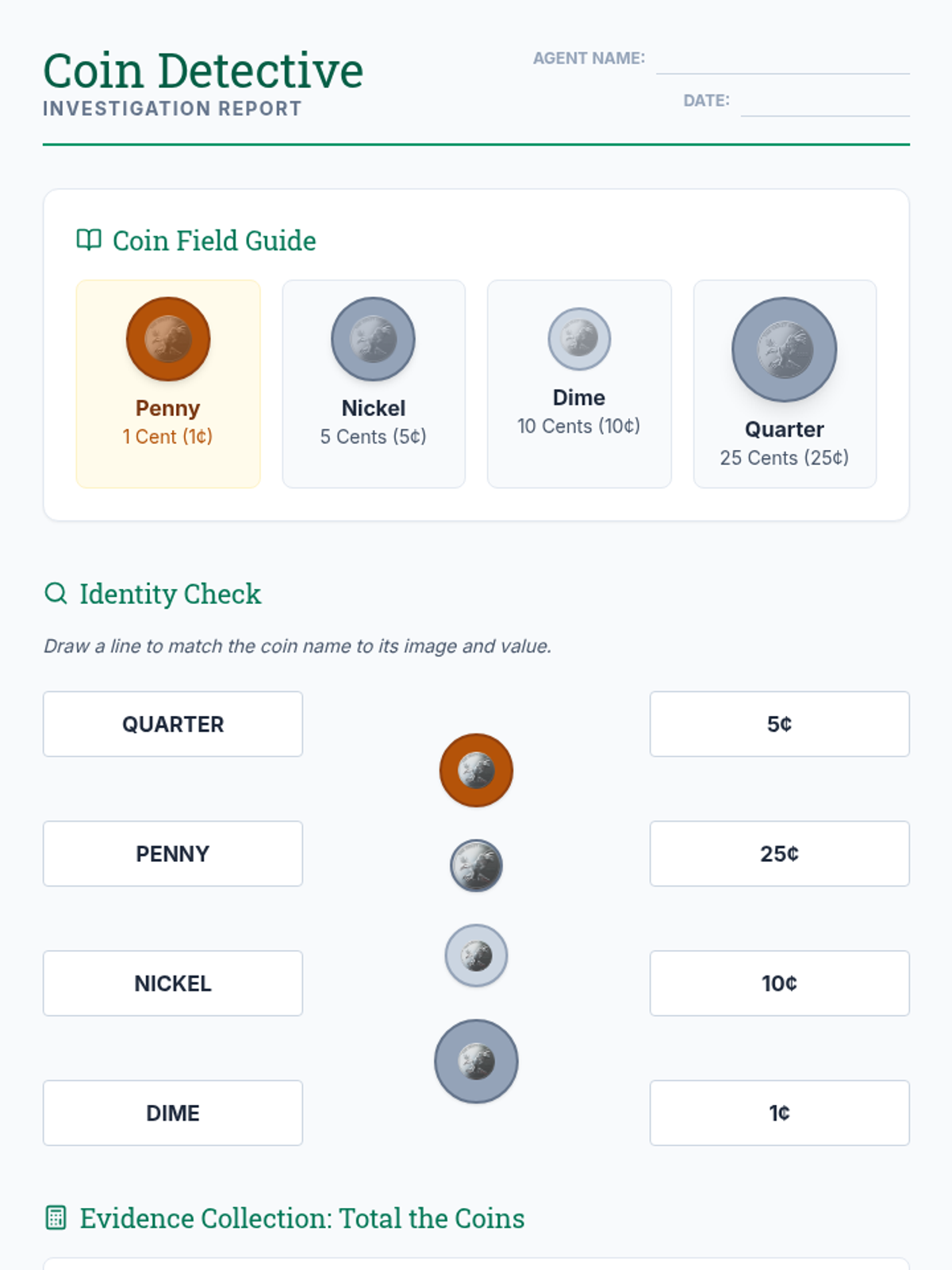
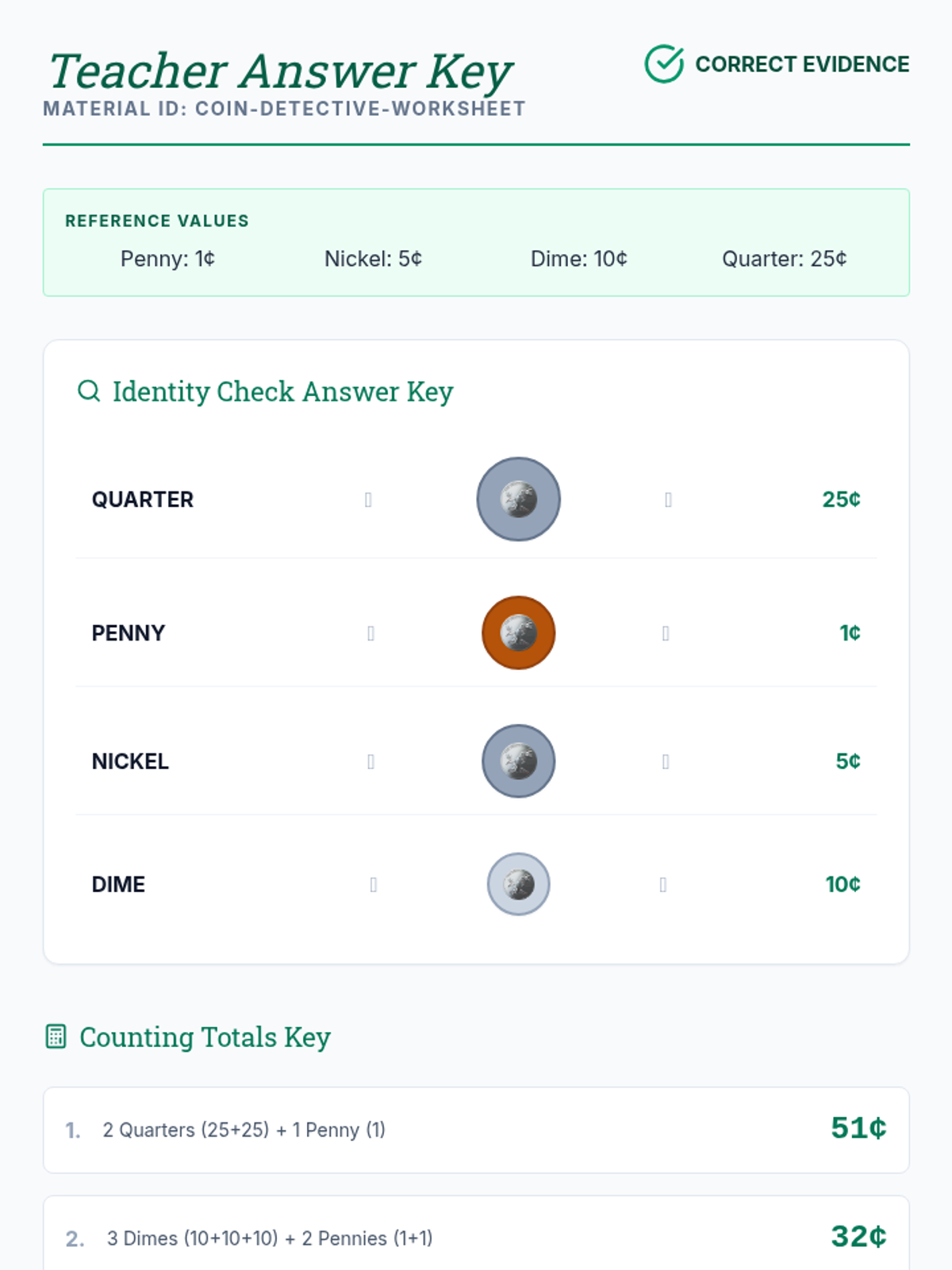
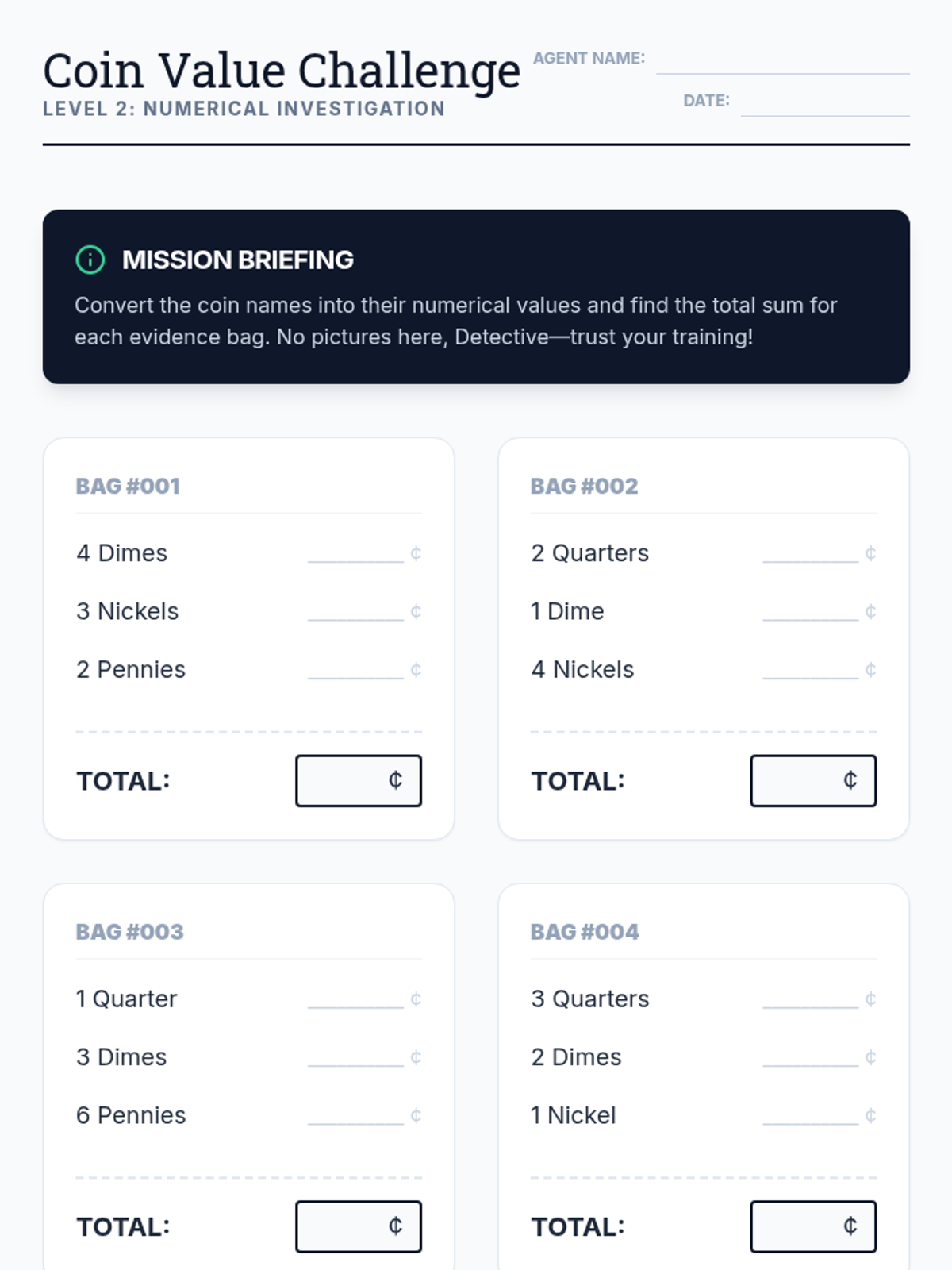
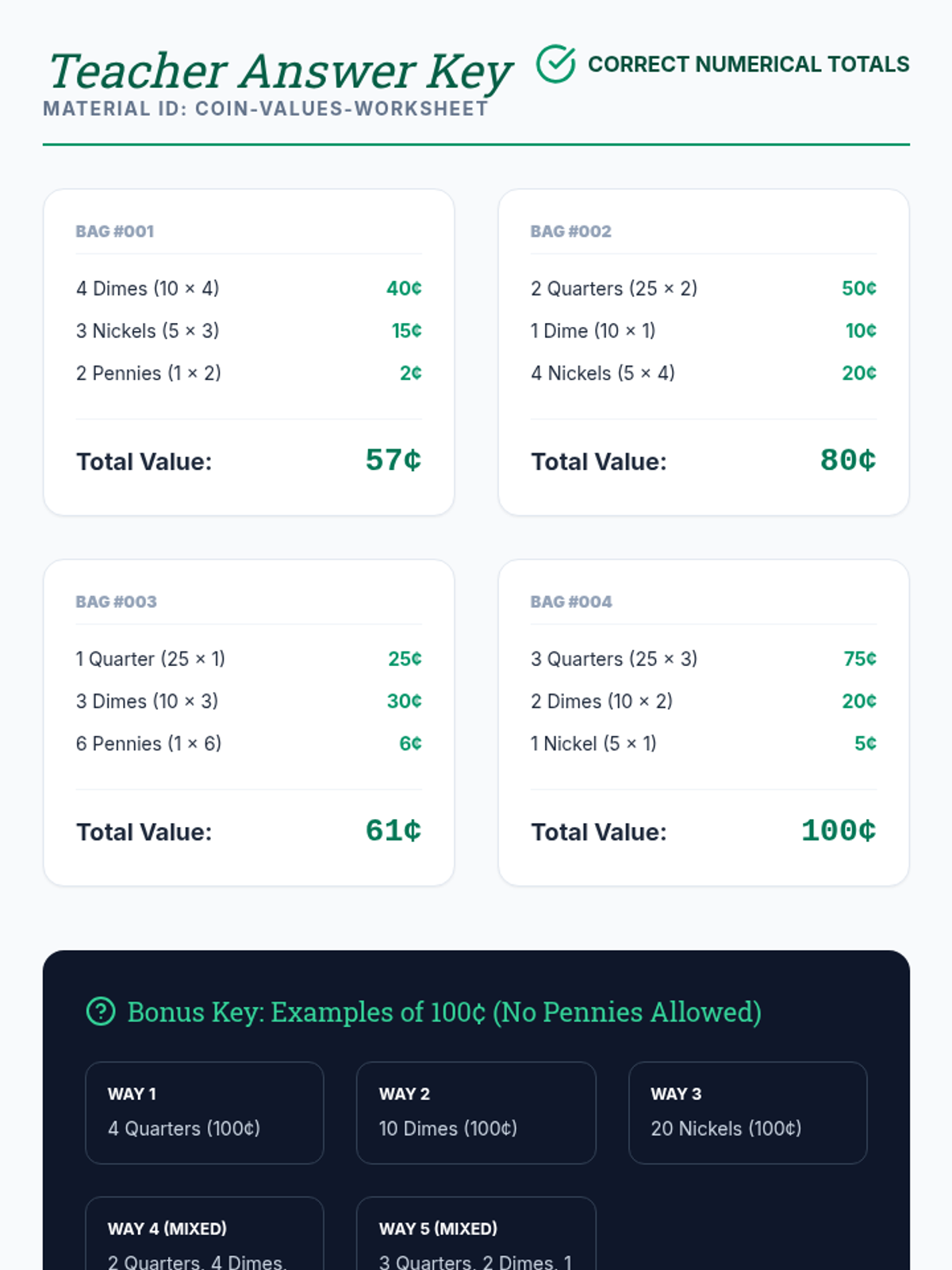
This lesson focuses on identifying US coins (penny, nickel, dime, quarter) and their respective values through visual recognition and matching.
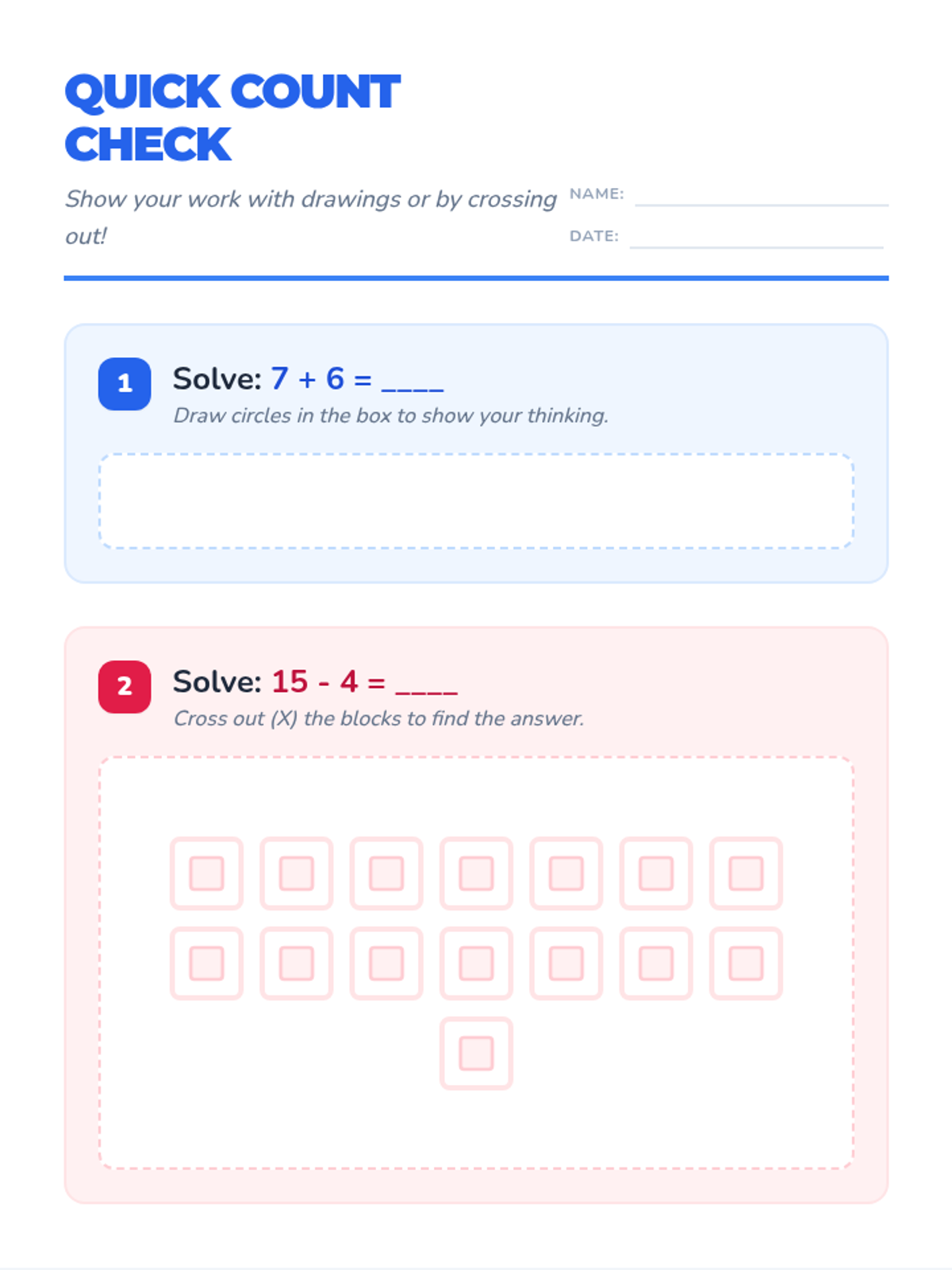
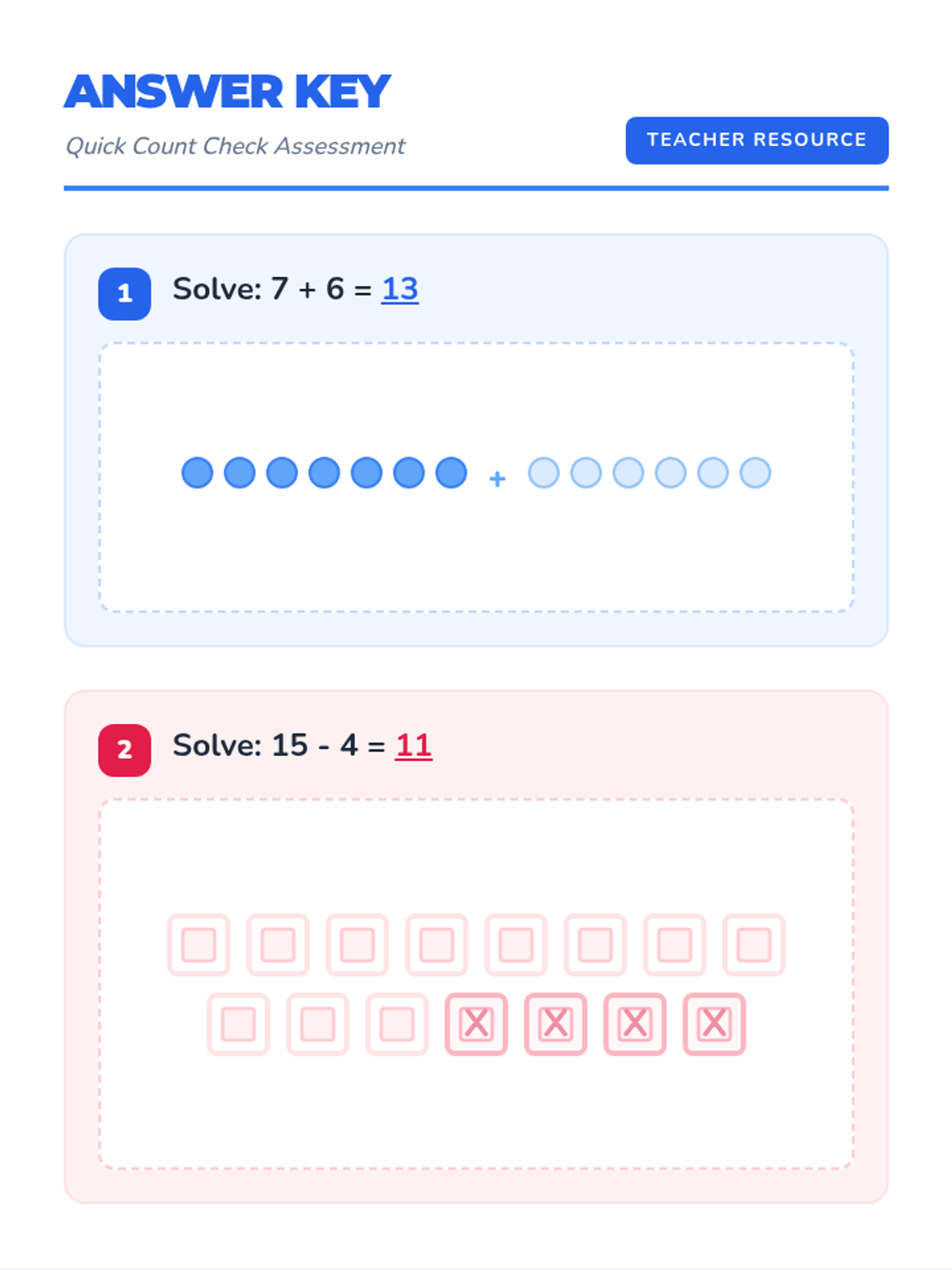
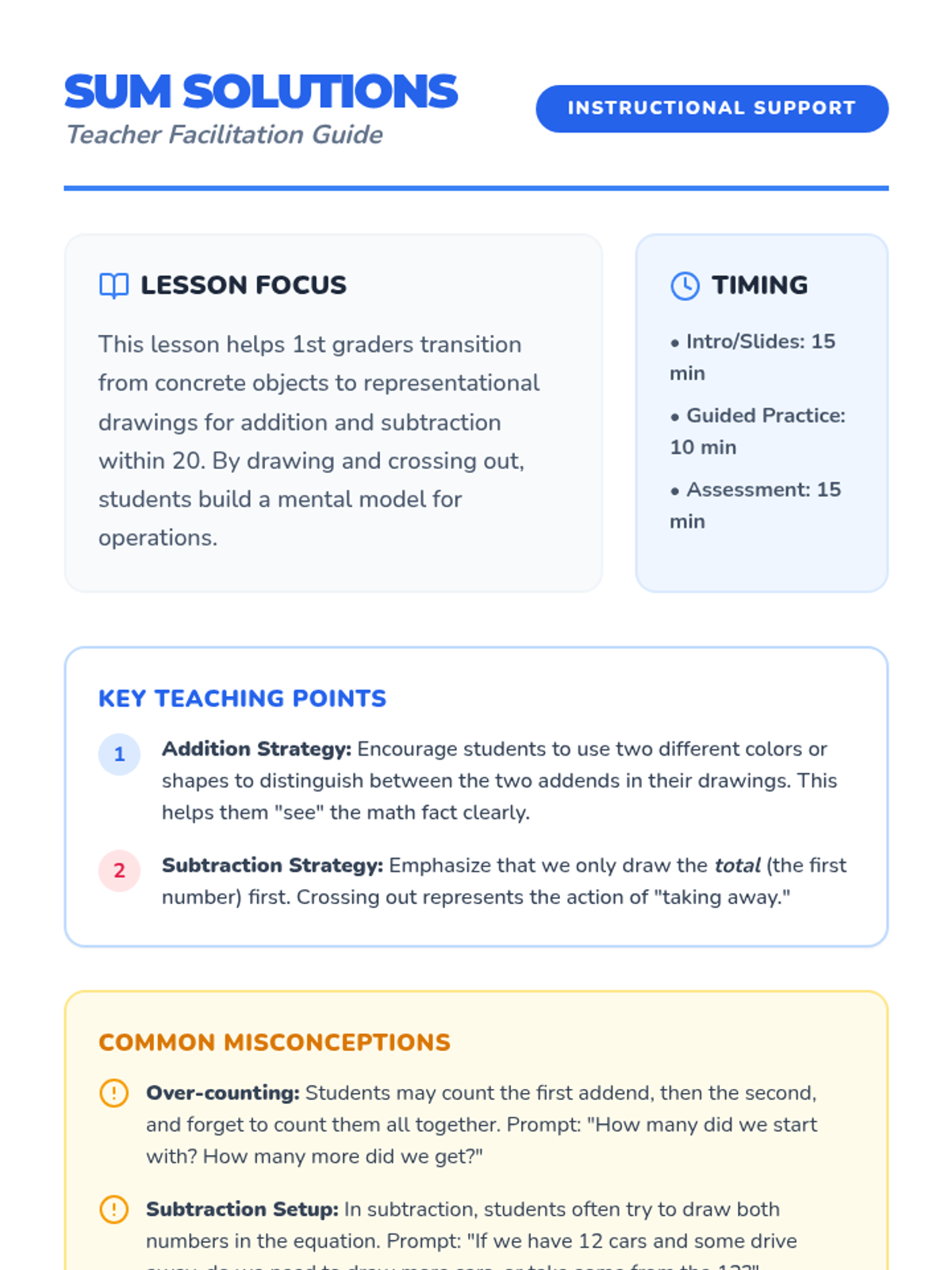
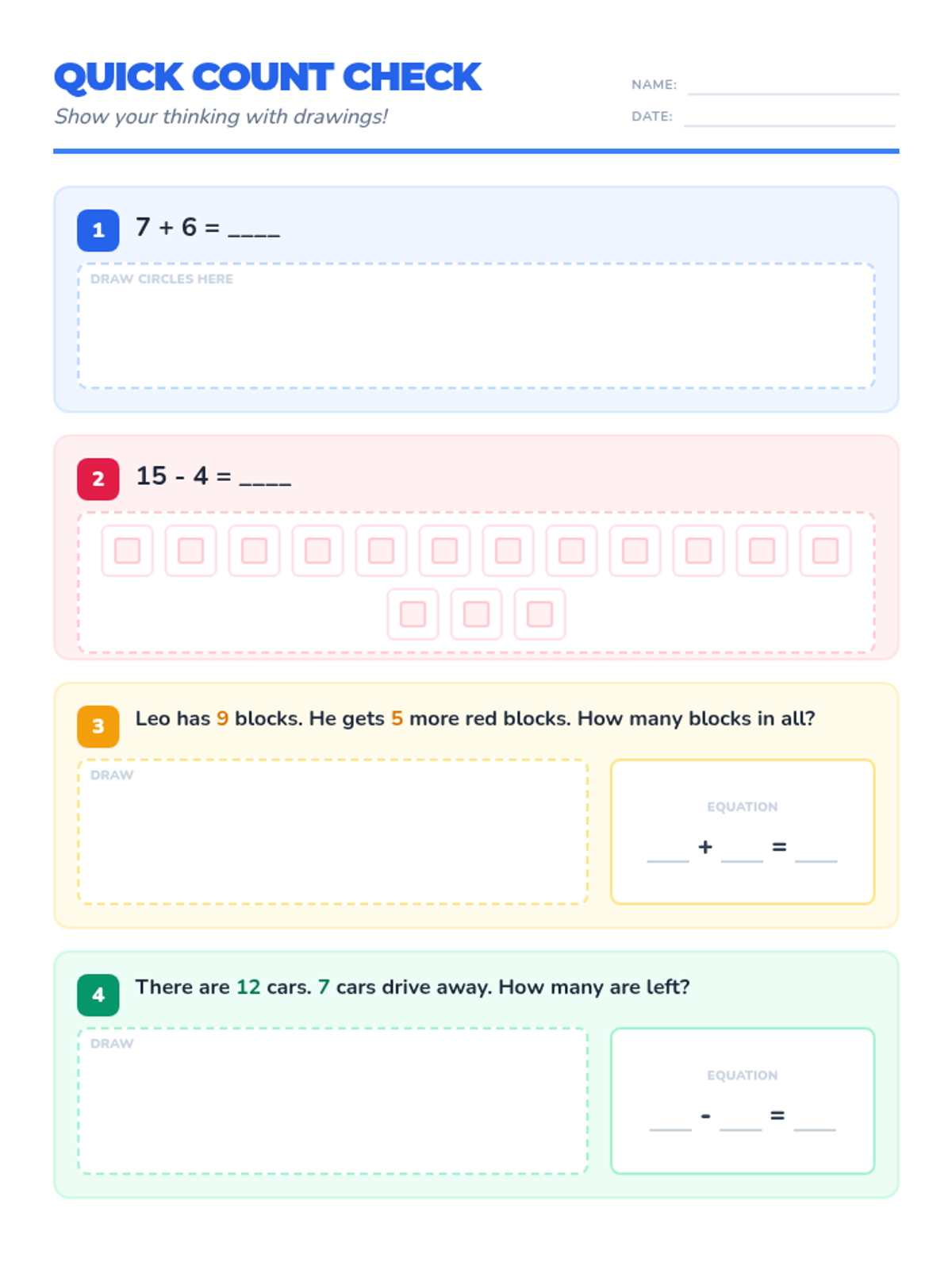
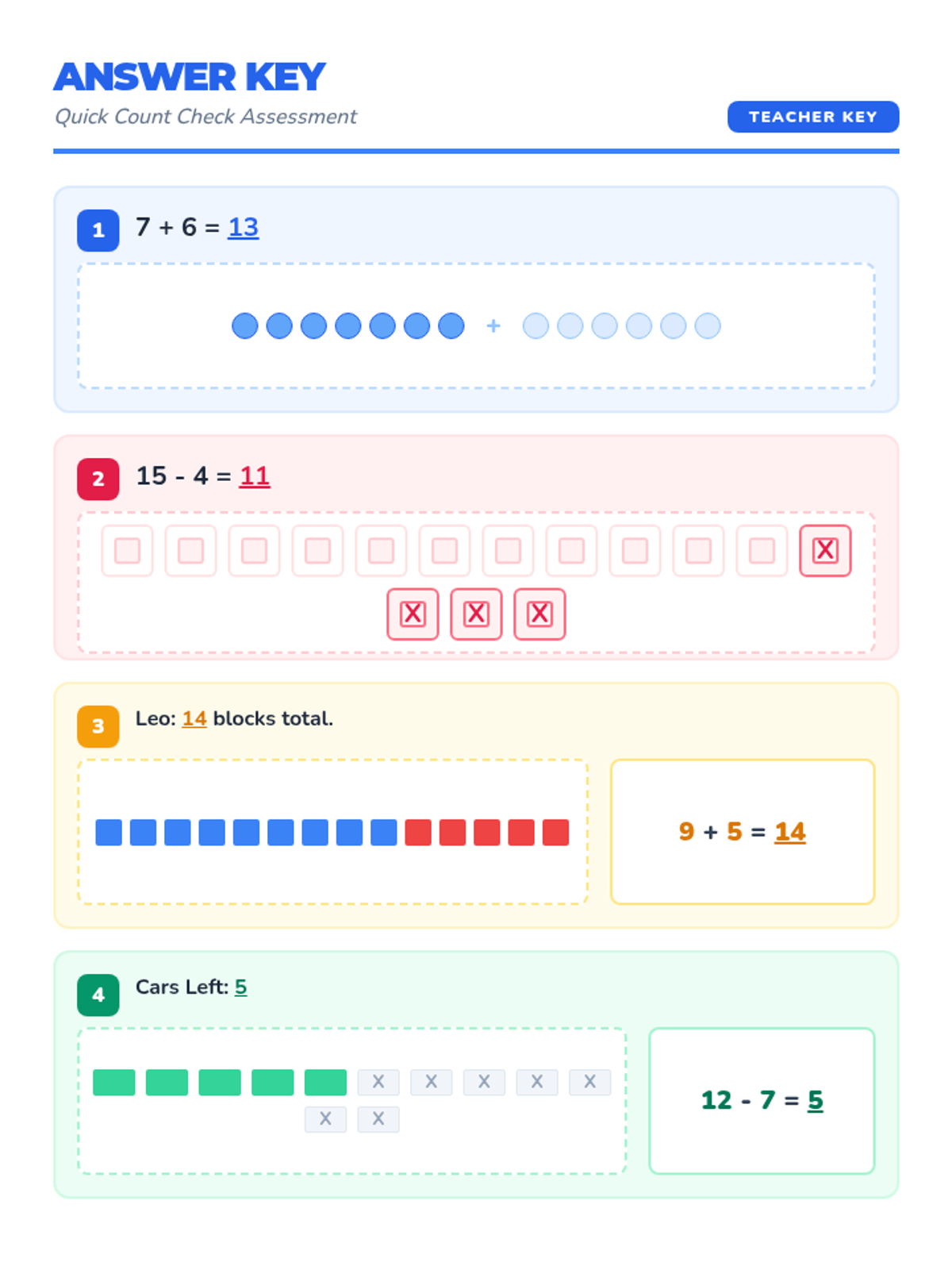
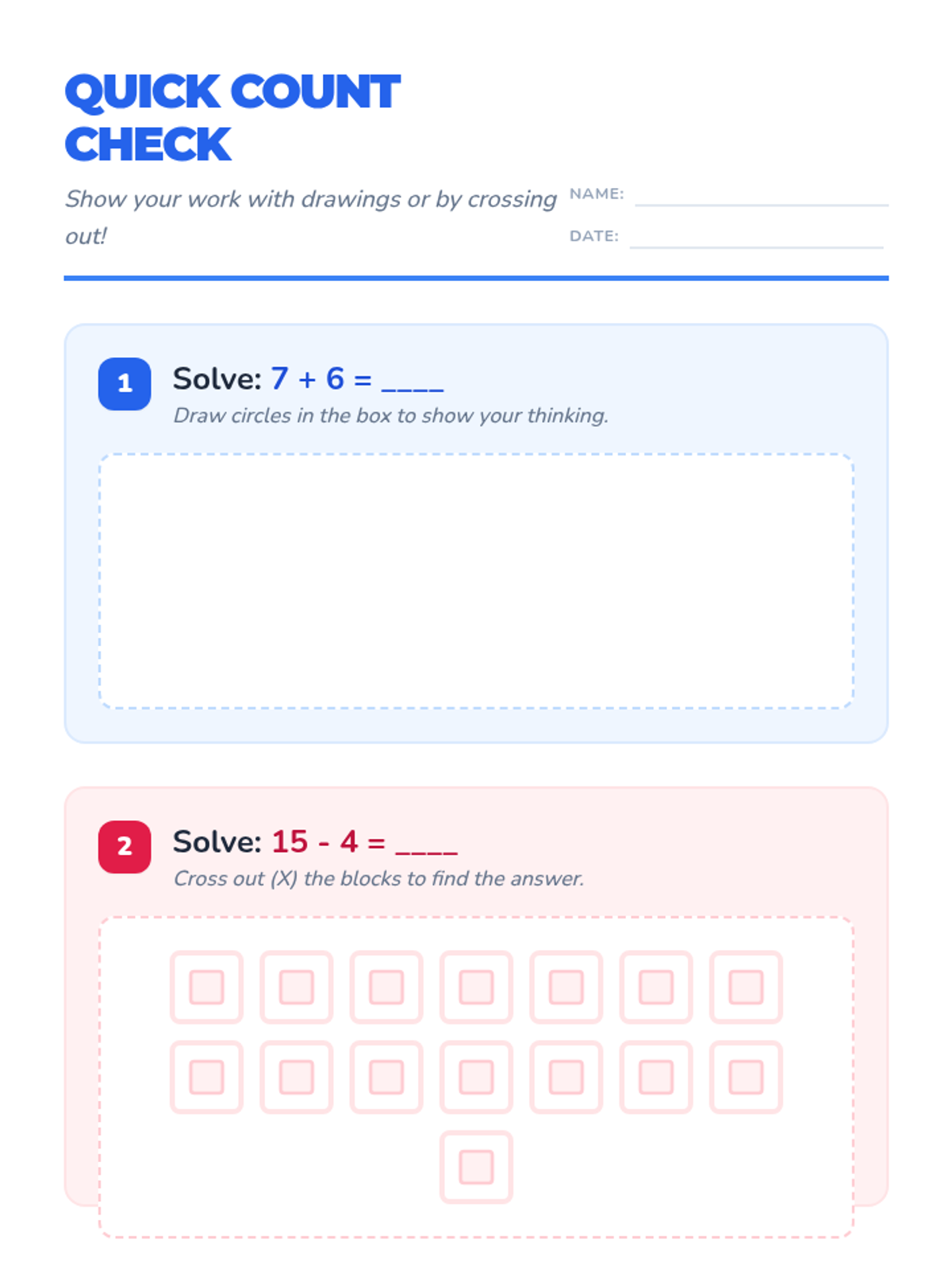
Students practice adding and subtracting numbers within 20 by using visual strategies like drawing objects or crossing them out. This lesson focuses on conceptual understanding through modeling.
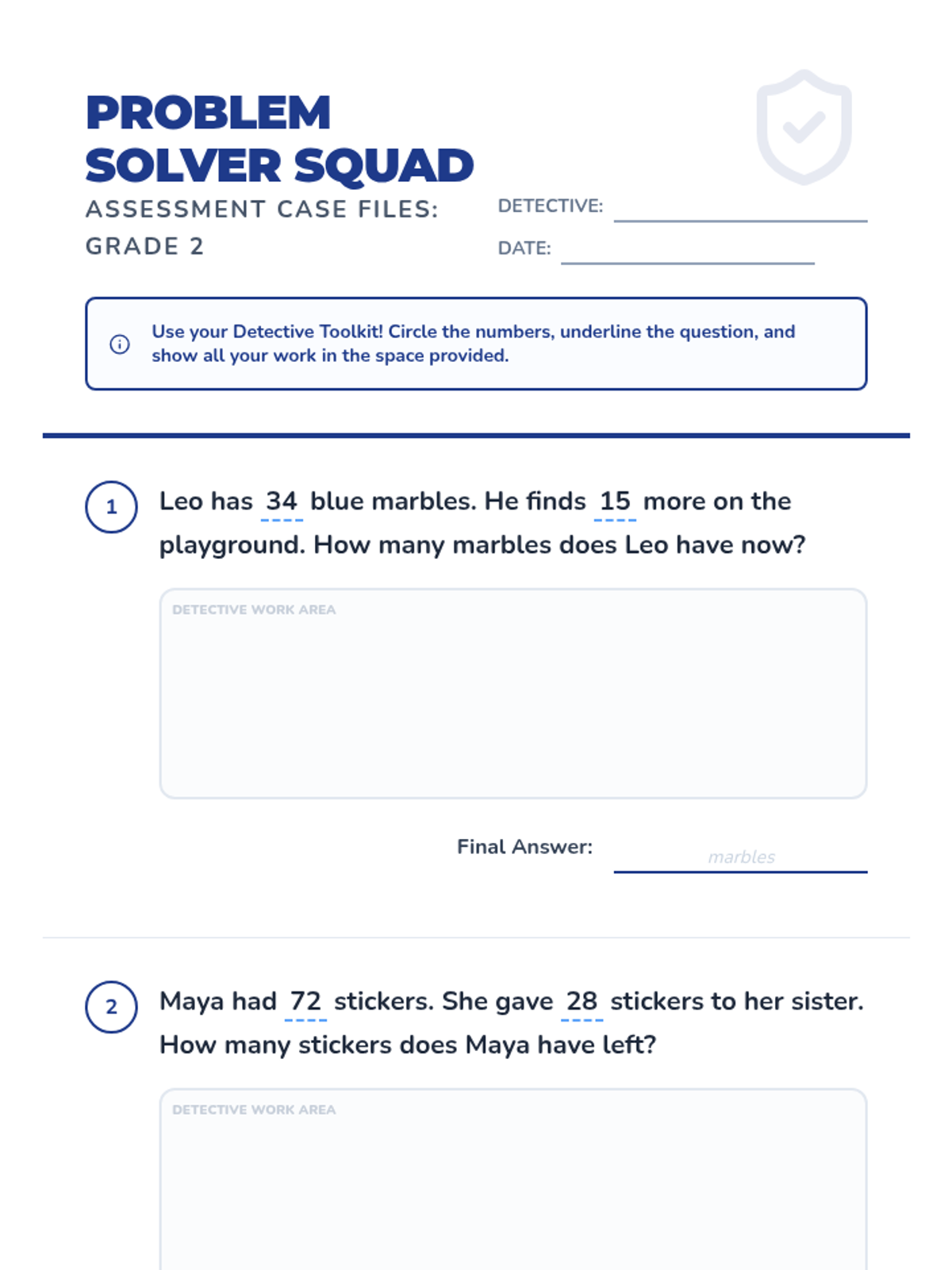
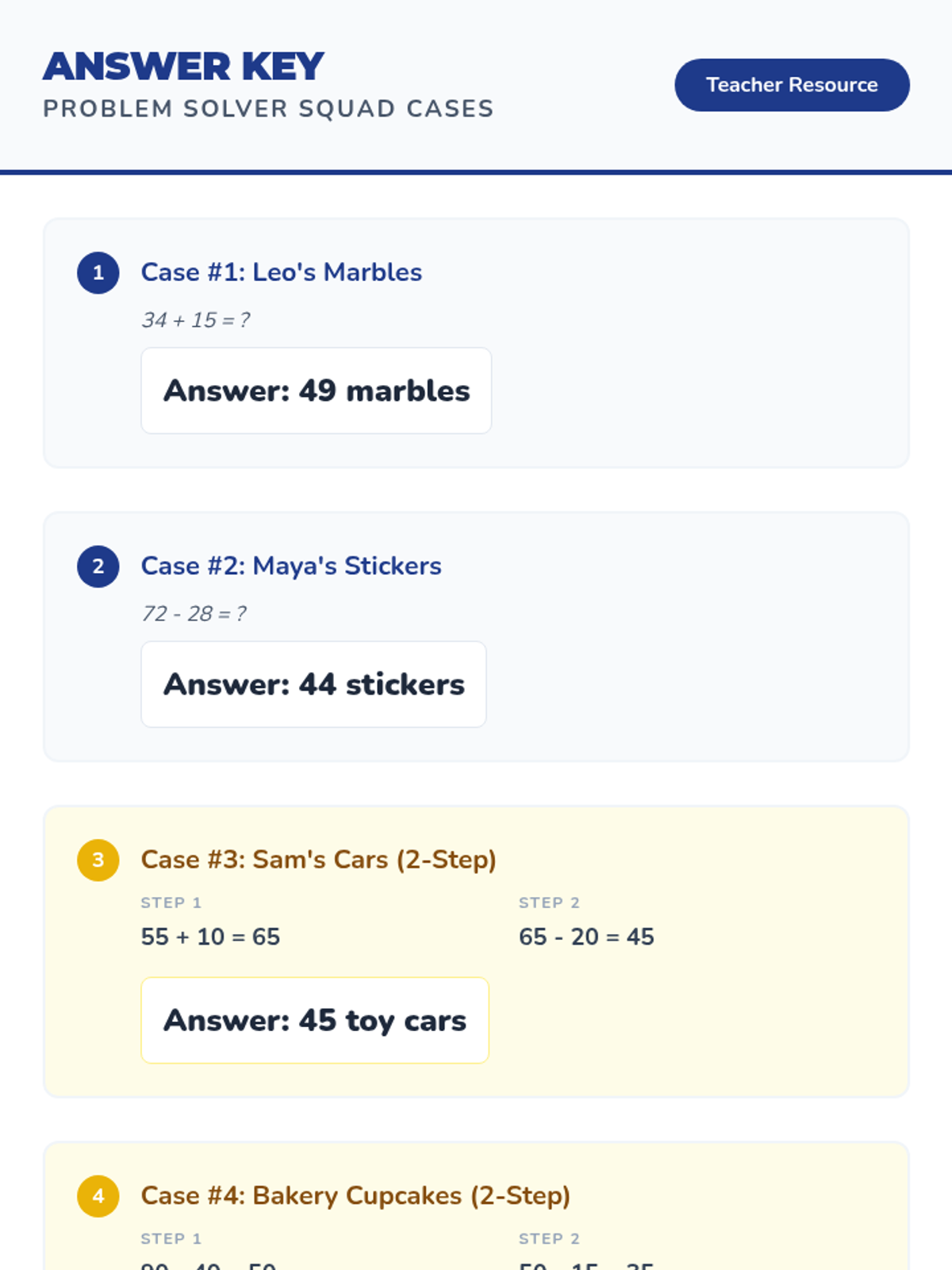
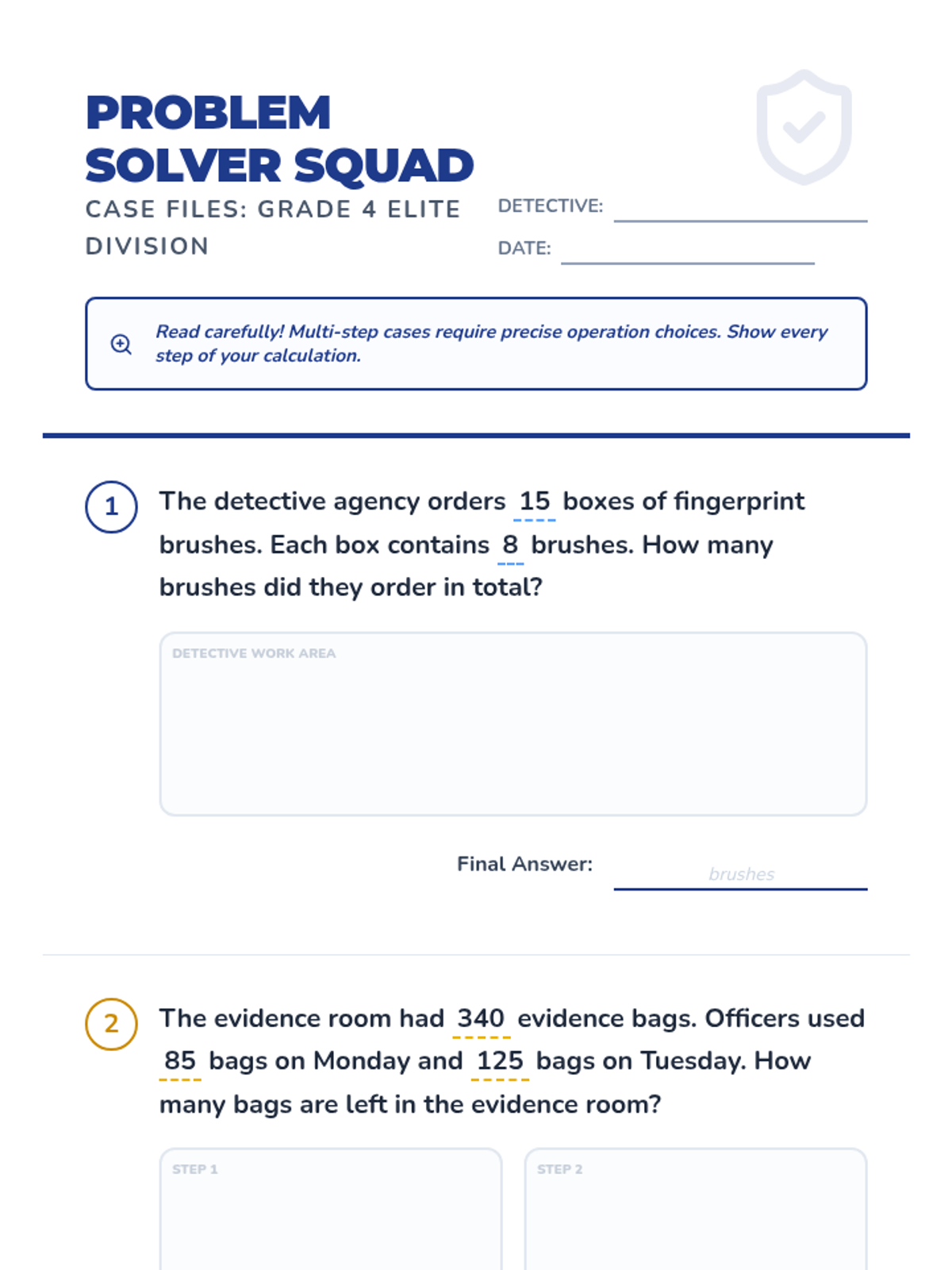
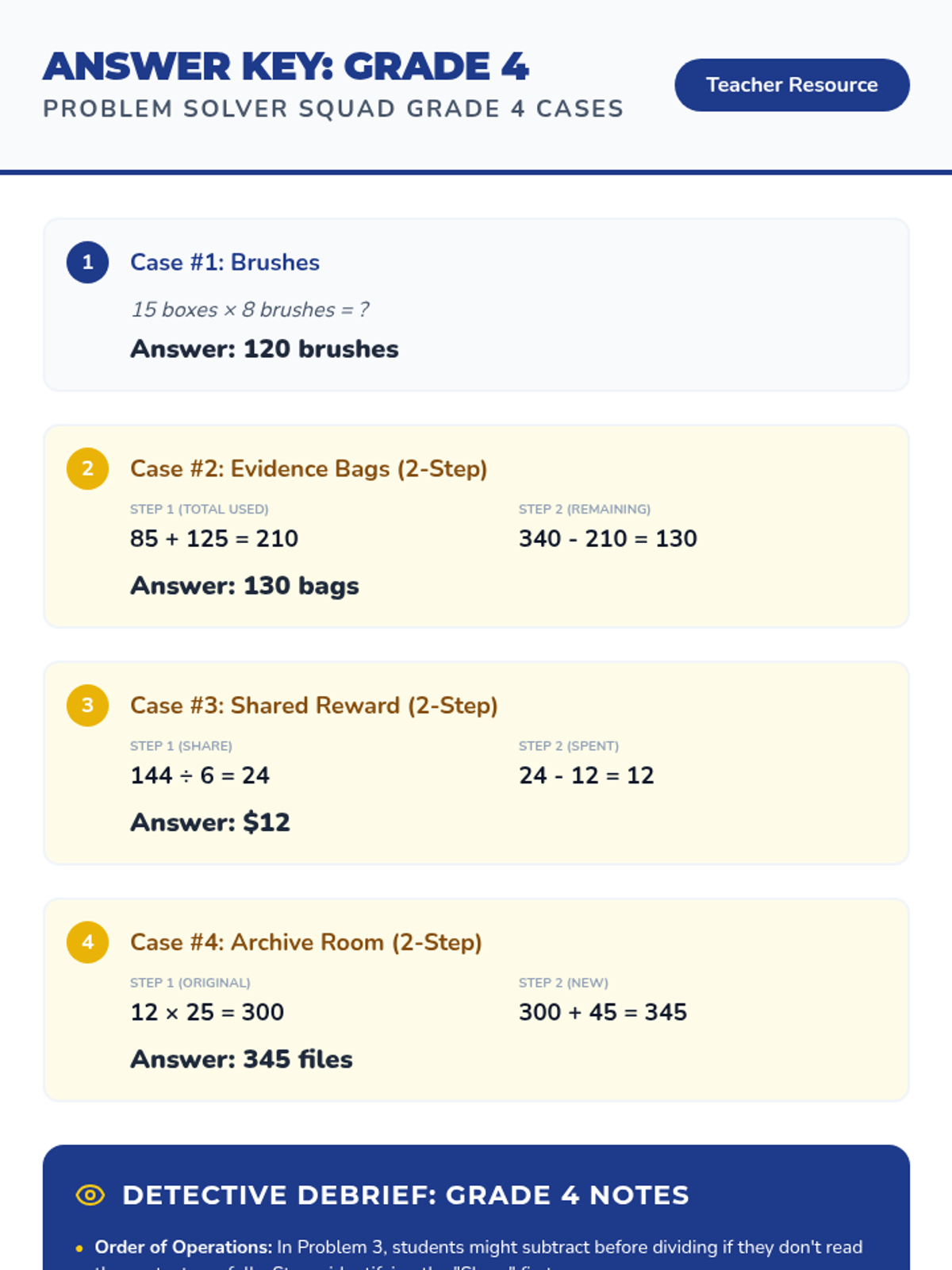
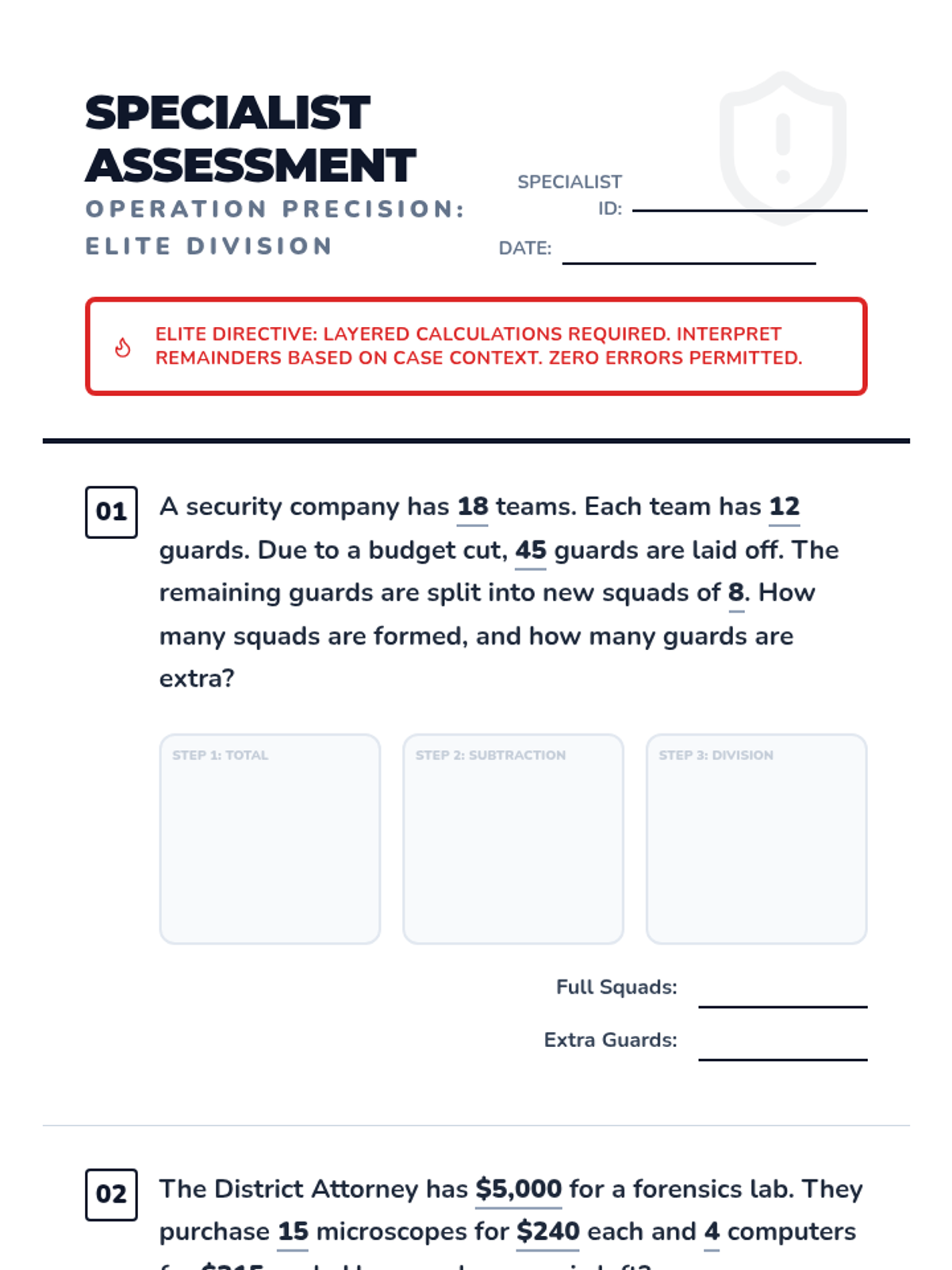
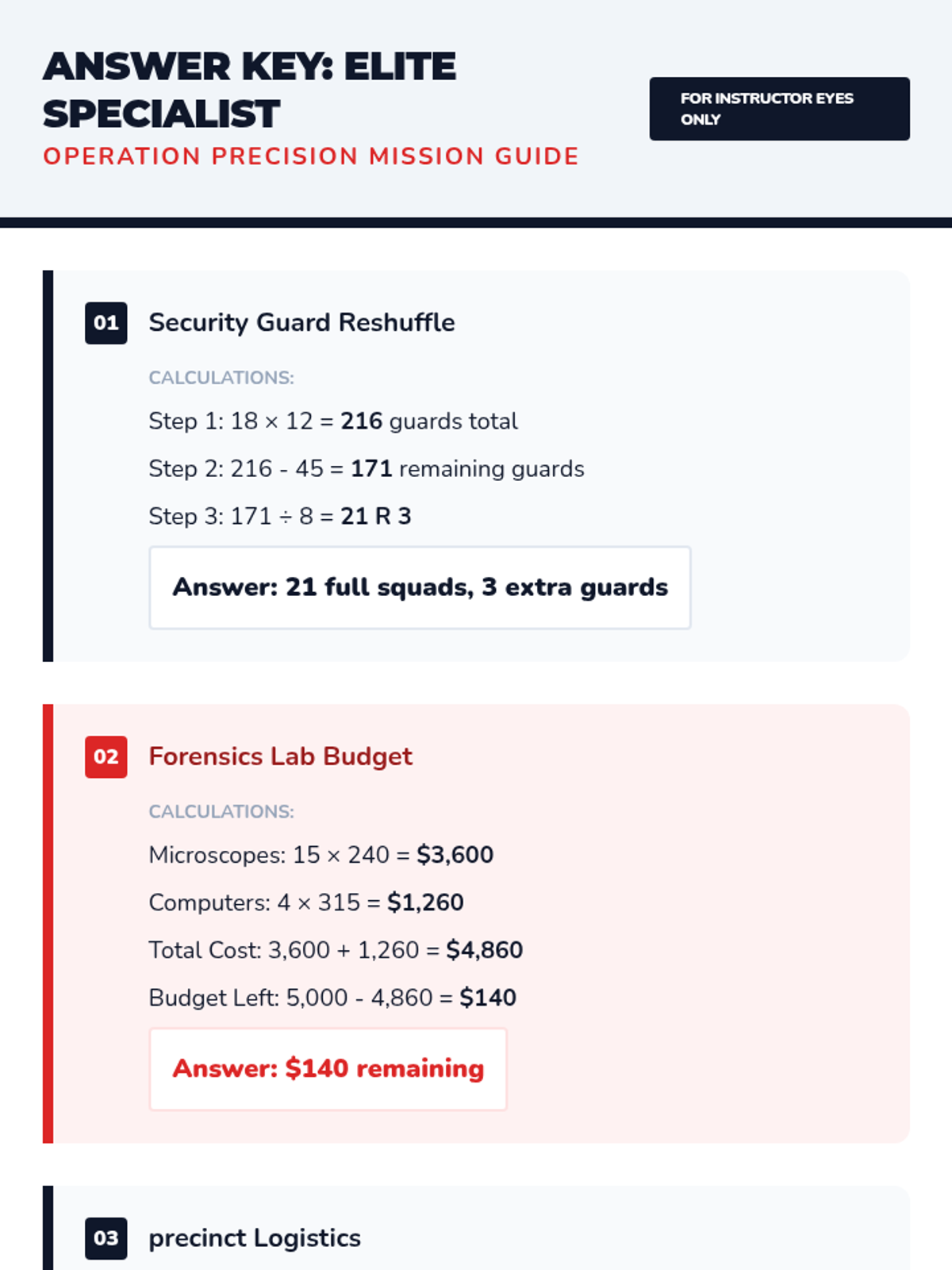
A rigorous lesson for grade 4 on solving multi-step word problems using addition, subtraction, multiplication, and division. Students use 'Detective Toolkit' strategies to interpret complex scenarios and choose correct operations.