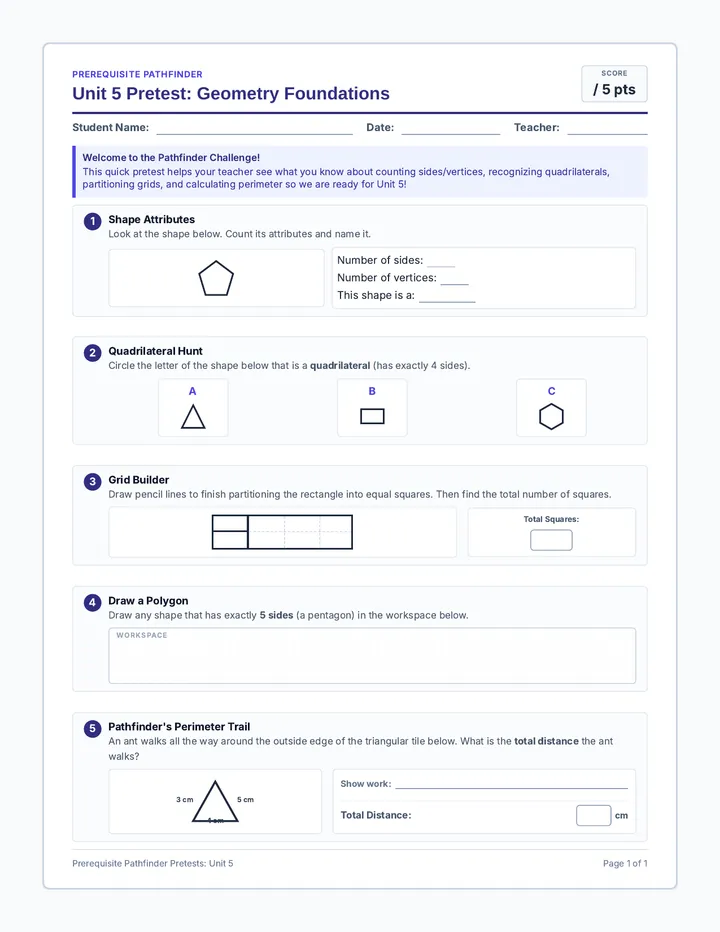
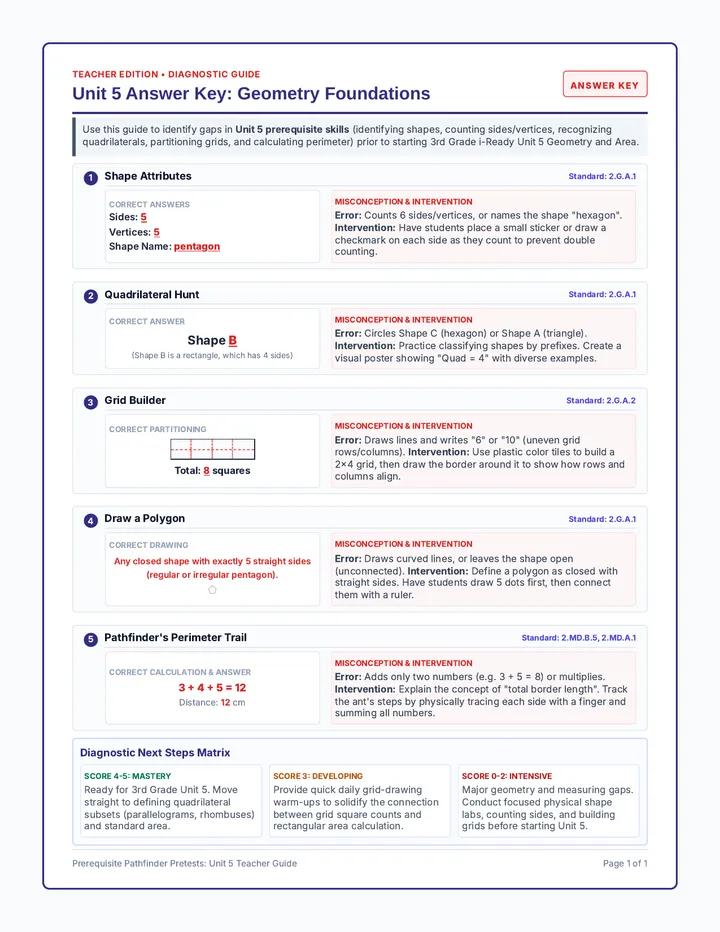
A foundational geometry lesson for 2nd graders focused on identifying and classifying triangles, quadrilaterals, pentagons, and hexagons based on their names and number of angles.
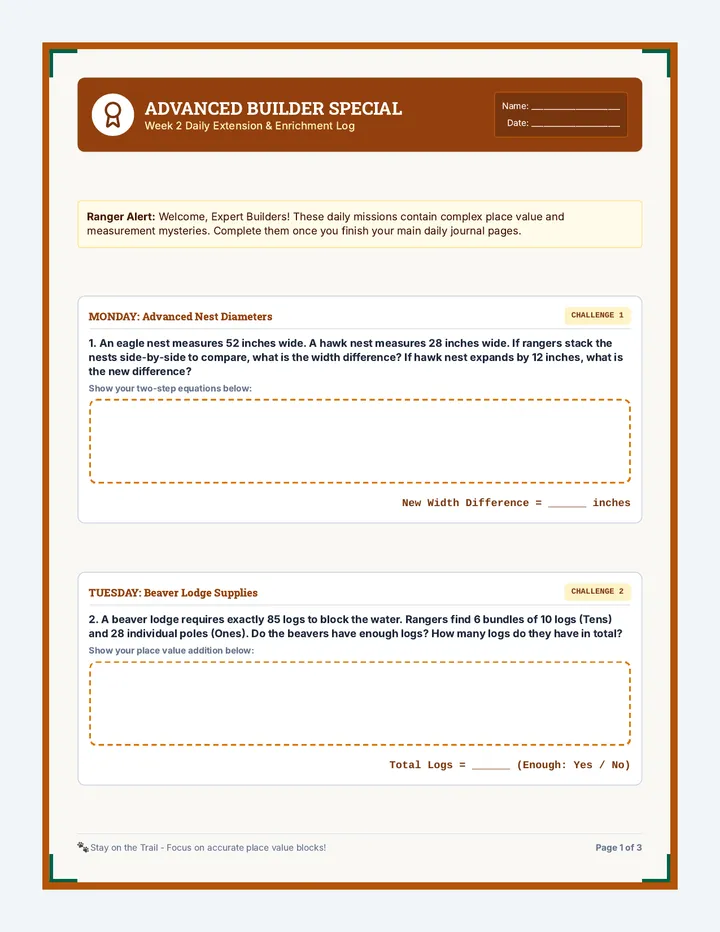
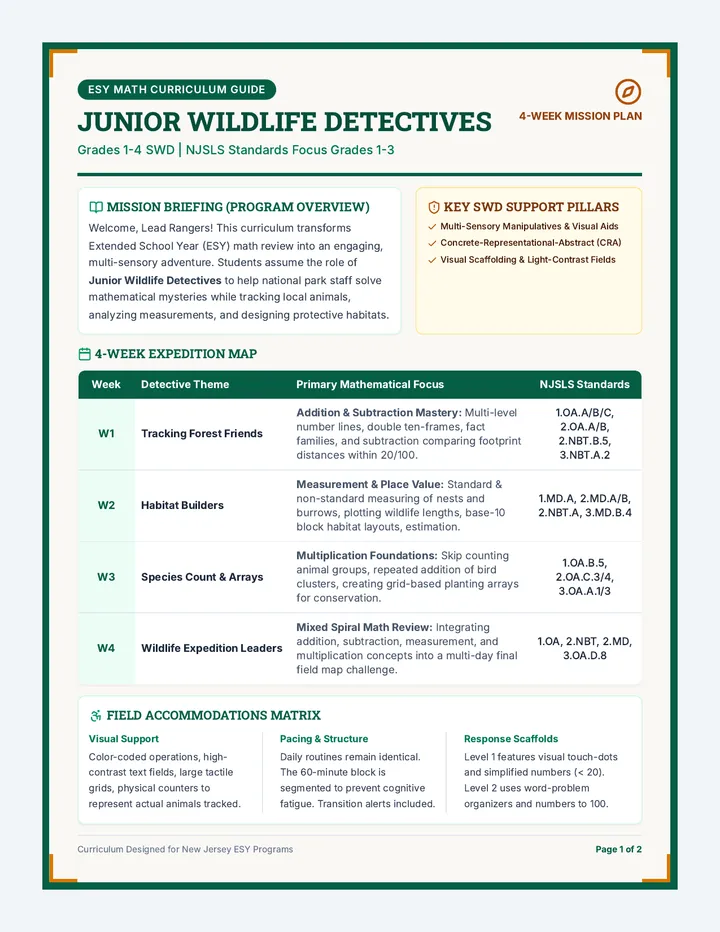
A high-energy measurement word problem lesson set in a magical theme park, designed for a room transformation experience. Students solve length comparison and addition problems using inches, centimeters, feet, and meters.
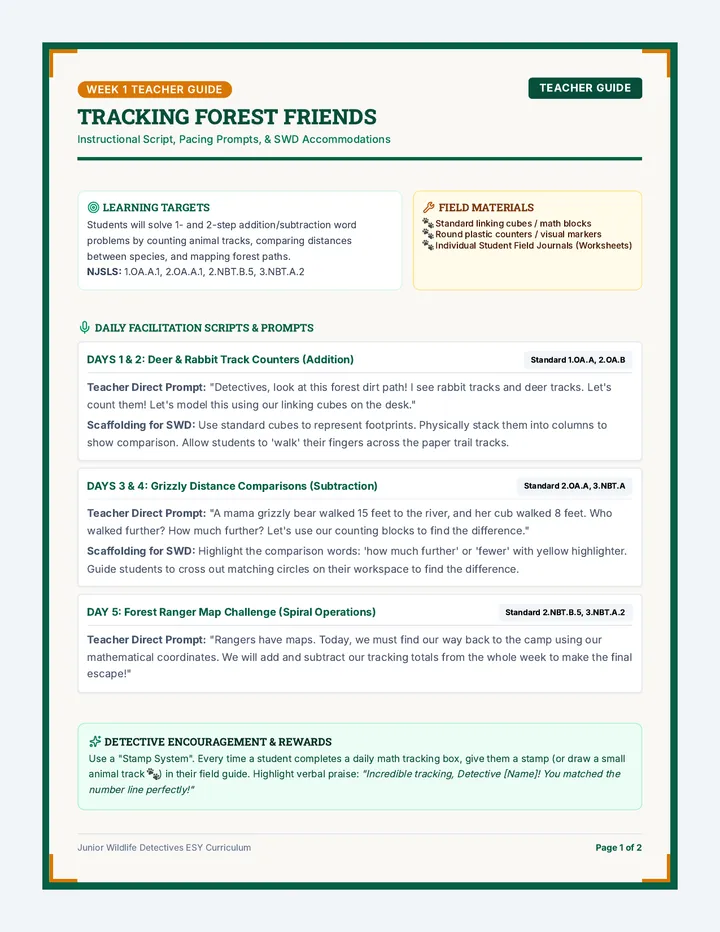
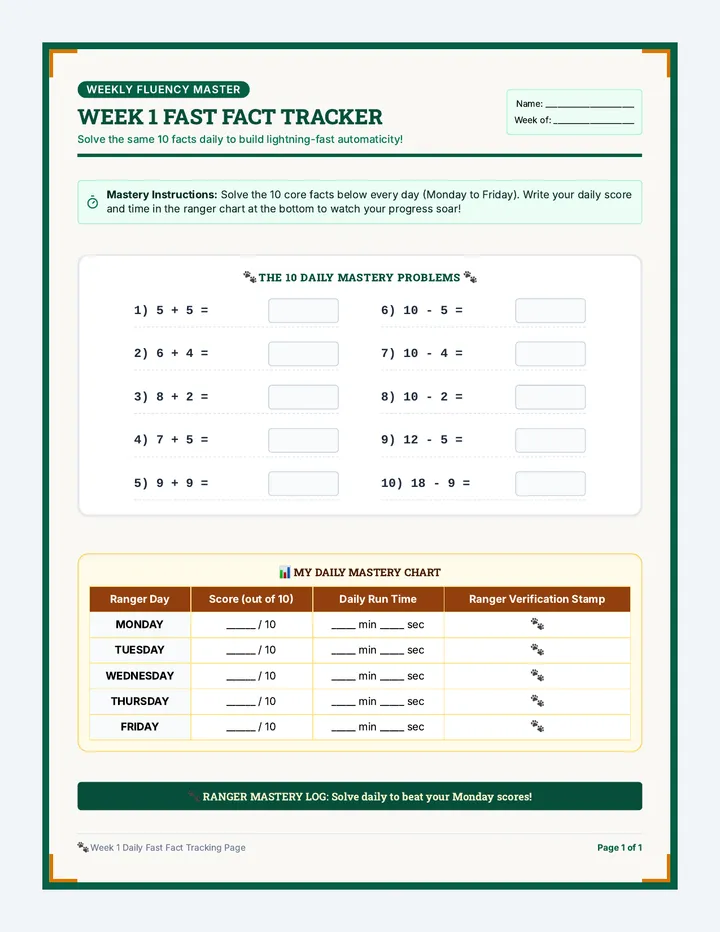
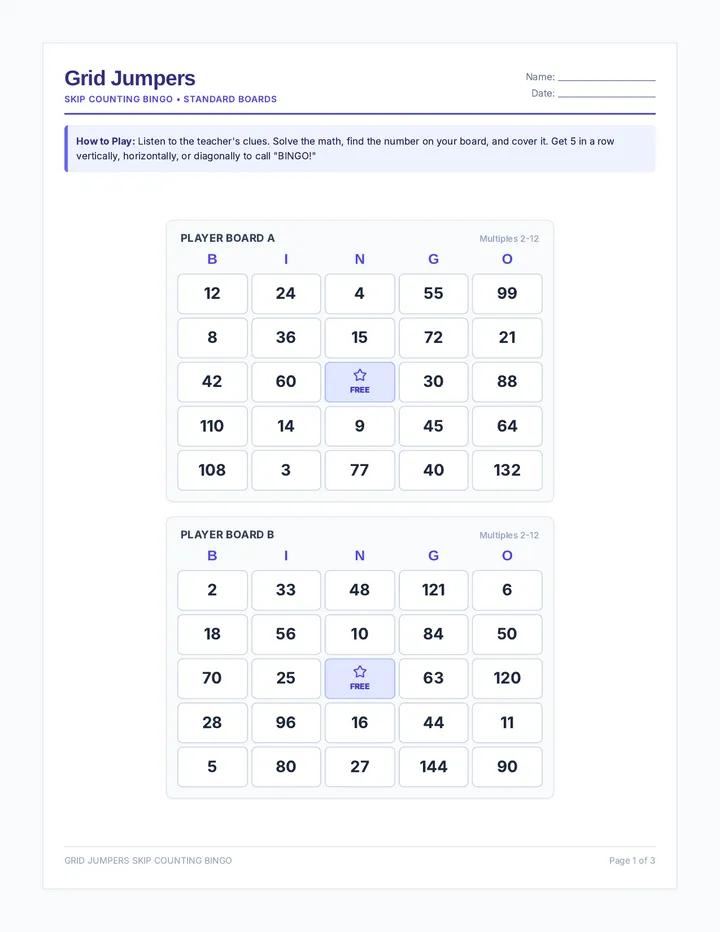
A 15-day progressive fact practice program focusing on addition and subtraction fluency within 5, 10, and 20. Students build confidence through daily "Math Marathons" with varying levels of visual support.
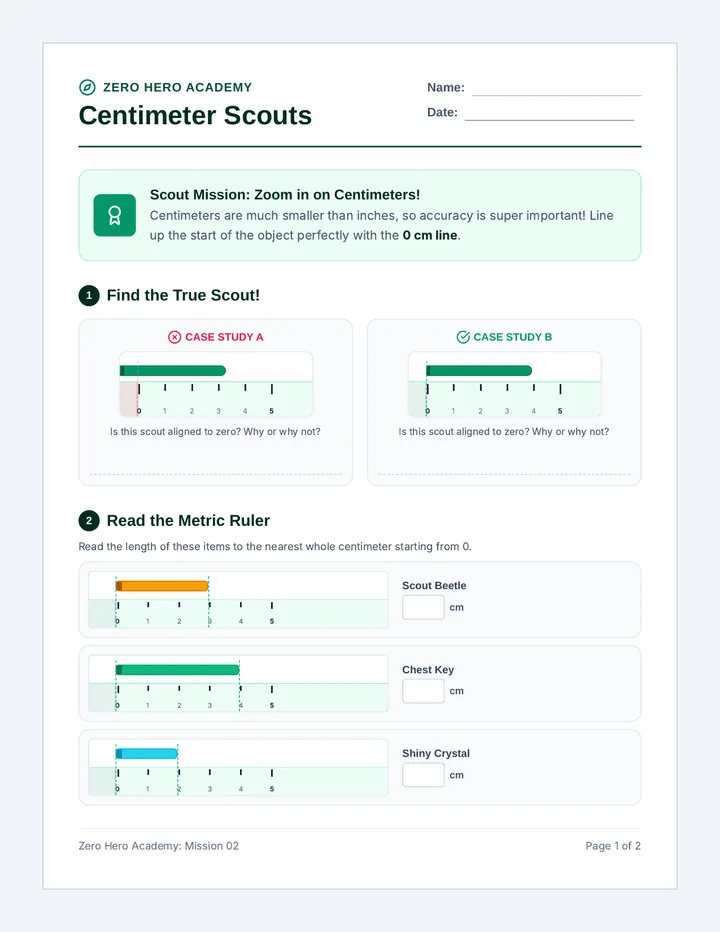
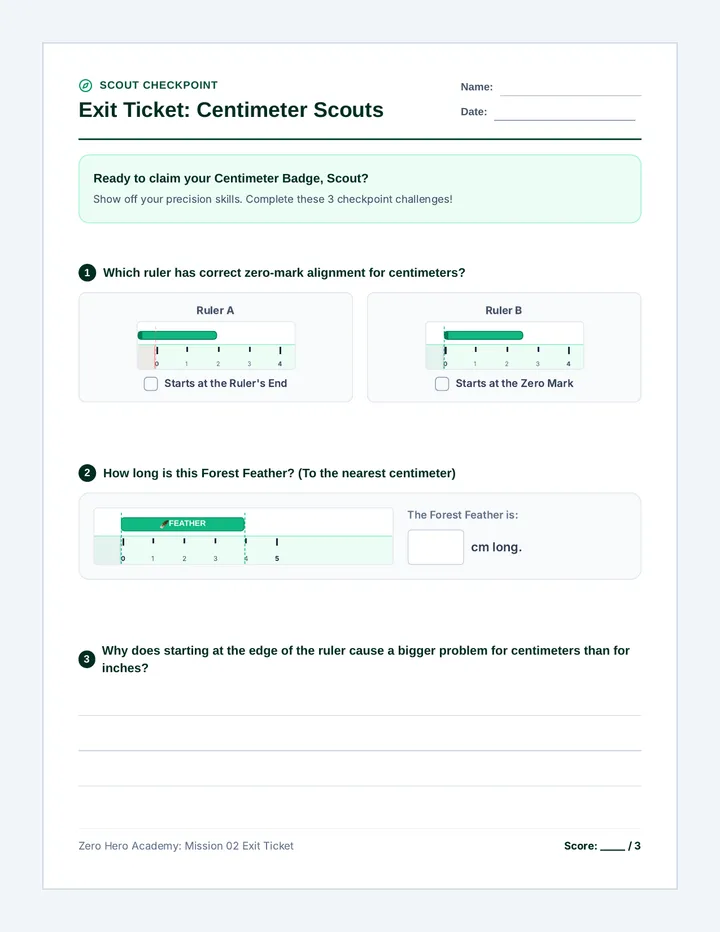
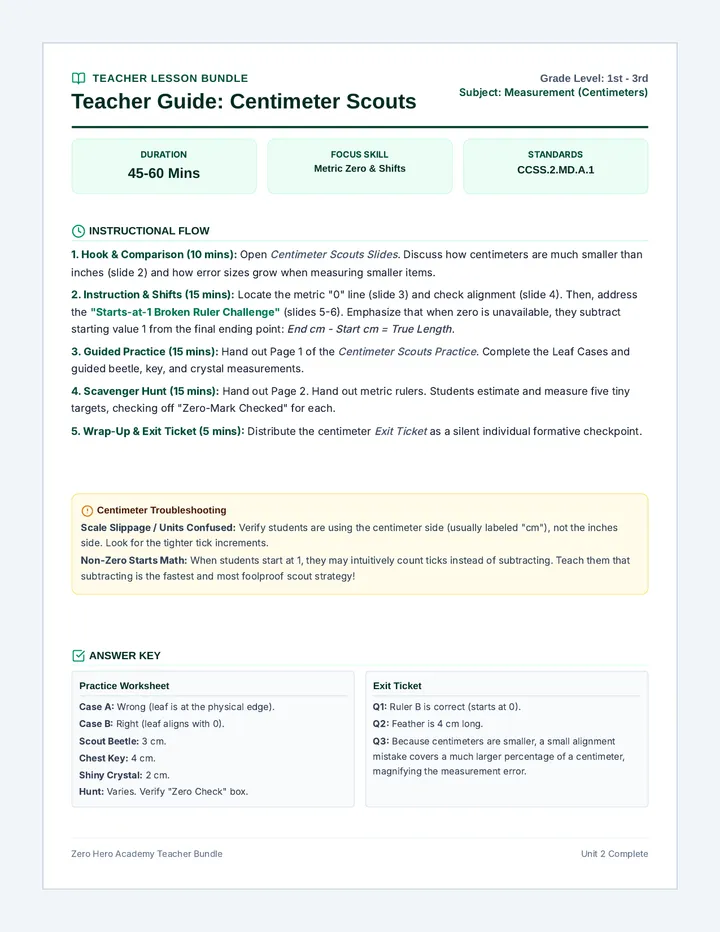
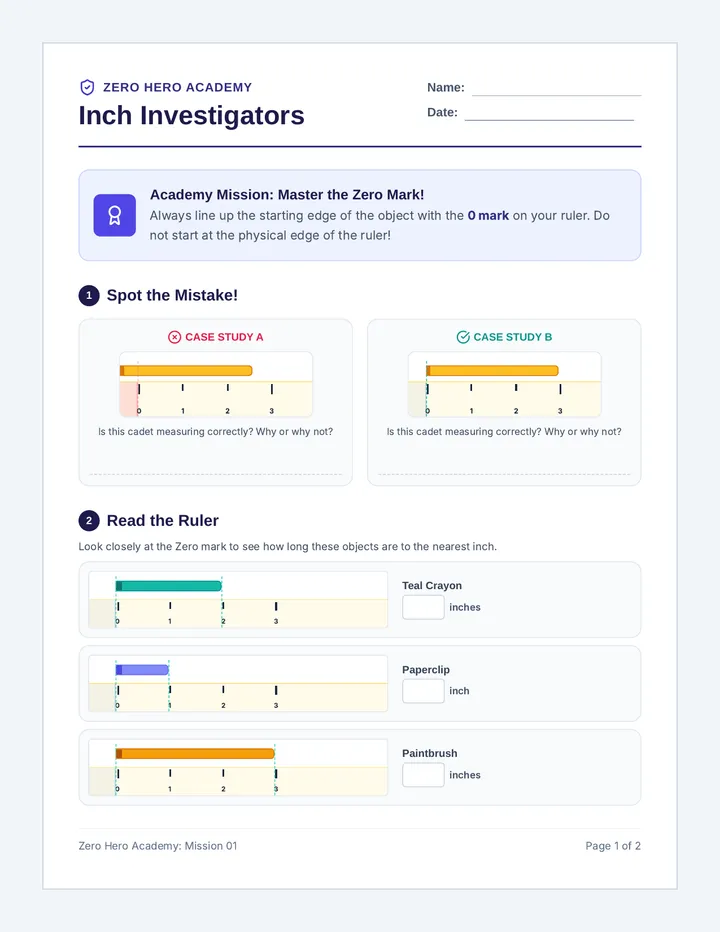
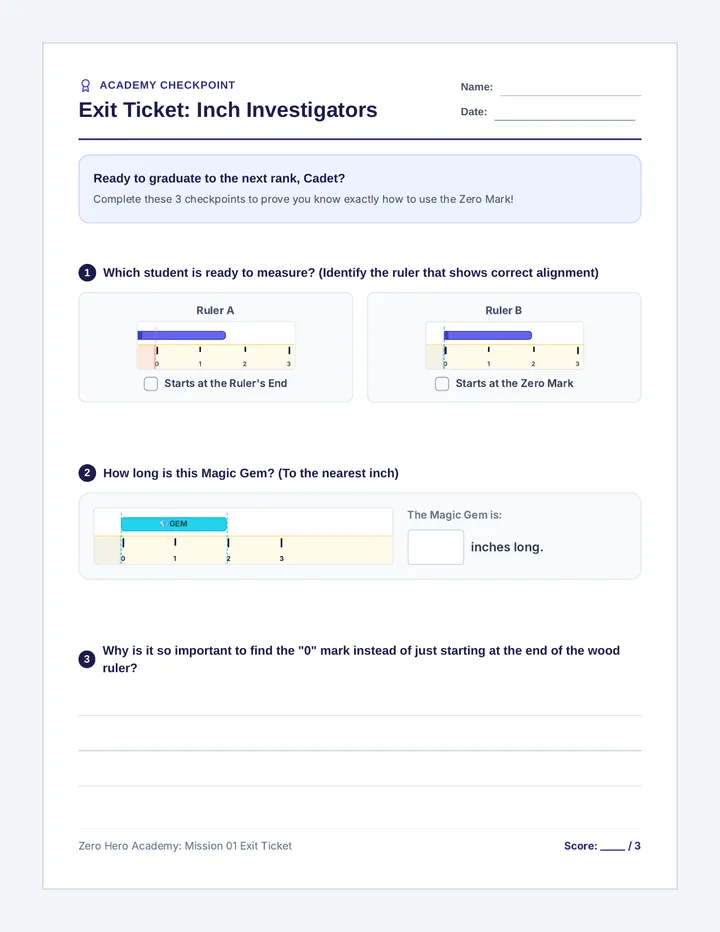
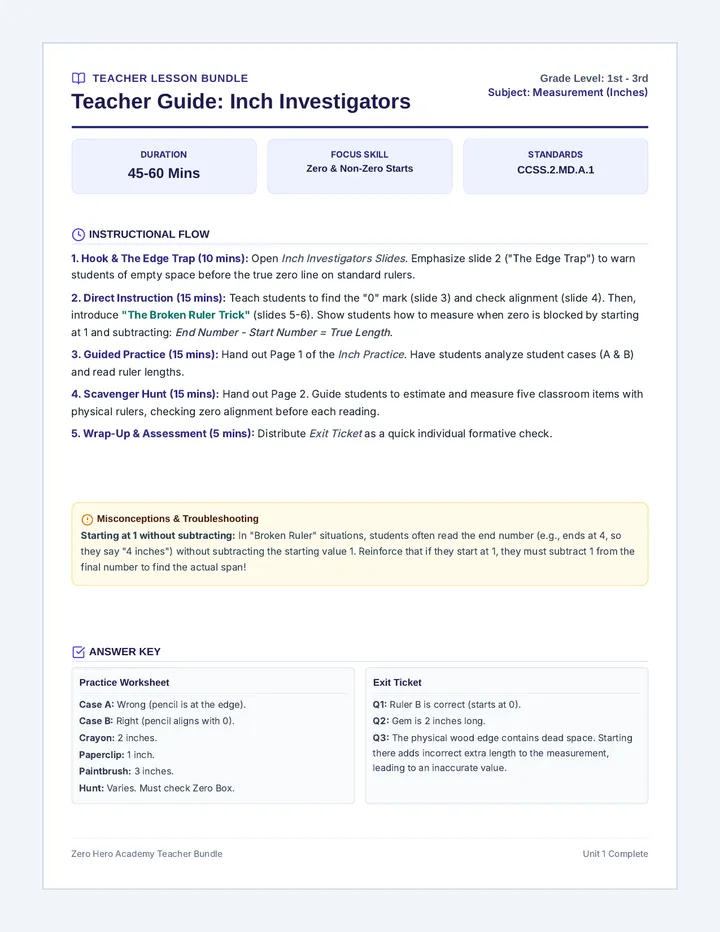
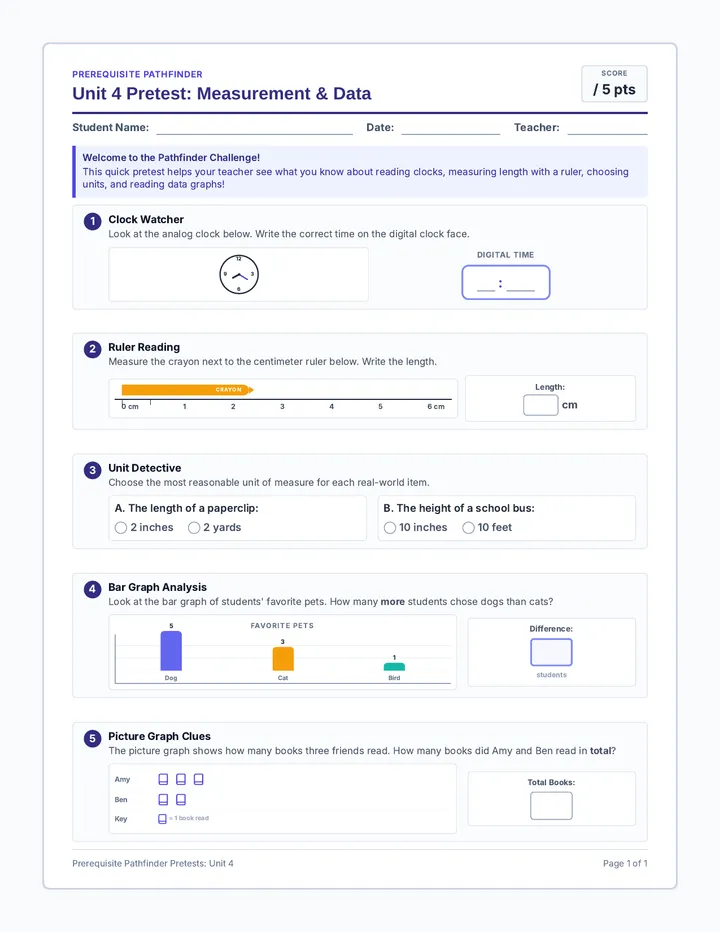
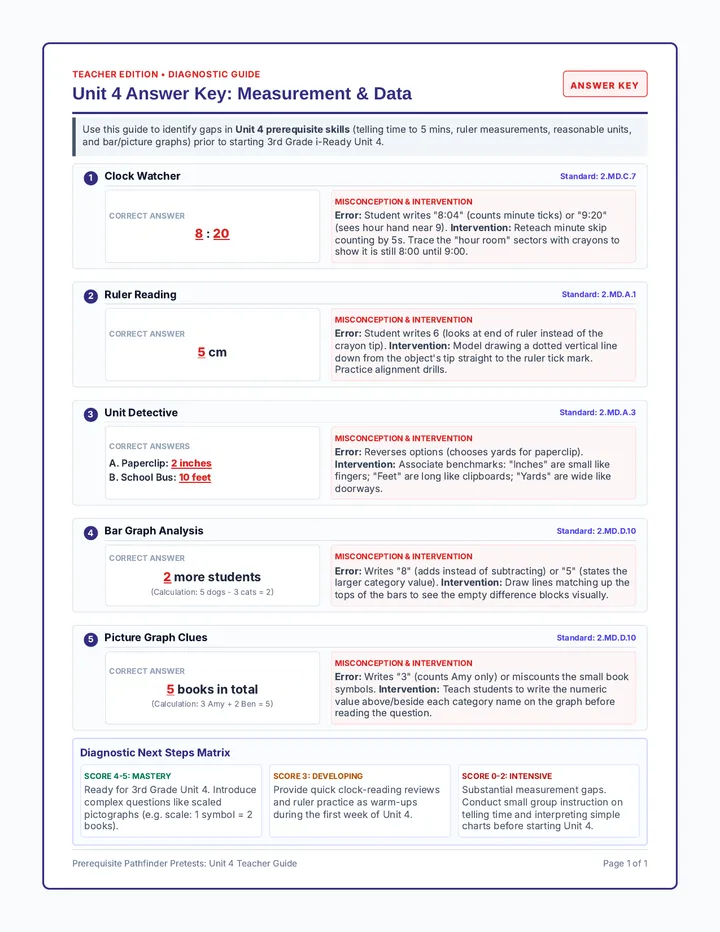
A lesson focused on differentiating between inches, feet, centimeters, and meters, including hands-on estimation and unit selection.
A beginner's guide to comparing numbers 0-10 using alligator visuals, number lines, and counters to help students master inequalities.
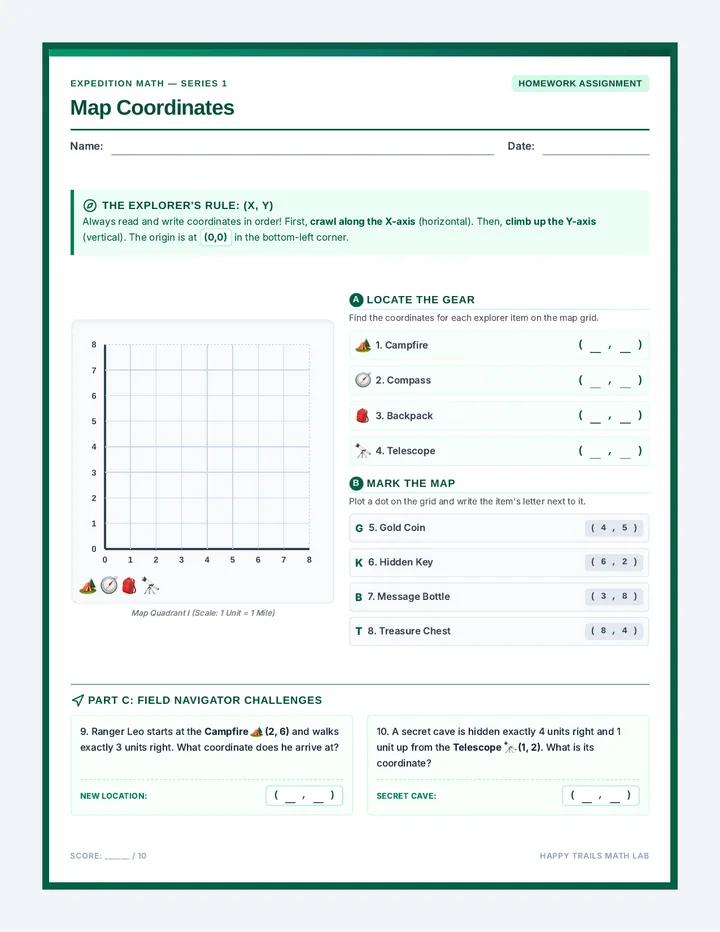
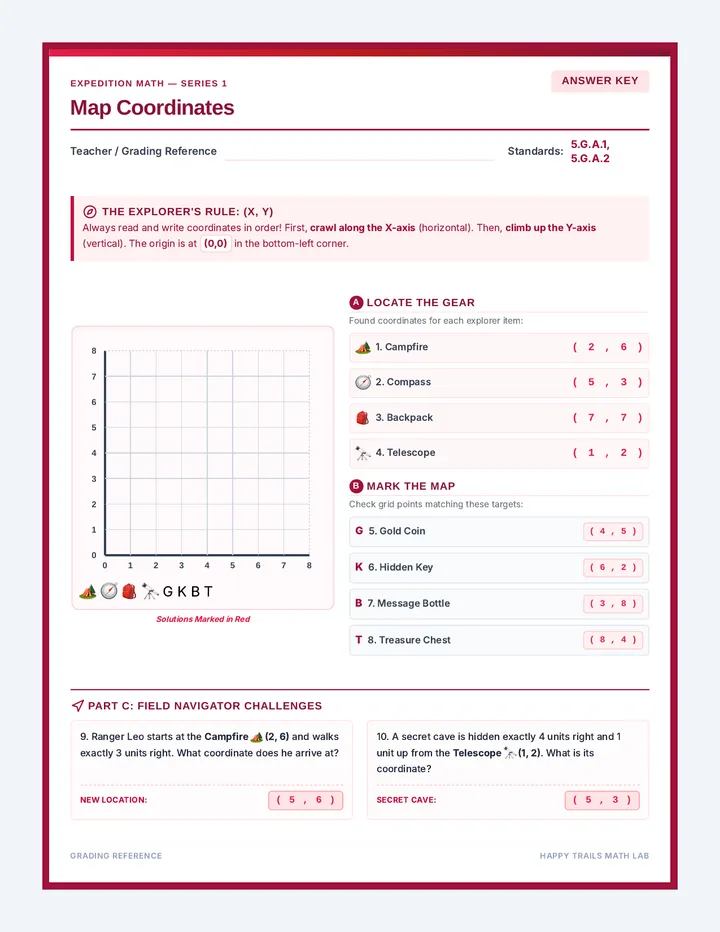
This lesson connects local Massachusetts bird migration to math and ELA standards. Students will use coordinate grids to track flight paths, graph arrival data, and read informational texts about native species like the Osprey and Piping Plover.
A math and science integrated lesson where students become zoologists, measuring and comparing the mass of animals to ensure safe transport. This lesson covers grams and kilograms with metric conversions for differentiated 2nd and 4th-grade learning.
A 50-minute professional development session for K-6 educators focusing on number sense, the visual number line (positive and negative), real-world applications, and the 8 IL Mathematical Practices.
A lesson on 2-digit plus 1-digit addition using number lines, focusing on regrouping. Students practice the "jump to the next ten" strategy to visualize crossing the tens boundary.
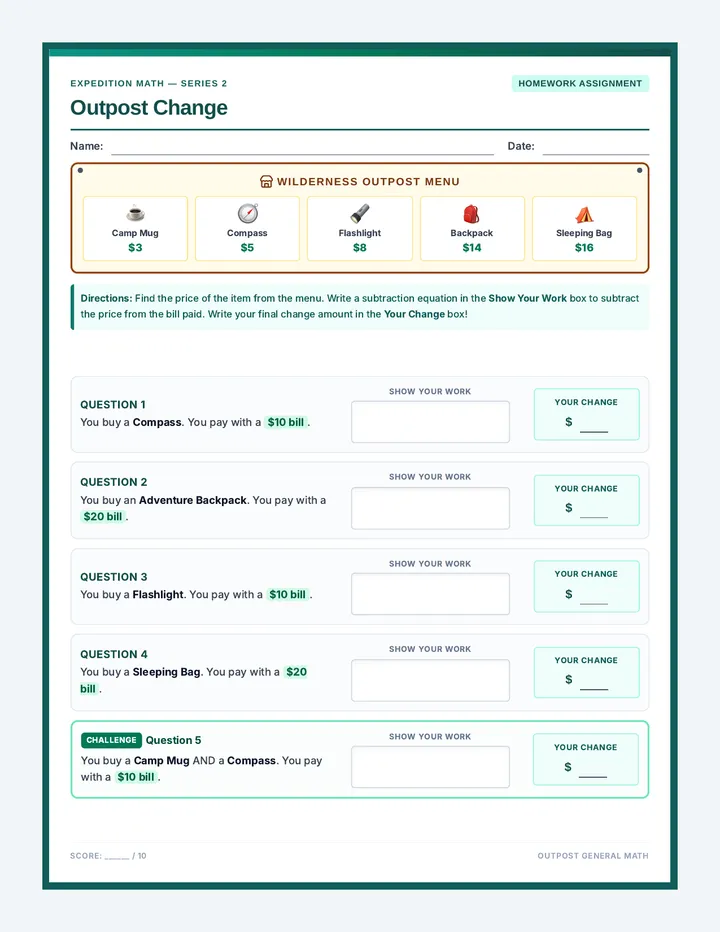
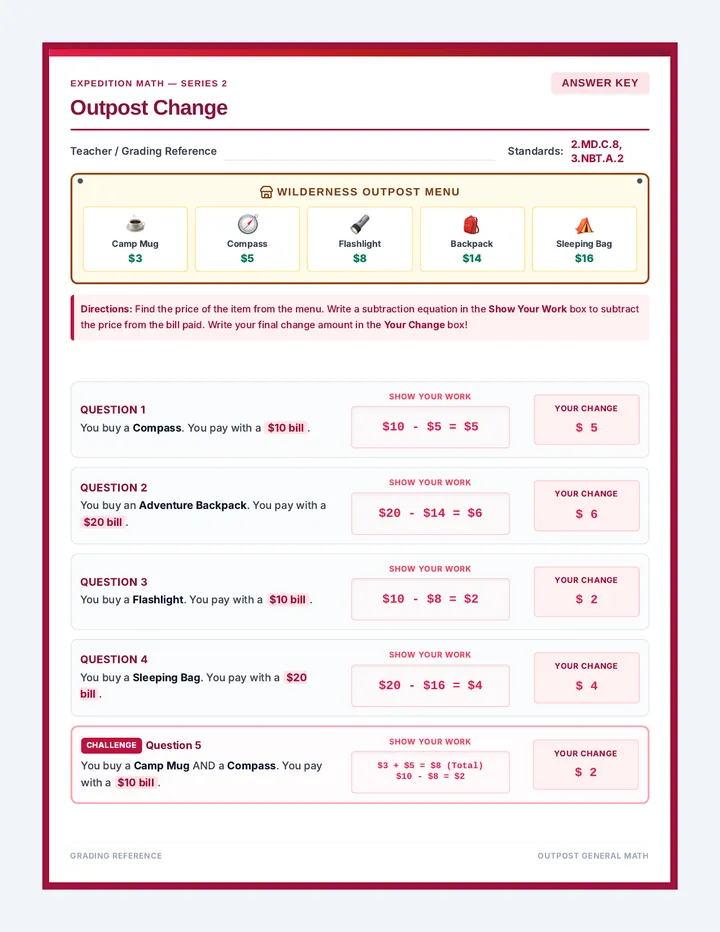
A tiered math lesson focusing on real-world money applications in grocery stores and fast food restaurants, differentiated for three ability levels ranging from whole dollars to precise cent calculations.
This lesson teaches students how to calculate total costs of multiple items and make spending decisions based on a fixed budget.
This lesson focuses on identifying US coins (penny, nickel, dime, quarter) and their respective values through visual recognition and matching.
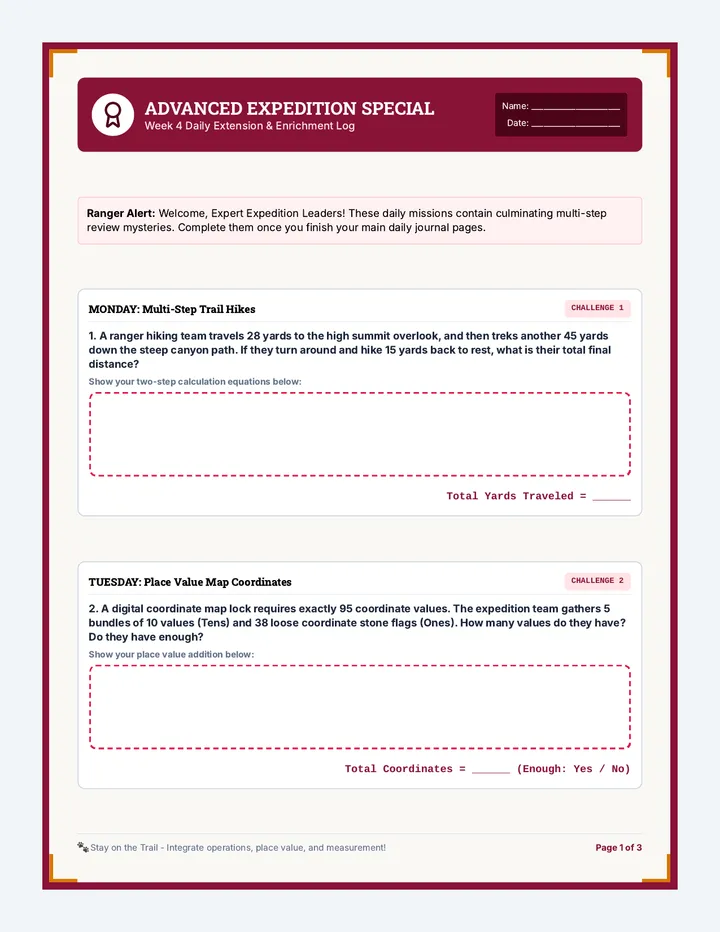
A rigorous lesson for grade 4 on solving multi-step word problems using addition, subtraction, multiplication, and division. Students use 'Detective Toolkit' strategies to interpret complex scenarios and choose correct operations.
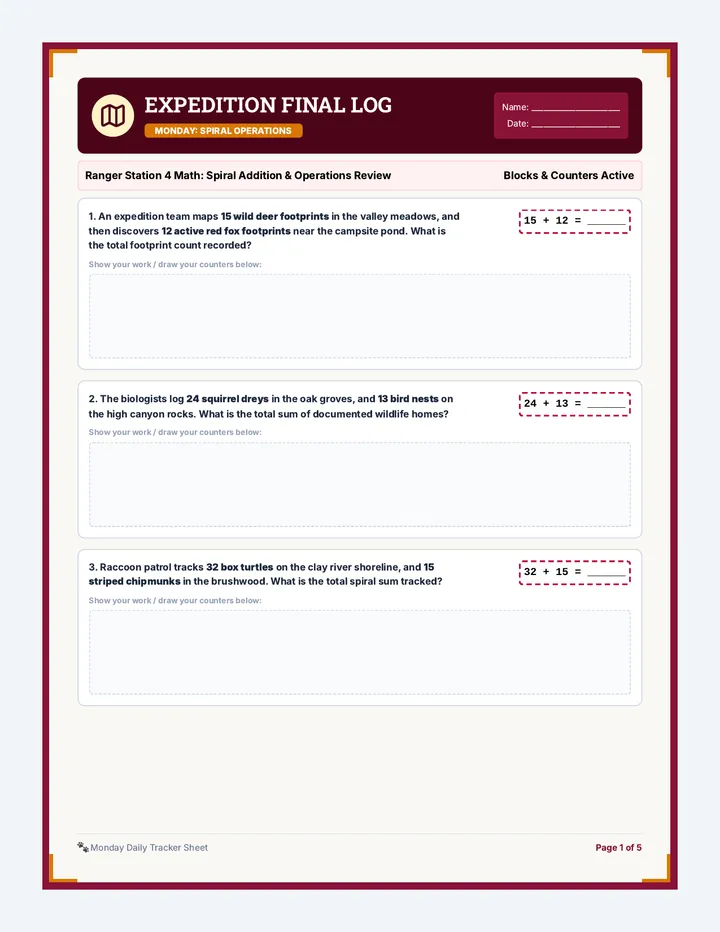
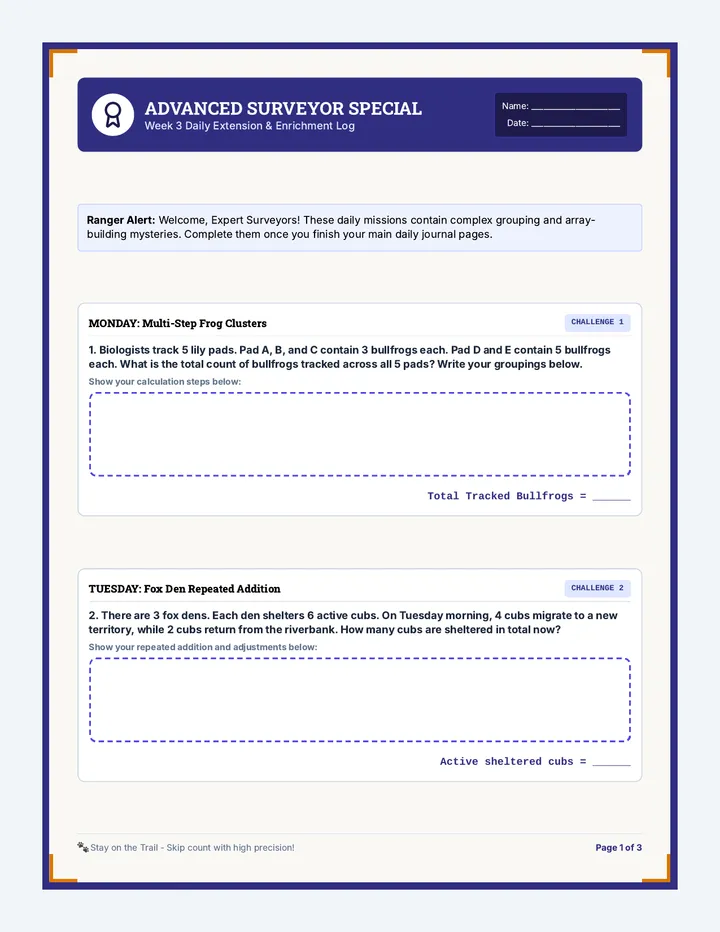
A collection of foundational homework worksheets covering reading comprehension, arithmetic, grammar, and basic fractions with a nature-inspired 'Meadow Scouts' theme.
A lesson focused on adding 10 to any 2-digit number using visual base-ten models and mental math strategies. Students explore how the tens digit increases by one while the ones digit remains constant.
A hands-on exploration of geometry and spatial reasoning using tangrams, featuring puzzles across four diverse themes with varying difficulty levels.
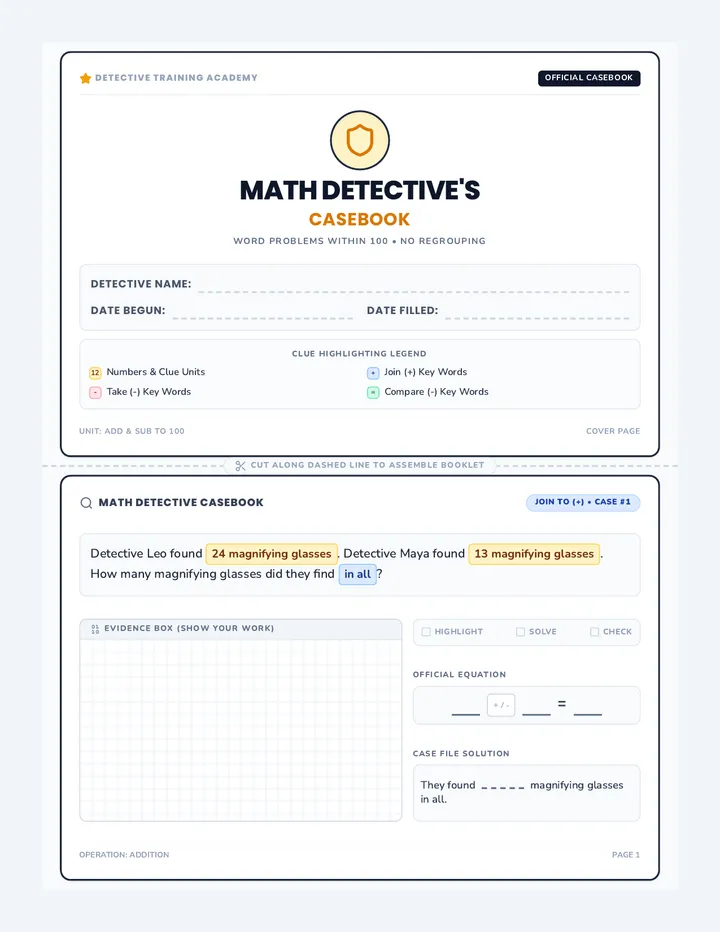
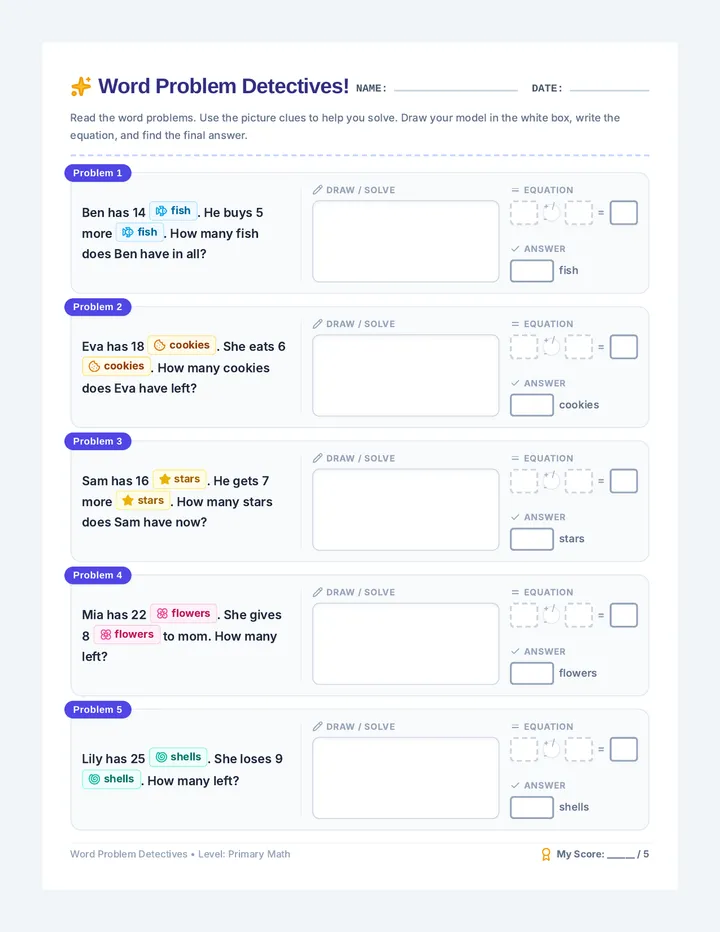
A series of word problems for Grade 2 students focusing on addition and subtraction with numbers up to 100, themed around food and cooking.
A comprehensive set of tools for assessing and tracking a student's ability to identify numbers 1 through 20 in randomized order.
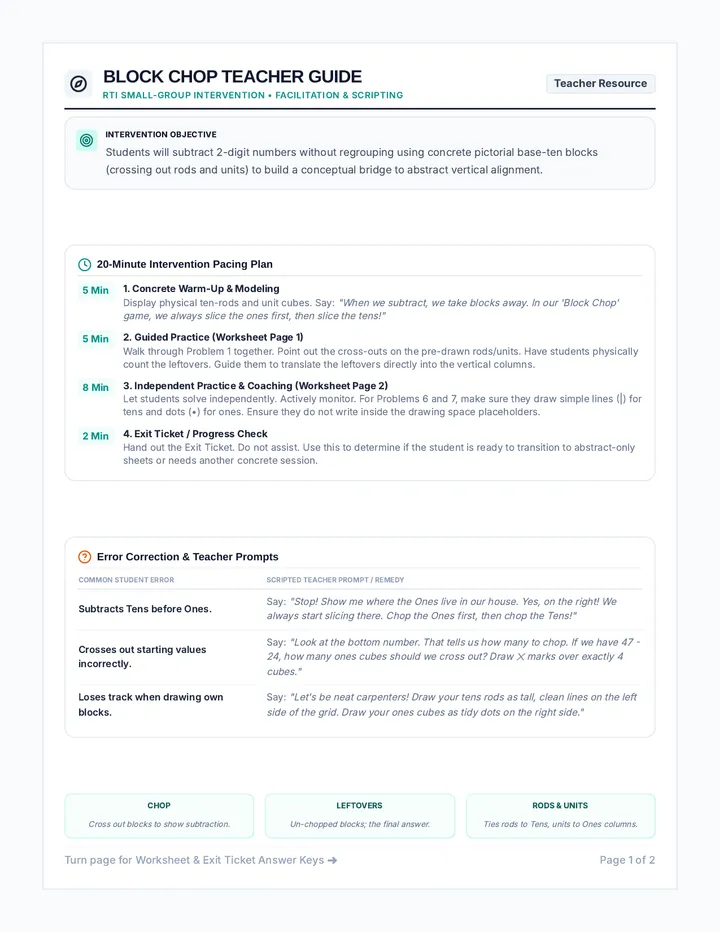
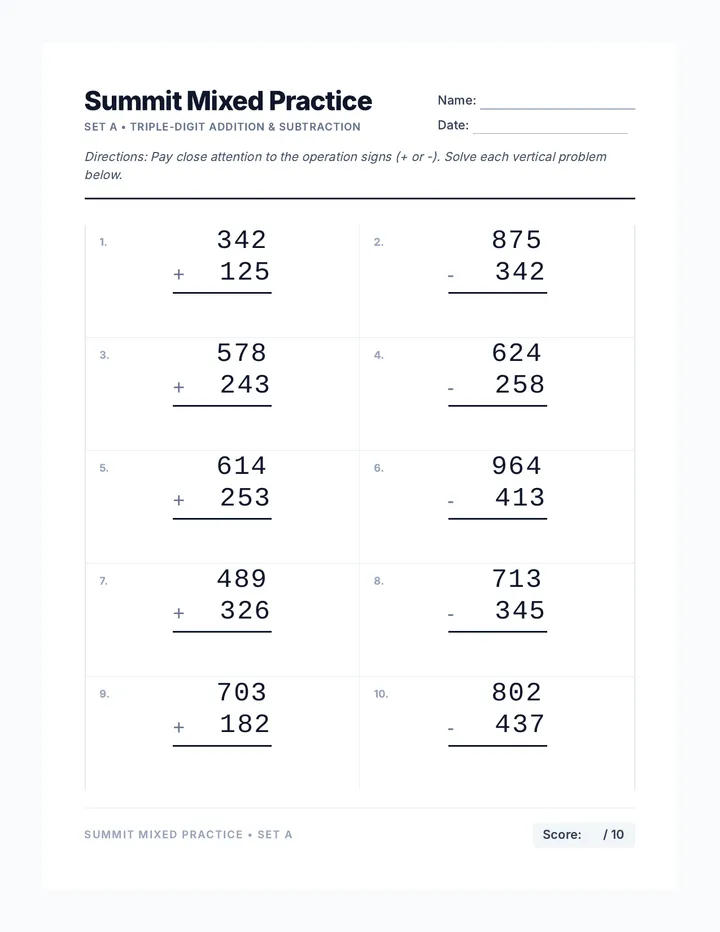
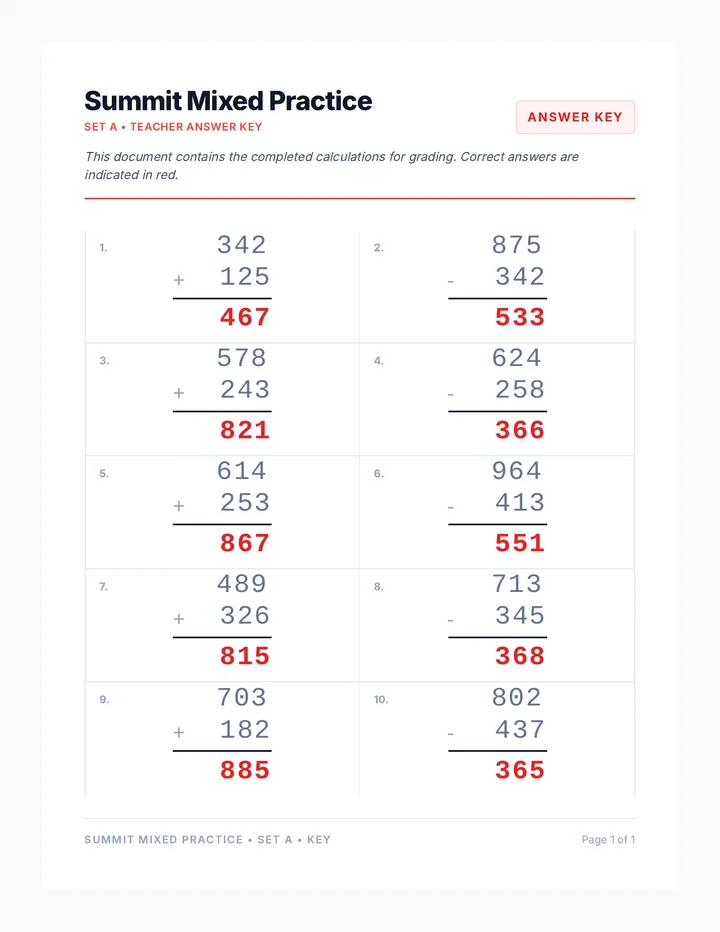
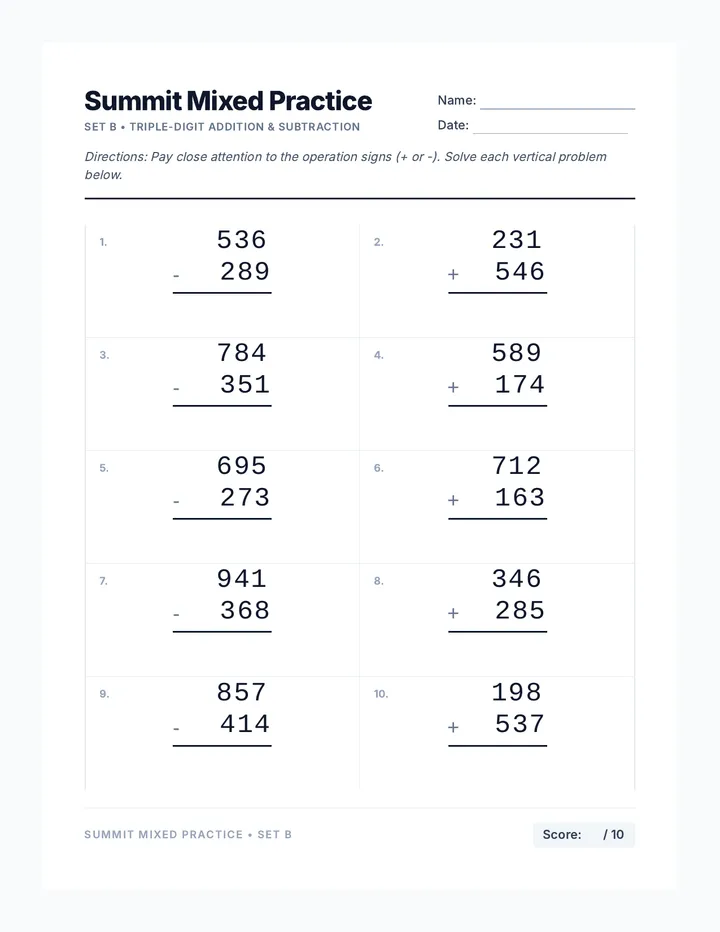
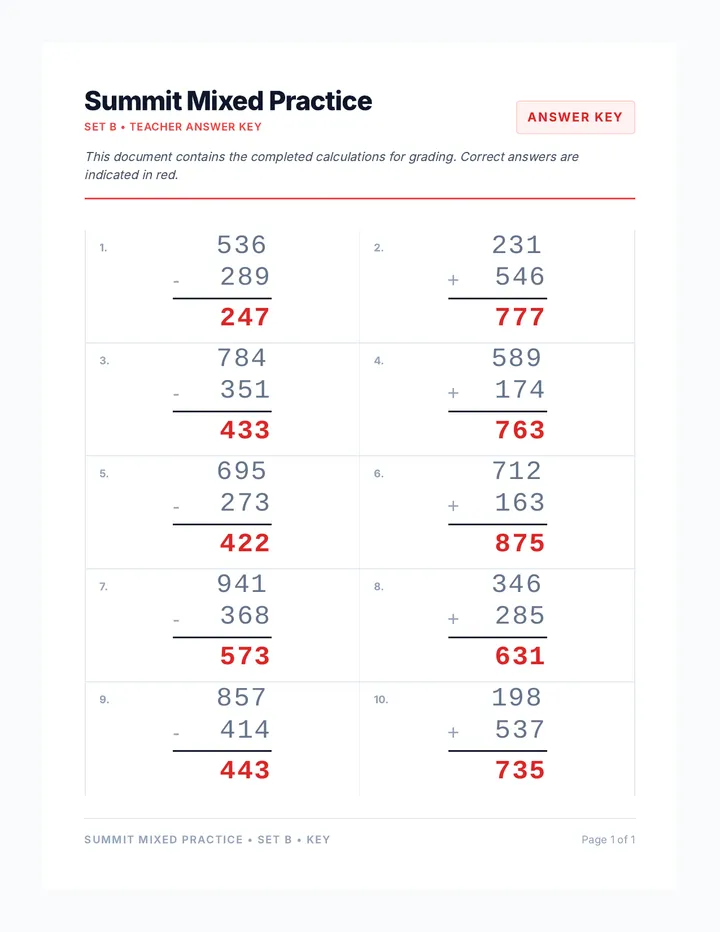
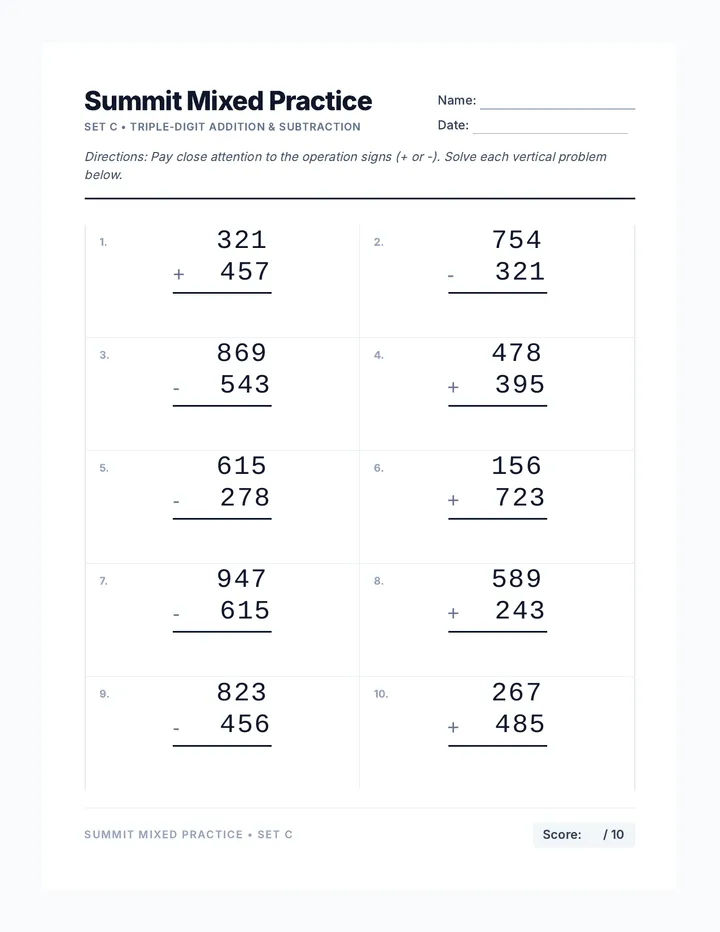
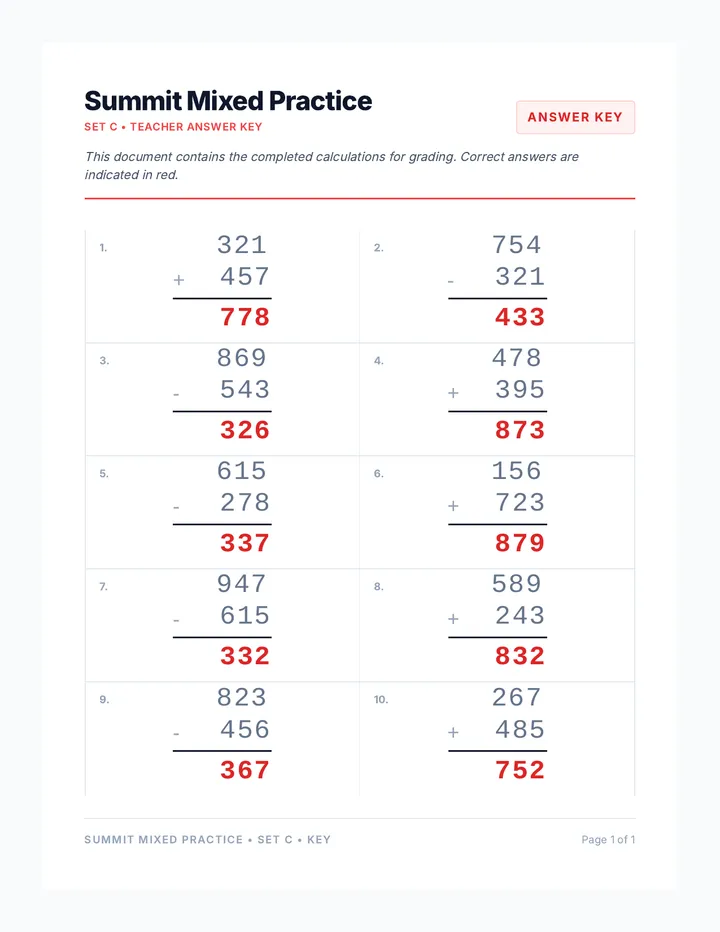
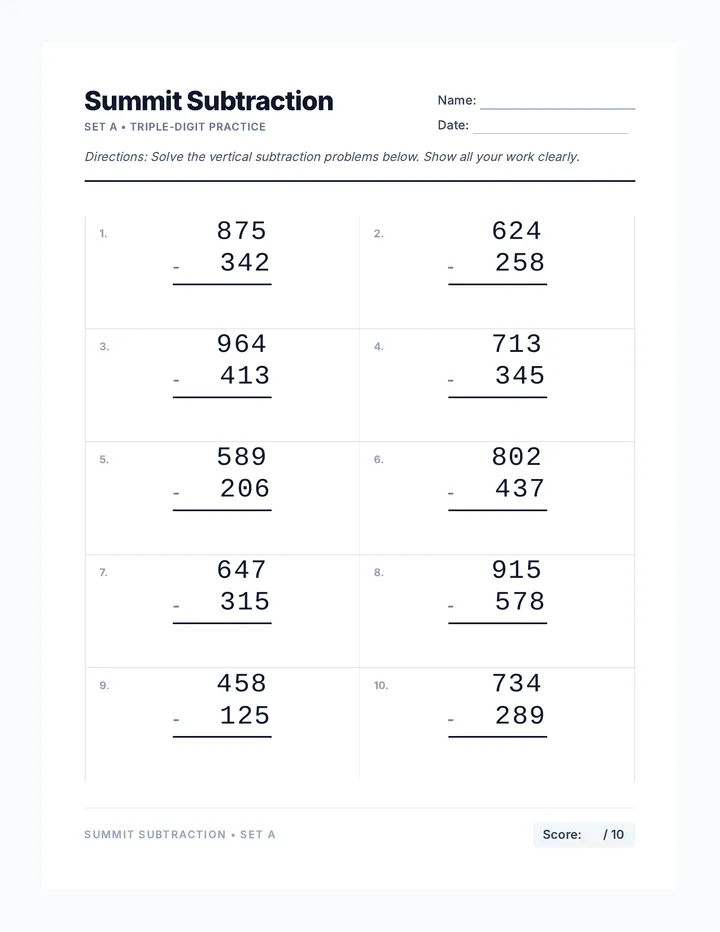
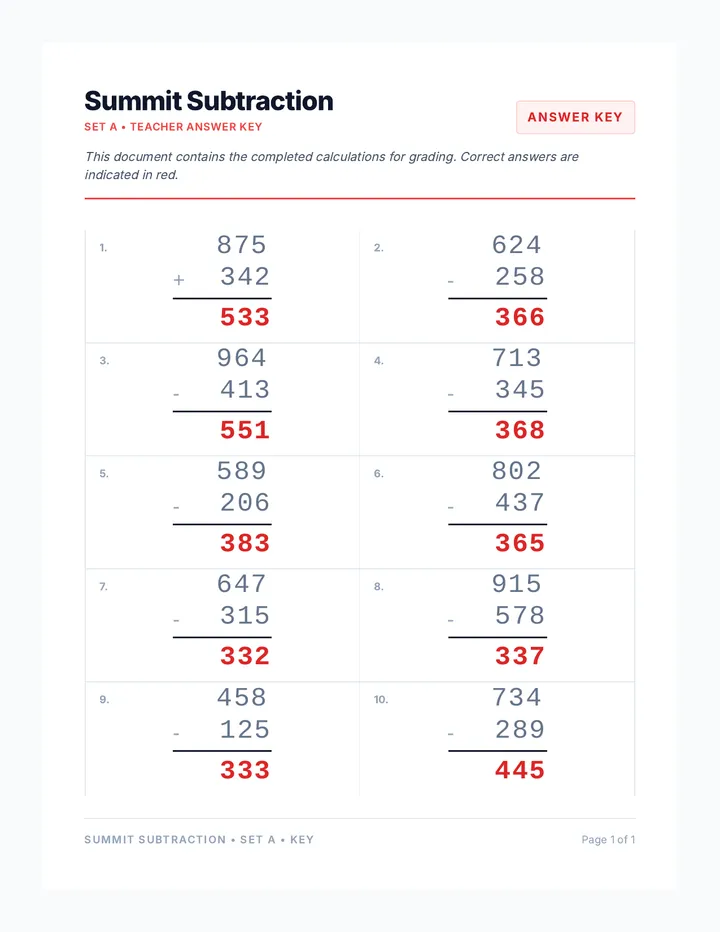
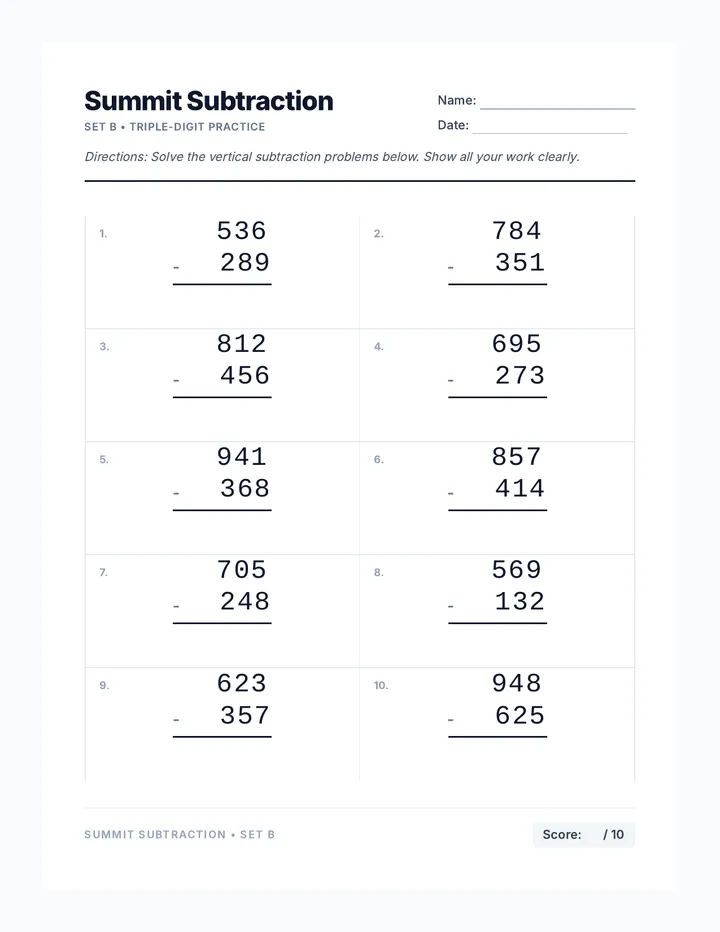
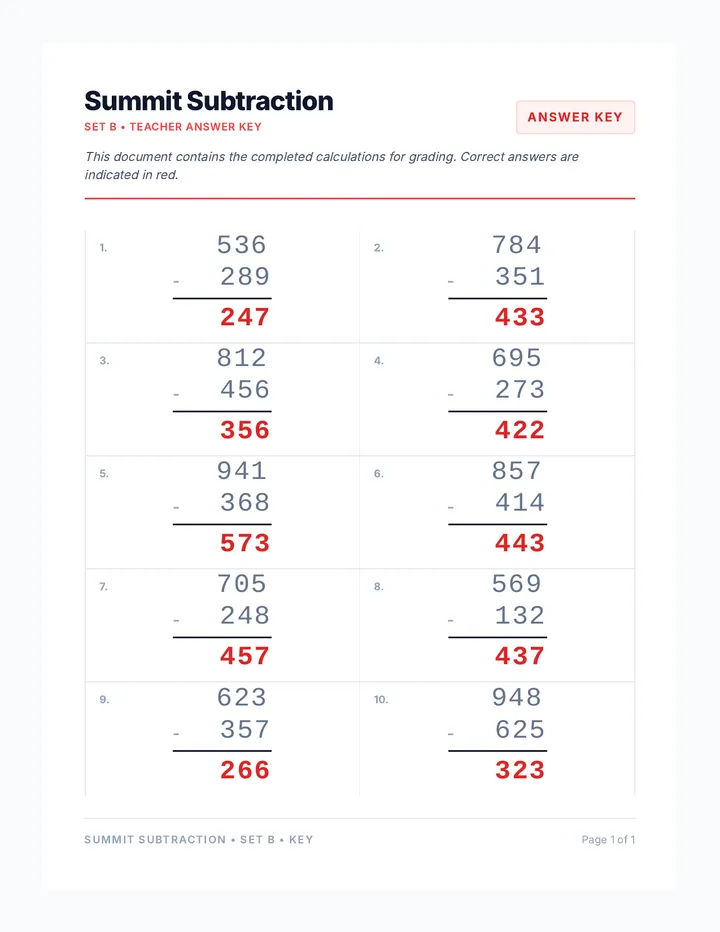
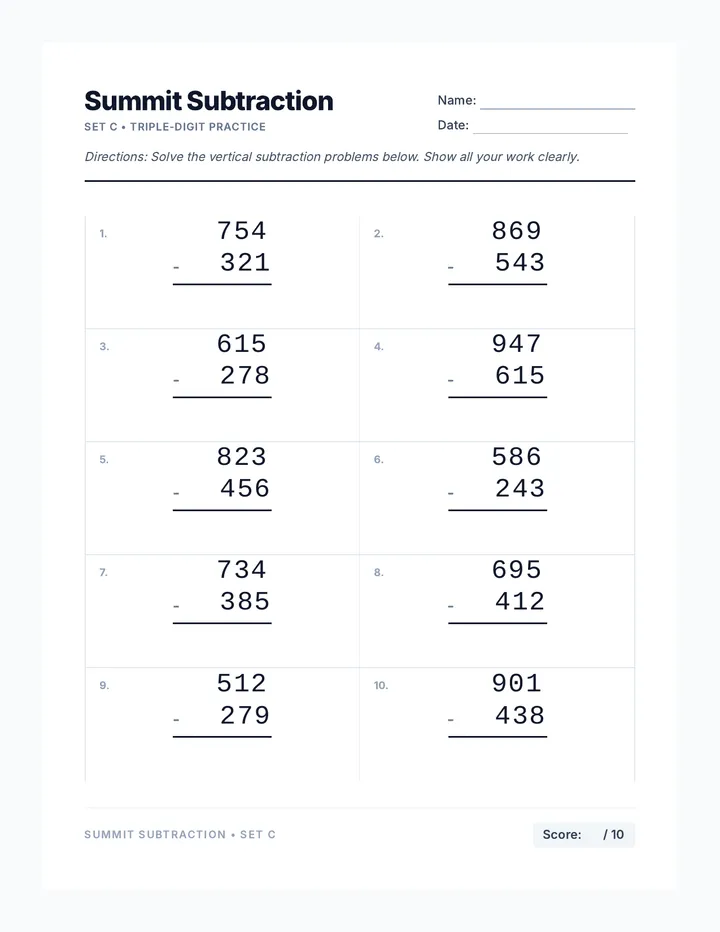
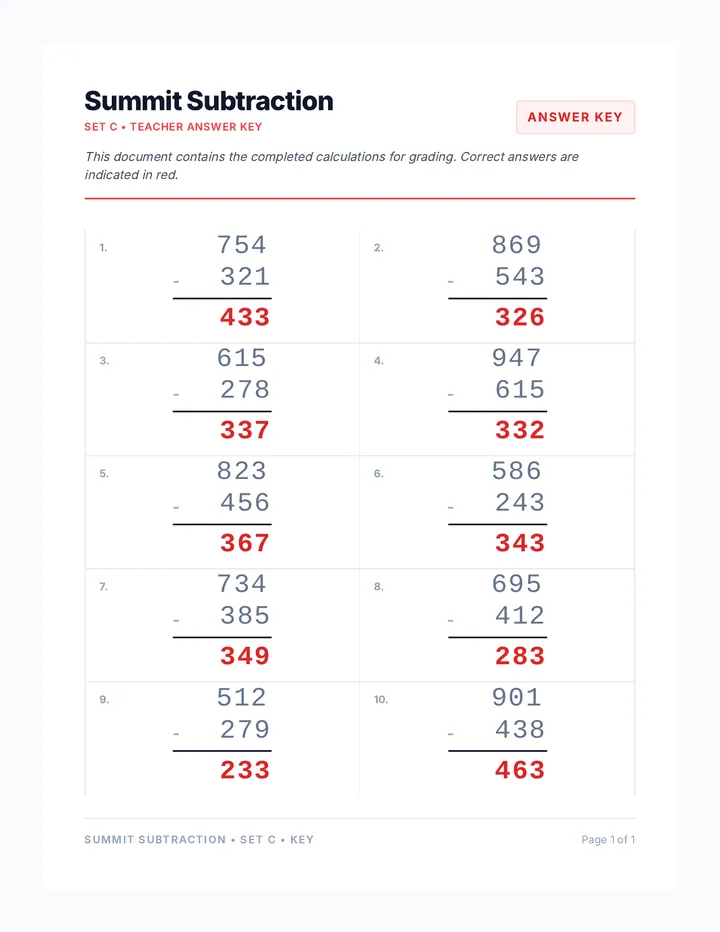
Students practice and master 3-digit subtraction with regrouping through targeted drill exercises.
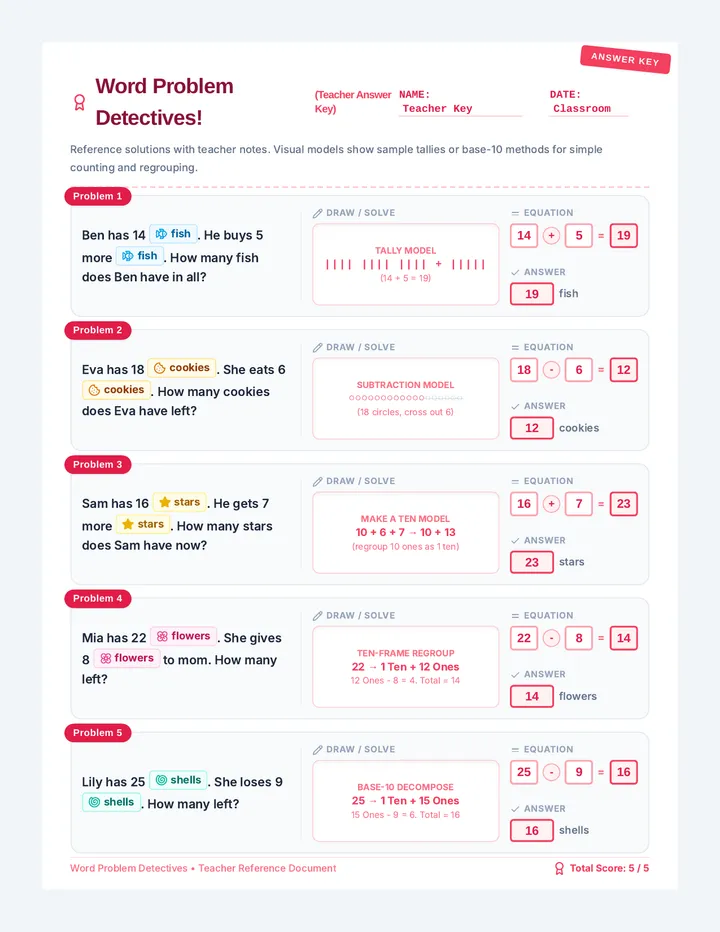
A lesson focusing on solving 1-step and 2-step addition and subtraction word problems within 100, set in an engaging space exploration theme.
A set of 20 flashcards designed to help students master adding two-digit numbers and multiples of ten within 100. Includes a clean, athletic-themed design suitable for classroom drills.
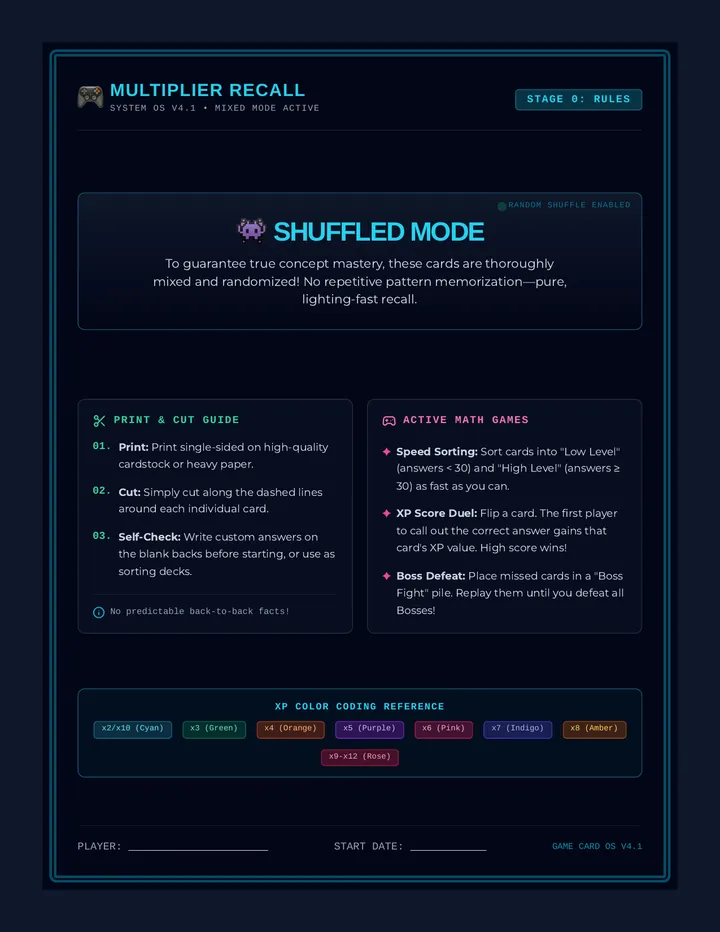
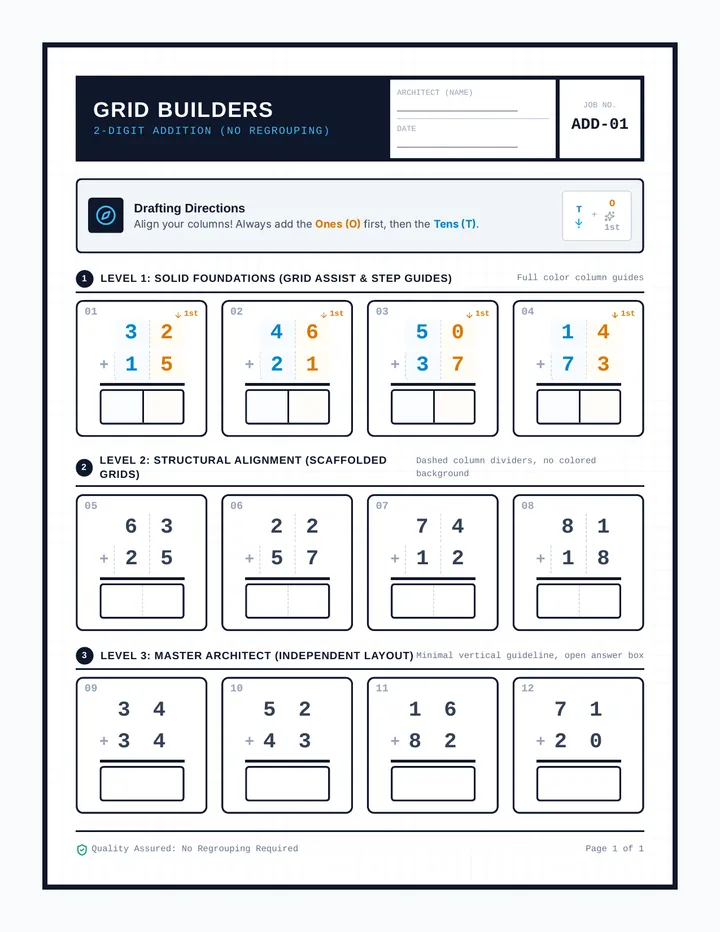
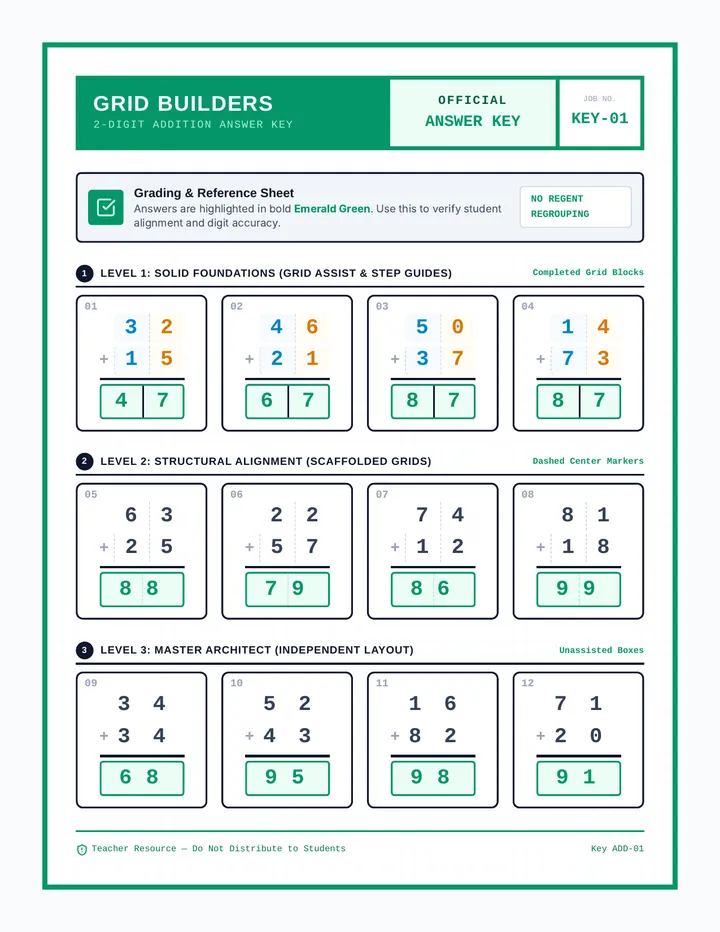
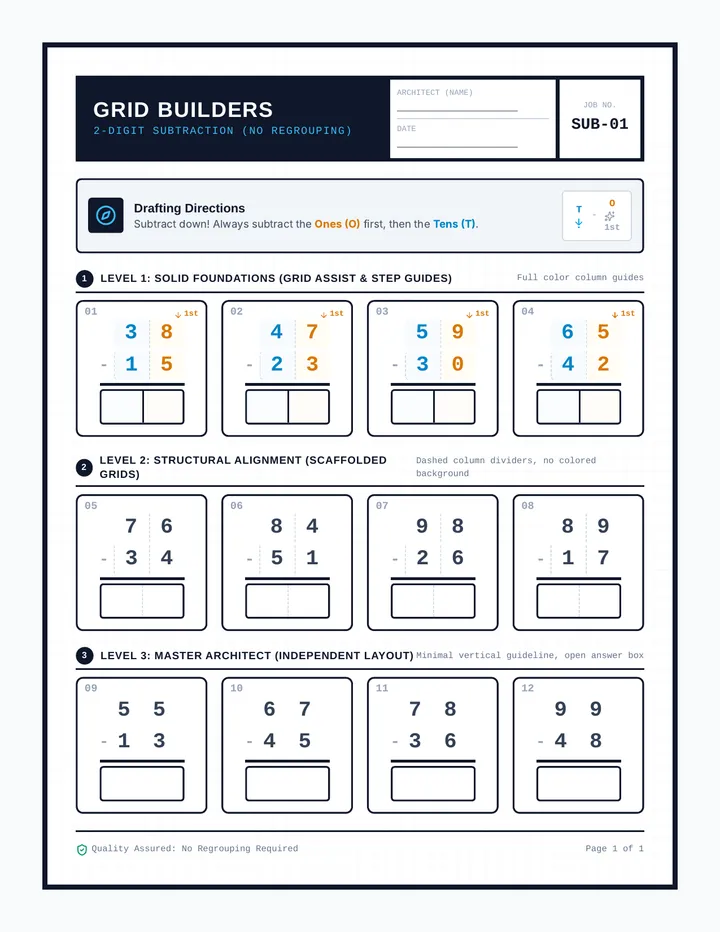
A collection of flashcards and activities designed to master two-digit and one-digit addition without regrouping, featuring a retro video game theme.
A series of practice pages designed for IEP goal tracking, focusing on selecting the correct operation, writing equations, and using visual models for all four operations up to 100.
A hands-on board game lesson where students master adding and subtracting within 20 by using the 'bridging to 10' strategy. Students navigate a digital-themed game board by solving math challenges that require decomposing numbers to reach the benchmark of 10.
A comprehensive assessment covering counting money, data interpretation, saving and credit, 3D shapes, and perimeter calculation.
A hands-on math lesson where students use the letters in their names to explore addition and the properties of even and odd numbers.
A series of story problems centered around a busy bakery, focusing on subtracting 2 and 3-digit numbers from multiples of 100, requiring students to master regrouping across zeros.
A lesson focused on identifying and distinguishing between nickels and quarters through visual cues and physical characteristics.
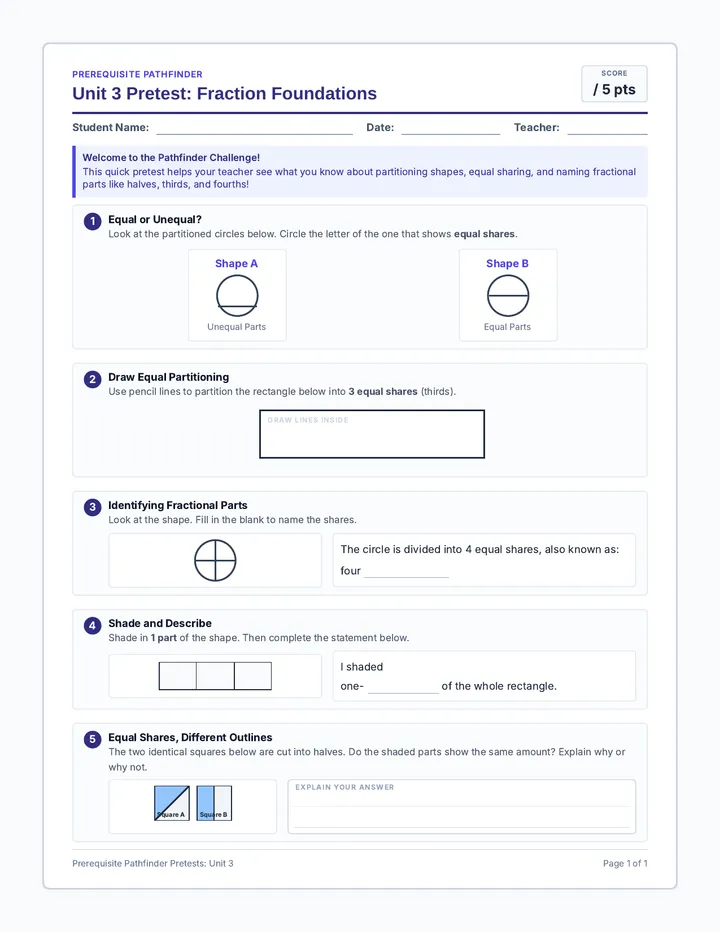
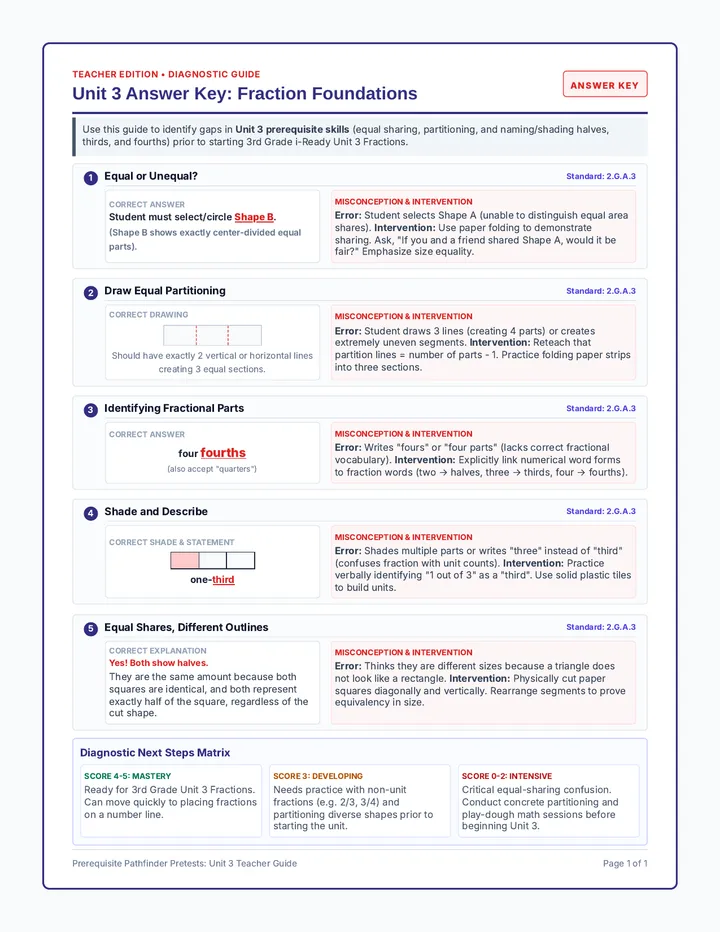
Students will practice identifying the equivalent whole number (1-5) for pairs of fractions using visual models like shaded circles and number lines.
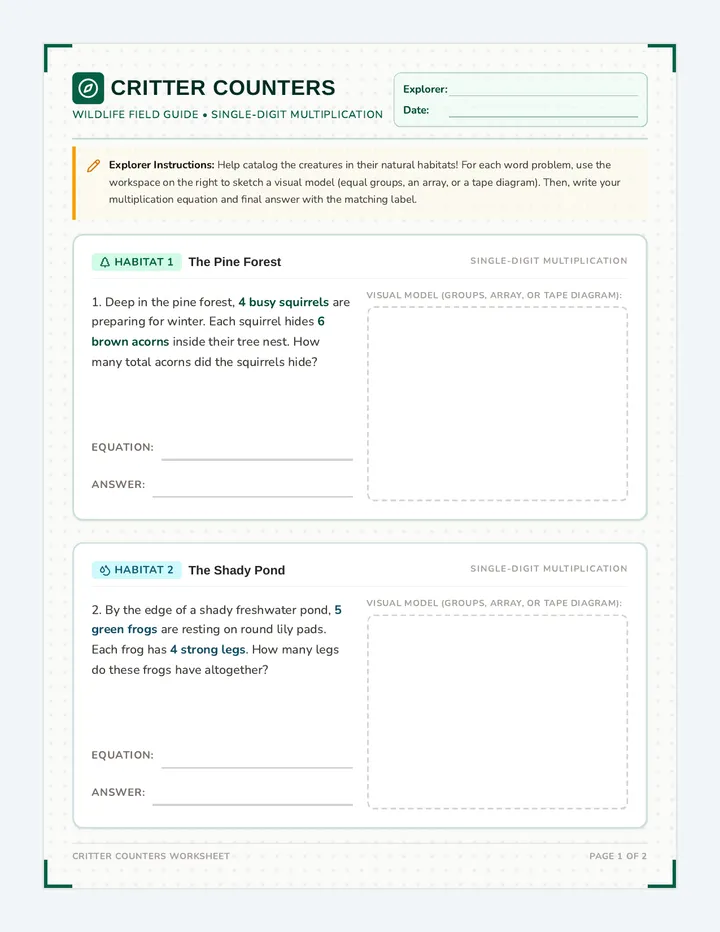
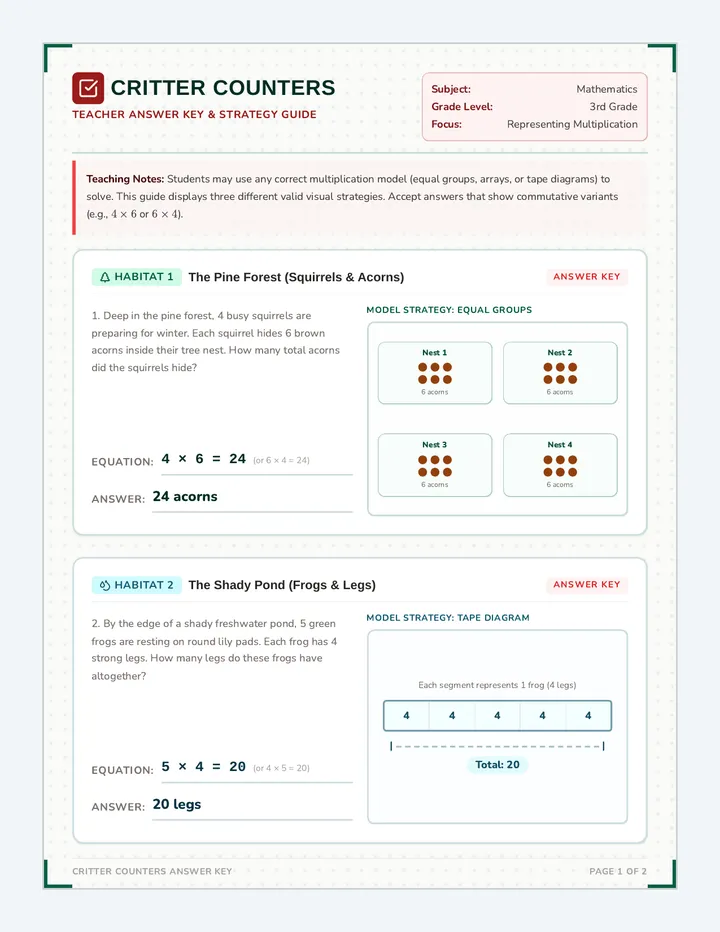
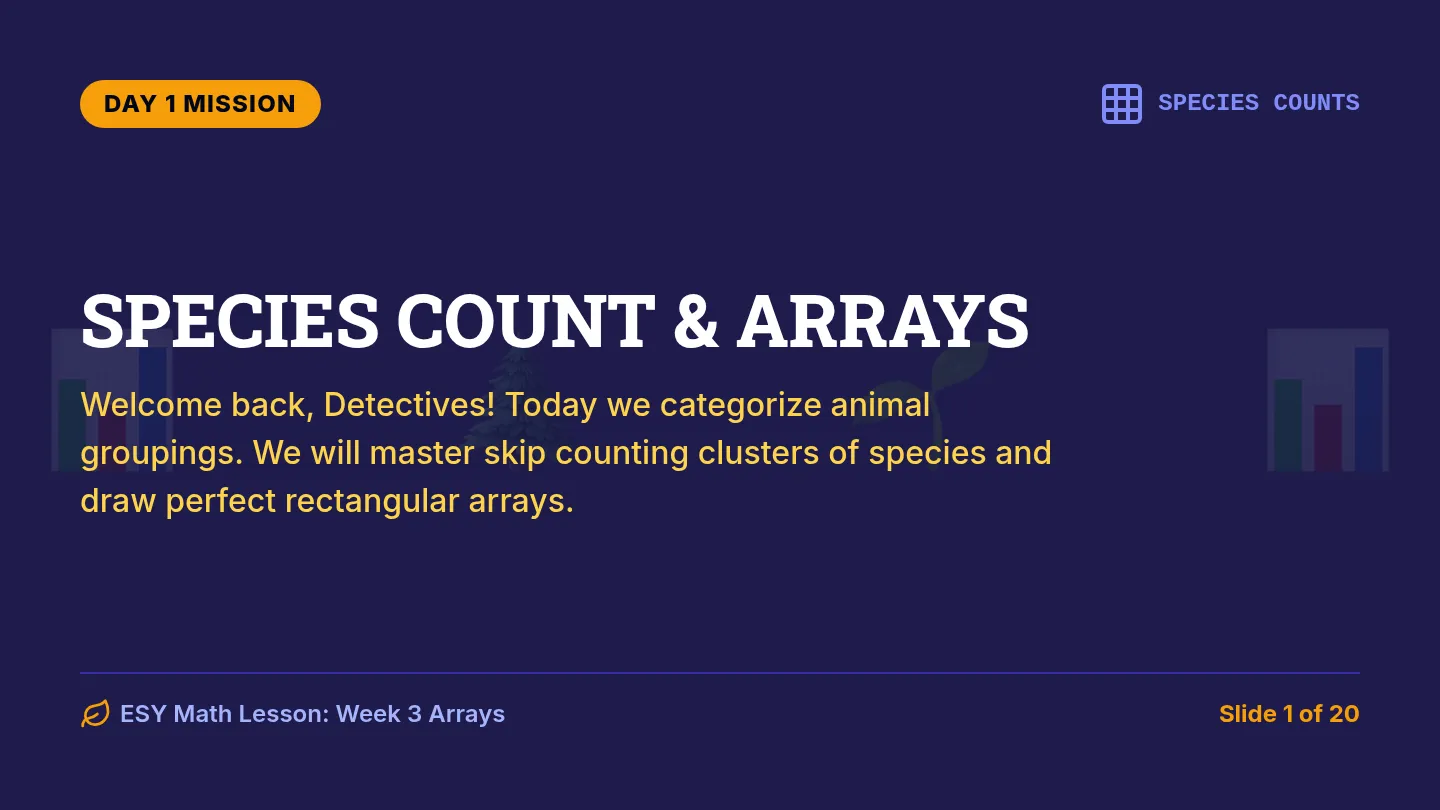
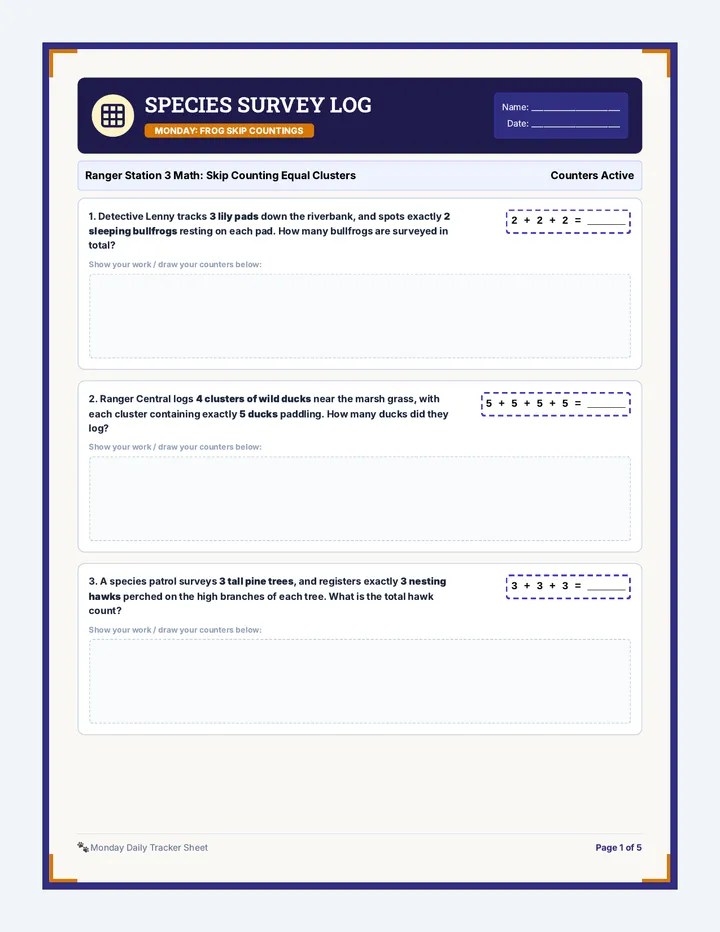
A lesson focused on solving multiplication and division word problems using visual representations like arrays and area models within 100.
Students investigate the patterns created when adding odd and even numbers using square tile models. They will discover through hands-on exploration that odd+odd=even, even+even=even, and even+odd=odd.
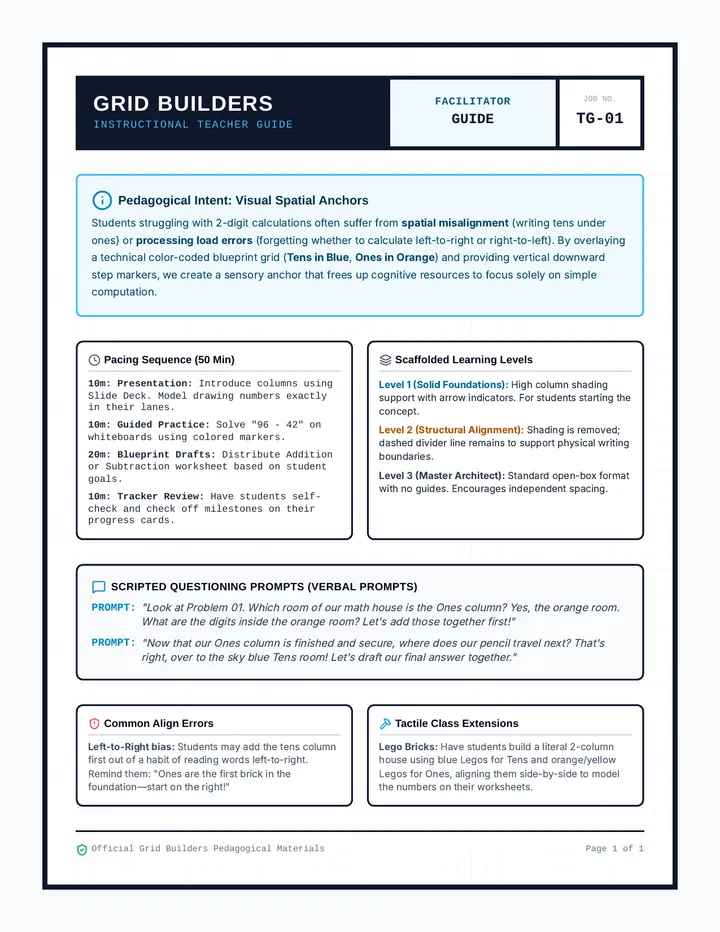
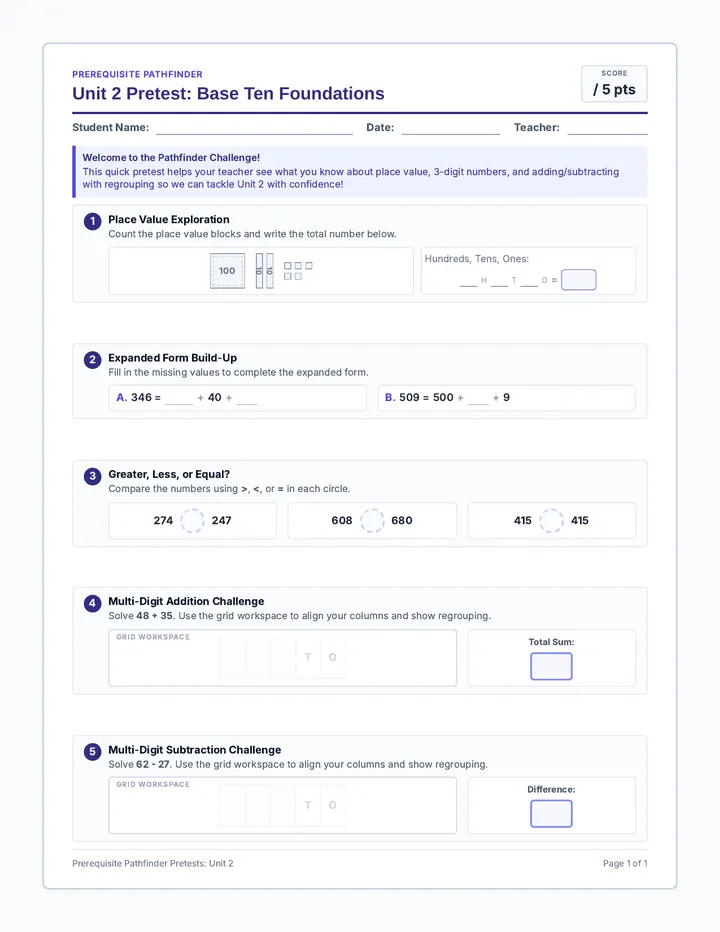
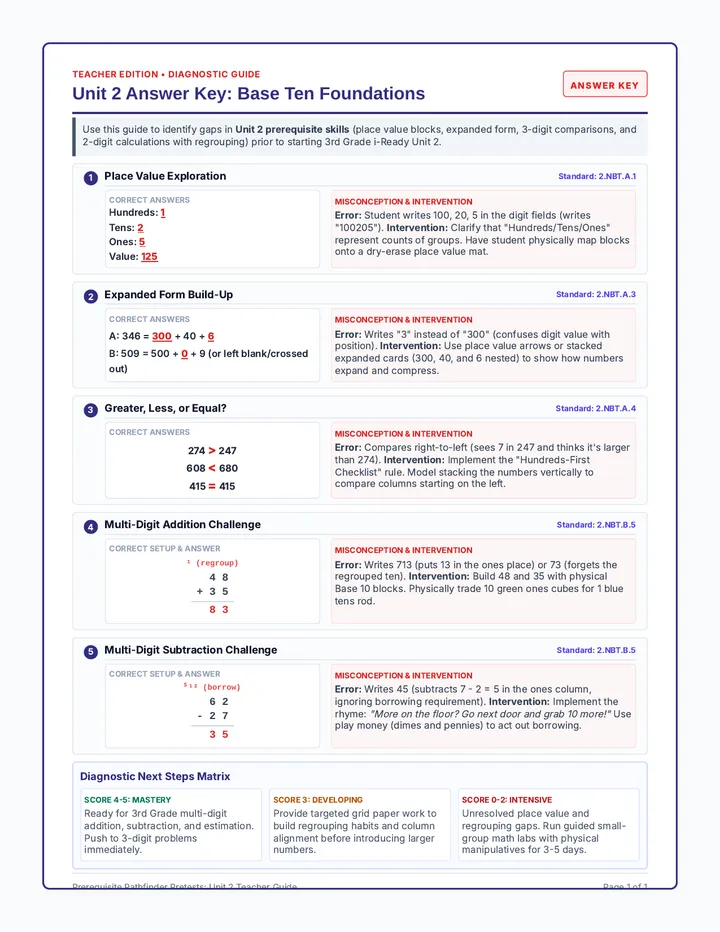
A foundational lesson for 2nd graders to understand place value up to the hundreds place using the 'Base Ten Builders' construction theme. Includes guided notes, hands-on practice, and a visual presentation.
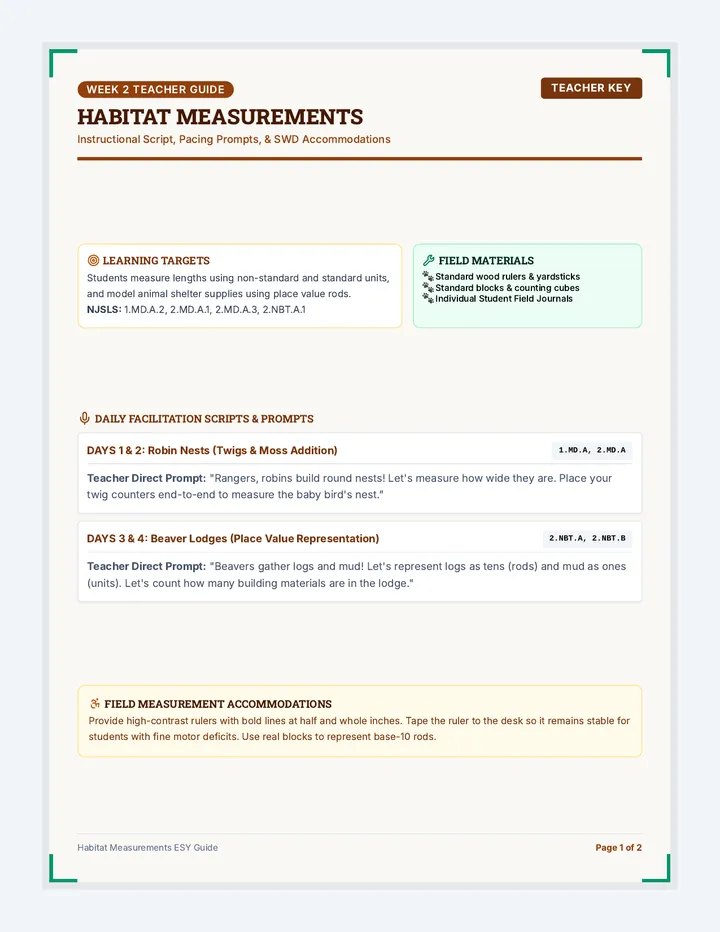
A hands-on measurement activity where students explore their classroom and school environments using rulers and yardsticks. Students practice measuring in inches, centimeters, and yards while developing spatial awareness and estimation skills.
A set of materials focused on helping students understand number relationships by identifying 'one more' and 'one less' than a given number.
A lesson focused on solving measurement problems by doubling or adding lengths of objects using inches and centimeters, aligned with TEKS 2.9E. Students will estimate and calculate total lengths when multiple identical objects are placed end-to-end.
A focused ten-minute daily math intervention designed to help first-grade students master decomposing numbers up to 10 using Part-Part-Whole models and Ten Frames.
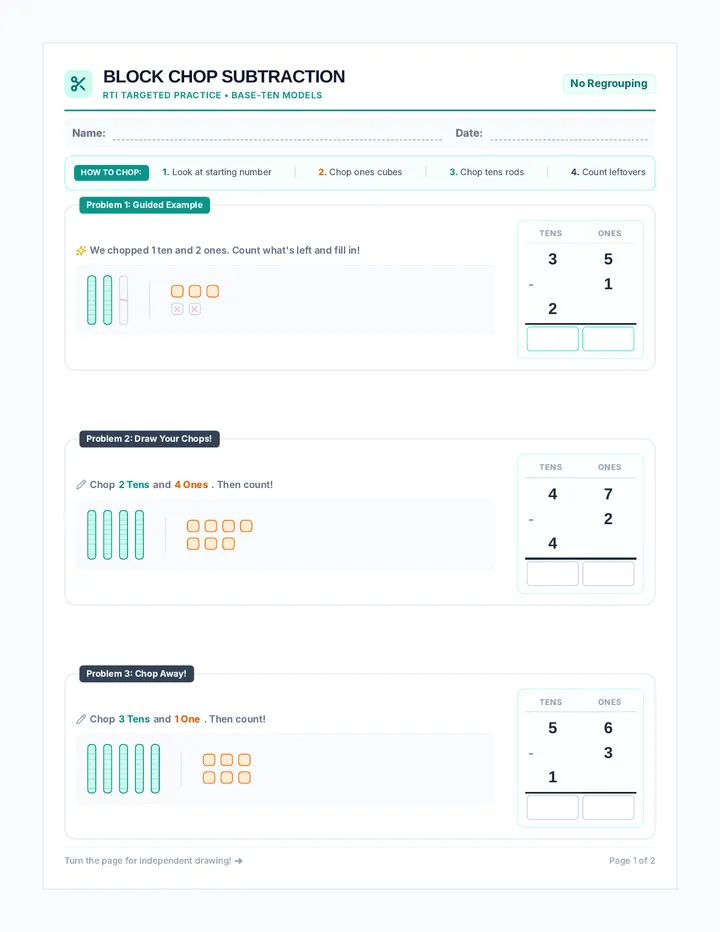
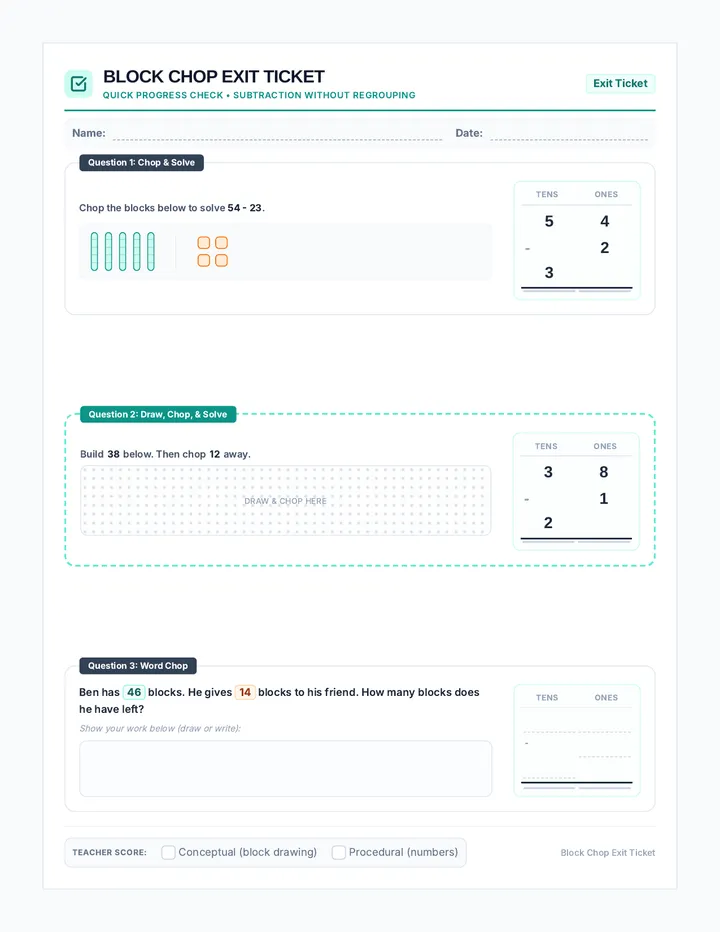
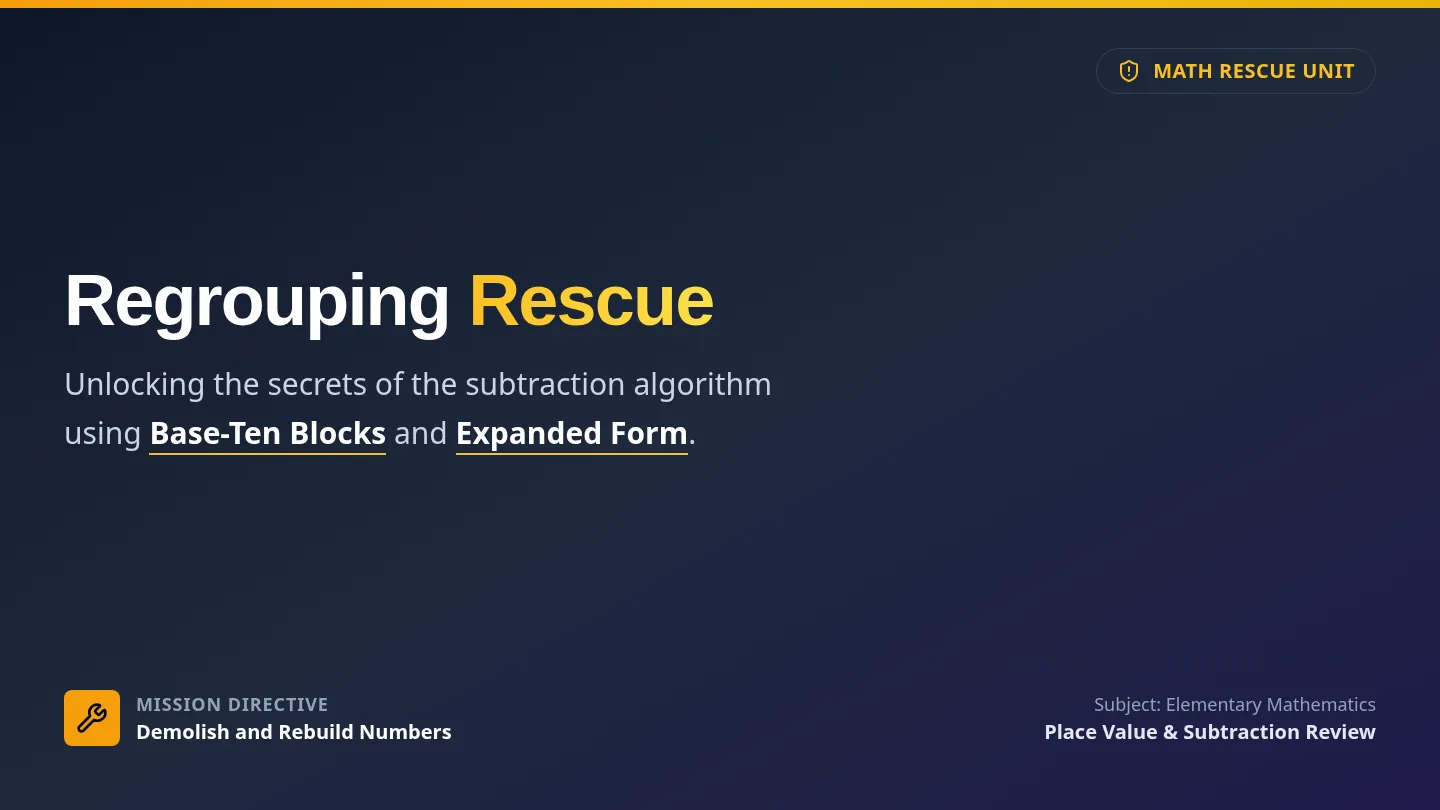
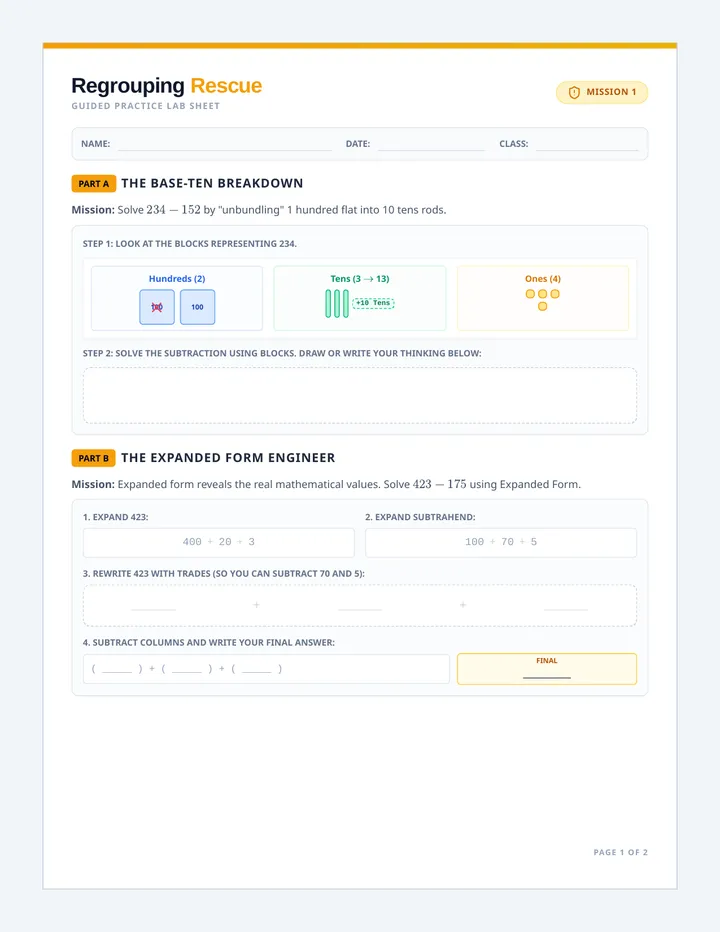
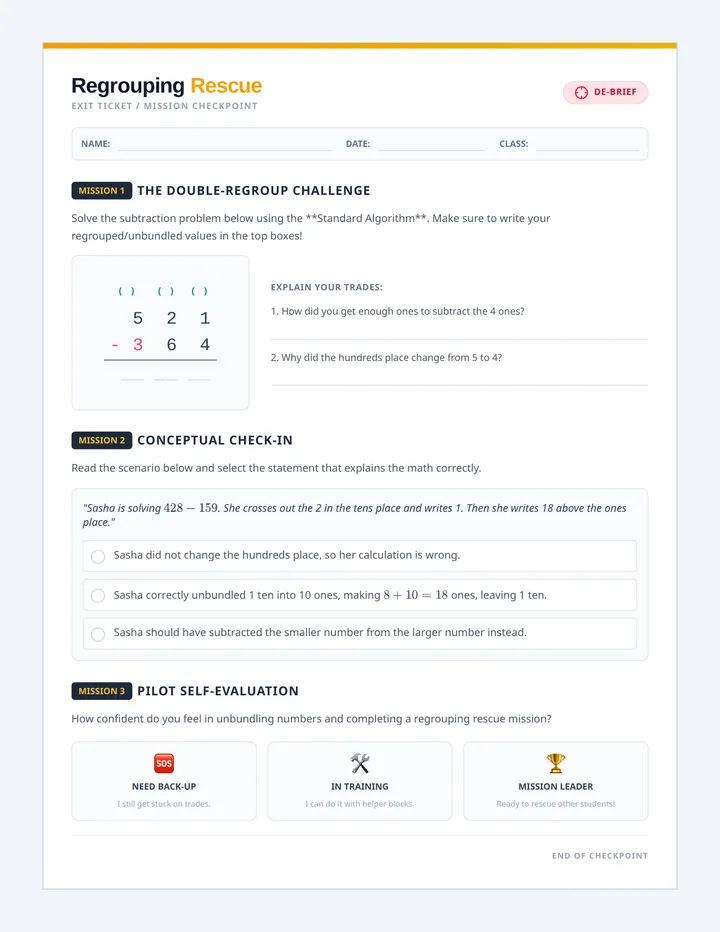
A week-long focus on multi-digit subtraction with regrouping, focusing on 'trading' tens for ones and hundreds for tens. Materials utilize base ten block imagery and expanded form to make the abstract process of borrowing more concrete and manageable.
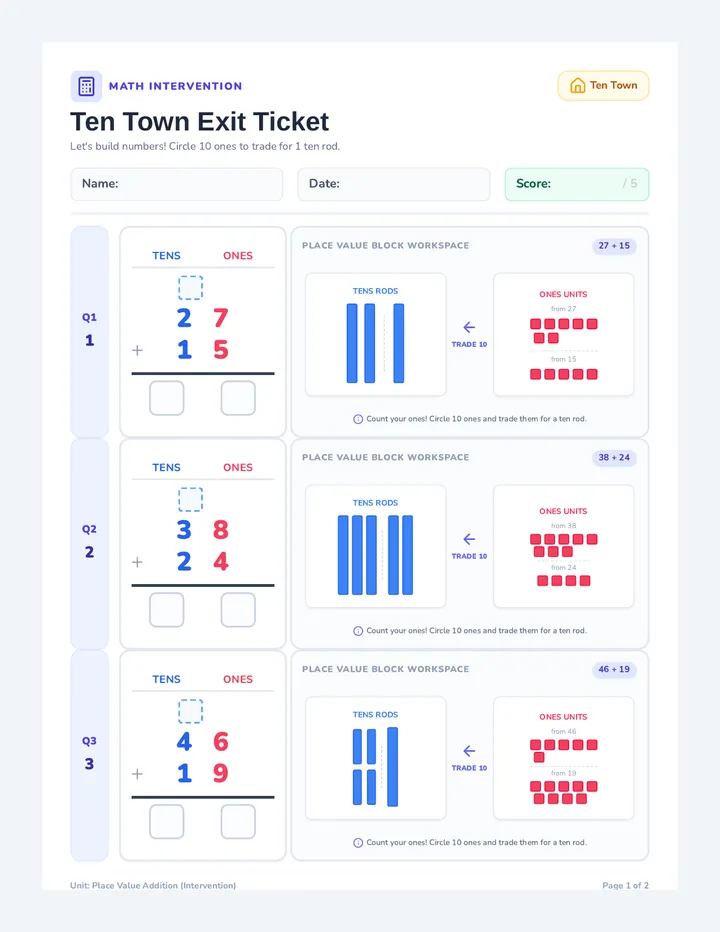
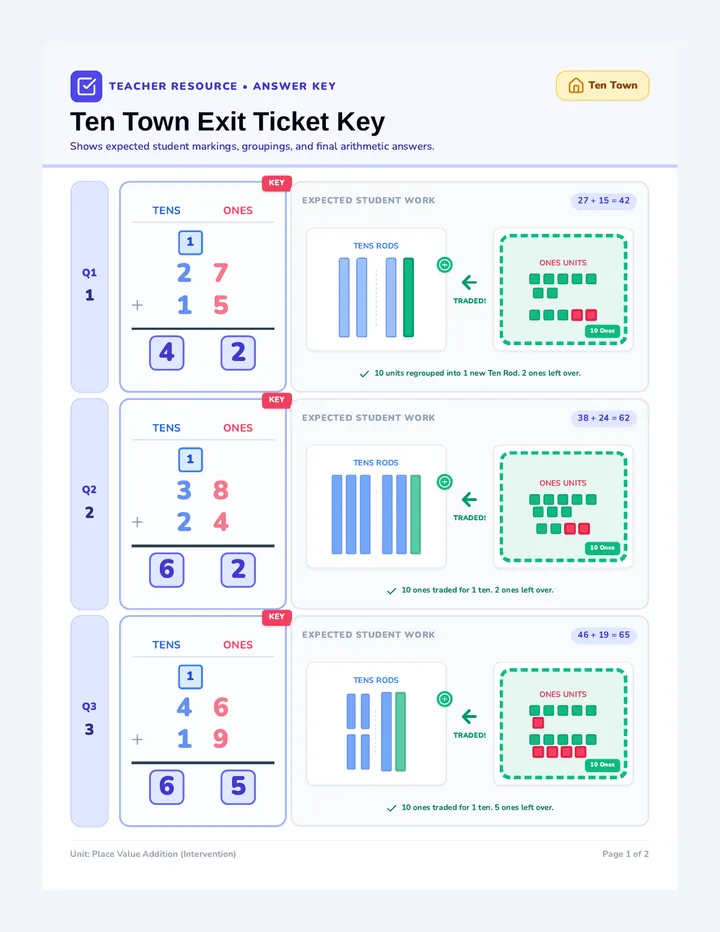
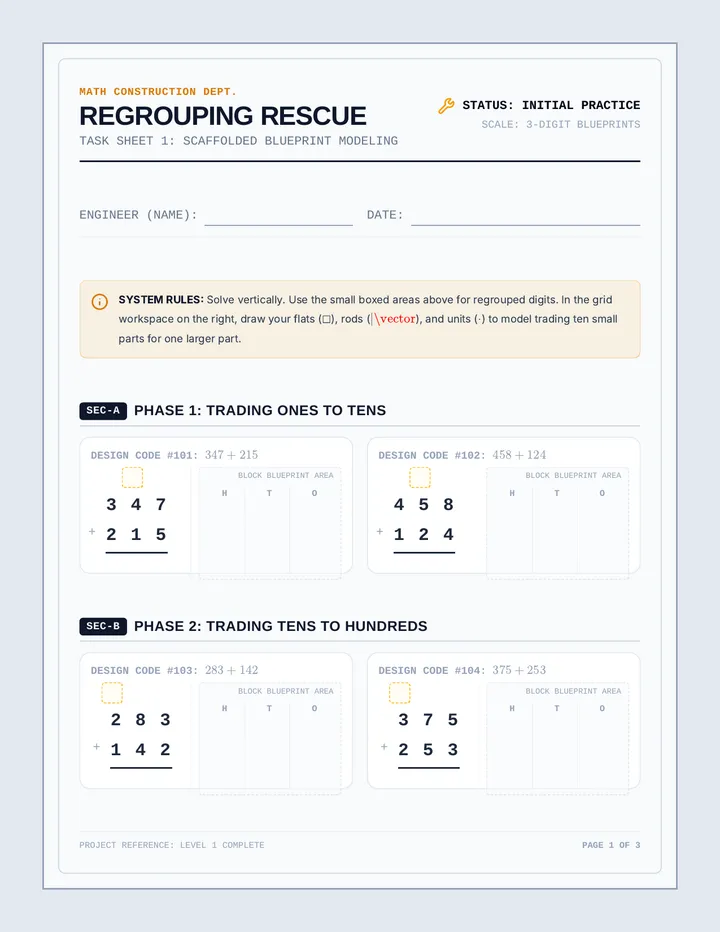
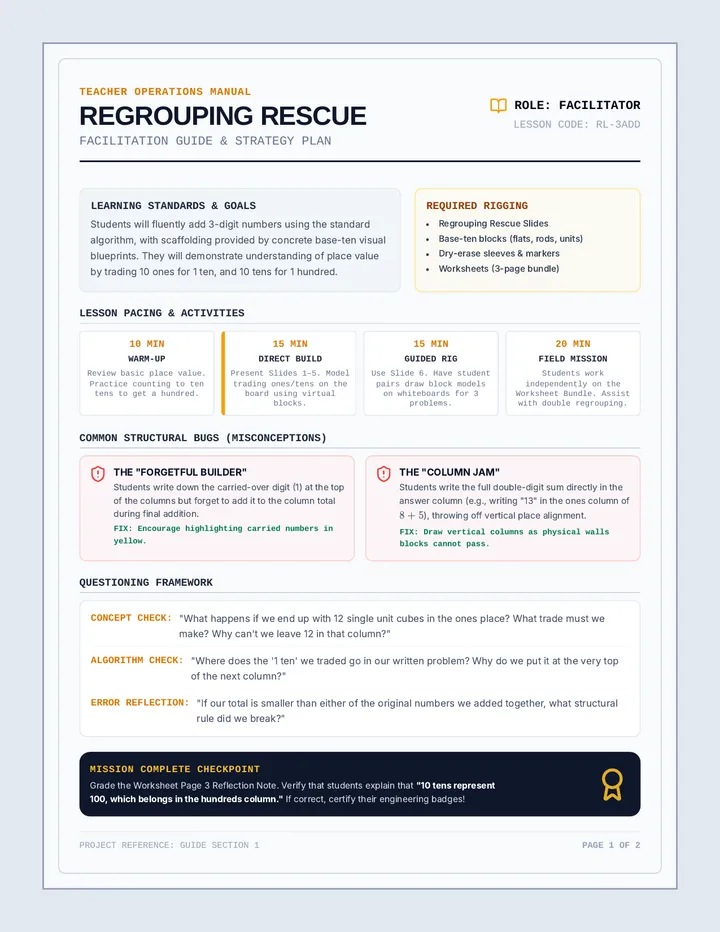
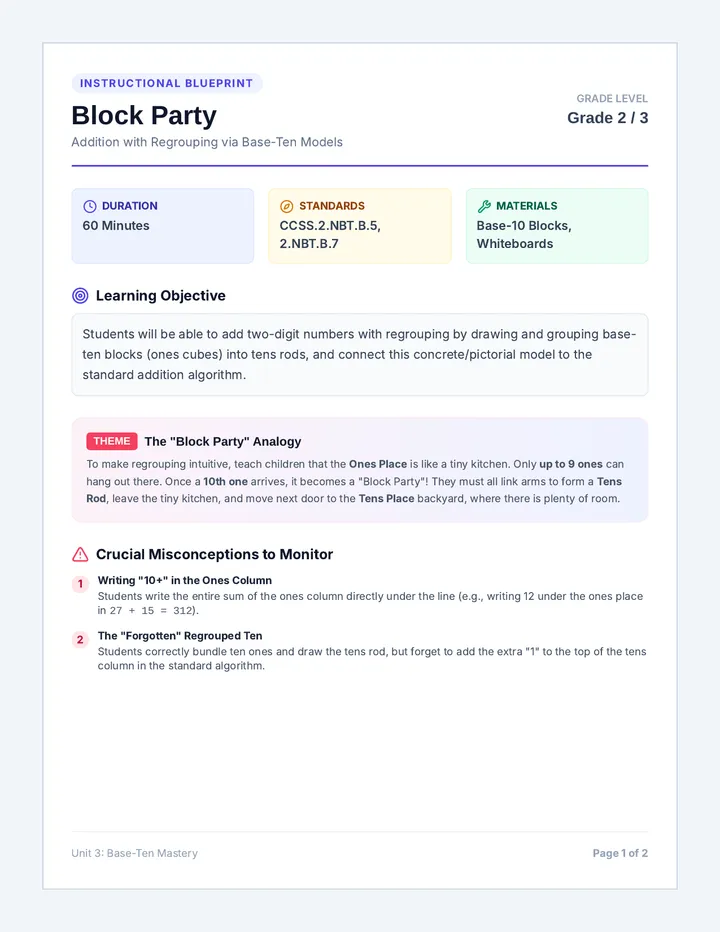
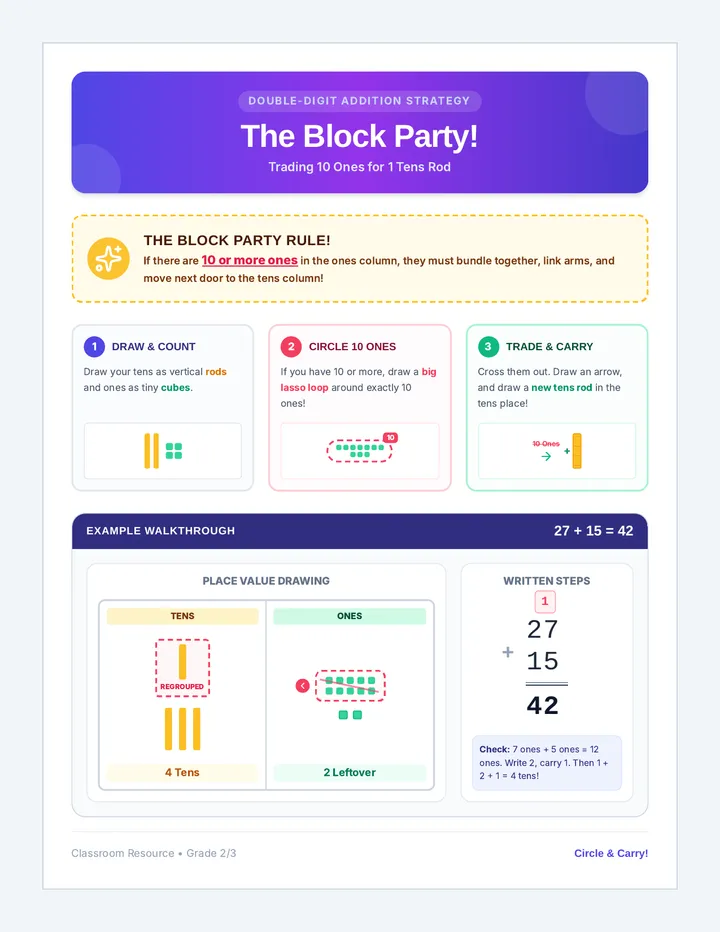
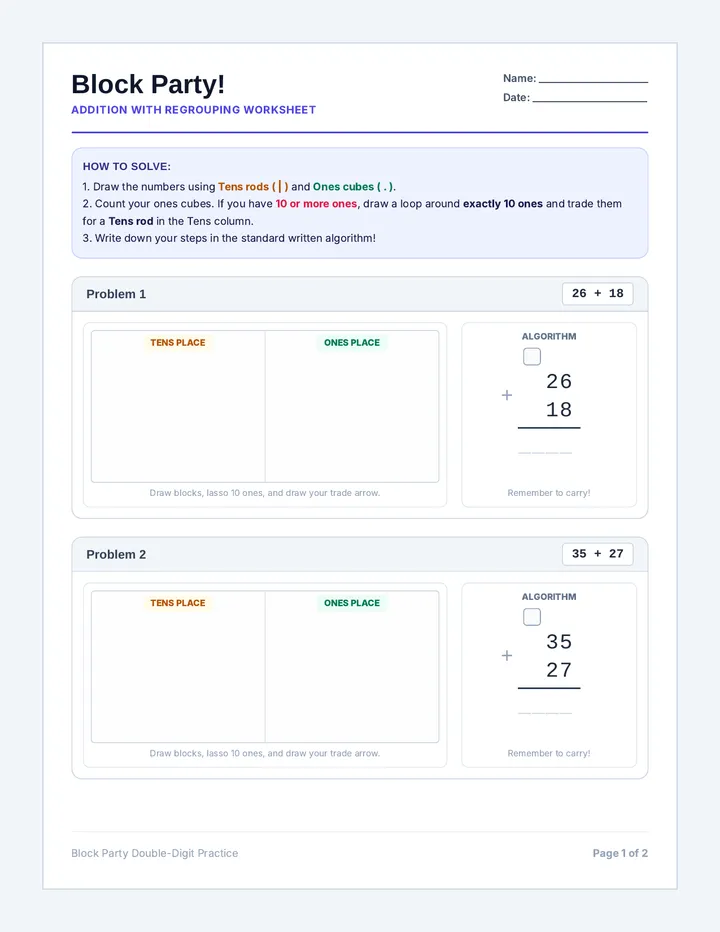
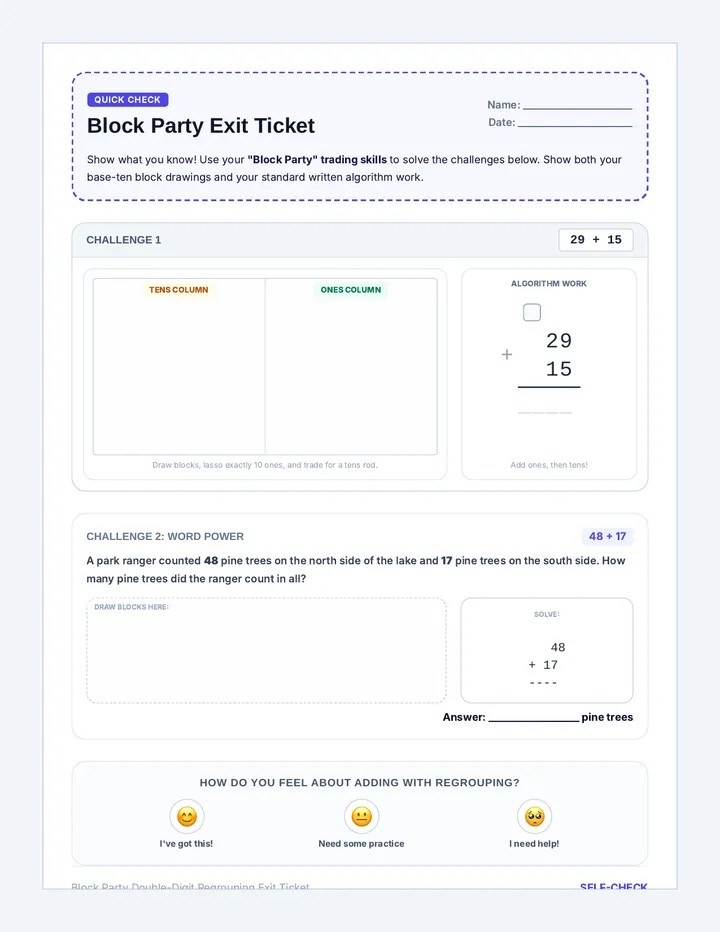
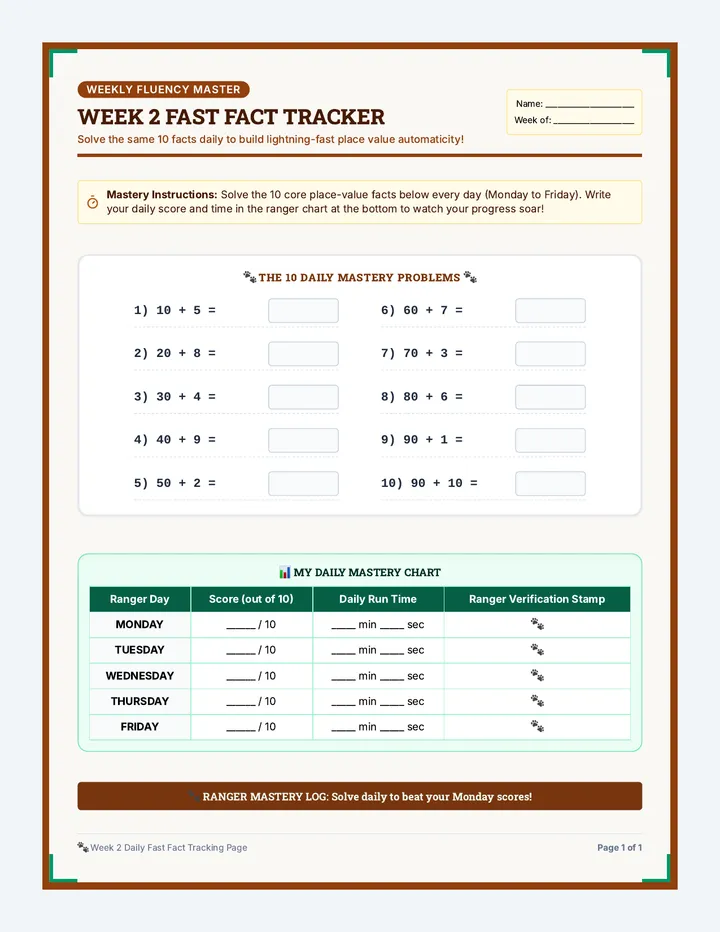
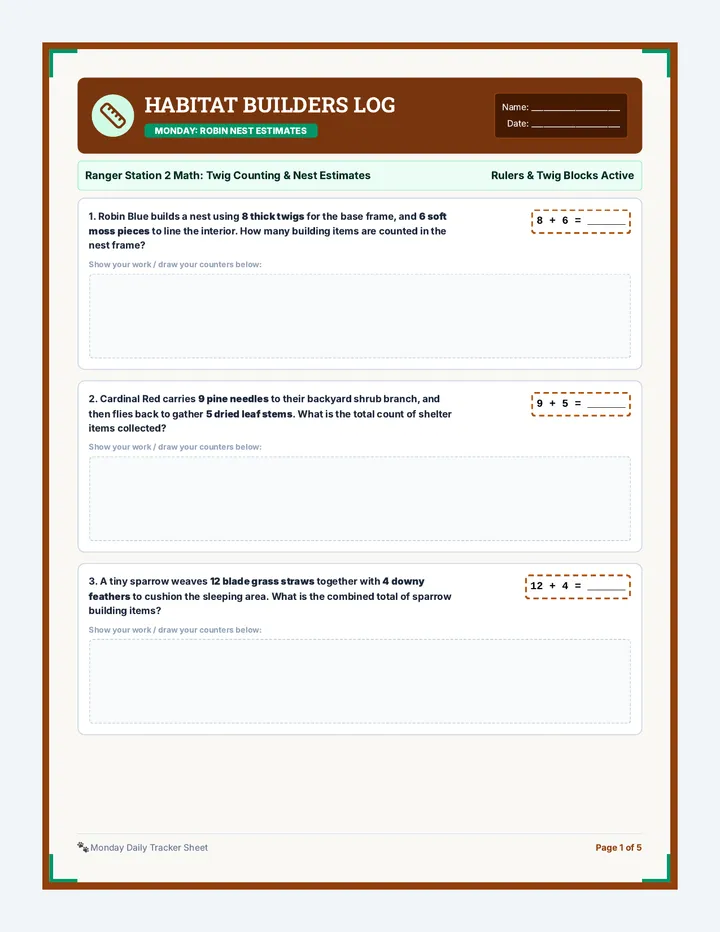
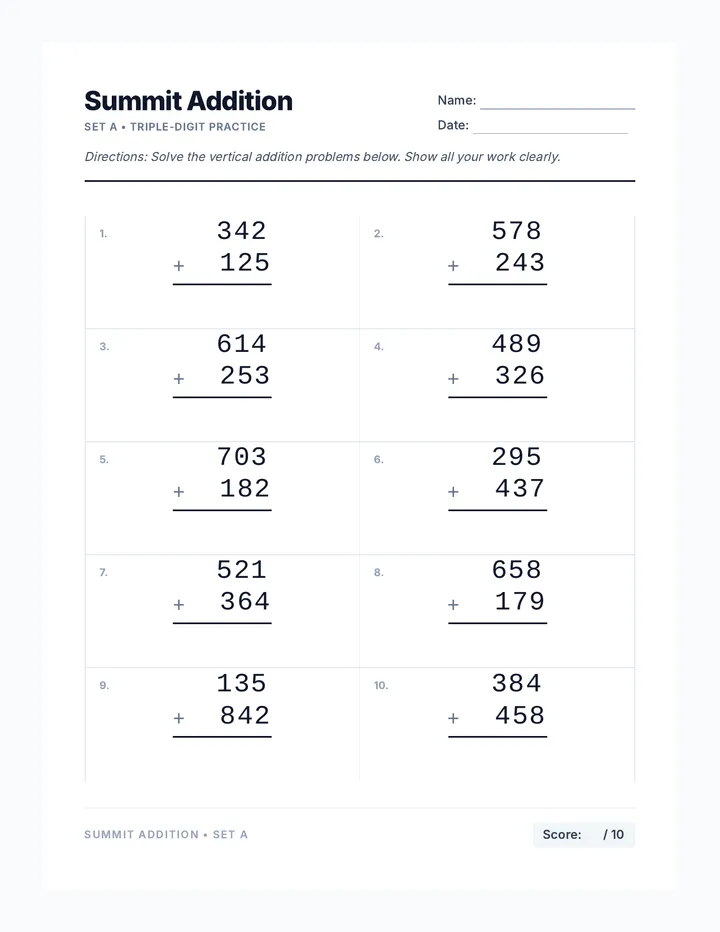
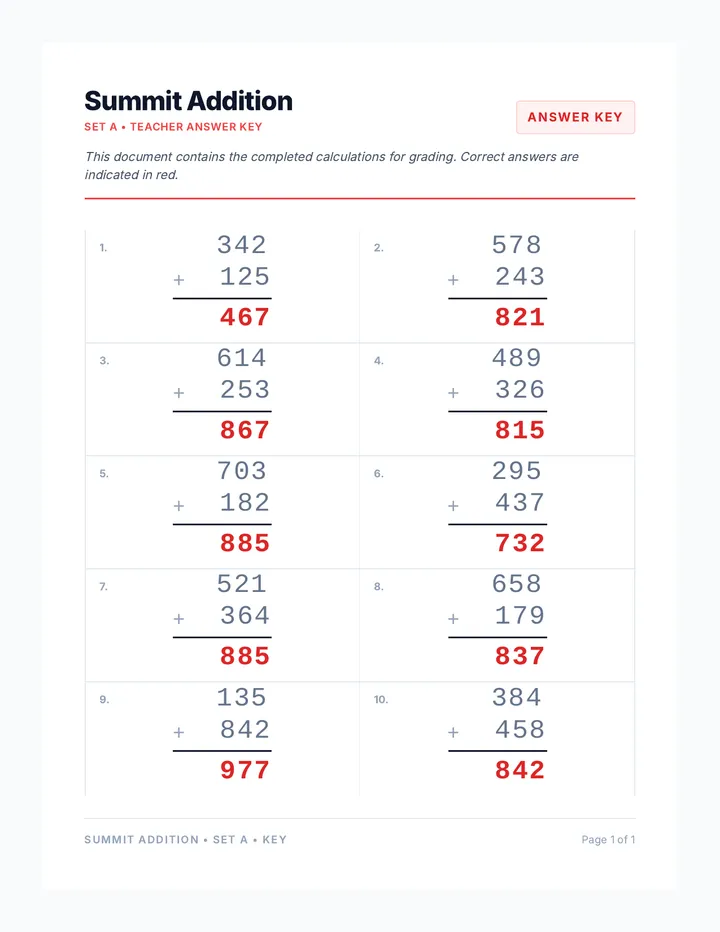
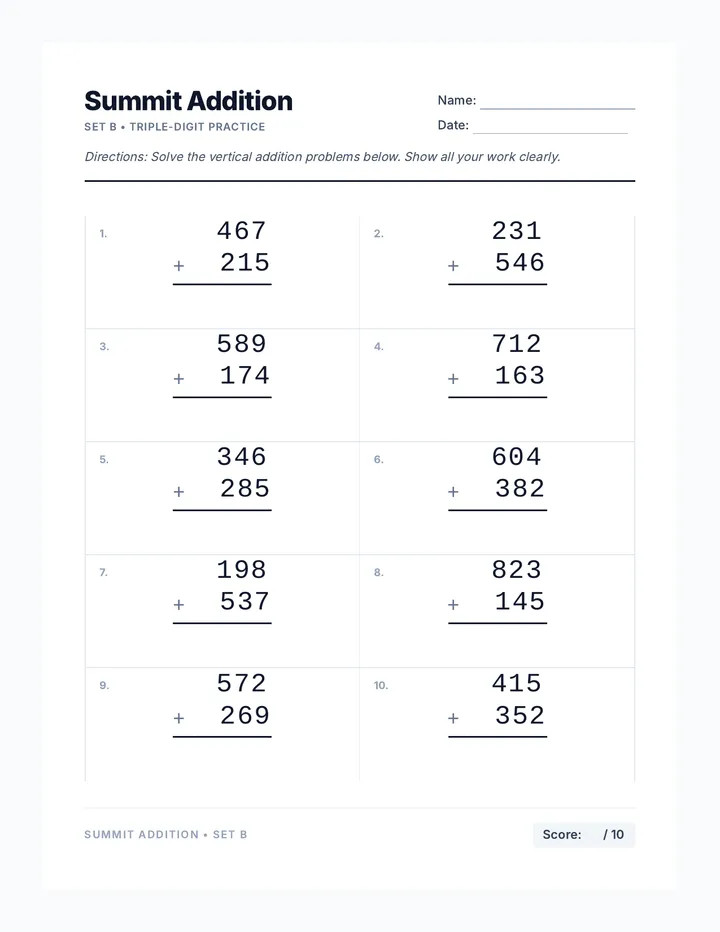
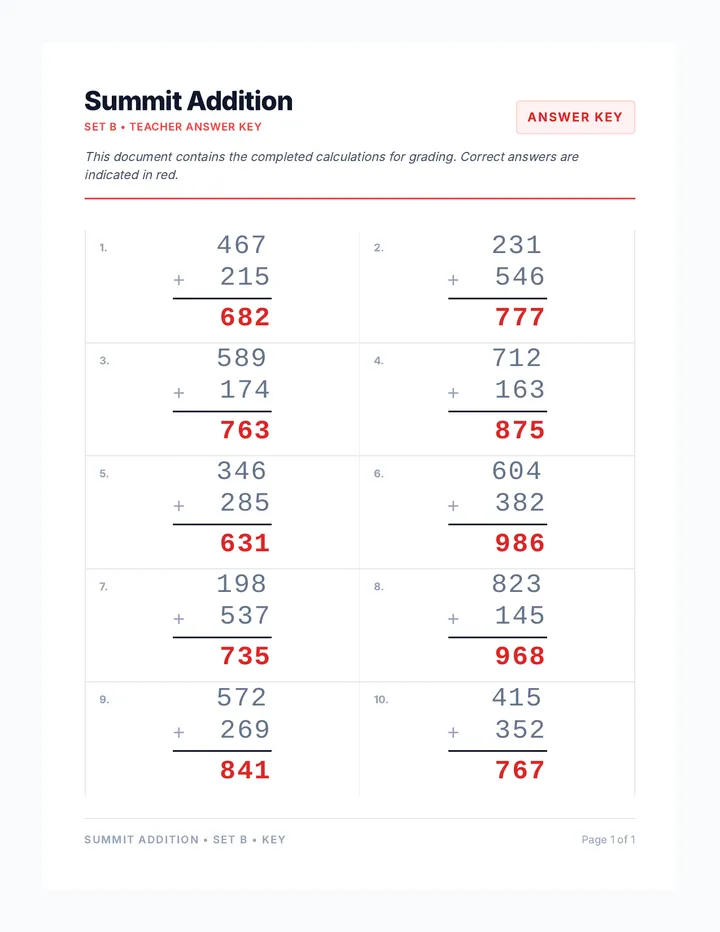
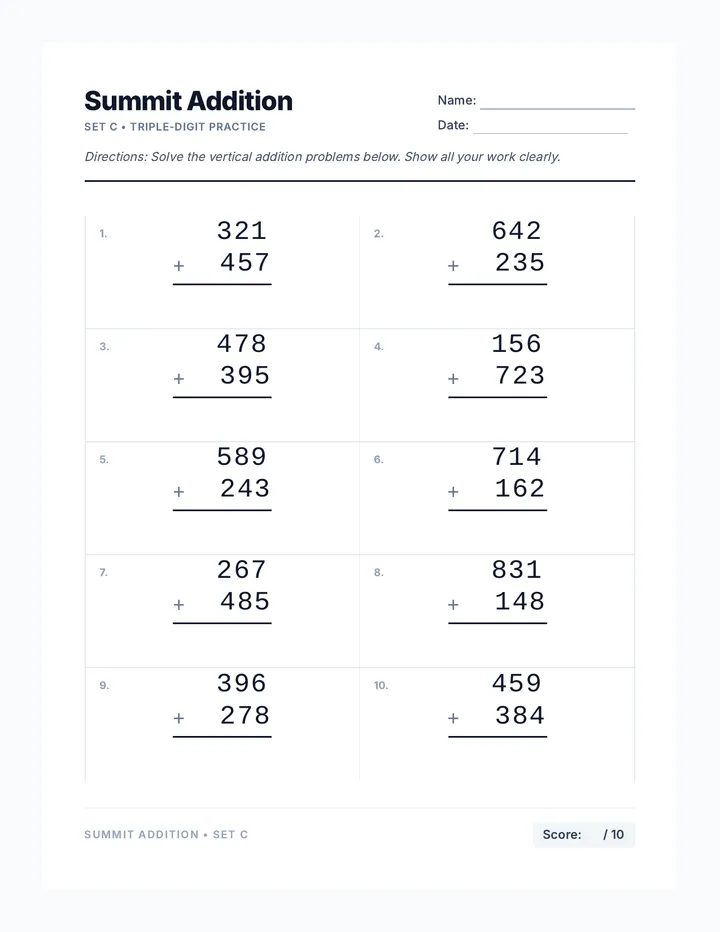
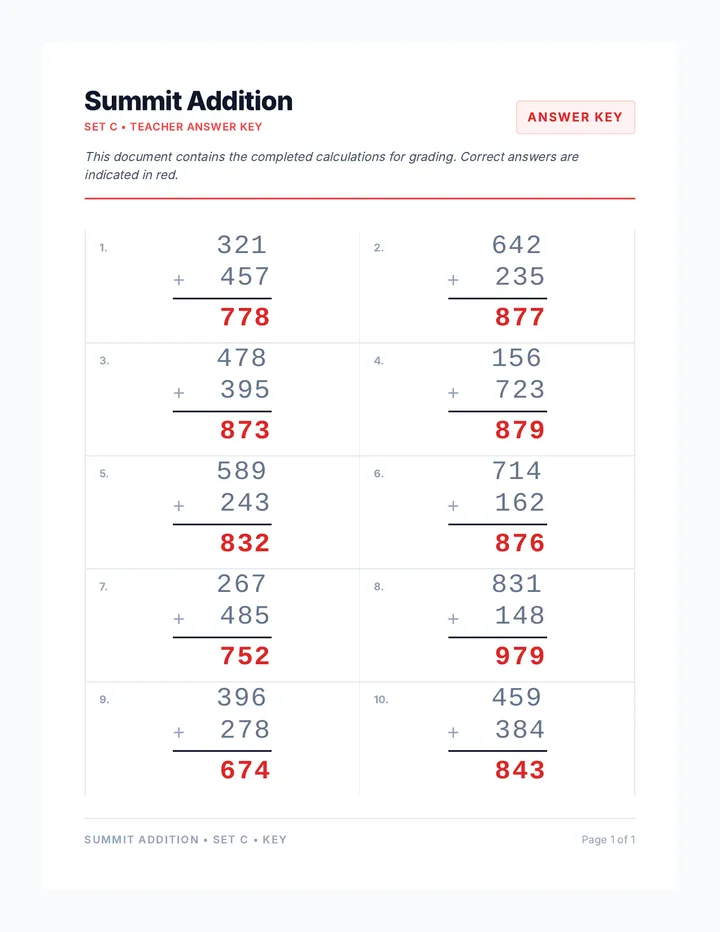
A week-long focus on multi-digit addition with regrouping, emphasizing the connection between base ten blocks and the expanded form method. Students will practice 'making a ten' and 'making a hundred' through guided visualization and structured practice.