A SpongeBob SquarePants themed lesson focused on identifying numbers 1-10 in a randomized order. The lesson uses high-interest visuals from Bikini Bottom to engage early learners in numeral recognition.
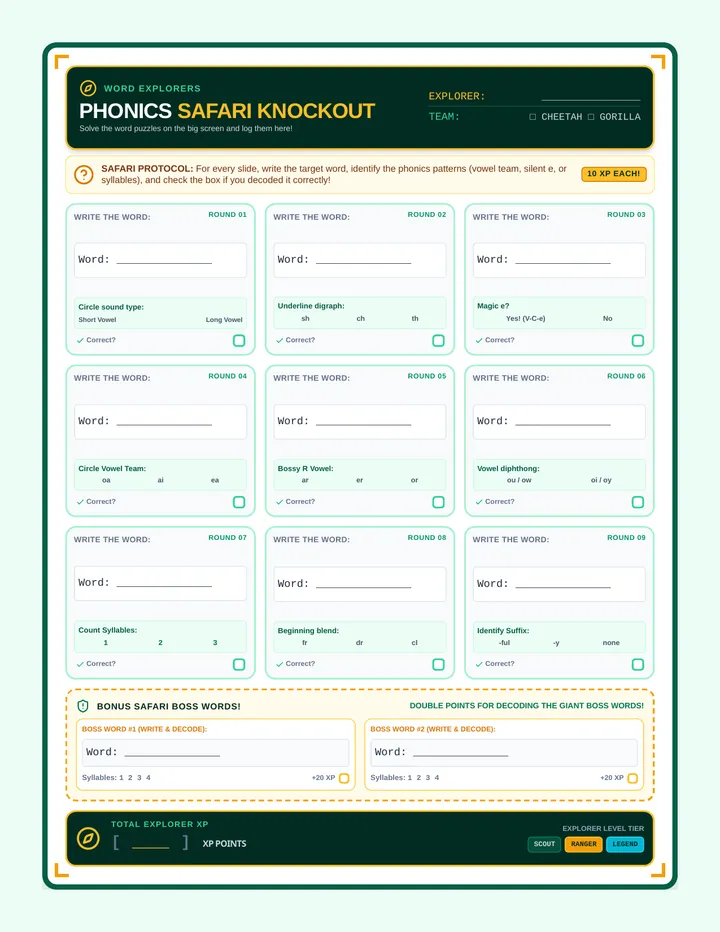
A multi-sensory Kindergarten lesson that transforms counting into a neighborhood adventure. Students develop one-to-one correspondence and number recognition through hands-on sorting, classroom 'neighborhood' exploration, and interactive visual aids.
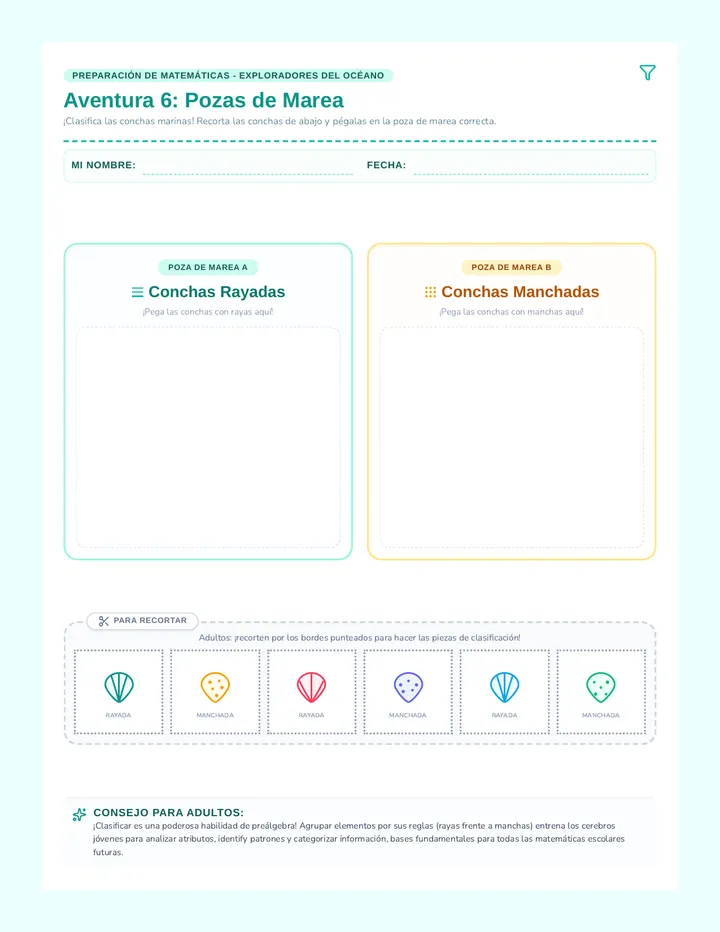
An engaging Pre-K lesson that combines foundational math skills with artistic exploration. Students will practice counting, sorting by color and shape, and creating simple patterns using crayons, blocks, and stamps.
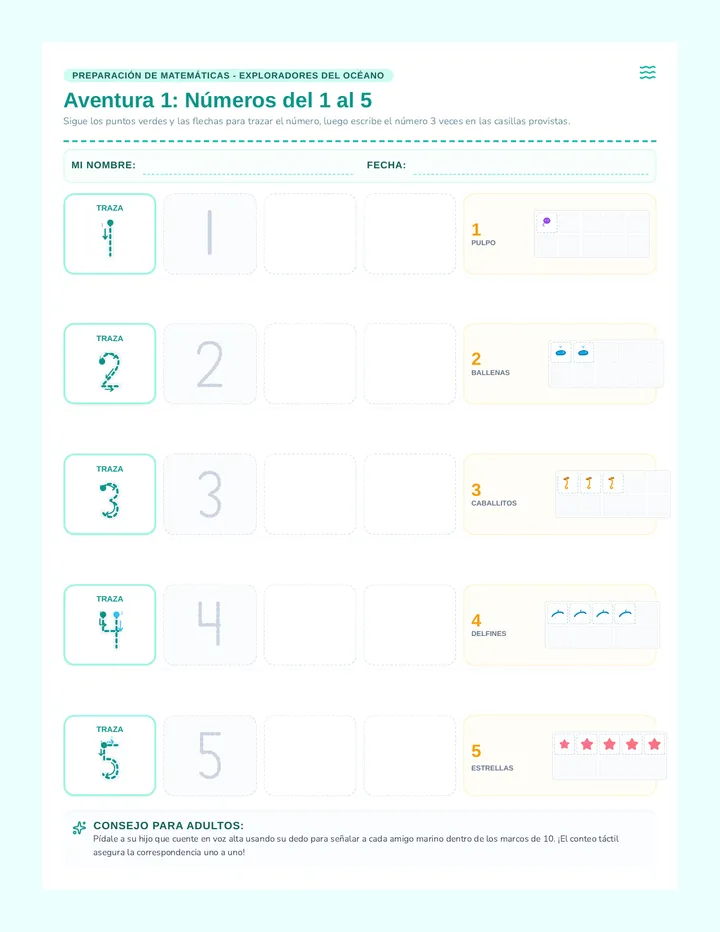
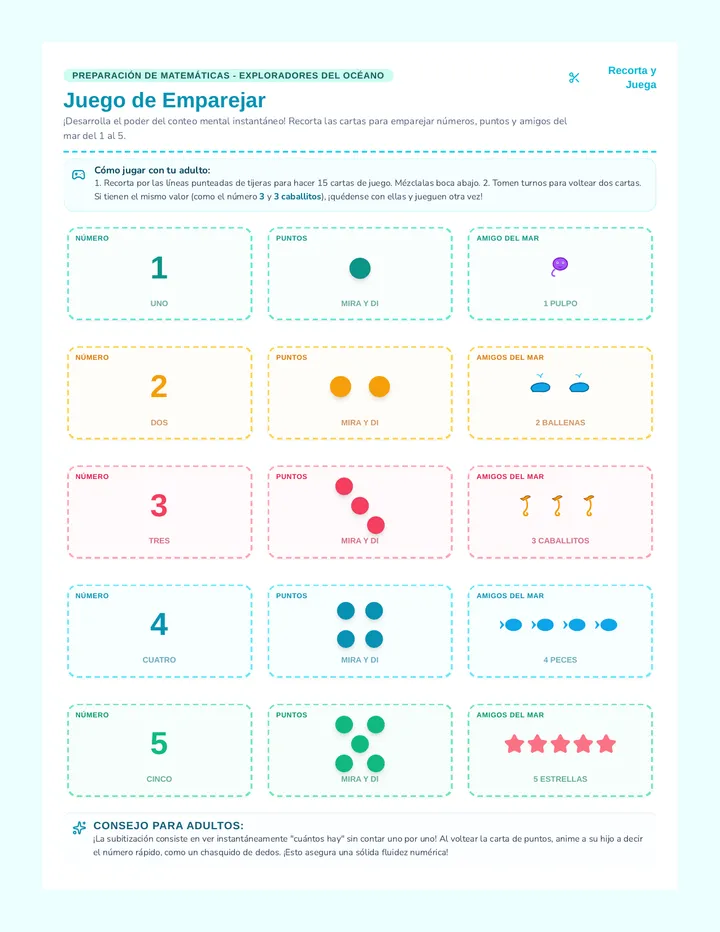
The final lesson in the sequence focusing on matching sets to numerals and a post-intervention assessment to measure student growth in counting mastery.
A pictorial lesson tackling the challenge of counting objects in scattered configurations using marking strategies to ensure each object is counted once and only once.
A pictorial lesson focusing on counting objects arranged in a structured linear path, helping students maintain their place while counting.
A concrete-focused lesson where students practice touching one object for every number said, using physical manipulatives and high-contrast visuals.
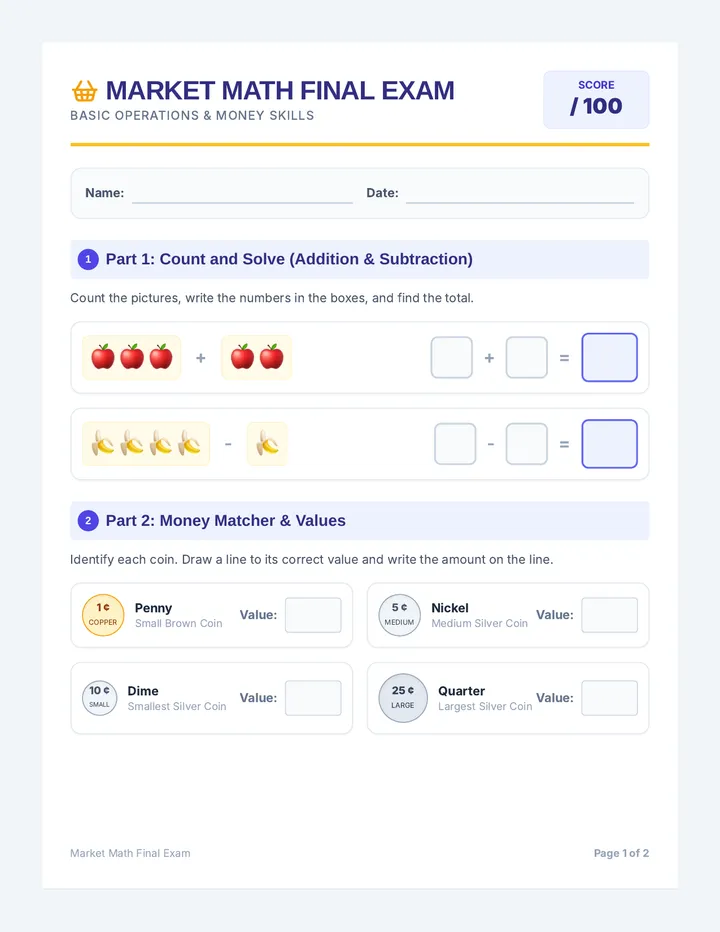
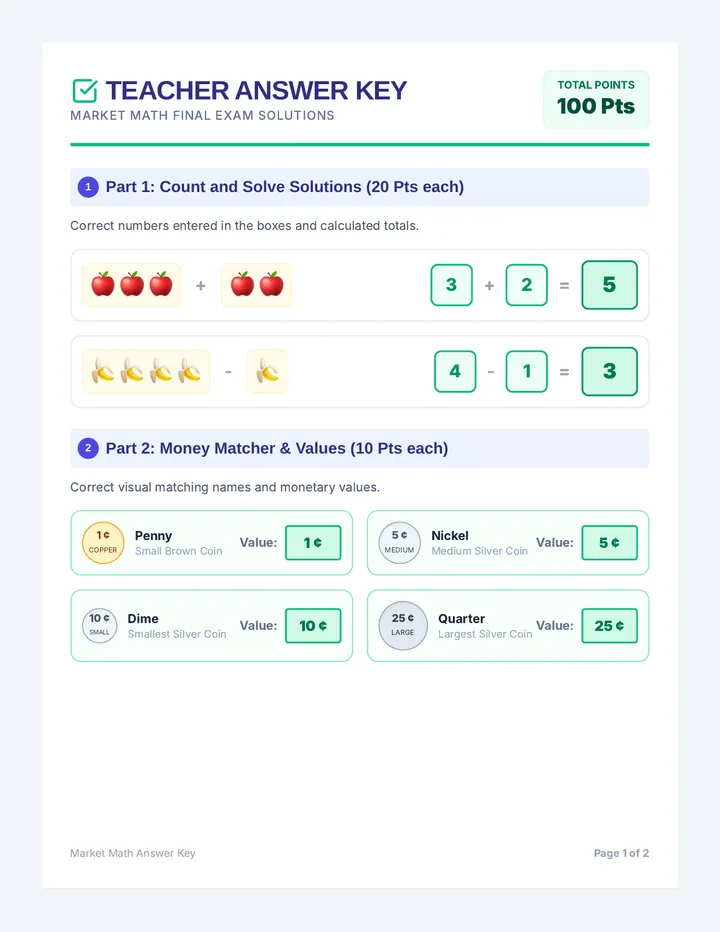
A diagnostic lesson designed to identify specific gaps in one-to-one correspondence and cardinality for numbers 0-10. Includes a teacher-led 1-on-1 assessment tool.
The final review and assessment for the week, where students demonstrate their mastery of counting, ordering, and comparing numbers 1-10 through a series of 'scout challenges'.
An introduction to comparing quantities up to 10, using groups of berries and bears to learn the language of 'more than', 'less than', and 'the same as'.
Students explore the concept of number order and number lines from 1 to 10, helping lost bears find their way back to camp by filling in missing numbers on a forest path.
A lesson focusing on counting from 6 to 10, introducing ten frames to help students visualize quantities and understand the concept of cardinality in a woodland forest setting.
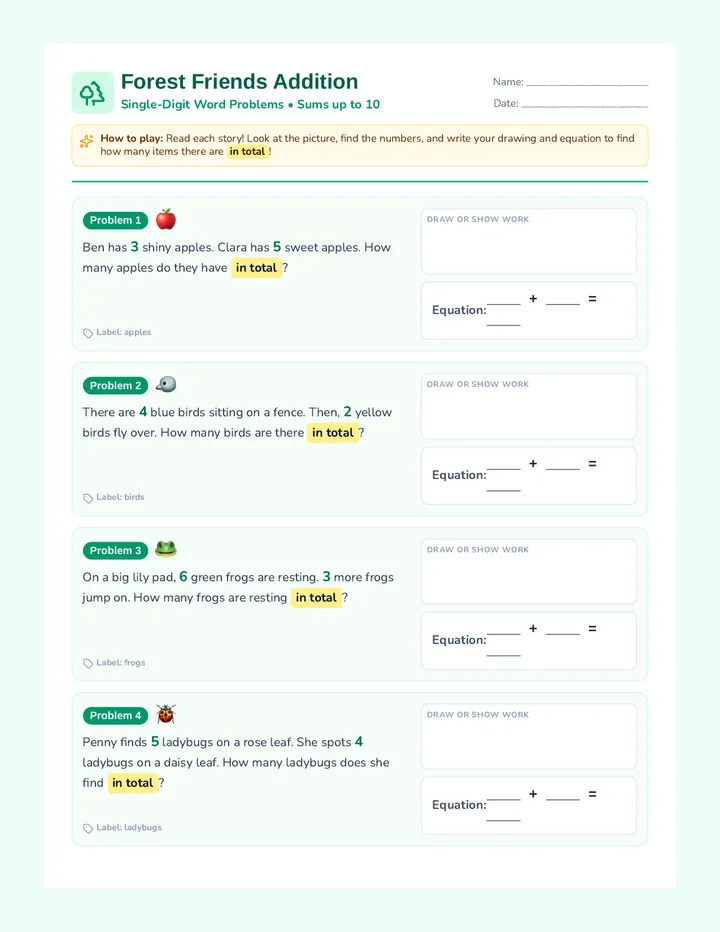
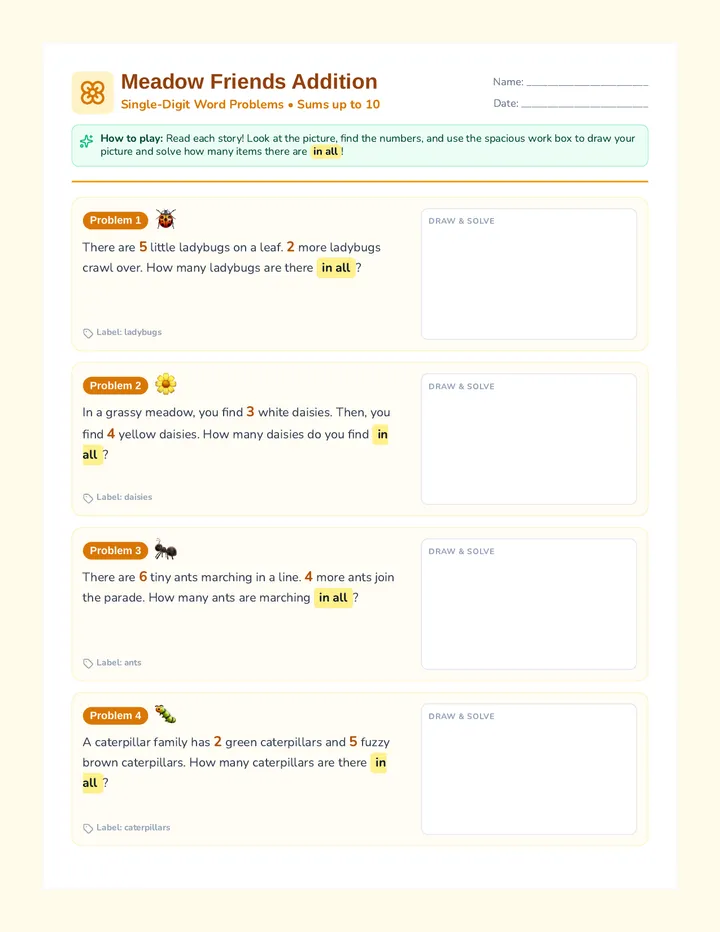
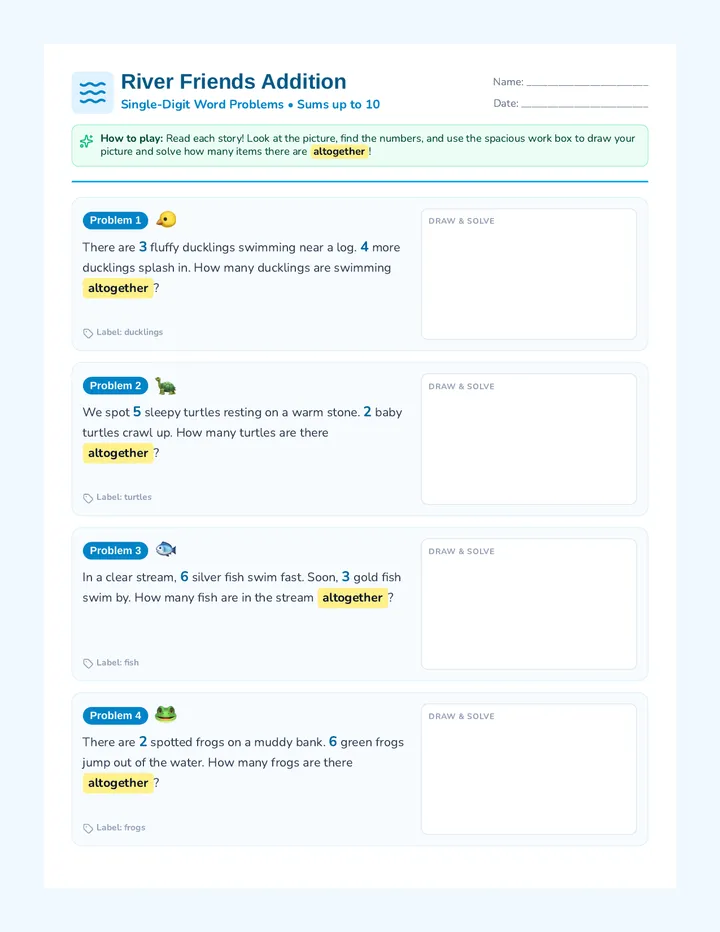
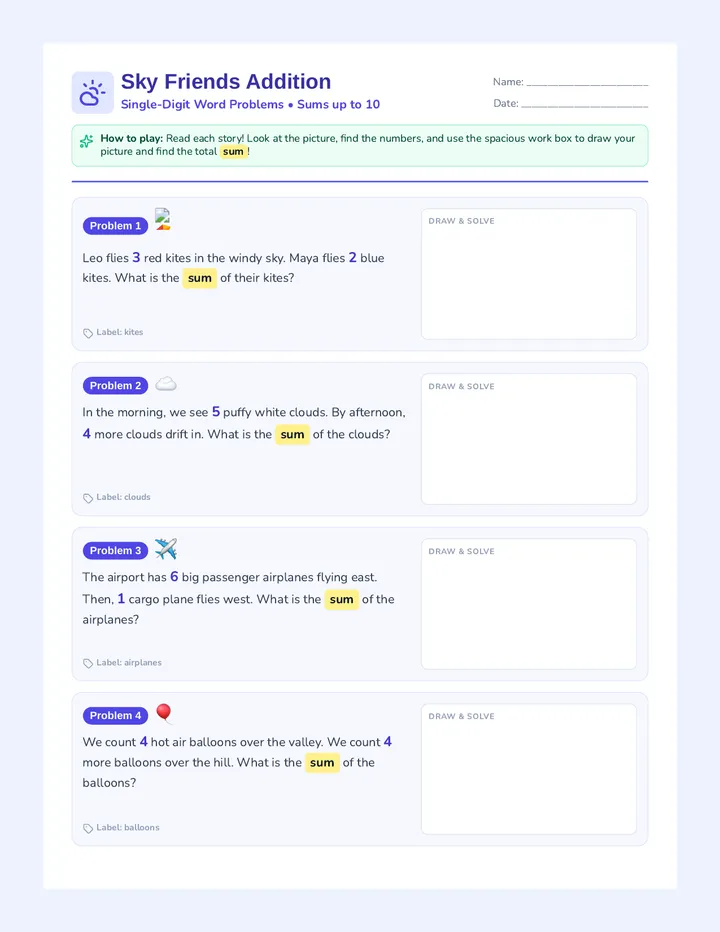
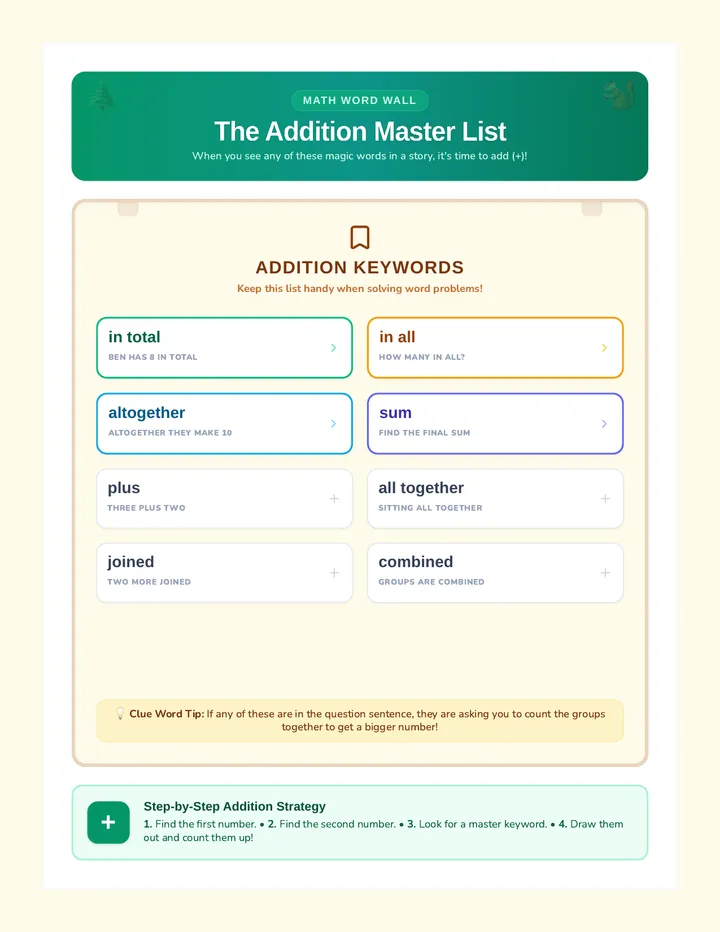
This lesson introduces students to the 'CUBES' strategy and operation-specific keywords to turn complex word problems into solvable equations.