A quick vocabulary and character recognition activity based on the classic story of Peter Pan, featuring a themed word search and answer key.
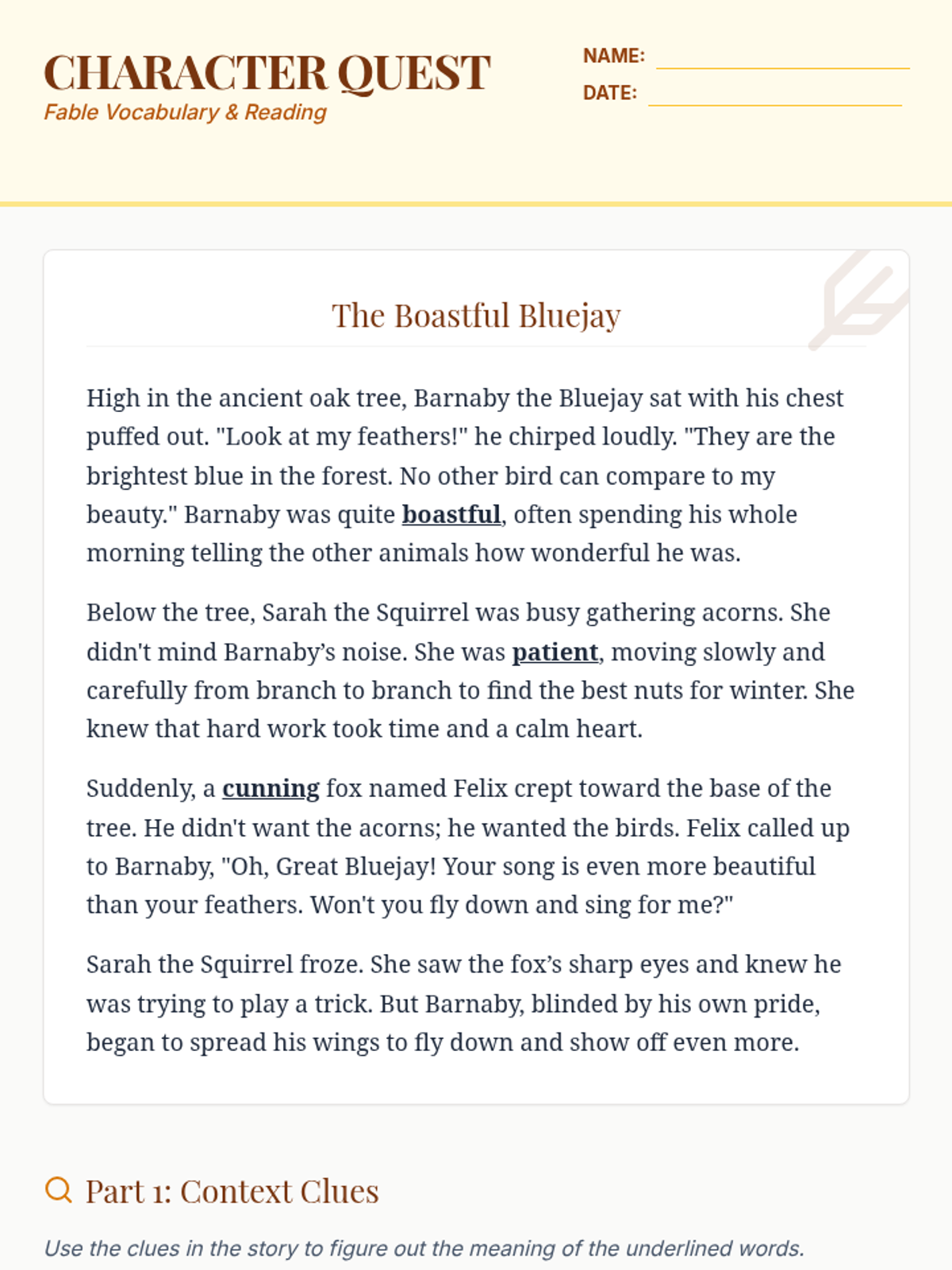
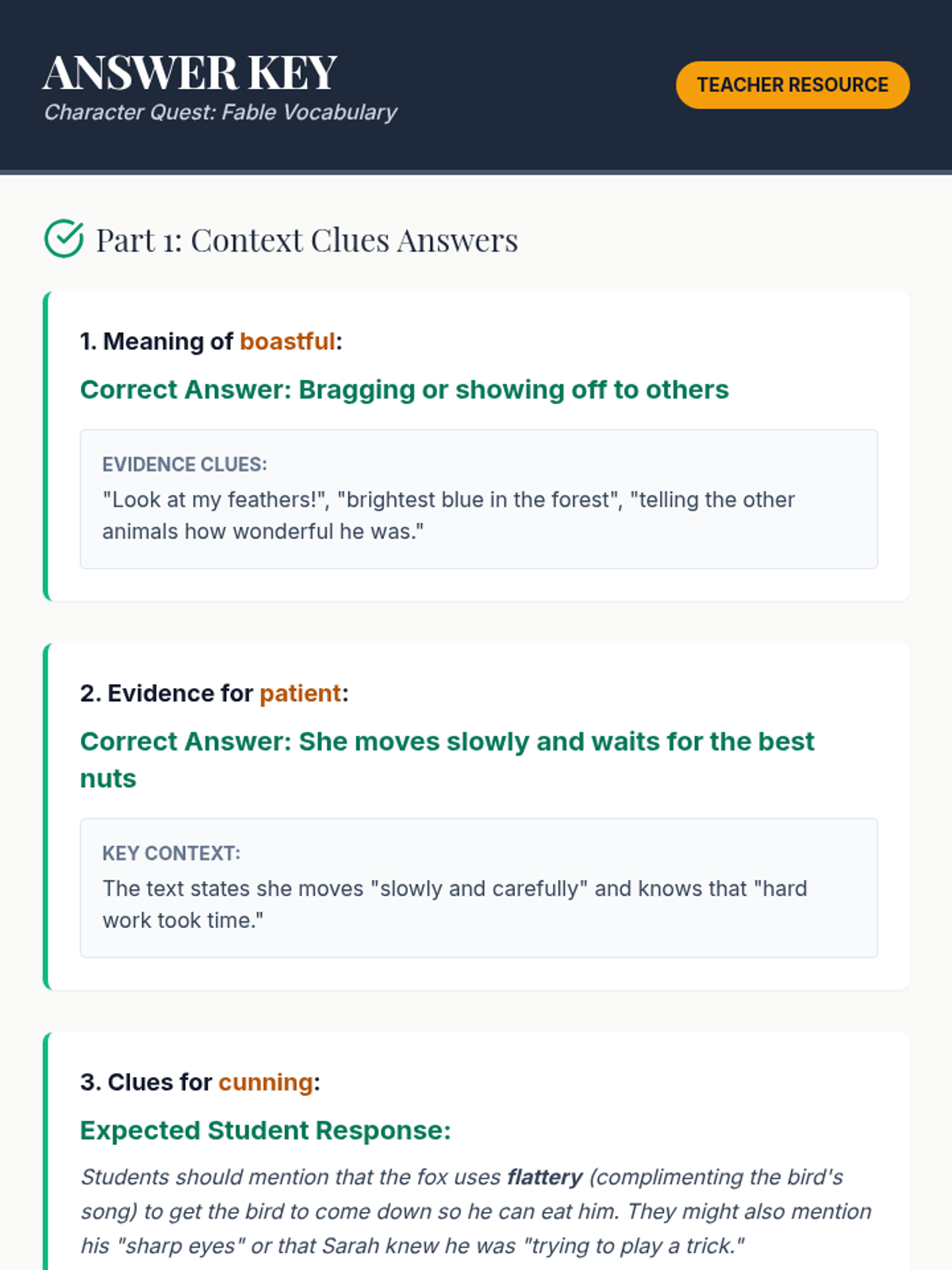
A lesson focused on identifying character traits and using context clues within the genre of fables for 3rd-grade students.
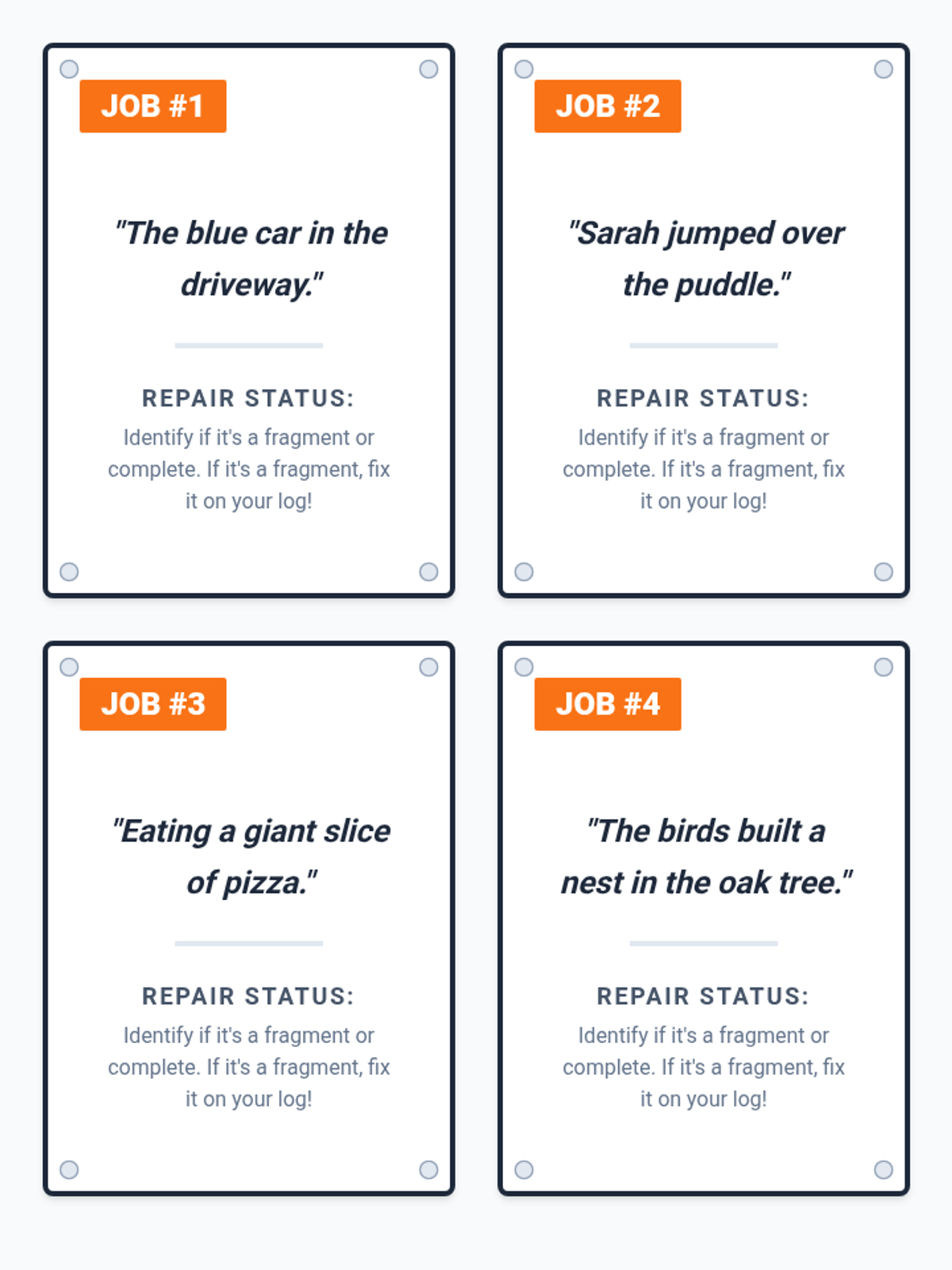
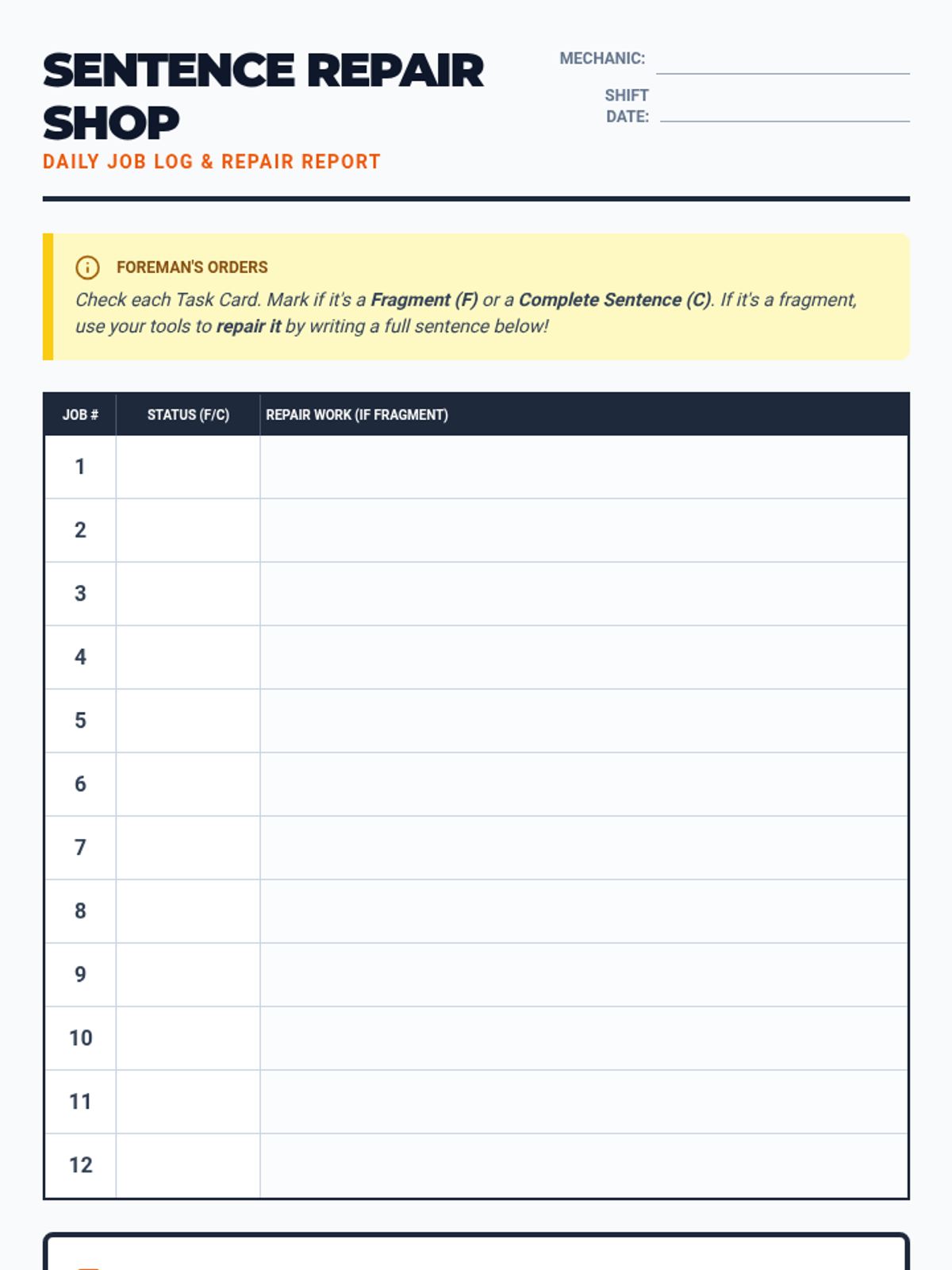
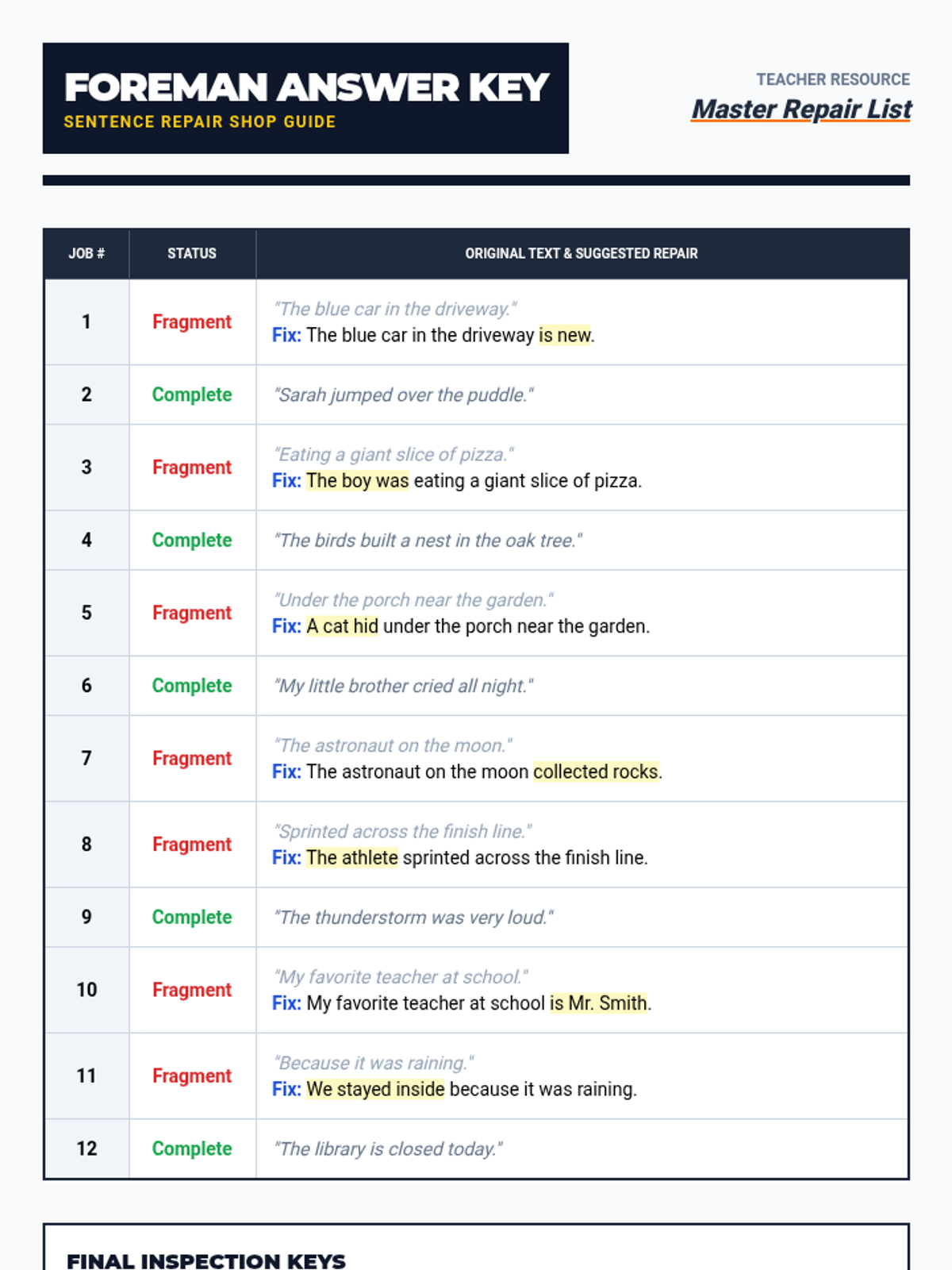
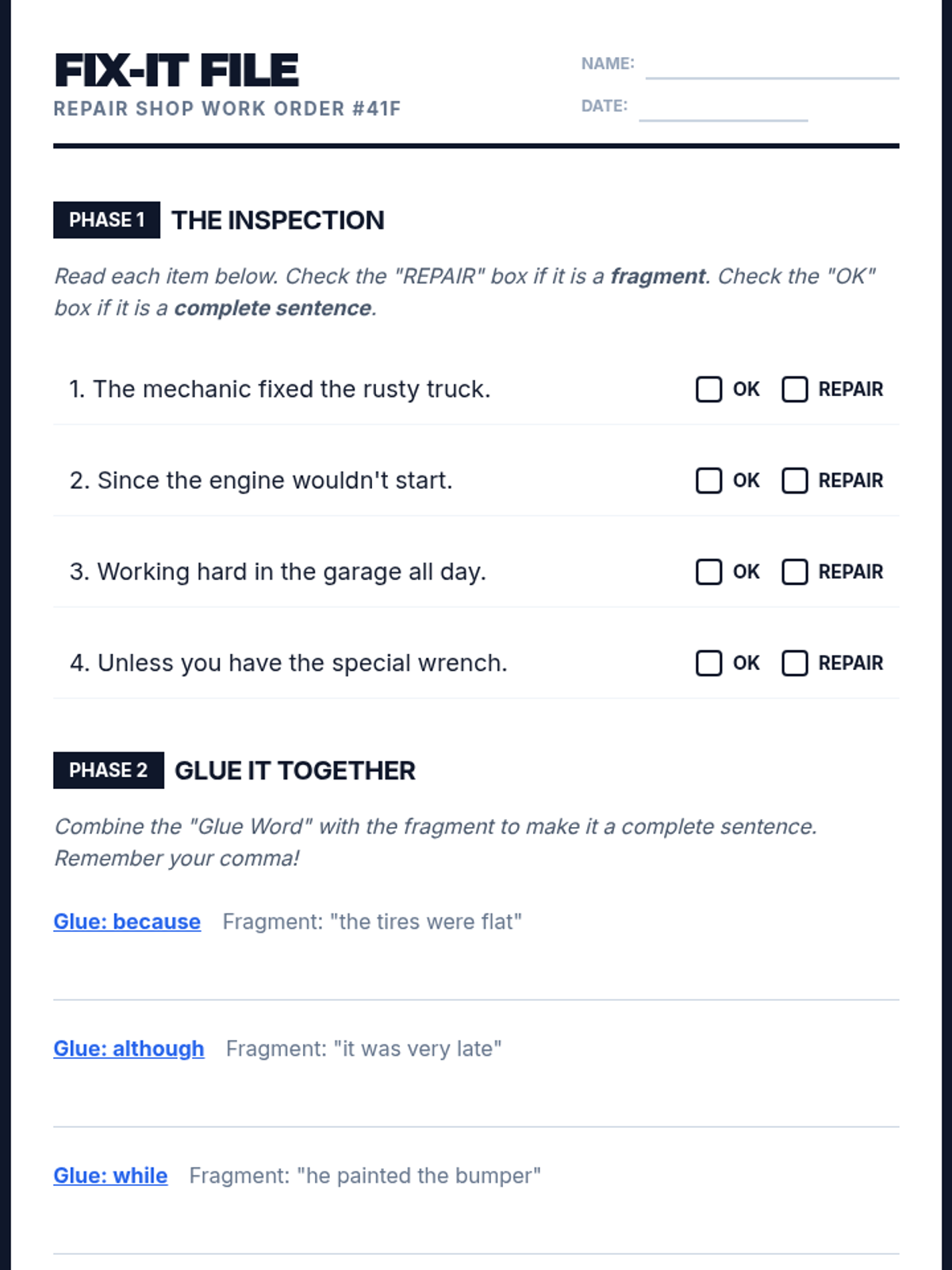
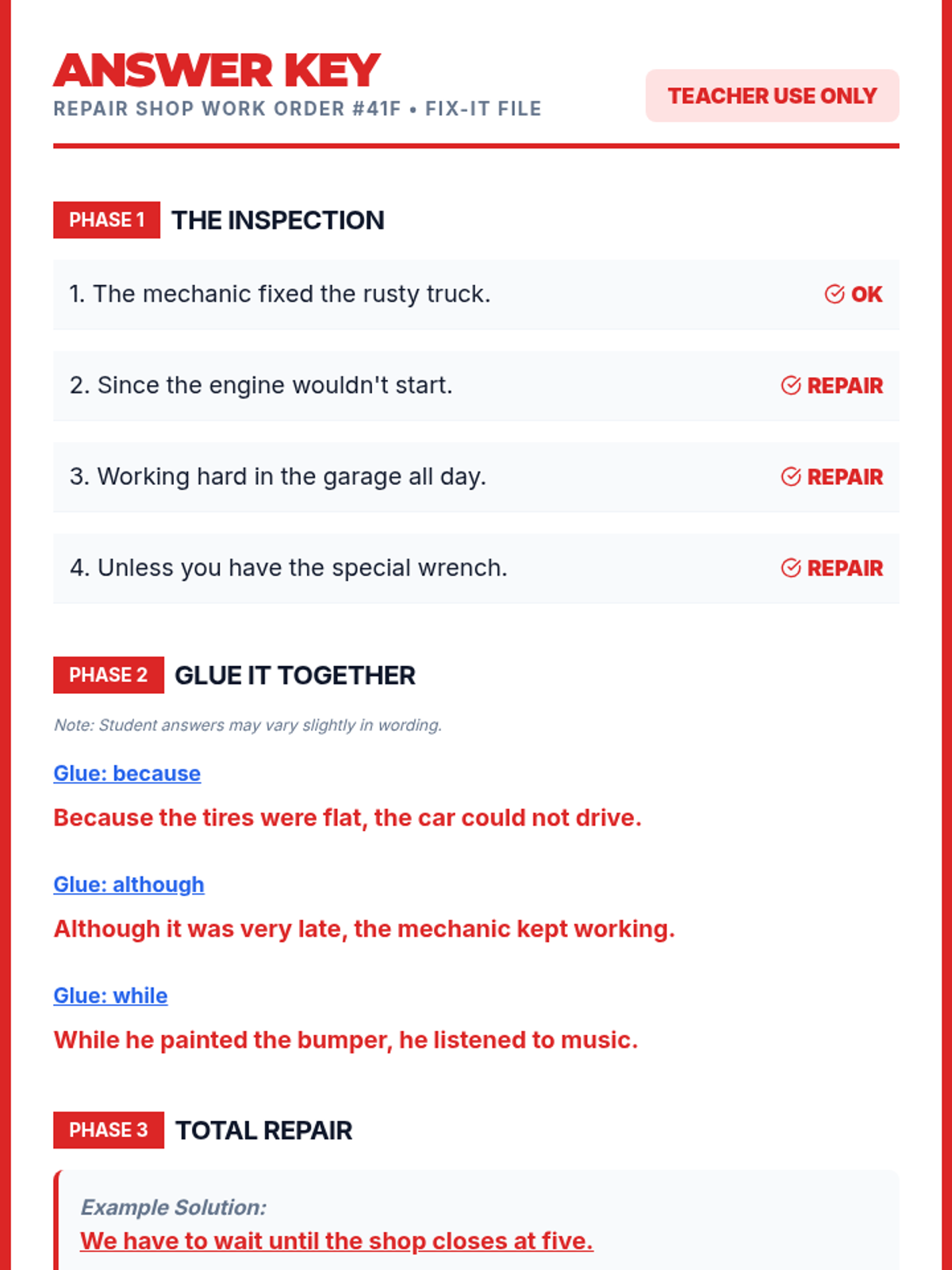
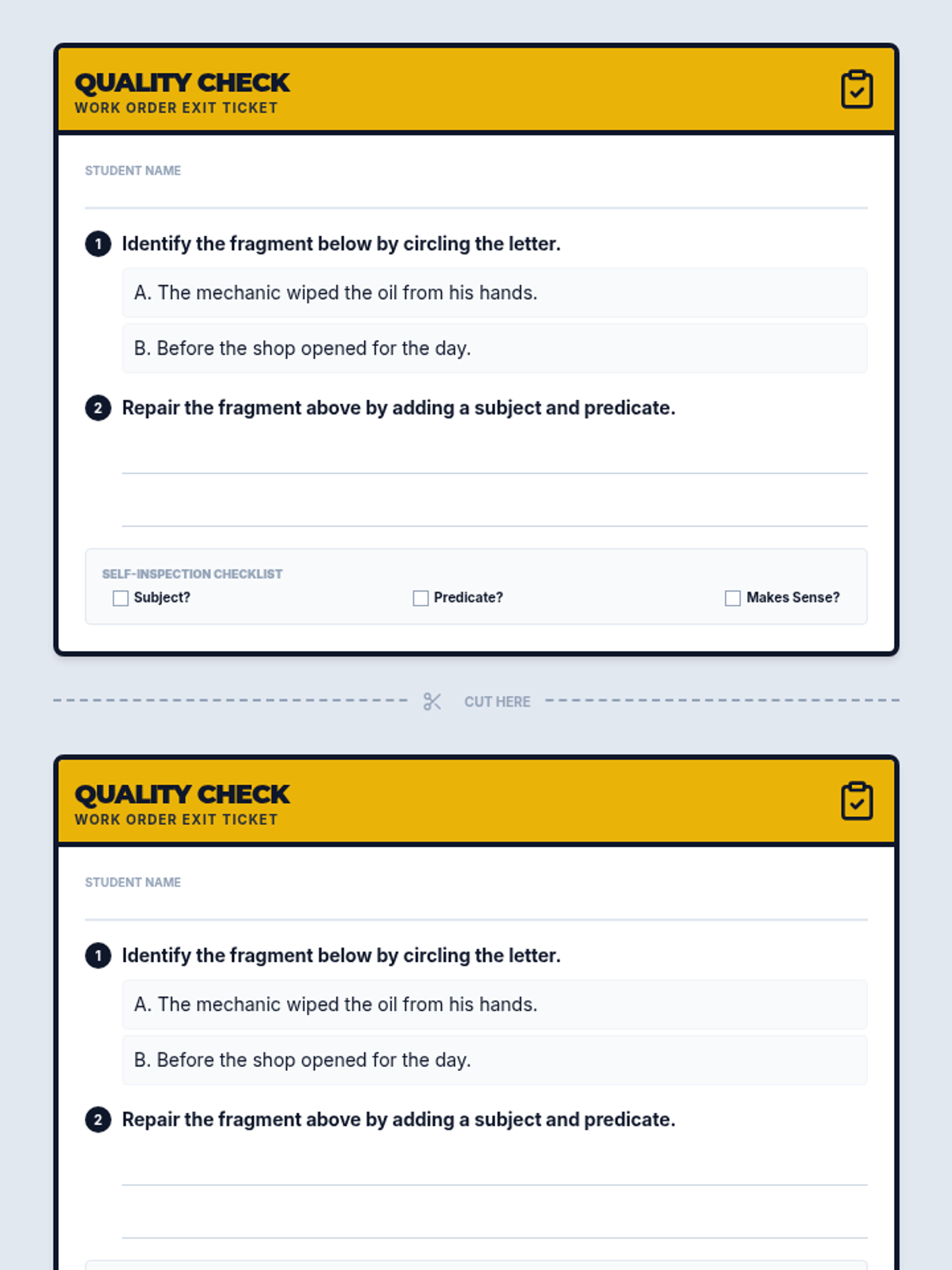
A quick-fire warm-up activity where students visit the 'Sentence Repair Shop' to identify and fix broken sentence fragments. Students use task cards and a job log to demonstrate their mastery of complete sentences.
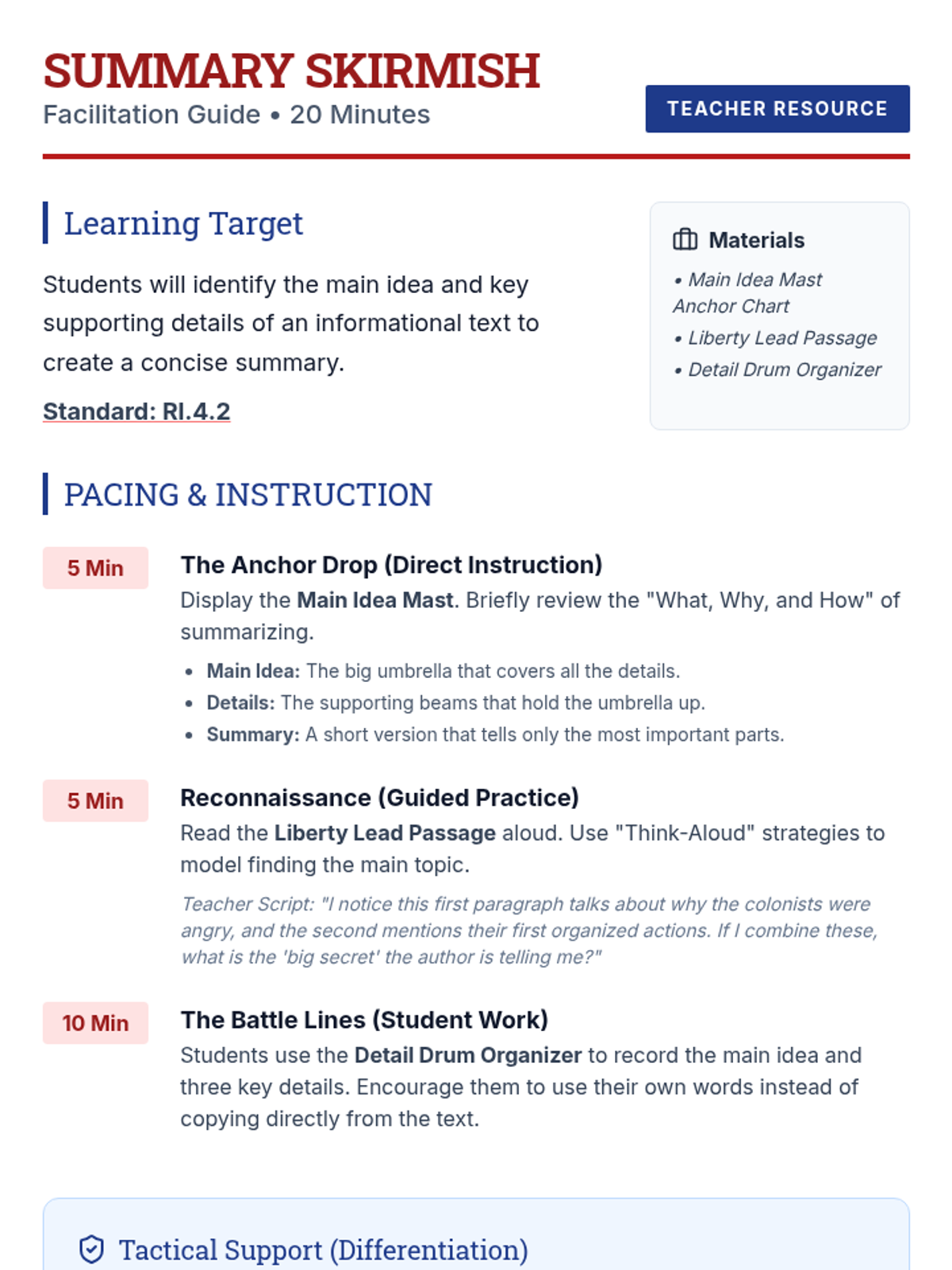
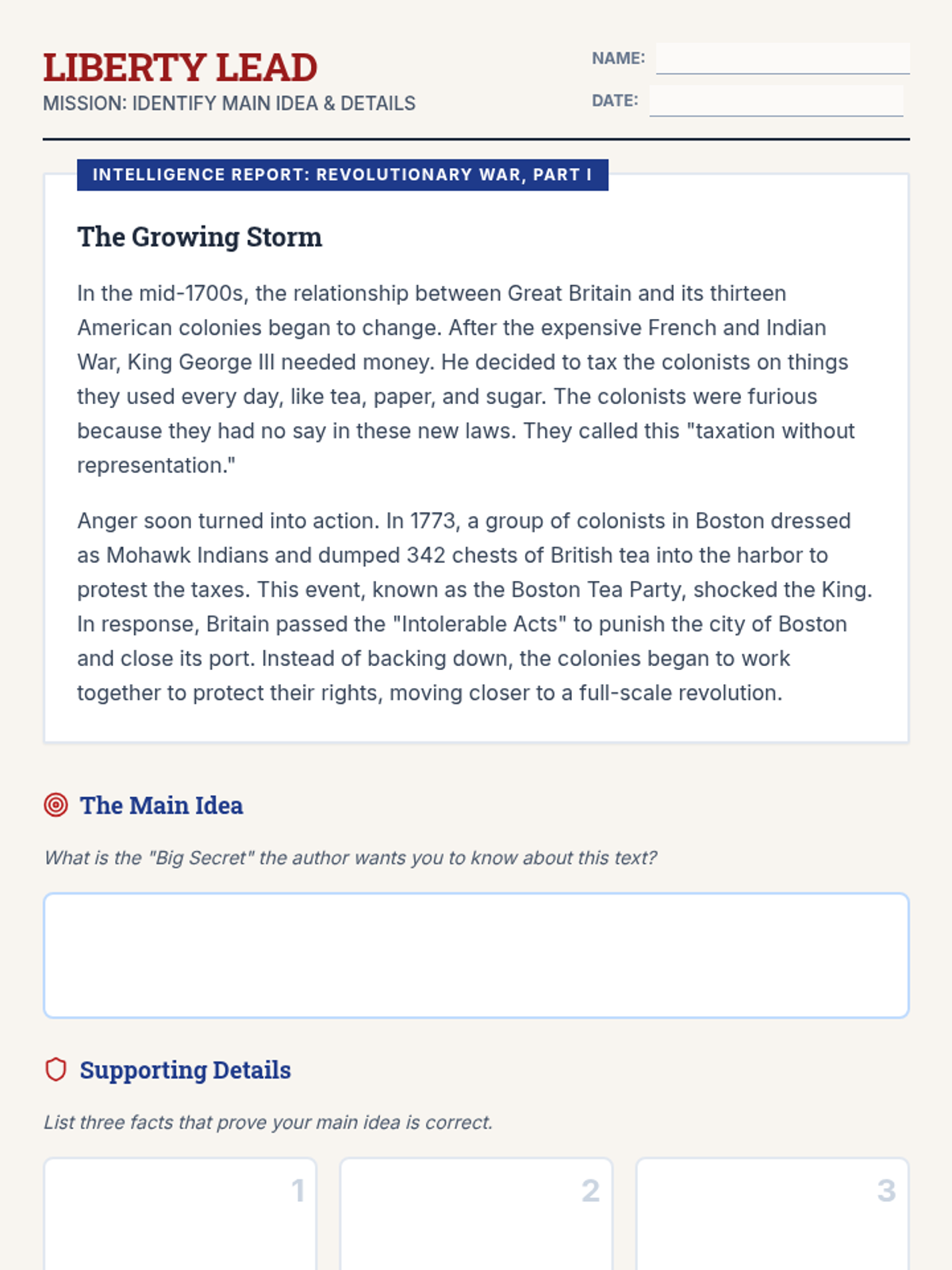
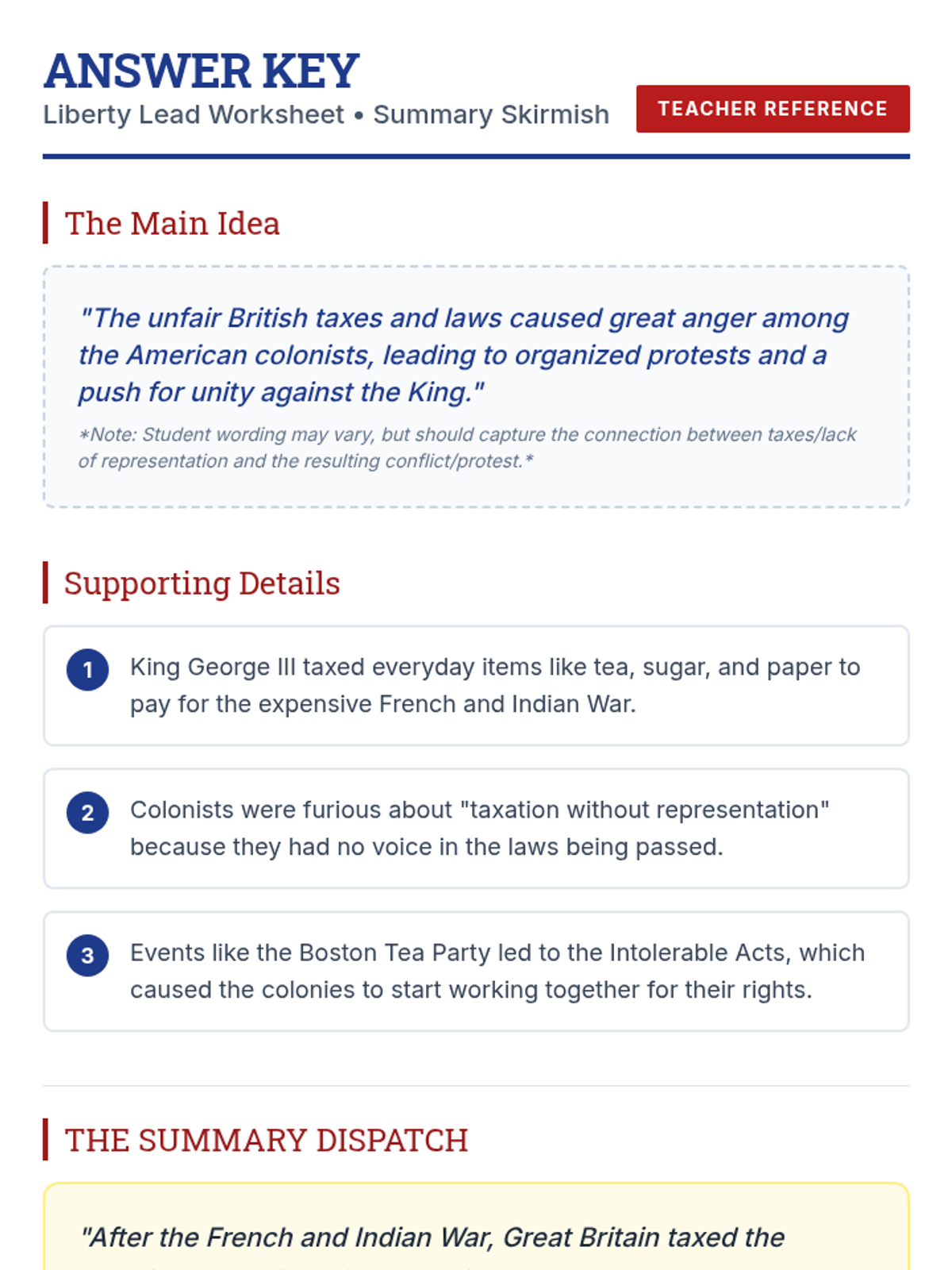
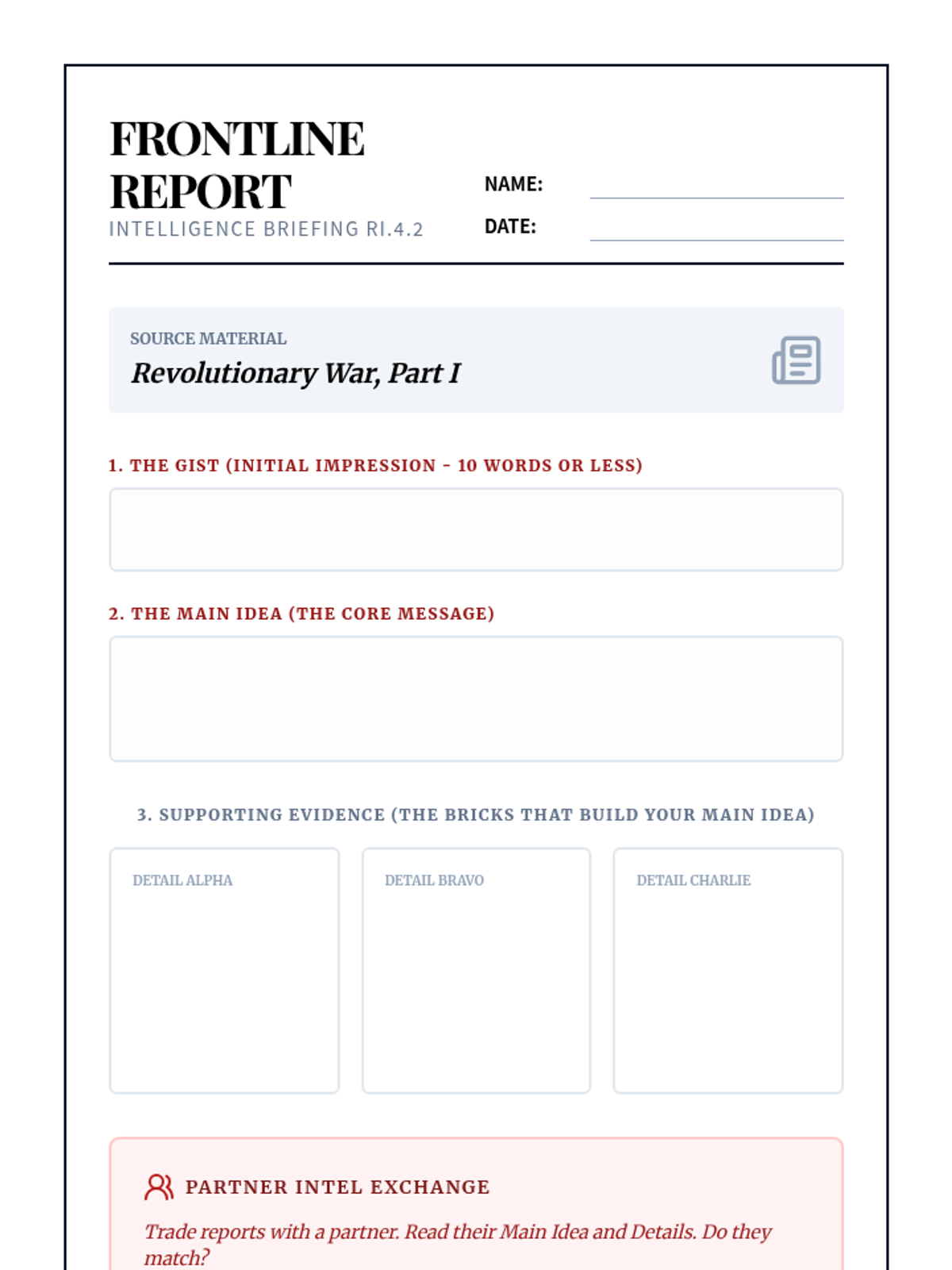
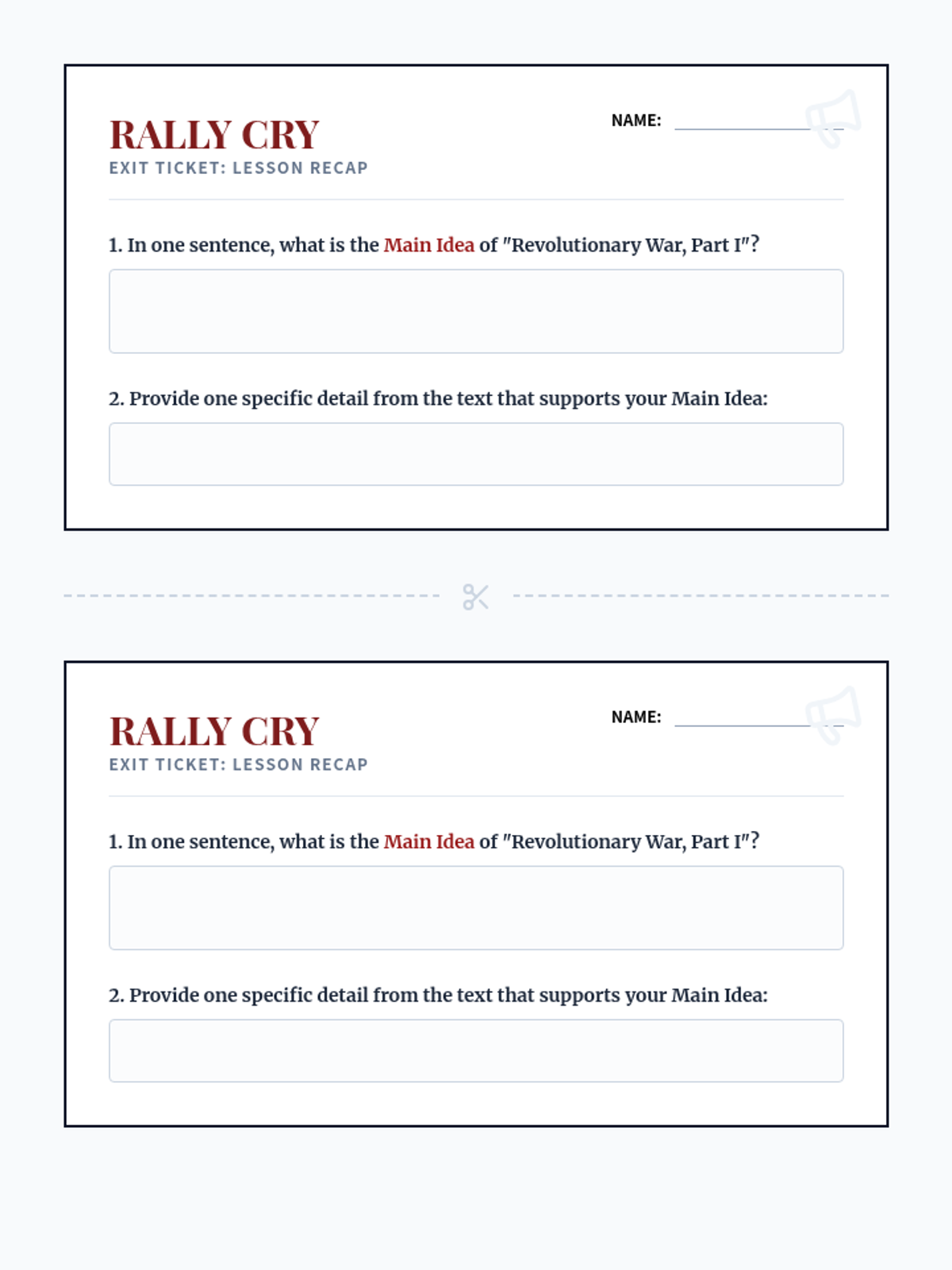
A quick-fire lesson on identifying the main idea and supporting details within a historical text about the American Revolution.
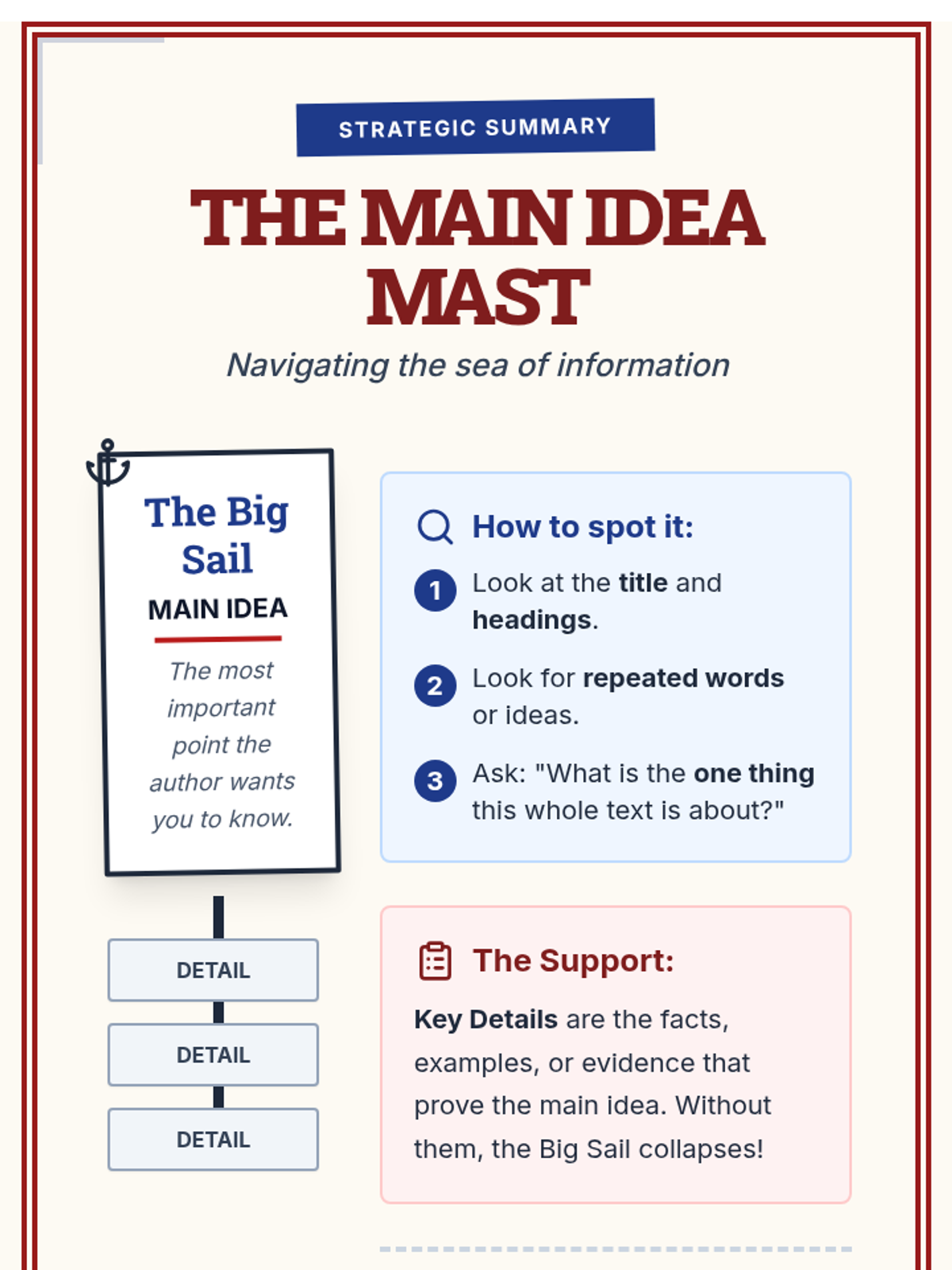
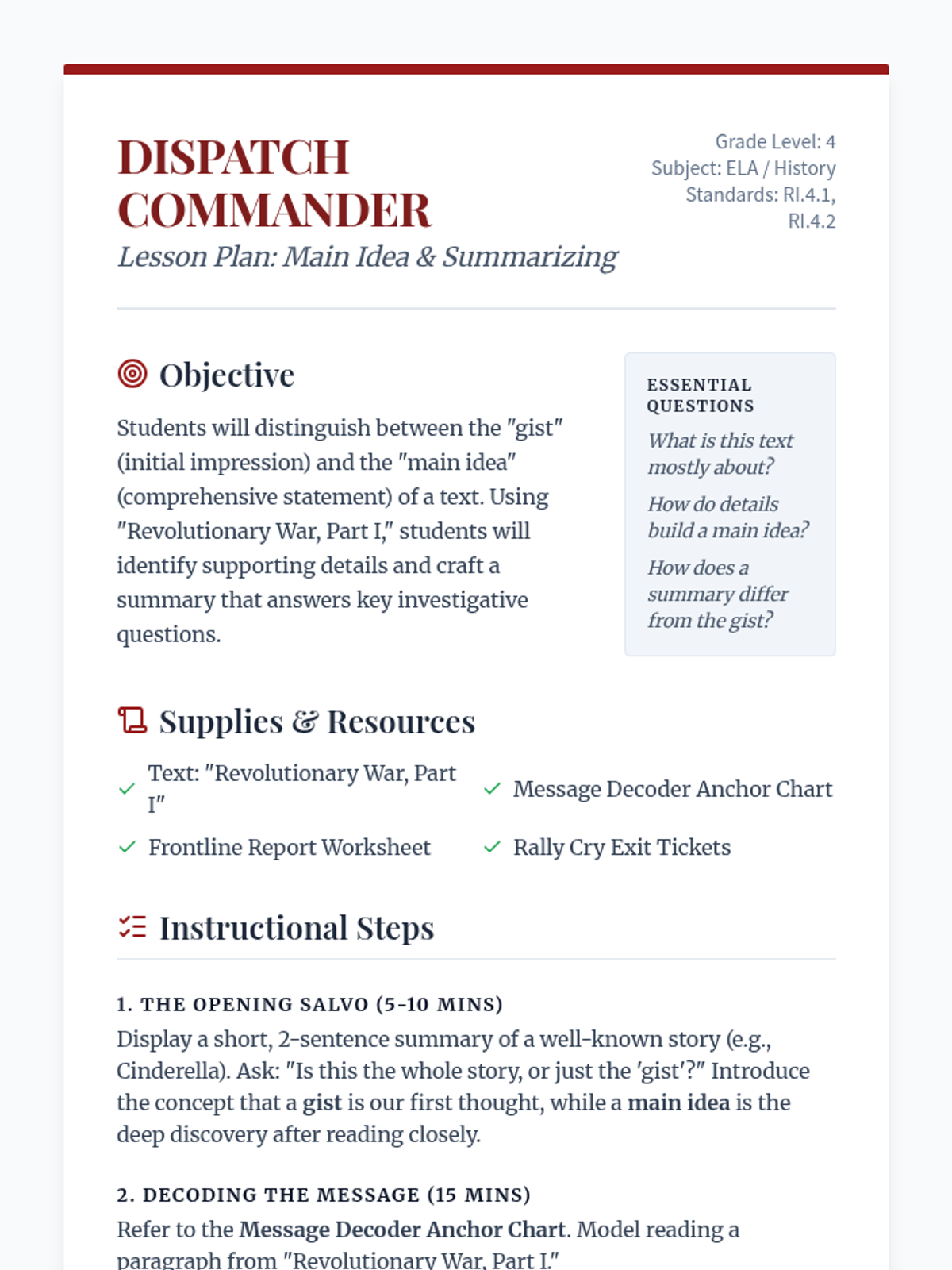
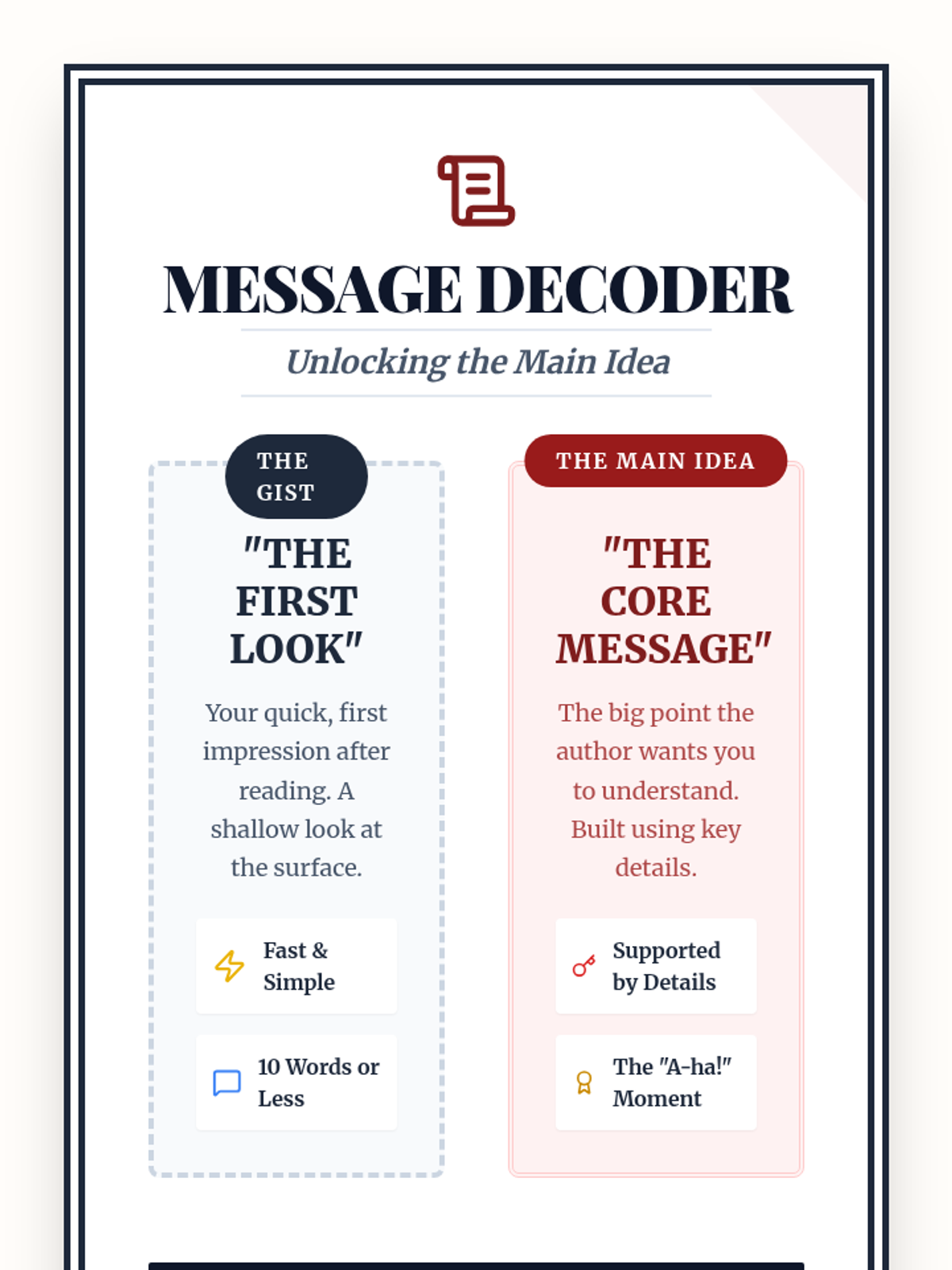
A lesson focusing on identifying the main idea and supporting details in the context of the American Revolutionary War. Students will distinguish between the 'gist' and 'main idea' while practicing summary skills.
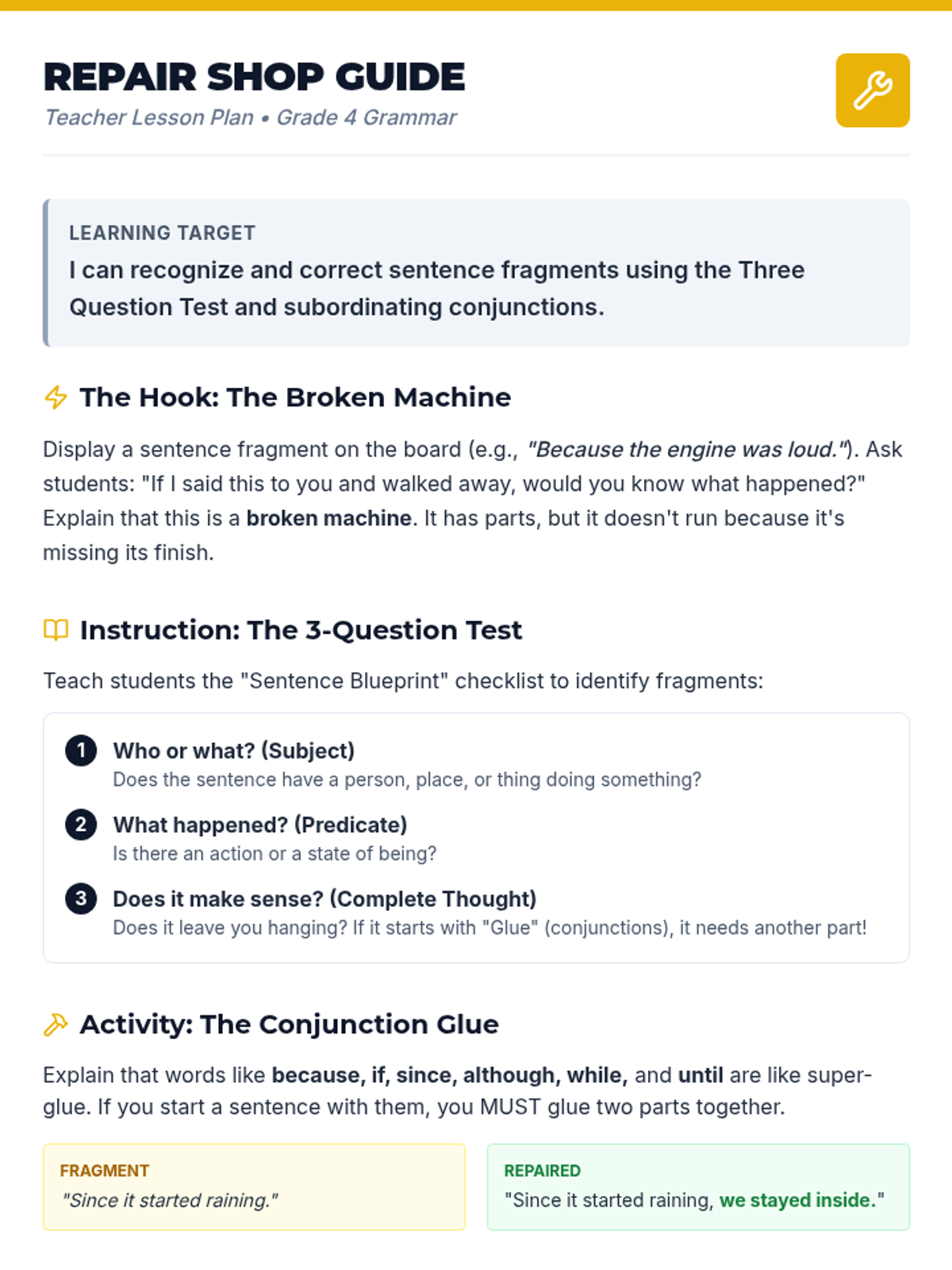
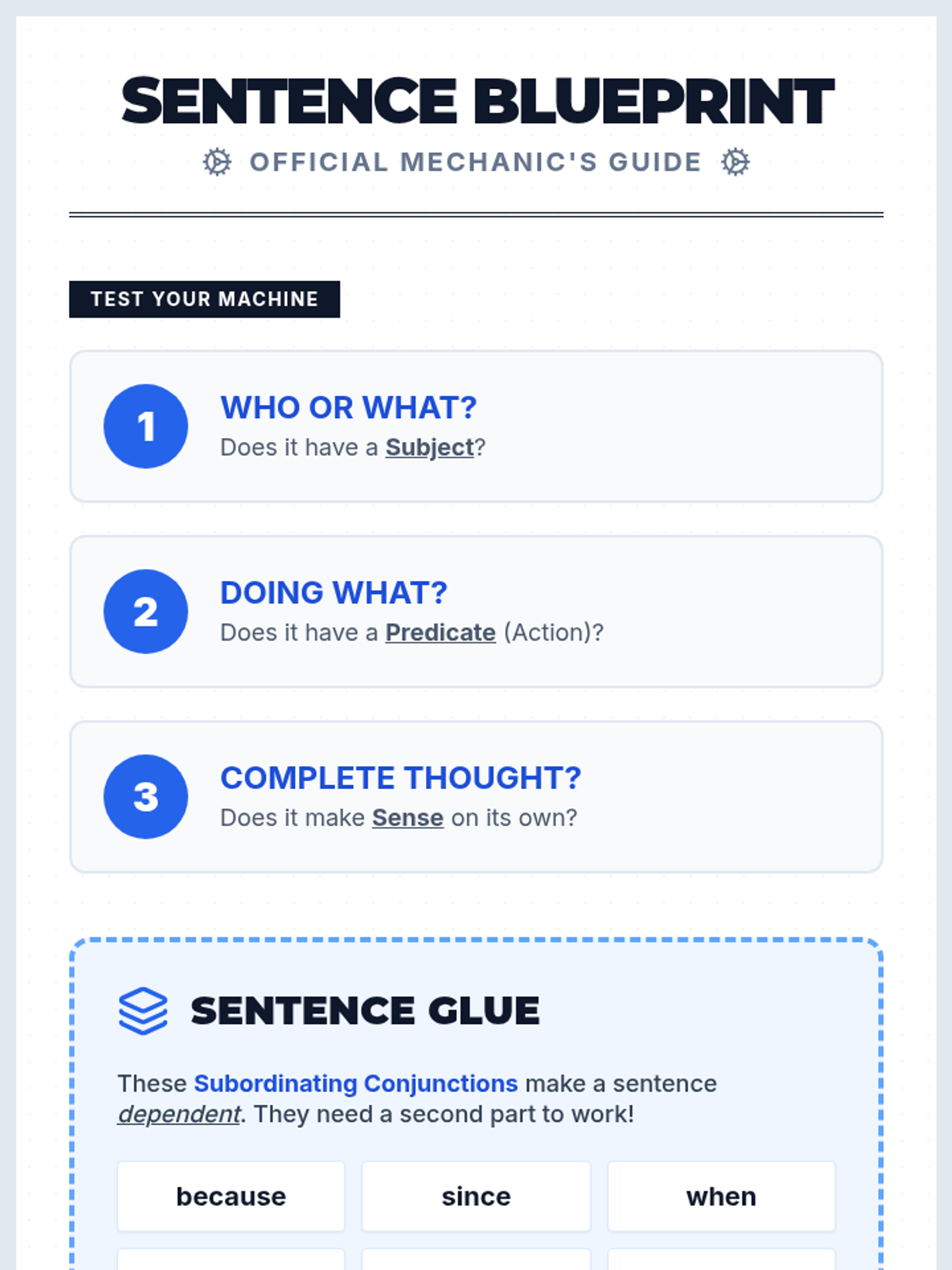
A comprehensive lesson focused on identifying and correcting sentence fragments using the 'Three Question Test' and subordinating conjunctions. Students act as 'Sentence Mechanics' to repair incomplete thoughts.
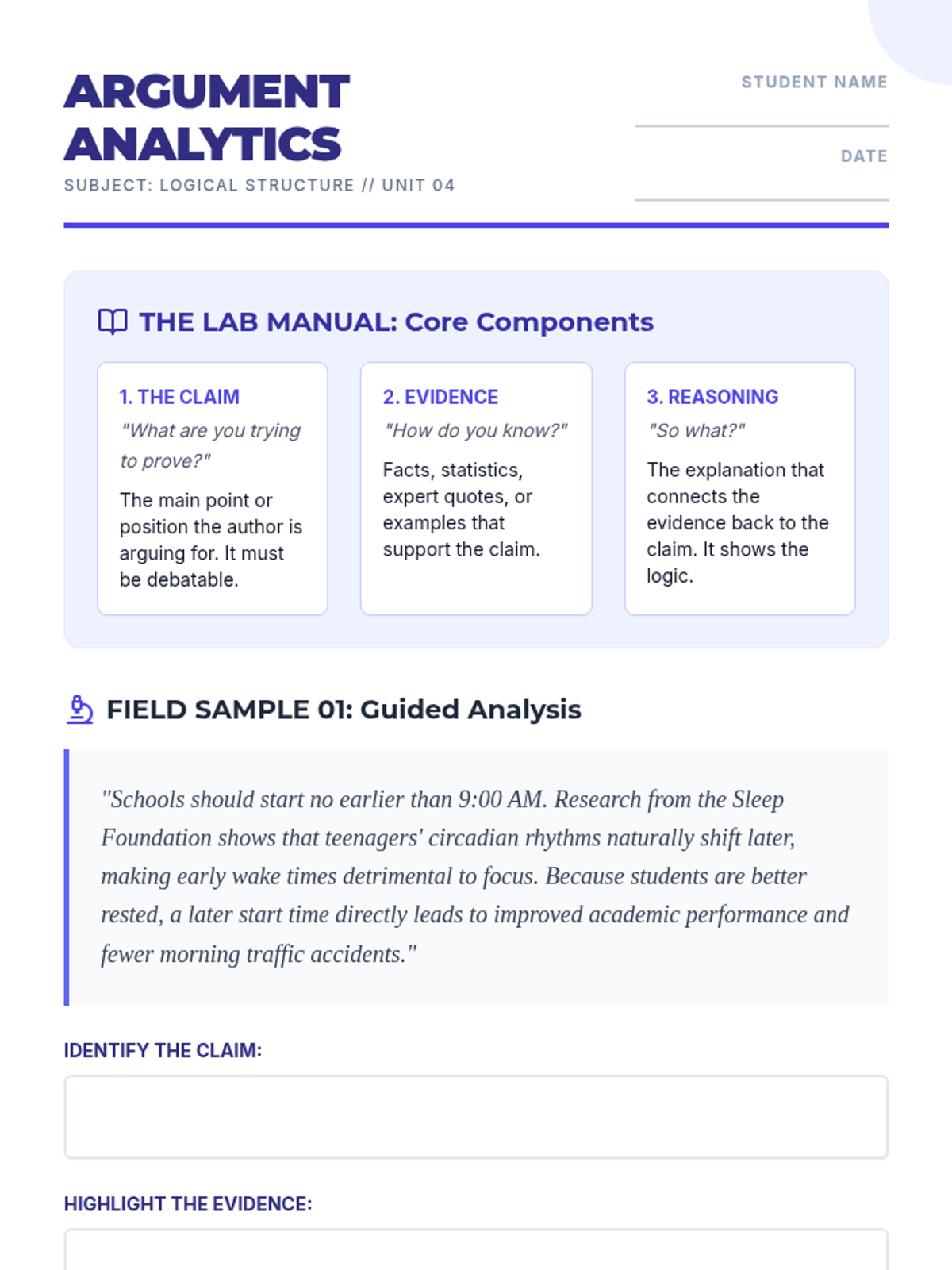
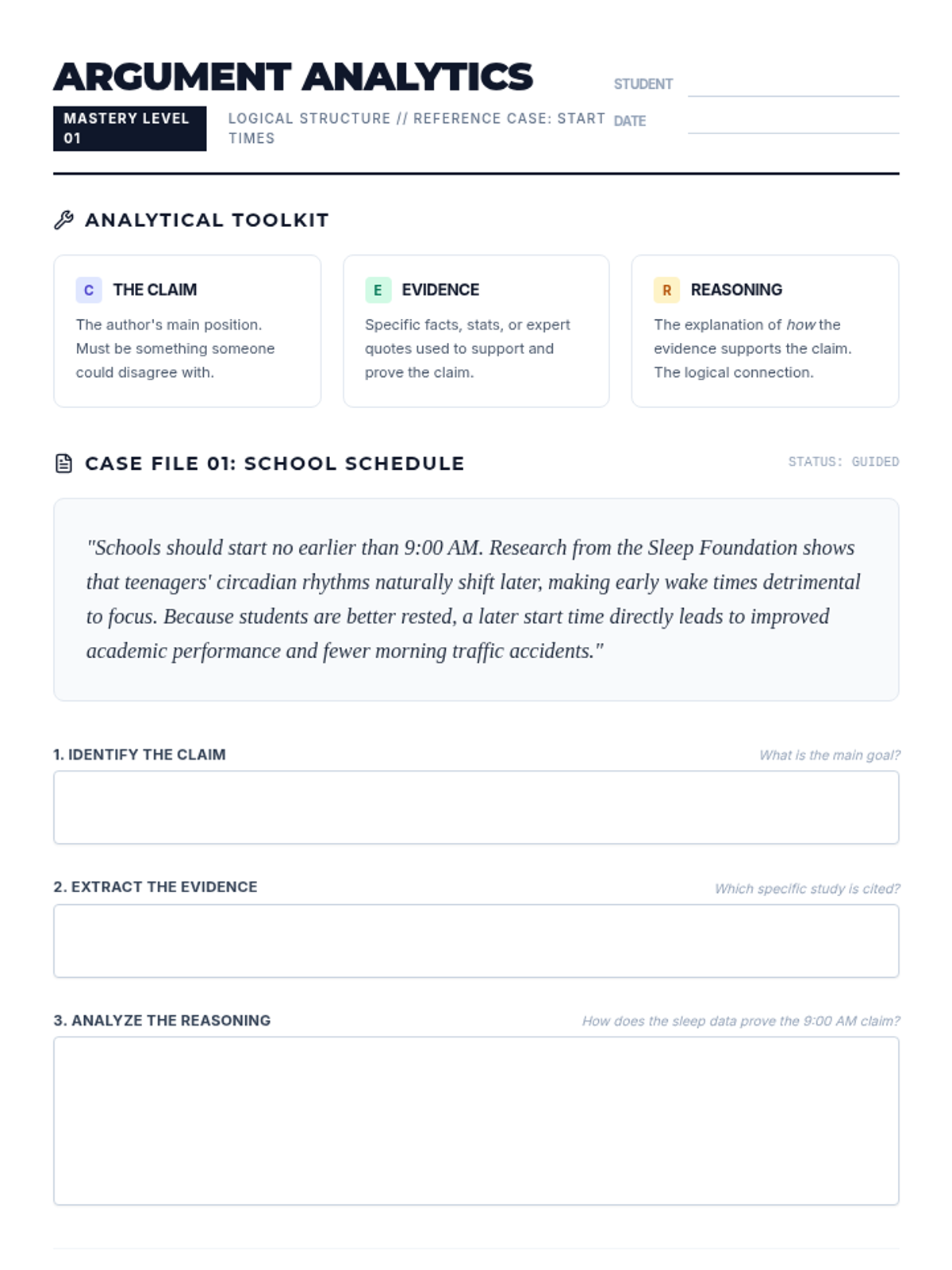
A lesson focused on breaking down the components of an argument: claim, evidence, and reasoning. Students will learn to identify these elements and evaluate their logical connections.
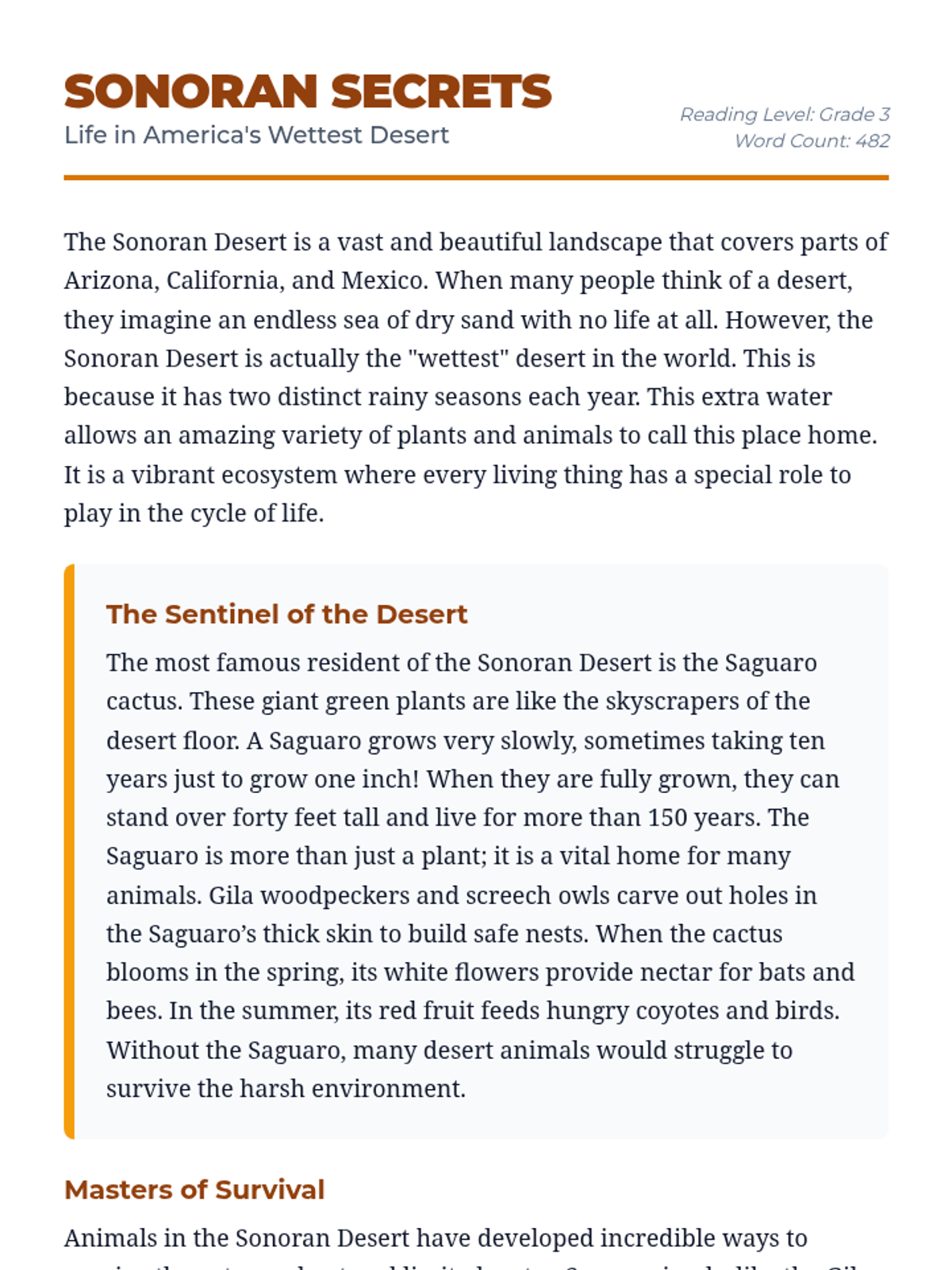
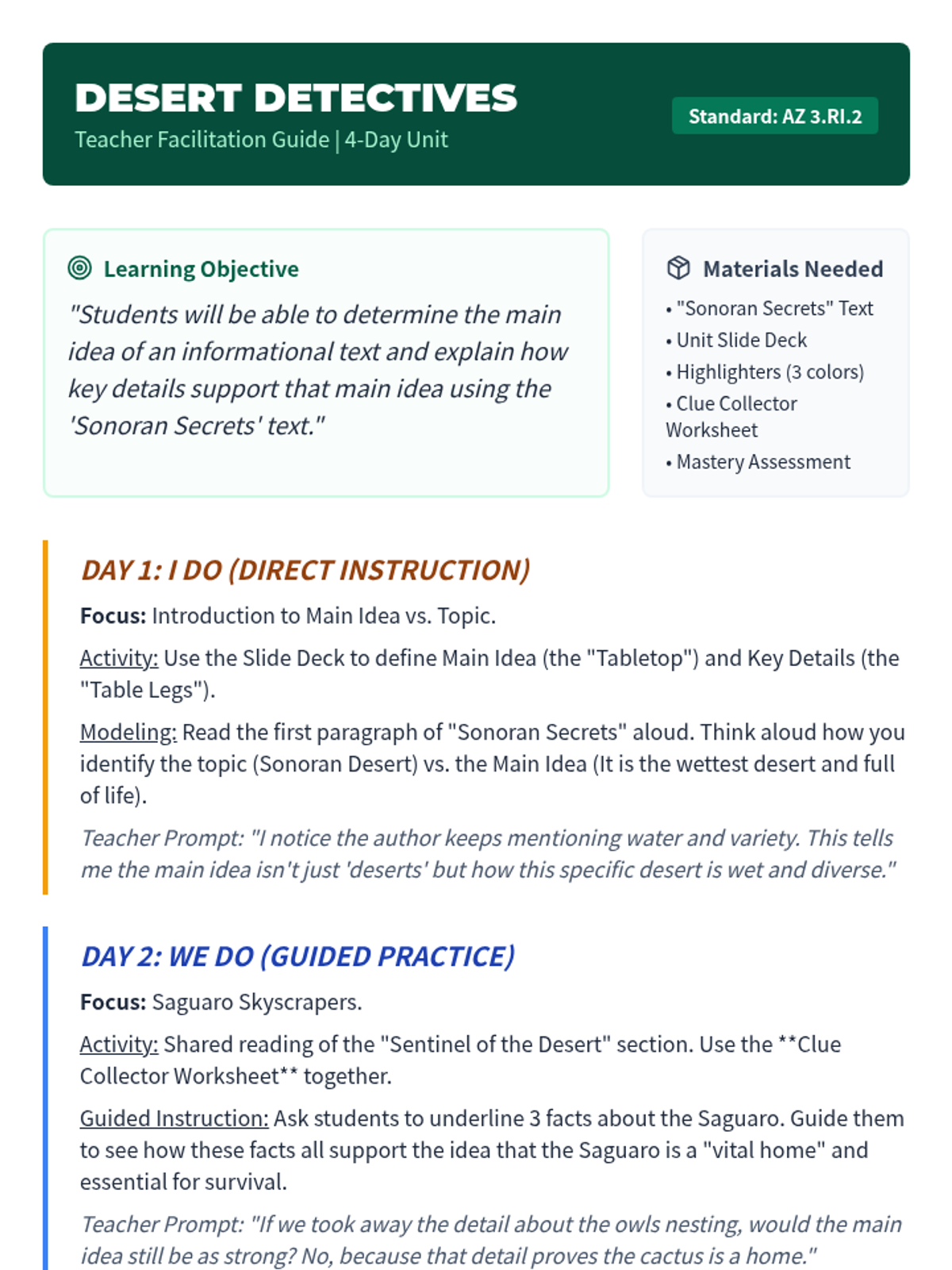
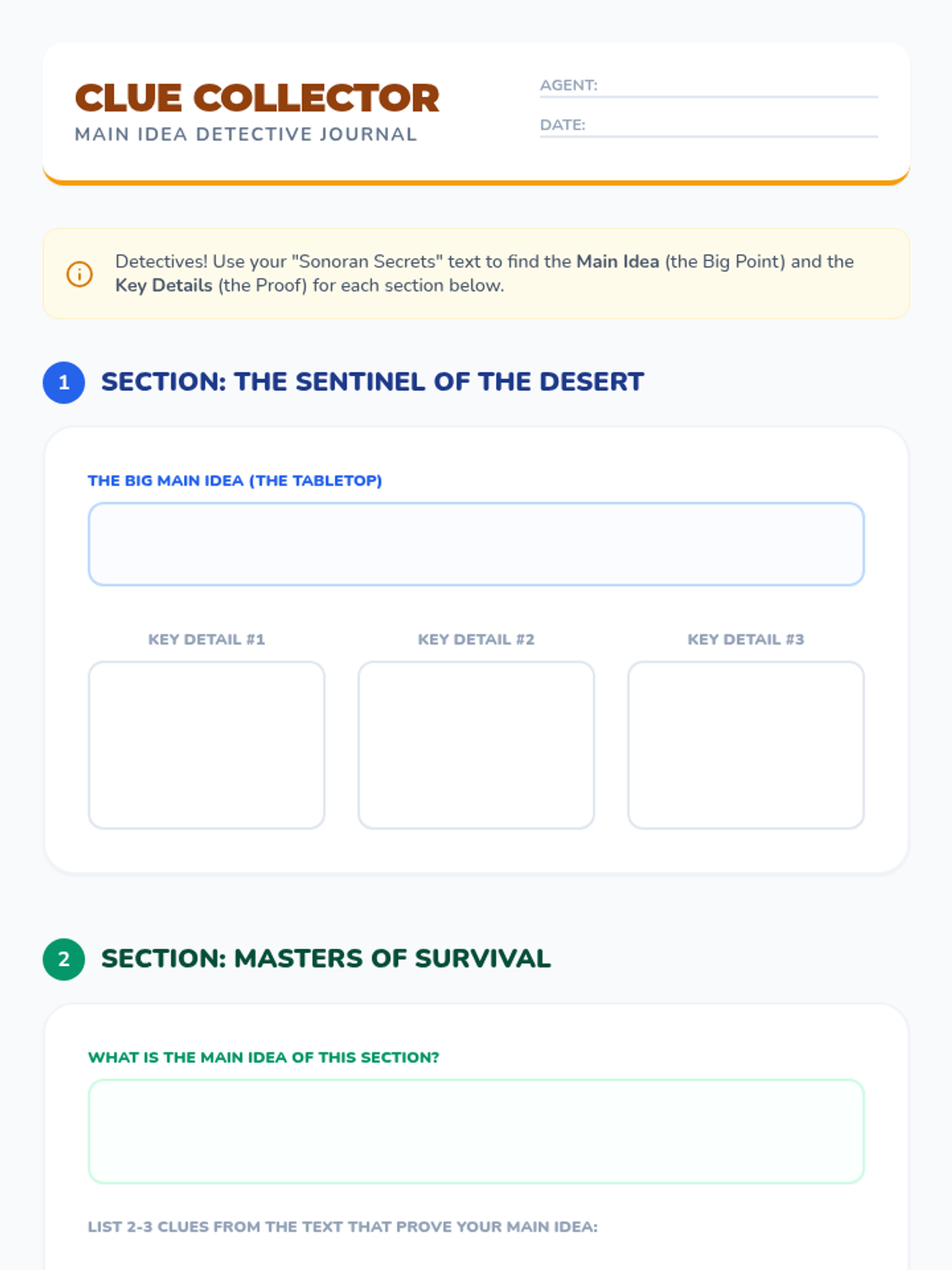
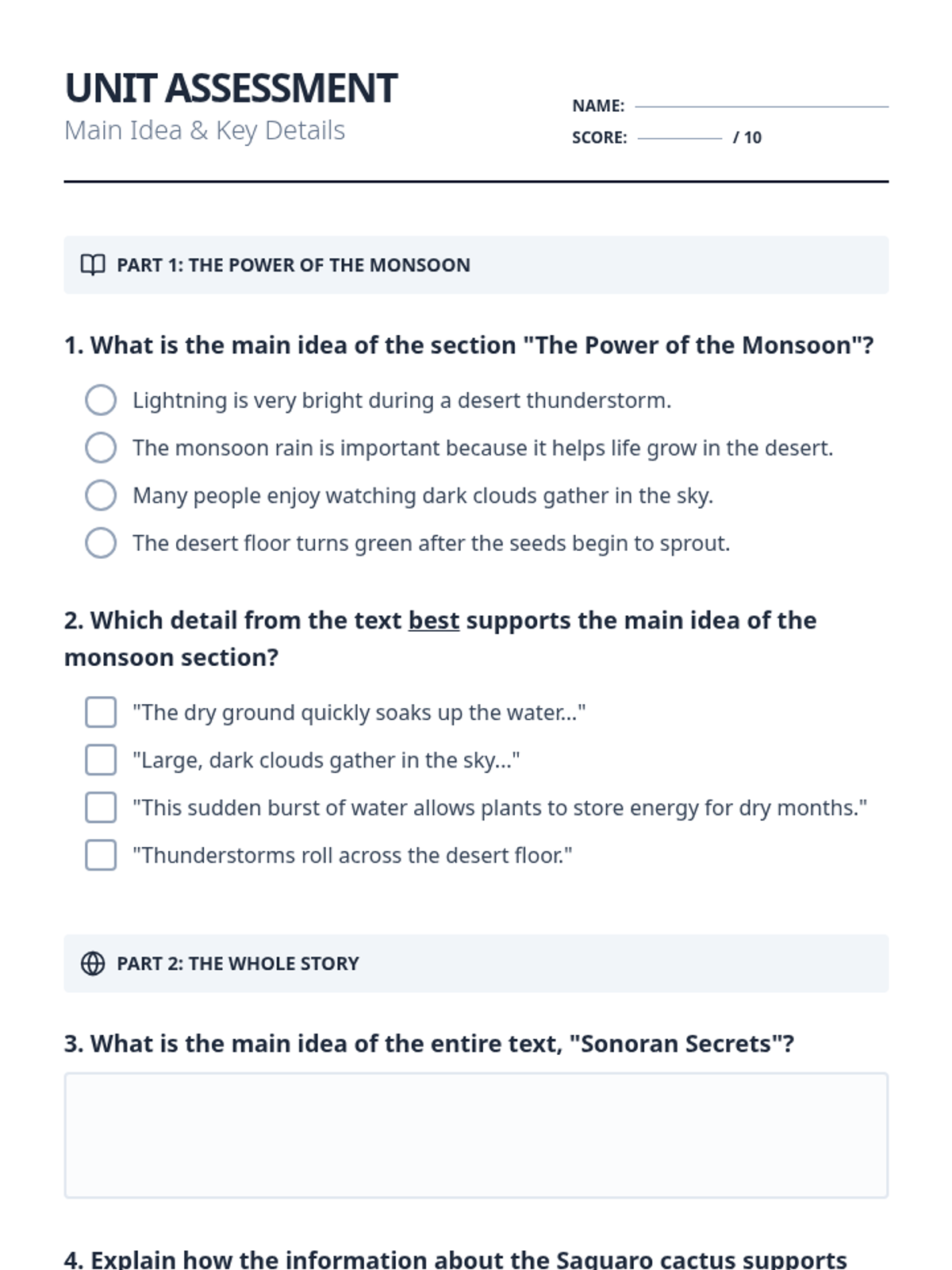
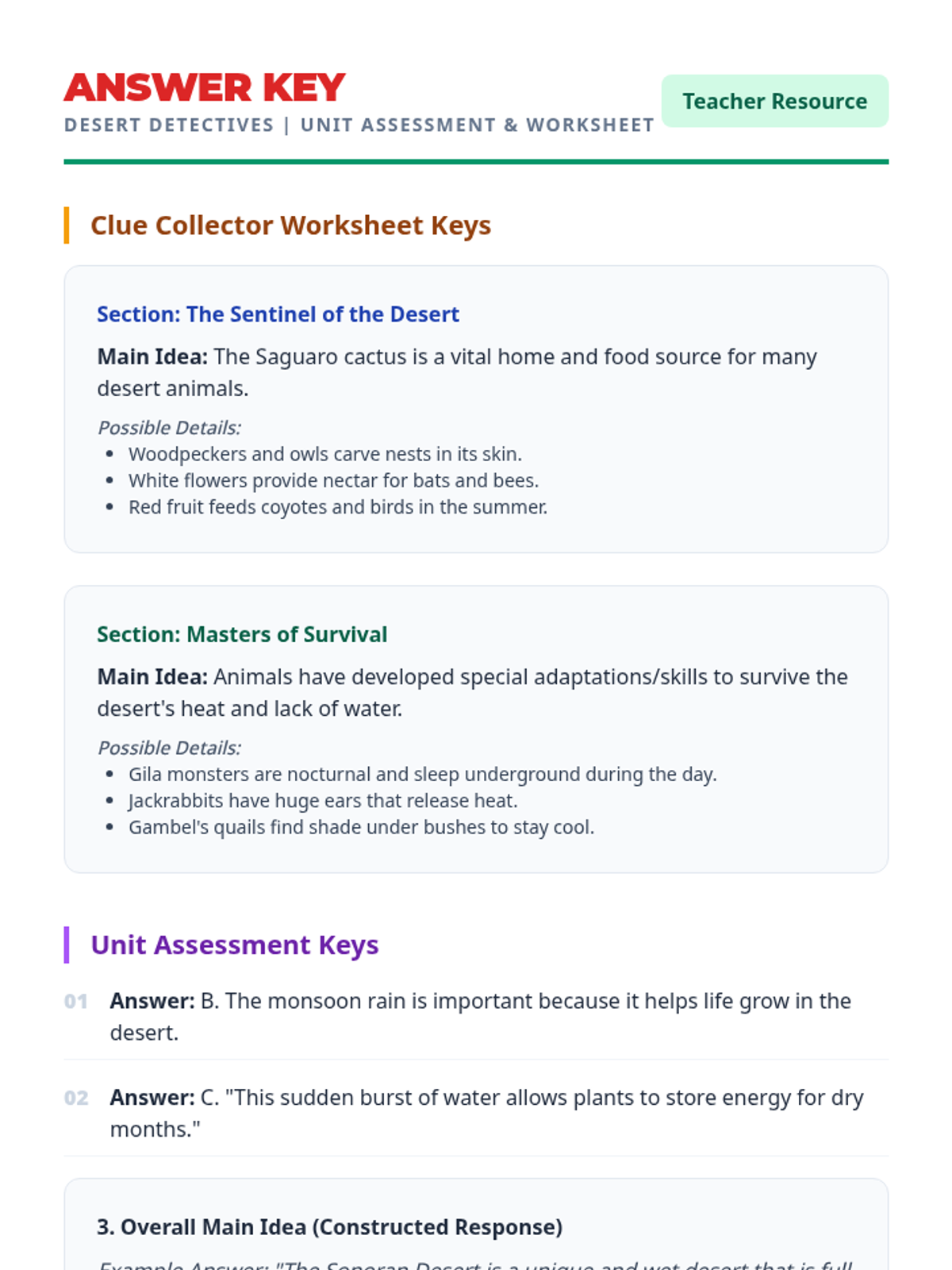
A four-day instructional sequence focused on Arizona ELA standard 3.RI.2, moving from direct instruction to independent mastery of identifying main ideas and supporting details in complex informational texts.
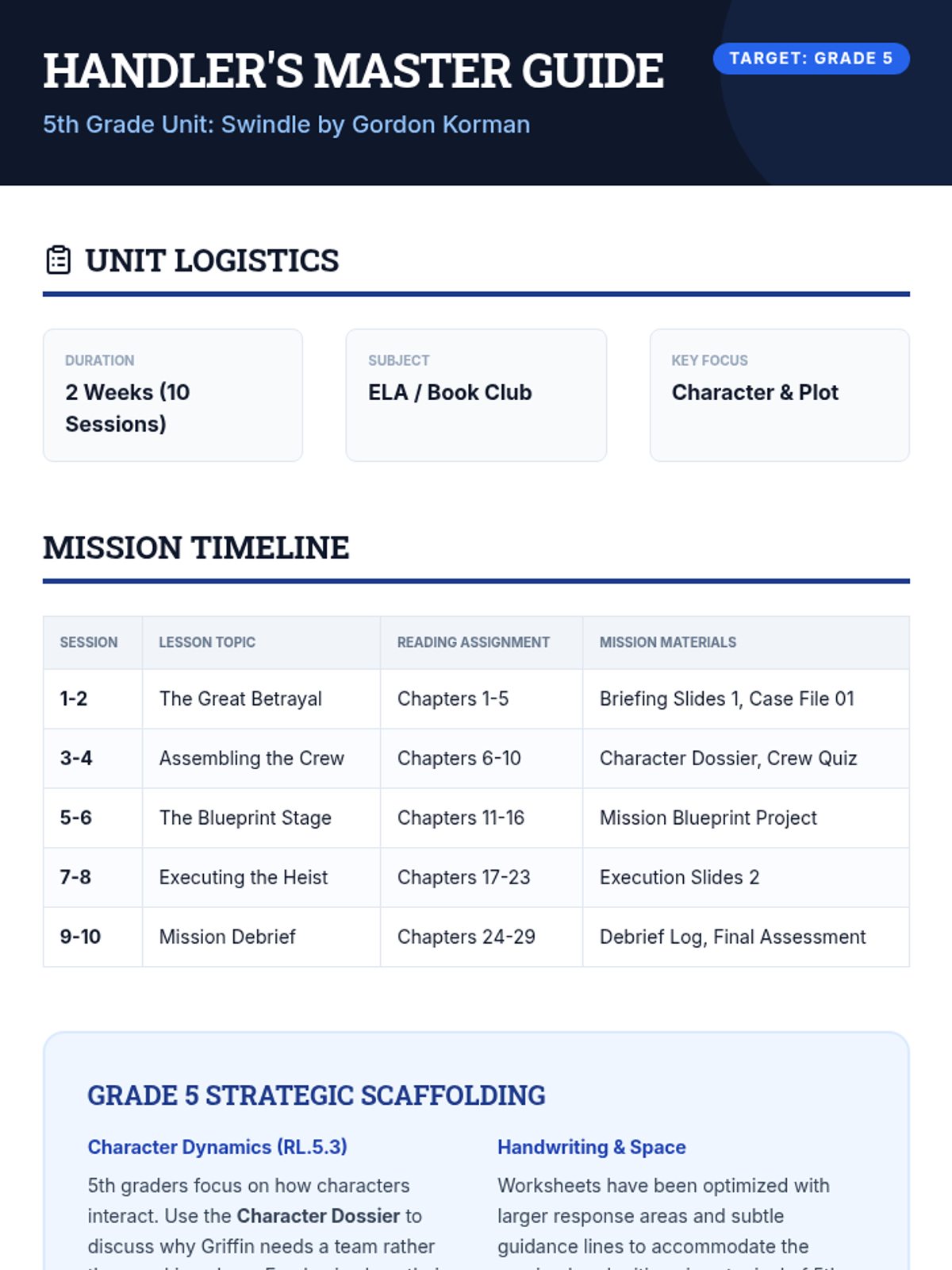
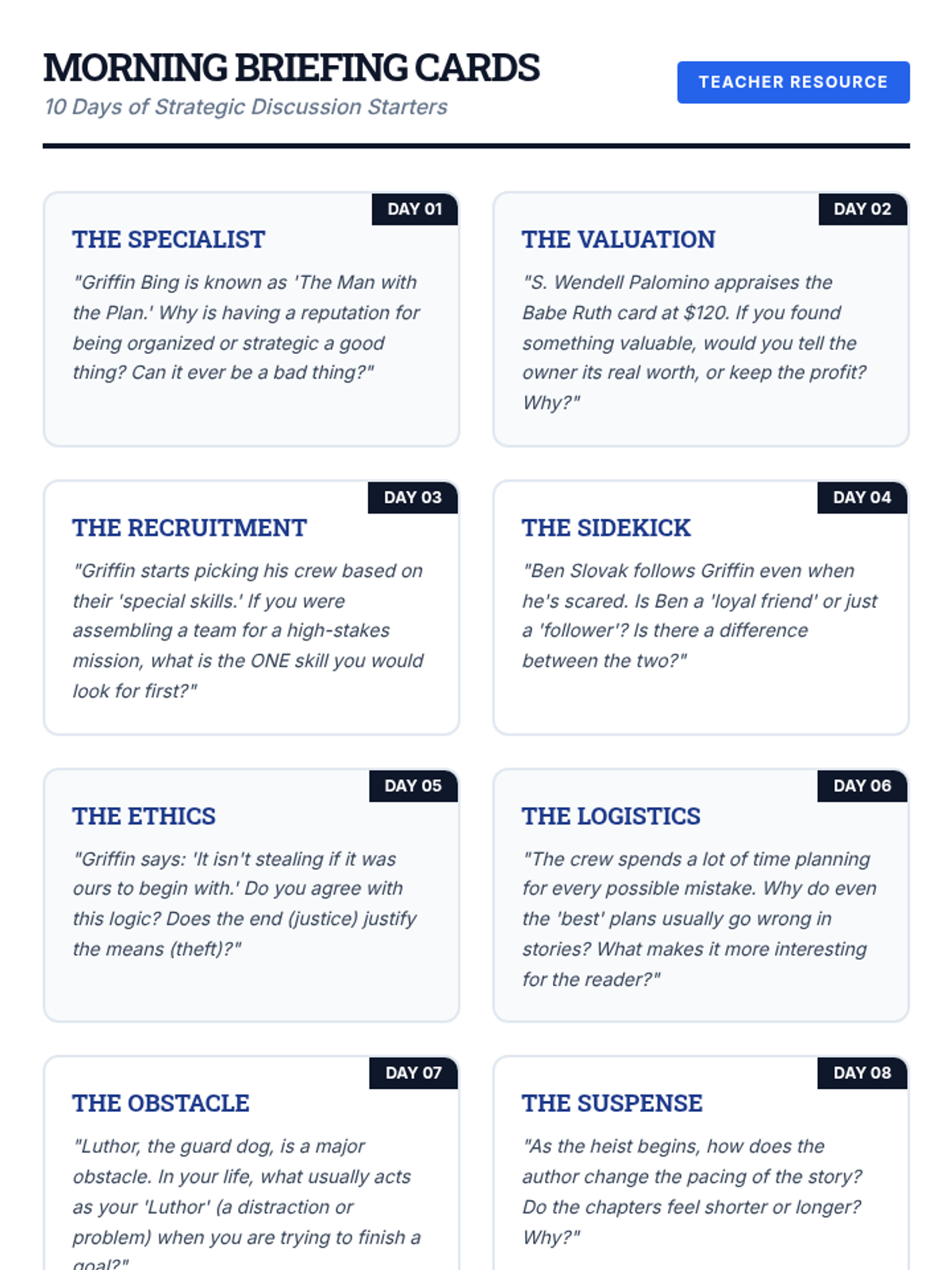
Covers the resolution of the story, character growth, and the ultimate lesson learned by the 'Man with the Plan'.
Tracks the execution of the heist, focusing on pacing, suspense, and the climax of the novel.
Analyzes the logistical planning of the heist and the internal conflicts that arise within the group.
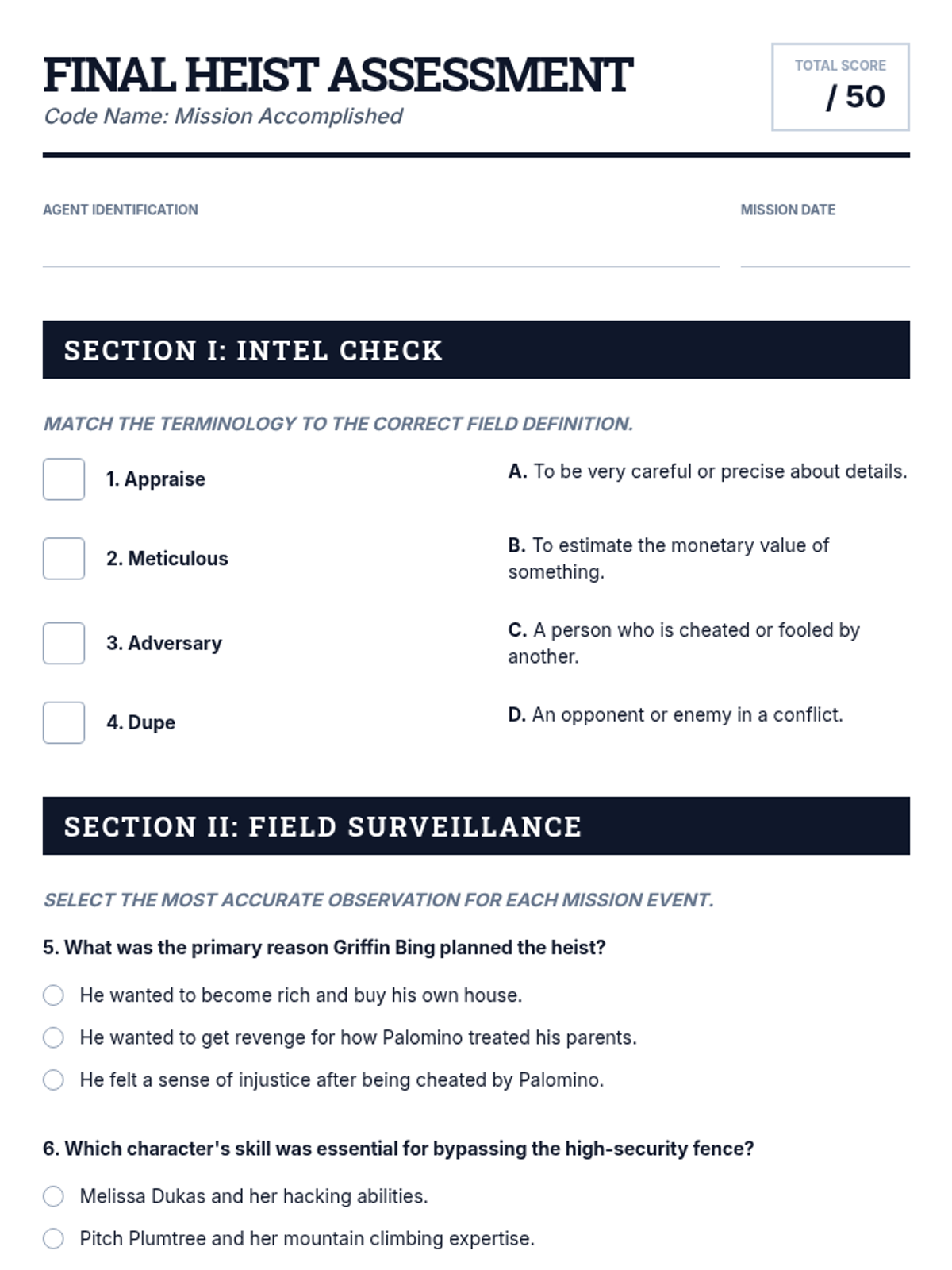
Explores how Griffin assembles his specialized team, focusing on individual character traits and unique skills.
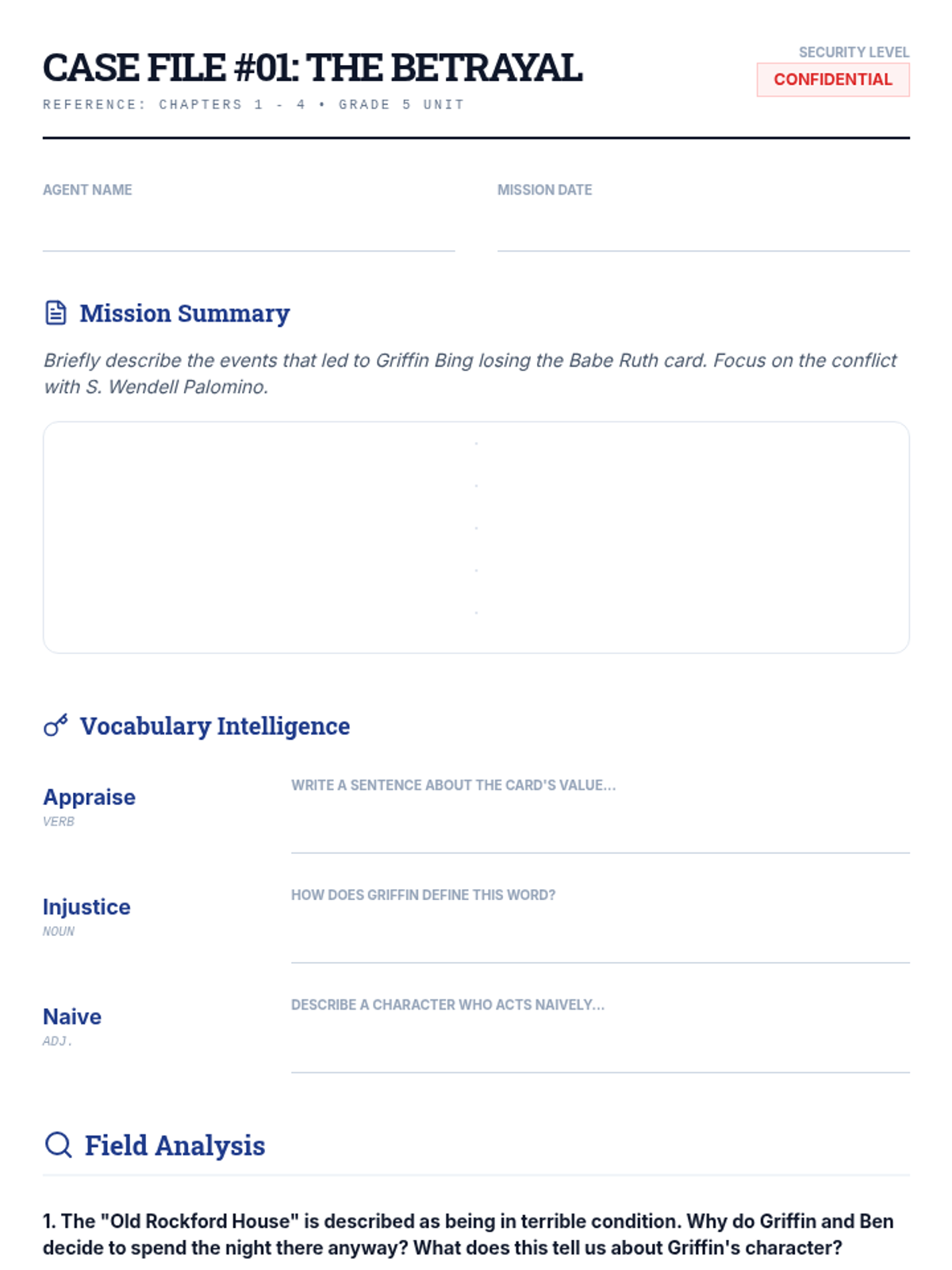
Focuses on the initial conflict: Griffin Bing's discovery of the Babe Ruth baseball card and S. Wendell Palomino's betrayal.
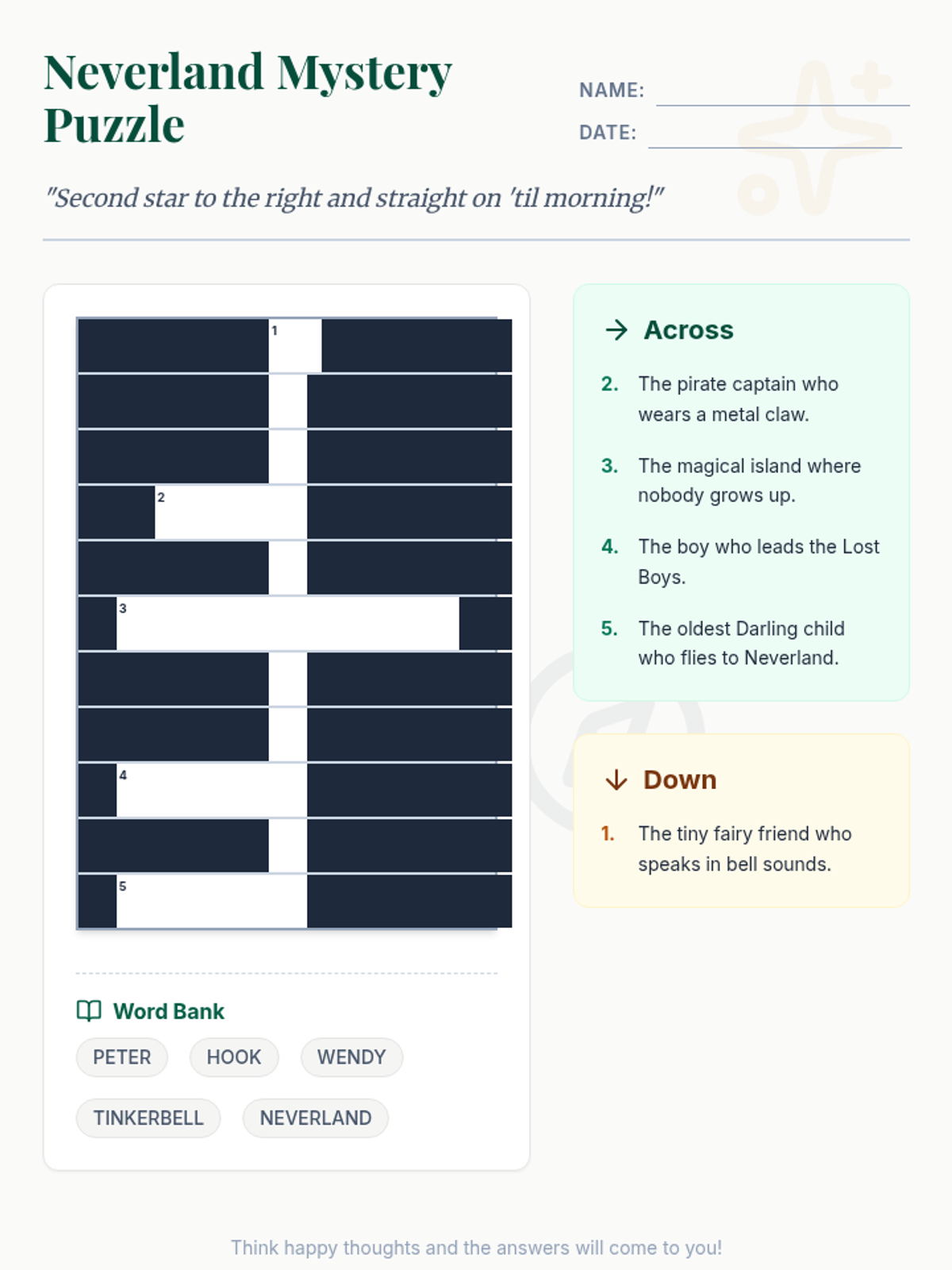
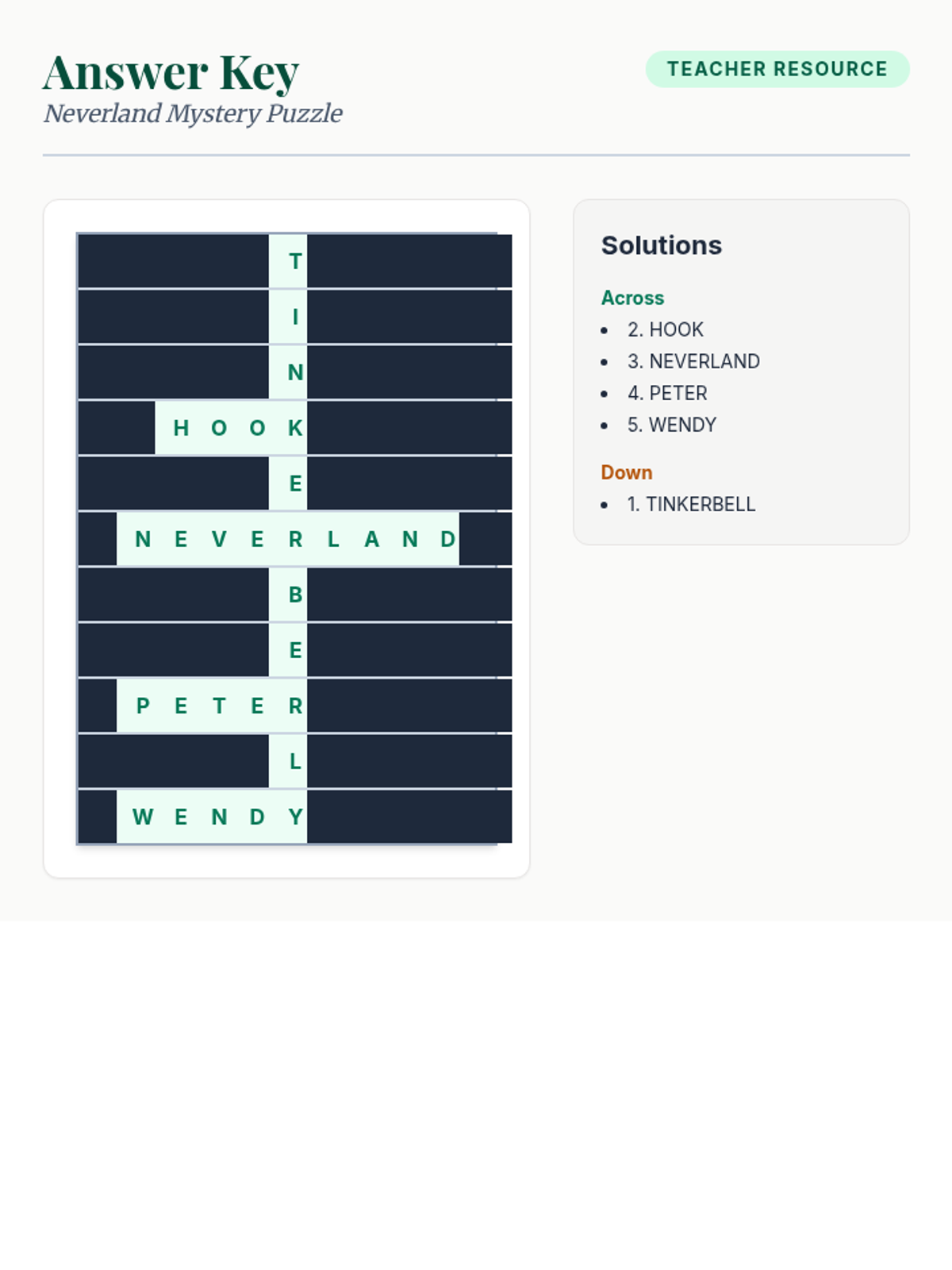
A whimsical lesson exploring the characters, setting, and key themes of J.M. Barrie's classic story, Peter Pan. Students will engage with the narrative through a crossword puzzle and vocabulary building.
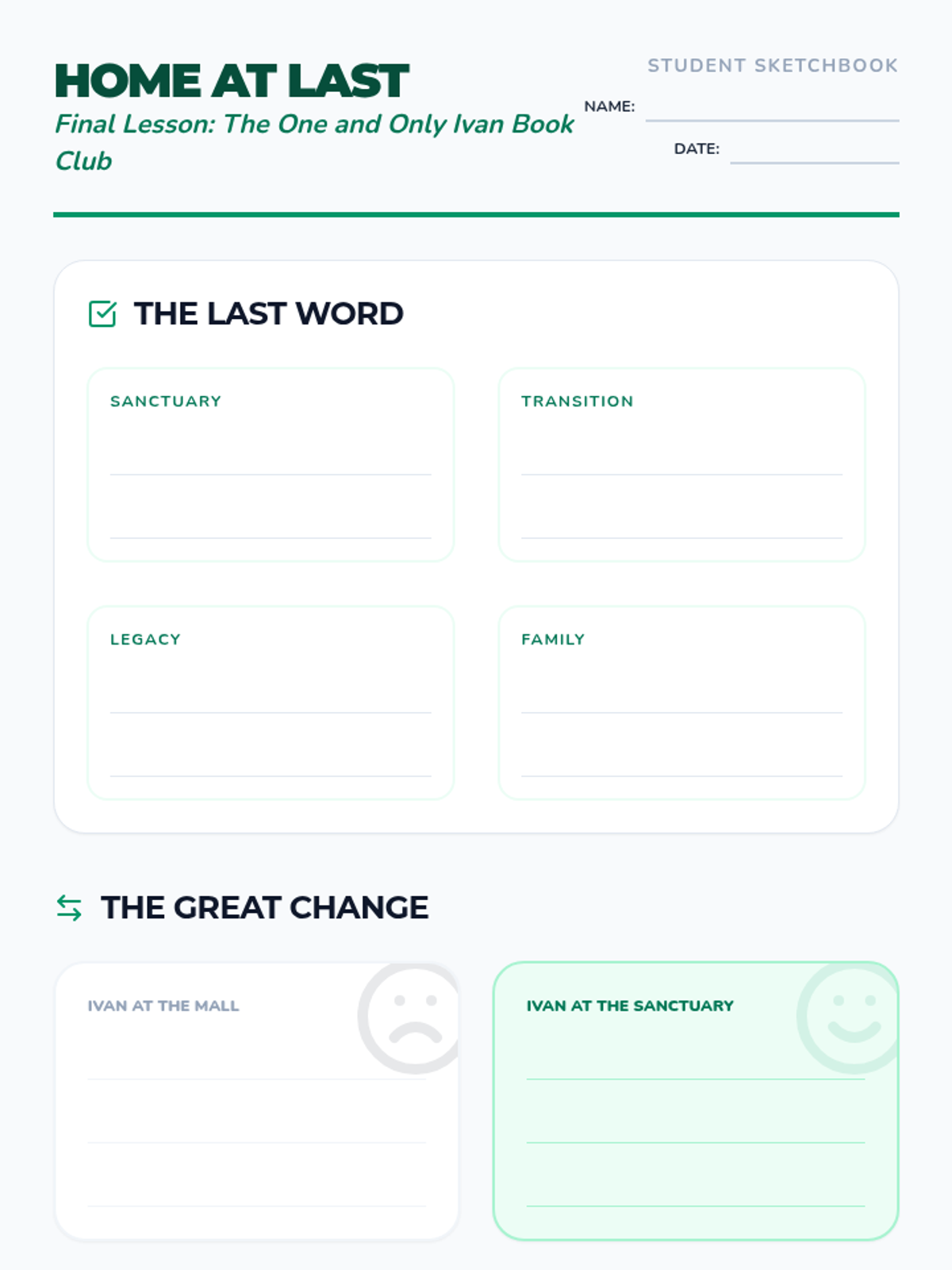
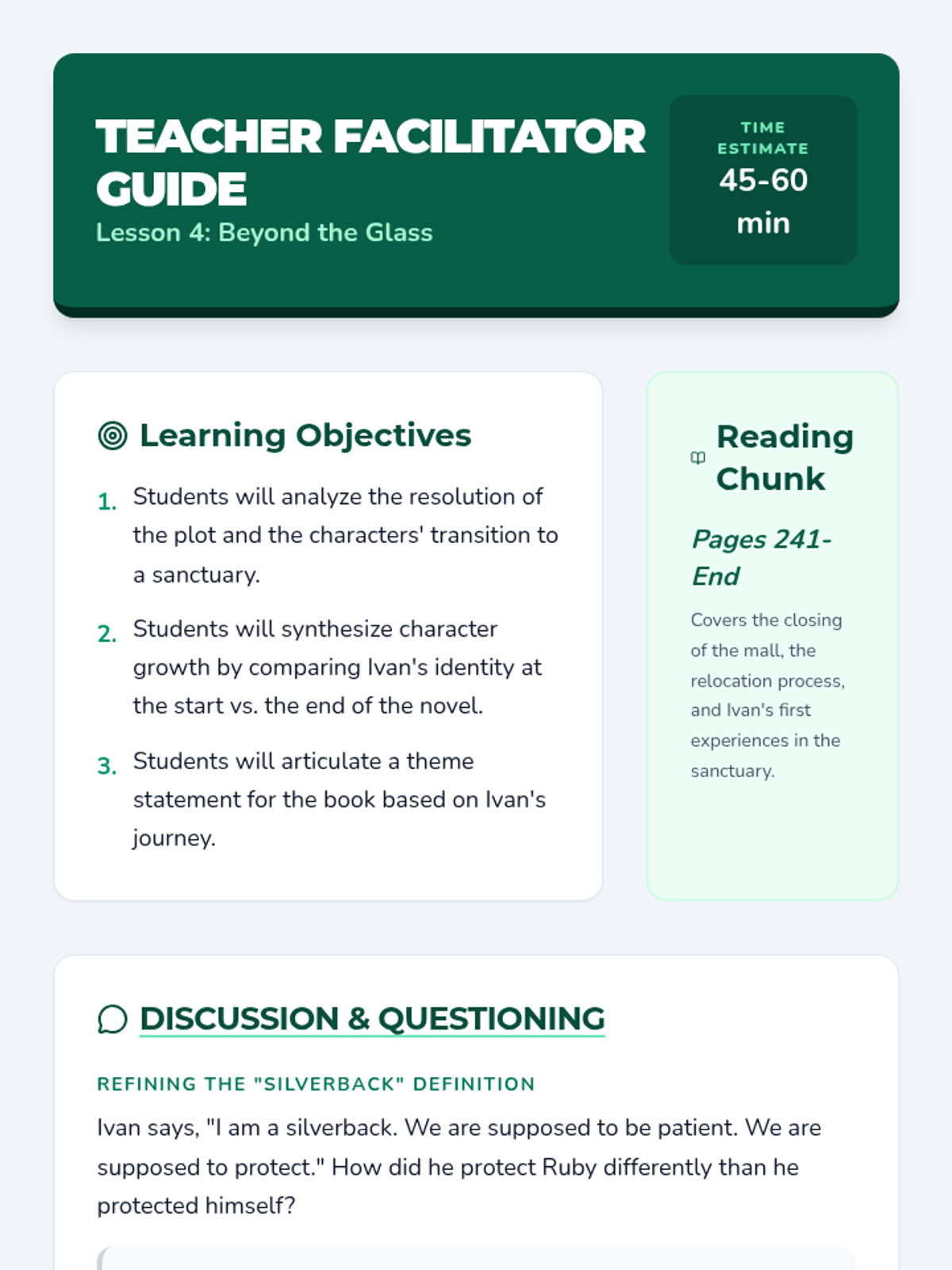
Concludes the book club by examining the resolution and the characters' transition to a sanctuary. Students synthesize the entire story to write a final analysis of Ivan's growth and the story's theme.
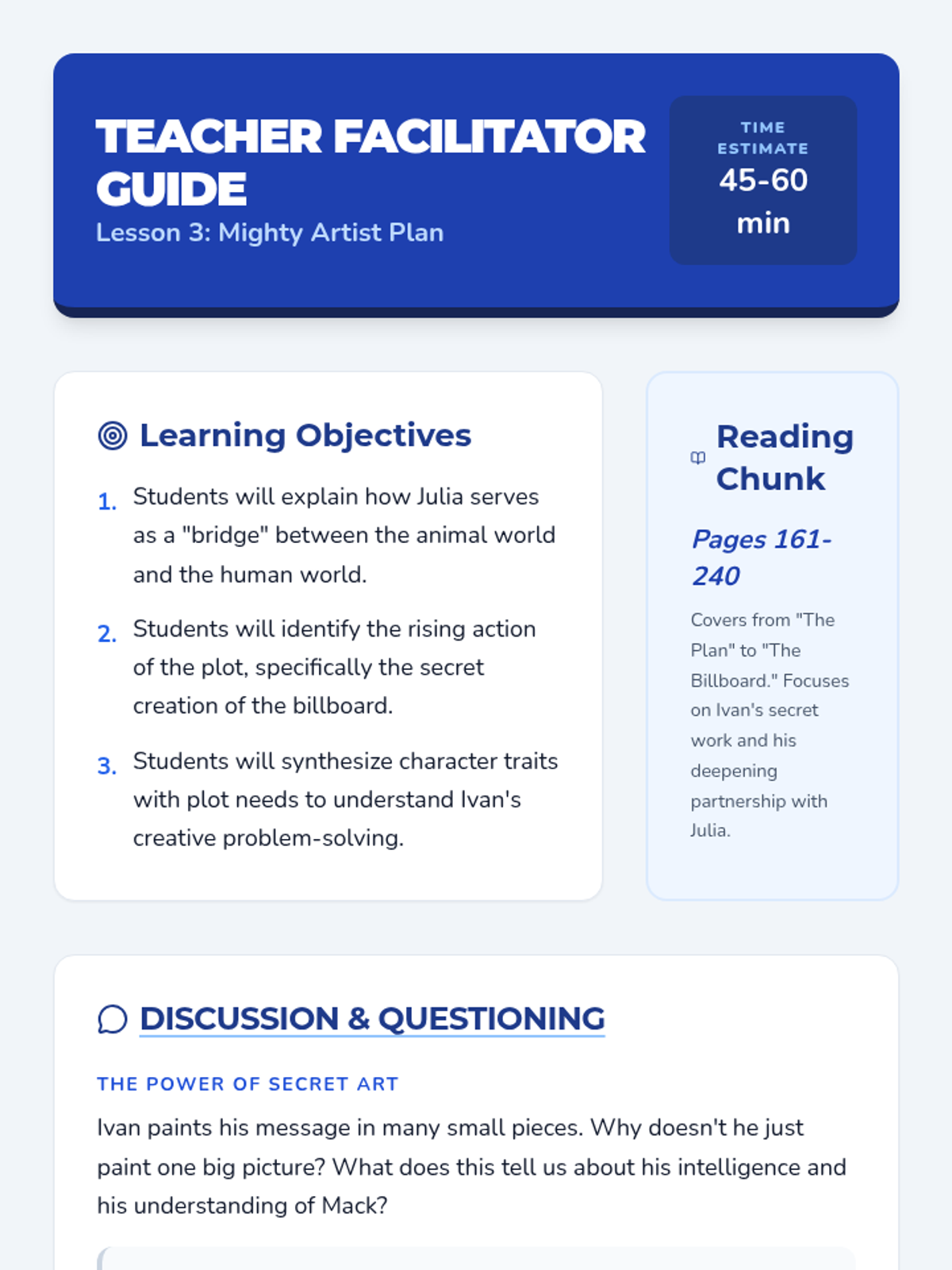
Covers Ivan's creative plan to save Ruby through his art and the rising action as he works with Julia to communicate his message. Students analyze the power of storytelling and persistence.
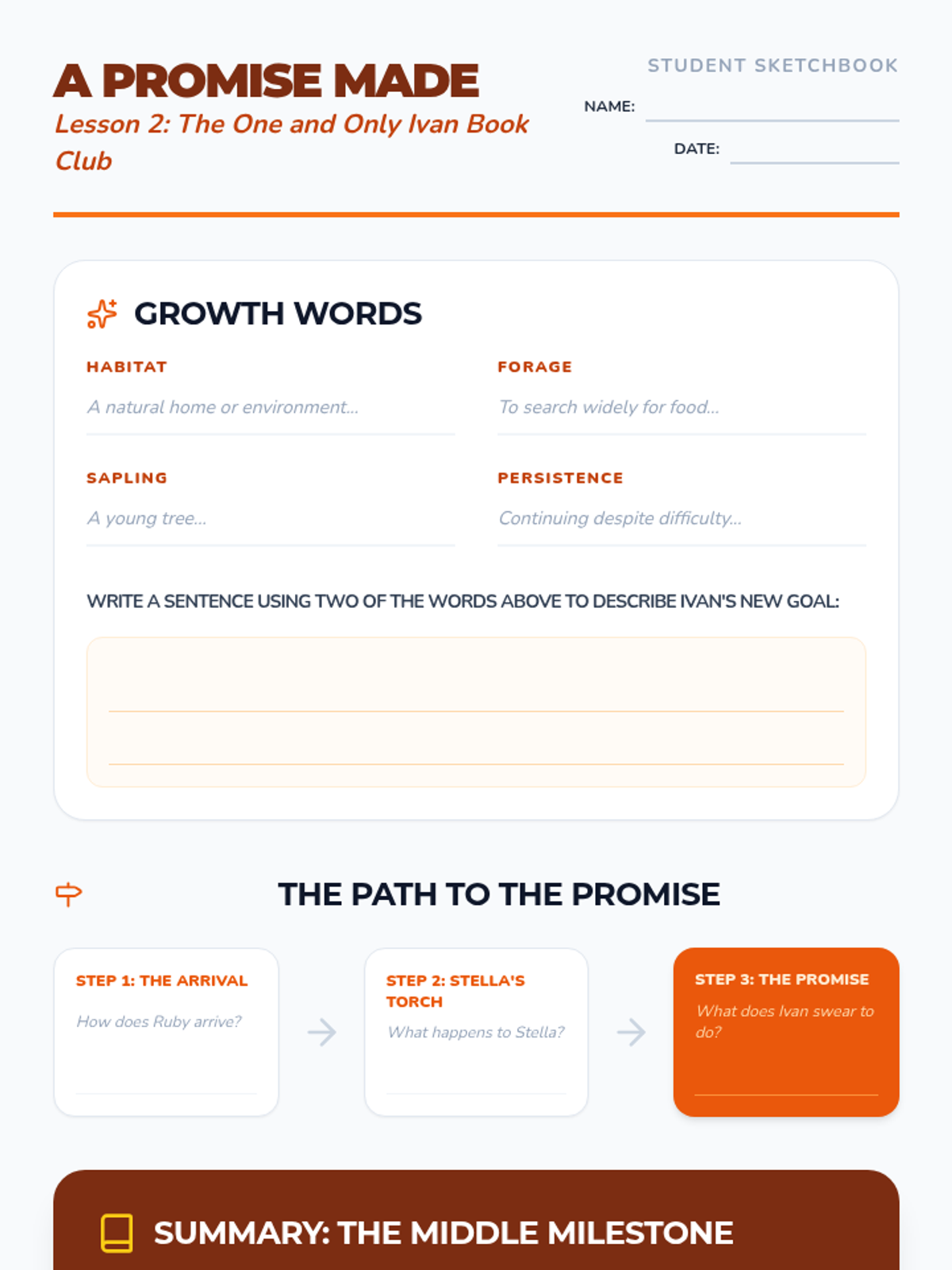
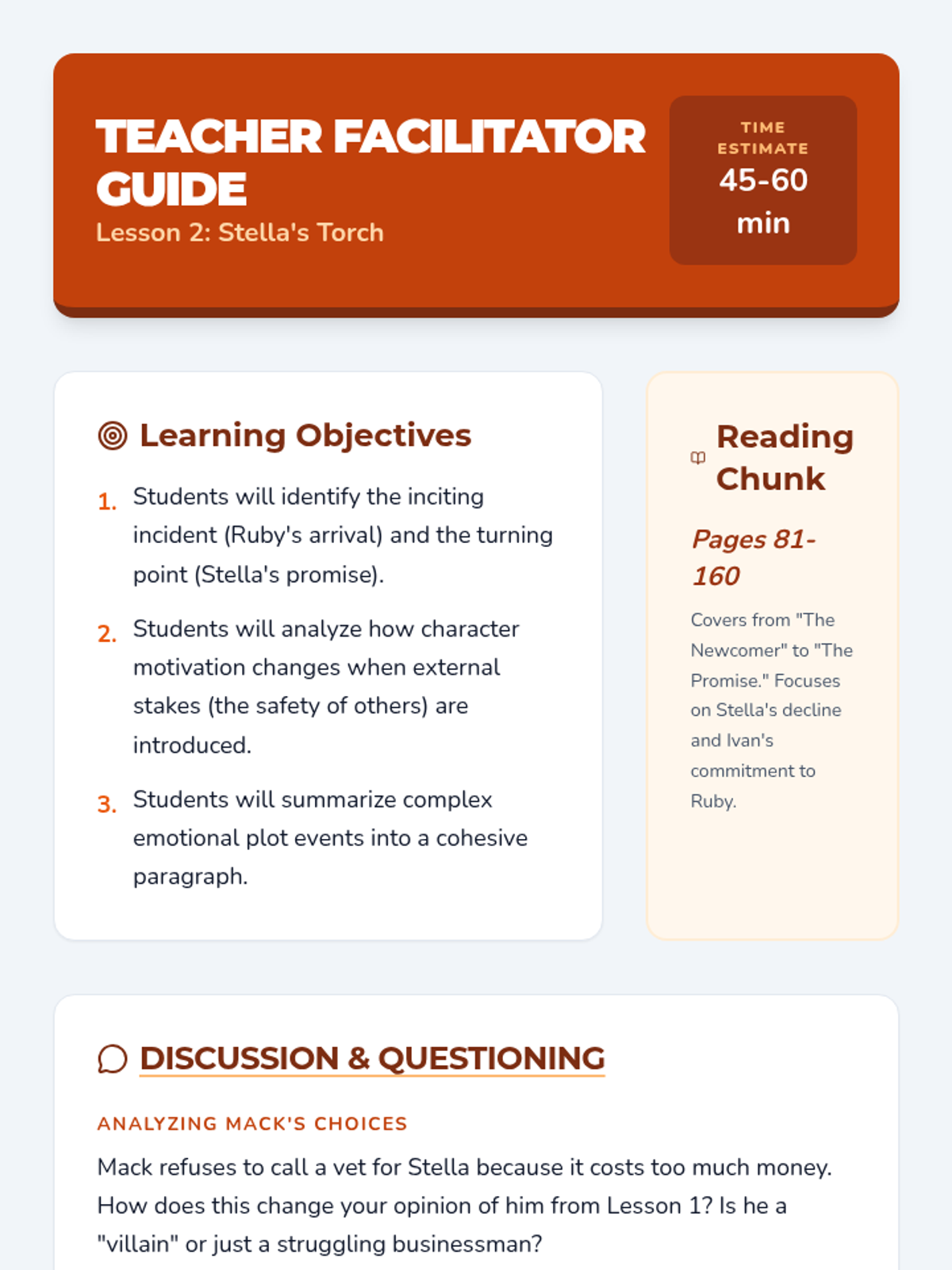
Explores the arrival of Ruby and the passing of Stella, focusing on the turning point where Ivan makes a life-changing promise. Students analyze how character motivations shift in response to new plot events.
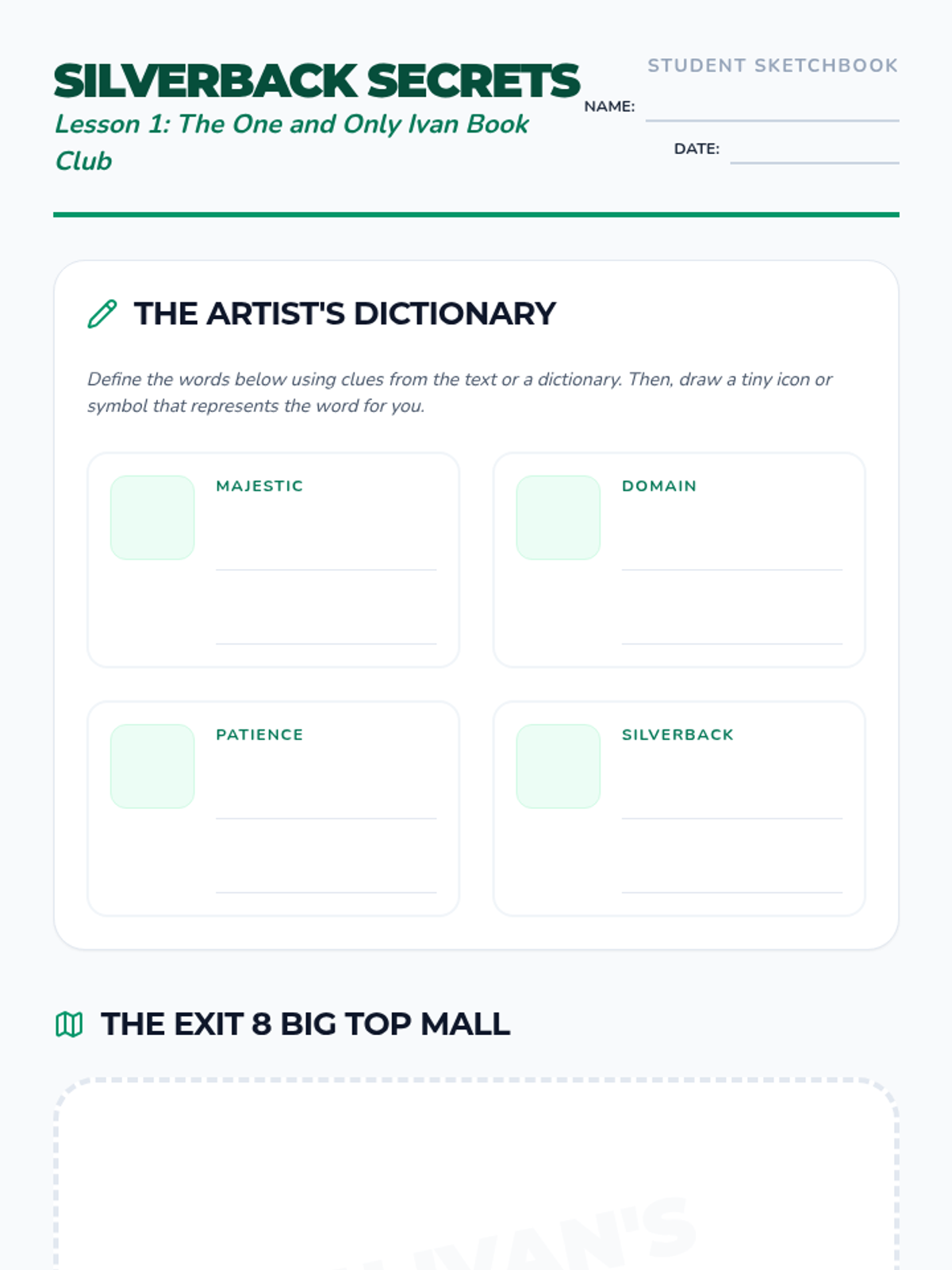
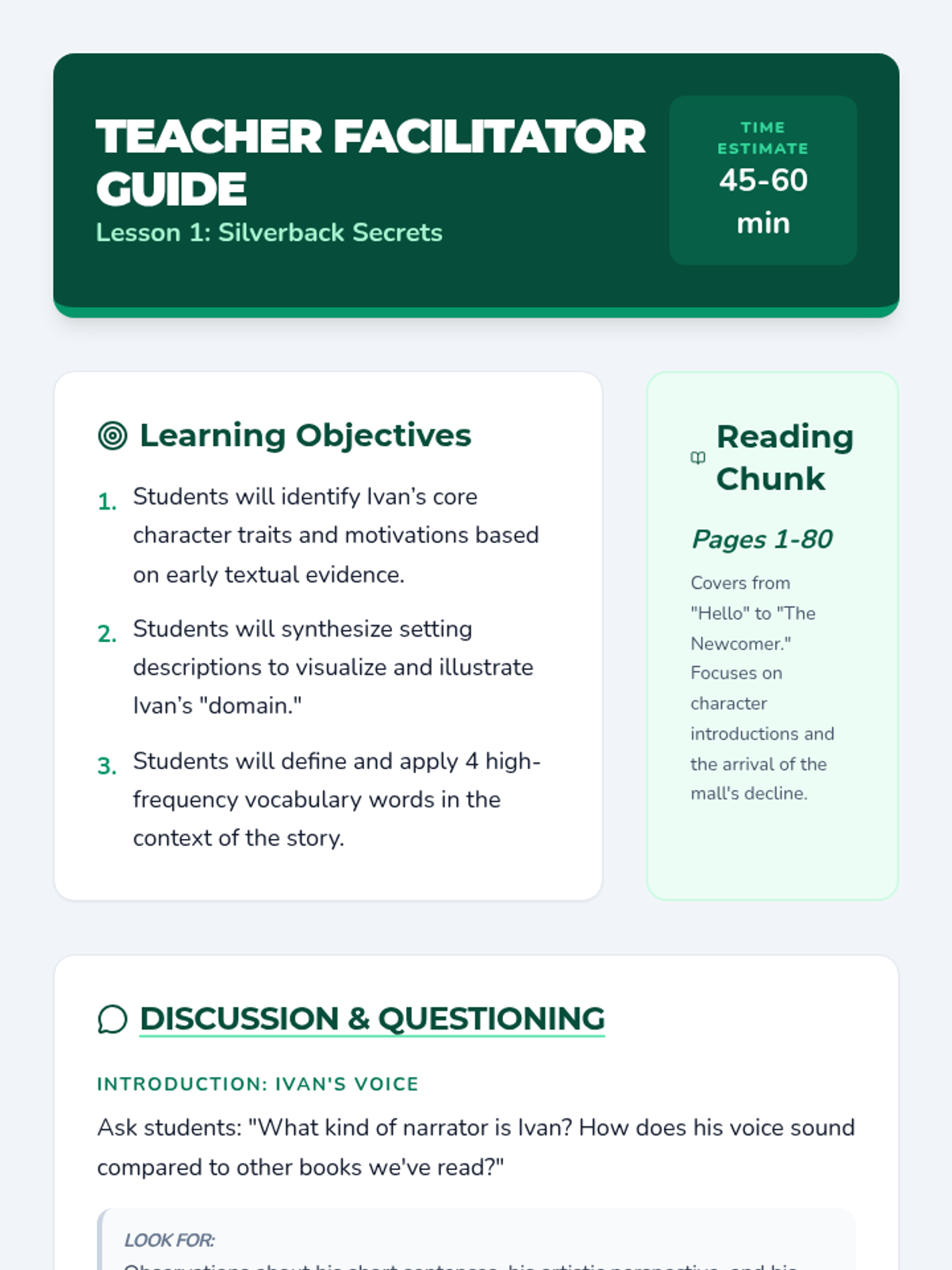
Introduces students to Ivan, Stella, and Bob at the Exit 8 Big Top Mall, focusing on character traits and the initial setting of the novel. Students define Ivan's 'silverback' identity and begin tracking his motivations.
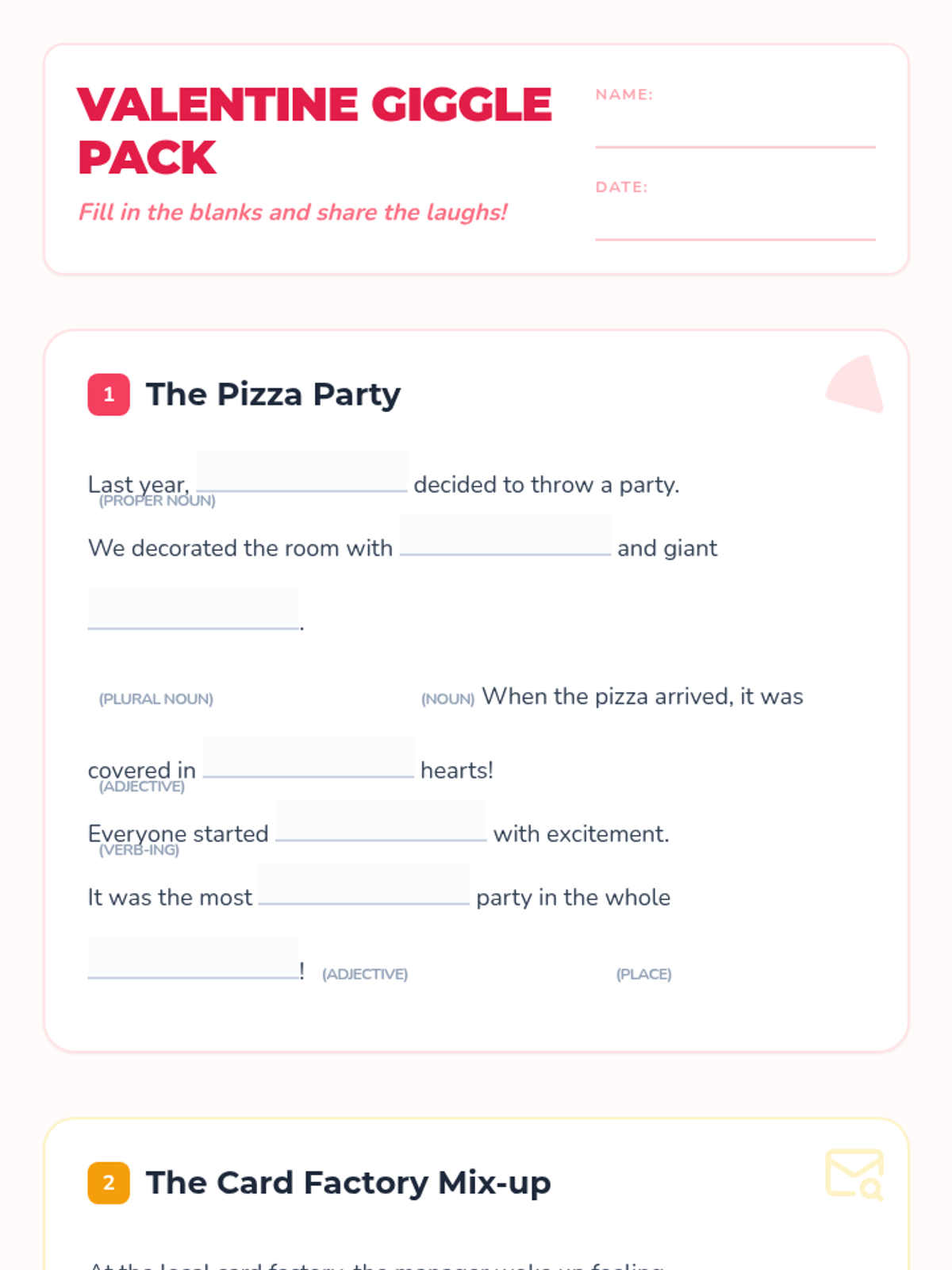
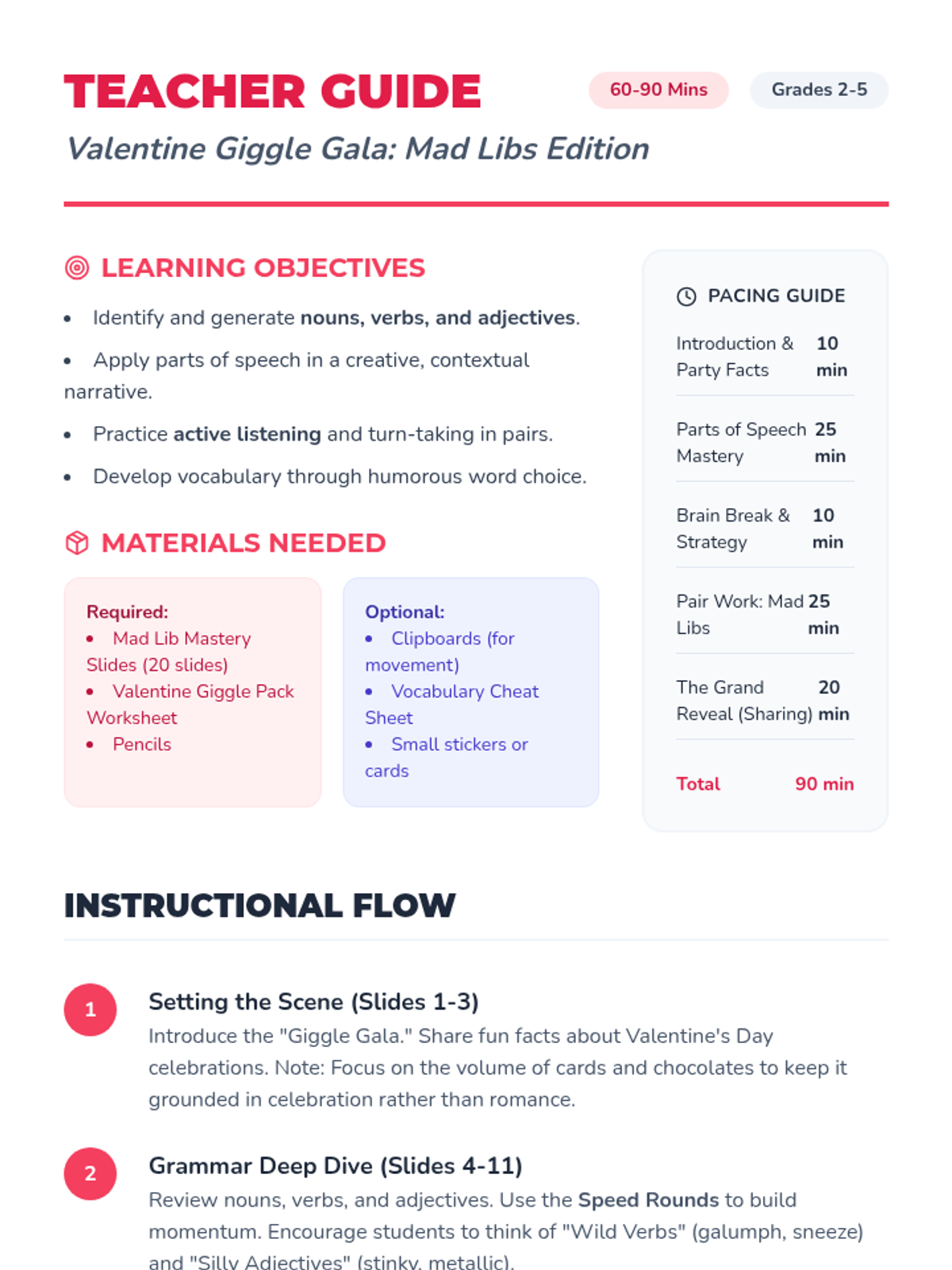
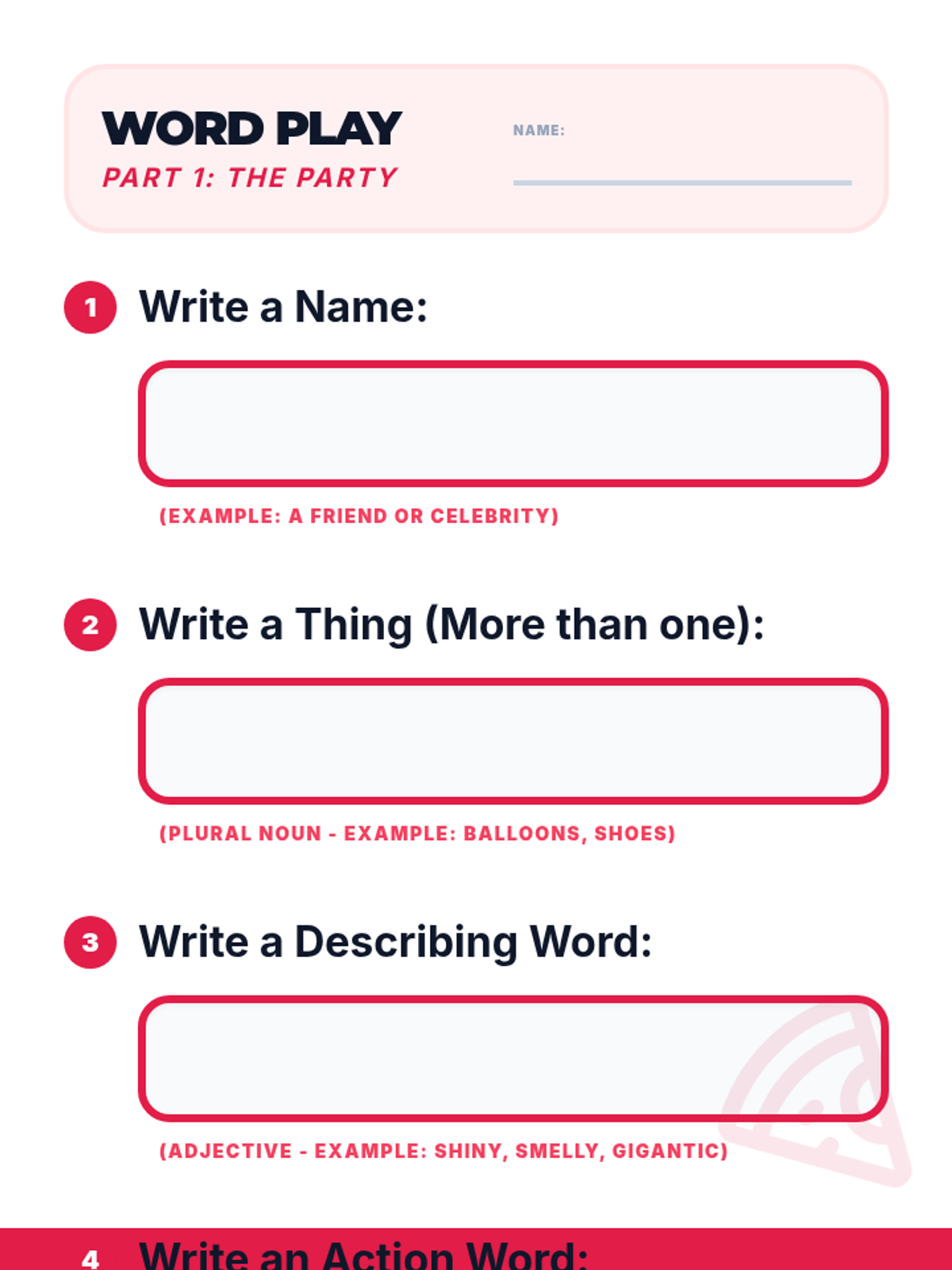
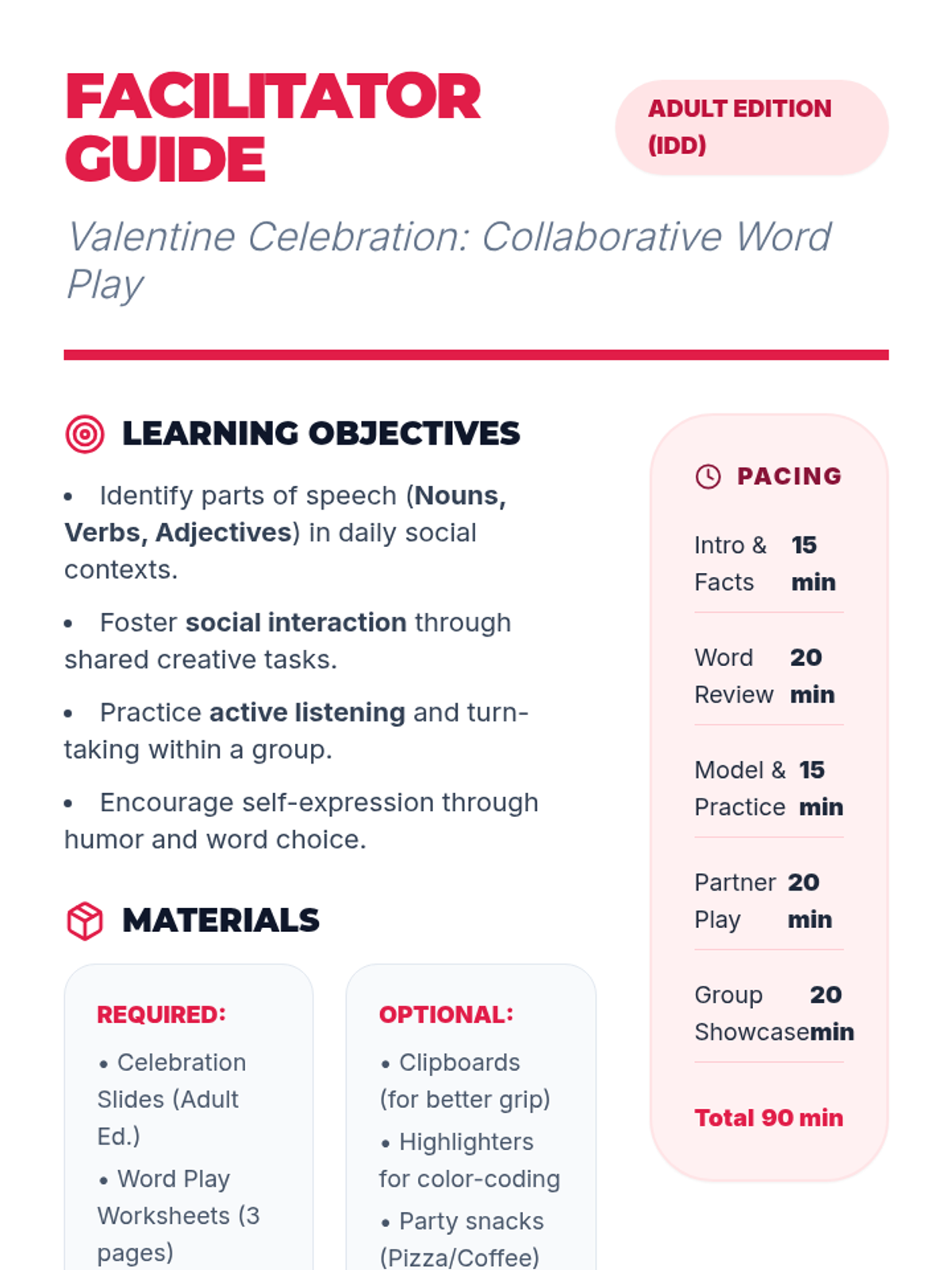
A high-energy, collaborative lesson focusing on parts of speech through funny Valentine's Day themed Mad Libs. All romantic content has been replaced with themes of friendship and celebration.
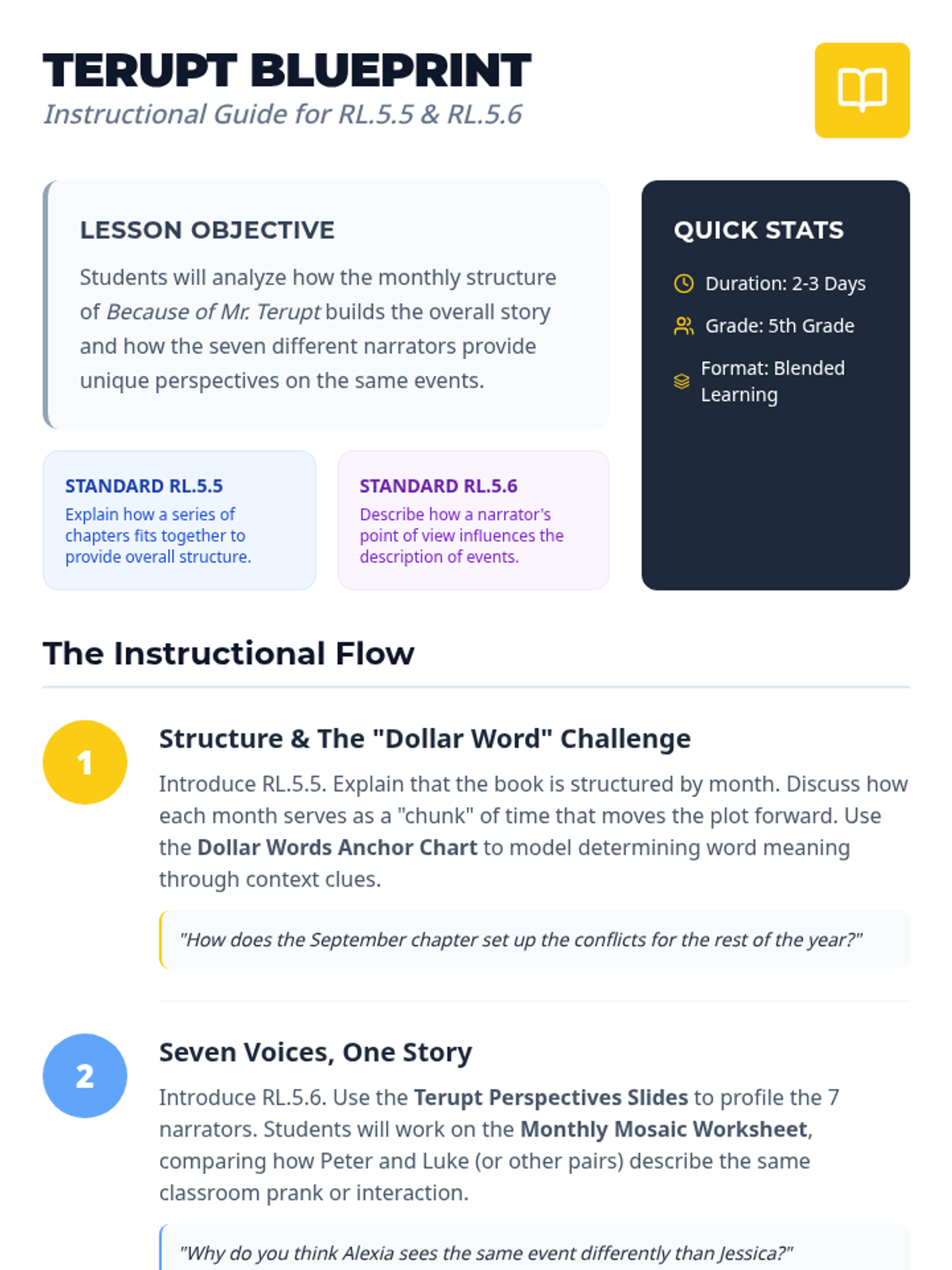
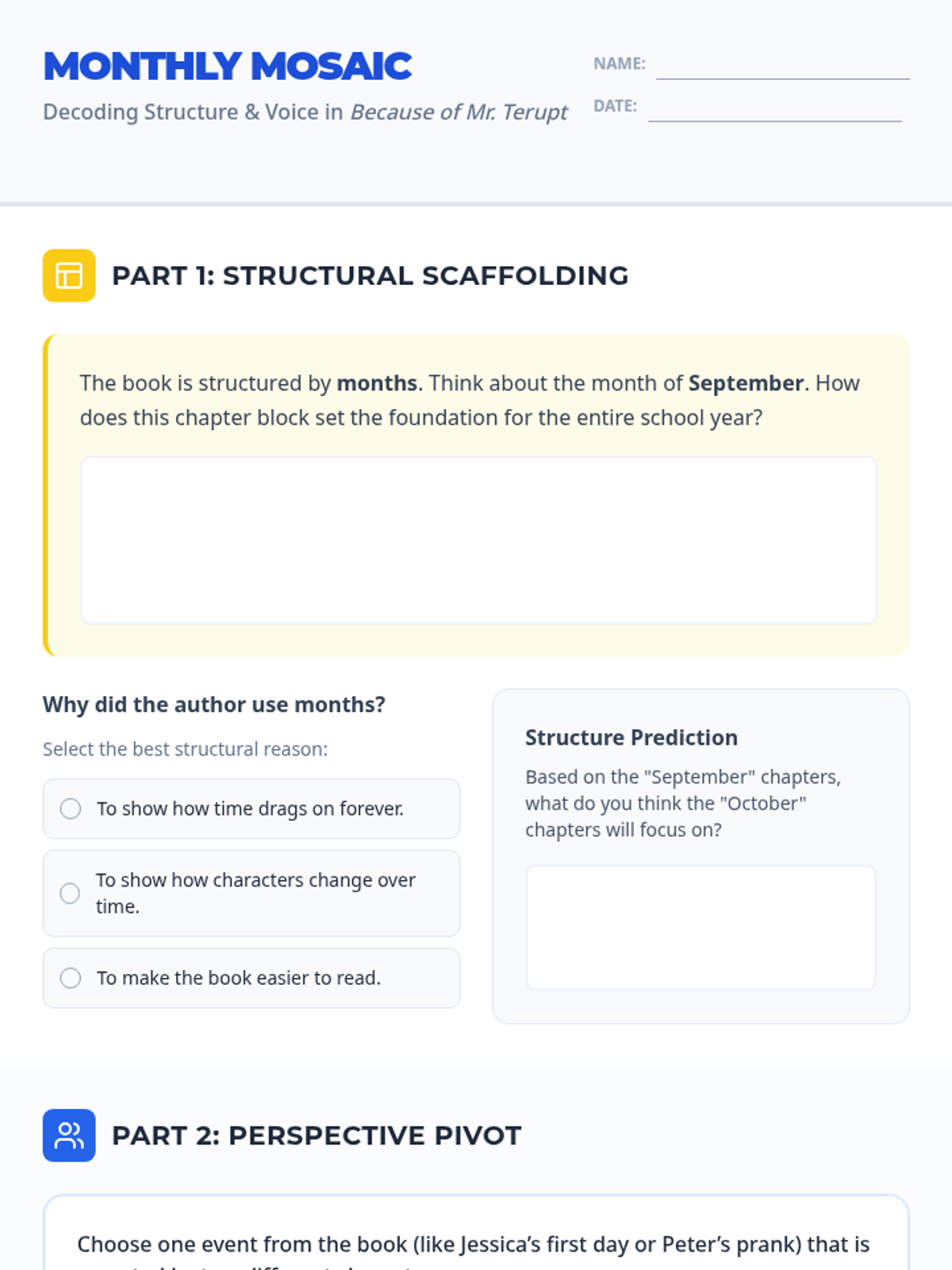
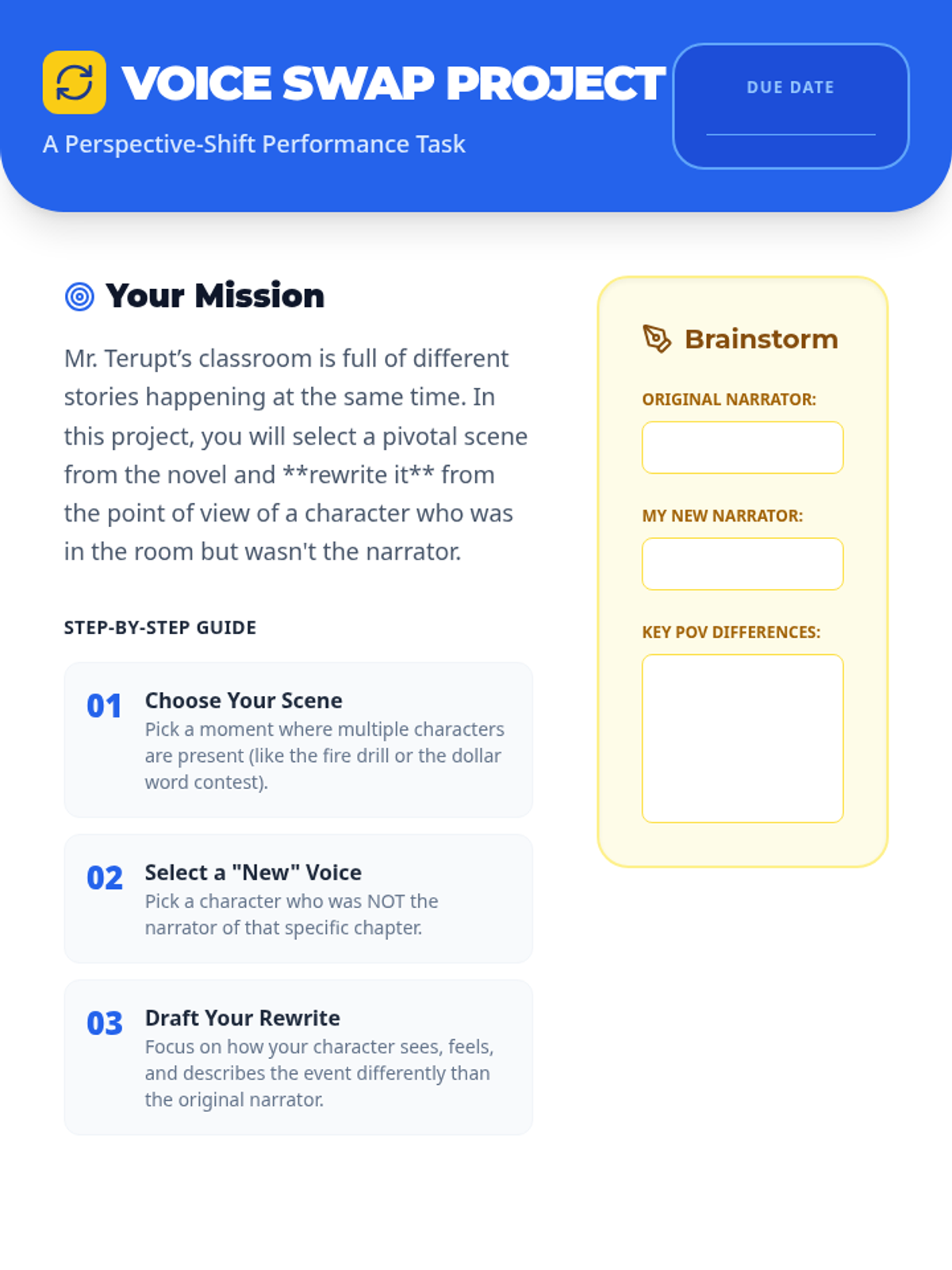
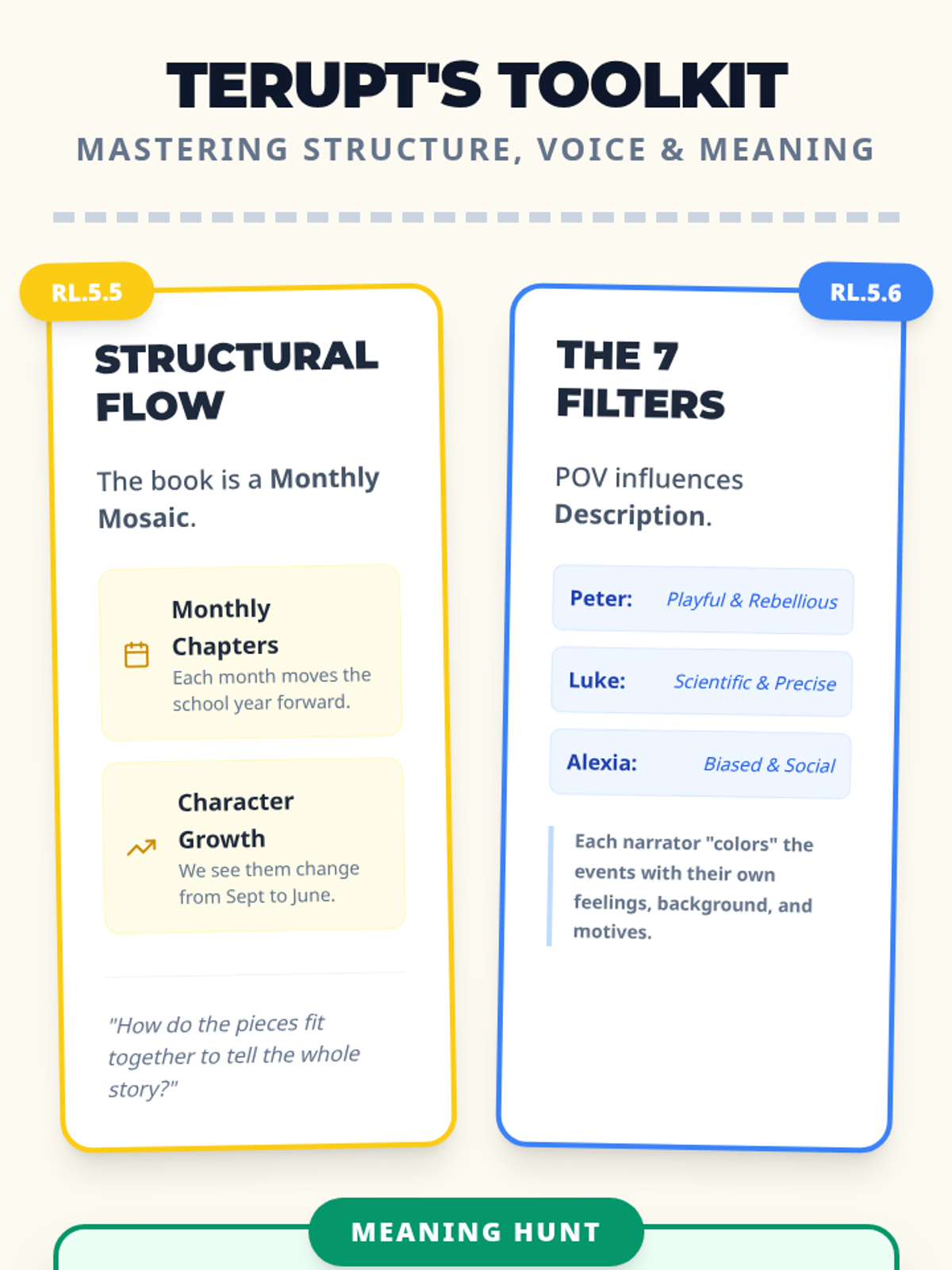
A comprehensive lesson on RL.5.5 and RL.5.6 focusing on how structure and multiple narrators influence the storytelling in 'Because of Mr. Terupt'. Students explore how the monthly chapter structure and seven distinct character perspectives create a cohesive narrative.
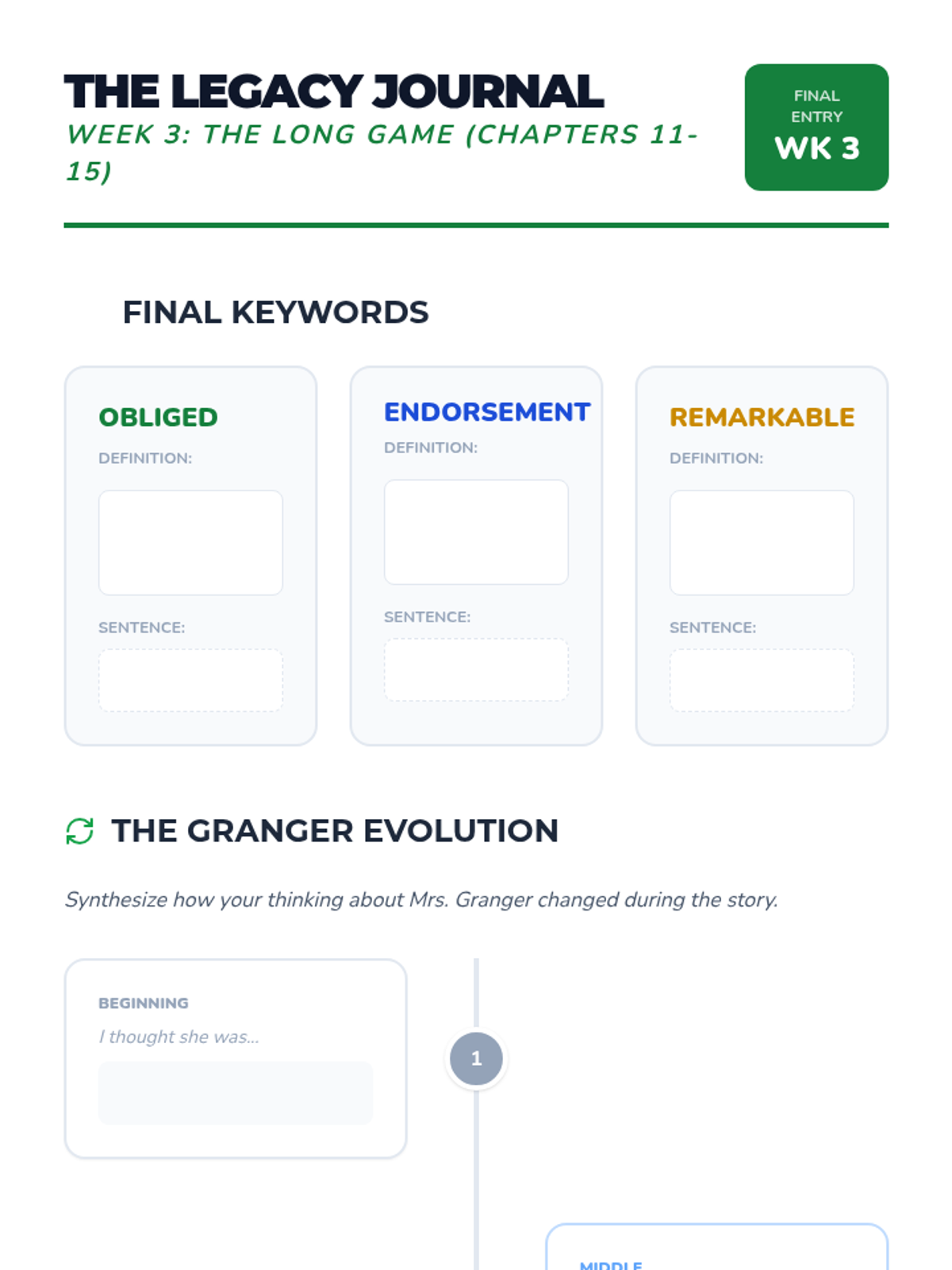
Explores the long-term impact of the word 'frindle', the eventual reconciliation between Nick and Mrs. Granger, and the deeper themes of the book. Students synthesize the story's message and create a final summary of the book's legacy.
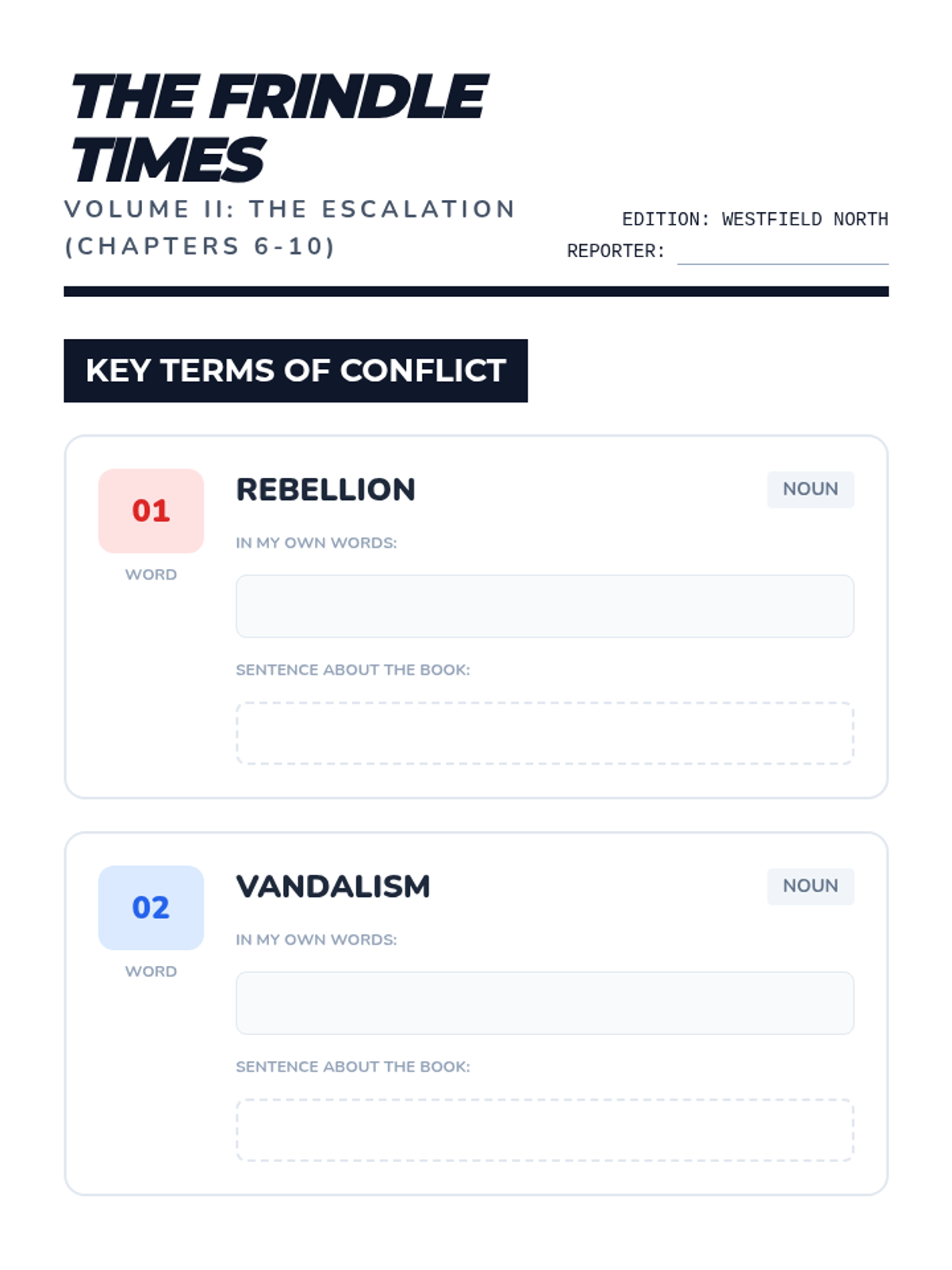
Covers the escalation of the 'frindle' movement, the conflict between Nick and the school administration, and the national media attention. Students focus on synthesizing multiple perspectives and advanced summarizing.
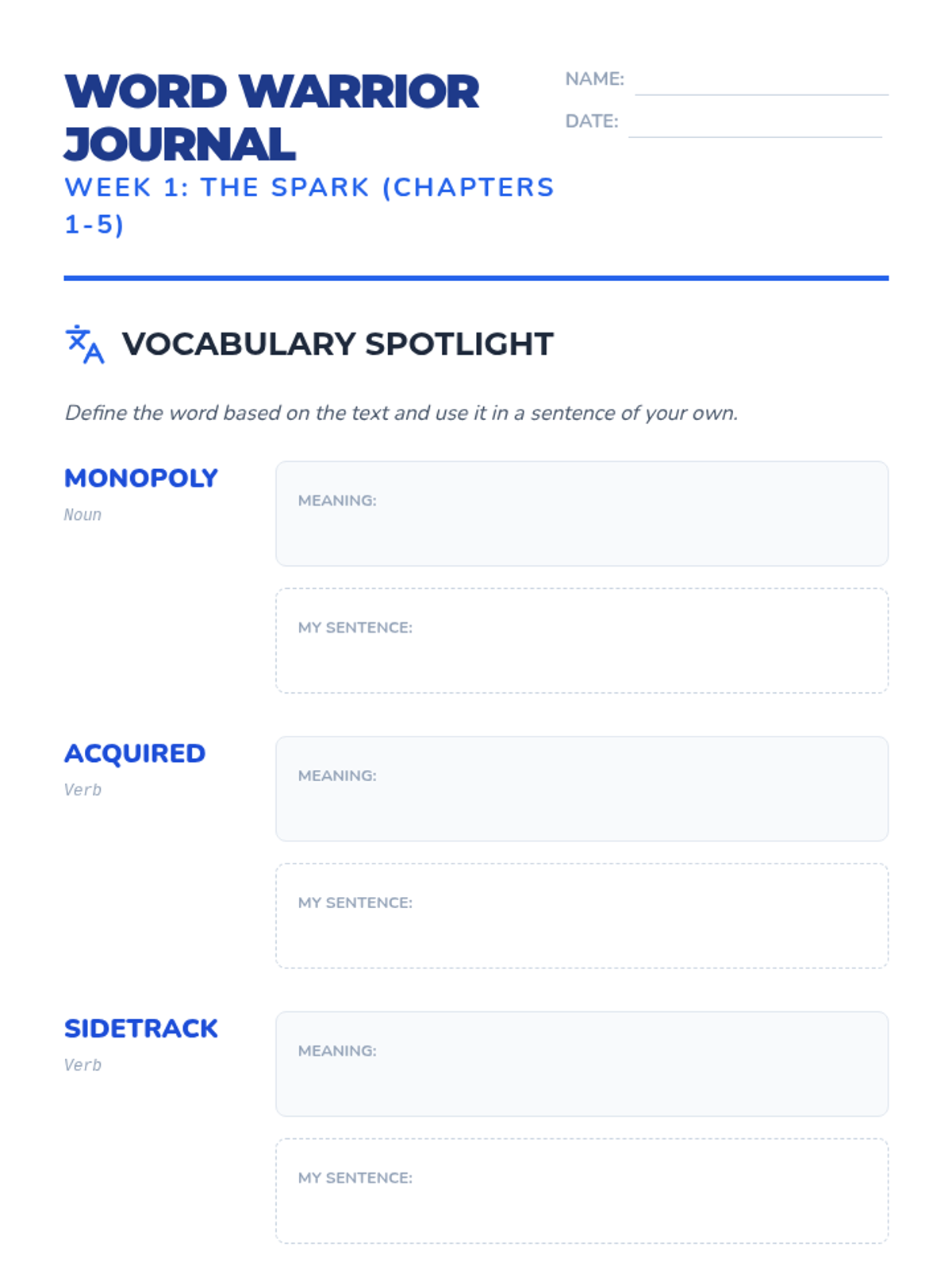
Focuses on the introduction of Nick Allen and Mrs. Granger, the initial invention of 'frindle', and the first stages of the word's spread. Students practice the SWBST summarizing technique and begin synthesizing character traits.
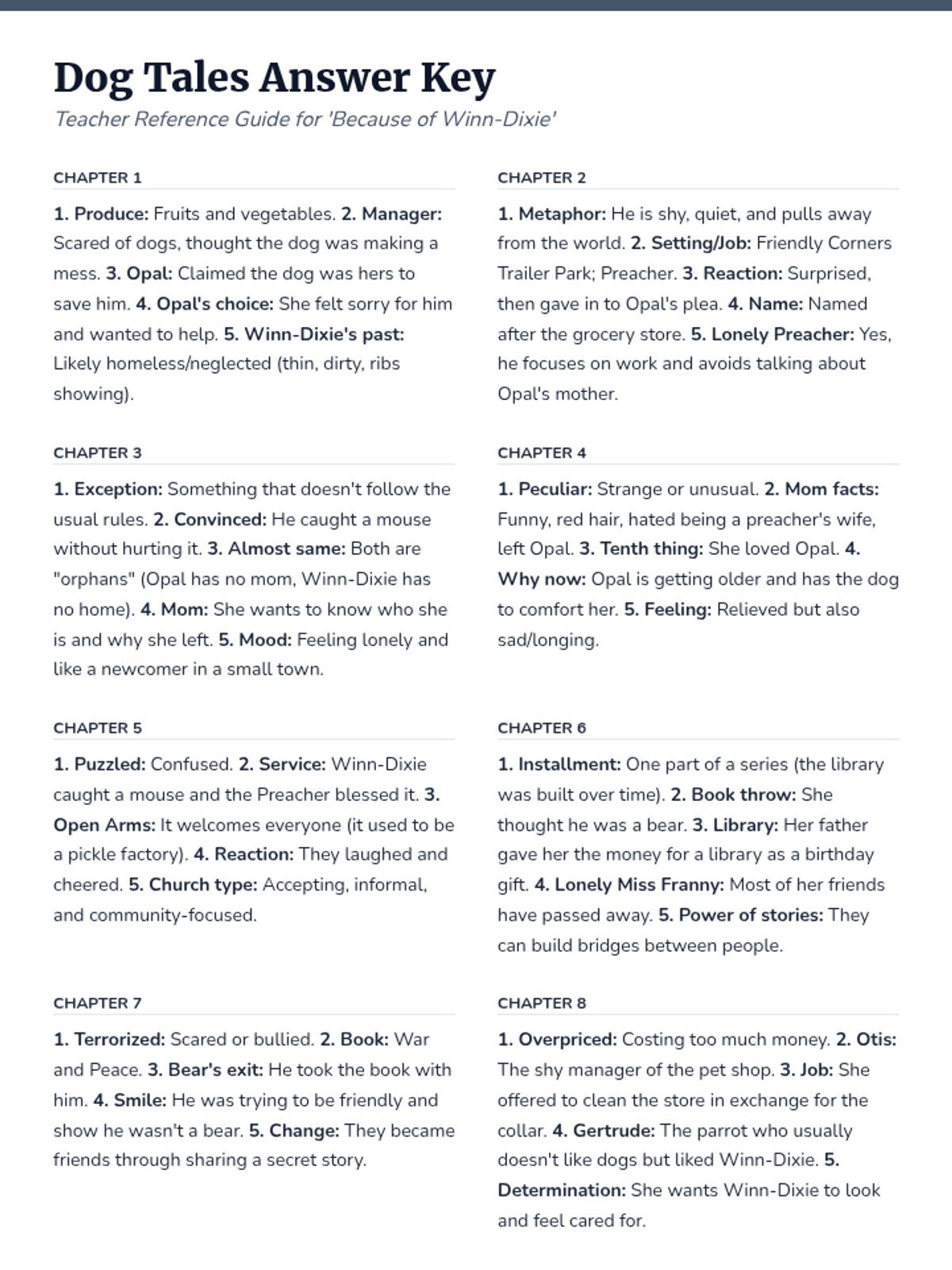
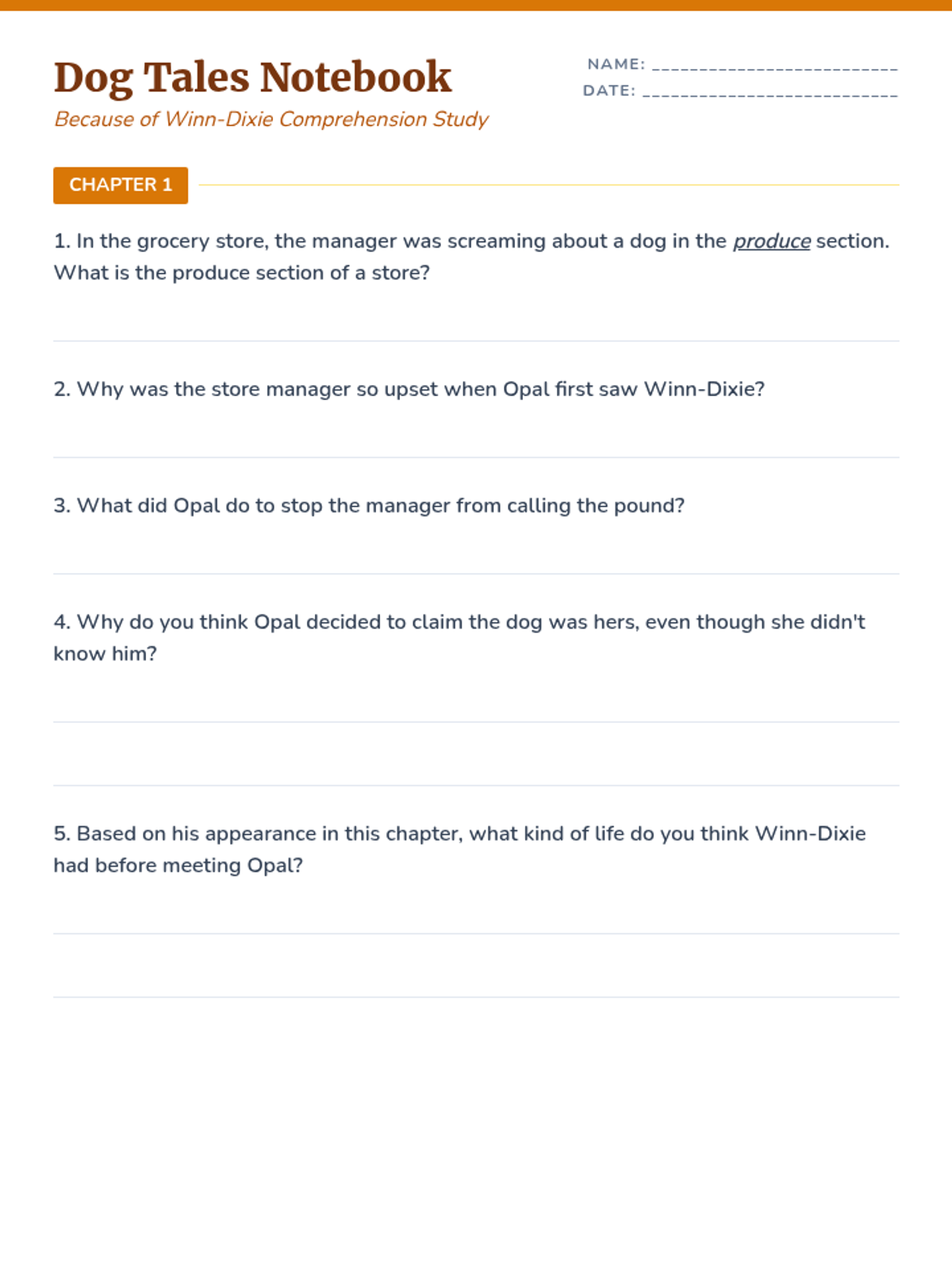
A comprehensive study of 'Because of Winn-Dixie' focusing on vocabulary, literal comprehension, and inferential thinking across all 26 chapters.