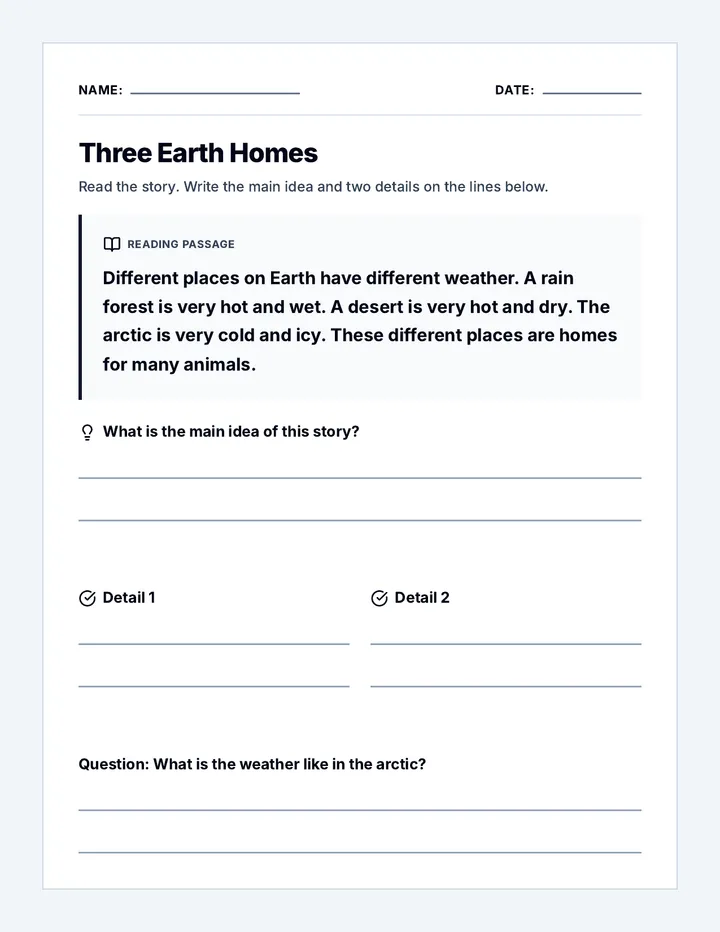
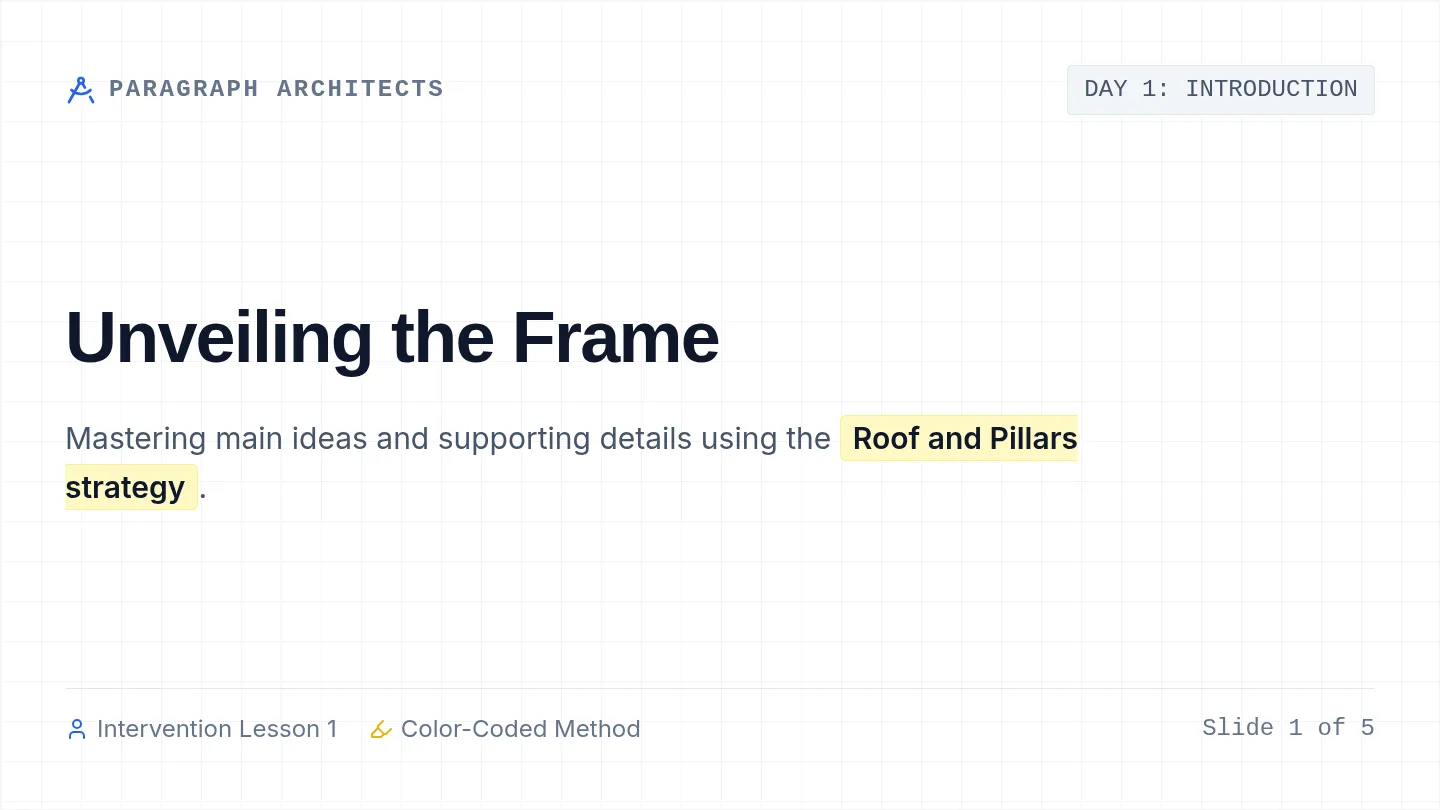
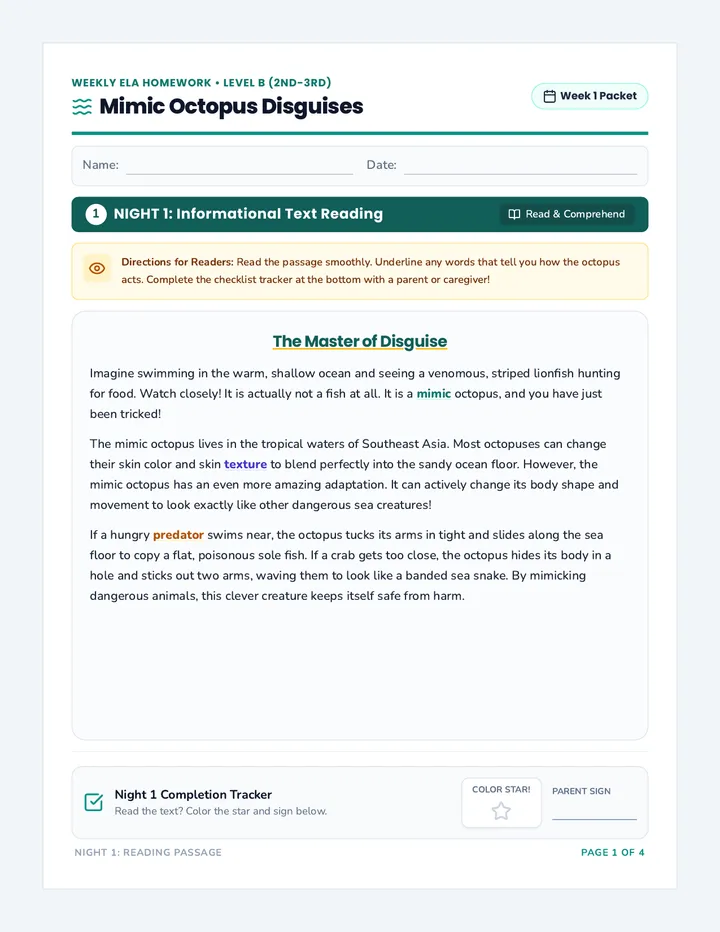
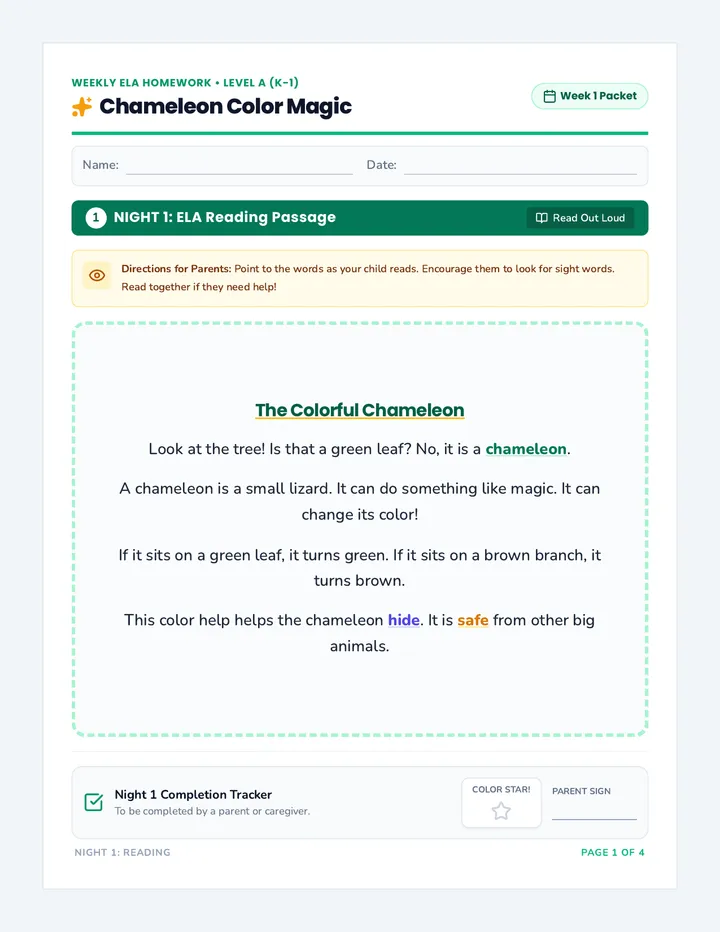
A four-day instructional sequence focused on Arizona ELA standard 3.RI.2, moving from direct instruction to independent mastery of identifying main ideas and supporting details in complex informational texts.
A lesson focused on identifying character traits and using context clues within the genre of fables for 3rd-grade students.
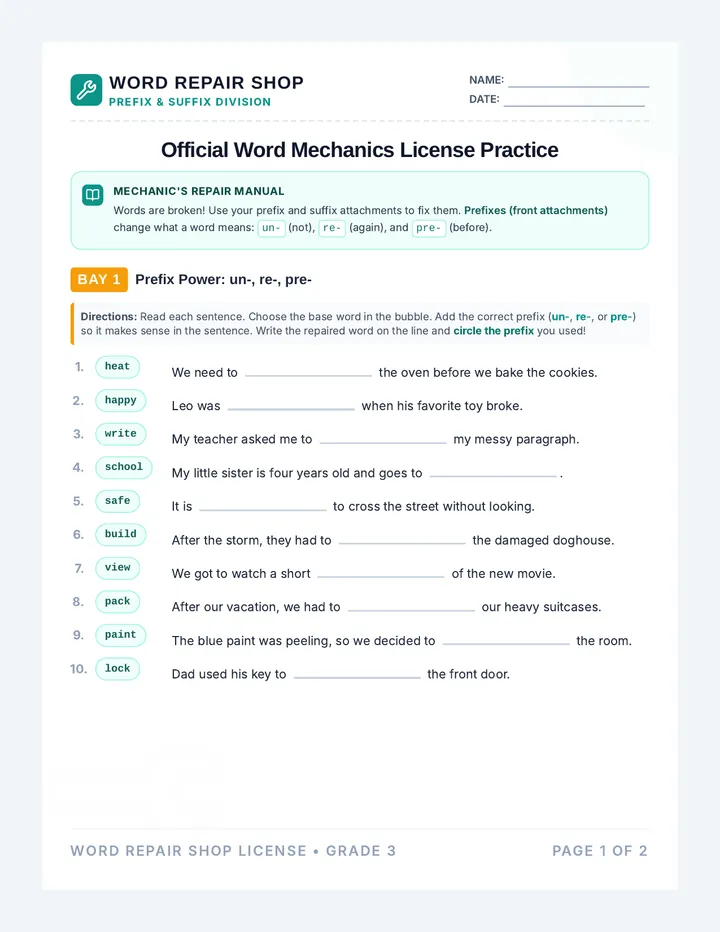
A quick-fire warm-up activity where students visit the 'Sentence Repair Shop' to identify and fix broken sentence fragments. Students use task cards and a job log to demonstrate their mastery of complete sentences.
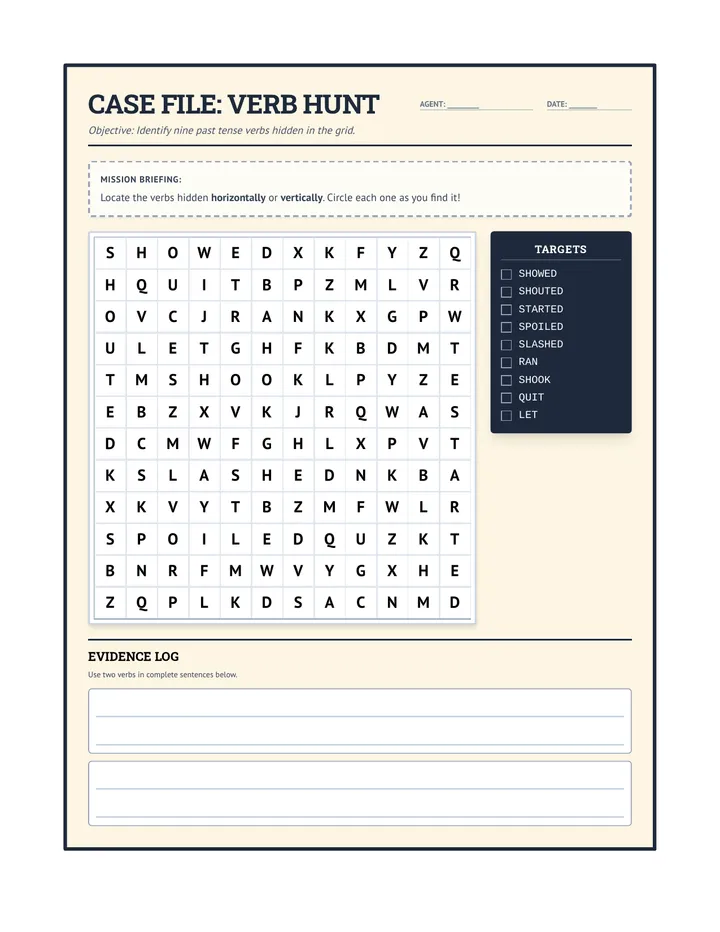
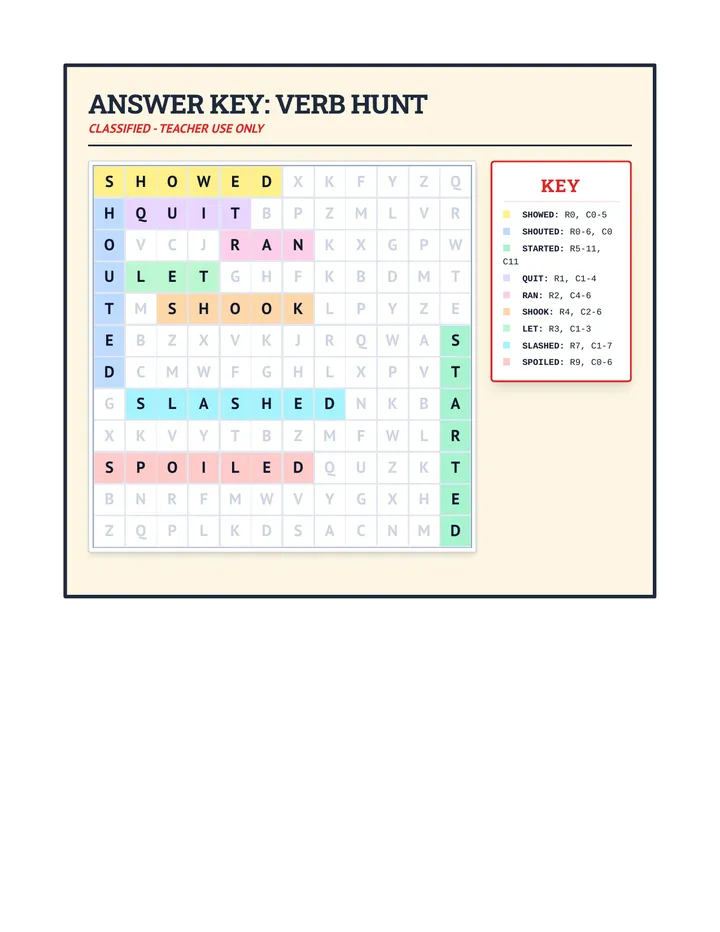
A quick vocabulary and character recognition activity based on the classic story of Peter Pan, featuring a themed word search and answer key.
A whimsical lesson exploring the characters, setting, and key themes of J.M. Barrie's classic story, Peter Pan. Students will engage with the narrative through a crossword puzzle and vocabulary building.
Concludes the book club by examining the resolution and the characters' transition to a sanctuary. Students synthesize the entire story to write a final analysis of Ivan's growth and the story's theme.
Covers Ivan's creative plan to save Ruby through his art and the rising action as he works with Julia to communicate his message. Students analyze the power of storytelling and persistence.
Explores the arrival of Ruby and the passing of Stella, focusing on the turning point where Ivan makes a life-changing promise. Students analyze how character motivations shift in response to new plot events.
Introduces students to Ivan, Stella, and Bob at the Exit 8 Big Top Mall, focusing on character traits and the initial setting of the novel. Students define Ivan's 'silverback' identity and begin tracking his motivations.
A high-energy, collaborative lesson focusing on parts of speech through funny Valentine's Day themed Mad Libs. All romantic content has been replaced with themes of friendship and celebration.
Explores the long-term impact of the word 'frindle', the eventual reconciliation between Nick and Mrs. Granger, and the deeper themes of the book. Students synthesize the story's message and create a final summary of the book's legacy.
Covers the escalation of the 'frindle' movement, the conflict between Nick and the school administration, and the national media attention. Students focus on synthesizing multiple perspectives and advanced summarizing.
Focuses on the introduction of Nick Allen and Mrs. Granger, the initial invention of 'frindle', and the first stages of the word's spread. Students practice the SWBST summarizing technique and begin synthesizing character traits.
A comprehensive study of 'Because of Winn-Dixie' focusing on vocabulary, literal comprehension, and inferential thinking across all 26 chapters.
A vocabulary journey through the bustling atmosphere of New York City's Penn Station, teaching 10 key words through urban exploration.
A comprehensive reading guide for Kate DiCamillo's 'Because of Winn-Dixie', focusing on vocabulary acquisition and deep inferential comprehension through the lens of Opal's journey in Naomi, Florida.
A lesson focused on presenting original Choose Your Own Adventure books to an audience, incorporating adult feedback and student reflection.
A lesson where students learn to 'diagnose' and 'treat' common writing issues in their personal essays using the ARMS and CUPS strategies. Students practice on a sample 'sick' essay before operating on their own preassessment drafts.
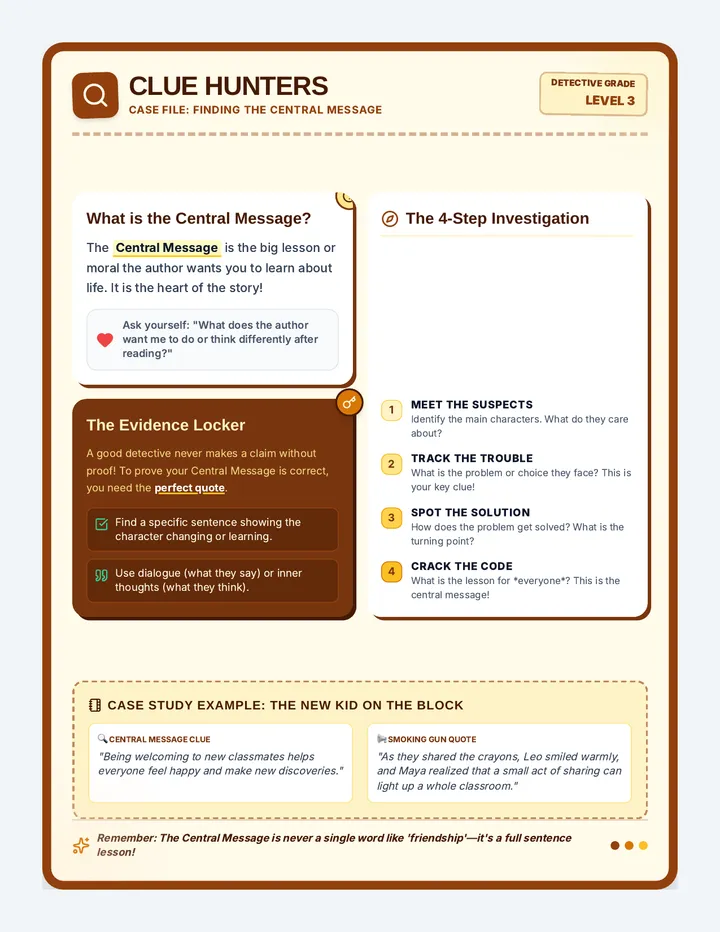
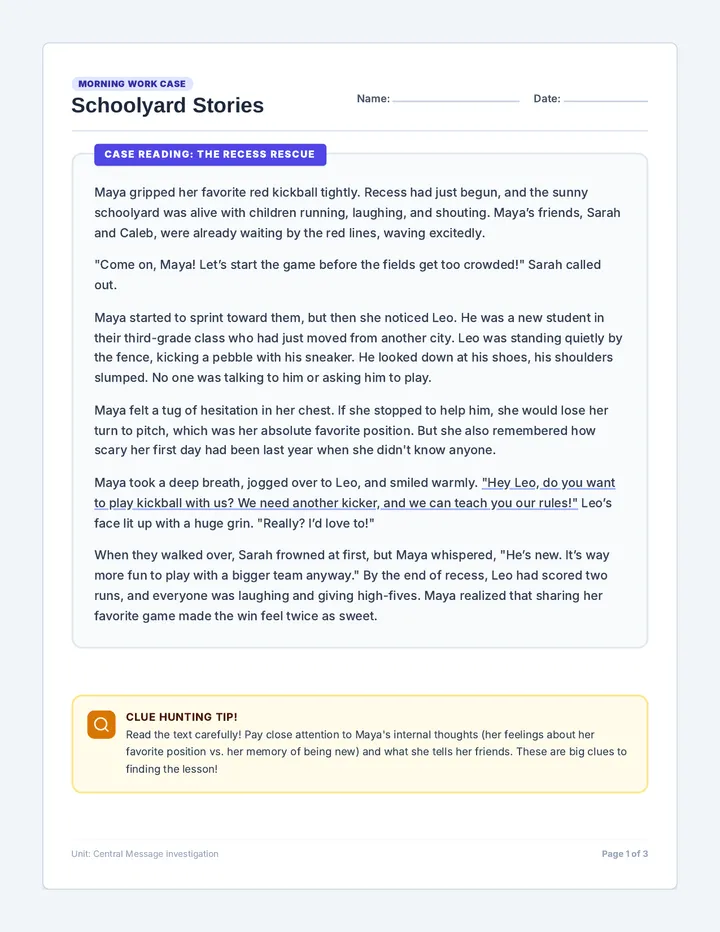
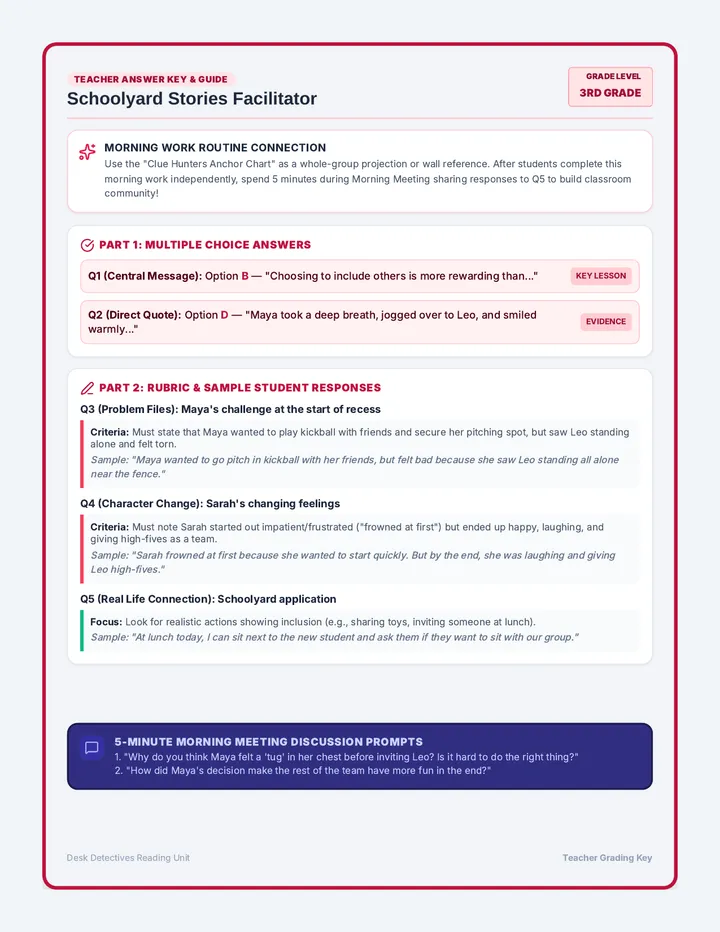
A lesson focused on identifying themes and central messages in fables and folktales using the 'Story Sleuths' detective theme. Students will practice recounting stories and identifying specific text evidence (hot text) to support their findings.
A short lesson focusing on practicing short constructed responses (SCR) using informational texts about the Ancestral Puebloans and the Haudenosaunee. Students read short passages, identify key details, and write evidenced-based responses.
A fast-paced 25-minute small group lesson focusing on identifying main ideas and supporting details using a detective-themed 'Case Files' approach. Includes guided modeling, collaborative practice, and independent application.