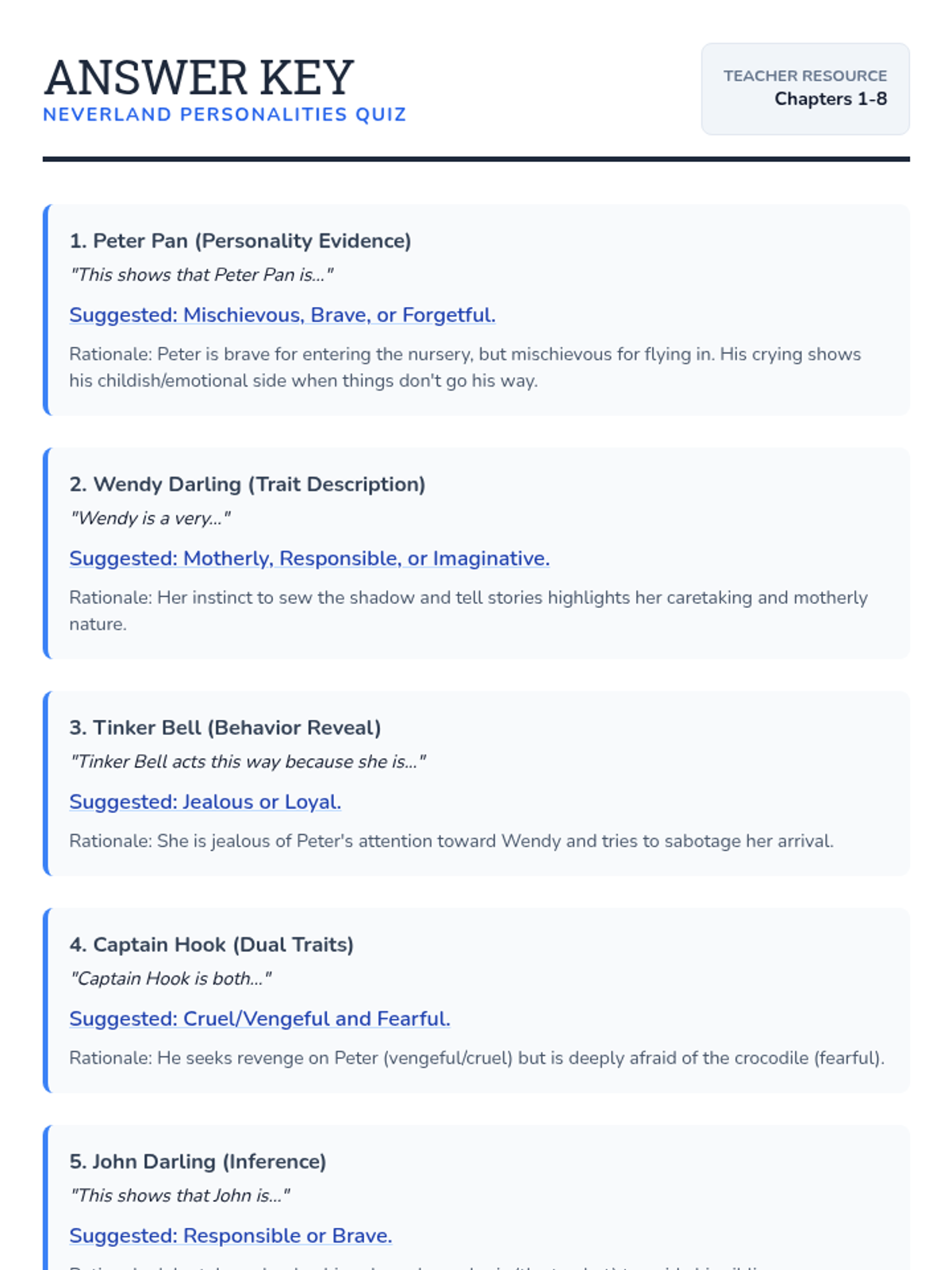
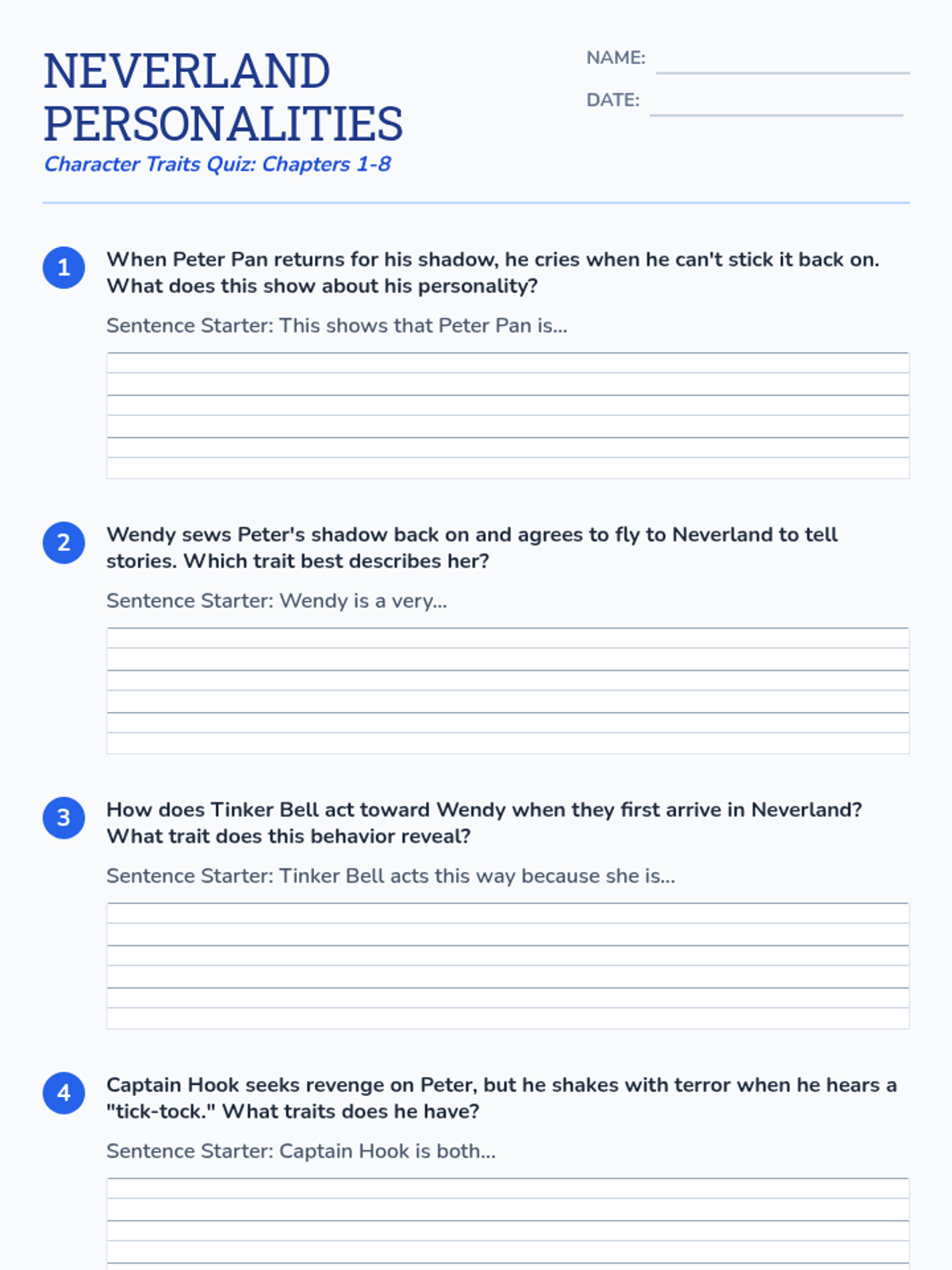
Explore the distinct personalities of Neverland's inhabitants in Chapter 7 of Peter Pan, focusing on identifying evidence-based character traits.
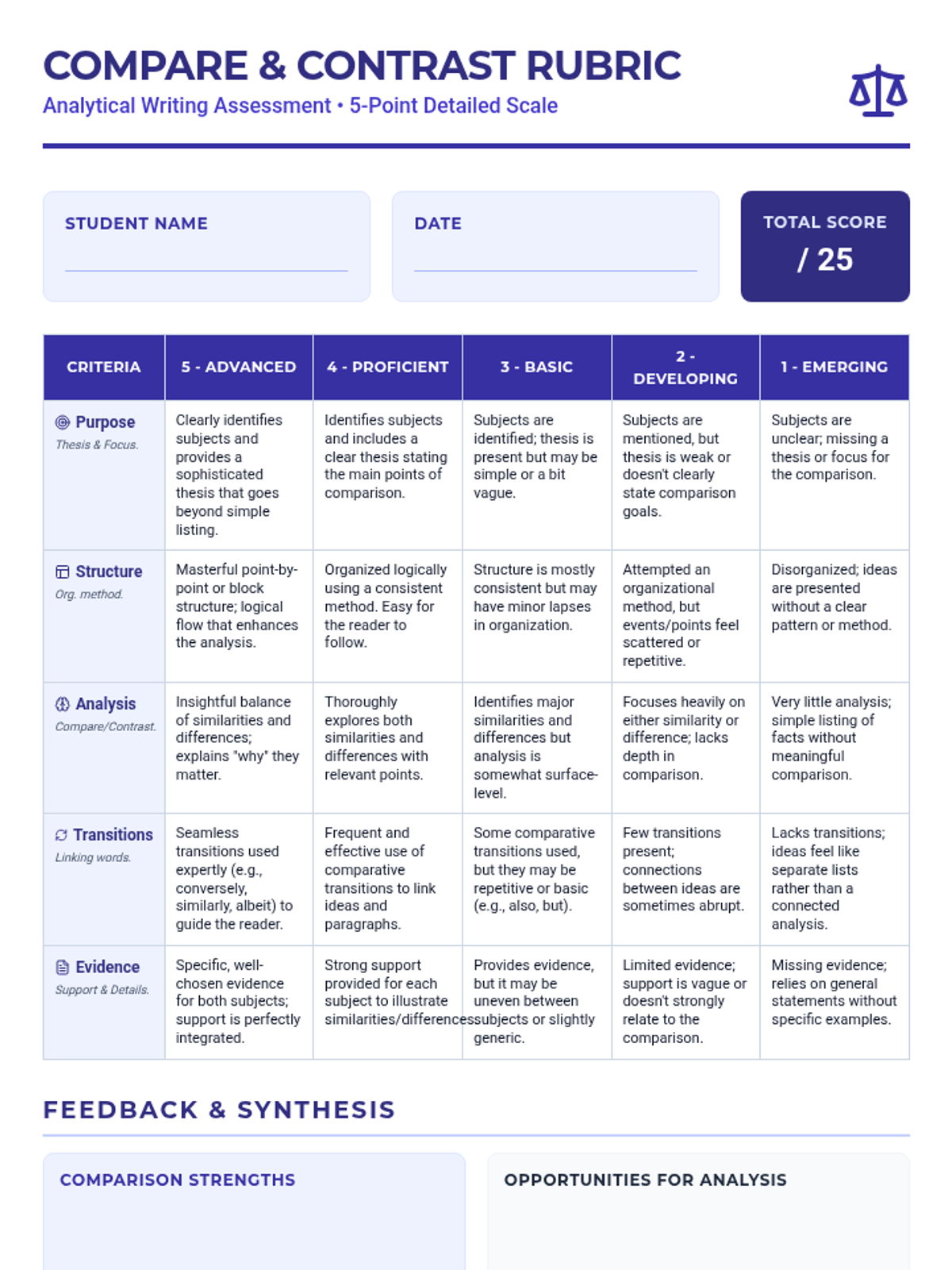
Resources for mastering comparative writing, including rubrics and organizers for subject analysis.
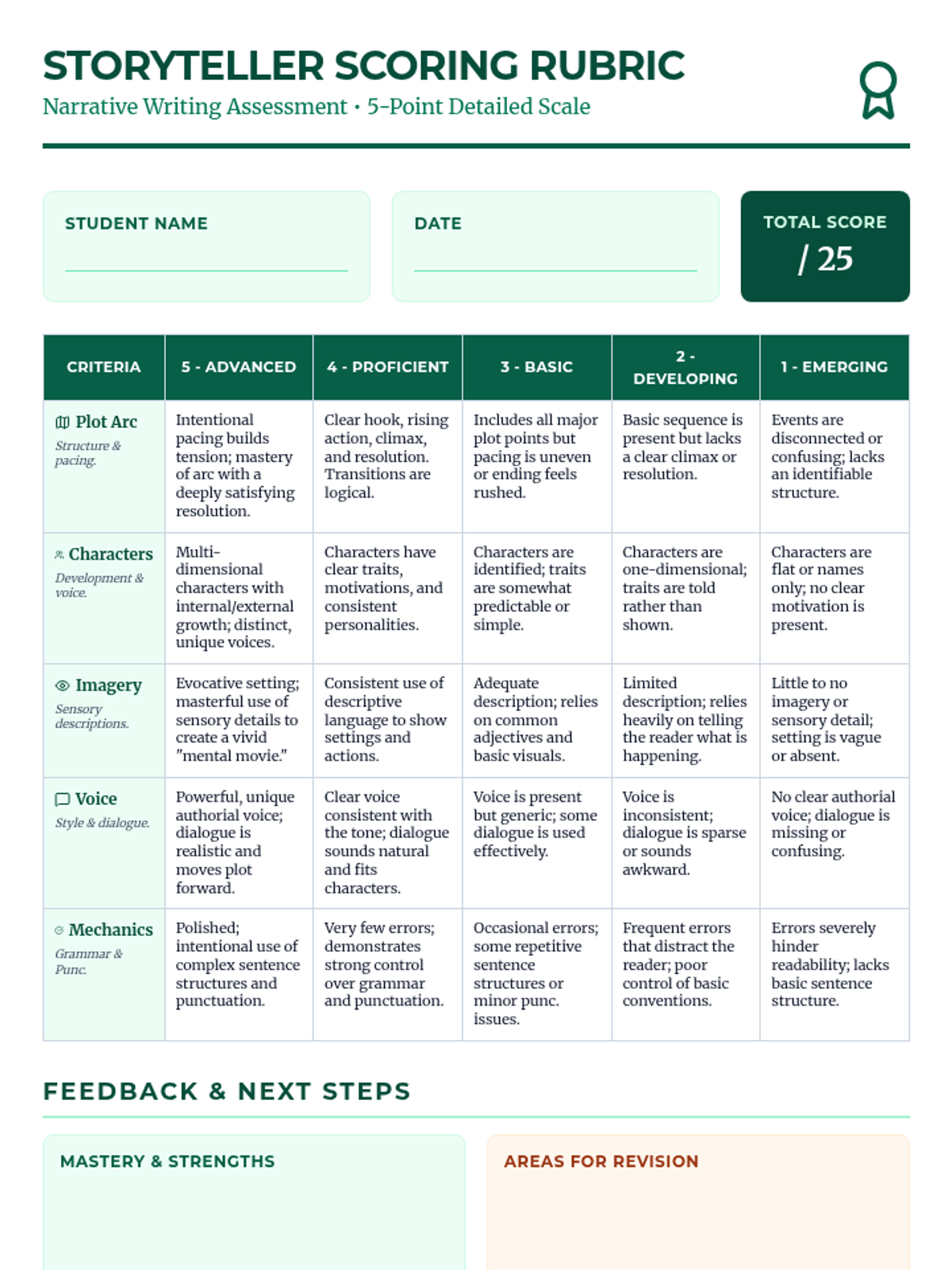
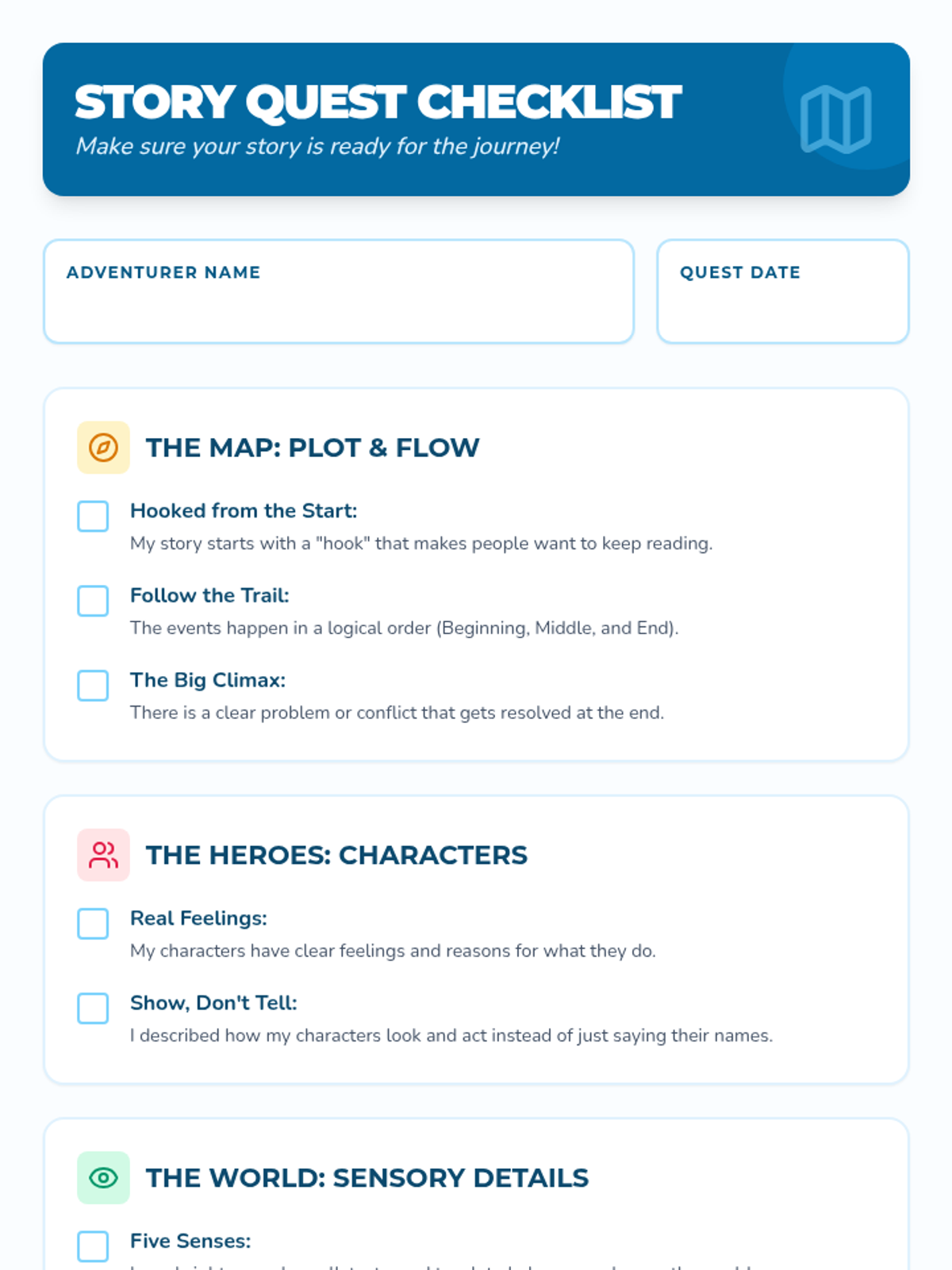
A collection of tools to help students and teachers evaluate narrative writing through clear criteria and student-friendly goals.
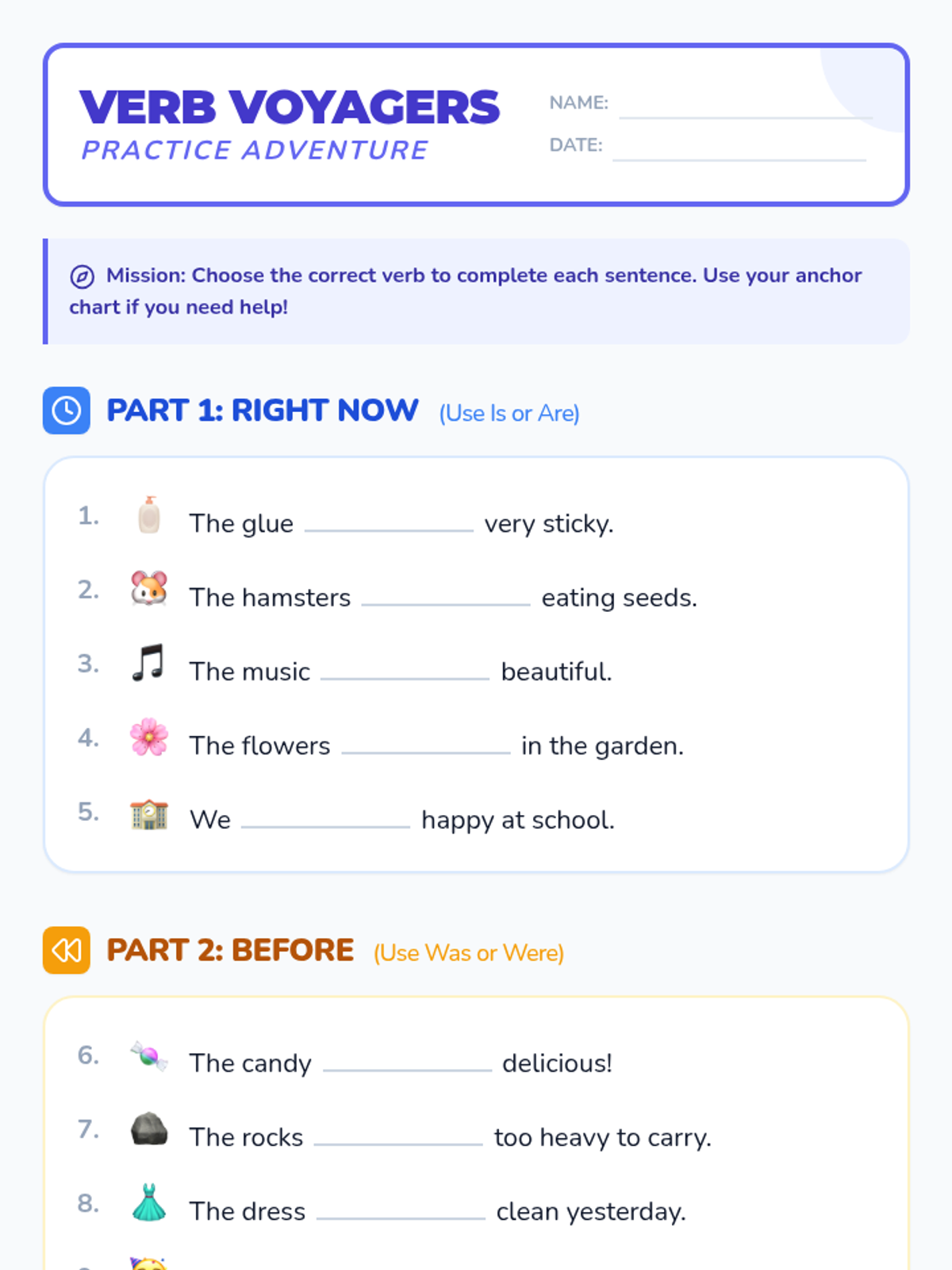
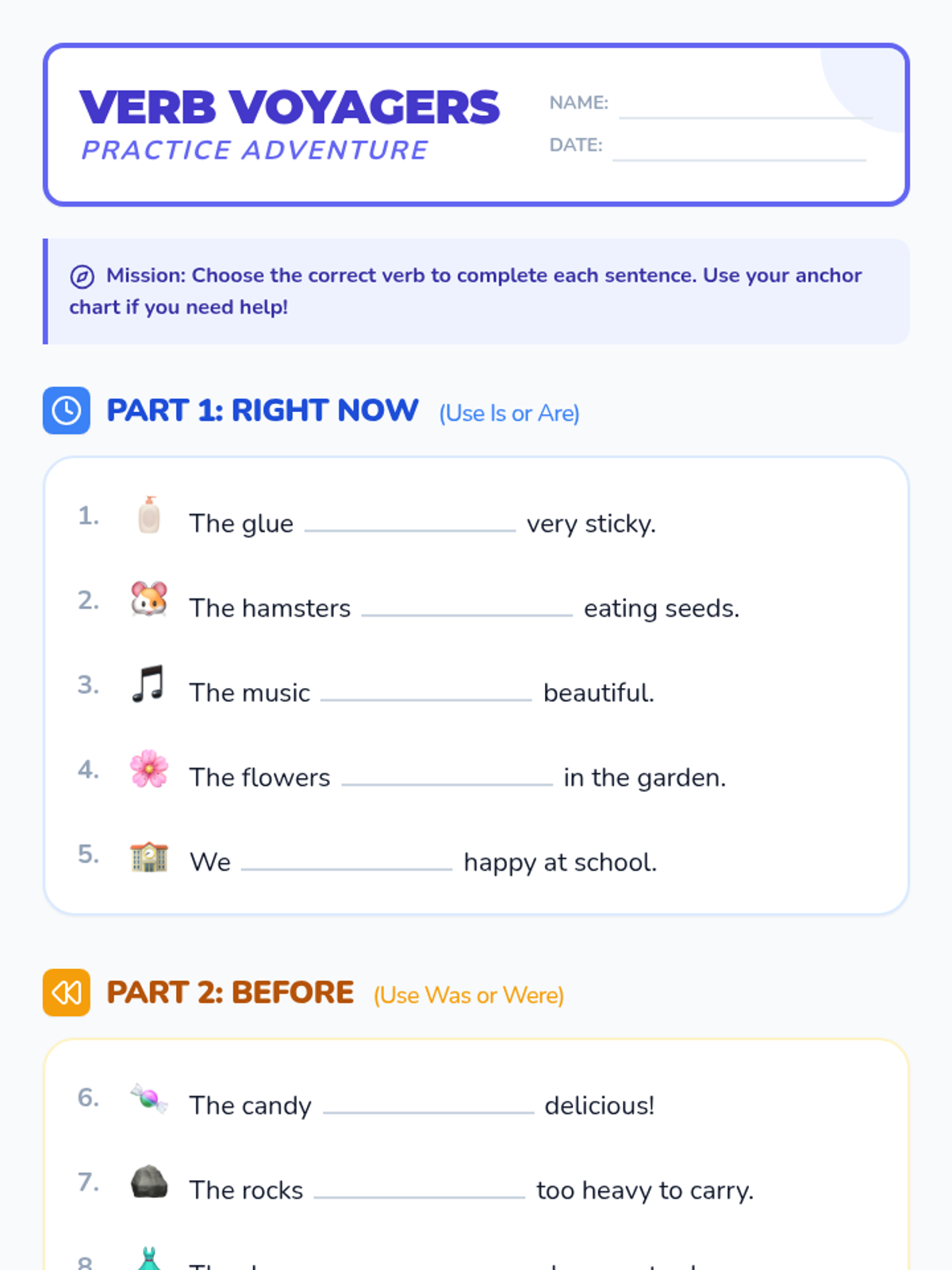
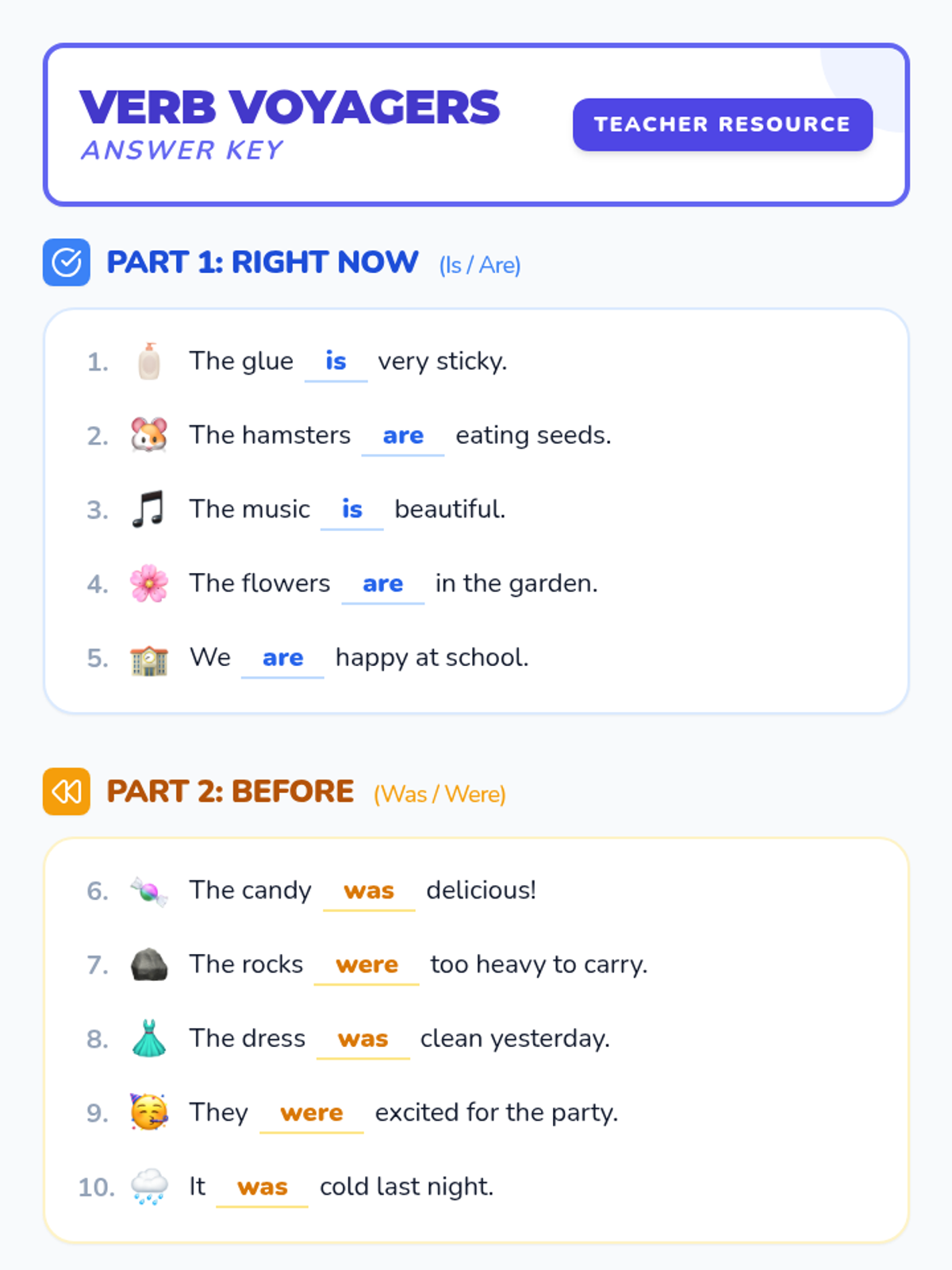
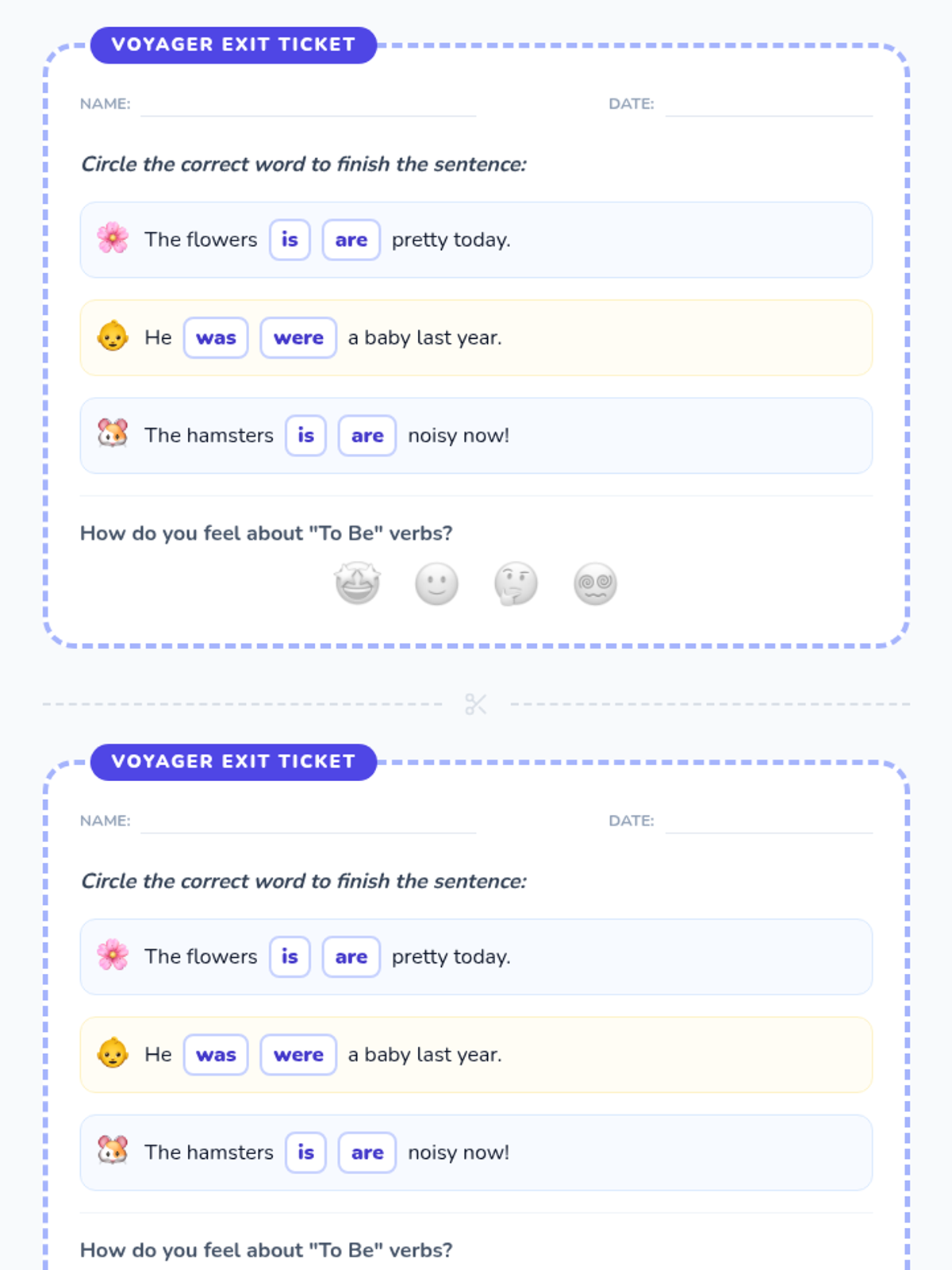
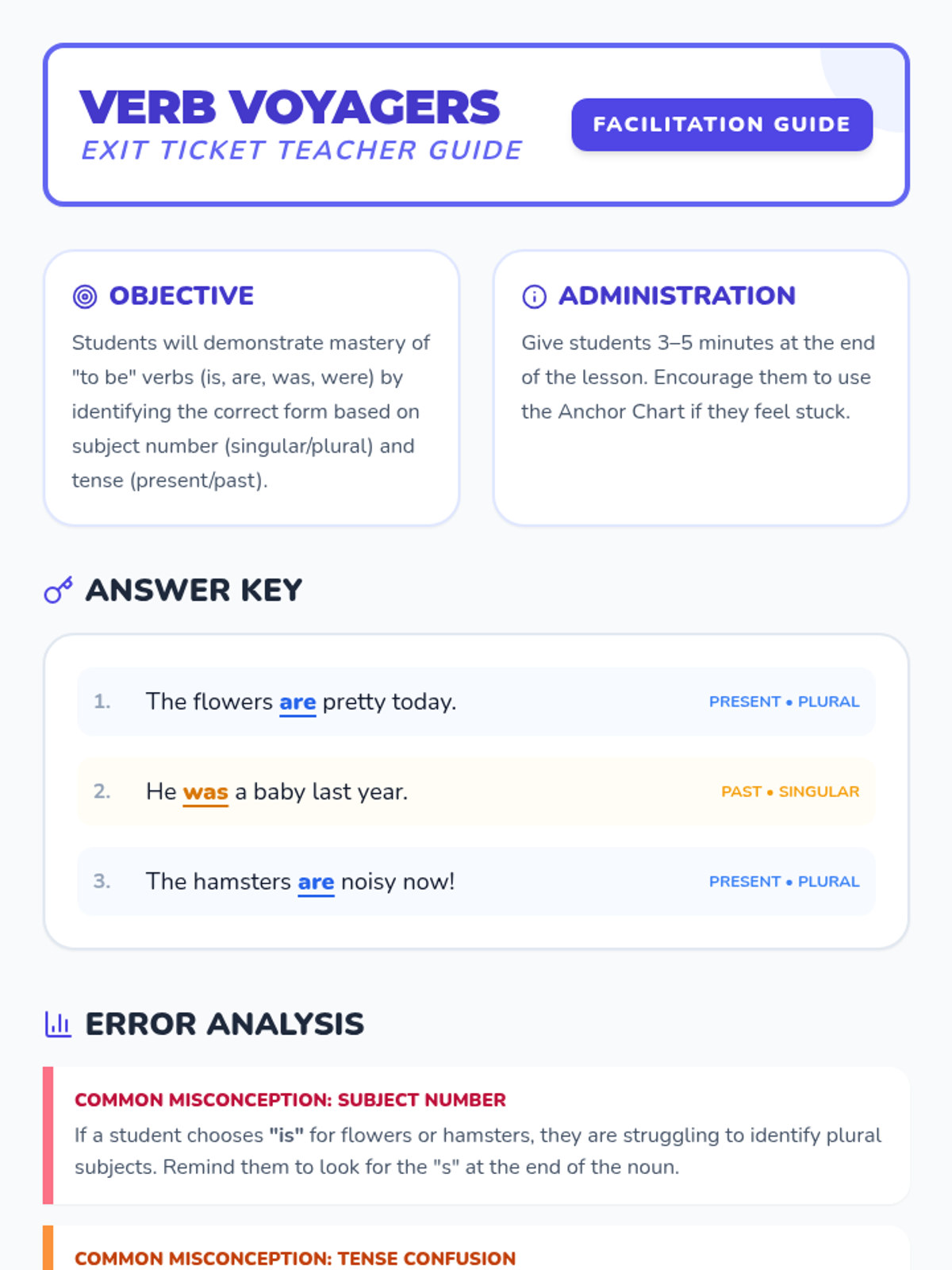
A lesson focused on helping 3rd grade ESL students master the use of 'to be' verbs in present (is, are) and past (was, were) tenses using relatable nouns and pronouns.
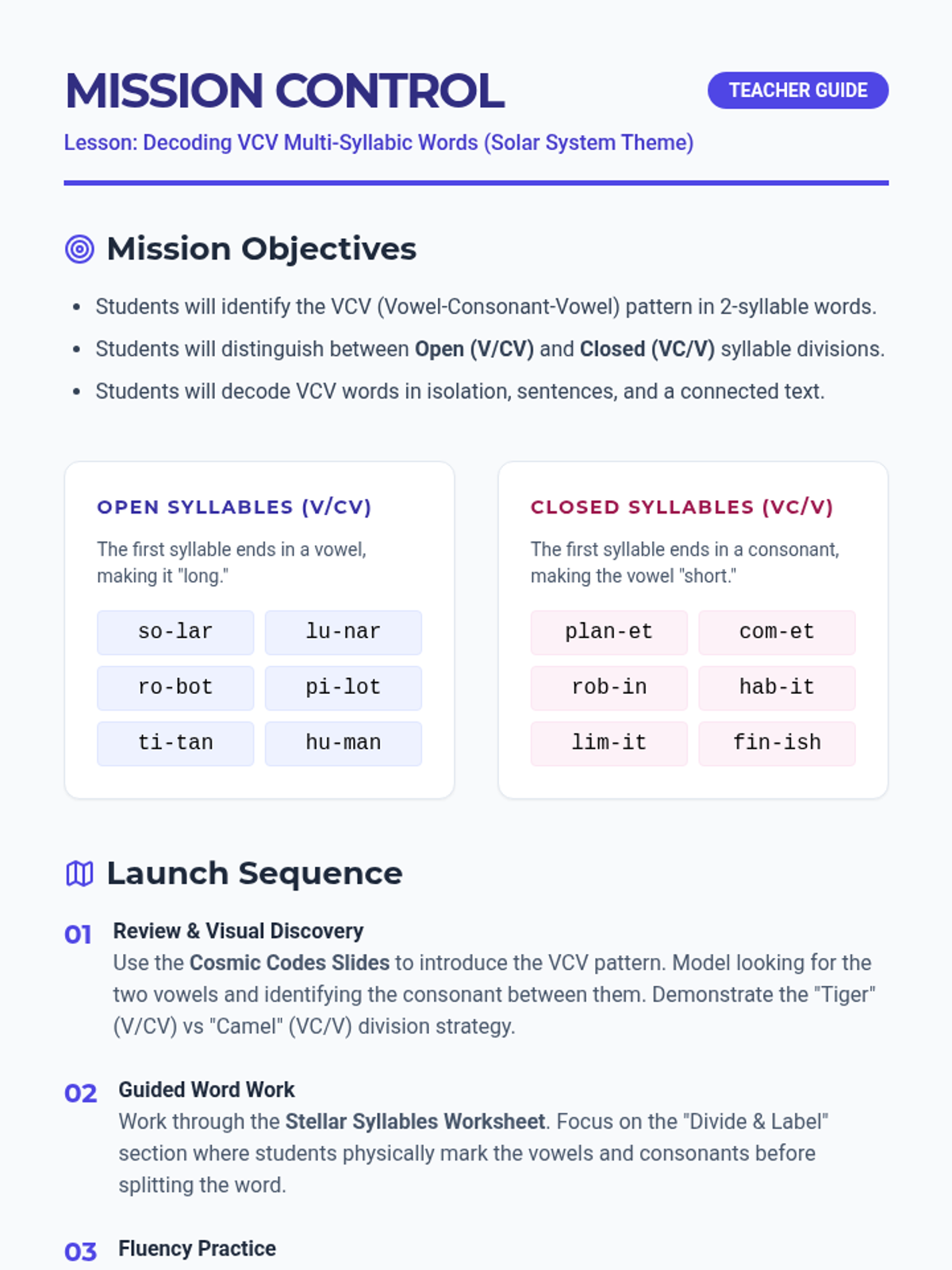
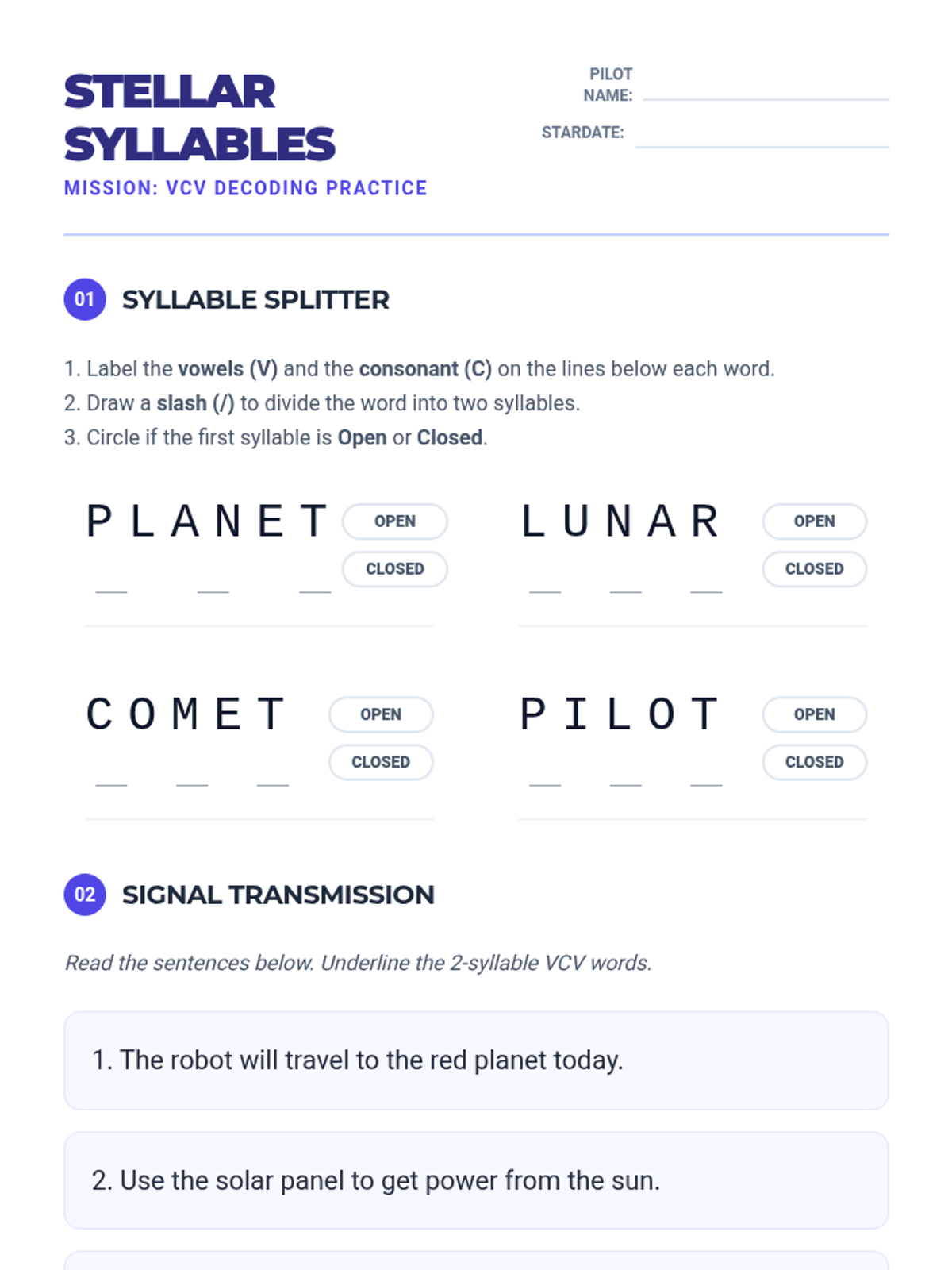
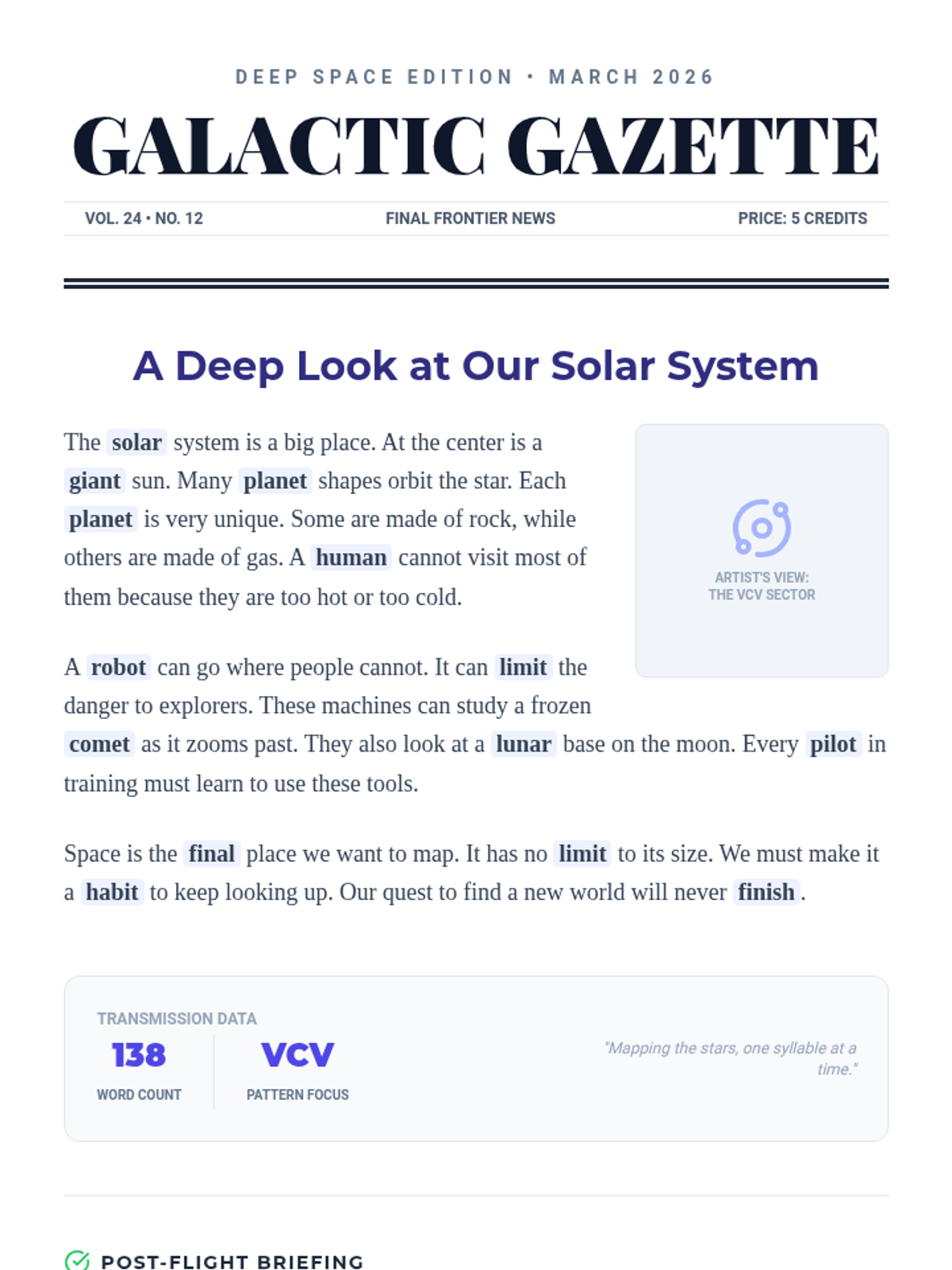
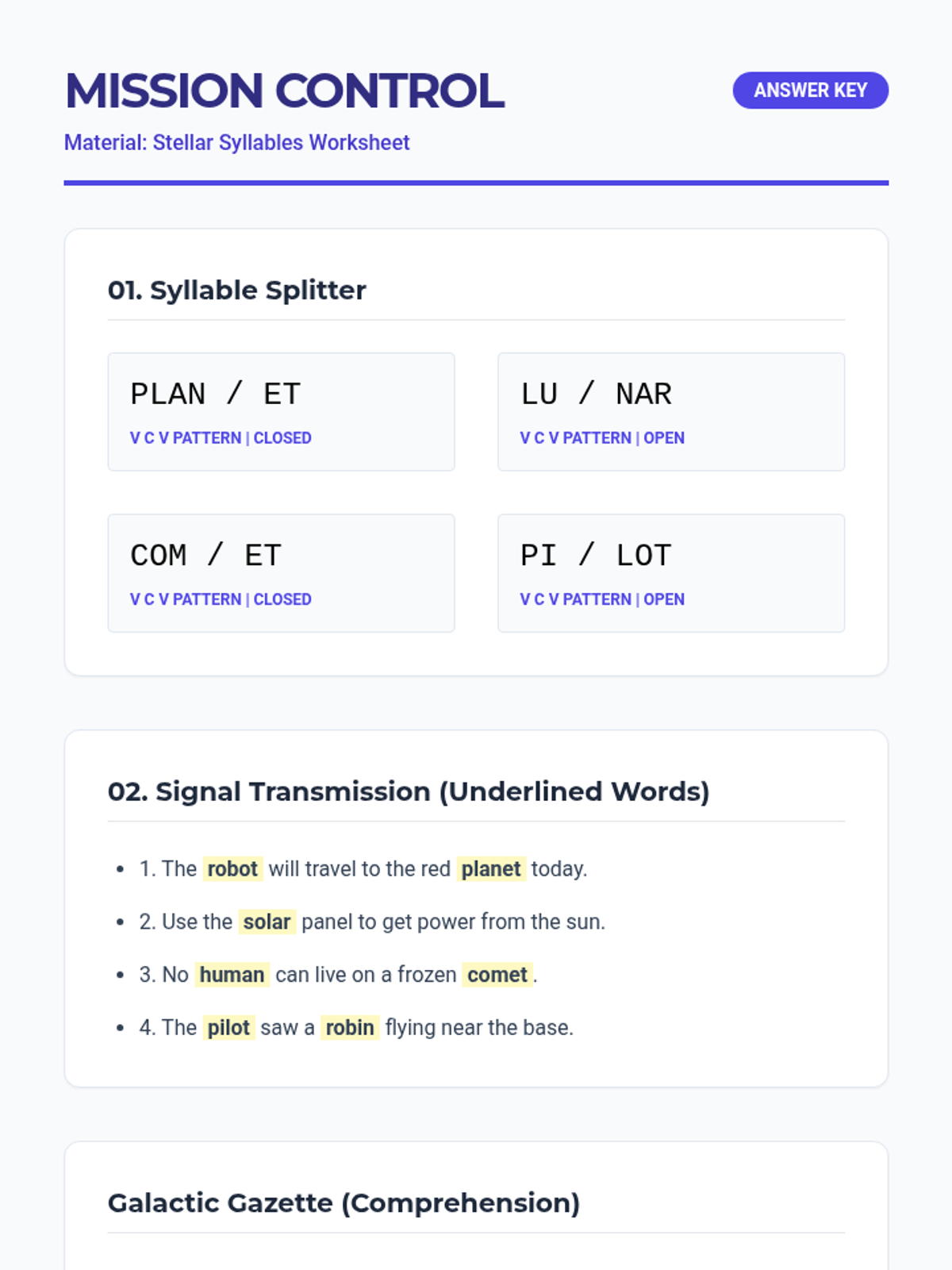
A phonics lesson focused on decoding 2-syllable VCV words with open and closed syllables, set against a retro-futuristic solar system theme.
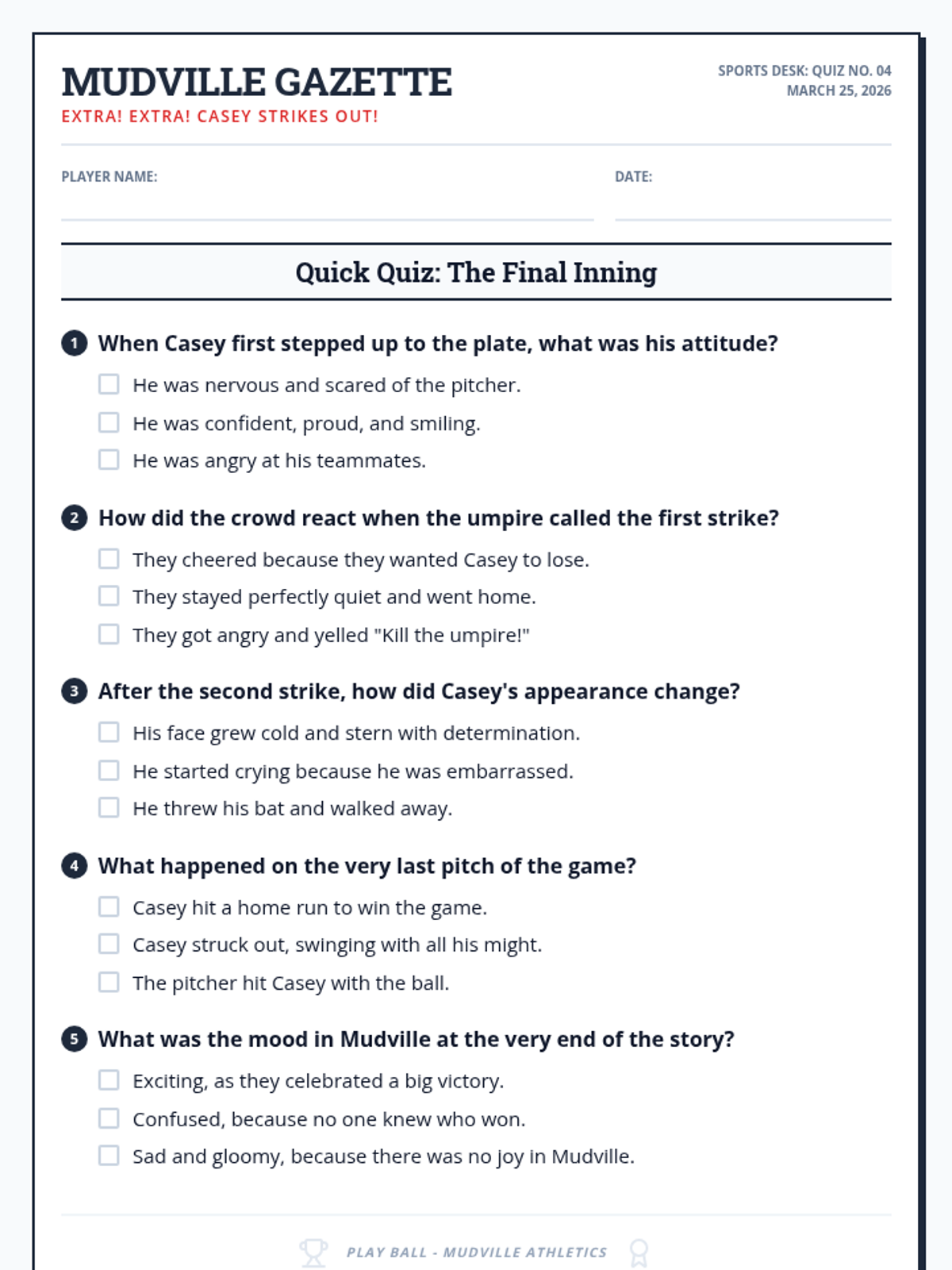
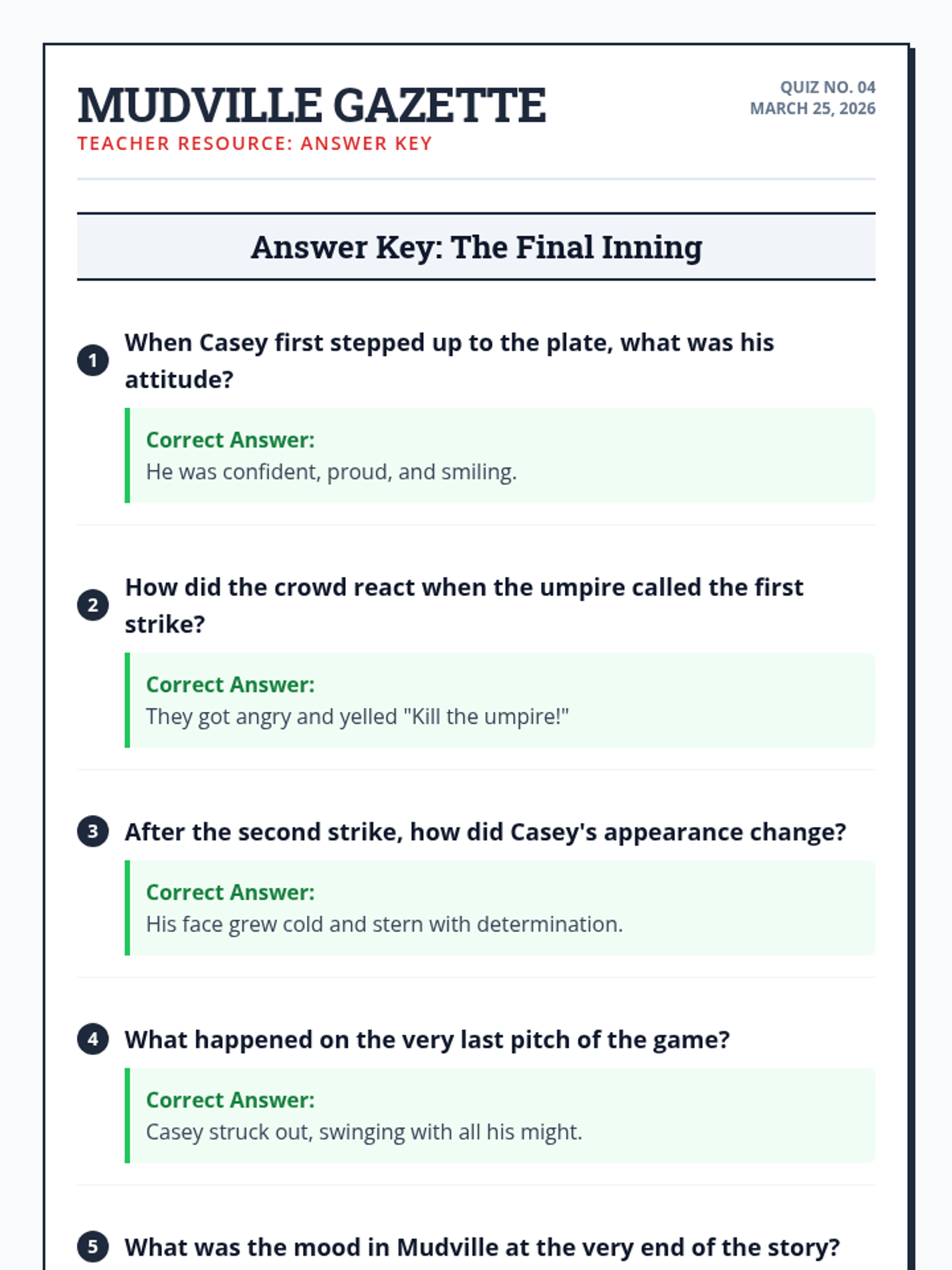
A short lesson covering the climax and resolution of the poem 'Casey at the Bat'. Students analyze the crowd's reaction, Casey's changing attitude, and the final strikeout.
A lesson focusing on character analysis and trait identification in Peter Pan Chapters 1-8. Includes a character quiz and assessment tools.
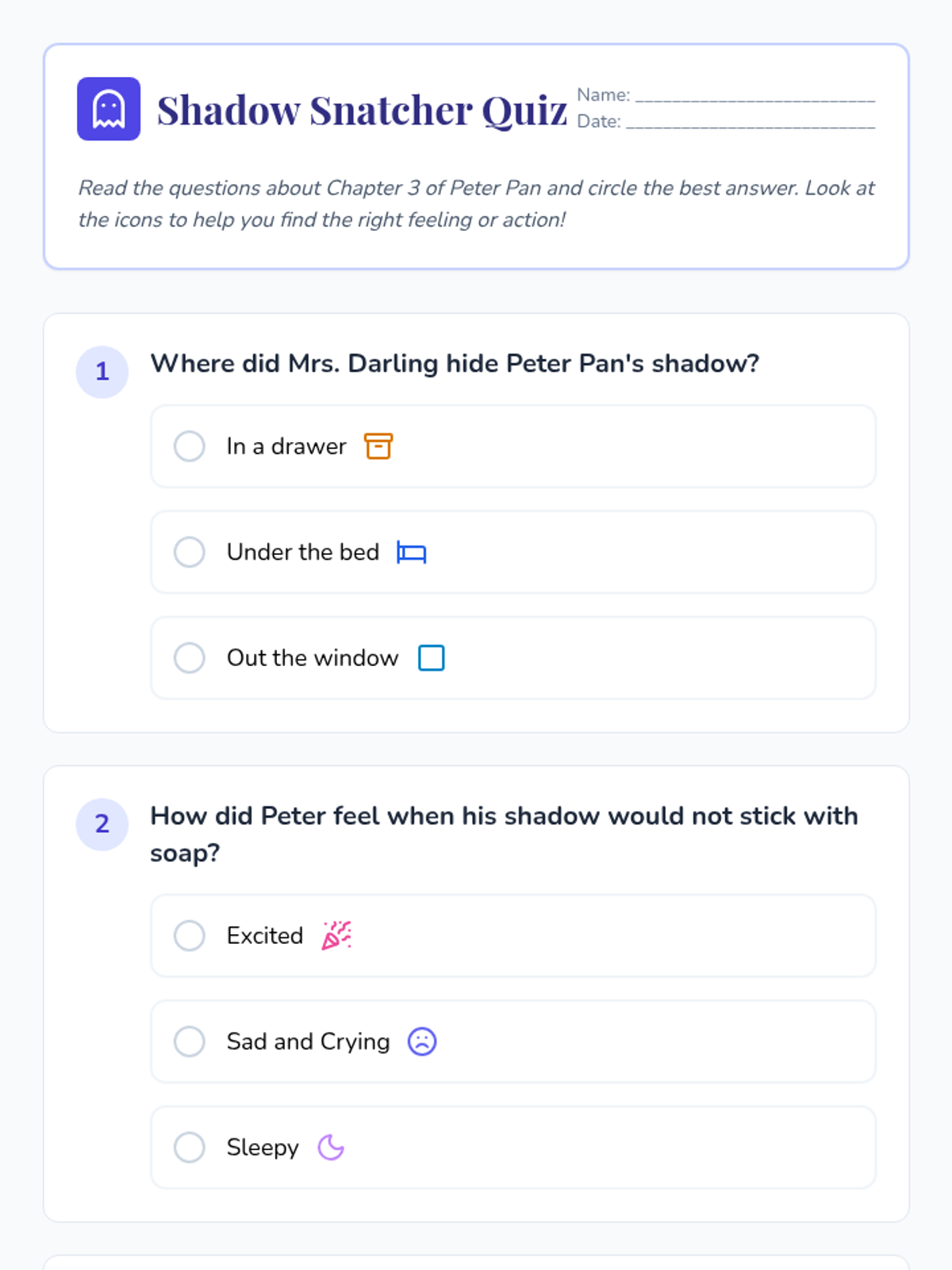
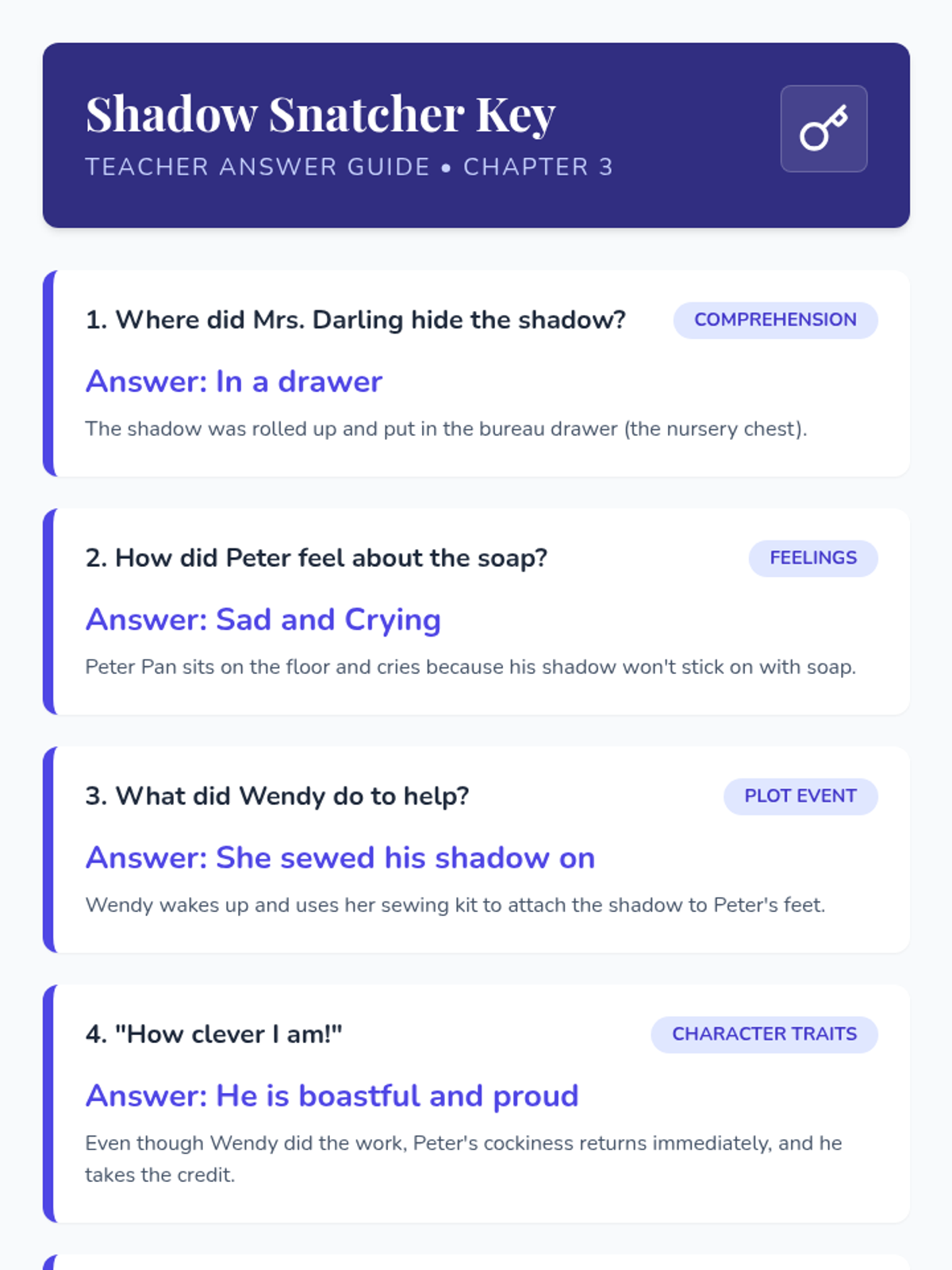
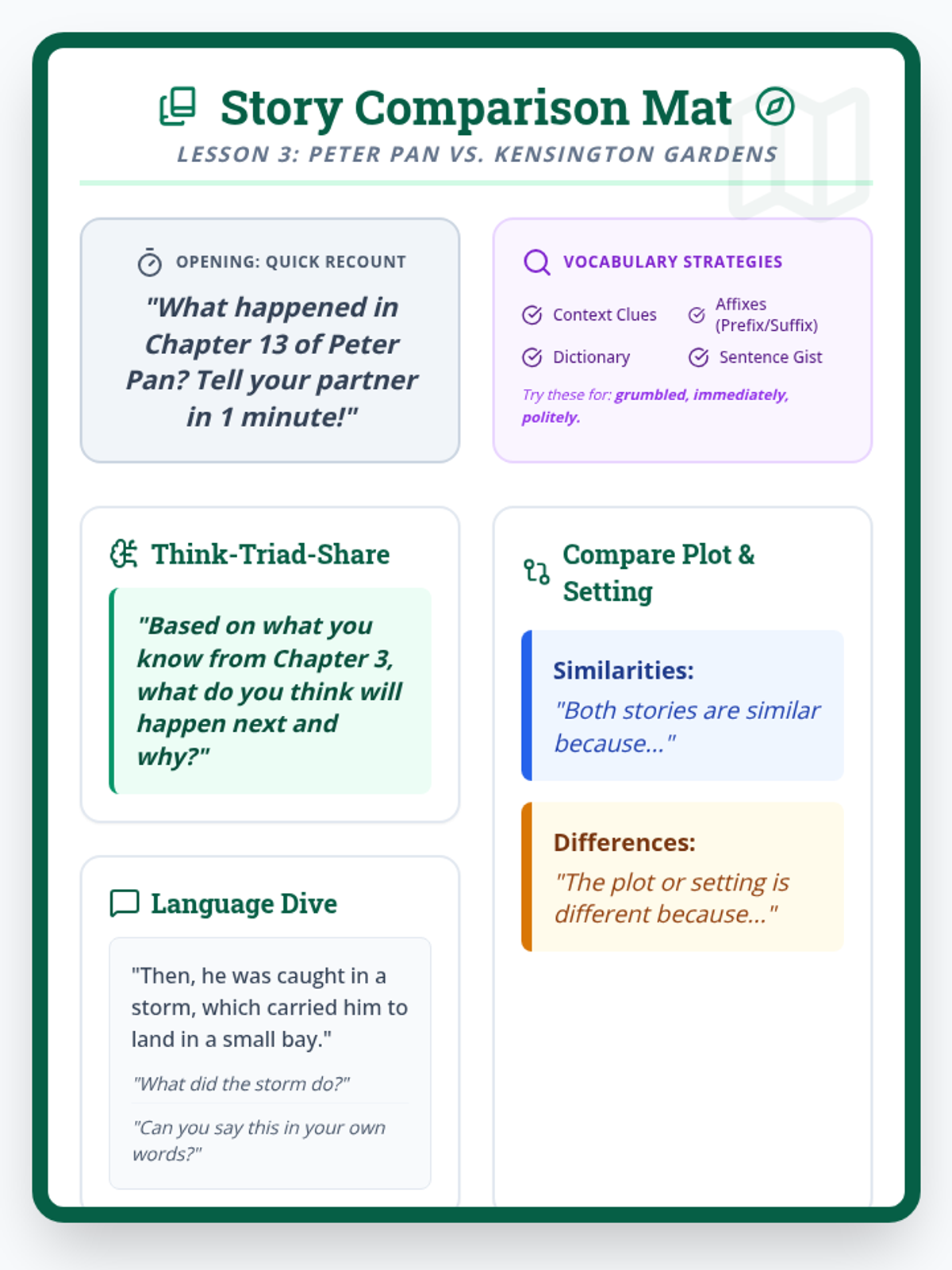
A reading comprehension lesson focused on Chapter 3 of Peter Pan, where students explore character traits, feelings, and key plot points using visual supports.
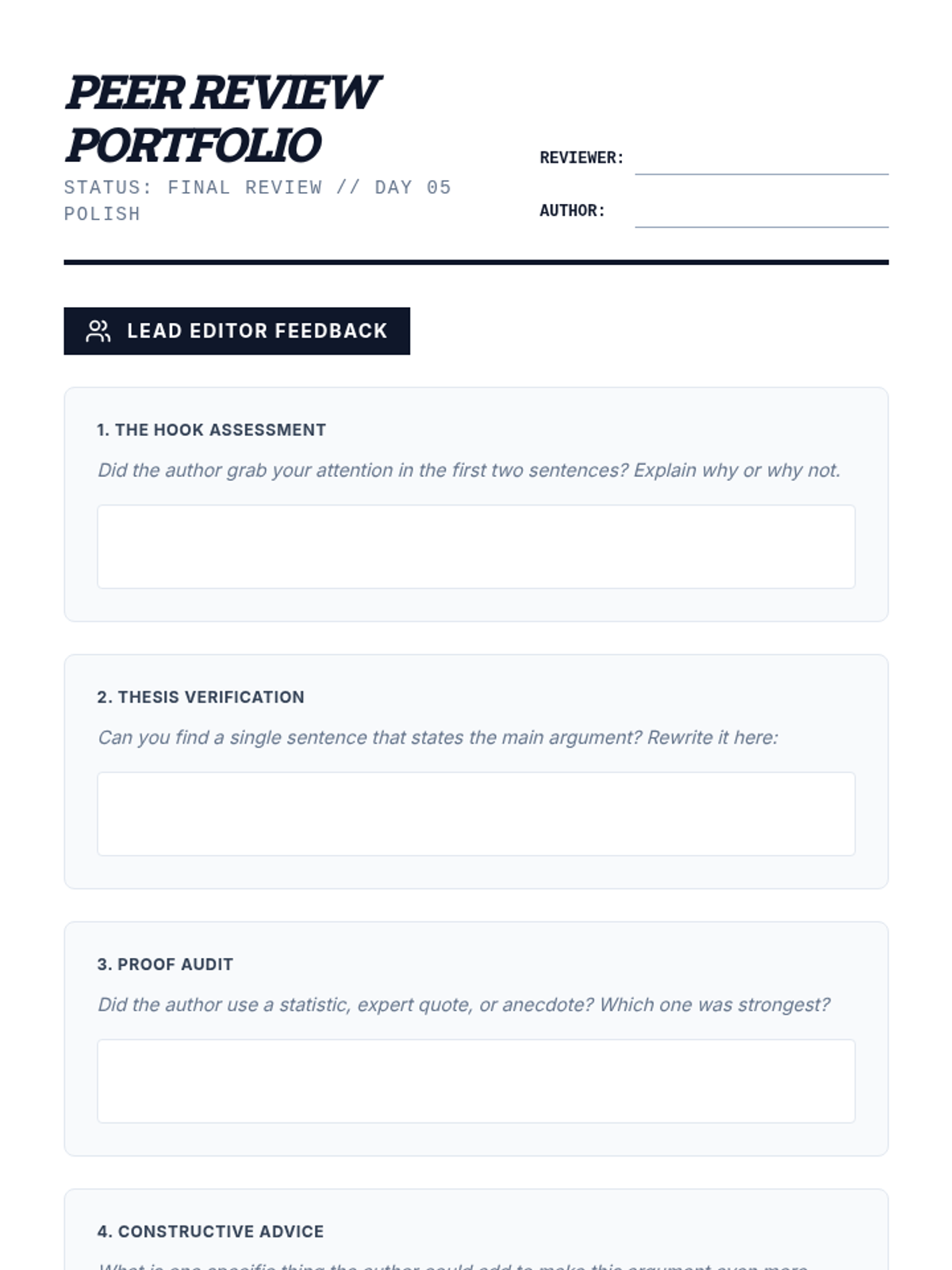
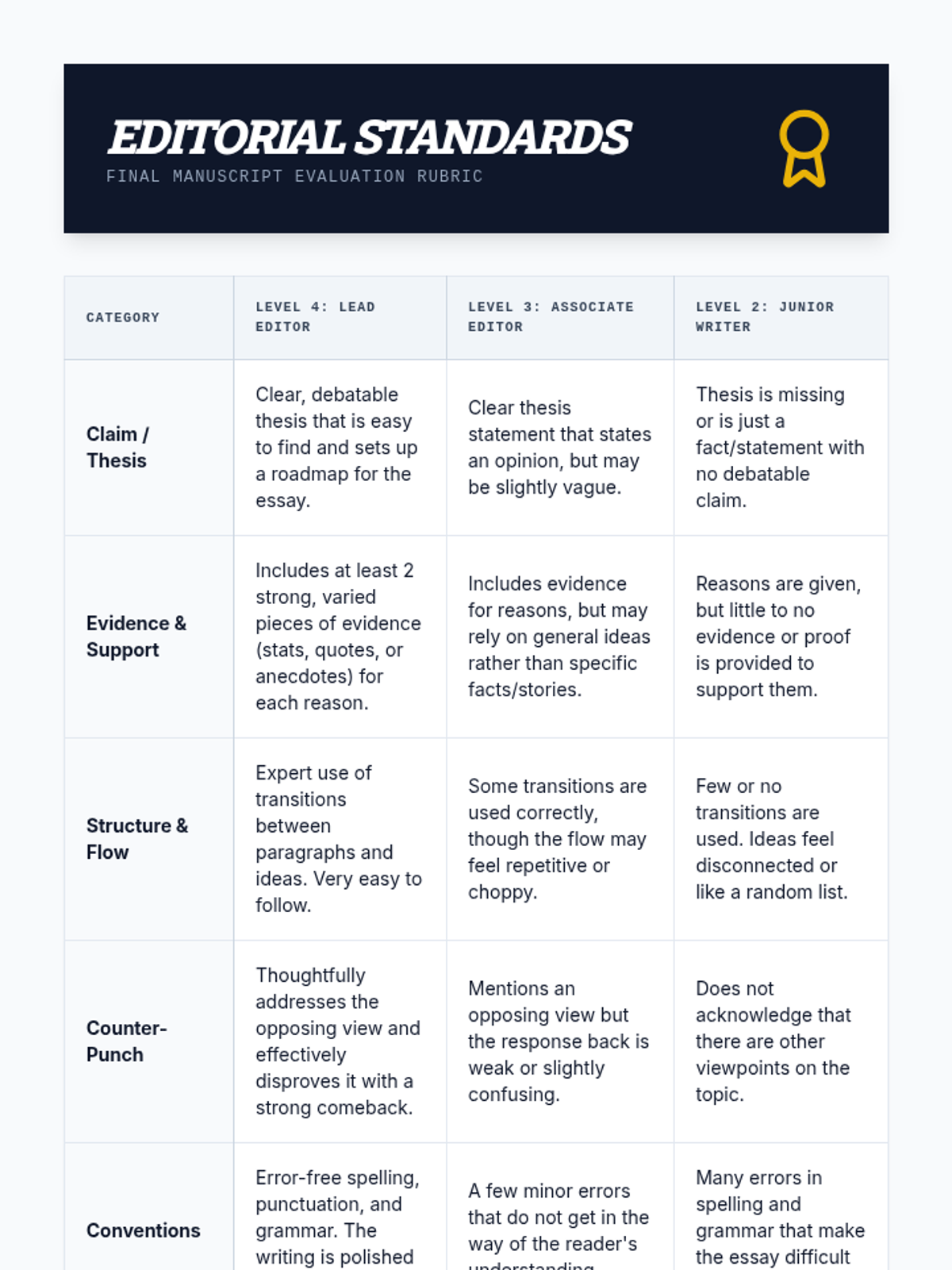
The final stage where students engage in peer review, use a revision checklist, and evaluate their work against a comprehensive rubric.
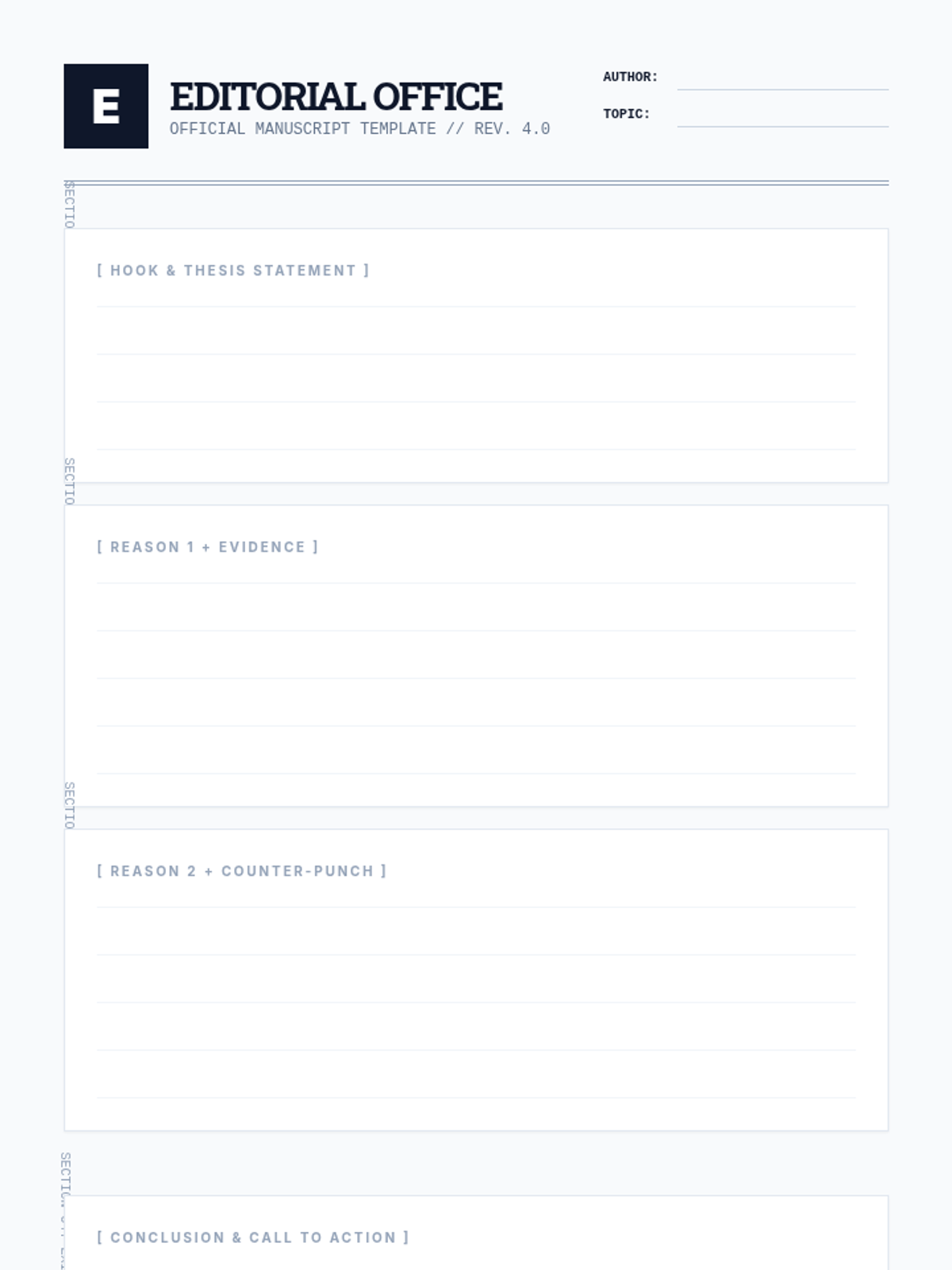
Students focus on transitions and logical flow as they move from planning to drafting their full persuasive essay.
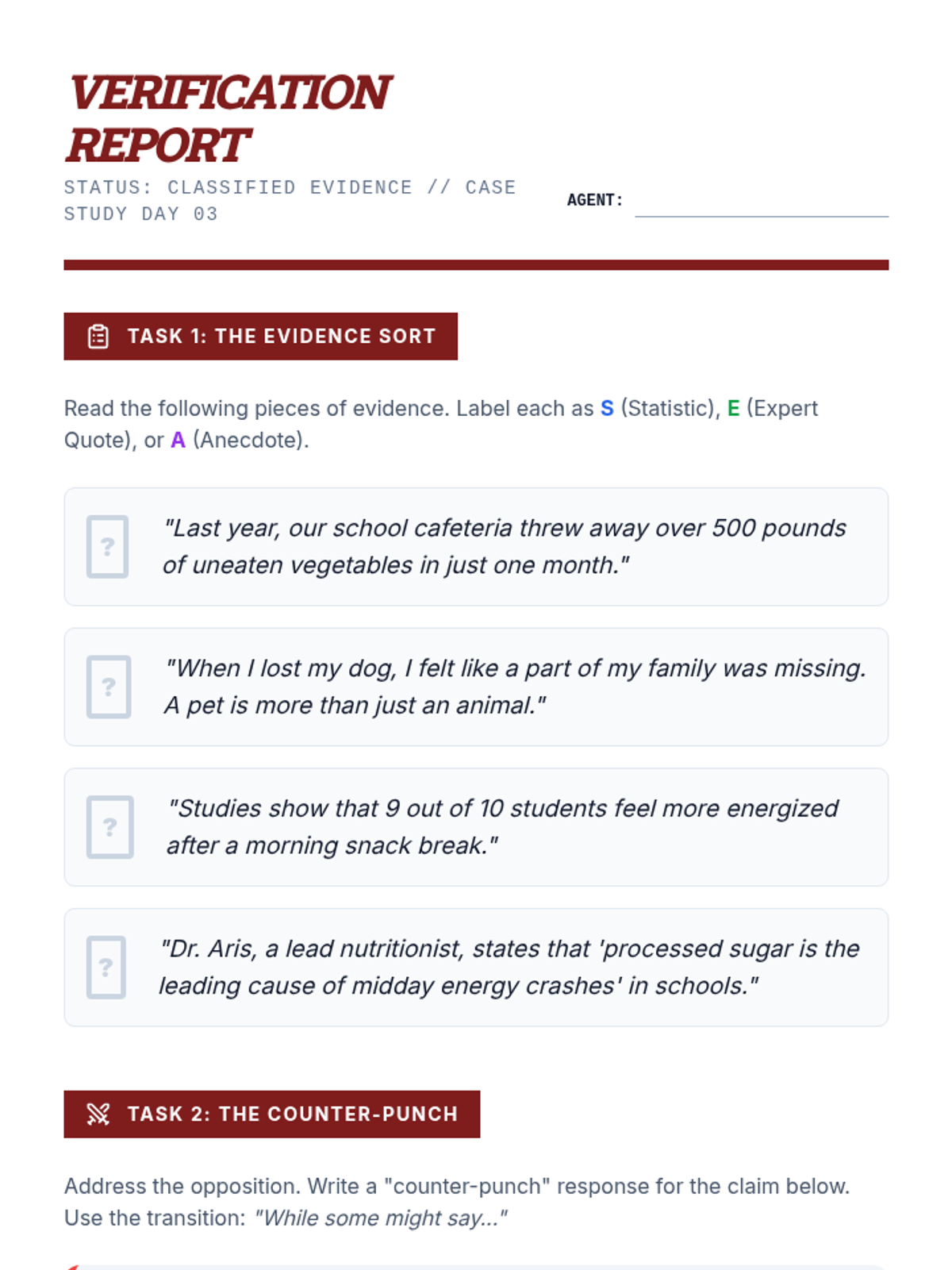
Students dive into types of evidence (stats, anecdotes, expert quotes) and learn how to address counterarguments effectively.
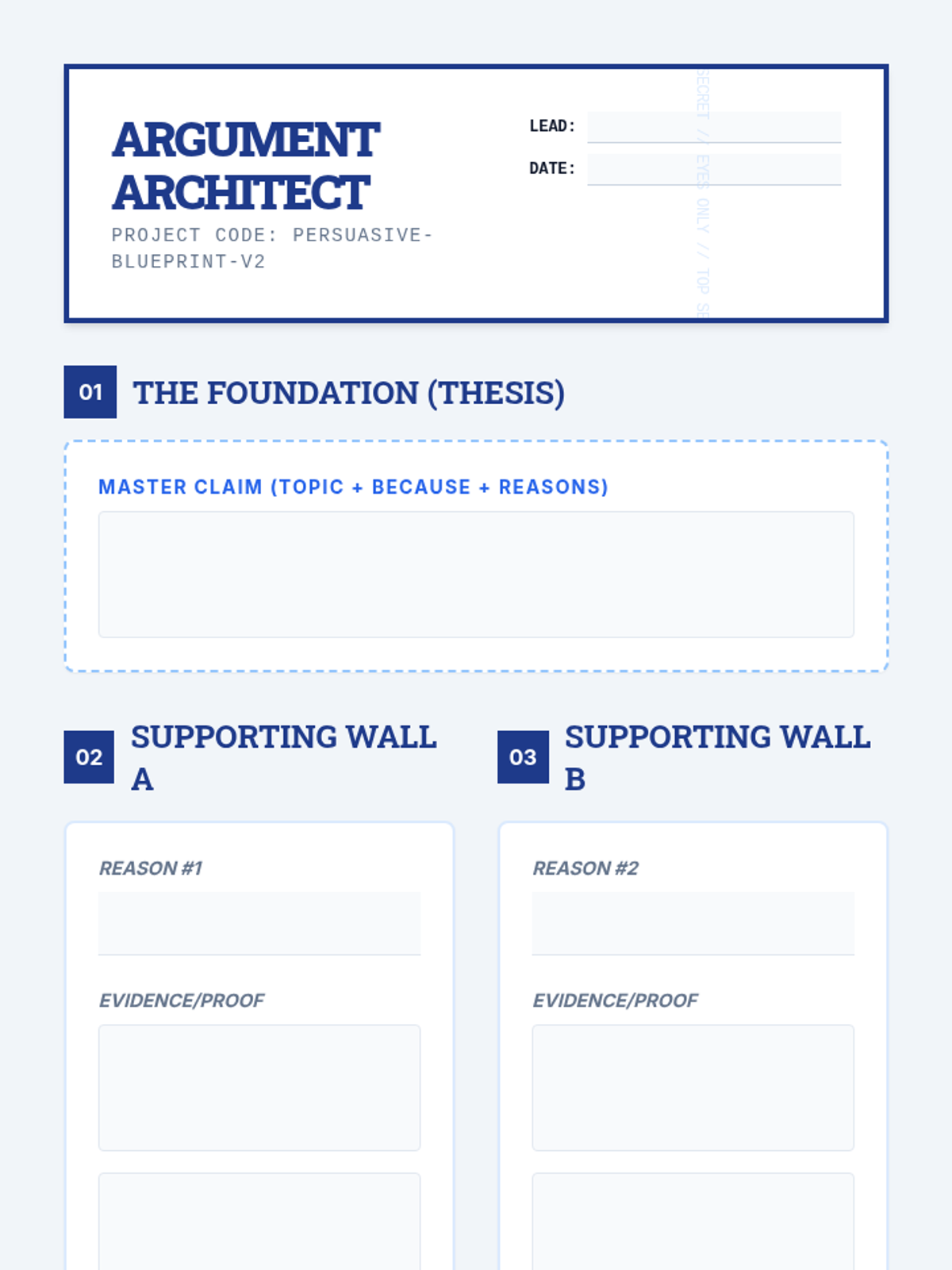
Students learn to craft a strong thesis statement and organize their main points using an Argument Architect graphic organizer.
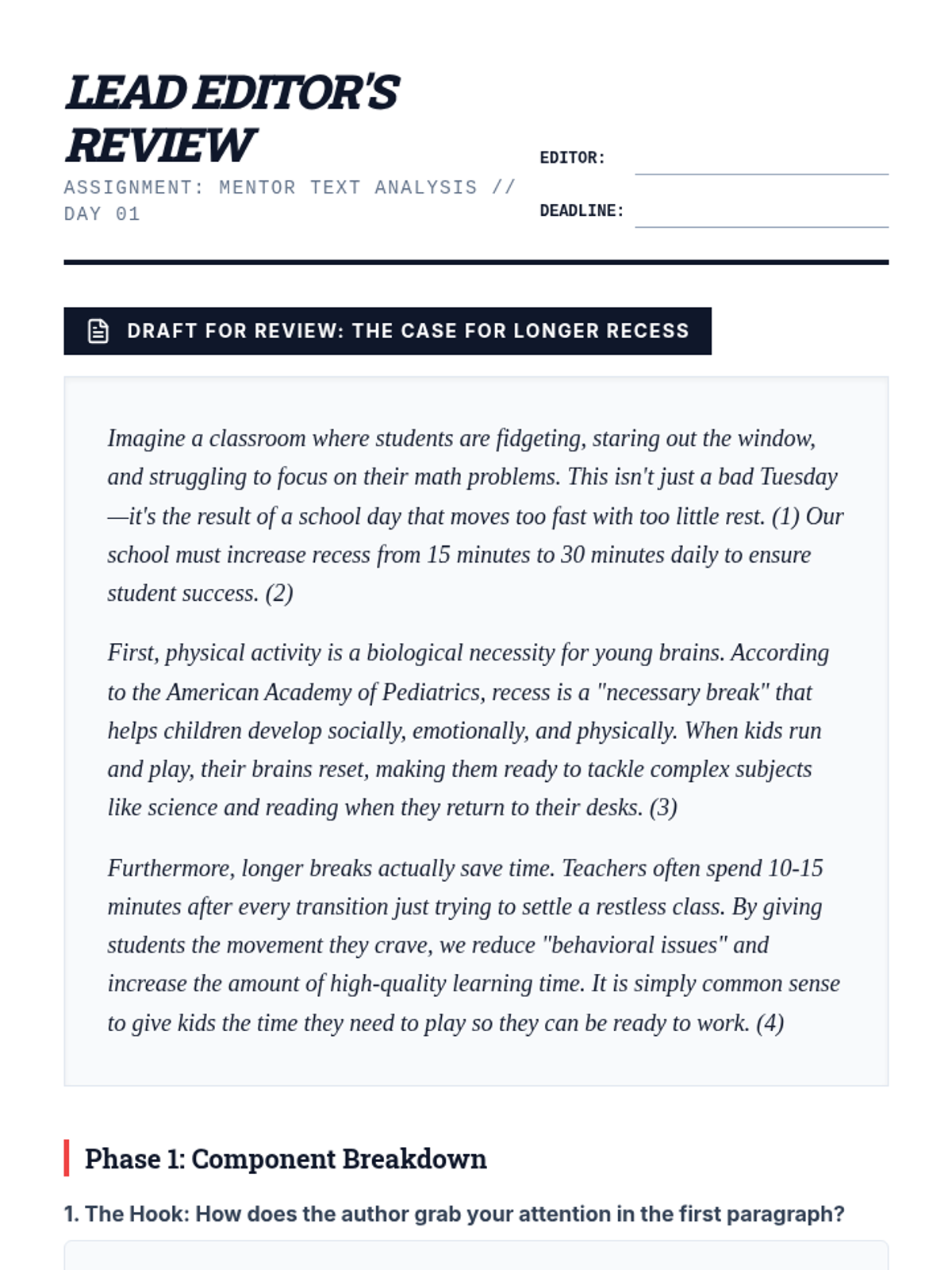
Students explore the purpose of persuasive writing, analyze a mentor text to identify the author's claim, and distinguish between facts and opinions.
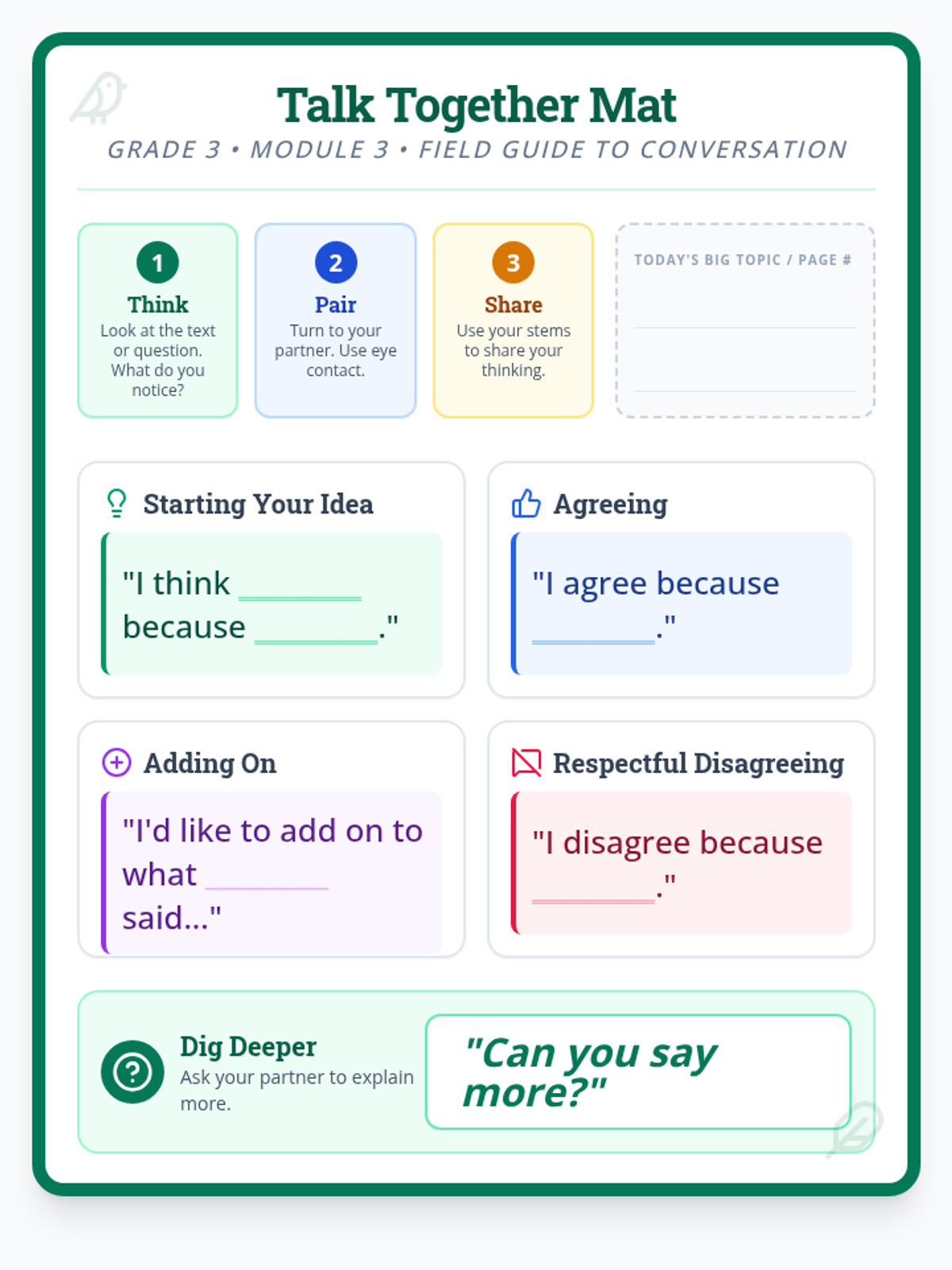
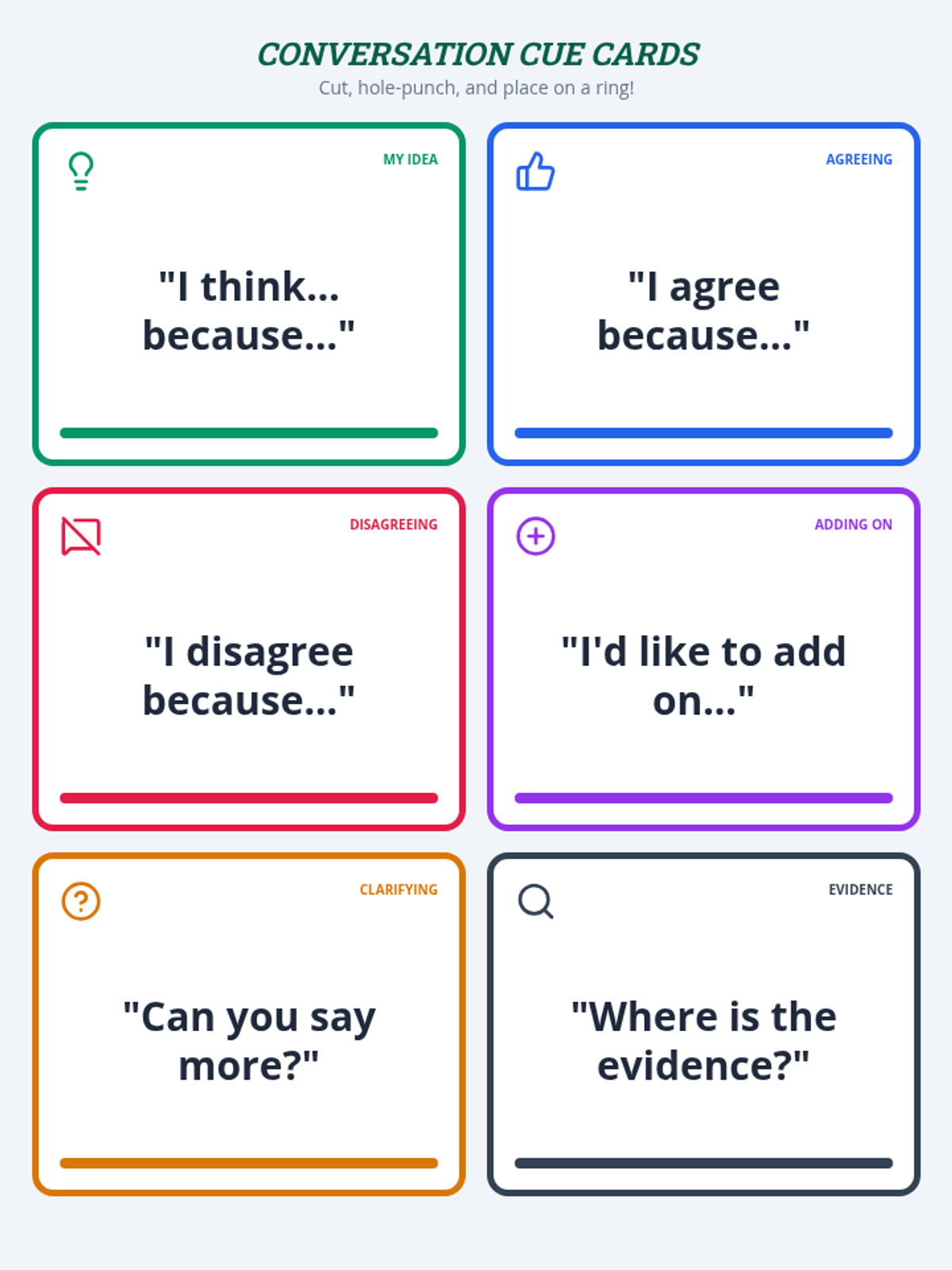
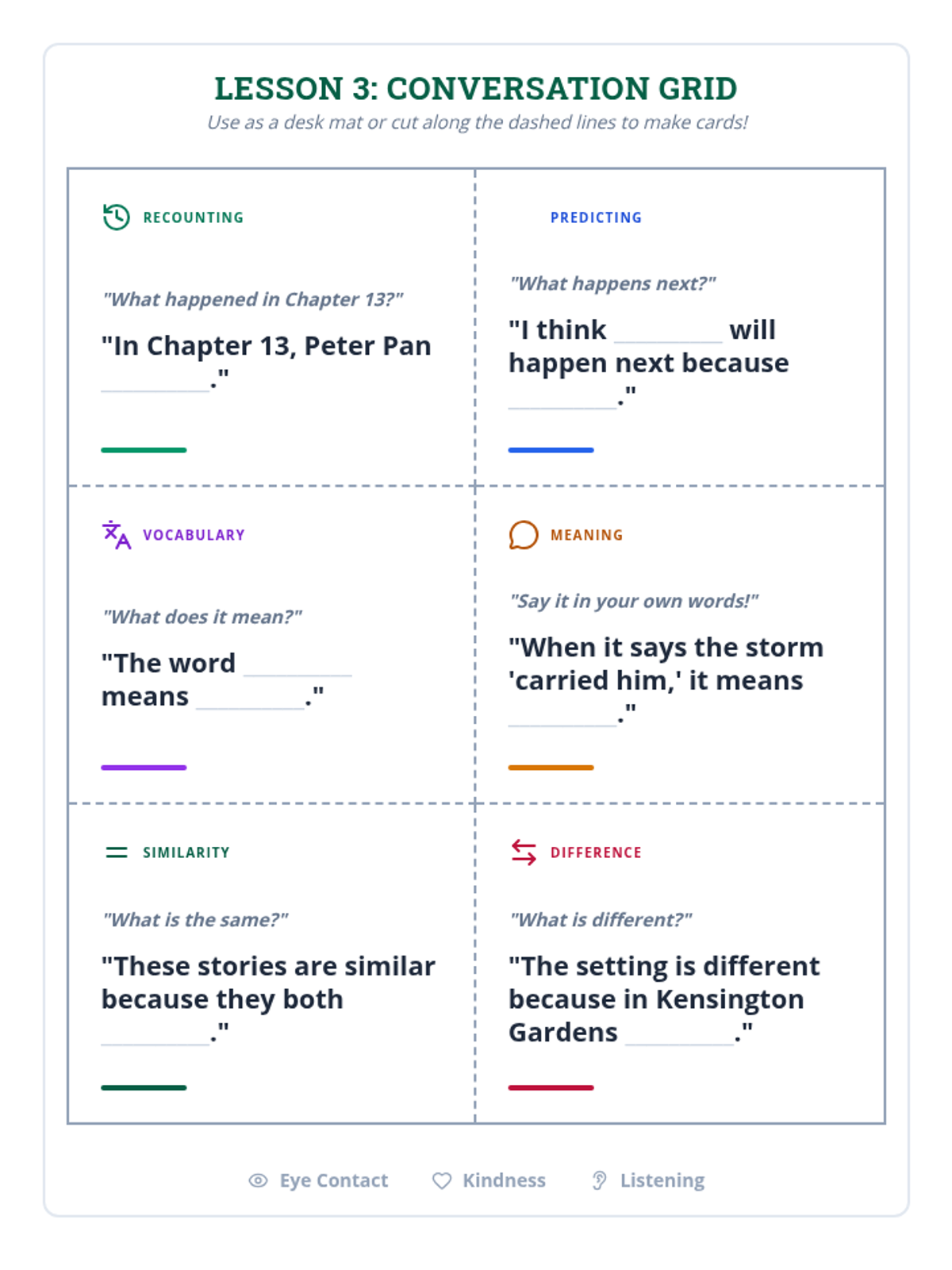
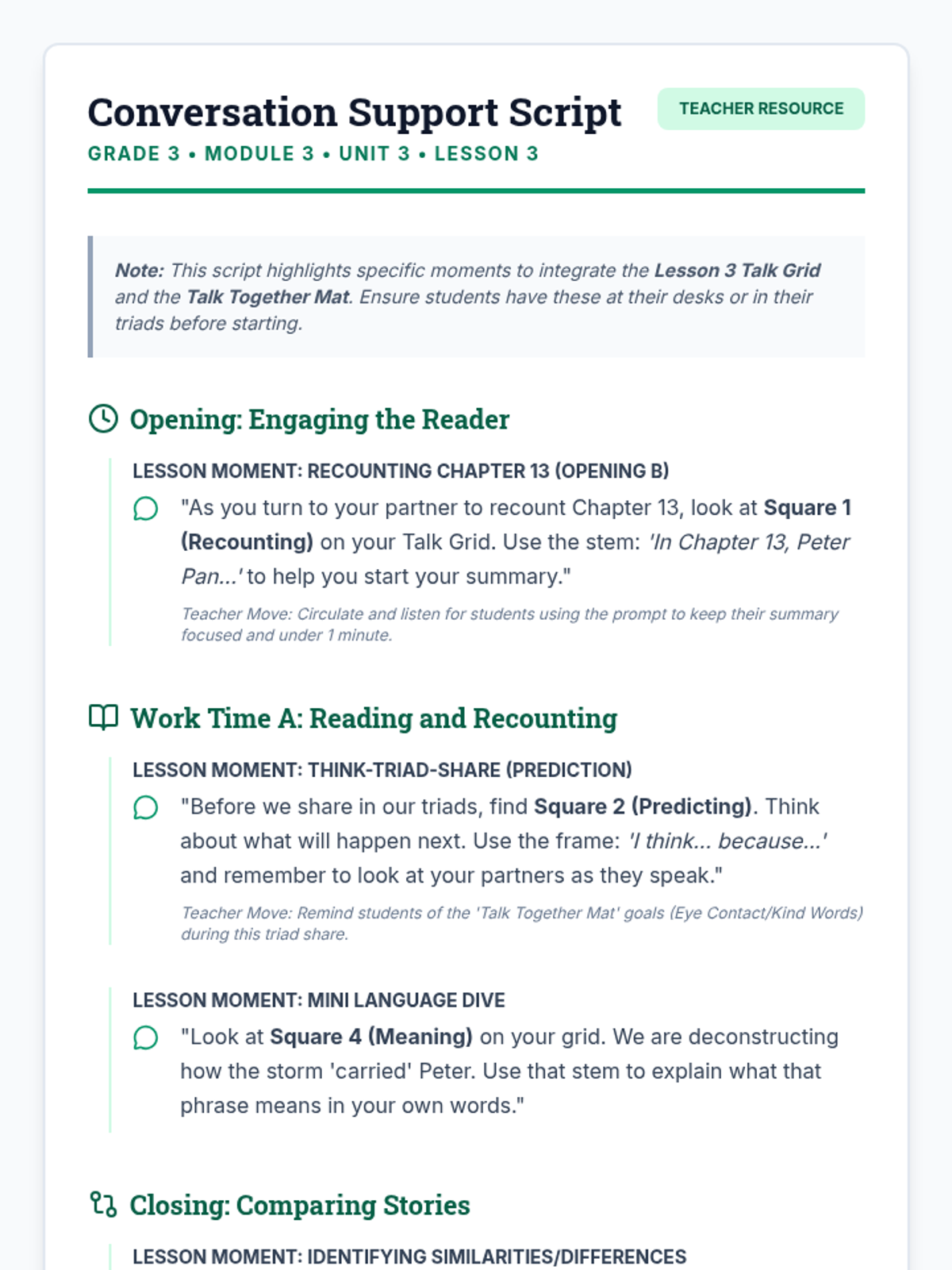
A set of visual supports designed to help 3rd-grade students engage in meaningful academic conversations during EL Education Module 3 lessons. Includes a desktop conversation mat and a set of cue cards with specific sentence stems for peer interaction.

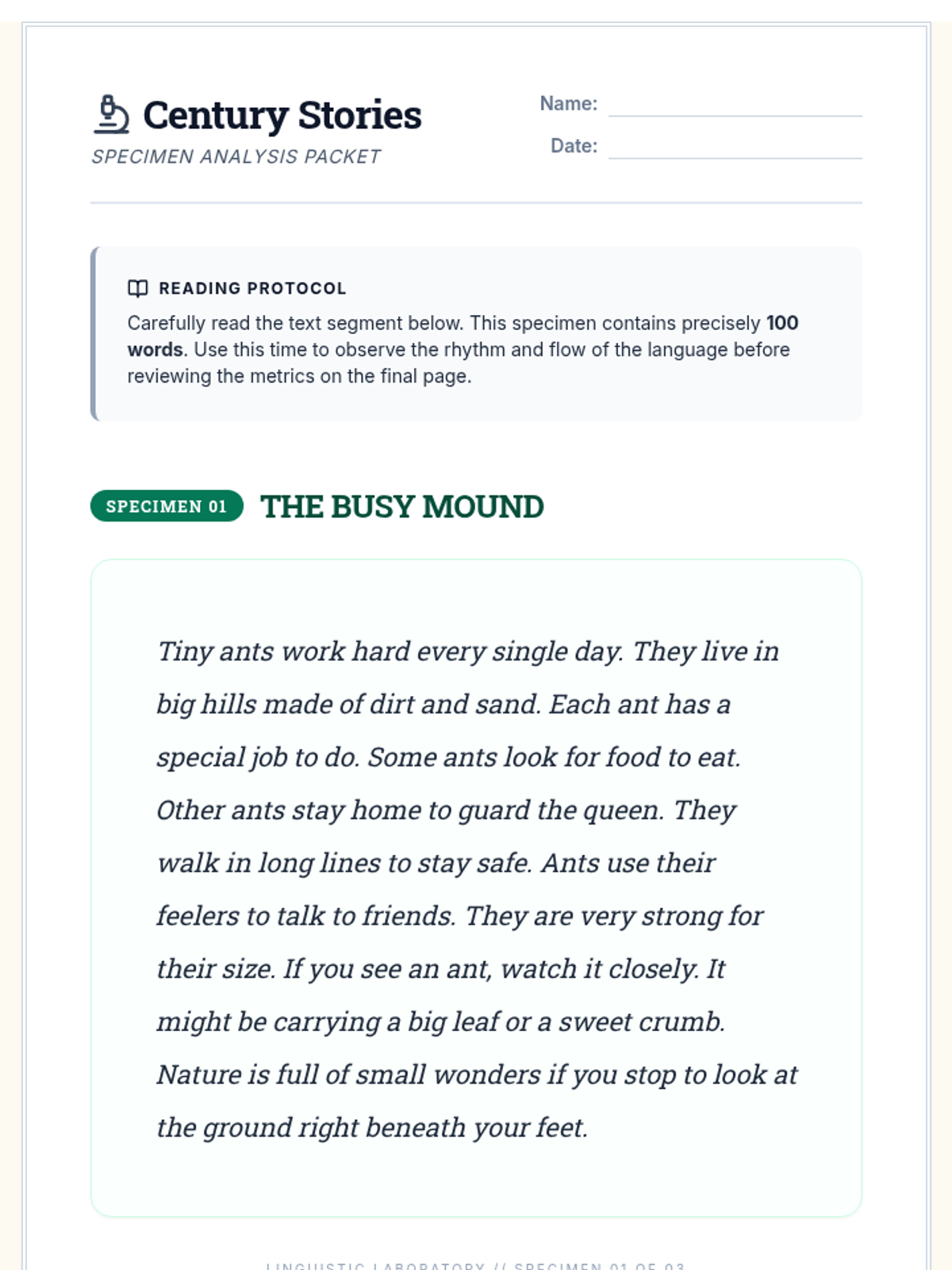
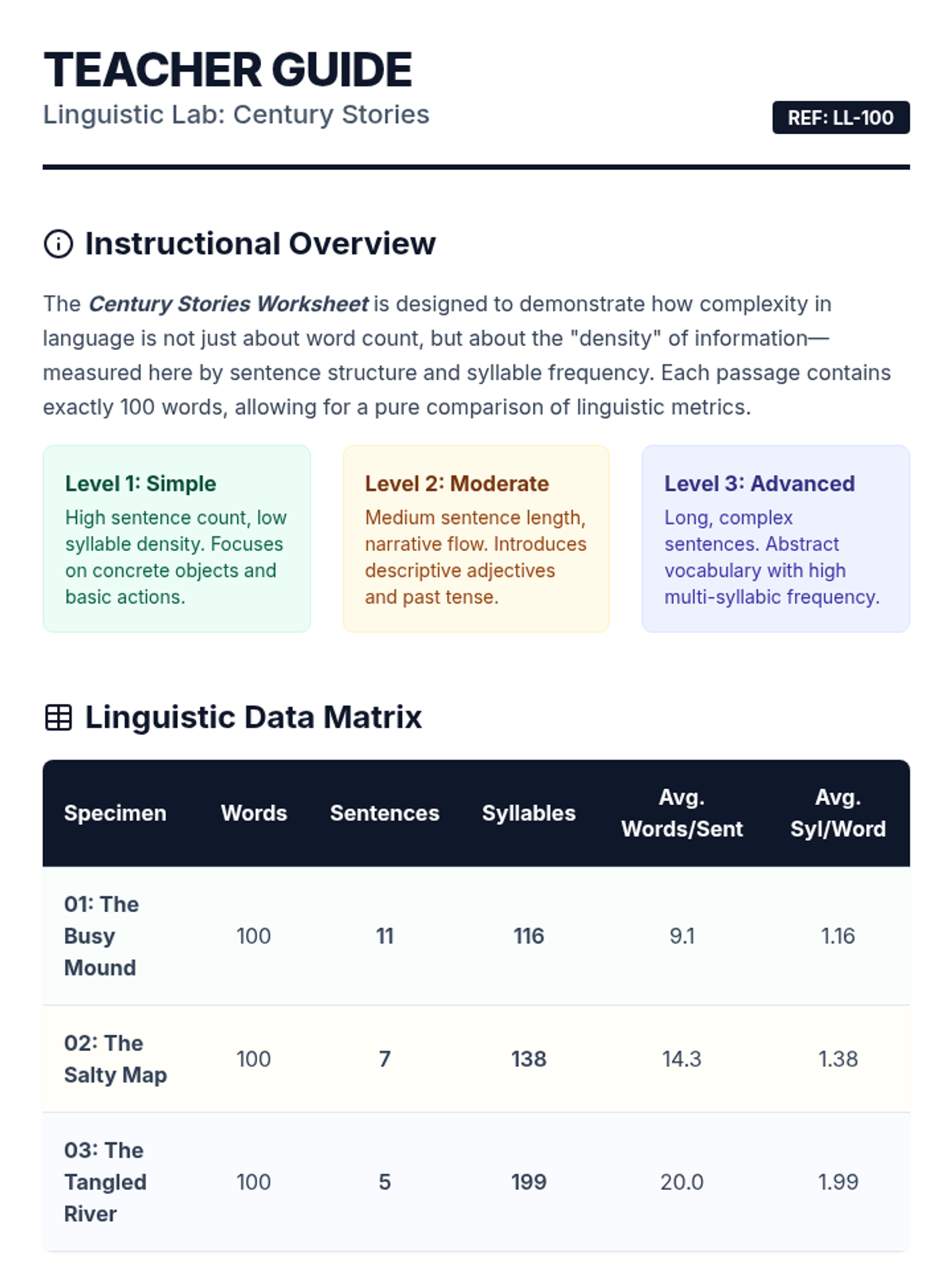
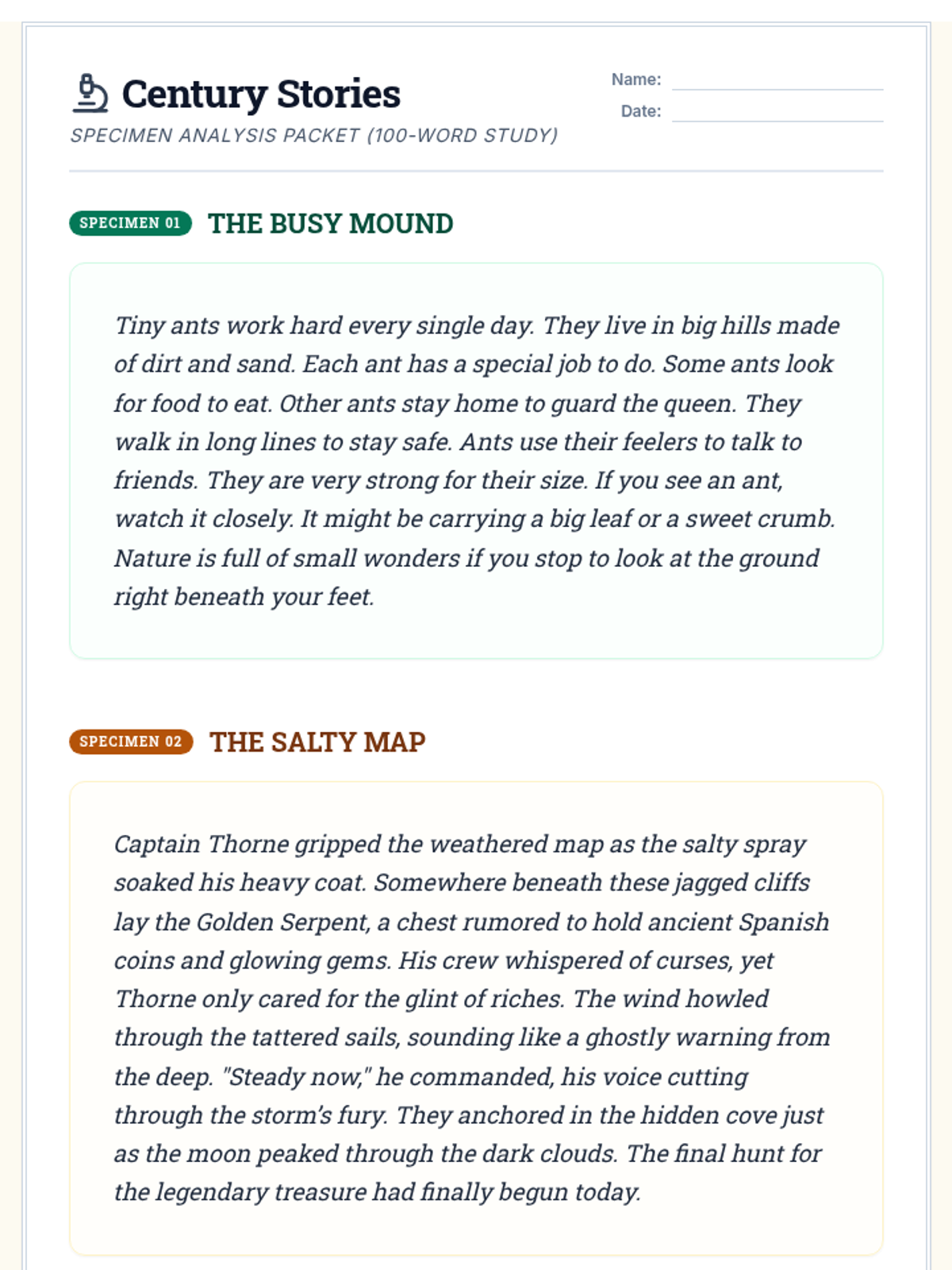
A collection of reading passages designed to challenge students' comprehension and linguistic awareness by analyzing word counts, sentence structures, and syllable patterns.
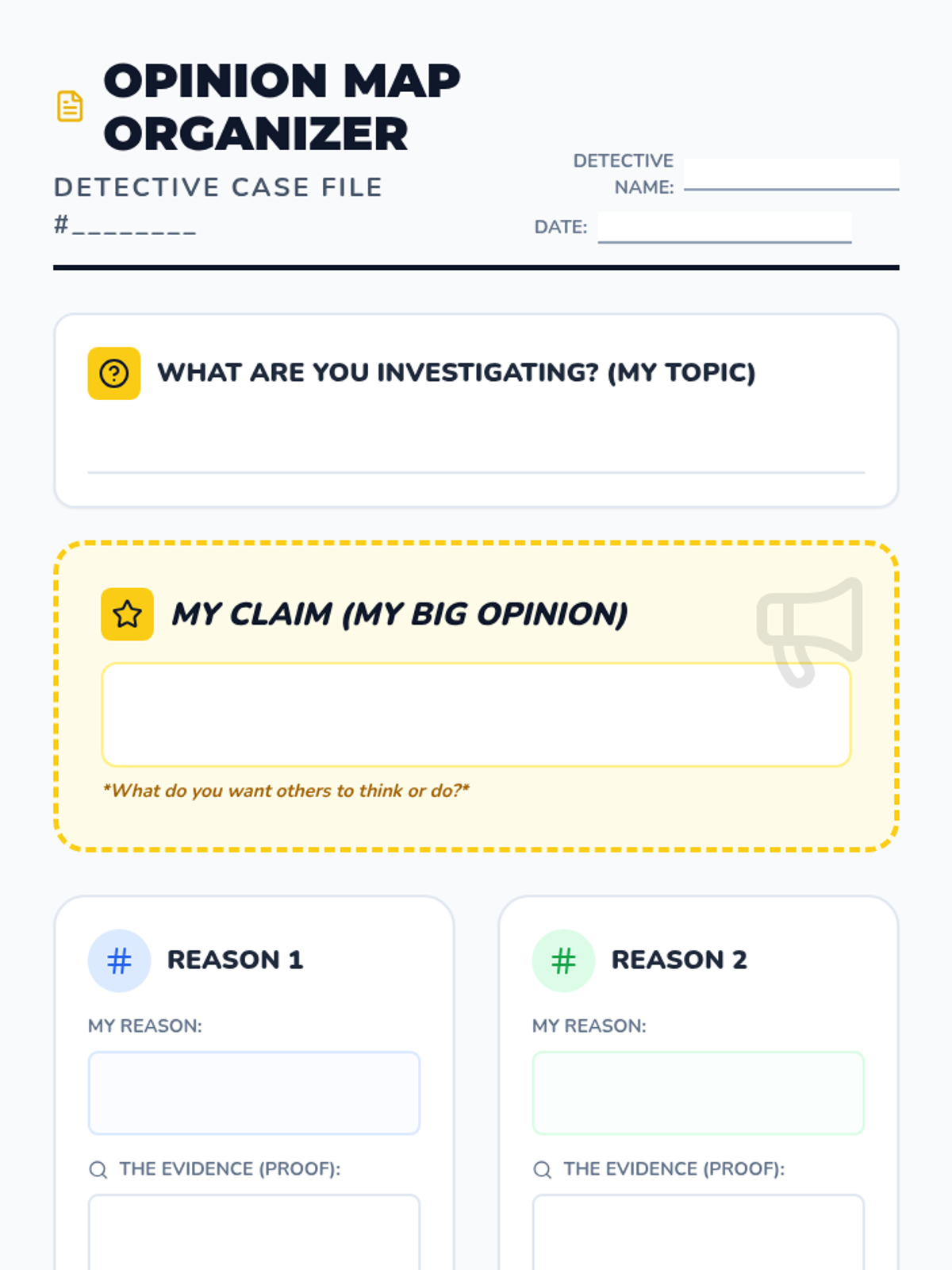
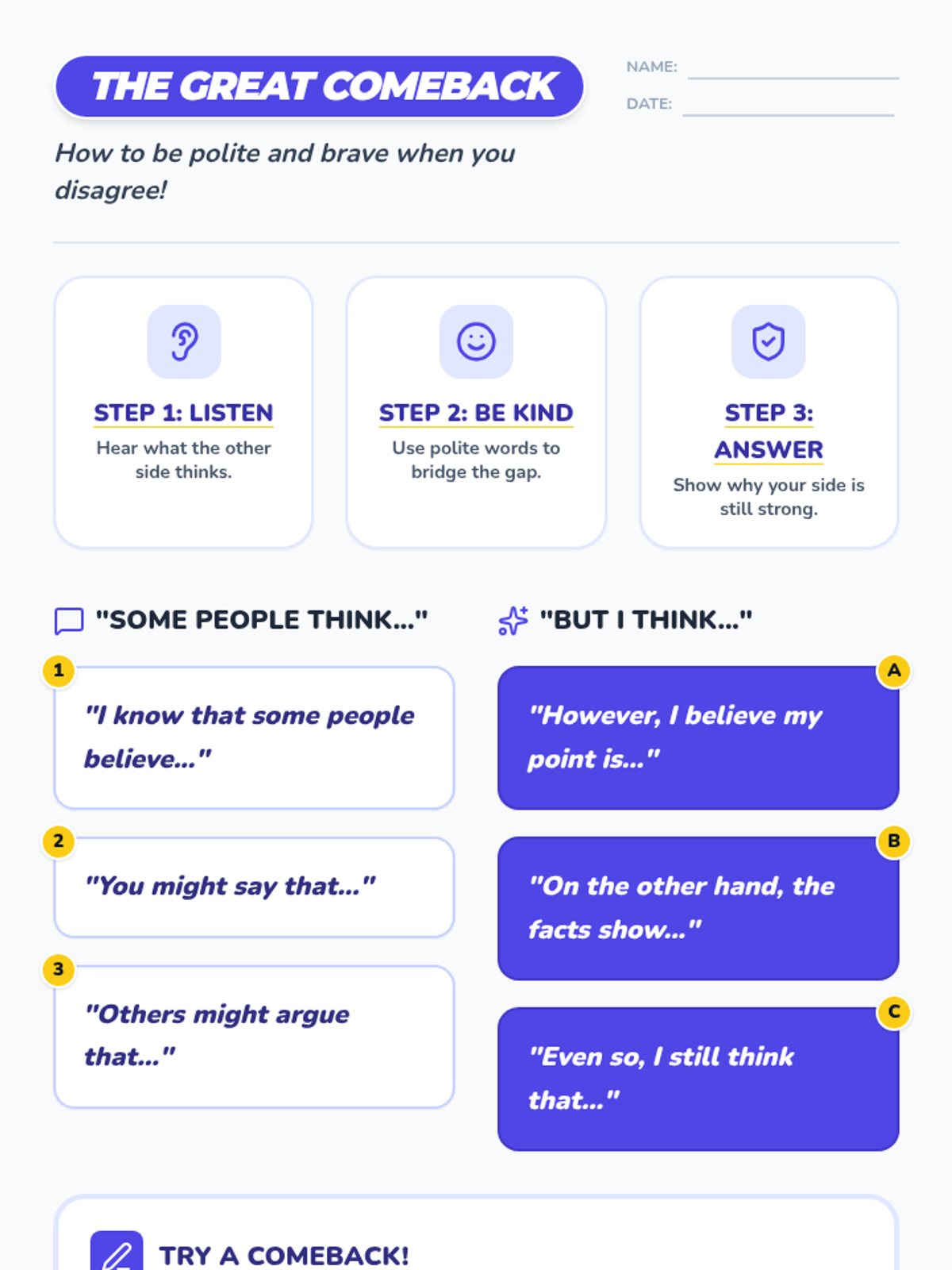
A beginner's guide to argumentative writing, focusing on using evidence to support claims and addressing opposing views with confidence. Designed for early elementary students with high visual support.
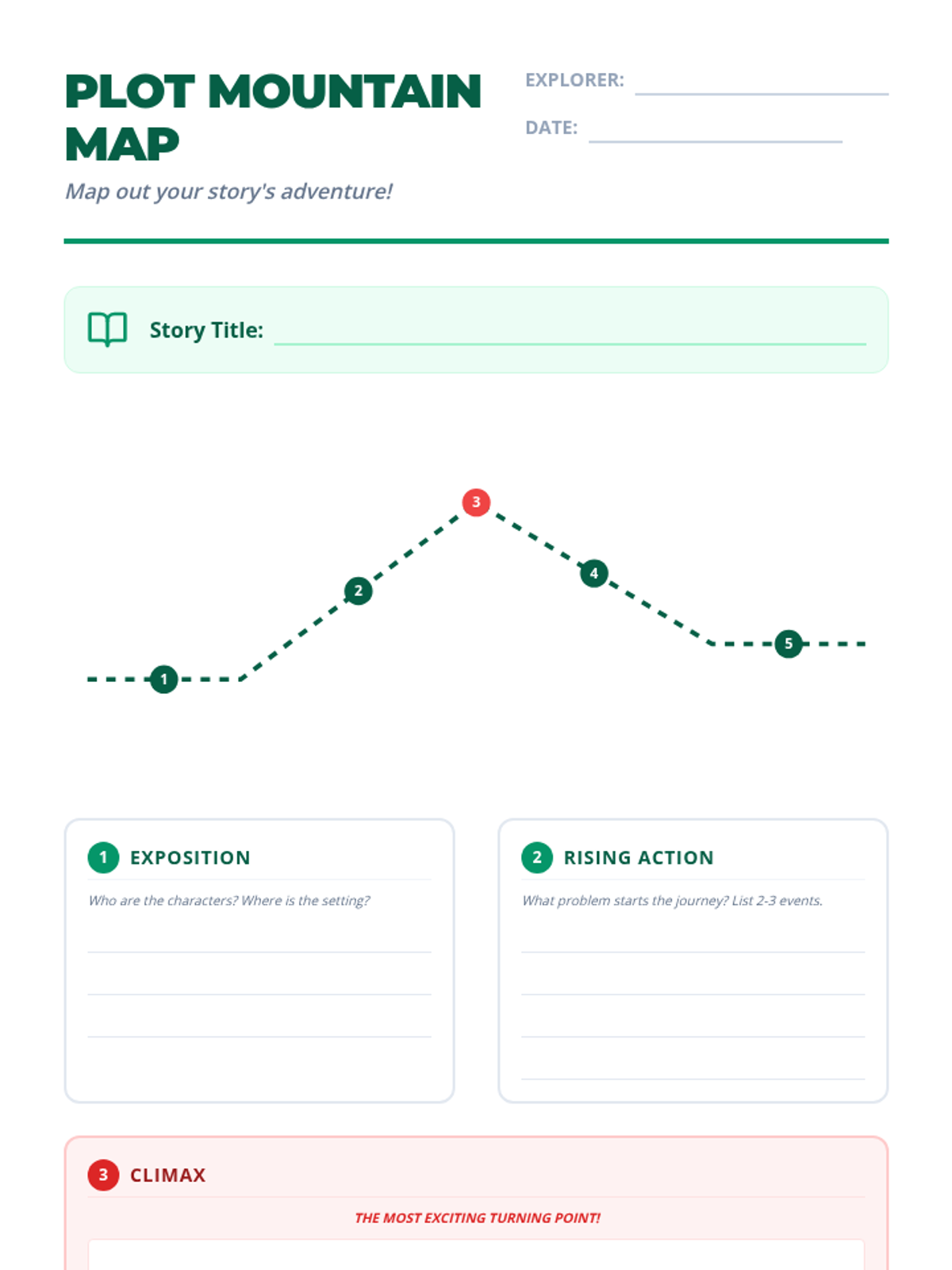
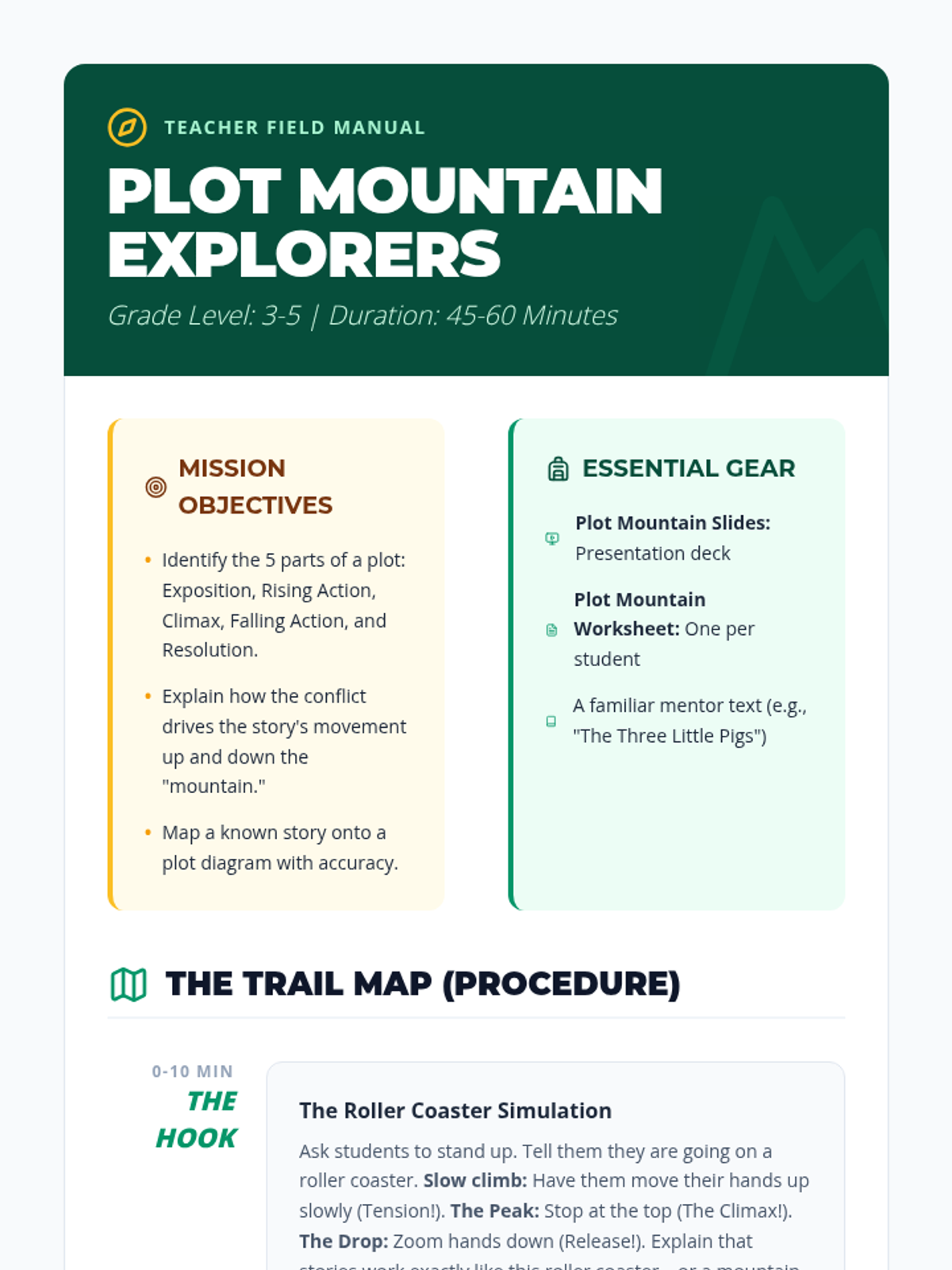
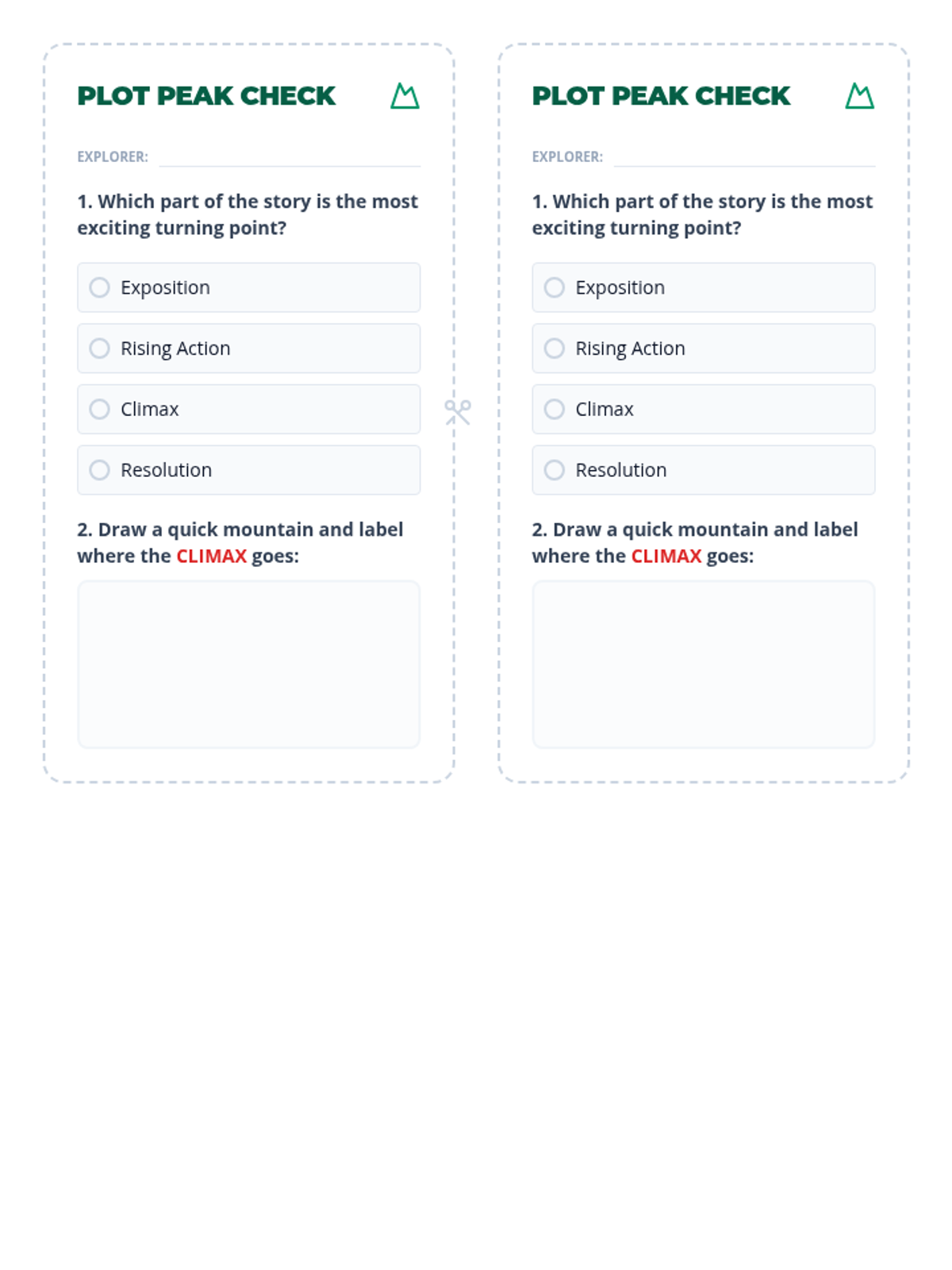
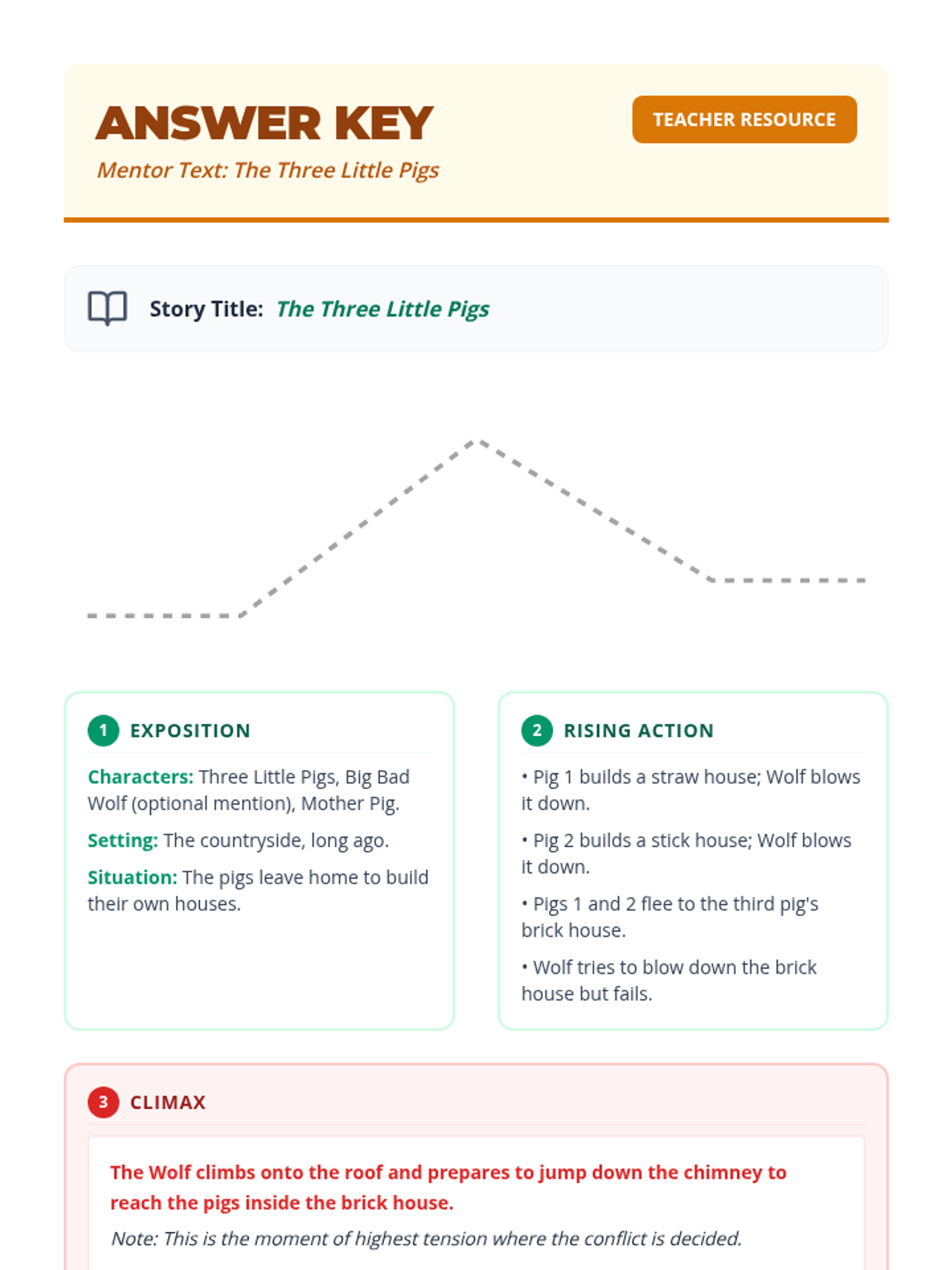
A comprehensive lesson introducing 3rd-5th grade students to the five essential parts of a story's plot using the 'Plot Mountain' visual metaphor. Students will learn to identify exposition, rising action, climax, falling action, and resolution.
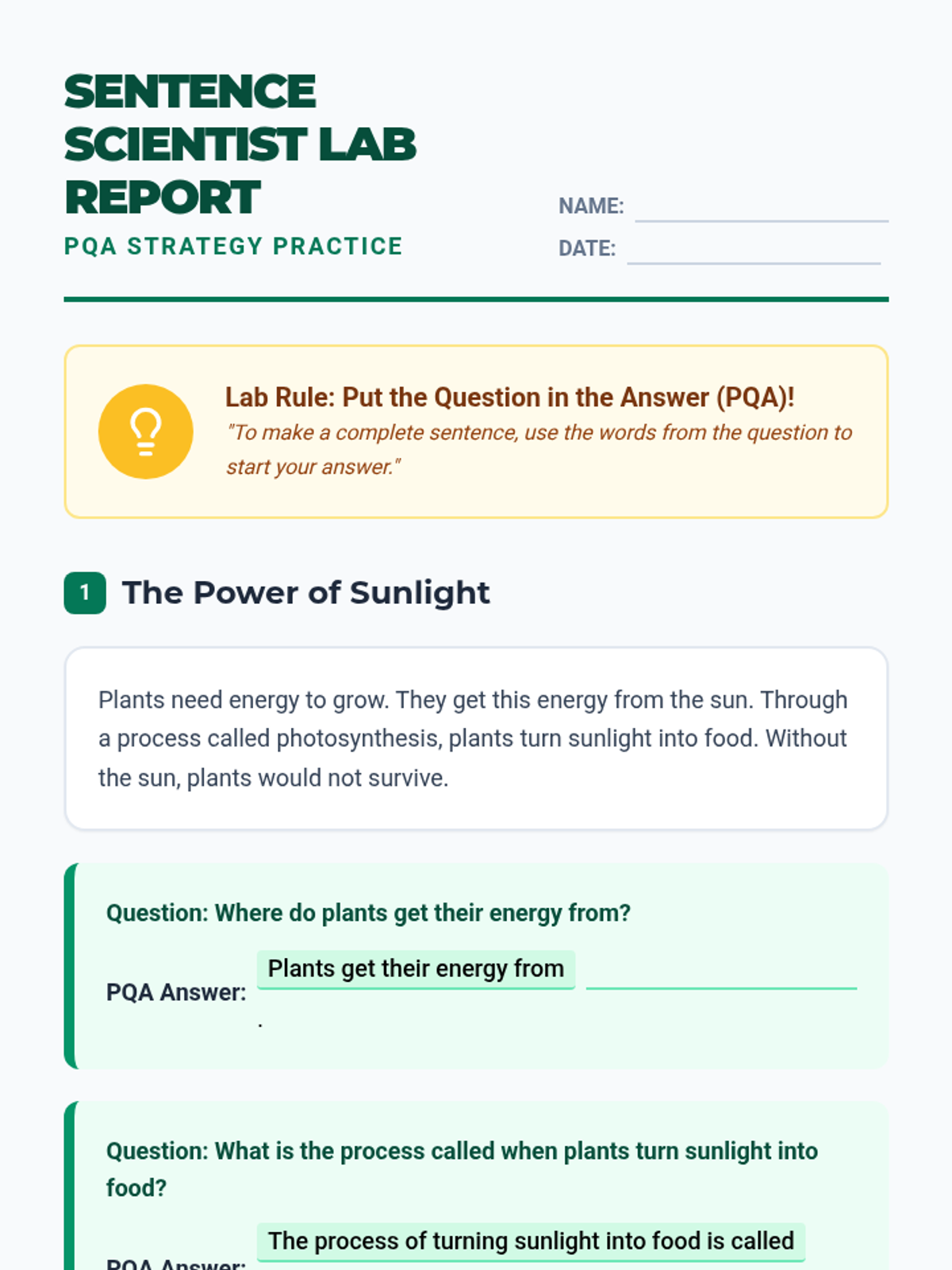
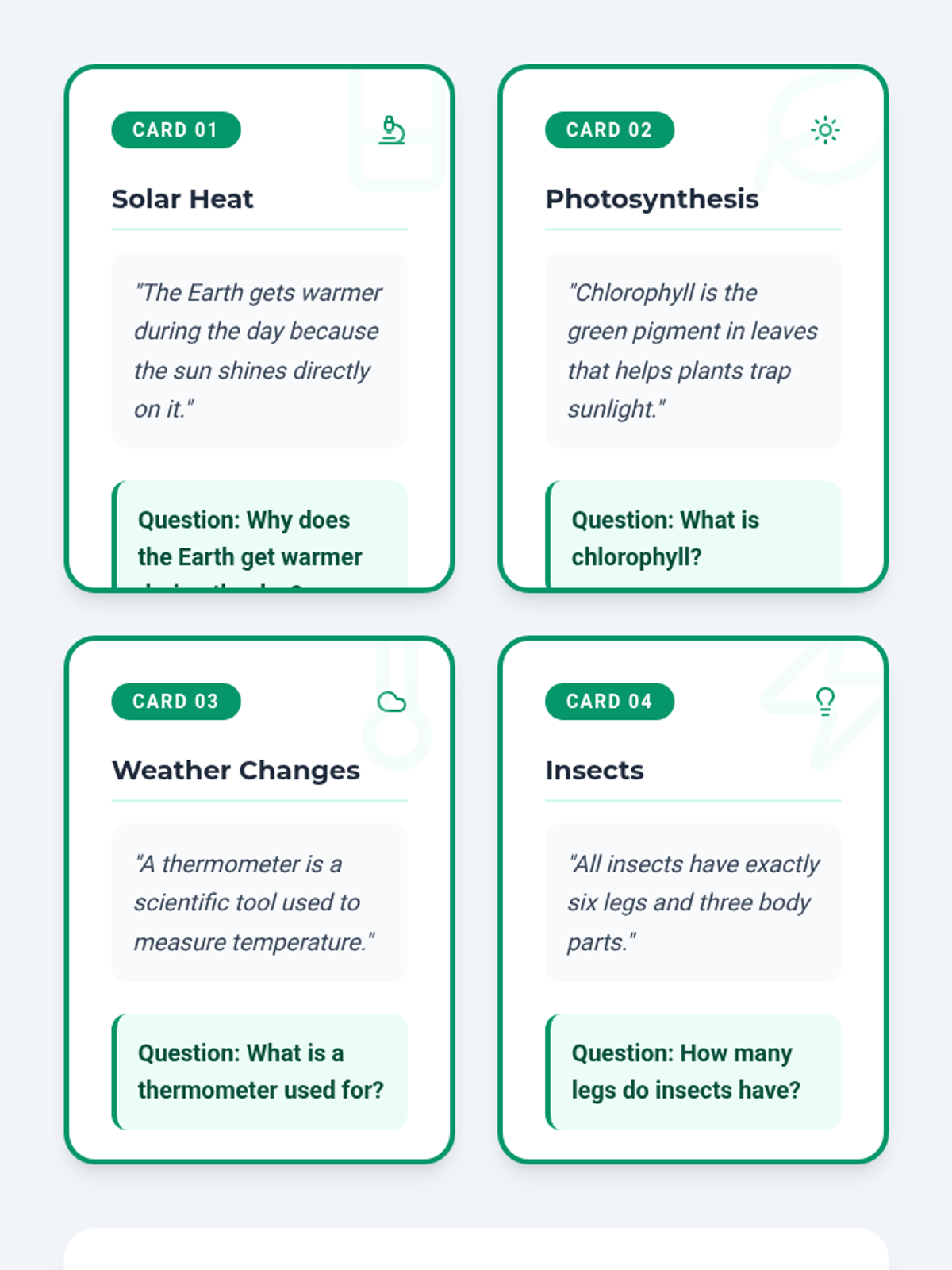
A lesson focused on teaching 3rd-grade students how to answer literal comprehension questions using the PQA (Put the Question in the Answer) strategy with science non-fiction texts.
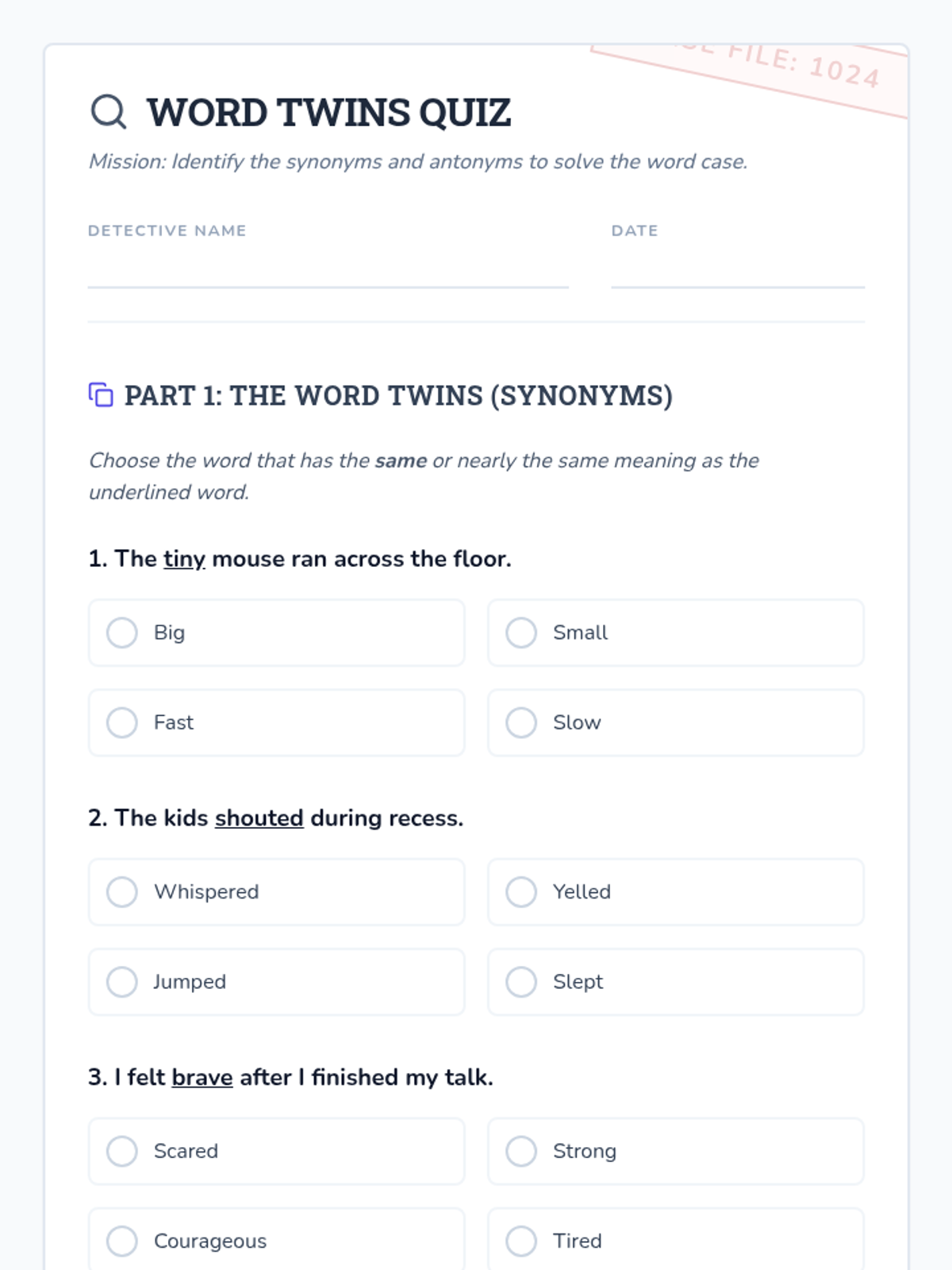
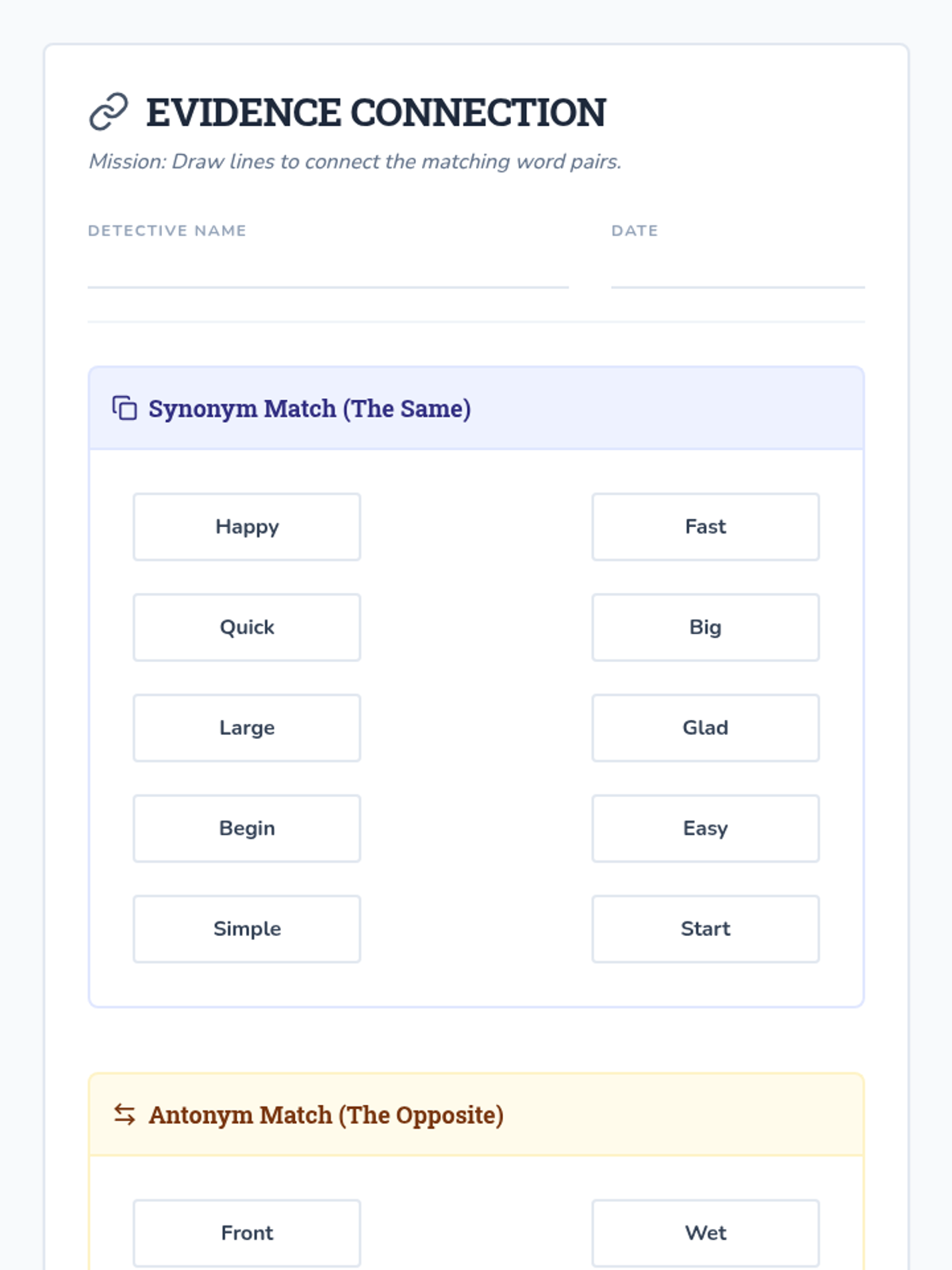
A foundational lesson on synonyms and antonyms for 2nd and 3rd grade students using high-frequency words, action verbs, and adjectives. Students will practice identifying words with similar and opposite meanings through multiple-choice questions and matching activities.
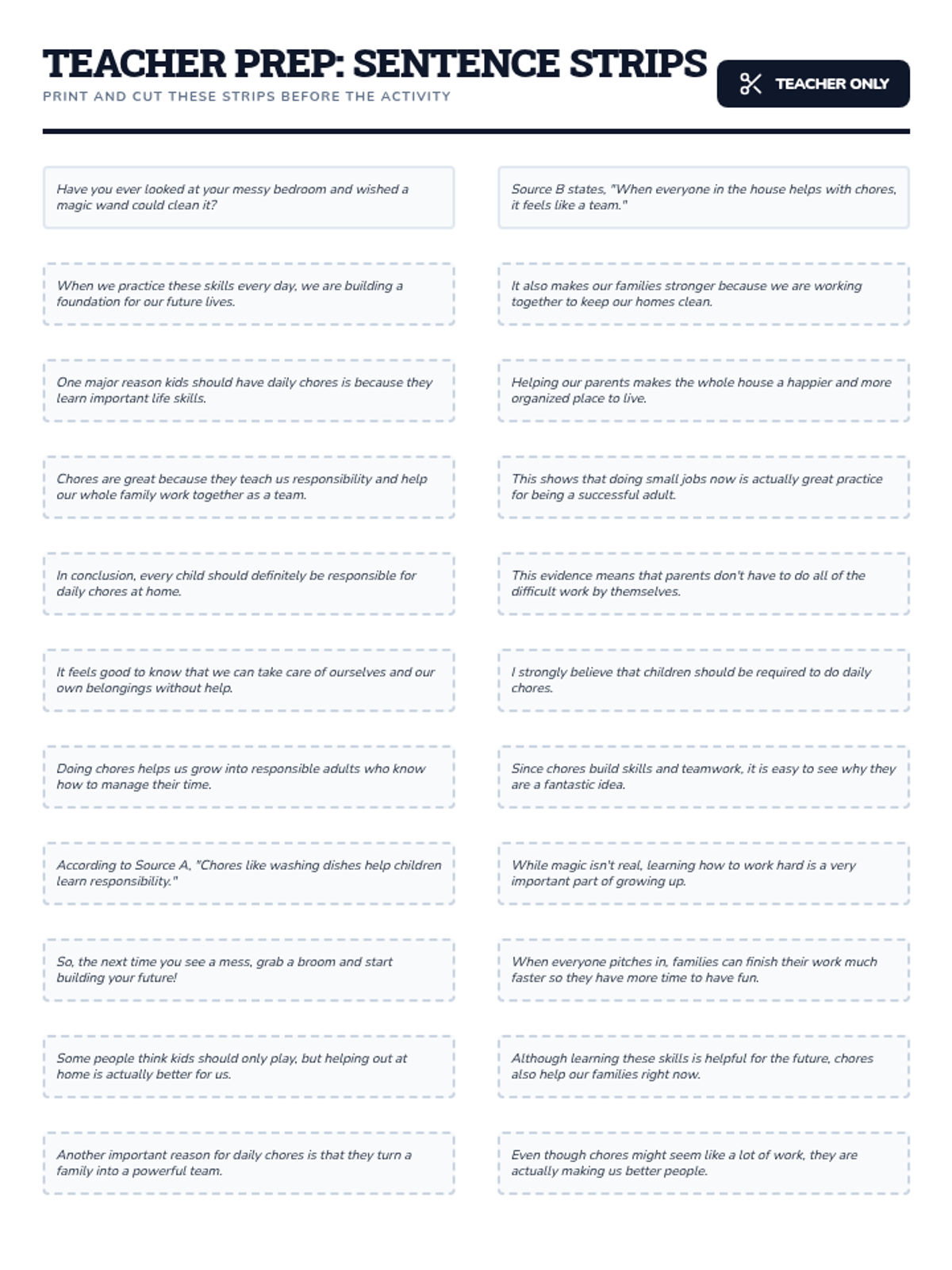
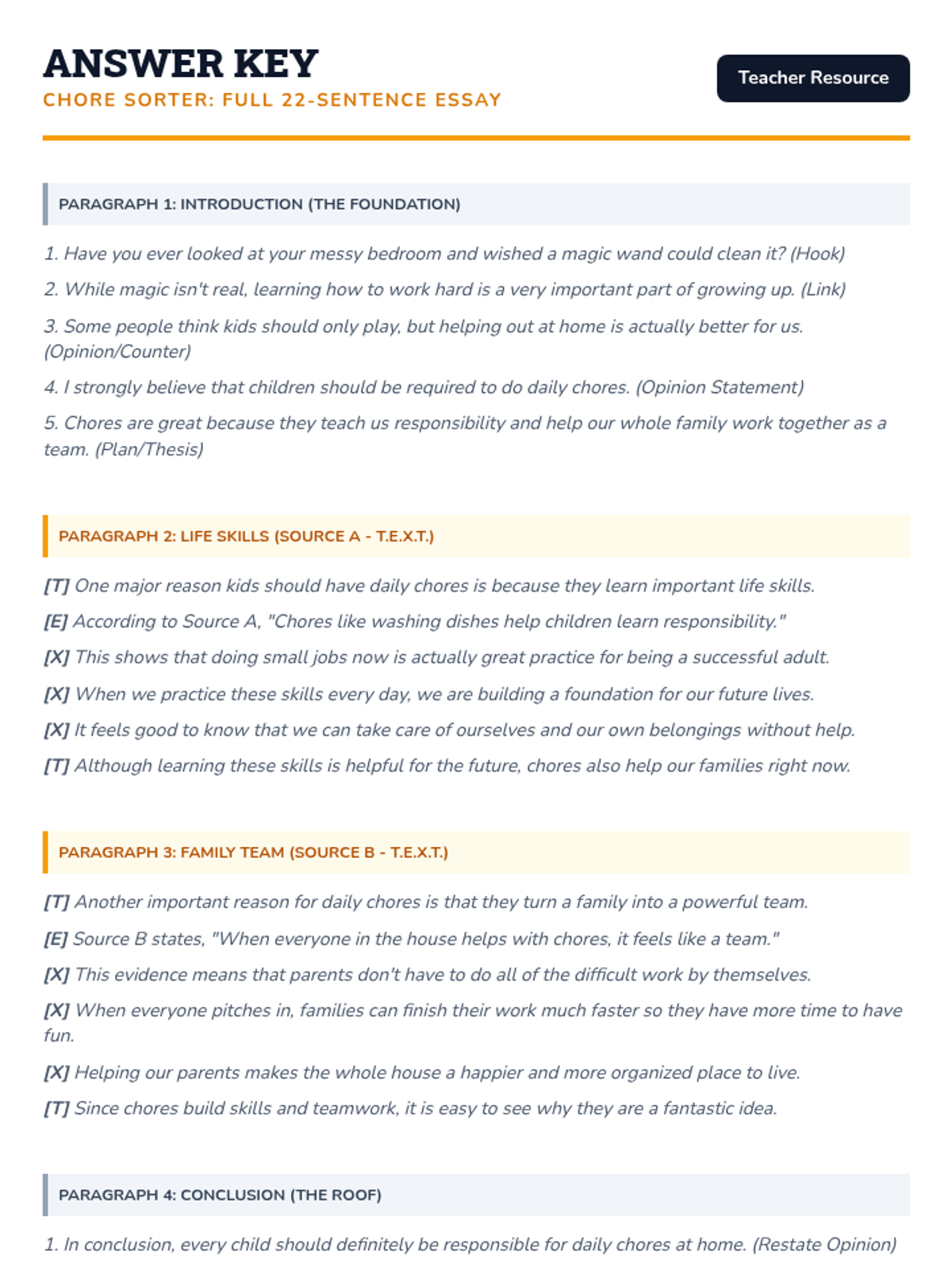
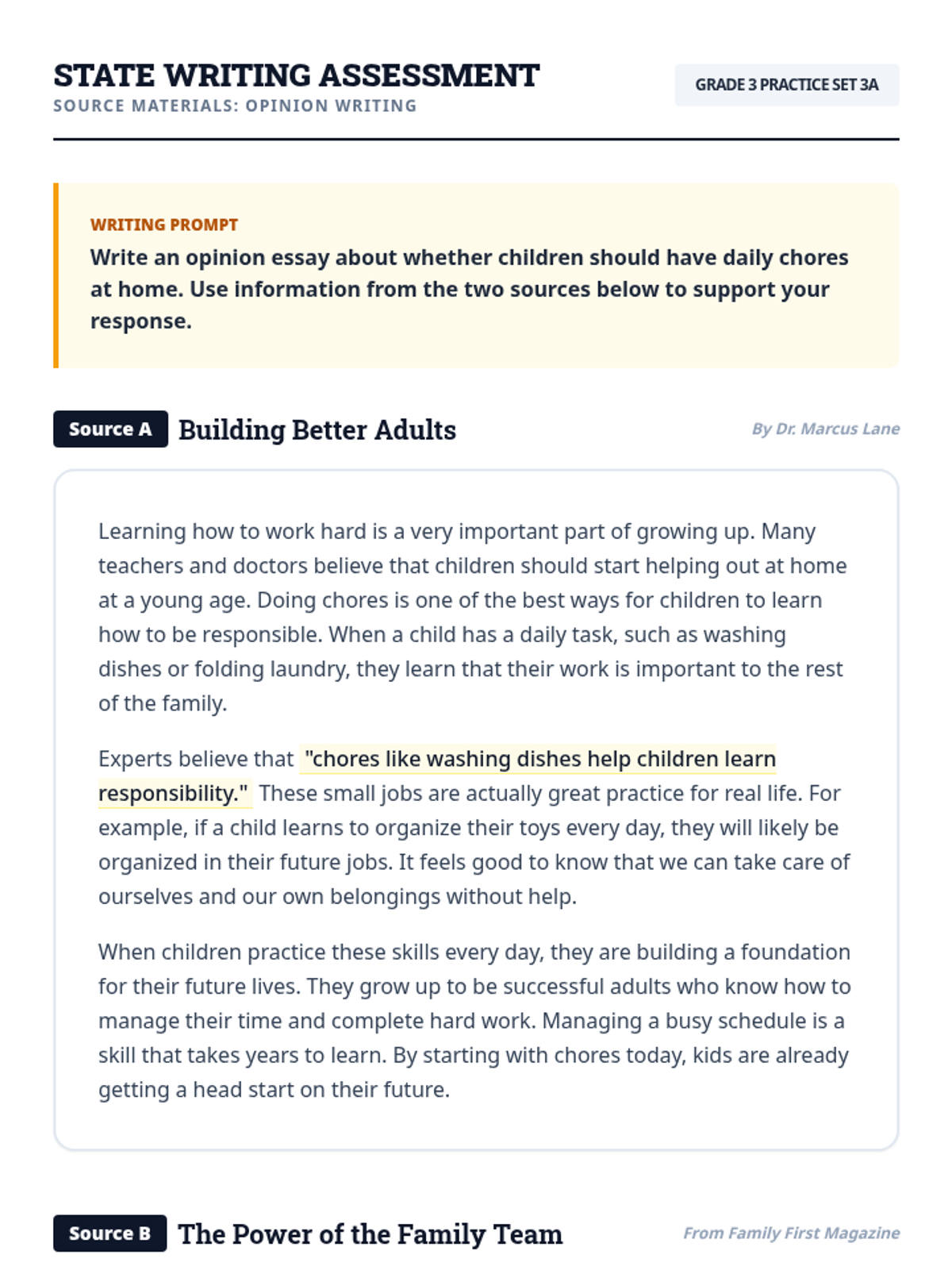
A focused writing lesson for 3rd graders preparing for state testing, using the T.E.X.T. strategy to construct a 4-paragraph opinion essay about daily chores. Includes a guided presentation and a hands-on sentence sorting activity.
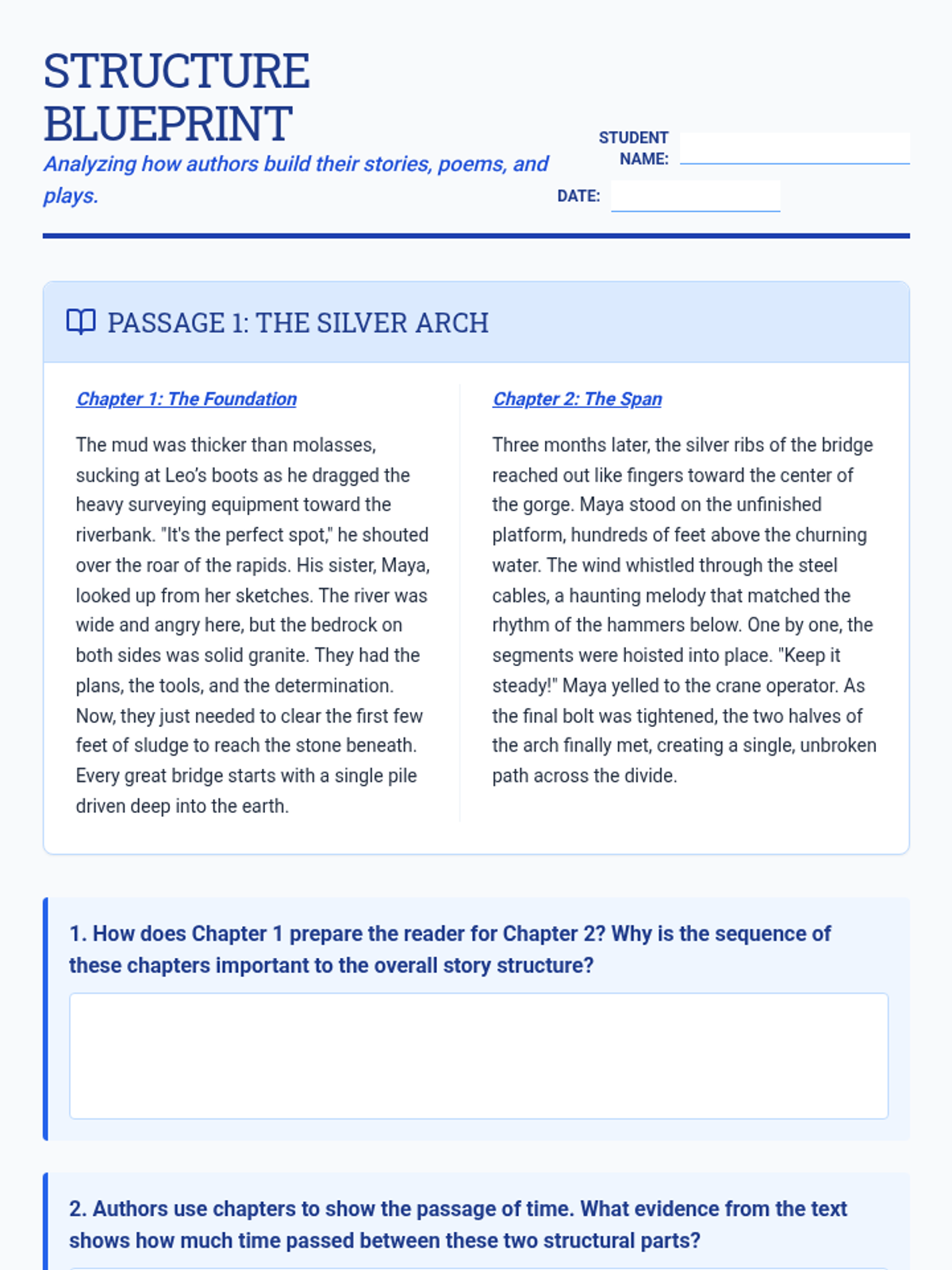
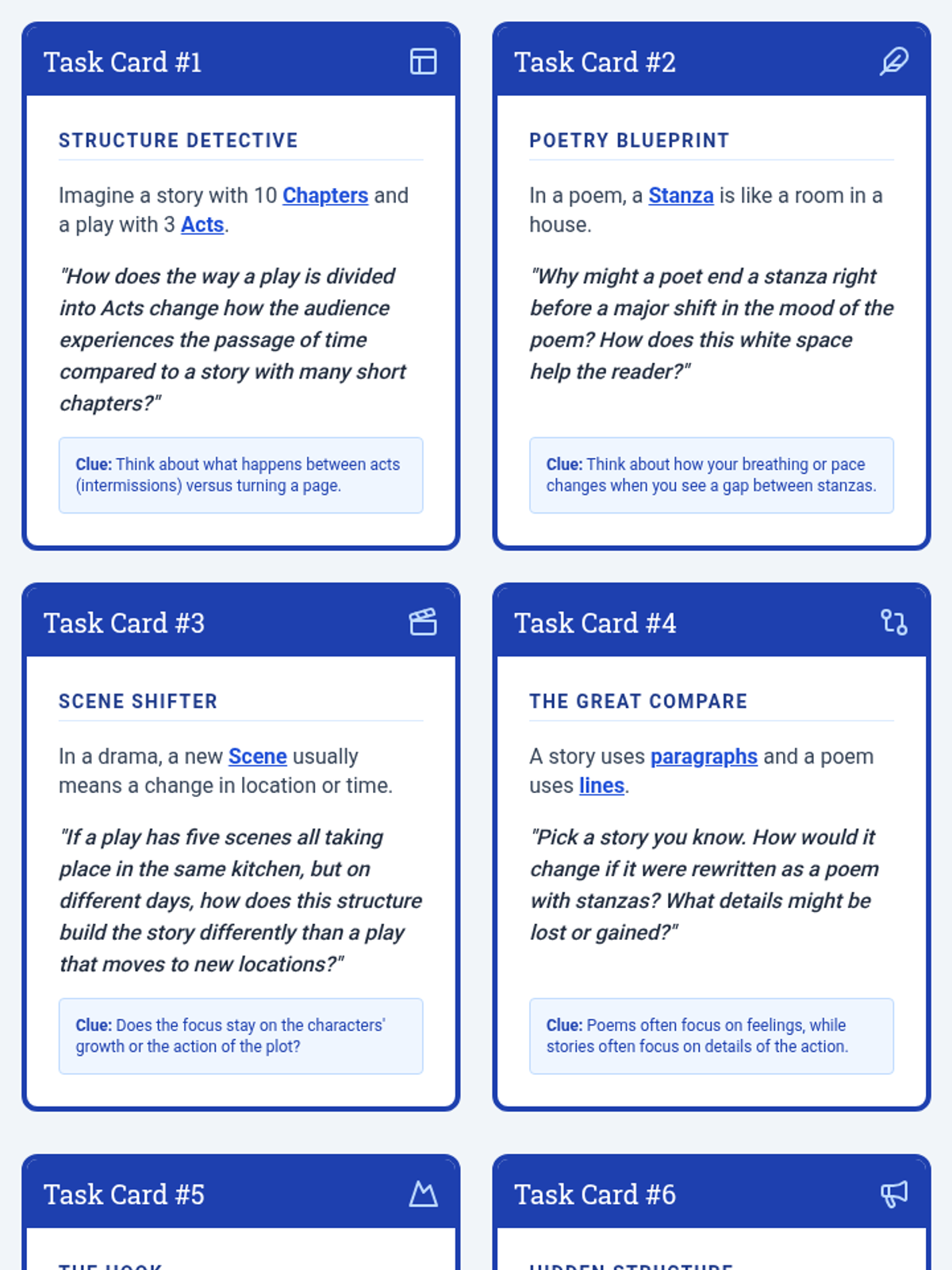
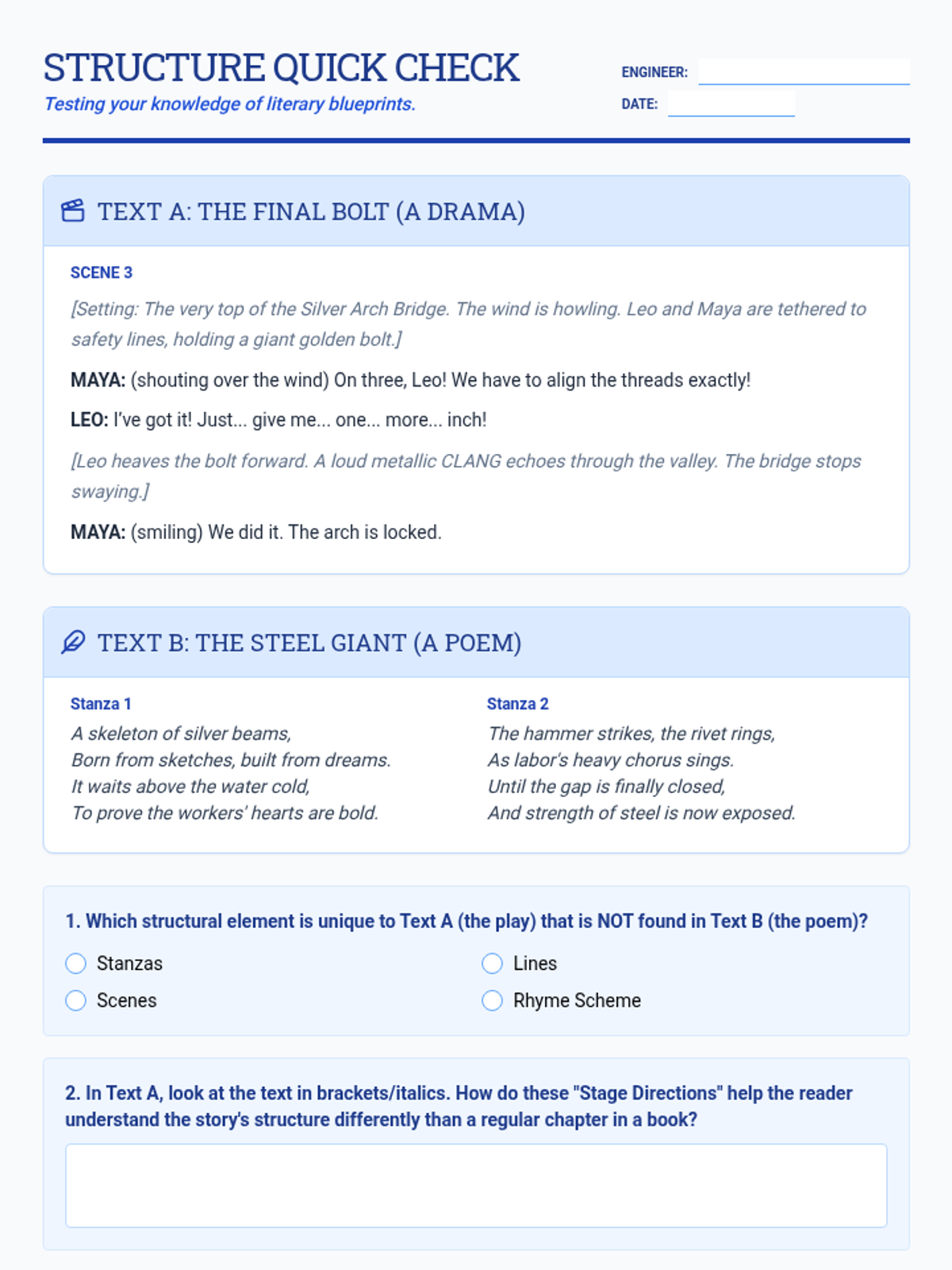
This lesson focuses on analyzing how chapters, scenes, and stanzas provide the overall structure of a text. Students will compare the structural elements of stories, plays, and poems to understand how authors build their narratives.
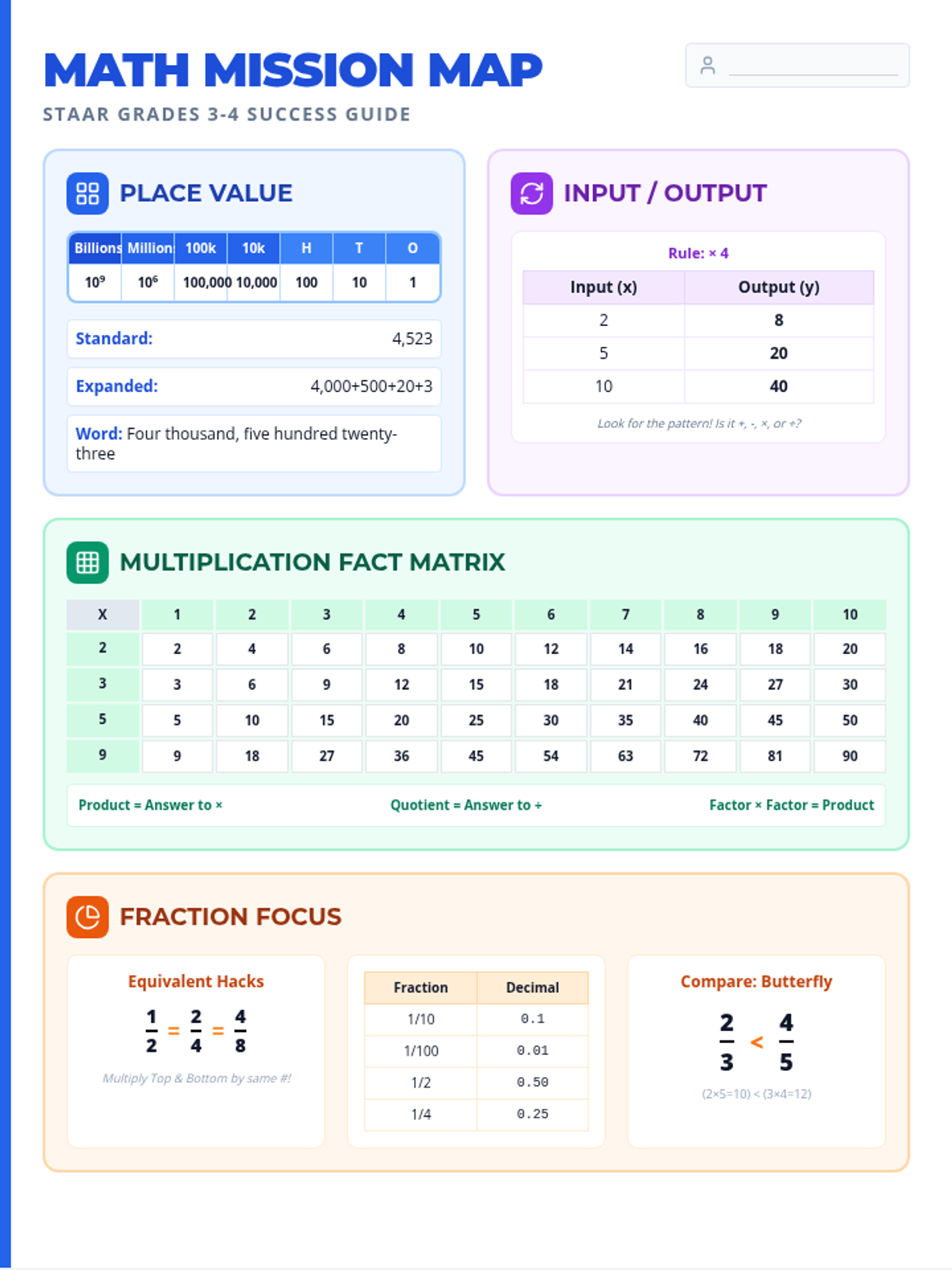
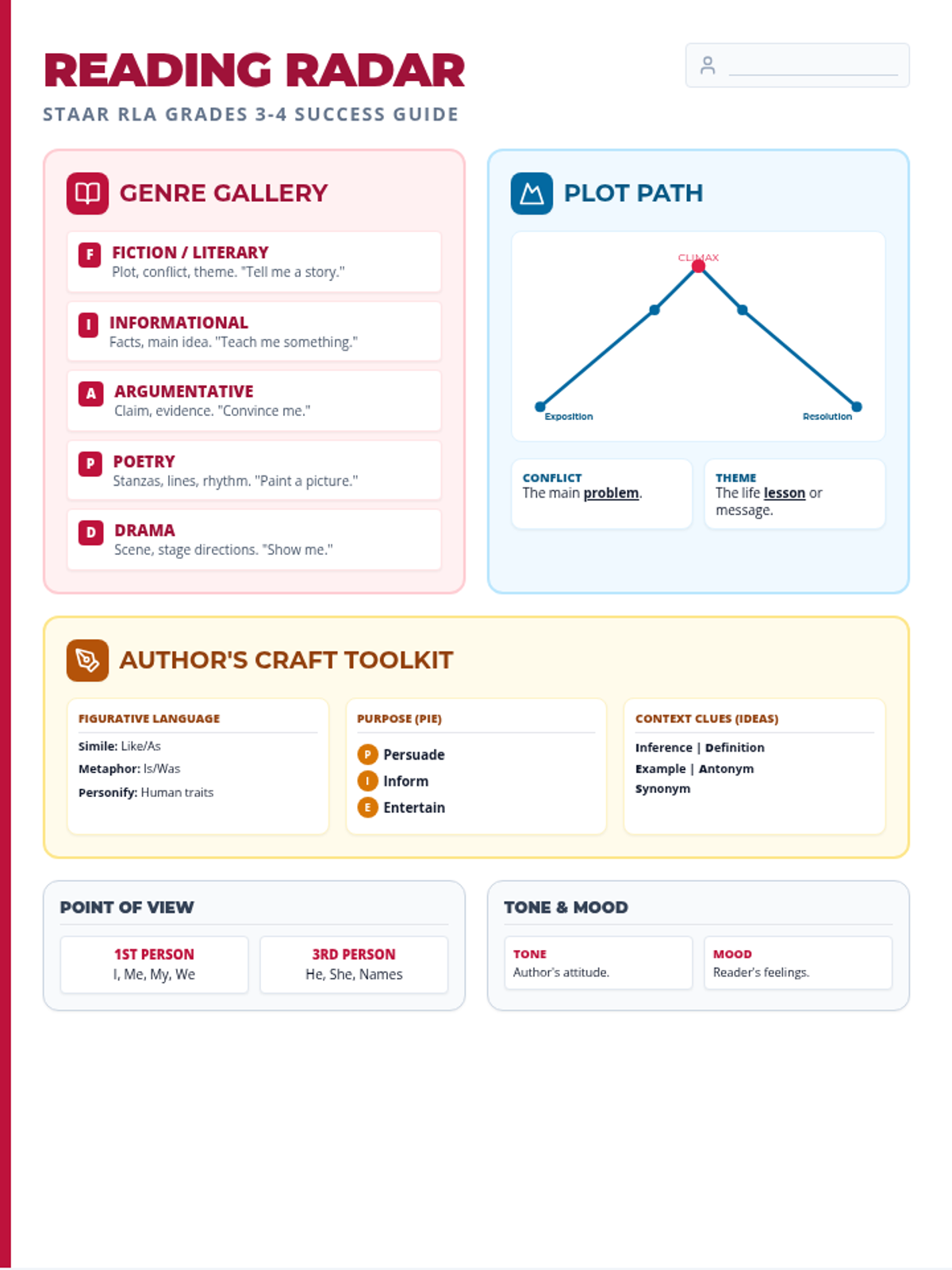
A comprehensive STAAR preparation resource for Grades 3-4, featuring visually organized cheat sheets for Math and Reading Language Arts designed to boost student confidence and recall.
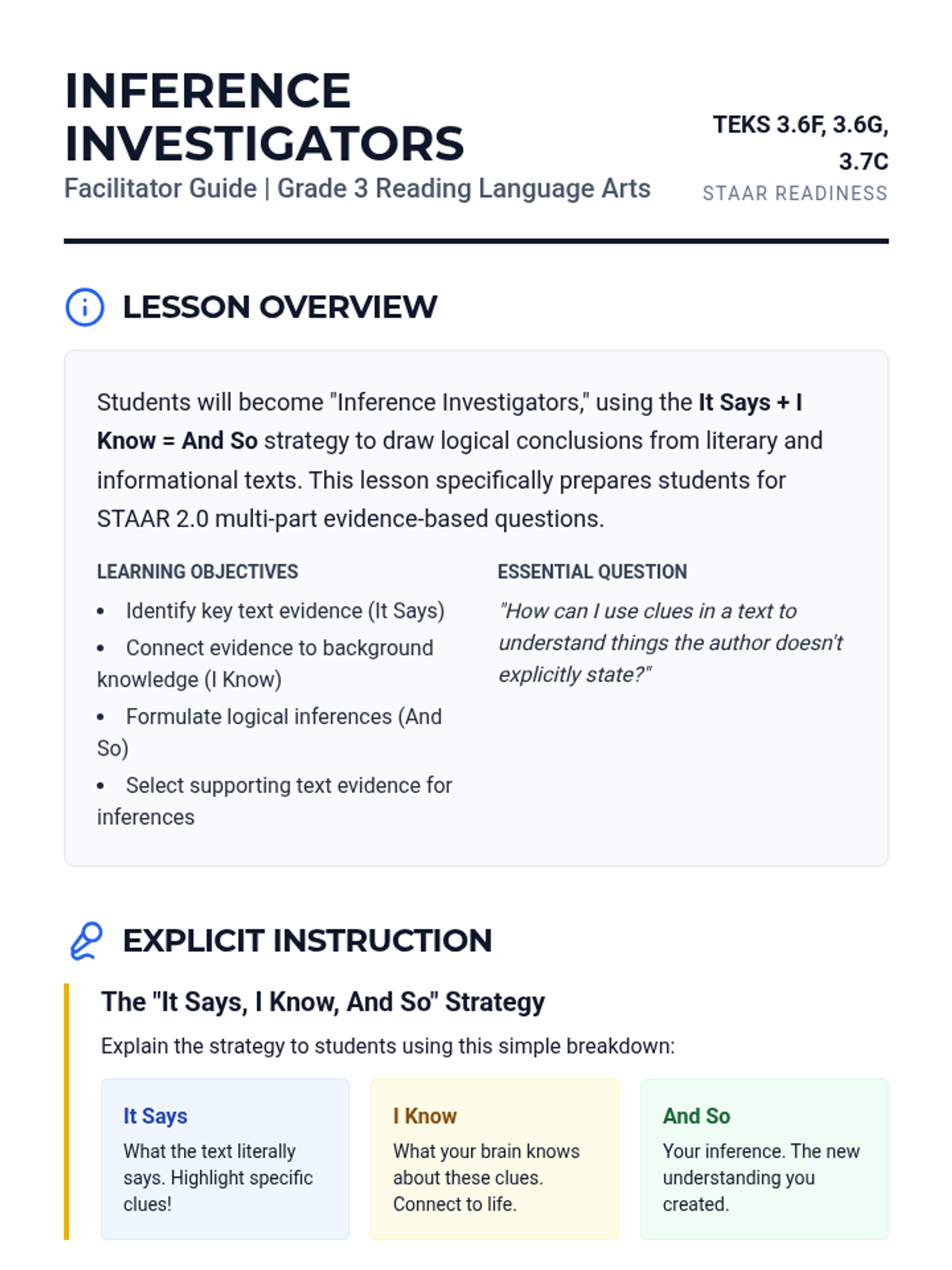
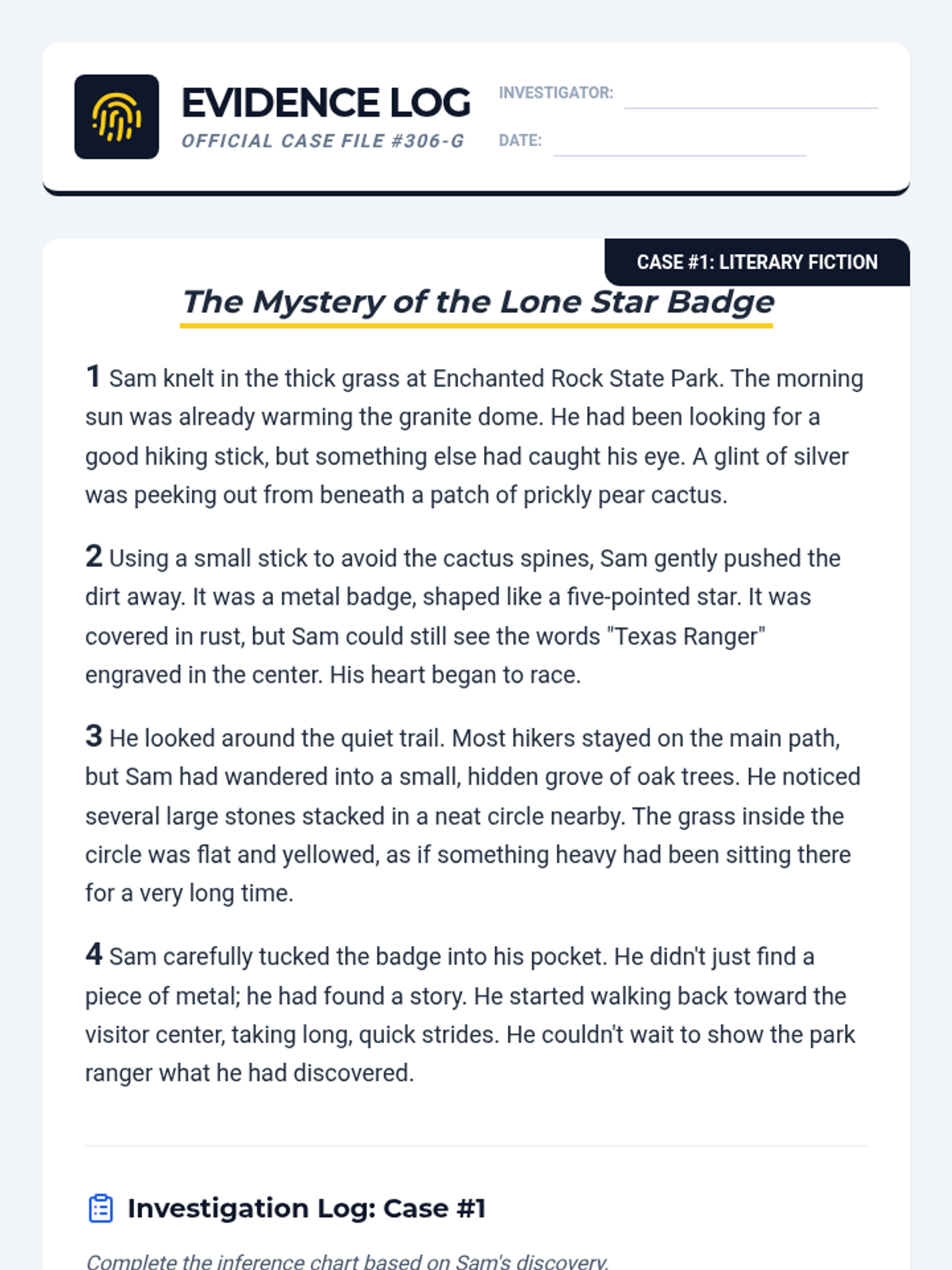
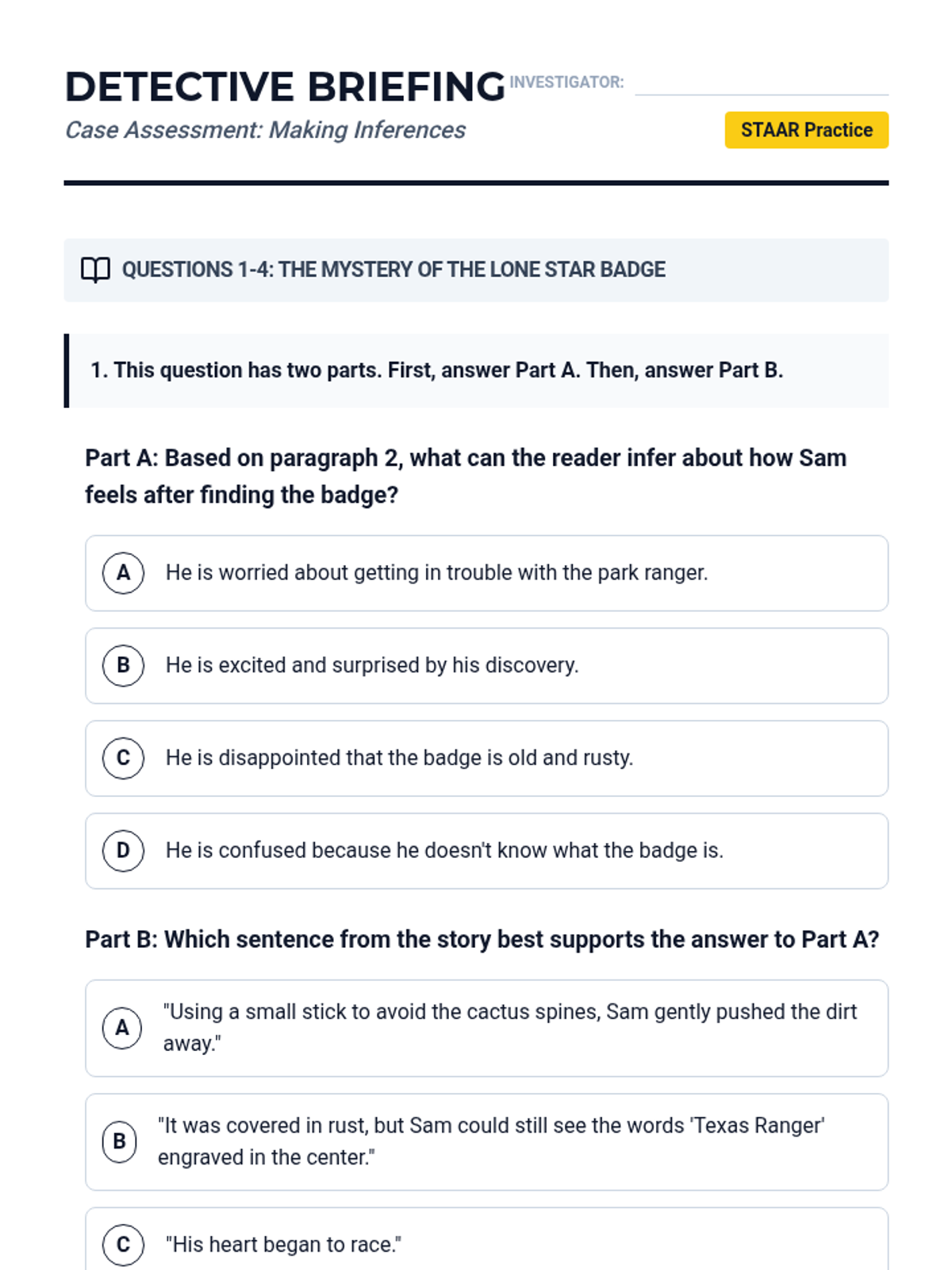
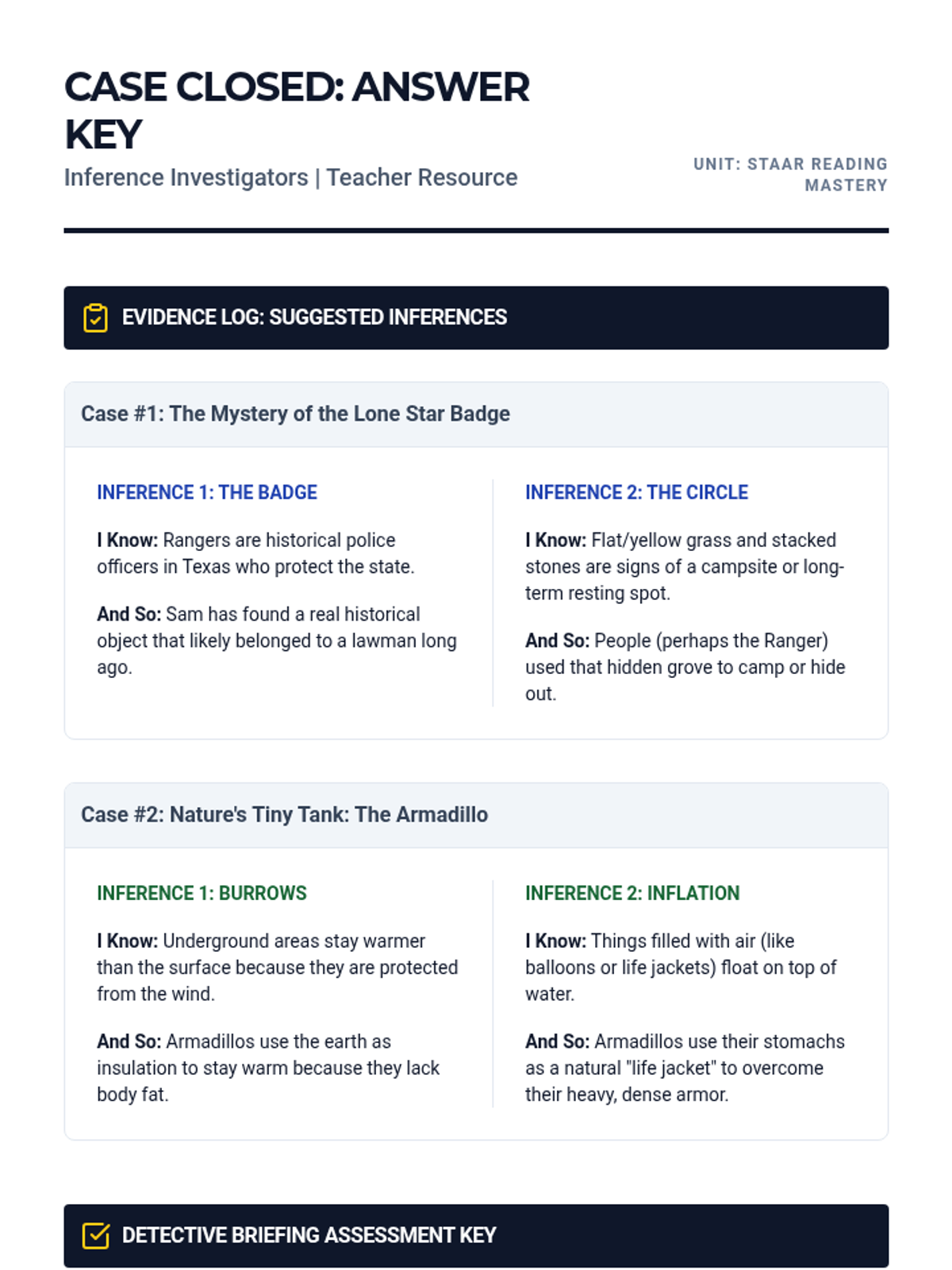
A comprehensive STAAR-aligned lesson focused on making inferences and using text evidence in both literary and informational texts using the 'It Says, I Know, And So' strategy.