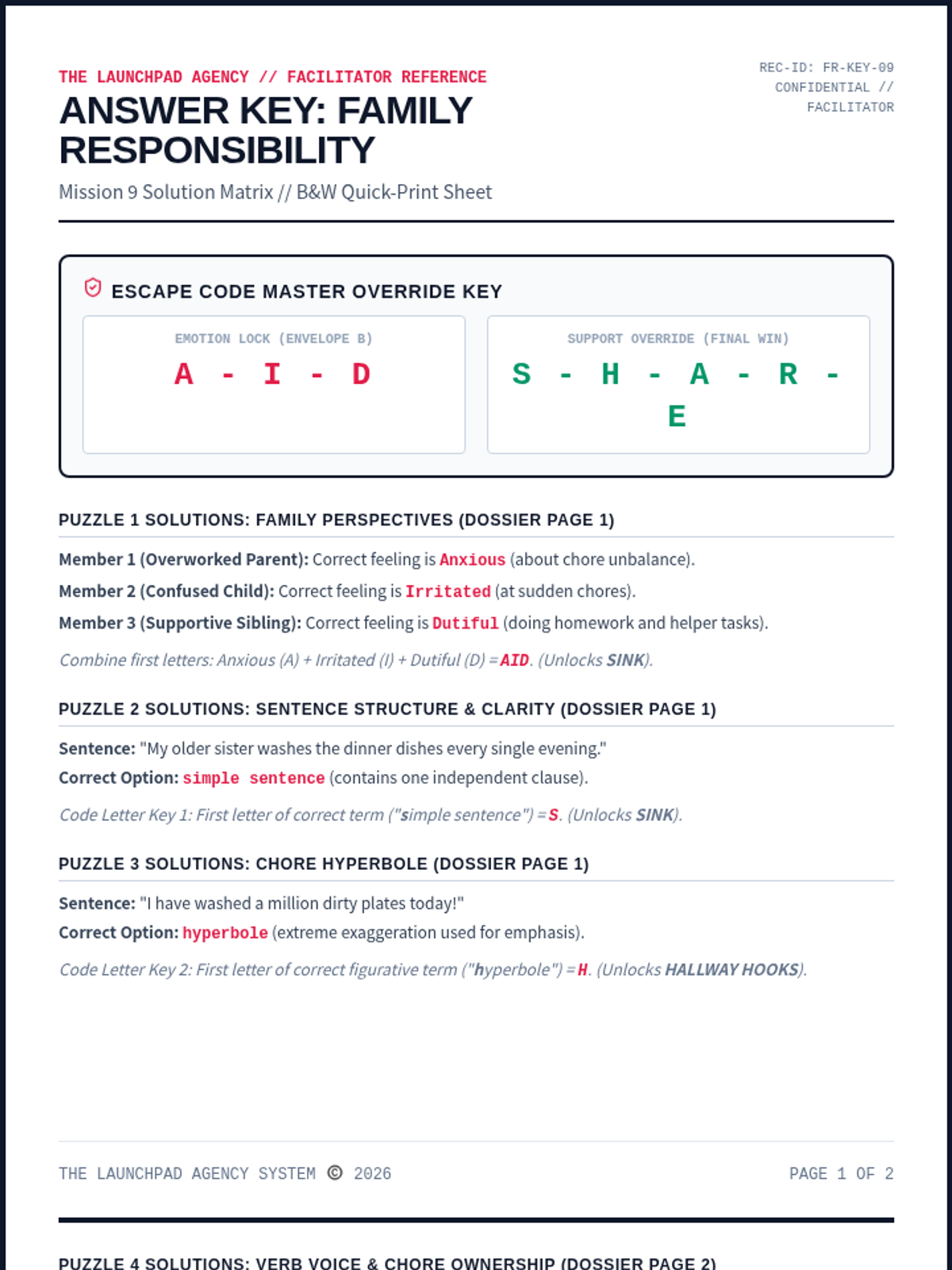
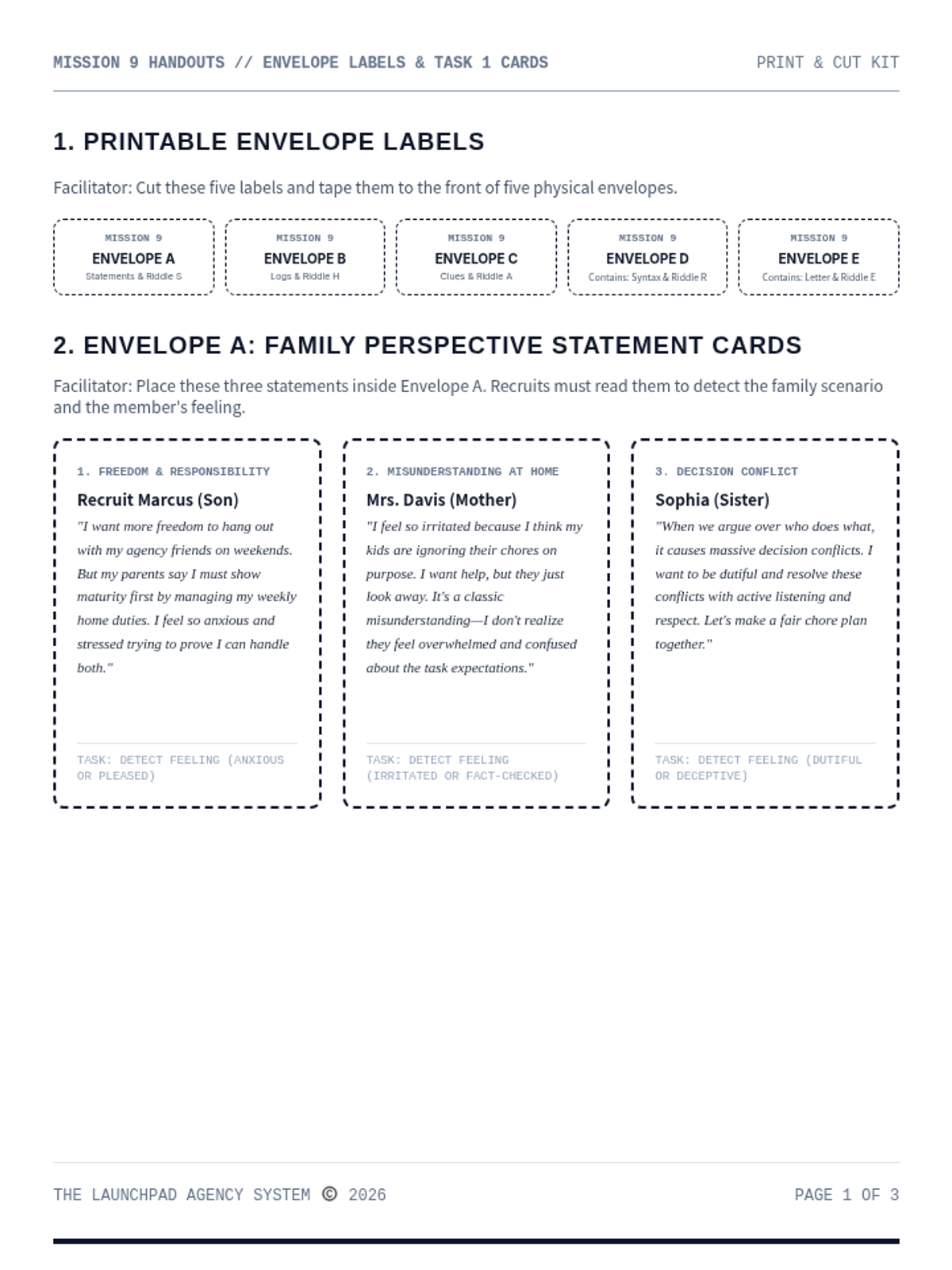
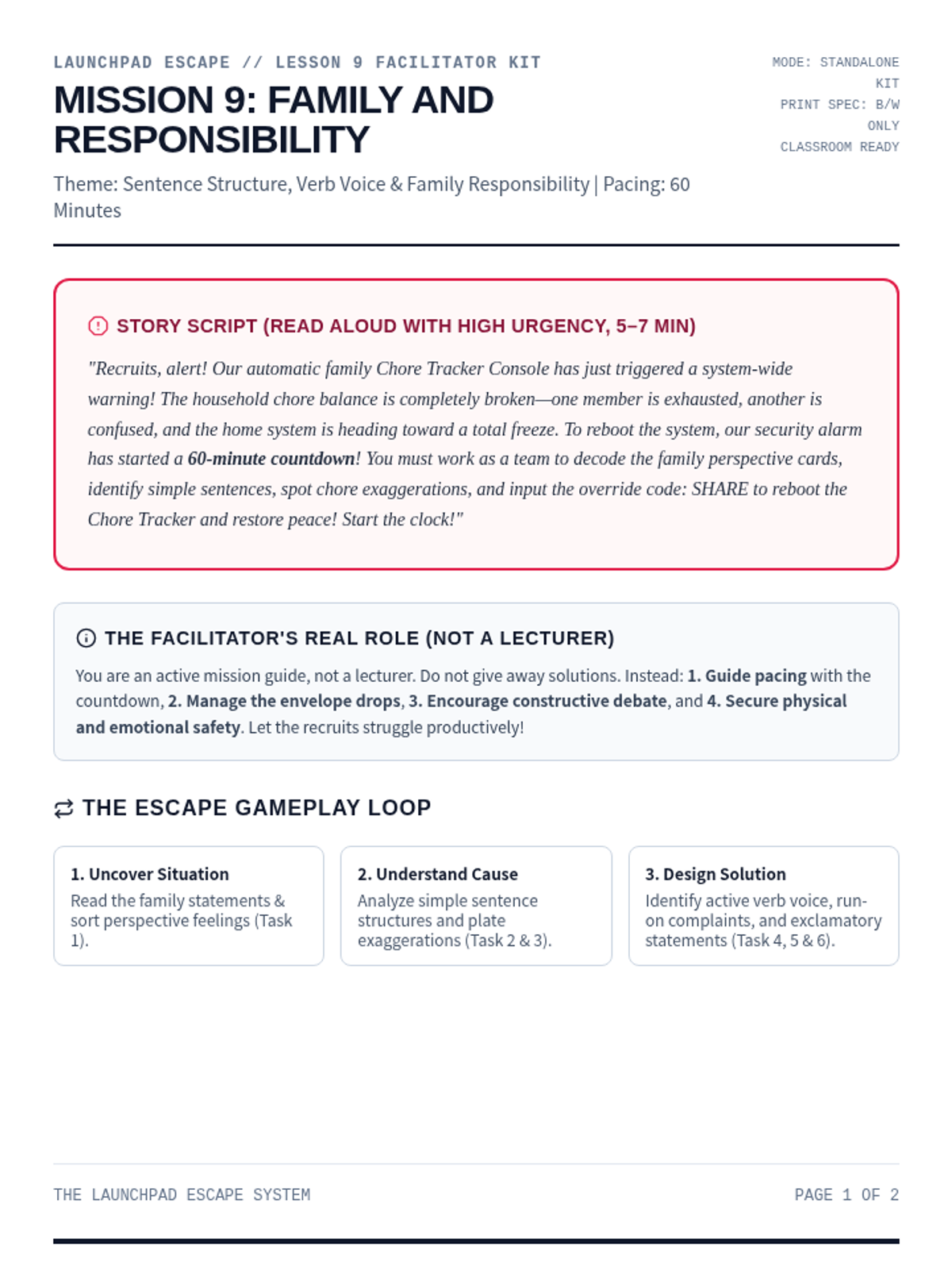
A beginner's guide to argumentative writing, focusing on using evidence to support claims and addressing opposing views with confidence. Designed for early elementary students with high visual support.
A social studies and reading lesson for 2nd graders to explore the role of doctors and nurses as community heroes, focusing on identifying main ideas and supporting details in healthcare-themed texts.
Resources for mastering comparative writing, including rubrics and organizers for subject analysis.
A collection of tools to help students and teachers evaluate narrative writing through clear criteria and student-friendly goals.
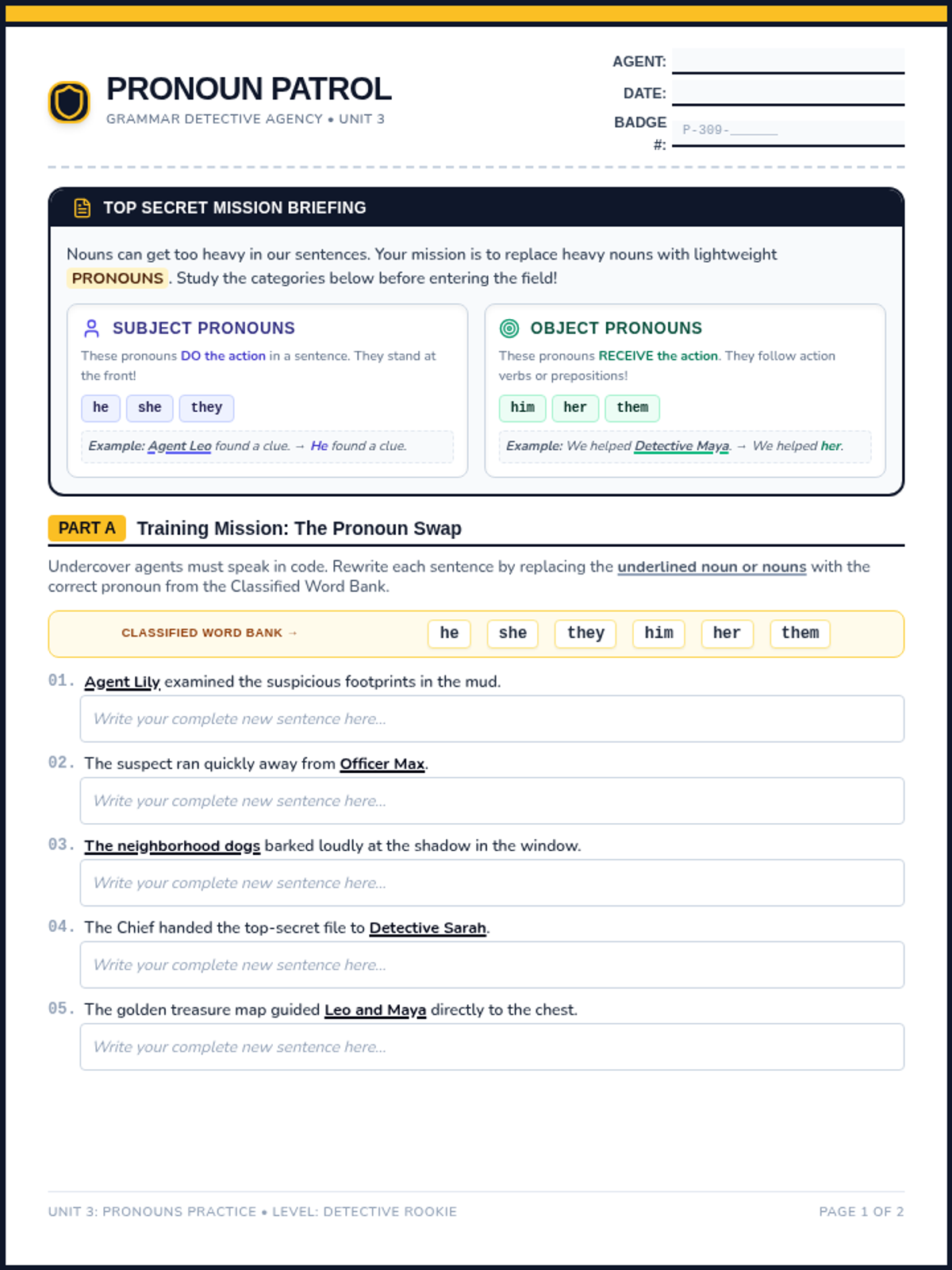
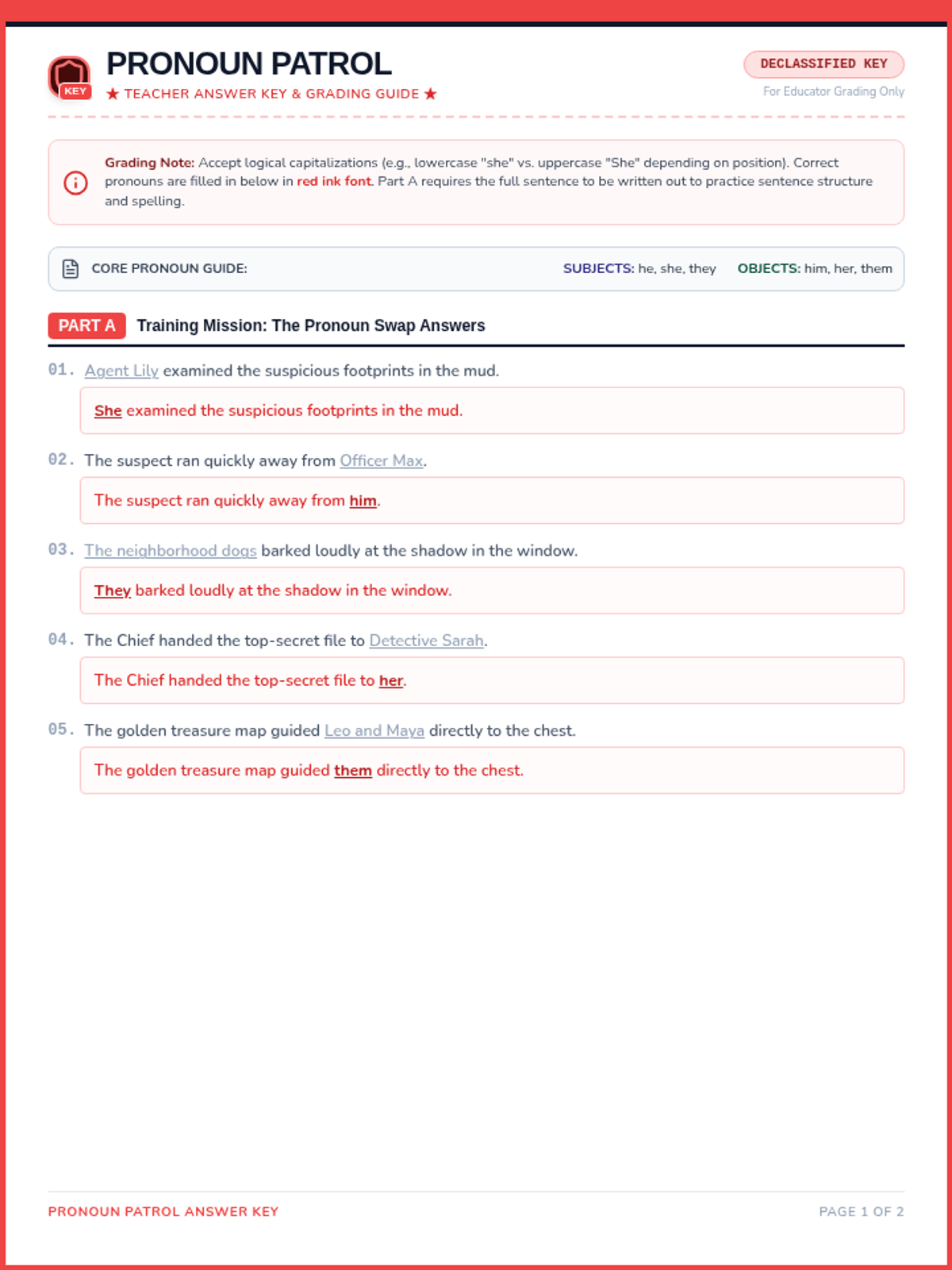
A lesson focused on helping 3rd grade ESL students master the use of 'to be' verbs in present (is, are) and past (was, were) tenses using relatable nouns and pronouns.
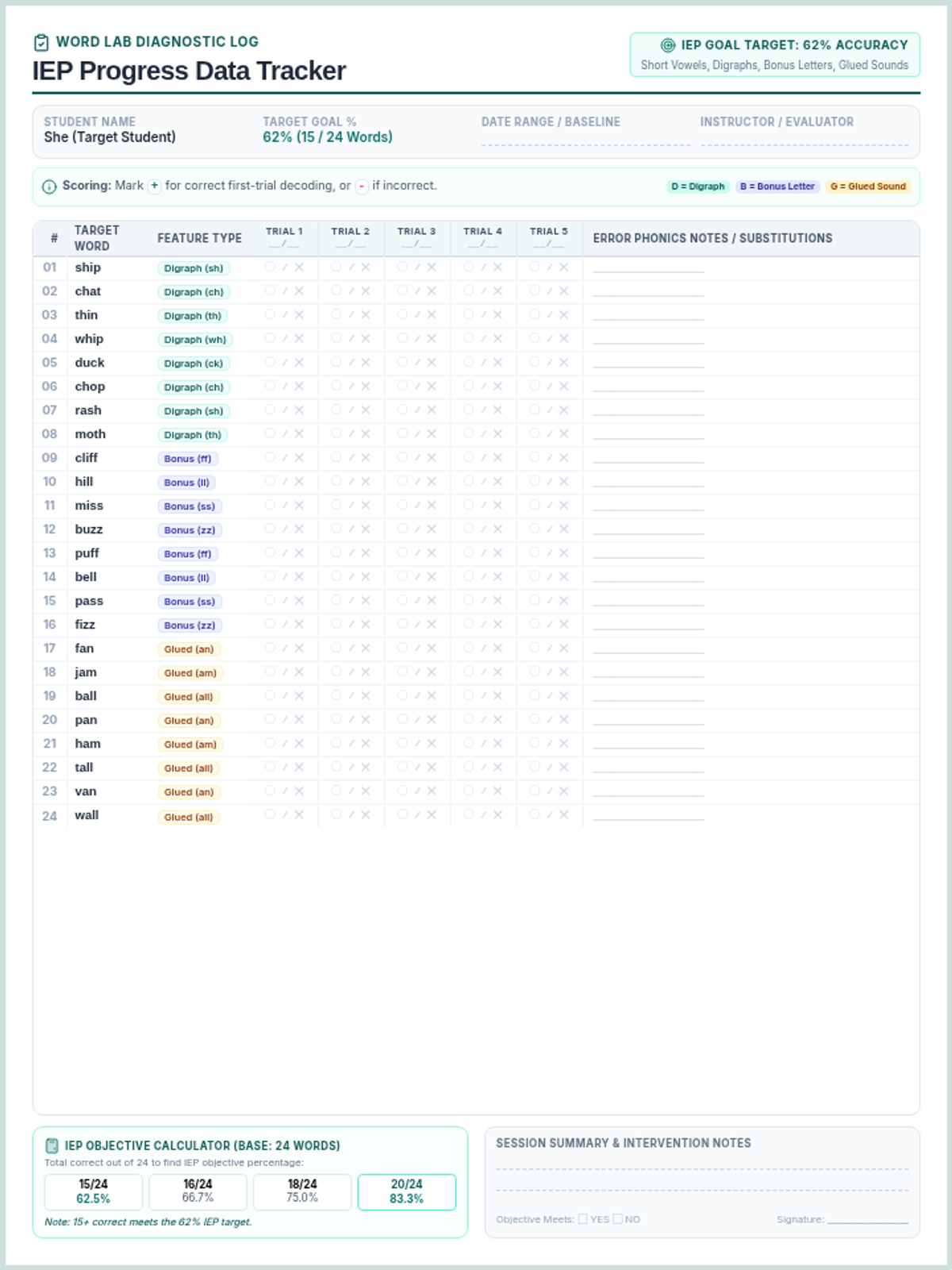
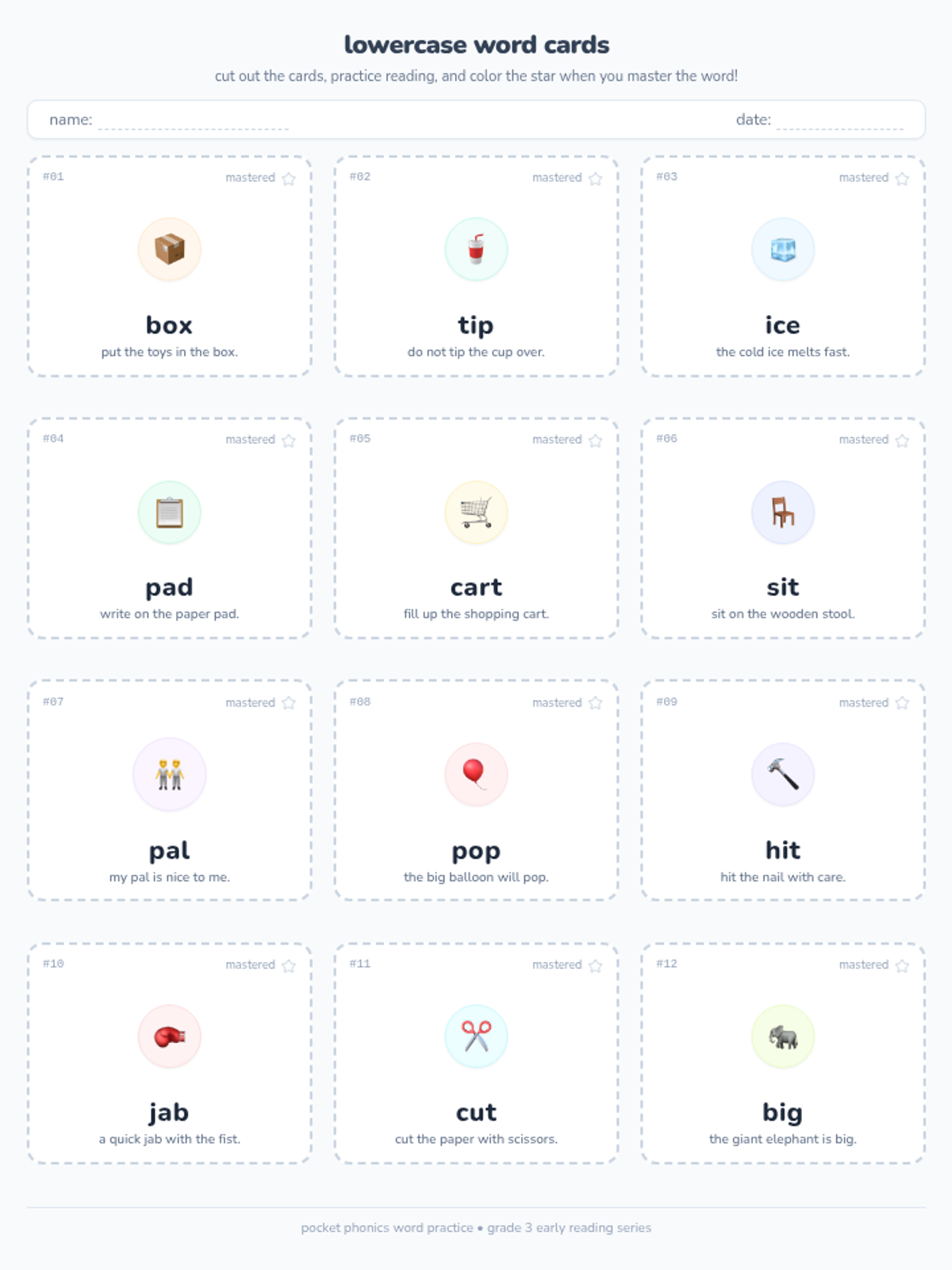
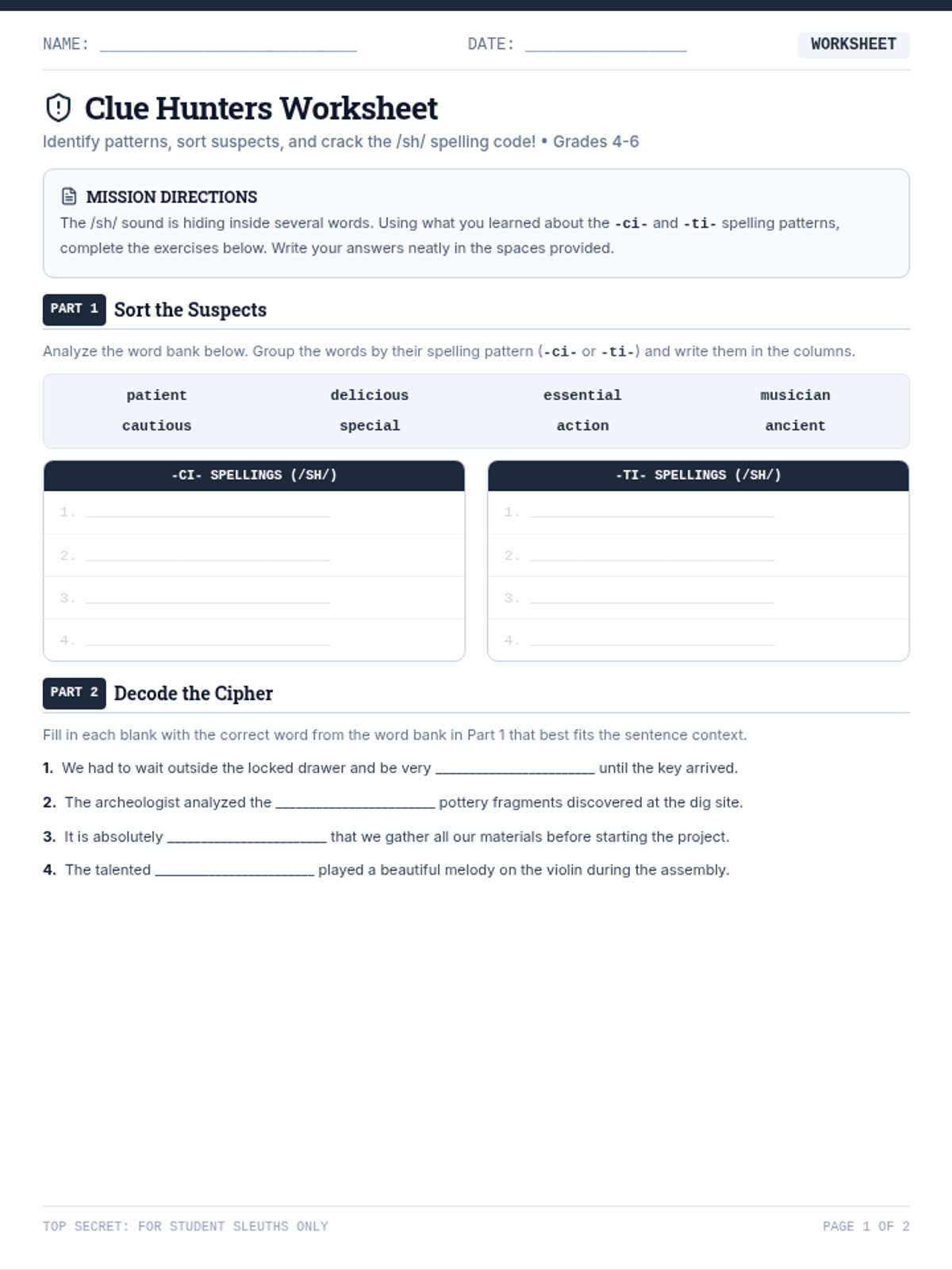
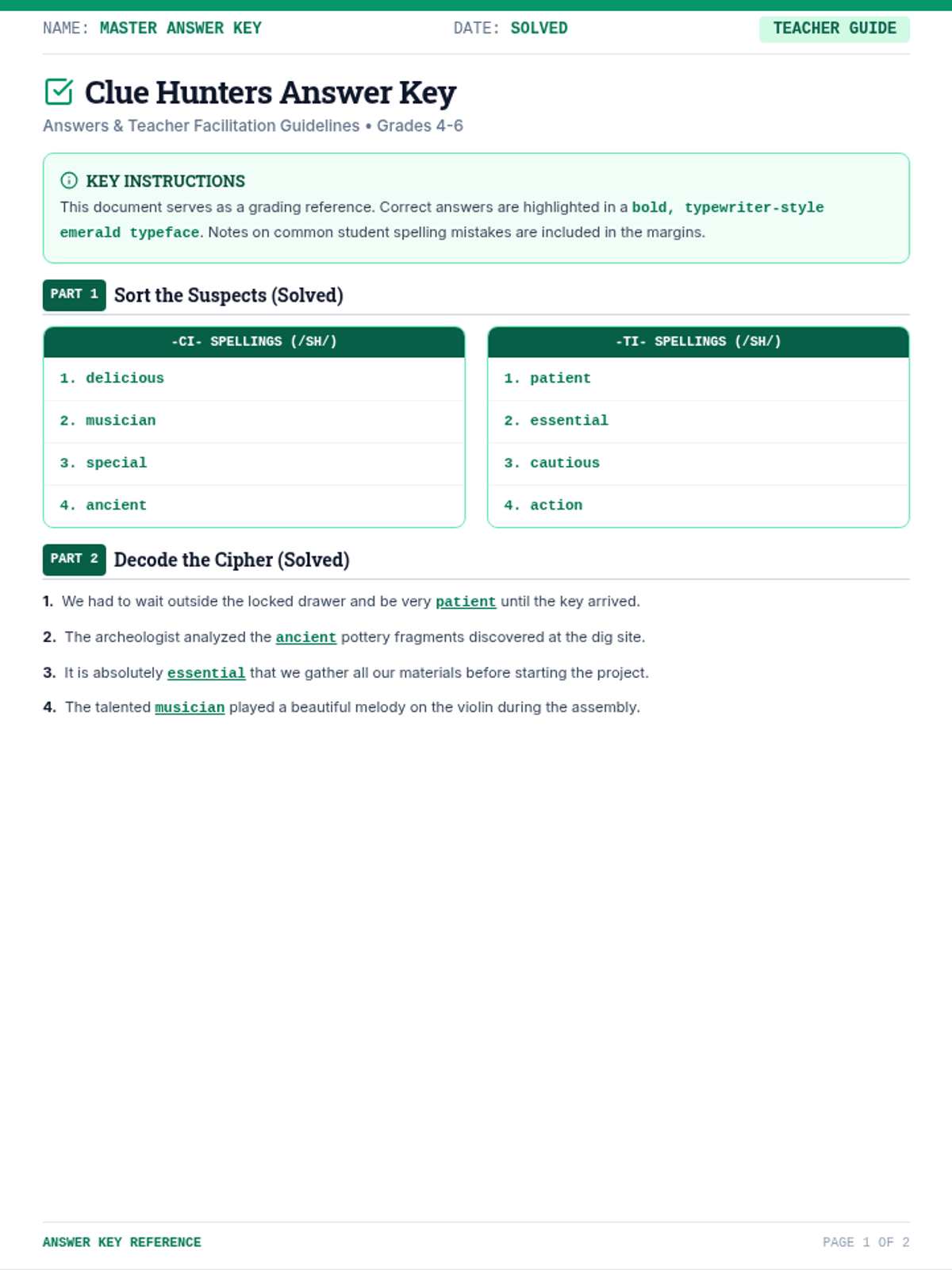
A phonics lesson focused on decoding 2-syllable VCV words with open and closed syllables, set against a retro-futuristic solar system theme.
A short lesson covering the climax and resolution of the poem 'Casey at the Bat'. Students analyze the crowd's reaction, Casey's changing attitude, and the final strikeout.
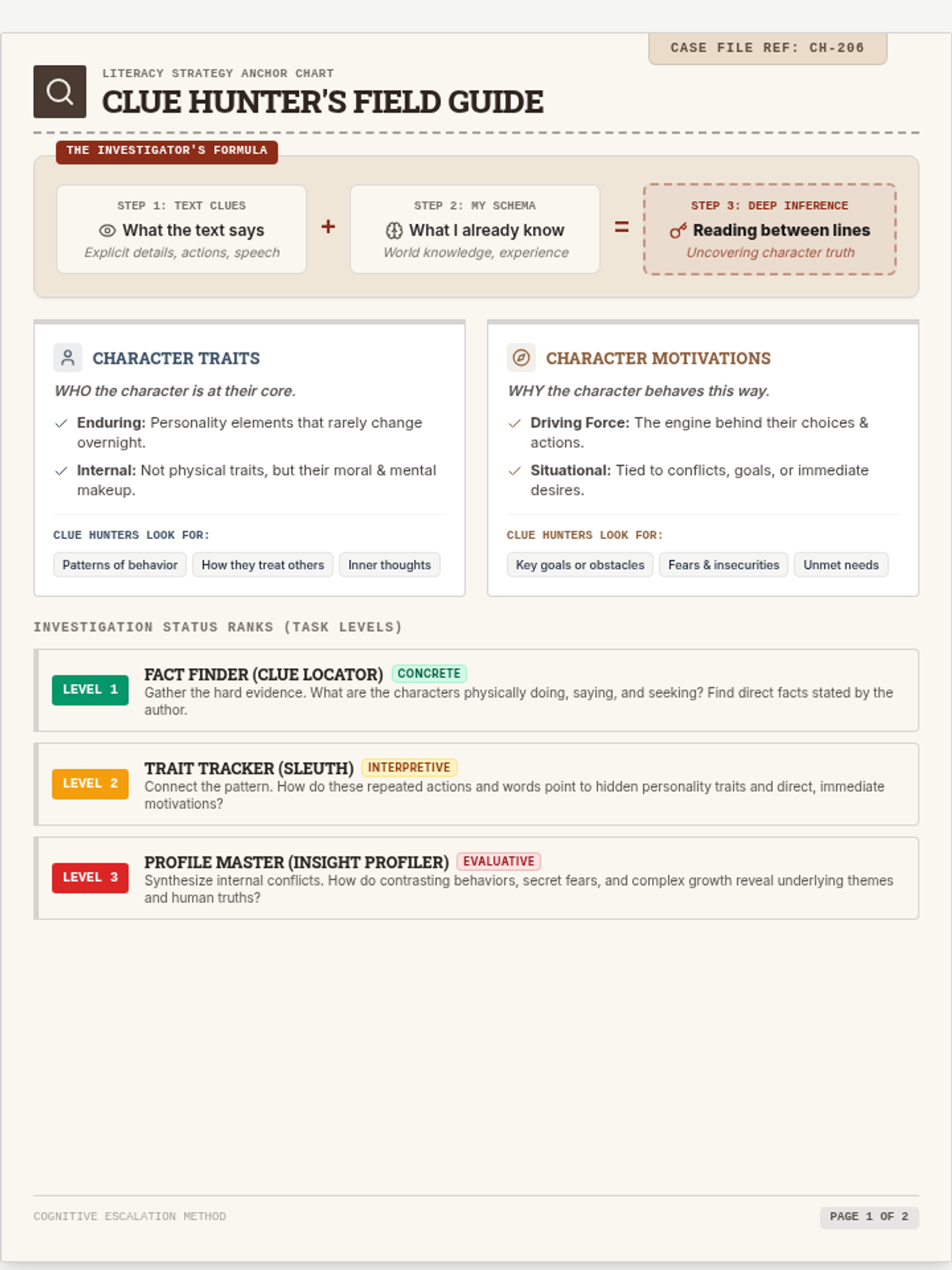
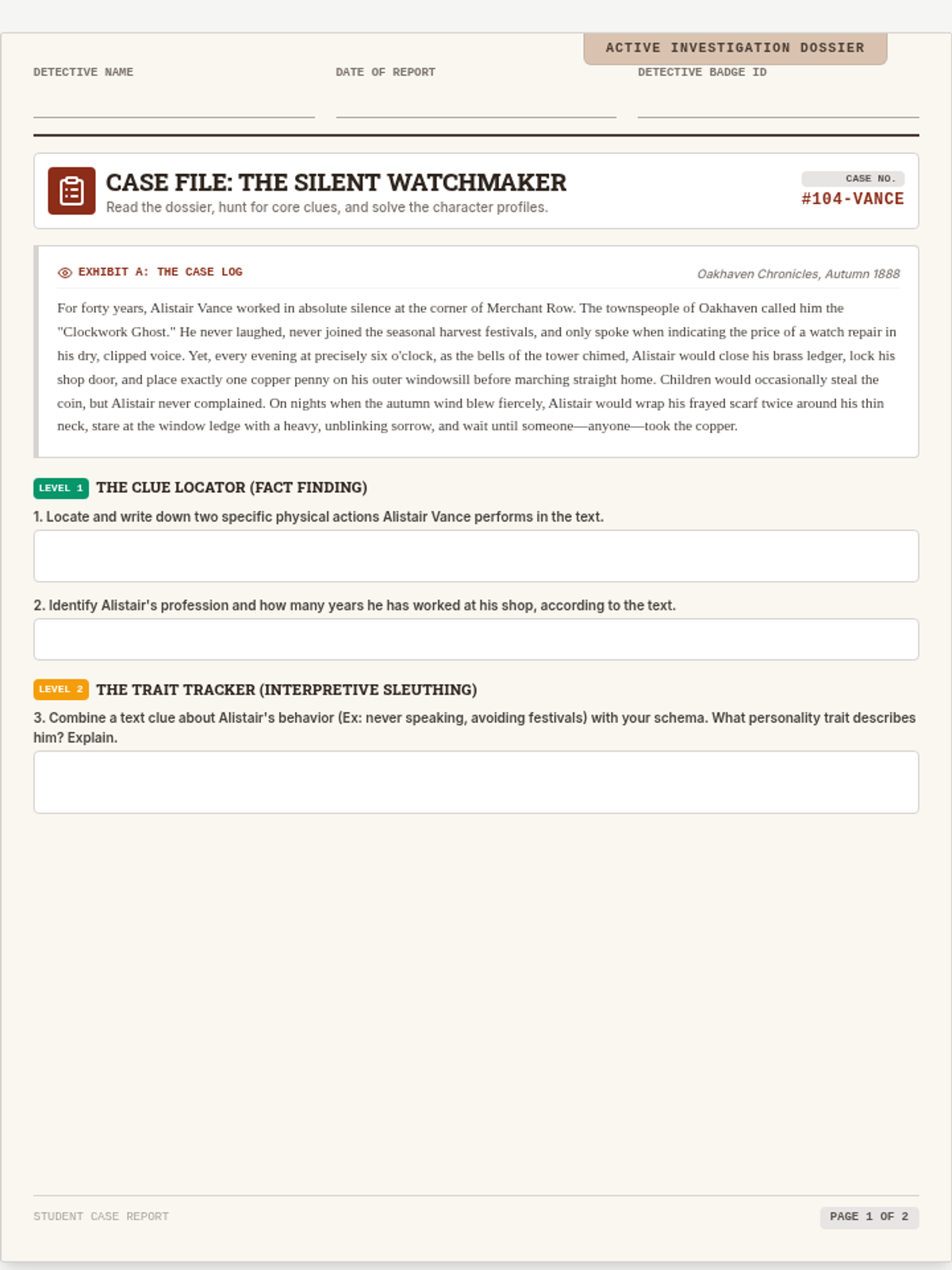
A lesson focusing on character analysis and trait identification in Peter Pan Chapters 1-8. Includes a character quiz and assessment tools.
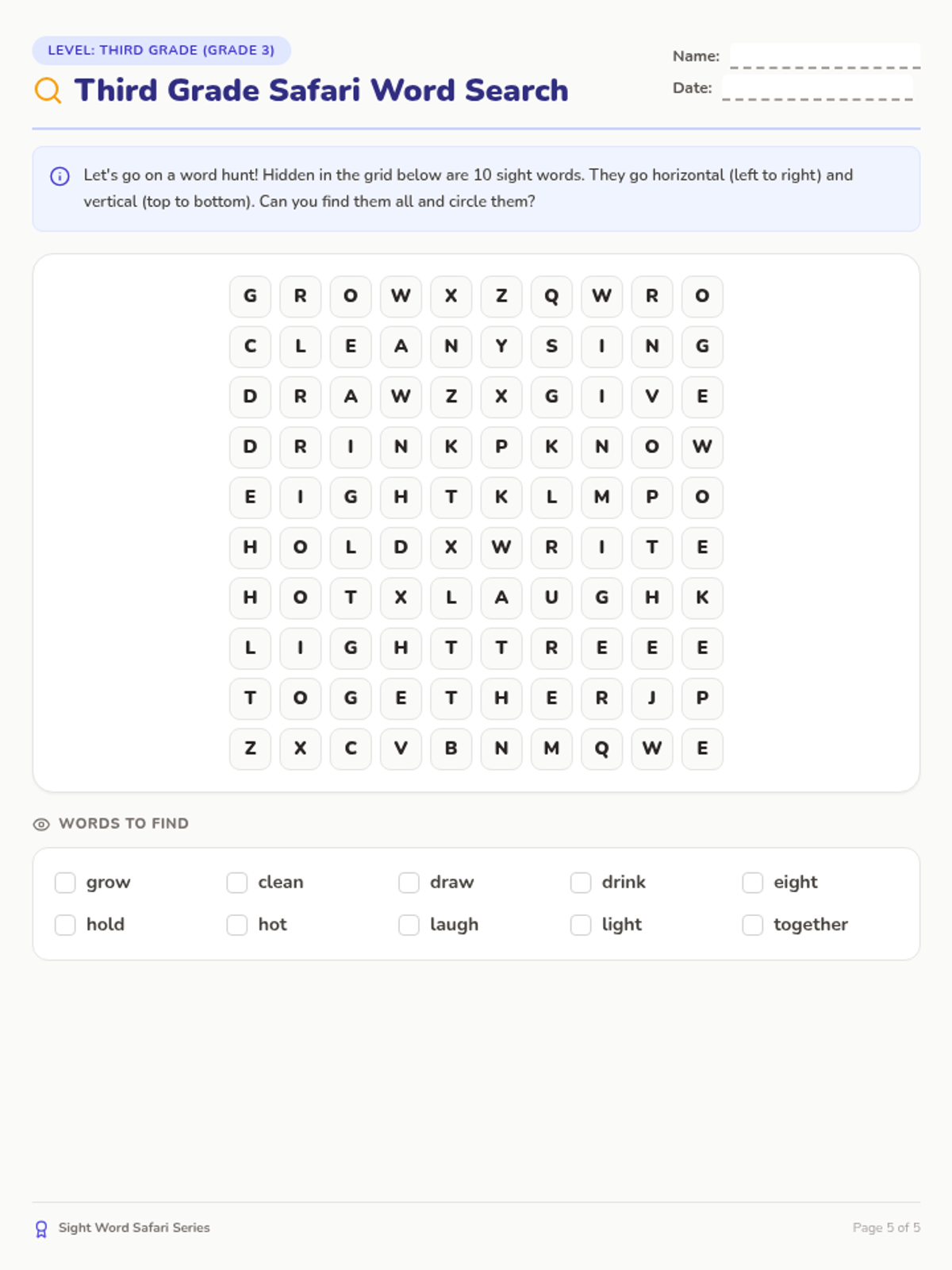
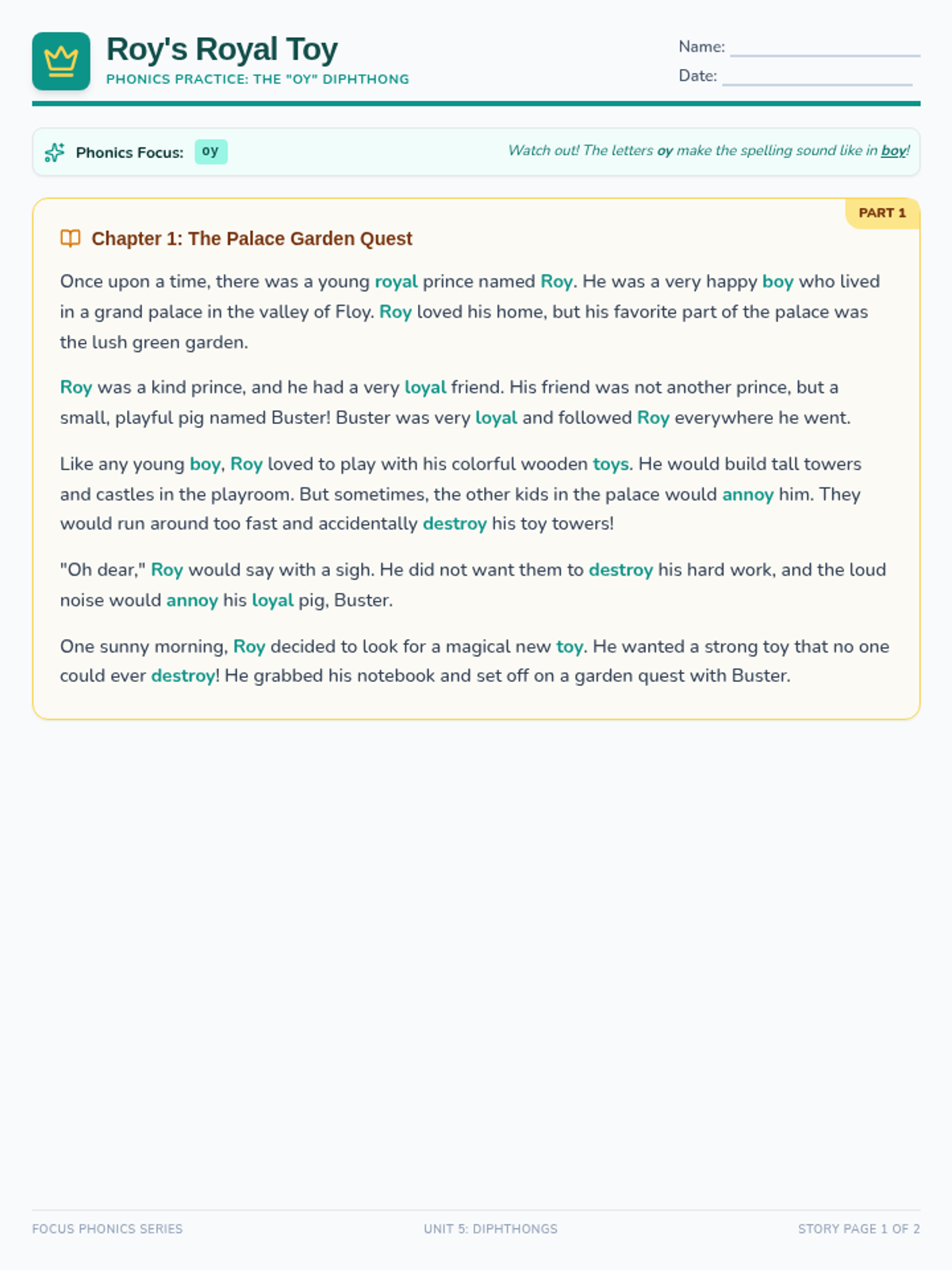
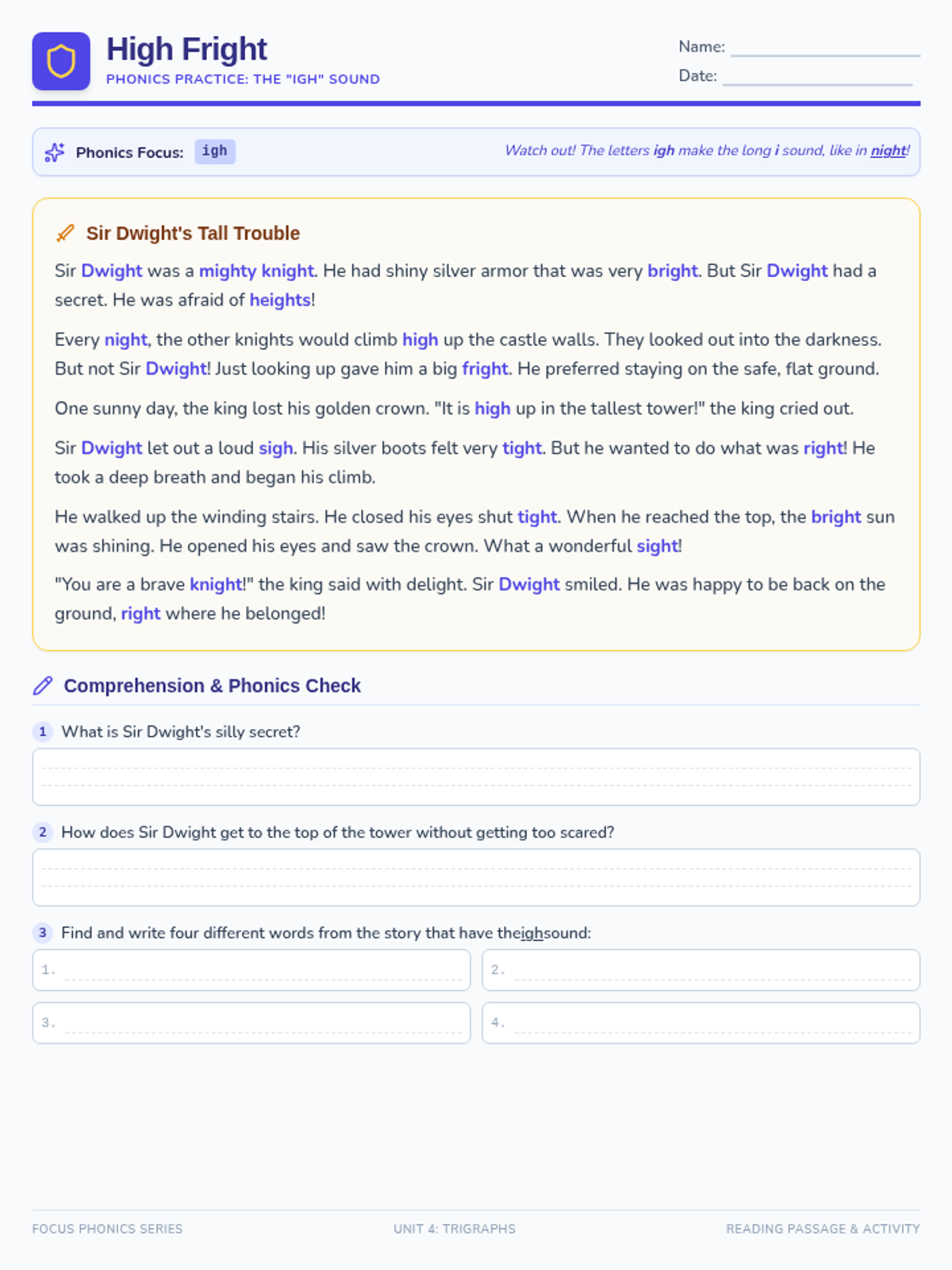
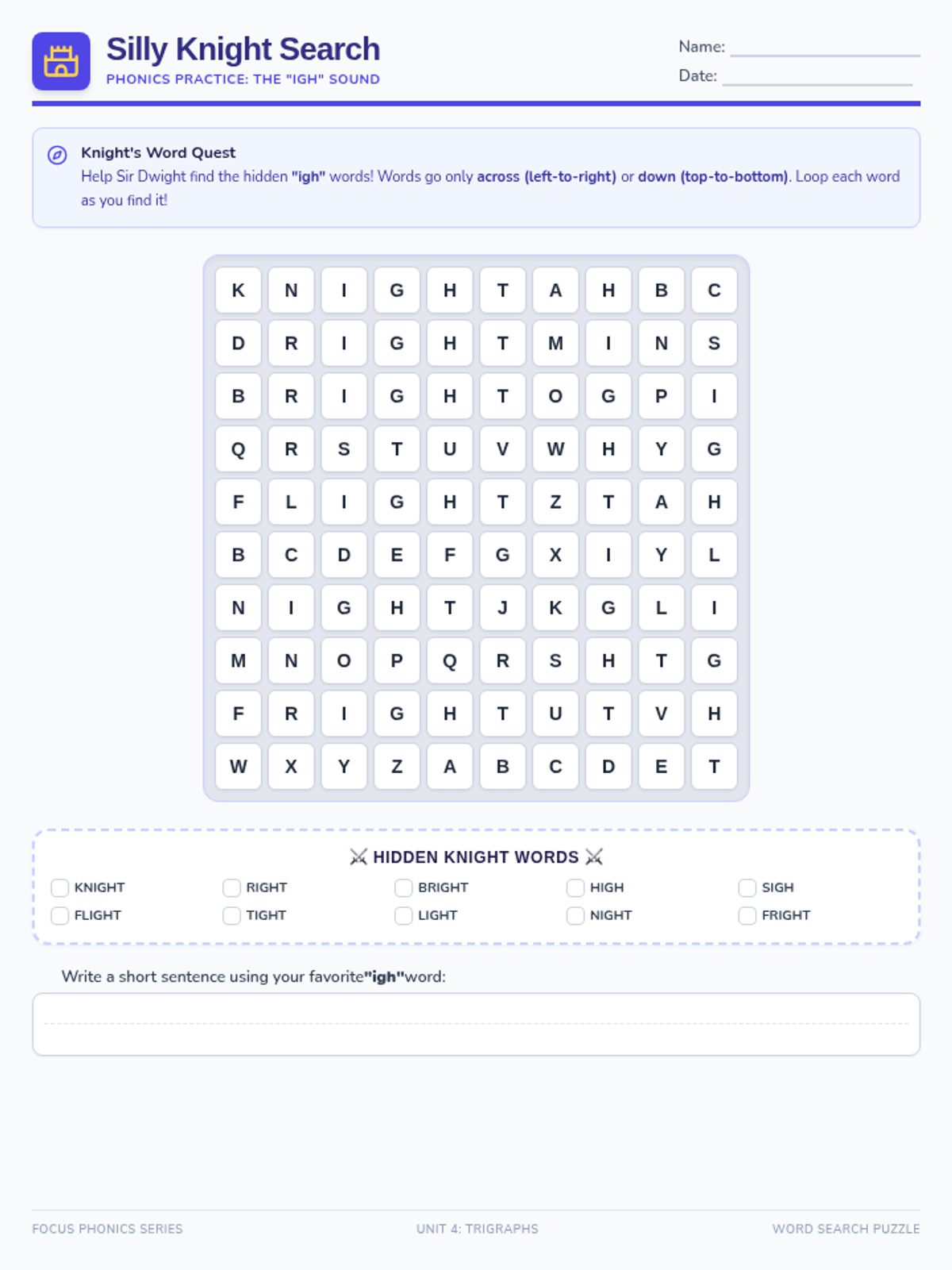
A phonics lesson focusing on the -igh trigraph, featuring word reading practice, sentence application, and reading comprehension with writing support.
An engaging lesson focusing on the '-igh' phonogram through a nighttime adventure theme, incorporating reading, word identification, and group play.
Explore the distinct personalities of Neverland's inhabitants in Chapter 7 of Peter Pan, focusing on identifying evidence-based character traits.
A reading comprehension lesson focused on Chapter 3 of Peter Pan, where students explore character traits, feelings, and key plot points using visual supports.
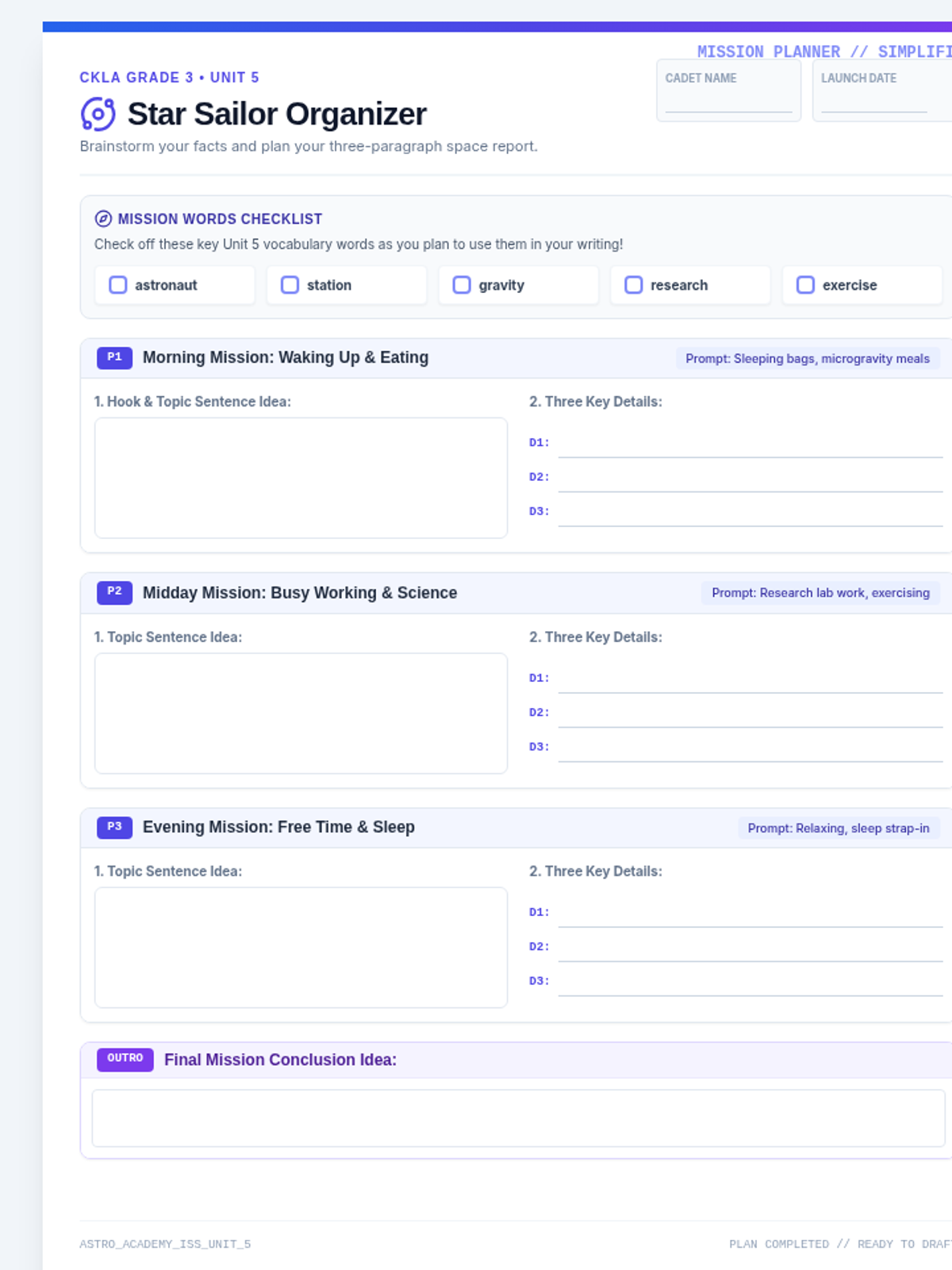
In this lesson, 4th-grade students will read two distinct short stories and compare their key elements: characters, setting, and plot. They will use a graphic organizer to identify similarities and differences, deepening their understanding of how authors build narratives.
The final stage where students engage in peer review, use a revision checklist, and evaluate their work against a comprehensive rubric.
Students focus on transitions and logical flow as they move from planning to drafting their full persuasive essay.
Students dive into types of evidence (stats, anecdotes, expert quotes) and learn how to address counterarguments effectively.