A hands-on science lesson where 5th-grade students act as 'detectives' to investigate physical and chemical changes using real-world substances.
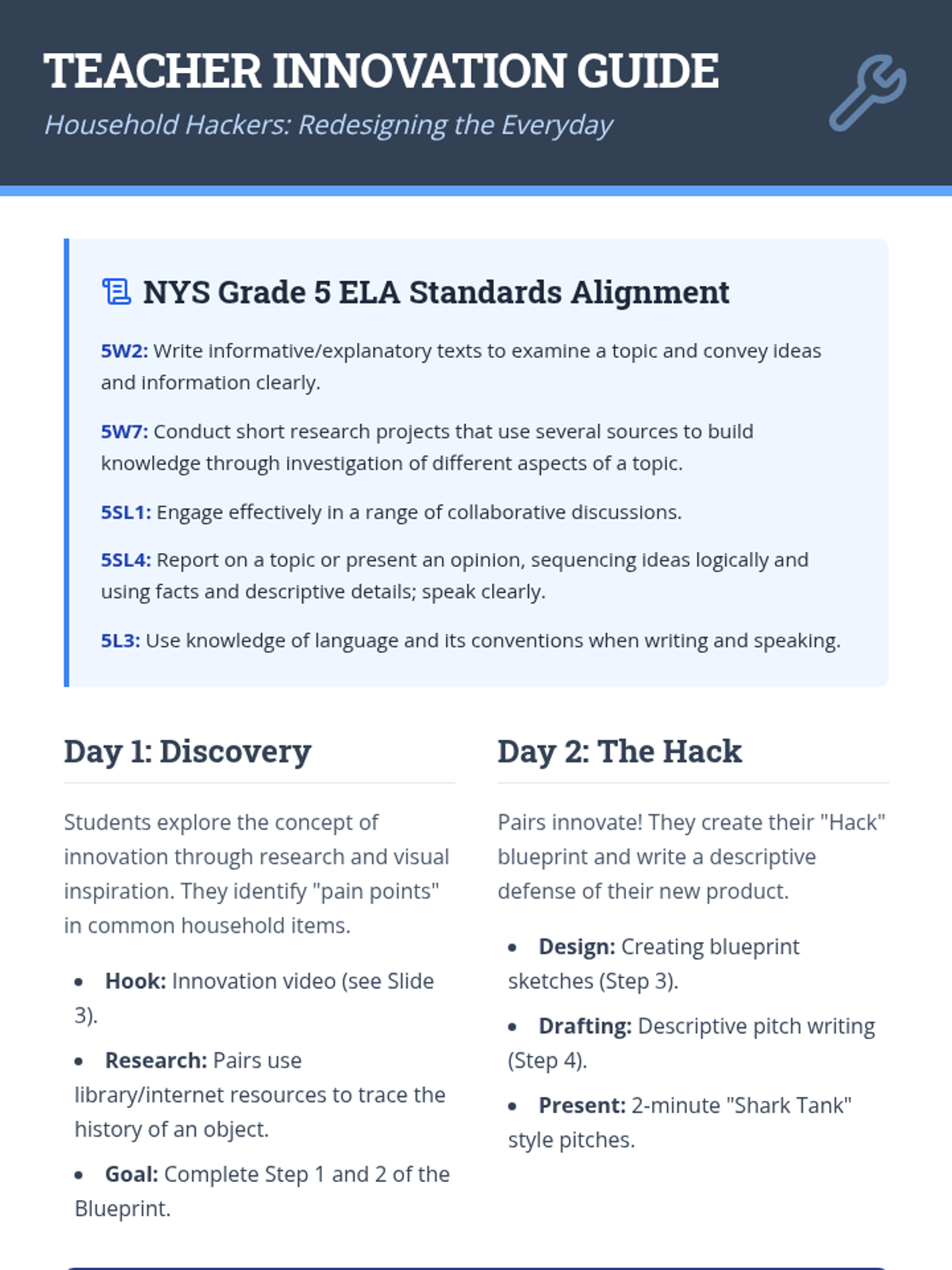
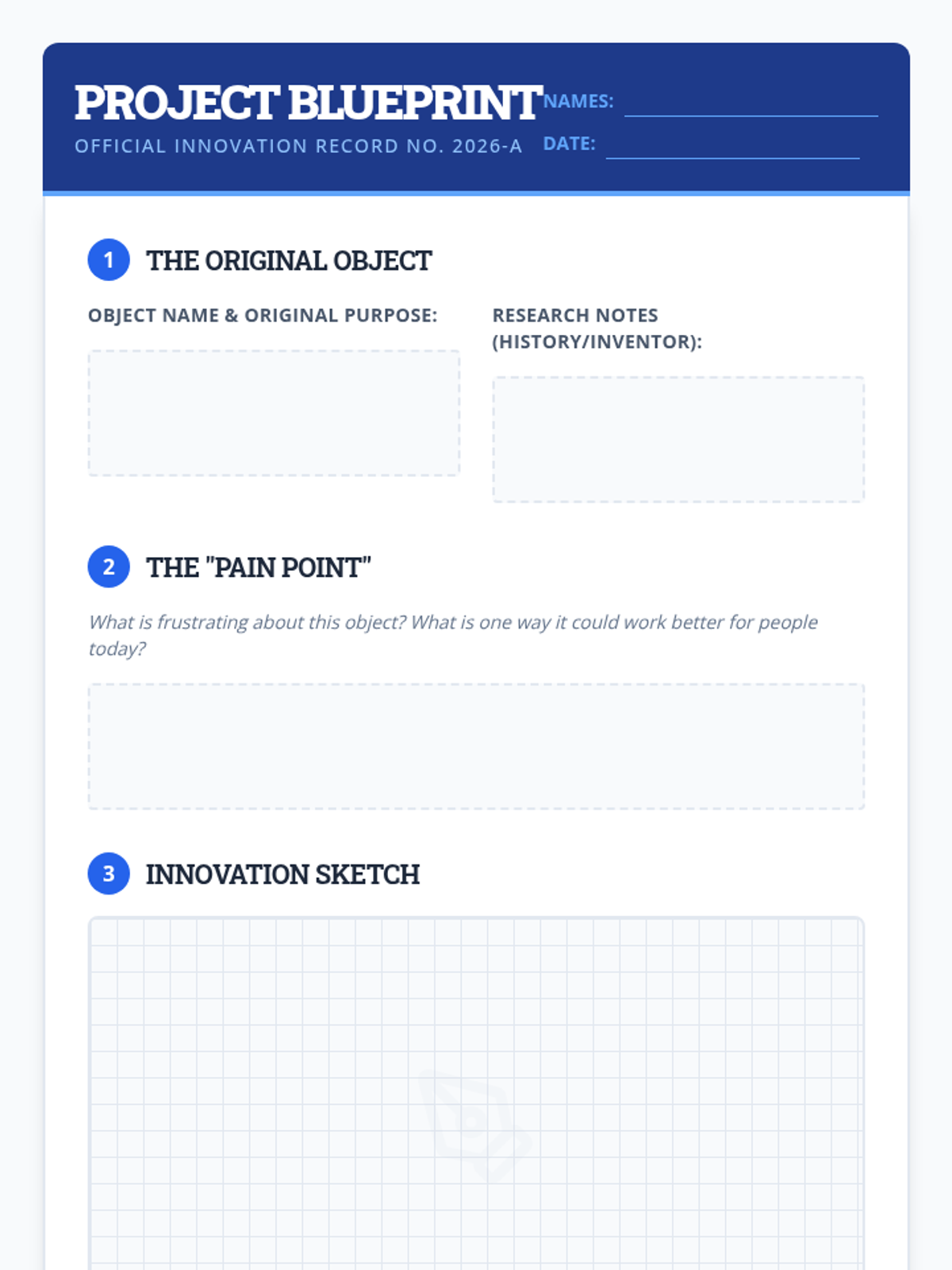
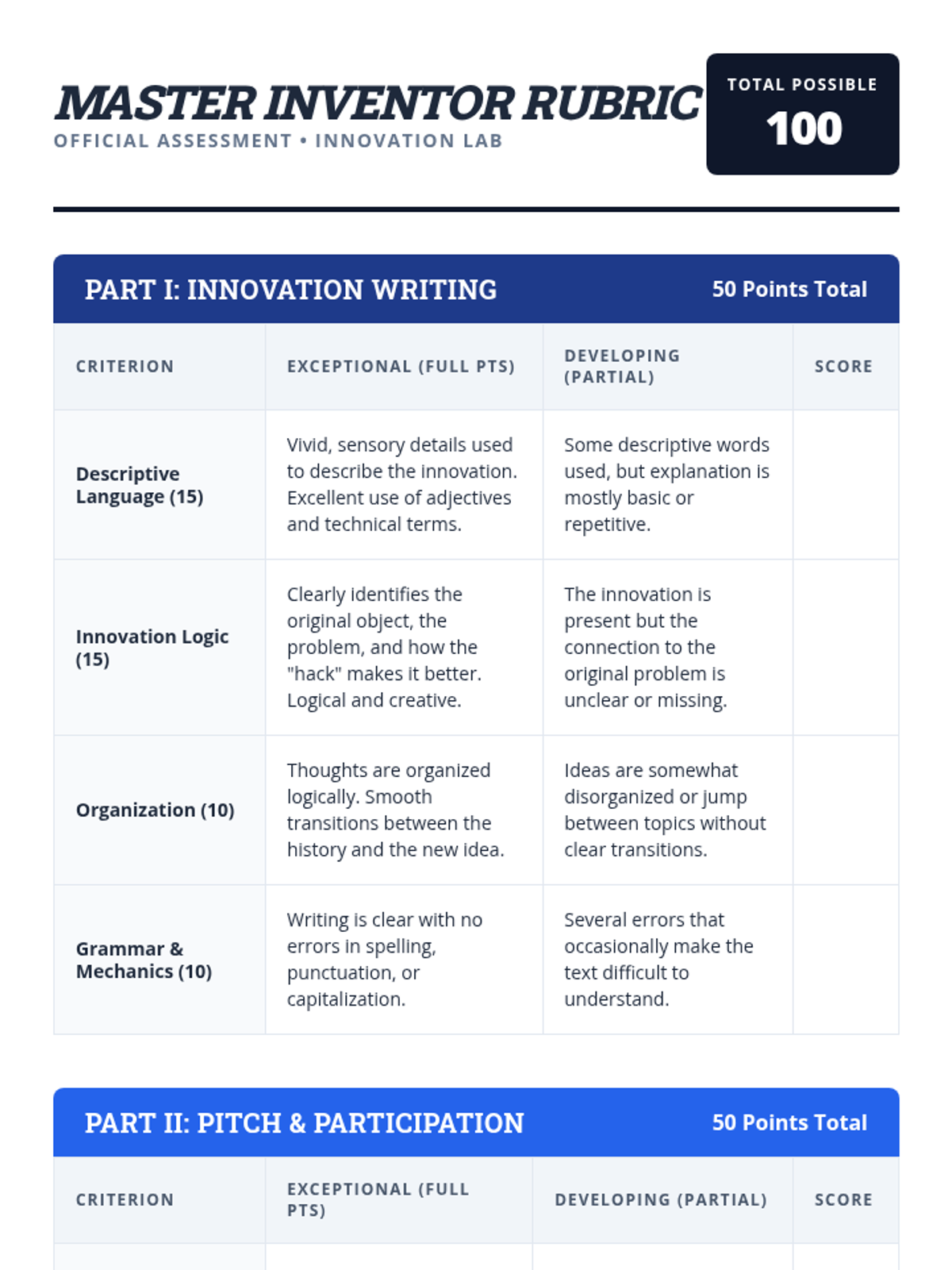
A two-day lesson where students research the history of everyday household objects and innovate them to solve modern problems. Students work in pairs to create a prototype sketch, write a descriptive explanation, and present their invention to the class.
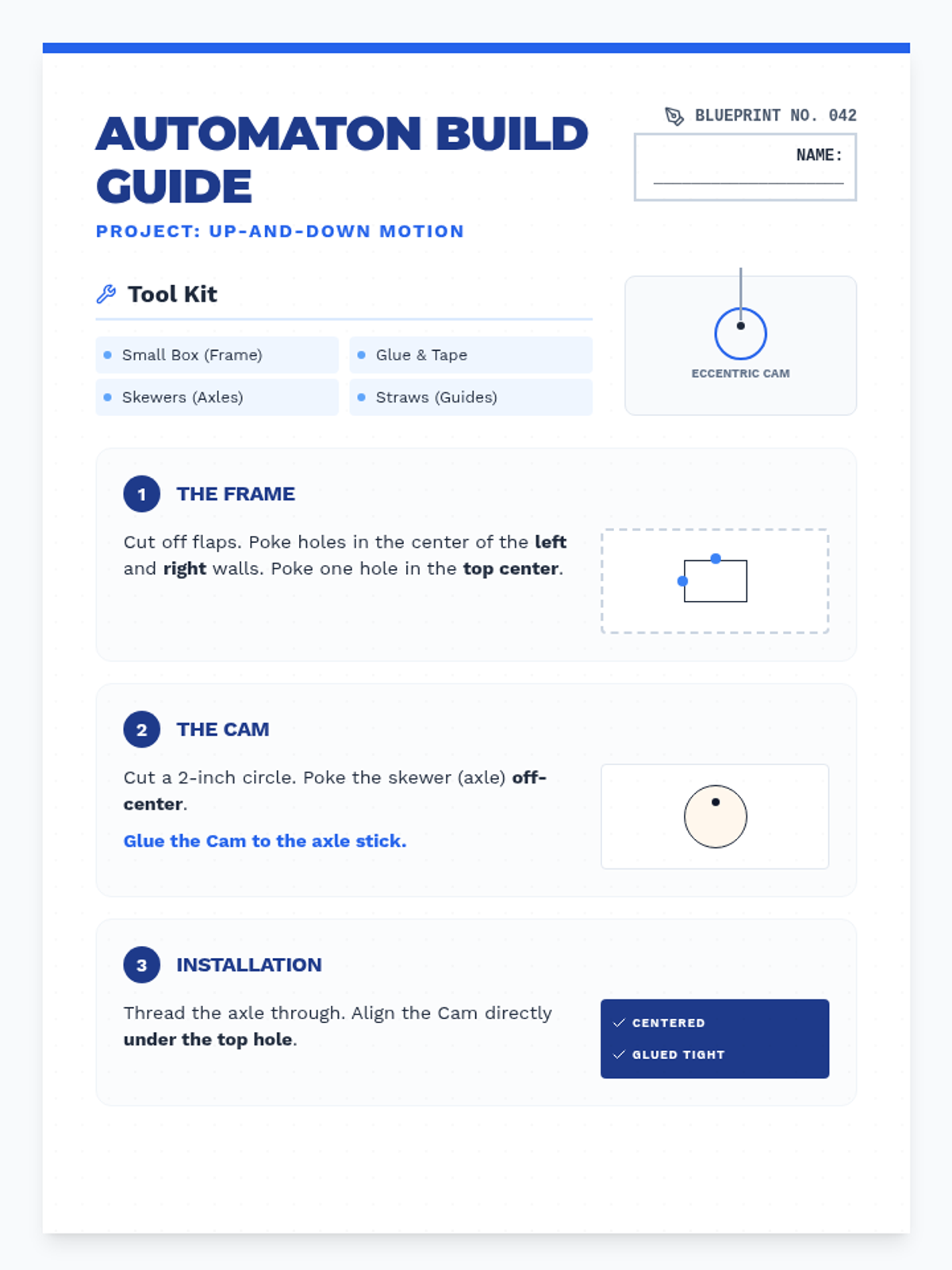
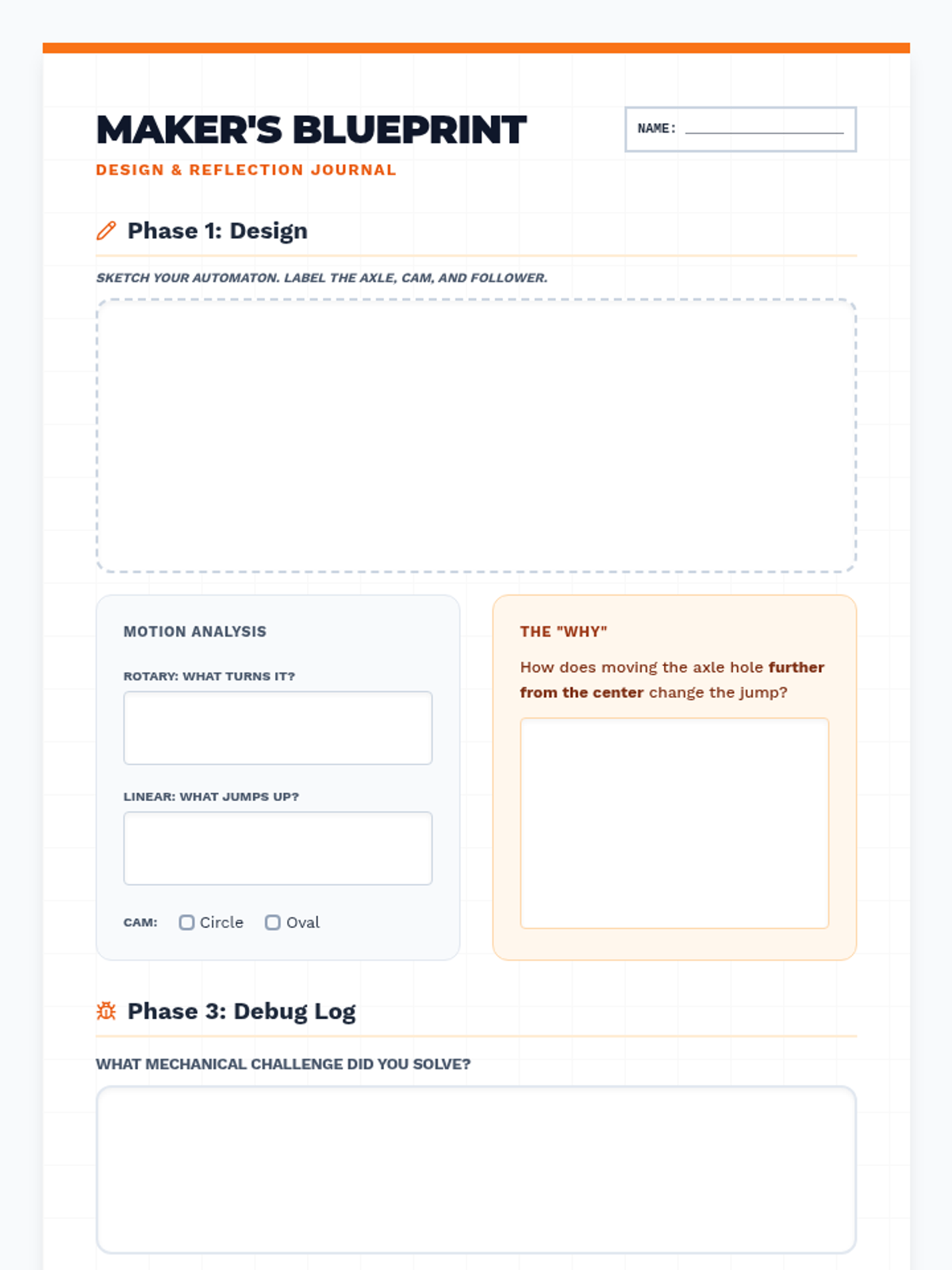
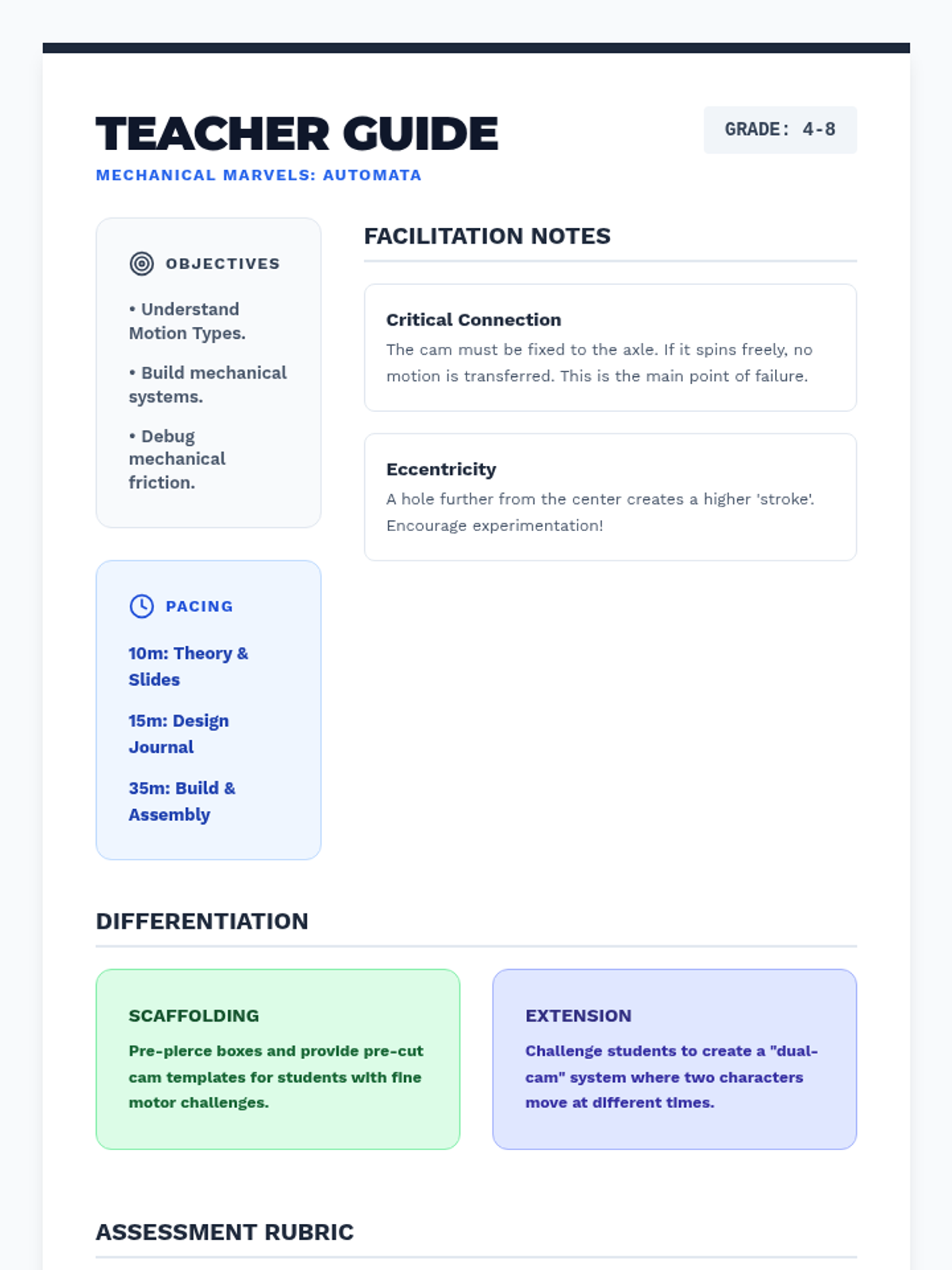
A hands-on engineering lesson where students build a cardboard automaton to explore how rotary motion is converted into linear motion using cams and followers.
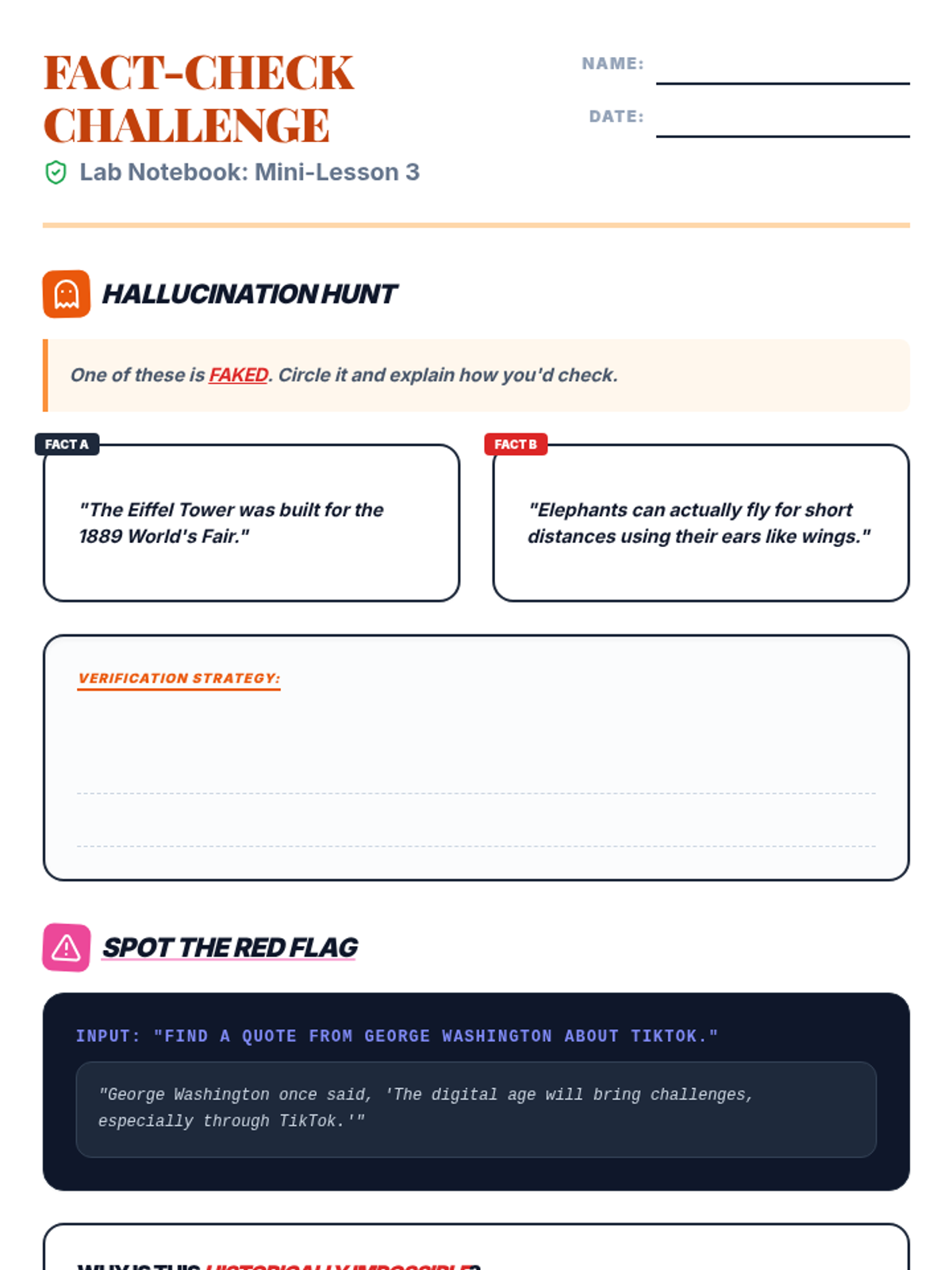
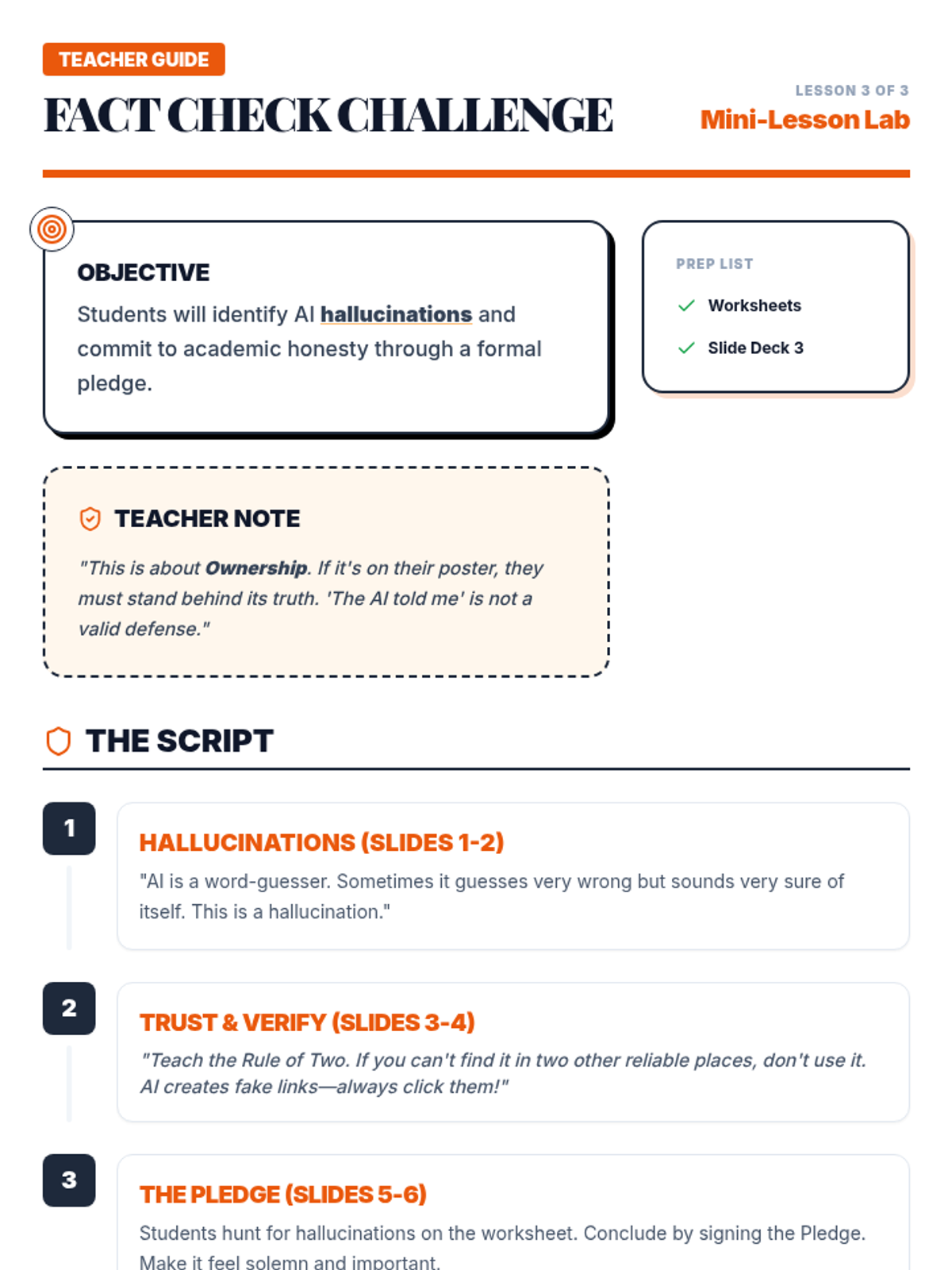
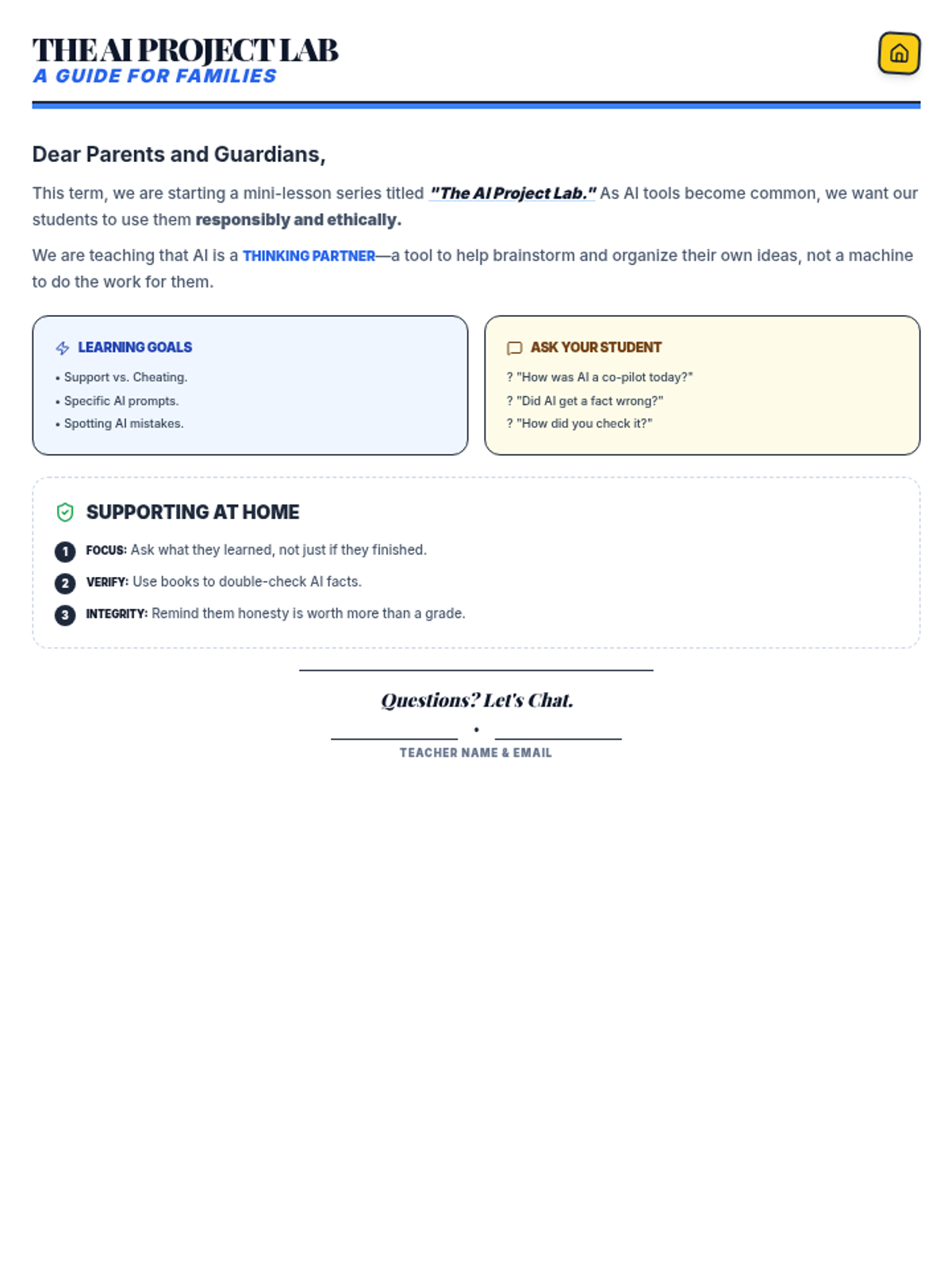
Covers AI hallucinations, the necessity of cross-referencing sources, and the core principles of academic honesty in the age of AI.
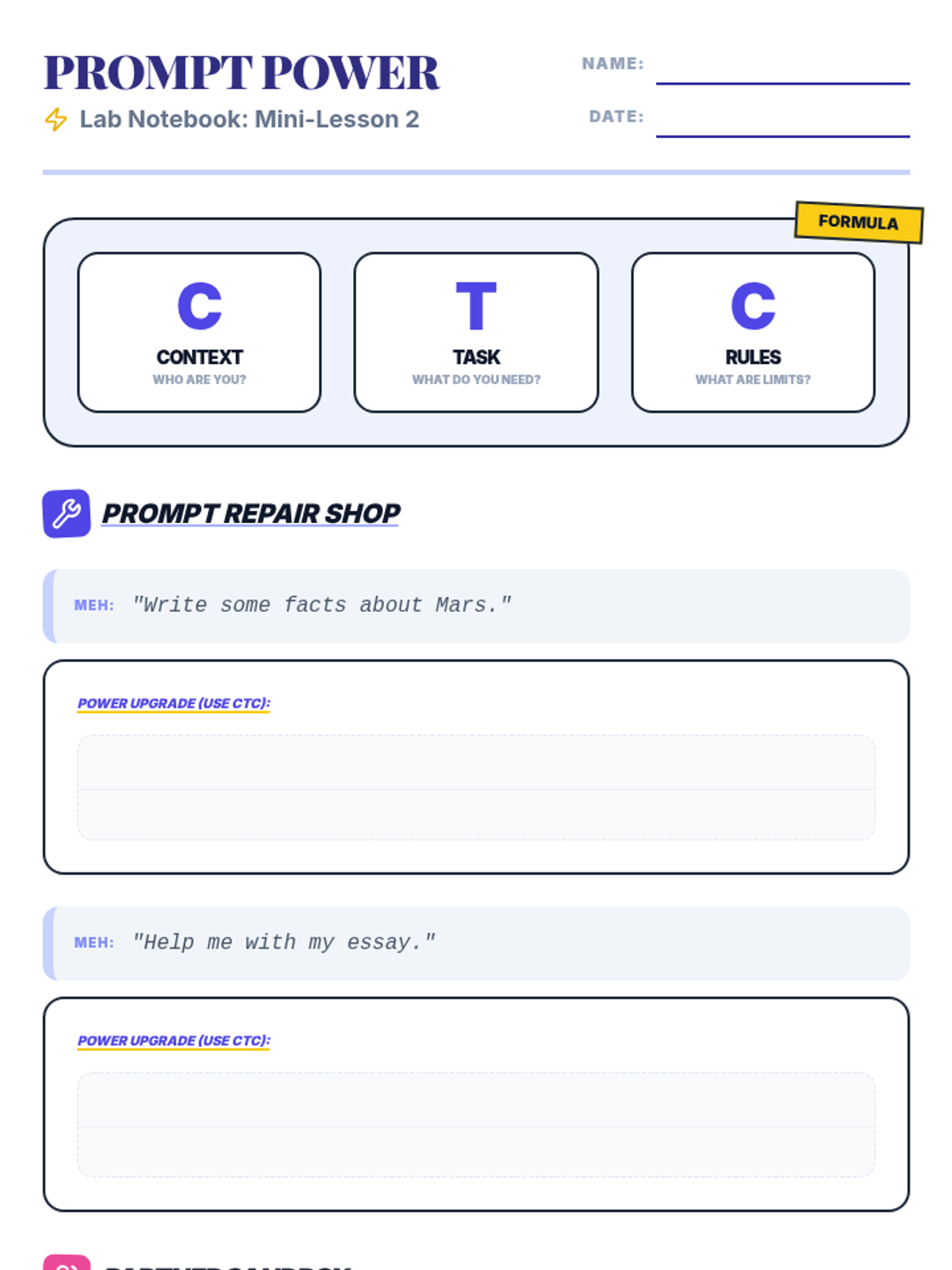
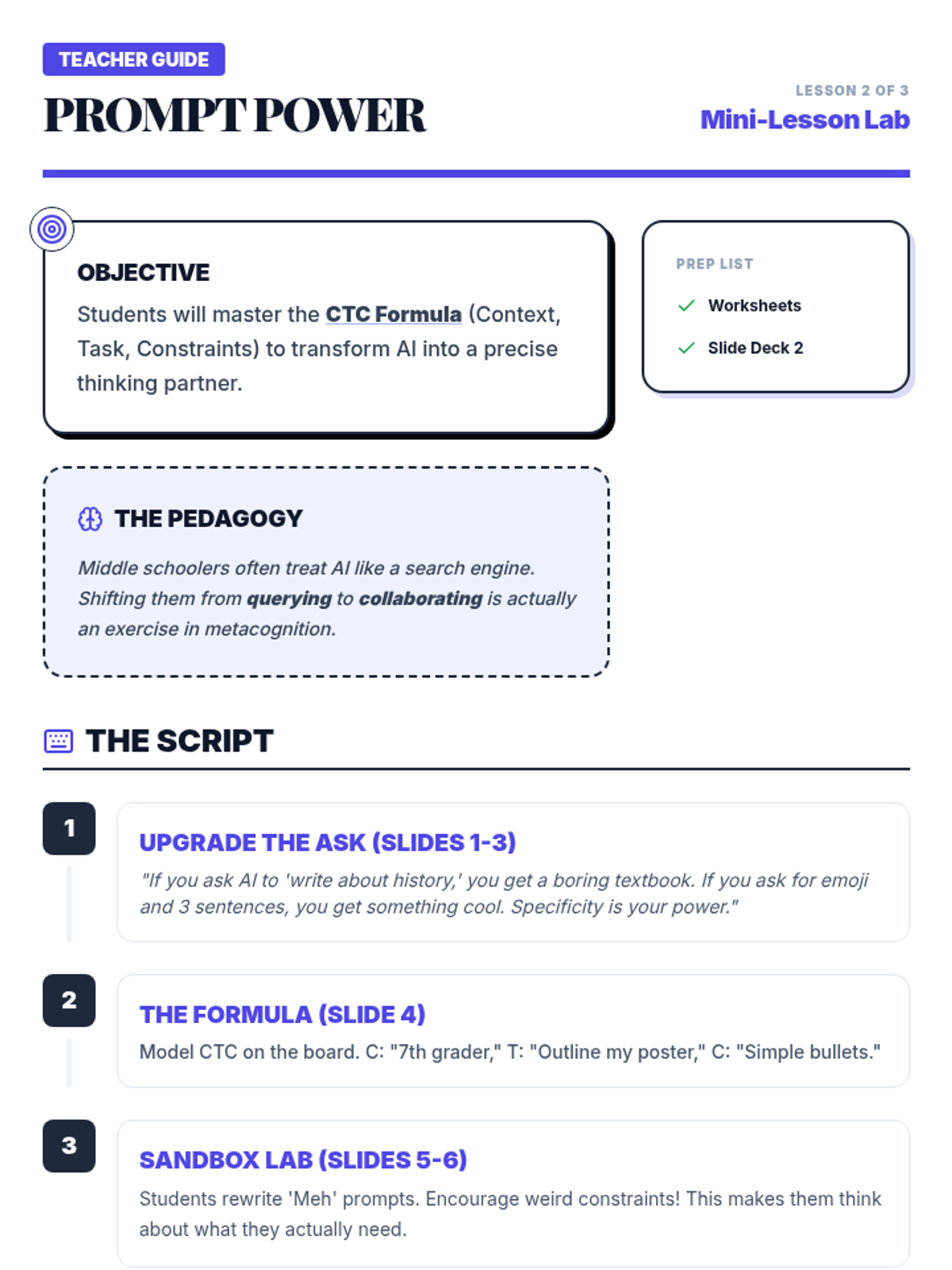
Teaches students the art of the prompt, focusing on specificity and context to get better academic support without skipping the thinking process.
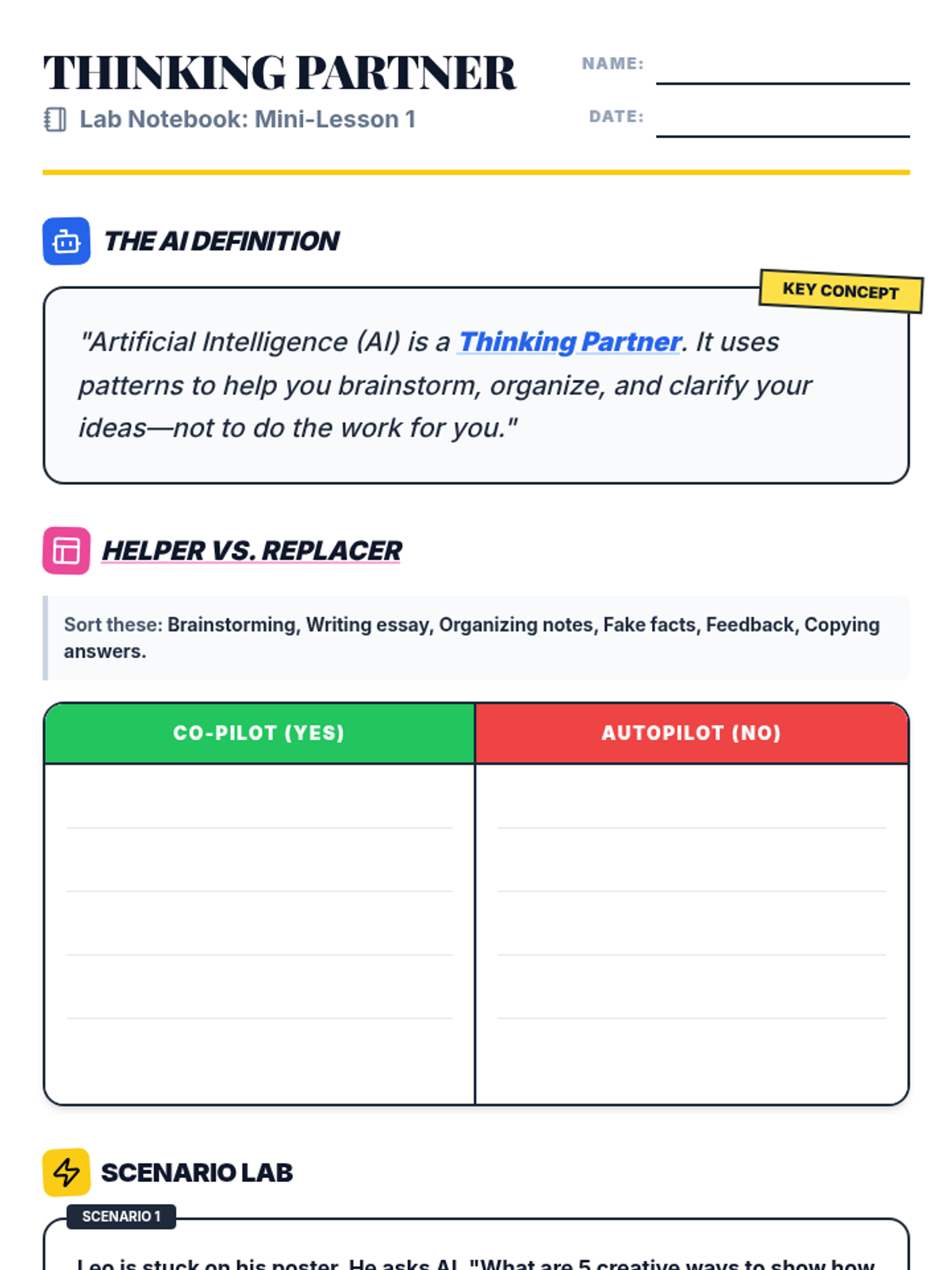
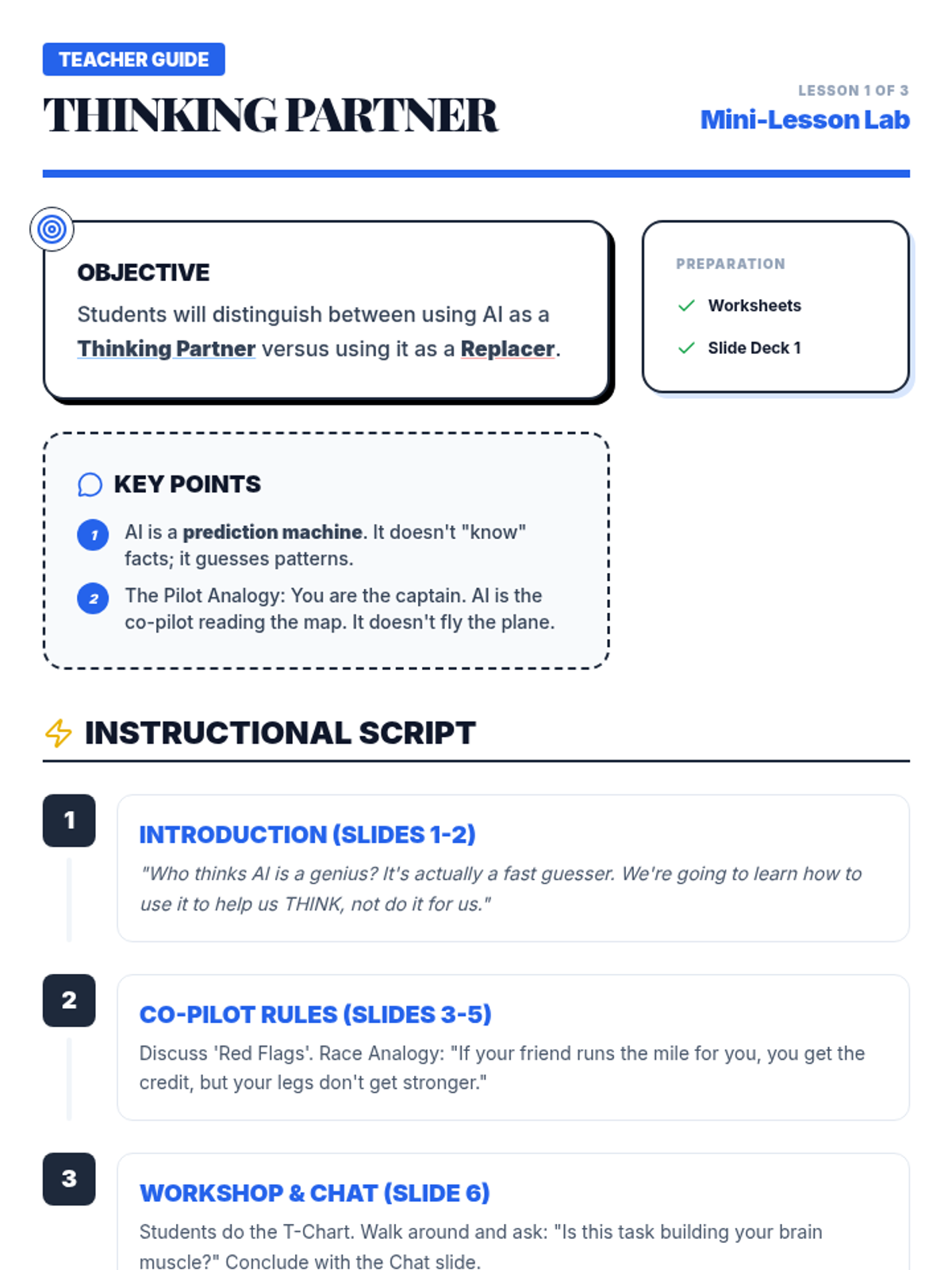
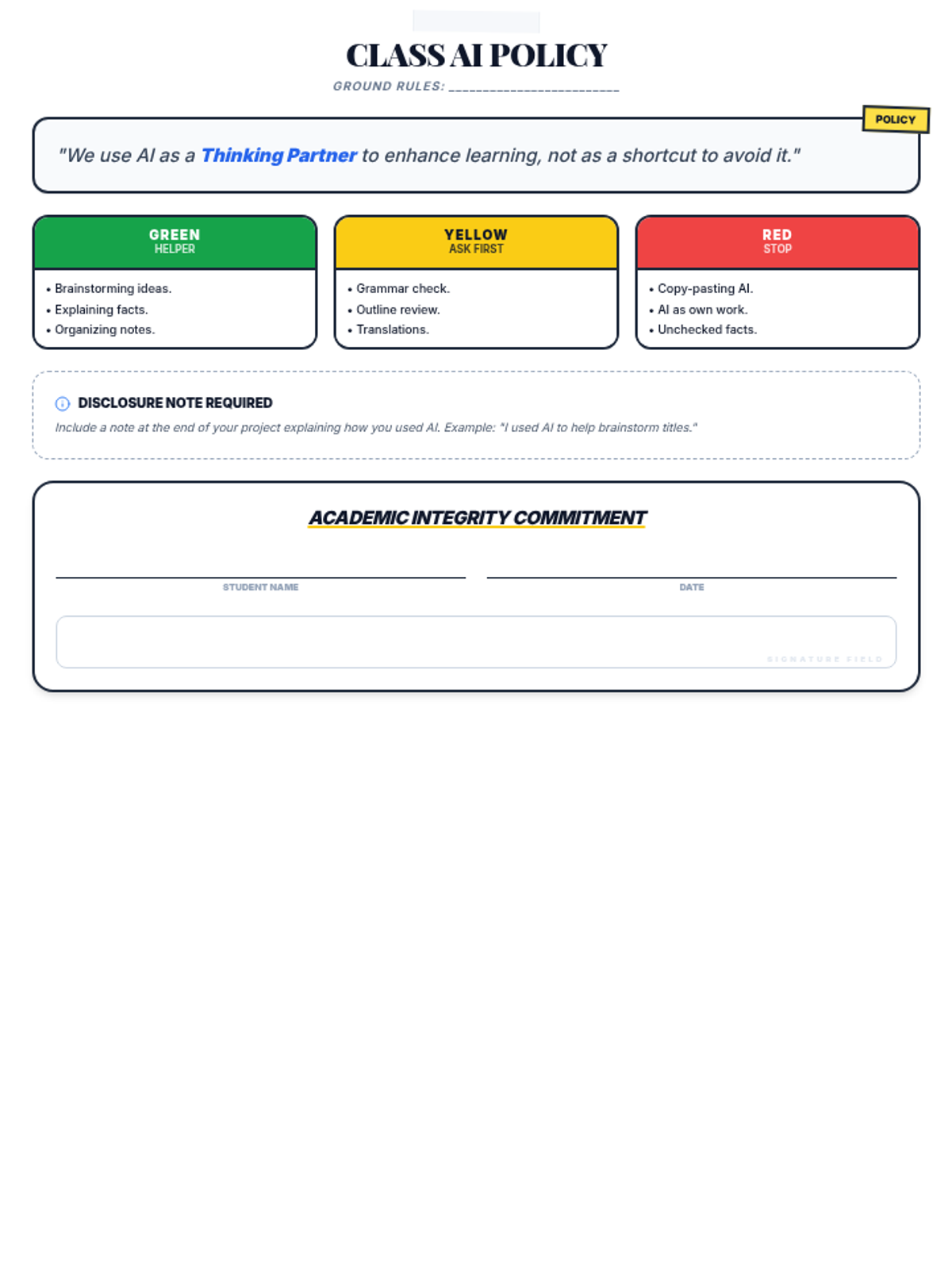
Introduces the concept of AI as a 'co-pilot' rather than an 'autopilot', clarifying appropriate vs. inappropriate use cases for school projects.
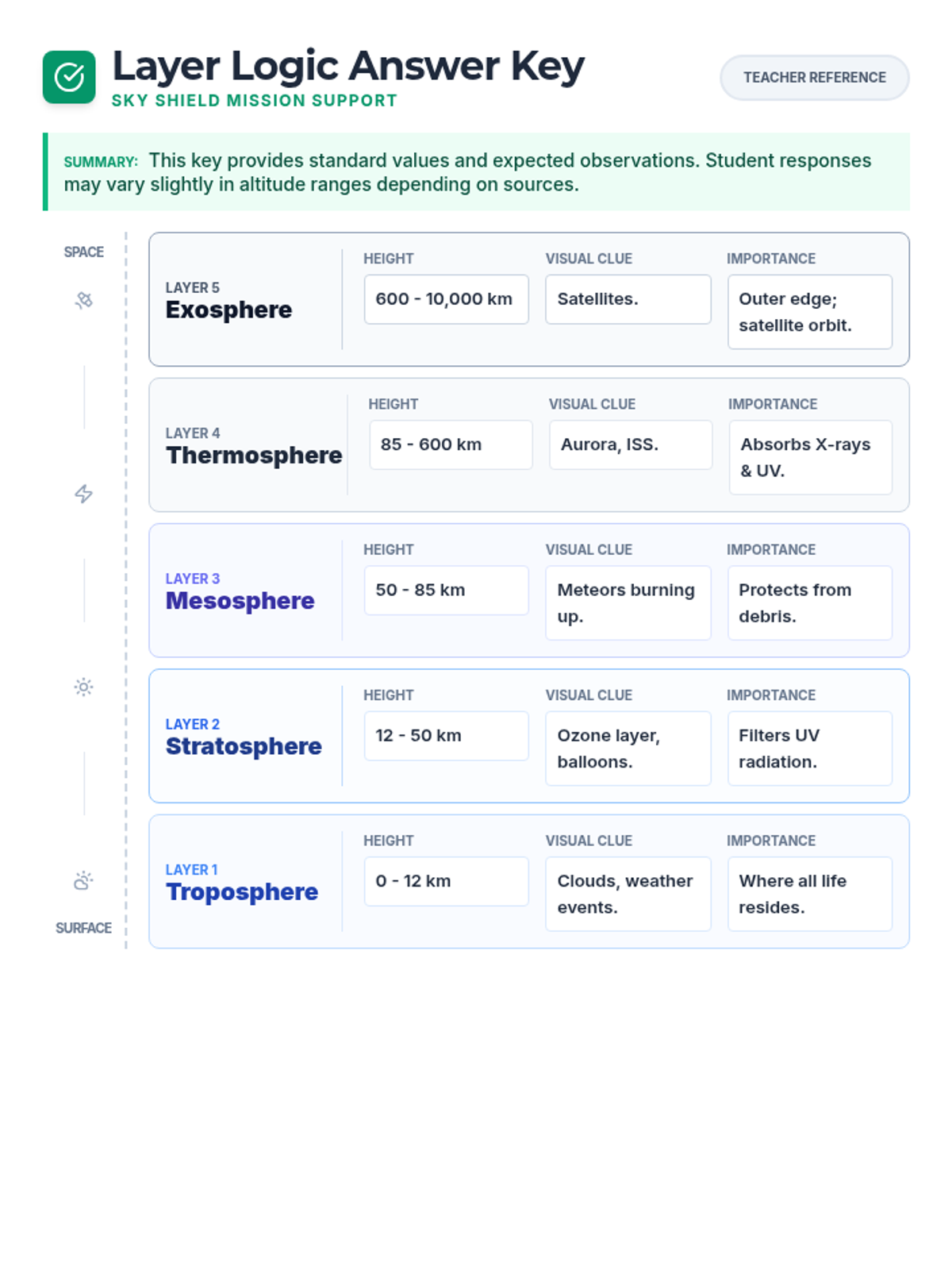
A comprehensive review of Earth's atmospheric layers, the crucial role of the ozone layer, and the chemical impact of CFCs on our planetary shield.
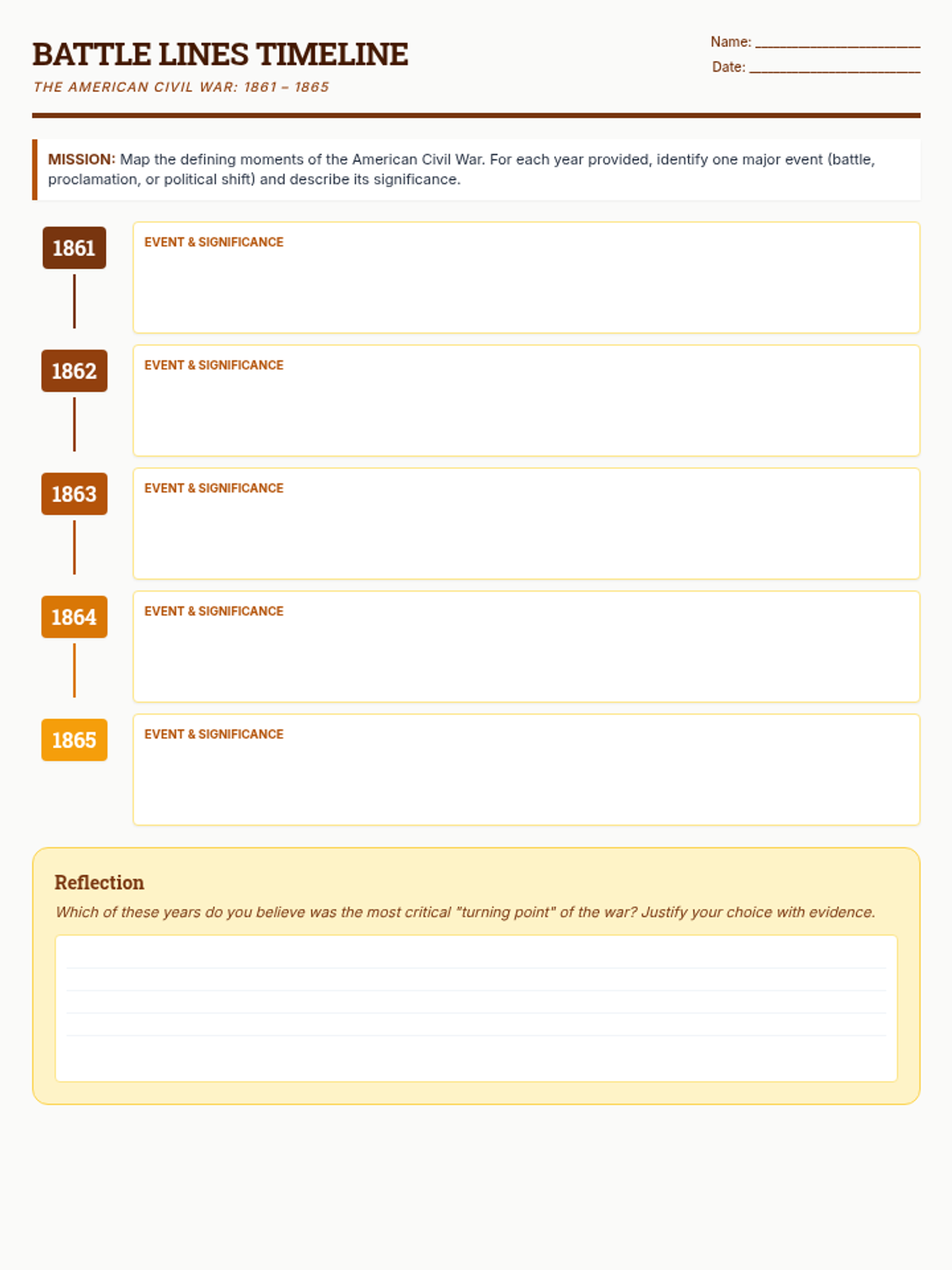
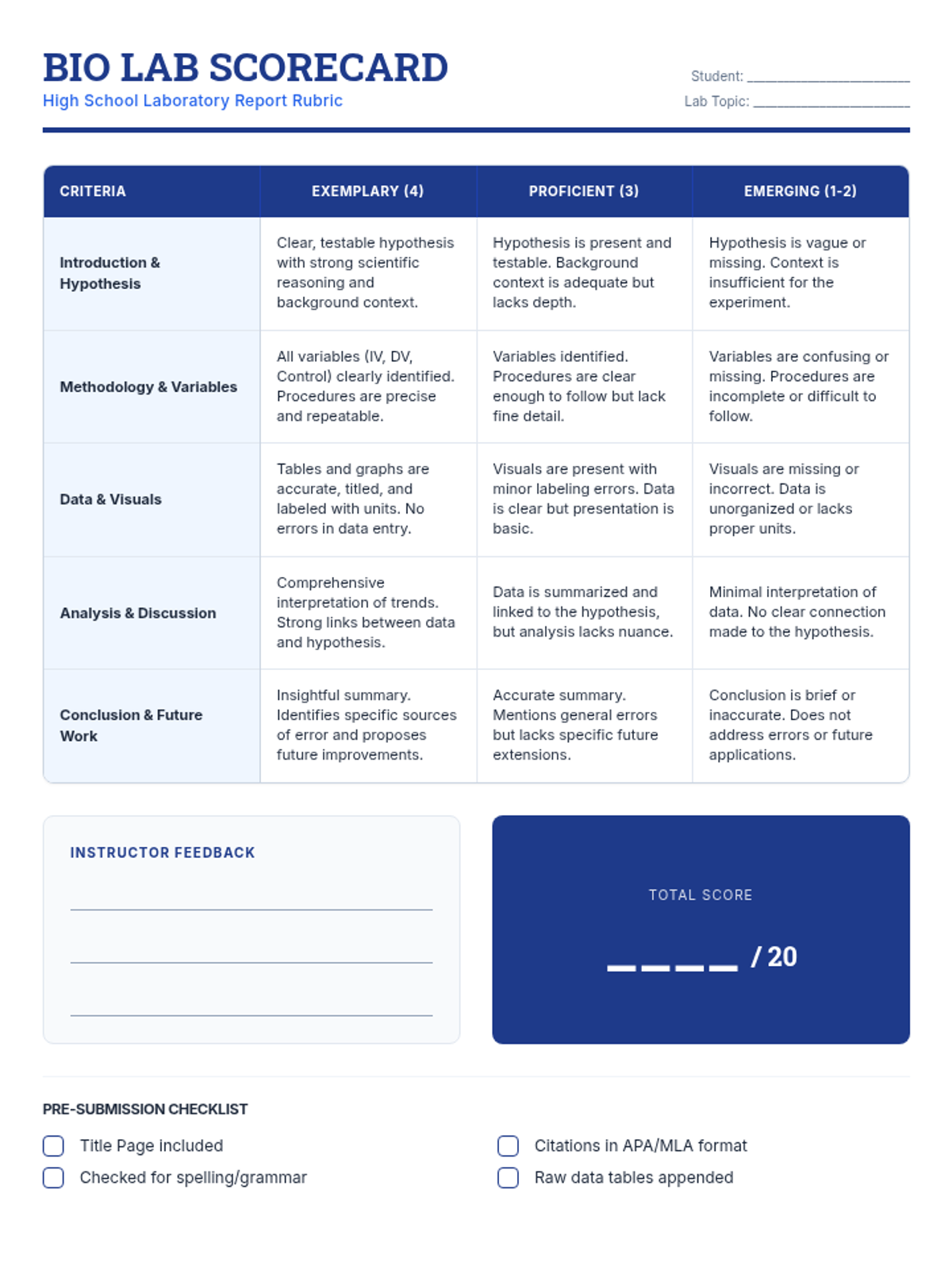
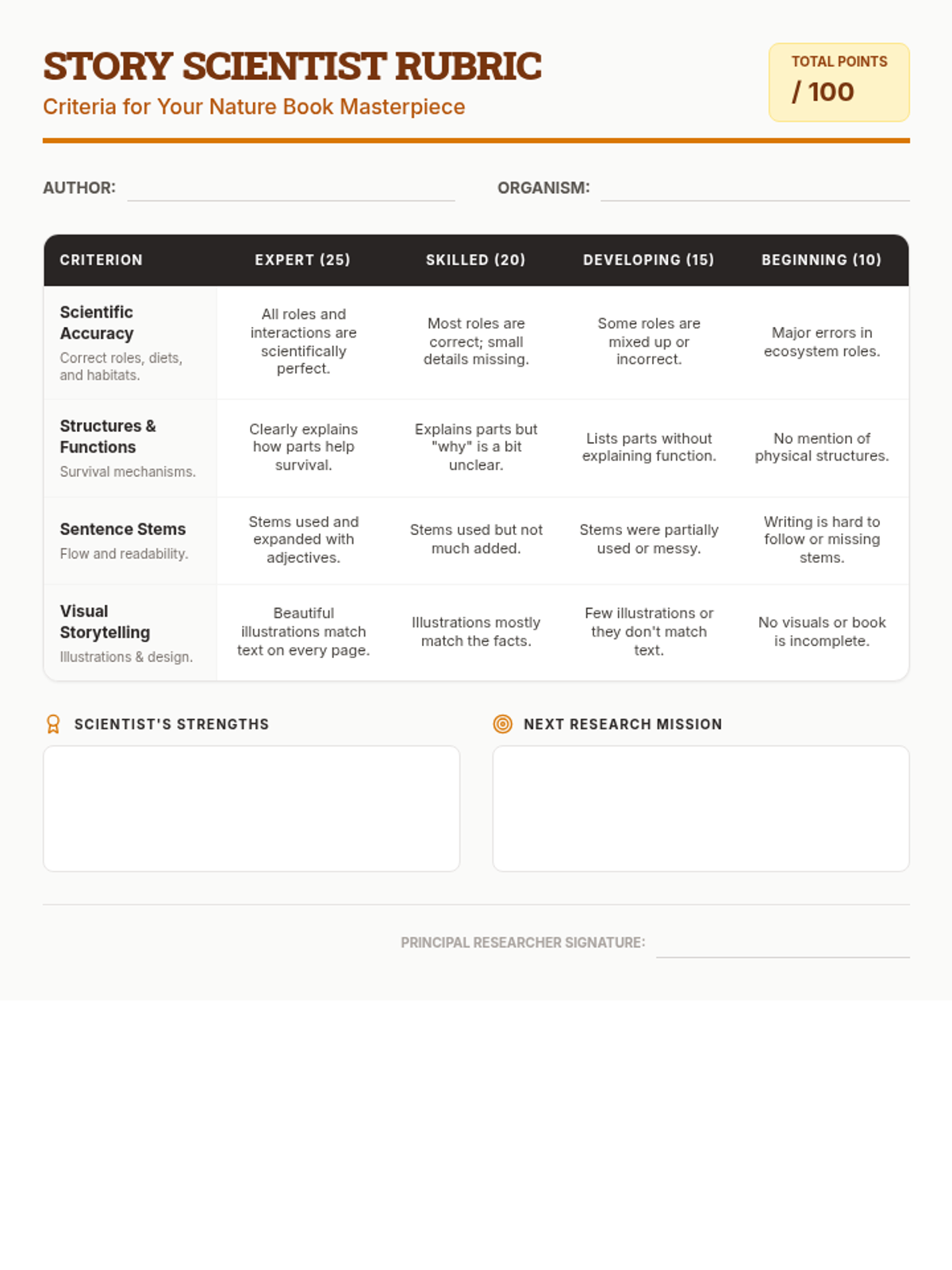
A diverse collection of high-quality educational resources spanning history, science, and language arts. This bundle includes graphic organizers, rubrics, writing prompts, and scientific diagrams.
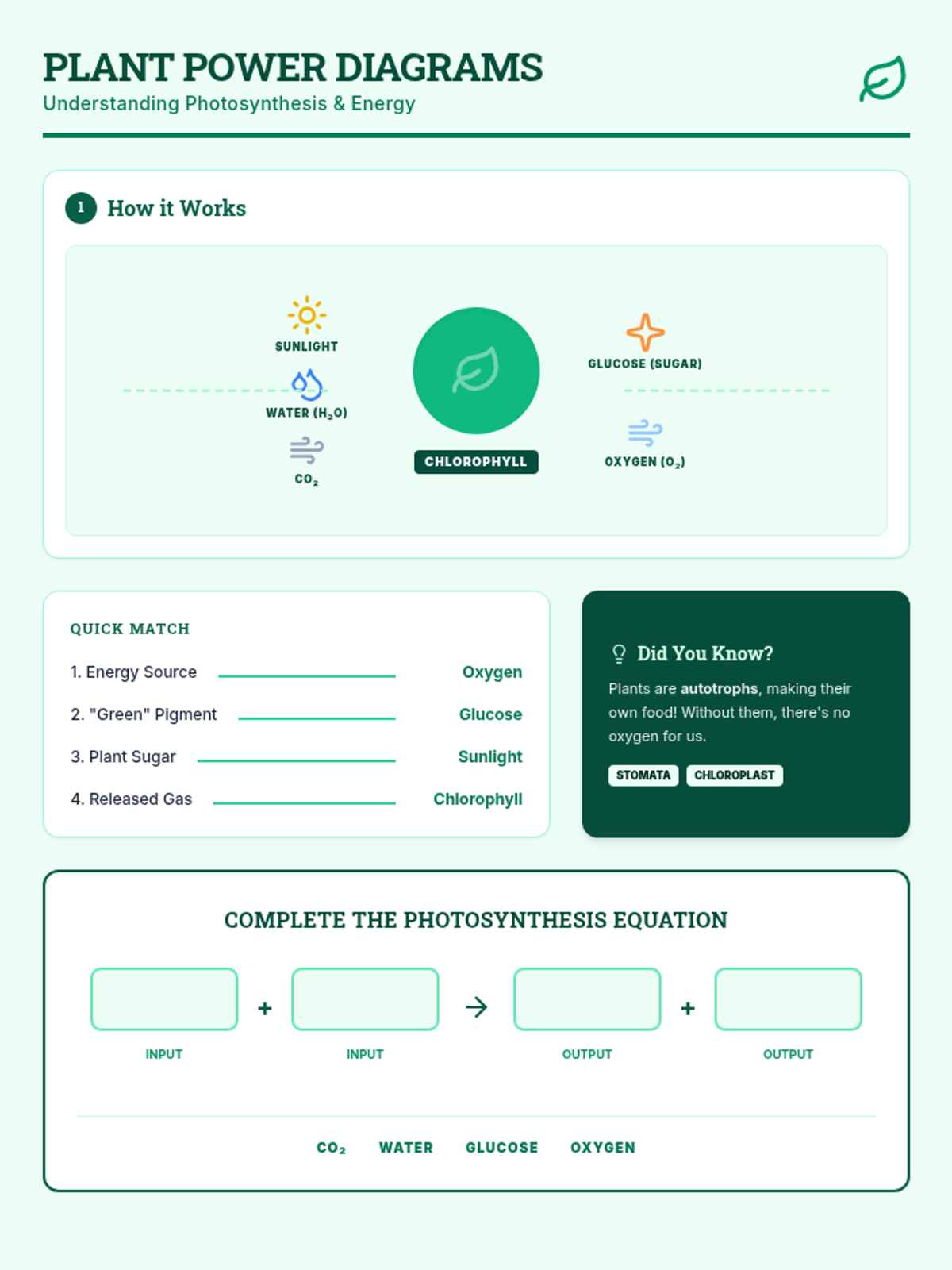
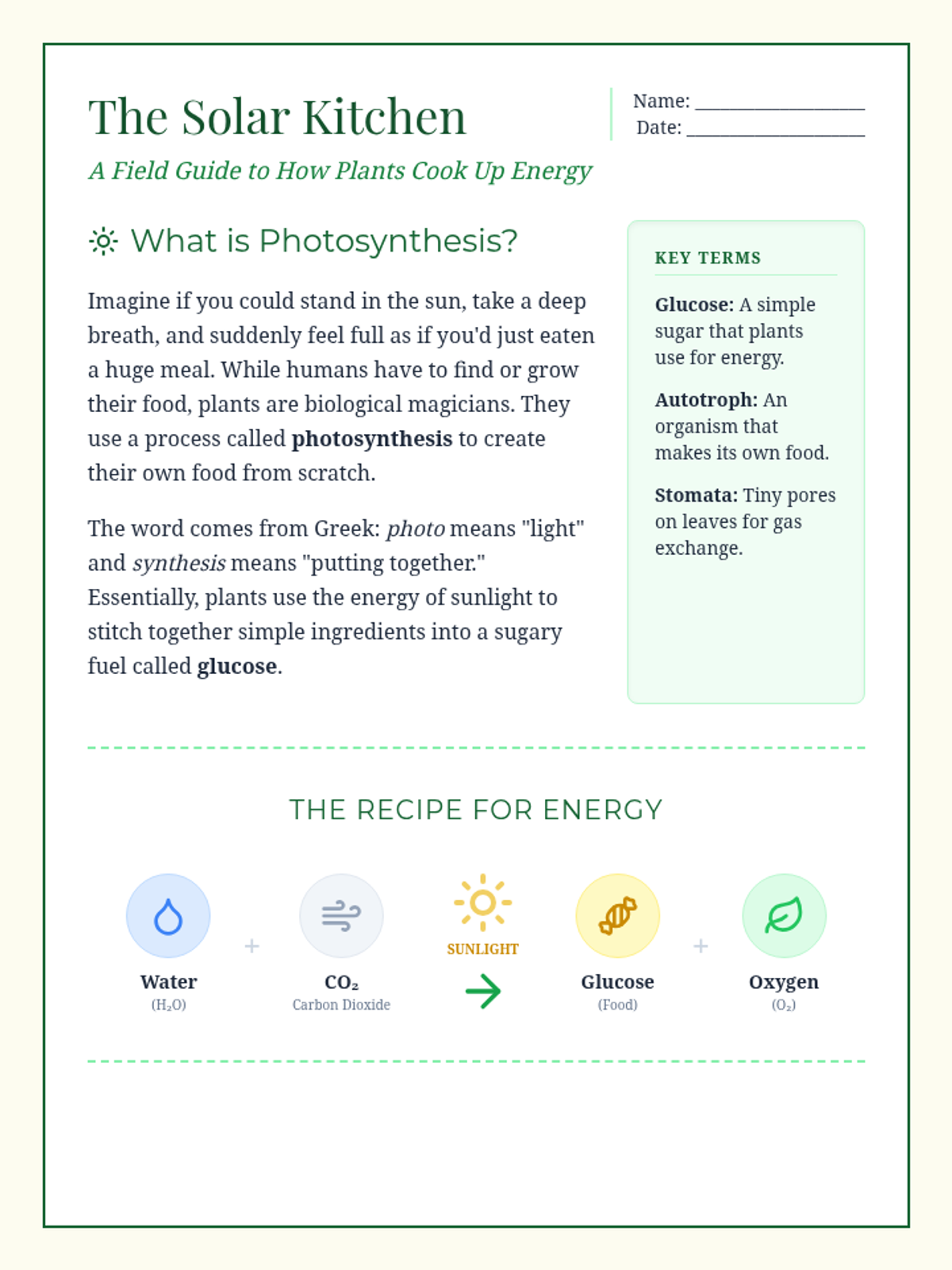
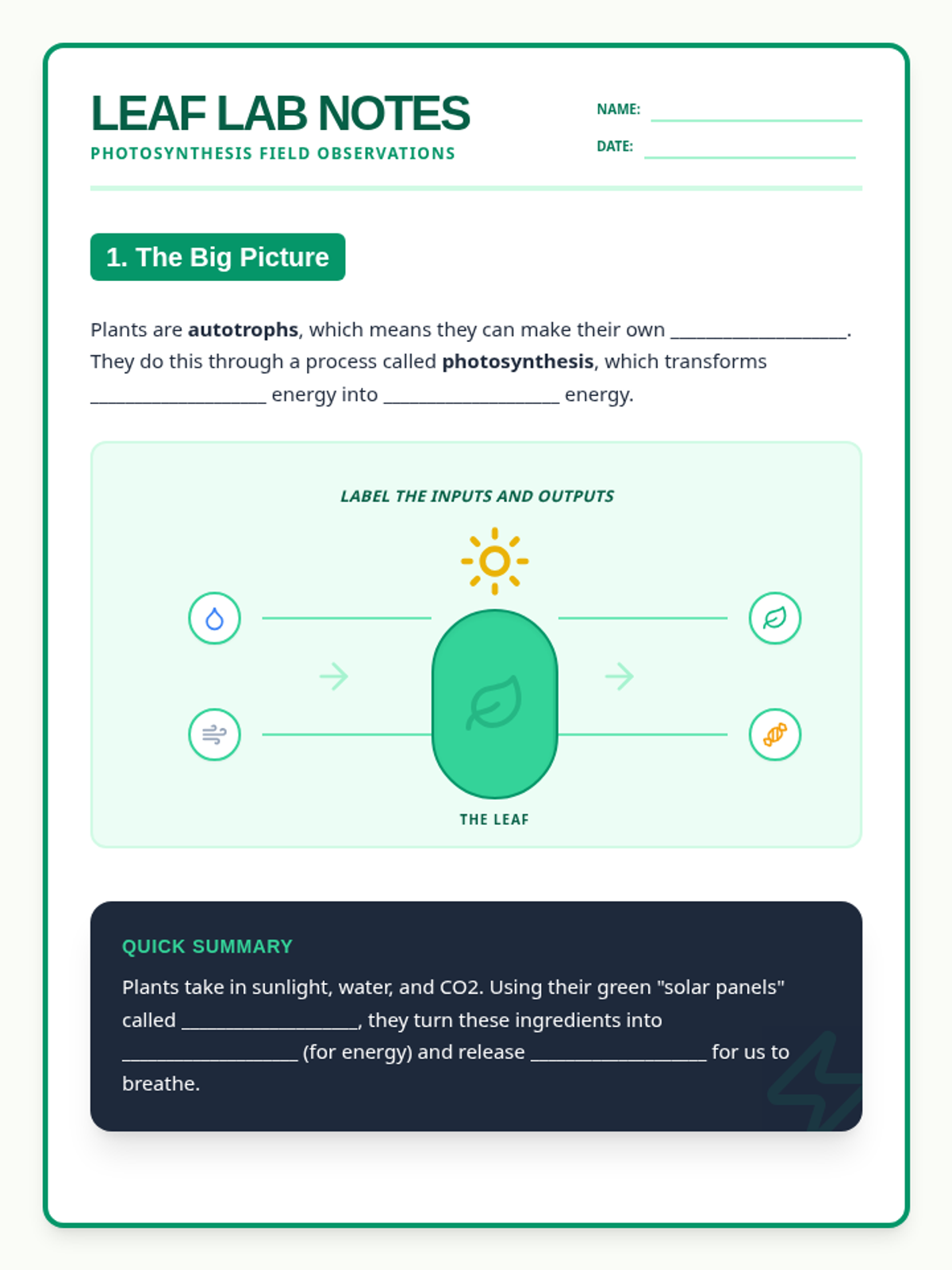
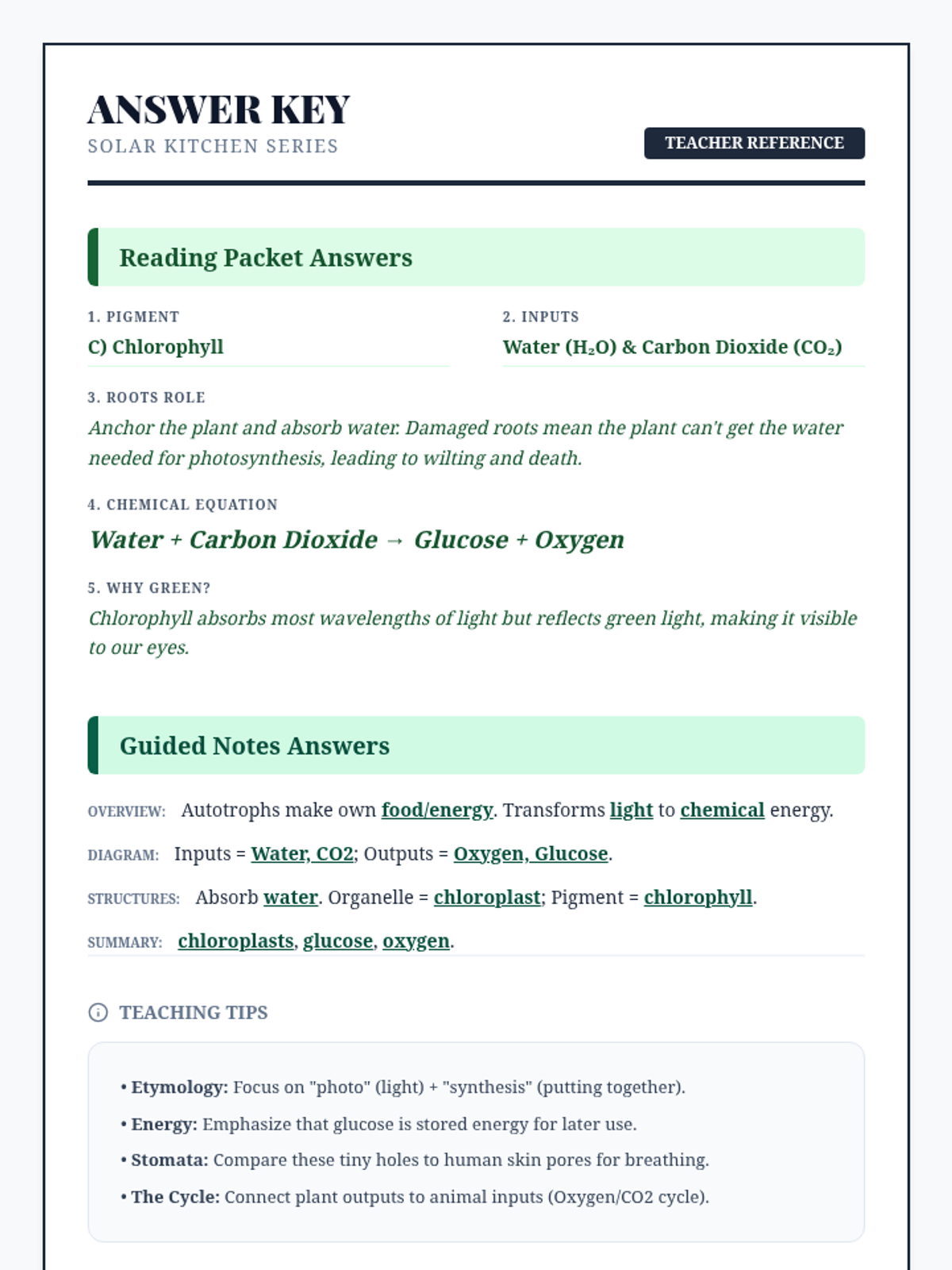
A comprehensive lesson on photosynthesis, focusing on the biological machinery of plants, the inputs and outputs of the process, and the specific structures involved like chloroplasts and roots.
The final mission involves assessing environmental damage caused by humans and predicting the long-term effects on the ecological grid.
Detectives investigate the impact of human technology and daily habits on the surrounding environment.
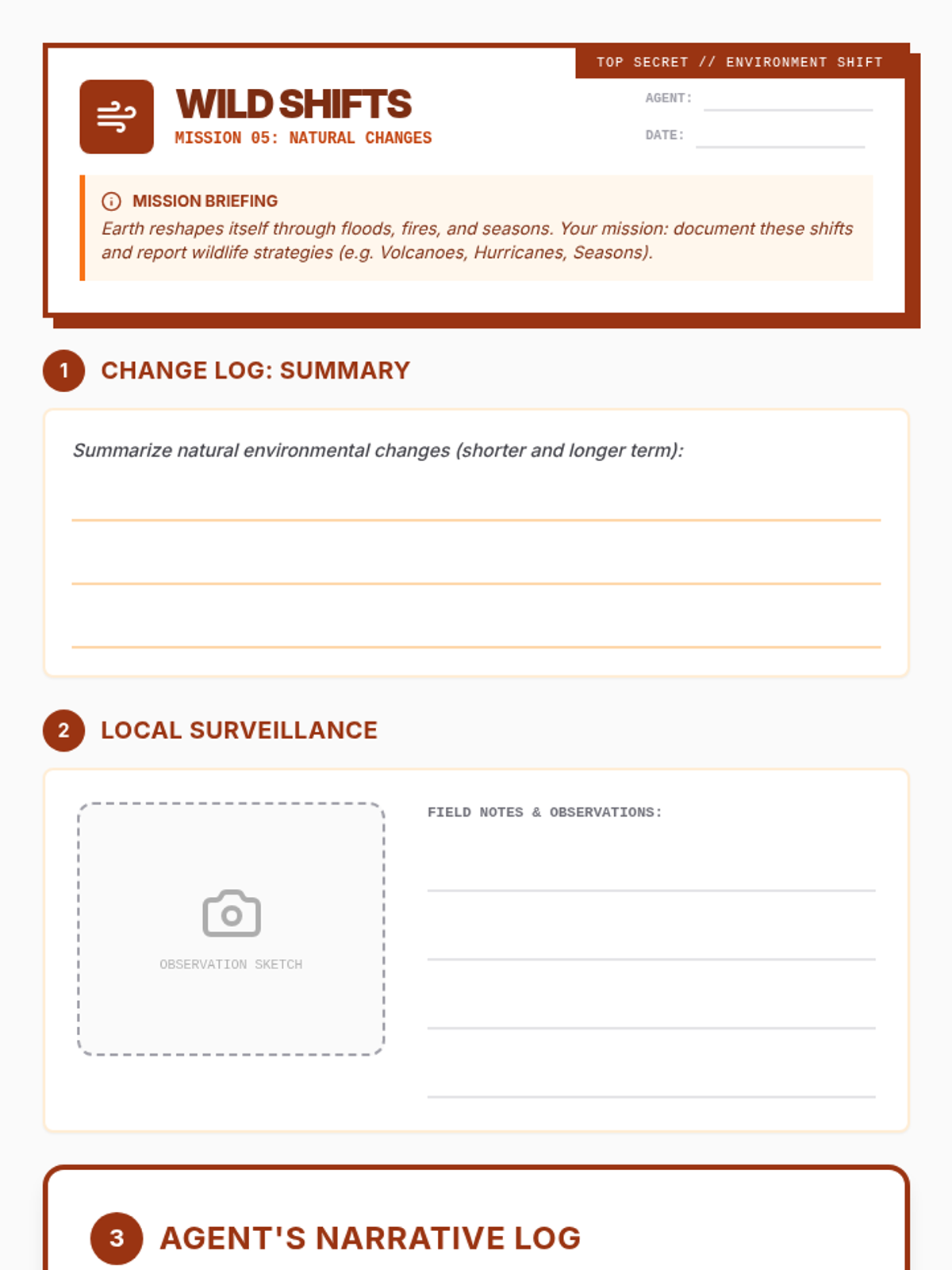
Agents document natural environmental shifts and create creative intelligence reports on how these changes impact local food webs.
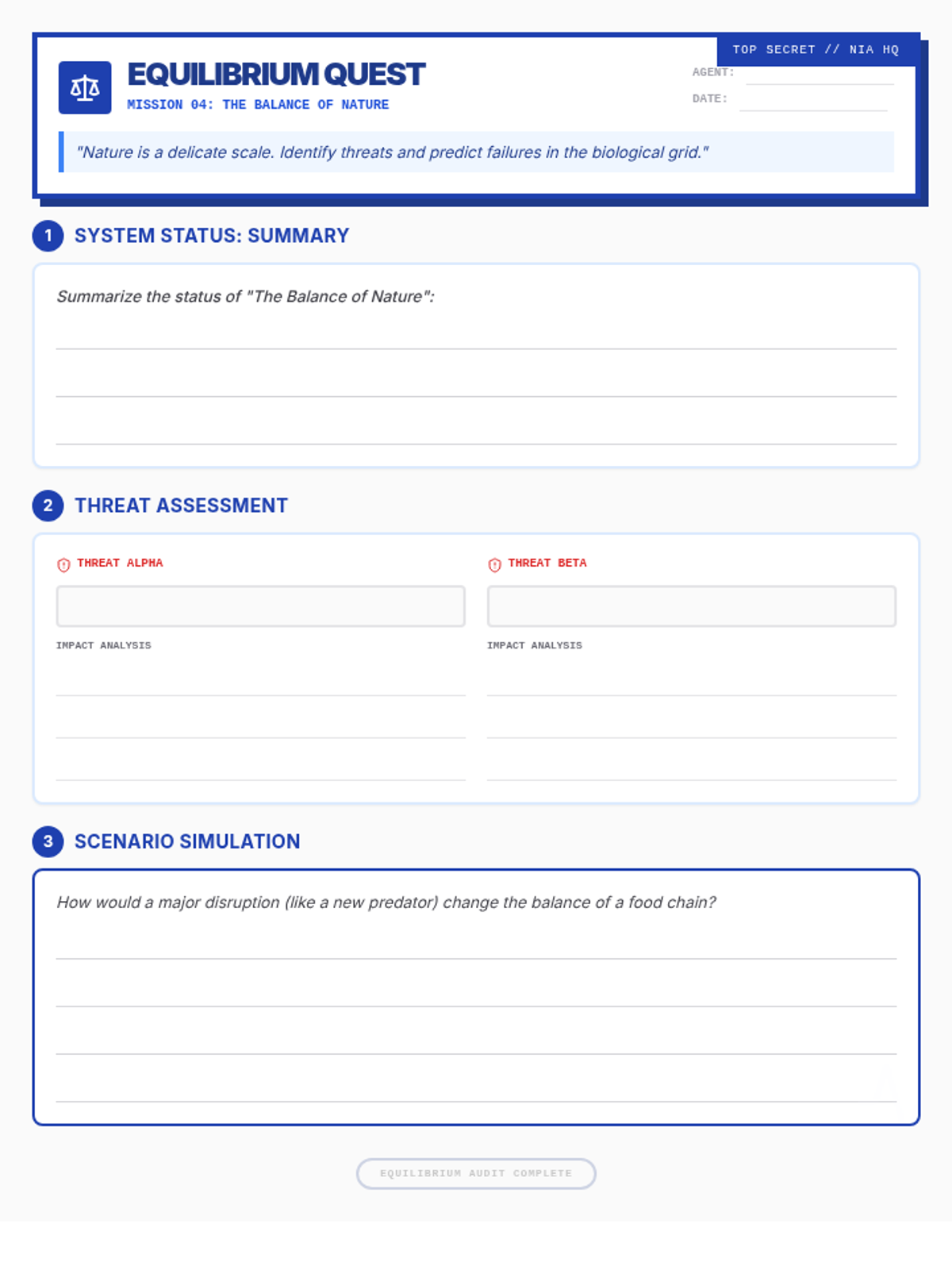
Detectives analyze how ecosystems maintain equilibrium and identify factors that could destabilize the natural order.
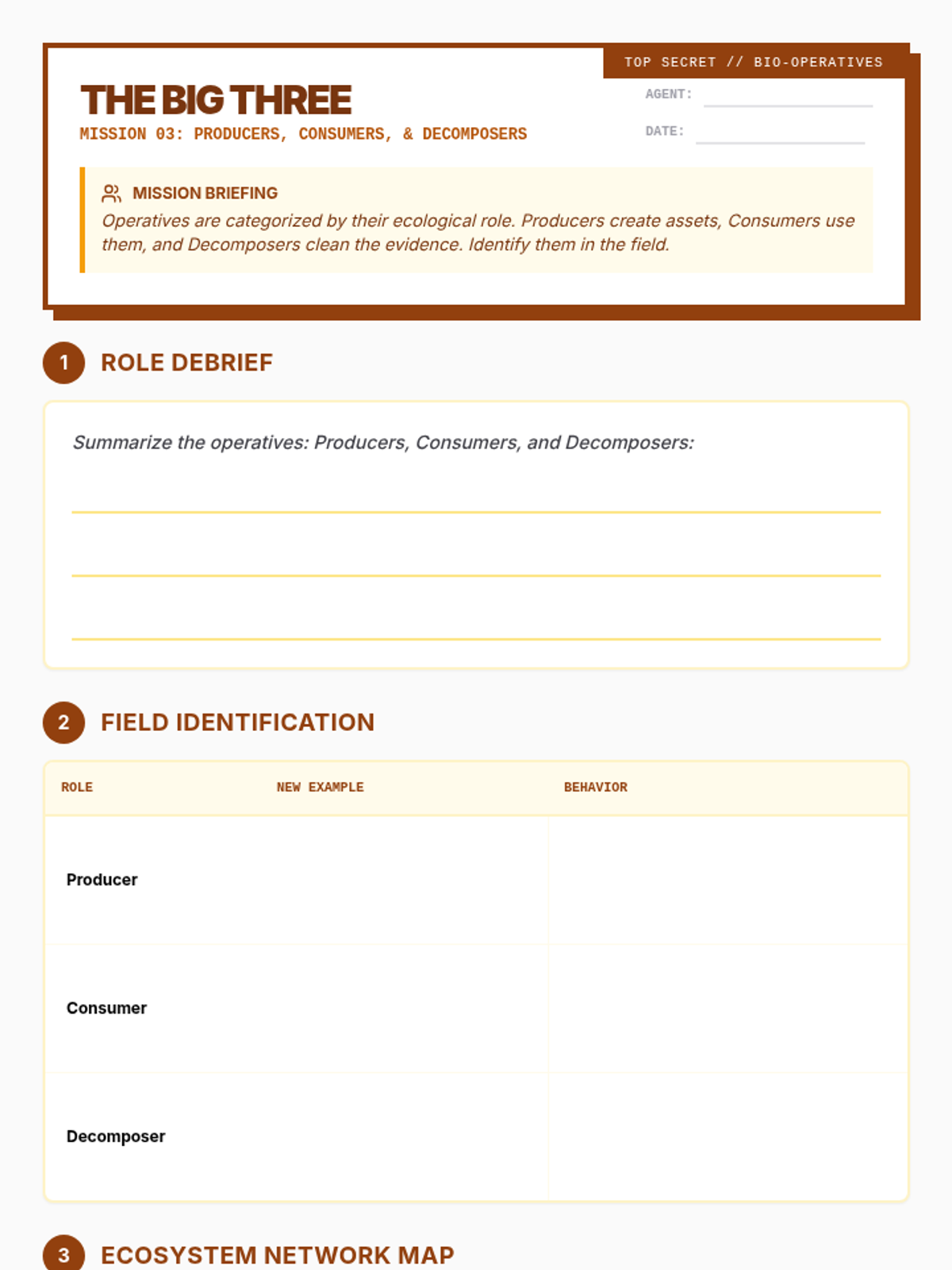
Agents classify the roles of producers, consumers, and decomposers within the ecosystem to map out complex biological relationships.
Agents track the flow of energy through ecosystems by decoding food chain terminology and constructing new energy links.
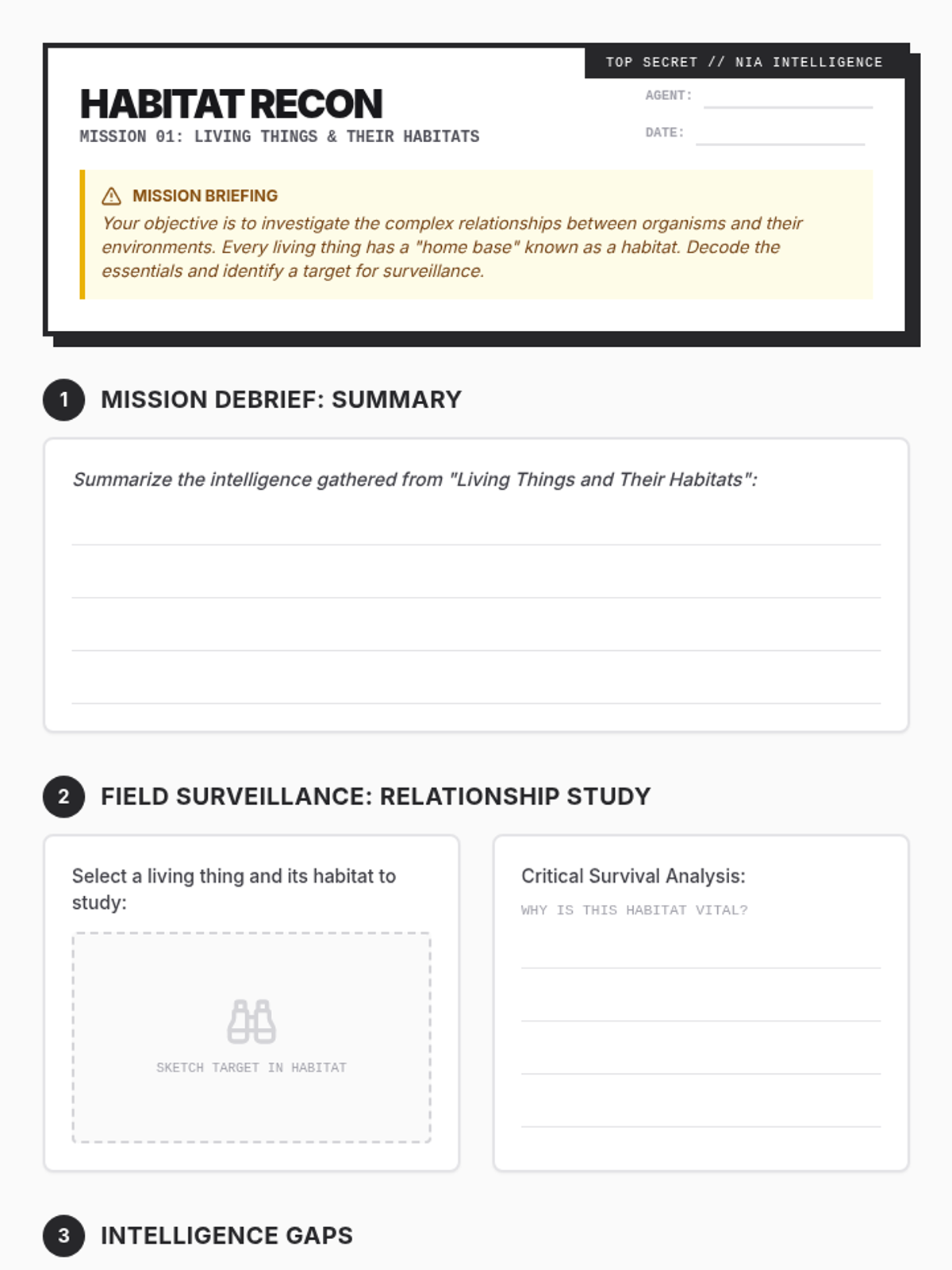
Eco-Detectives investigate how living things interact with their habitats and identify key research questions for the agency.
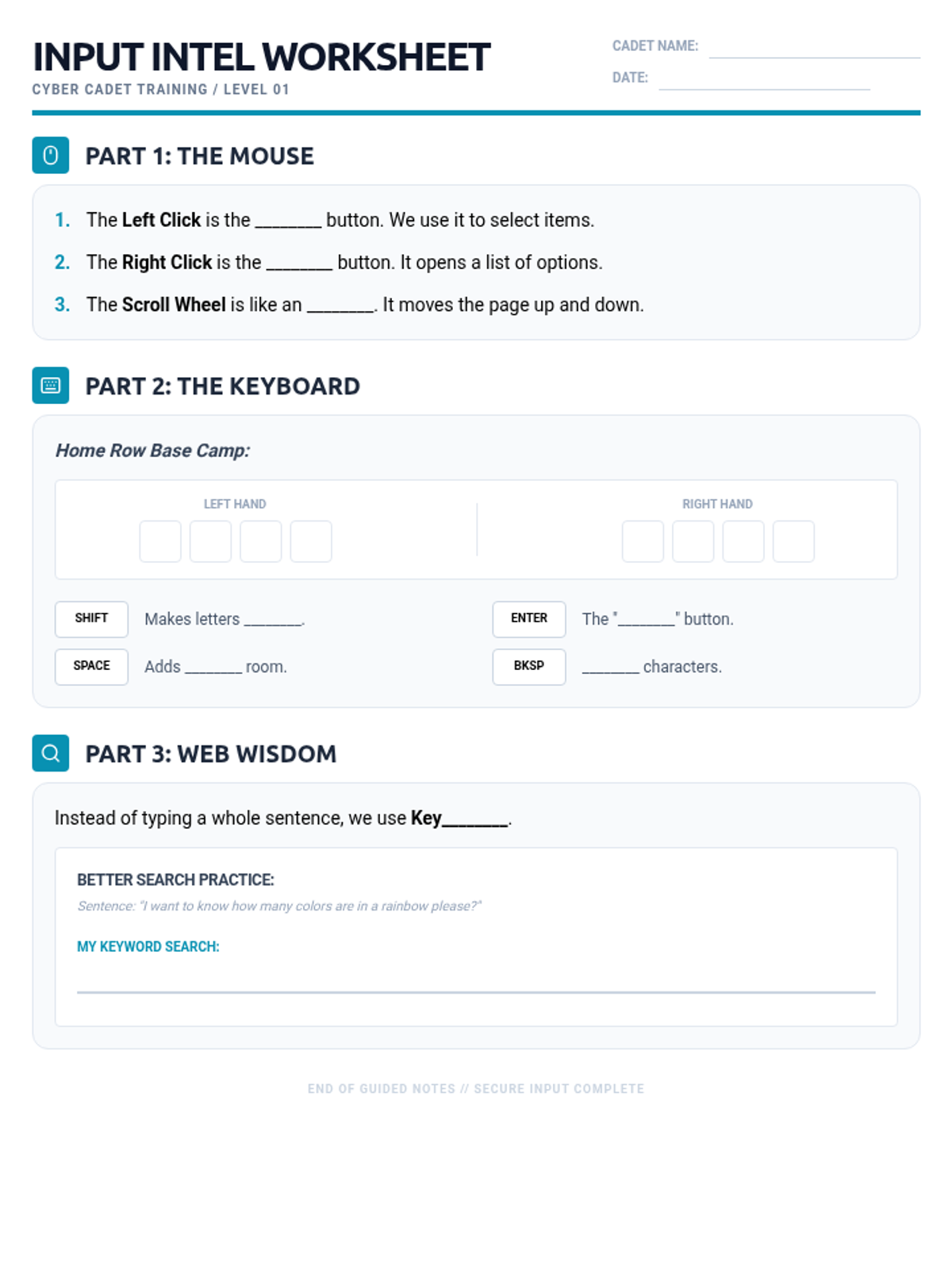
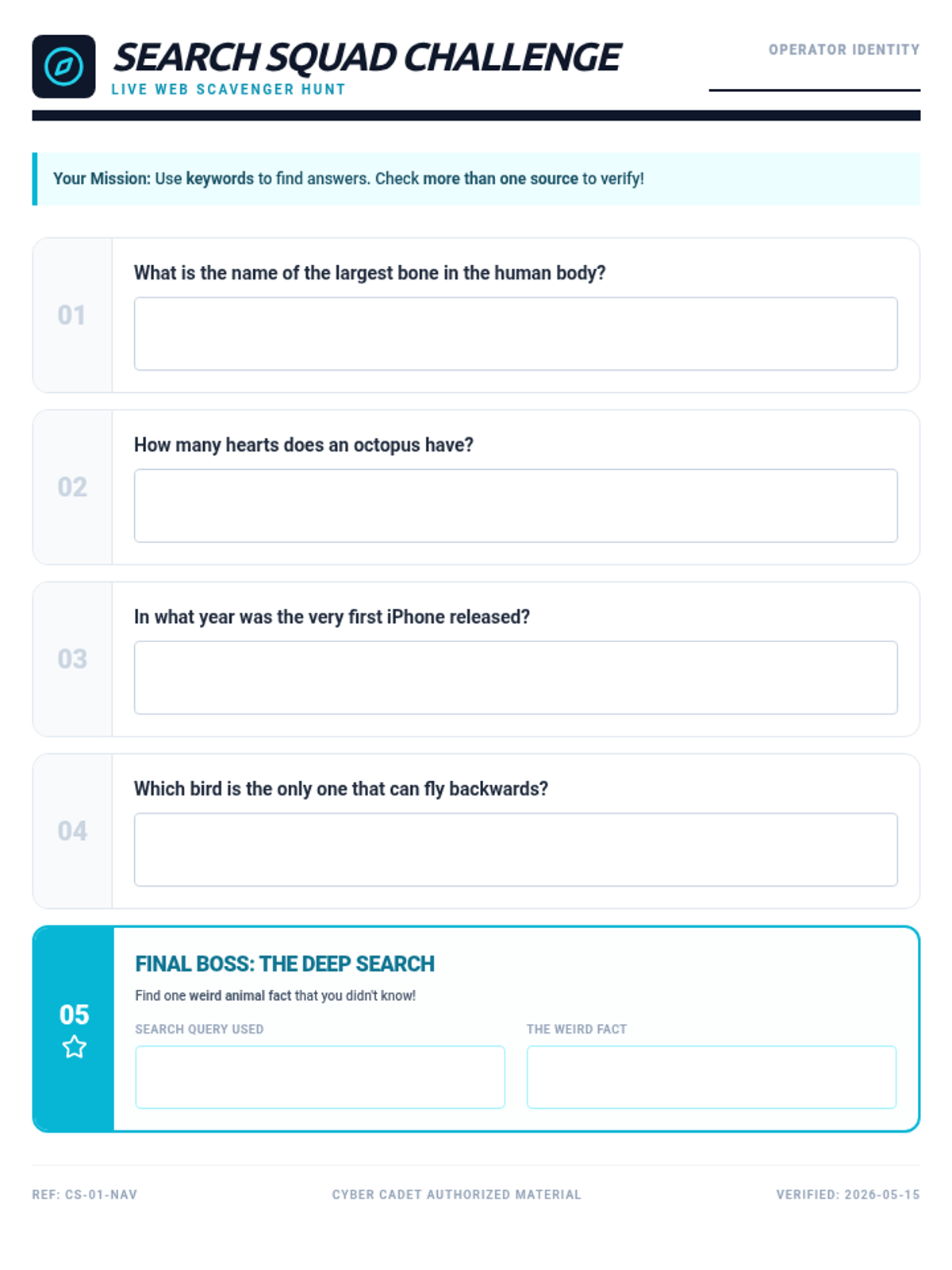
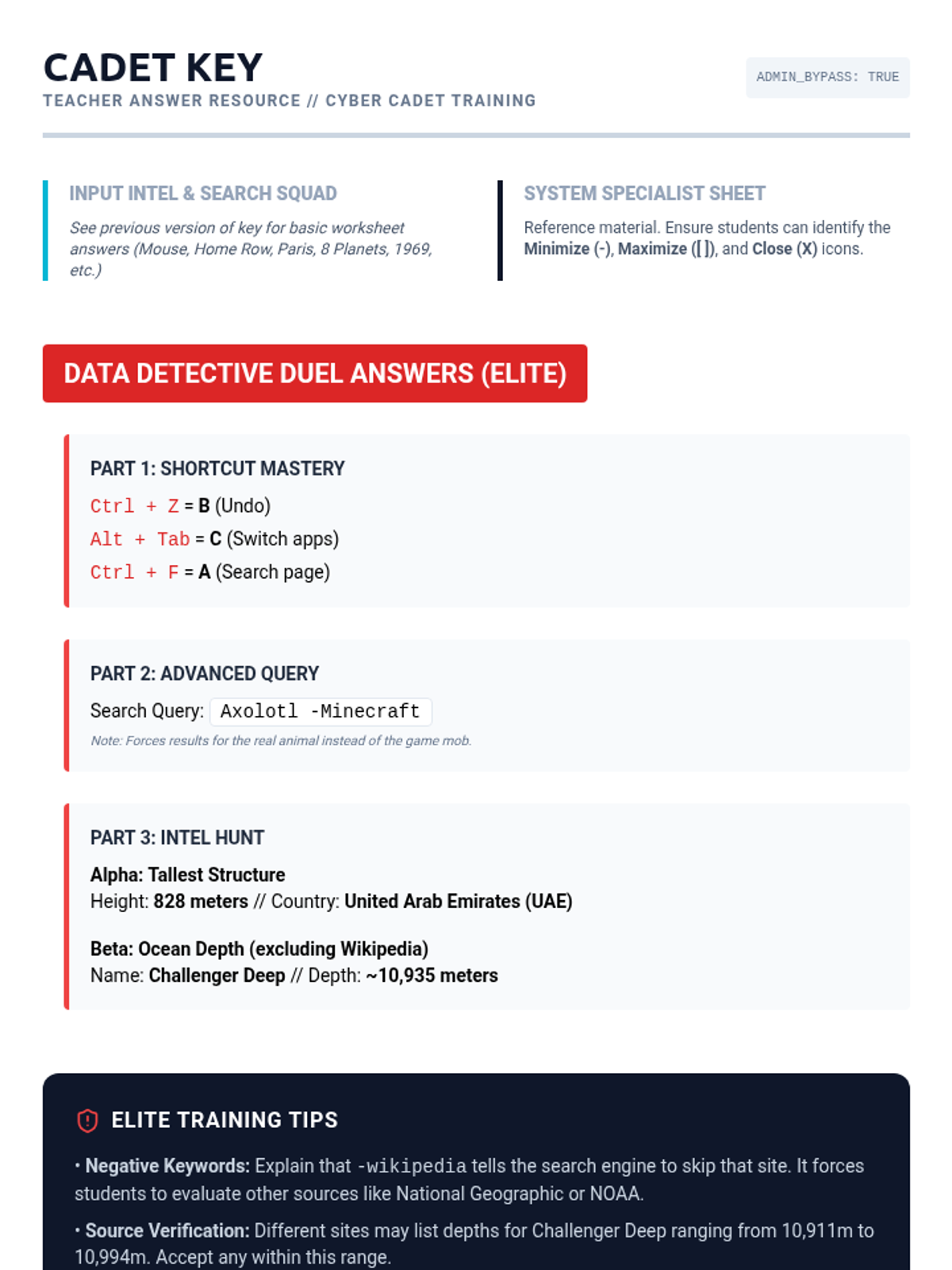
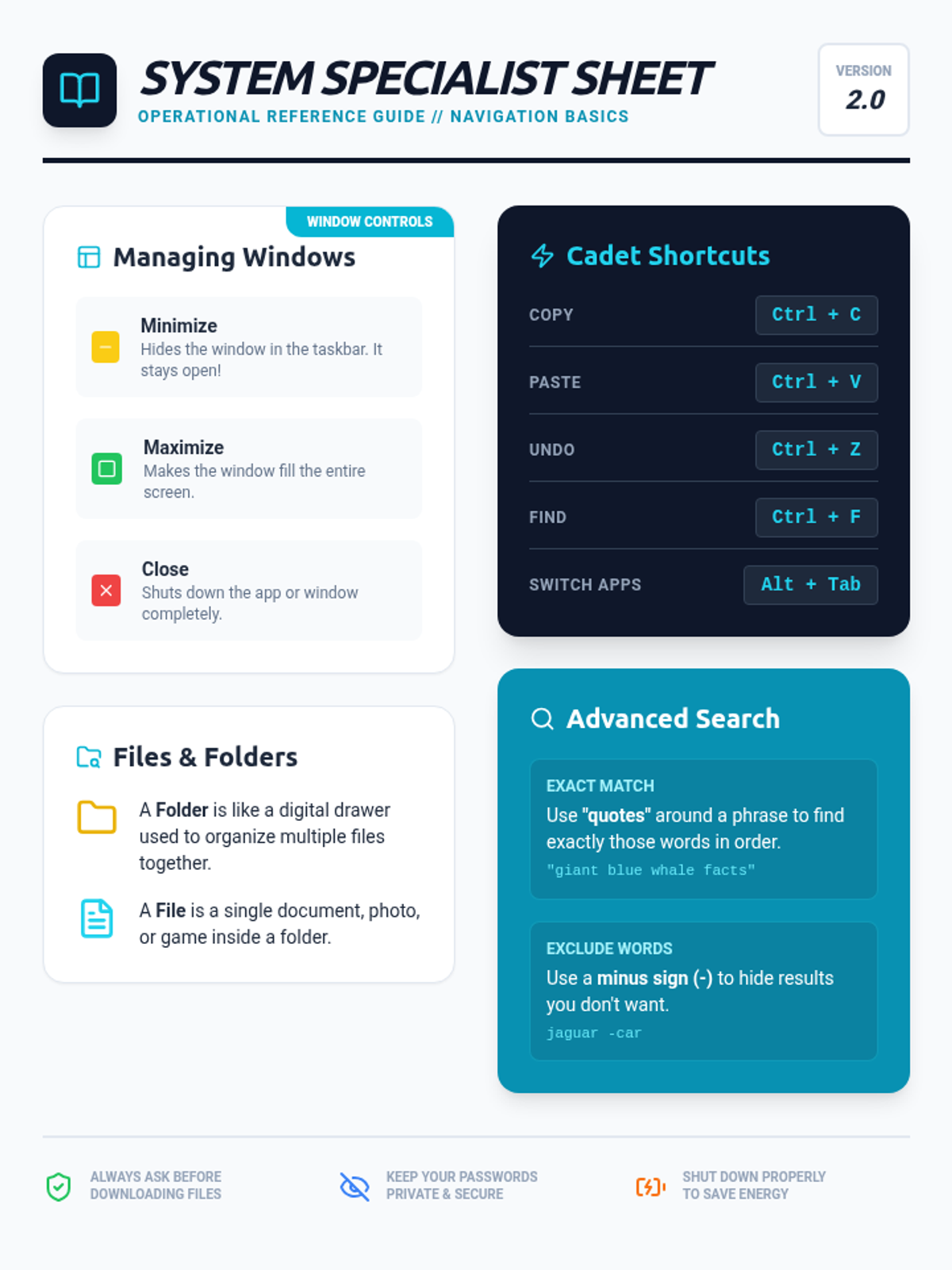
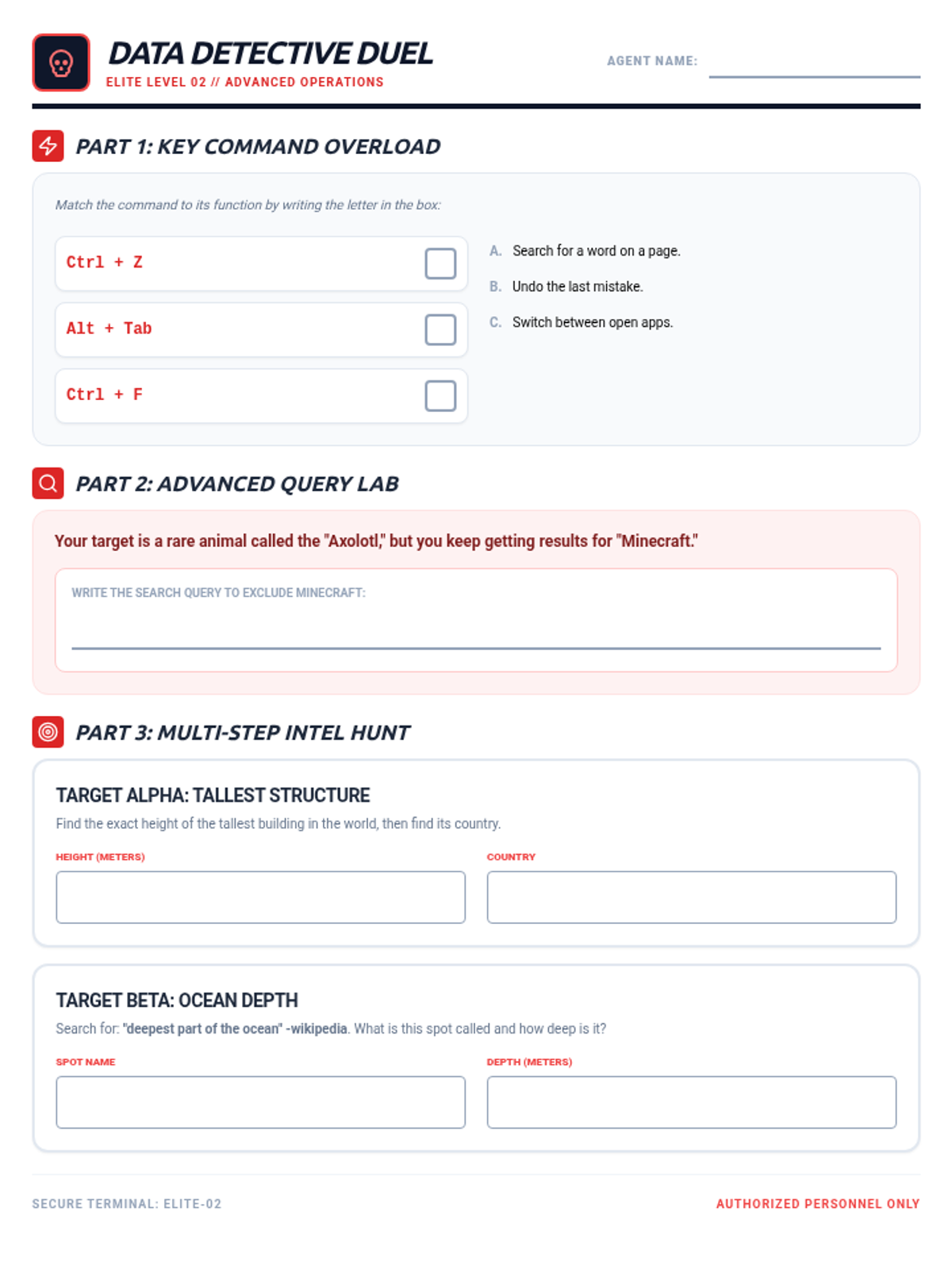
A comprehensive introduction to computer hardware interaction, operating system navigation, and effective web searching strategies for young learners.
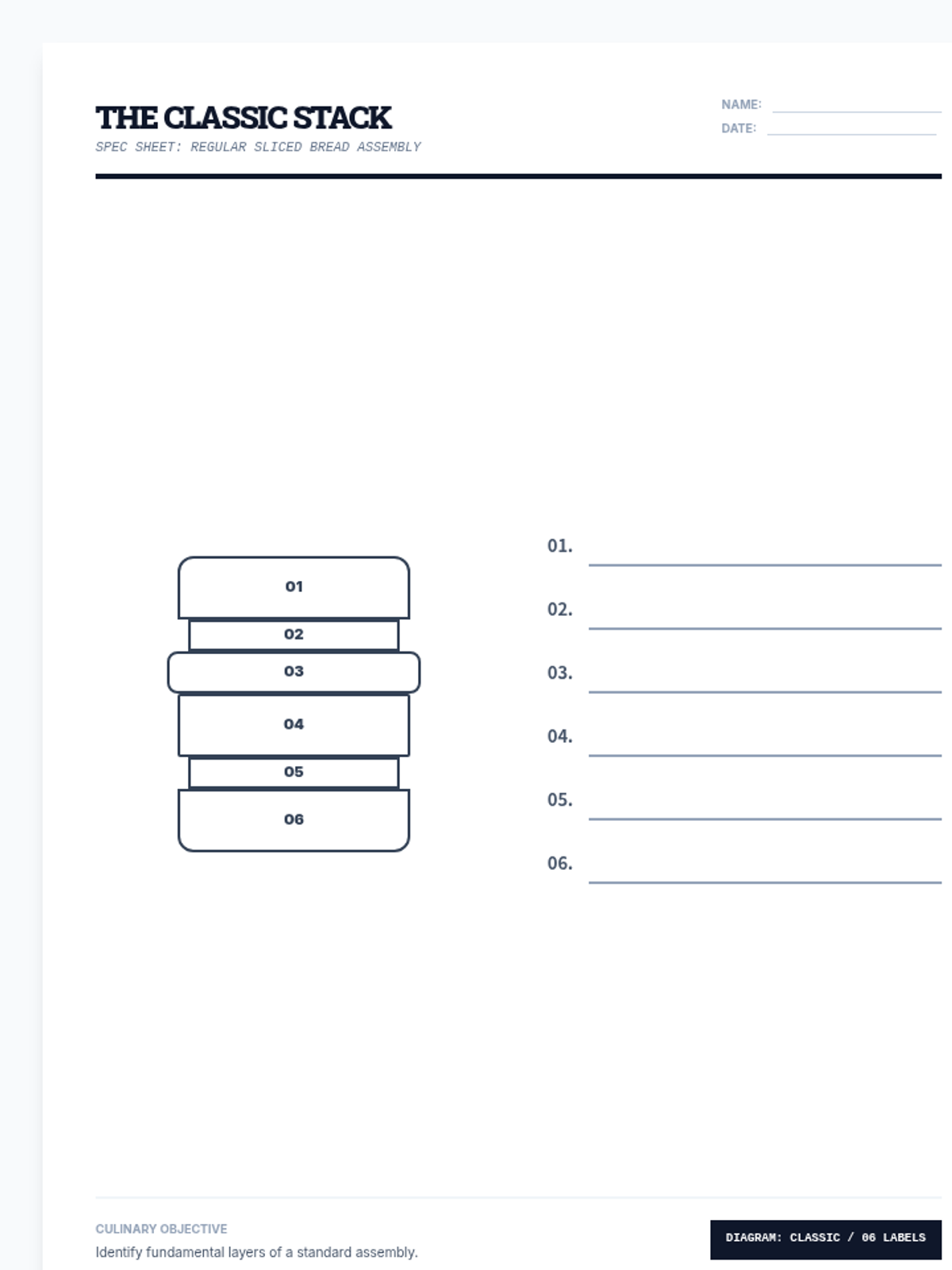
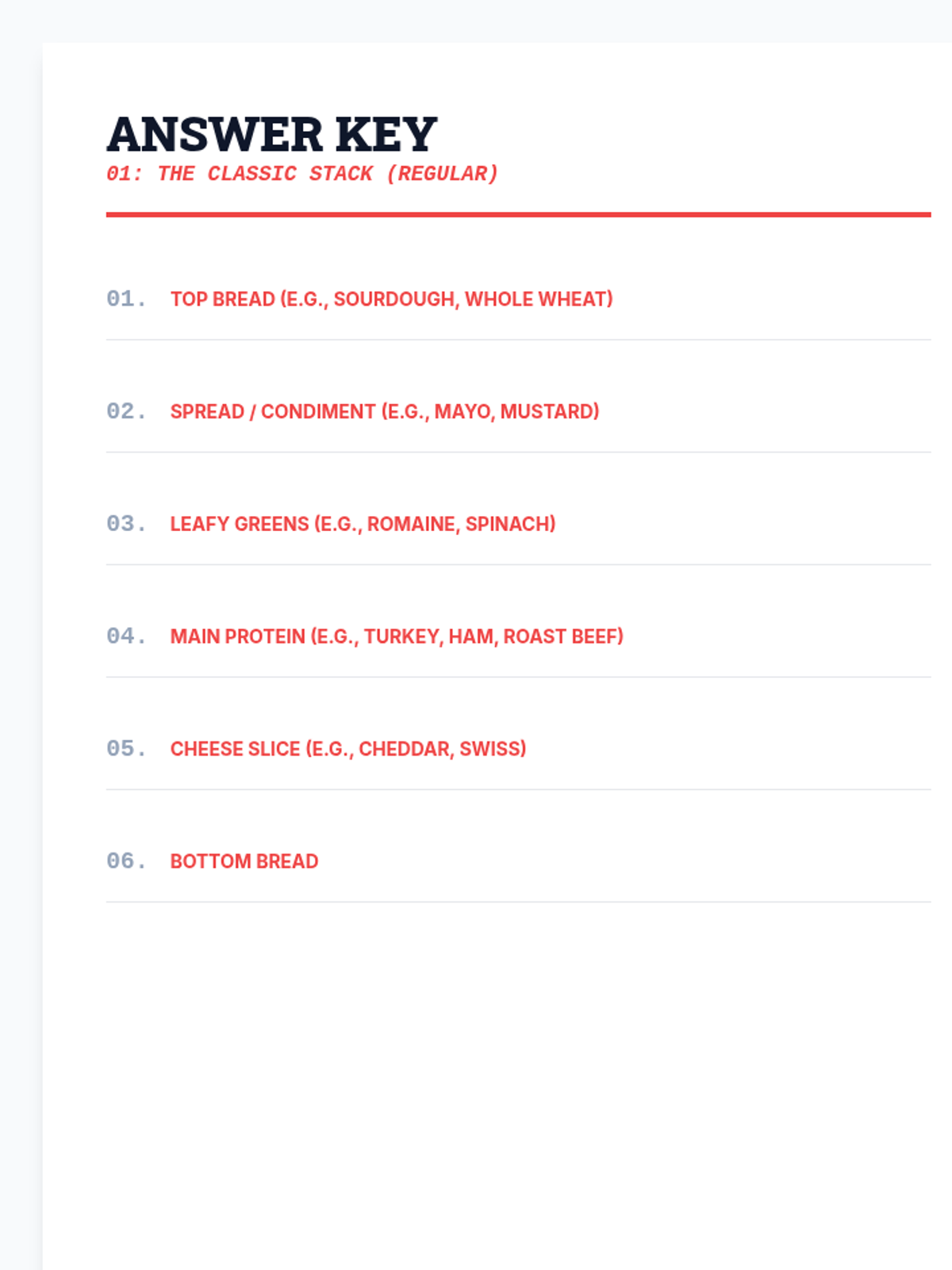
A comprehensive lesson on the structural assembly of various sandwich types, focusing on culinary terminology and layering techniques through anatomical diagrams.
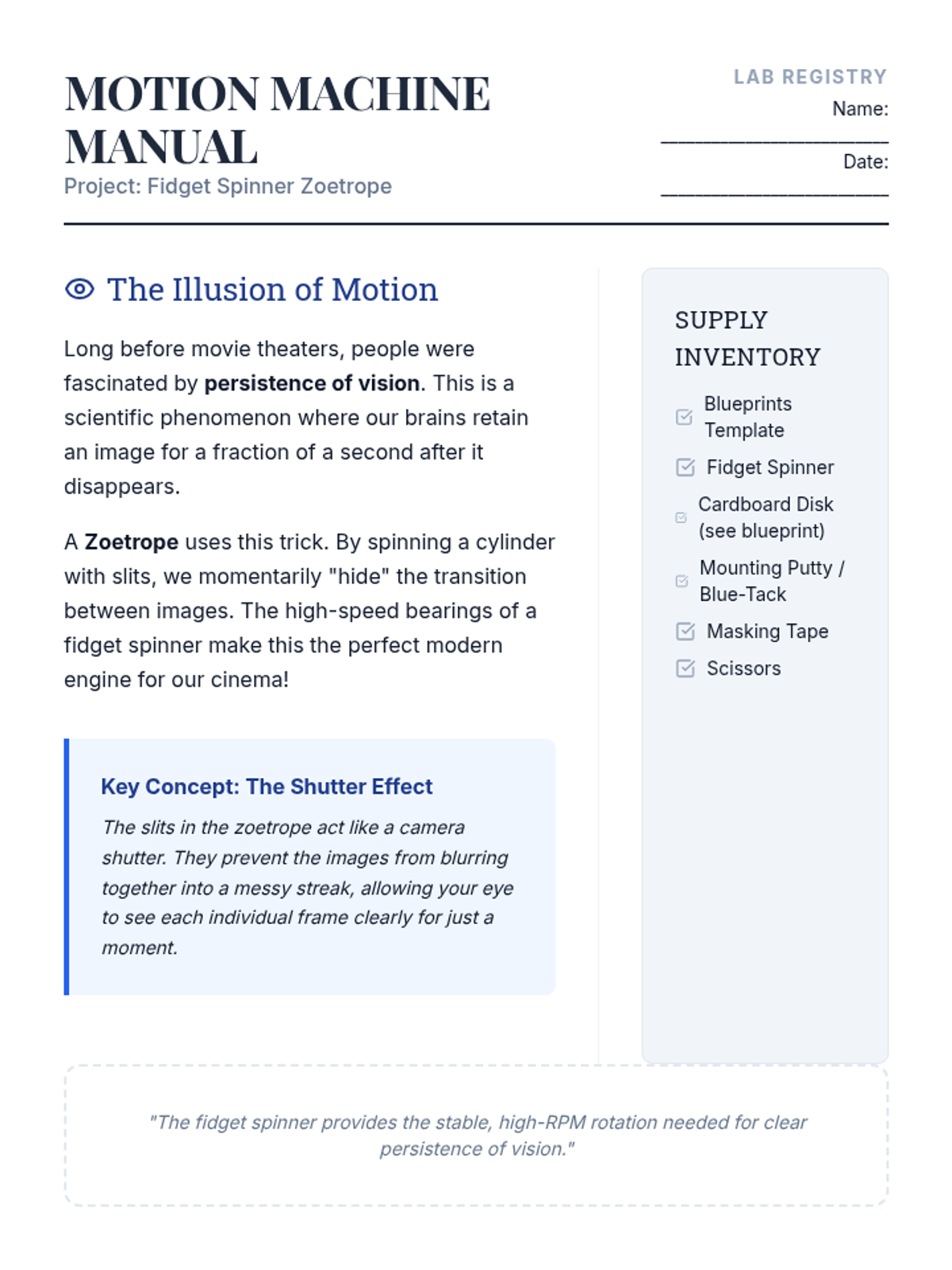
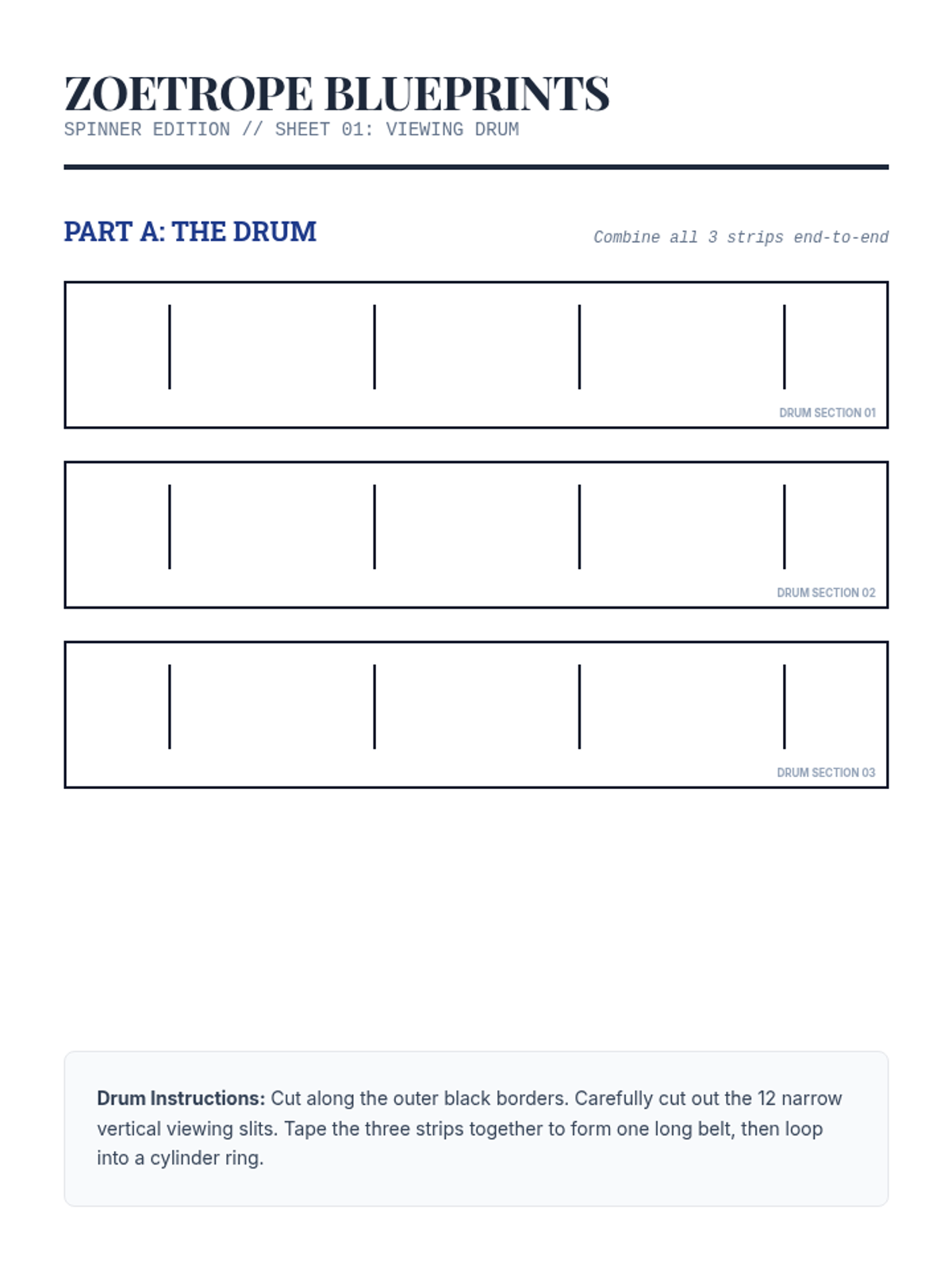
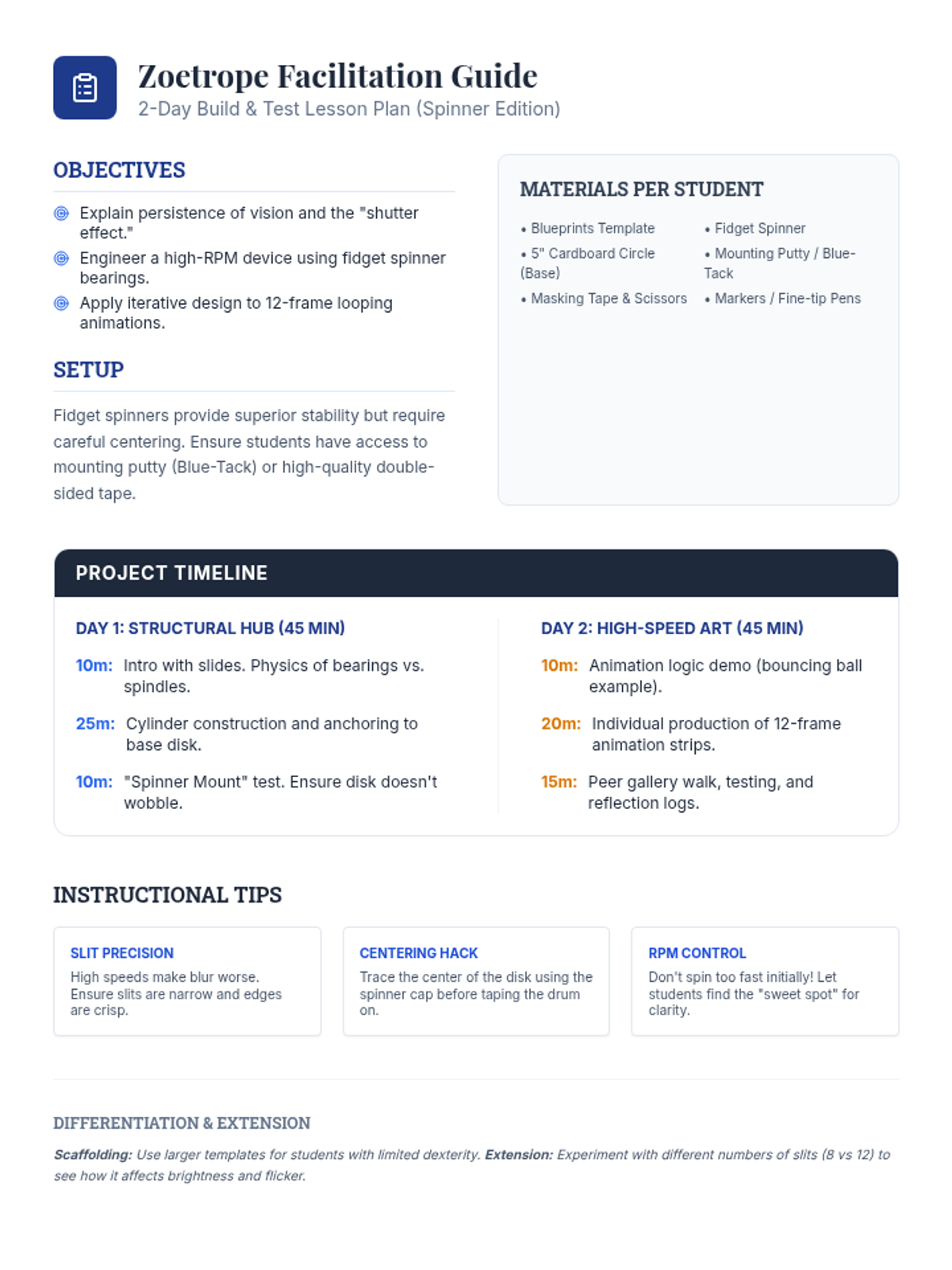
A 2-day hands-on engineering and art project where students build a paper zoetrope to explore the physics of light and the foundations of animation. Day 1 focuses on construction and the science of persistence of vision, while Day 2 focuses on creating and testing animation strips.
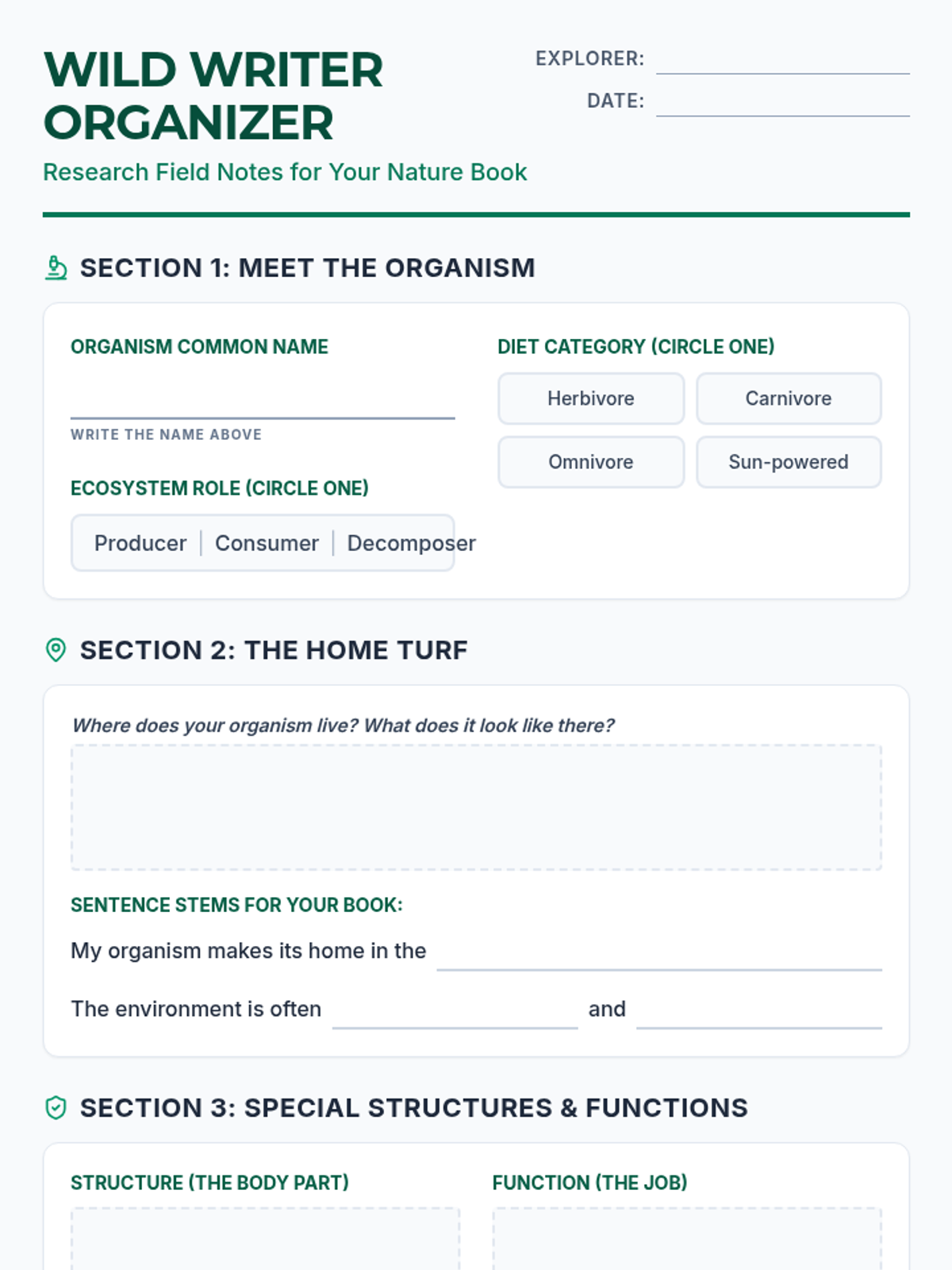
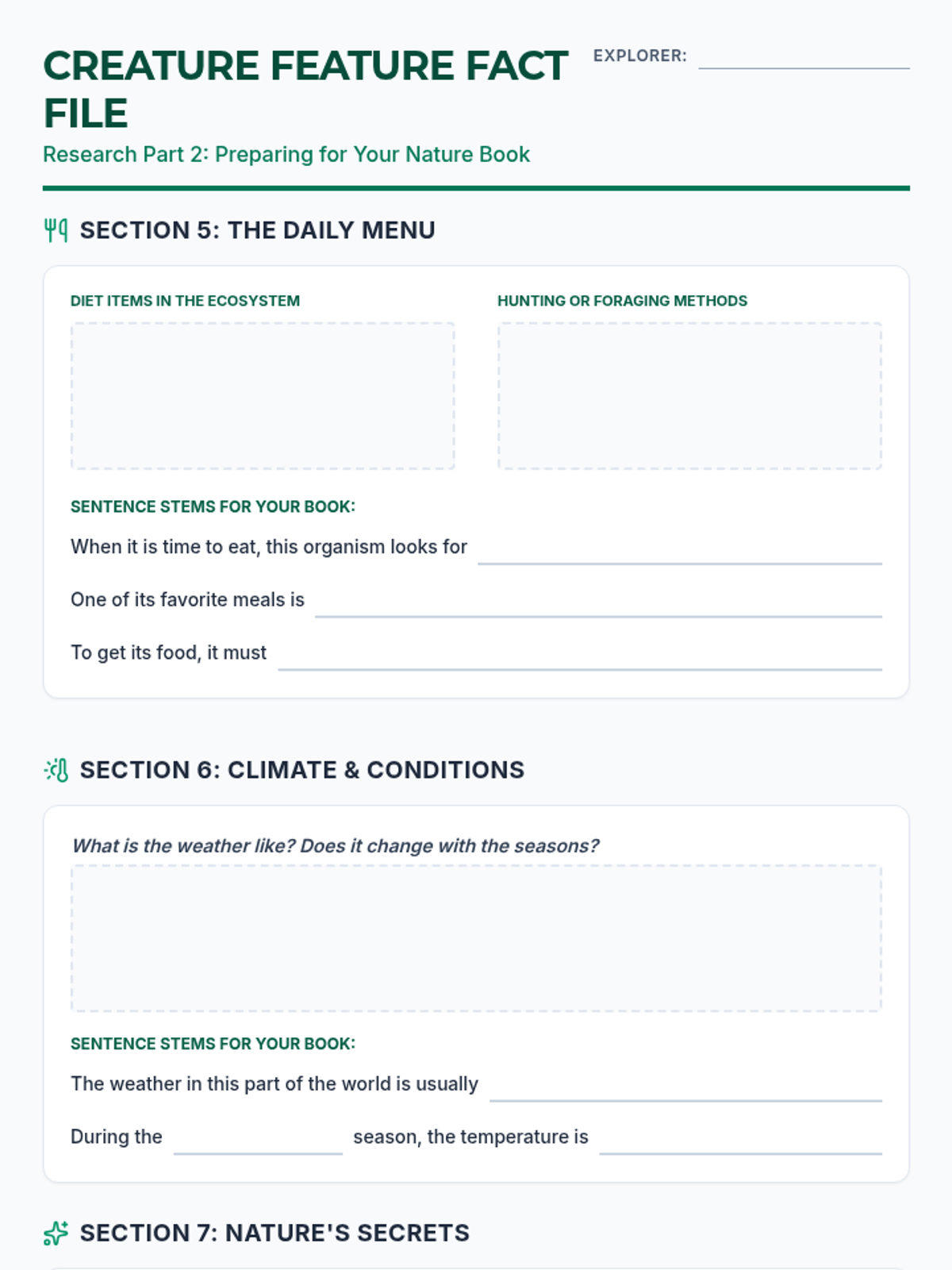
A lesson focused on researching organisms and organizing that data into sentence stems to support students in authoring their own ecosystem-themed books.
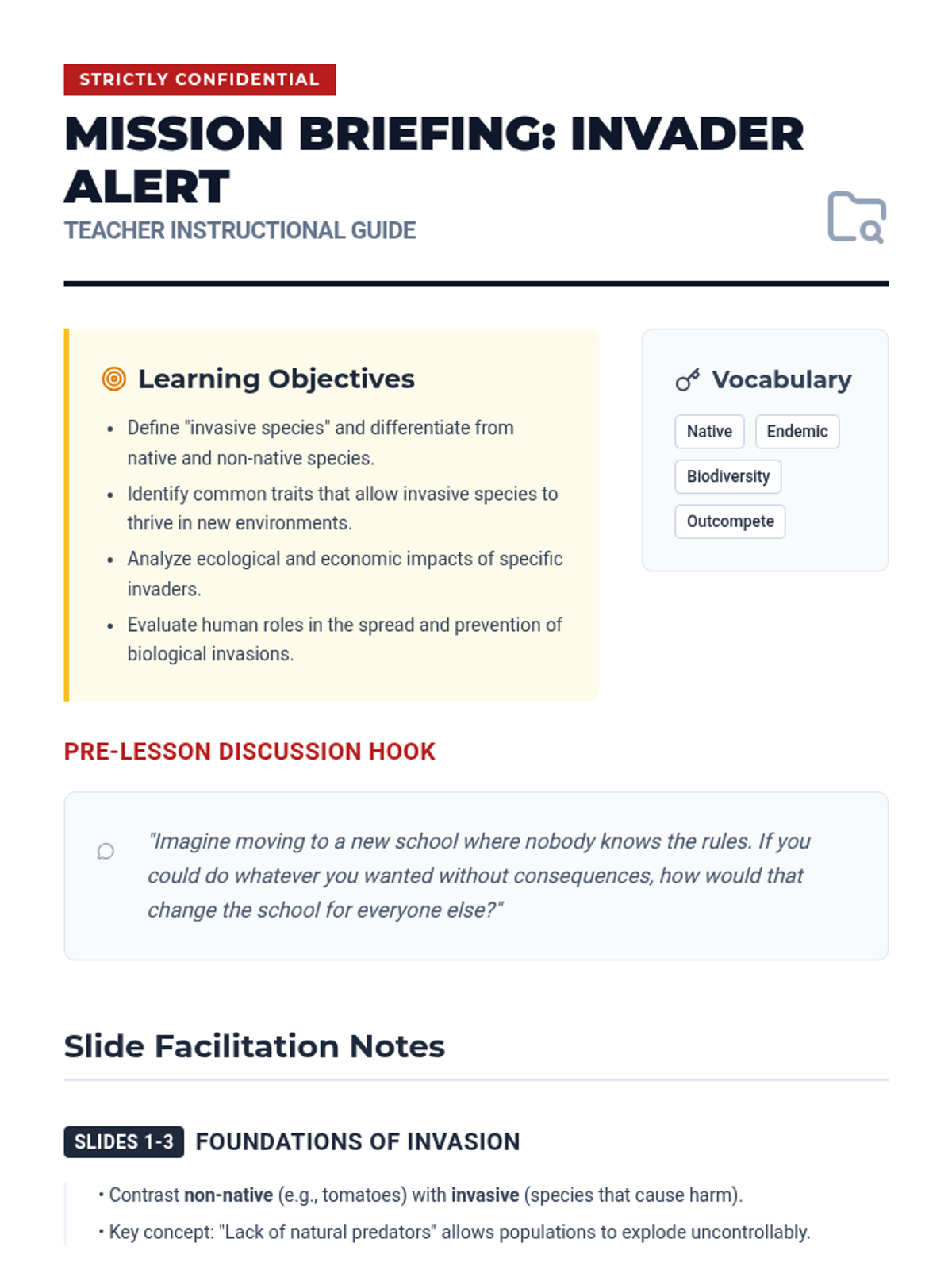
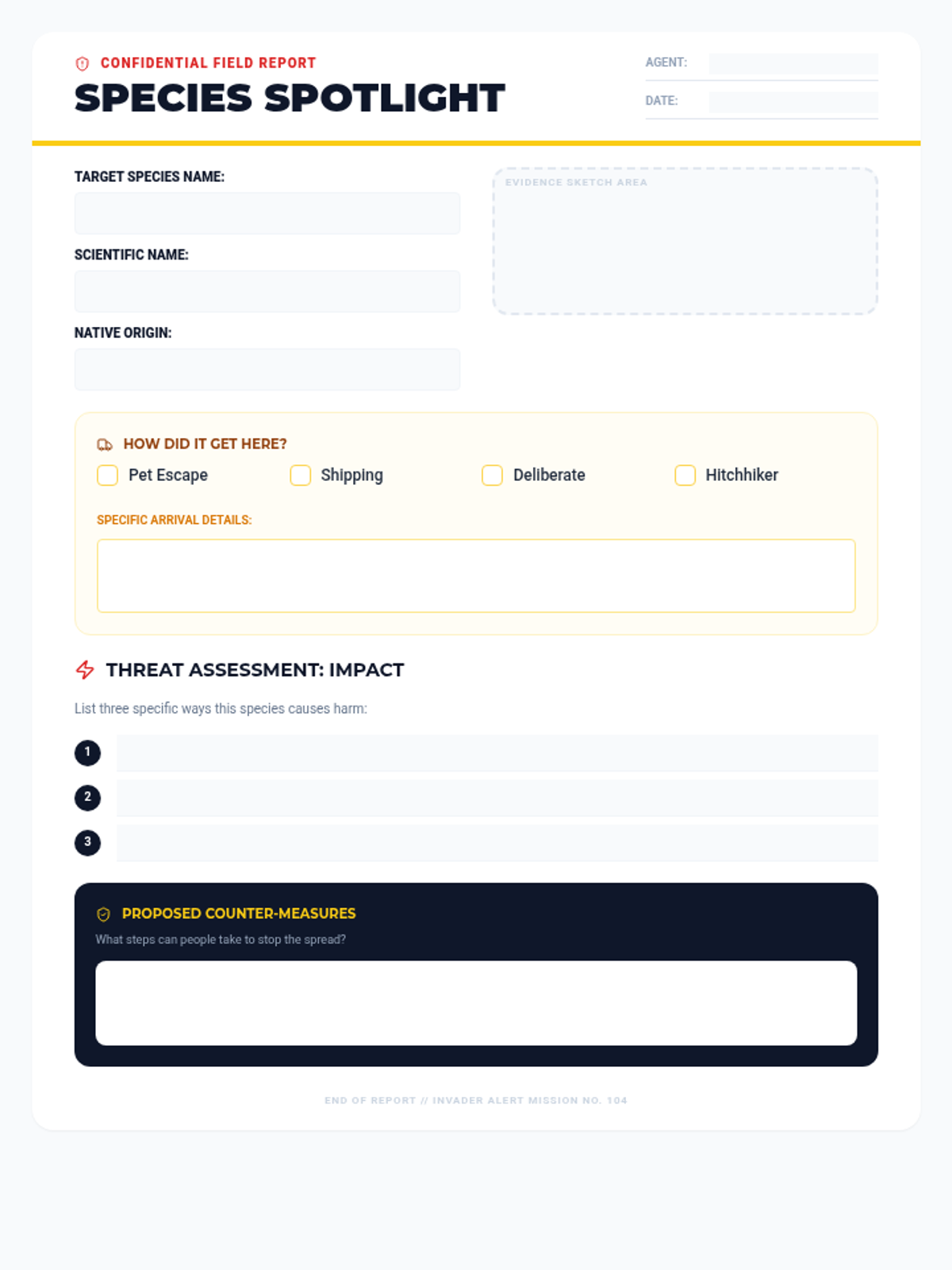
A comprehensive introduction to invasive species, exploring how non-native plants and animals disrupt ecosystems and what can be done to stop them. Students will analyze real-world case studies of biological 'invaders' through a high-stakes dossier-style presentation.
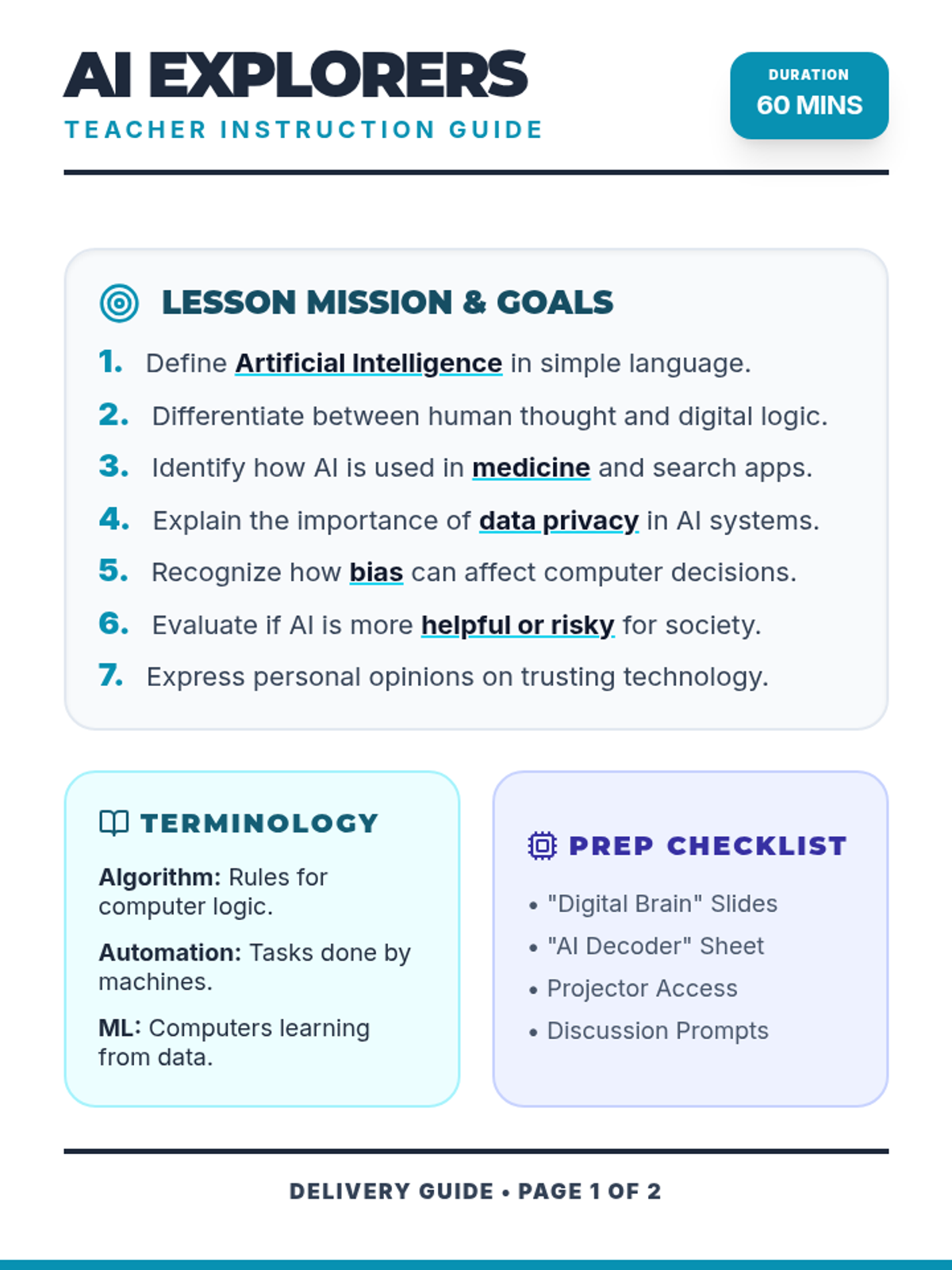
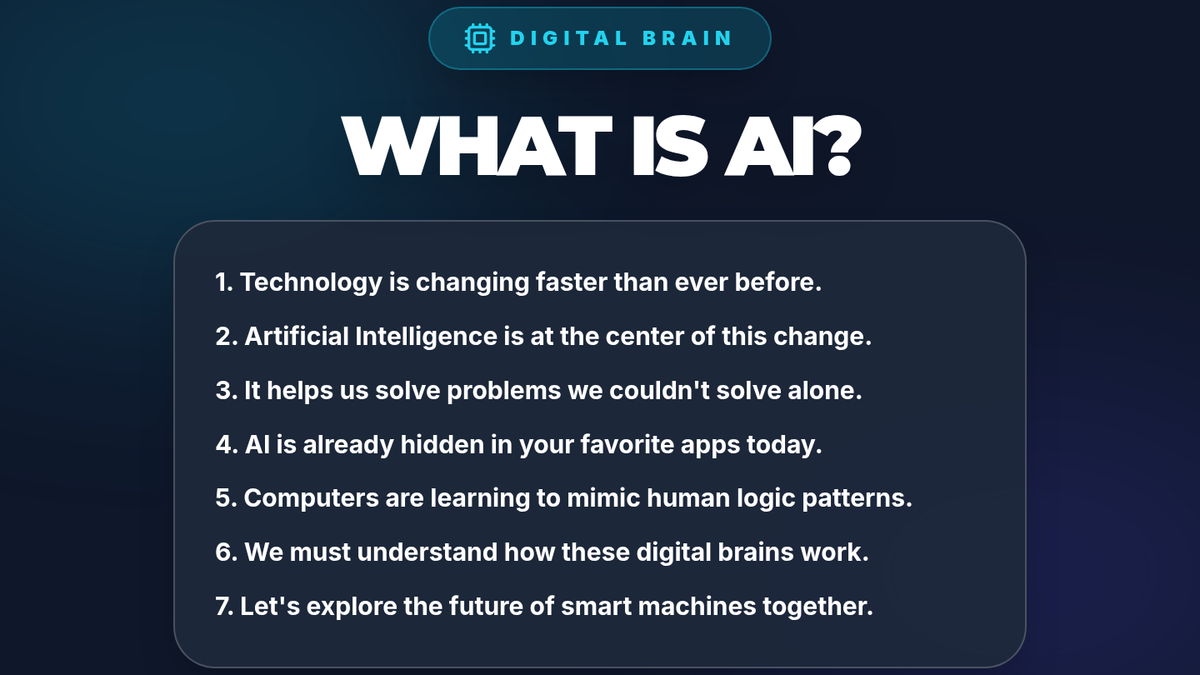
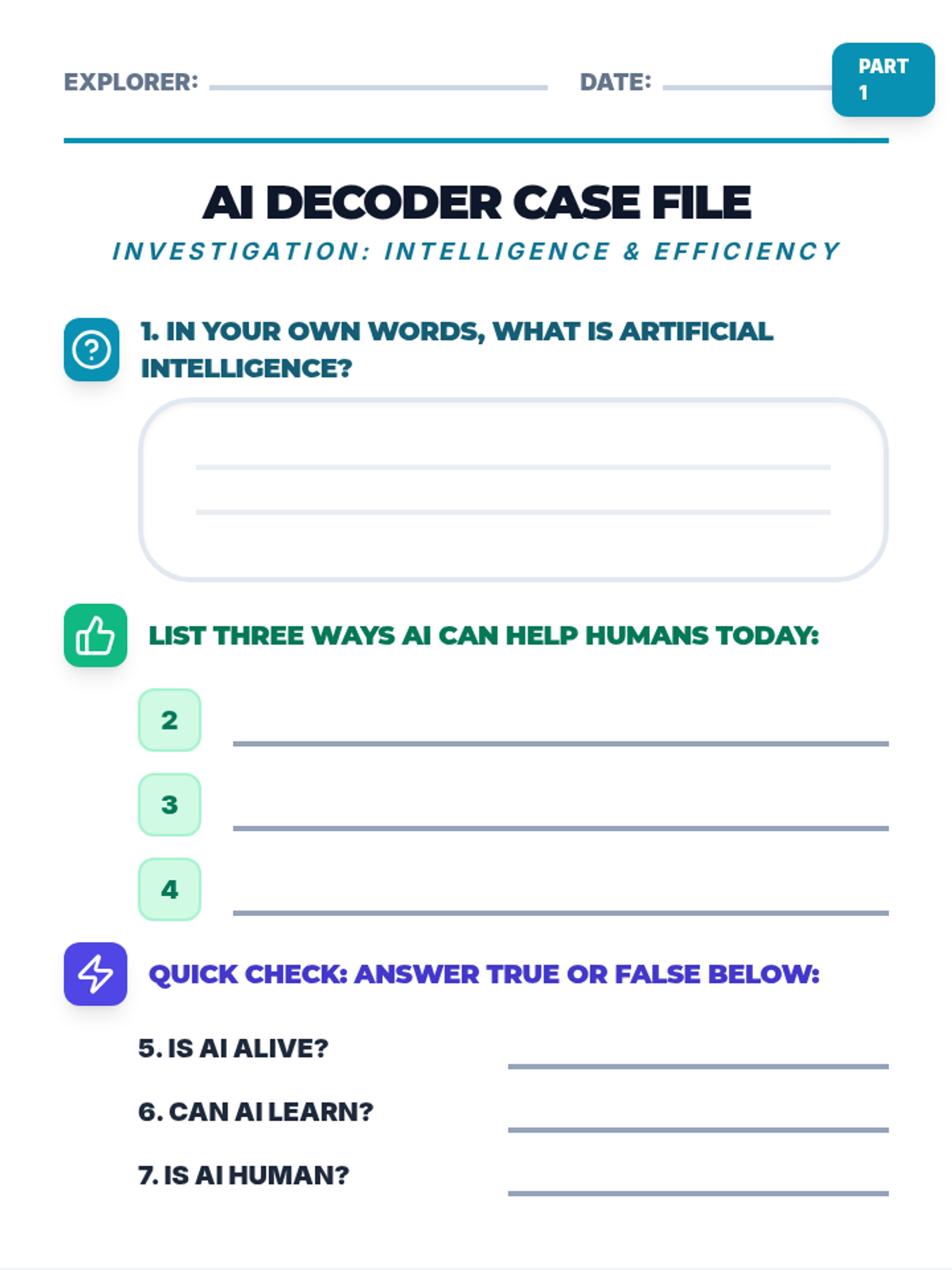
An introductory lesson exploring the fundamentals of Artificial Intelligence, its practical applications in daily life, and the ethical considerations surrounding its use.
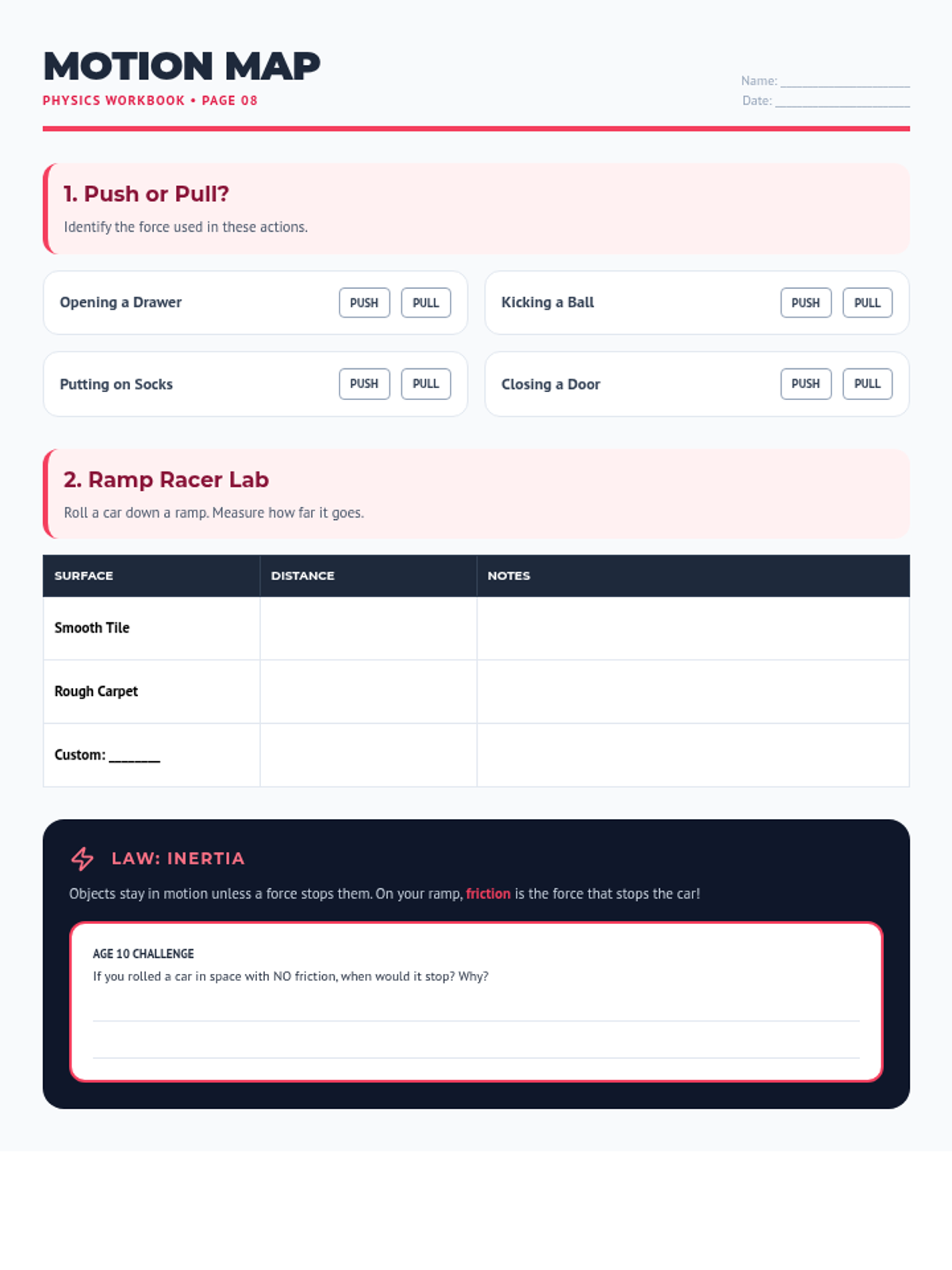
A study of kinetic energy and inertia using simple household objects and inclined planes.
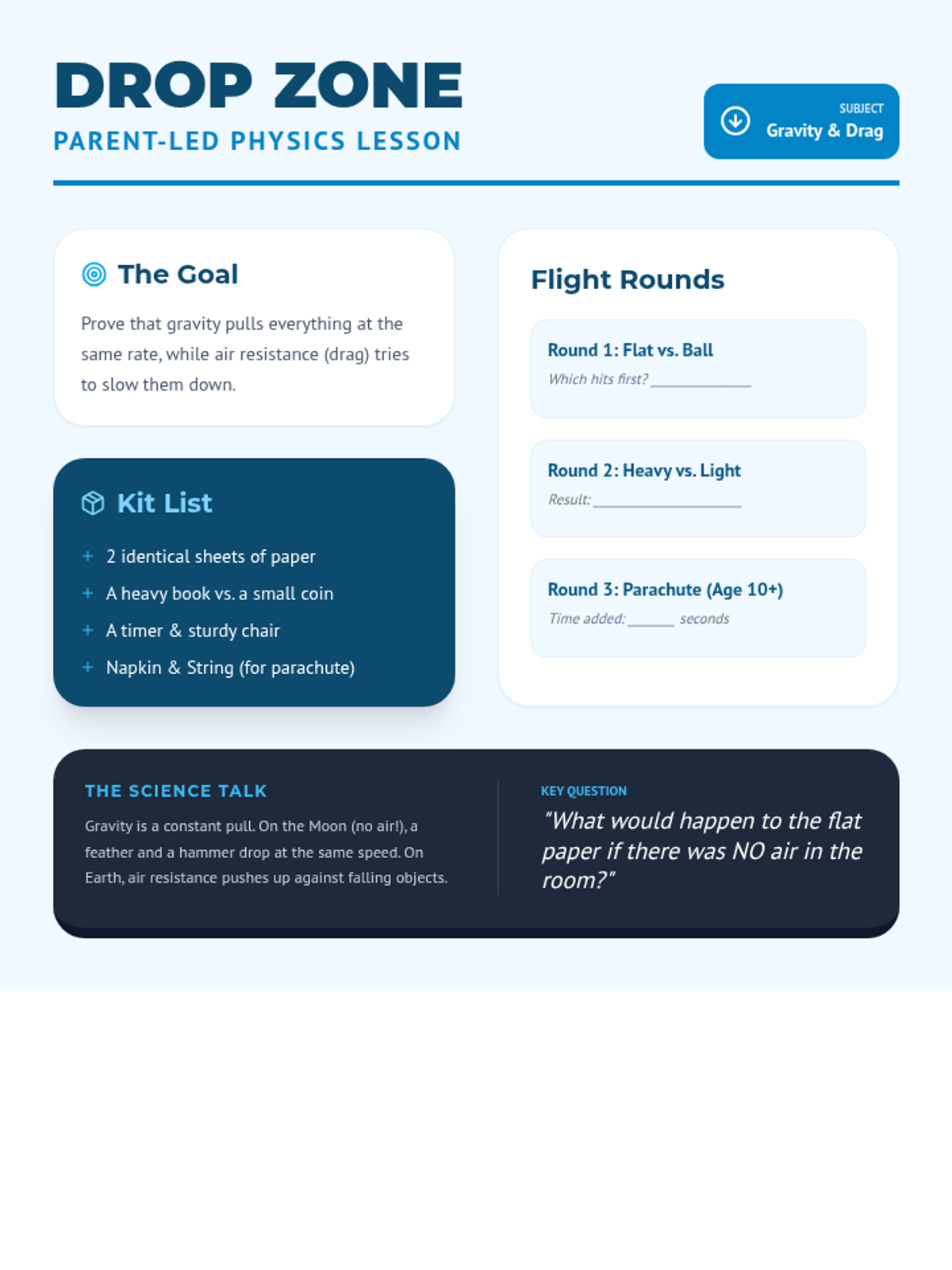
An exploration of gravity and air resistance through a controlled drop experiment.
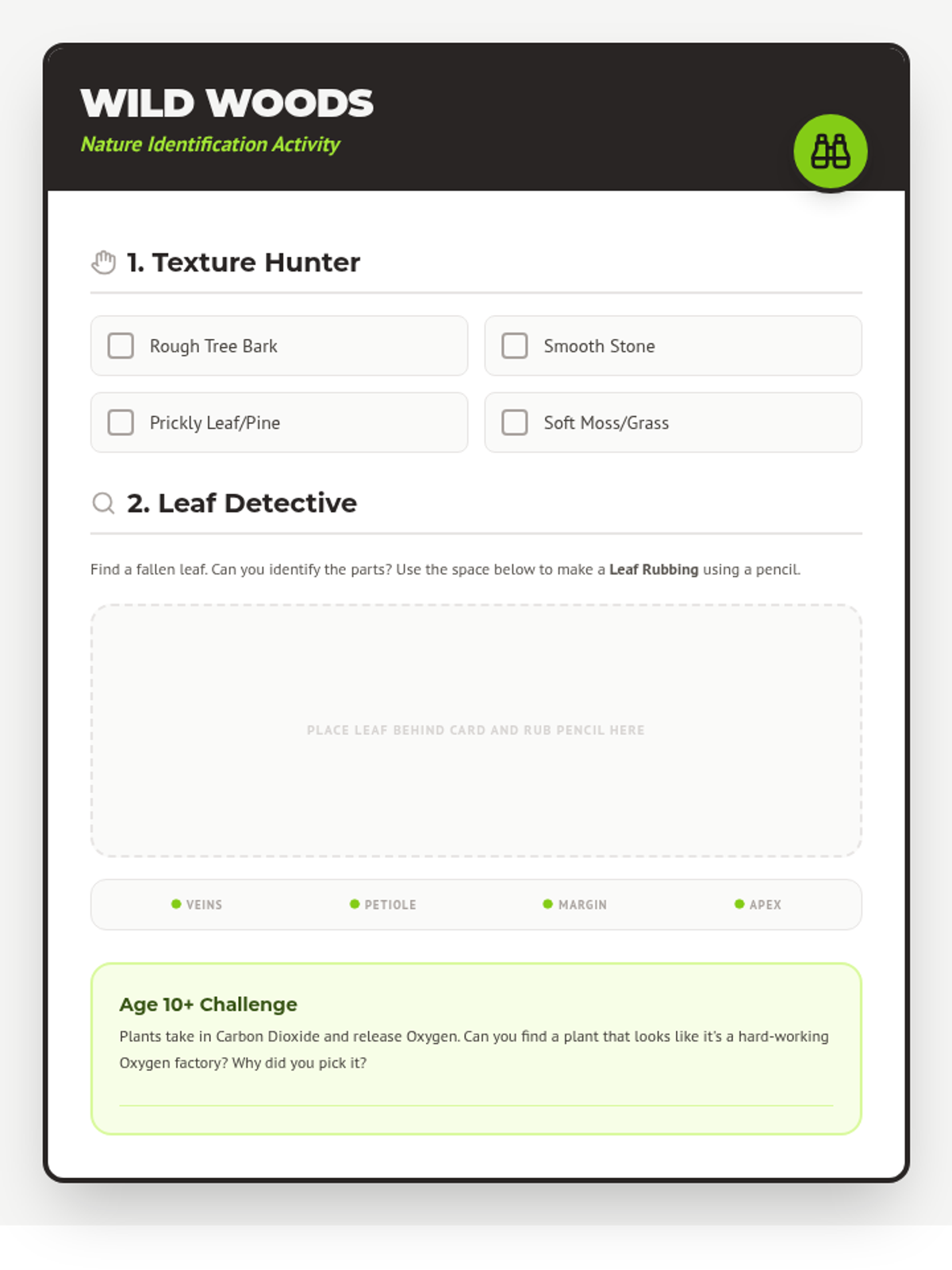
A nature-focused scavenger hunt designed to teach identification and observation skills.
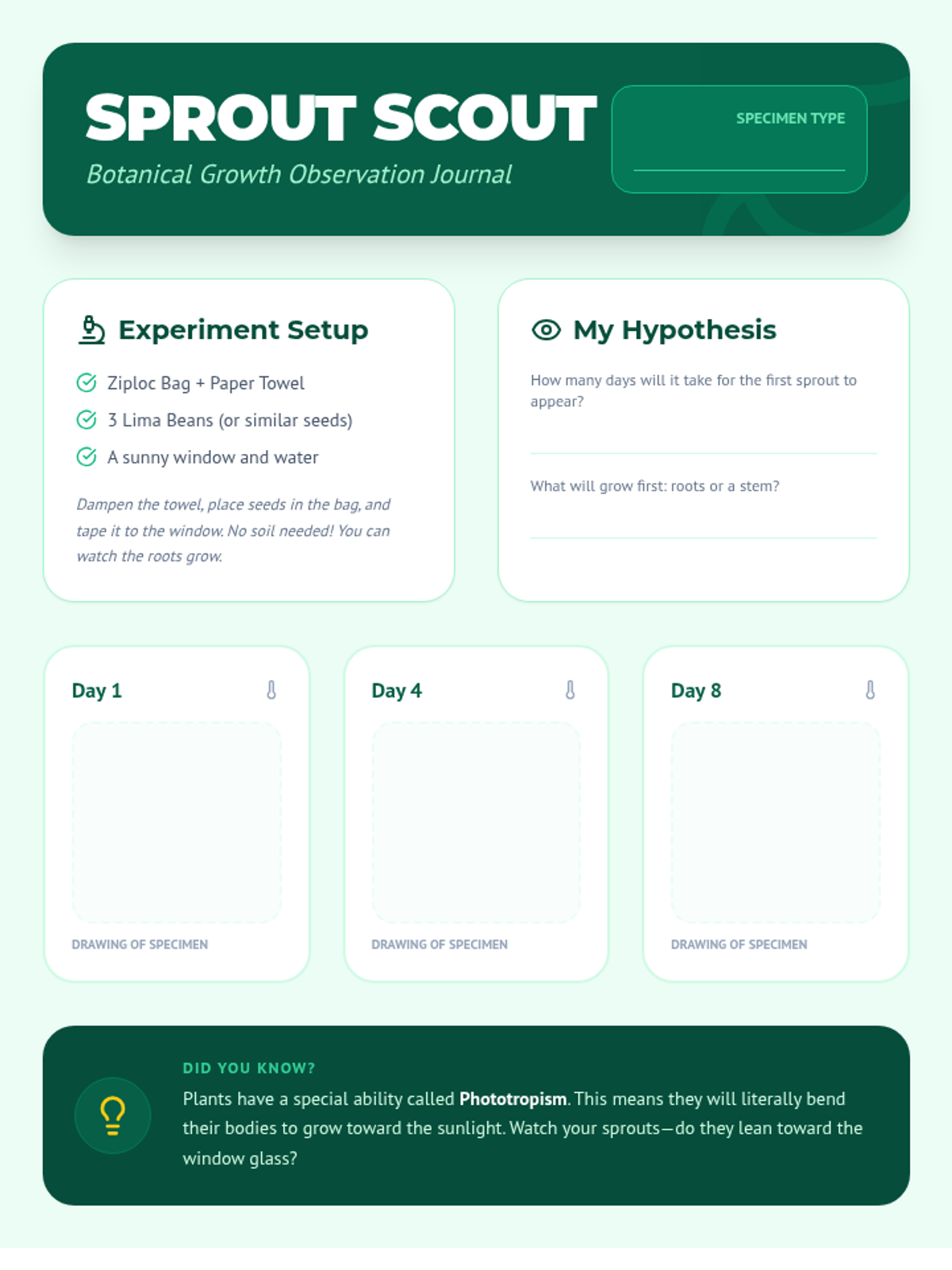
A botanical experiment focused on tracking the germination and early growth of seeds.

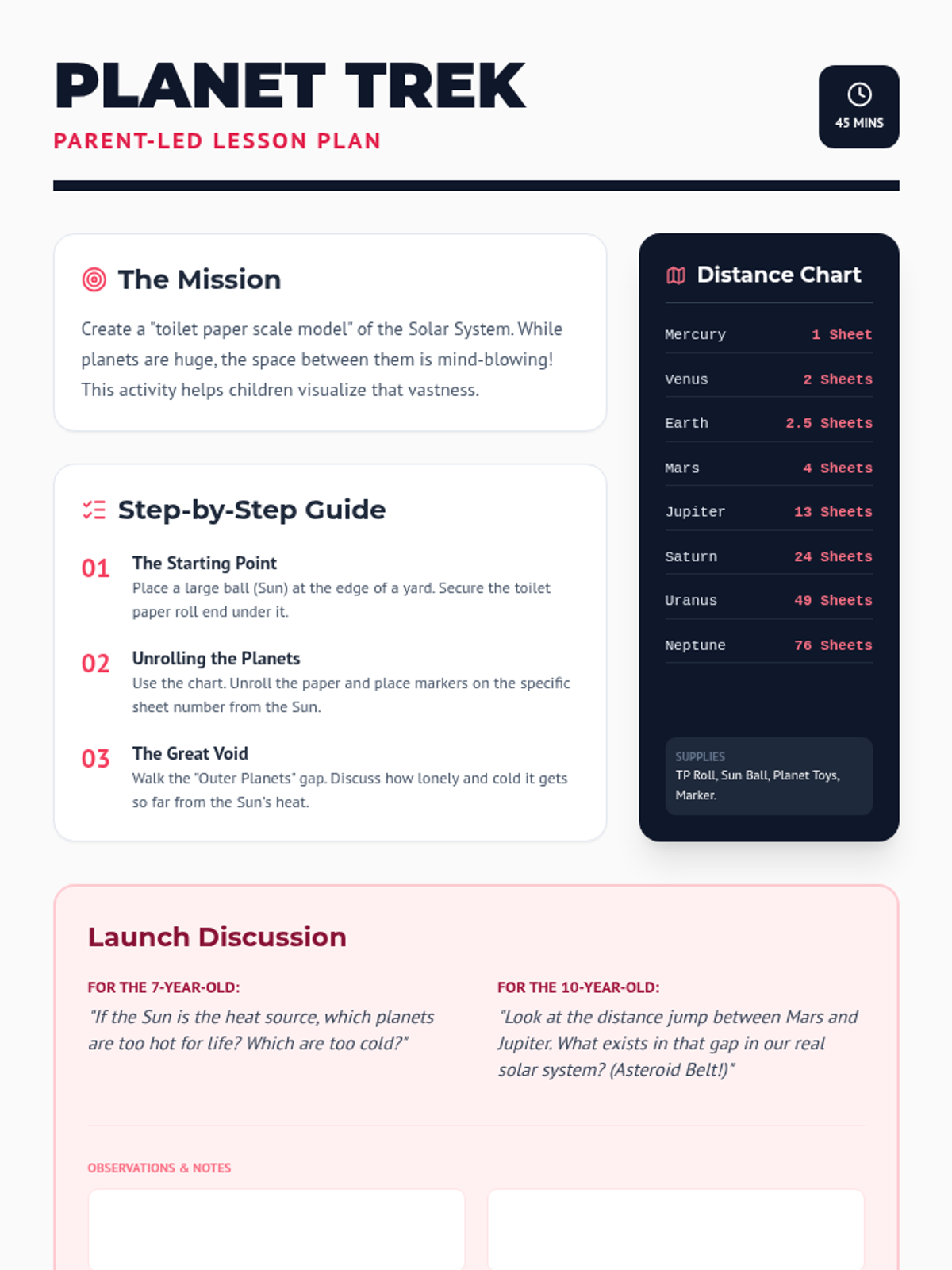
A scale-model activity to visualize the vast distances between planets in our solar system.
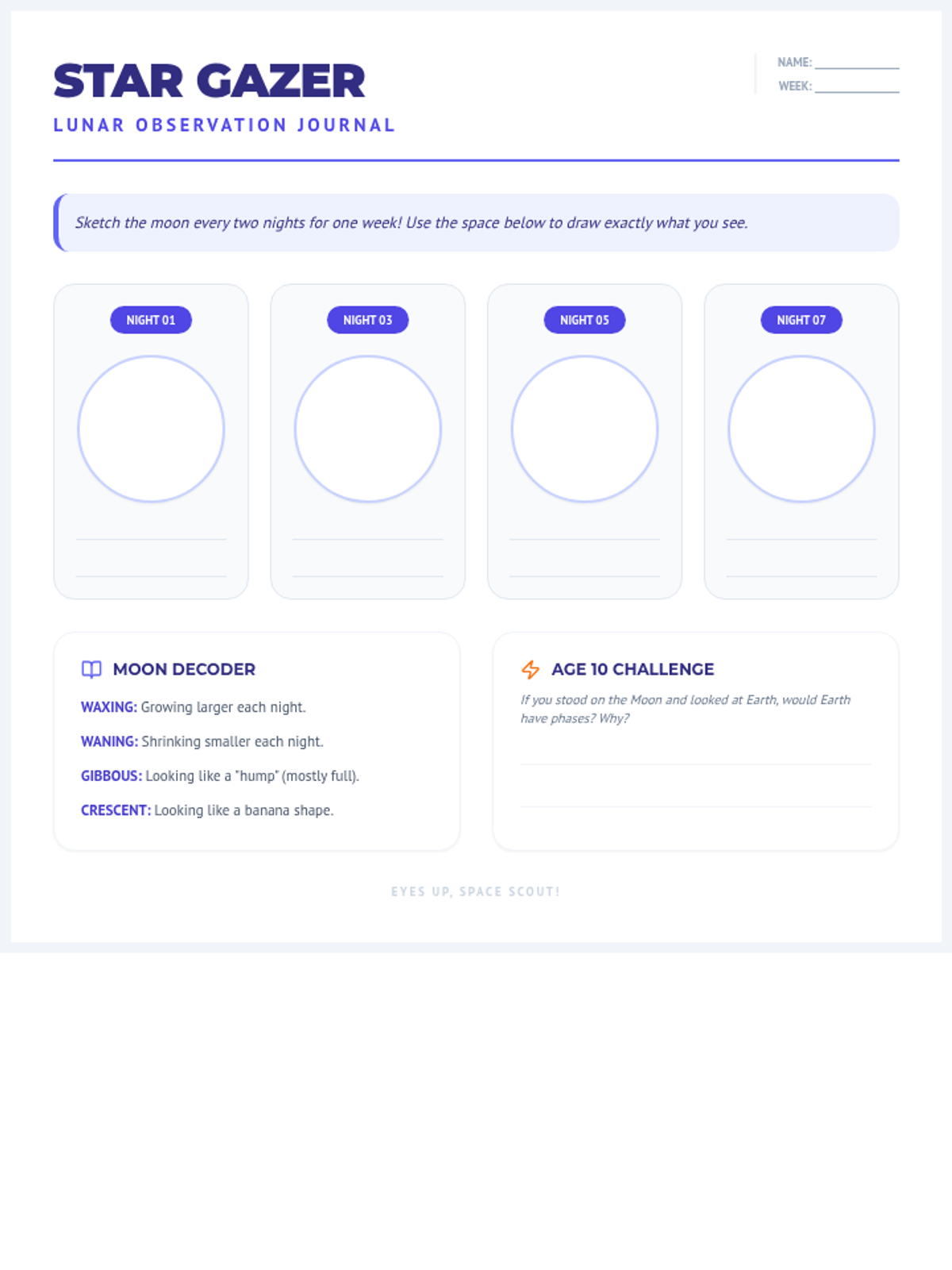
A week-long tracking activity to observe and record the changing phases of the moon.
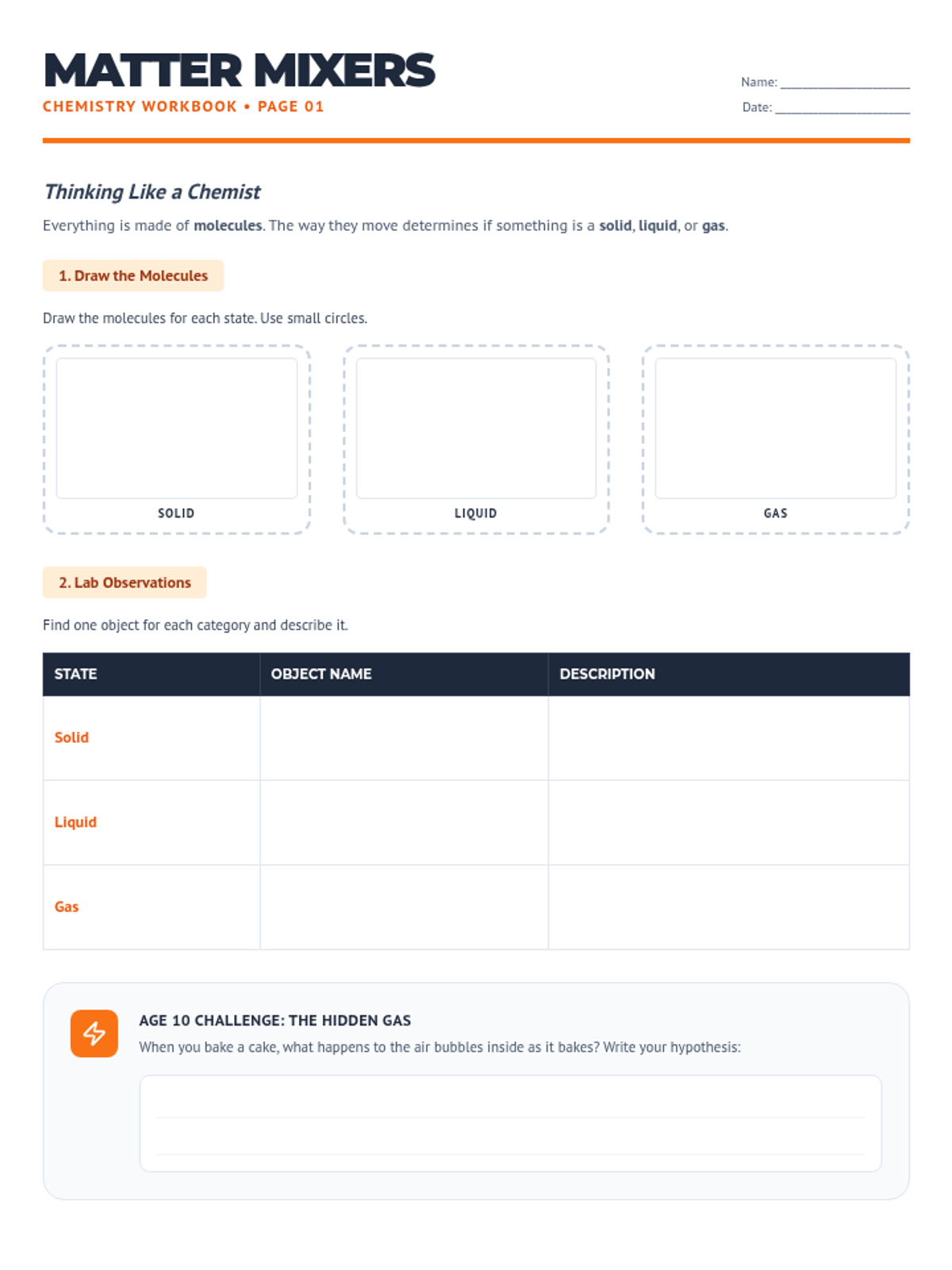
An investigation into the states of matter and how molecules behave in different environments.
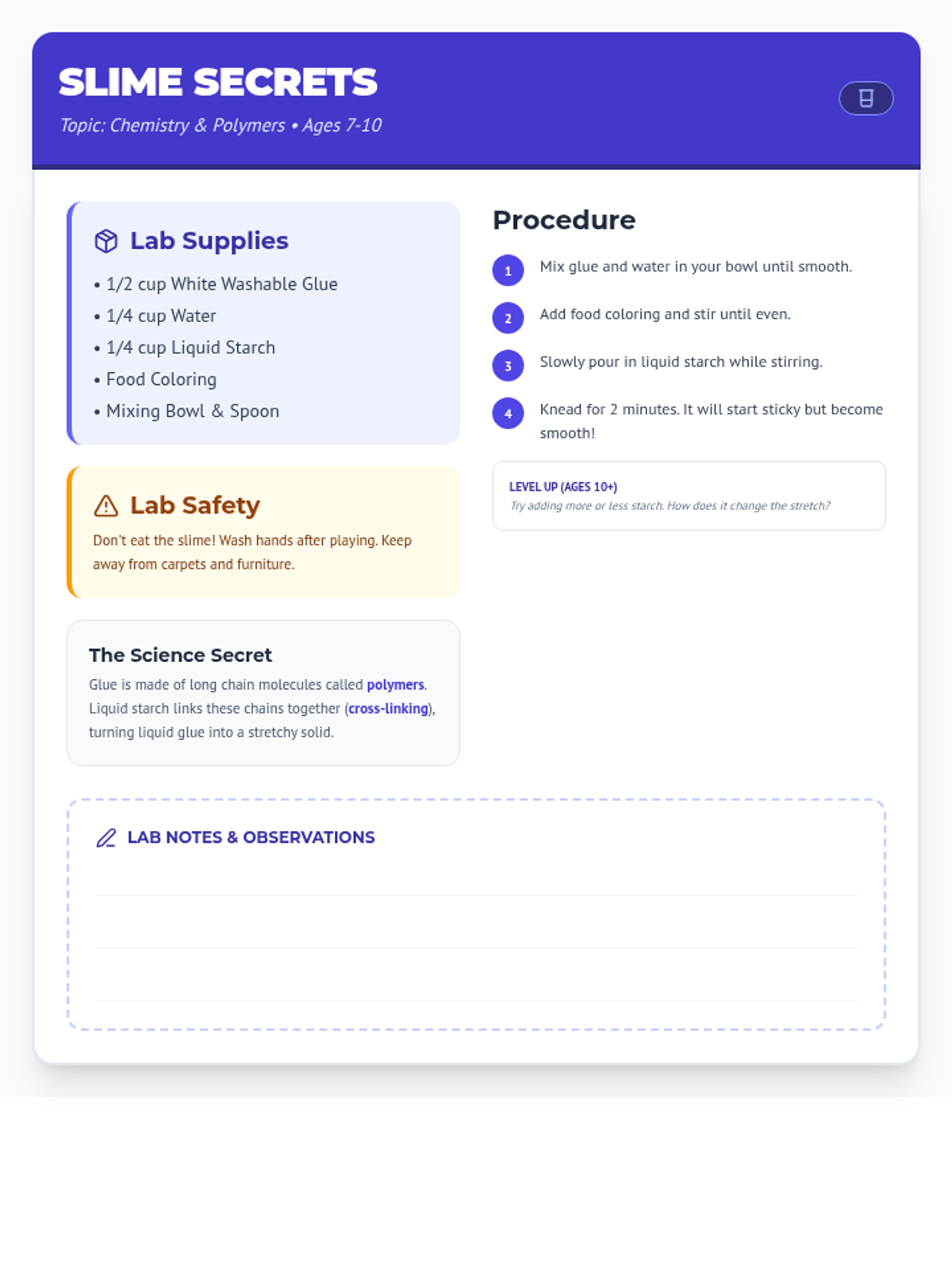
Explore chemical reactions and non-Newtonian fluids through a hands-on slime-making experiment.
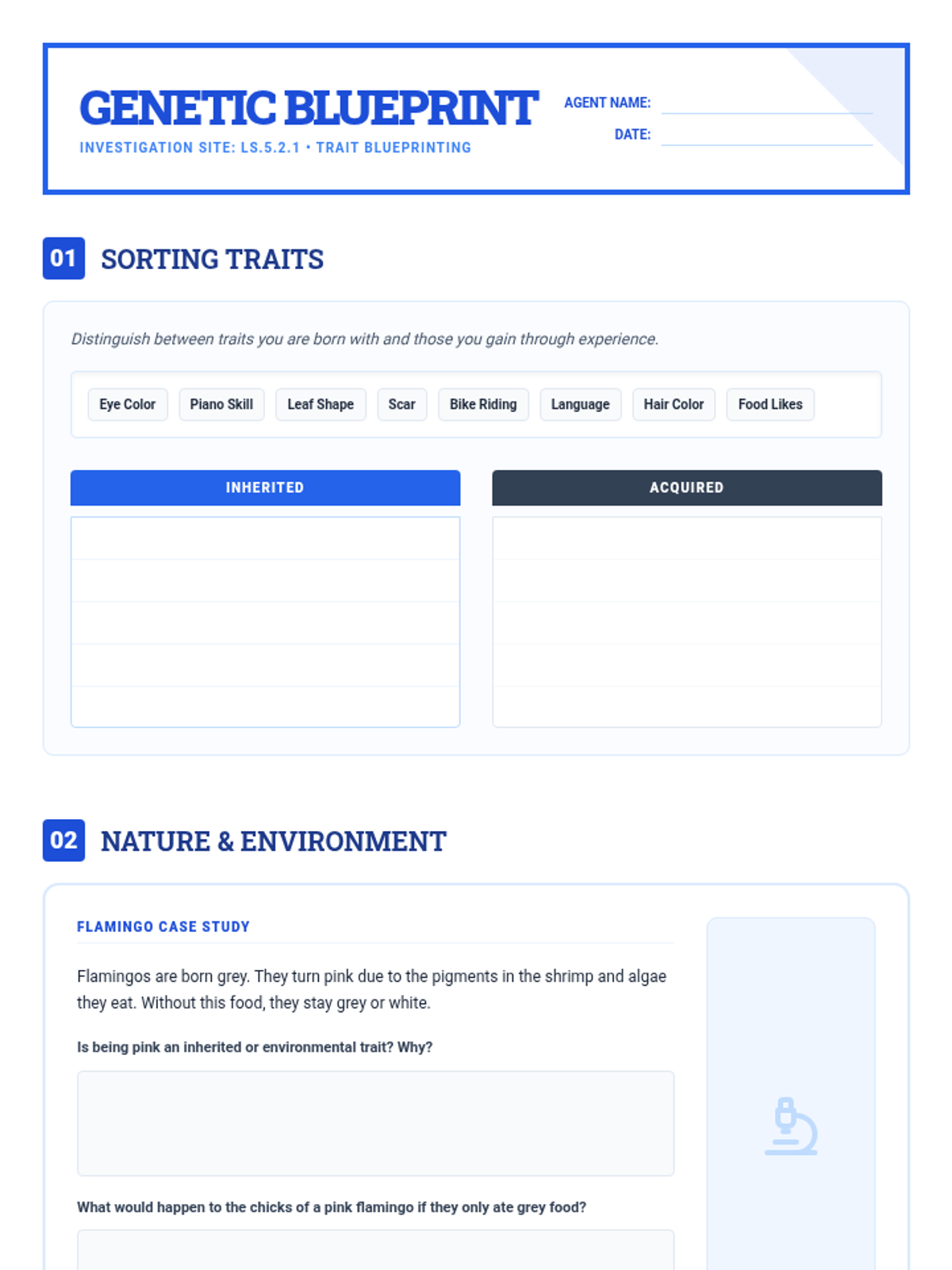
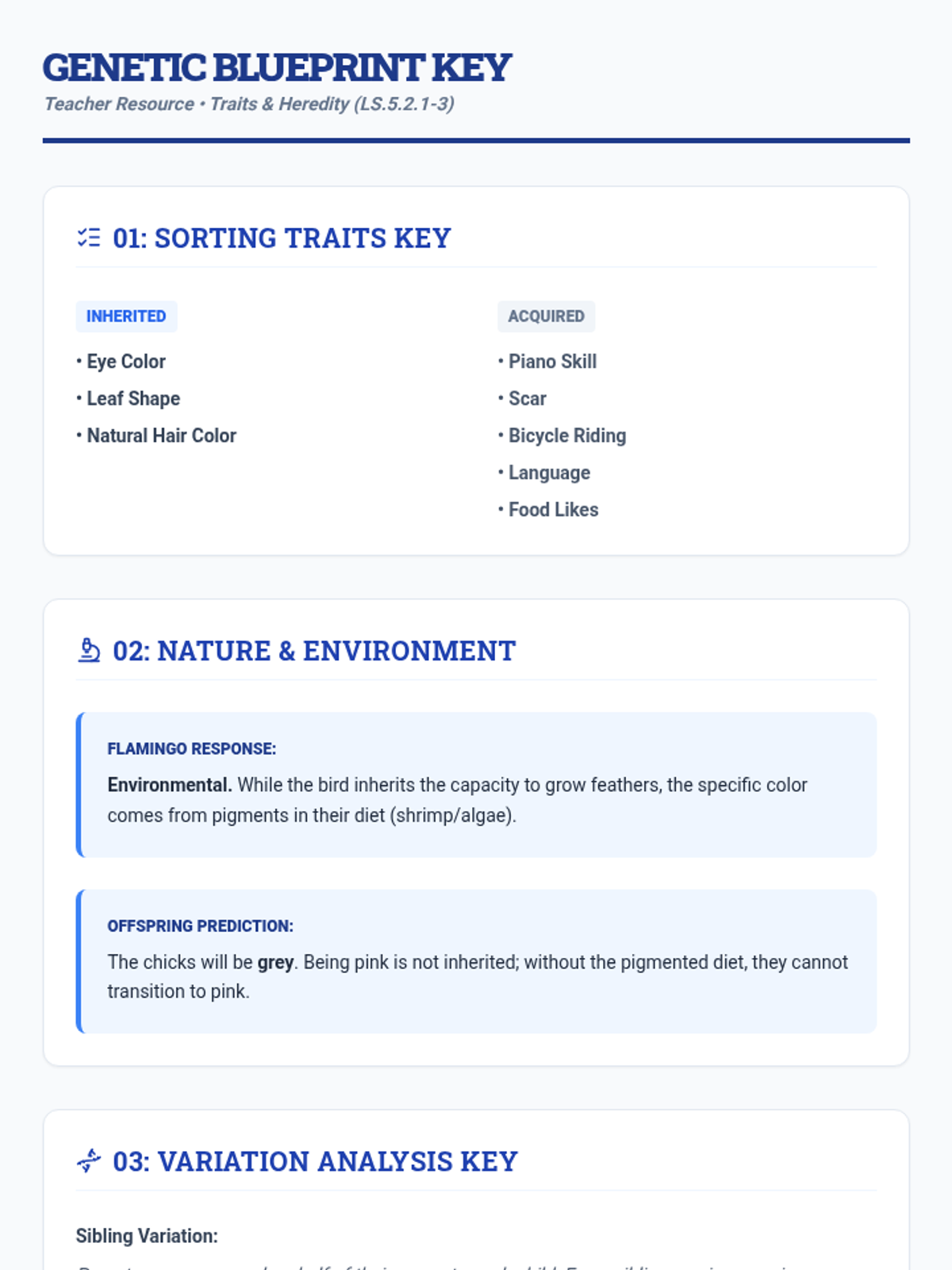
This lesson explores how plants and animals inherit traits from their parents, how traits can vary within a species, and how environmental factors can influence an organism's characteristics.
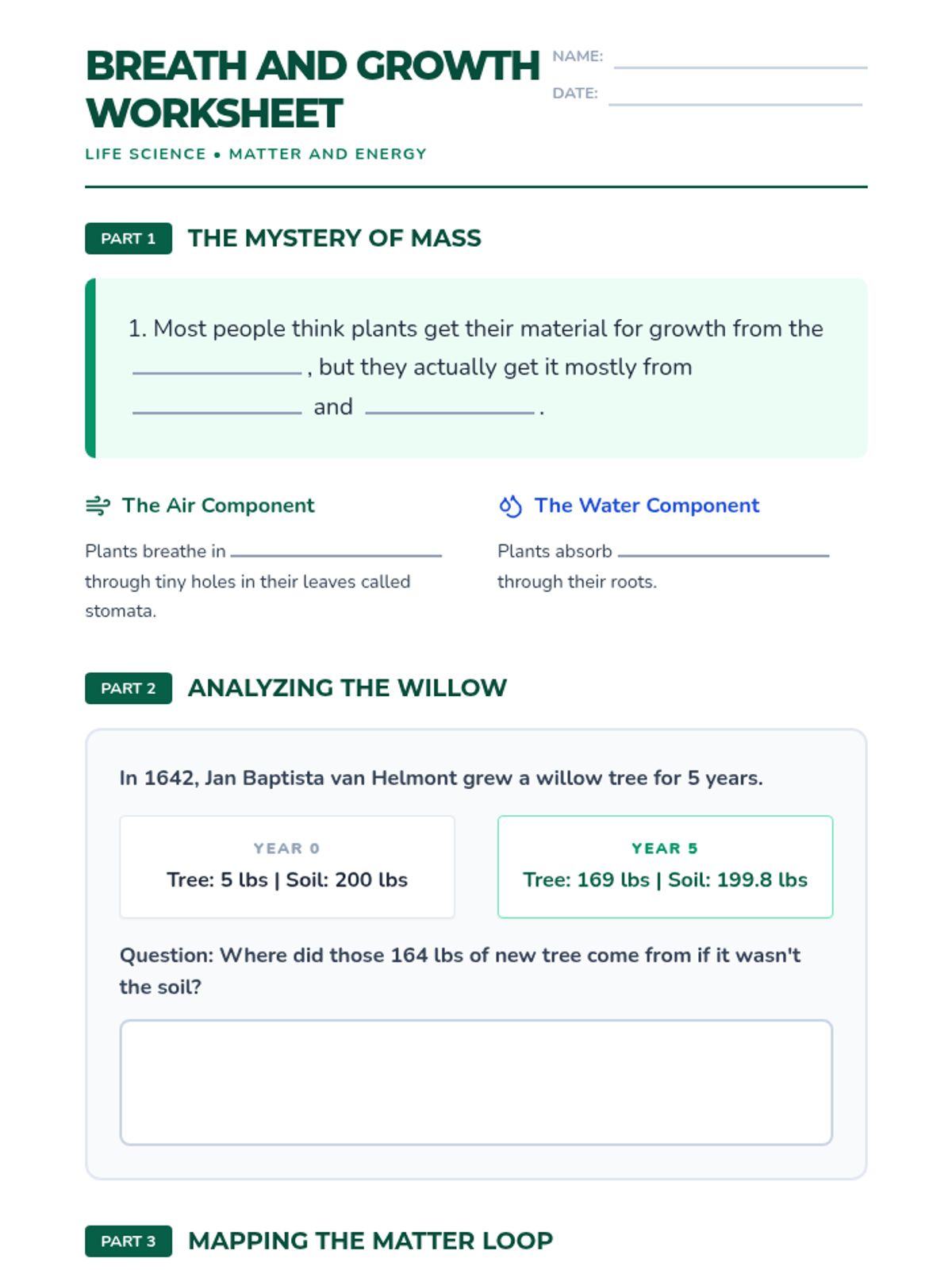
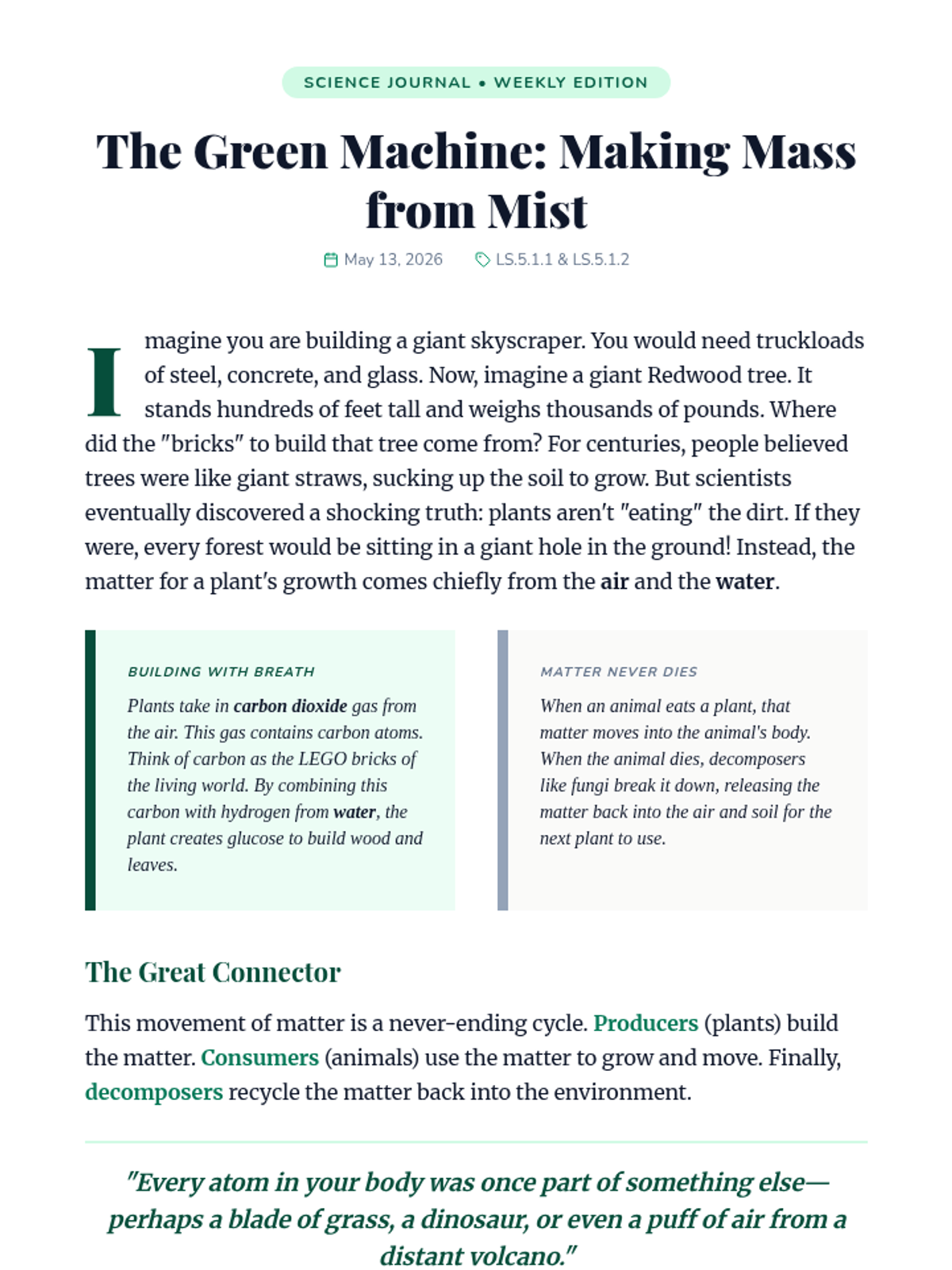
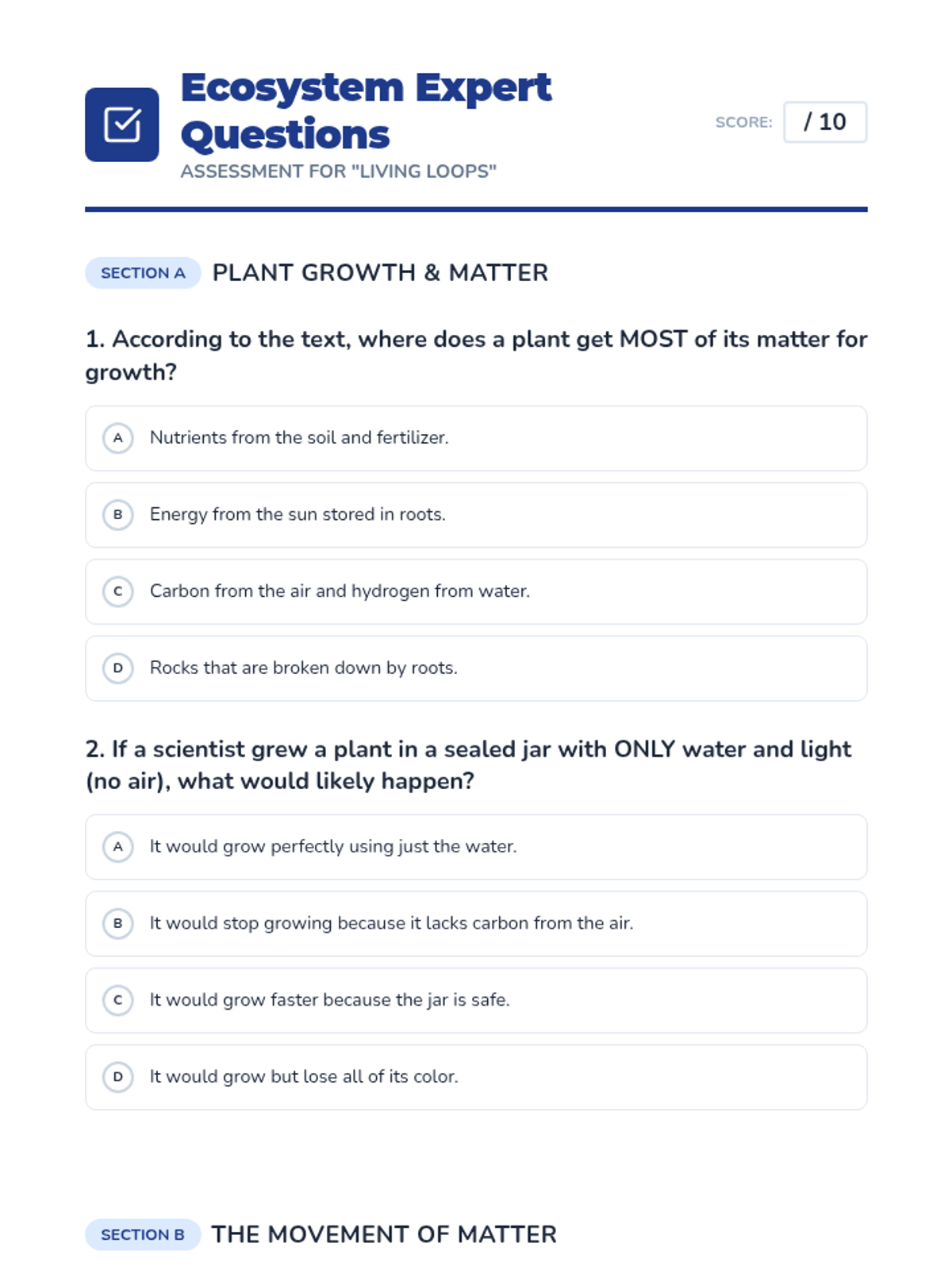
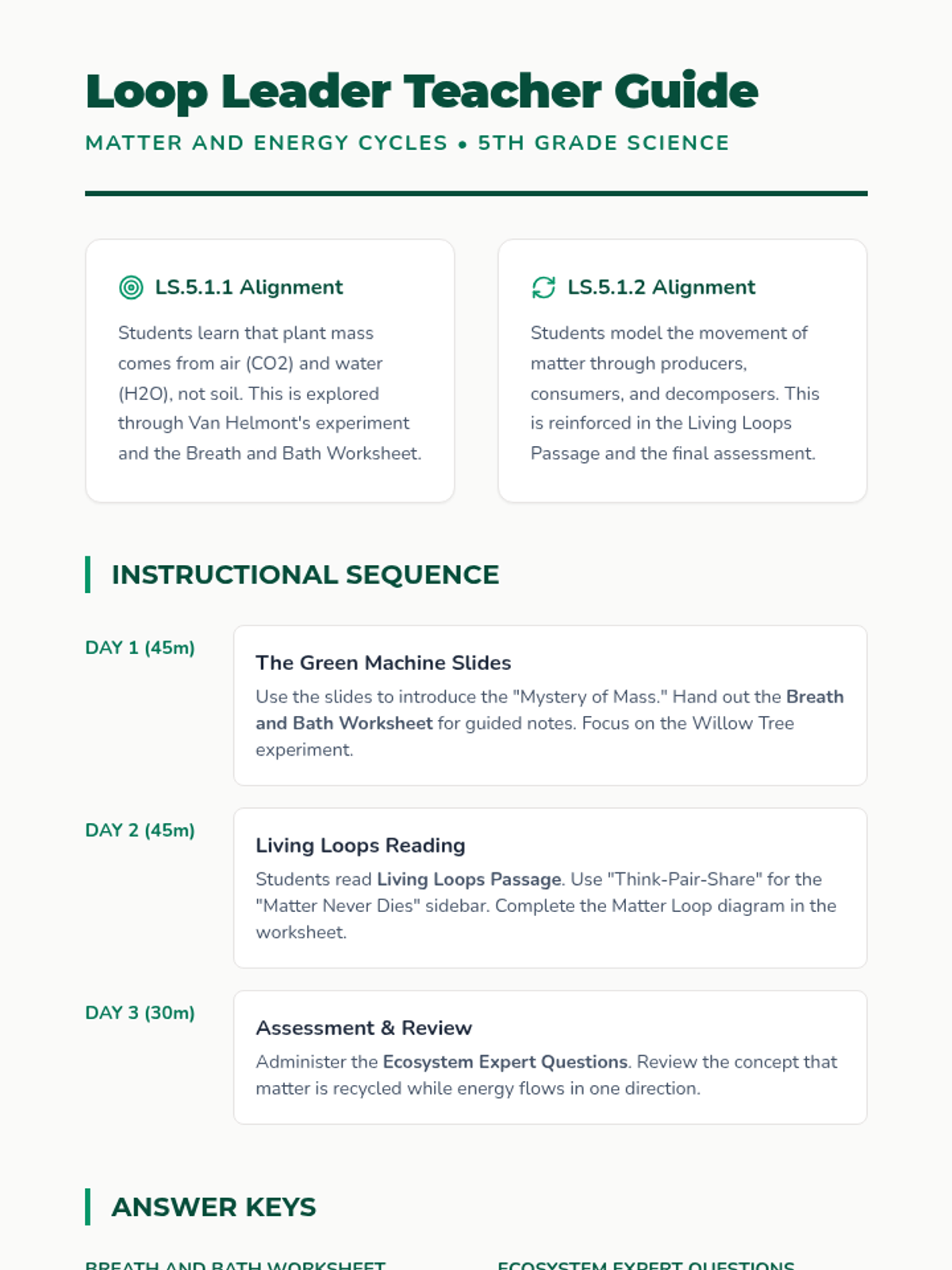
Investigate the surprising sources of plant growth and track the movement of matter from the sun and soil through food webs.
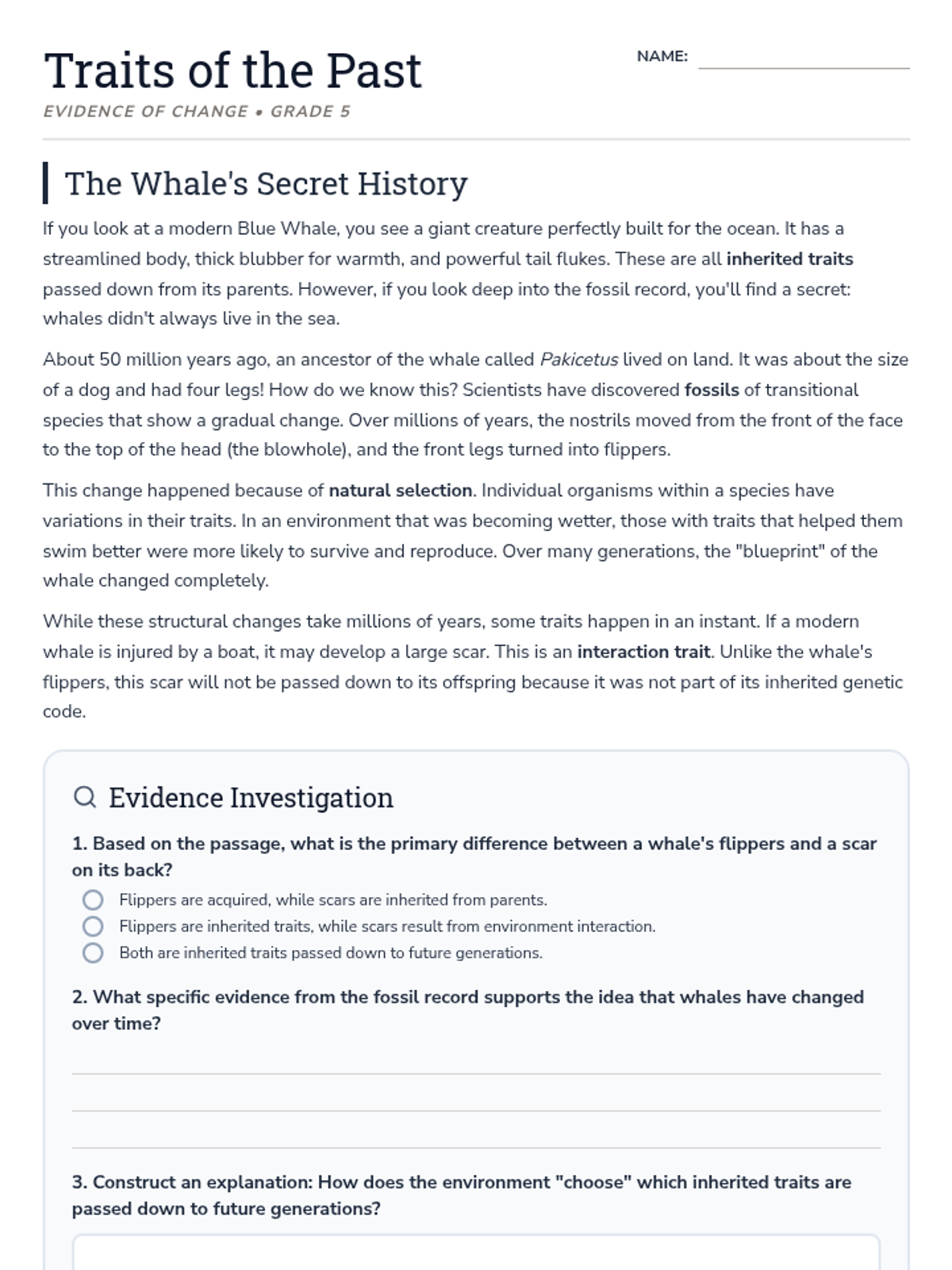
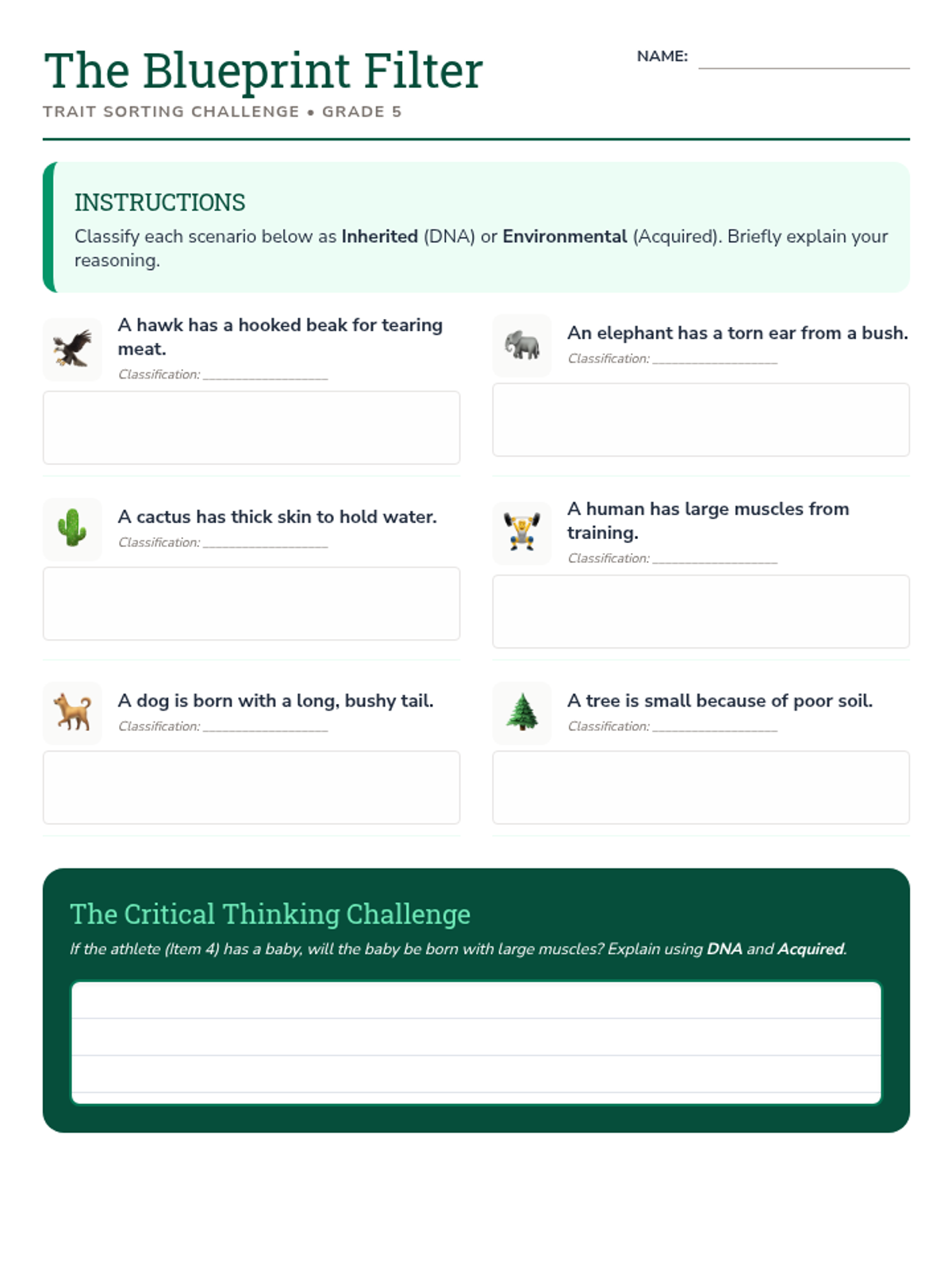
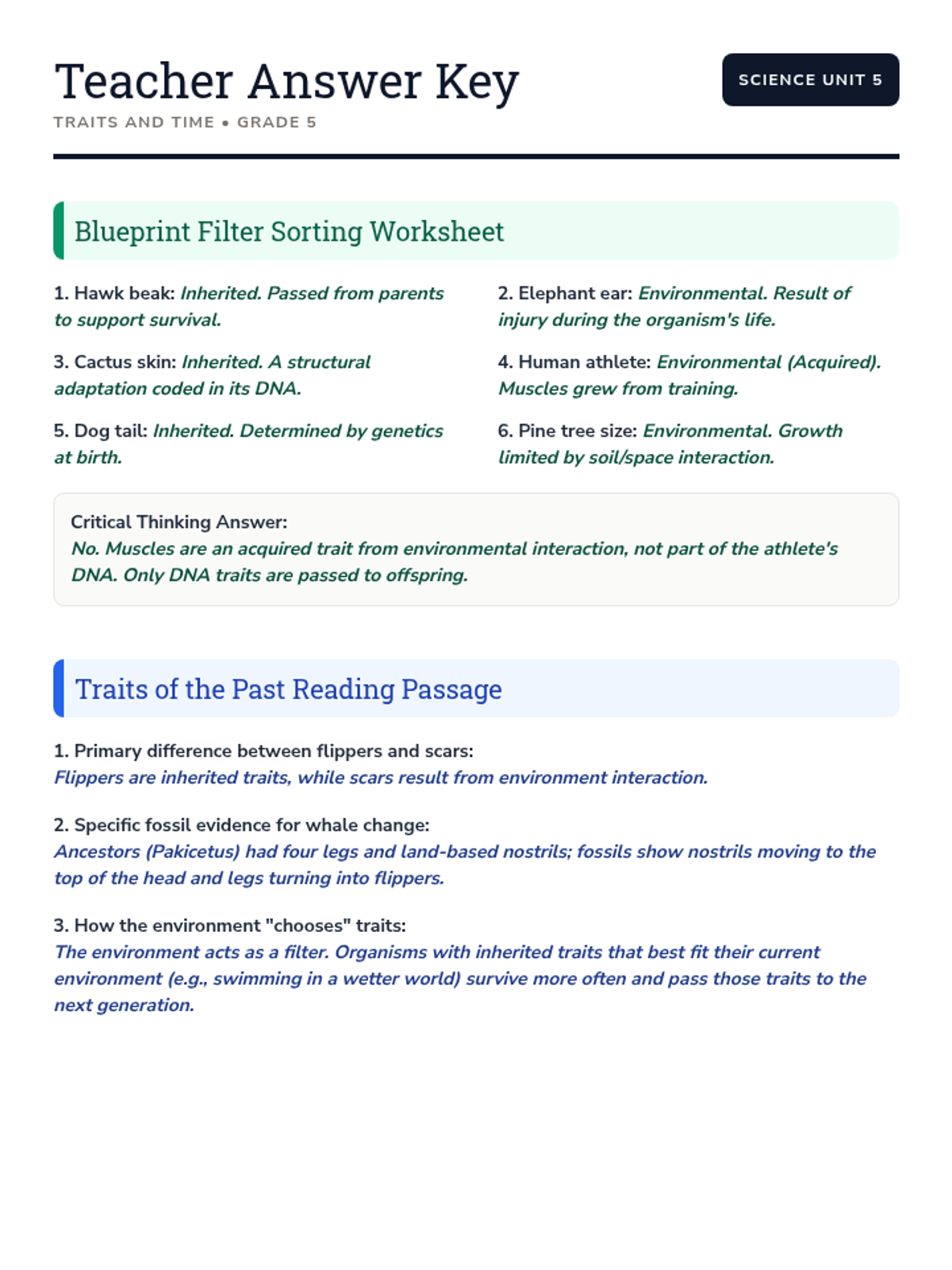
Distinguish between inherited and acquired traits while exploring evidence of how organisms change over long periods of time through the fossil record and structural adaptations.
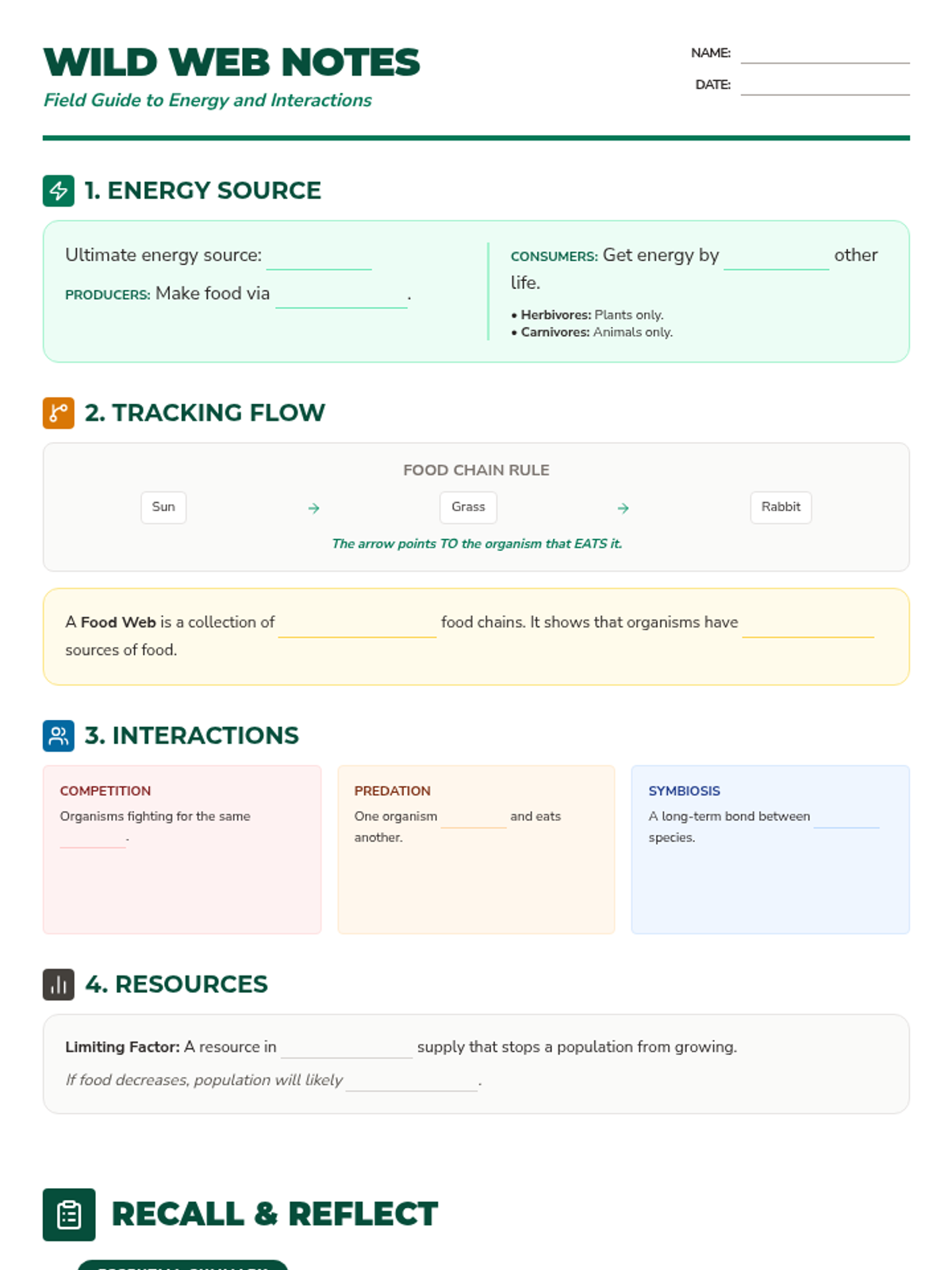
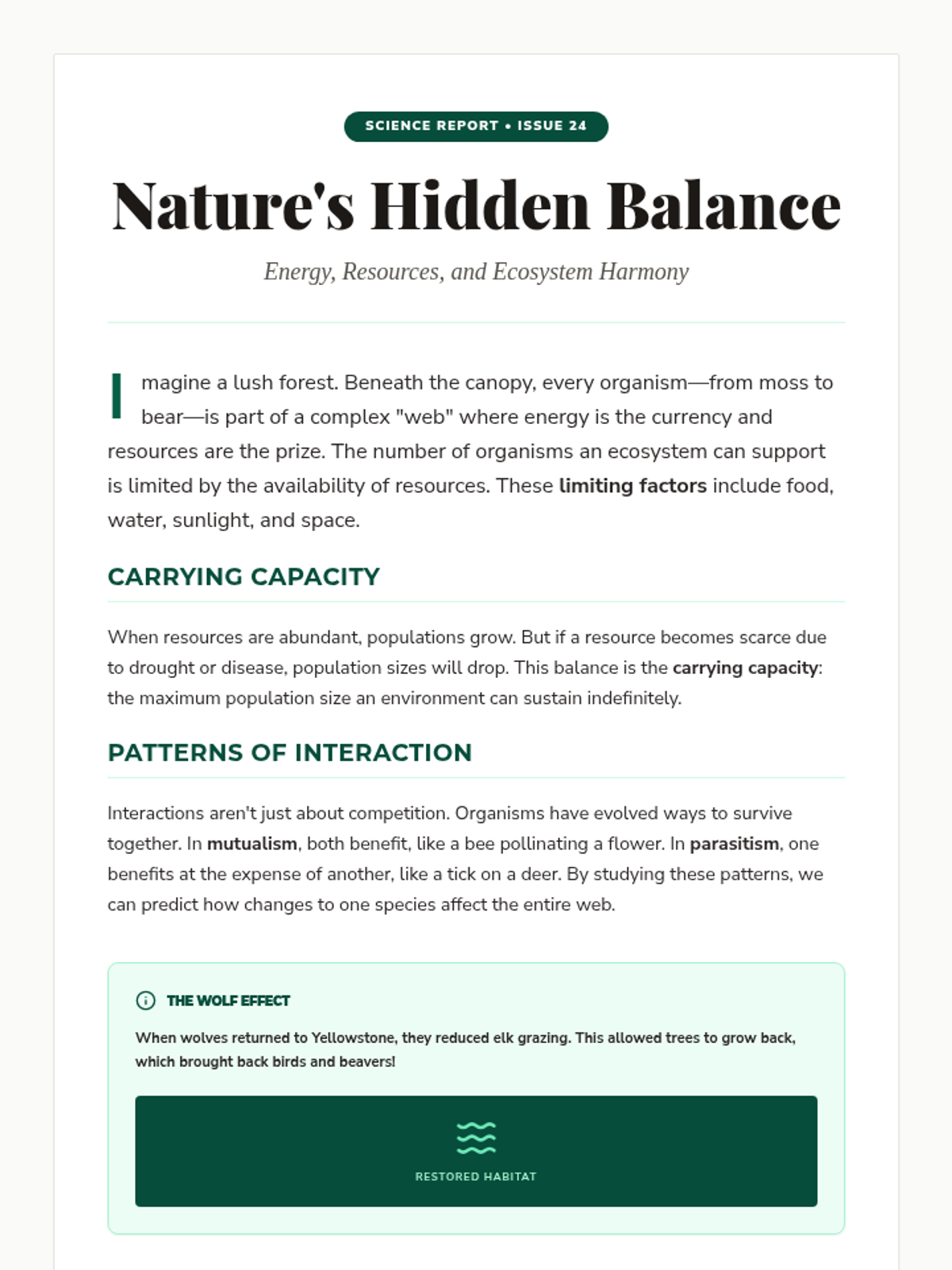
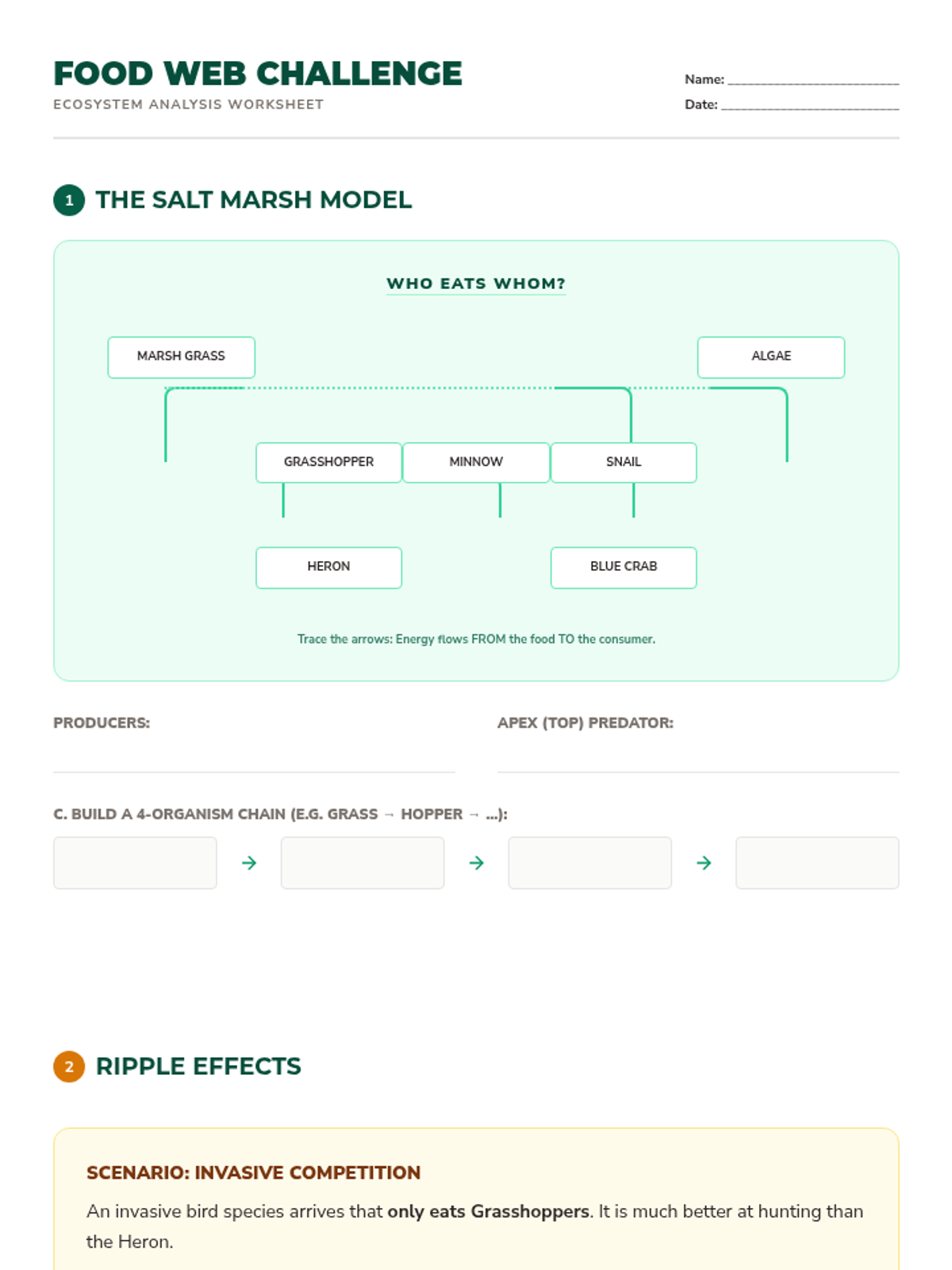
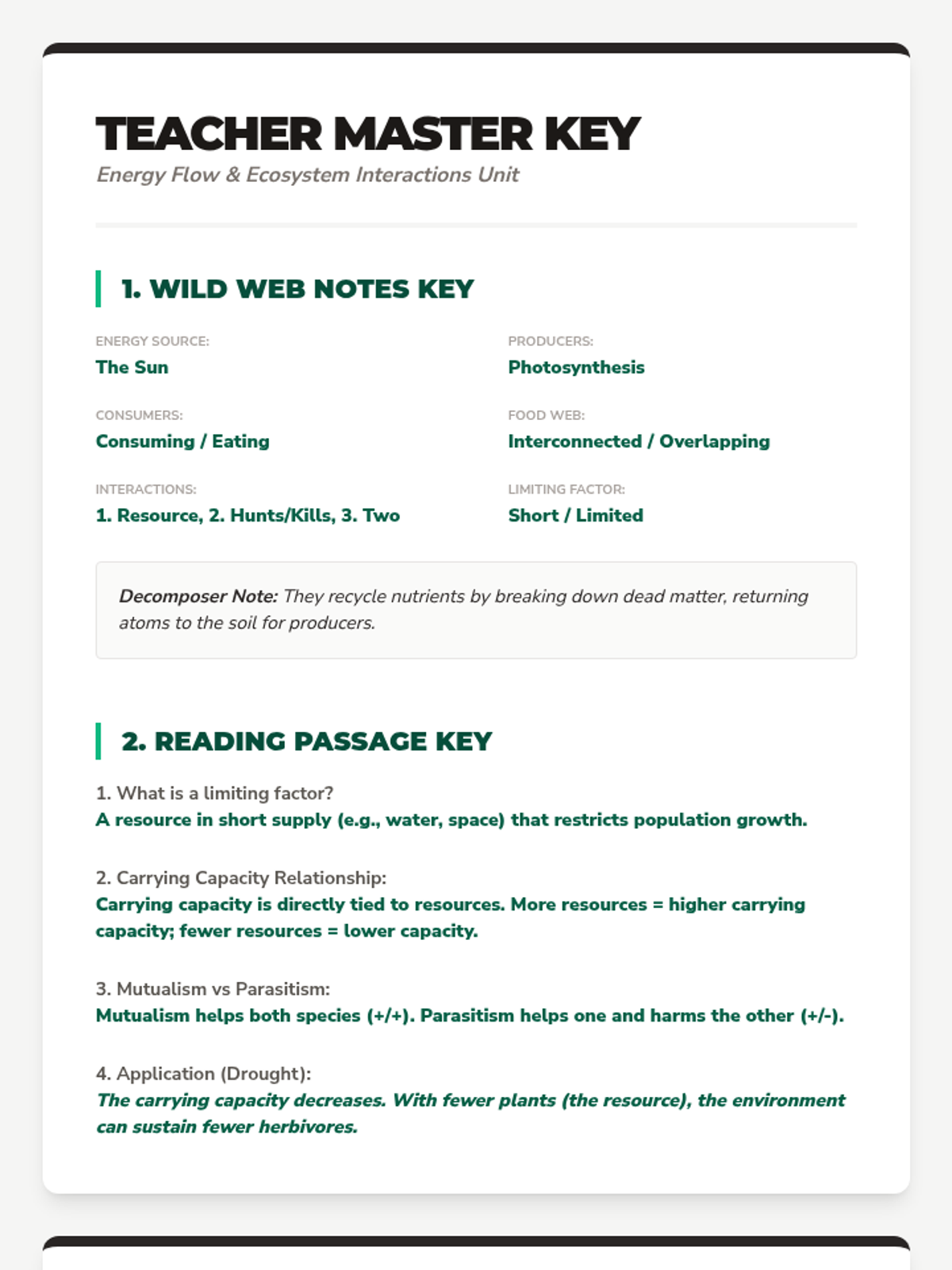
This lesson covers the fundamentals of energy transfer through food webs and the various types of interactions (competition, predation, symbiosis) that shape ecosystems.