This lesson bridges the gap between verbal logic and mathematical proportions, teaching students that the A:B::C:D structure is the fundamental language of ratio across disciplines.
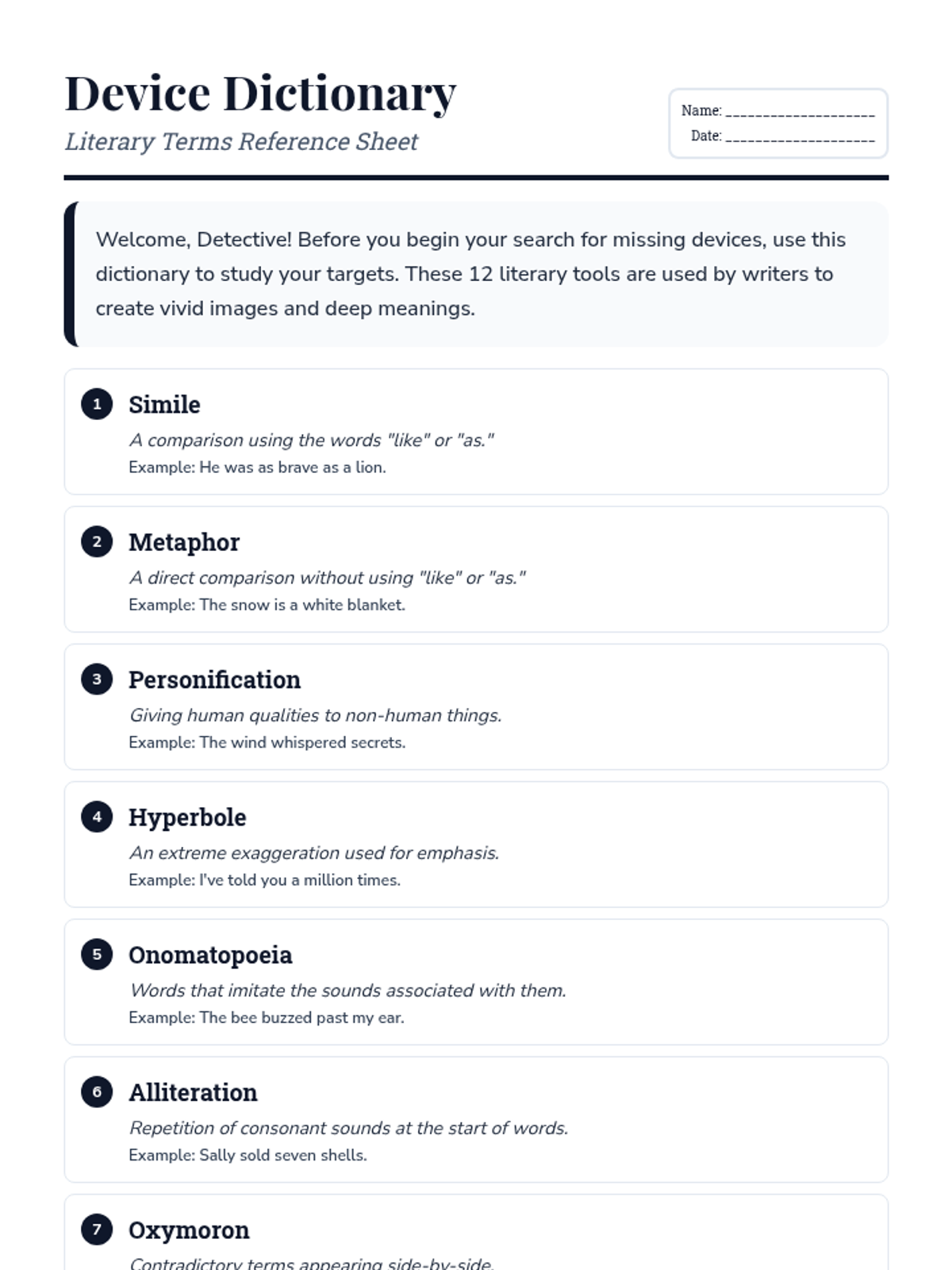
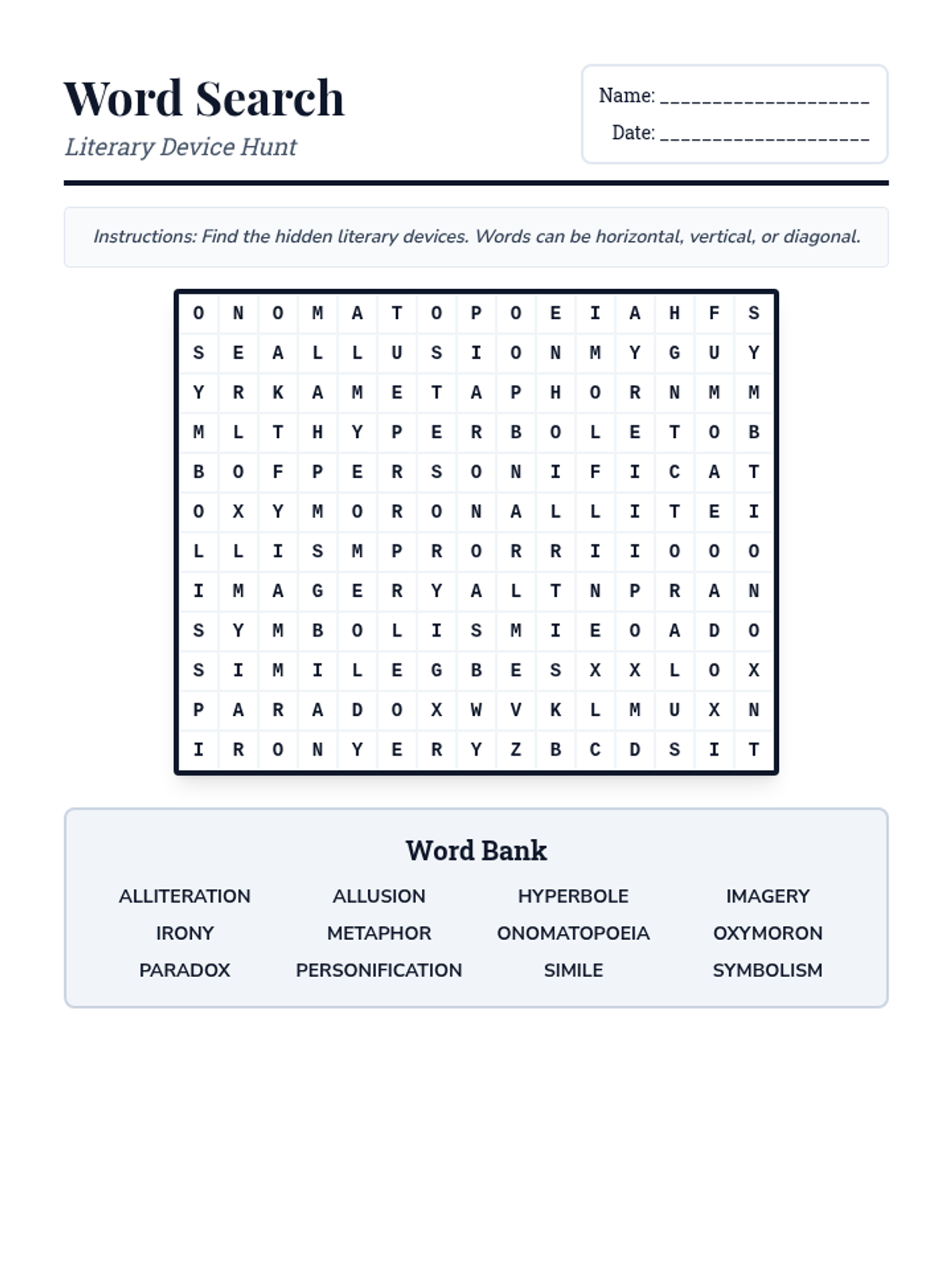
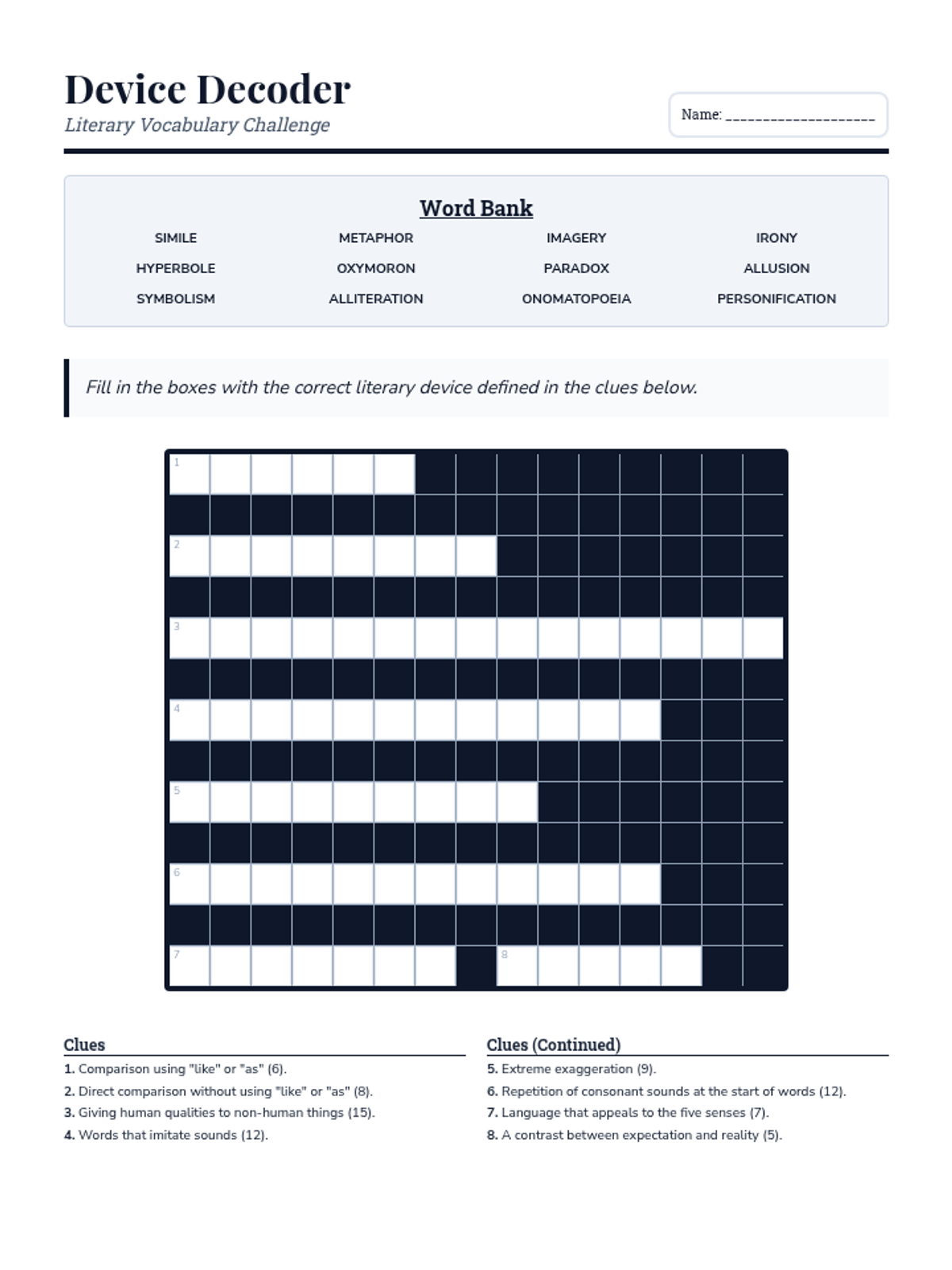
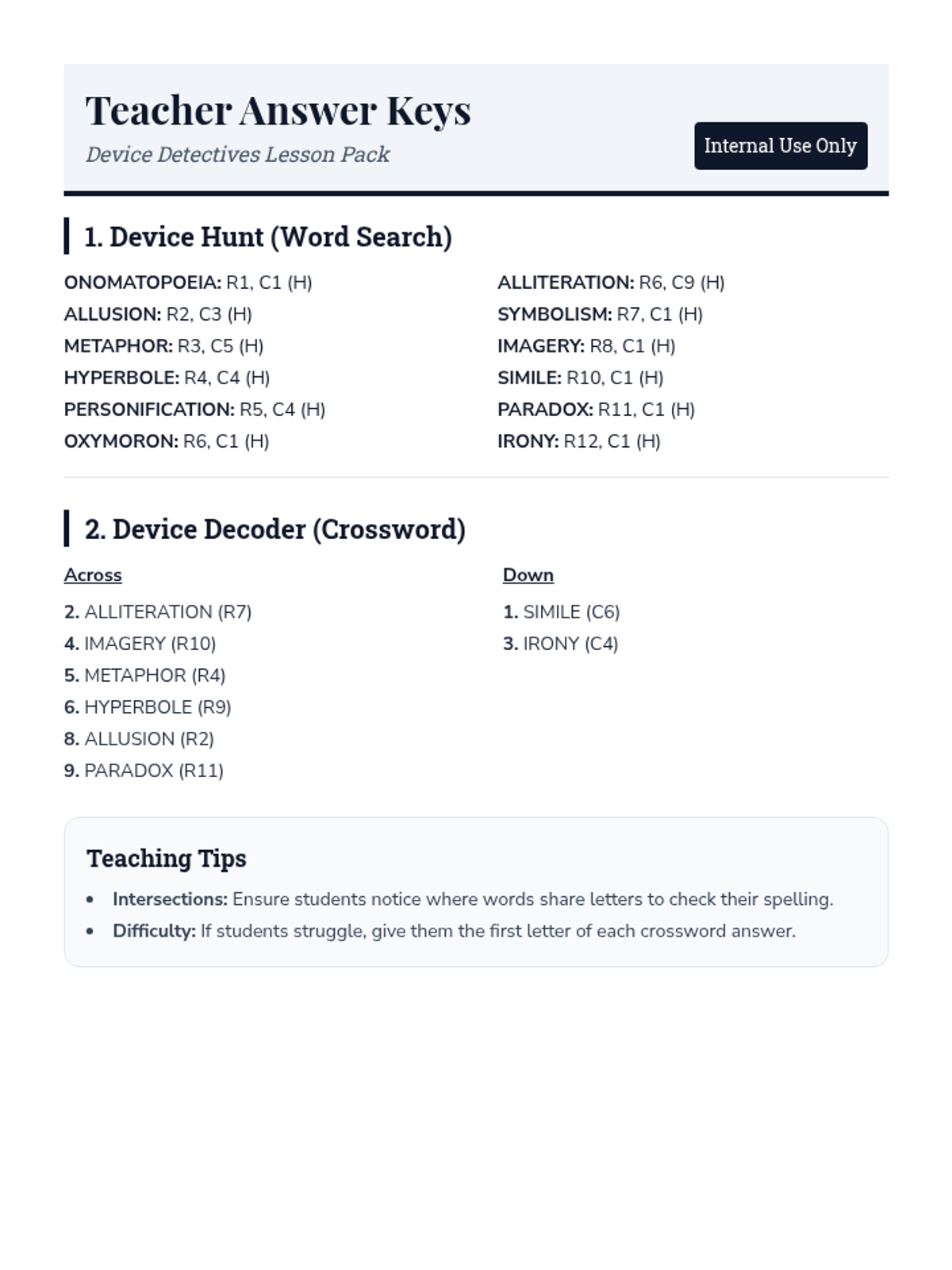
An introductory lesson focusing on identifying and defining common literary devices through engaging puzzles and reference materials.
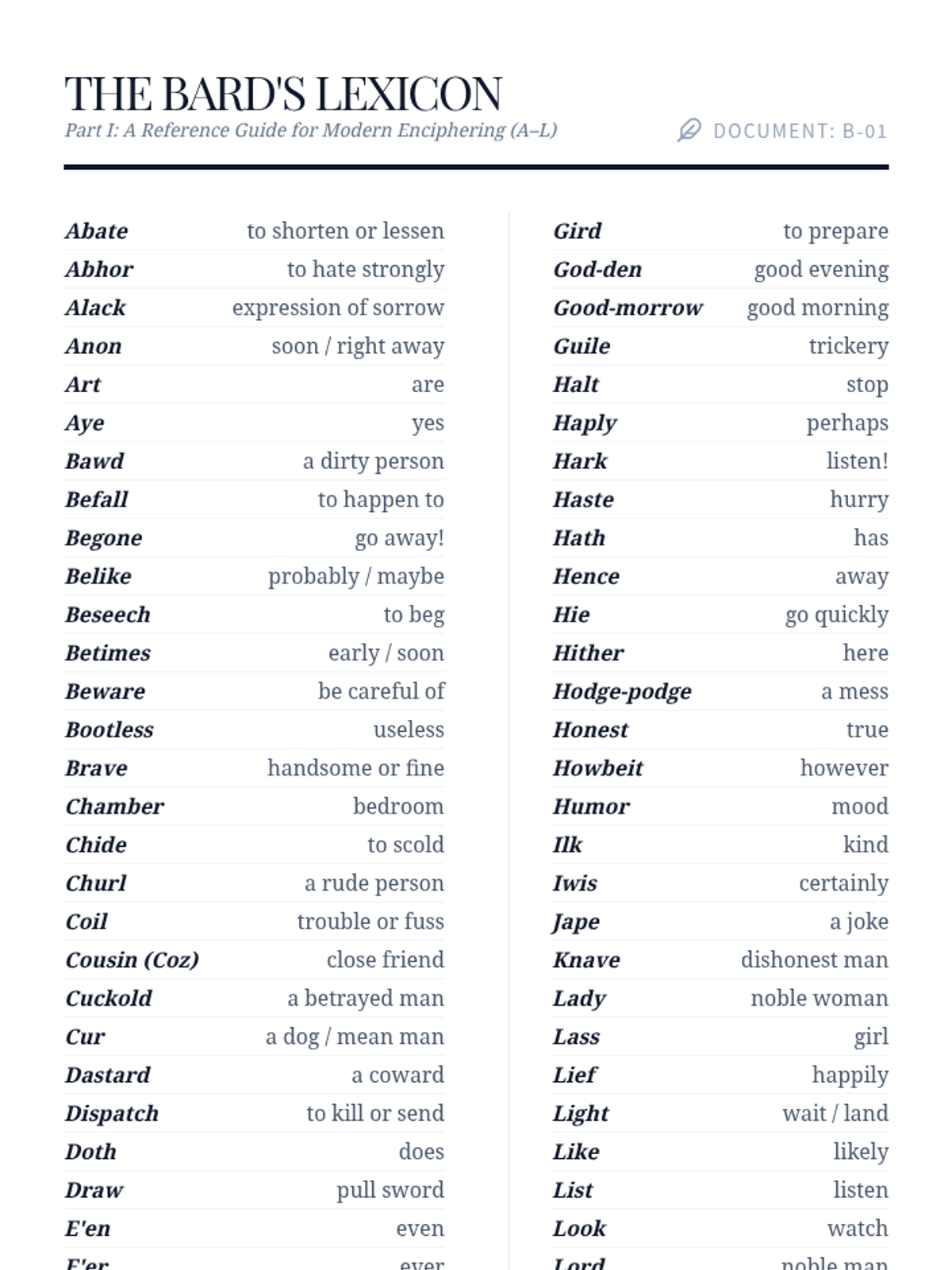
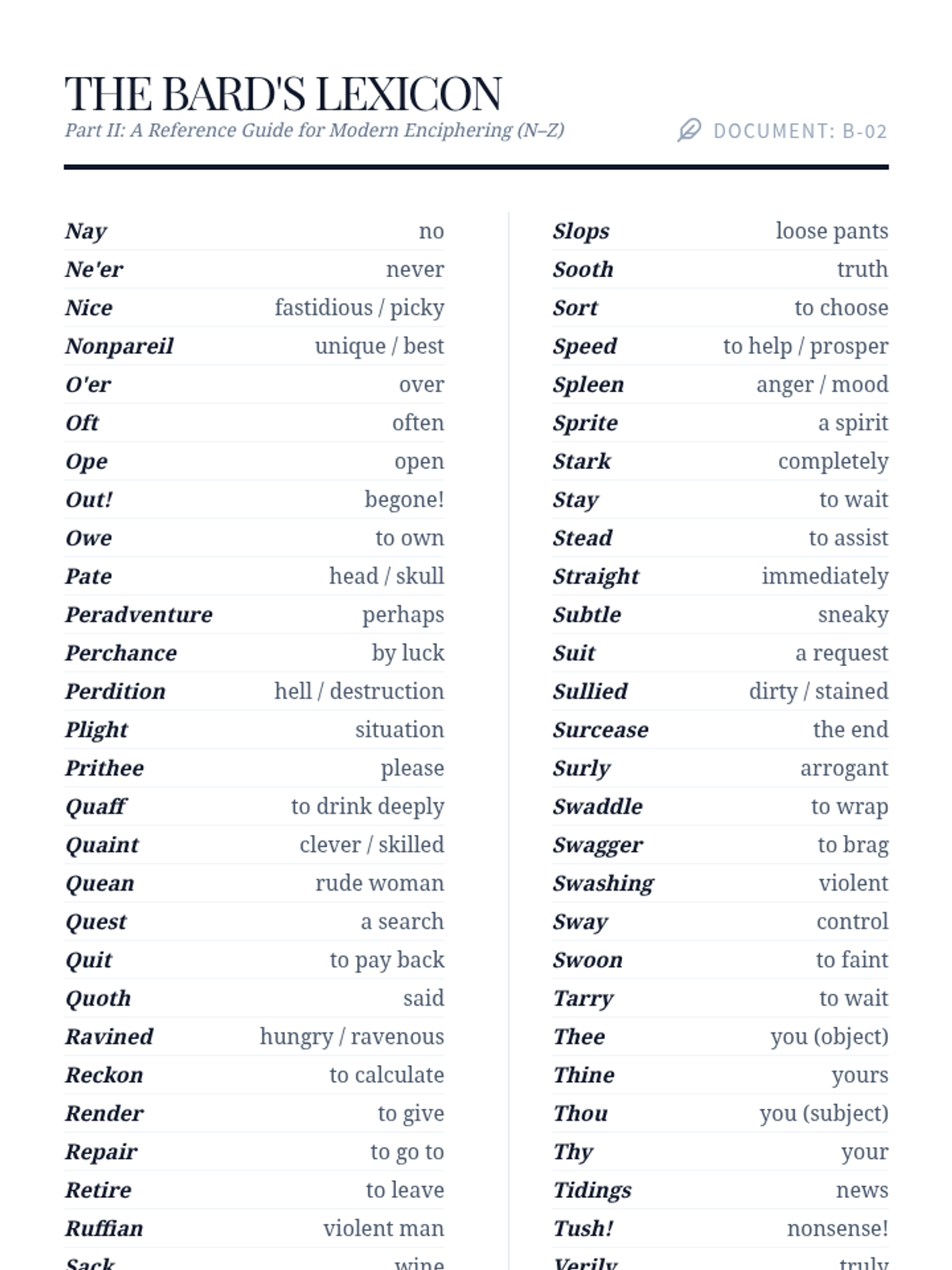
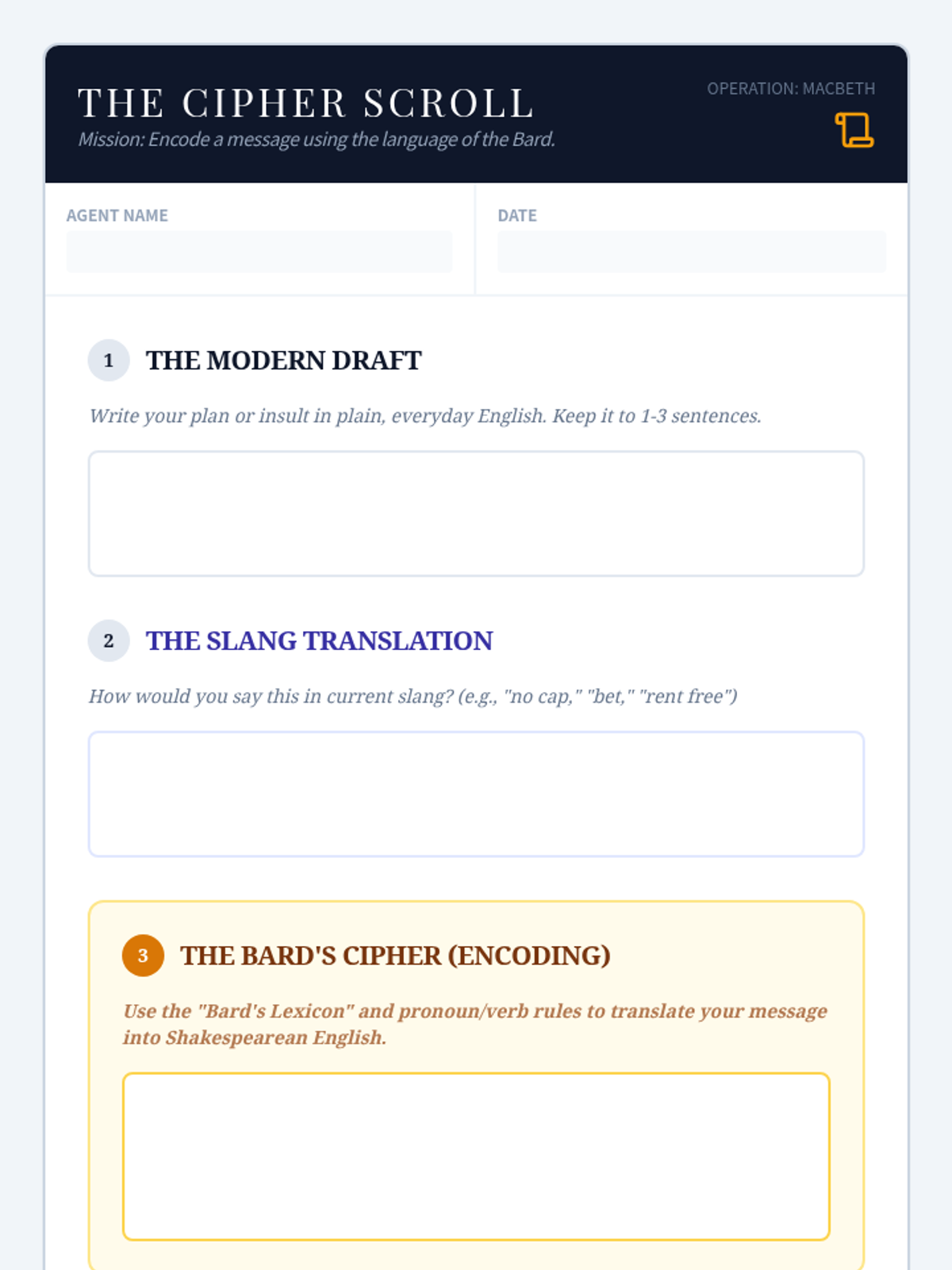
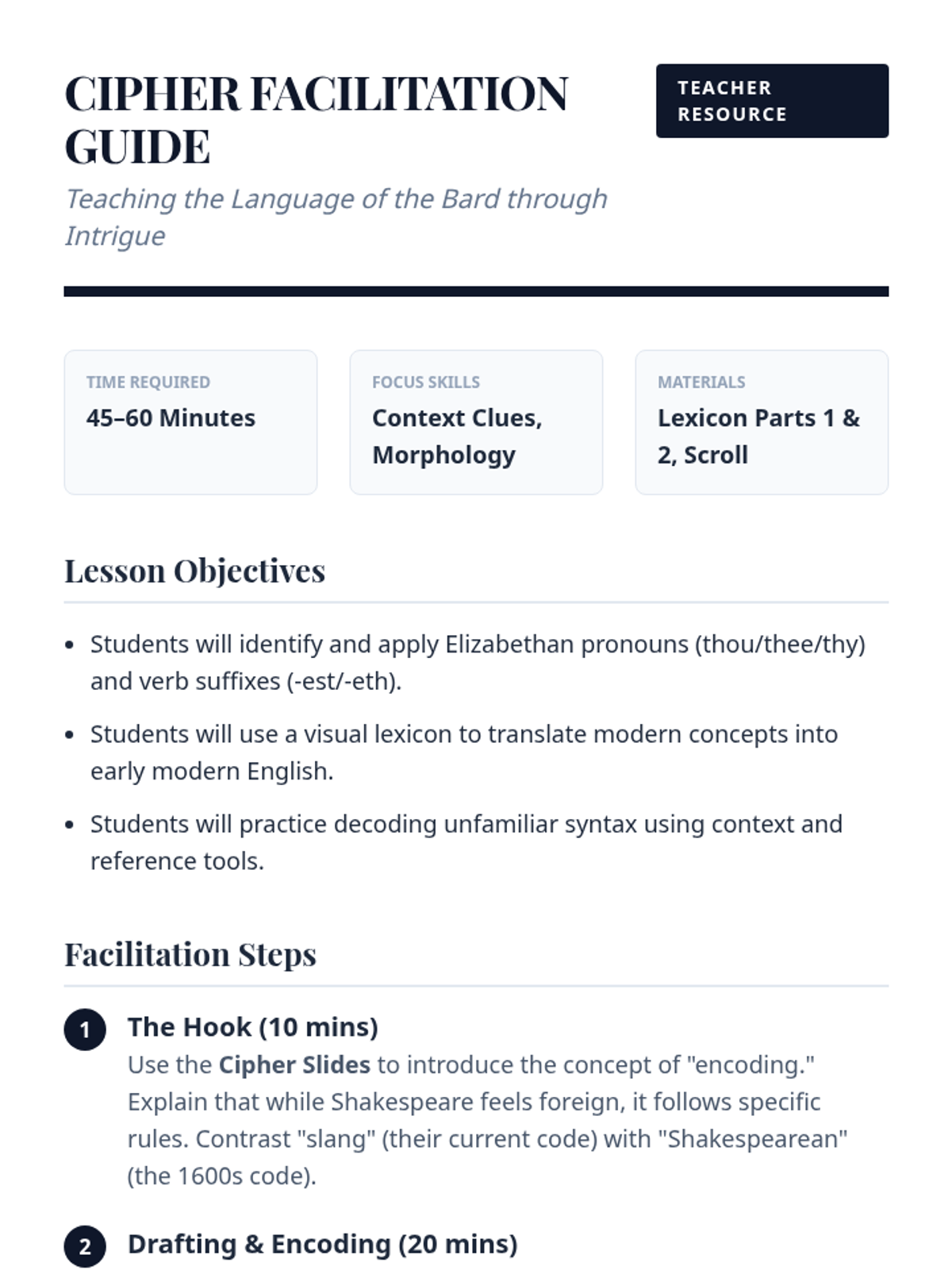
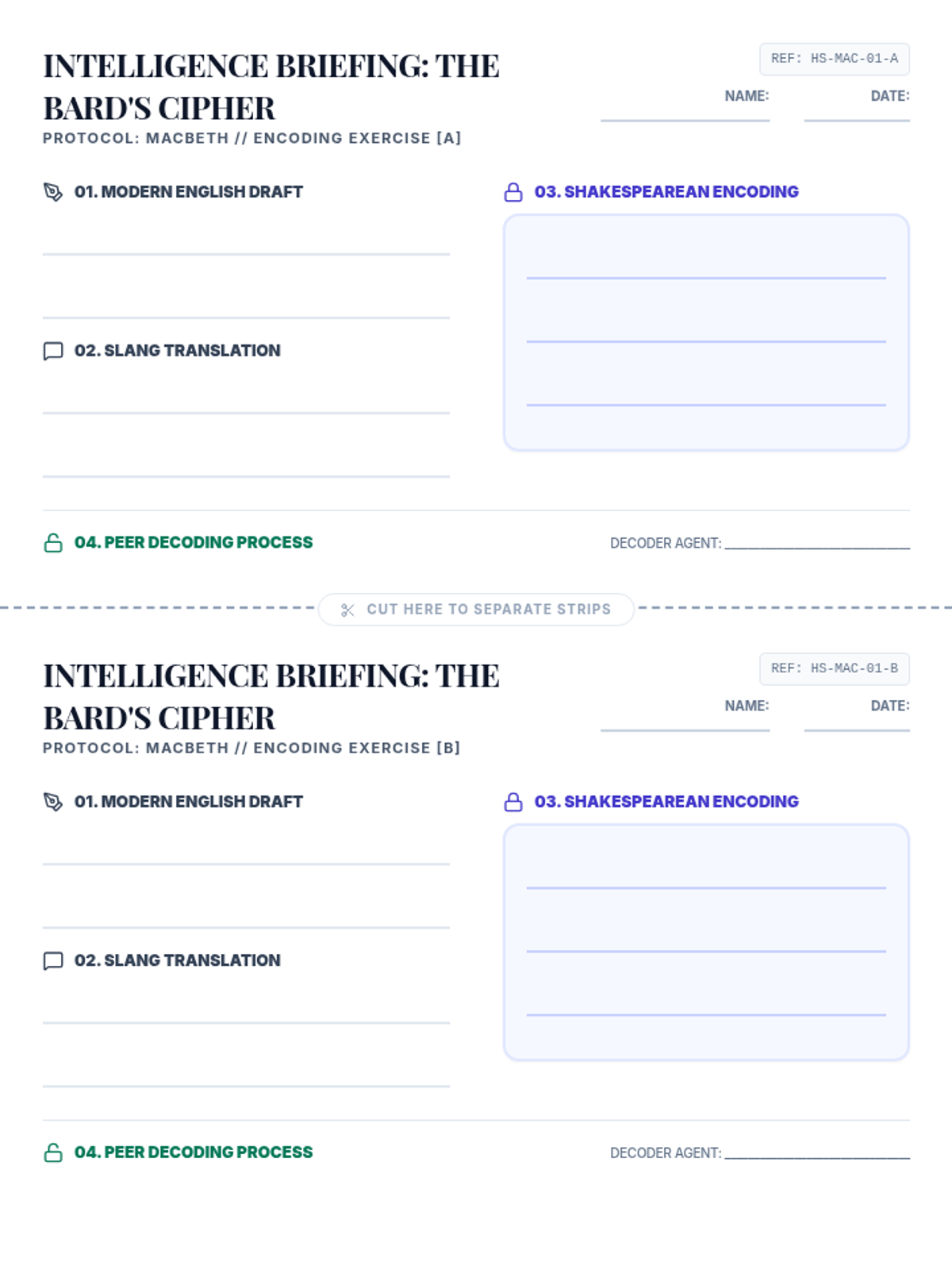
A hands-on activity where students learn to decode and encode Shakespearean language by writing secret messages or insults, then swapping them with peers to translate.
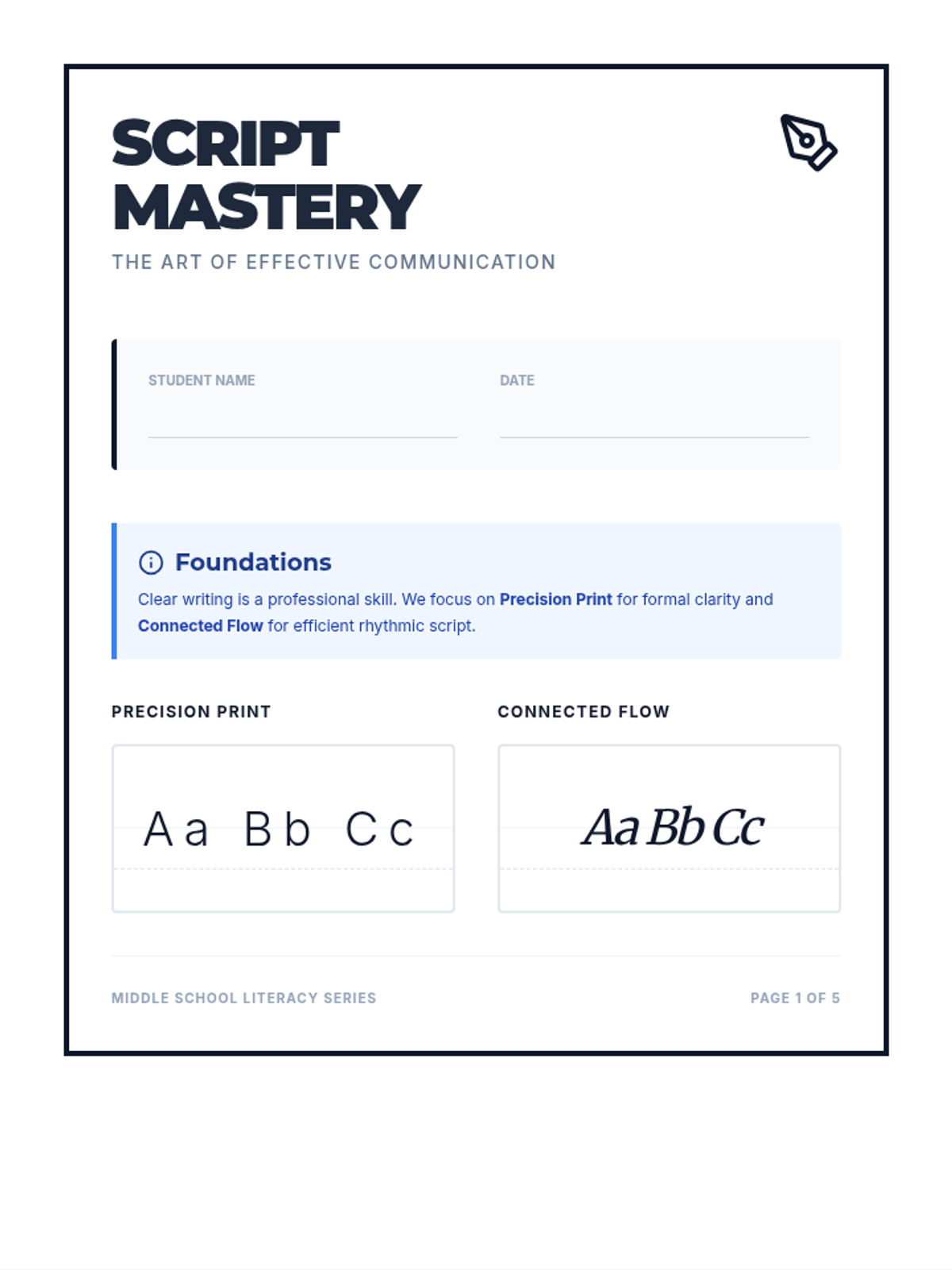
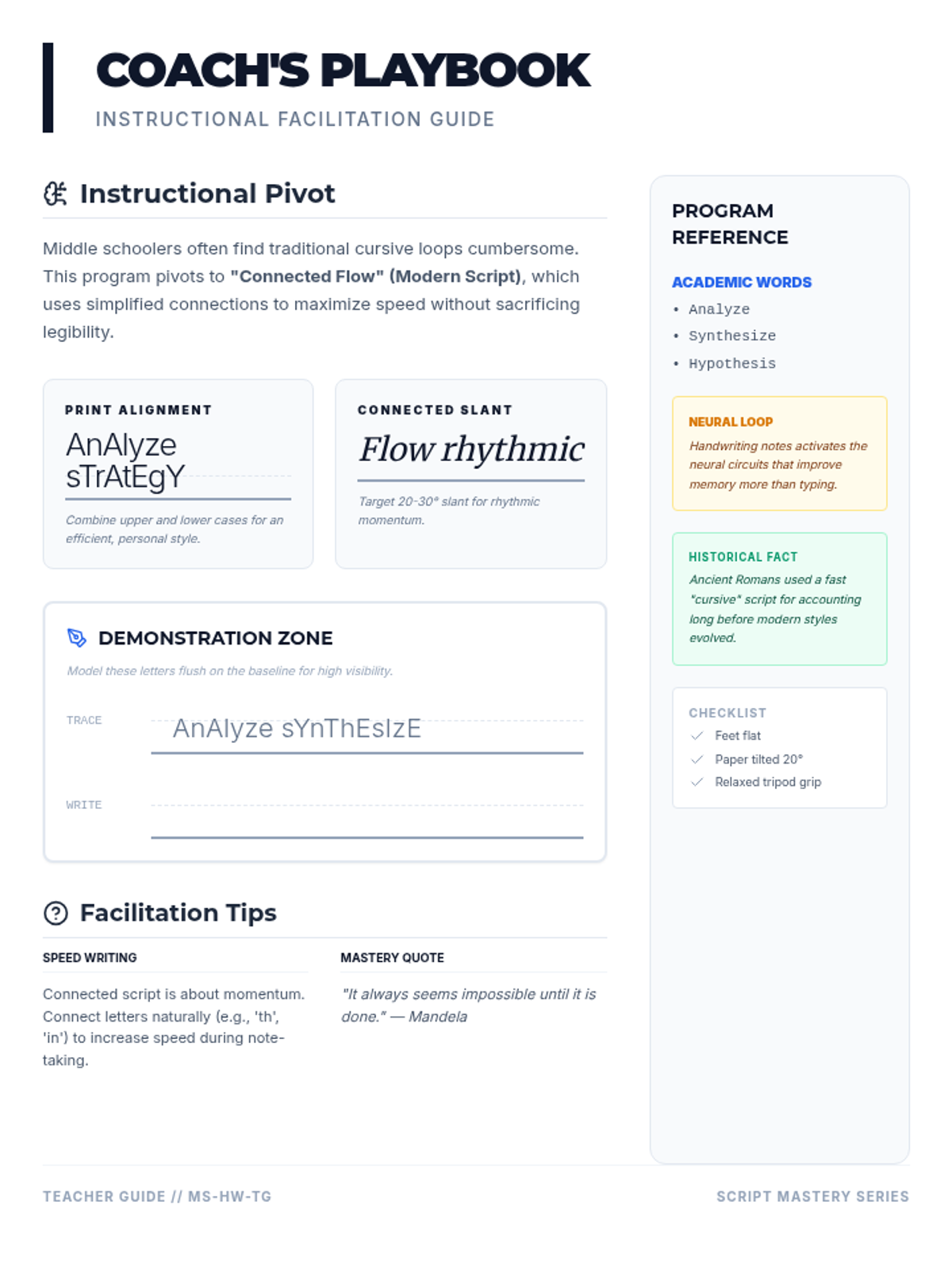
A comprehensive handwriting improvement program for middle school students, blending print and cursive techniques using engaging academic and motivational content.
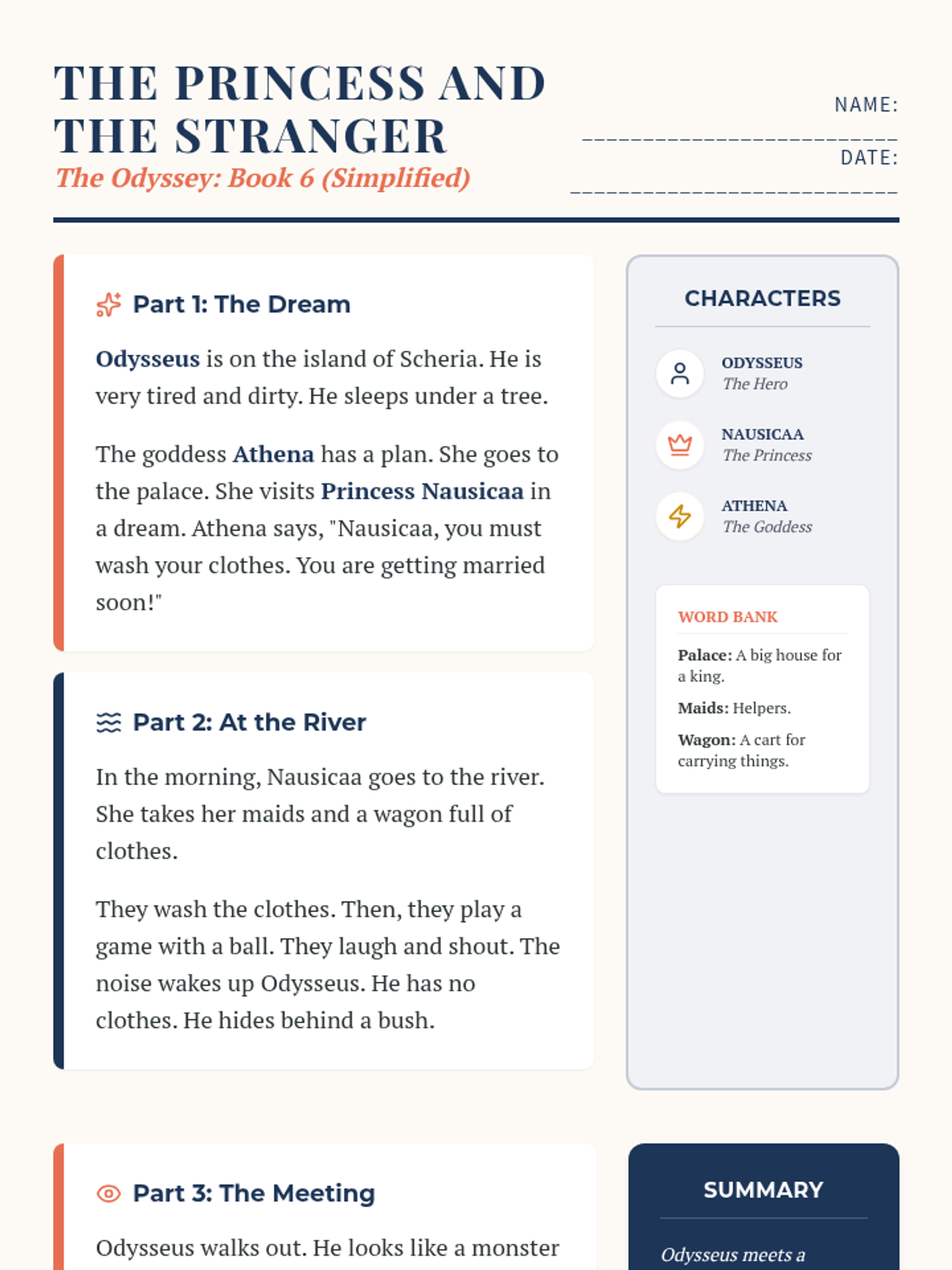
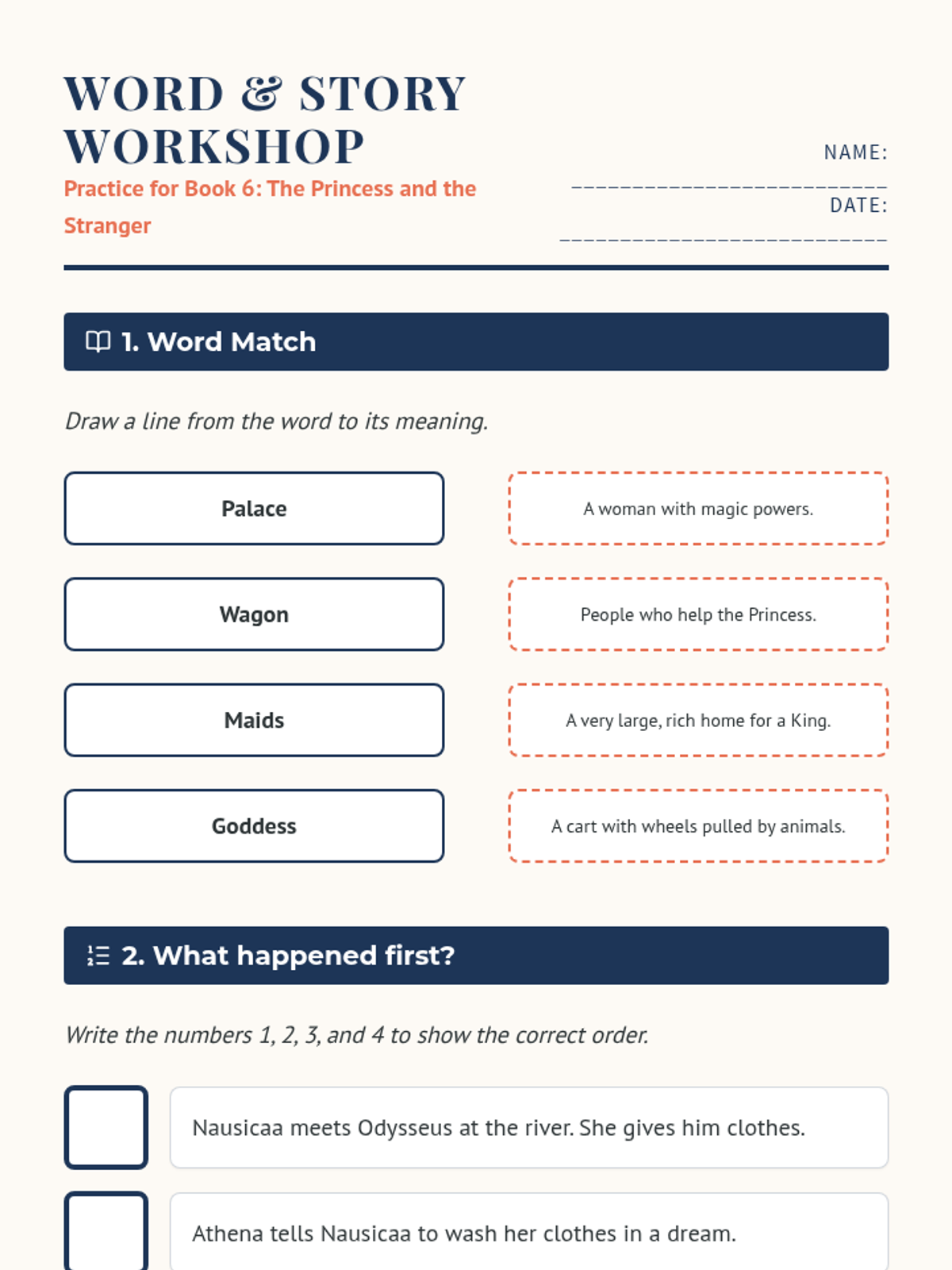
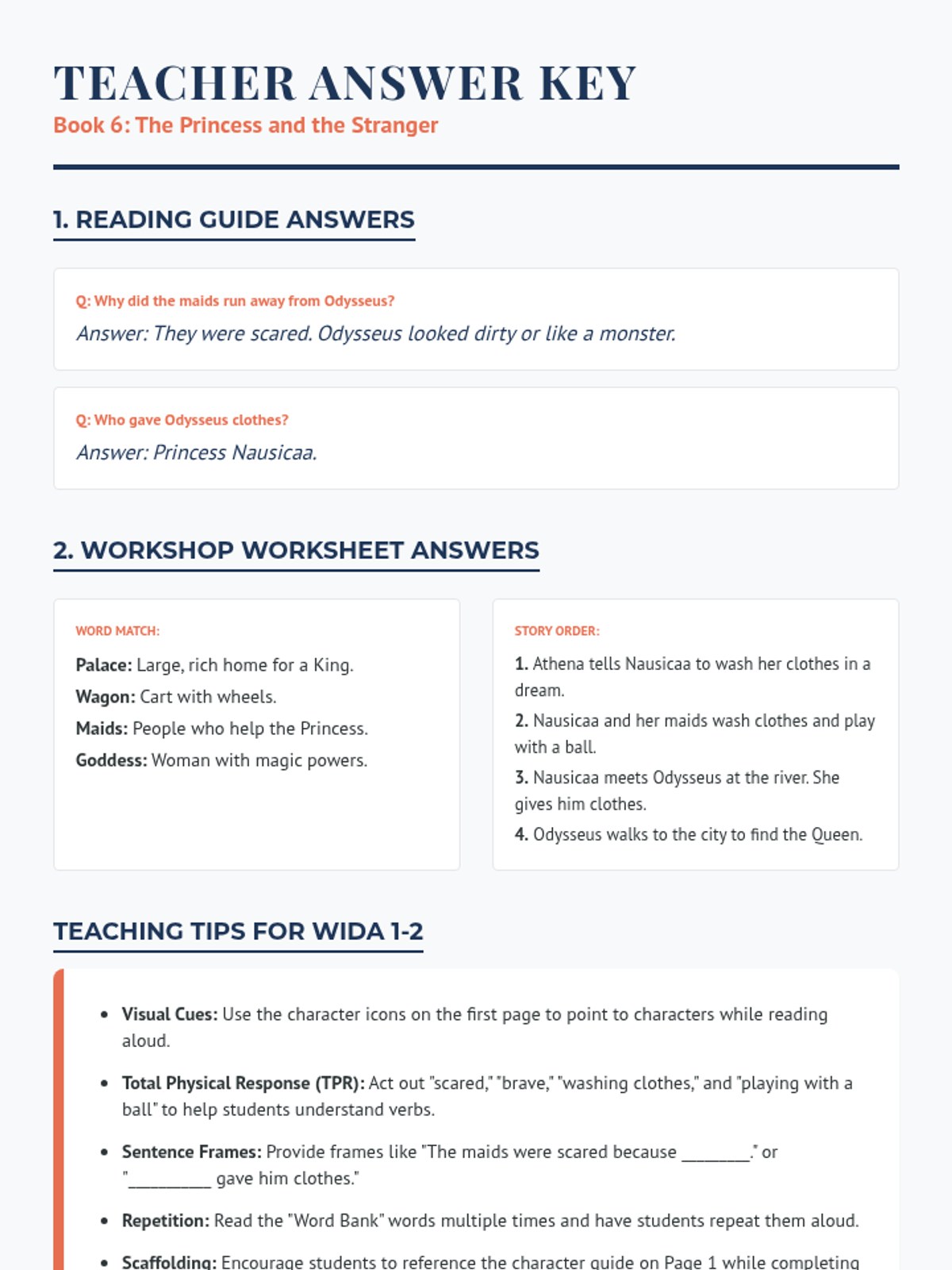
A simplified exploration of Book 6 of Homer's Odyssey, designed for WIDA Level 1-2 ELL students. The lesson focuses on key characters, basic plot sequencing, and essential vocabulary through a high-interest narrative.
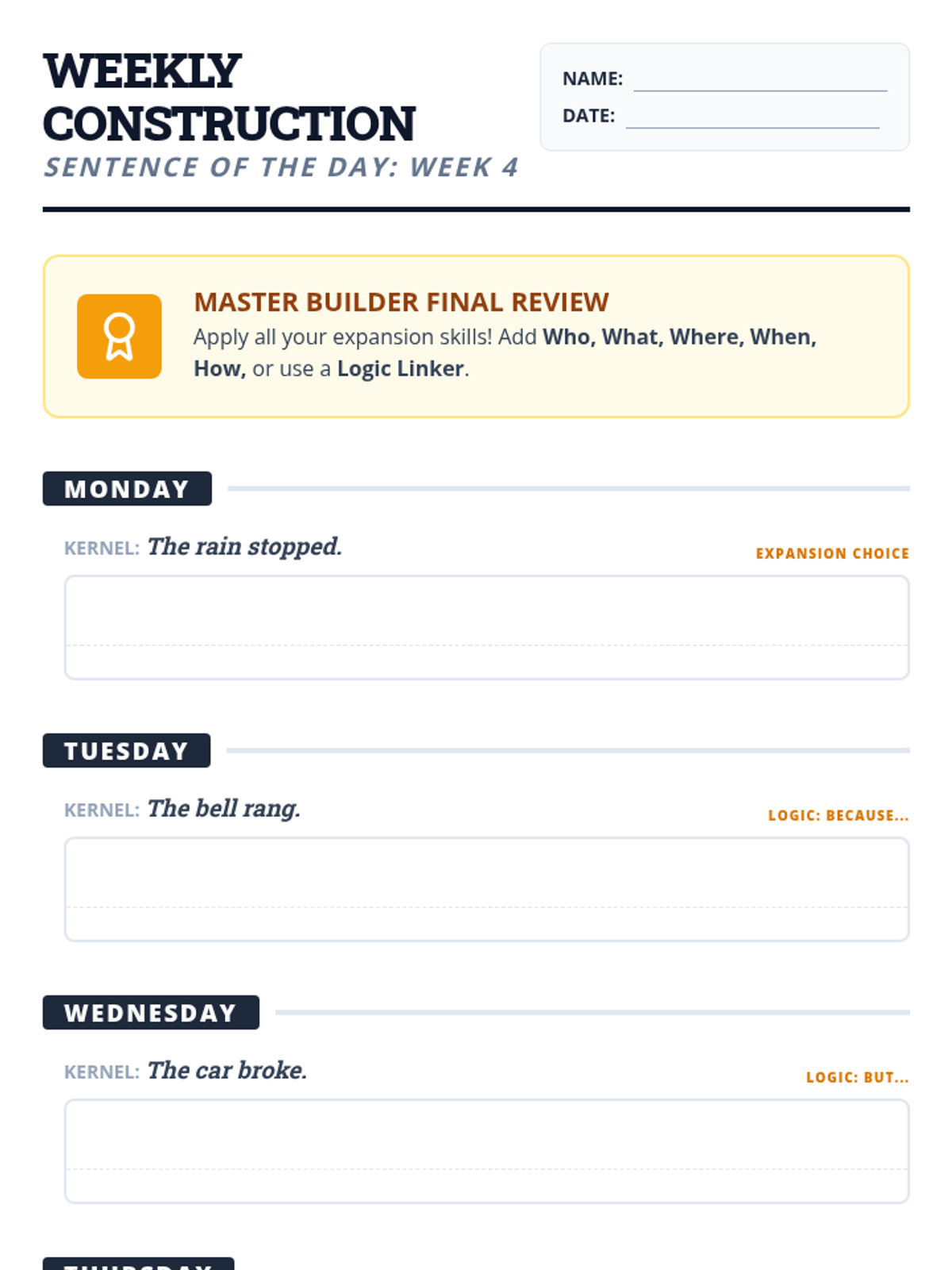
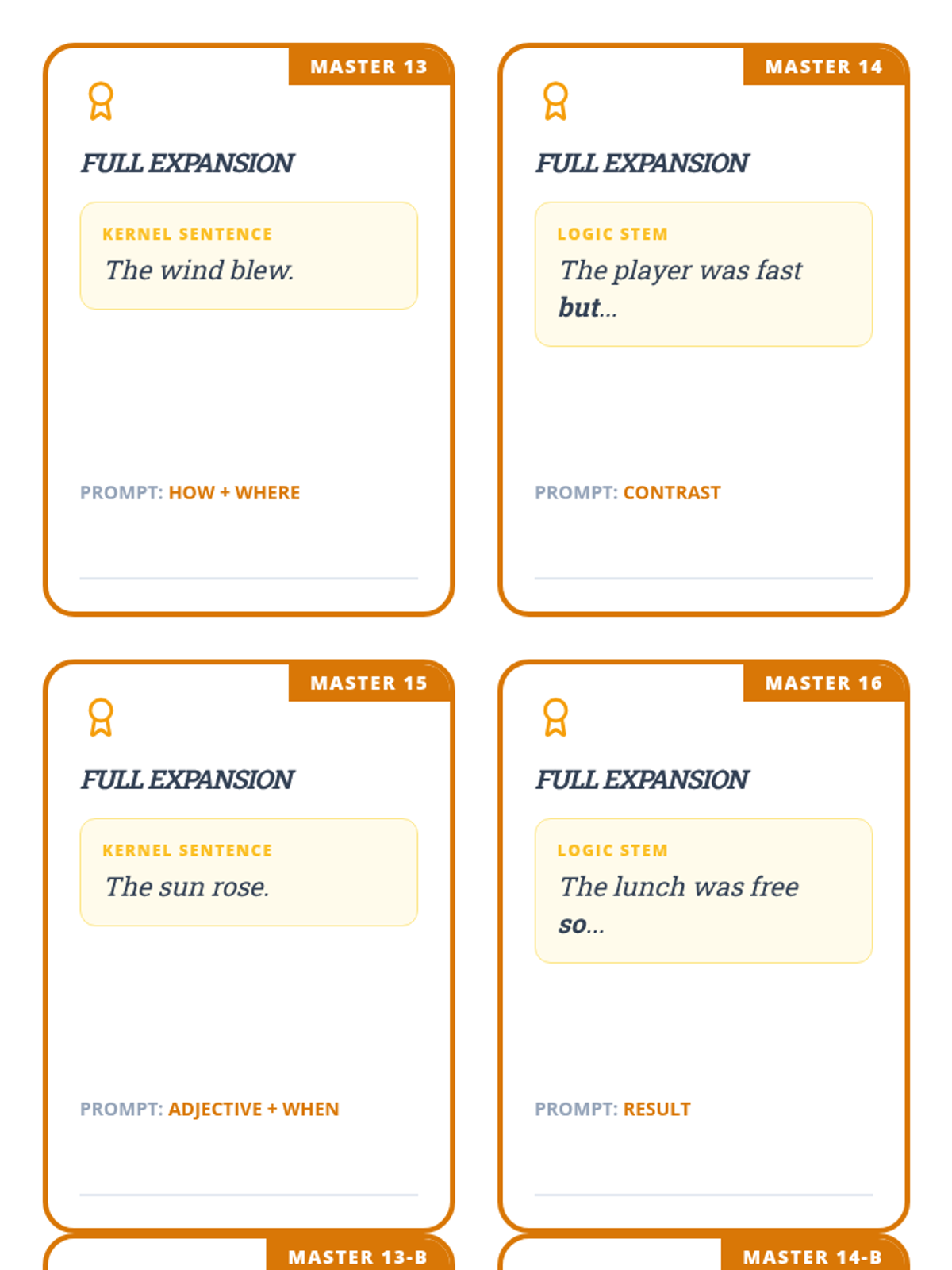
The final review lesson where students apply all previous strategies (adjectives, situational details, and logical conjunctions) to create complex and polished sentences.
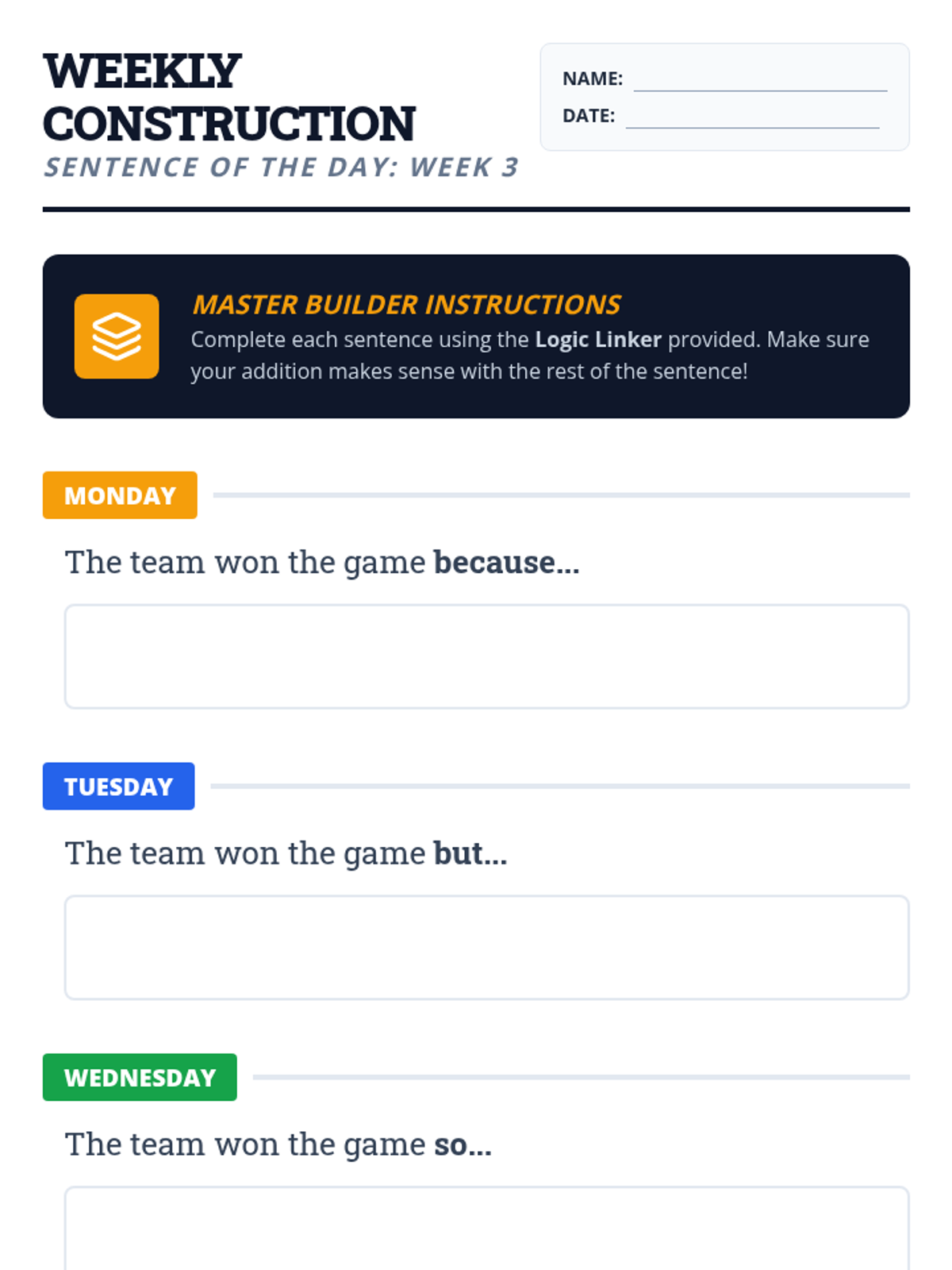
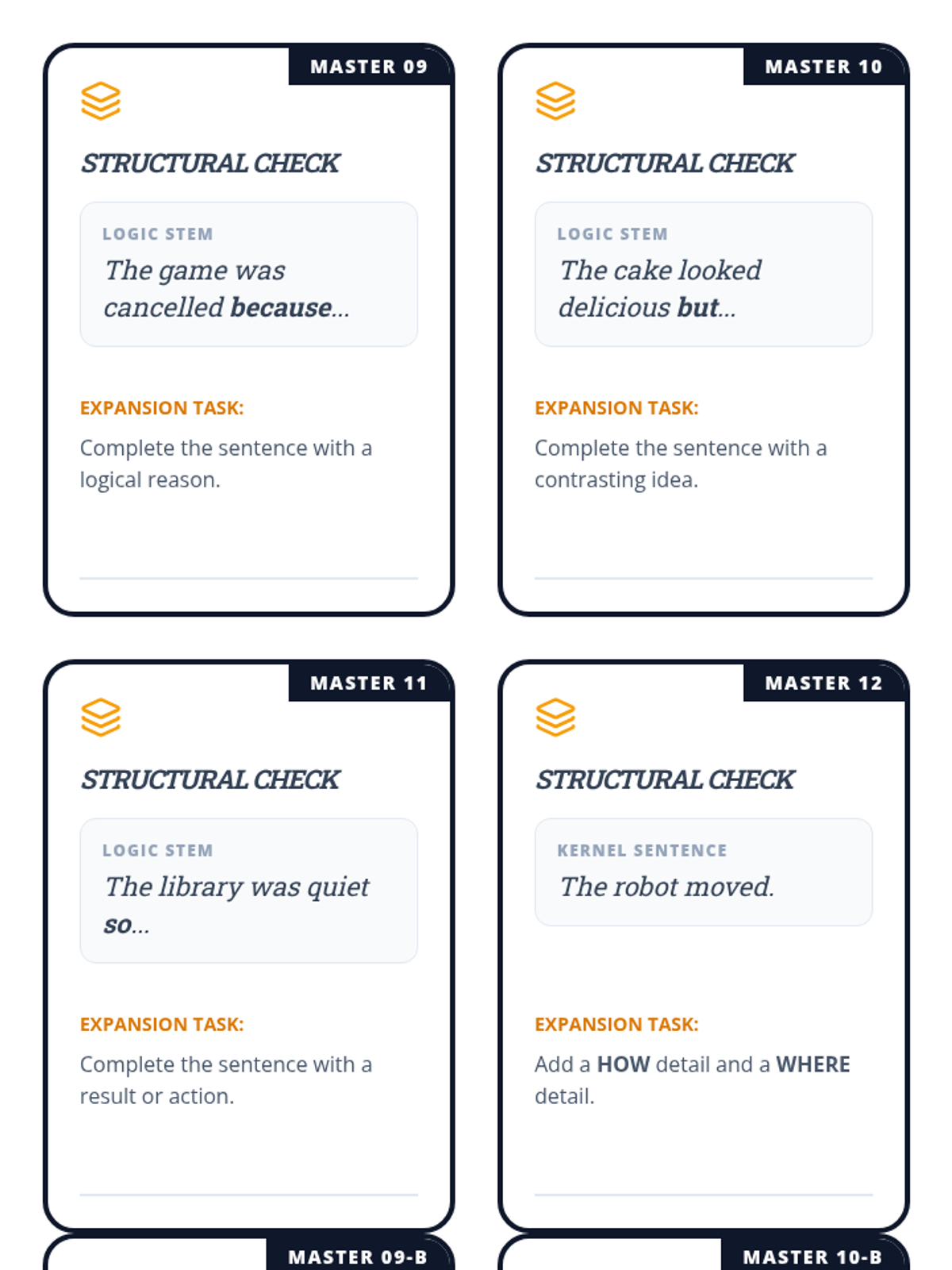
The final lesson focuses on using 'Because, But, So' to expand sentences logically and demonstrate deeper reasoning and detail.
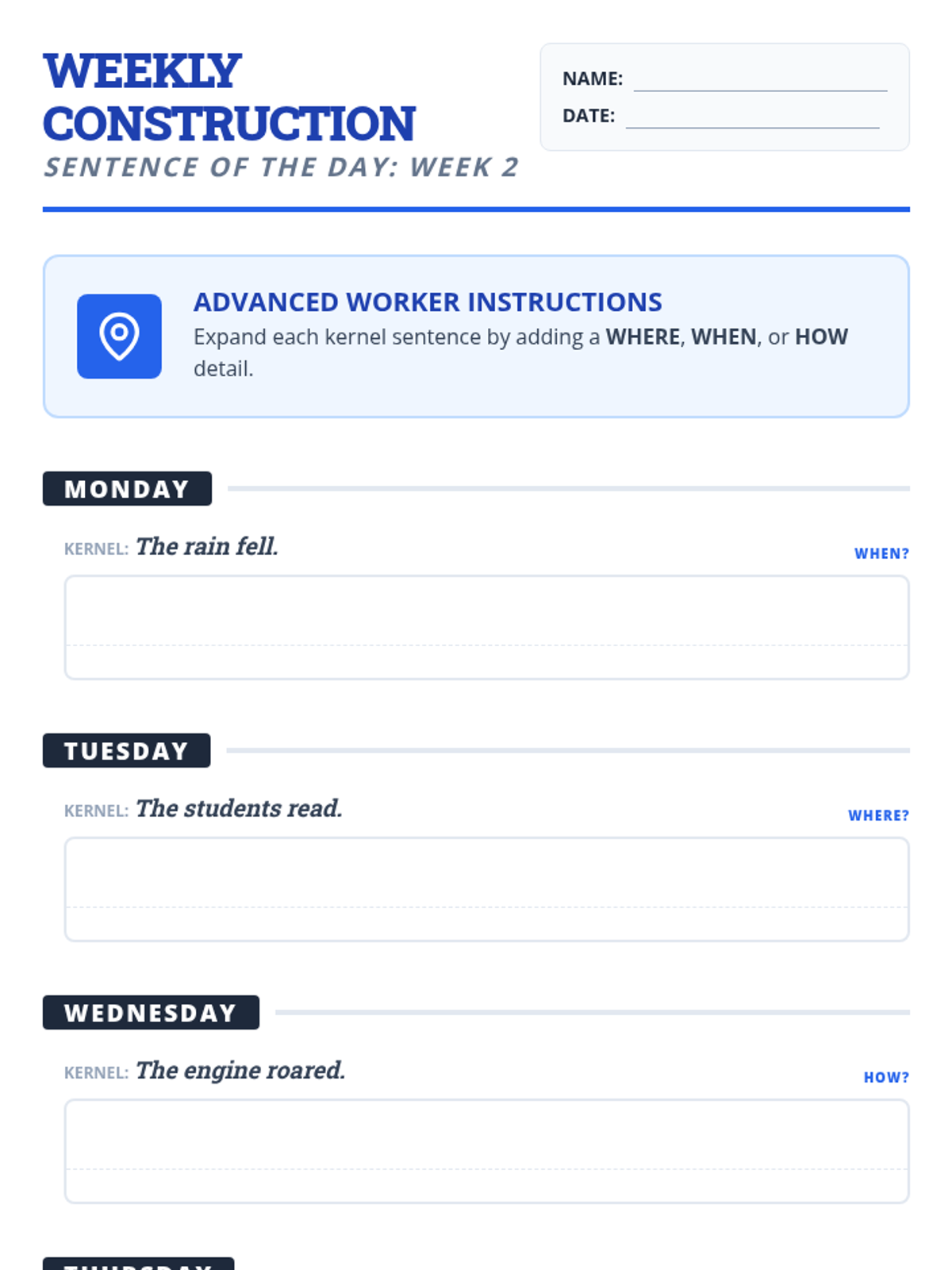
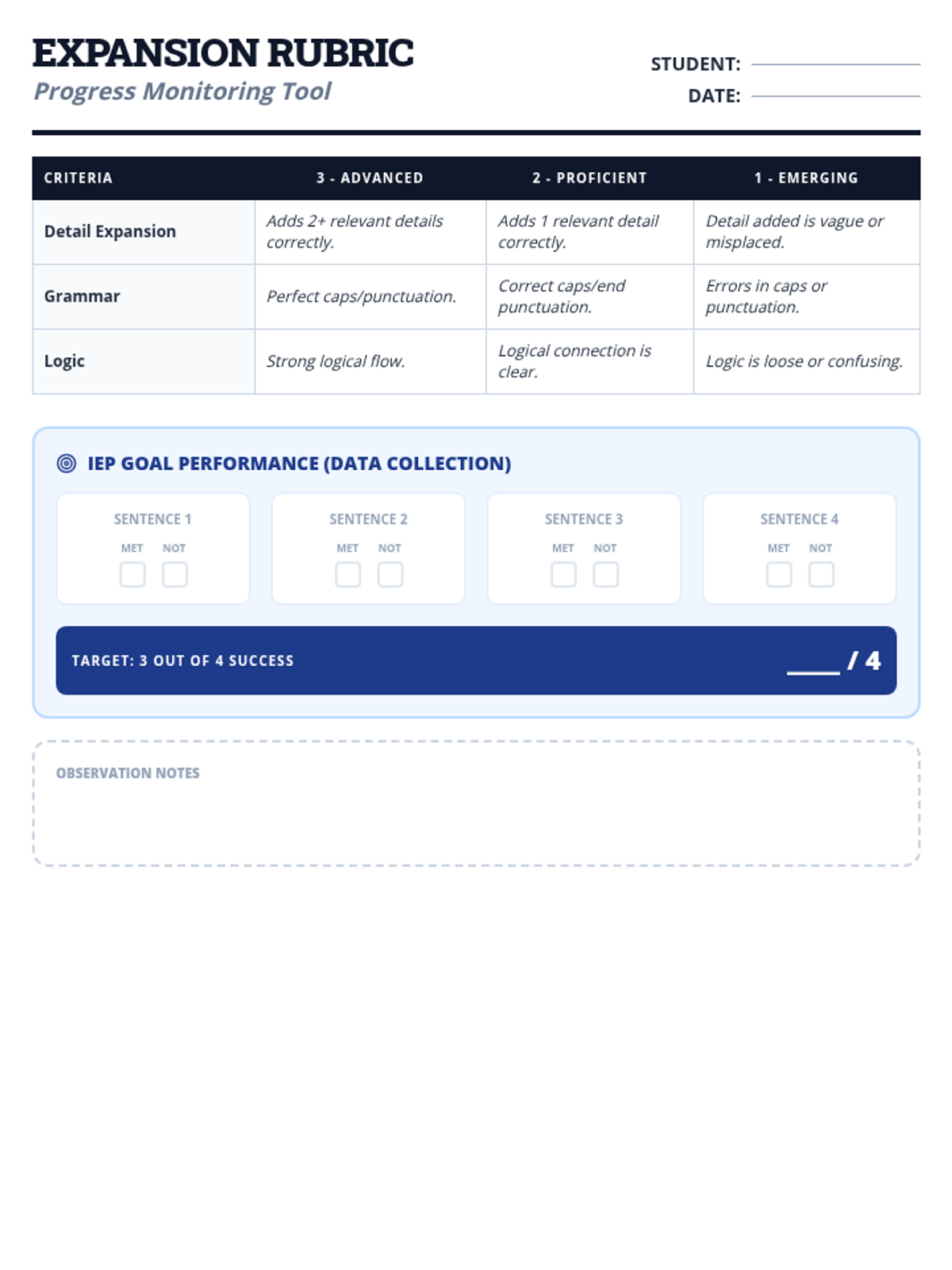
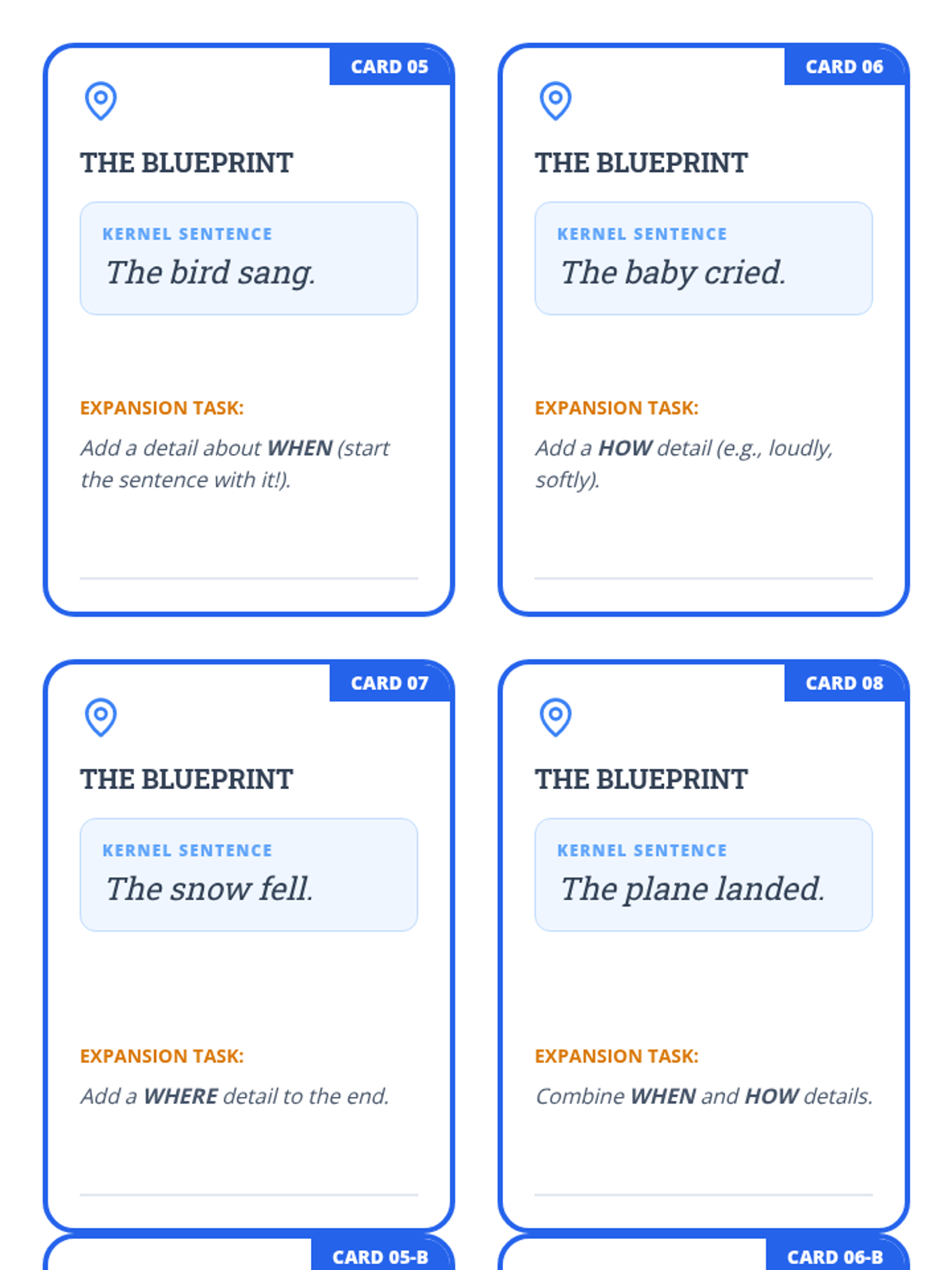
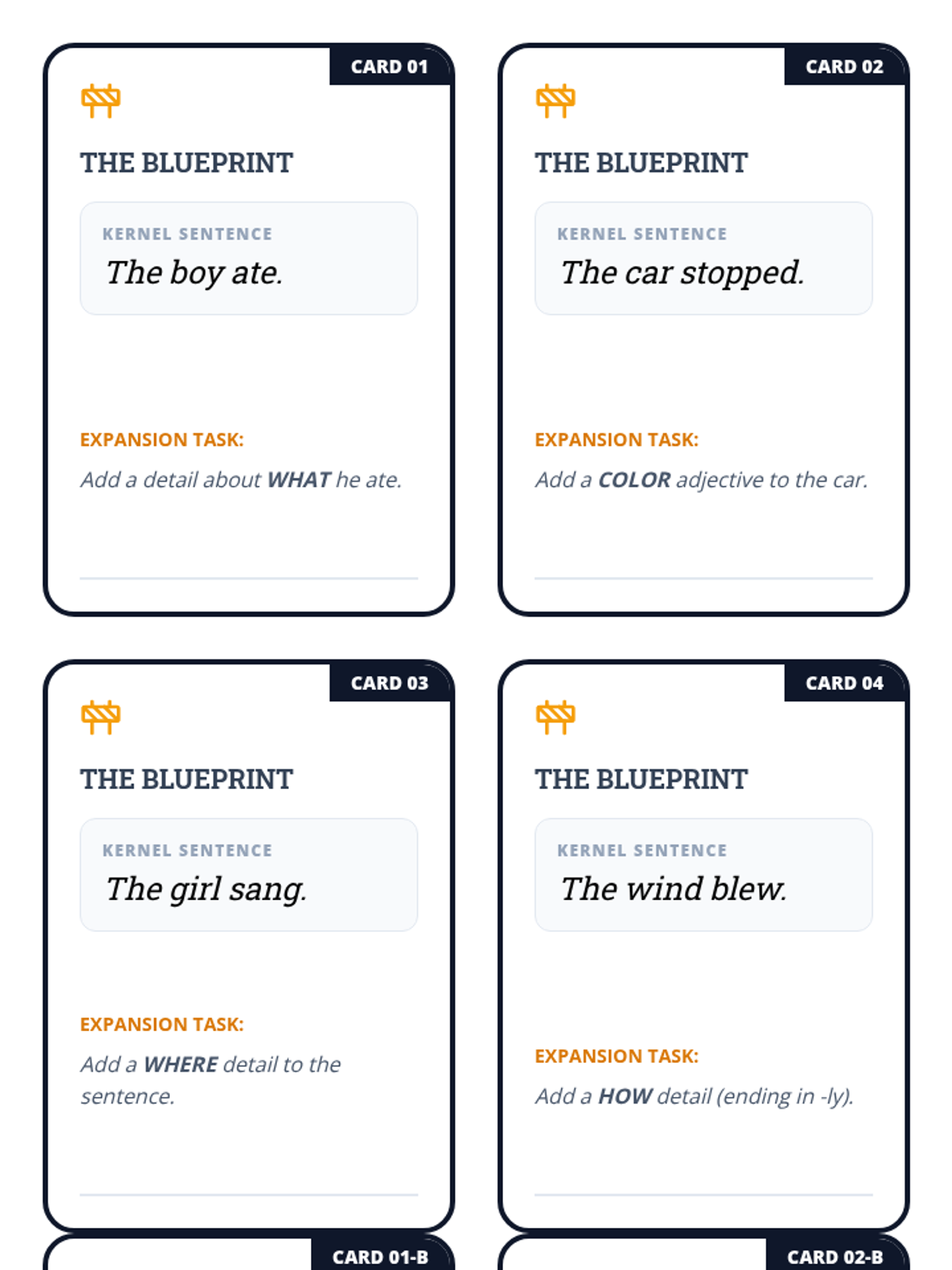
In this lesson, students learn to add situational details to their sentences using 'Where', 'When', and 'How' question words.
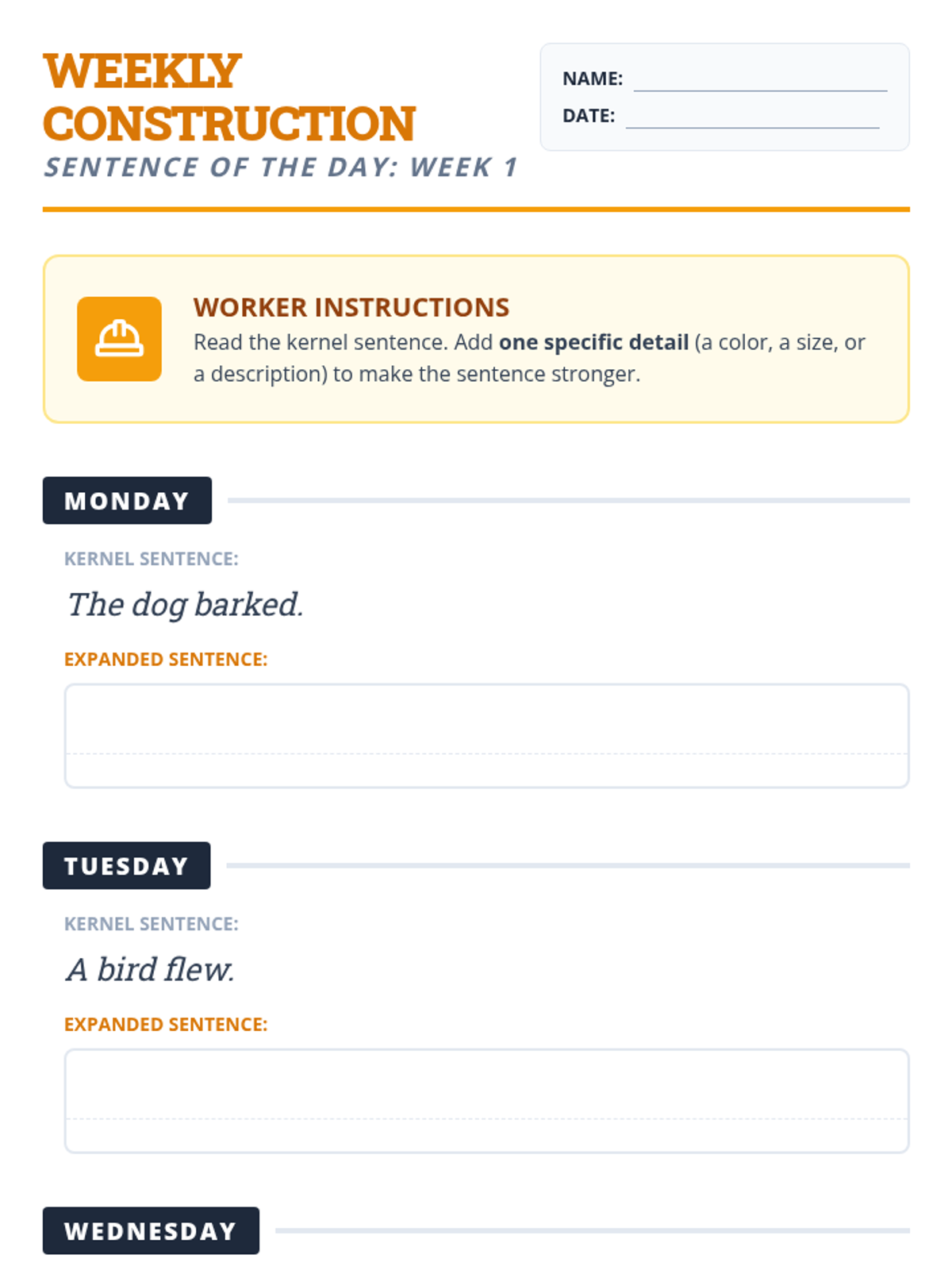
This lesson introduces the concept of a complete sentence versus a fragment and begins basic sentence expansion using 'Who' and 'What' details.
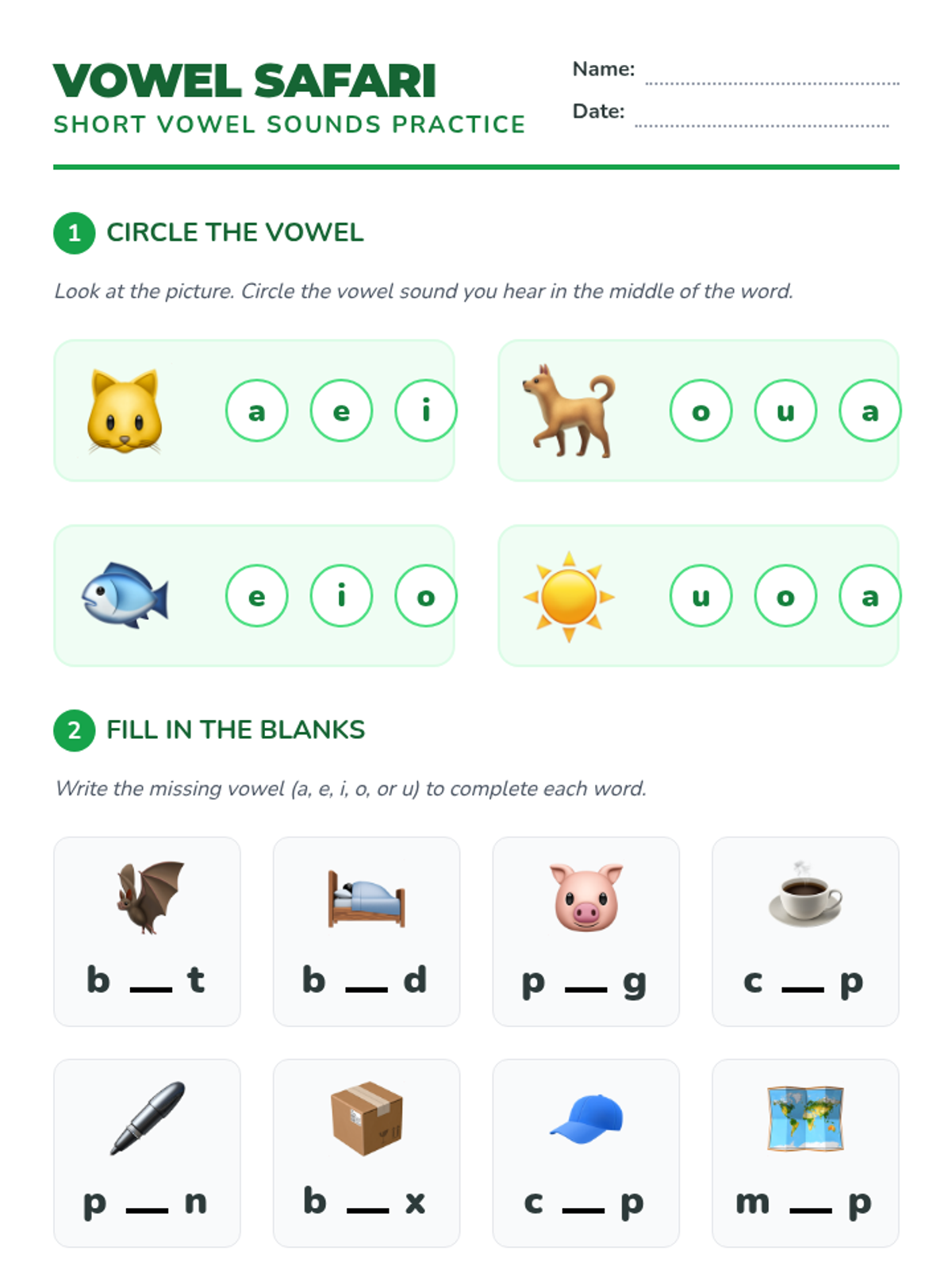
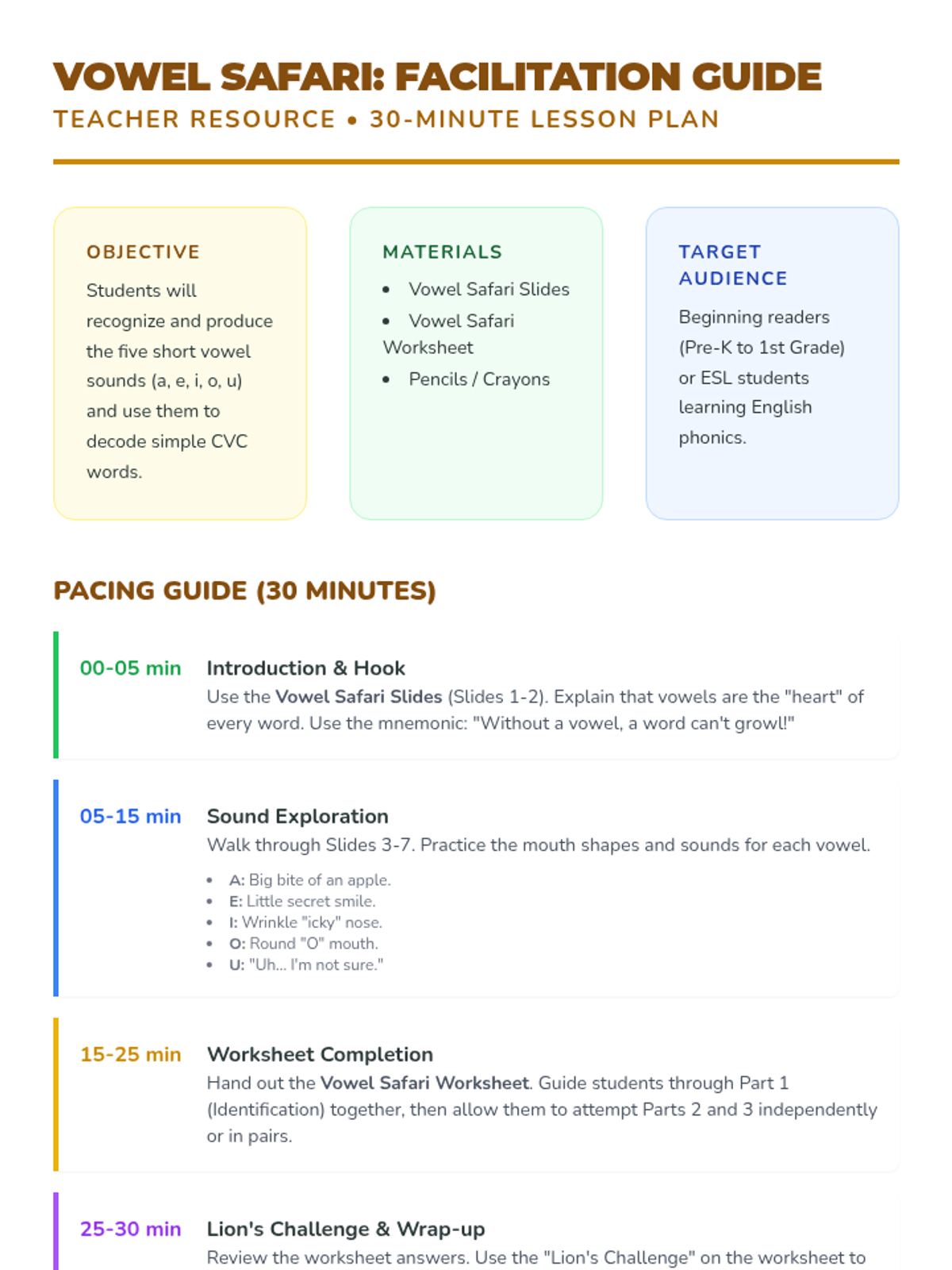
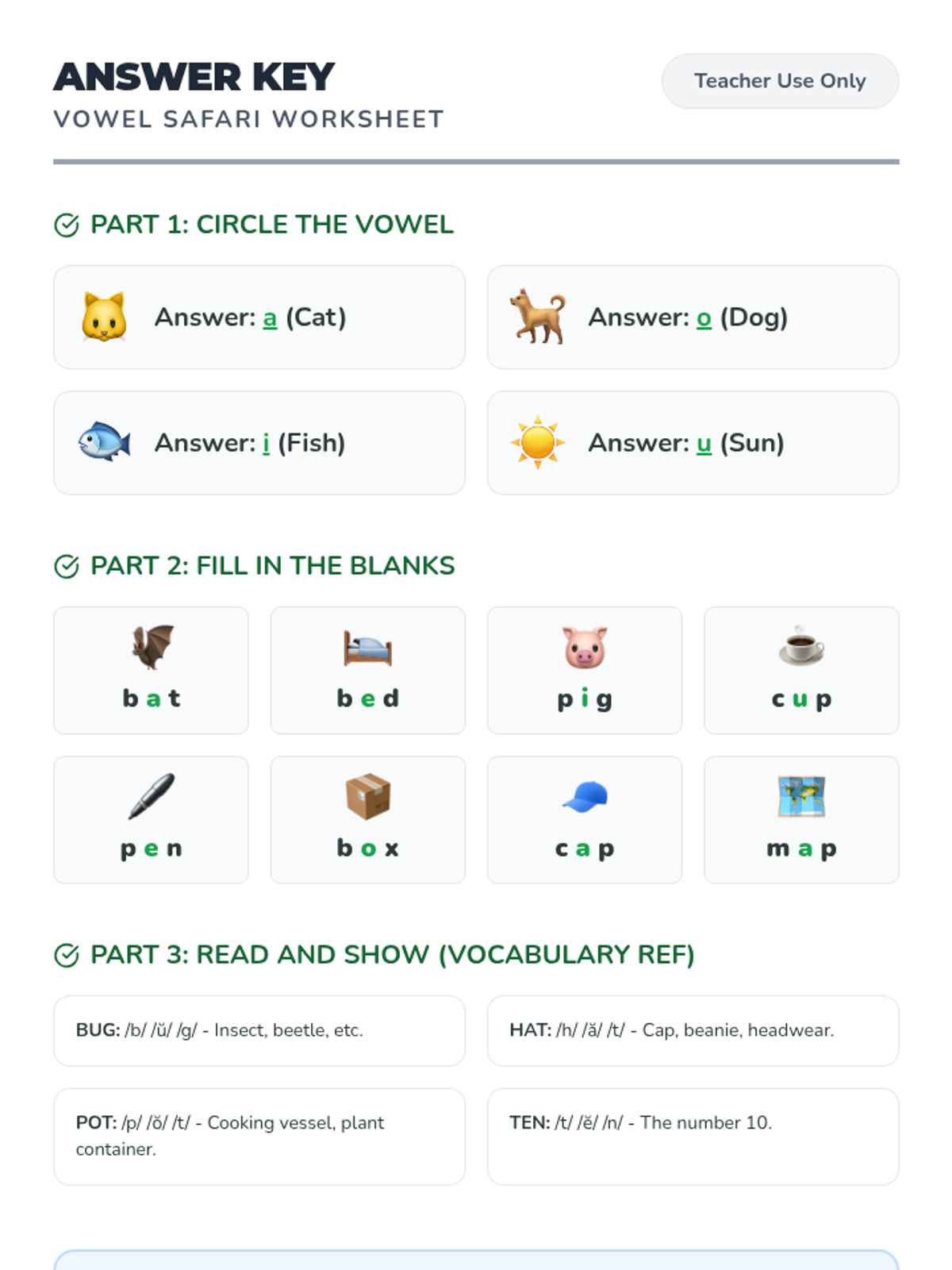
A foundational lesson introducing the five short vowel sounds (a, e, i, o, u) through visual associations and CVC word practice. Students will identify, trace, and write simple words to build phonemic awareness.
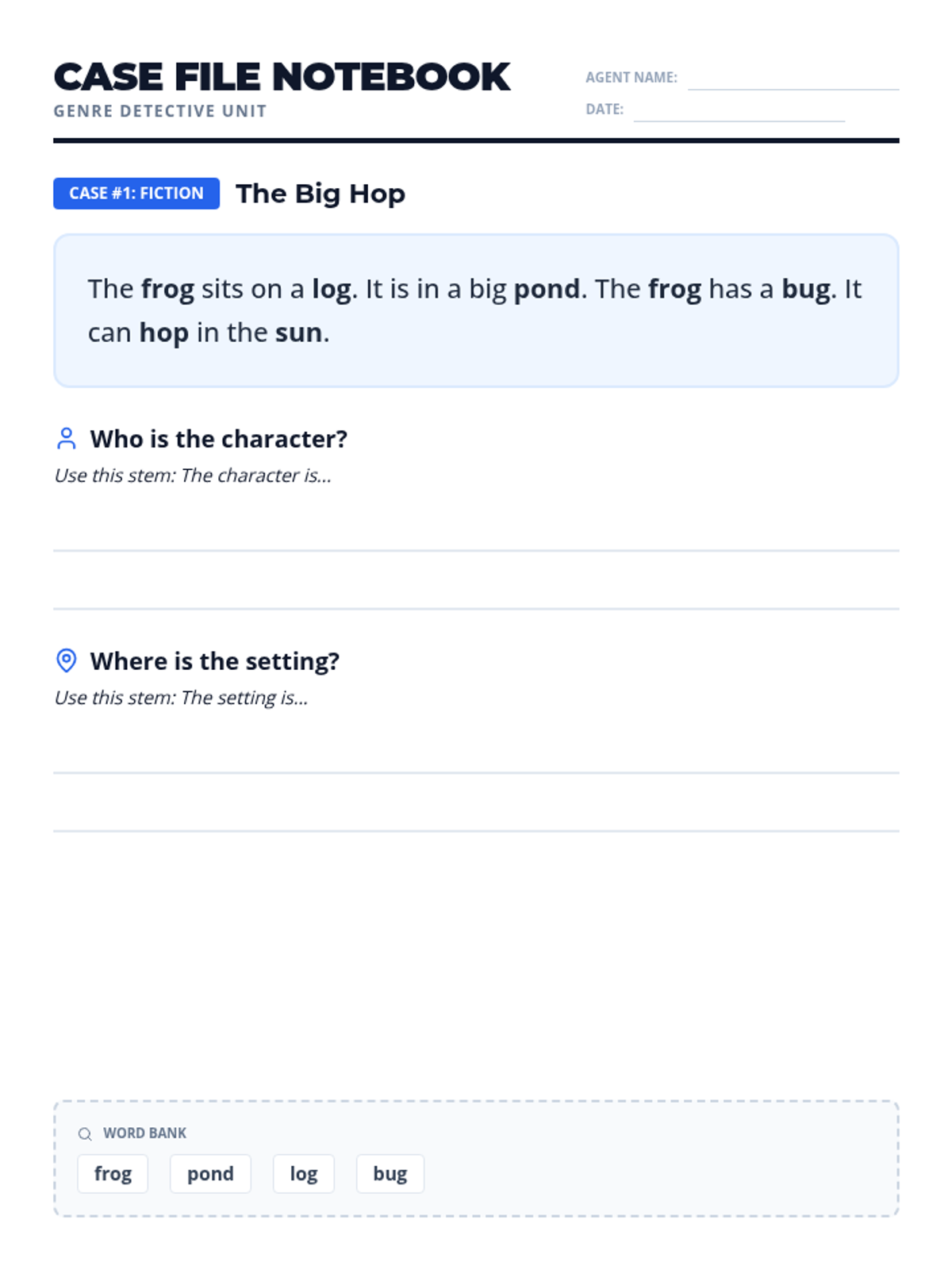
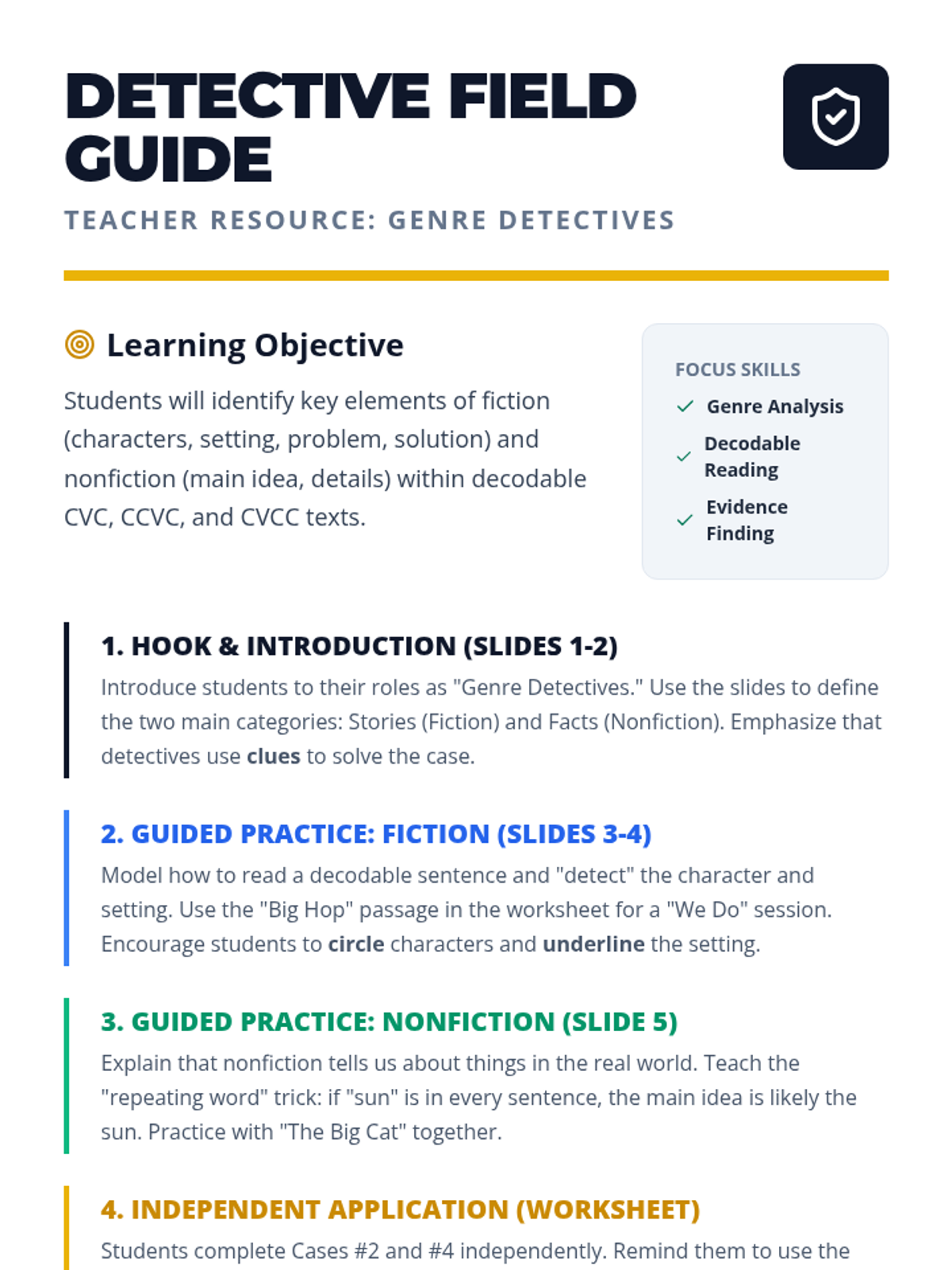
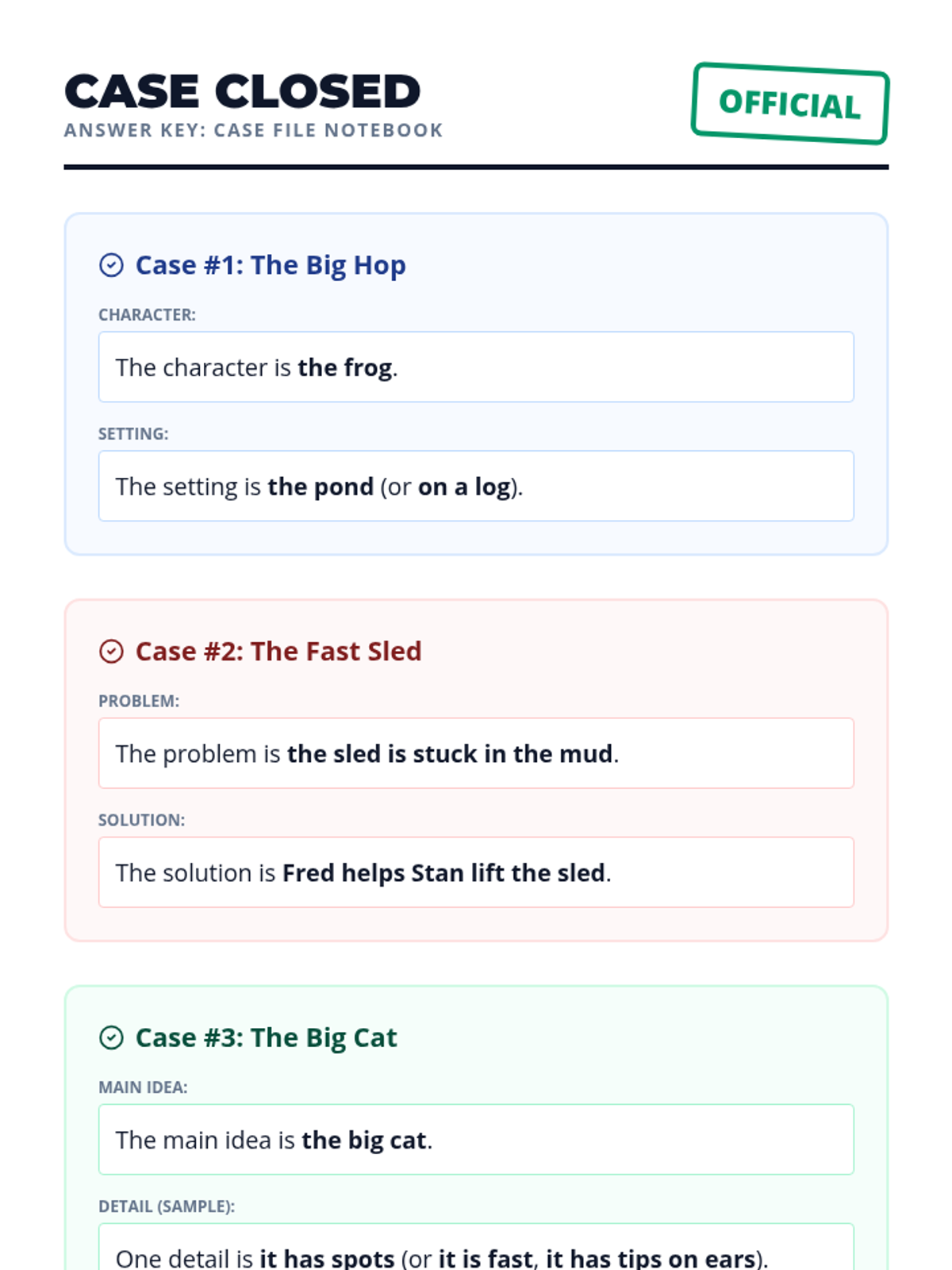
A lesson focused on identifying characters, setting, problem, and solution in fiction, and main idea and details in nonfiction using decodable text.
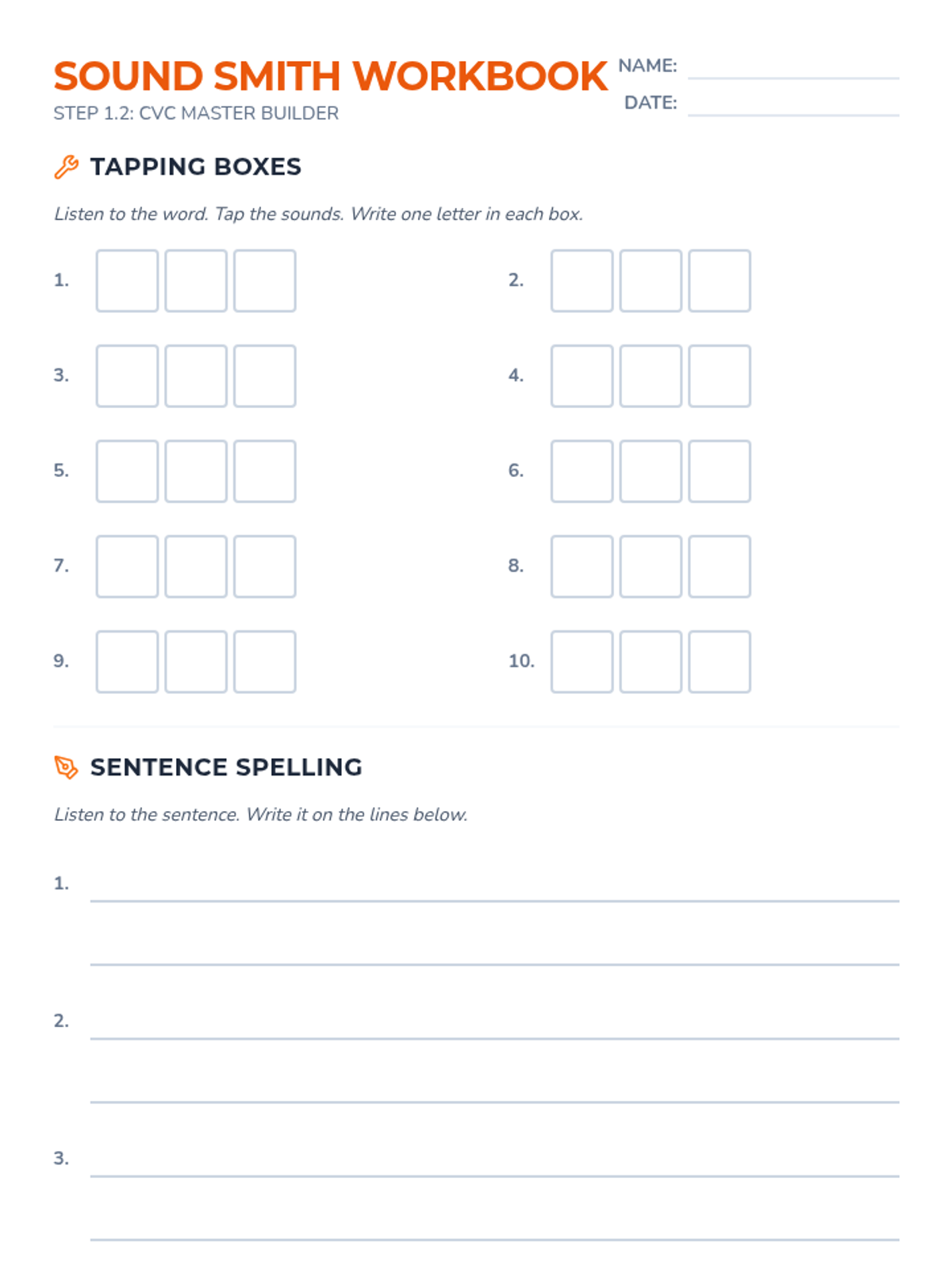
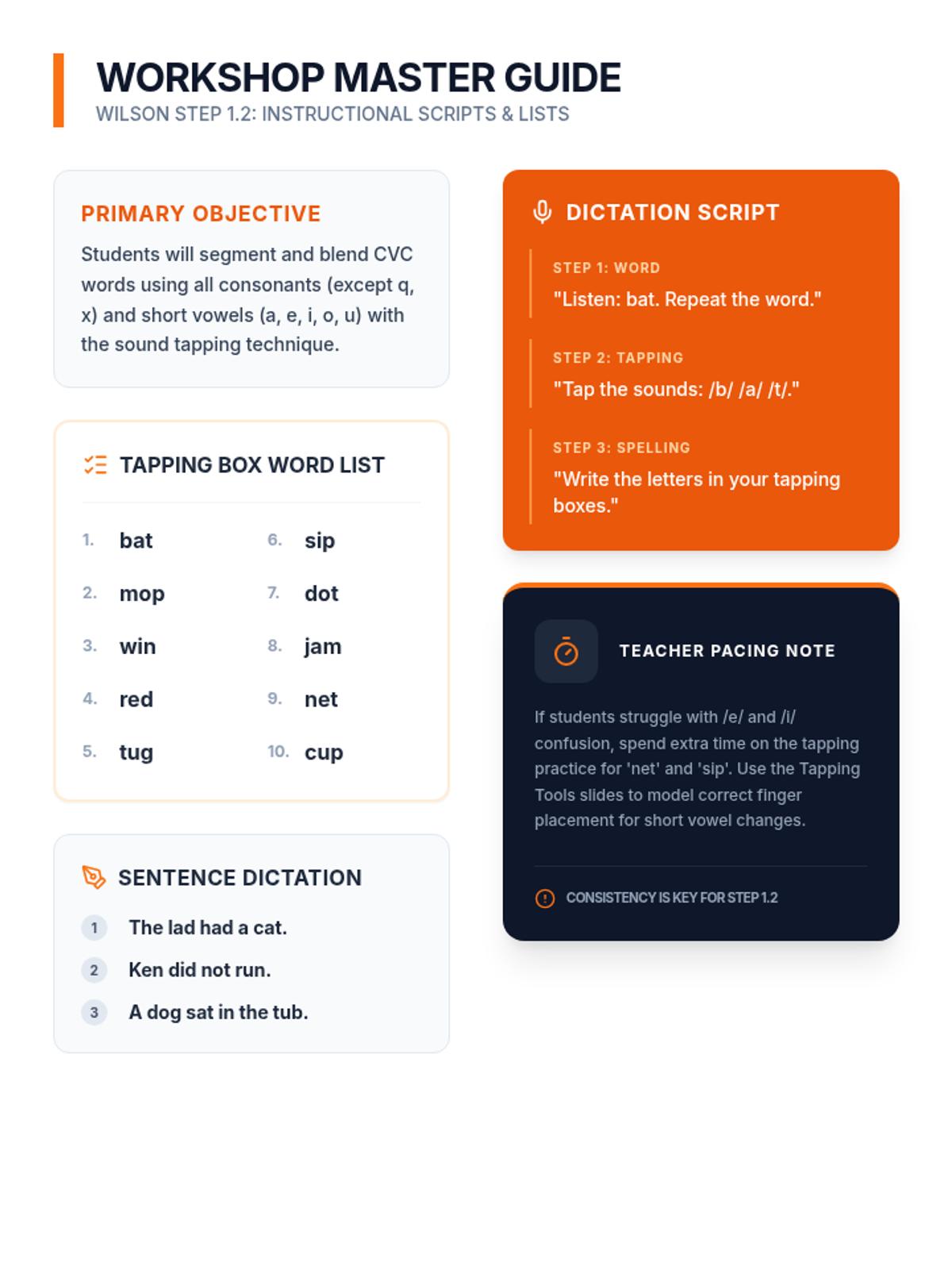
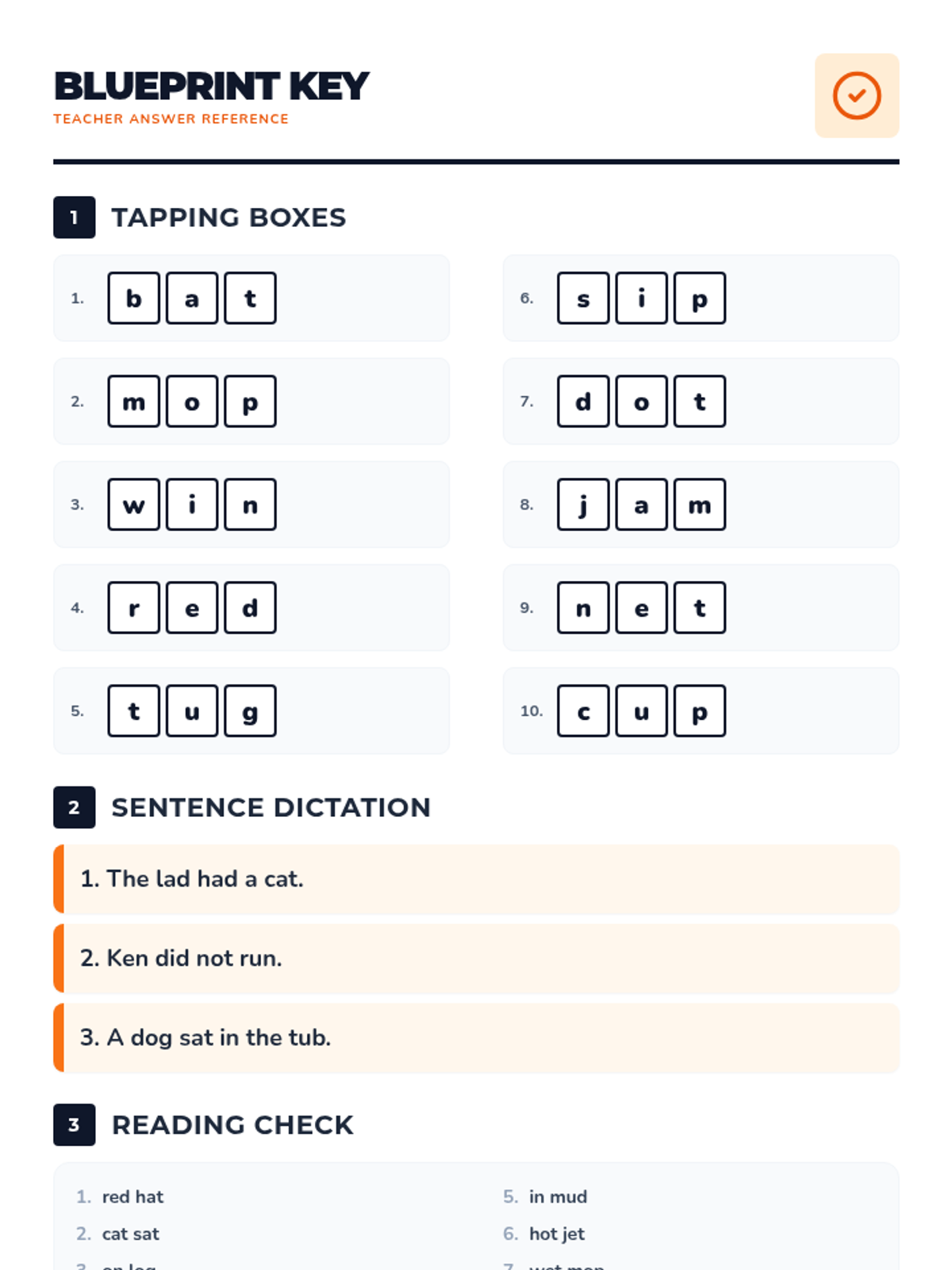
A foundational lesson on Wilson Step 1.2 focusing on CVC word segmenting, blending, and sentence construction using sound tapping techniques.
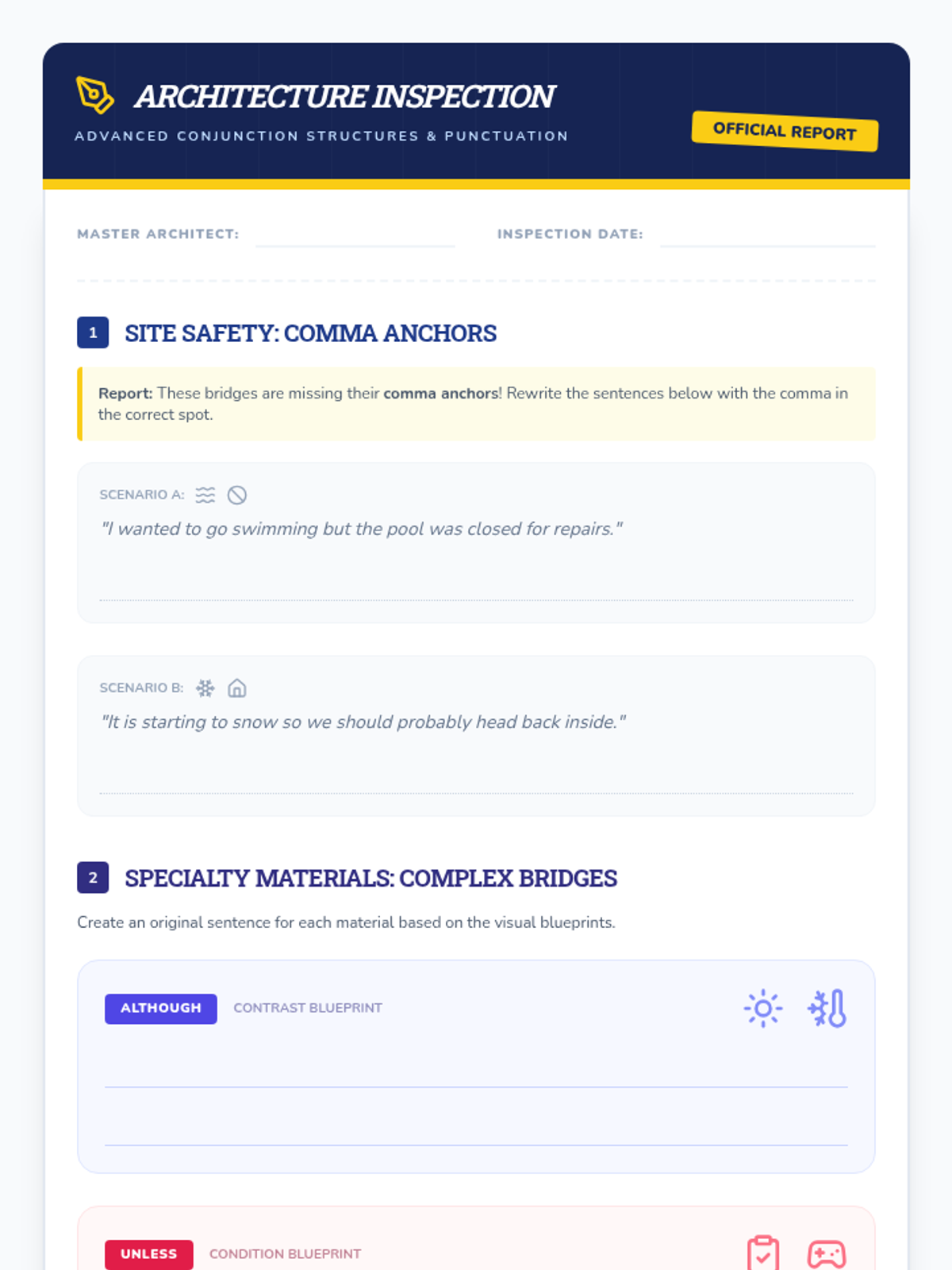
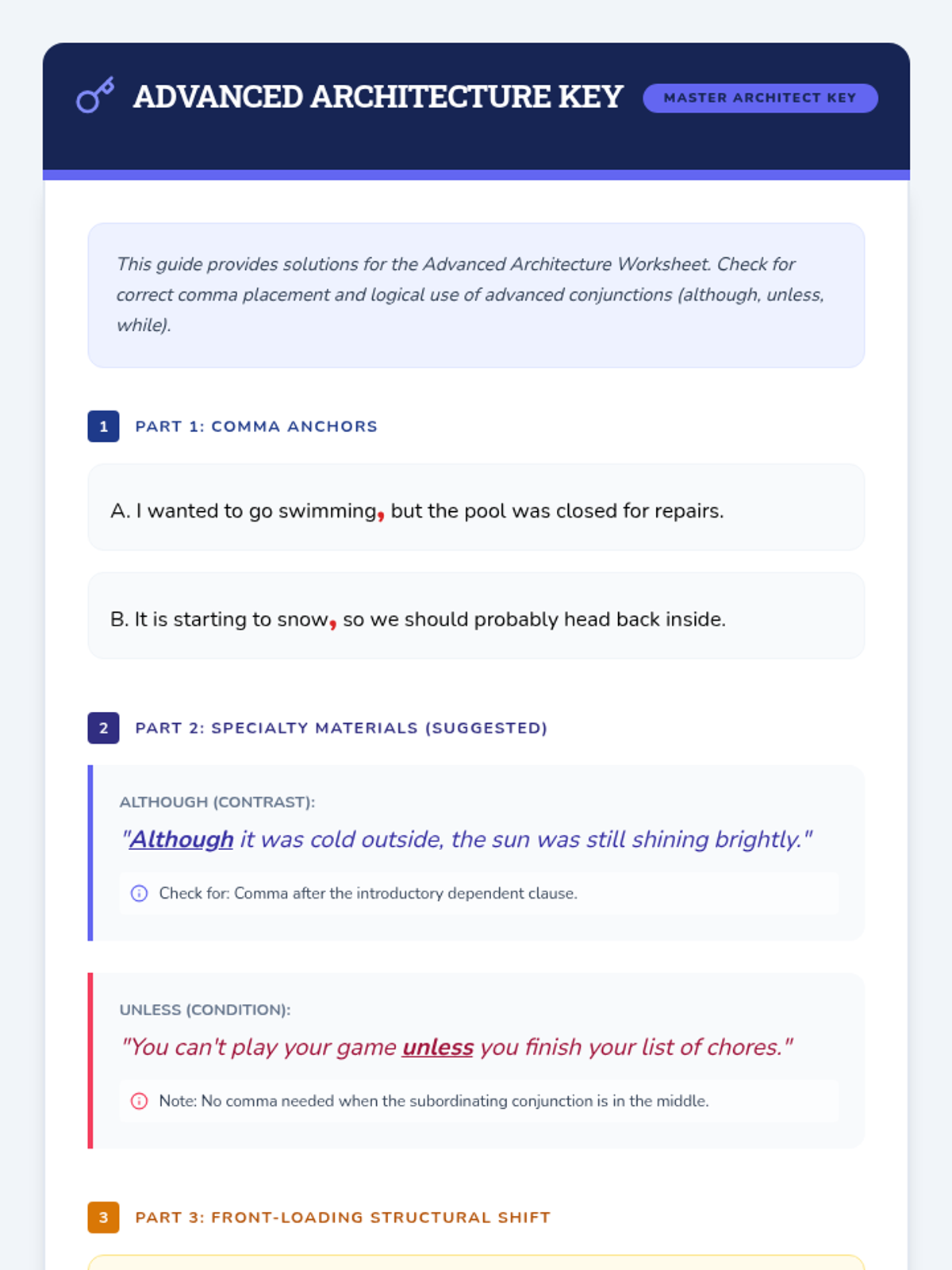
A follow-up lesson focusing on complex sentence structures, including comma placement in compound sentences and starting sentences with subordinating conjunctions. Introduces advanced conjunctions like 'although', 'while', and 'unless'.
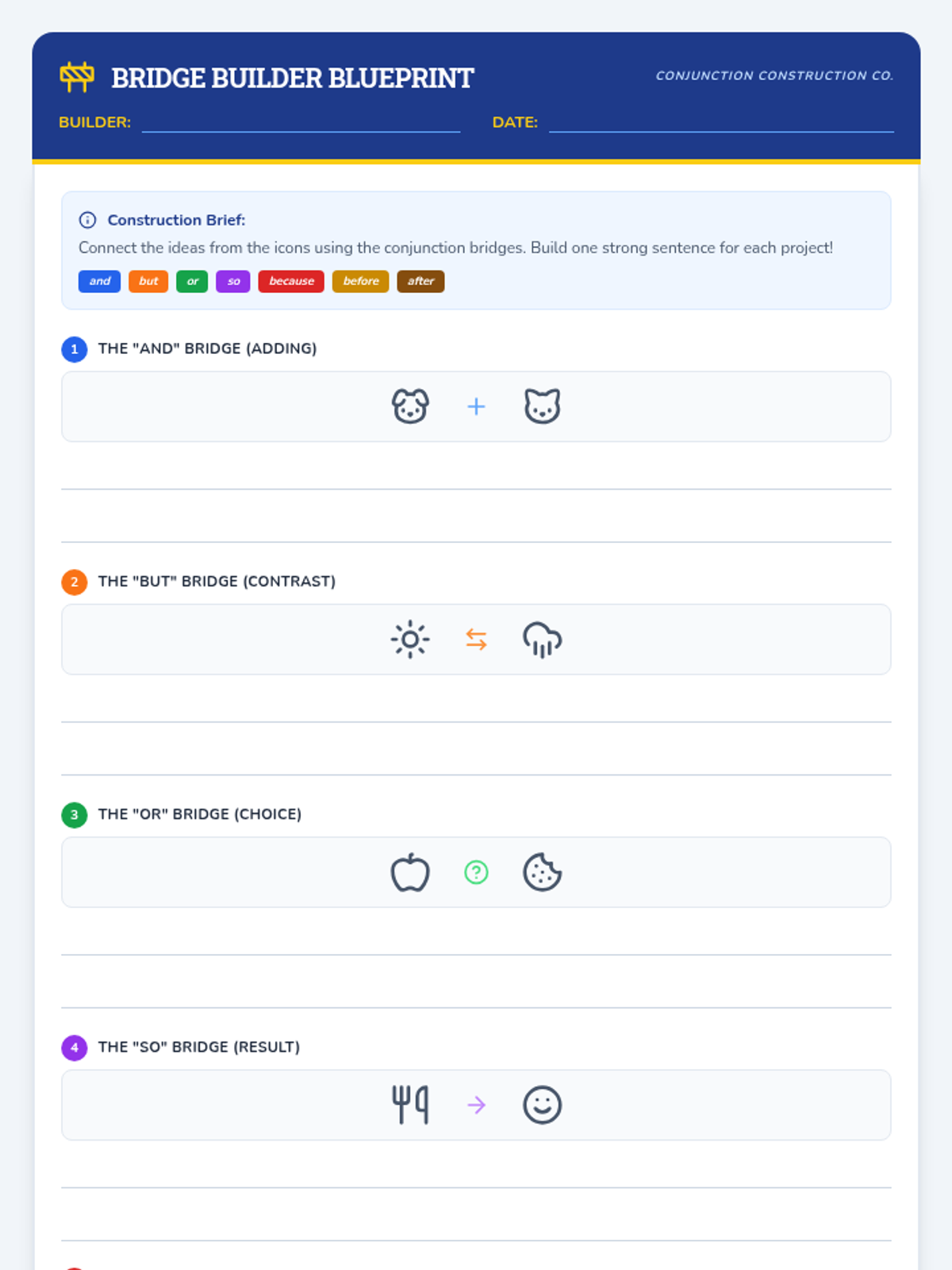
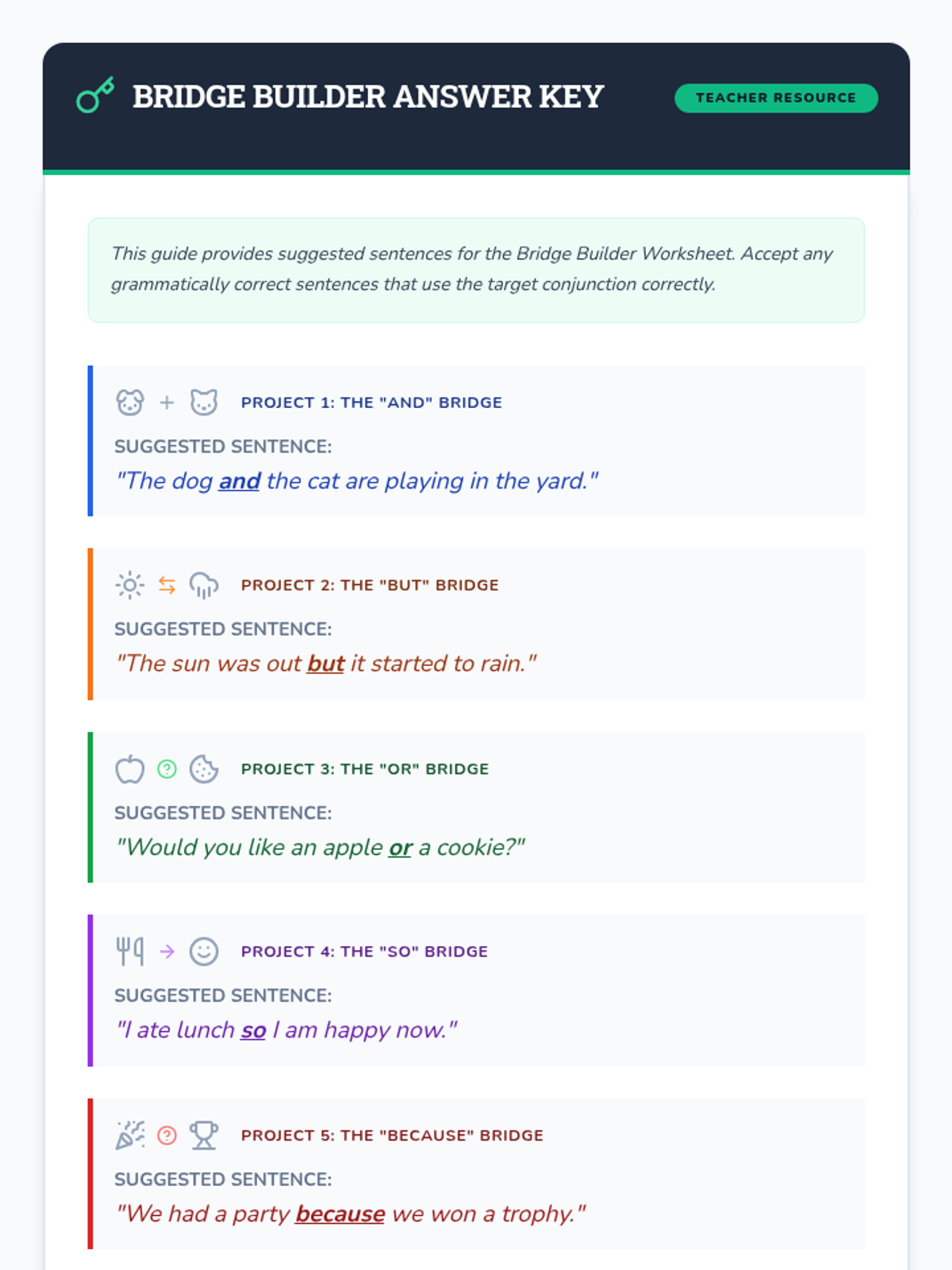
A lesson on using coordinating and subordinating conjunctions to build complex sentences. Students learn to use conjunctions as 'bridges' to connect their ideas together clearly.
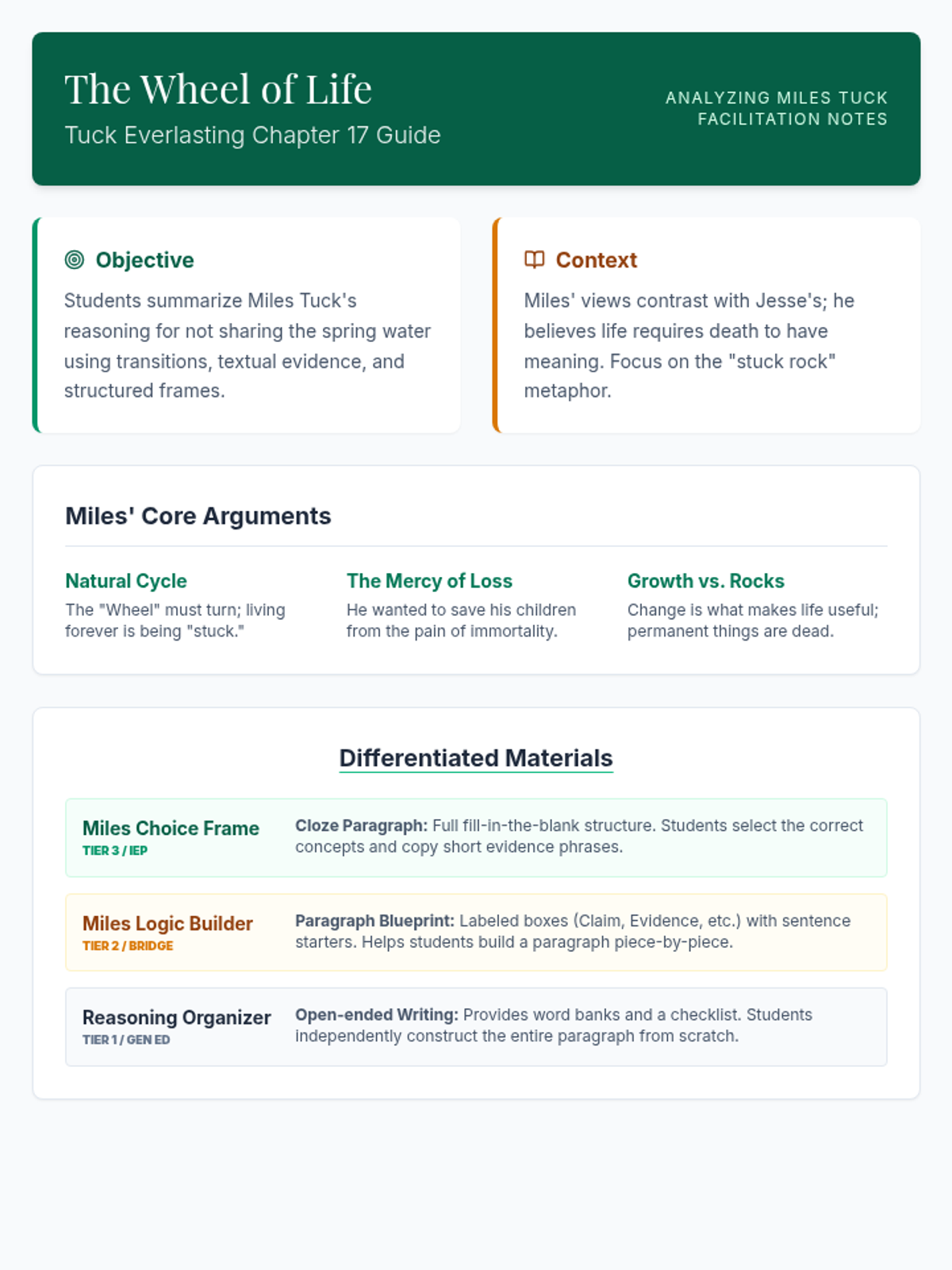
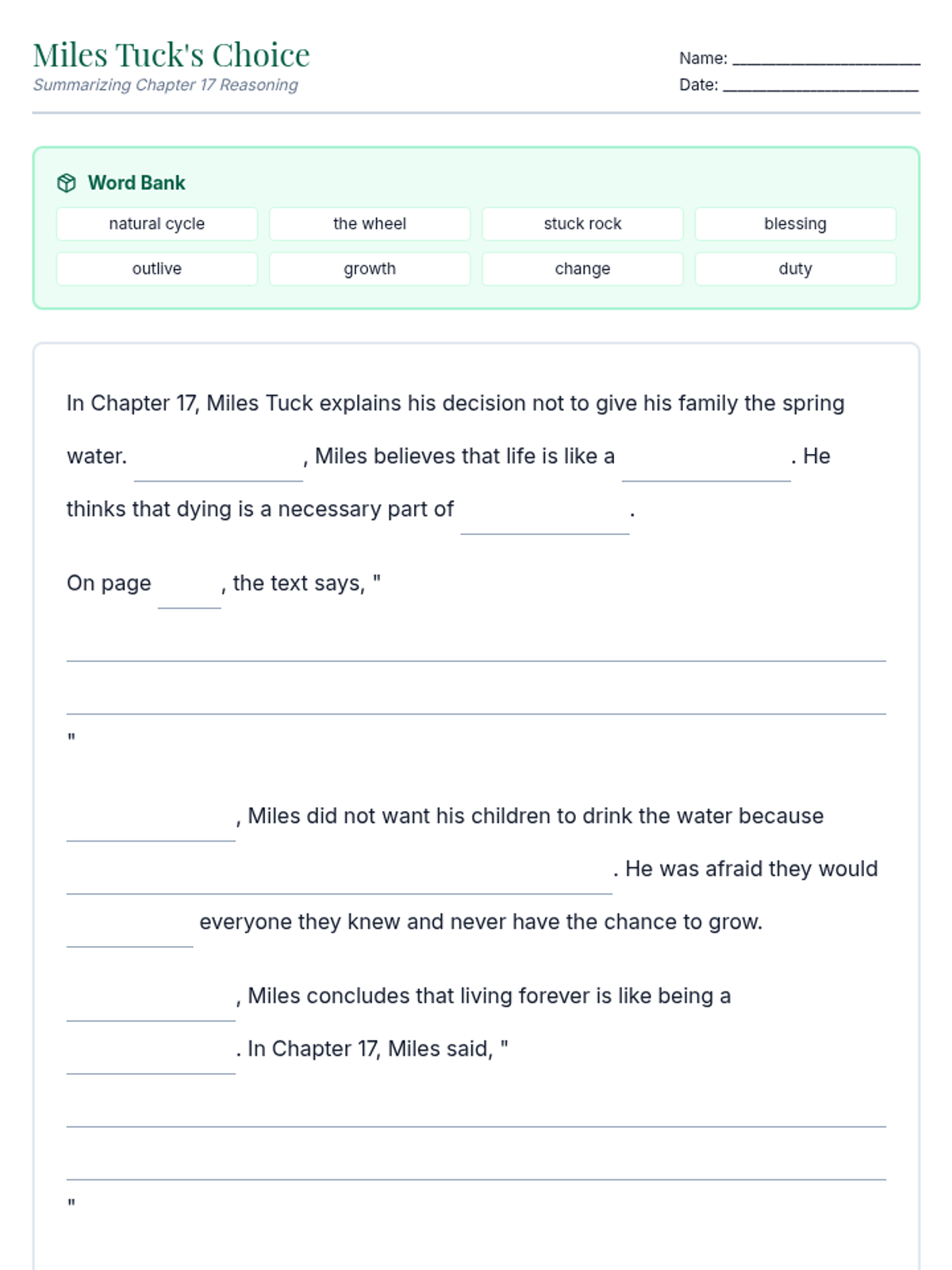
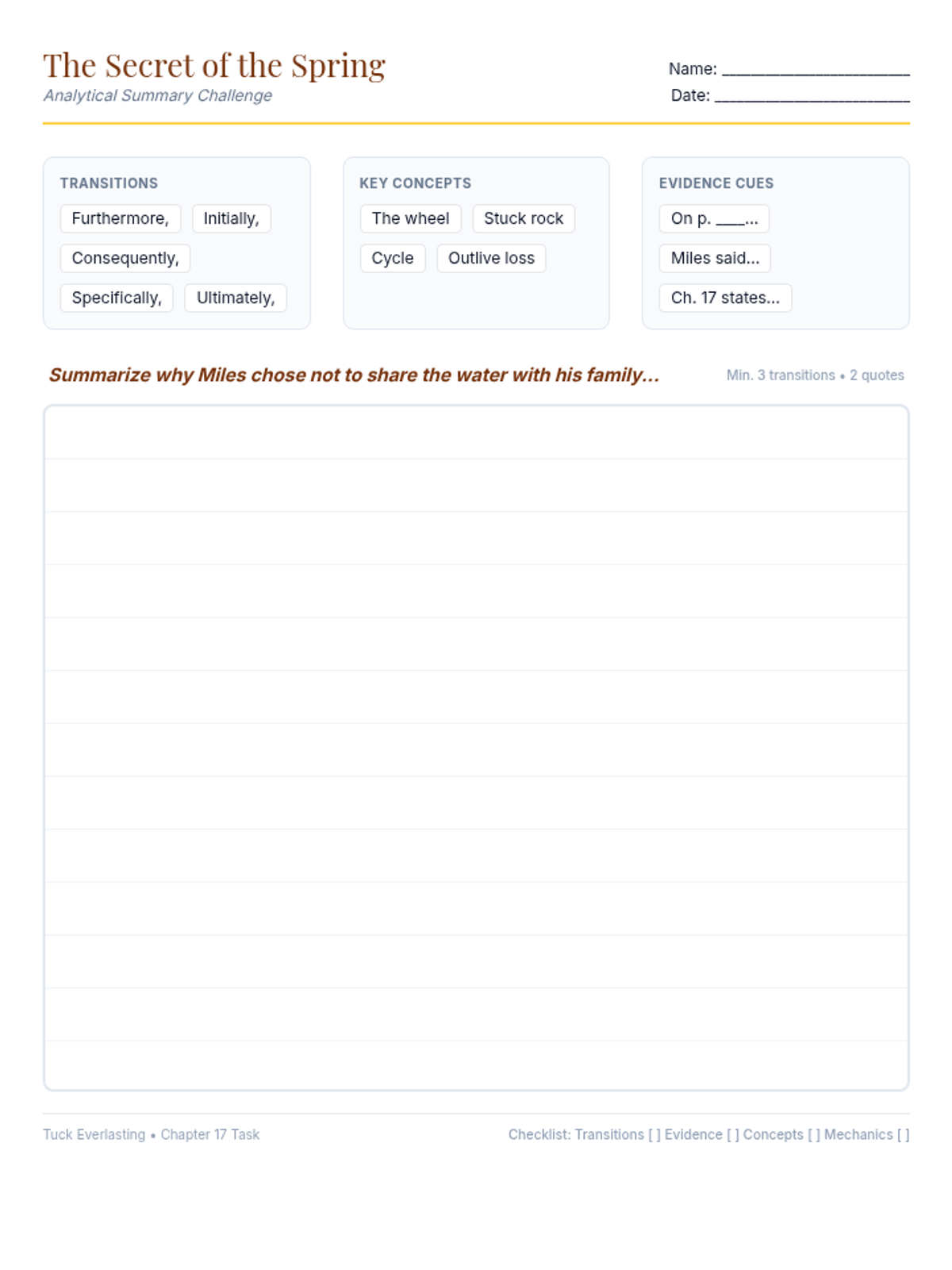
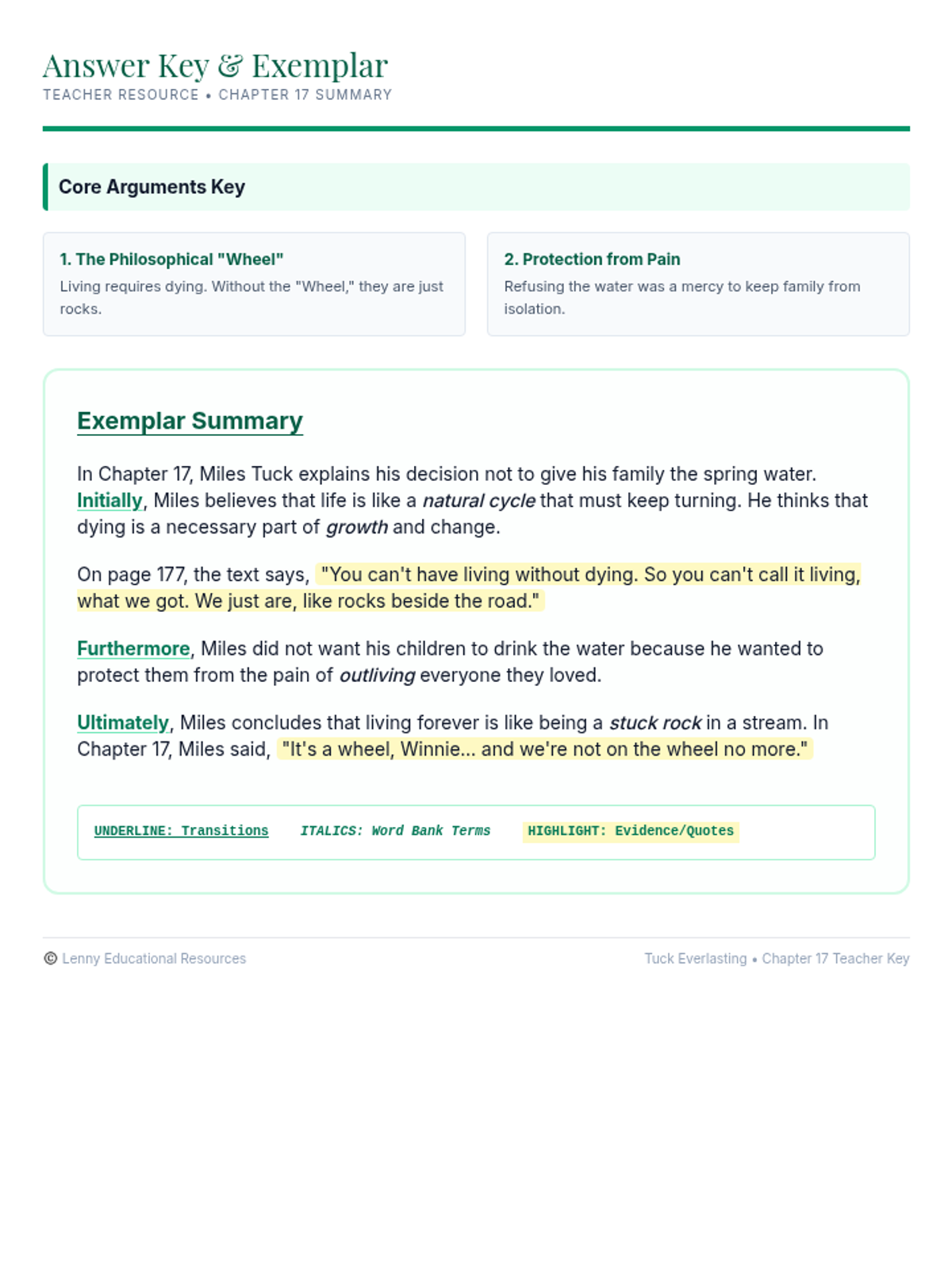
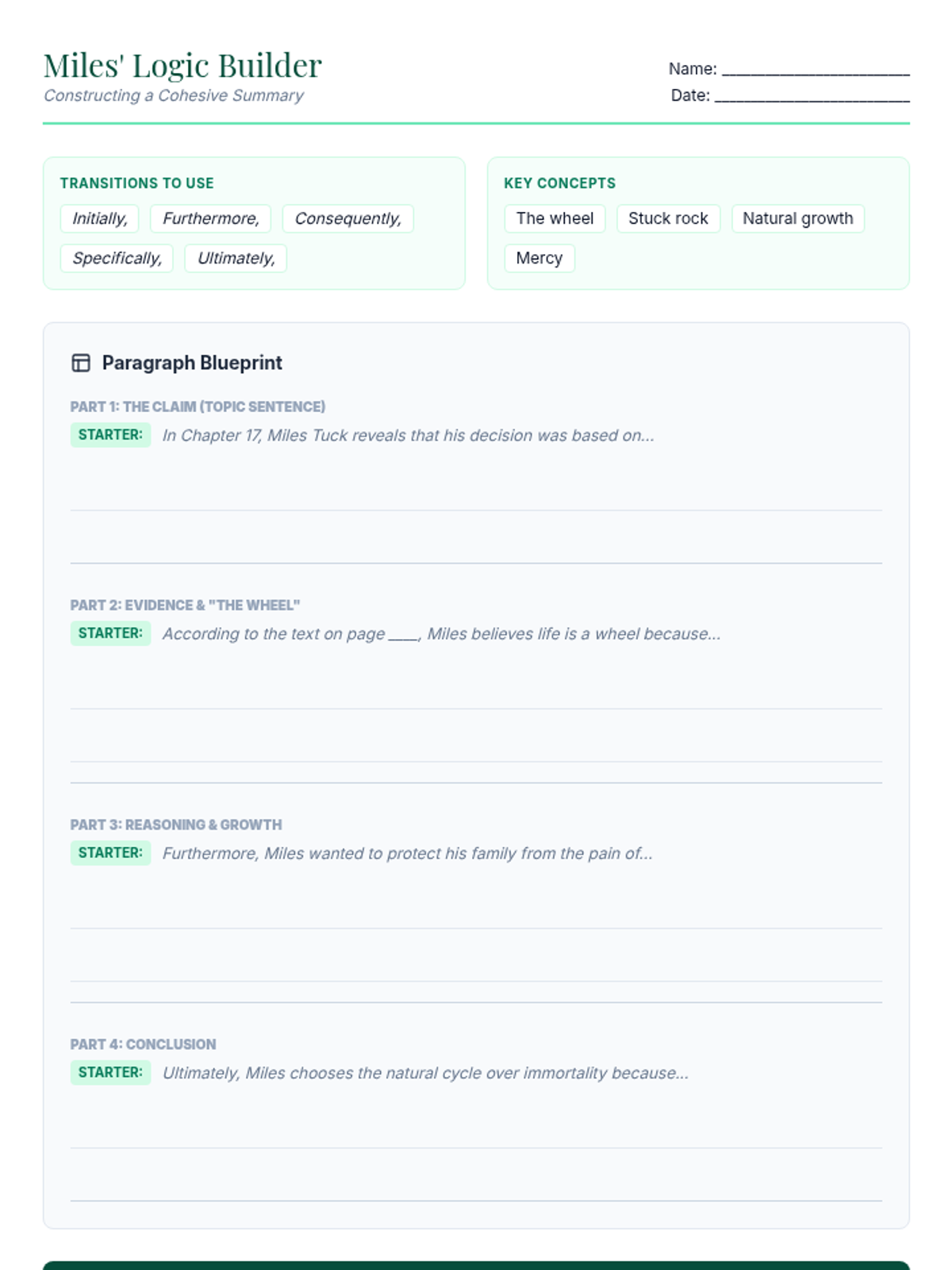
A lesson focused on Chapter 17 of Tuck Everlasting, where students analyze Miles Tuck's complex reasoning for not giving his family the spring water. Students will use transitions and textual evidence to construct a cohesive summary.