Students map active volcanoes globally to identify the 'Ring of Fire' and its correlation with subduction zones. They analyze why most volcanoes occur in these specific belts.
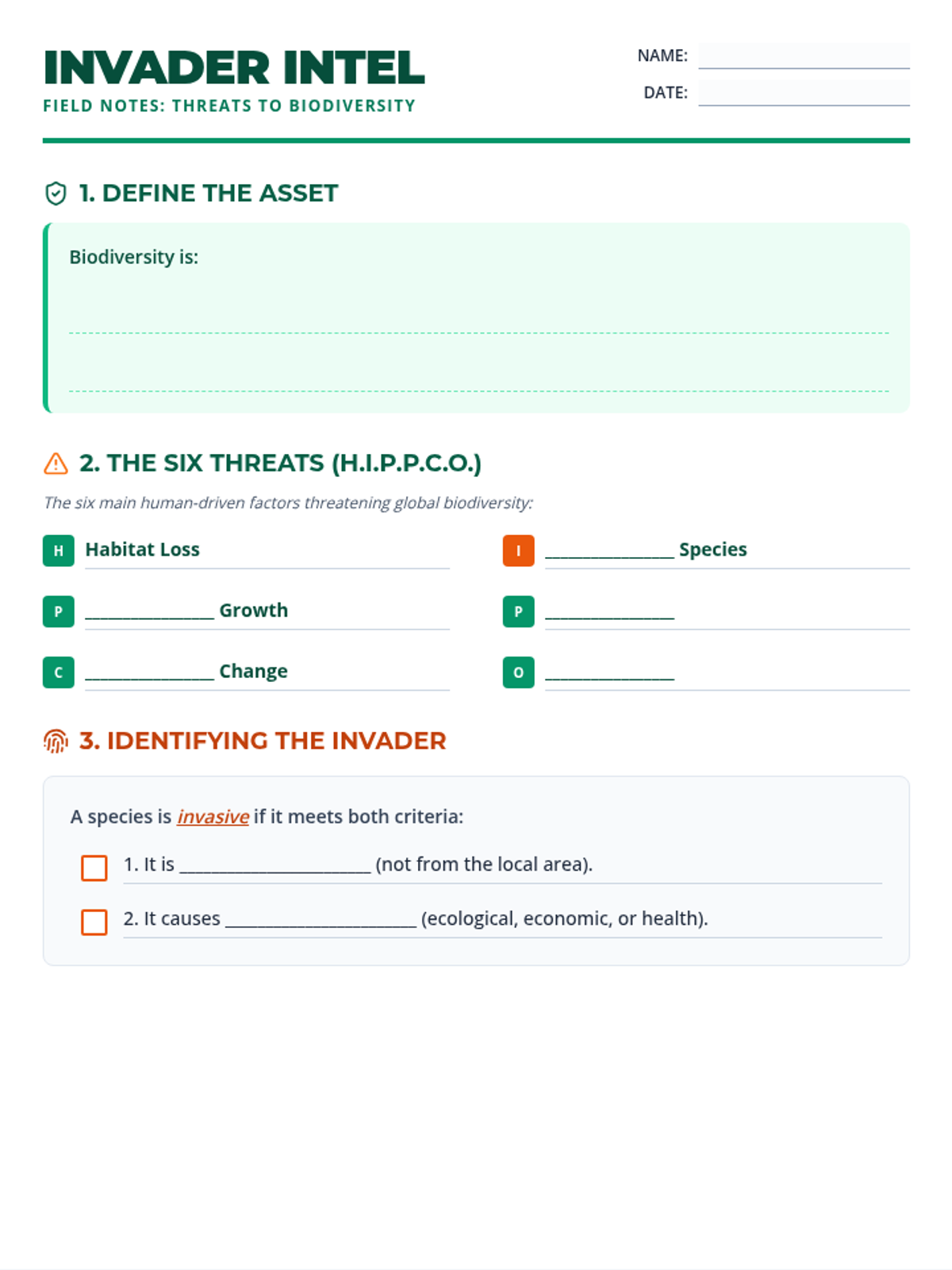
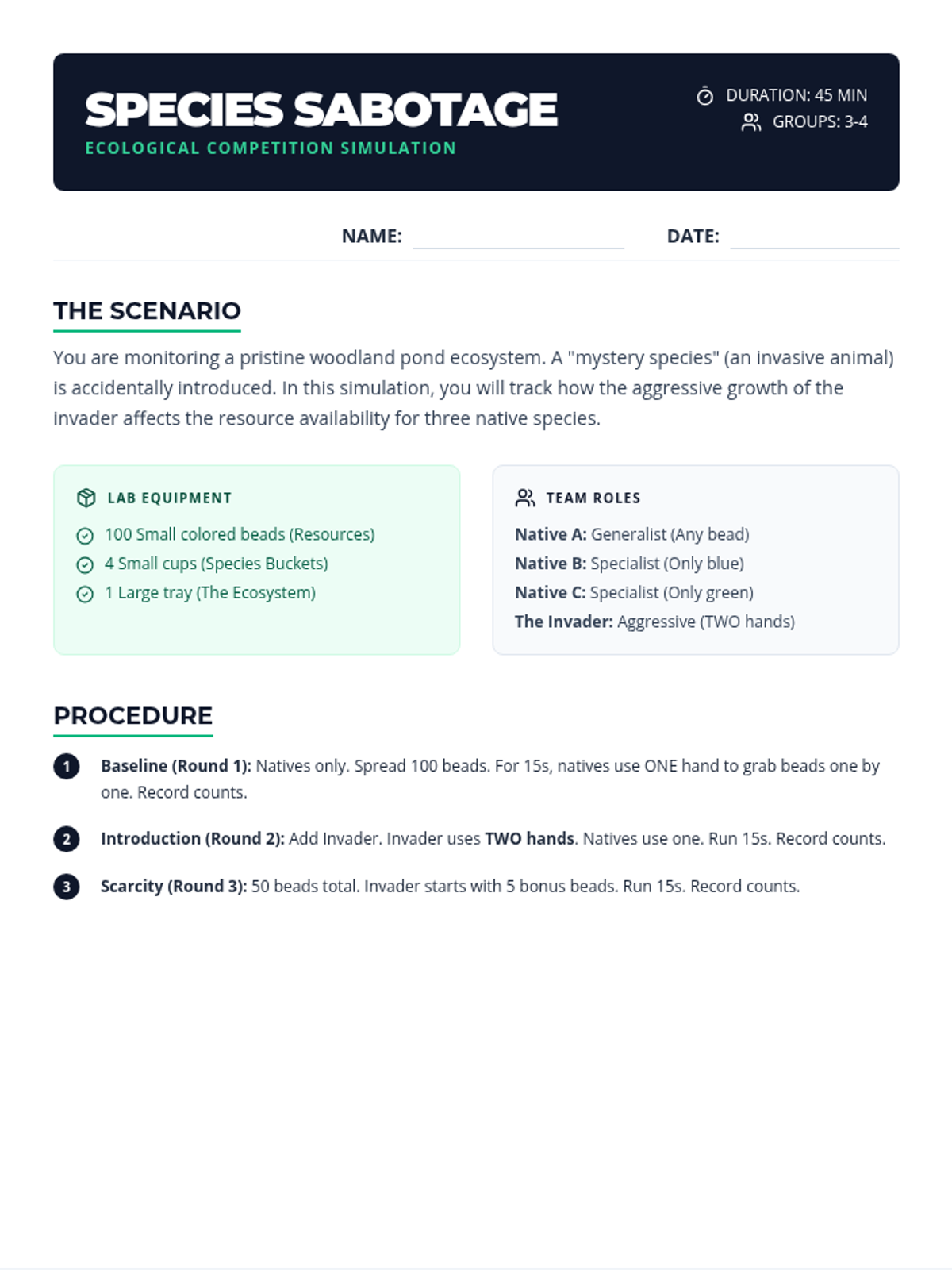
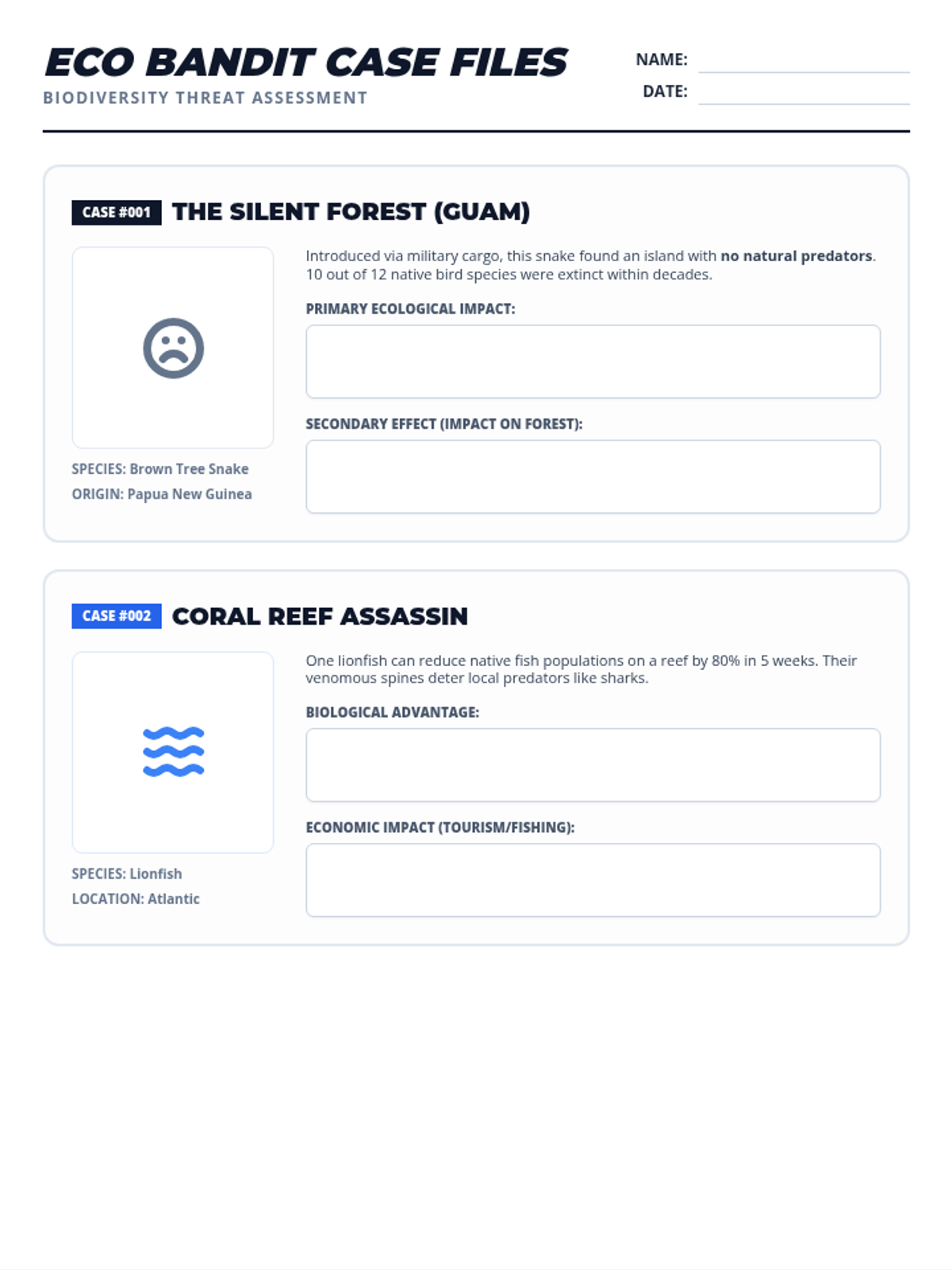
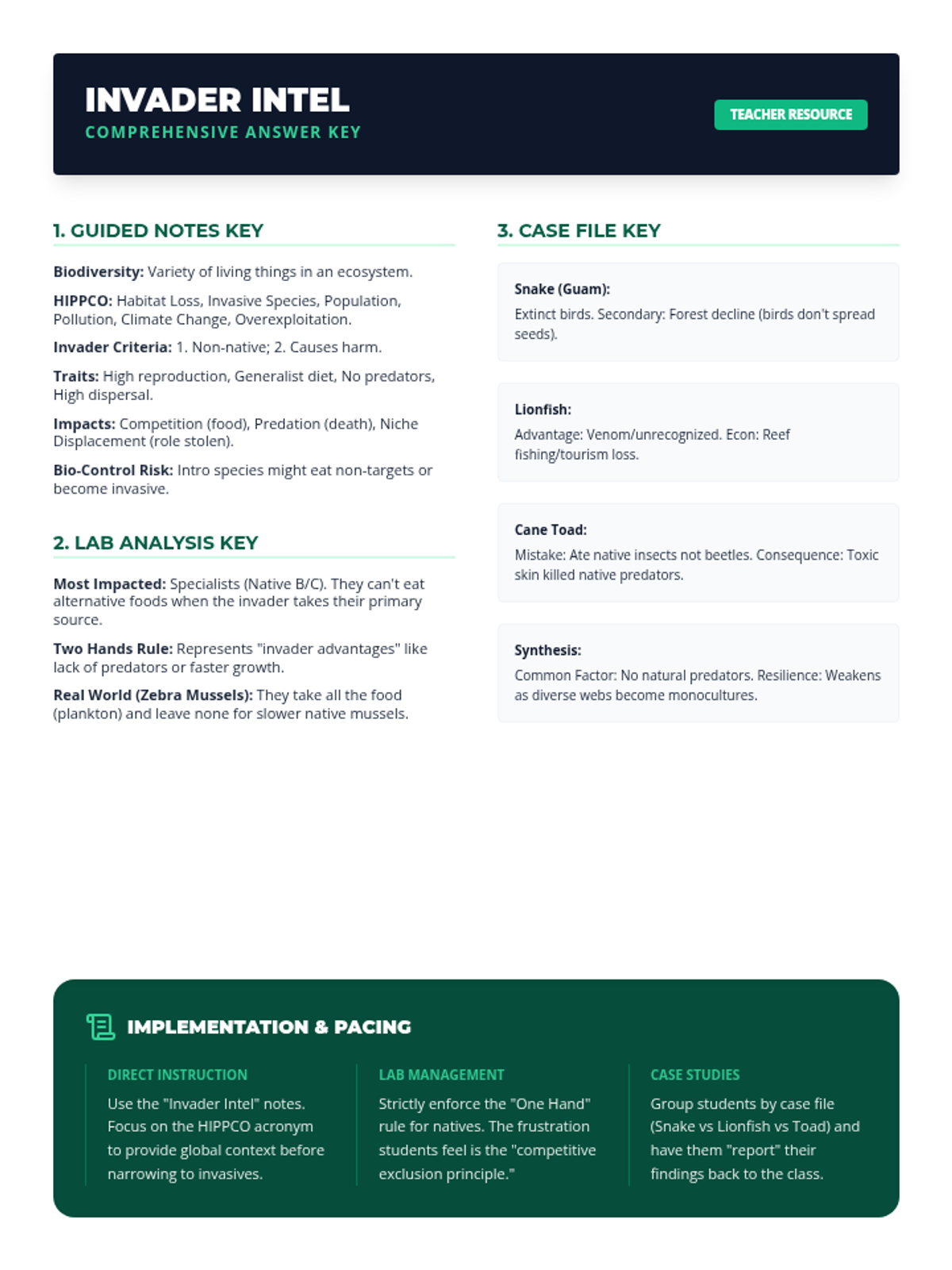
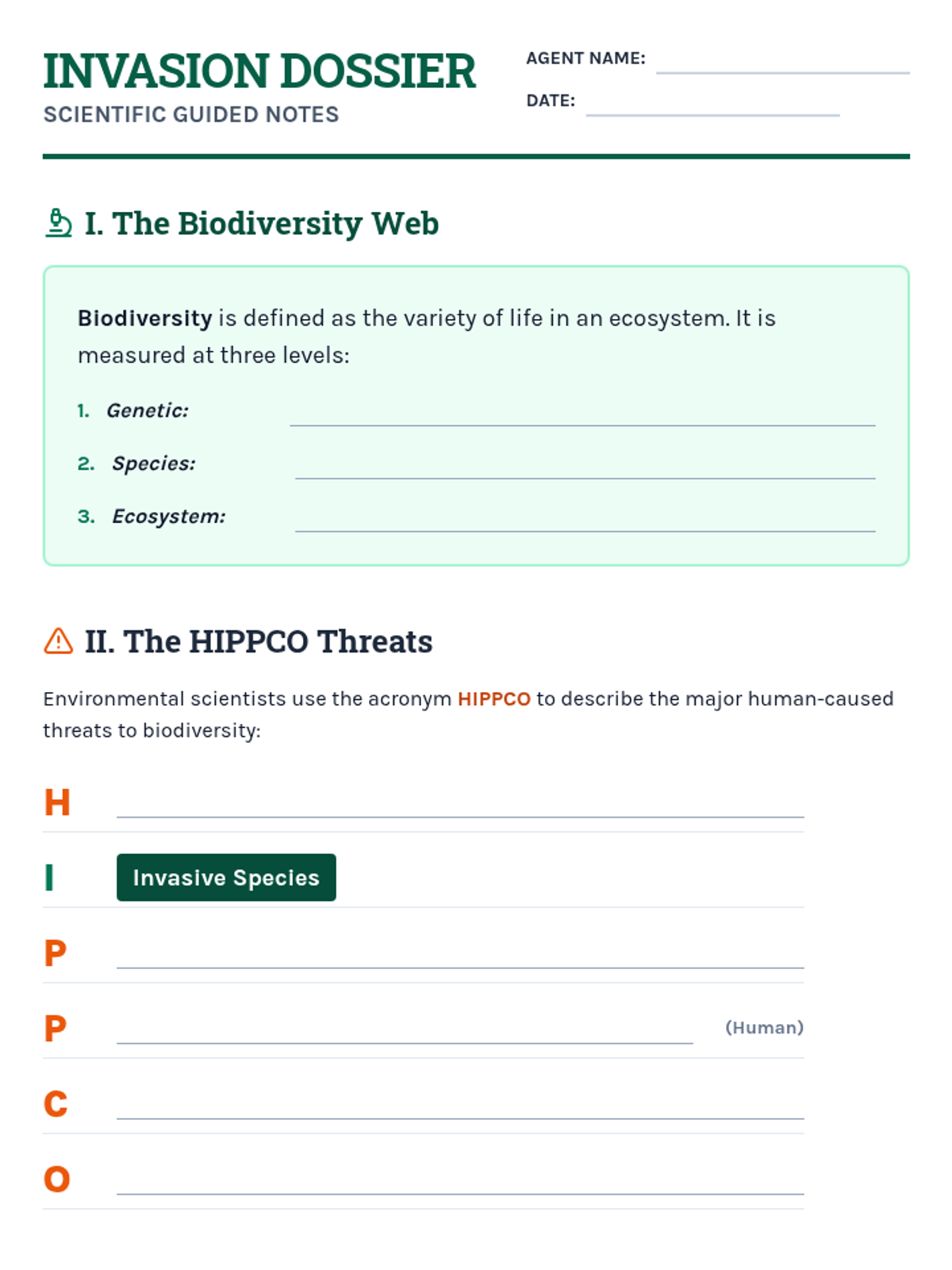
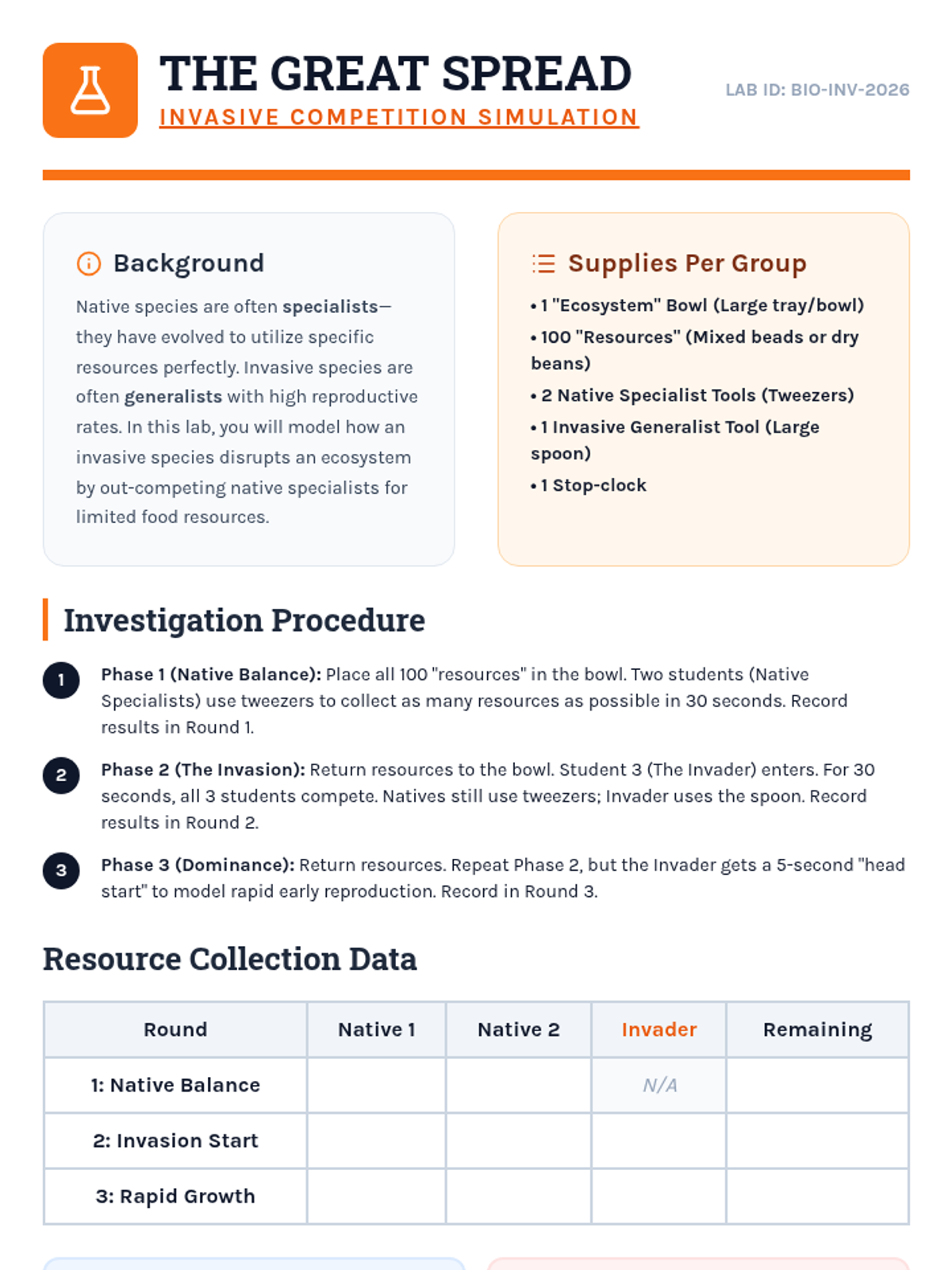
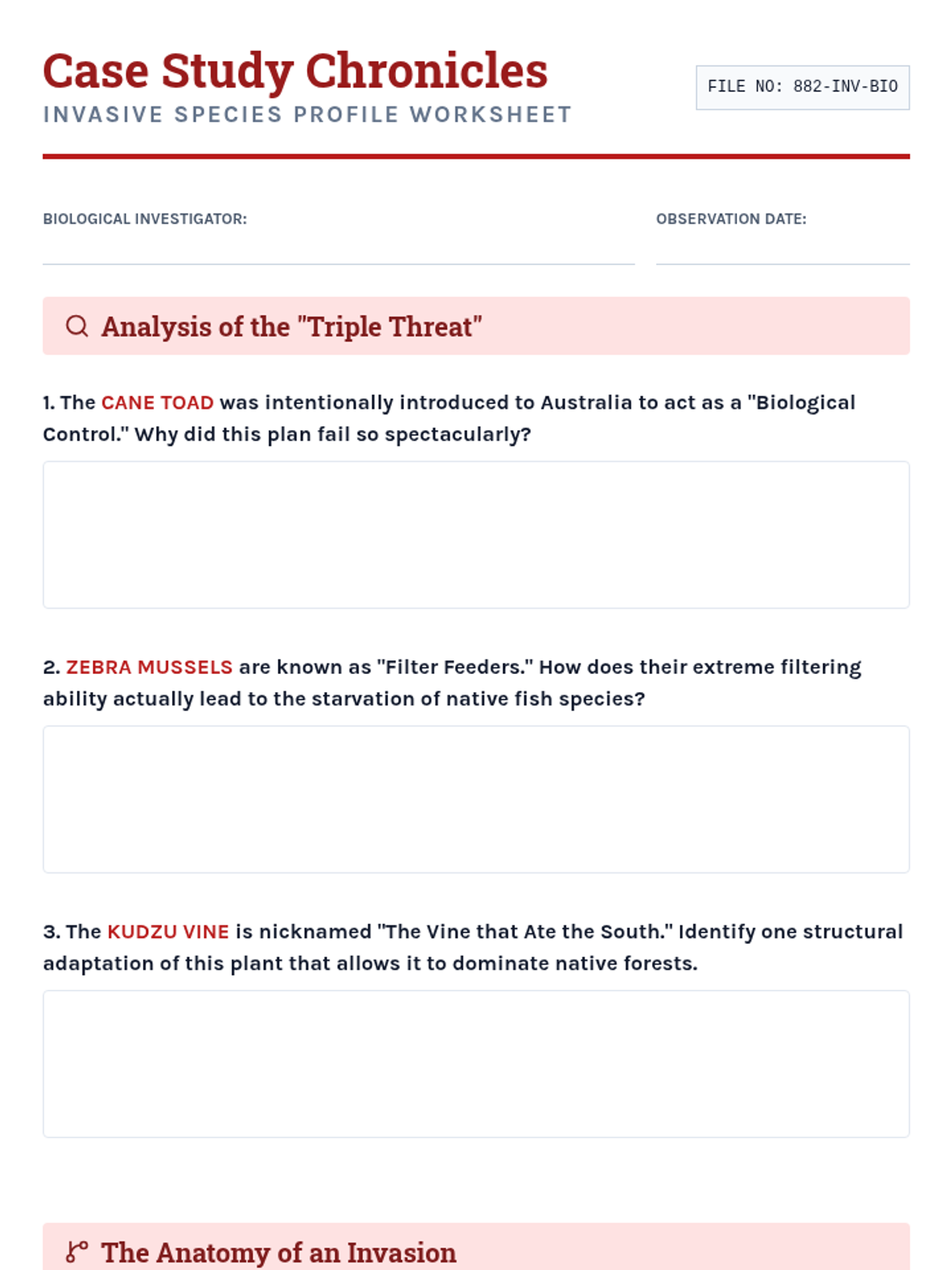
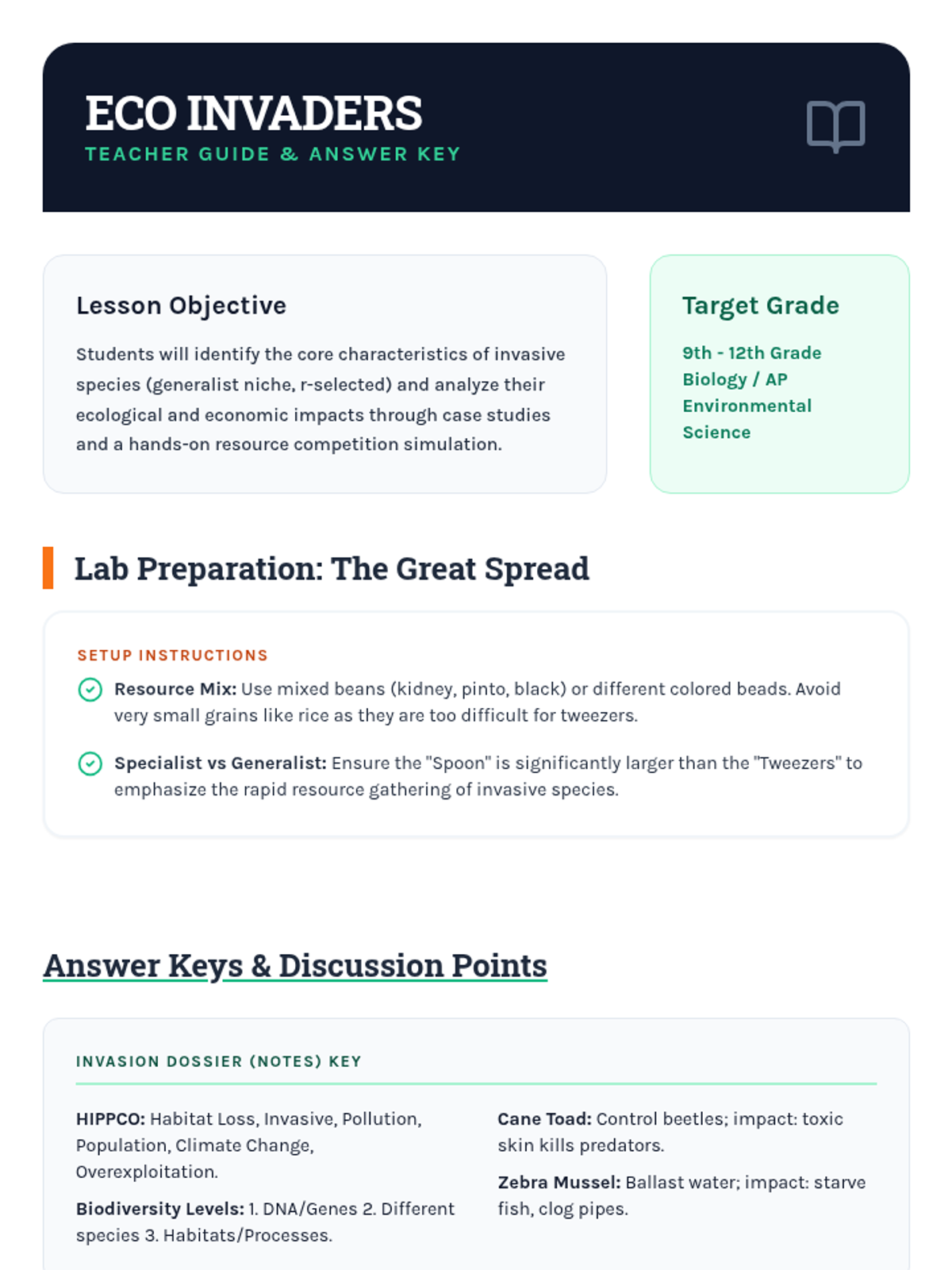
This lesson explores the impact of invasive species on global biodiversity through hands-on simulation and detailed case studies. Students will identify key characteristics of successful invaders and analyze the ecological and economic consequences of their introduction.
An immersive lesson exploring the impact of invasive species on global biodiversity through hands-on simulation, case study analysis, and guided inquiry.
A comprehensive whole-group review session covering all major momentum concepts, from basic definitions to complex conservation scenarios and Newton's Third Law impacts.
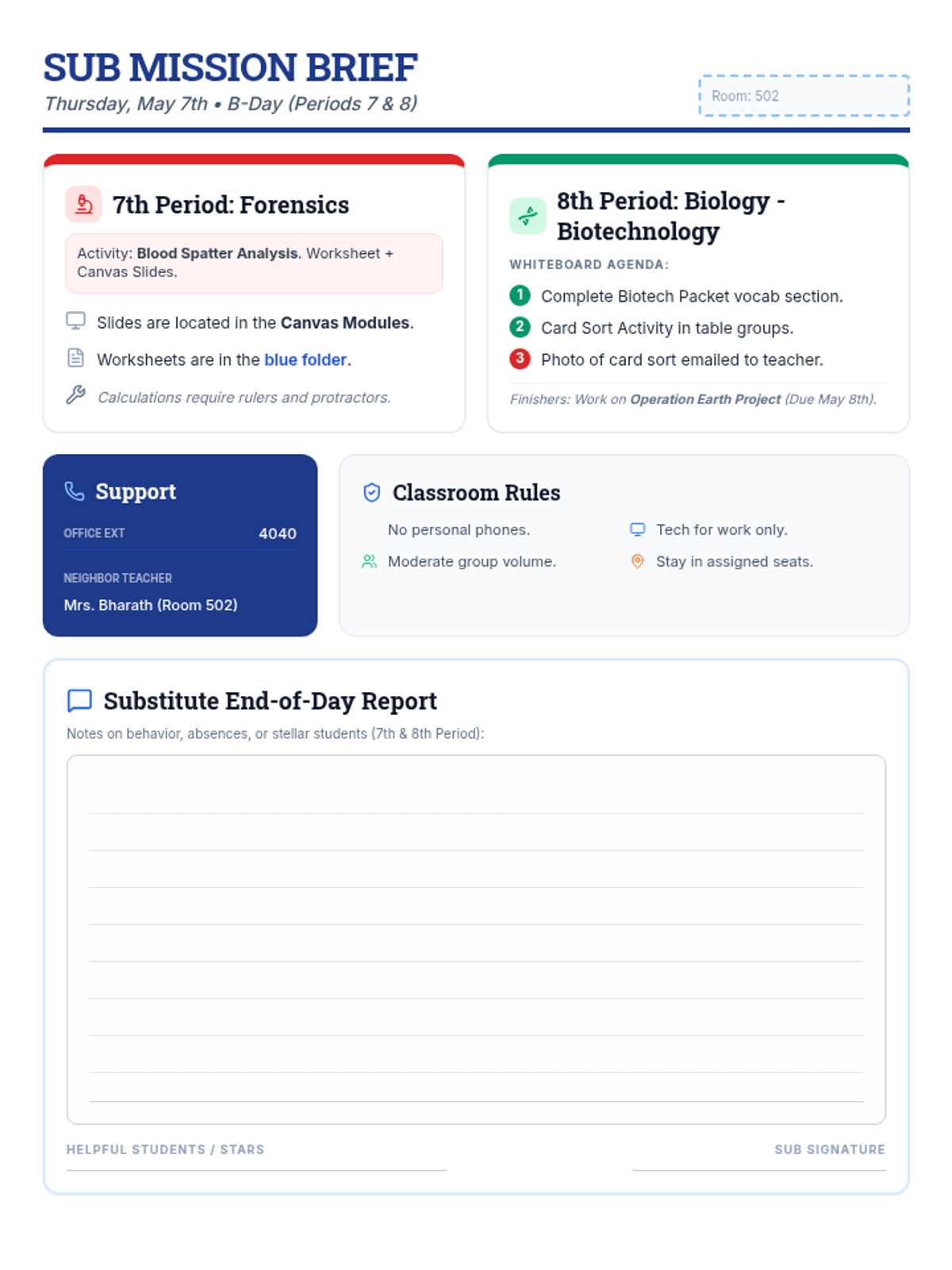
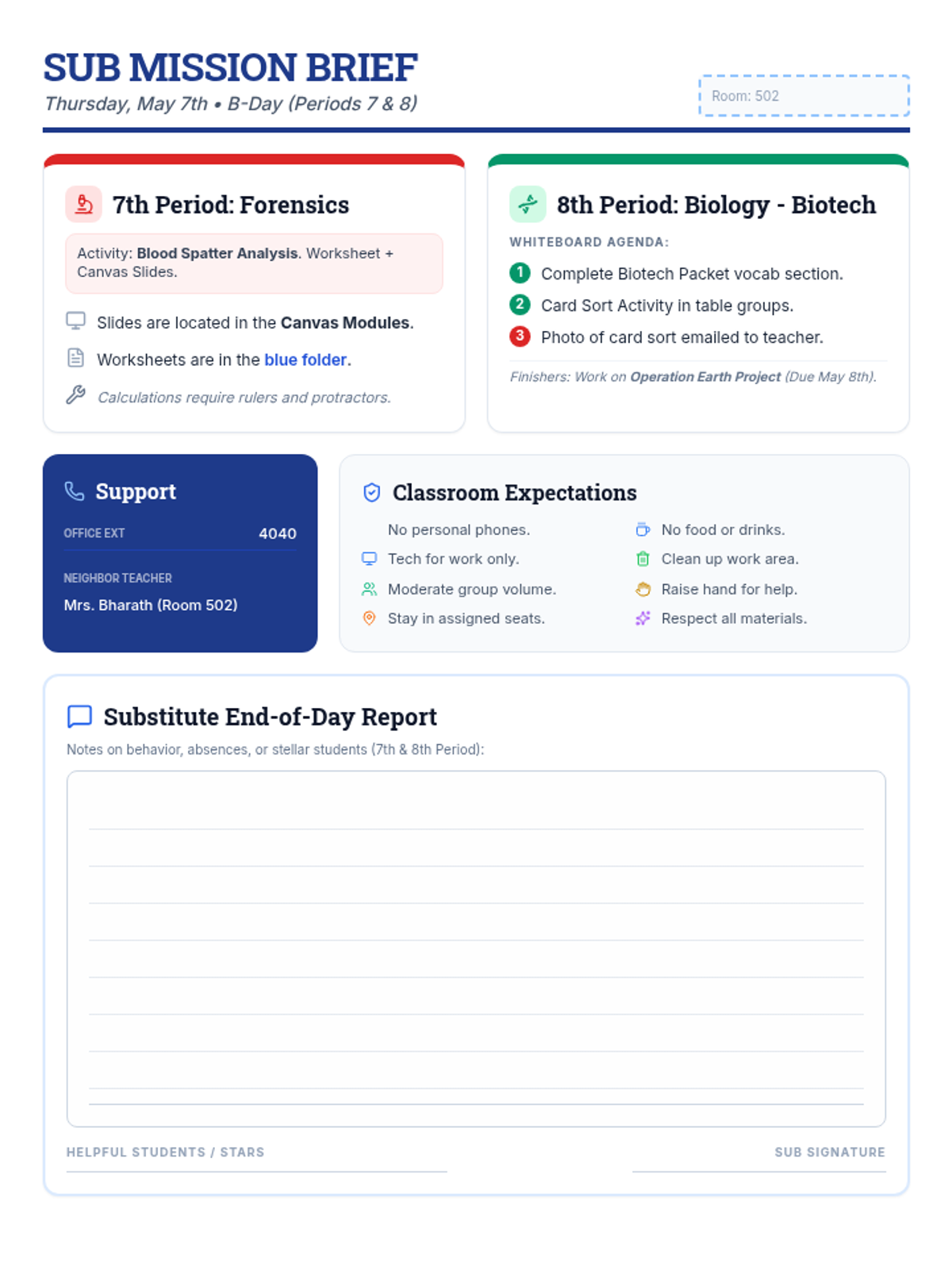
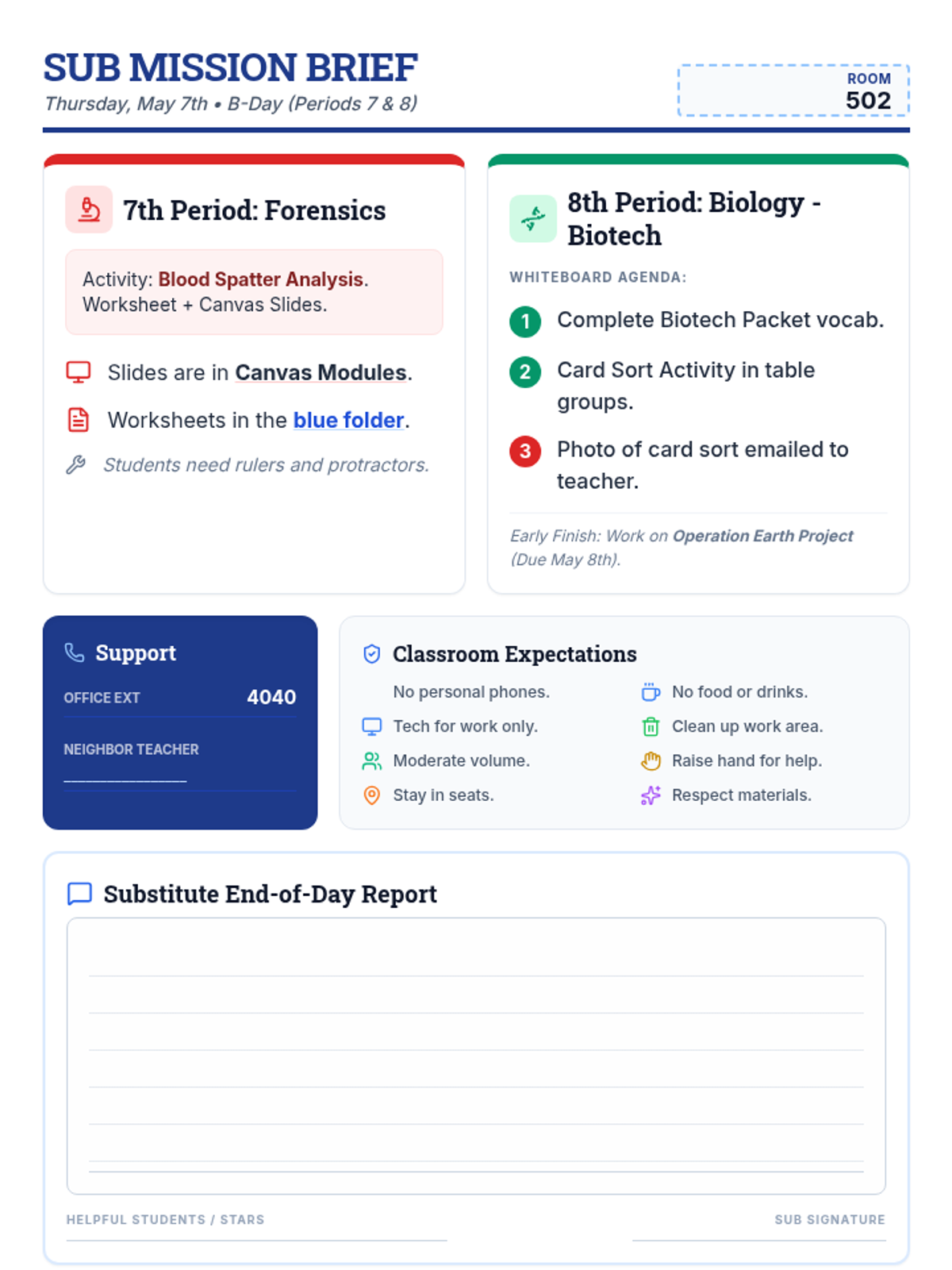
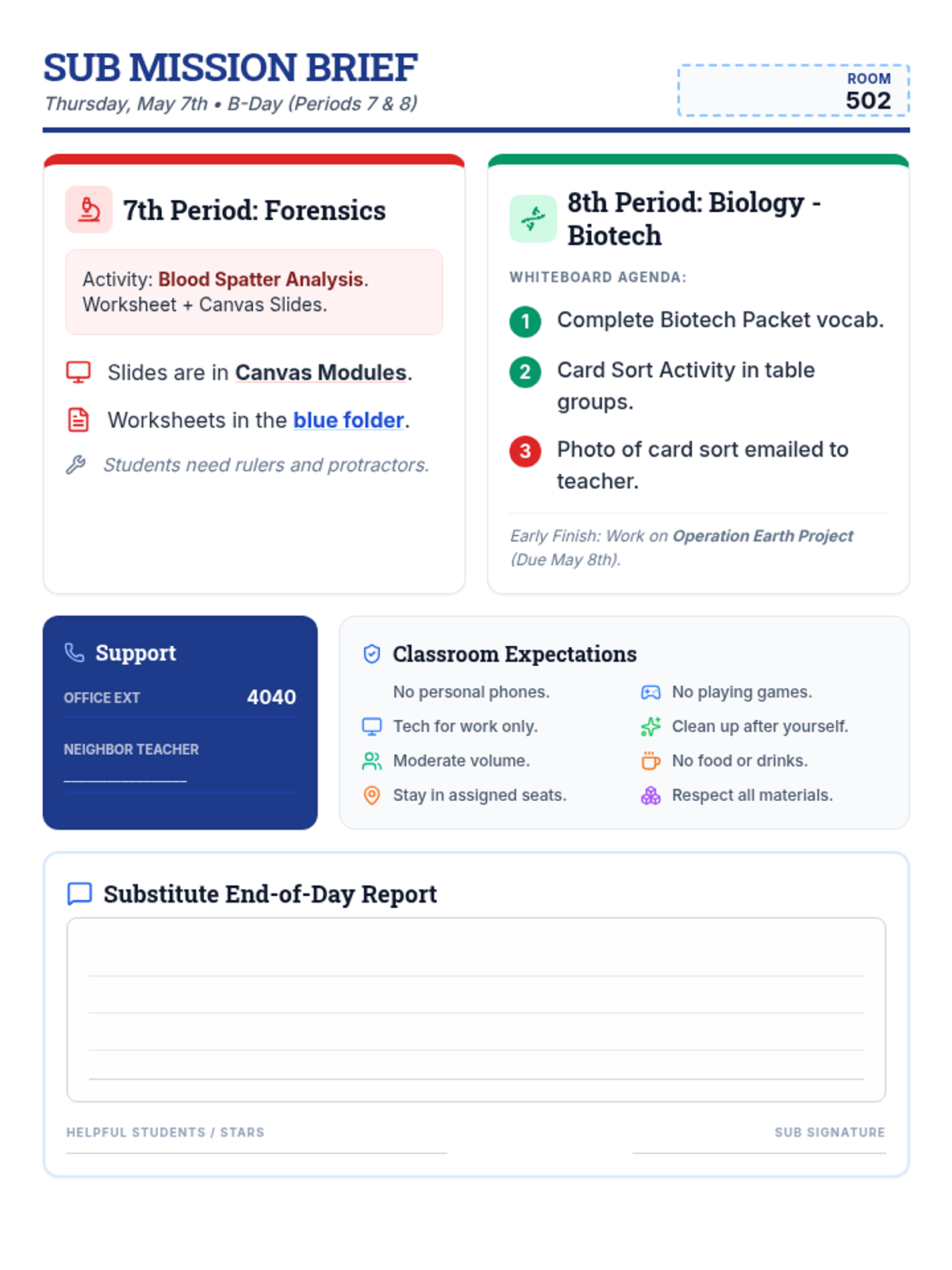
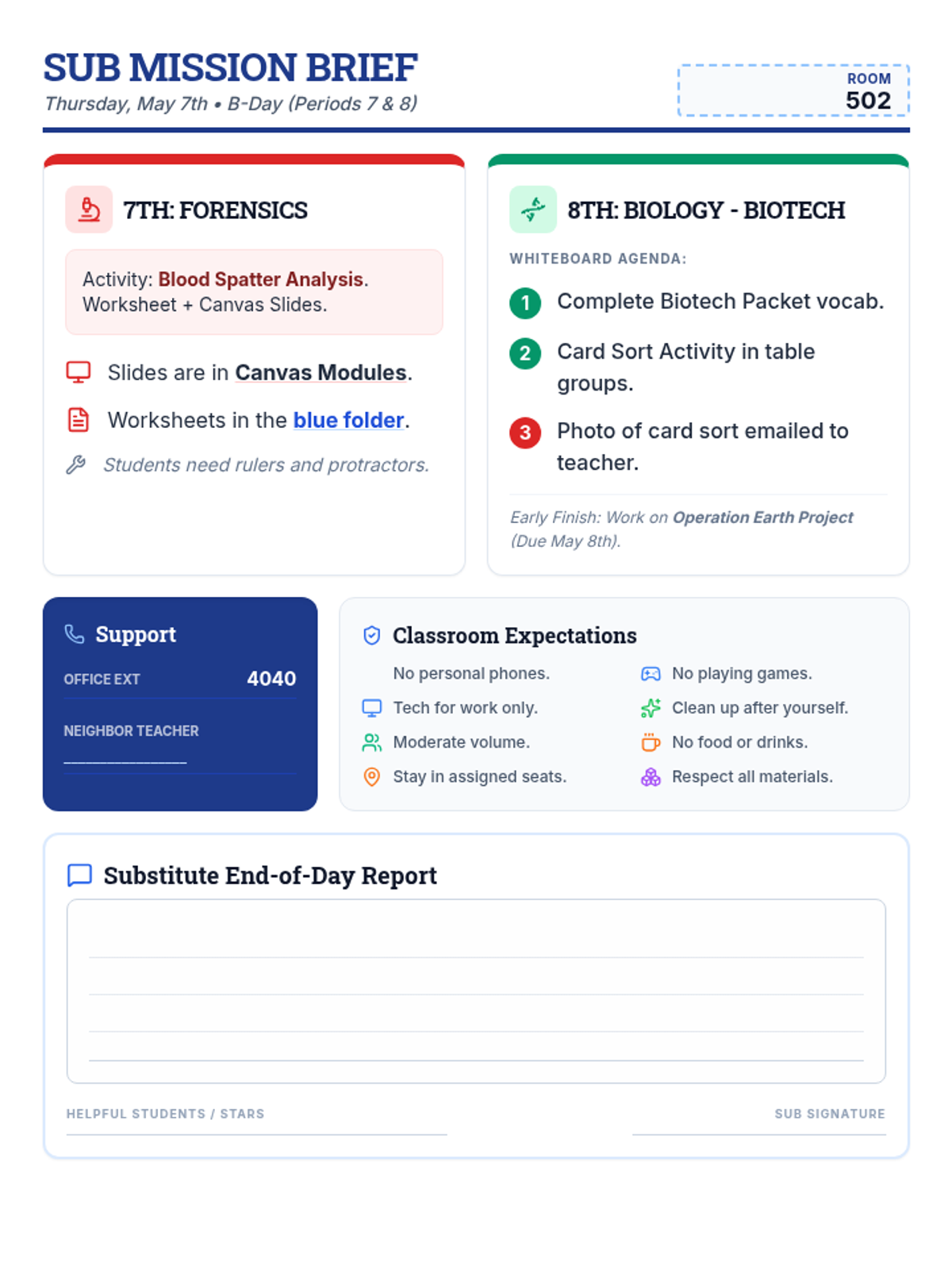
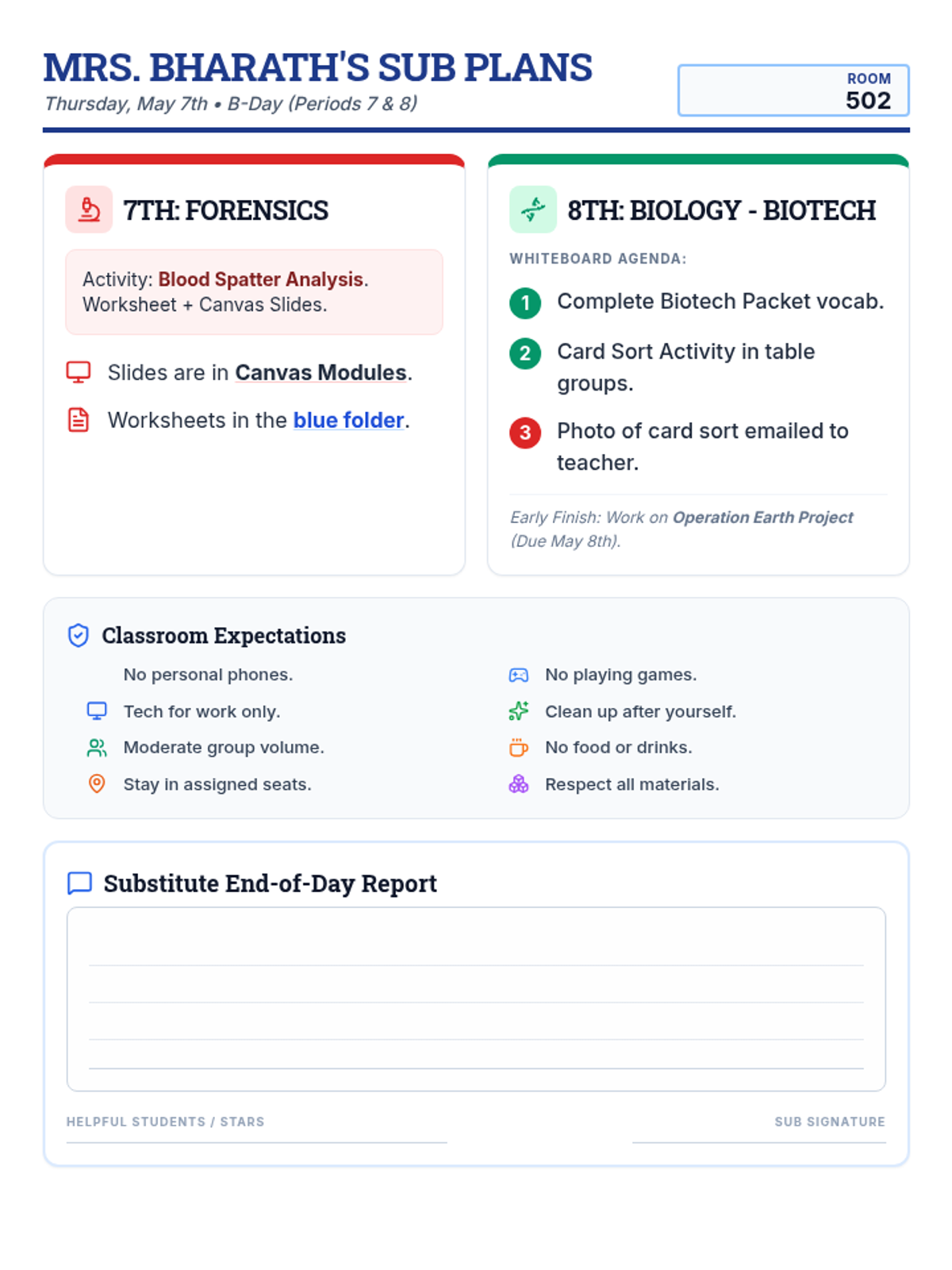
A concise and clear guide for a substitute teacher covering 7th and 8th period classes on May 7th, featuring forensics and biotechnology activities.
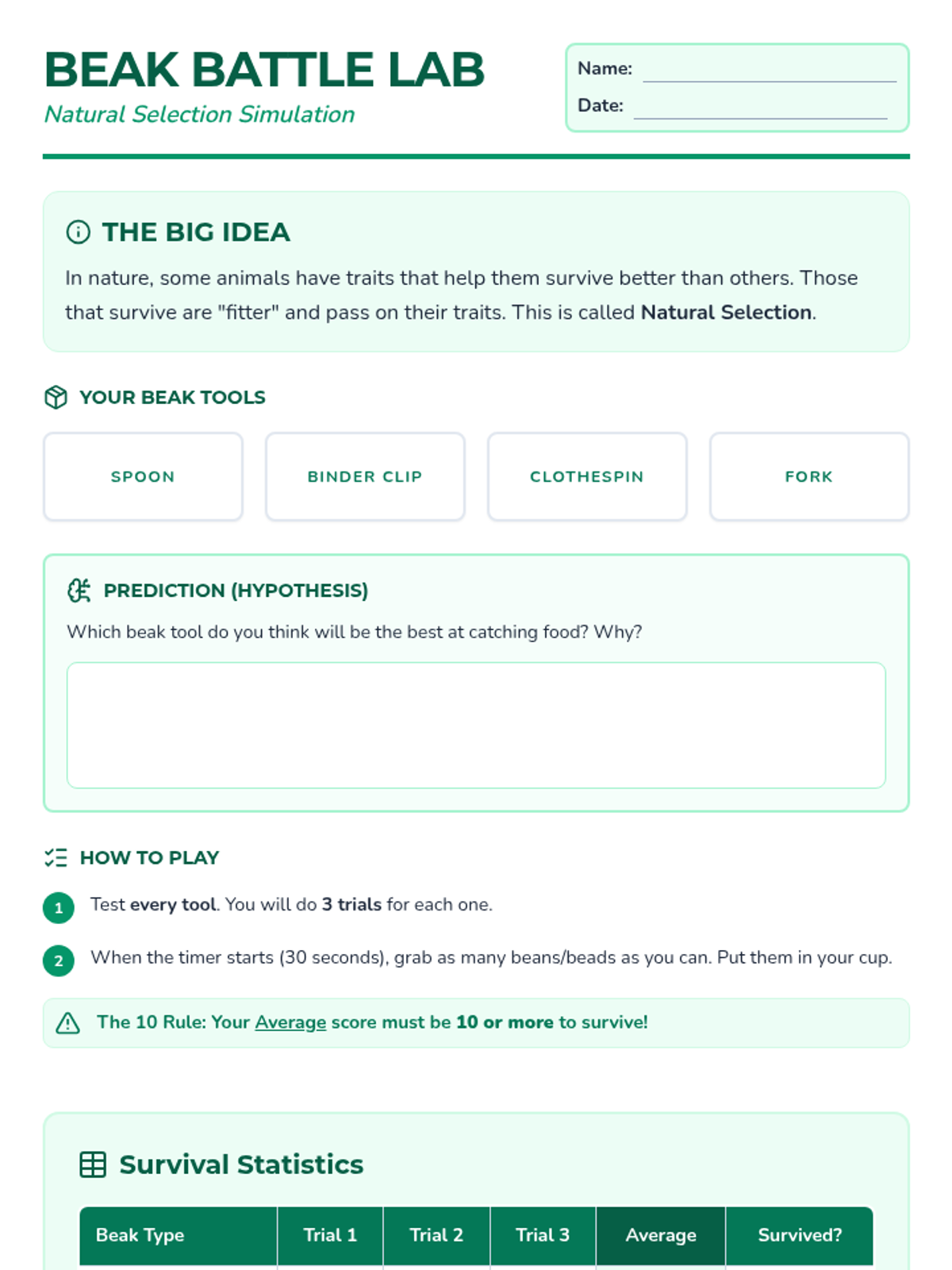
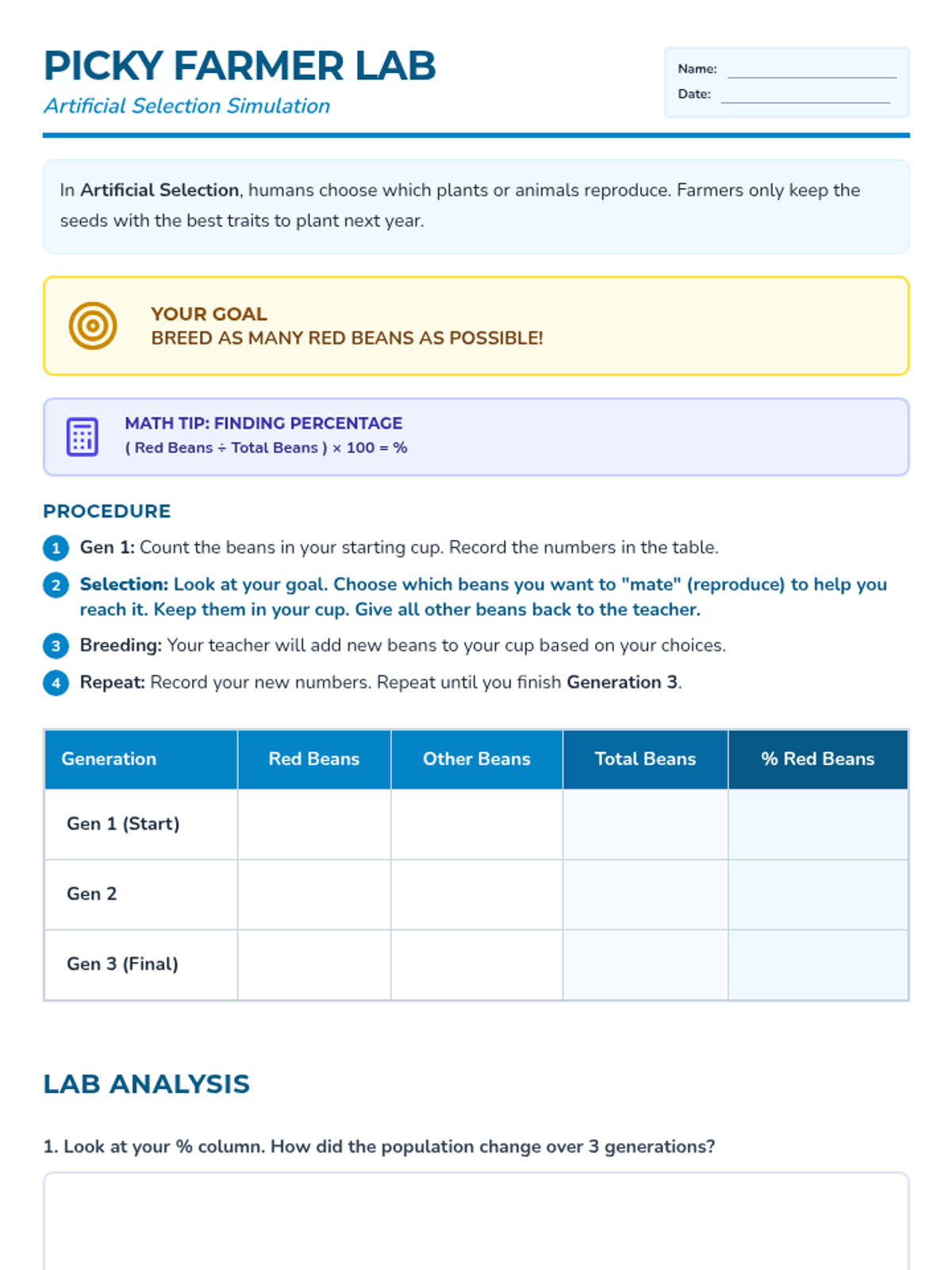
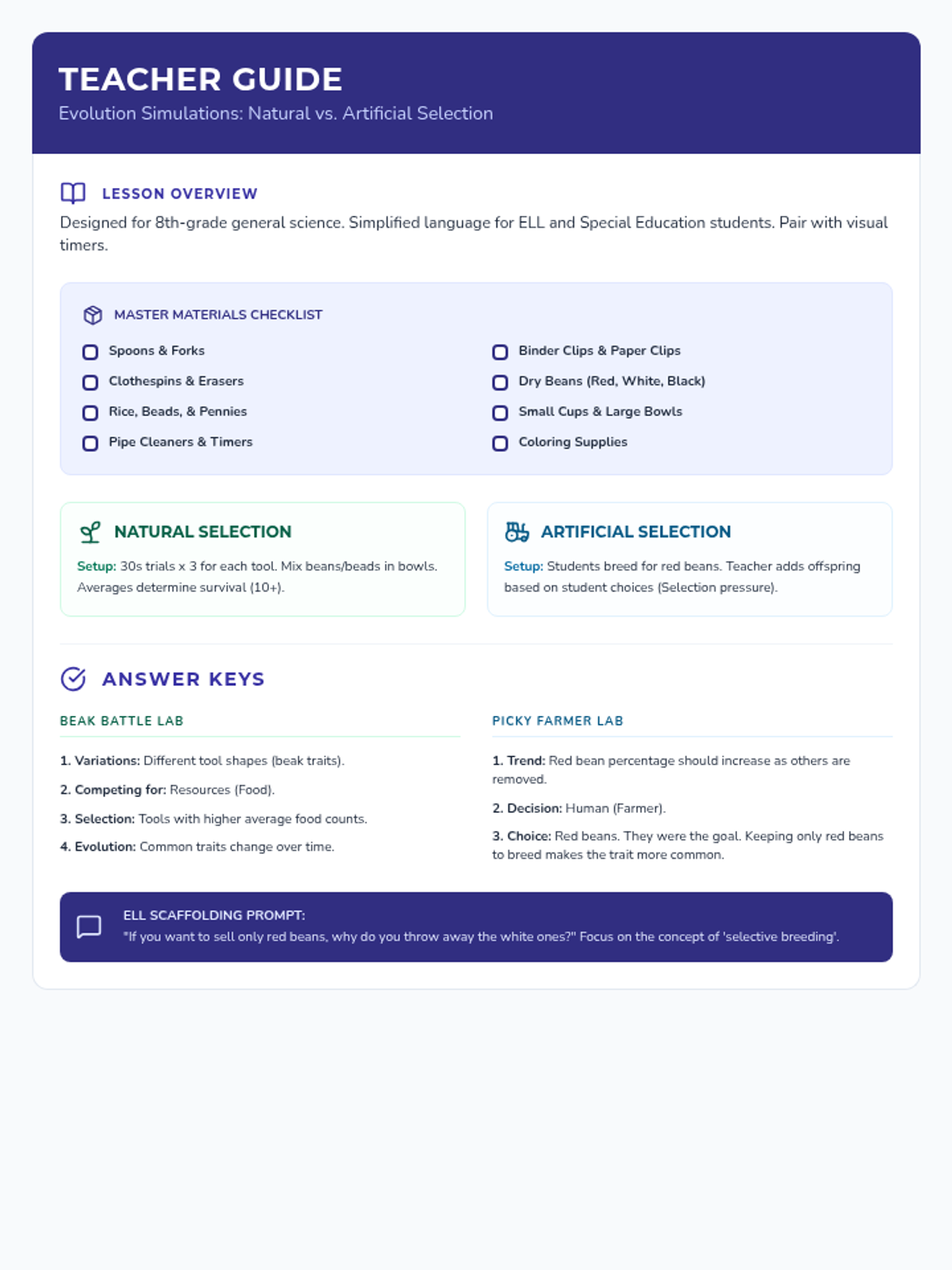
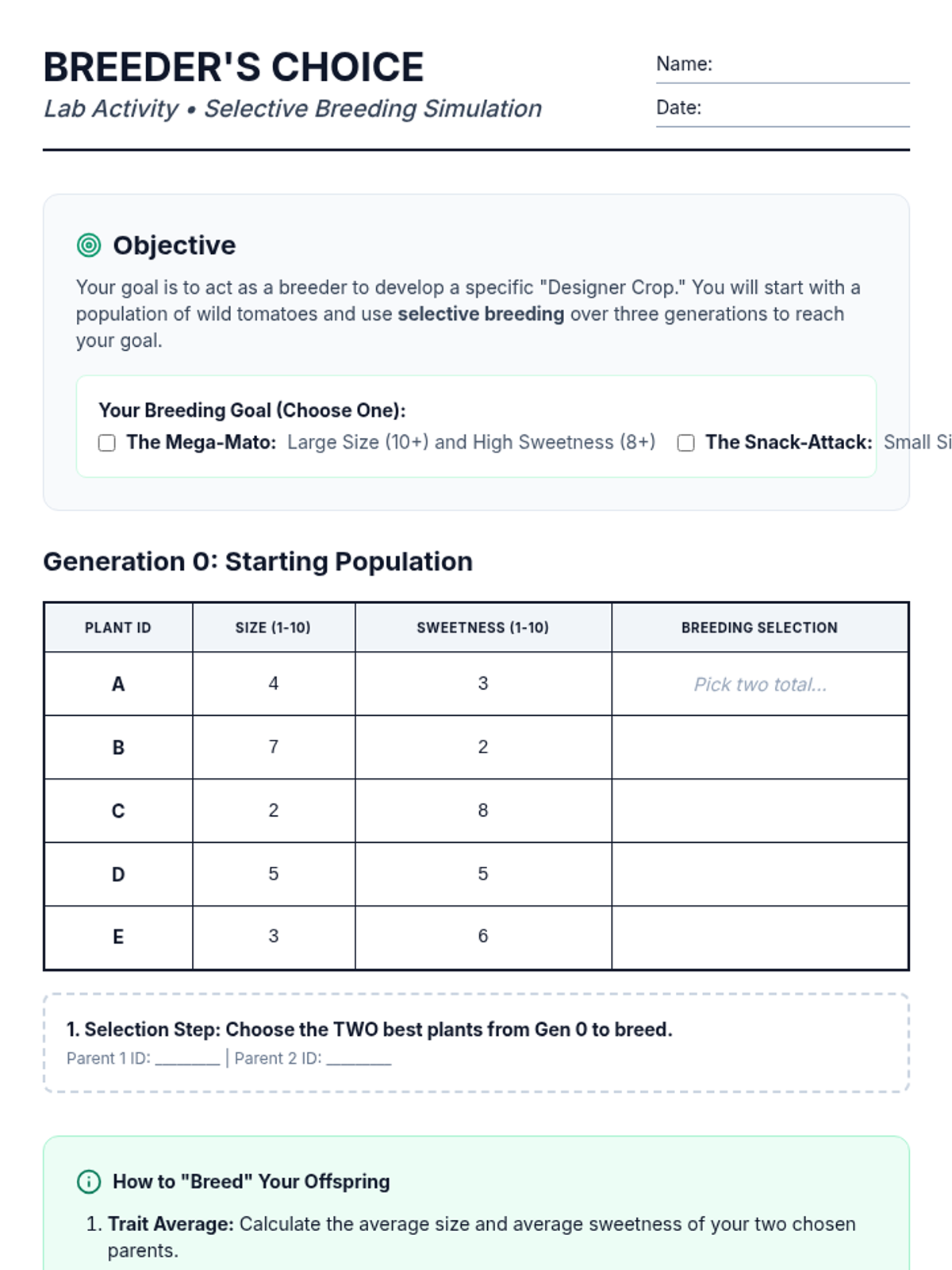
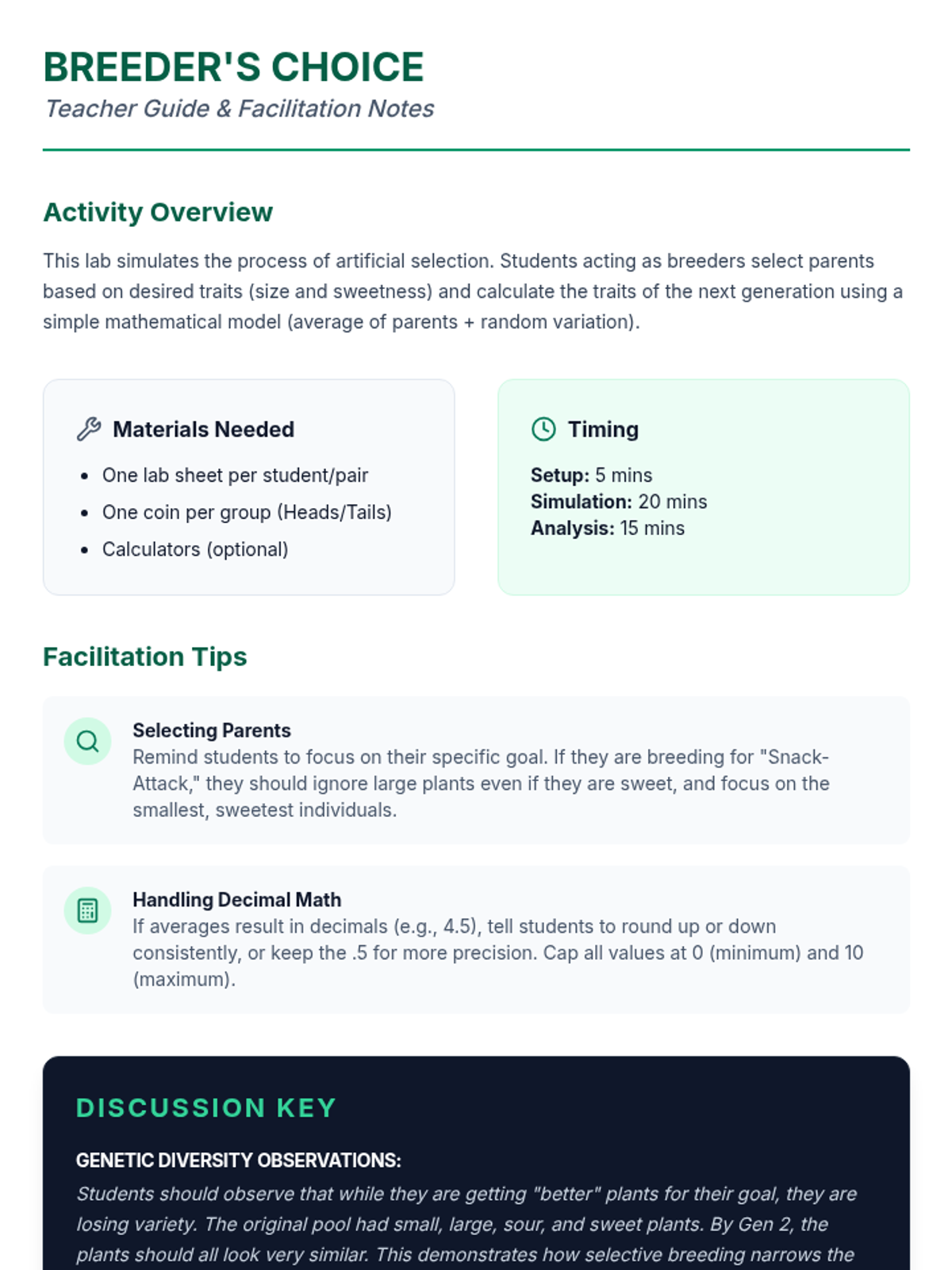
A hands-on lesson featuring two labs where students simulate natural selection through 'beak' adaptations and artificial selection through selective crop breeding.
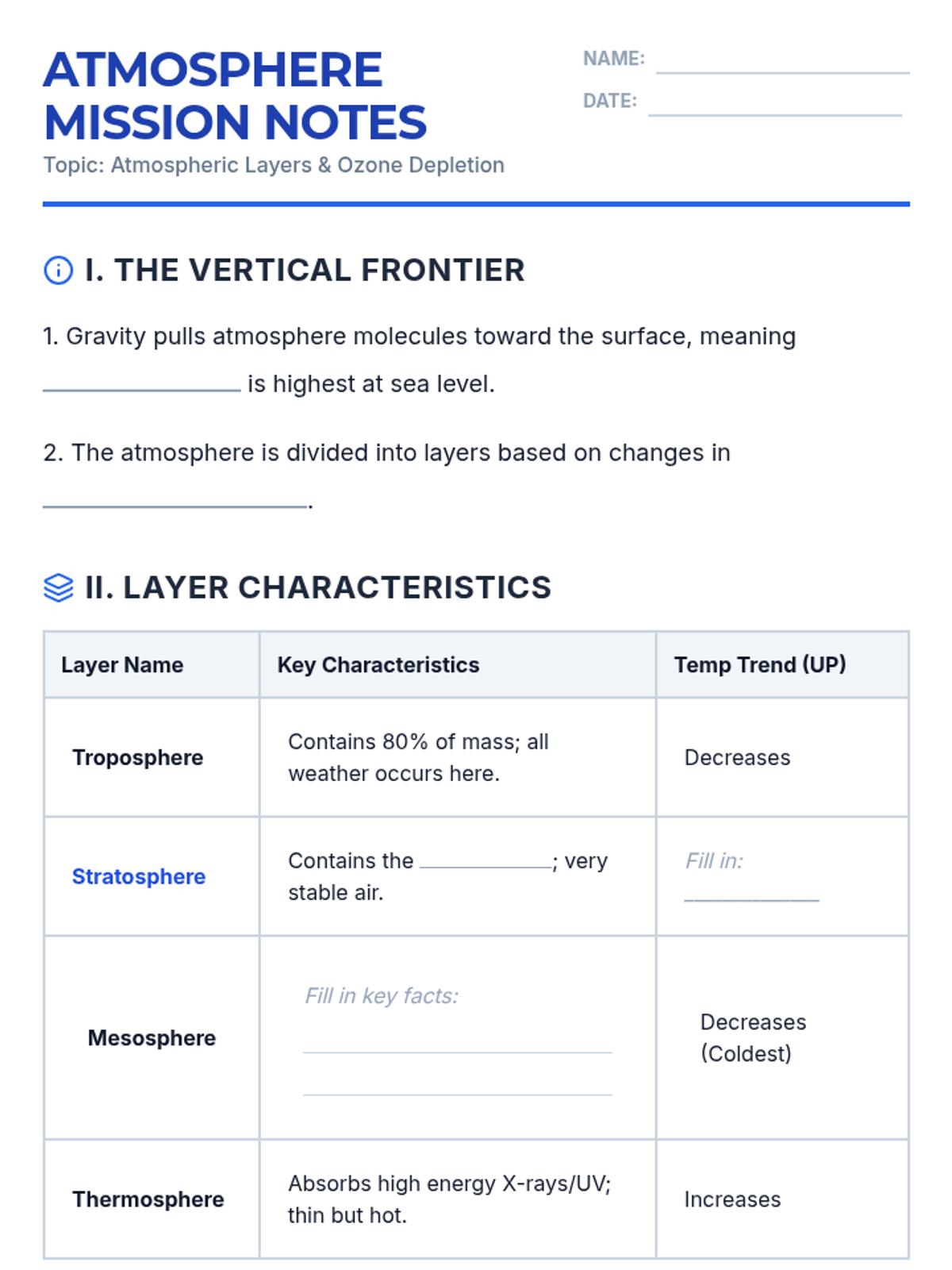
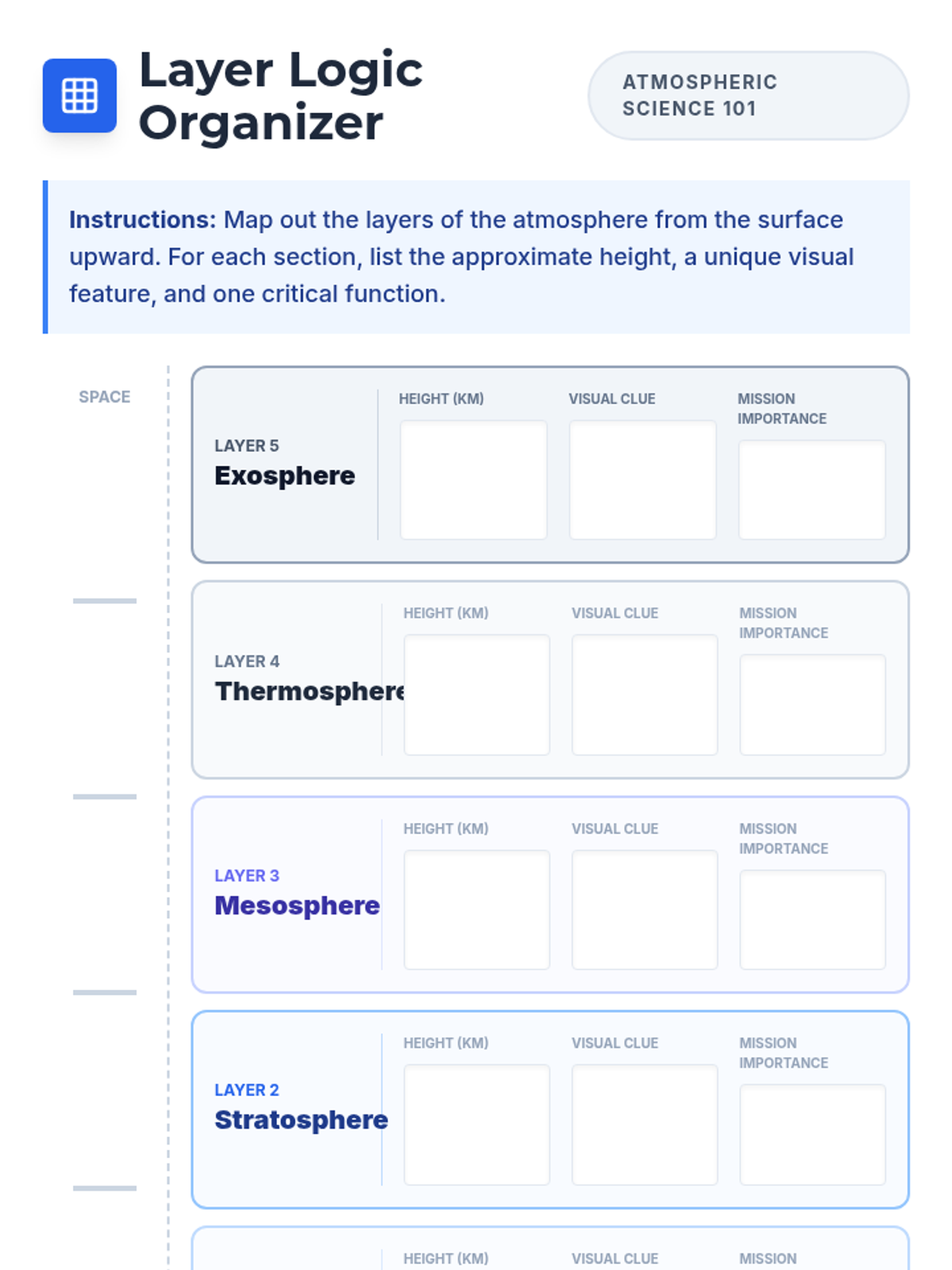
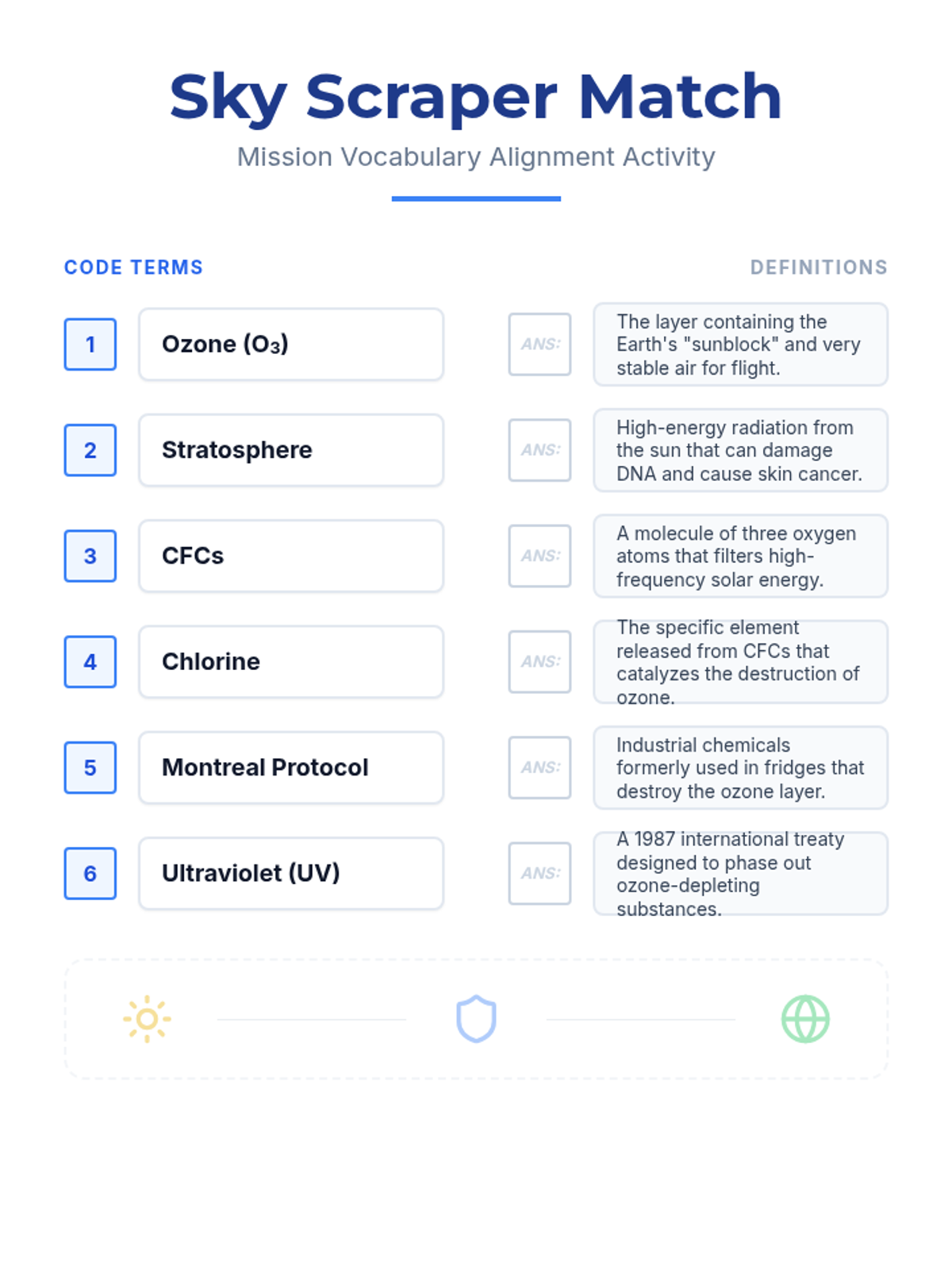
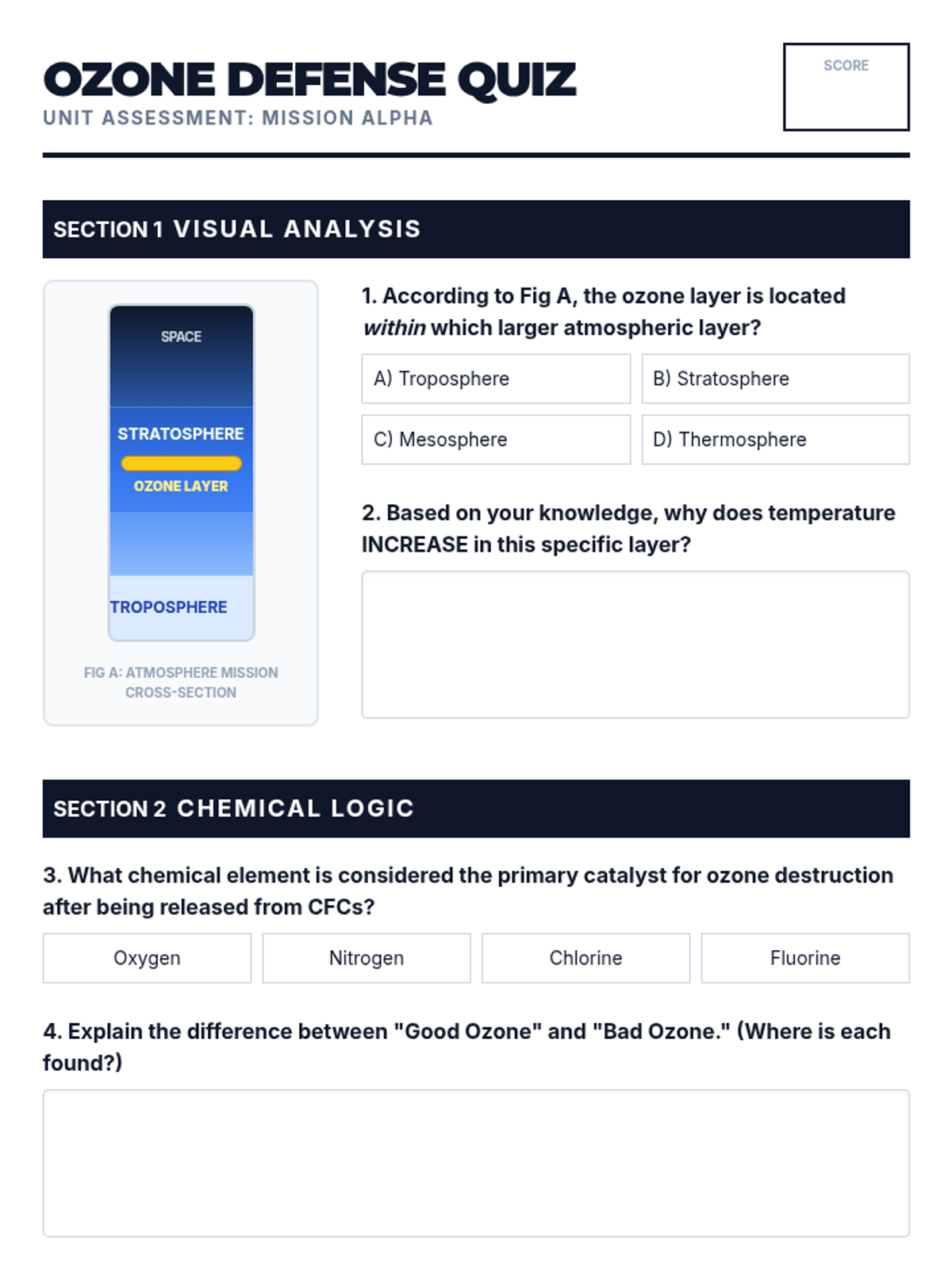
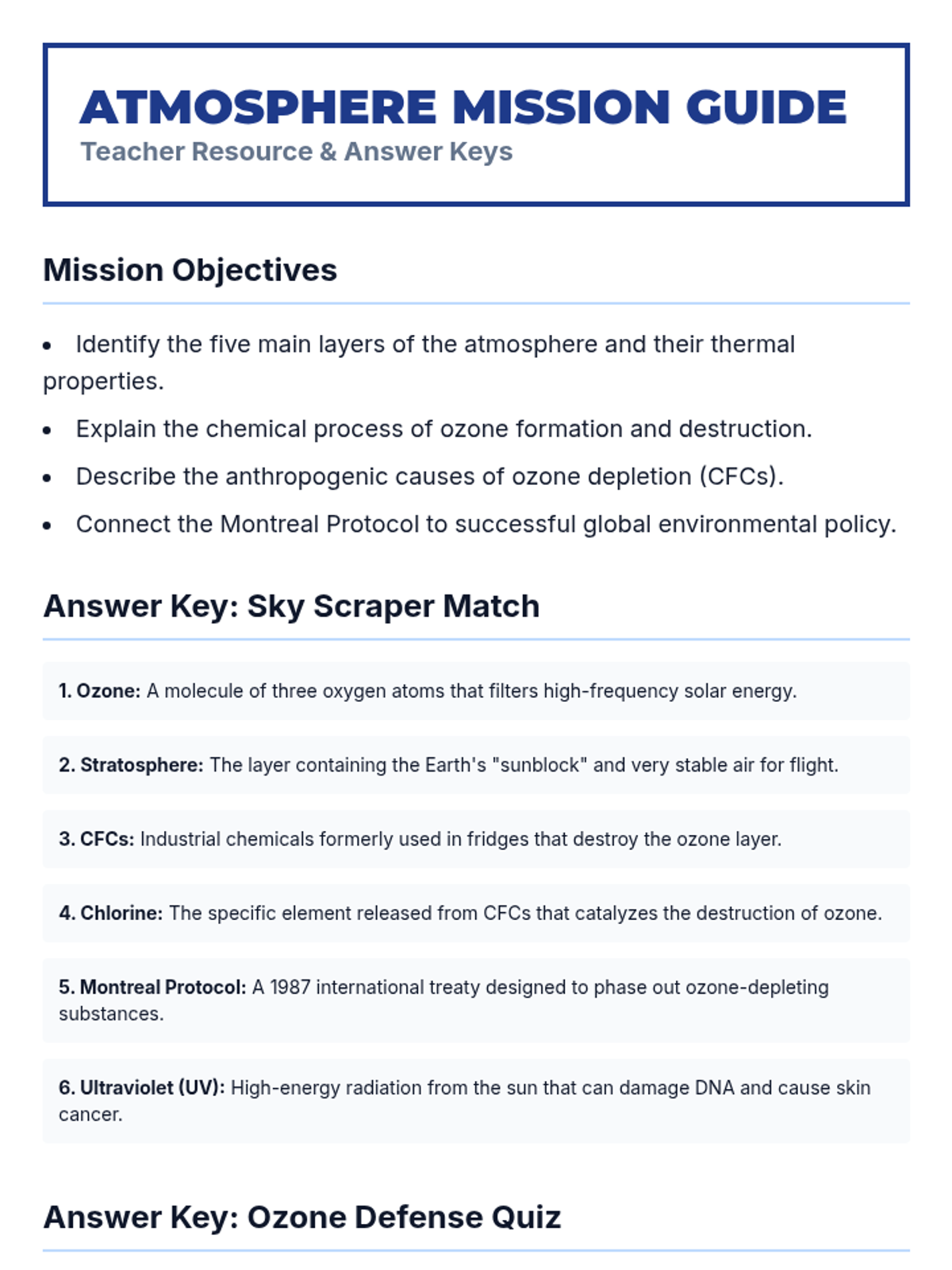
A comprehensive review of Earth's atmospheric layers, the crucial role of the ozone layer, and the chemical impact of CFCs on our planetary shield.
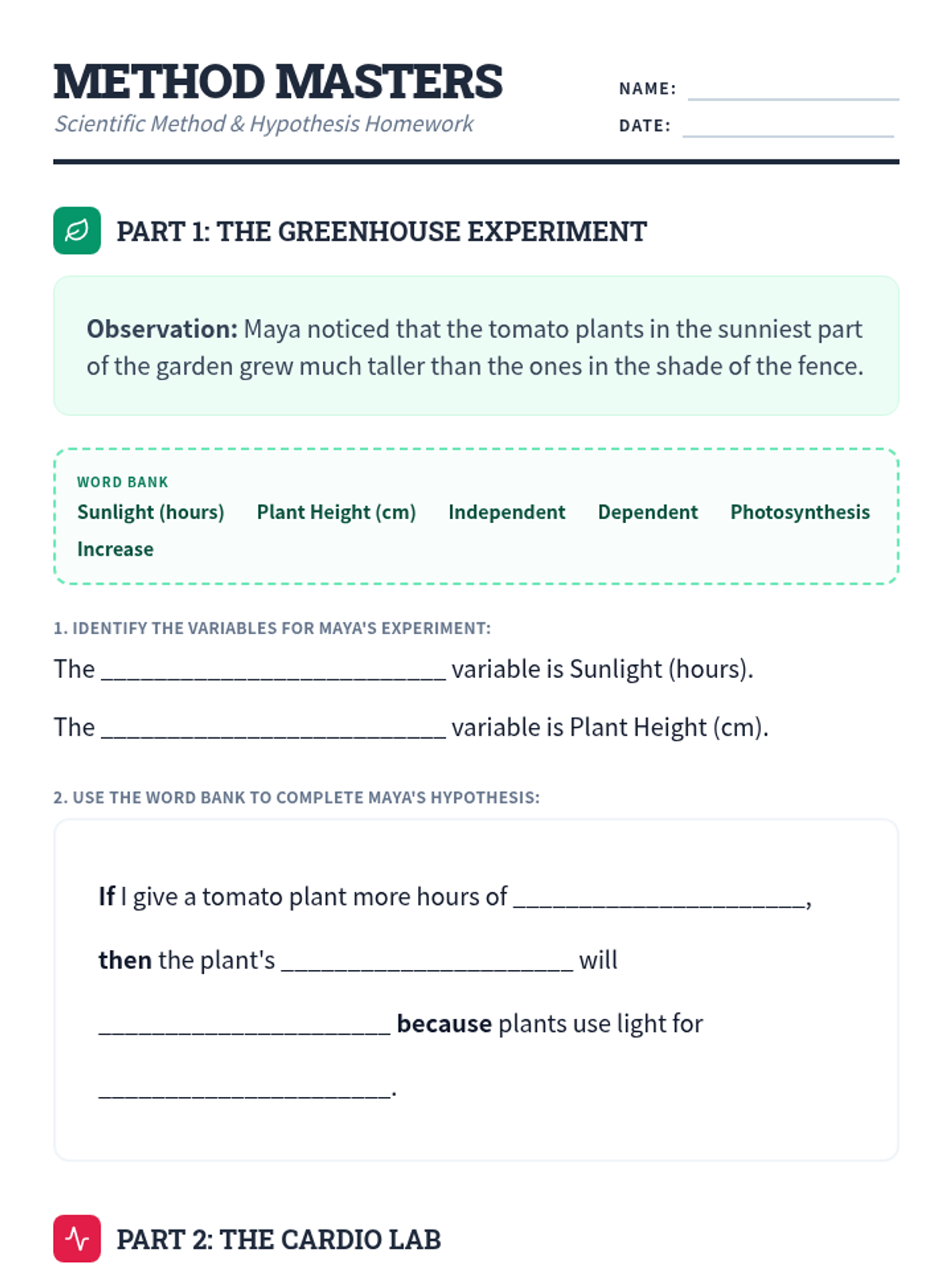
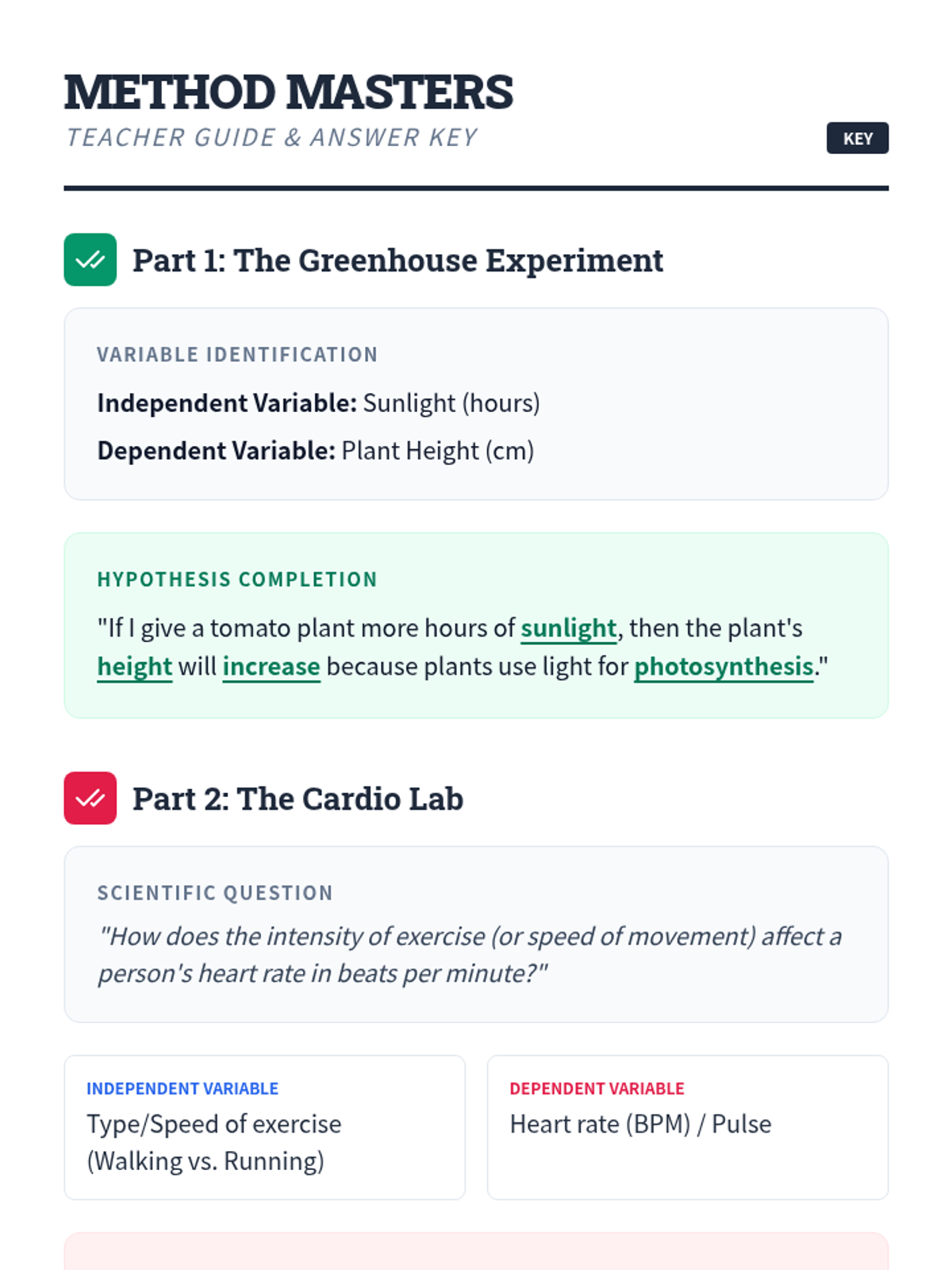
A foundational lesson on the scientific method and hypothesis formation, using real-world biological examples to practice variable identification and structured prediction.
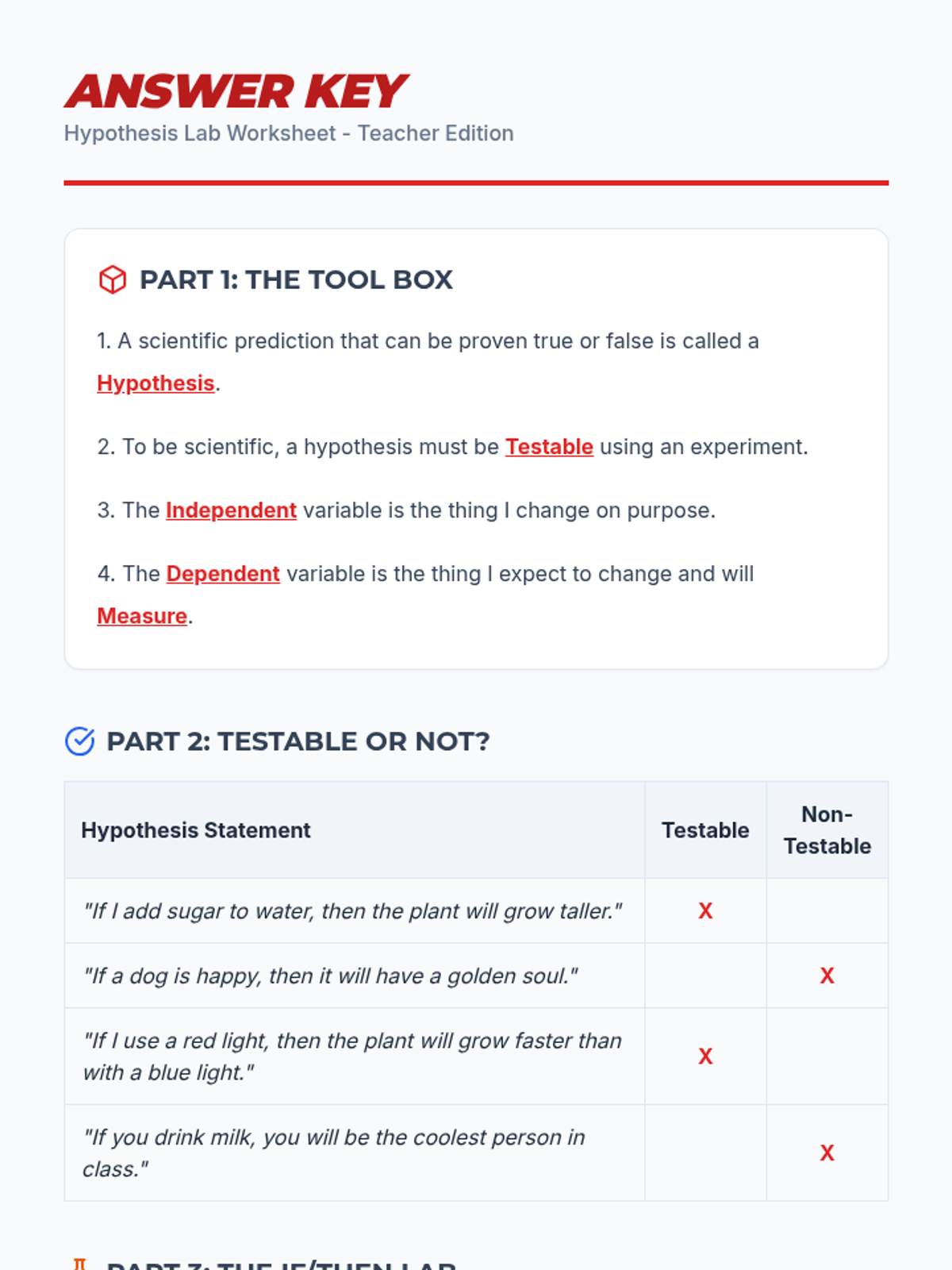
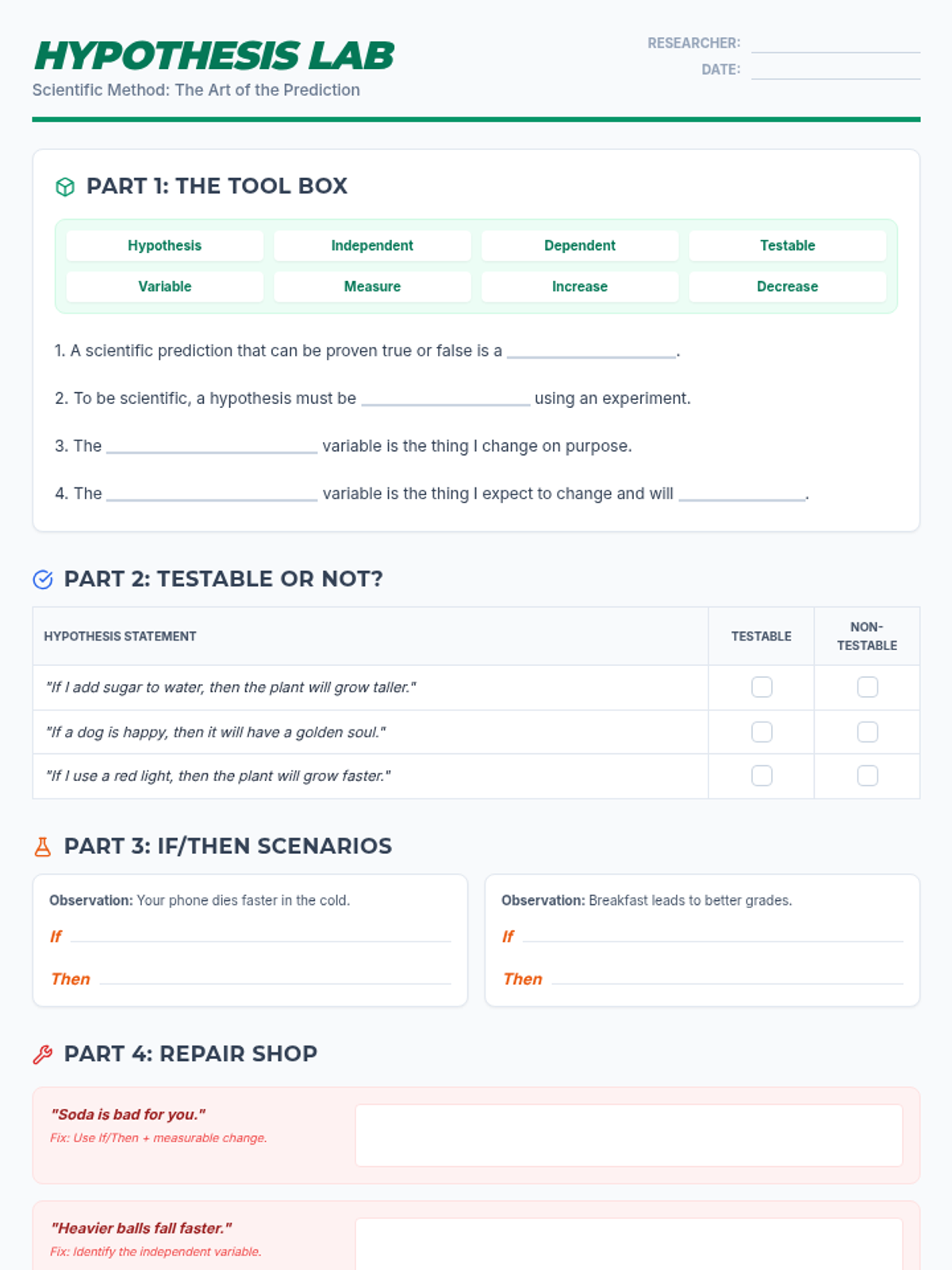
A focused lesson on crafting and refining scientific hypotheses using the If/Then format and distinguishing between testable and non-testable questions.
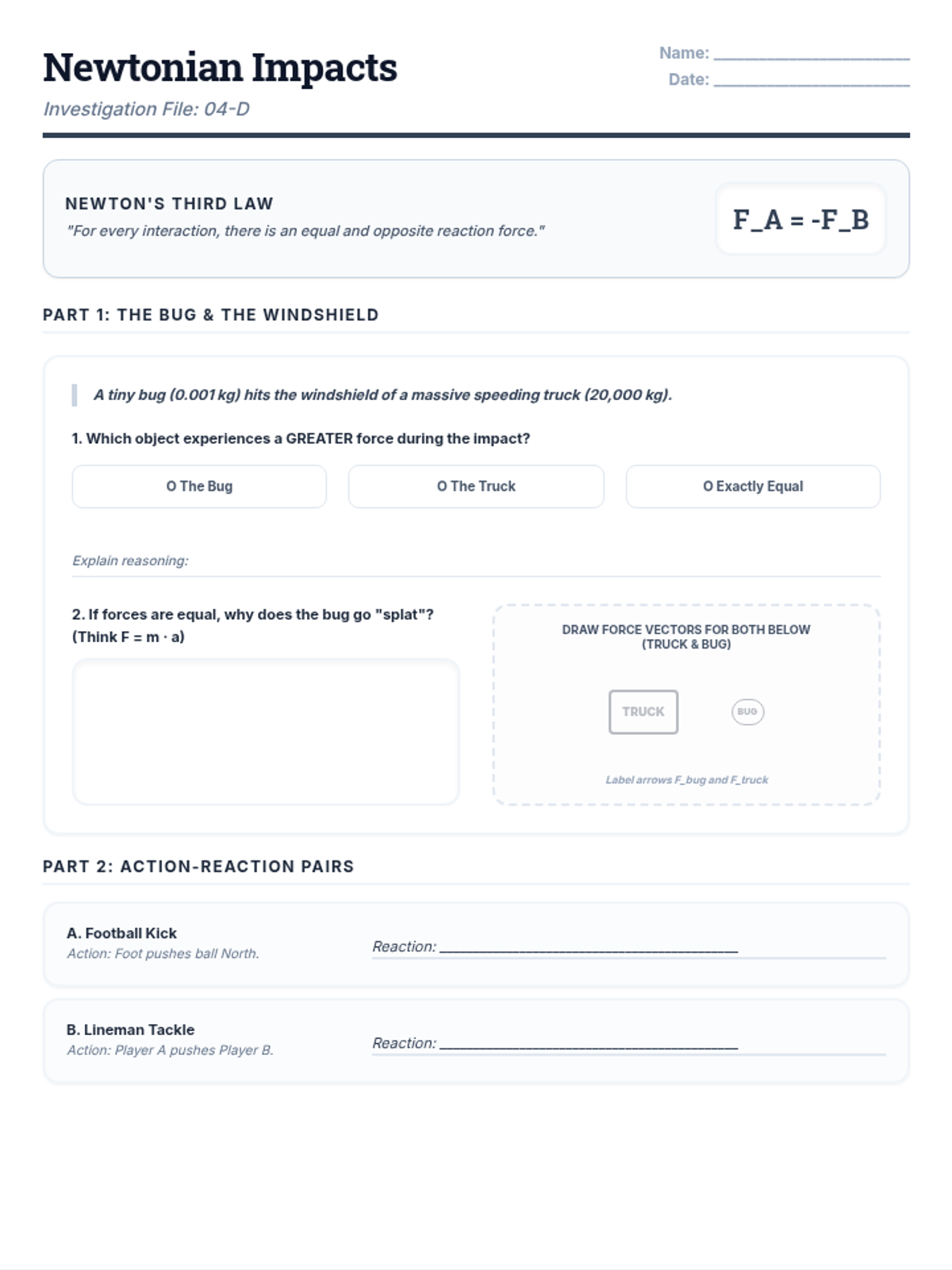
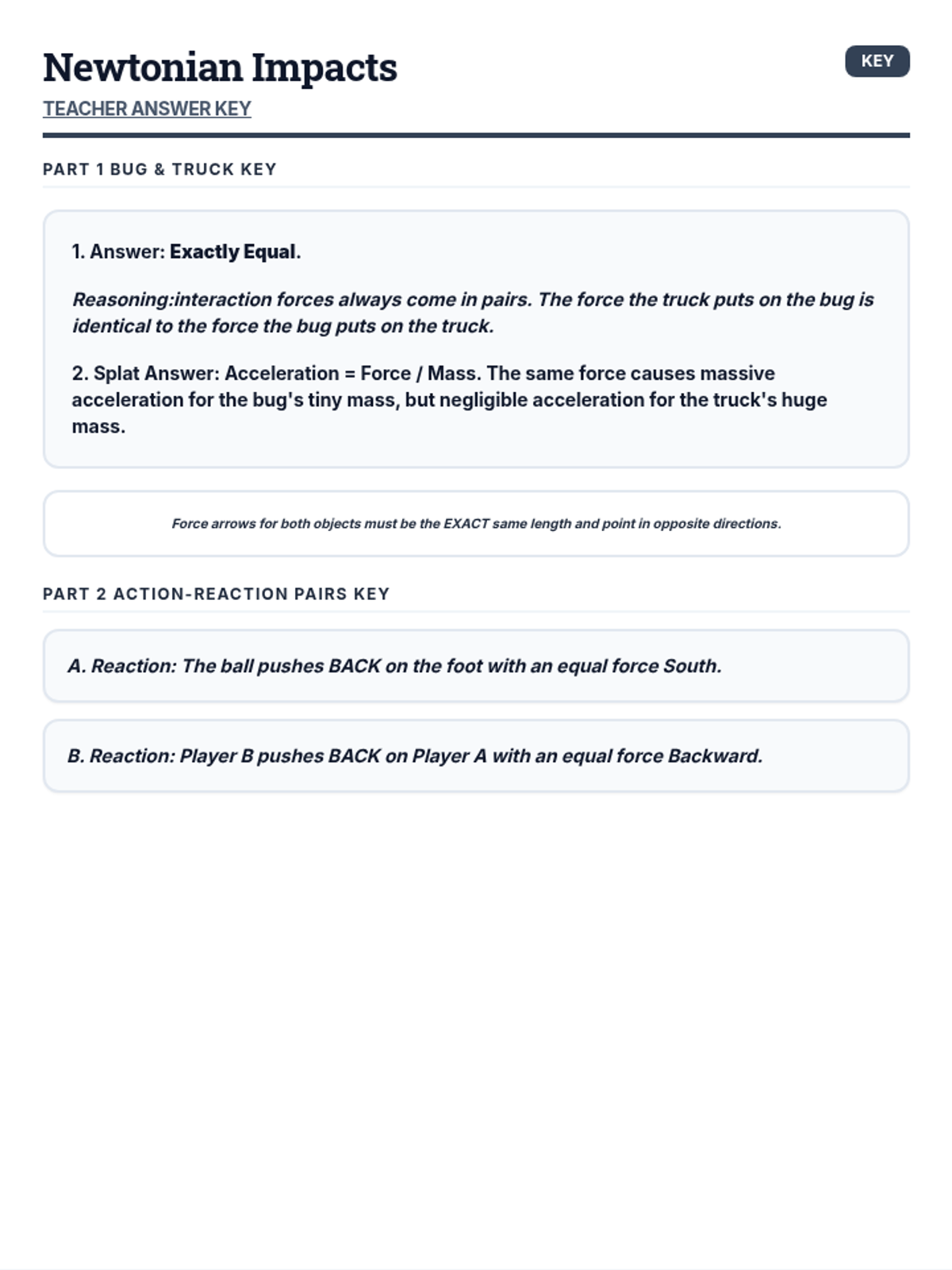
Connecting Newton's Third Law to momentum and collisions, focusing on equal and opposite forces during impact.
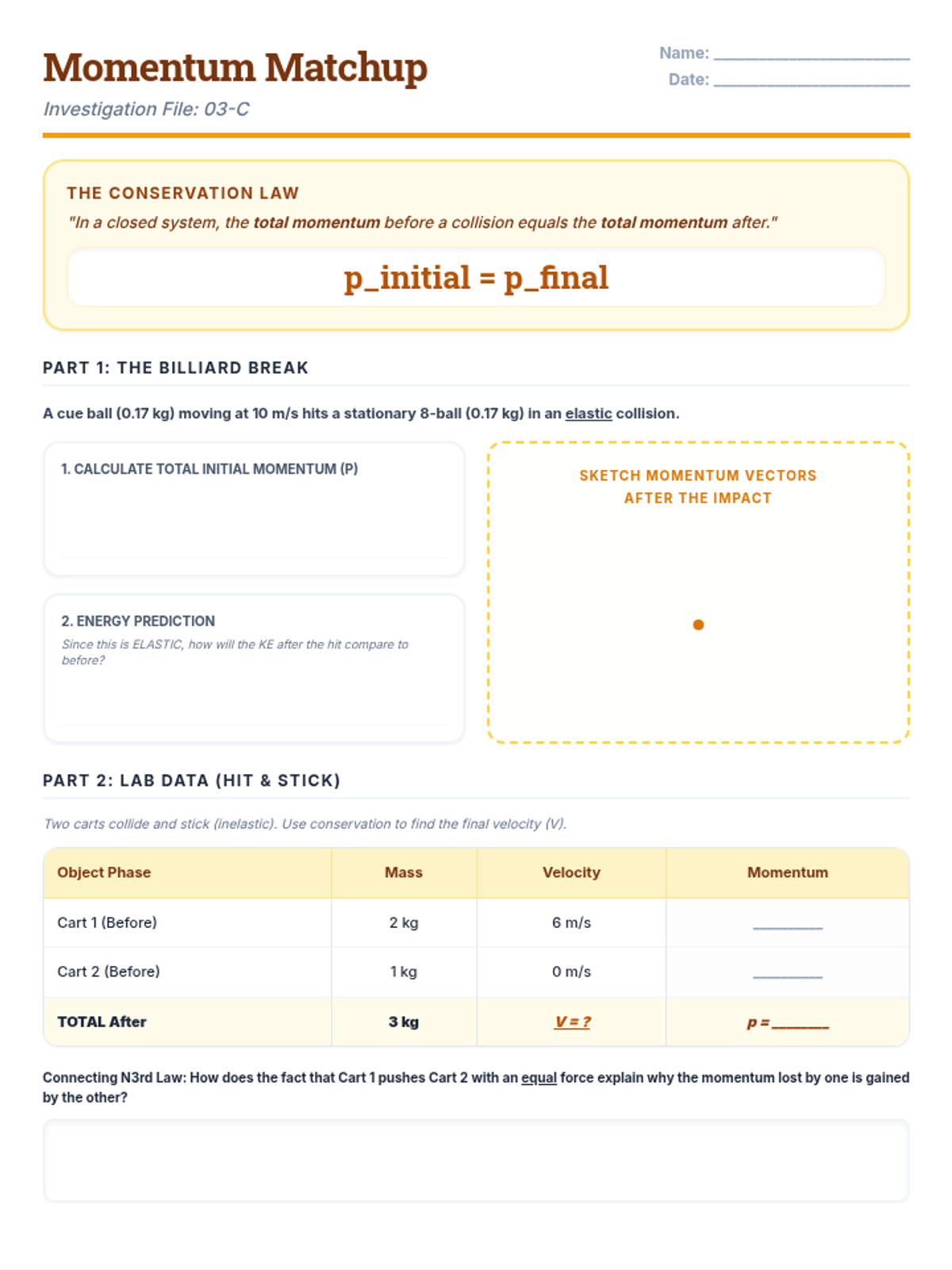
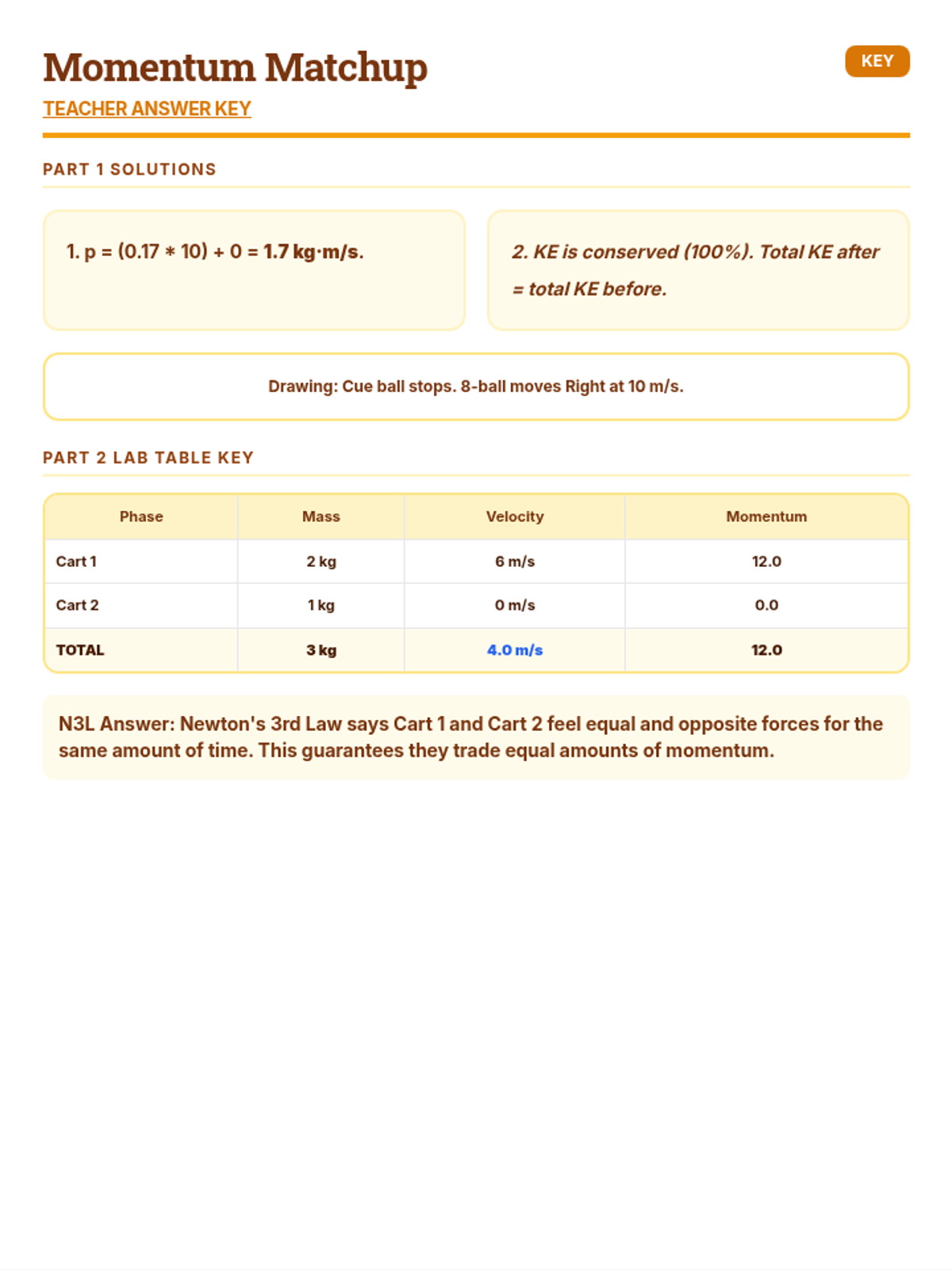
Applying the law of conservation of momentum to various collision scenarios, including lab cart experiments and sports.
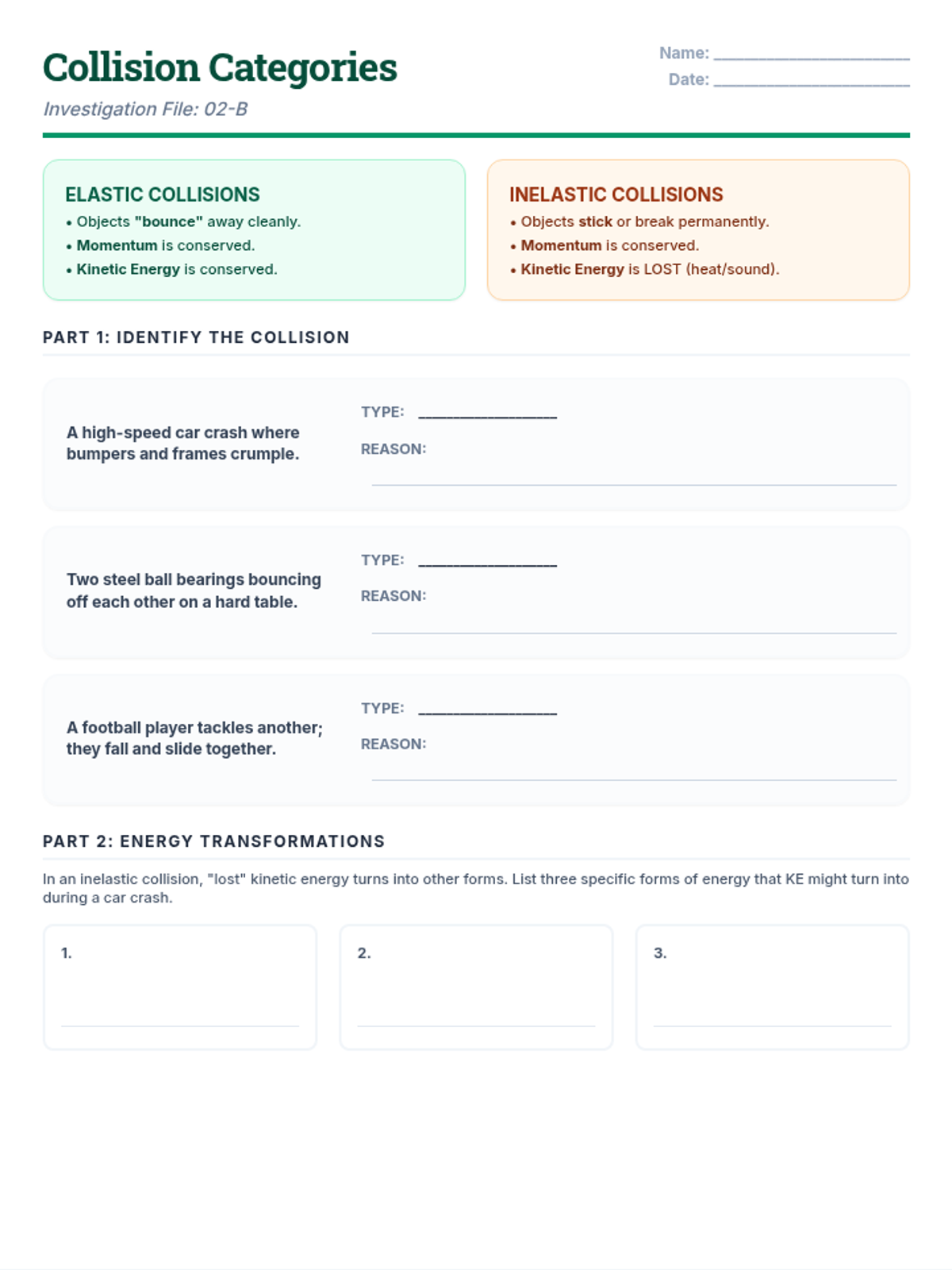
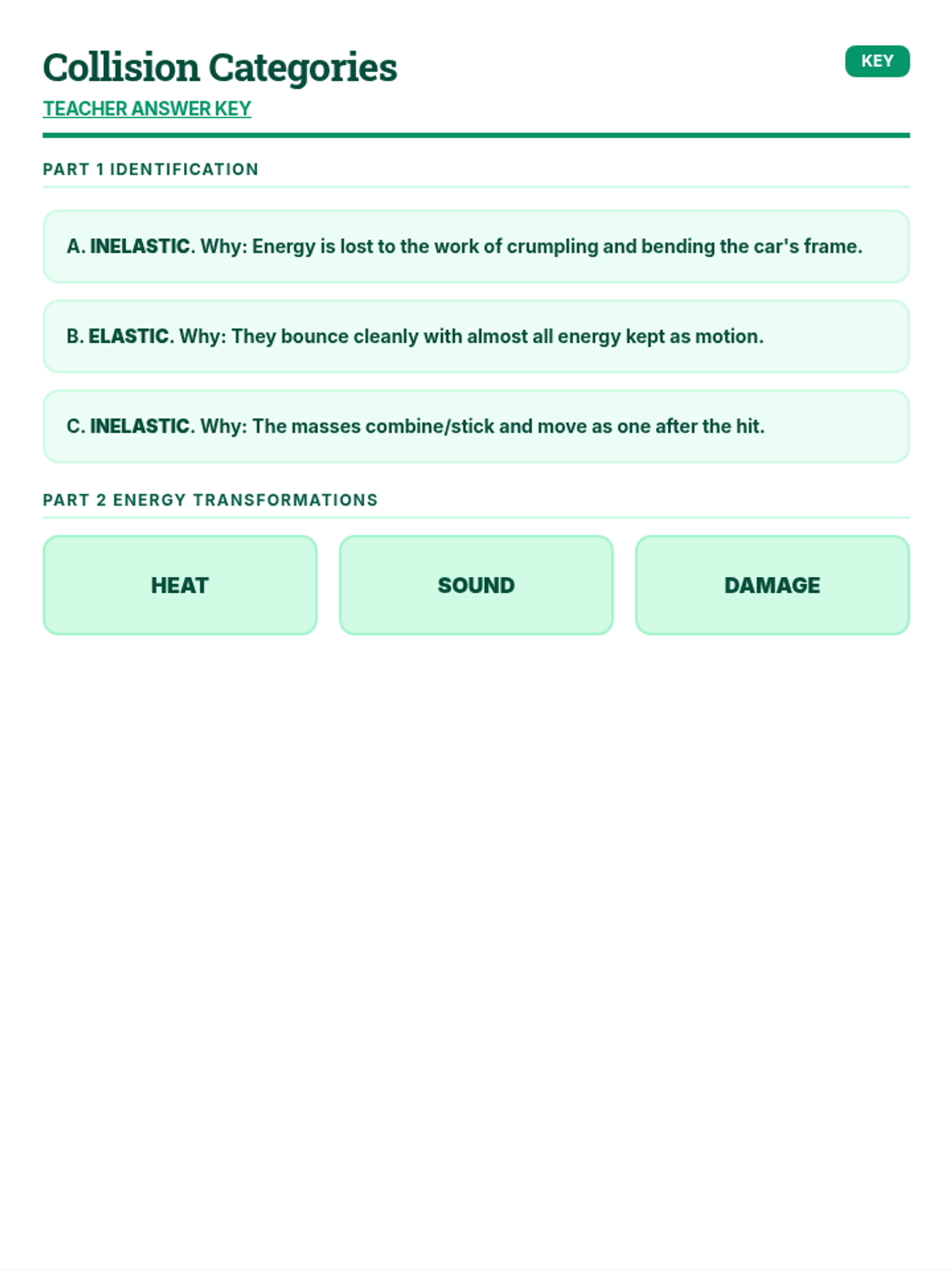
Exploring the differences between elastic and inelastic collisions, kinetic energy conservation, and real-world examples like billiards and car crashes.
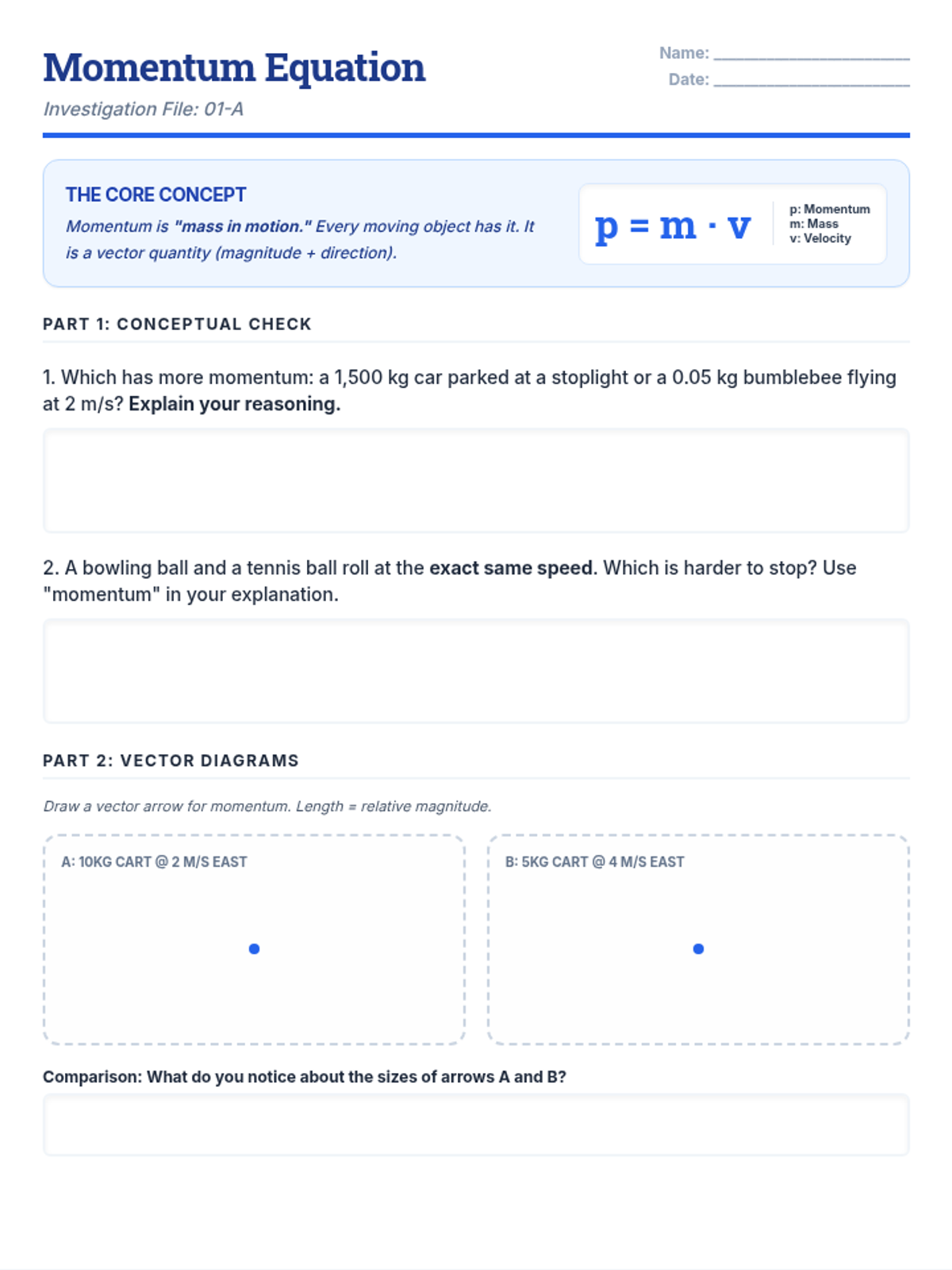
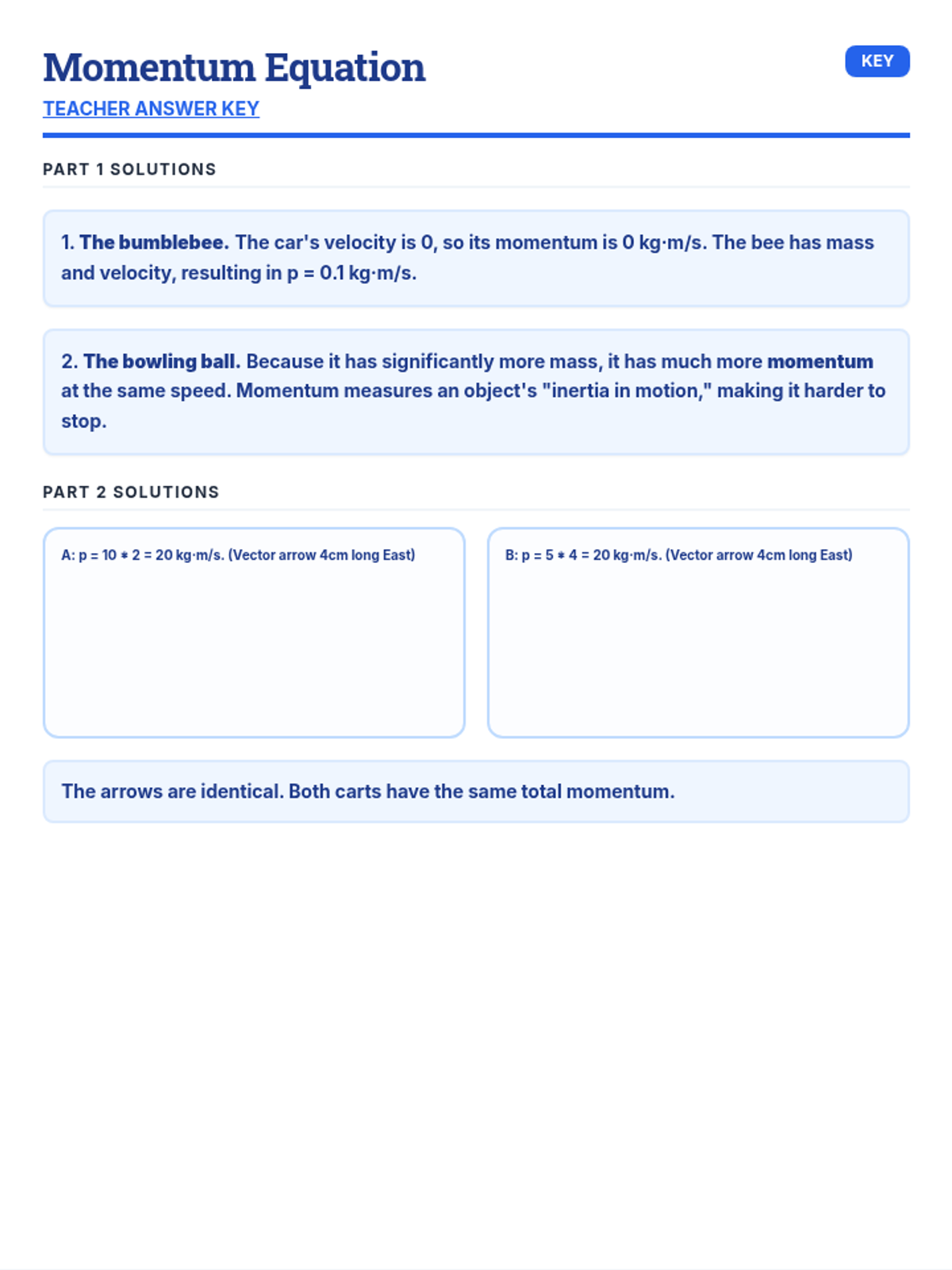
Introduction to the momentum equation (p=mv), units, and the relationship between mass, velocity, and momentum.
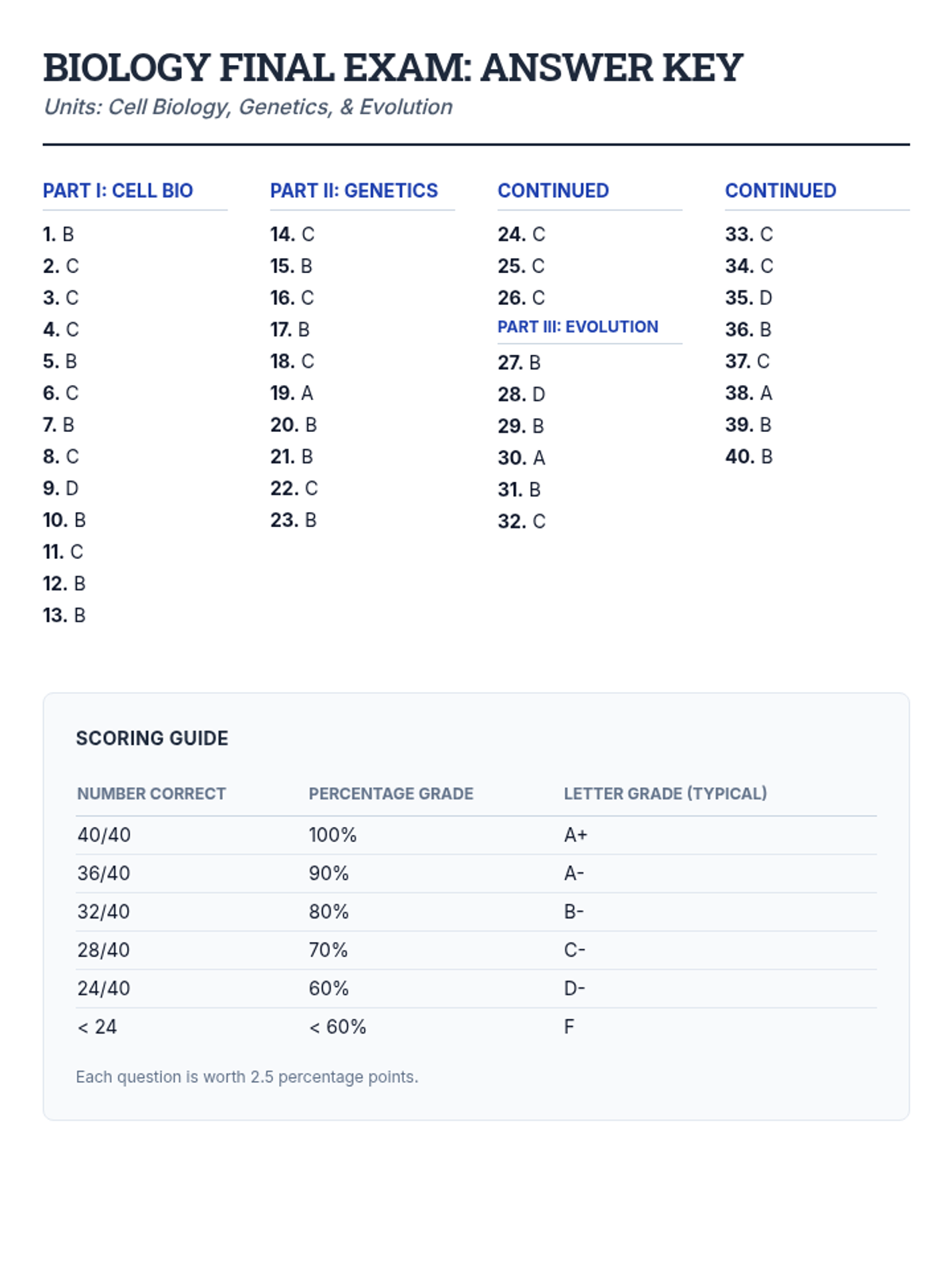
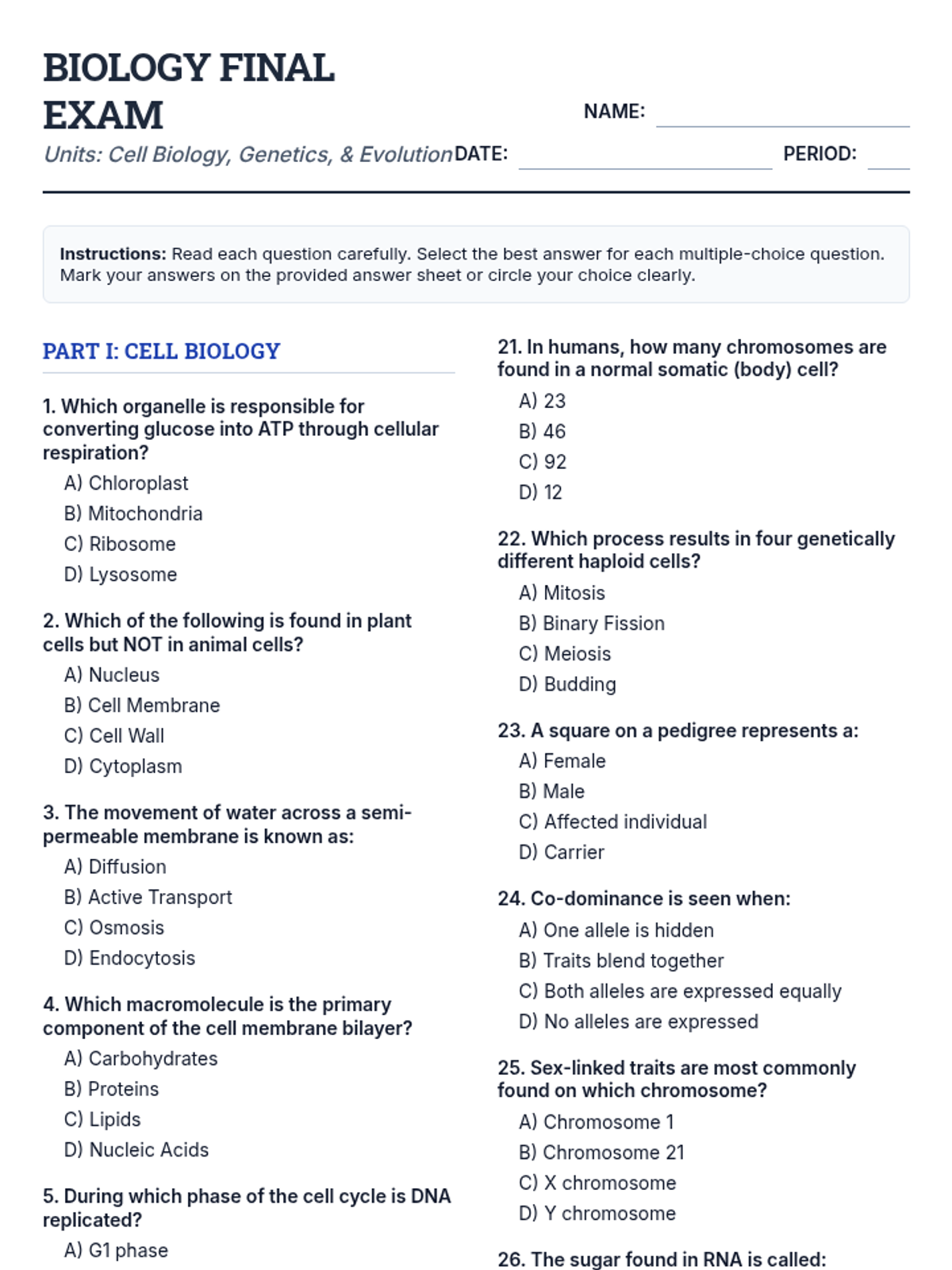
A comprehensive 40-question final examination covering the core units of Cell Biology, Genetics, and Evolution for freshman on-level students.
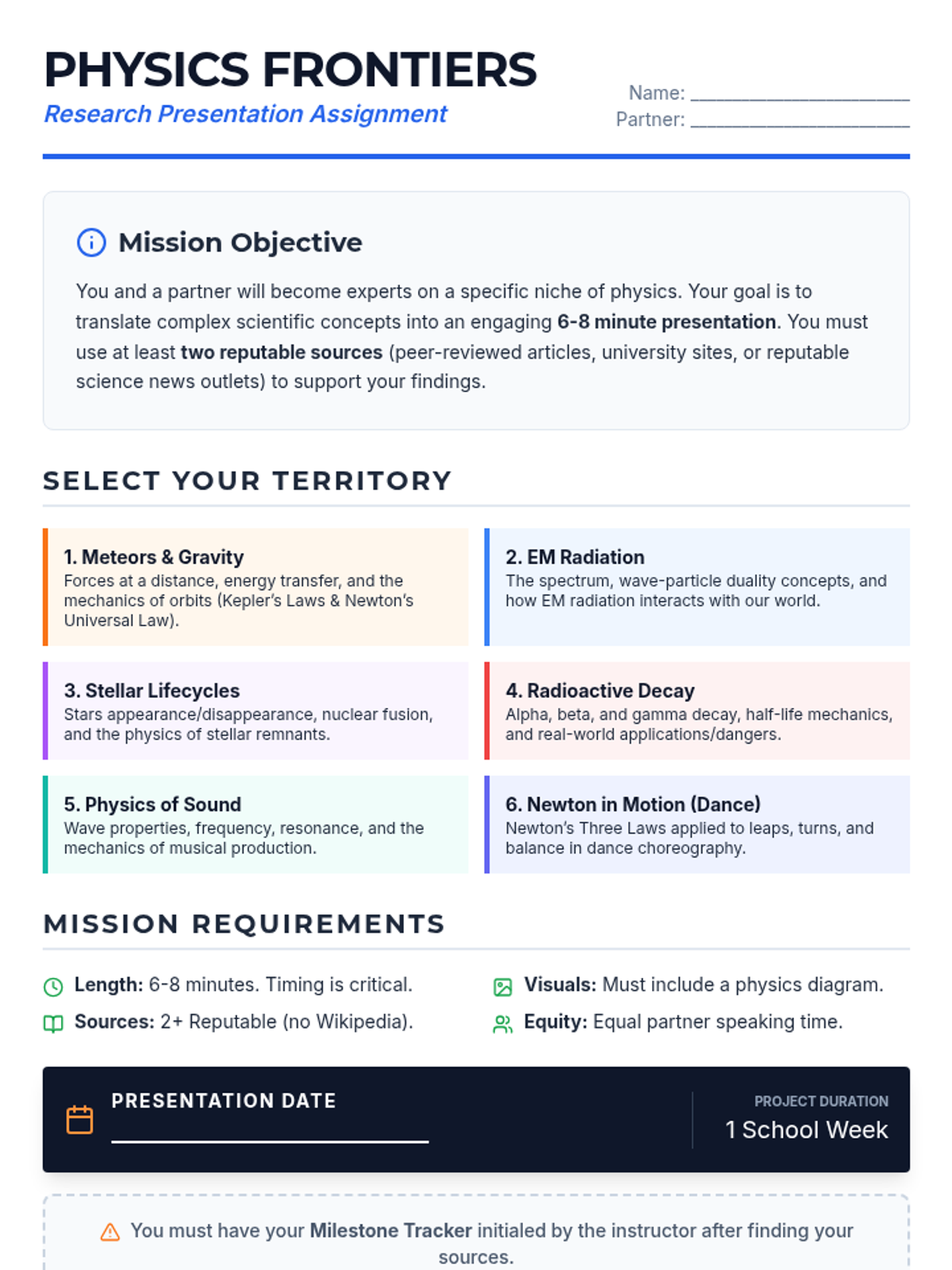
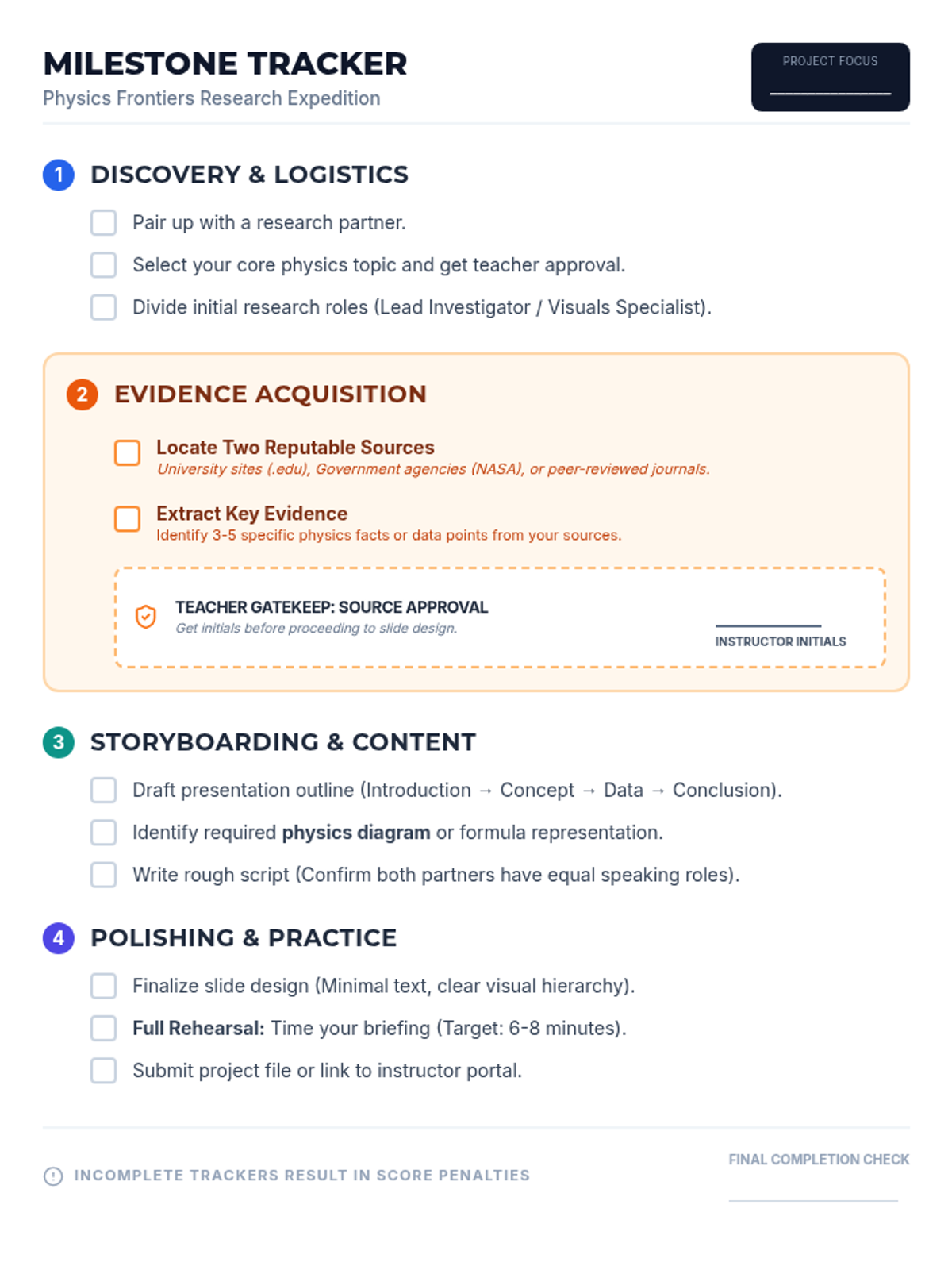
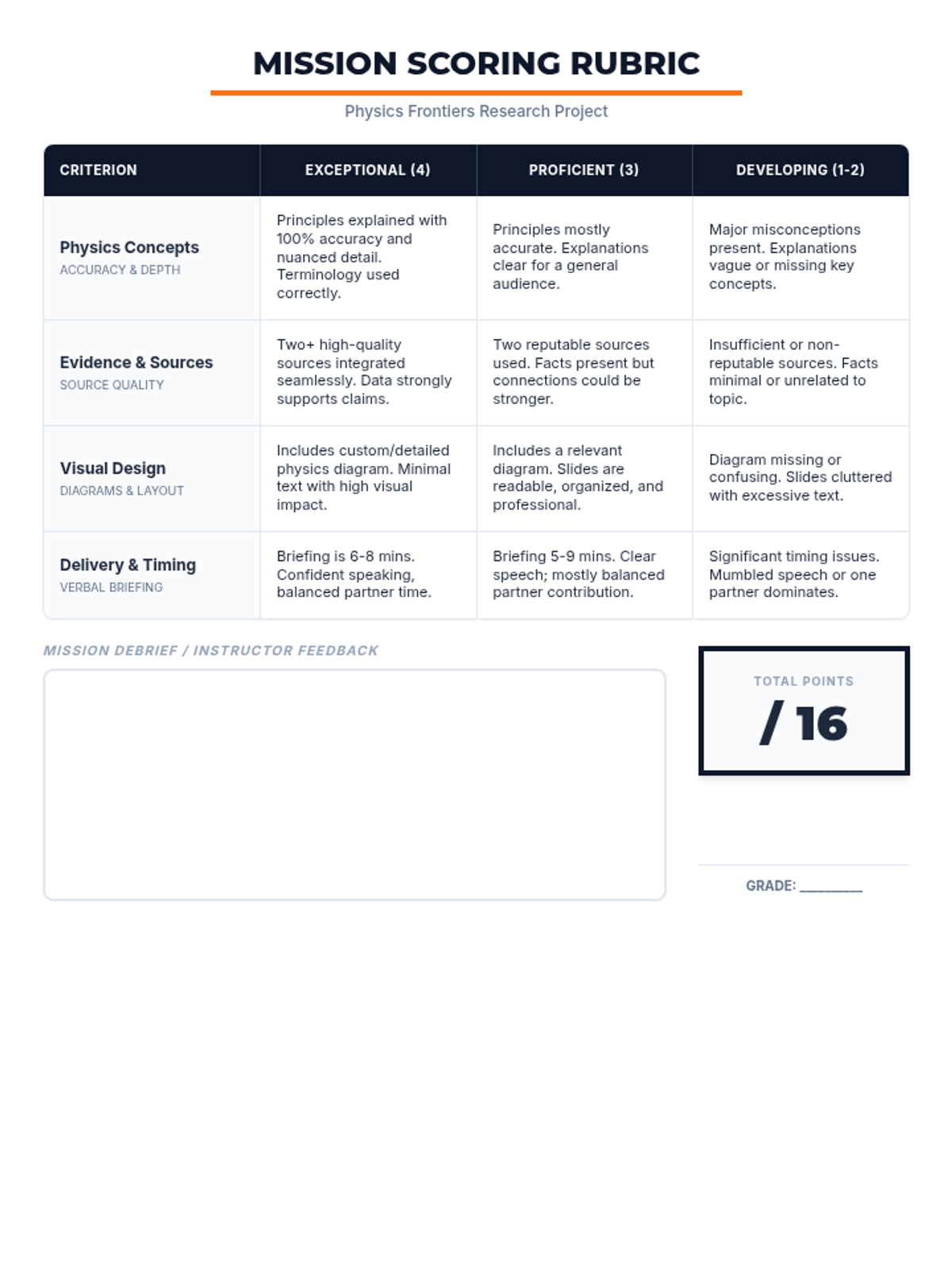
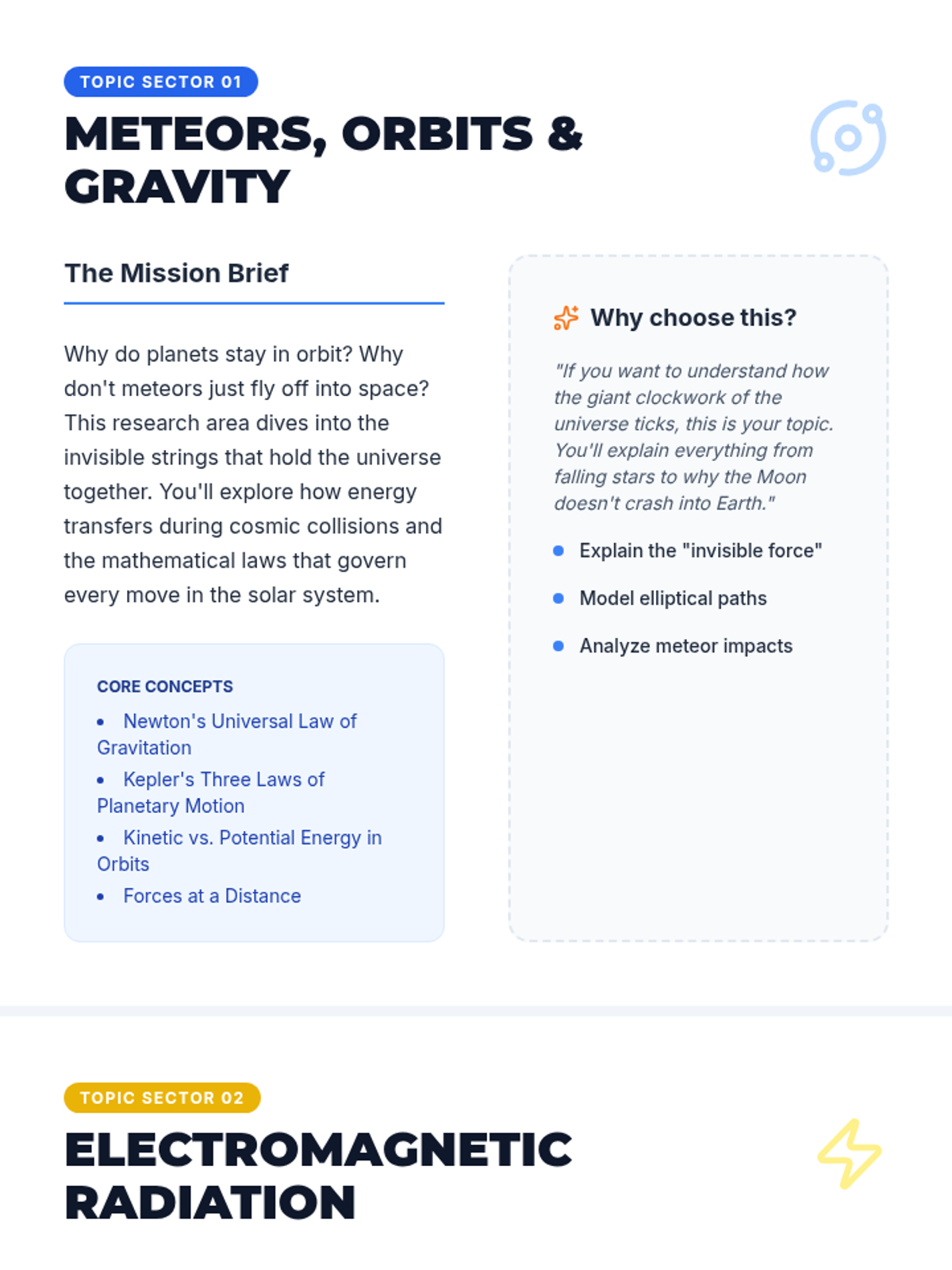
Introduction to the Physics Frontiers research project, including topic selection, partner pairing, and the initial research phase. Students will establish their research focus and verify their sources with the instructor.
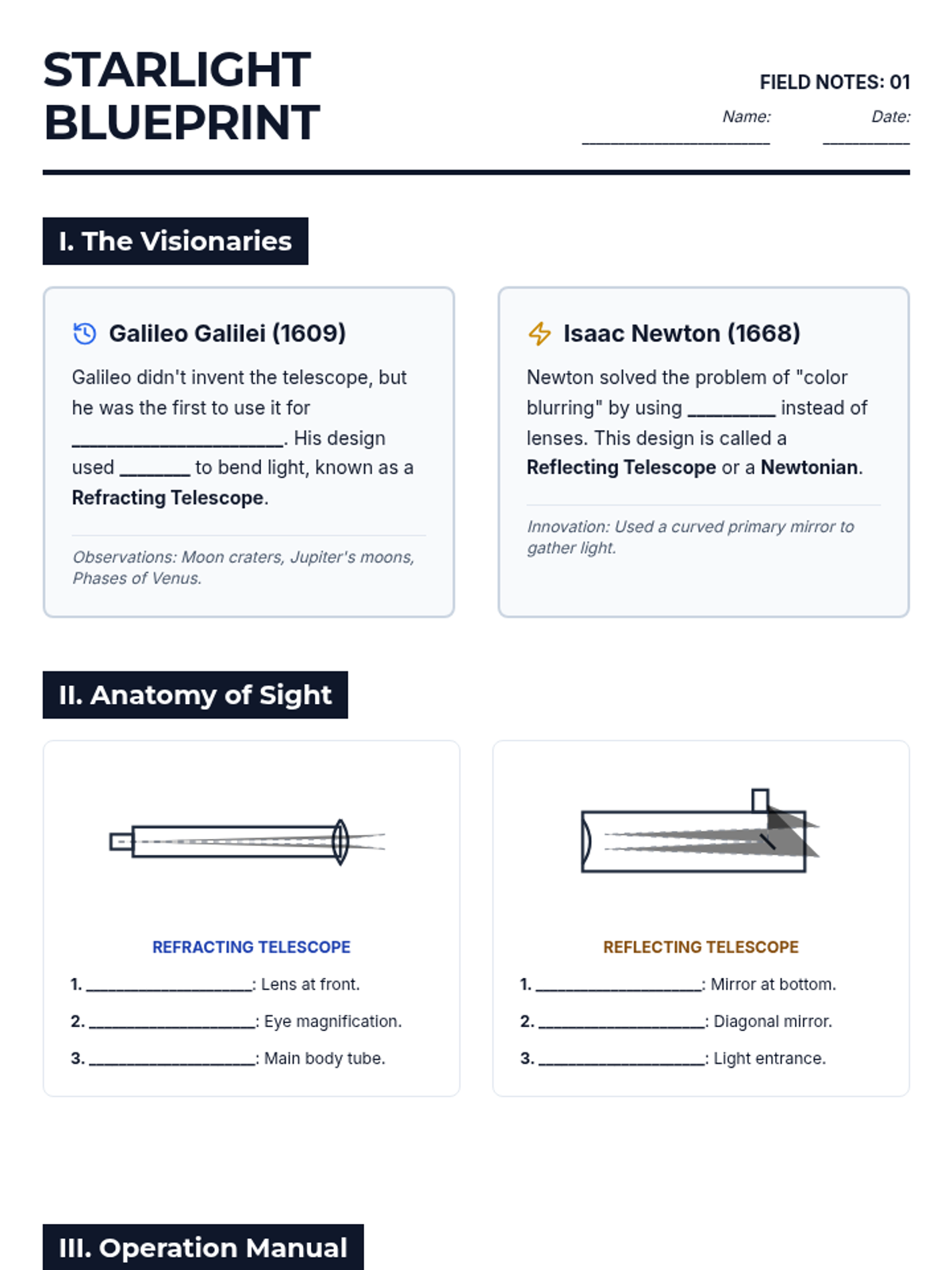
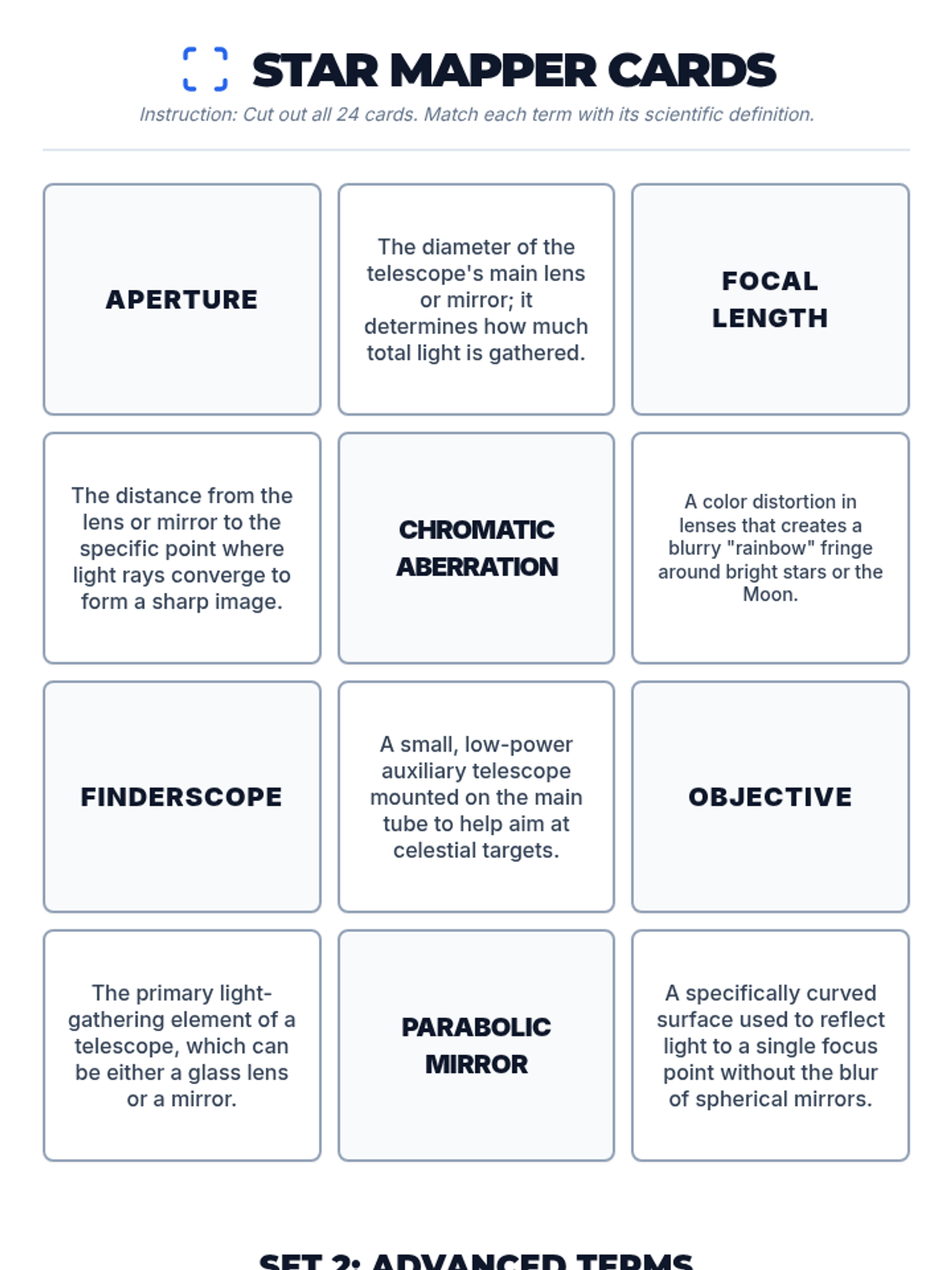
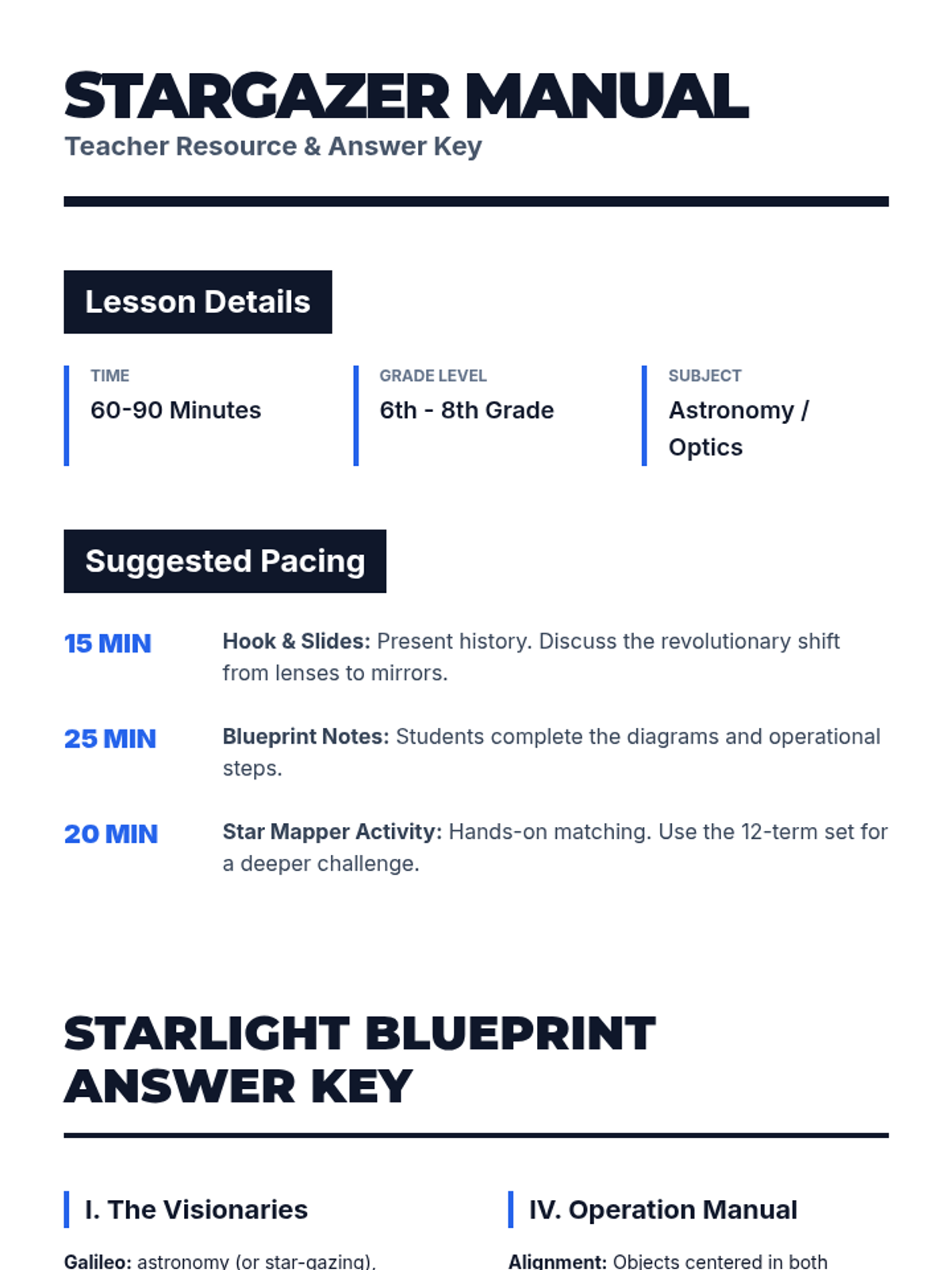
An introductory exploration into how telescopes work, the history of their invention by Galileo and Newton, and the practical steps for observing the night sky.
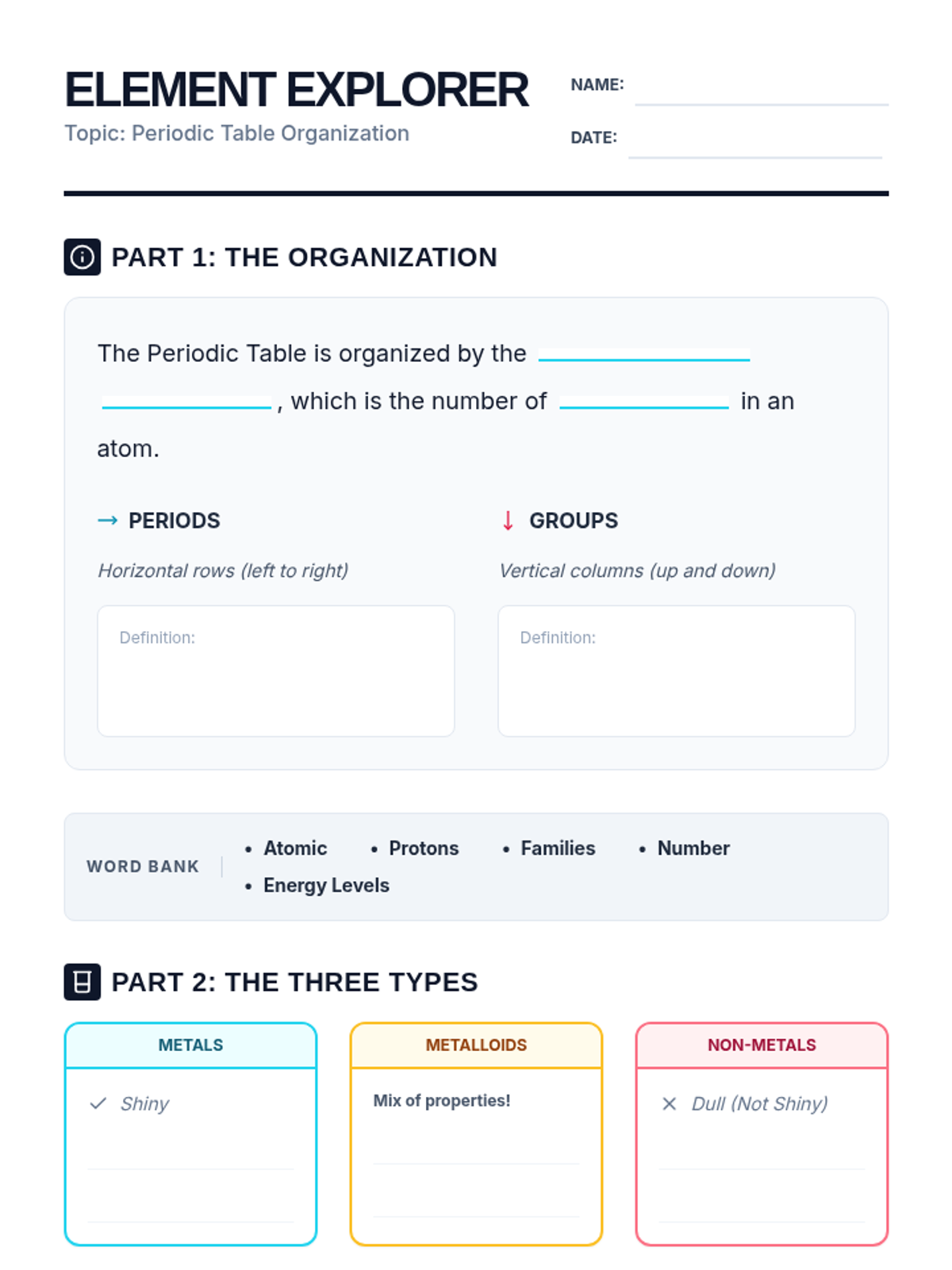
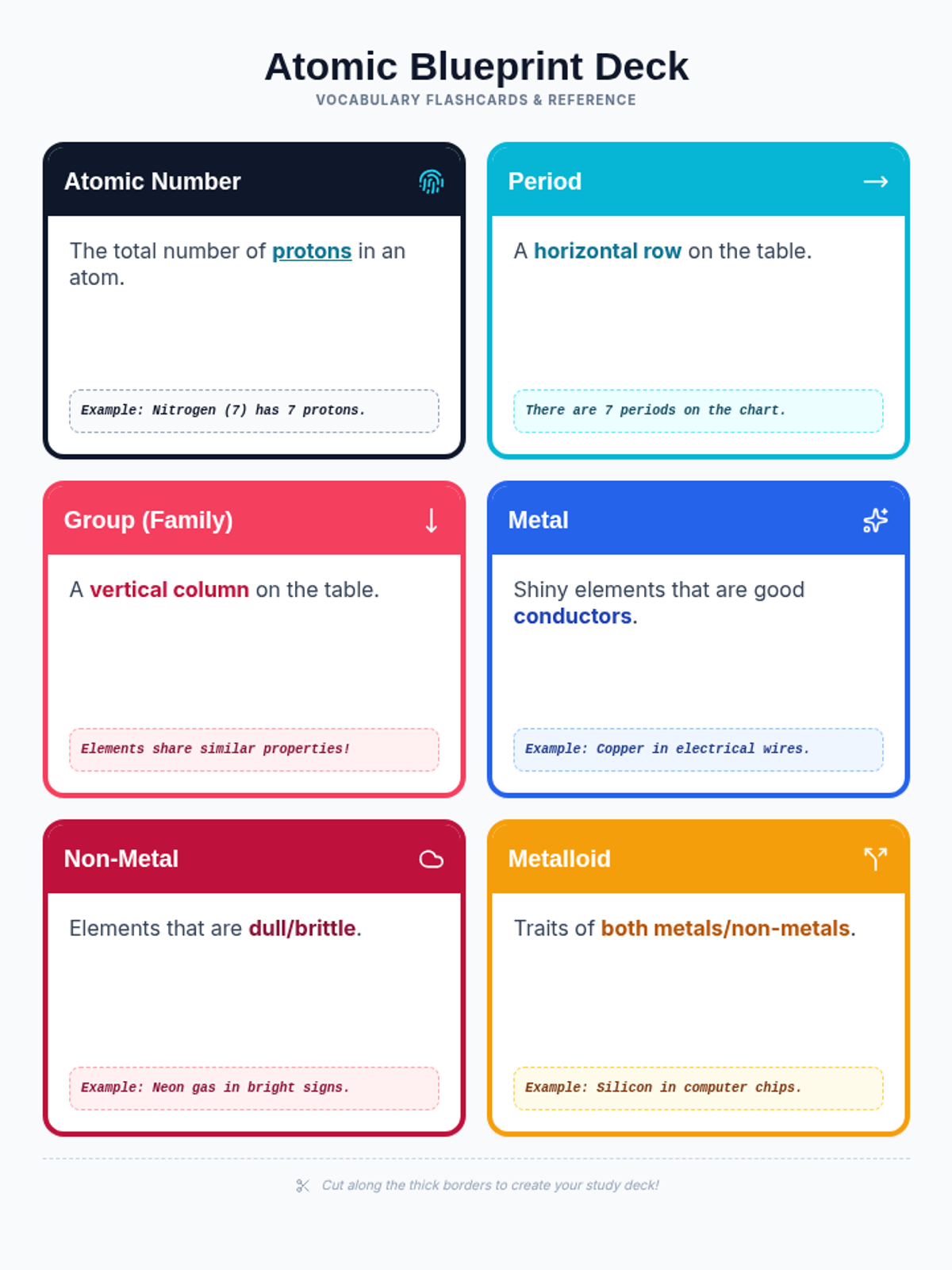
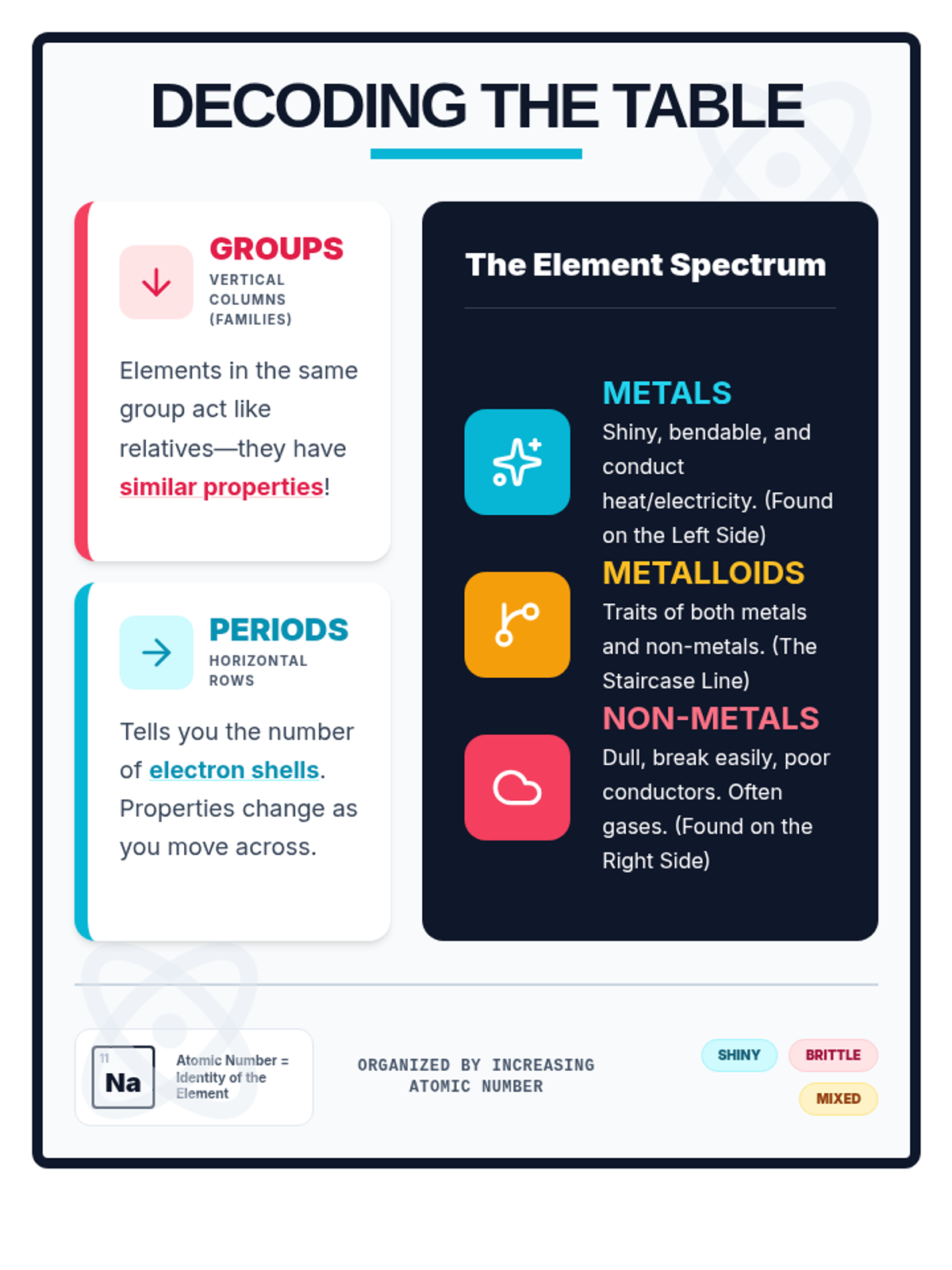
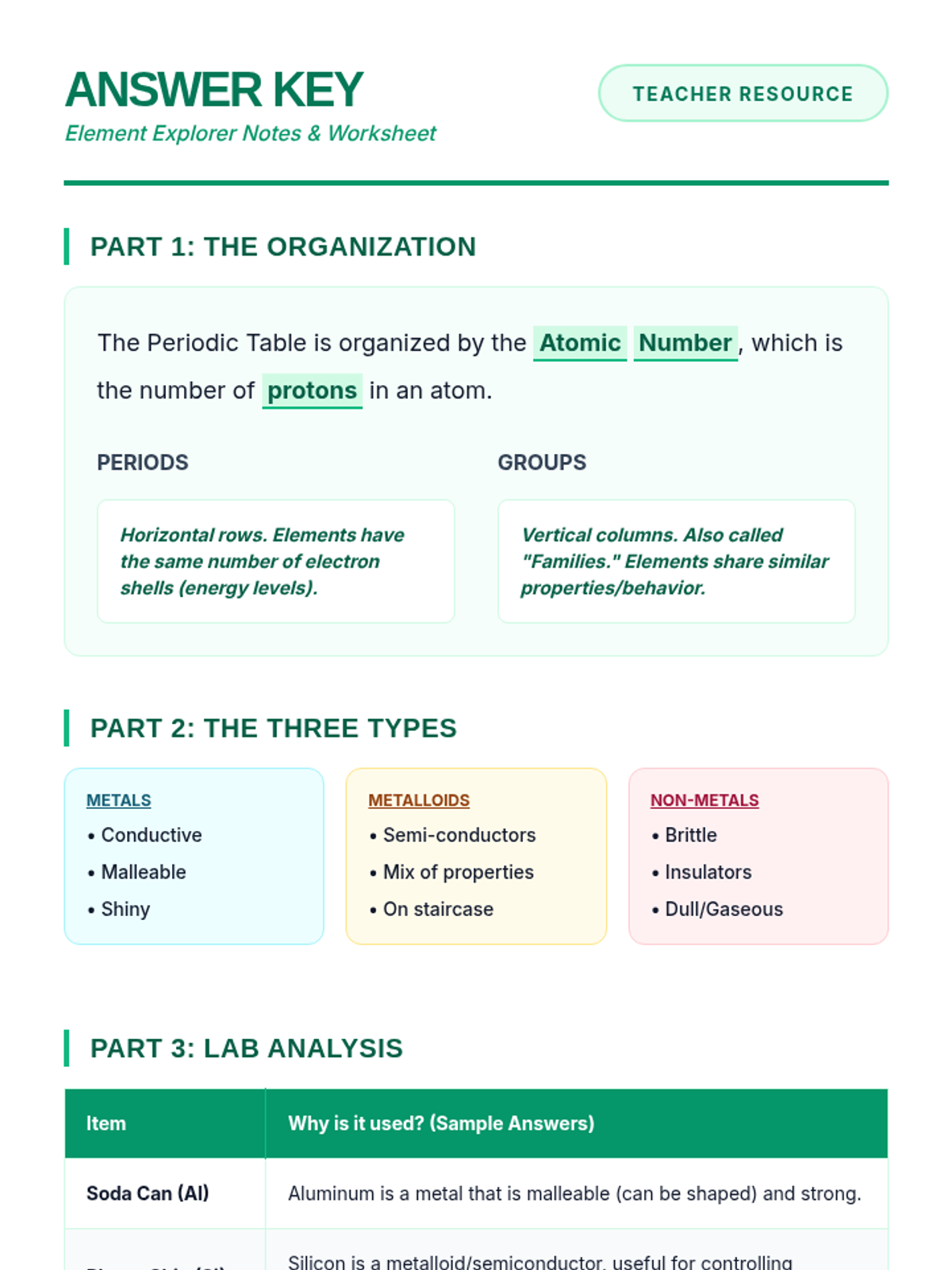
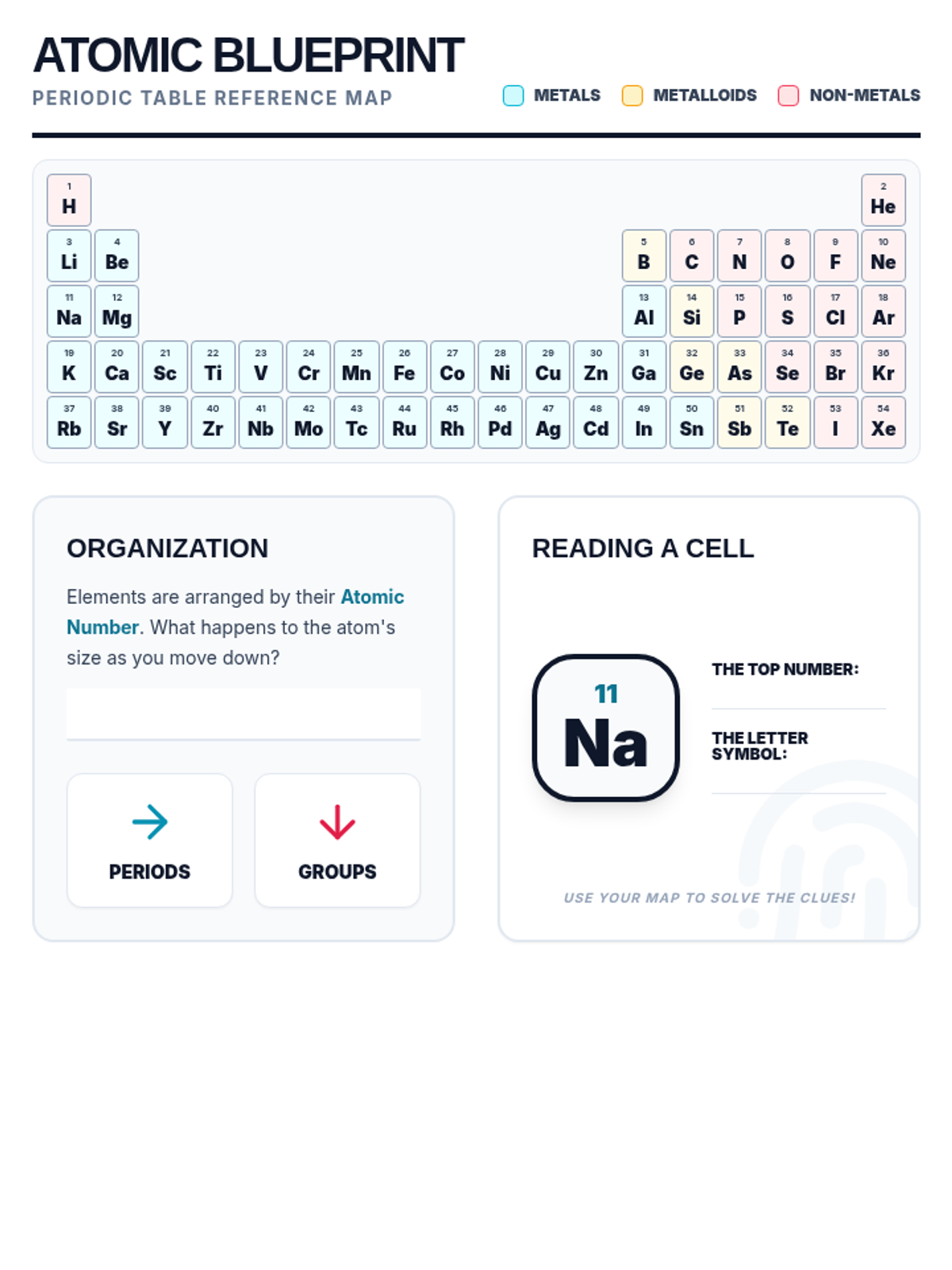
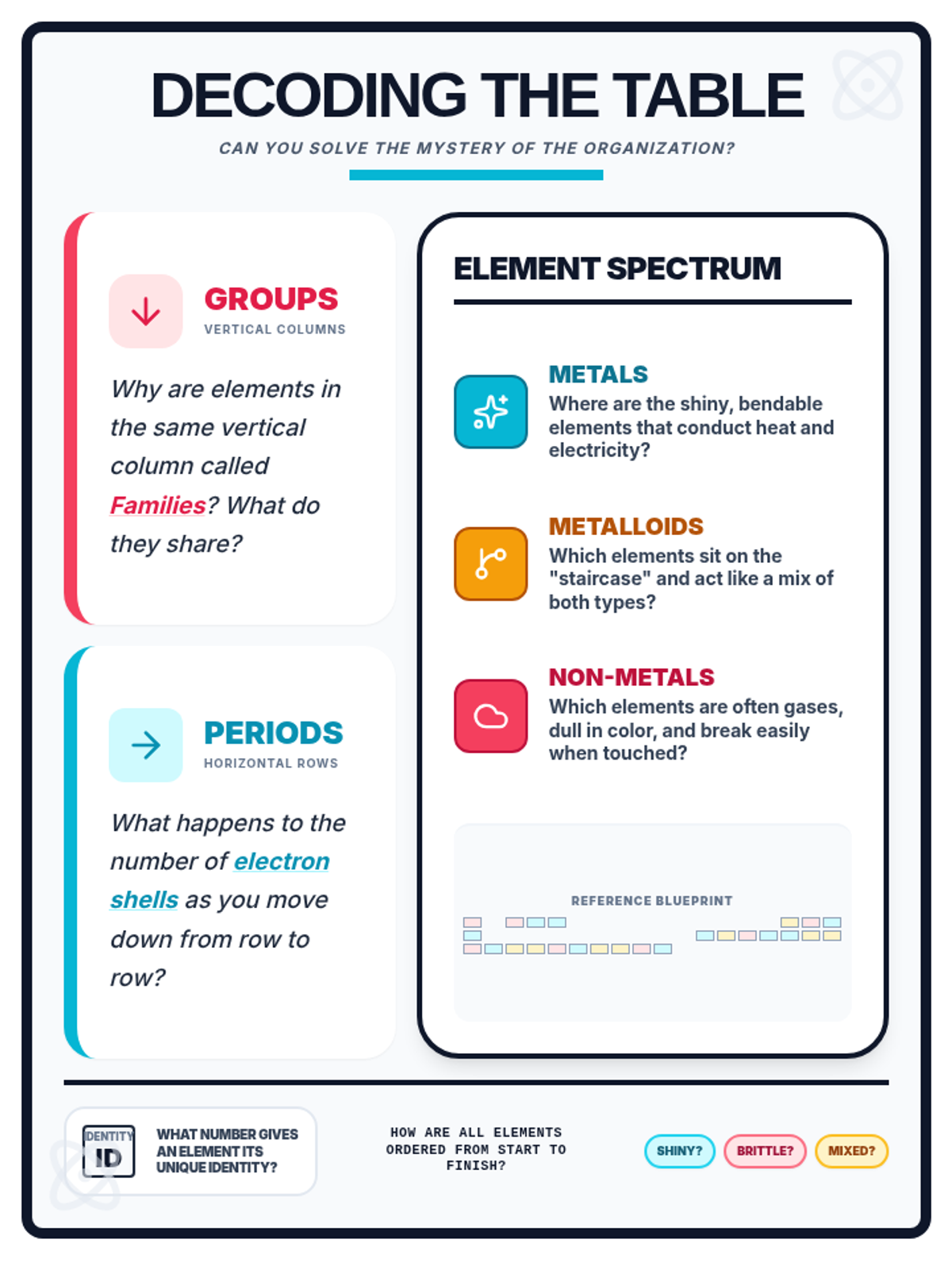
A comprehensive introduction to the Periodic Table, exploring how elements are organized by atomic number, the significance of groups and periods, and the distinct properties of metals, non-metals, and metalloids through real-world examples.
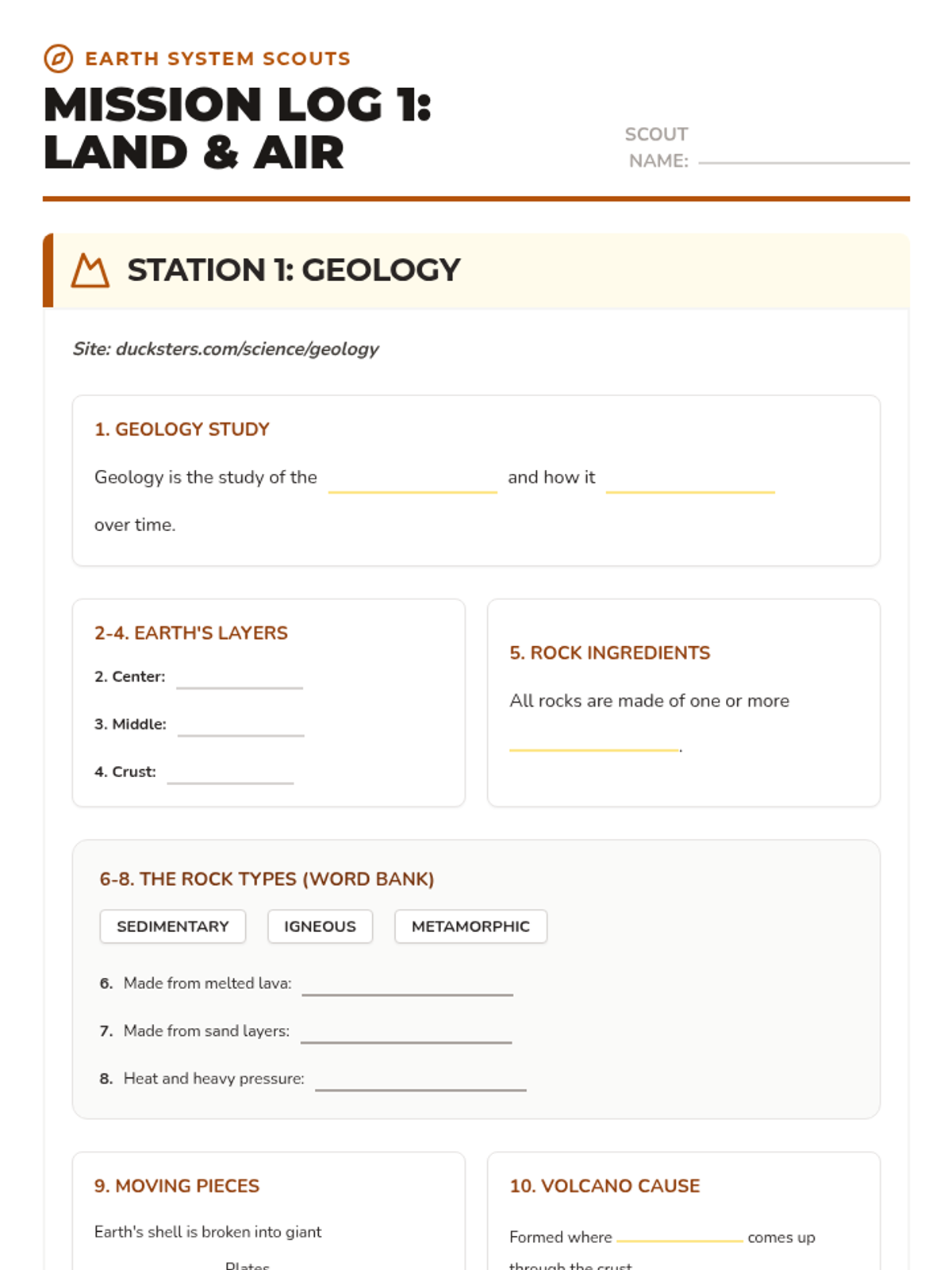
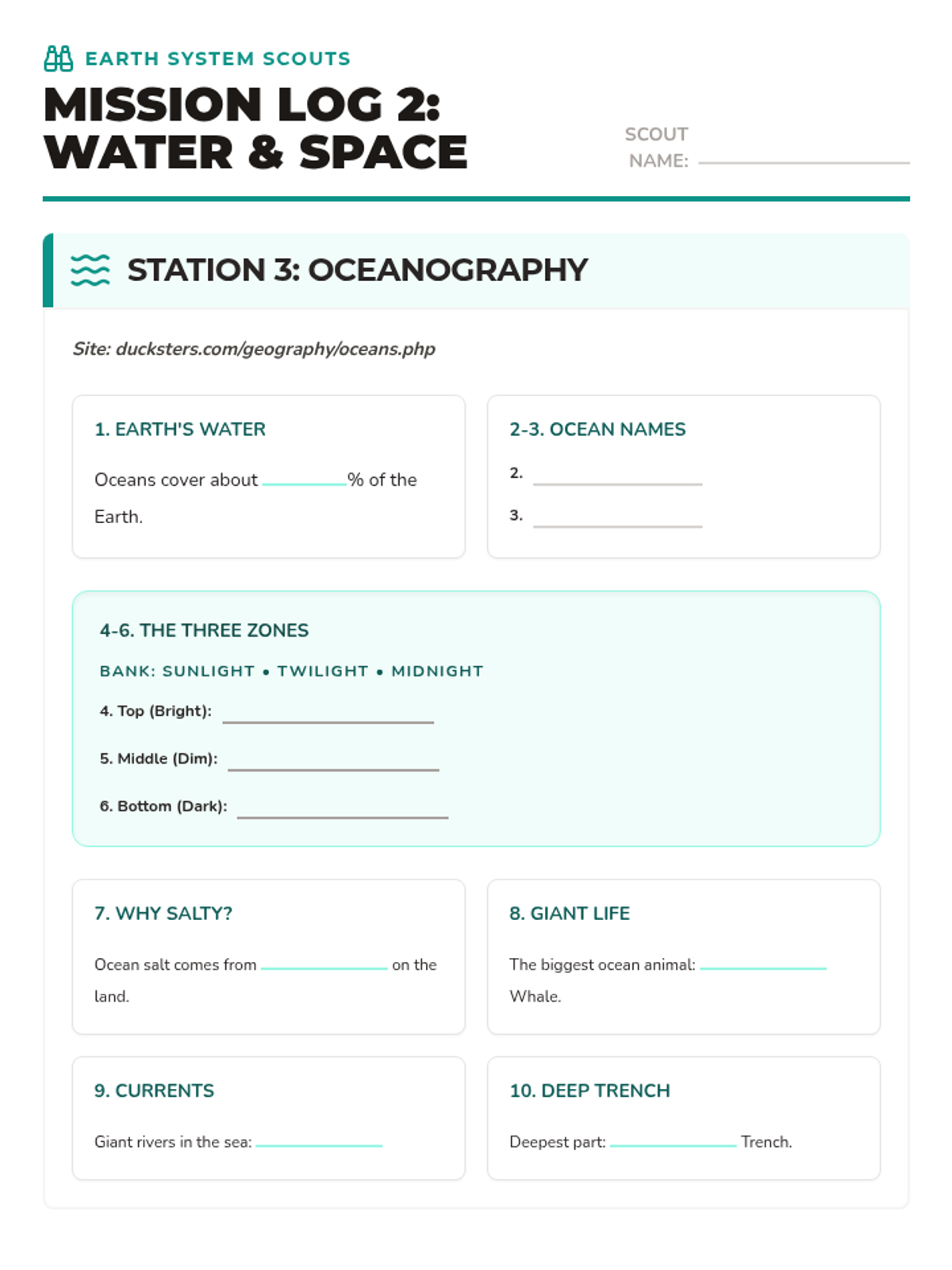
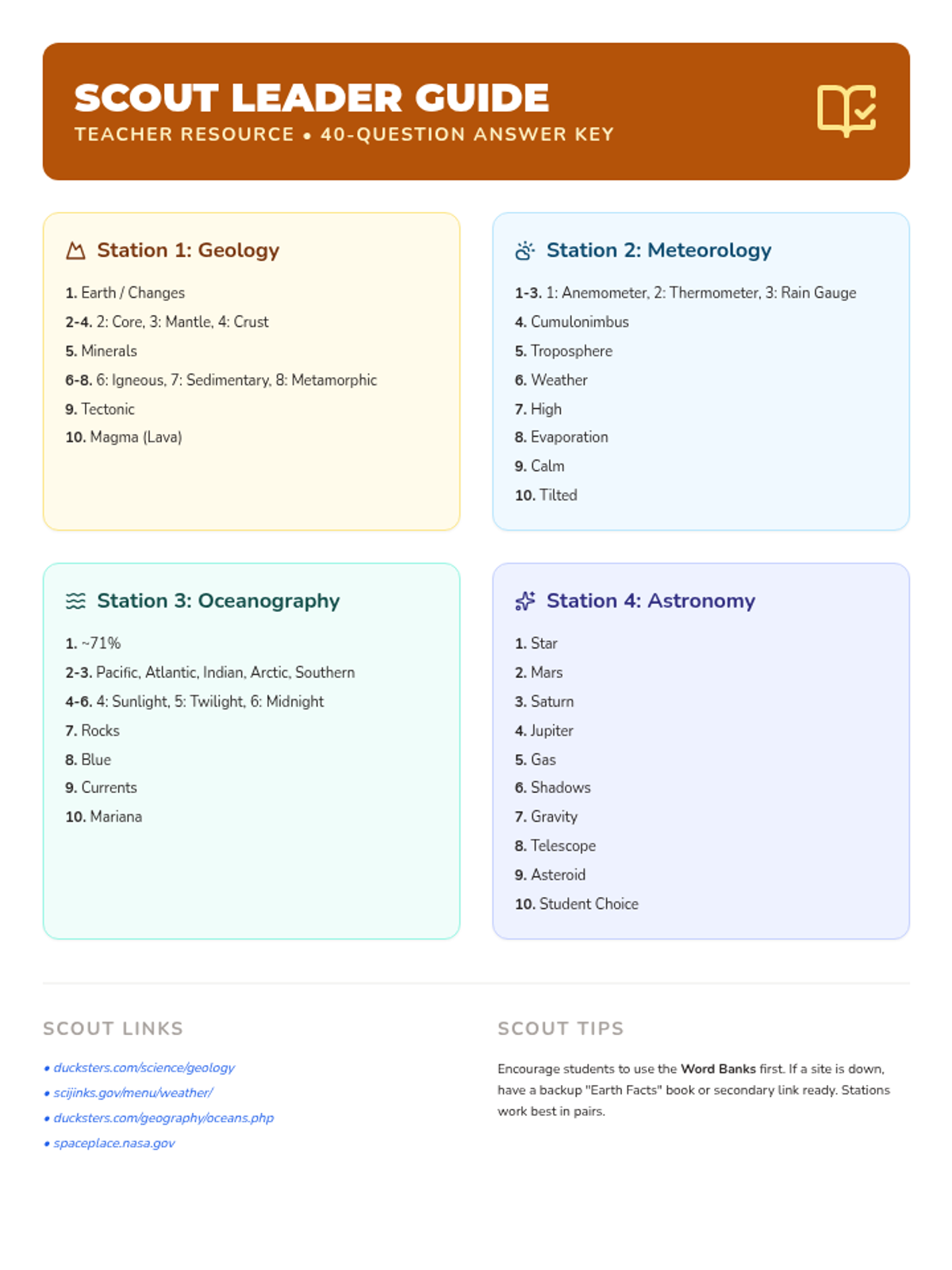
A two-day webquest mission where students investigate Geology, Meteorology, Oceanography, and Astronomy using student-friendly digital resources.
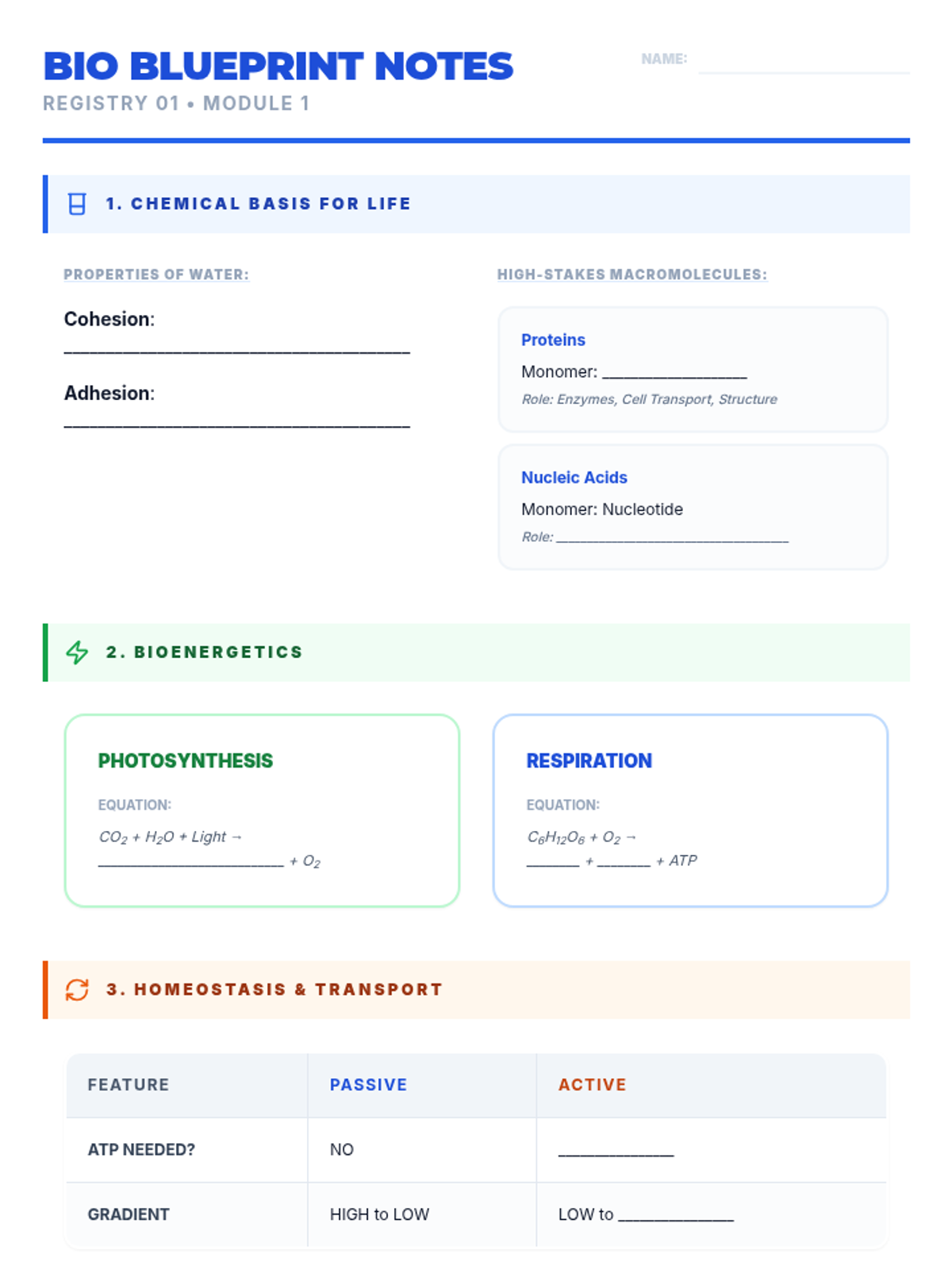
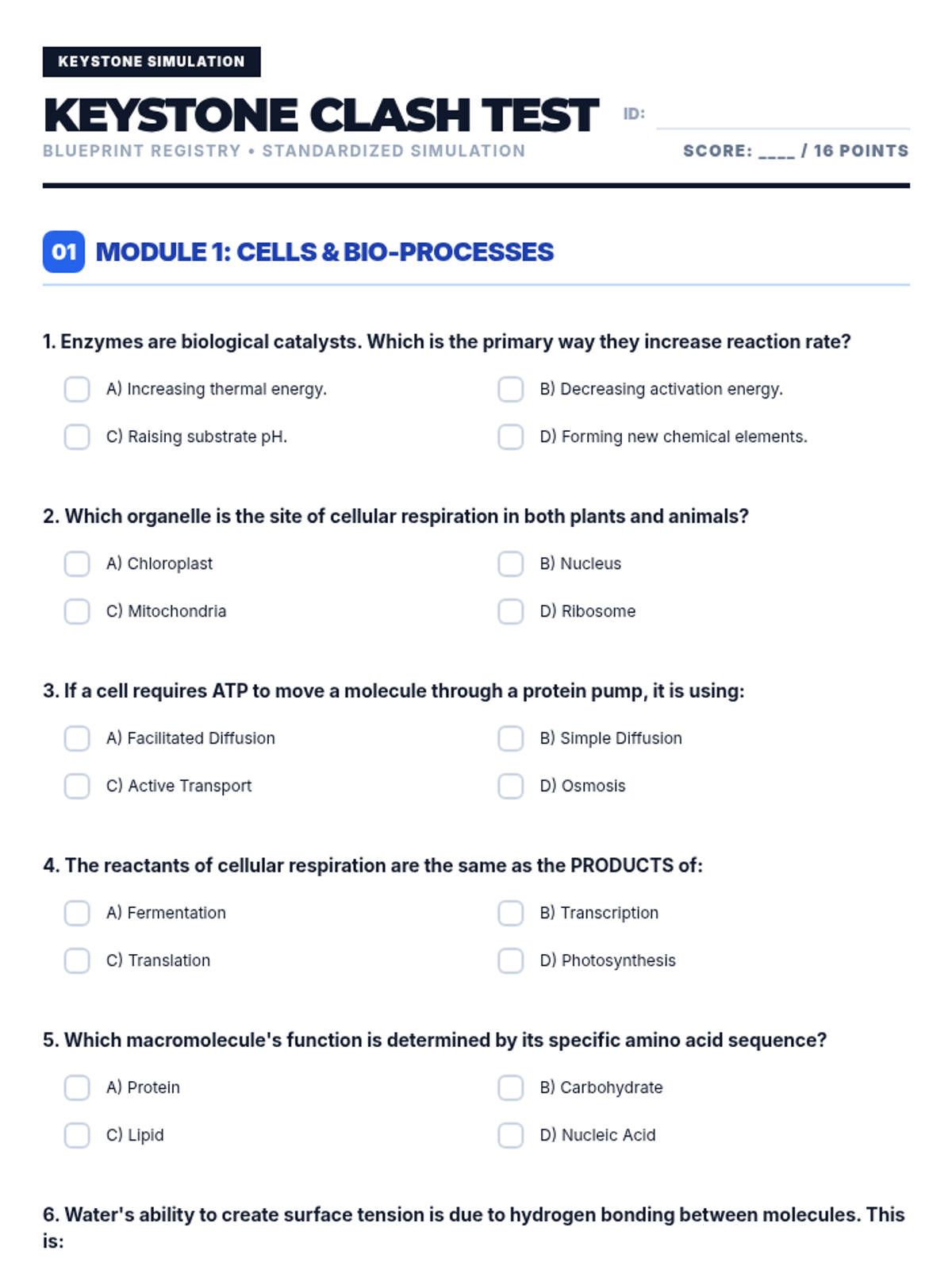
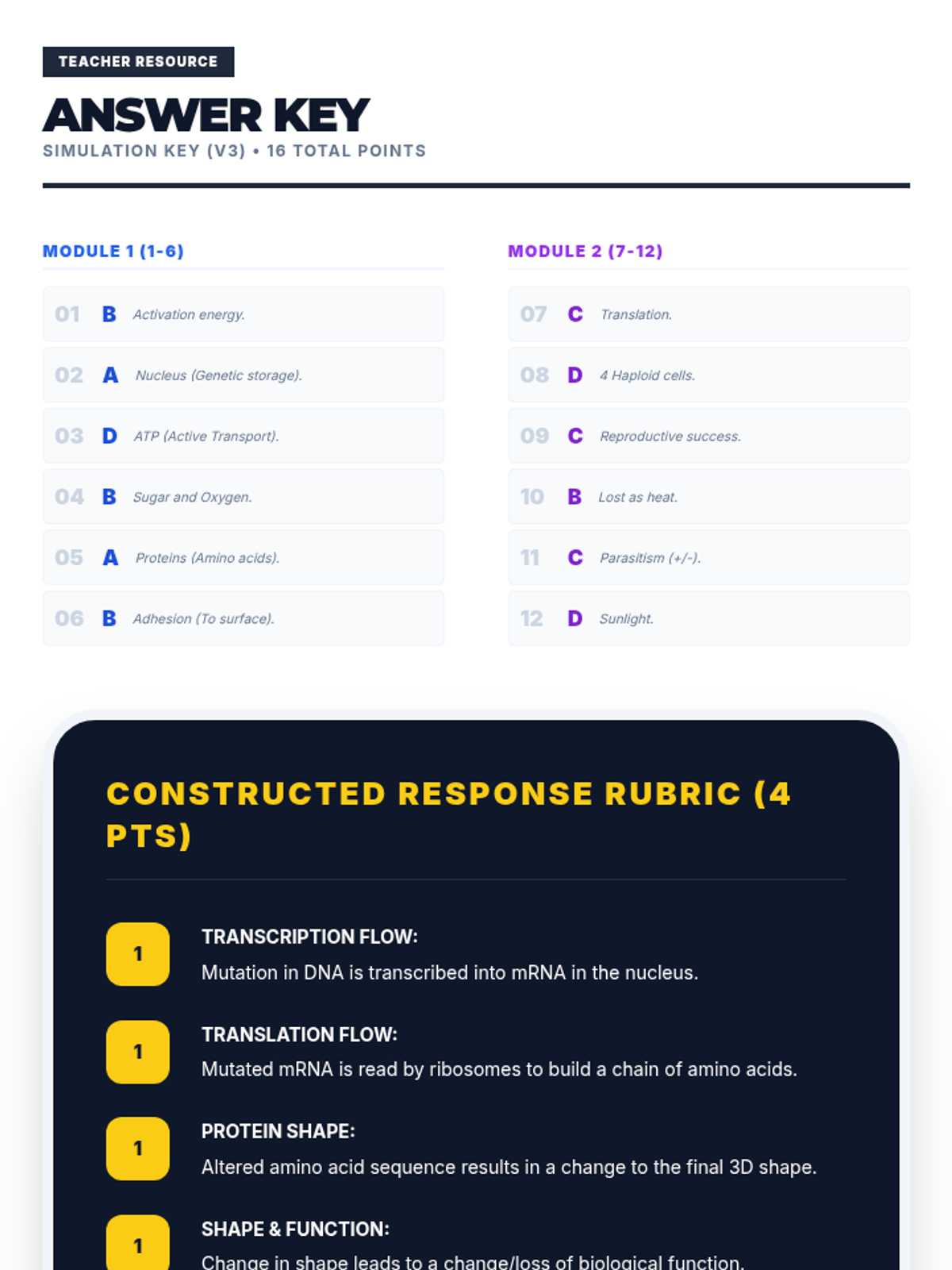
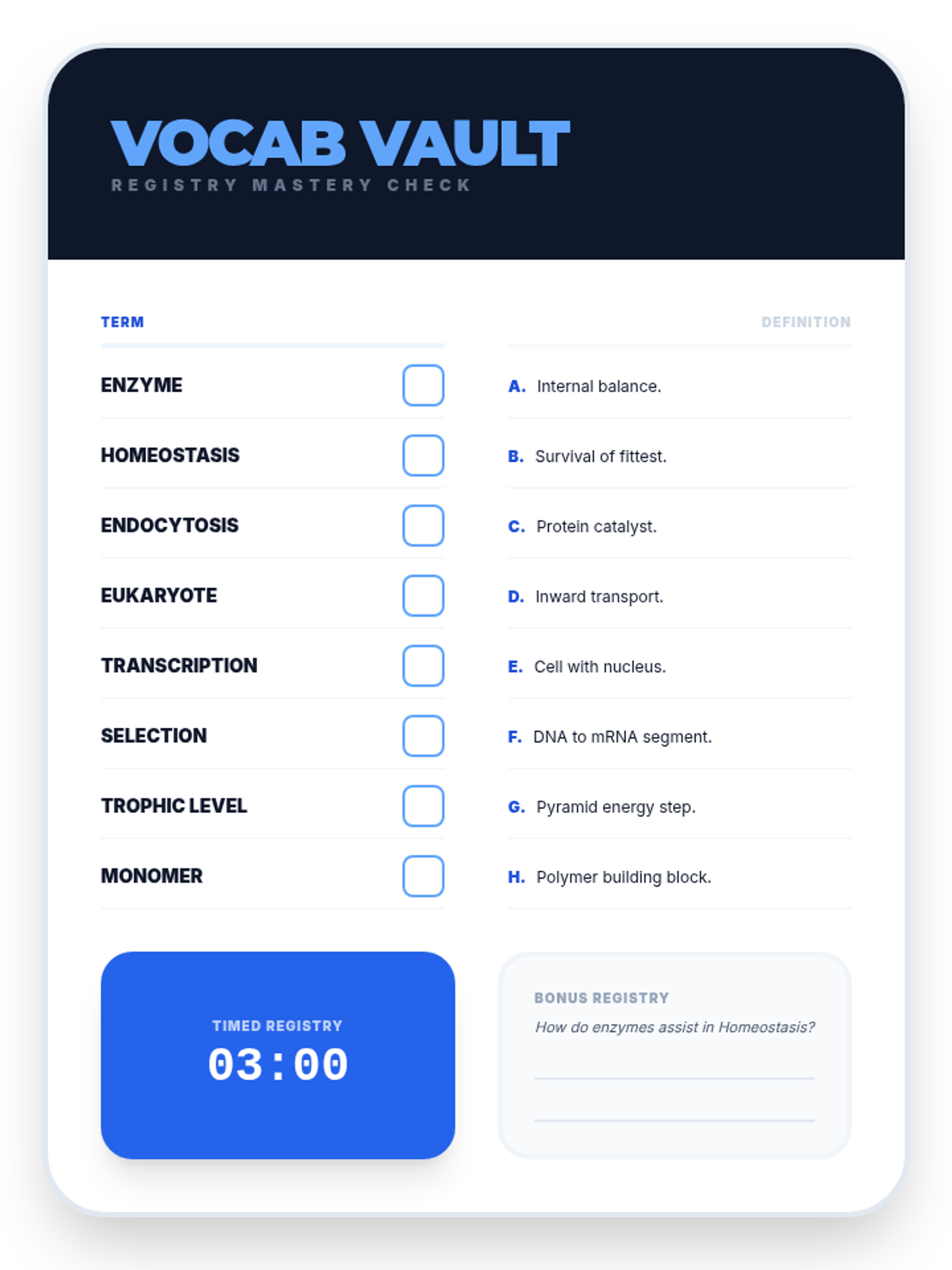
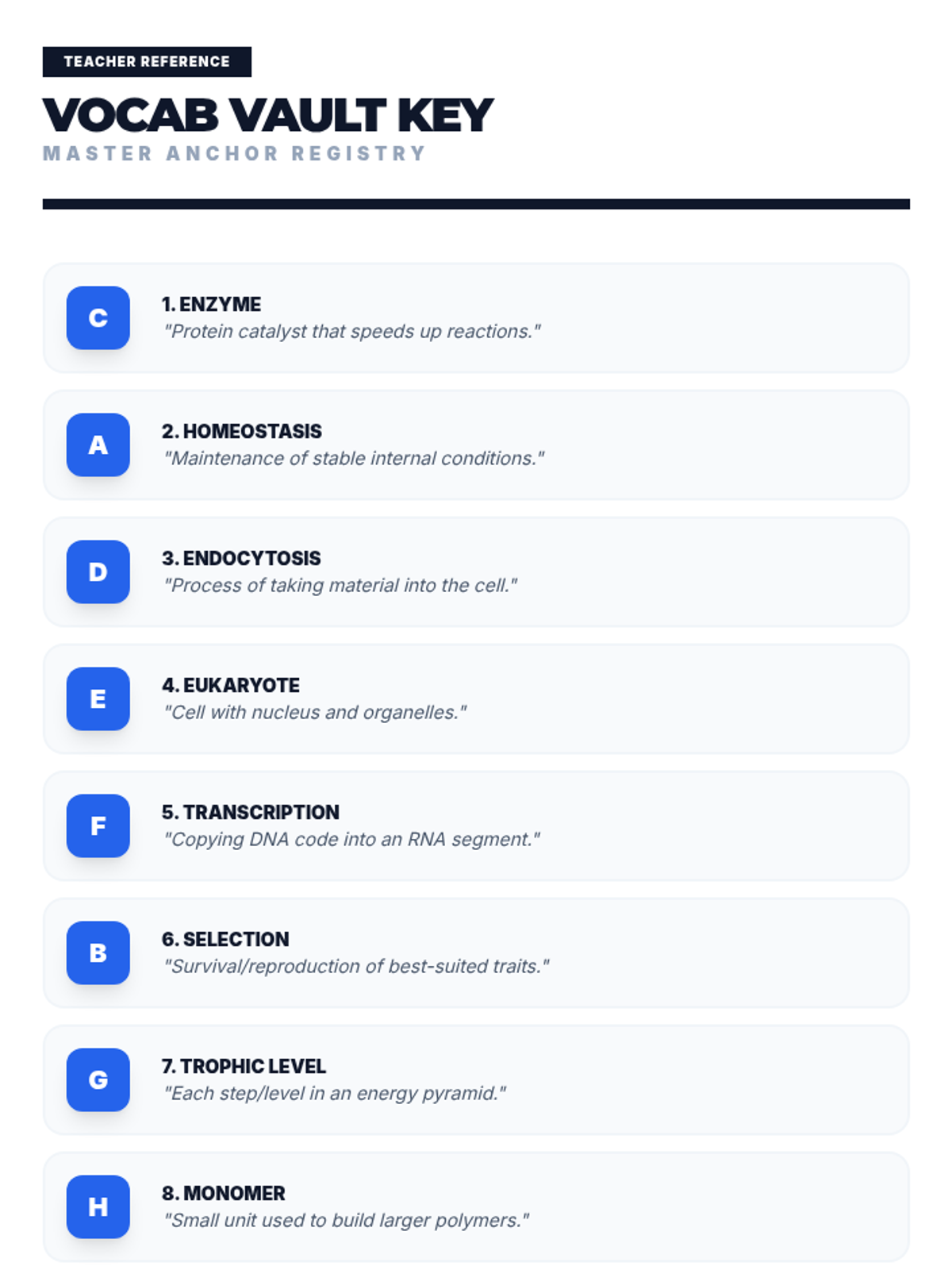
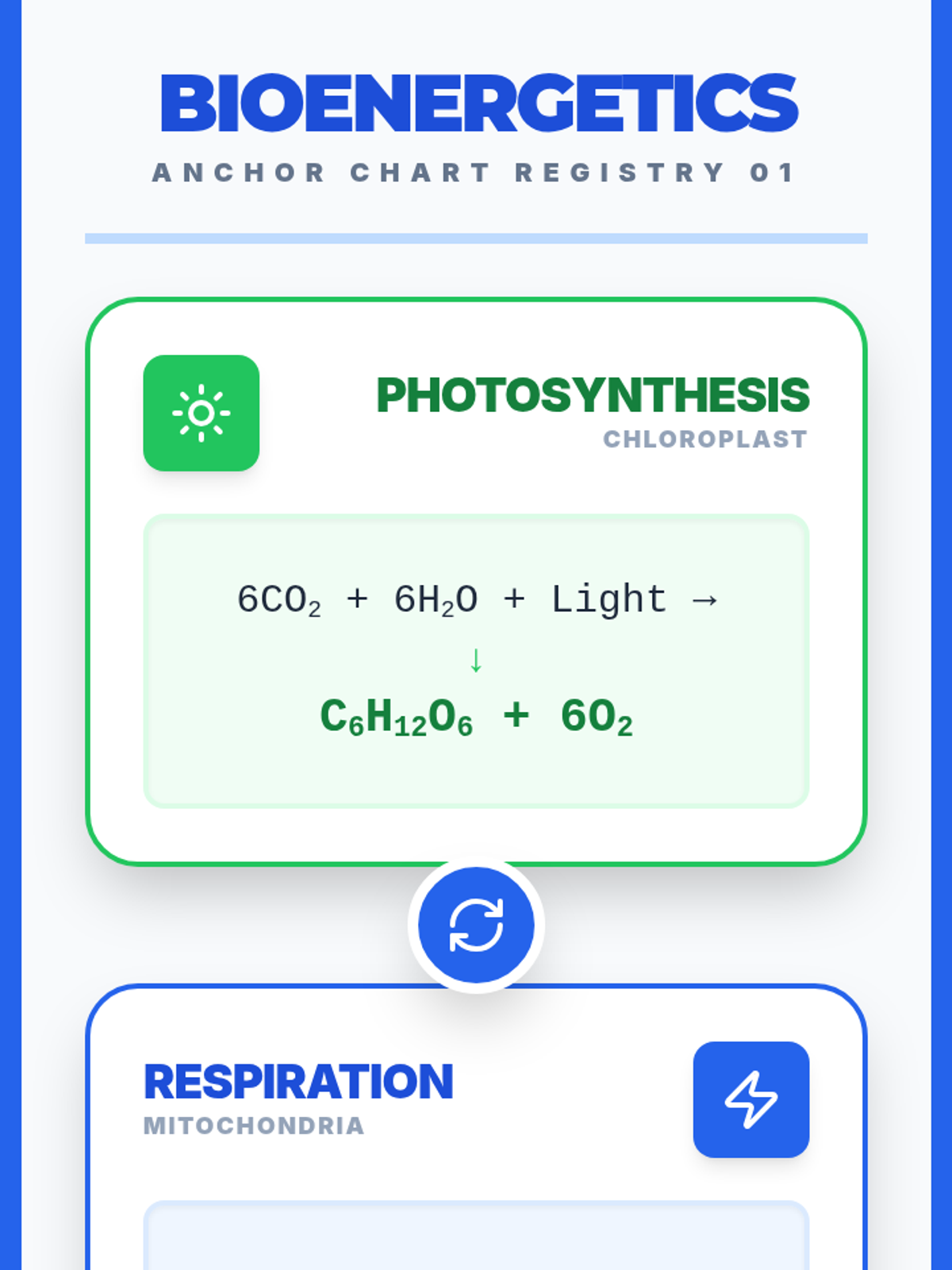
A comprehensive review session covering all Pennsylvania Biology Keystone Assessment Anchors, featuring guided notes, practice assessments, and visual aids to ensure student mastery of both modules.
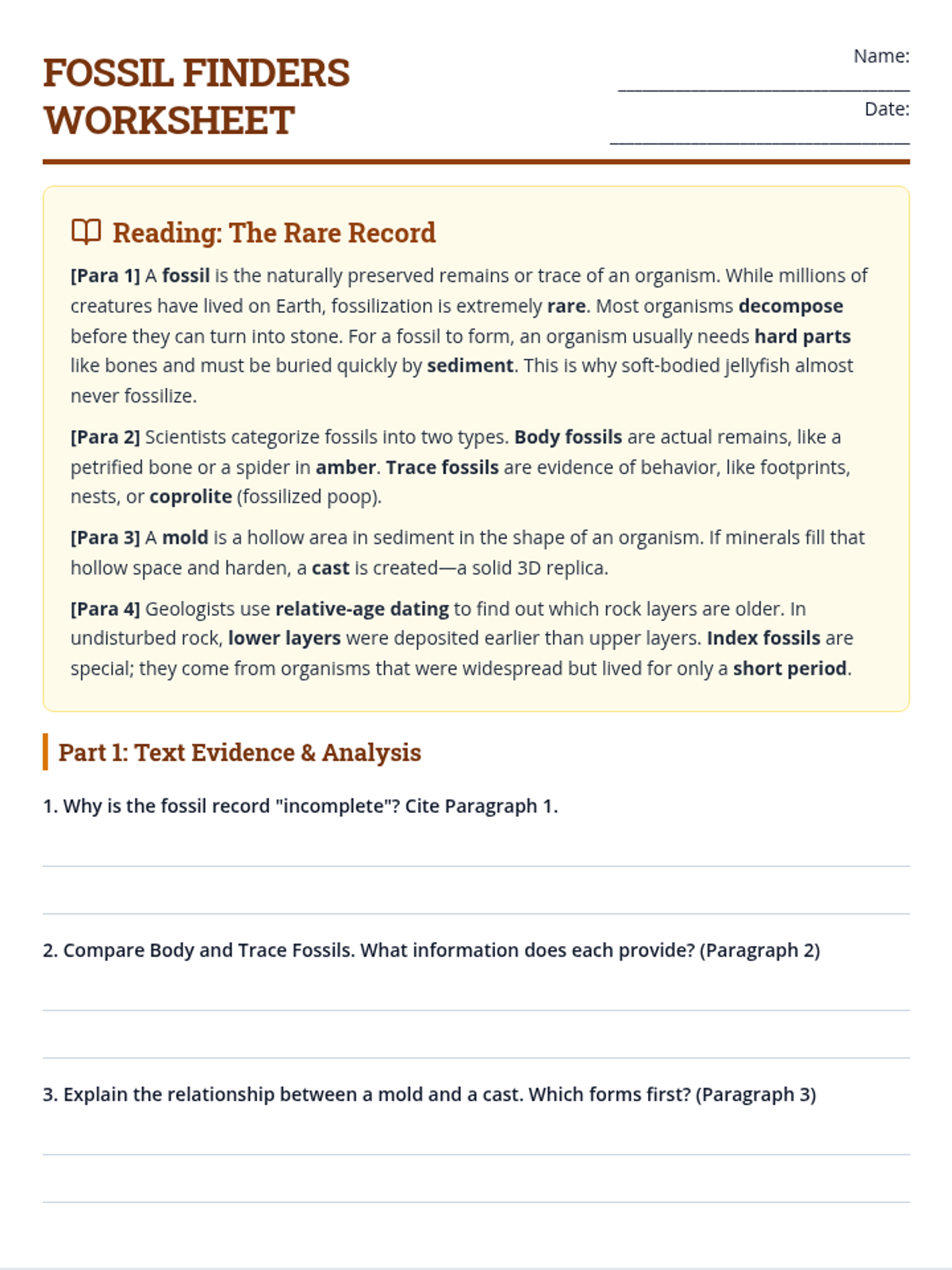
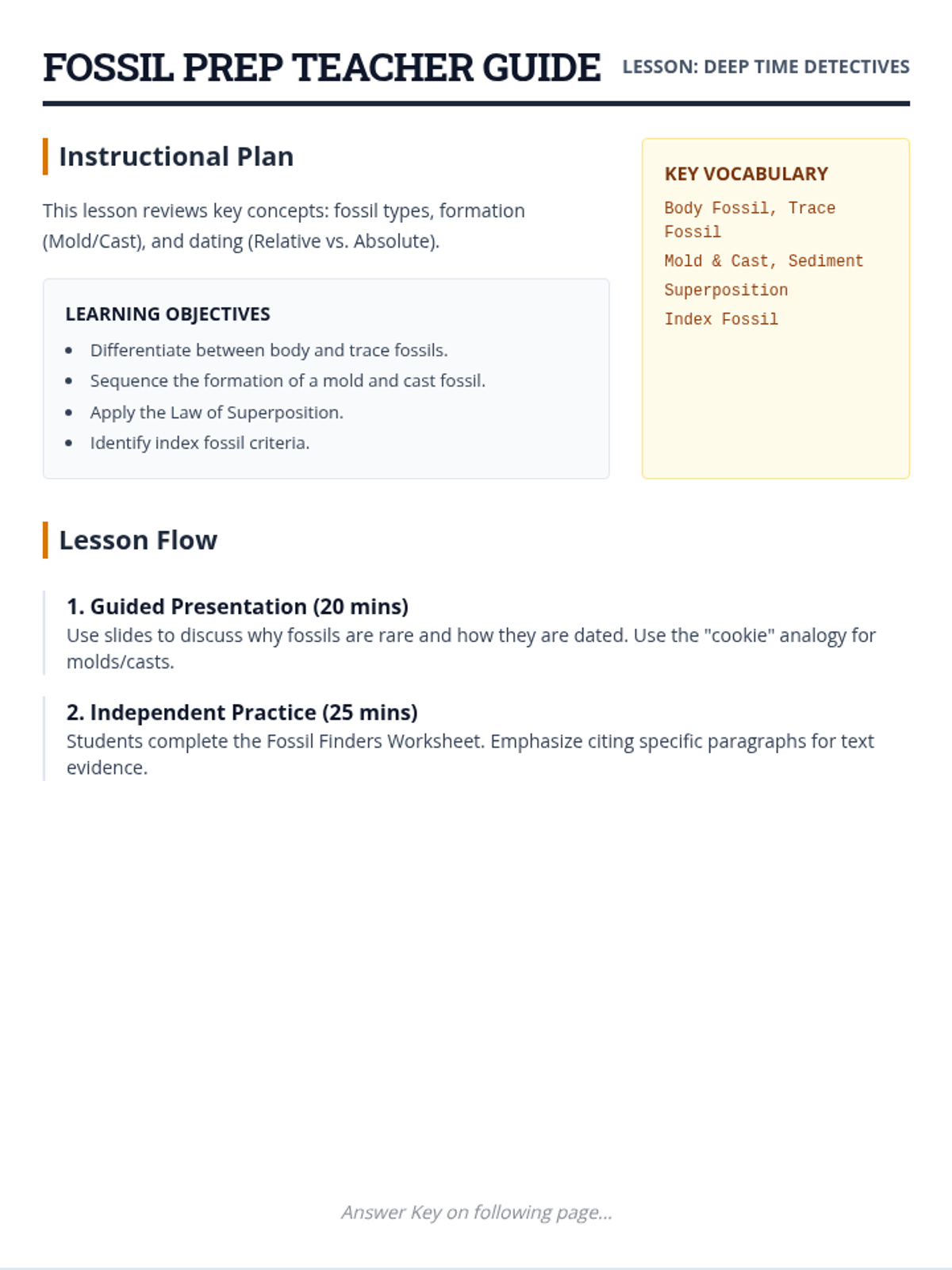
A guided lesson preparing students for a fossils assessment through reading comprehension, visual analysis of rock layers, and vocabulary reinforcement.
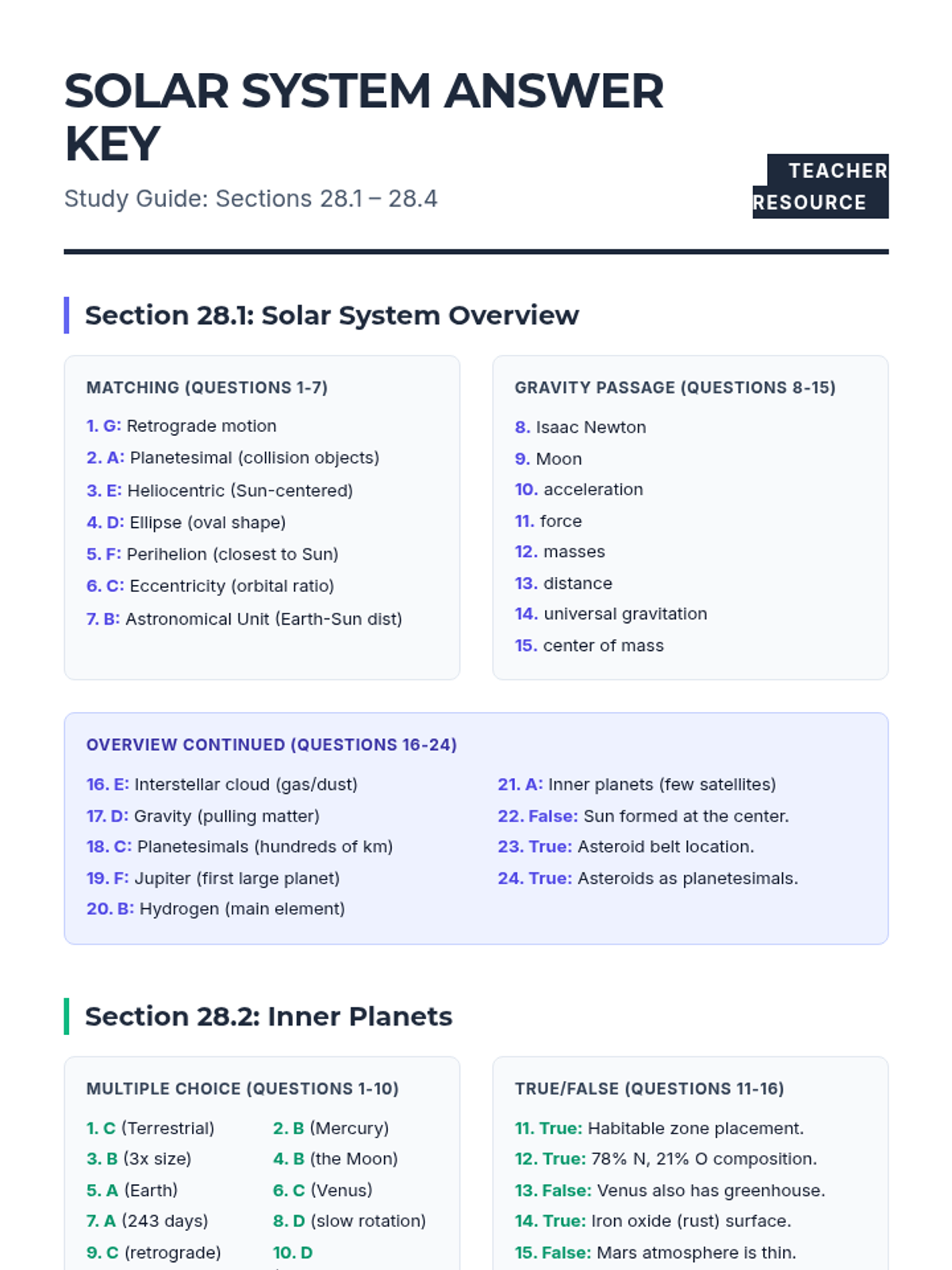
A comprehensive study of planetary characteristics, orbital mechanics, and the formation of our solar system based on the Unit 8 Study Guide.
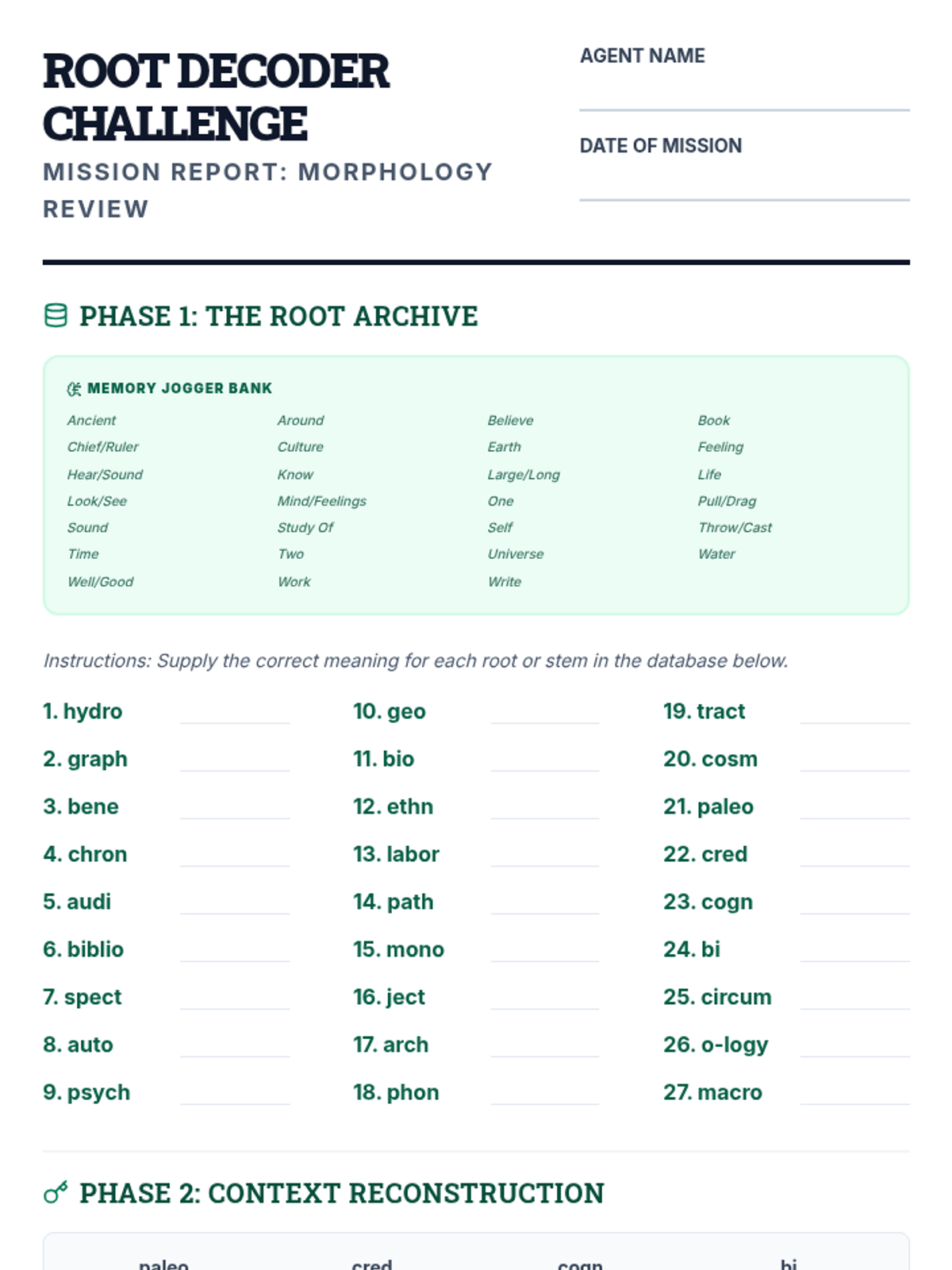
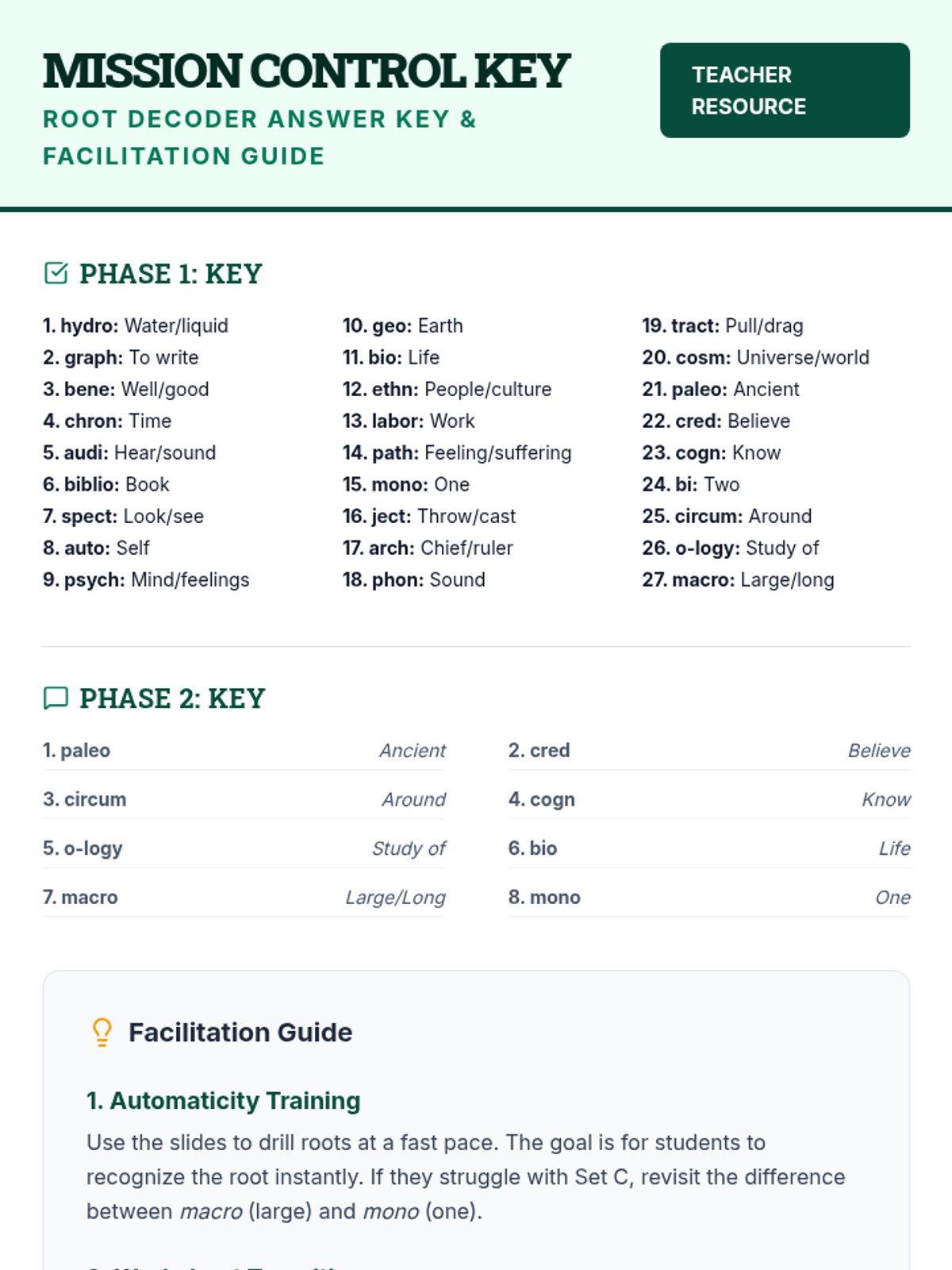
A comprehensive review lesson covering 27 Greek and Latin roots to help developmental reading students prepare for their morphology assessment through gamified slides and a decoding worksheet.
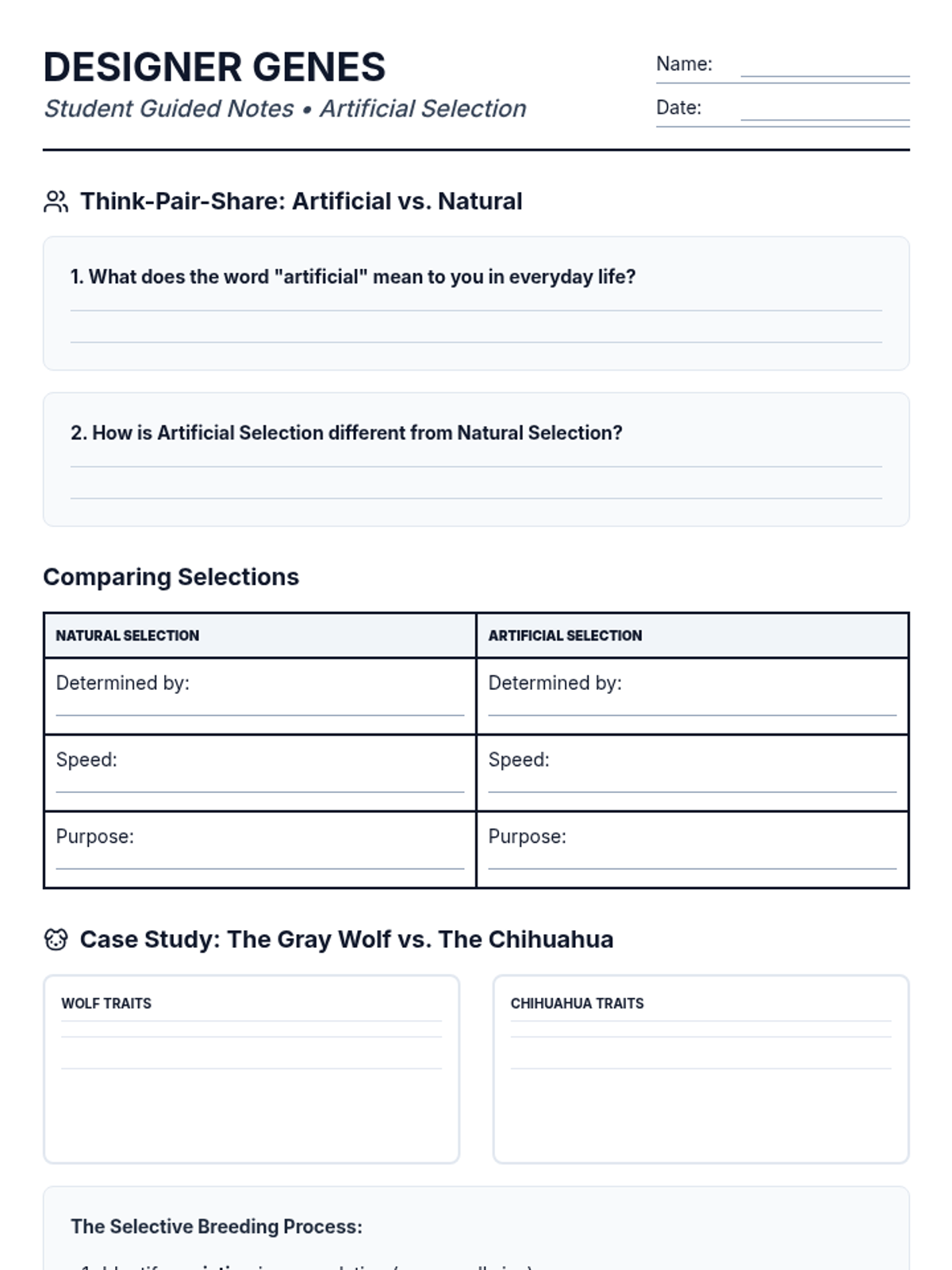
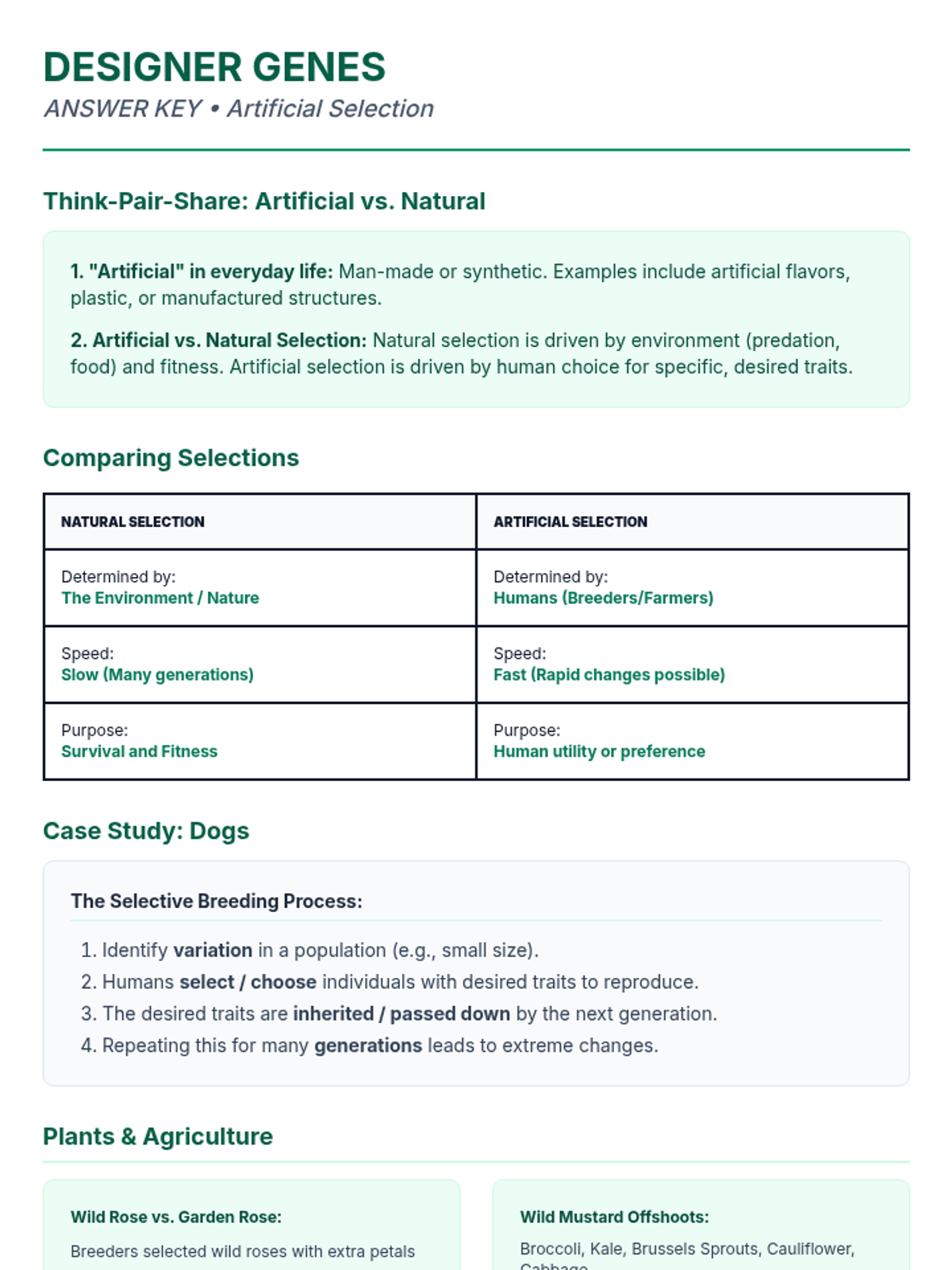
A lesson exploring artificial selection and selective breeding through familiar examples like dogs, roses, and vegetables, highlighting the differences from natural selection and the impact on genetic diversity.
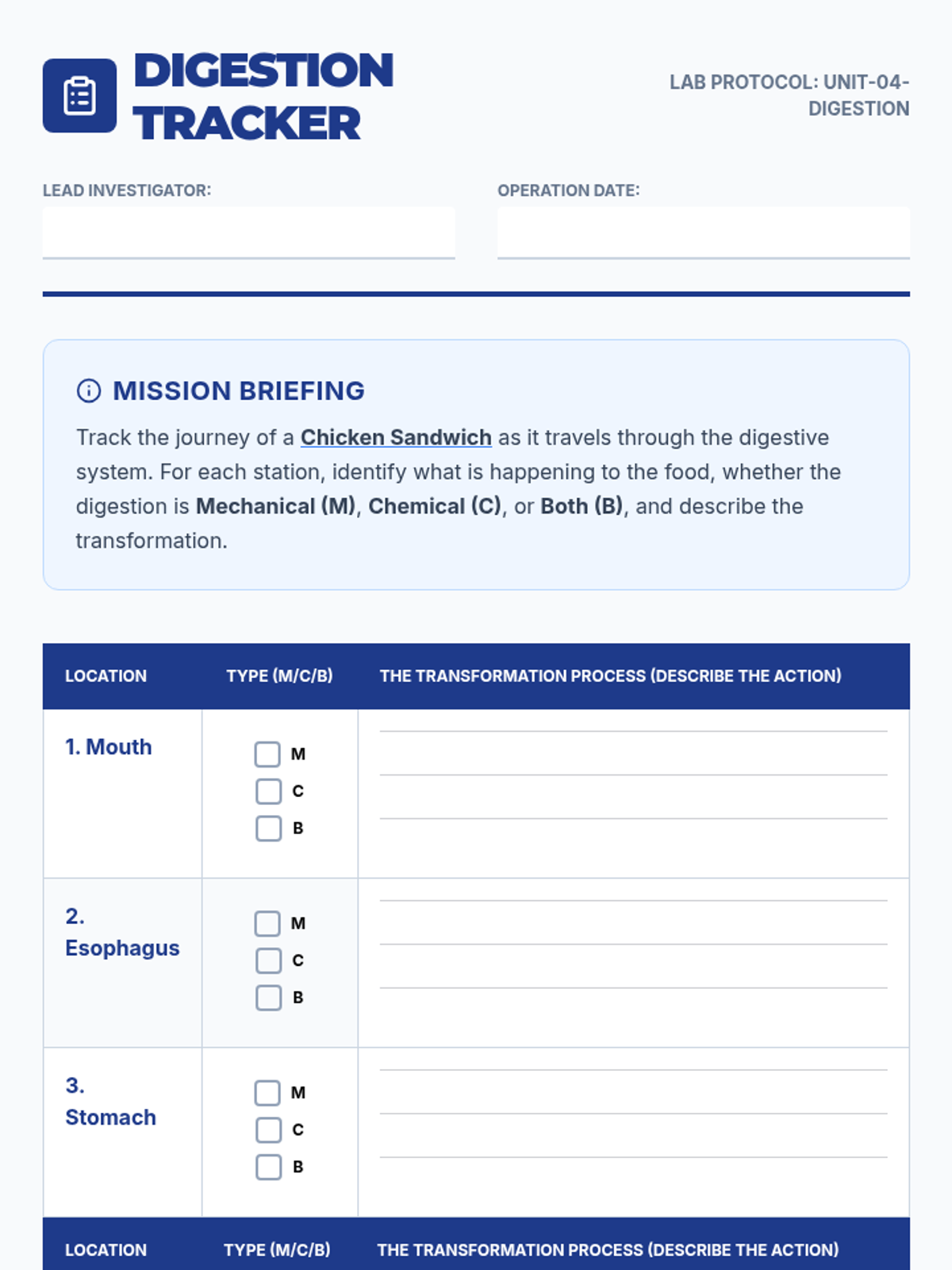
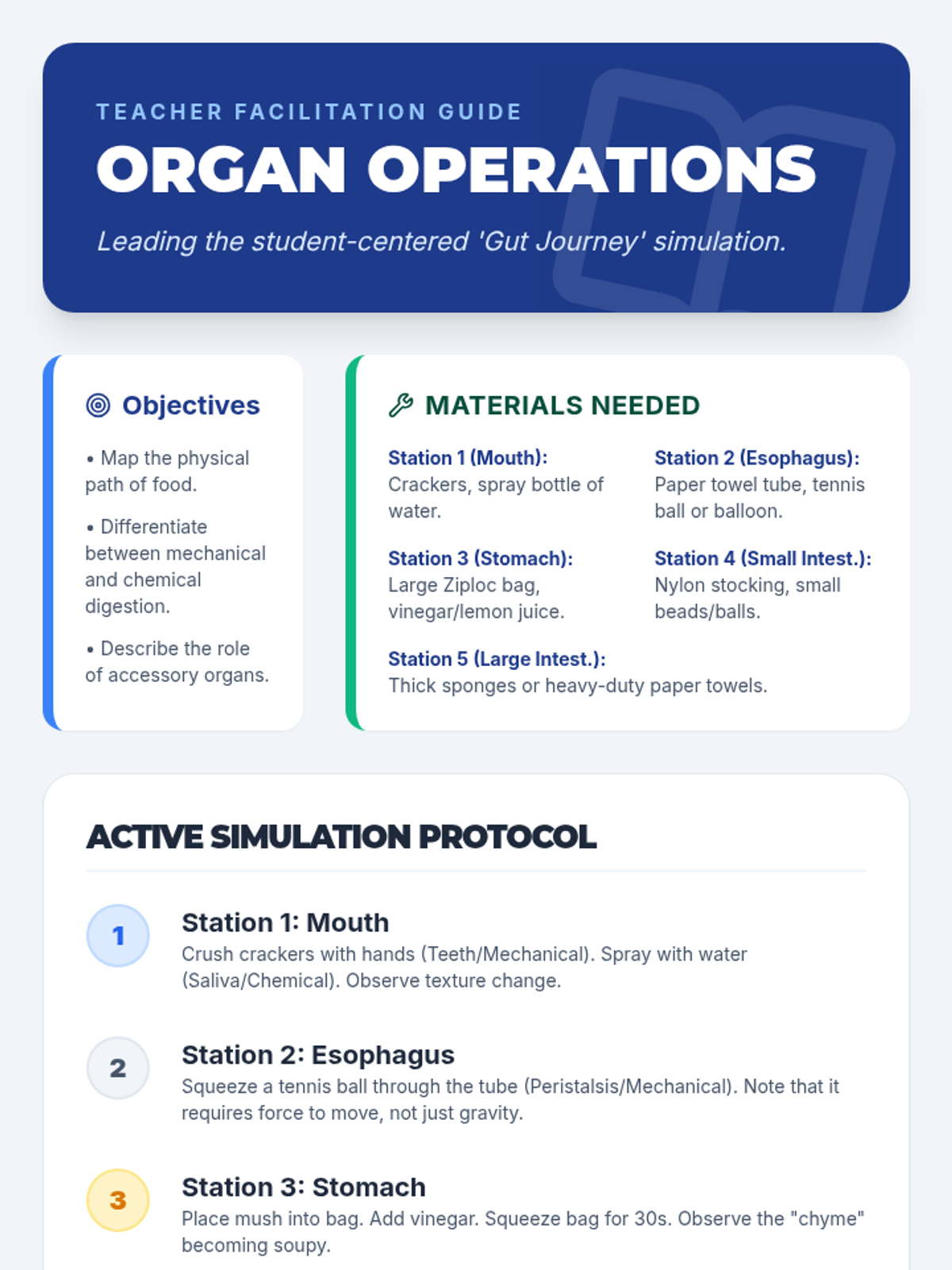
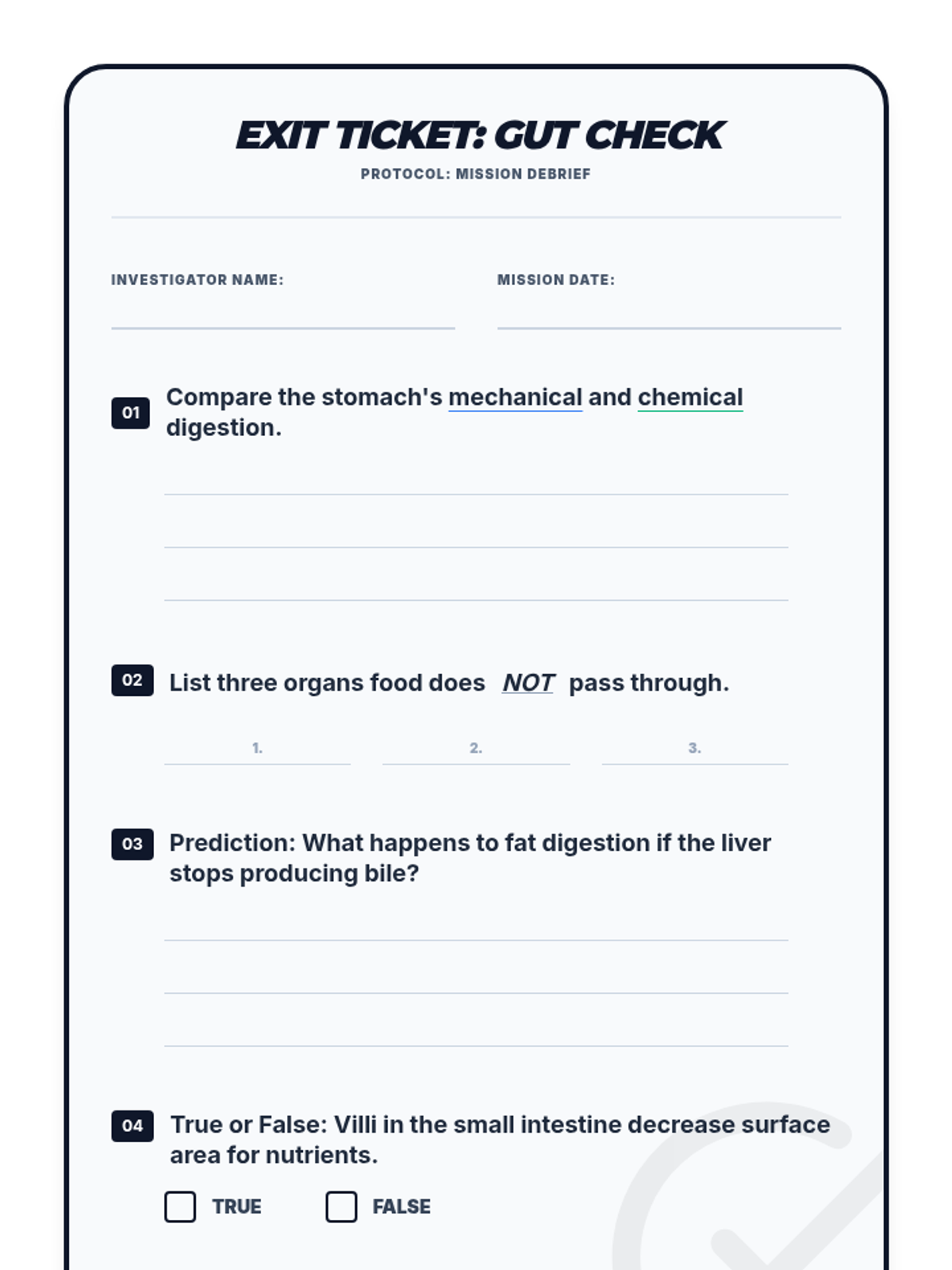
A student-centered exploration of the human digestive system, following the path of food from ingestion to elimination through mechanical and chemical processes.
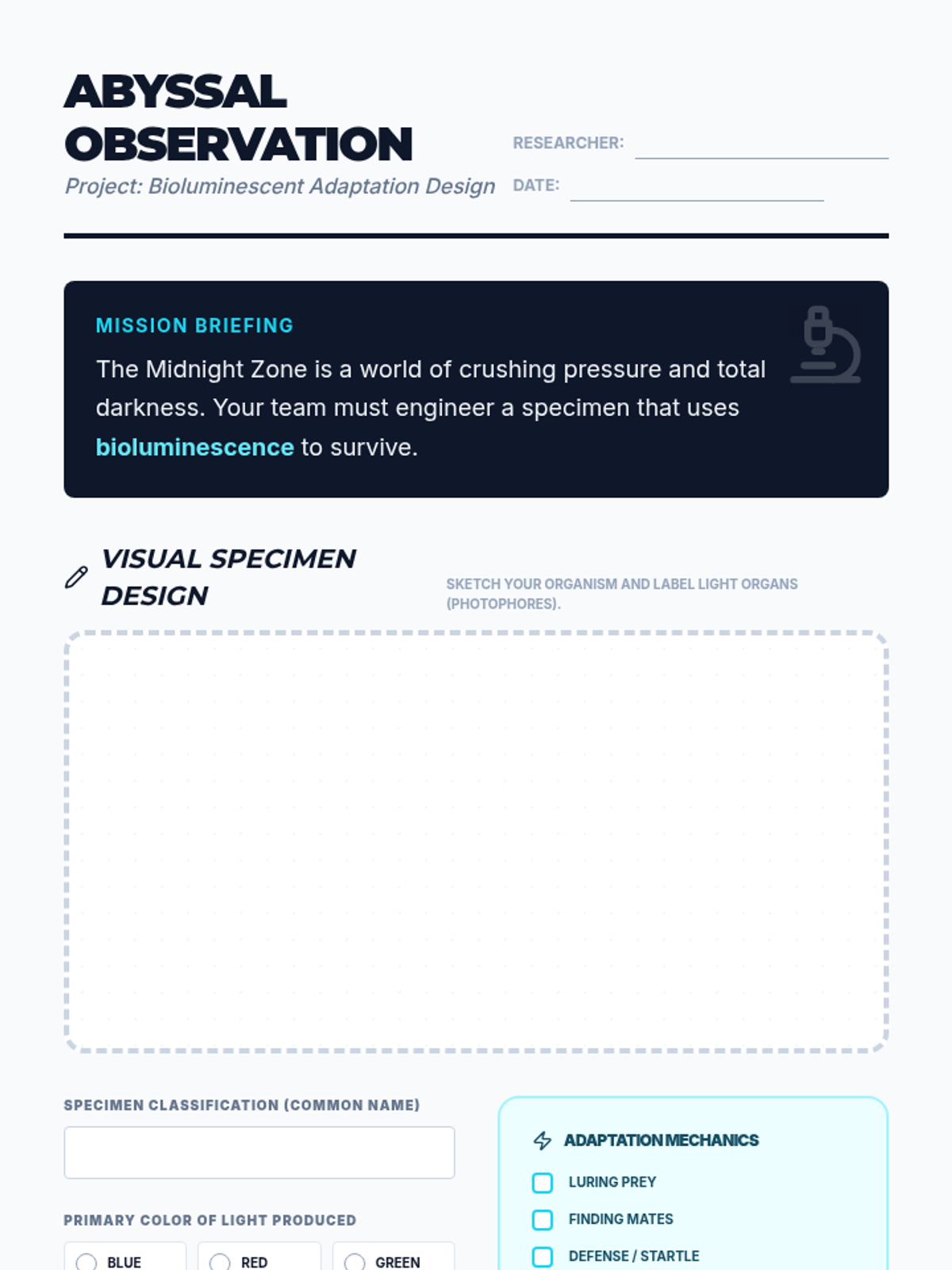
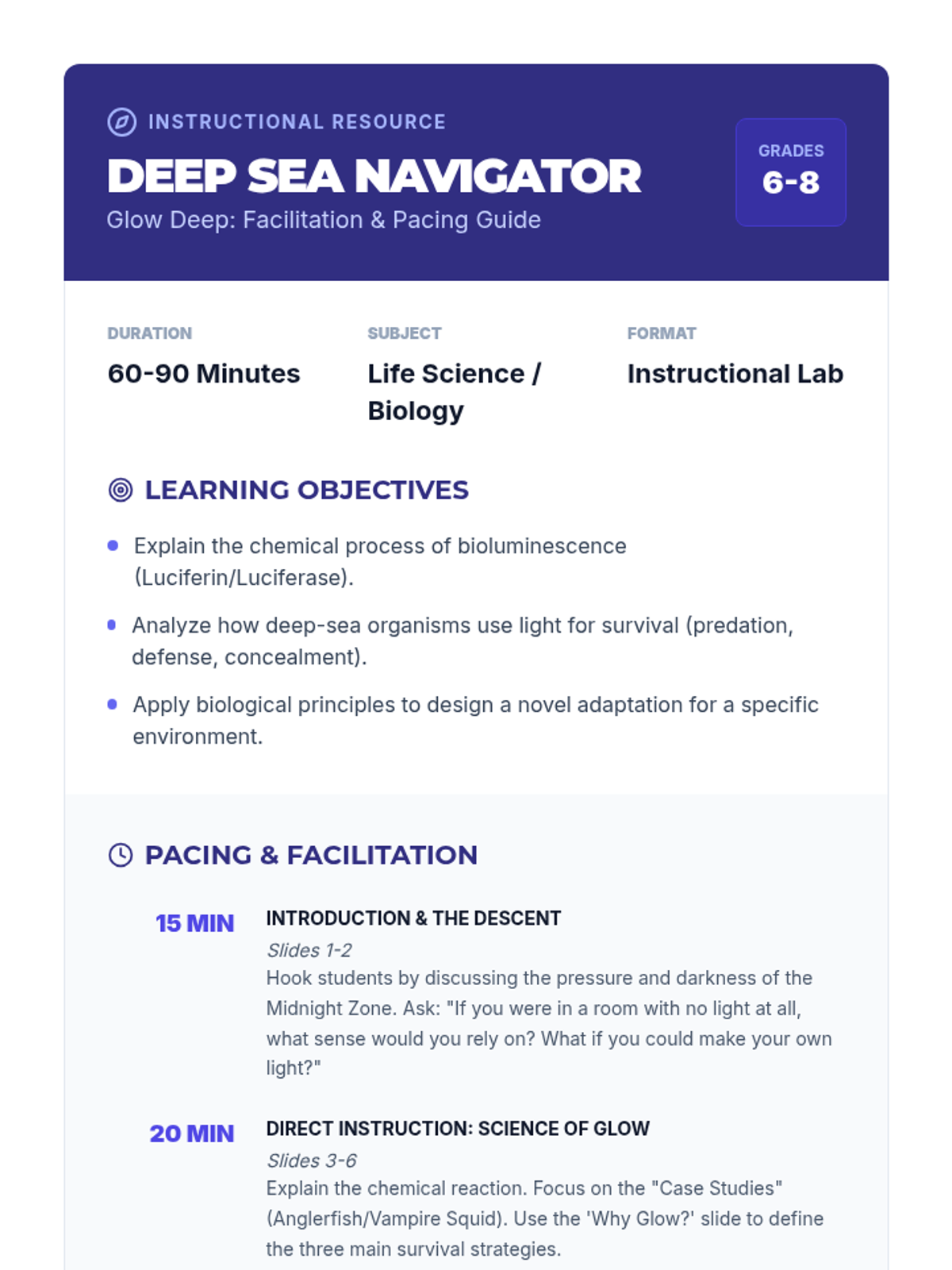
An immersive exploration of deep-sea bioluminescence, where students investigate how creatures adapt to the midnight zone through chemical light. Students will design their own abyssal organism based on scientific adaptation principles.
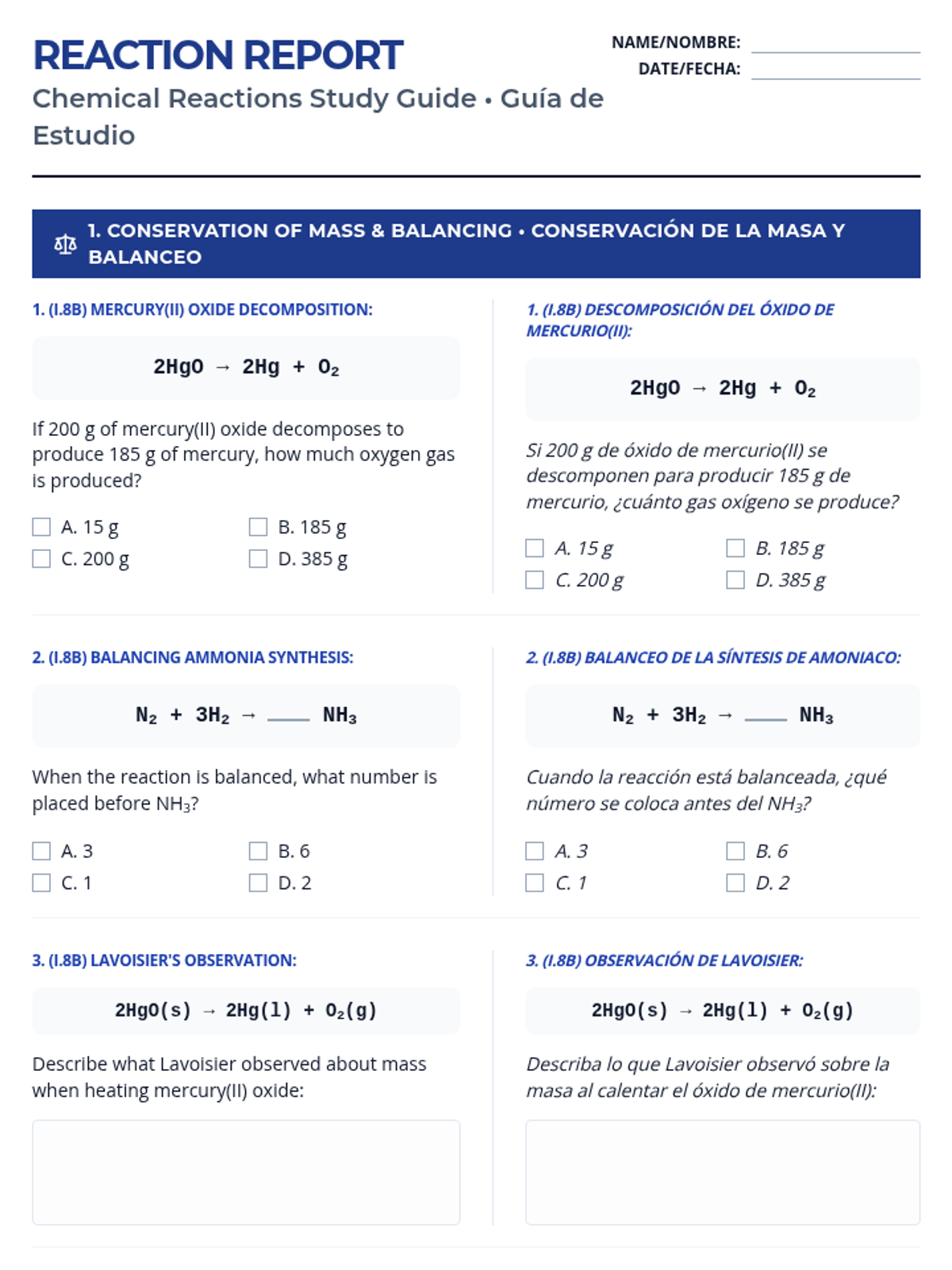
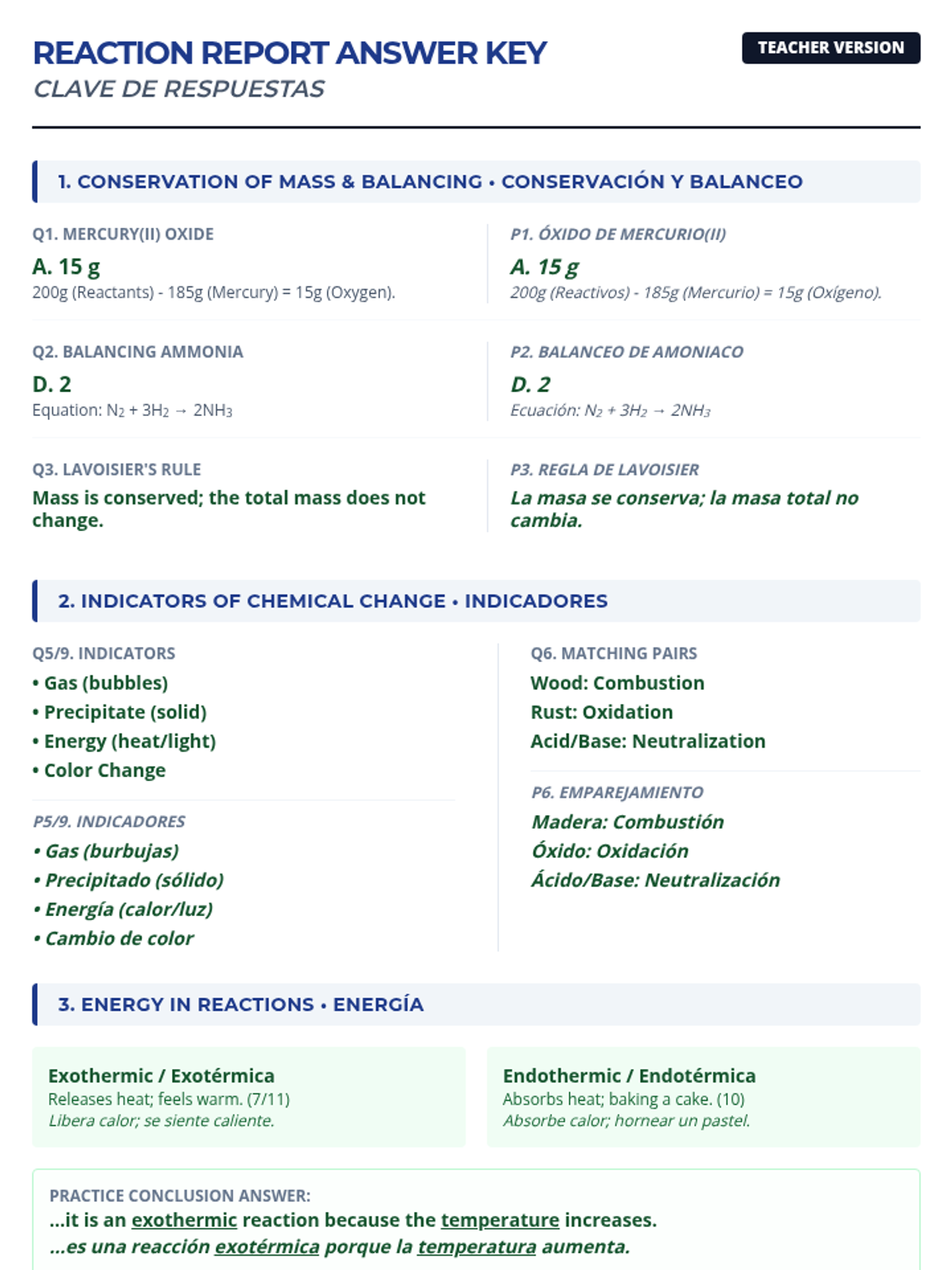
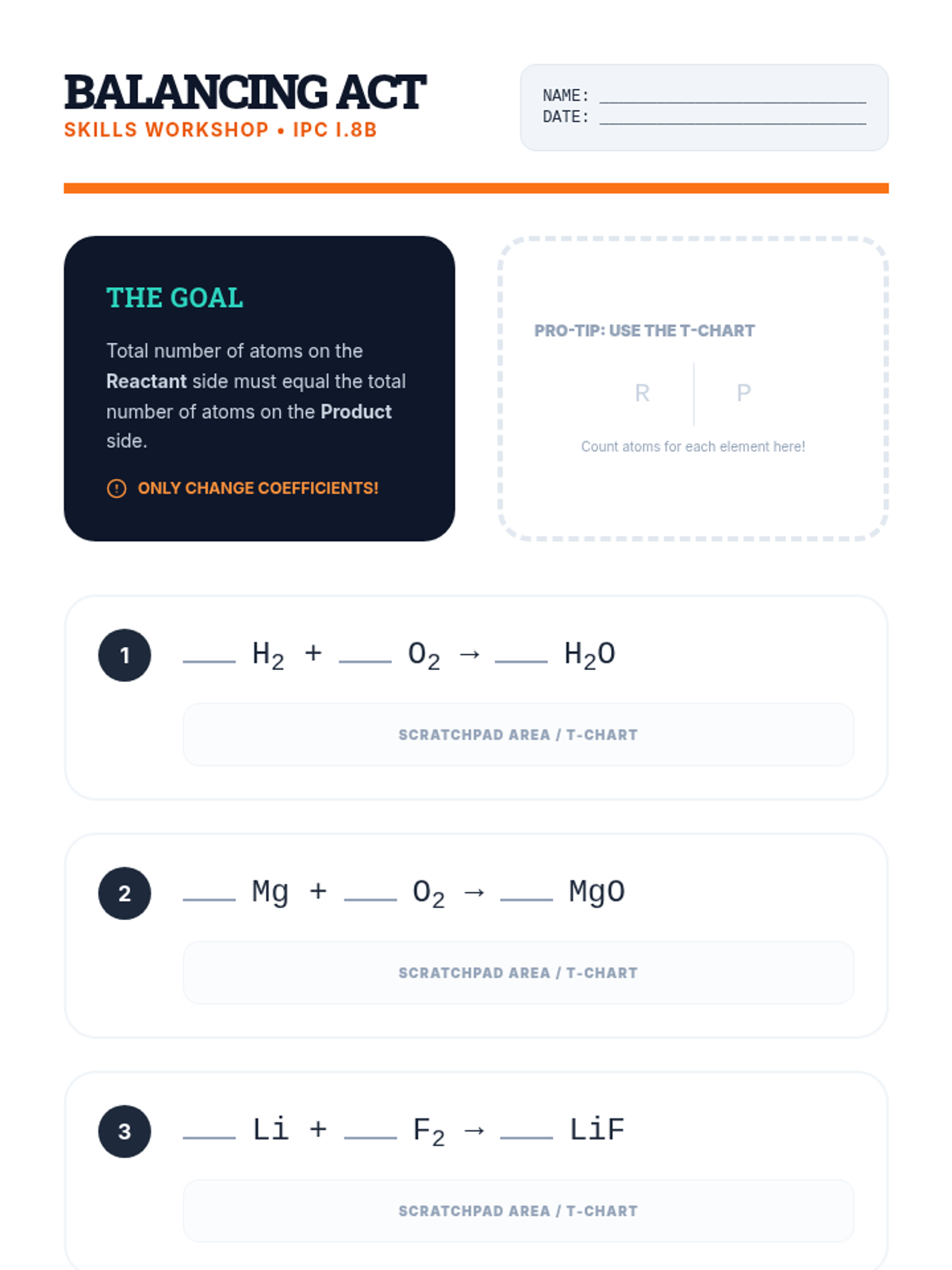
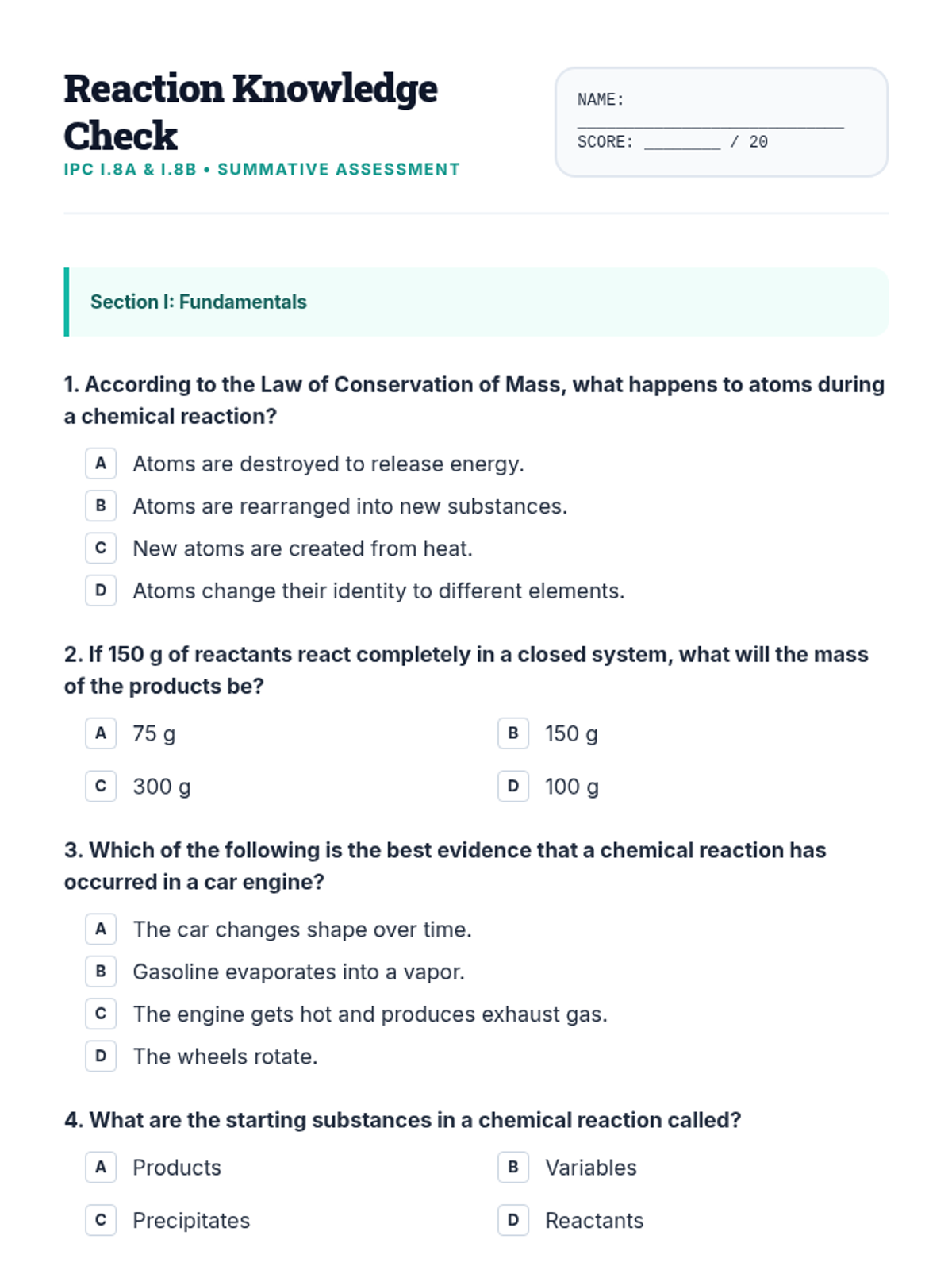
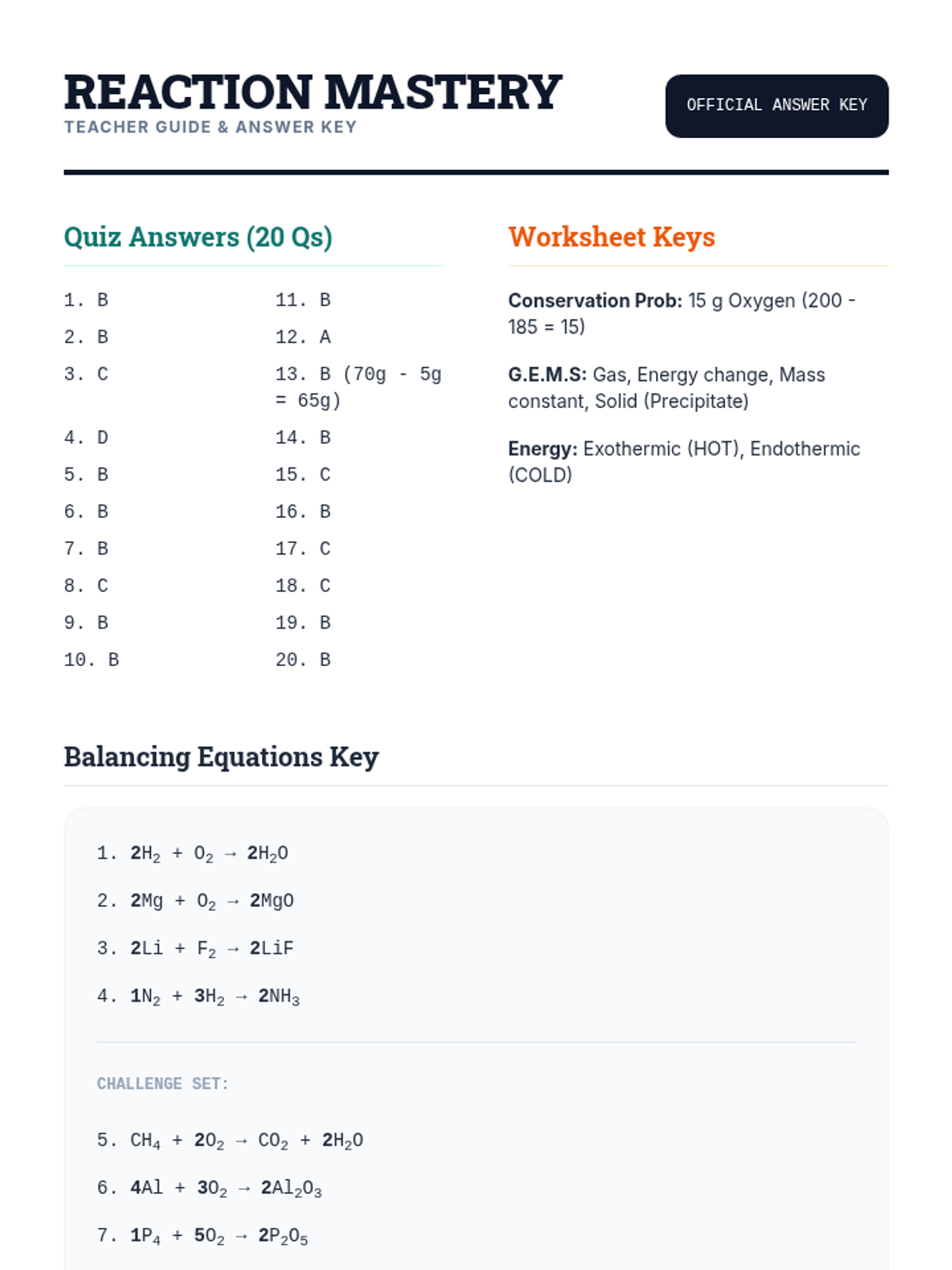
A comprehensive study guide covering chemical reactions, balancing equations, conservation of mass, and energy changes, provided in a bilingual English-Spanish format.
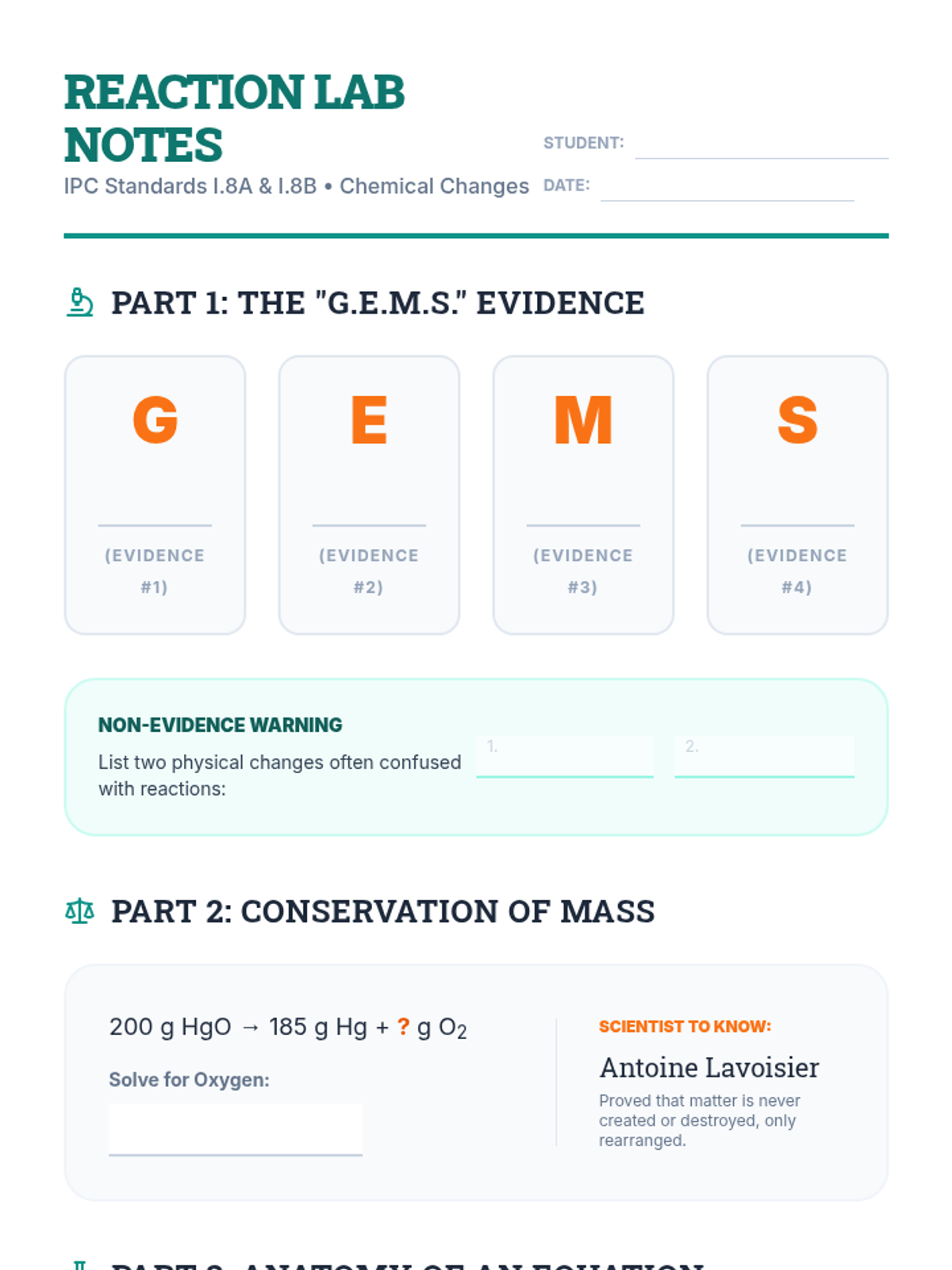
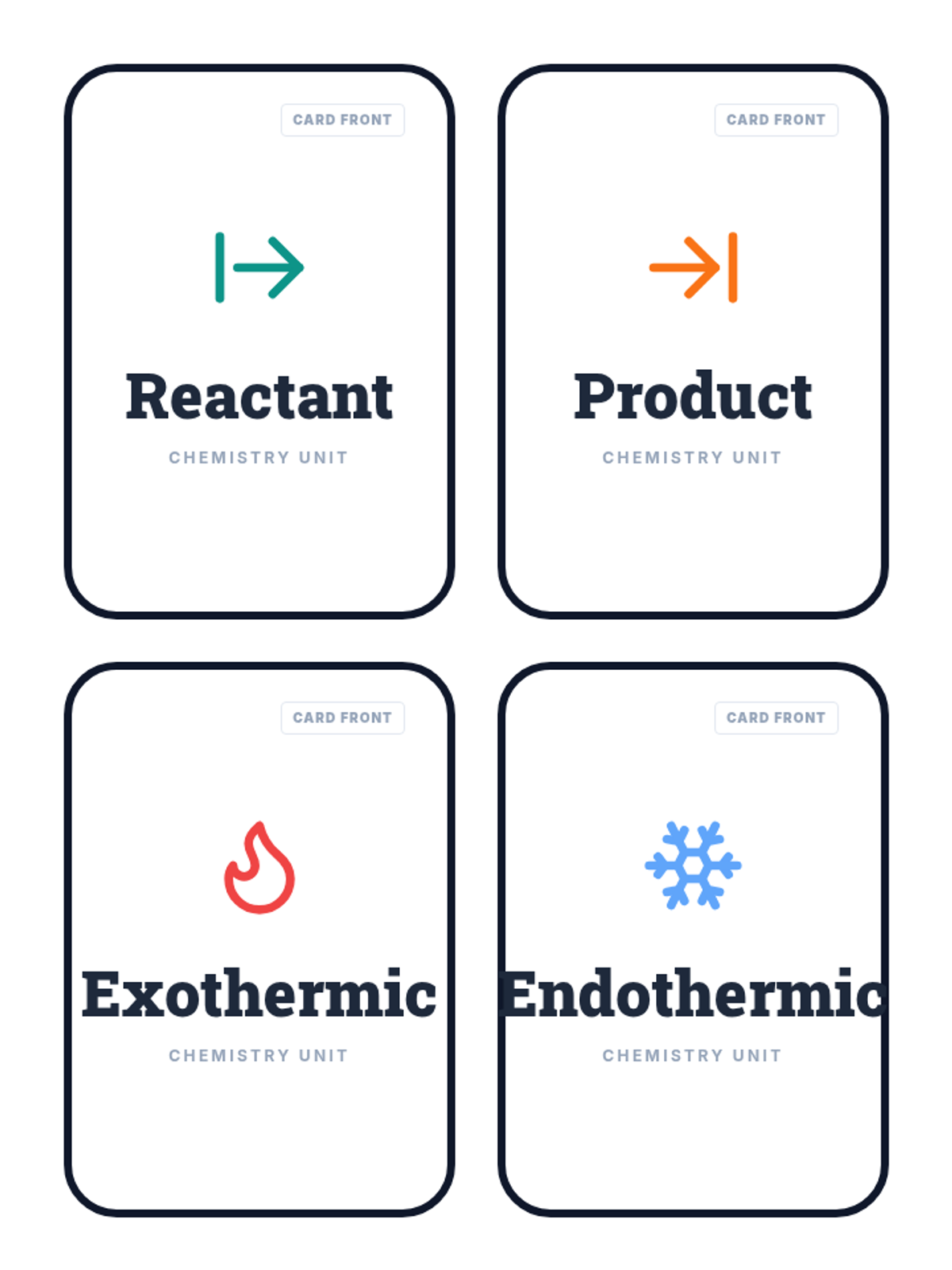
A comprehensive lesson on chemical reactions covering conservation of mass, balancing equations, evidence of reactions, and energy changes. Students will engage with visual slides, practice worksheets, and a summative assessment.
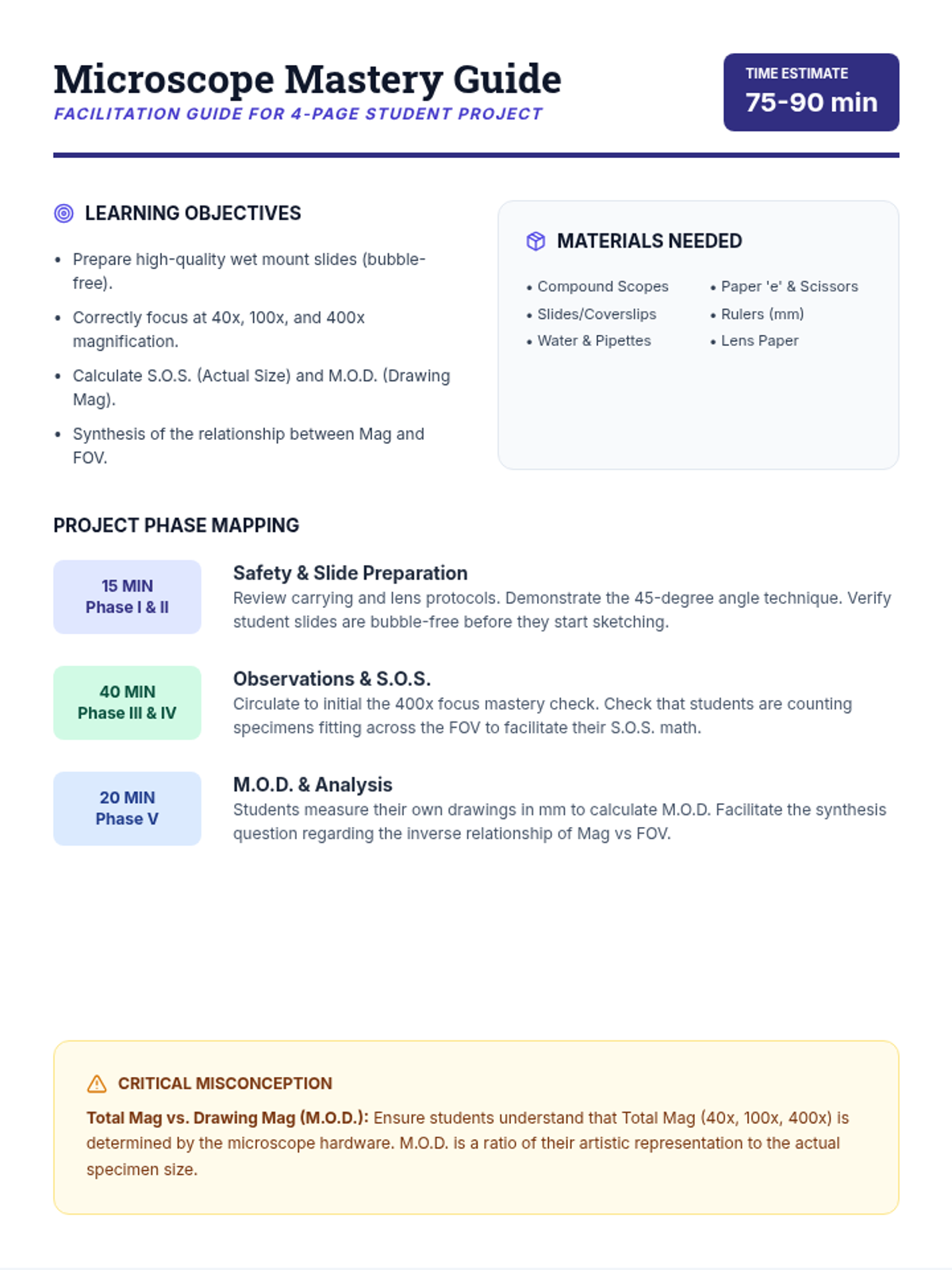
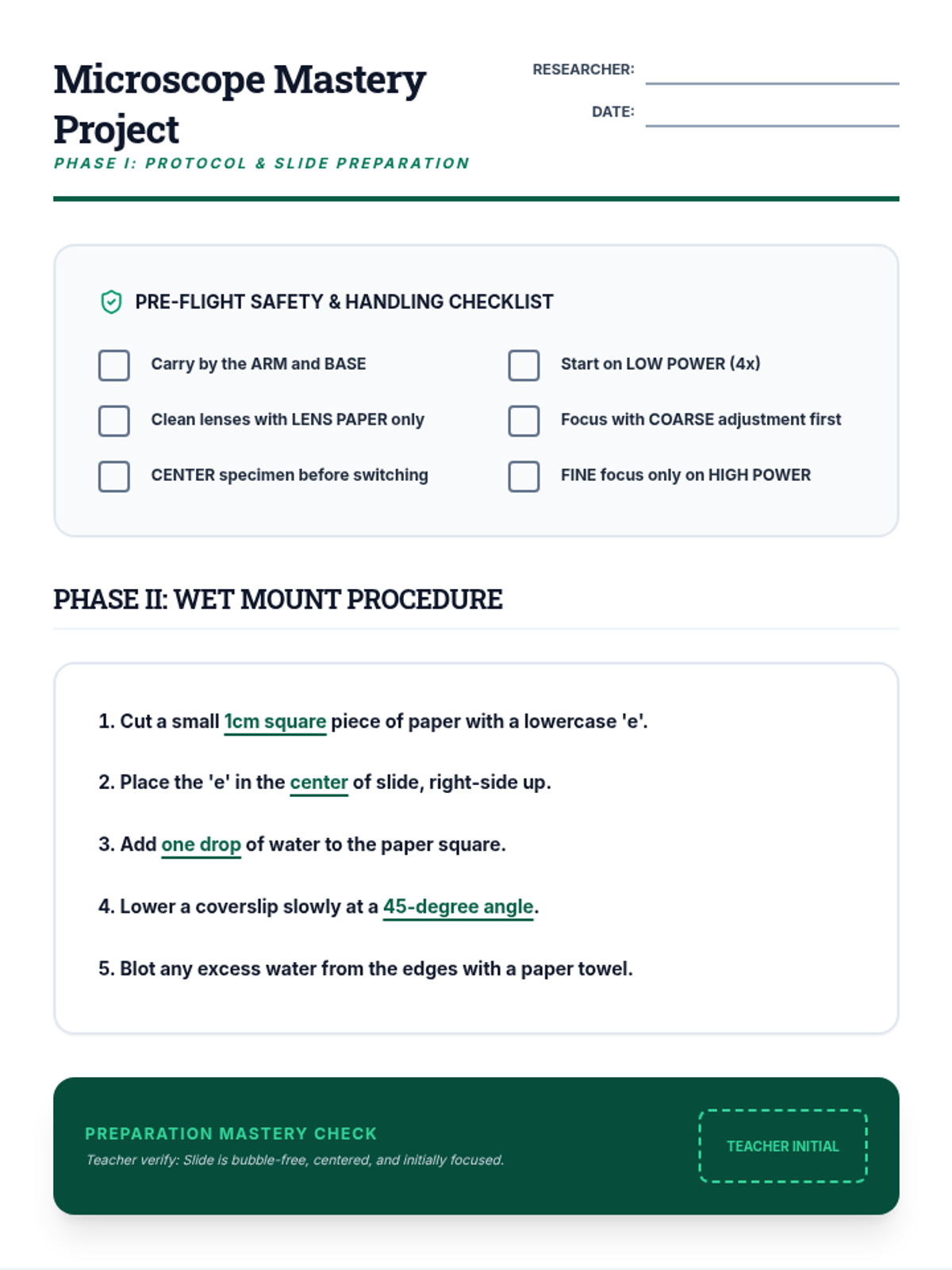
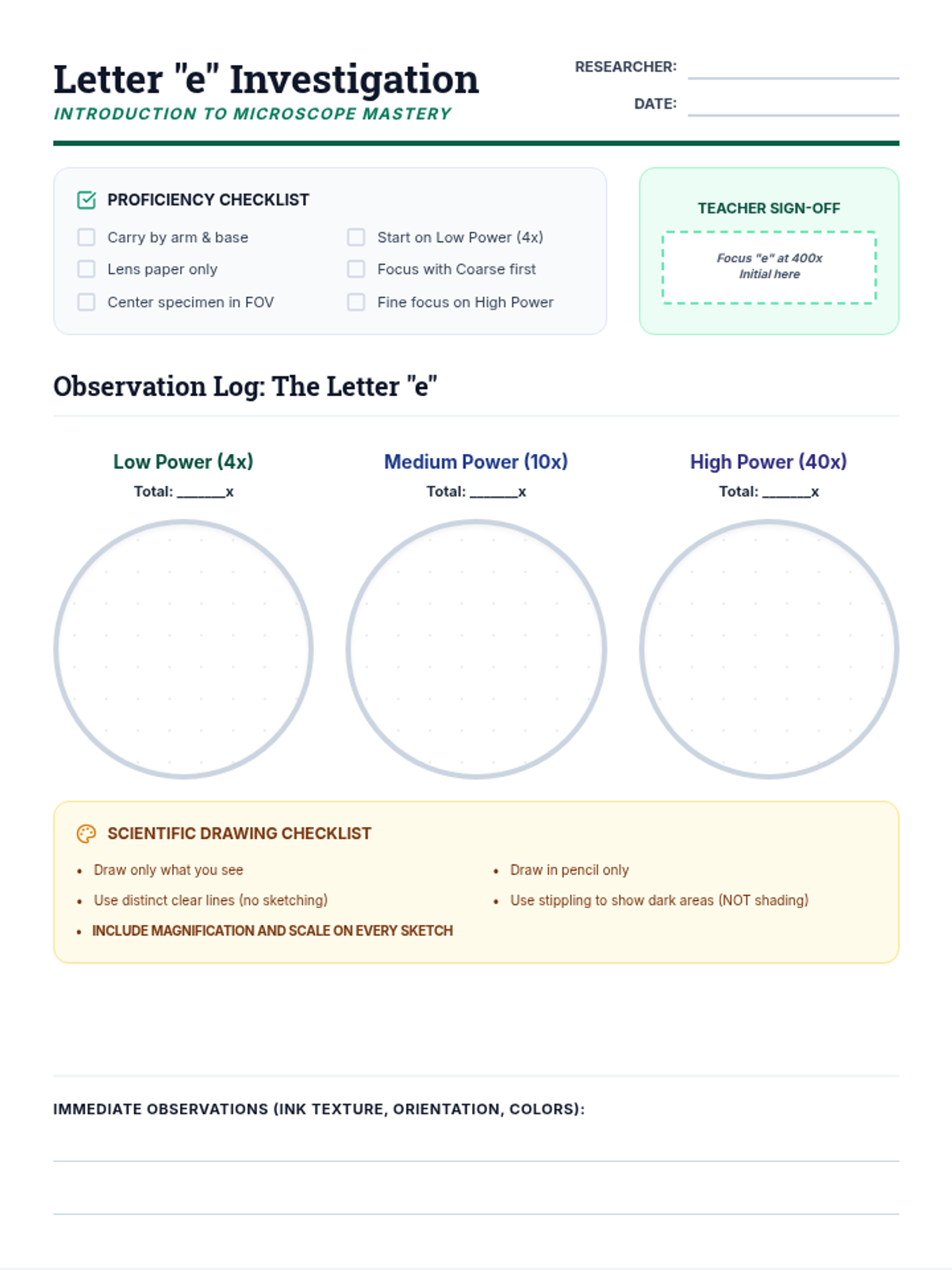
Students learn the fundamentals of microscopy by investigating the letter 'e', practicing slide preparation, and mastering magnification calculations. This lesson covers microscope parts, safety, wet mount preparation, and scientific drawing.
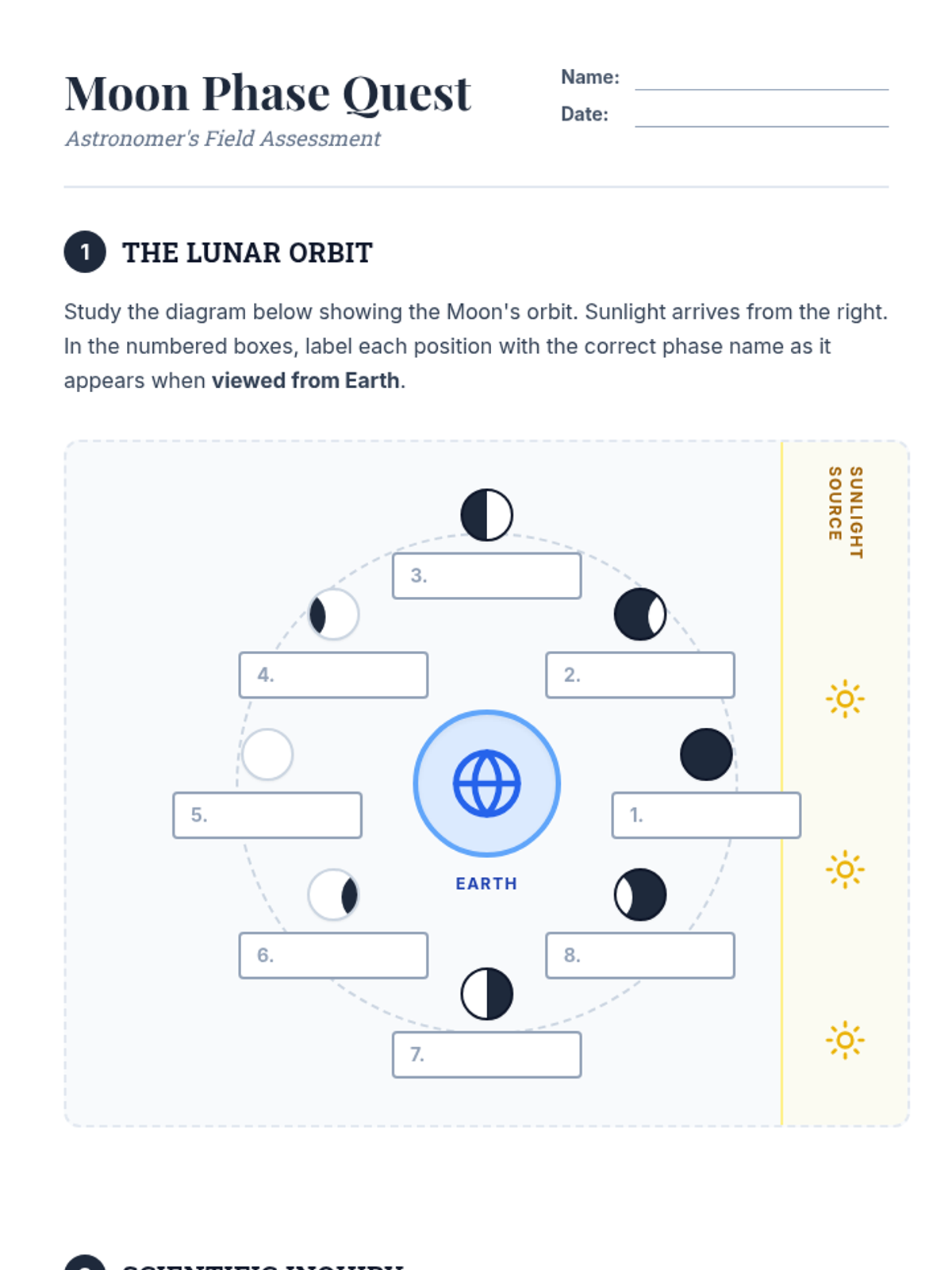
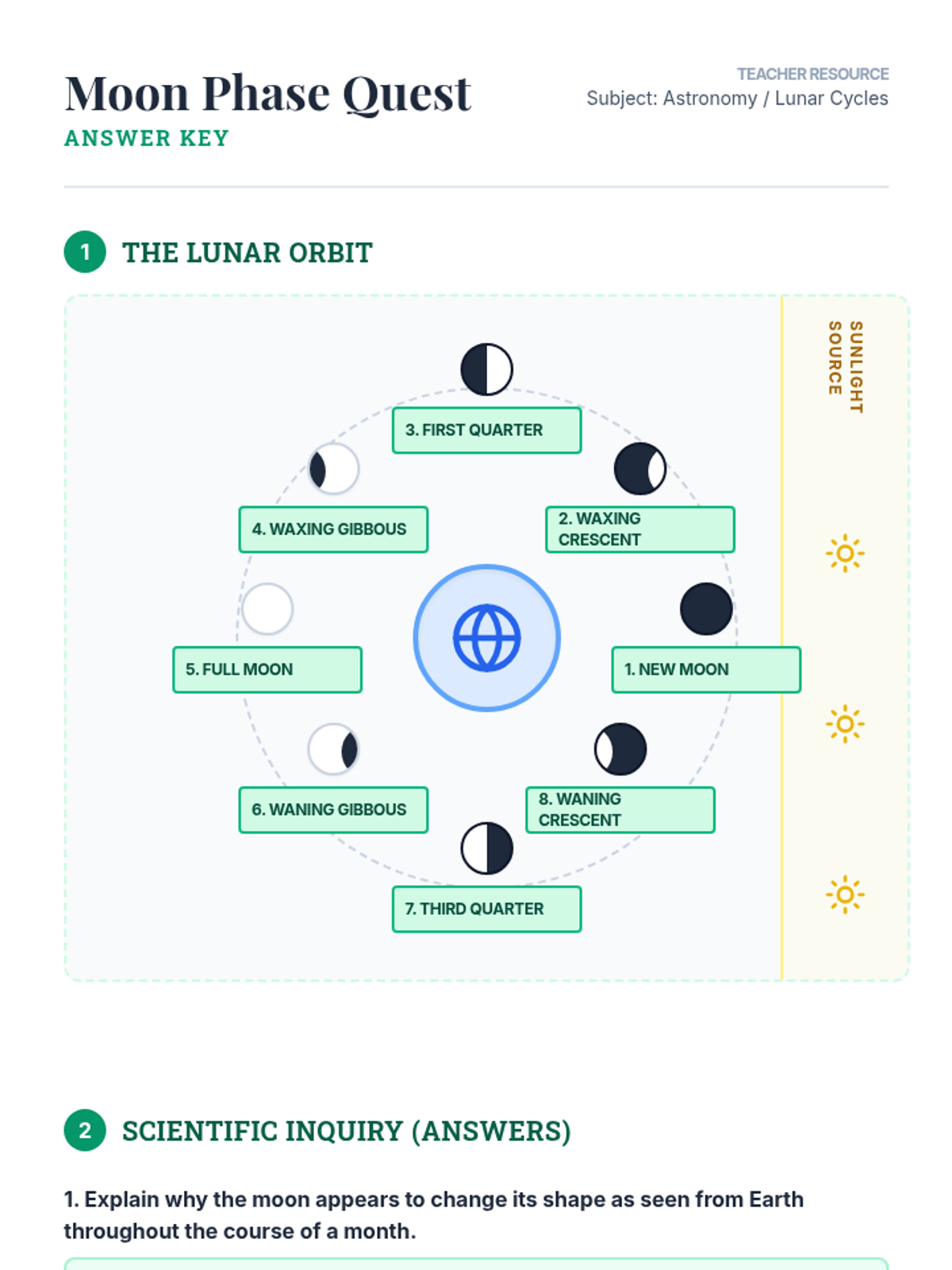
A comprehensive assessment on the lunar cycle, featuring diagram labeling of all eight phases and conceptual short-answer questions.
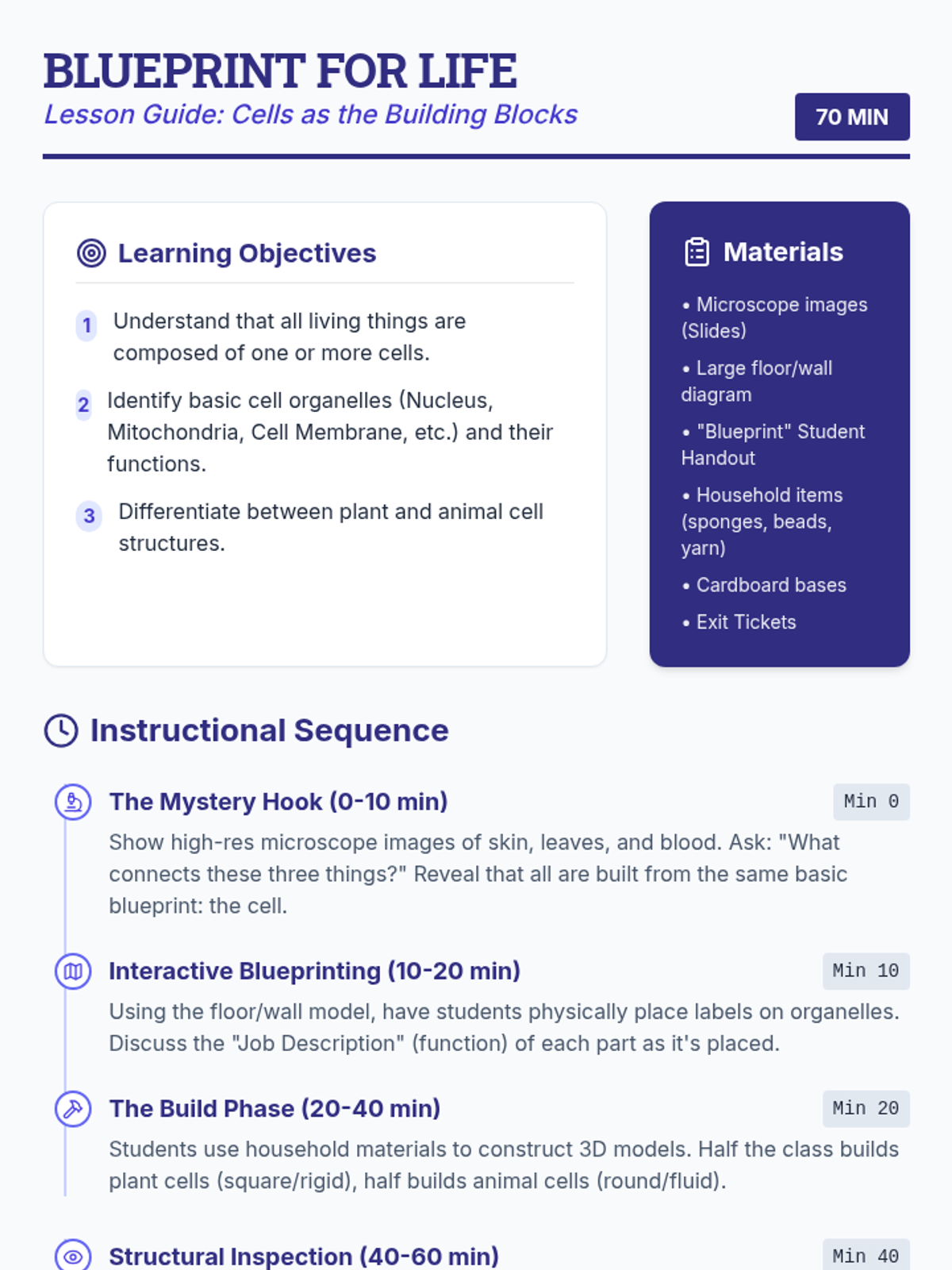
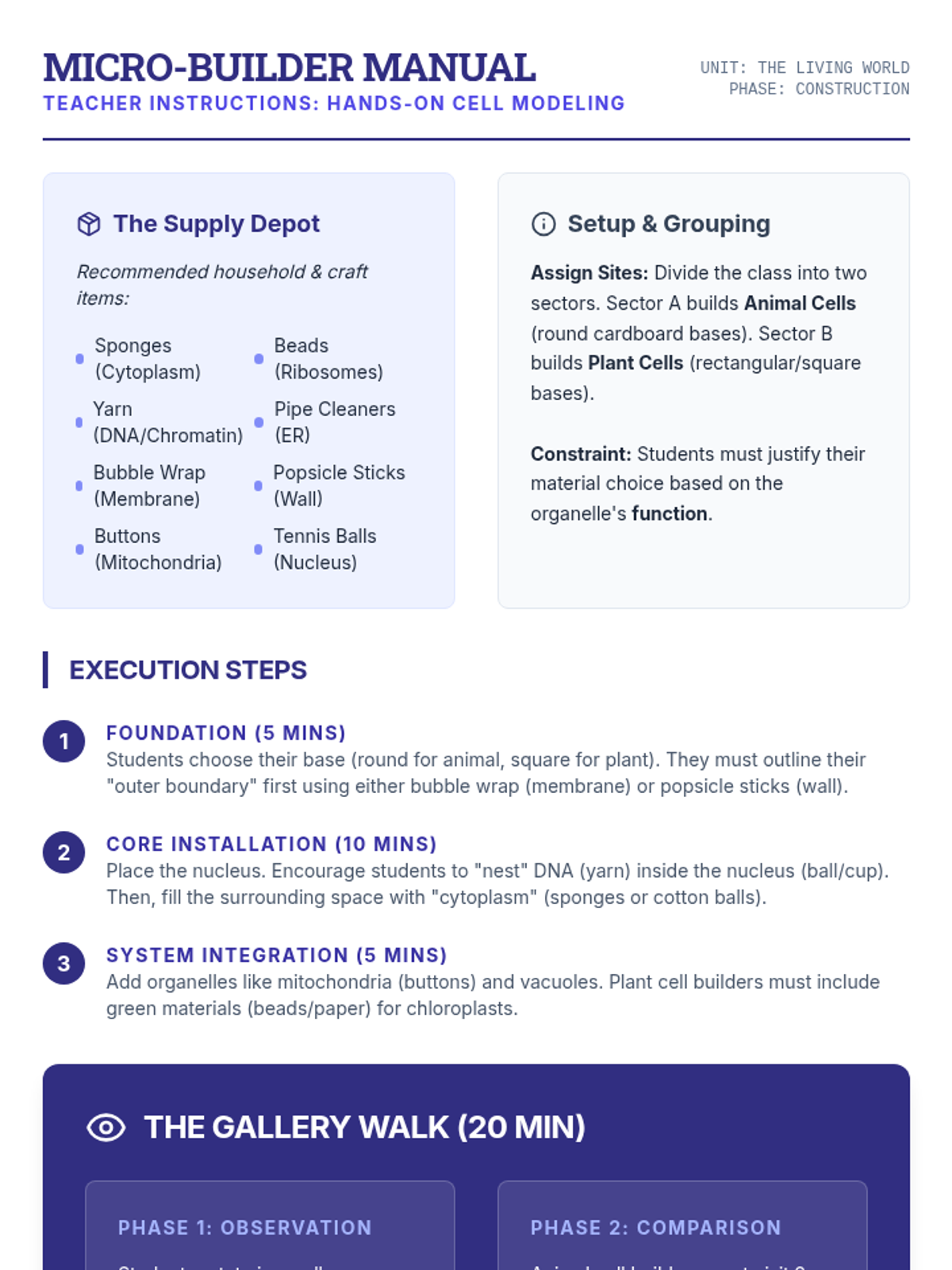
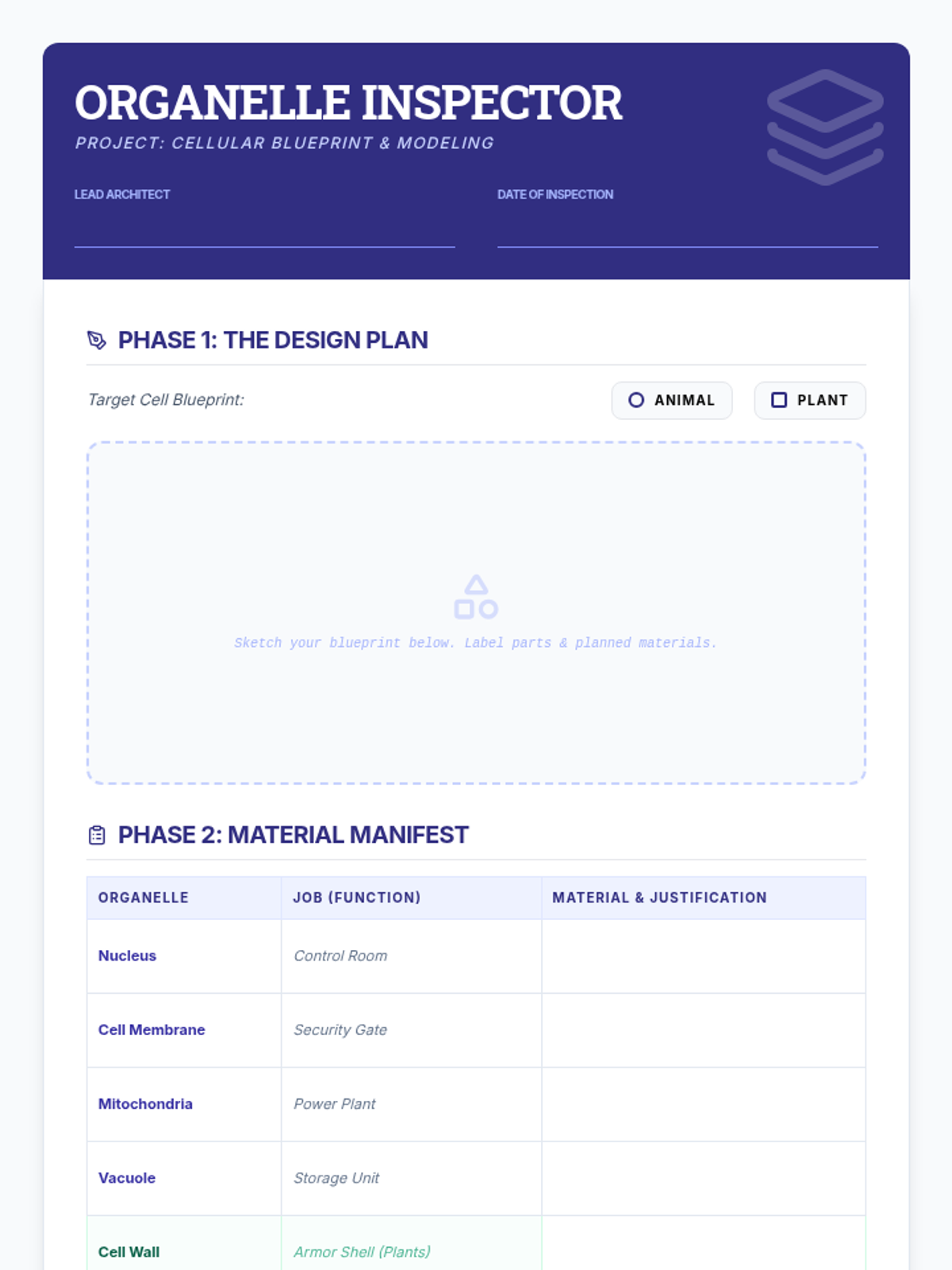
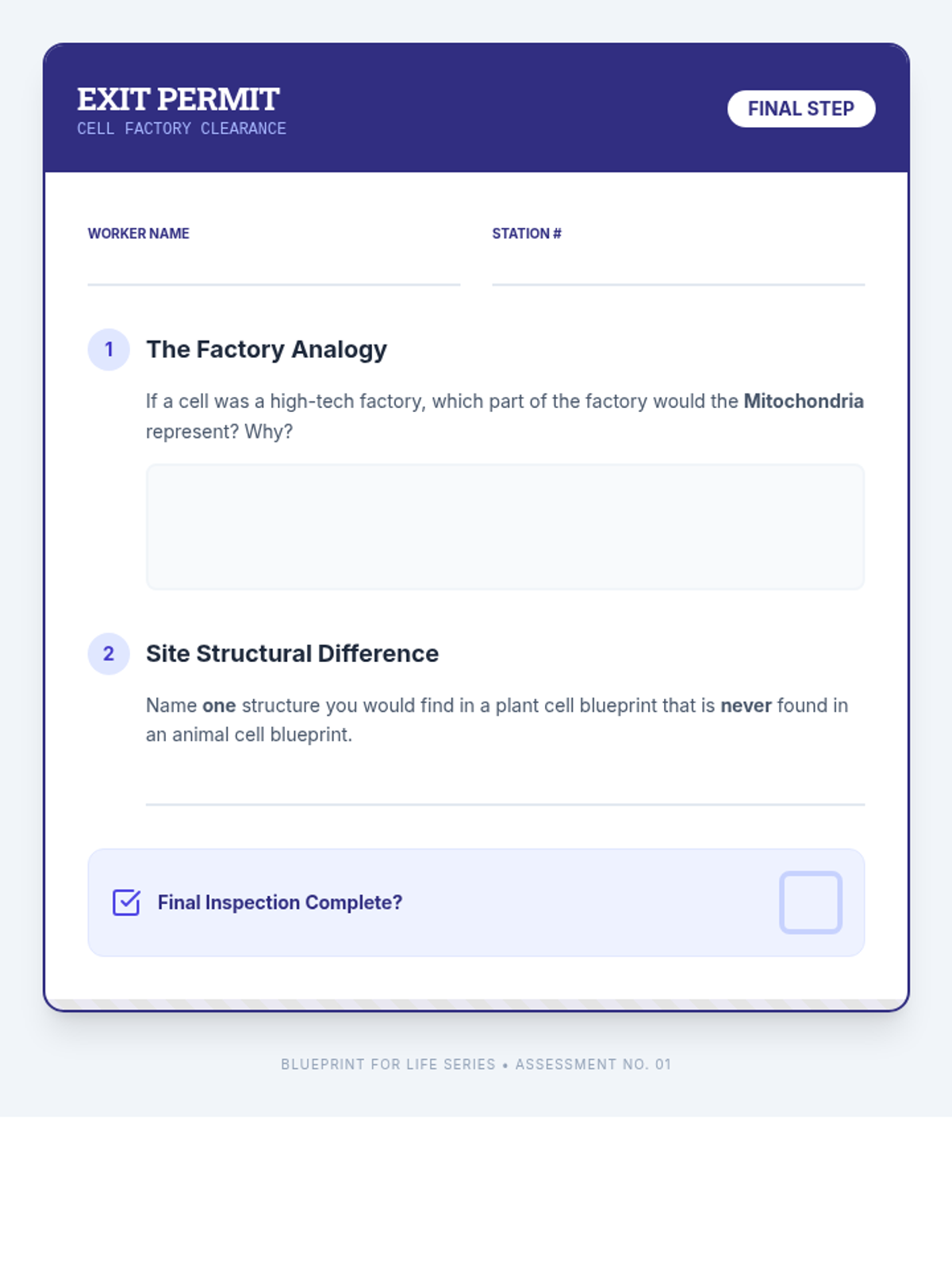
An introductory biology lesson exploring the fundamental unit of life through the lens of architectural design. Students compare plant and animal cells, identify organelles, and construct physical models using everyday materials.
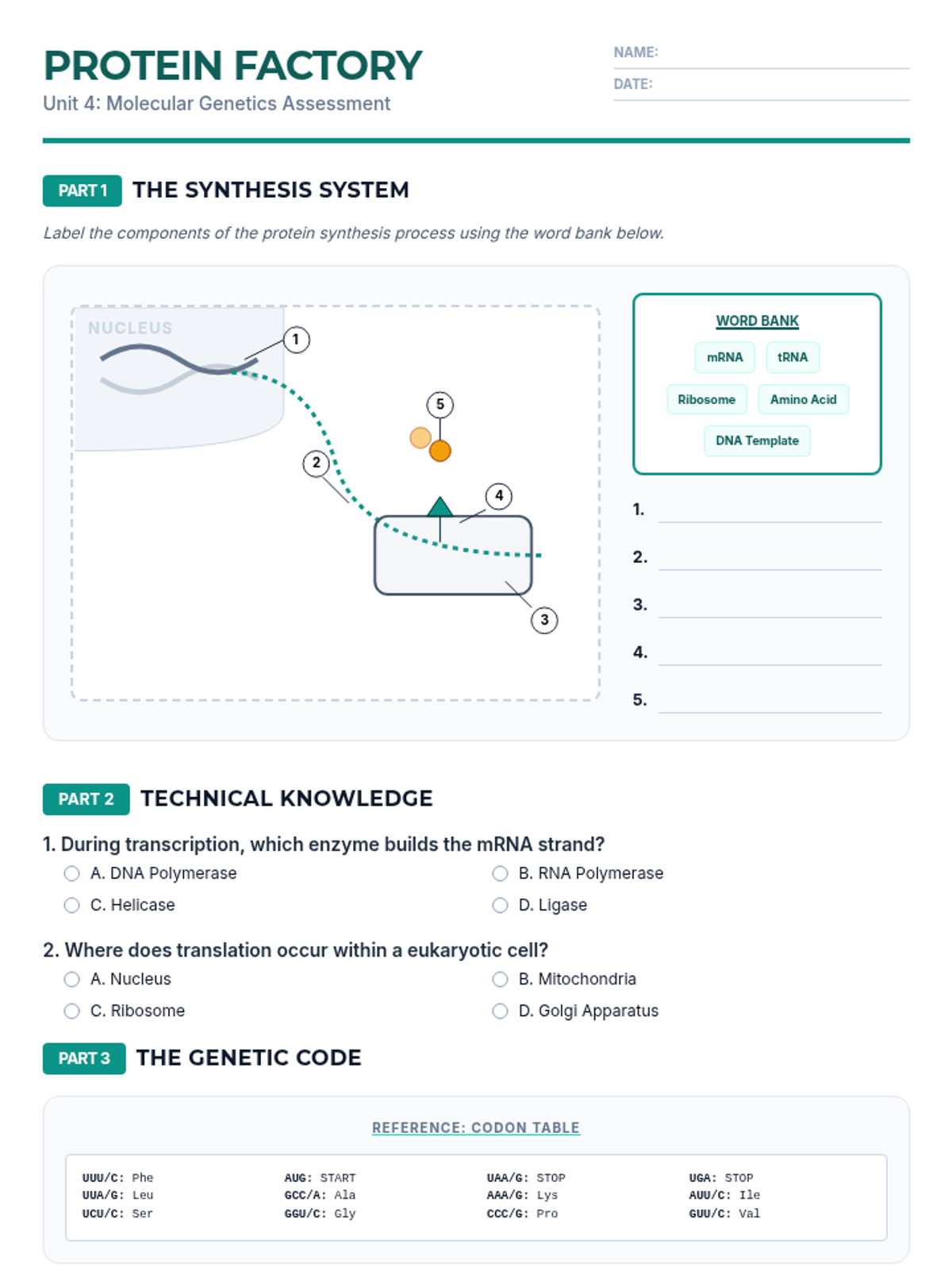
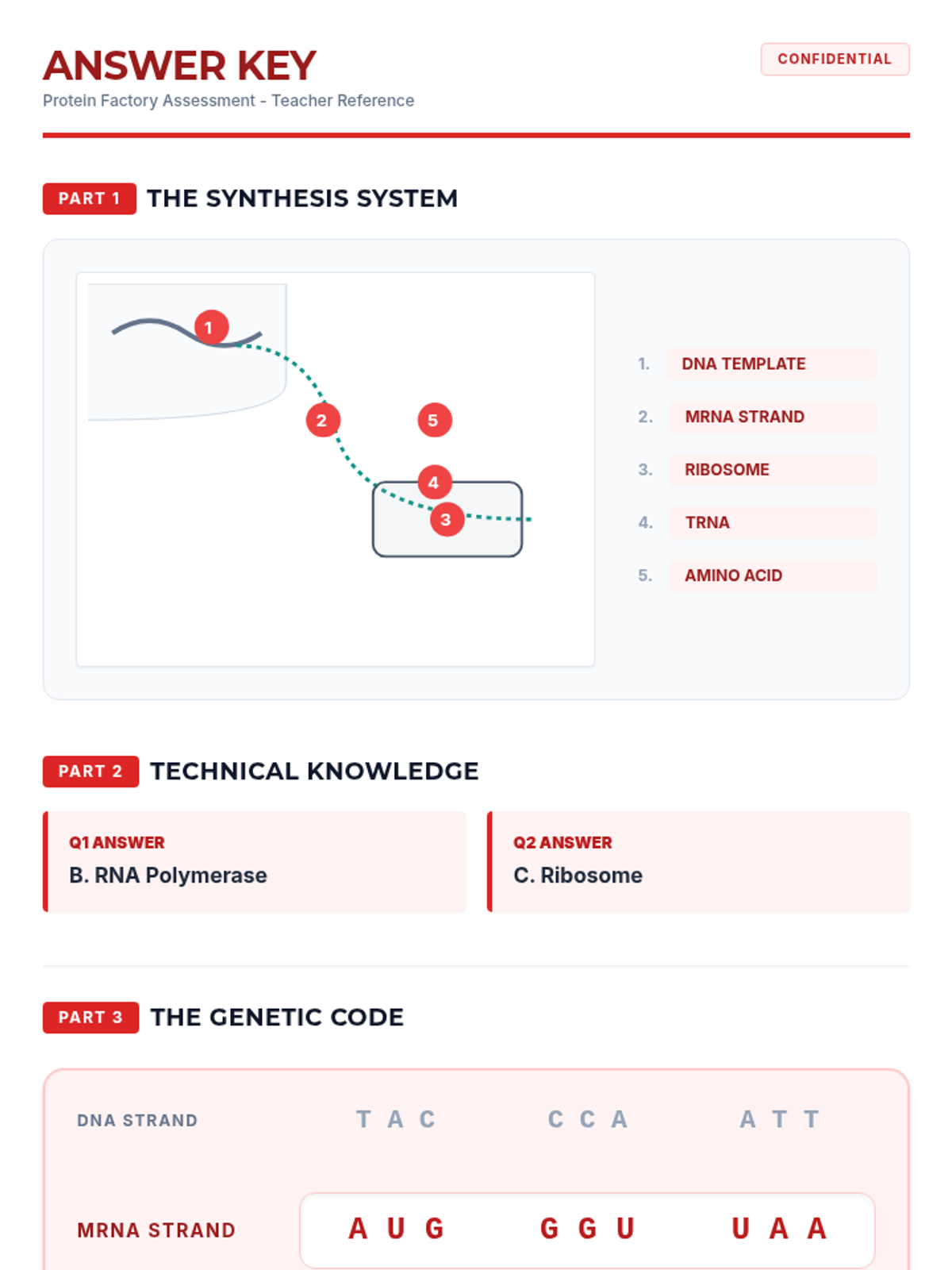
A comprehensive assessment on the central dogma of molecular biology, covering transcription, translation, and genetic code interpretation through diagrams and multiple-choice questions.
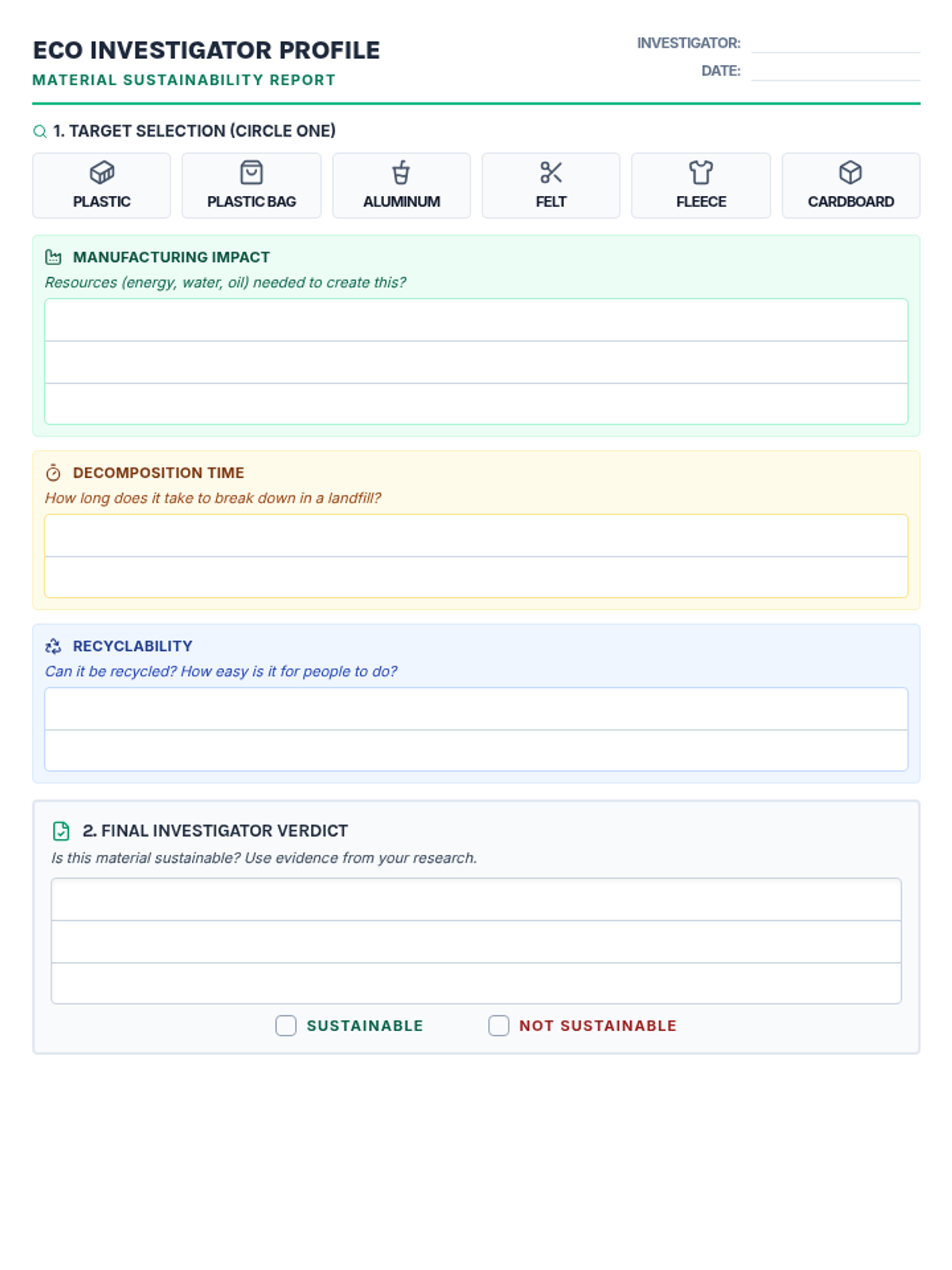
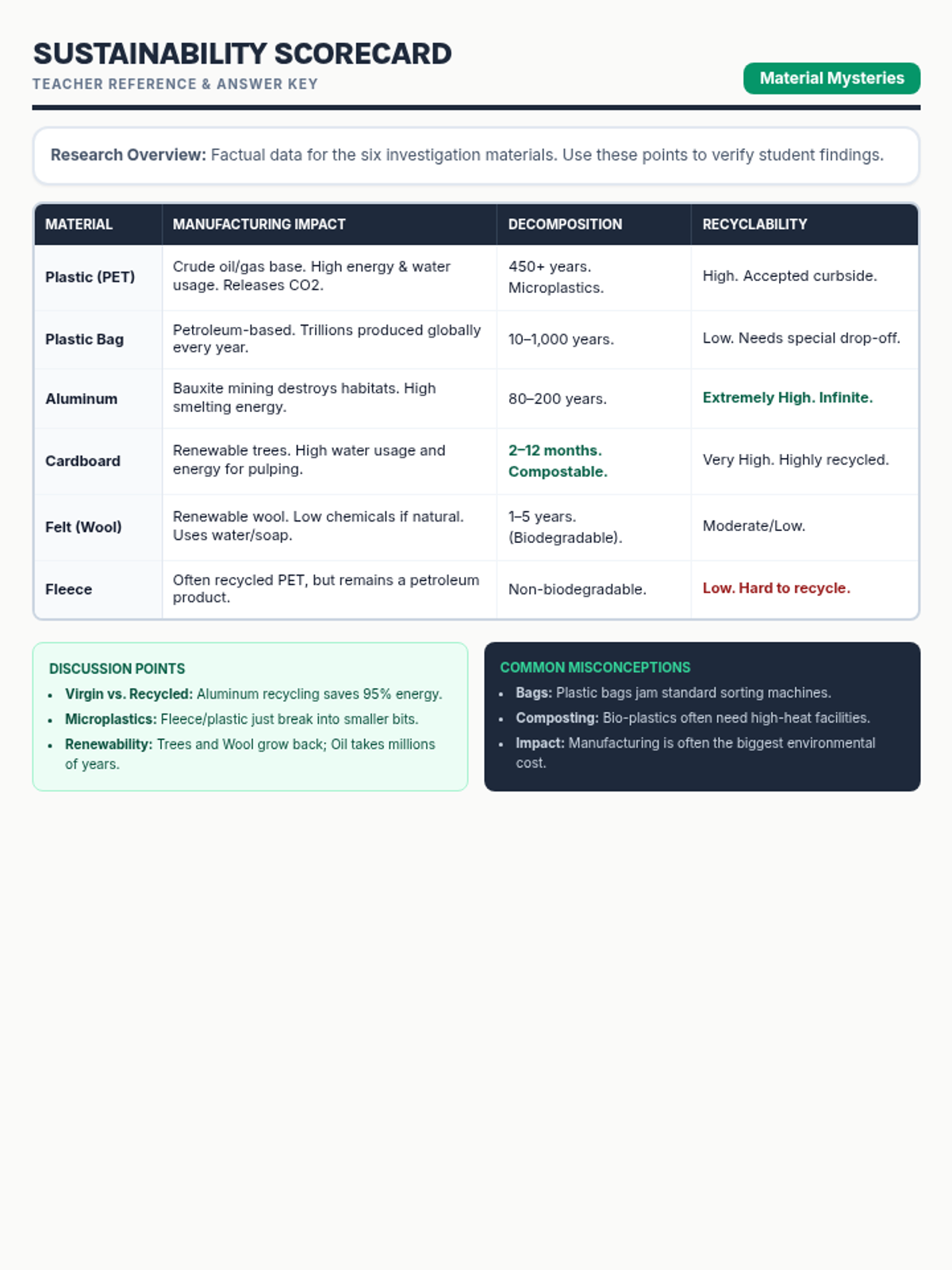
A research-based science lesson where students investigate the environmental impact of common materials like plastic, aluminum, and fleece. Students act as eco-detectives to evaluate recyclability, decomposition, and manufacturing footprints.
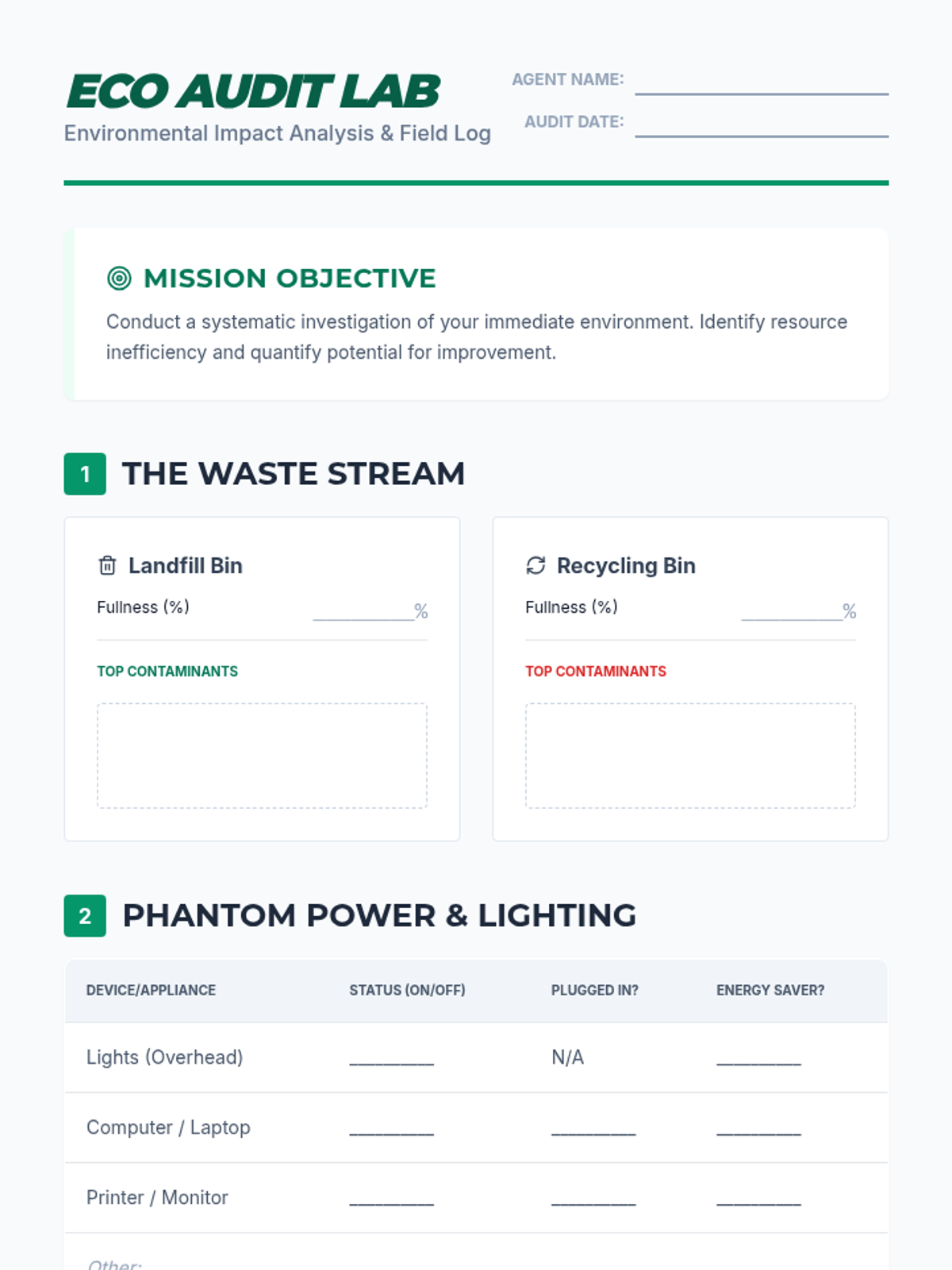
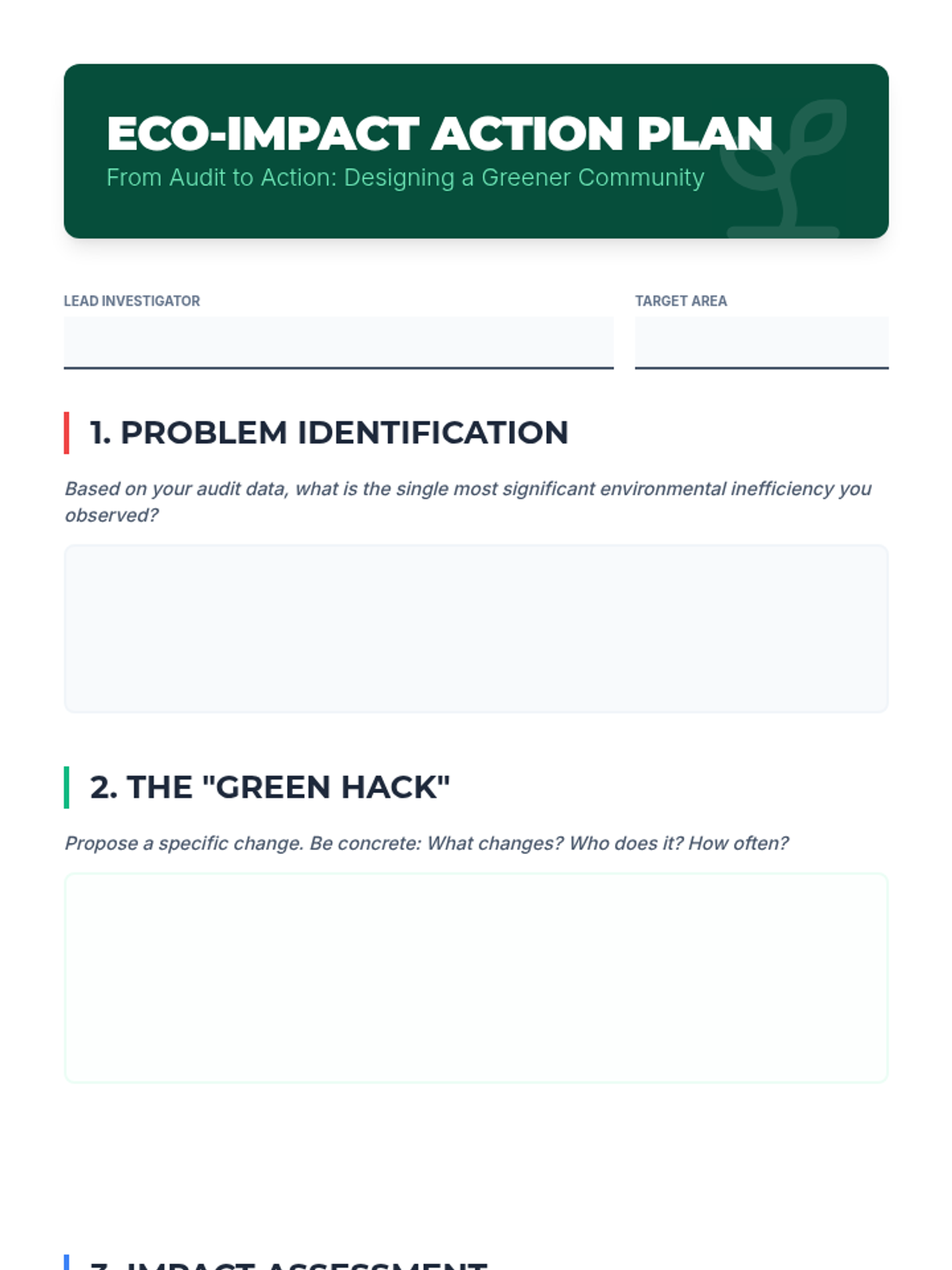
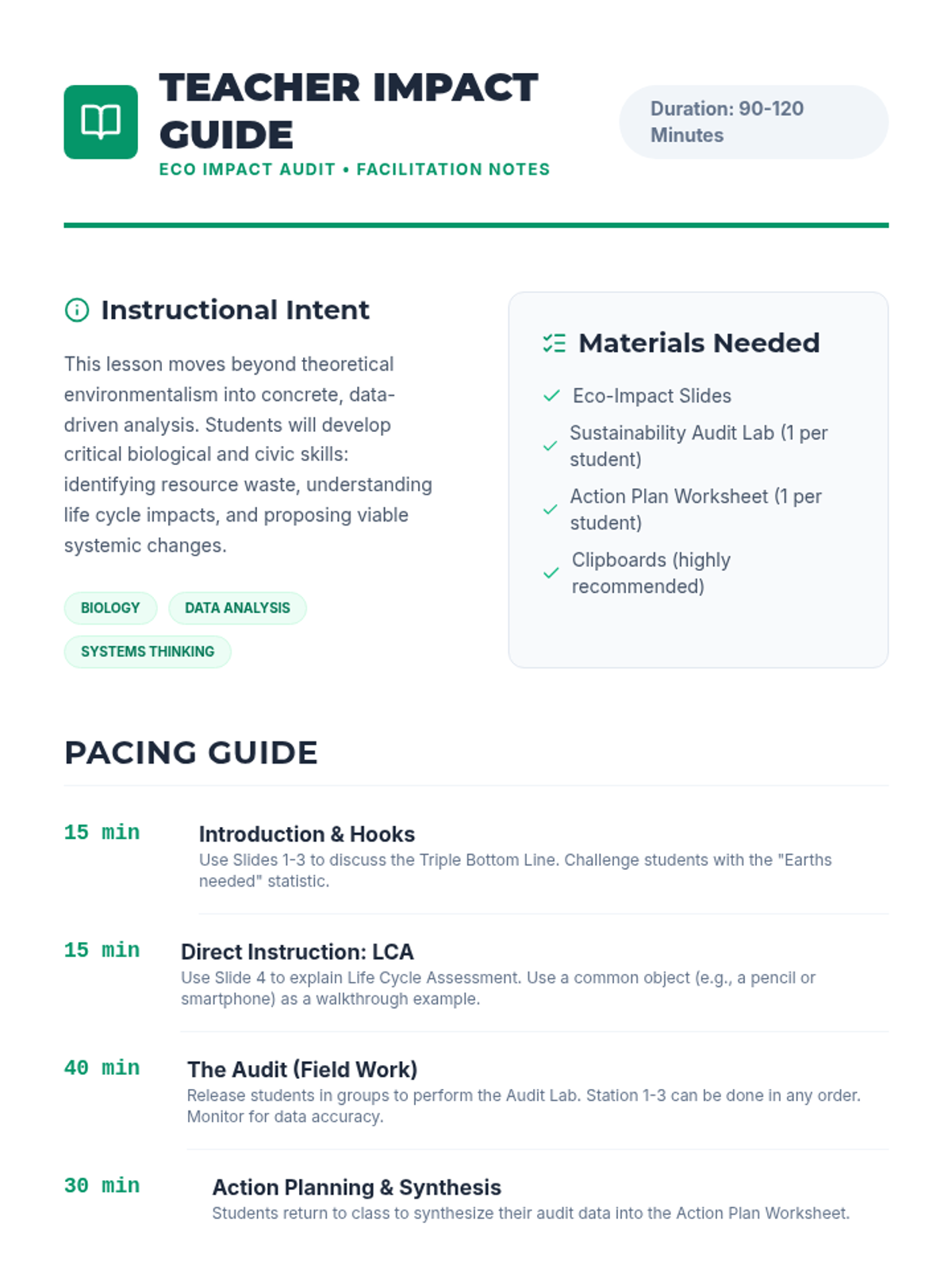
A hands-on lesson where students analyze their environmental footprint through a sustainability audit and develop data-driven solutions for real-world impact.
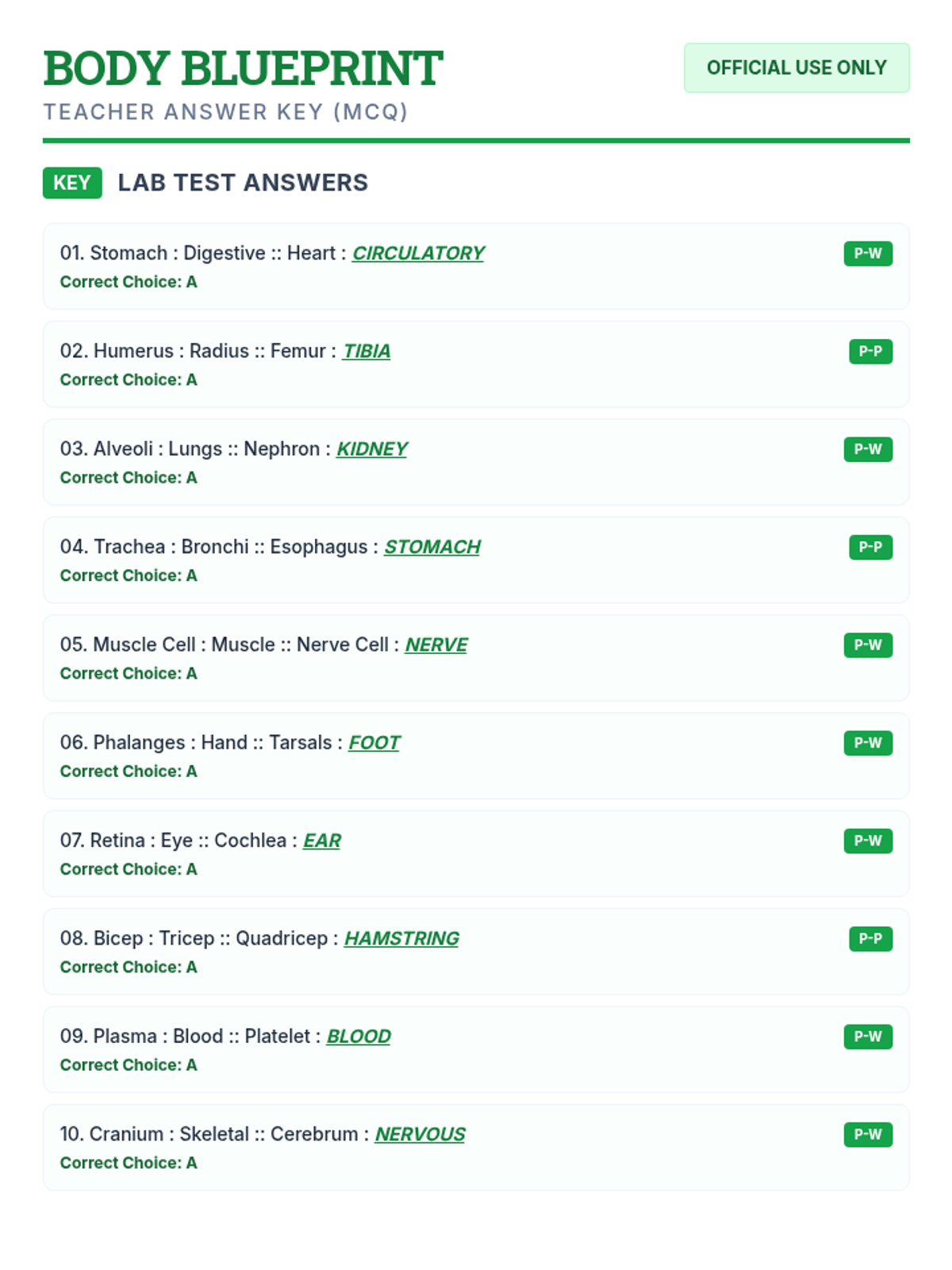
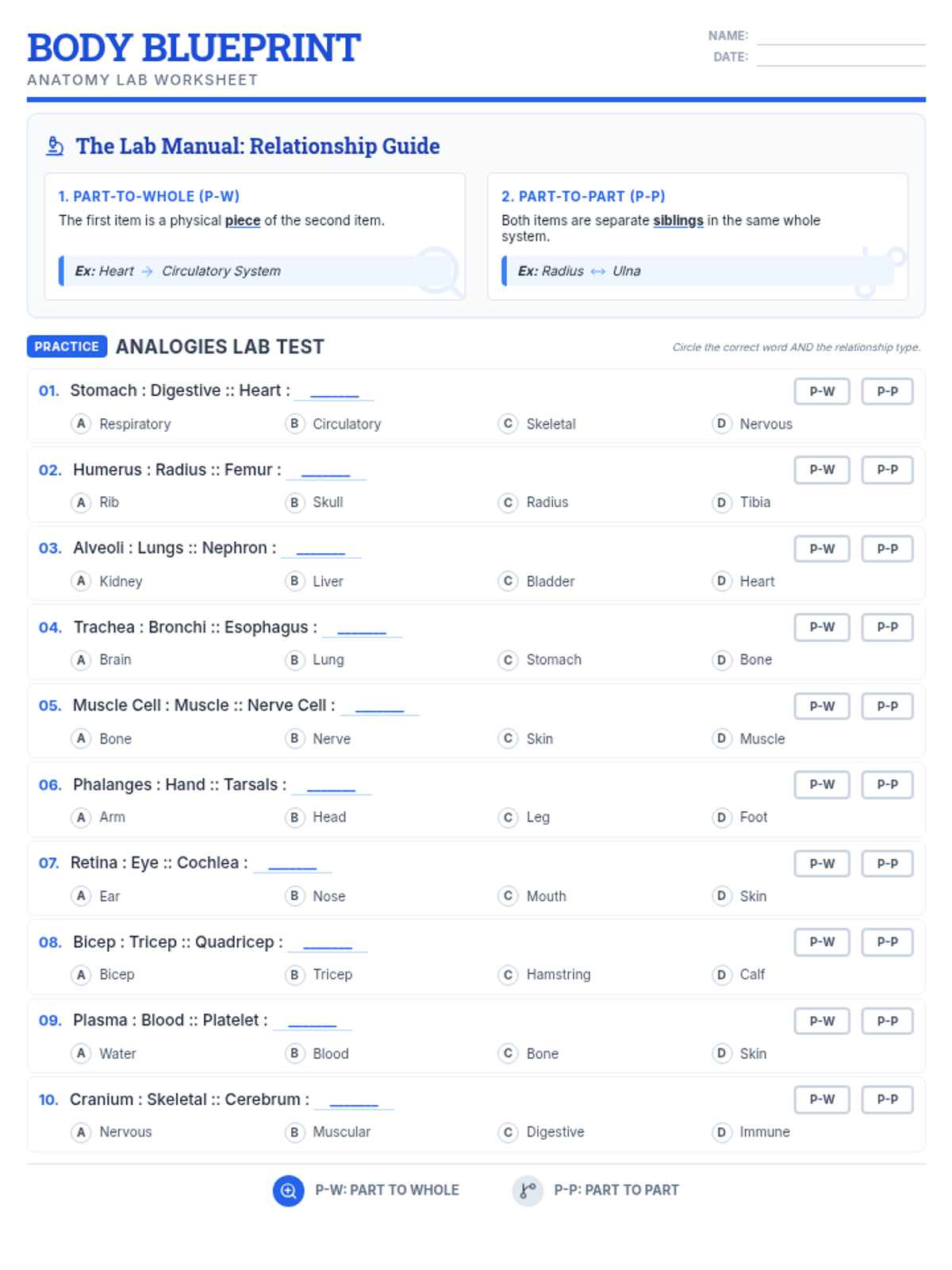
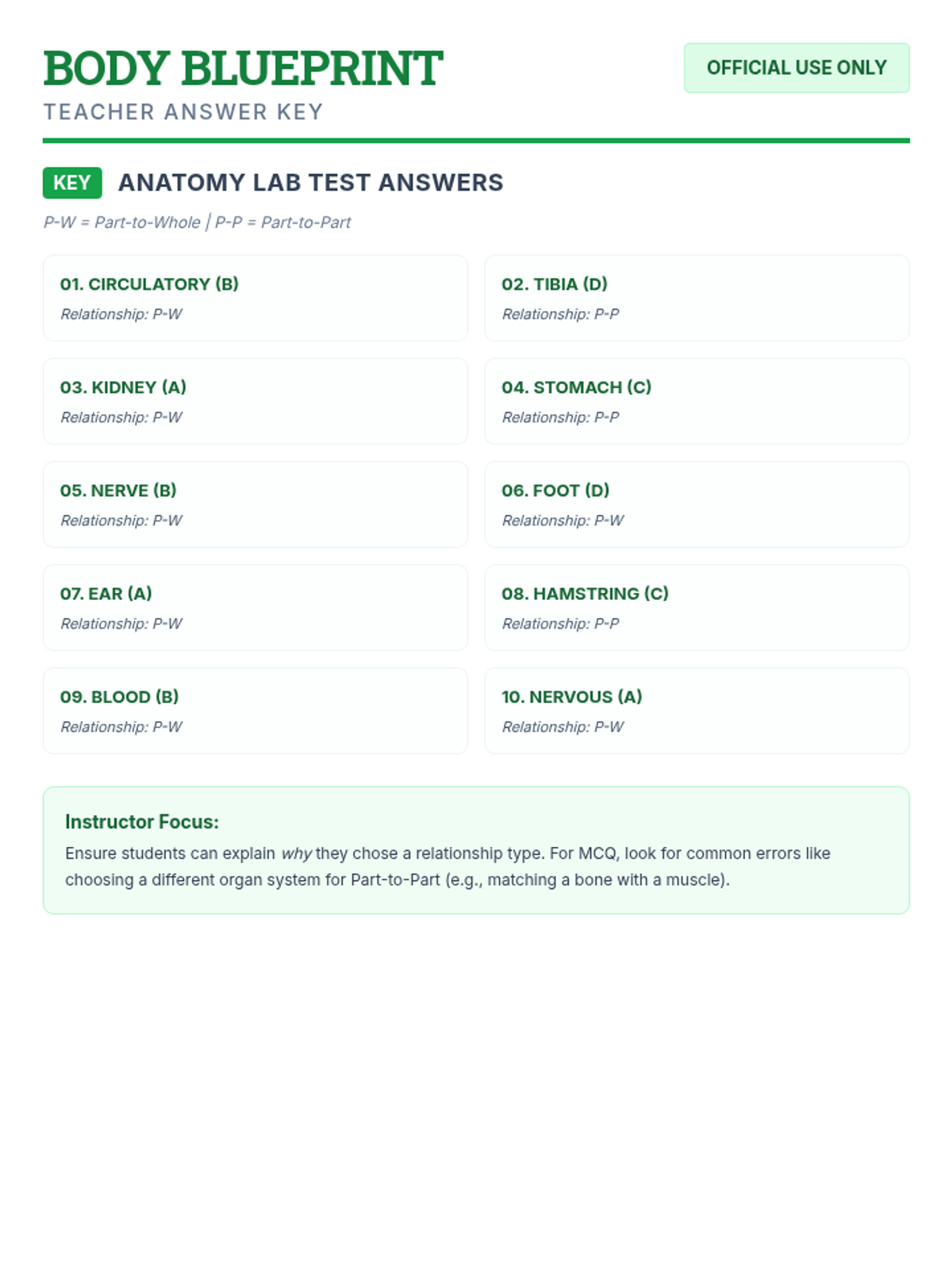
In this lesson, students explore the relationship between anatomical structures using analogies. They will distinguish between part-to-whole and part-to-part relationships within human body systems.