A 30-minute Tier 2 small-group workshop where kindergarteners solve story-based math problems through role-play and collaboration, building empathy and foundational skills.
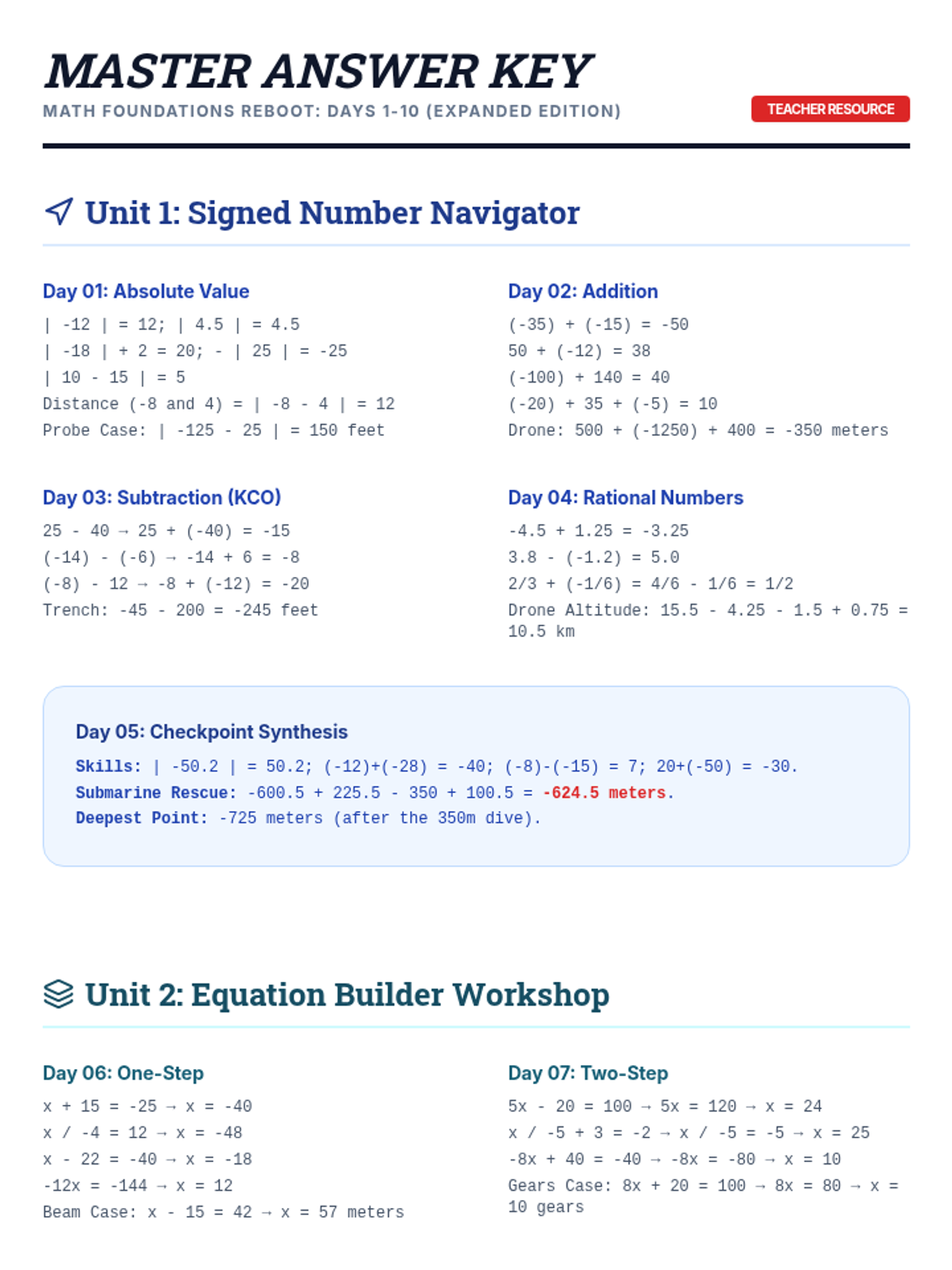
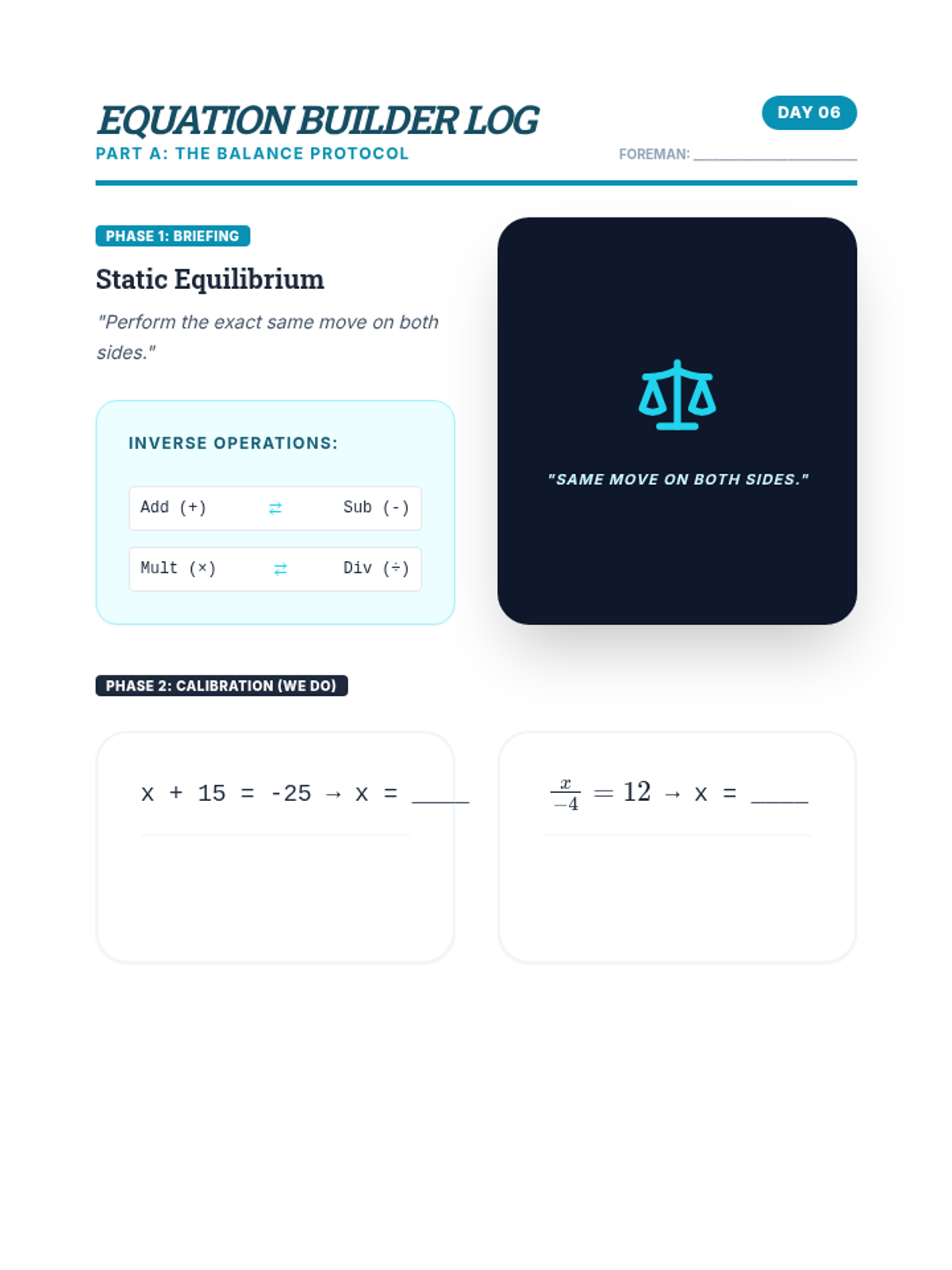
Introduces strategies for balancing and solving one-, two-, and multi-step linear equations using inverse operations.
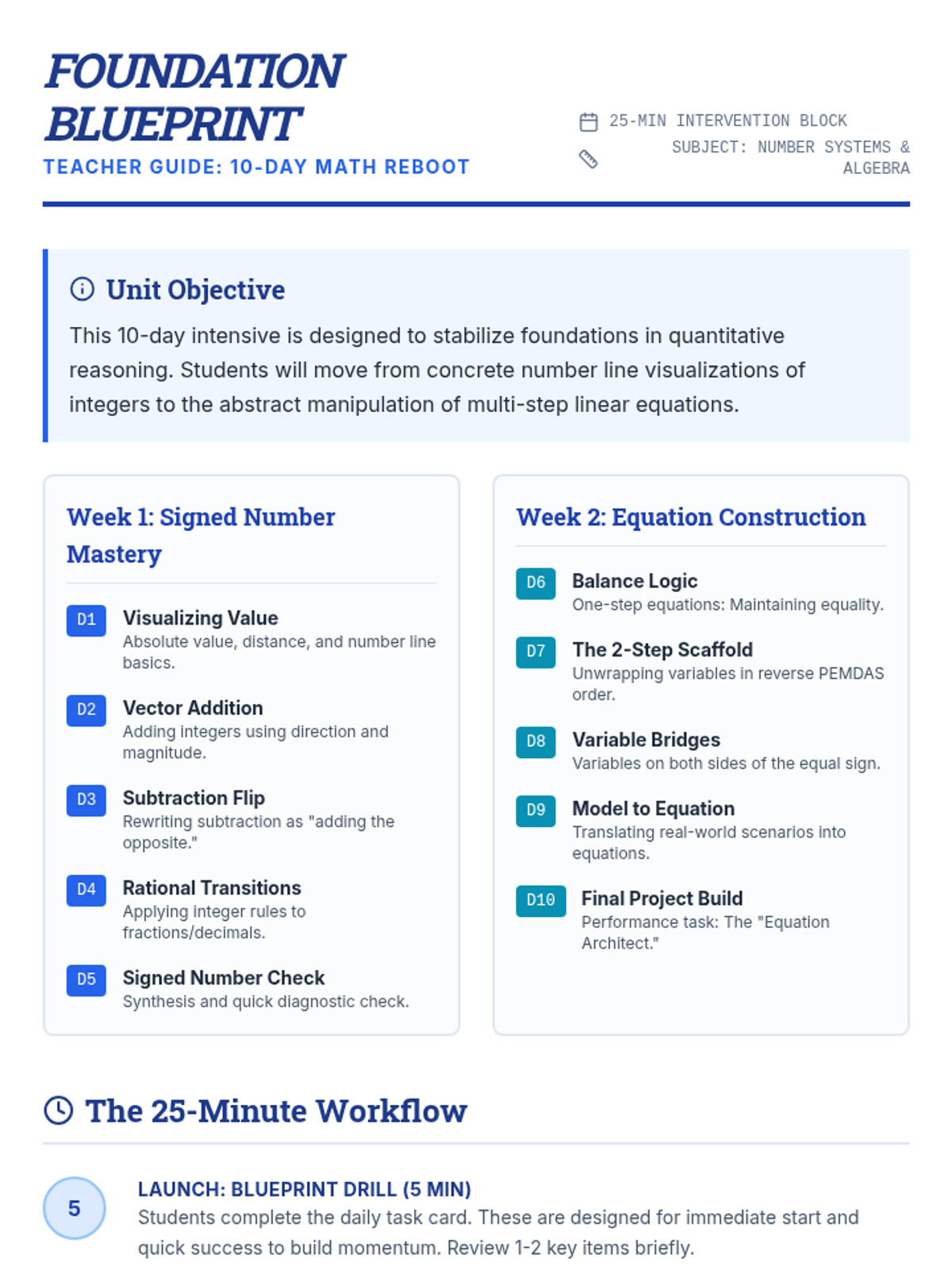
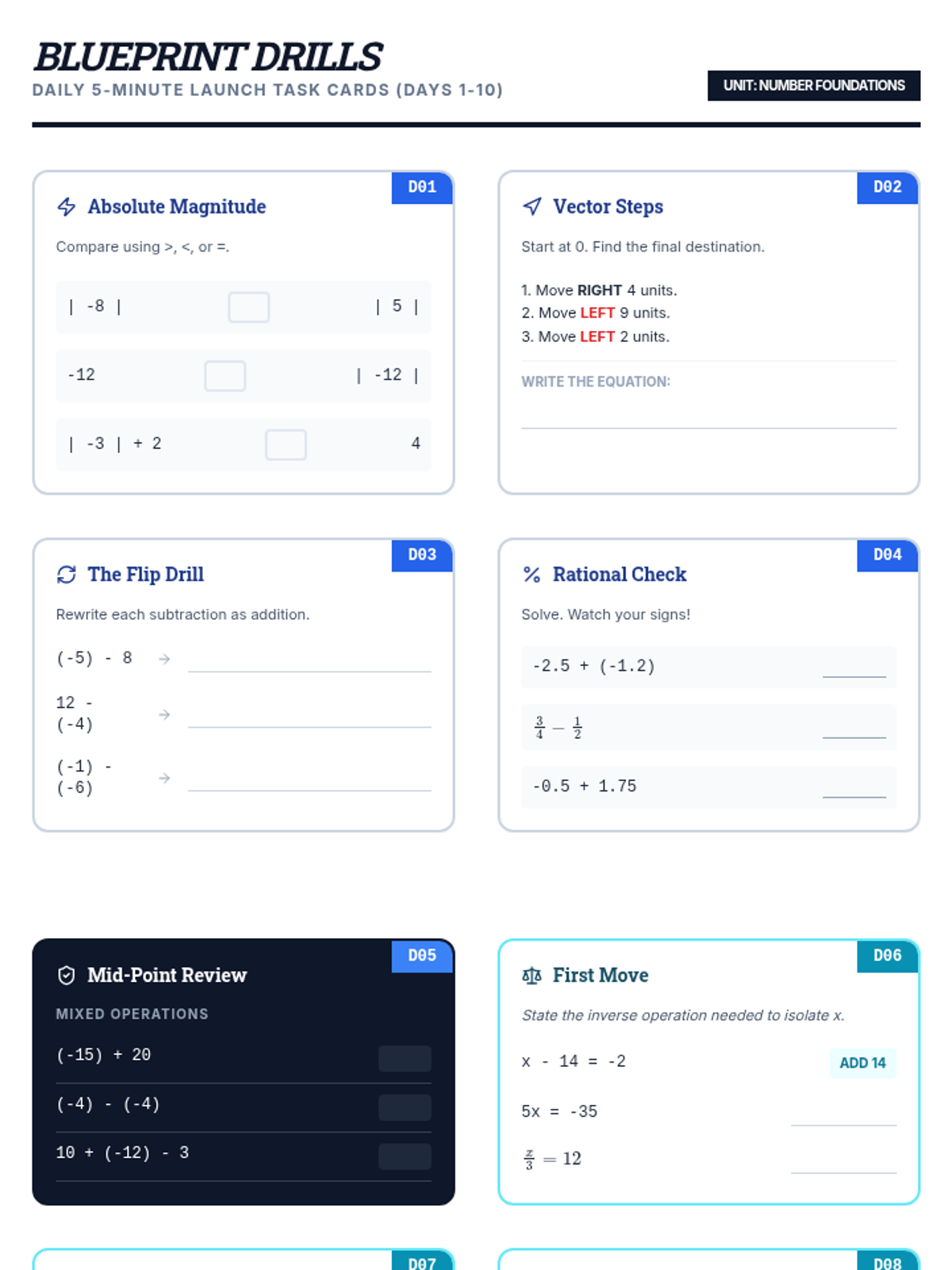
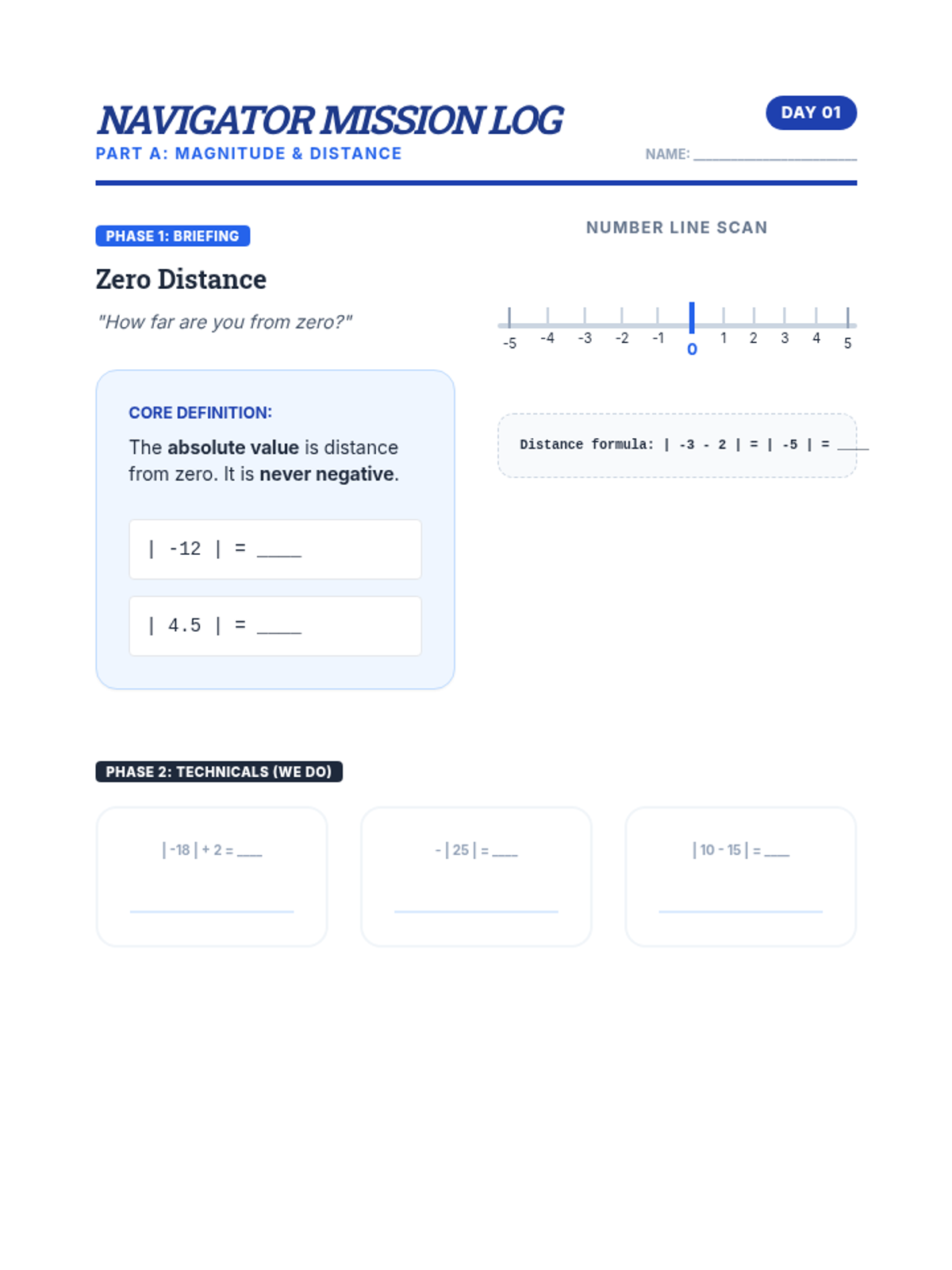
Focuses on mastery of integer operations, absolute value, and rational number properties through visual number line navigation.
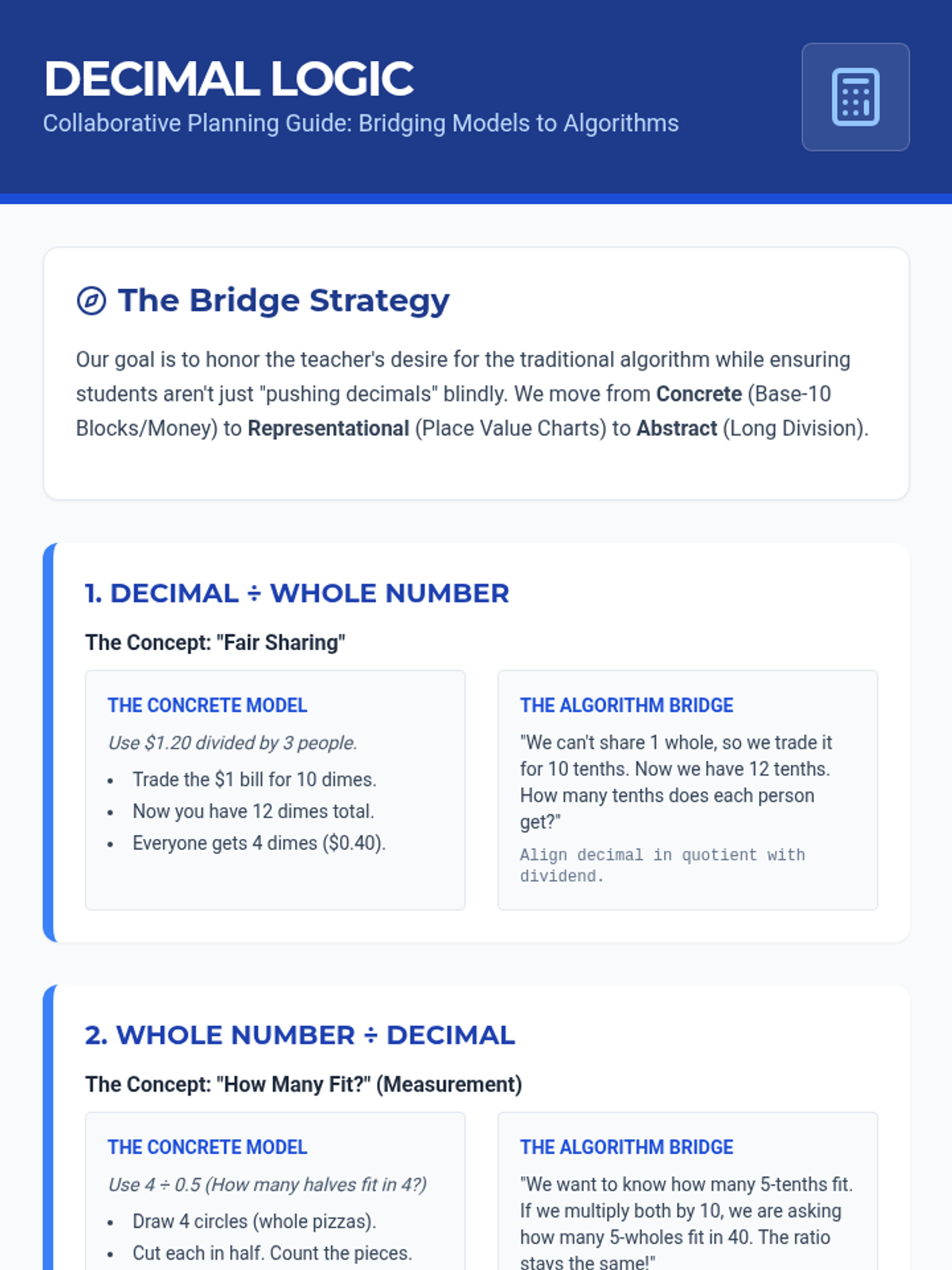
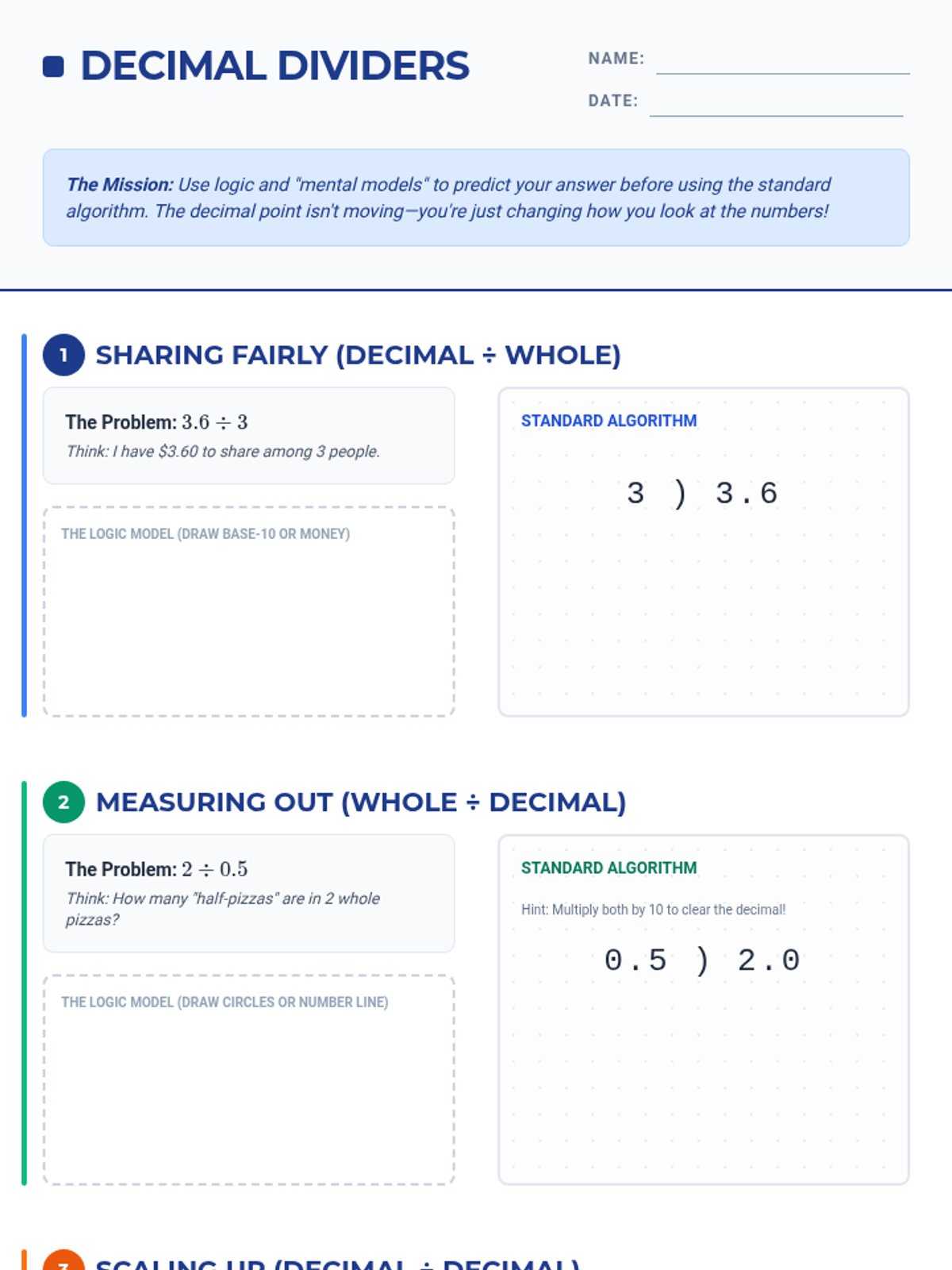
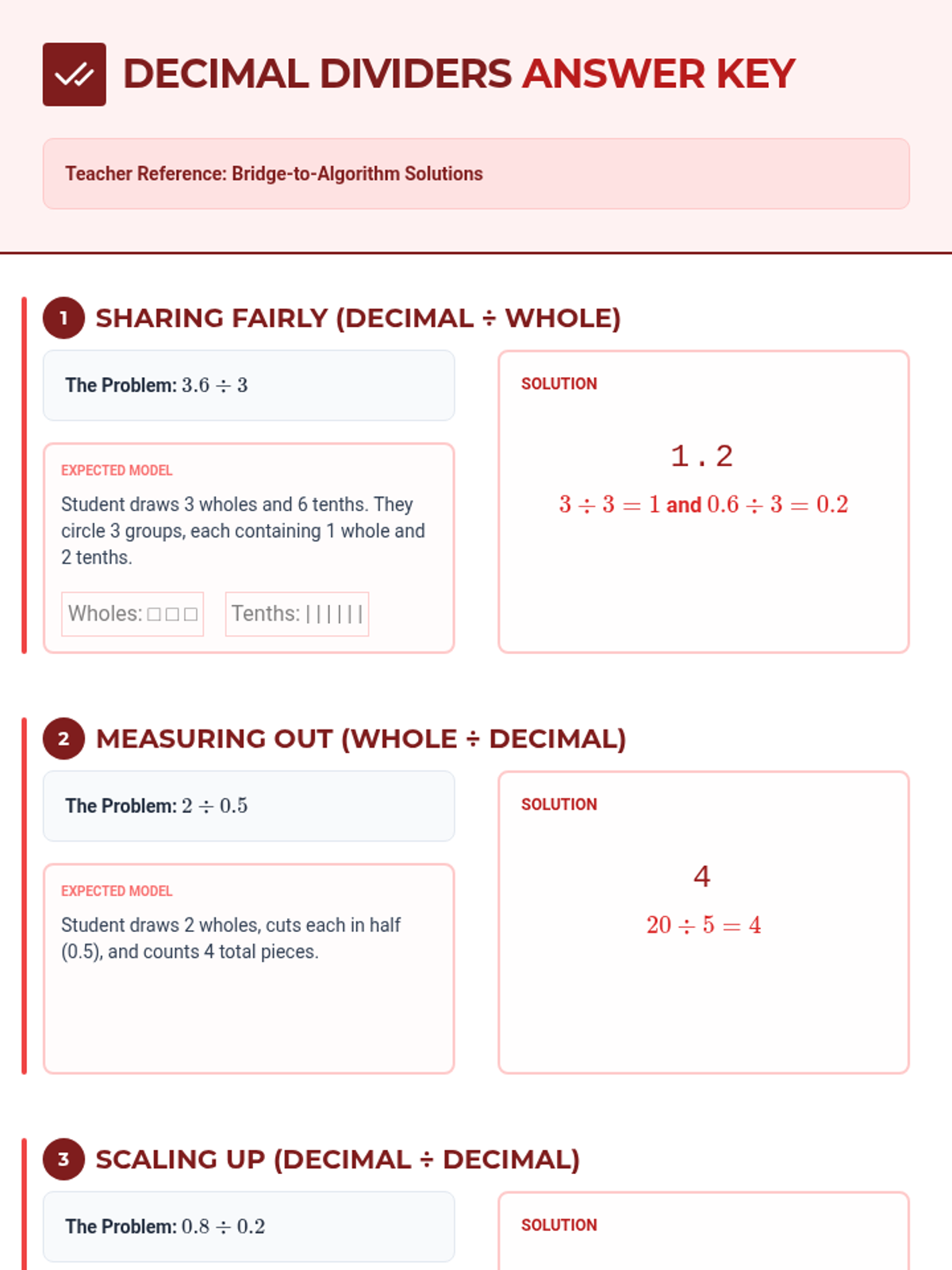
A lesson focused on bridging the conceptual understanding of decimal division with the standard algorithm, covering three key scenarios: decimal by whole number, whole number by decimal, and decimal by decimal.
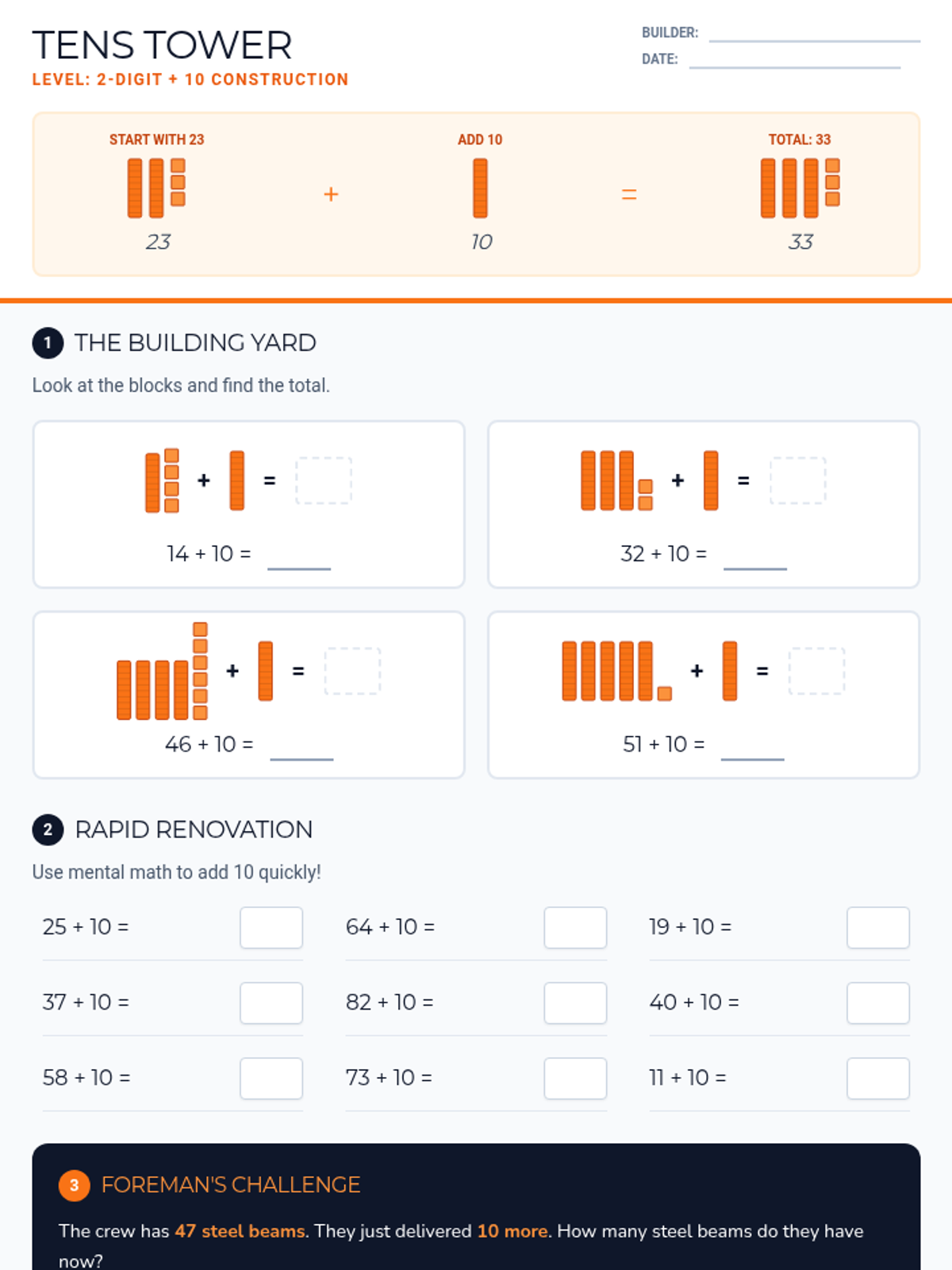
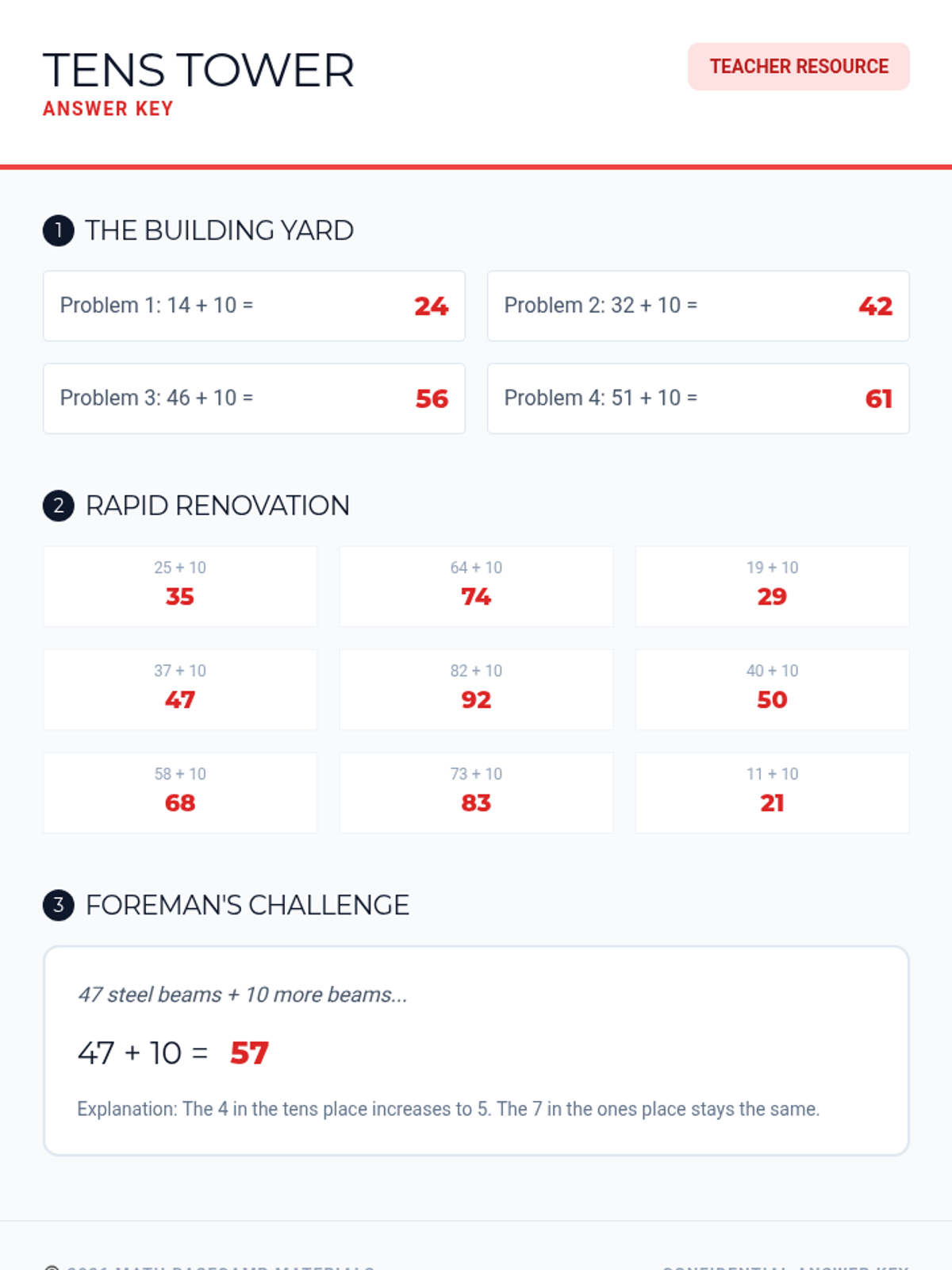
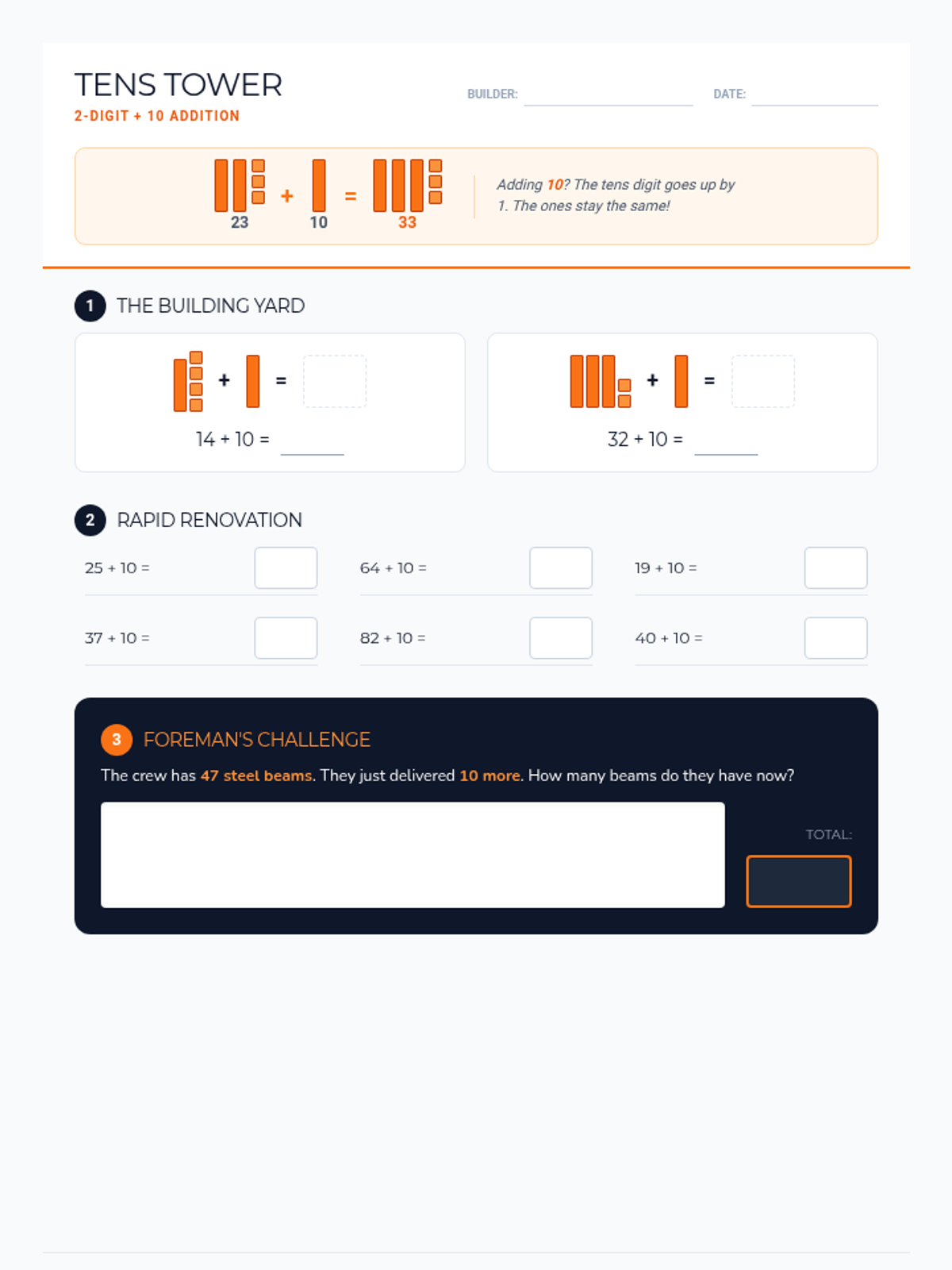
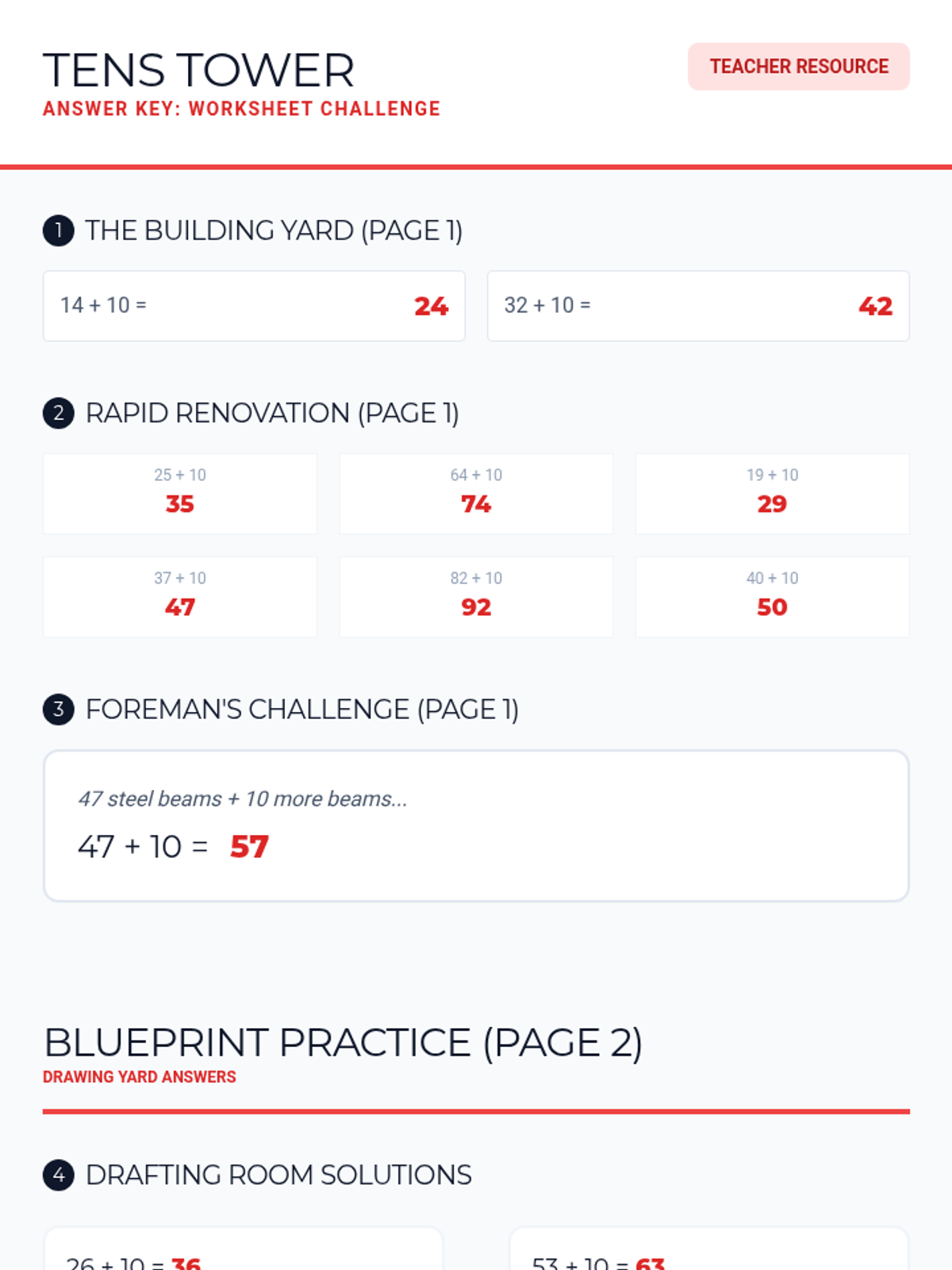
A lesson focused on adding 10 to any 2-digit number using visual base-ten models and mental math strategies. Students explore how the tens digit increases by one while the ones digit remains constant.
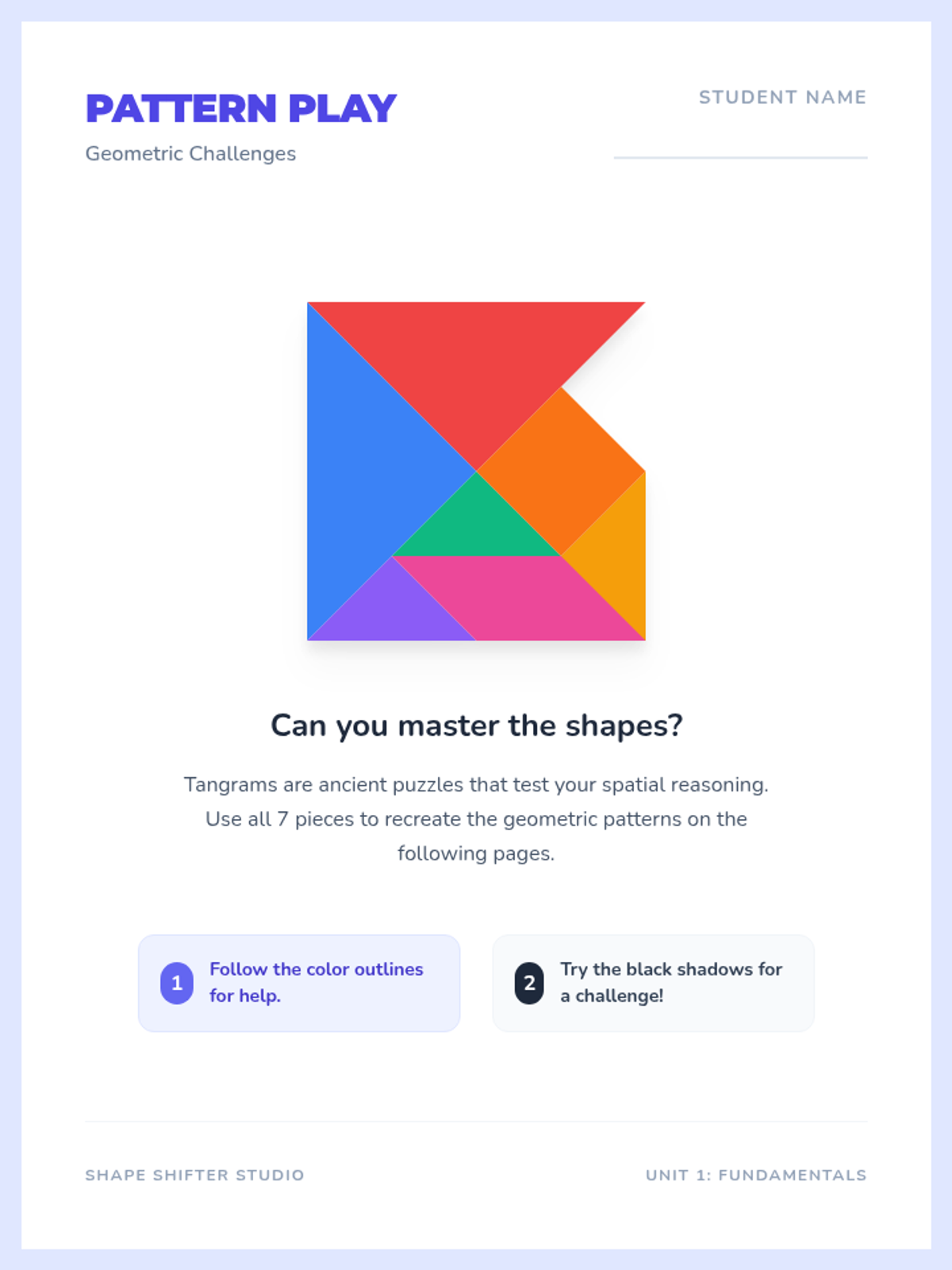
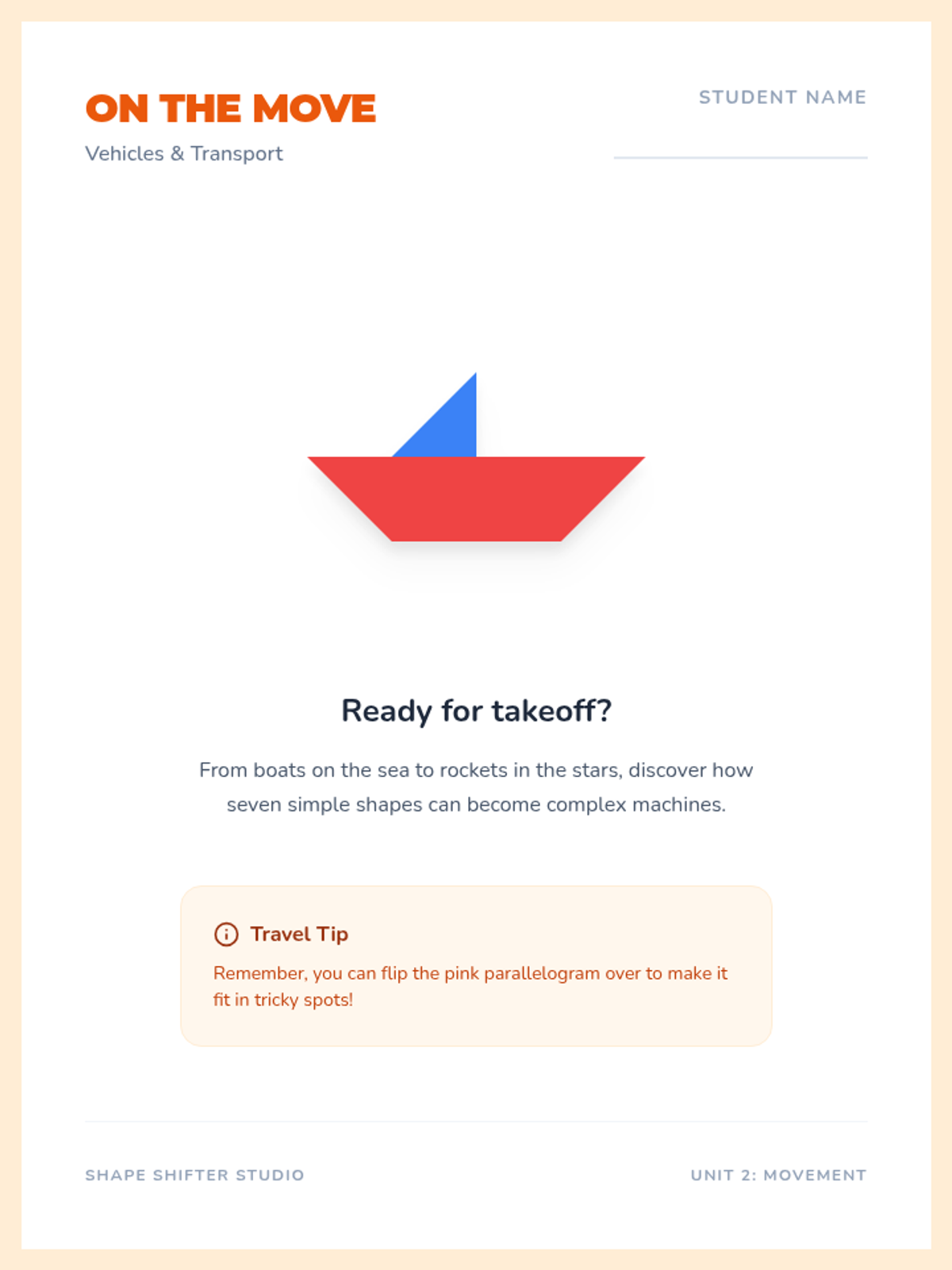
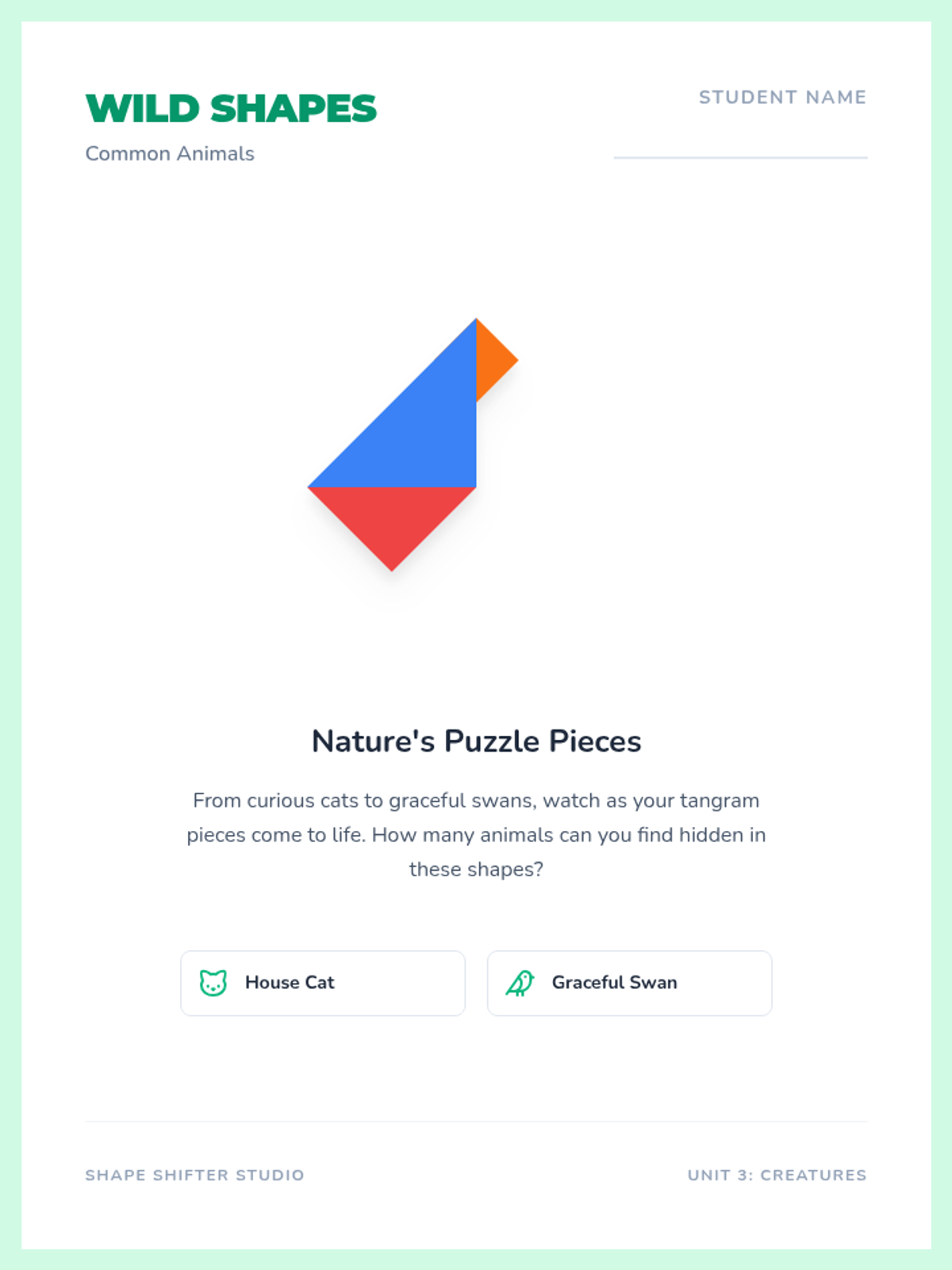
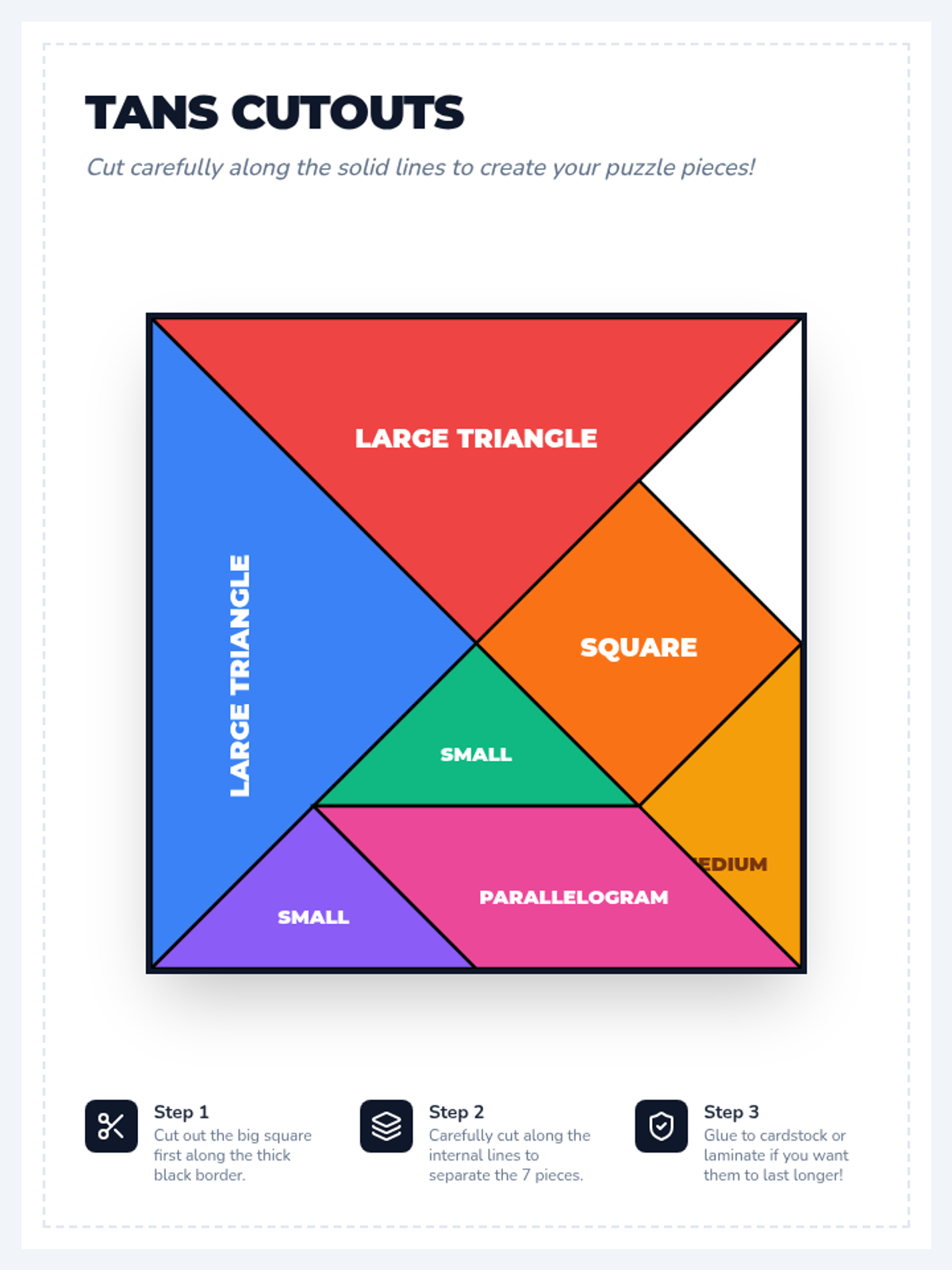
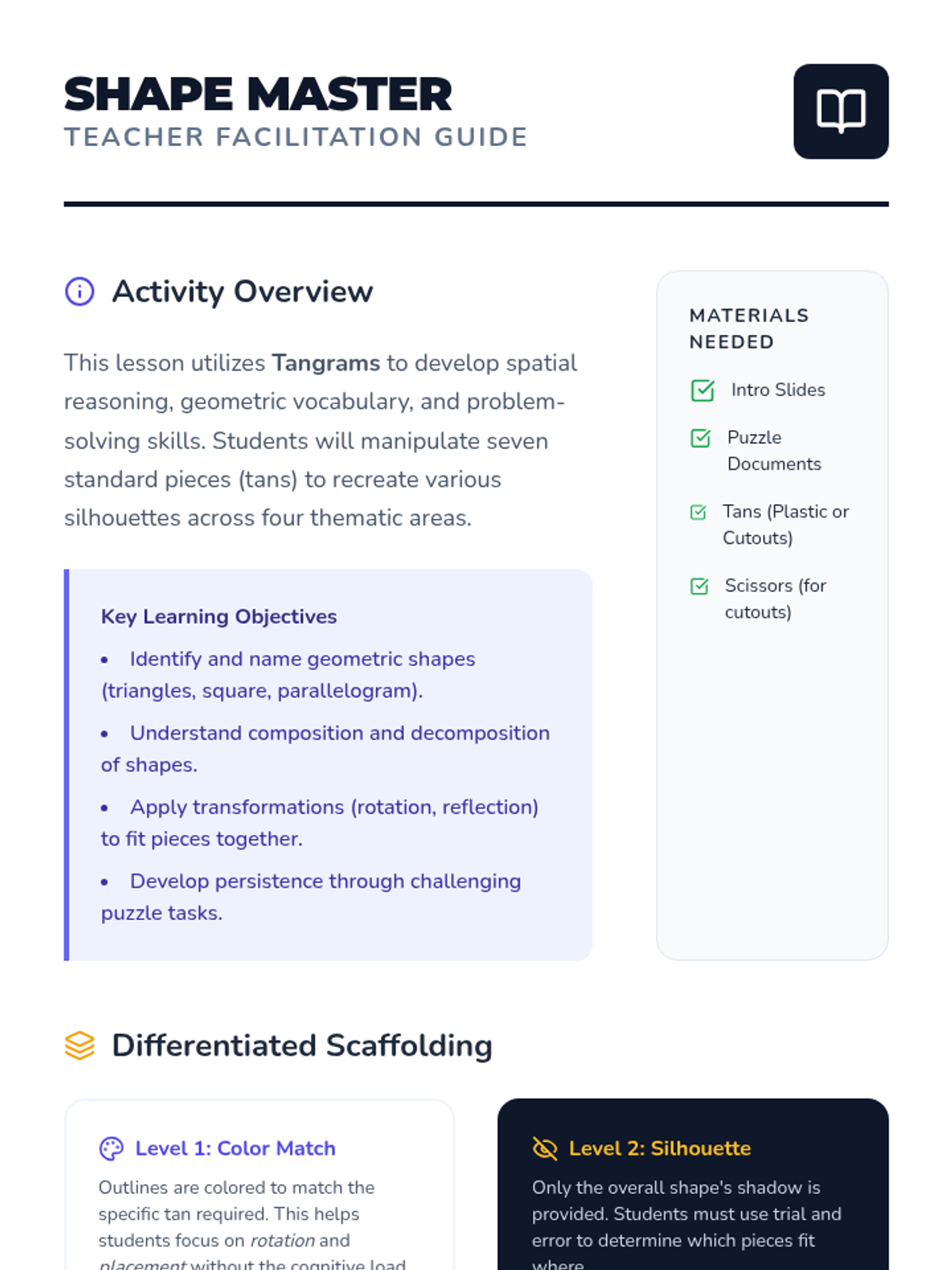
A hands-on exploration of geometry and spatial reasoning using tangrams, featuring puzzles across four diverse themes with varying difficulty levels.
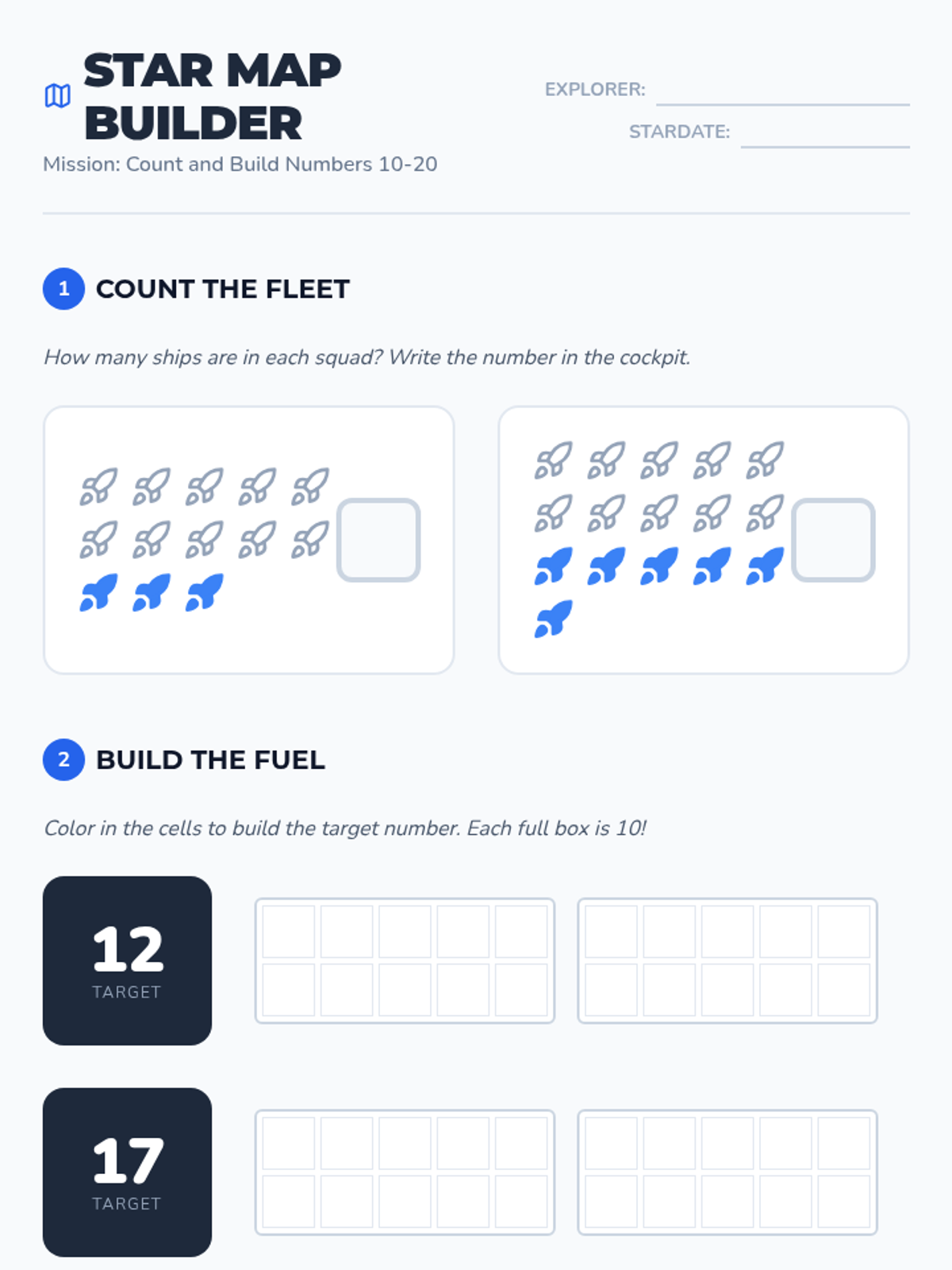
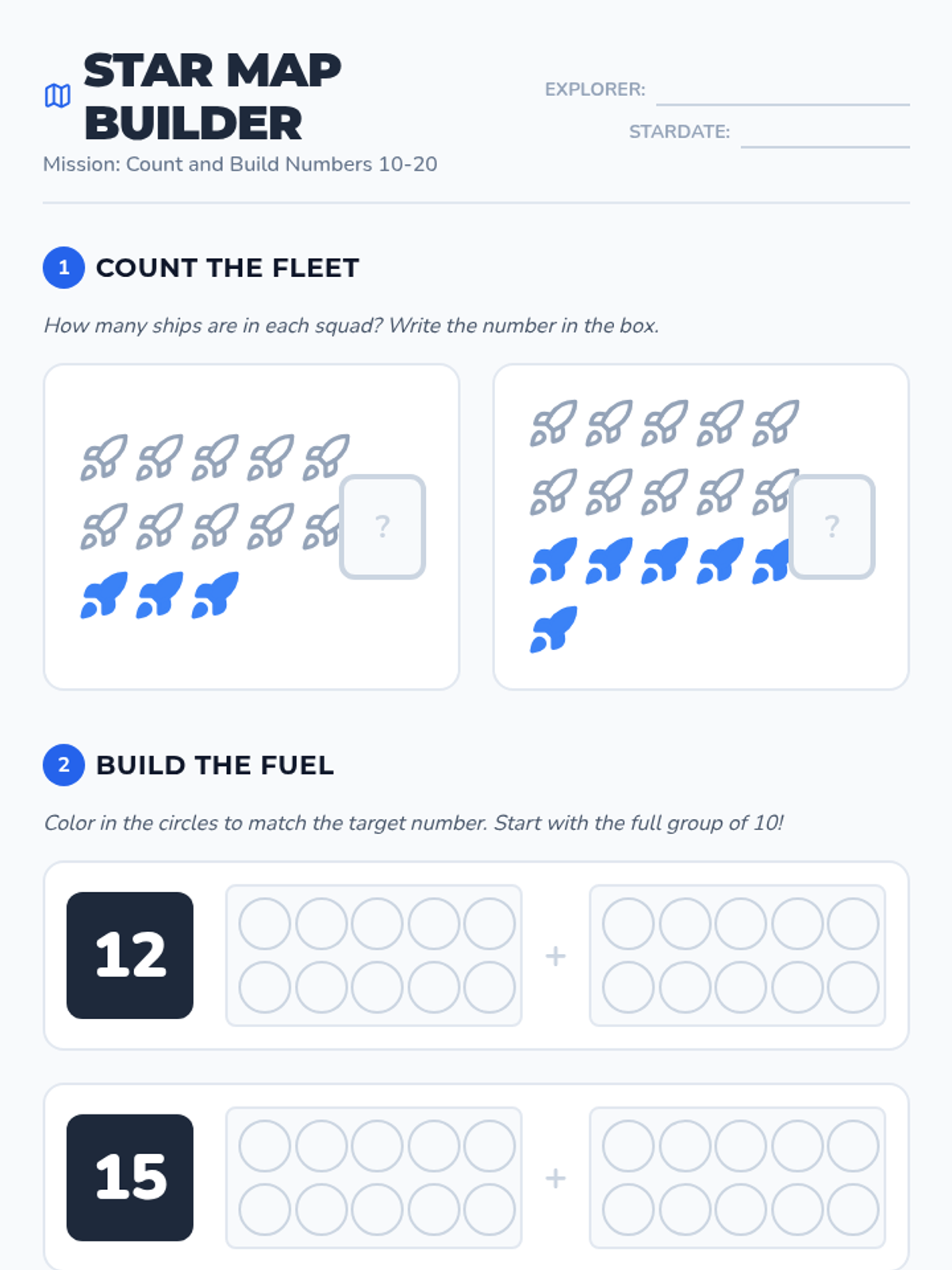
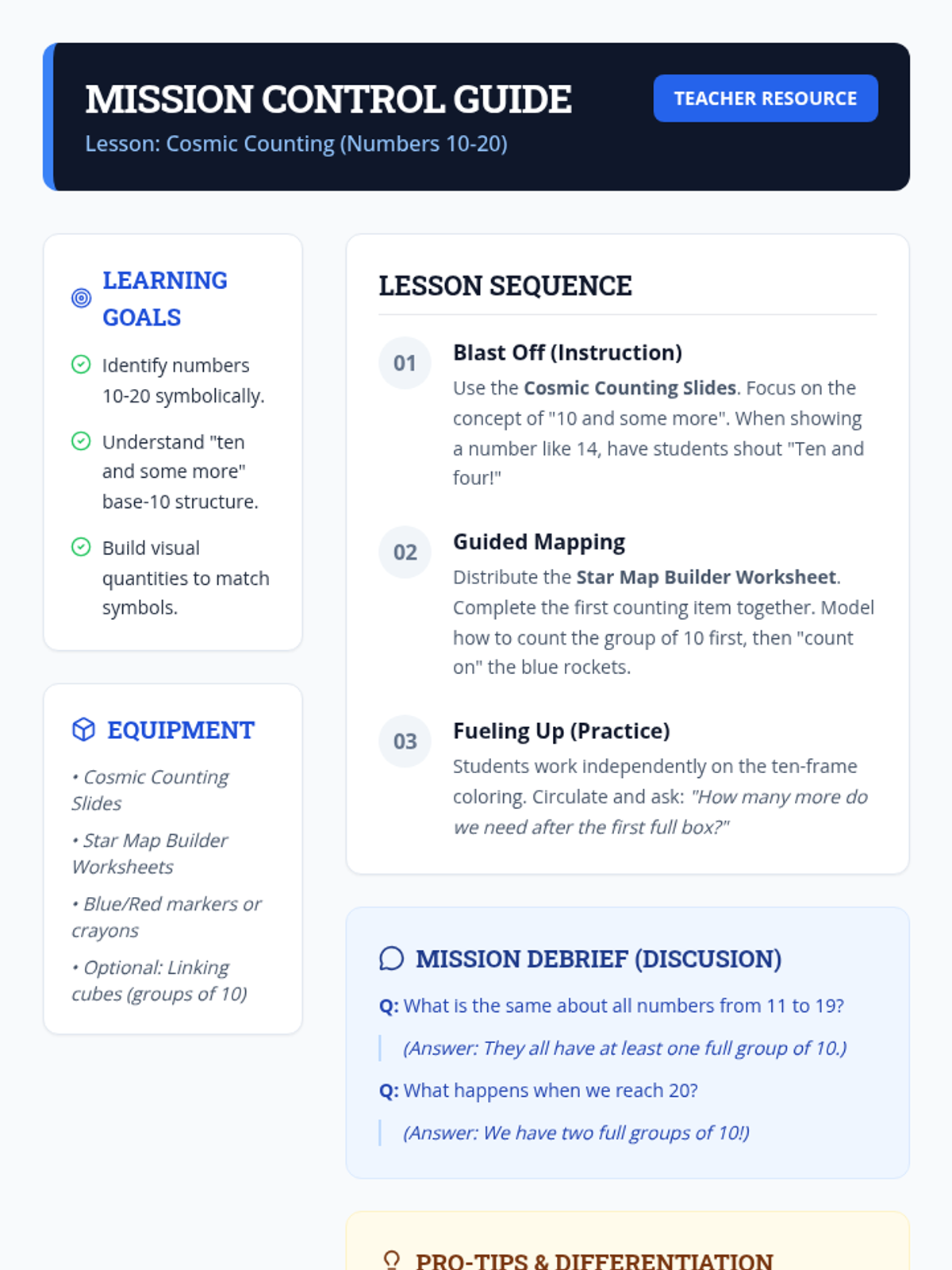
A lesson designed to help students recognize and build numbers 10 through 20 by connecting visual quantities (ten-frames and groups of stars) to their symbolic representations.

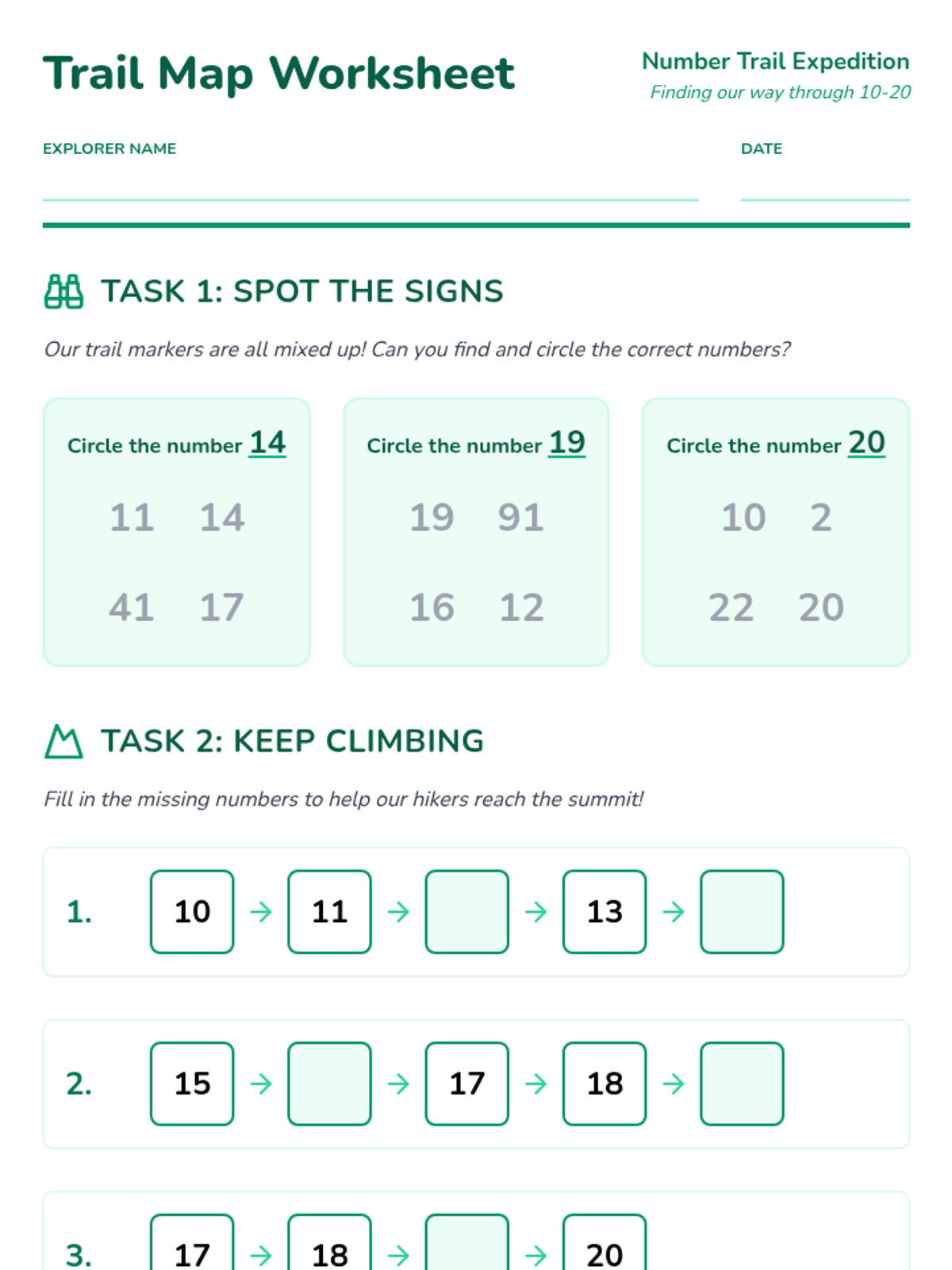
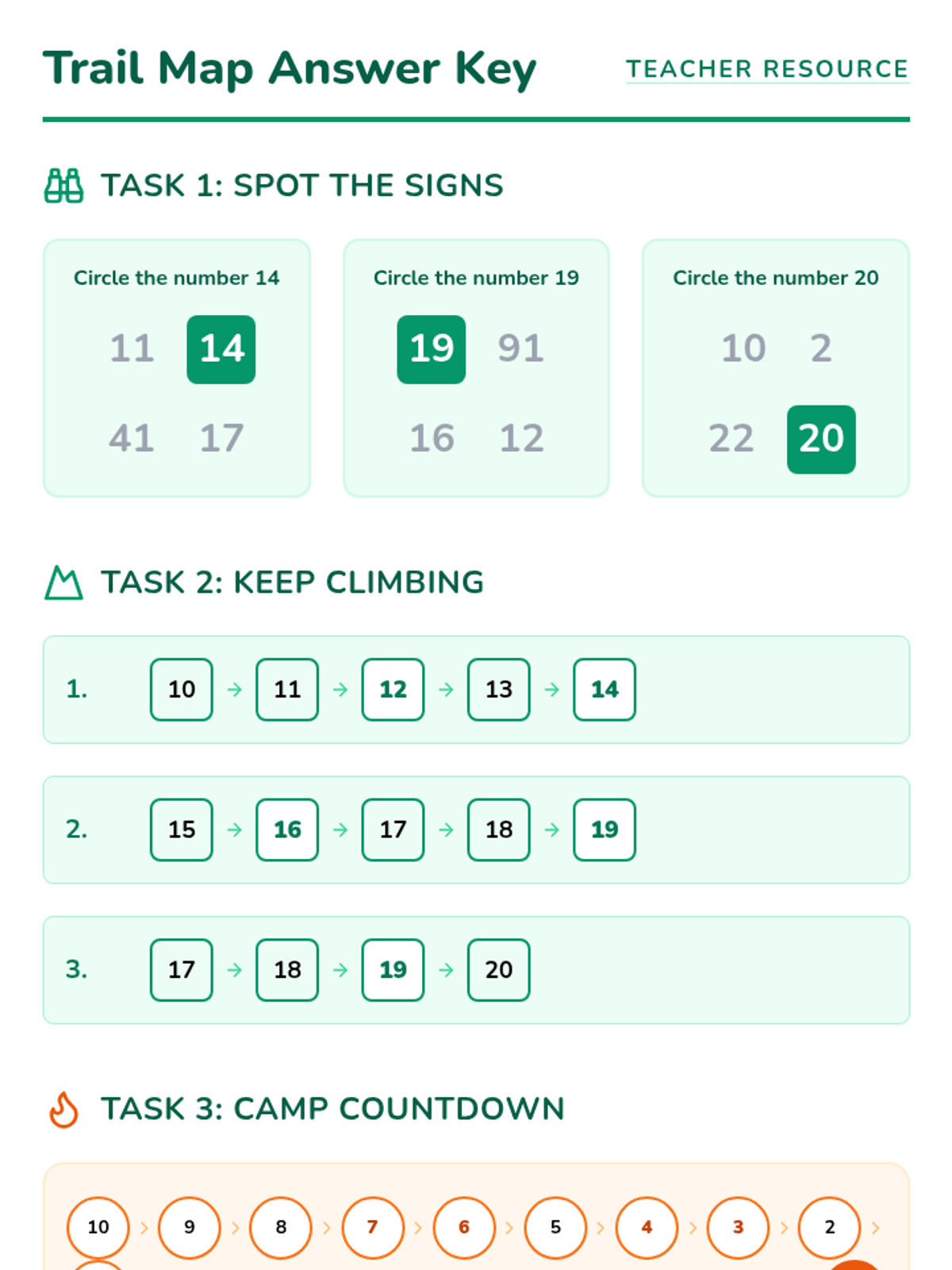
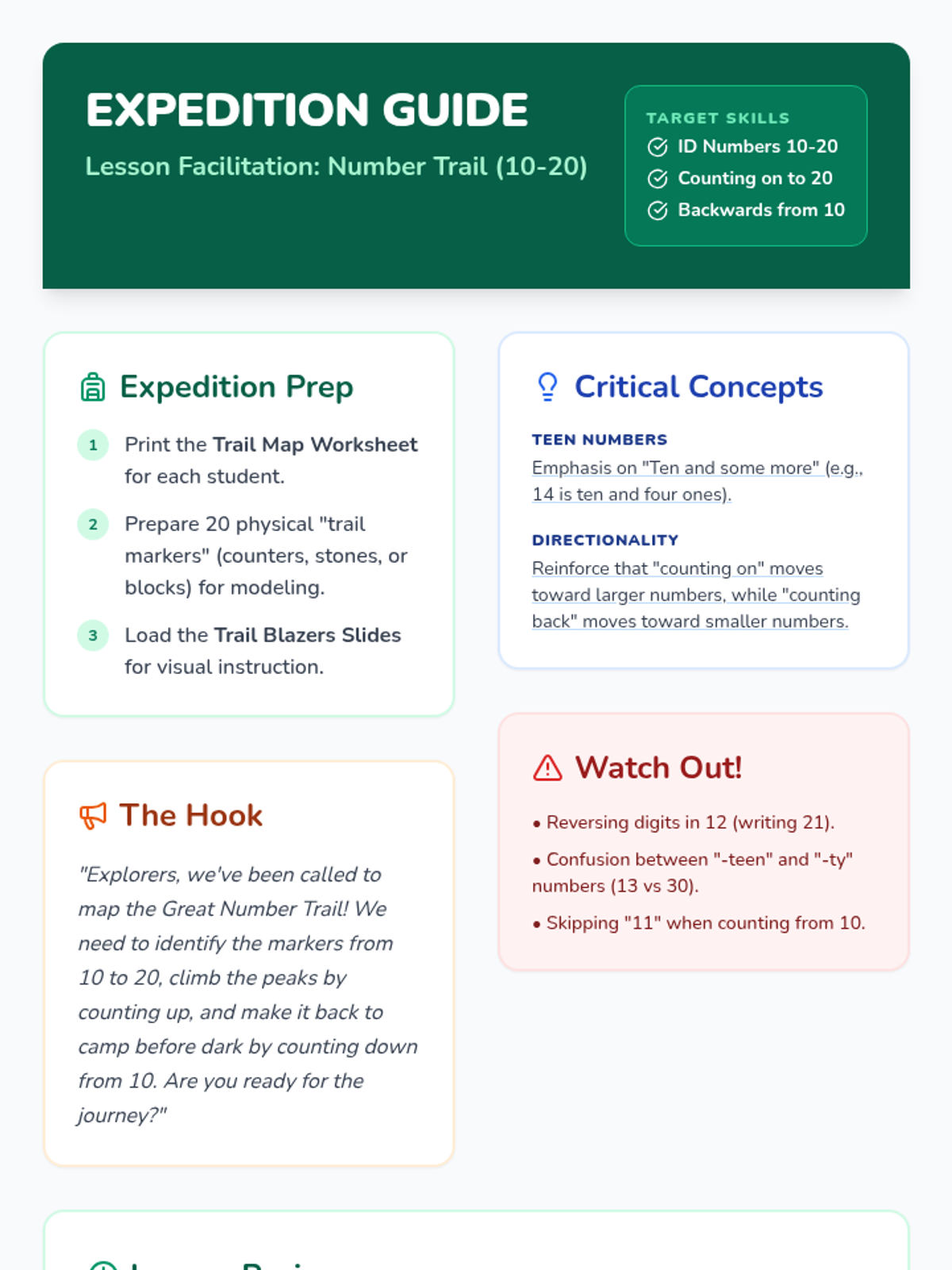
A foundational math lesson focusing on recognizing numbers 10-20, counting on to 20, and counting backwards from 10. Students embark on a nature-themed journey to build number sense.
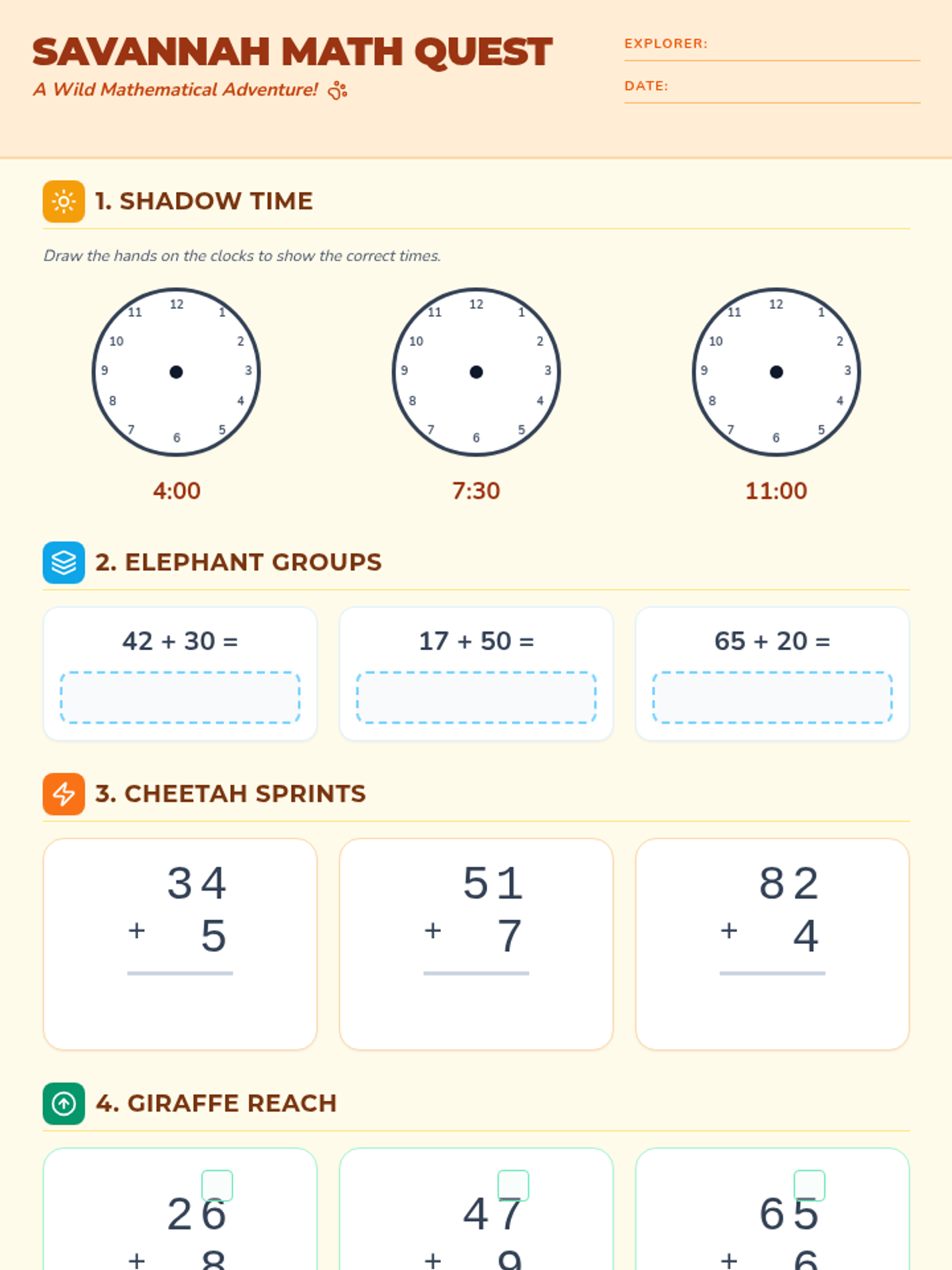
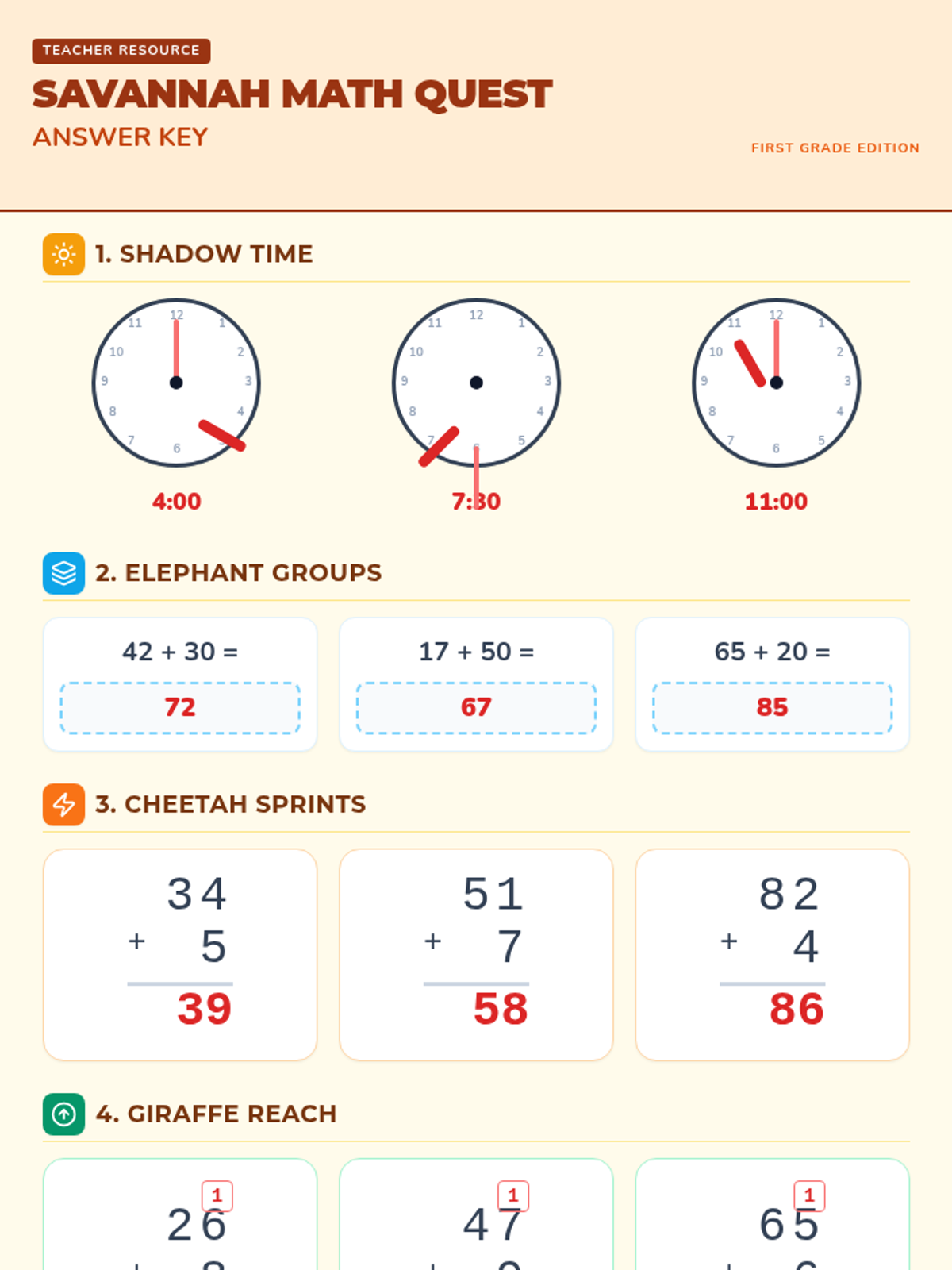
A math practice lesson focused on first-grade addition and time-telling skills, themed around the animals of the African savannah.
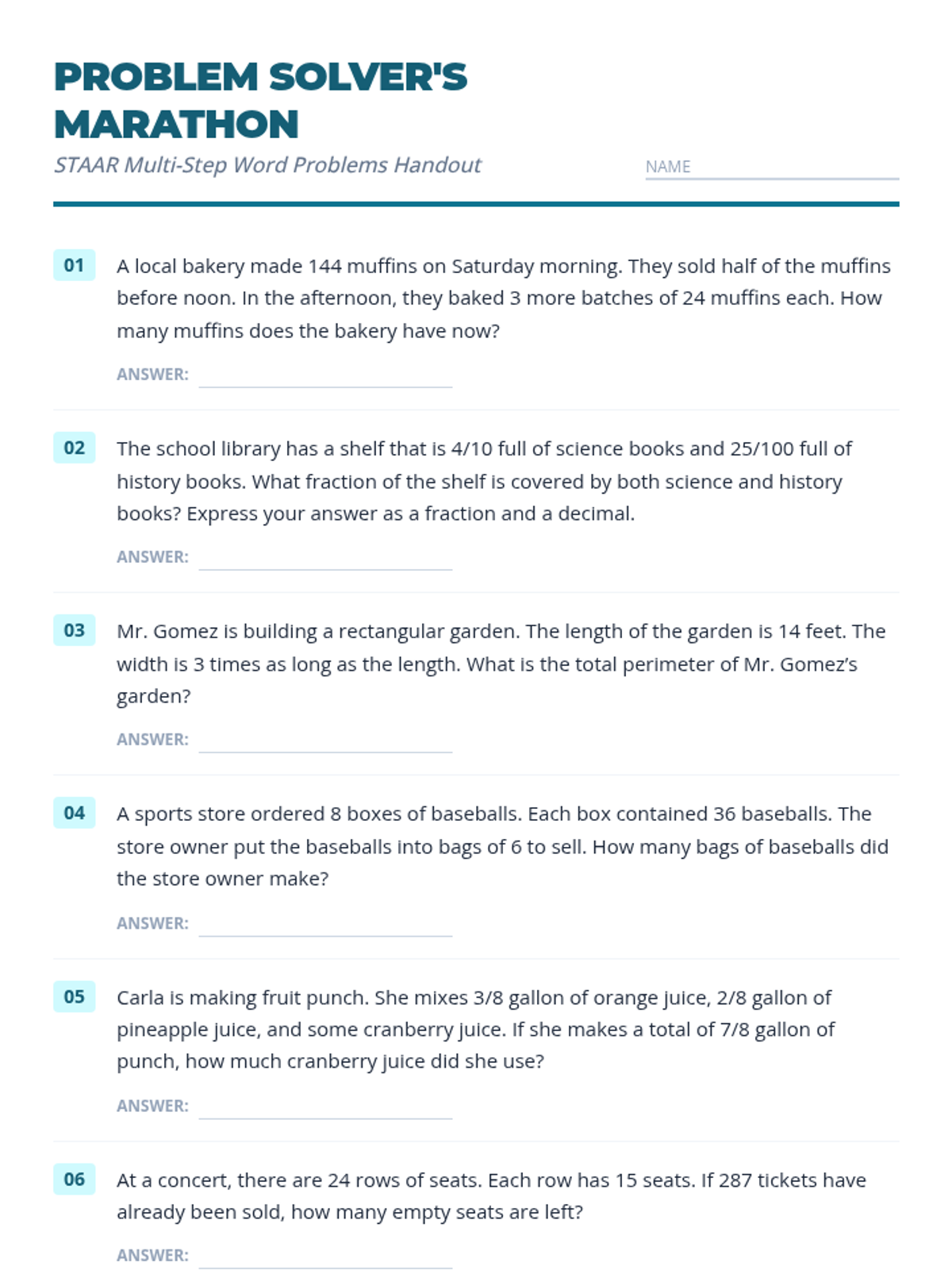
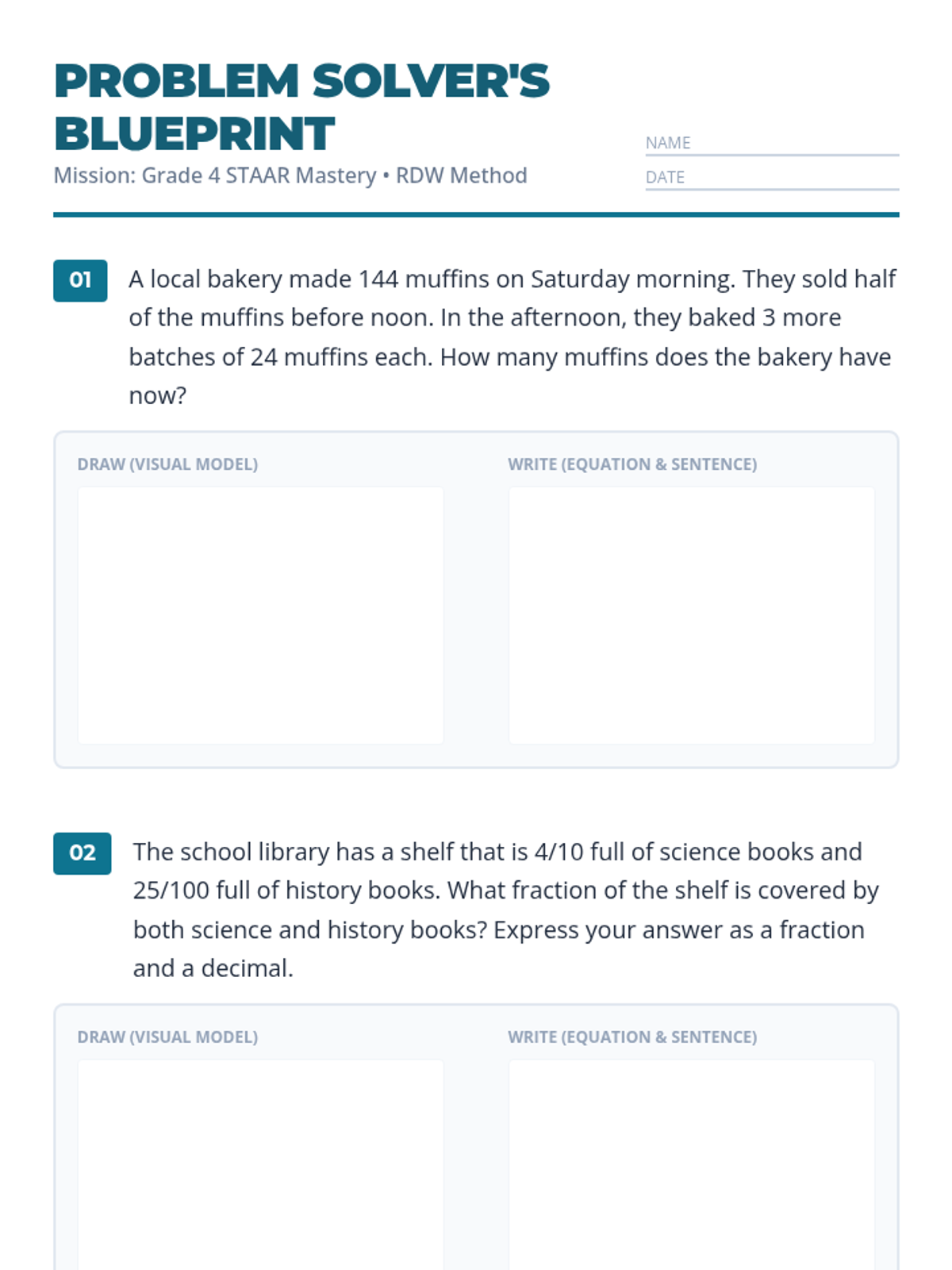
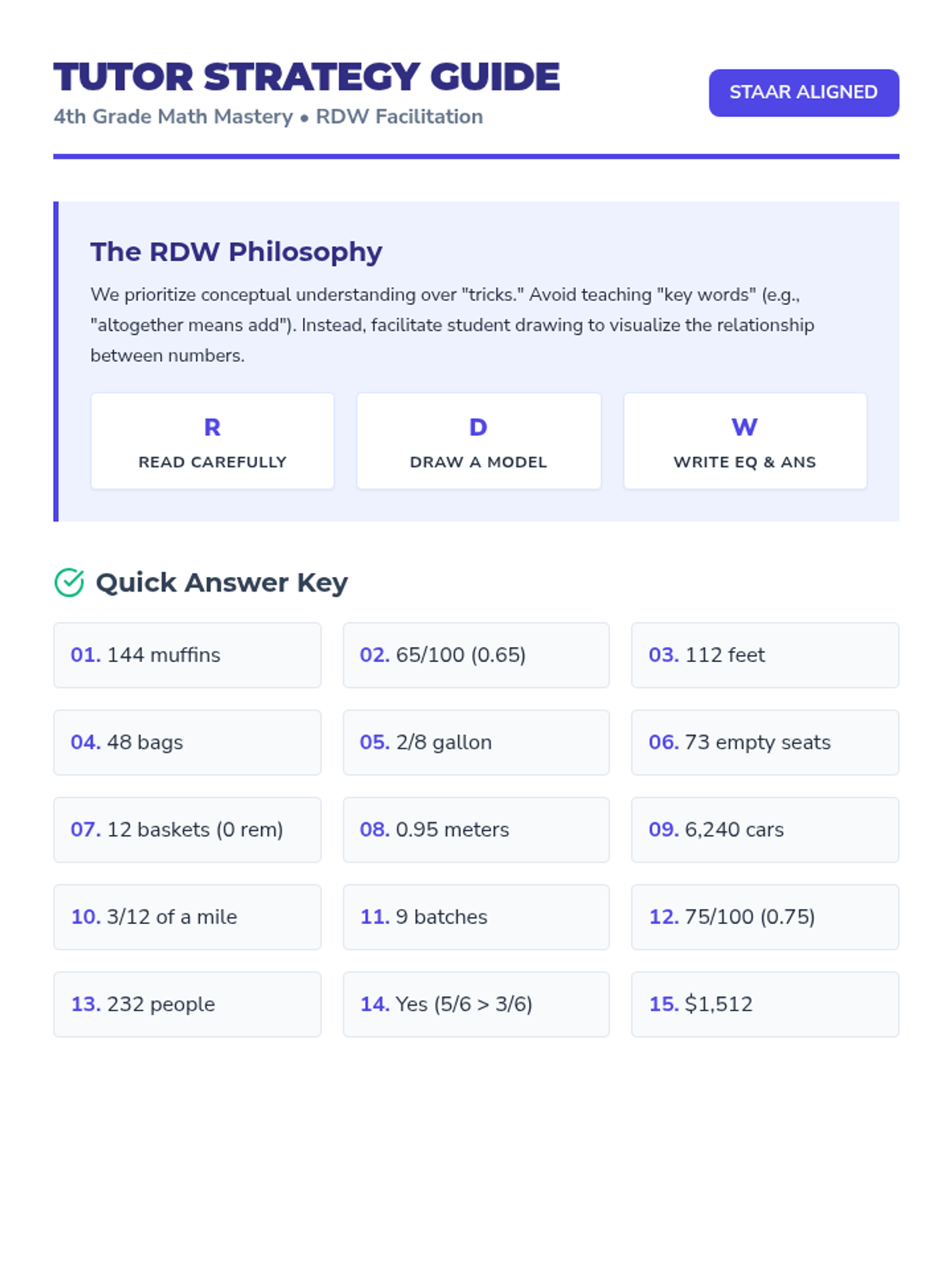
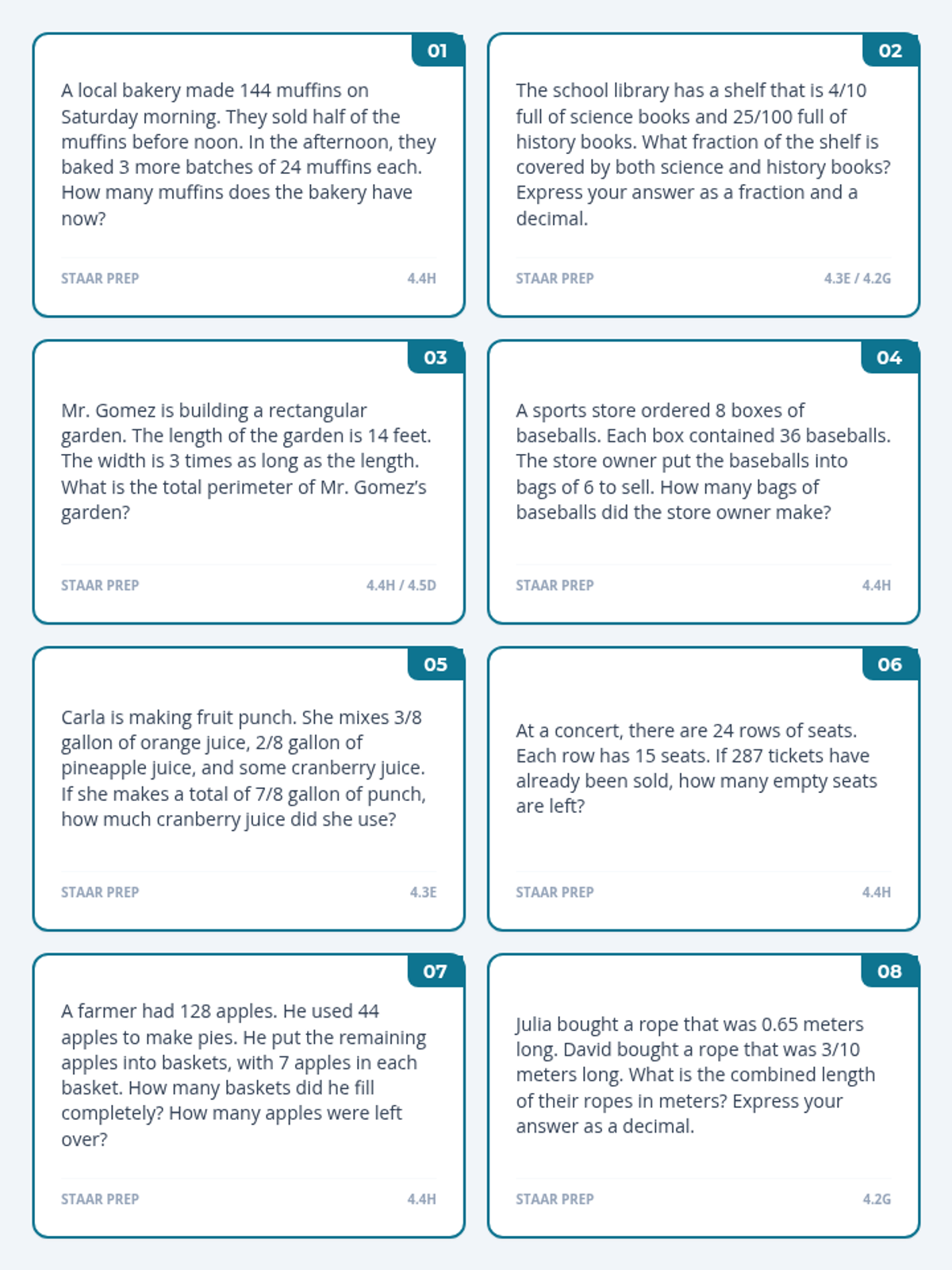
A collection of STAAR-aligned multi-step word problems for 4th-grade math, focusing on multiplication, division, fractions, and decimals using the RDW (Read, Draw, Write) strategy.
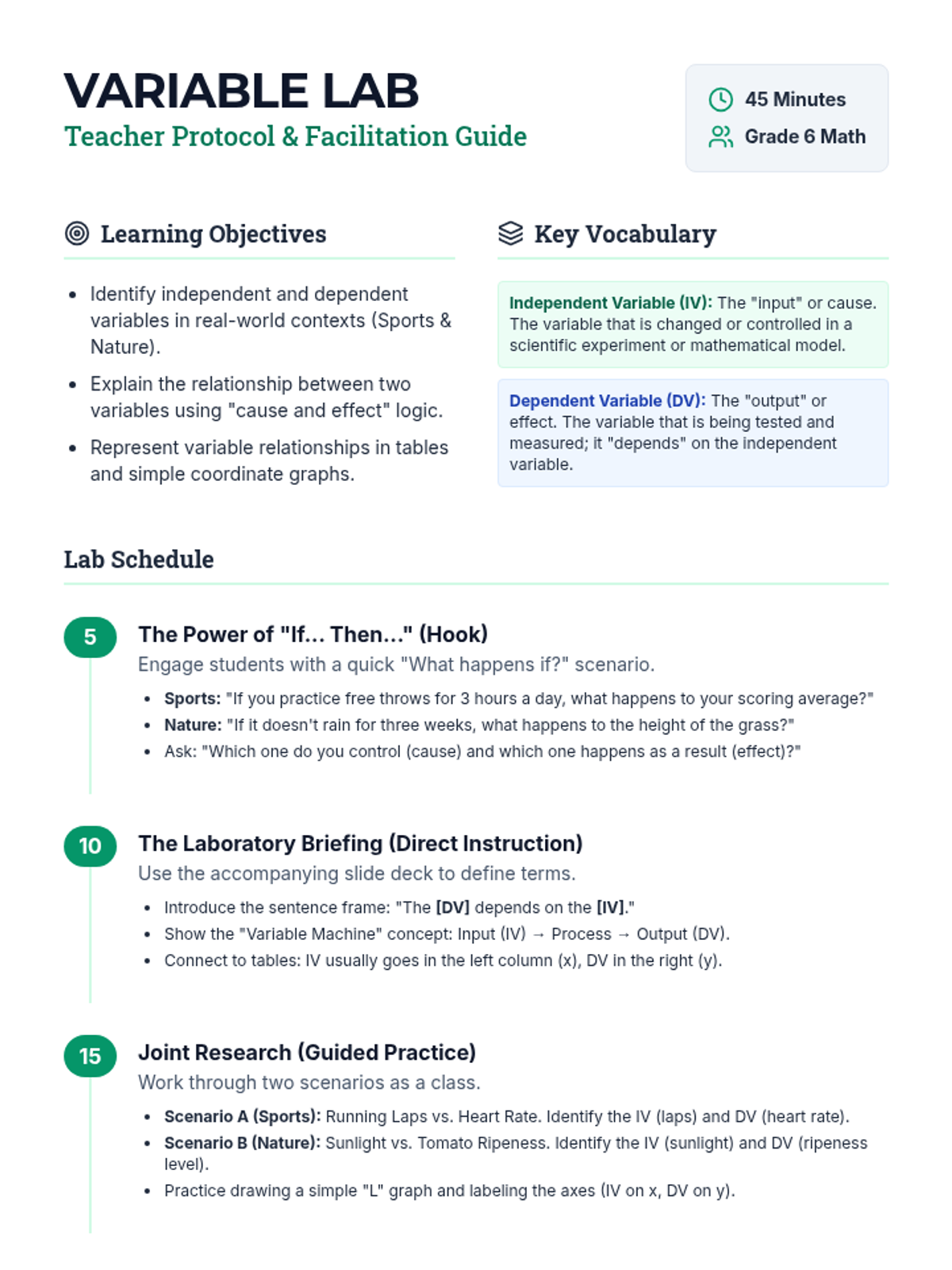
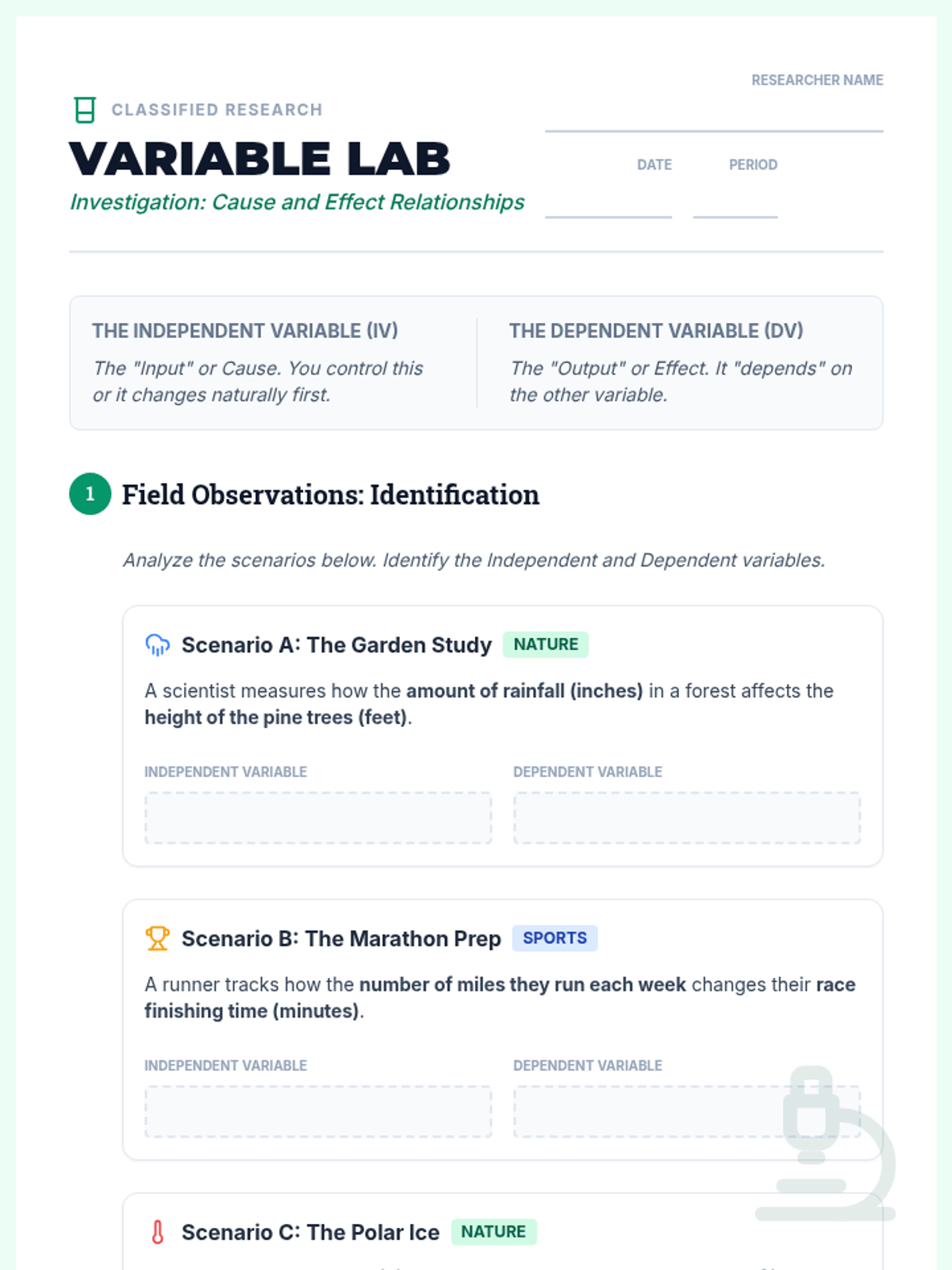
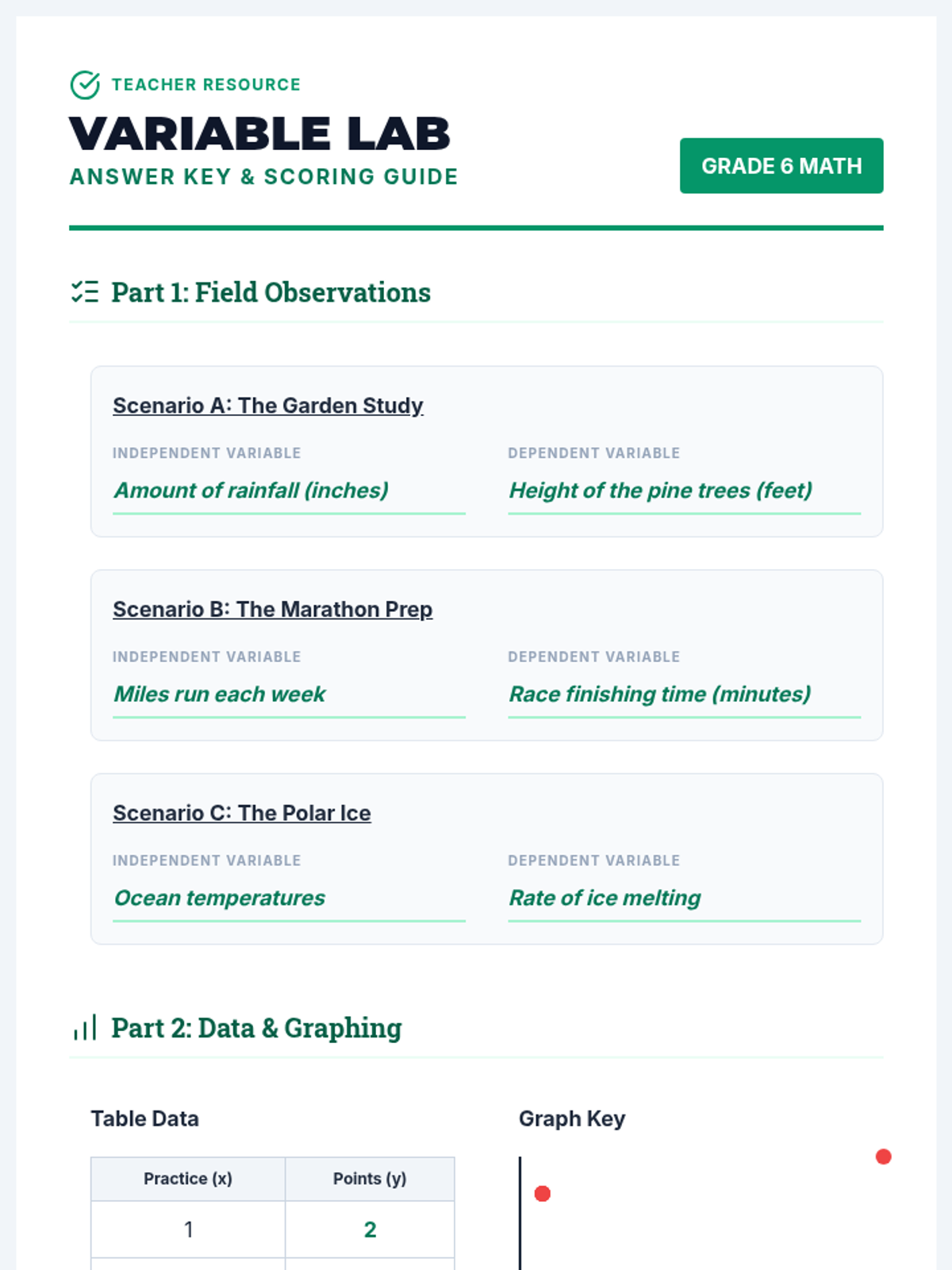
A 45-minute introductory lesson on independent and dependent variables using sports and nature contexts. Students will learn to identify variables, understand cause-and-effect relationships, and represent them in tables and graphs.
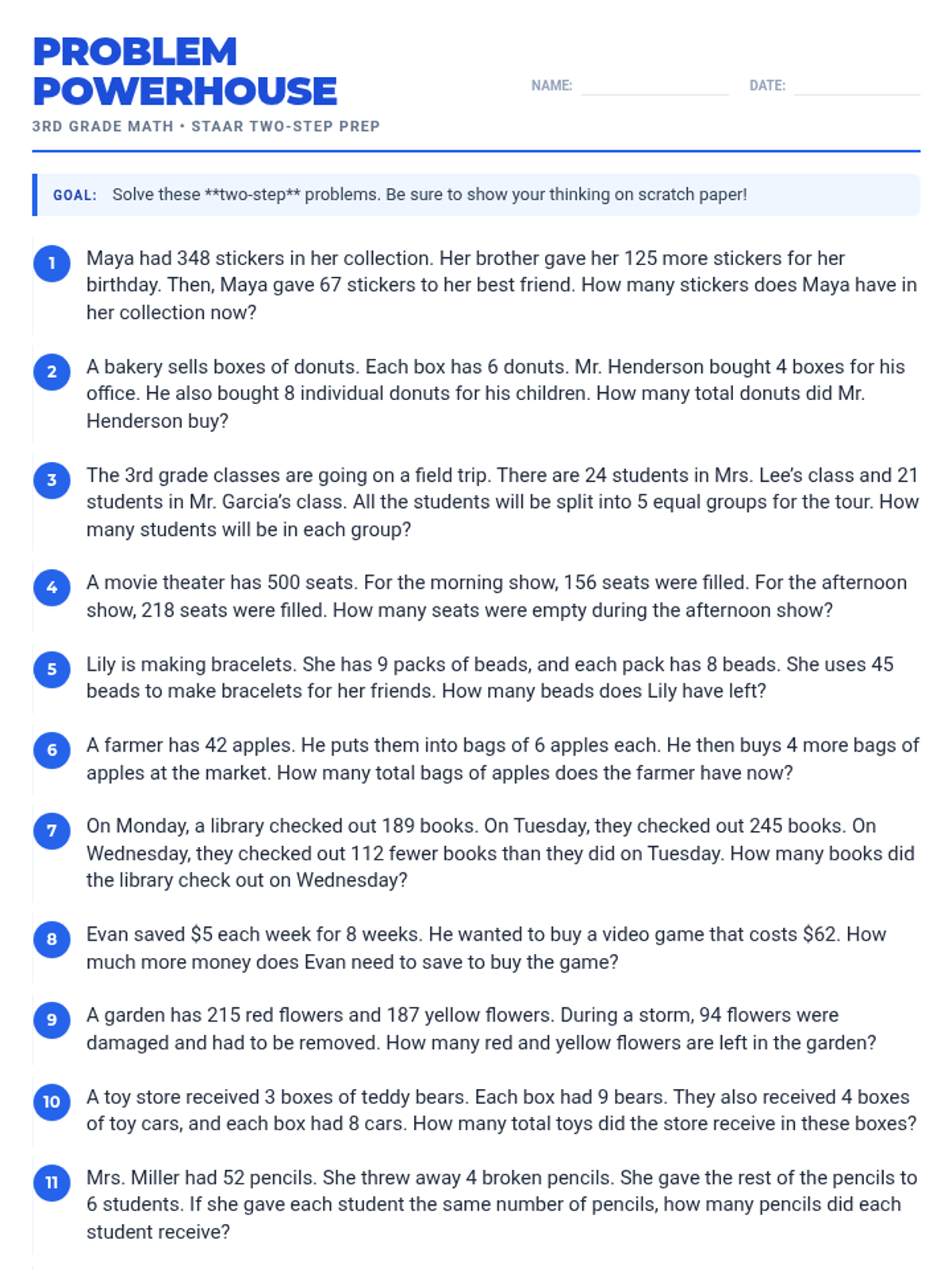
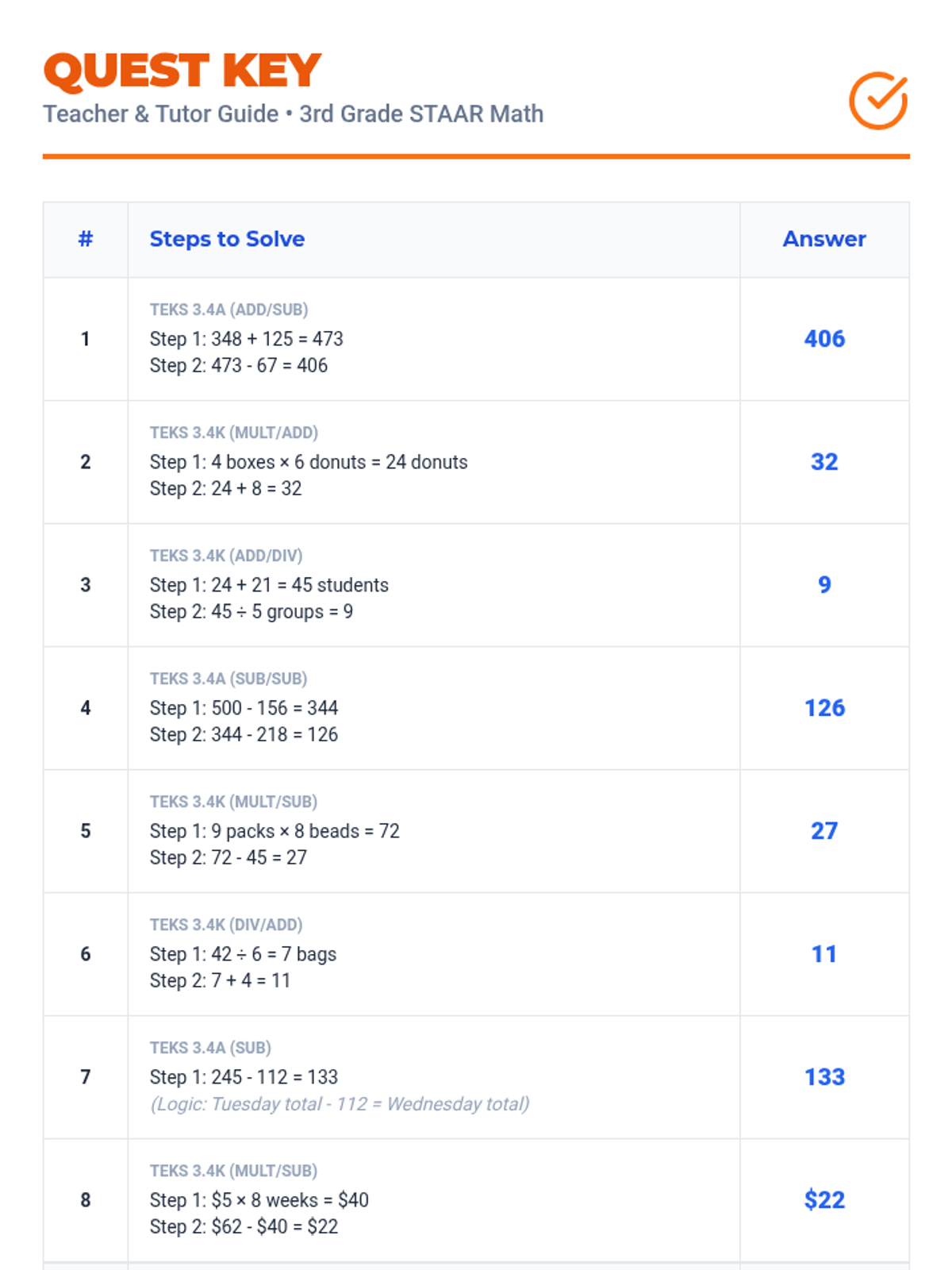
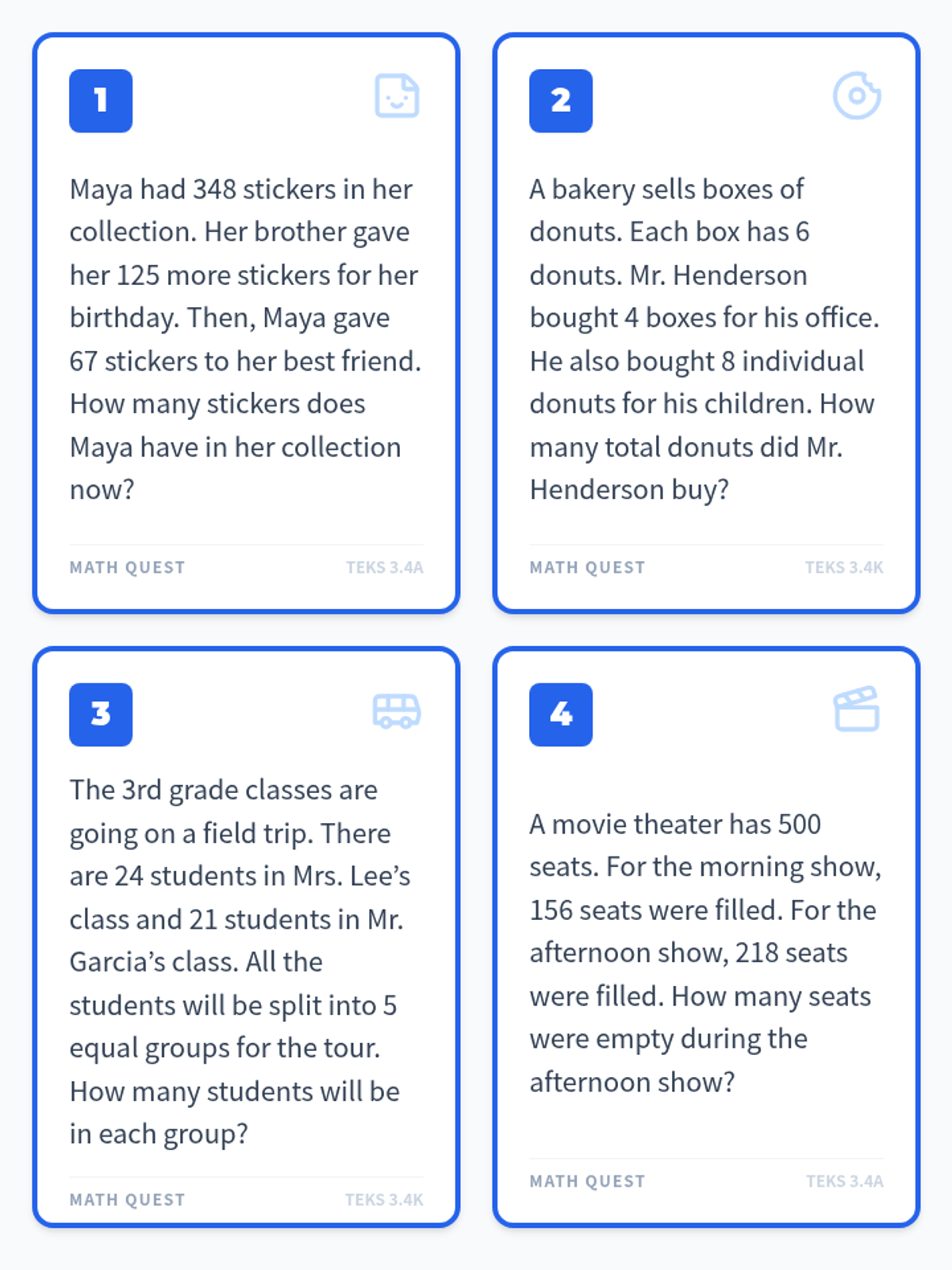
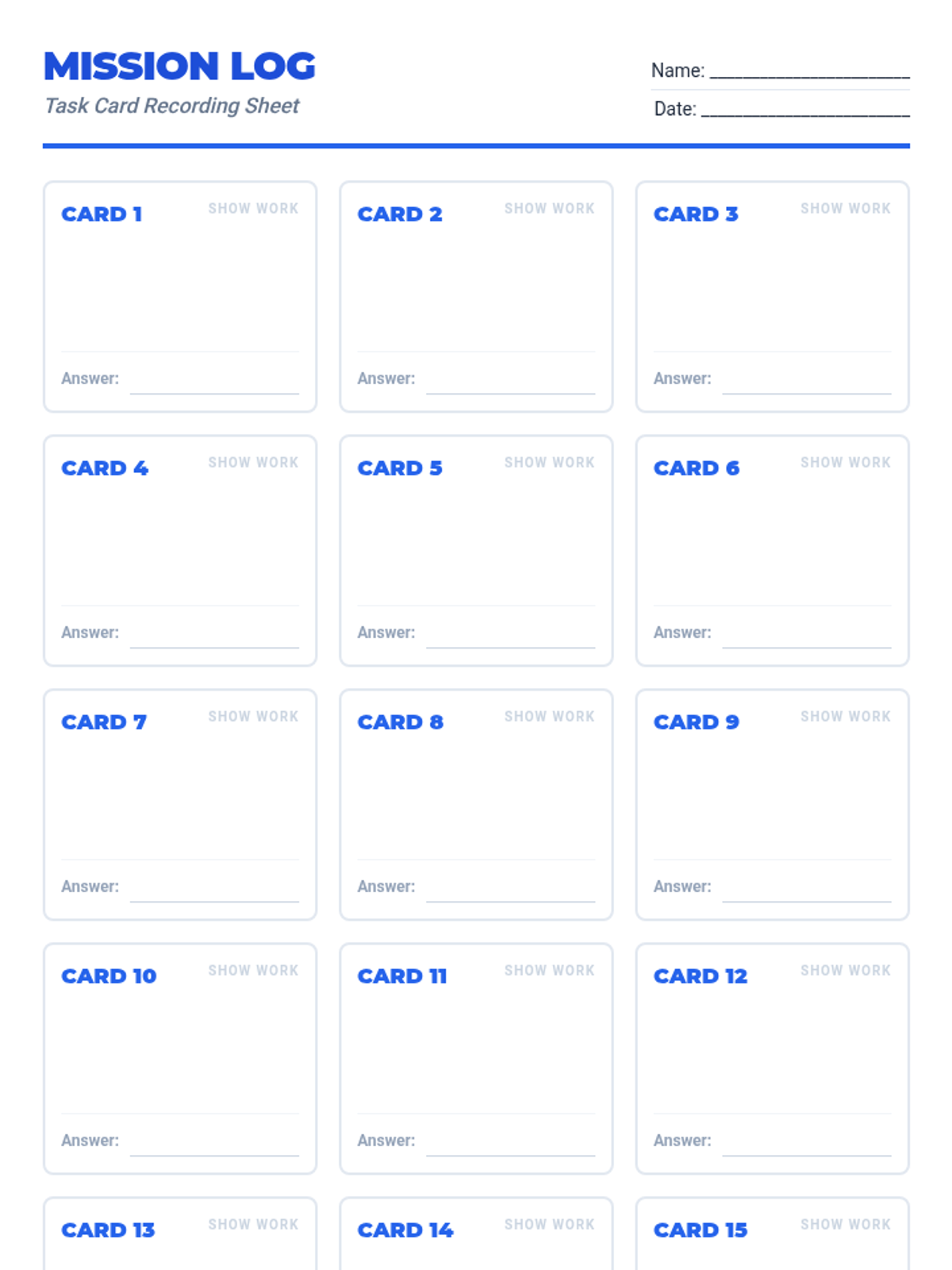
A collection of STAAR-aligned two-step word problems designed for 3rd-grade math mastery. This lesson focuses on problem-solving strategies for addition, subtraction, multiplication, and division scenarios commonly found on the Texas state assessment.
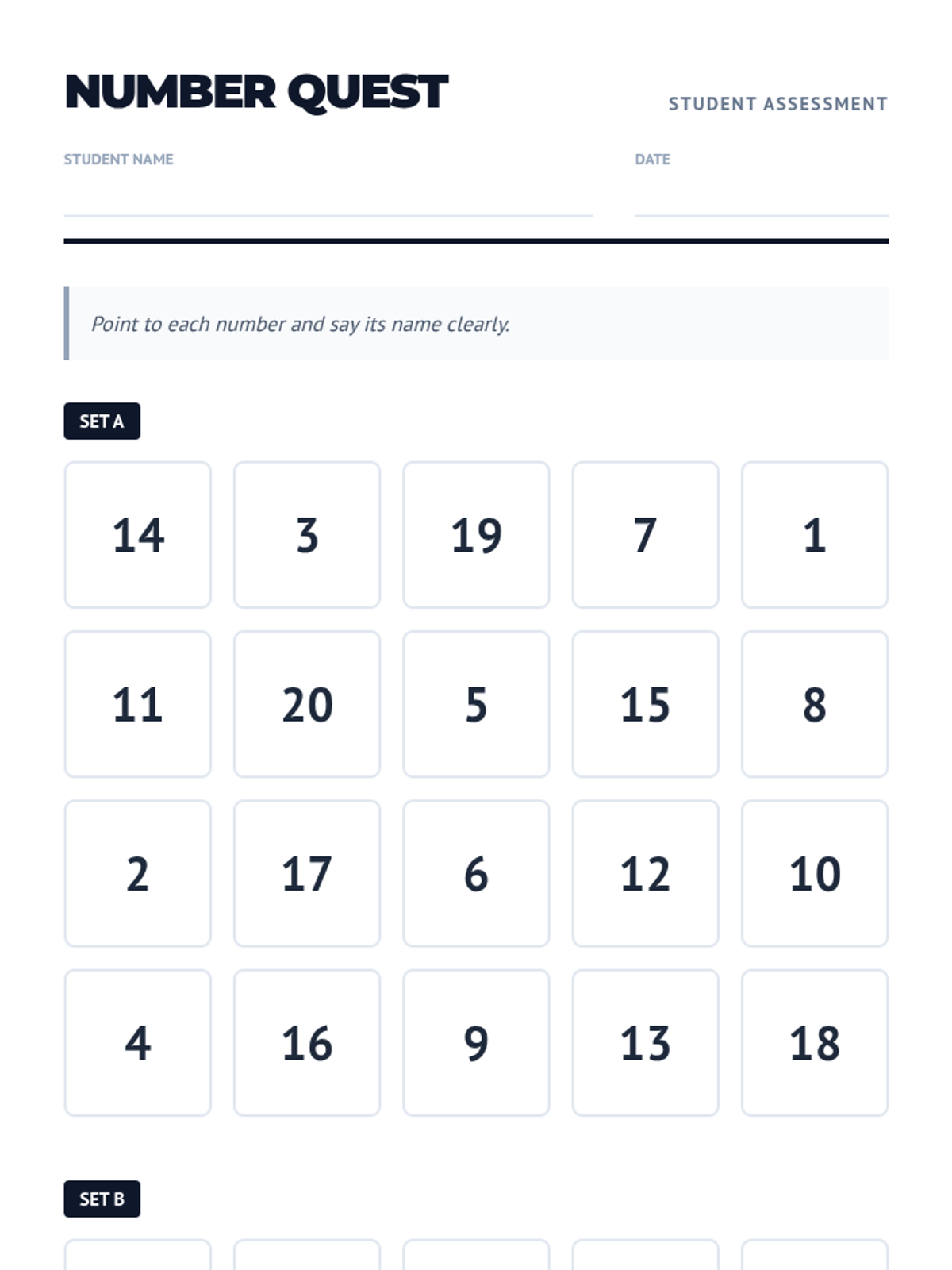
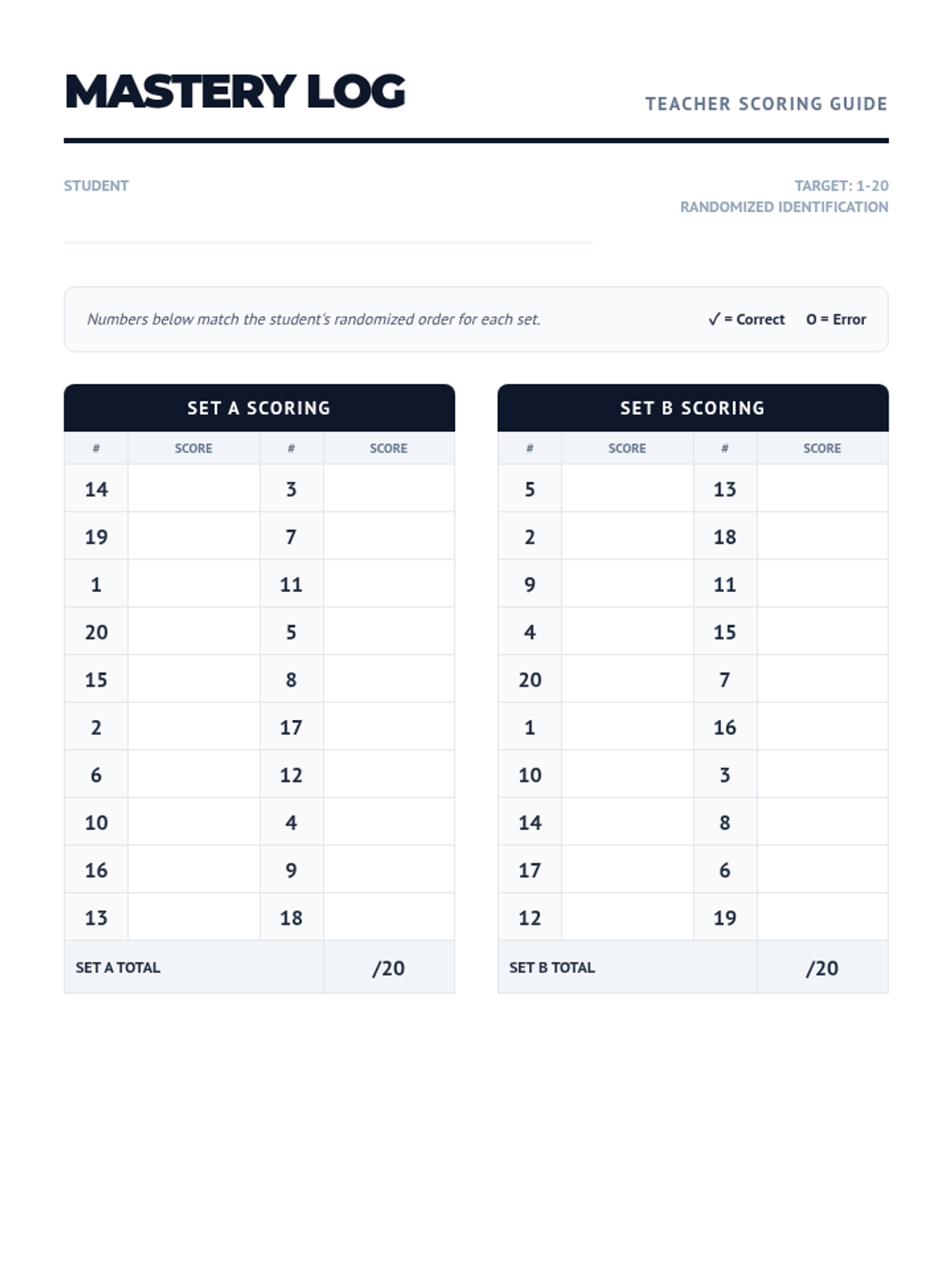
A comprehensive set of tools for assessing and tracking a student's ability to identify numbers 1 through 20 in randomized order.
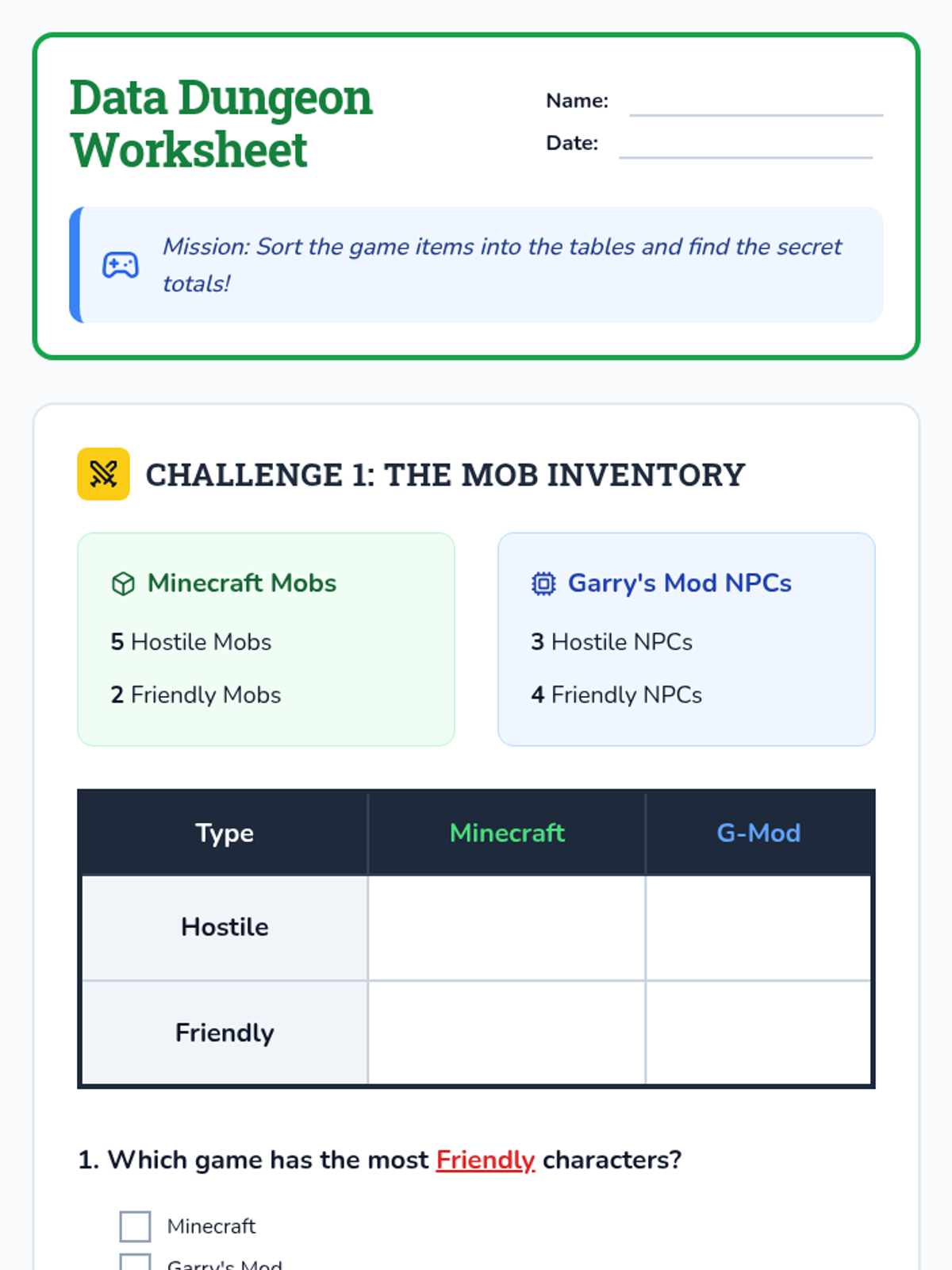
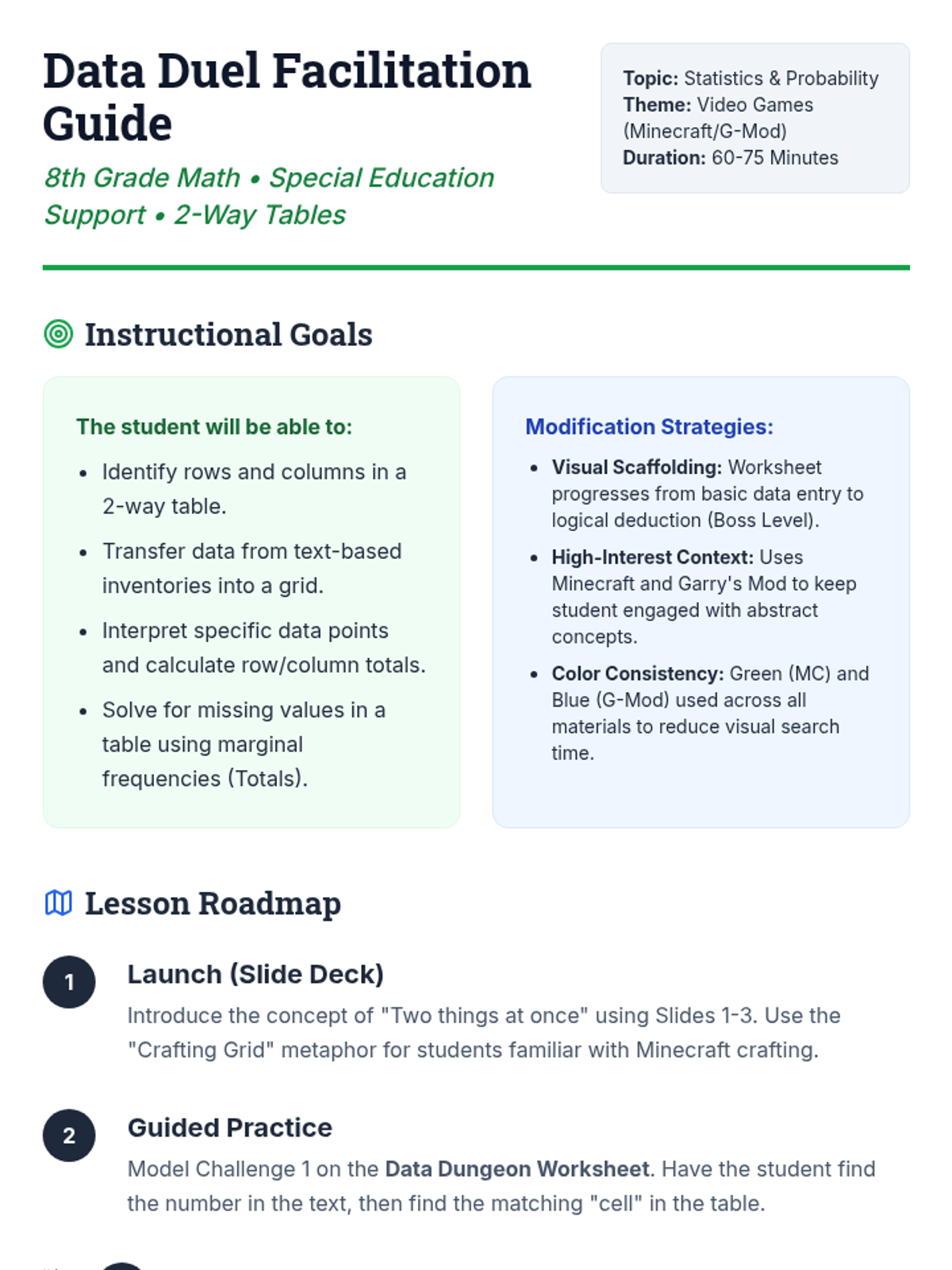
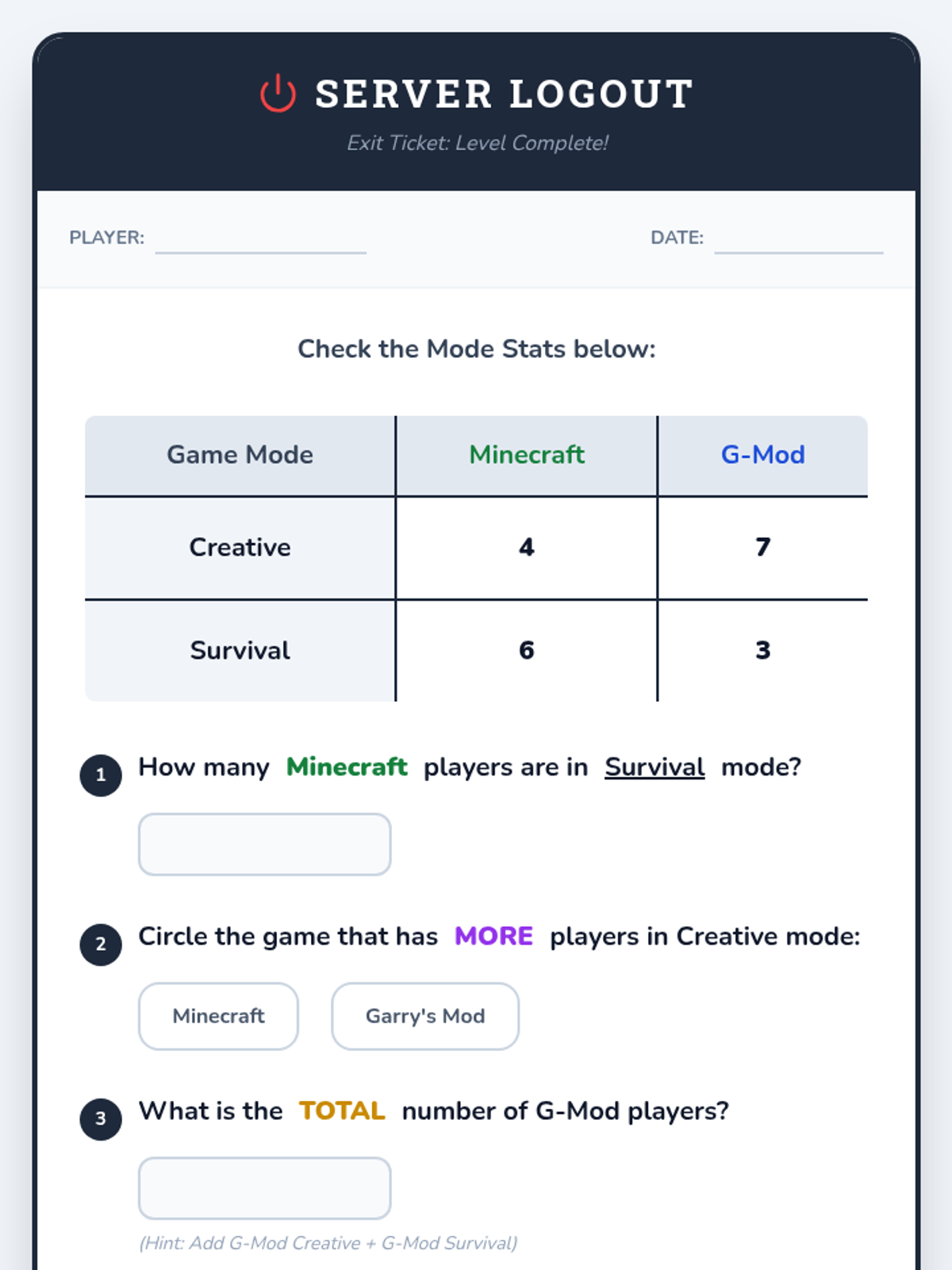
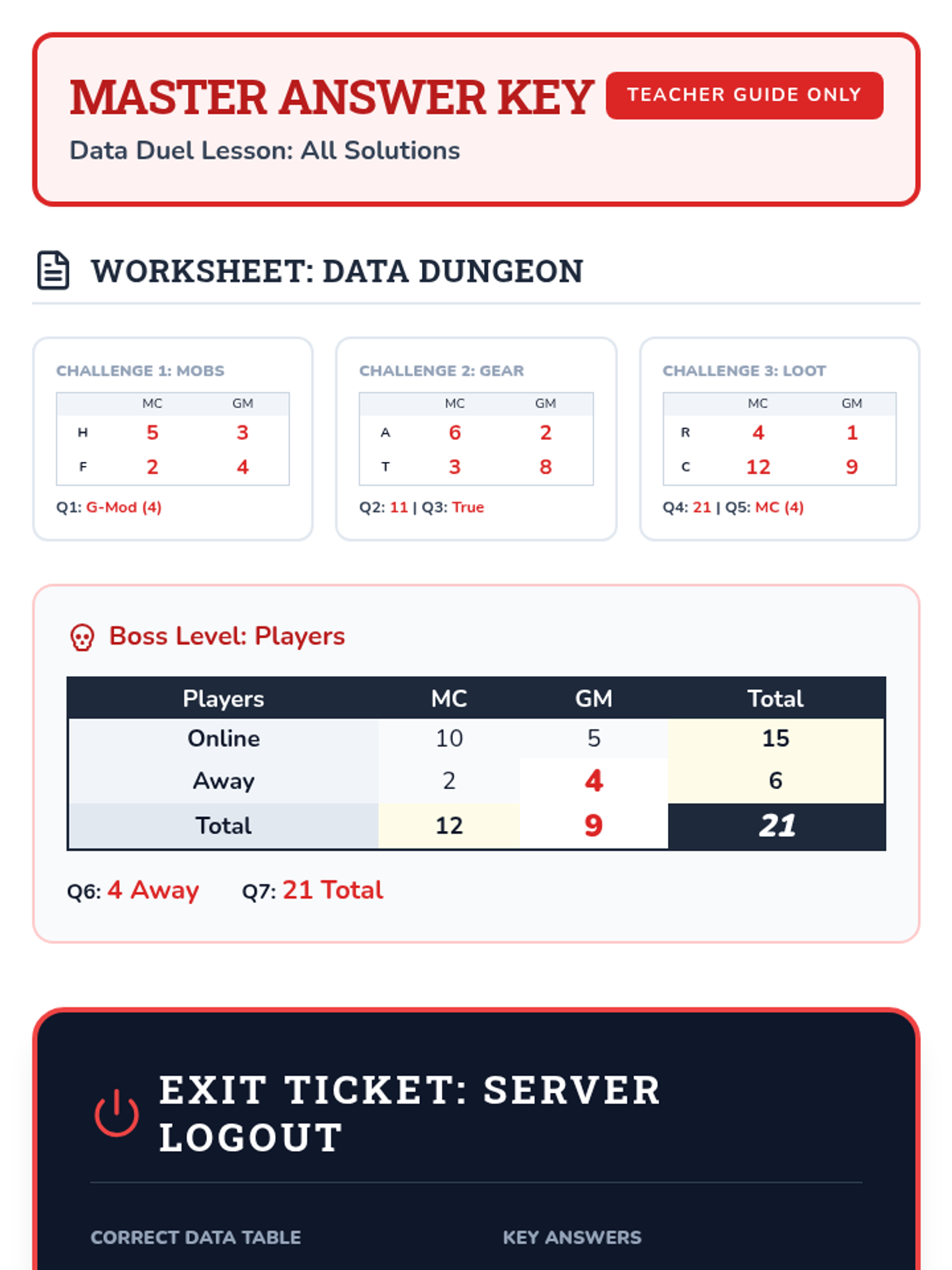
A visual, video-game themed lesson on two-way frequency tables designed for 8th-grade special education students using Minecraft and Garry's Mod examples.
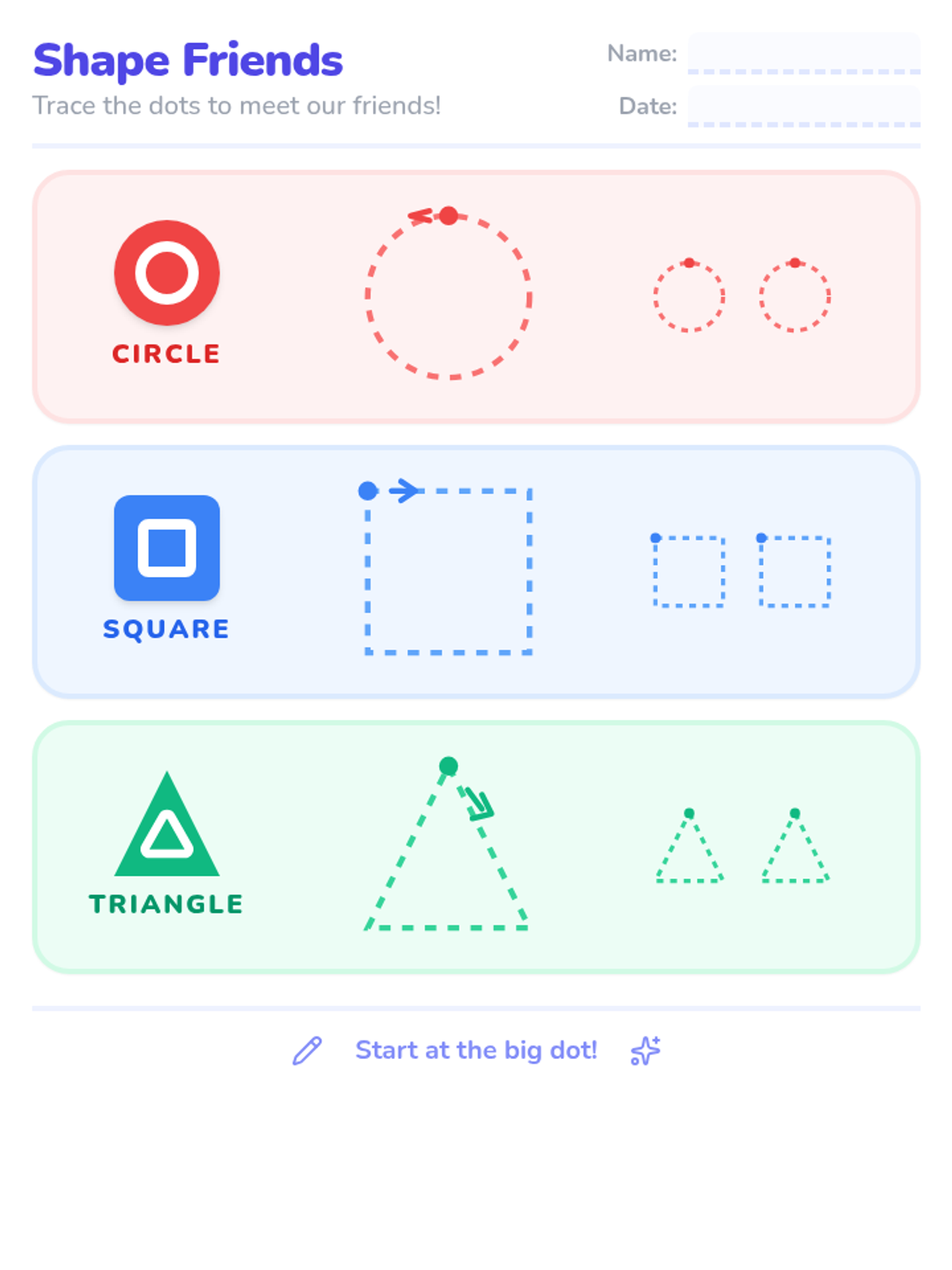
A fun introduction to basic shapes through tracing and recognition activities.
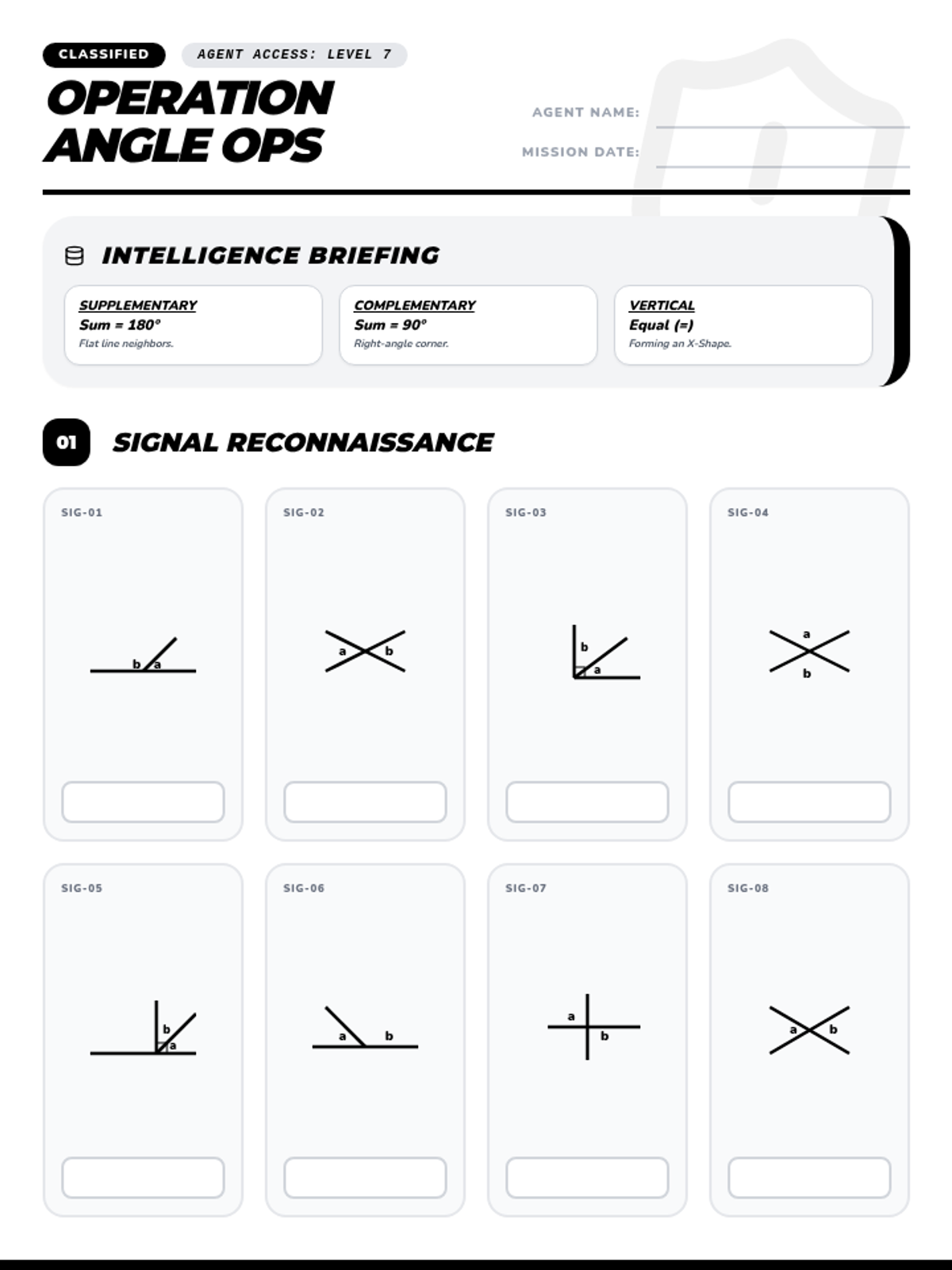
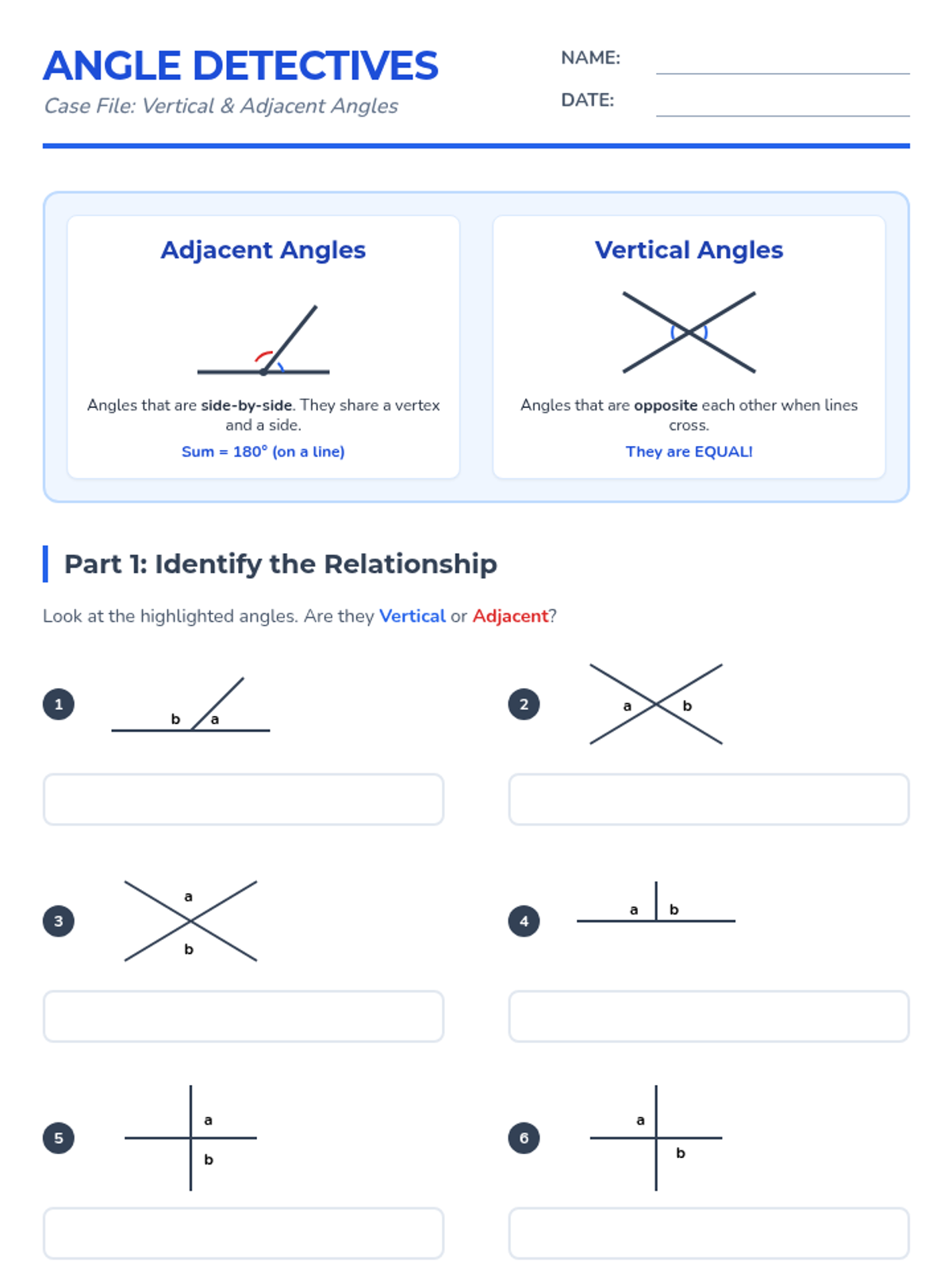
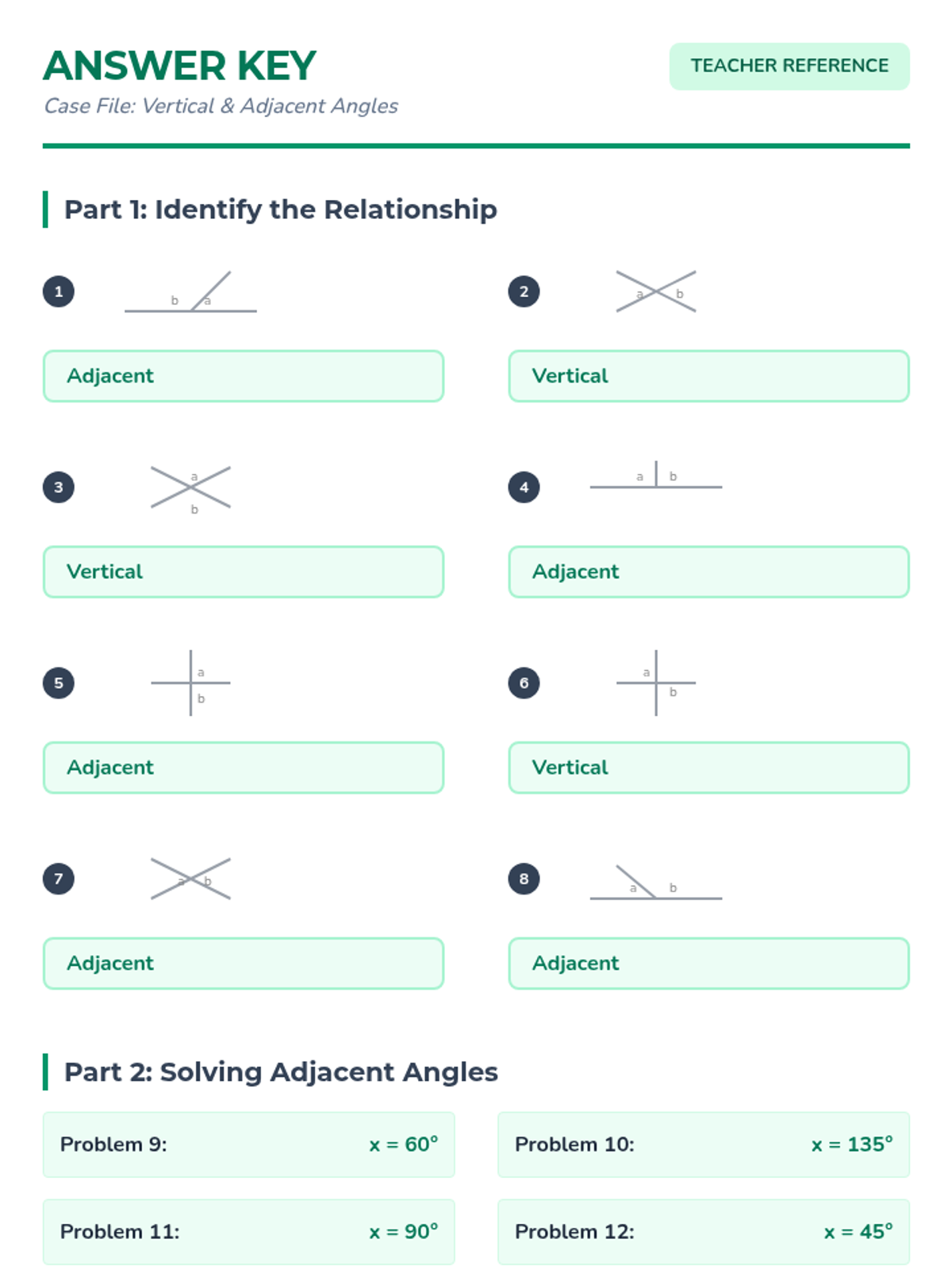
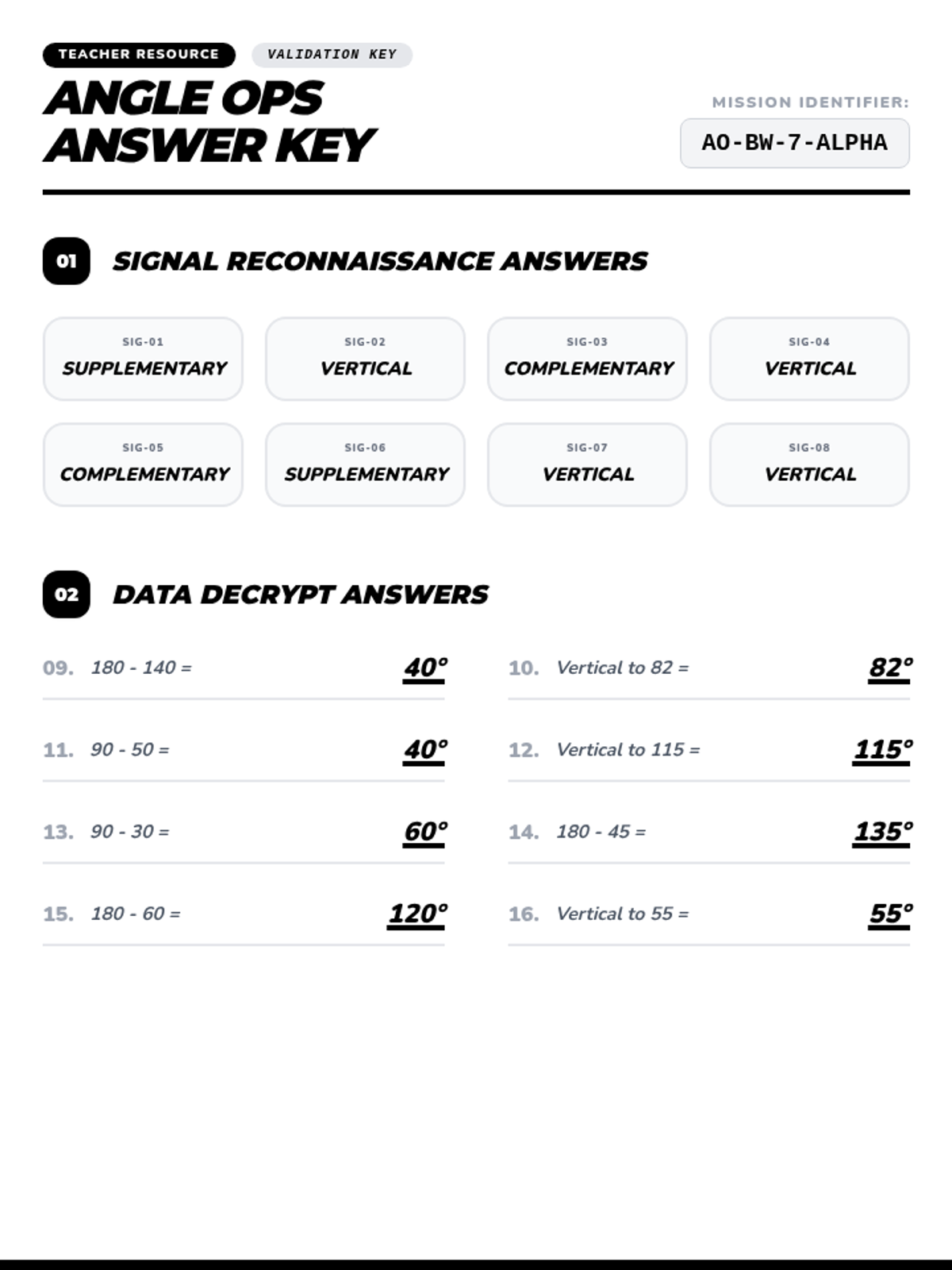
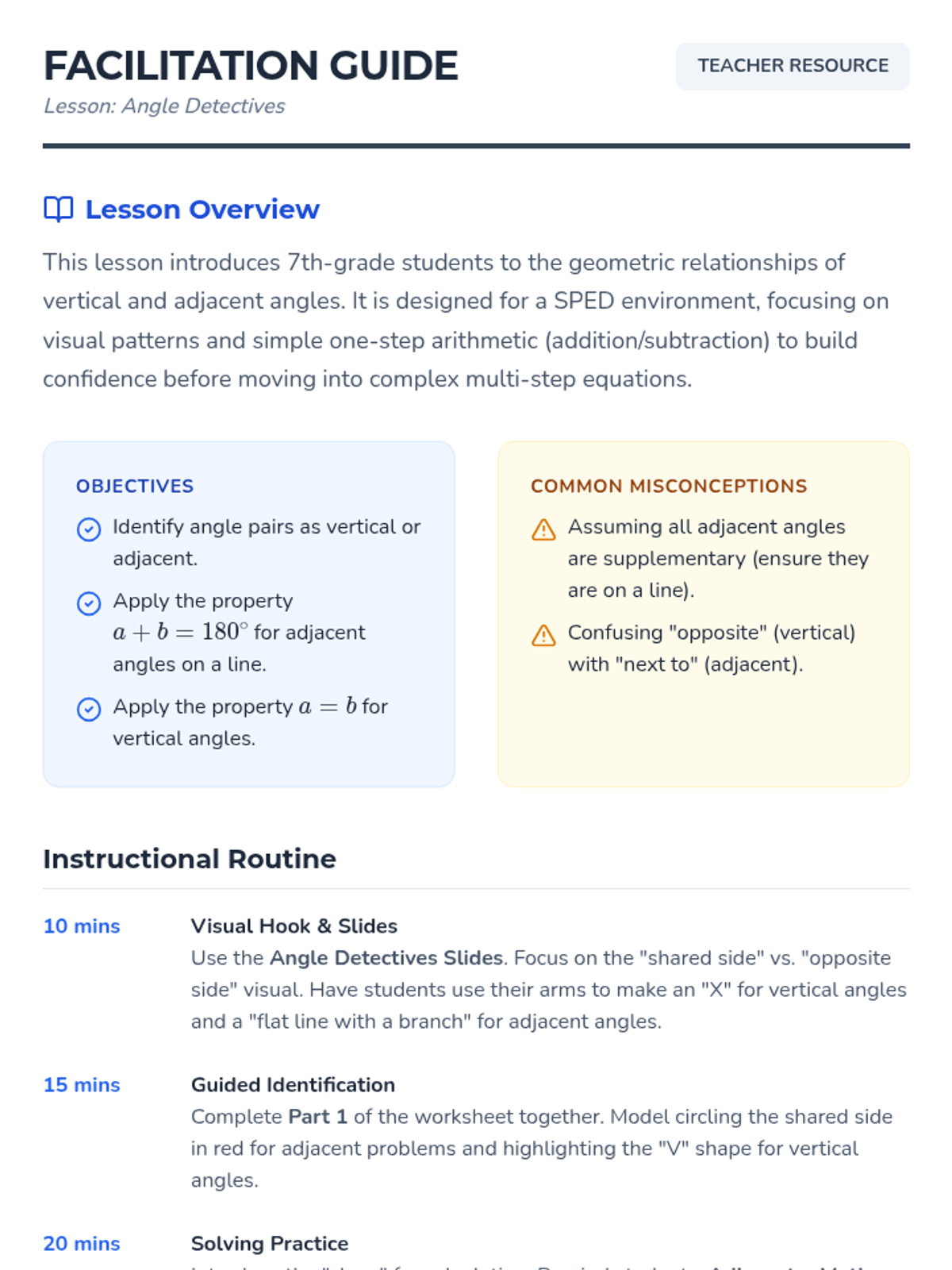
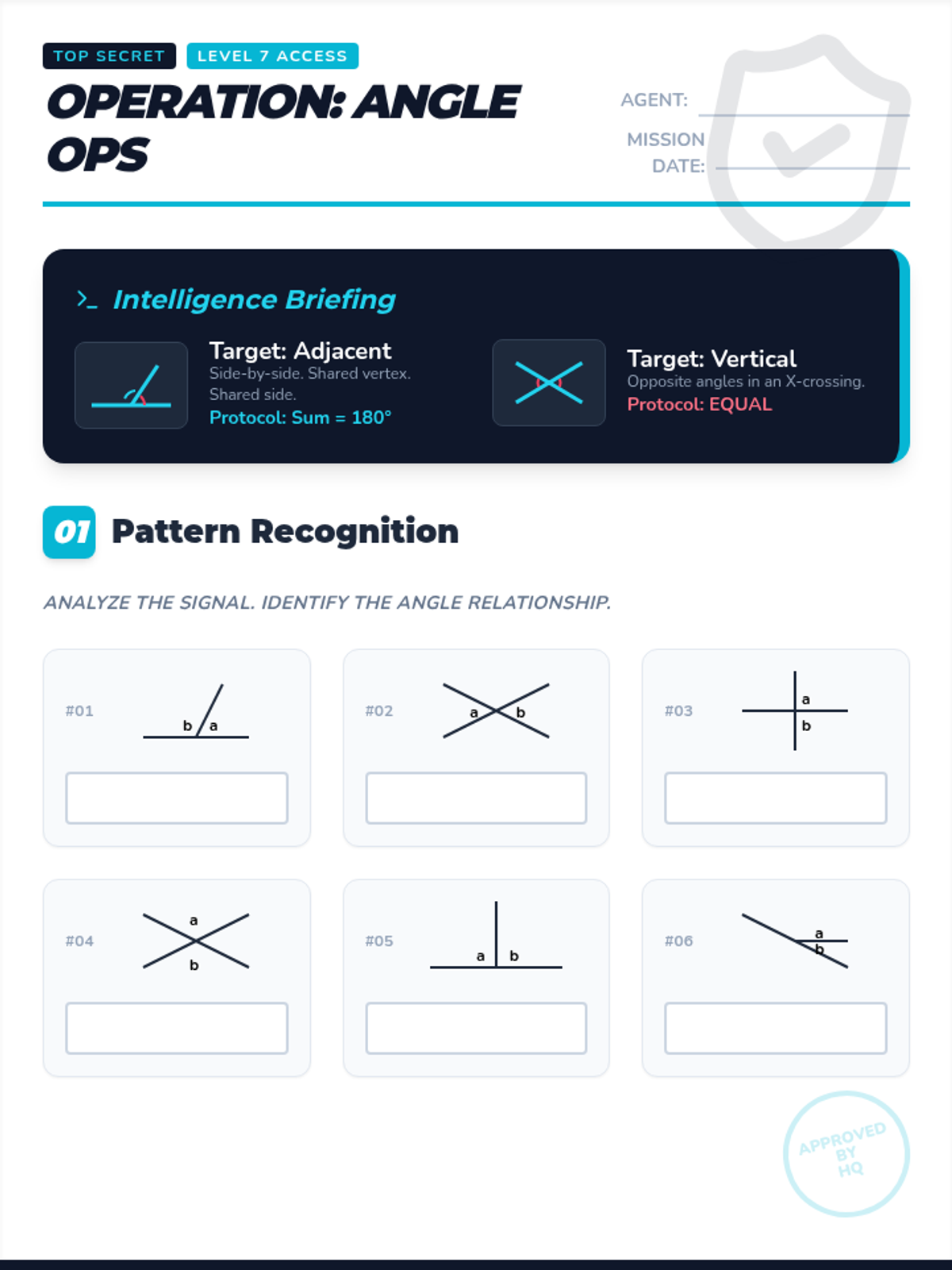
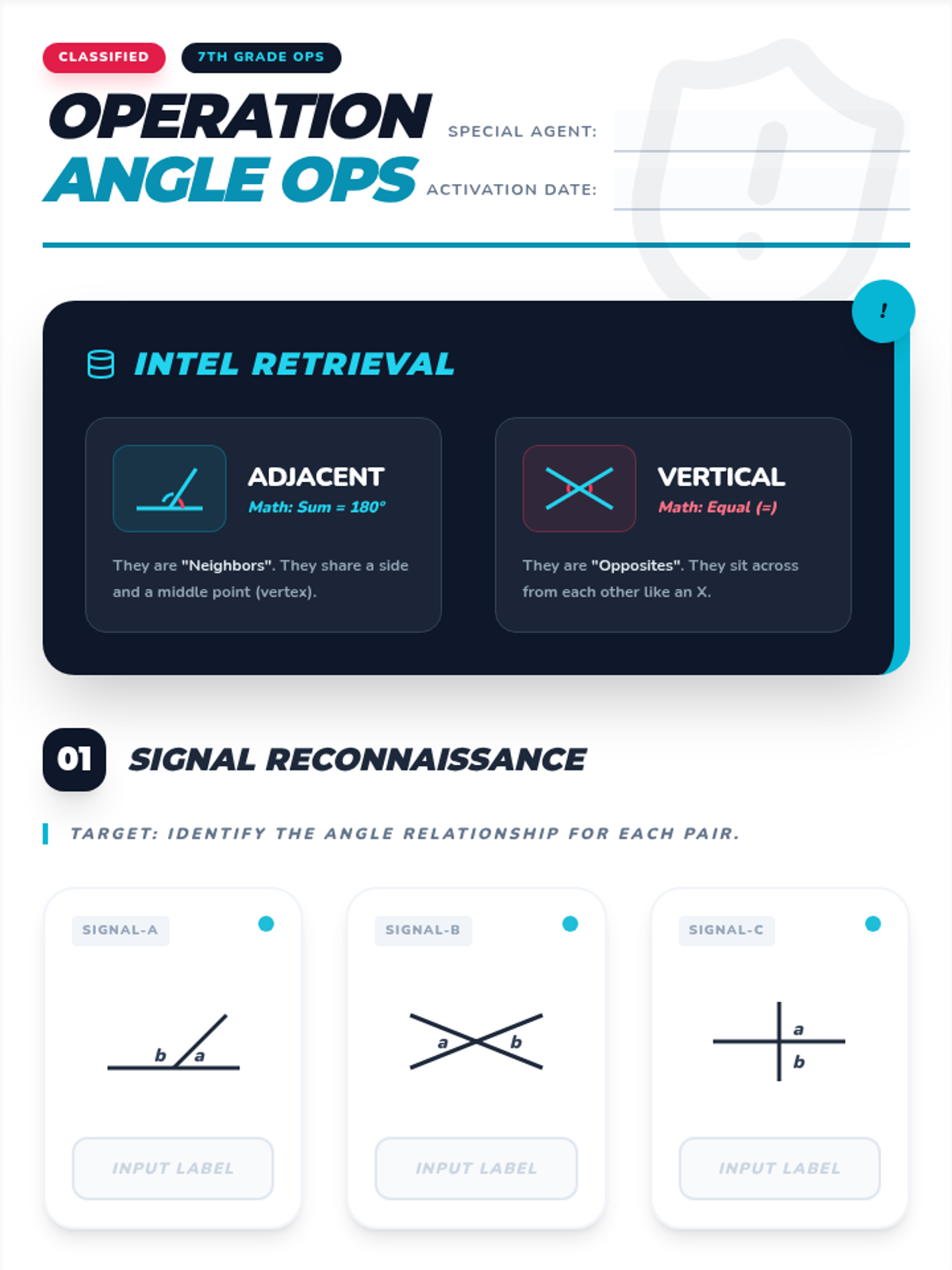
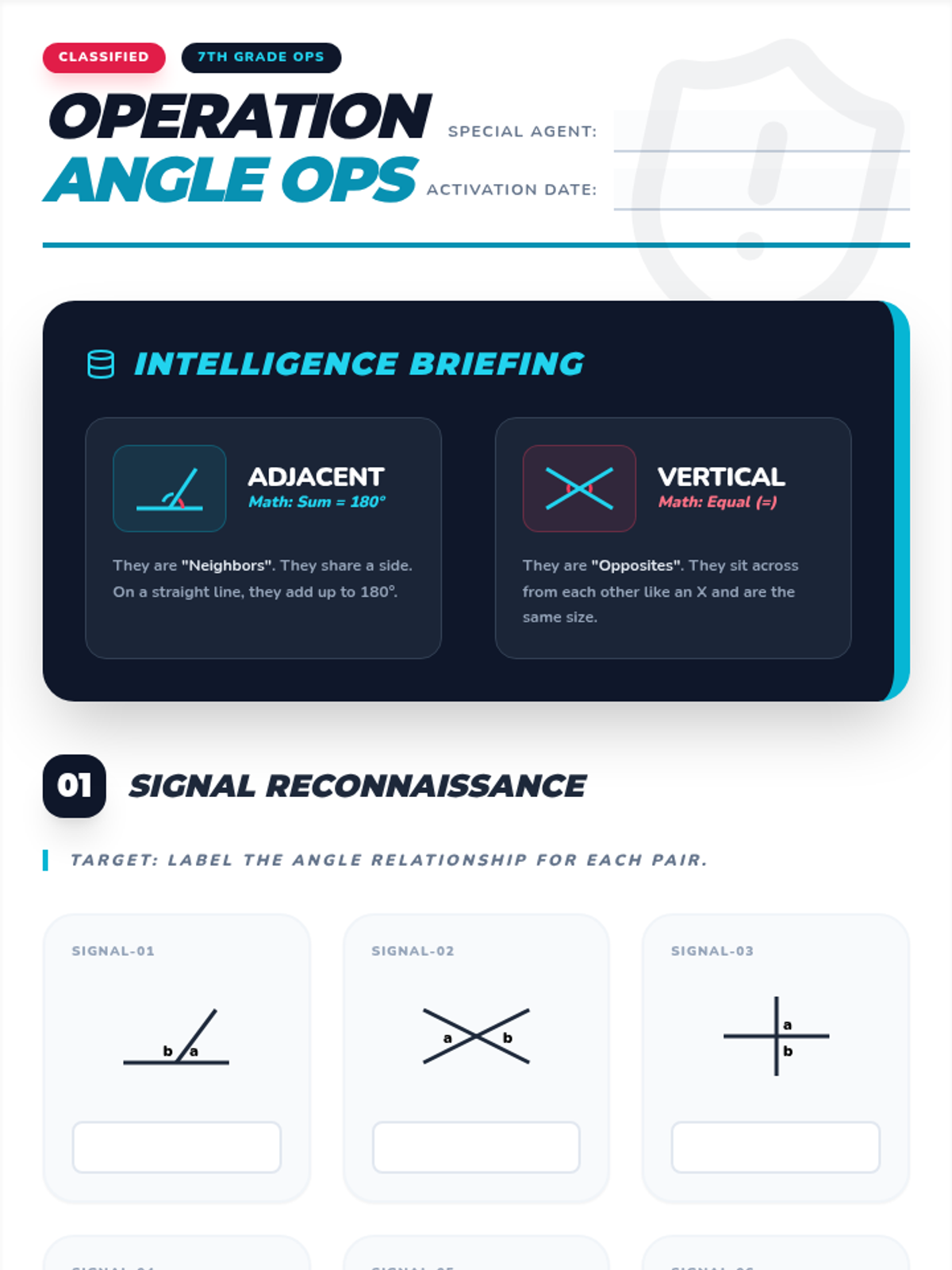
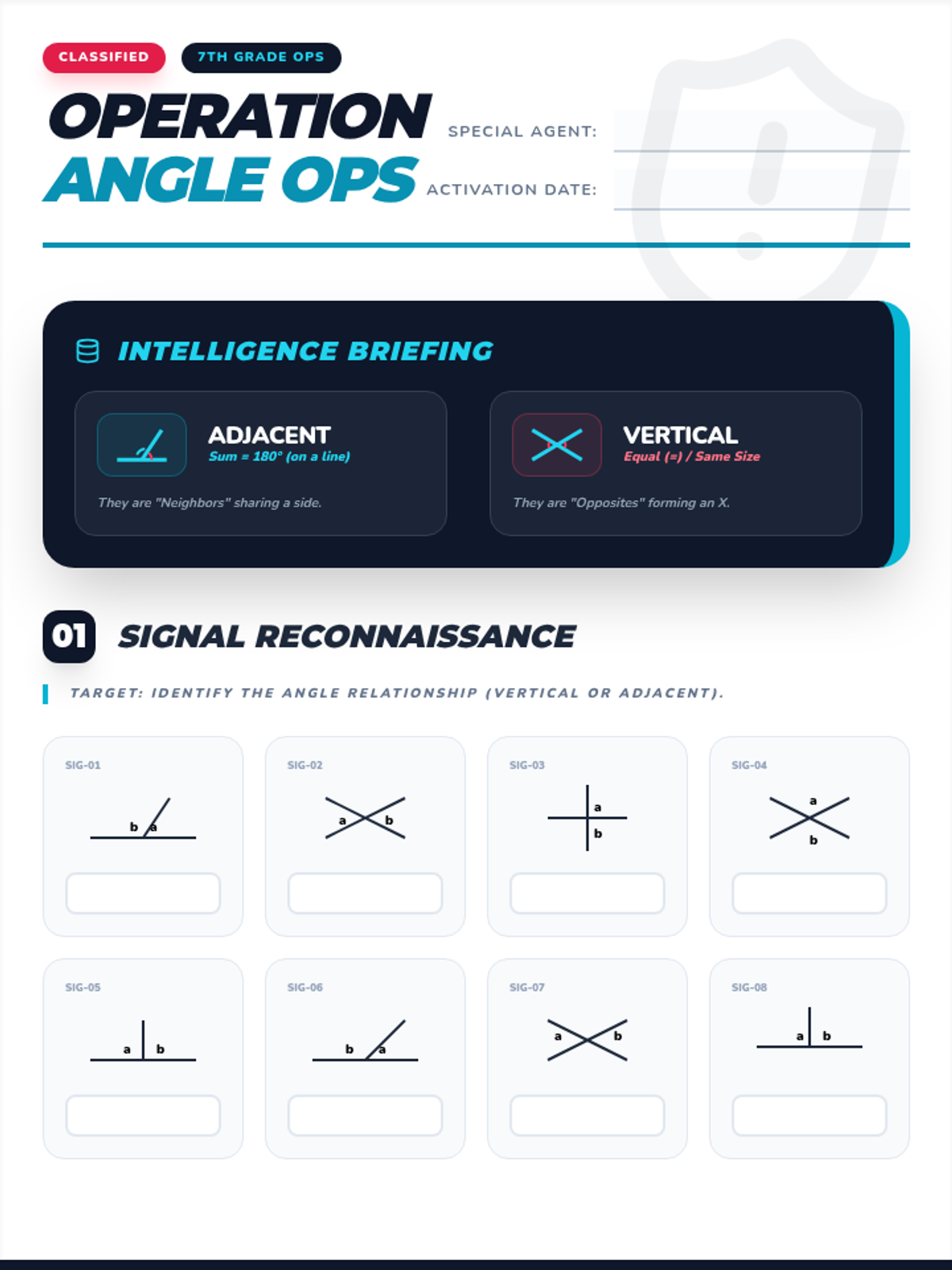
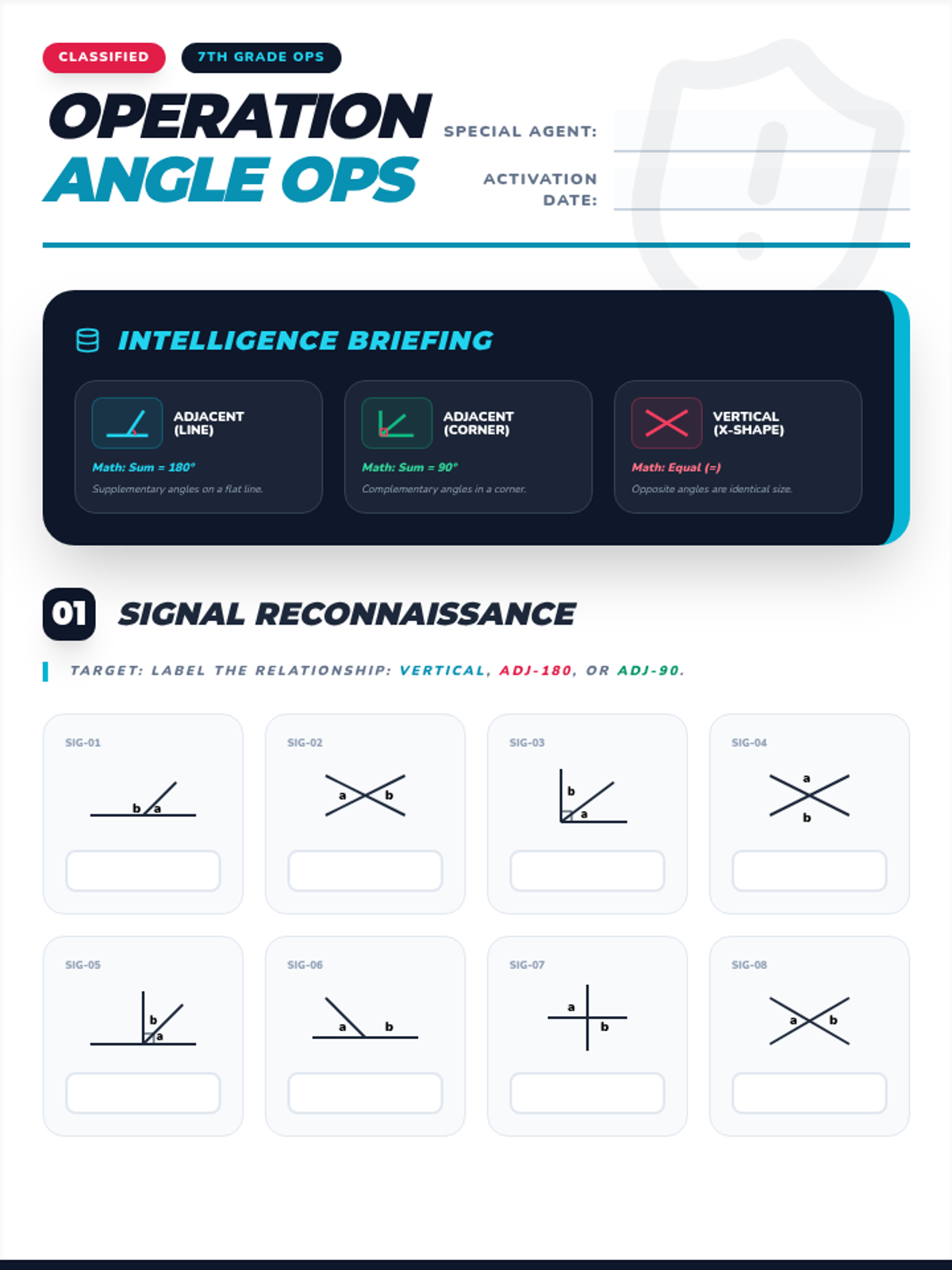
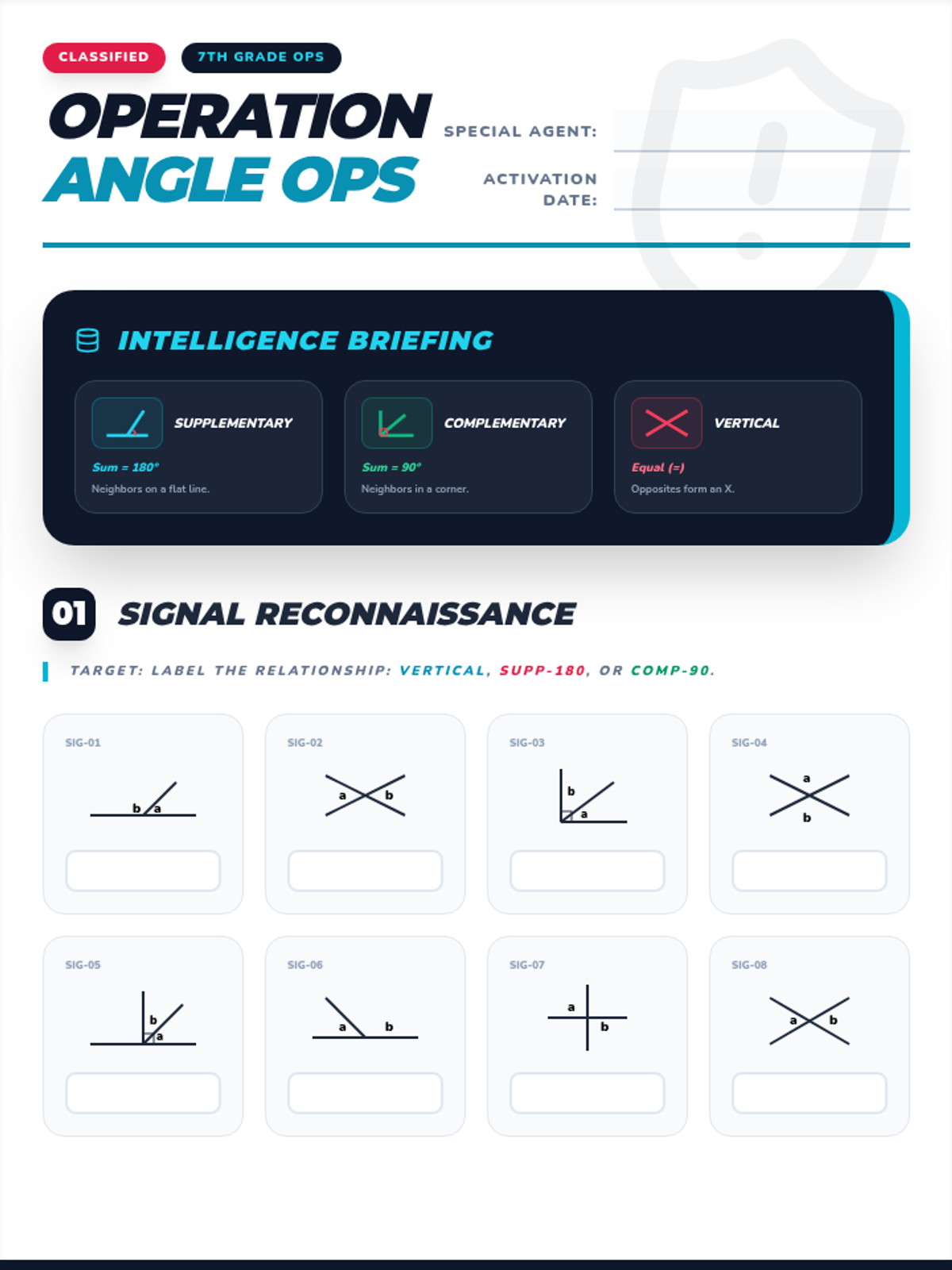
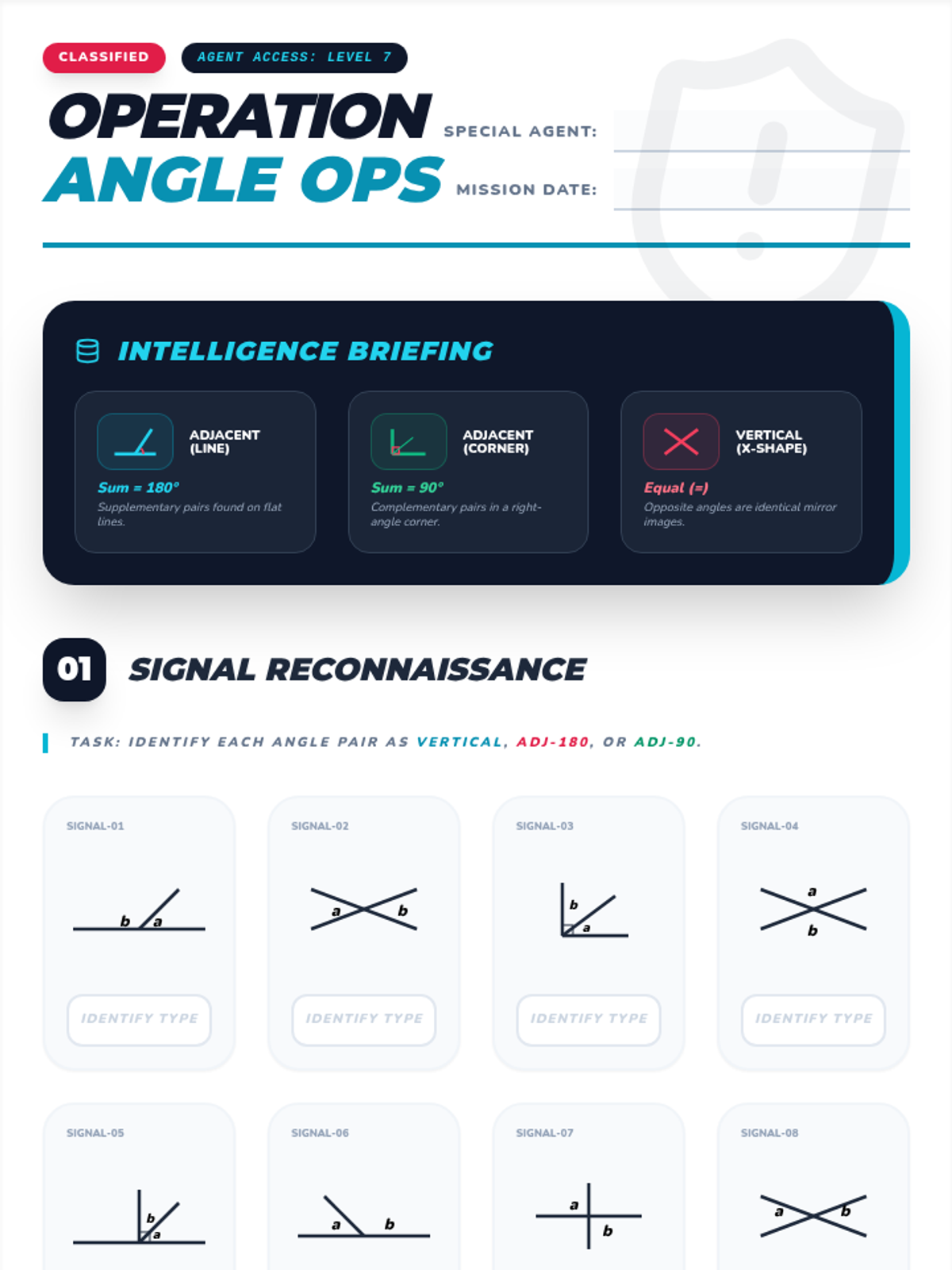
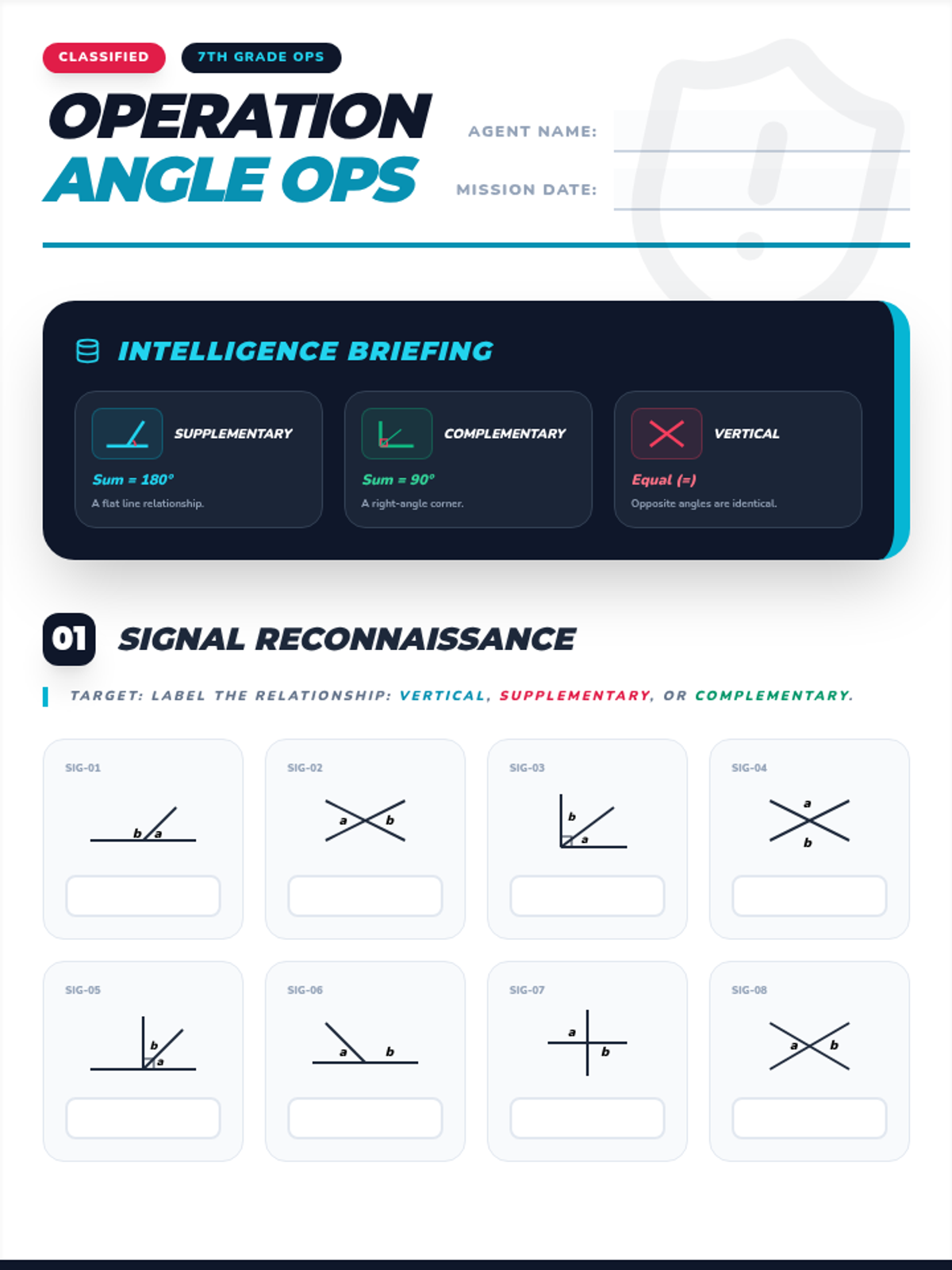
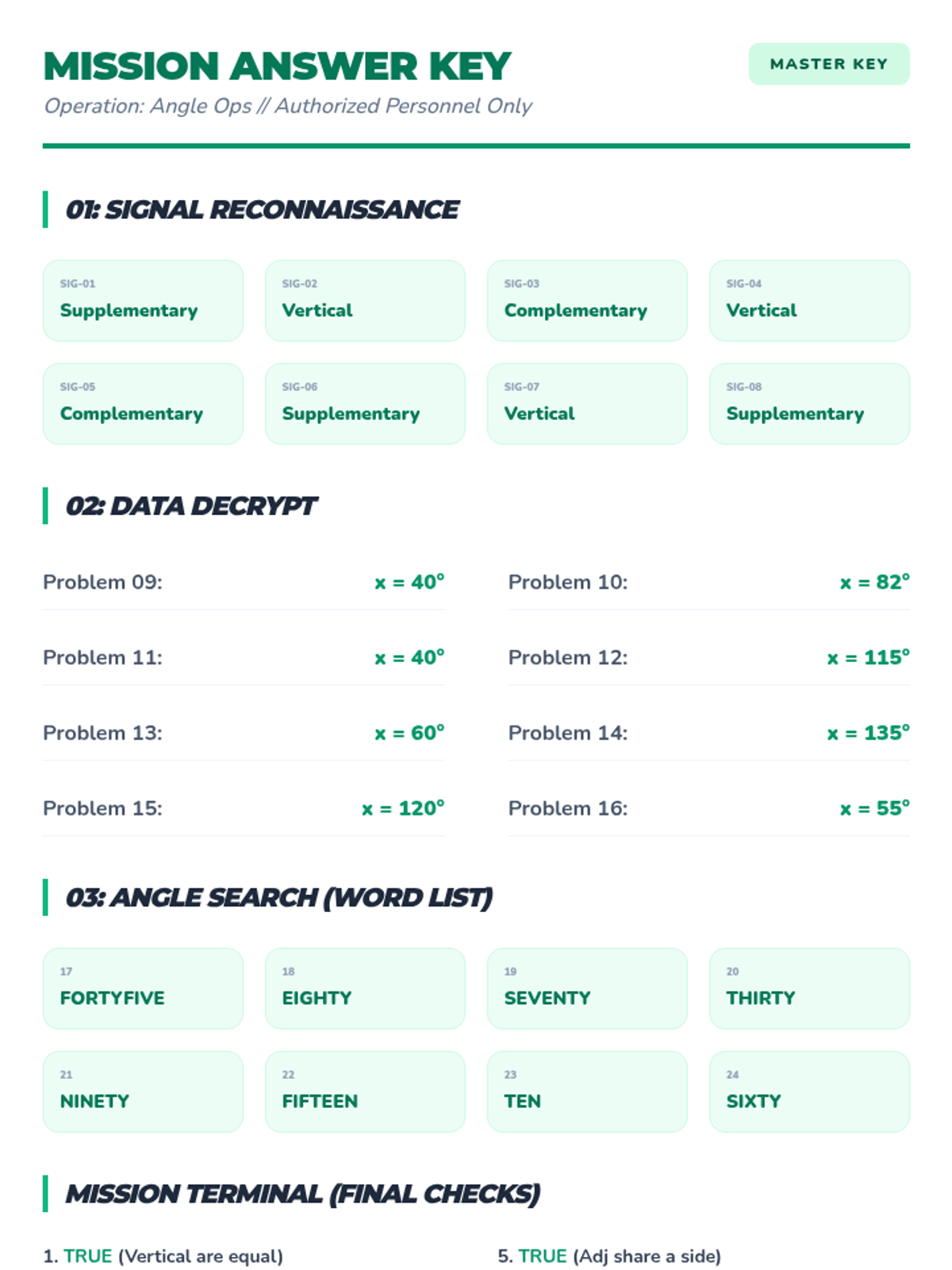
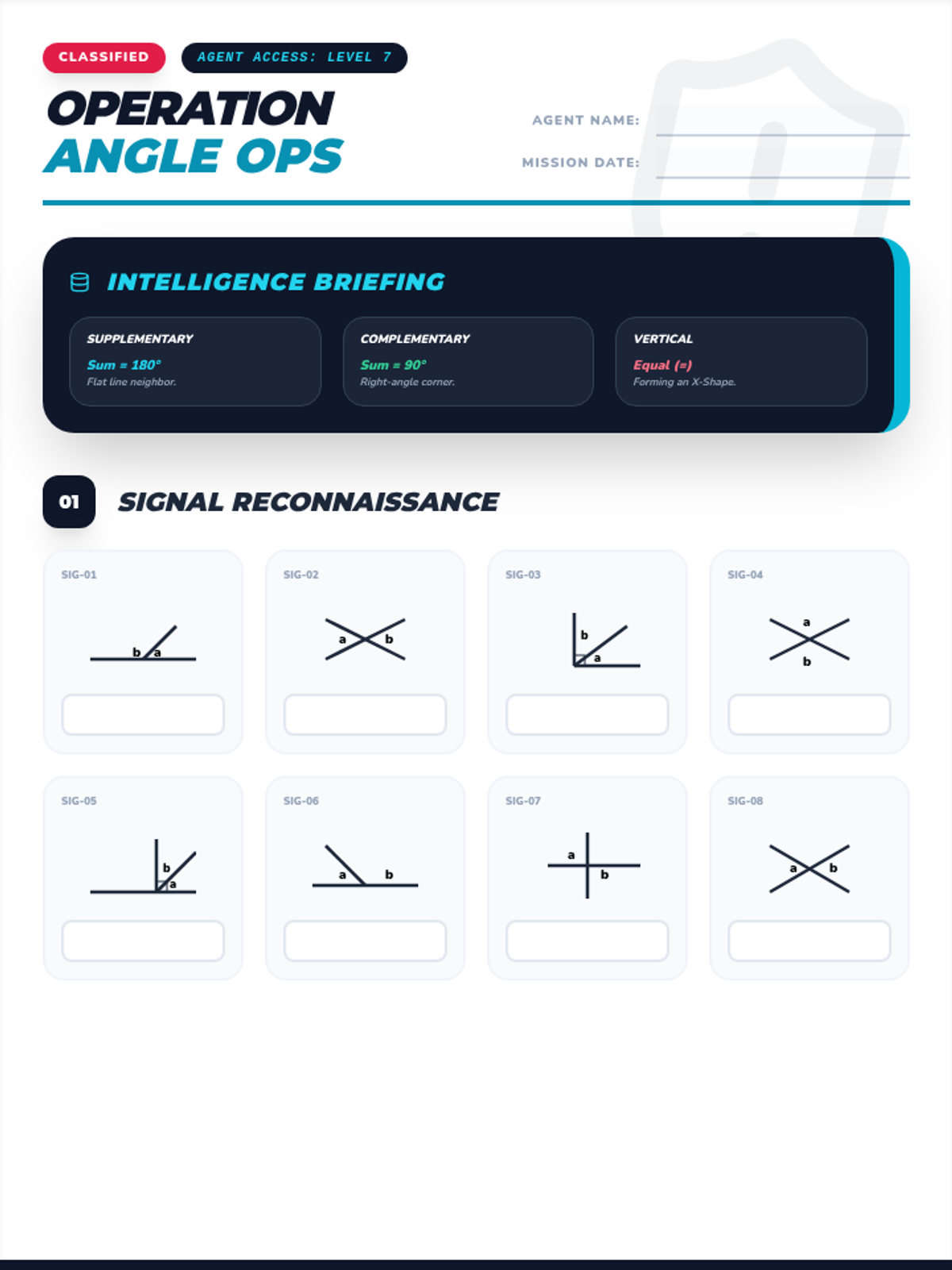
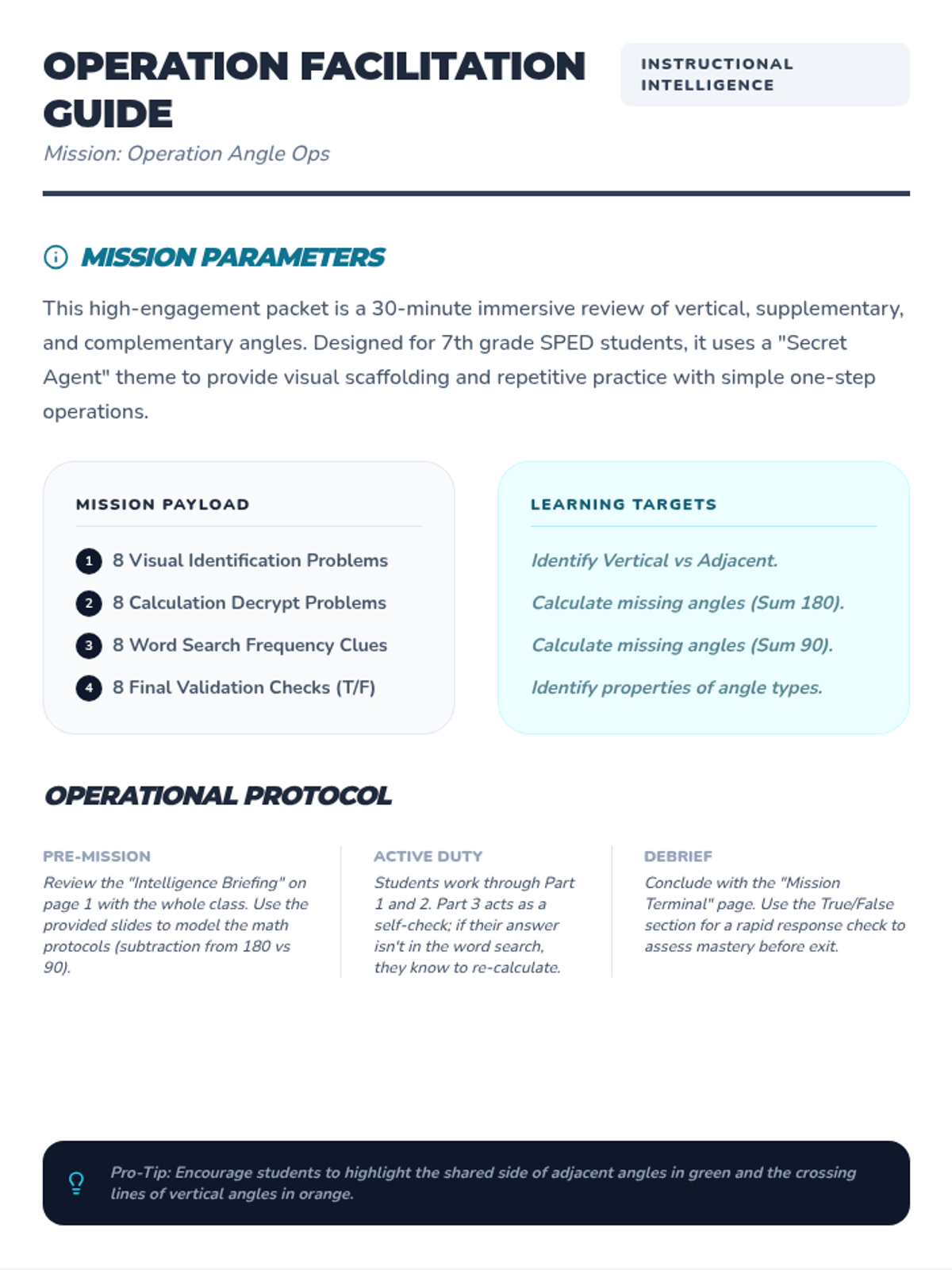
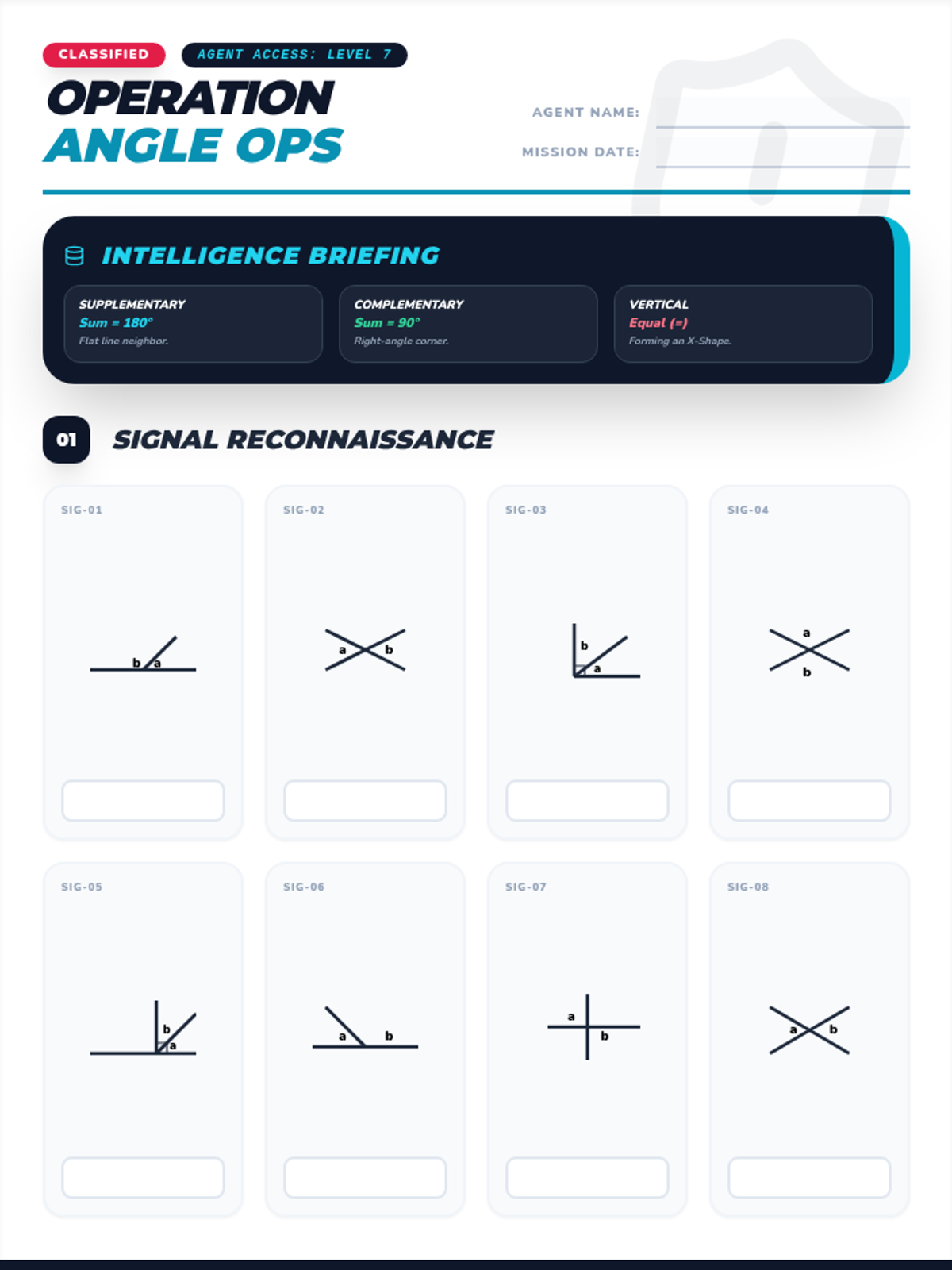
This lesson focuses on identifying and calculating measures for vertical and adjacent angles using simple one-step equations, designed specifically for learners who benefit from clear visual scaffolding.
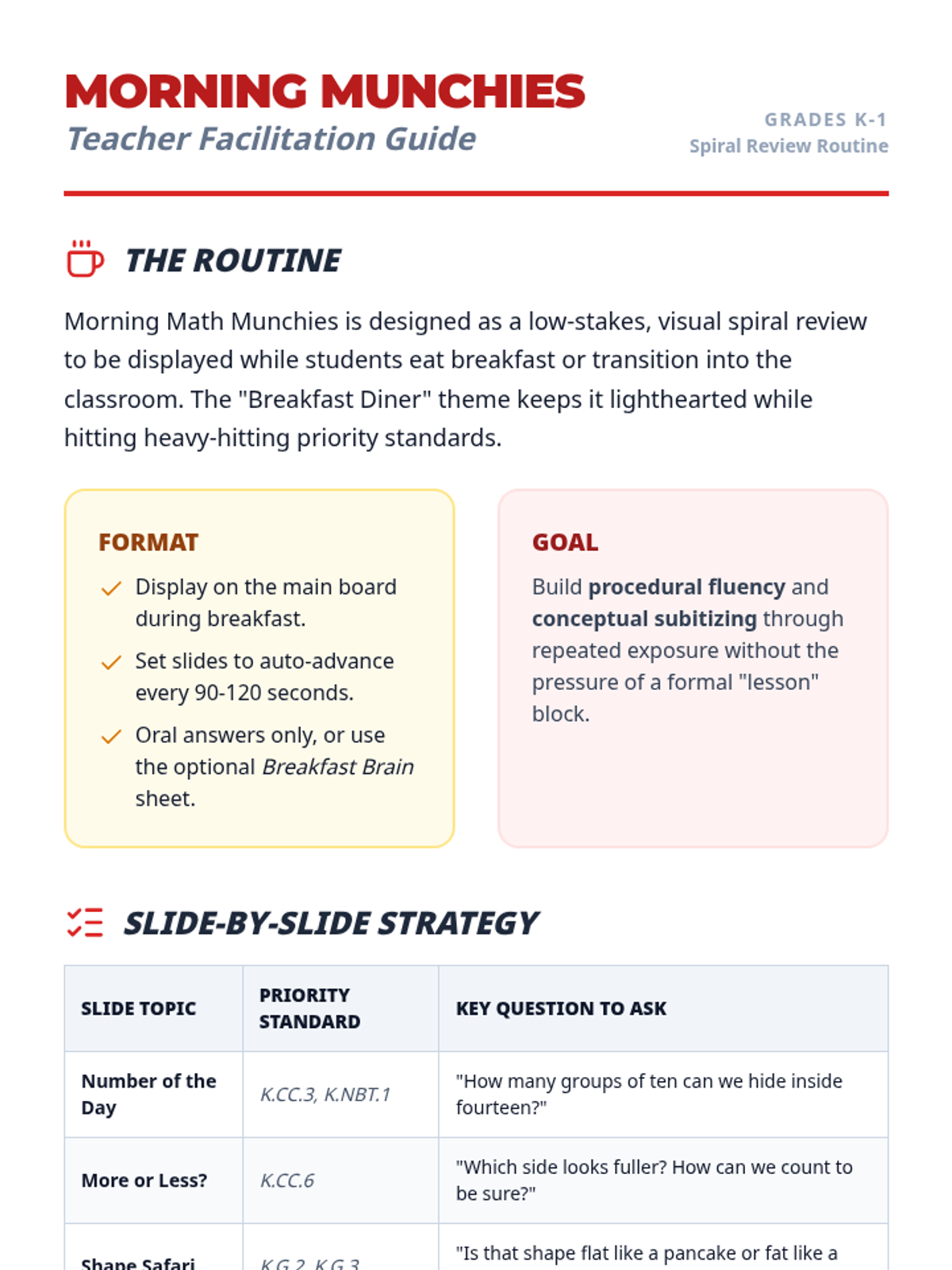
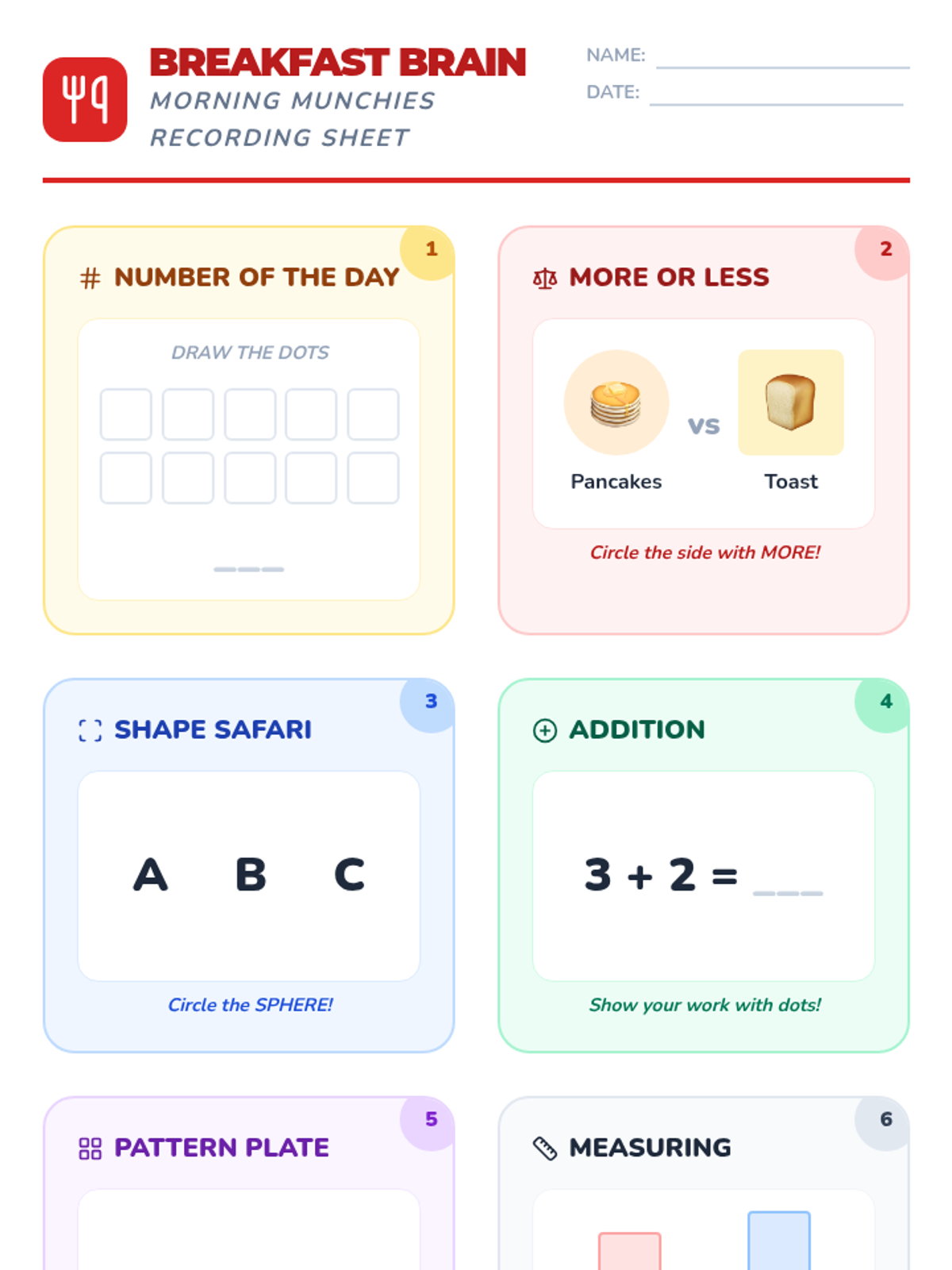
A daily spiral review of priority Kindergarten math standards, designed to be visually engaging and accessible for students to view during breakfast or morning routines.
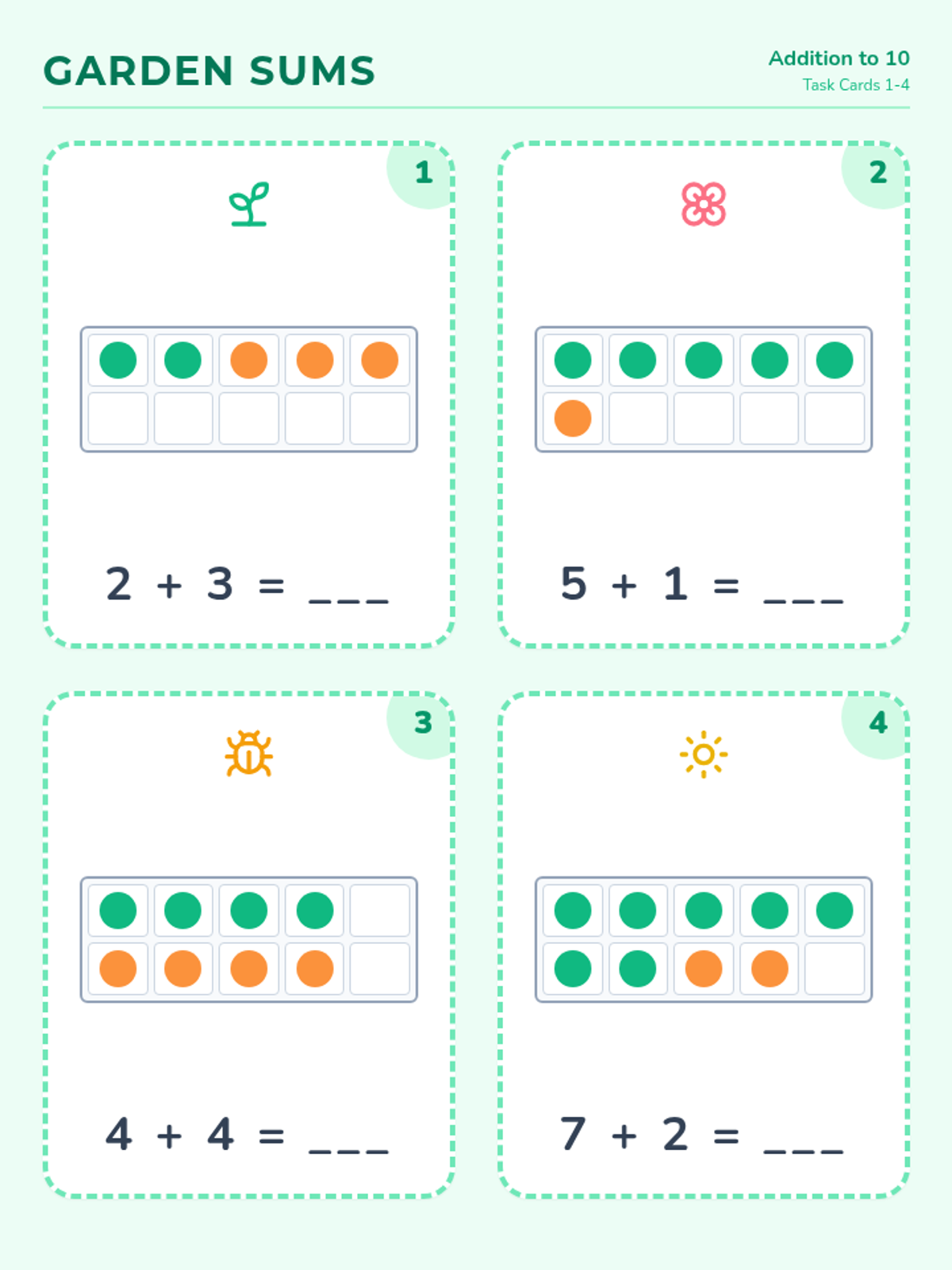
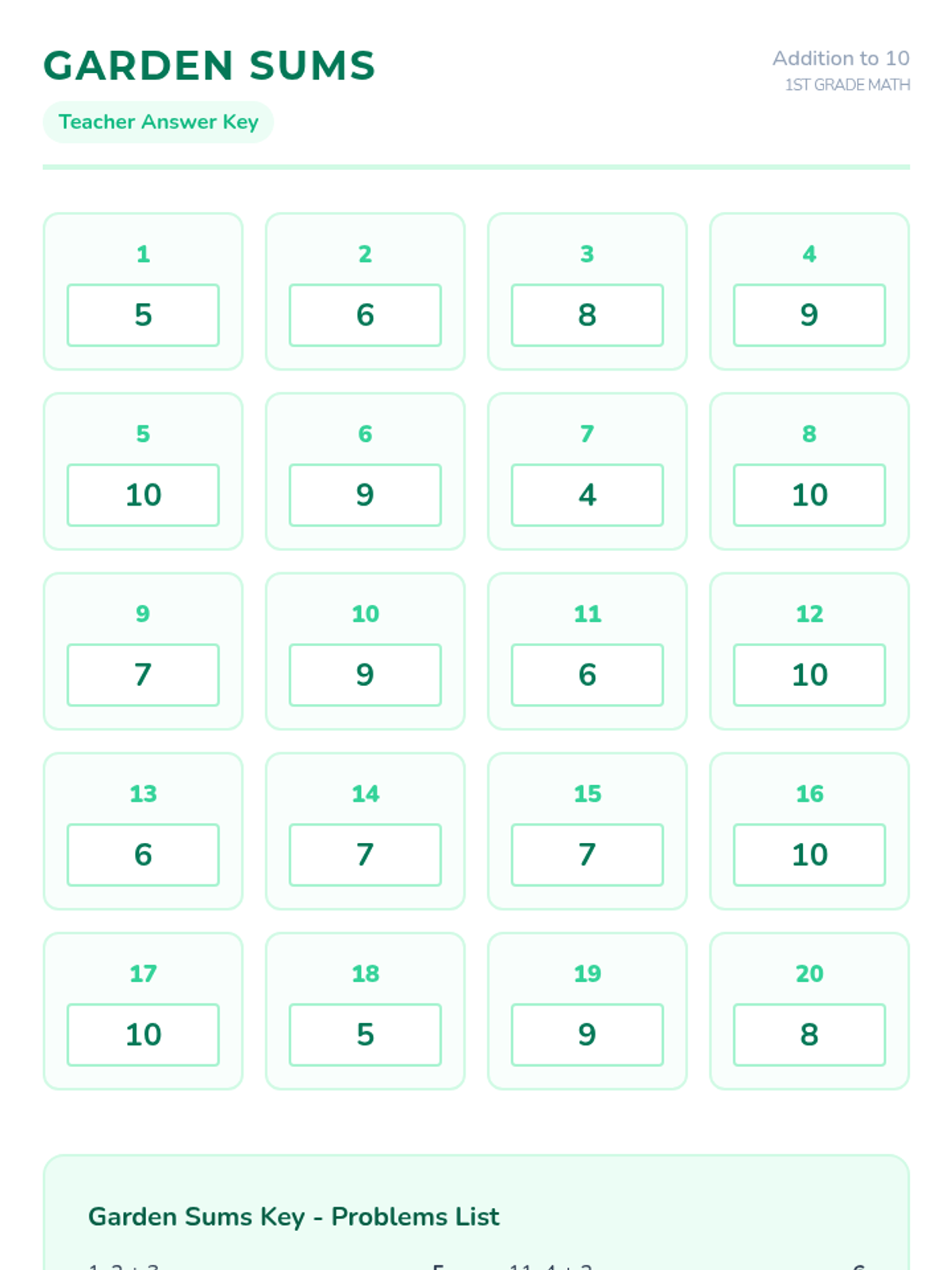
A set of addition task cards featuring ten frames to help first-grade students master sums up to 10 with a garden-themed aesthetic.
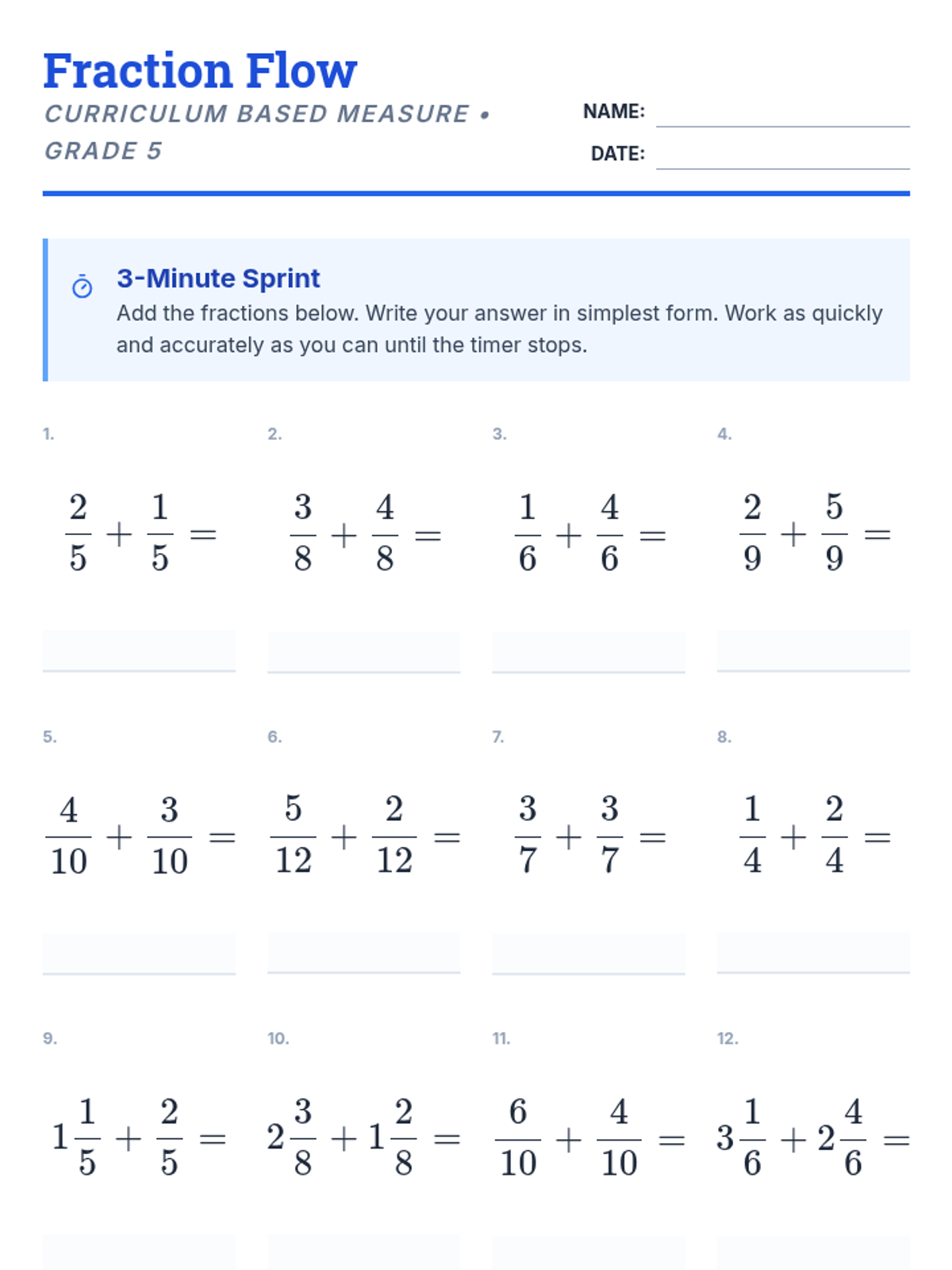
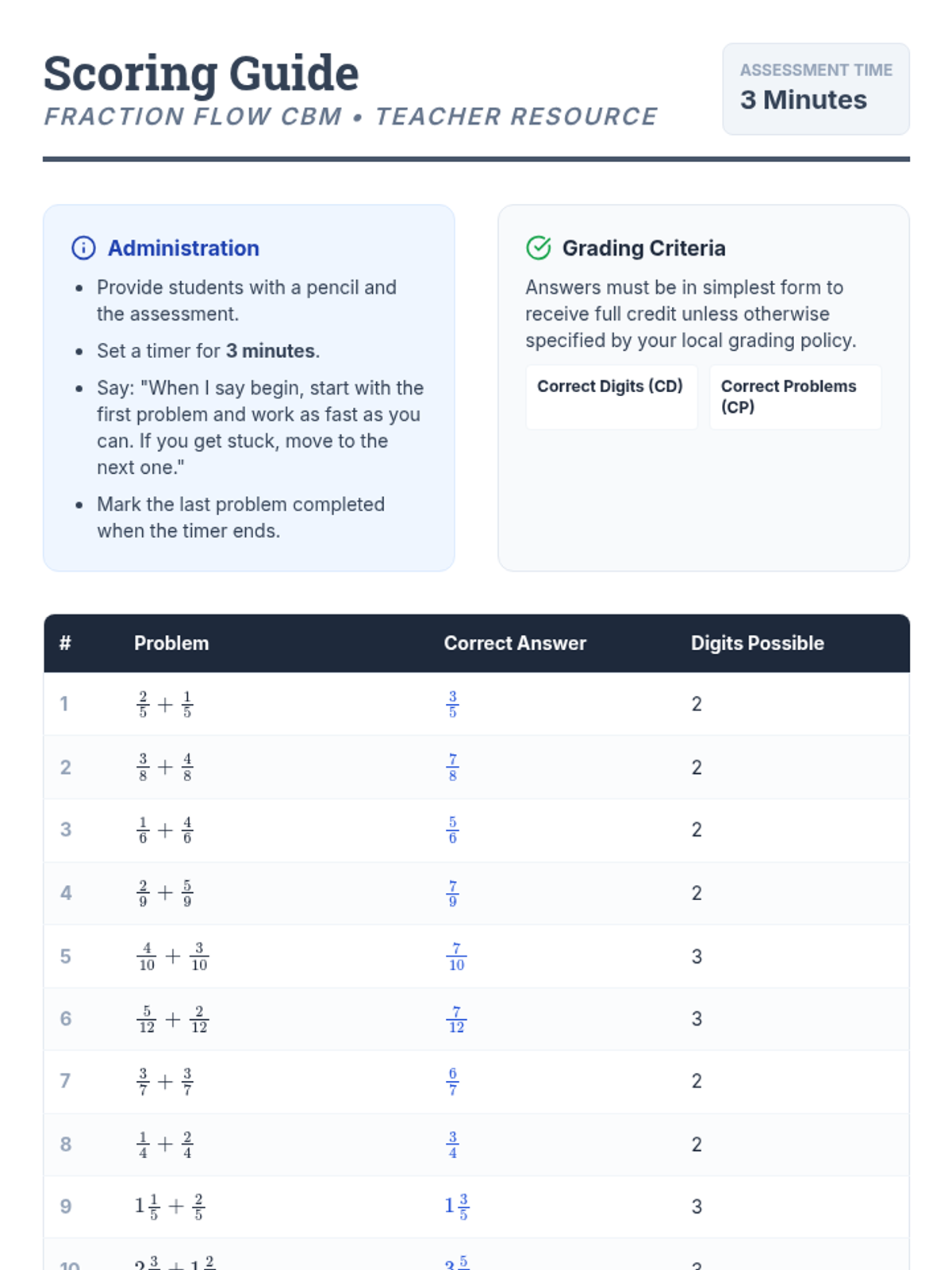
A 3-minute curriculum-based measure designed for 5th-grade students to assess fluency and accuracy when adding fractions with common denominators, including computation and word problems.
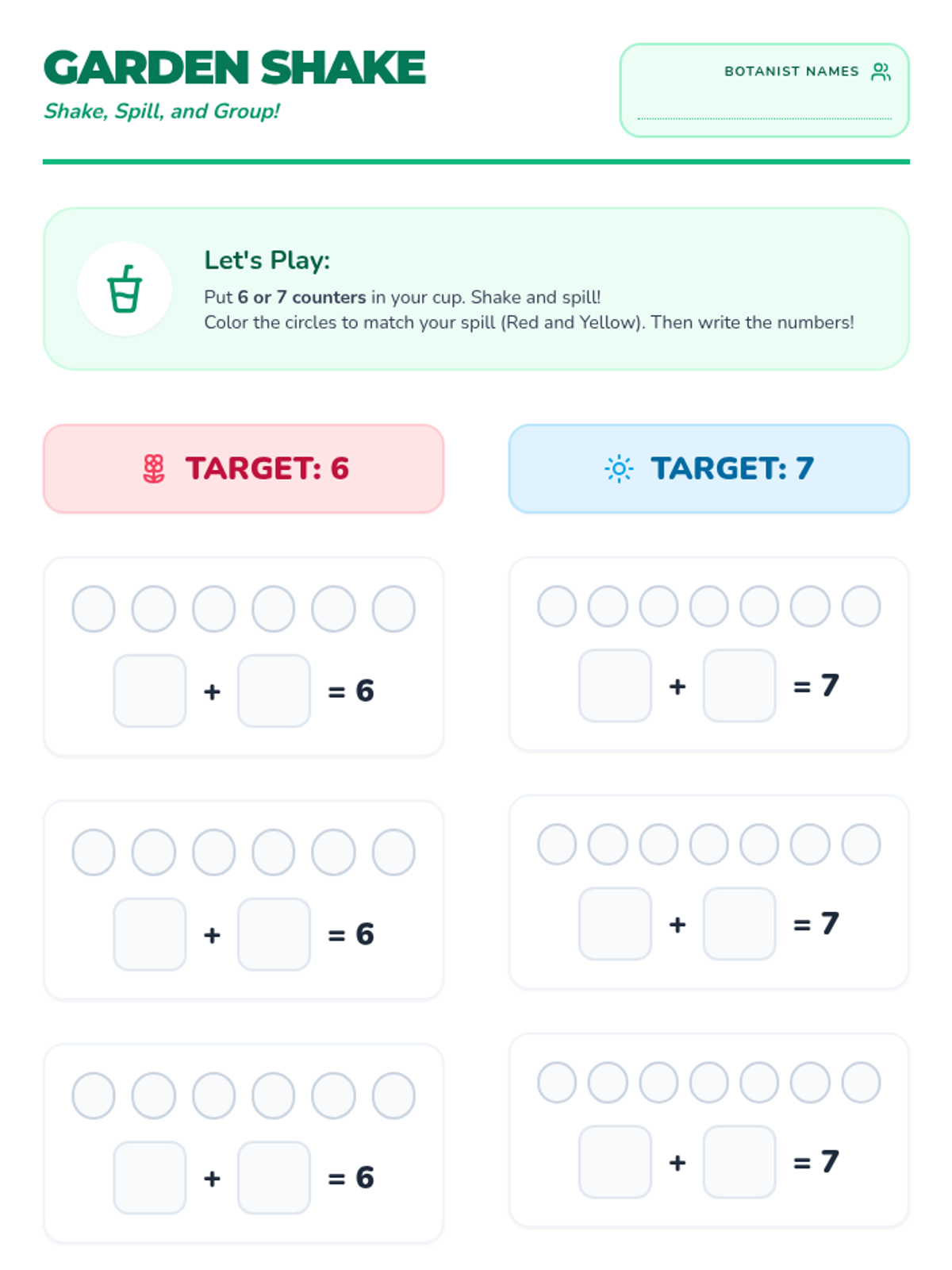
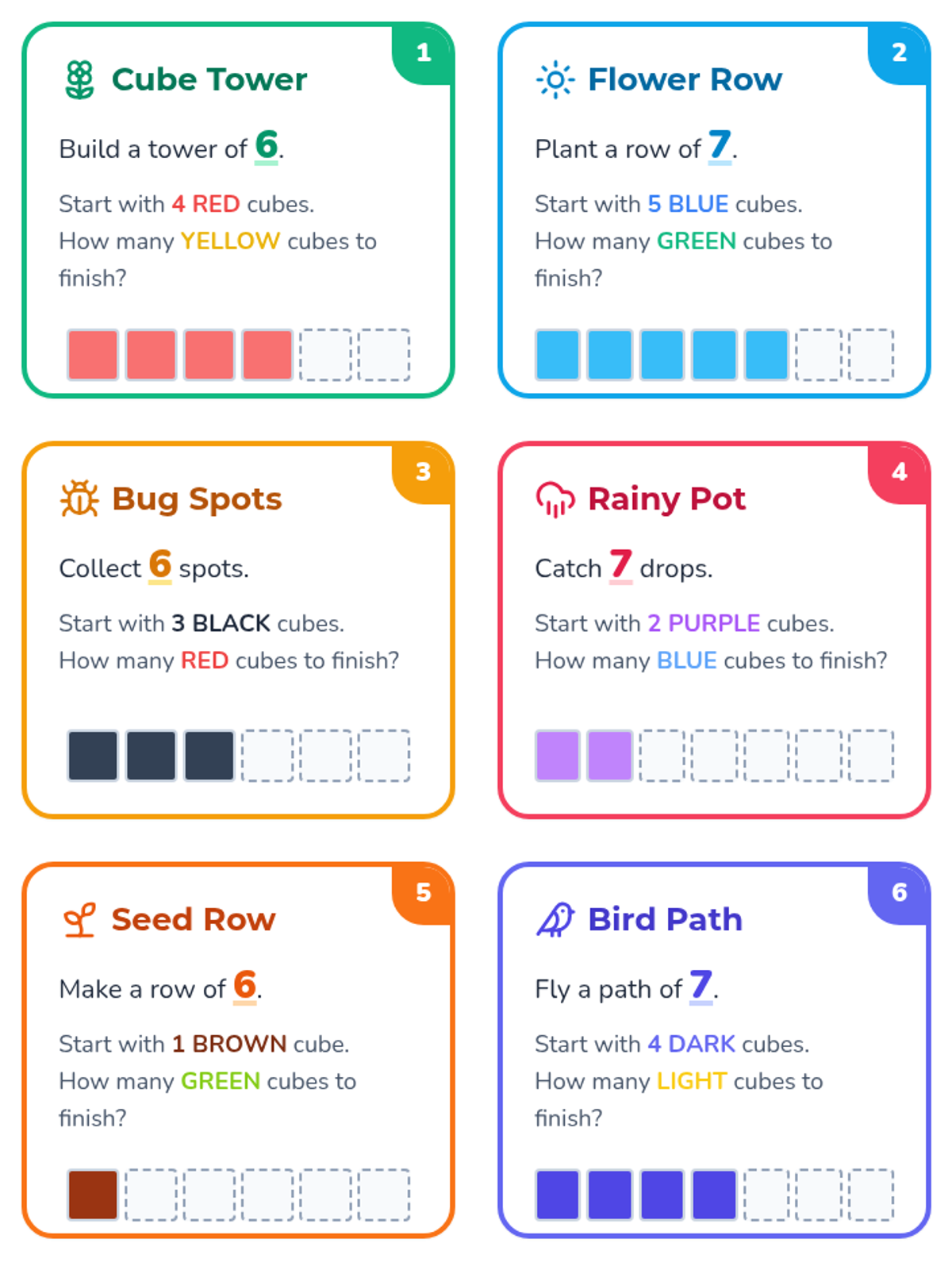
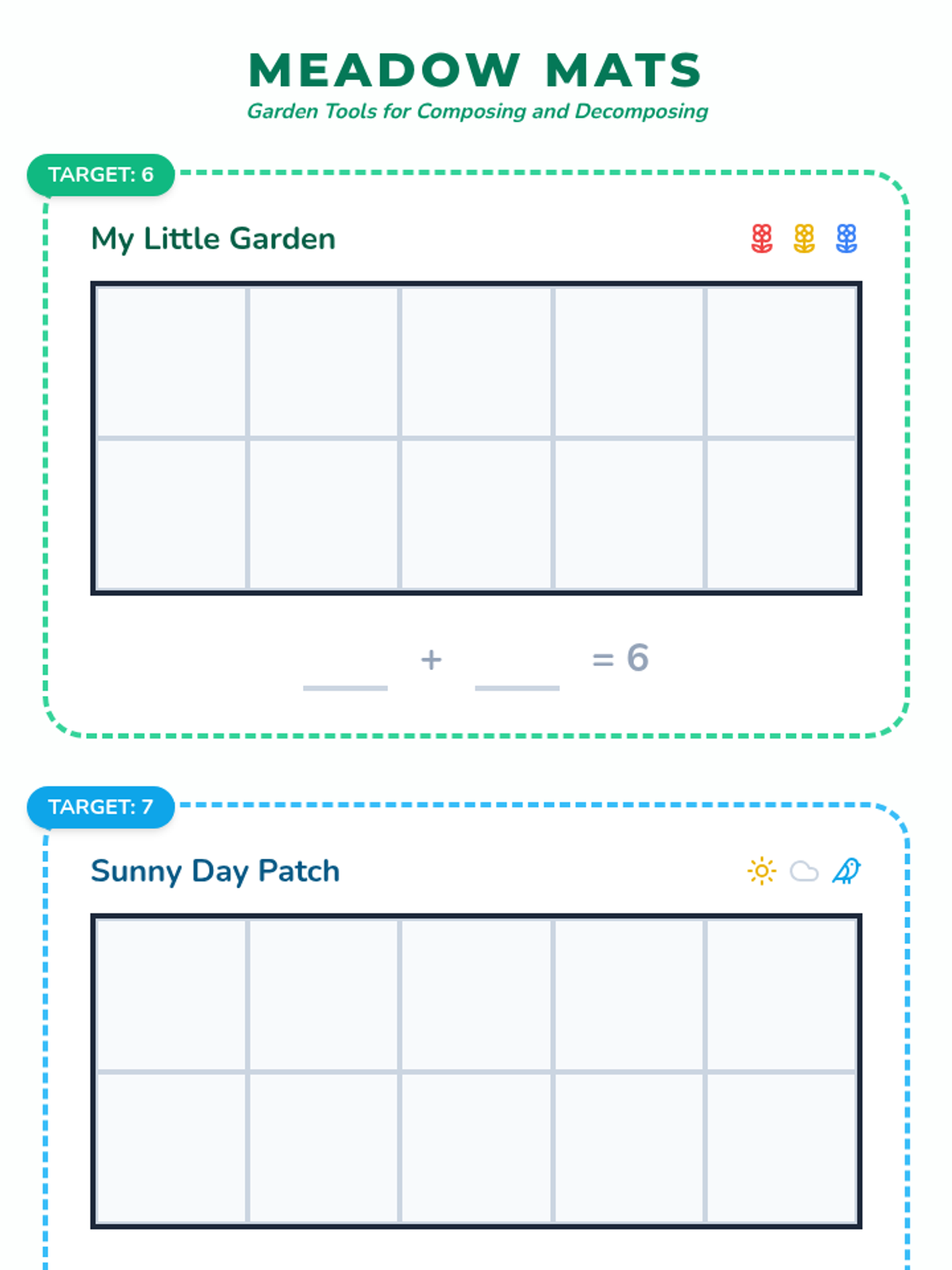
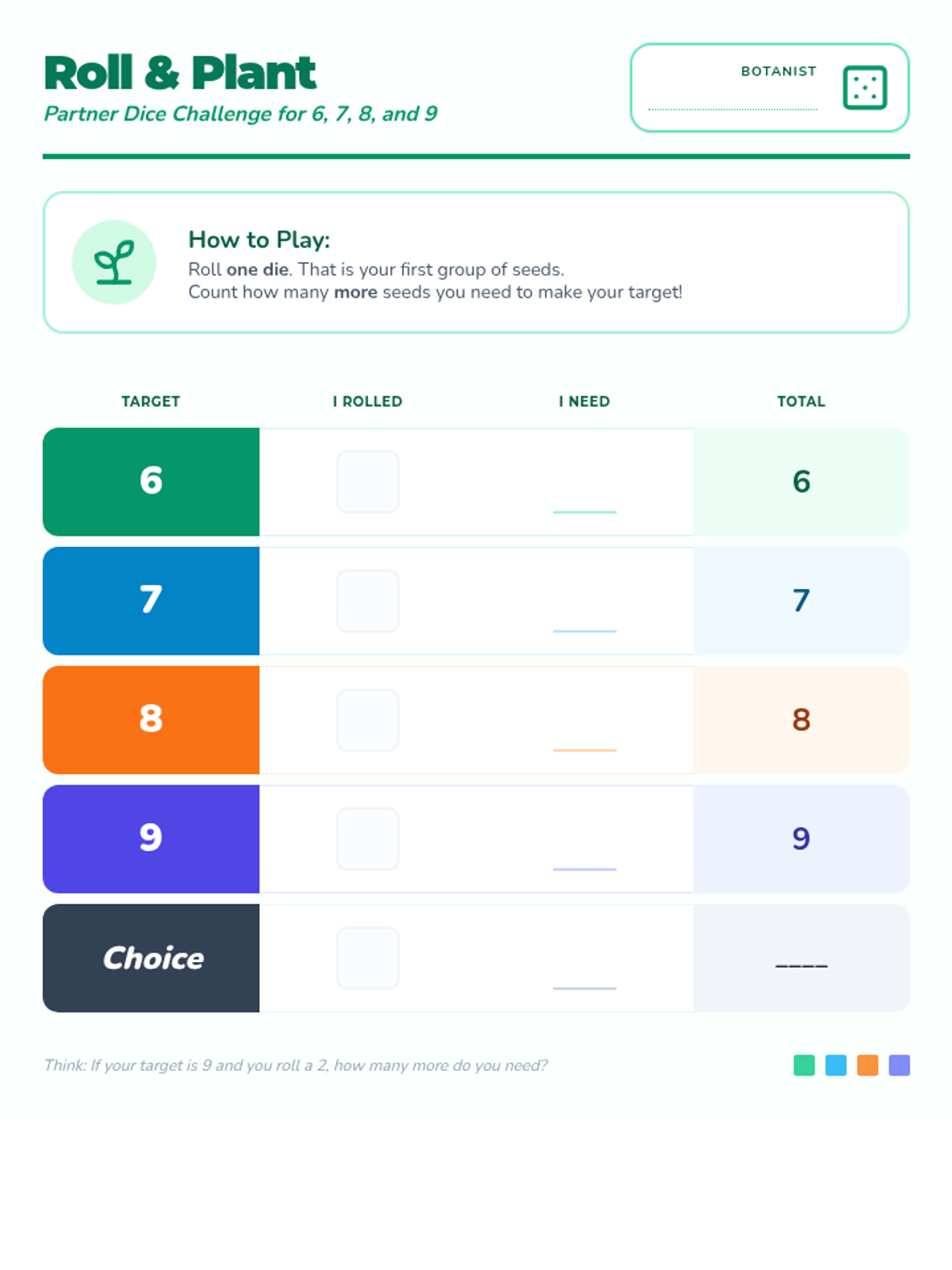
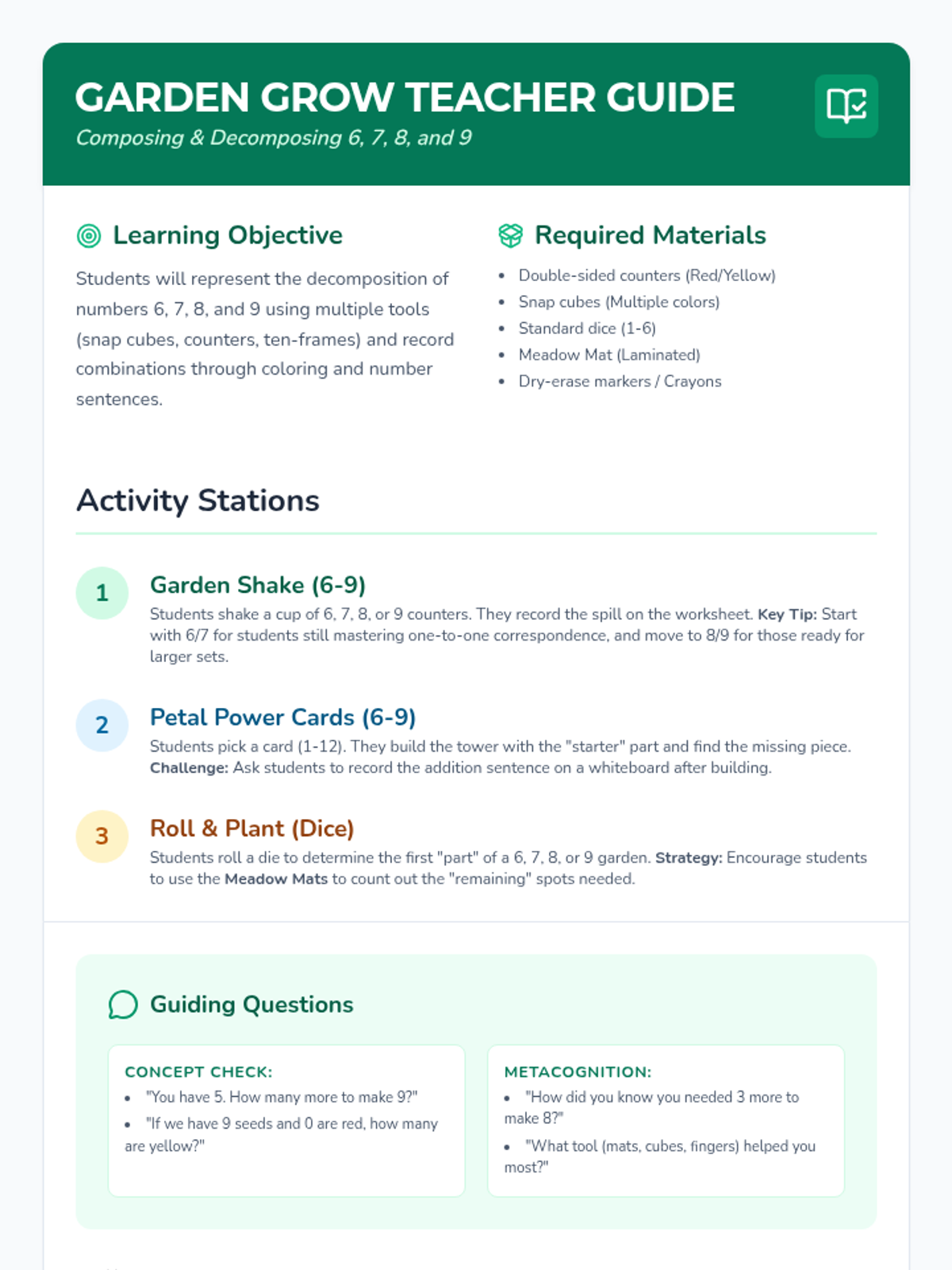
A collection of hands-on partner activities for kindergarteners to master composing and decomposing the numbers 6-9 using snap cubes, counters, and ten-frames.
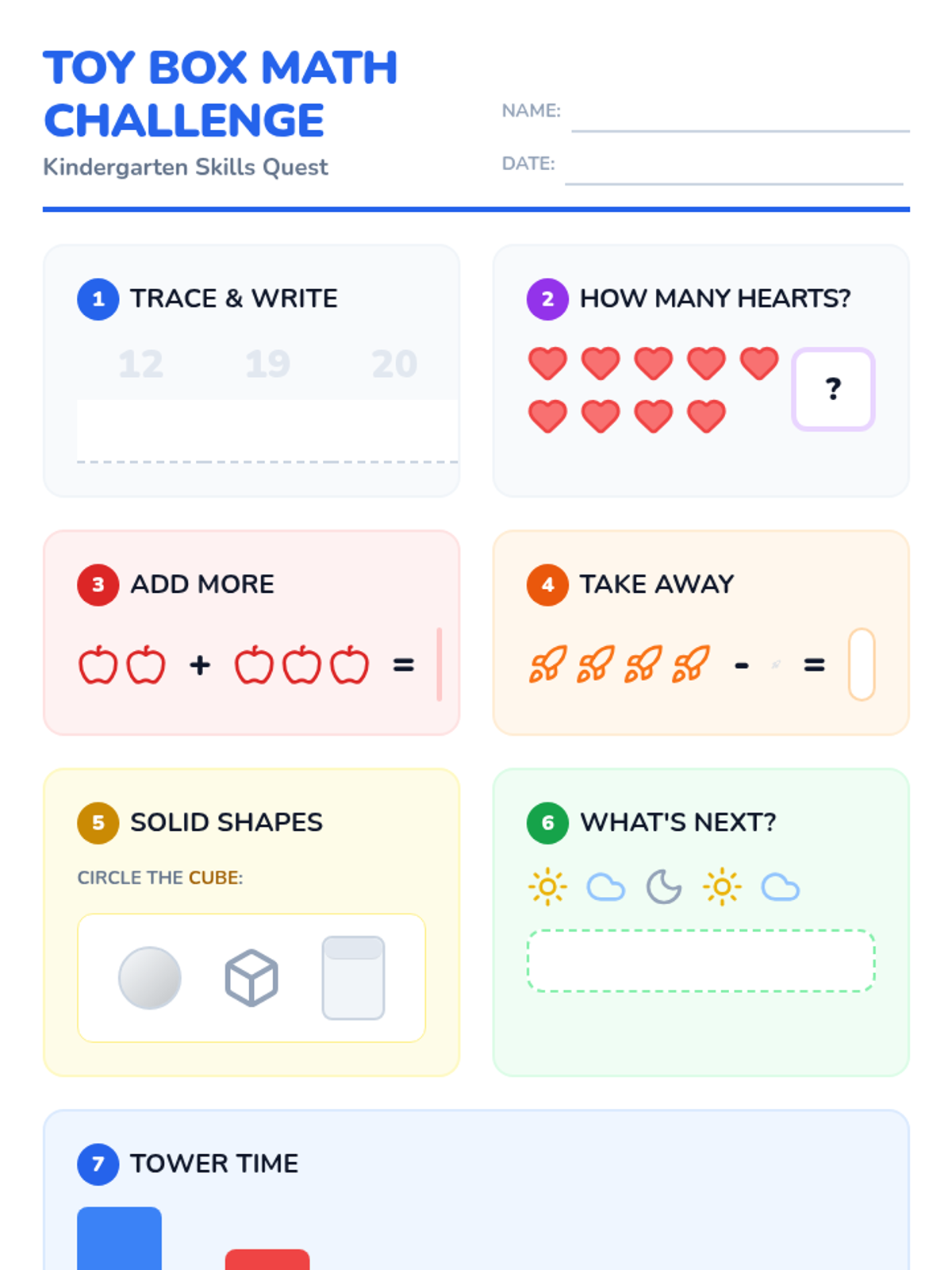
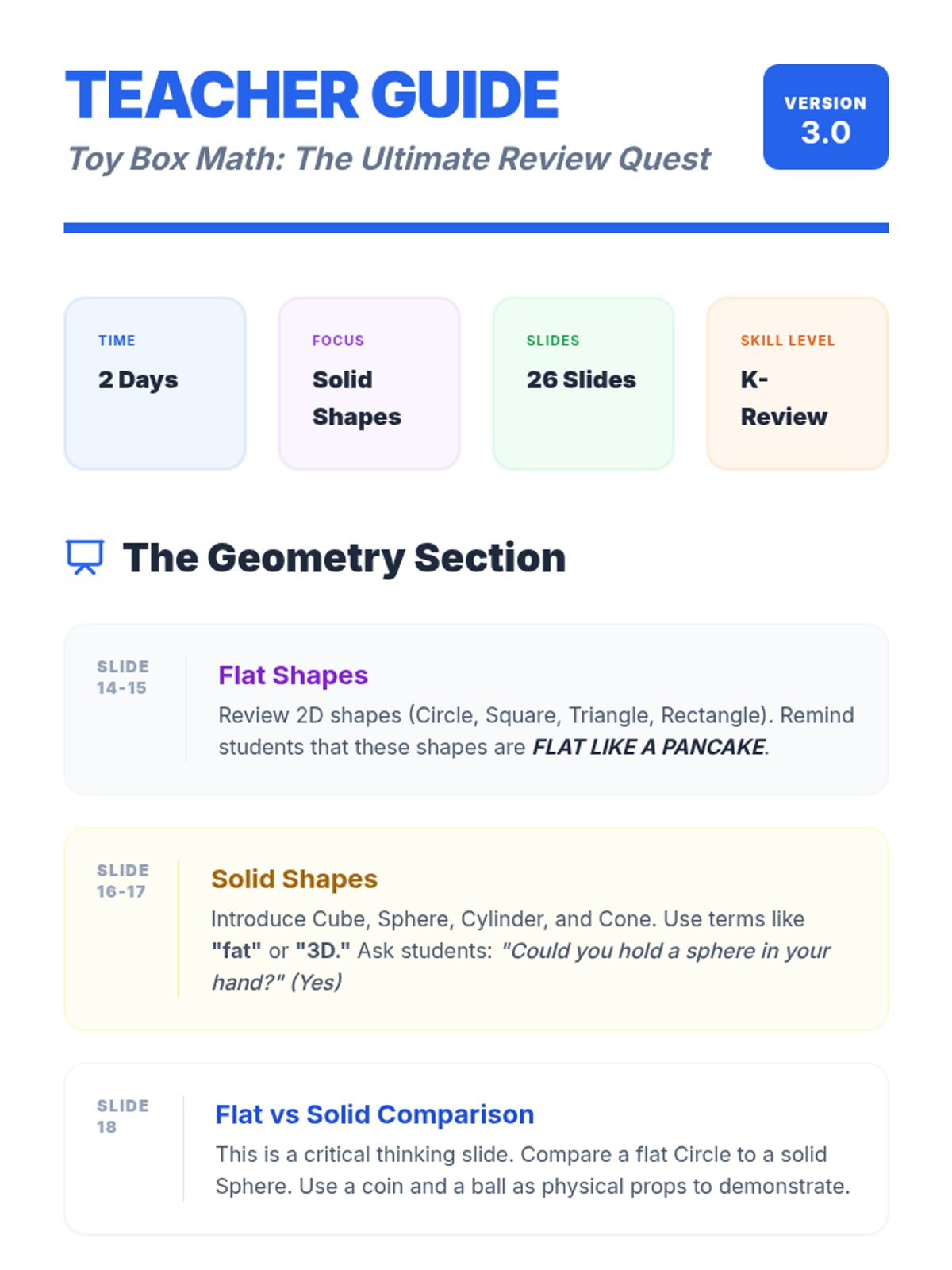
A comprehensive review of essential kindergarten math concepts including counting, addition, subtraction, shapes, and measurement, featuring high-contrast visuals and picture-supported problems.