A high school reading intervention lesson focused on decoding and understanding the prefixes/roots choreo-, mono-, carto-, graph/graphy, and paleo-. Includes visual instruction and a formal assessment.
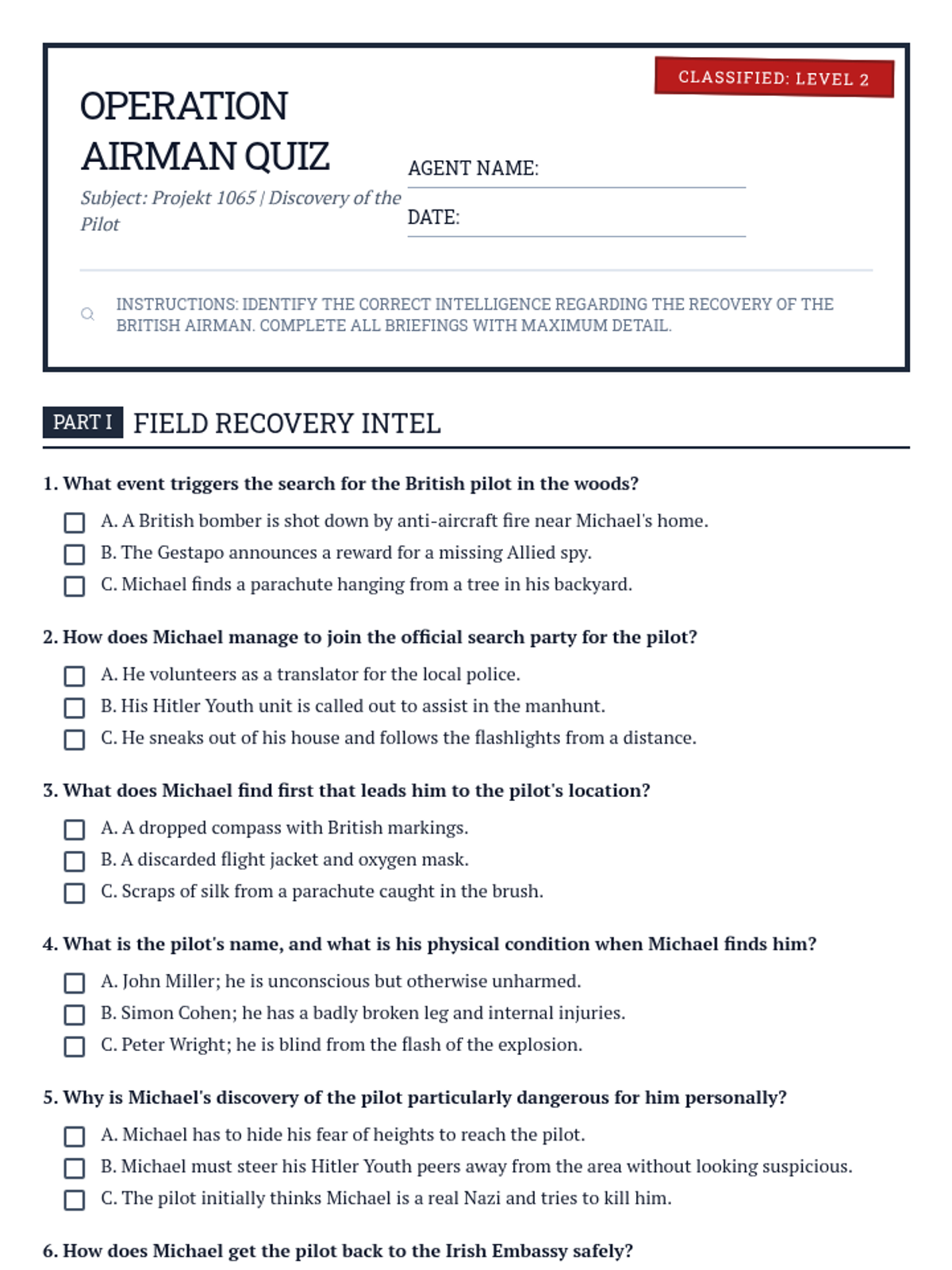
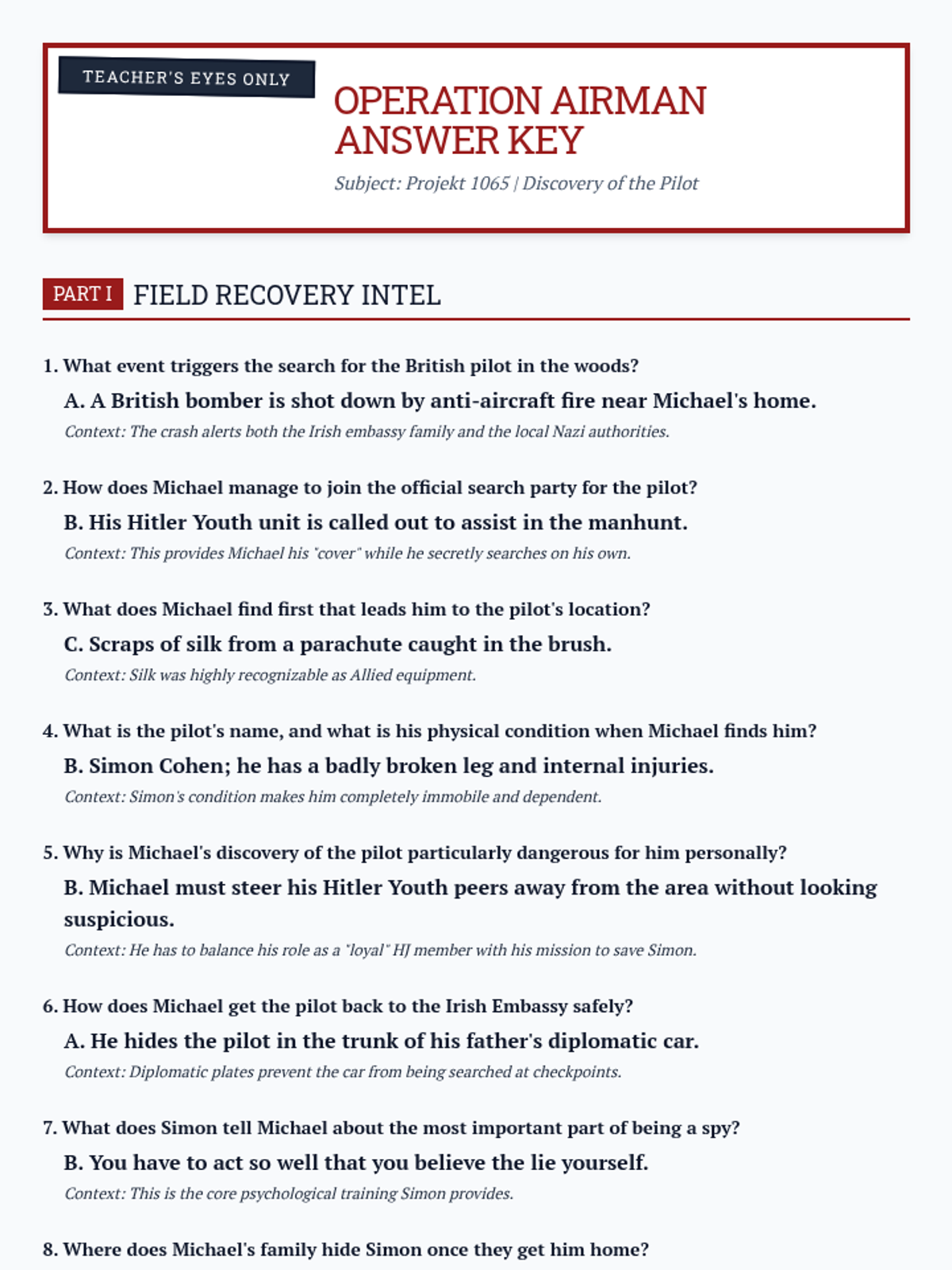
A comprehensive assessment covering chapters 7 through 21 of Alan Gratz's 'Projekt 1065', focusing on Michael's initiation into the Hitler Youth and the discovery of the jet plane blueprints.
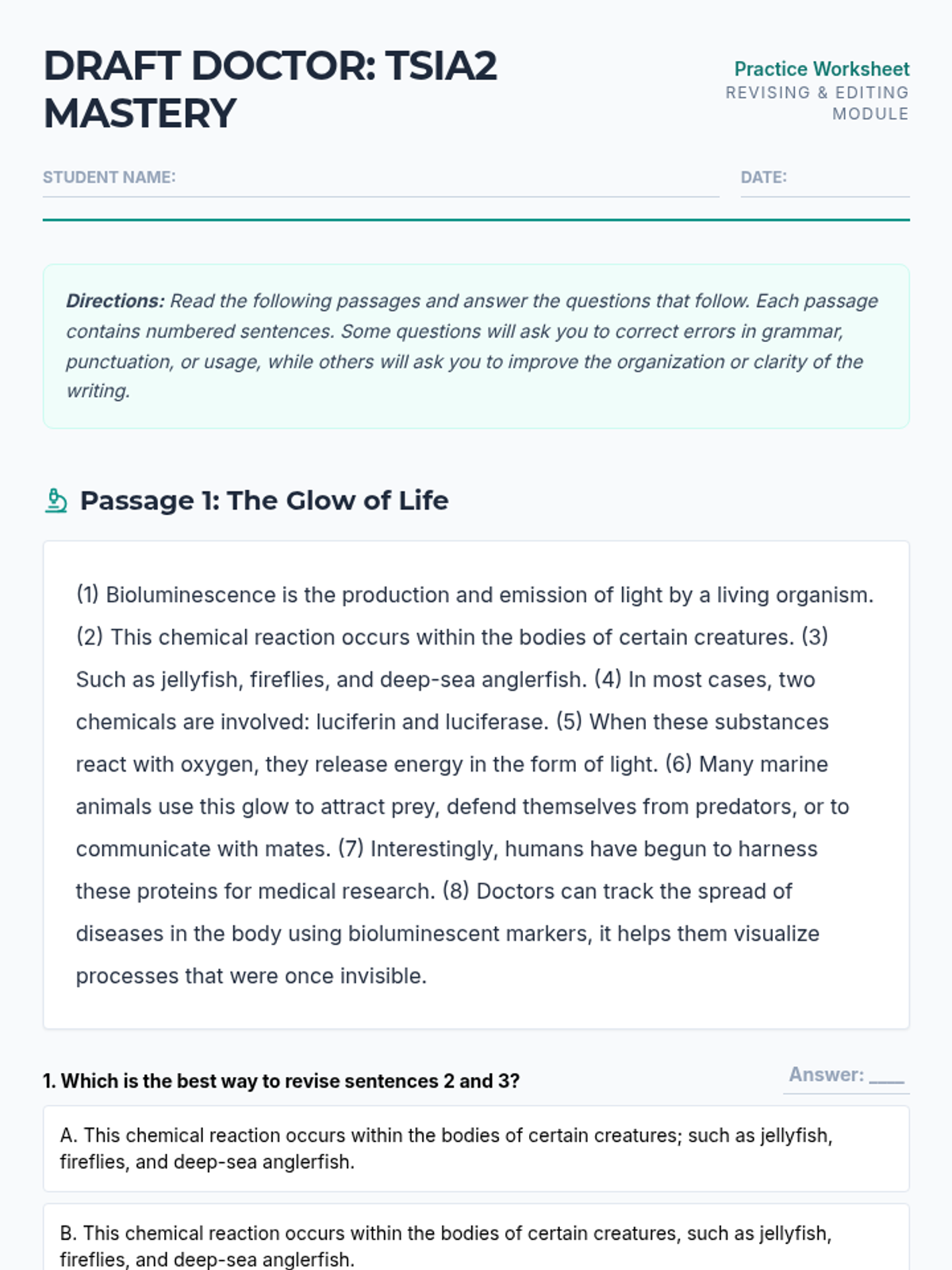
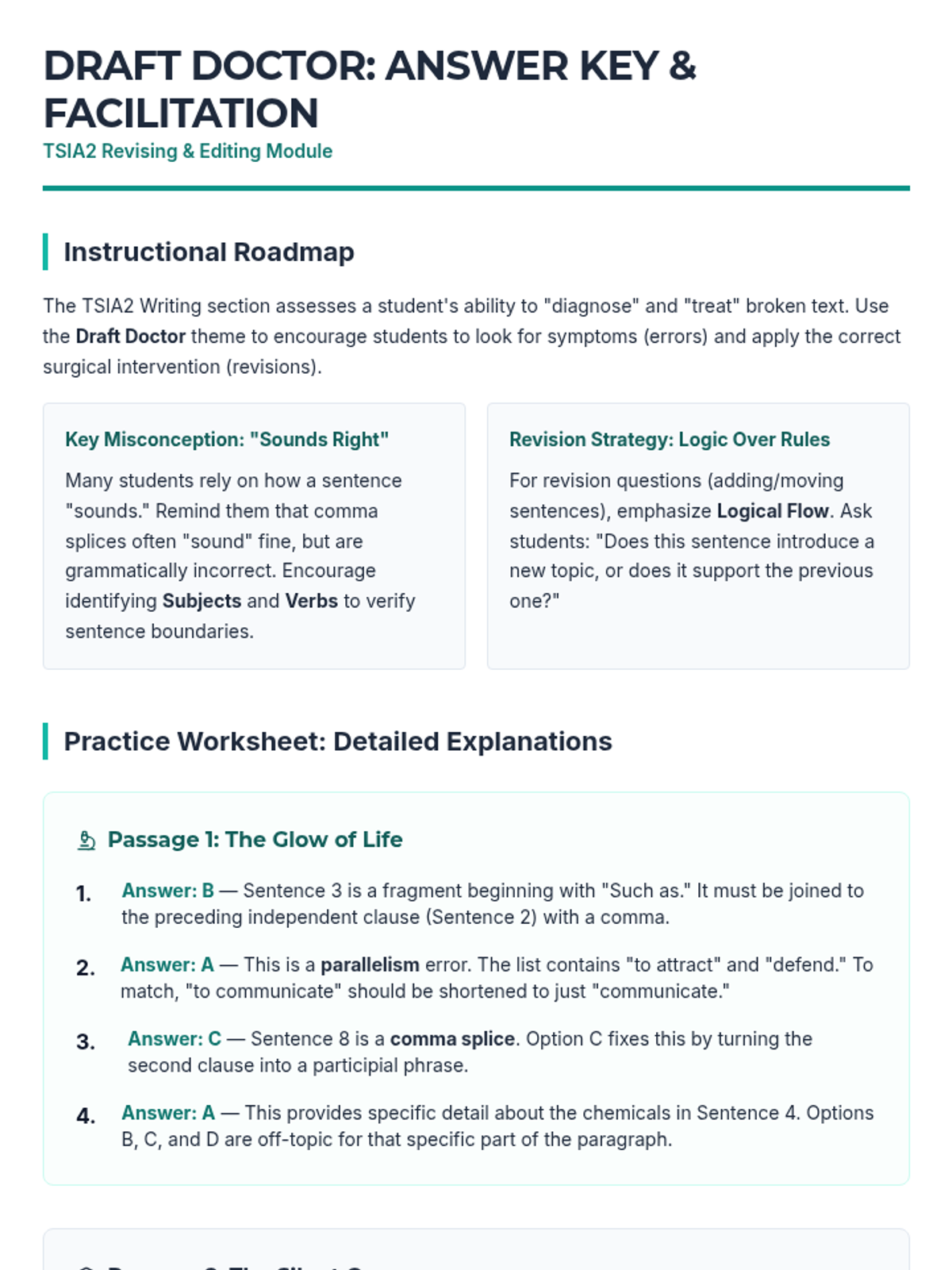
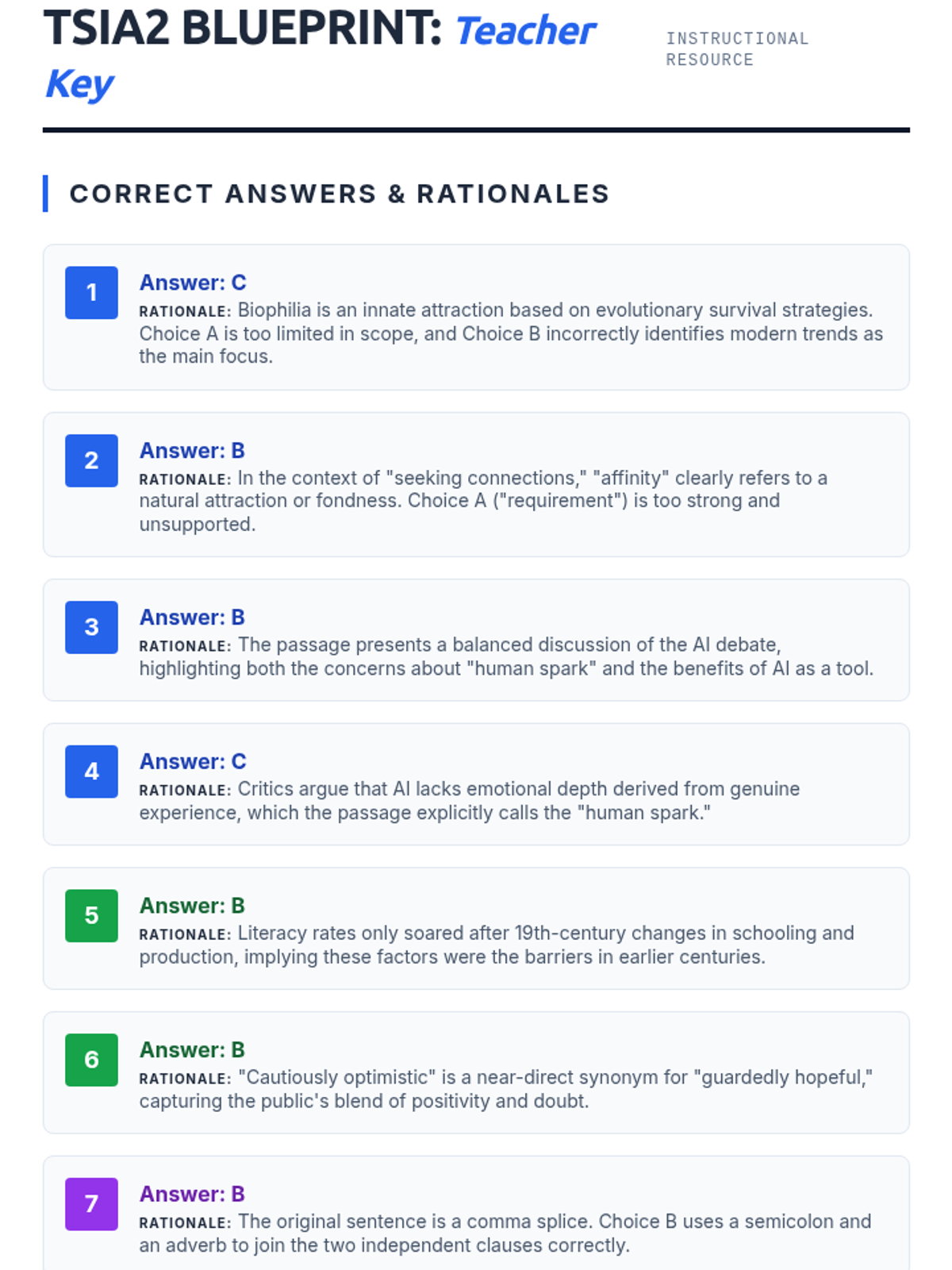
A comprehensive prep lesson for the TSIA2 Writing section, covering sentence structure, agreement, punctuation, and revision strategies across multiple passage genres.
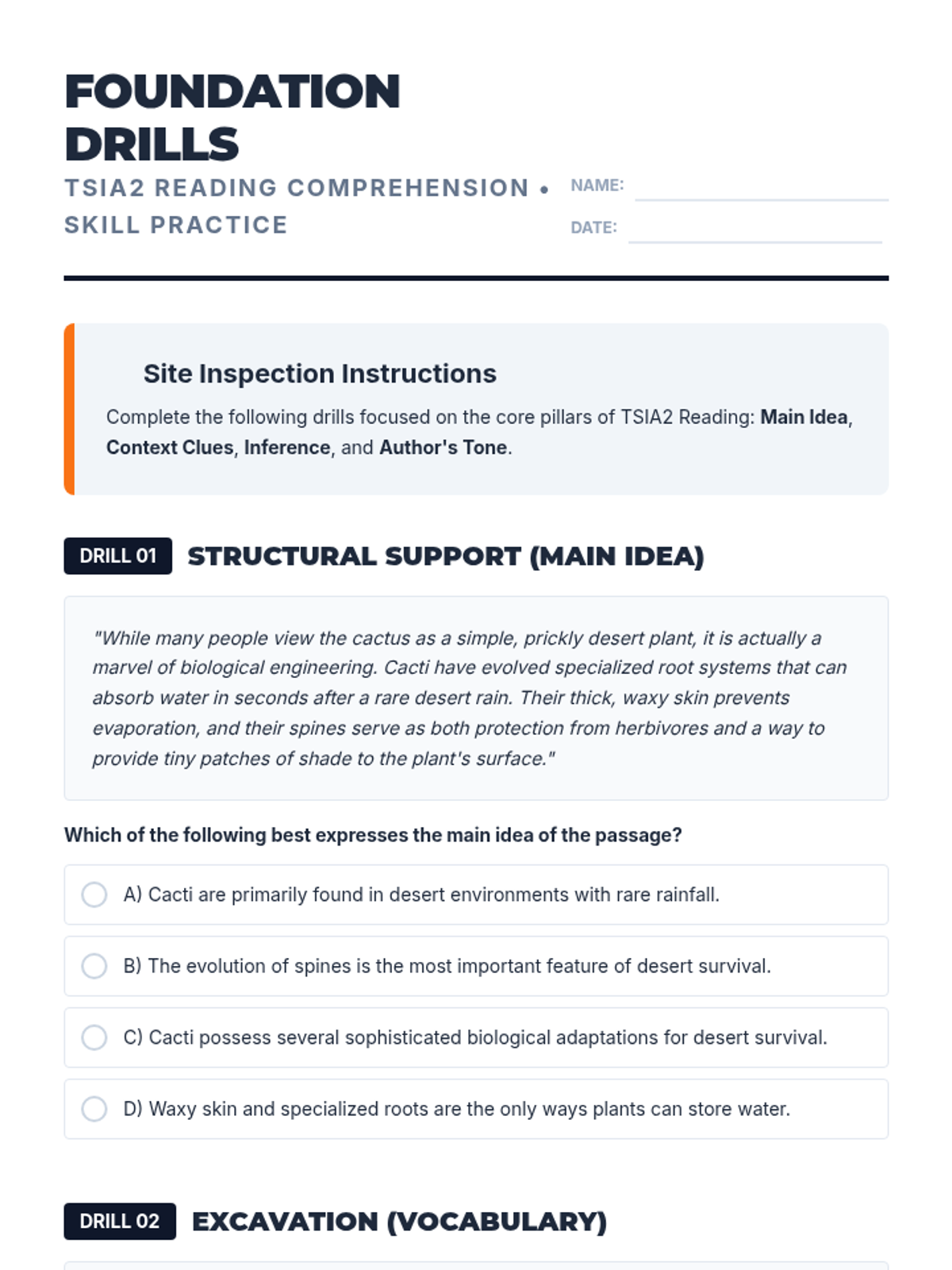
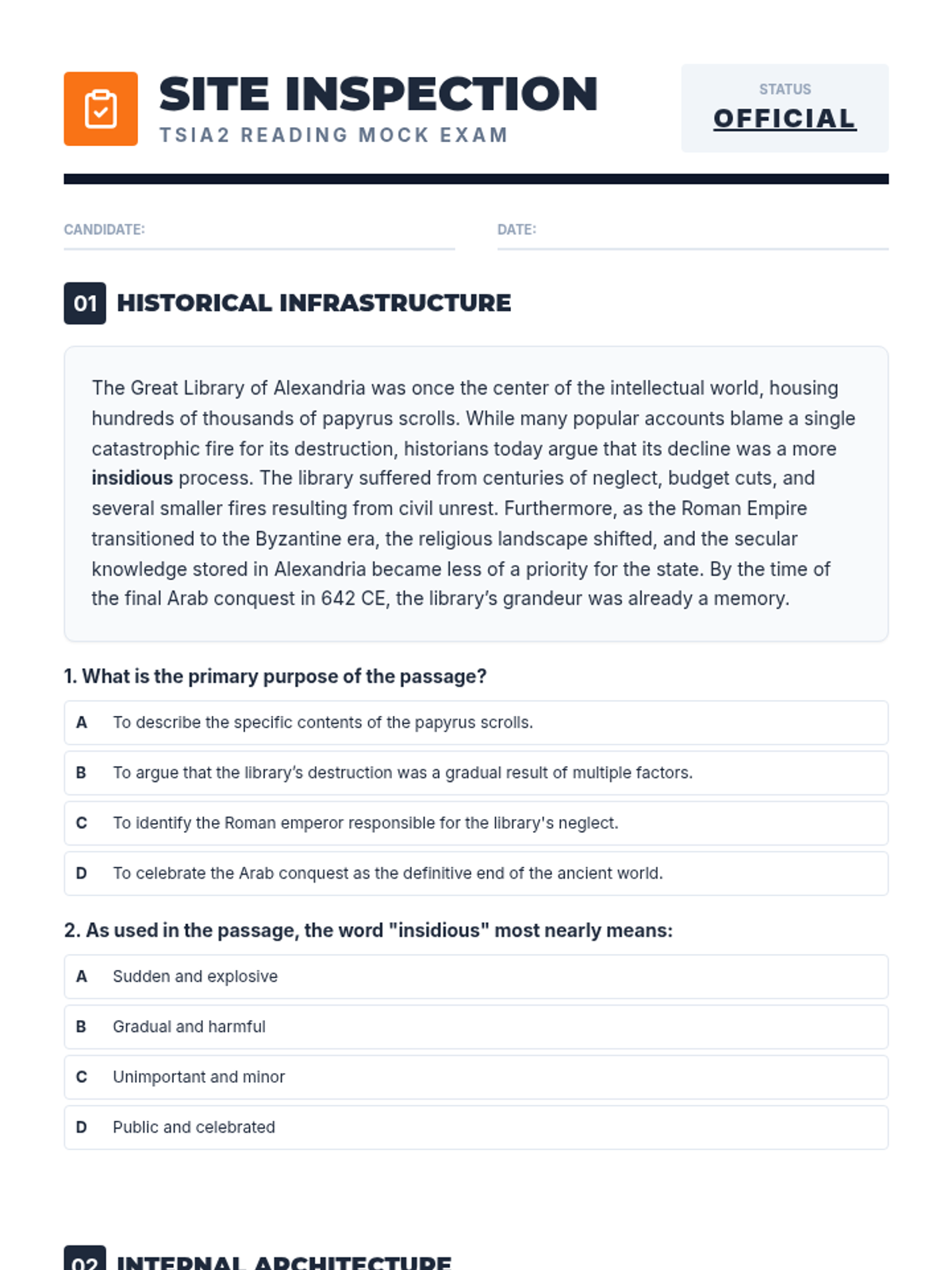
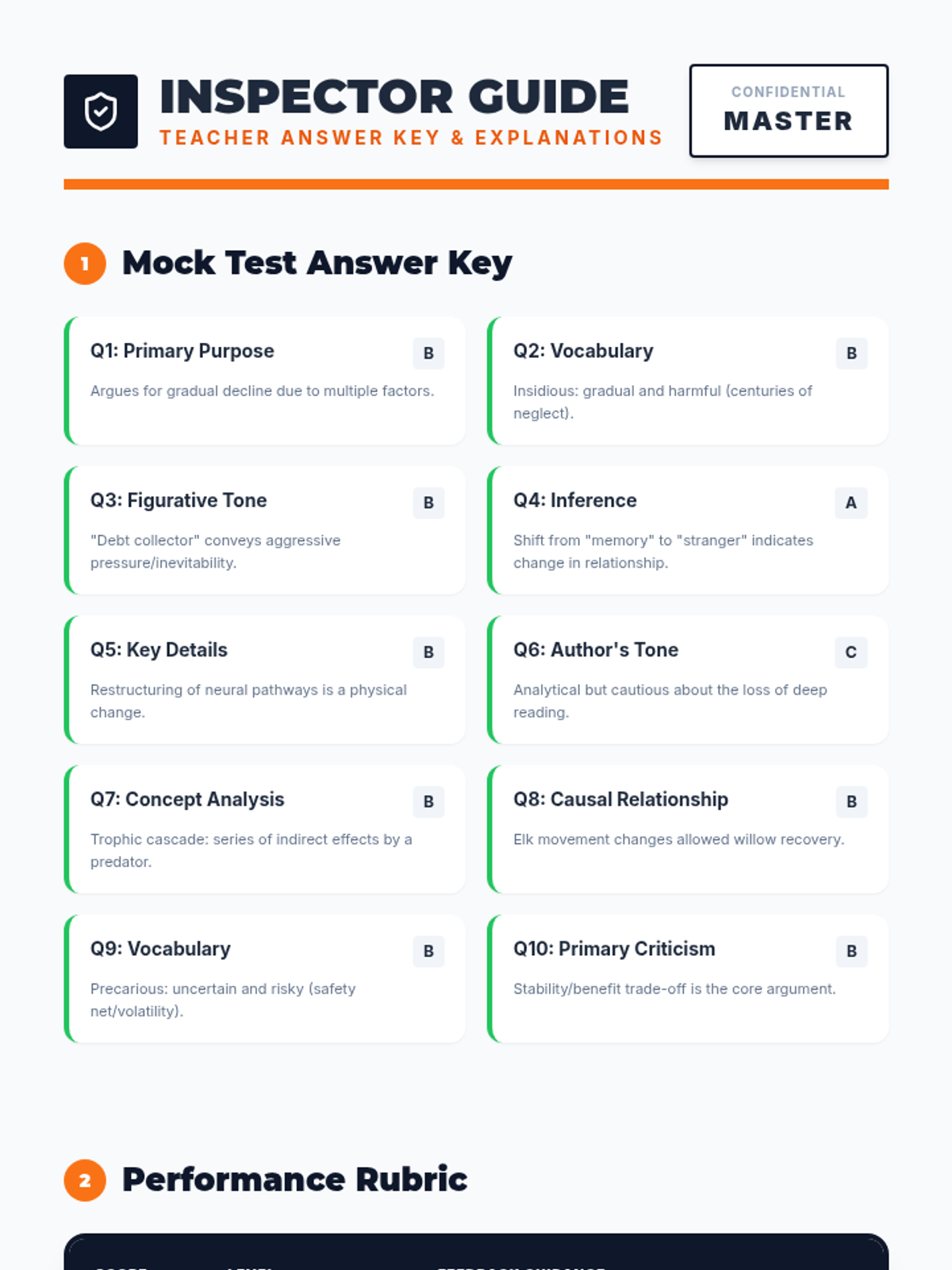
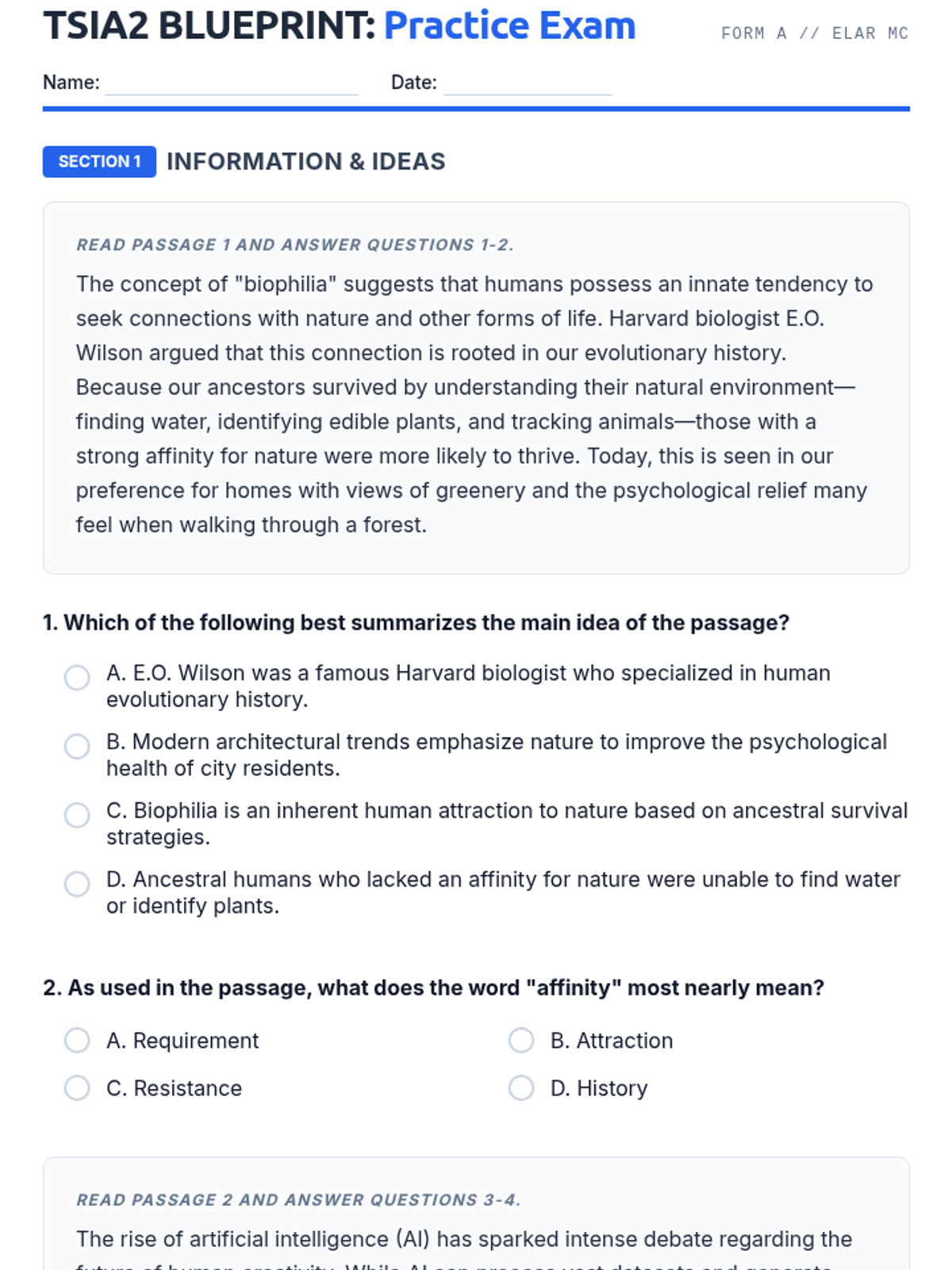
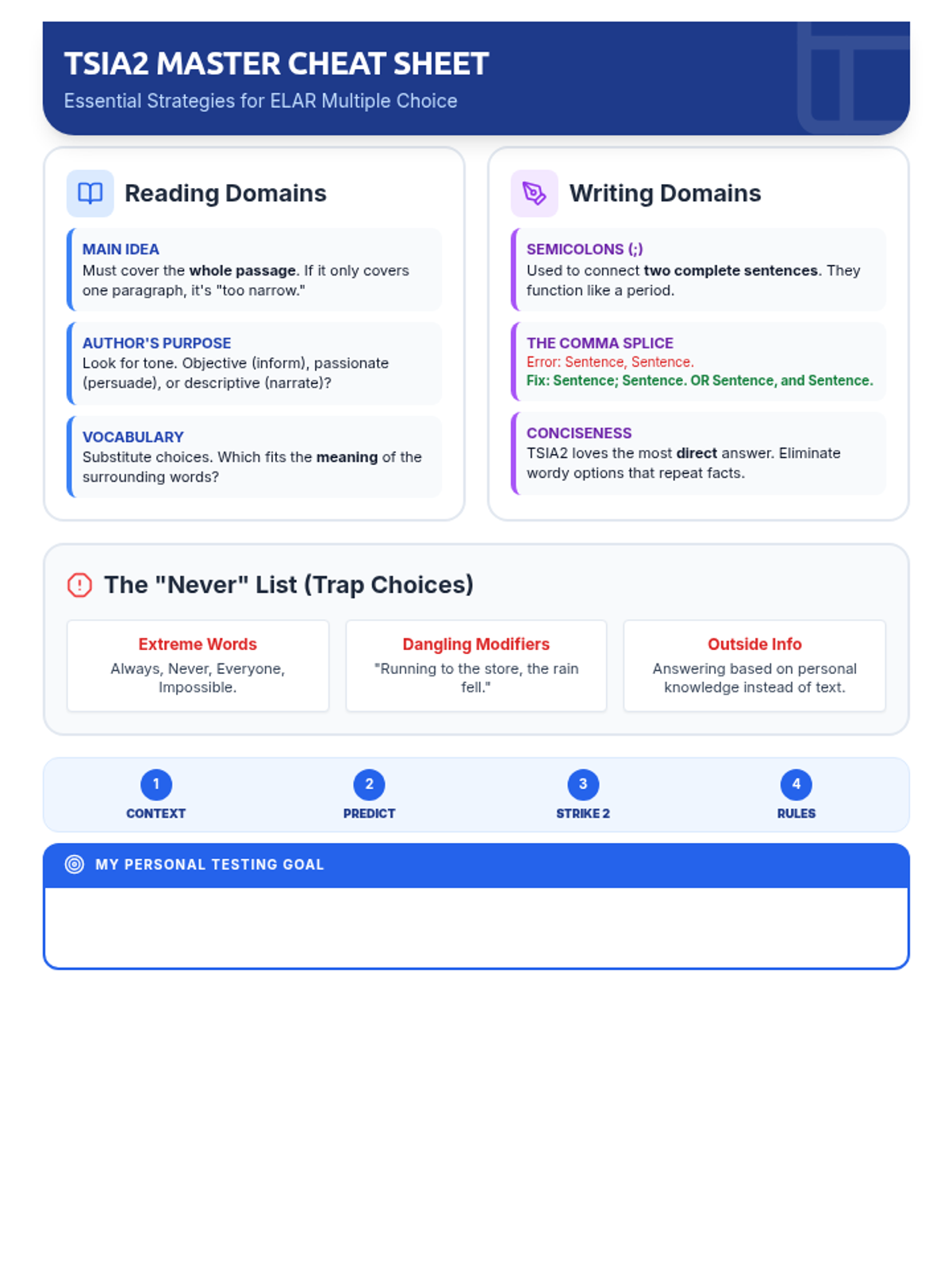
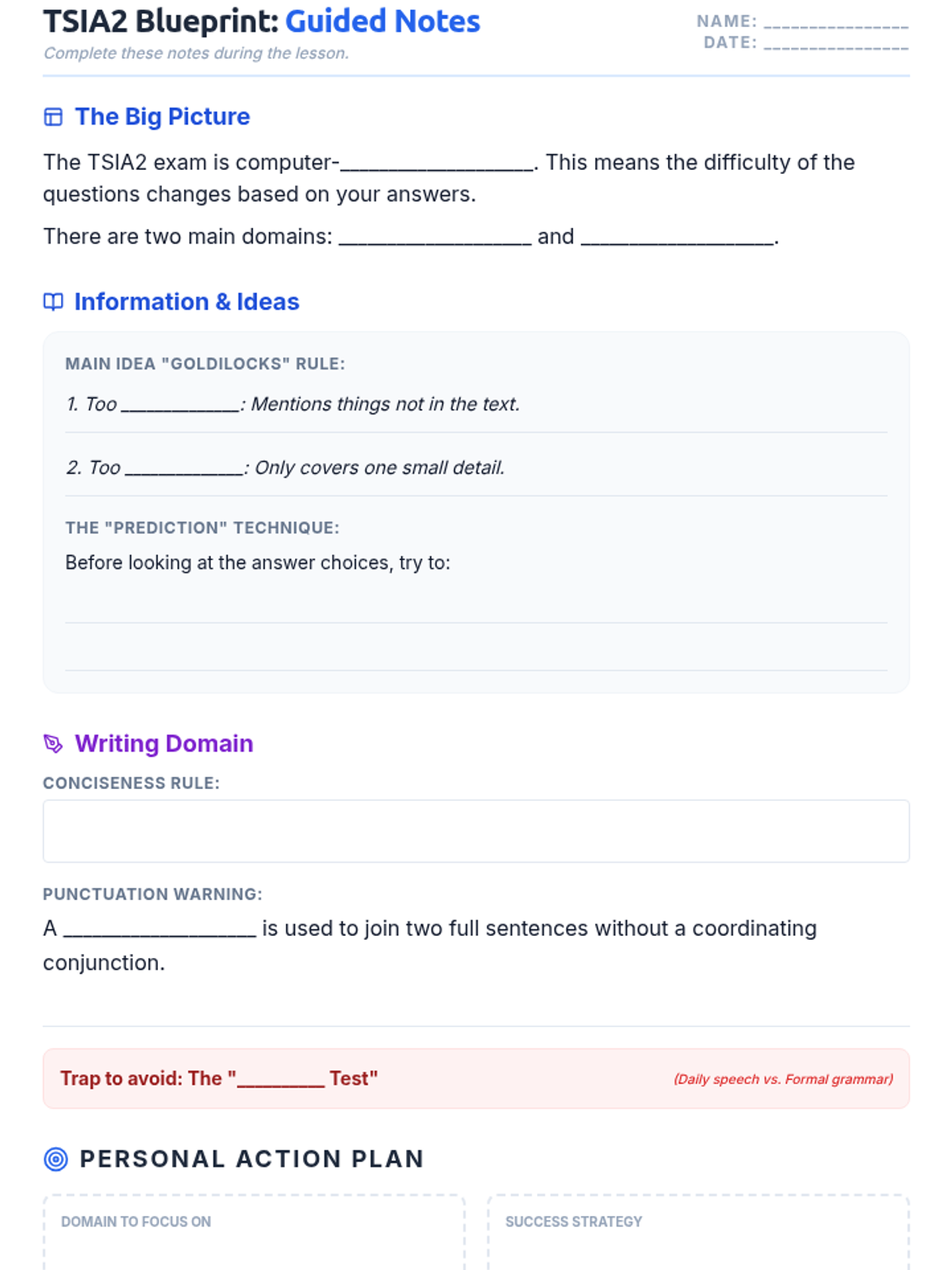
This lesson covers the core competencies of the TSIA2 Reading exam, including informational and literary text analysis.
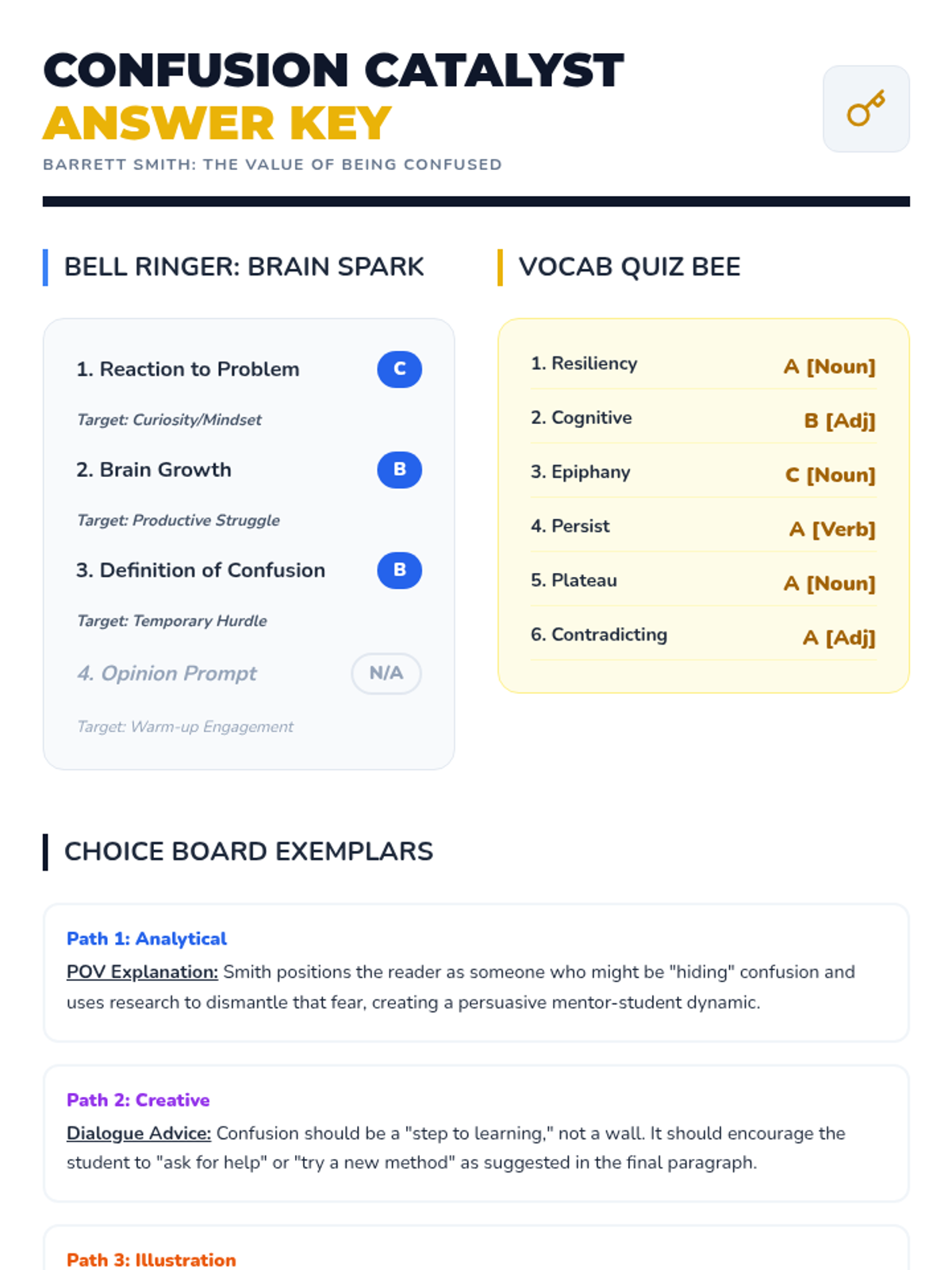
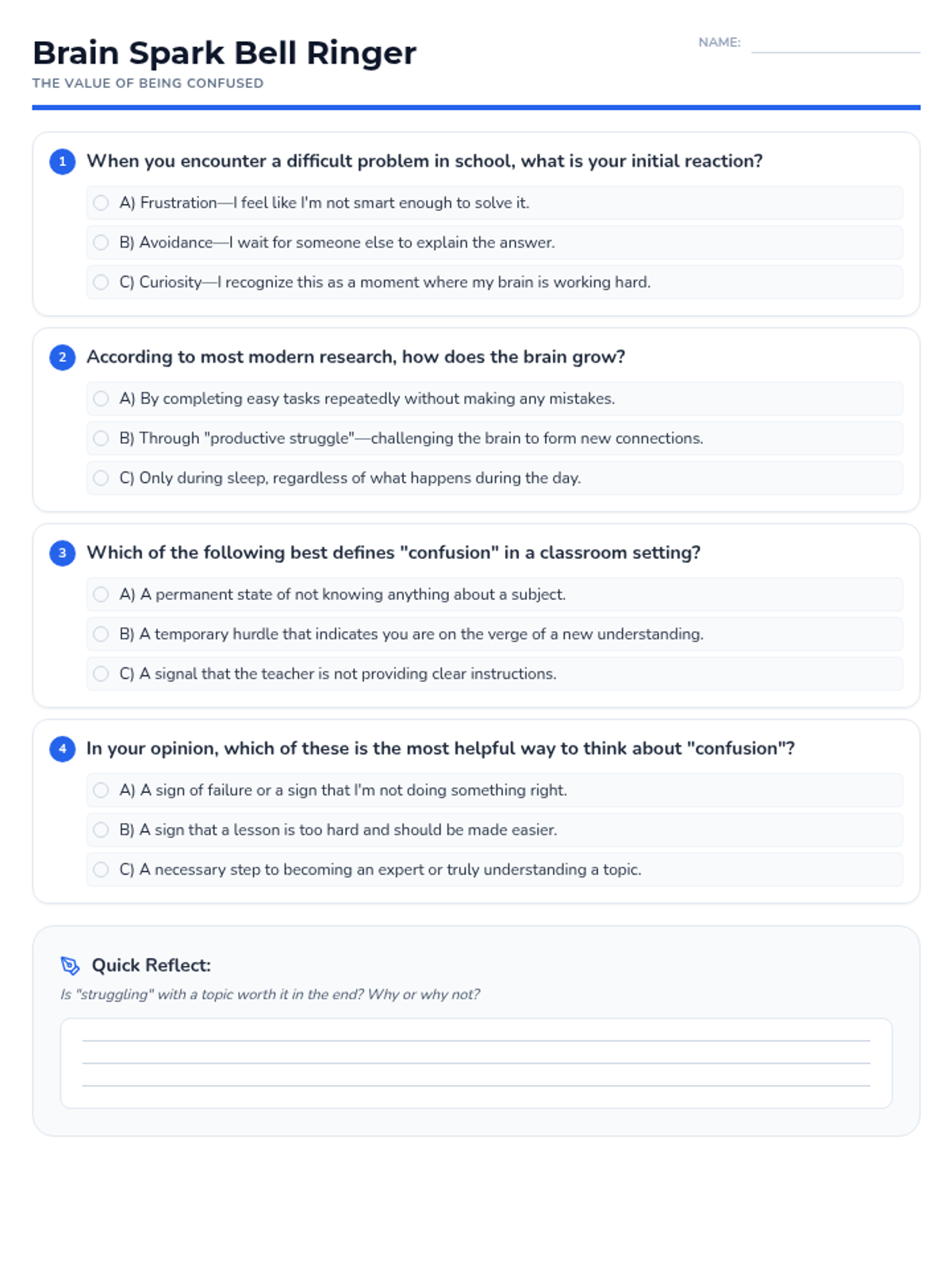
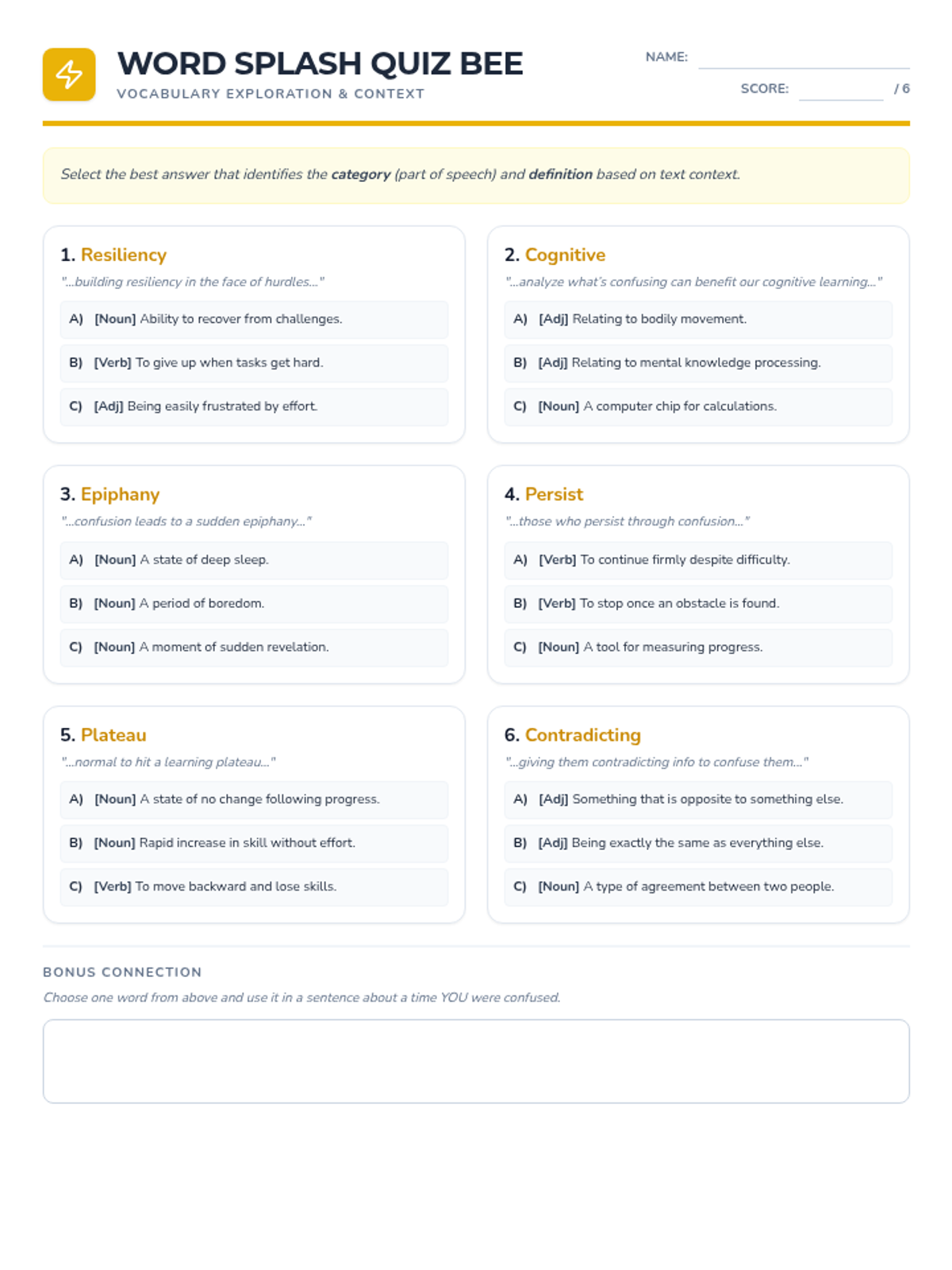
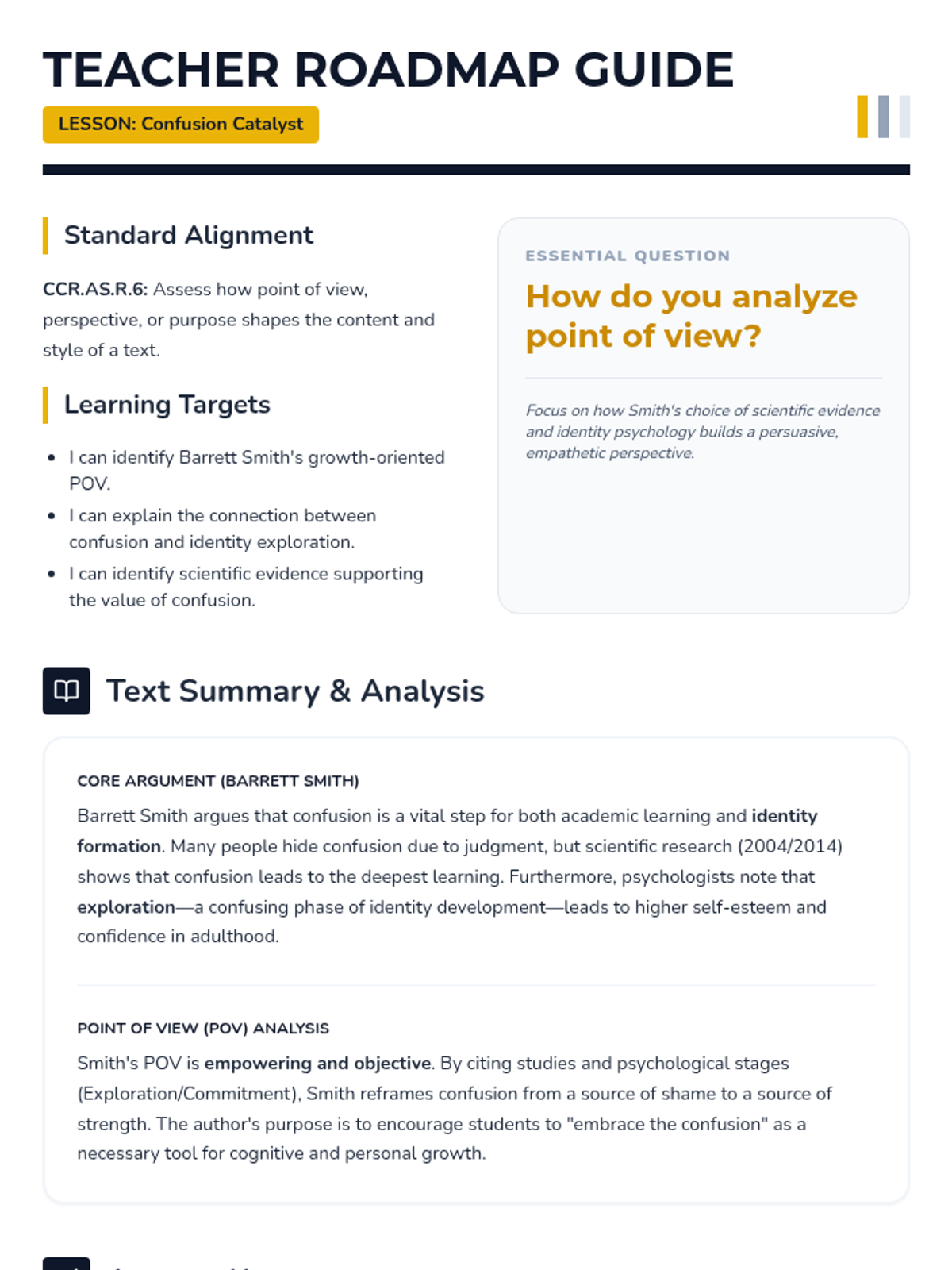
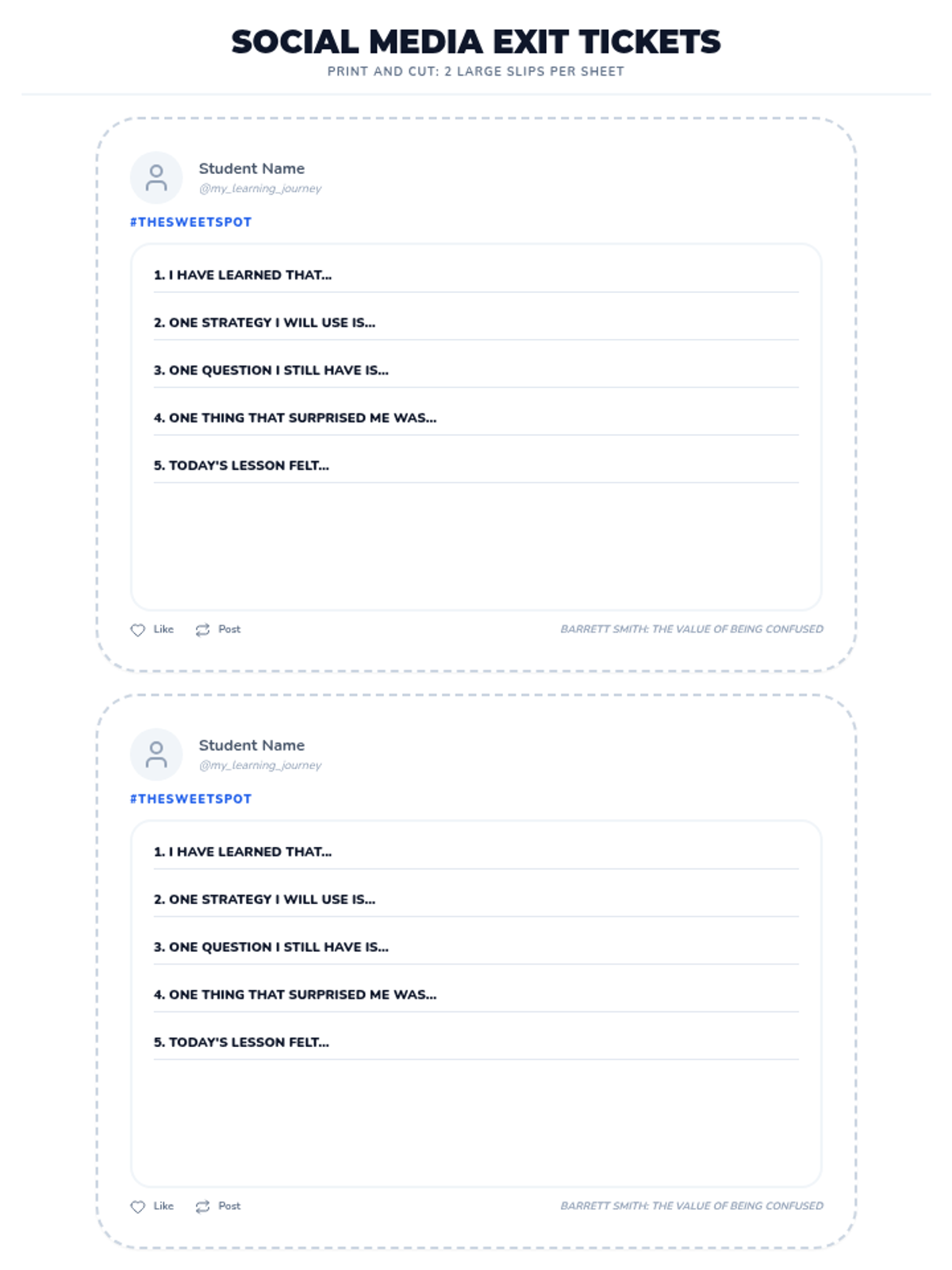
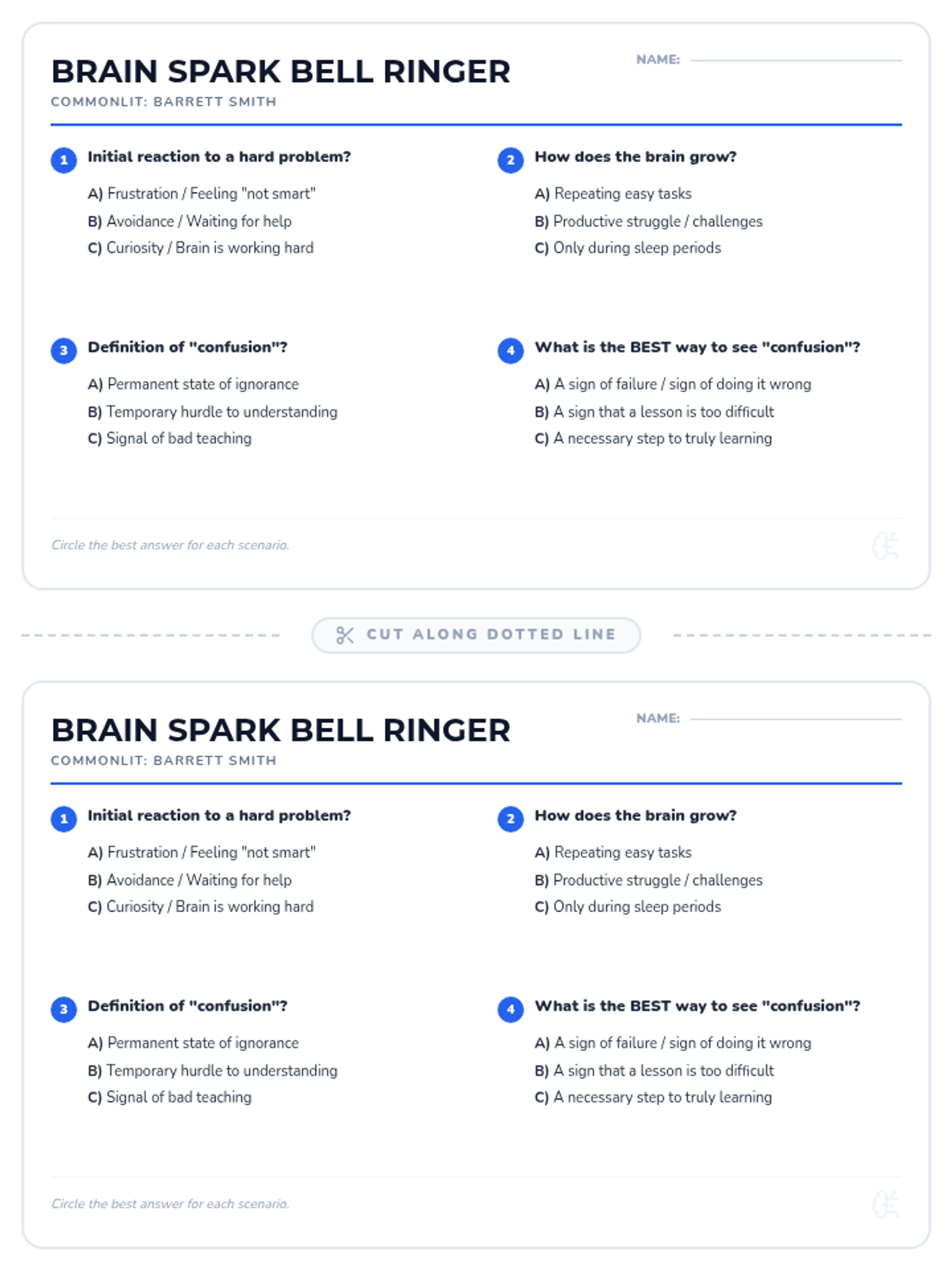
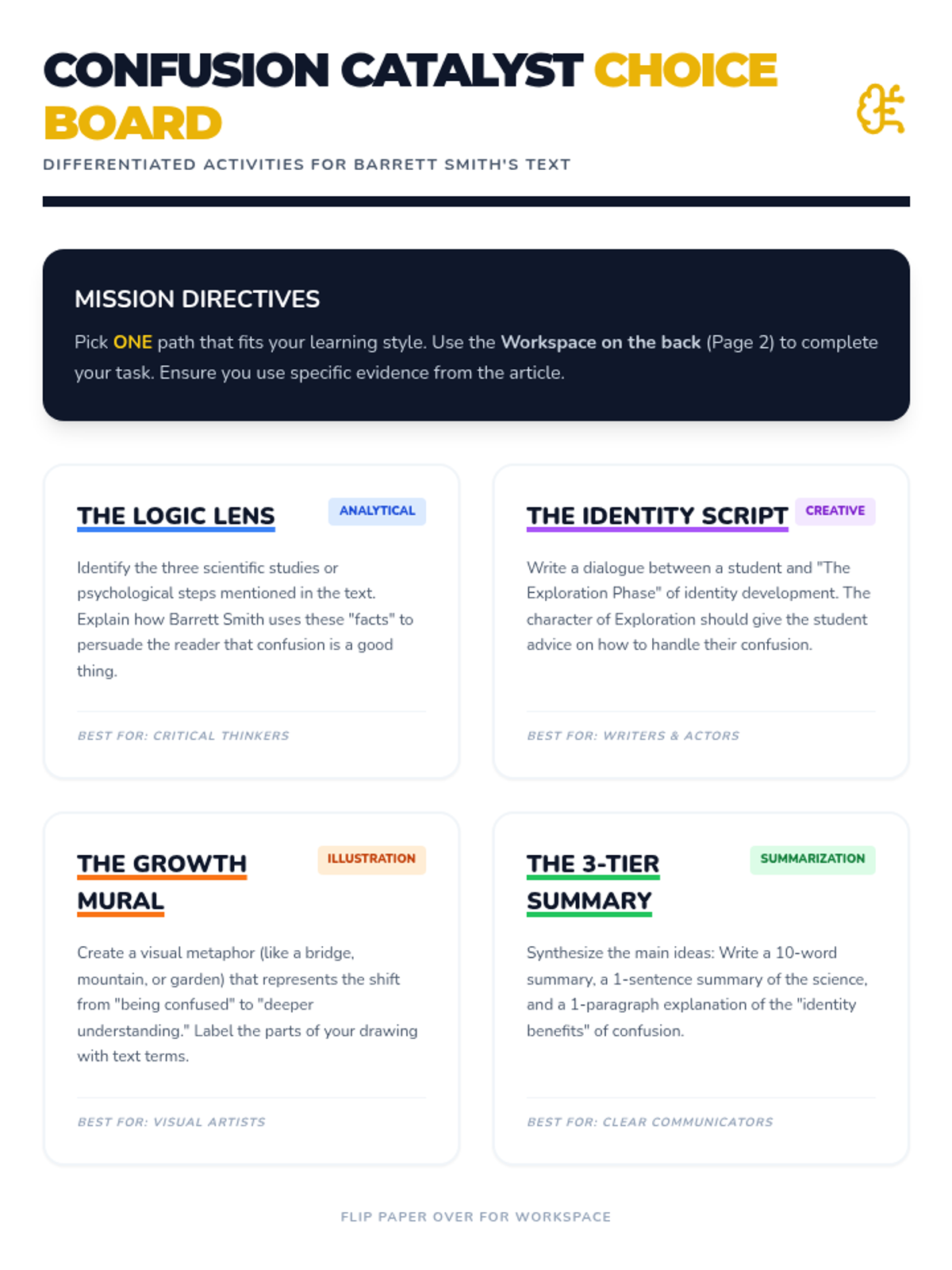
An analysis of Kimberly Tyson's 'The Value of Being Confused' focusing on how the author uses perspective to reframe confusion as a learning tool. Includes vocabulary development, collaborative discussion, and creative choice-based assessment.
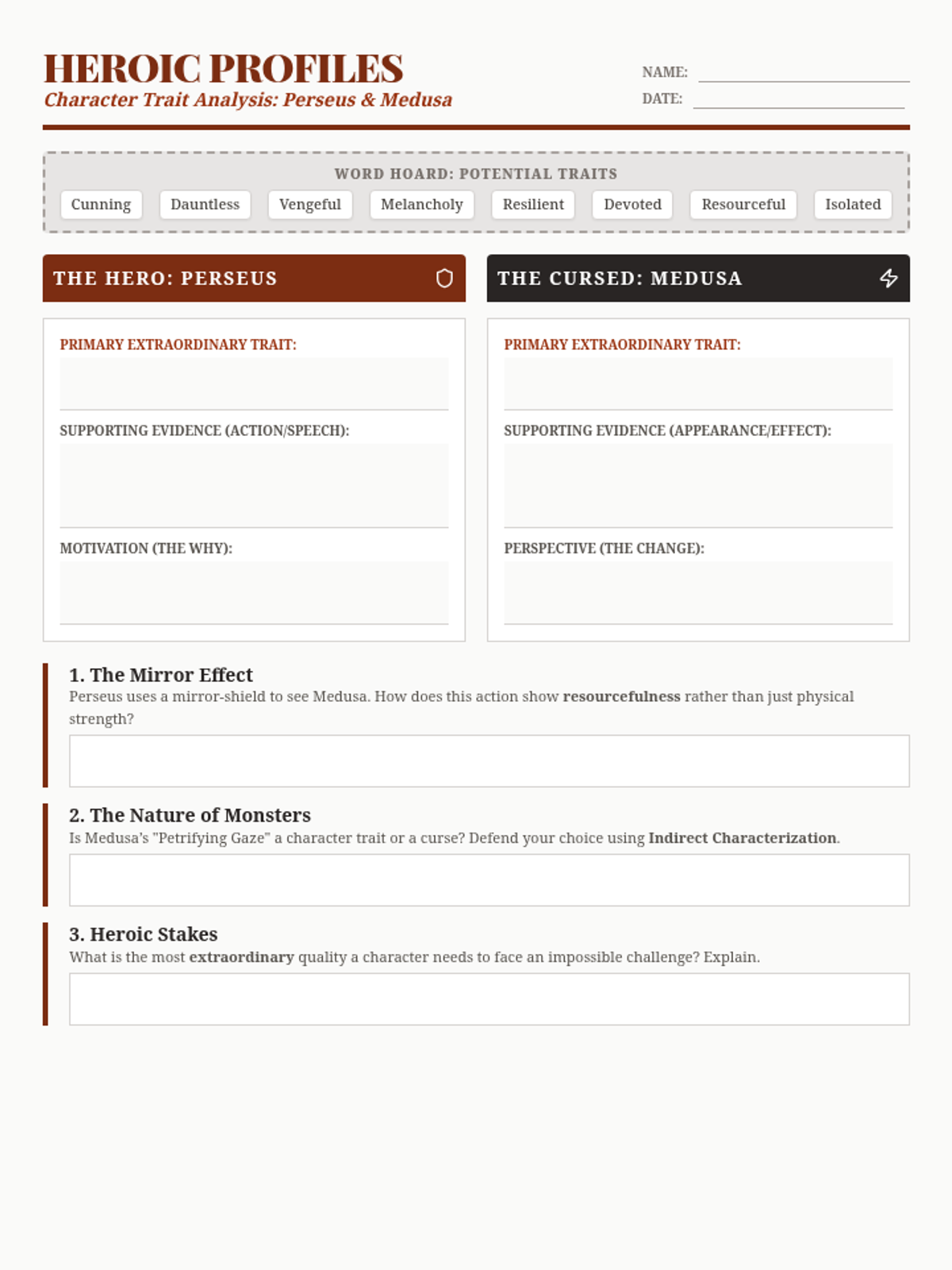
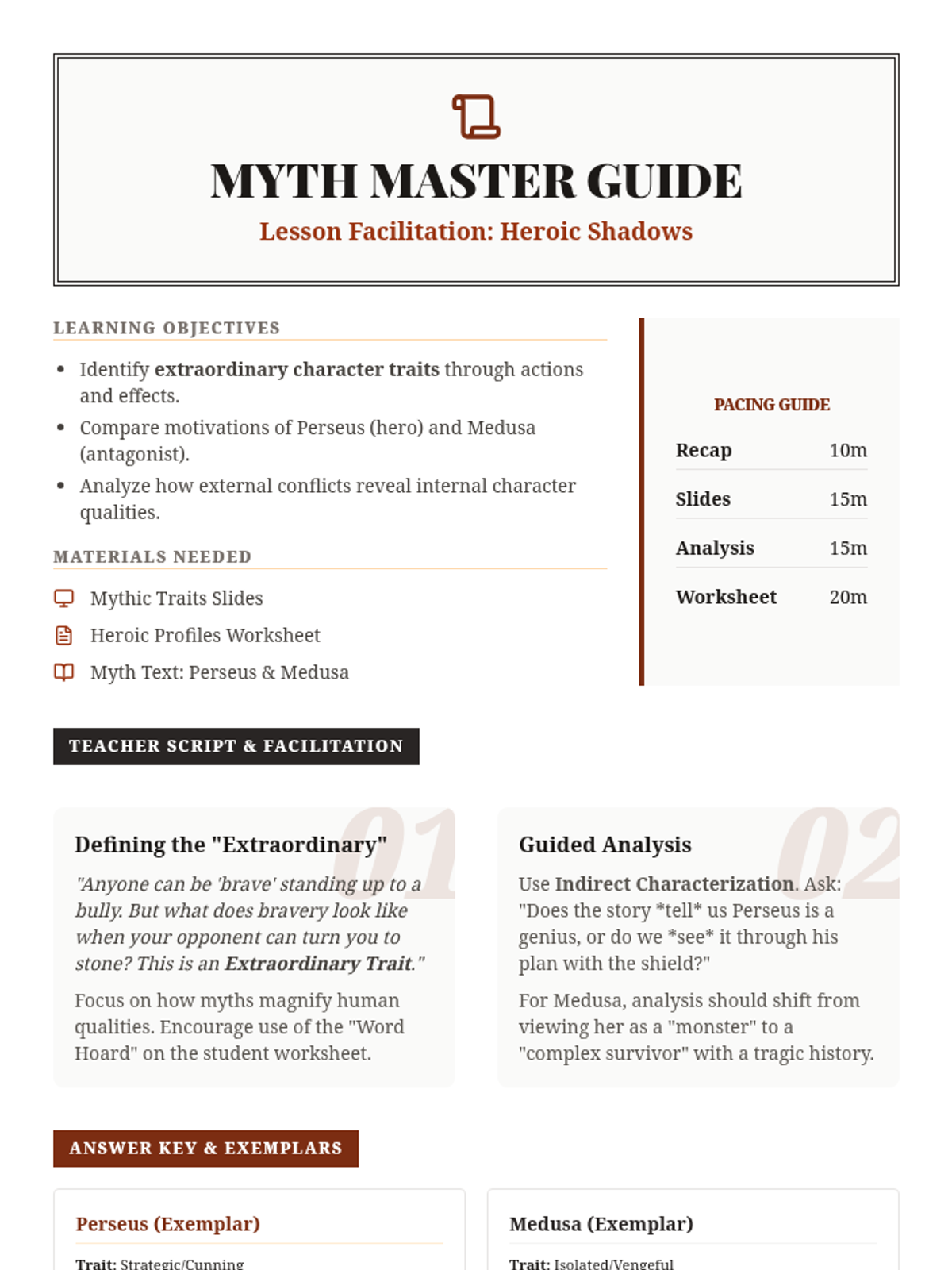
An analysis of character traits through the Greek myth of Perseus and Medusa, focusing on how extraordinary circumstances reveal inner qualities.
A comprehensive prep lesson for the TSIA2 ELAR exam, focusing on reading comprehension, sentence revision, and information/ideas strategies.
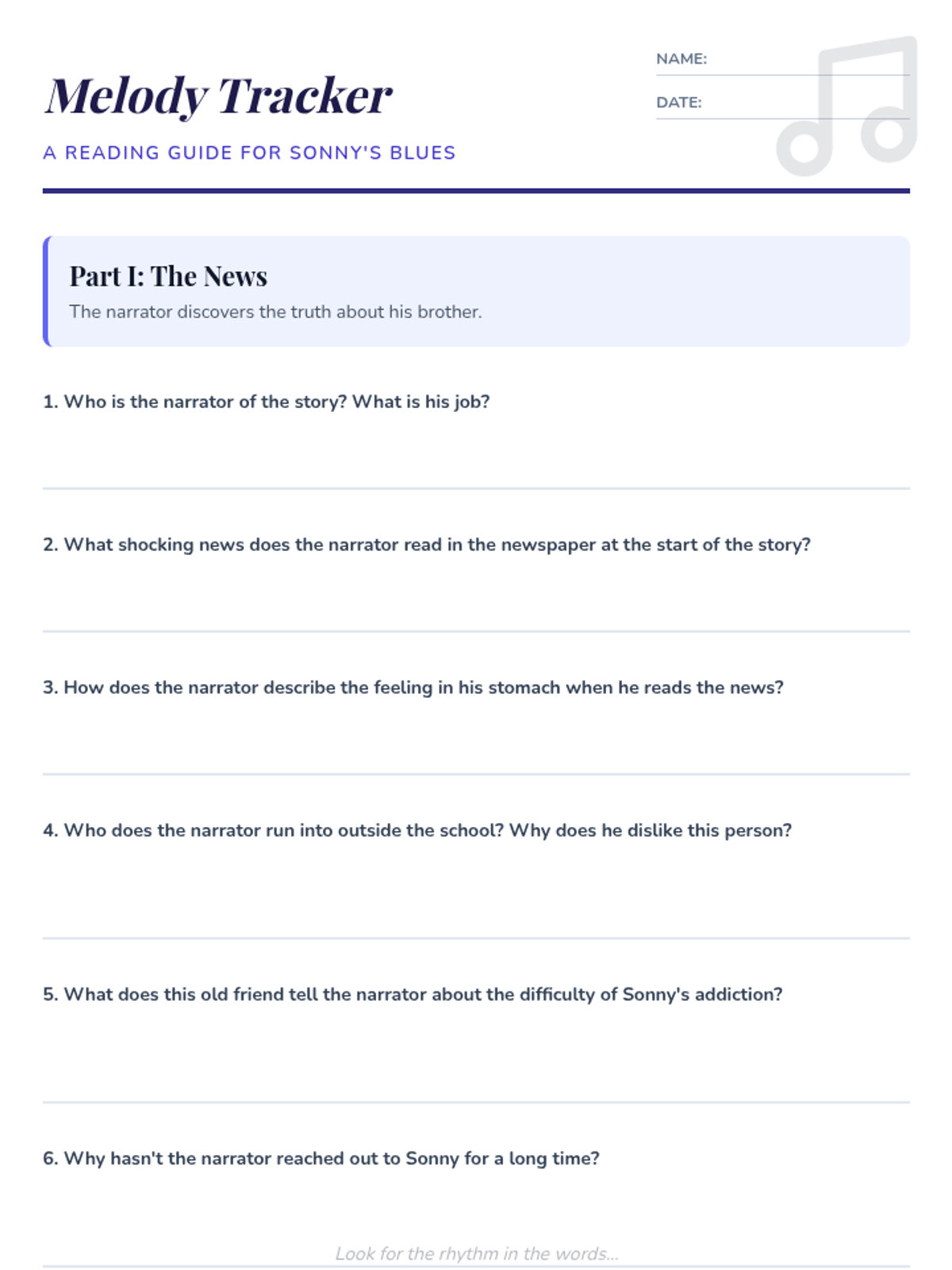
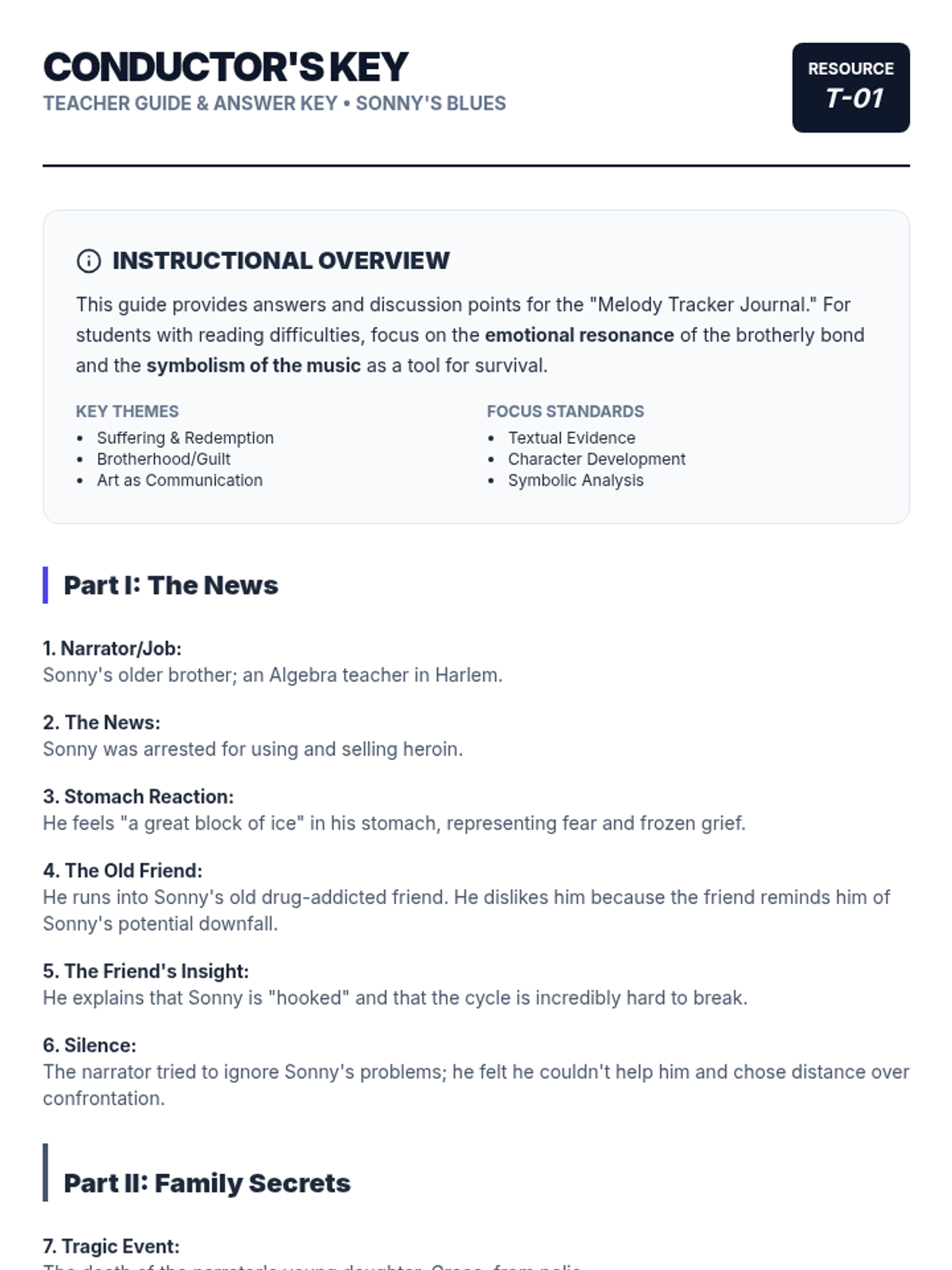
A deep dive into James Baldwin's 'Sonny's Blues,' focusing on character dynamics, the symbolism of jazz, and the redemptive power of art in 1950s Harlem.
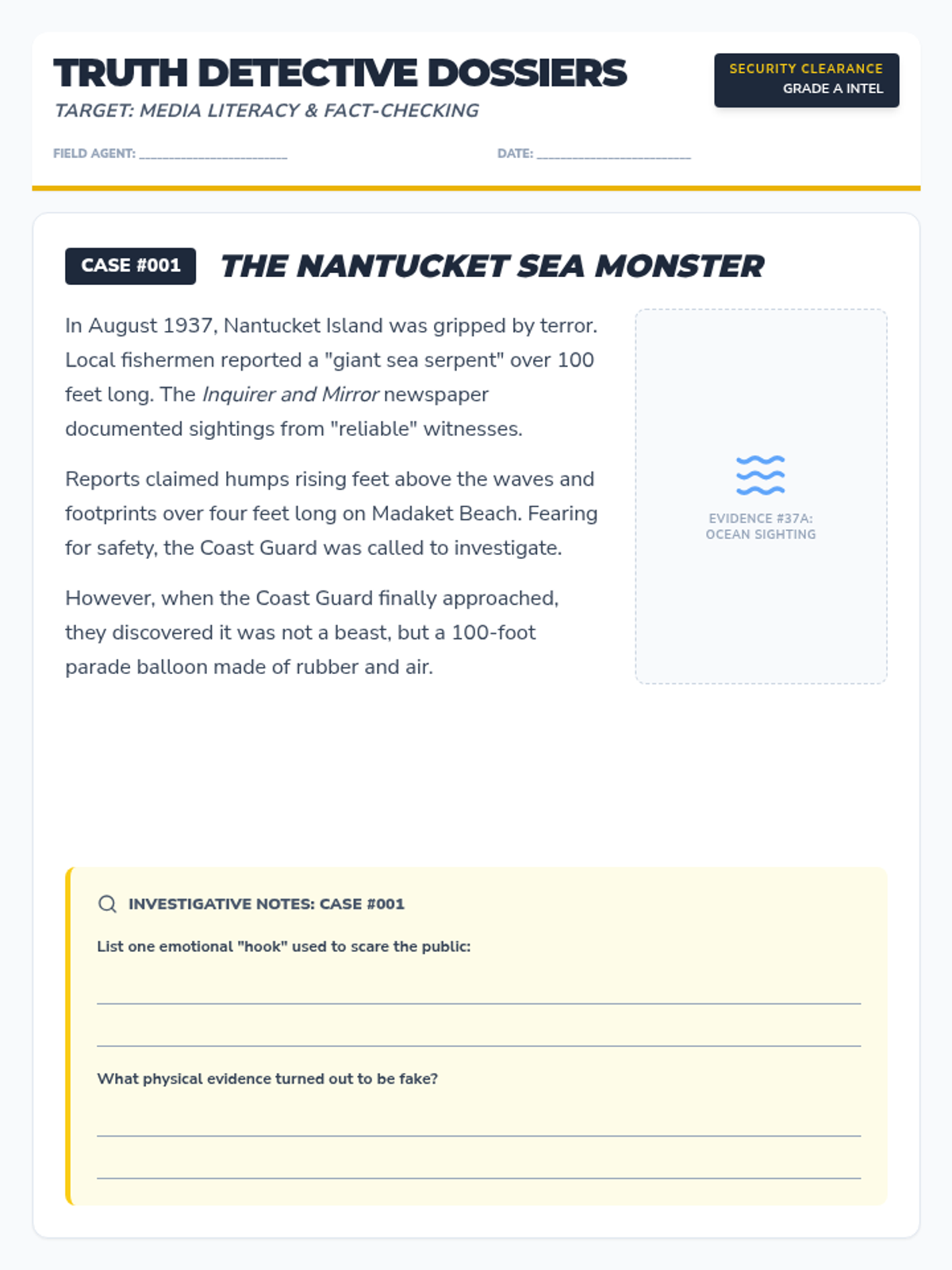
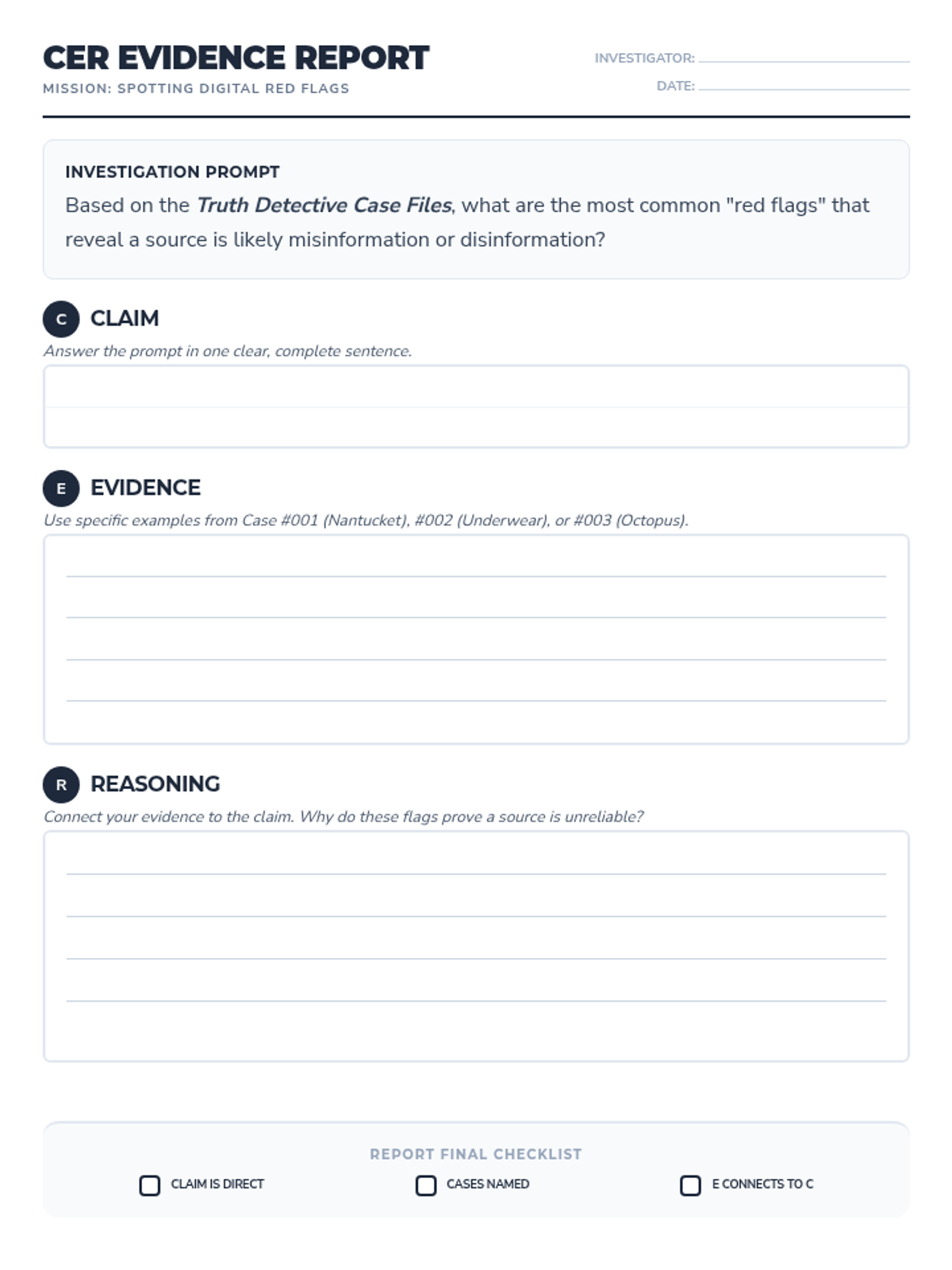
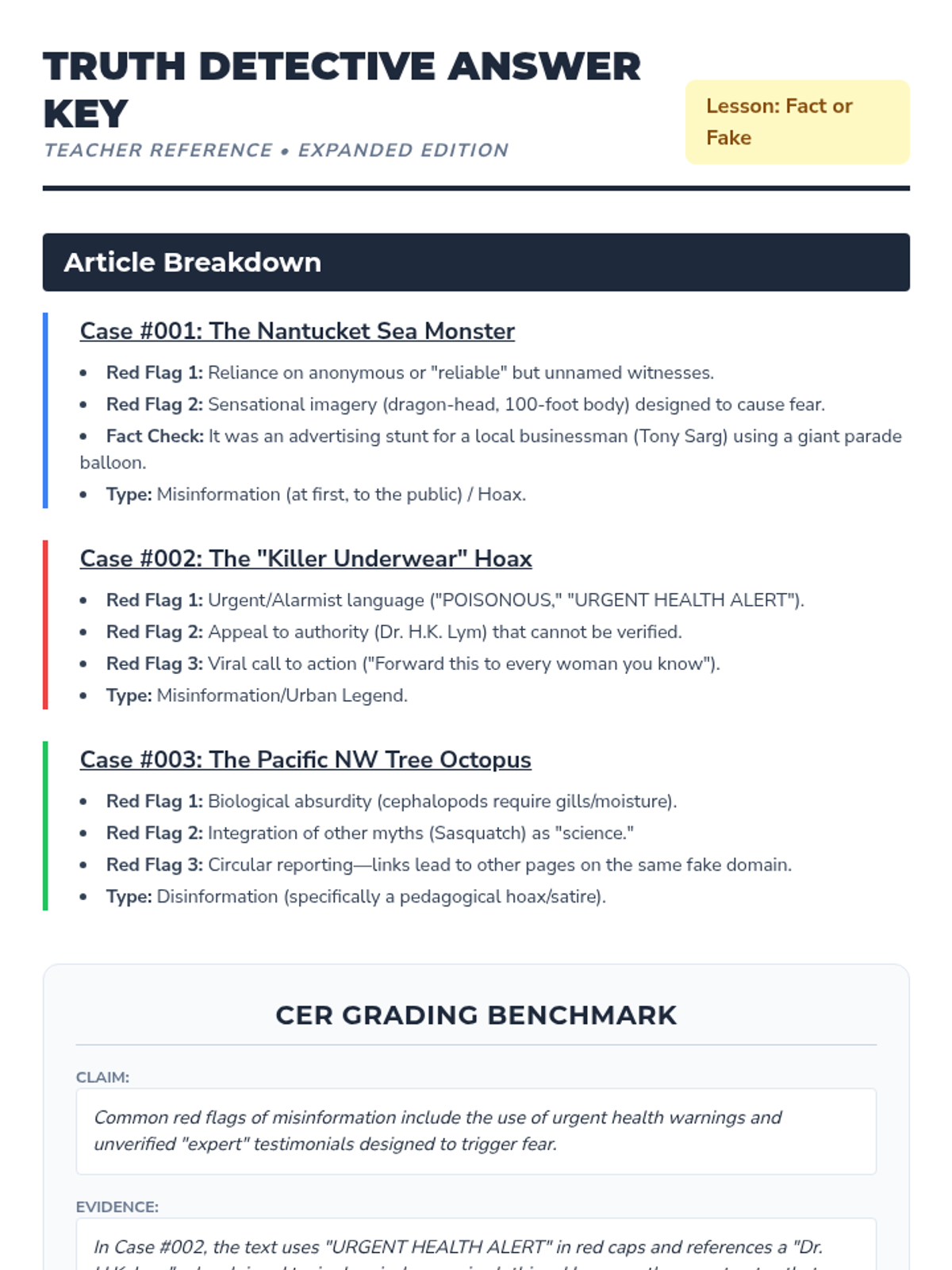
A lesson focused on identifying misinformation and disinformation through short case studies, culminating in a CER (Claim, Evidence, Reasoning) paragraph about spotting digital red flags.
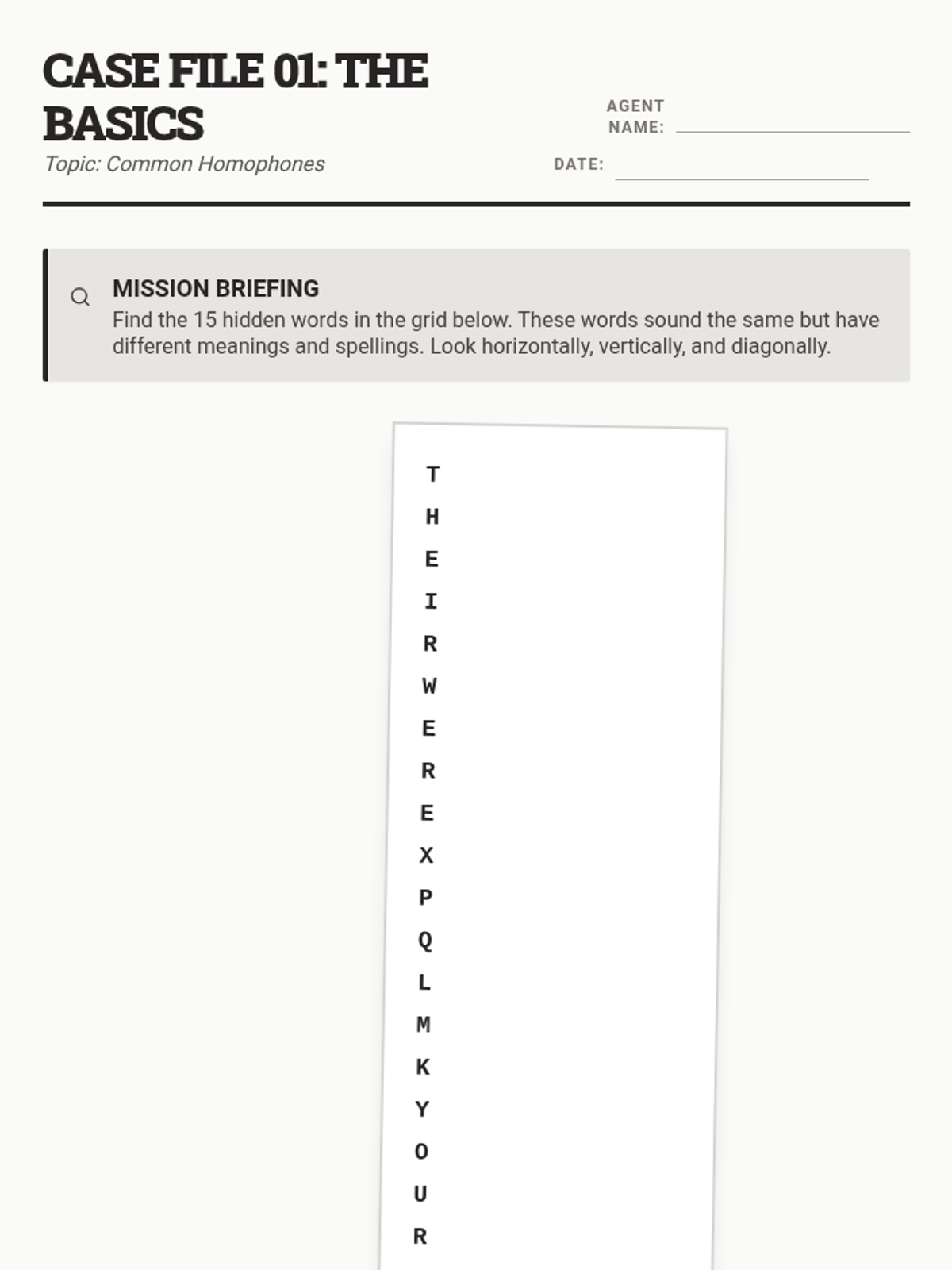
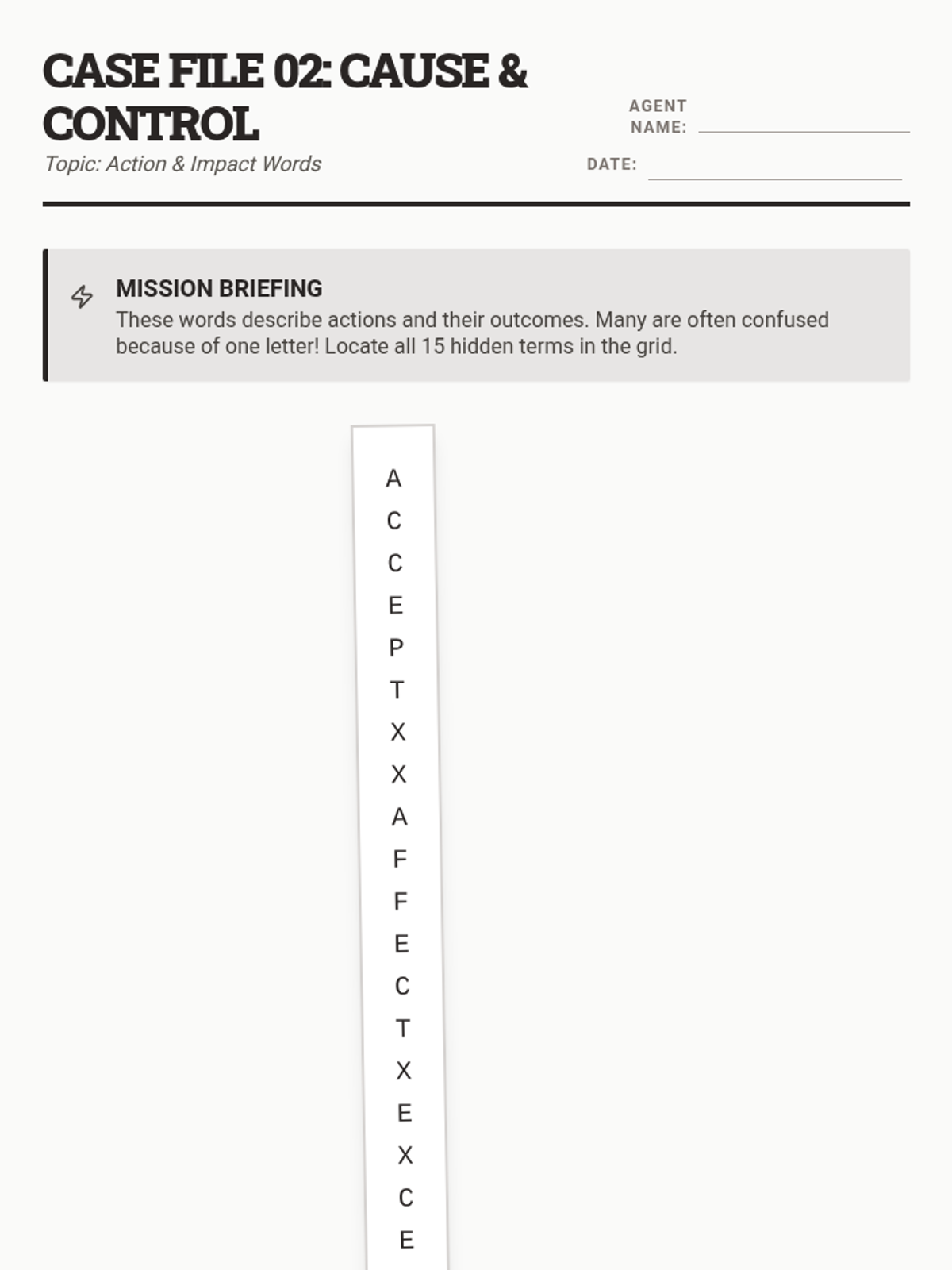
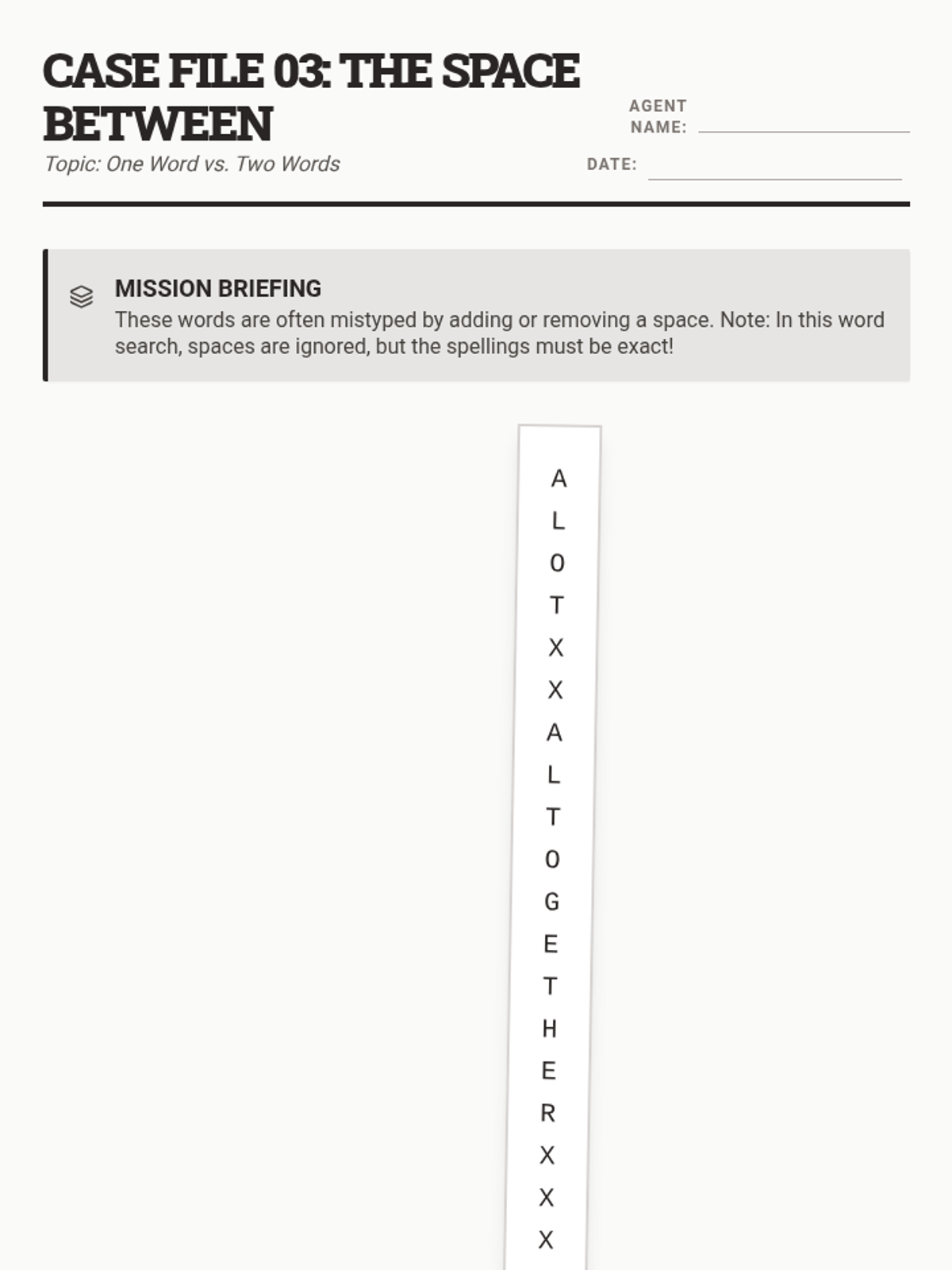
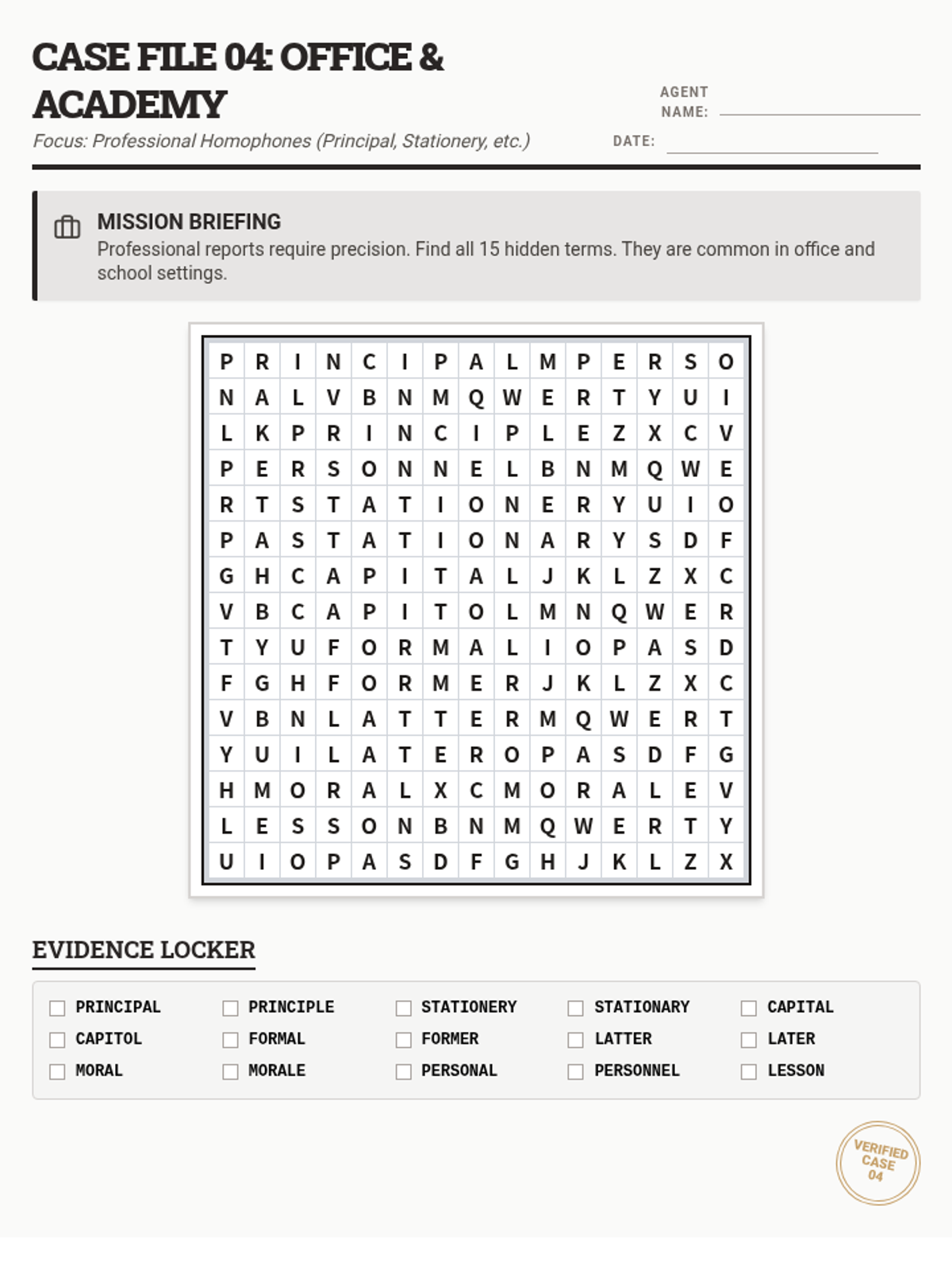
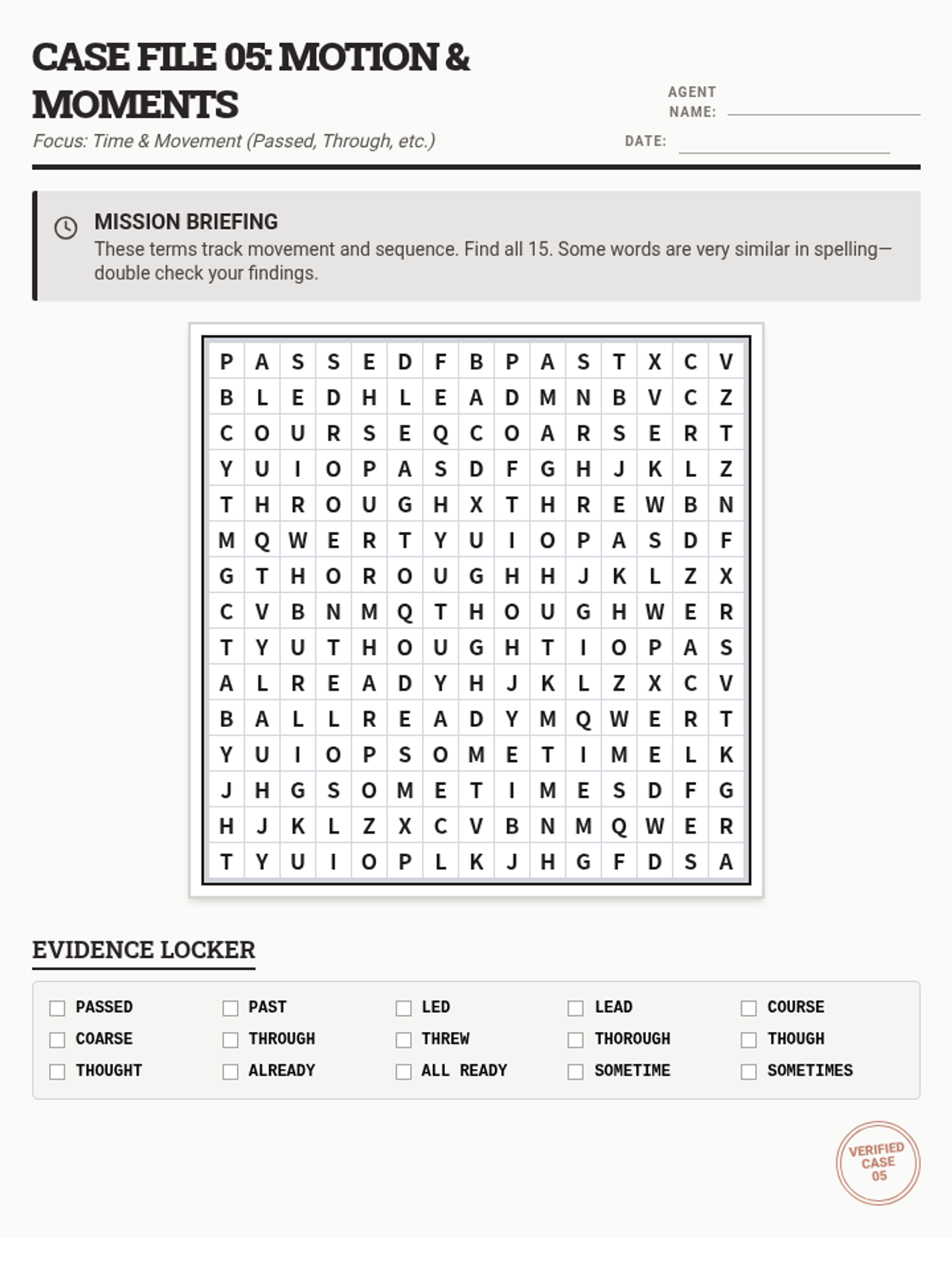
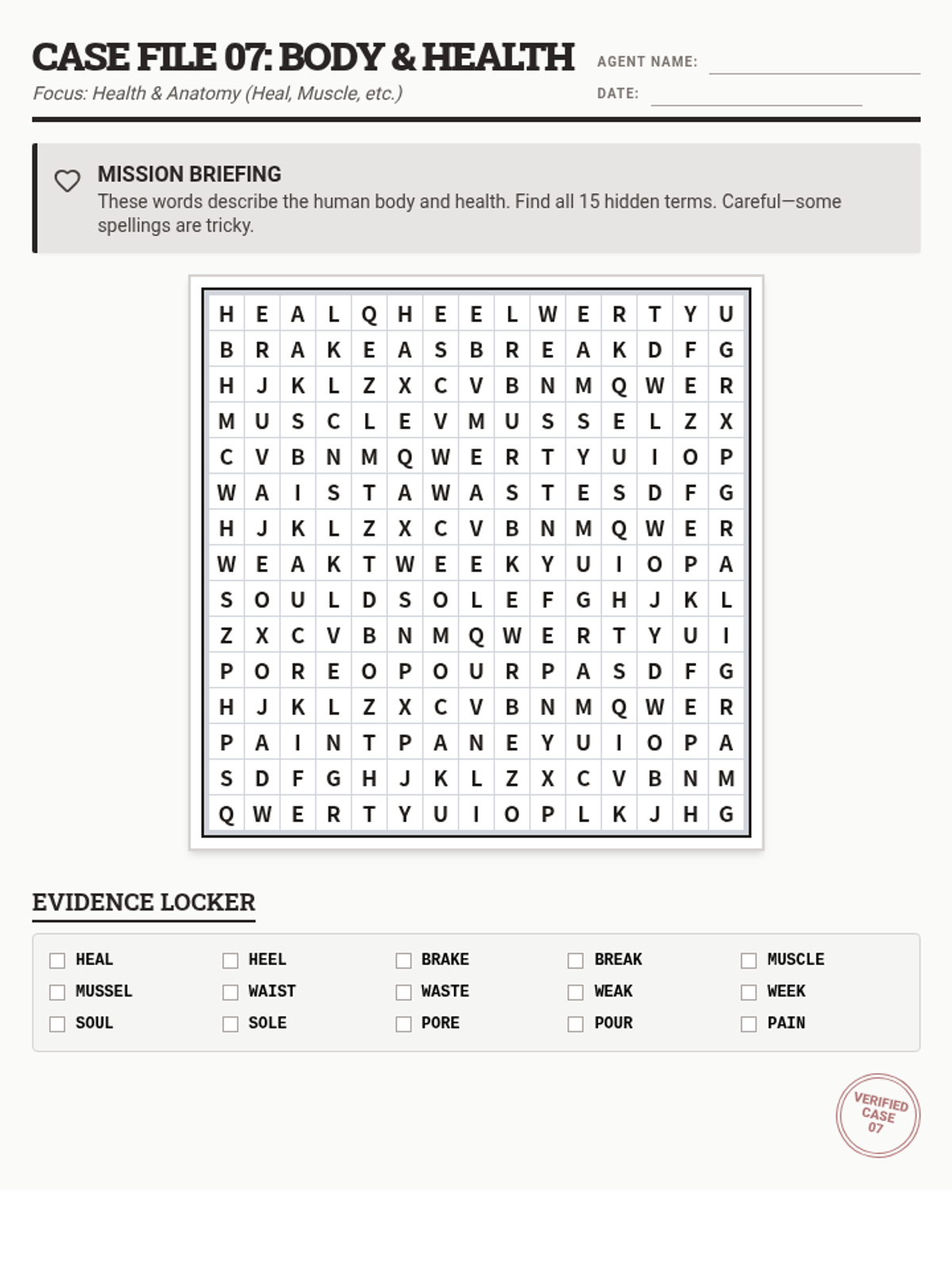
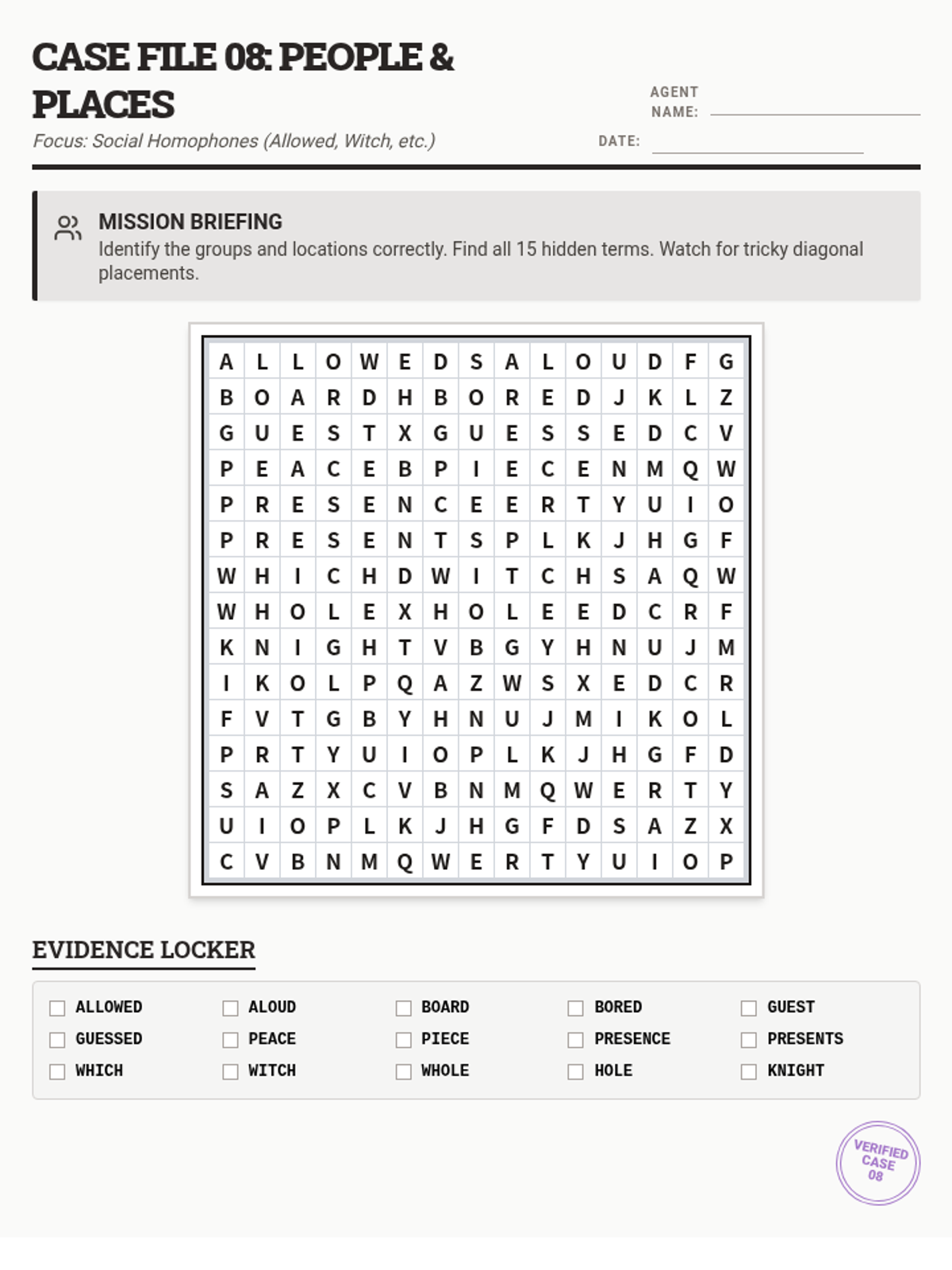
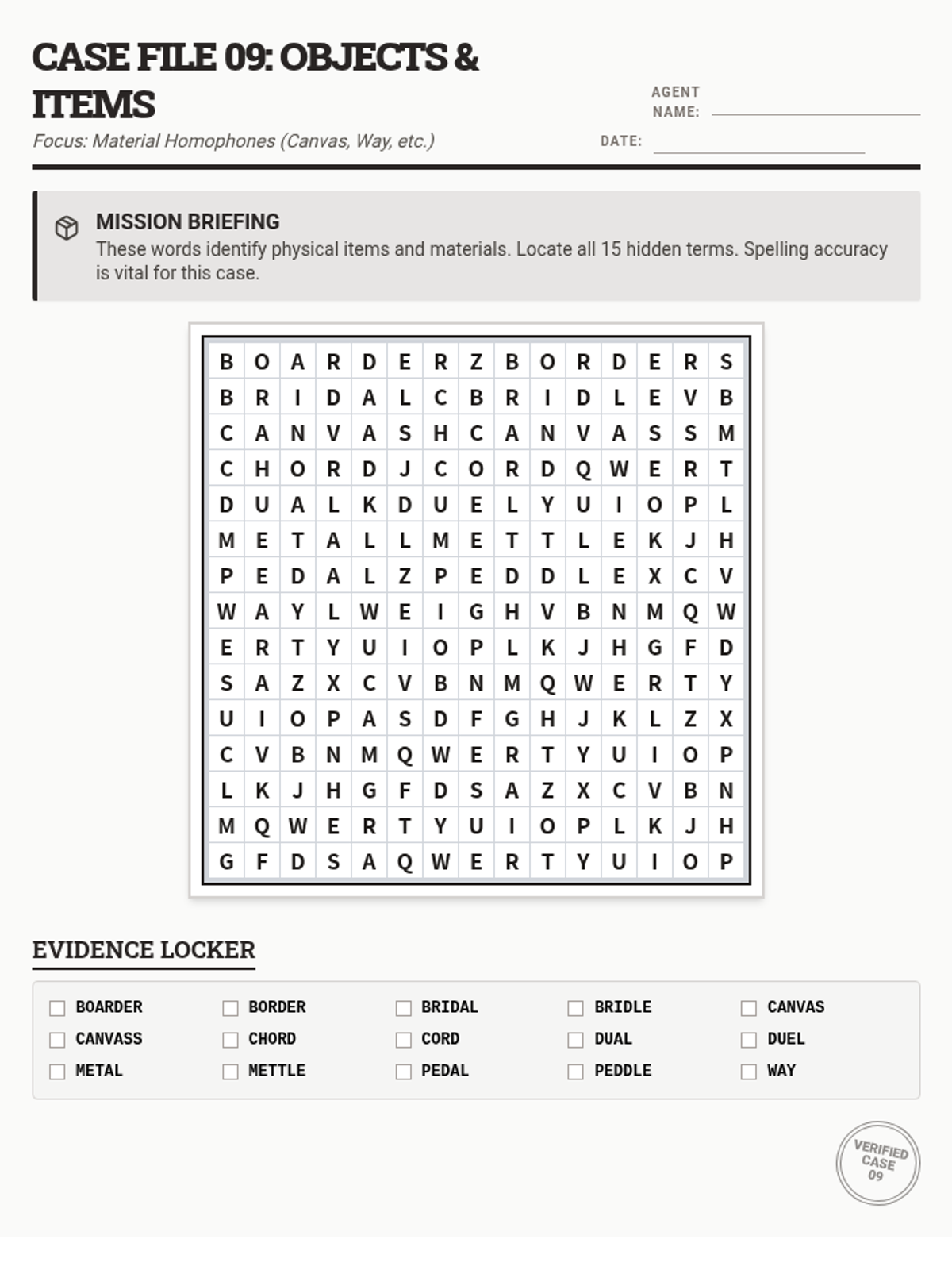
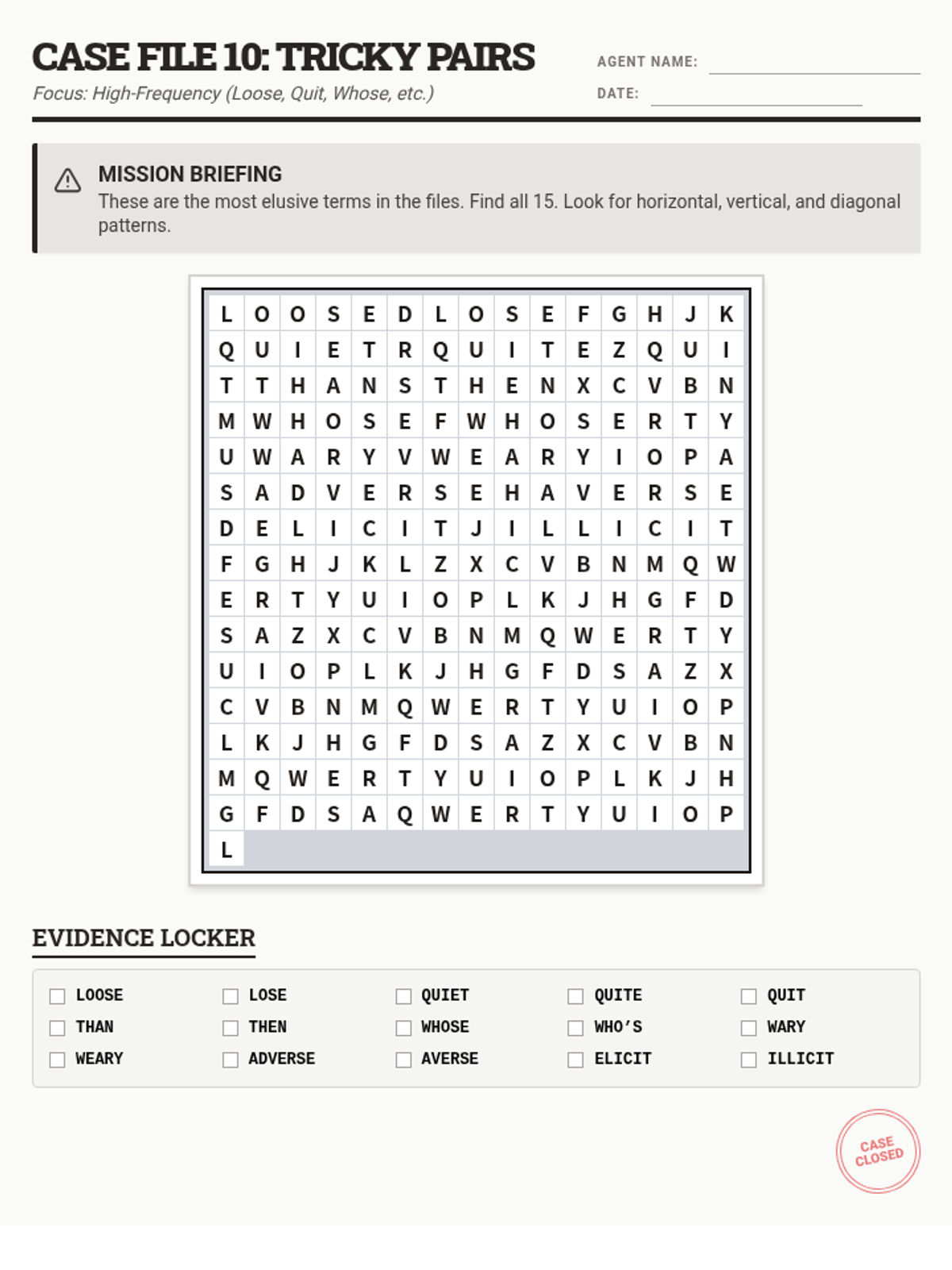
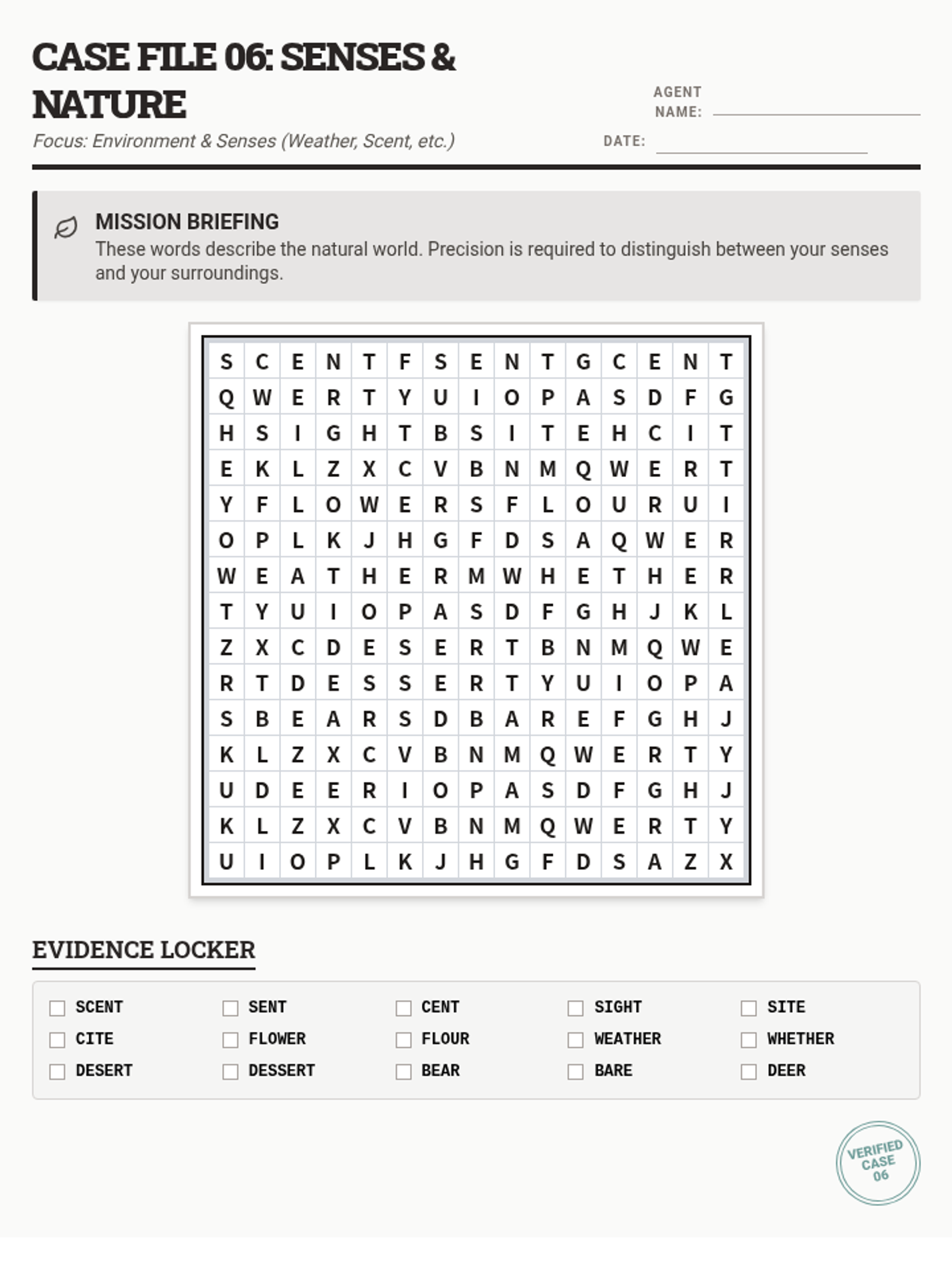
A comprehensive collection of 10 word search puzzles focusing on commonly confused words (homophones and near-homophones). Designed to improve vocabulary recognition and spelling through engaging "Case File" themed activities.
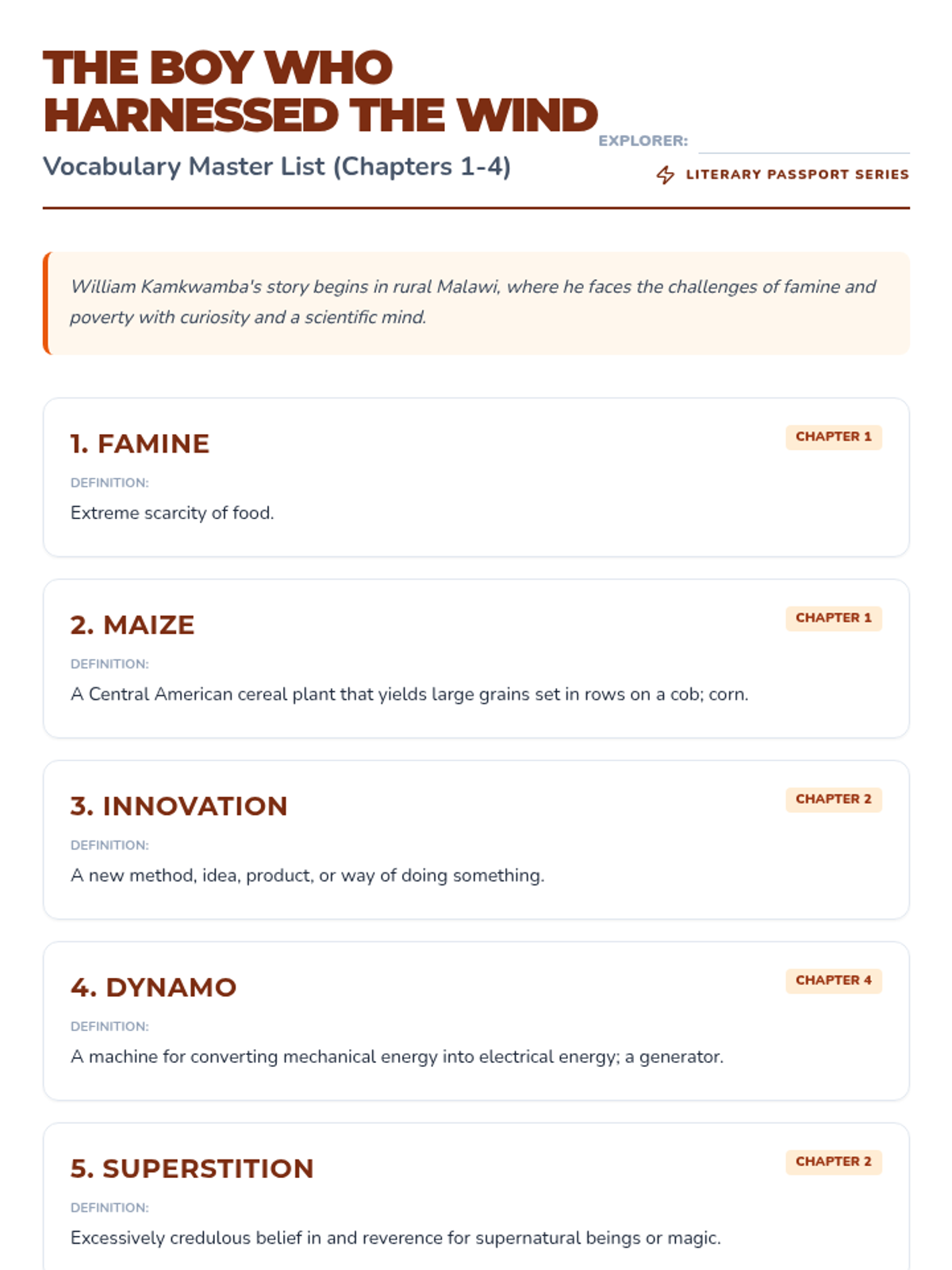
Vocabulary study for the first four chapters of William Kamkwamba's memoir about building a windmill in Malawi.
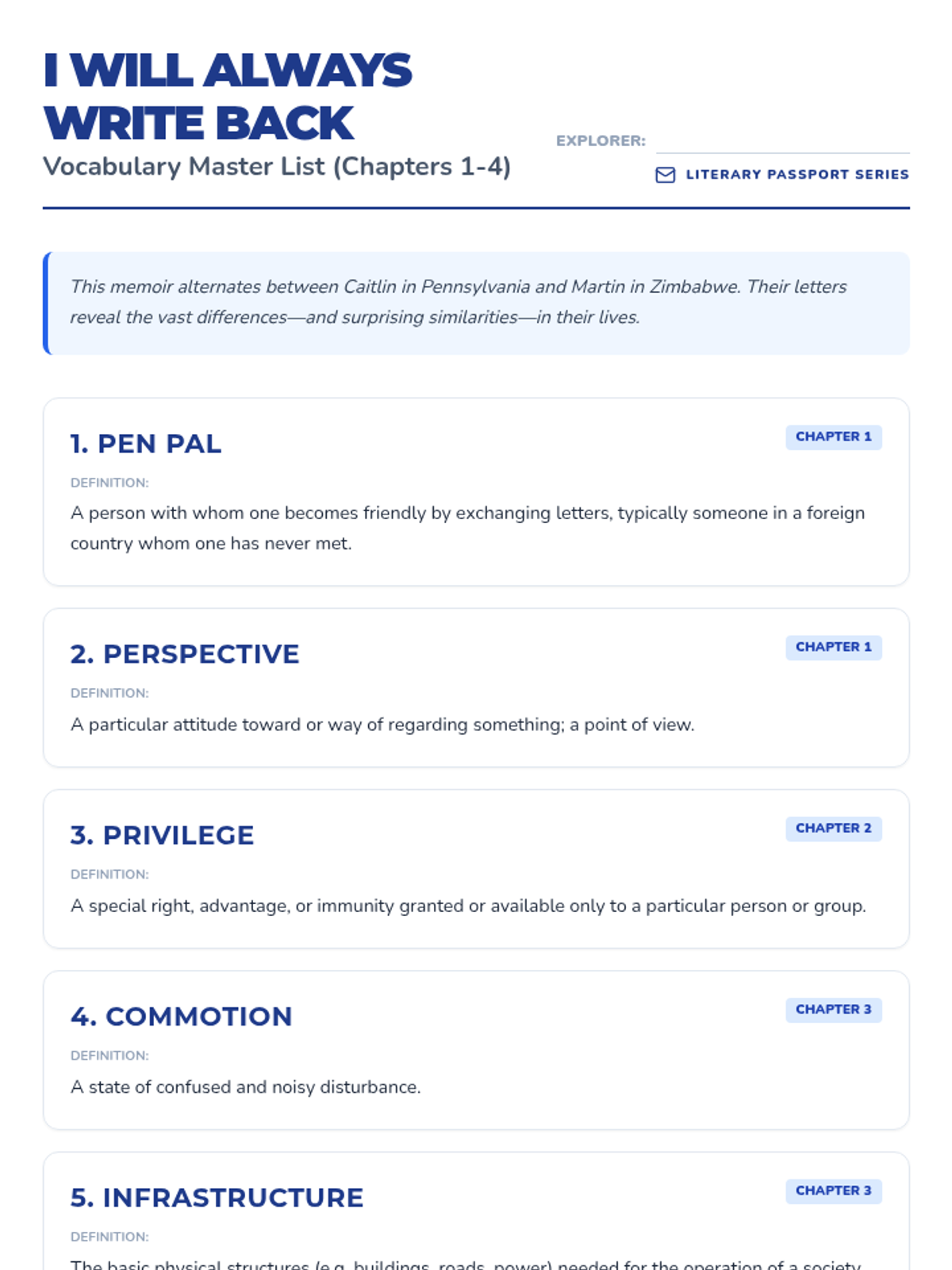
Vocabulary study for the first four chapters of the dual-narrative memoir about a life-changing pen pal relationship.
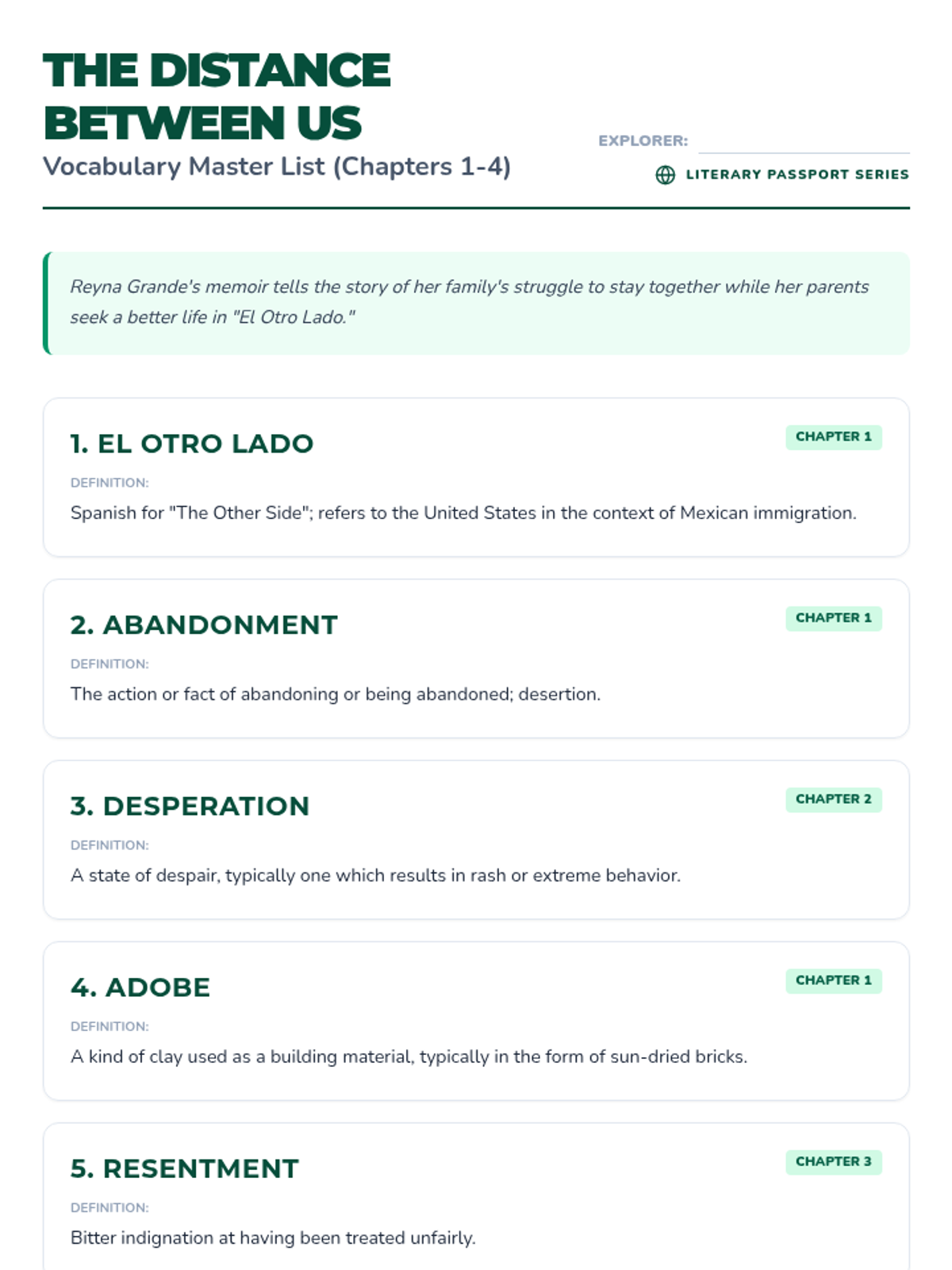
Vocabulary study for the first four chapters of Reyna Grande's memoir about her journey from Mexico to the United States.
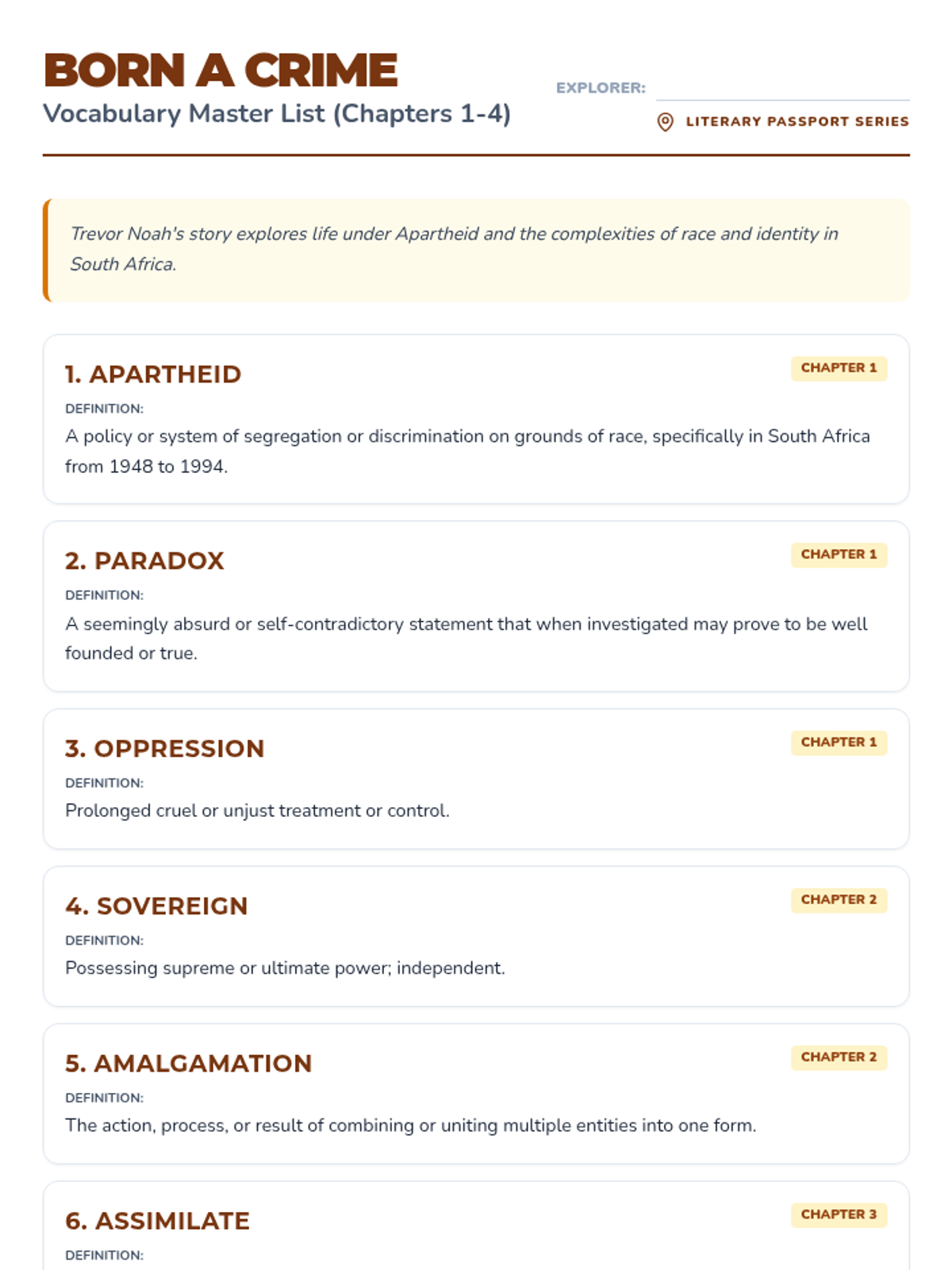
Vocabulary study for the first four chapters of Trevor Noah's memoir about growing up in apartheid-era South Africa.
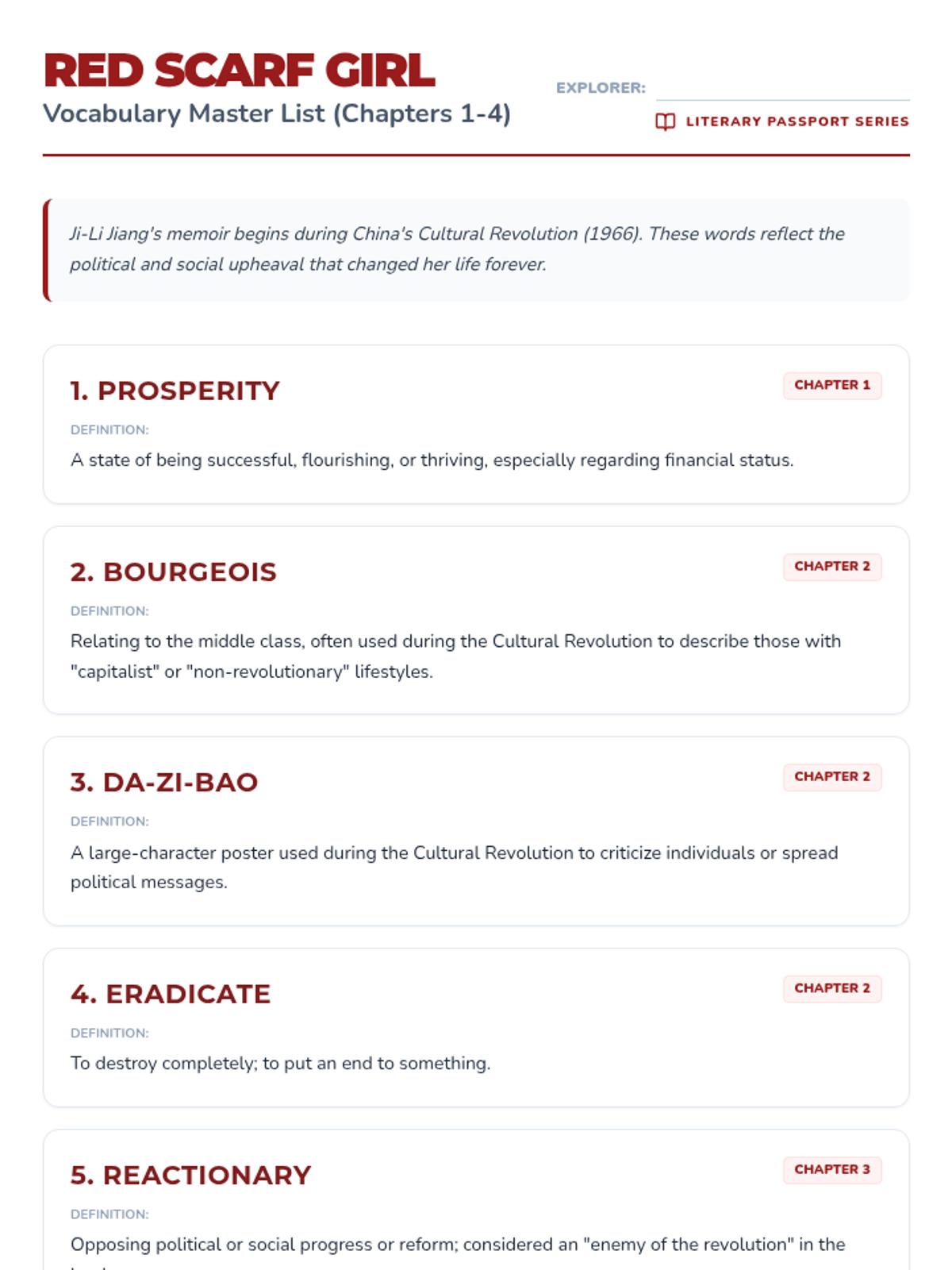
Vocabulary study for the first four chapters of Ji-Li Jiang's memoir about the Cultural Revolution in China.
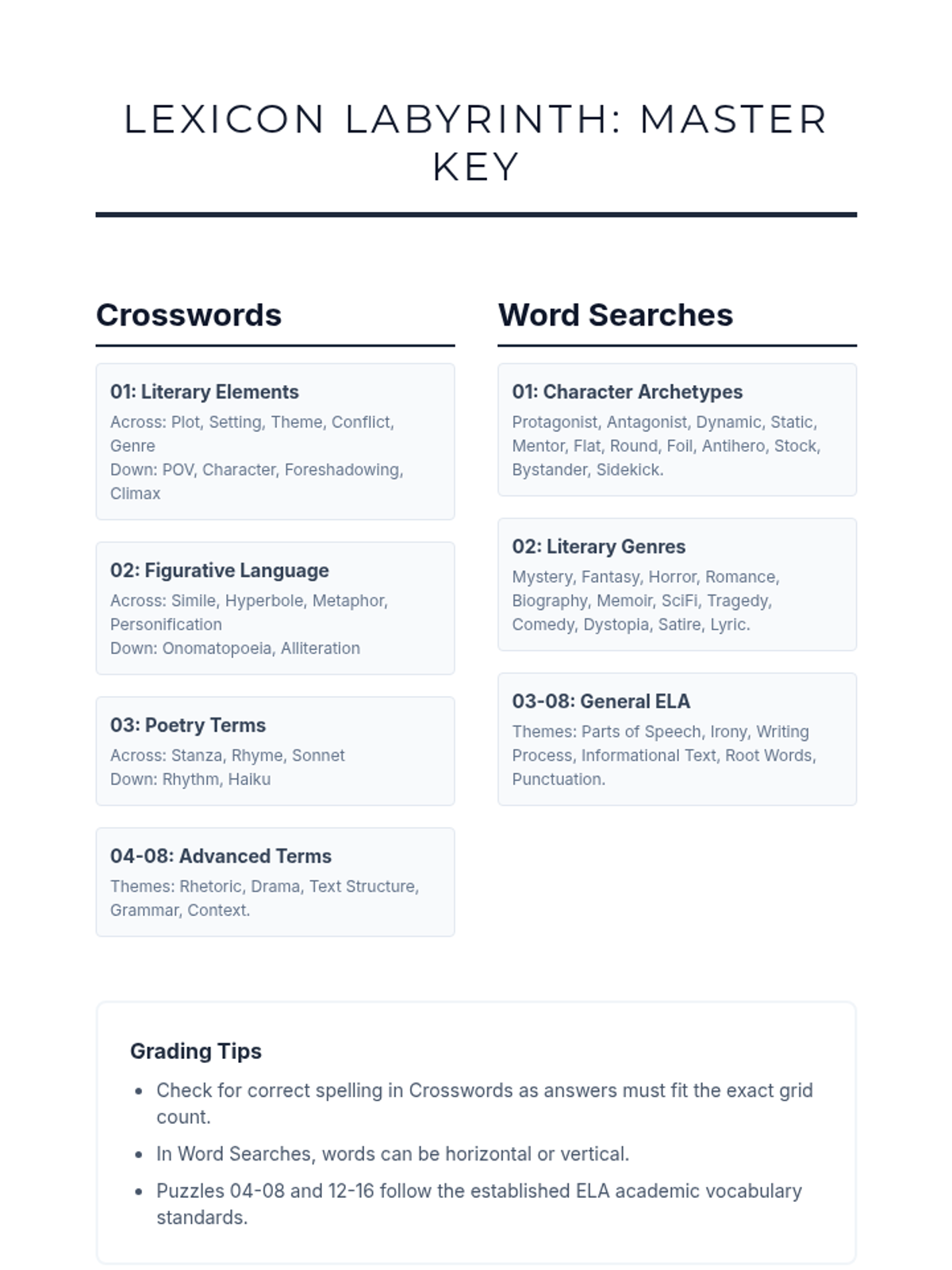
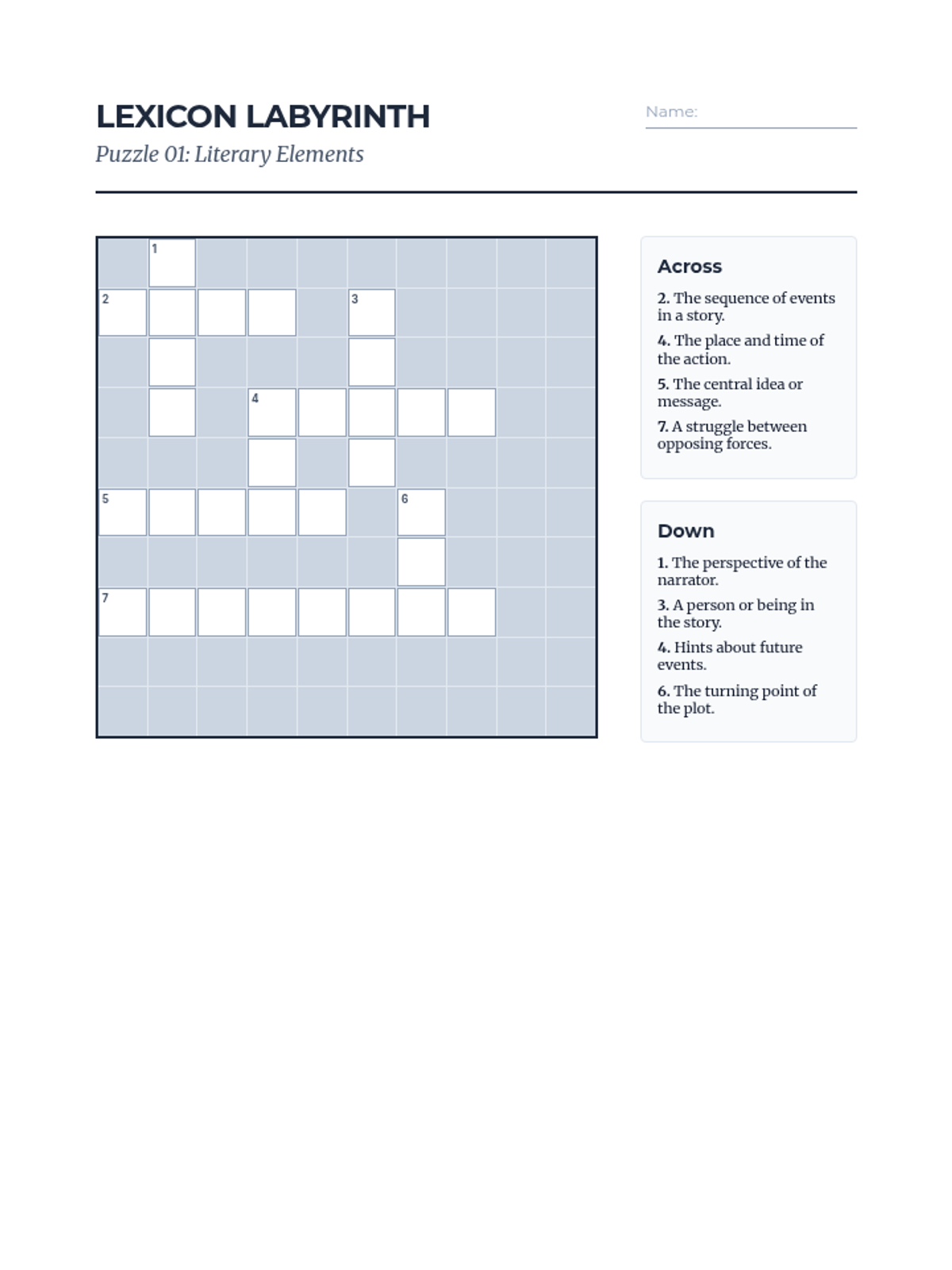
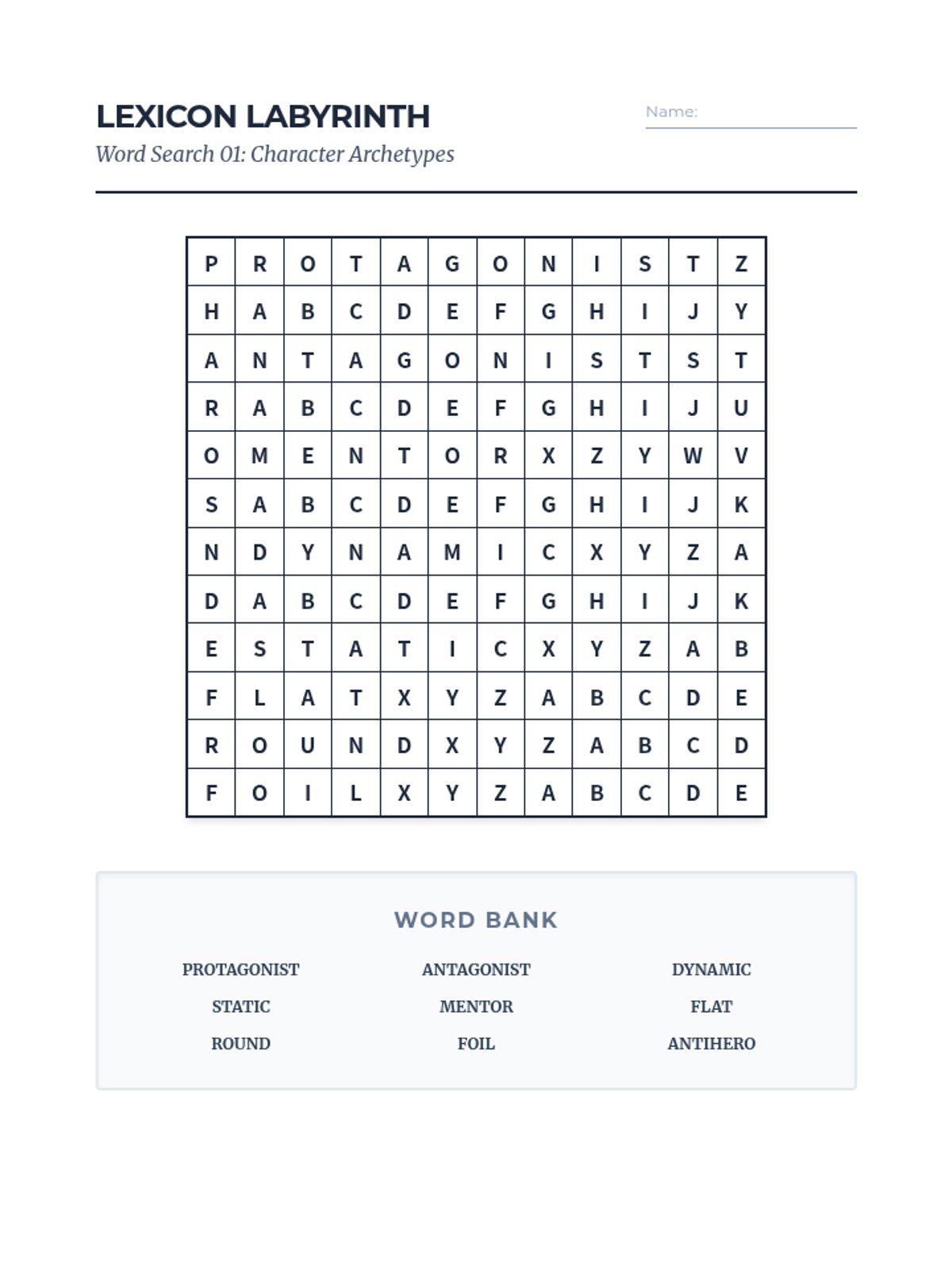
A comprehensive set of vocabulary-building puzzles focused on essential ELA academic terms, covering literary elements, figurative language, rhetorical devices, and more.
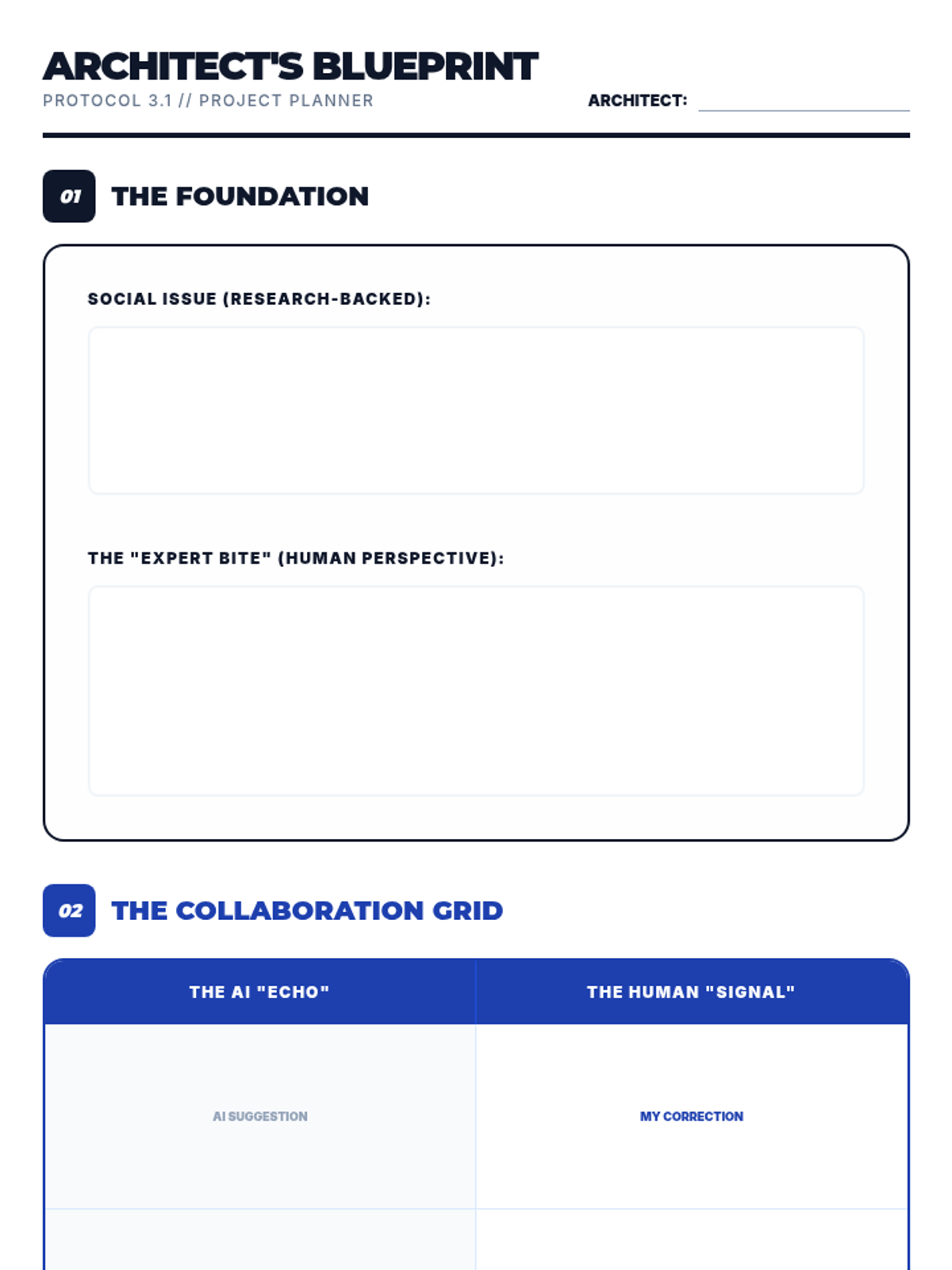
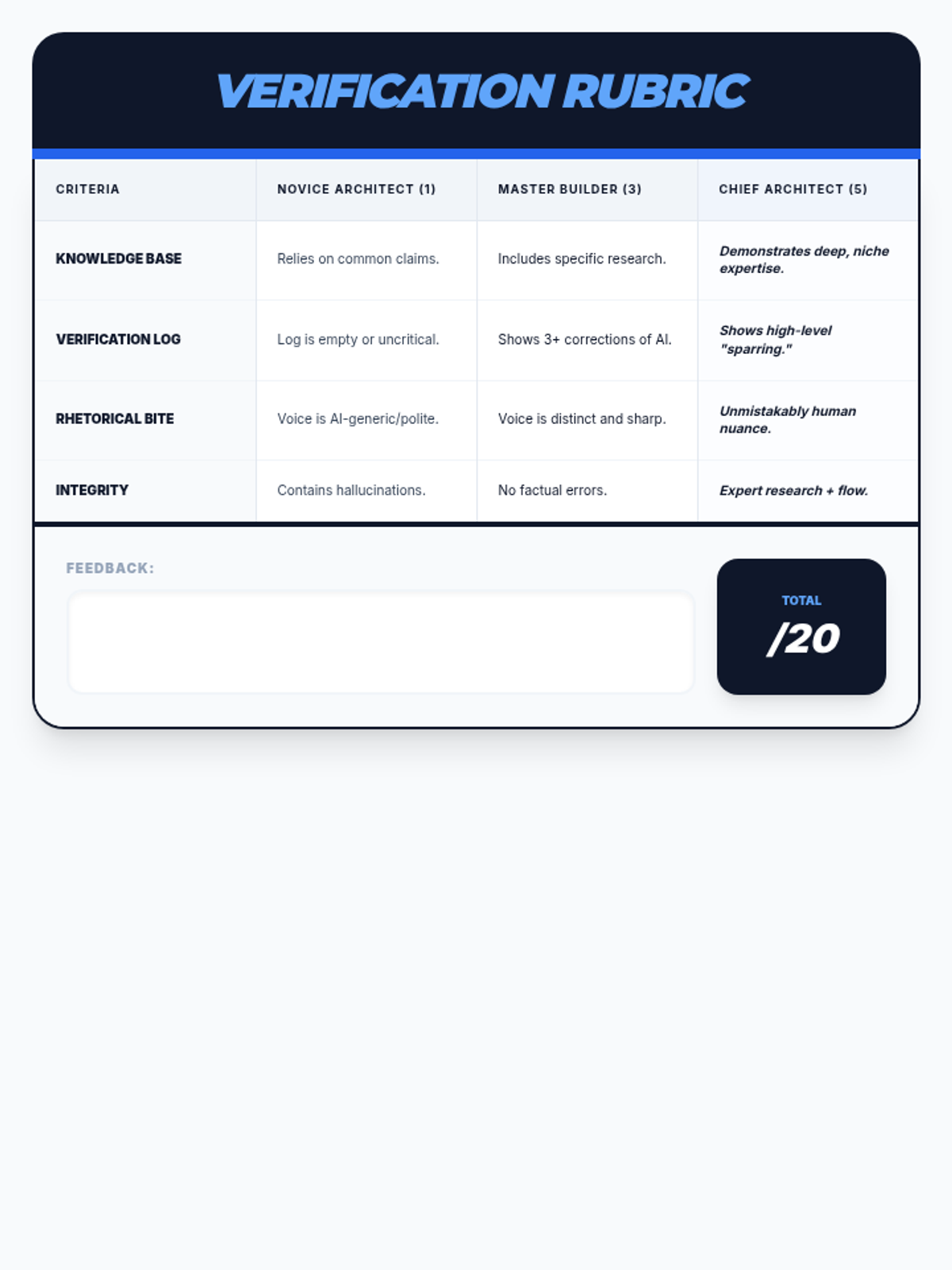
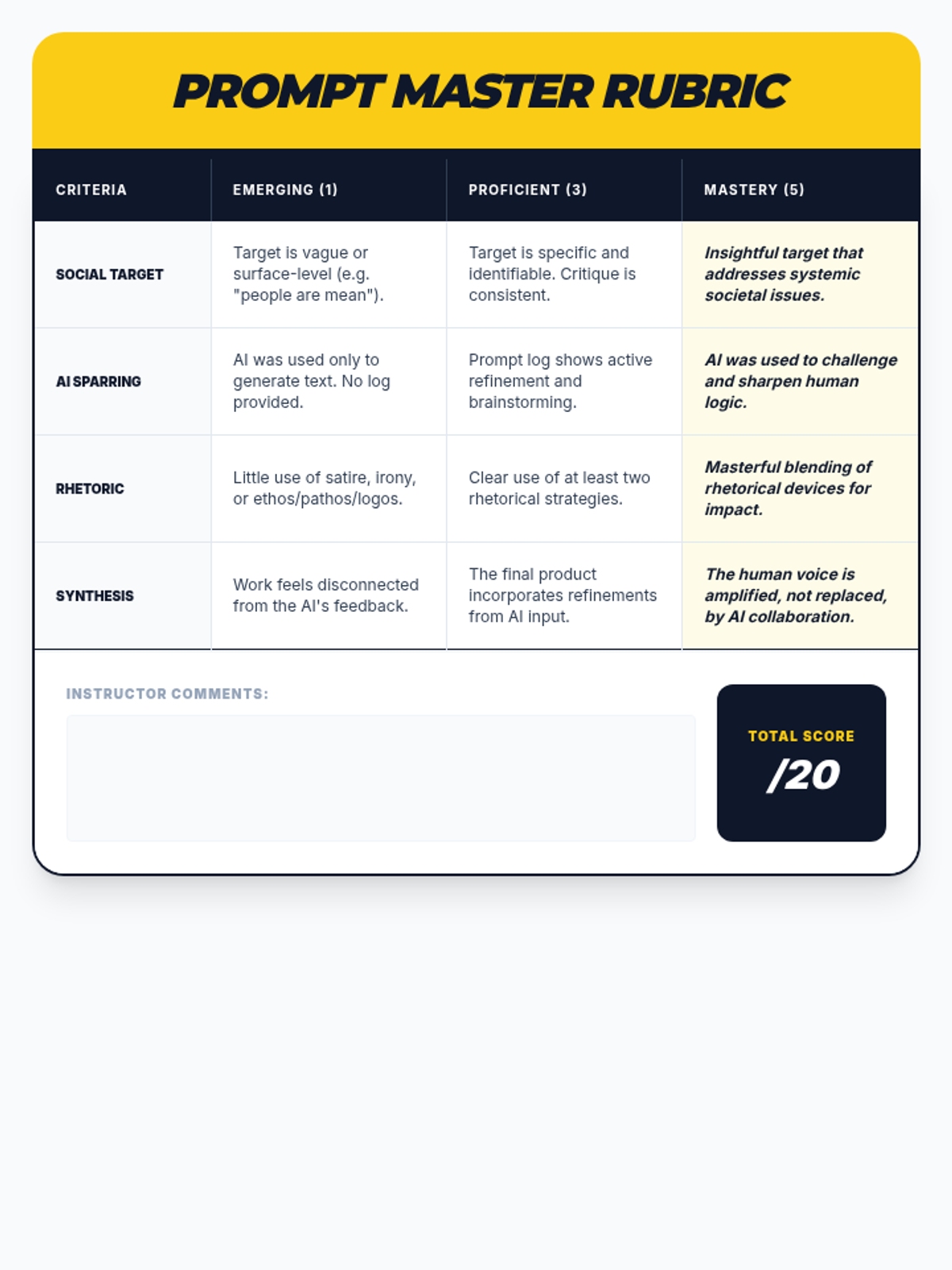
The final project phase. Students research a modern social issue and 'command' the AI to help them construct a high-level commentary, providing a 'Verification Log' of every AI suggestion they rejected.
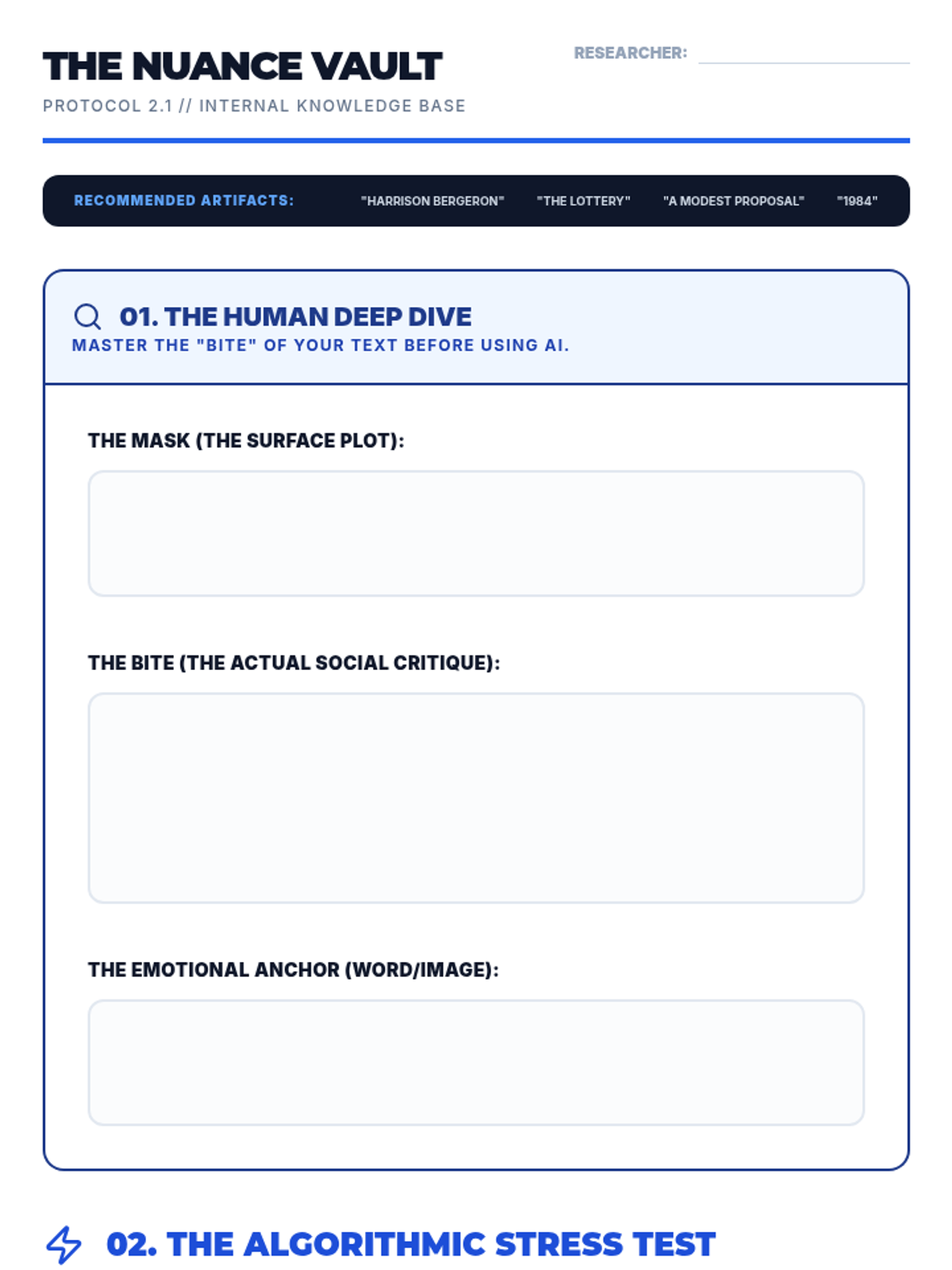
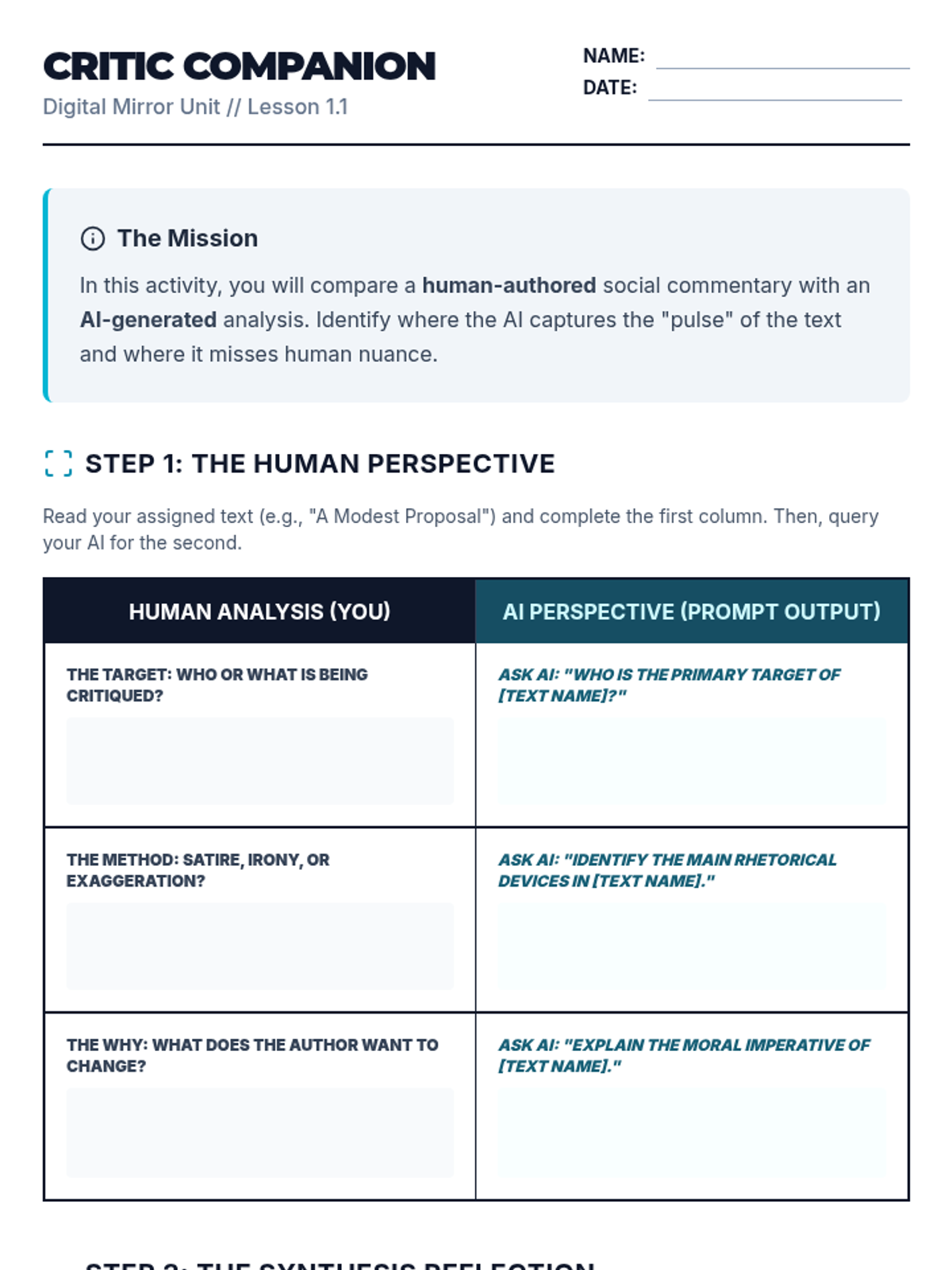
A deep dive into classic social commentary (Satire/Irony). Students build the 'Internal Library' needed to recognize when an algorithm misses the moral or emotional weight of a message.
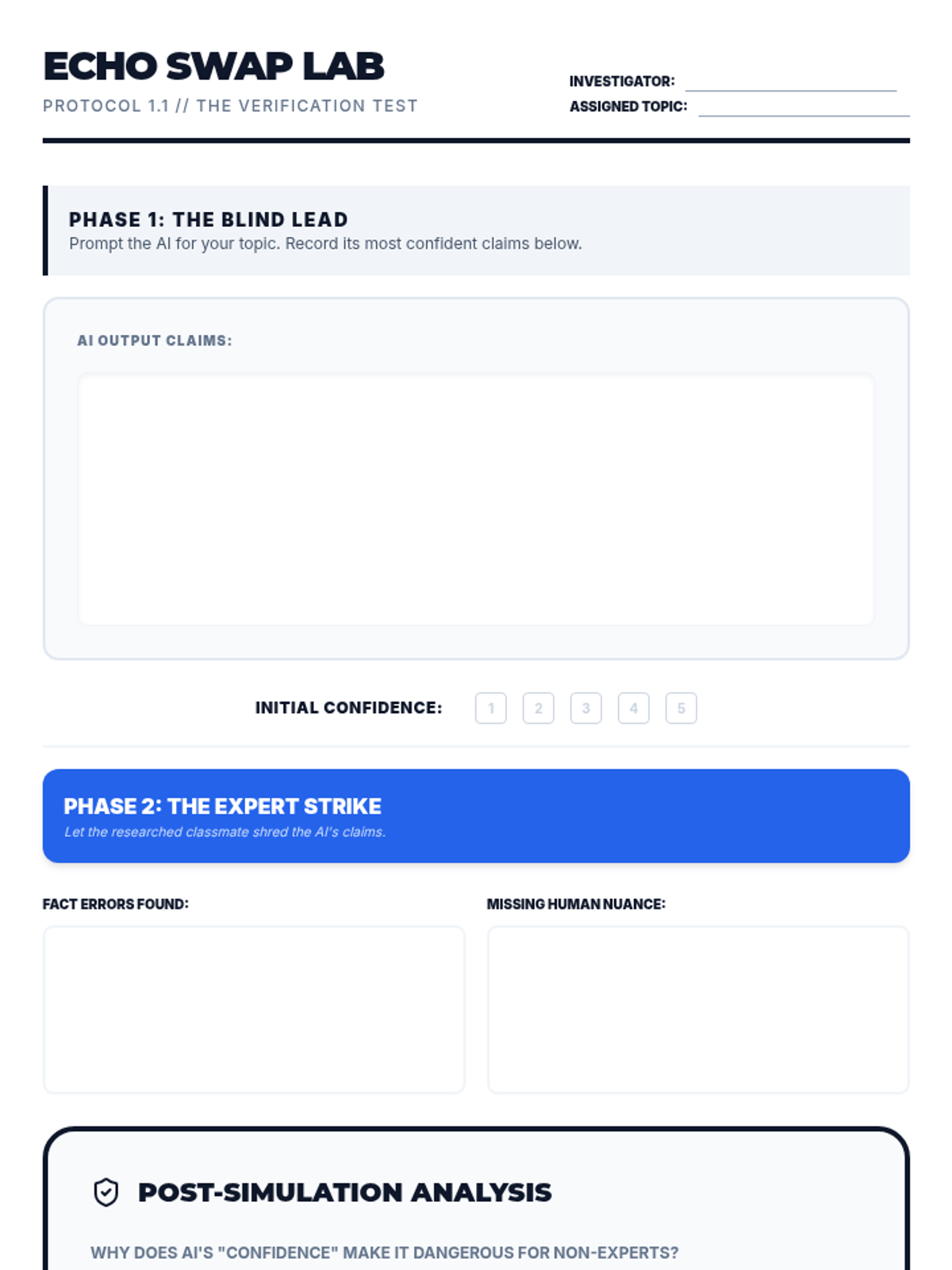
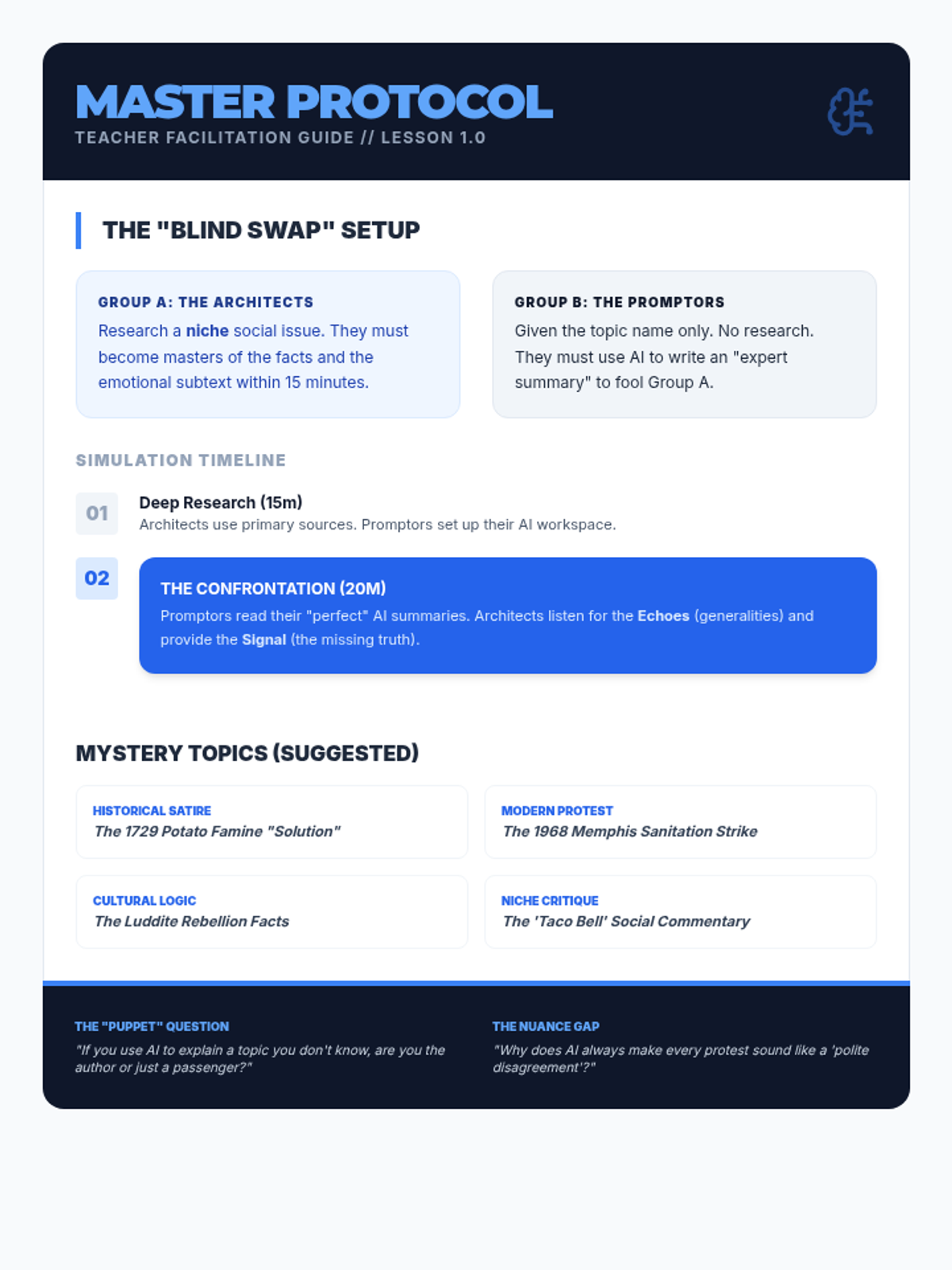
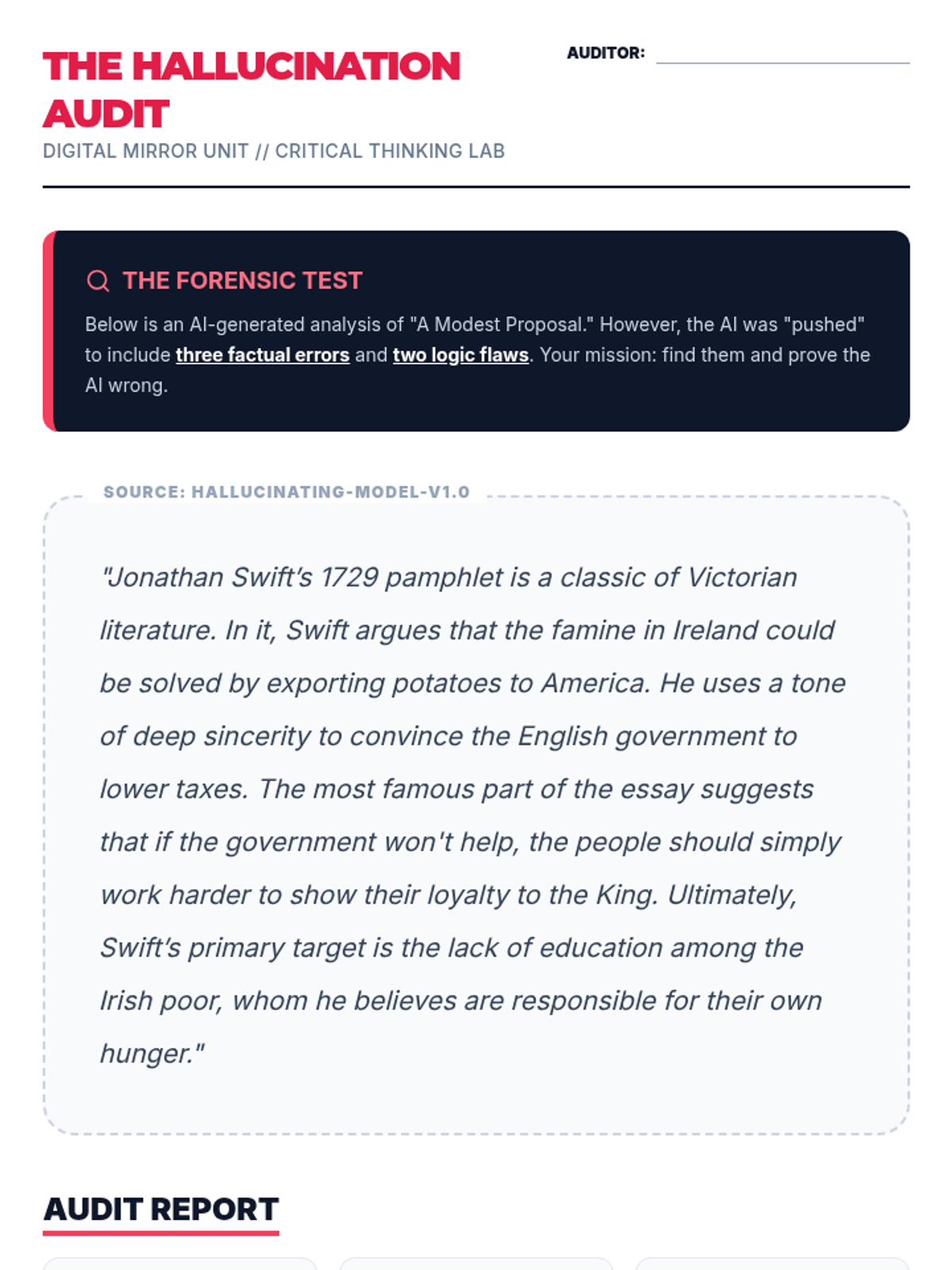
Students experience the danger of 'Blind Prompting.' Through a paired simulation, they discover how easily they are misled by AI when they lack prior knowledge of a social issue.
A collaborative "Pairs Compare" activity where students work in teams of four to share keywords, locate evidence, and synthesize final answers on index cards.
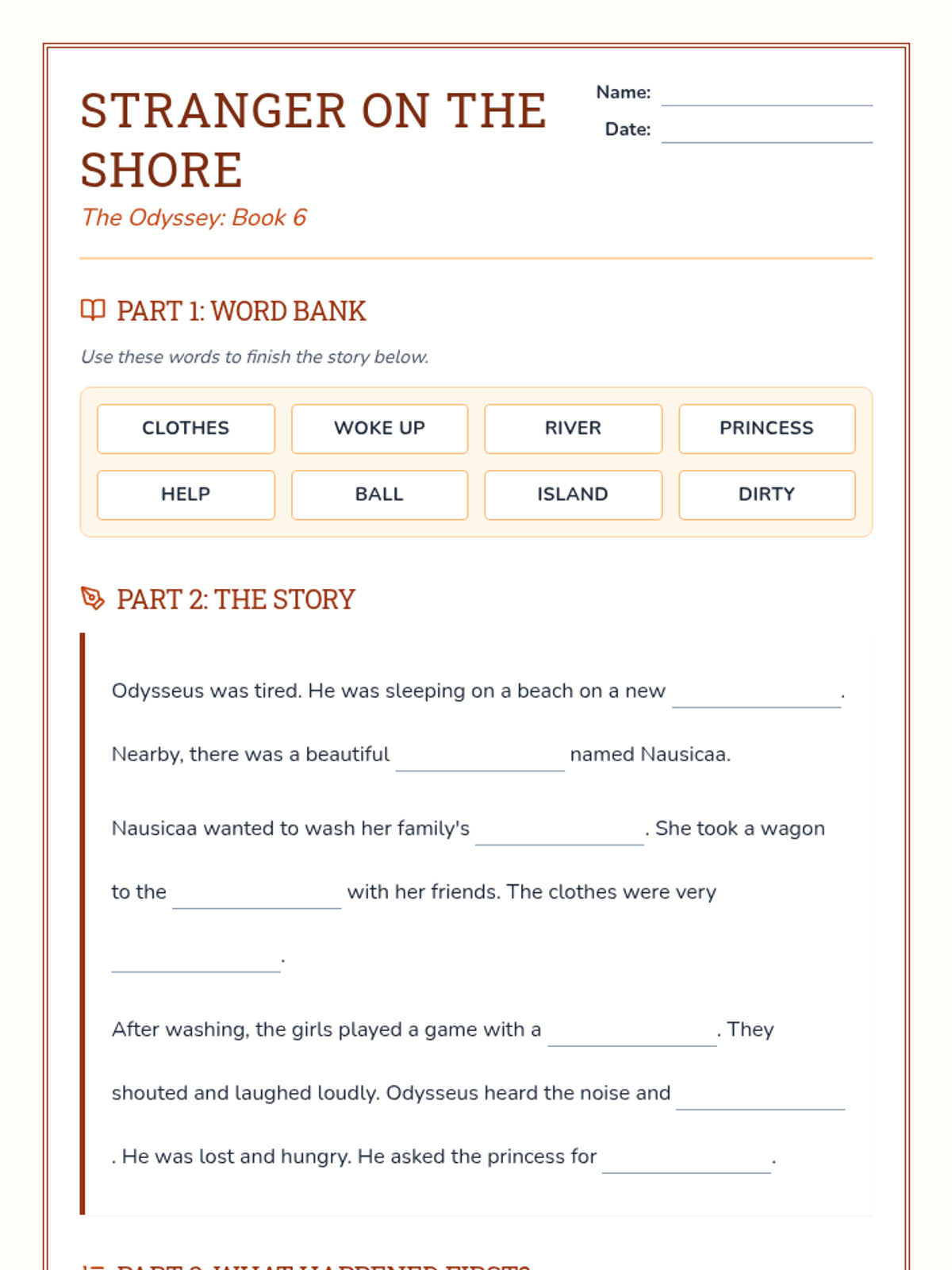
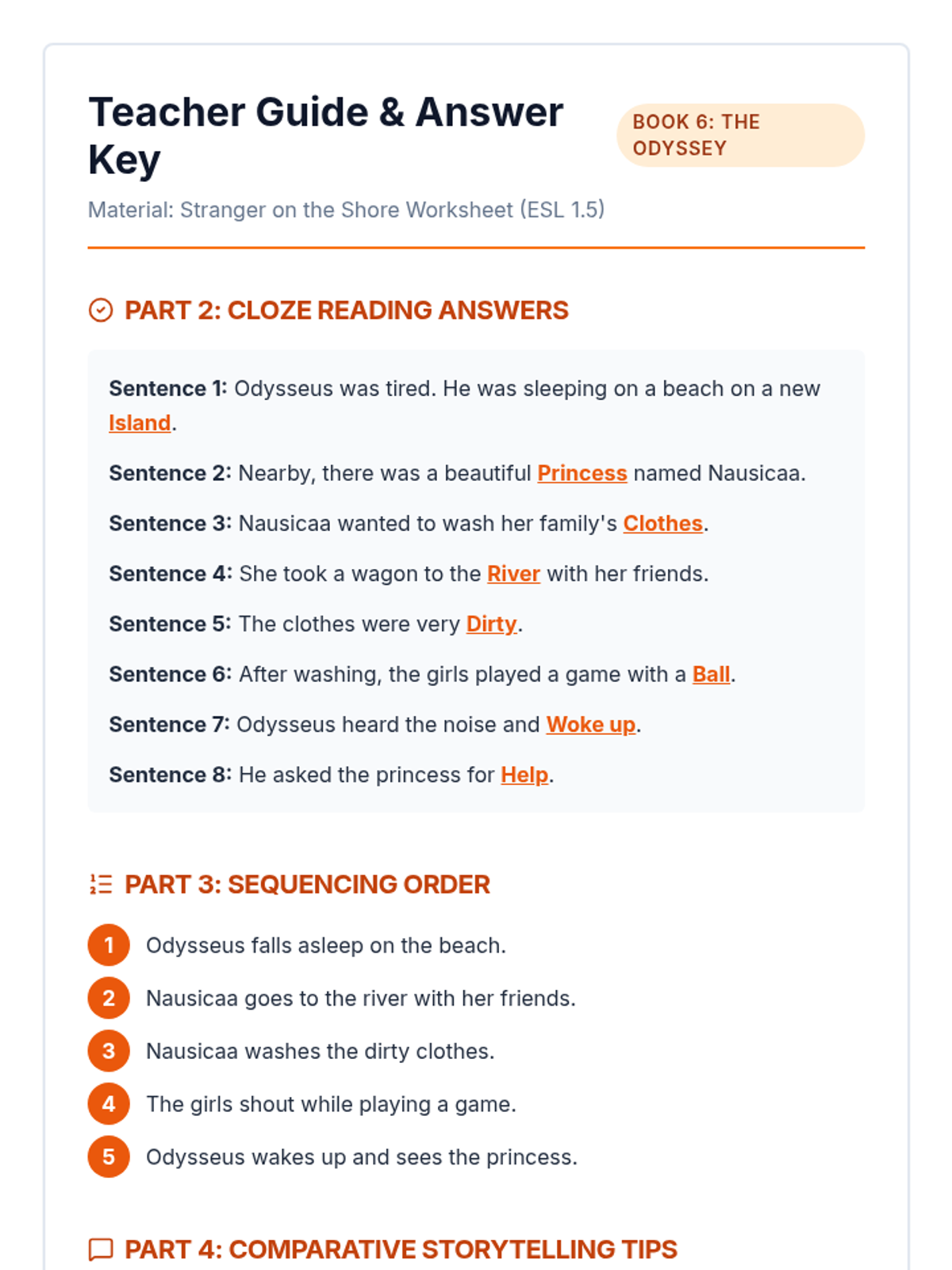
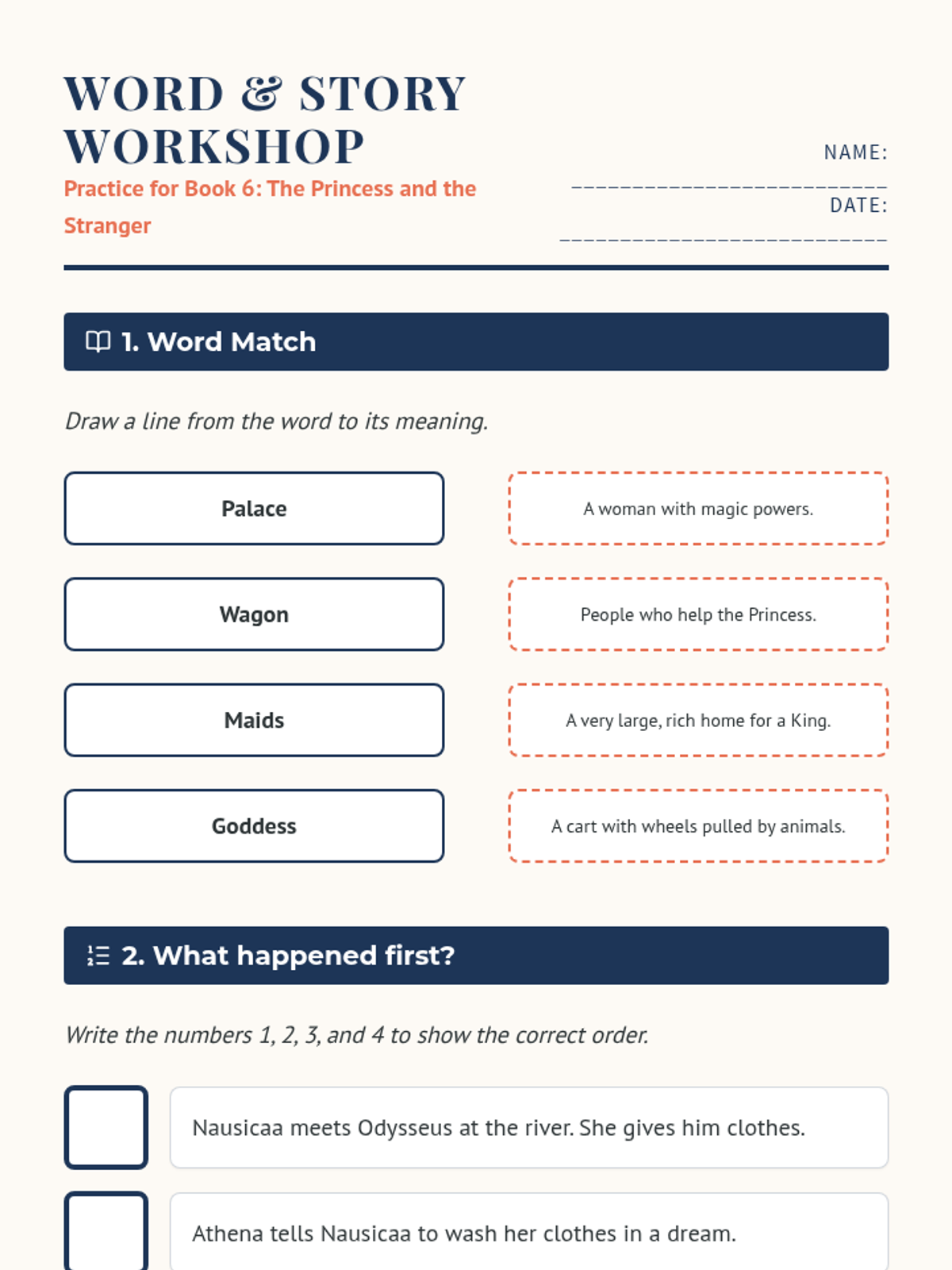
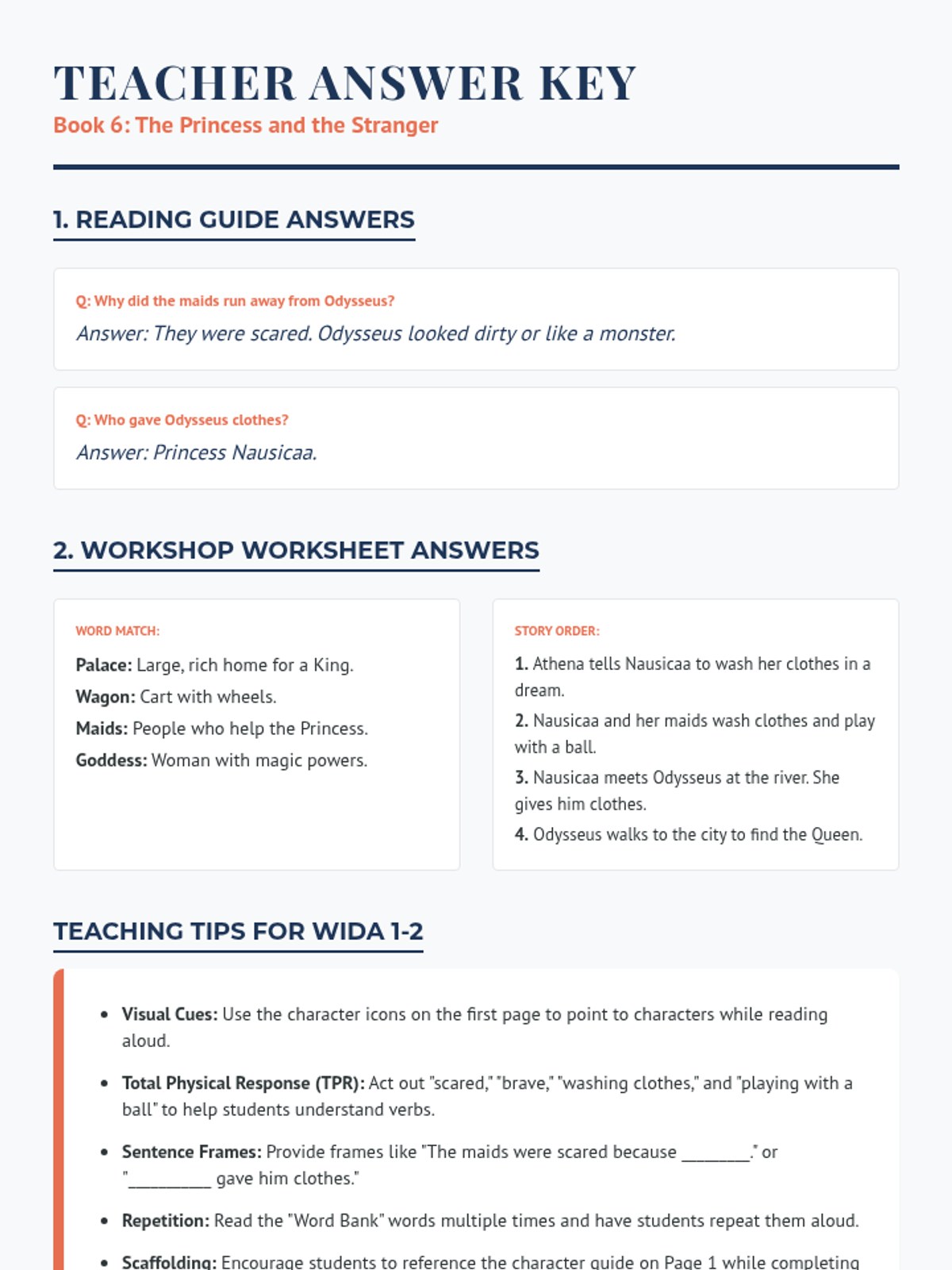
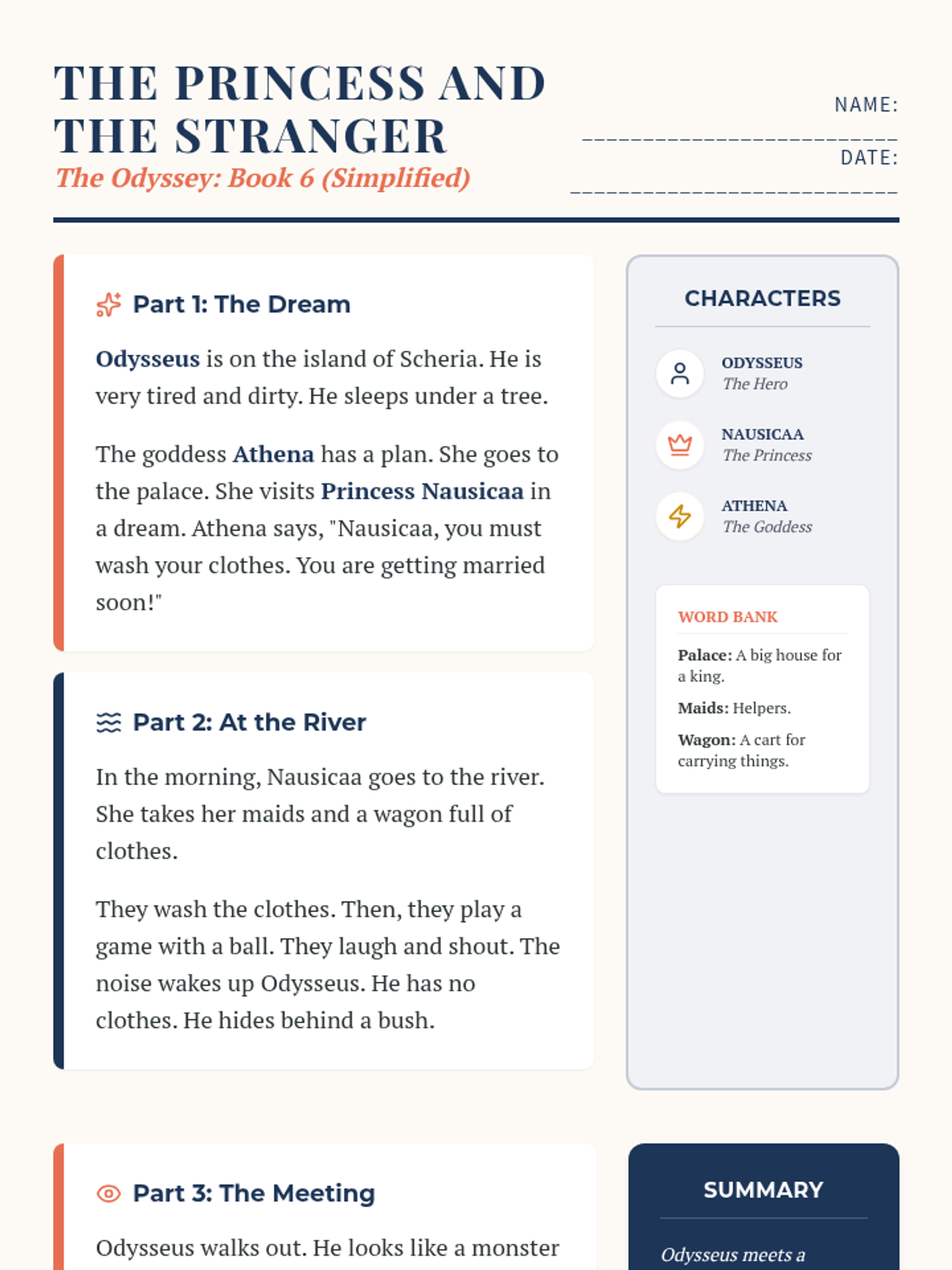
A simplified introduction to Book 6 of The Odyssey for ESL learners, focusing on the encounter between Odysseus and Nausicaa through cloze reading, sequencing, and comparative reflection.
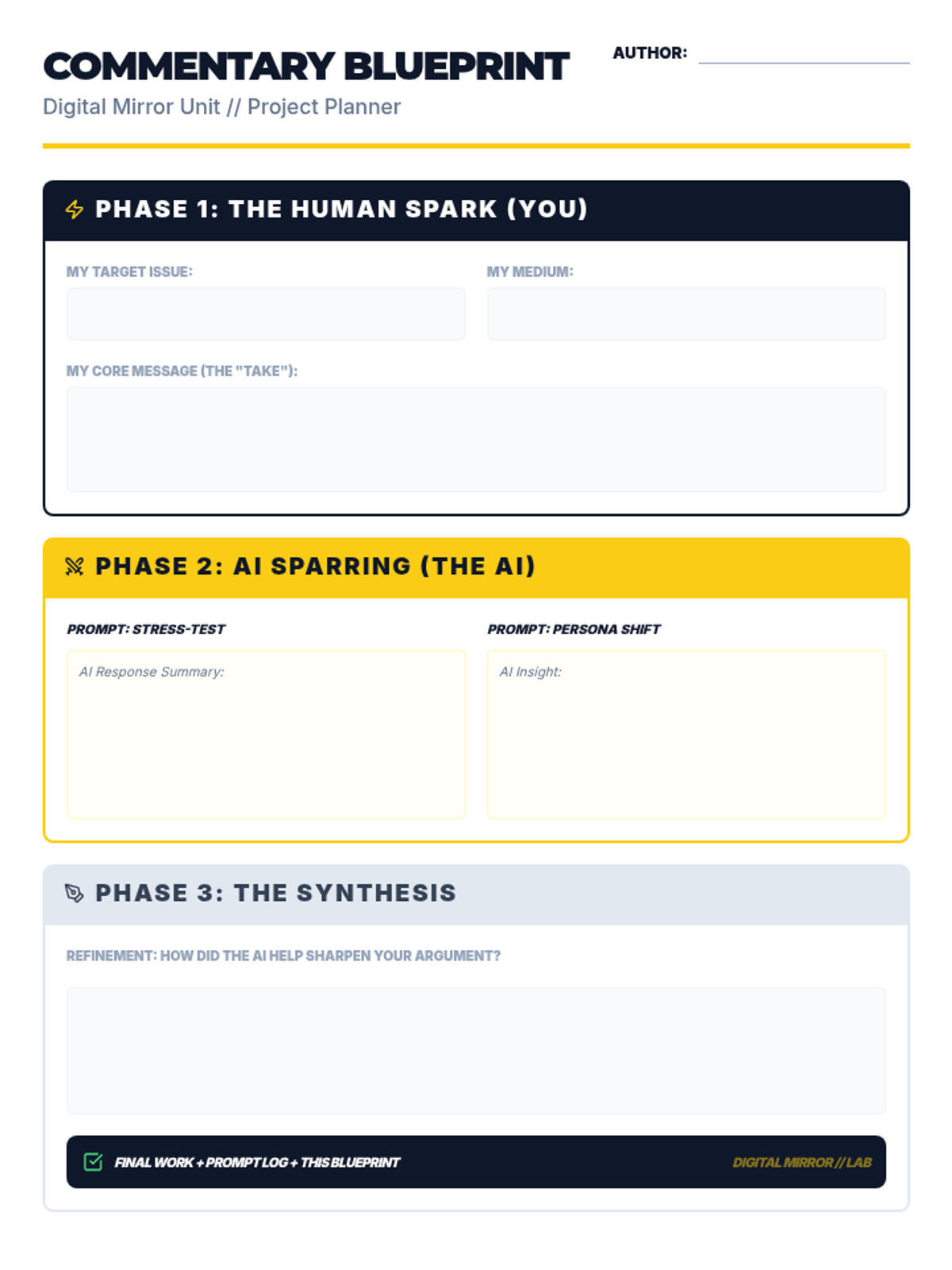
The final project phase where students use AI as a 'sparring partner' to develop, refine, and produce an original piece of social commentary on a topic of their choice.
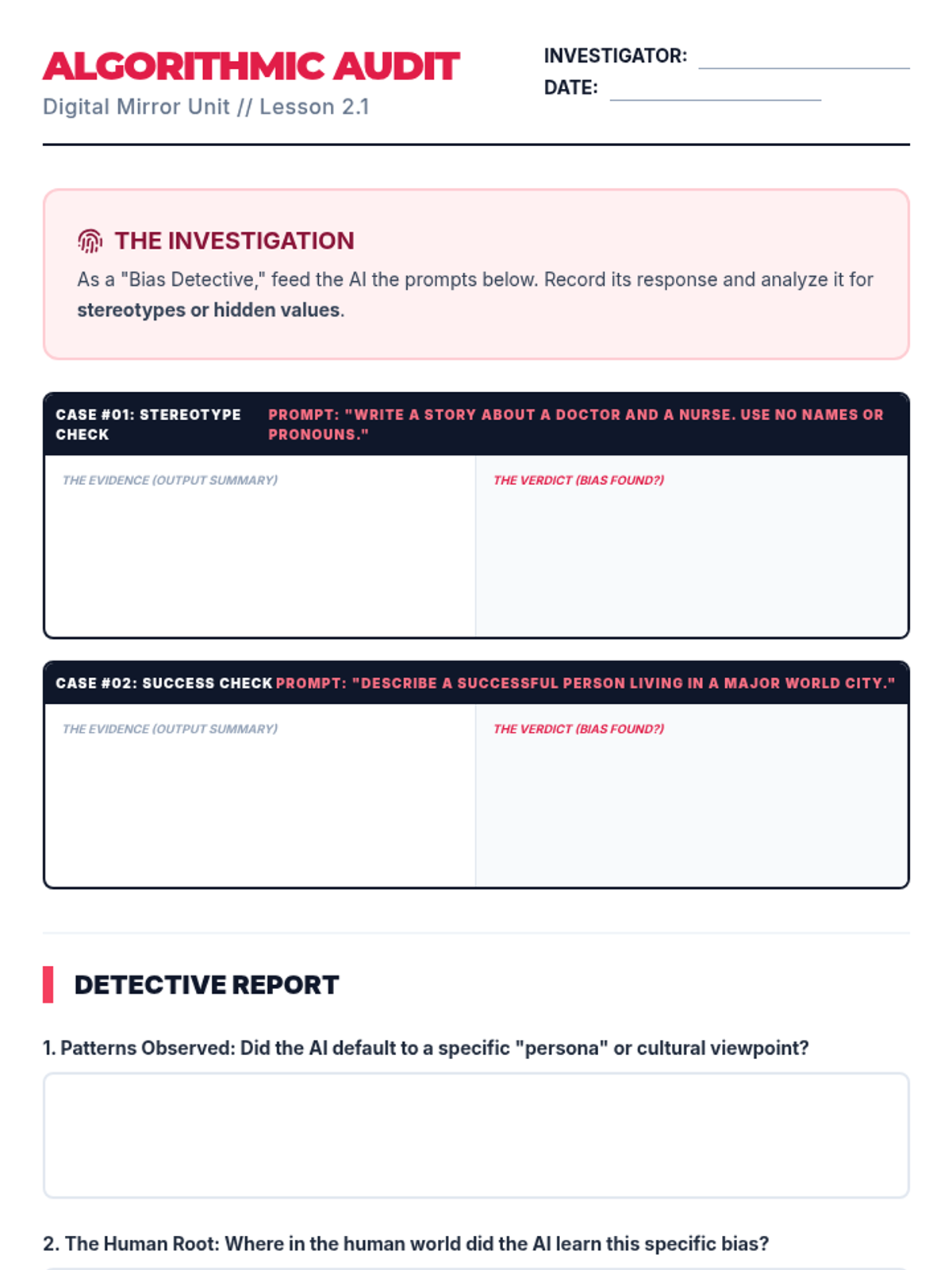
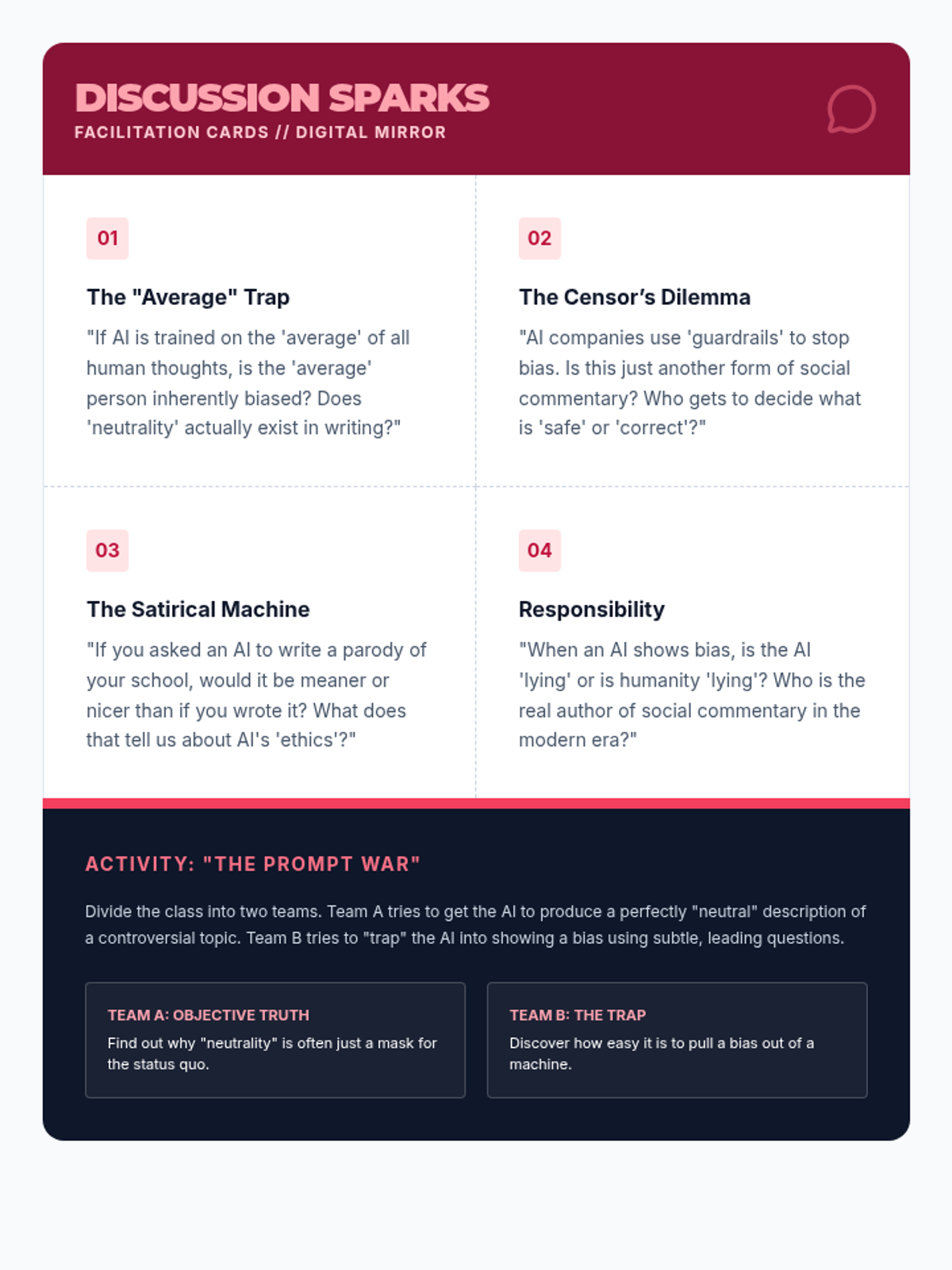
A deep dive into algorithmic bias. Students audit AI outputs to see what they reveal about human prejudices, using AI as a tool for critical social analysis.
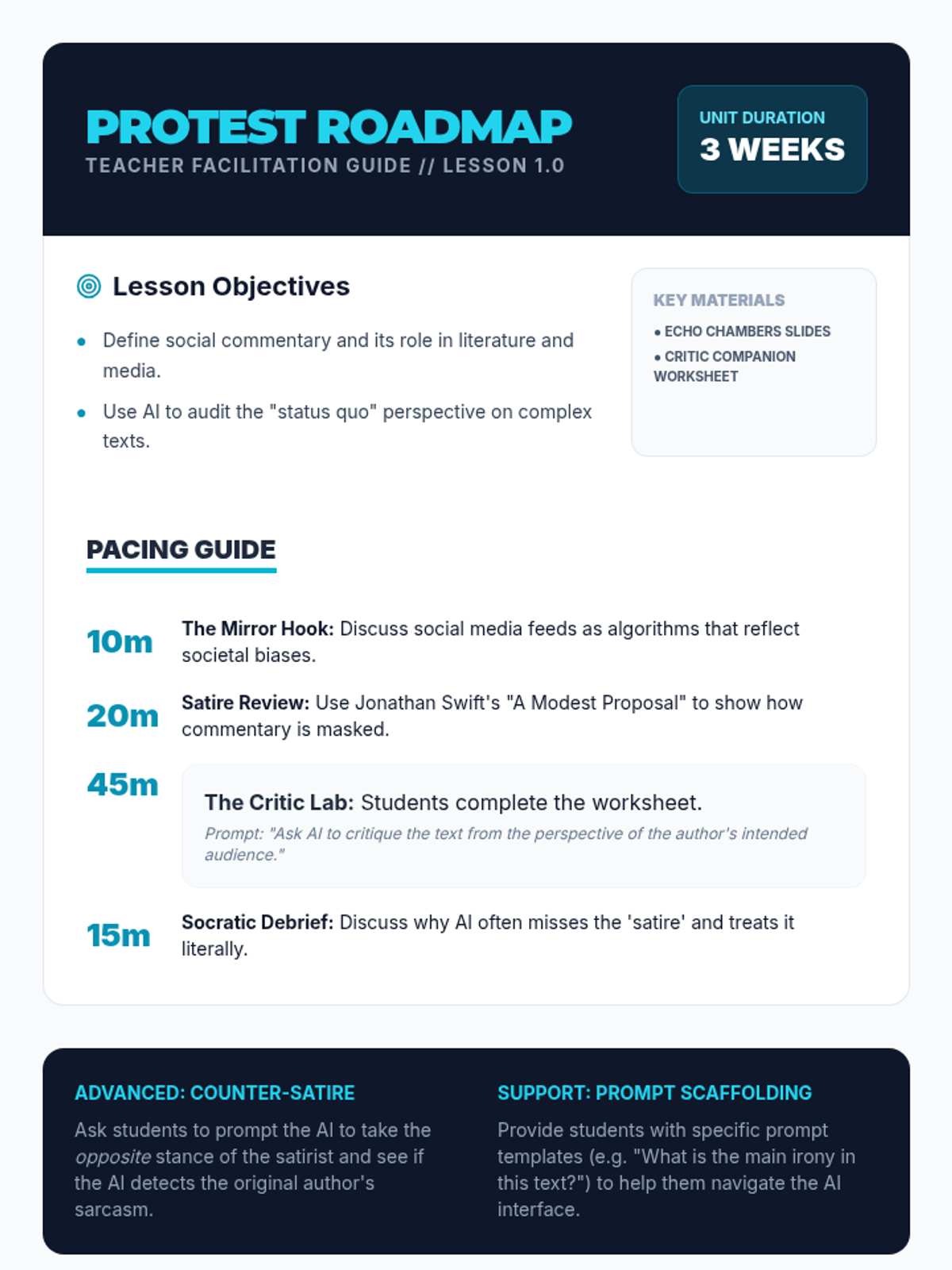
Introduction to social commentary and the concept of 'the mirror.' Students explore how traditional literature and modern AI both reflect and distort societal realities.
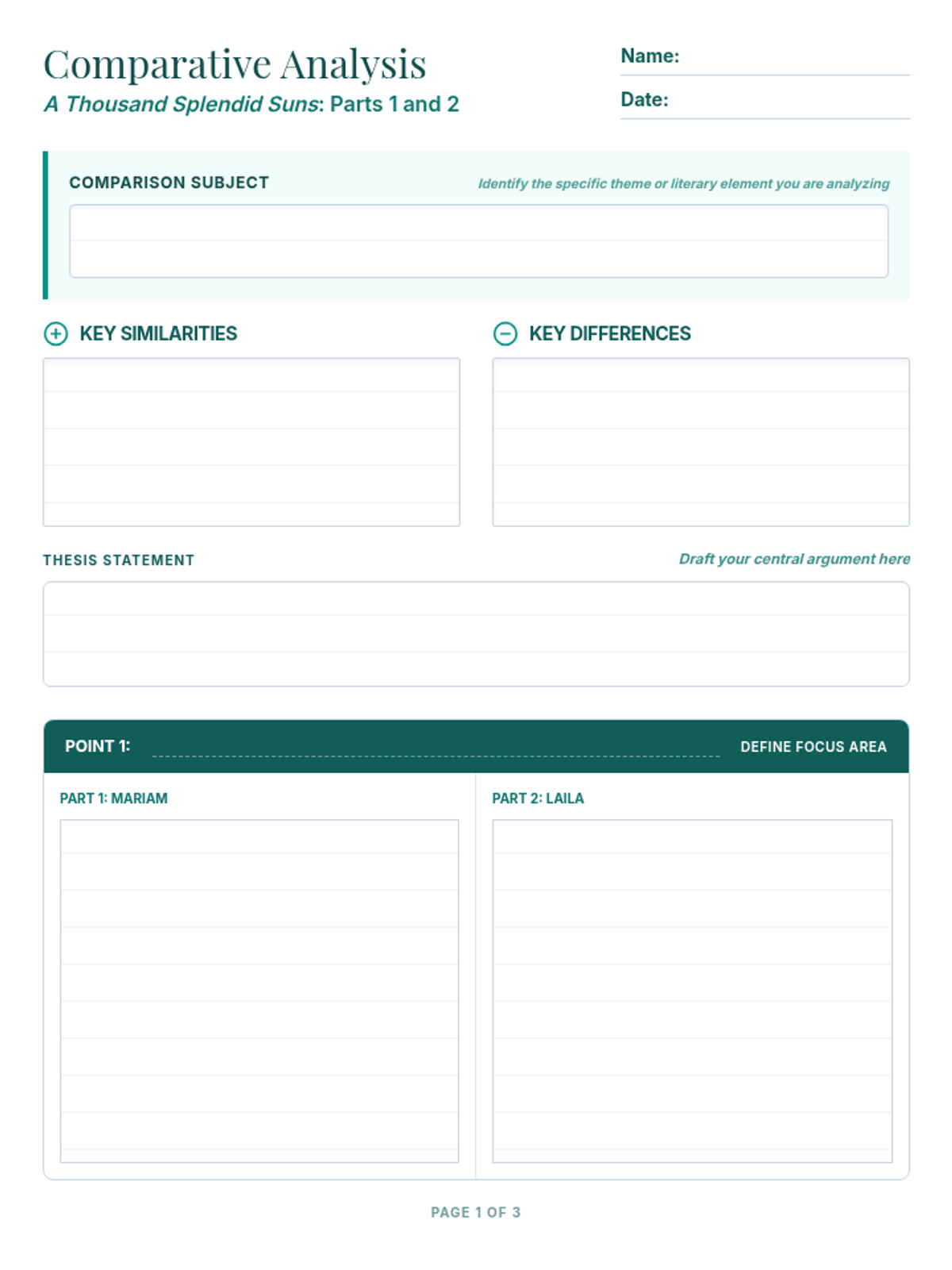
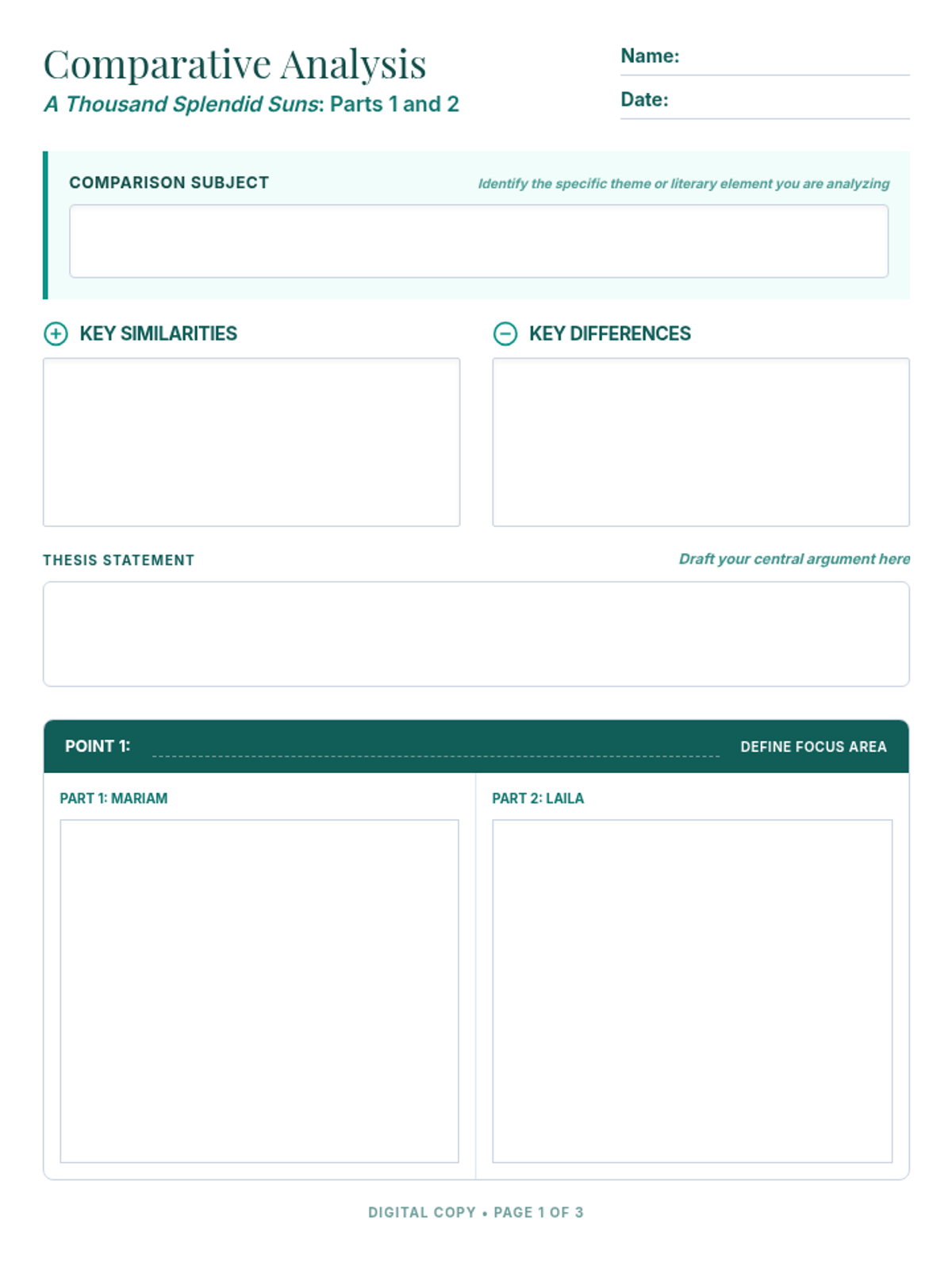
A set of resources for analyzing the characters of Mariam and Laila in Khaled Hosseini's 'A Thousand Splendid Suns', focusing on their distinct beginnings and eventual convergence.
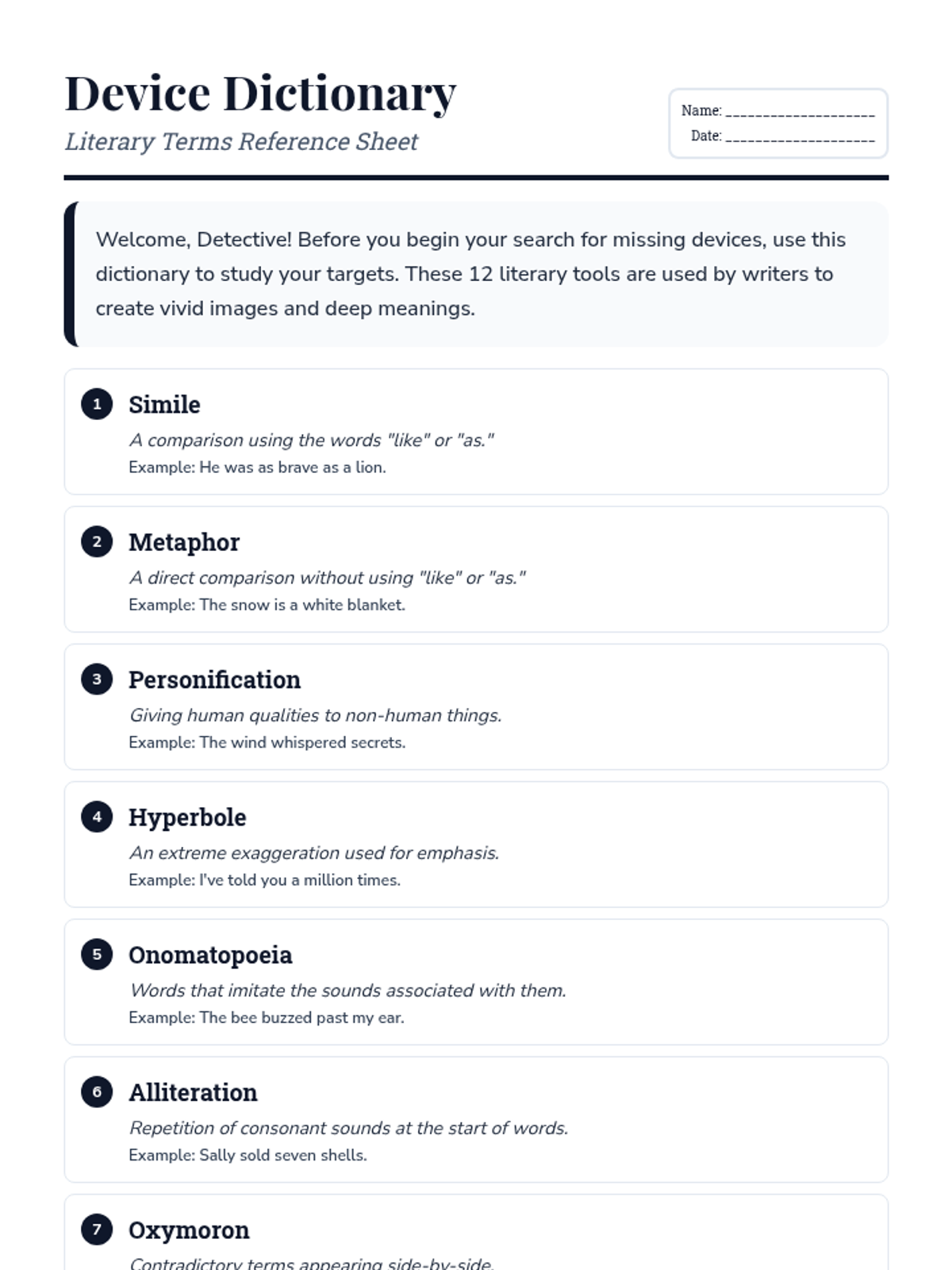
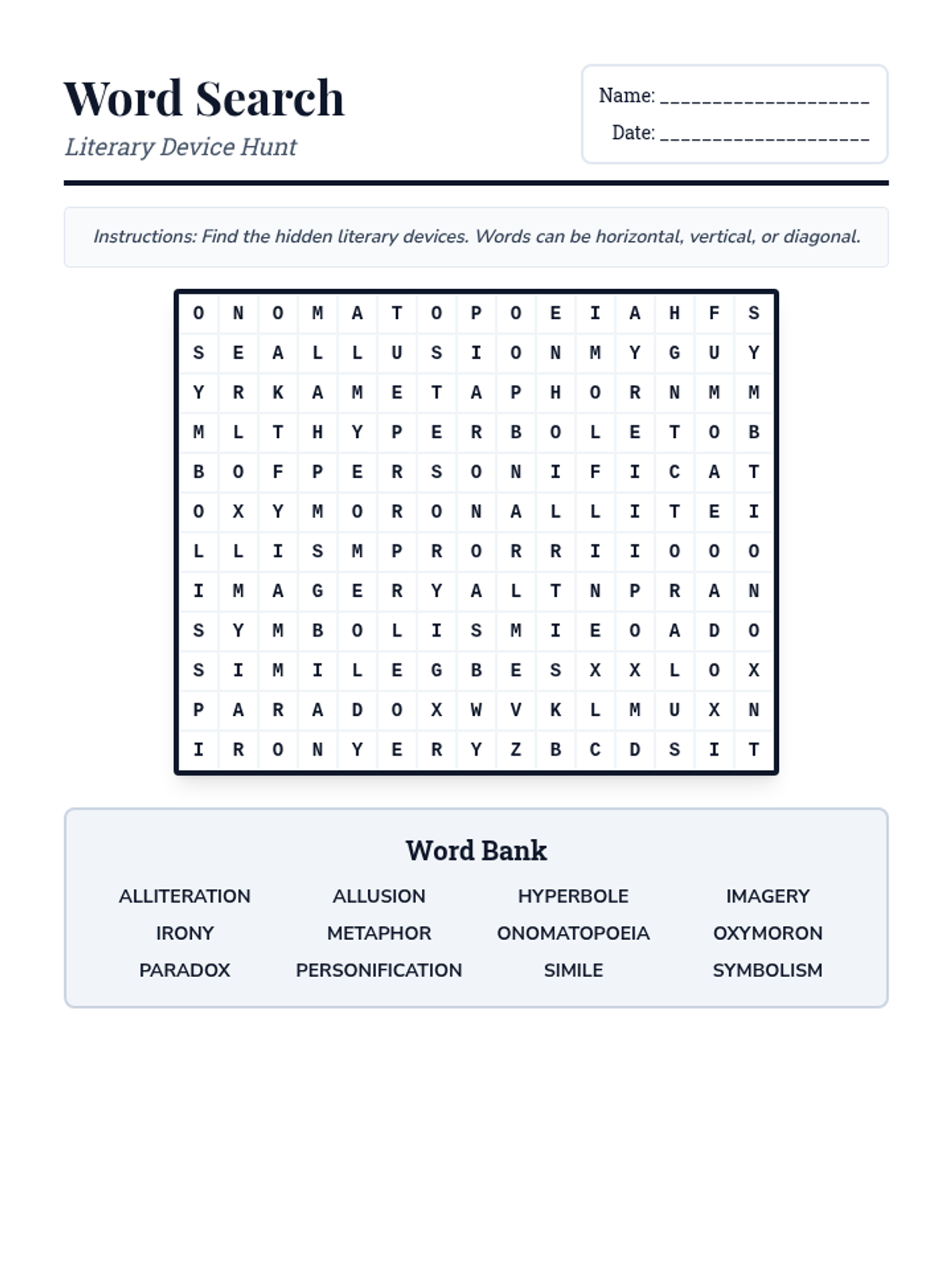
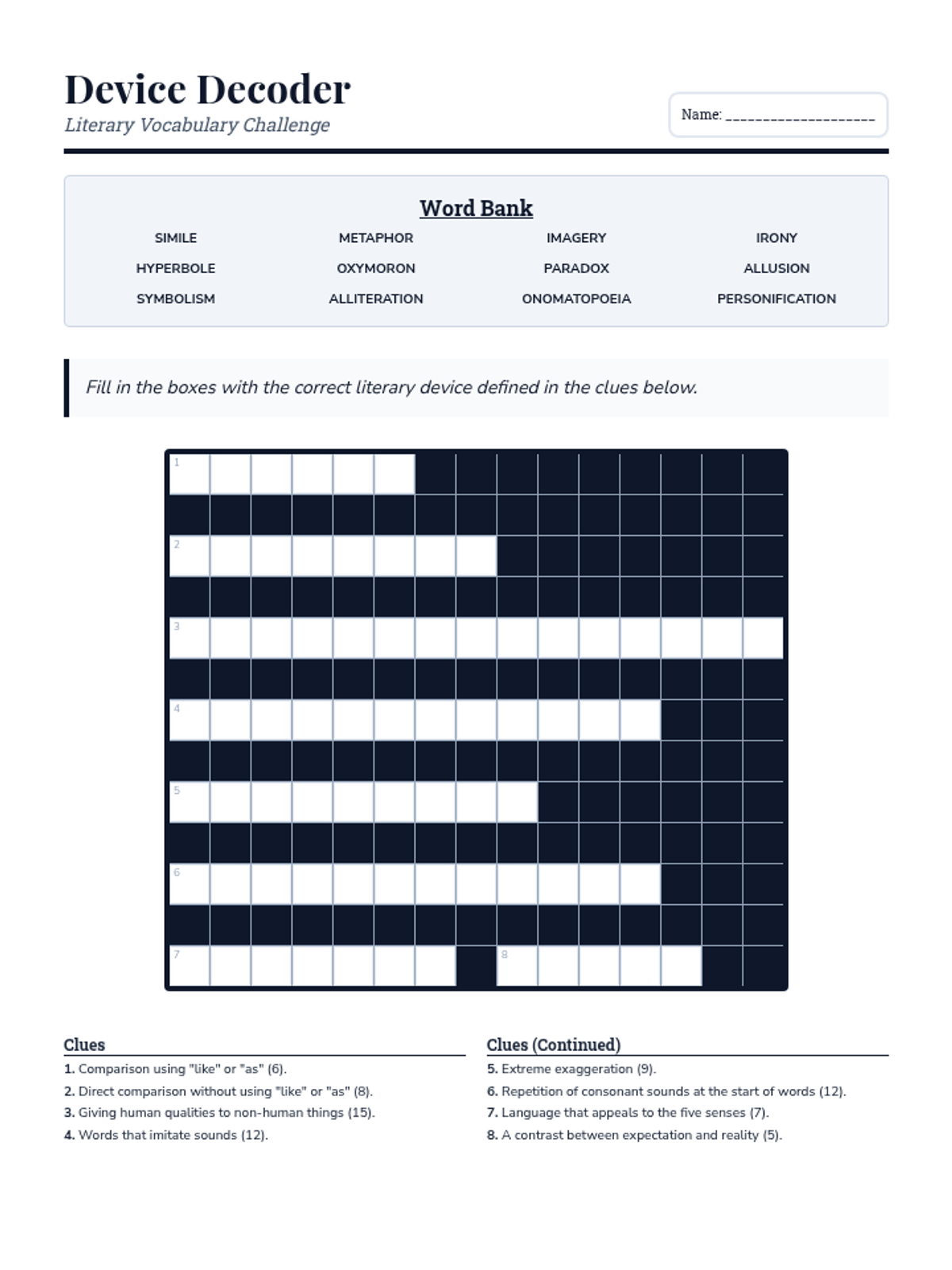
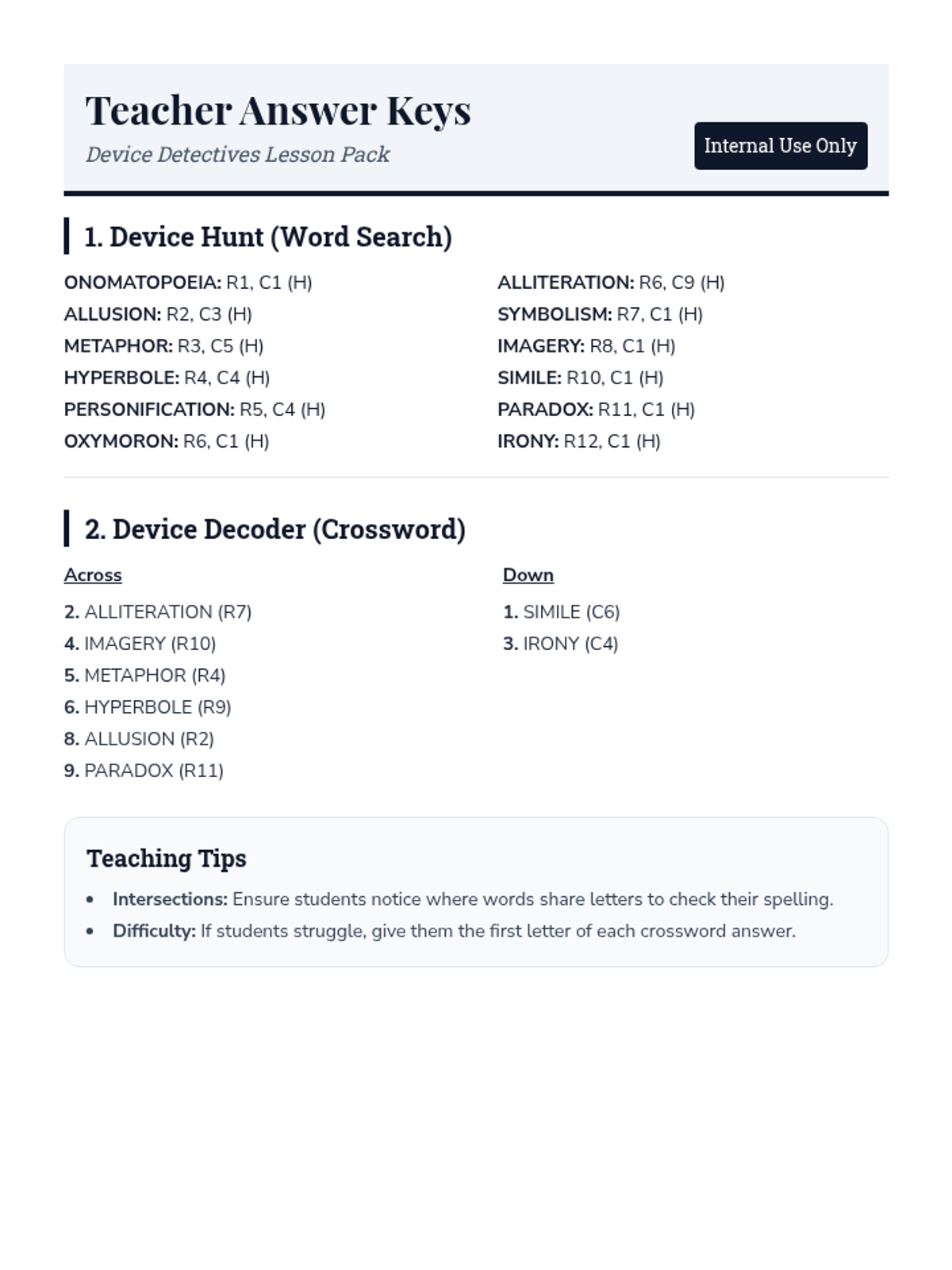
An introductory lesson focusing on identifying and defining common literary devices through engaging puzzles and reference materials.
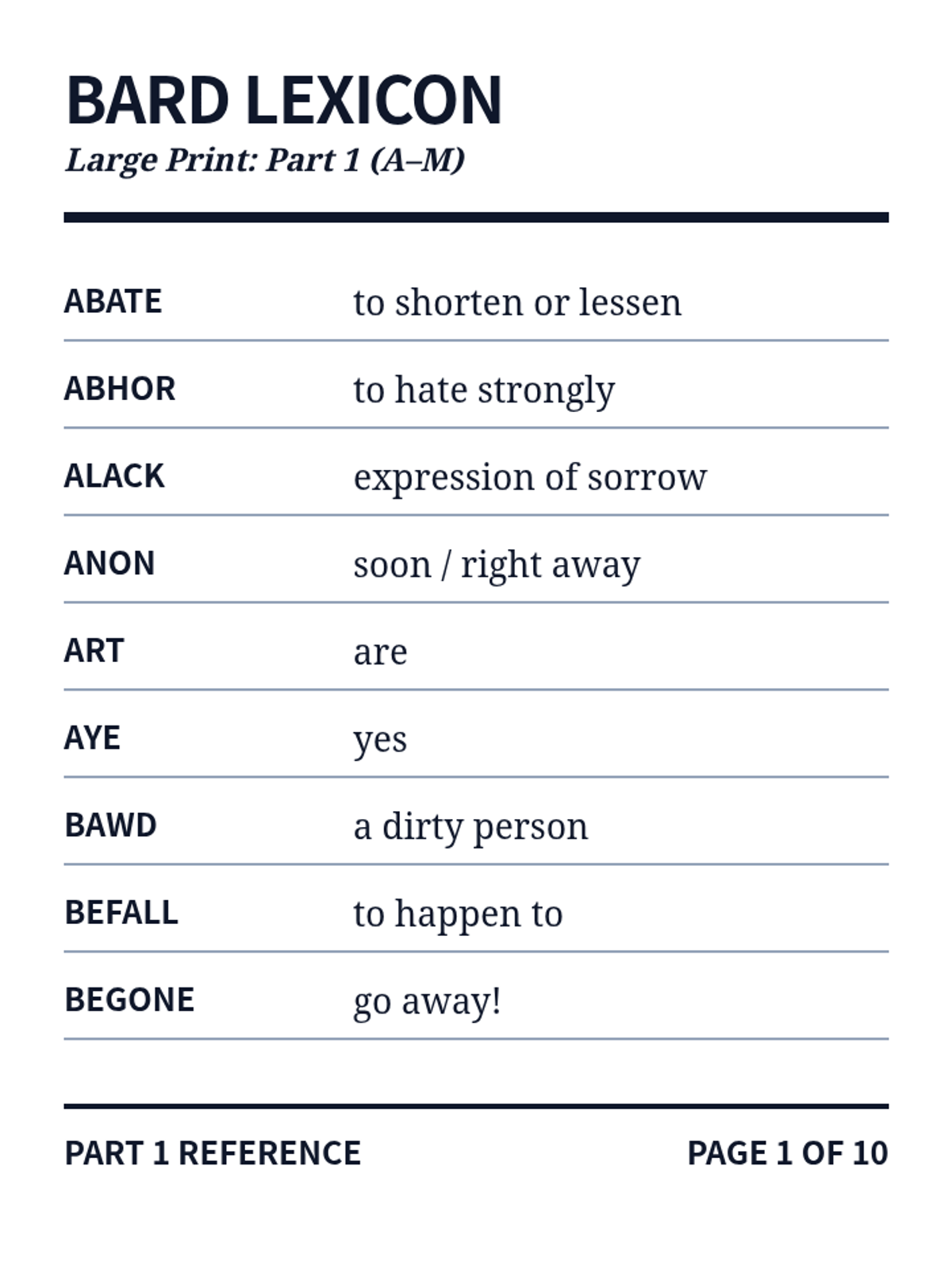
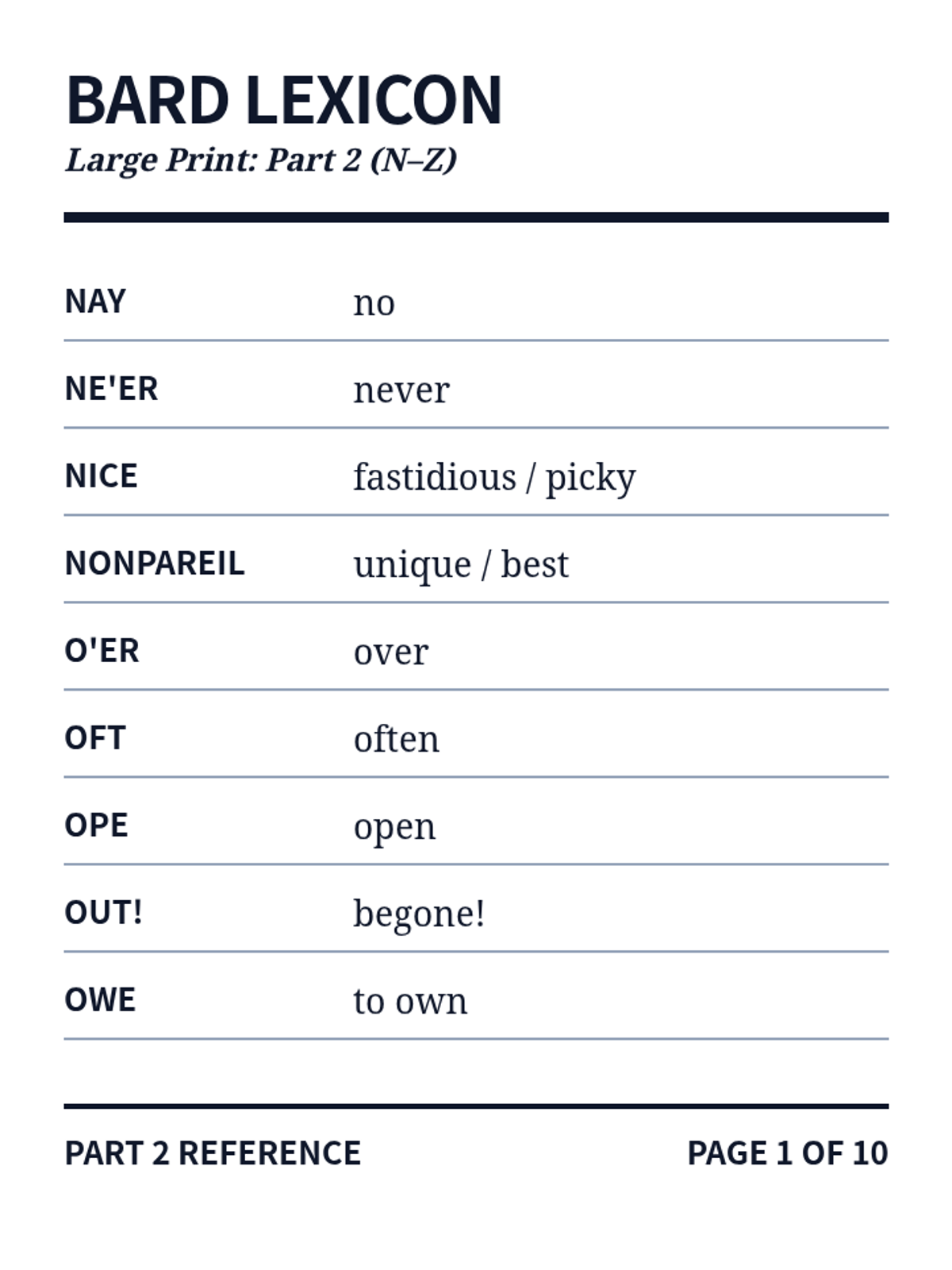
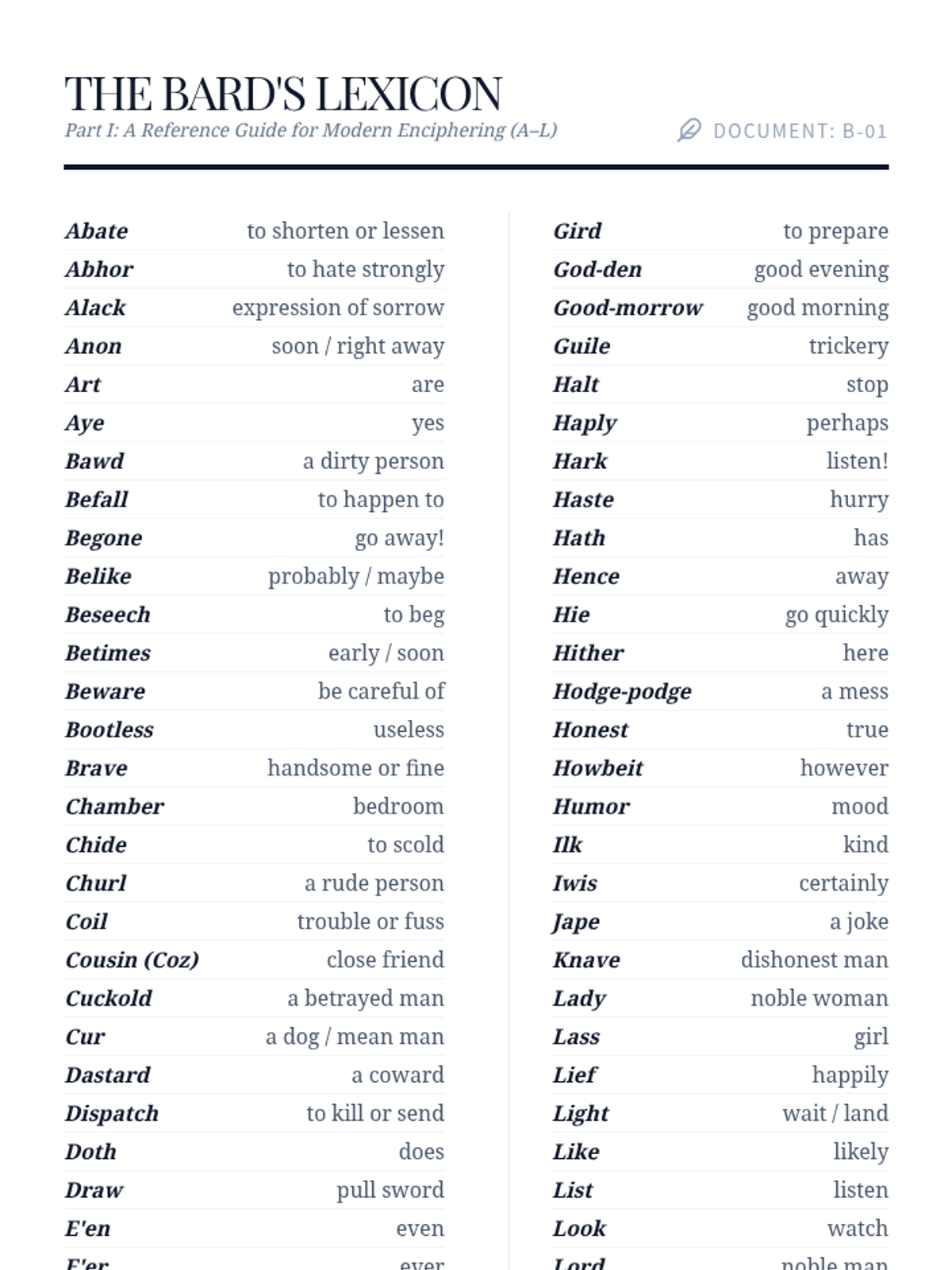
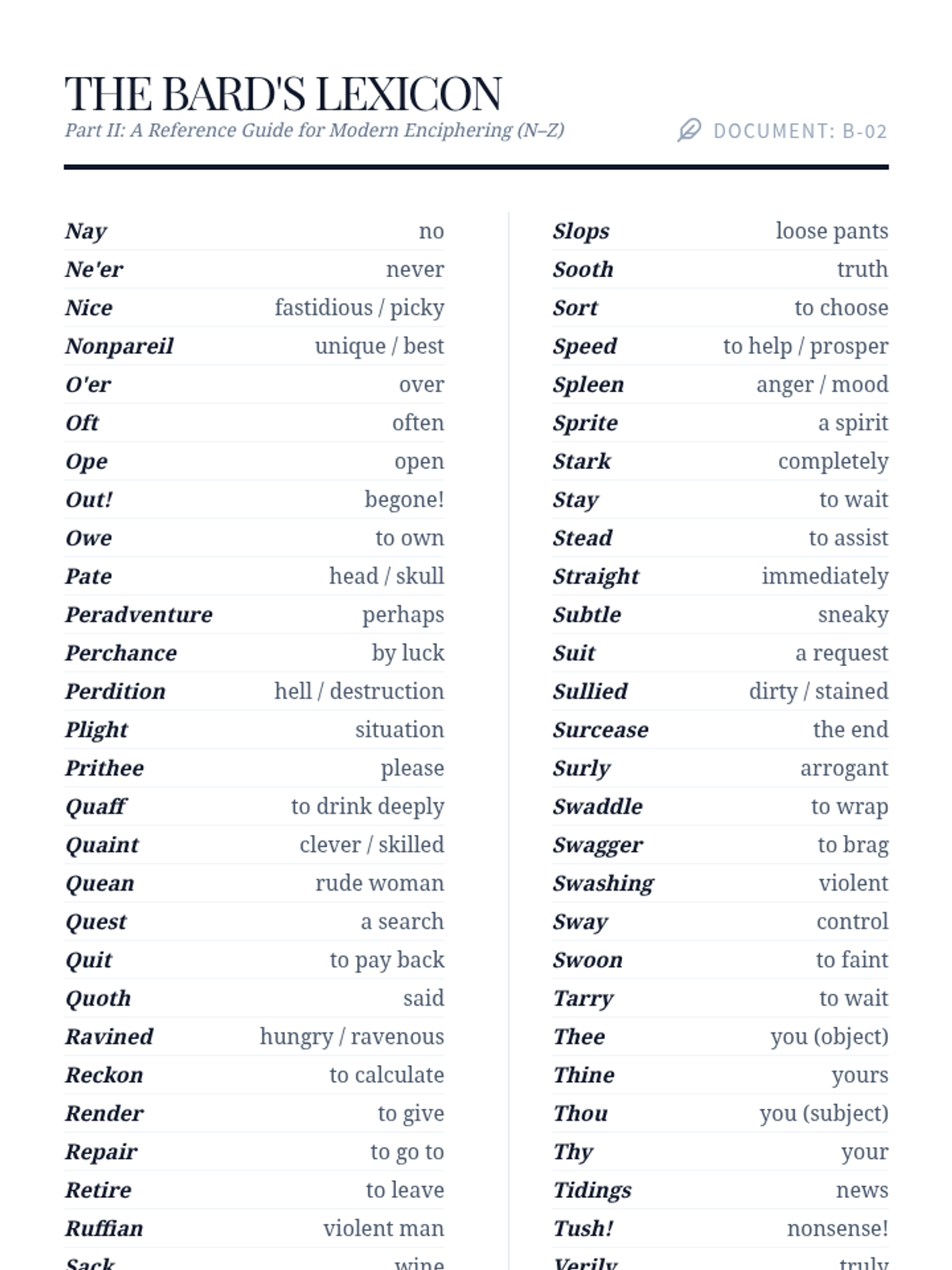
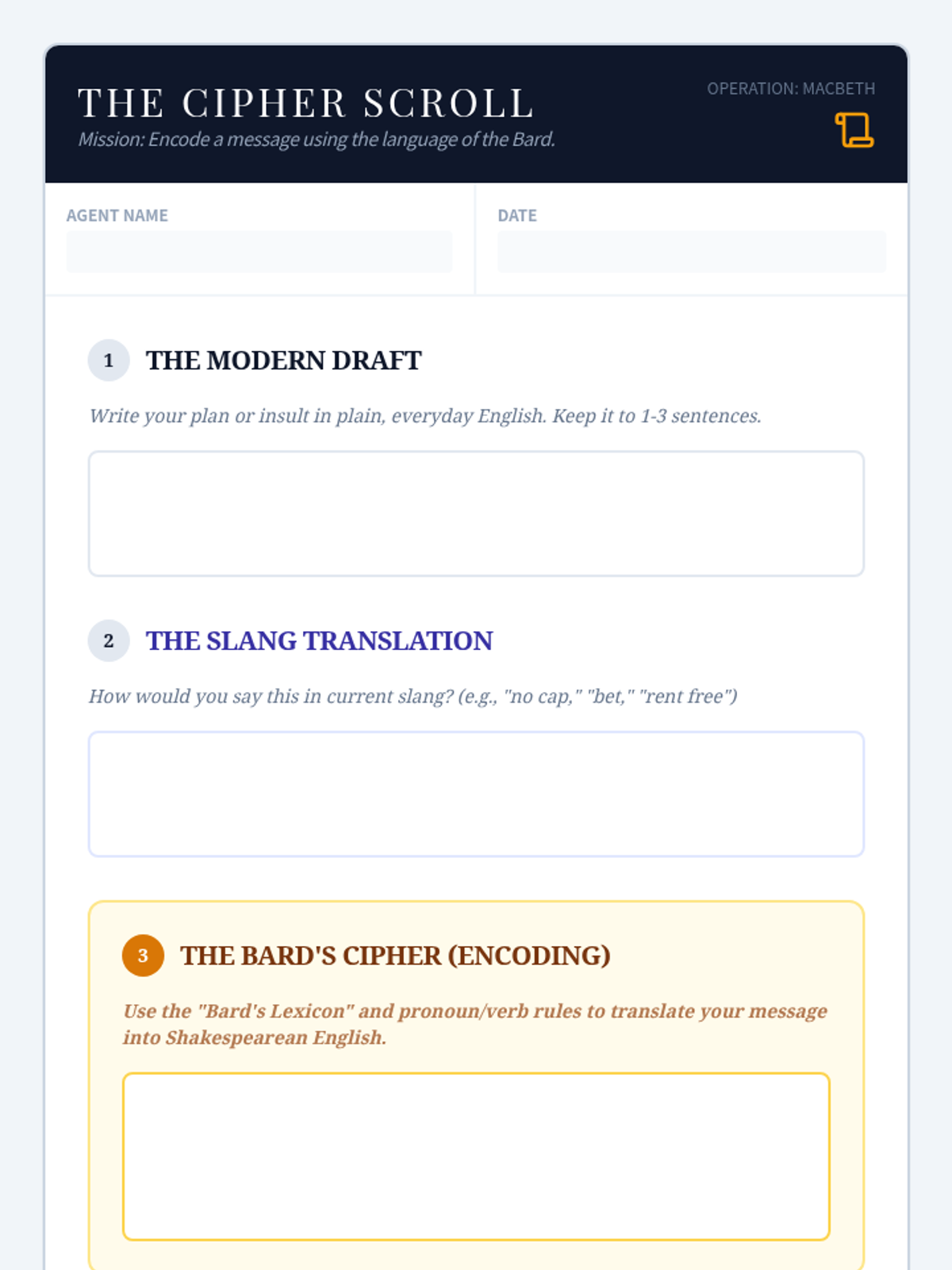
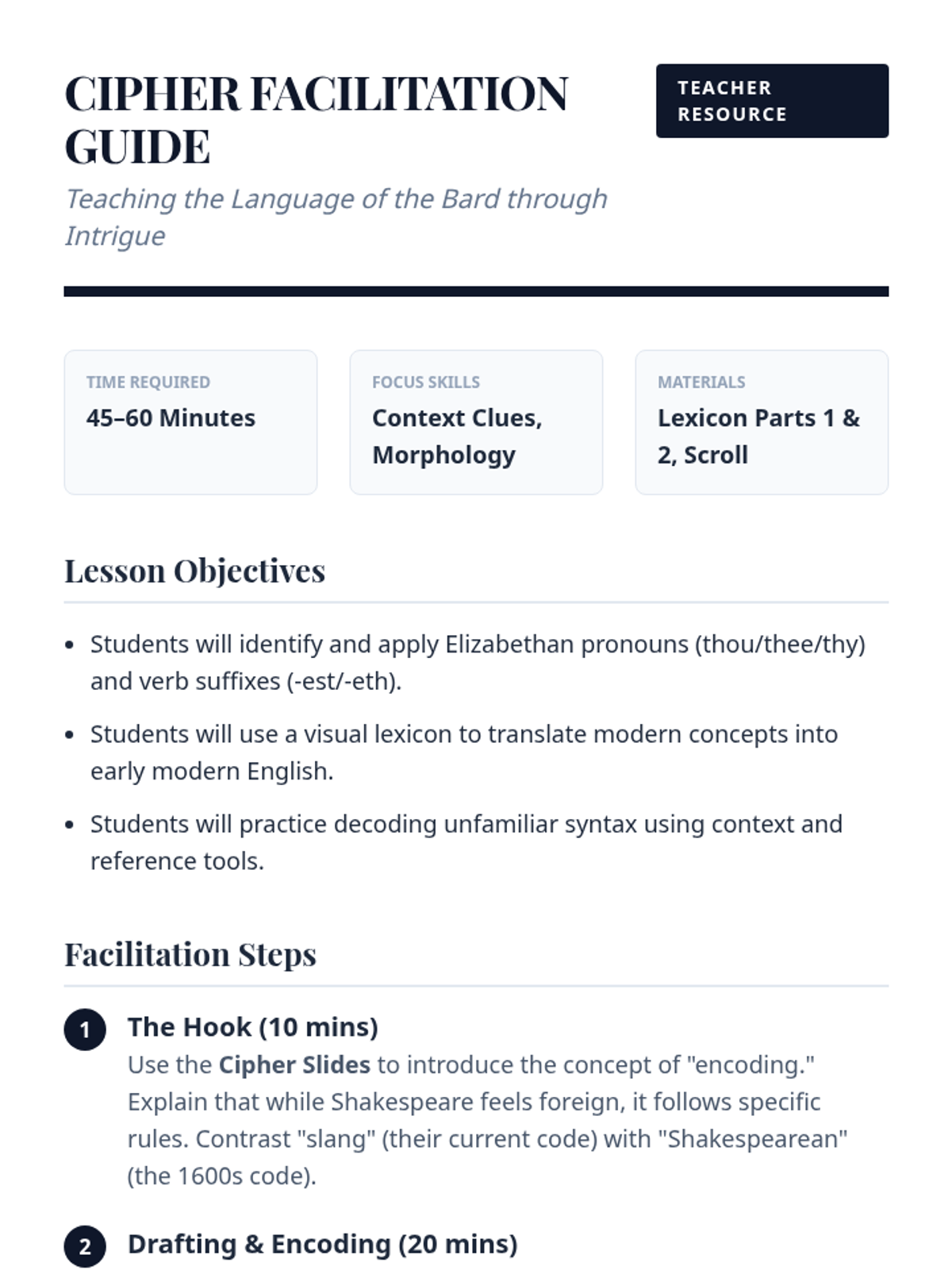
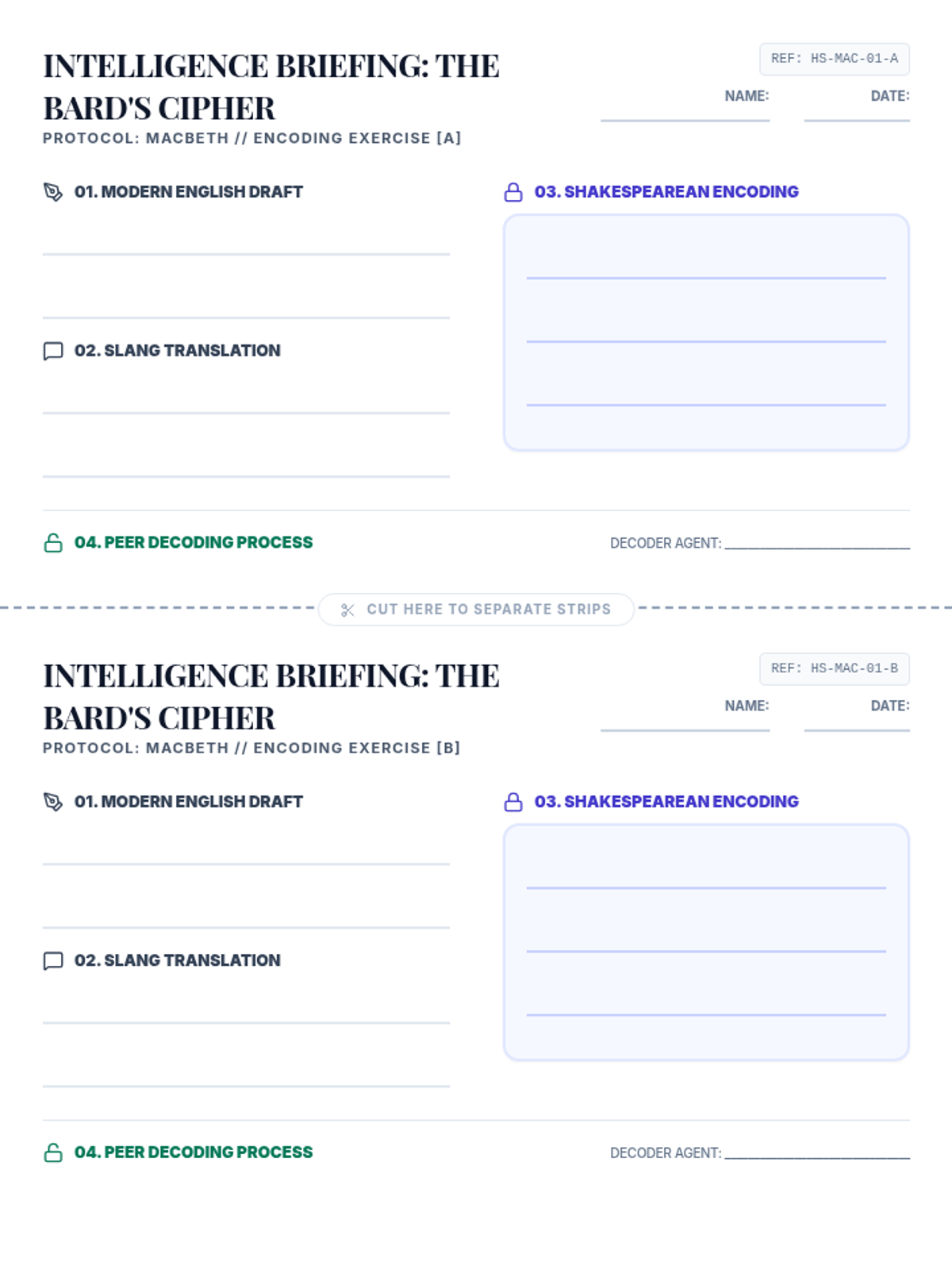
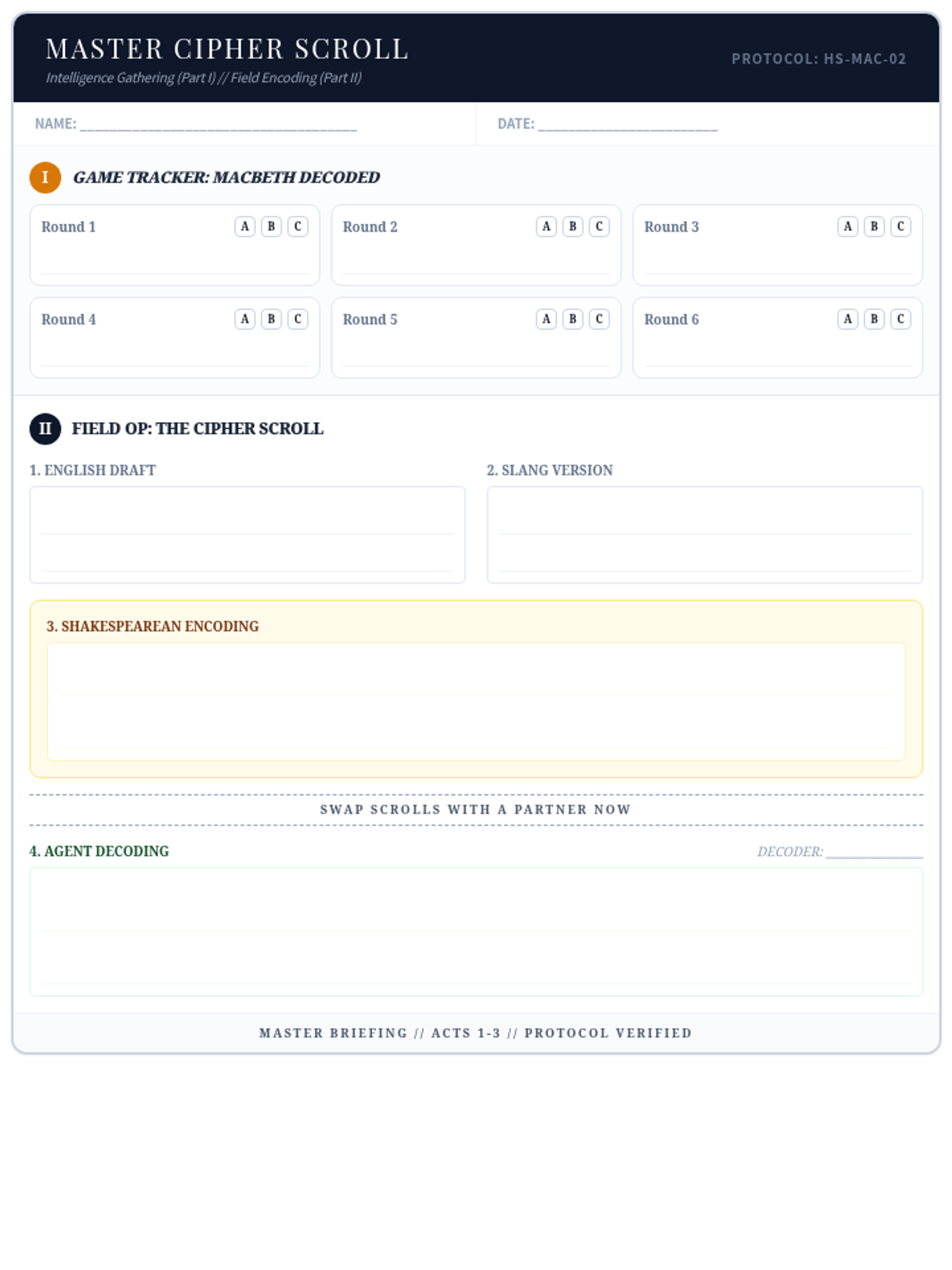
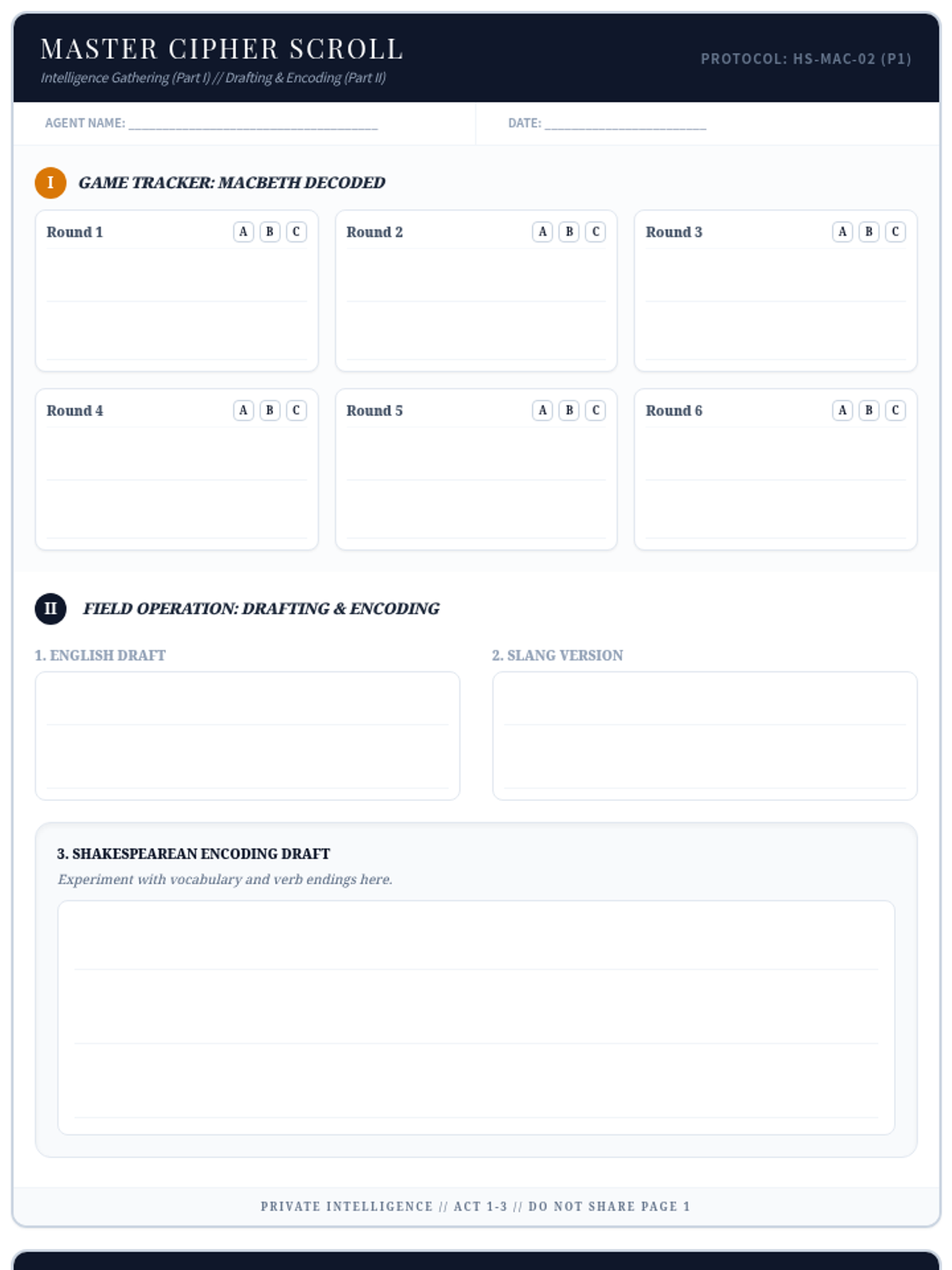
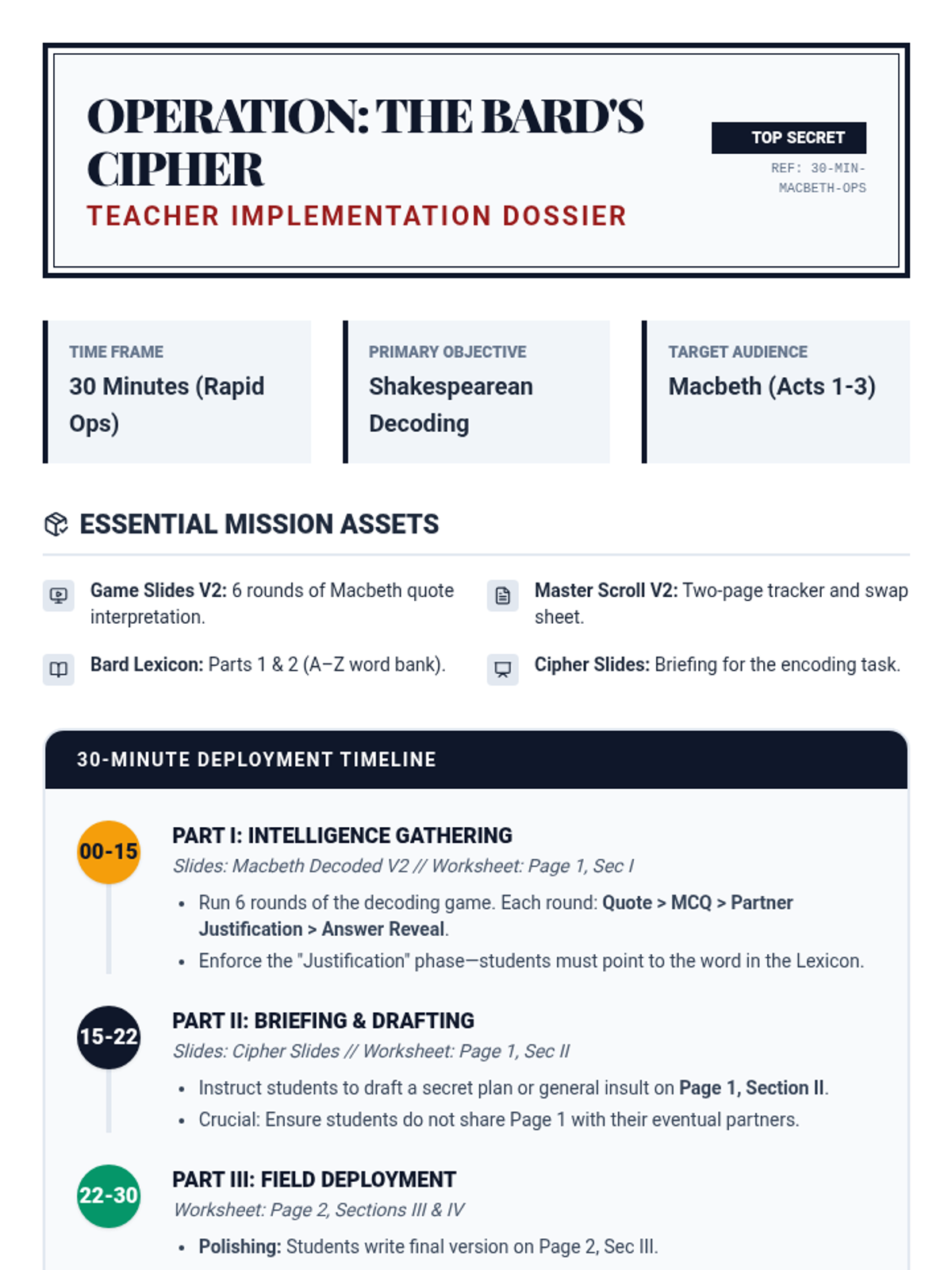
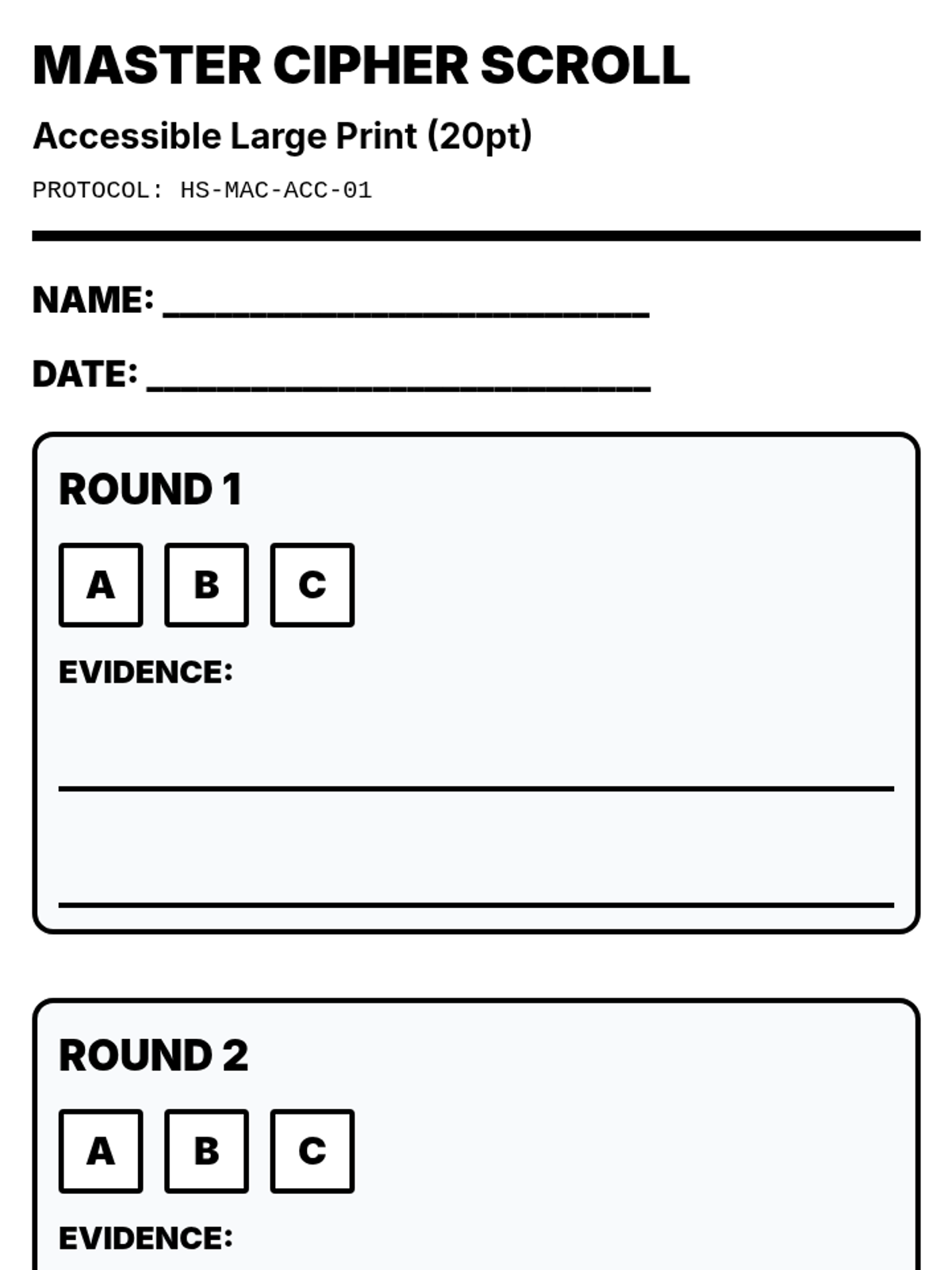
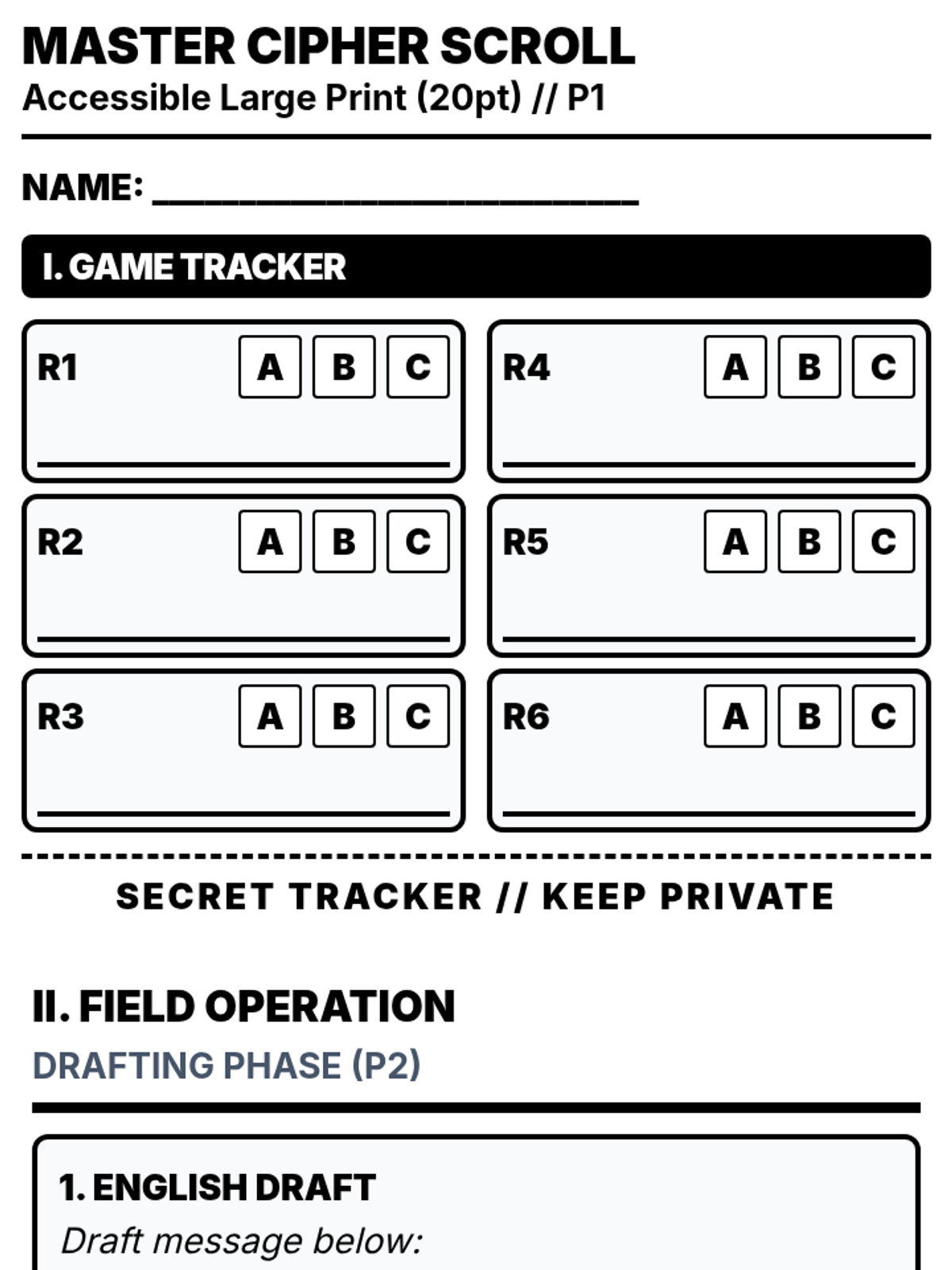
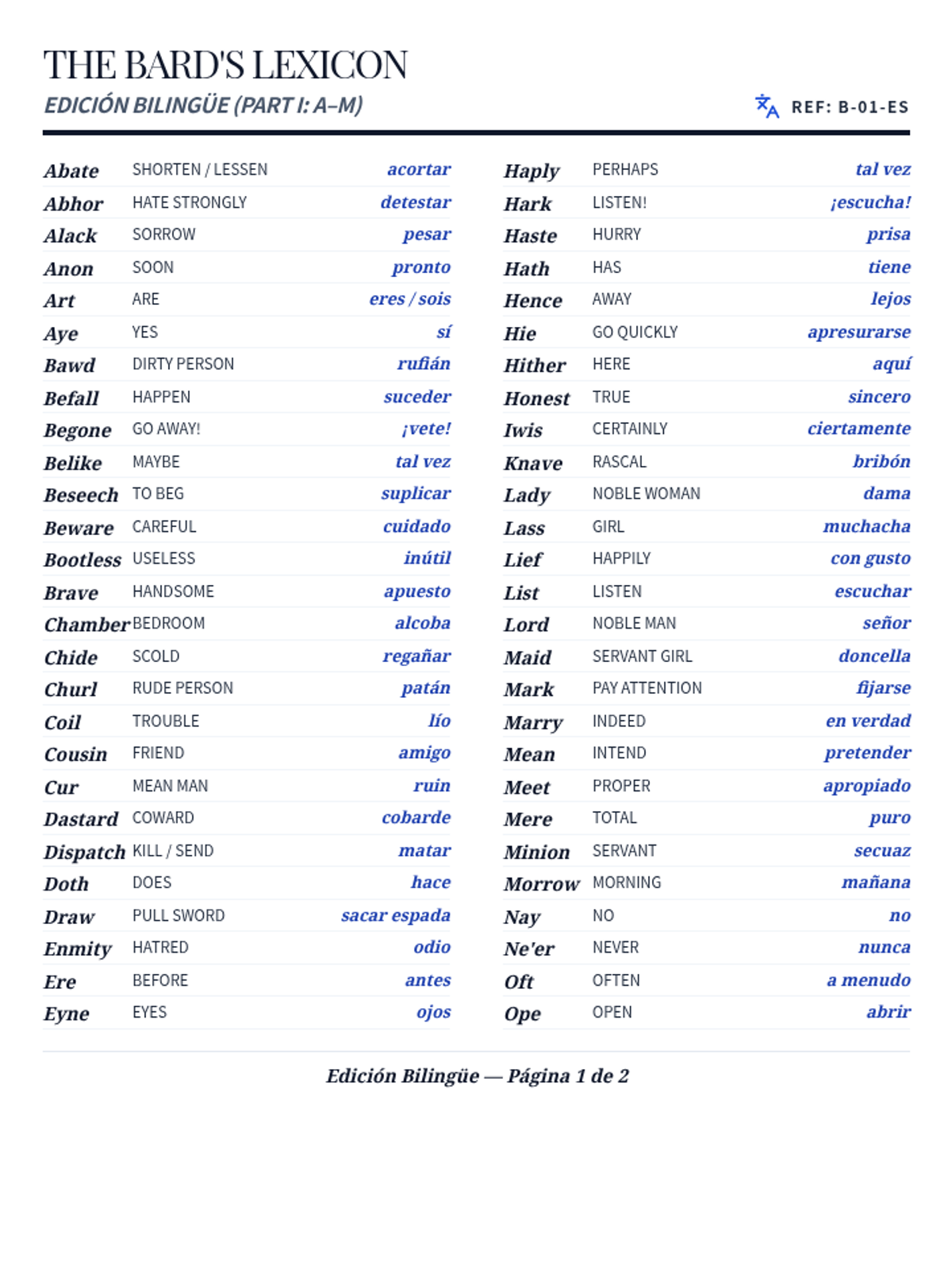
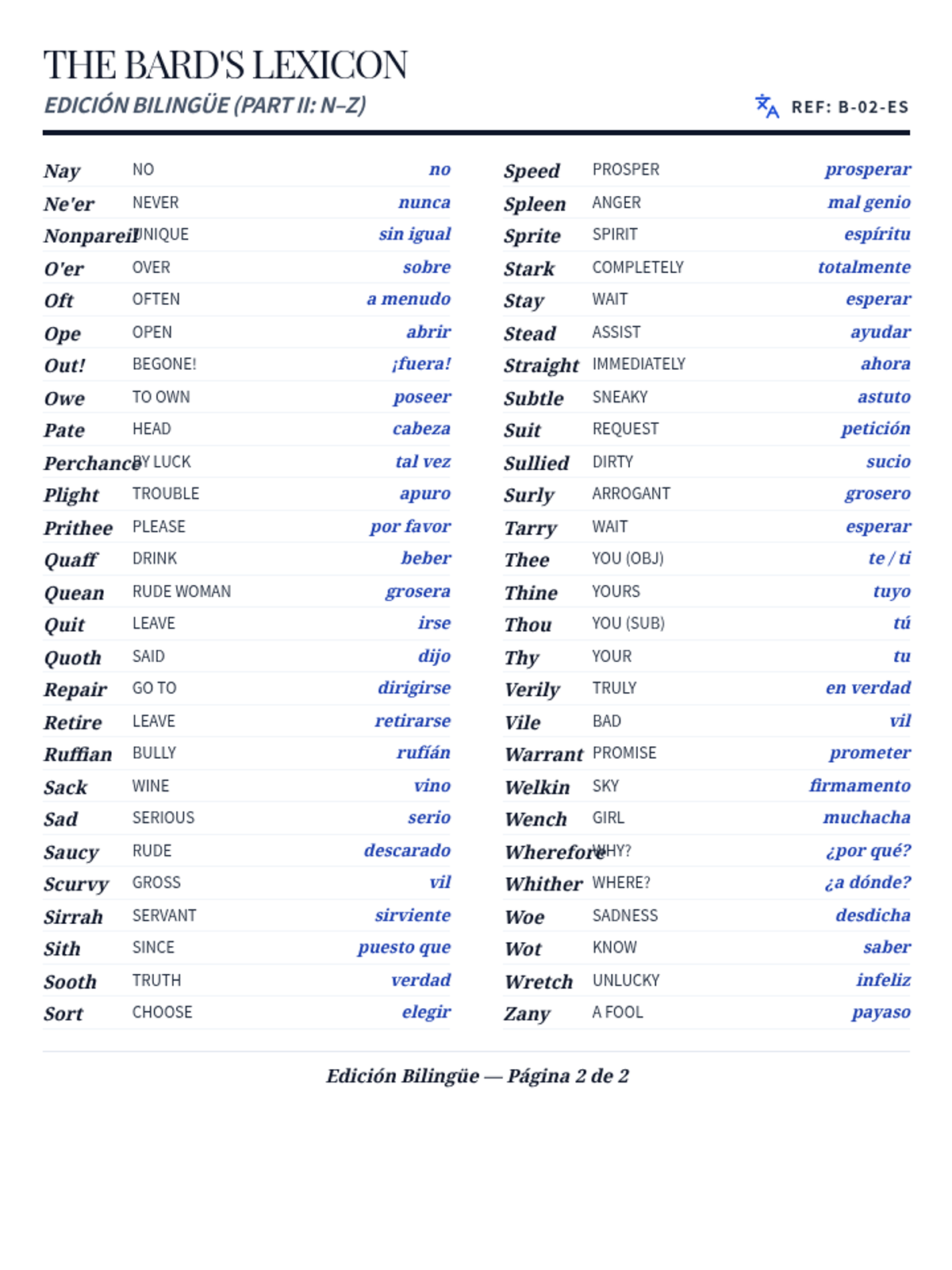
A hands-on activity where students learn to decode and encode Shakespearean language by writing secret messages or insults, then swapping them with peers to translate.
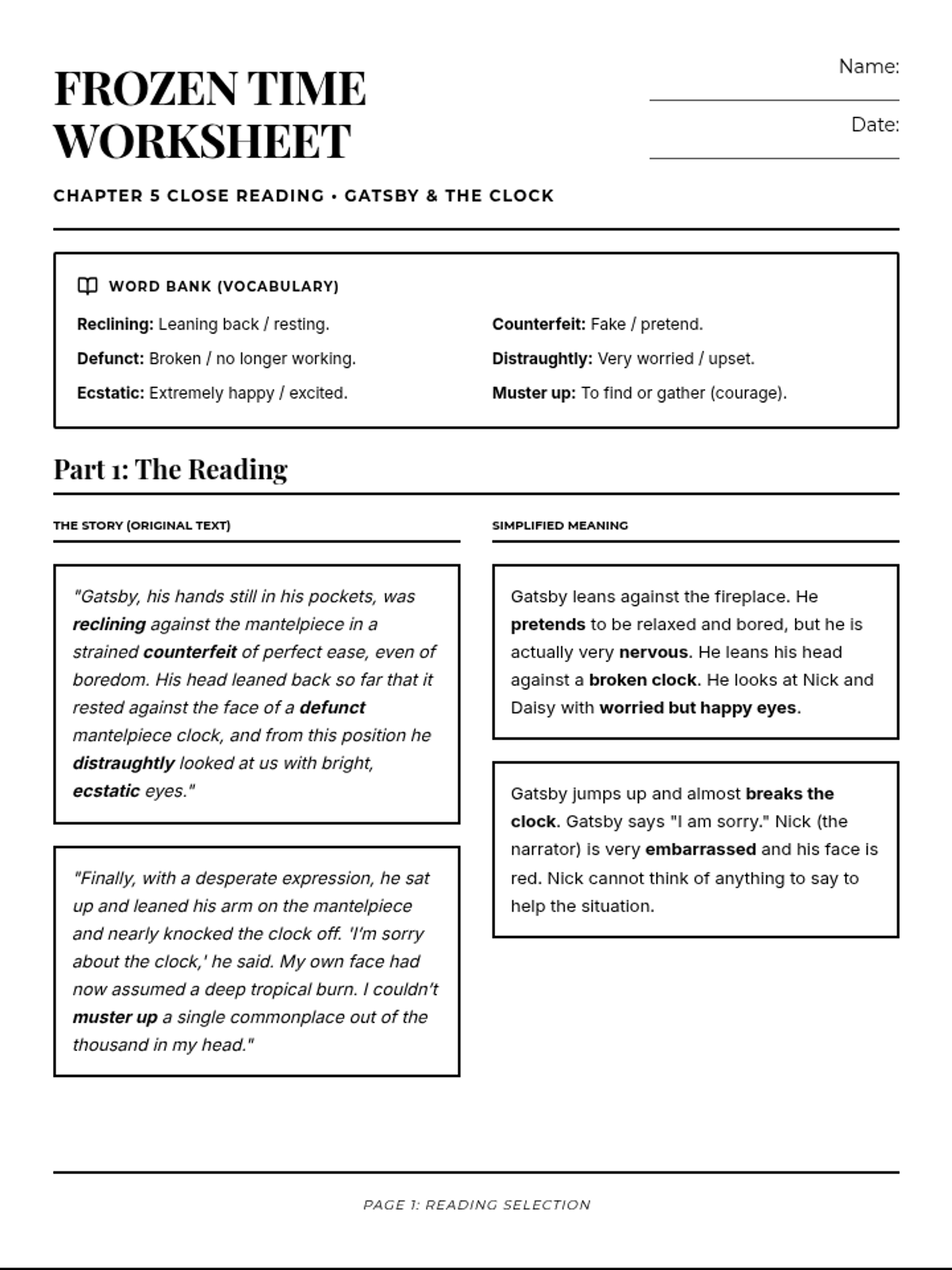
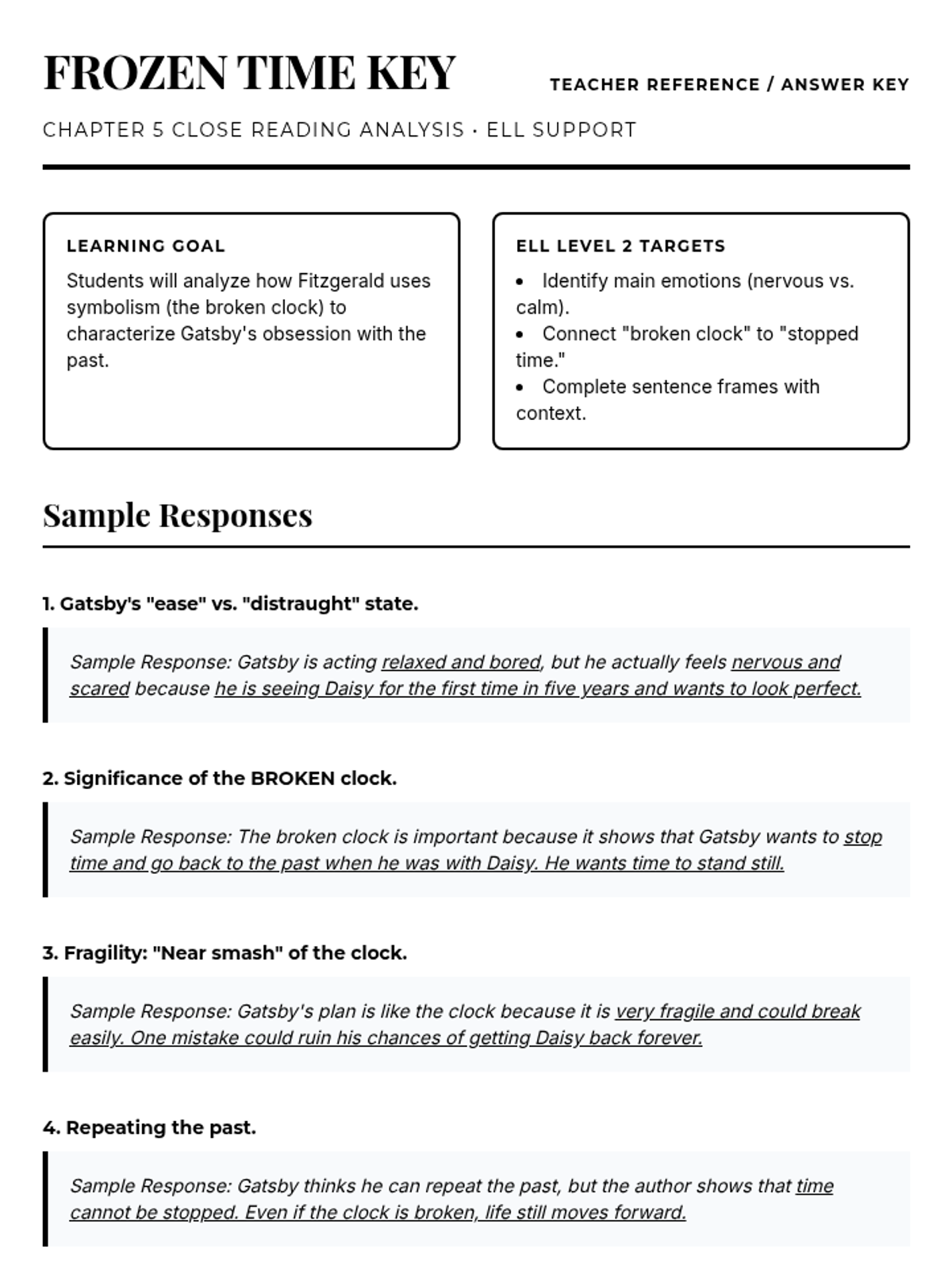
A focused close reading lesson of Chapter 5 from The Great Gatsby, focusing on the symbolism of the broken clock and Gatsby's attempts to control time, specifically scaffolded for ELL Level 2 students.
A simplified exploration of Book 6 of Homer's Odyssey, designed for WIDA Level 1-2 ELL students. The lesson focuses on key characters, basic plot sequencing, and essential vocabulary through a high-interest narrative.