A lesson exploring the life and legendary career of Harry Houdini, focusing on reading comprehension skills like main idea, supporting details, and using context clues.
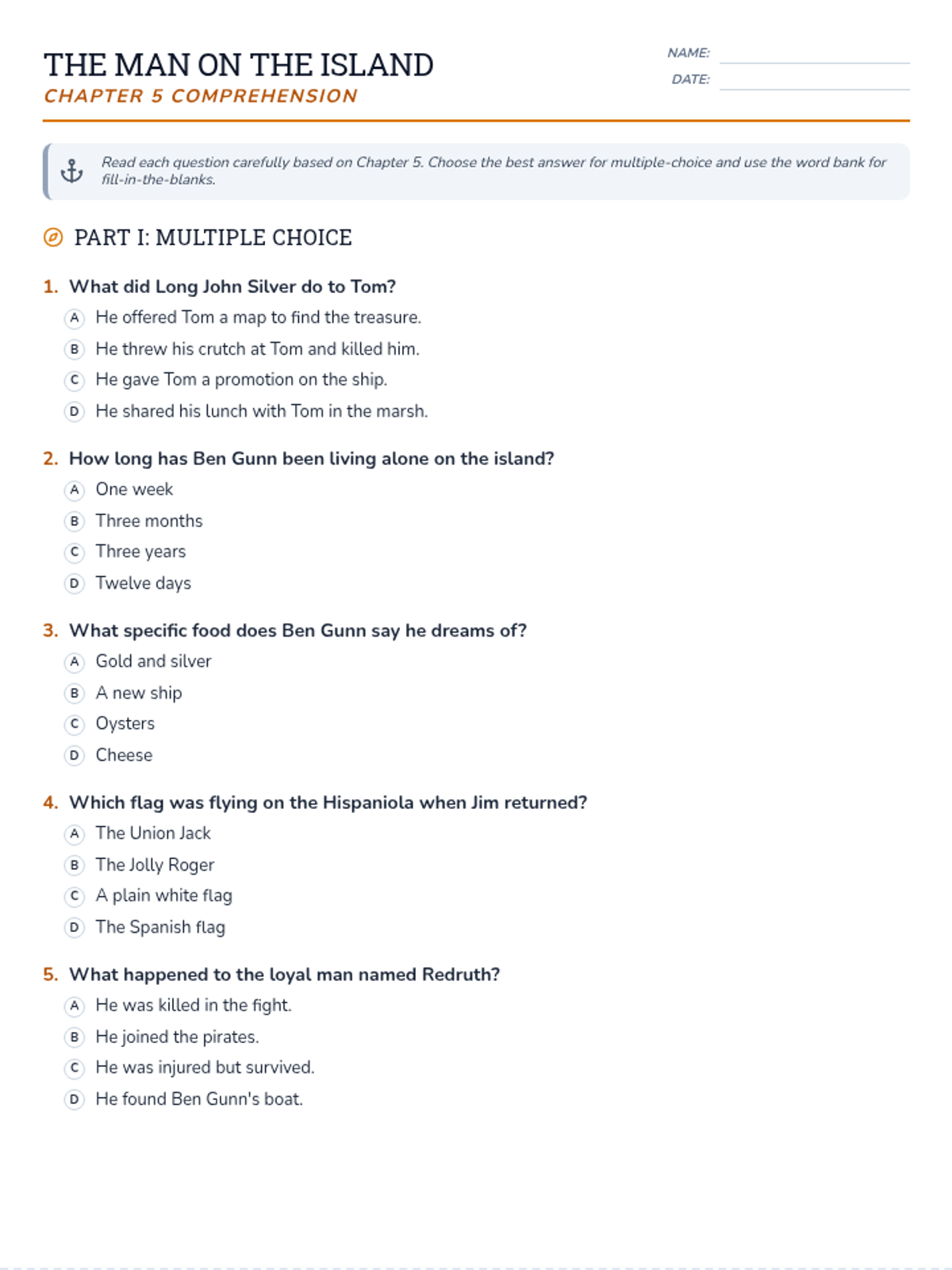
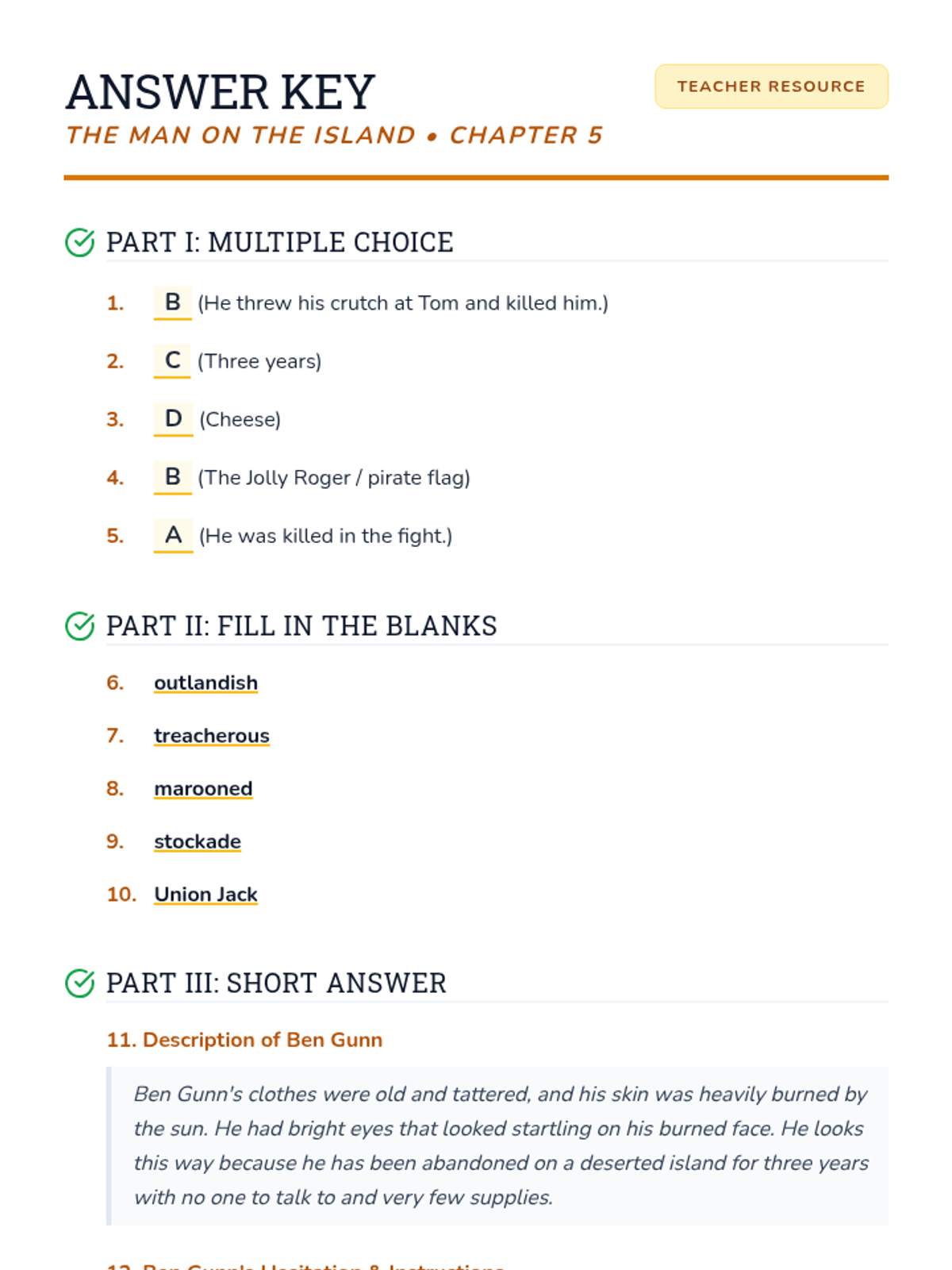
This lesson focuses on Chapter 5 of the Treasure Island reader, where Jim Hawkins meets Ben Gunn and witnesses the escalating conflict between the loyal crew and the mutineers. Students will demonstrate comprehension through multiple-choice, fill-in-the-blank, and short-answer questions.
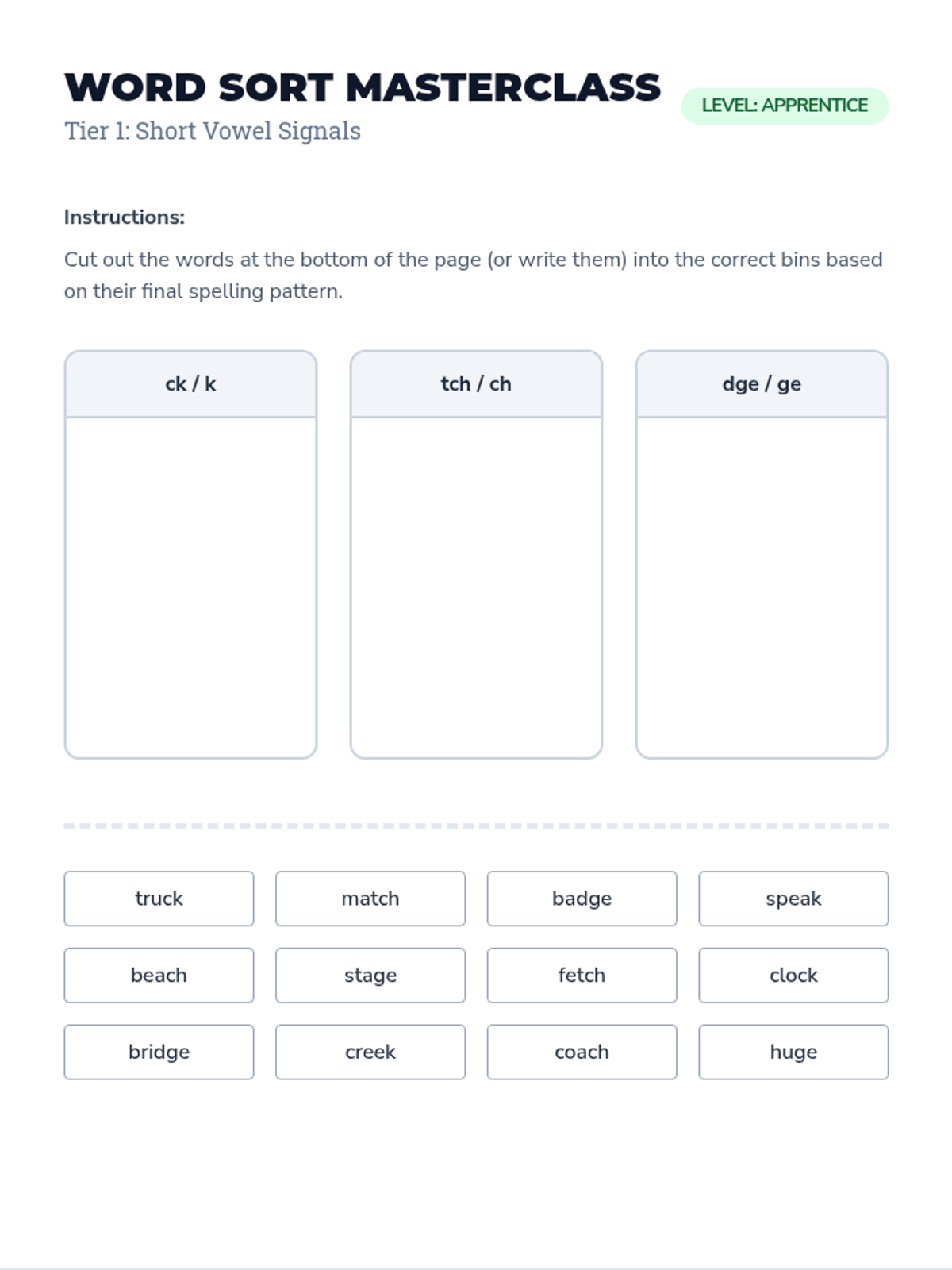
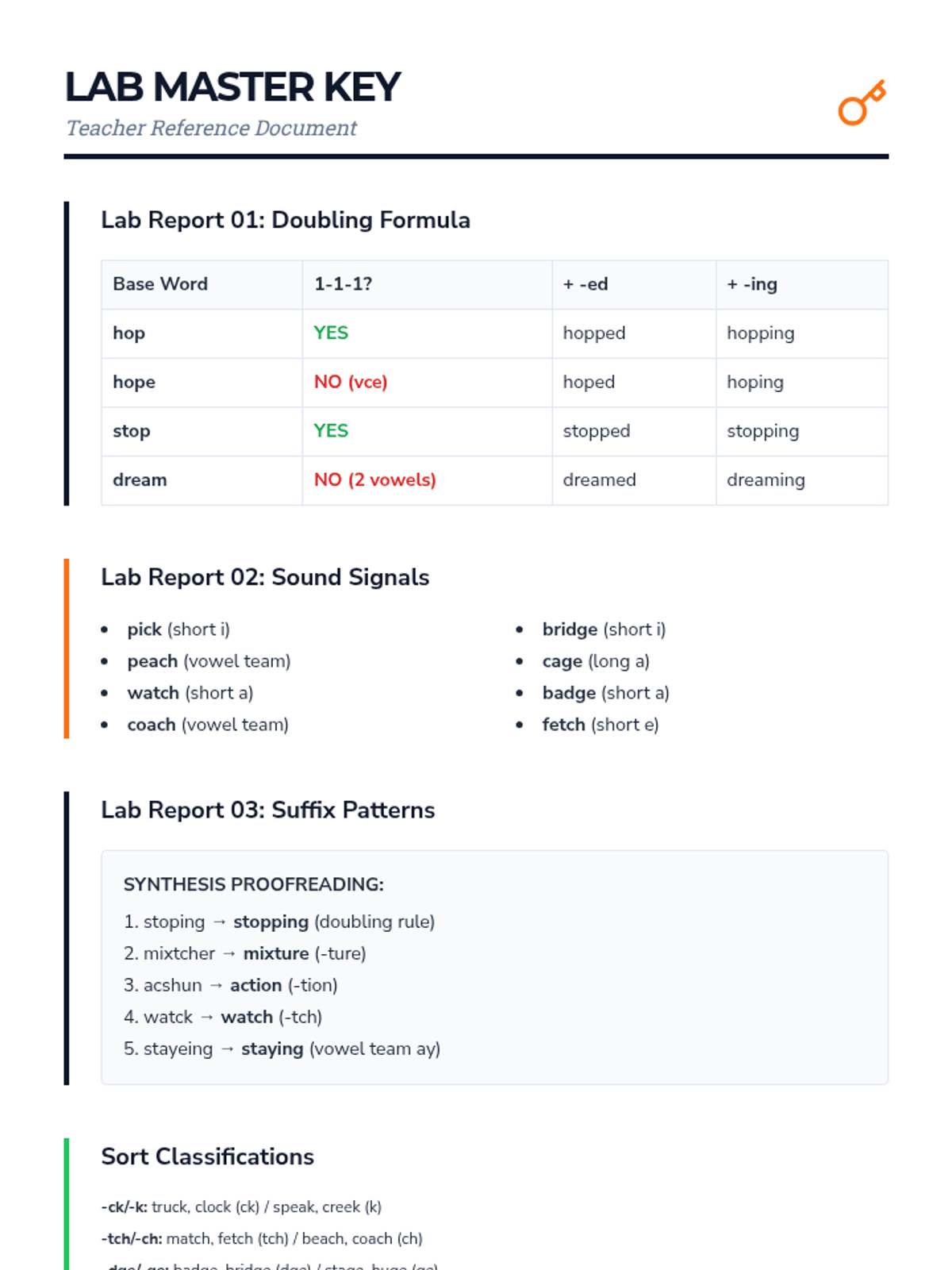
A comprehensive spelling unit for 4th-5th graders focusing on complex orthographic patterns, suffix rules, and vowel teams through a 'Word Works Lab' theme.
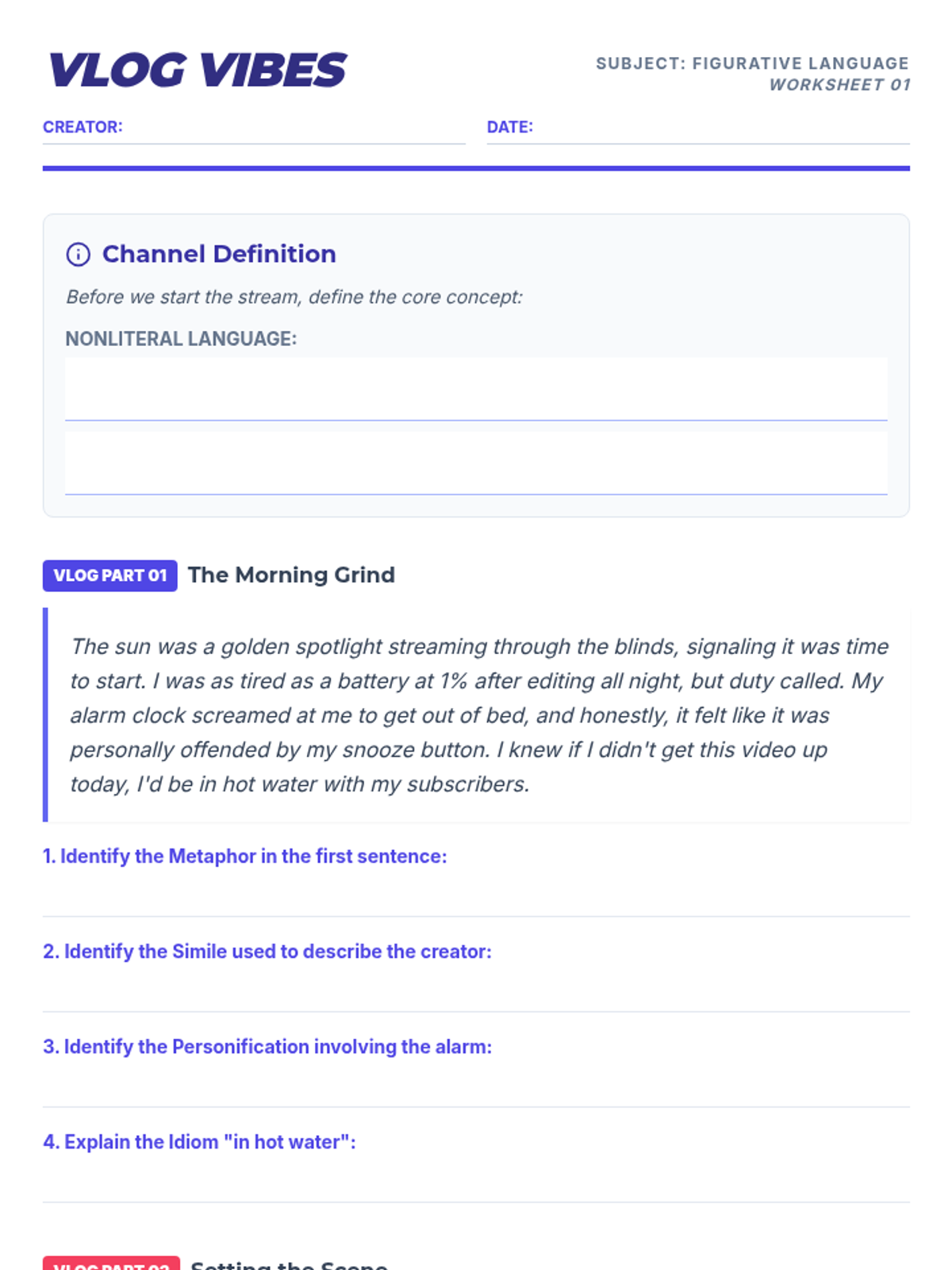
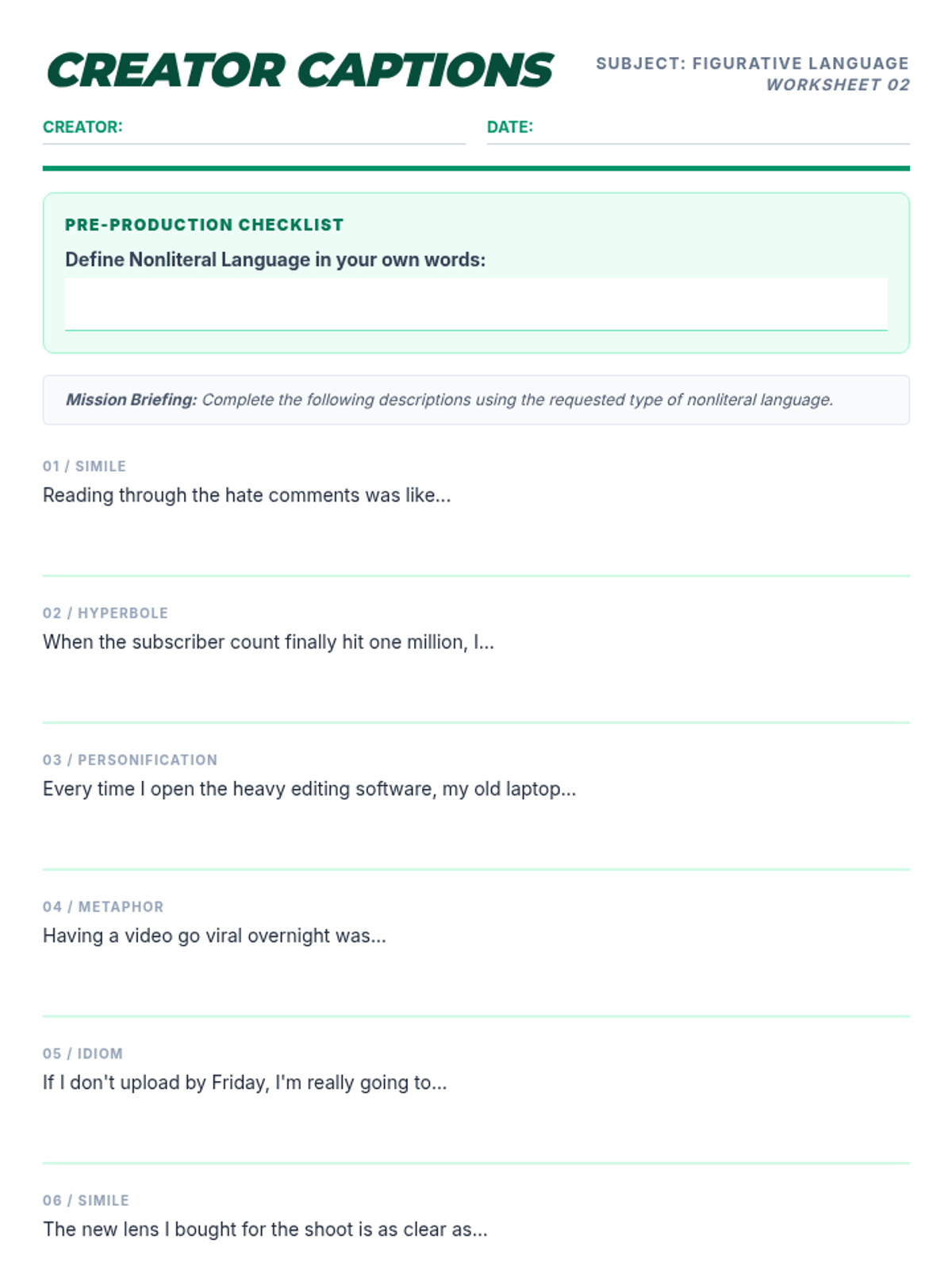
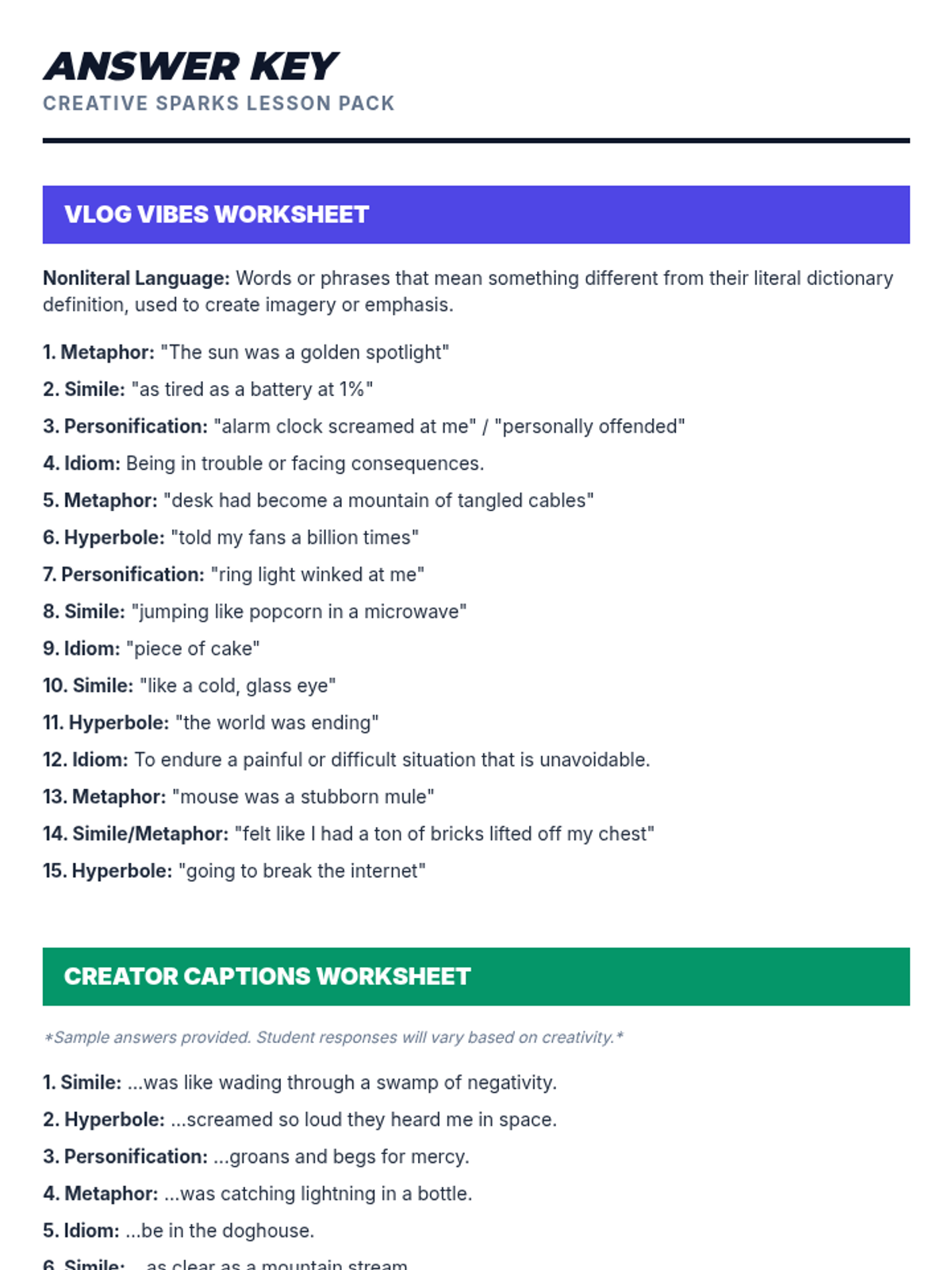
A high-energy lesson exploring nonliteral language through the lens of digital content creation, helping students identify and use idioms, metaphors, similes, personification, and hyperbole in context.
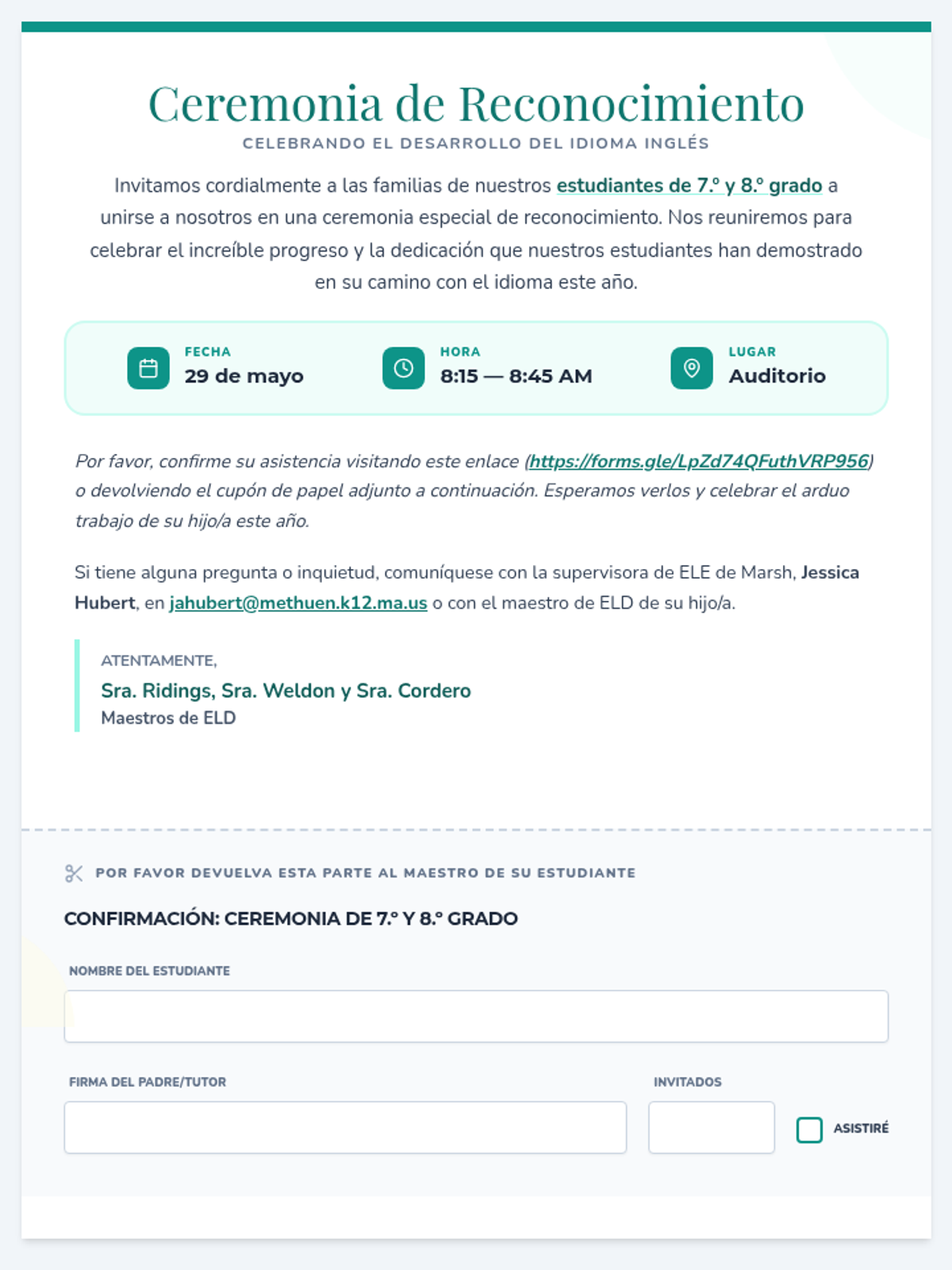
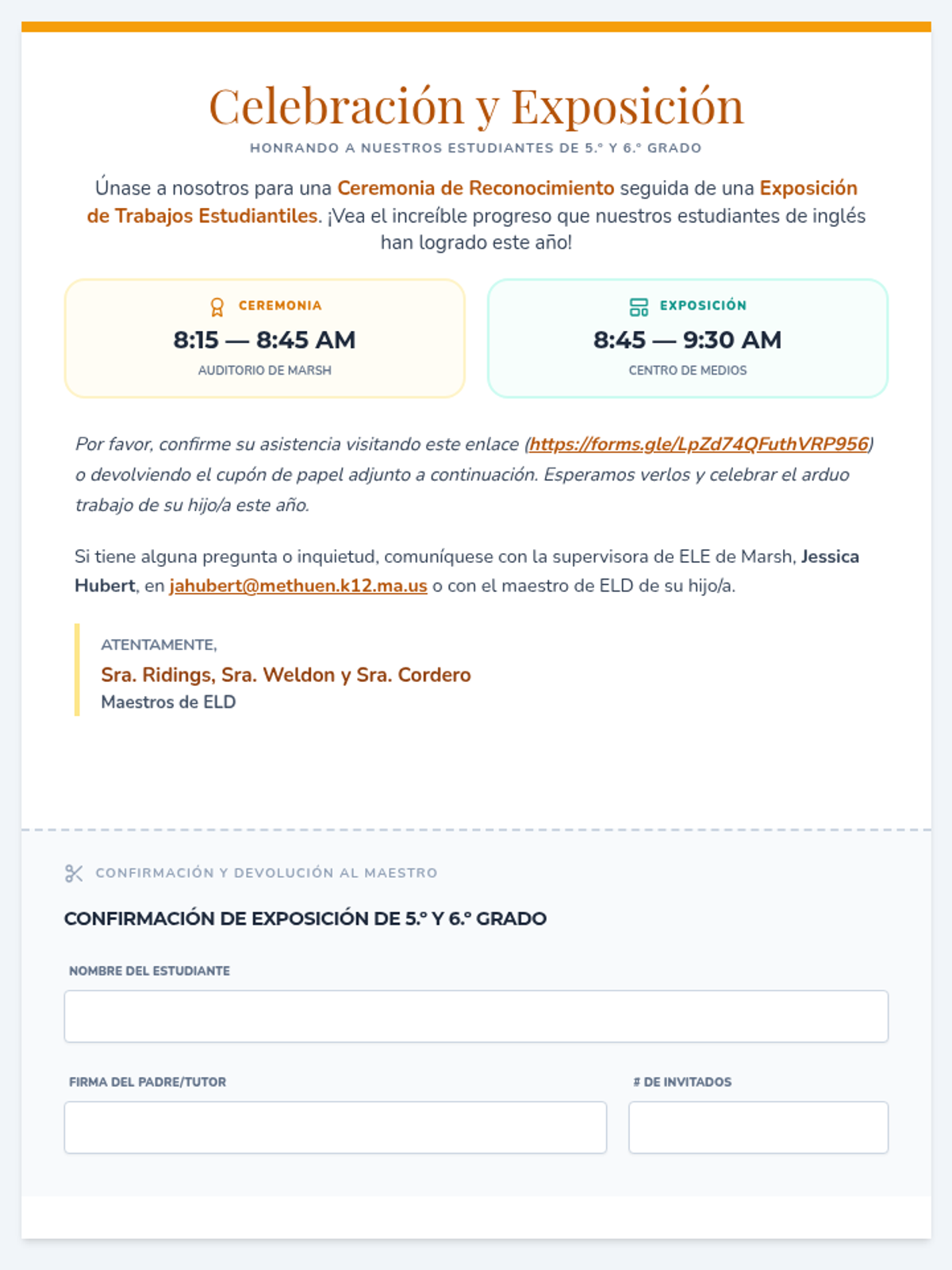
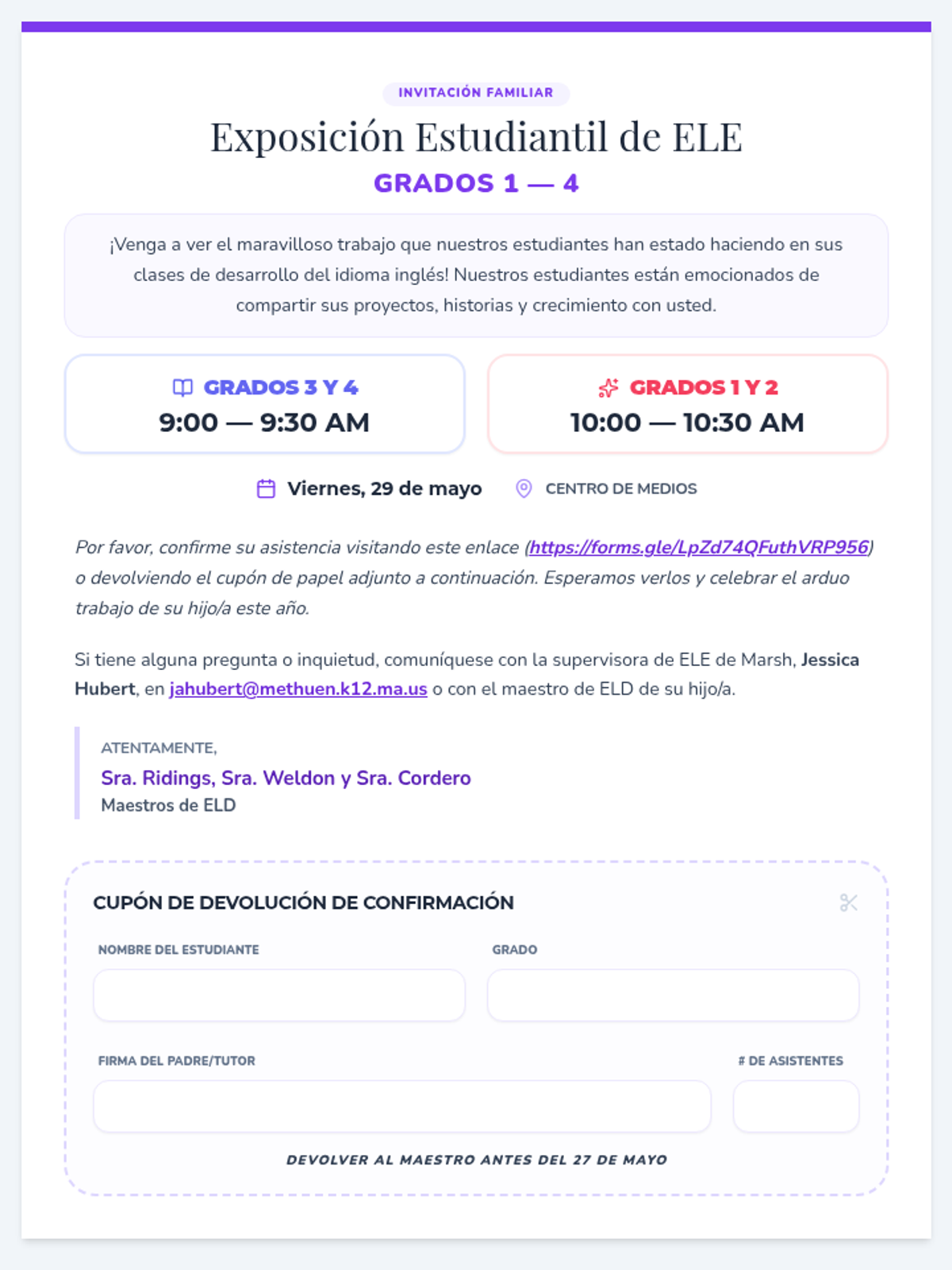
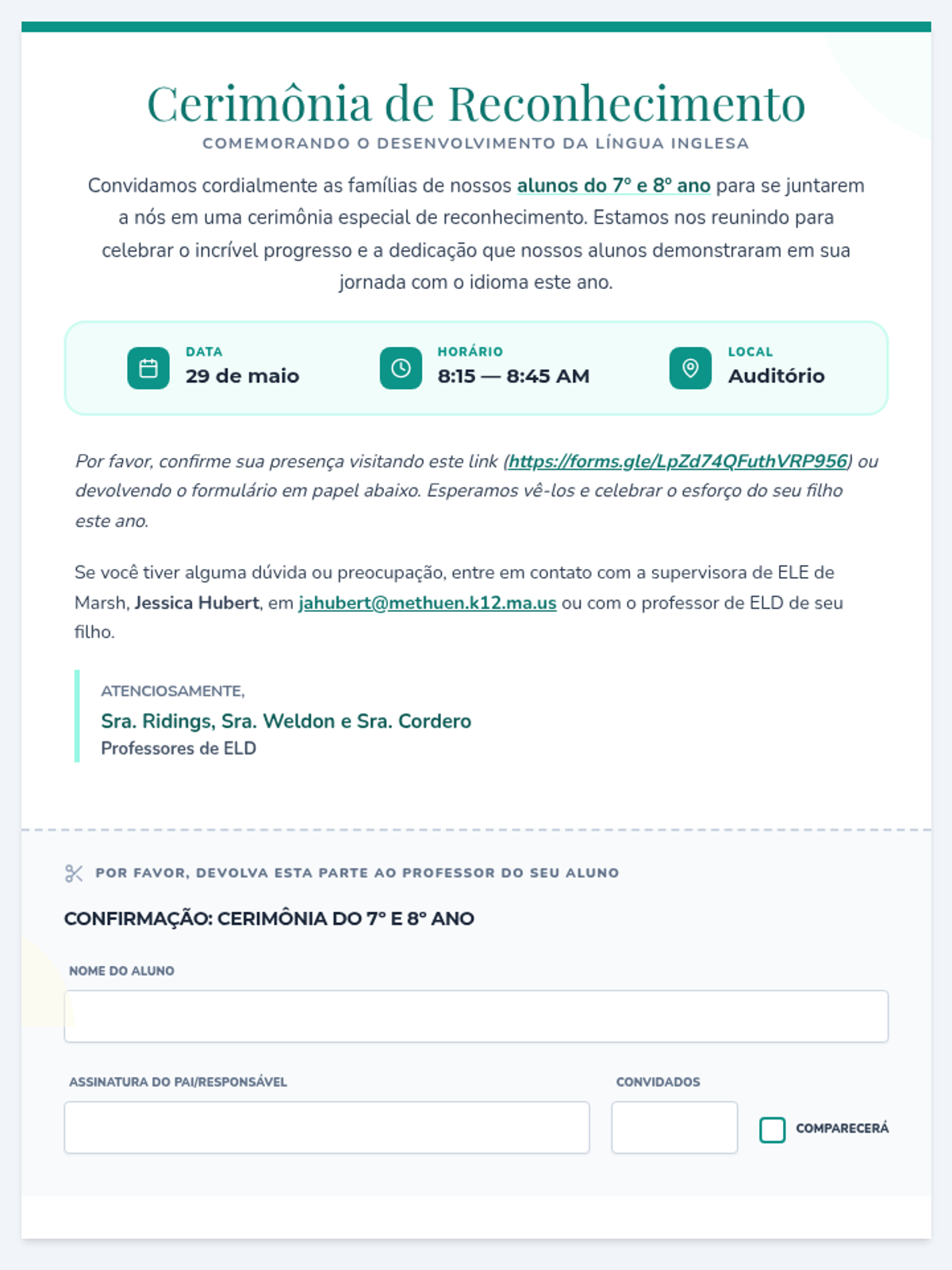
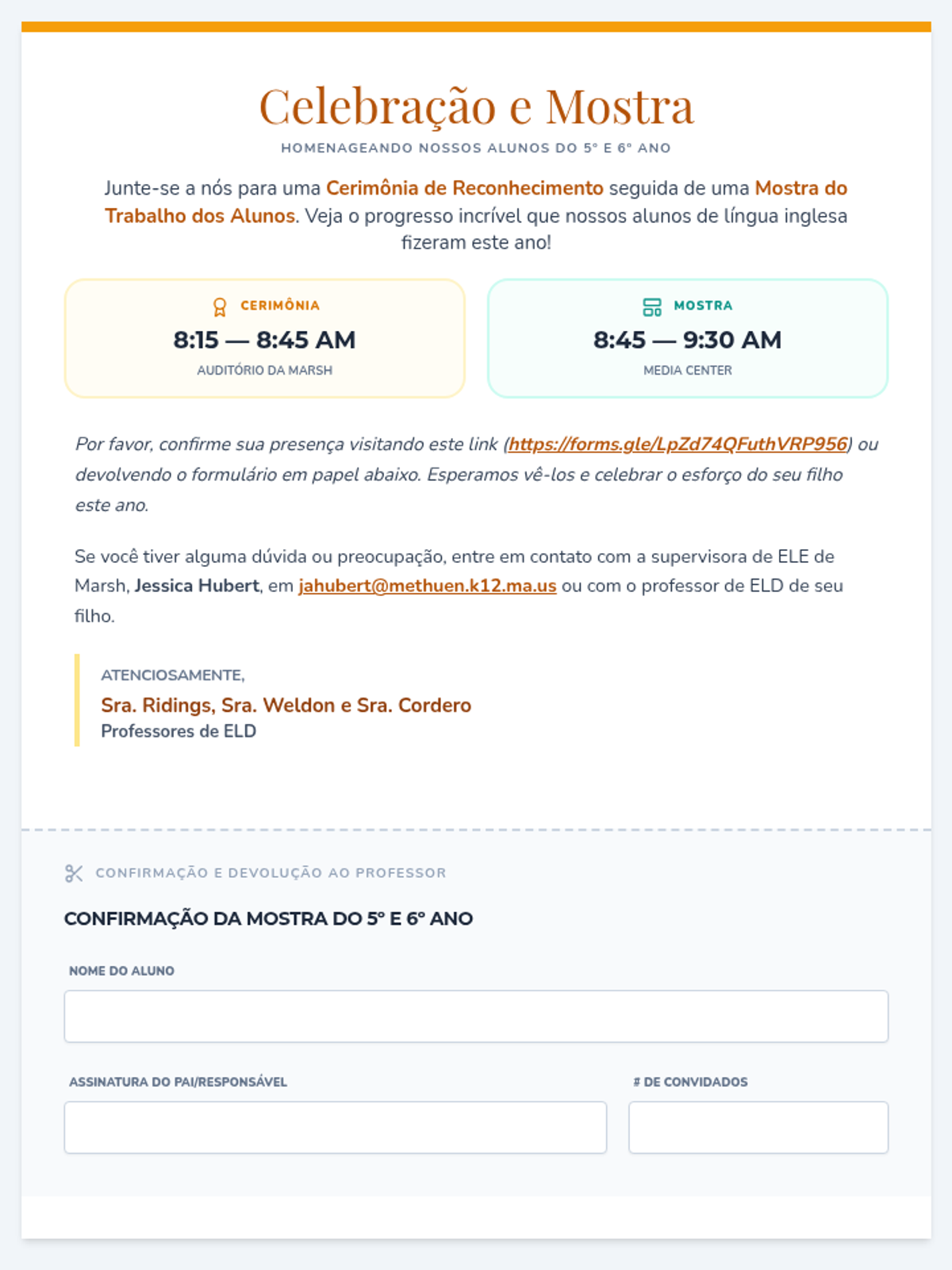
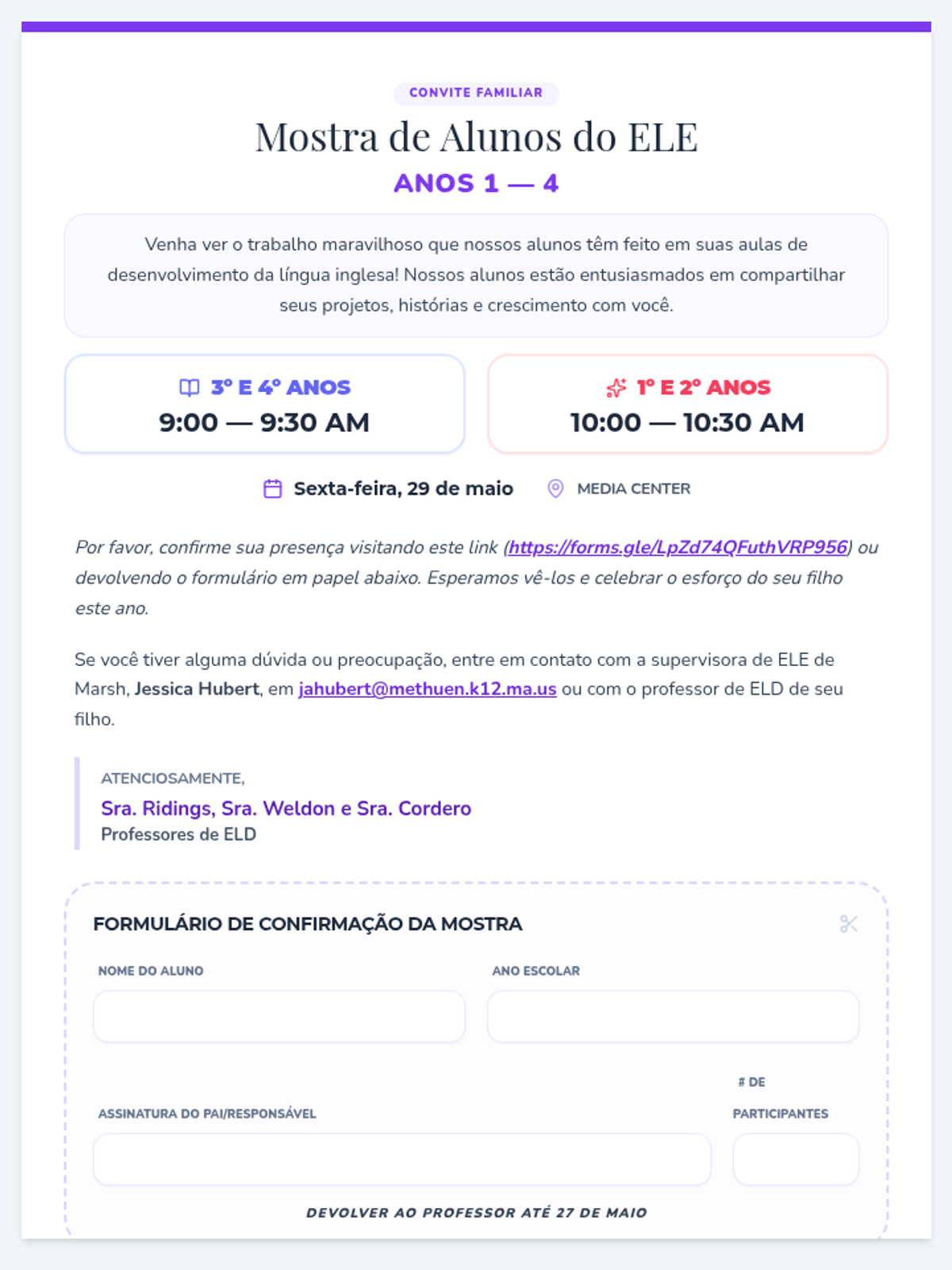
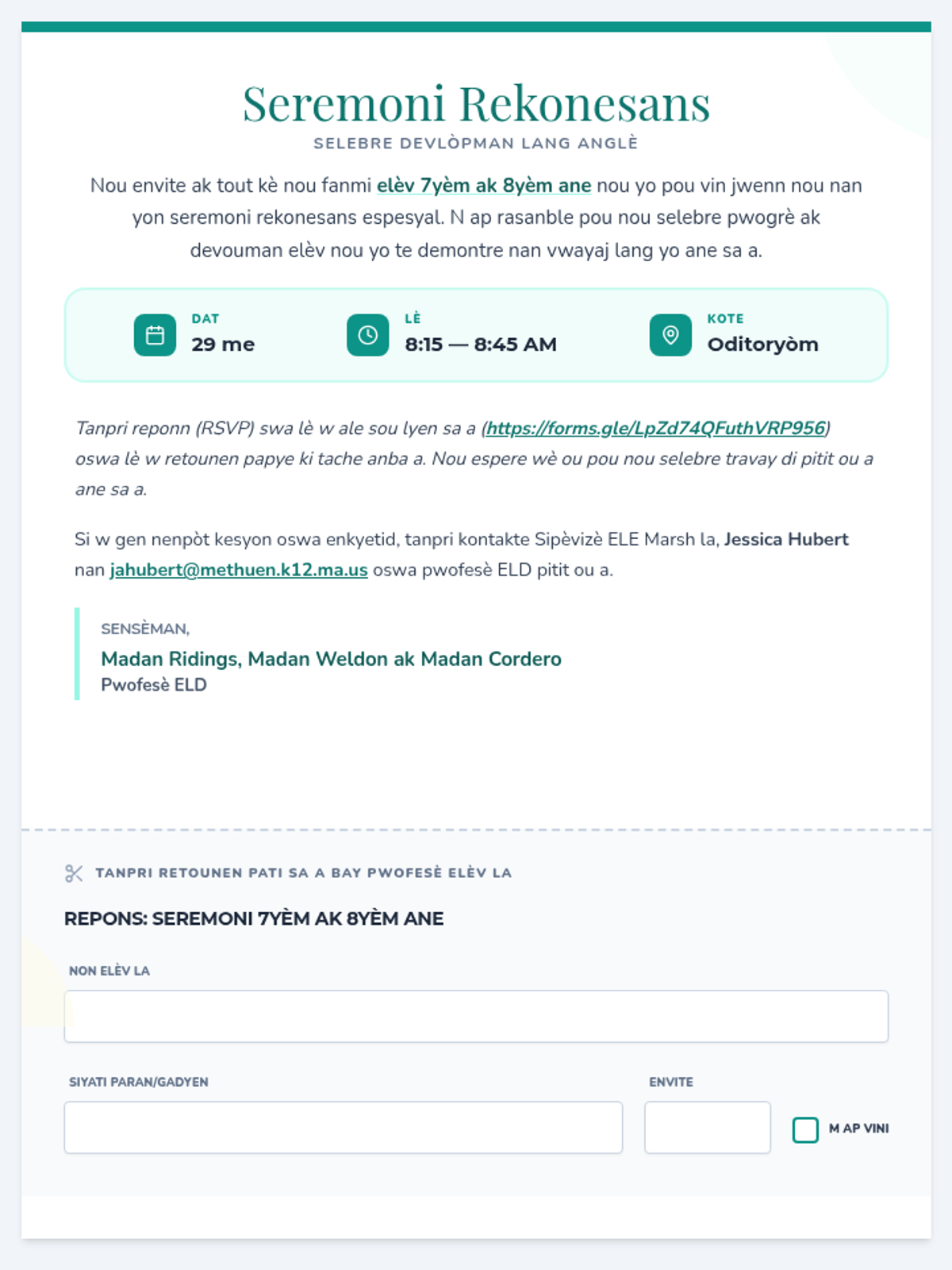
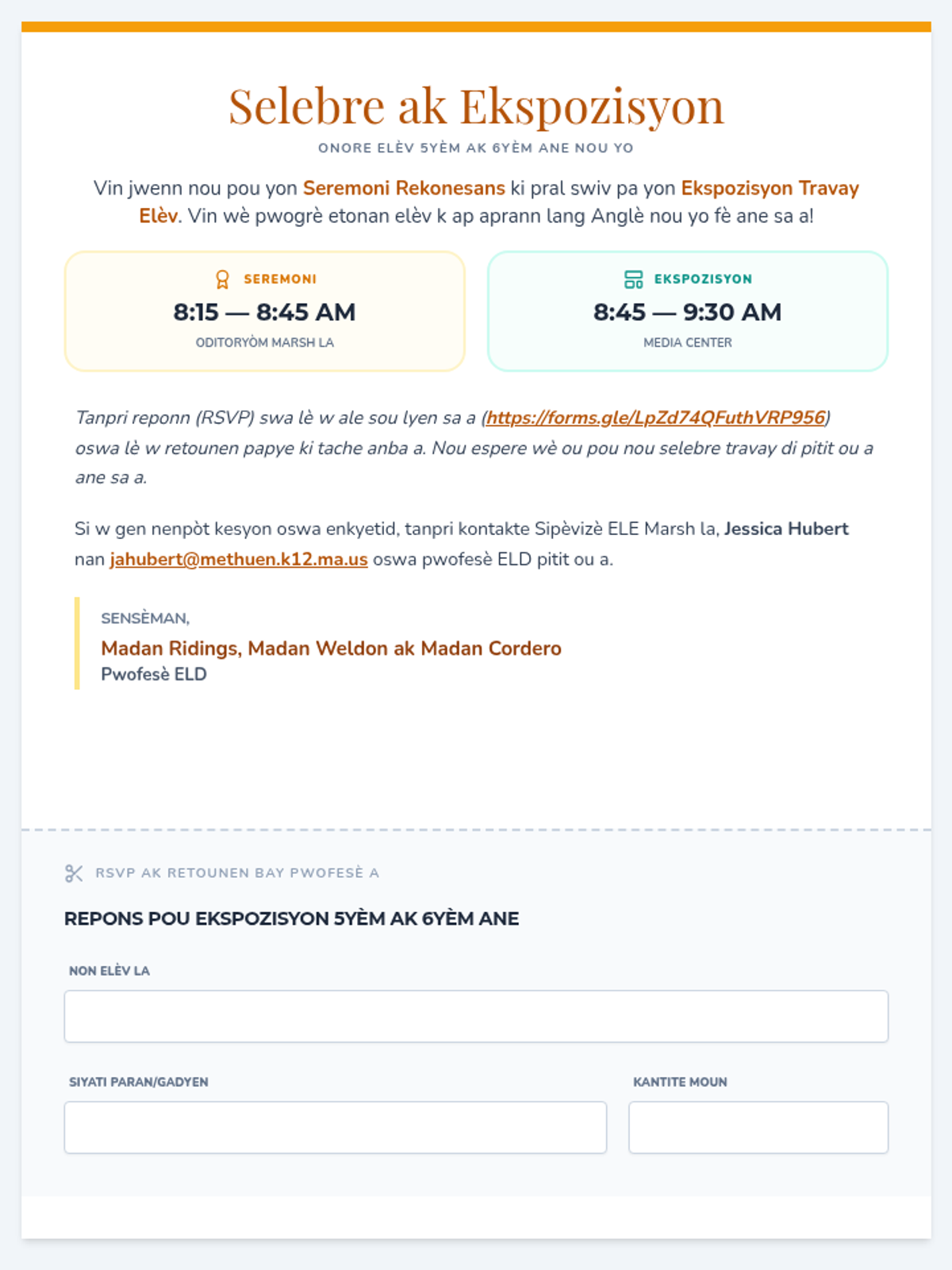
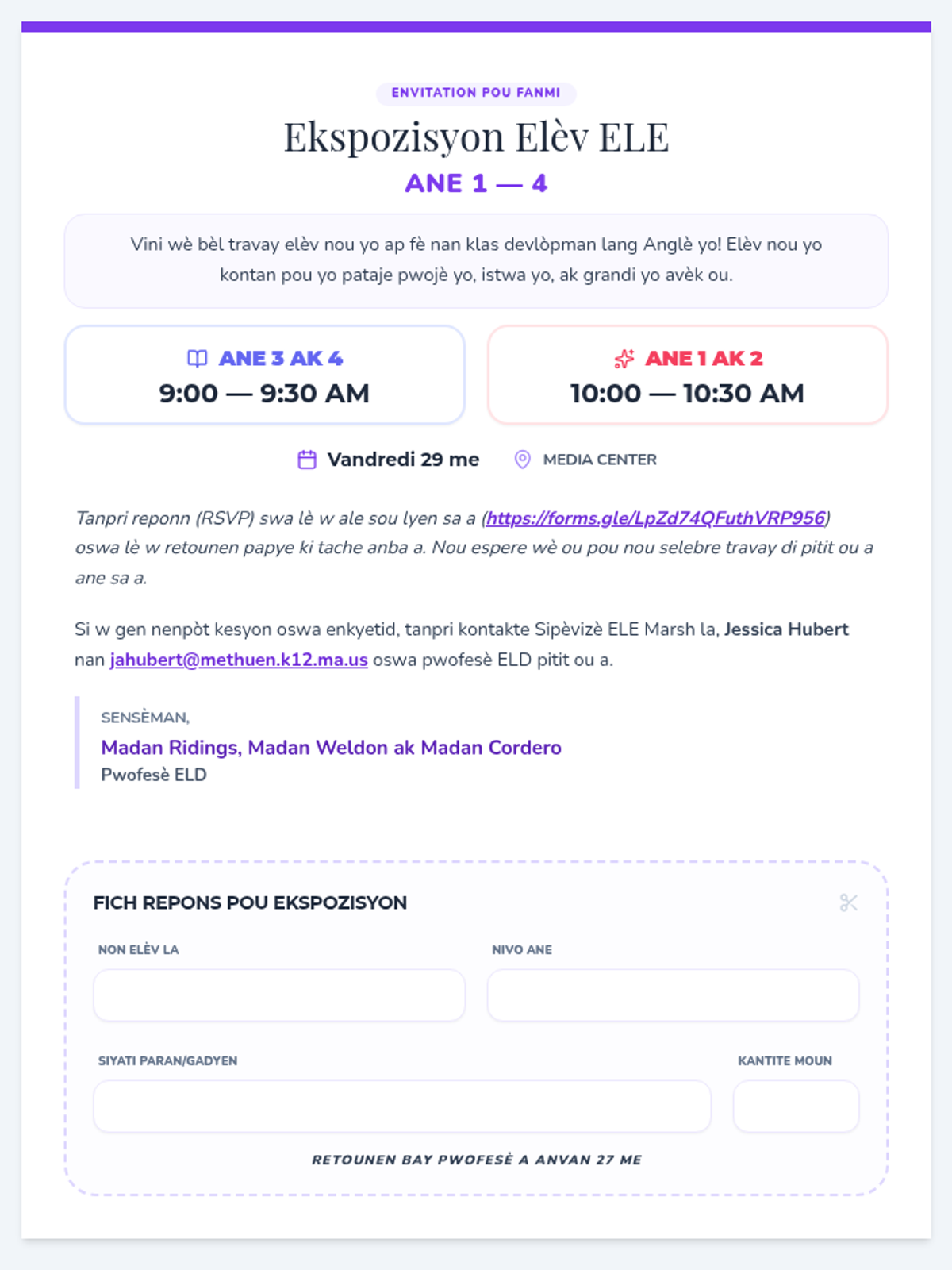
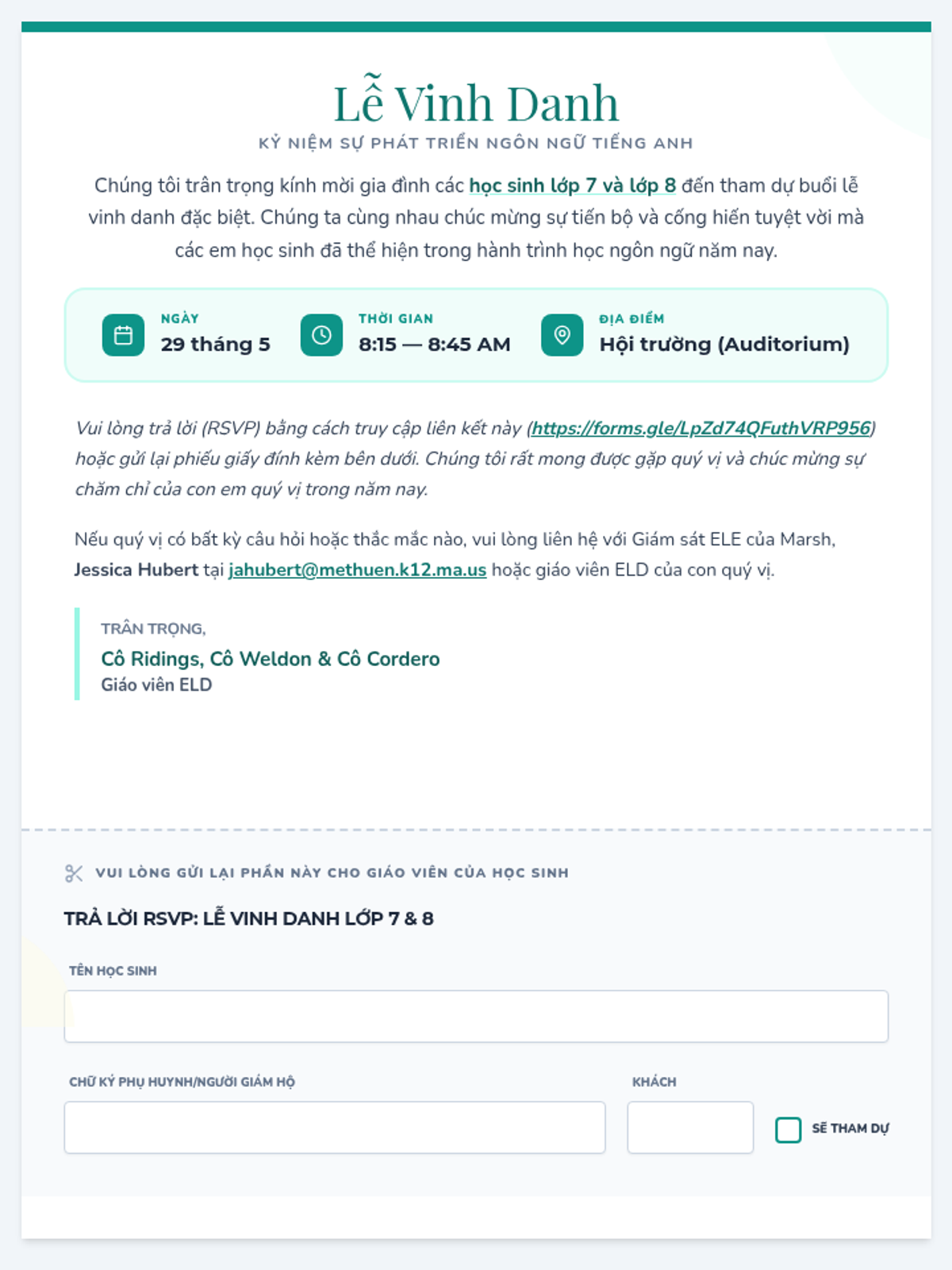
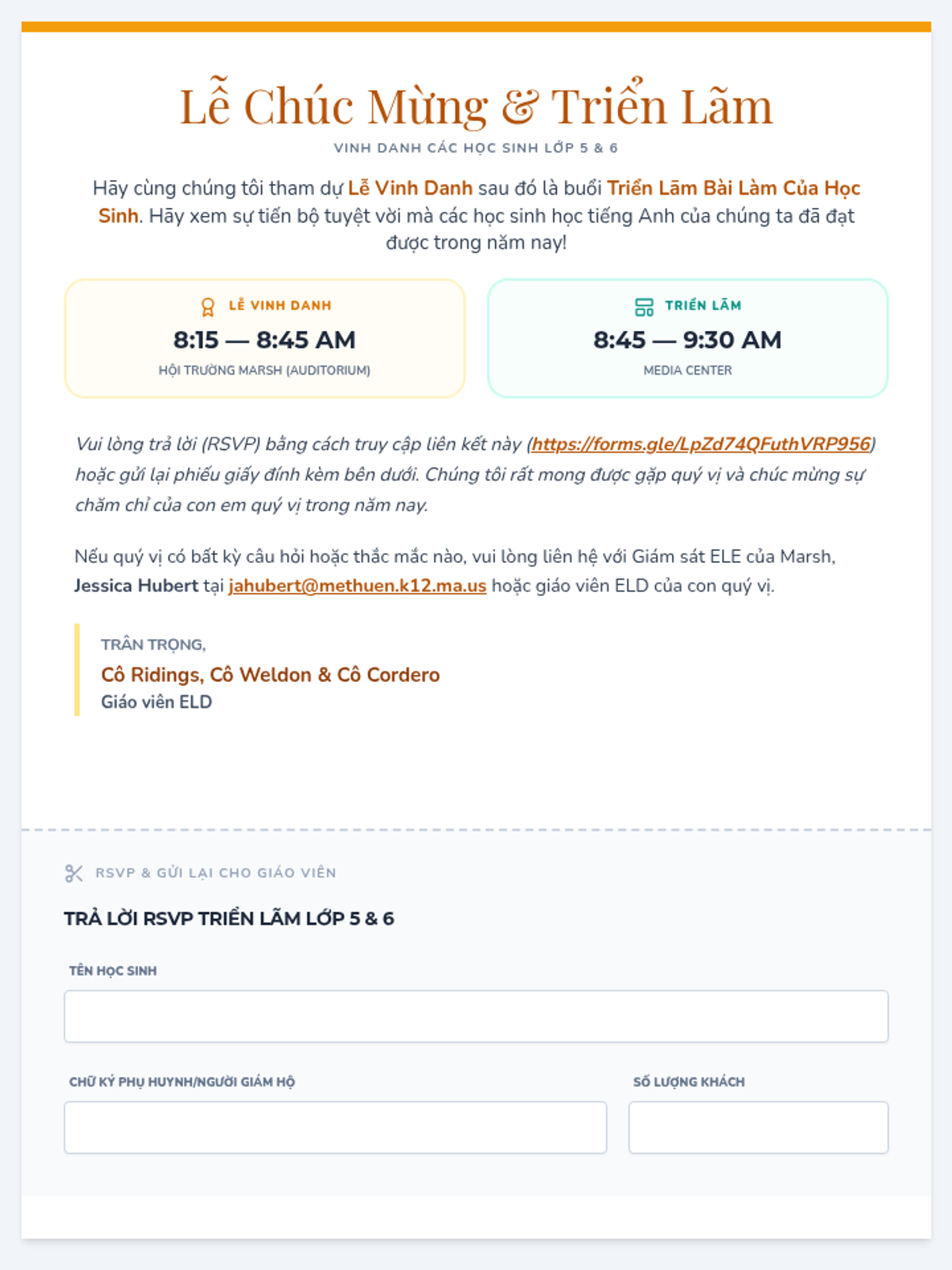
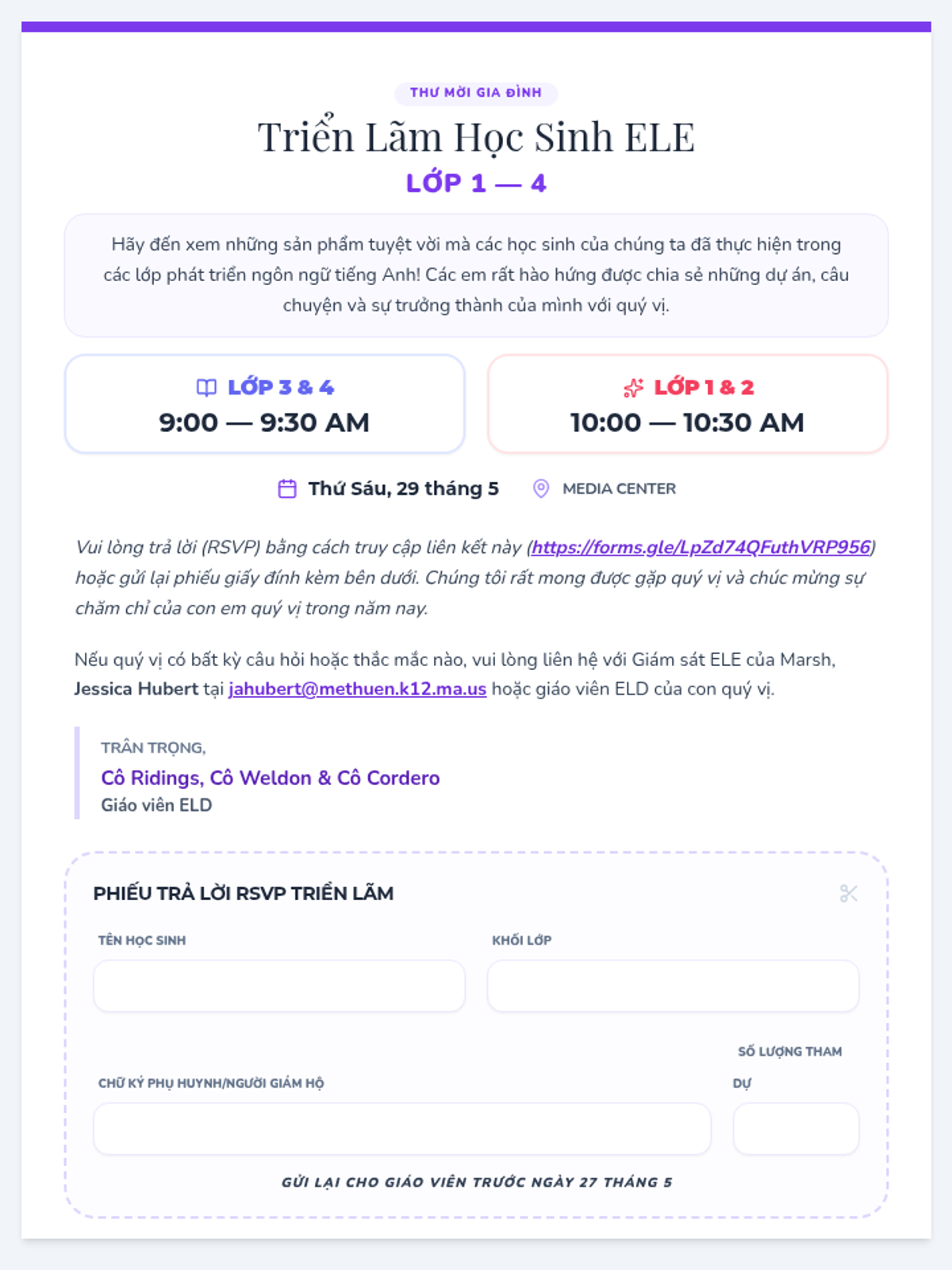
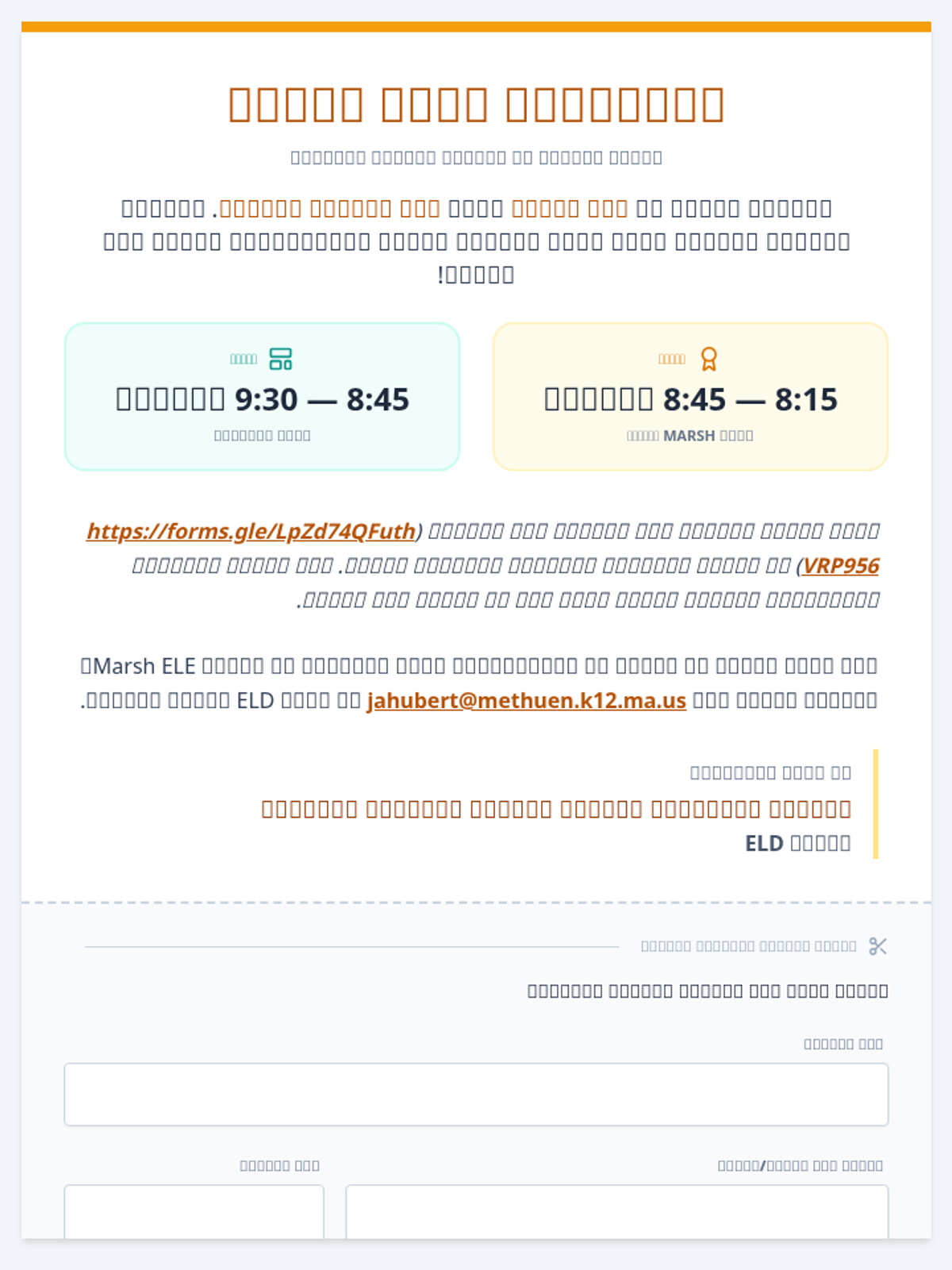
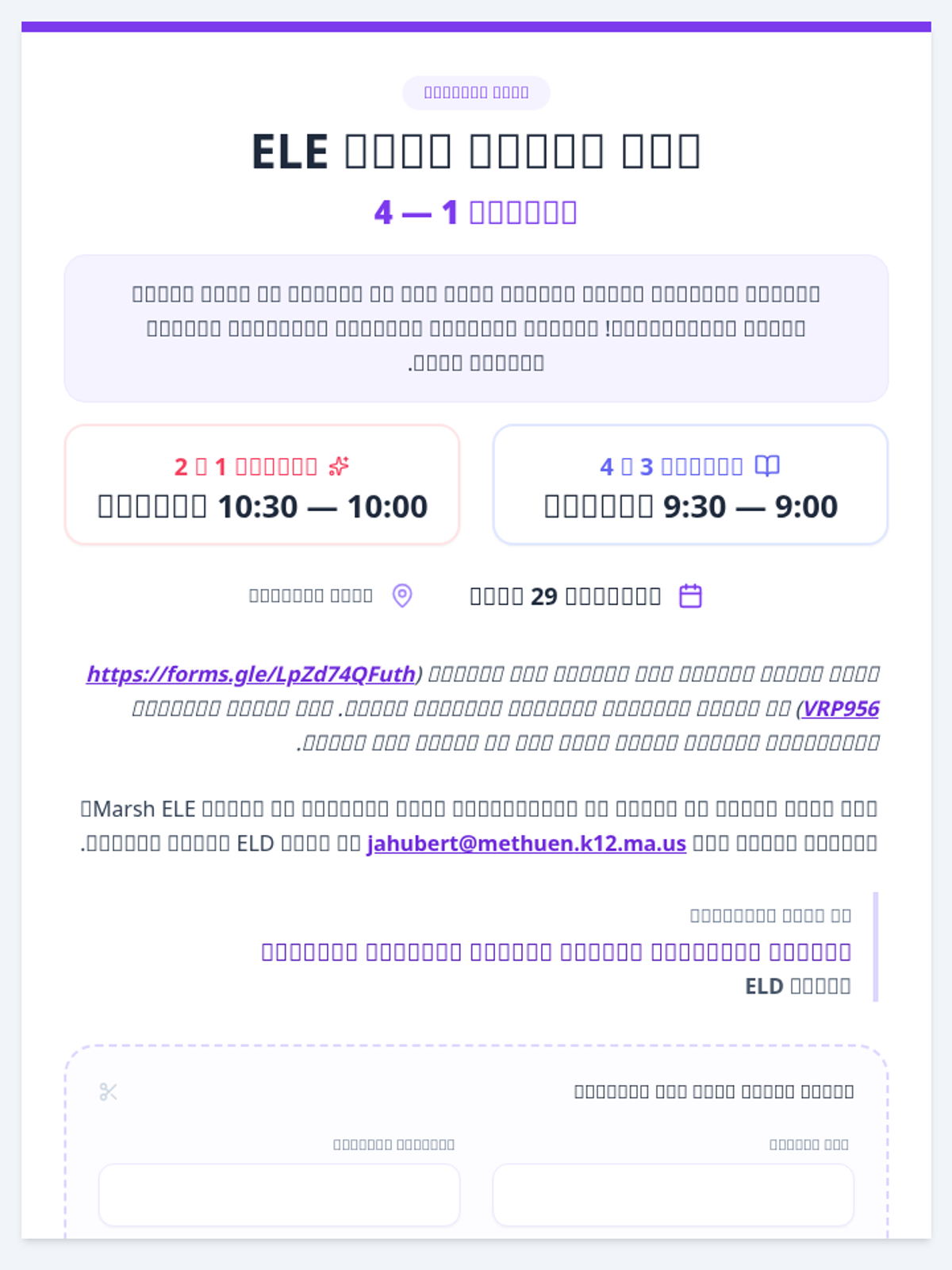
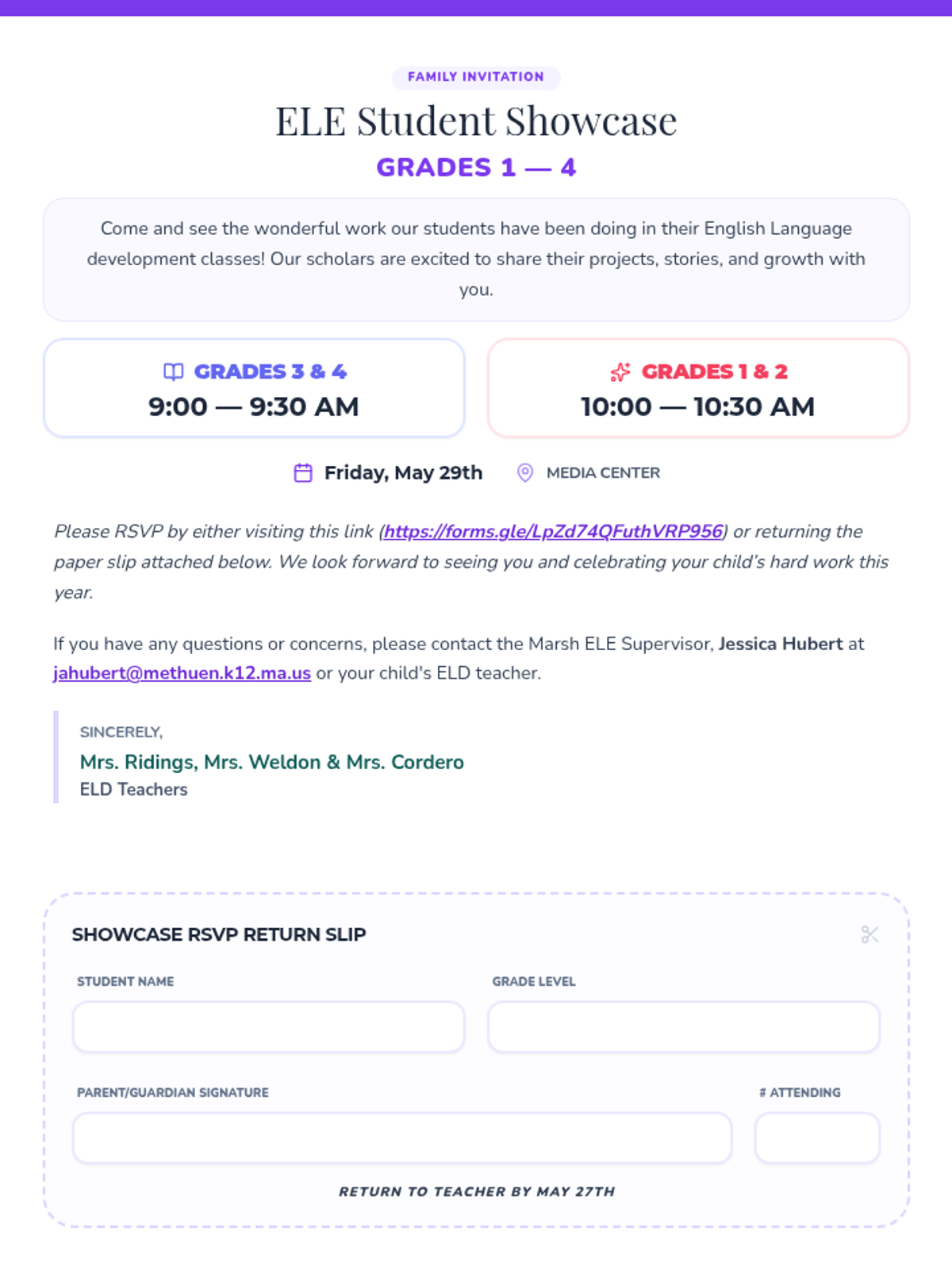
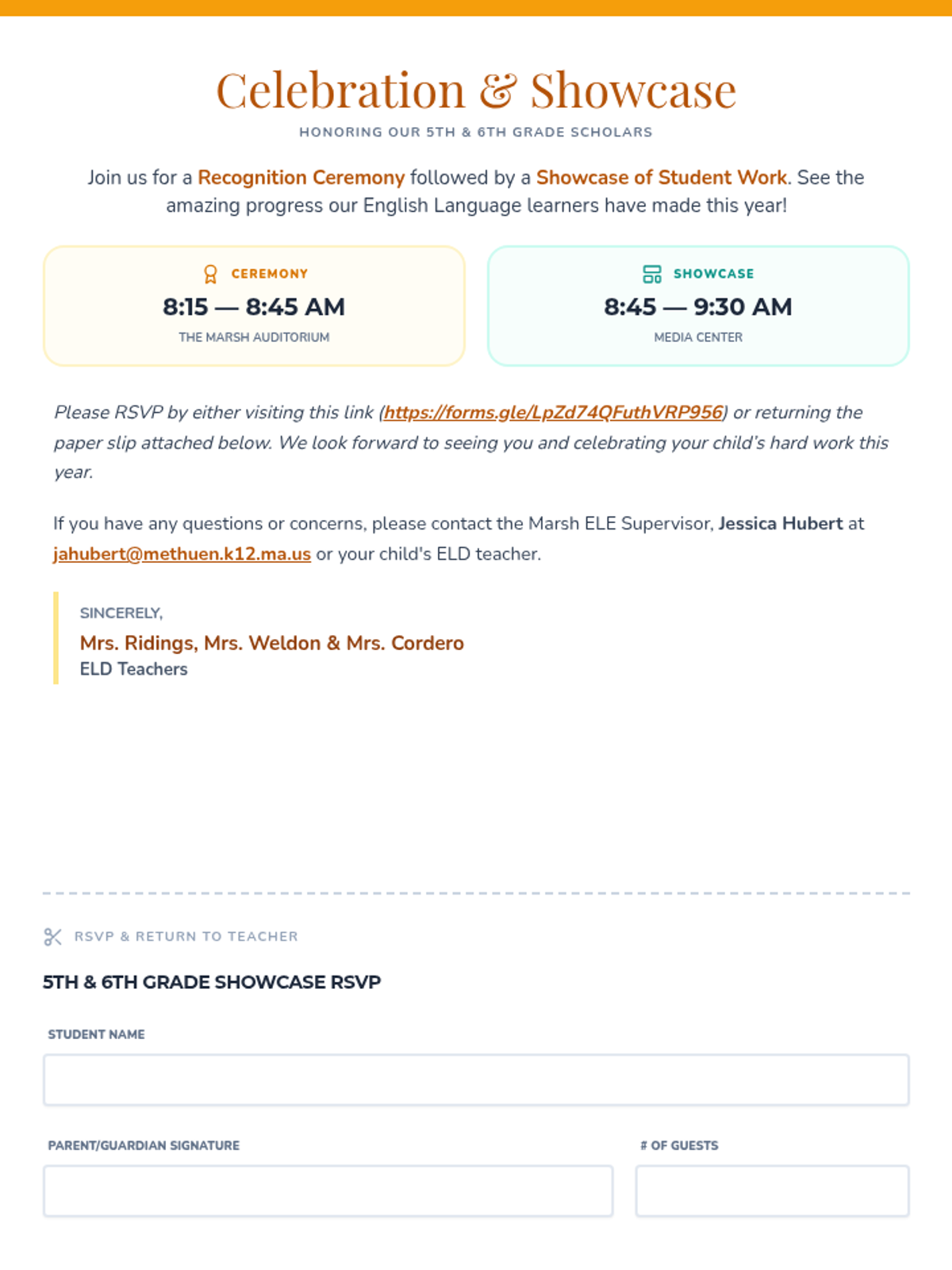
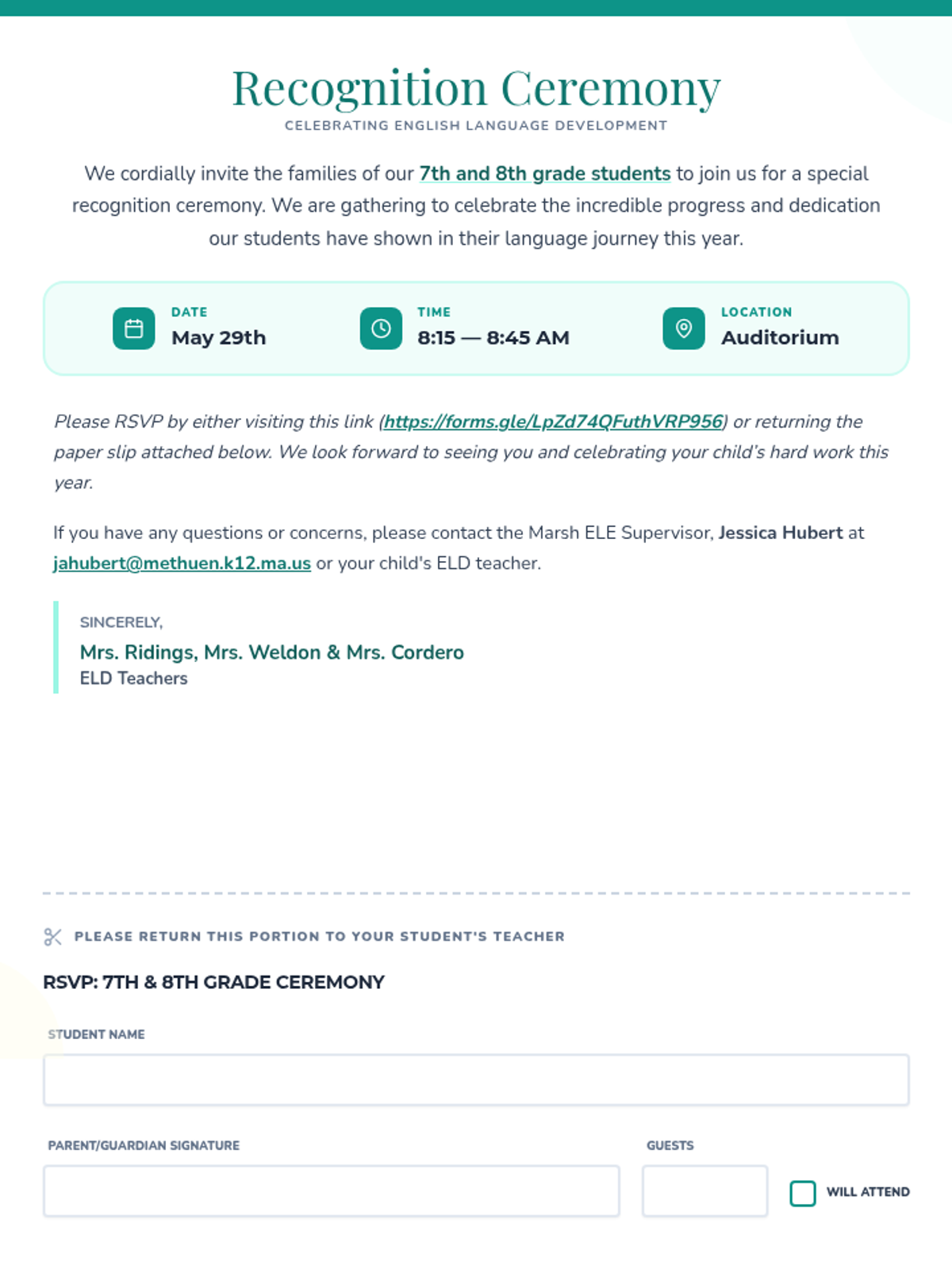
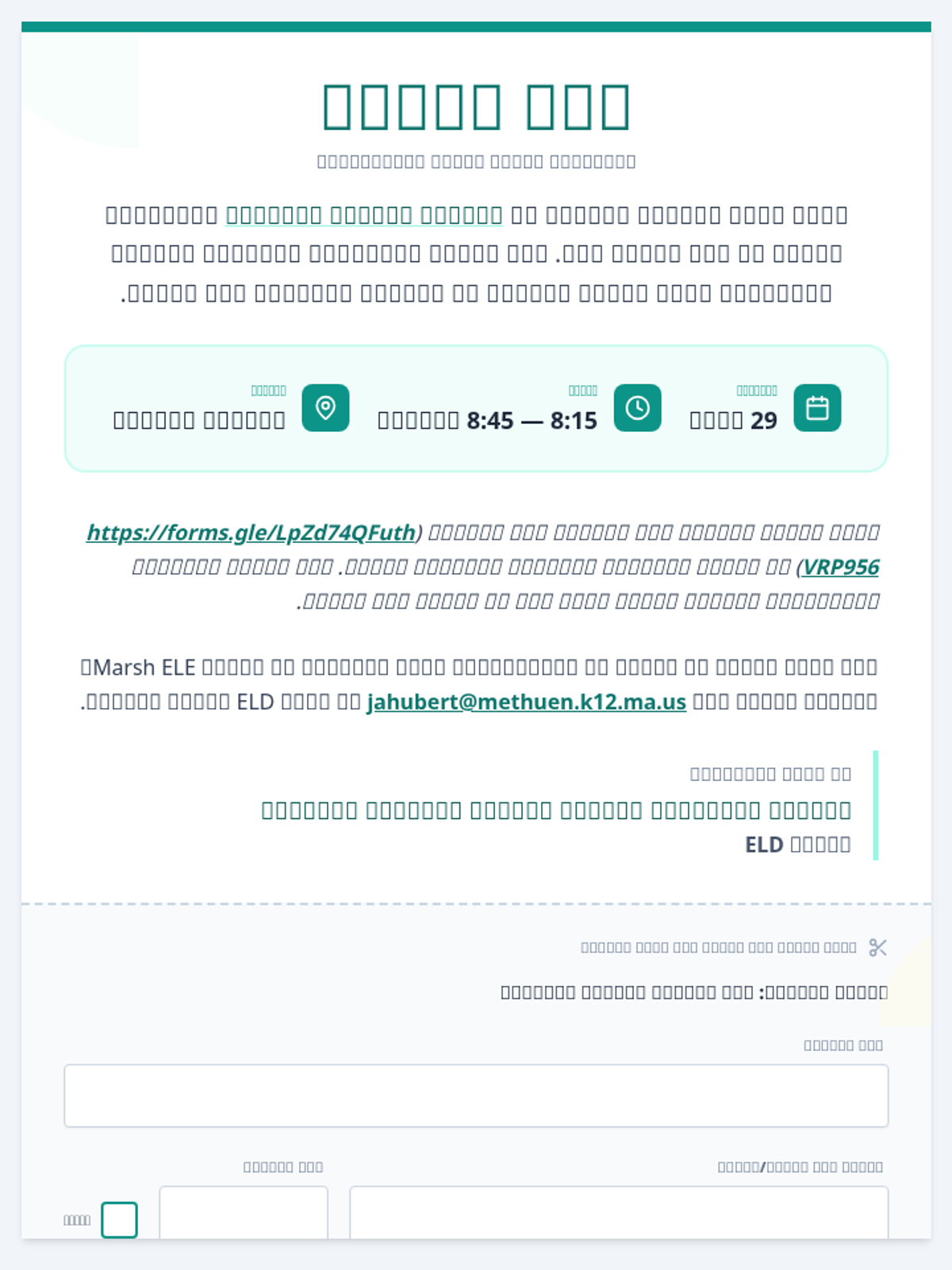
A collection of family invitation flyers for the English Language Education (ELE) showcase and recognition ceremonies across various grade levels. Each flyer includes specific timing, location details, and a return slip for RSVPs.
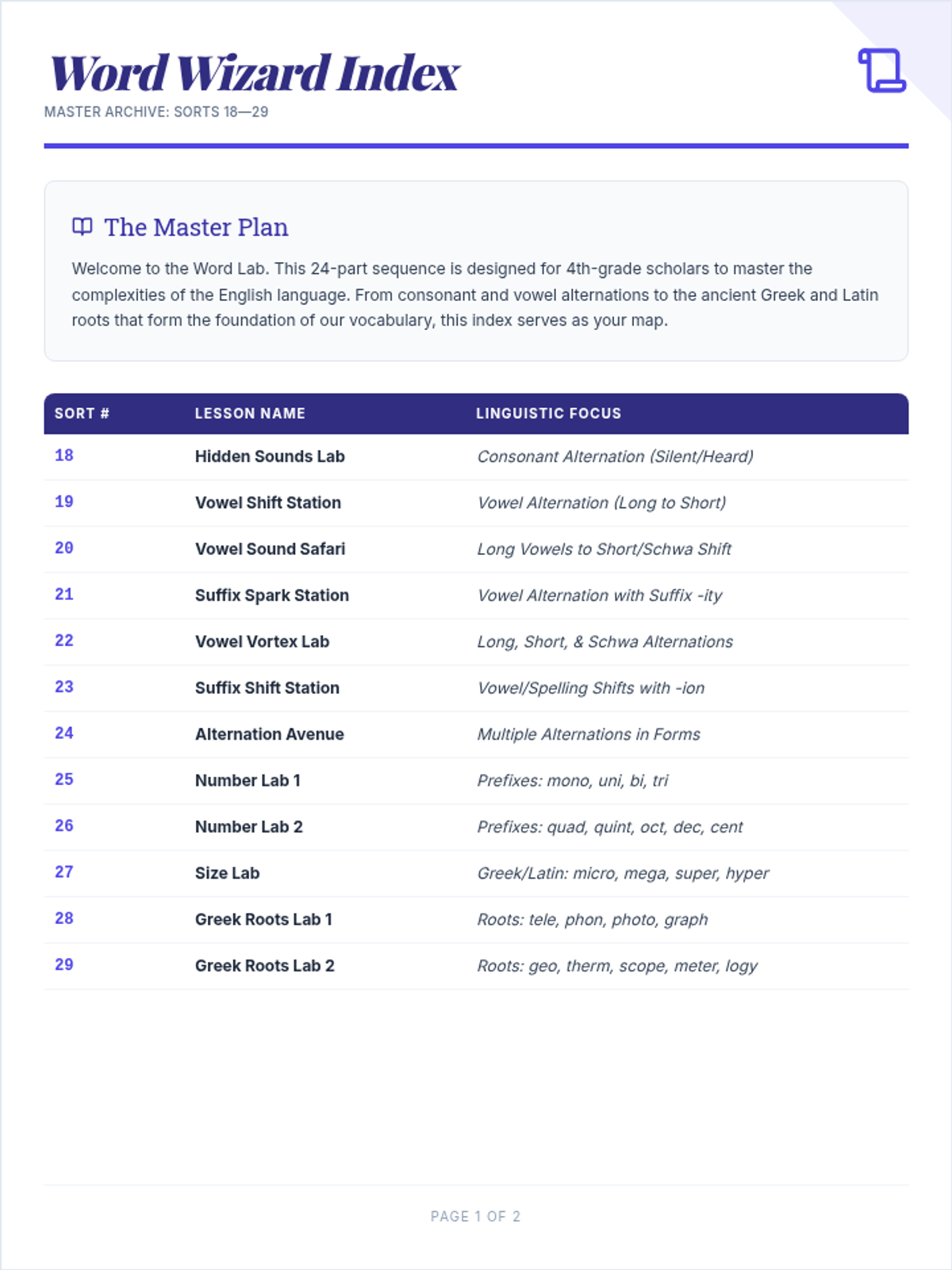
A reference point for the Word Study Wizards sequence, containing the master index and sequence overview.
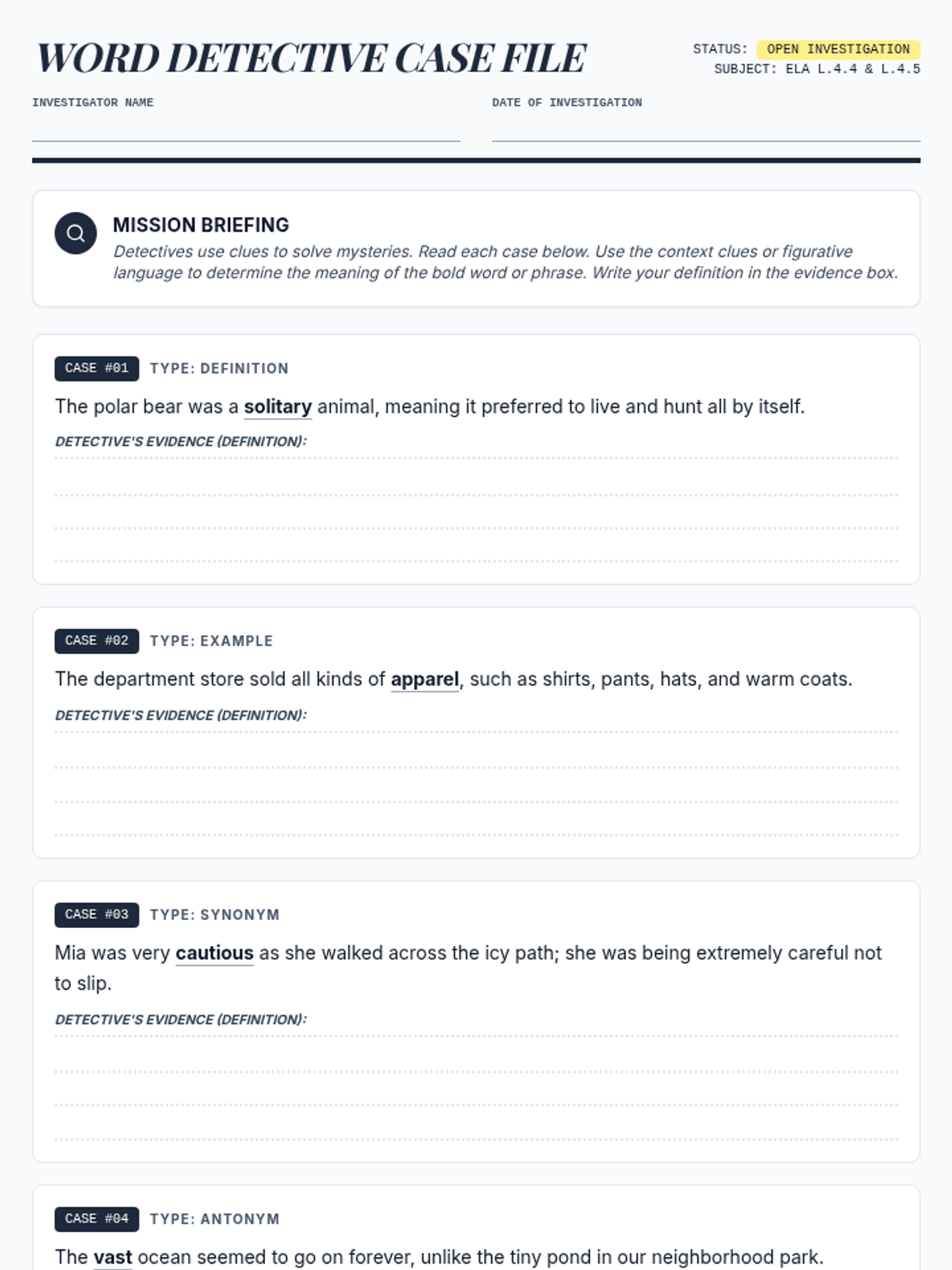
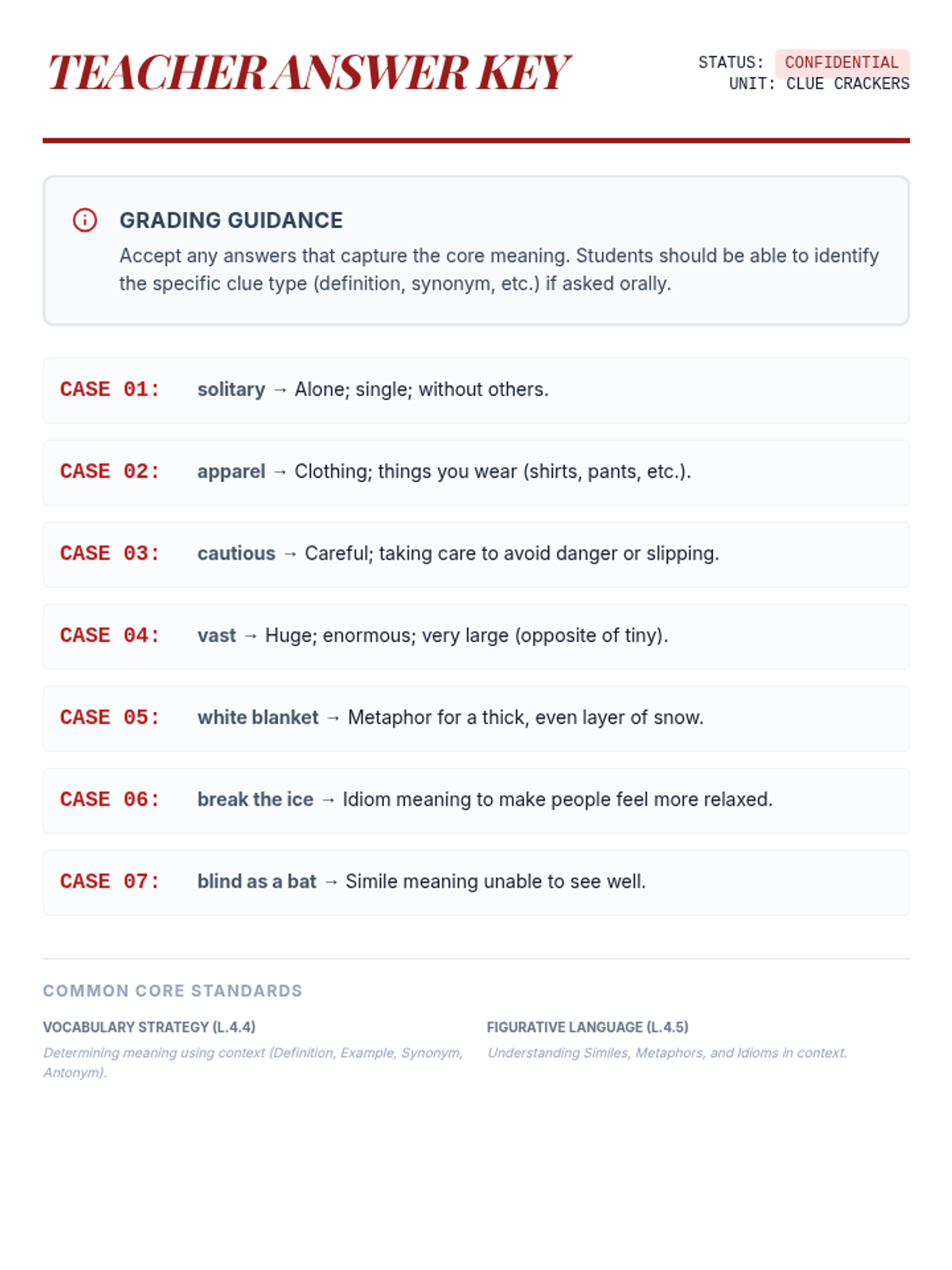
A lesson focused on using context clues and understanding figurative language (similes, metaphors, and idioms) to determine the meaning of unknown words and phrases. Students act as word detectives to crack the code of complex sentences.
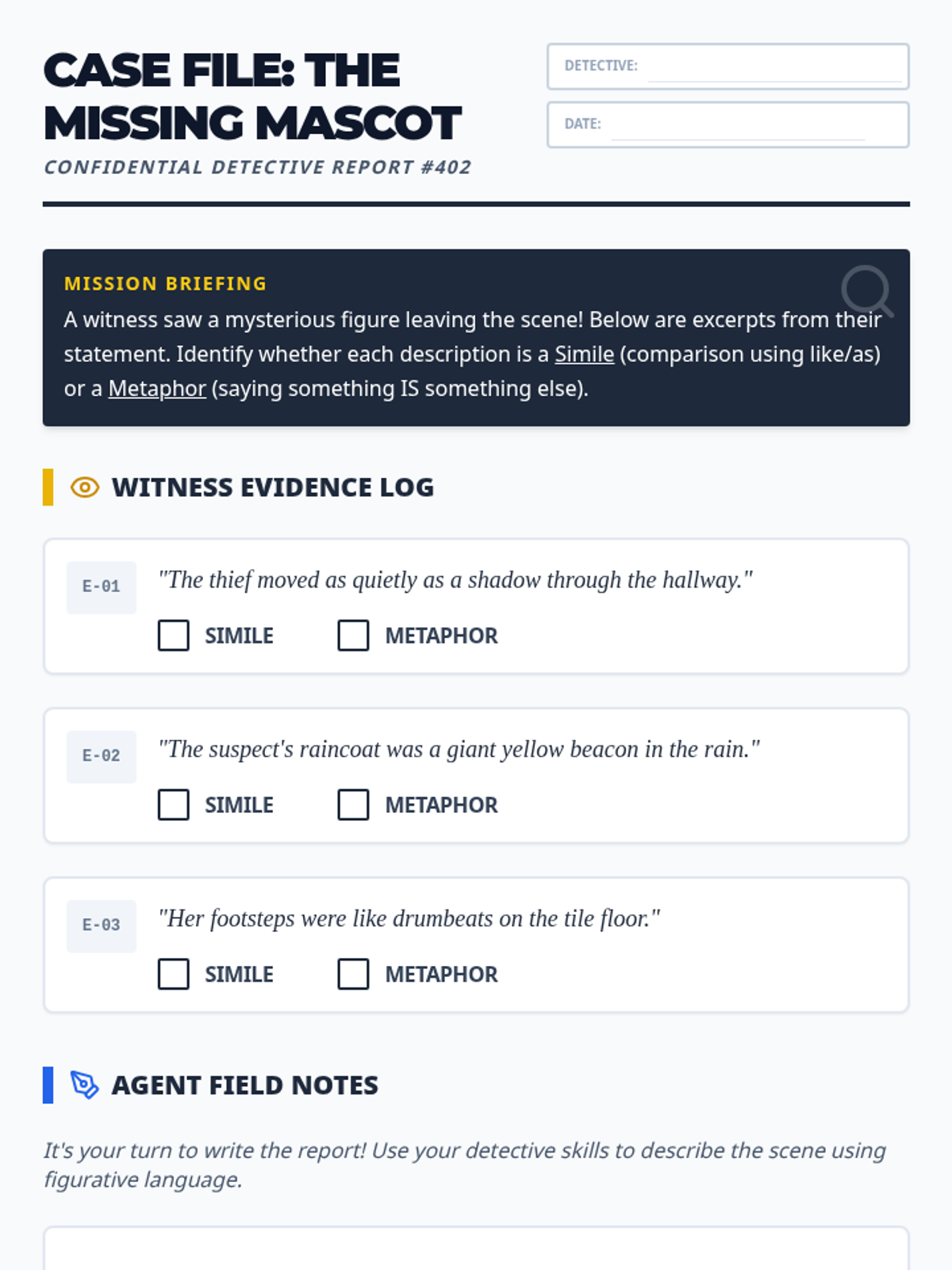
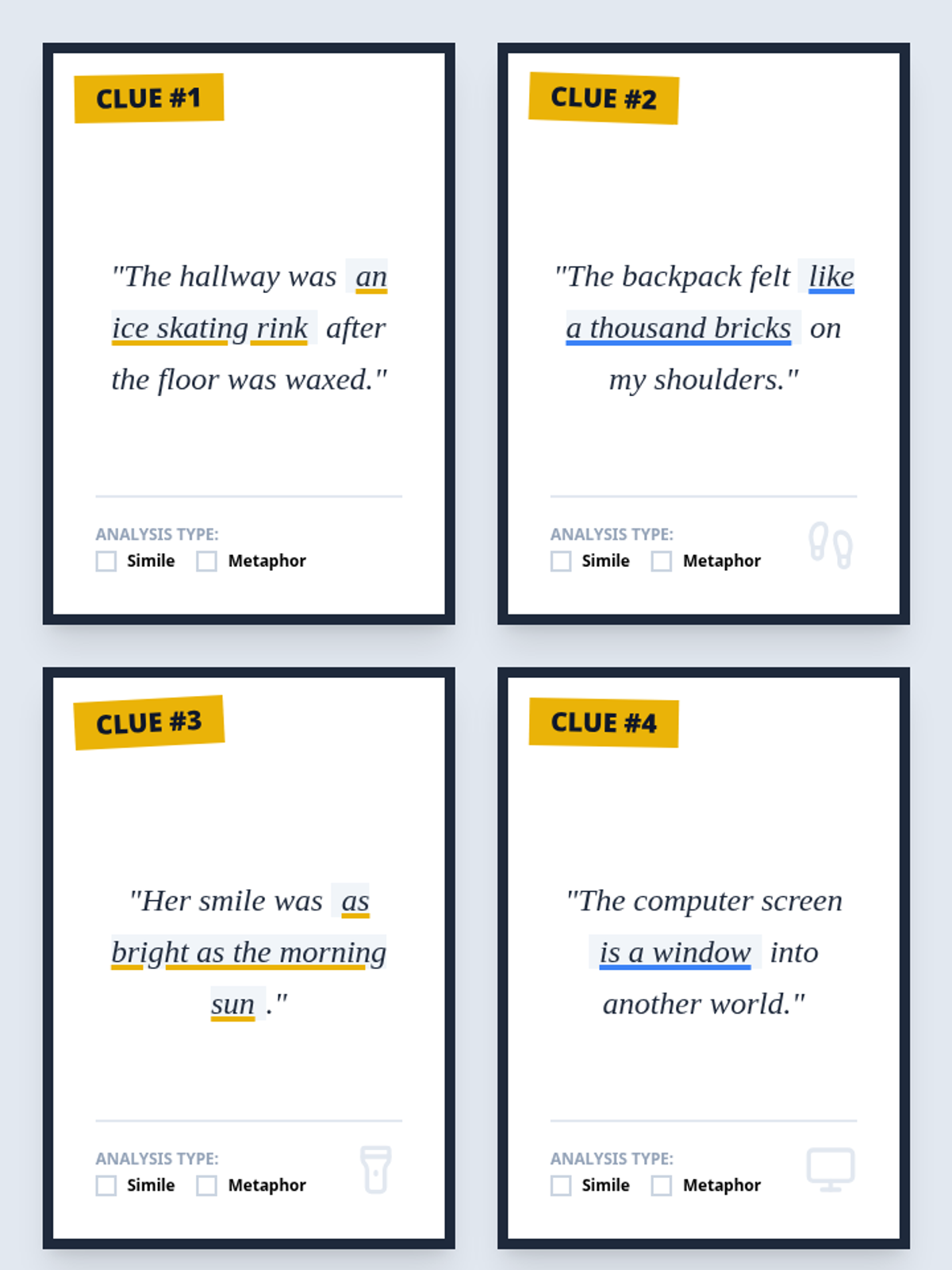
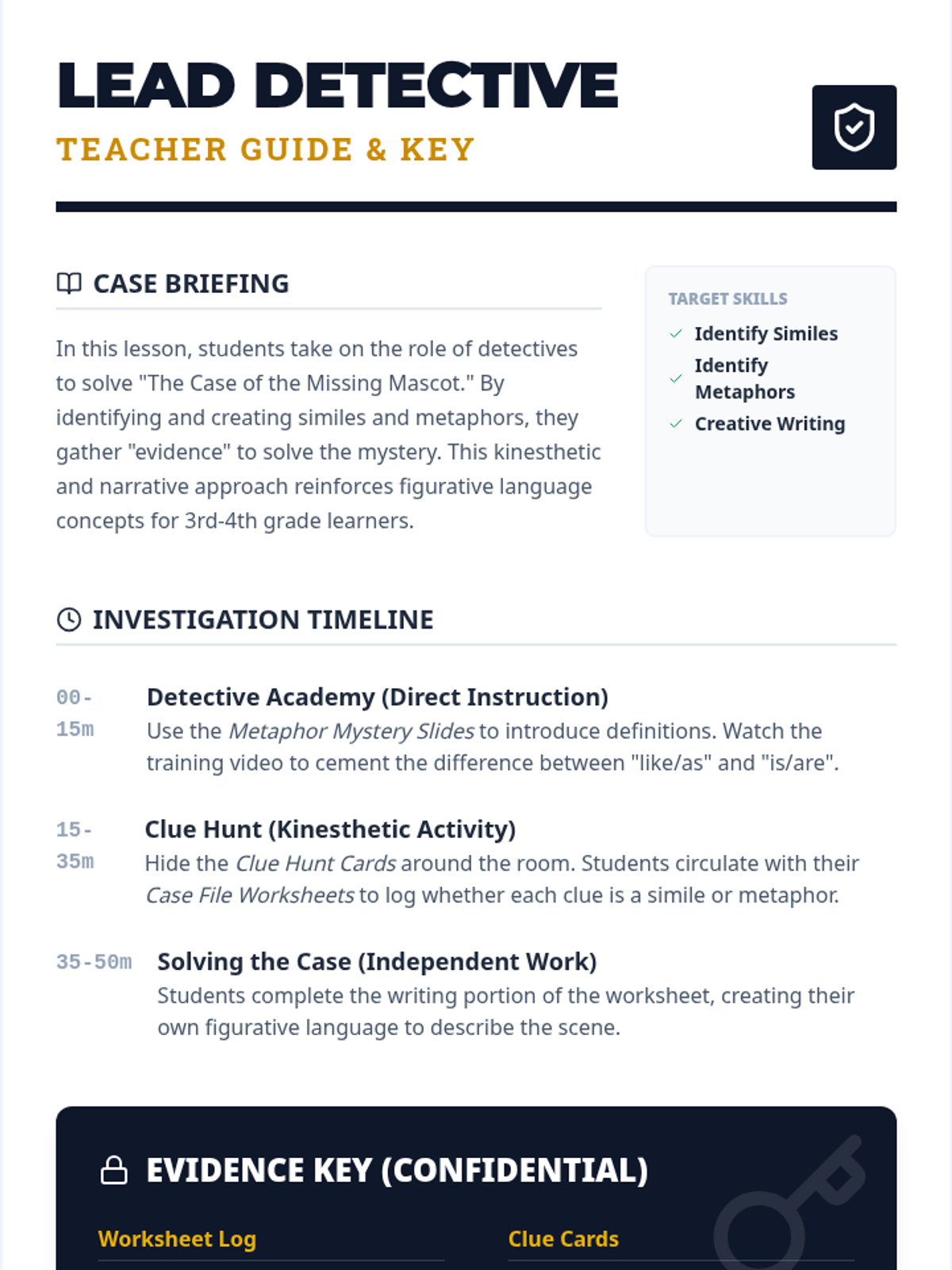
Students become literary detectives, using their knowledge of similes and metaphors to track down a missing classroom item. They will analyze figurative language clues and create their own descriptions to solve the mystery.
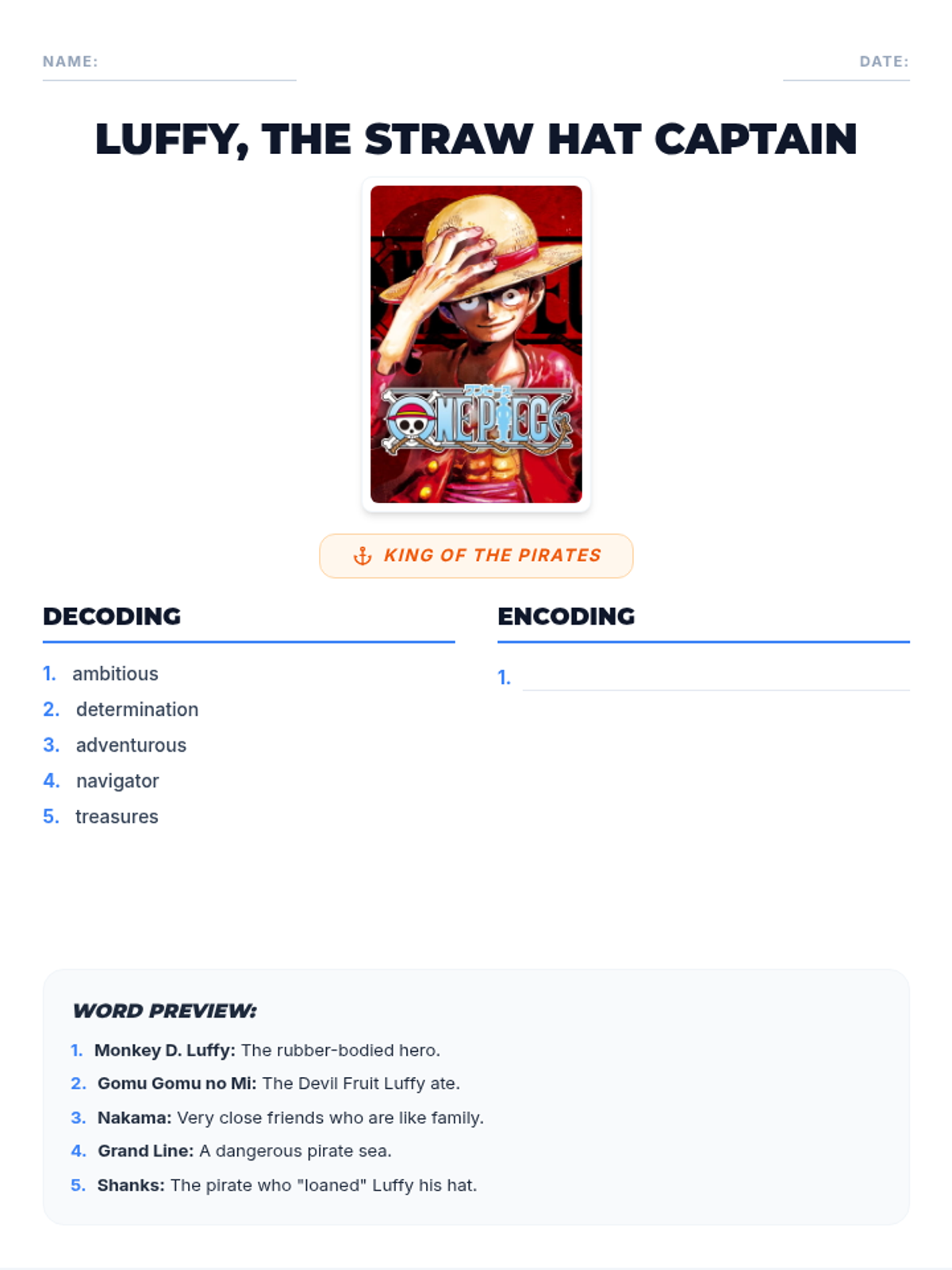
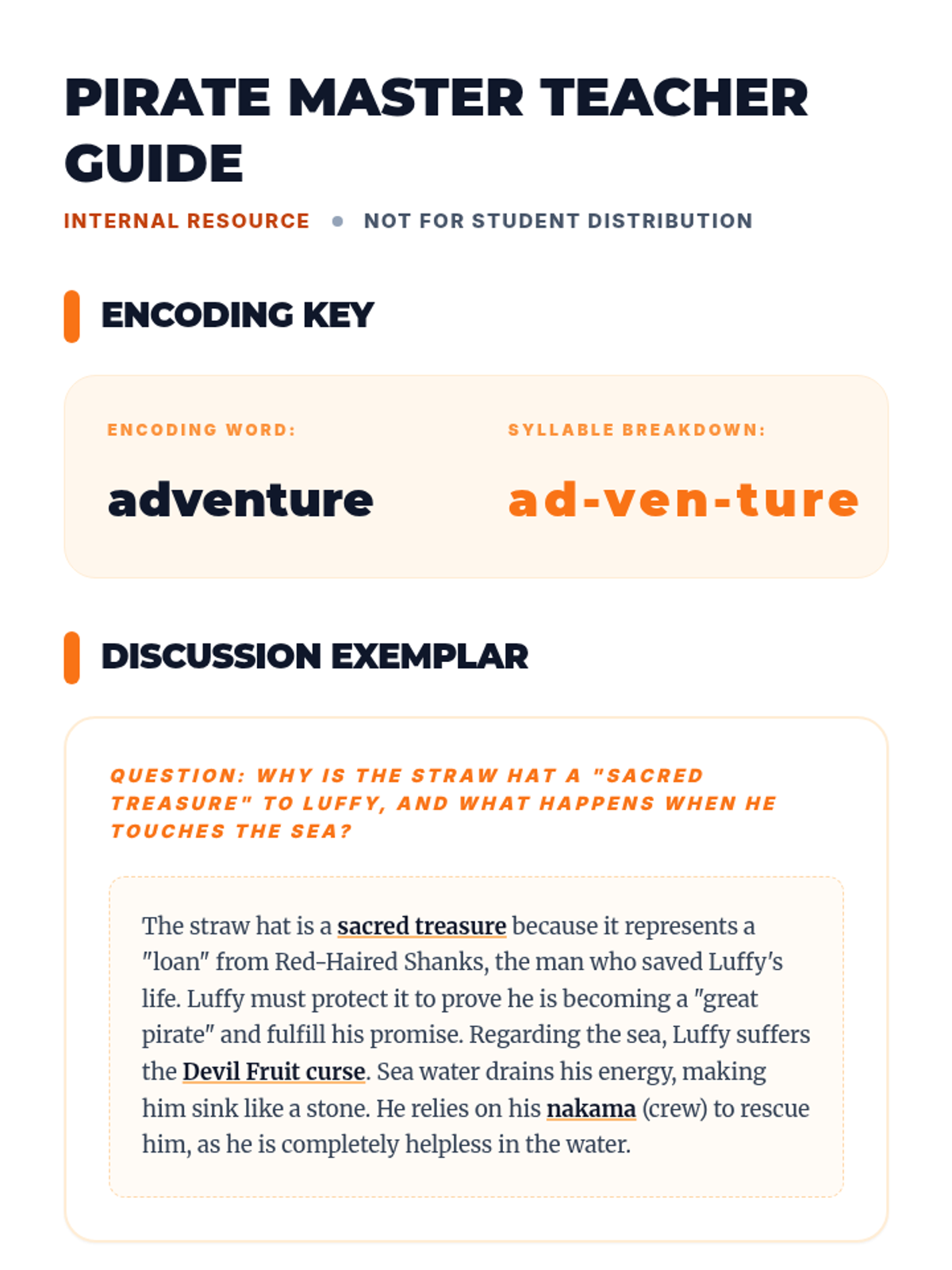
This lesson focuses on Monkey D. Luffy's journey from a small village to the Grand Line, highlighting his determination and the significance of his iconic straw hat. Students practice reading fluency, vocabulary decoding, and thematic analysis.
A hands-on lesson focusing on identifying and forming contractions by matching word pairs to their shortened versions through interactive card games.
A lesson focused on the art of inference in literature, using short paragraph-length stories to teach students how to read between the lines and use evidence to support their conclusions.
Students step into the role of language detectives to decode common idioms, distinguishing between literal and figurative meanings through interactive exploration and context clues.
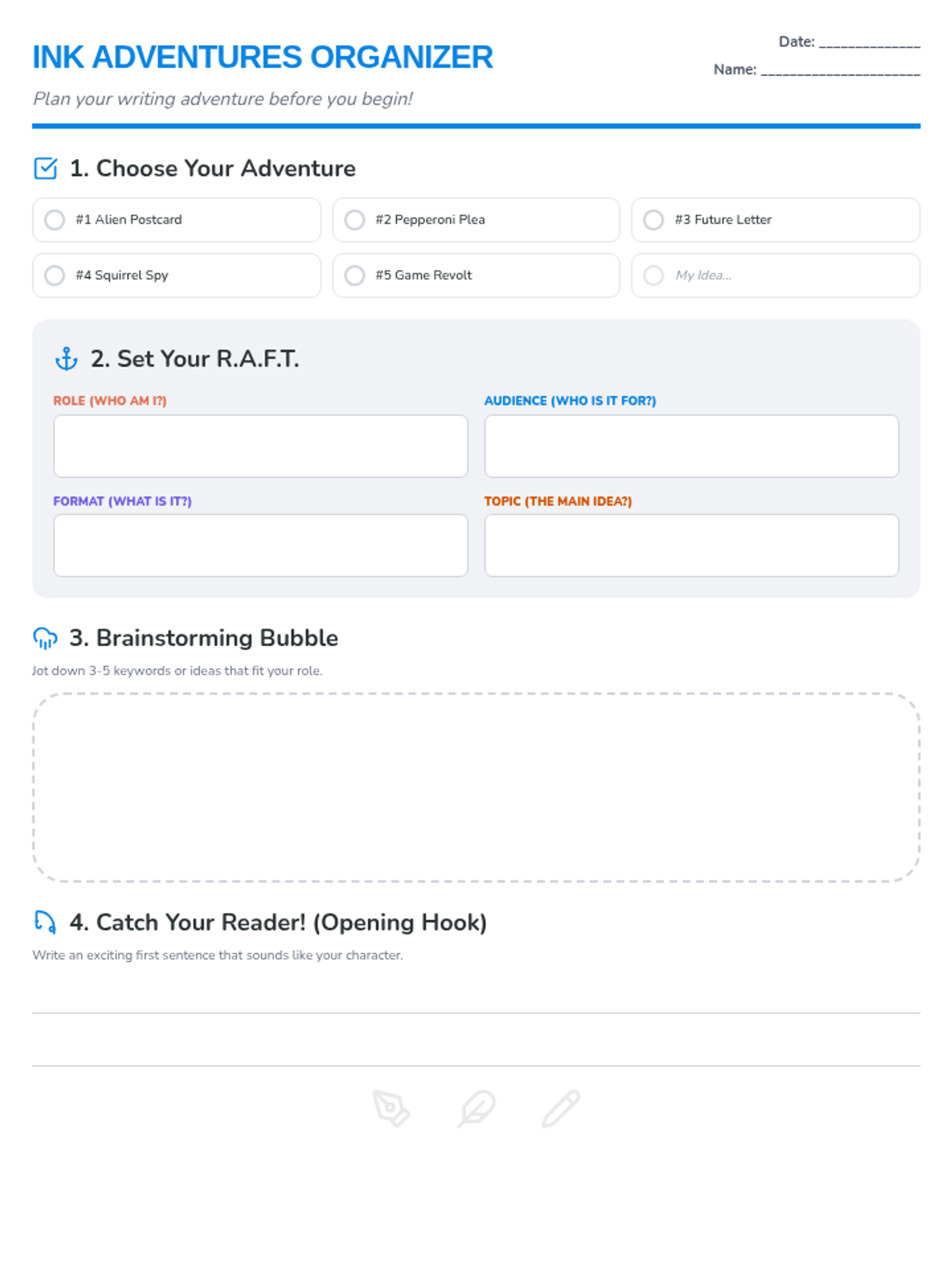
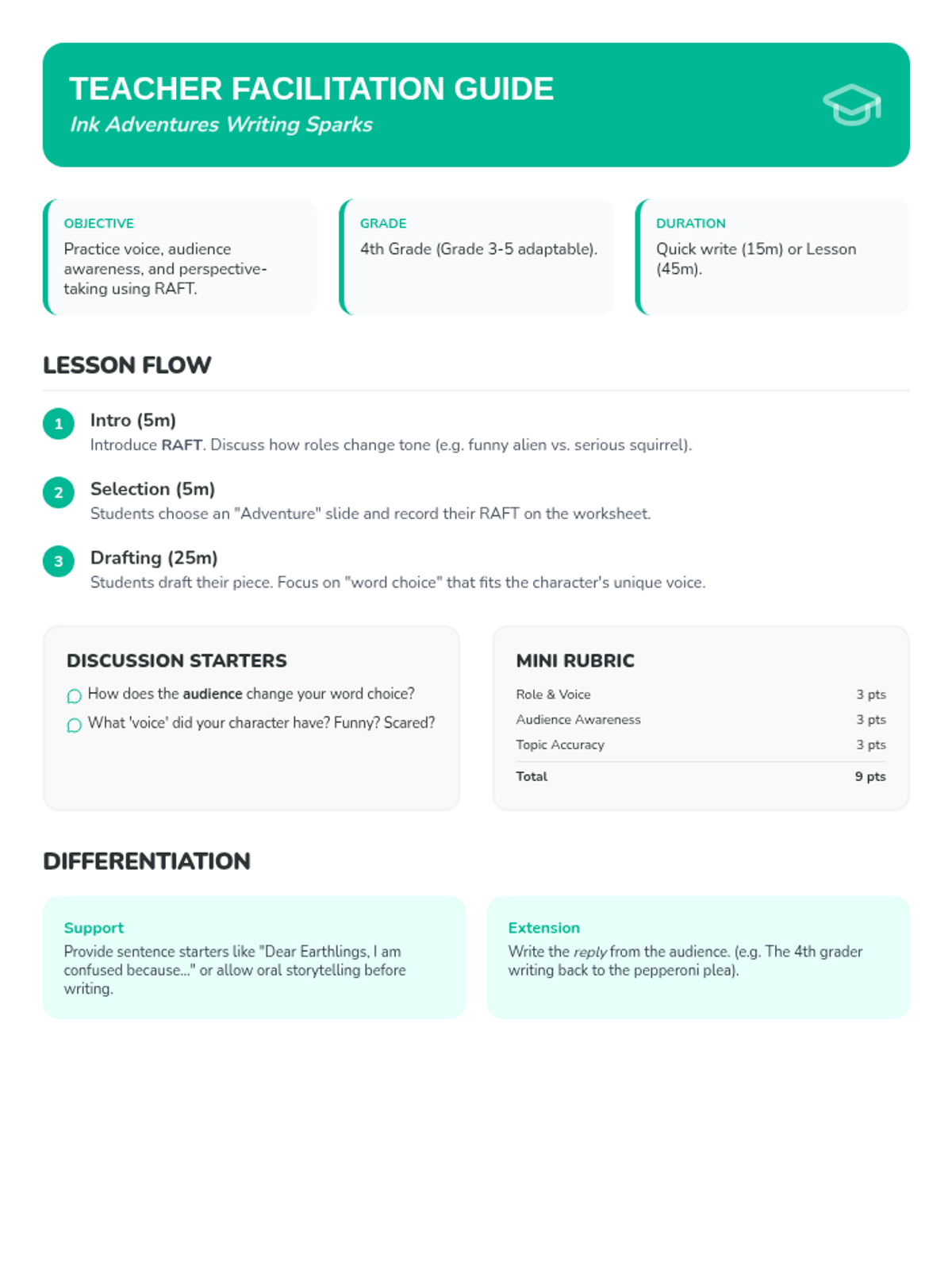
A collection of creative and engaging writing prompts for 4th-grade students using the RAFT (Role, Audience, Format, Topic) framework to explore different perspectives and styles.
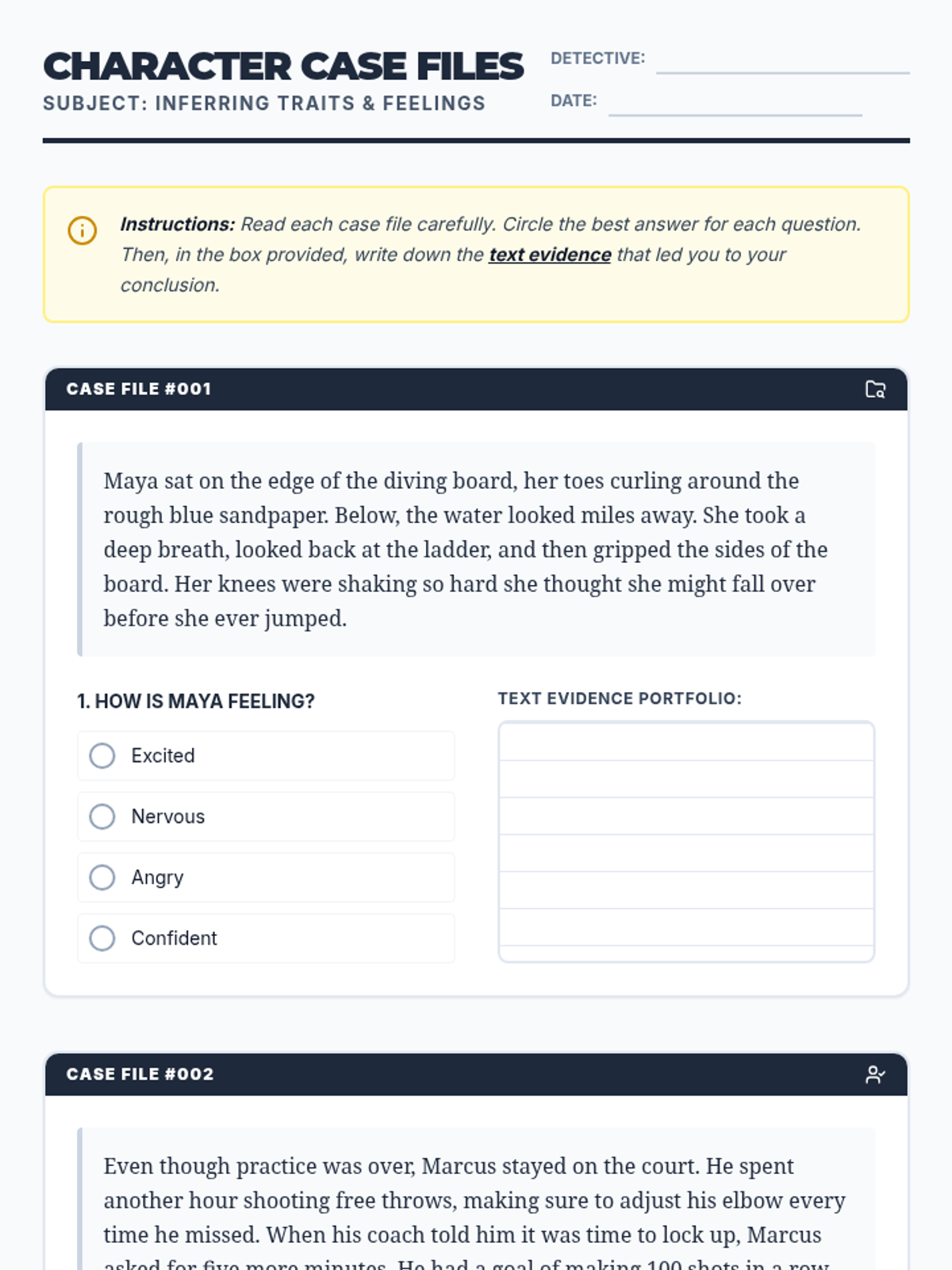
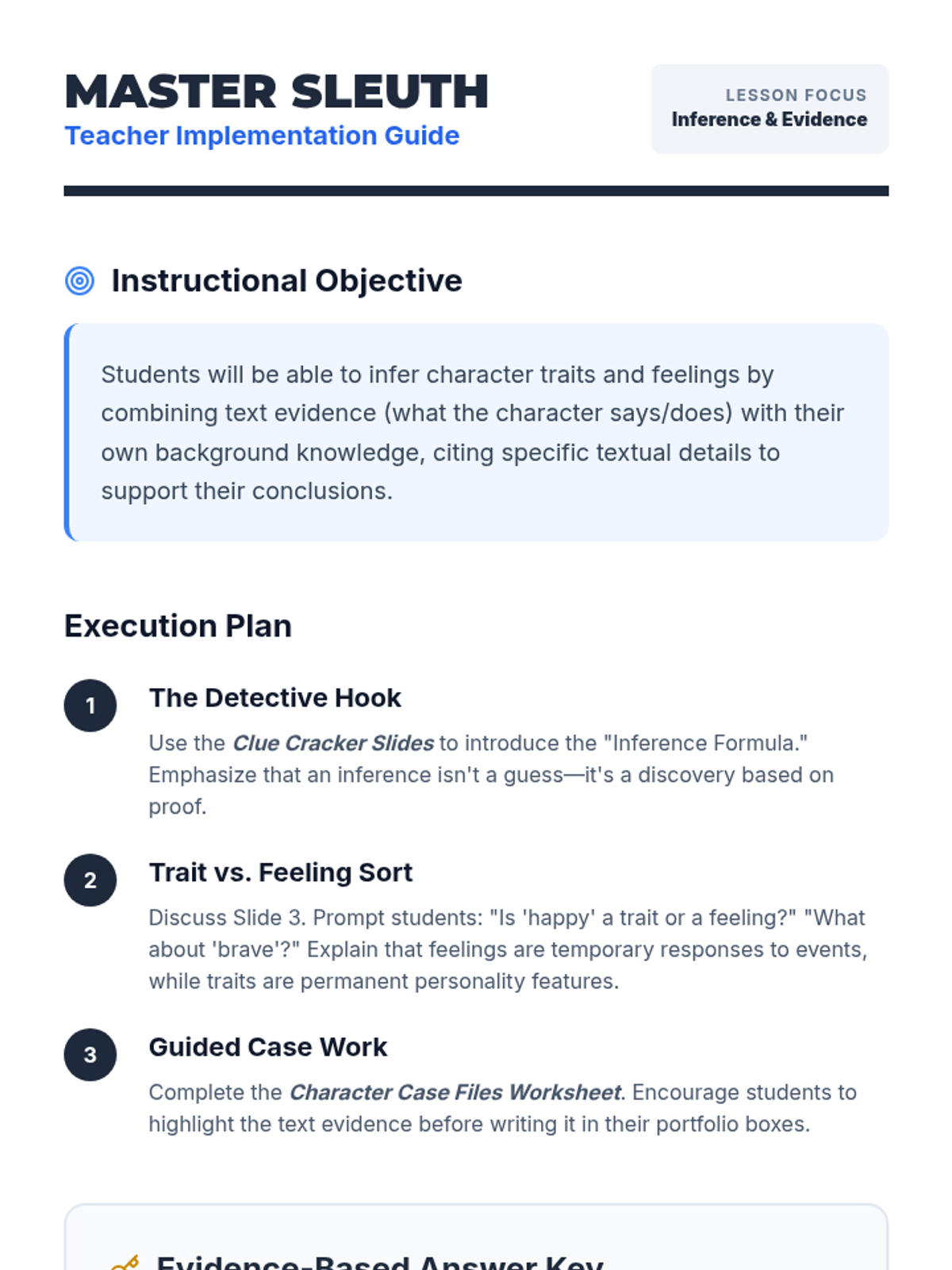
A lesson focused on teaching students how to use text evidence to infer character traits and feelings through a 'detective' lens.
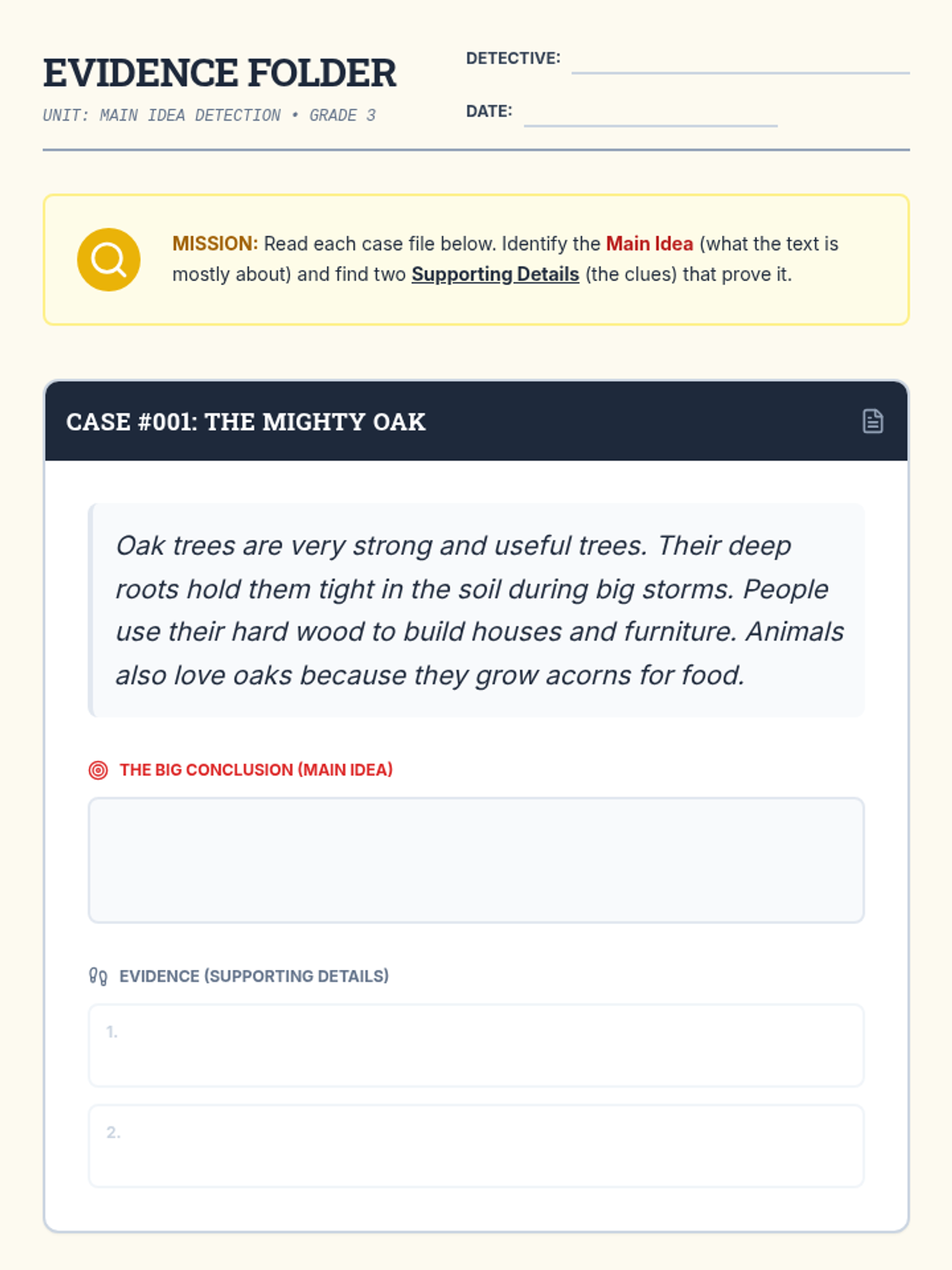
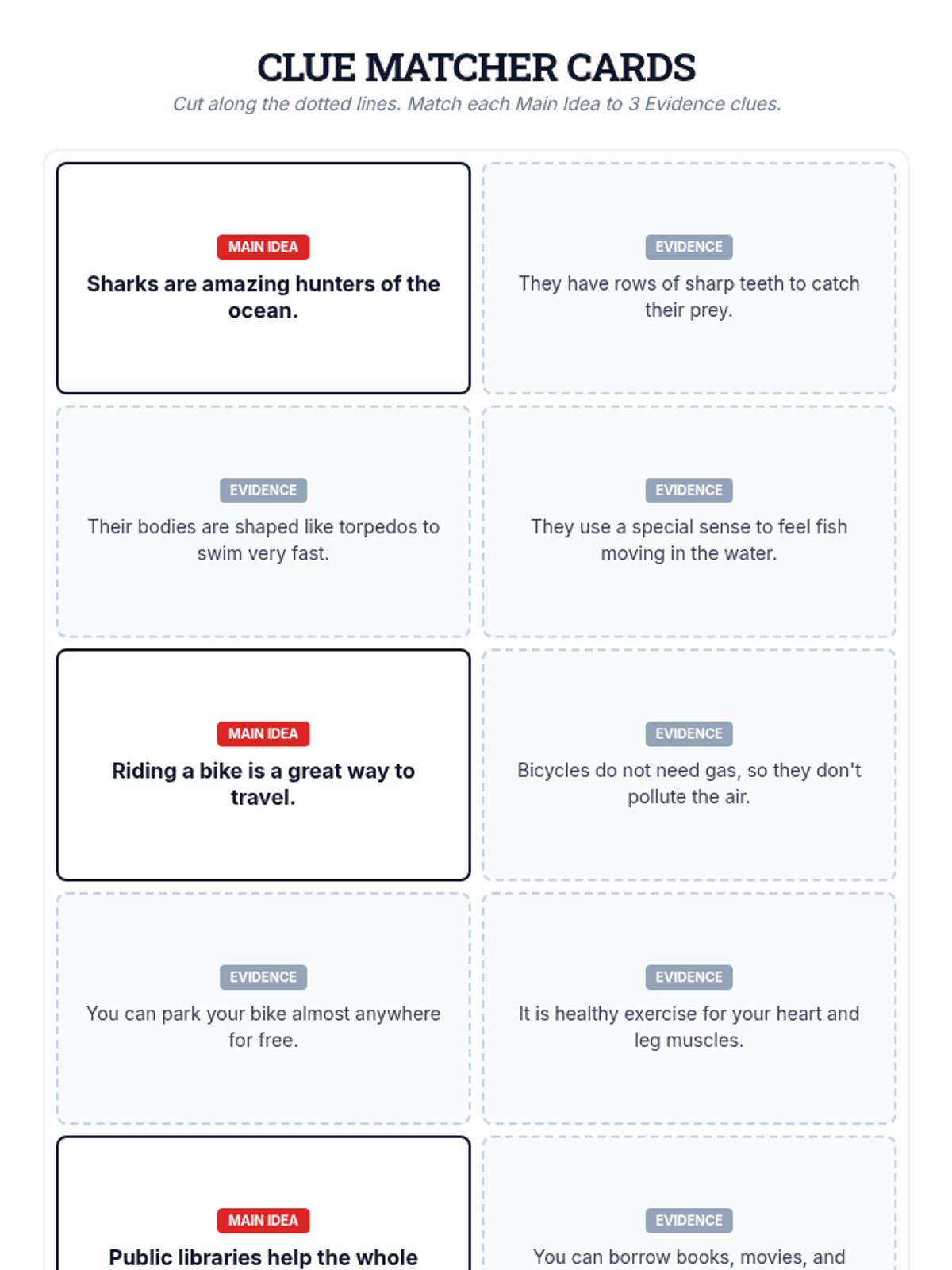
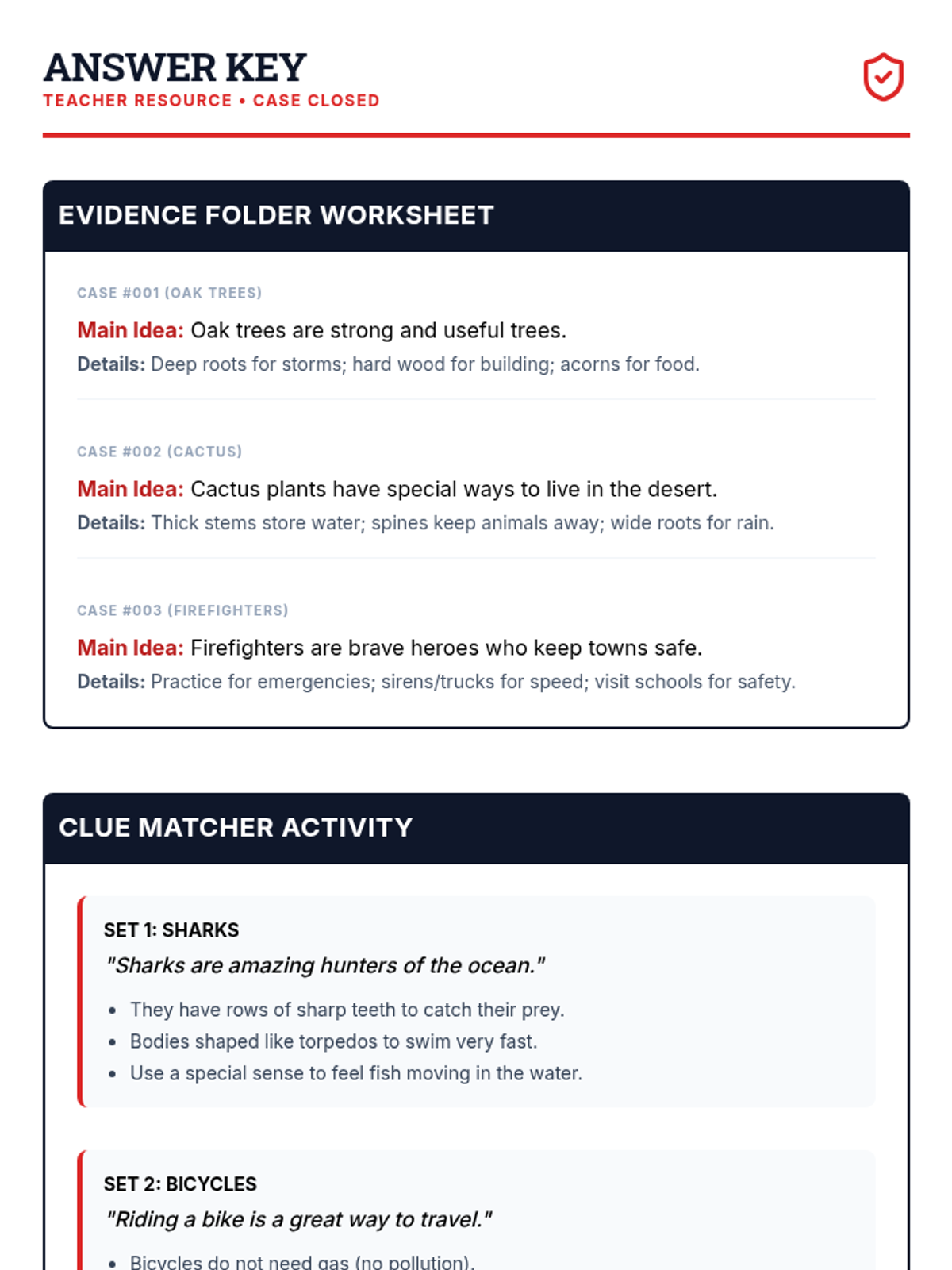
In this lesson, students will learn to identify the main idea and supporting details in simplified text structures using a detective-themed approach. The lesson includes a visual presentation, a practice worksheet, and a matching activity.
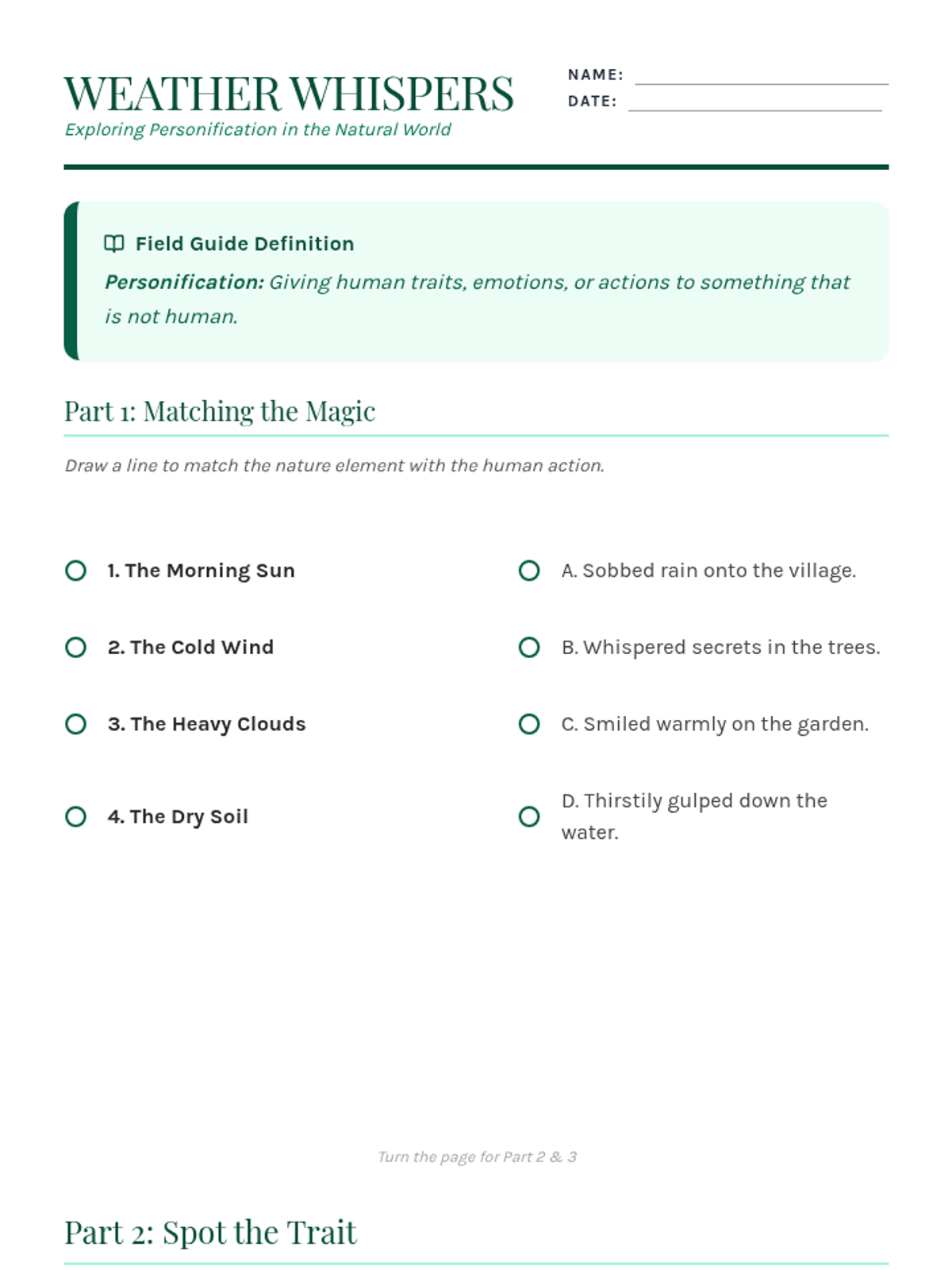
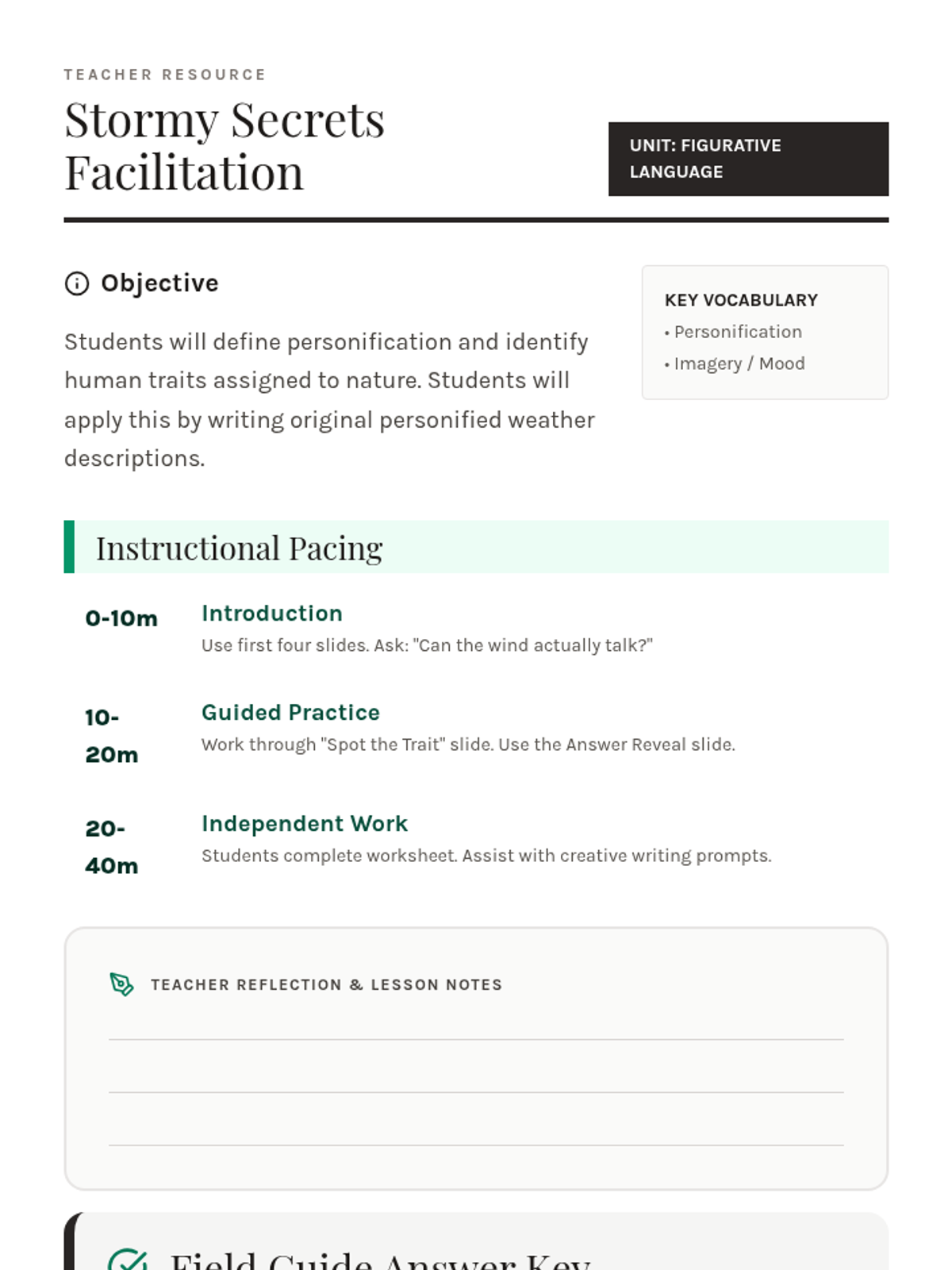
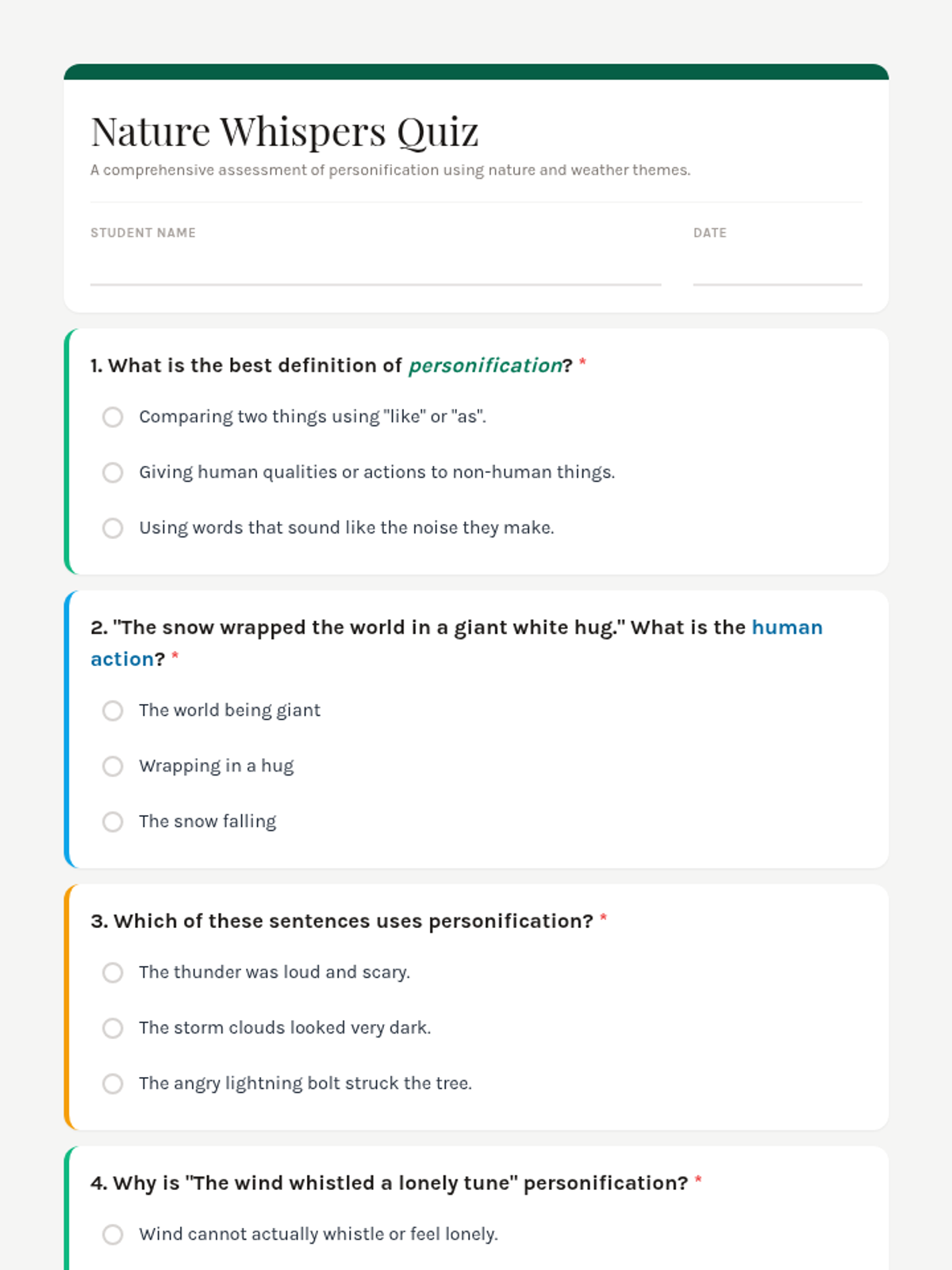
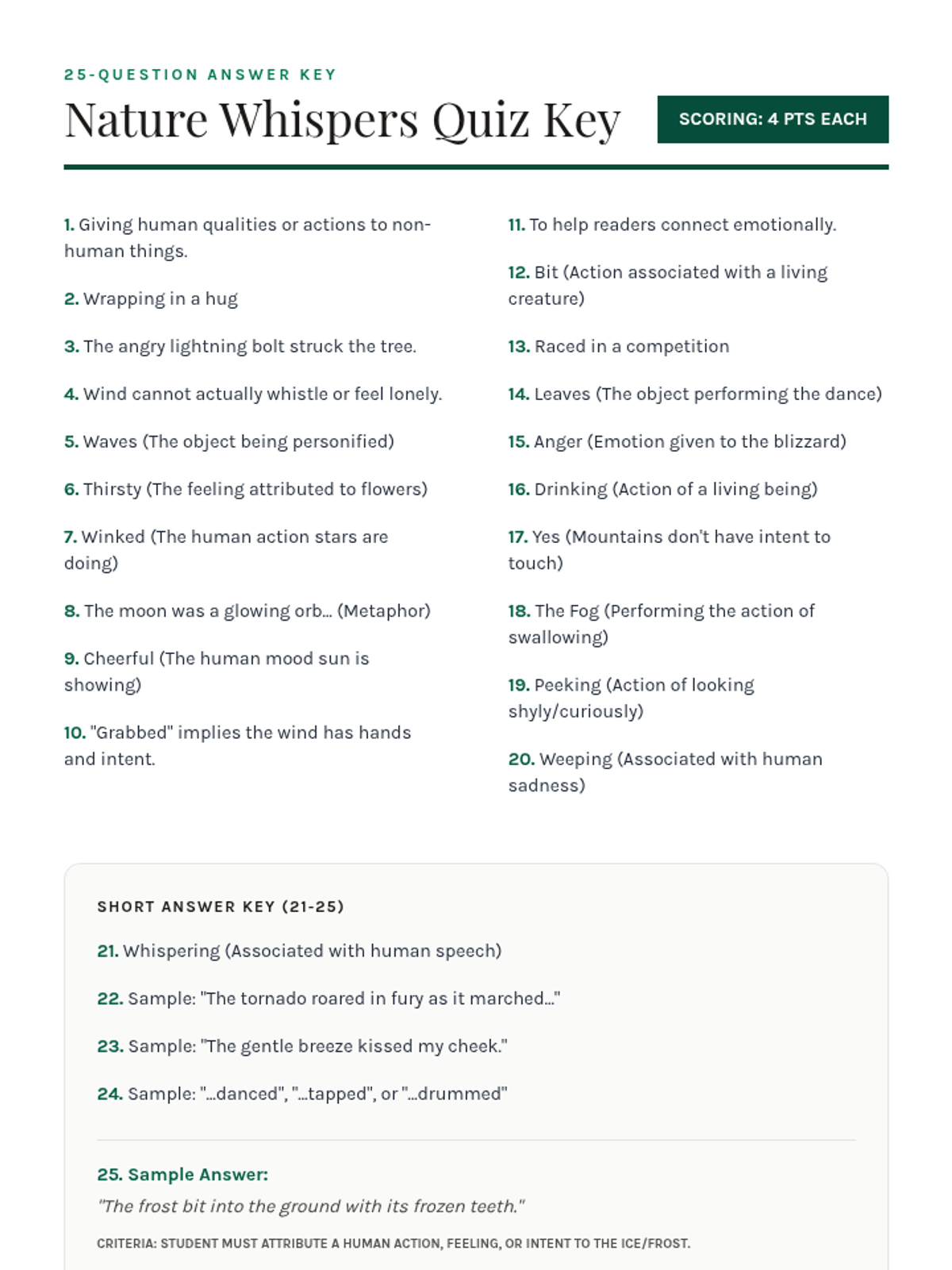
An introductory lesson on personification using nature and weather imagery to help students understand how human traits are attributed to non-human things.
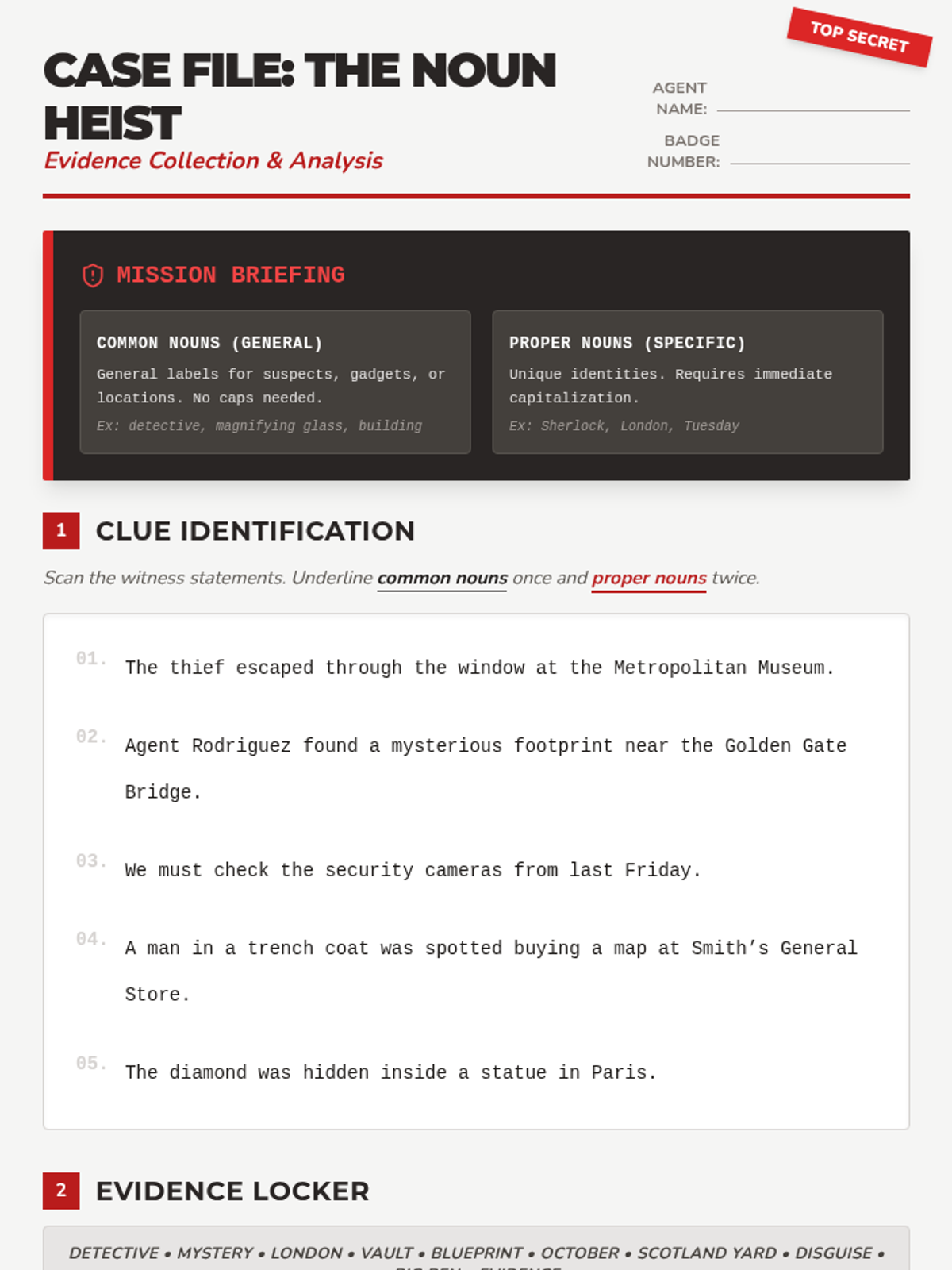
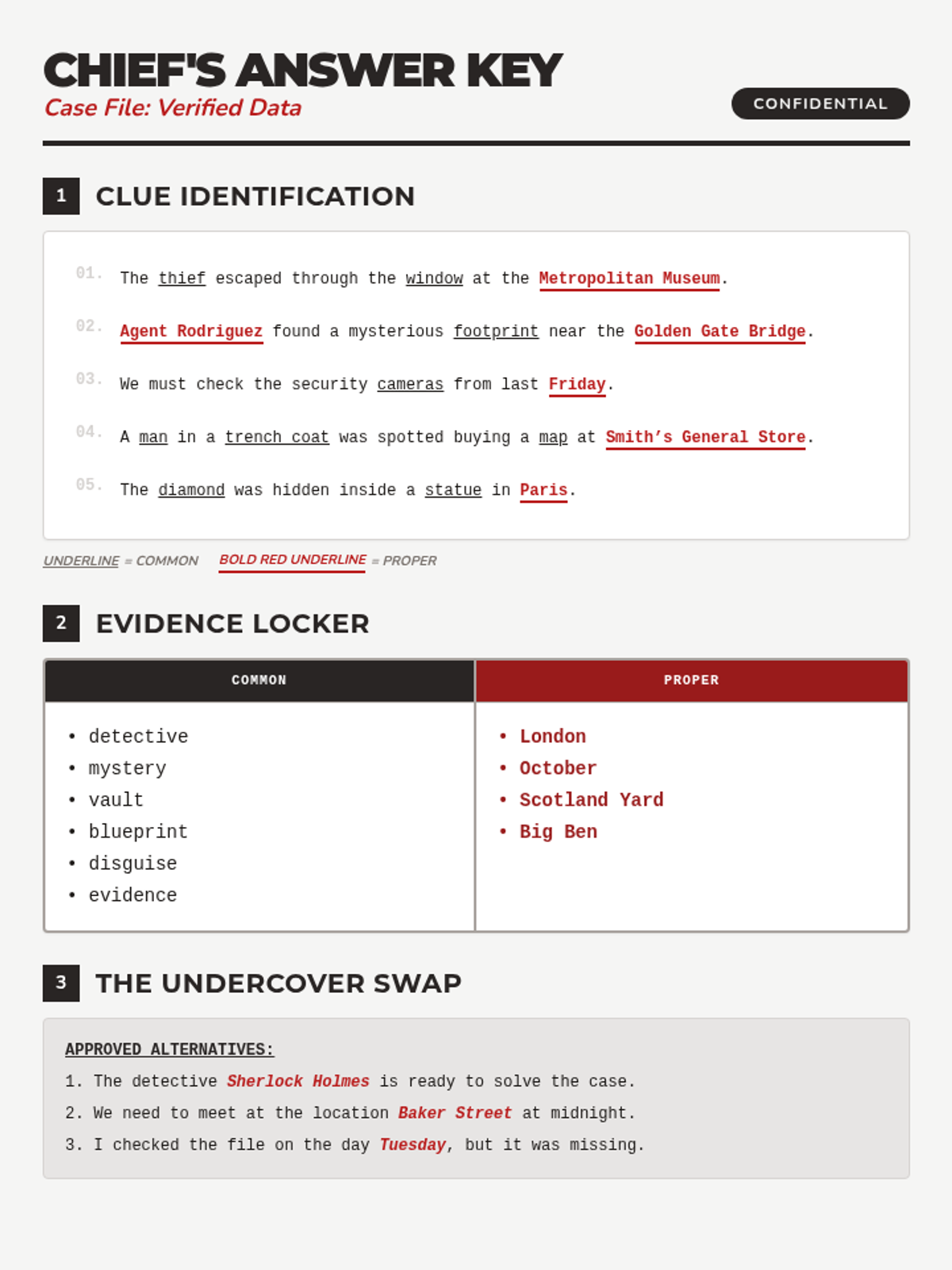
A mystery-themed lesson where students act as "Noun Detectives" to track down common and proper nouns across various case files.
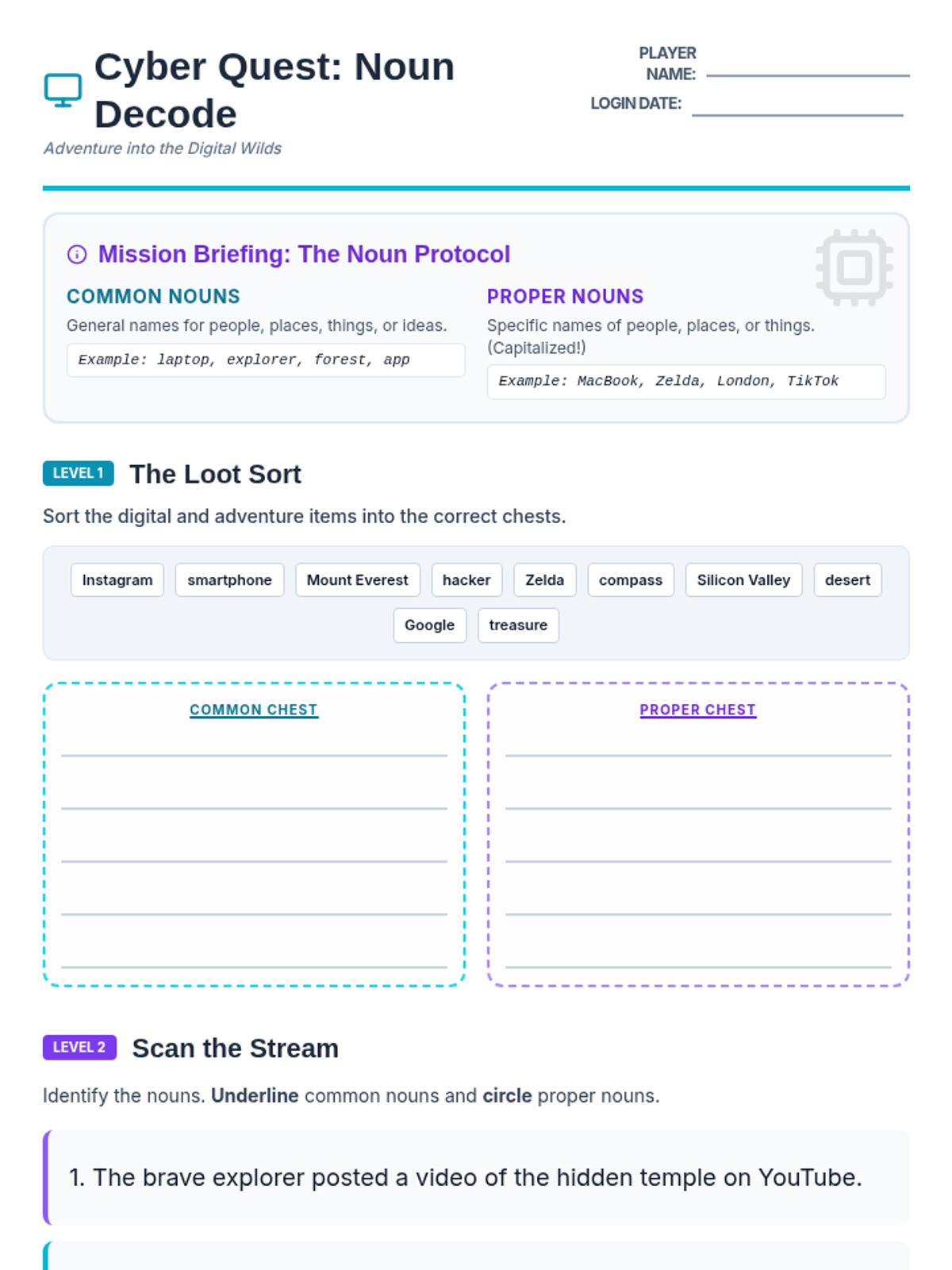
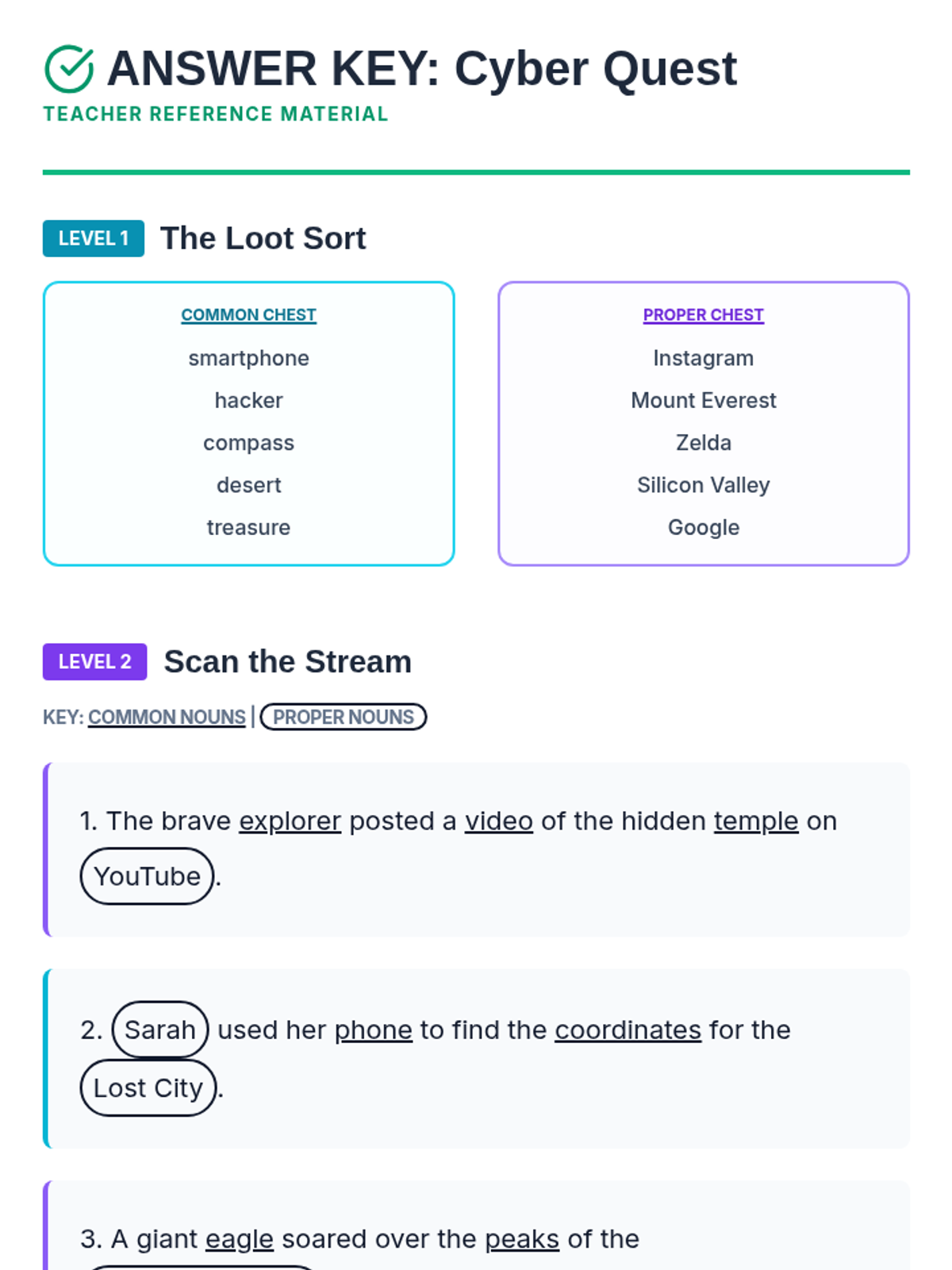
A tech-adventure themed lesson focused on identifying and correctly capitalizing common and proper nouns through the lens of digital explorers.
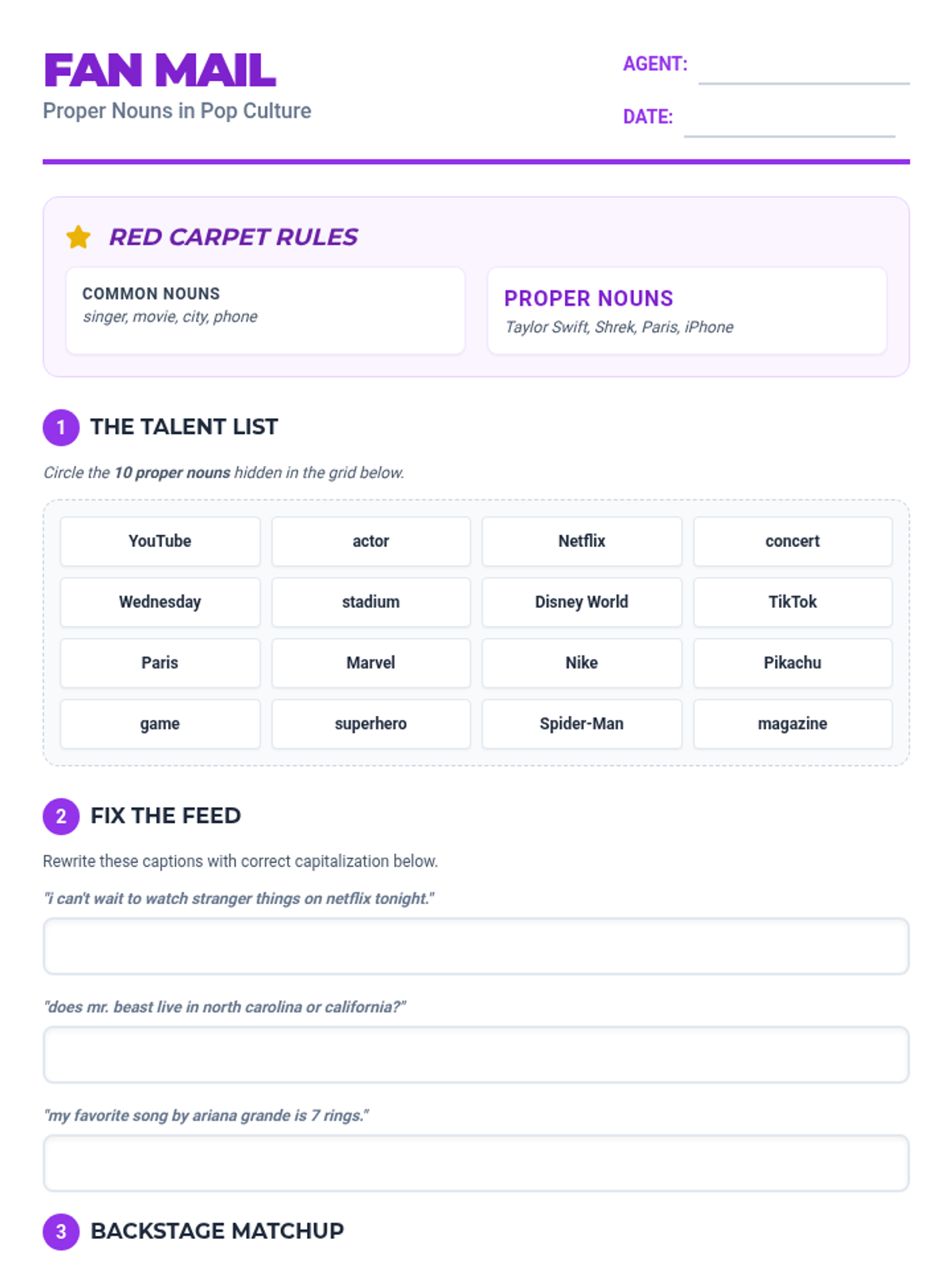
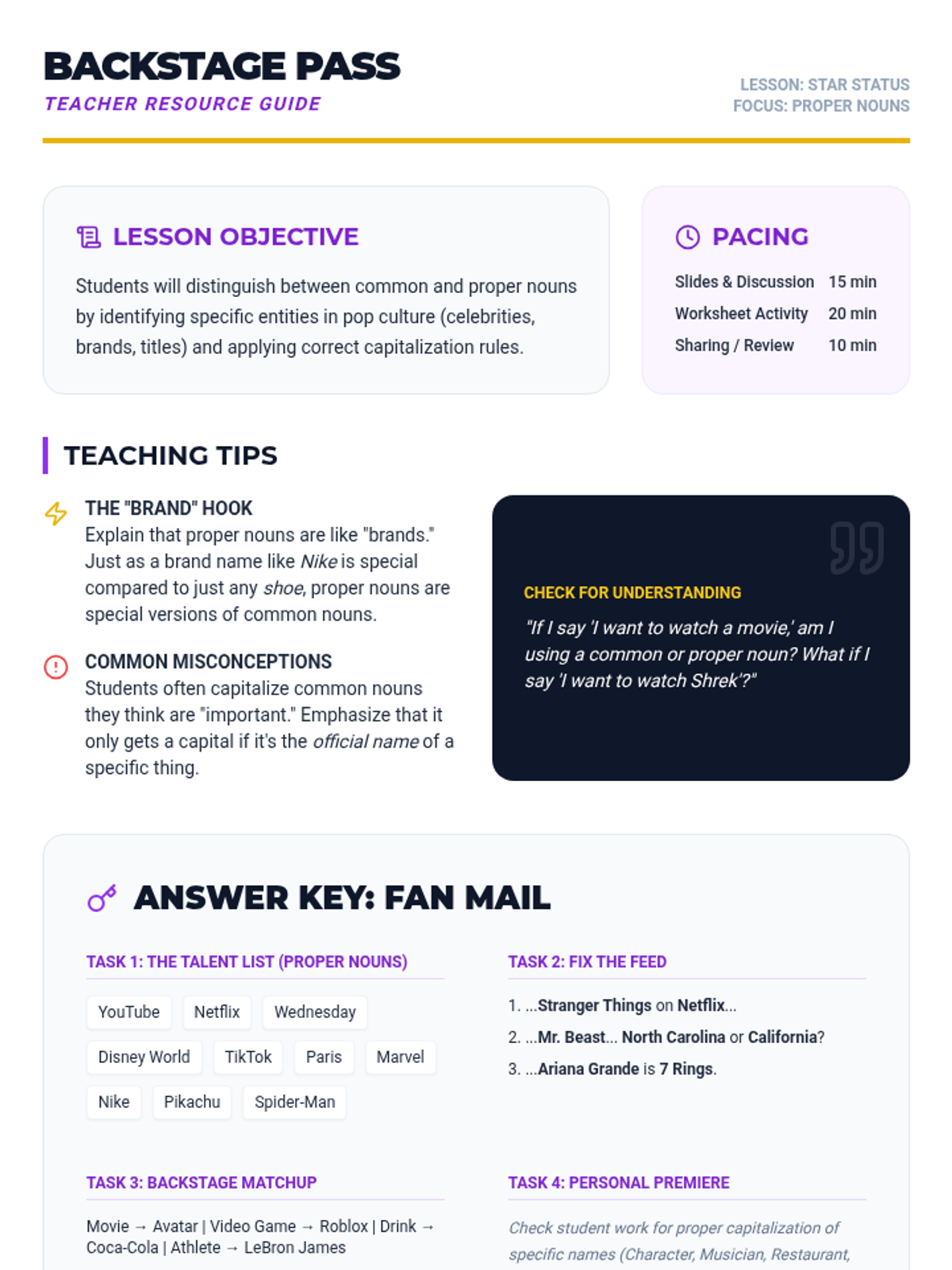
A high-energy lesson on proper nouns through the lens of celebrities, movies, and media brands, helping students distinguish between general categories and specific stars.
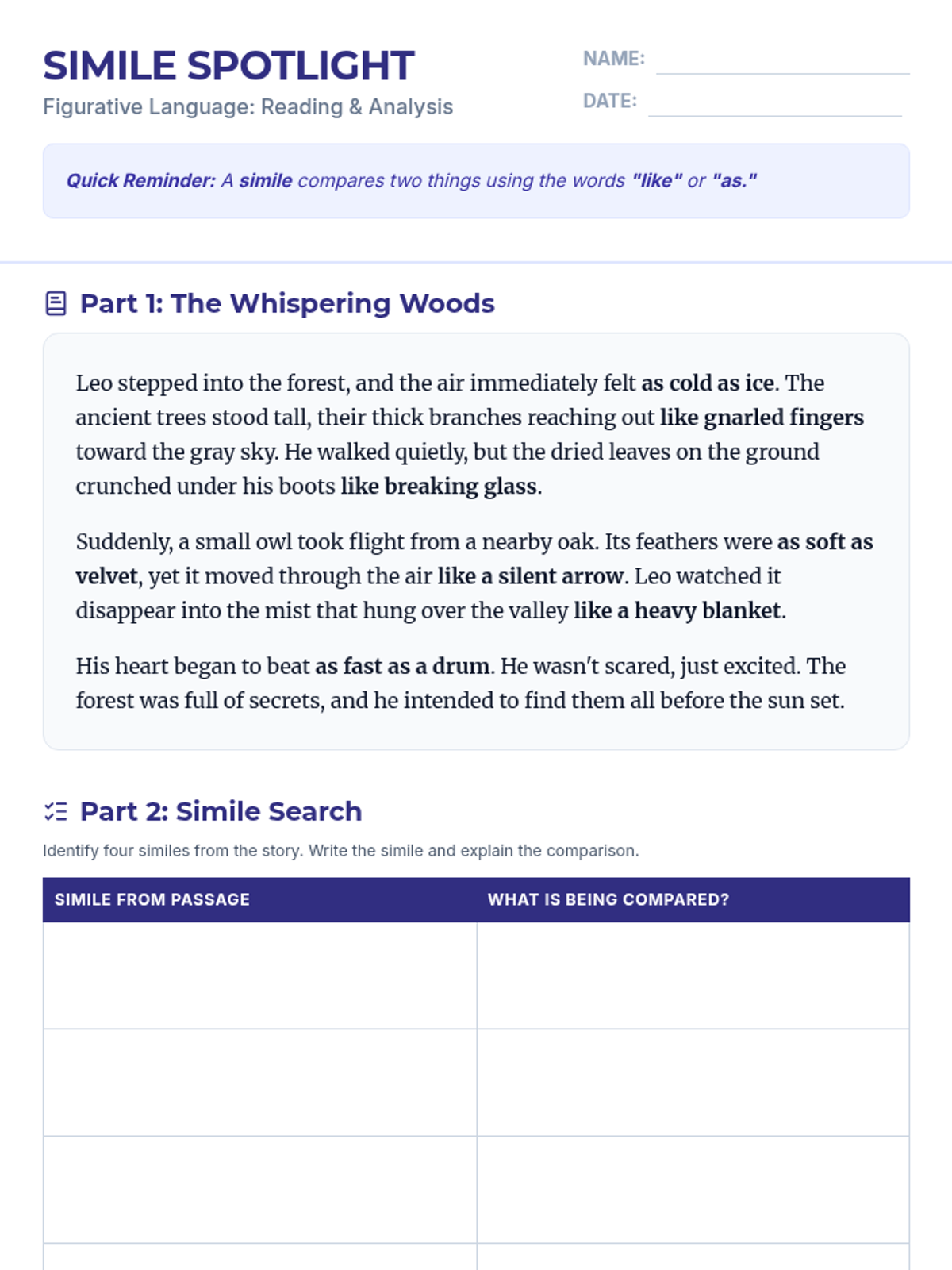
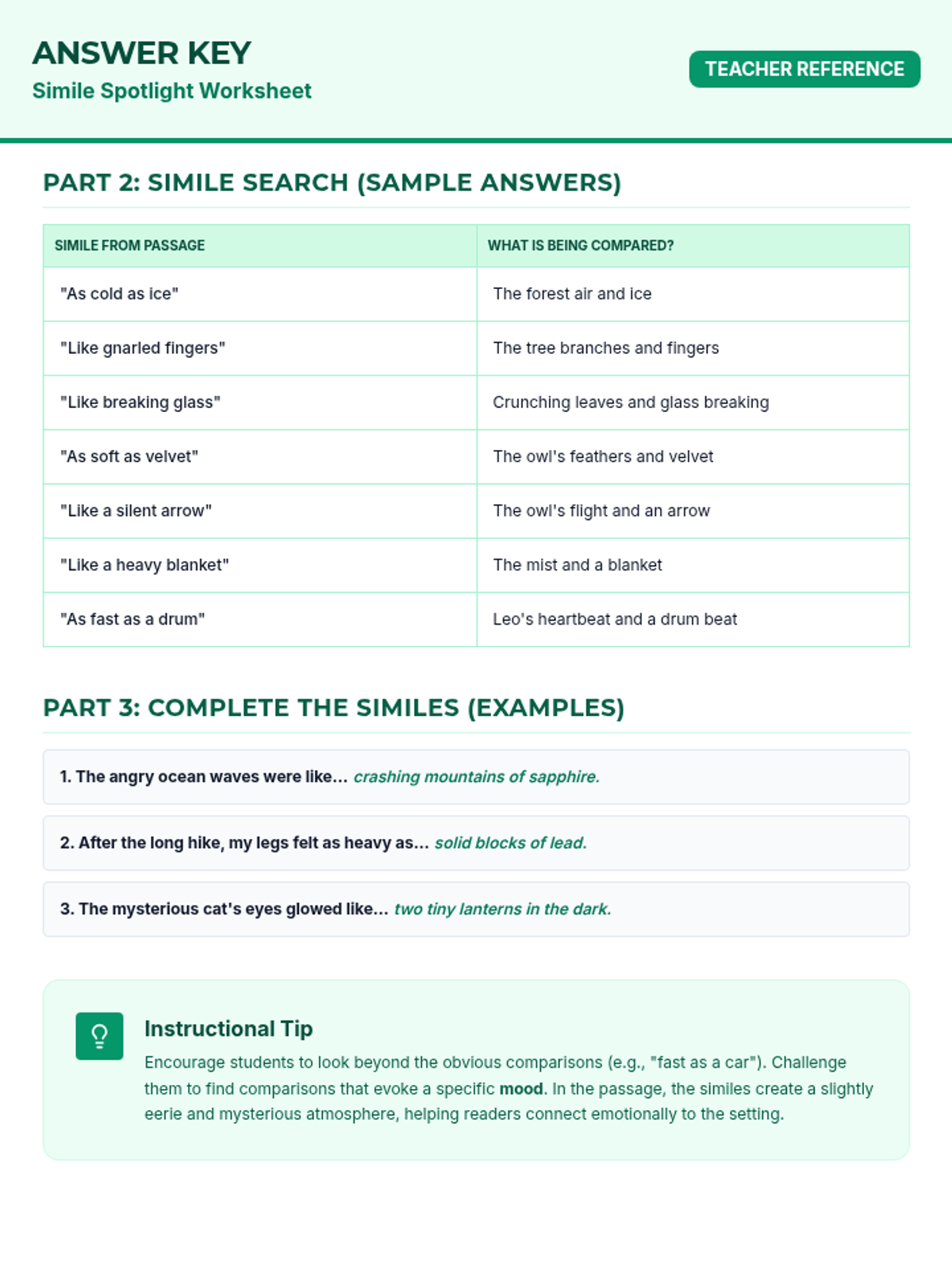
A lesson focused on identifying and using similes in literature through a descriptive reading passage and creative practice.