Une série de séances progressives pour explorer, comparer et mesurer les masses à l'aide de manipulations directes et d'outils de mesure.
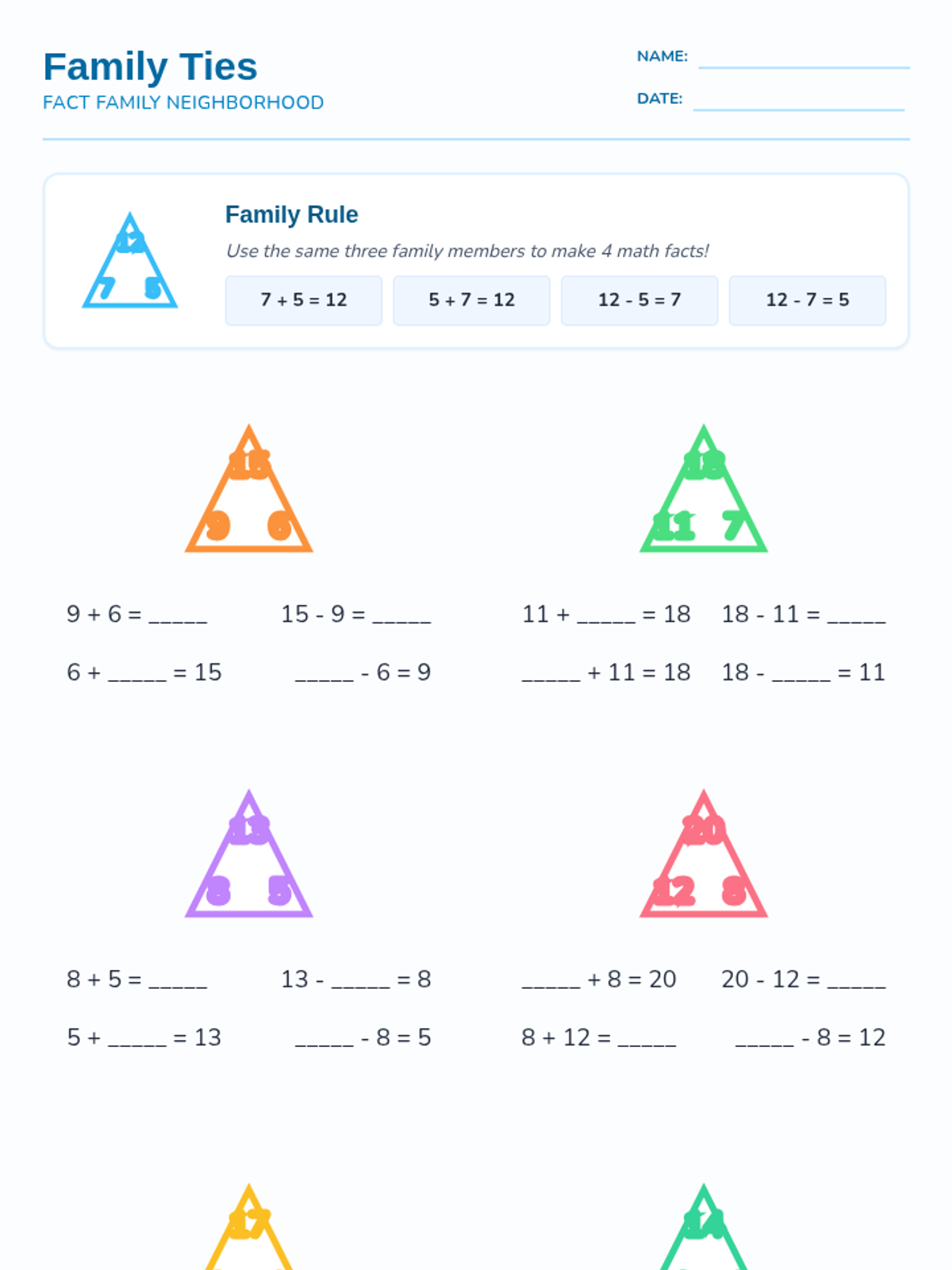
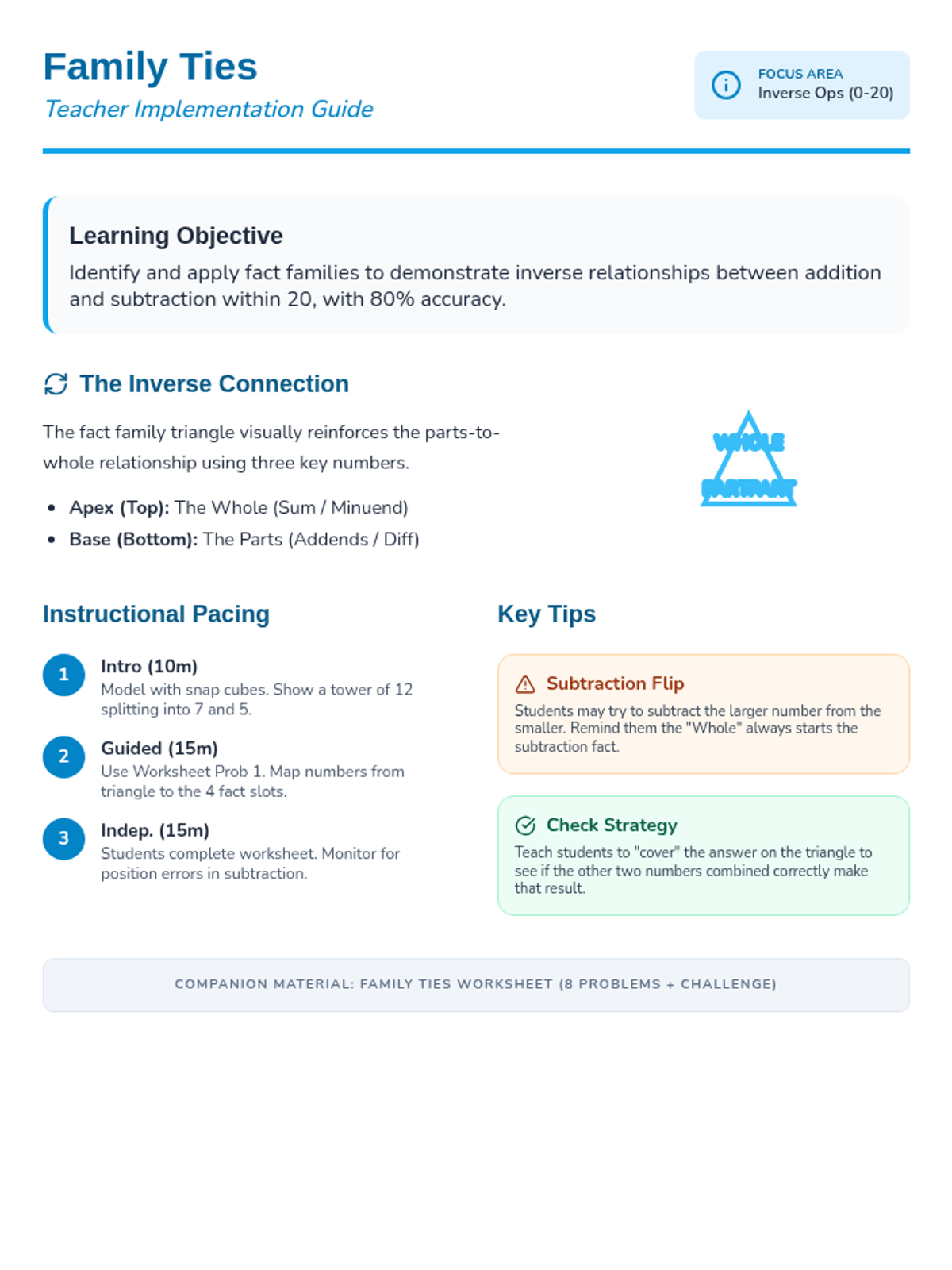
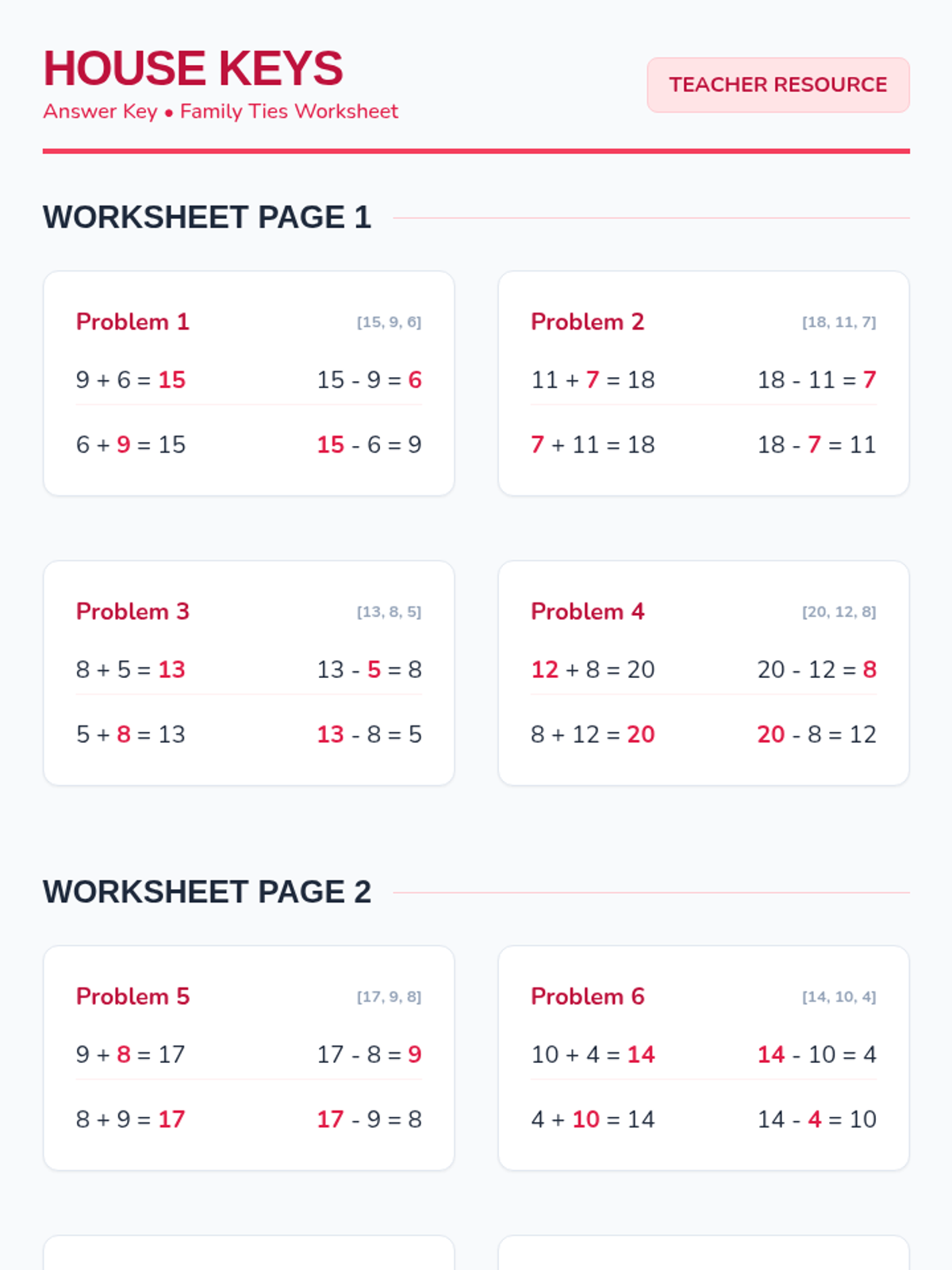
A lesson exploring the inverse relationship between addition and subtraction through fact family triangles within 20. Students will use partially filled equations to master the connection between these operations.
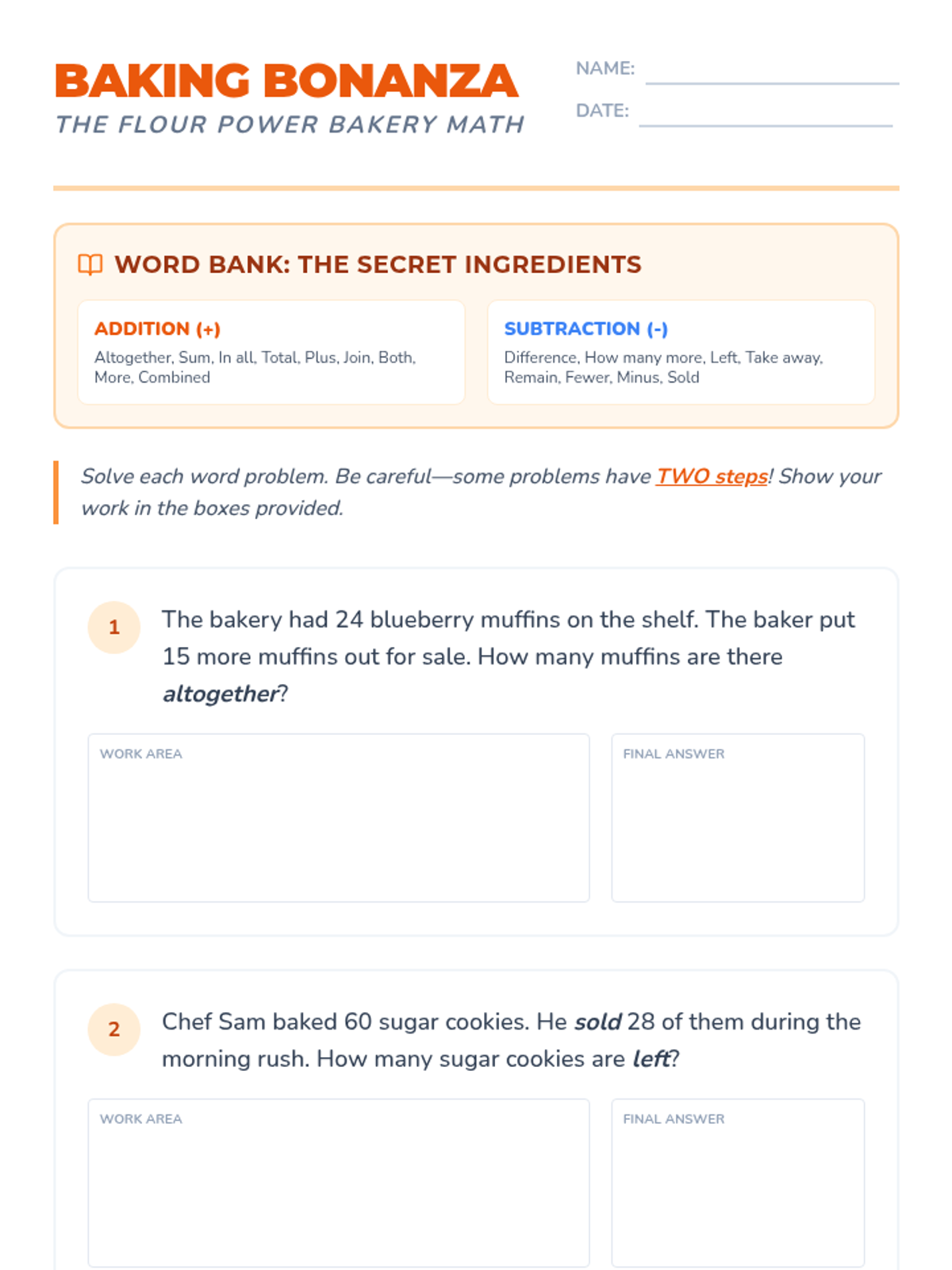
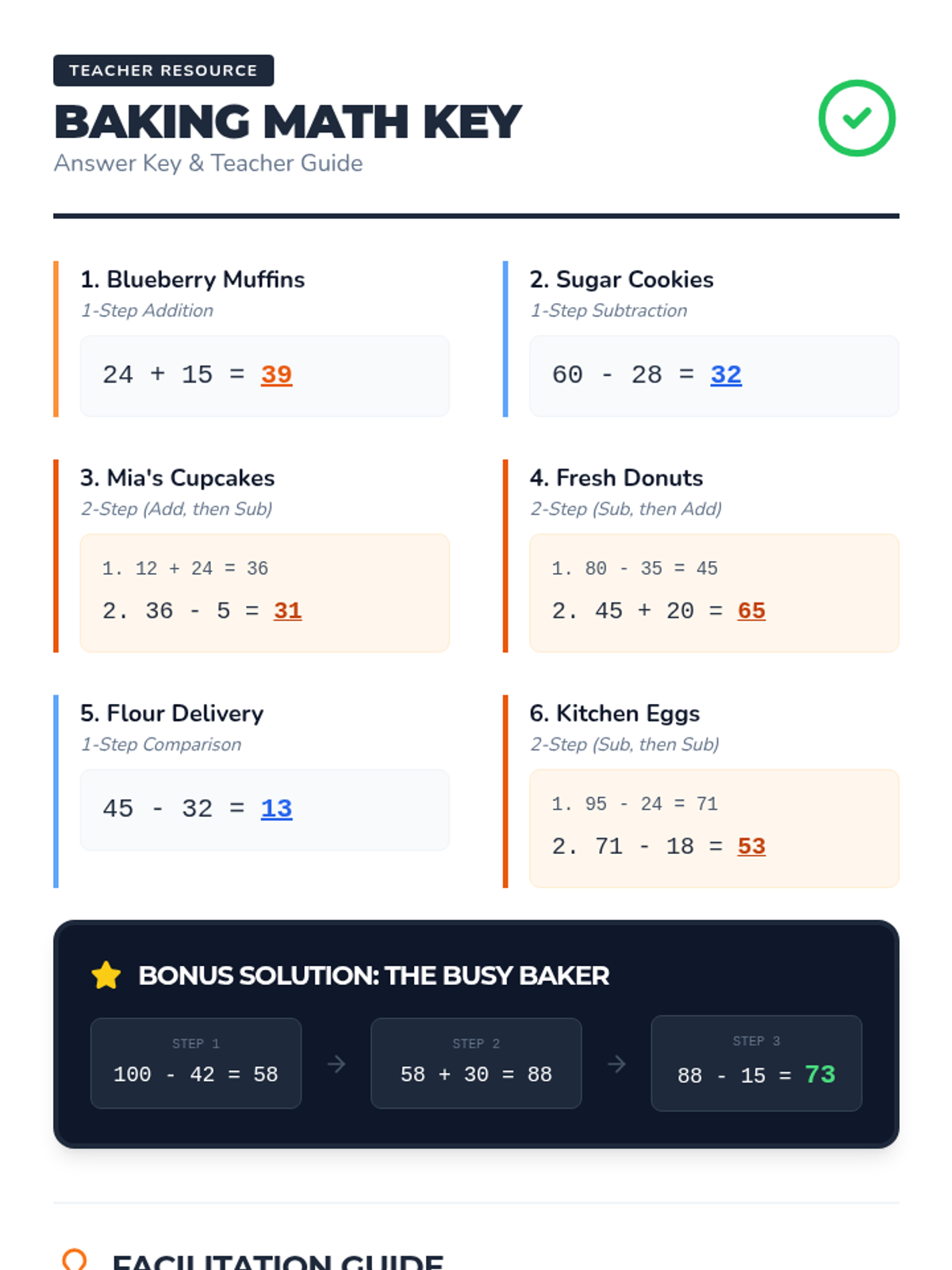
A lesson focused on solving 1- and 2-step word problems involving addition and subtraction within 100, set in a whimsical bakery environment. Students will identify keywords and use strategies to solve multi-step challenges.
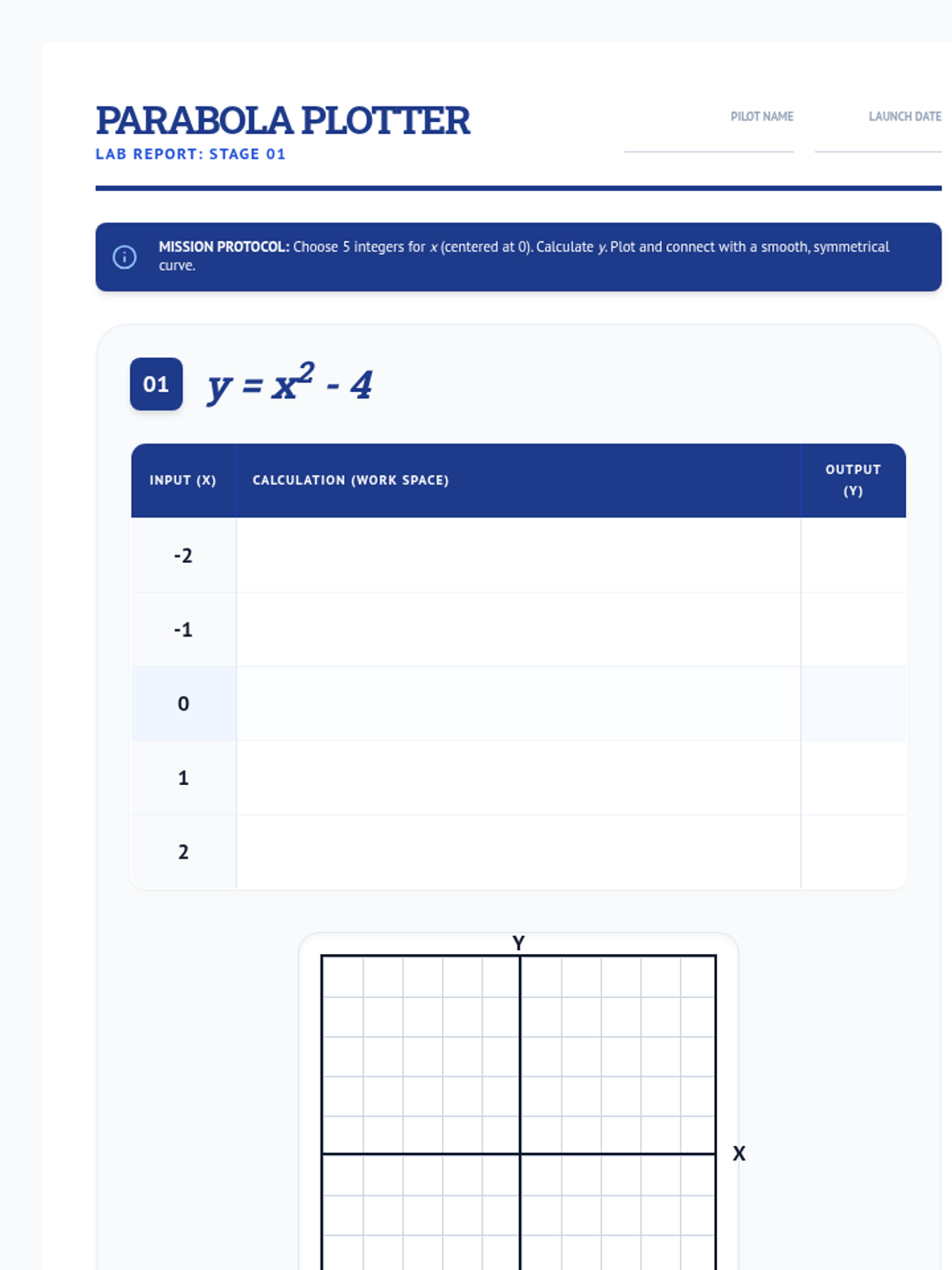
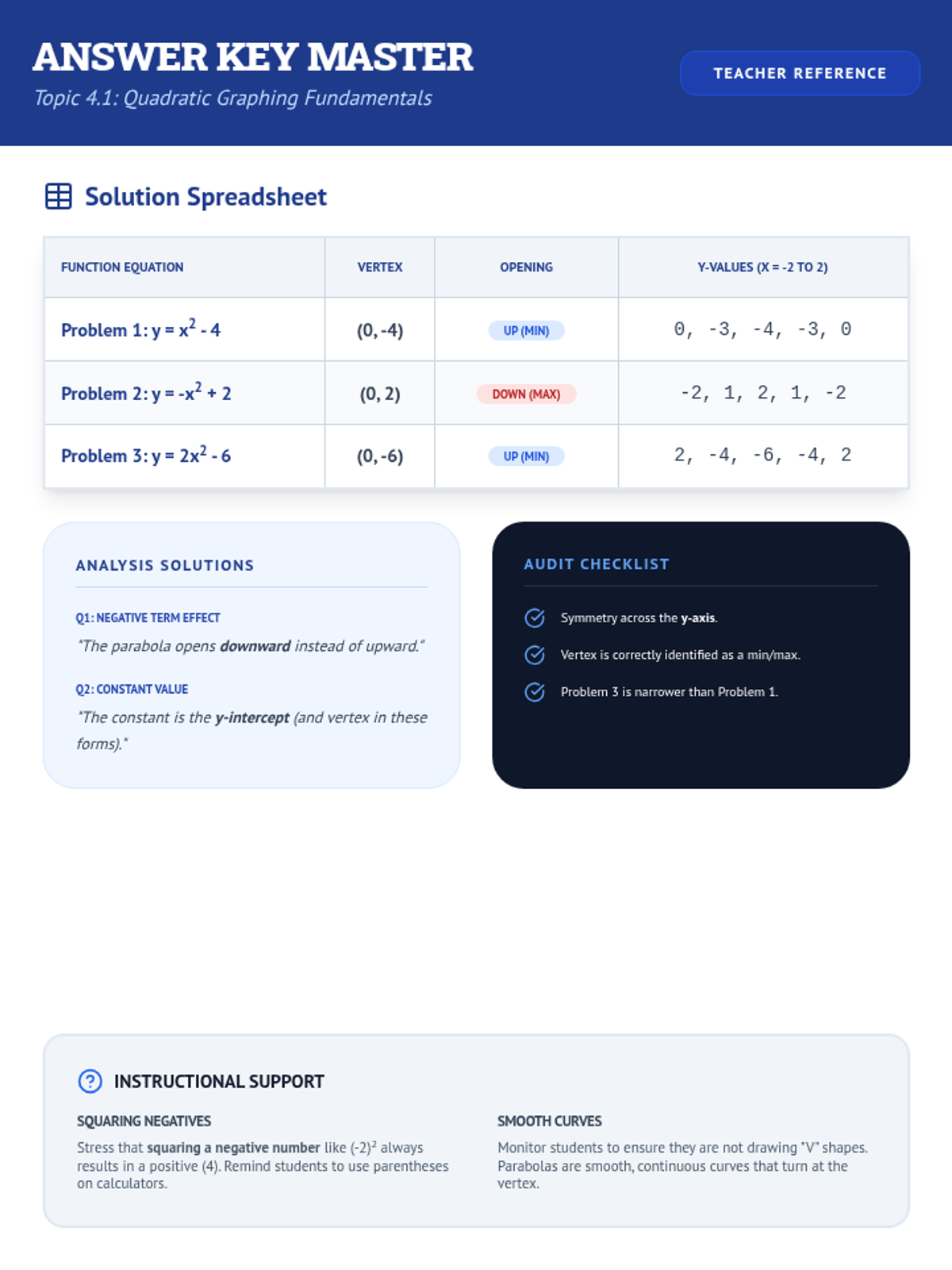
A comprehensive introduction to graphing quadratic functions using tables of values and identifying key features like the vertex and axis of symmetry.
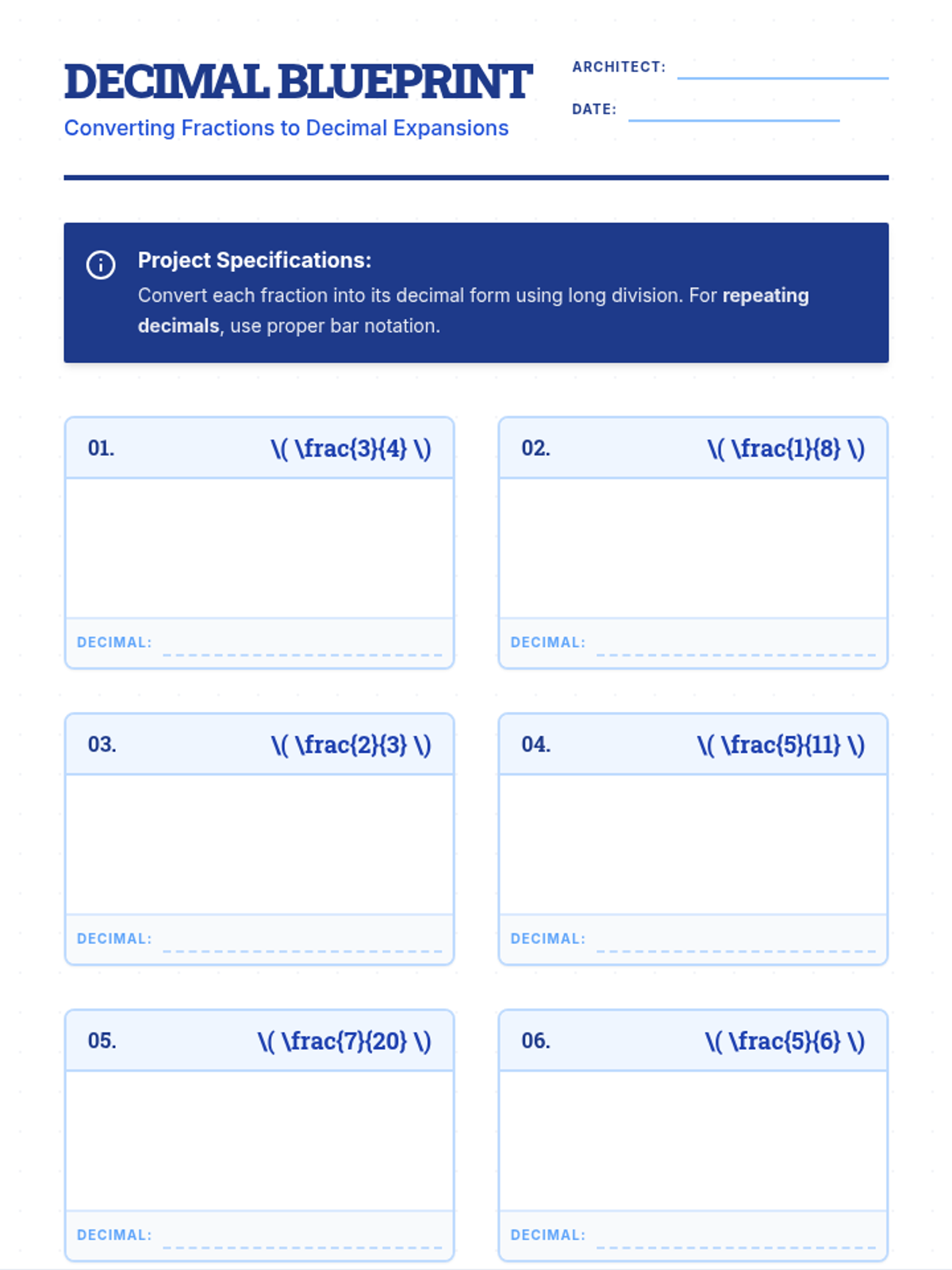
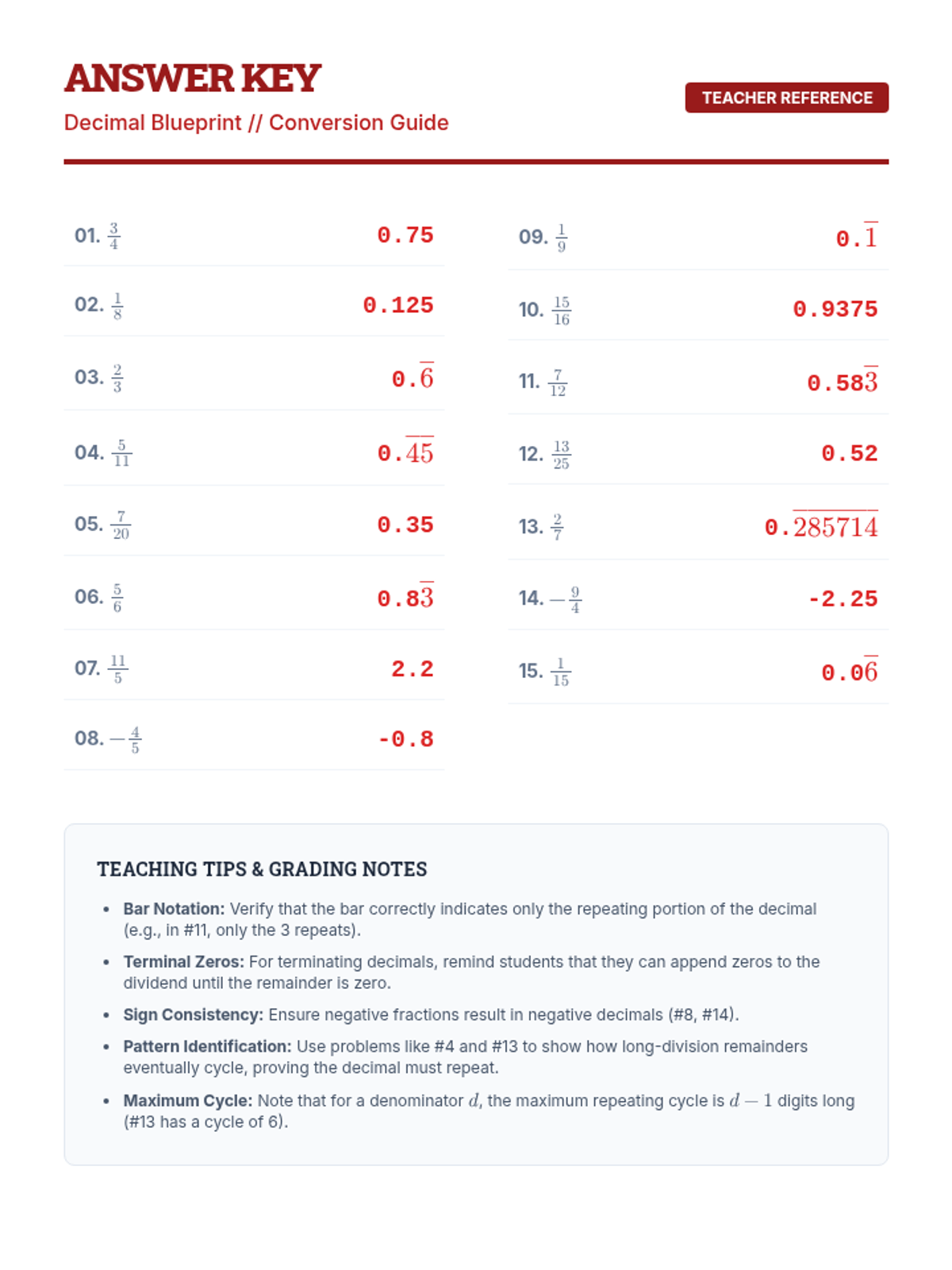
A focused lesson on converting rational numbers from fractions to their decimal expansions, including both terminating and repeating decimals. Students will use long division to discover patterns and represent repeating decimals using bar notation.
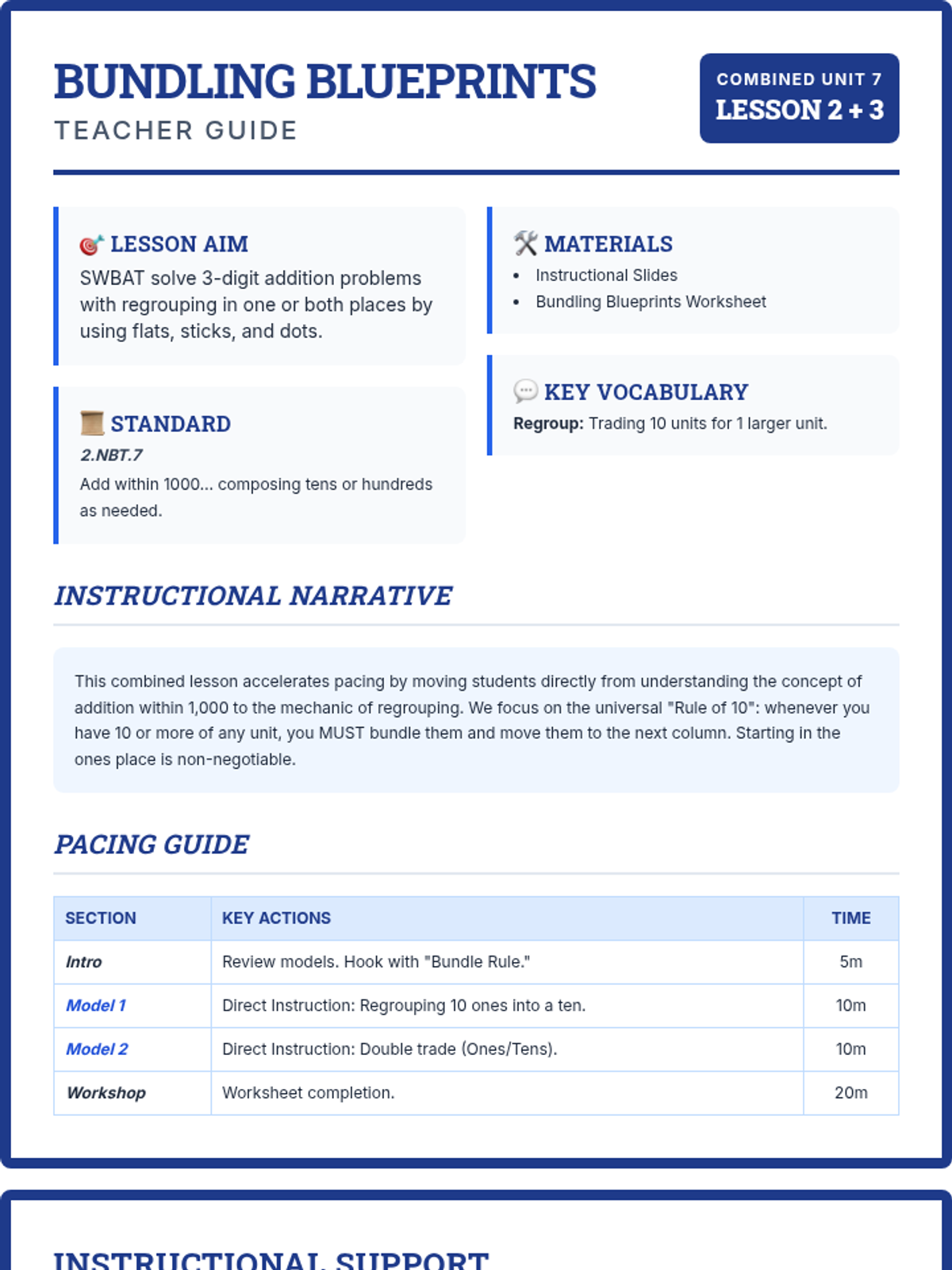
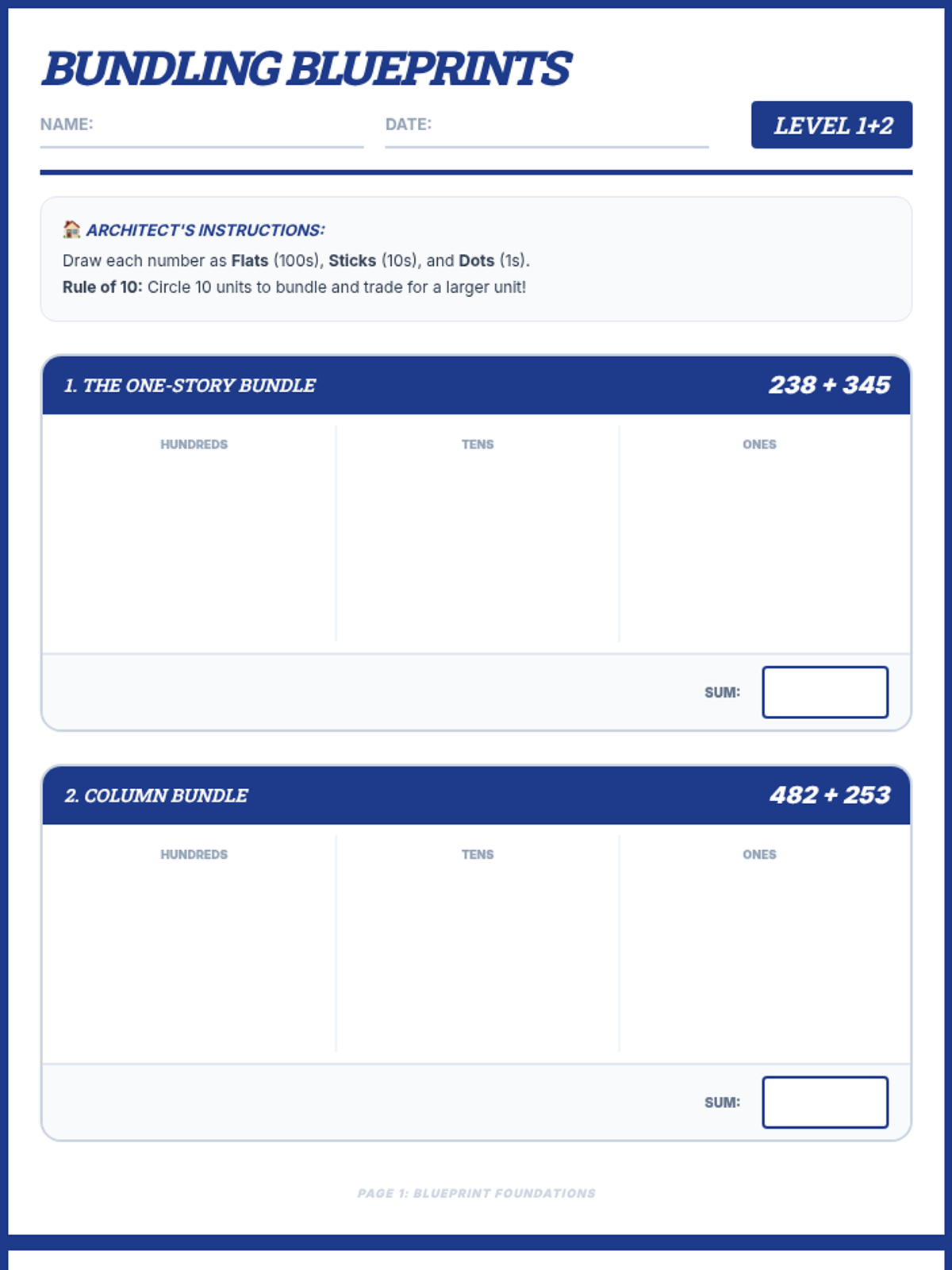
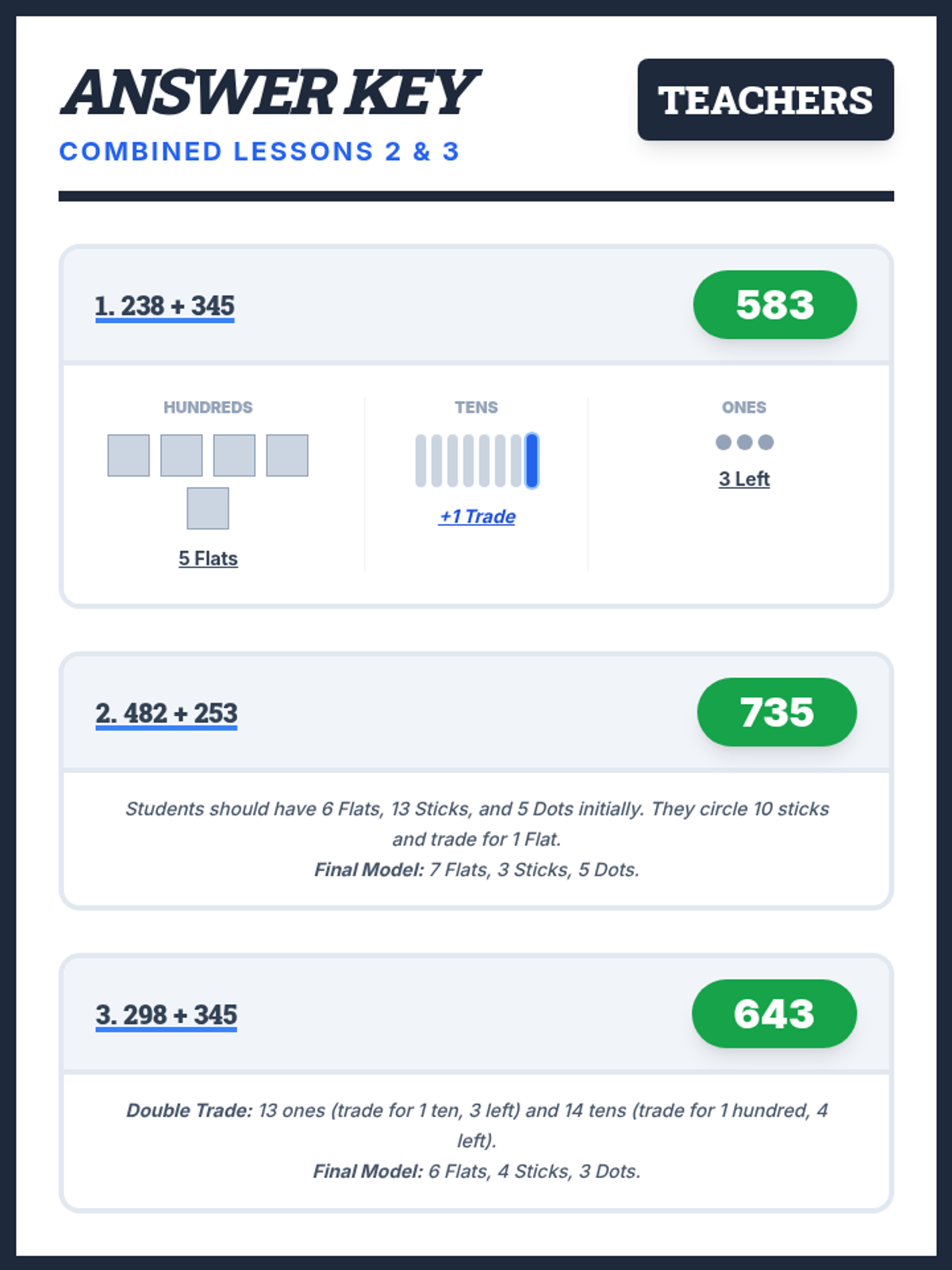
A combined lesson merging LEAP Unit 7 Lessons 2 and 3, focusing on 3-digit addition with regrouping in one or both places using flats, sticks, and dots. Designed for efficiency and ease of use for new teachers.
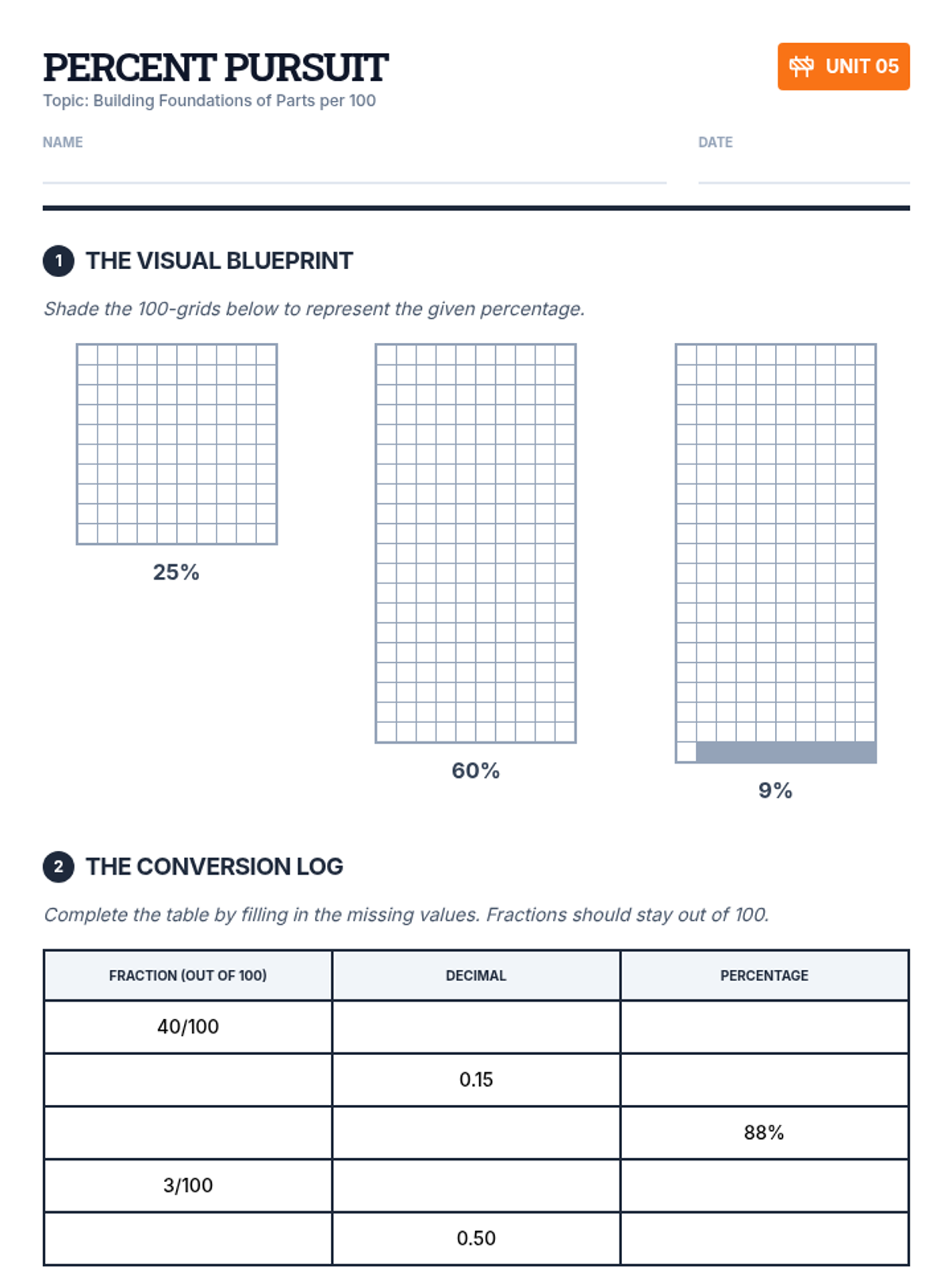
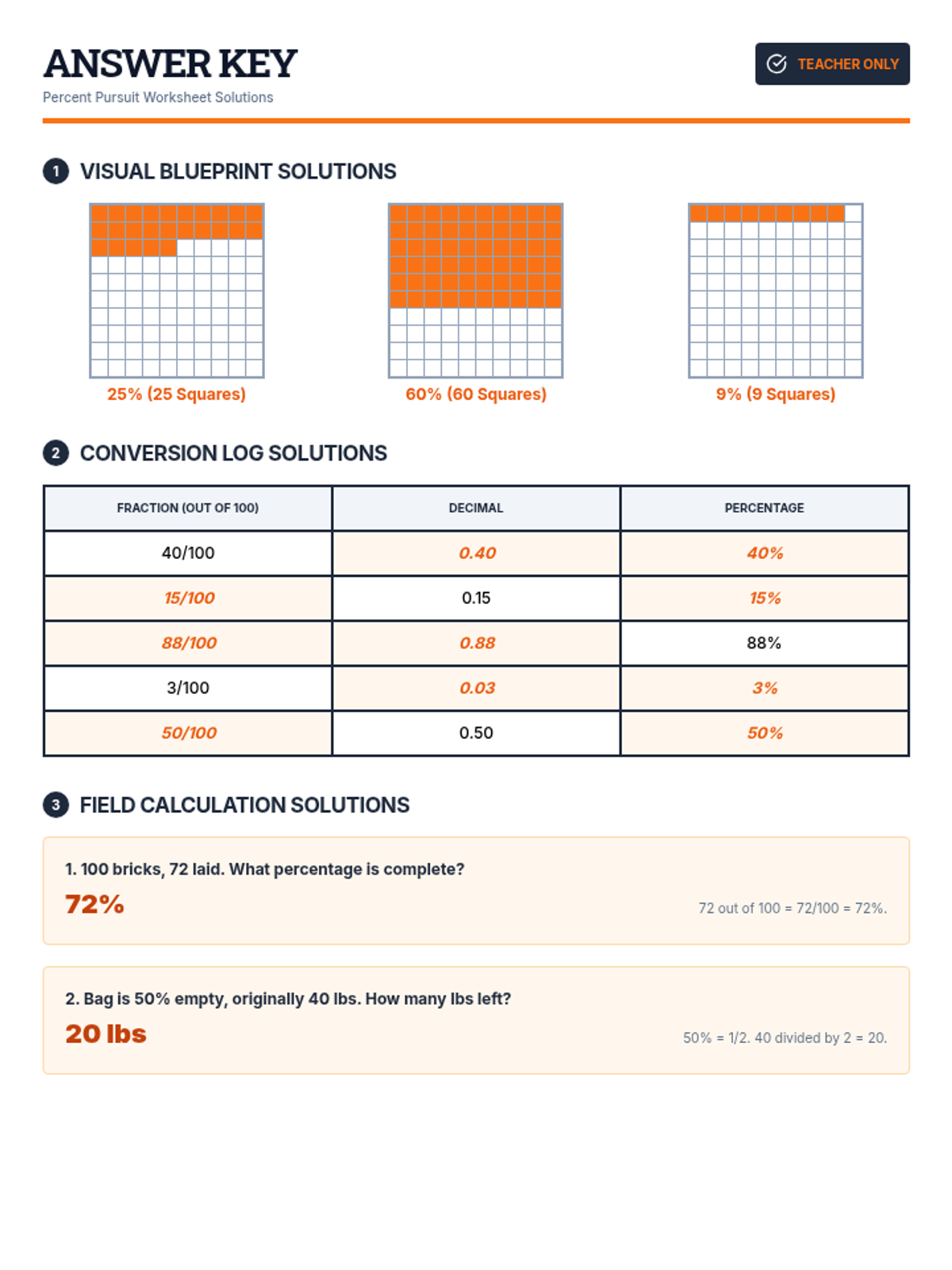
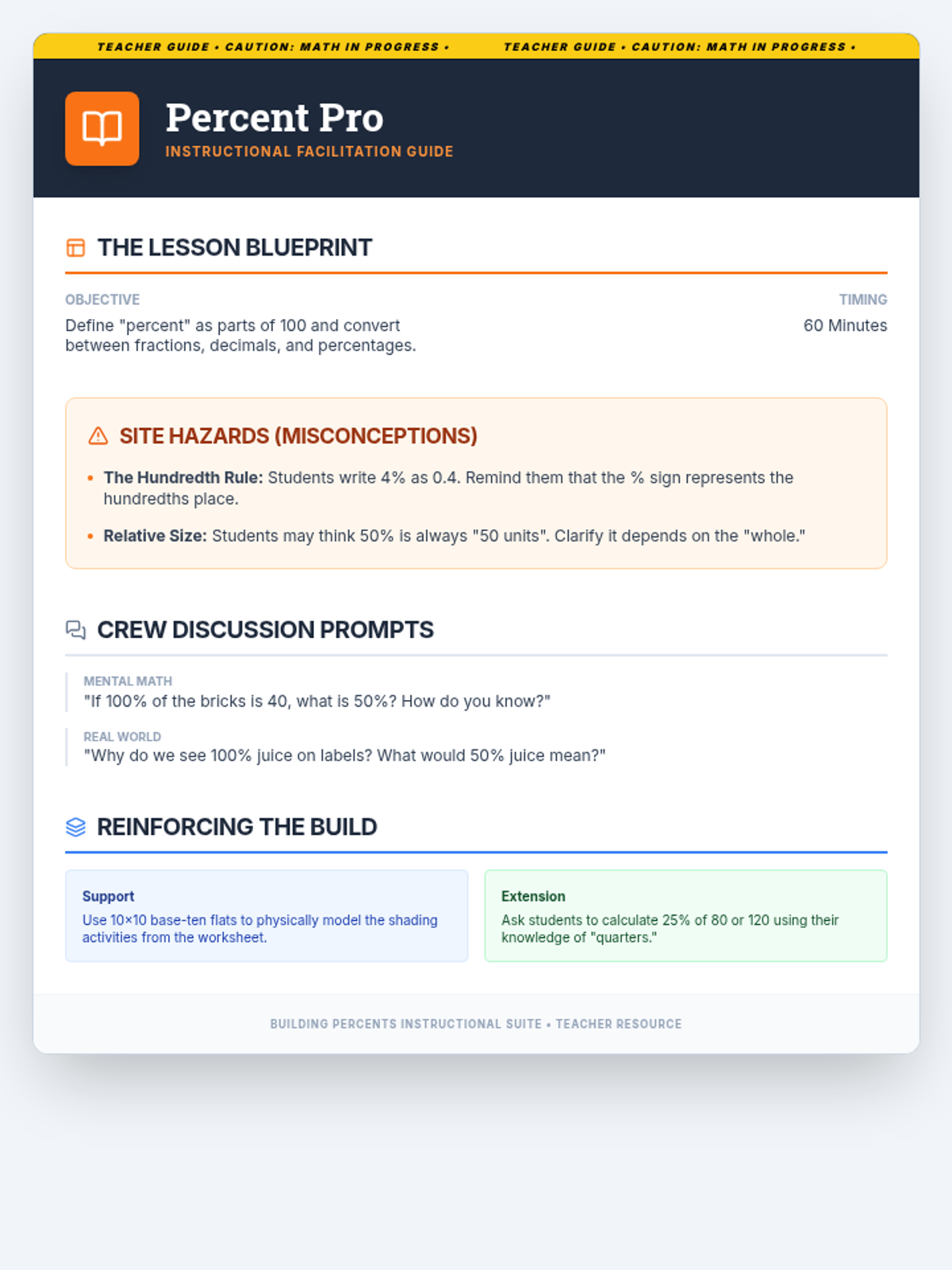
A foundational lesson on percentages for 5th graders, focusing on visualizing percents as parts of a hundred and converting between fractions, decimals, and percentages.
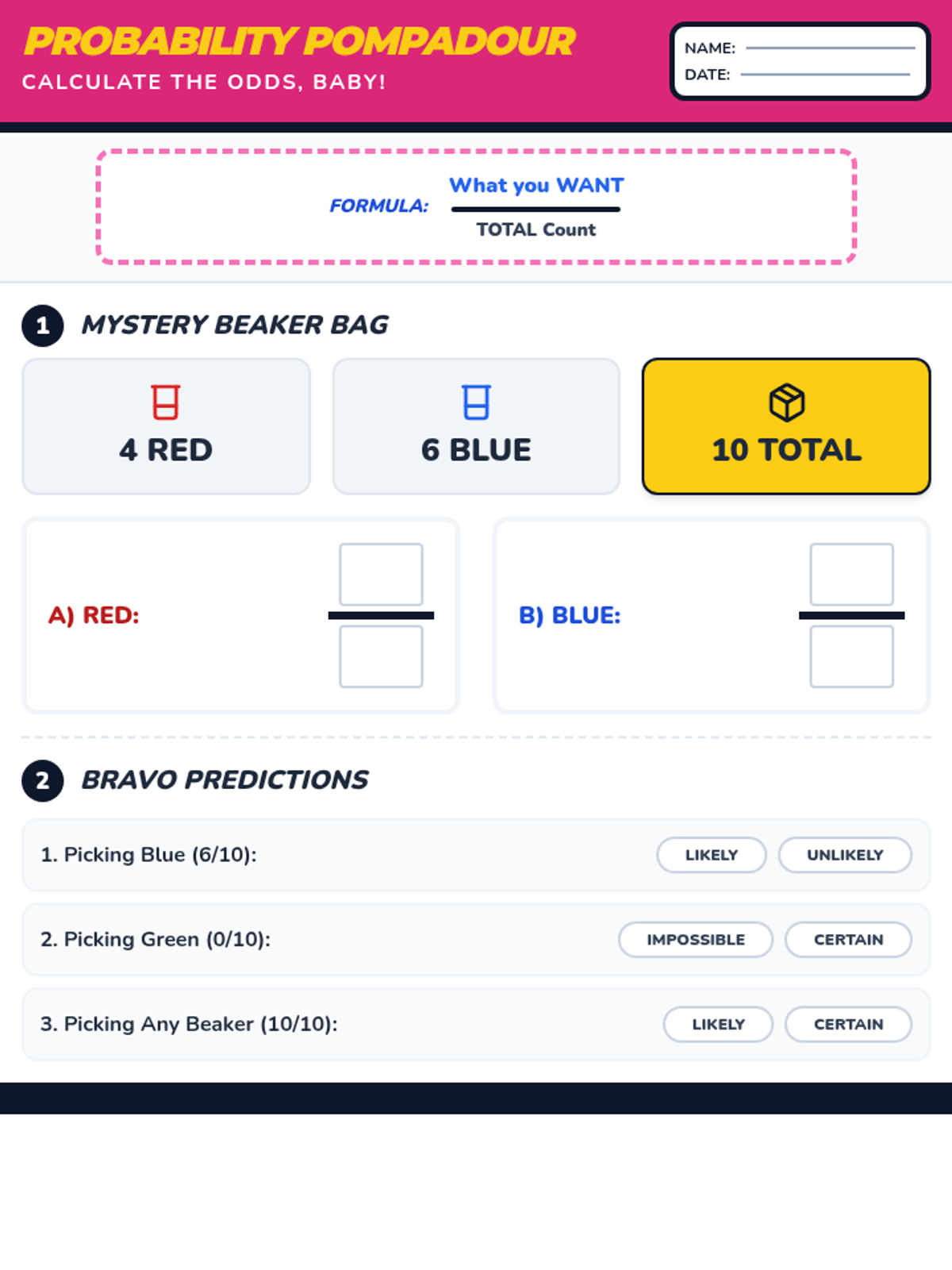
An introduction to basic probability using beaker volumes and colors. Students calculate the likelihood of specific events occurring in the lab.
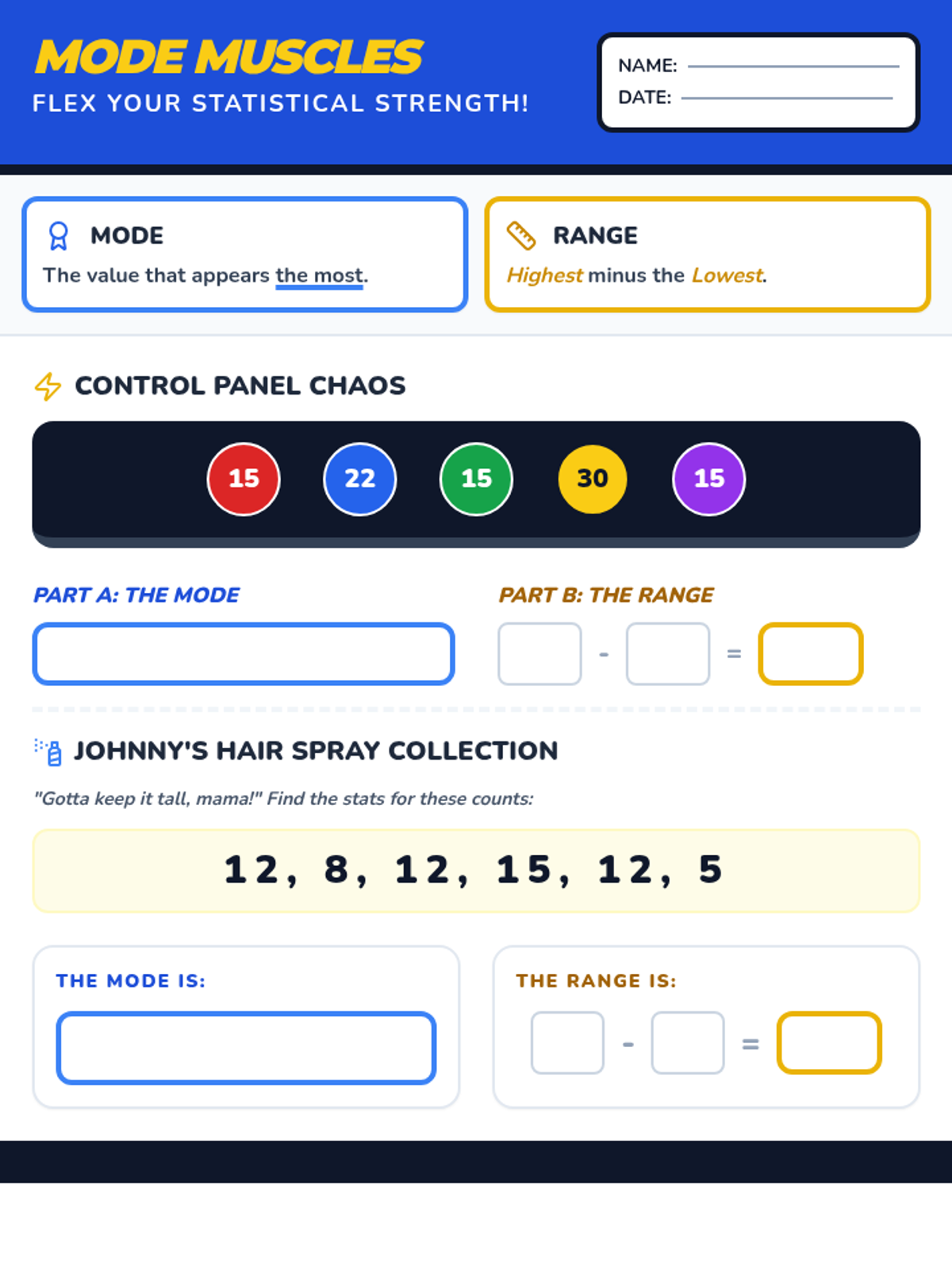
Students explore mode and range by analyzing the frequency of control panel button presses. This lesson focuses on identifying the most common data point and the spread of the data.
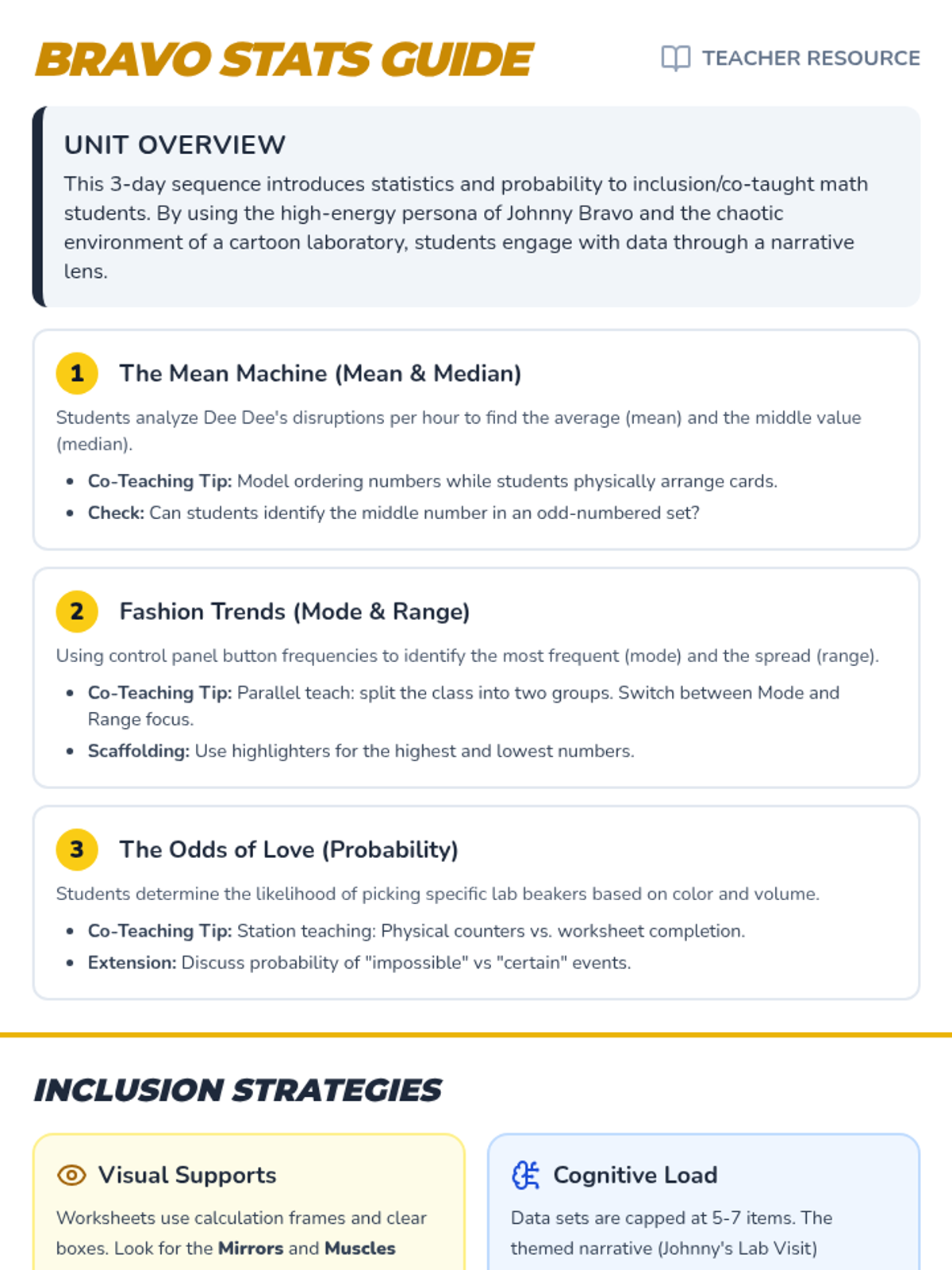
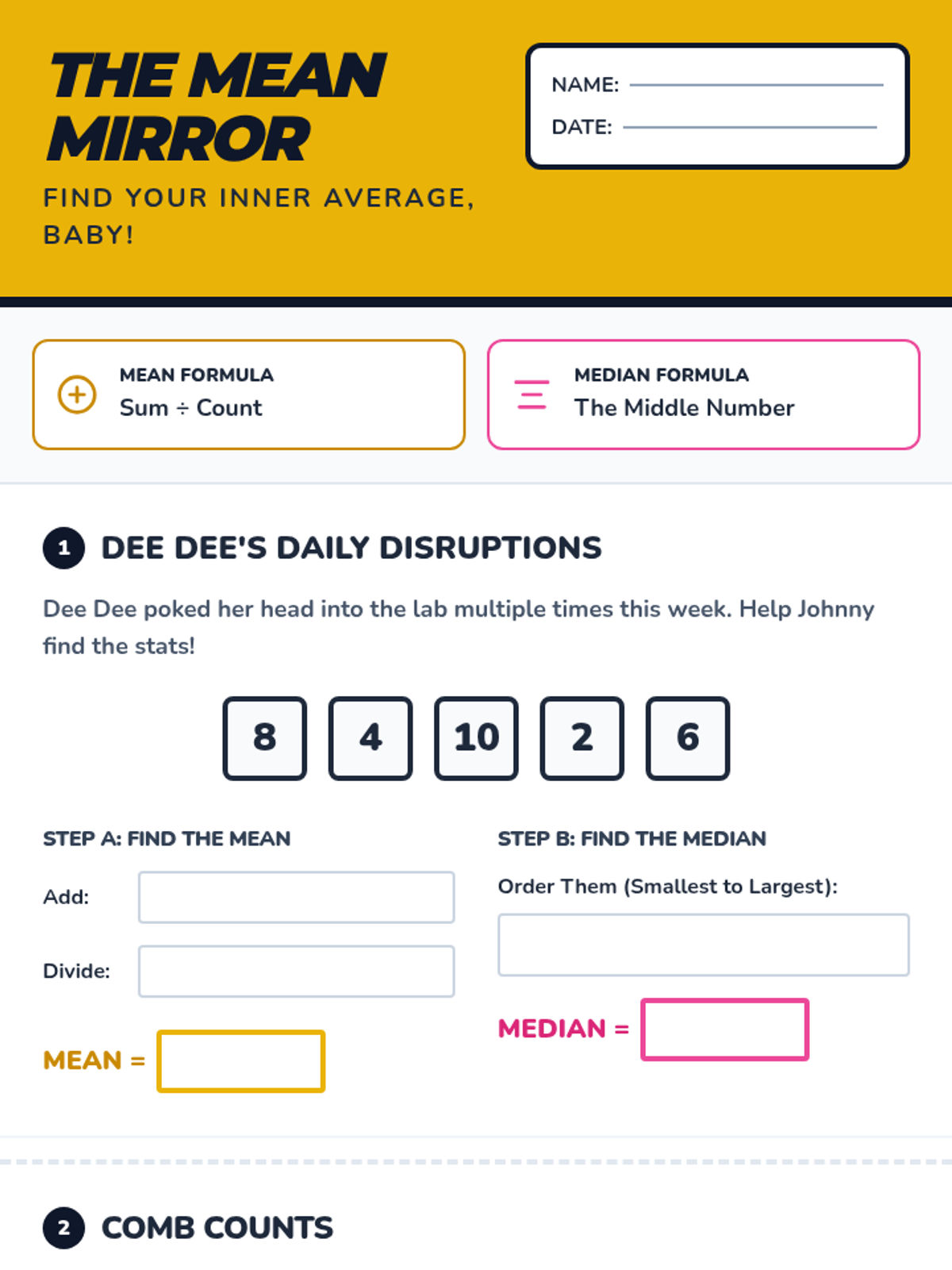
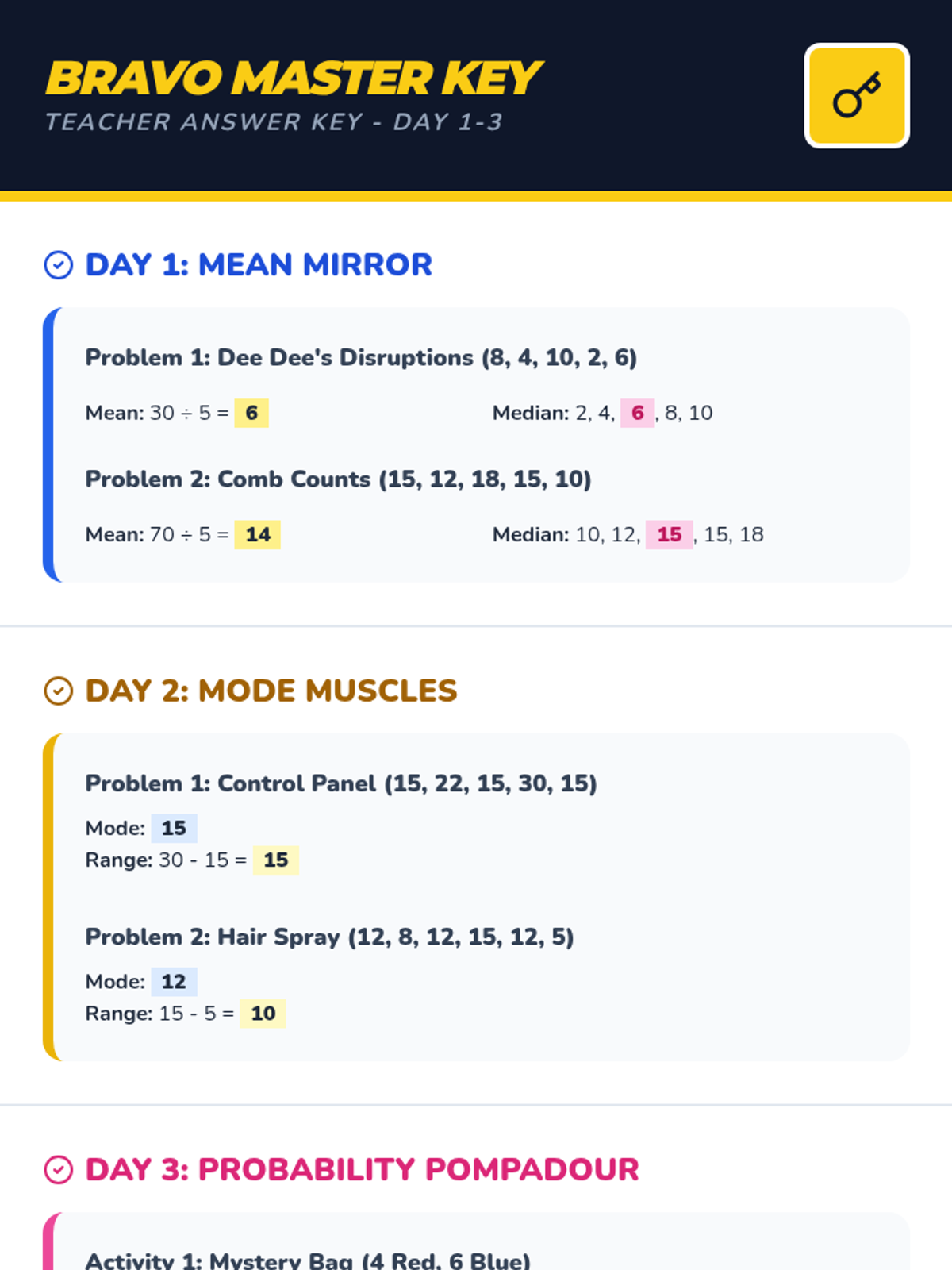
Introduction to finding the mean and median using data from Dee Dee's disruptions in the laboratory. Students learn to calculate averages and identify the middle value in a set of data.
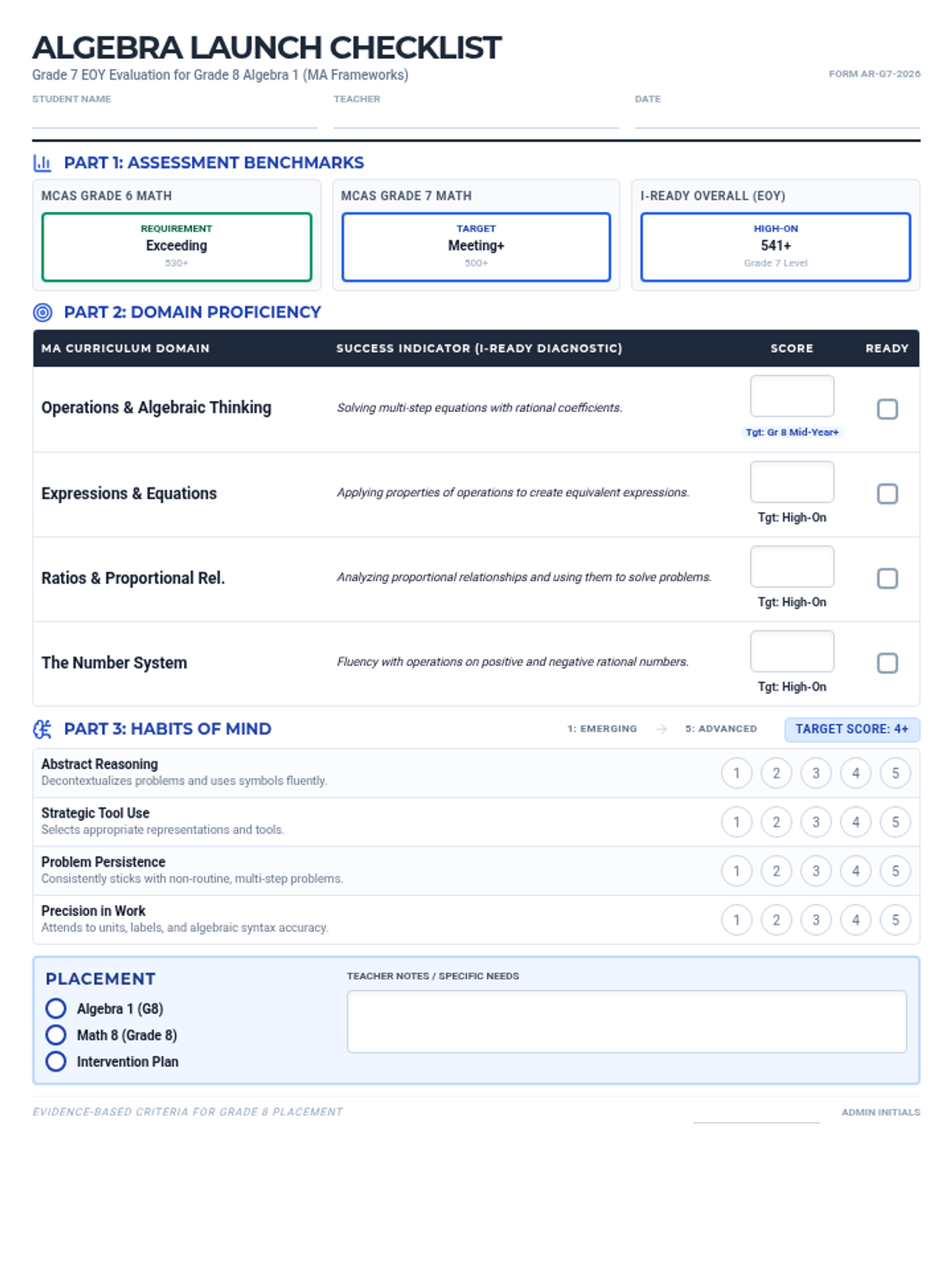
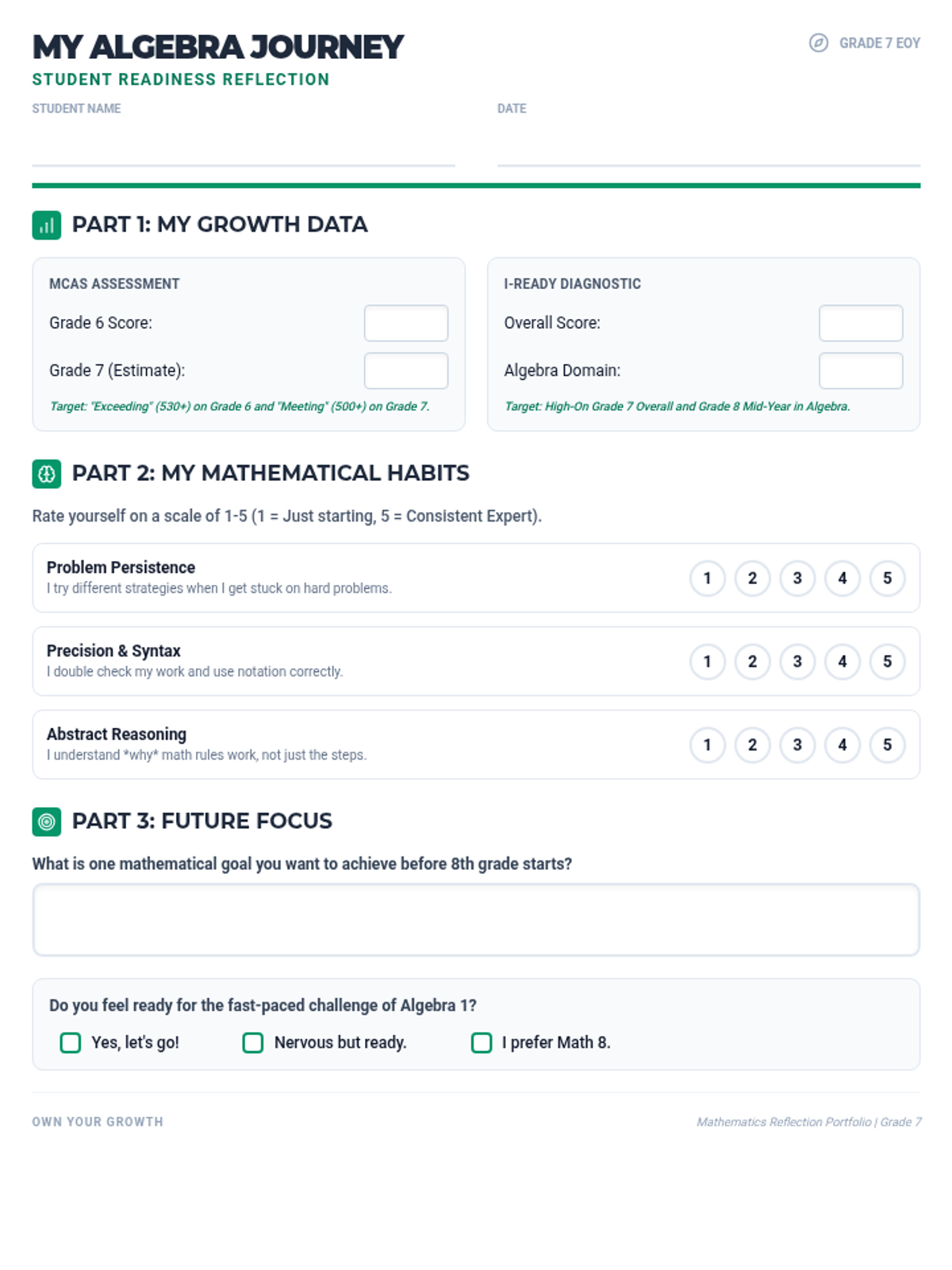
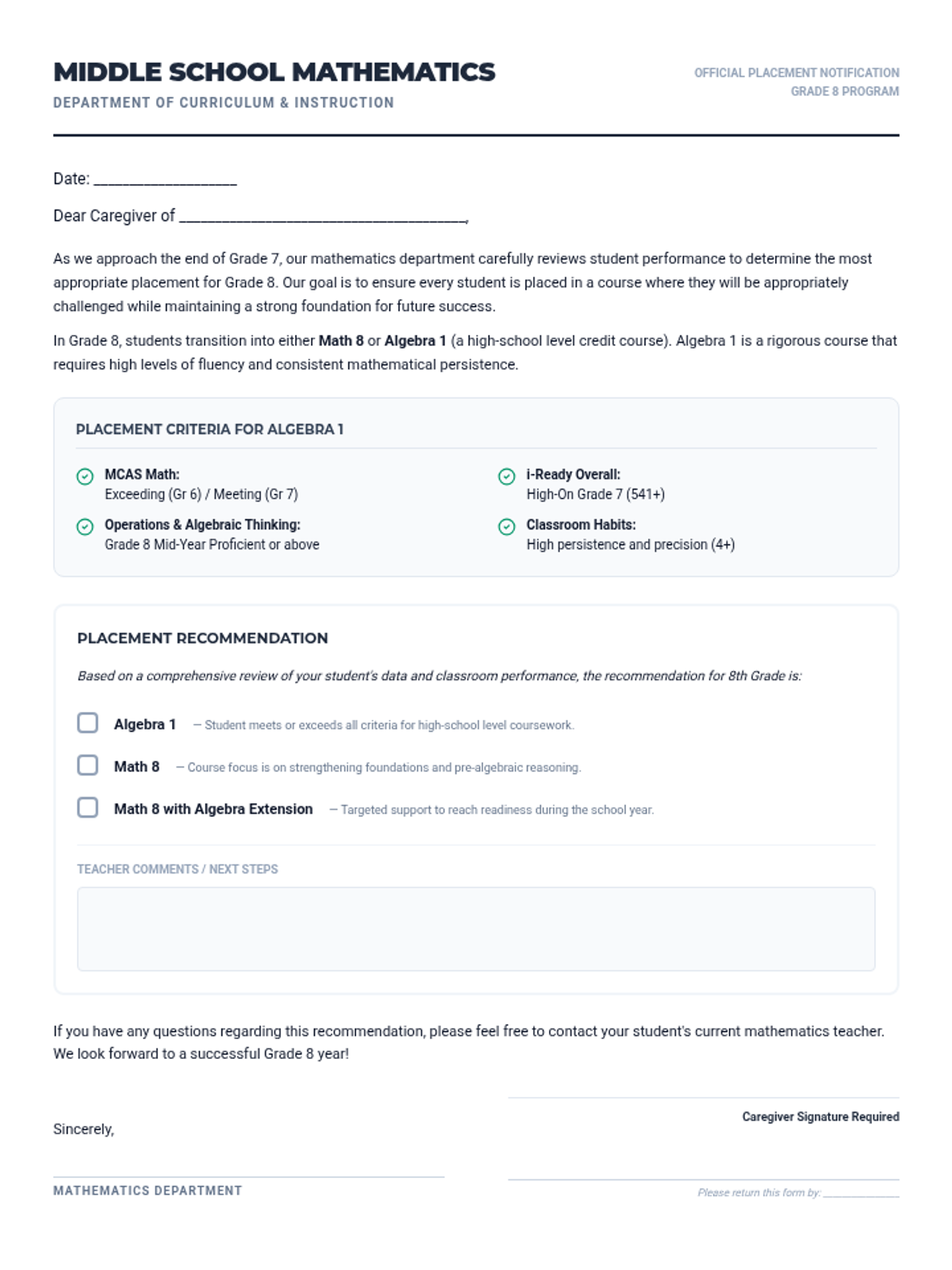
A comprehensive evaluation tool for 7th-grade teachers to determine student readiness for 8th-grade Algebra 1 based on MCAS and iReady data.
A quick practice session for students to master area and perimeter of simple rectangles using a drafting-themed layout.
Students explore dividing unit fractions by whole numbers and vice versa by portioning dough and serving individual slices.
Students apply multiplication strategies to determine ingredient amounts and calculate the area of rectangular baking sheets.
Students learn to interpret fractions as division by sharing pizzas and loaves of bread equally among friends and customers.
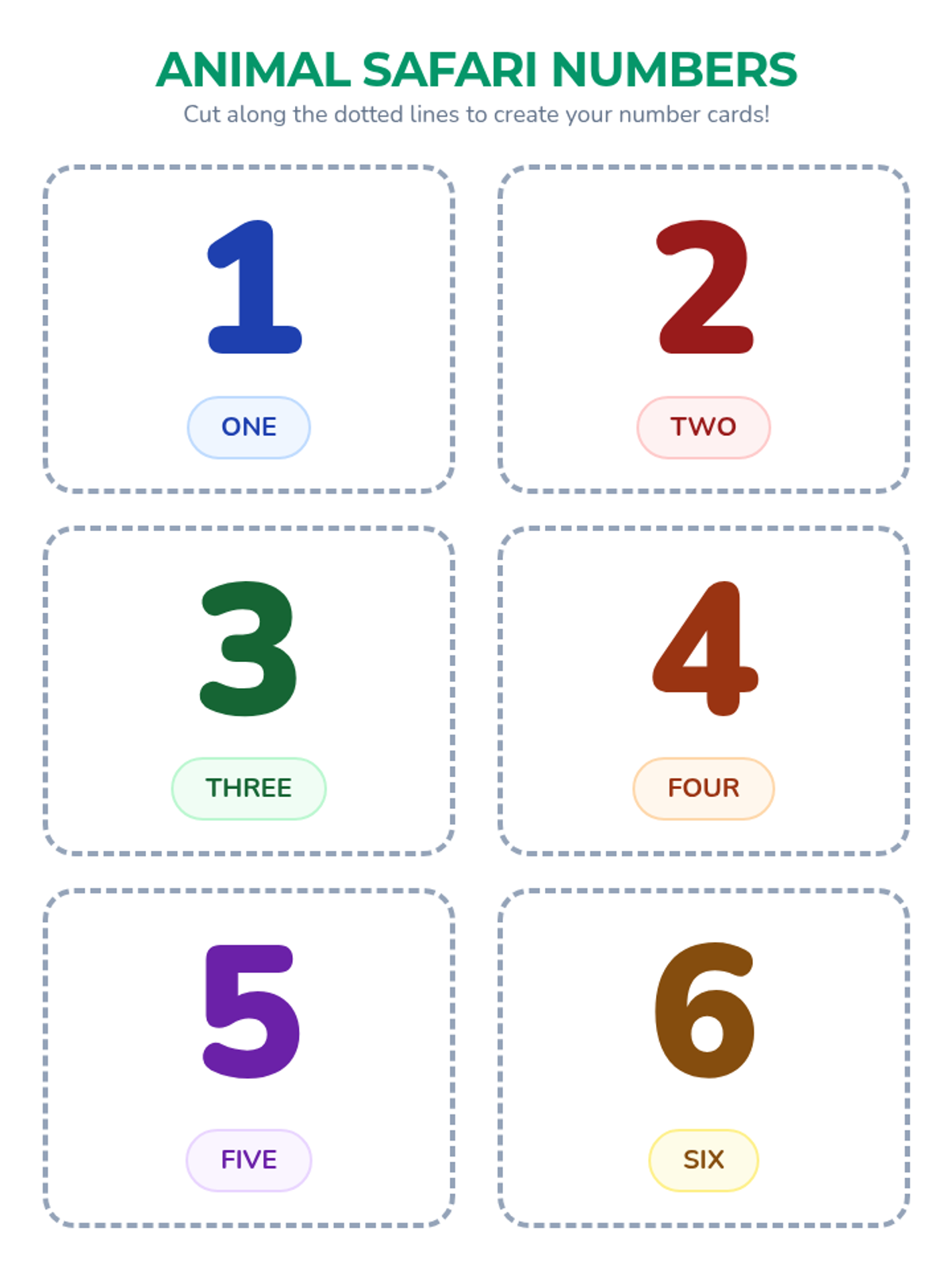
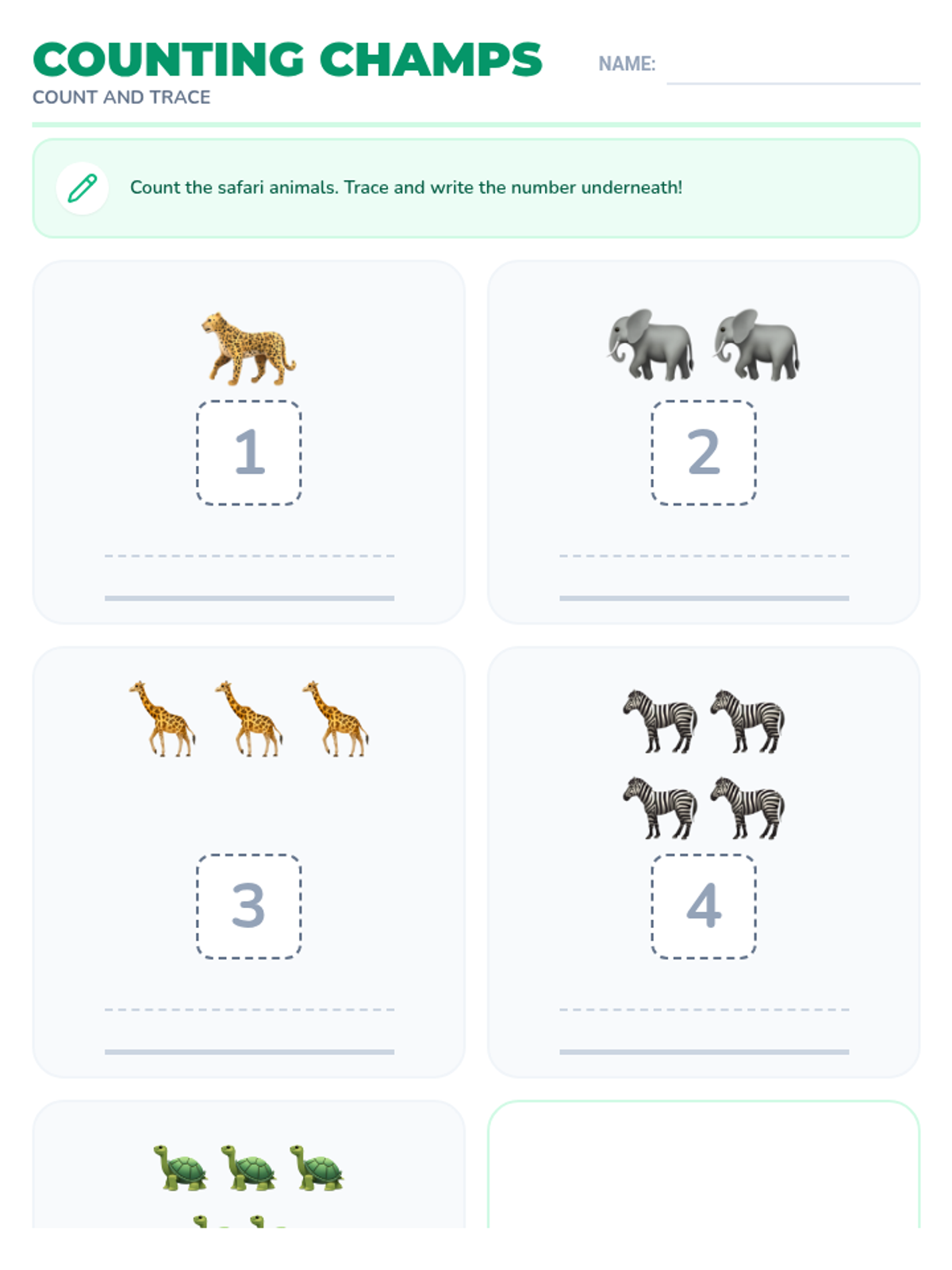
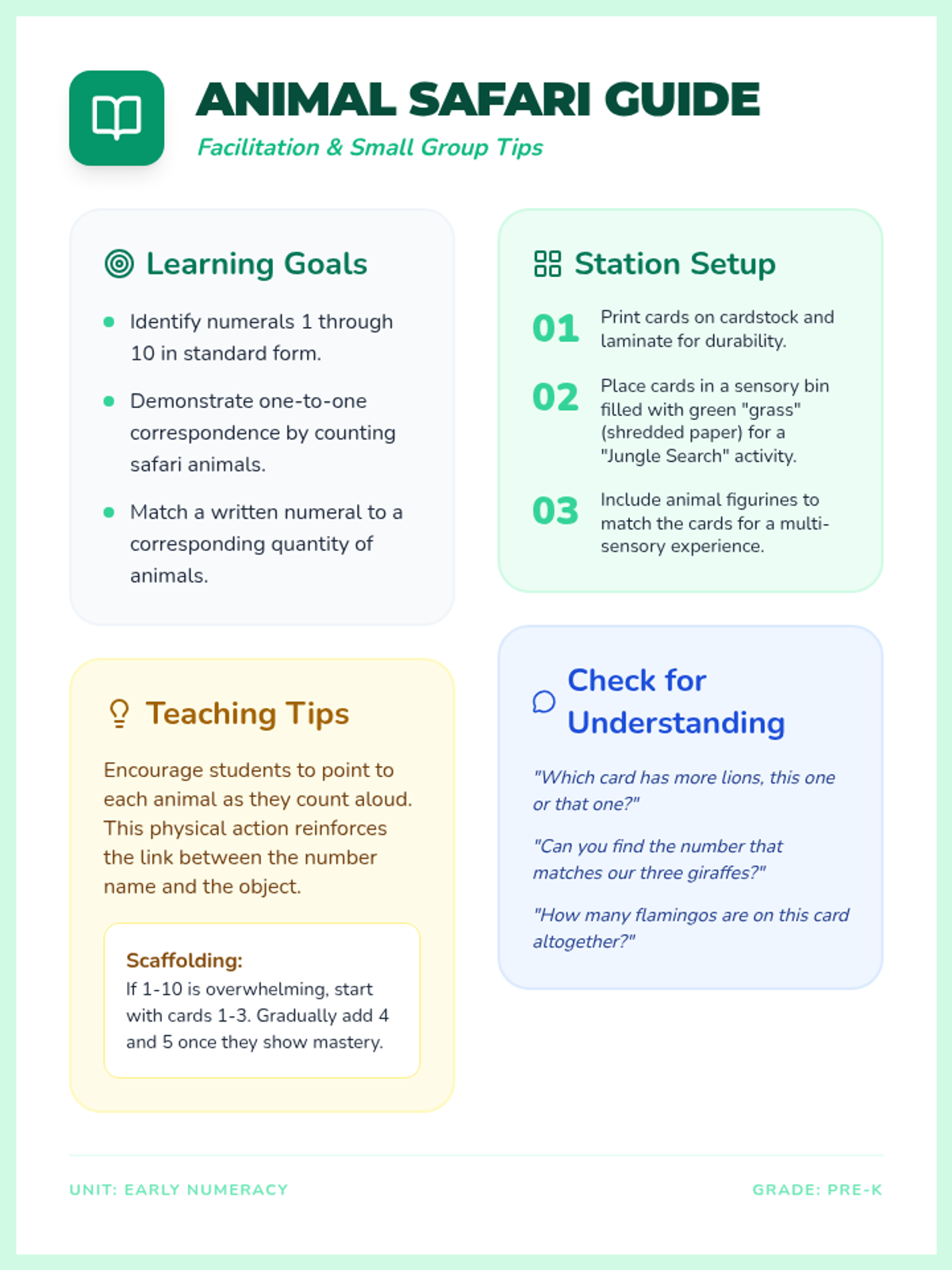
A hands-on counting lesson for Pre-K students focusing on one-to-one correspondence for numbers 1-10 using an engaging animal safari theme.
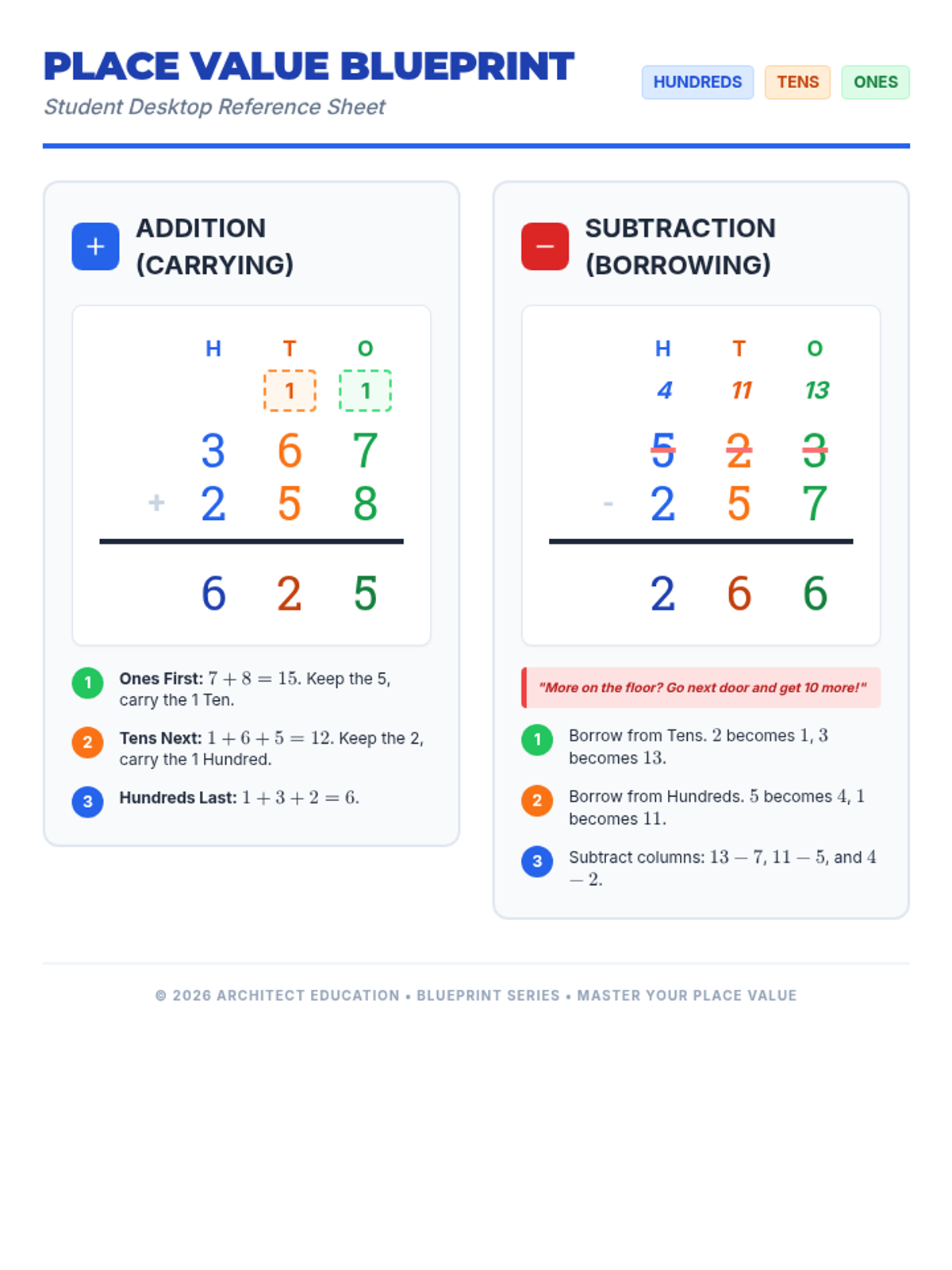
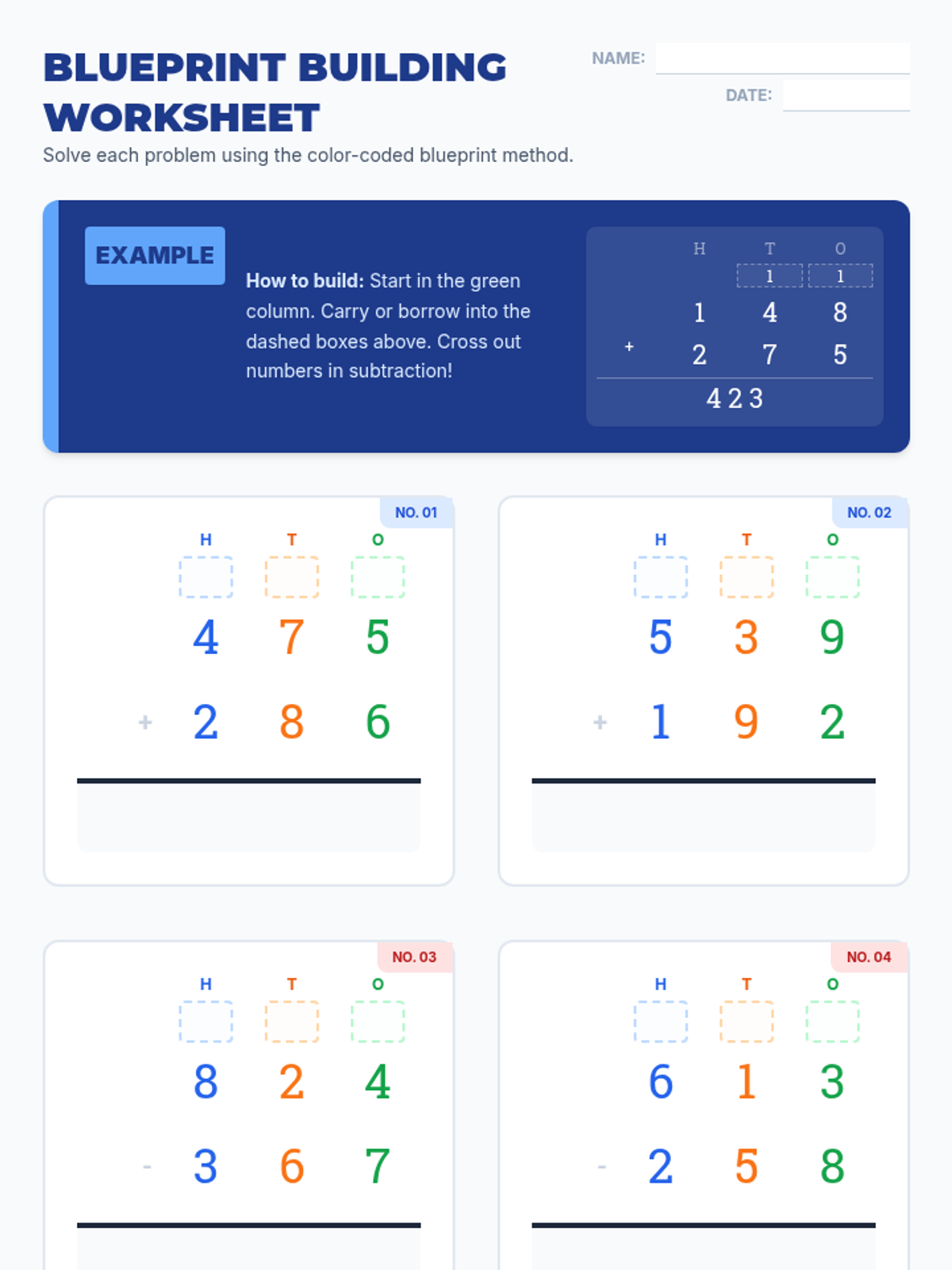
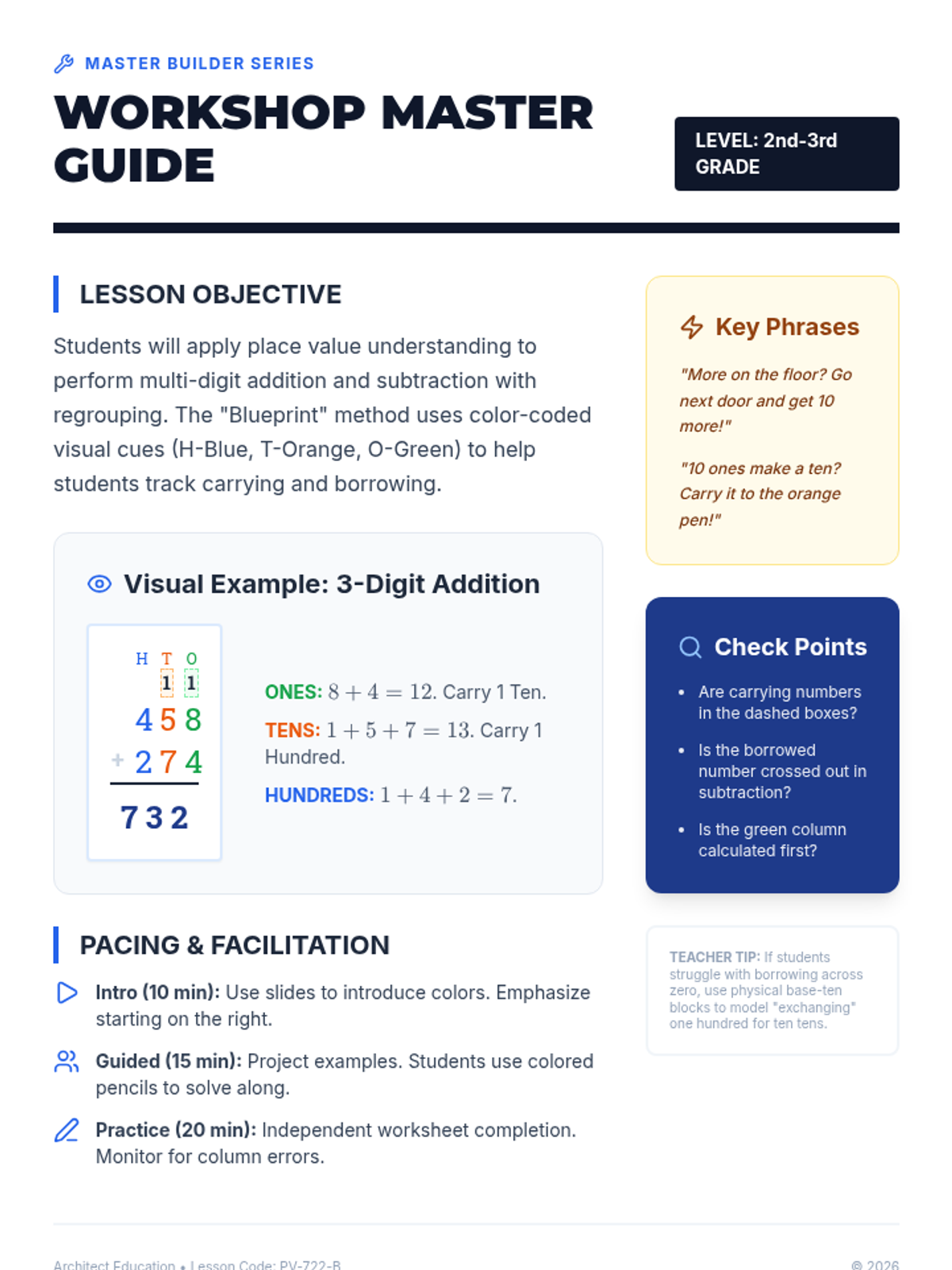
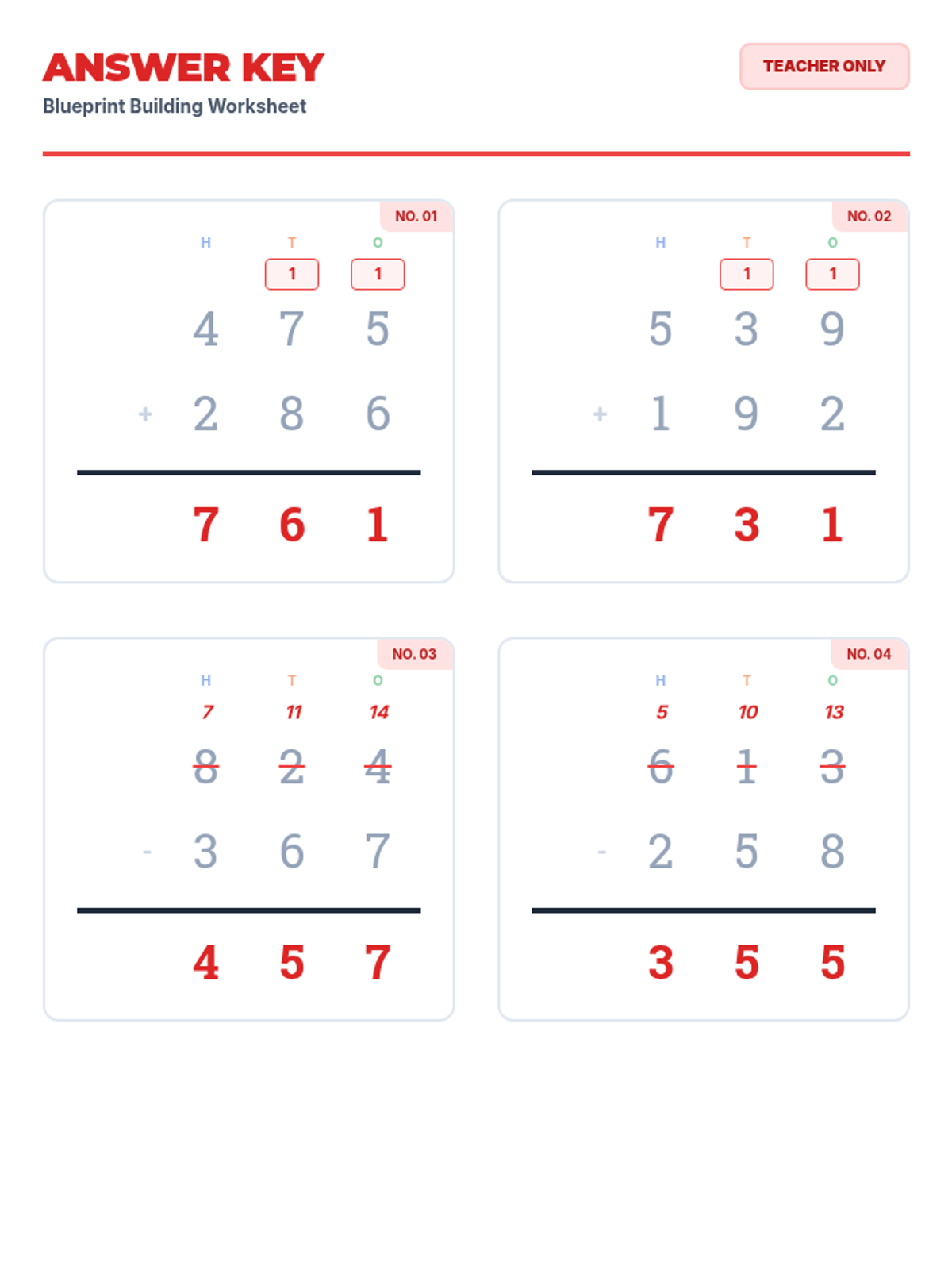
A comprehensive guide to mastering double and triple-digit addition and subtraction using color-coded place value columns and regrouping strategies. Students use 'blueprints' to visualize carrying and borrowing across place values.
A hands-on lesson where students construct a physical number line by cutting and gluing numbers 0-20 in the correct sequence.
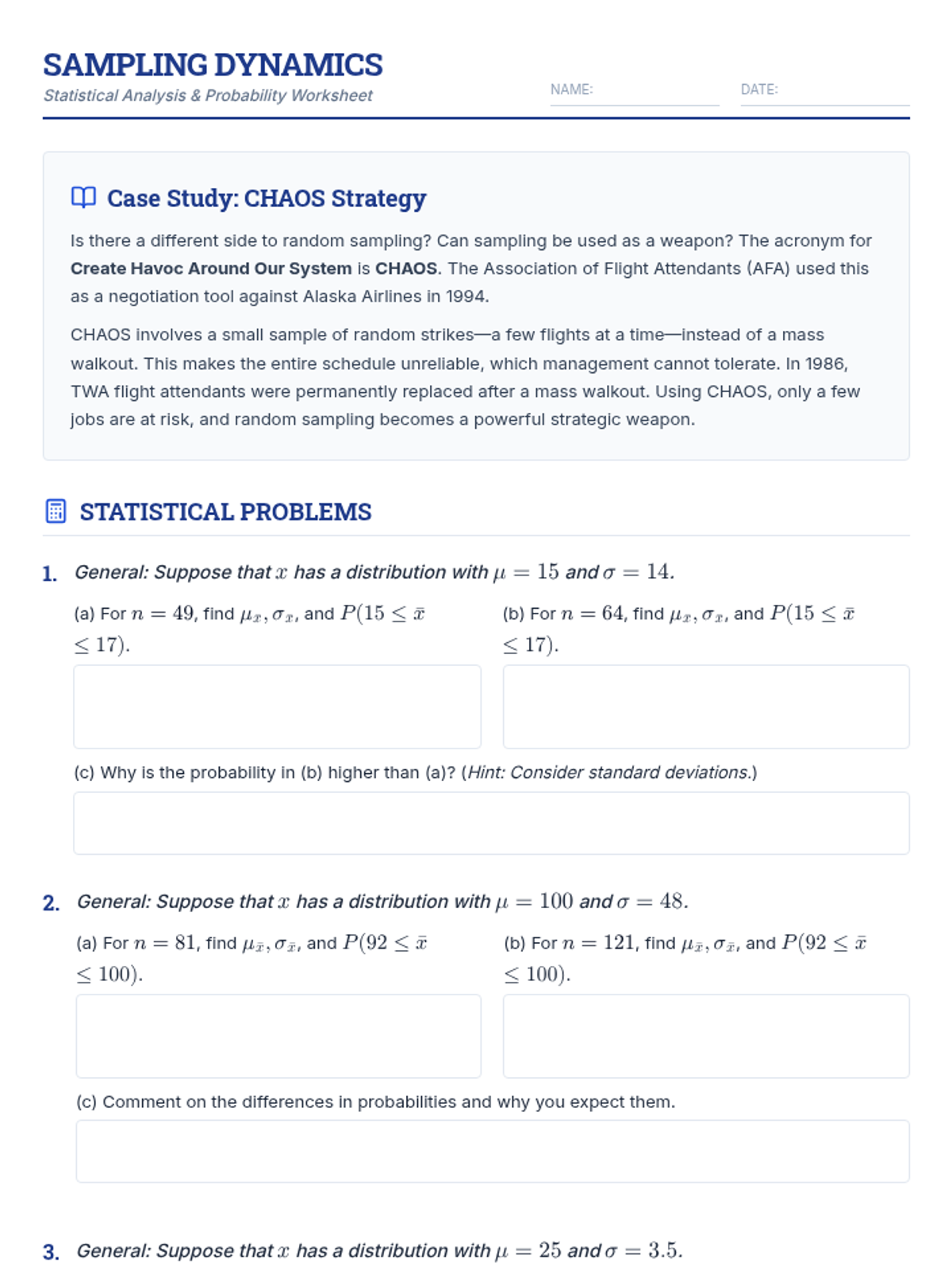
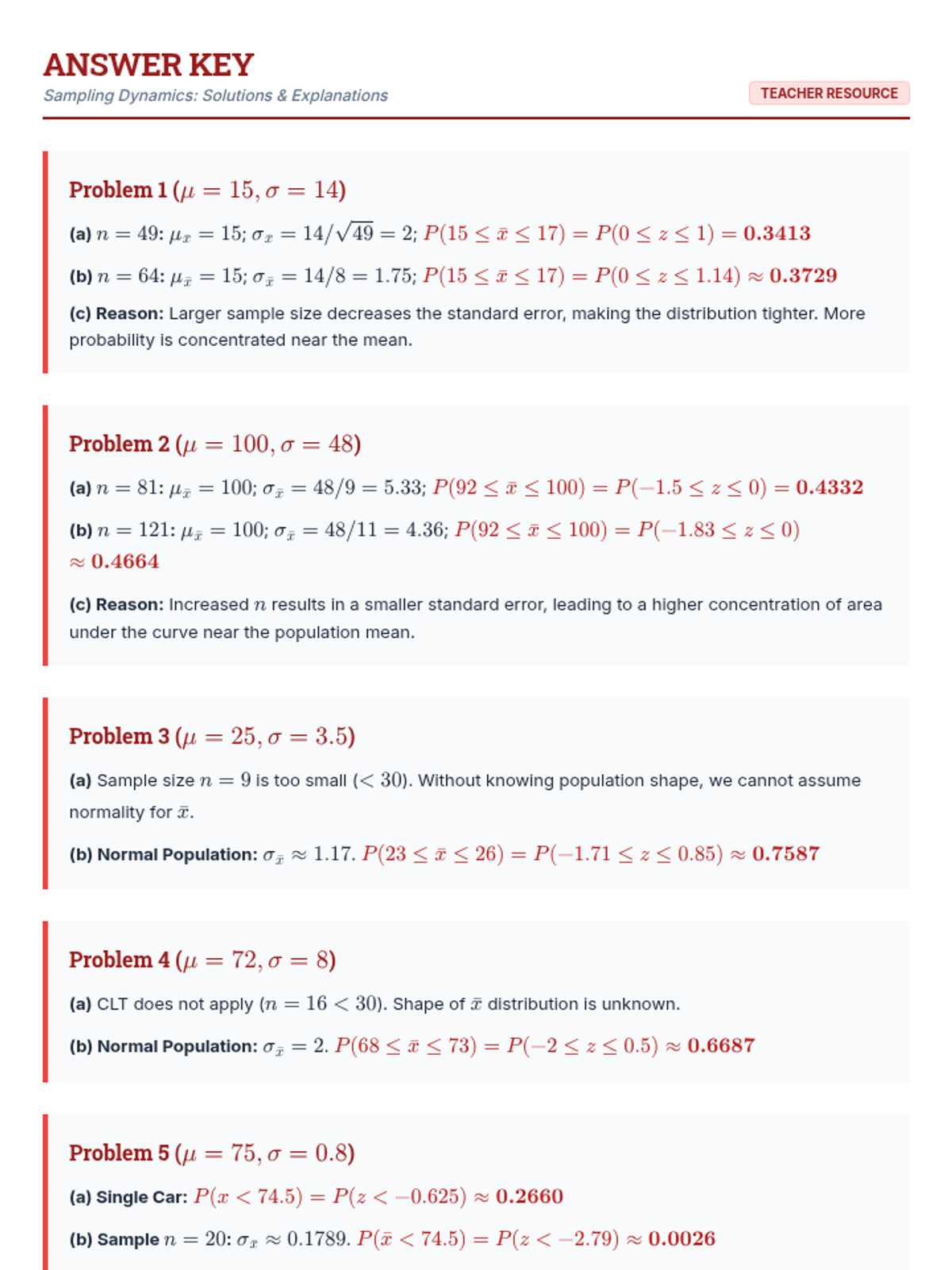
A lesson exploring sampling distributions, the Central Limit Theorem, and the real-world applications of random sampling as a strategic tool.
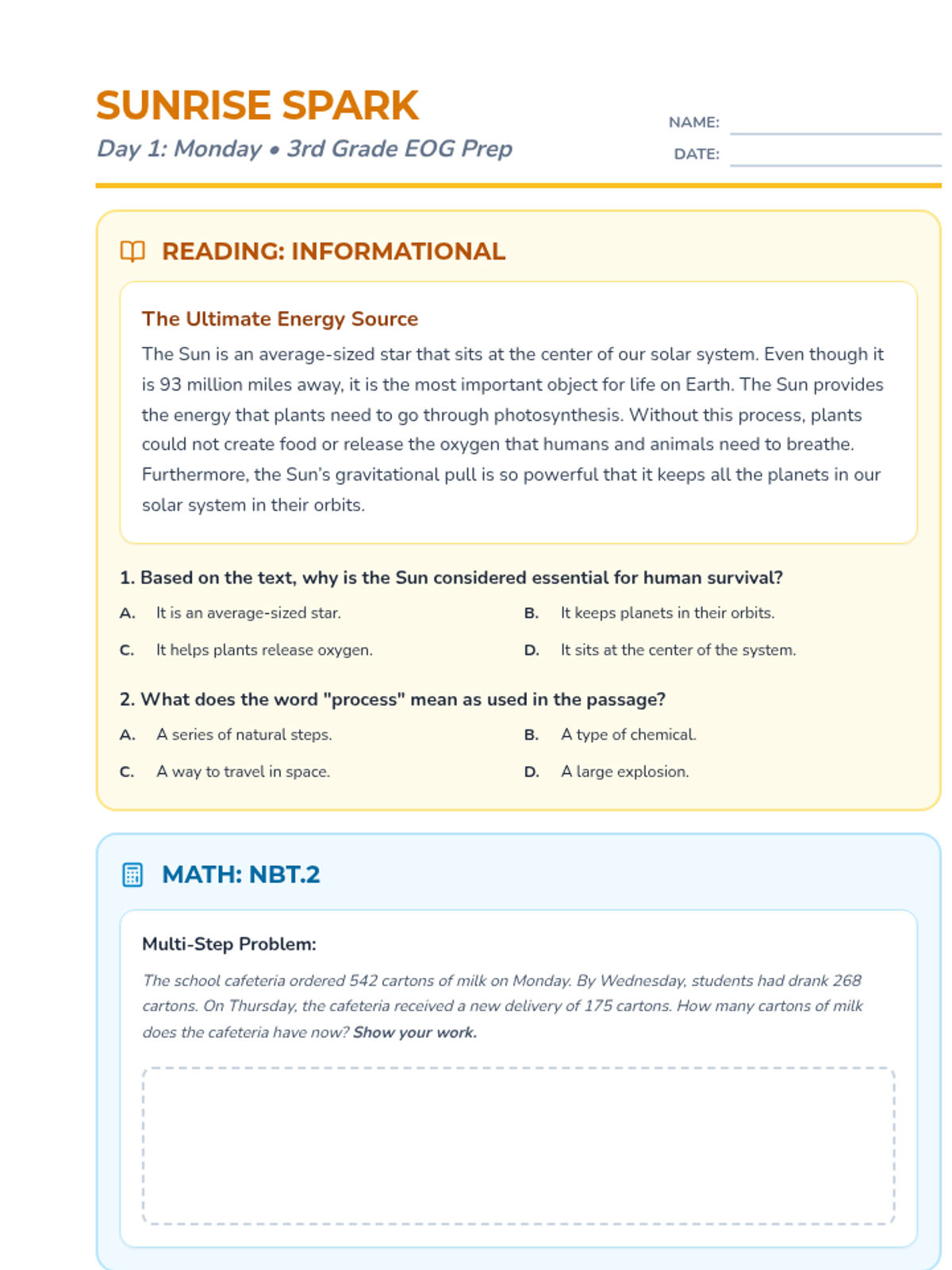
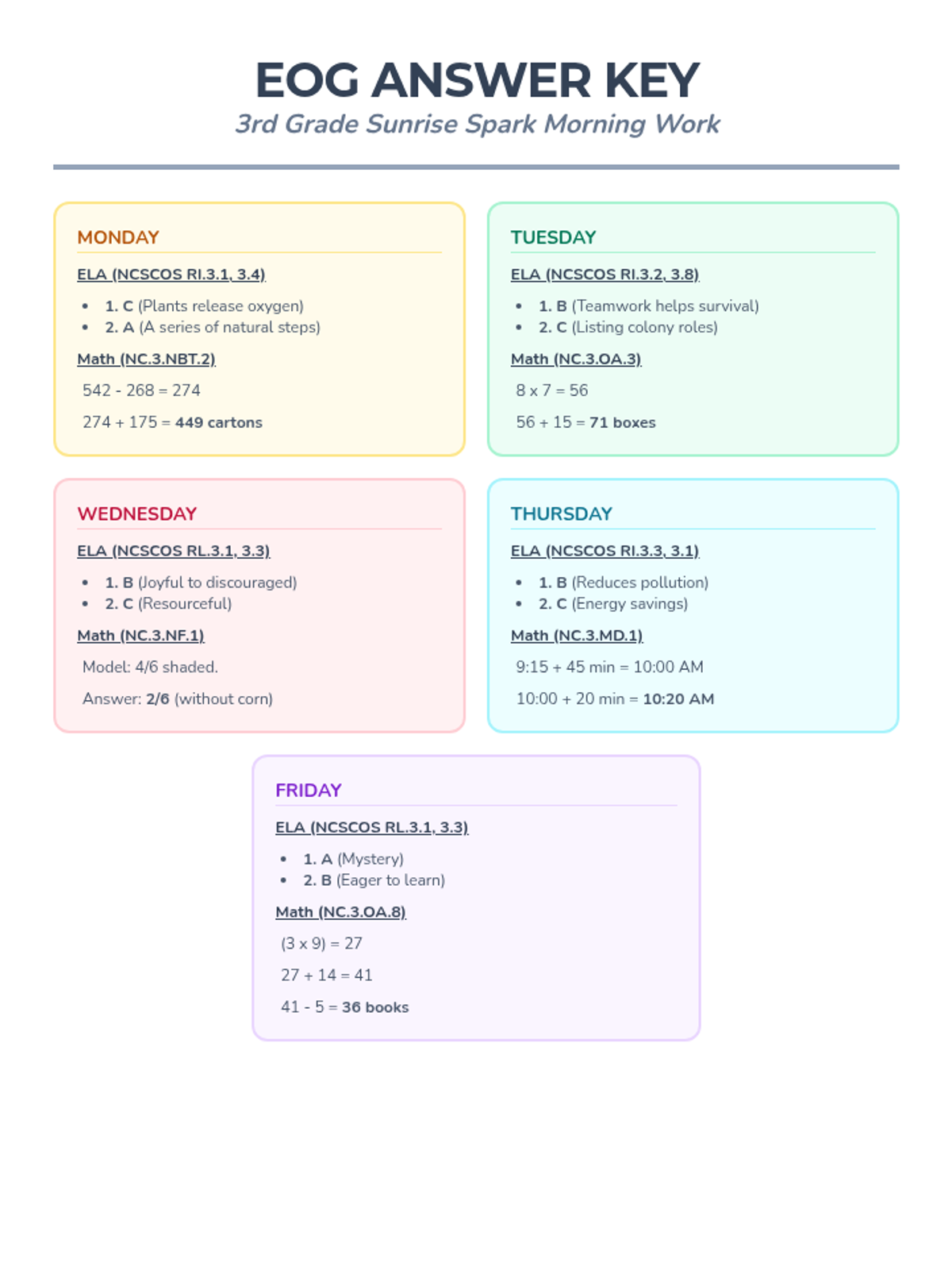
A 5-day morning work series featuring mixed math and ELA practice to start the school day with focus and energy.
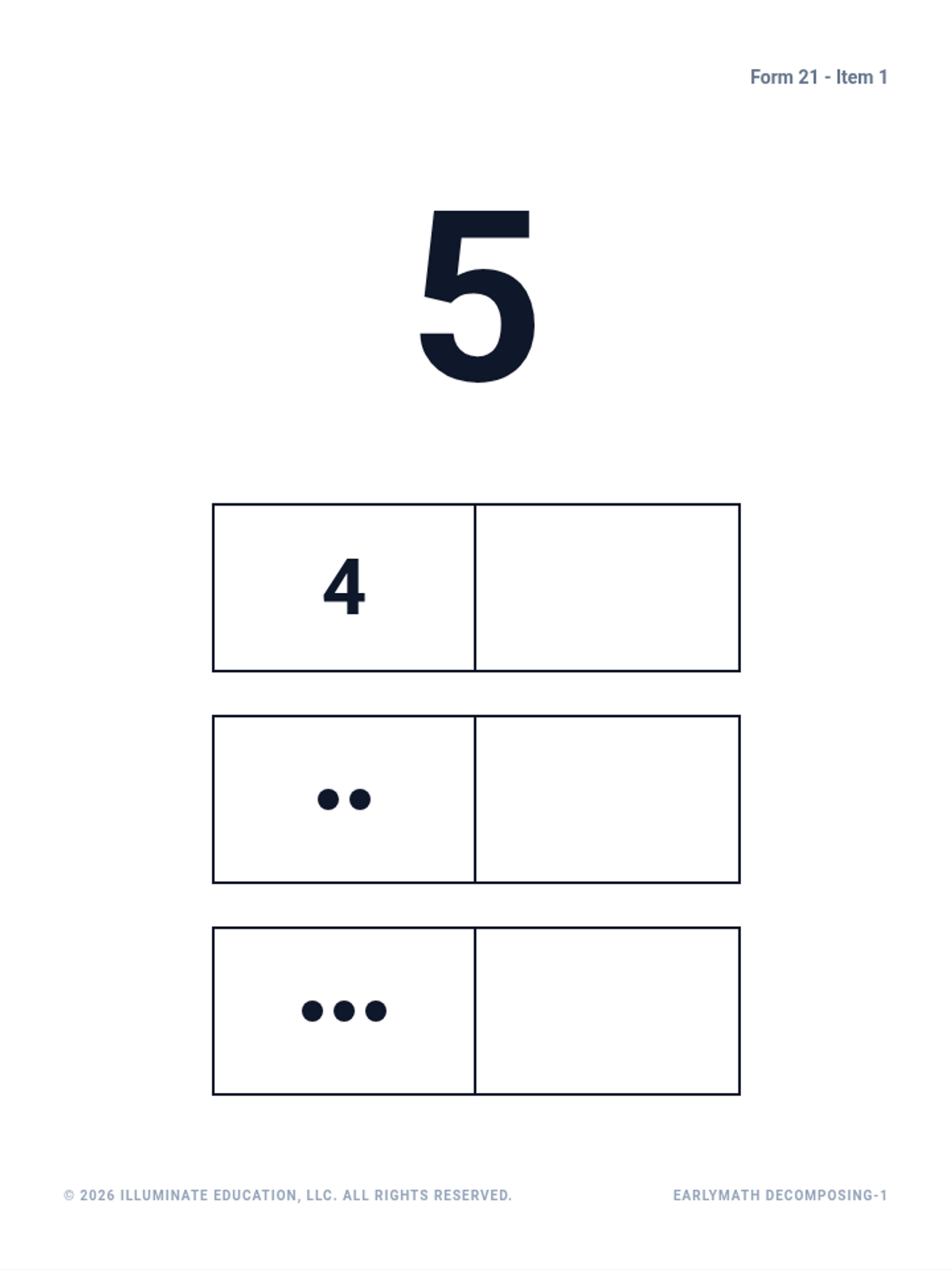
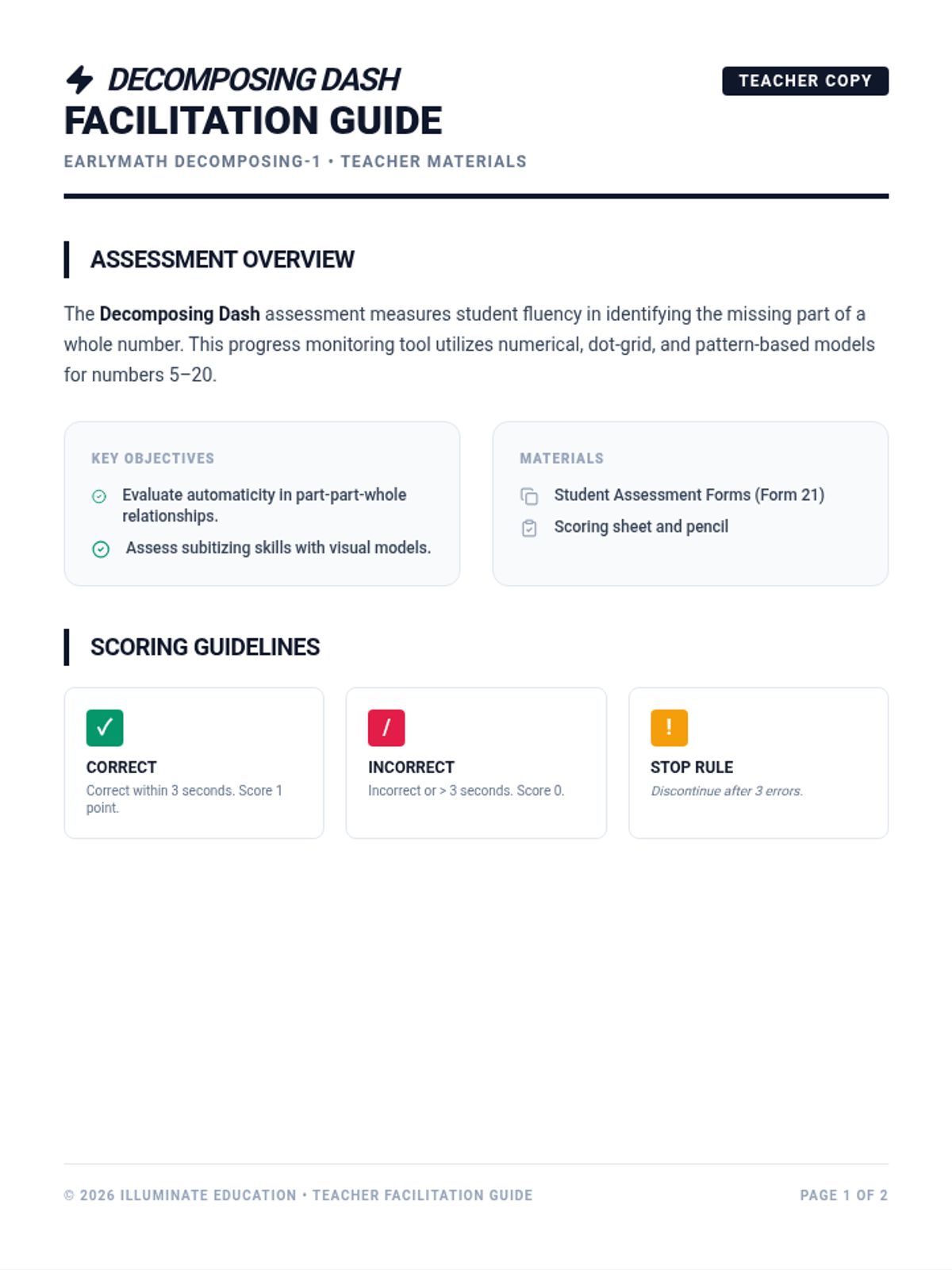
A progress monitoring assessment sequence for measuring and improving student fluency in decomposing numbers 1-20 using numerical and visual models.
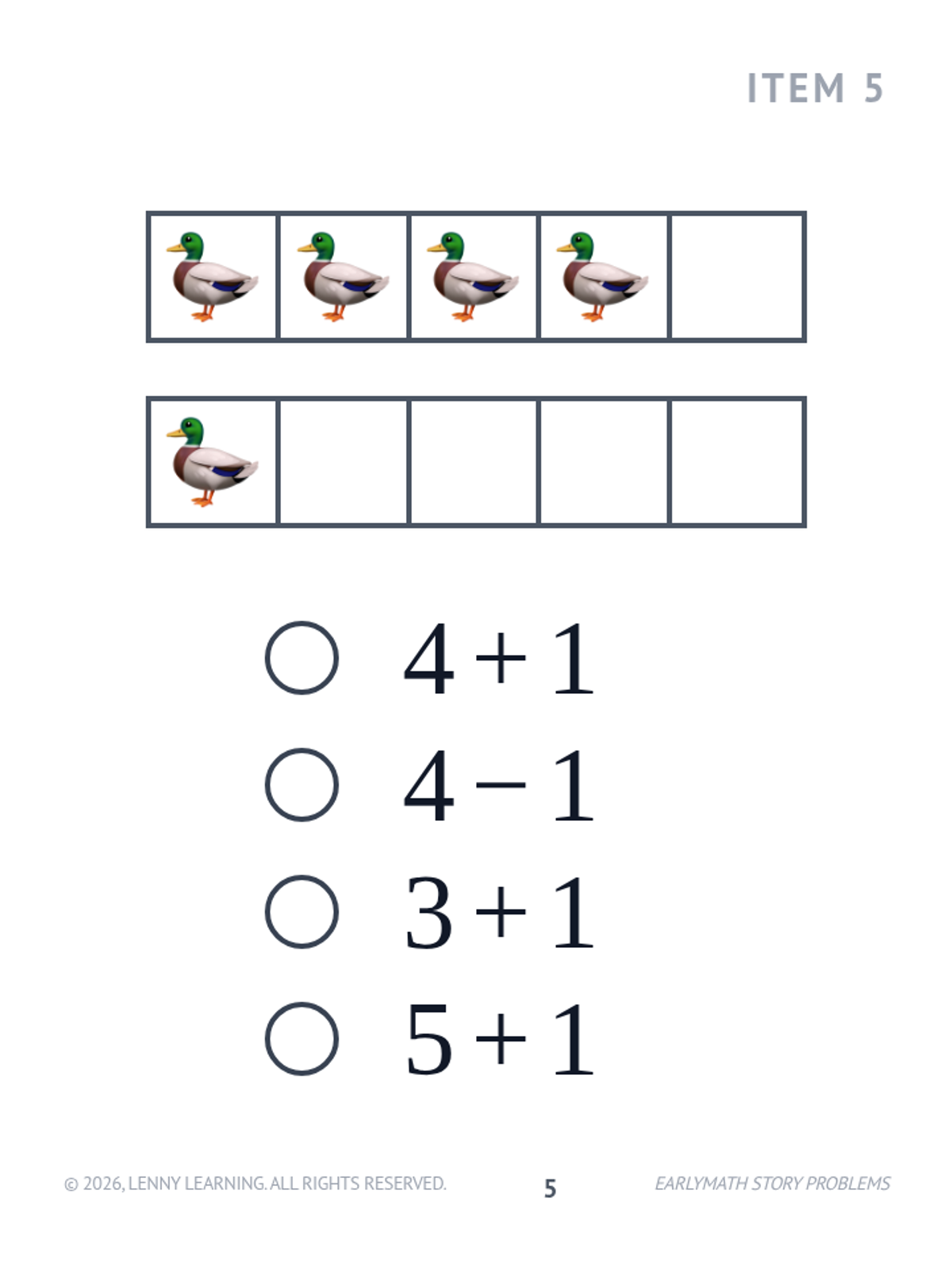
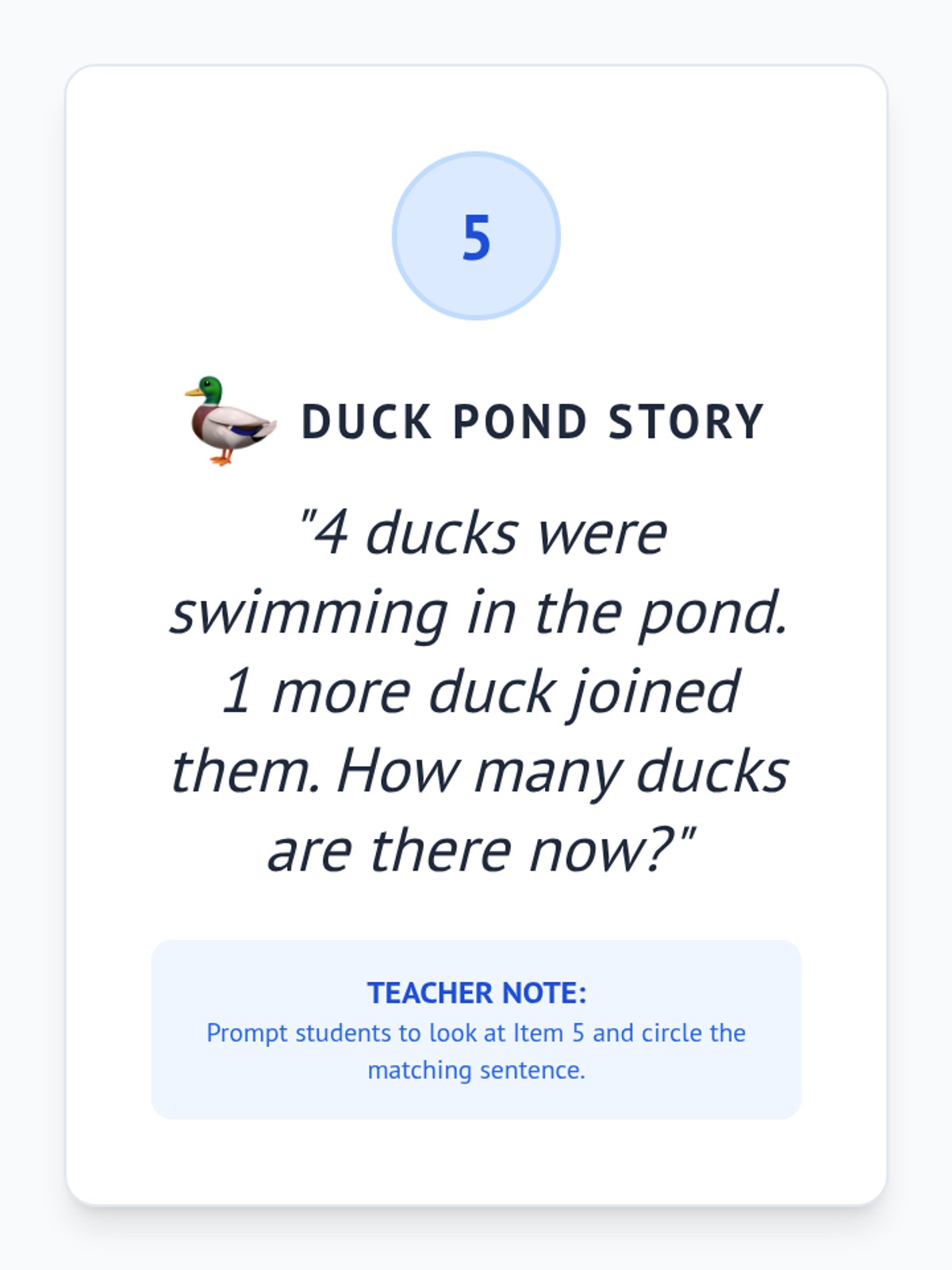
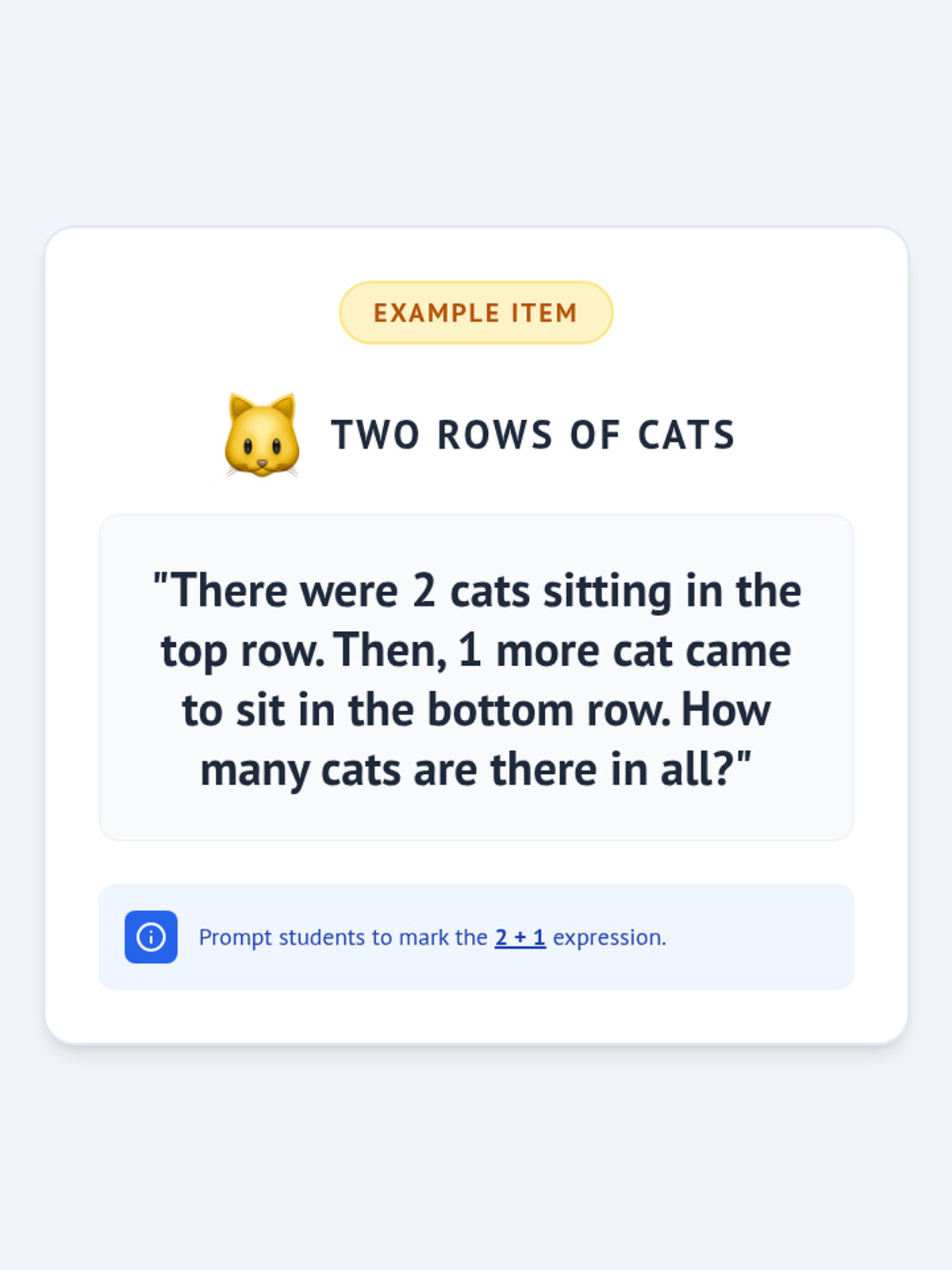
A collection of visual math story problems for early learners, focusing on basic addition and subtraction within 5. Each item uses a five-frame layout to help students visualize quantities and match them to mathematical expressions.
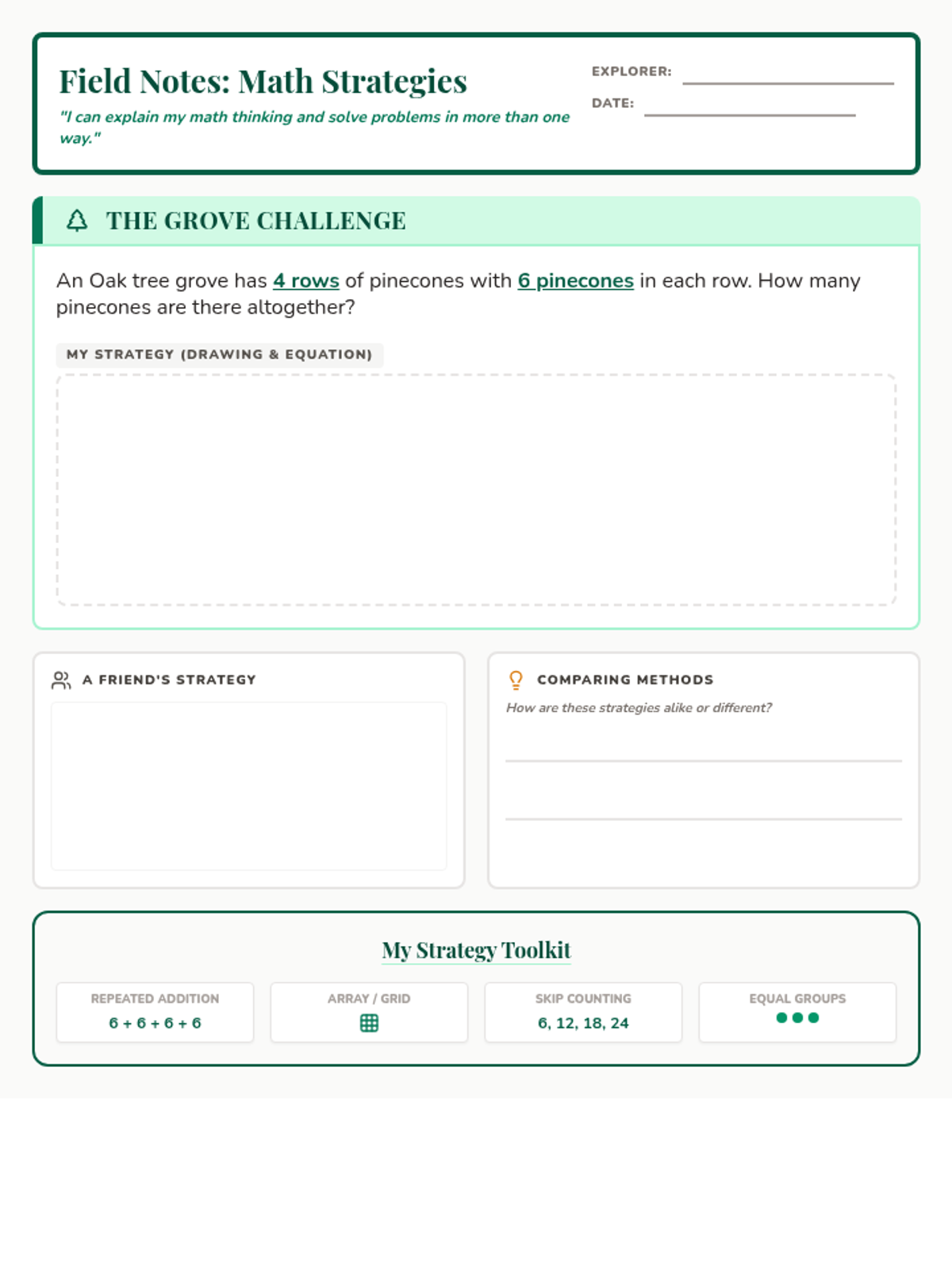
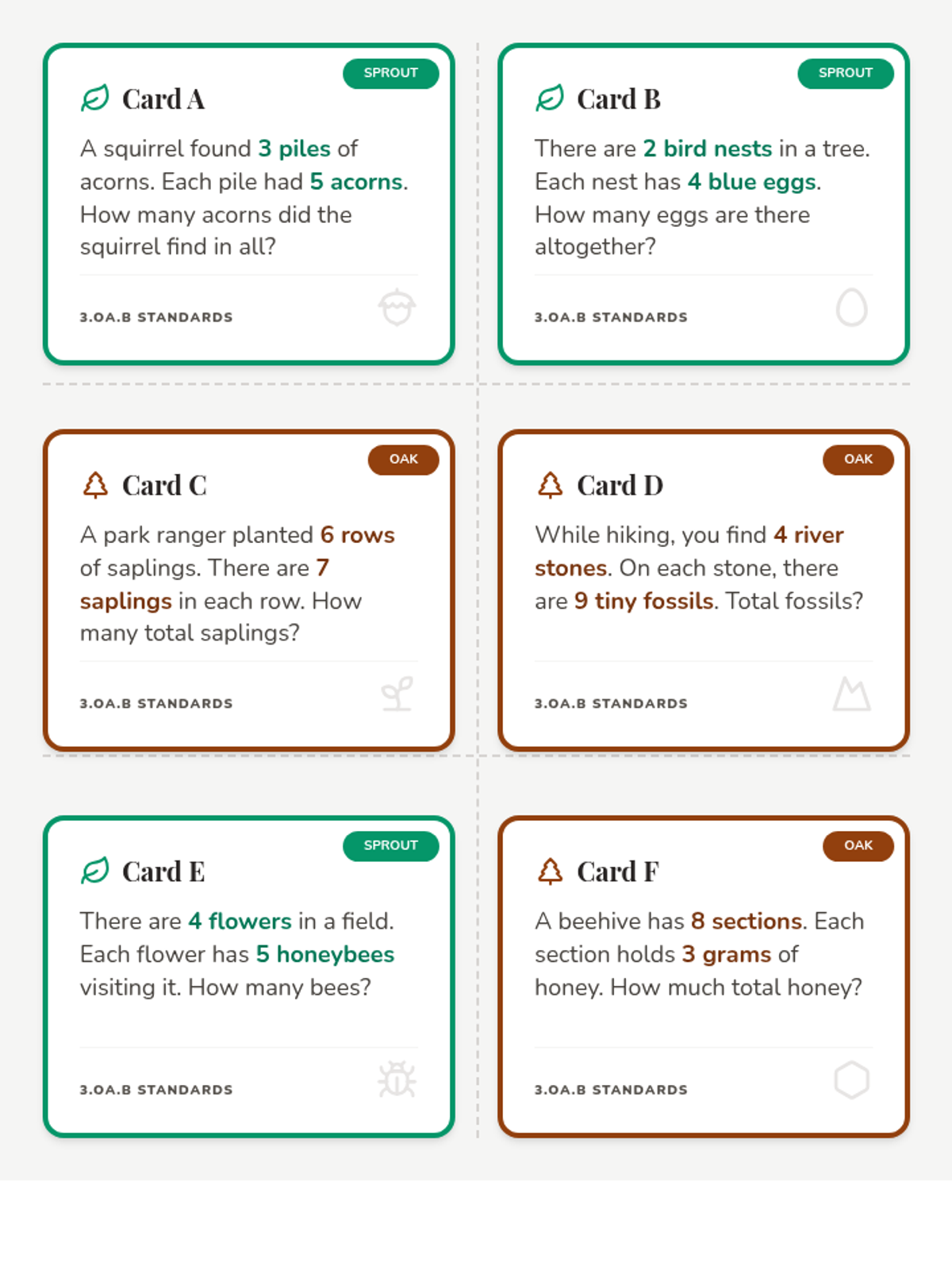
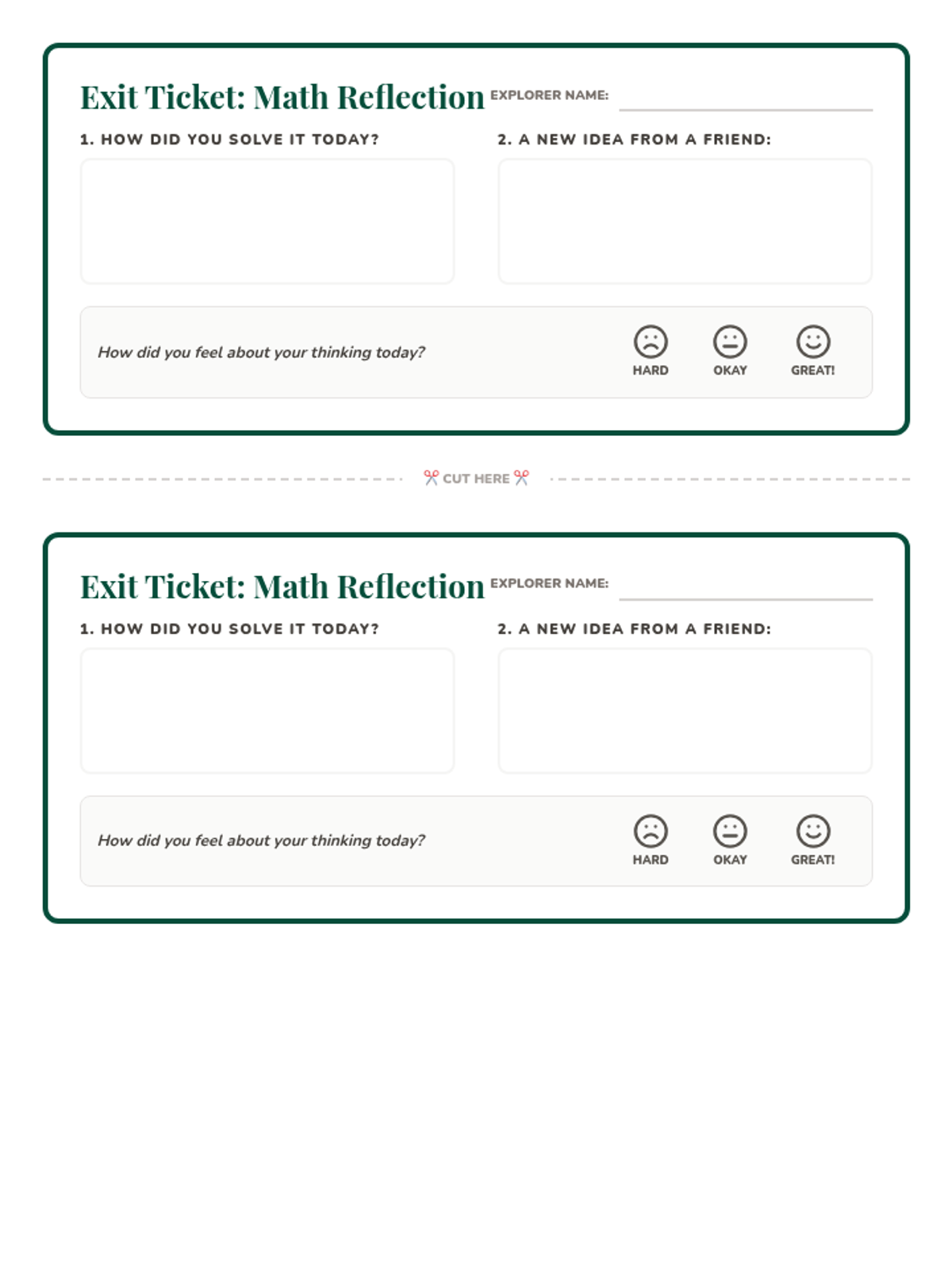
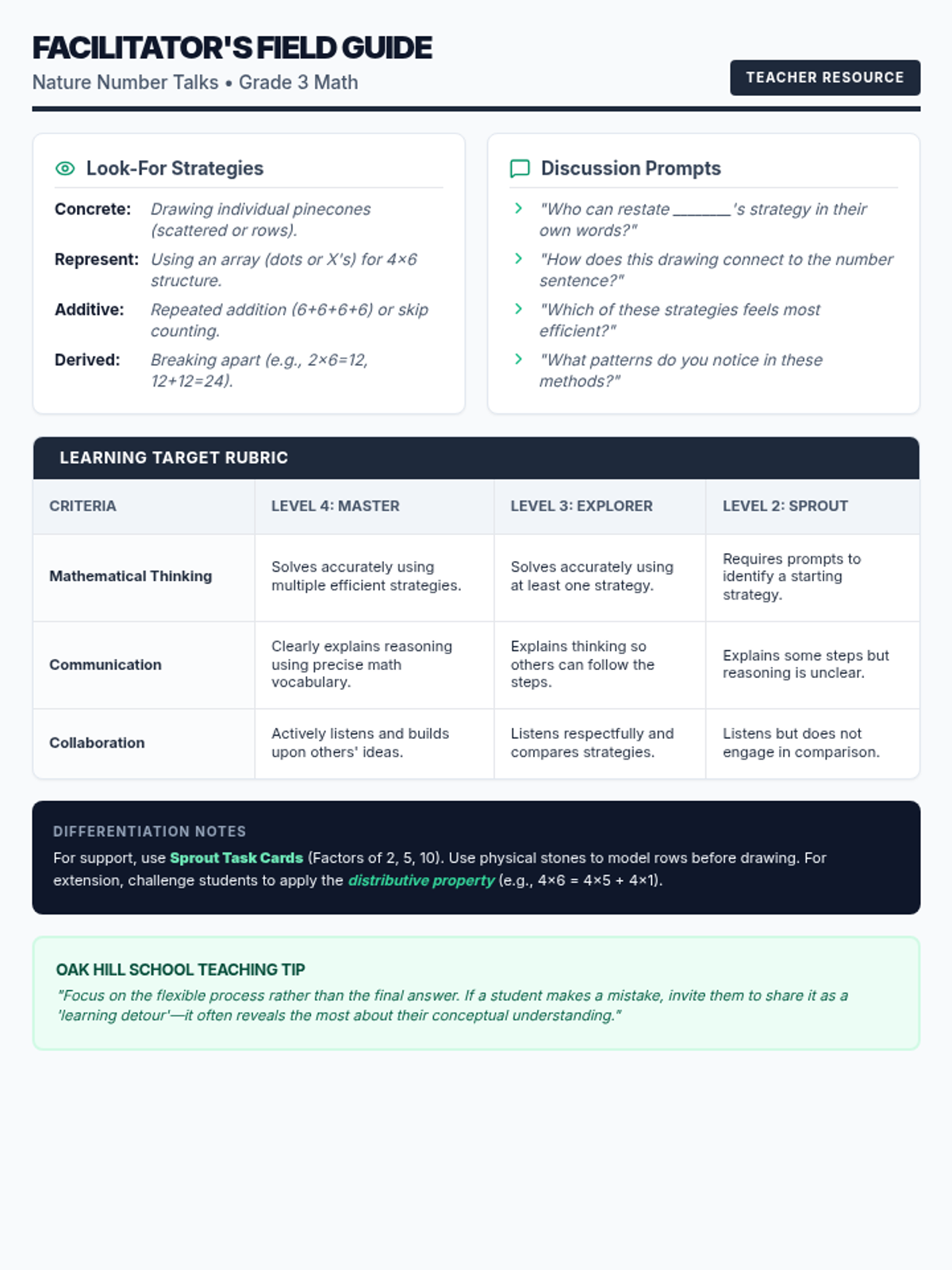
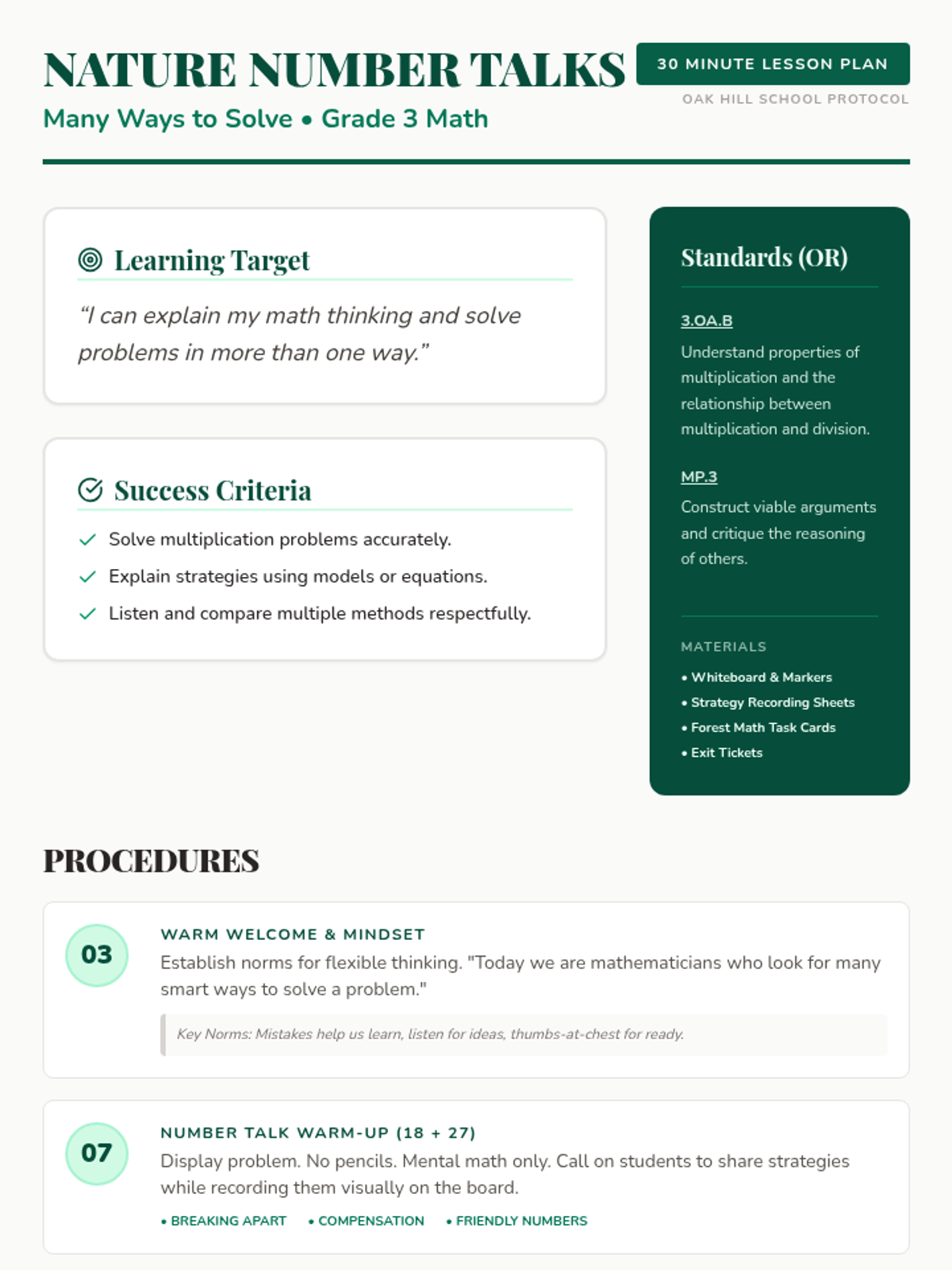
A 30-minute inquiry-based math lesson for 3rd grade focusing on flexible multiplication strategies through a nature-themed Number Talk. Students explore multiple ways to solve problems involving equal groups and arrays, emphasizing discussion and conceptual understanding.
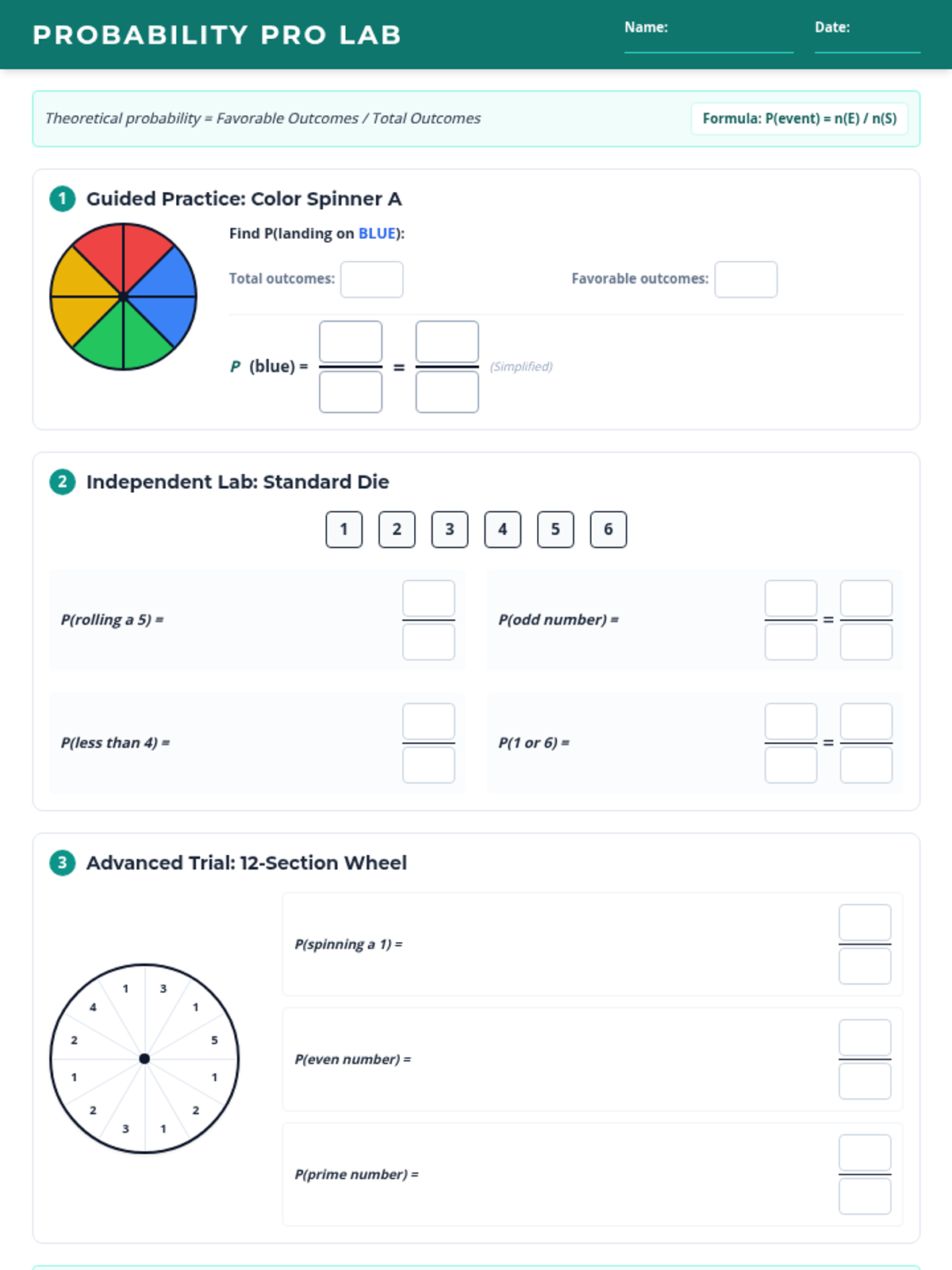
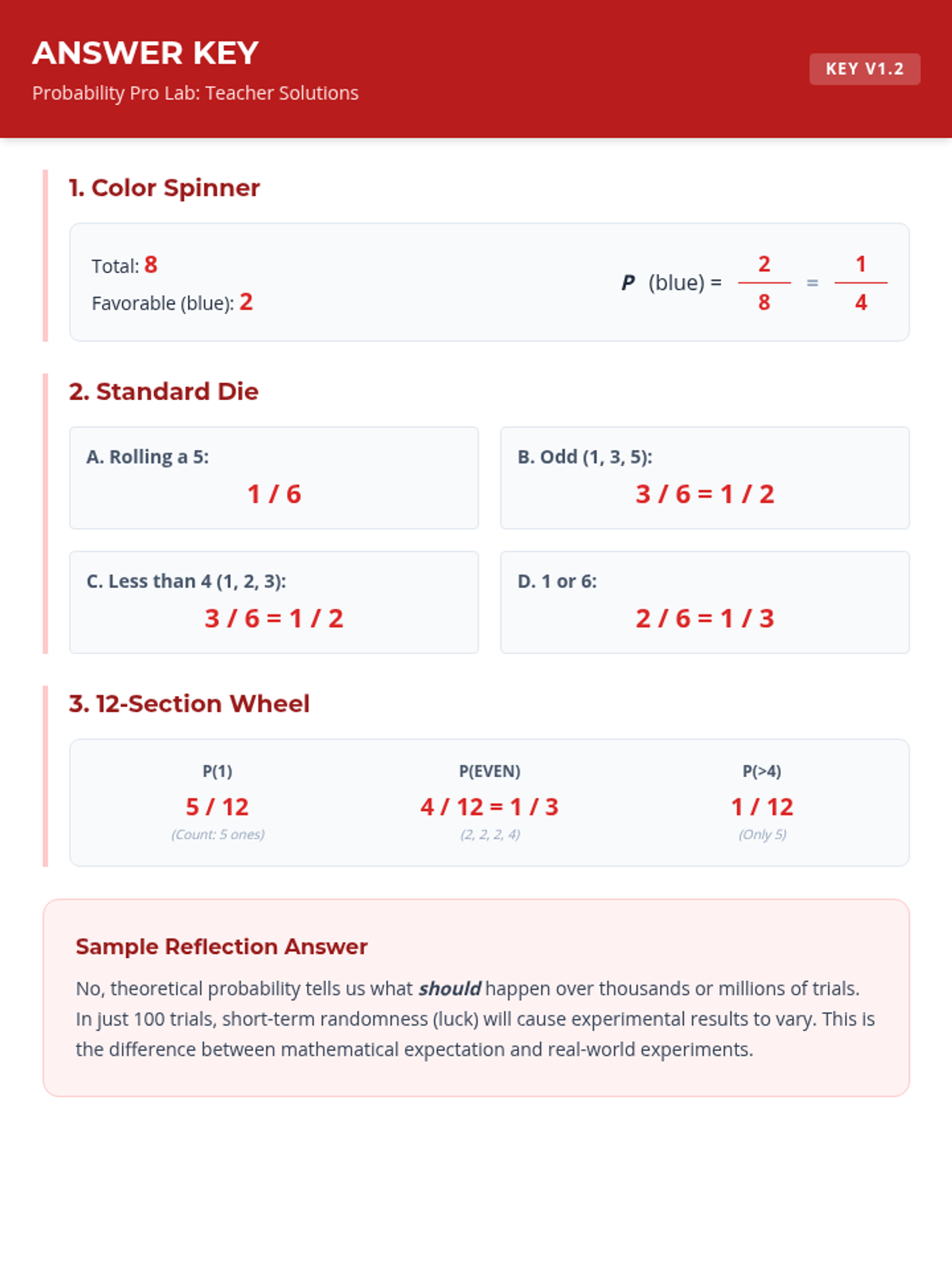
A guided practice lesson on theoretical probability focusing on standard dice and custom spinners for 6th-grade math students.
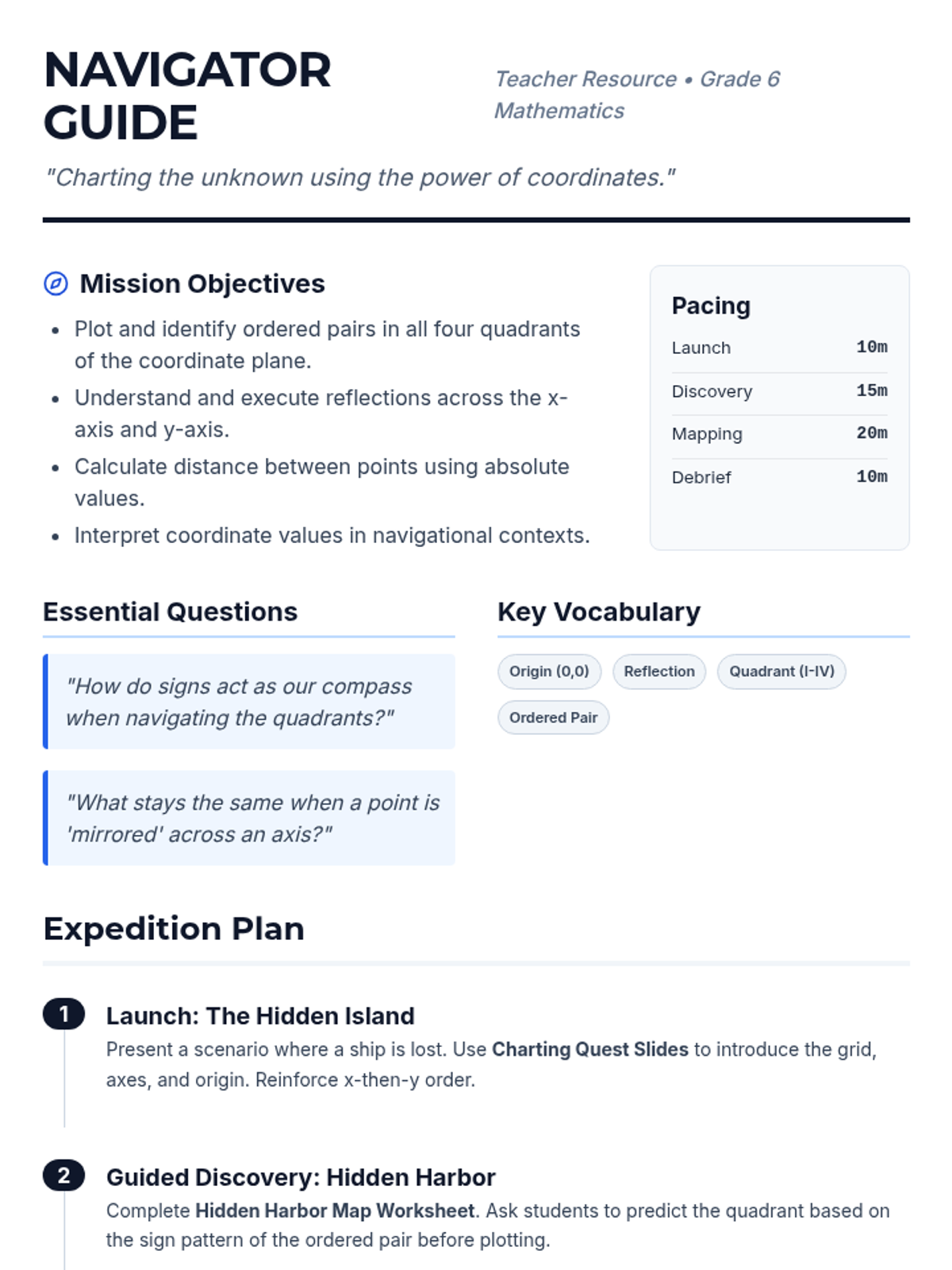
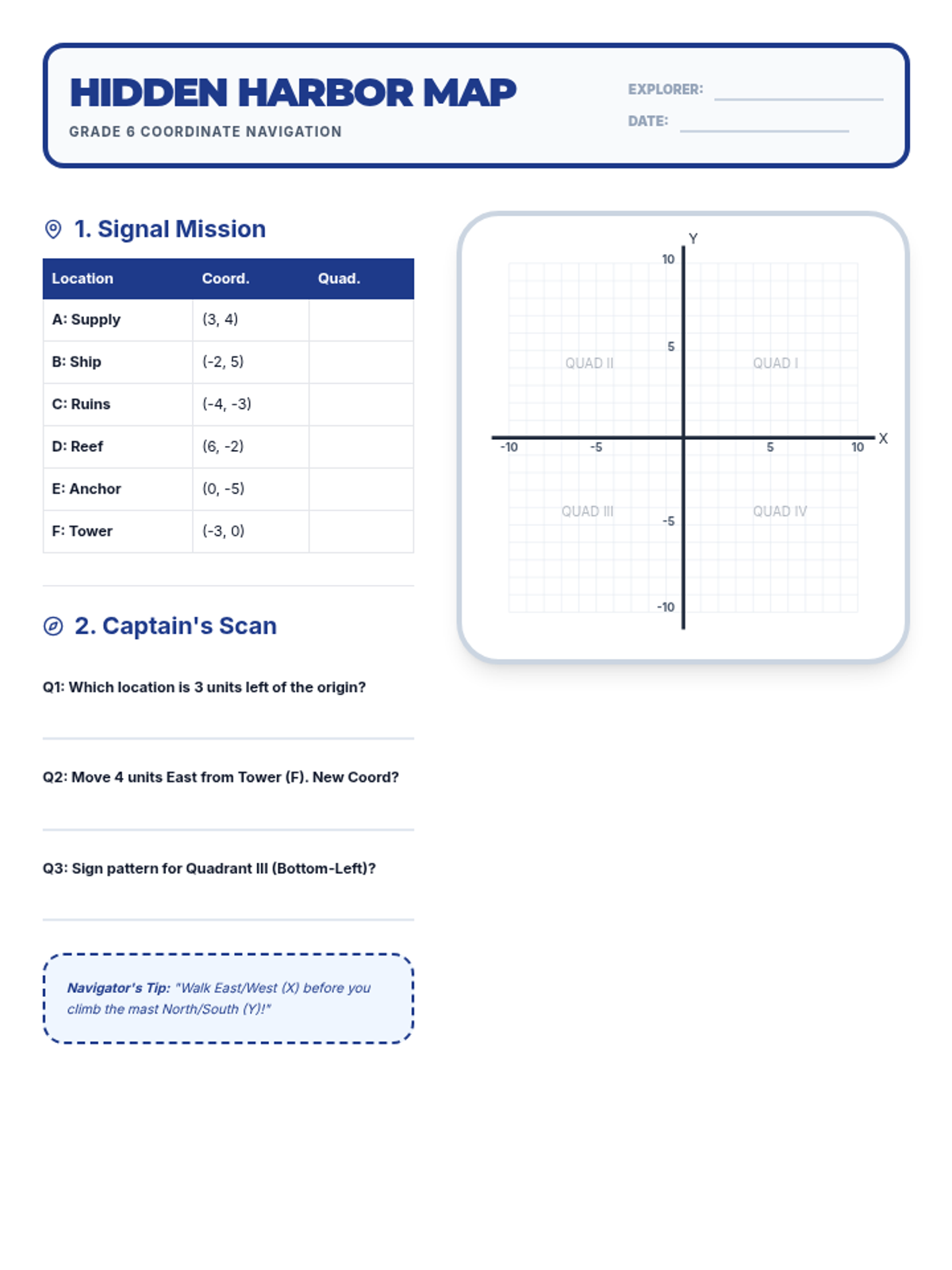
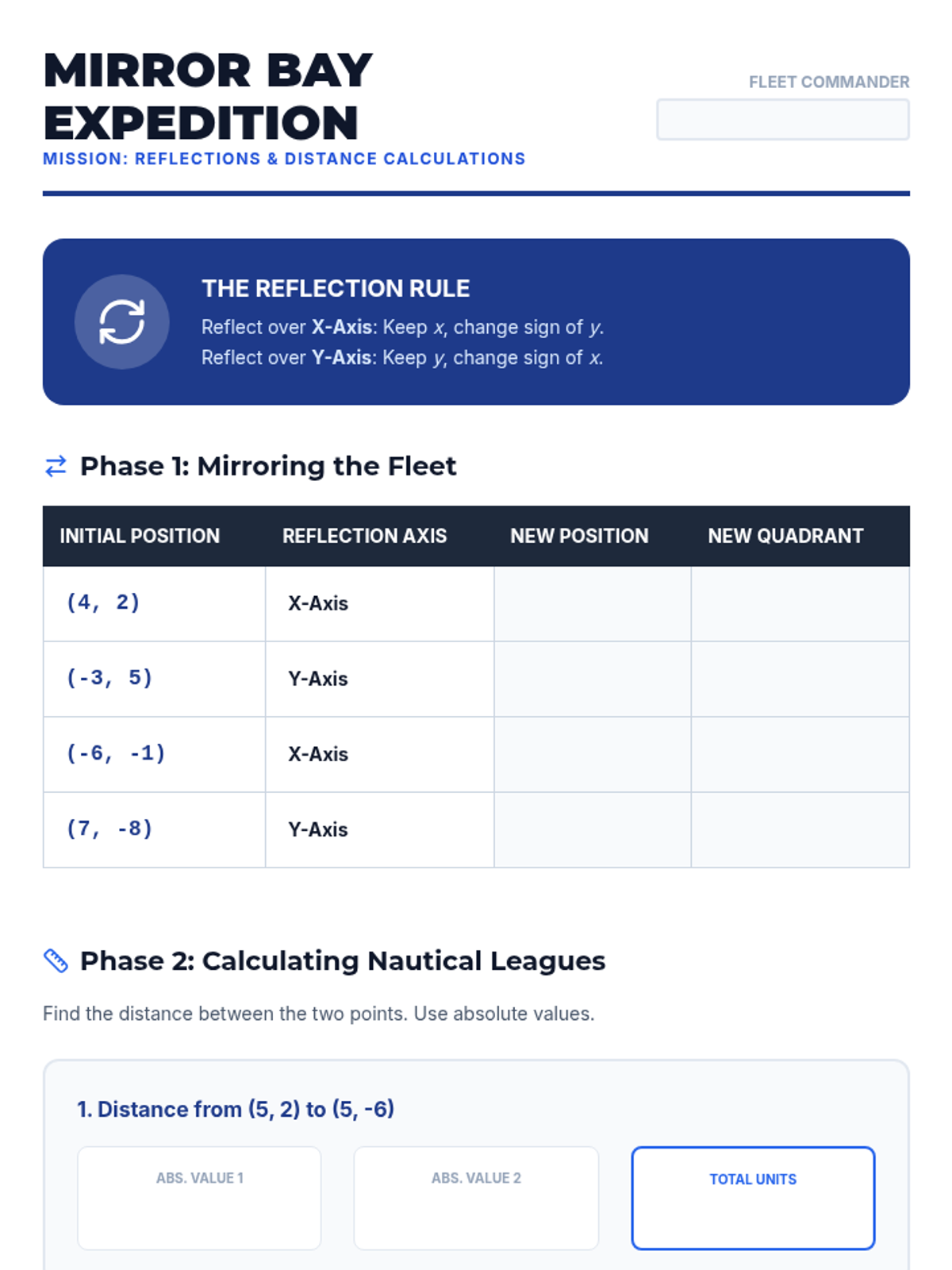
Students embark on a cartographic journey to master the coordinate plane, covering all four quadrants, reflections, and distance calculations through a navigational lens.
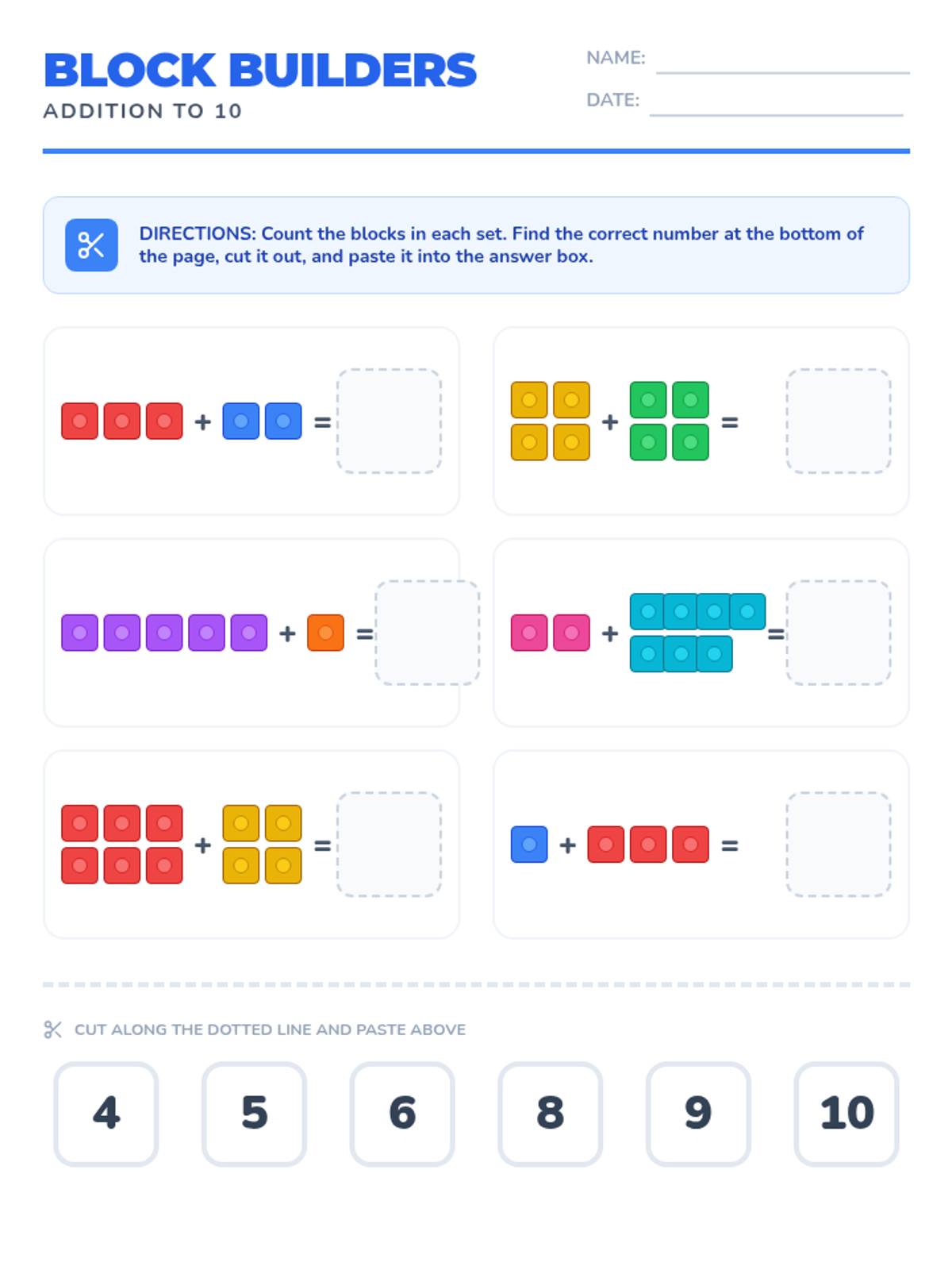
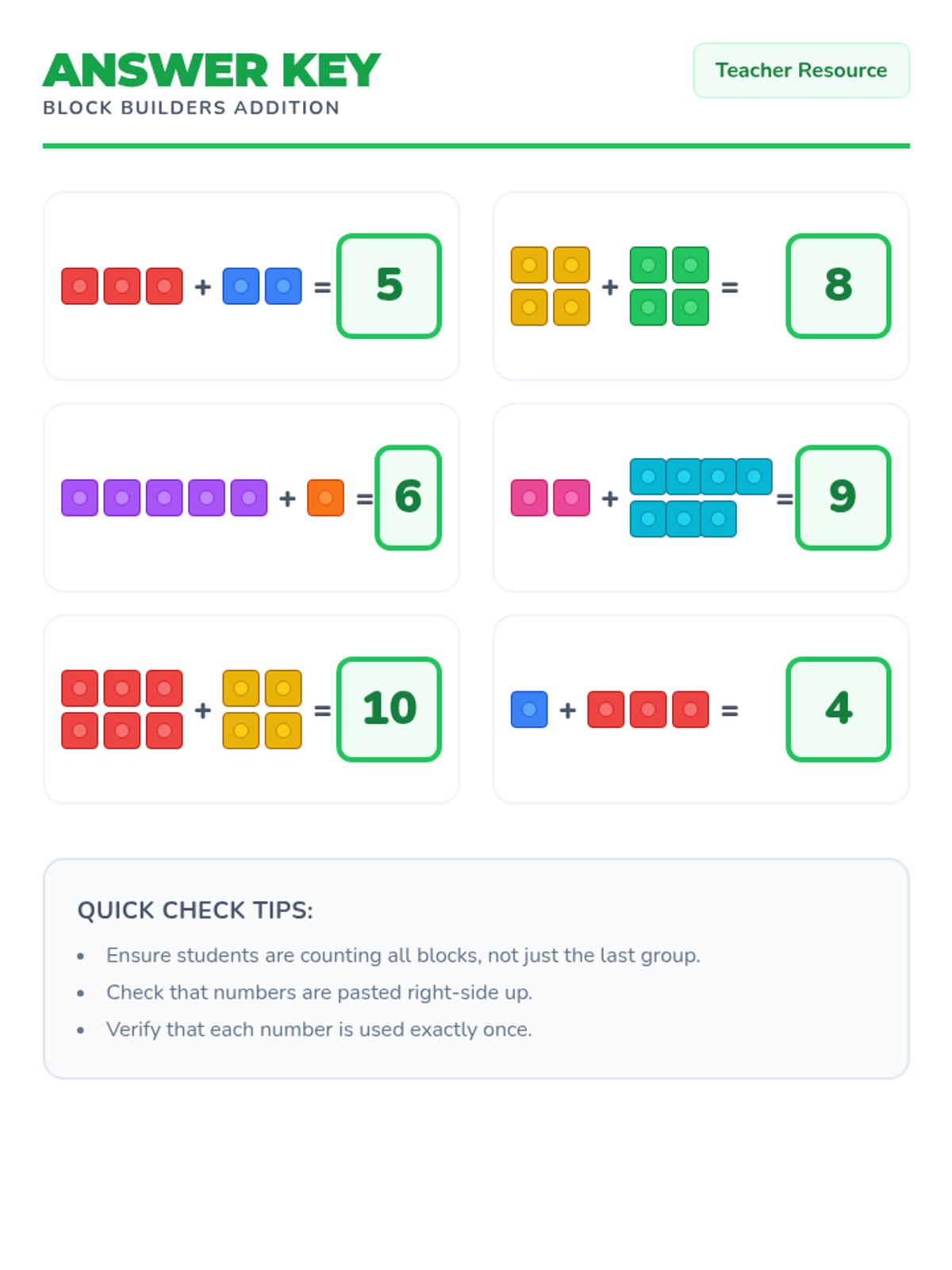
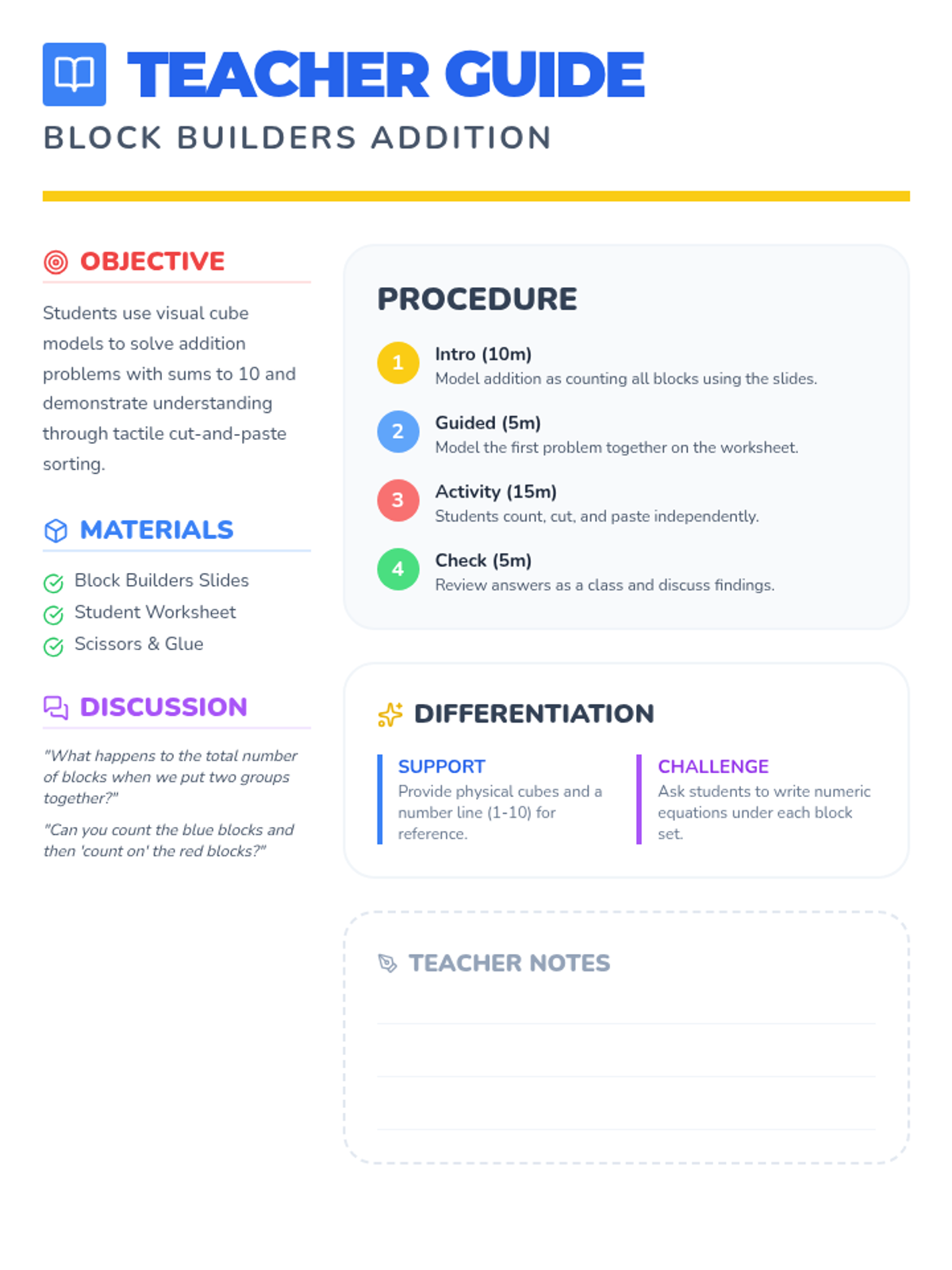
A foundational math lesson where students use visual cube models to solve addition problems with sums up to 10, featuring a hands-on cut-and-paste component for scaffolded learning.
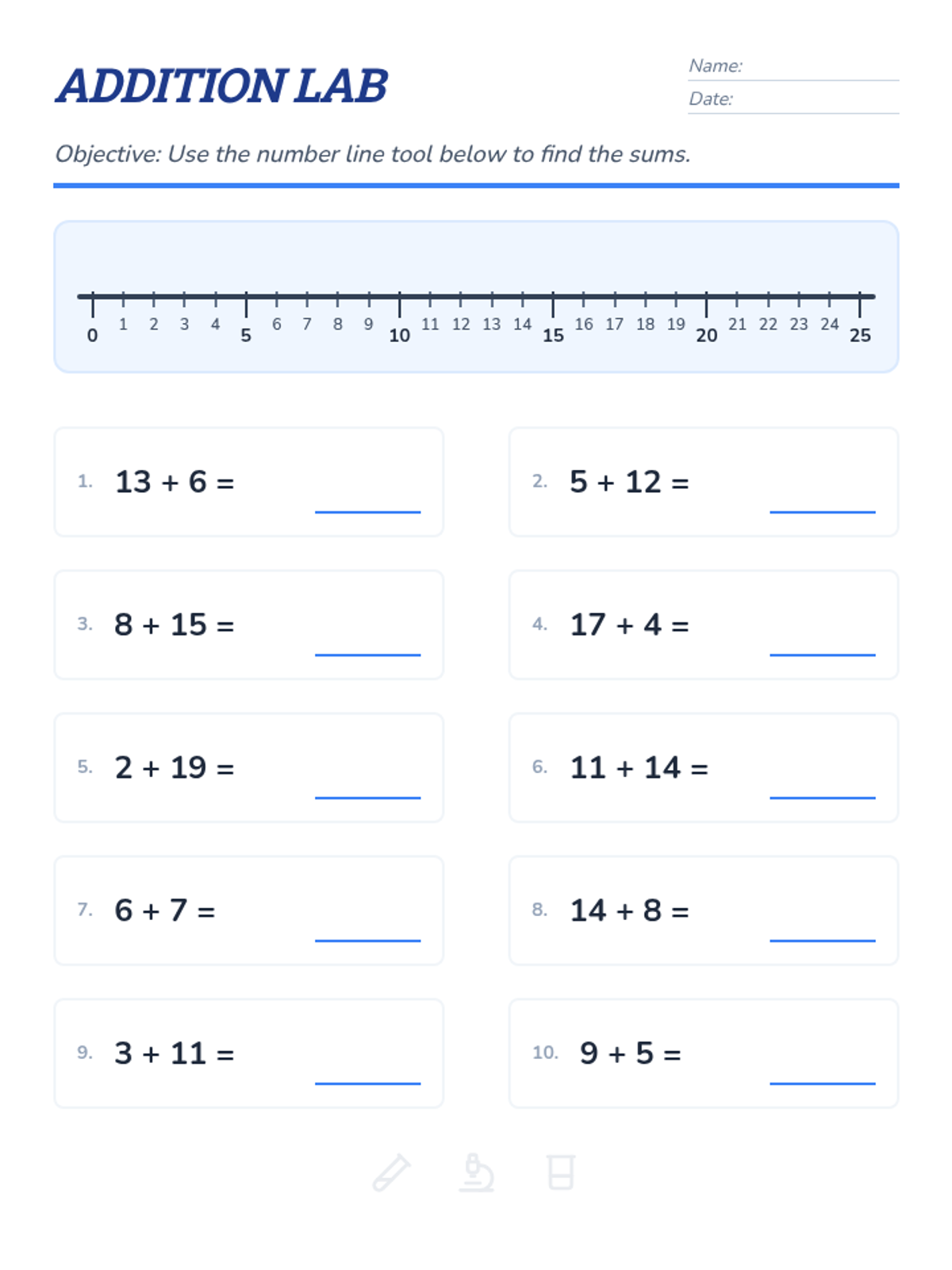
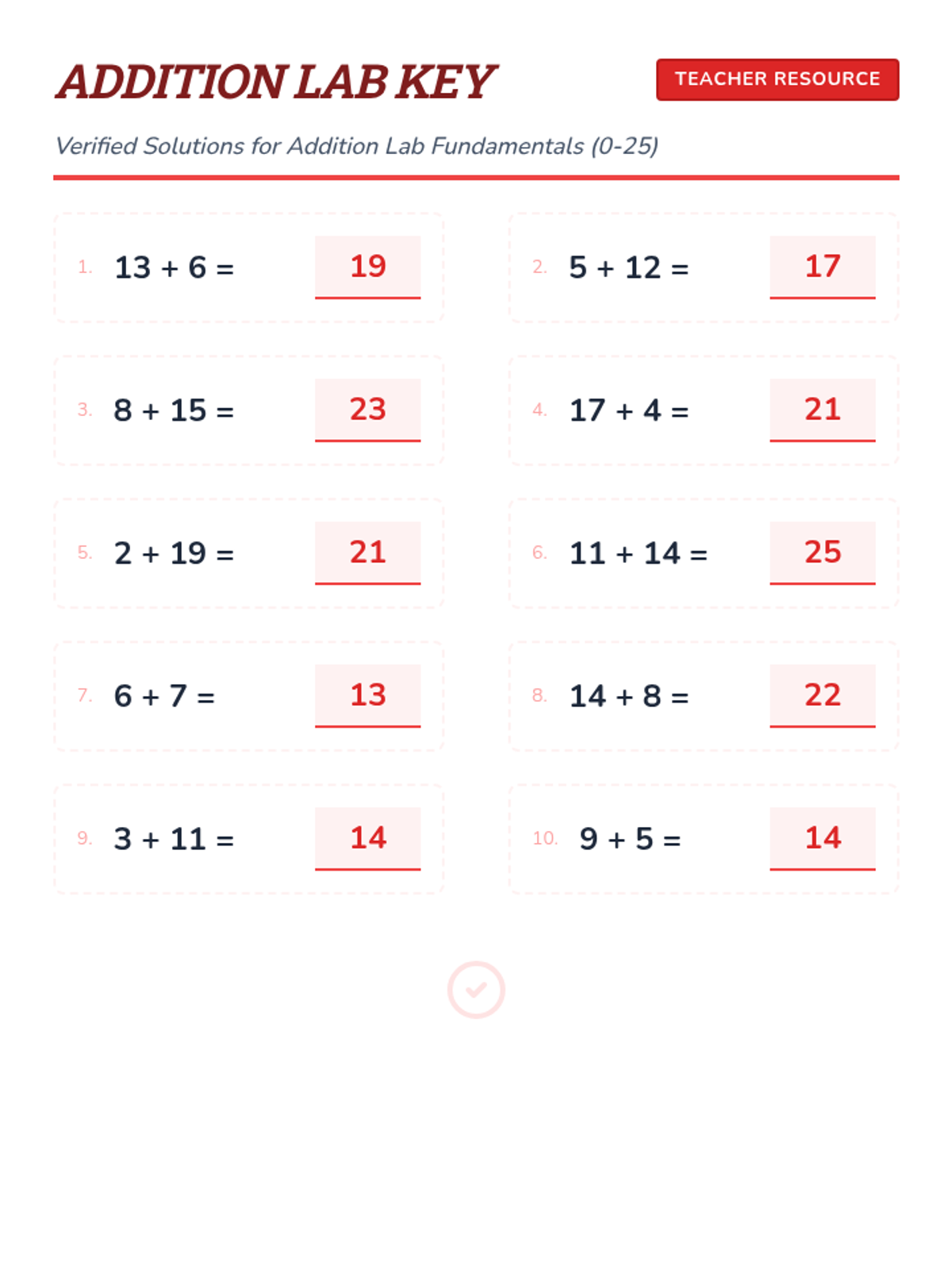
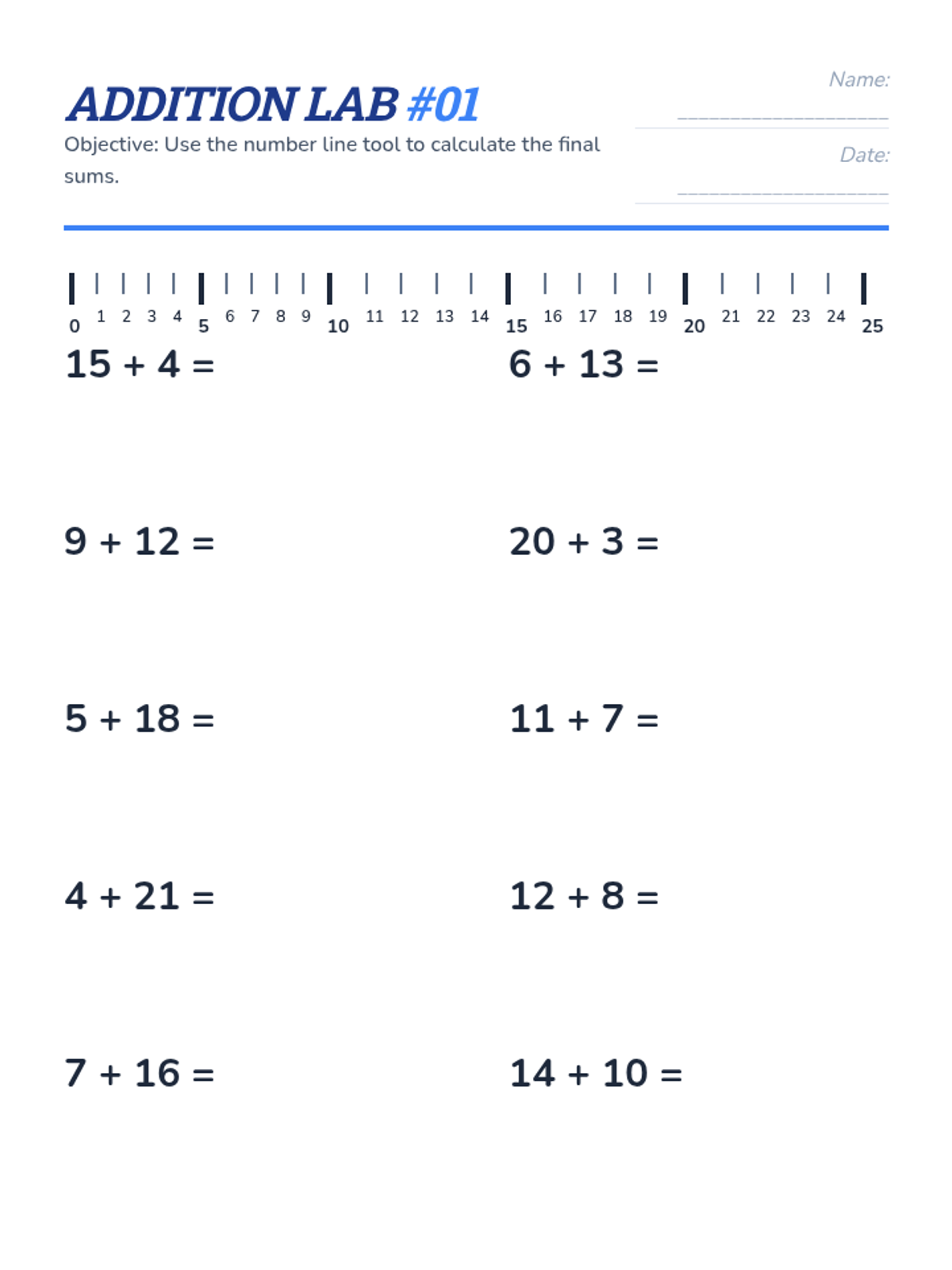
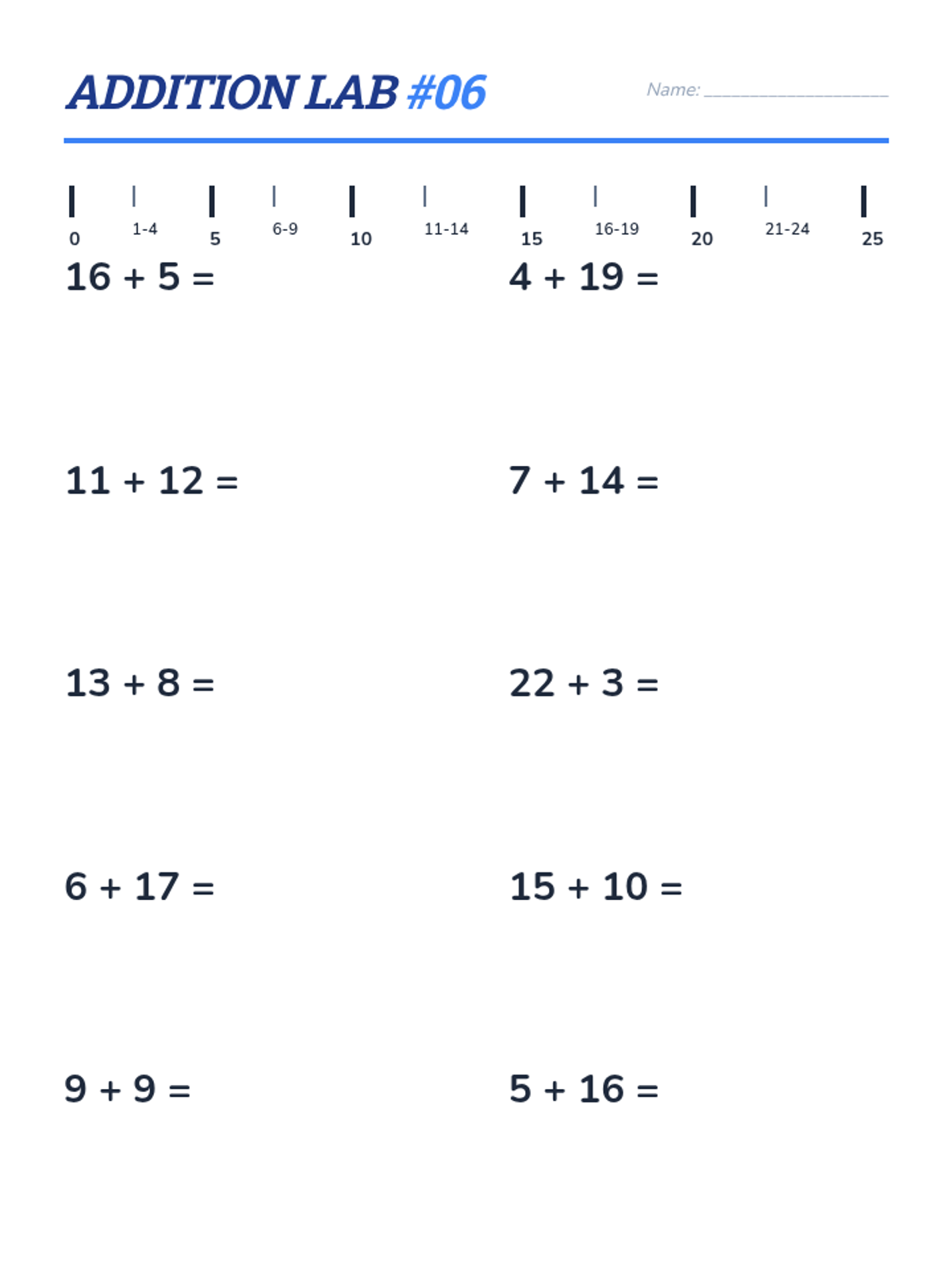
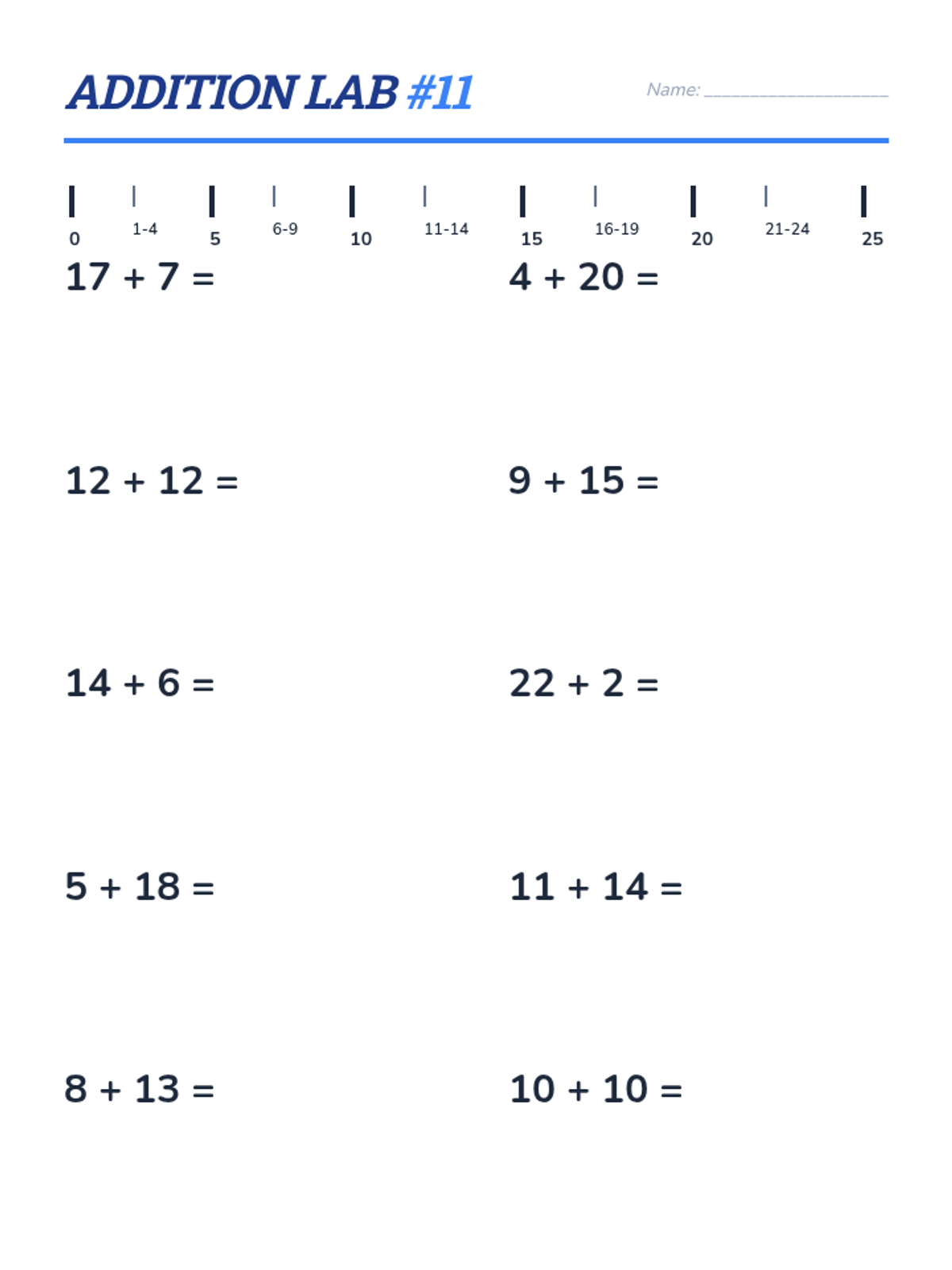
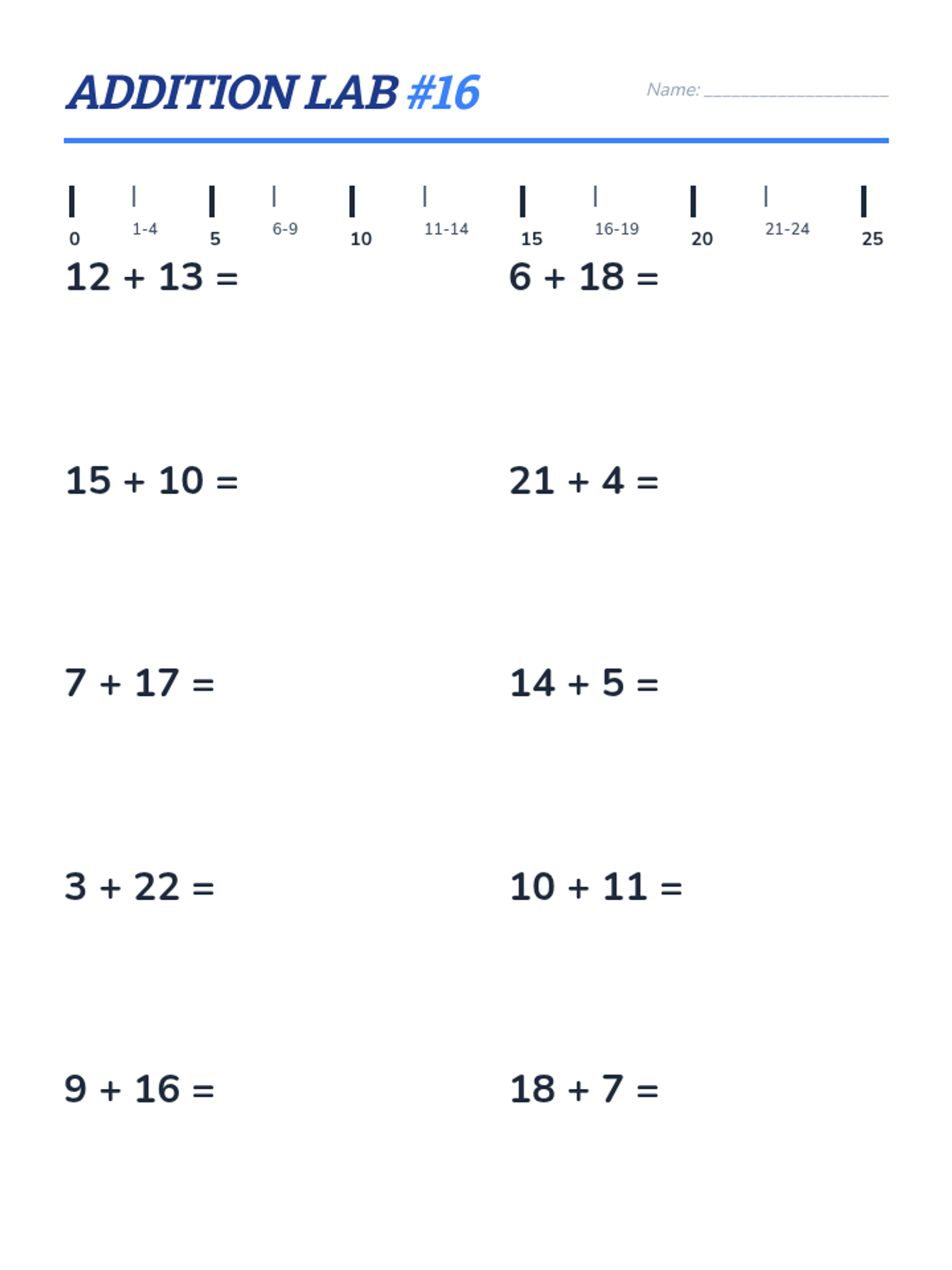
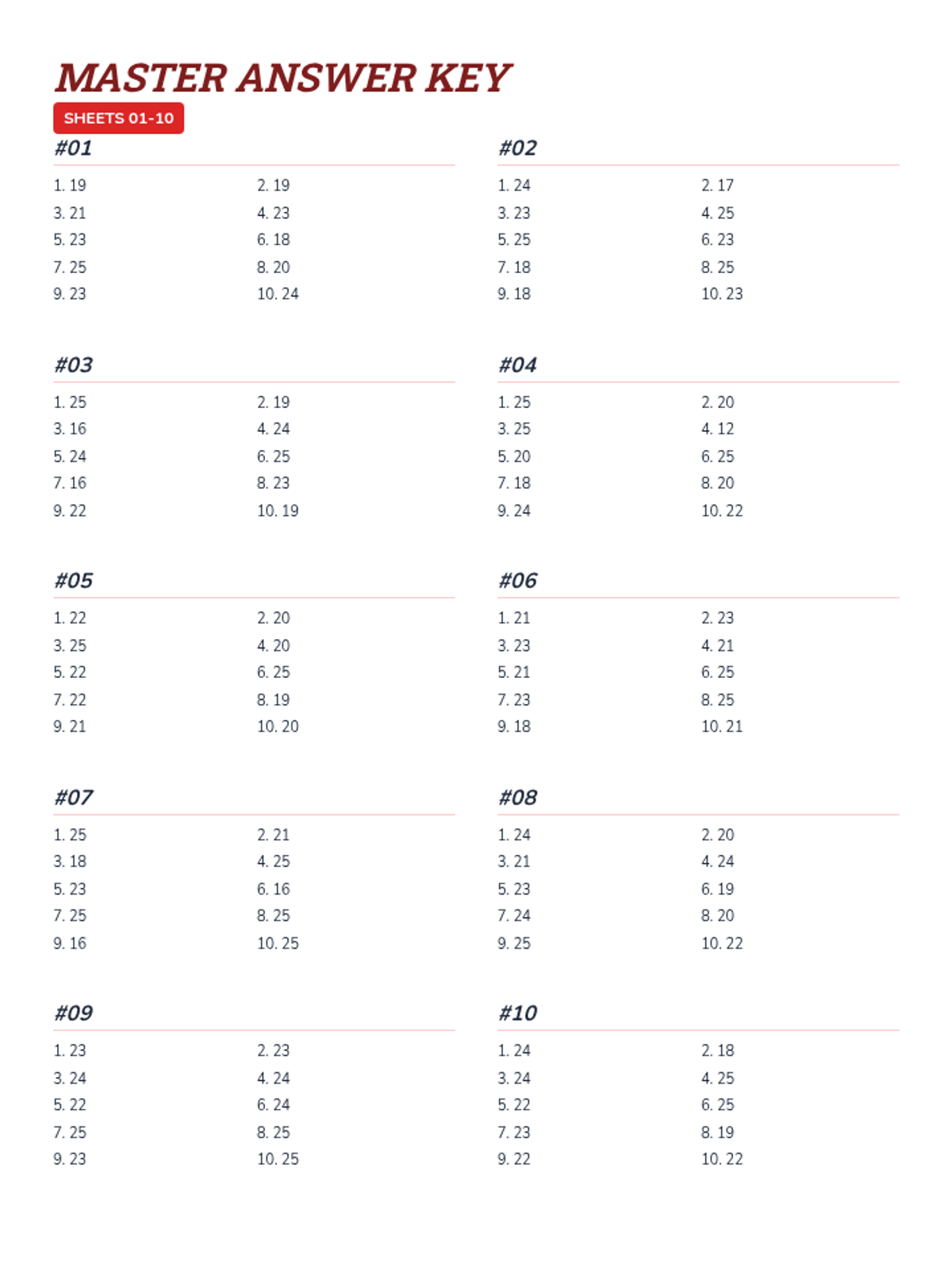
A foundational lesson focusing on addition within the 0-25 range using a number line as a reference tool. Students practice mental math and linear counting to solve ten mixed addition problems.
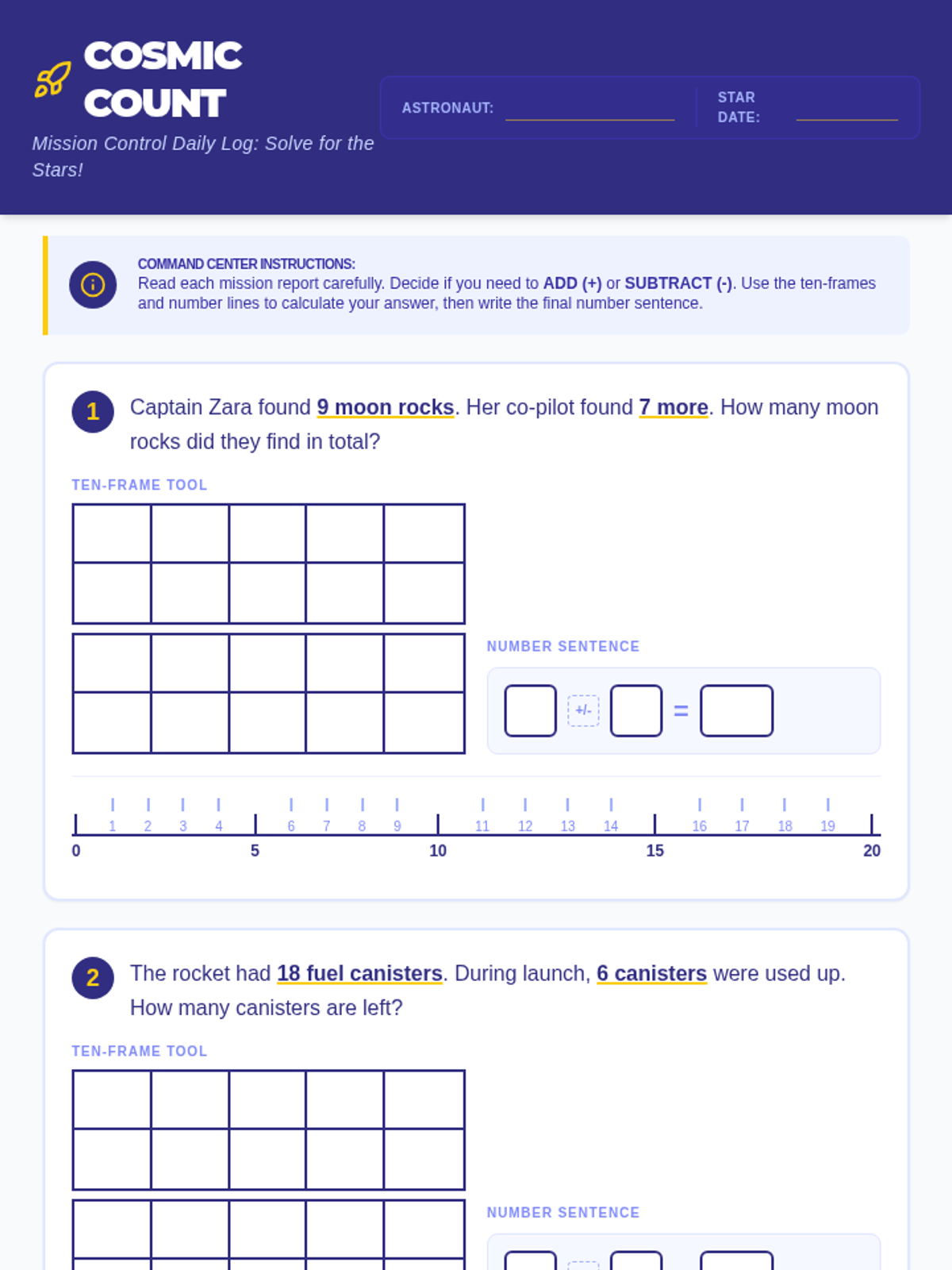
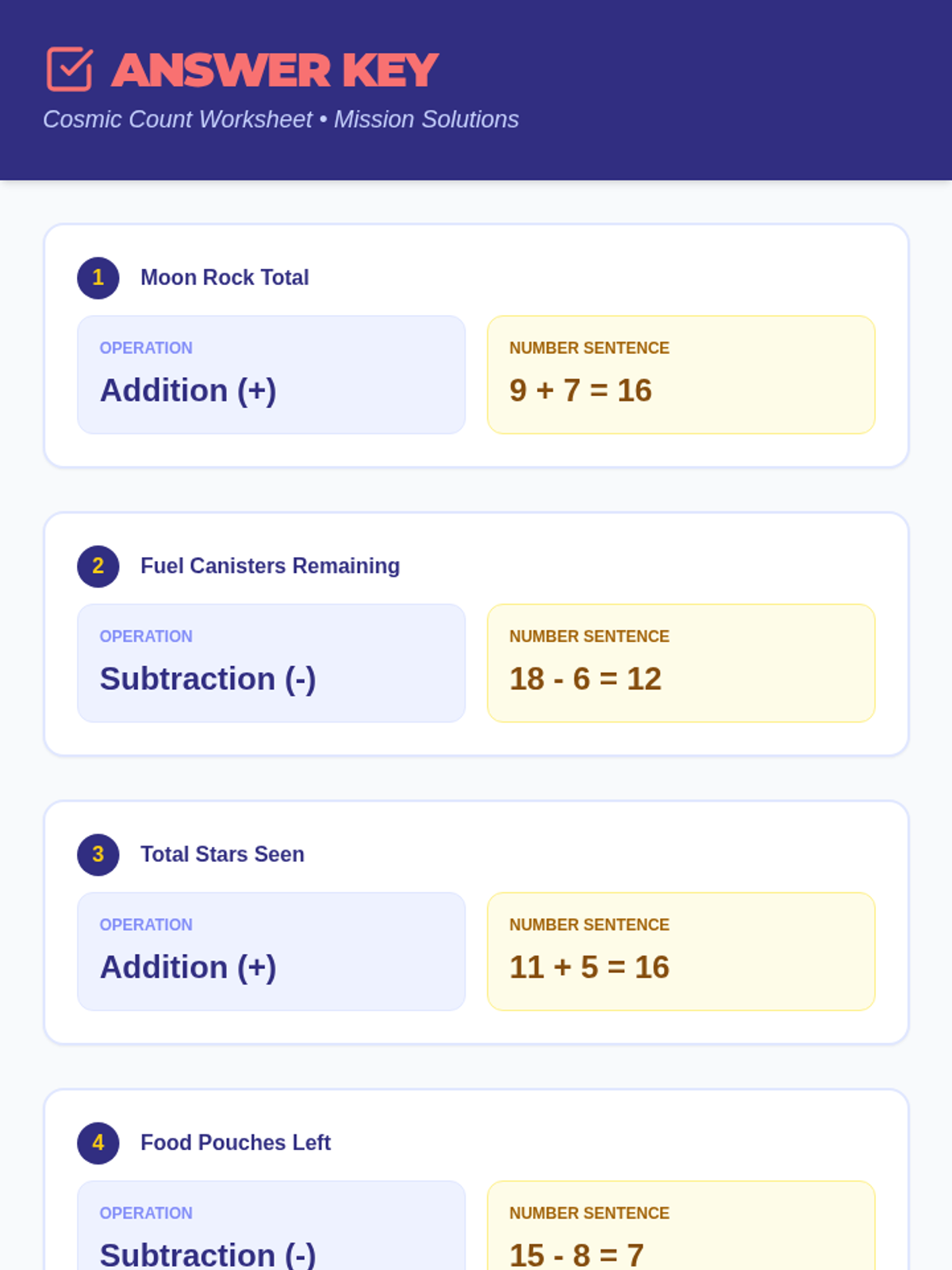
A space-themed lesson where students help a mission control team solve addition and subtraction word problems within 20 to ensure a successful space flight.
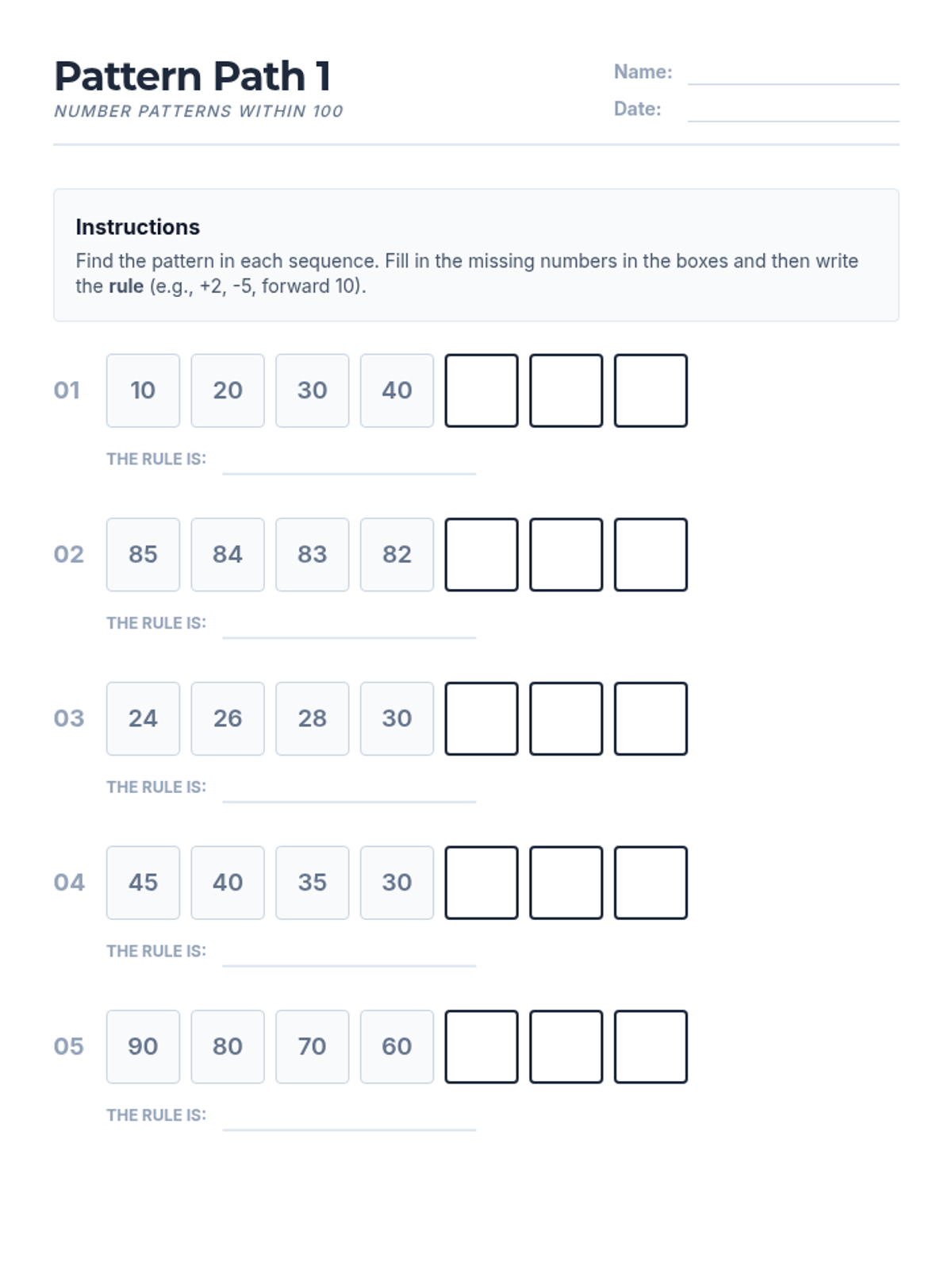
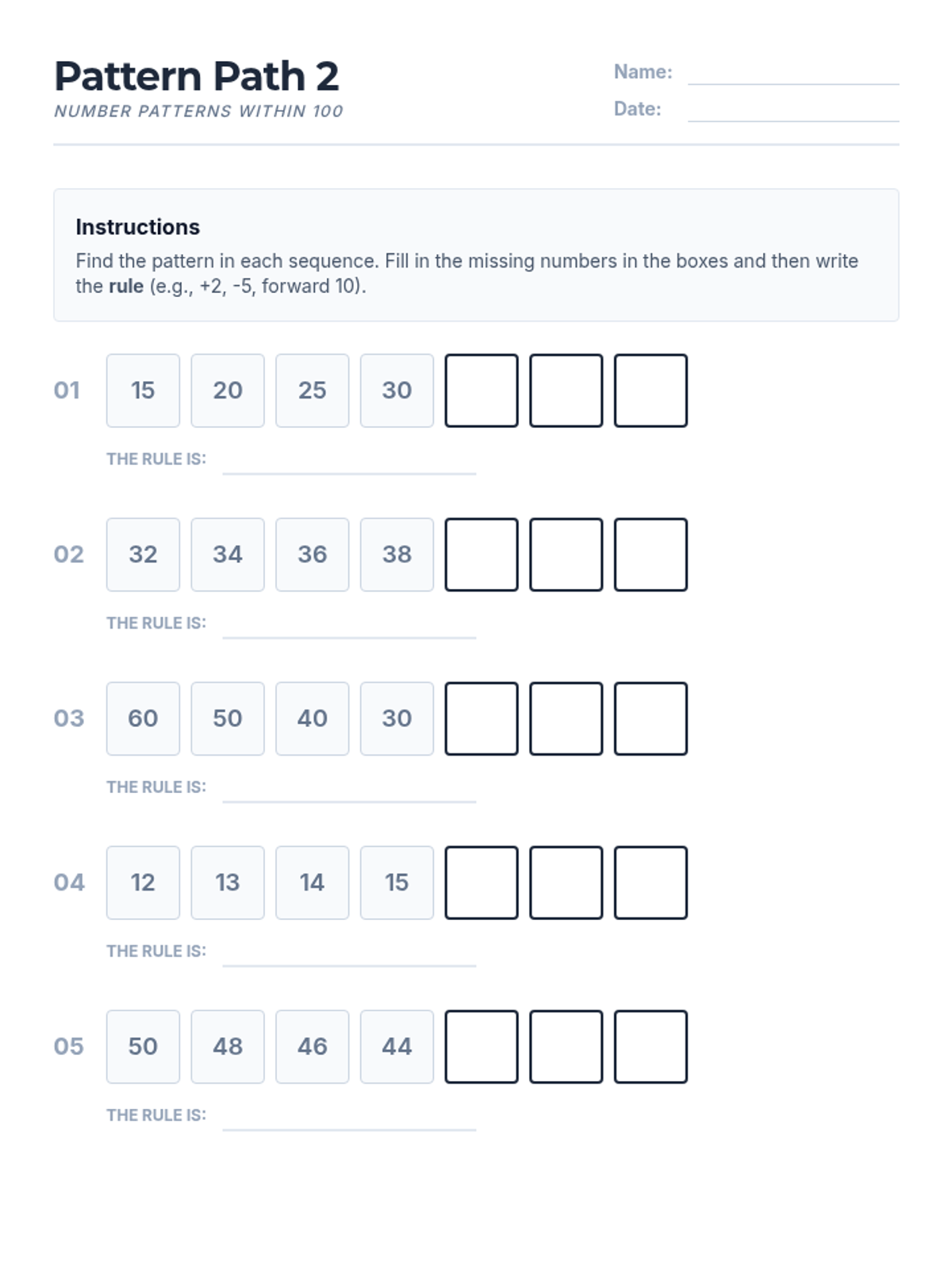
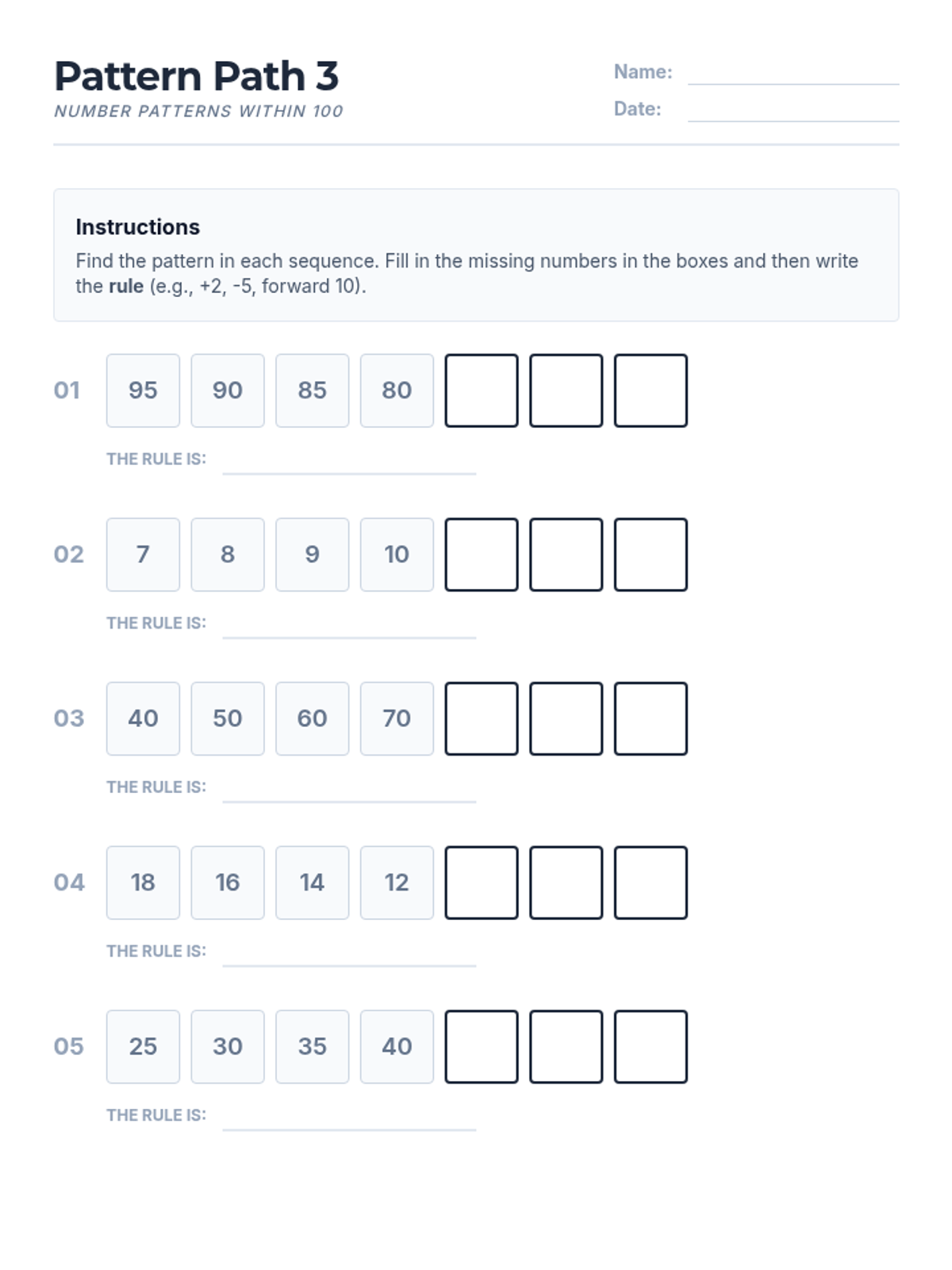
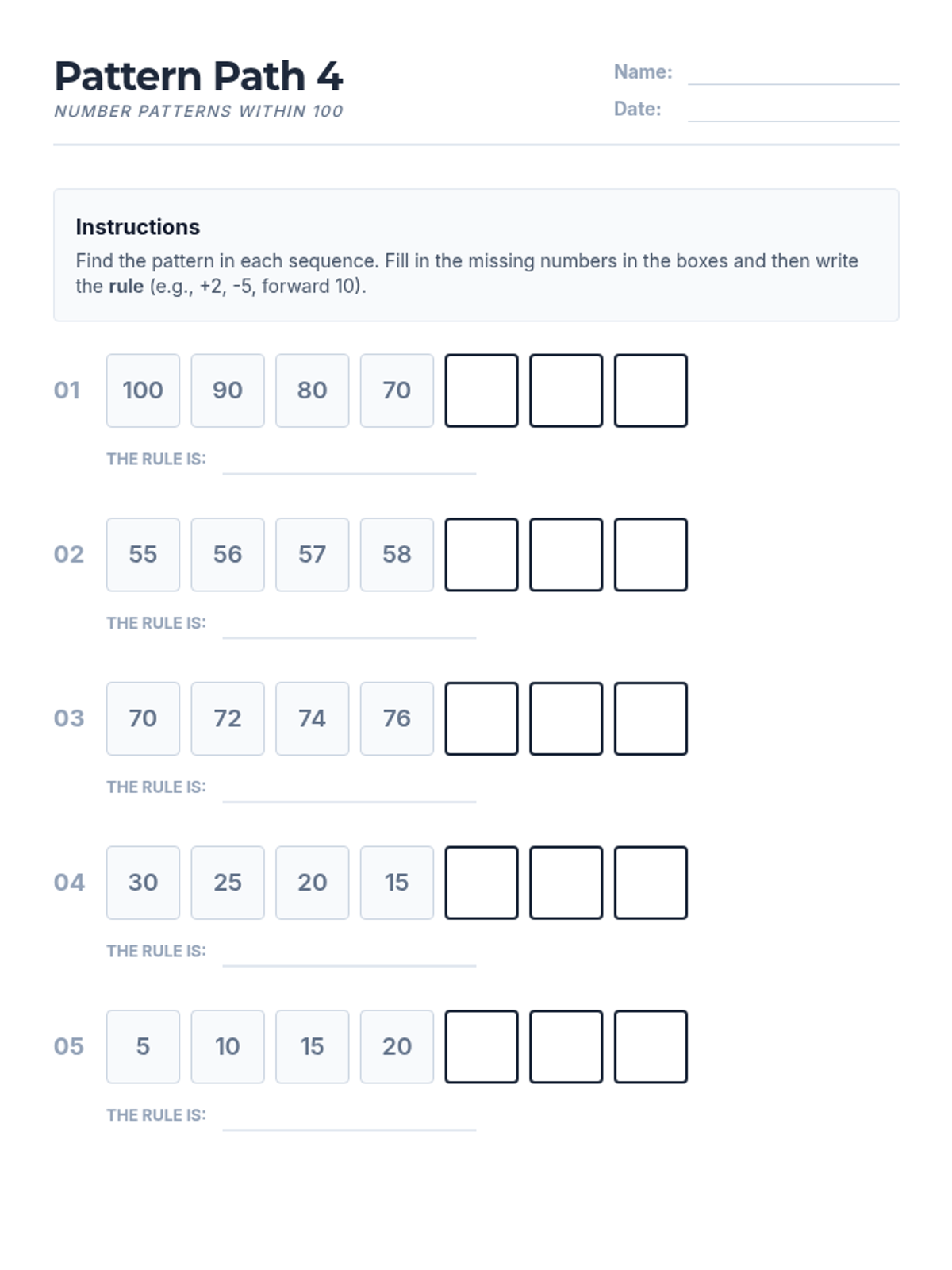
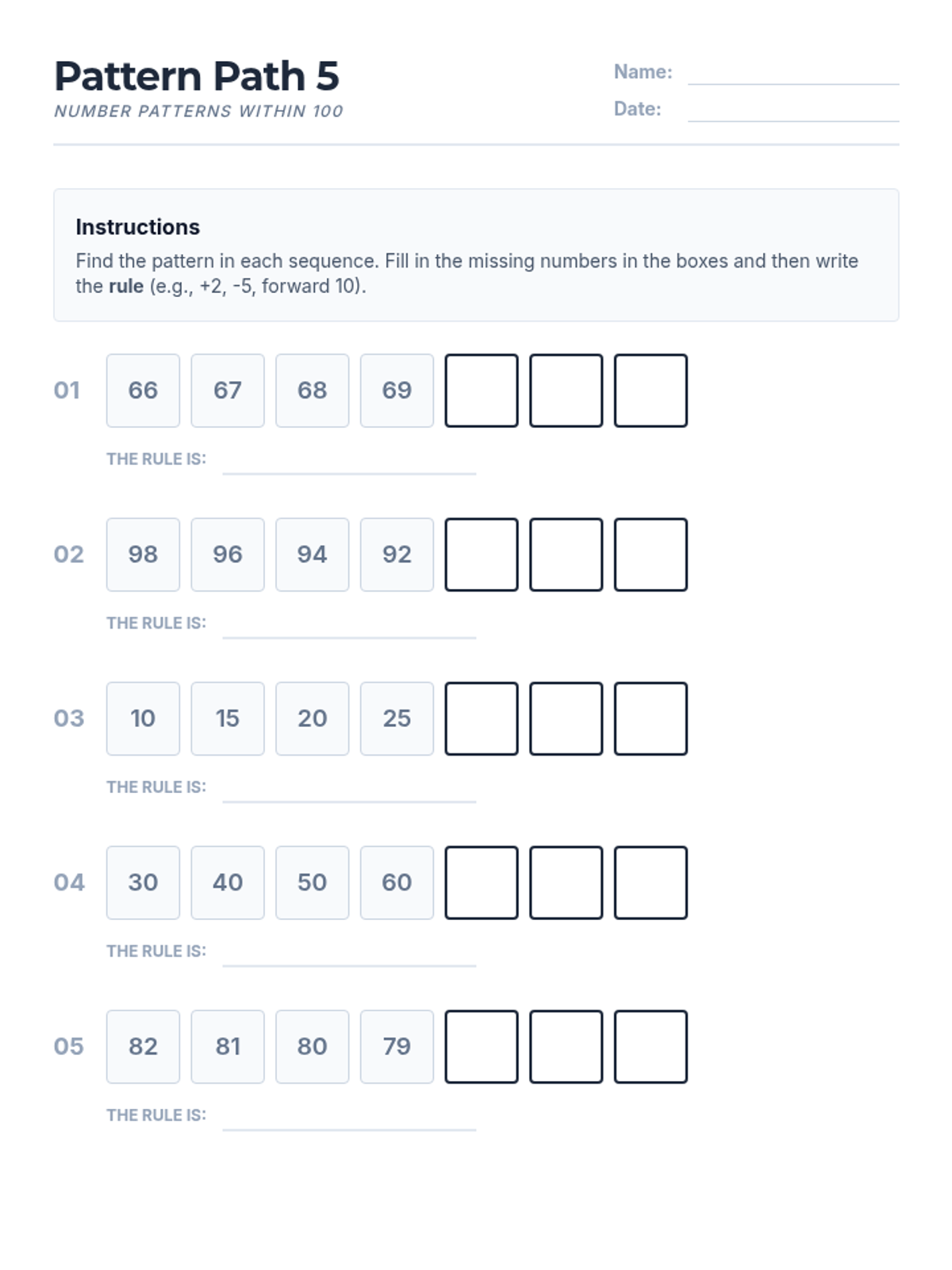
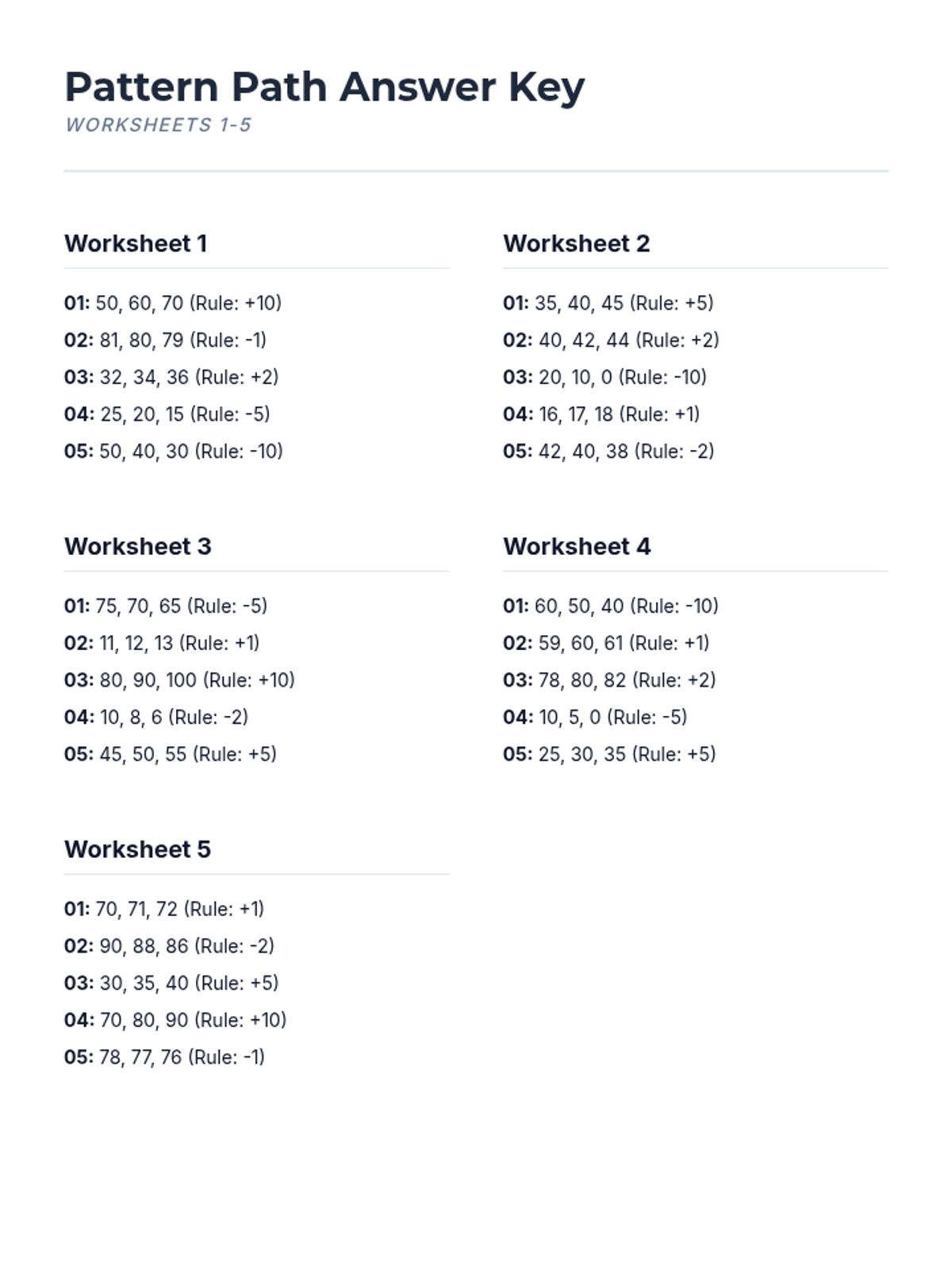
A series of worksheets focused on skip counting and identifying number patterns within 100 using addition and subtraction rules of 1, 2, 5, and 10.
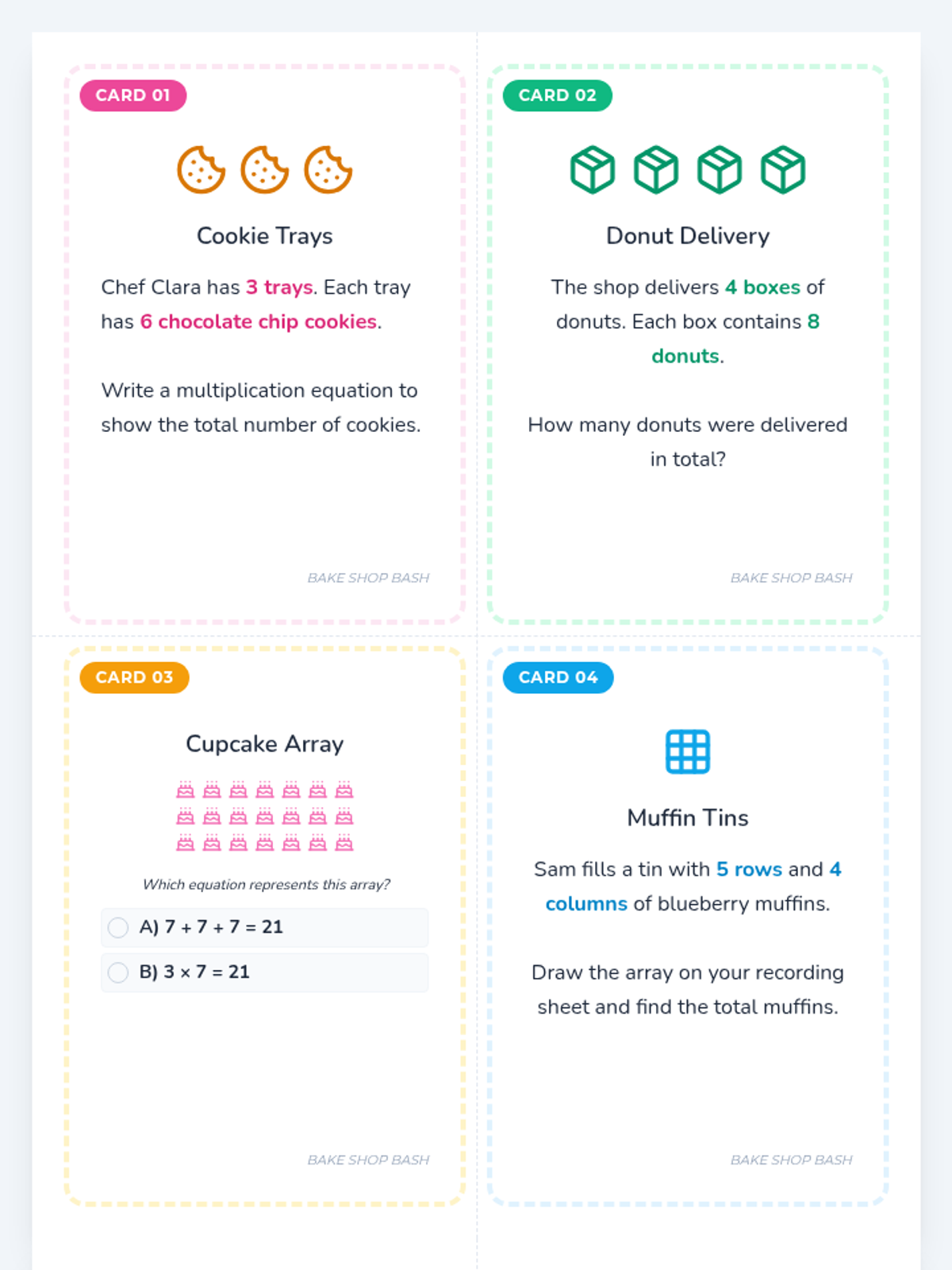
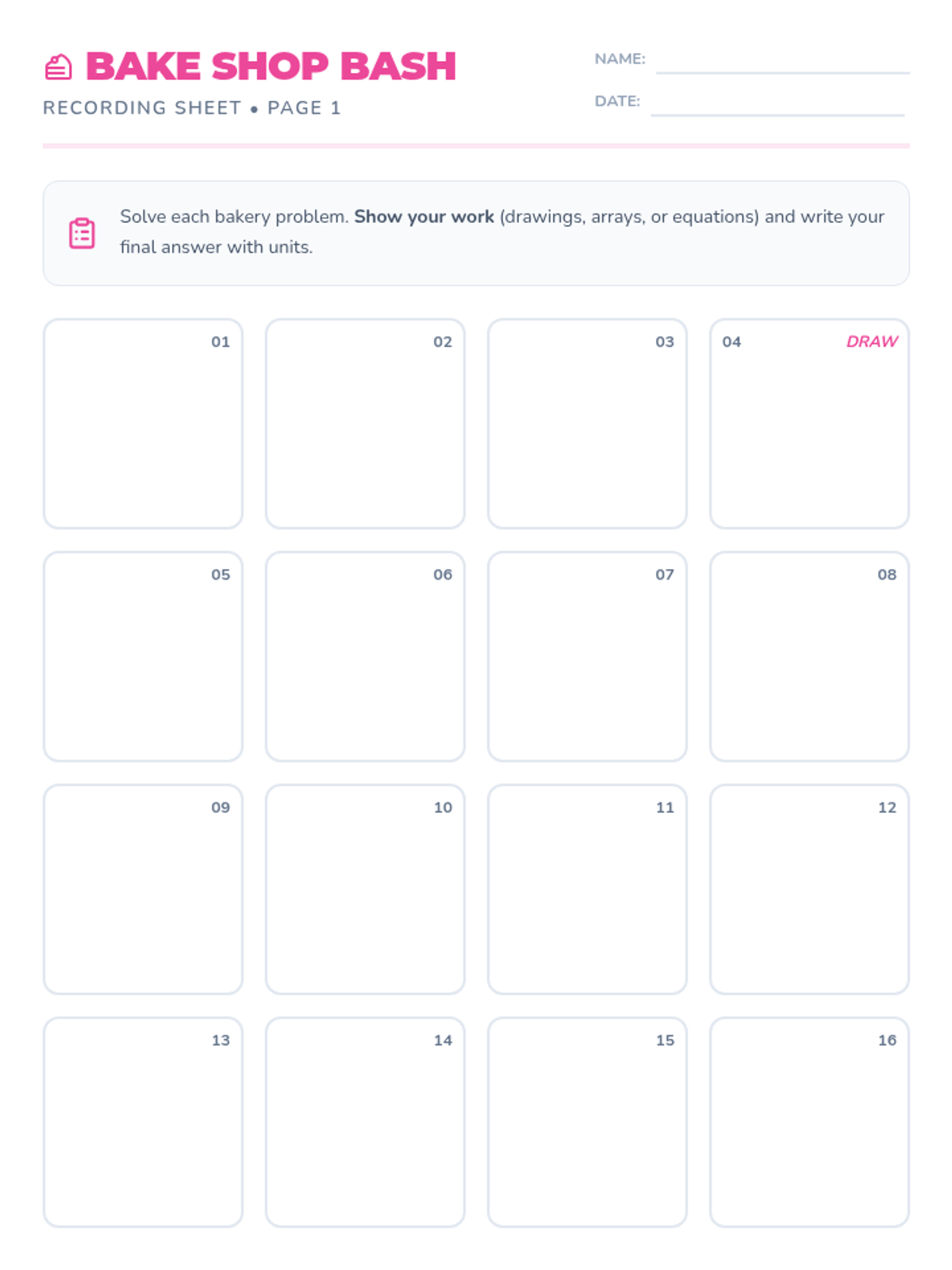
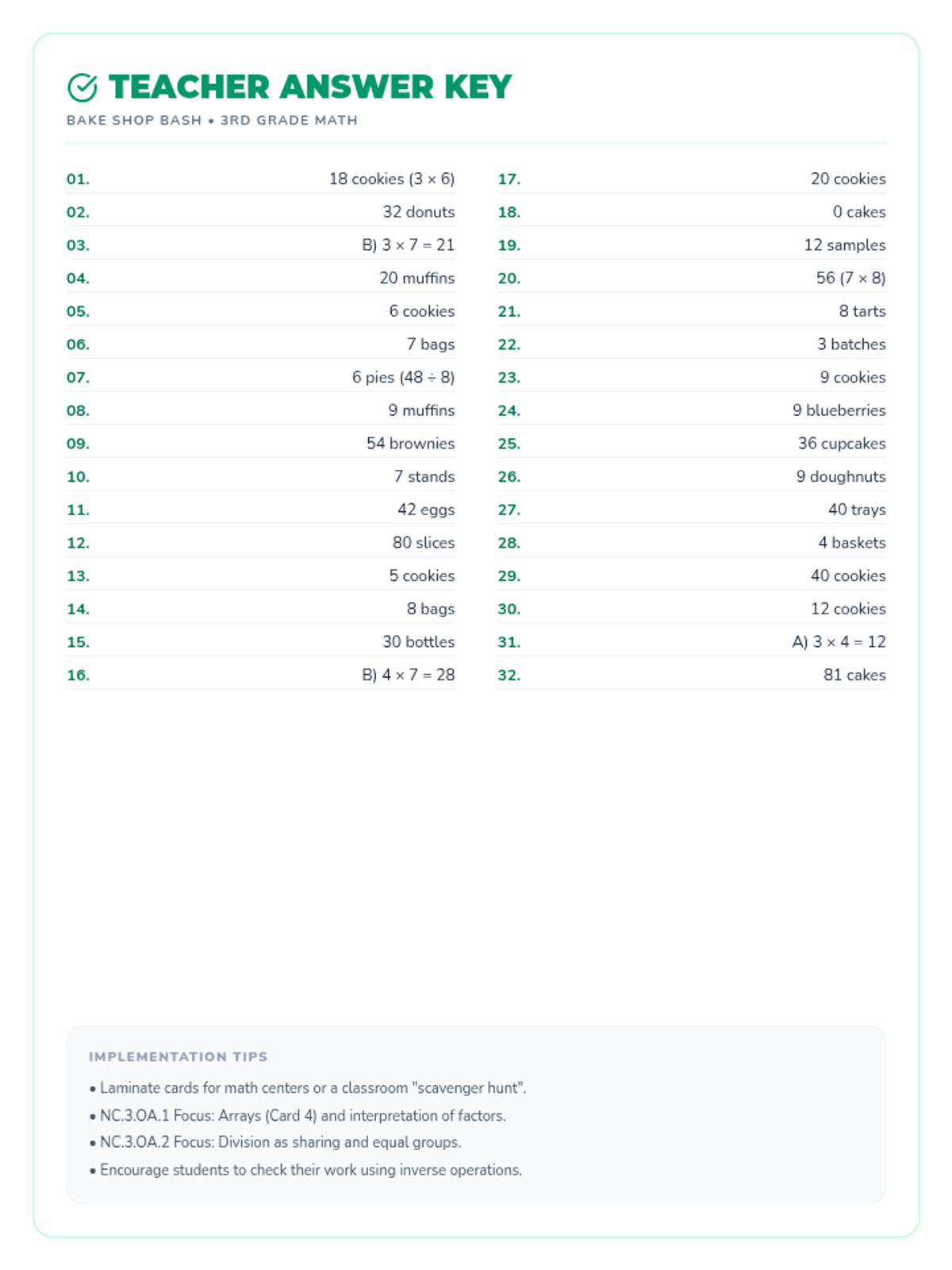
A task-card based lesson where students apply their knowledge of multiplication and division to solve real-world problems in a bakery setting. The lesson includes task cards, a recording sheet, and a teacher answer key.
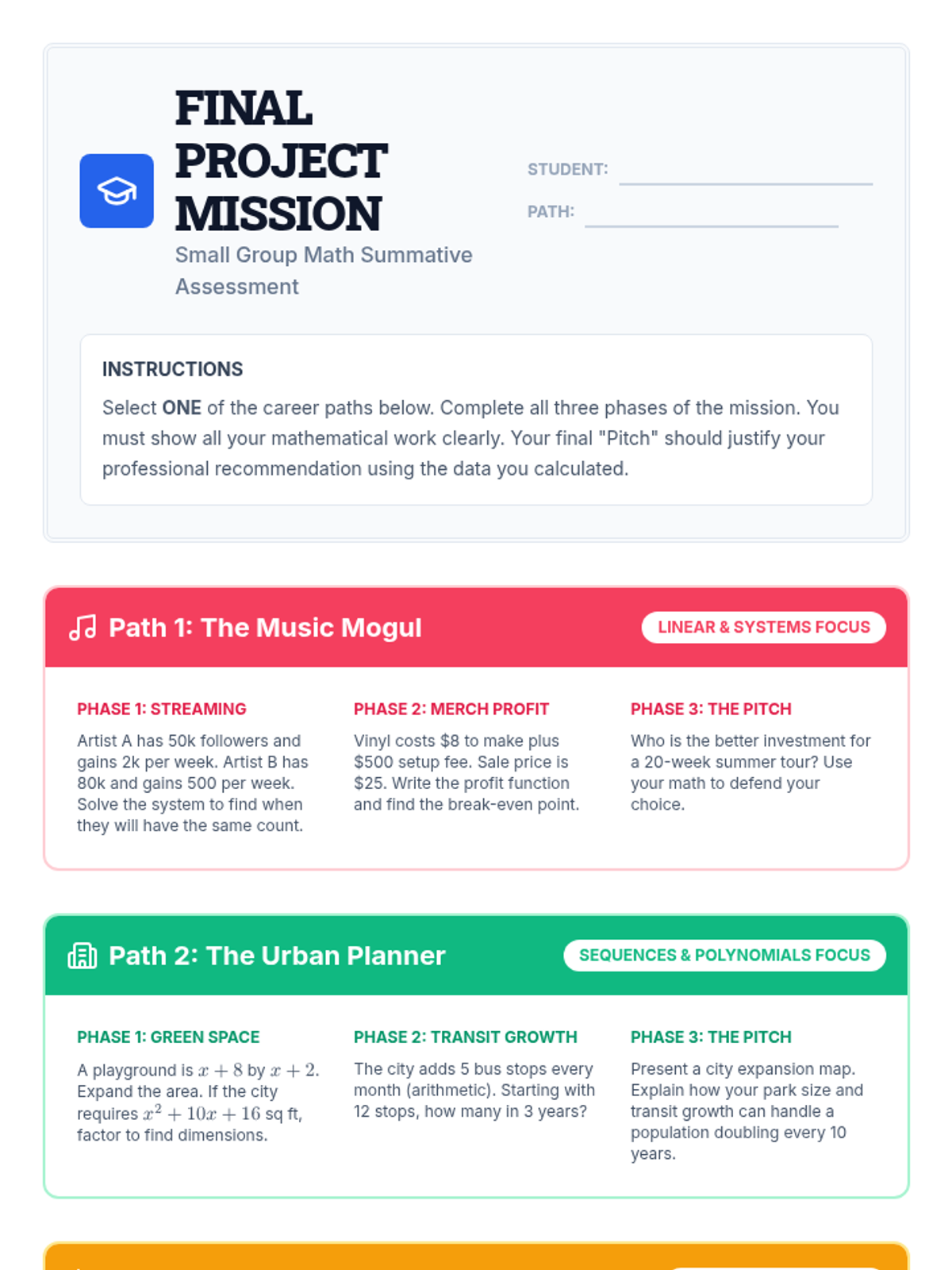
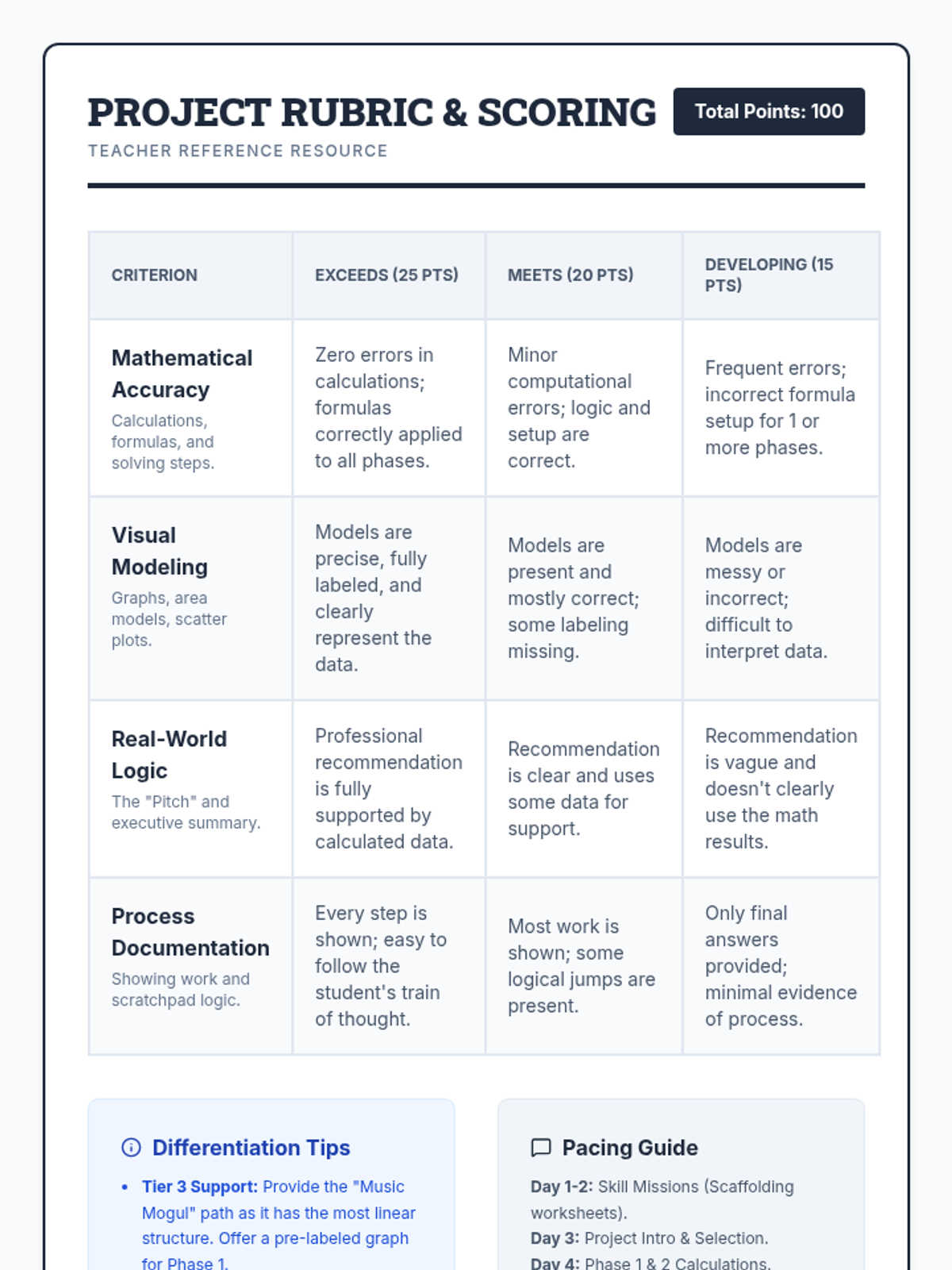
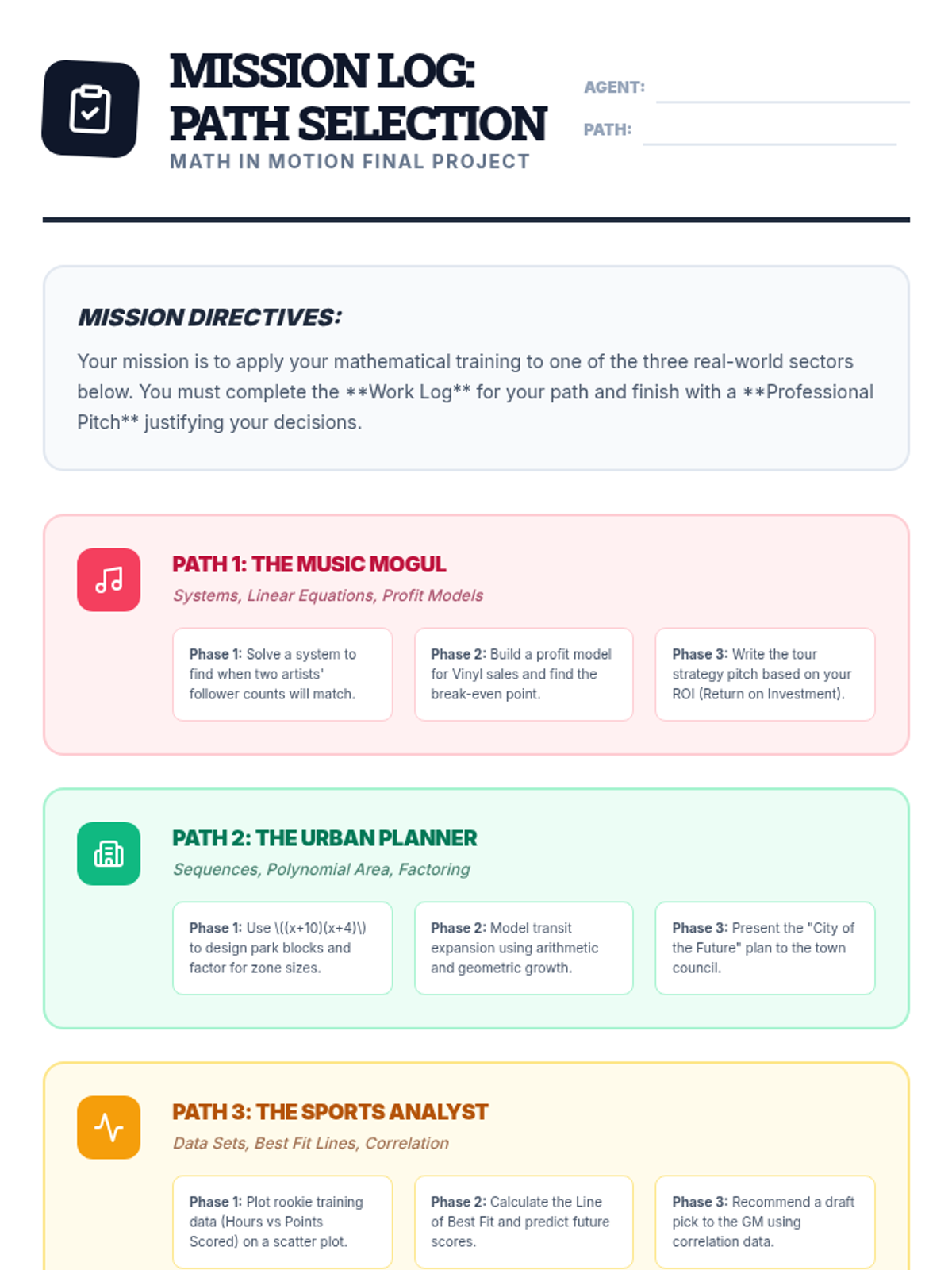
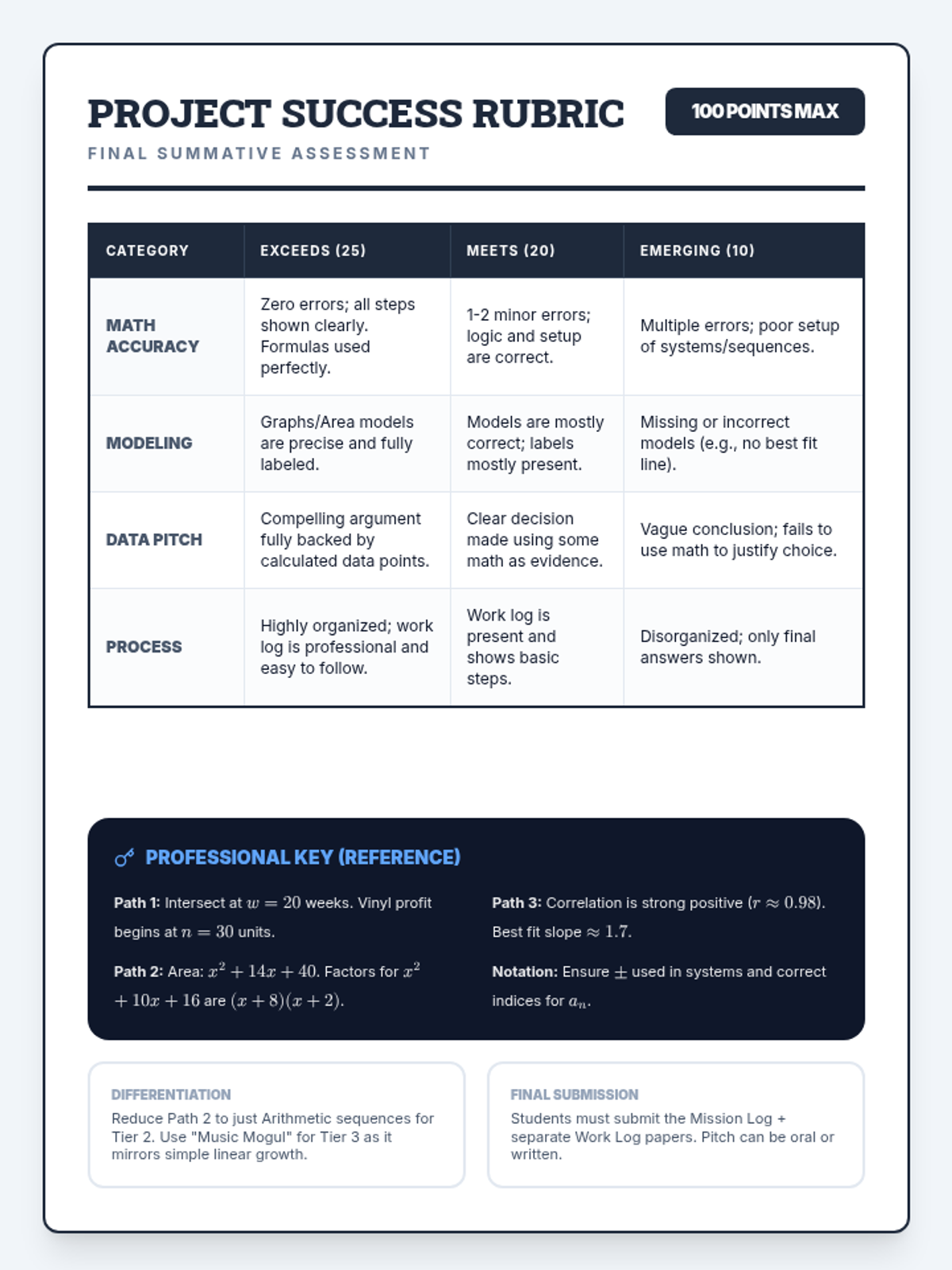
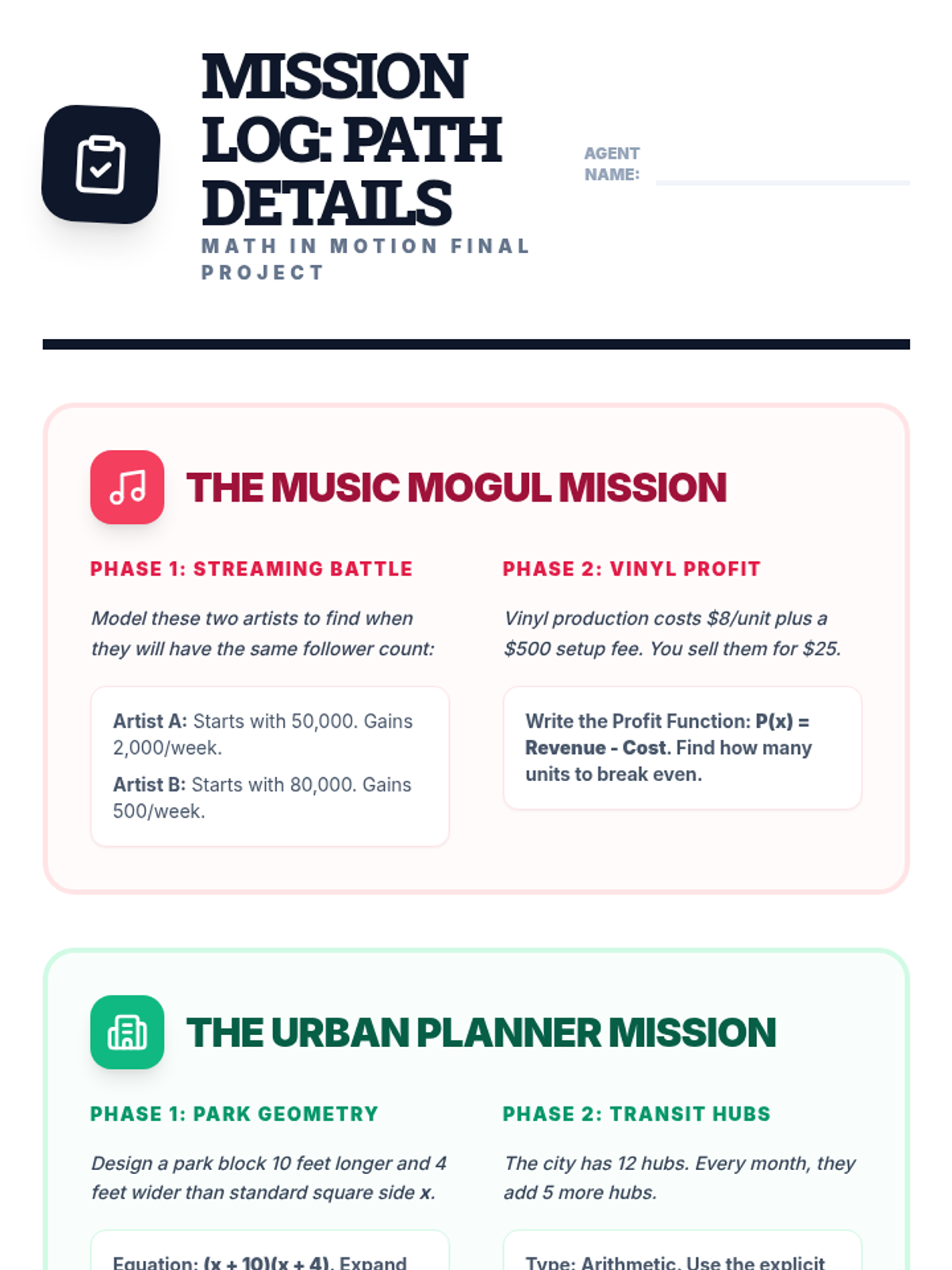
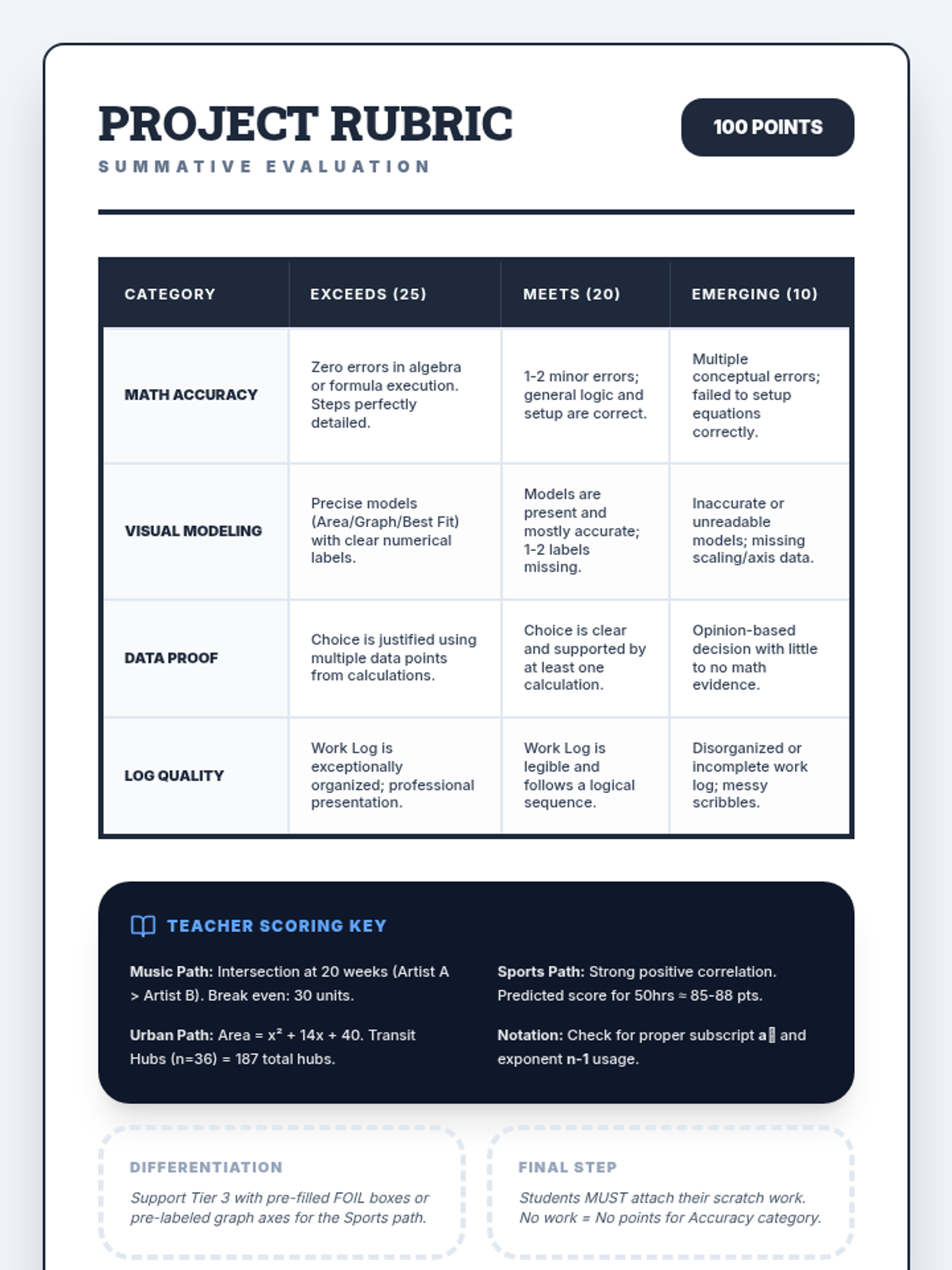
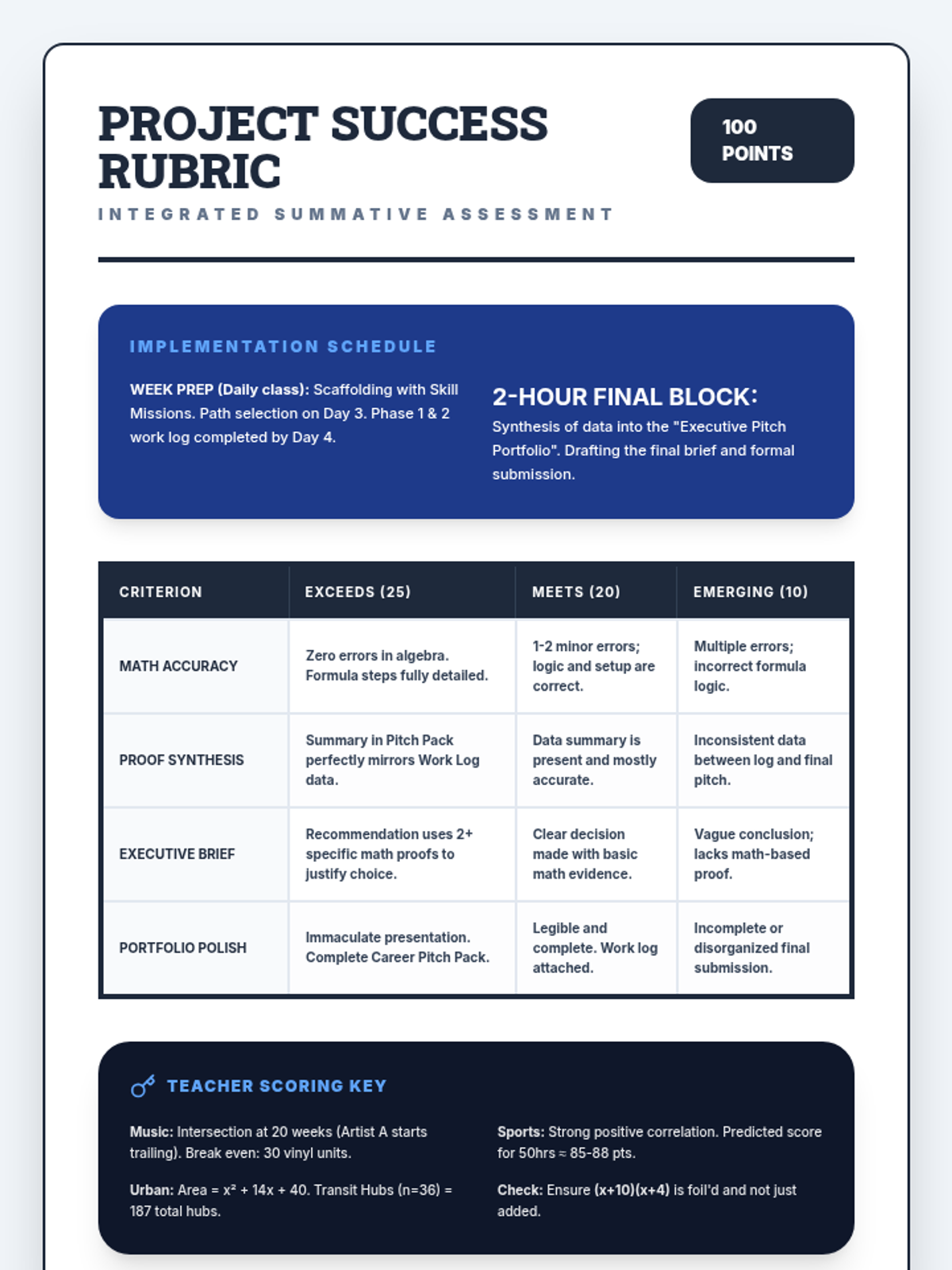
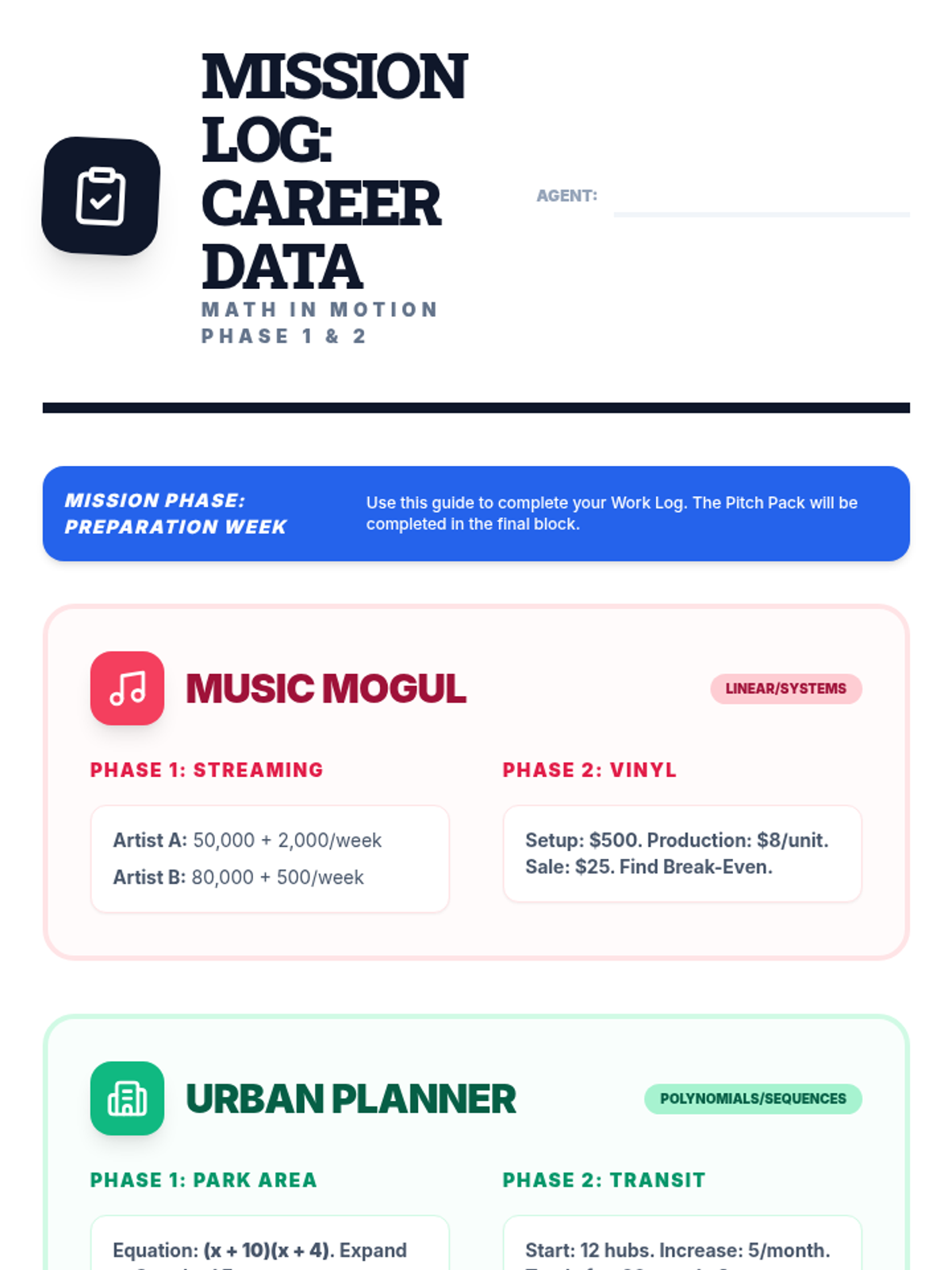
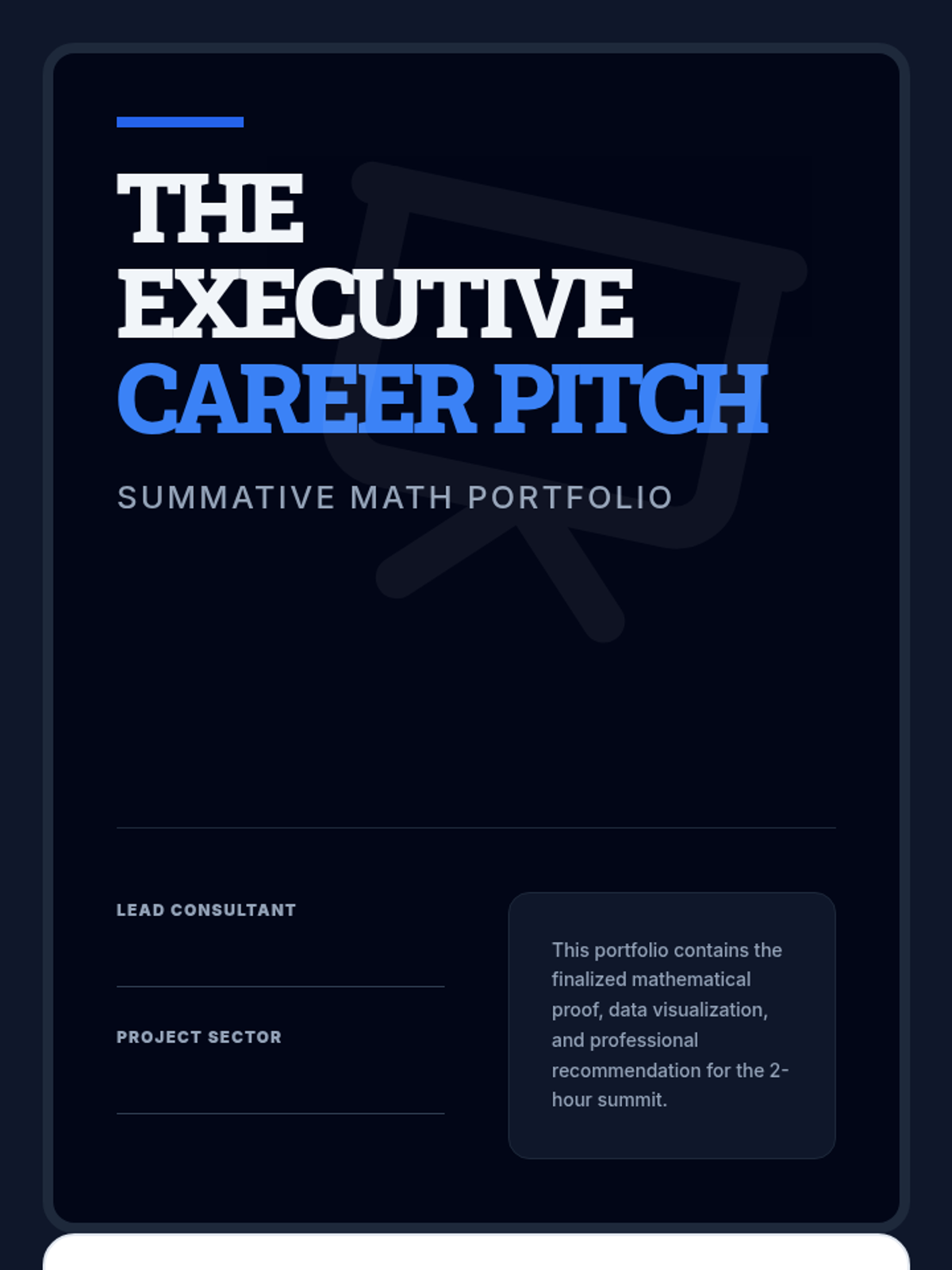
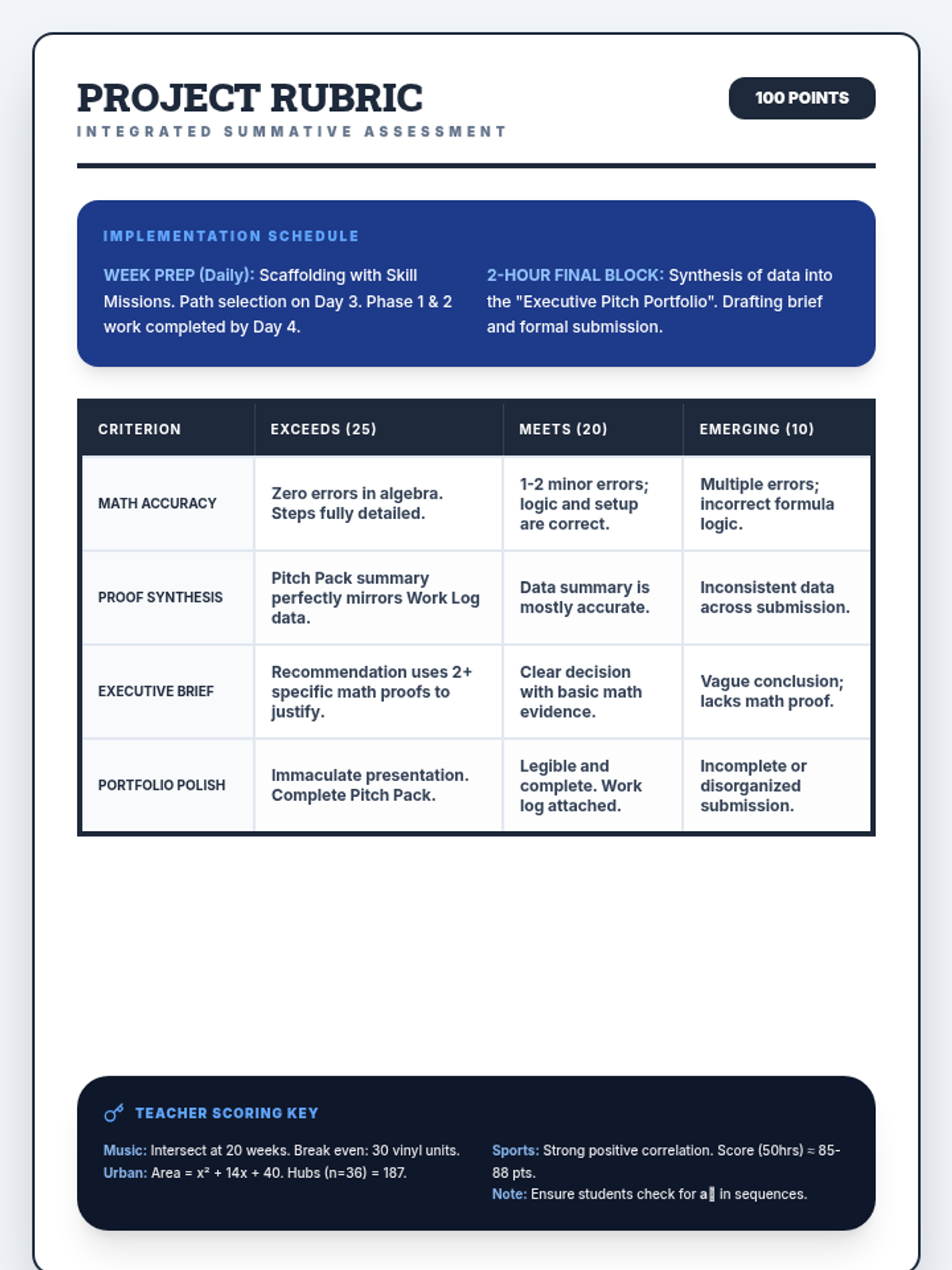
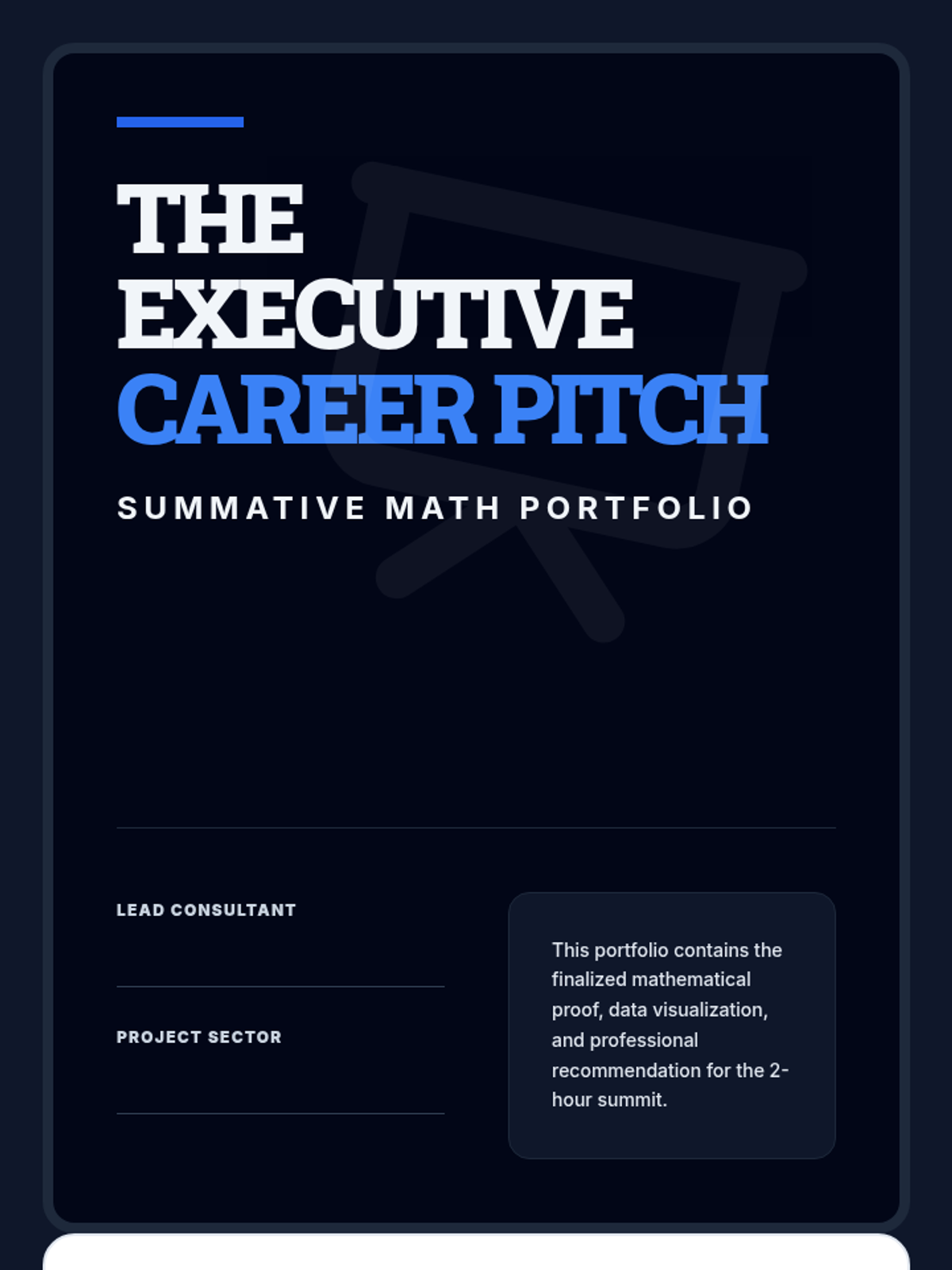
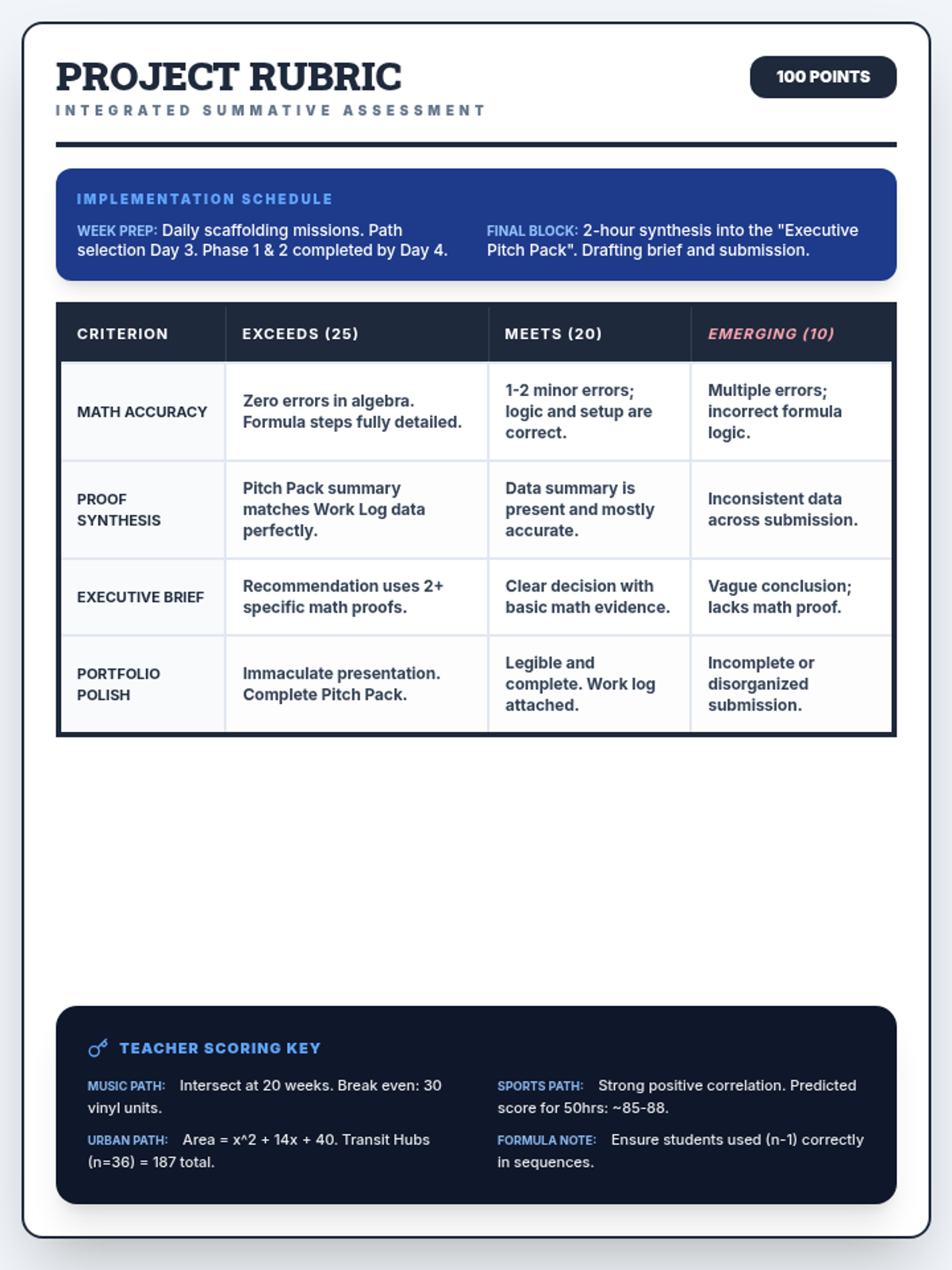
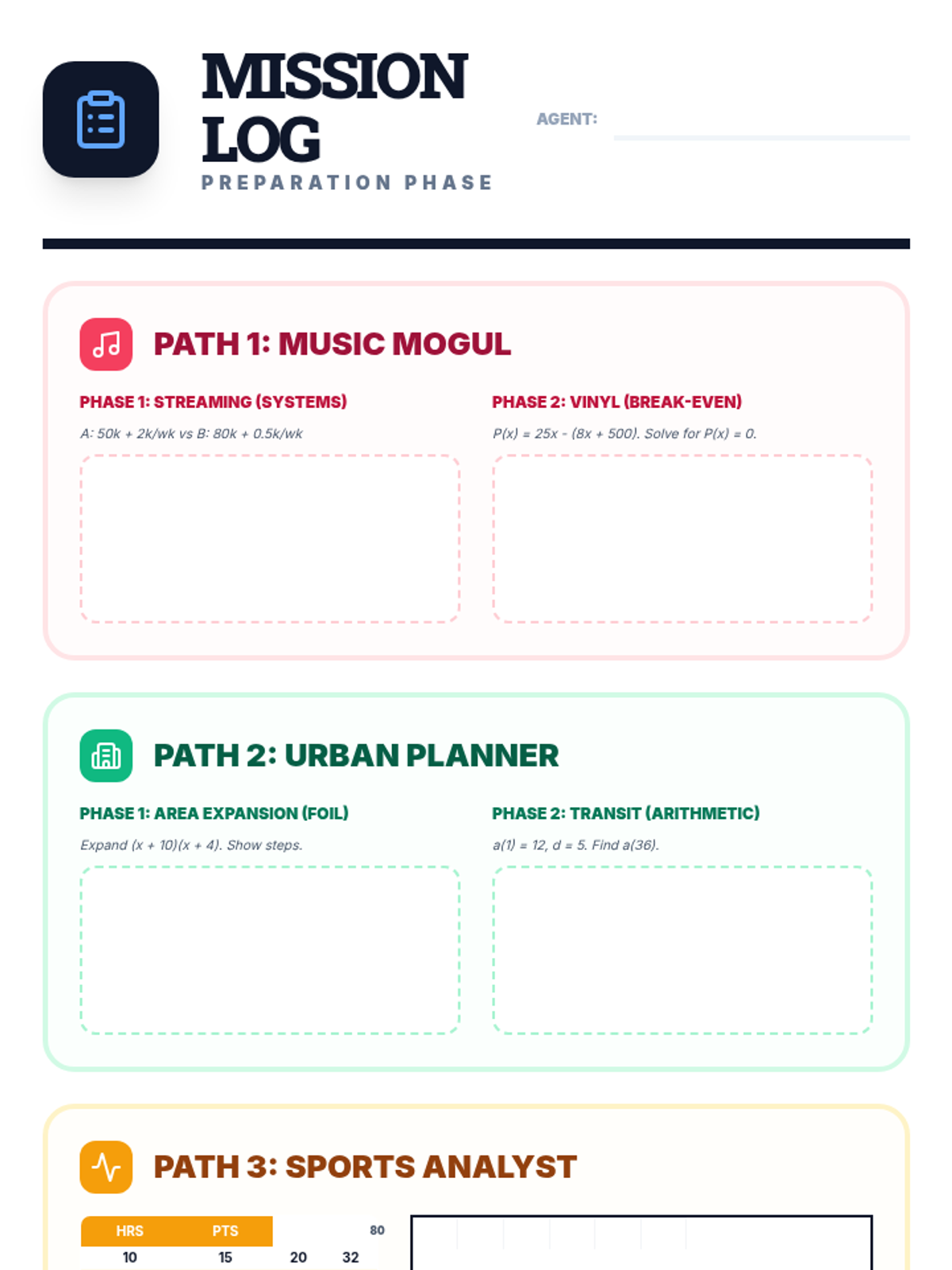
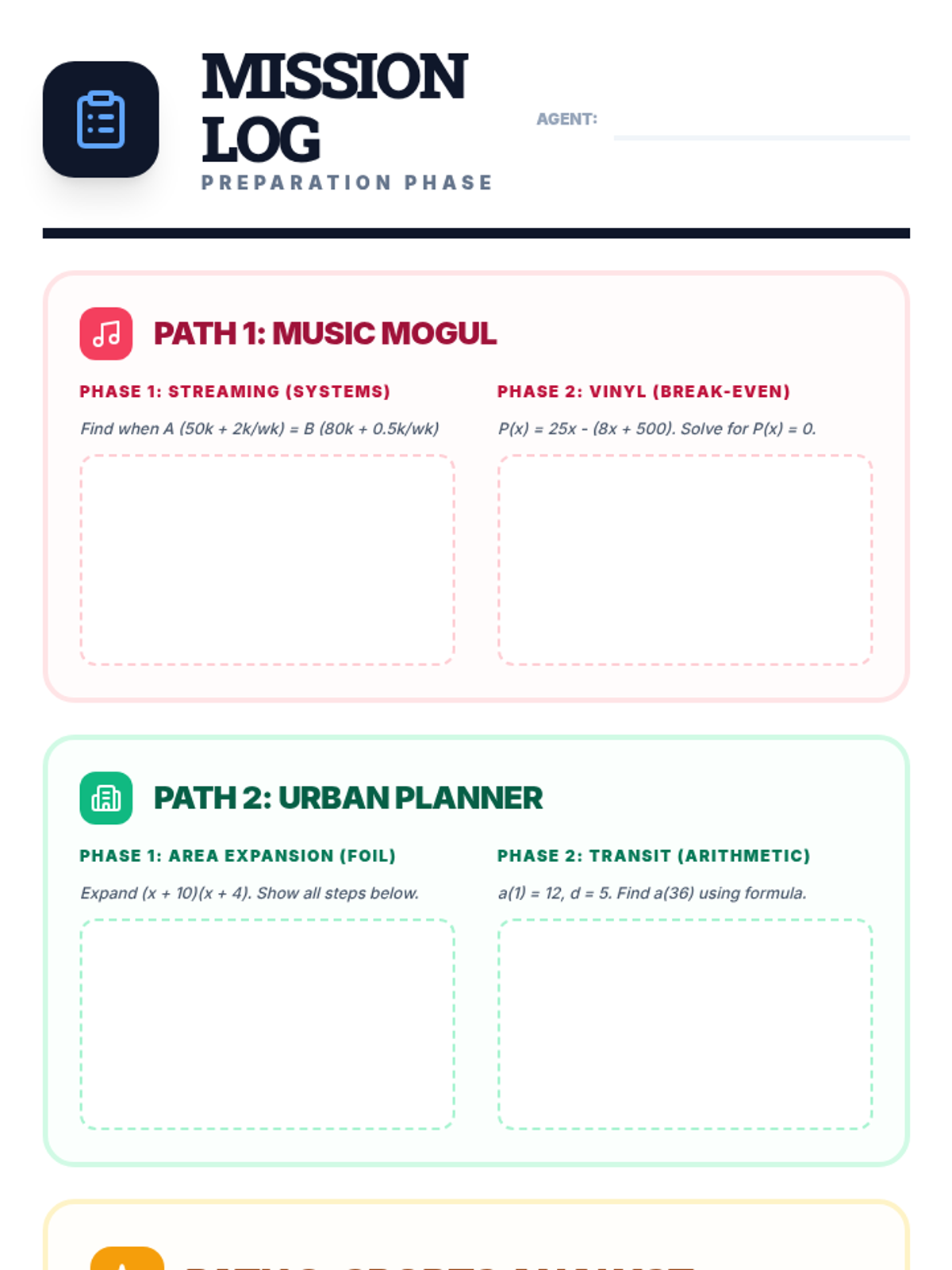
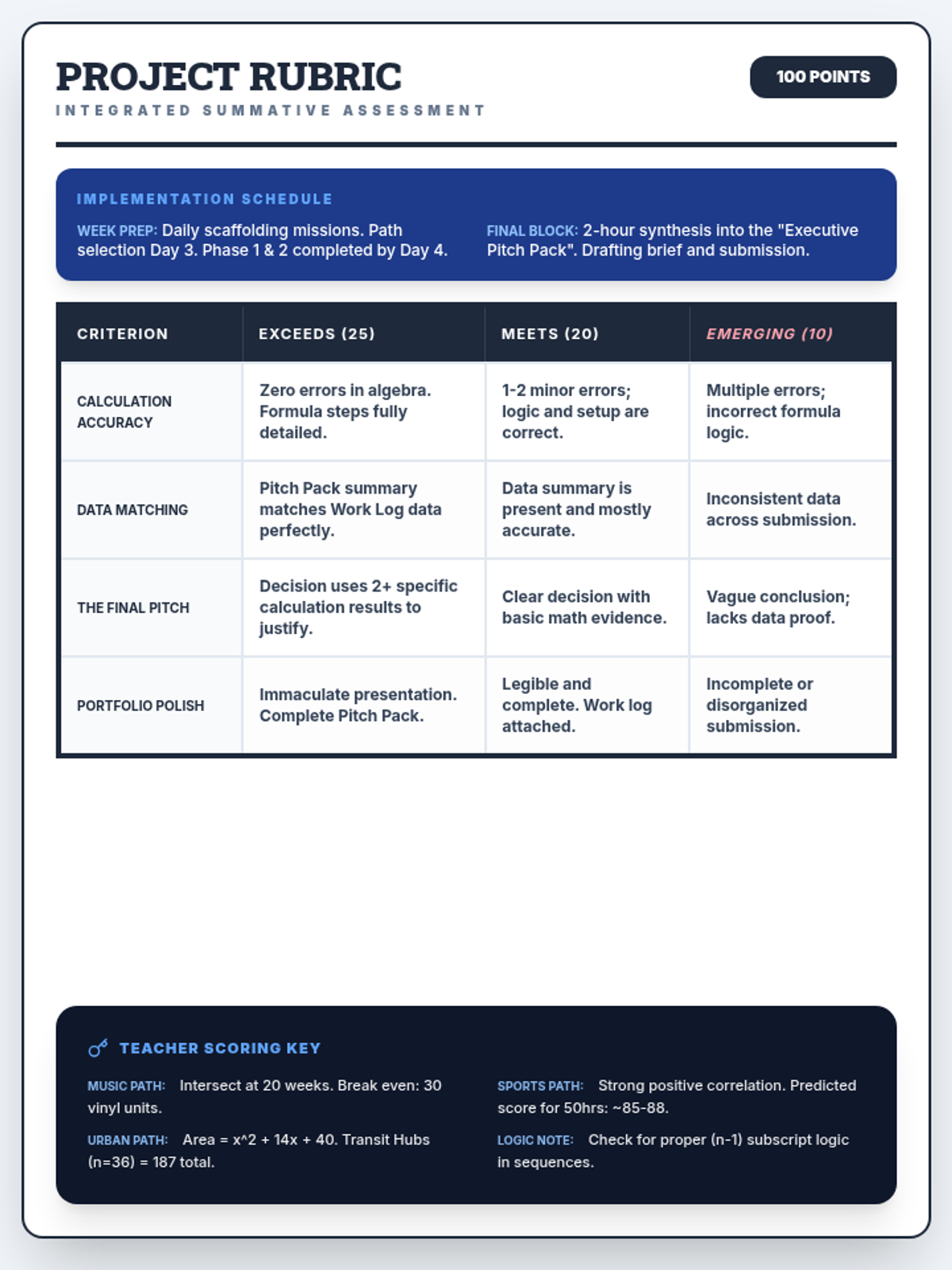
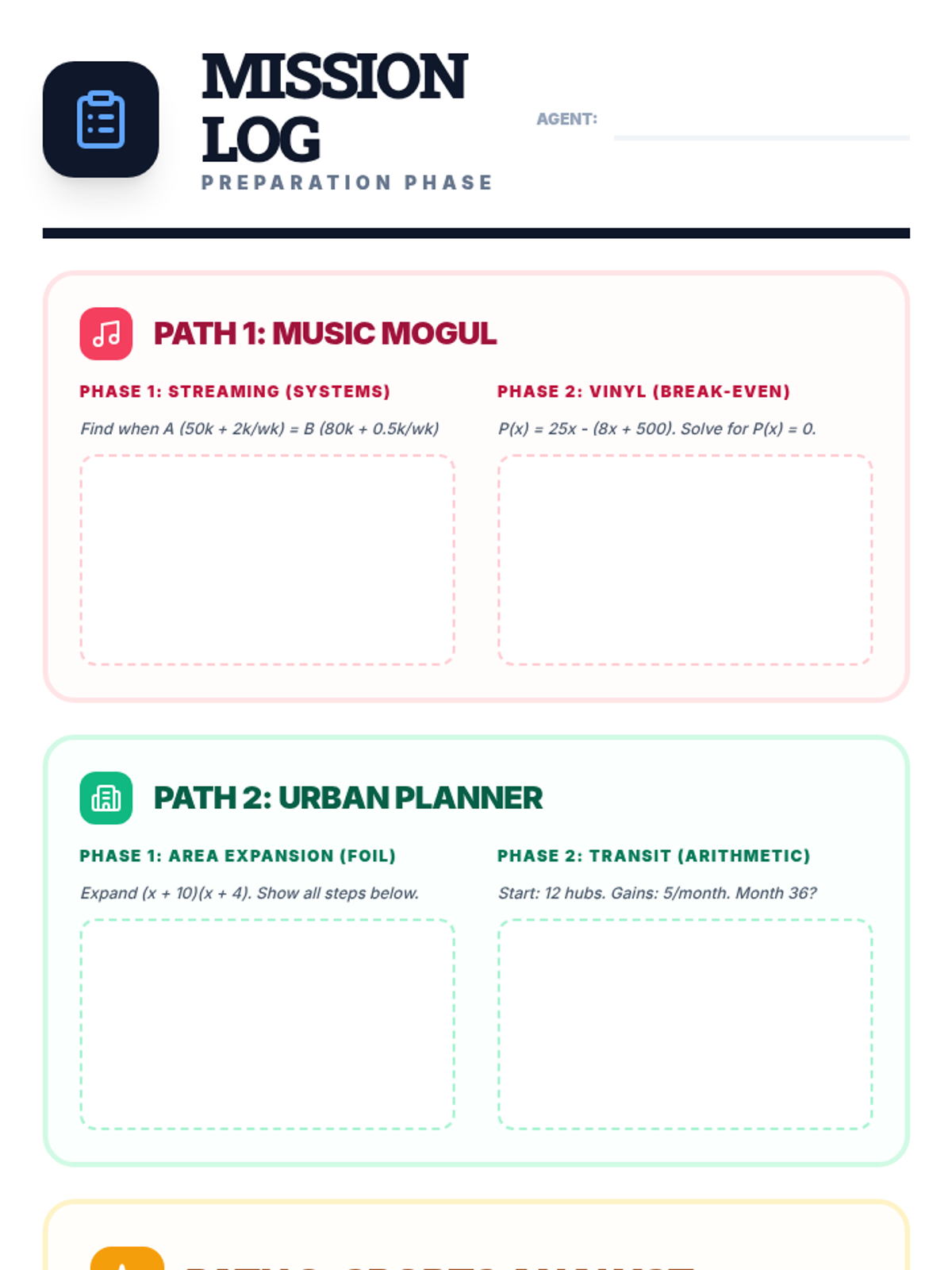
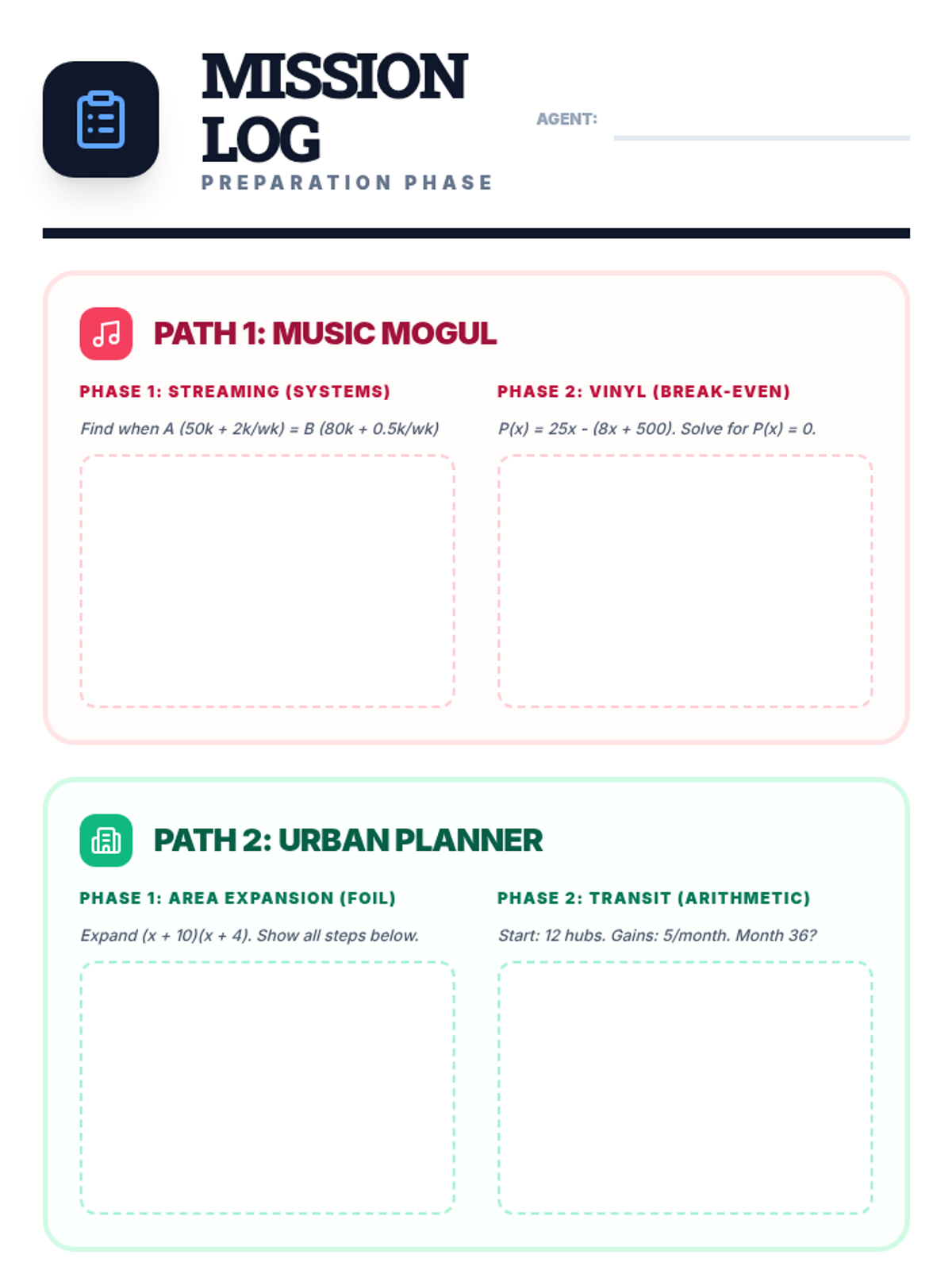
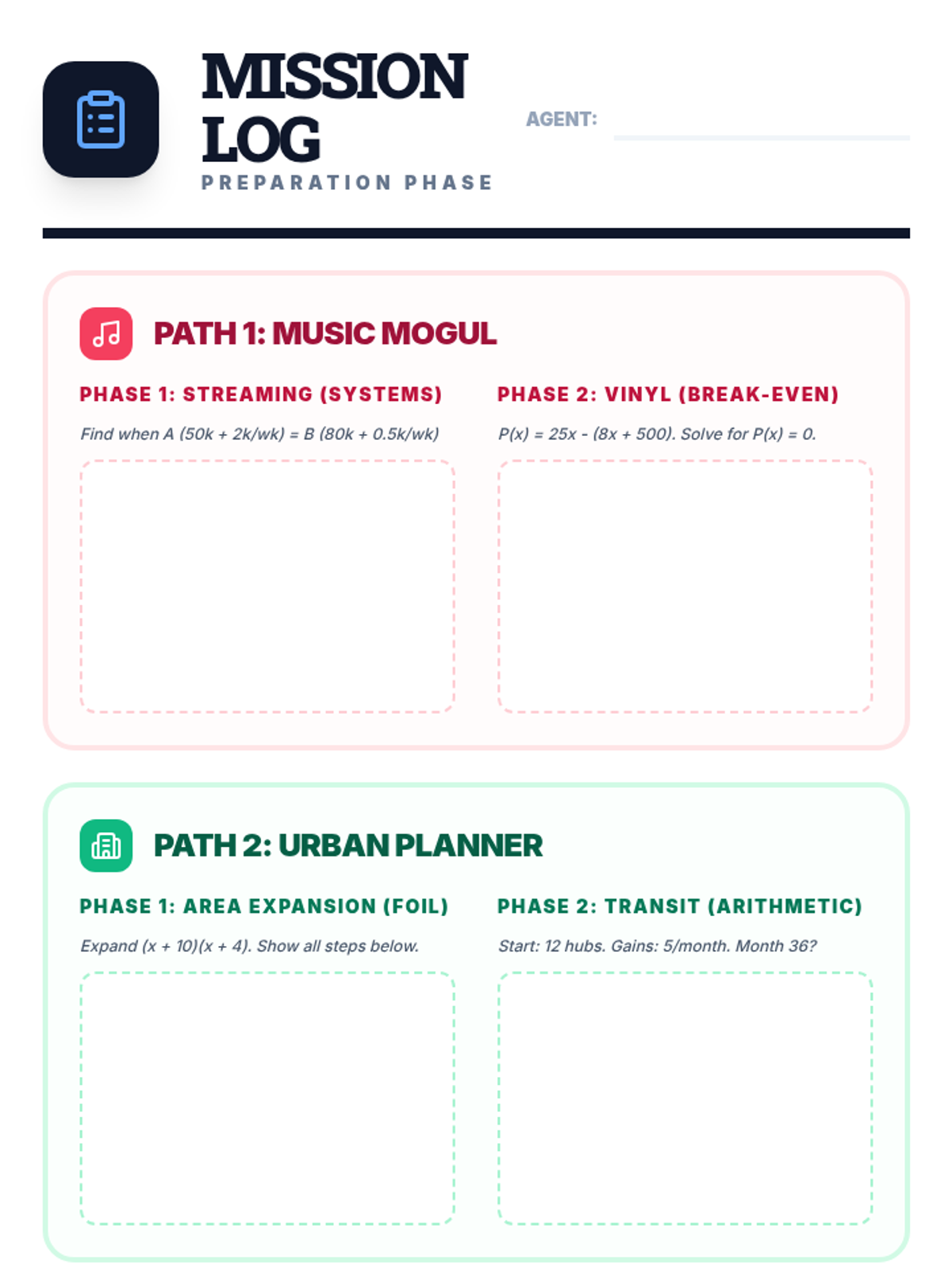
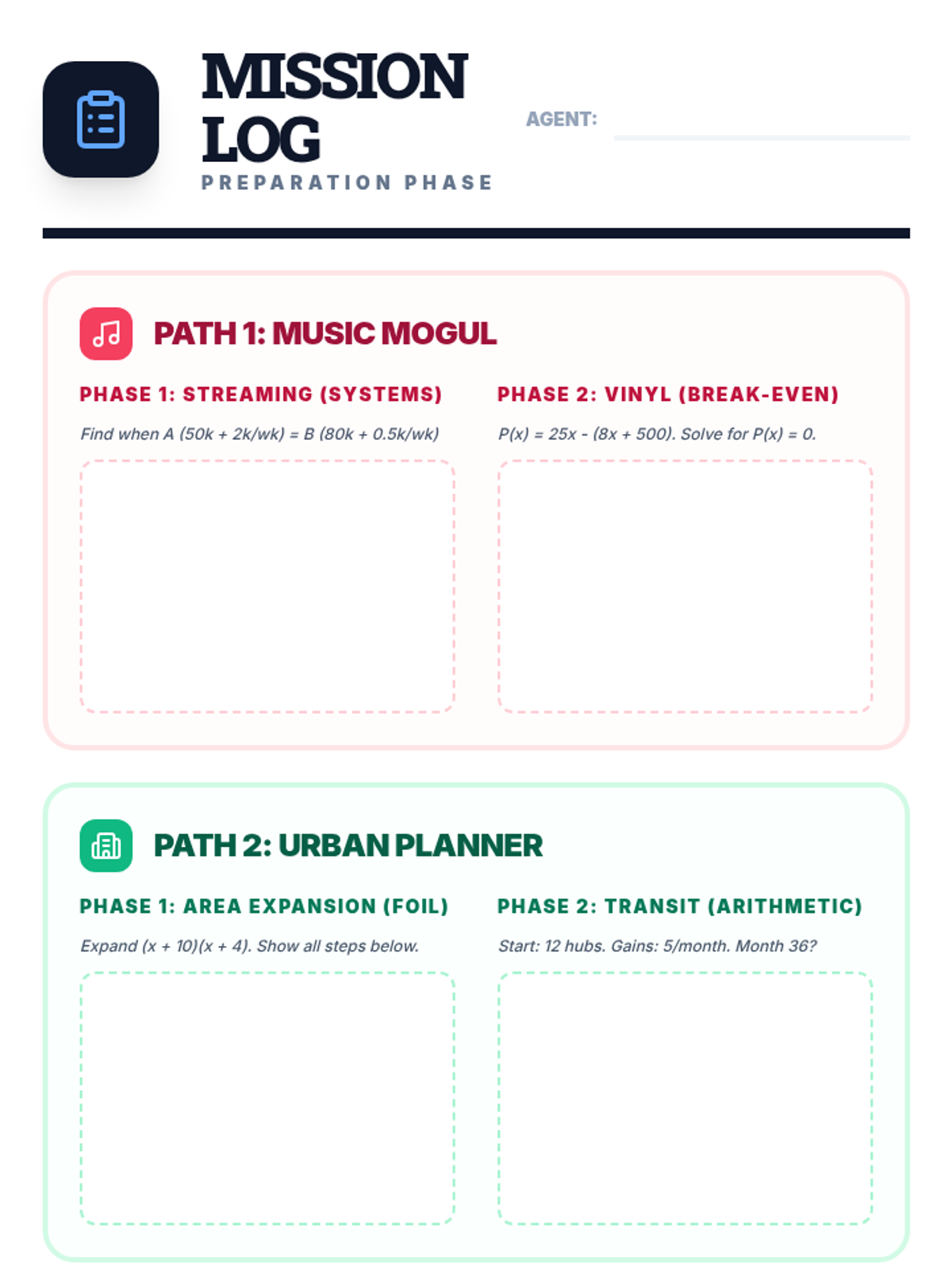
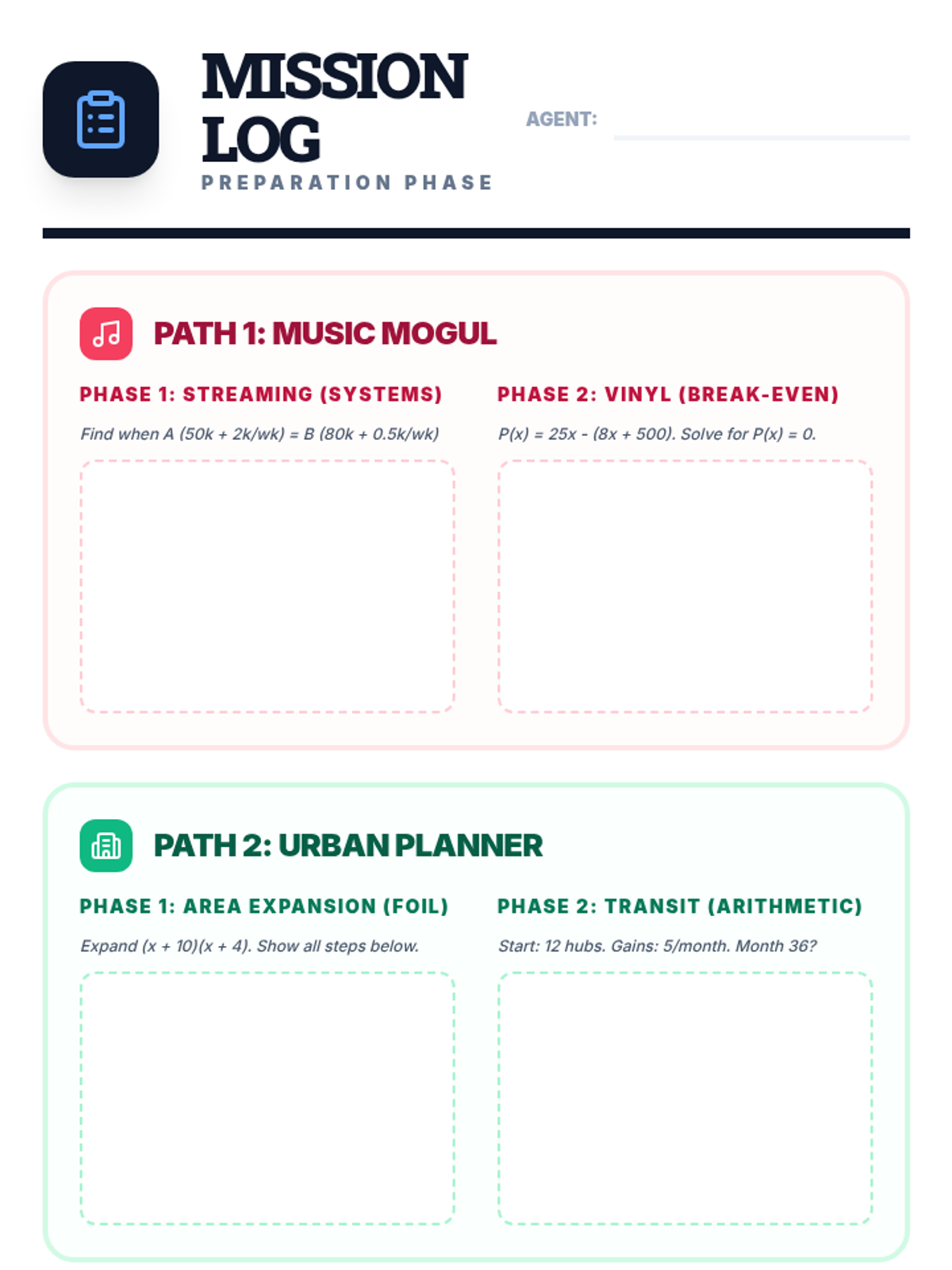
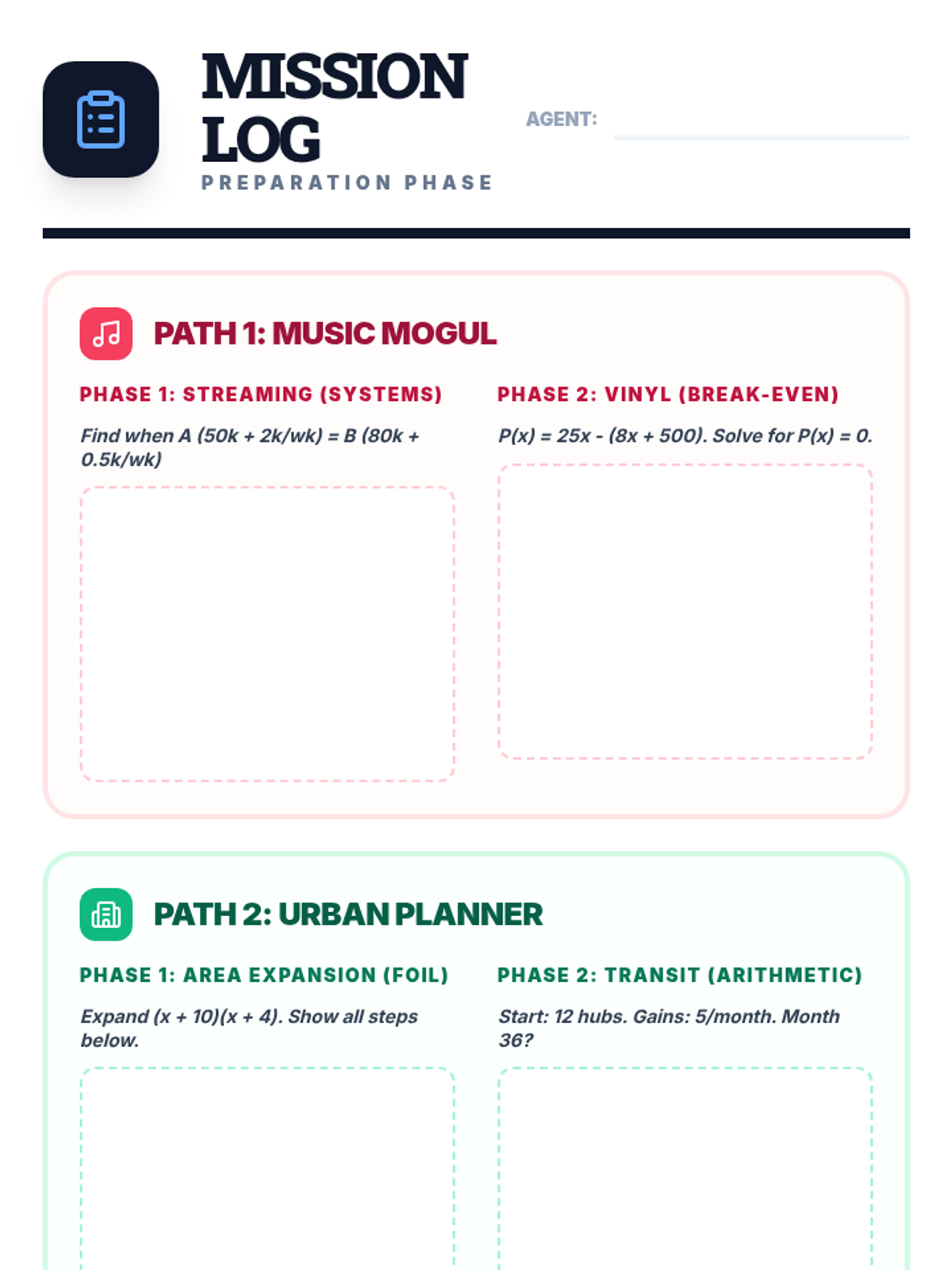
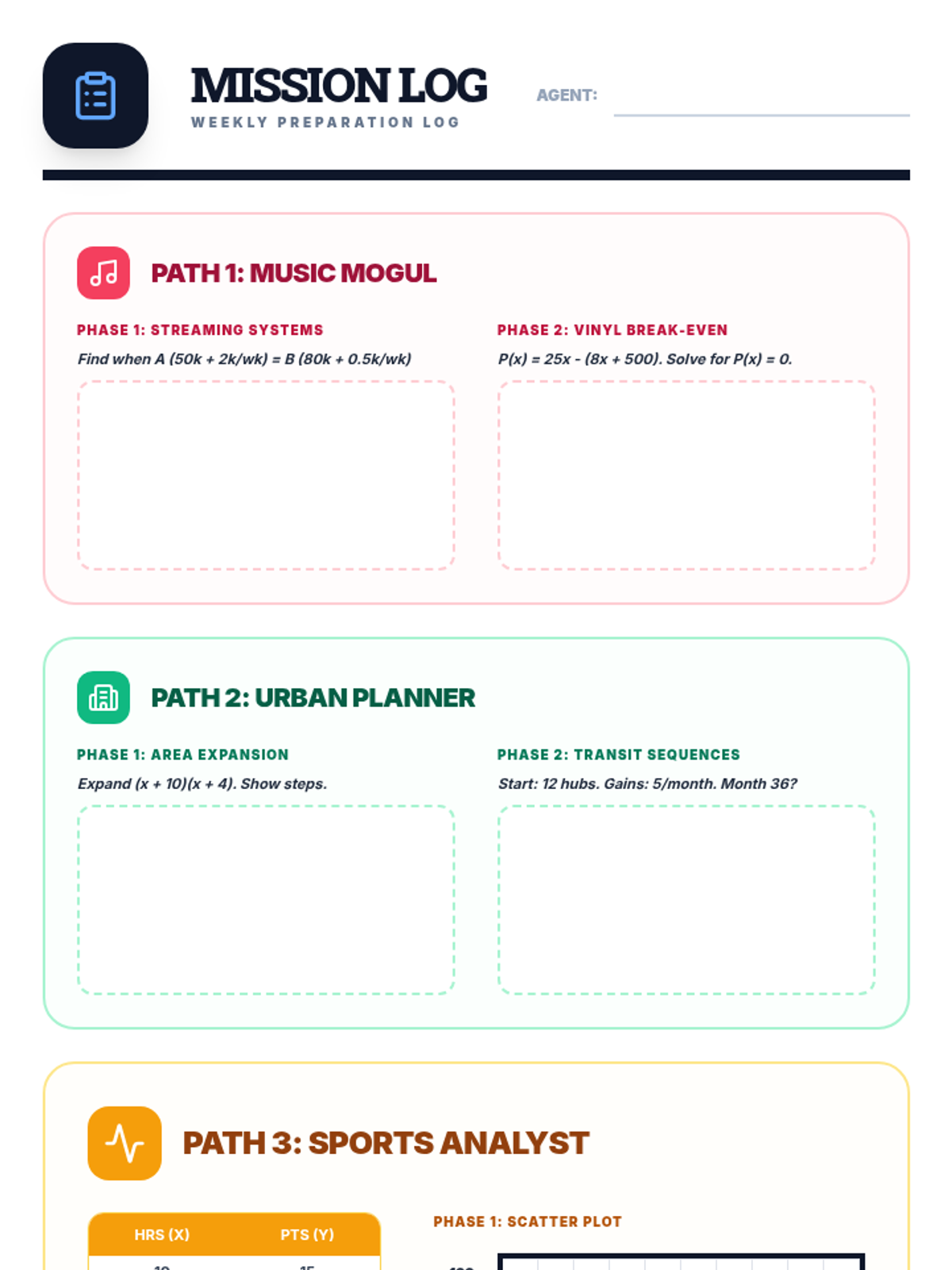
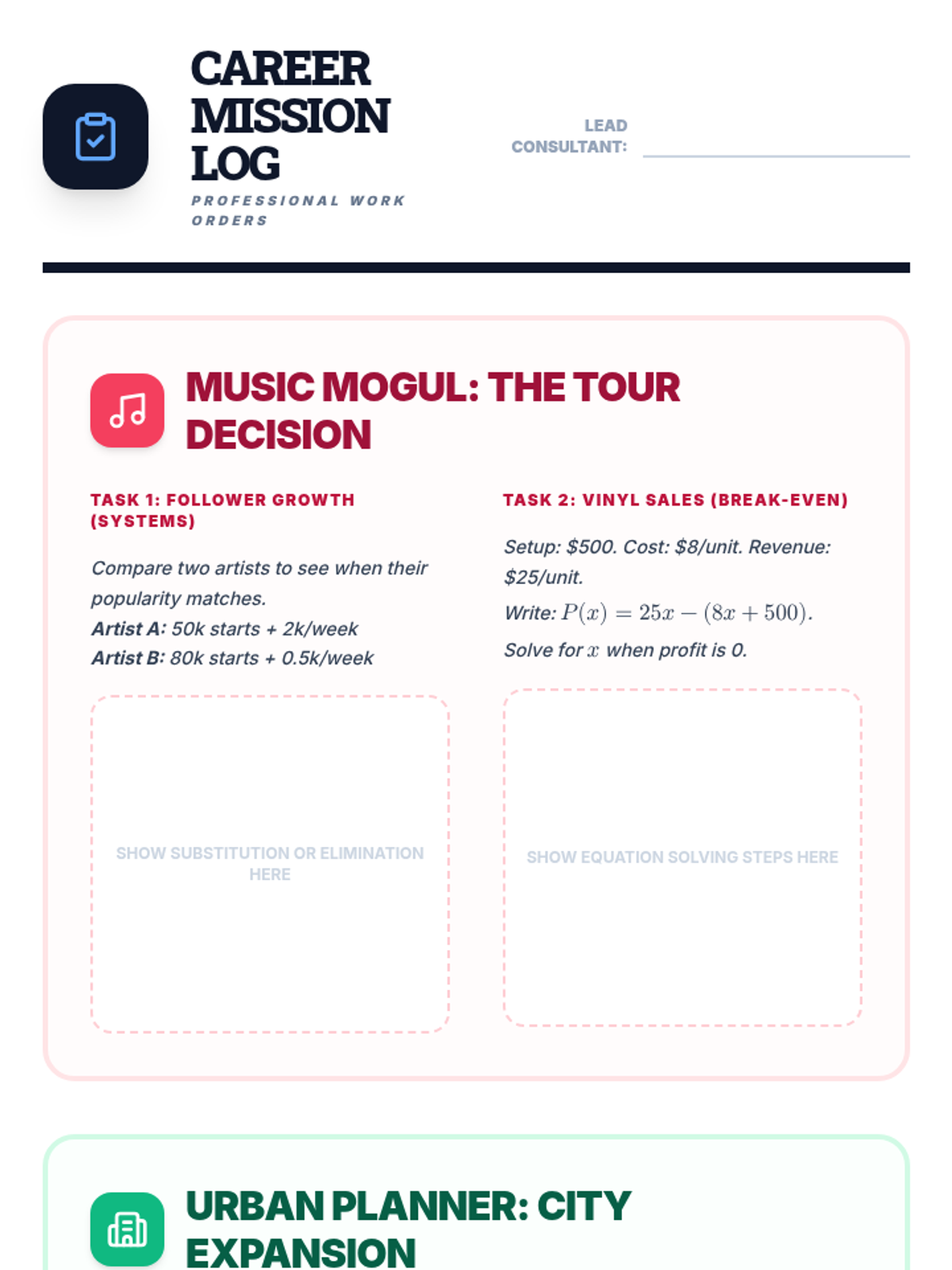
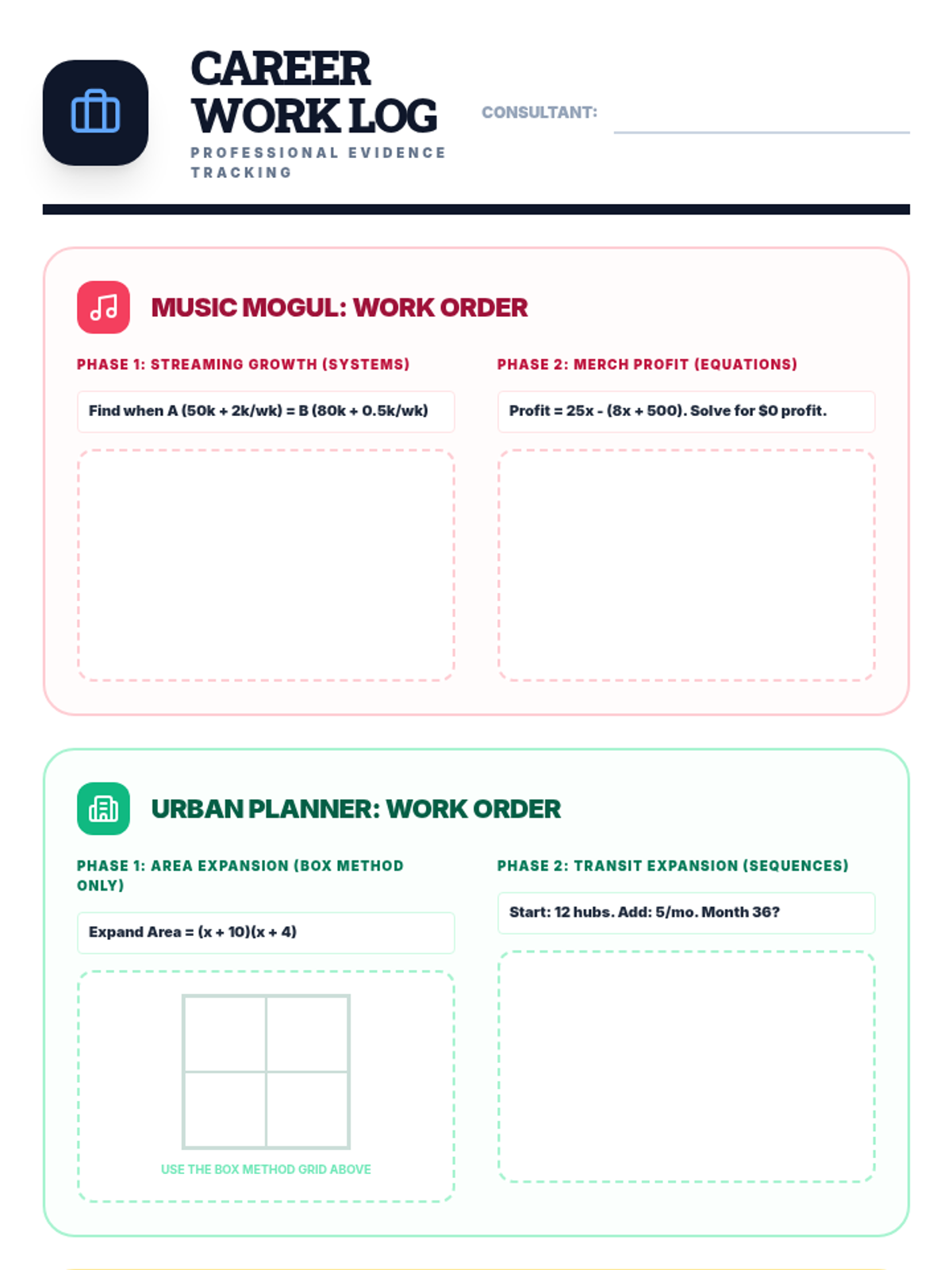
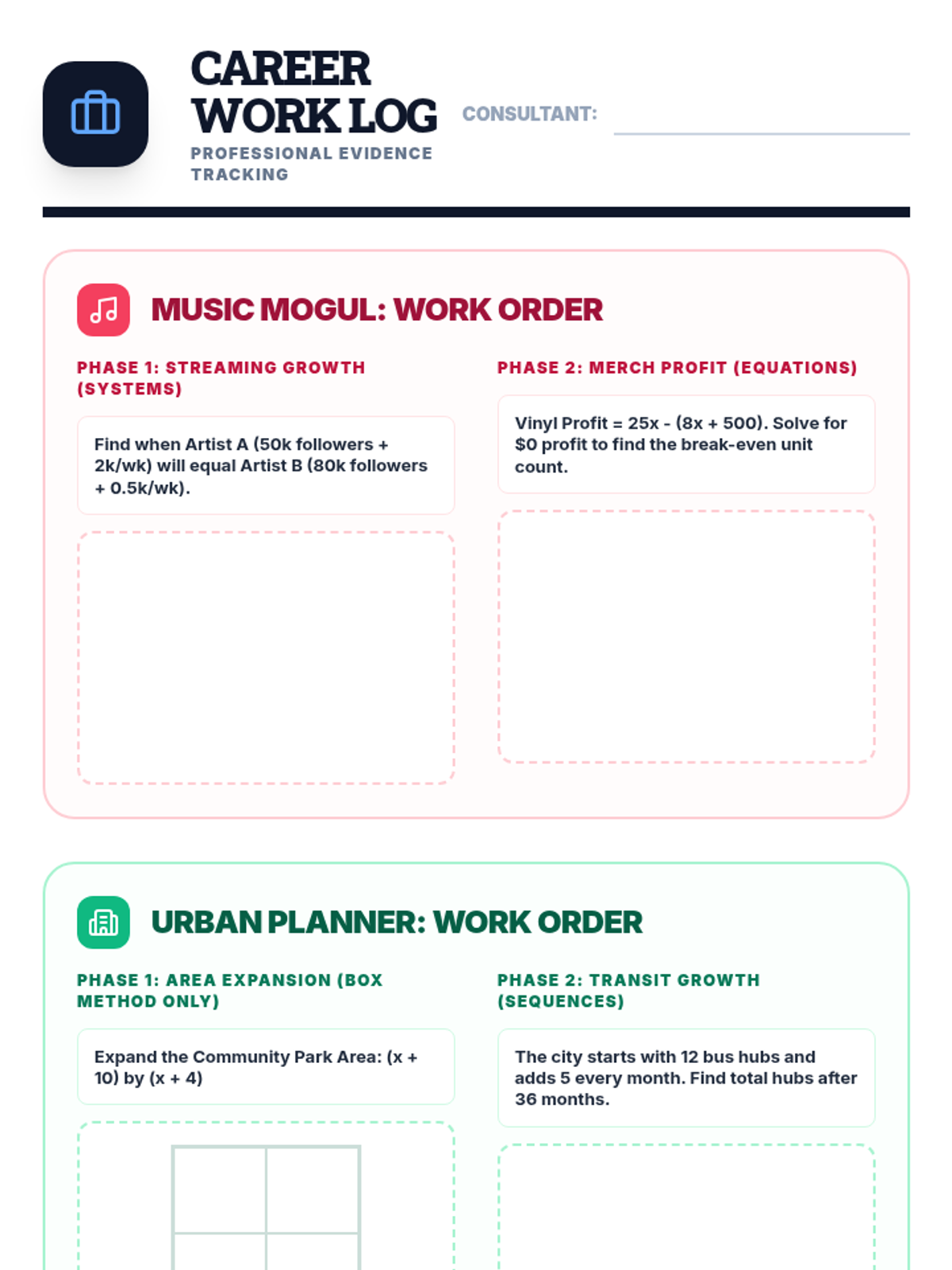
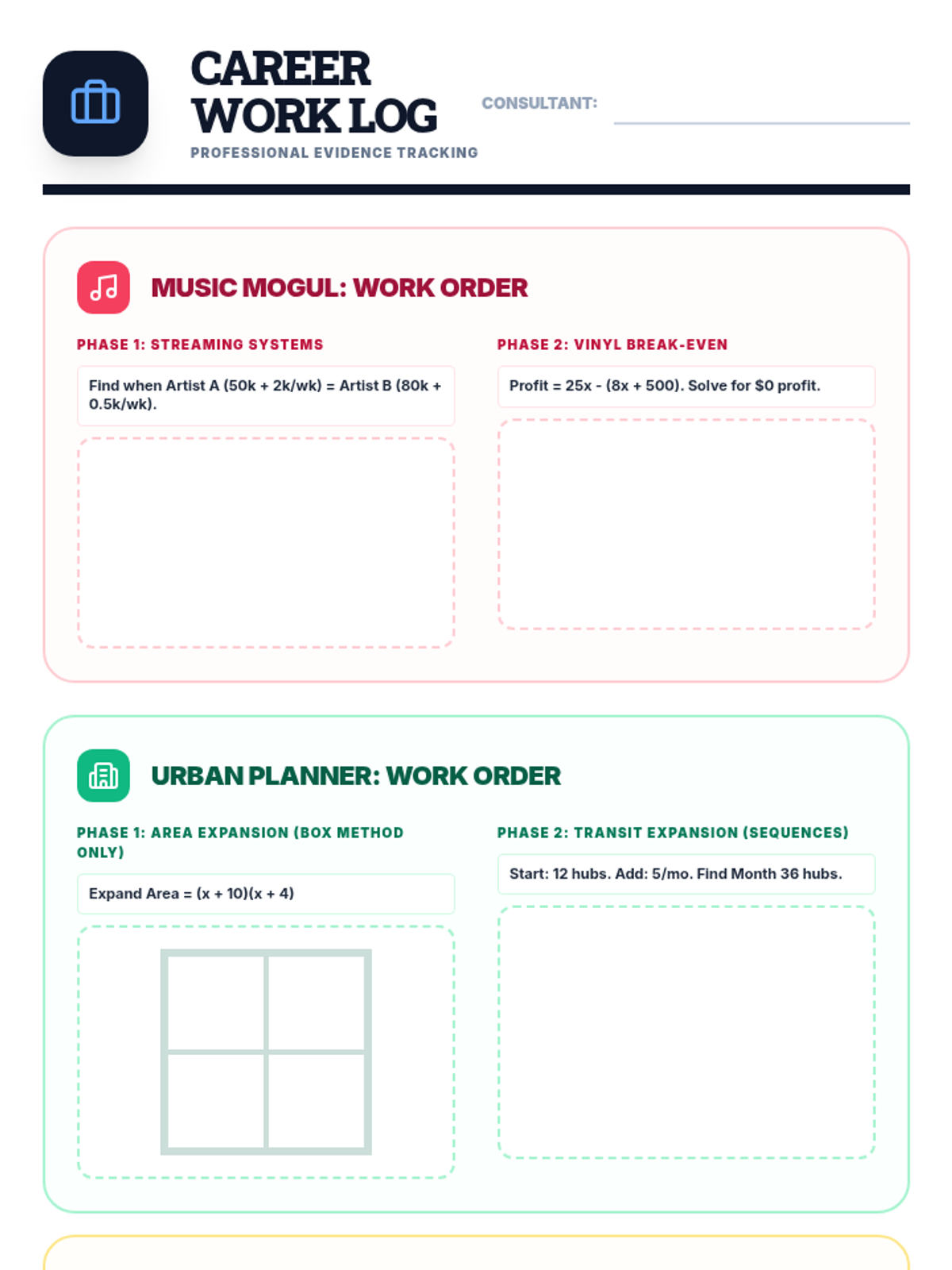
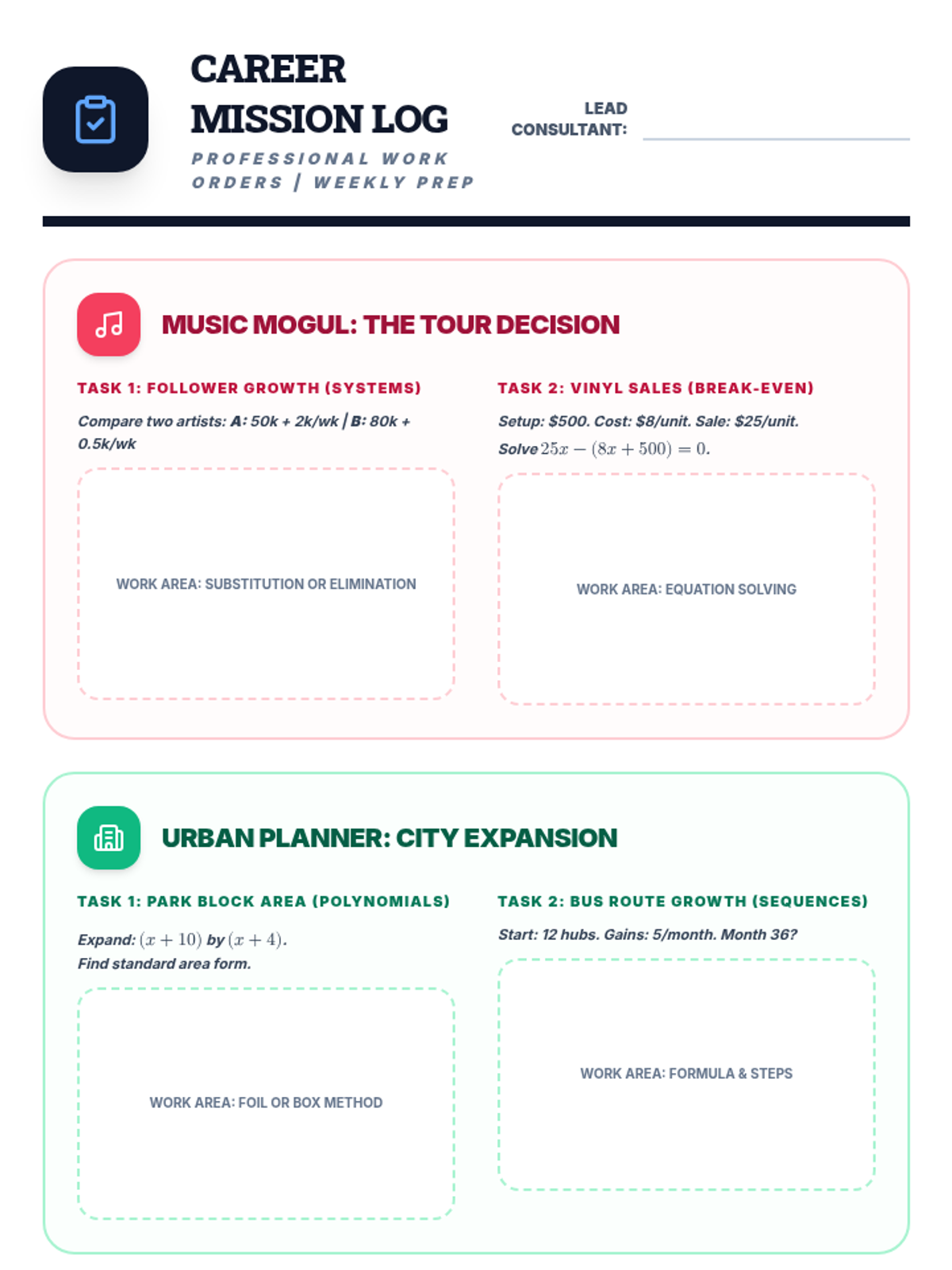
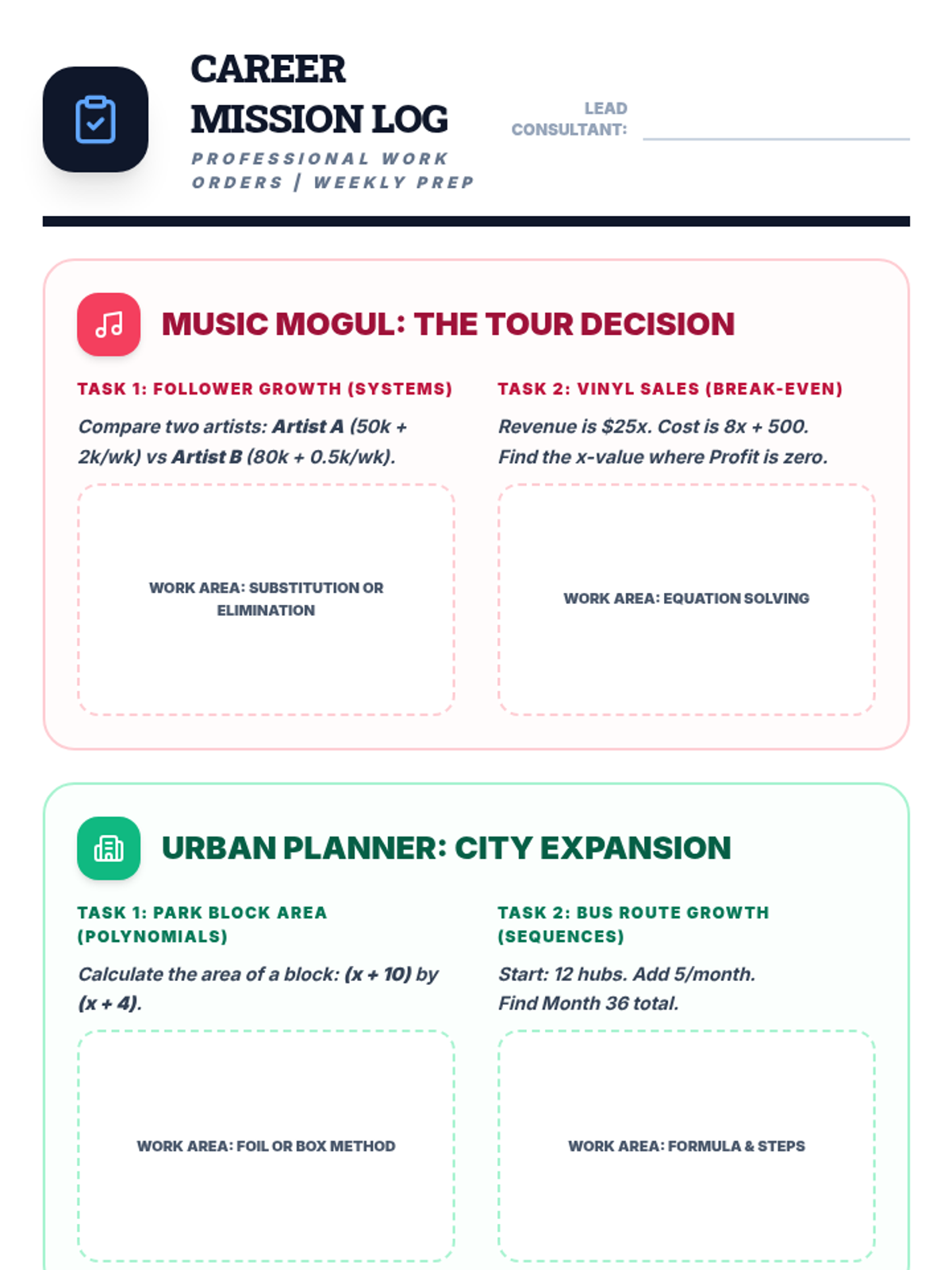
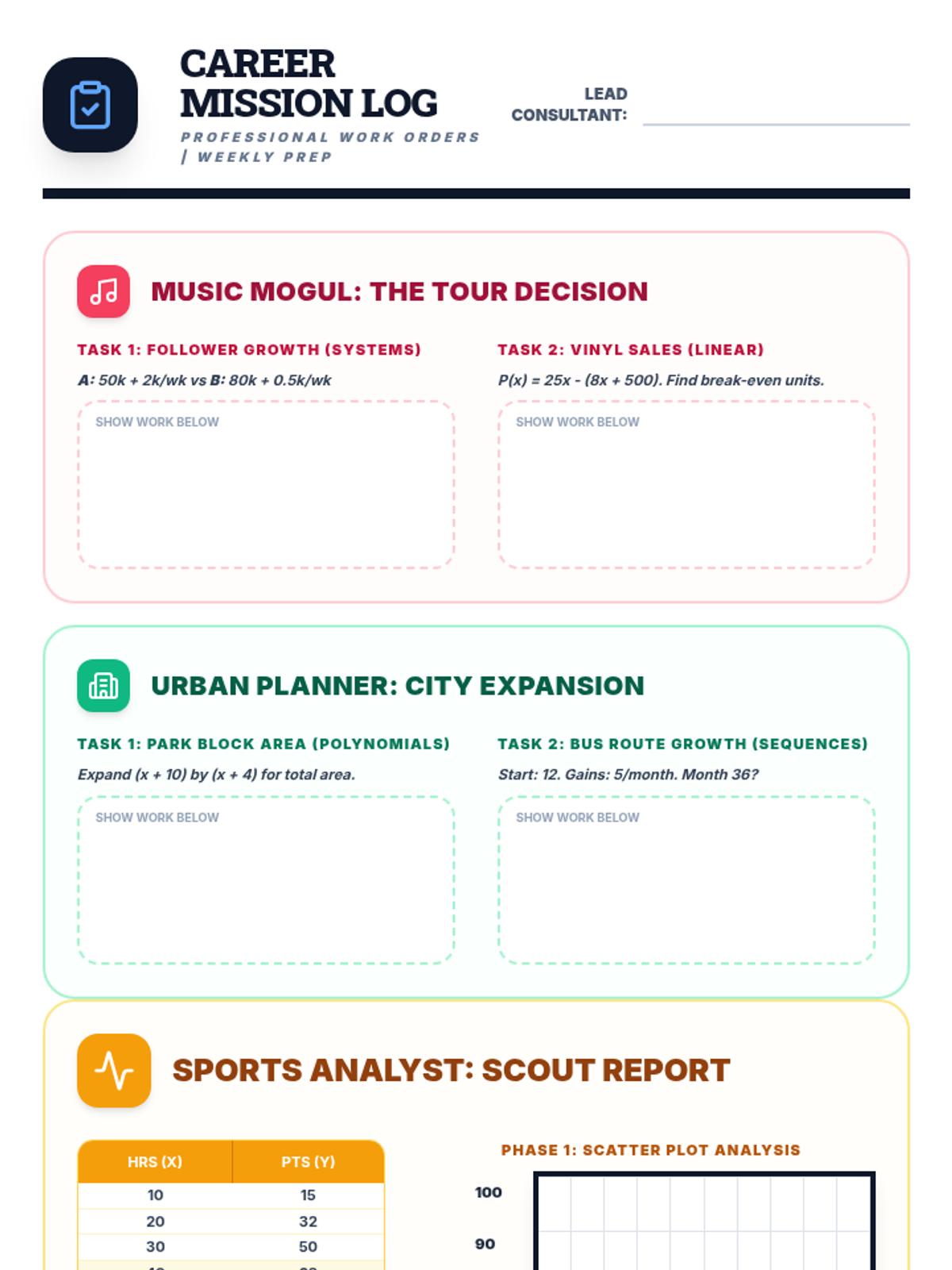
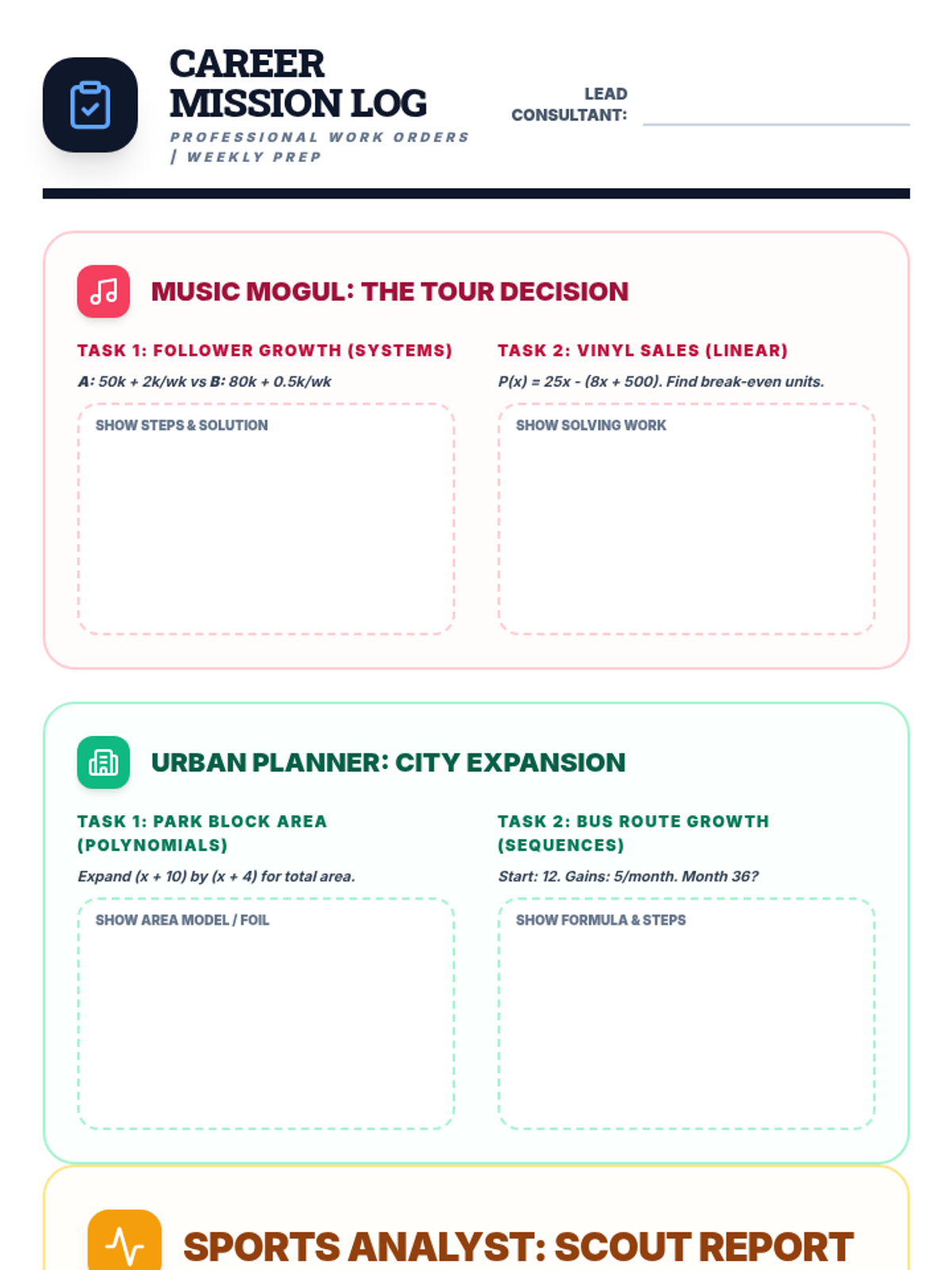
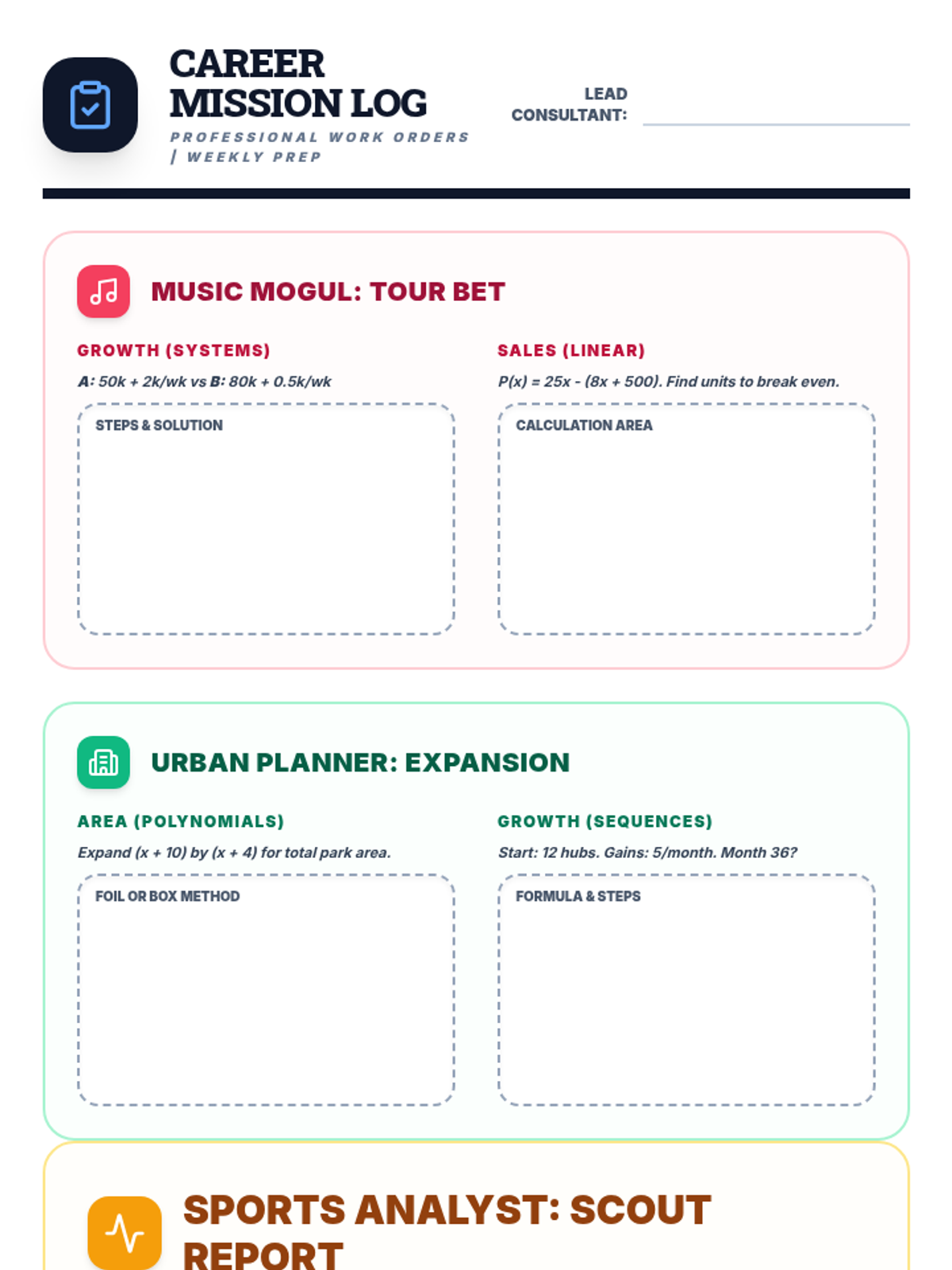
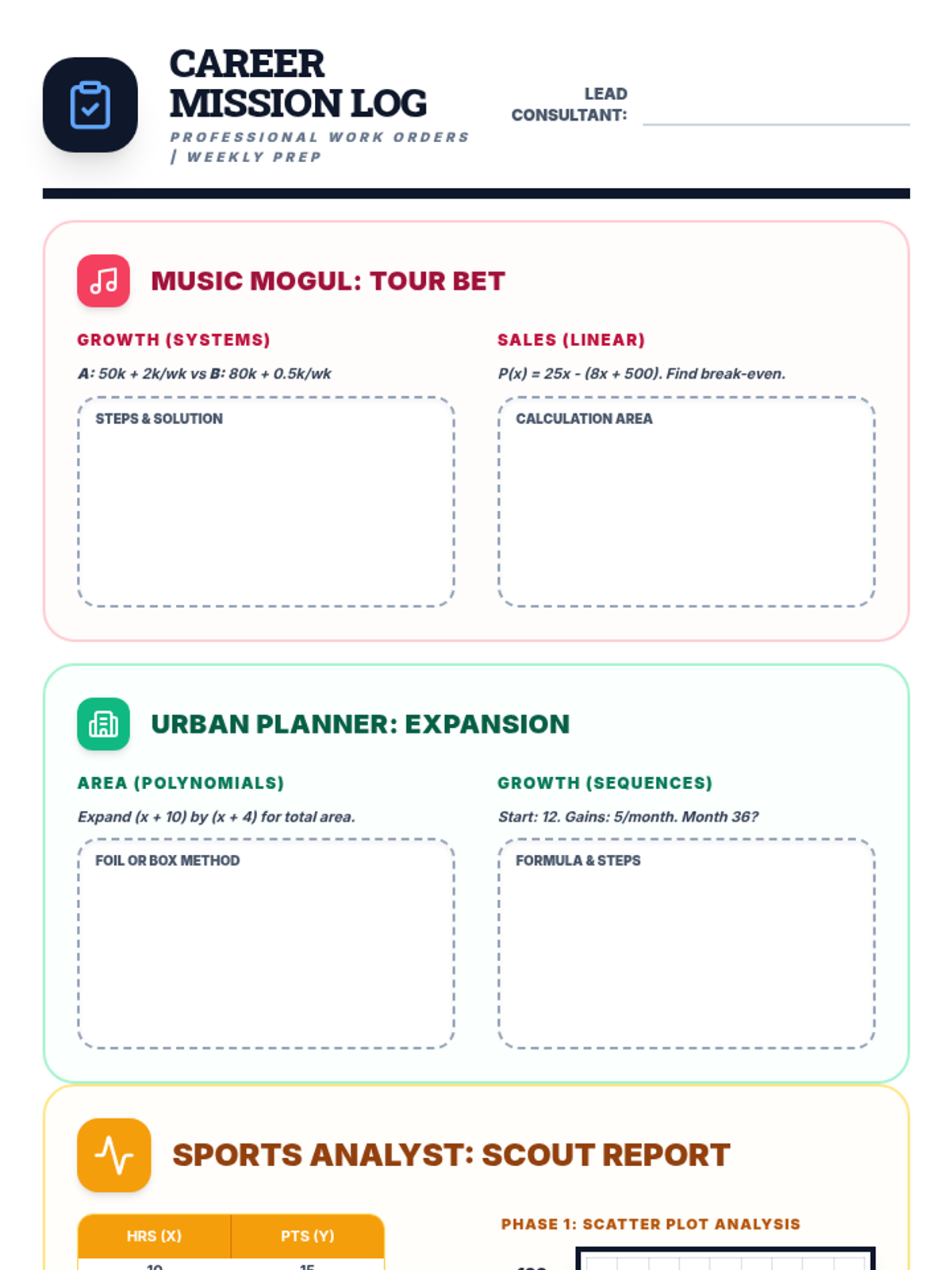
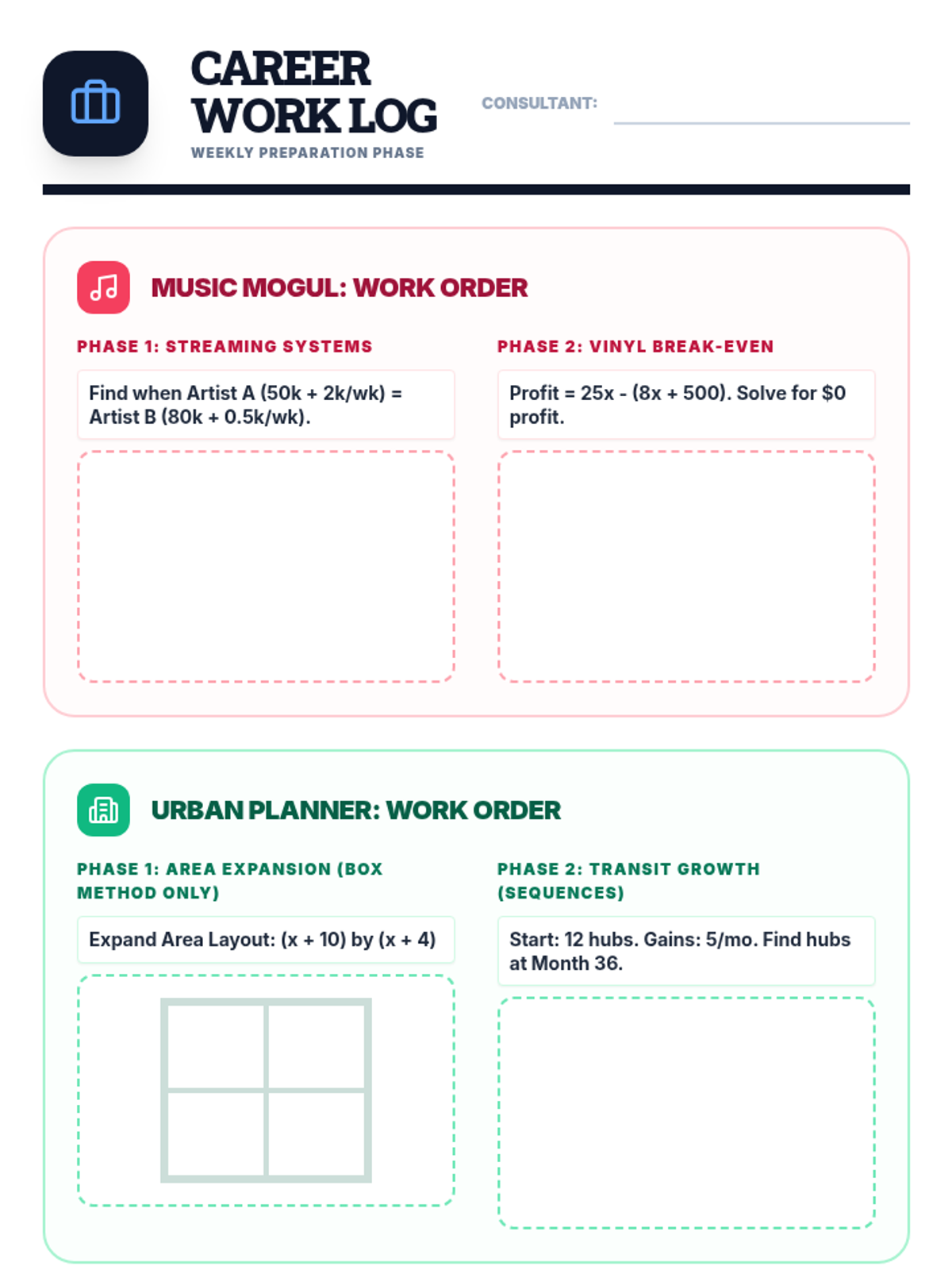
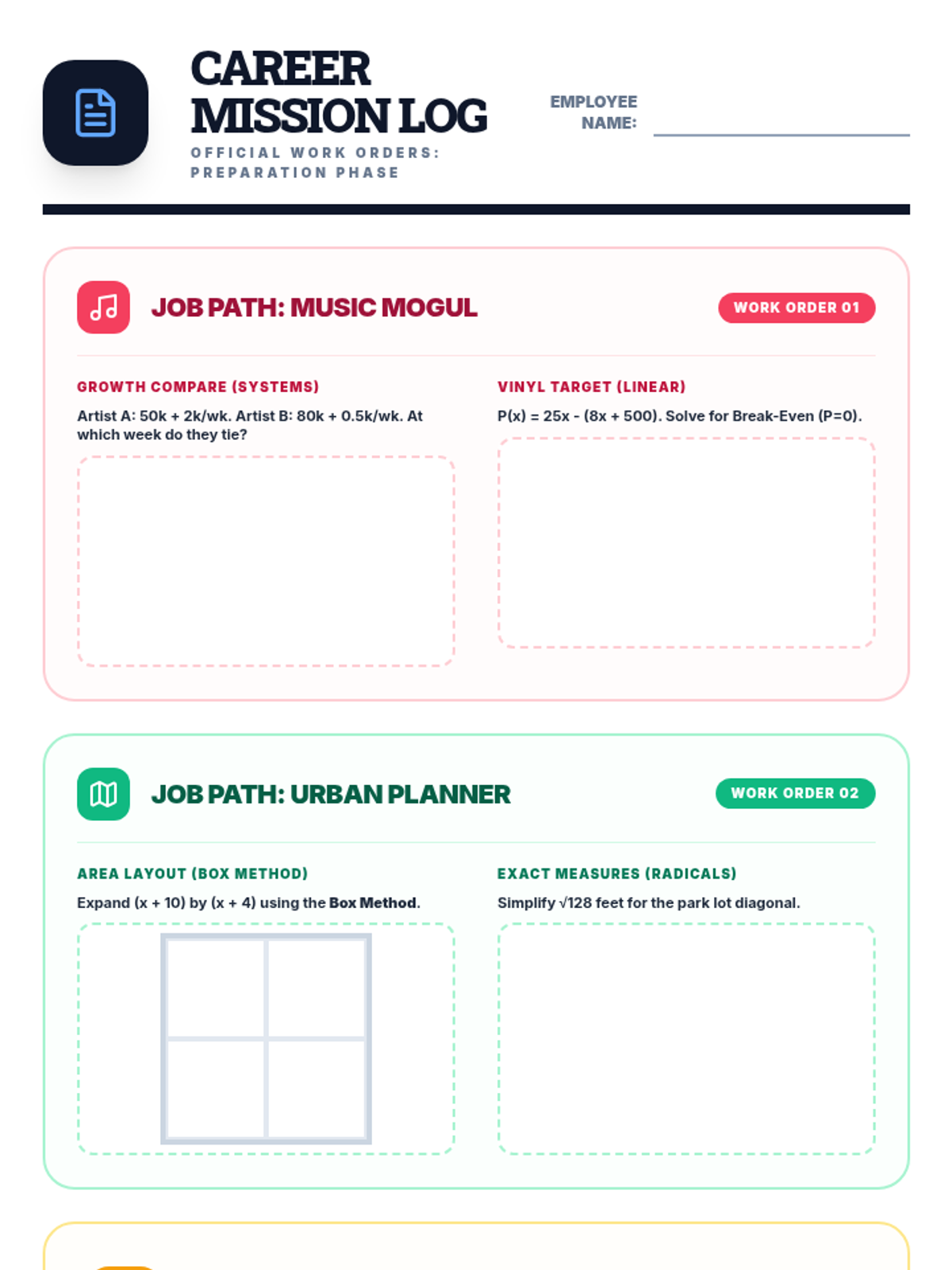
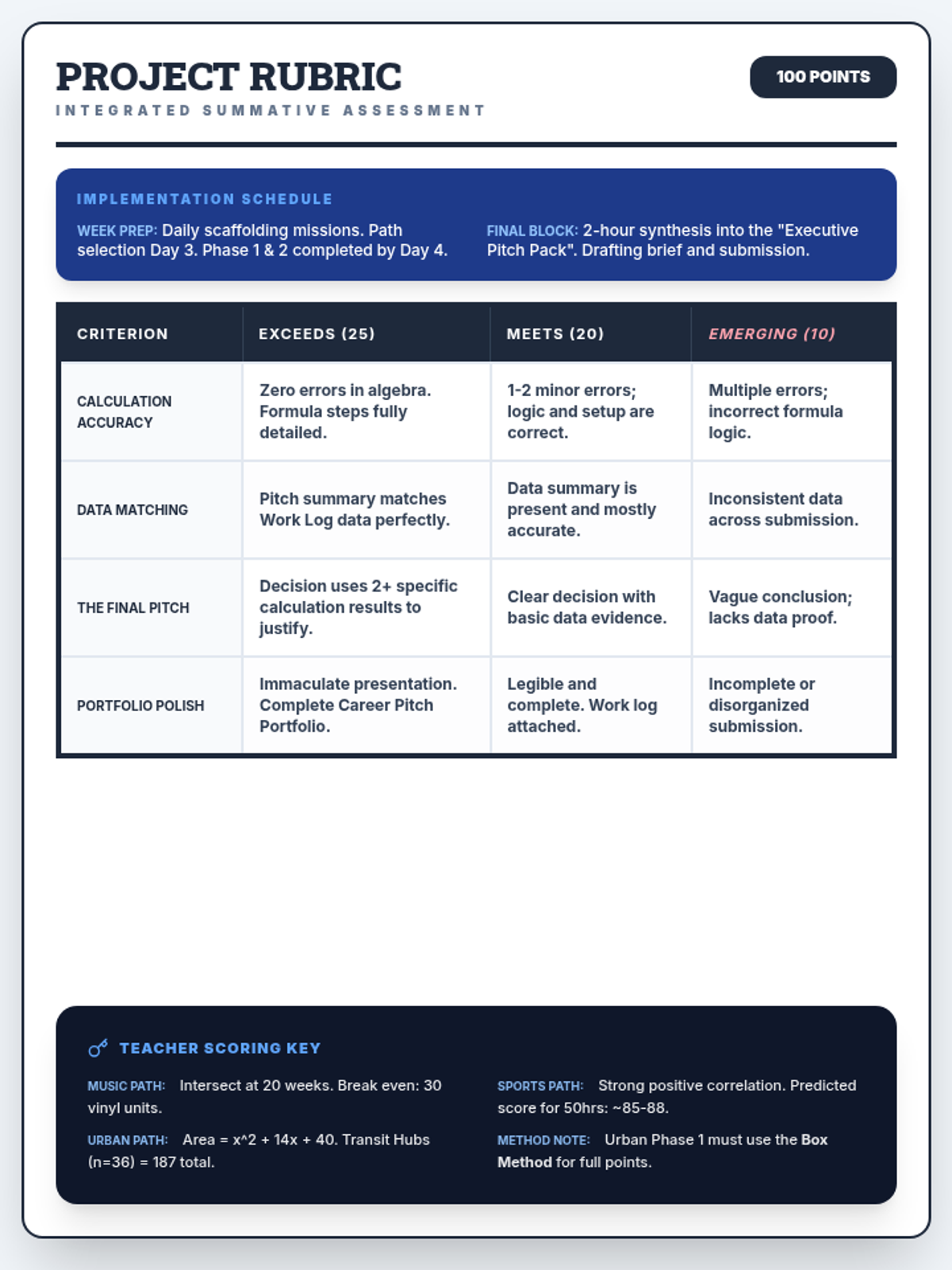
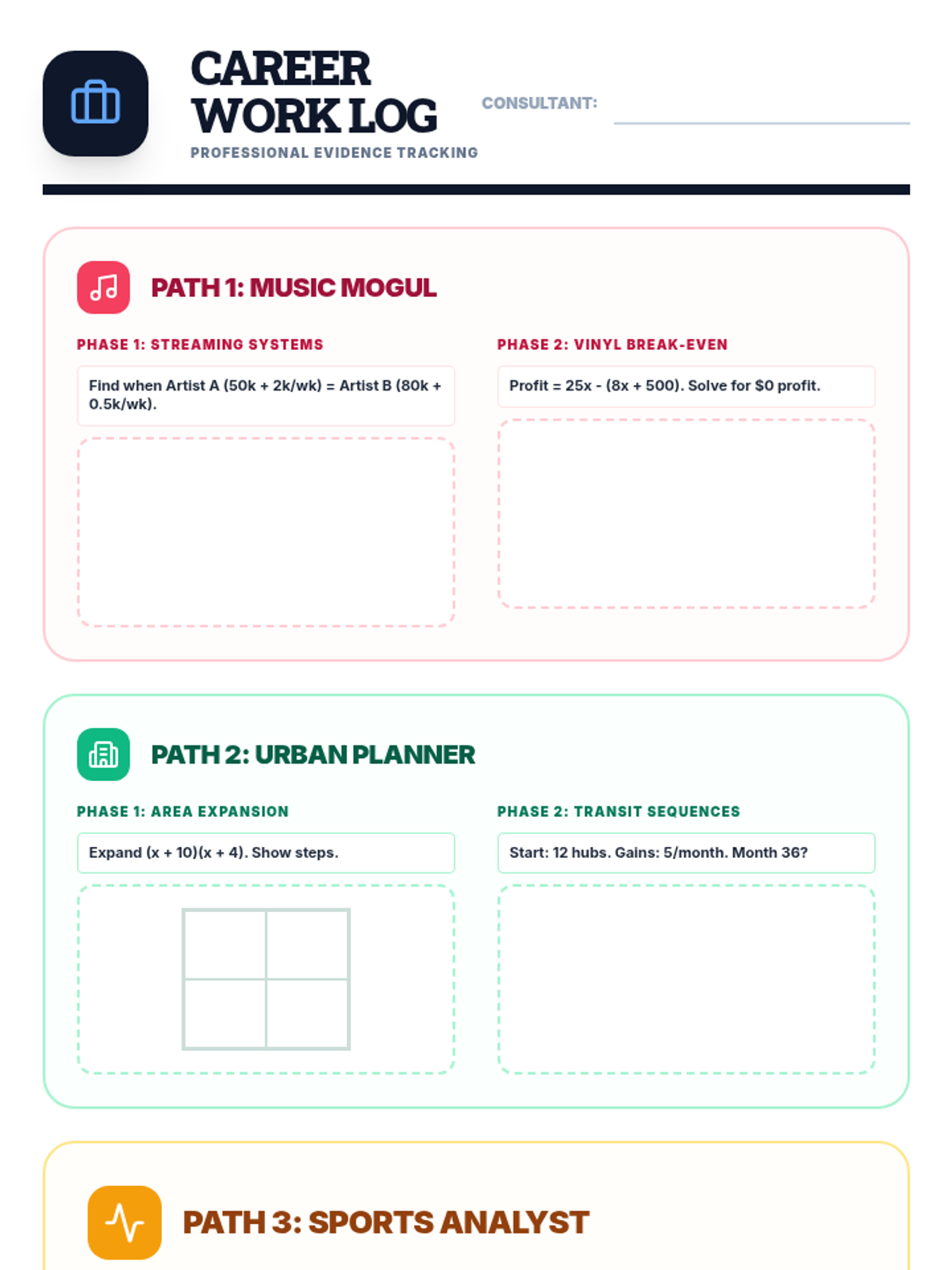
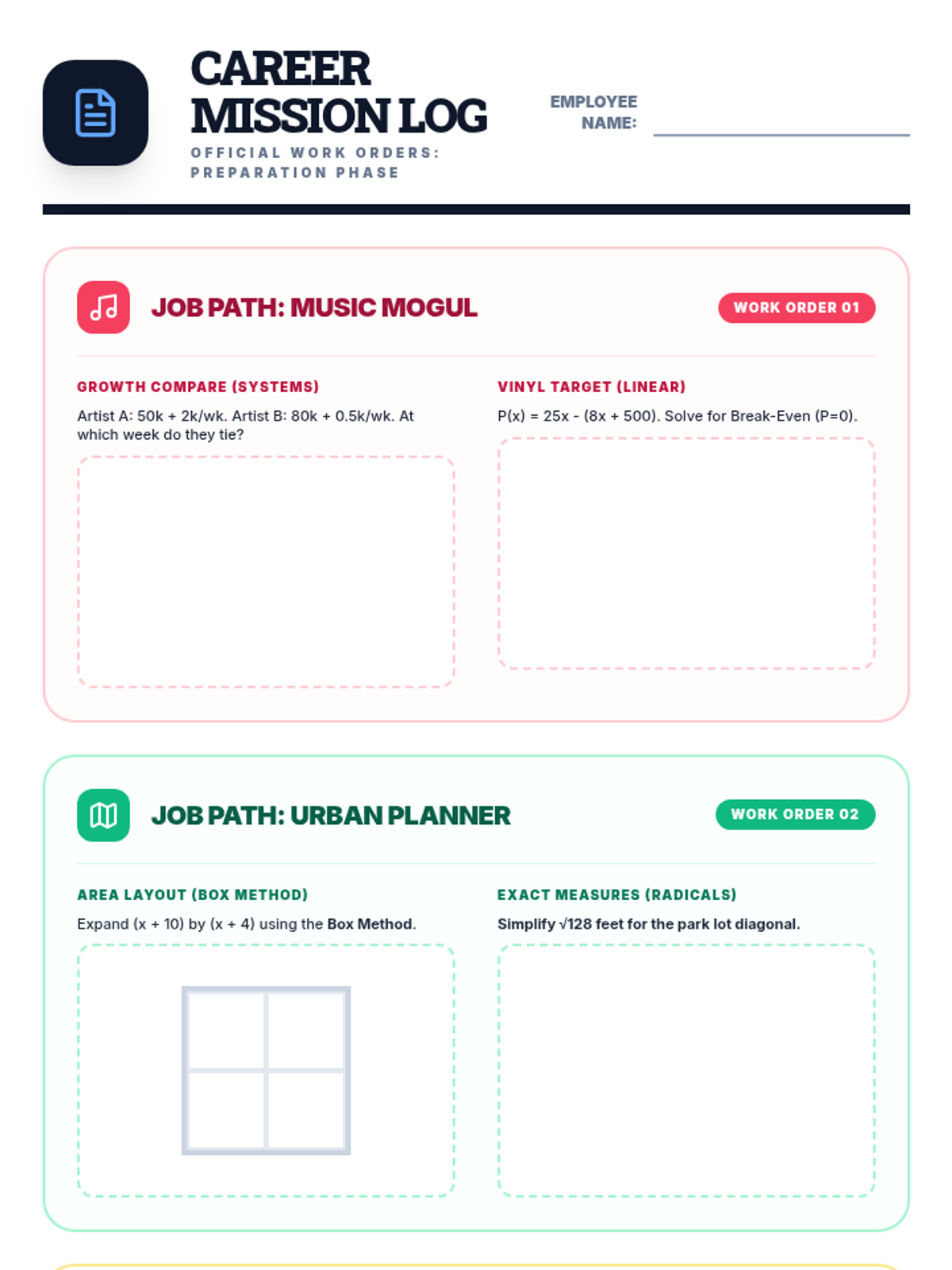
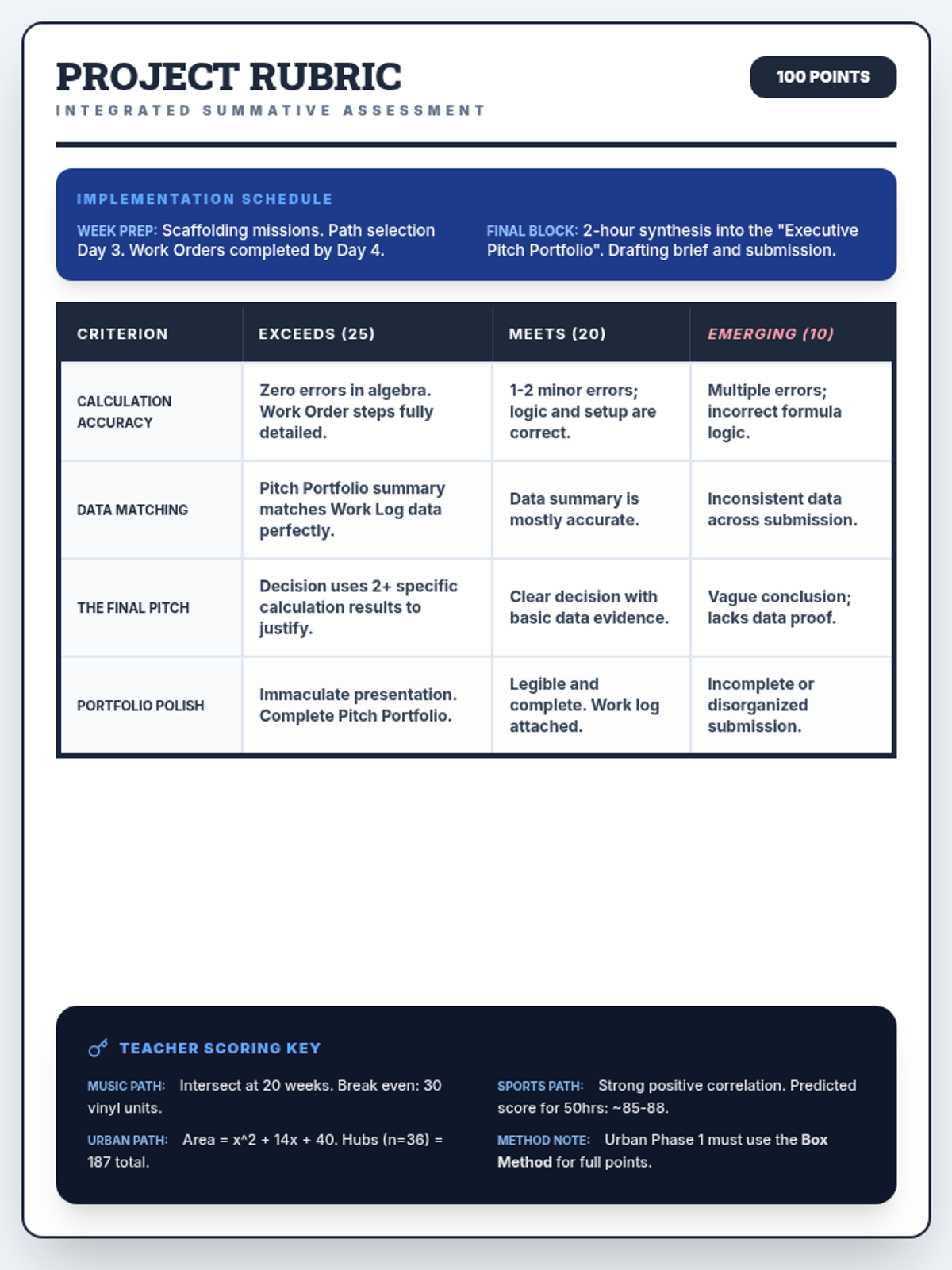
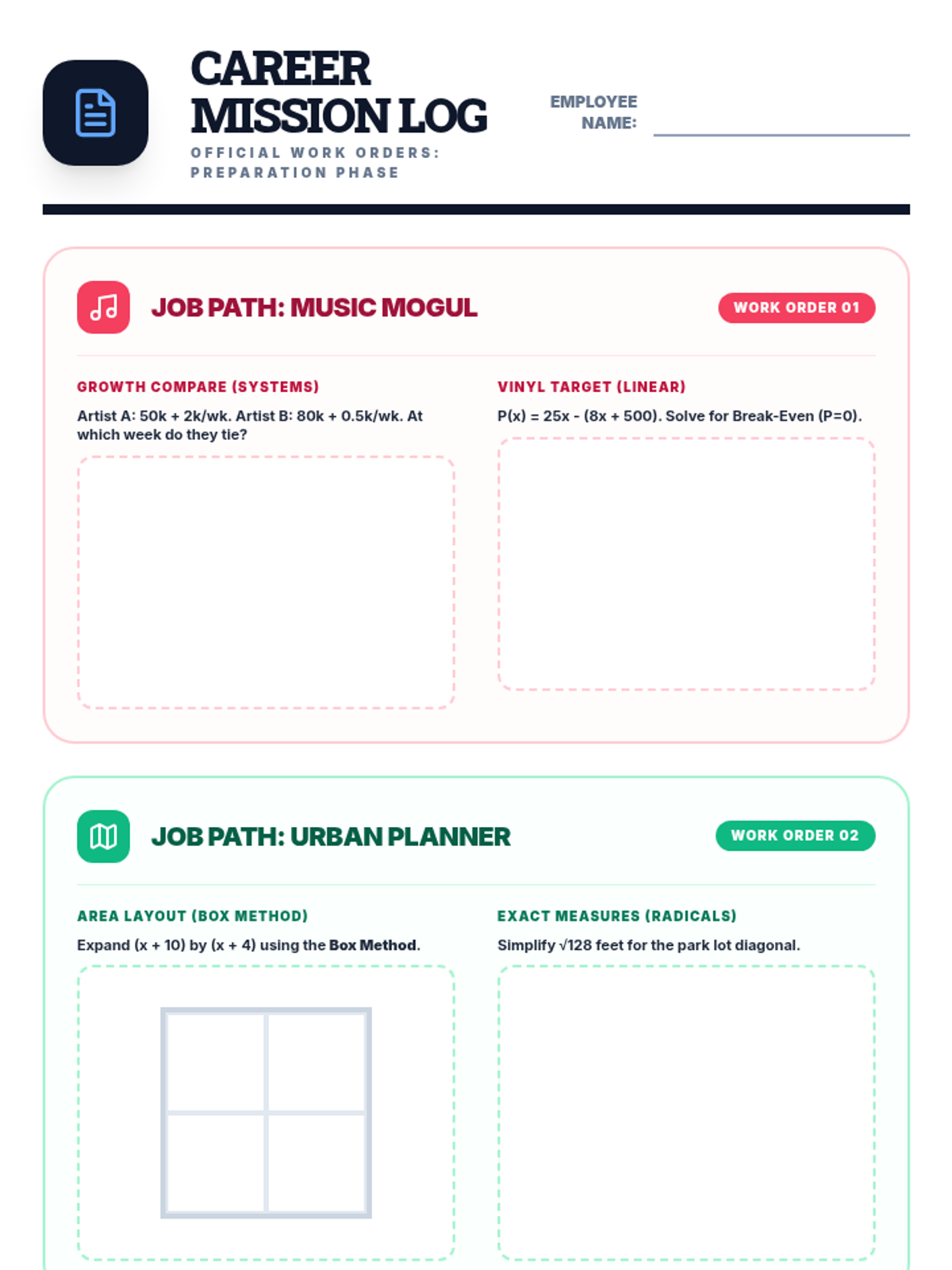
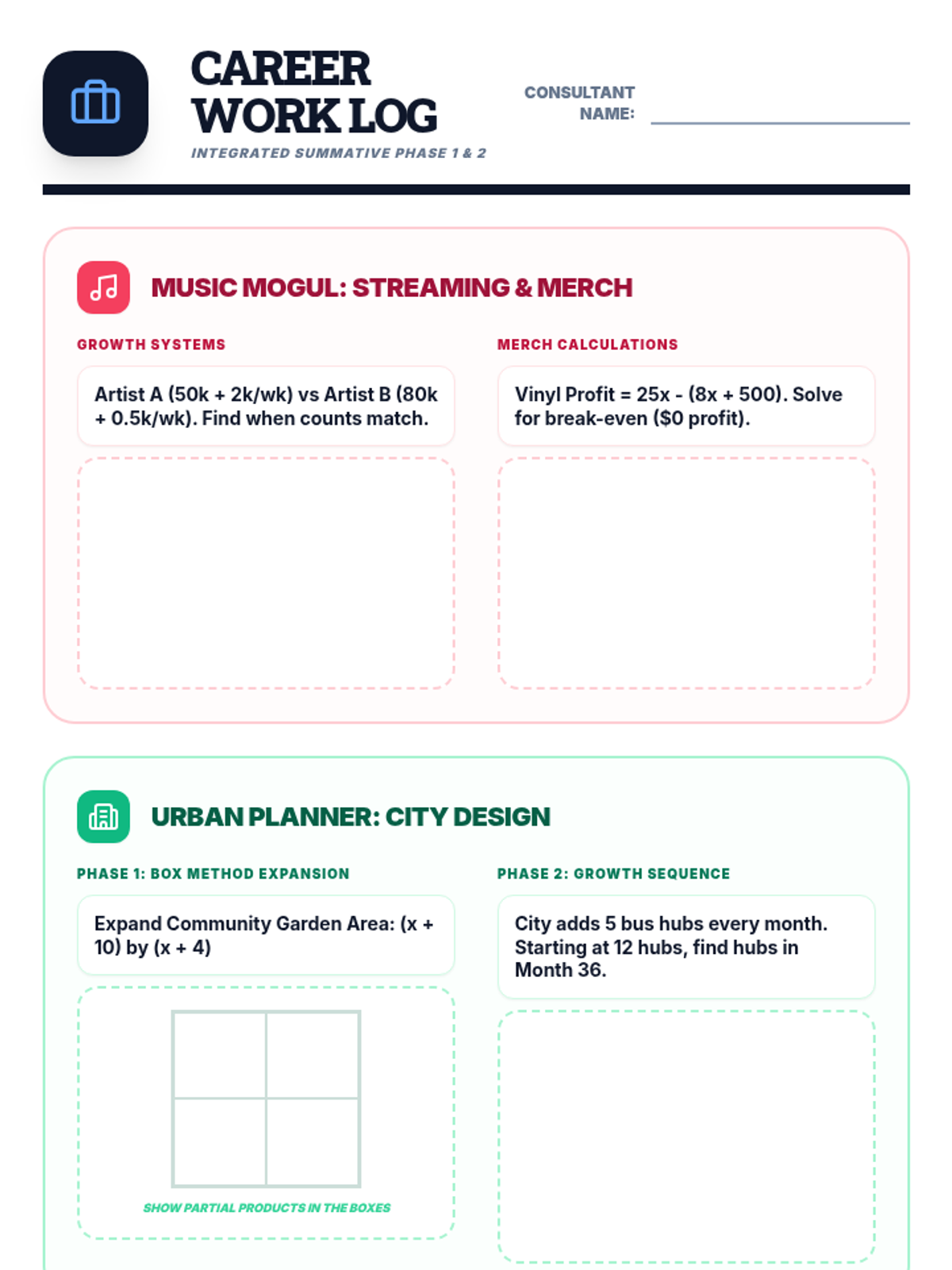
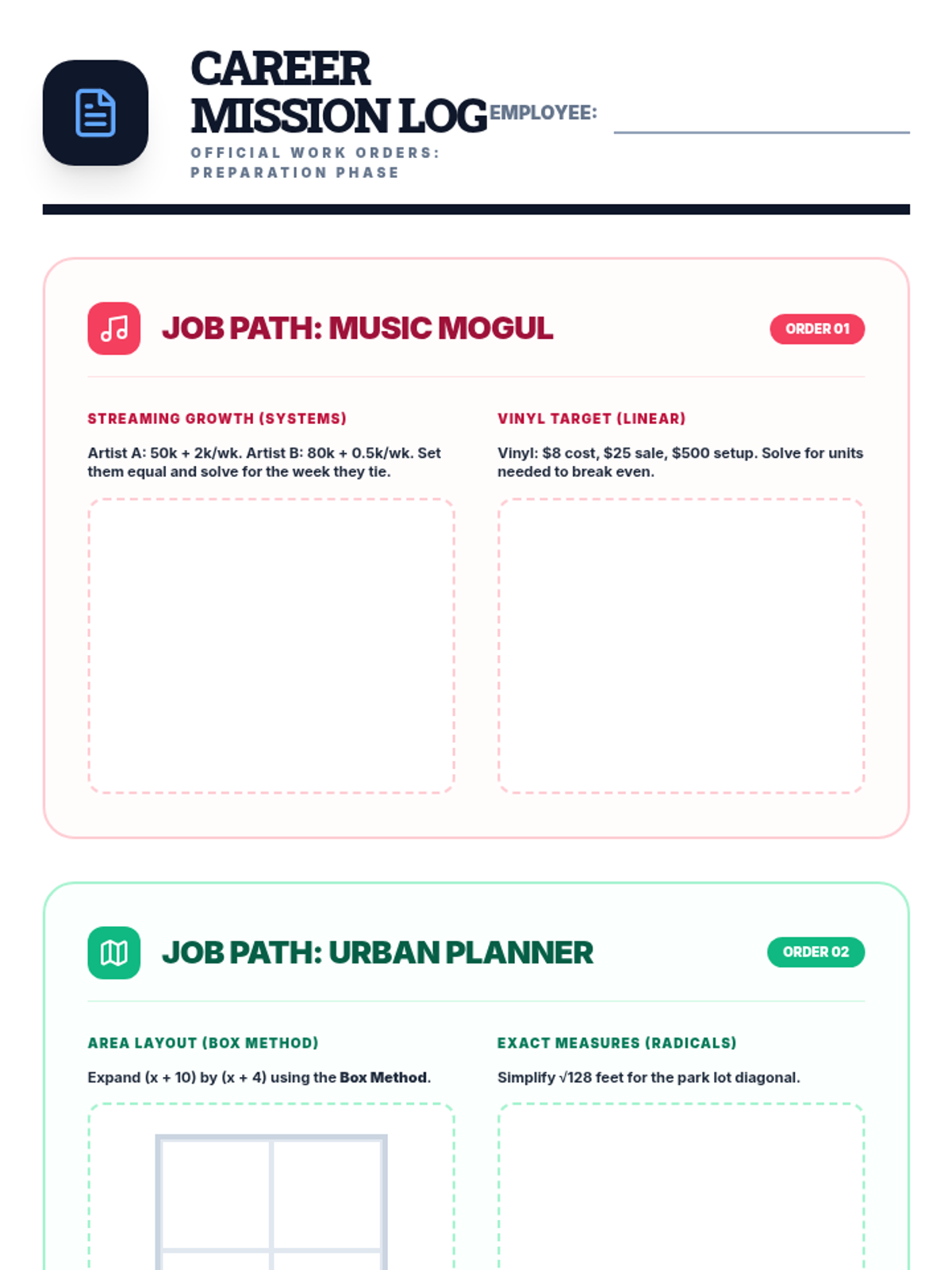
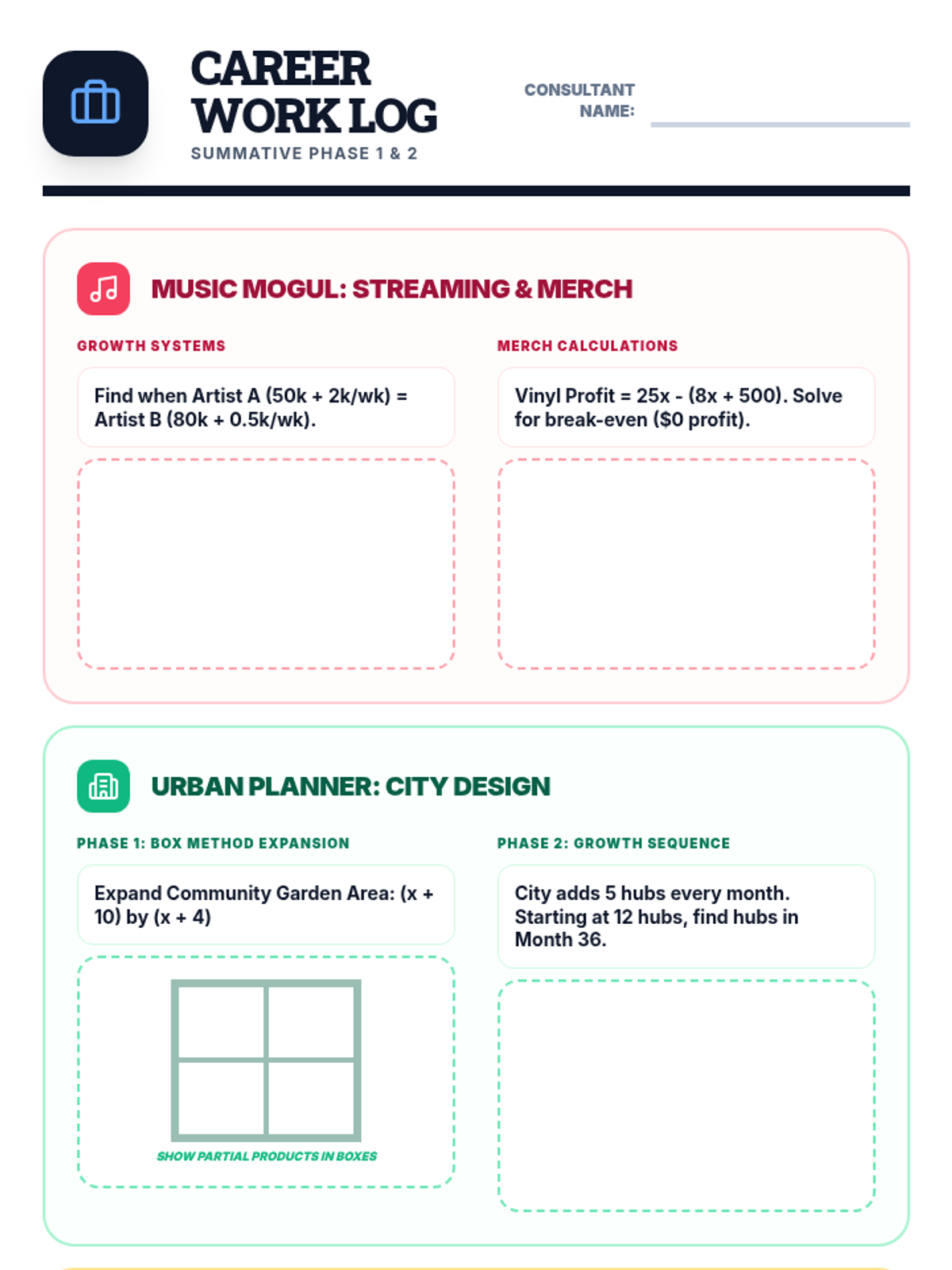
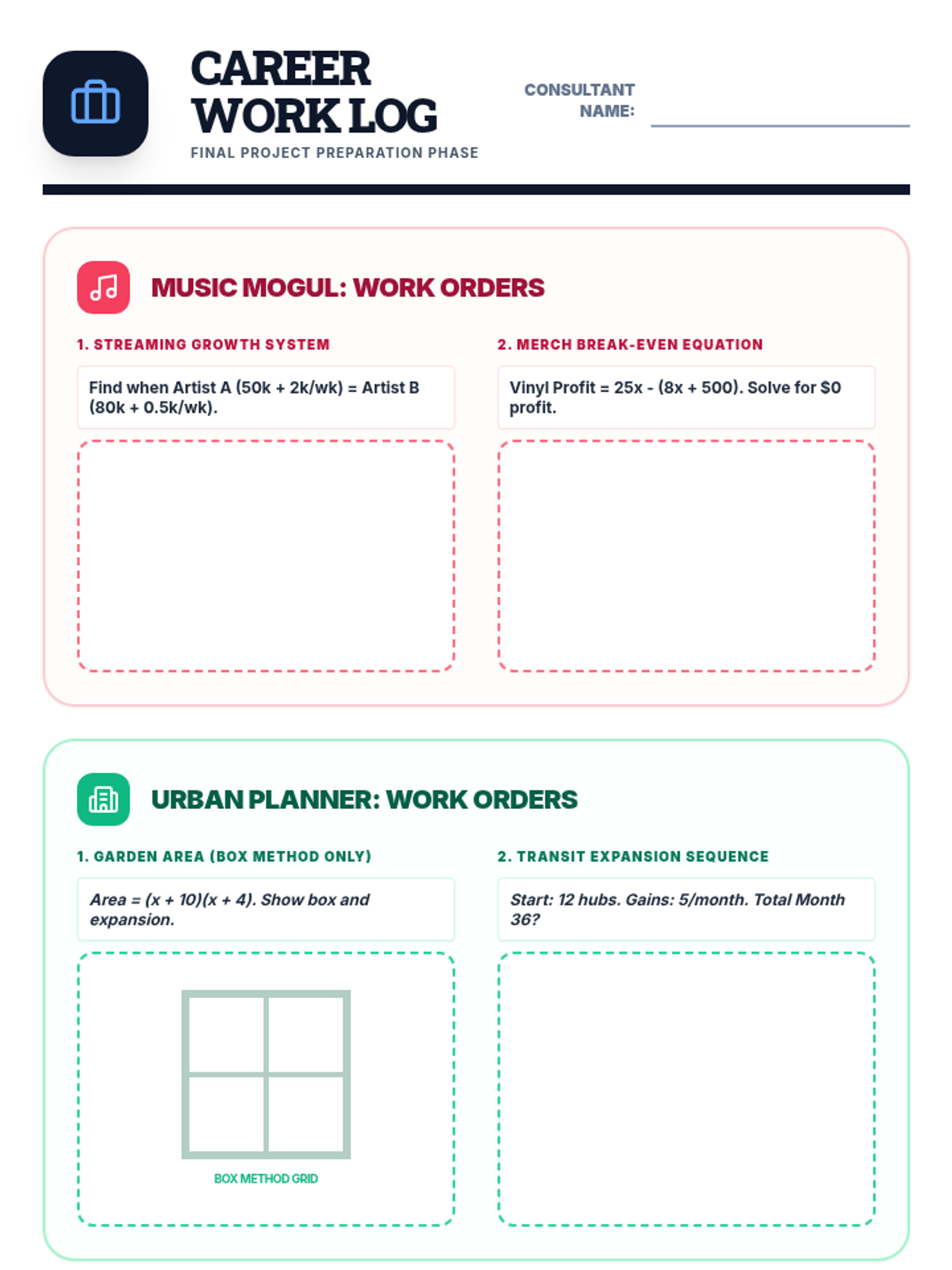
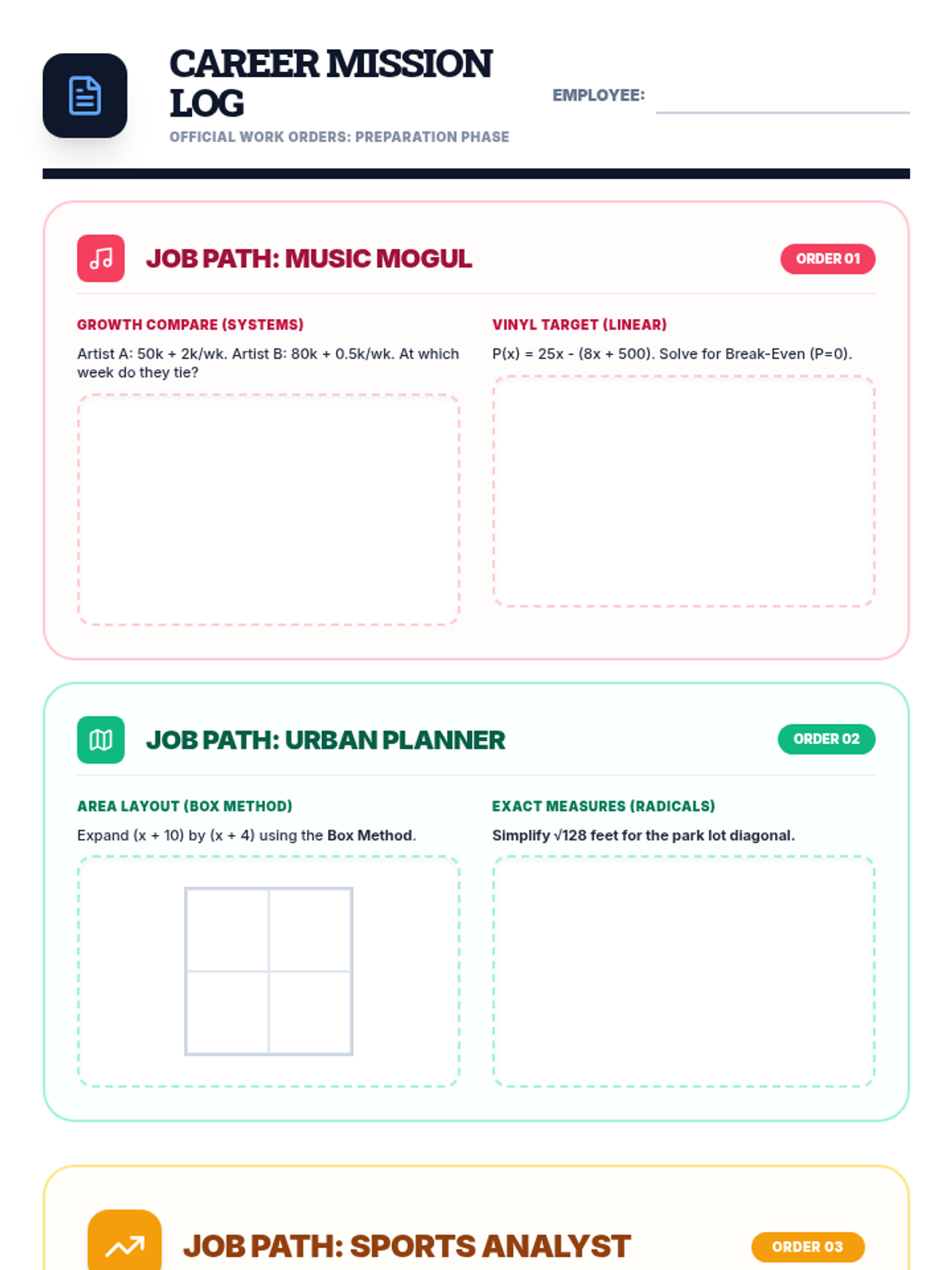
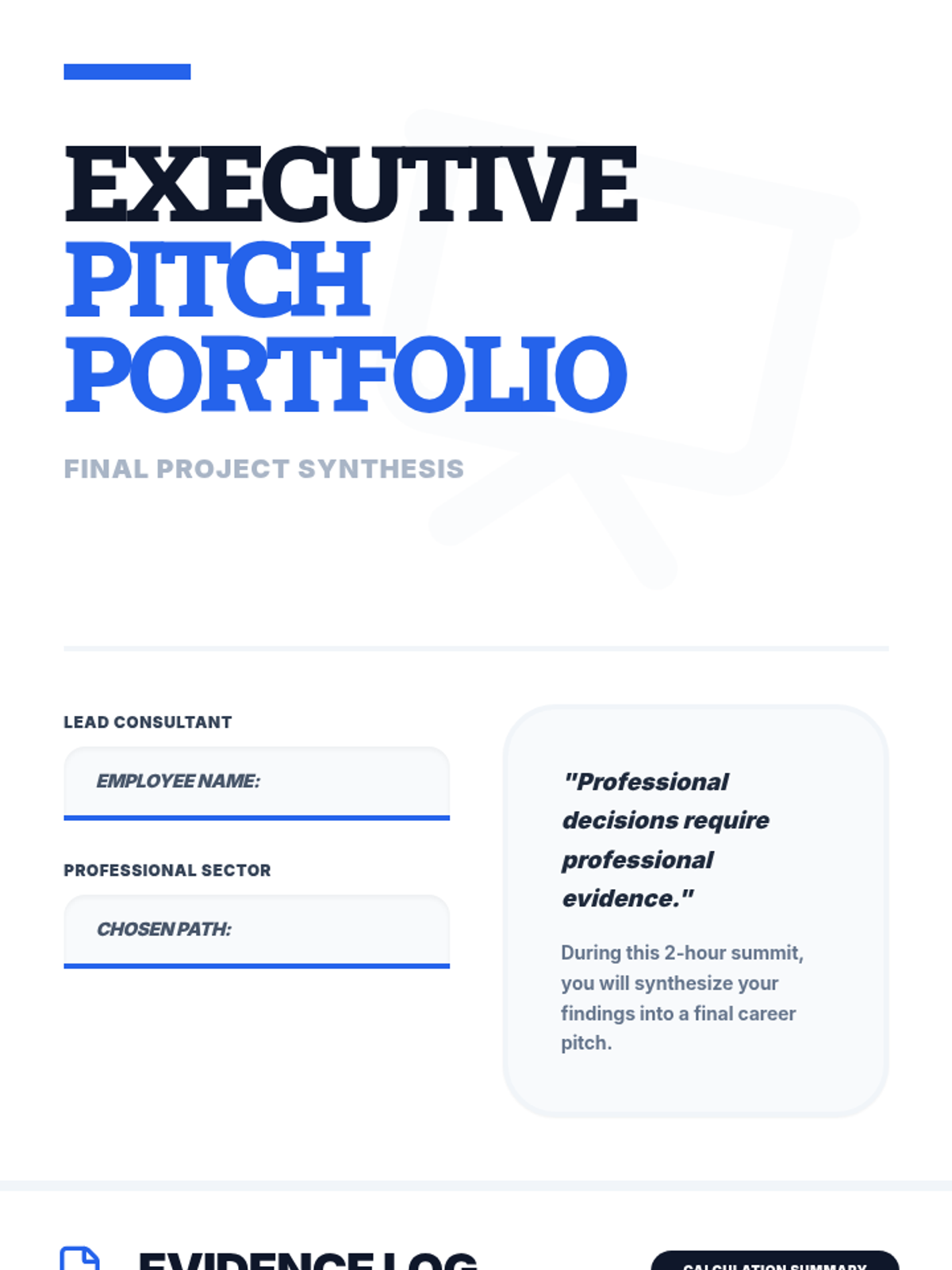
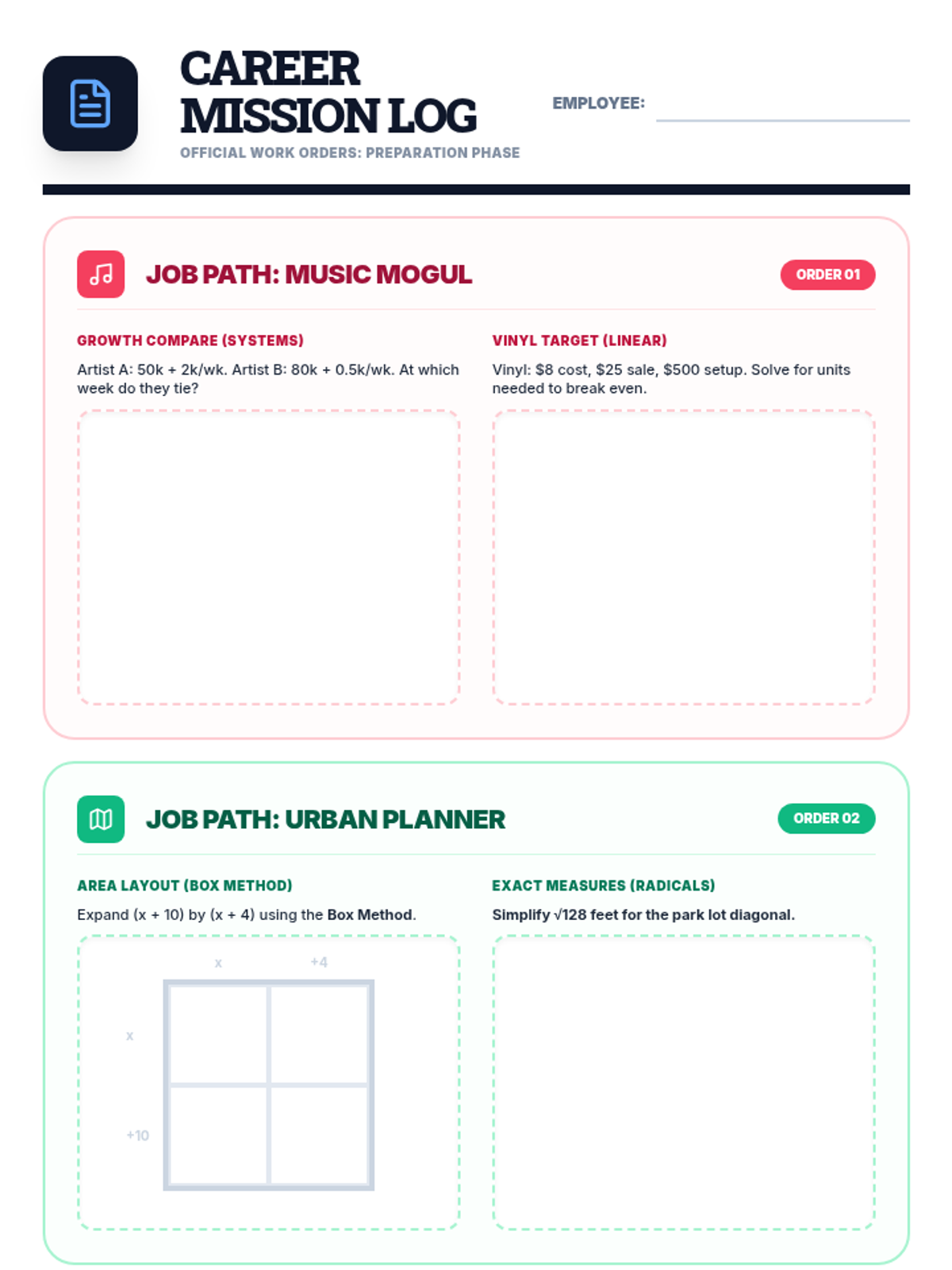
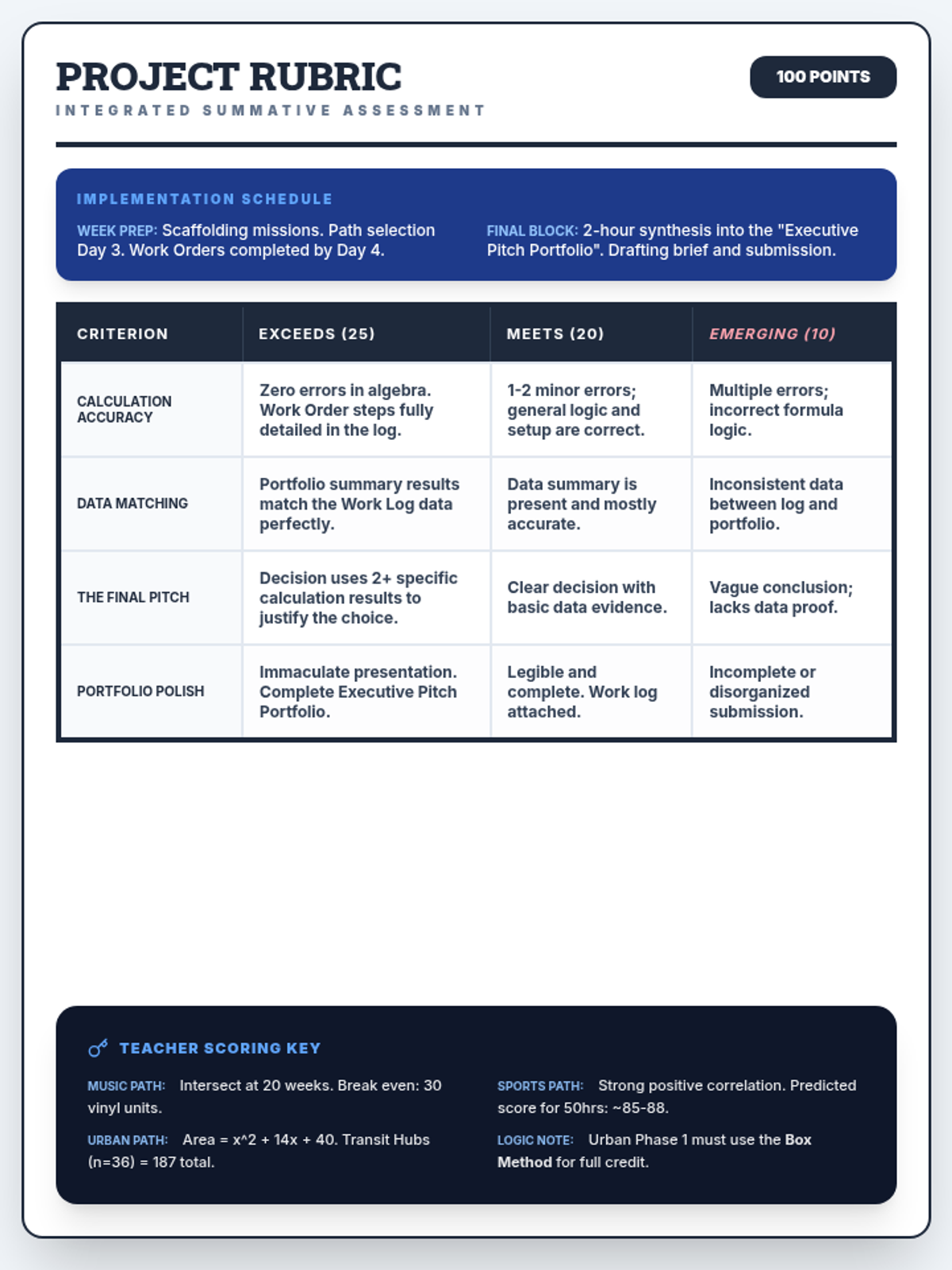
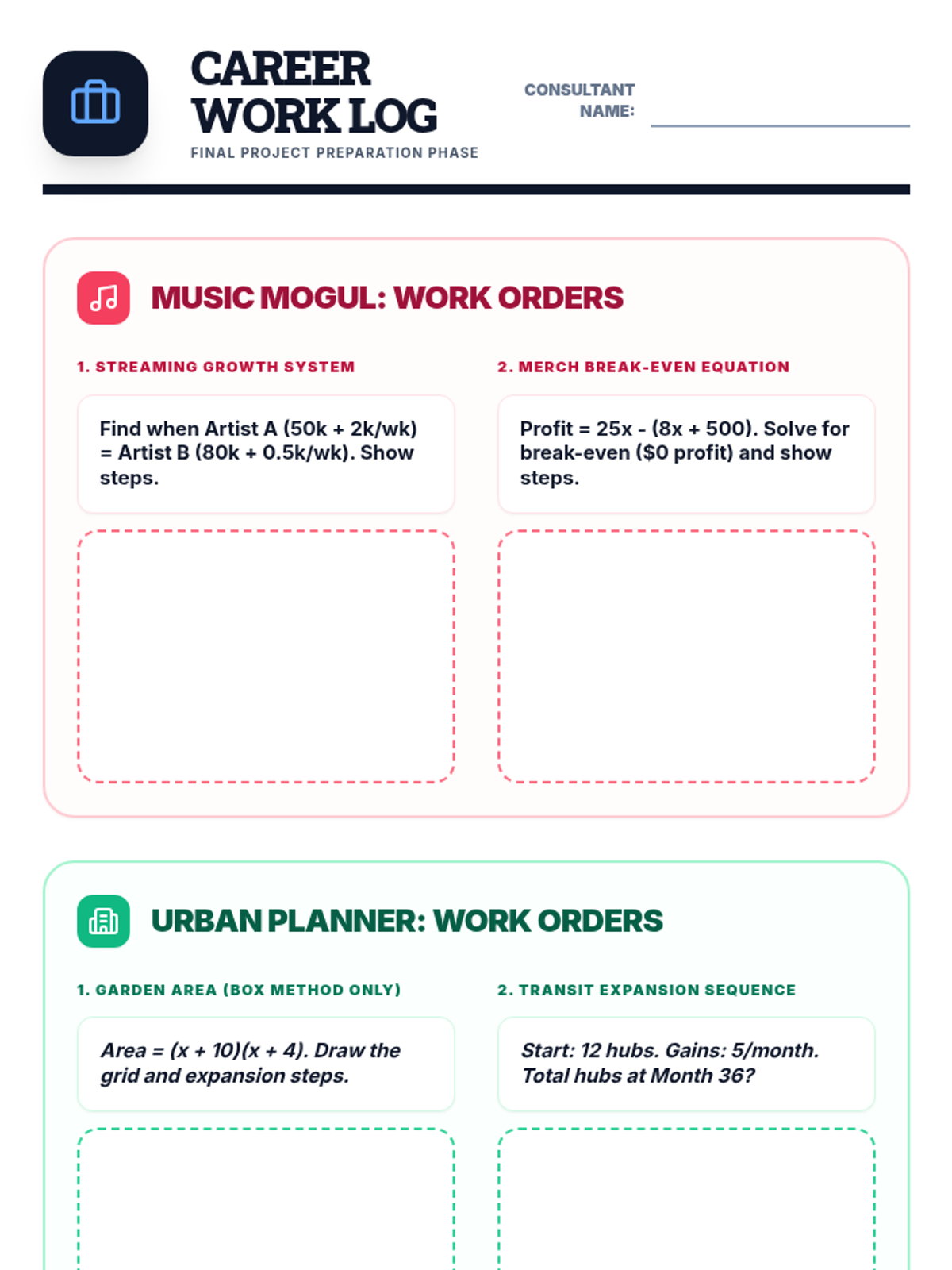
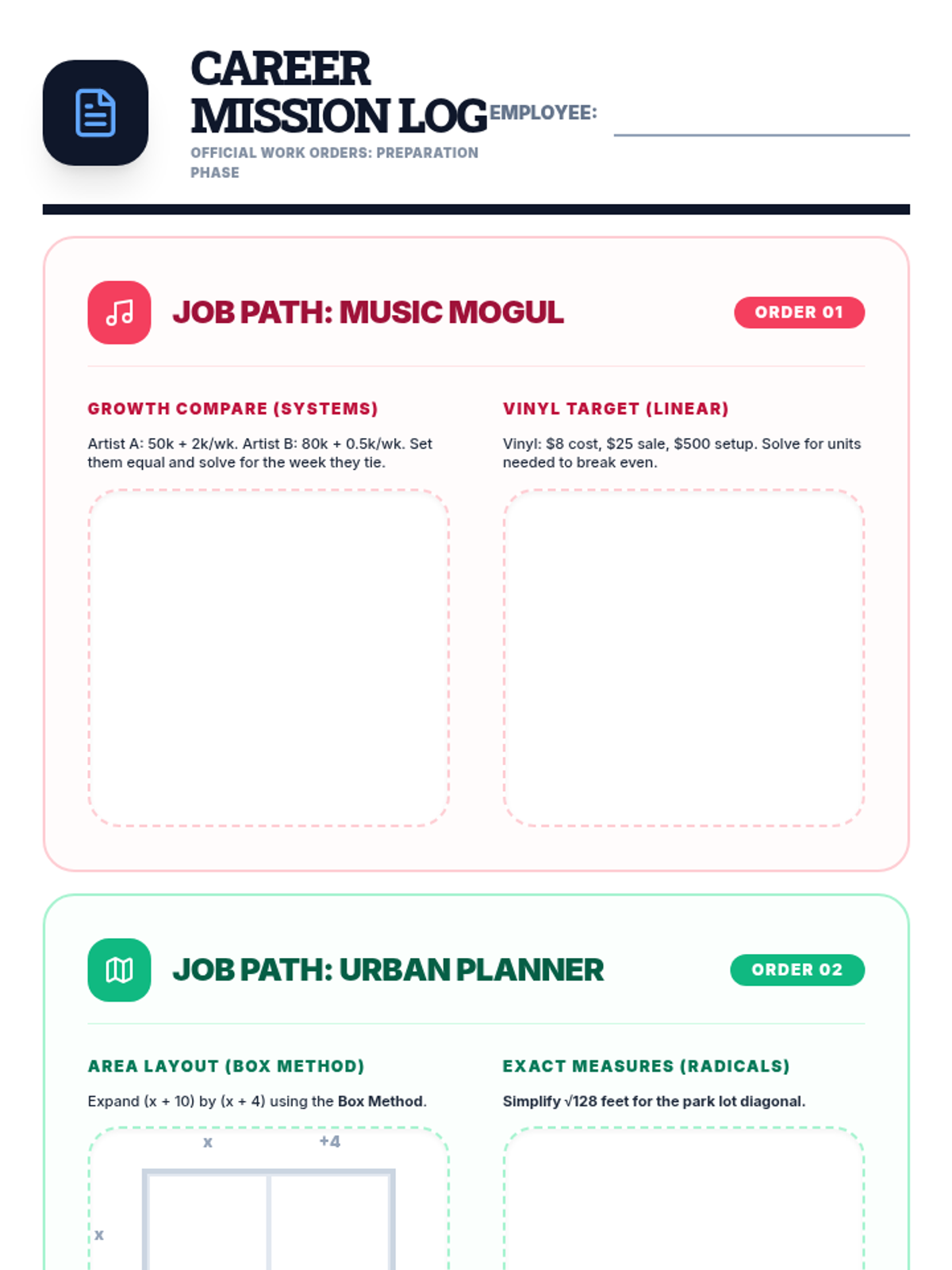
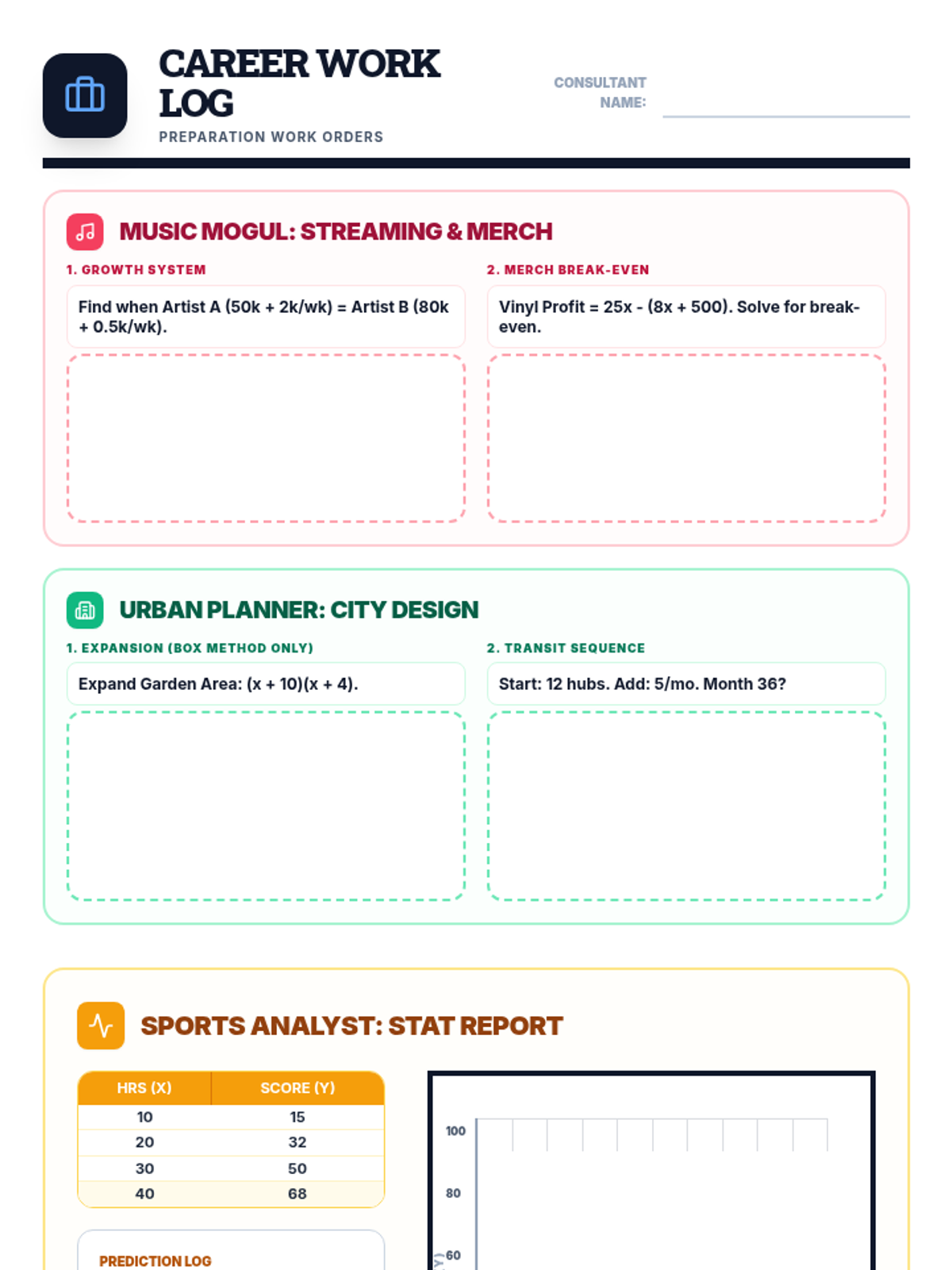
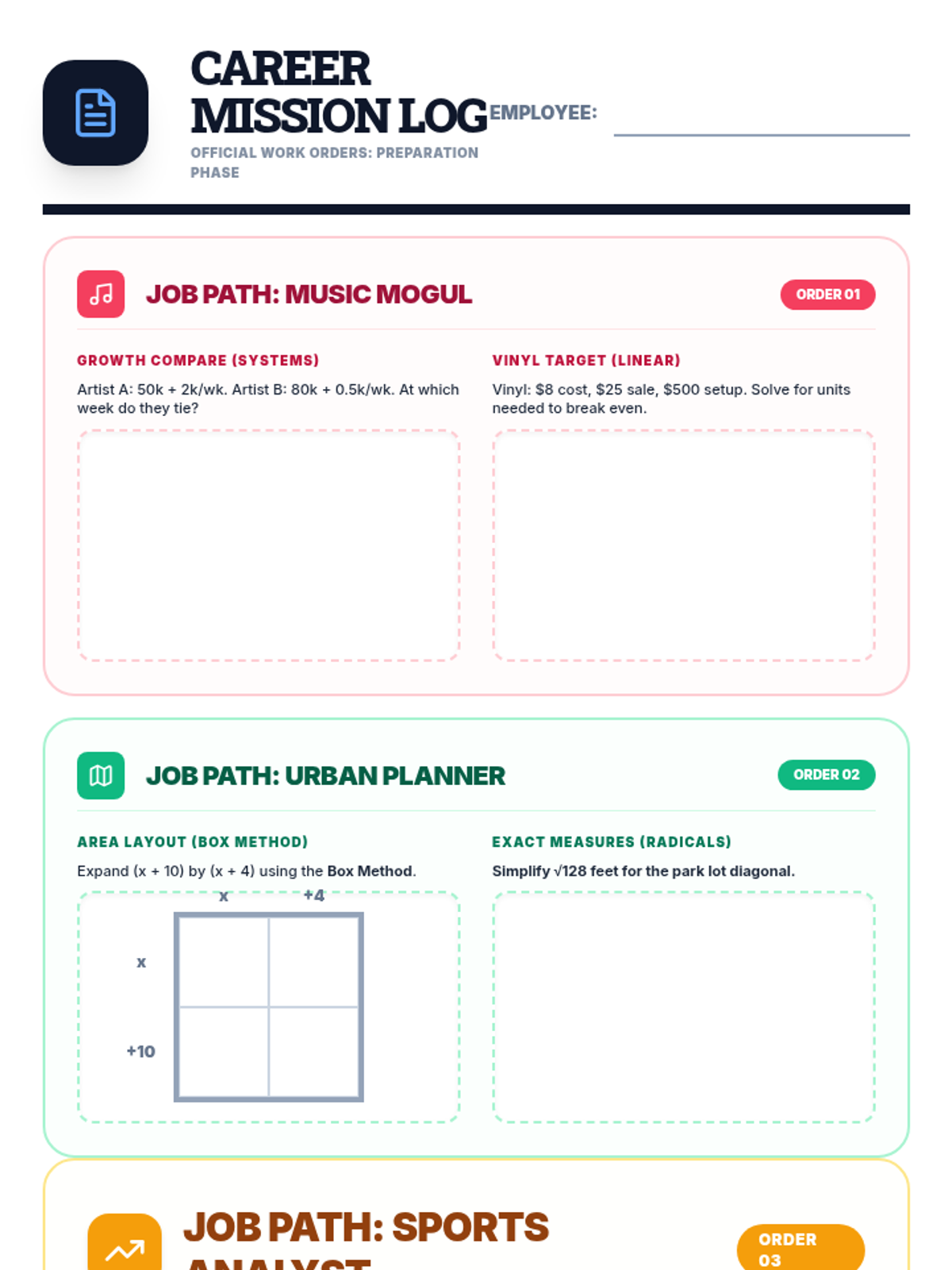
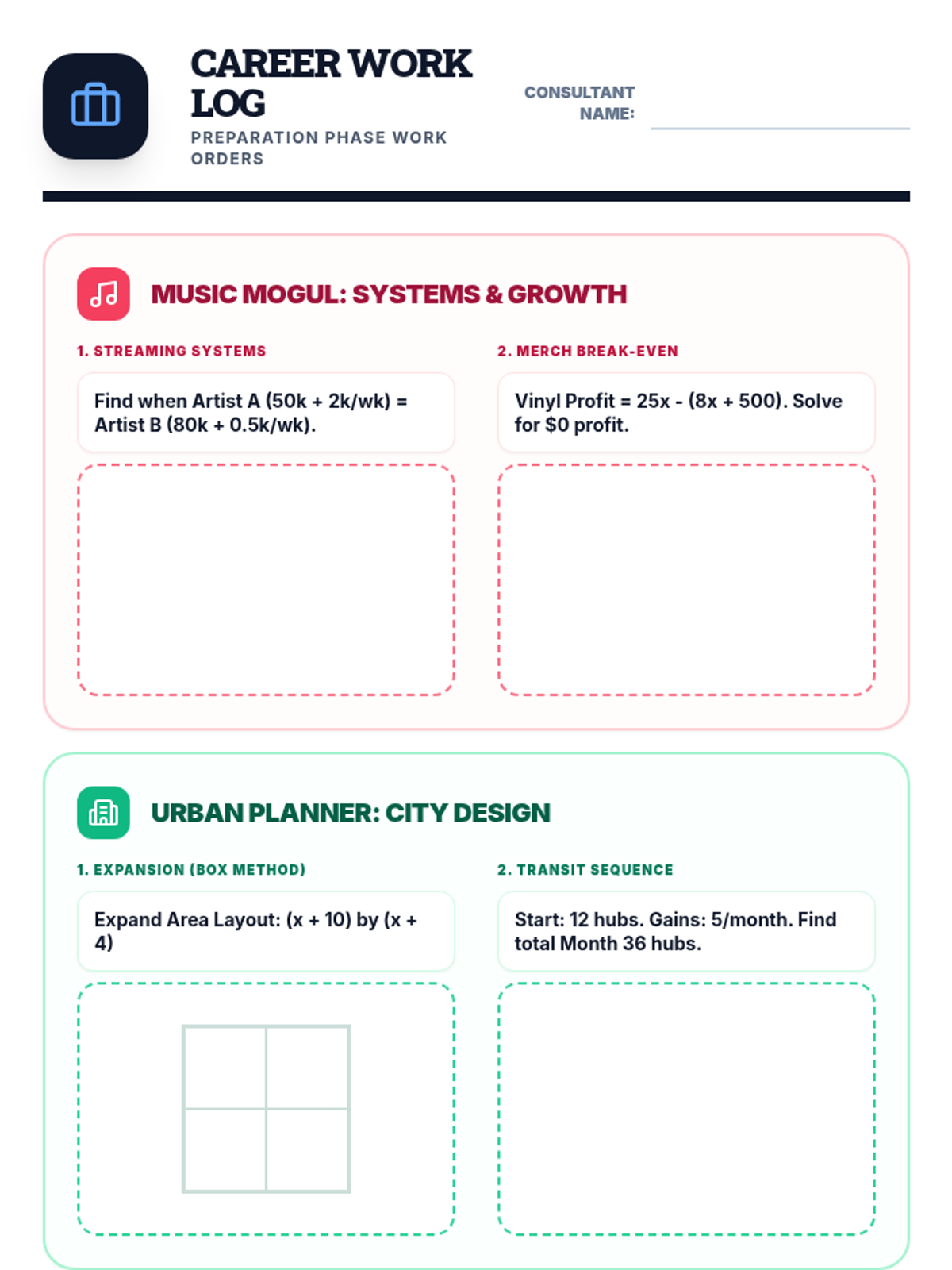
The final project phase where students select one of three real-world career paths (Music Mogul, Urban Planner, or Sports Analyst) to apply their mathematical knowledge in a summative assessment.
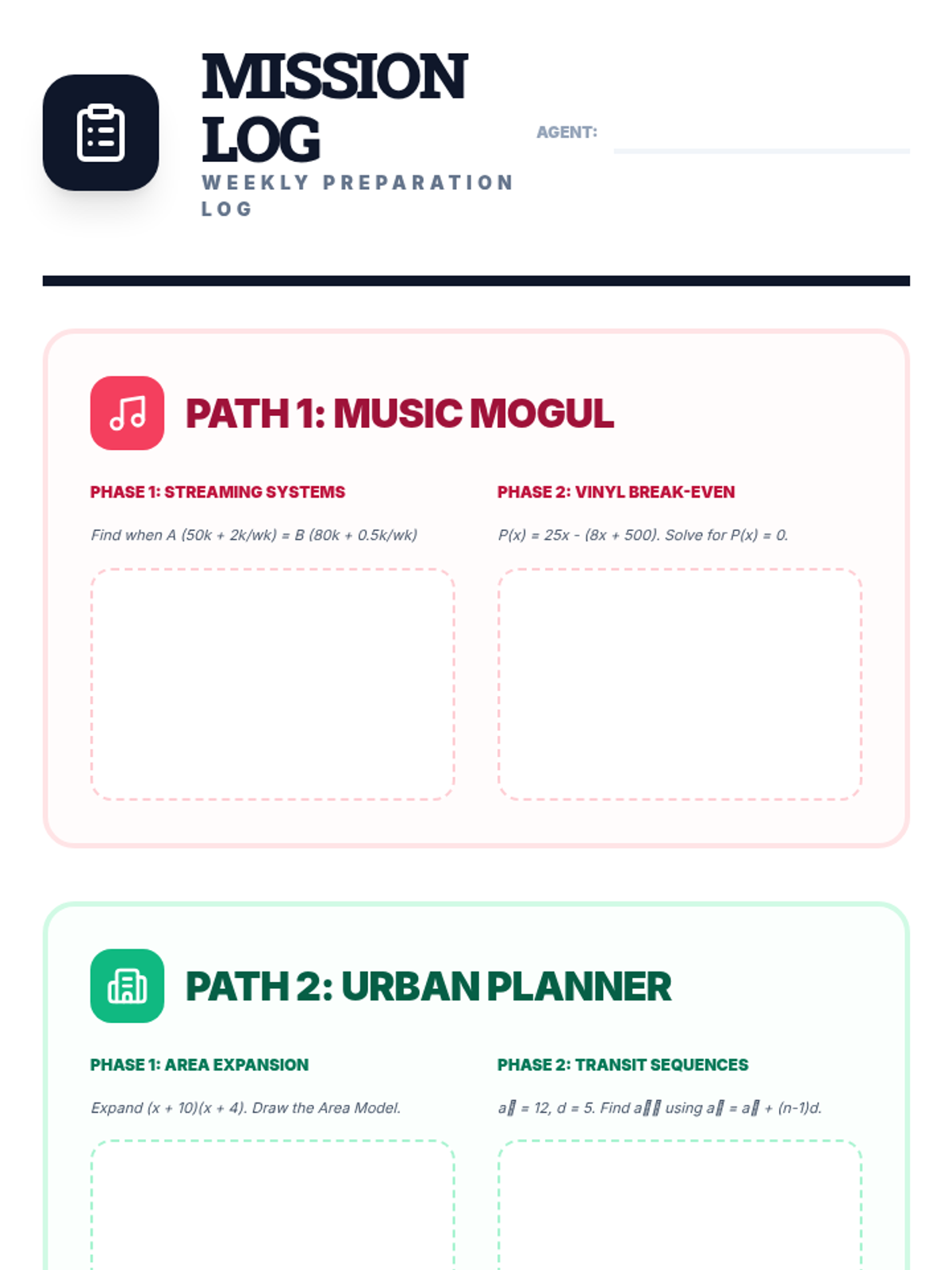
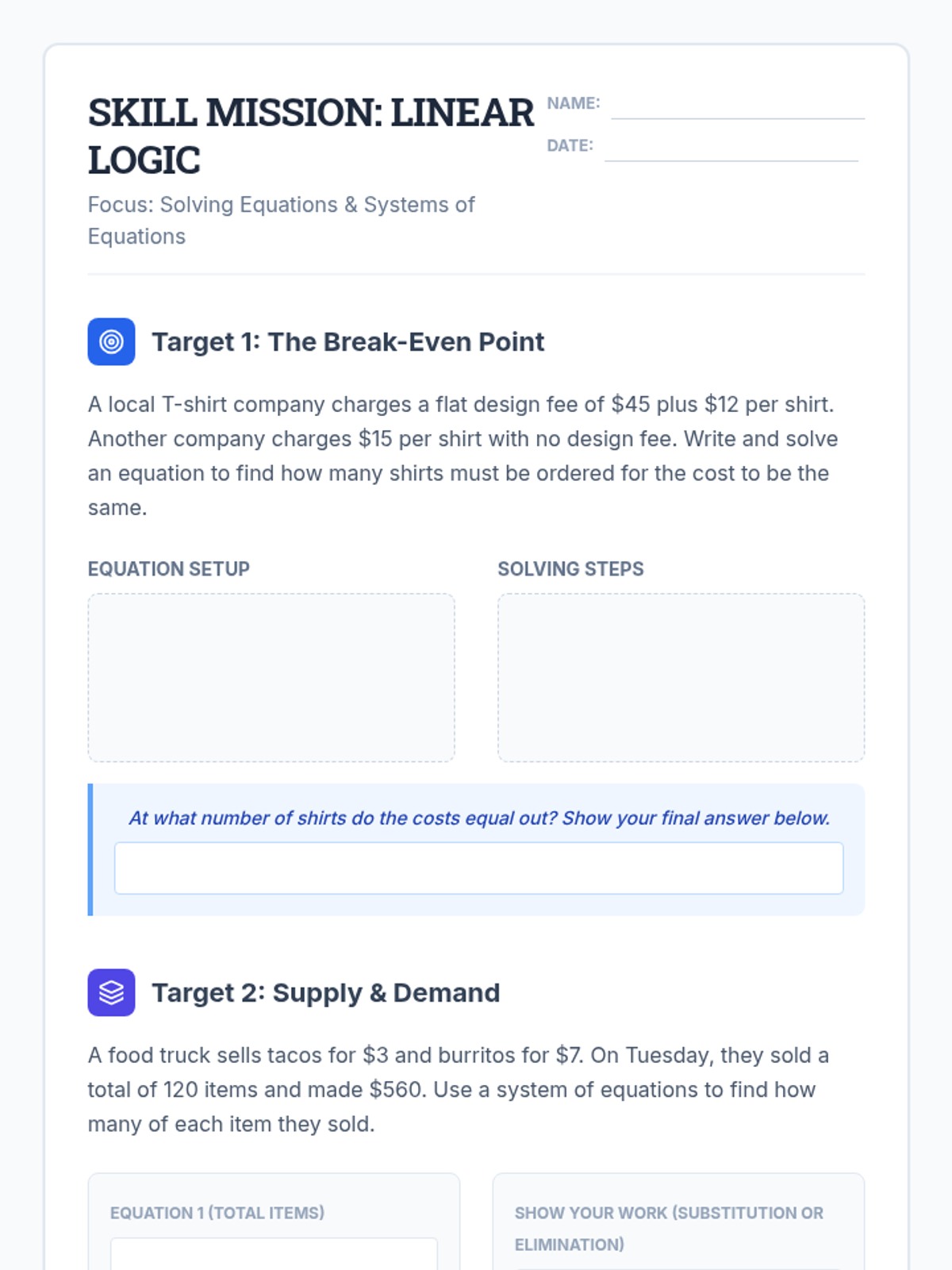
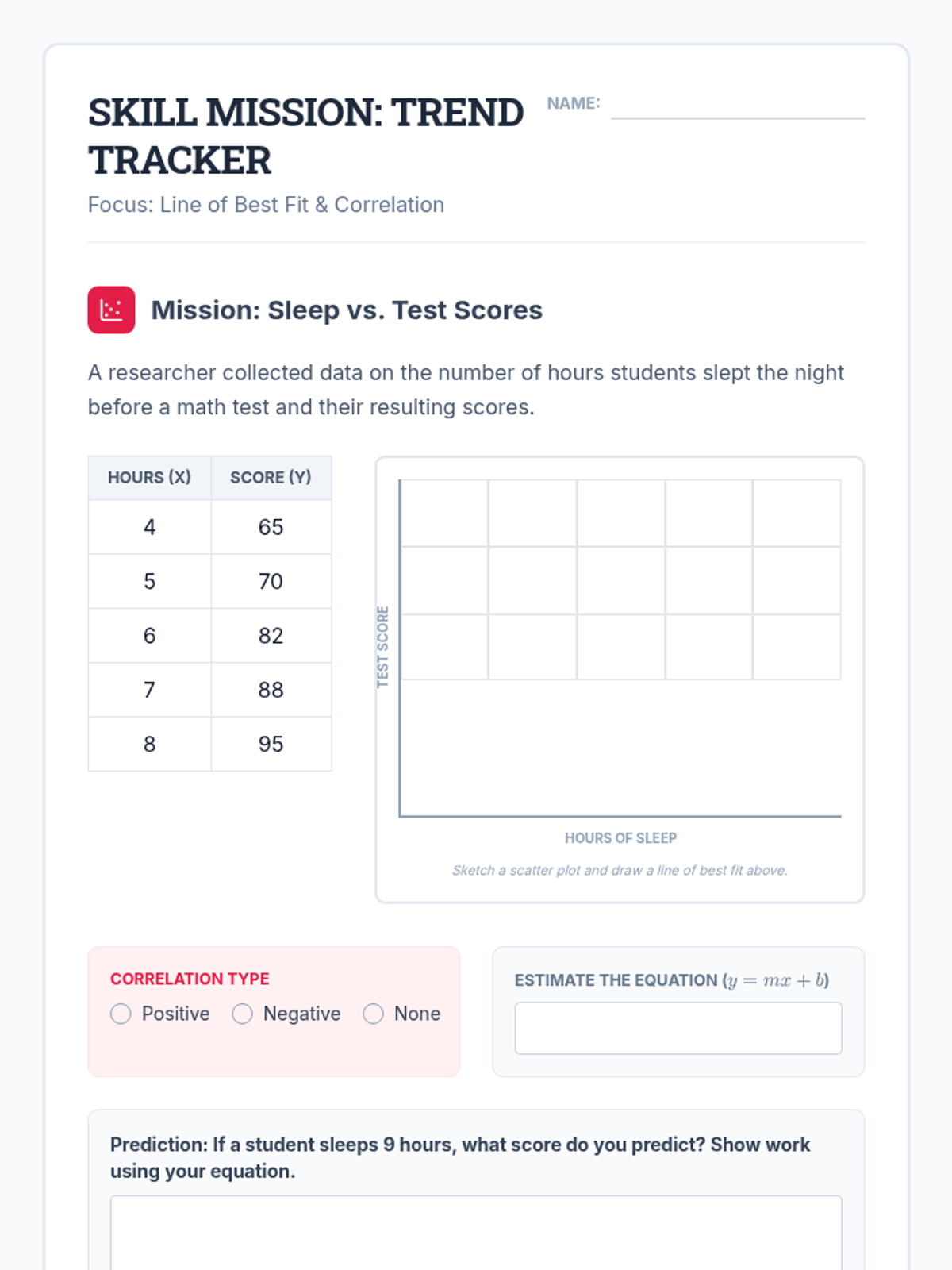
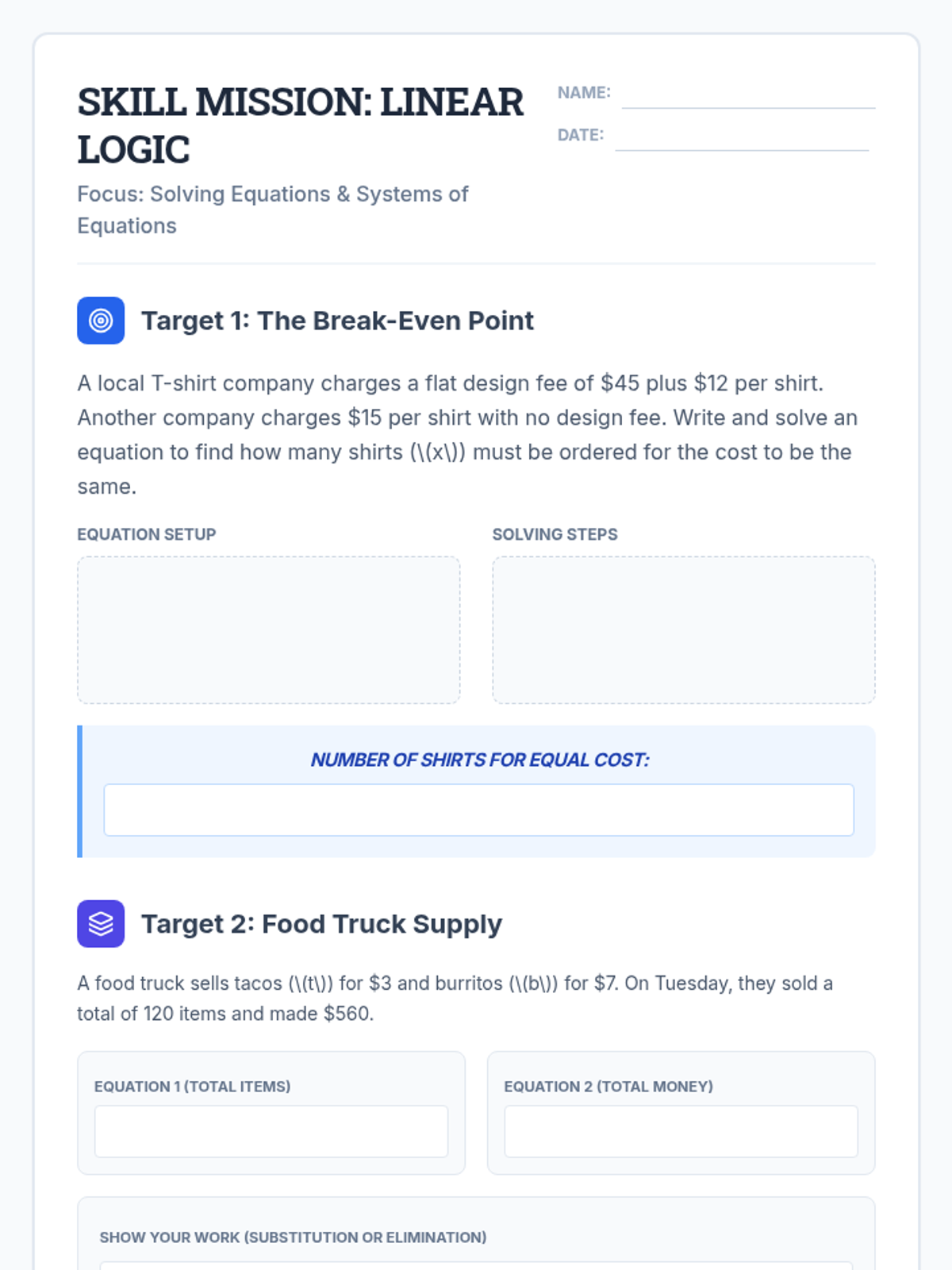
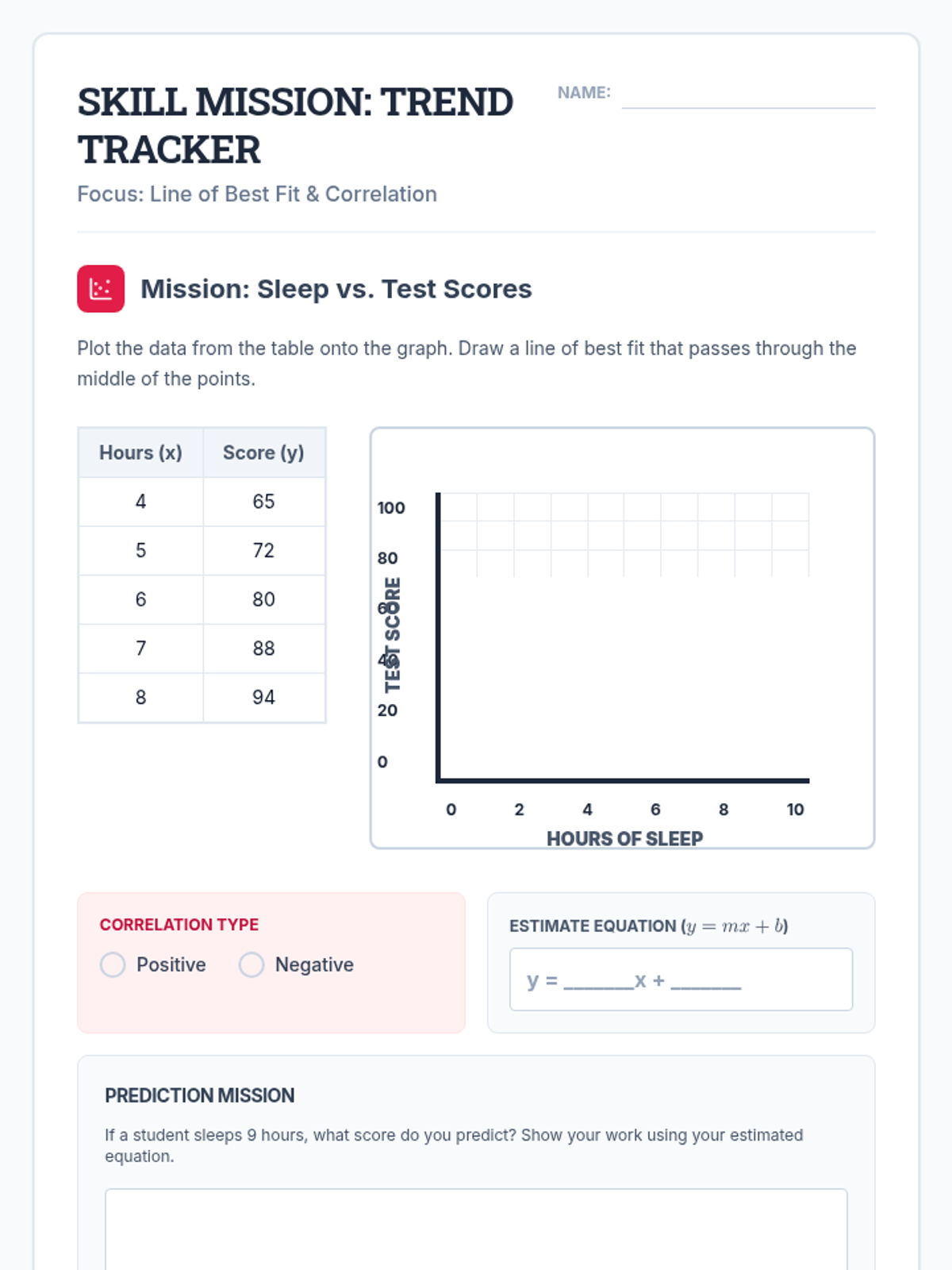
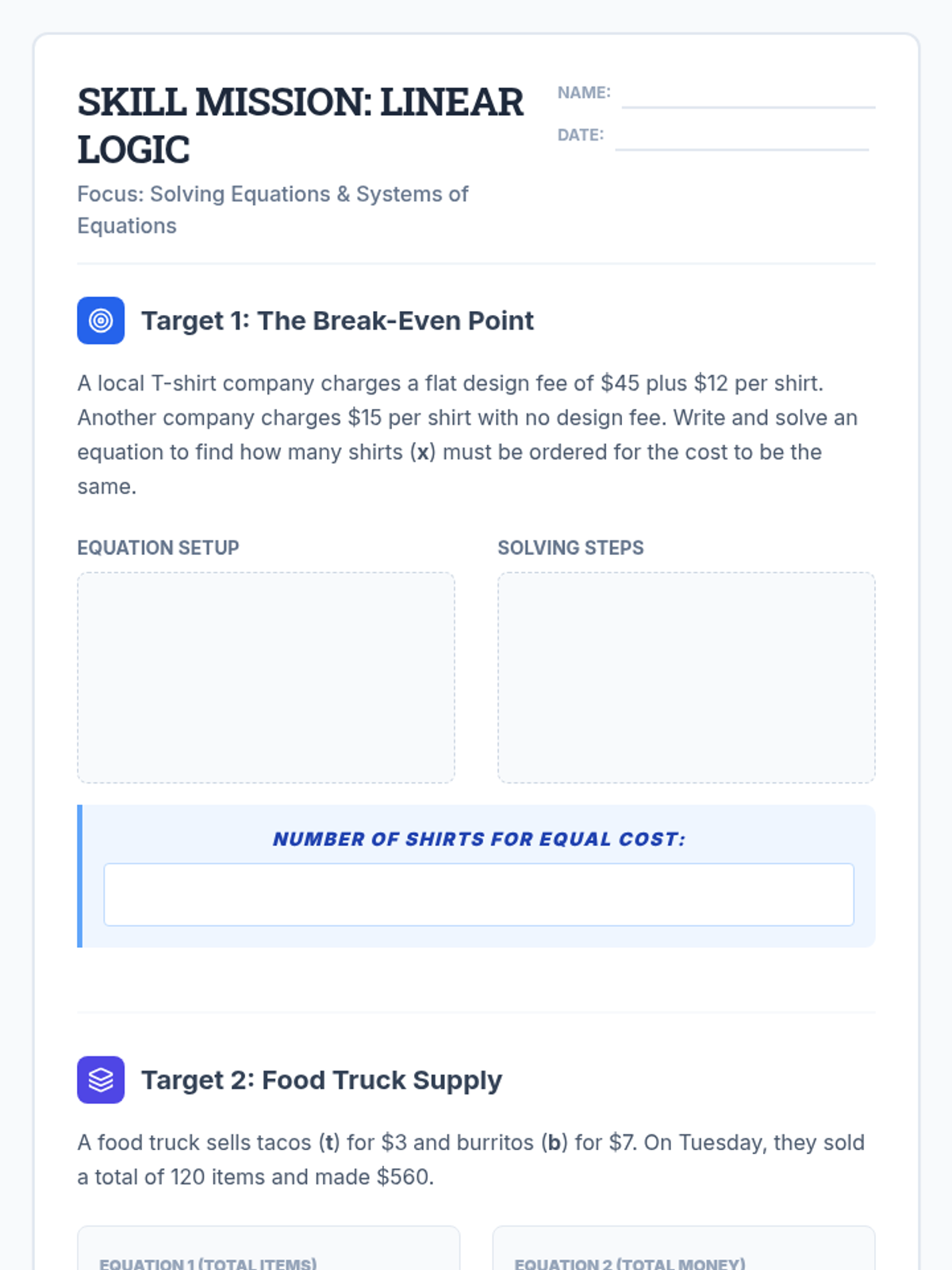
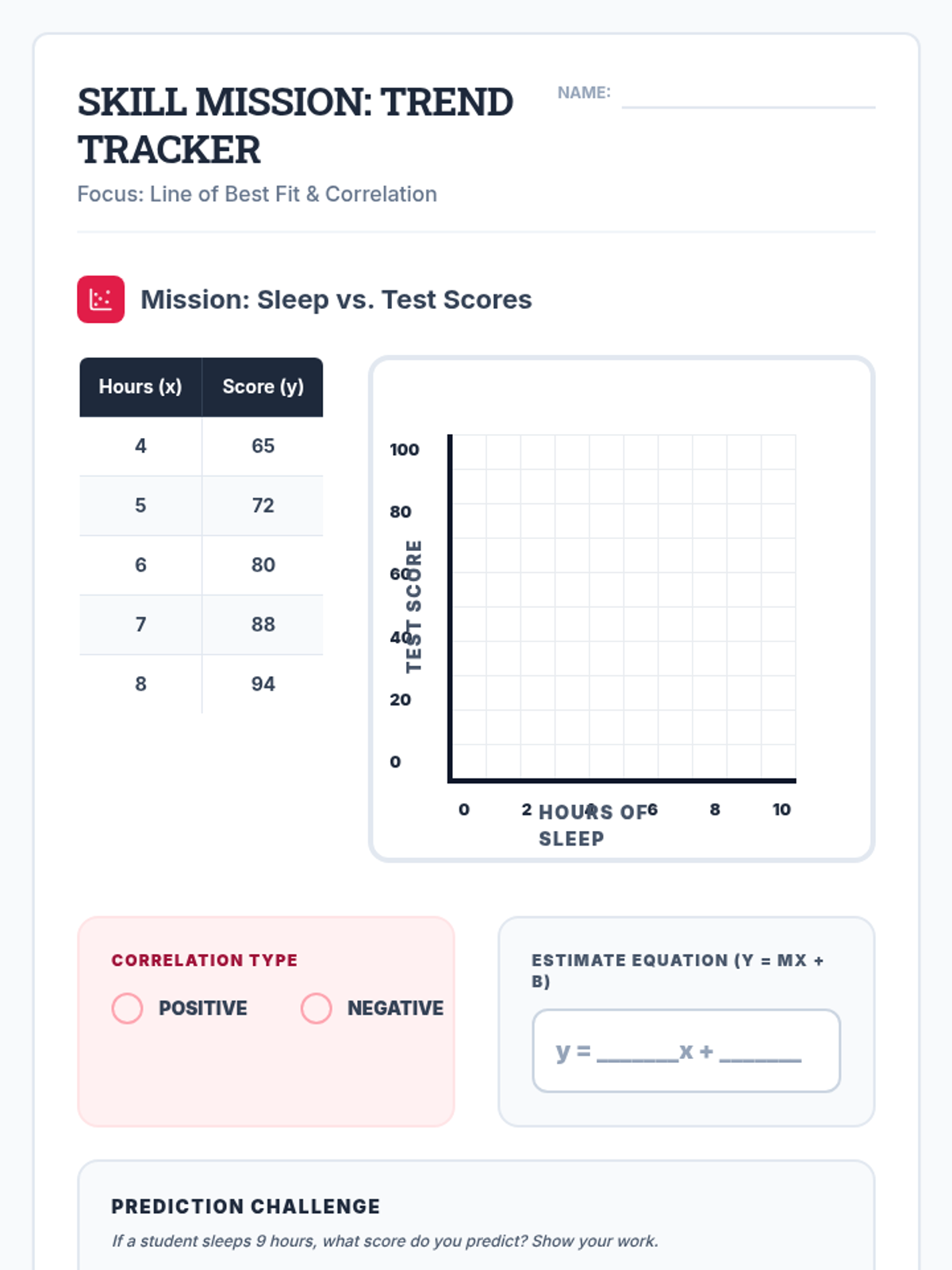
Scaffolded practice activities ('Skill Missions') that review key concepts: linear equations, systems, sequences, lines of best fit, and factoring. These activities ensure students have the foundational skills needed for their final project.
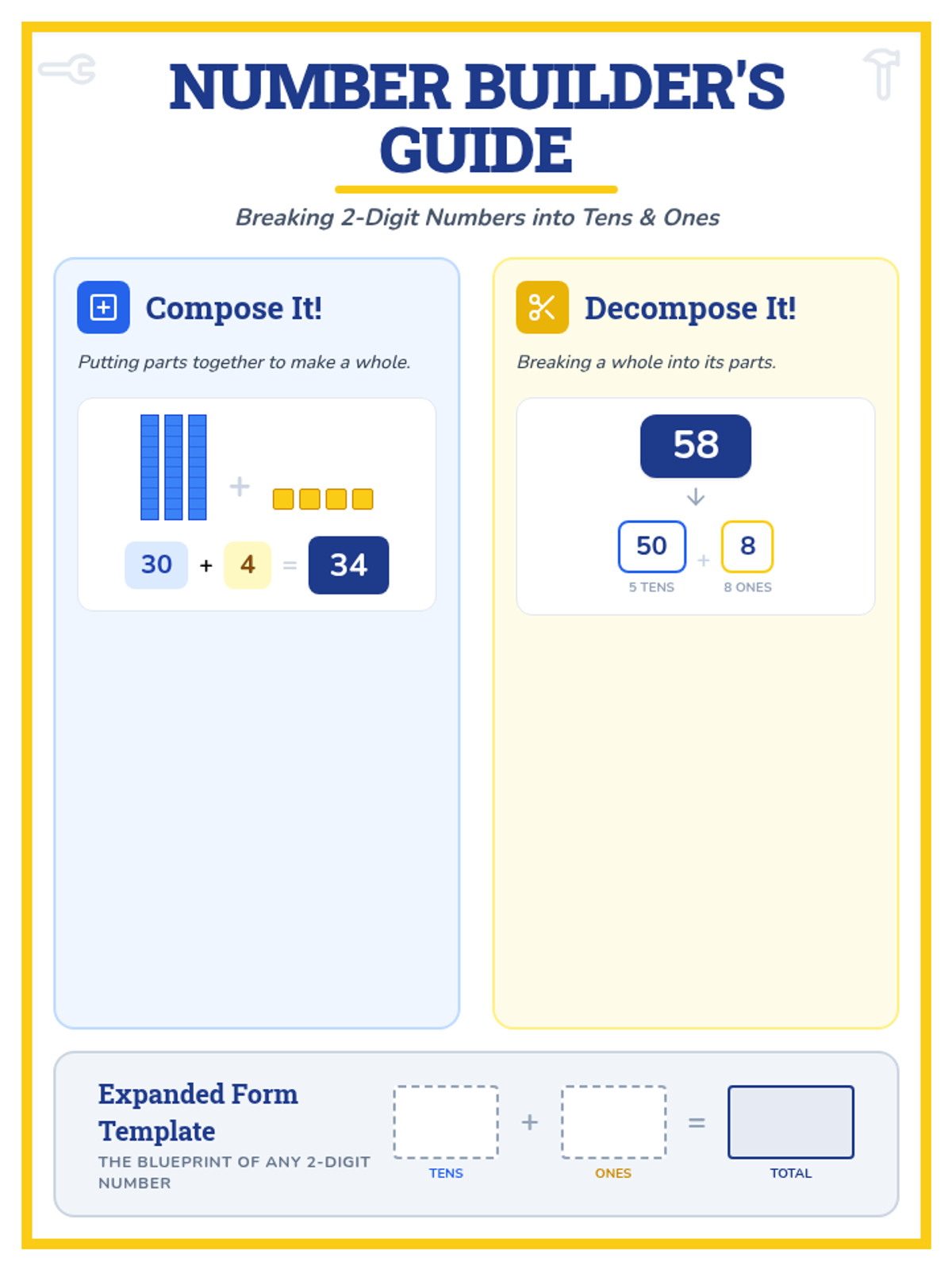
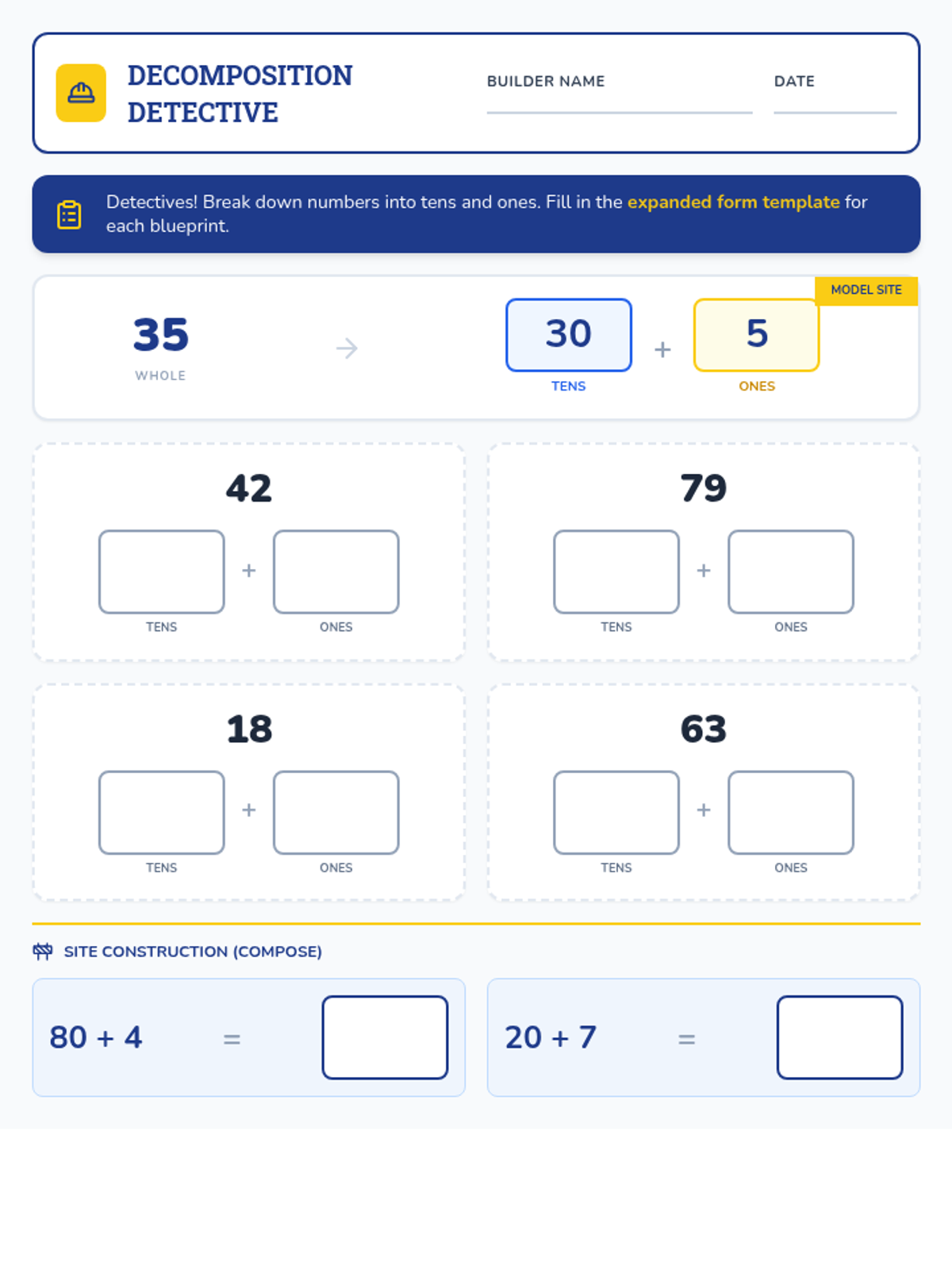
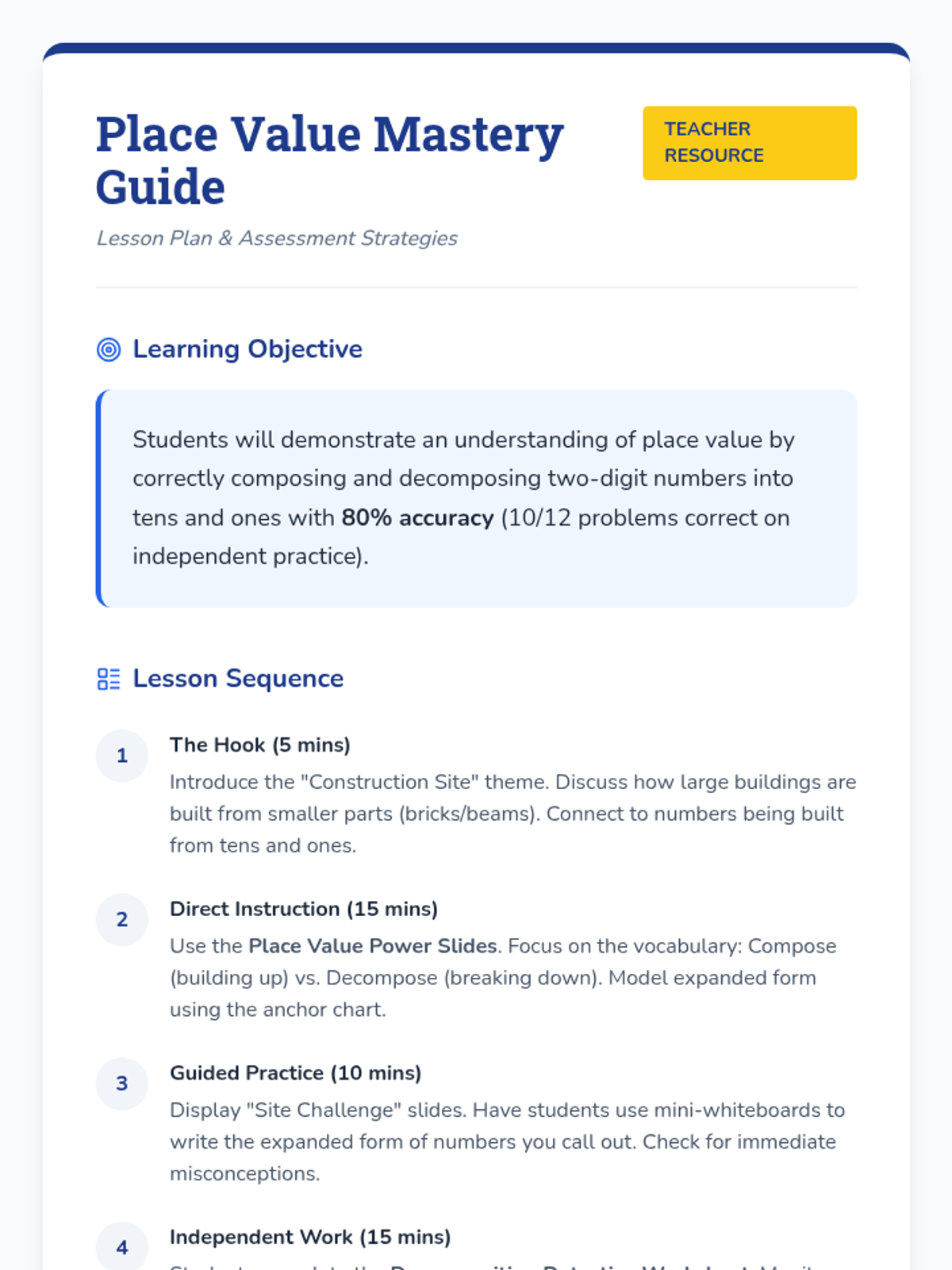
A hands-on lesson for first or second grade students to master 2-digit place value through composing and decomposing numbers using a construction-themed approach. Students will use expanded form templates to visualize how tens and ones build a whole number.
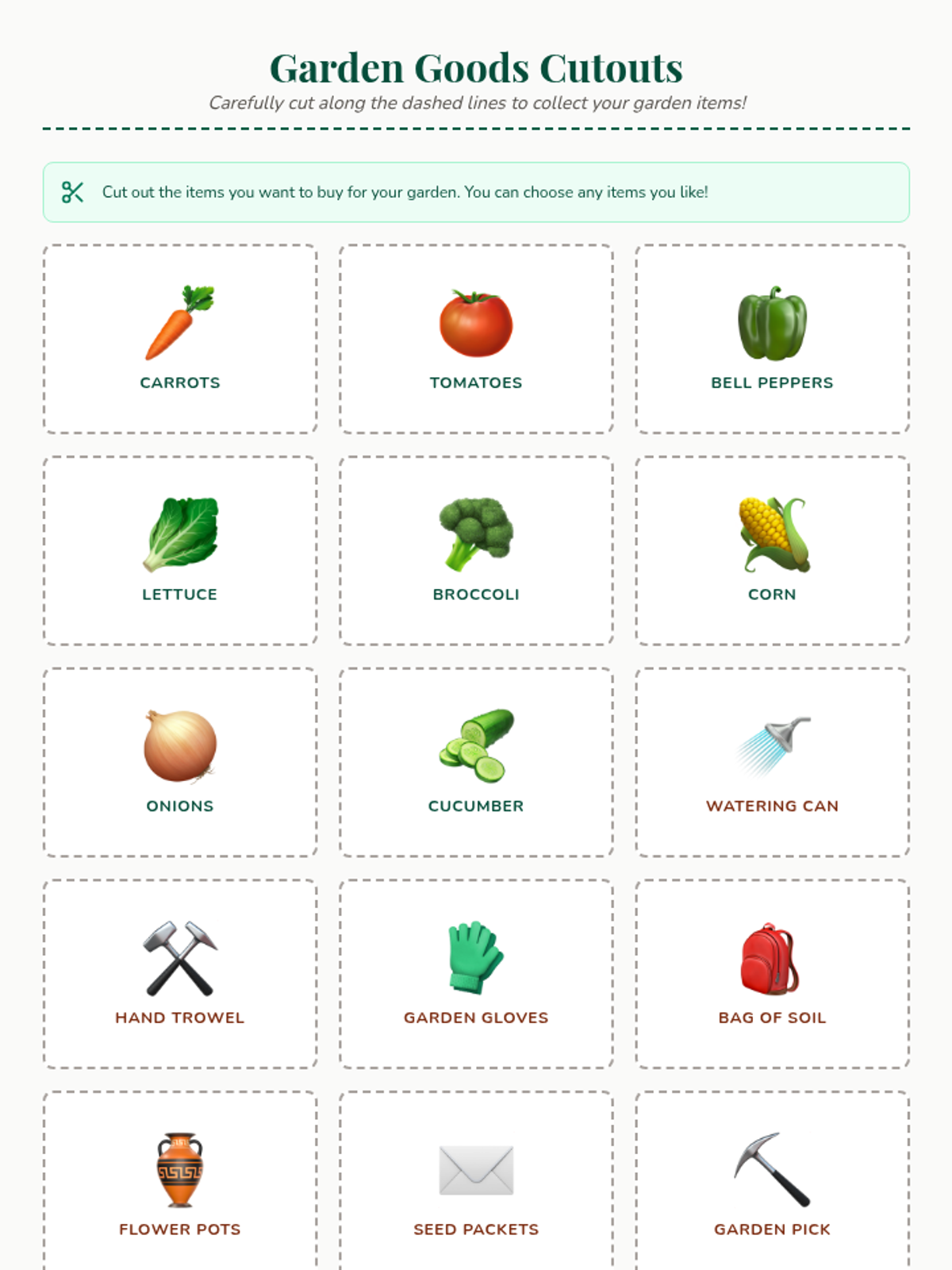
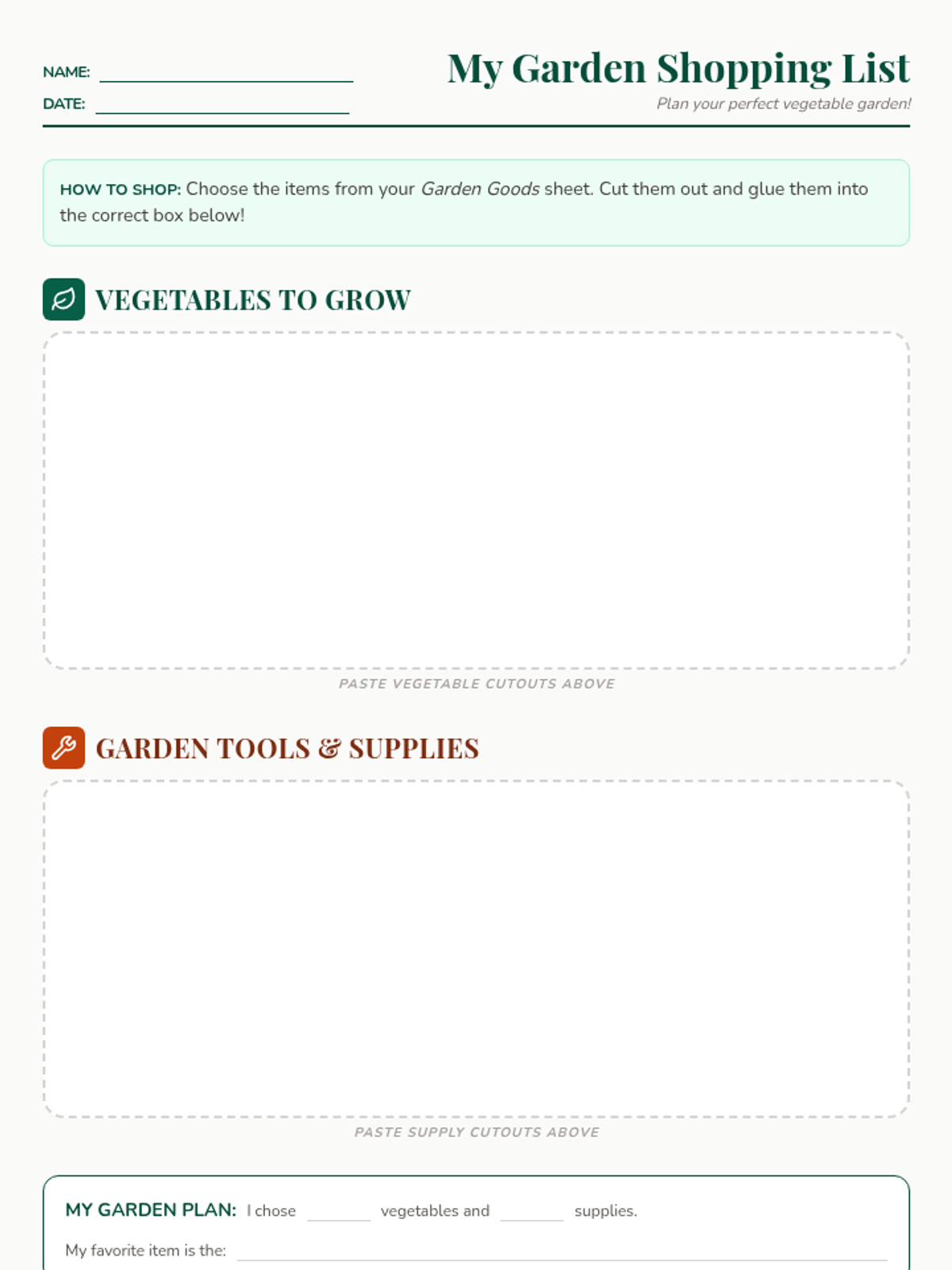
A hands-on activity where students select and sort vegetables and gardening supplies to plan their own garden space.
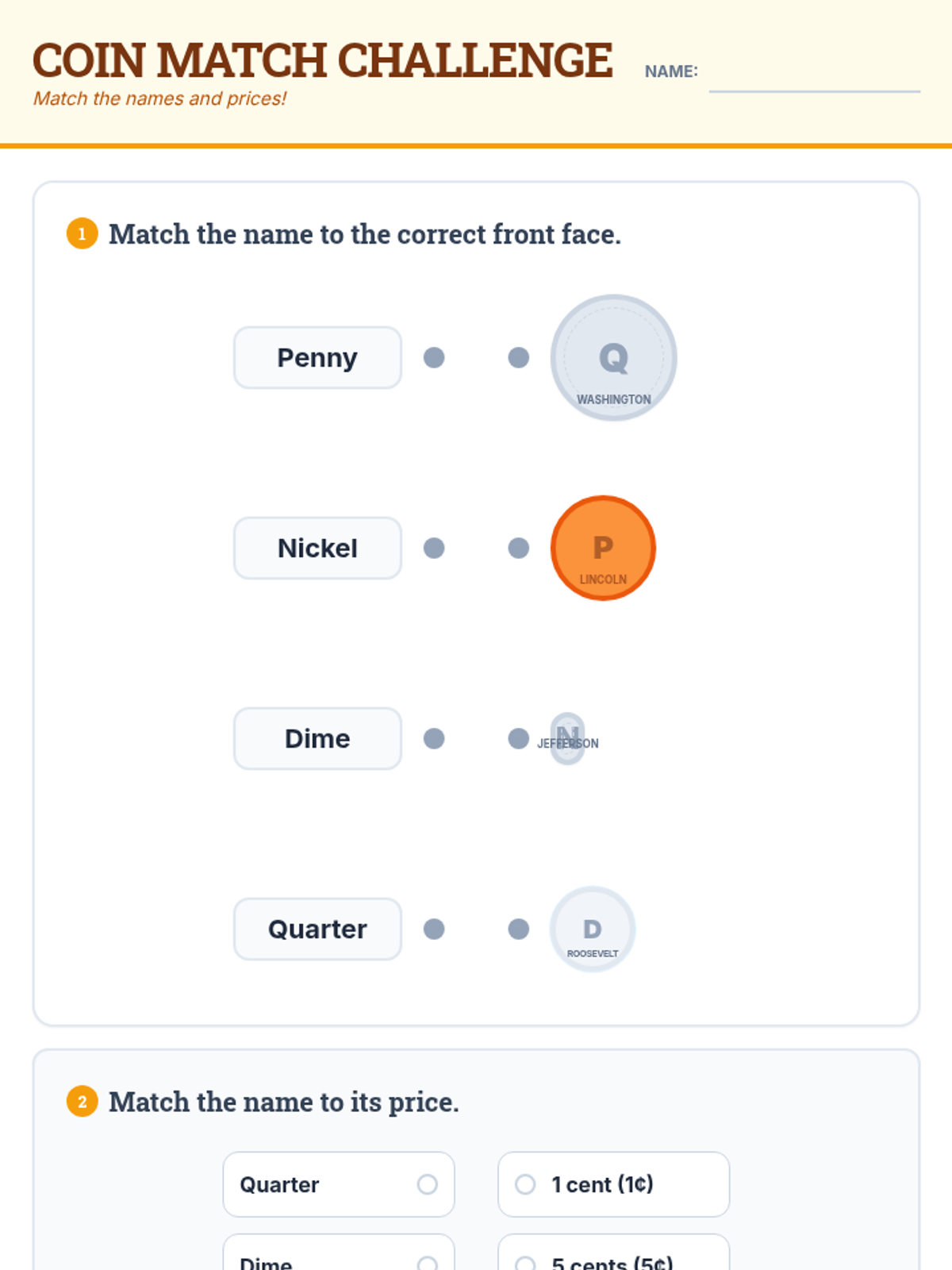
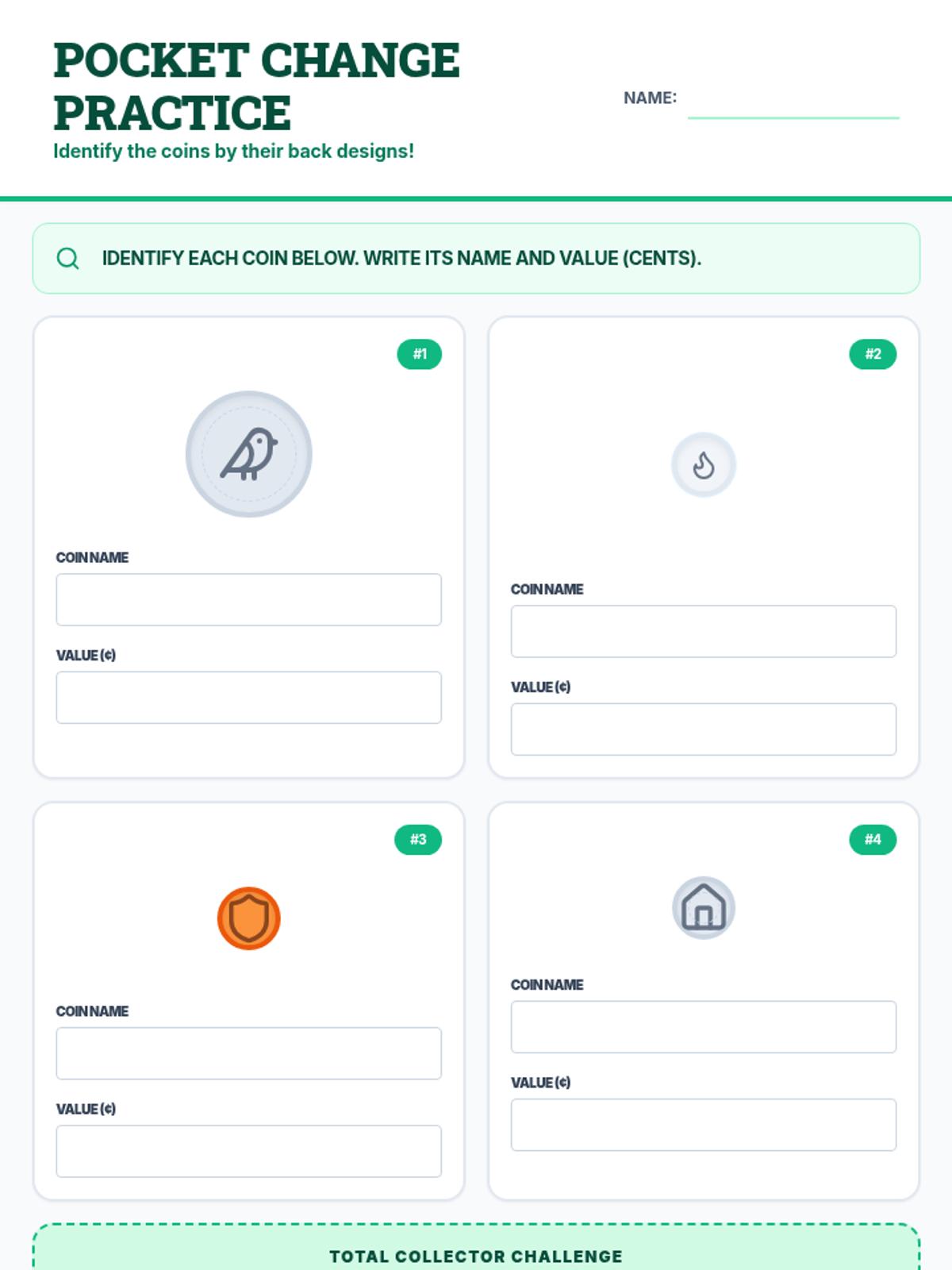
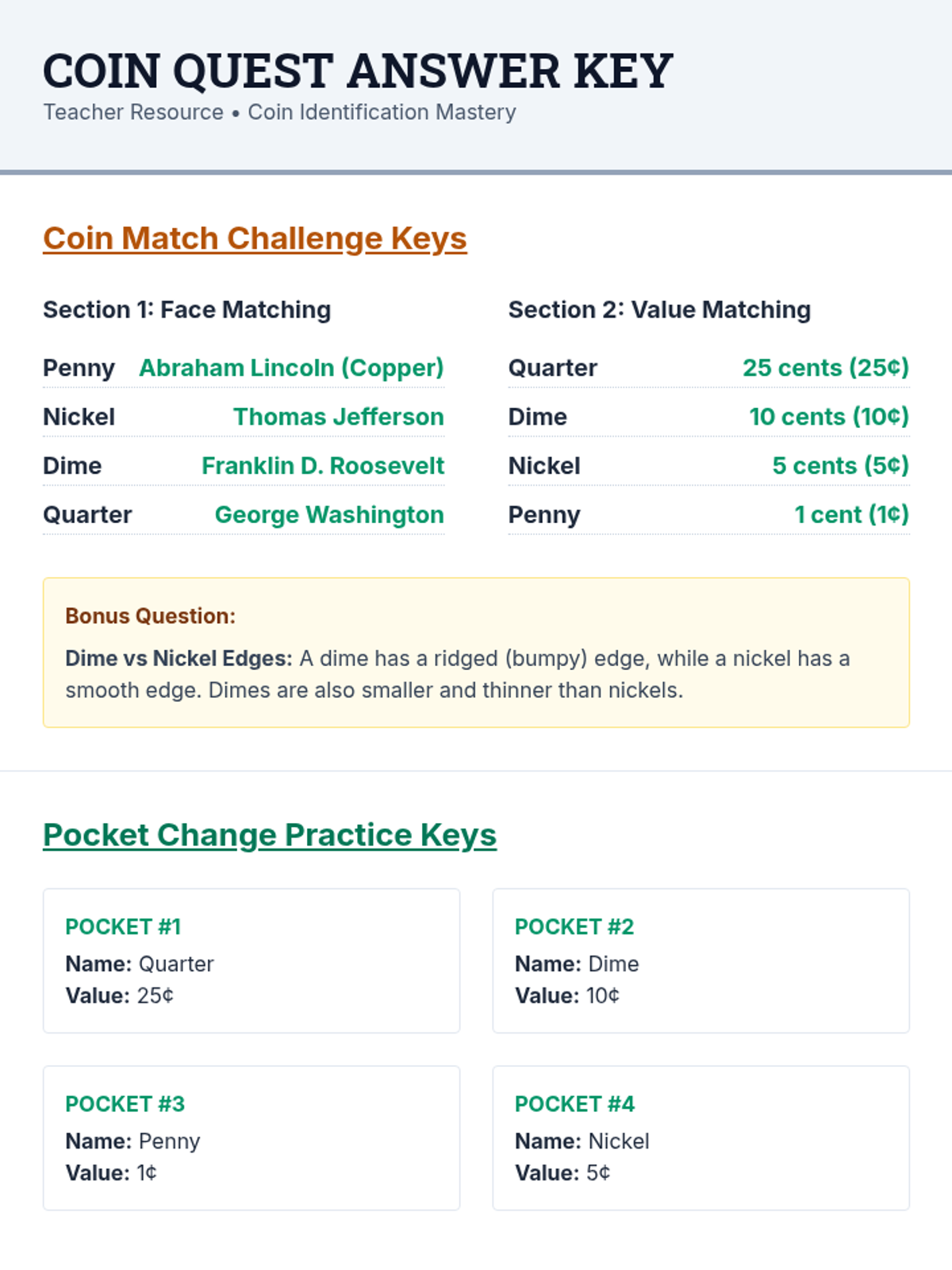
A hands-on lesson designed to help students master the identification of pennies, nickels, dimes, and quarters by their physical features and monetary values.
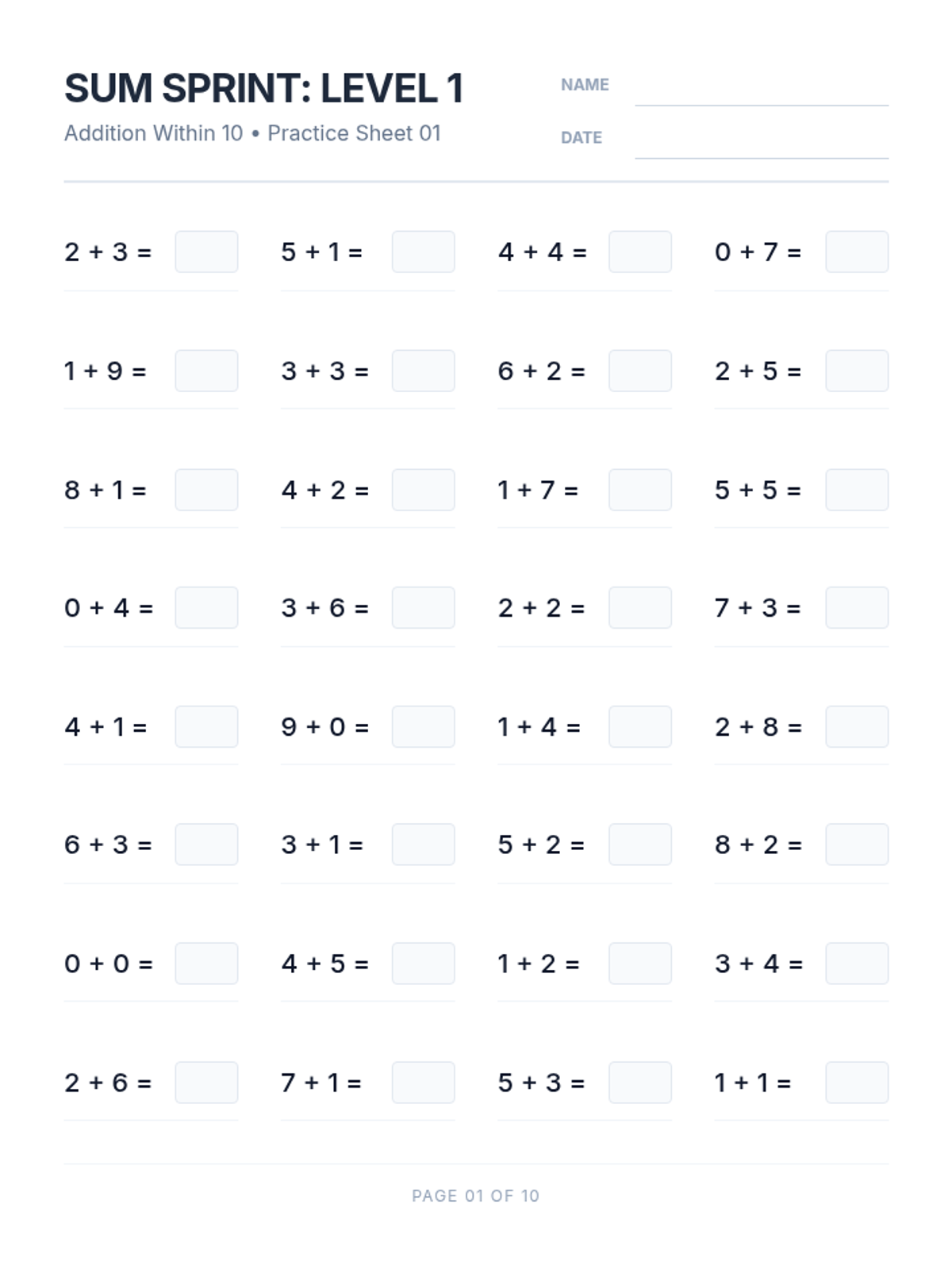
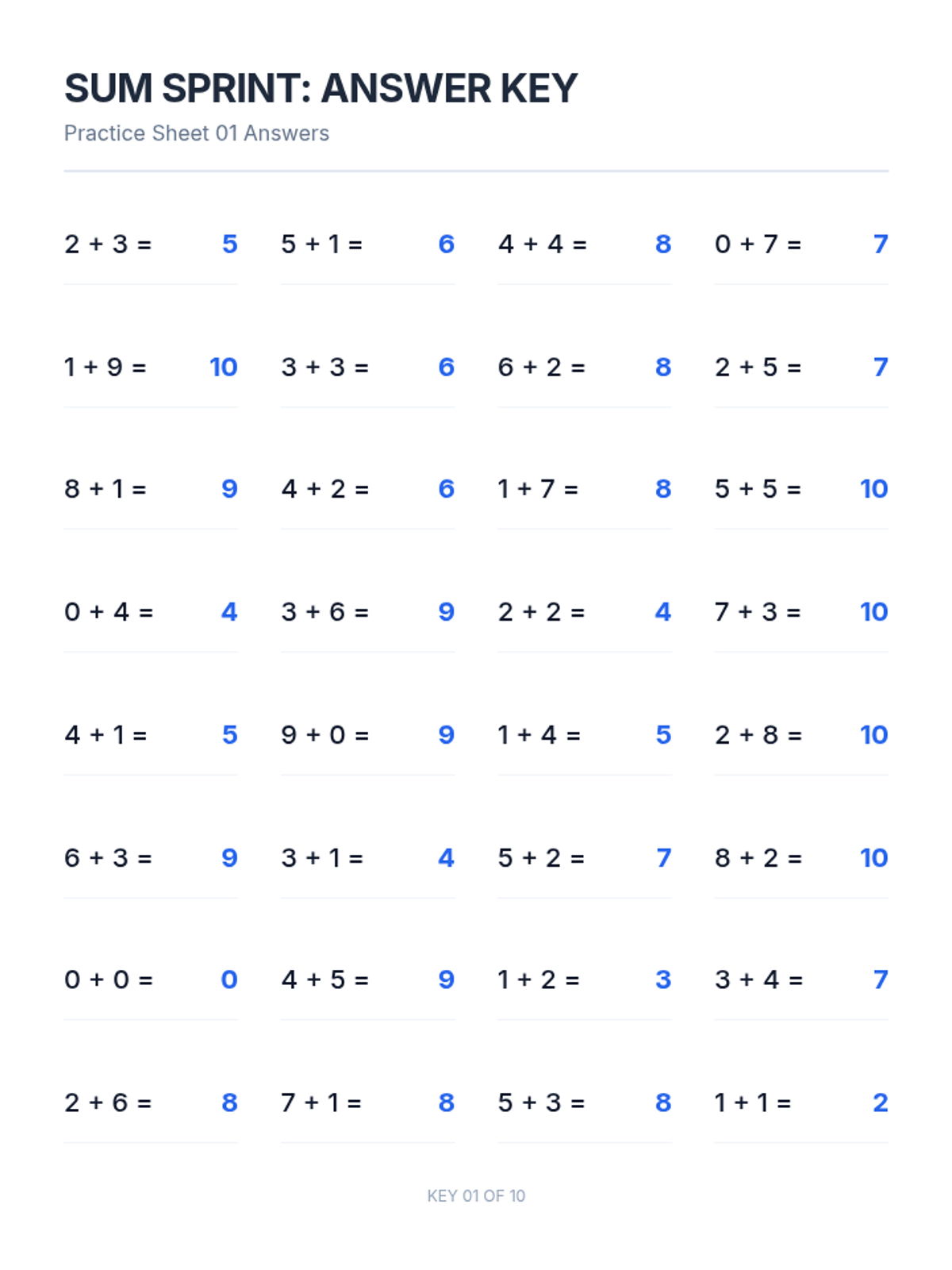
A comprehensive collection of 10 addition worksheets focused on fluency within 10. These materials are designed for repetitive practice and mastery without visual distractions.
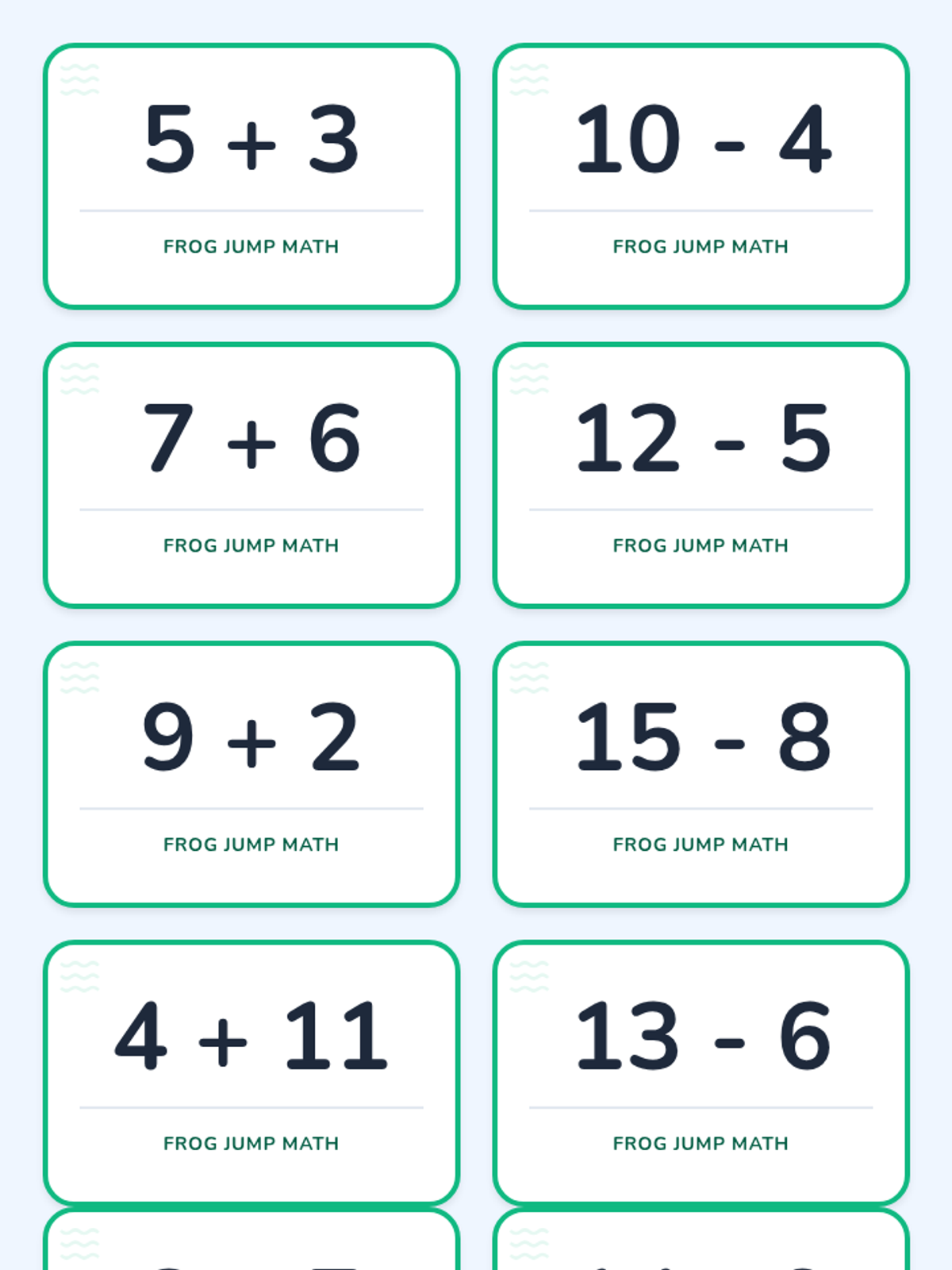
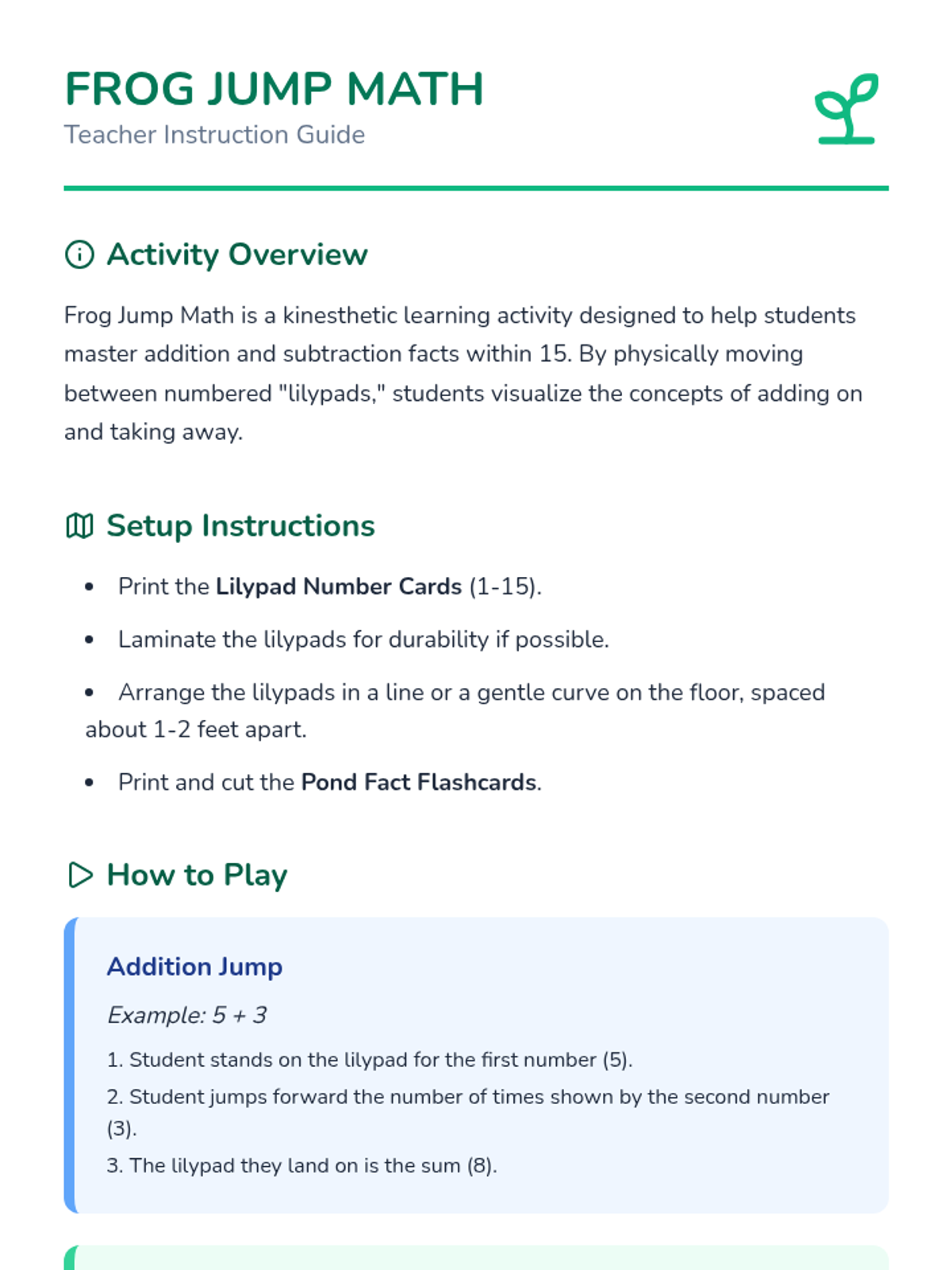
A set of hands-on materials for practicing addition and subtraction within 15, featuring large lilypad floor markers and matching math fact flashcards.
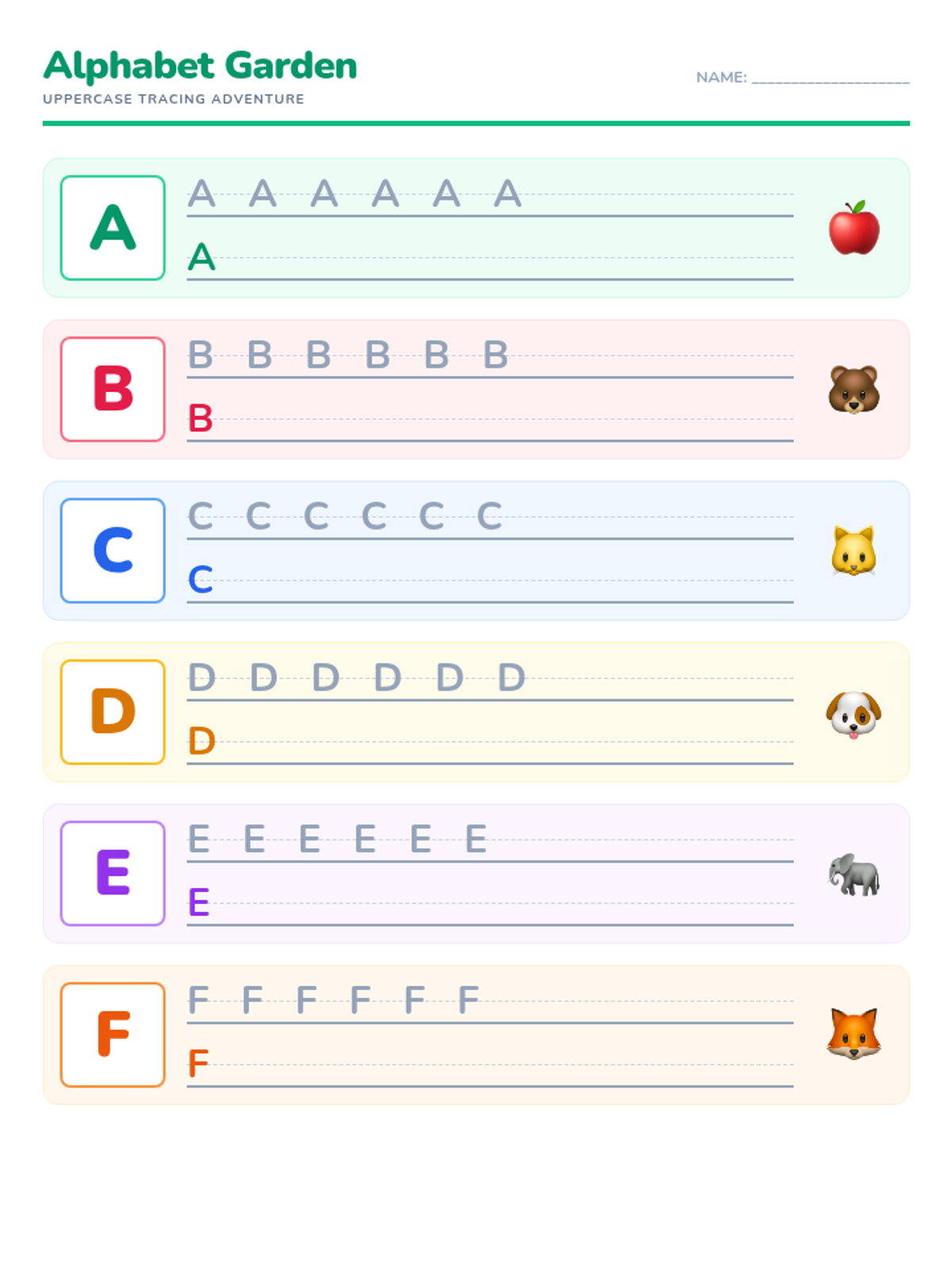
A foundational journey through the uppercase alphabet, focusing on stroke order, pen control, and letter recognition for early learners.
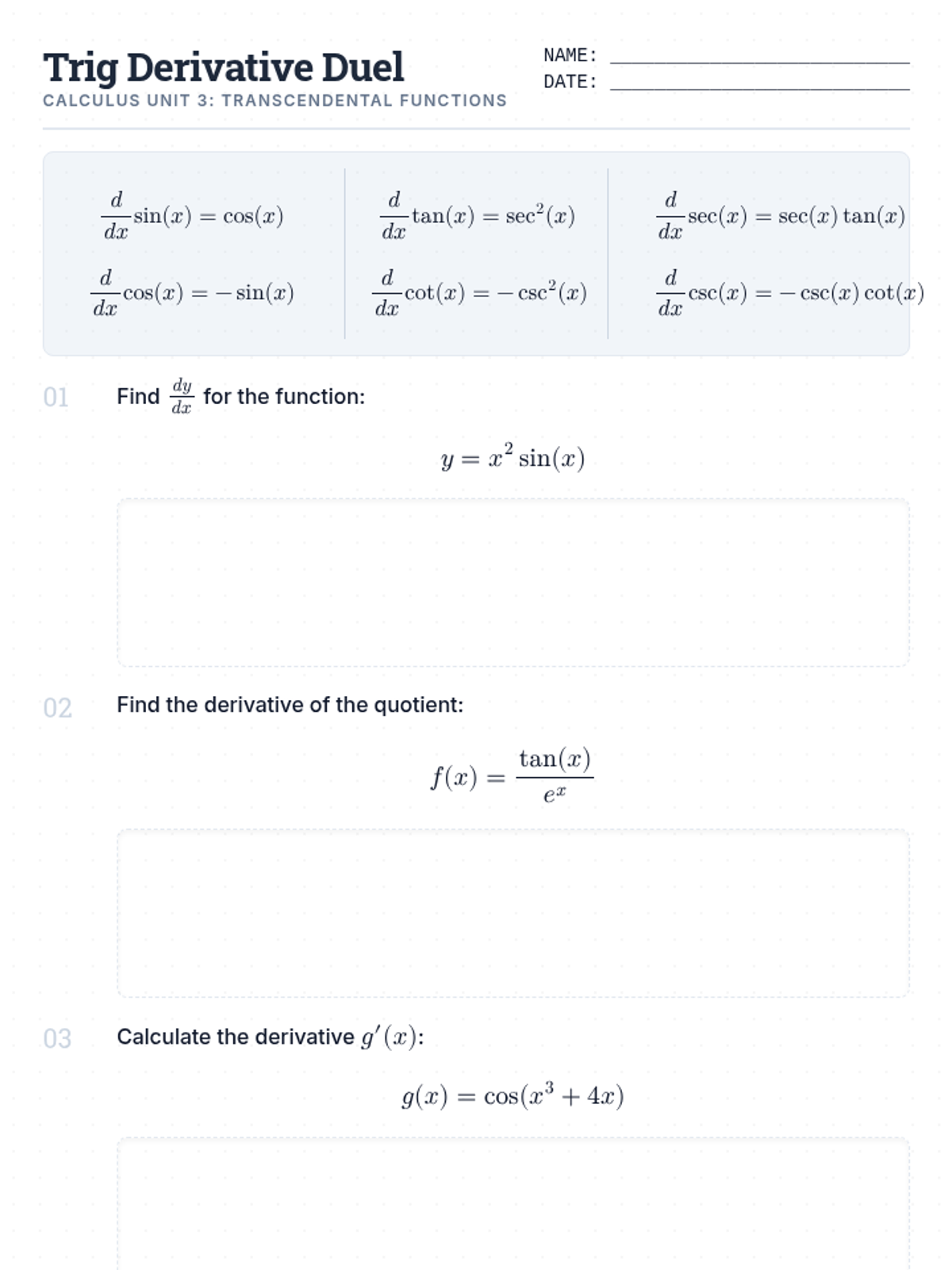
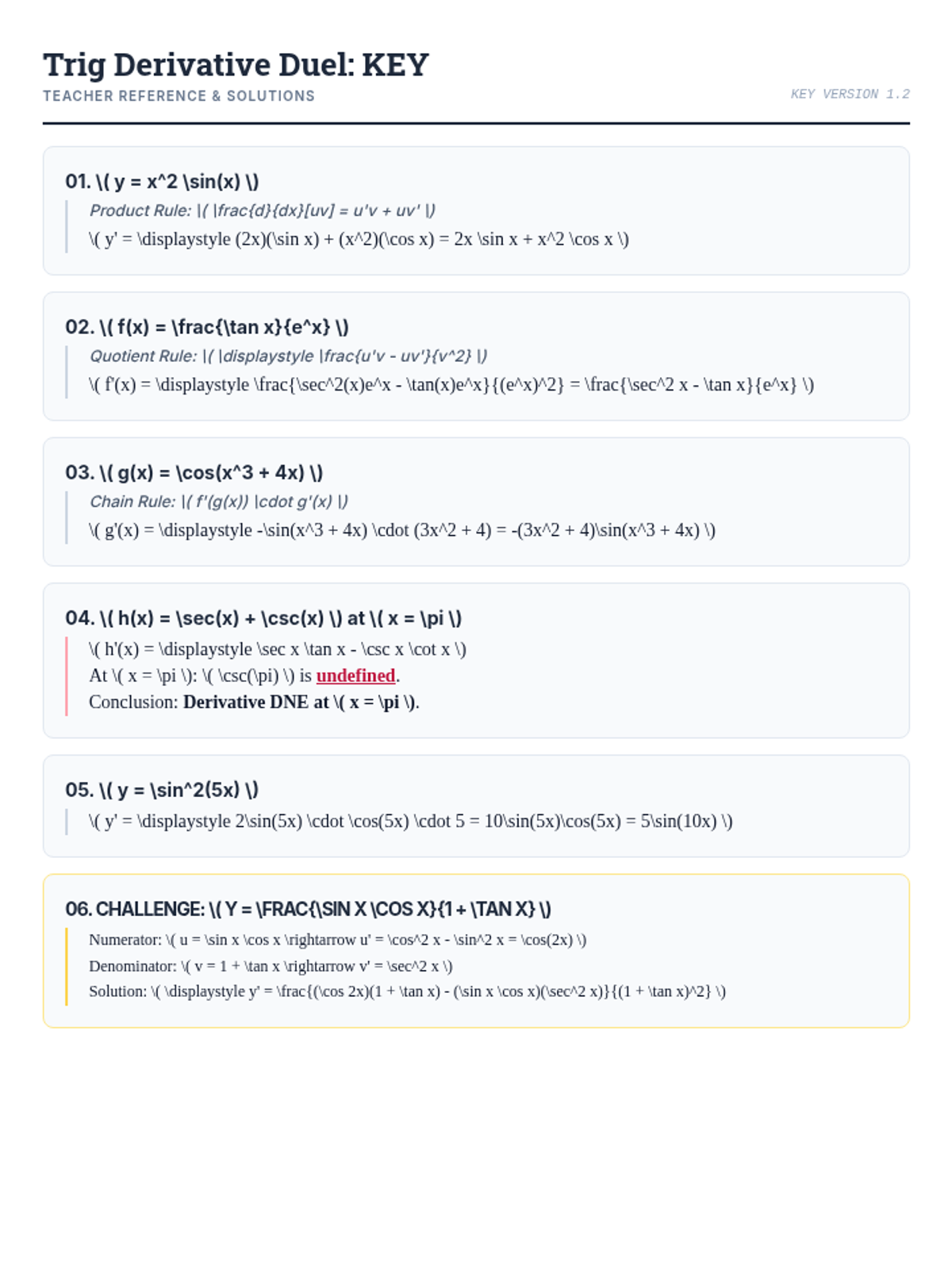
Master the derivatives of the six trigonometric functions through visual explanation and structured practice, including chain rule and product rule applications.
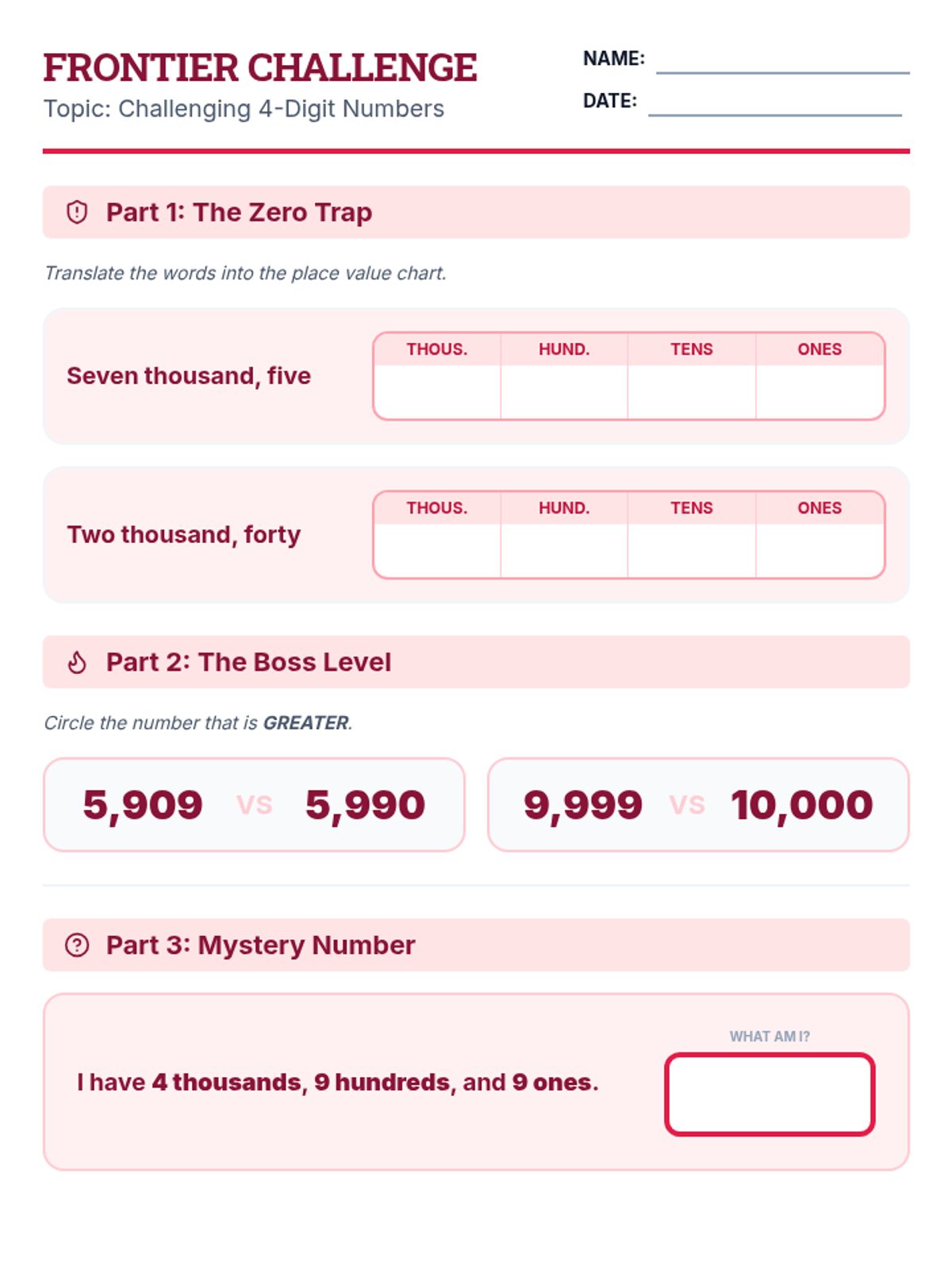
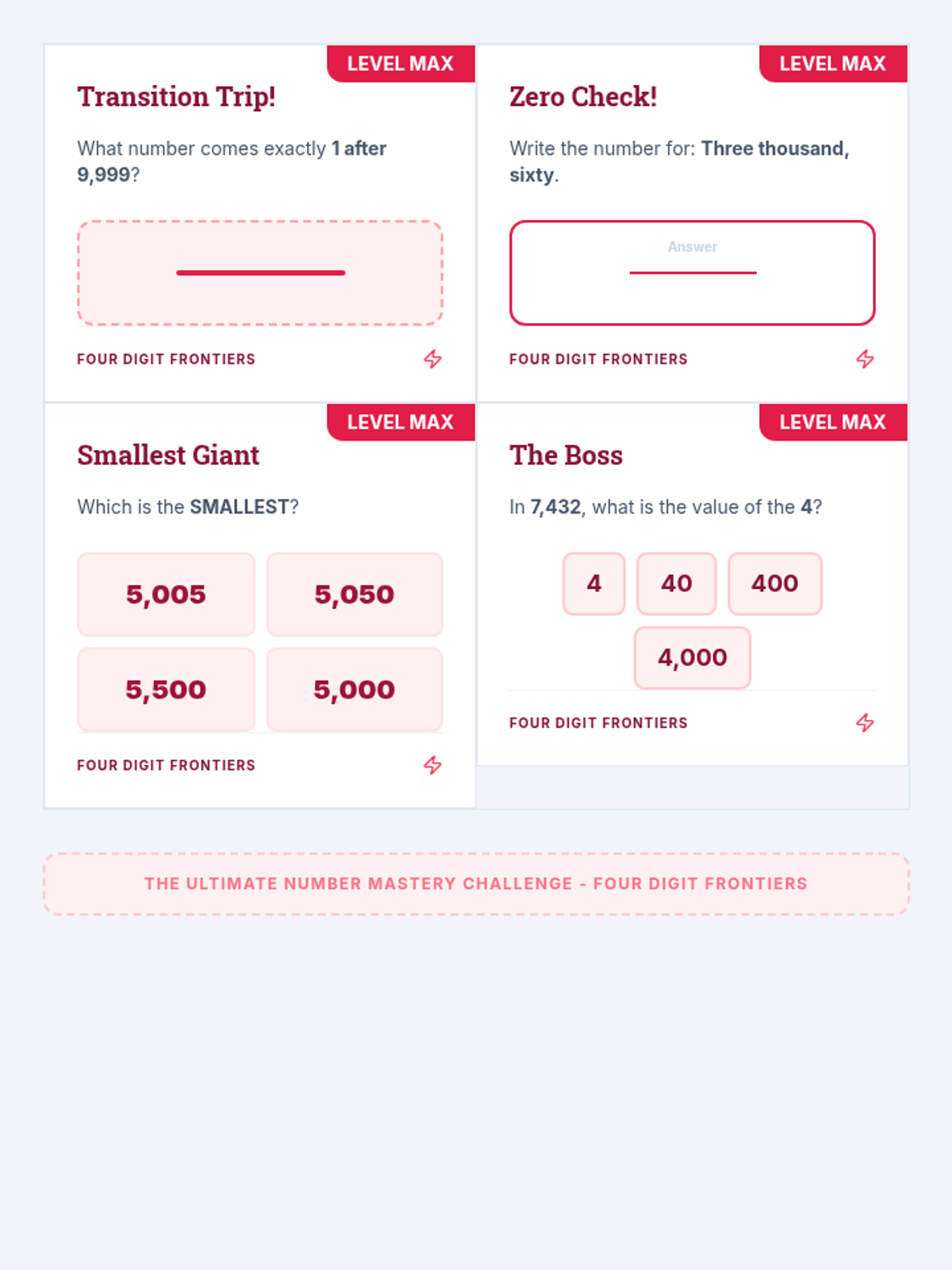
Explores numbers beyond 1,000, focusing on the thousands place value and comparing large numbers that look similar to test place value mastery.