A K-2 lesson introducing students to the unique biodiversity of island ecosystems through storytelling and visual exploration, emphasizing species identification and environmental care.
A hands-on lesson where 2nd-grade students become 'Earth Architects' to build and compare models of mountains and hills. Students will explore the physical characteristics of these landforms through tactile construction and observation.
Students explore and design ways to slow down or prevent wind and water from changing the land using plants and structures.
Students investigate how wind can pick up and move Earth materials like sand and dirt to create new landforms like dunes.
Students discover how flowing water, from rain to rivers, moves soil and carves paths through the land over time.
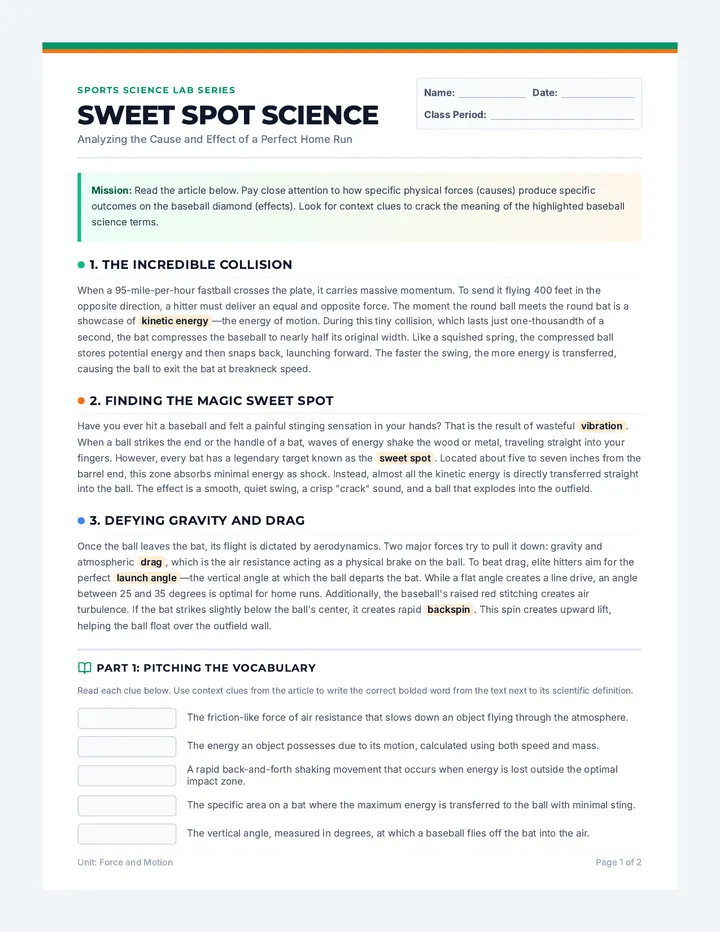
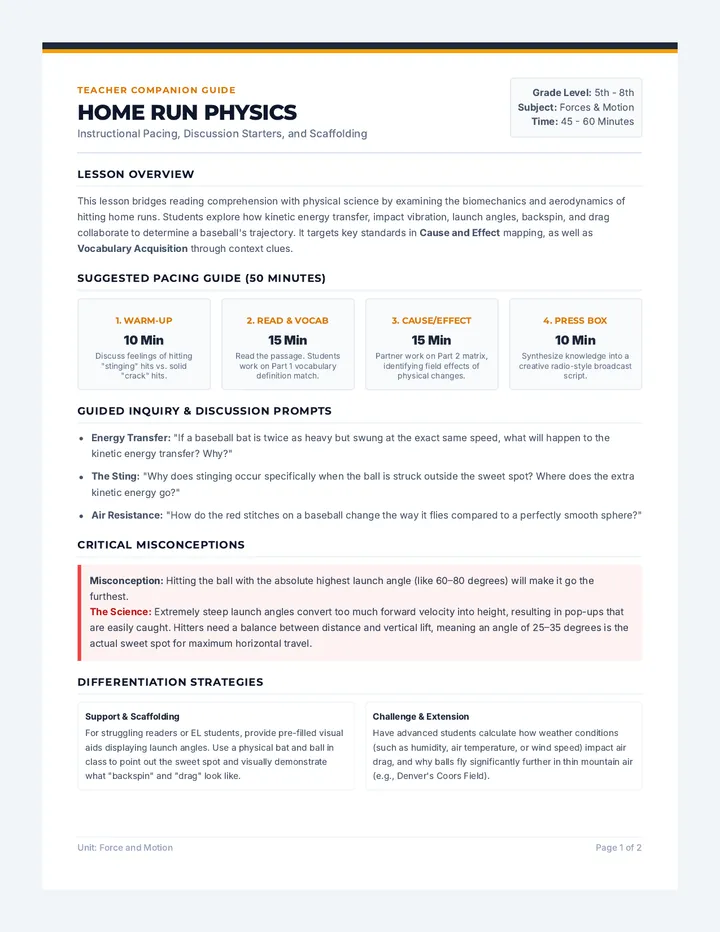
An exploration of thermal pollution, its industrial and environmental causes, and its devastating effects on aquatic biodiversity and oxygen levels. Students analyze case studies to understand the real-world impact of temperature shifts in water systems.
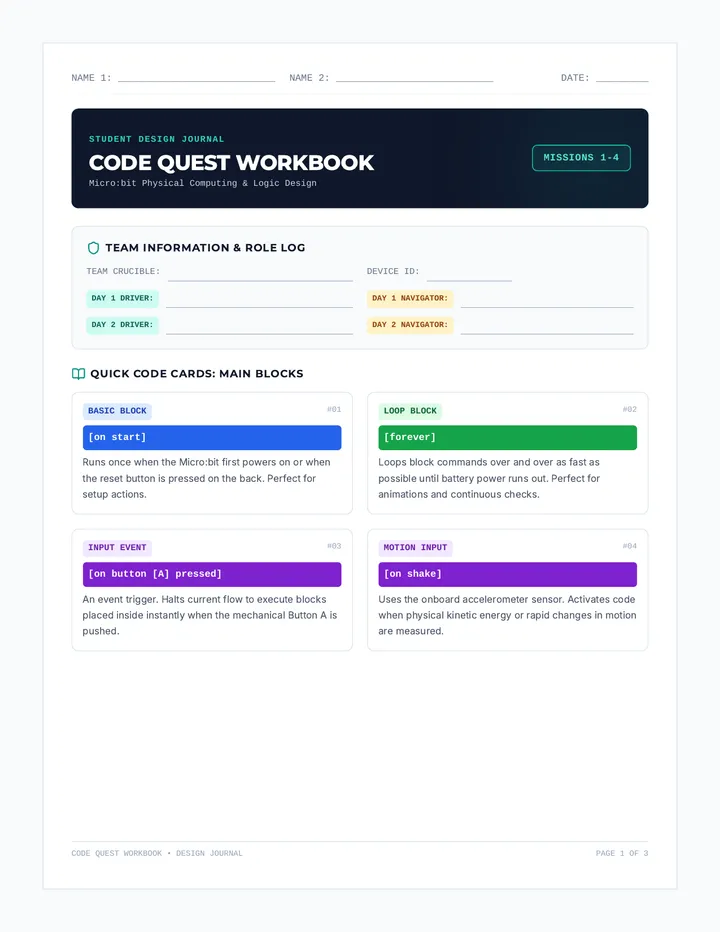
An advanced elementary lesson (grade 5) exploring the differences between series and parallel circuits using paper circuit kits or wires.
A mid-elementary lesson (grades 3-4) focusing on identifying conductors and insulators through hands-on testing with a circuit tester.
An introductory lesson for grades 1-2 focusing on the concept of a closed loop using conductive dough or simple battery/LED setups.
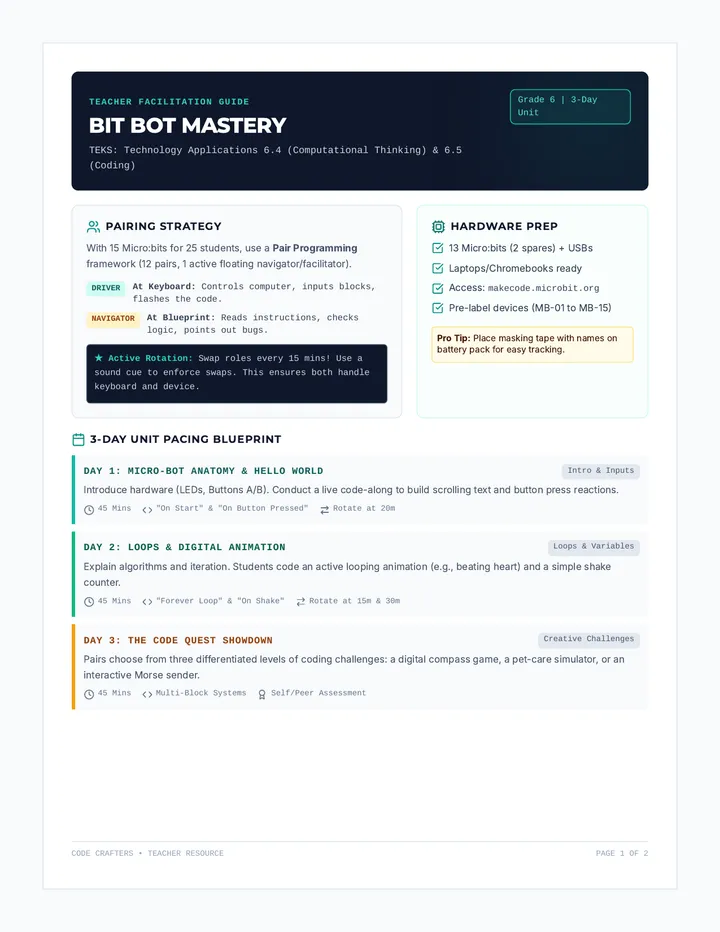
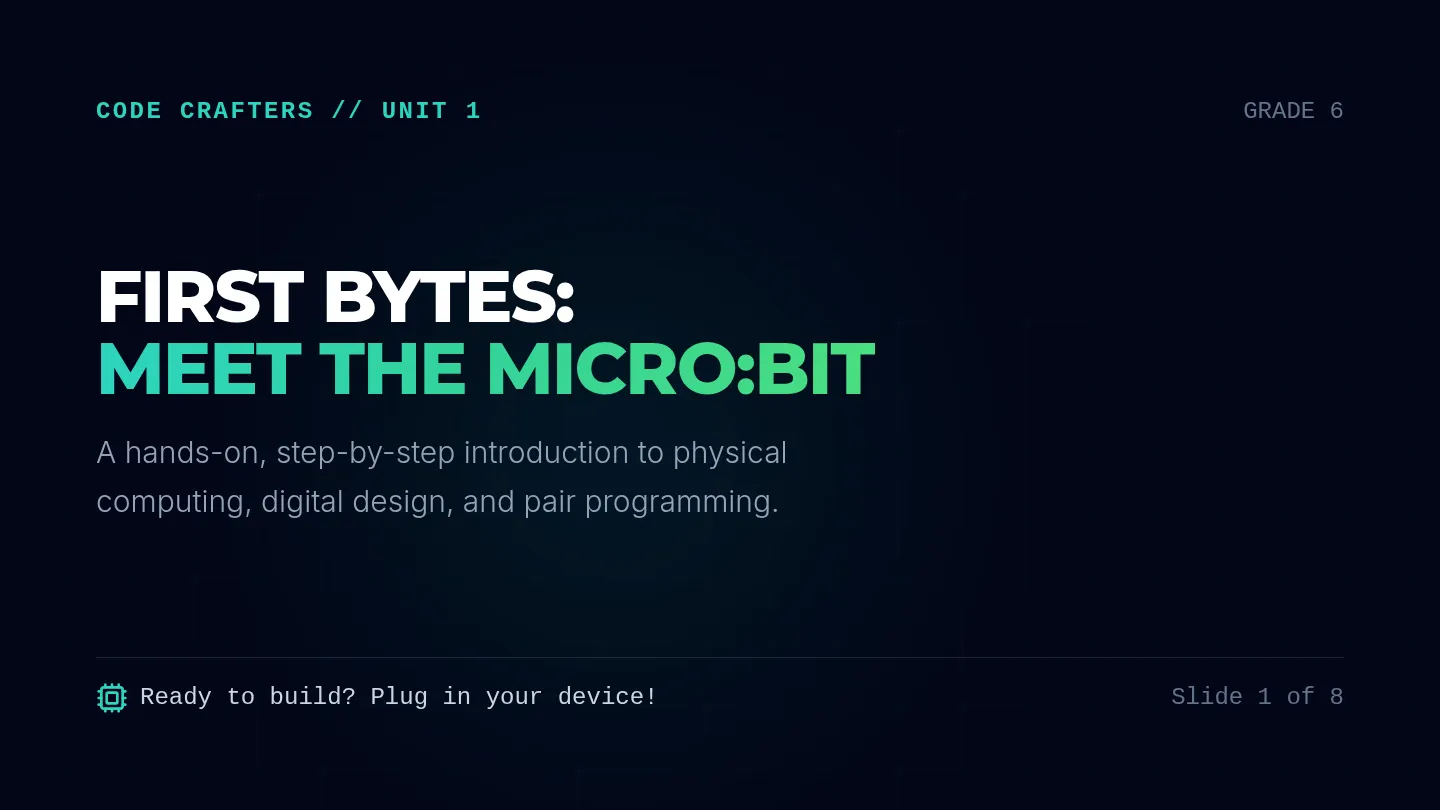
A comprehensive sub plan focusing on hardware basics, cybersecurity, and the impact of computing through a hands-on 'Human Computer' unplugged simulation.
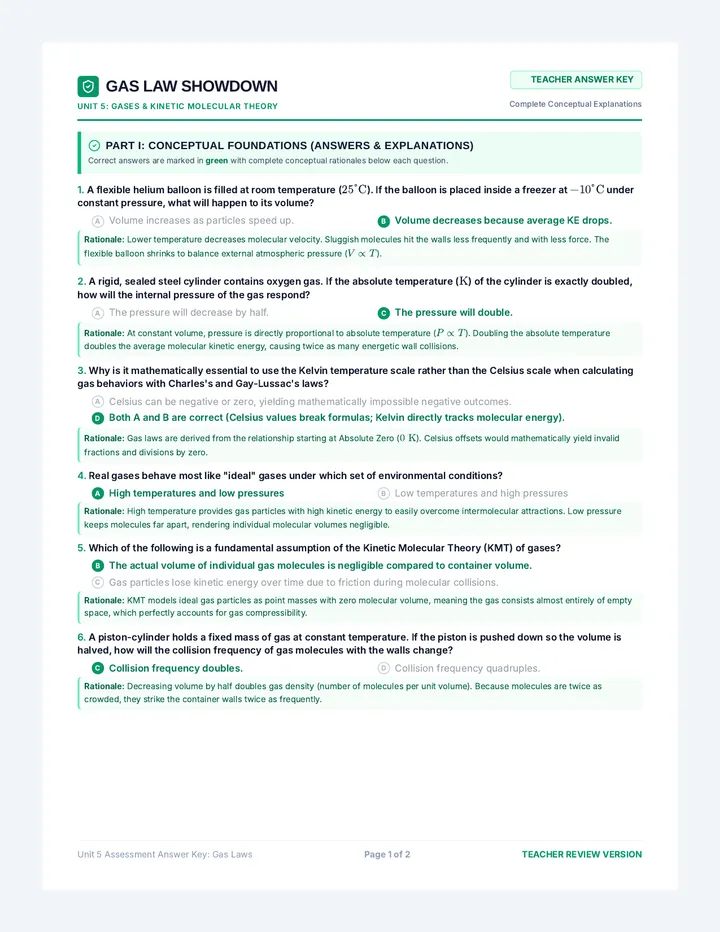
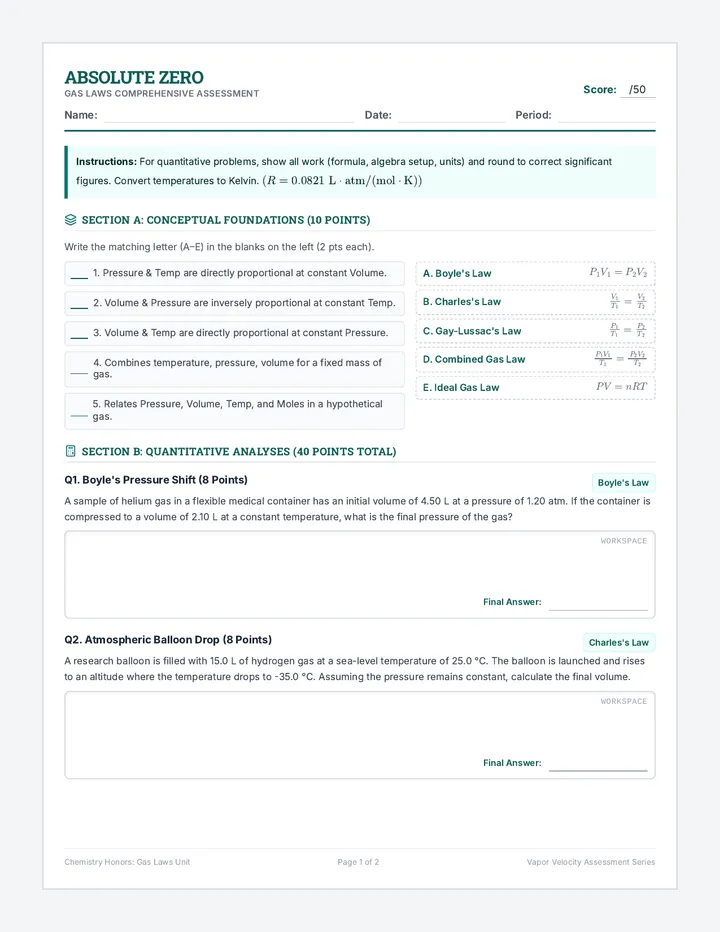
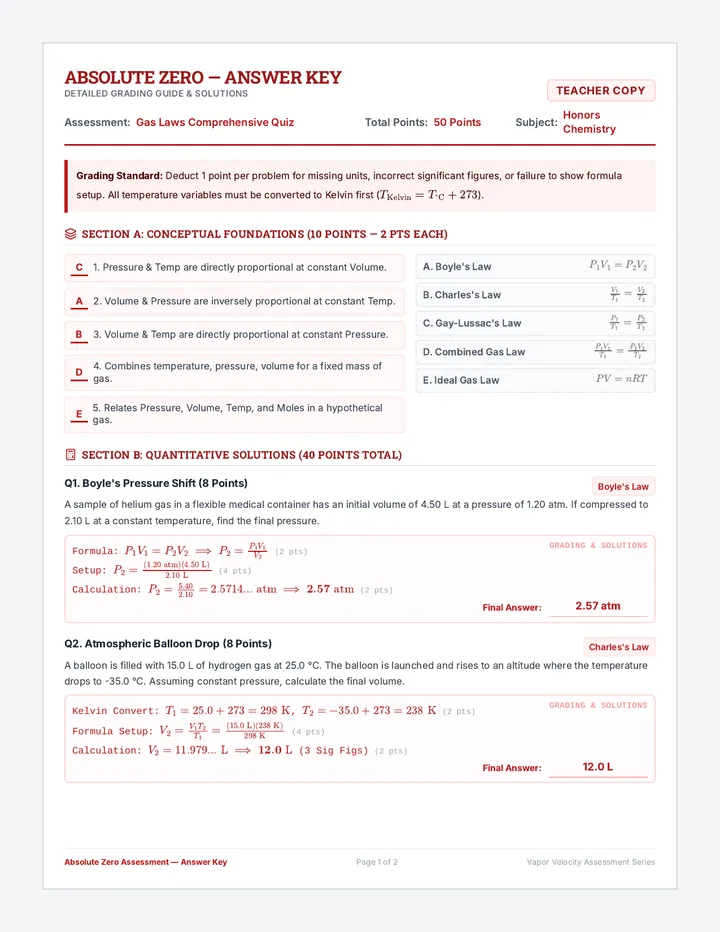
A comprehensive lesson exploring the sense of sight through a detailed reading passage and STAAR-aligned comprehension questions designed for second grade.
Discover the structure of watershed systems, the importance of the Chesapeake Bay, and how human activity impacts water quality.
Investigate the chemical nature of water through pH testing, exploring acidity, alkalinity, and how water's role as a solvent impacts life and the environment.
Explore the unique molecular properties of water, including cohesion, adhesion, and surface tension, through the 'Penny Power' lab and interactive demonstrations.
Una sesión práctica de 60 minutos que integra los fundamentos de la programación orientada a objetos en Python con la persistencia de datos mediante el manejo de archivos (File I/O).
Introduces energy sources like the sun, wind, and fossil fuels, and how we use them to power our world using simple language.
Introduces viruses, bacteria, and how to stay healthy using simple 1st-grade level language and high-visual support.
Introduces fossils, rock layers, and how the Earth has changed over time using simple 1st-grade level language and high-visual support.