A comprehensive lesson exploring how scientific discoveries and technological innovations in medicine, communication, and transportation revolutionized the American standard of living, aligned with TEKS 28A.
A comprehensive 47-minute emergency sub plan focusing on the major debates of the 1787 Constitutional Convention, including the Virginia and New Jersey Plans and the Great Compromise.
A lesson exploring the 1787 Constitutional Convention, the roles of key Framers like James Madison, and the fundamental principles of American government including federalism, republicanism, and separation of powers.
A high school child development lesson using a jigsaw strategy to explore Piaget's four stages of cognitive development, featuring expert research and peer-to-peer teaching.
A comprehensive 99-minute lesson exploring child development theorists (Piaget, Erikson, Vygotsky, Bowlby) with a focus on infancy, featuring collaborative research and guided note-taking.
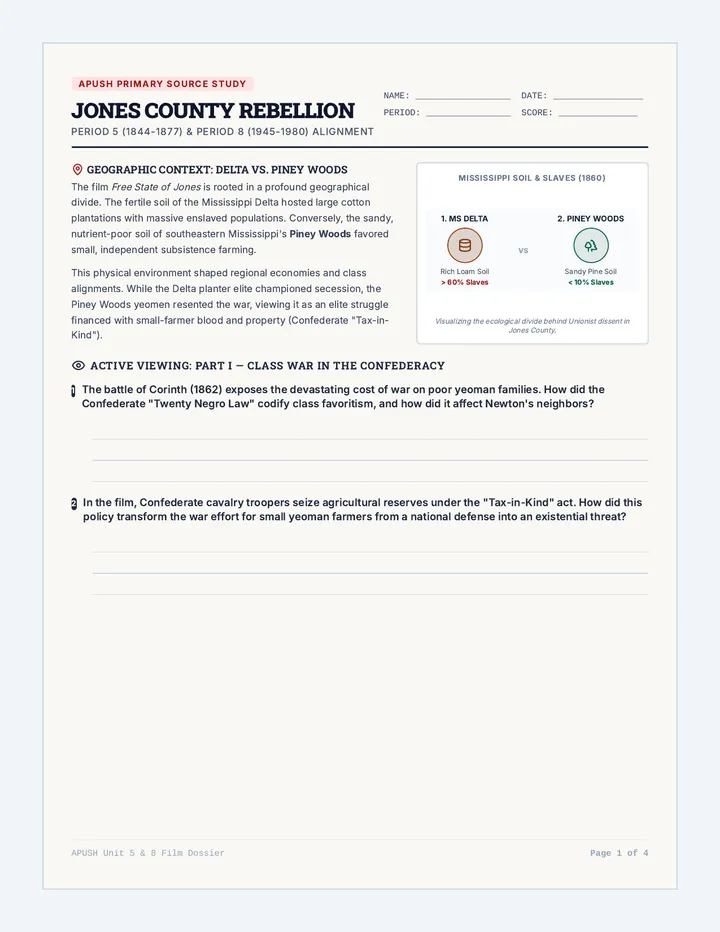
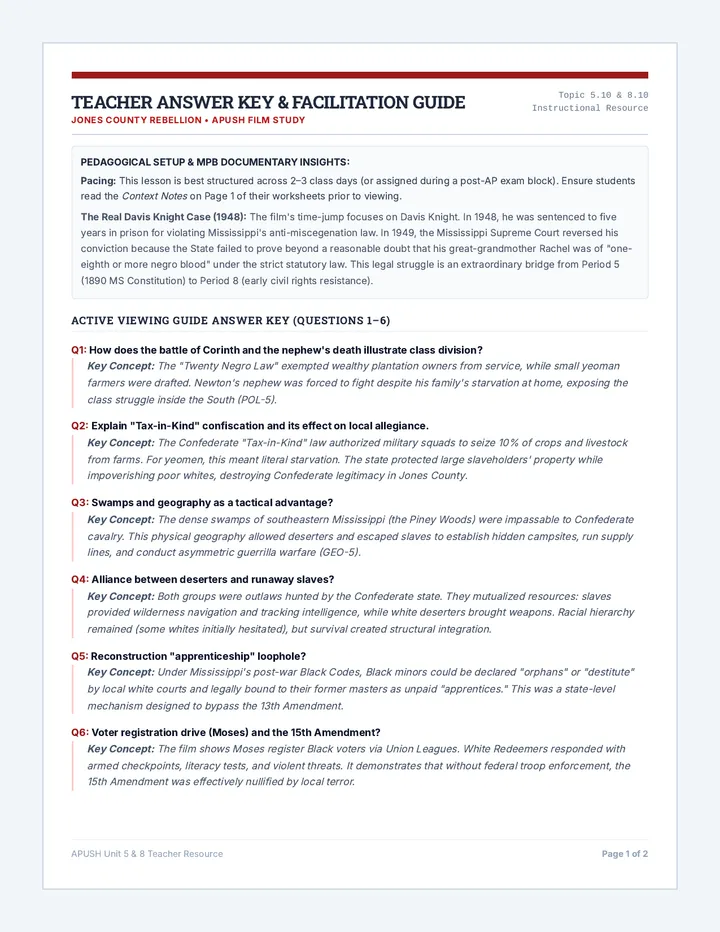
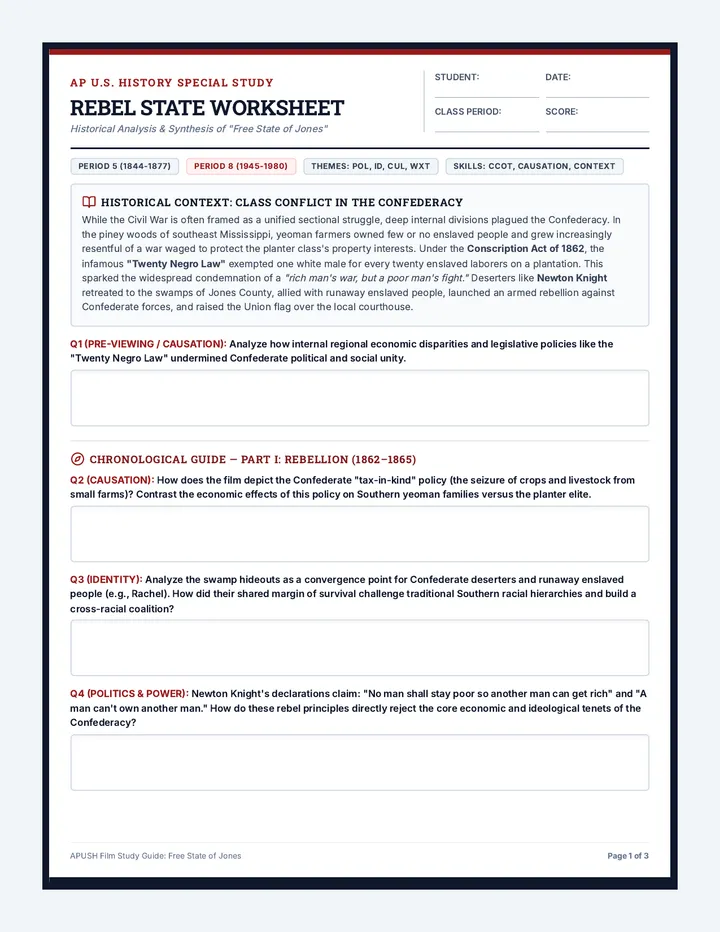
This lesson explores the rise of political machines during the Gilded Age, focusing on TEKS 8C. Students examine the mechanics of urban corruption, civil service reform (Pendleton Act), and the Populist response through collaborative activities and EOC-style assessments.
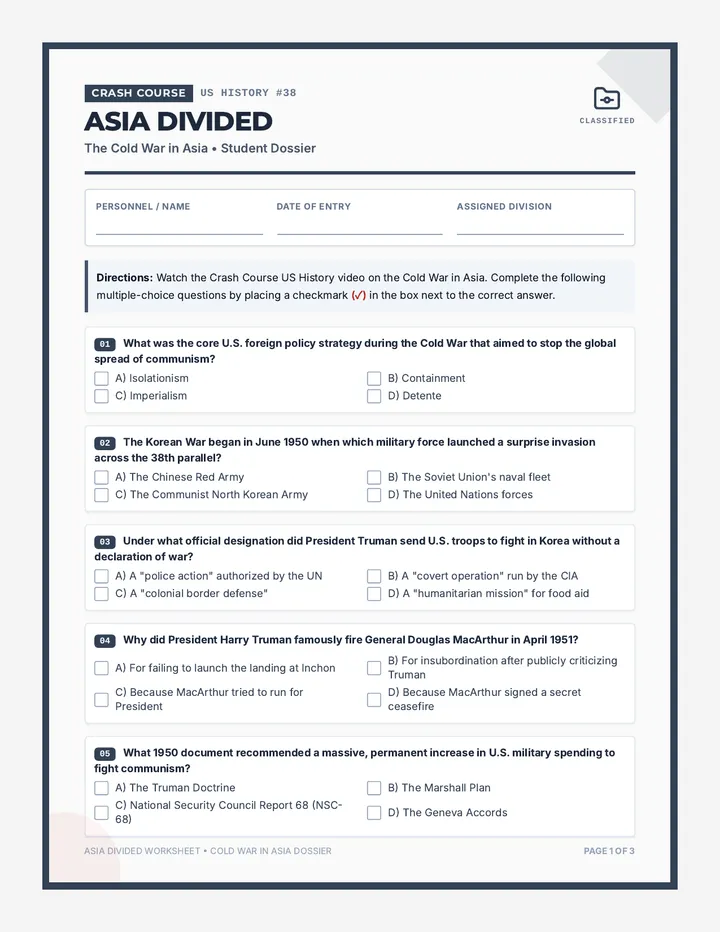
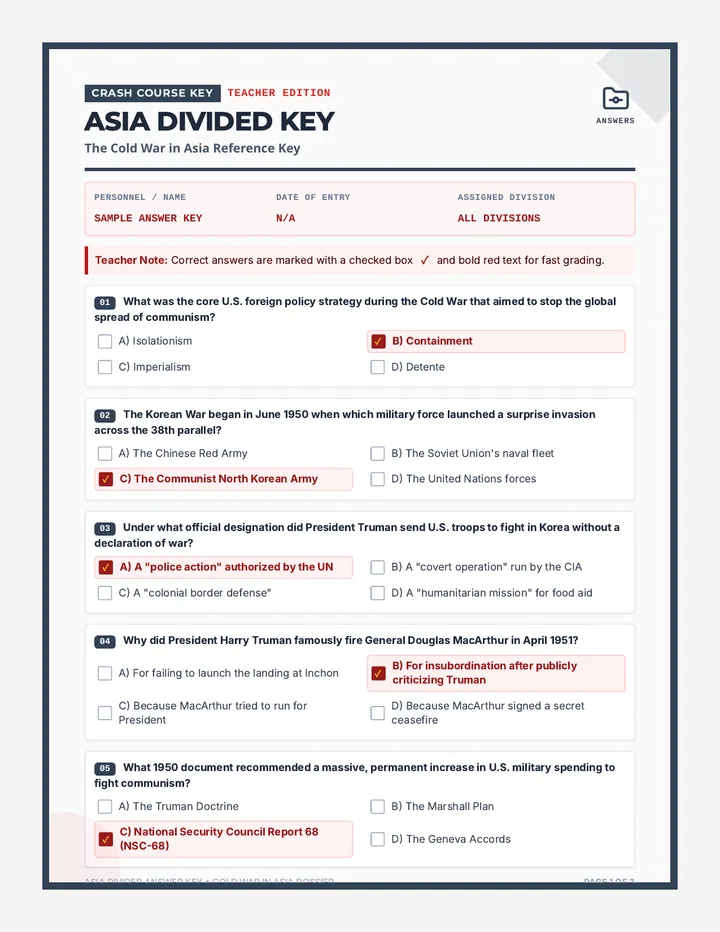
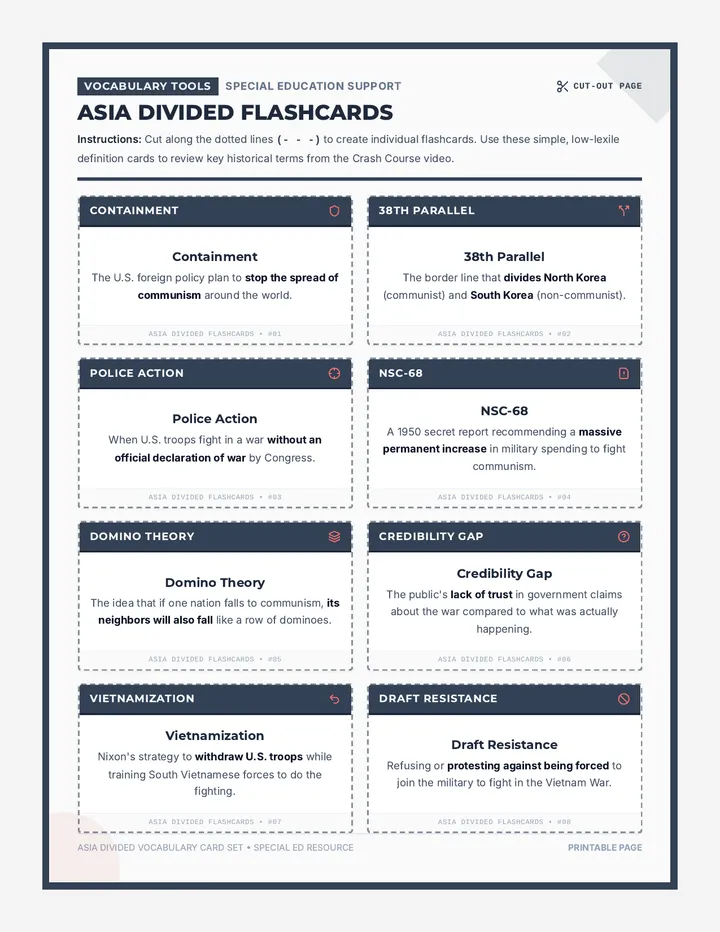
This lesson explores the origins and escalation of the Cold War through the analysis of primary sources, featuring EOC-style assessments and a Socratic seminar focused on Winston Churchill's 'Iron Curtain' speech. Students will develop critical thinking skills aligned with TEKS 29A while mastering historical context and evidence-based argumentation.
A series of high-rigor practice questions covering key eras of US History from the Gilded Age through the Great Depression, designed to mirror the STAAR assessment format.
A high school social studies lesson focused on uncovering marginalized perspectives in history through primary source analysis and critical thinking. Students will learn to identify gaps in traditional historical narratives and use 'source sleuthing' techniques to find the voices of those often left out of the history books.
A high school history lesson focused on uncovering marginalized perspectives through primary source analysis, challenging traditional historical narratives.
A quick warm-up session focused on mastering the Claim-Evidence-Reasoning (CER) framework through the lens of the Articles of Confederation.
This lesson explores the profound environmental and cultural impacts of Westward Expansion and the Gold Rush on Native American nations, focusing on treaty violations and environmental justice.
A lesson connecting modern digital issues to the First and Fourth Amendments. Students analyze real-world scenarios involving social media moderation and digital surveillance to understand how the Constitution adapts to changing technology.
A focused 20-minute analysis of Horace Mann's 12th Annual Report to the Massachusetts Board of Education, exploring the ideals and motivations behind the American Common School Movement.
An introduction to the fundamental concepts of political science required for both AP US and Comparative Government, including sovereignty, legitimacy, authority, and the core differences between states, nations, and regimes.
An intensive primary source analysis lesson for AP History students focusing on the diverse perspectives and global scale of WWII using the HIPP analysis framework.
A comprehensive lesson on the ratification of the U.S. Constitution, focusing on the debates between Federalists and Antifederalists, the role of the Bill of Rights, and the contributions of key Founding Fathers.