A 30-minute introductory lesson for 4th graders on research, inventing, innovating, and using rubrics to guide the creative process. Students explore the difference between creating something new and improving existing ideas.
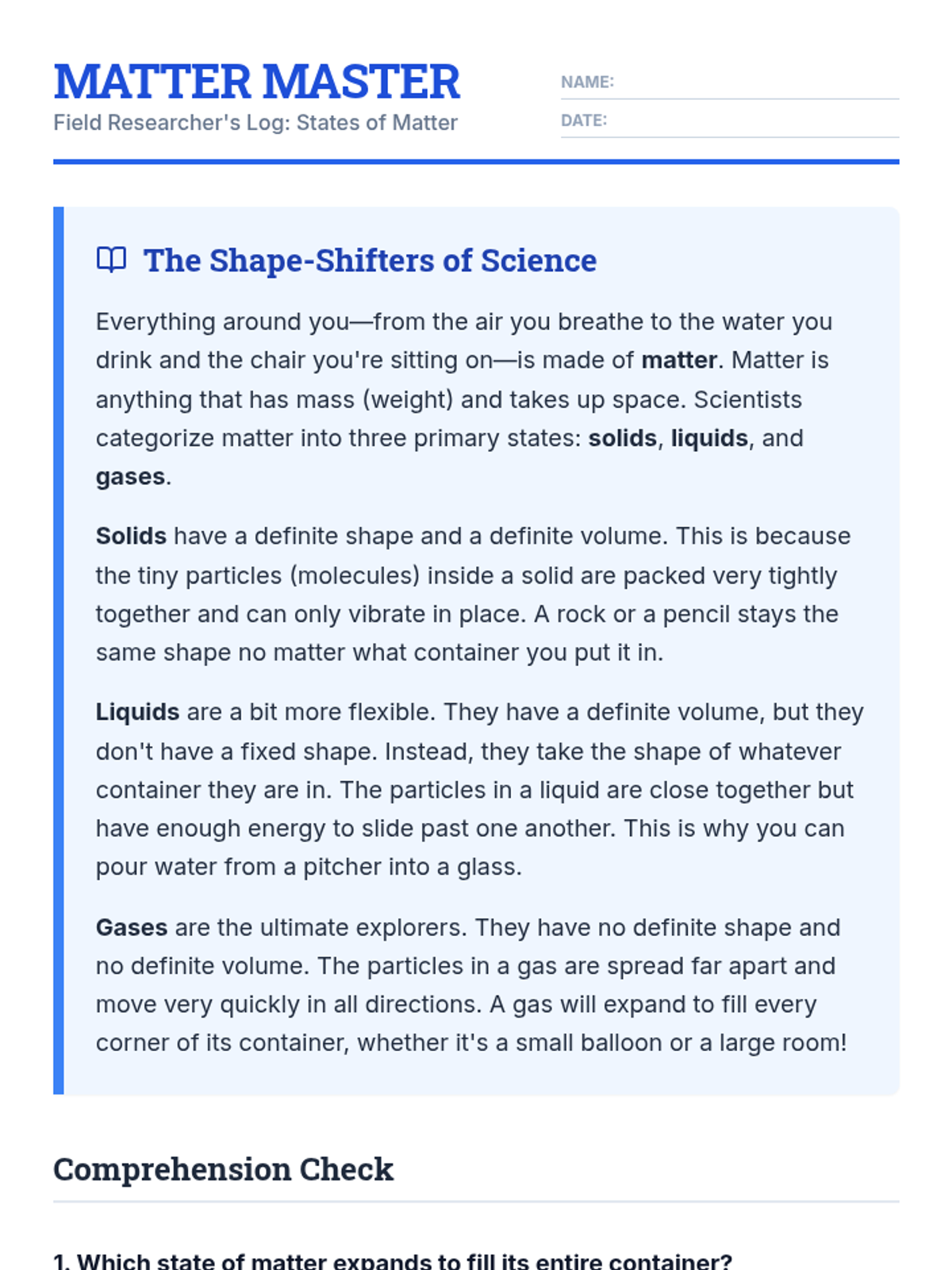
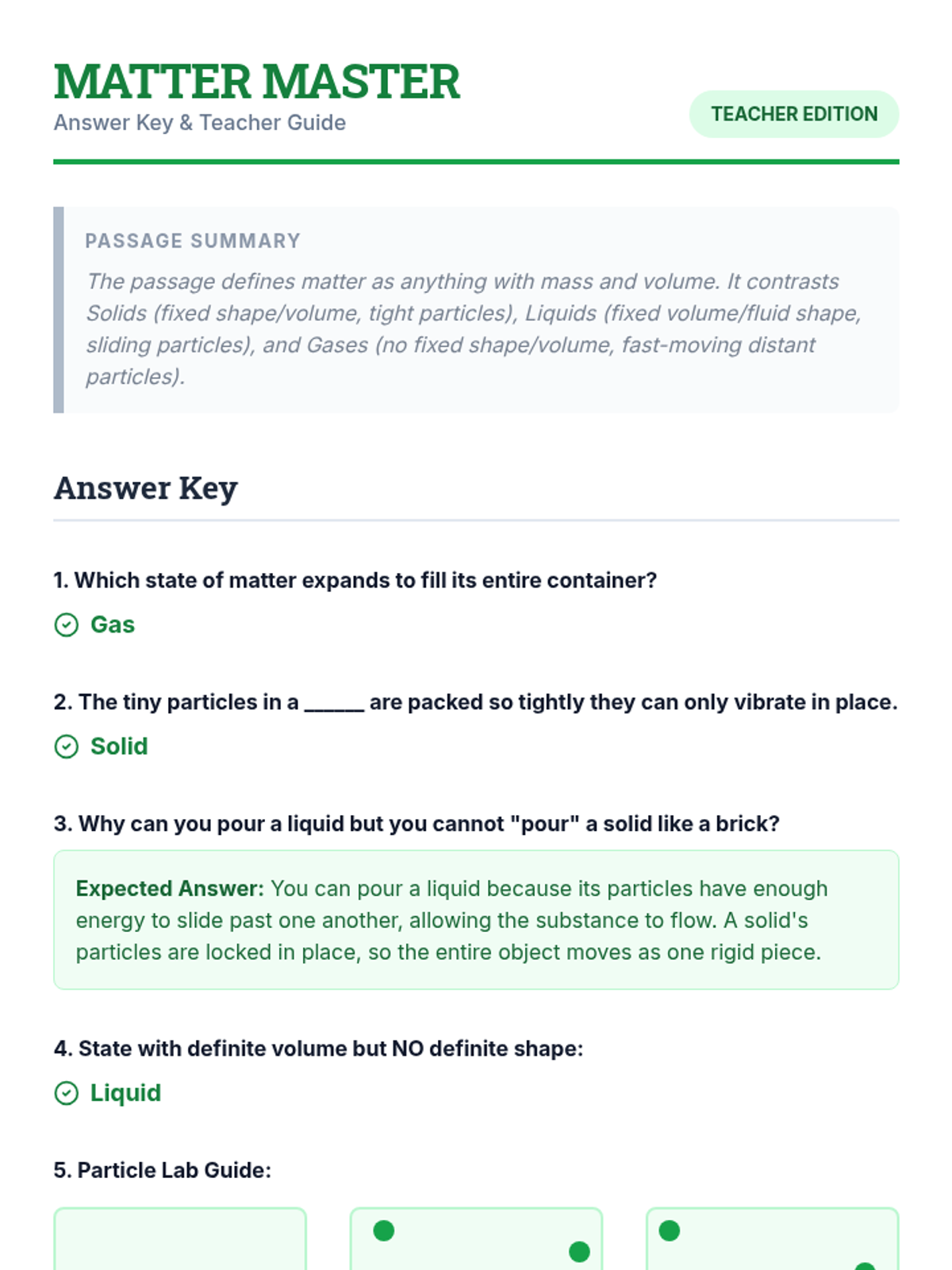
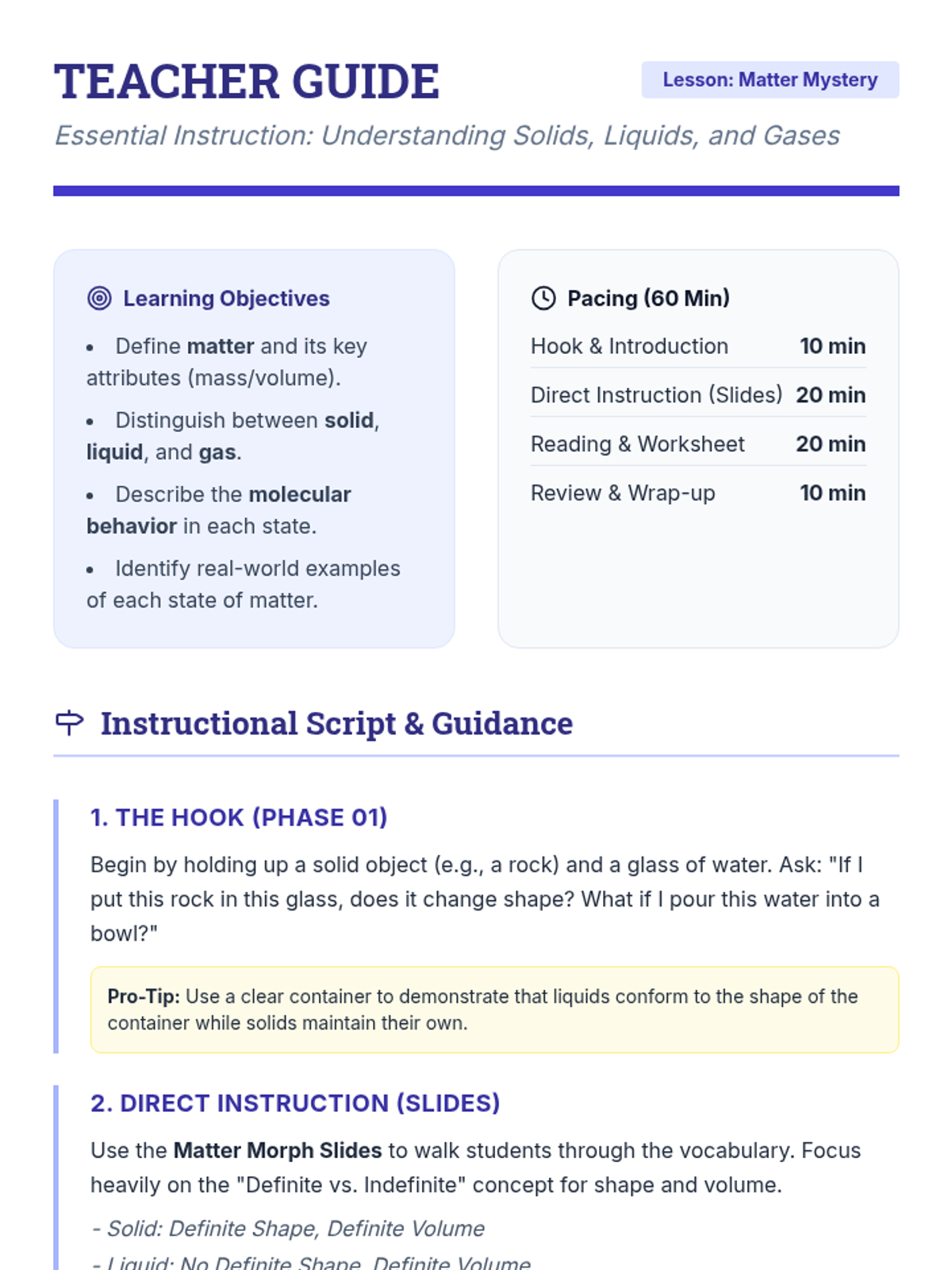
A foundational science lesson exploring the three primary states of matter—solids, liquids, and gases—through reading, visual aids, and interactive observation.
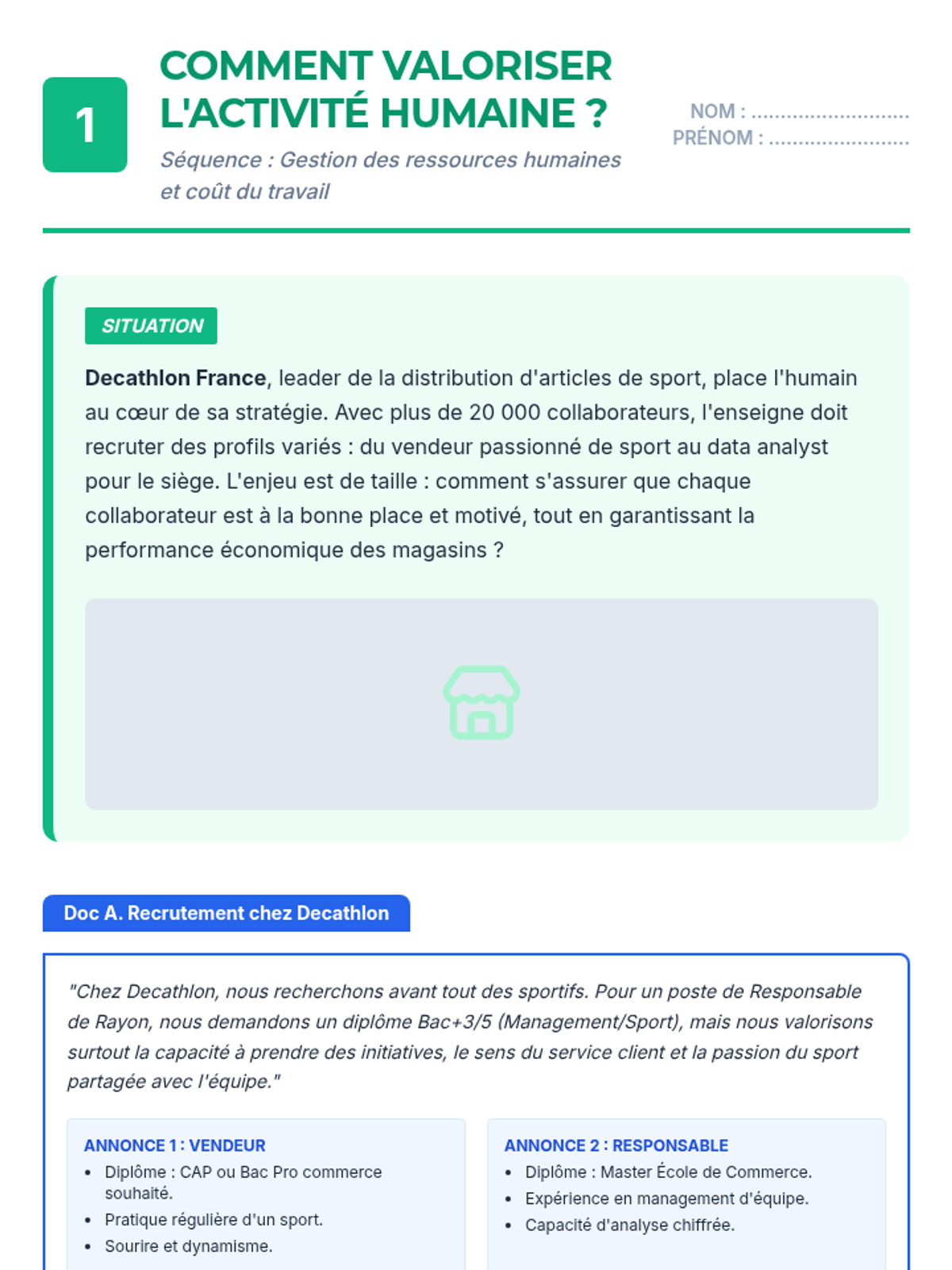
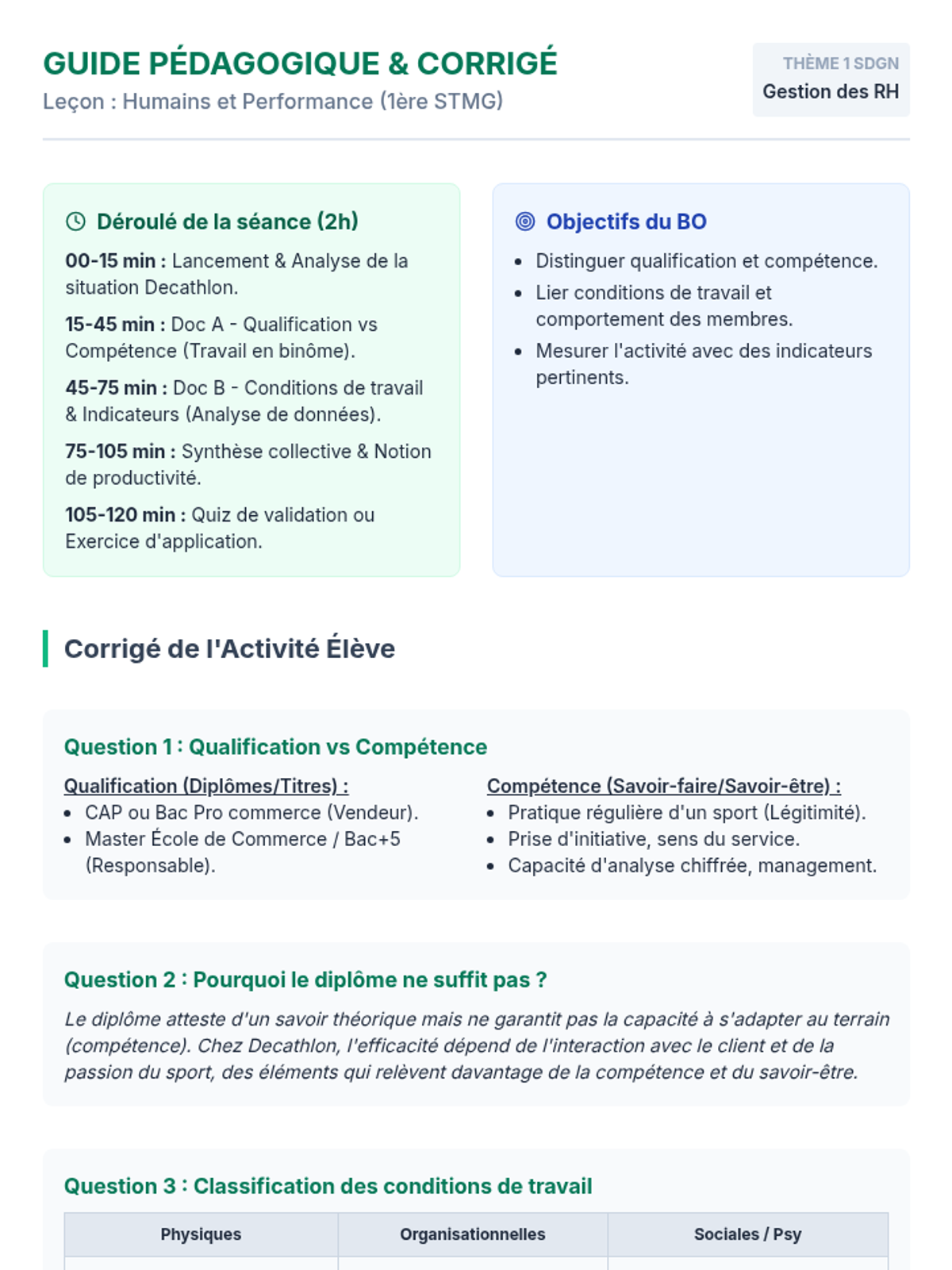
Cette séance de 2 heures permet aux élèves de distinguer qualification et compétence, d'analyser l'impact des conditions de travail sur le comportement des salariés et de mesurer la performance de l'activité humaine via des indicateurs de productivité et de climat social.
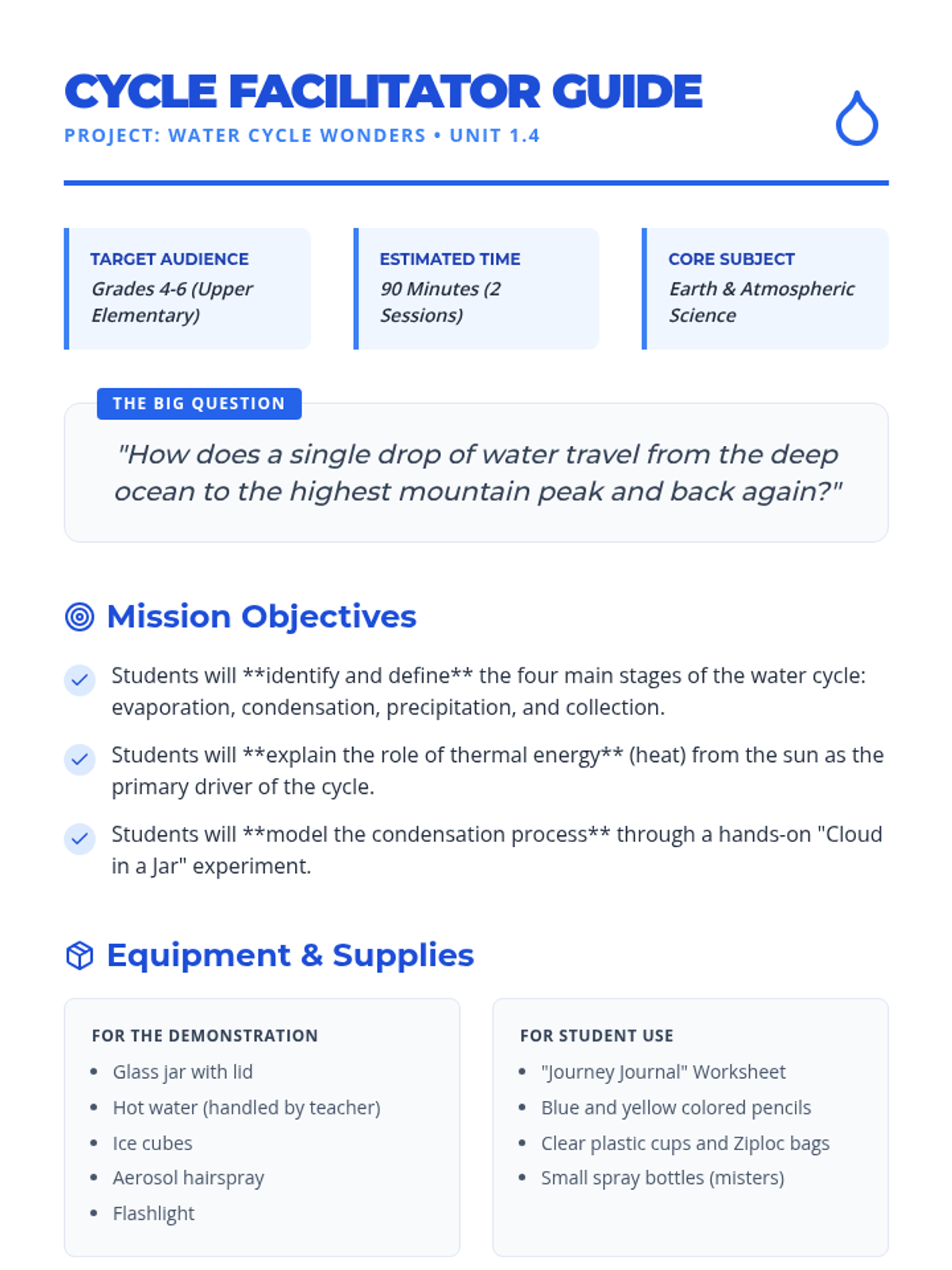
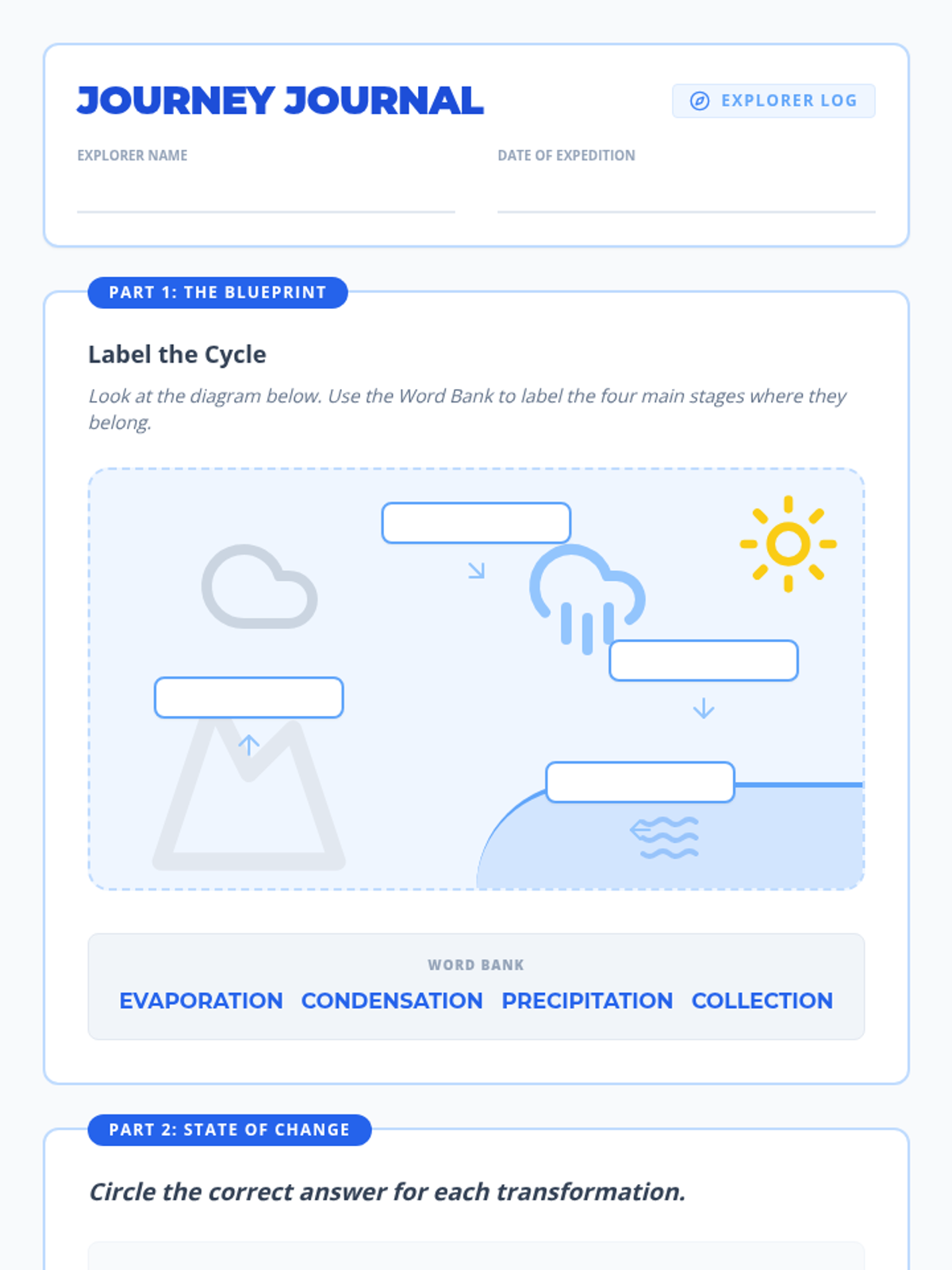
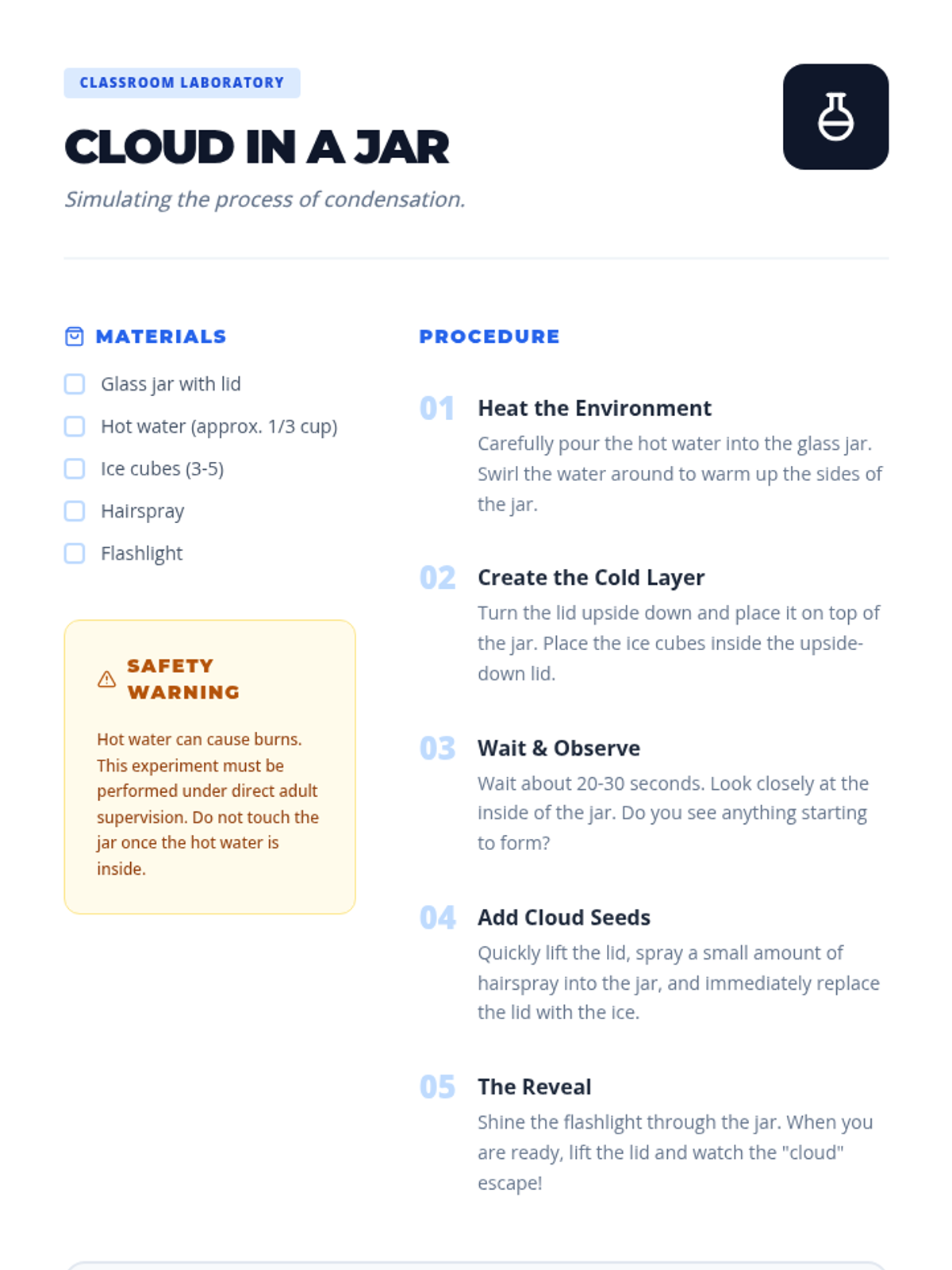
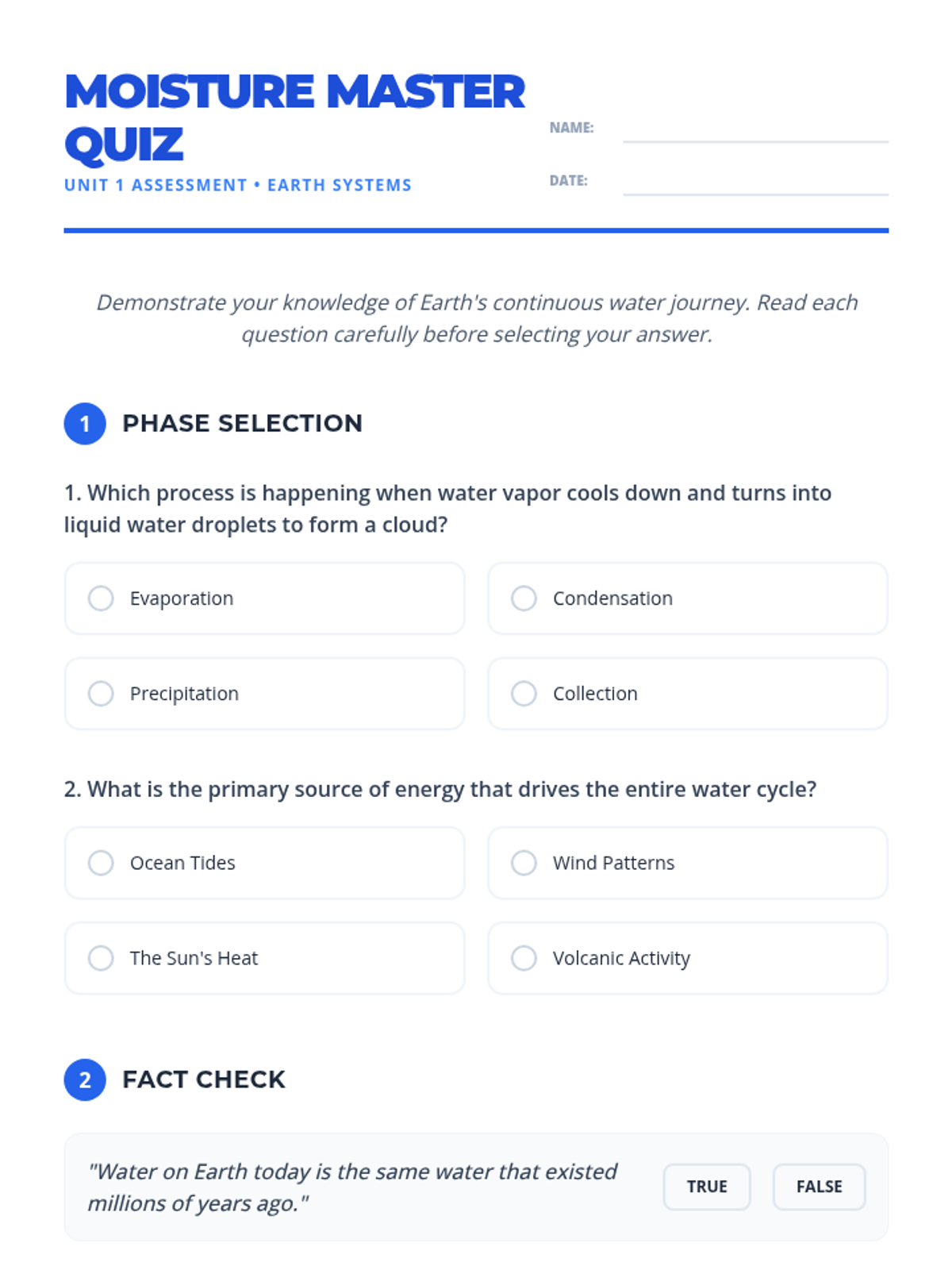
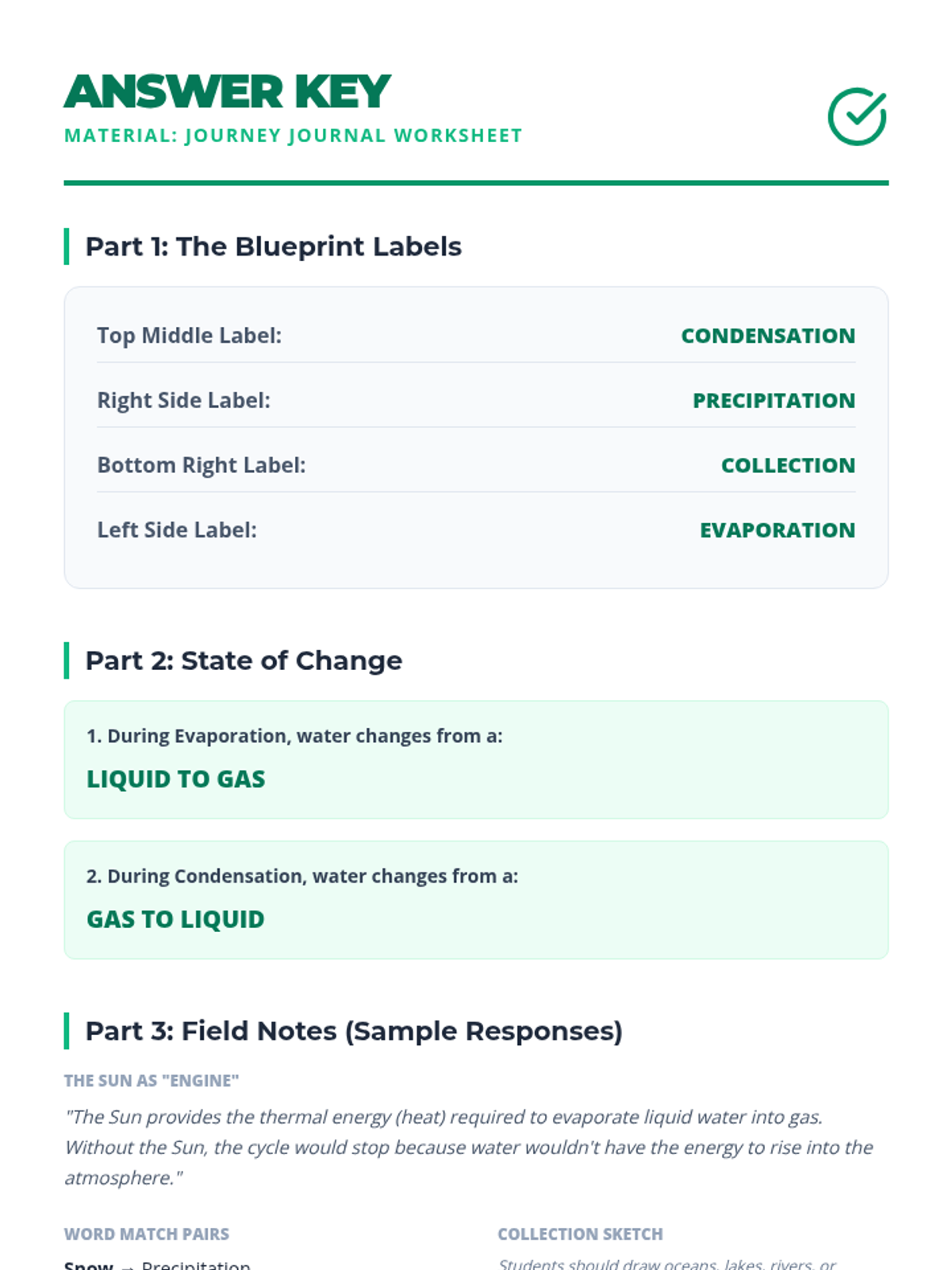
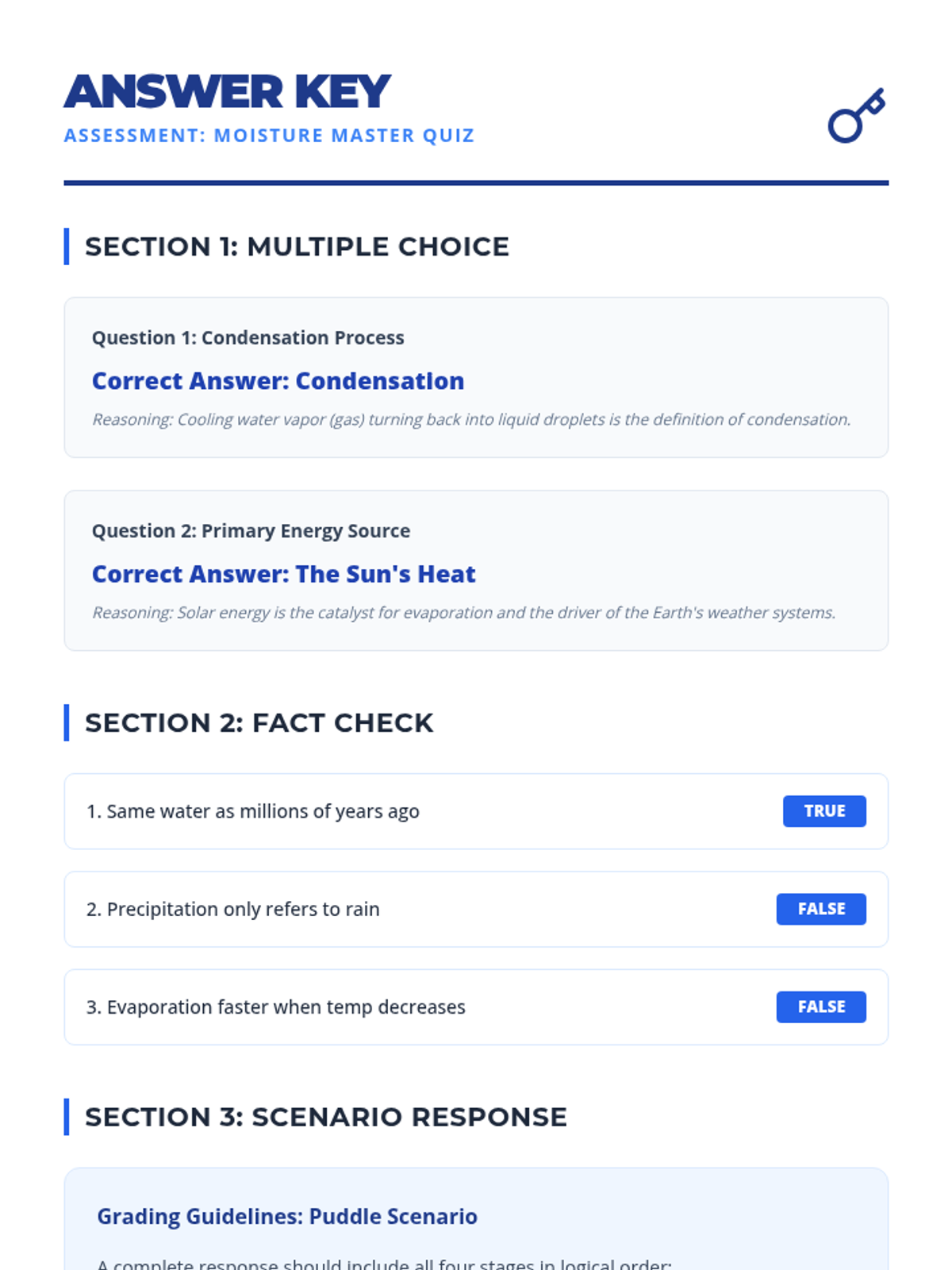
A comprehensive exploration of the water cycle, covering evaporation, condensation, precipitation, and collection through hands-on activities and visual aids. Students will learn how water moves through Earth's systems and why it is vital for life.
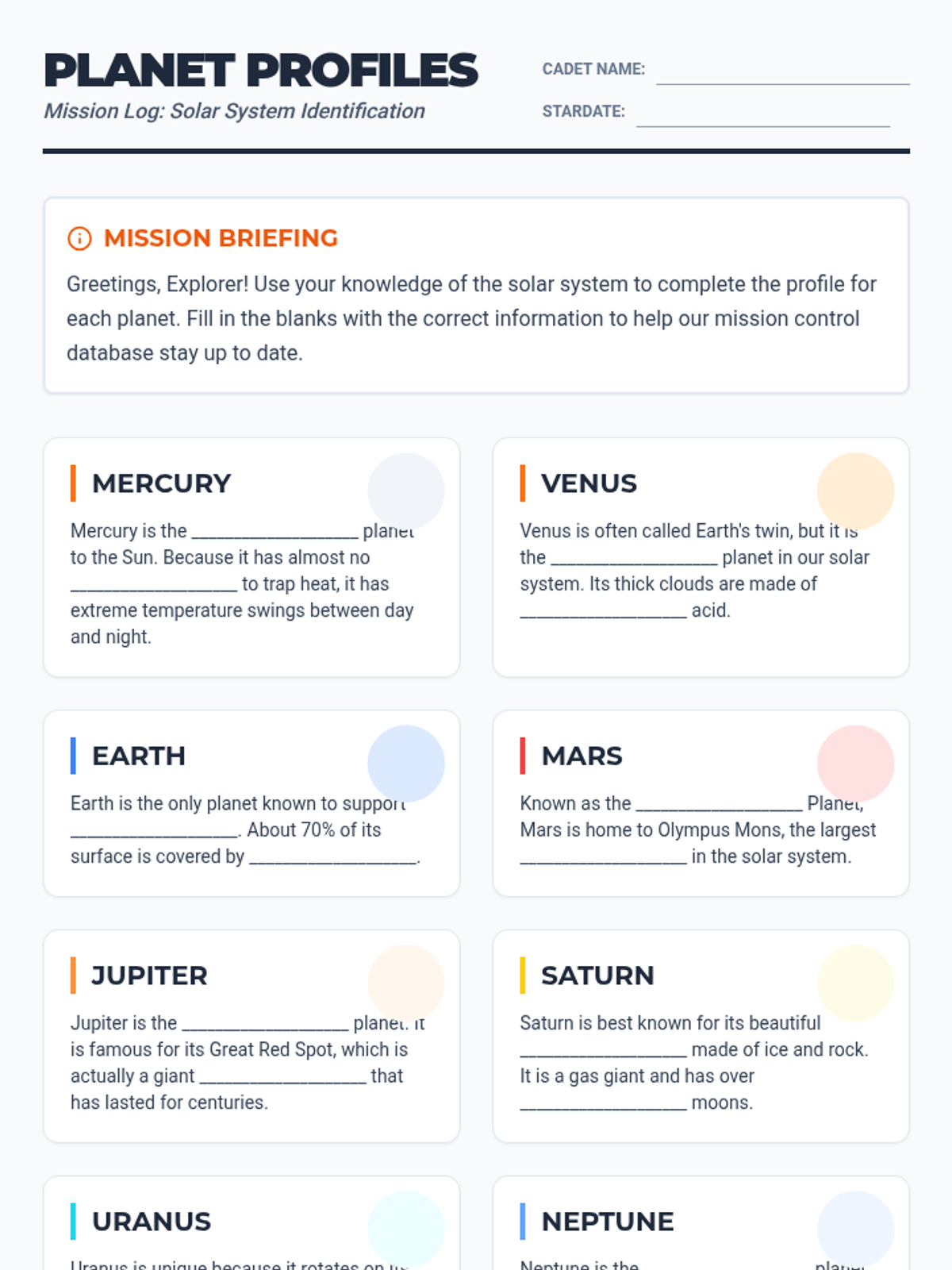
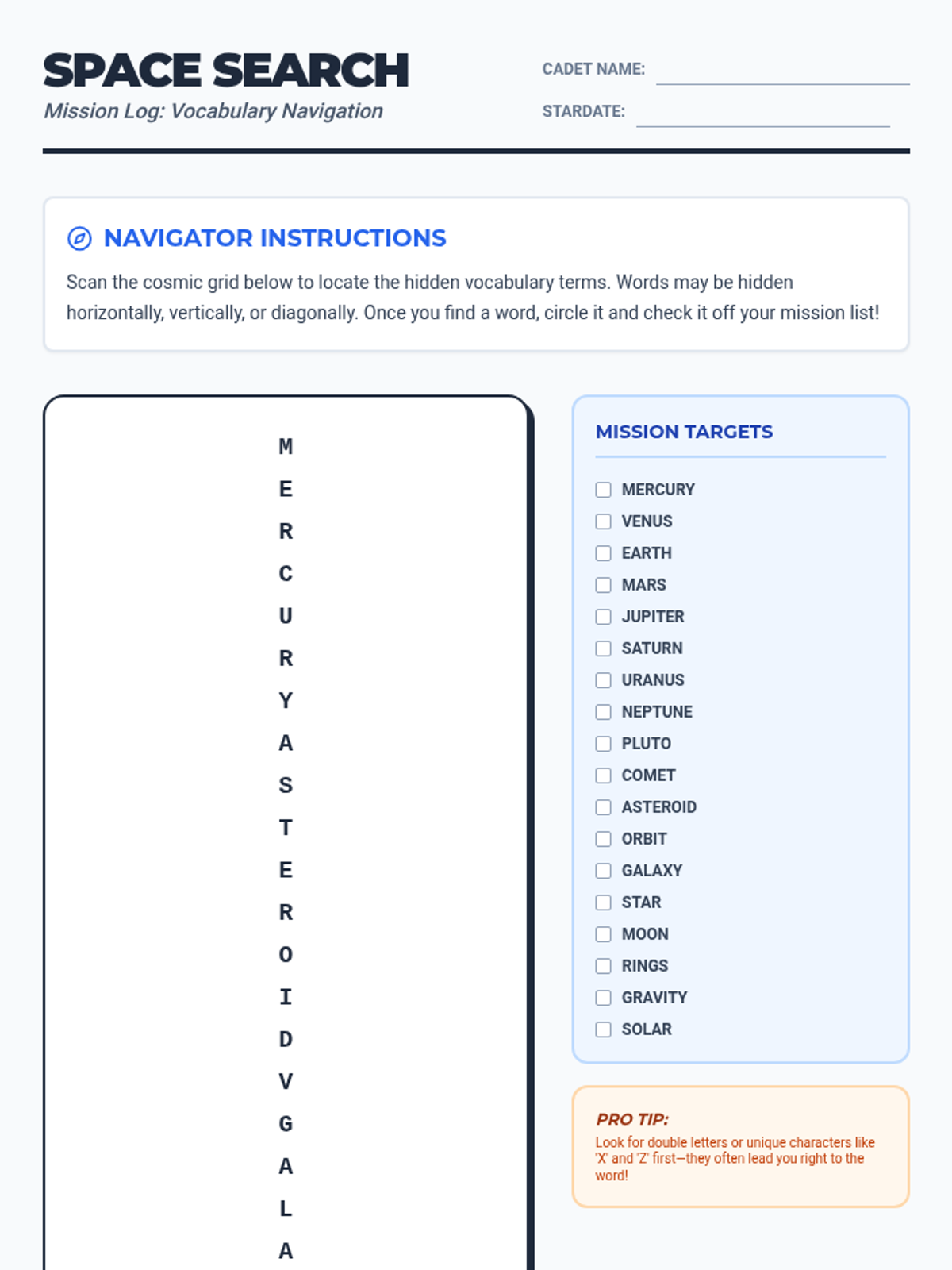
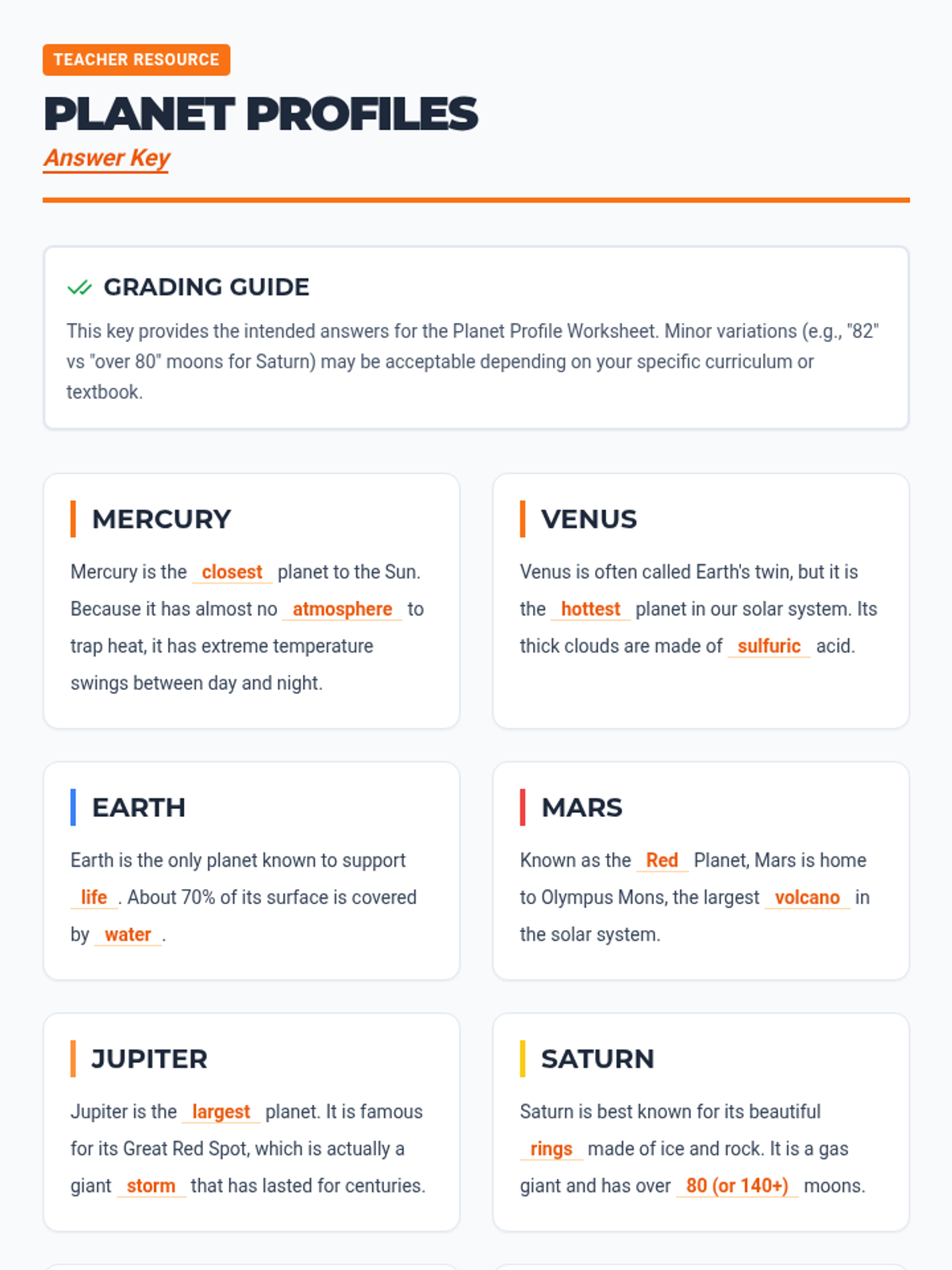
An introductory lesson exploring the eight planets of our solar system, their unique characteristics, and space-related vocabulary.
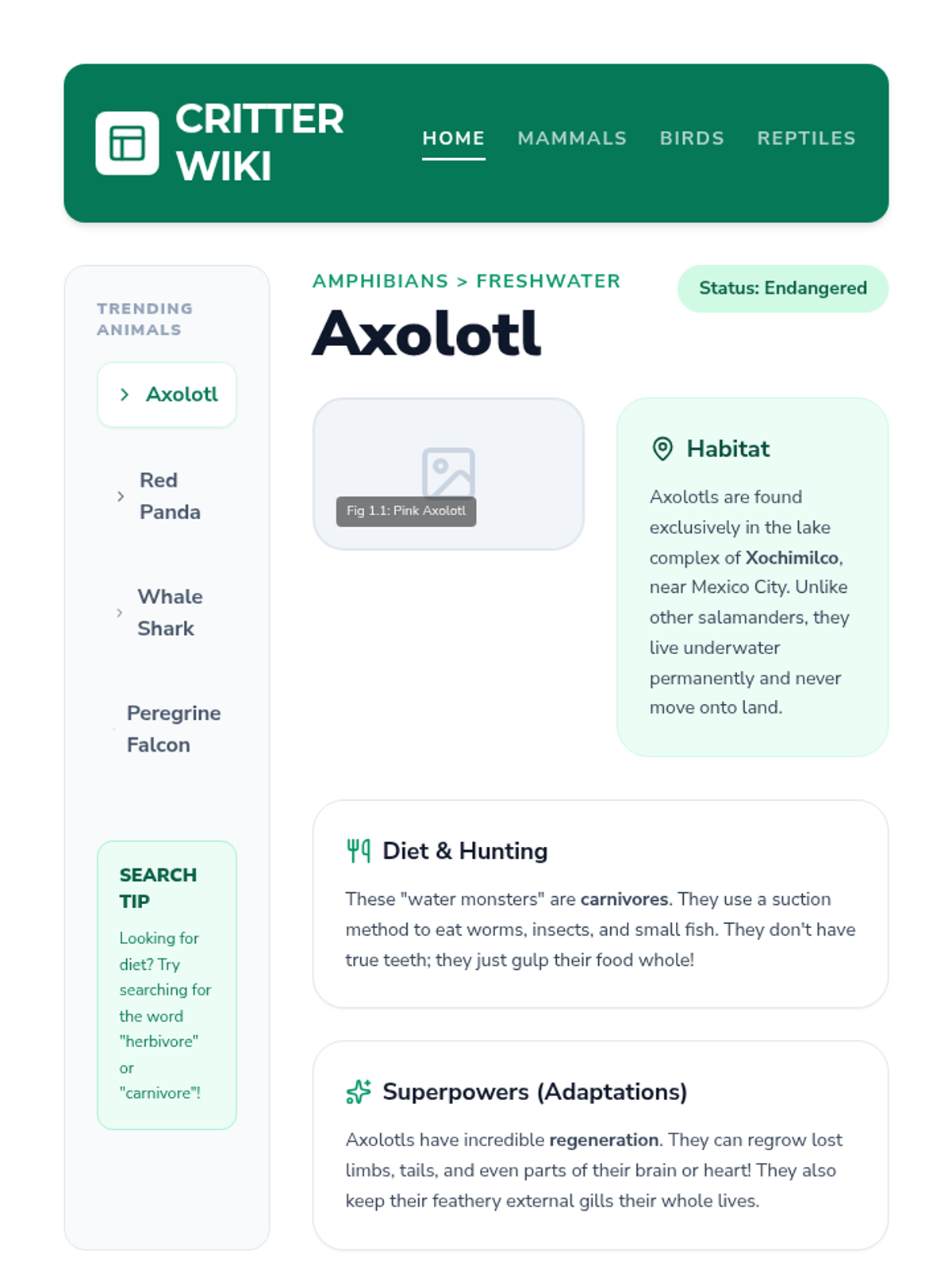
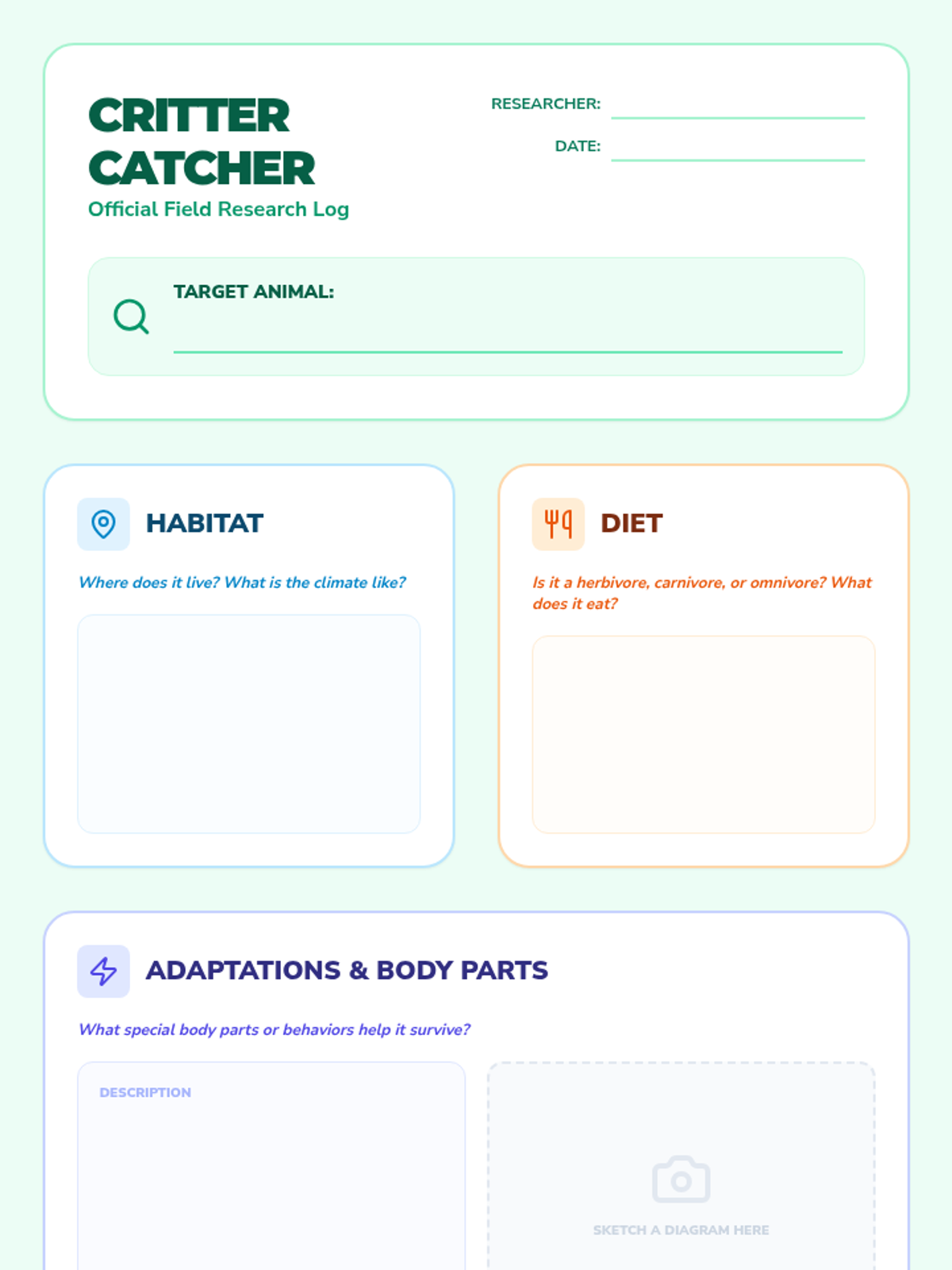
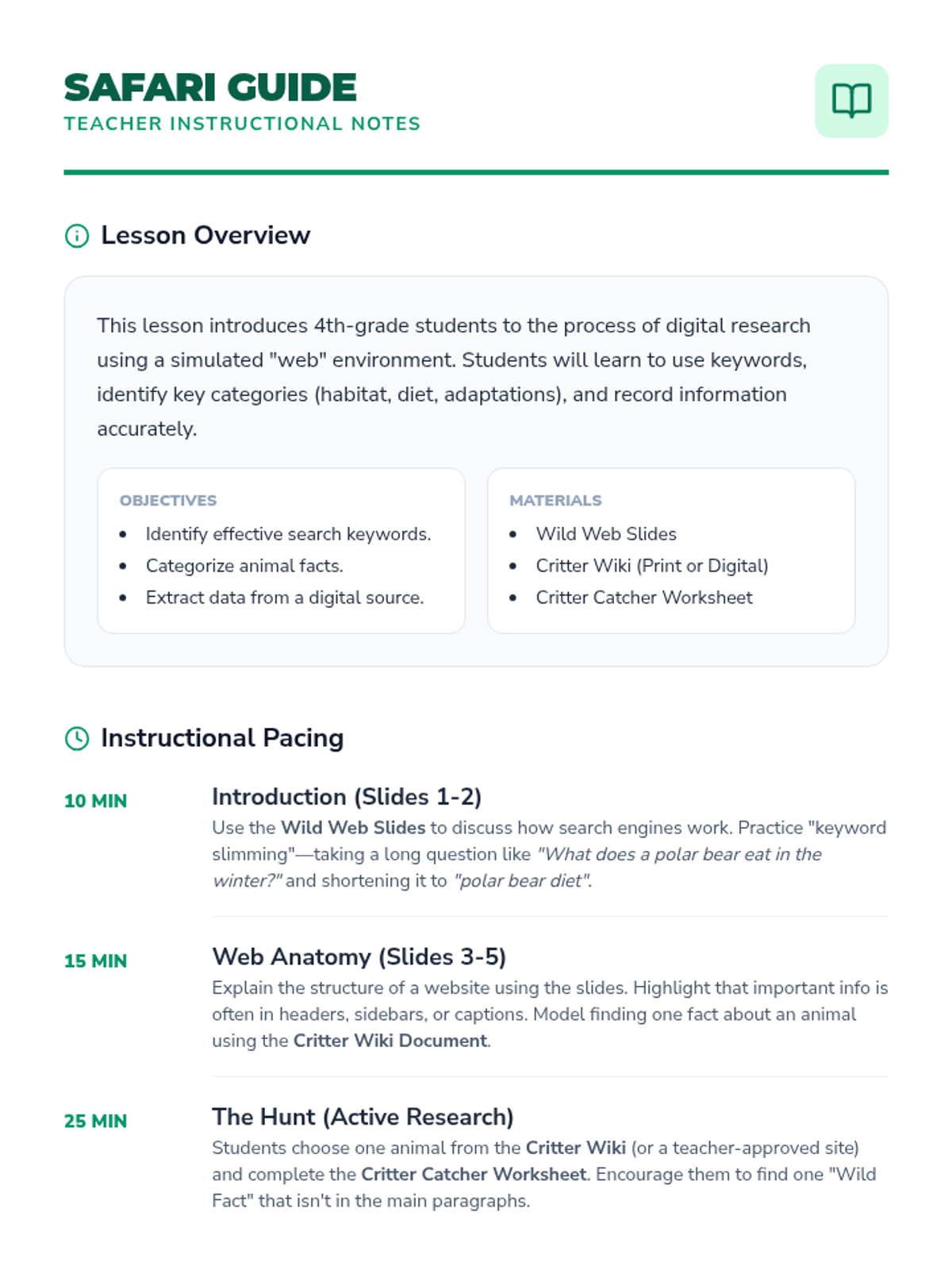
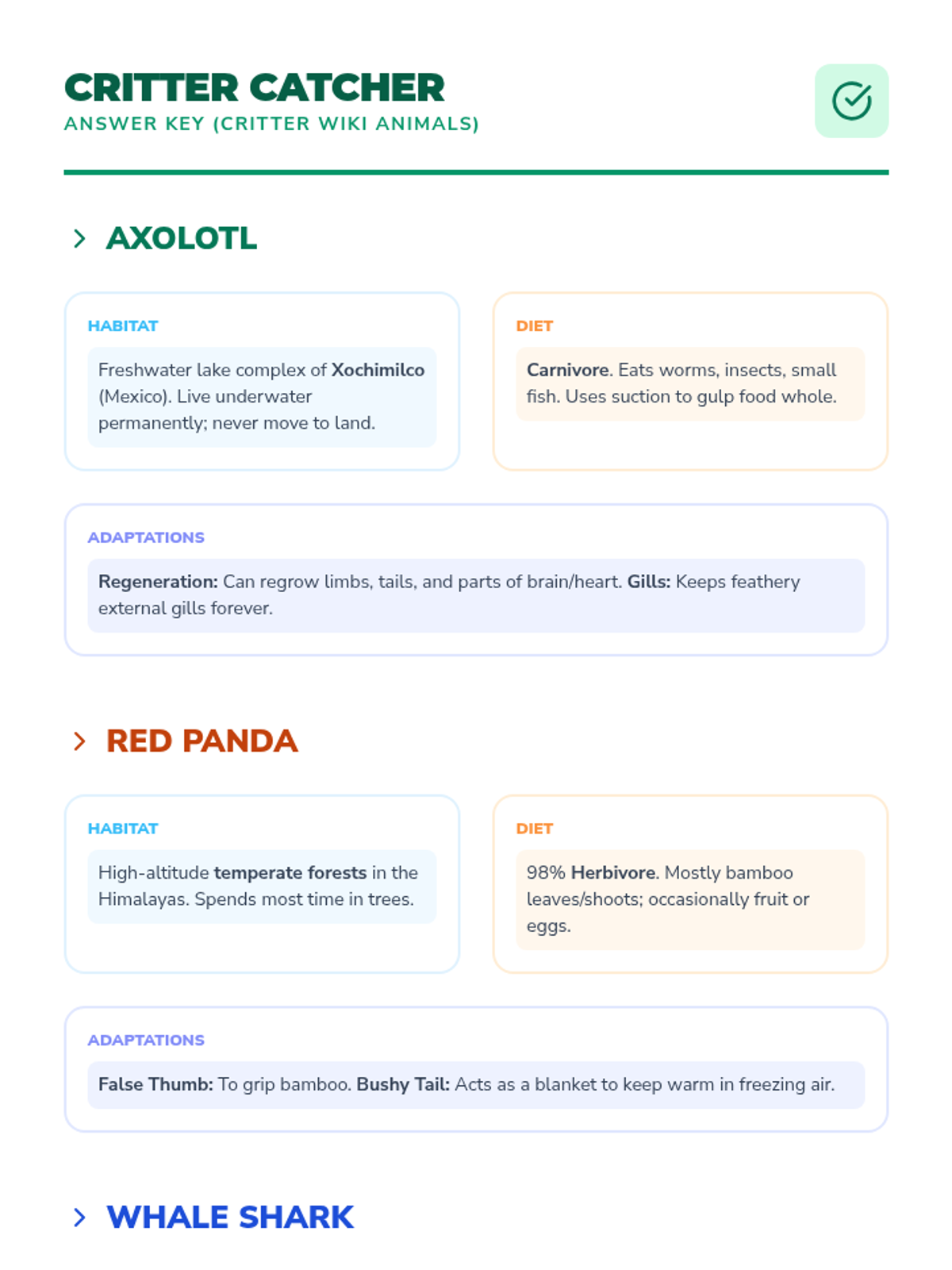
A lesson focused on teaching 4th graders how to effectively research animals using online resources and organizing their findings.
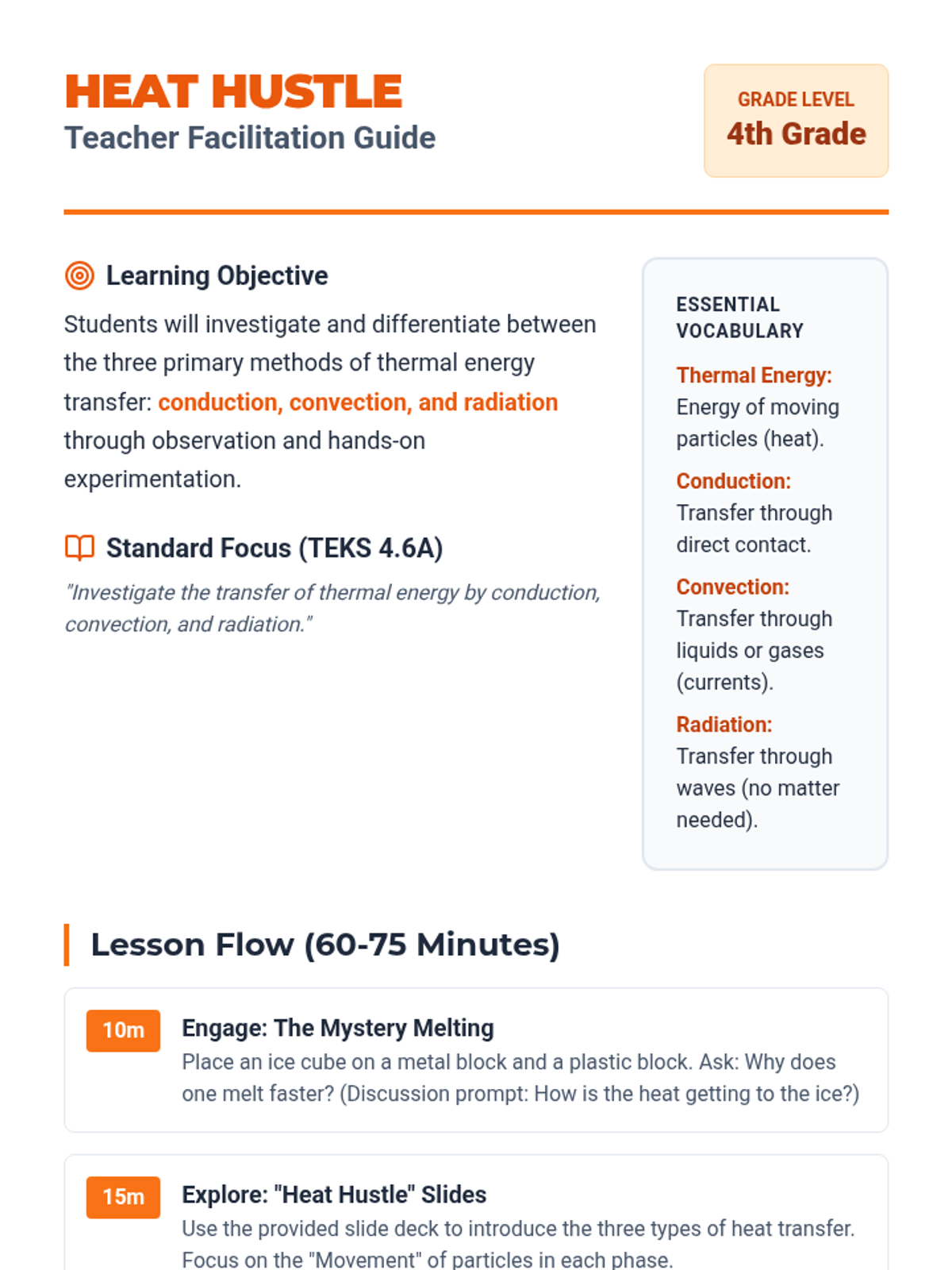
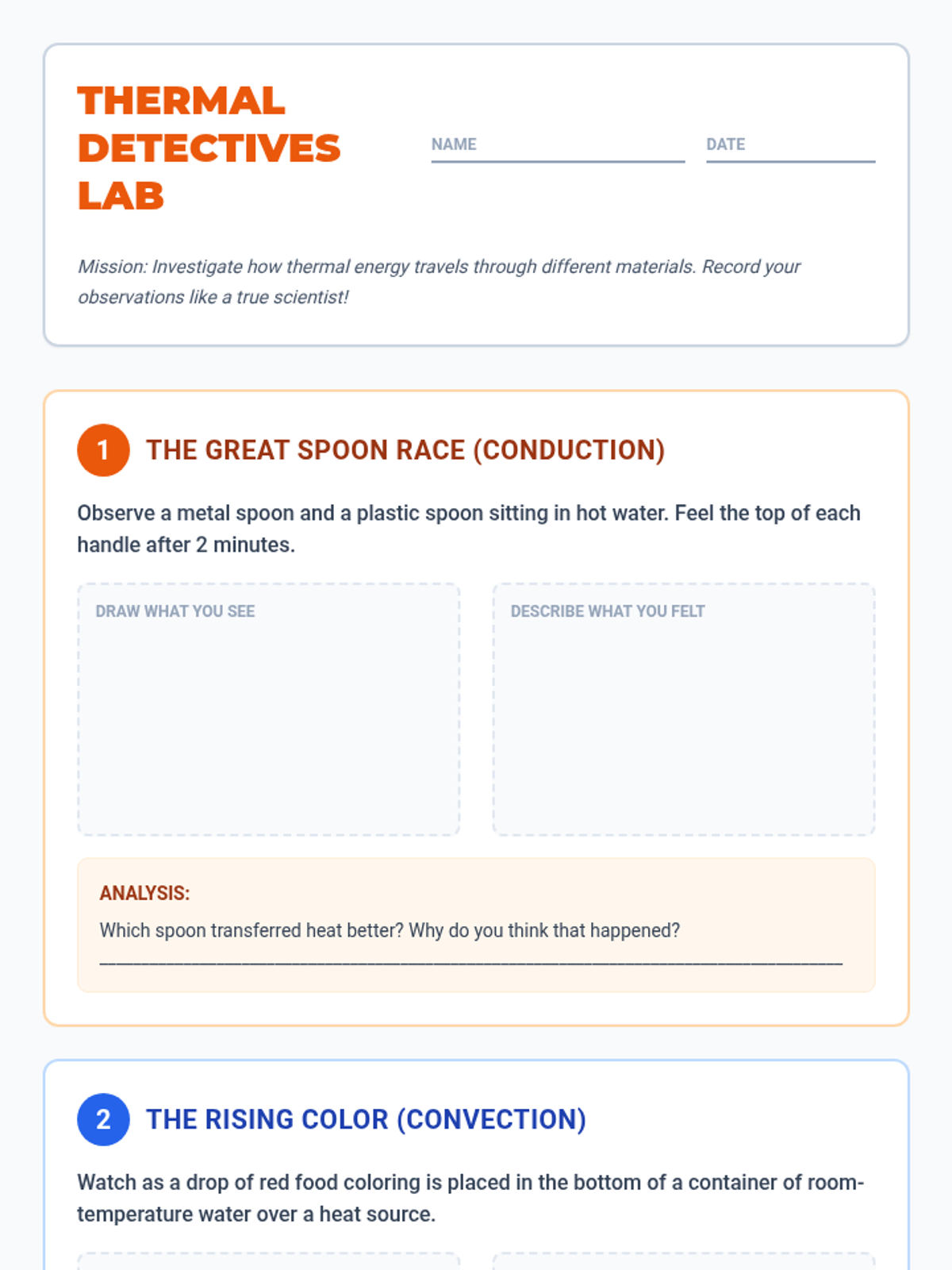
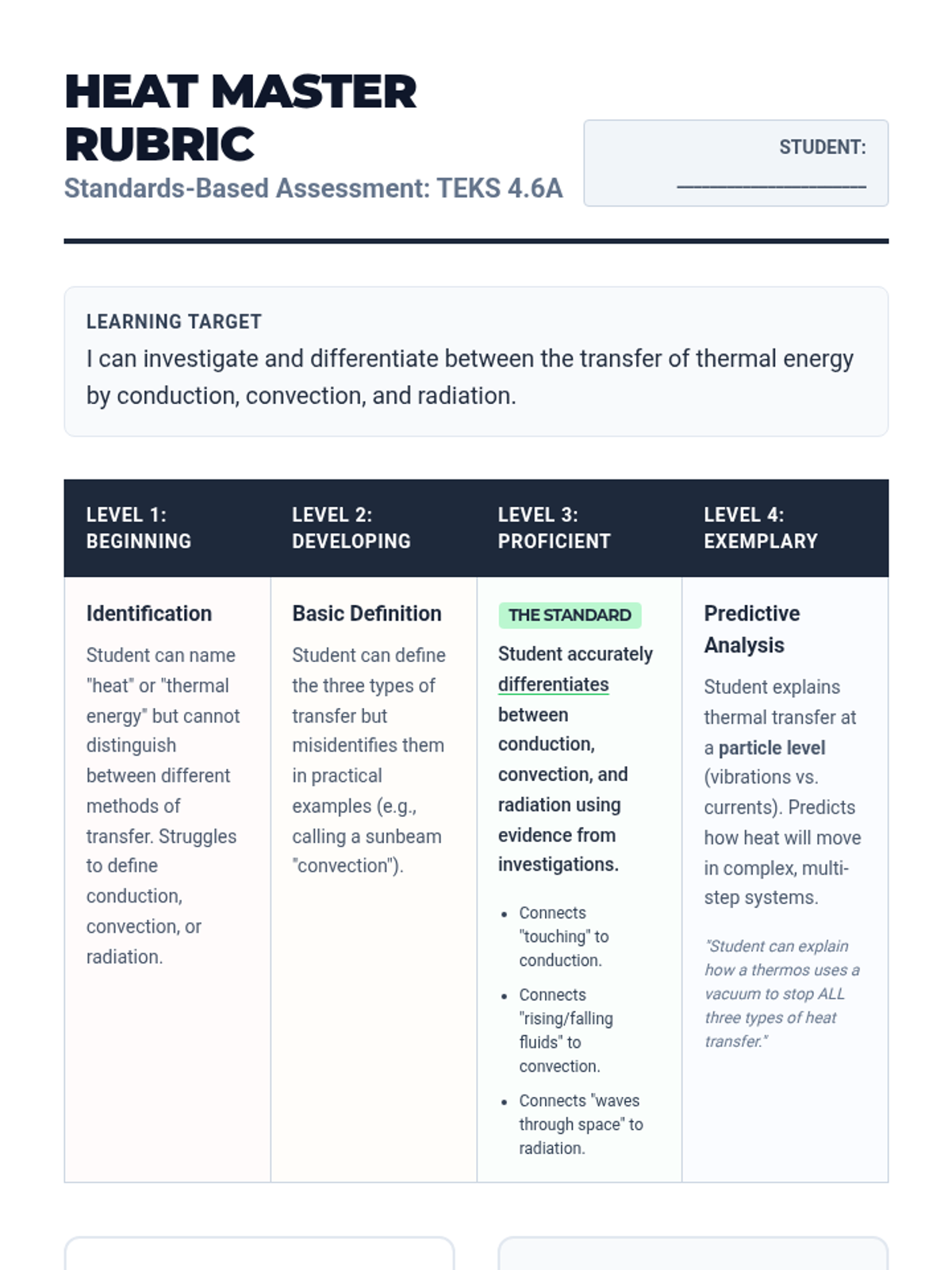
A comprehensive investigation into thermal energy transfer (conduction, convection, and radiation) for 4th-grade students, featuring hands-on experiments and standards-based assessment.
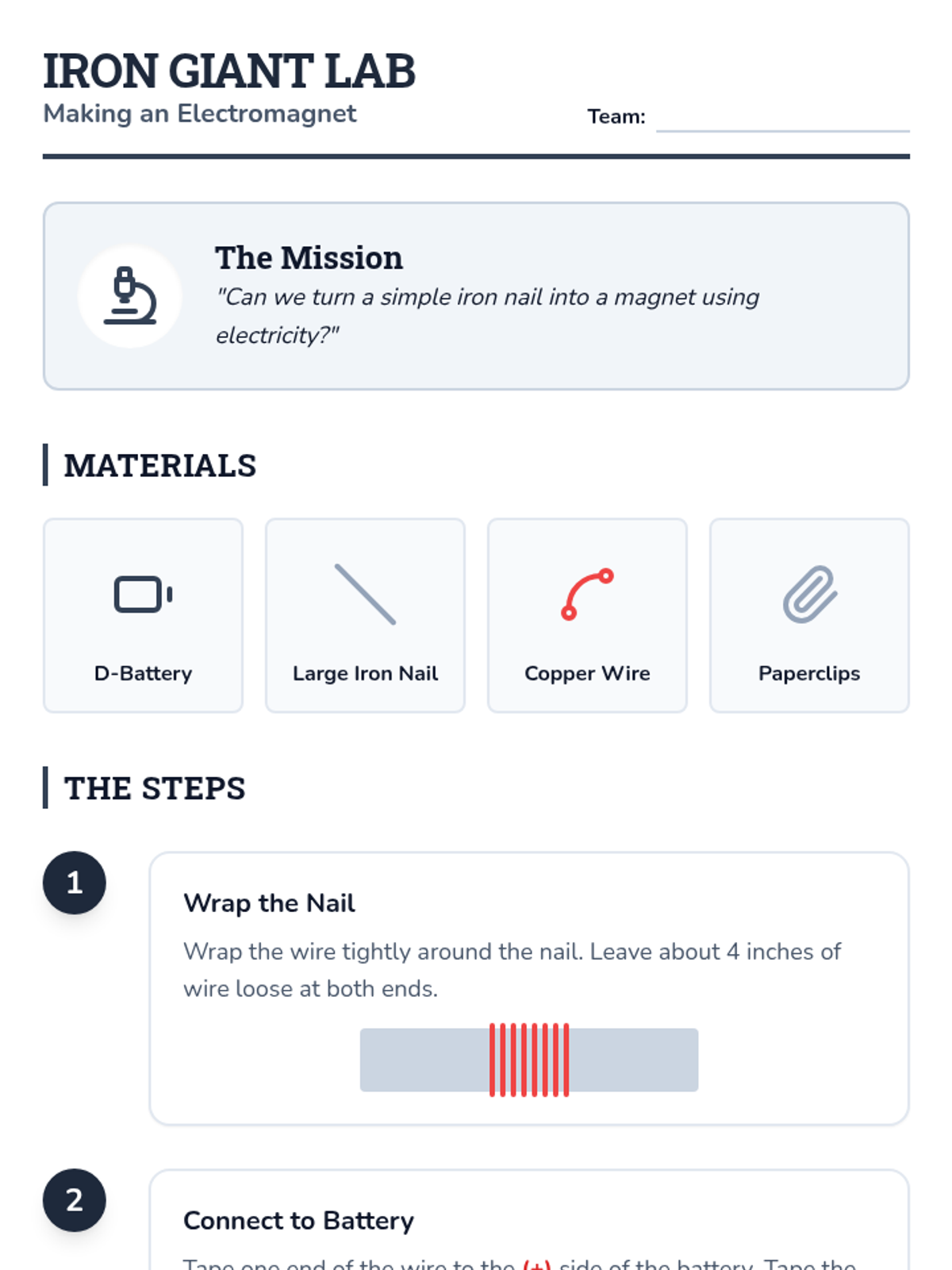
Combining electricity and magnetism to create a temporary magnet. Students follow instructions to build their own electromagnet using a battery, wire, and nail.
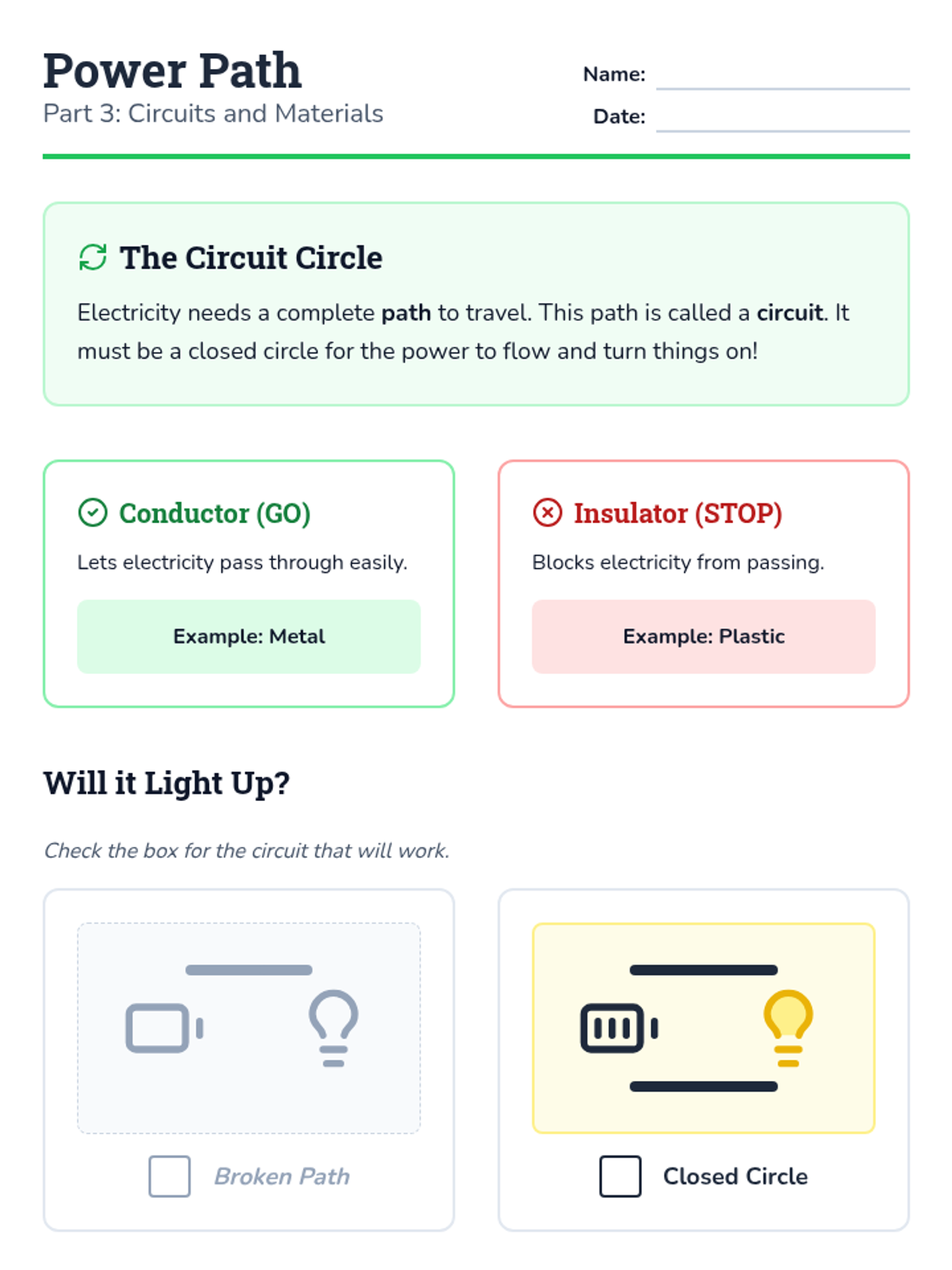
Identifying the path electricity takes. Students differentiate between conductors that let electricity pass and insulators that stop it, while building basic circuits.
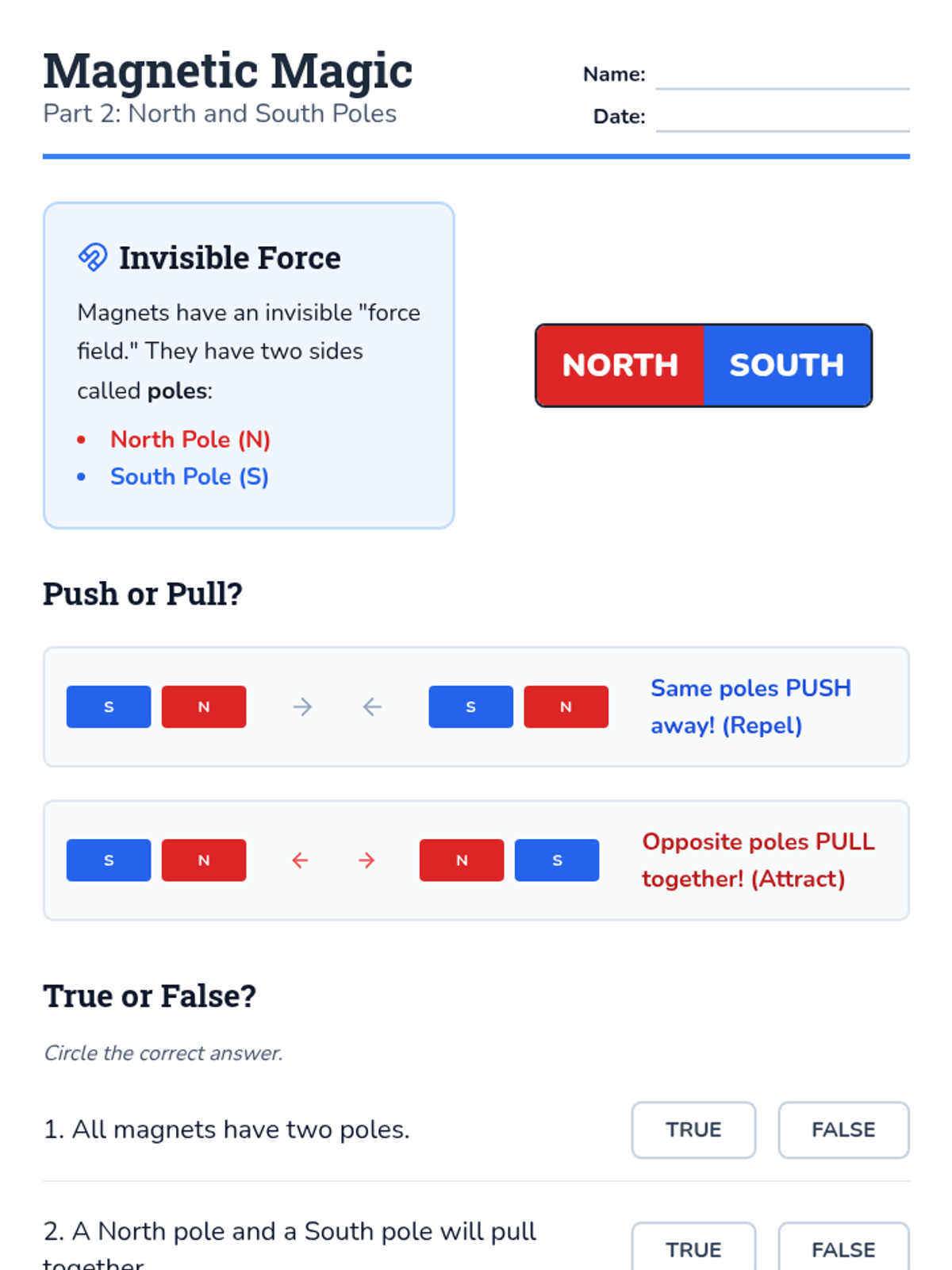
Exploring the invisible forces of magnets. Students learn about poles (North and South) and how magnetic fields create attraction and repulsion.
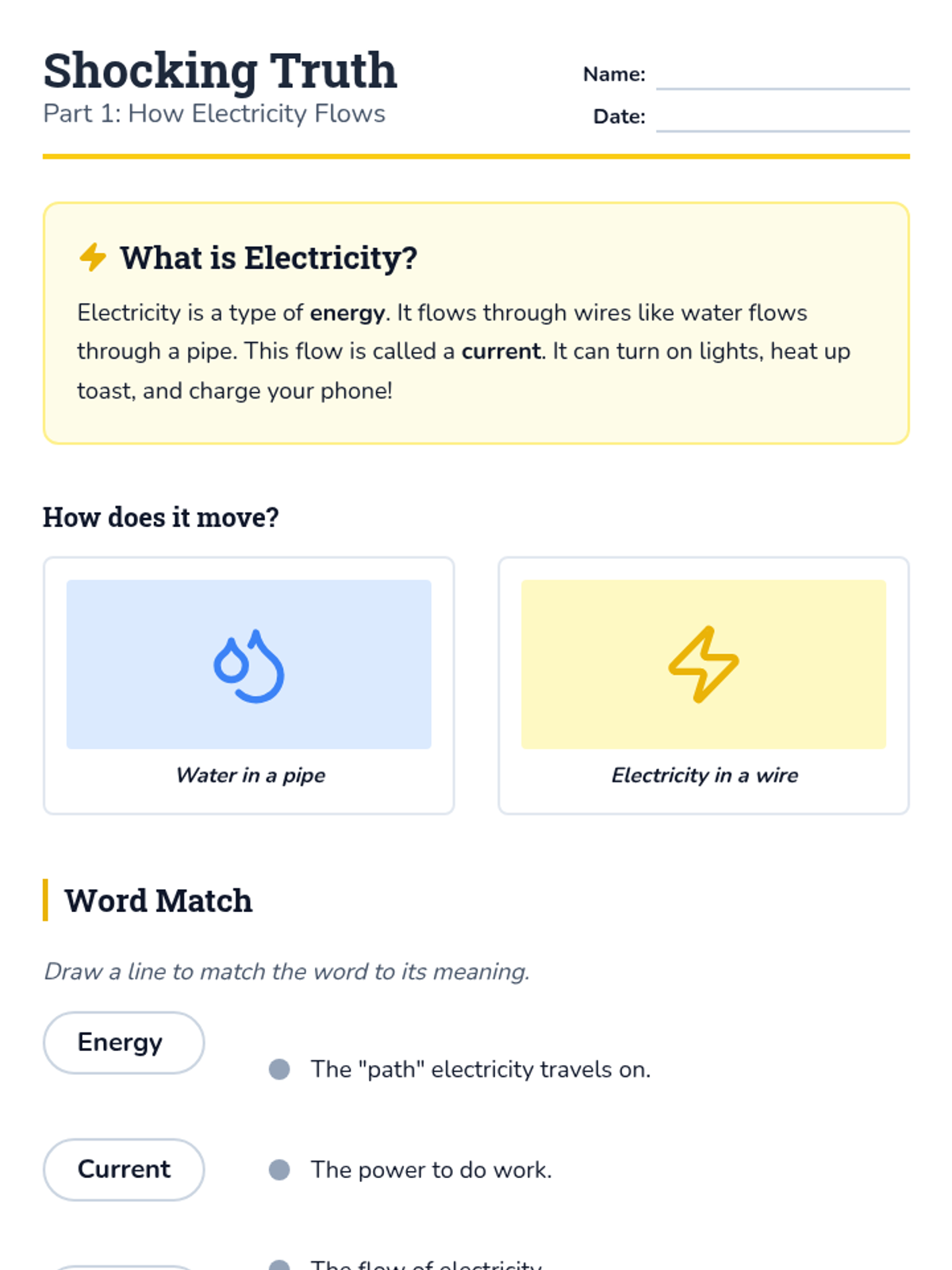
Introduction to what electricity is and how it moves through wires. Focuses on the concept of energy flow and simple 'push' and 'pull' analogies.
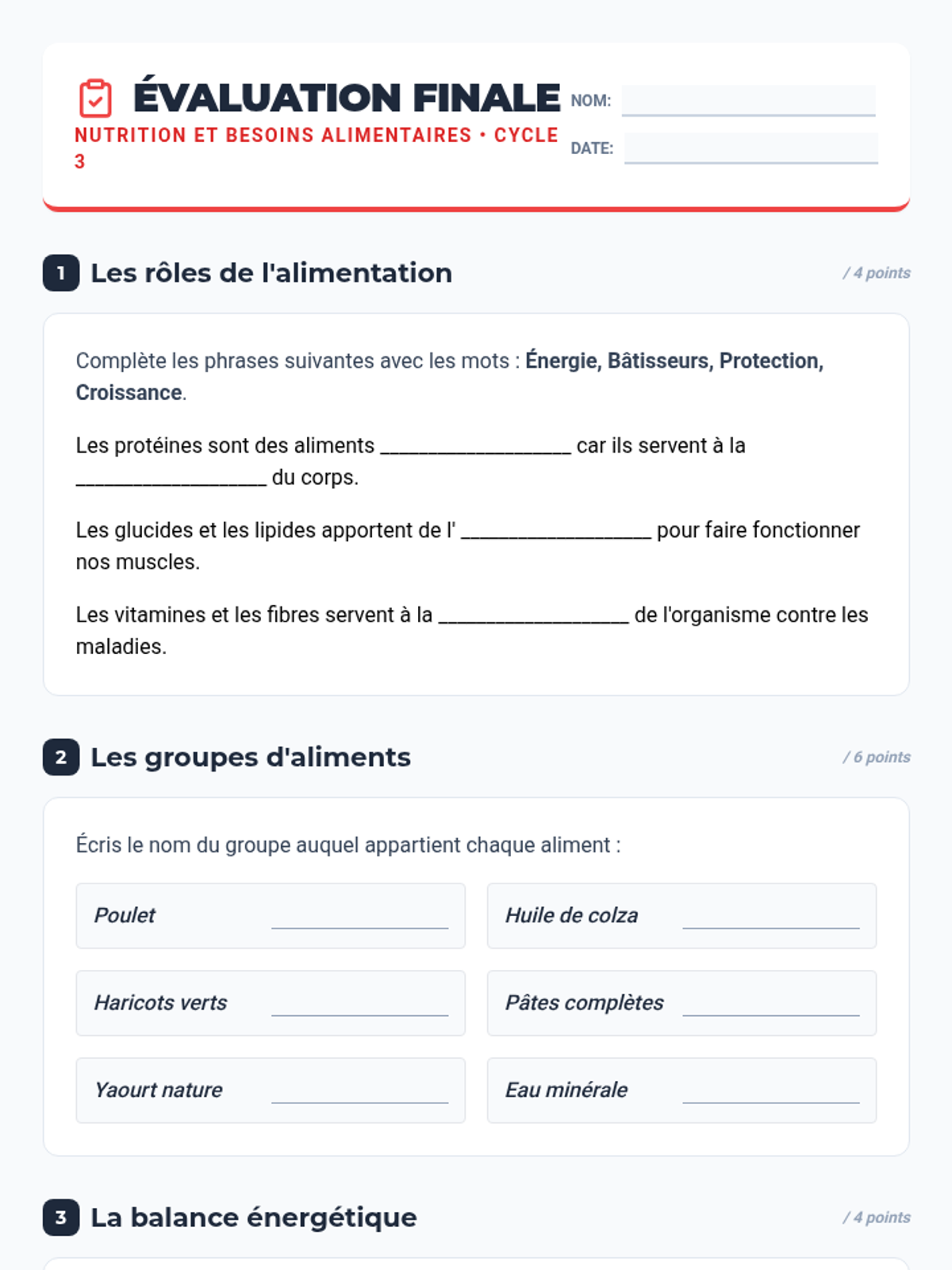
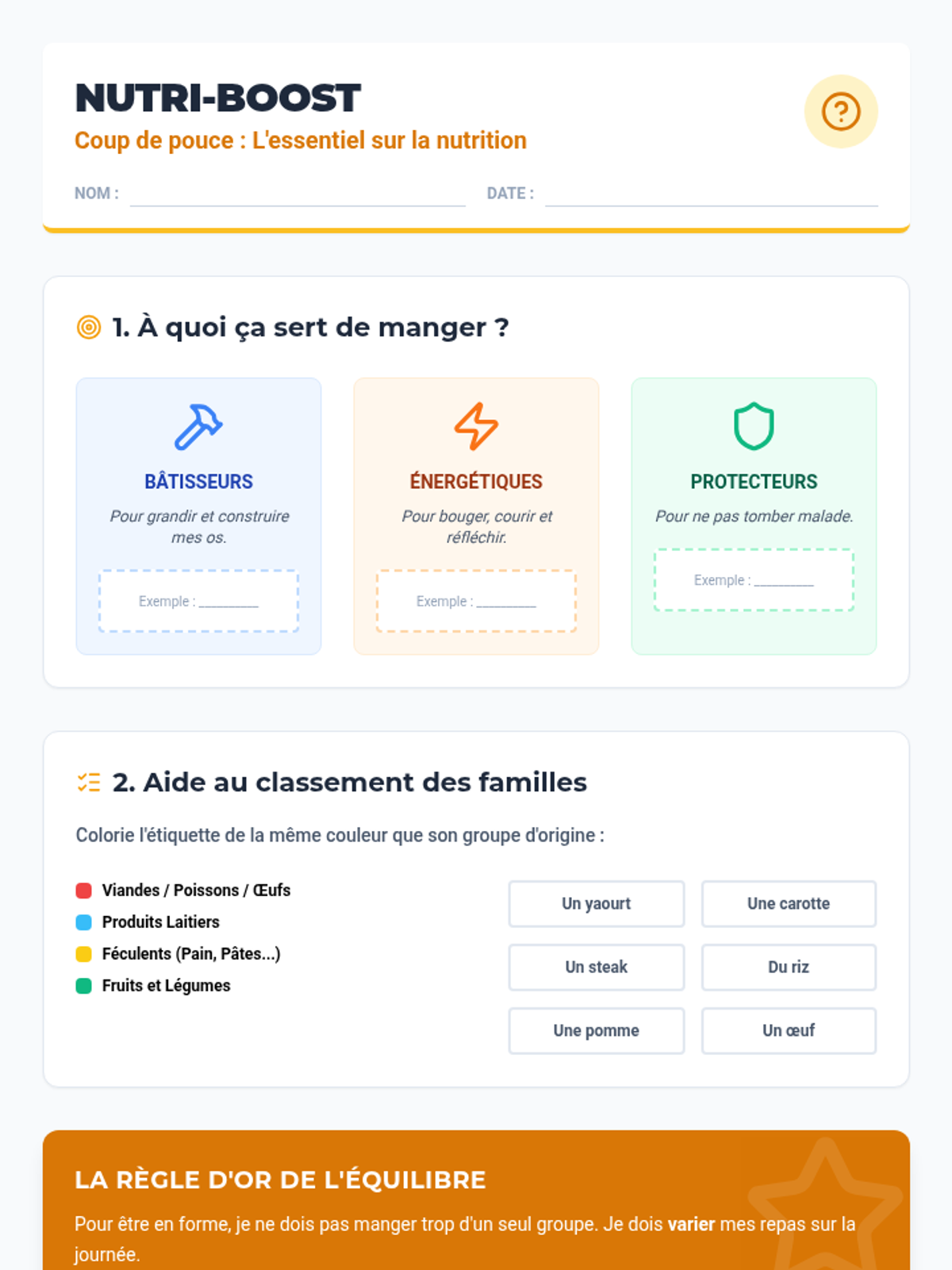
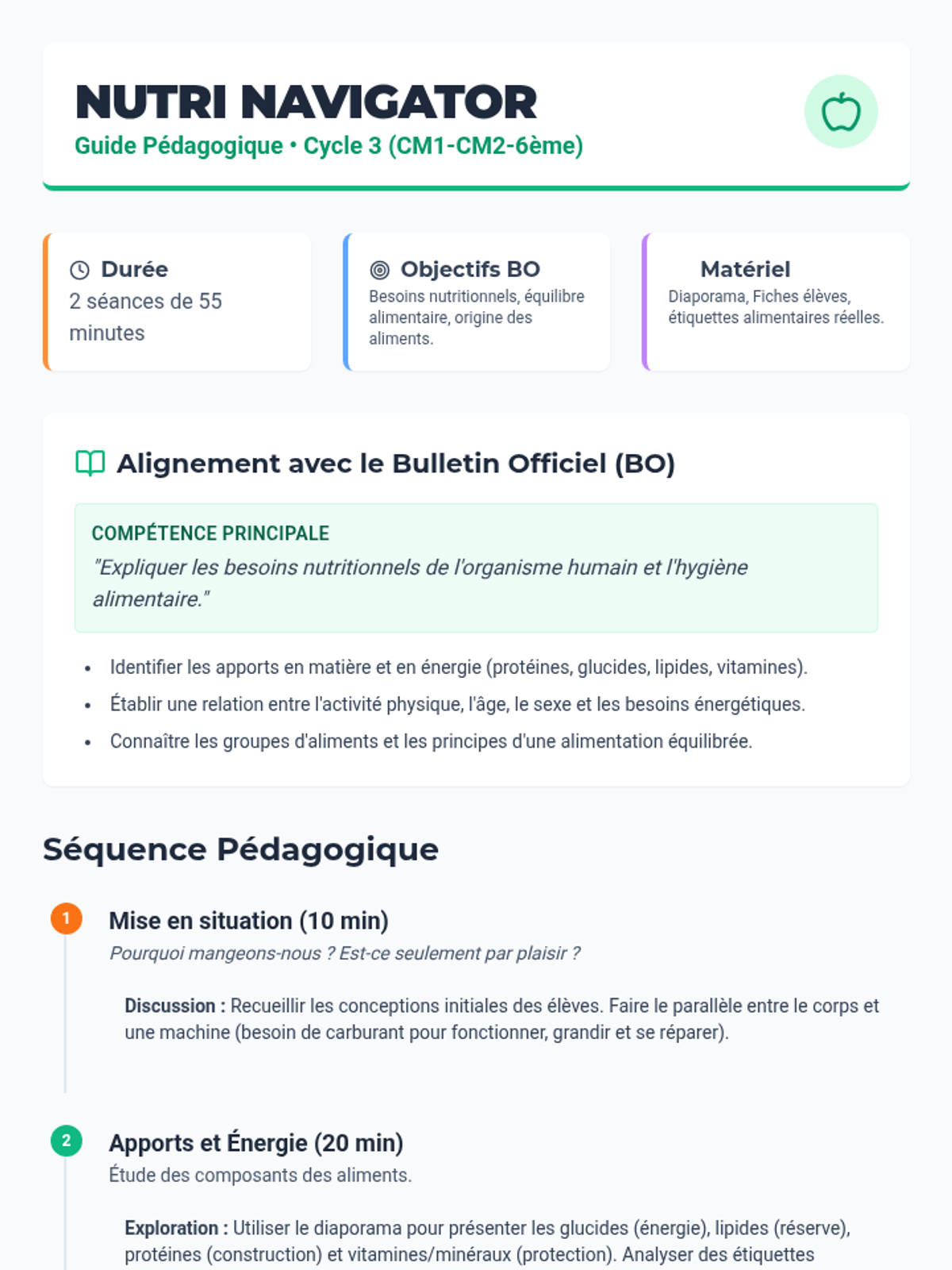
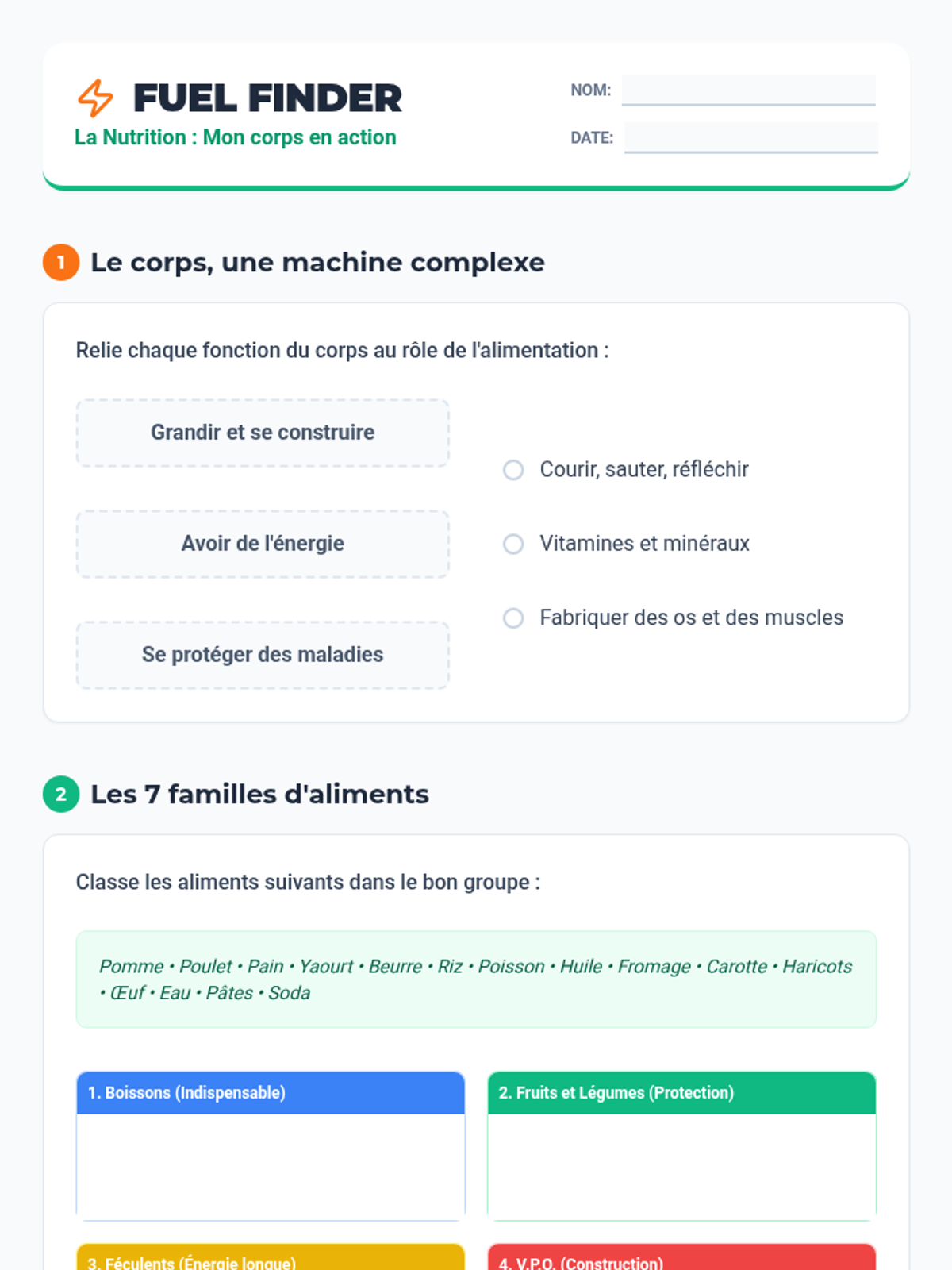
Une exploration approfondie des besoins nutritionnels humains, des groupes d'aliments et de l'équilibre alimentaire, alignée sur le programme de cycle 3. Les élèves apprennent à identifier la provenance de leur énergie et à composer des repas équilibrés pour leur santé.
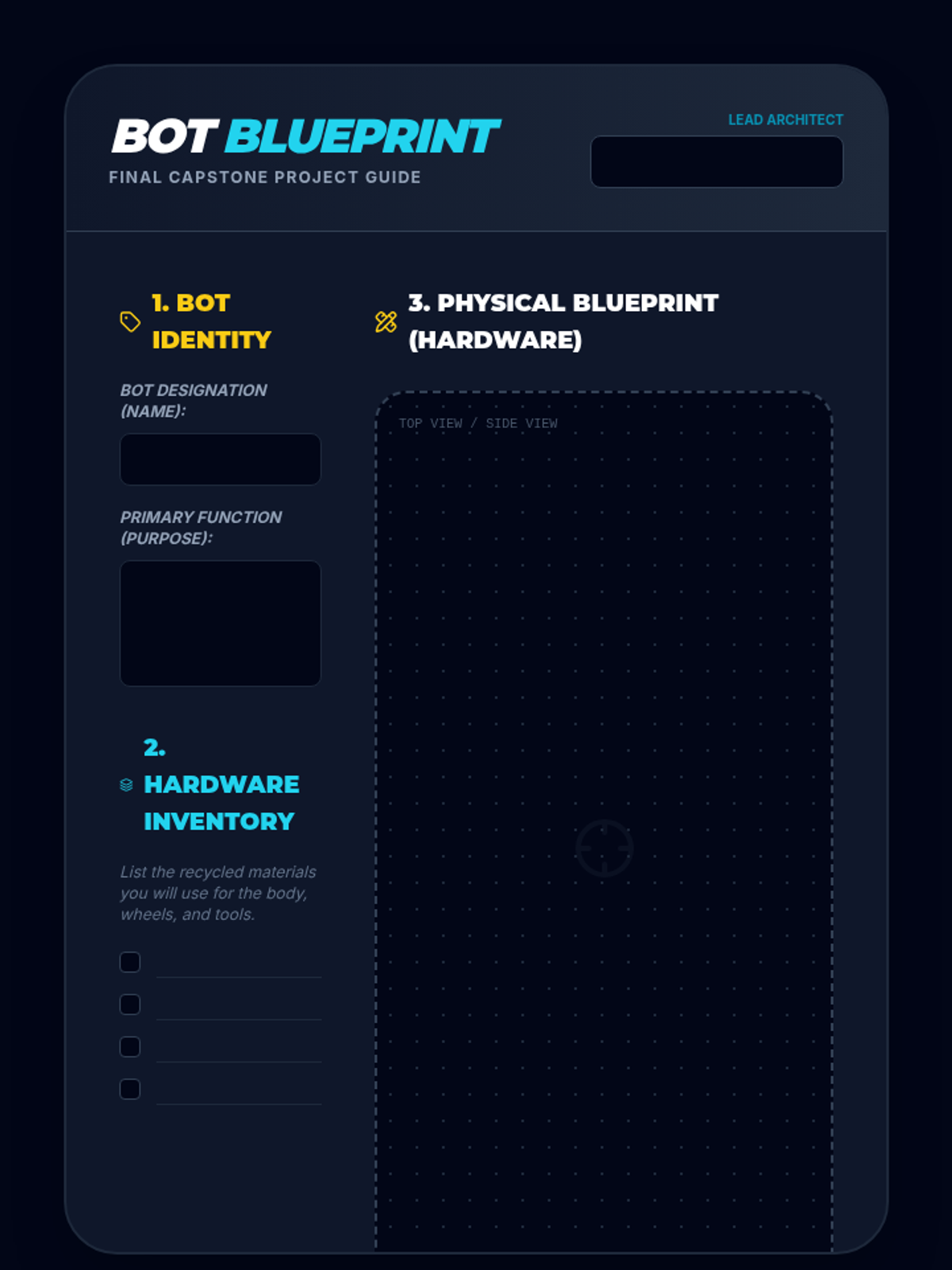
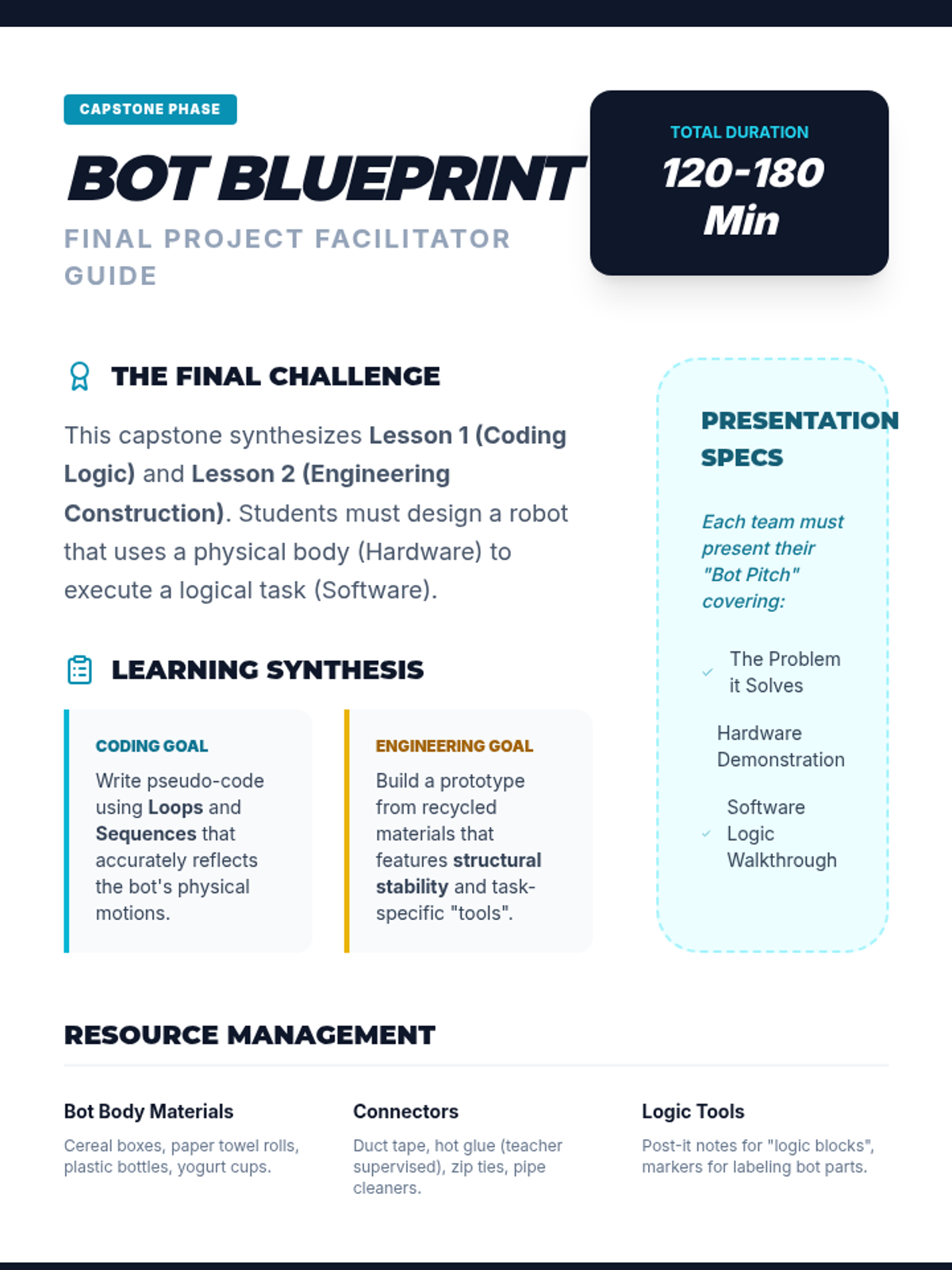
The capstone project where students combine their coding knowledge and engineering skills. Students design a functional 'helper bot' using recycled materials and write the pseudo-code for its operations.
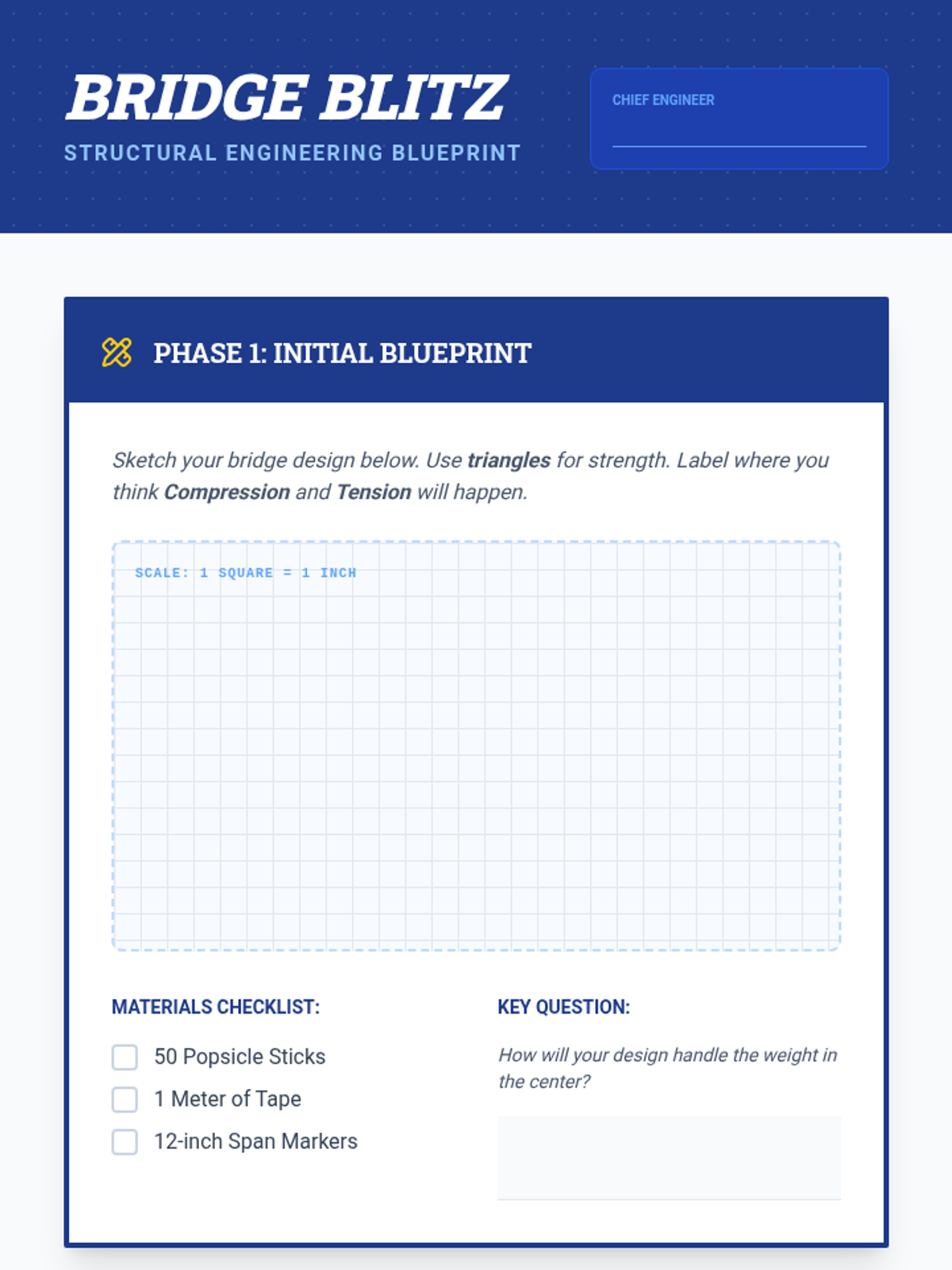
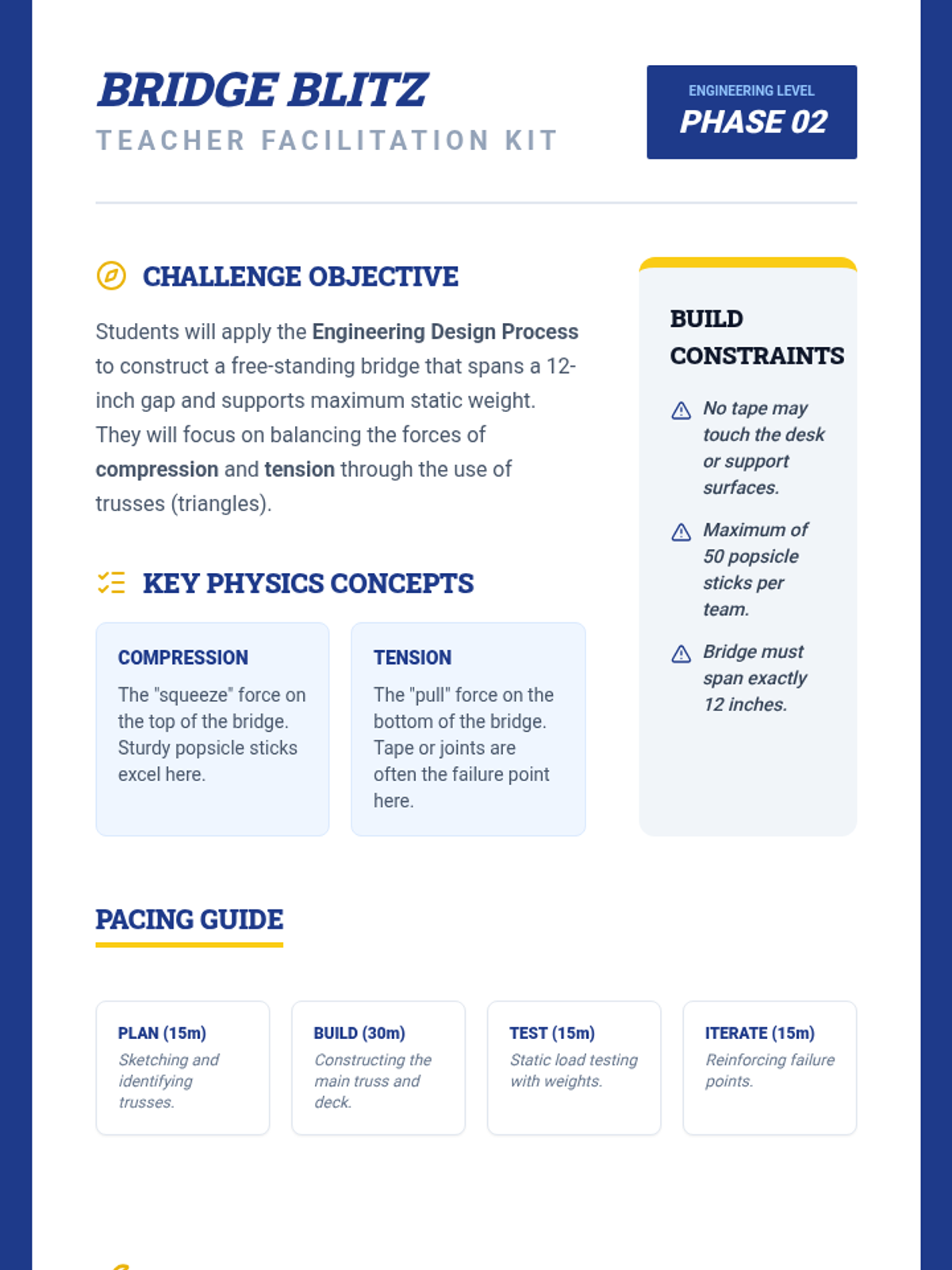
A hands-on engineering challenge where students apply the Engineering Design Process to build stable structures. This lesson focuses on physics, materials science, and iterative testing.
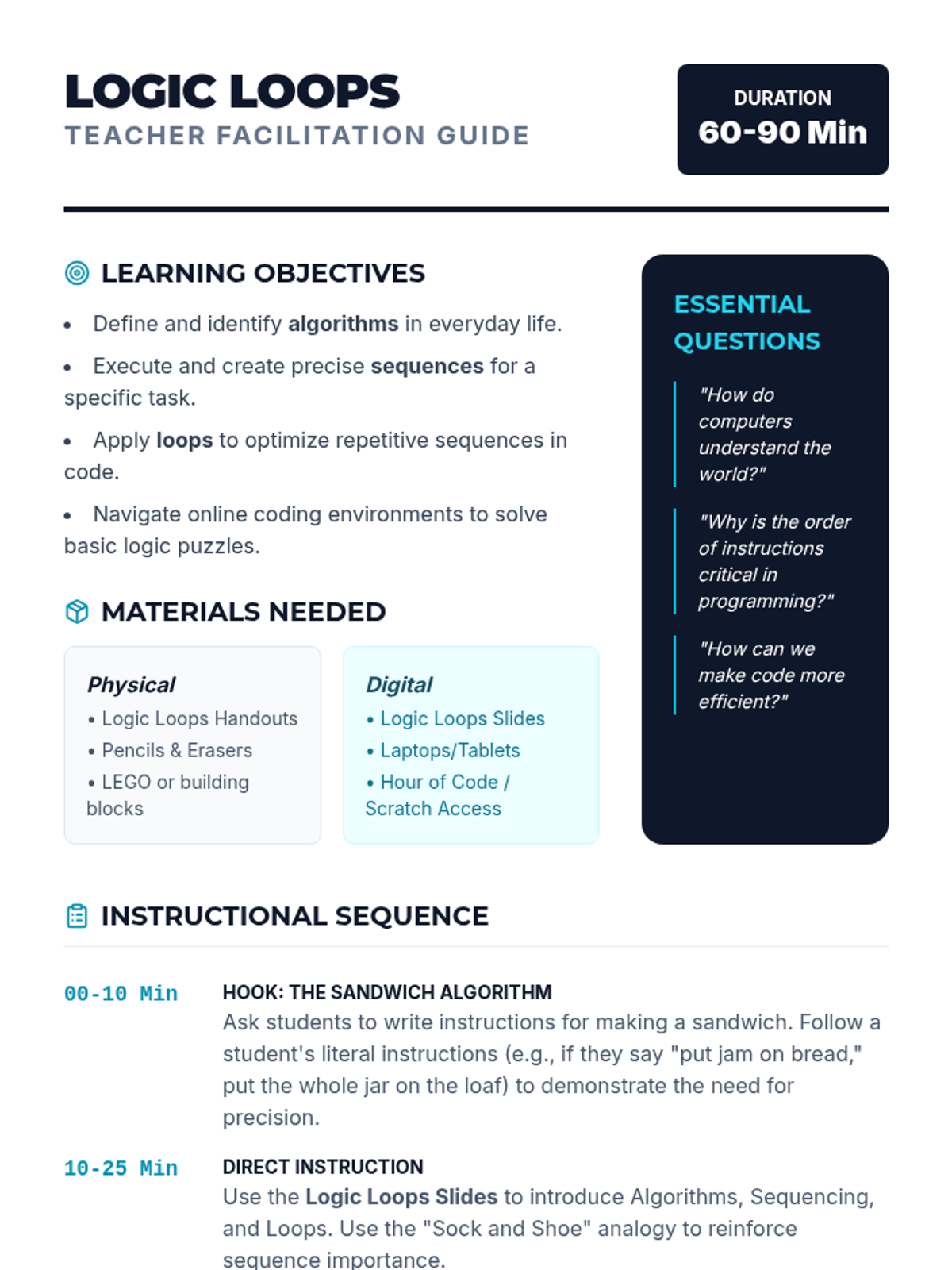
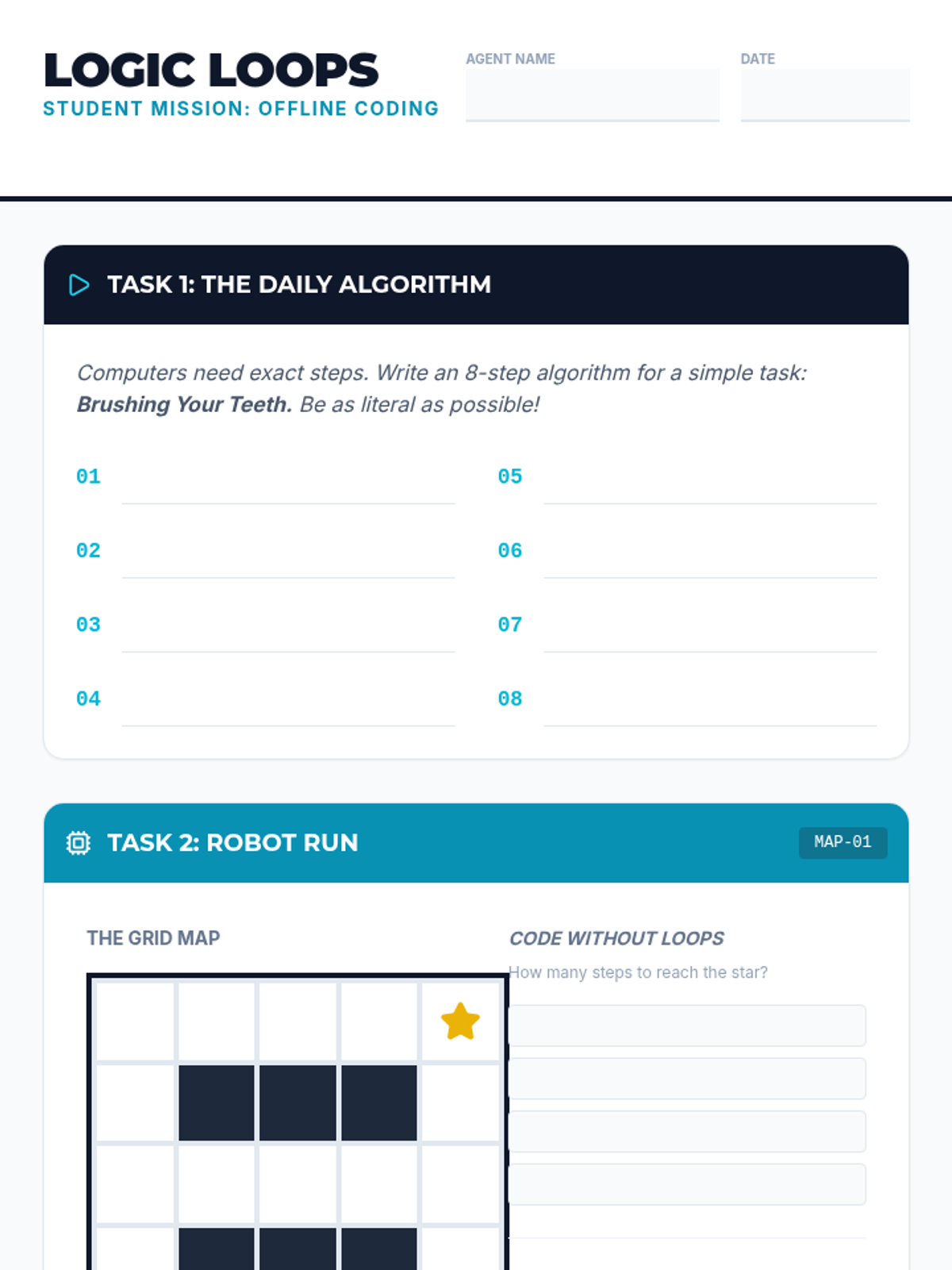
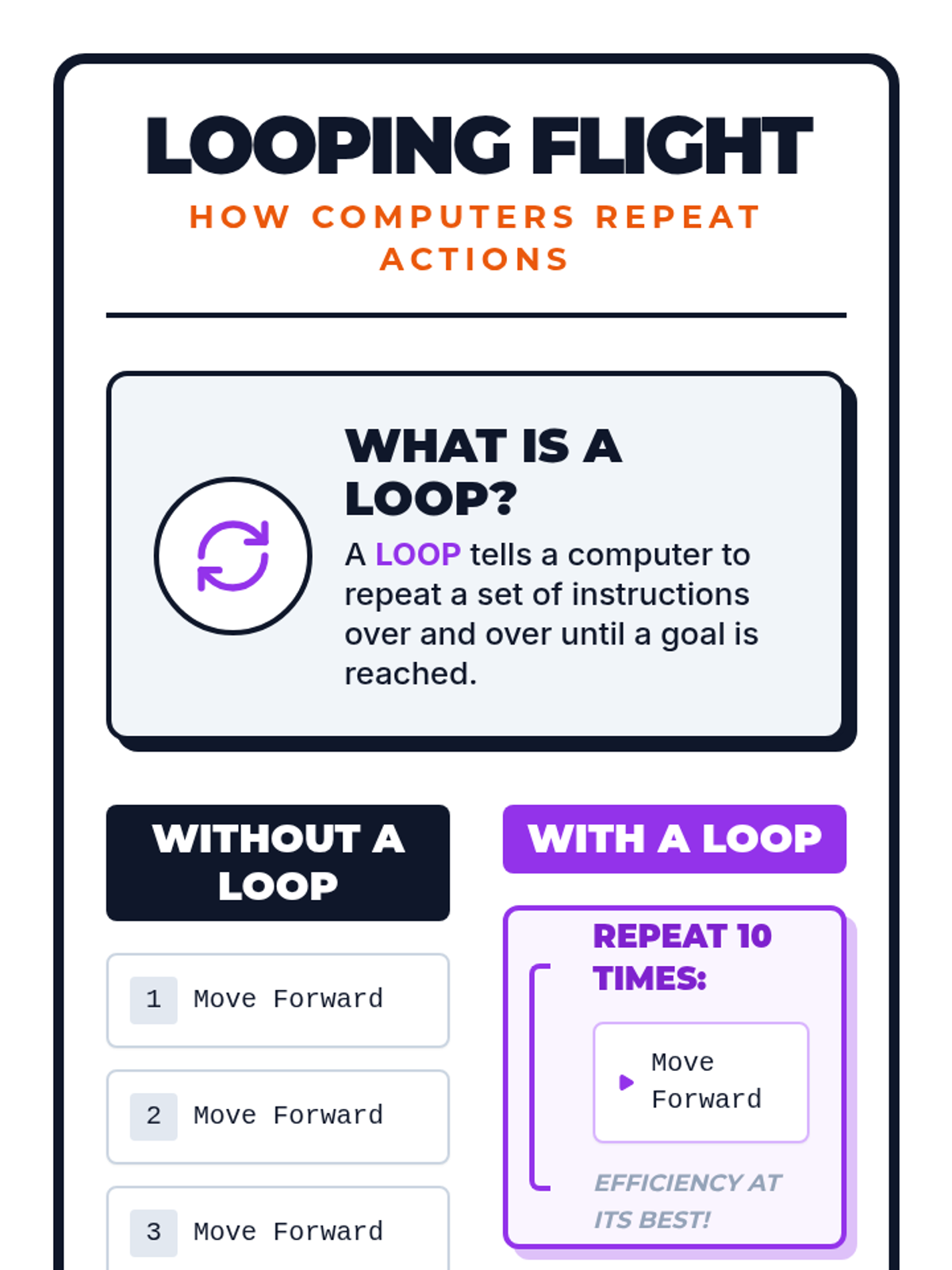
An introduction to computational thinking focusing on algorithms, sequencing, and loops. Students engage with online coding platforms and offline logic puzzles to master the basics of programming.
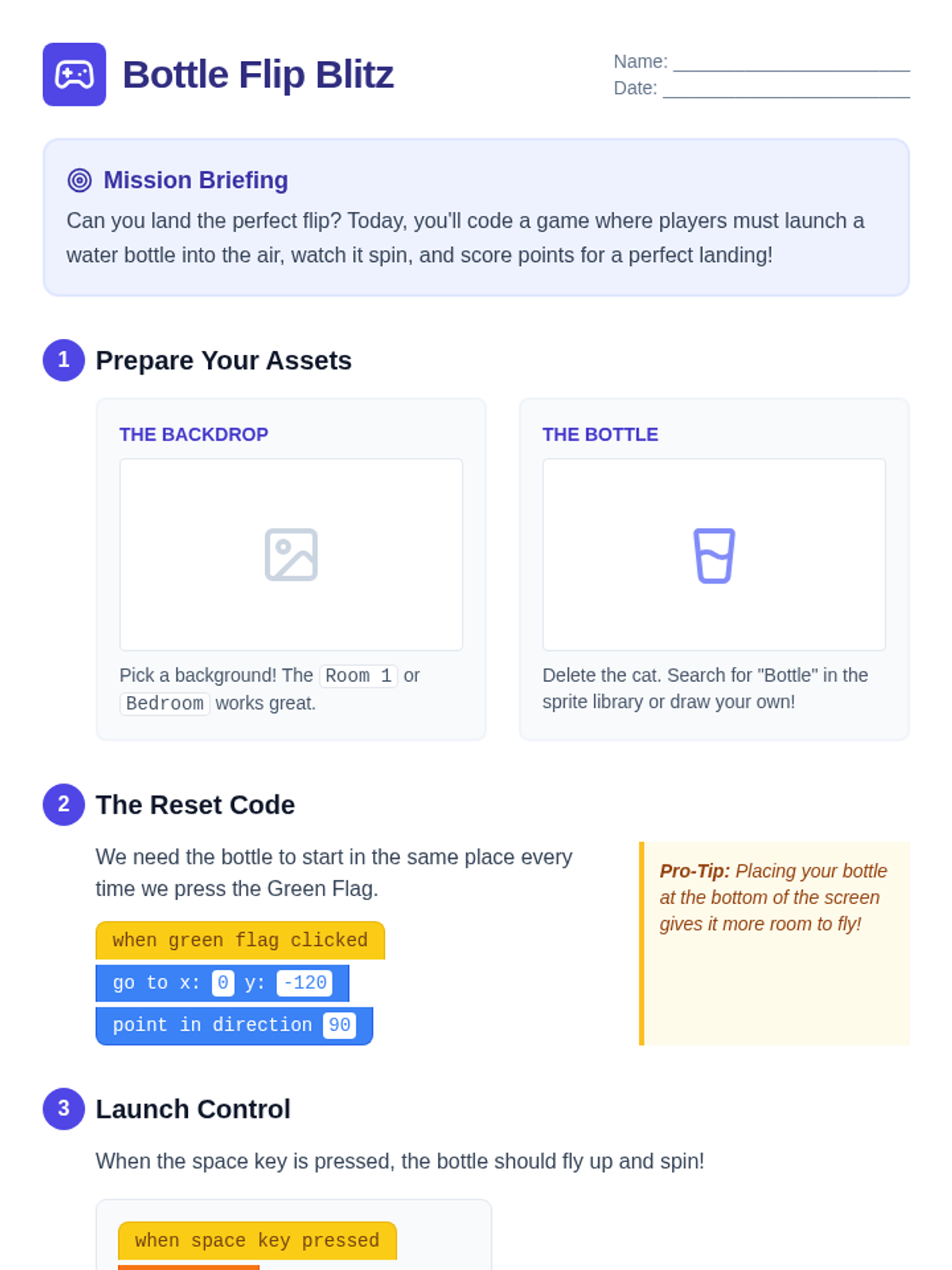
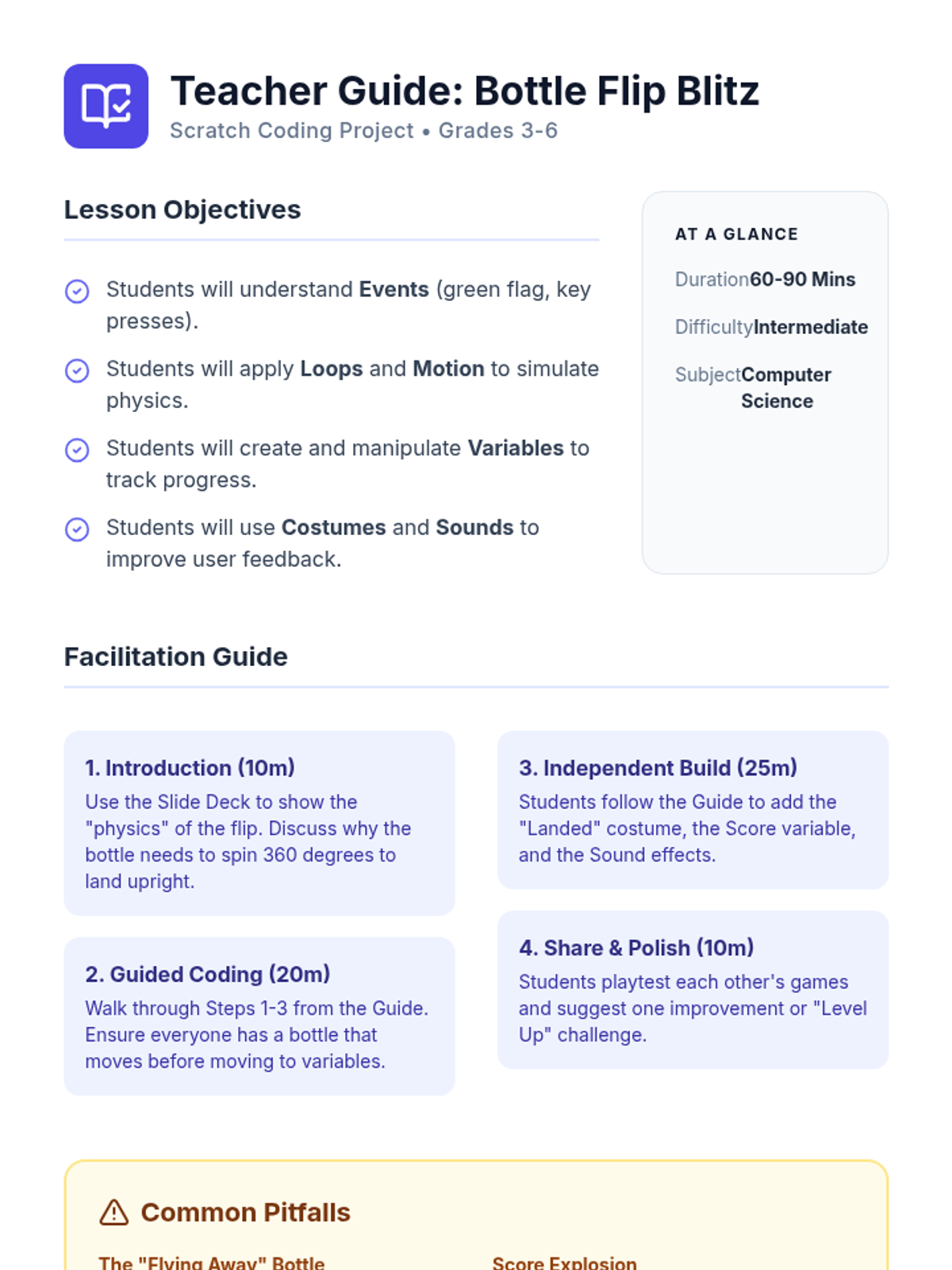
A step-by-step Scratch coding project where students build a physics-based bottle flip game. This lesson covers events, motion, loops, and variables through an engaging arcade-style project.
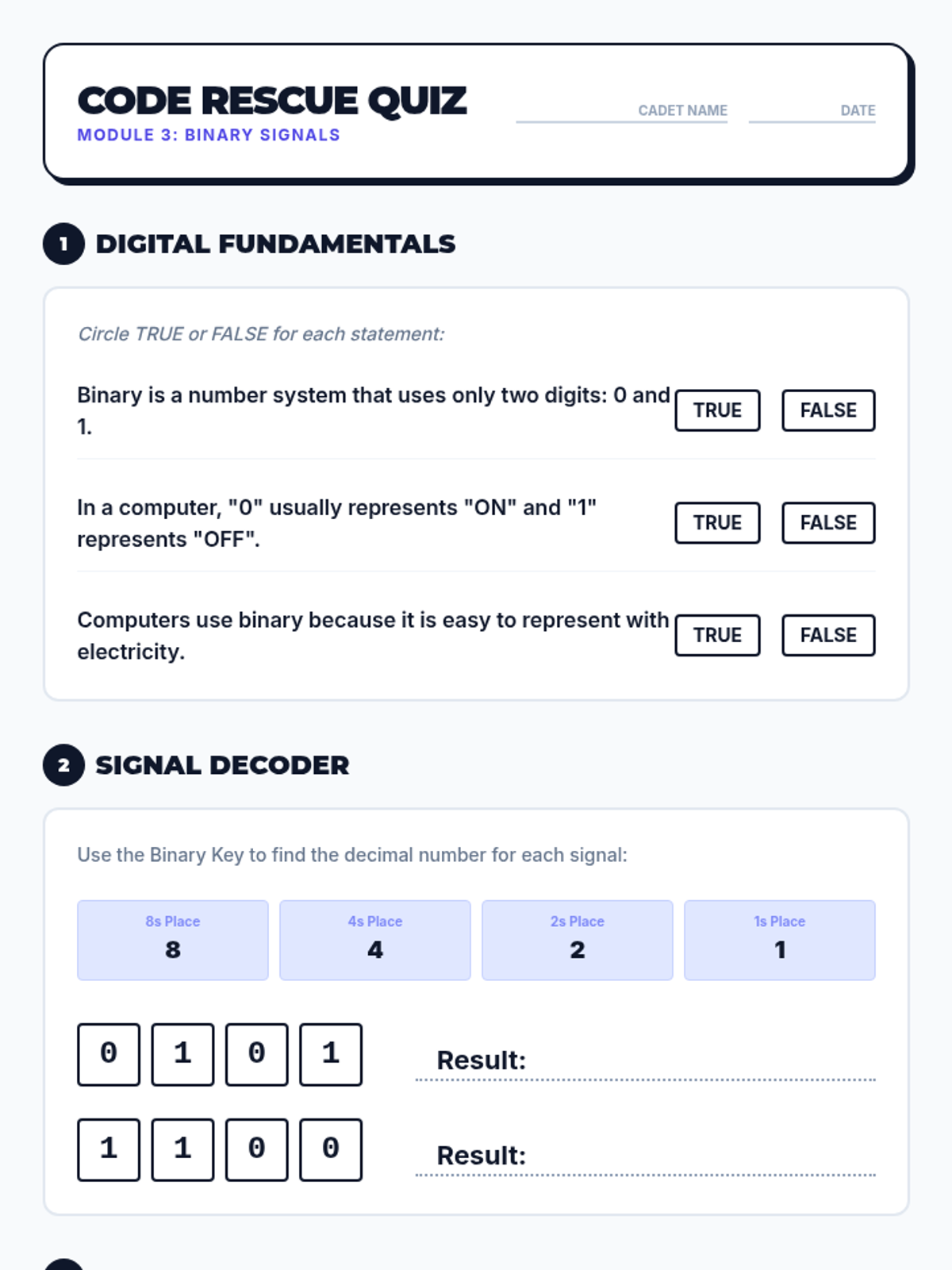
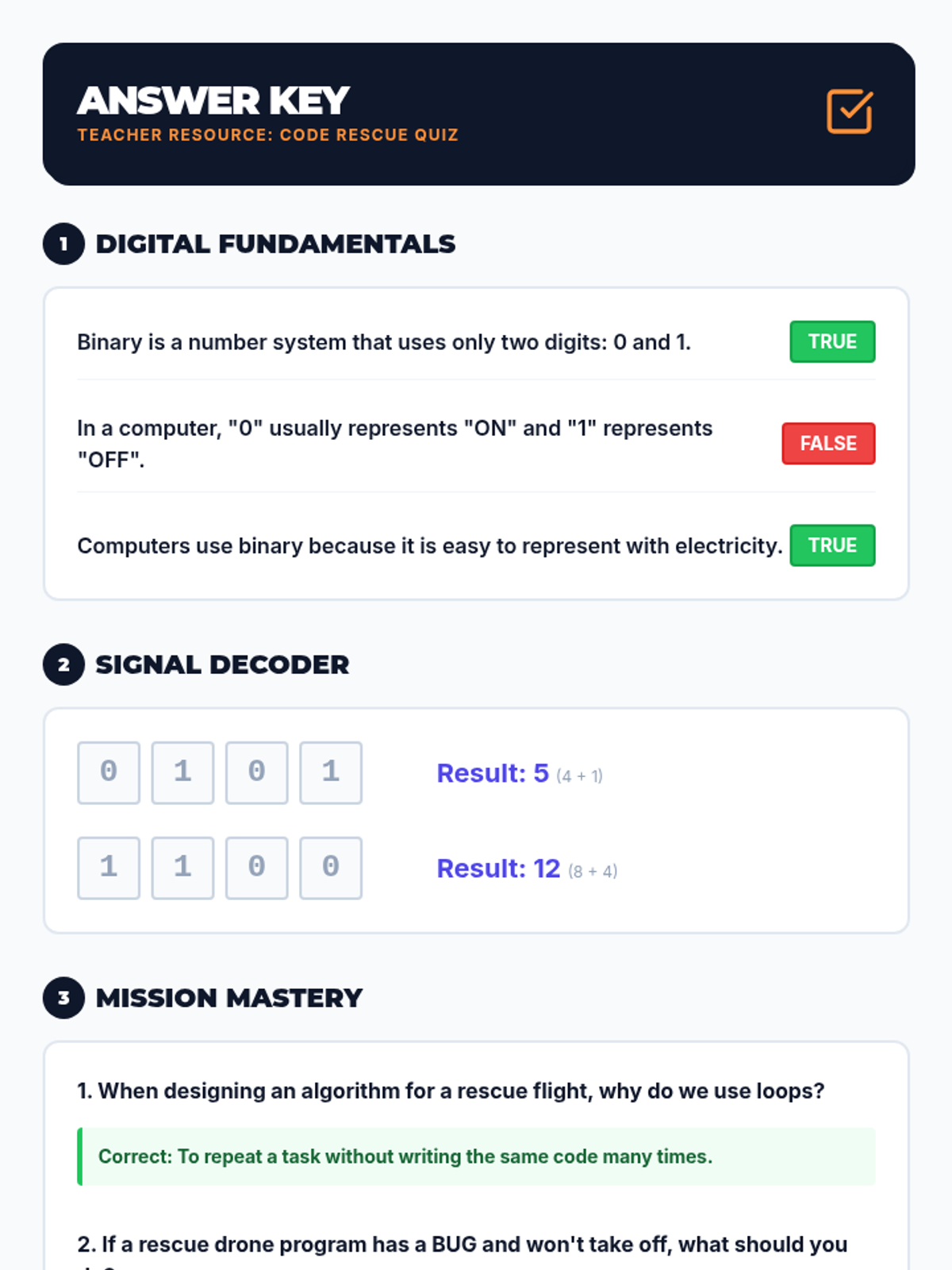
Understanding how digital information is sent via binary code and assessing student knowledge of these concepts.
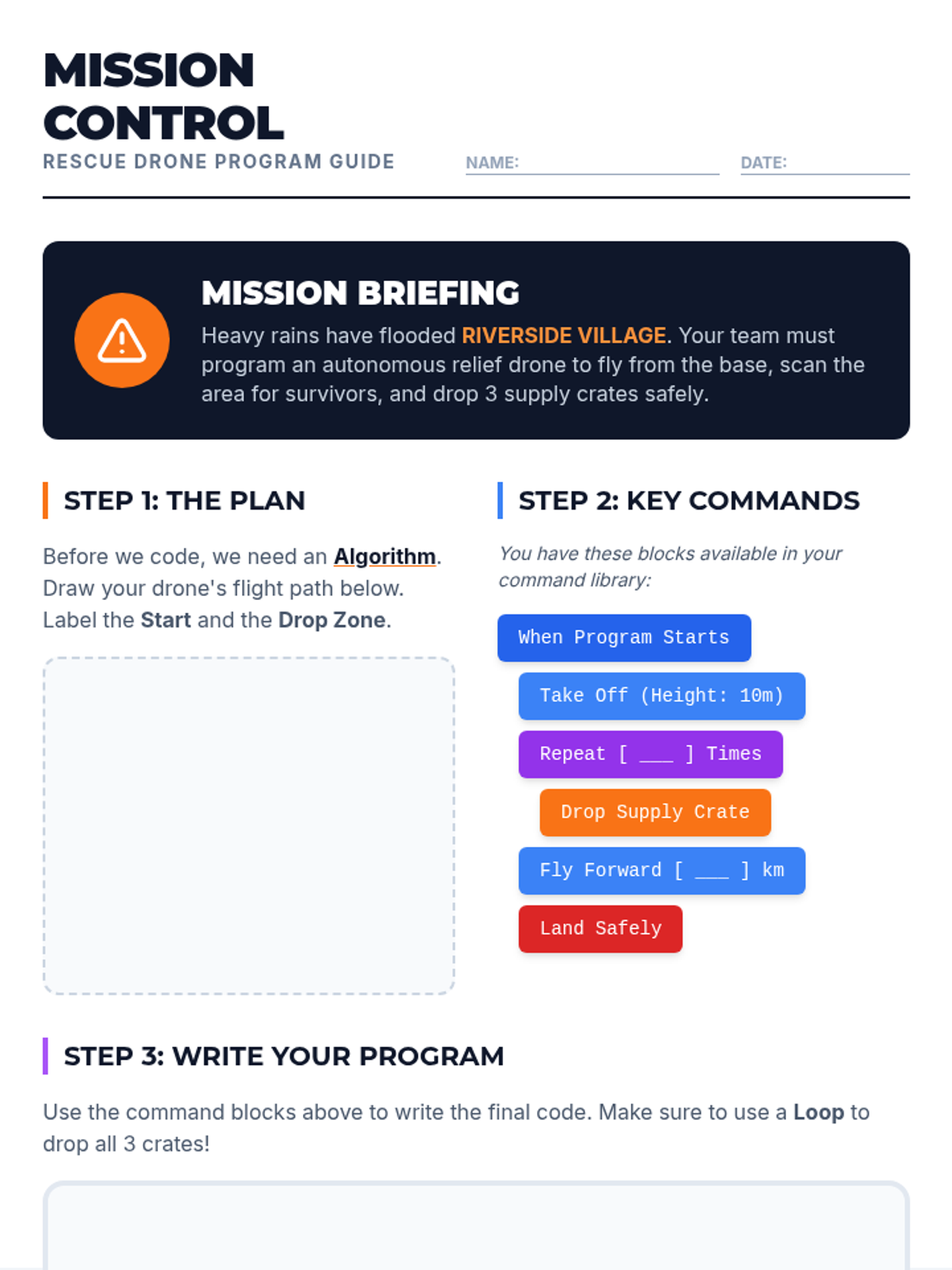
Exploring programming logic through loops and creating a project guide for a drone delivery program.
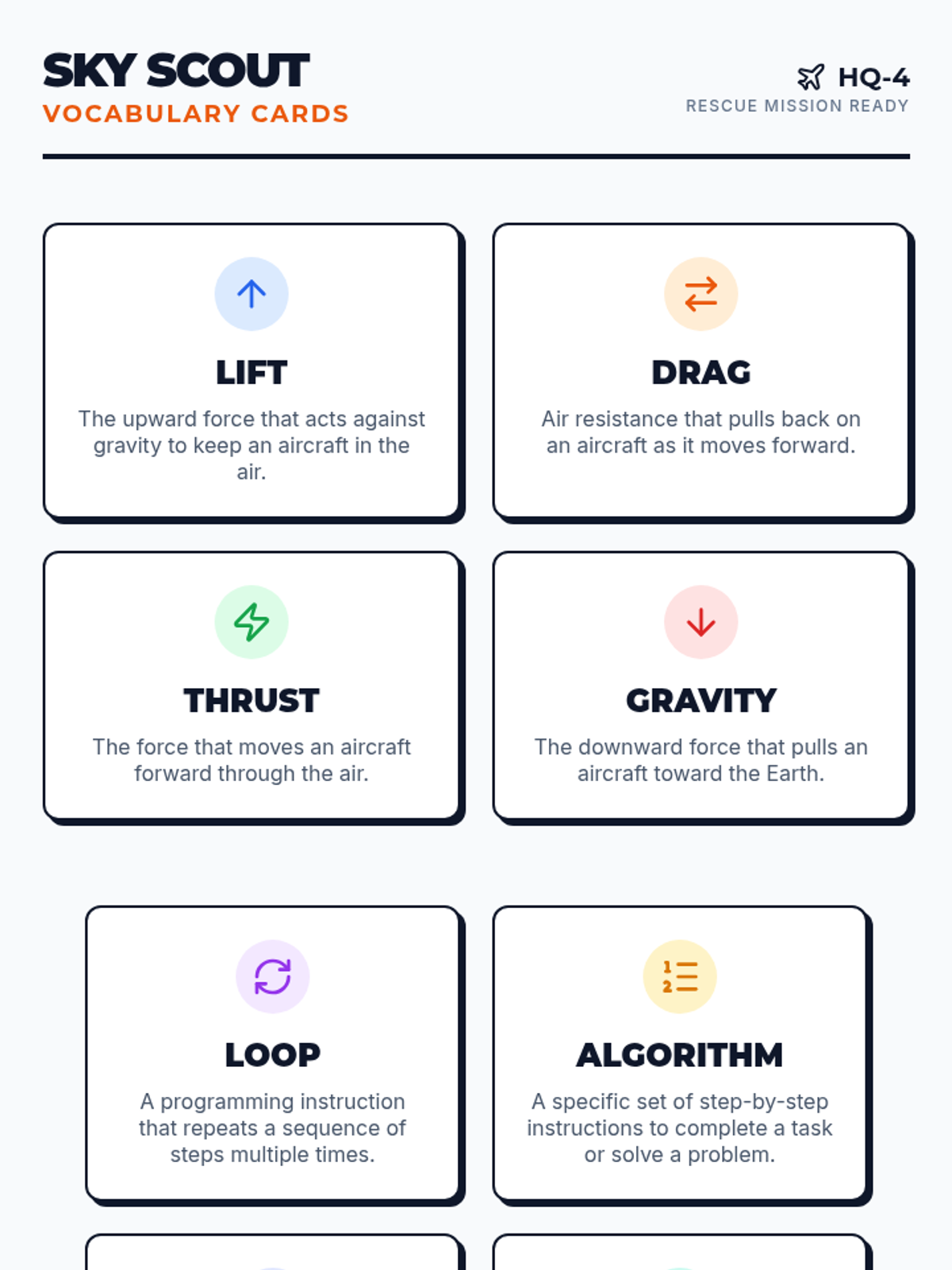
Introduction to the forces of flight and key terminology used in both aeronautics and computer science for disaster relief missions.
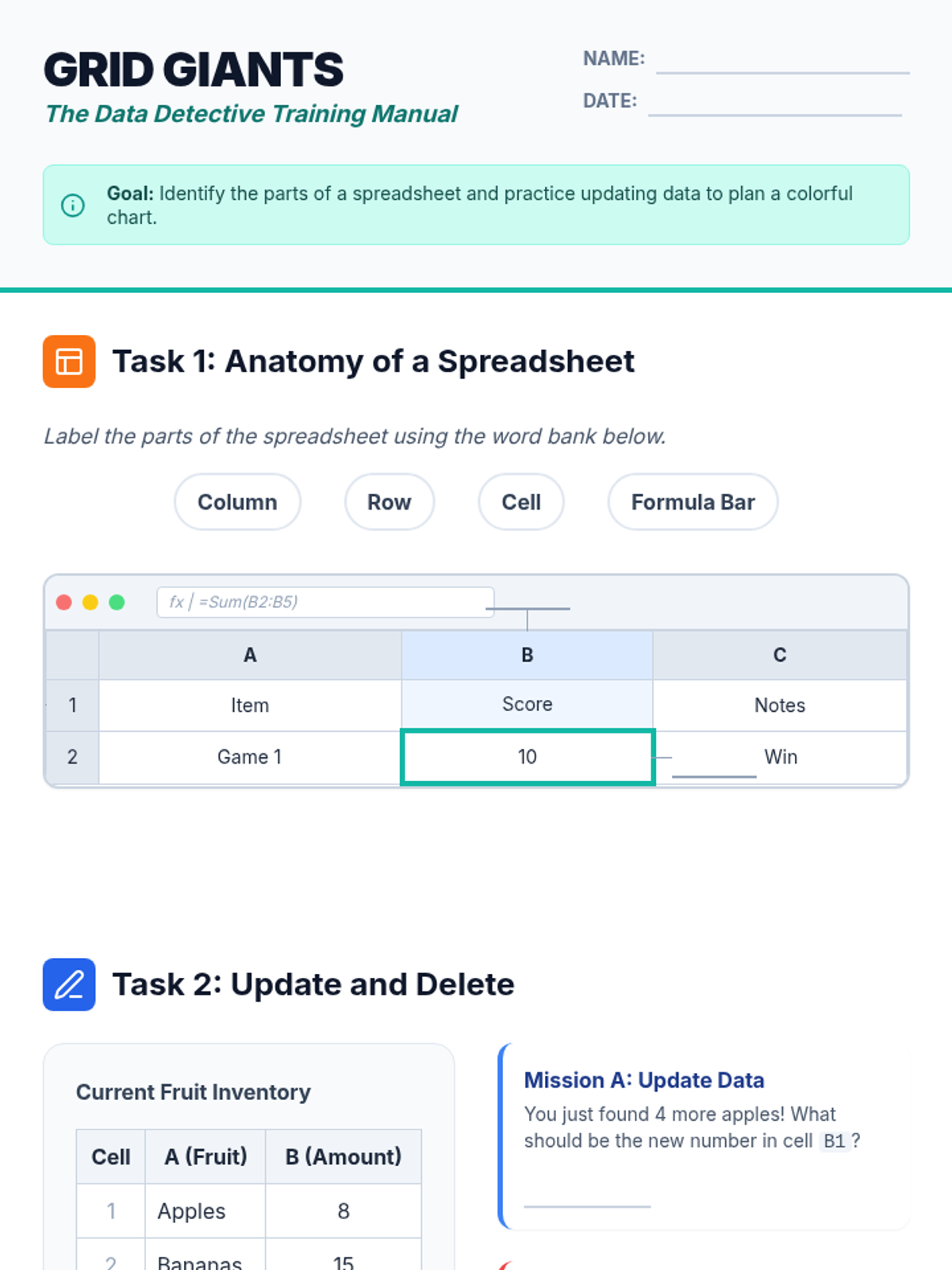
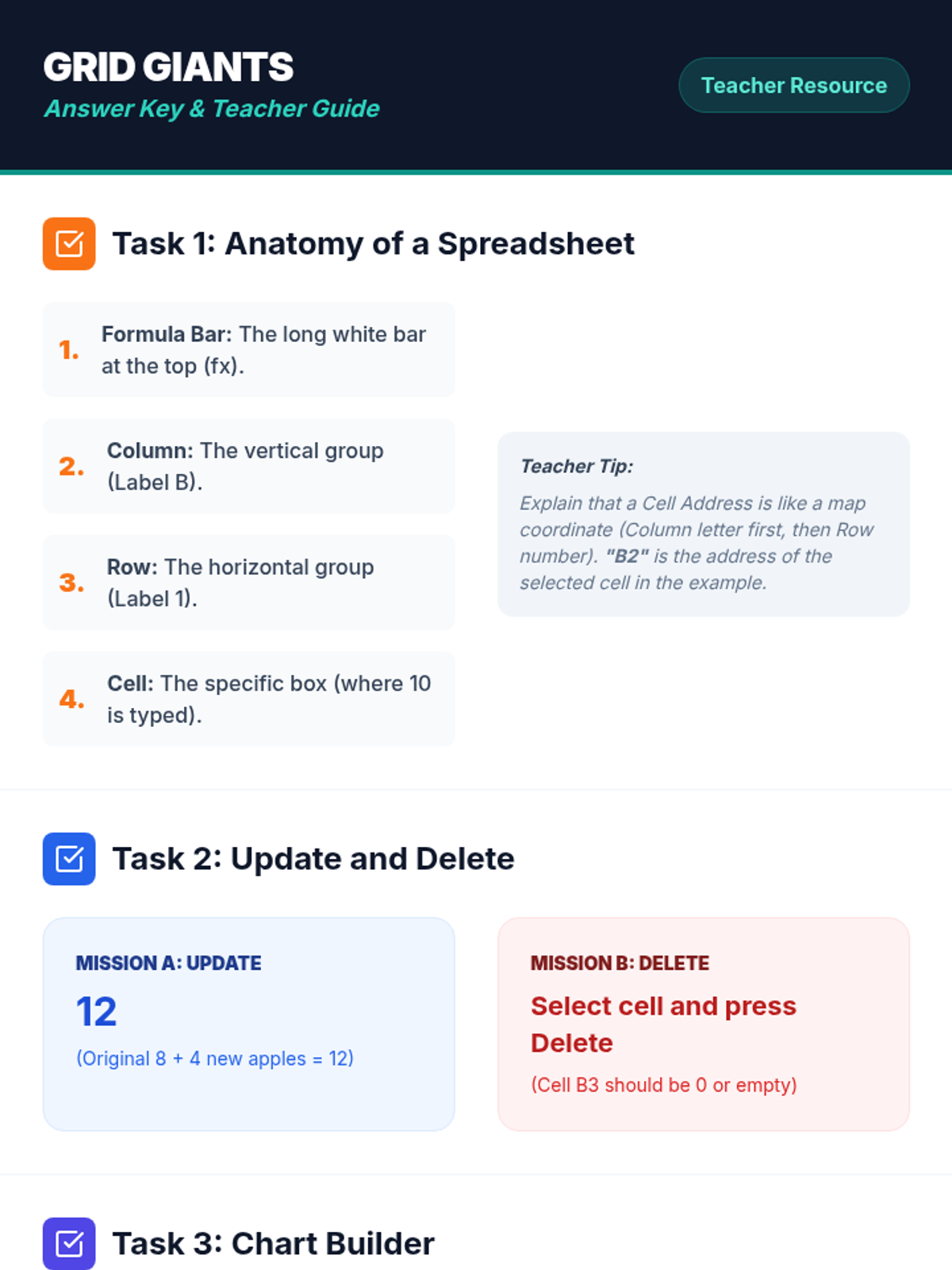
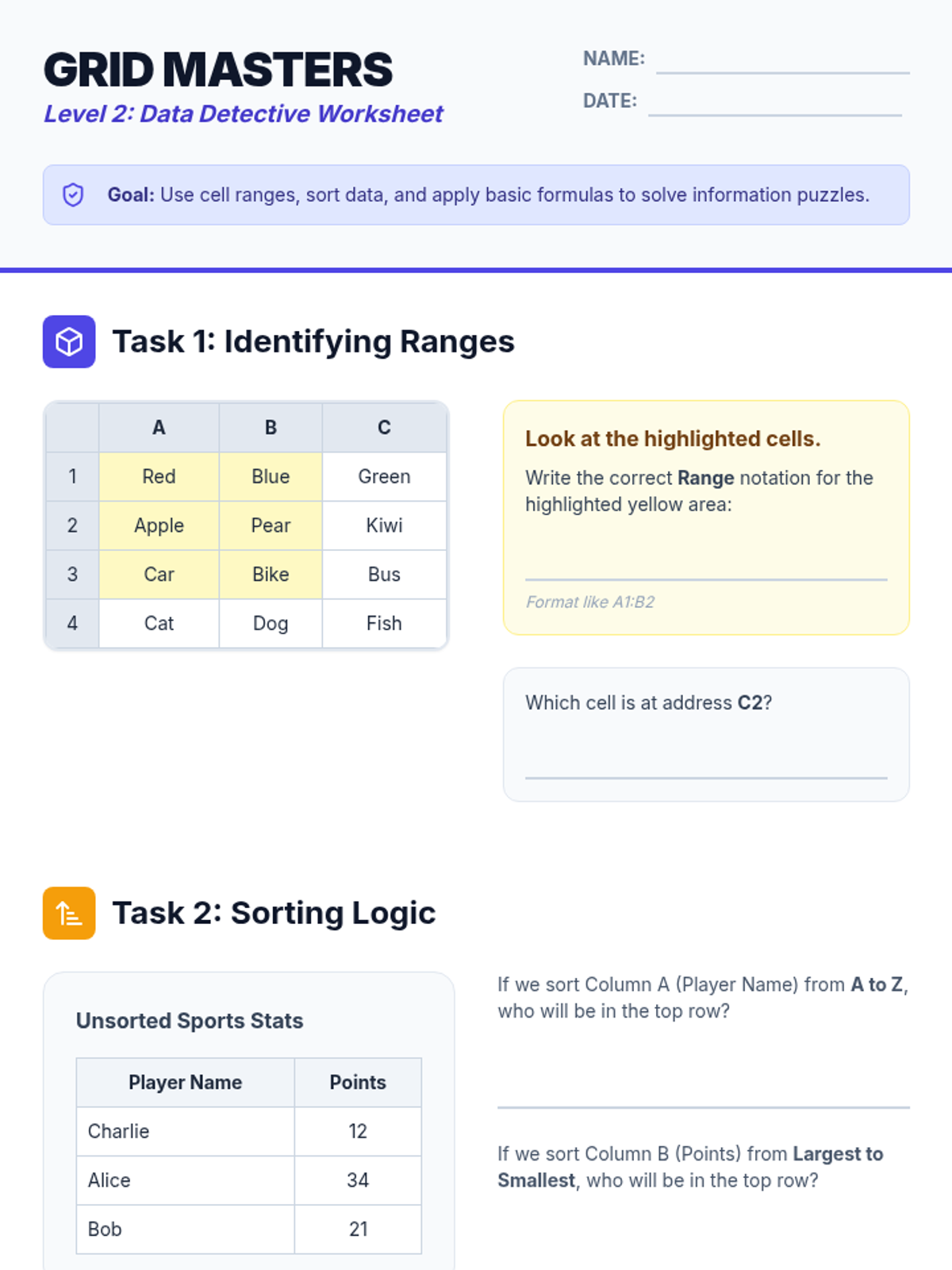
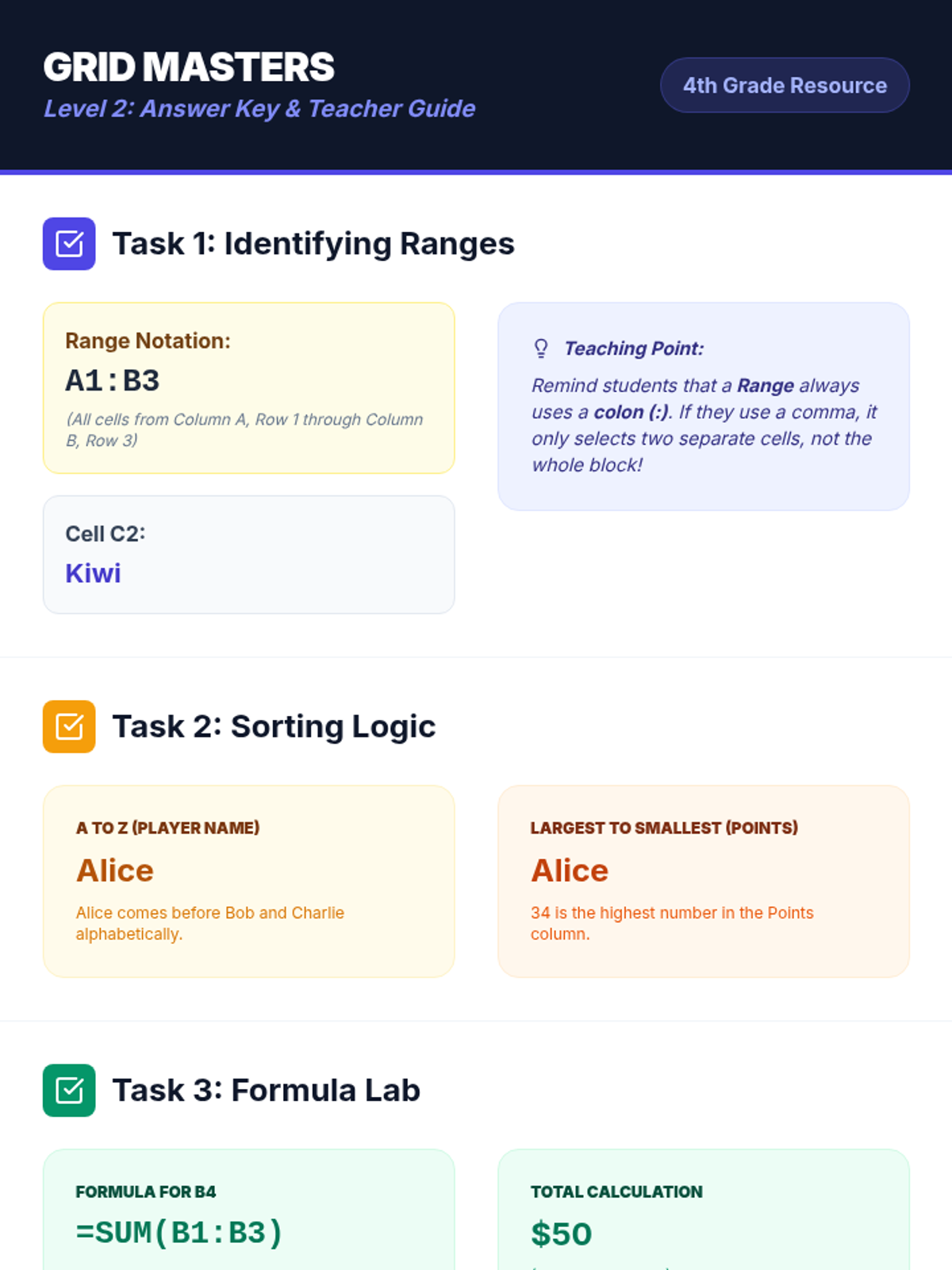
This lesson advances 4th-grade students' spreadsheet skills, moving beyond basic data entry to explore sorting, formatting, and the power of simple formulas.
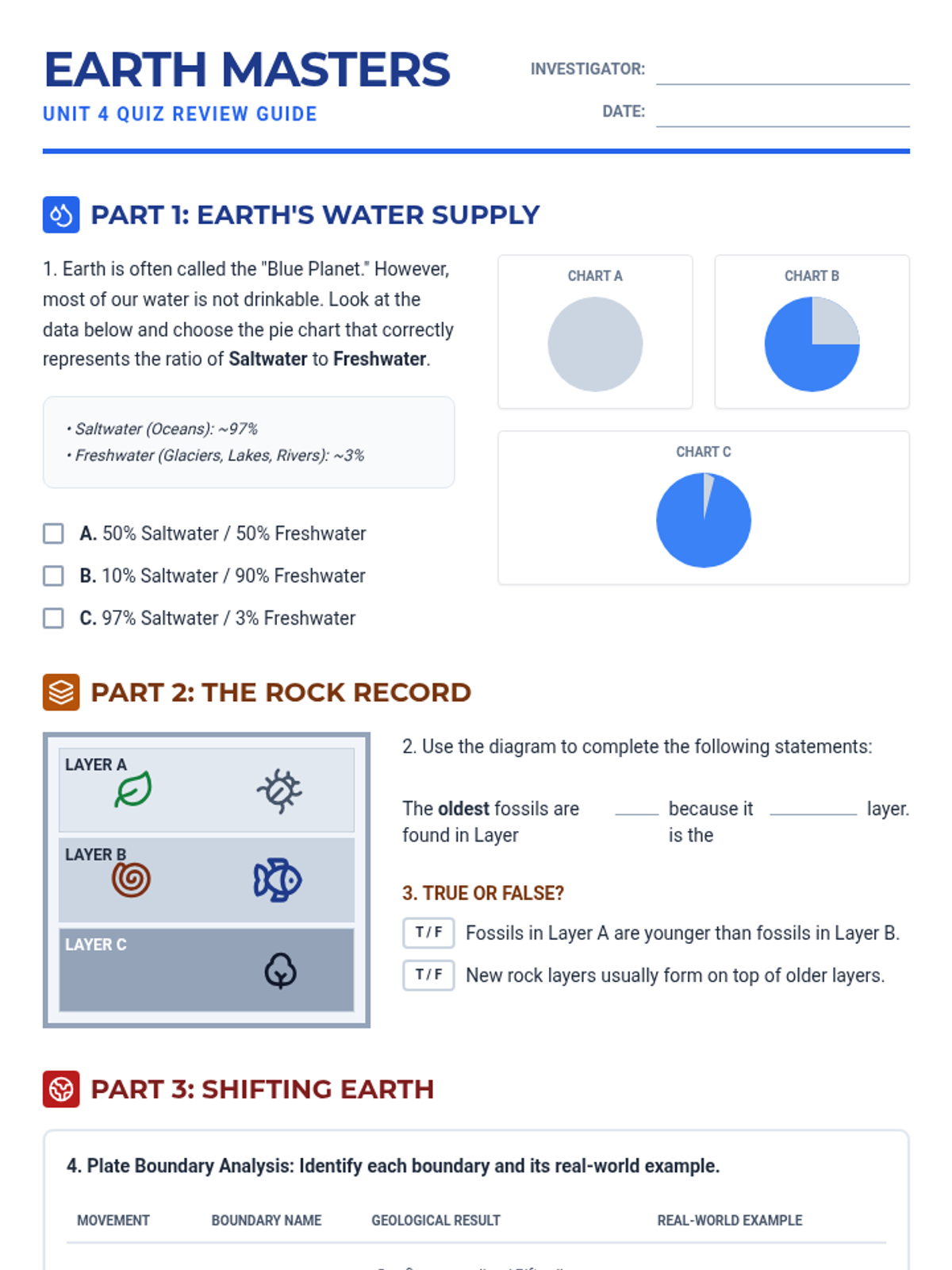
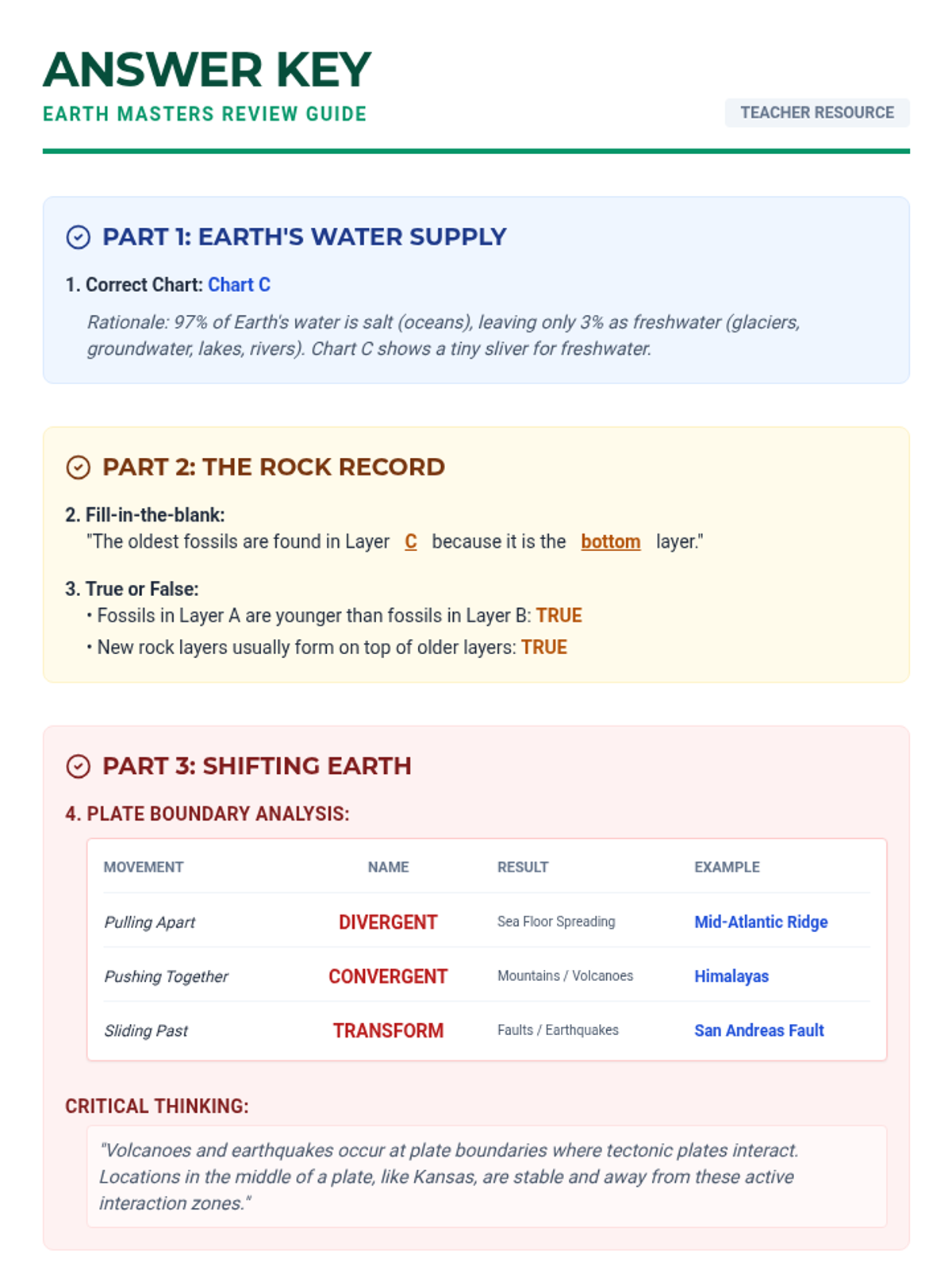
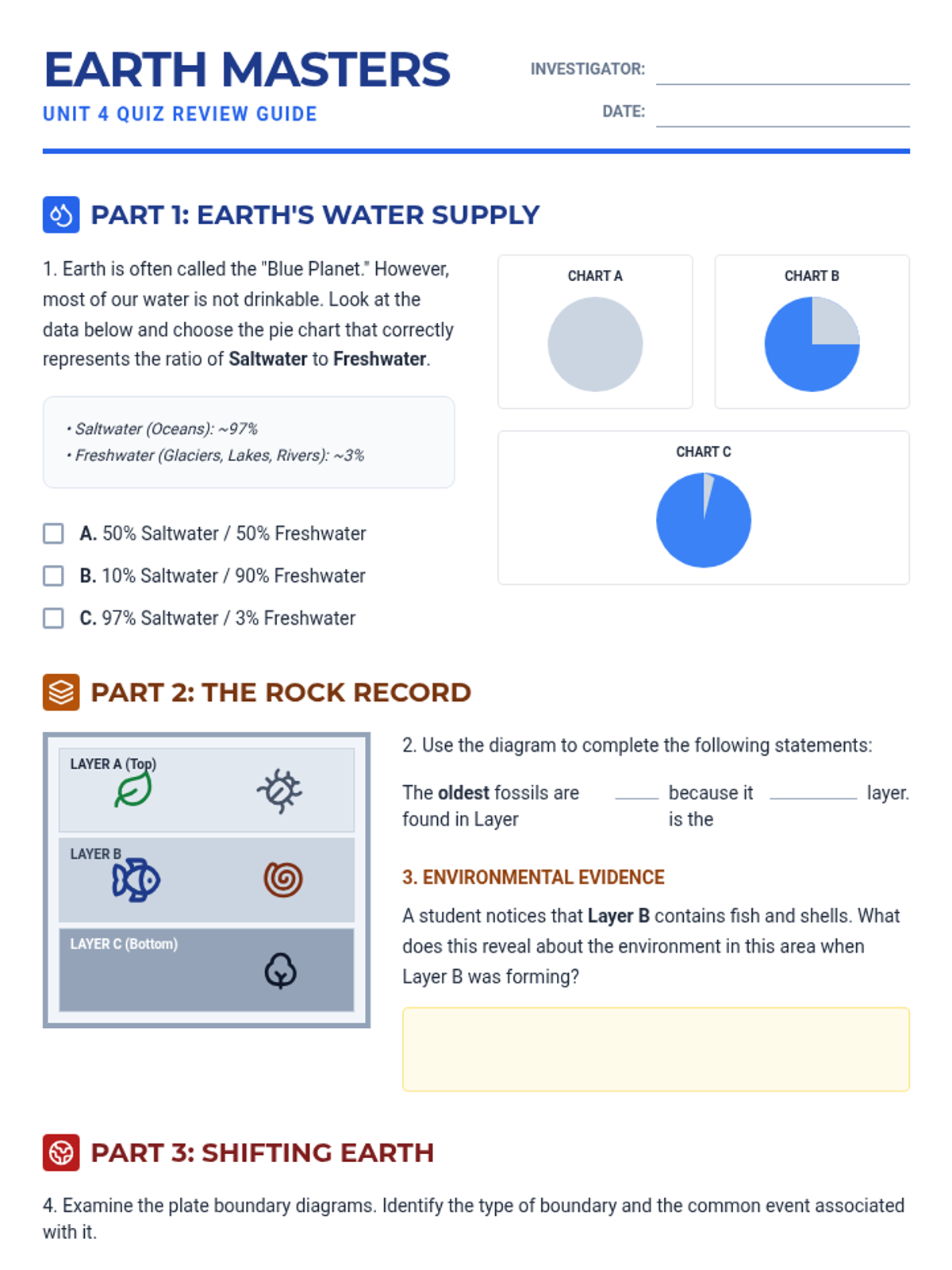
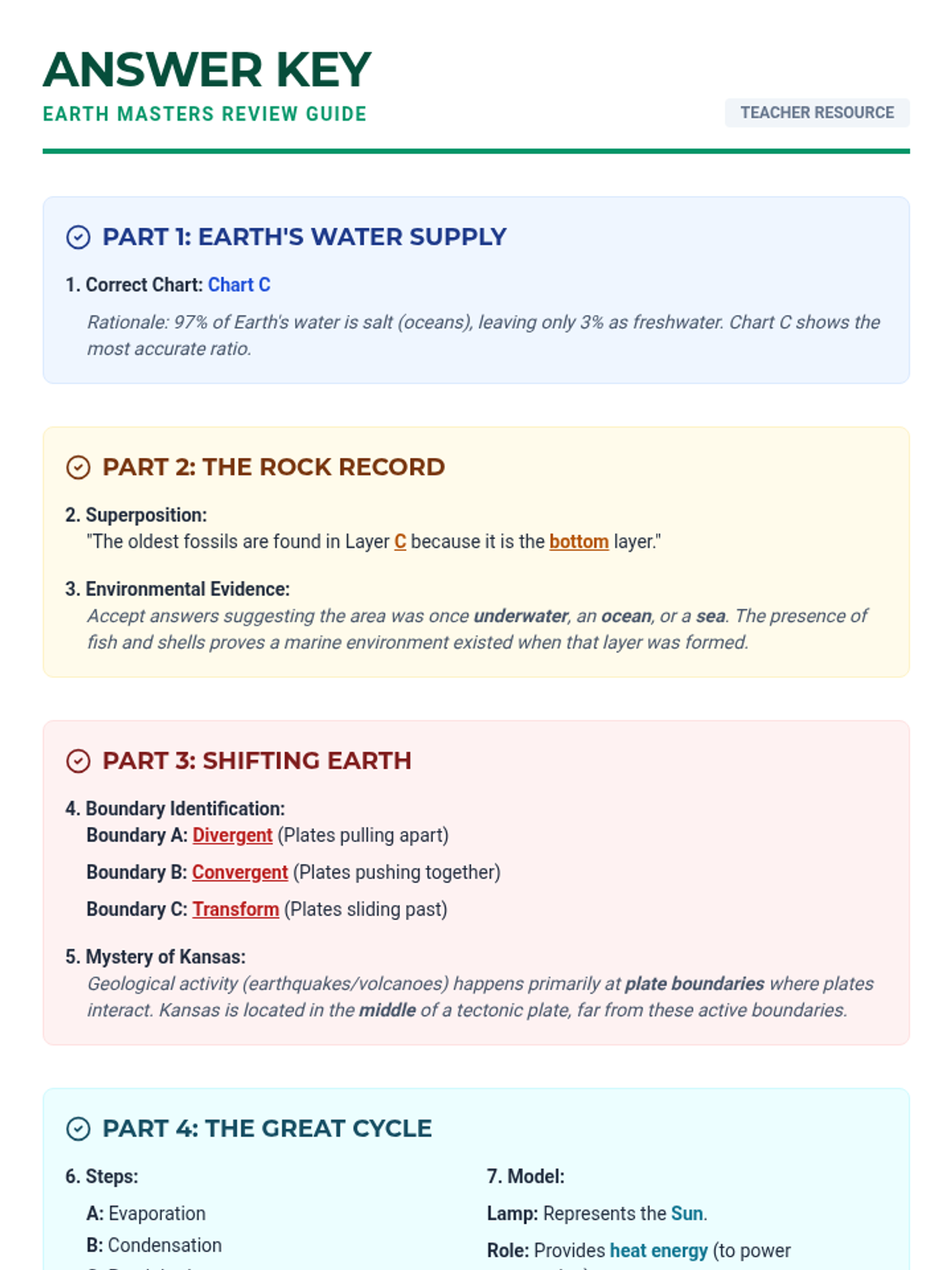
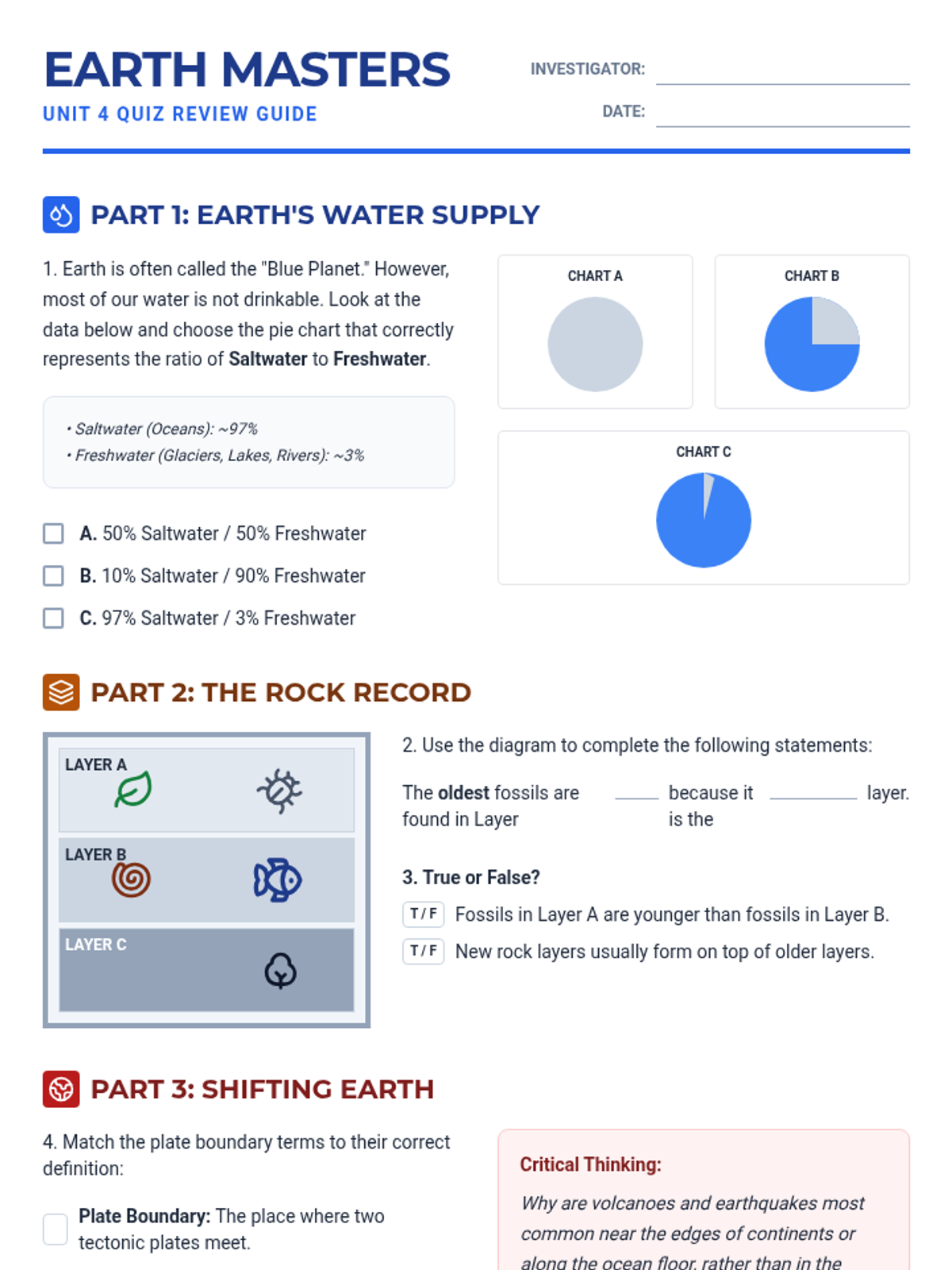
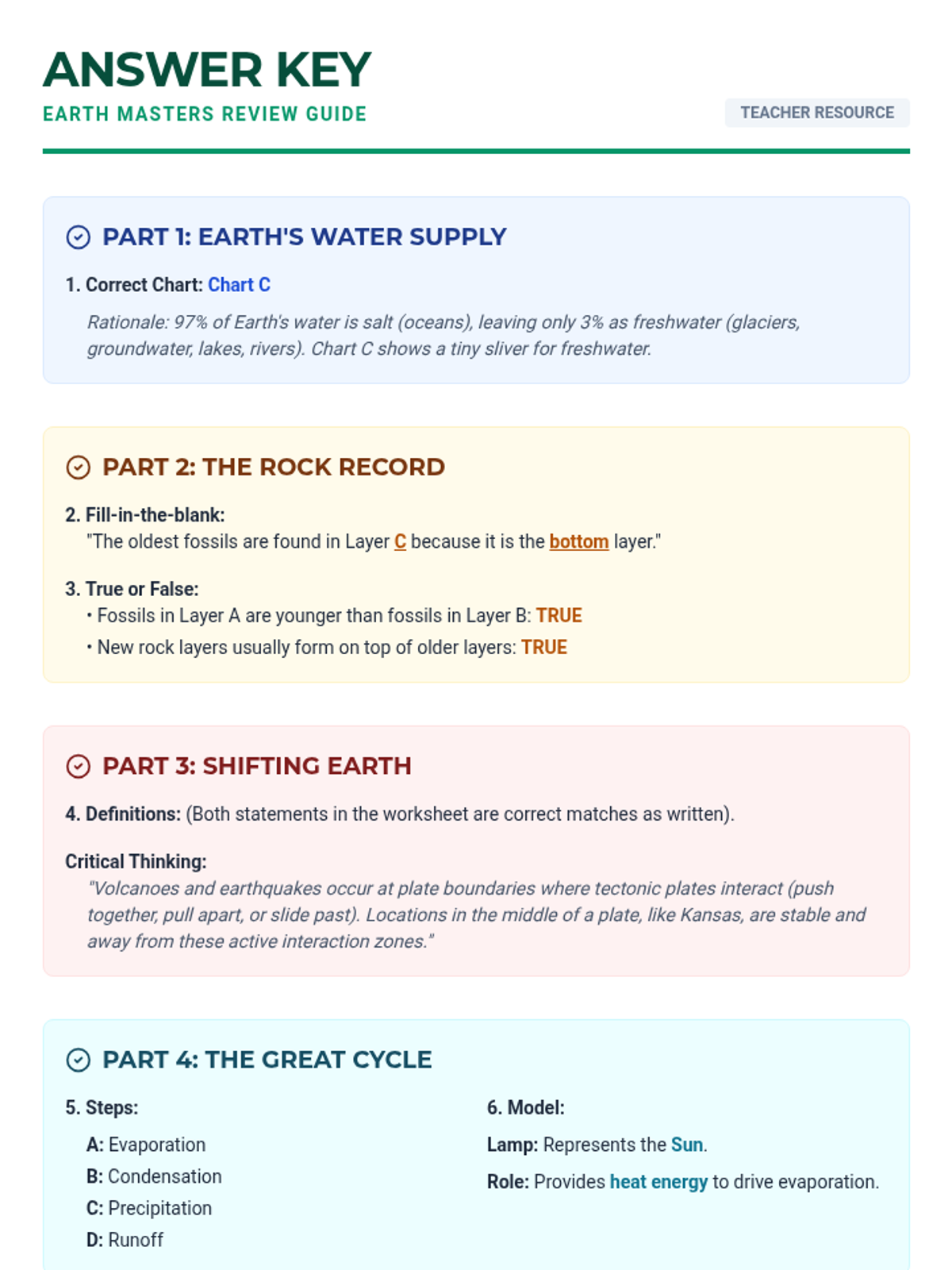
A comprehensive review lesson covering Earth's water distribution, fossil records in rock layers, plate tectonics, and the water cycle to prepare students for the Unit 4 Quiz.
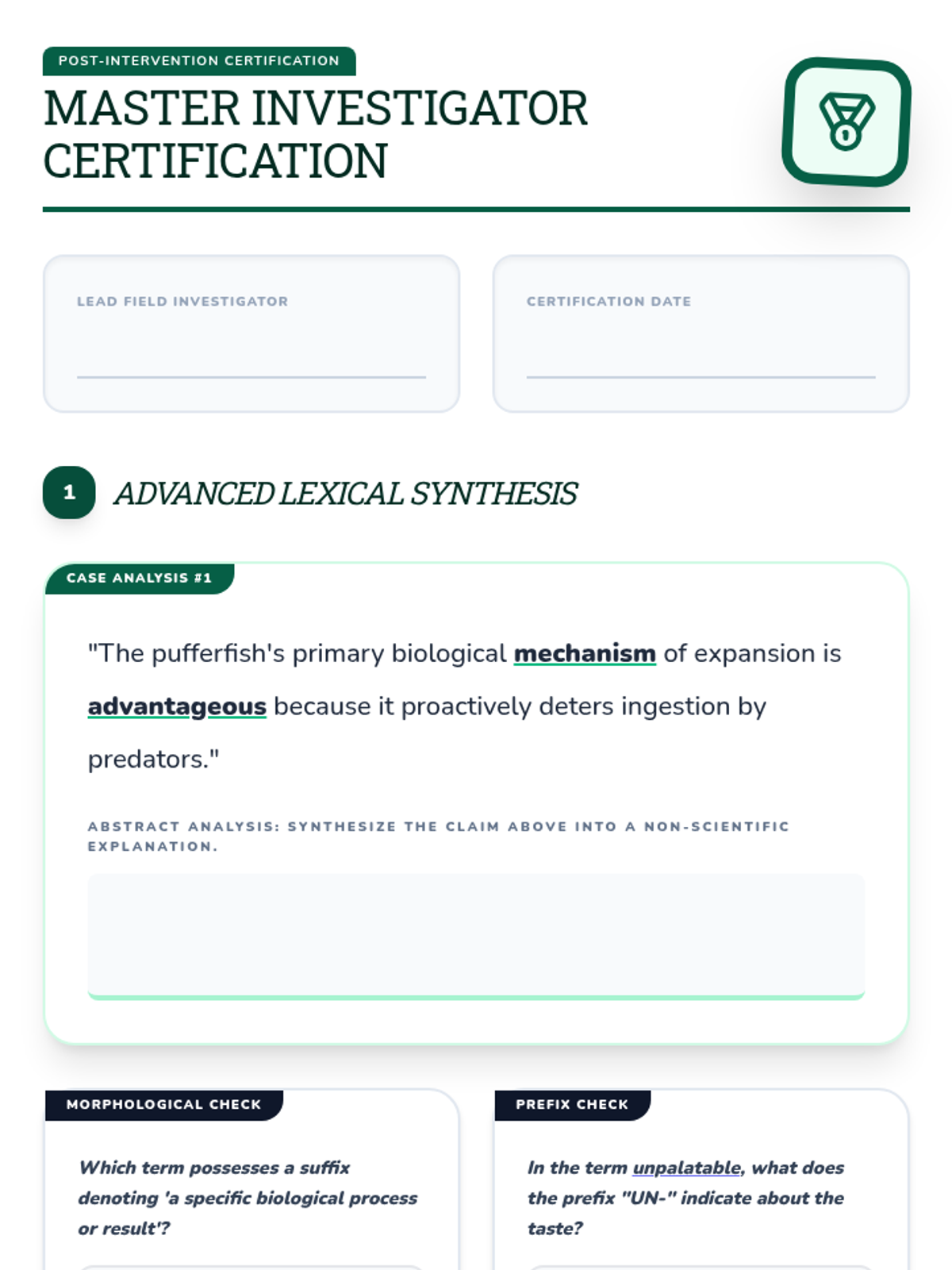
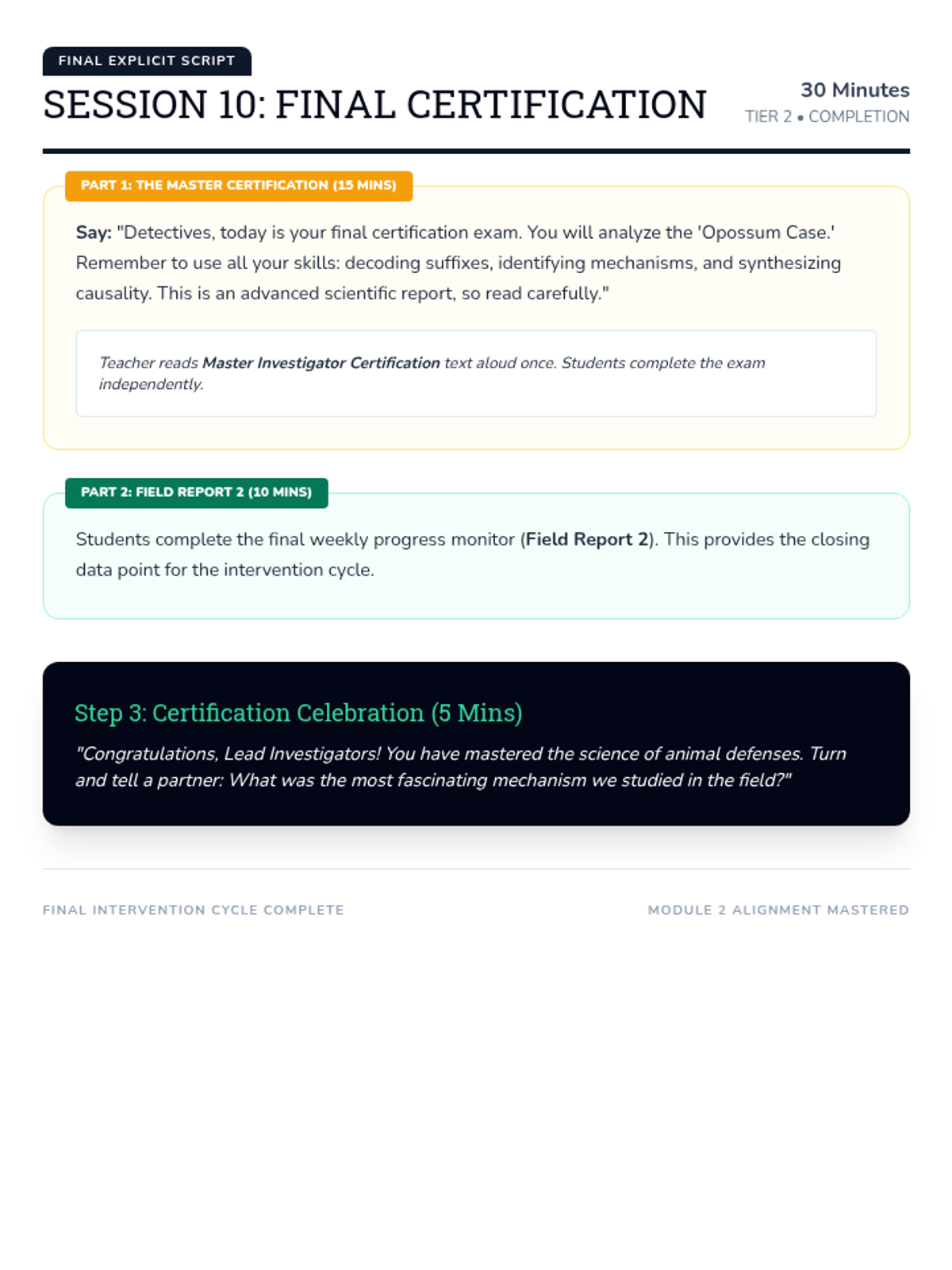
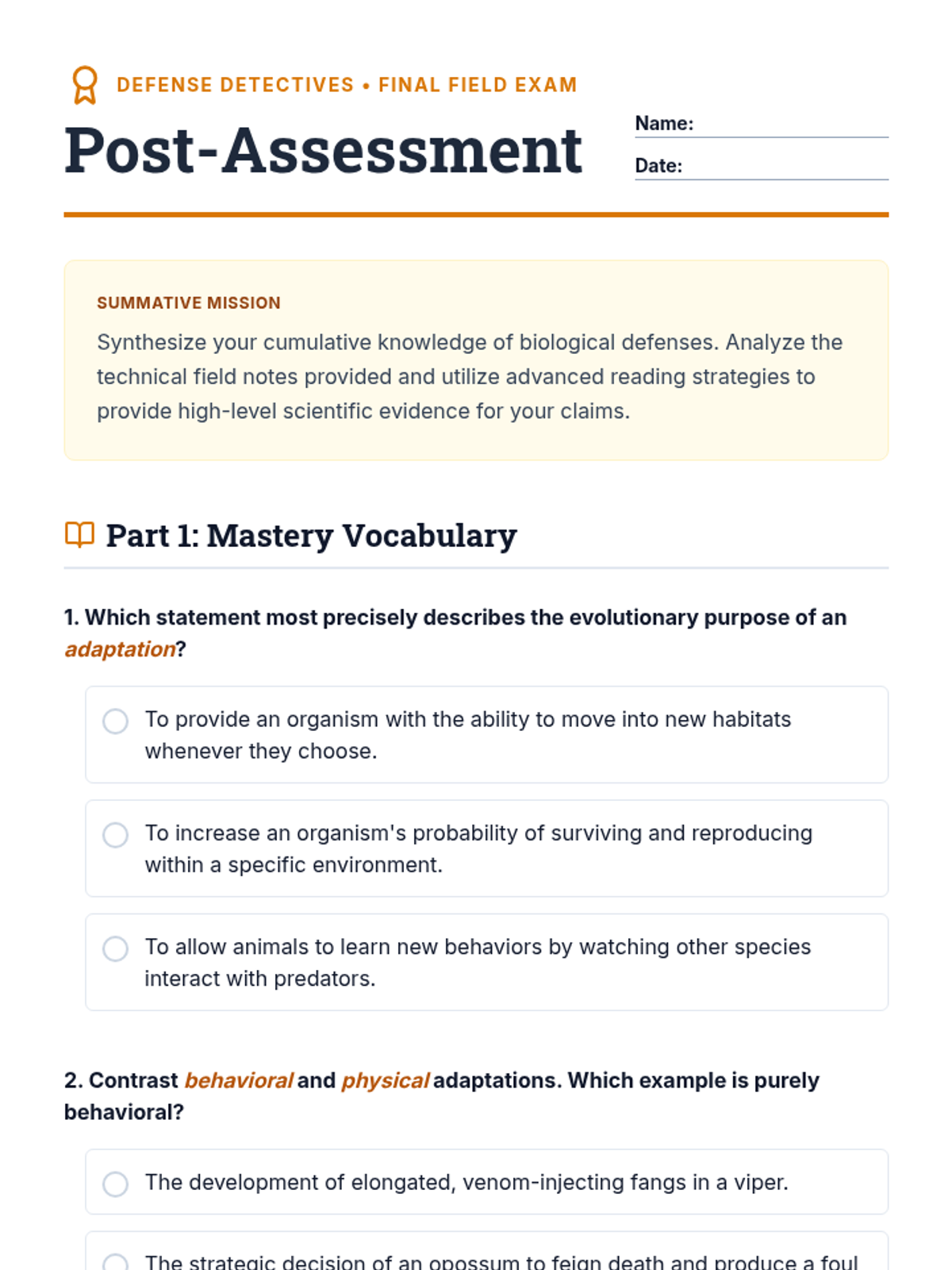
Students complete the 'Master Certification' post-assessment and celebrate their growth as investigators.
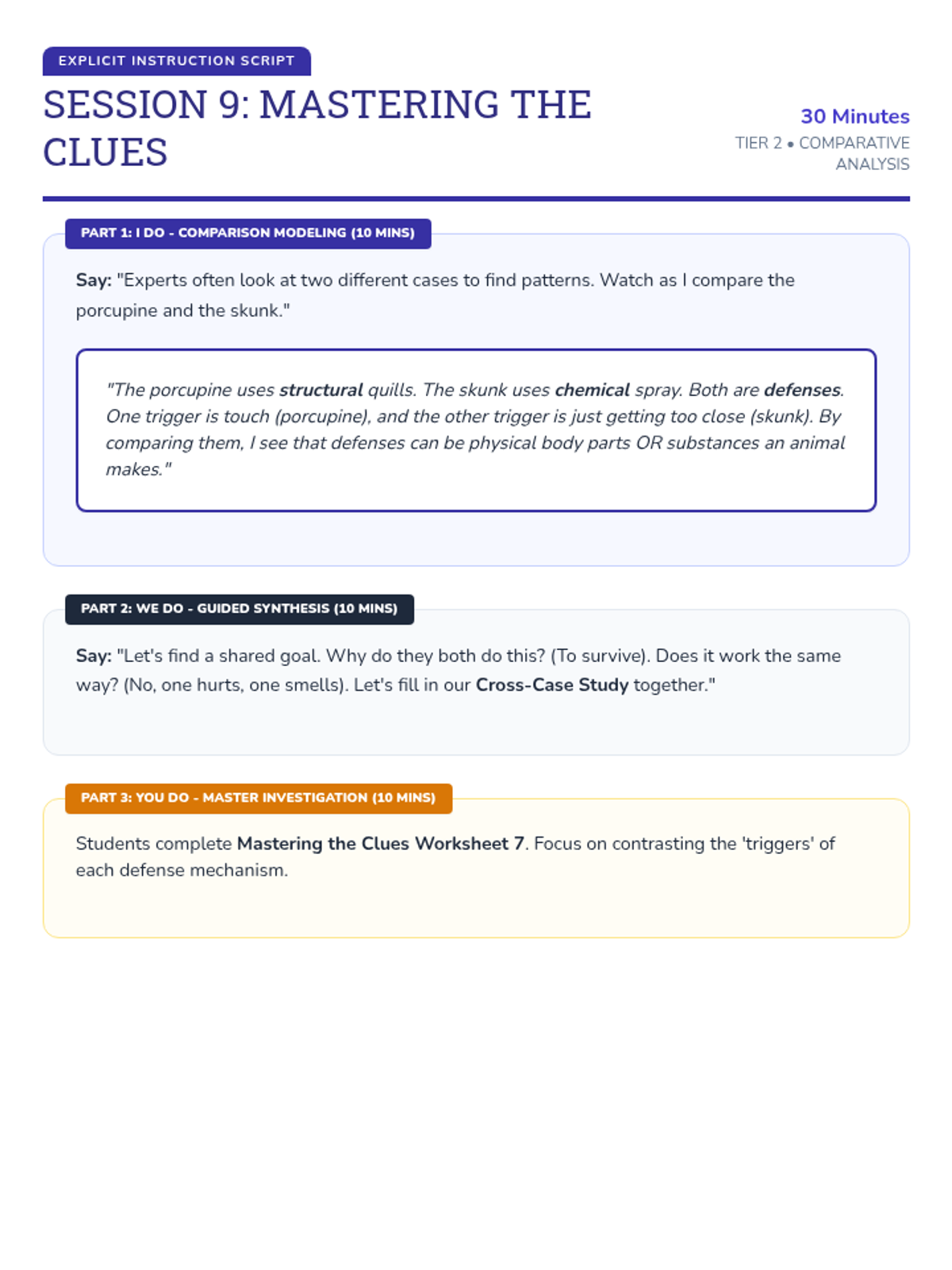
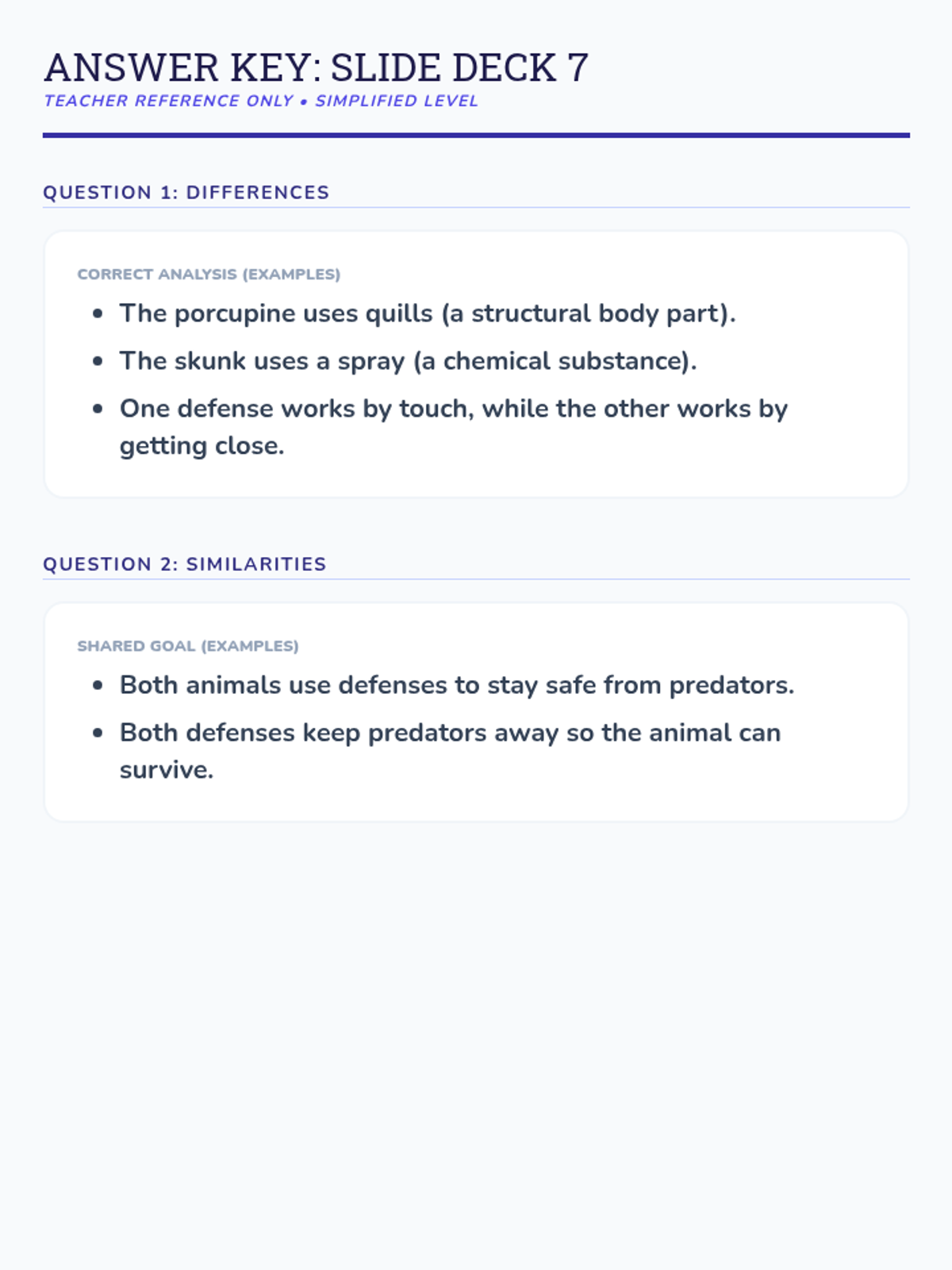
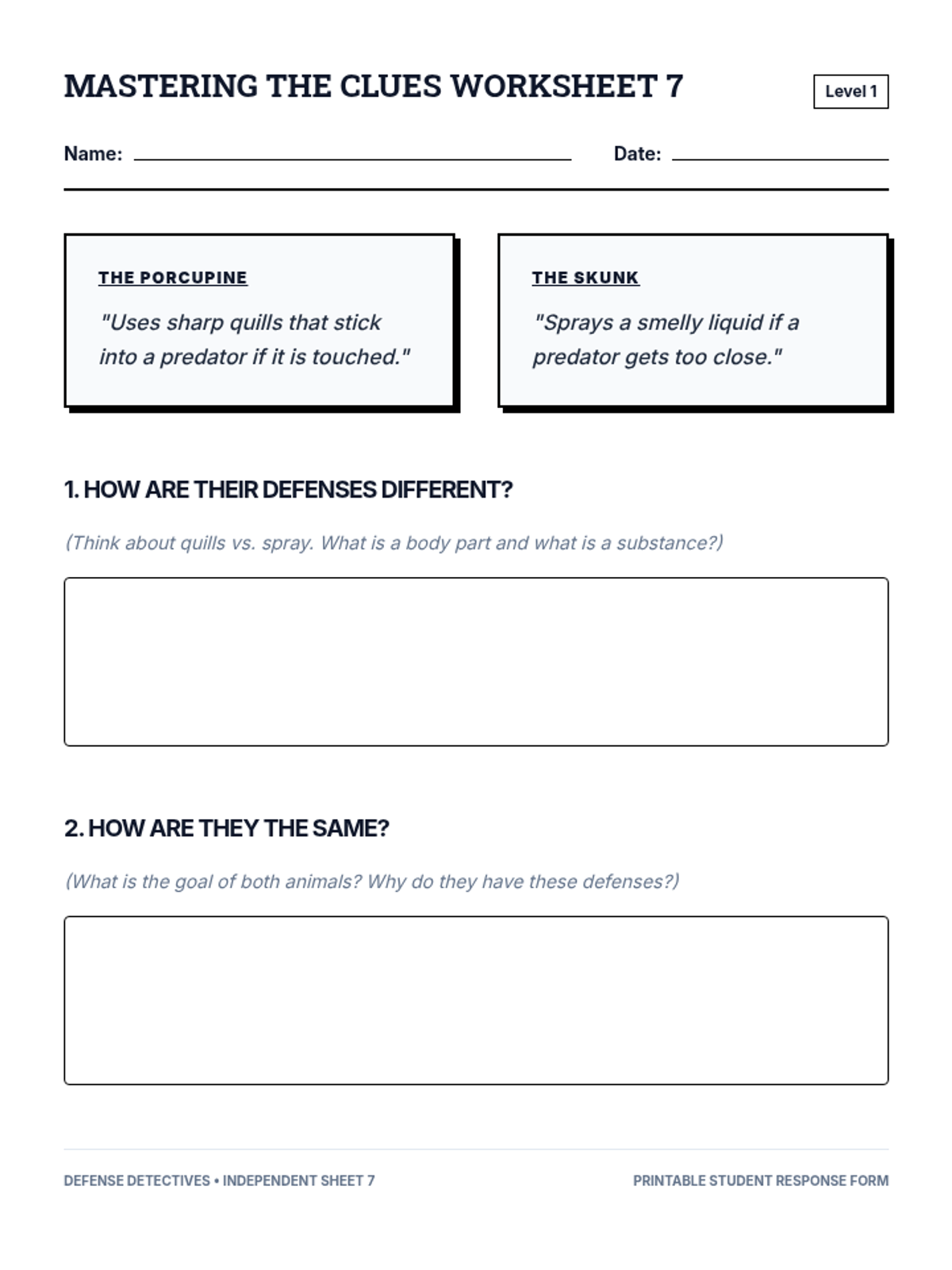
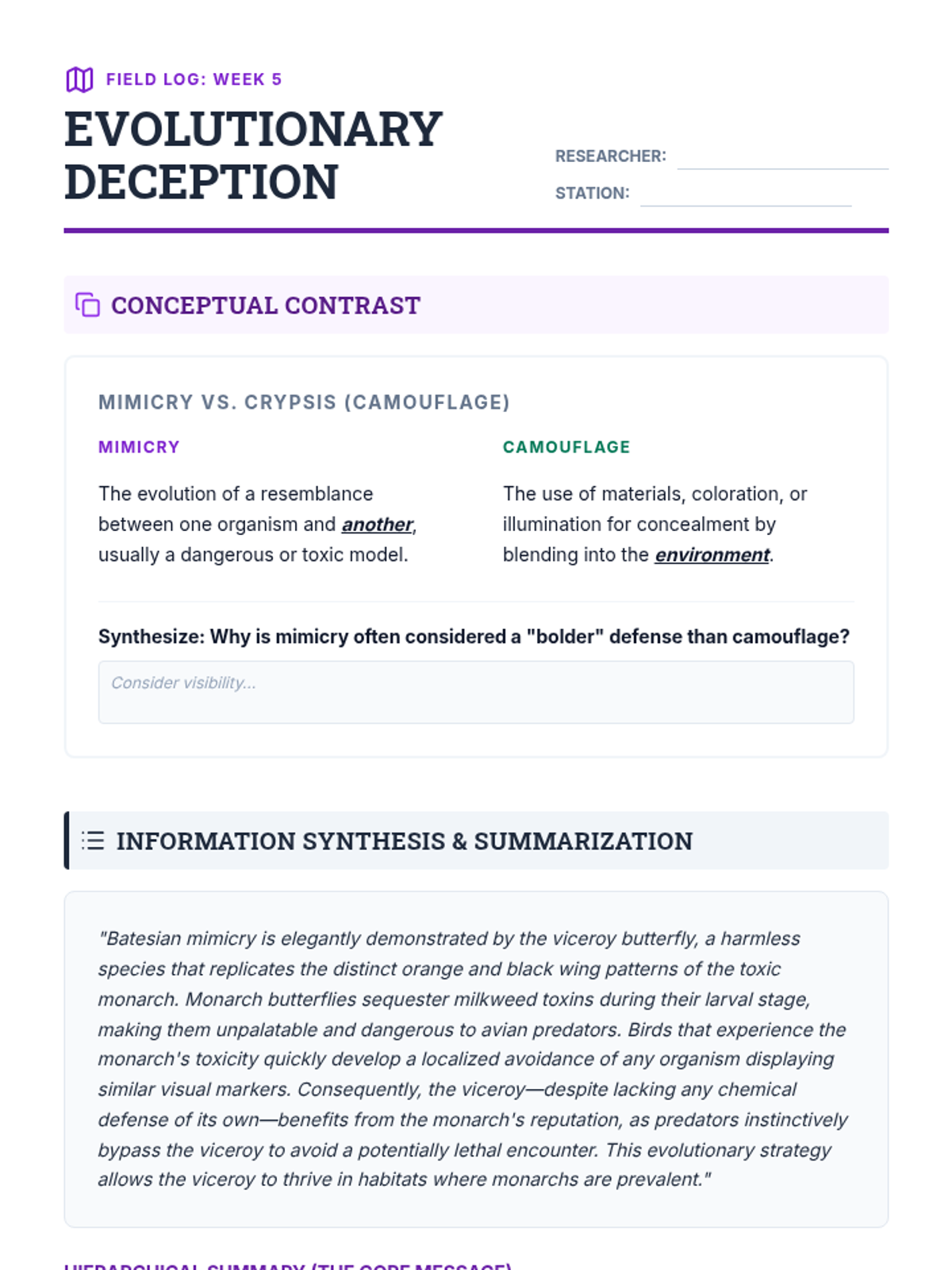
Comparing and contrasting different animal defense mechanisms across multiple short texts.
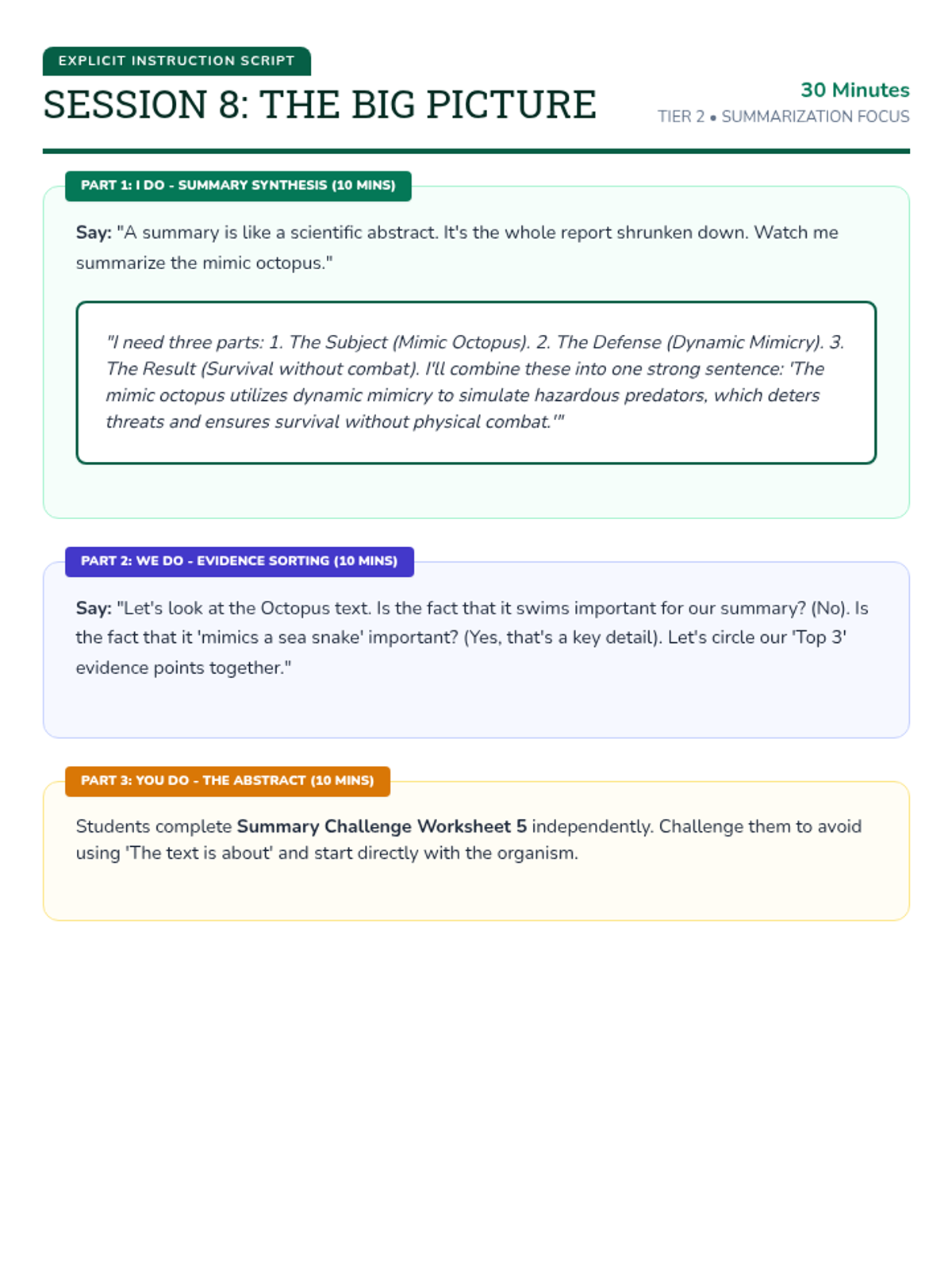
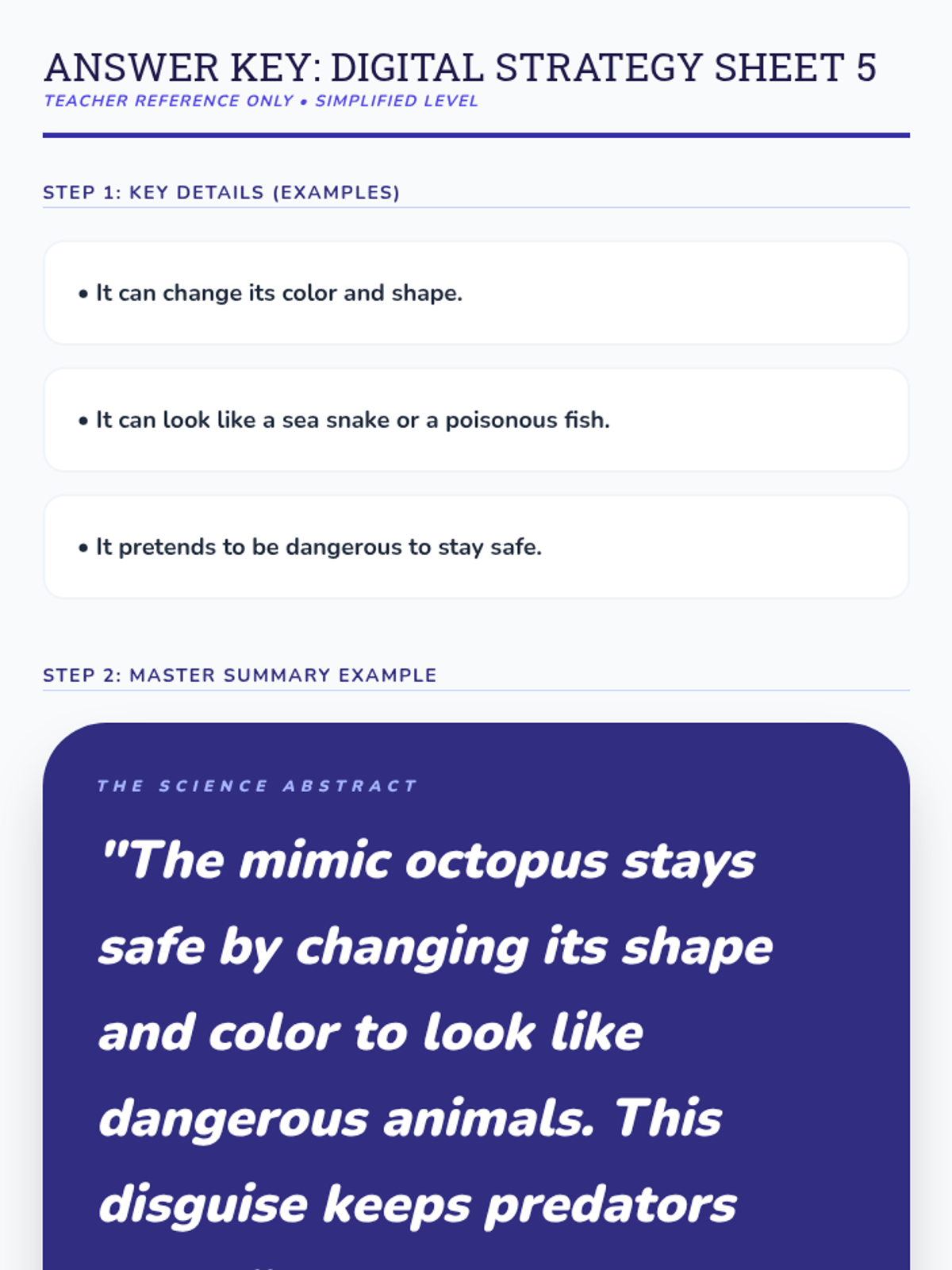
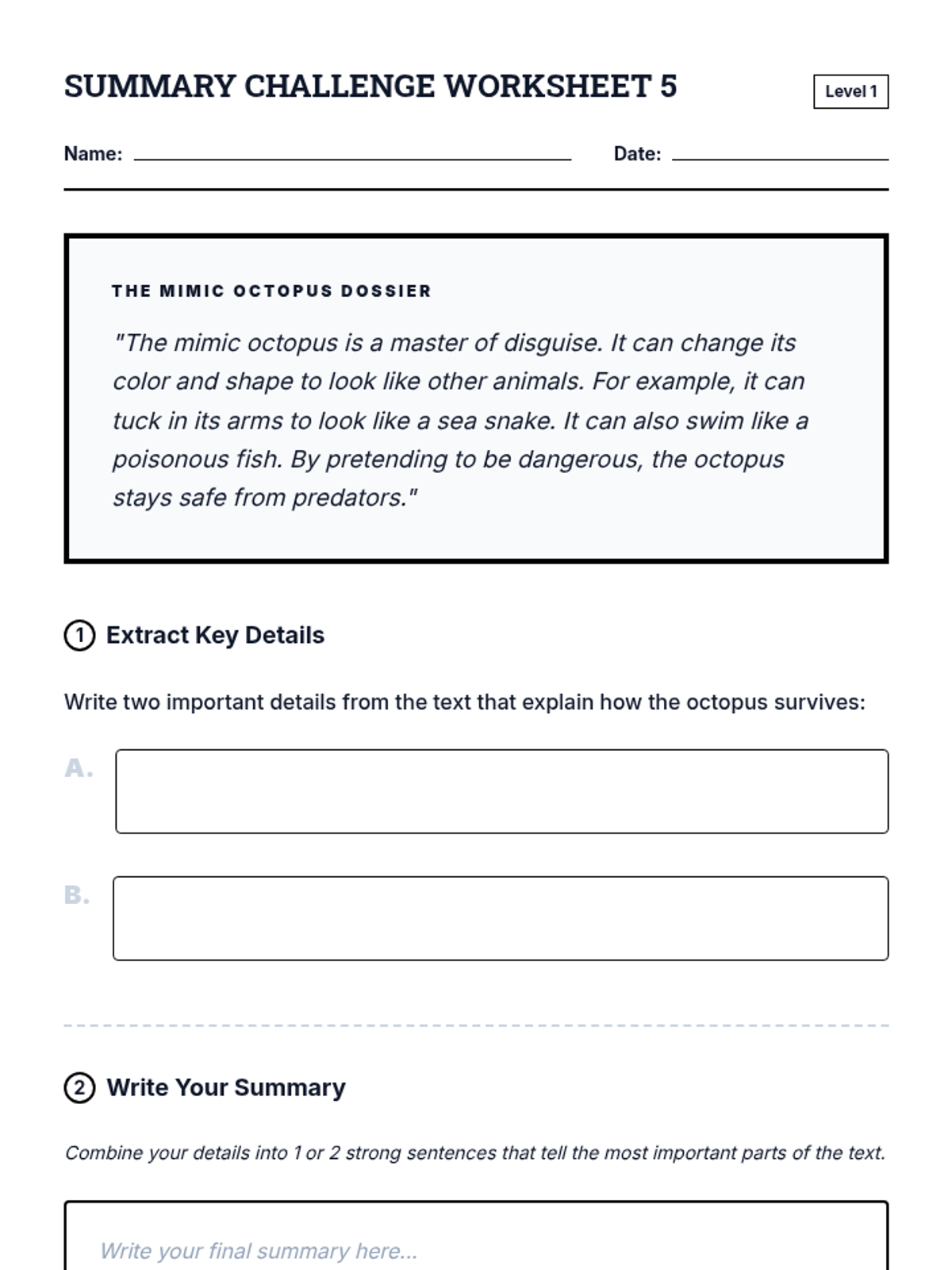
Synthesizing information to create concise summaries of animal defense strategies.
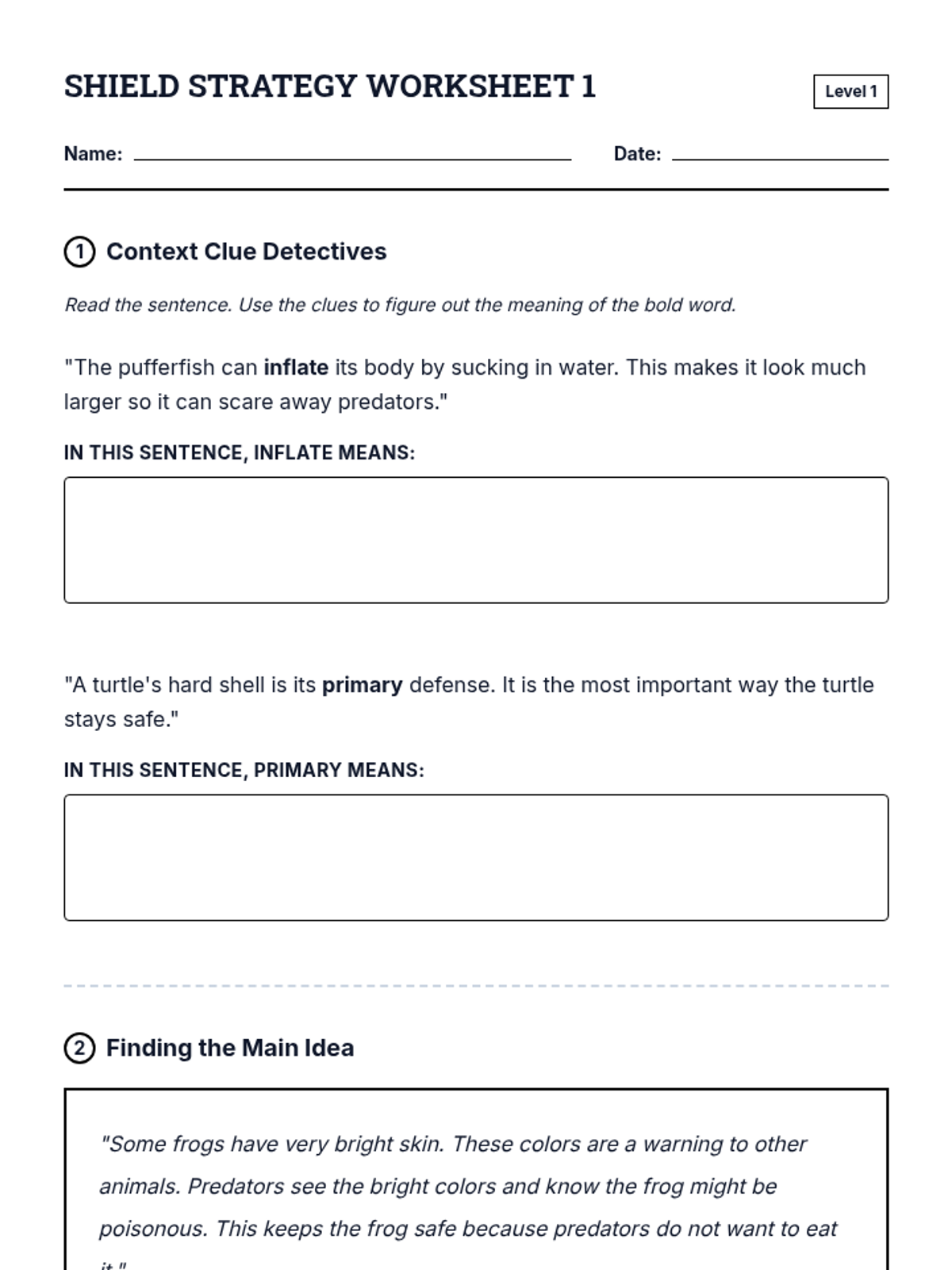
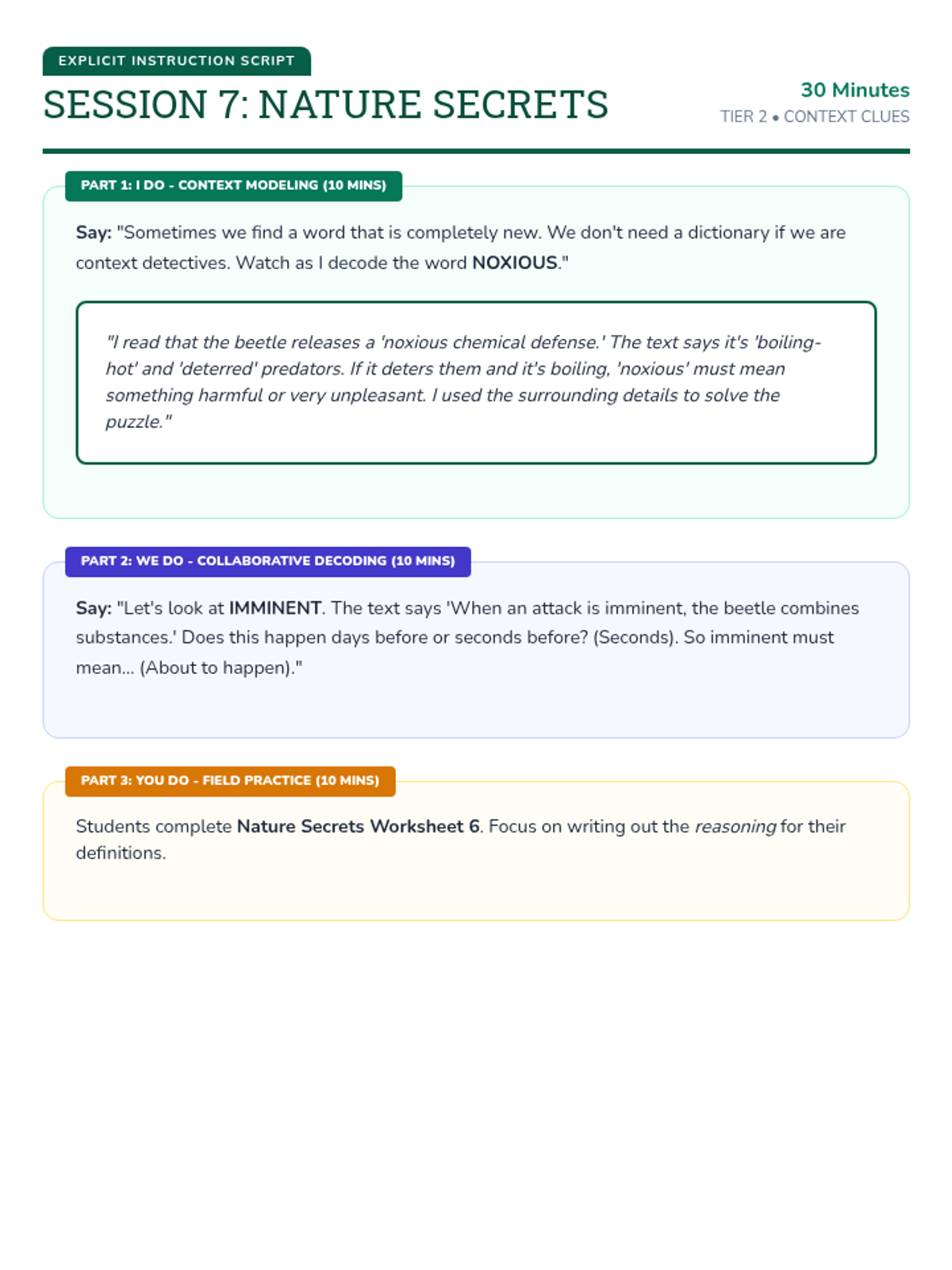
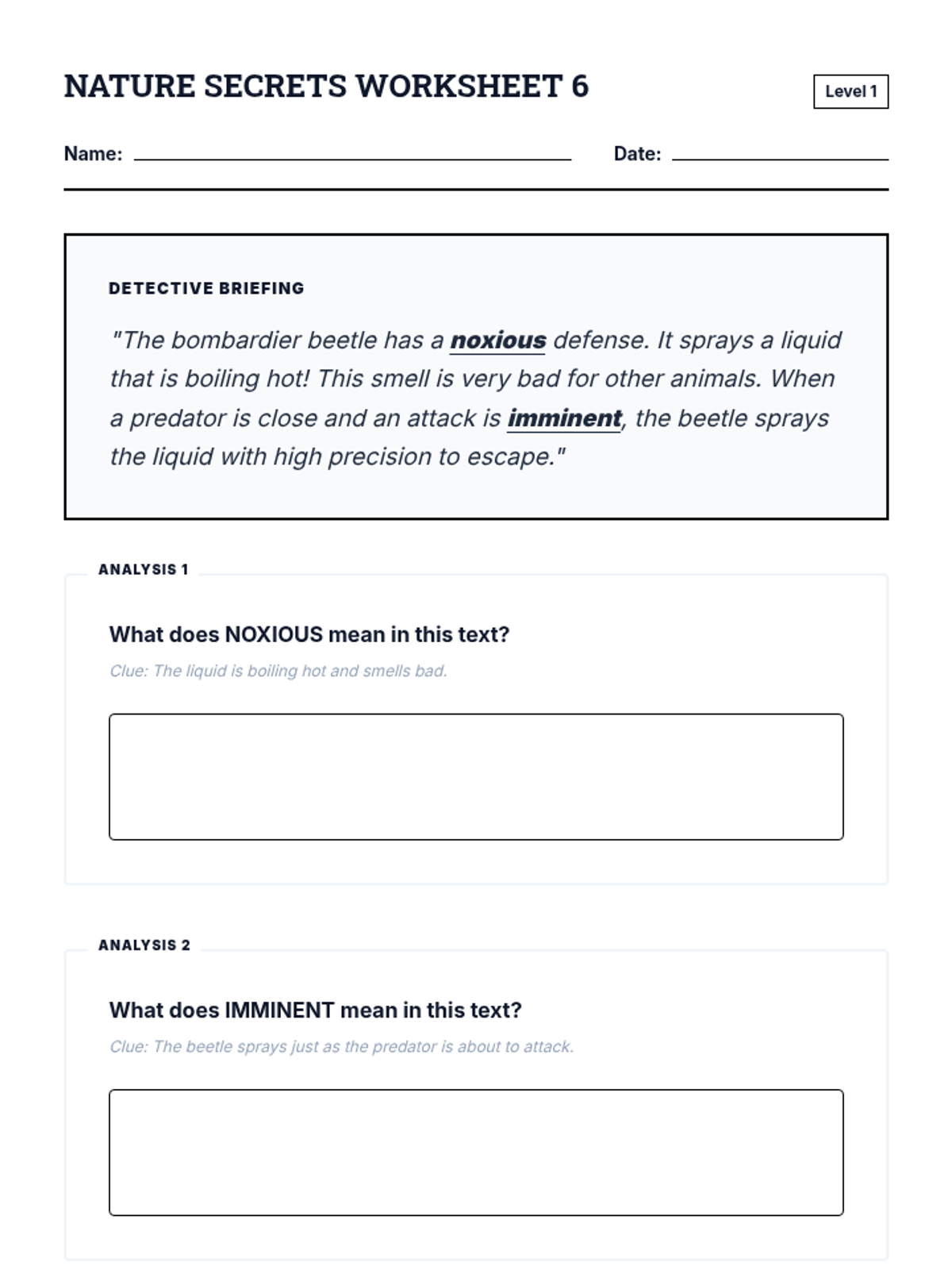
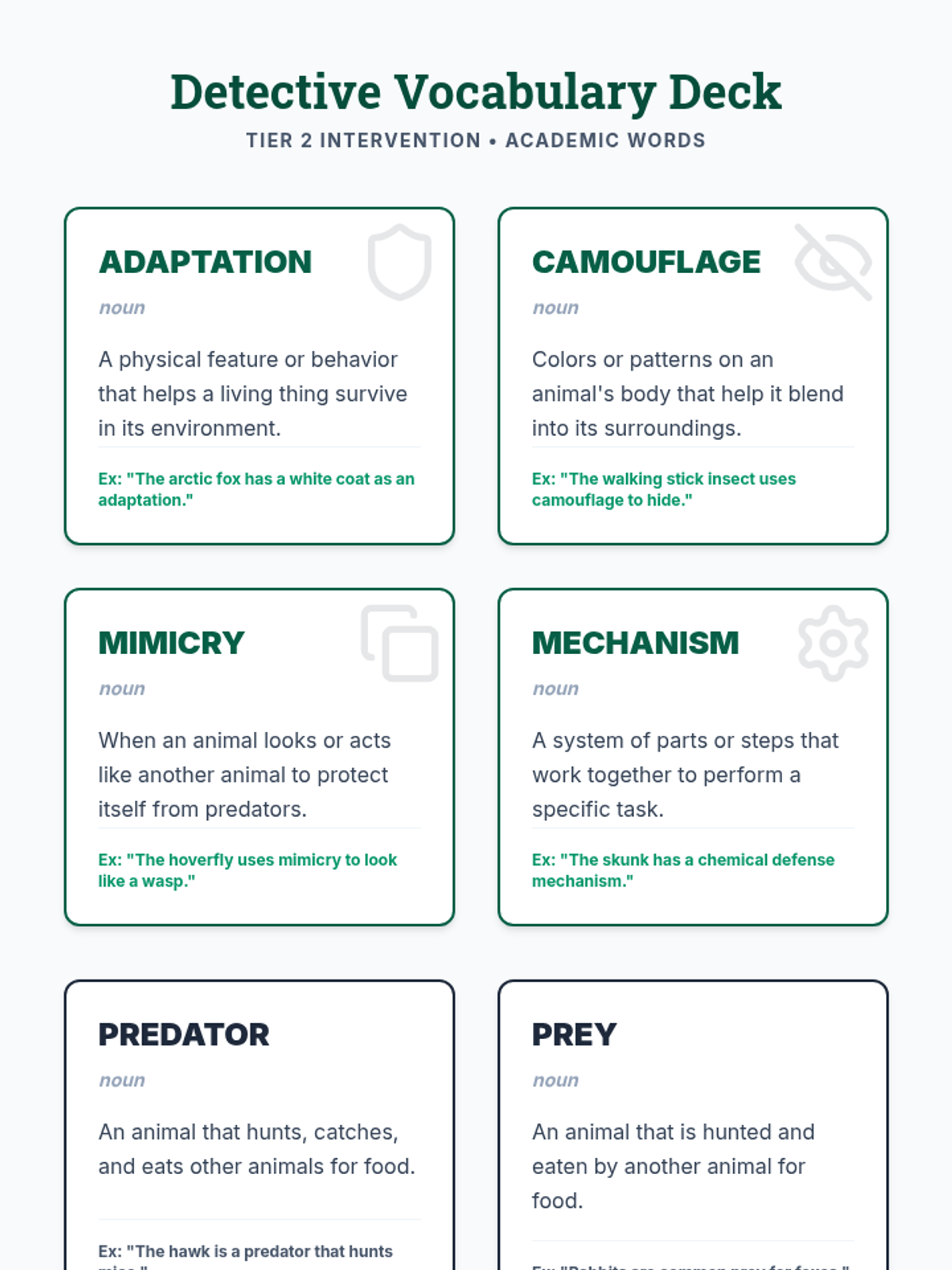
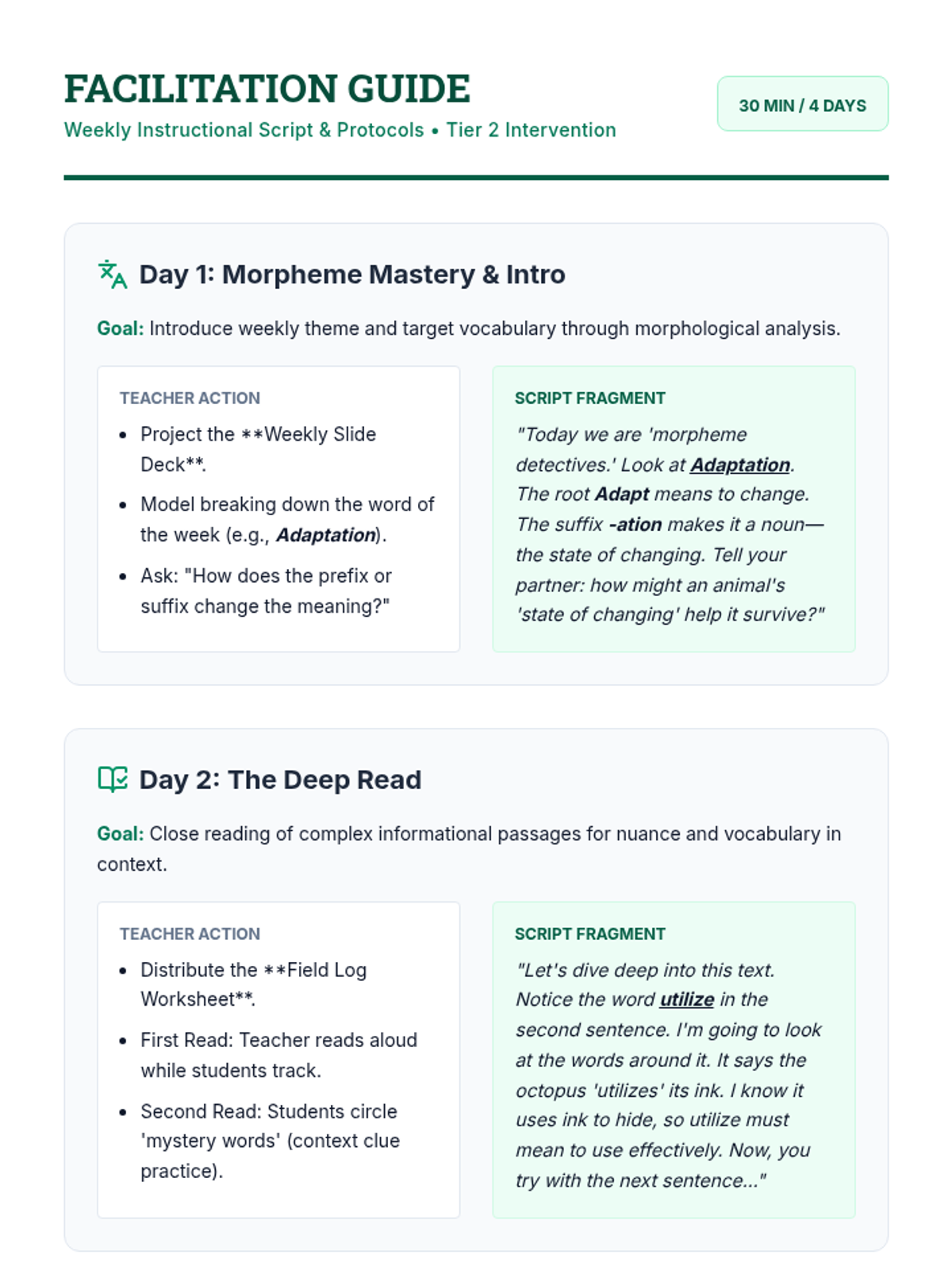
Using context clues to determine the meaning of domain-specific vocabulary words in complex texts.
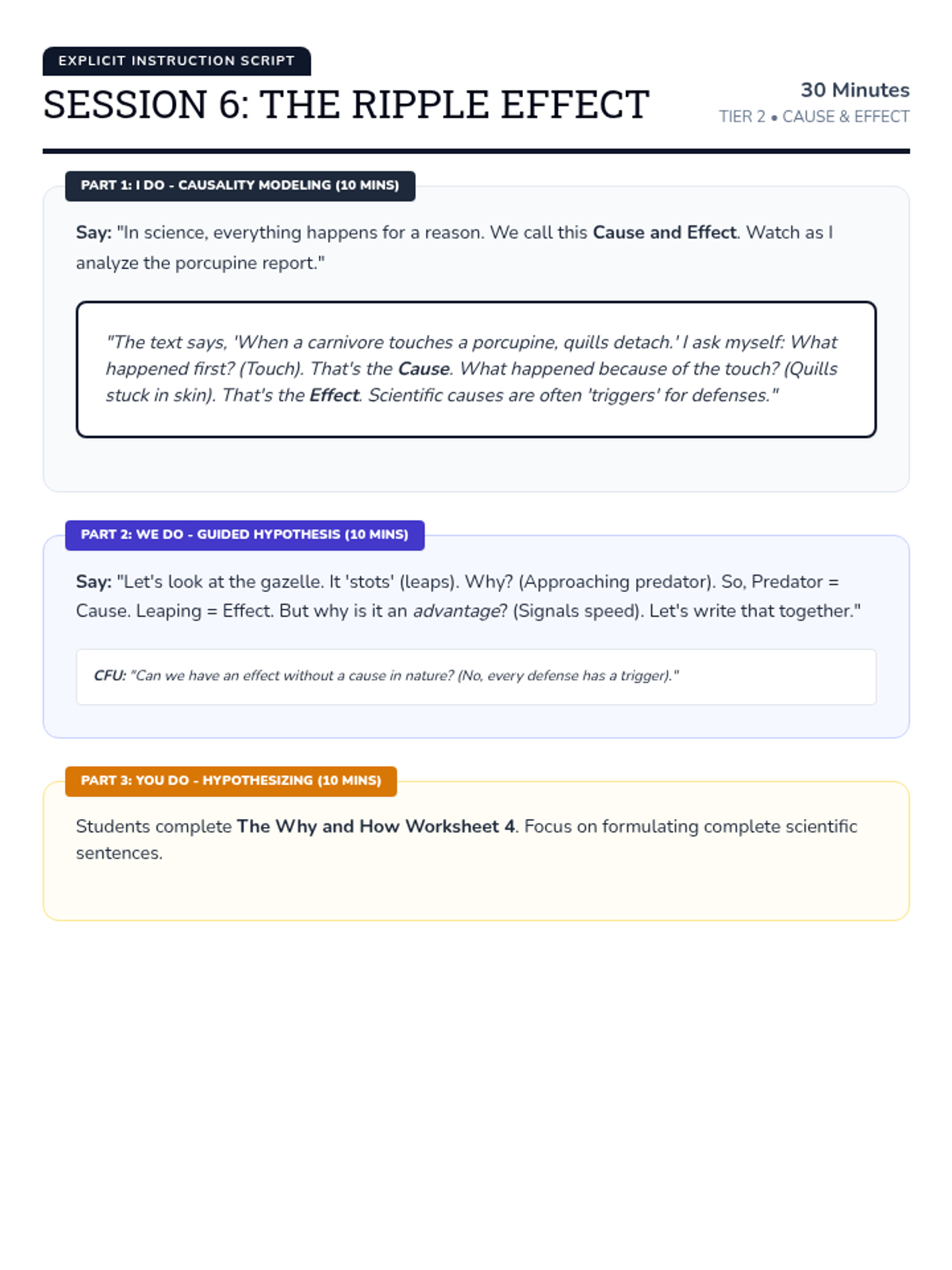
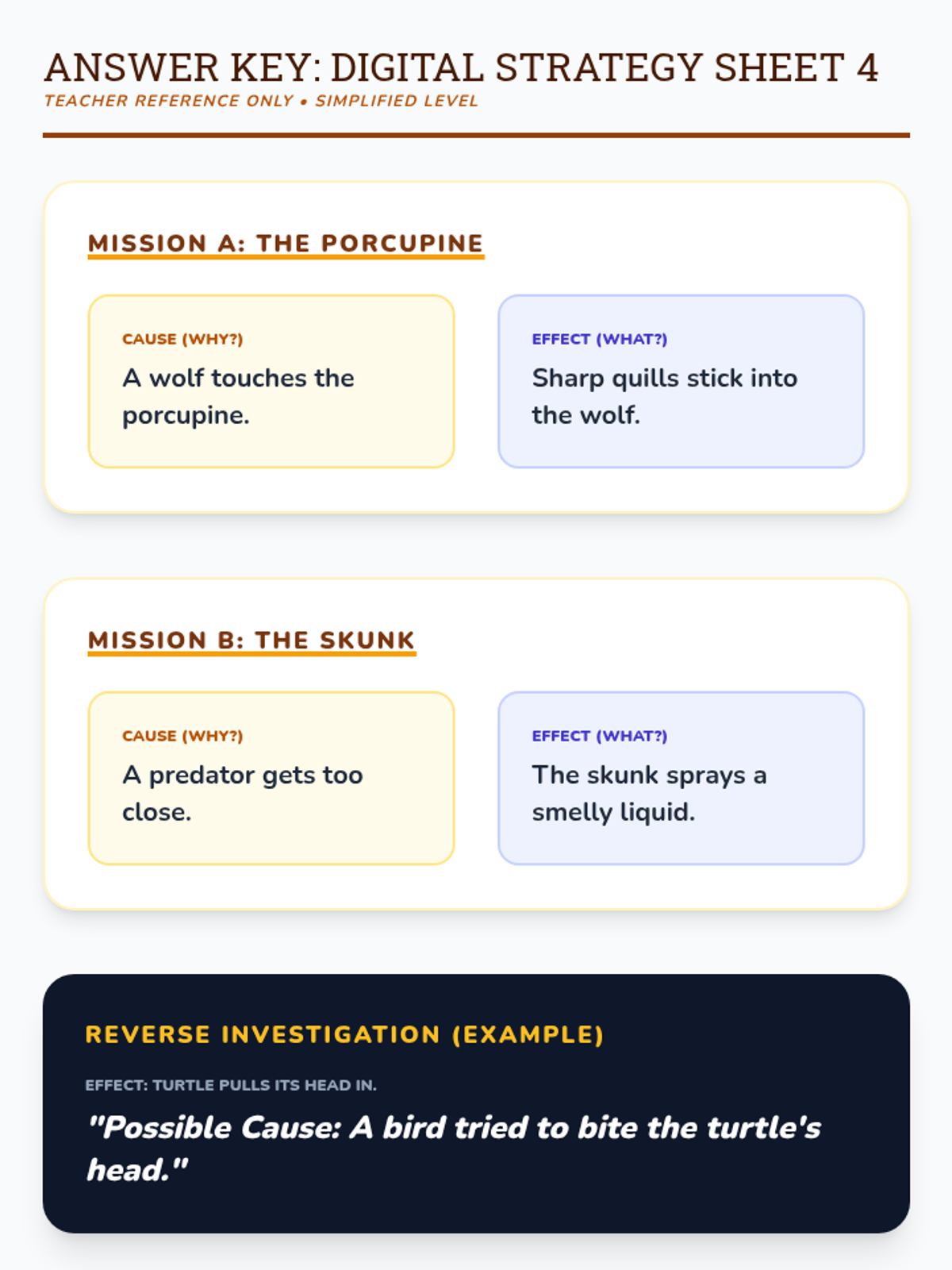
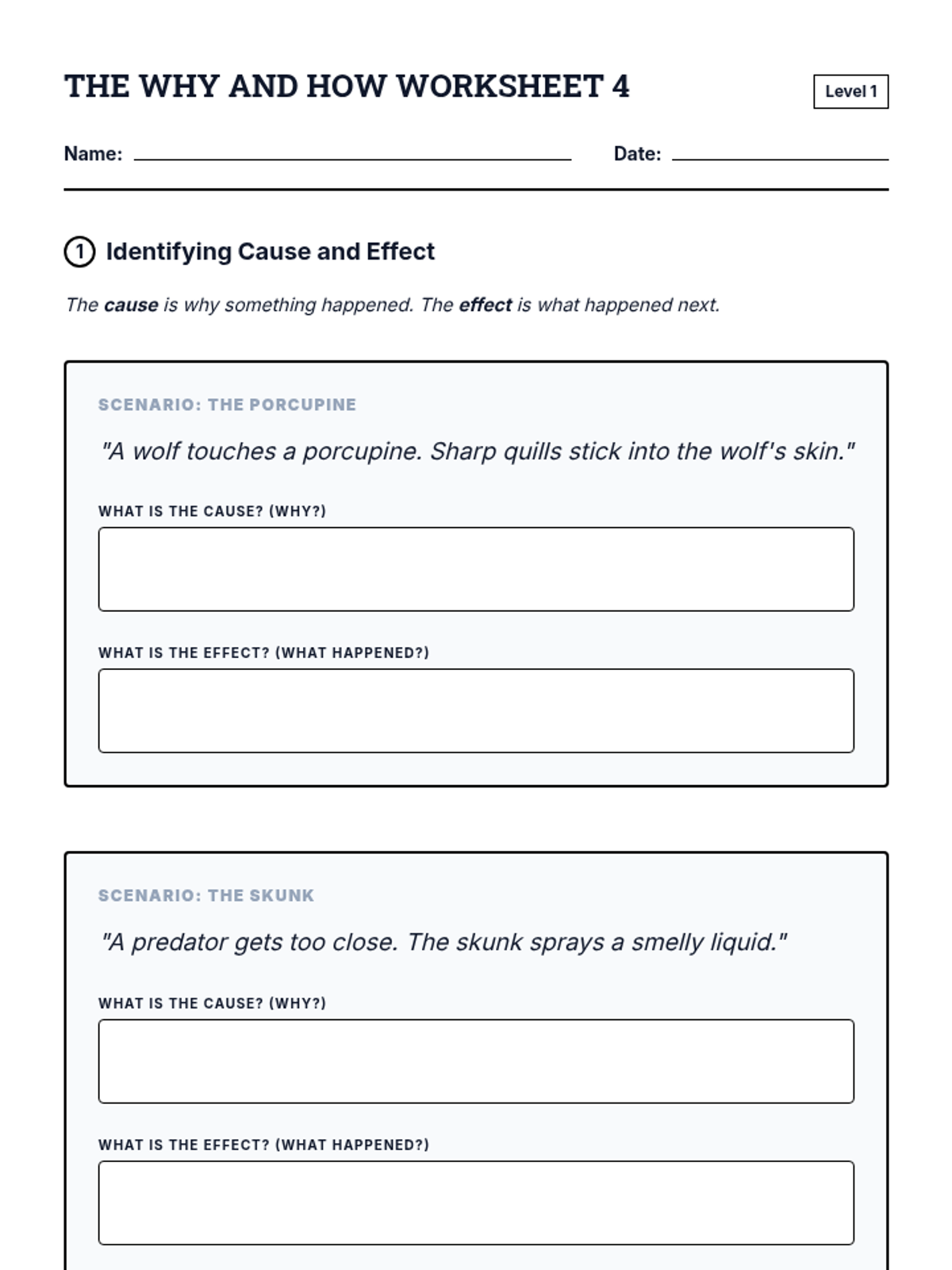
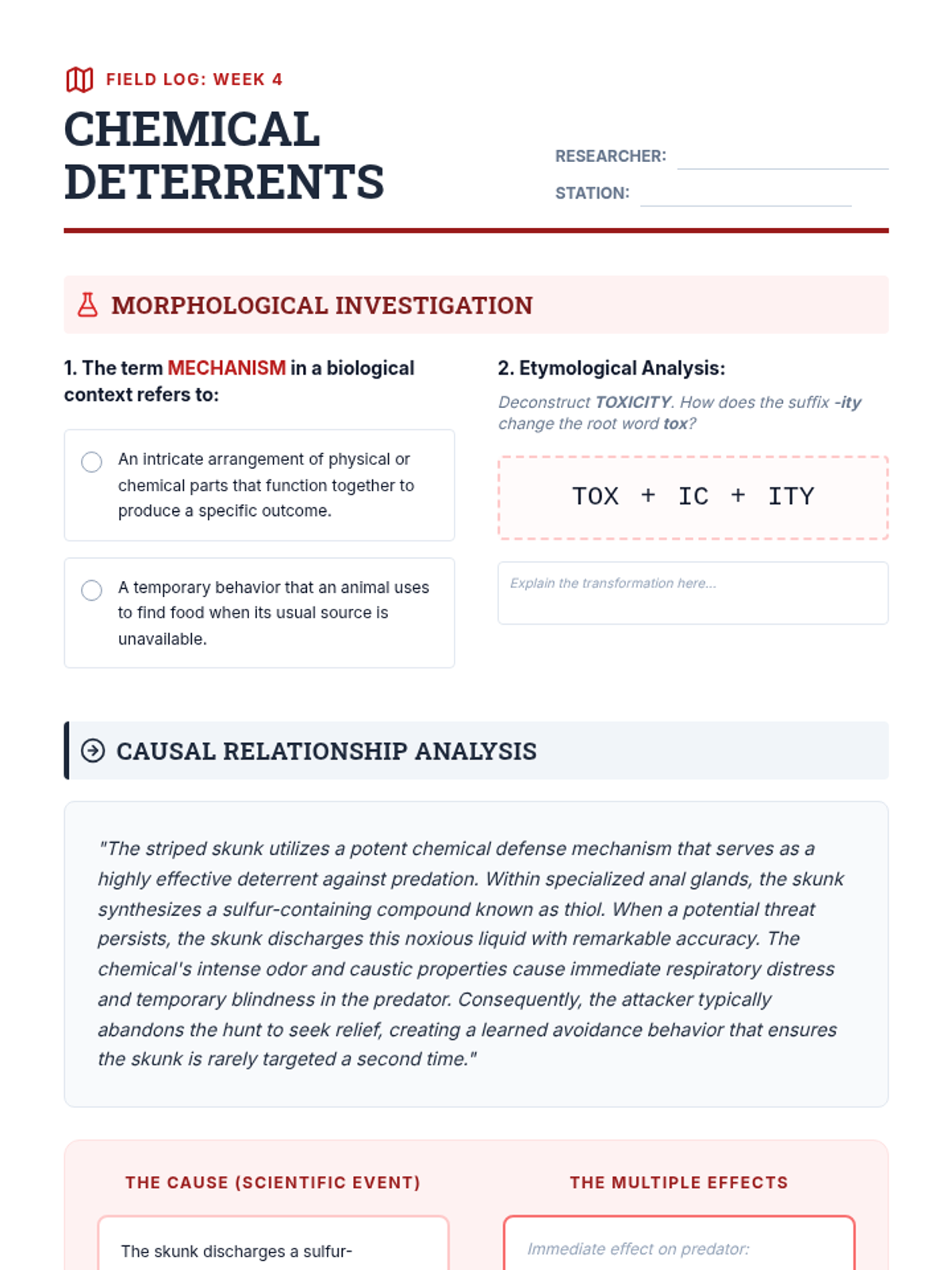
Investigating the cause-and-effect relationship between predator actions and prey reactions.
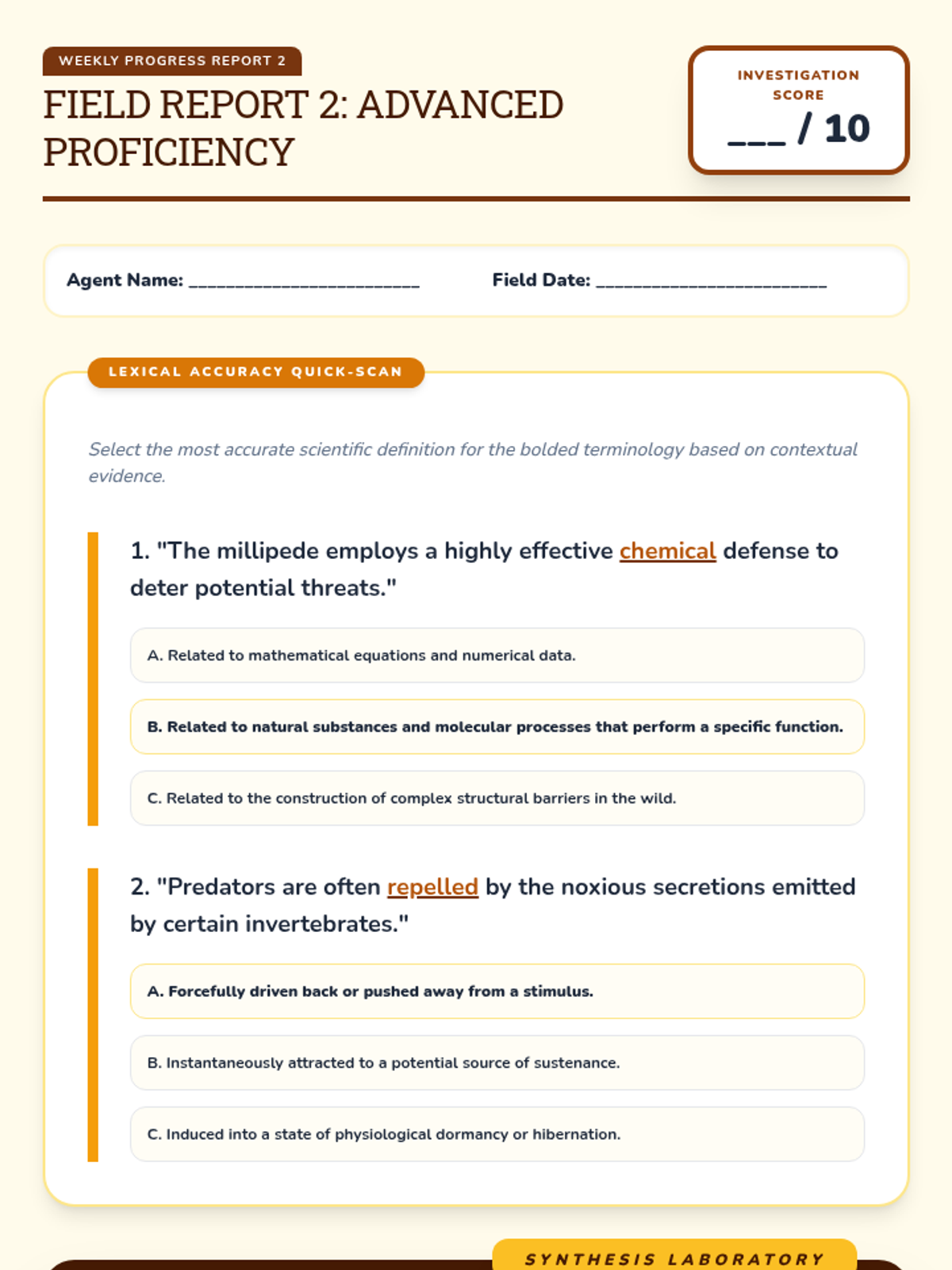
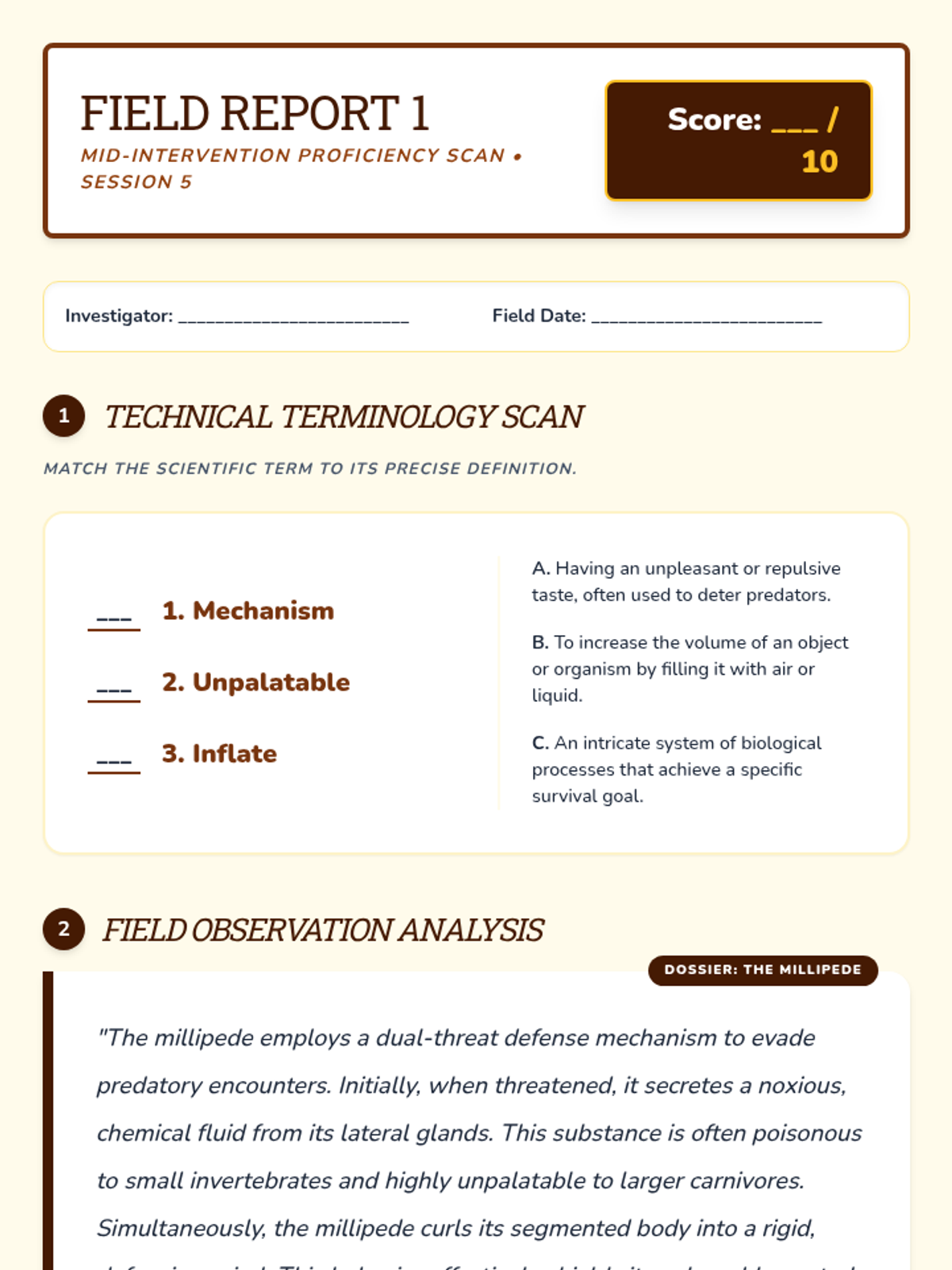
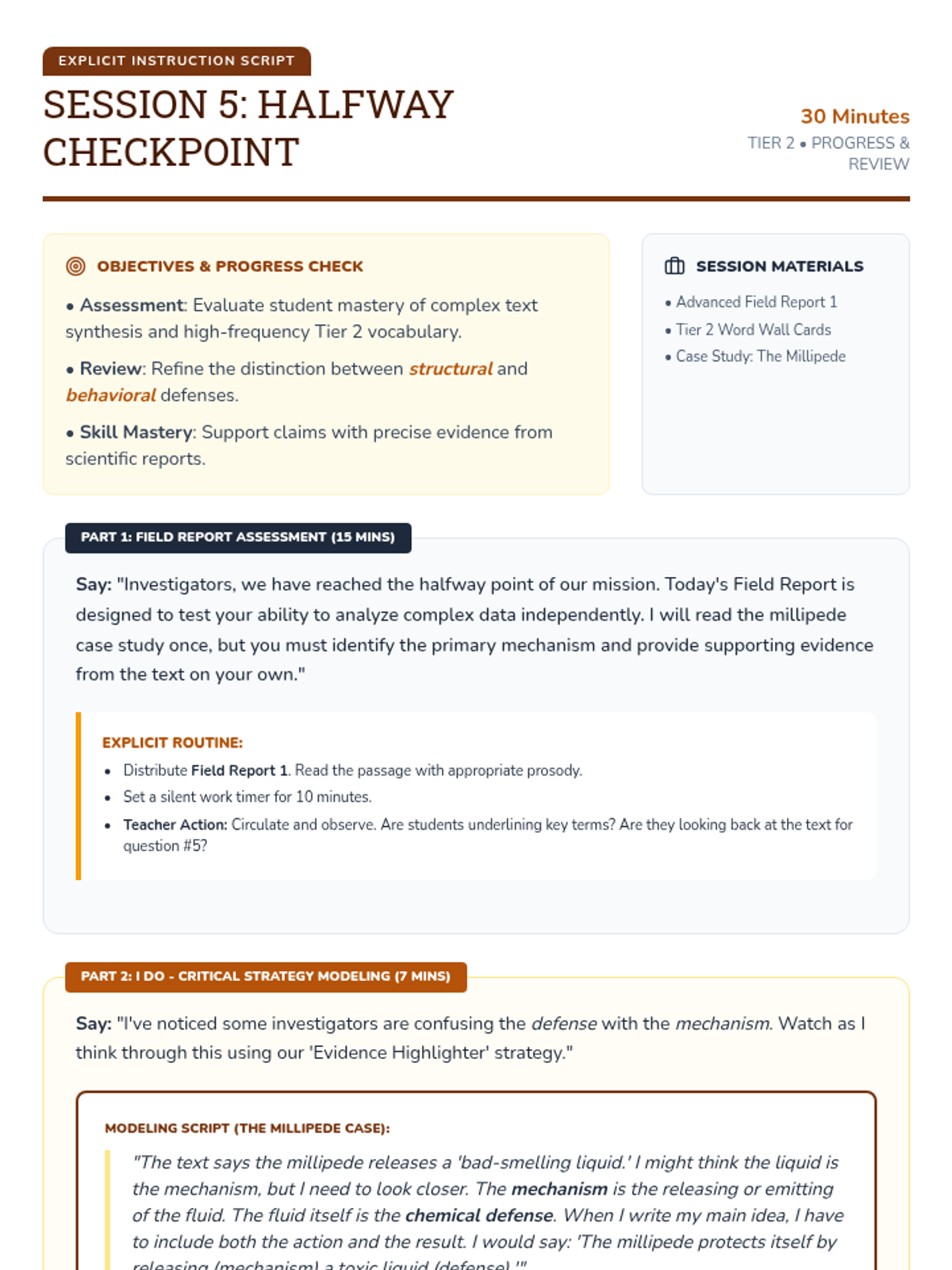
A mid-intervention review session featuring a progress monitoring assessment and a collaborative vocabulary game.
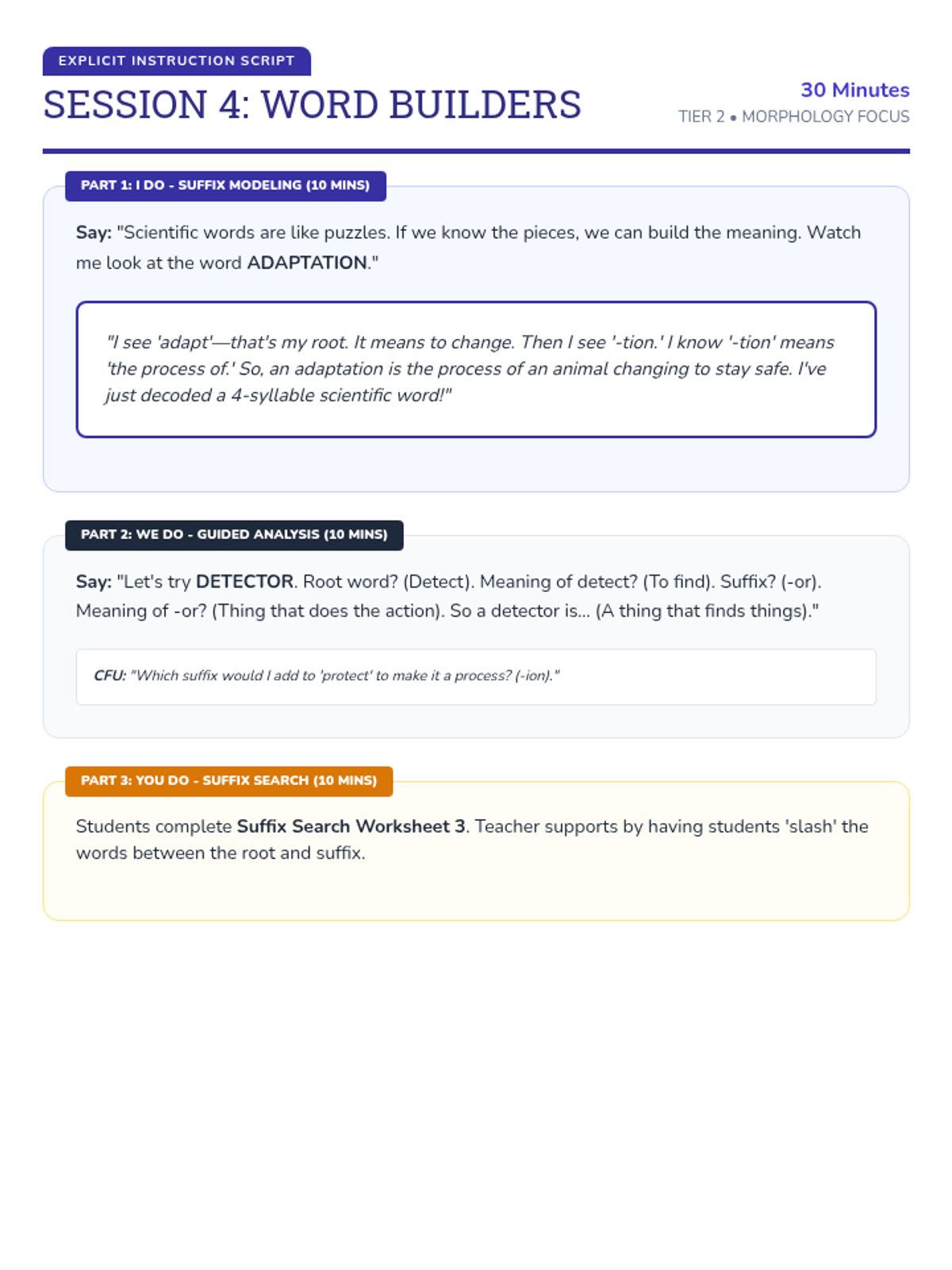
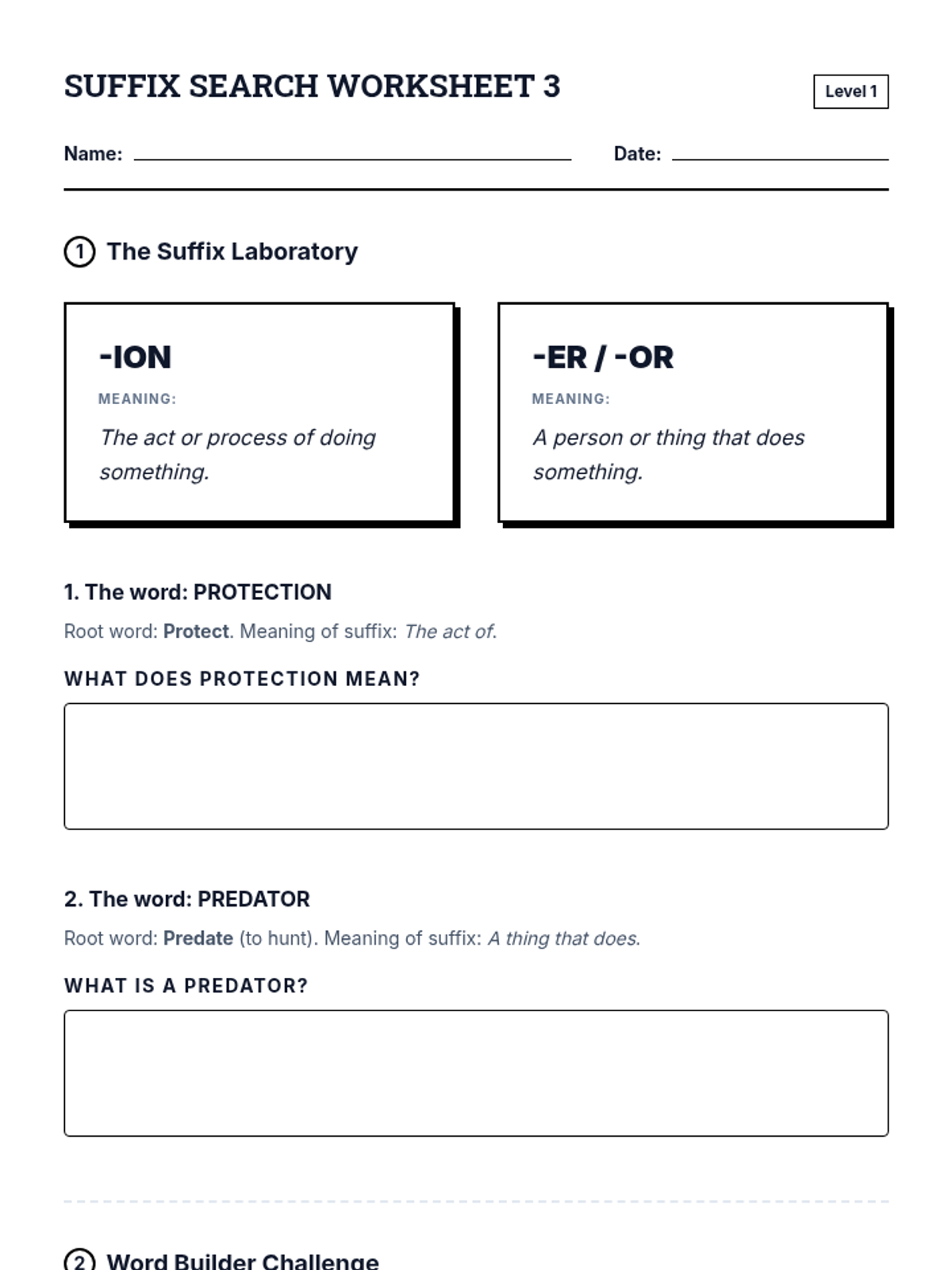
Focus on word morphology (prefixes and suffixes) and how they change the meaning of scientific terms.
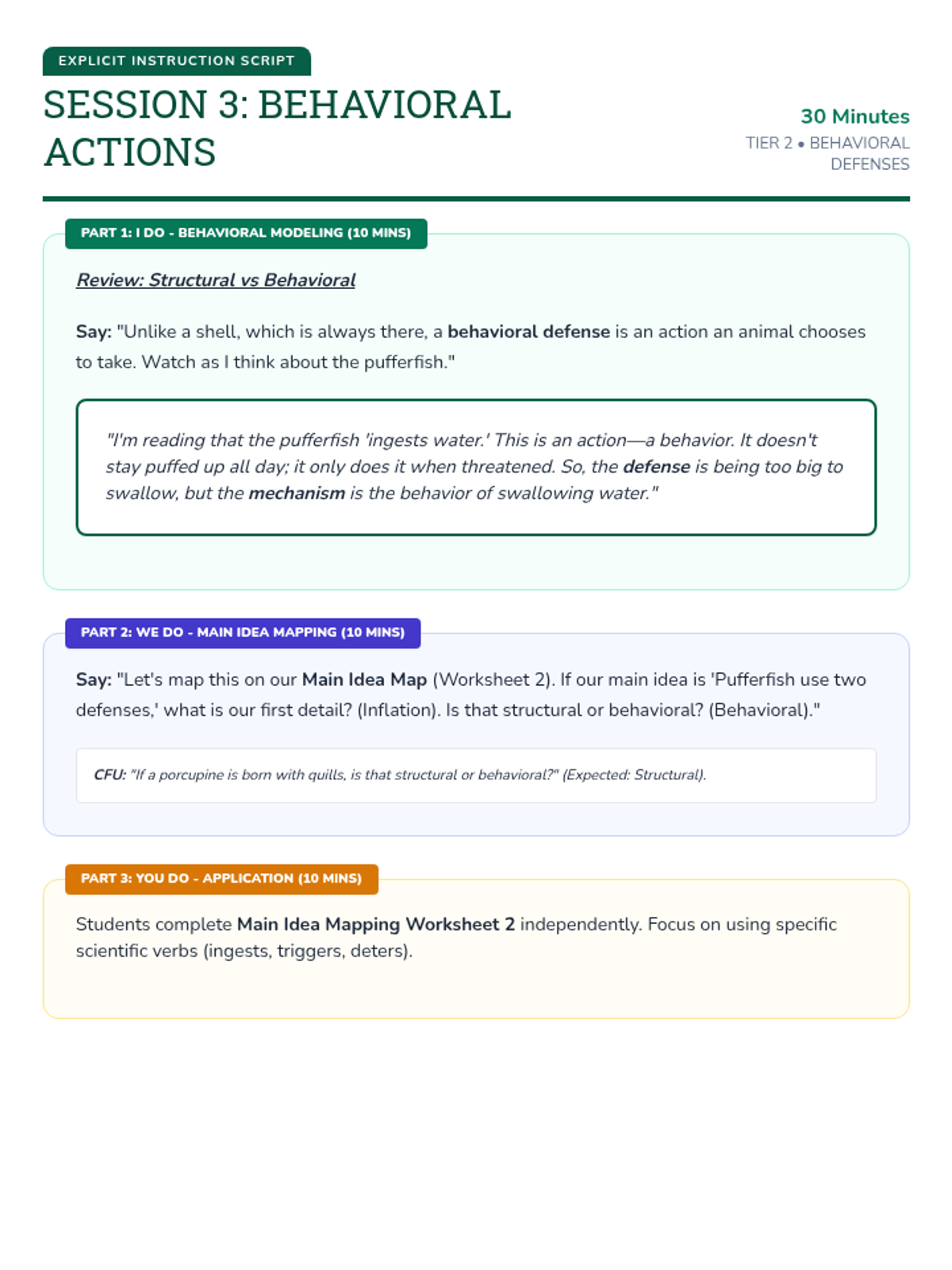
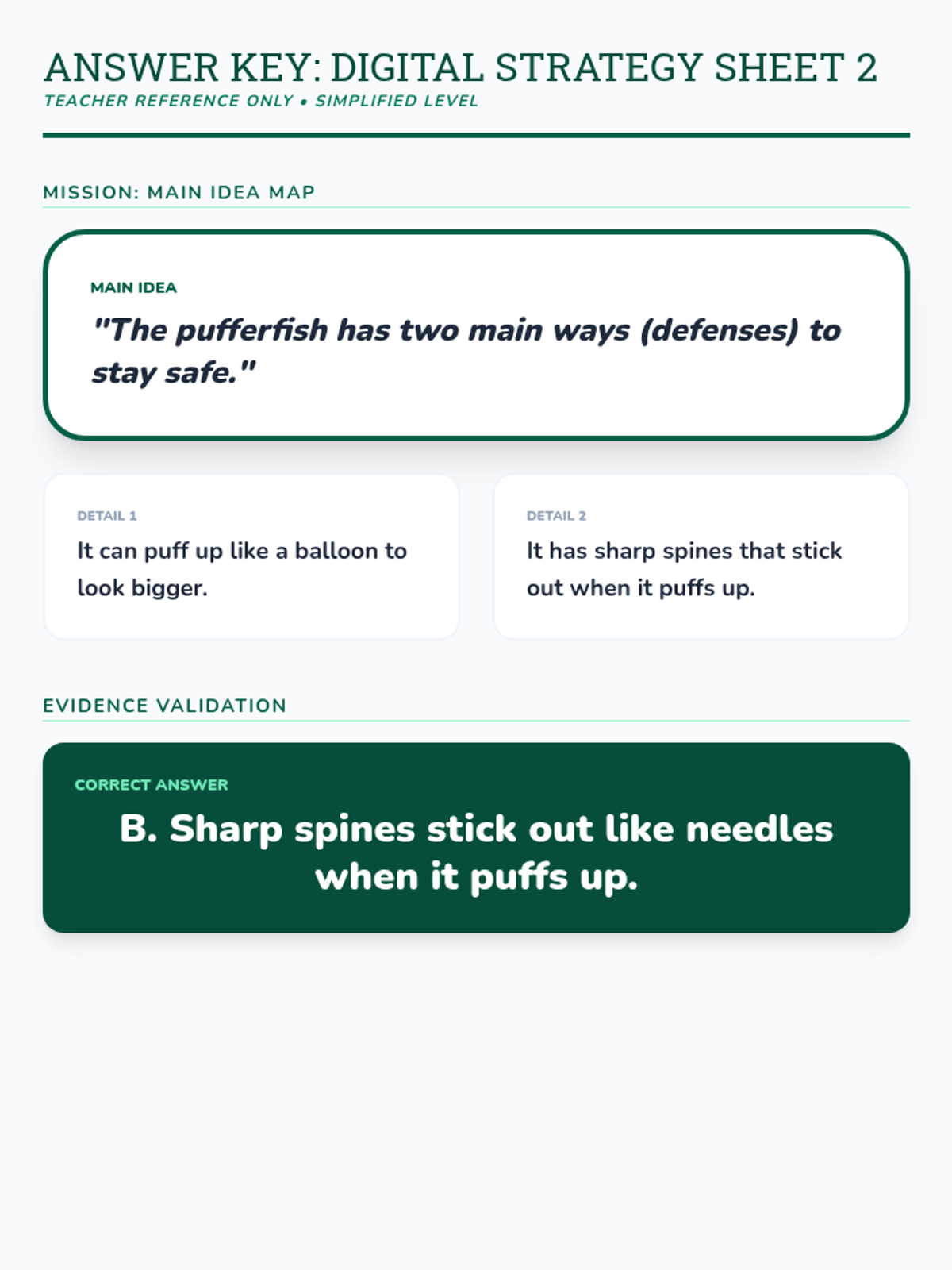
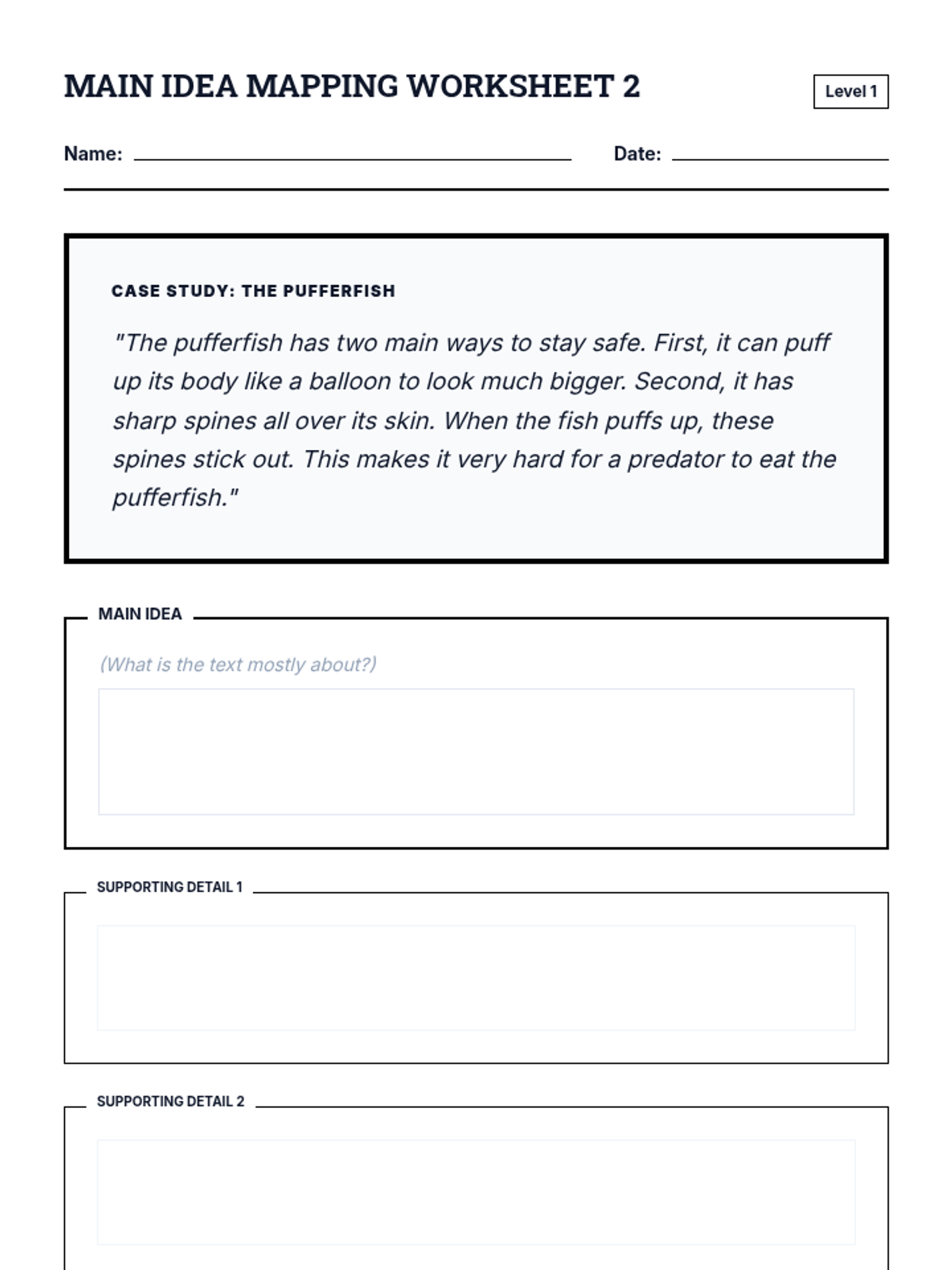
Exploring behavioral defenses and practicing identifying supporting details that reinforce the main idea.
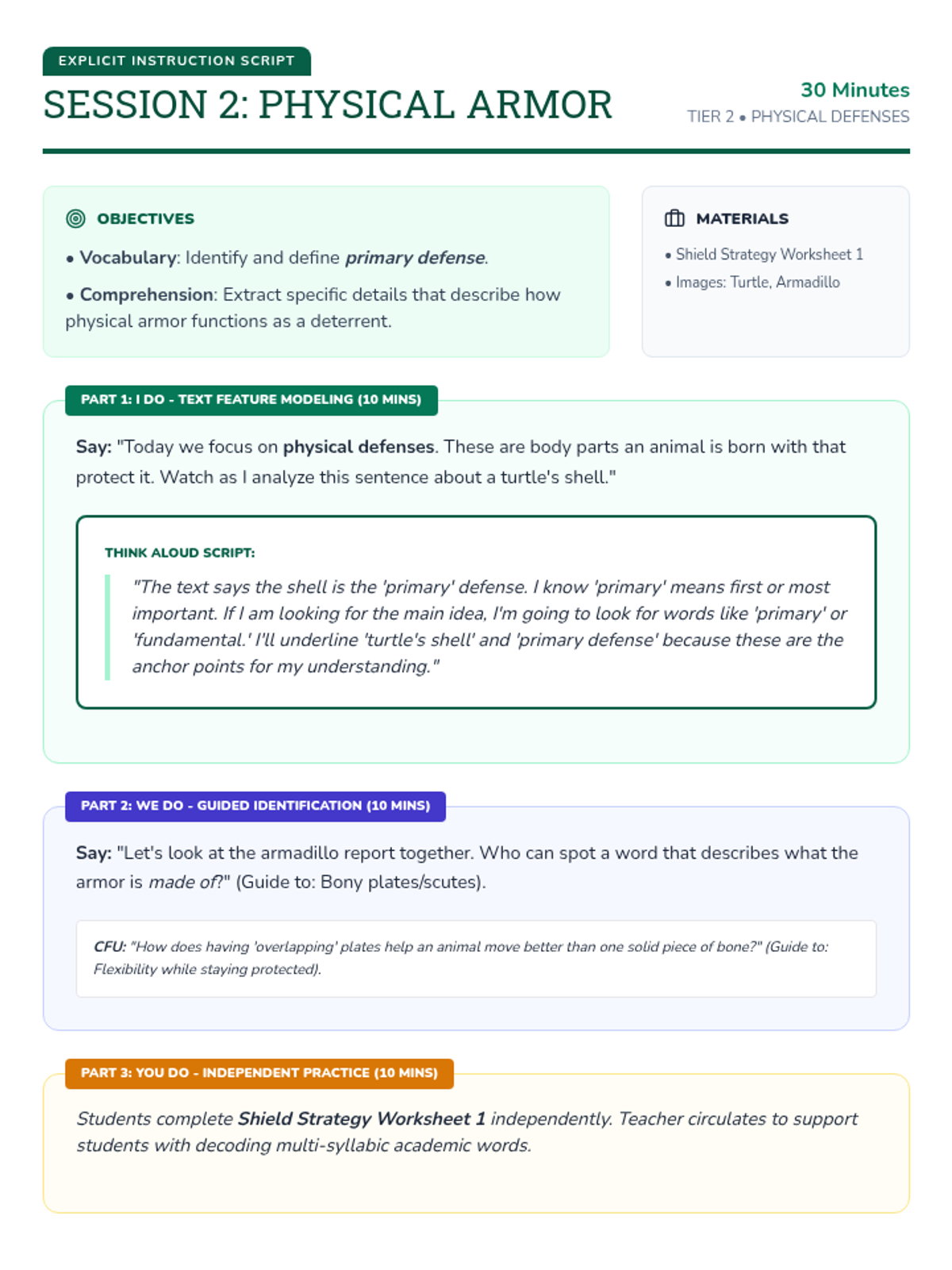
Focus on physical defenses (armor, spikes) and identifying the main idea of a short informational text.
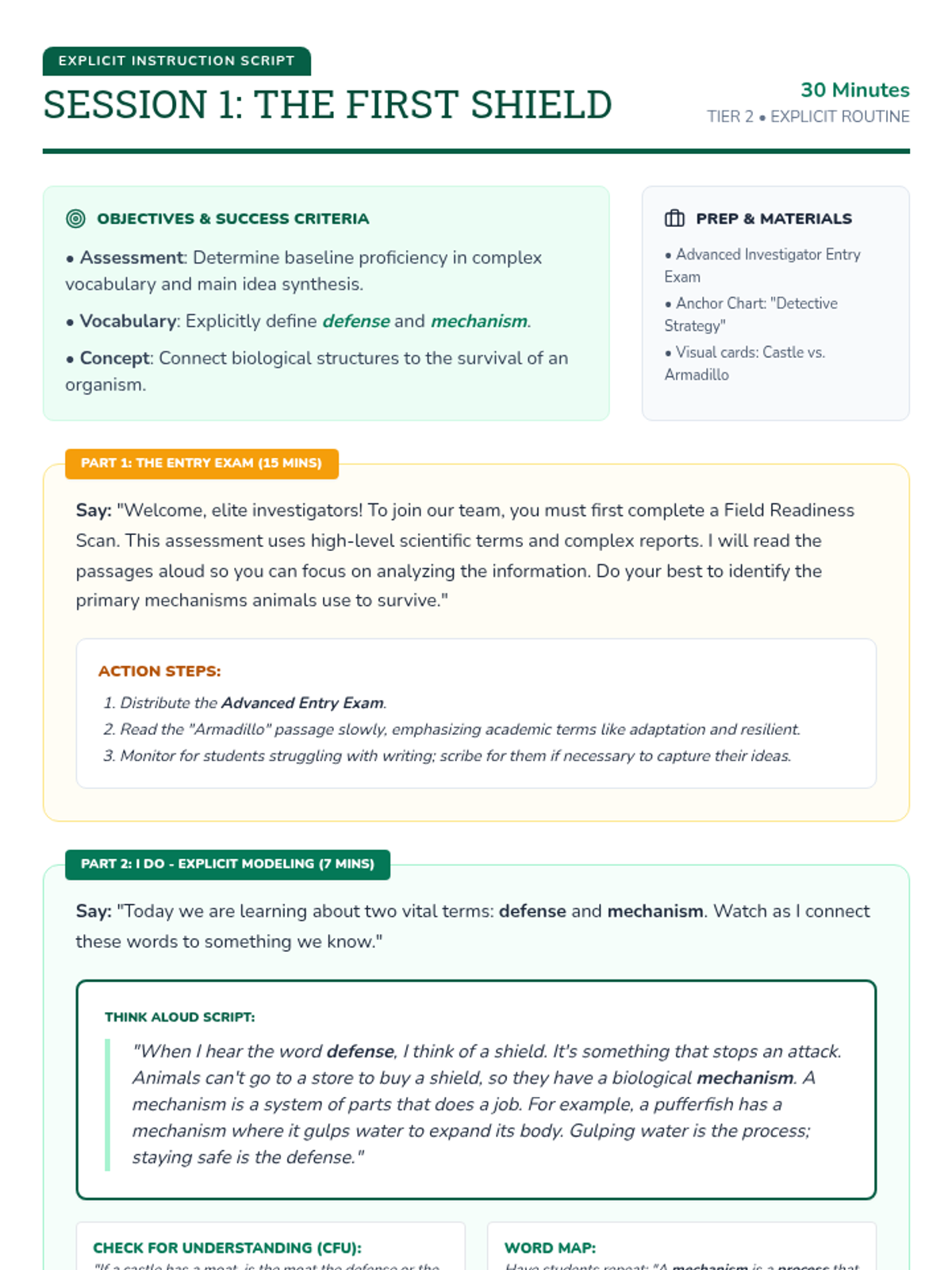
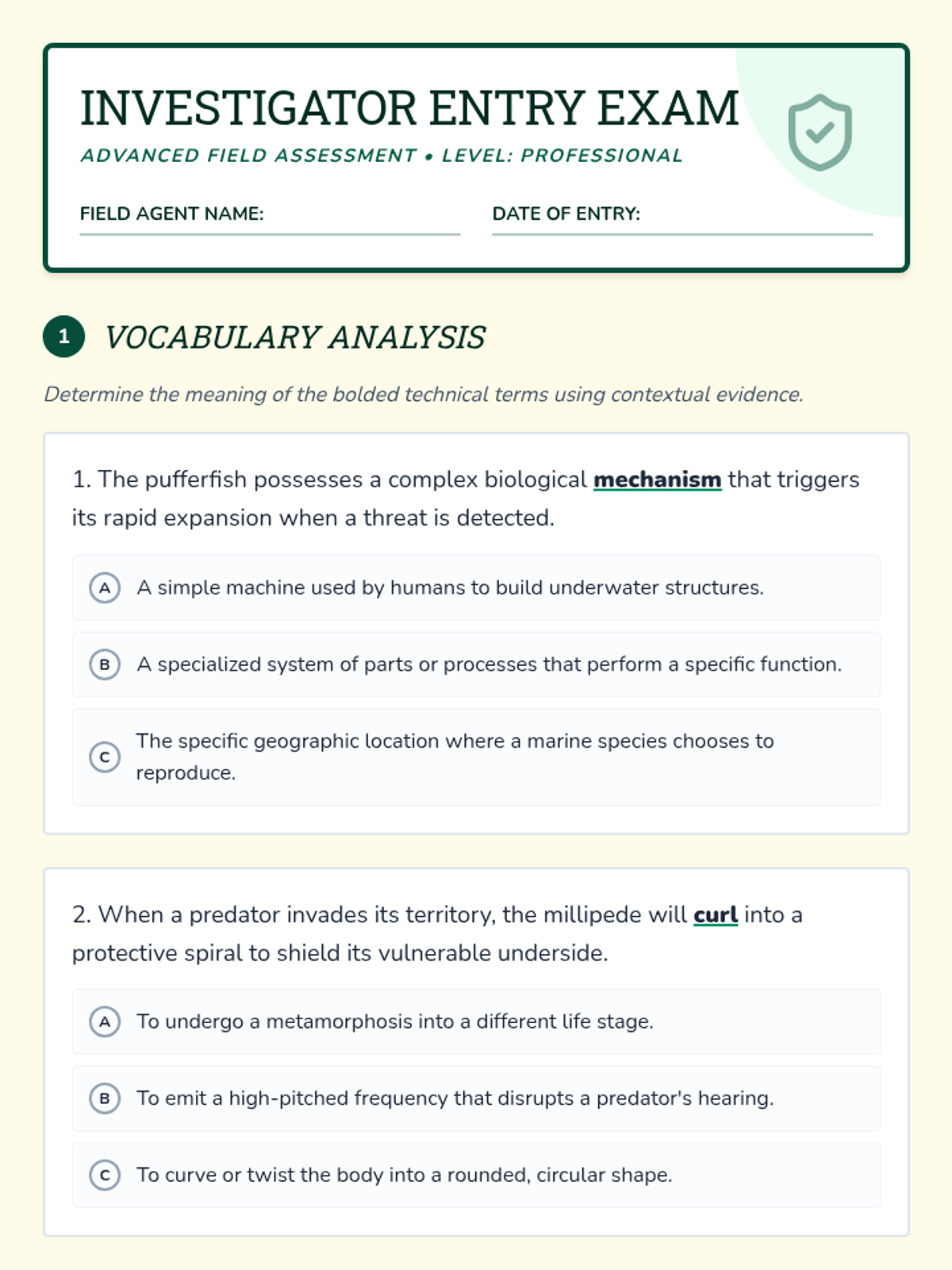
Students take the 'Entry Exam' to assess baseline knowledge and are introduced to the concept of animal defenses and key academic vocabulary.
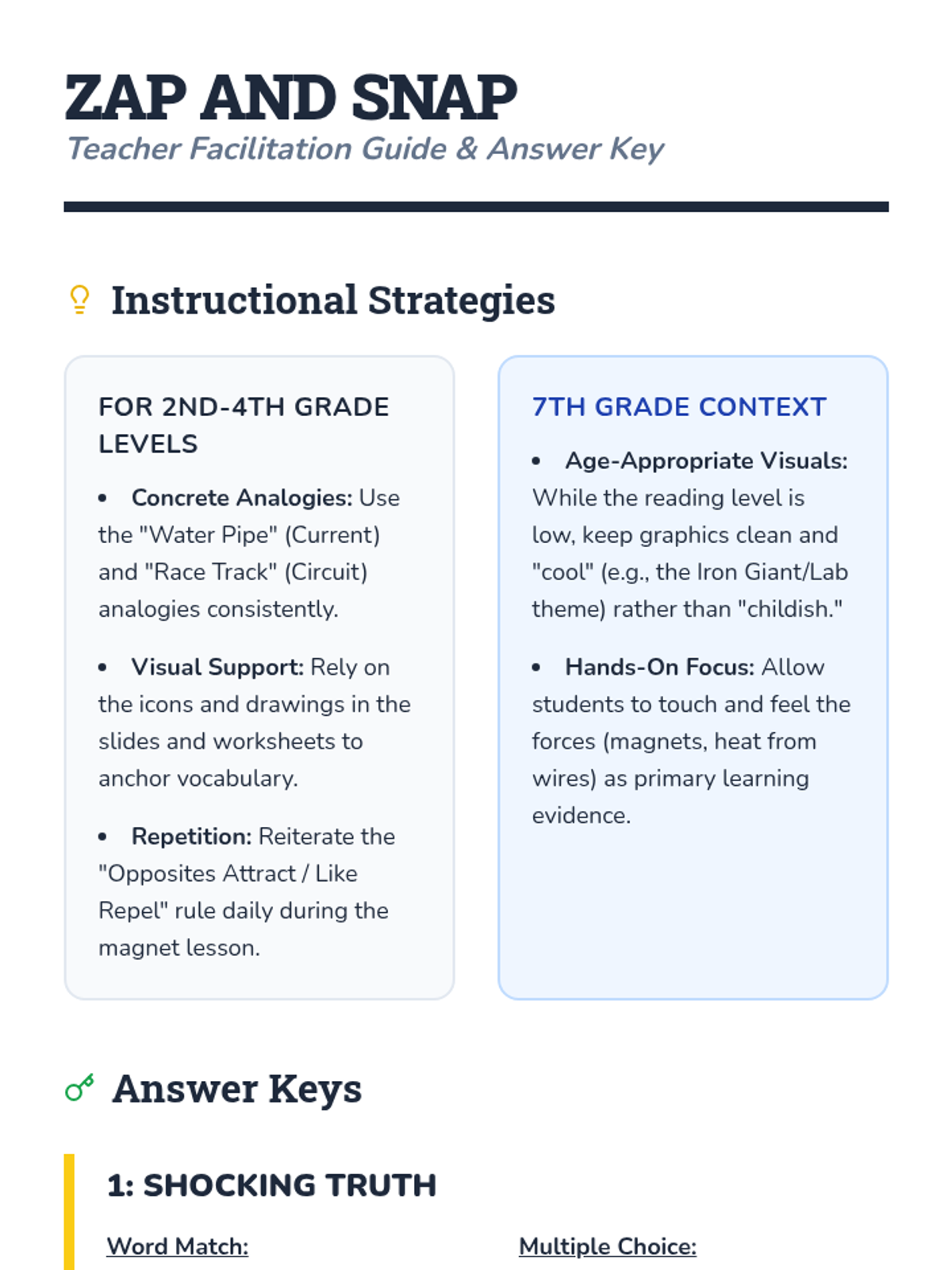
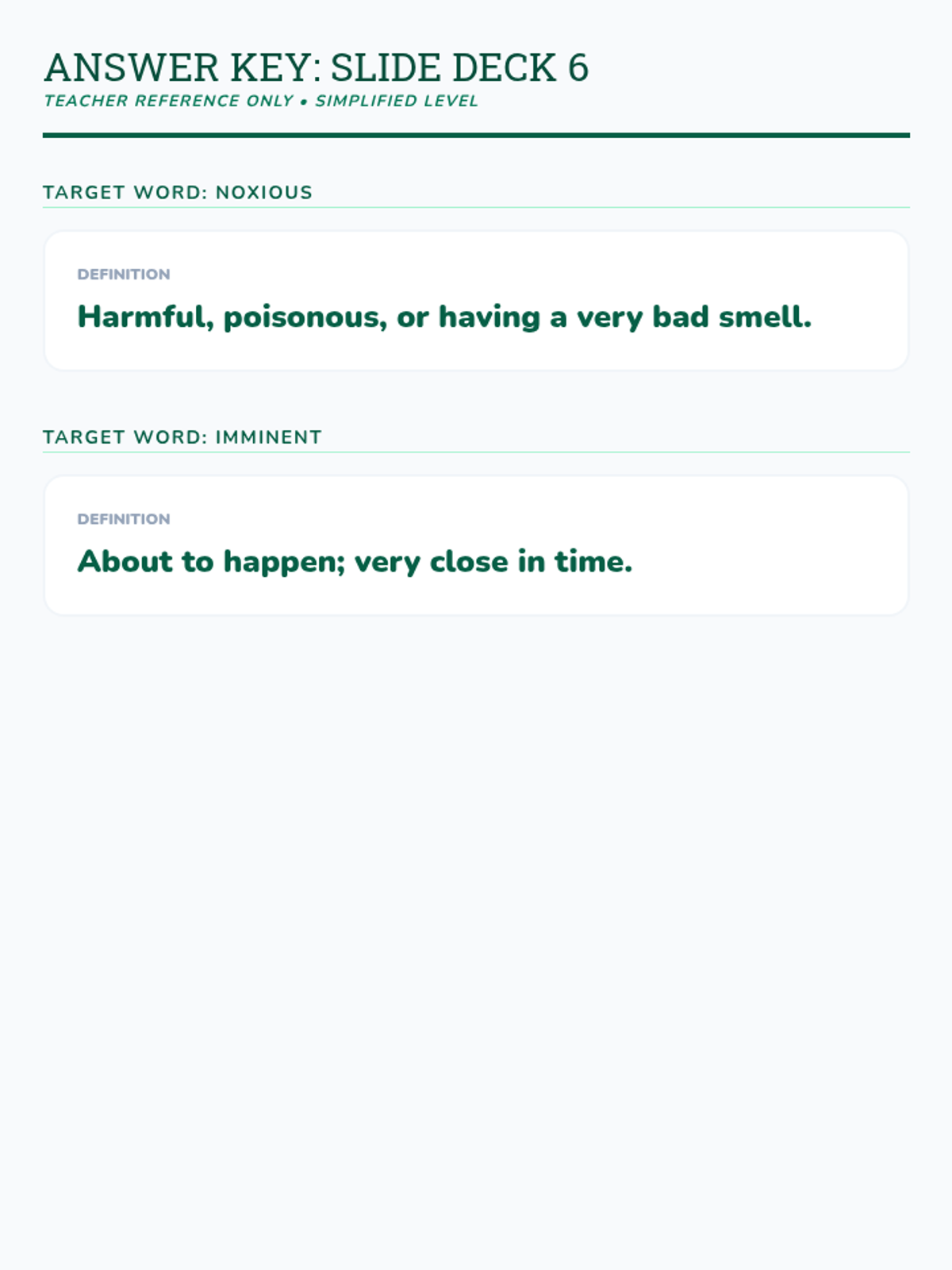
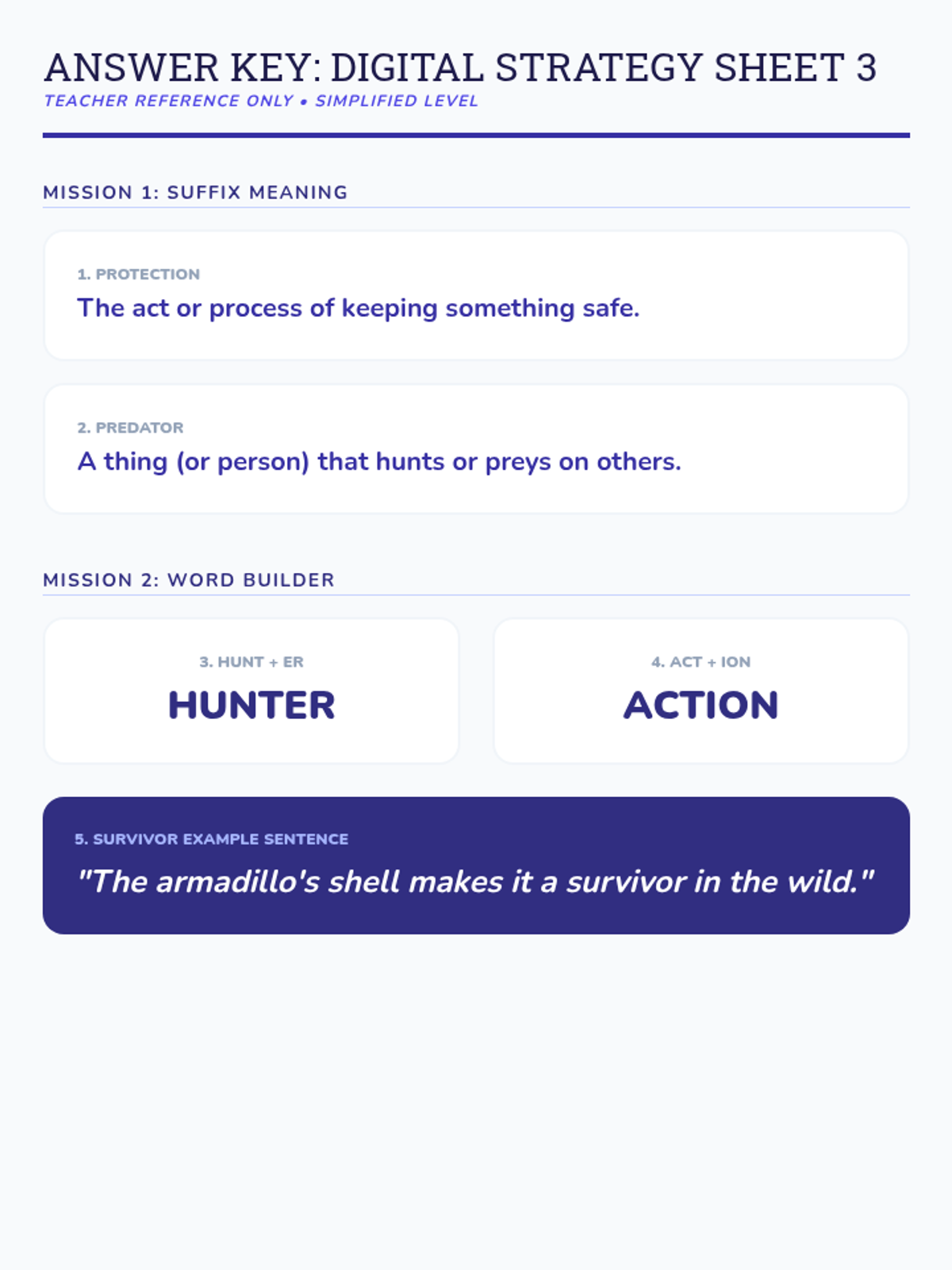
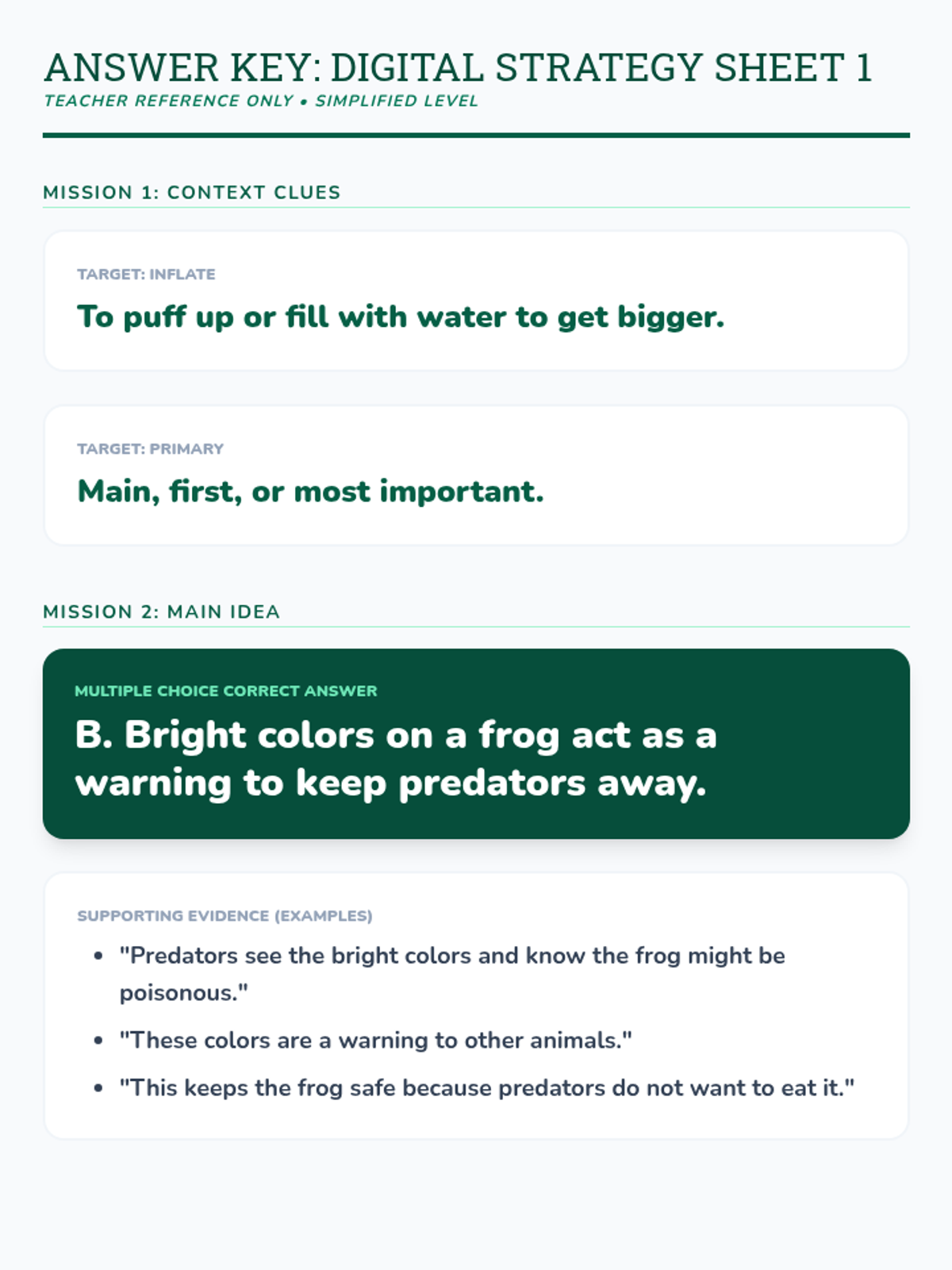
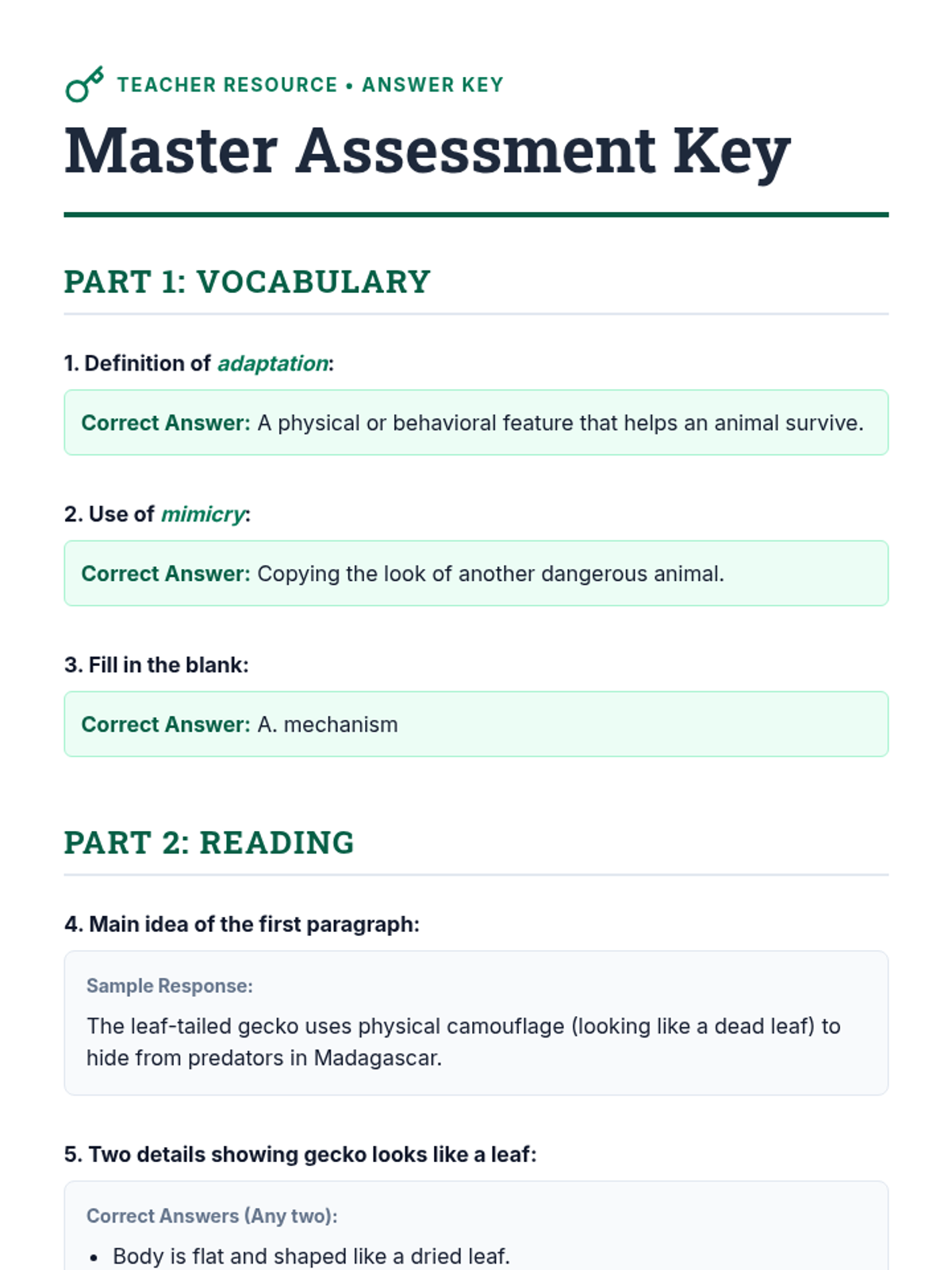
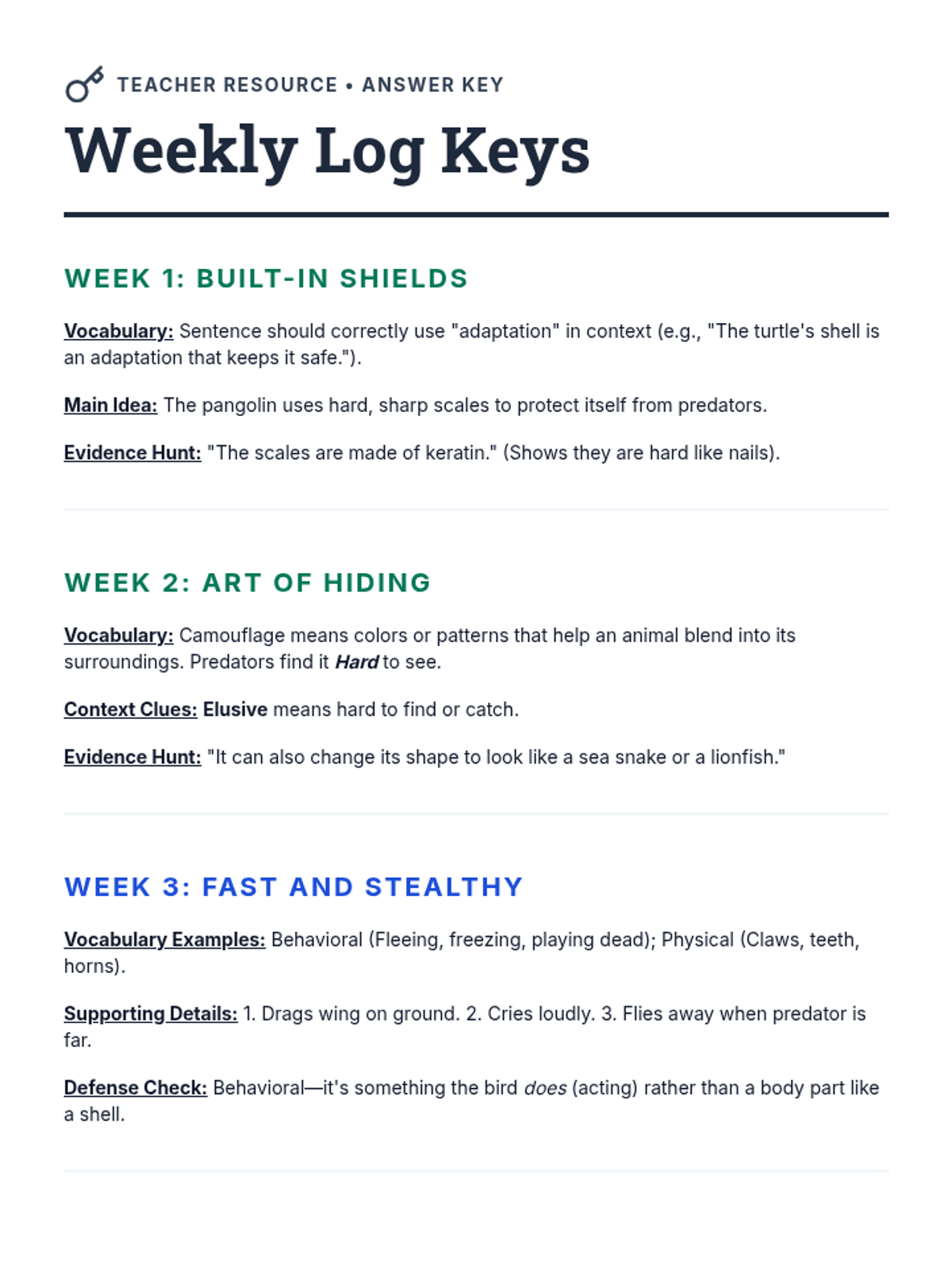
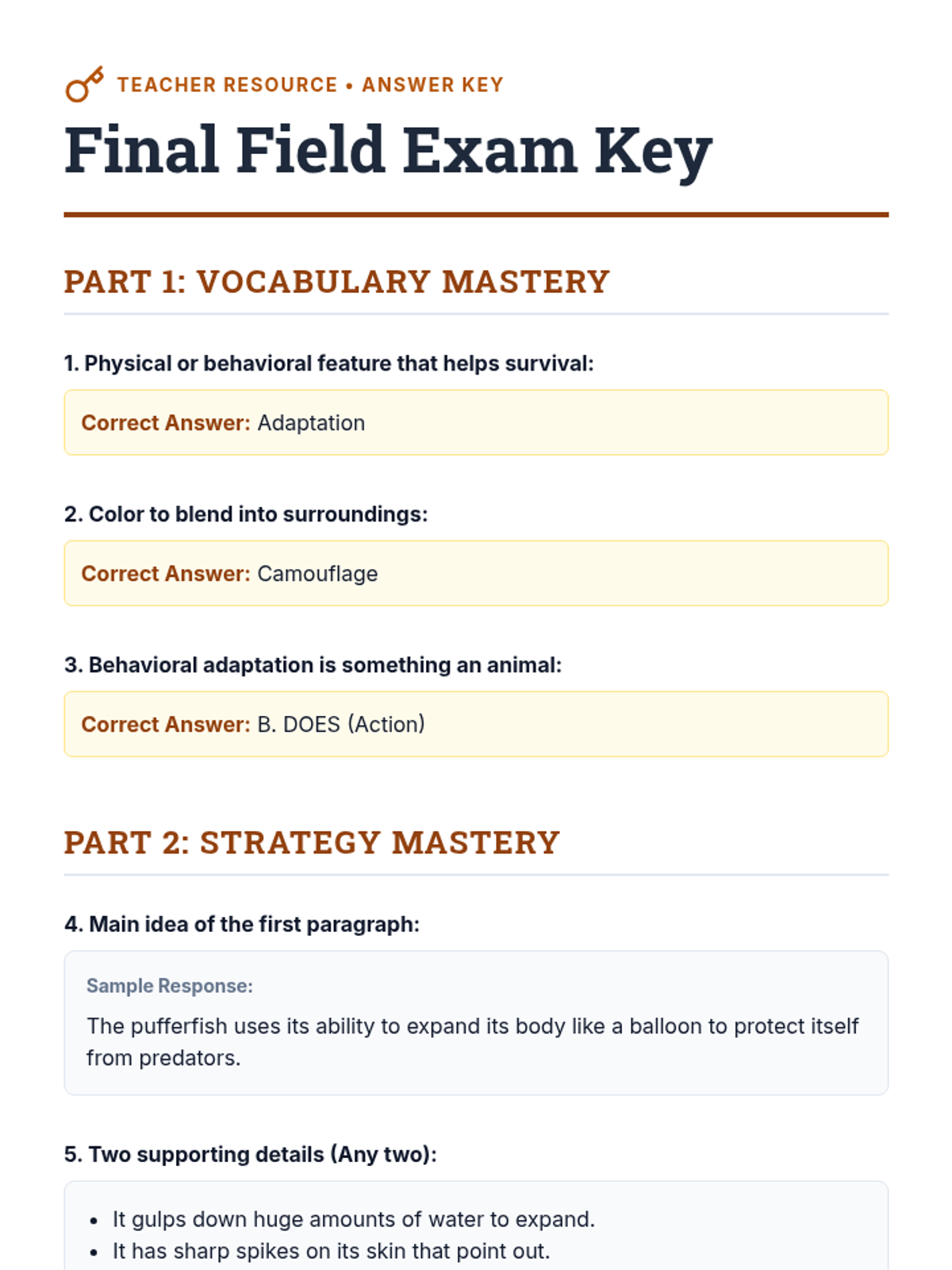
Comprehensive answer keys for all student-facing materials, including weekly field logs and the pre/post assessment.
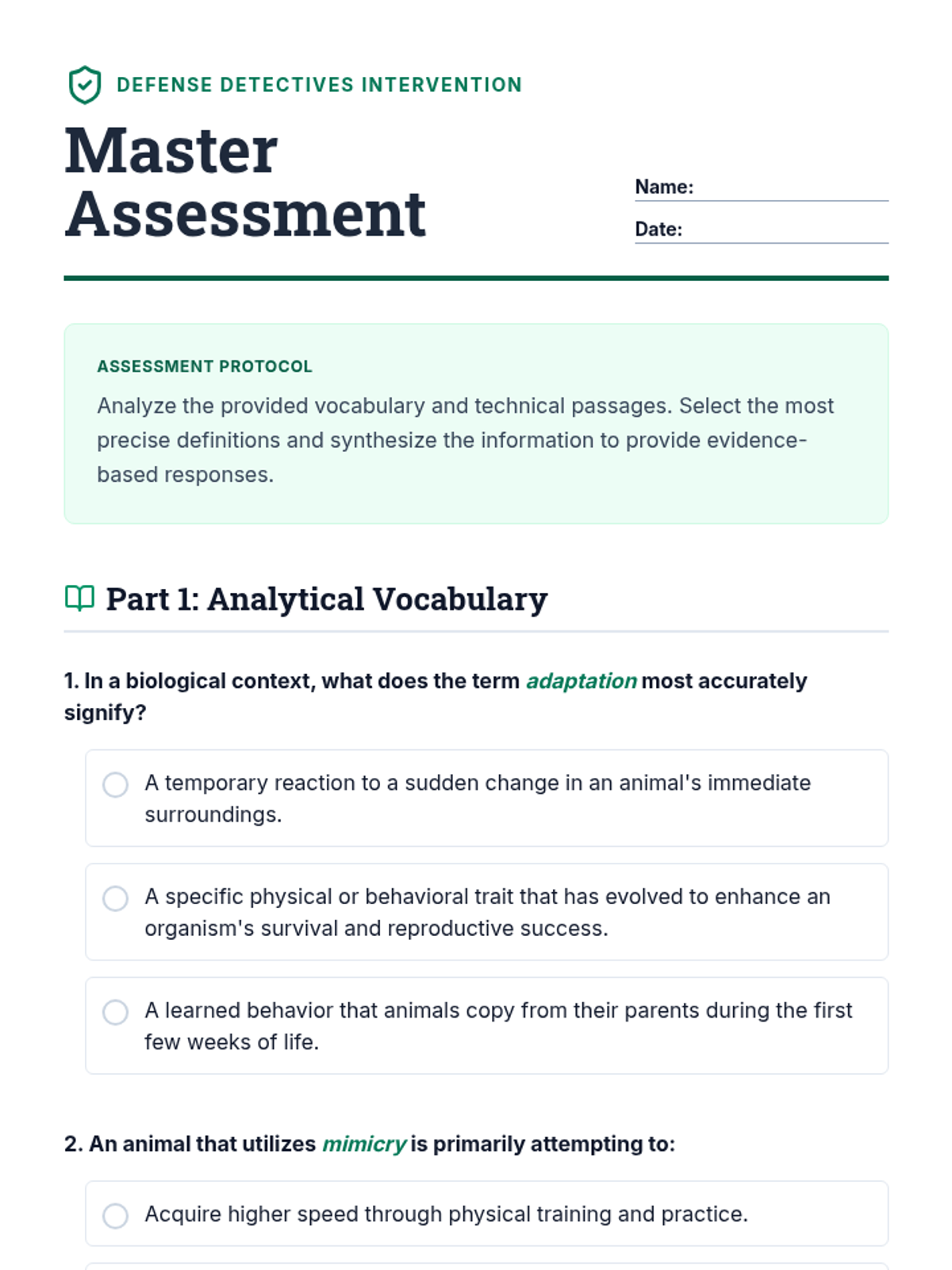
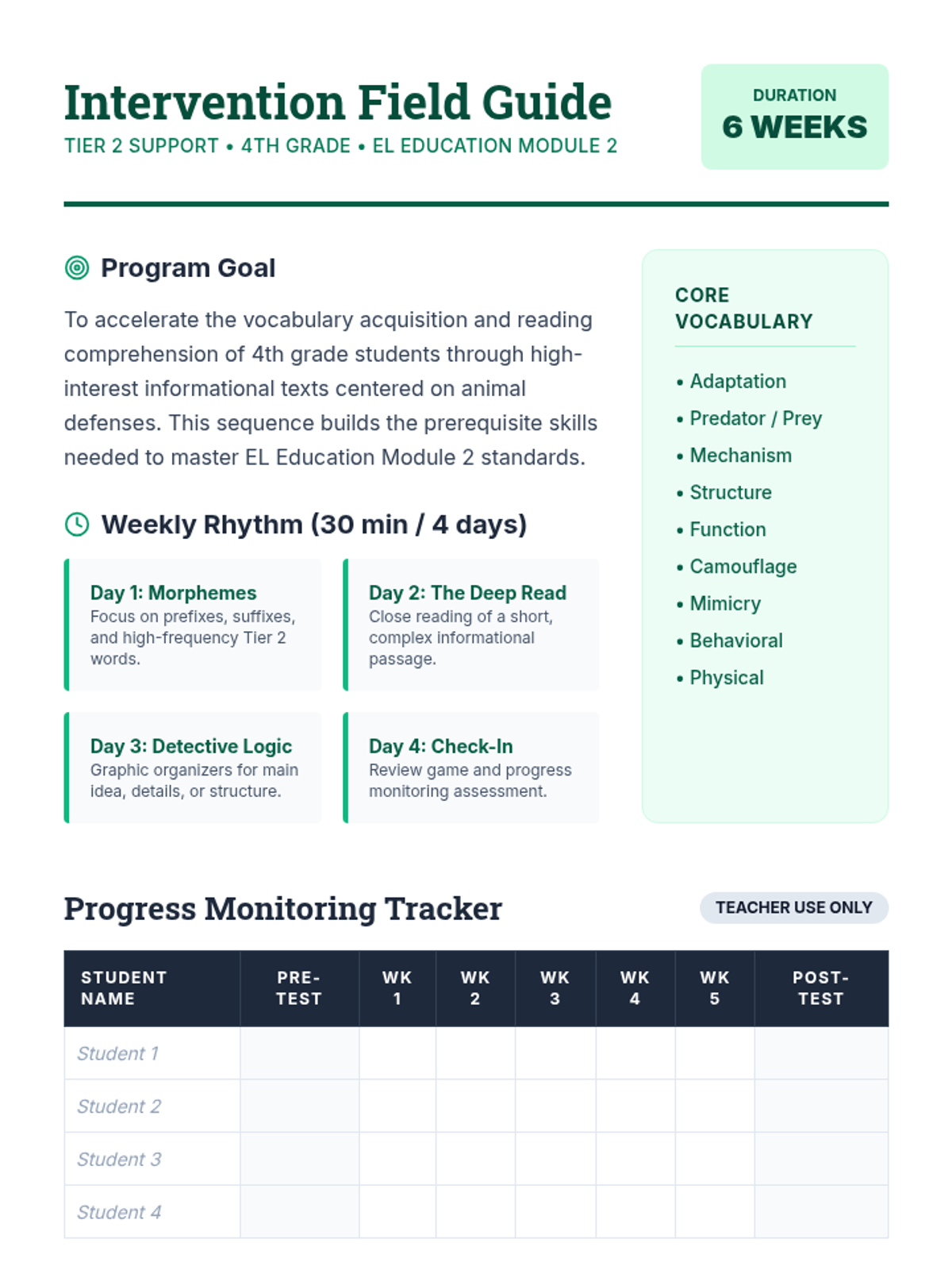
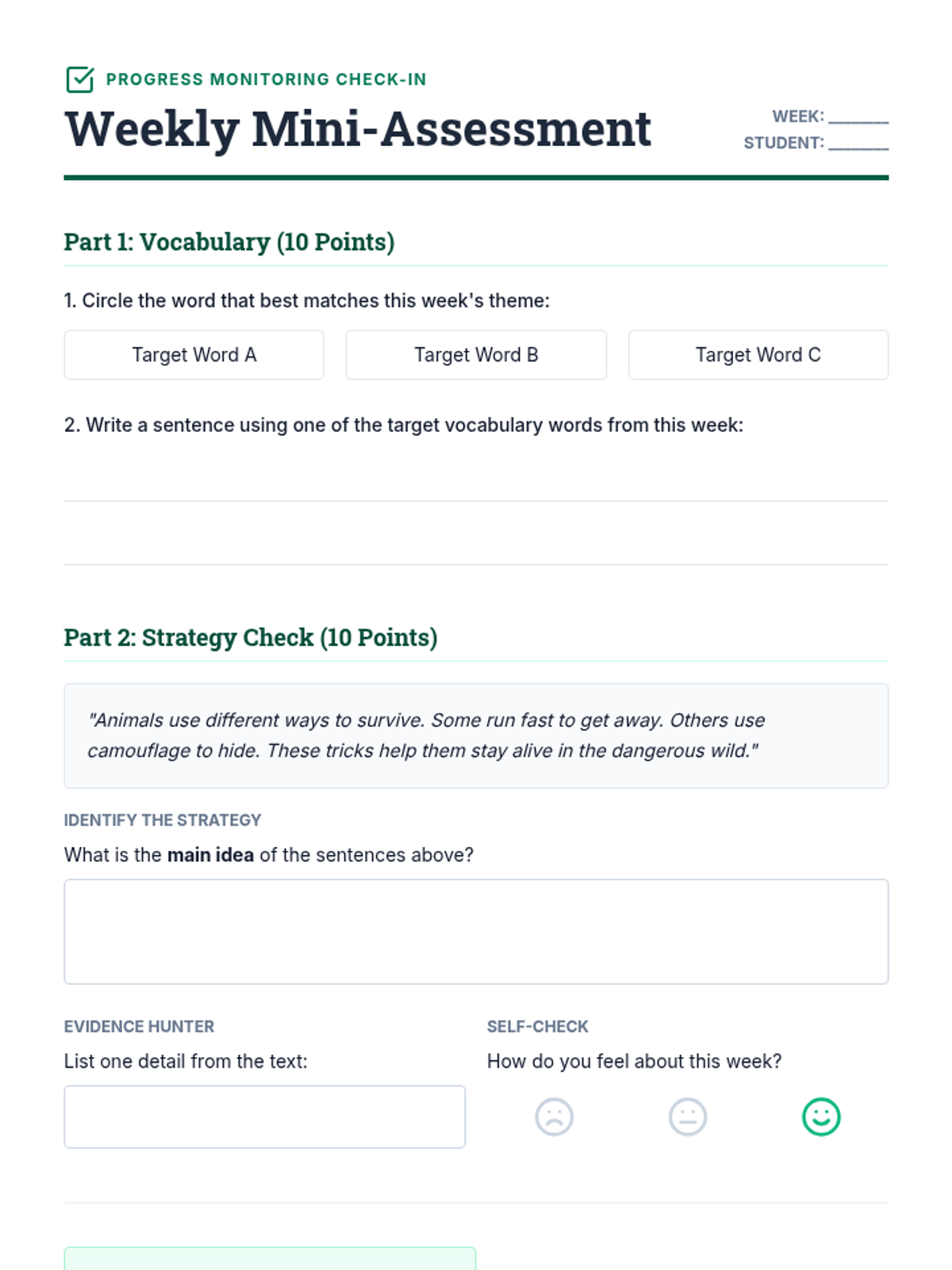
Assessment tools, implementation guides, and progress trackers for the 6-week intervention.
Week 6 is the final review and post-assessment week. Students will synthesize their learning and complete the summative evaluation of their vocabulary and comprehension growth.
Week 5 looks at mimicry and false appearances. Students will summarize complex informational sections and compare different defensive strategies.
Week 4 covers chemical defenses like venom and poison. Students will practice root words and suffixes (morphology) and cause-and-effect relationships.
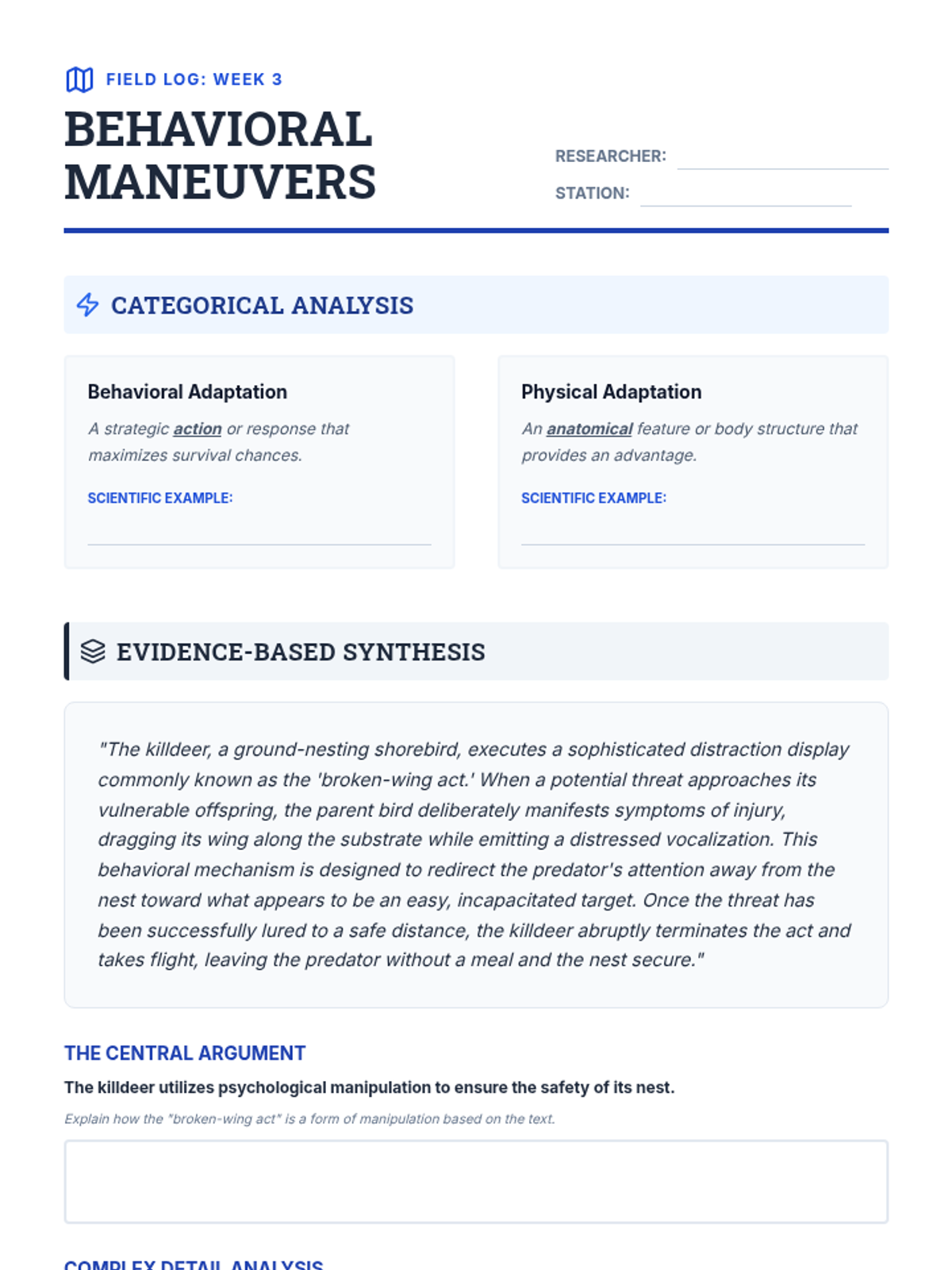
Week 3 examines behavioral defenses such as fleeing or freezing. Students will focus on supporting details in informational texts.