A dynamic lesson for middle schoolers to master four sets of commonly confused homophones: advice/advise, aloud/allowed, break/brake, and bear/bare using mnemonics and creative writing.
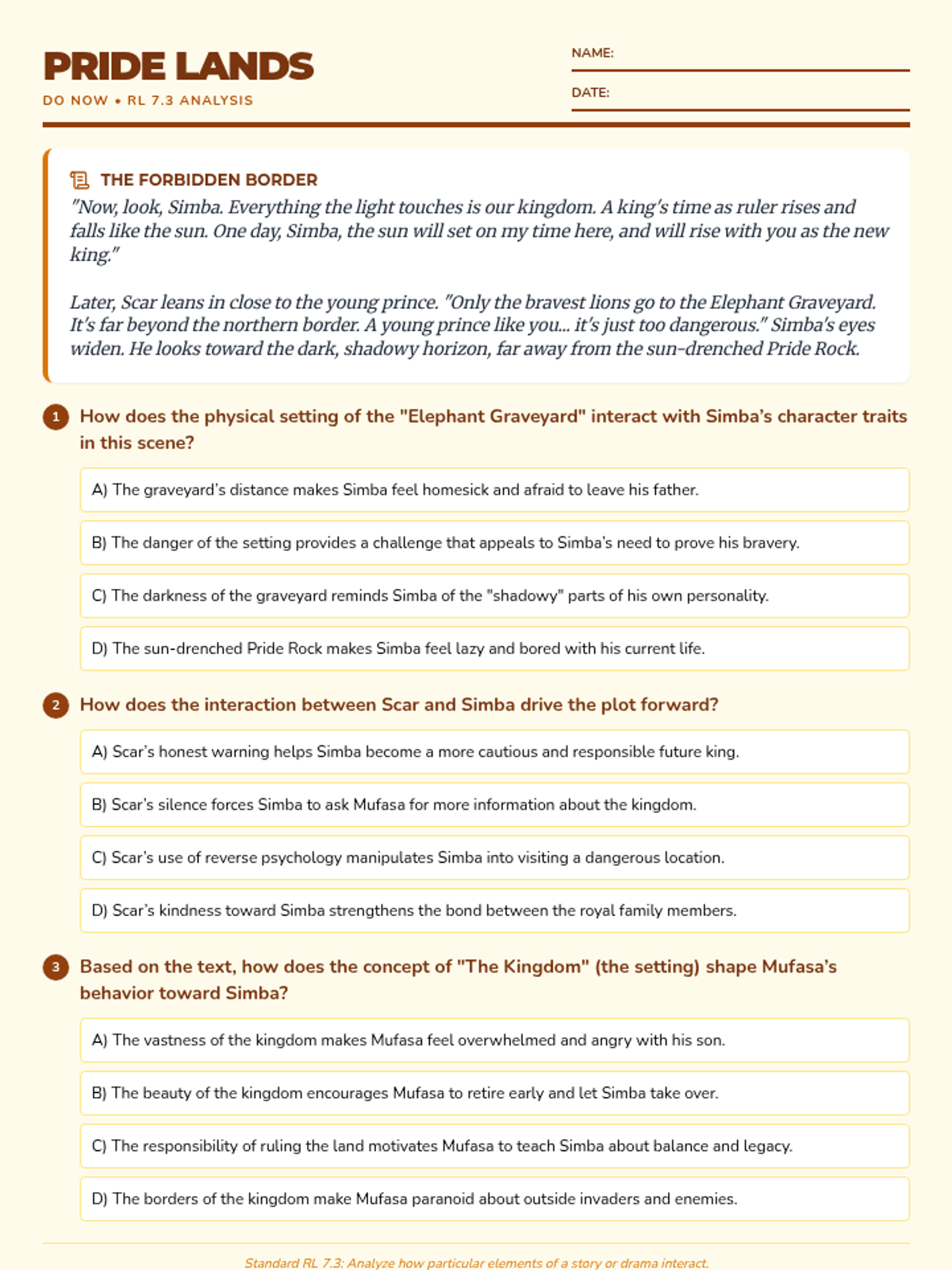
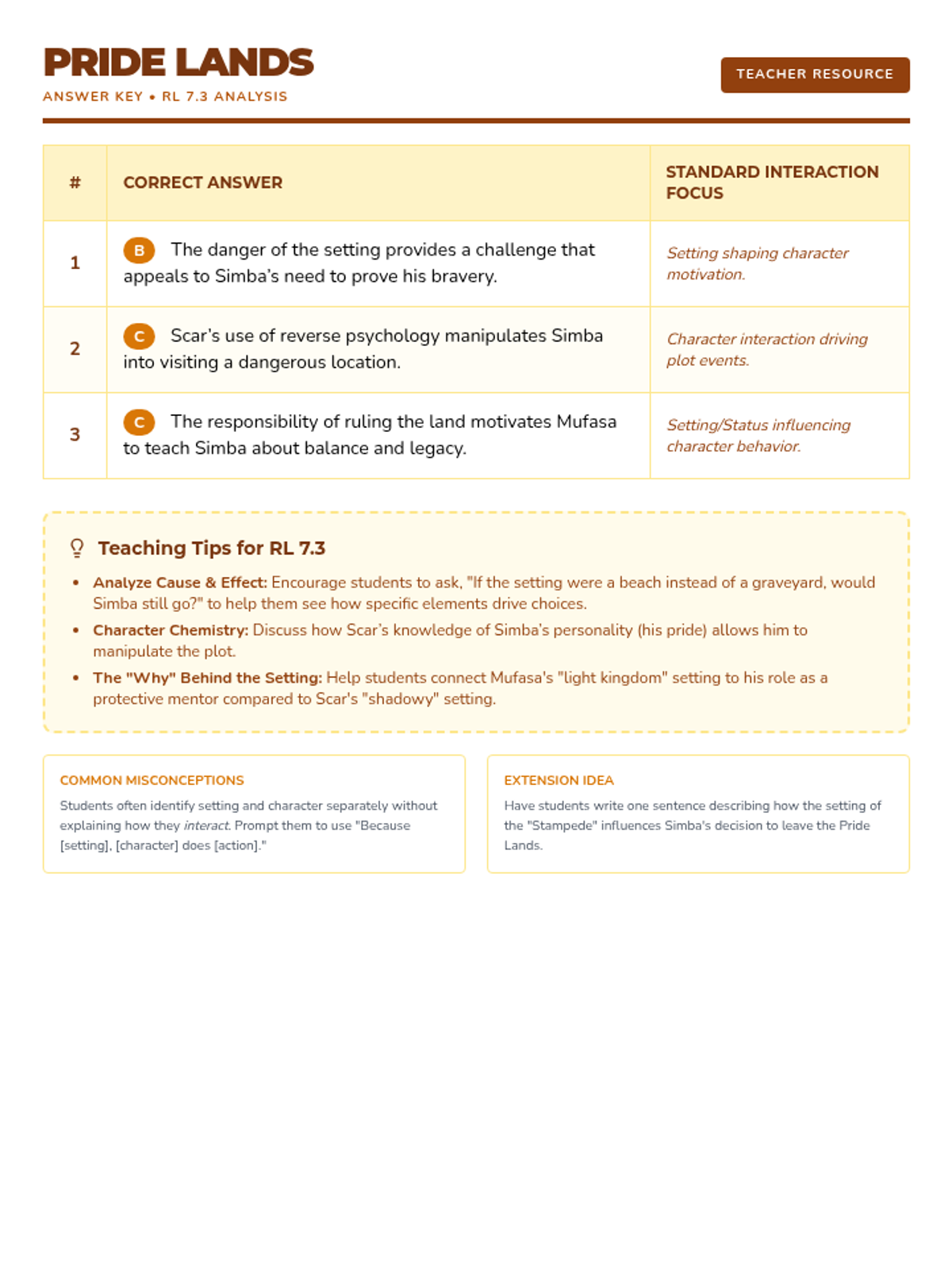
A quick introductory lesson focusing on RL 7.3 through the lens of The Lion King, analyzing how characters, settings, and events influence one another.
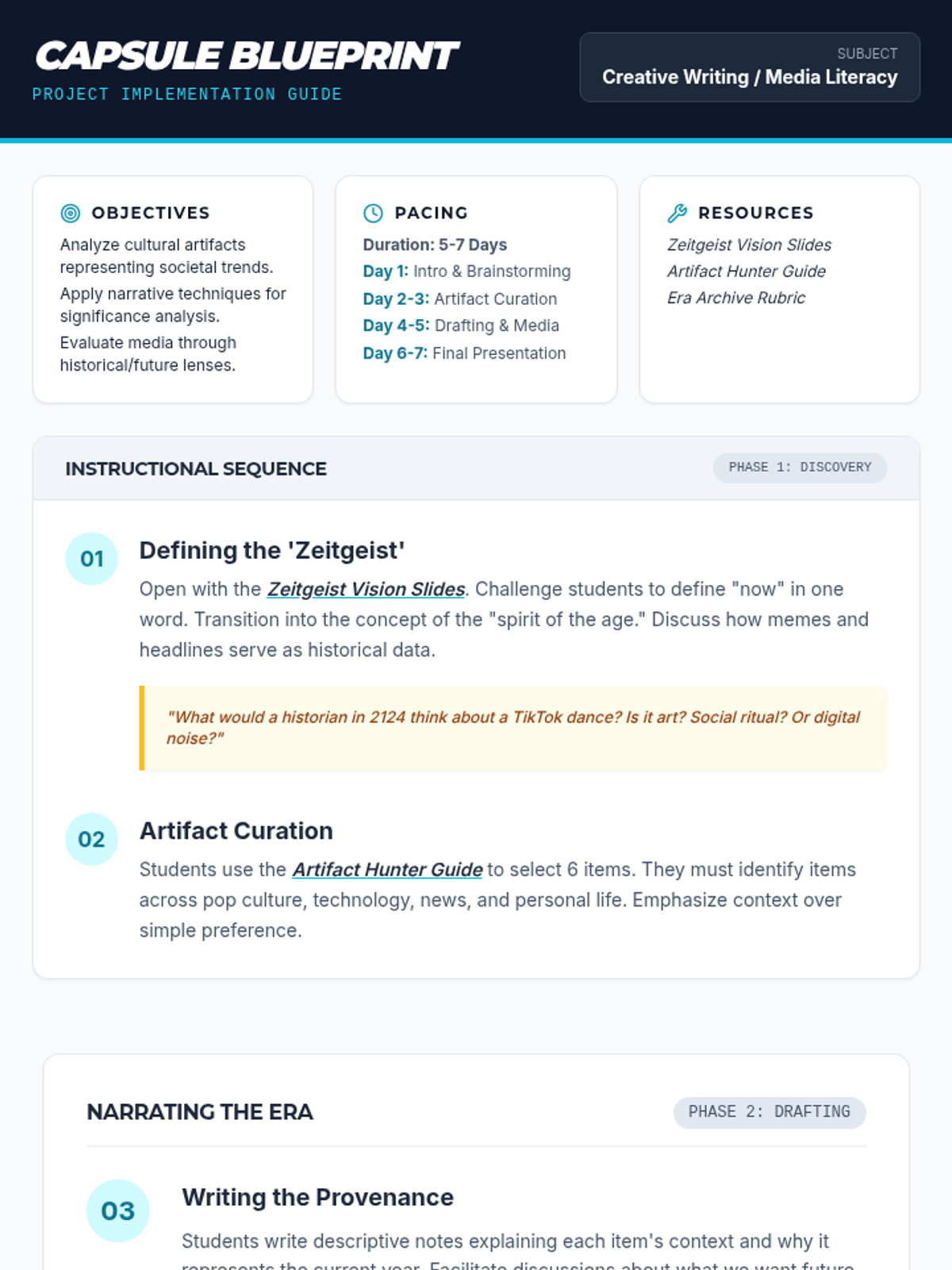
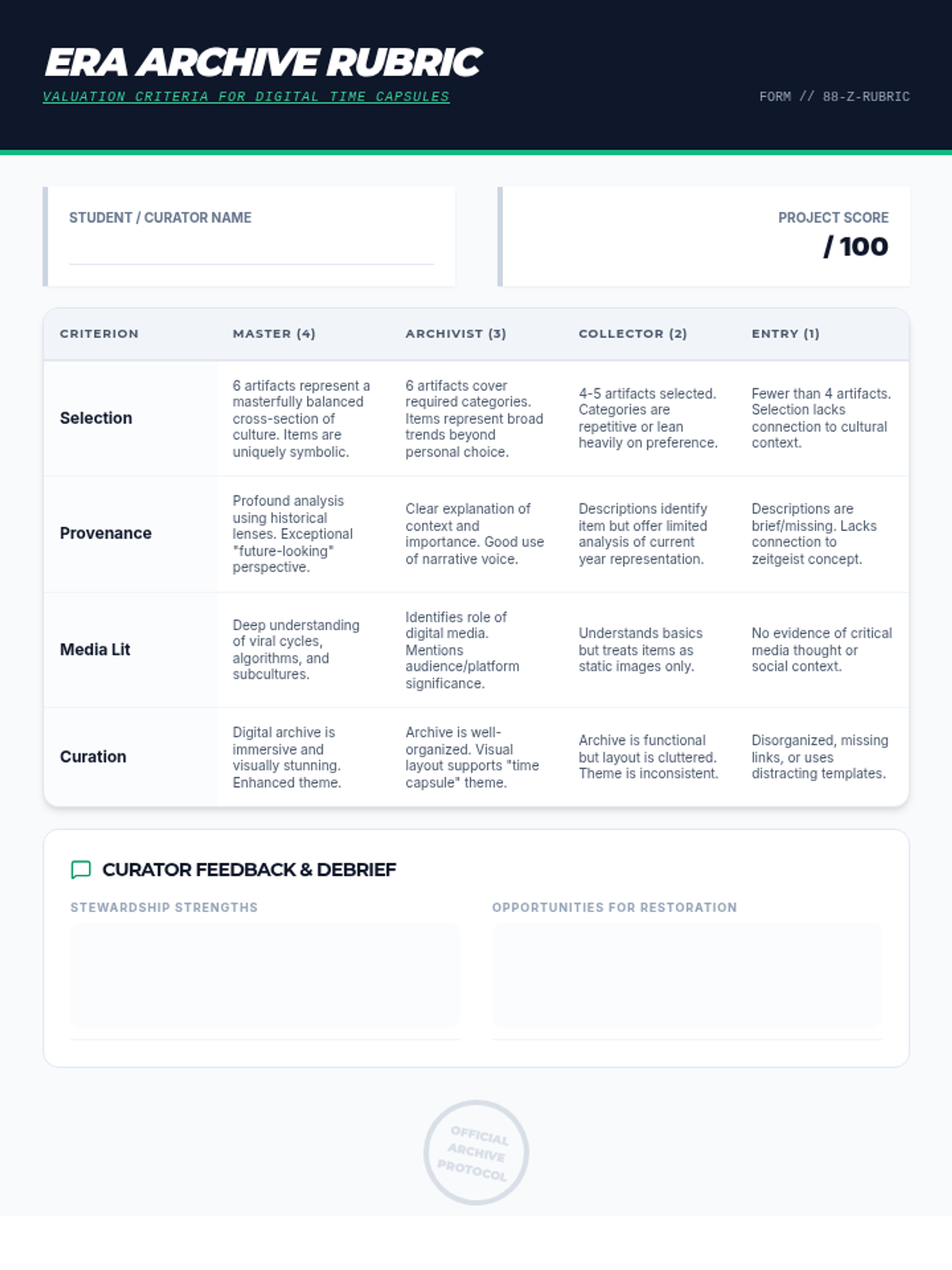
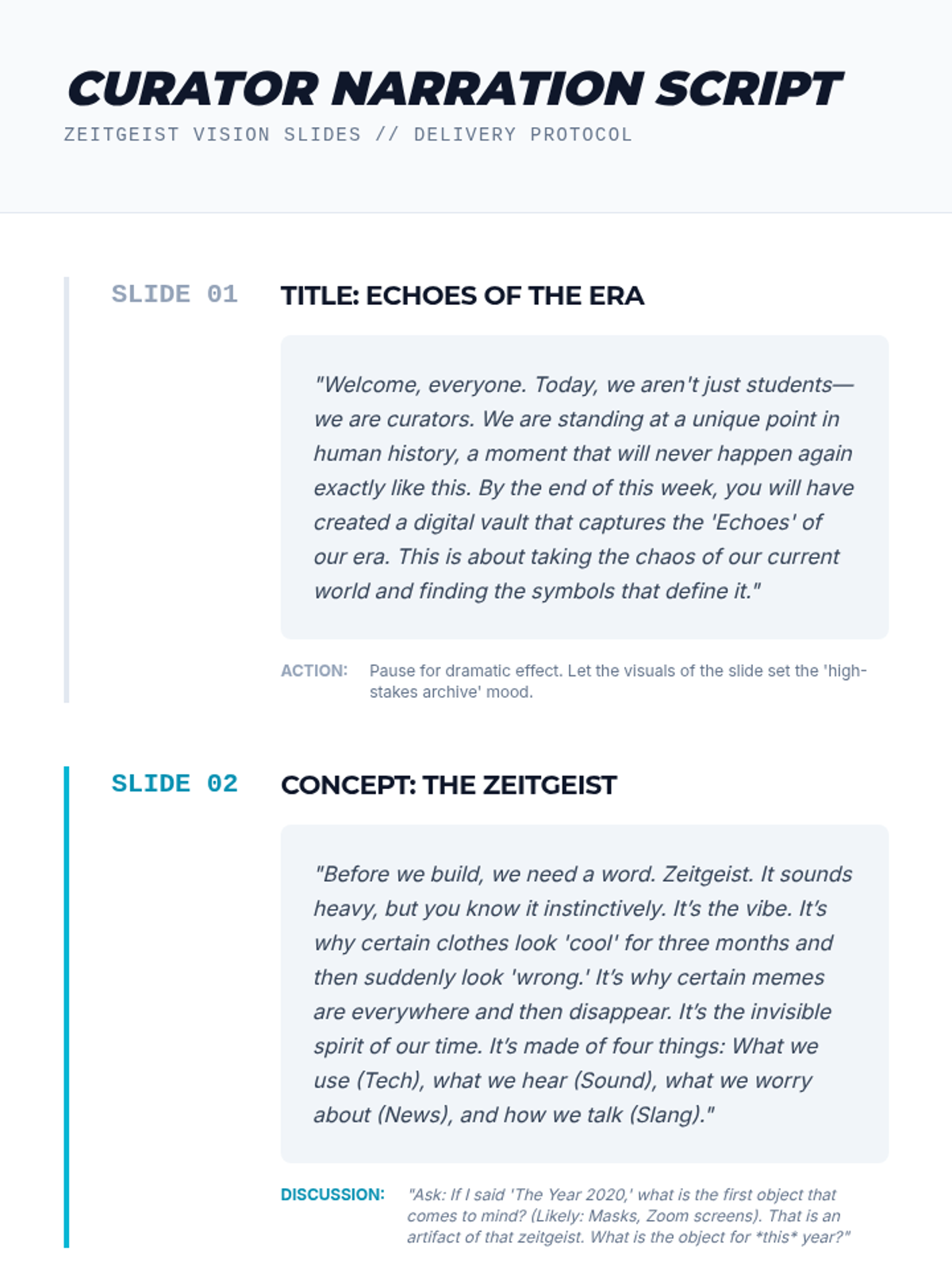
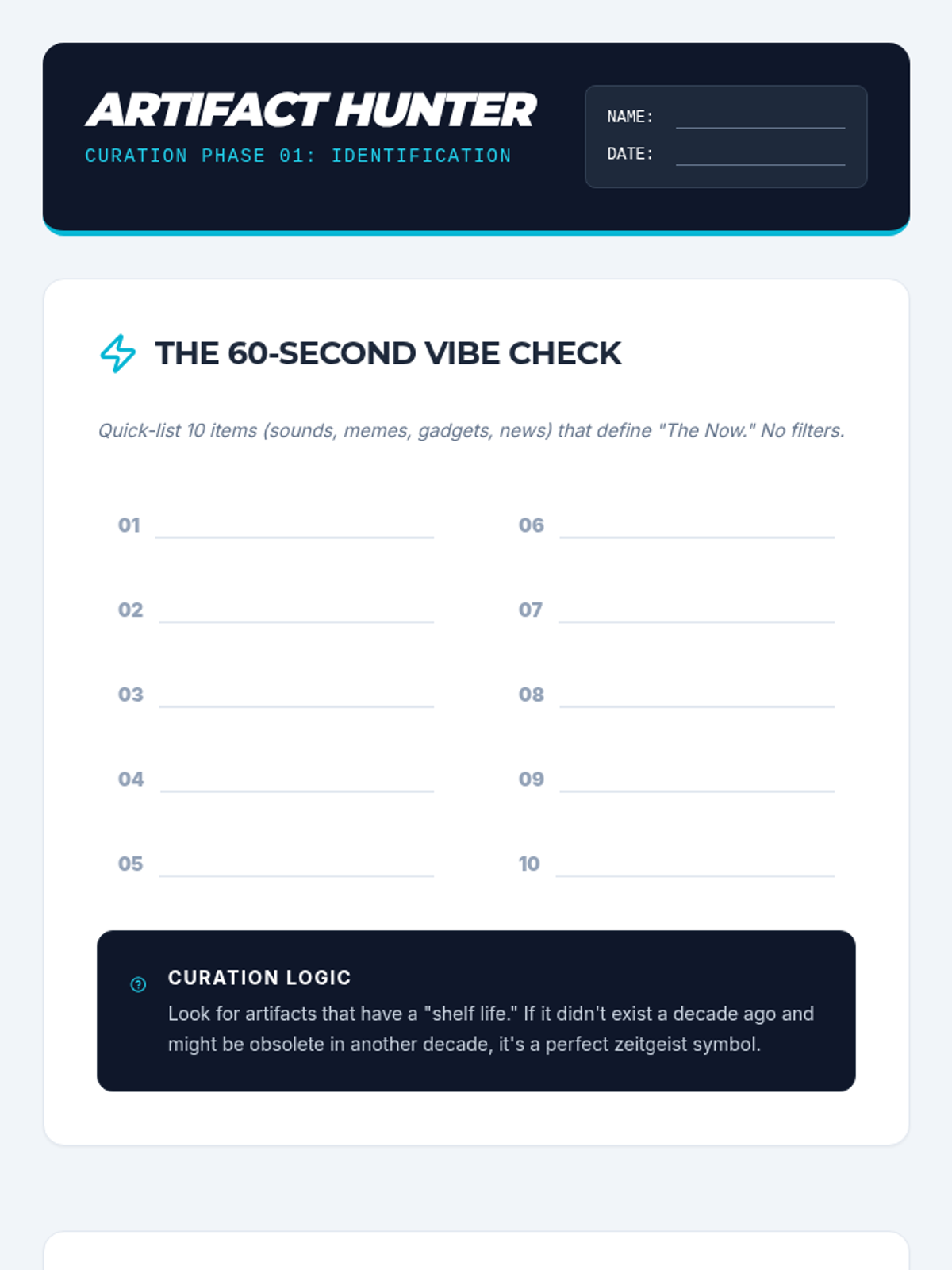
Students explore the concept of the 'zeitgeist' and curate a digital time capsule that captures the current cultural, social, and technological landscape. This lesson blends creative writing with critical media analysis to help students see themselves as historical agents.
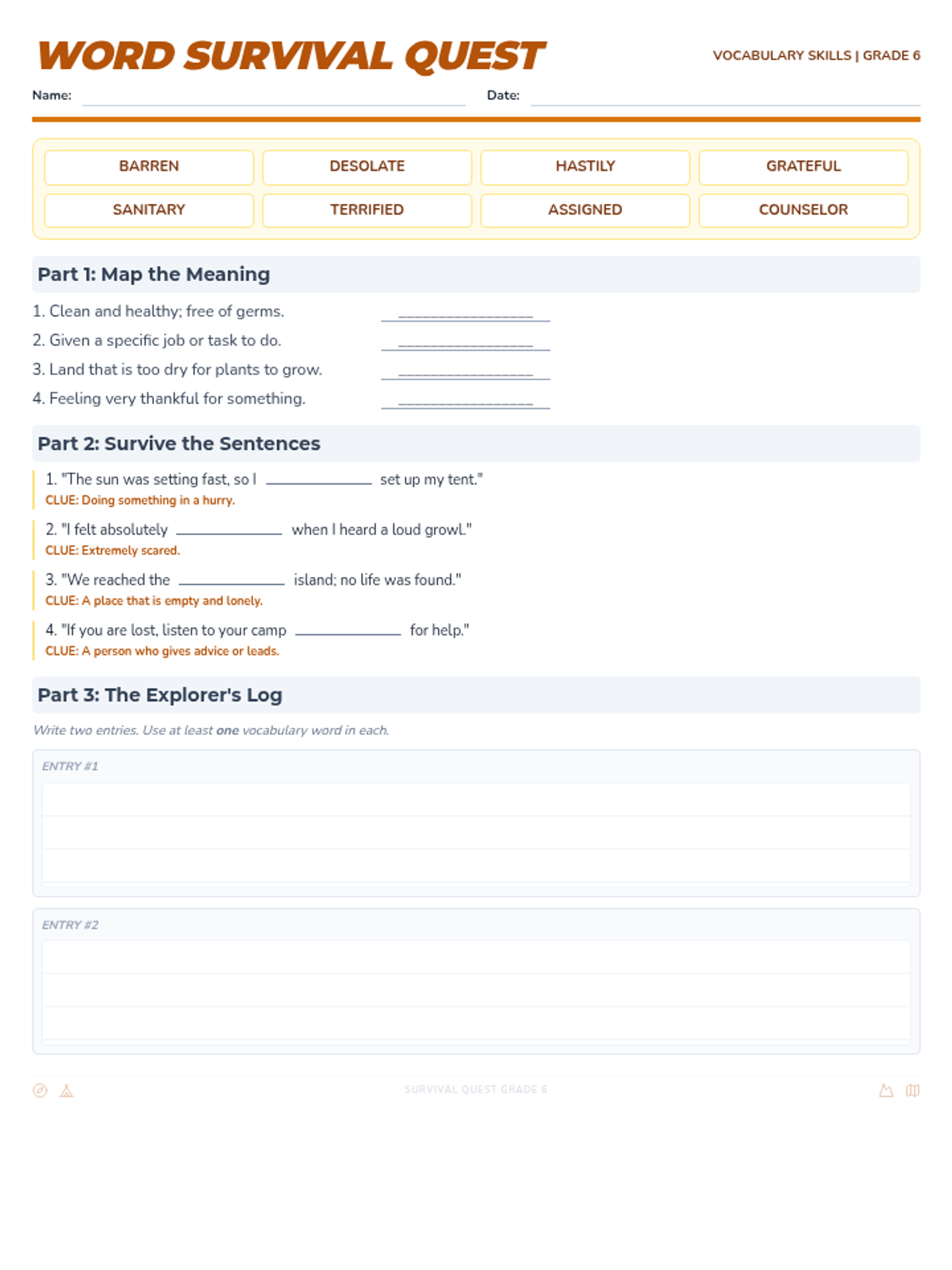
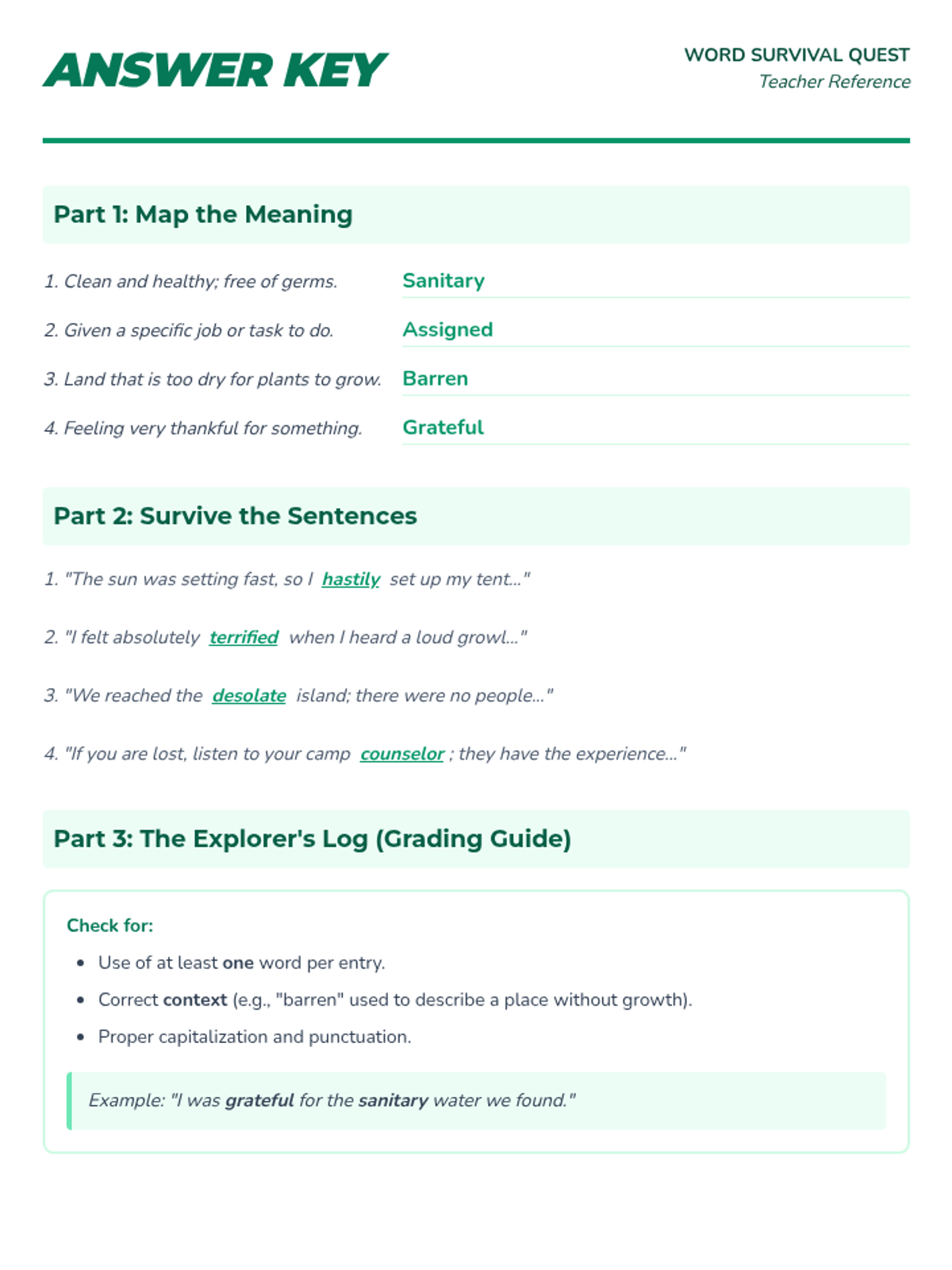
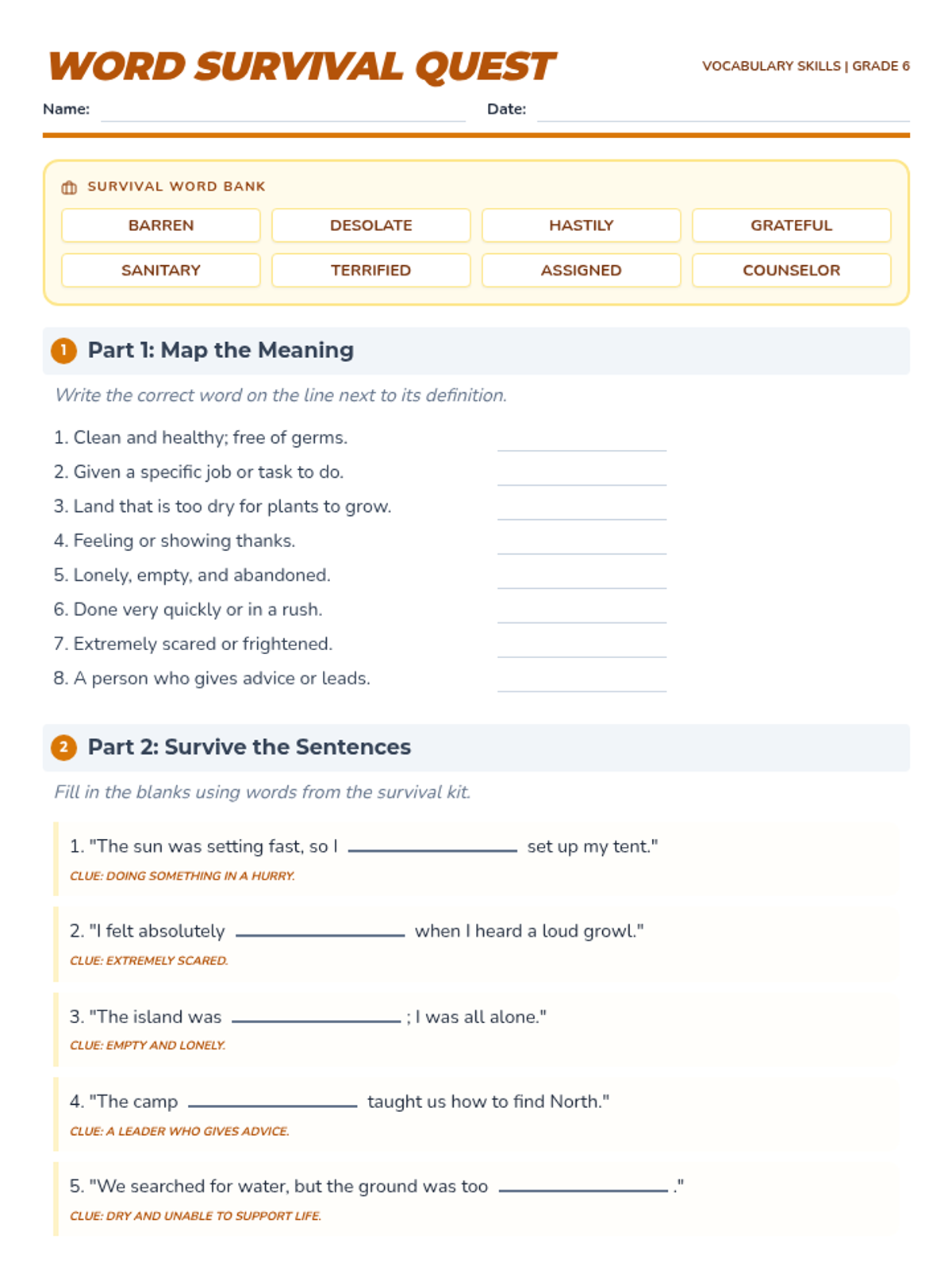
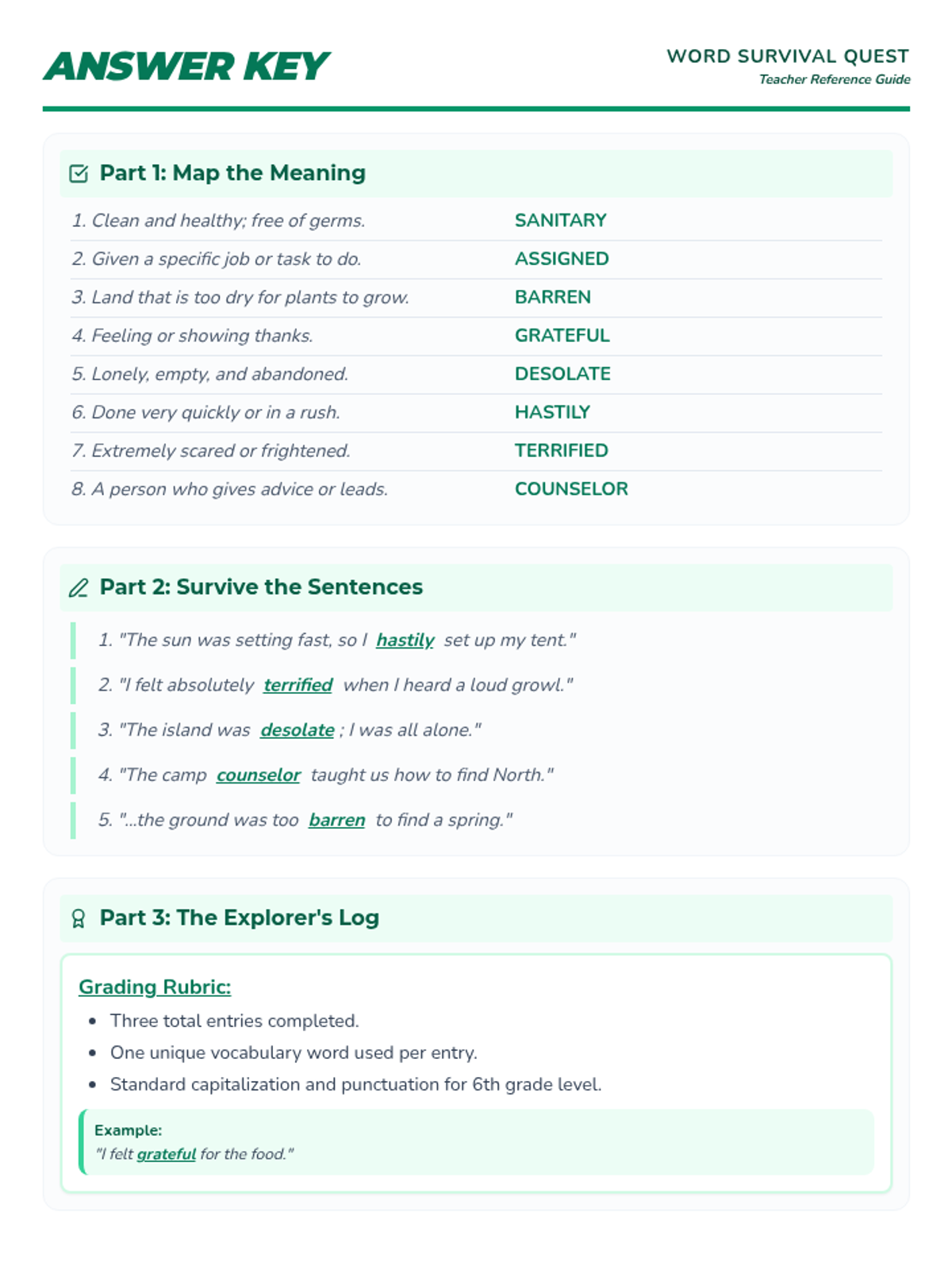
A vocabulary exploration lesson focusing on eight key terms through a survival-themed lens, providing high scaffolding for 6th-grade learners.
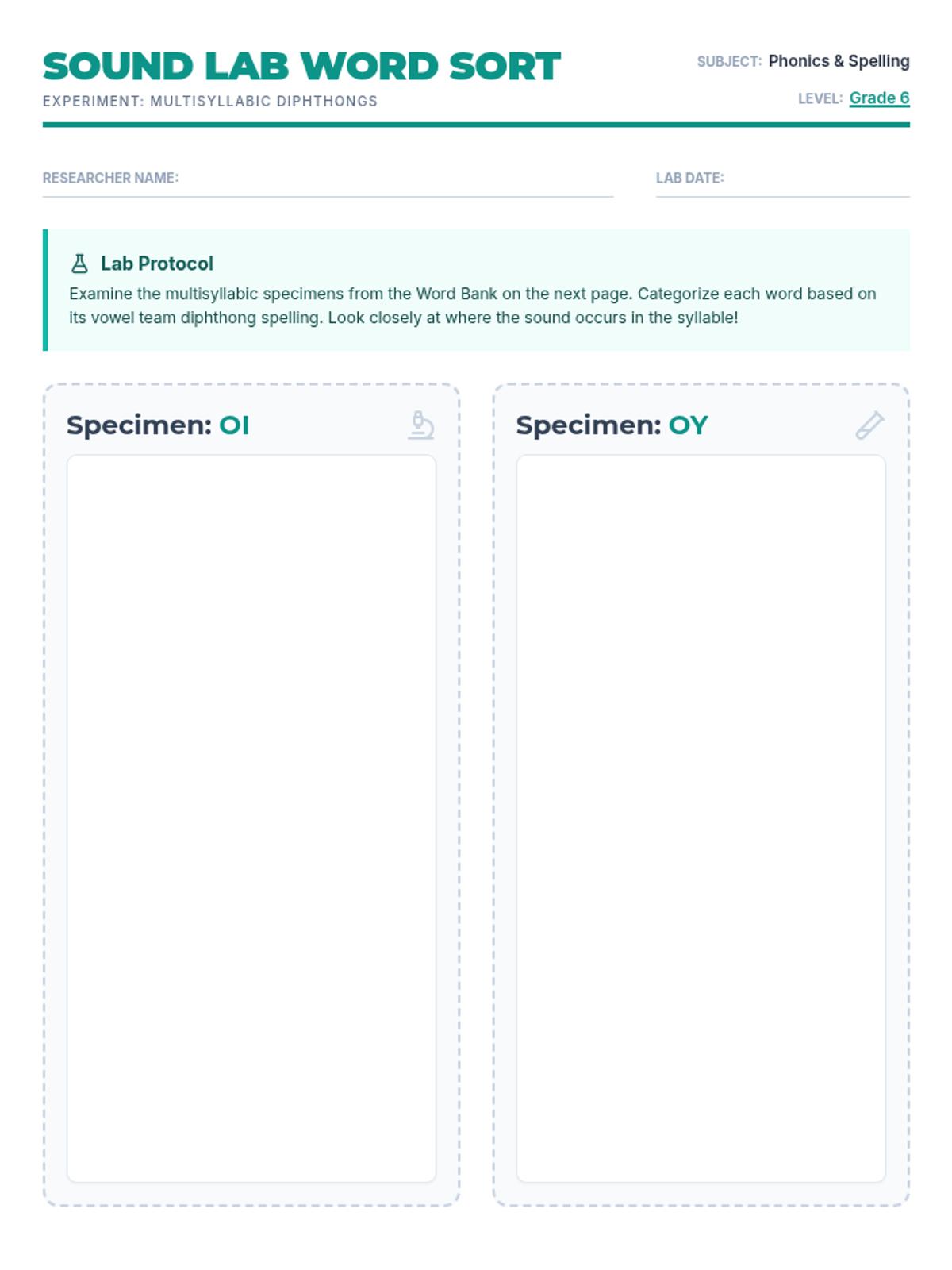
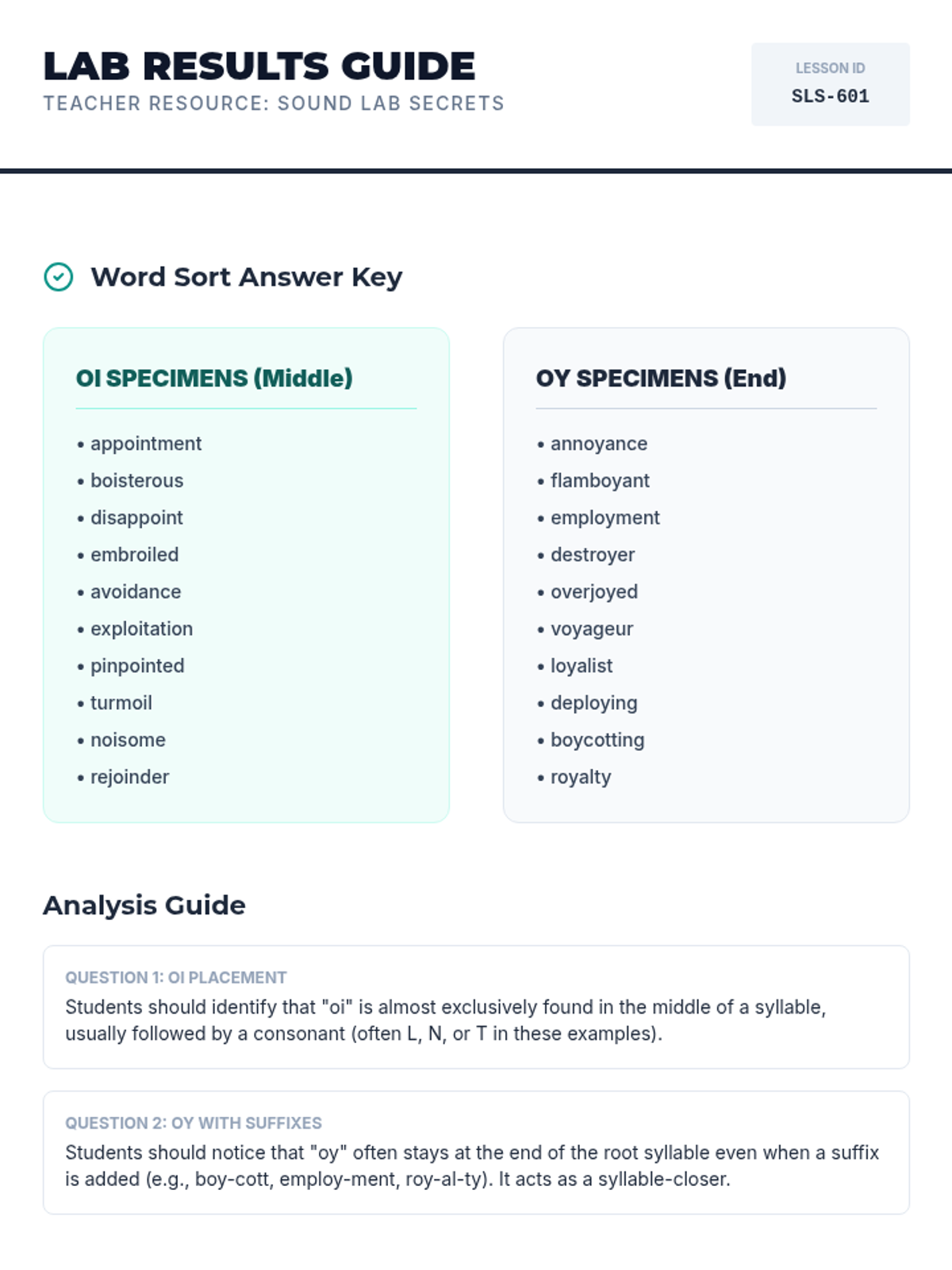
A lesson focused on mastering the 'oi' and 'oy' diphthongs in complex, multisyllabic words, featuring a systematic word sort and visual instruction.
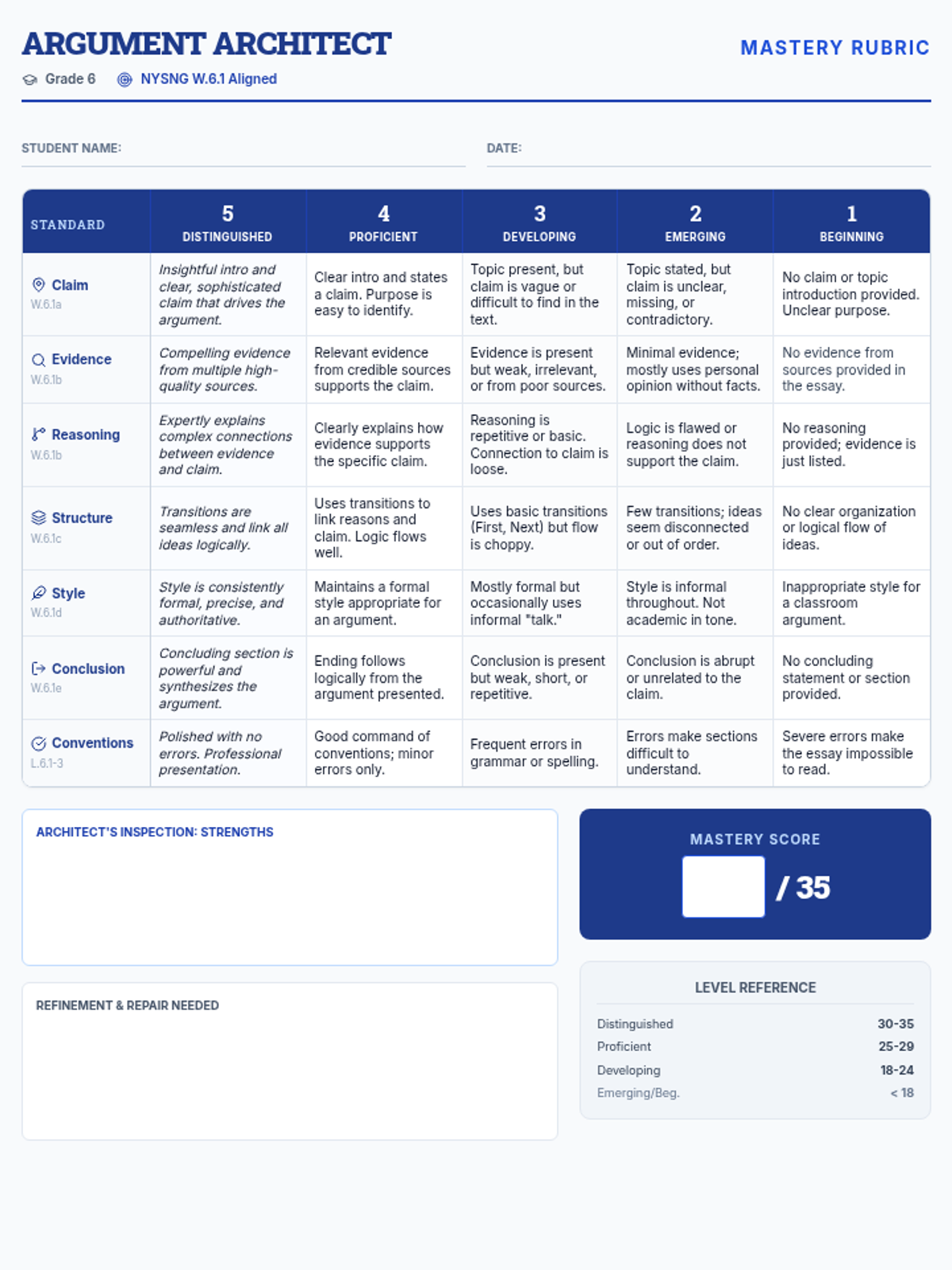
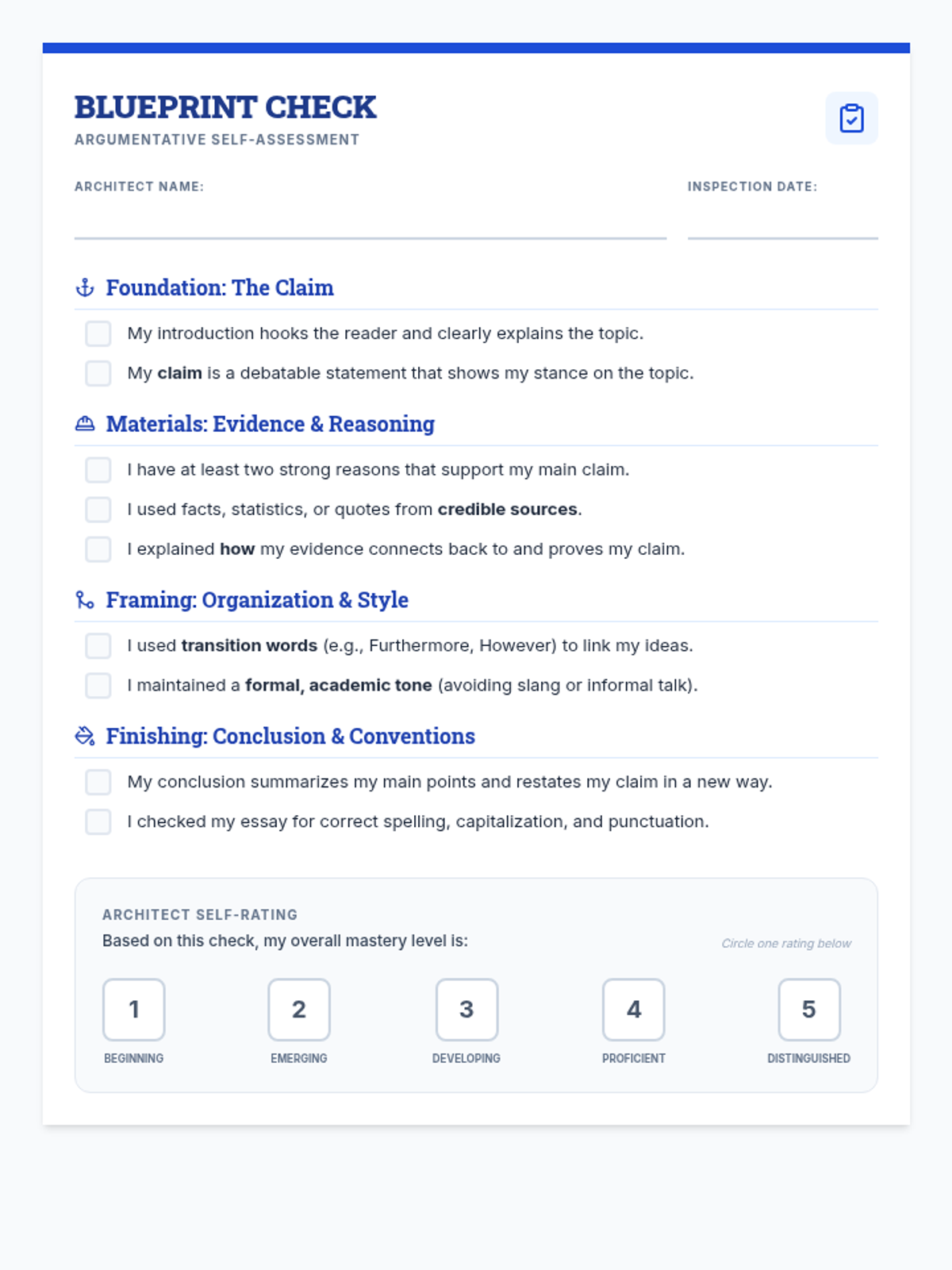
This lesson provides a comprehensive 5-point mastery rubric and student self-assessment guide for 6th-grade argumentative writing, aligned to NYSNG standards. It focuses on the structural elements of a strong argument: claim, evidence, reasoning, organization, and style.
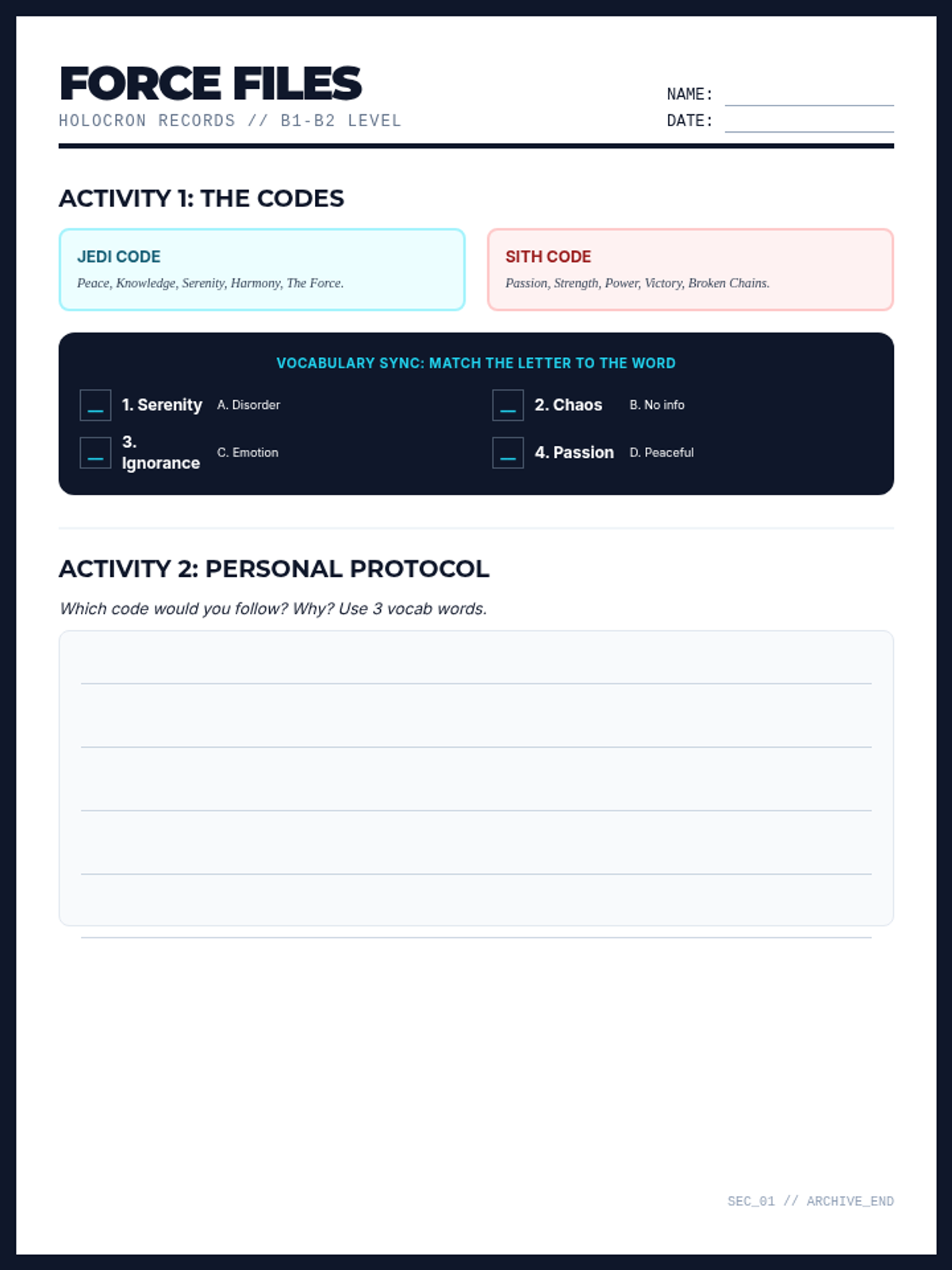
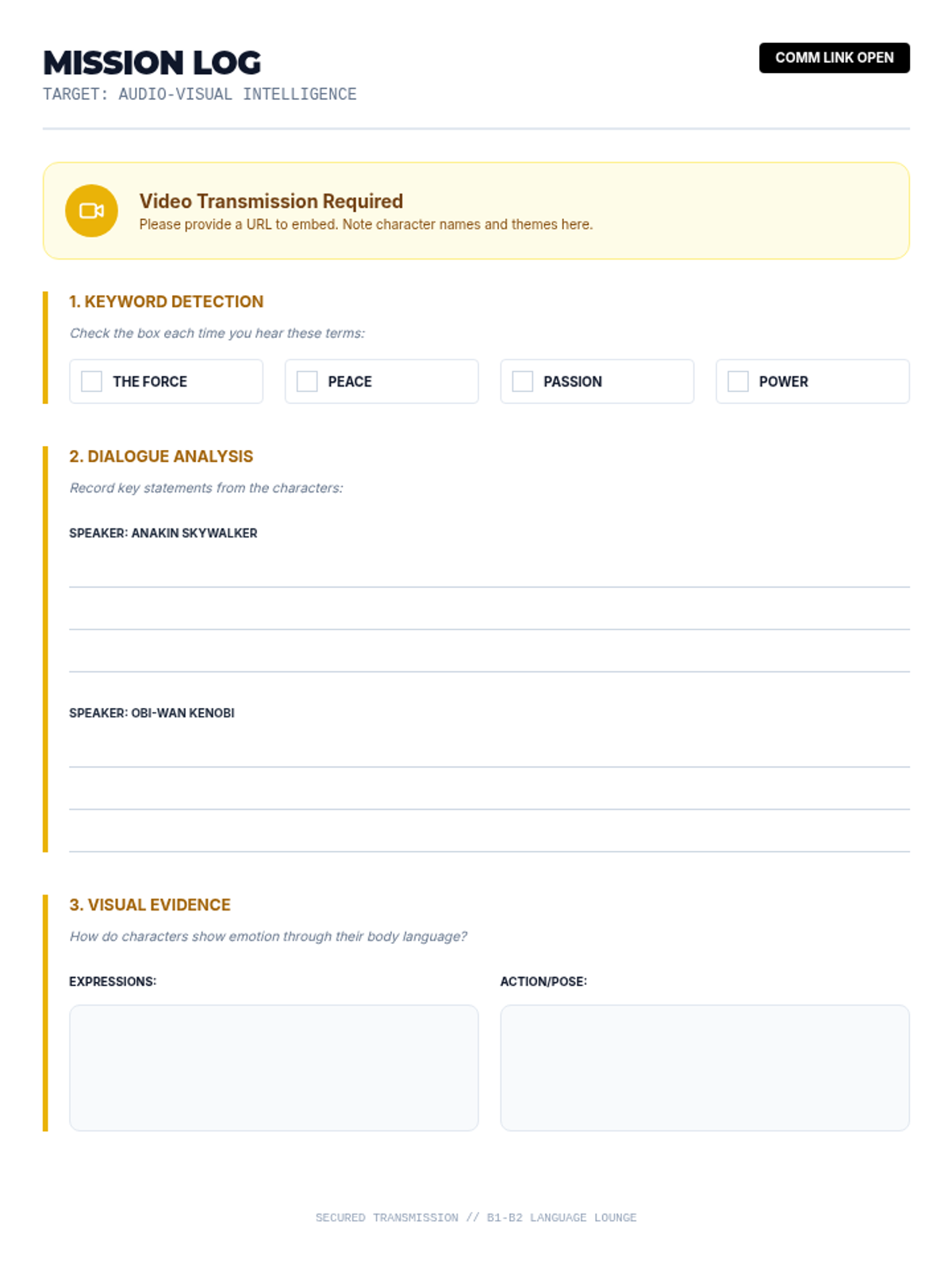
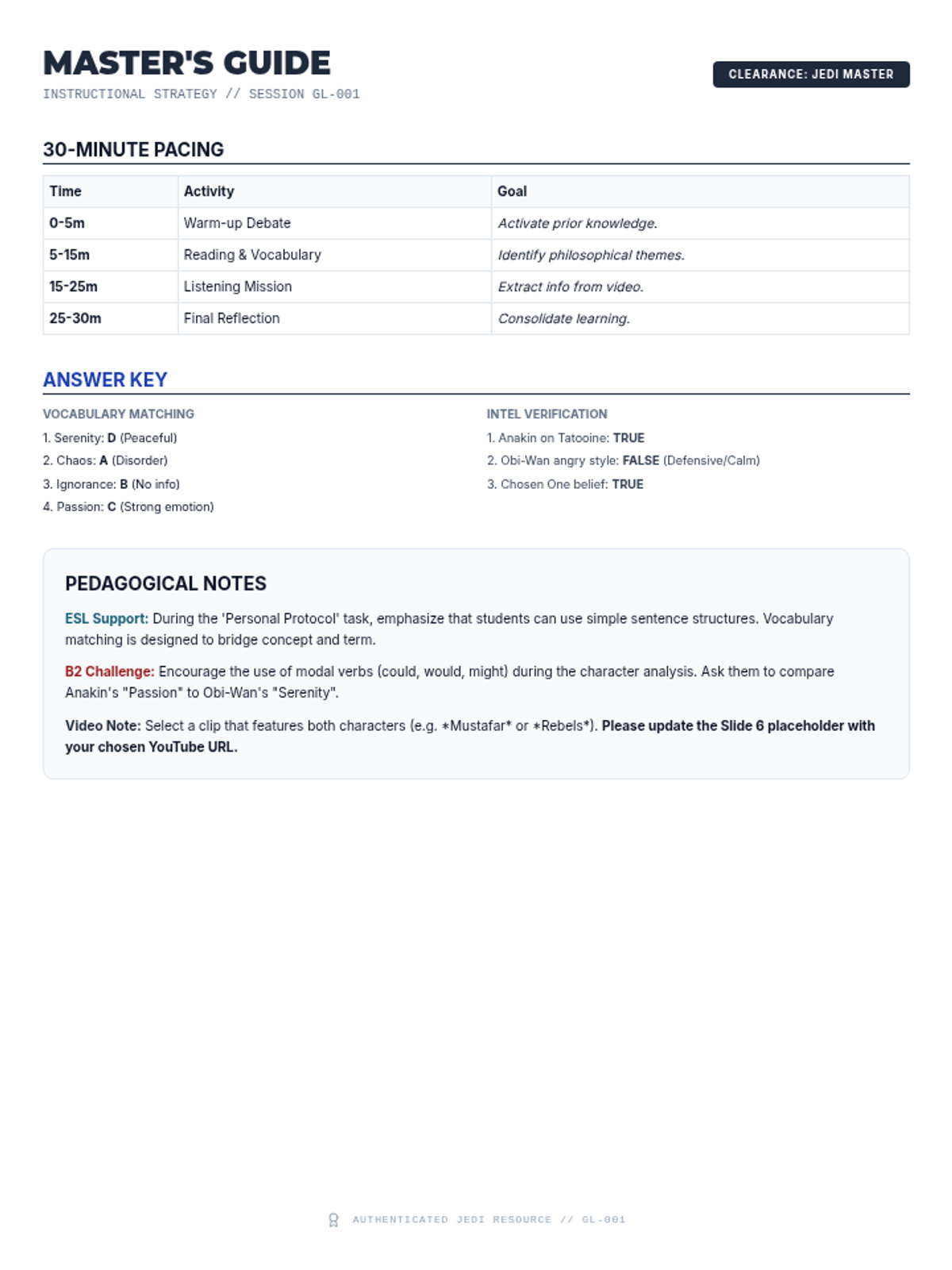
An immersive ESL lesson for B1/B2 levels exploring the philosophy and history of Star Wars characters through the lens of the Jedi and Sith Codes. Students will practice all four language domains in a 30-minute 'Language Lounge' format.
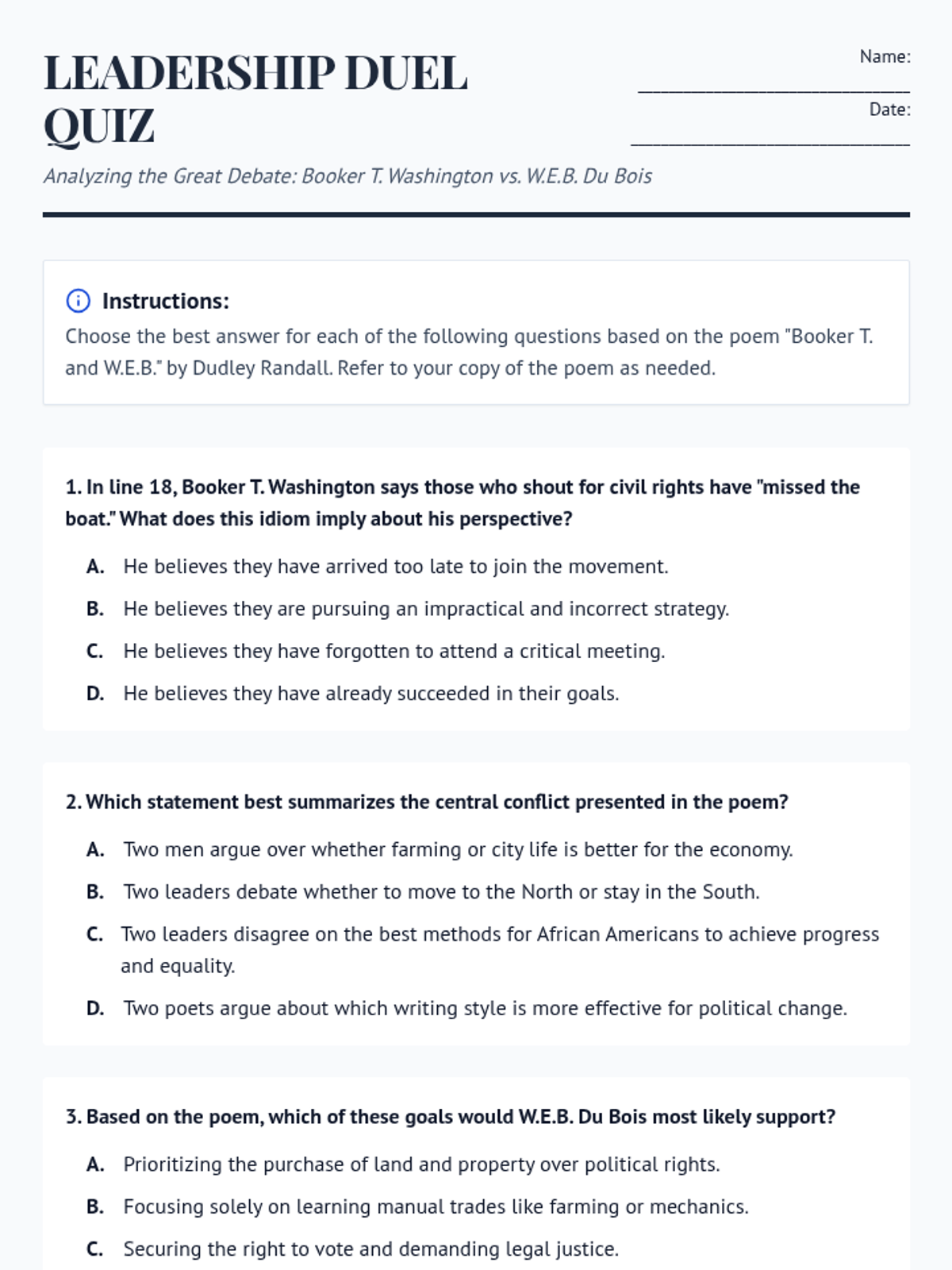
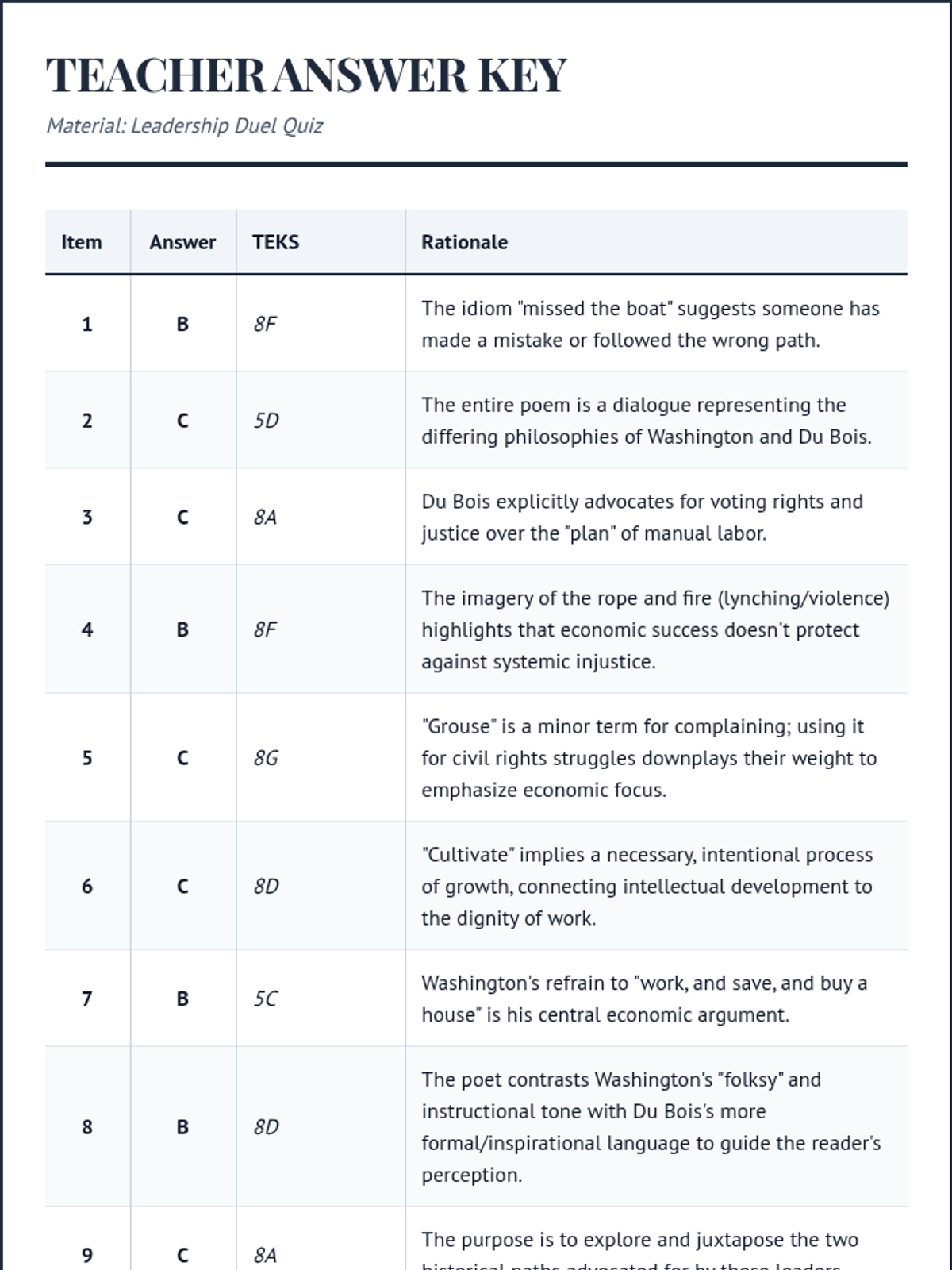
A remediation lesson focused on analyzing Dudley Randall's poem 'Booker T. and W.E.B.' through comparing historical perspectives, analyzing figurative language, and identifying authorial intent.
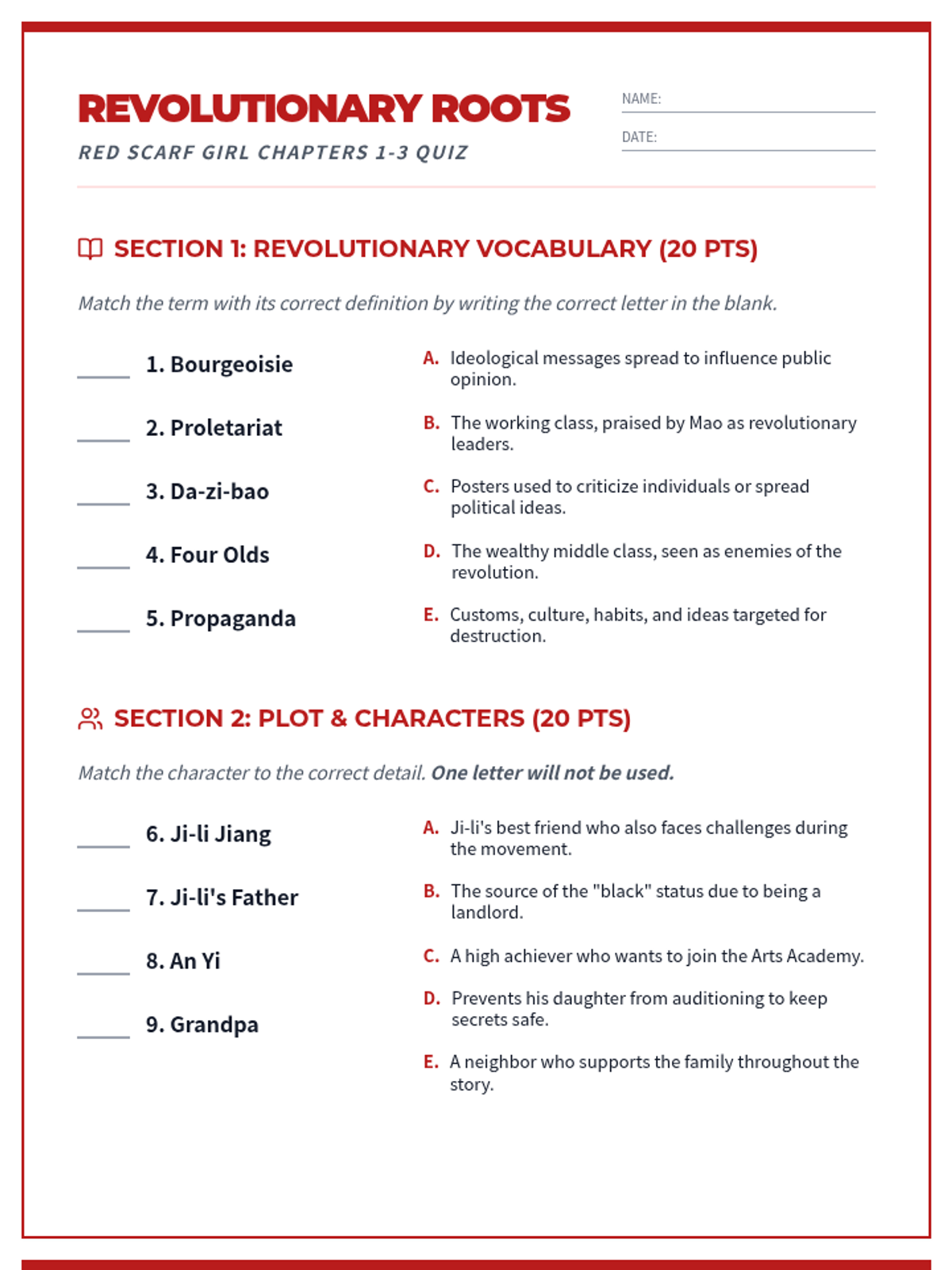
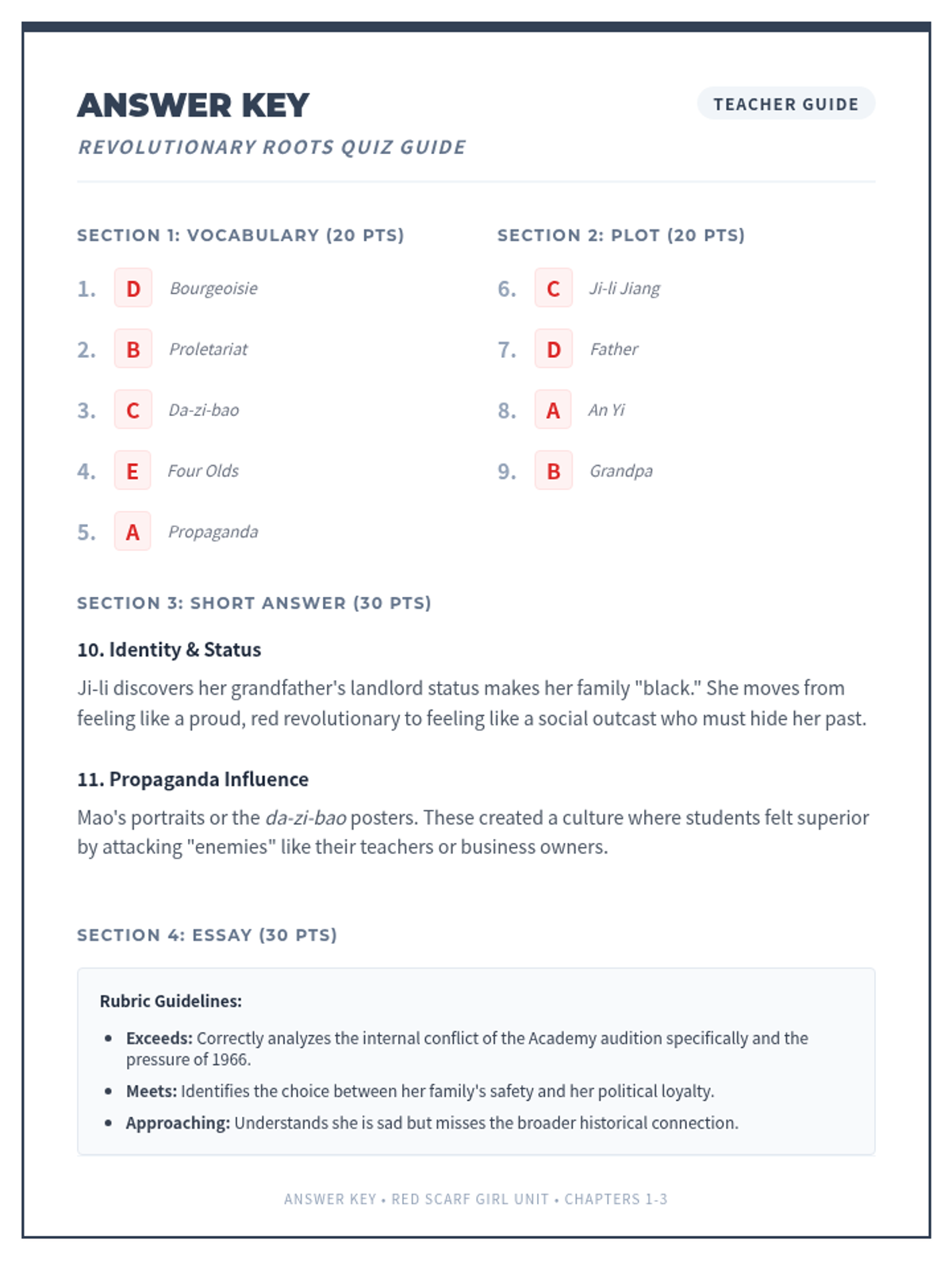
A comprehensive assessment and answer key for the first three chapters of Red Scarf Girl, focusing on the themes of identity, propaganda, and family loyalty.
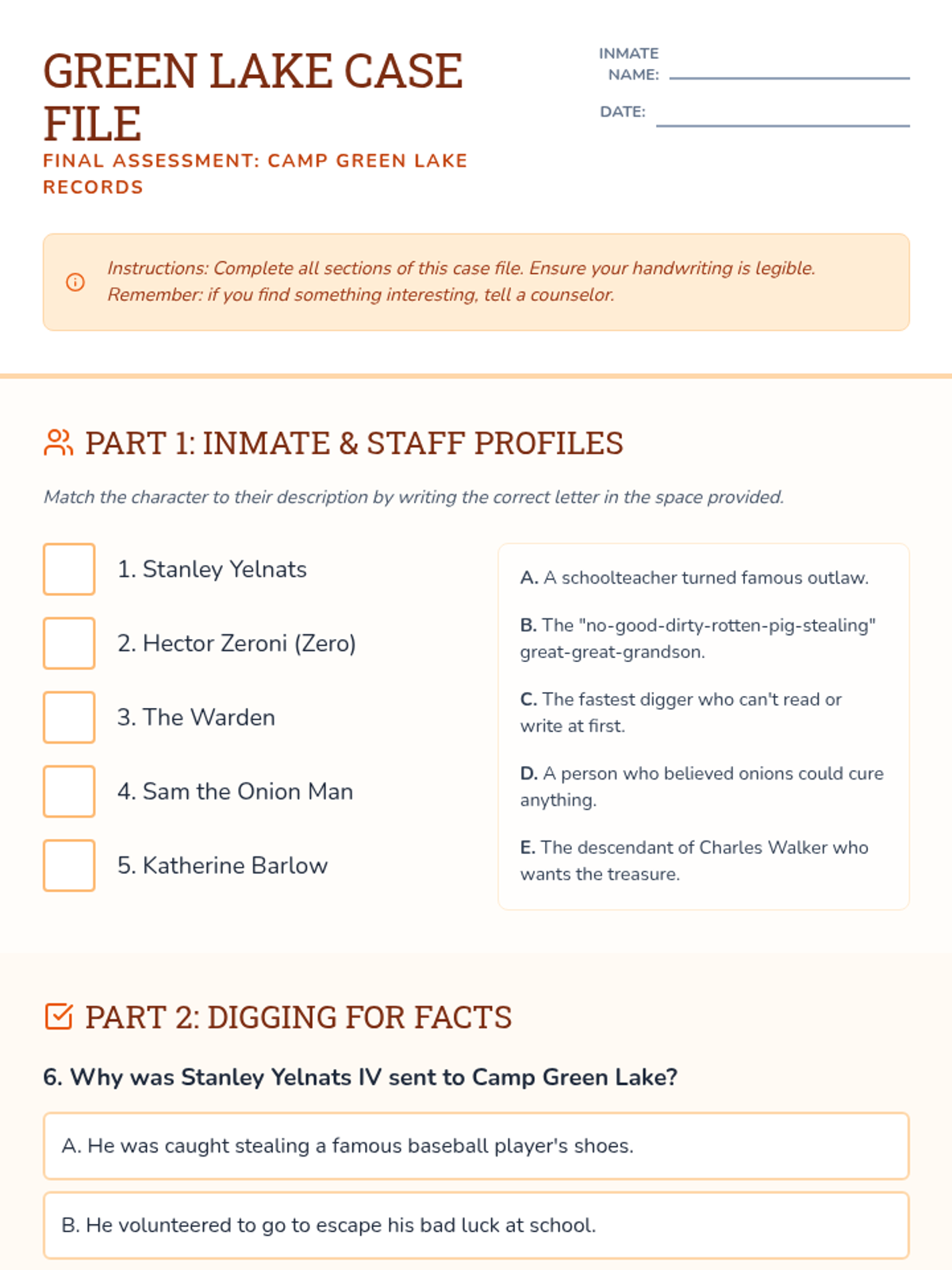
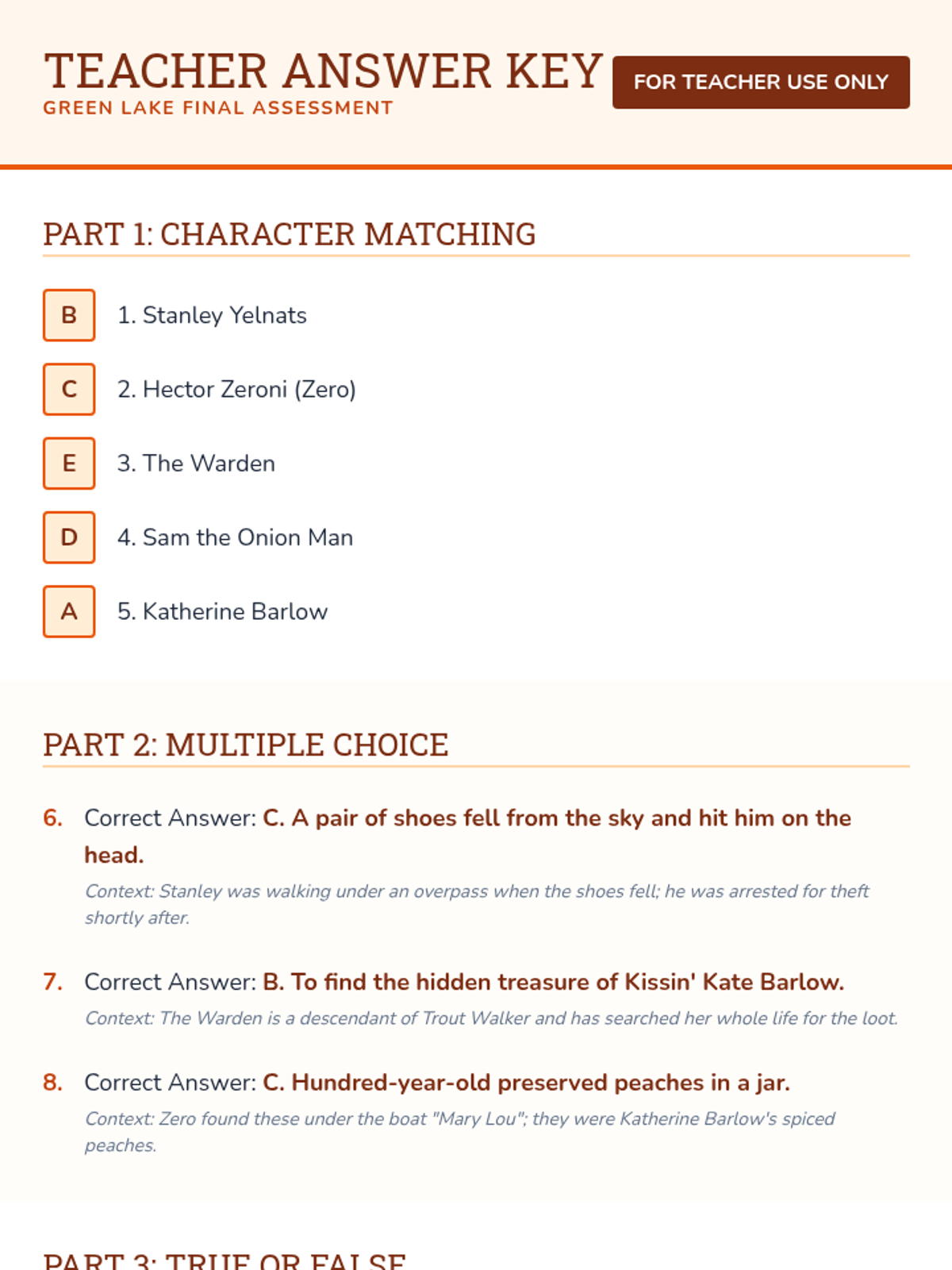
A final assessment and review lesson for the novel Holes by Louis Sachar, focusing on character identification, plot sequencing, and thematic connections. Students will complete a comprehensive test after a visual review of the major story arcs.
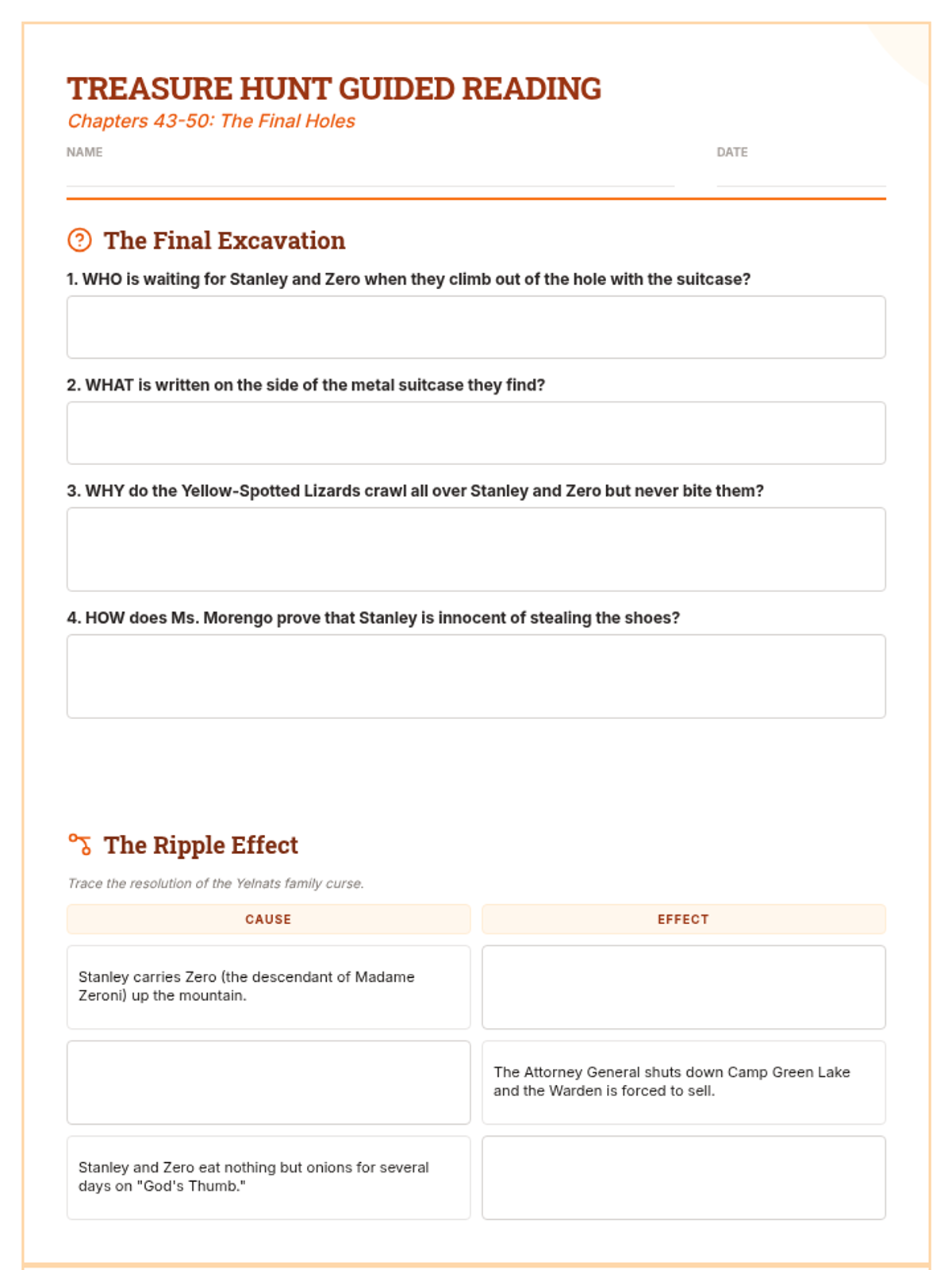
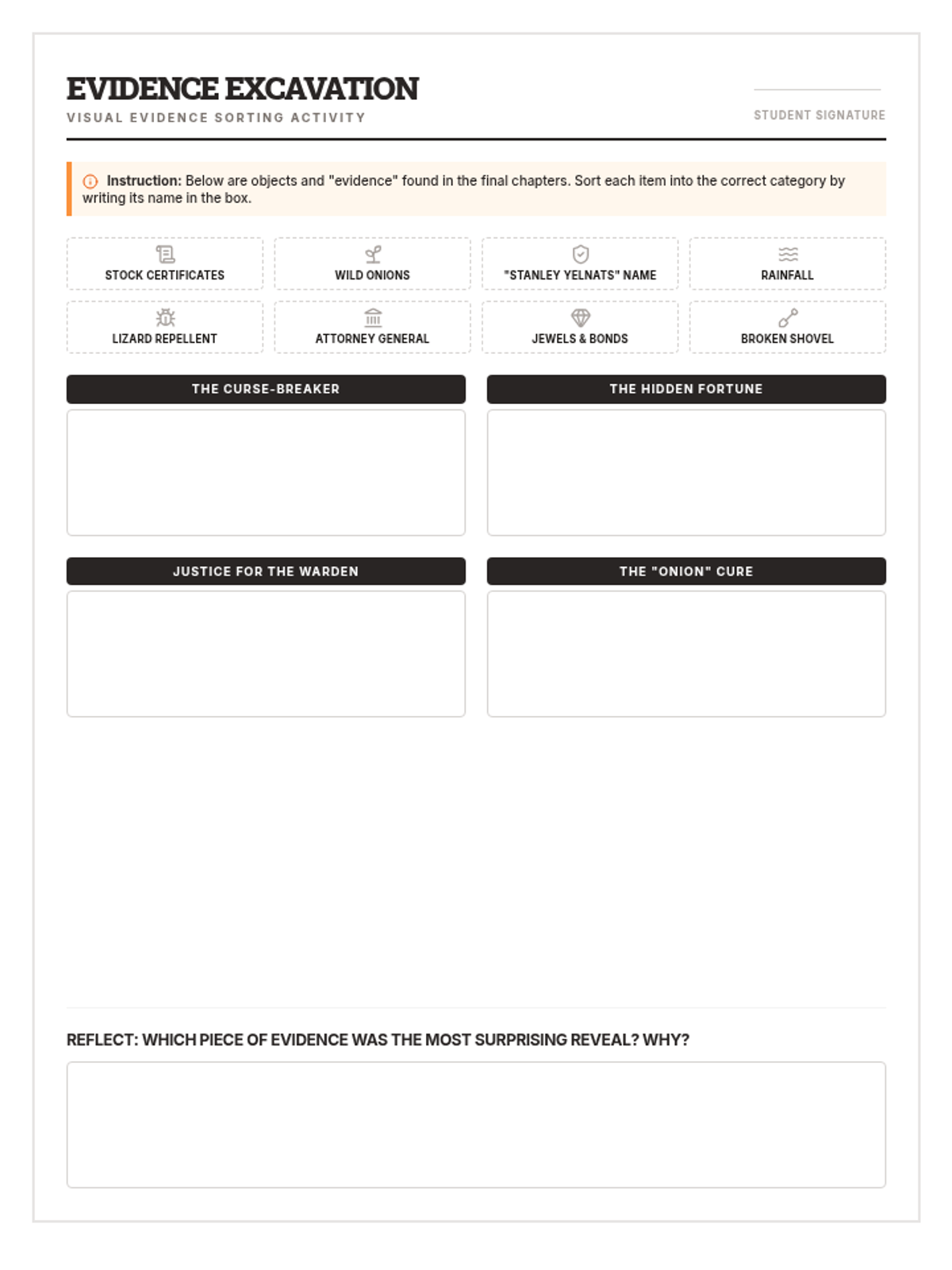
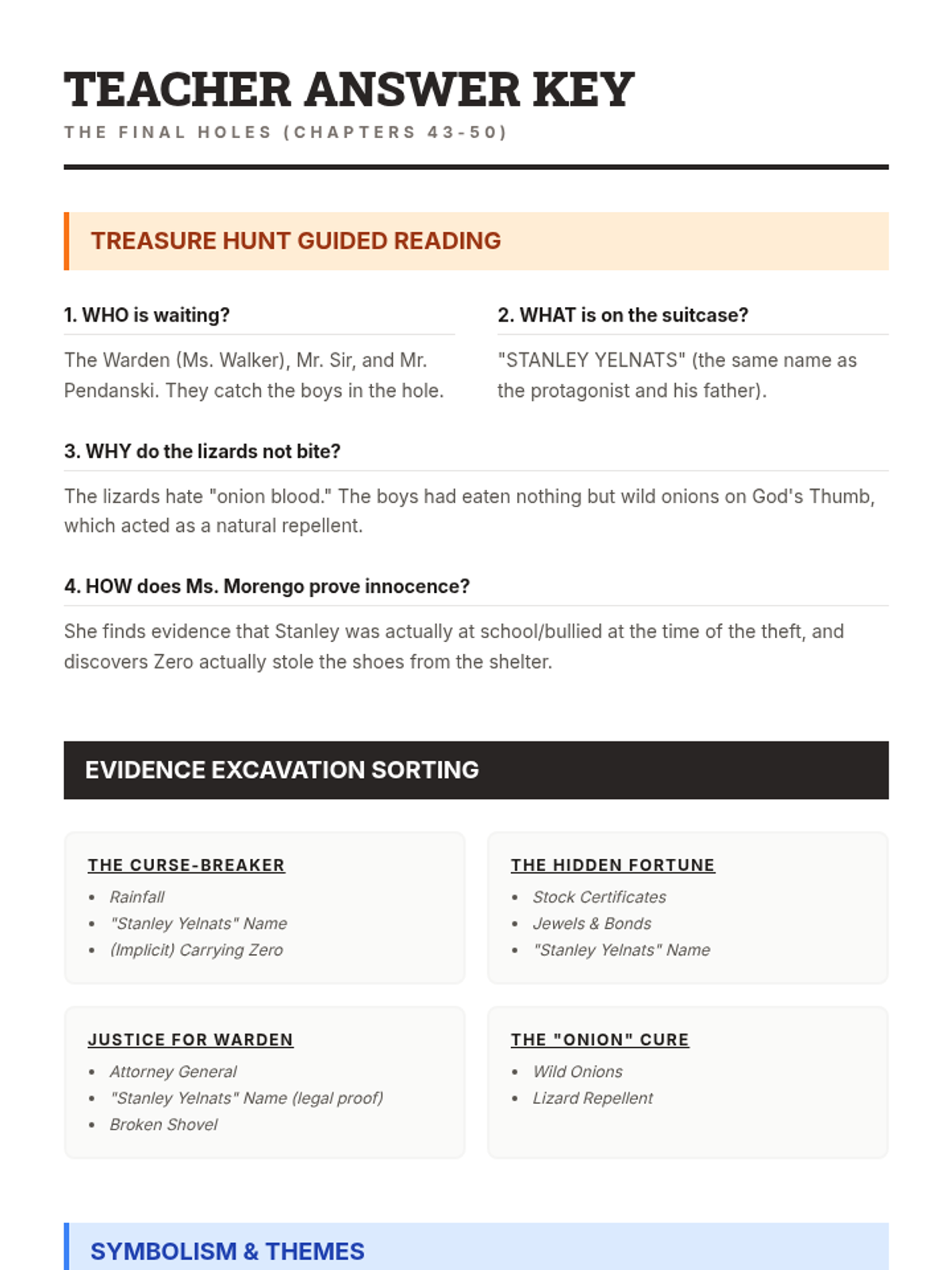
A comprehensive exploration of the final chapters of Holes (43-50), focusing on the resolution of the curse, the reveal of the treasure, and the symbolic cleansing of Camp Green Lake.
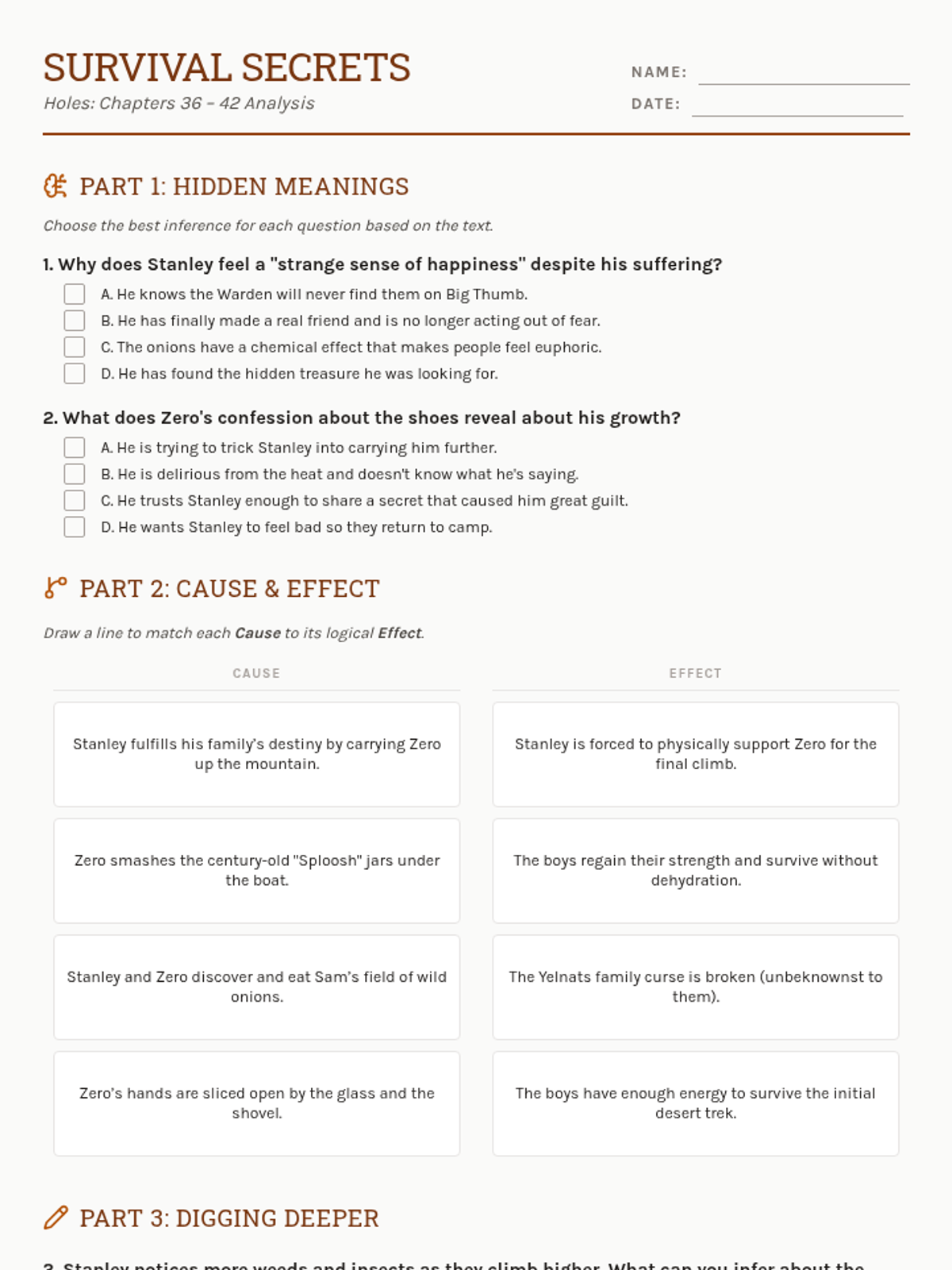
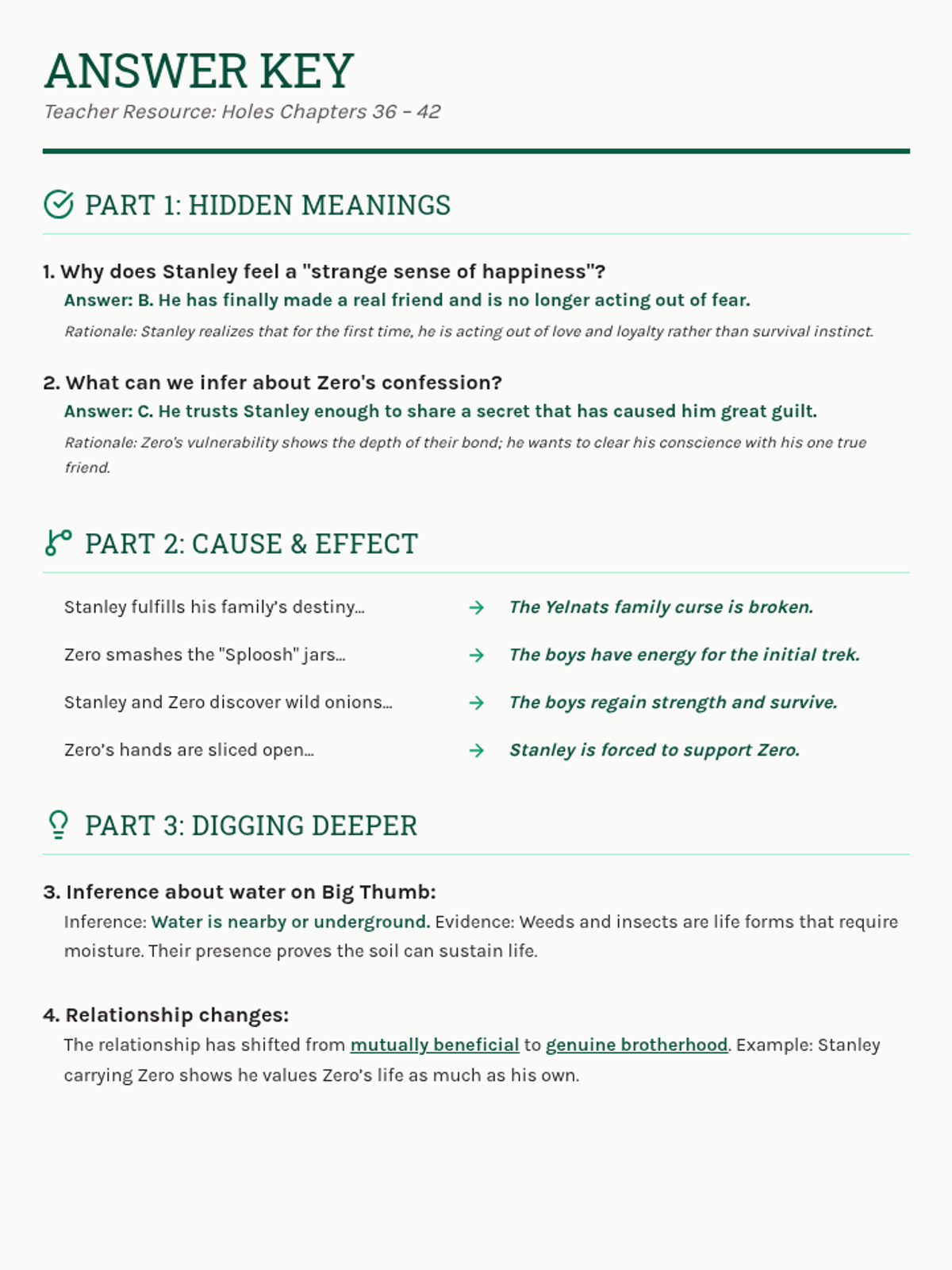
A lesson focused on analyzing character motivations and causal relationships in chapters 36-42 of Louis Sachar's Holes, specifically during the ascent of Big Thumb.
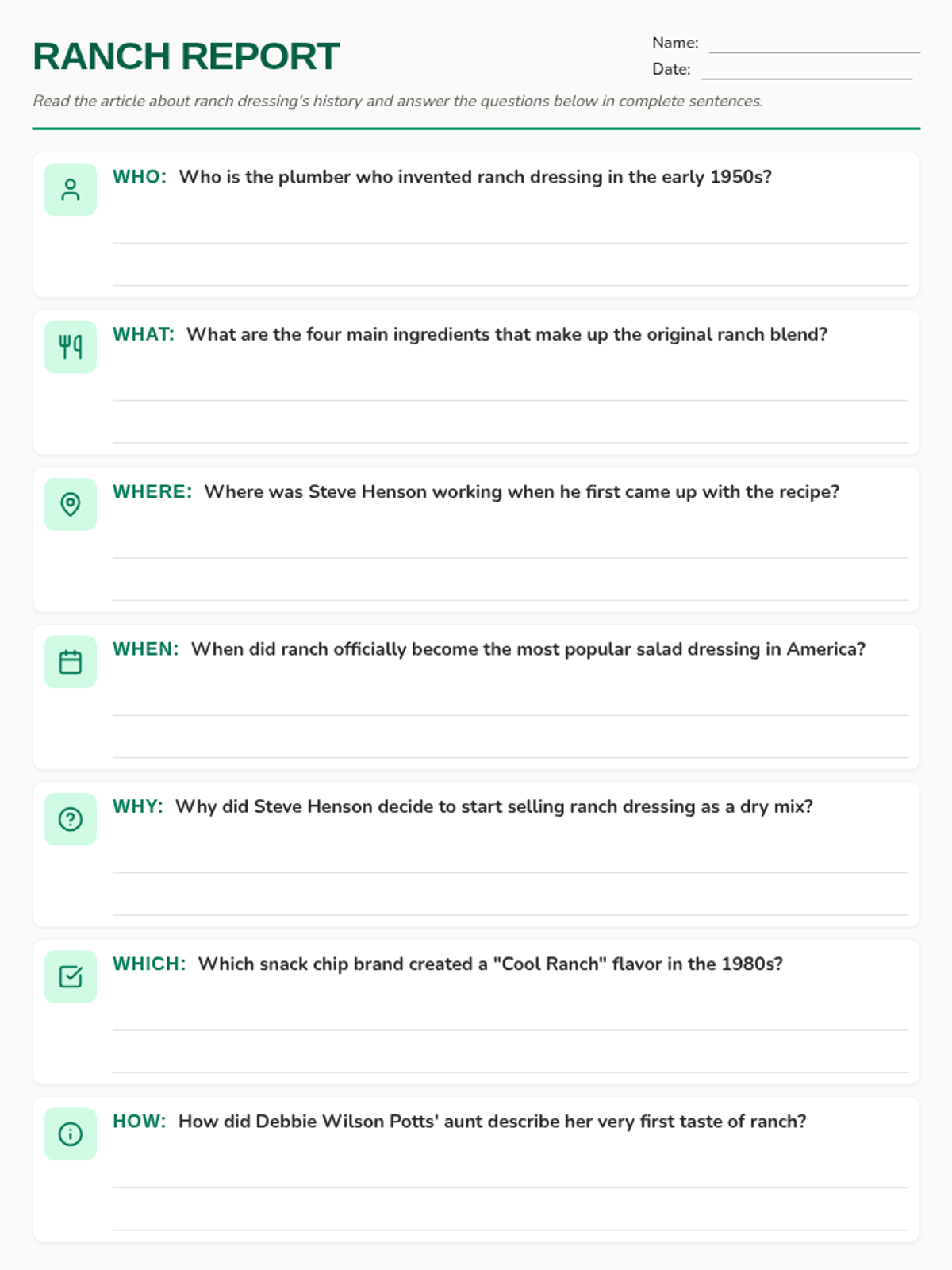
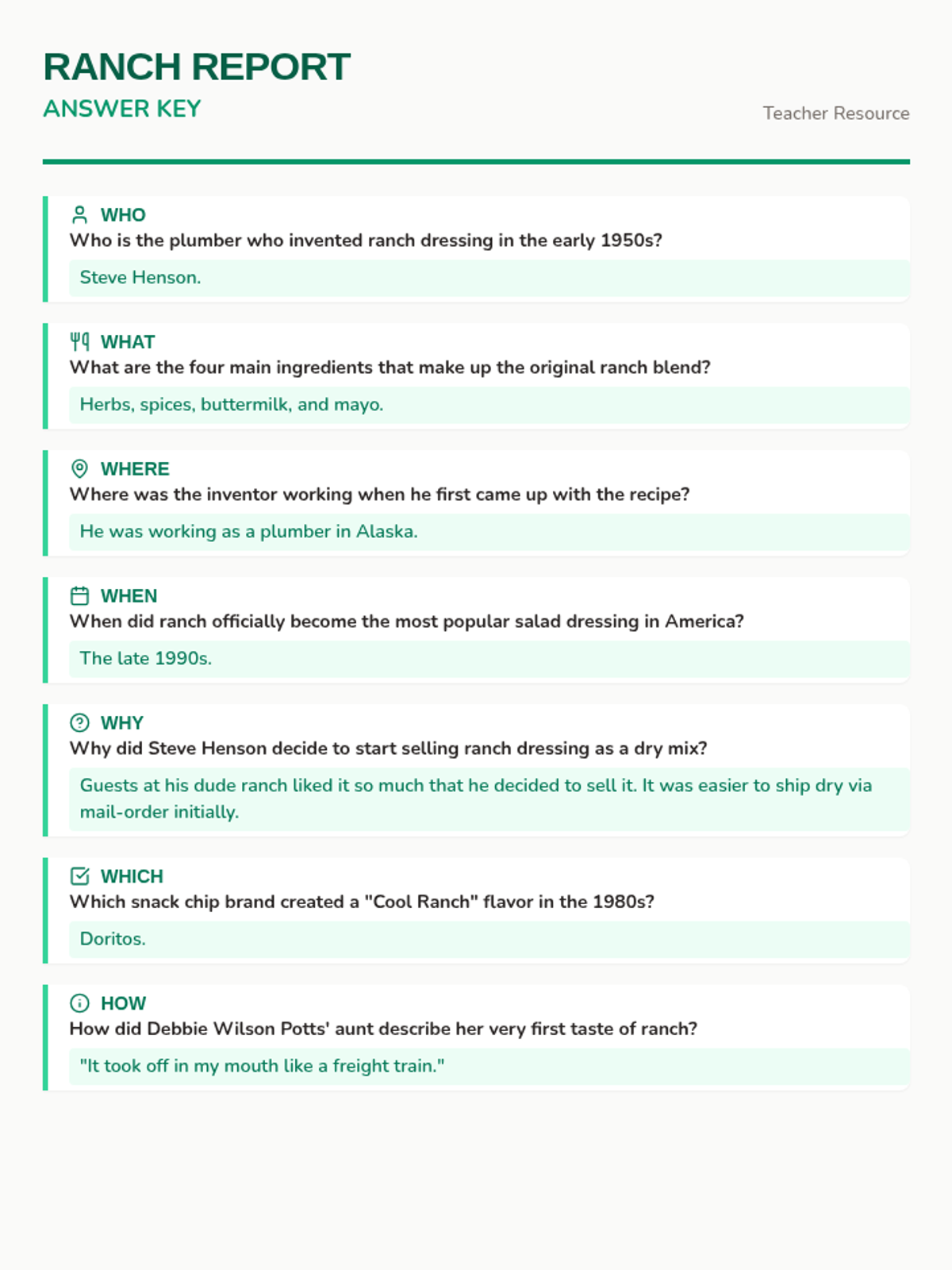
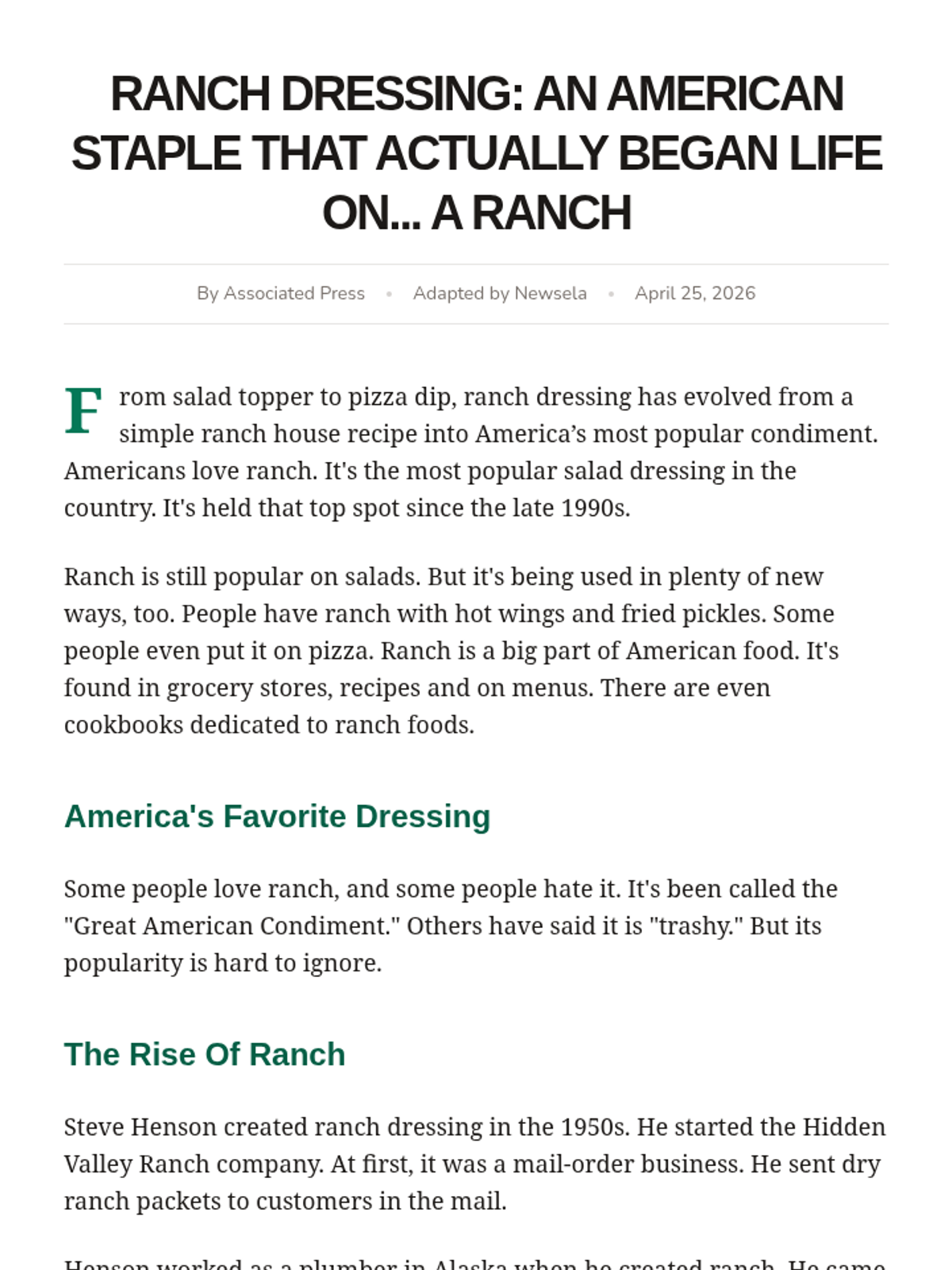
A lesson exploring the history and cultural impact of ranch dressing based on a Newsela article, featuring a reading comprehension worksheet and answer key.
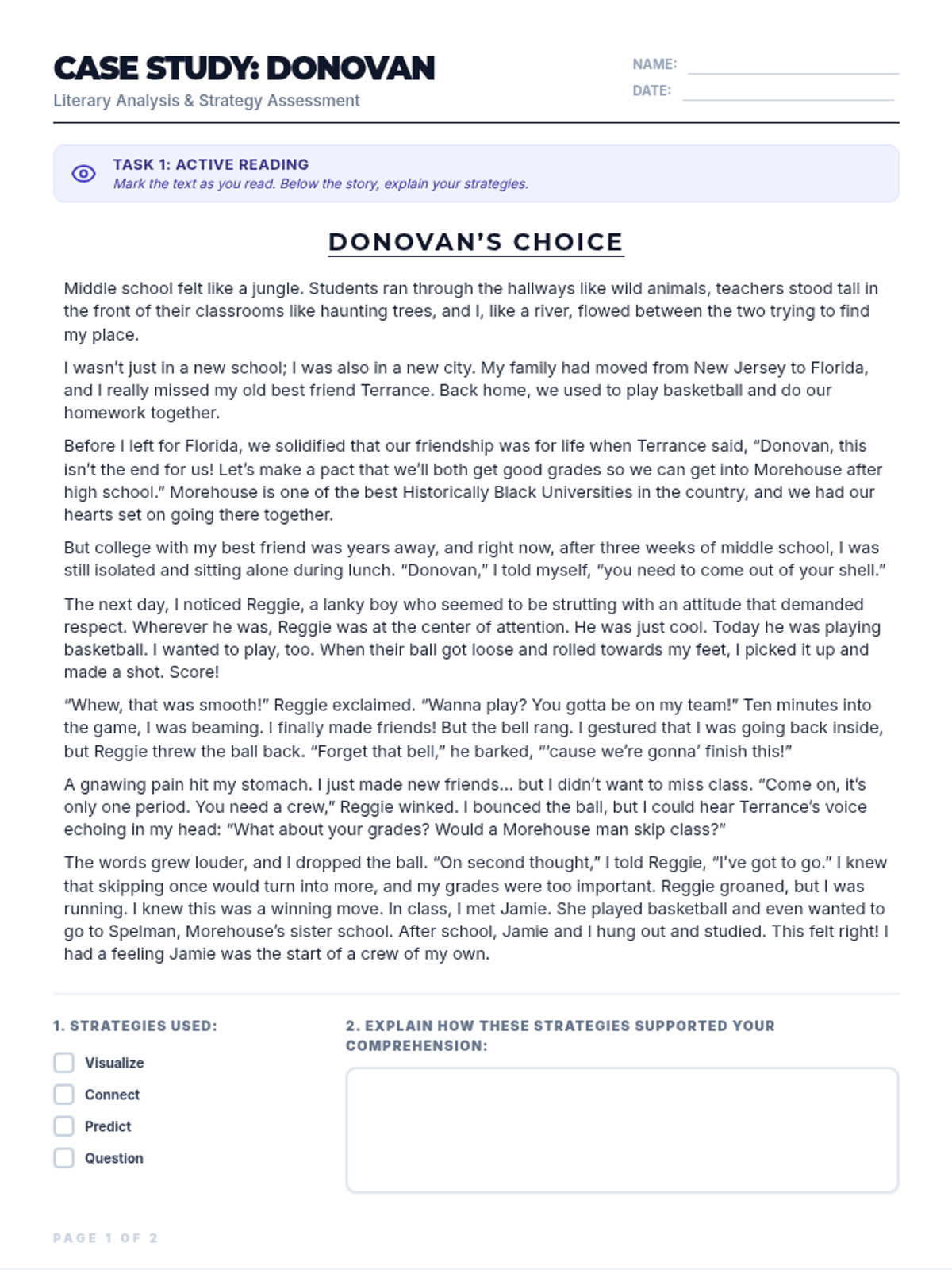
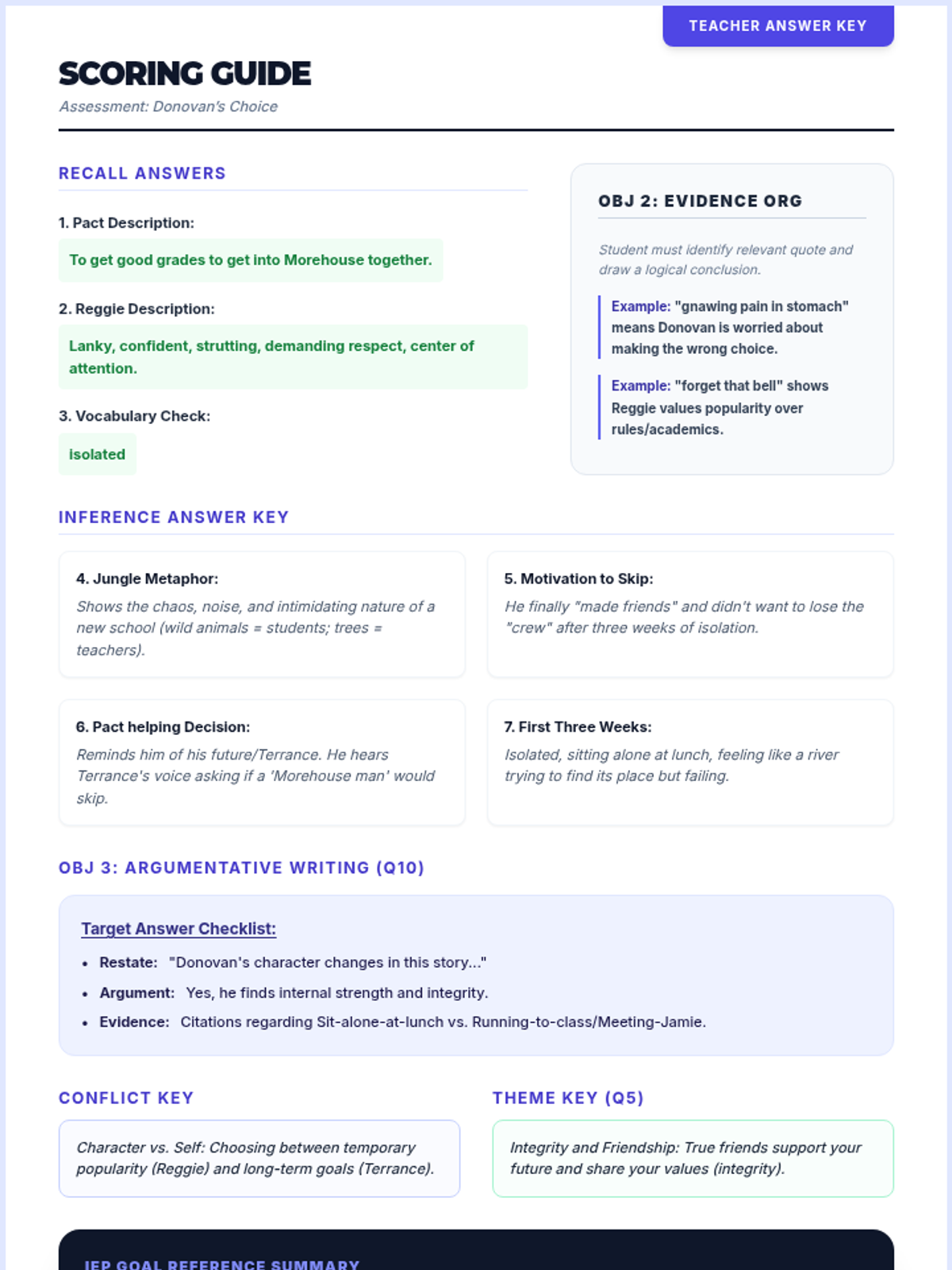
A literature-based assessment focused on evidence-based reading, active strategy reflection, and identifying conflict and theme through the story of Donovan's social choices.
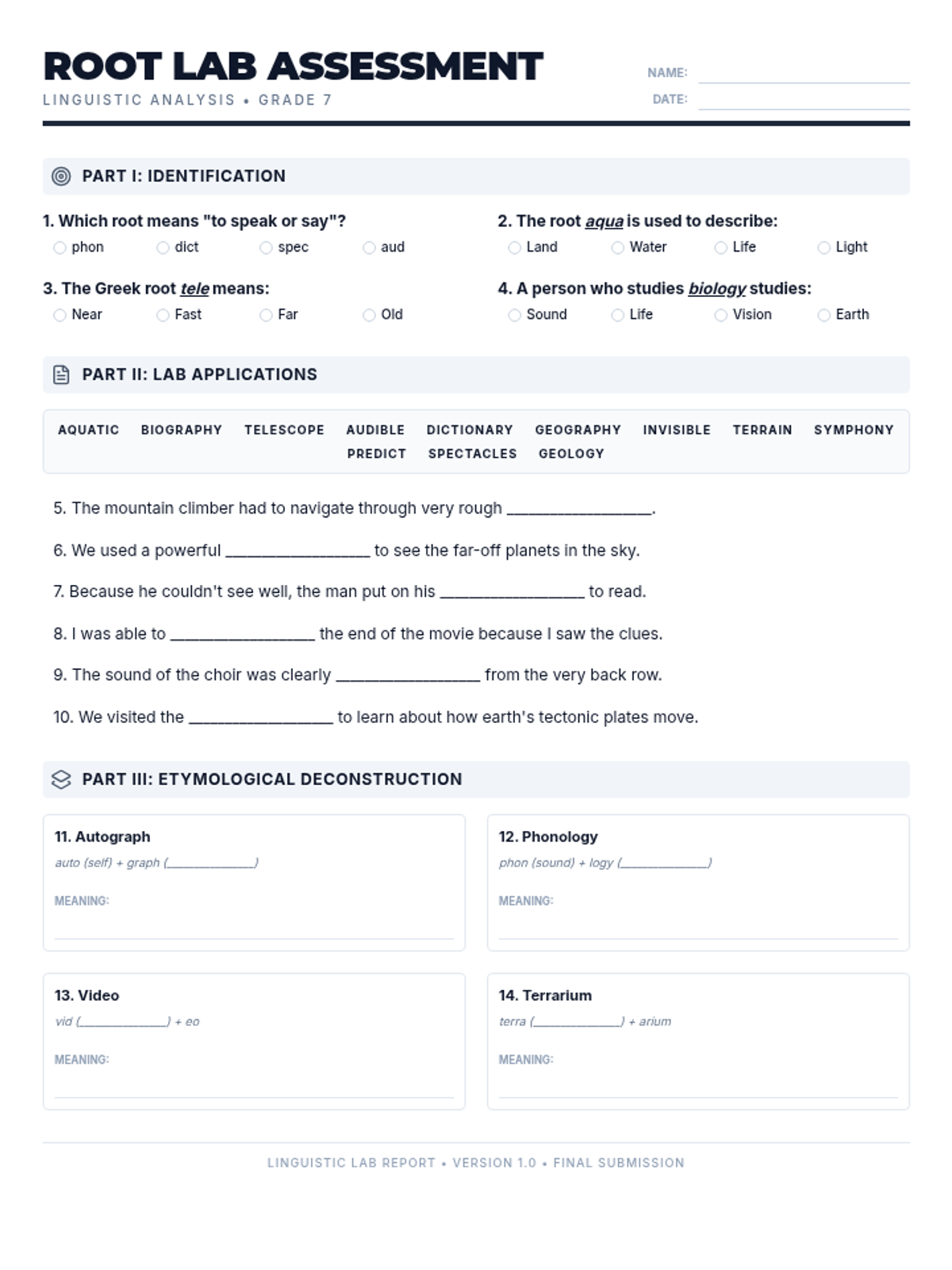
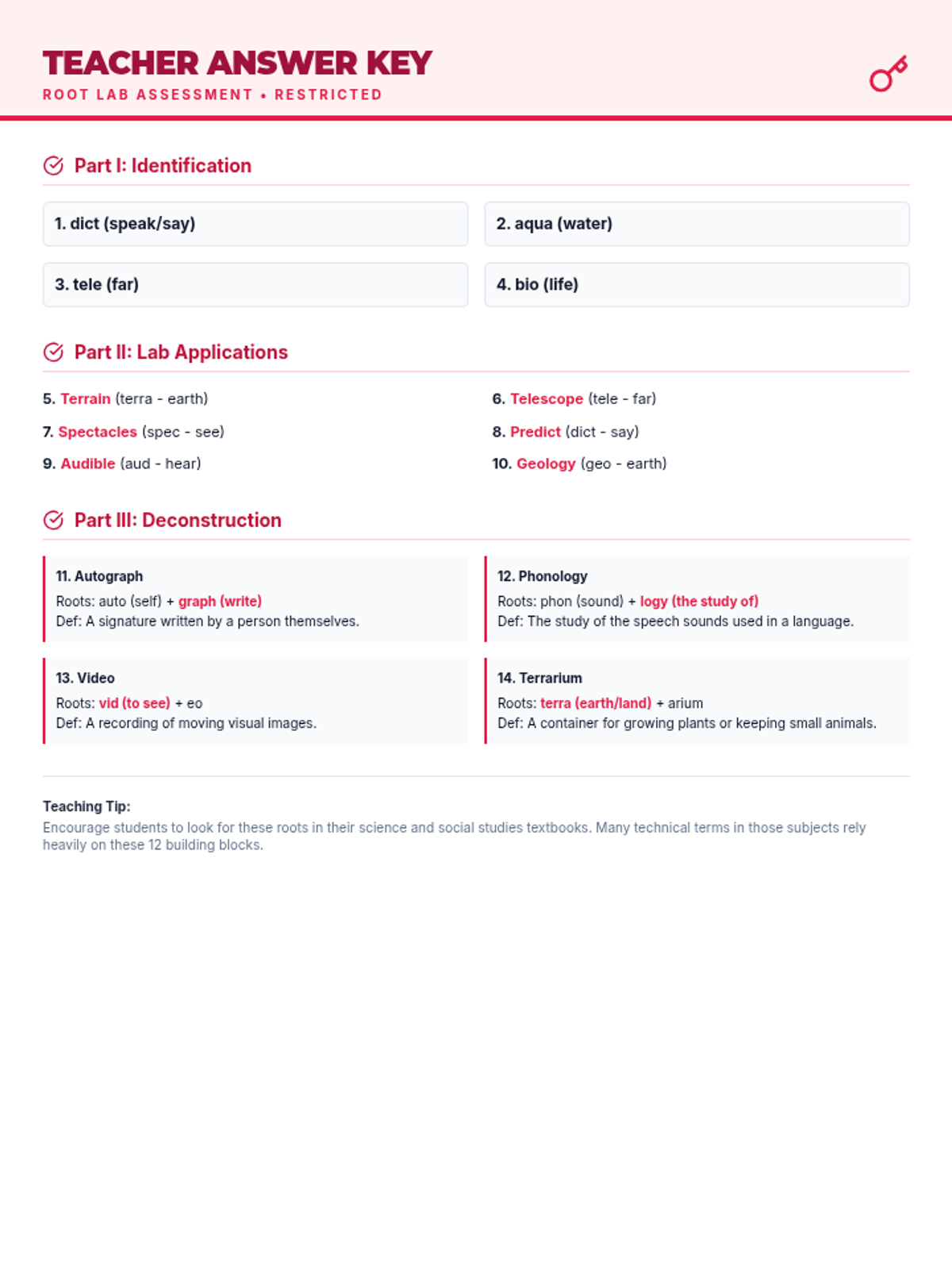
Students explore 10 common Greek and Latin roots, identifying their meanings and applying them to determine the definitions of complex academic vocabulary.
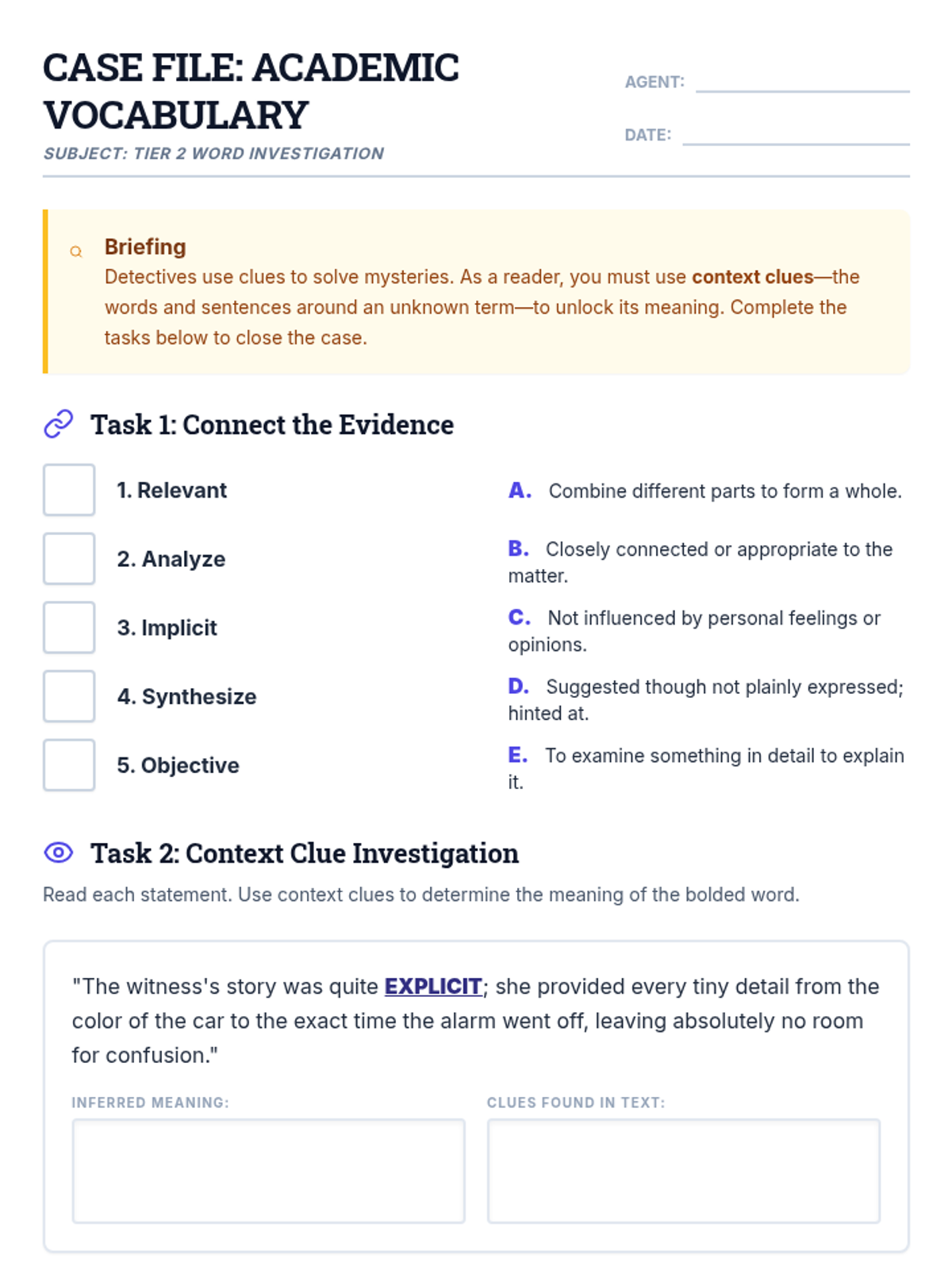
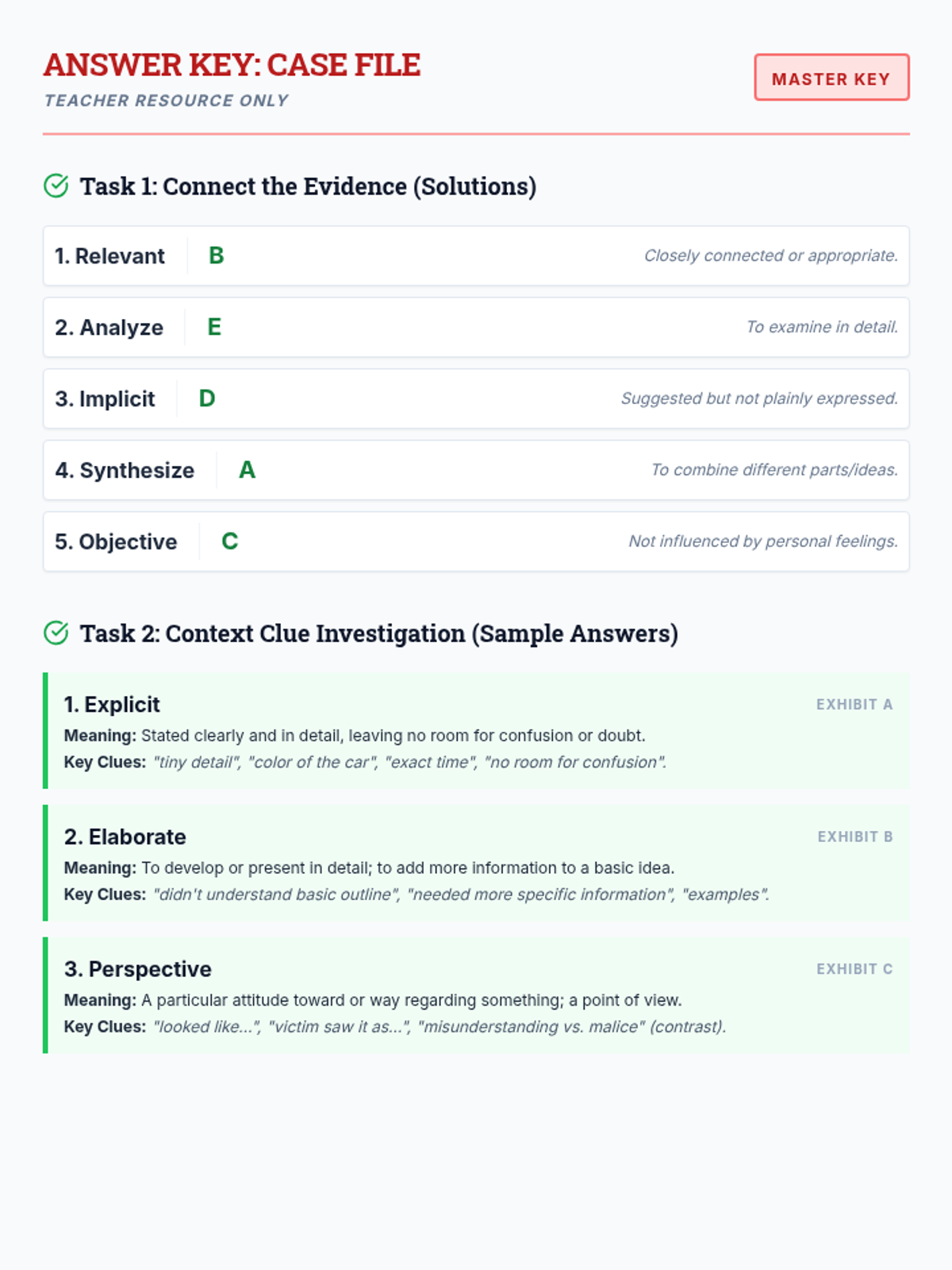
A middle school language arts lesson focused on mastering high-utility Tier 2 academic vocabulary and using context clues to determine meaning. Students act as 'Word Detectives' to investigate and decode complex texts.
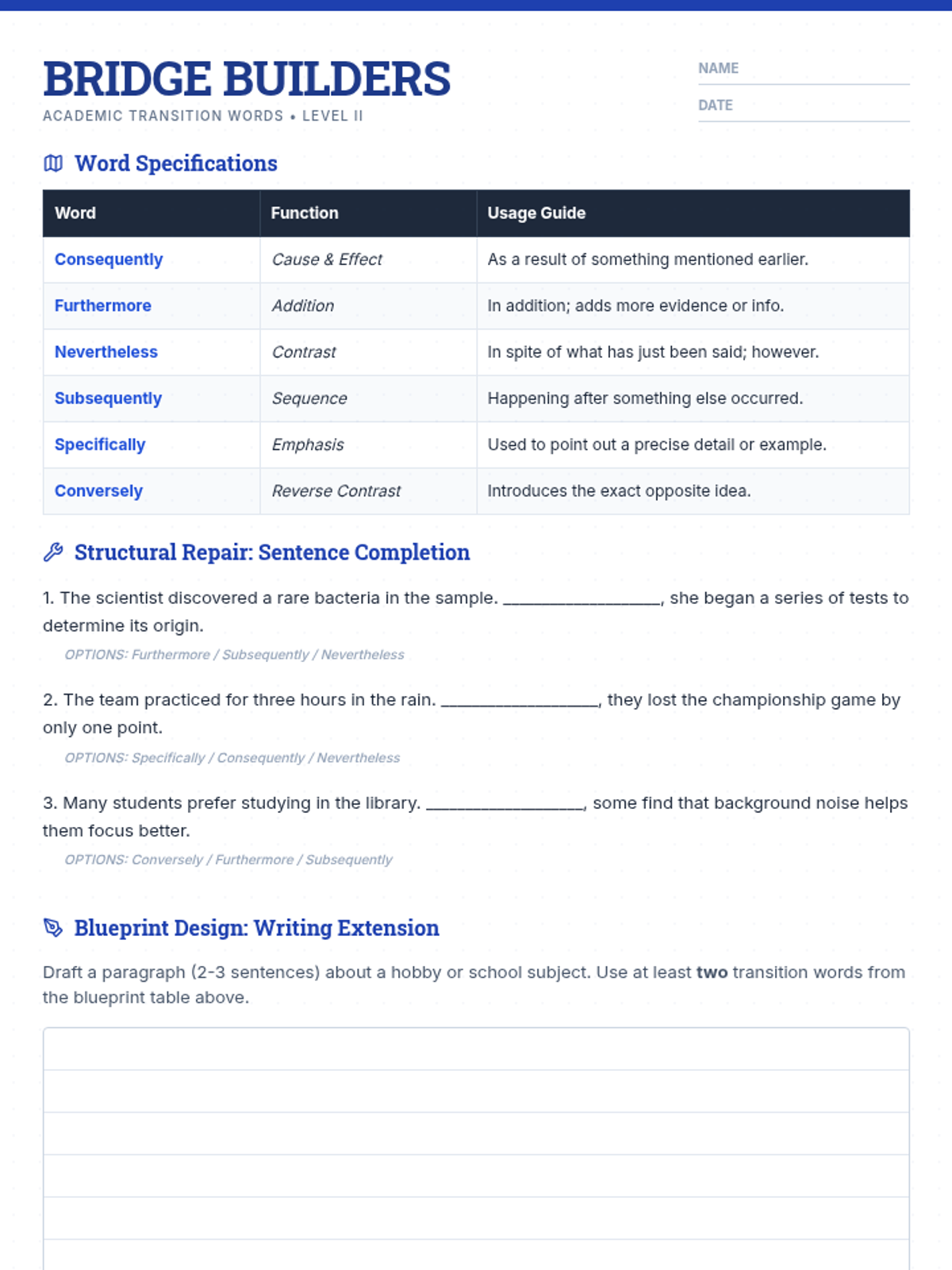
A middle school vocabulary lesson focused on academic transition words, using a 'Bridge Builders' theme to illustrate how these words connect ideas in writing.

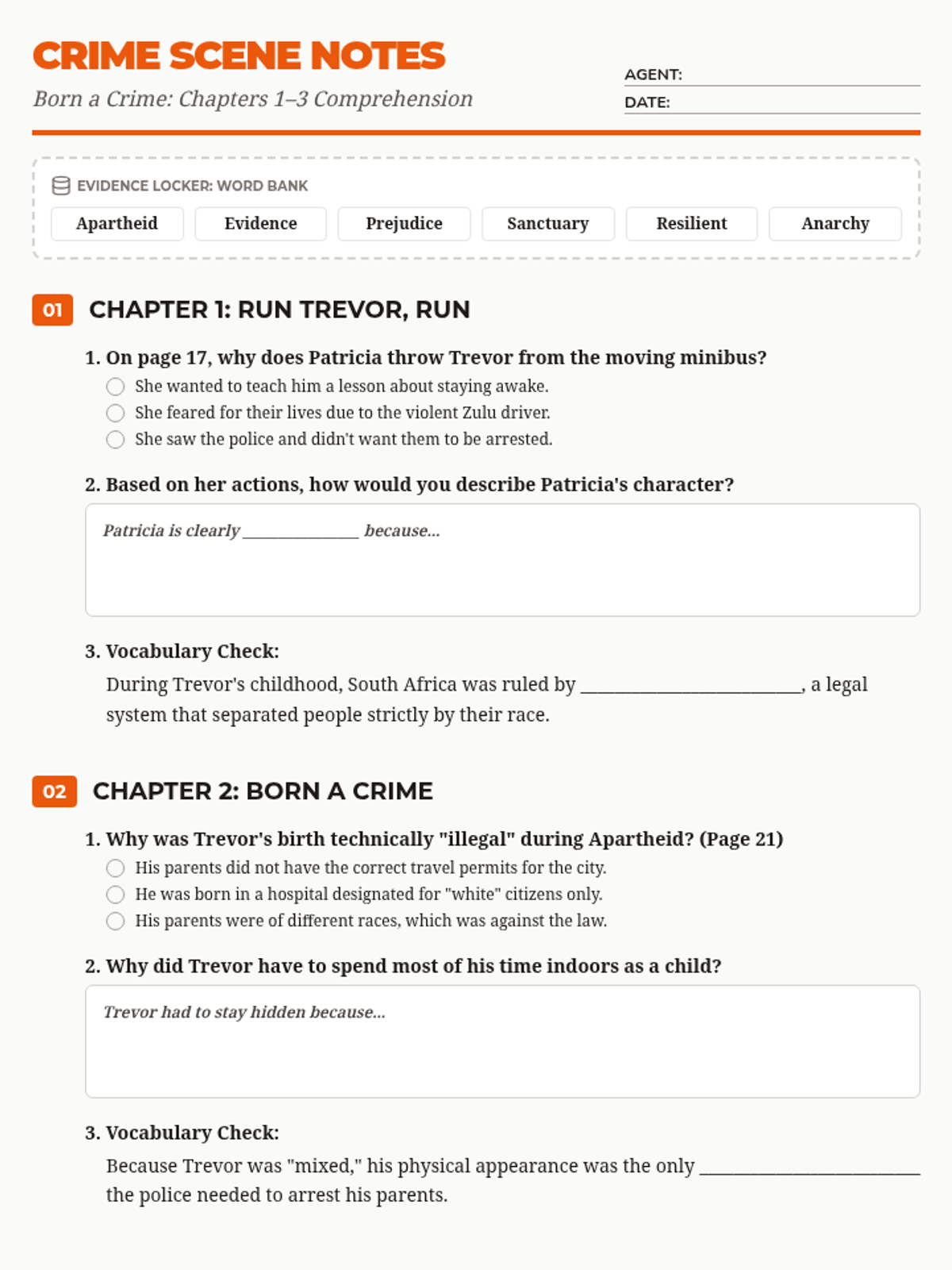
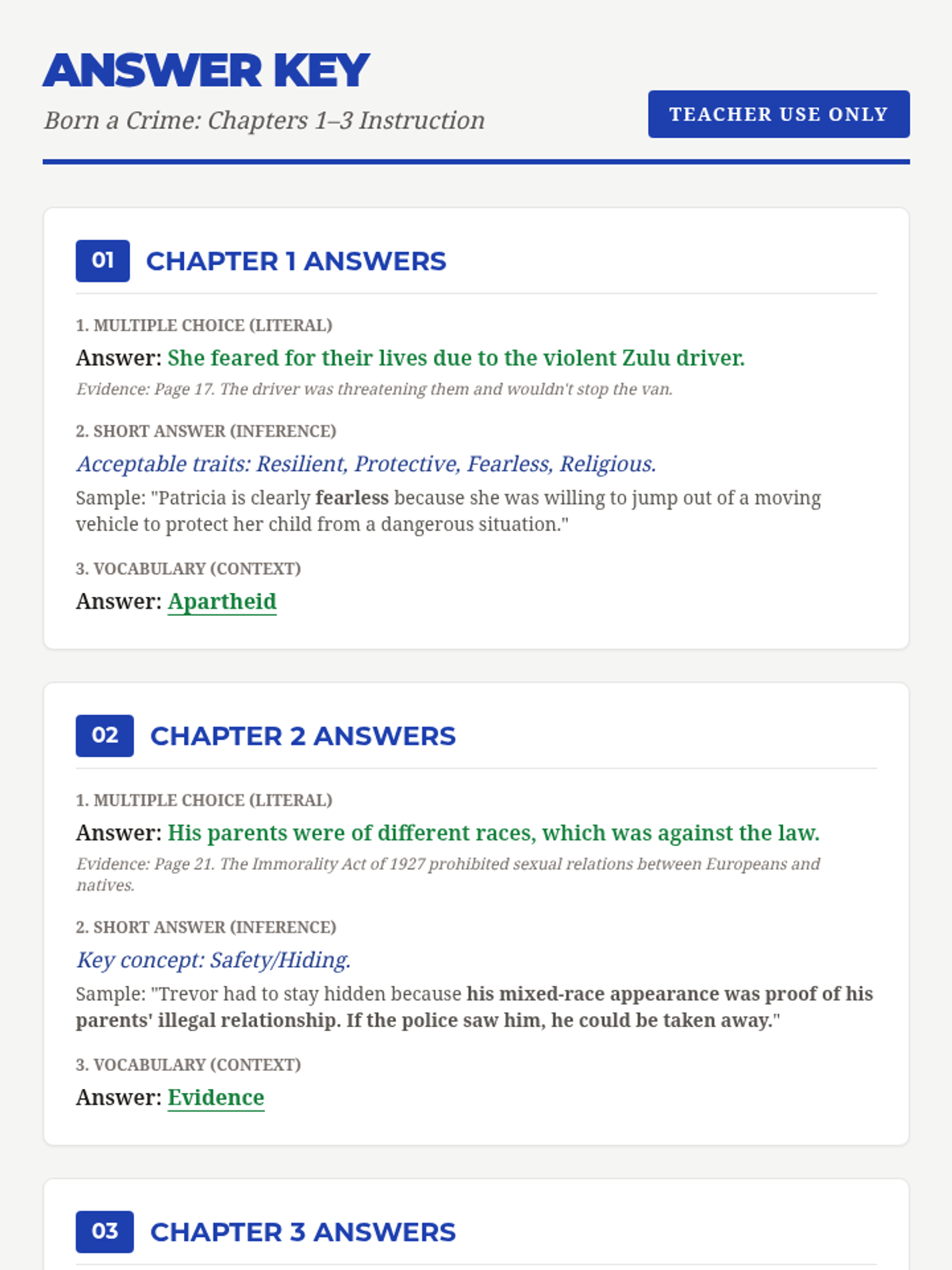
This lesson explores the first three chapters of Trevor Noah's 'Born a Crime', focusing on the historical context of Apartheid, character development of Trevor and Patricia, and the power of language and identity.
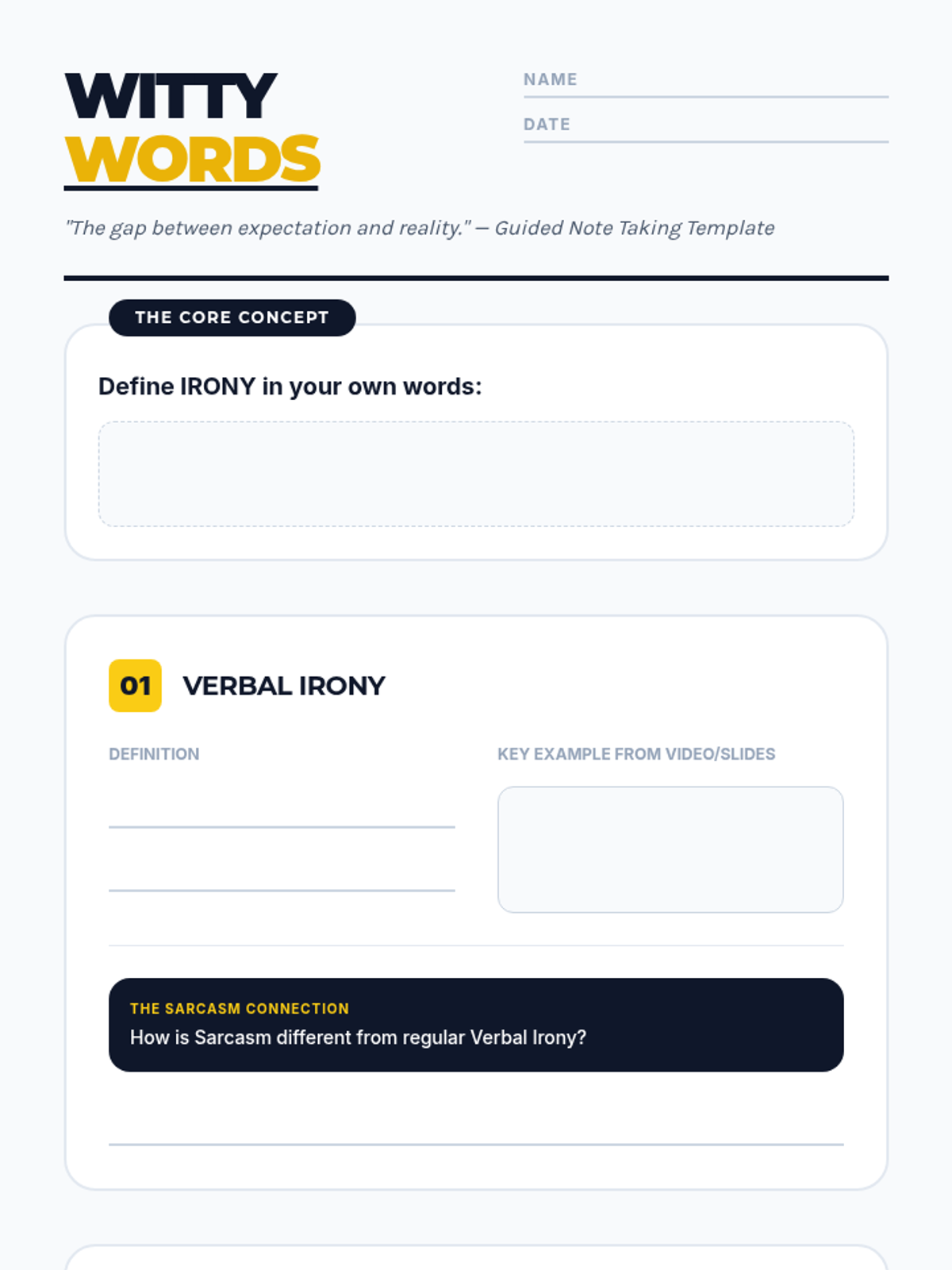
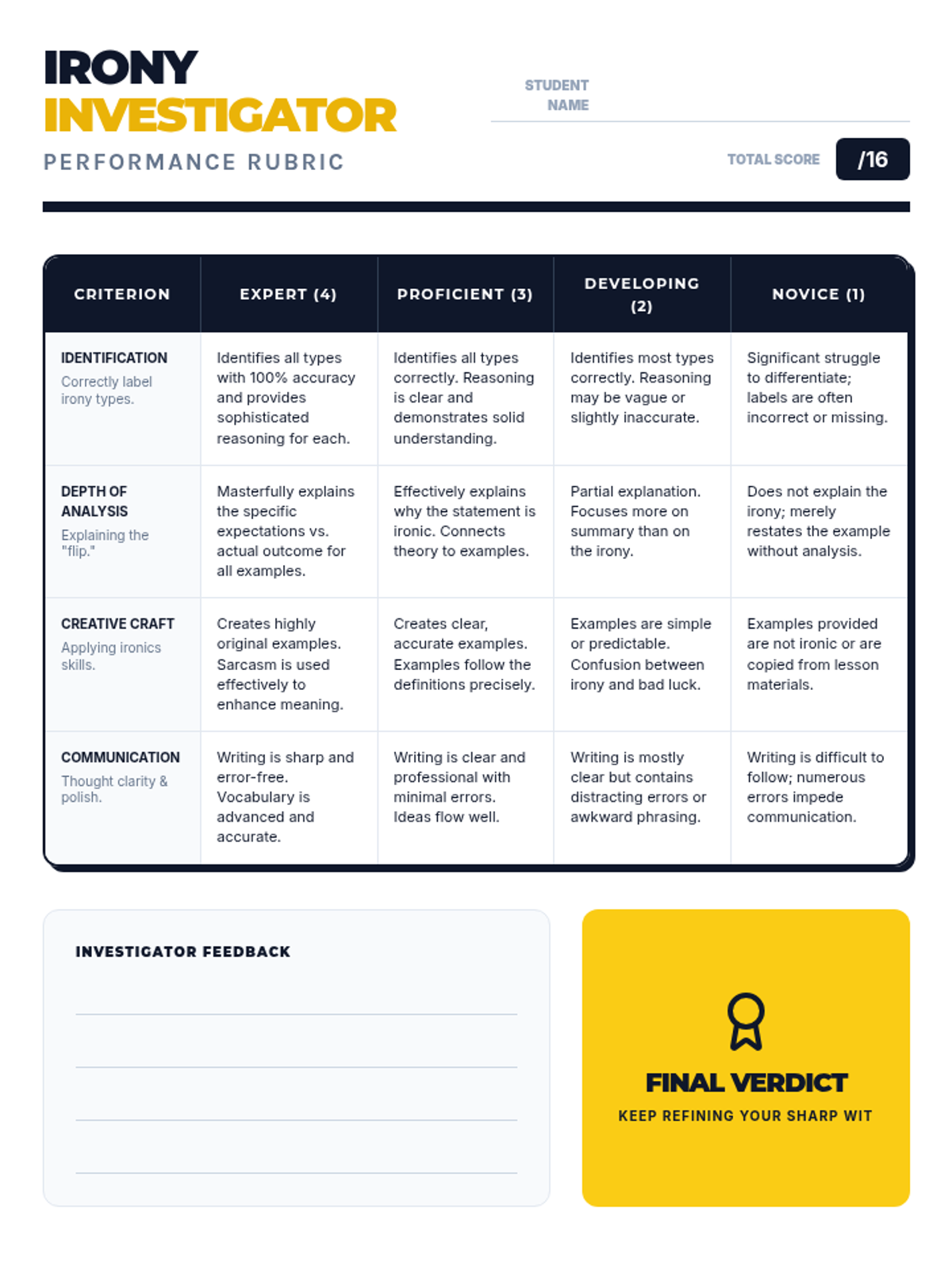
A sharp exploration of irony and sarcasm, teaching students to identify and create verbal, situational, and dramatic irony through engaging examples and analysis.
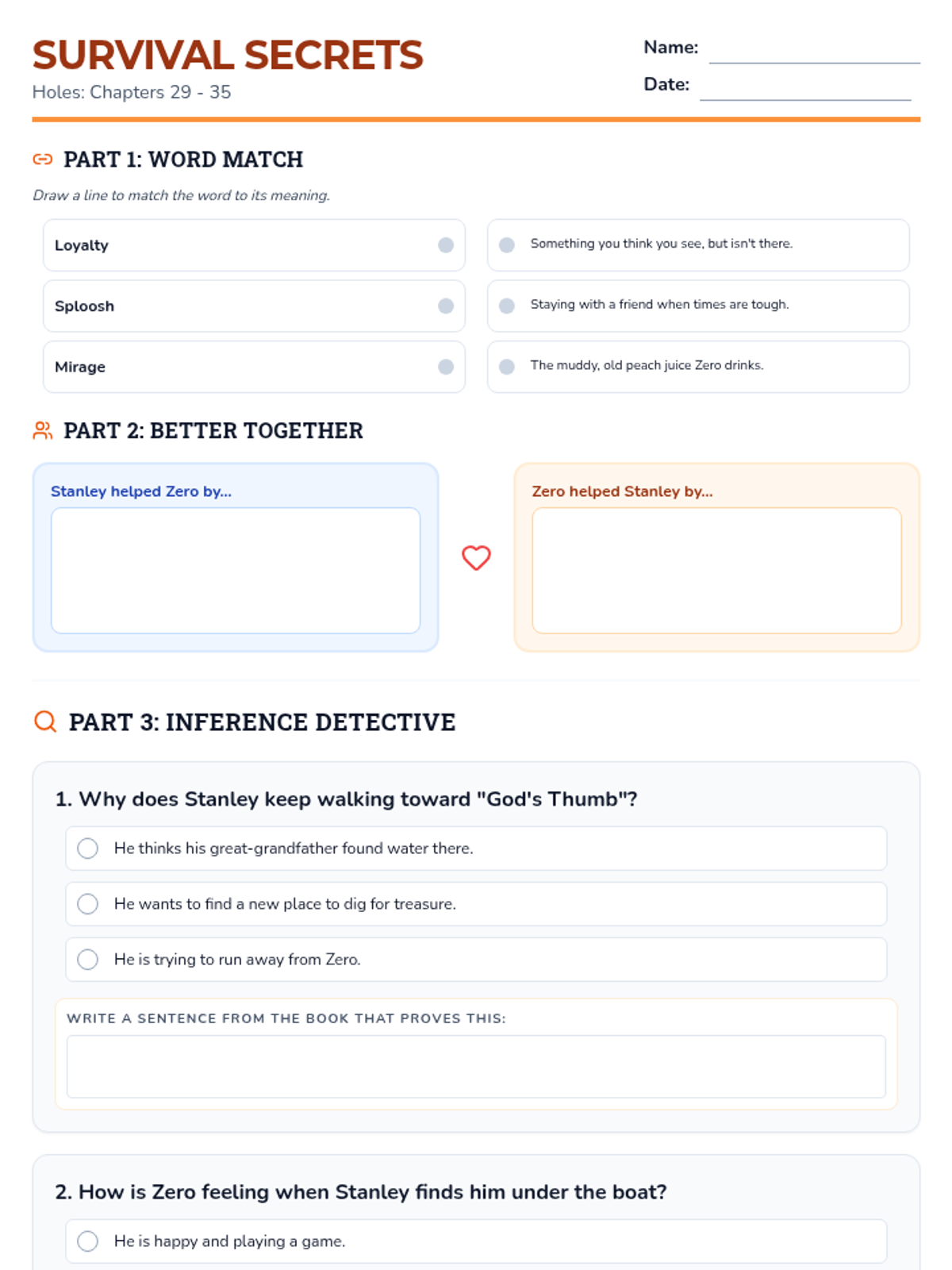
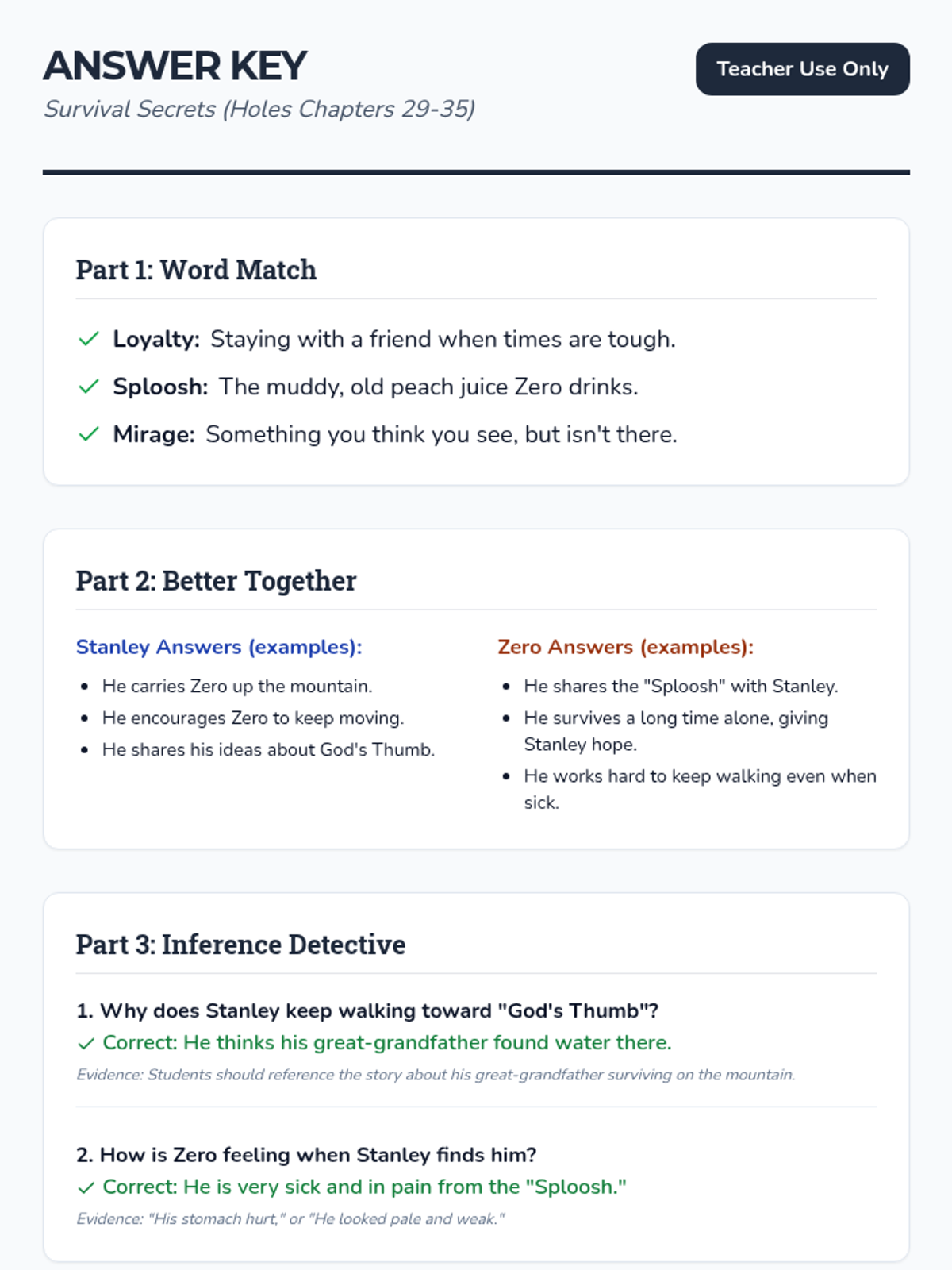
A lesson focused on chapters 29-35 of Louis Sachar's Holes, exploring the deepening friendship between Stanley and Zero as they face the challenges of the desert. Students will analyze character relationships, make inferences about their survival, and identify the central theme of loyalty.