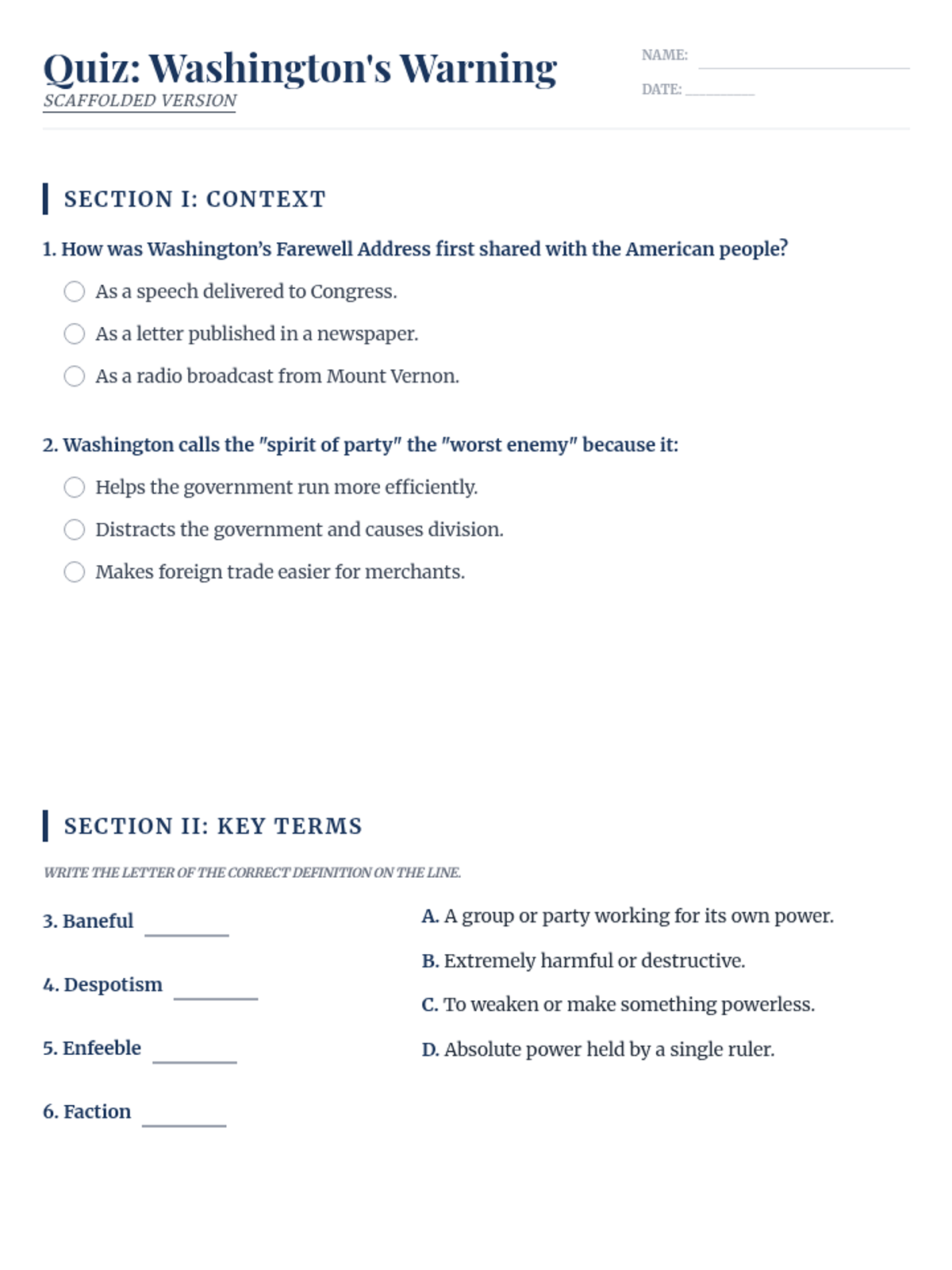
Students will learn the observation-reflection-claim framework for analysis and apply it to a historical primary source to build specific, arguable claims.
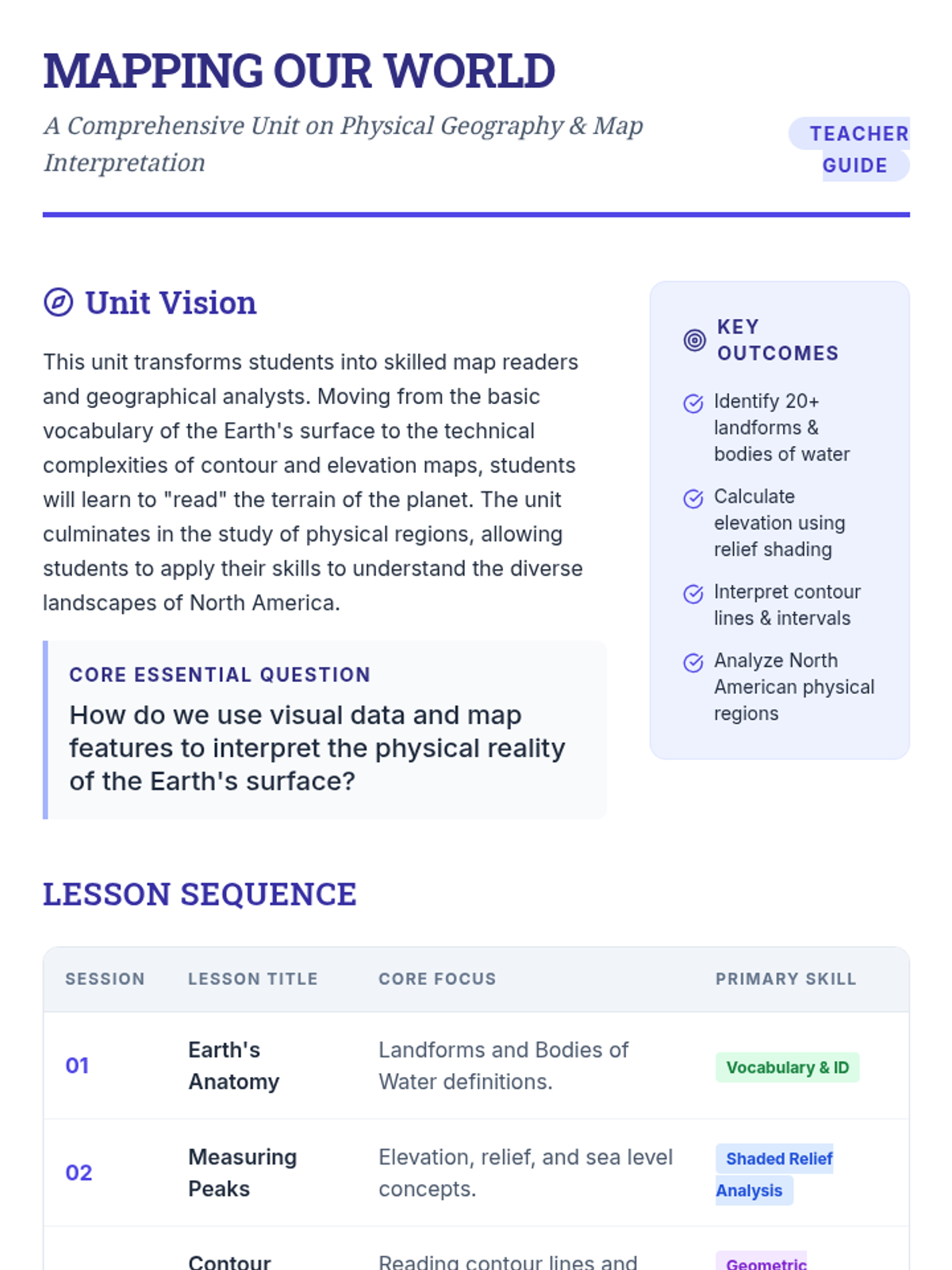
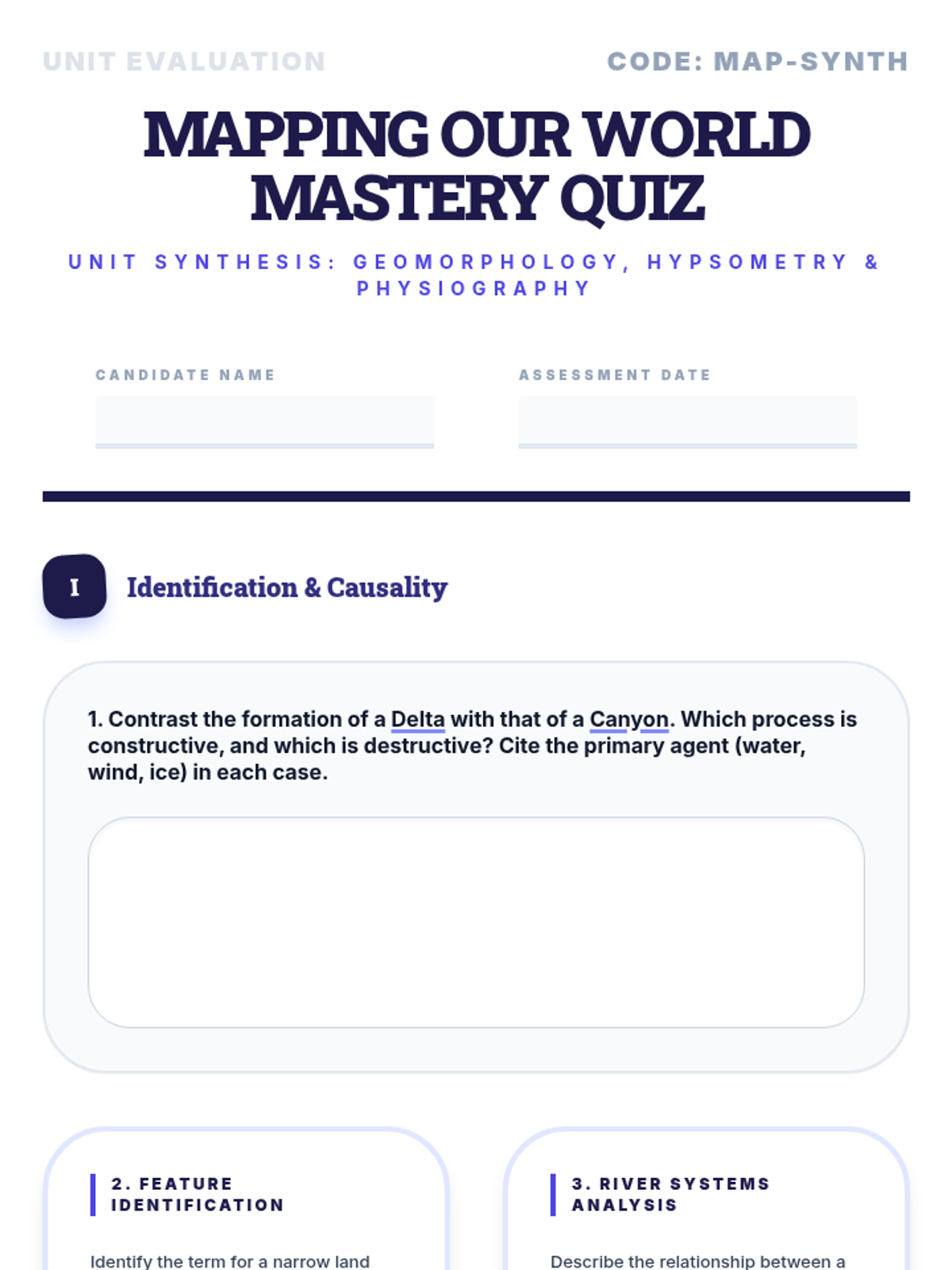
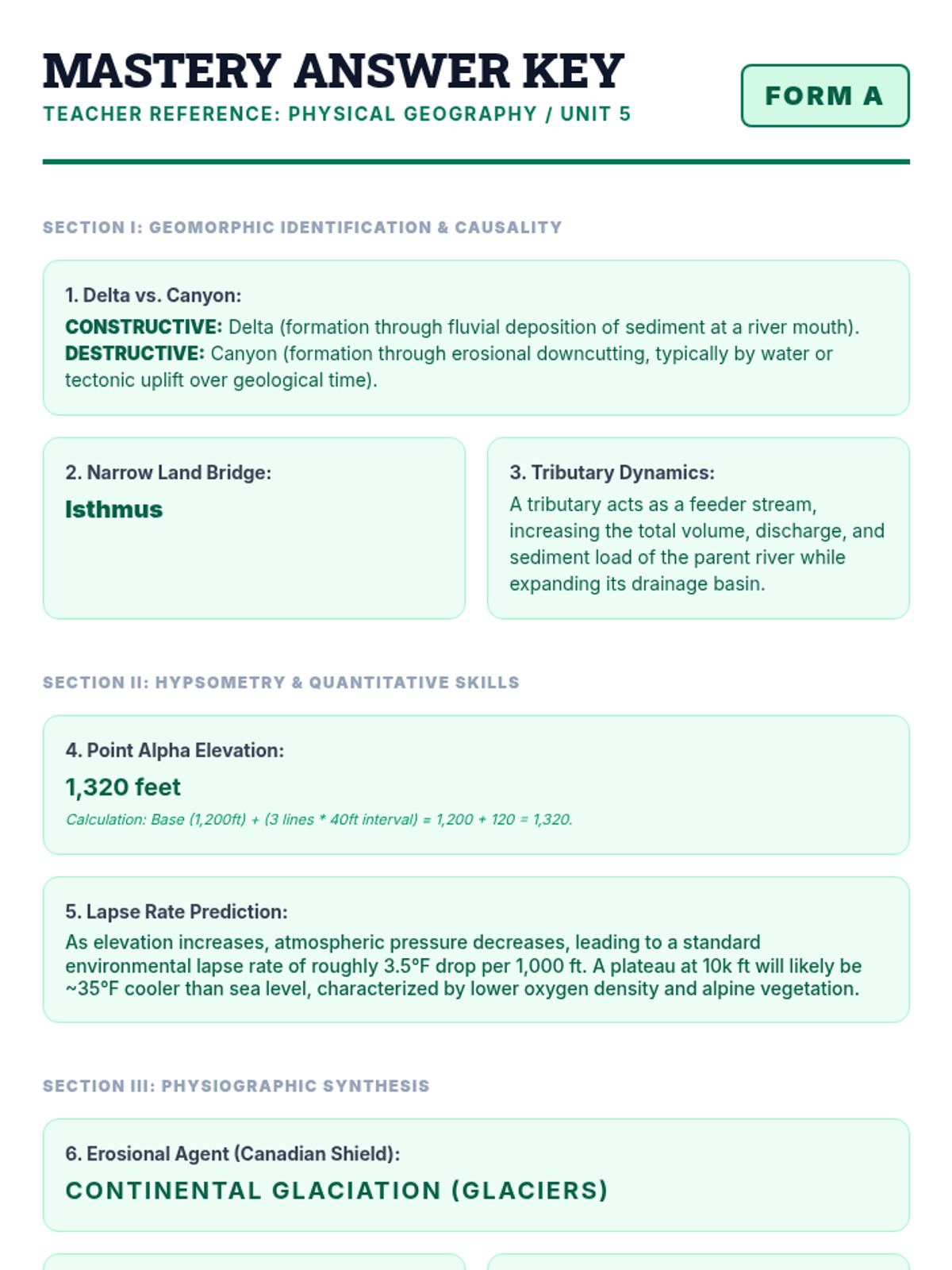
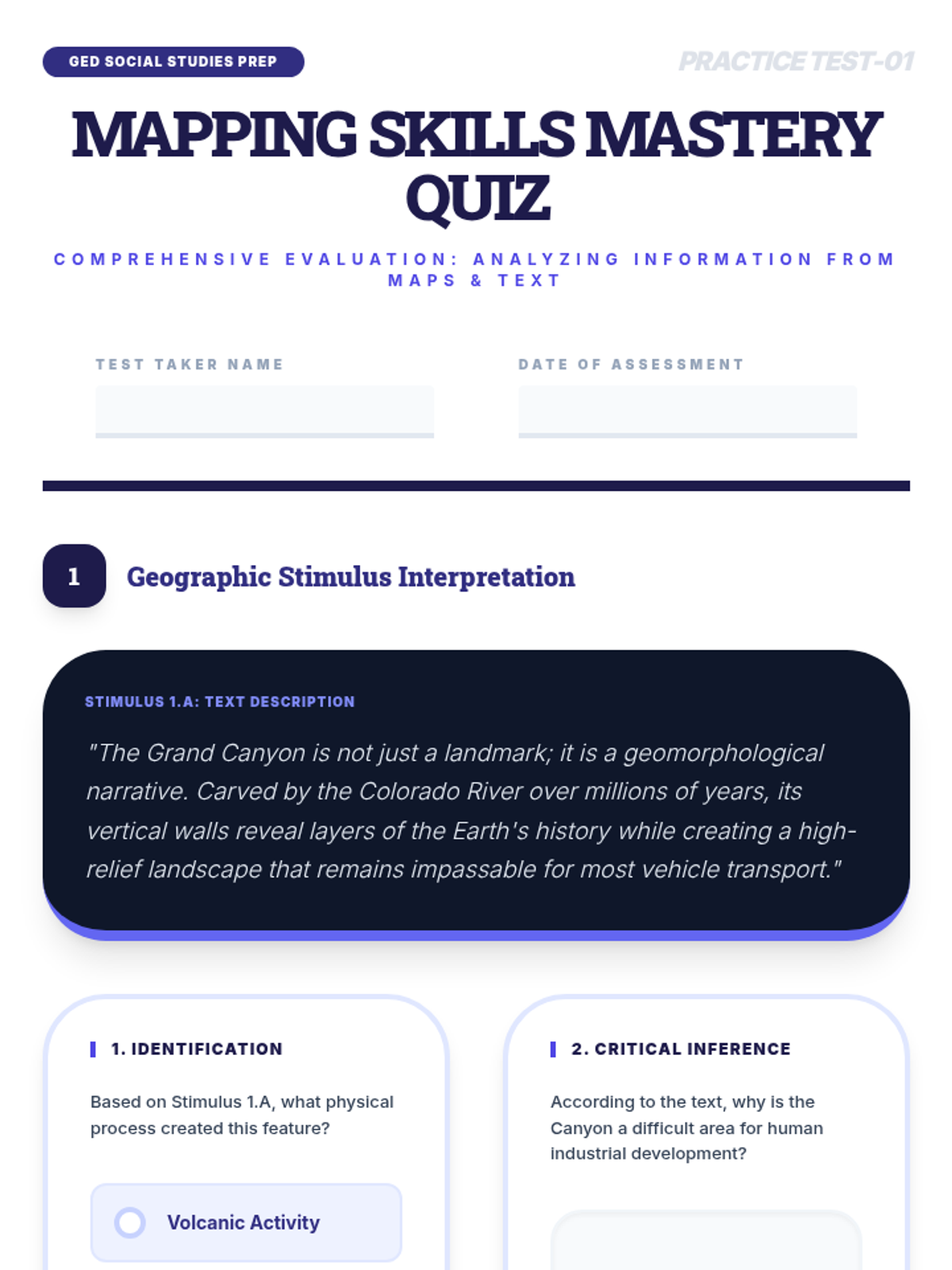
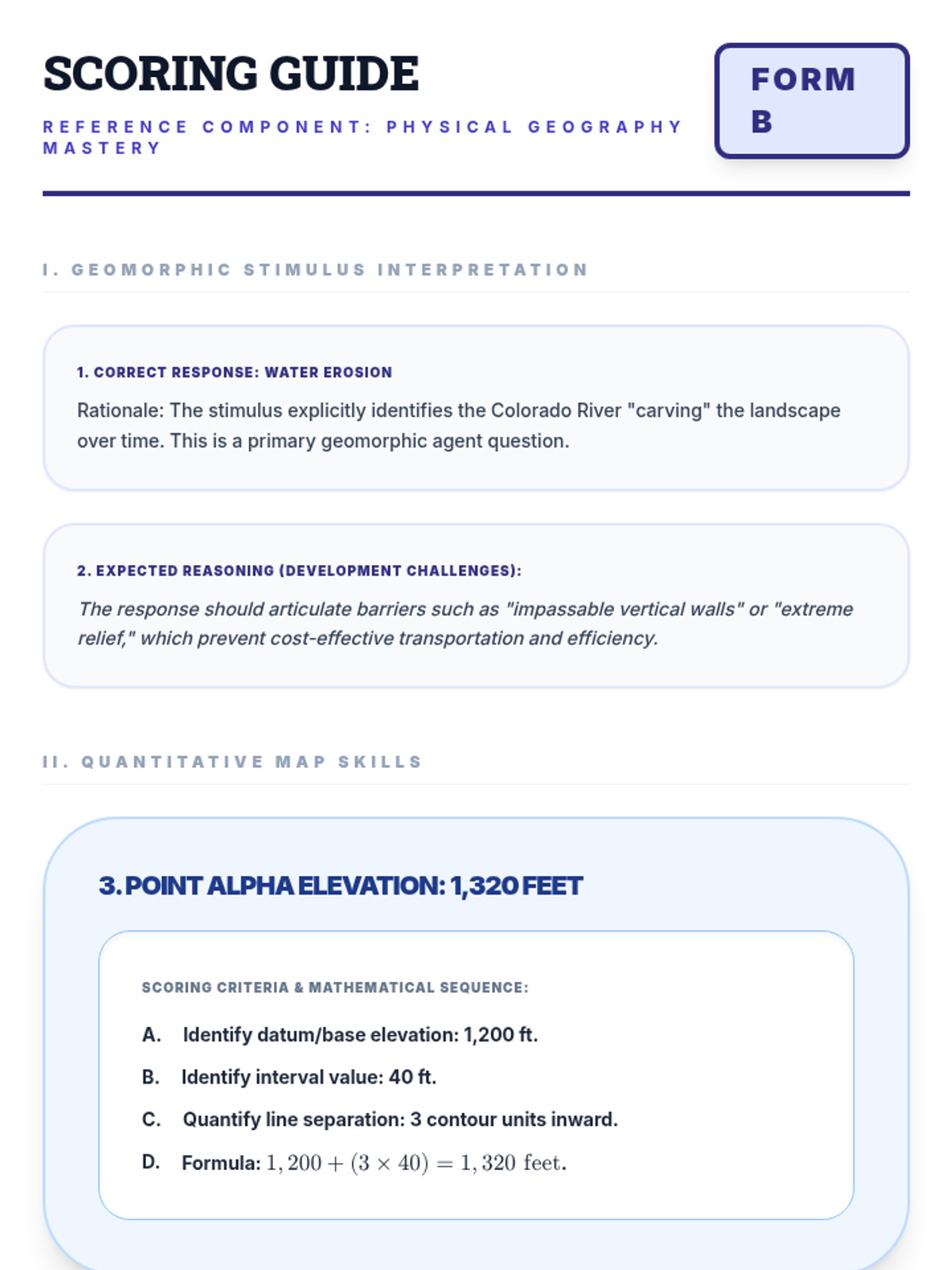
A final assessment and review lesson to verify student mastery of the unit's geography skills.
Learn about the different areas of North America and how the land affects where people live.
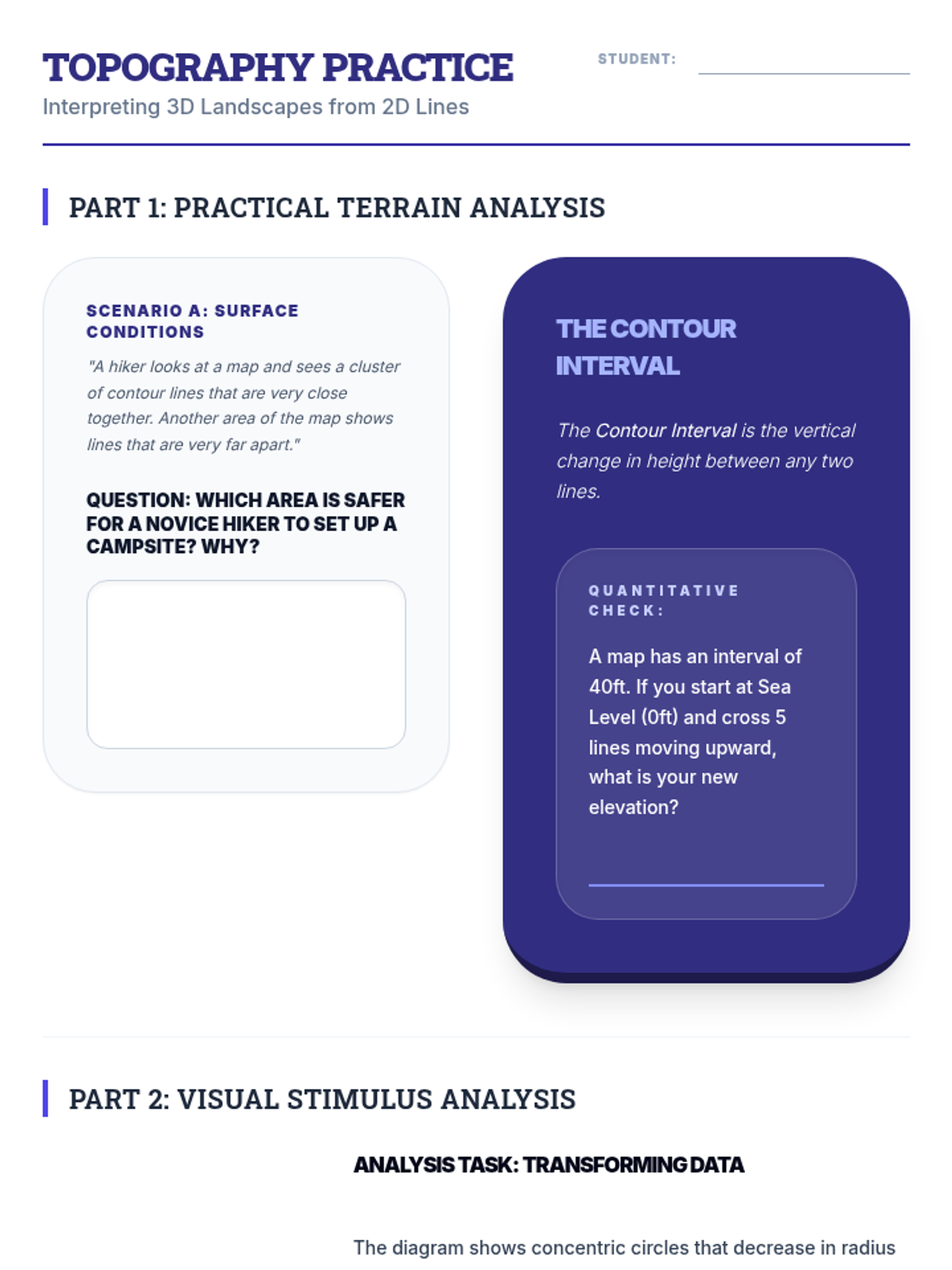
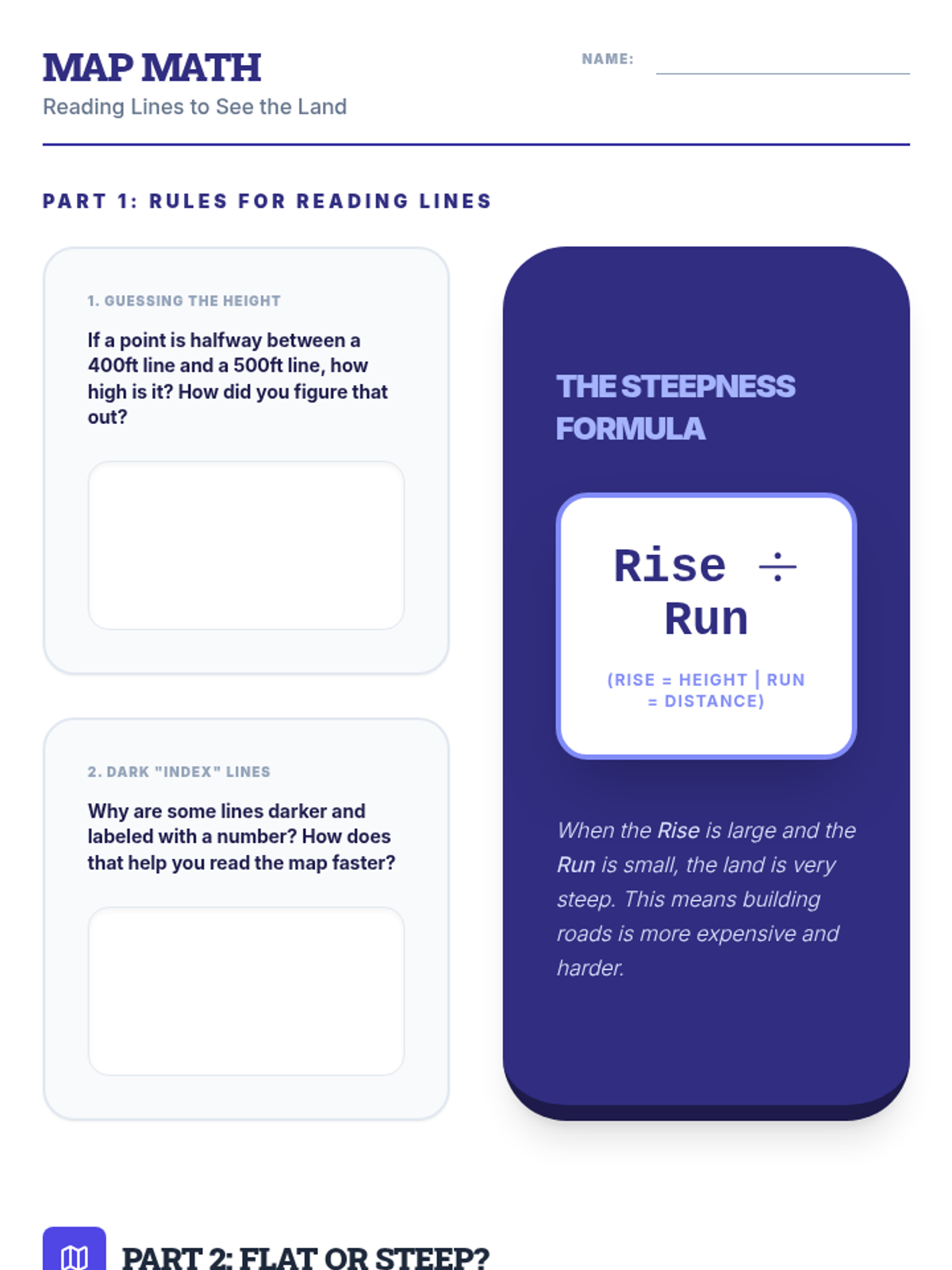
Learn how to read lines on a map to see if land is flat or steep.
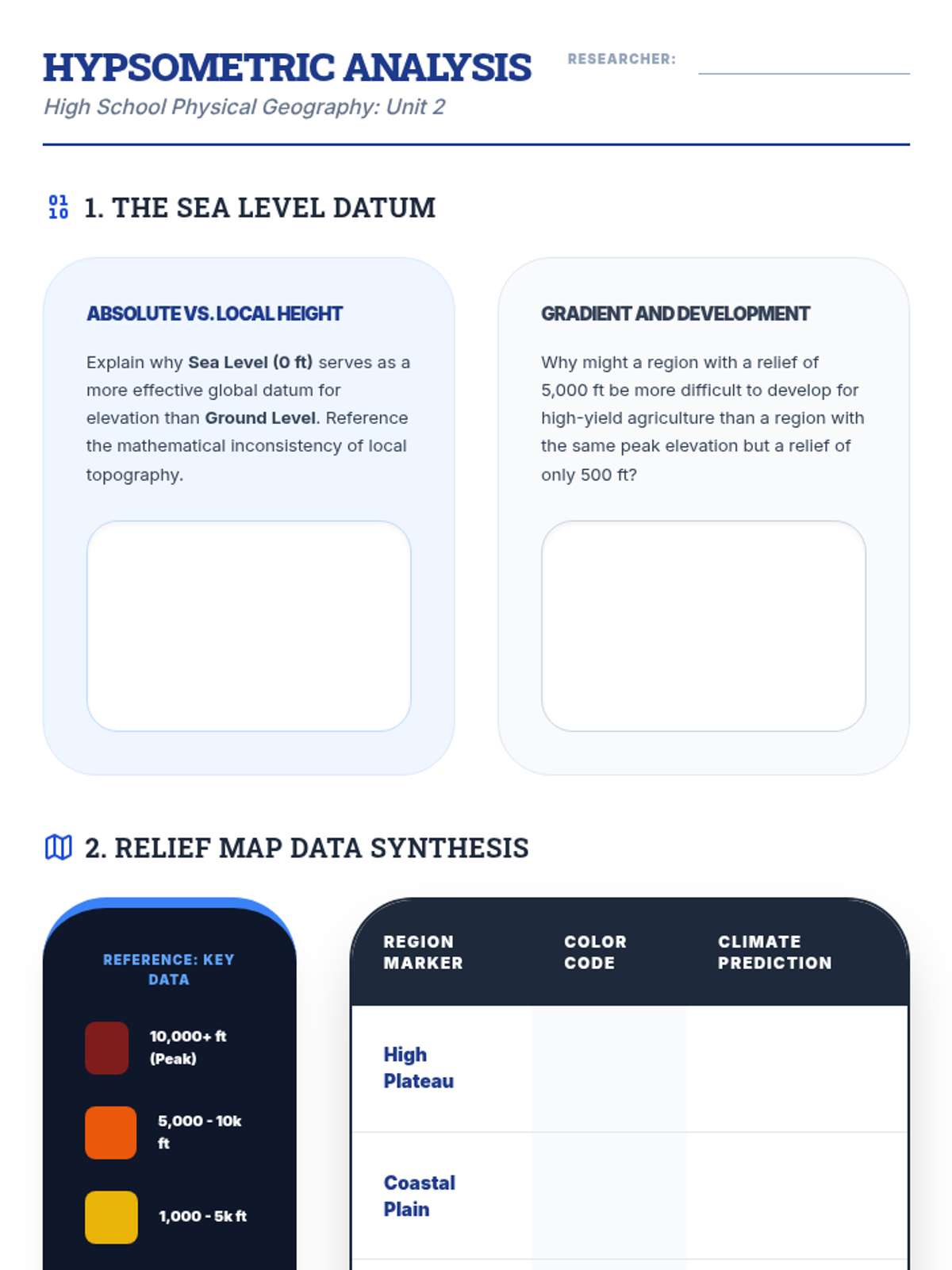
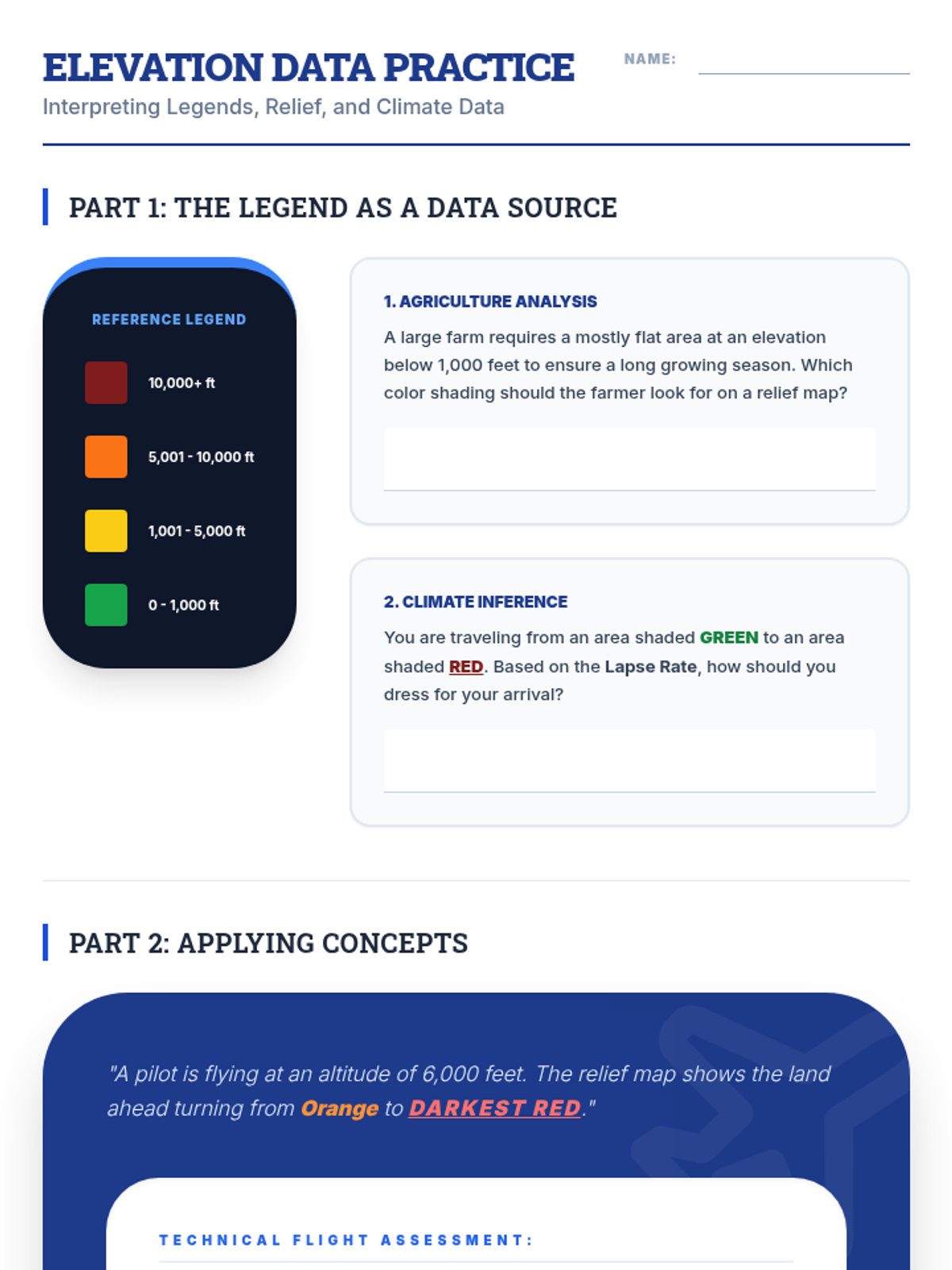
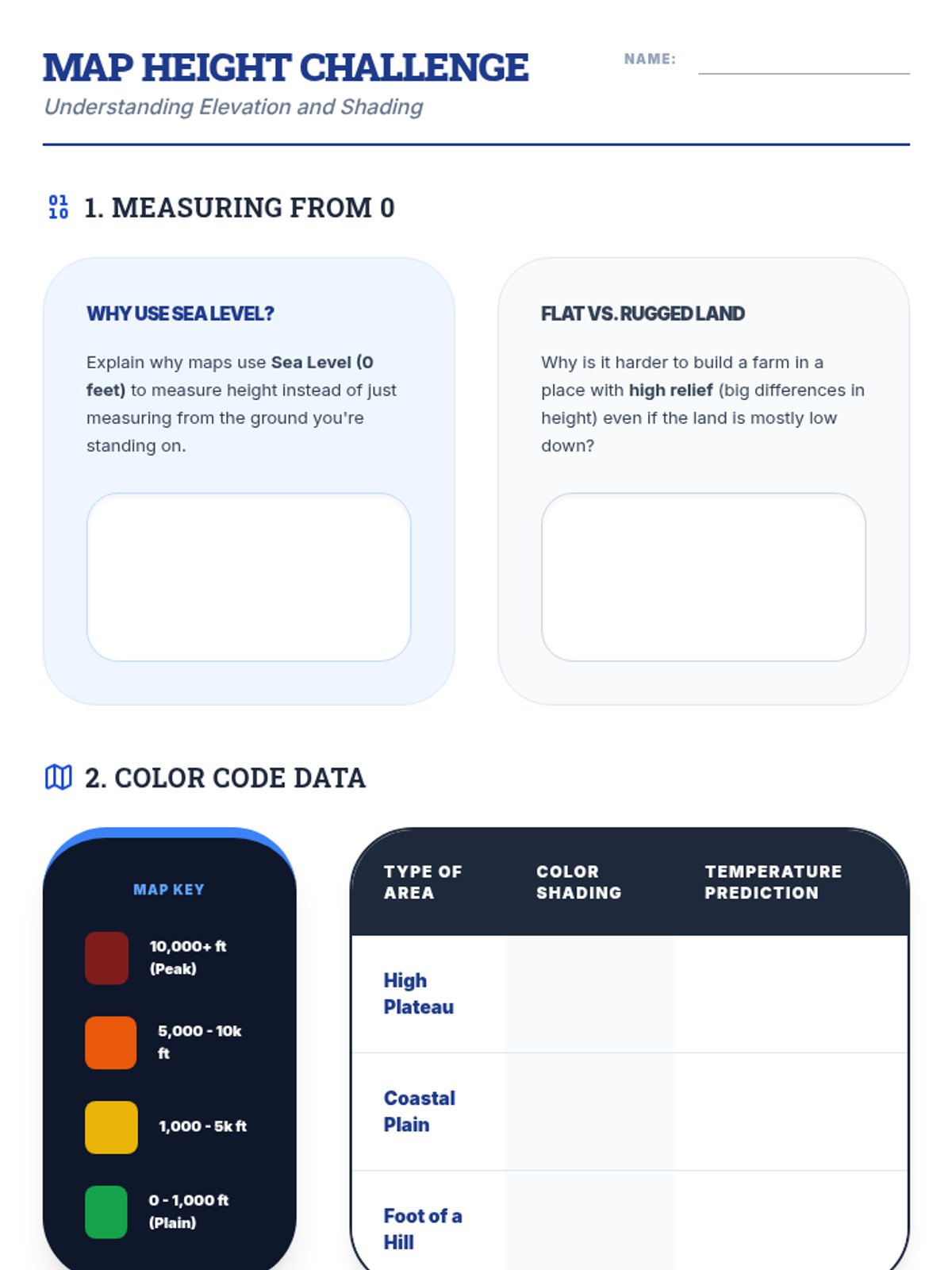
Learn how to tell how high land is by looking at colors and numbers on a map.
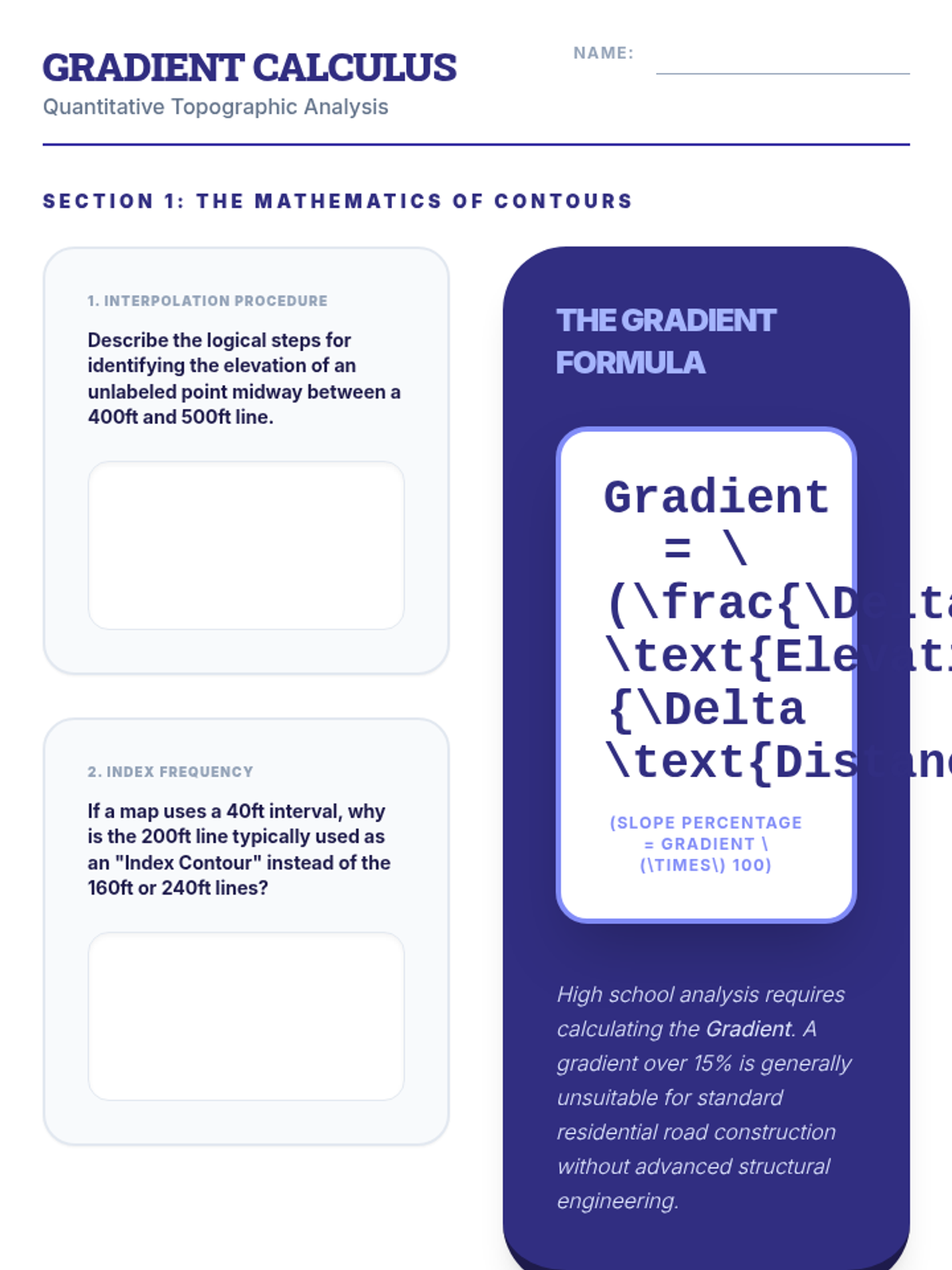
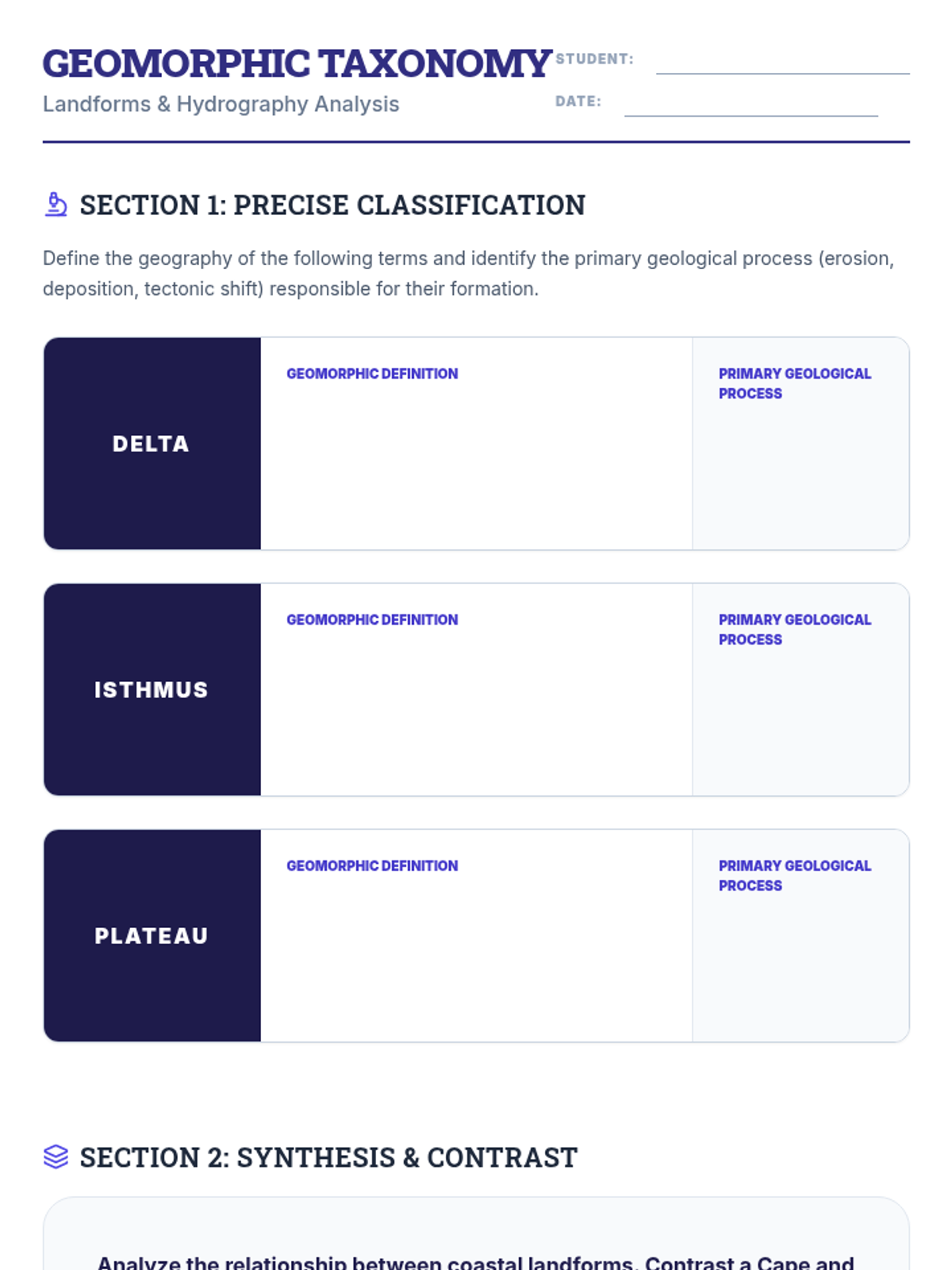
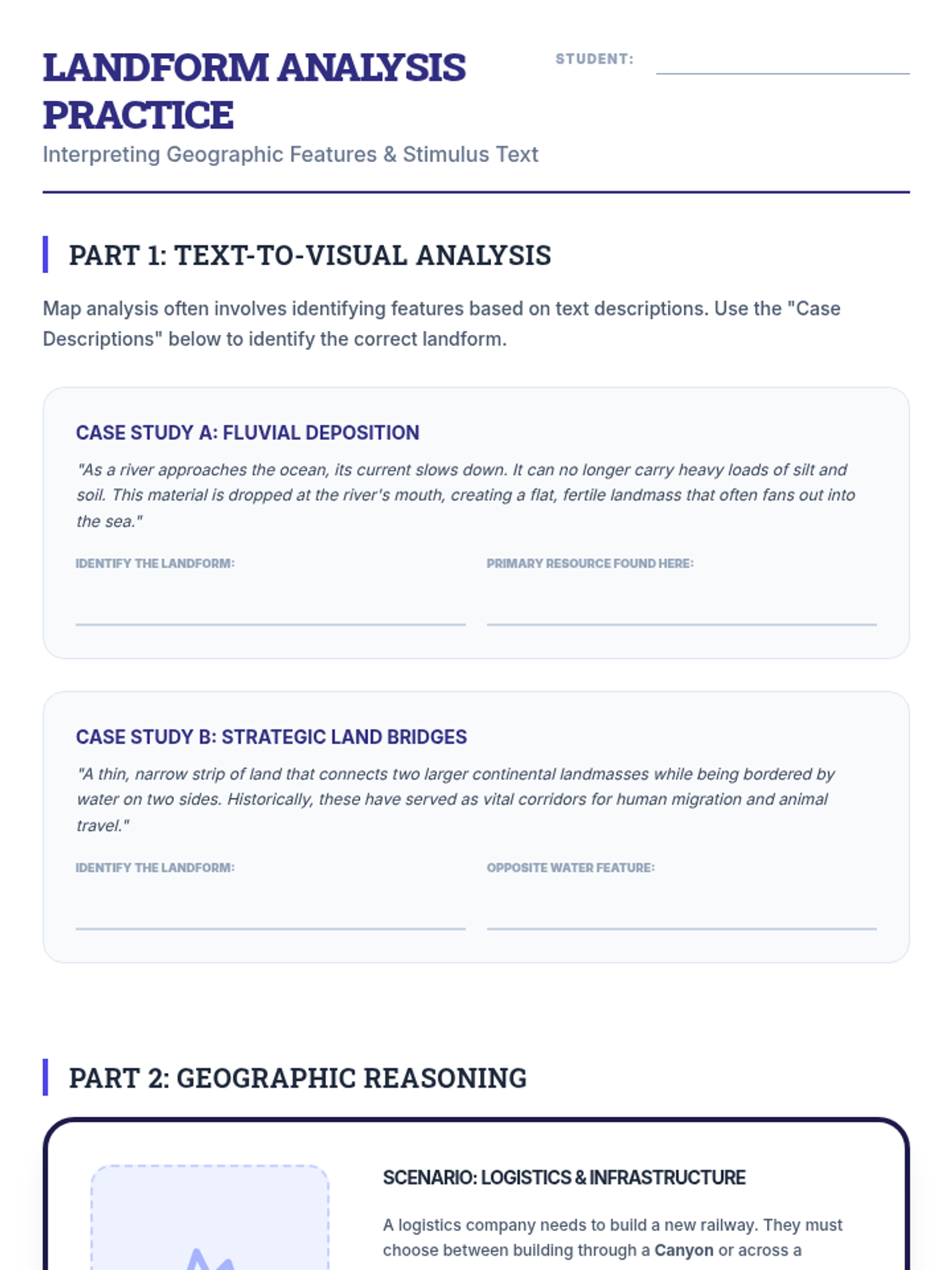
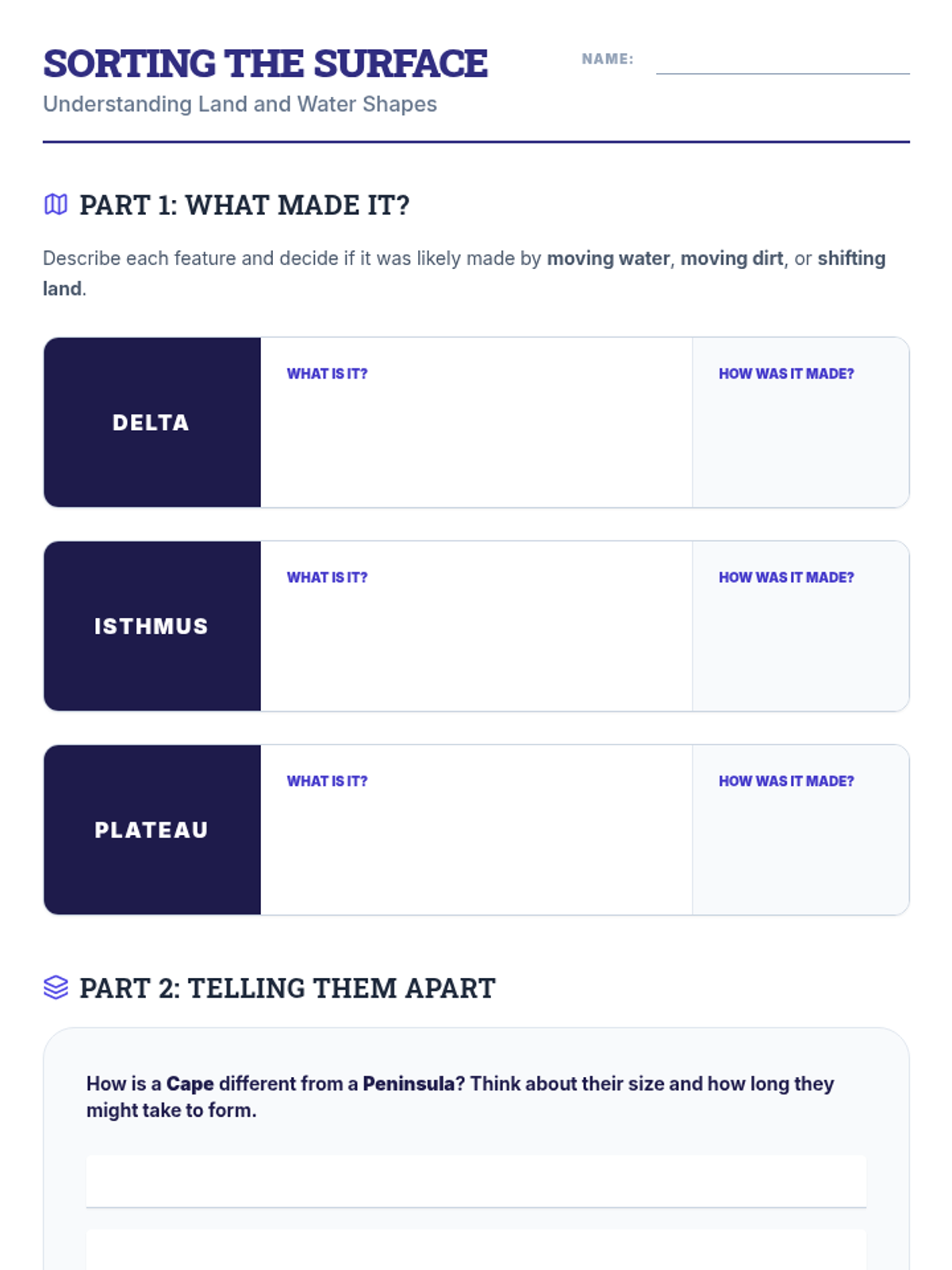
Learn the names of different land shapes and types of water on Earth.
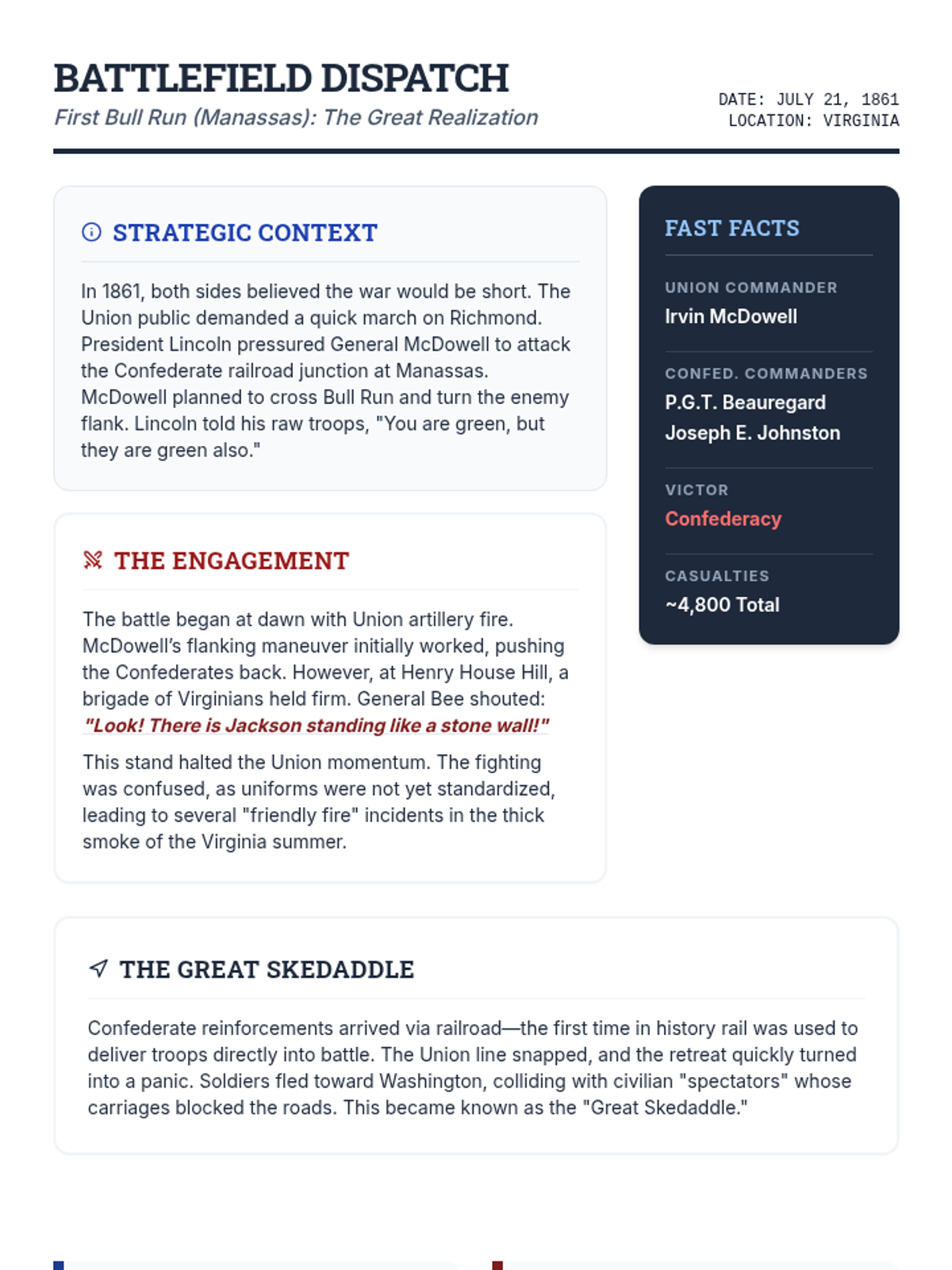
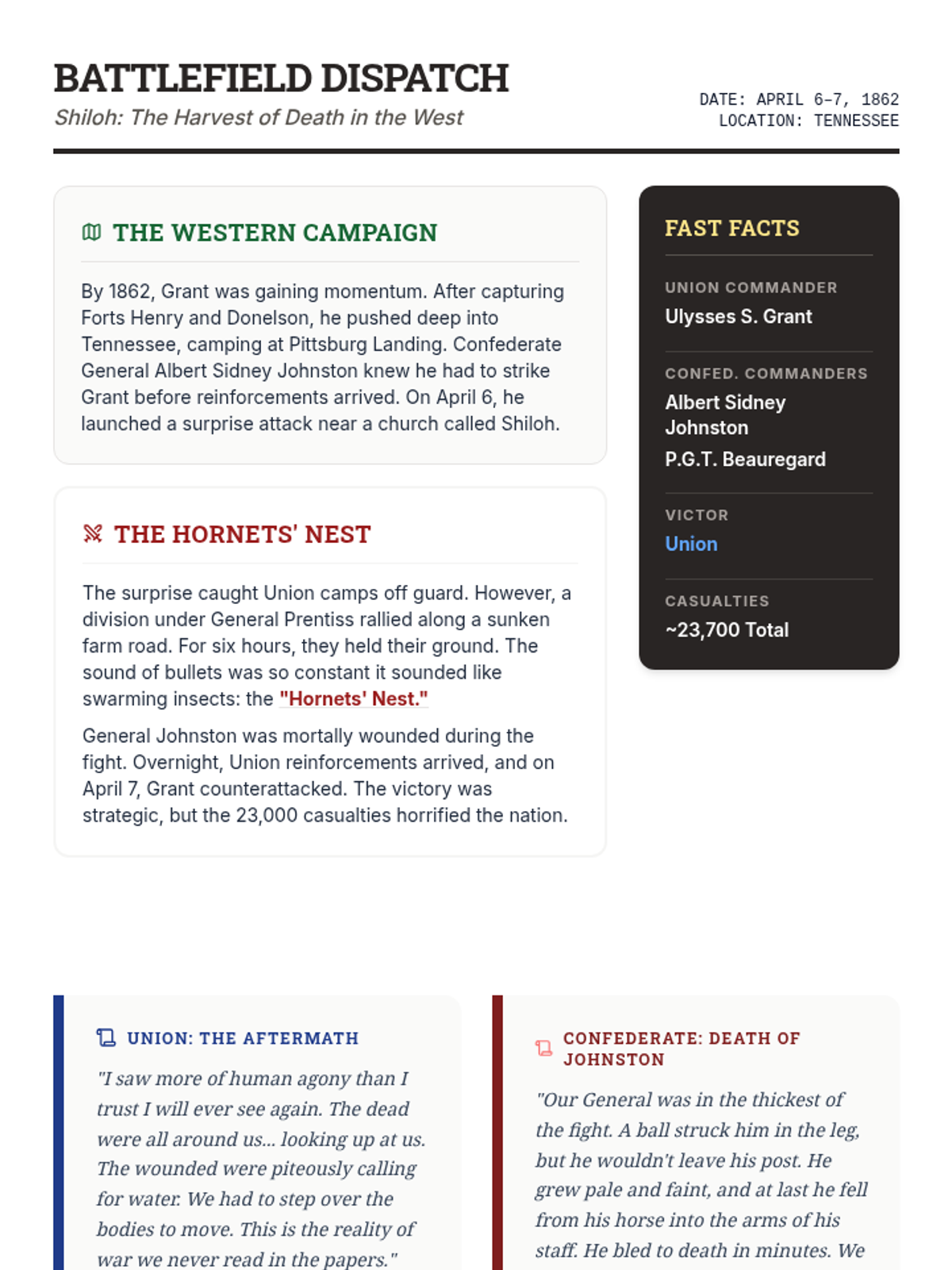
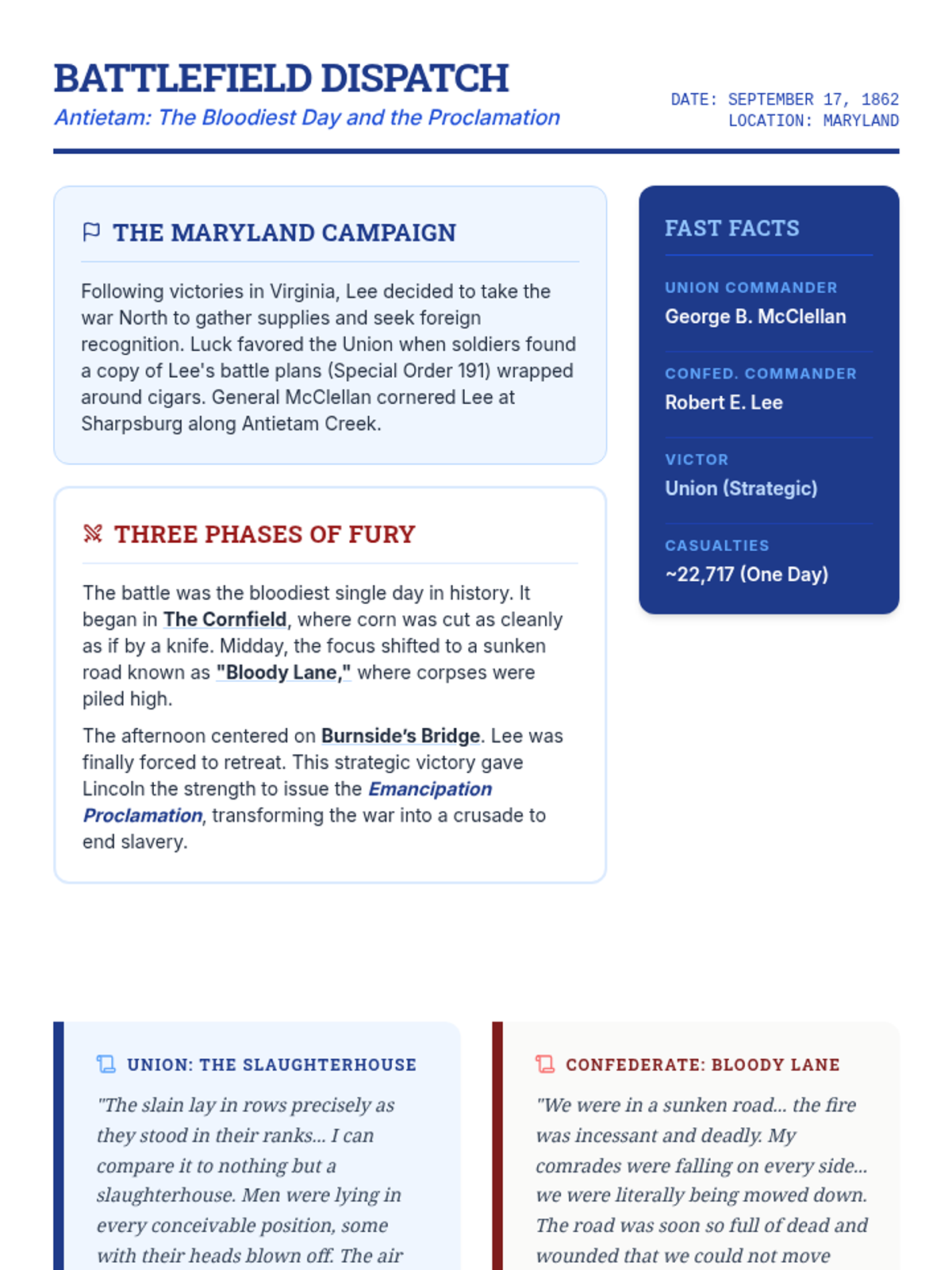
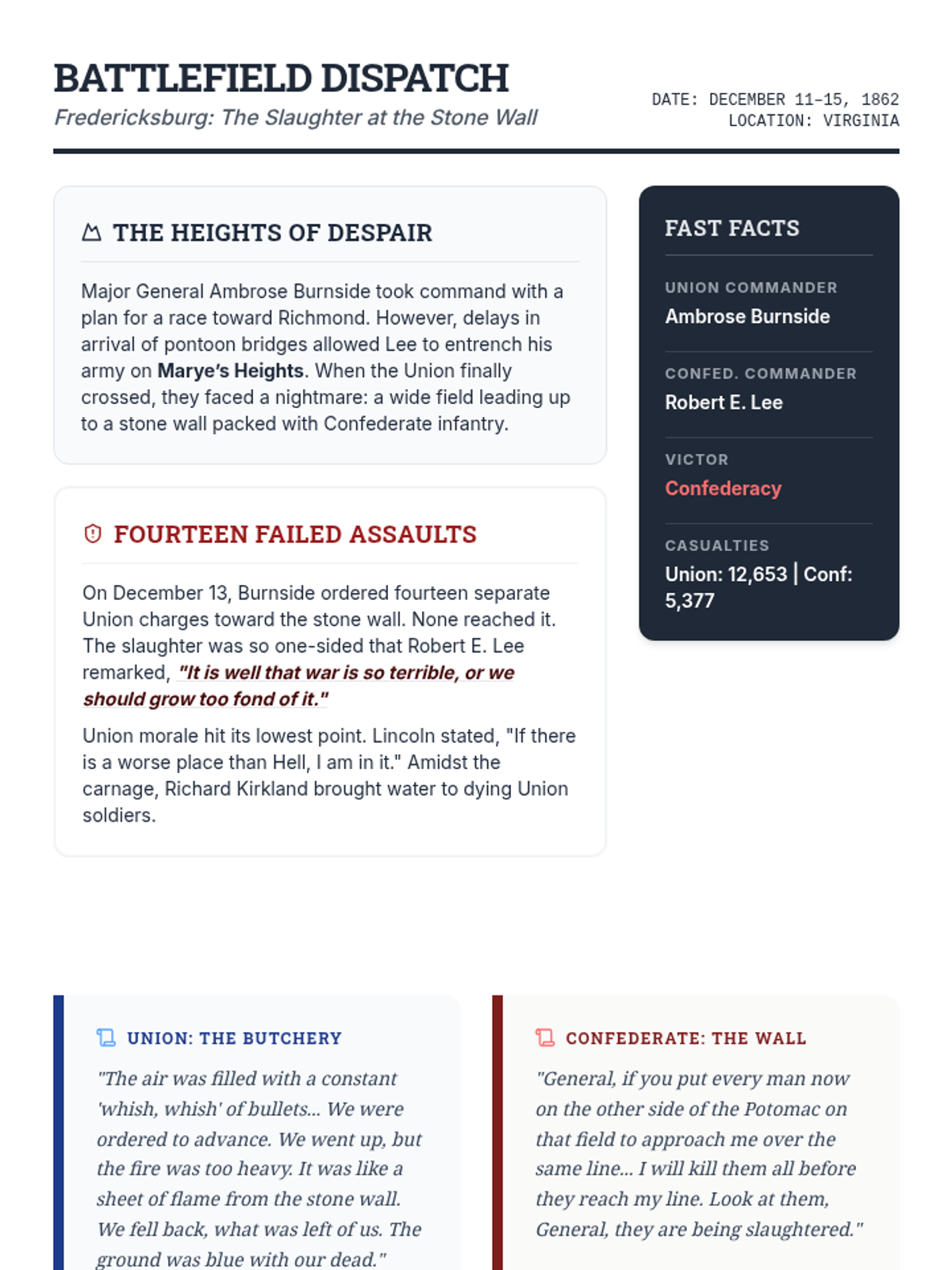
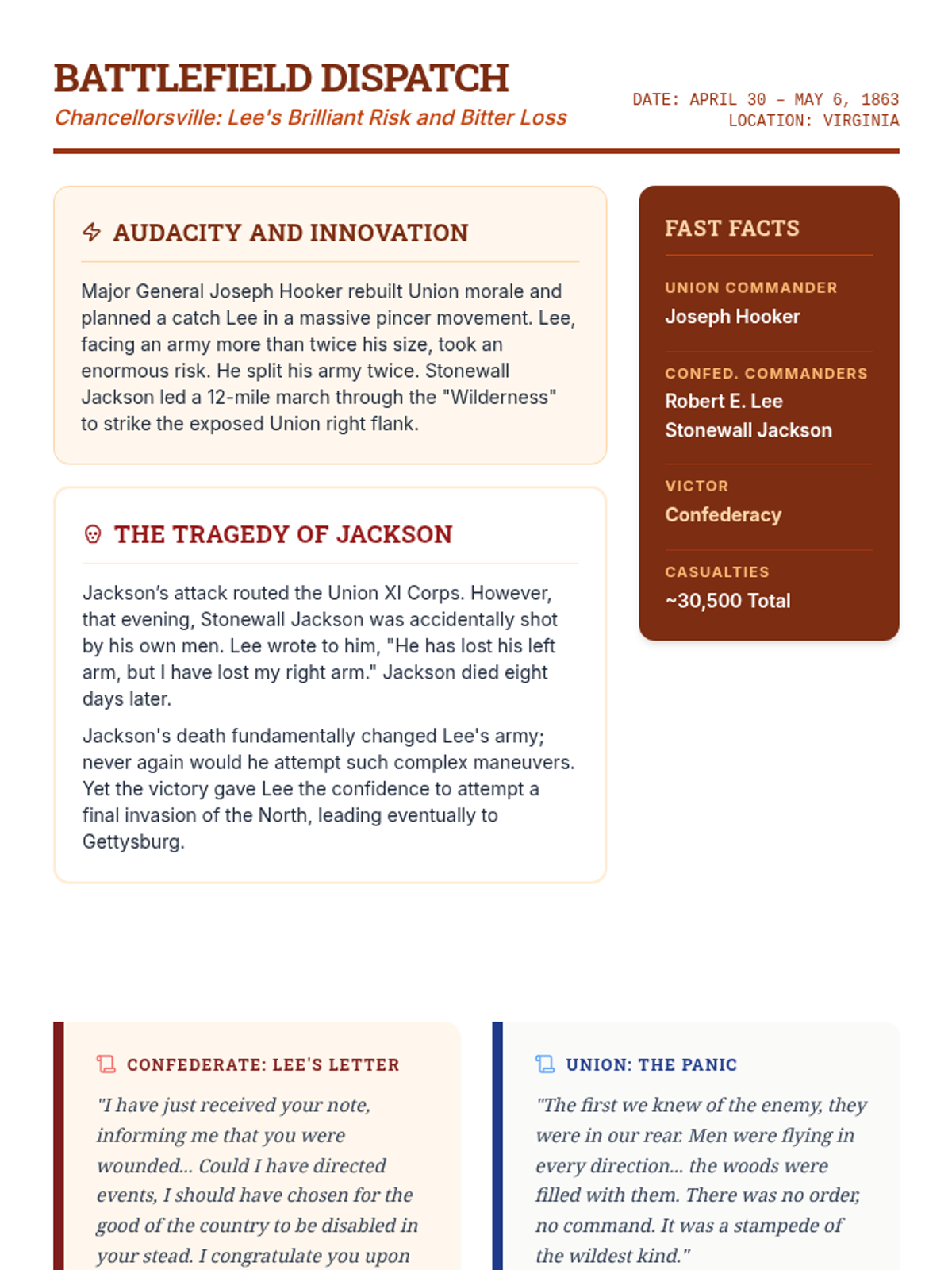
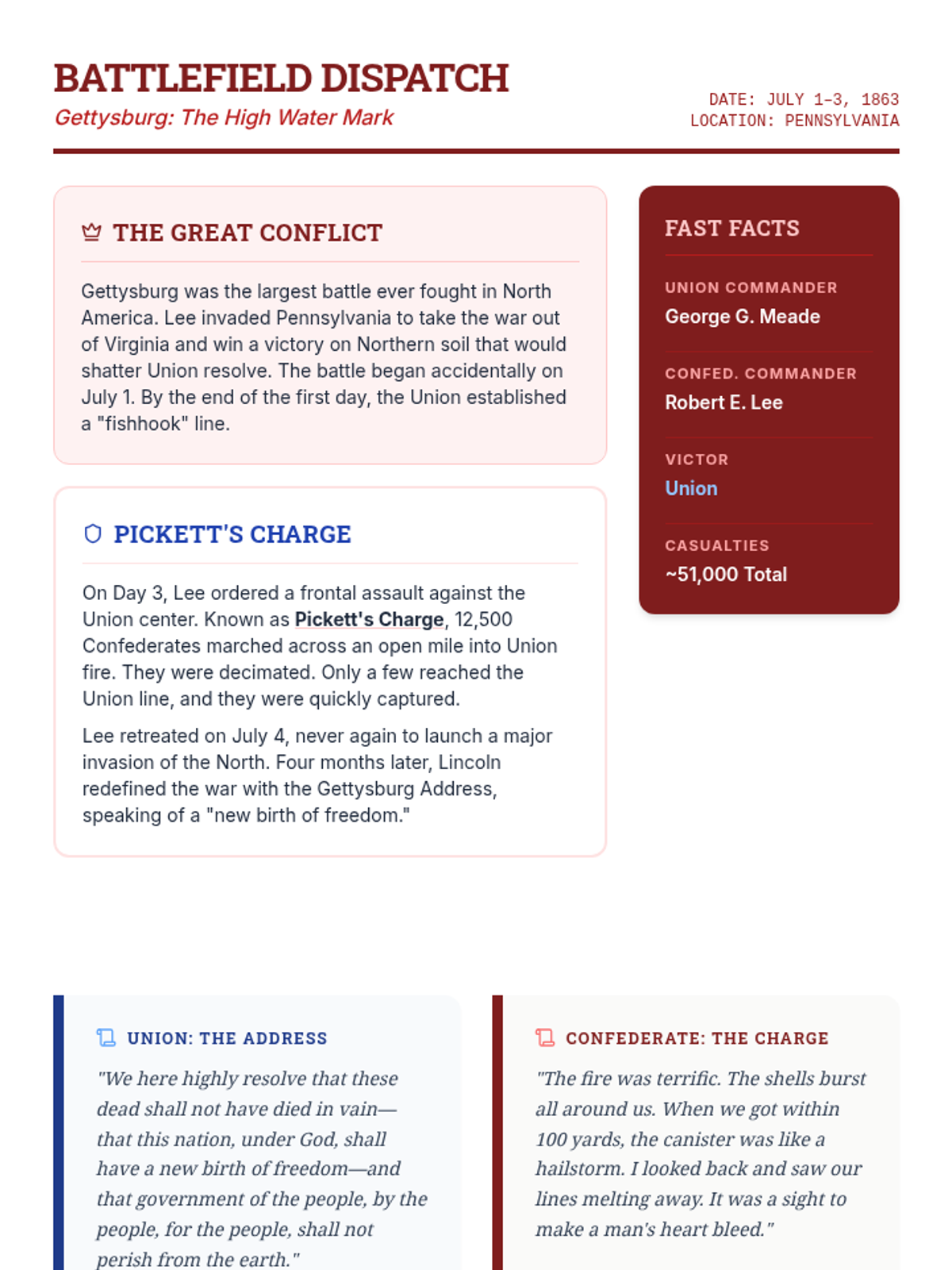
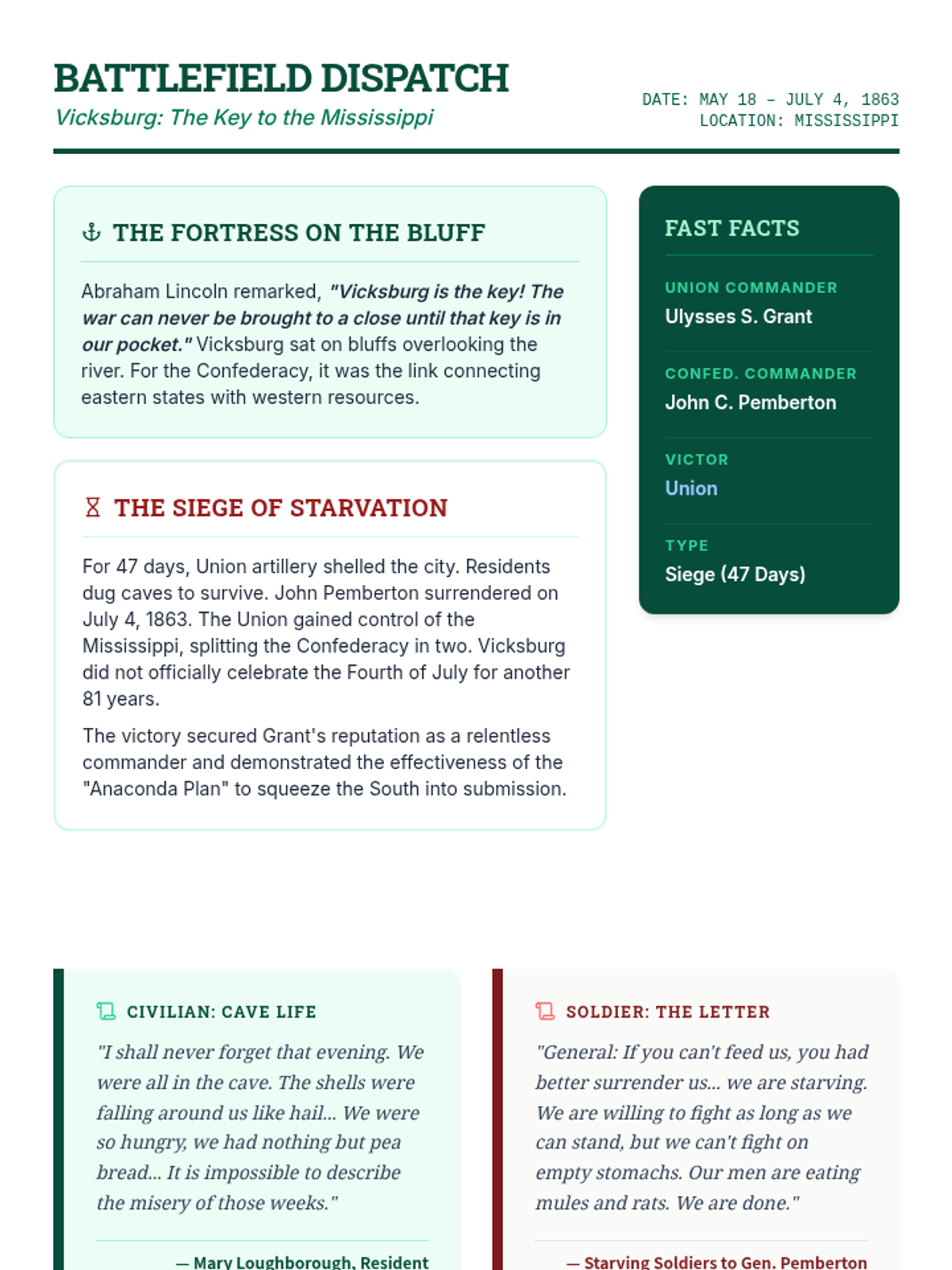
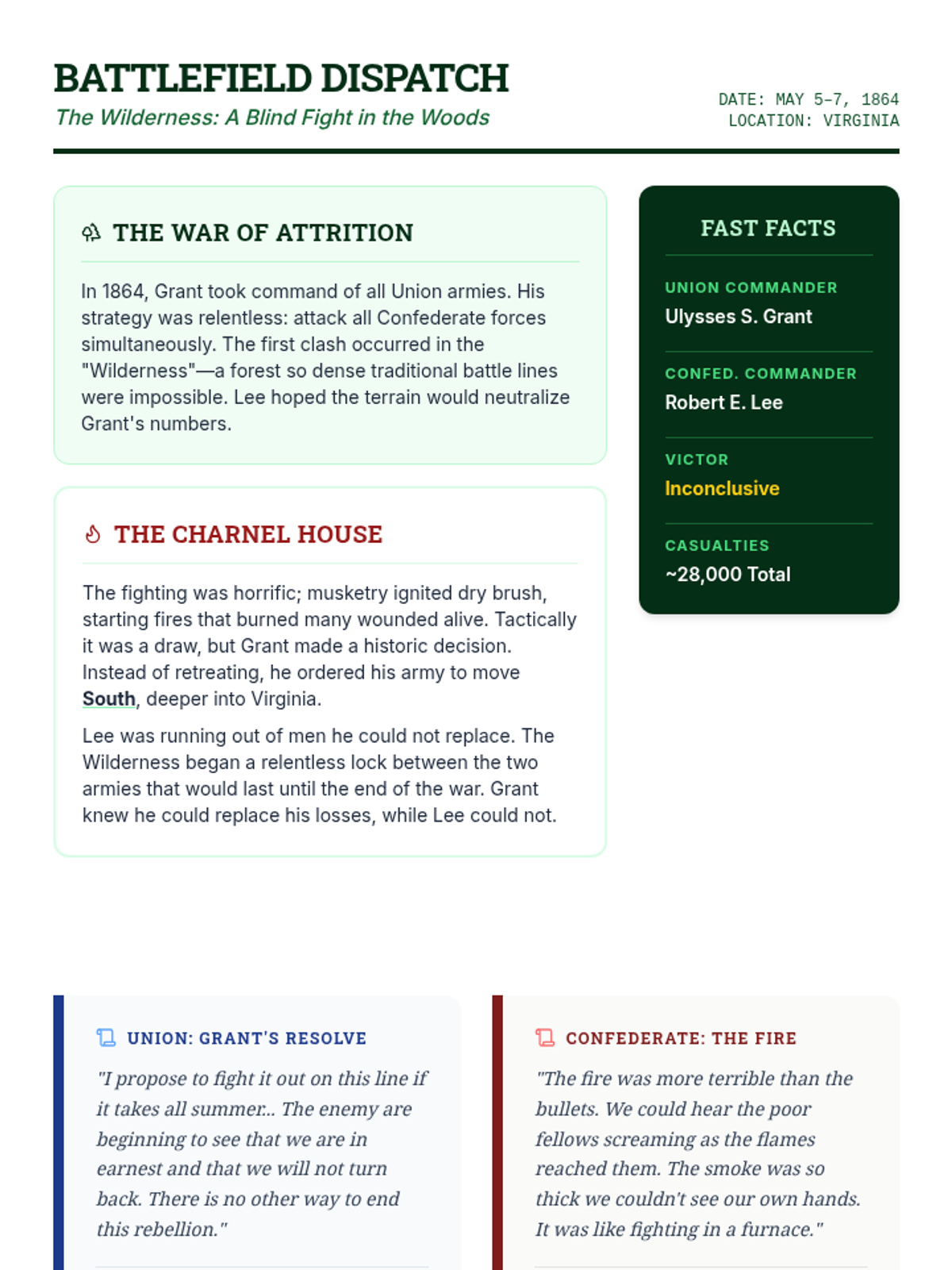
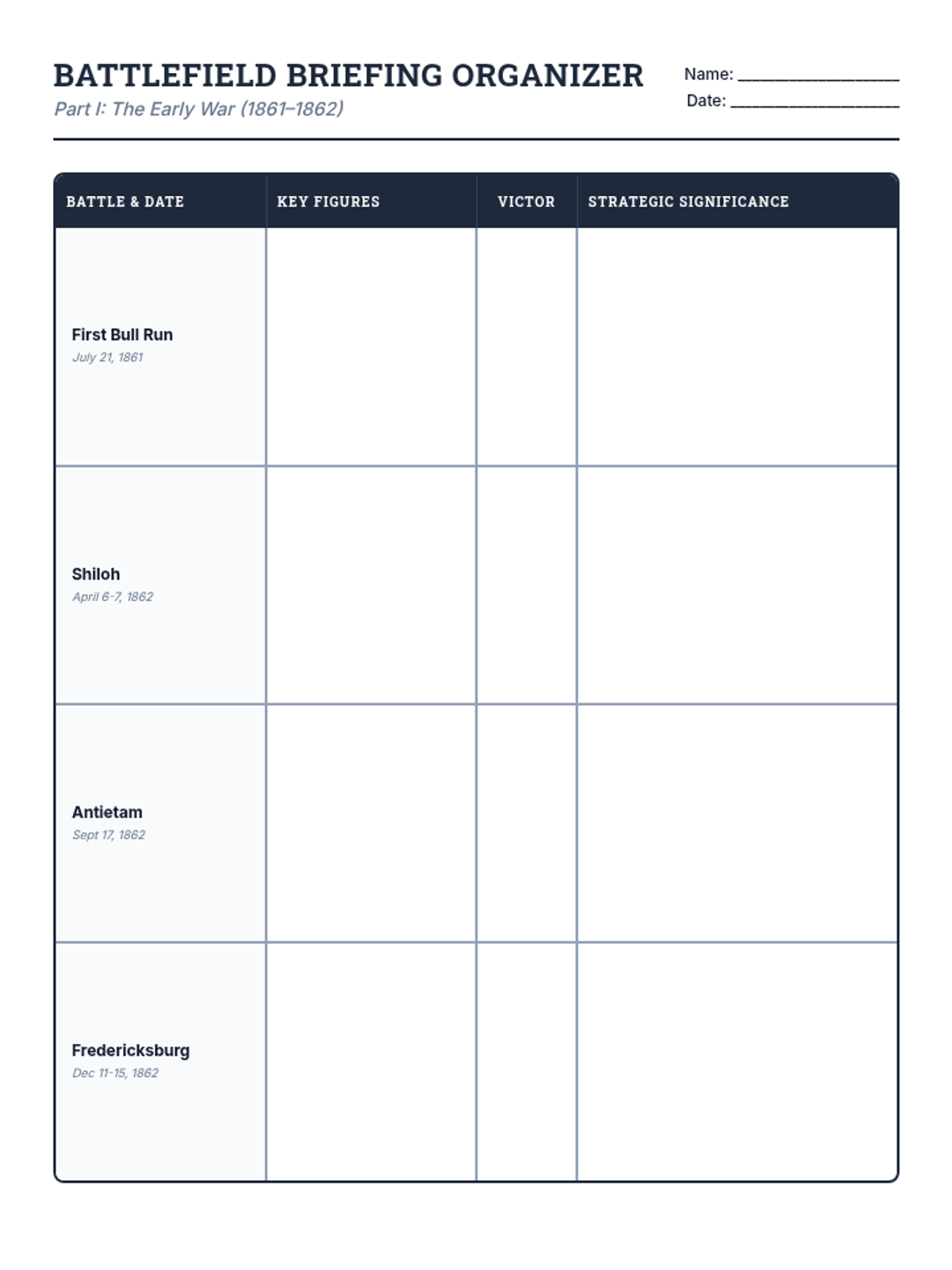
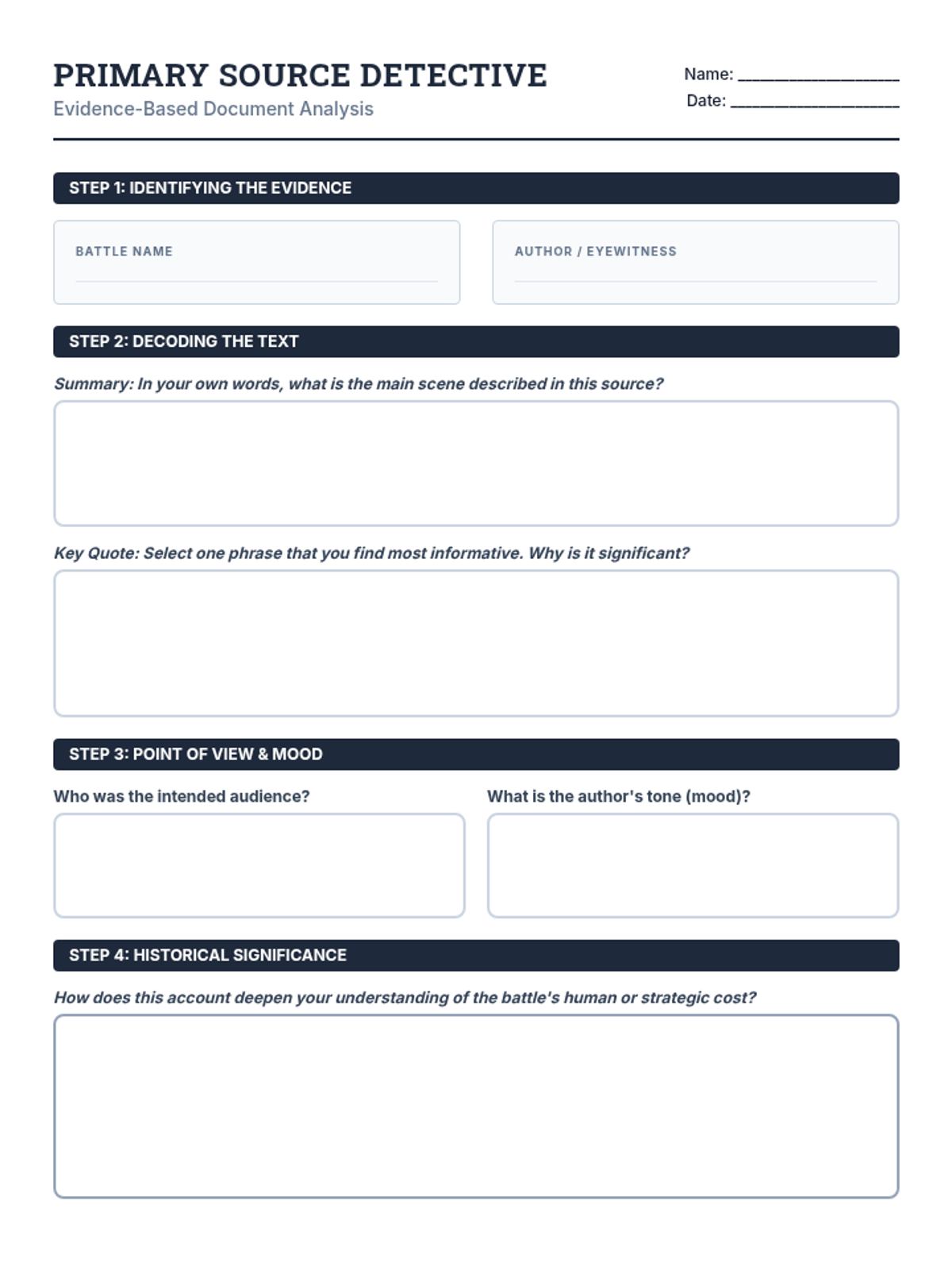
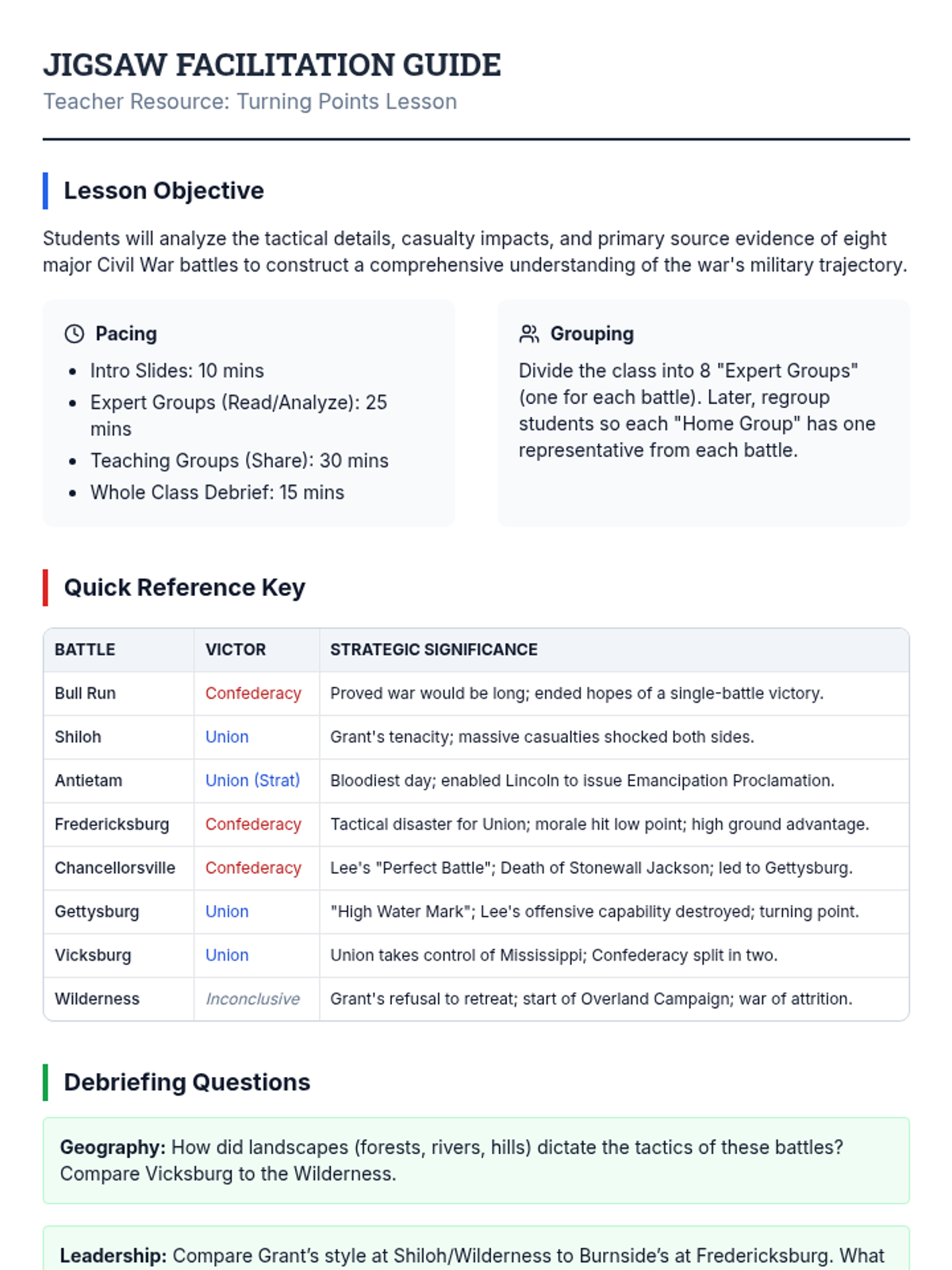
Students will examine eight major battles of the American Civil War using a jigsaw strategy to build a collective understanding of military strategy, casualty impacts, and the soldier's experience.
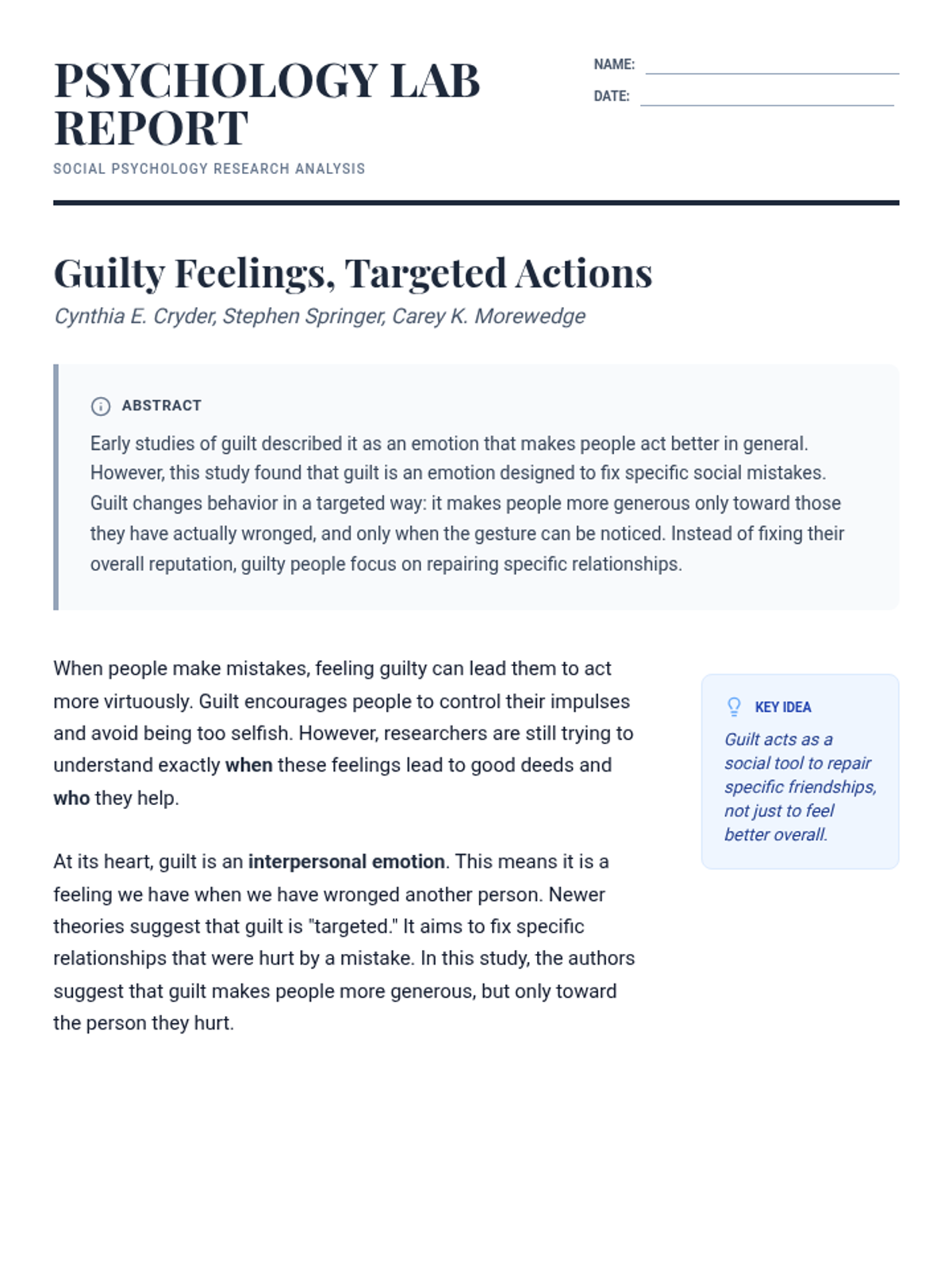
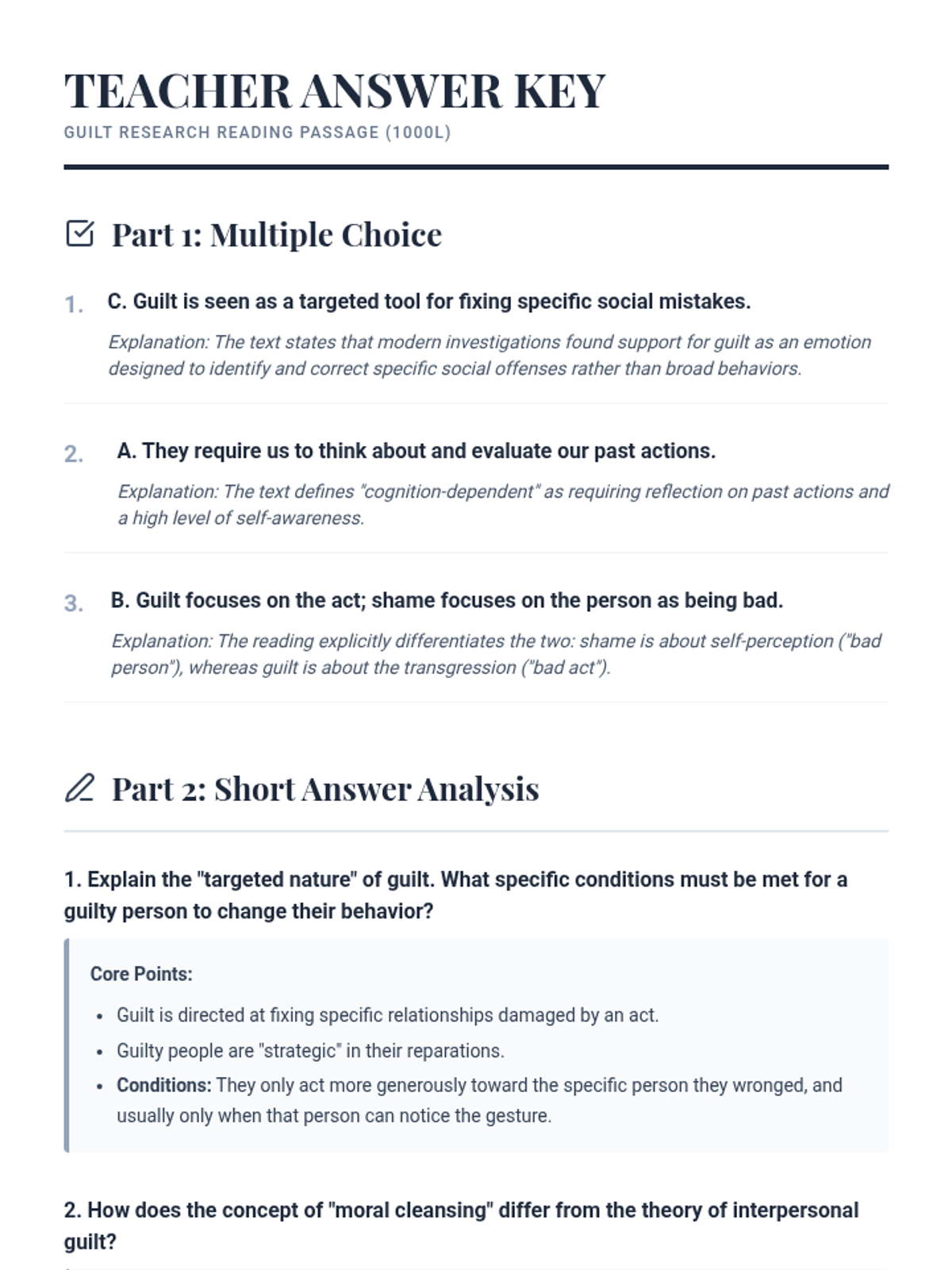
This lesson explores the psychological nature of guilt as a targeted interpersonal emotion, comparing it to shame and regret through a study of five behavioral experiments.
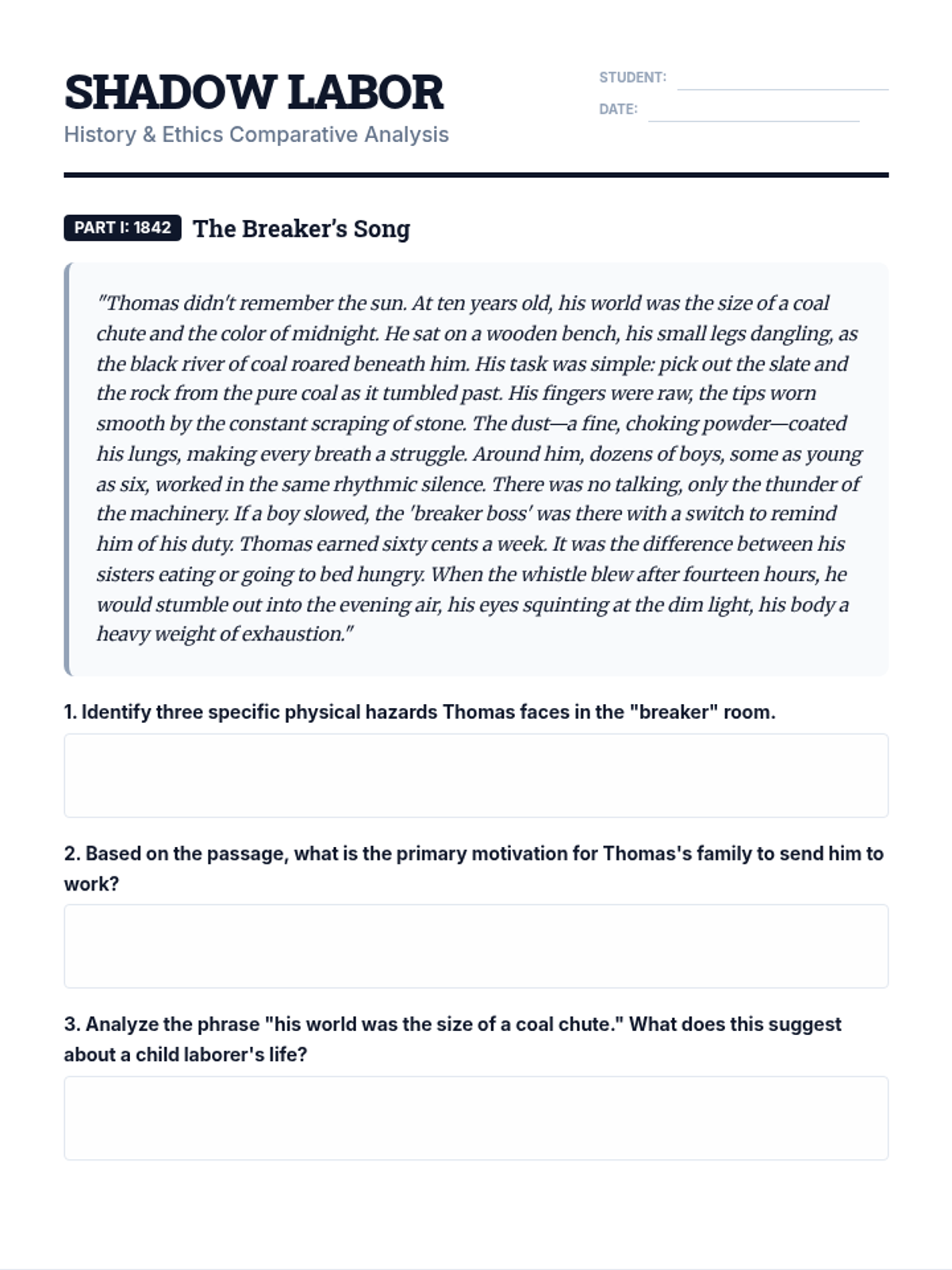
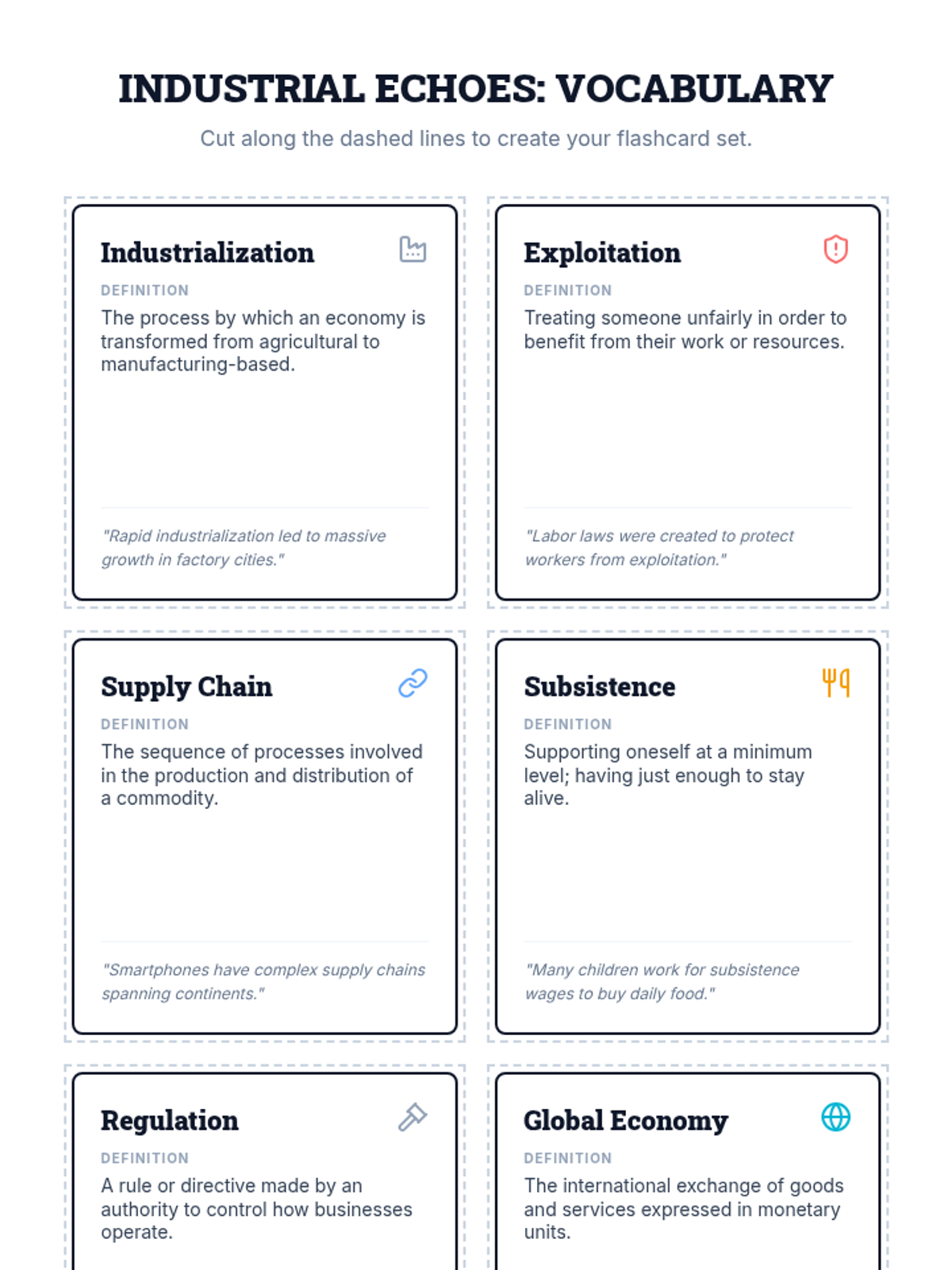
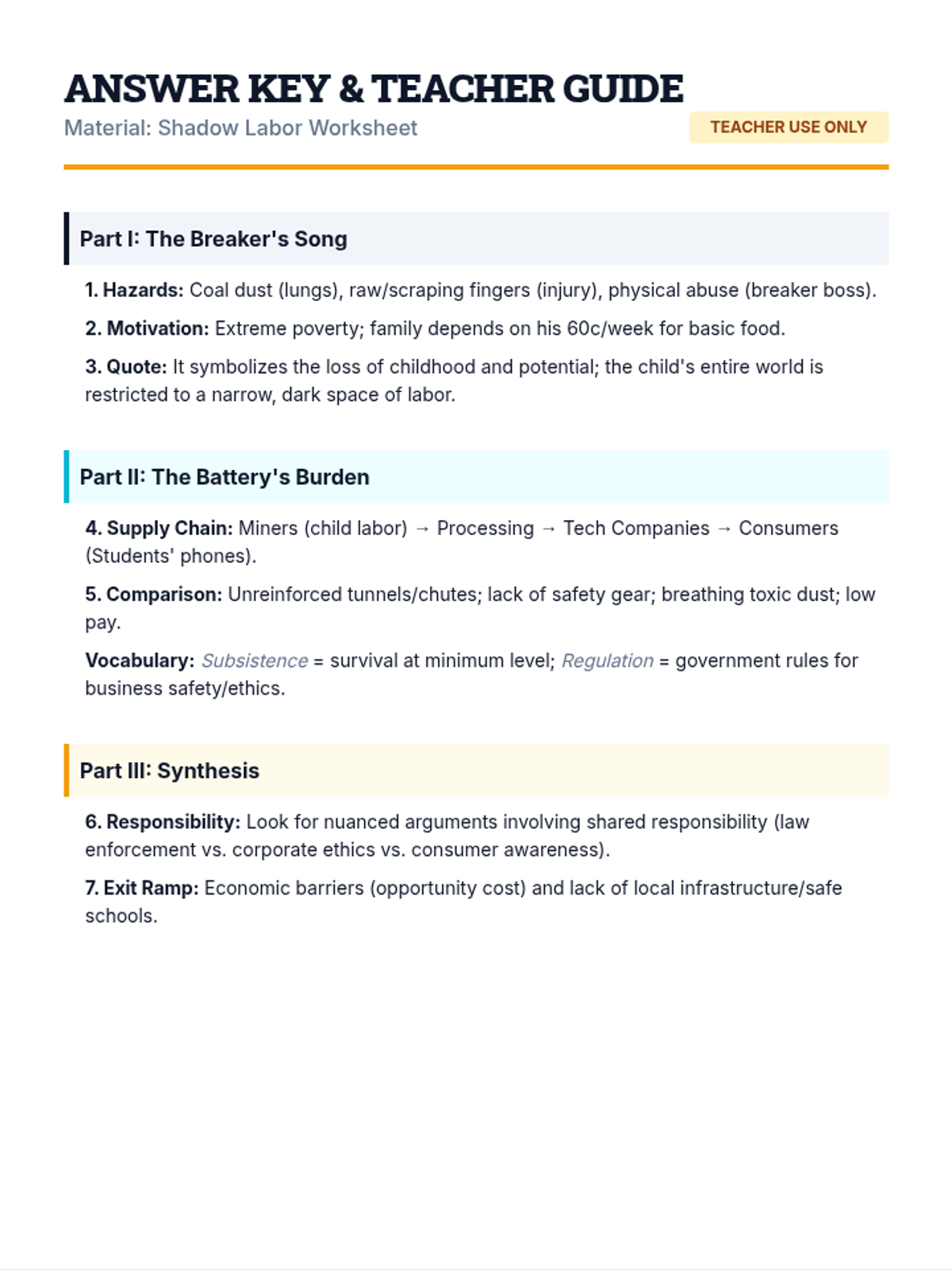
Students compare historical accounts of child labor from the Industrial Revolution with modern-day case studies in global industries. The lesson focuses on identifying patterns of exploitation and the evolution of labor laws.
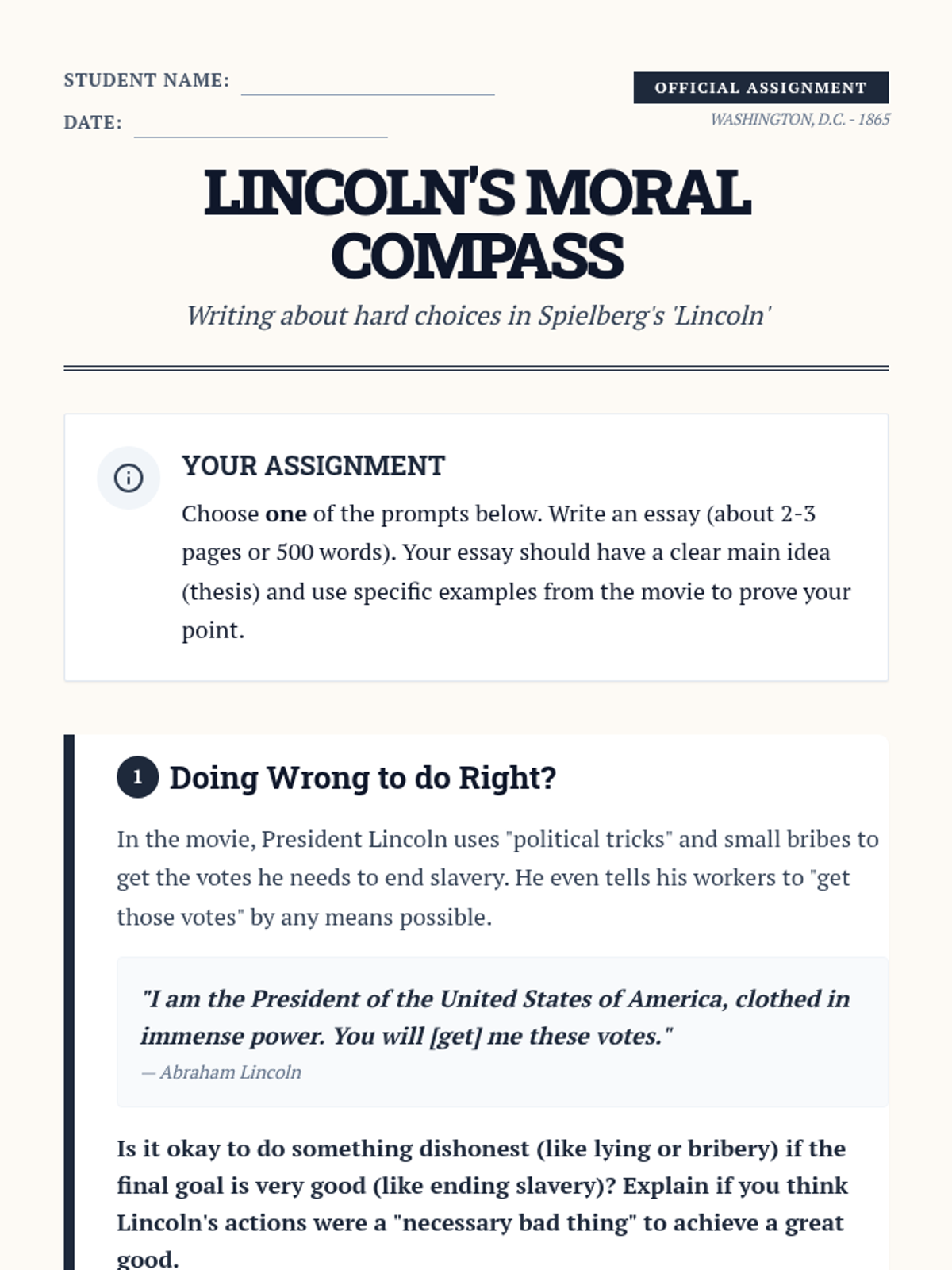
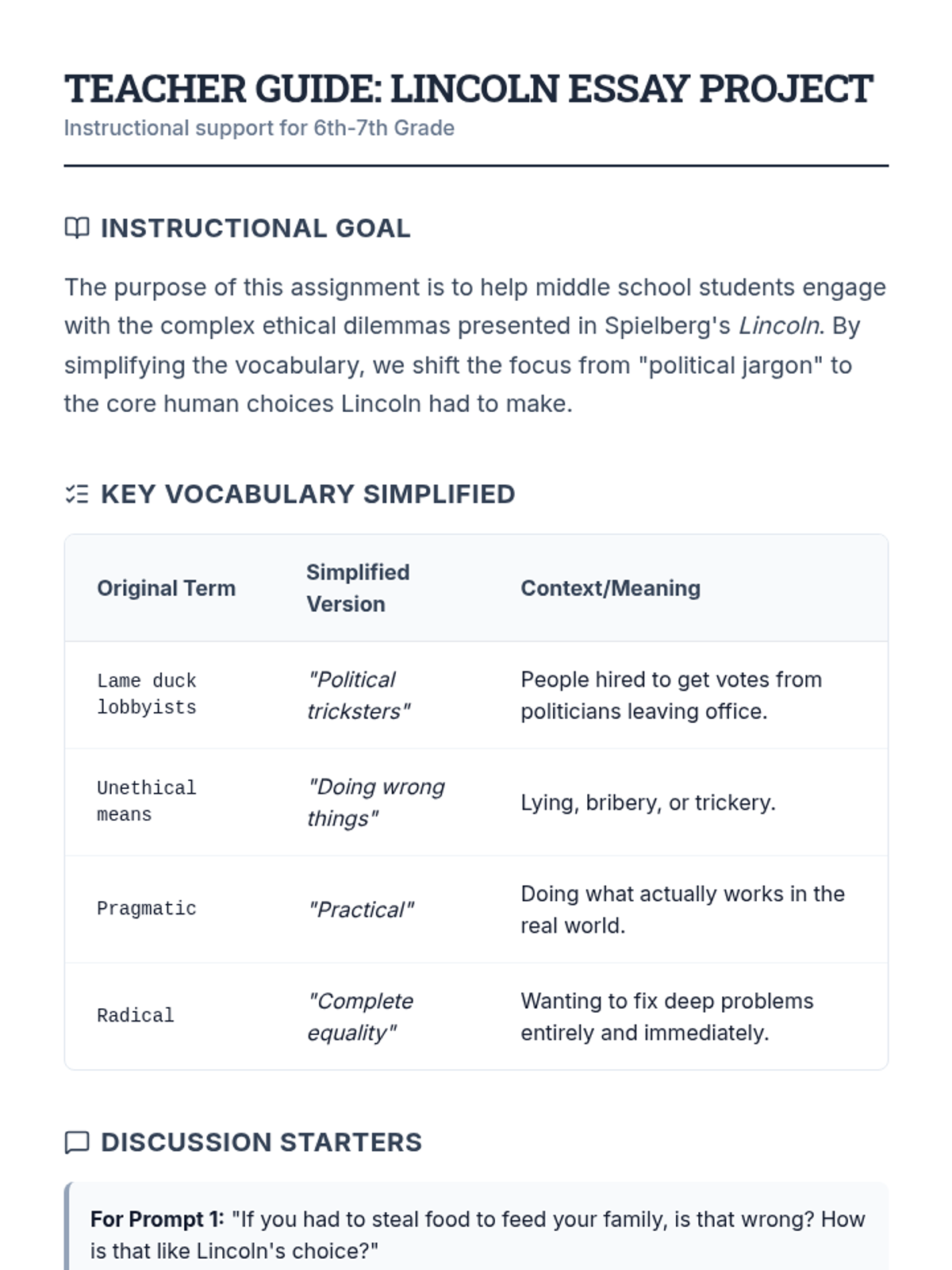
Students explore the ethical and personal challenges faced by Abraham Lincoln during the passage of the 13th Amendment, focusing on simplified versions of complex historical and political themes.
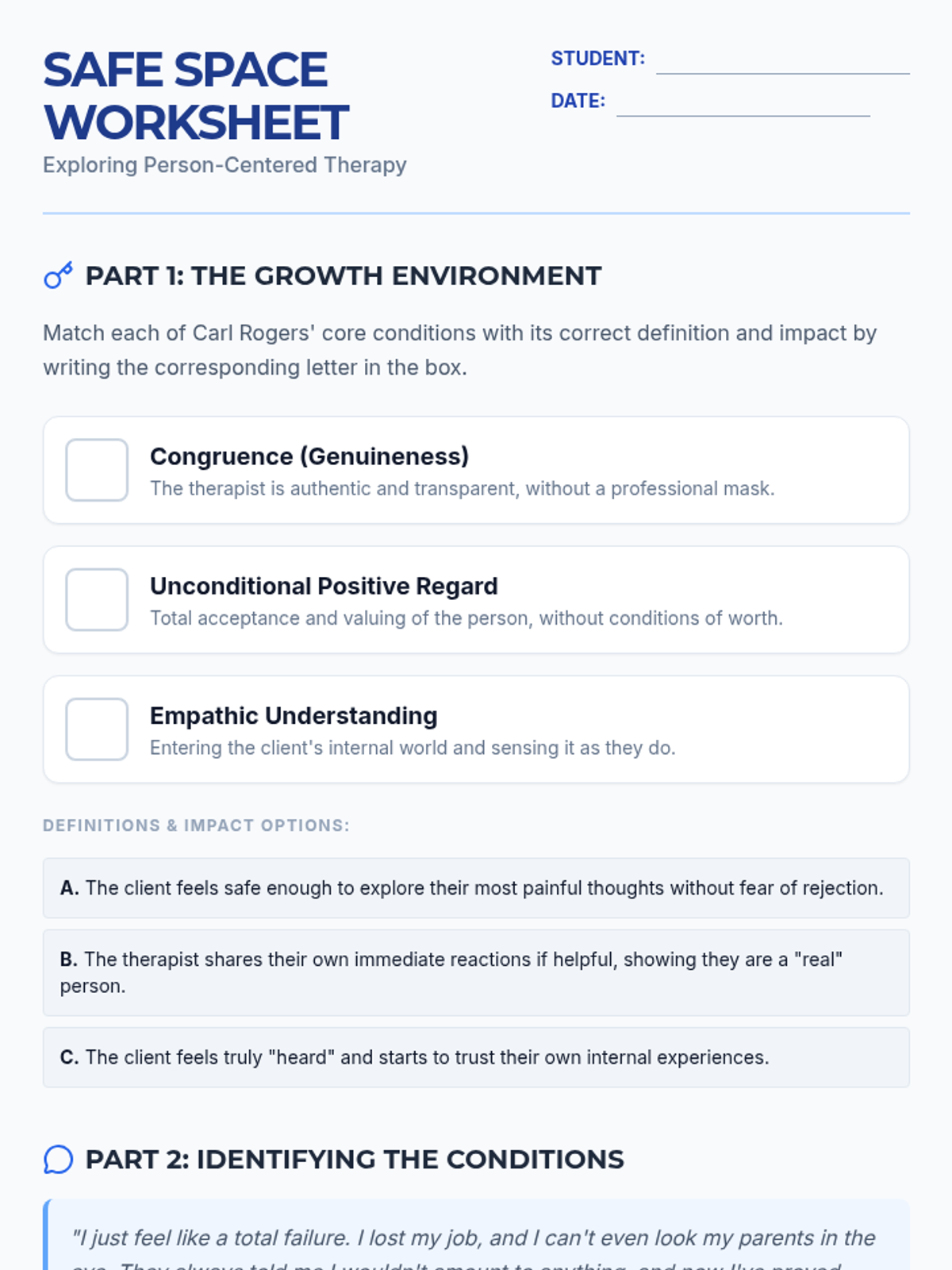
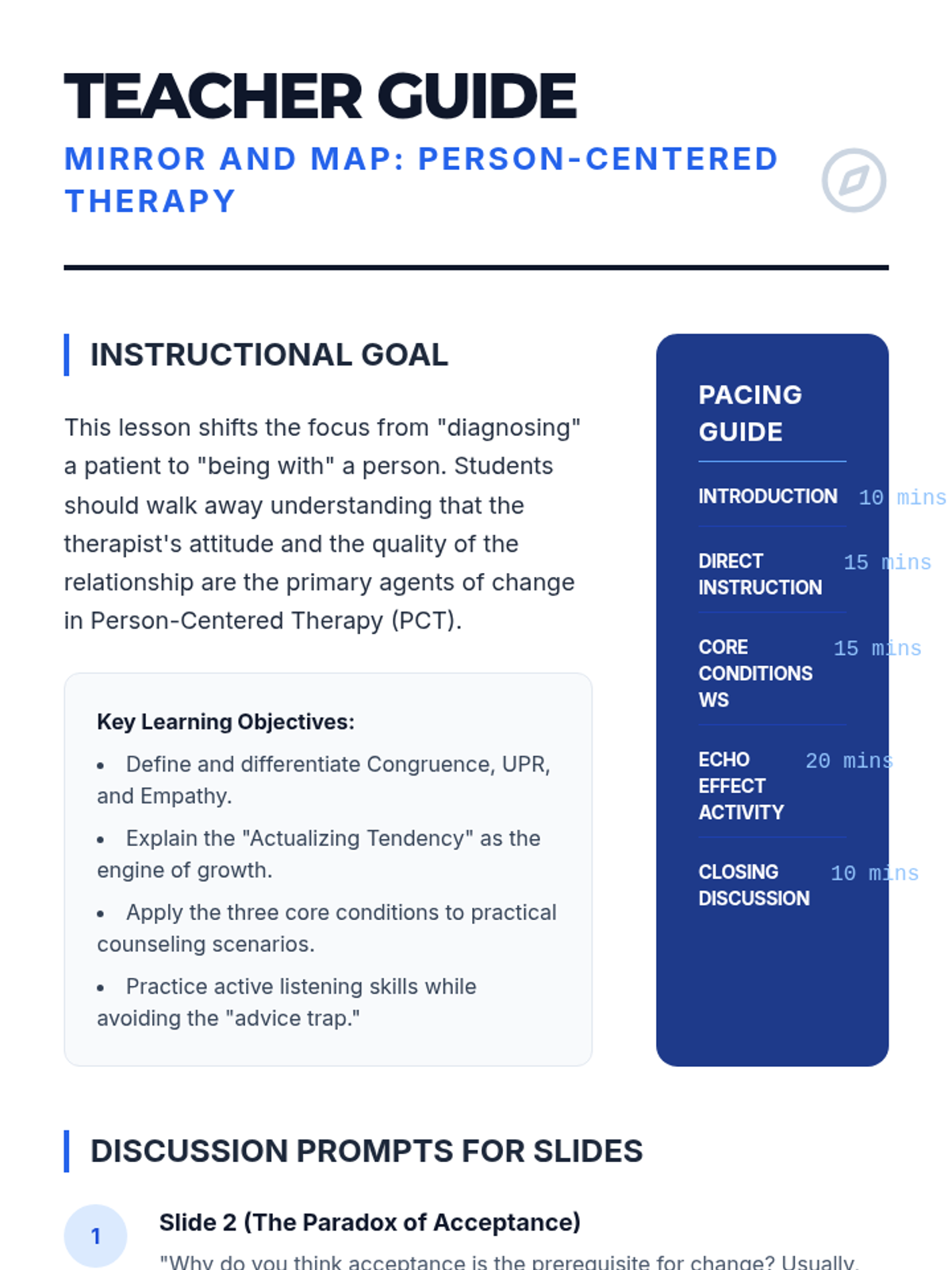
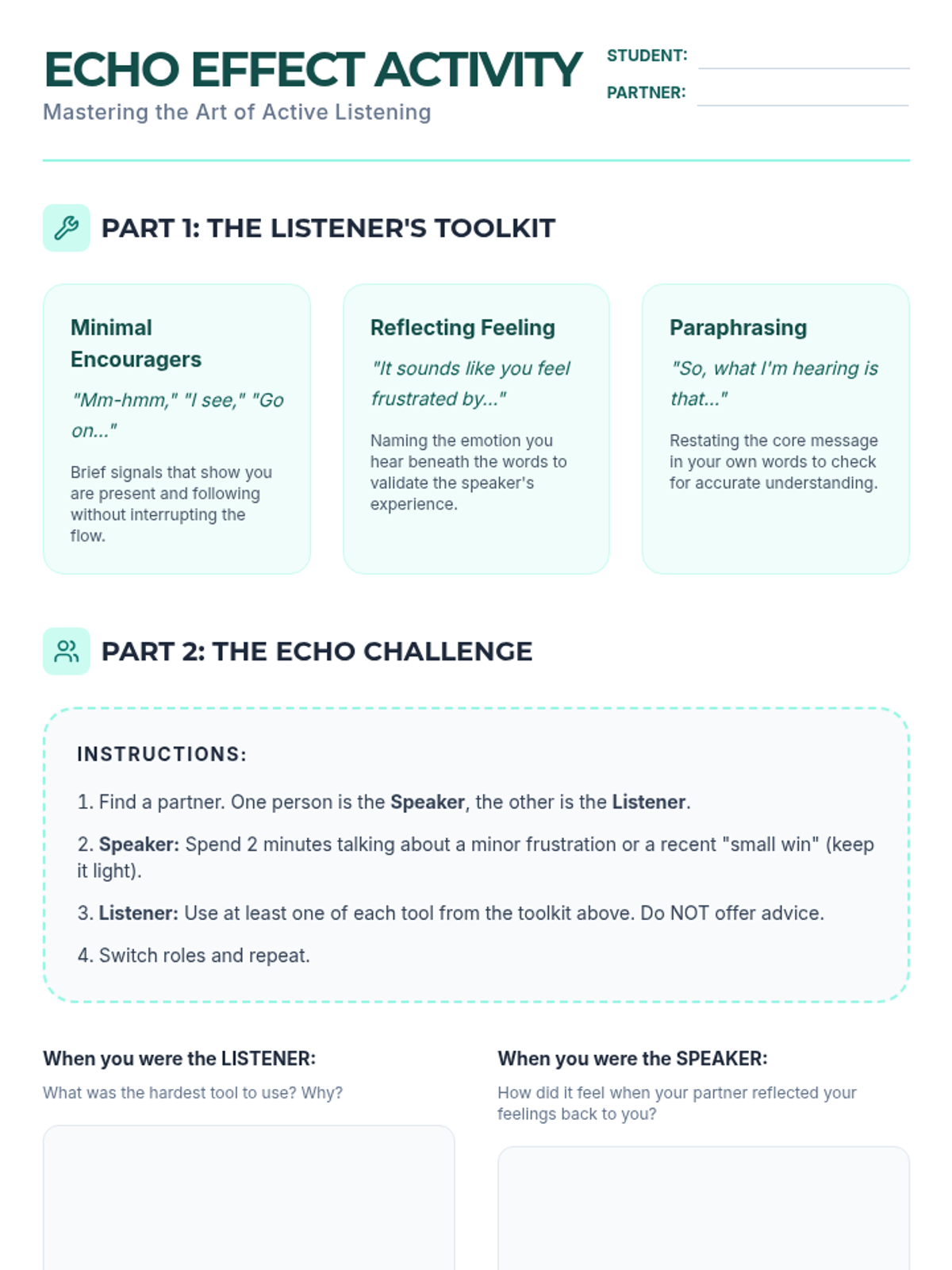
This lesson introduces students to Carl Rogers' Person-Centered Therapy, focusing on the three core conditions for growth and the concept of self-actualization. Students will explore how empathy, congruence, and unconditional positive regard create a safe environment for personal development.
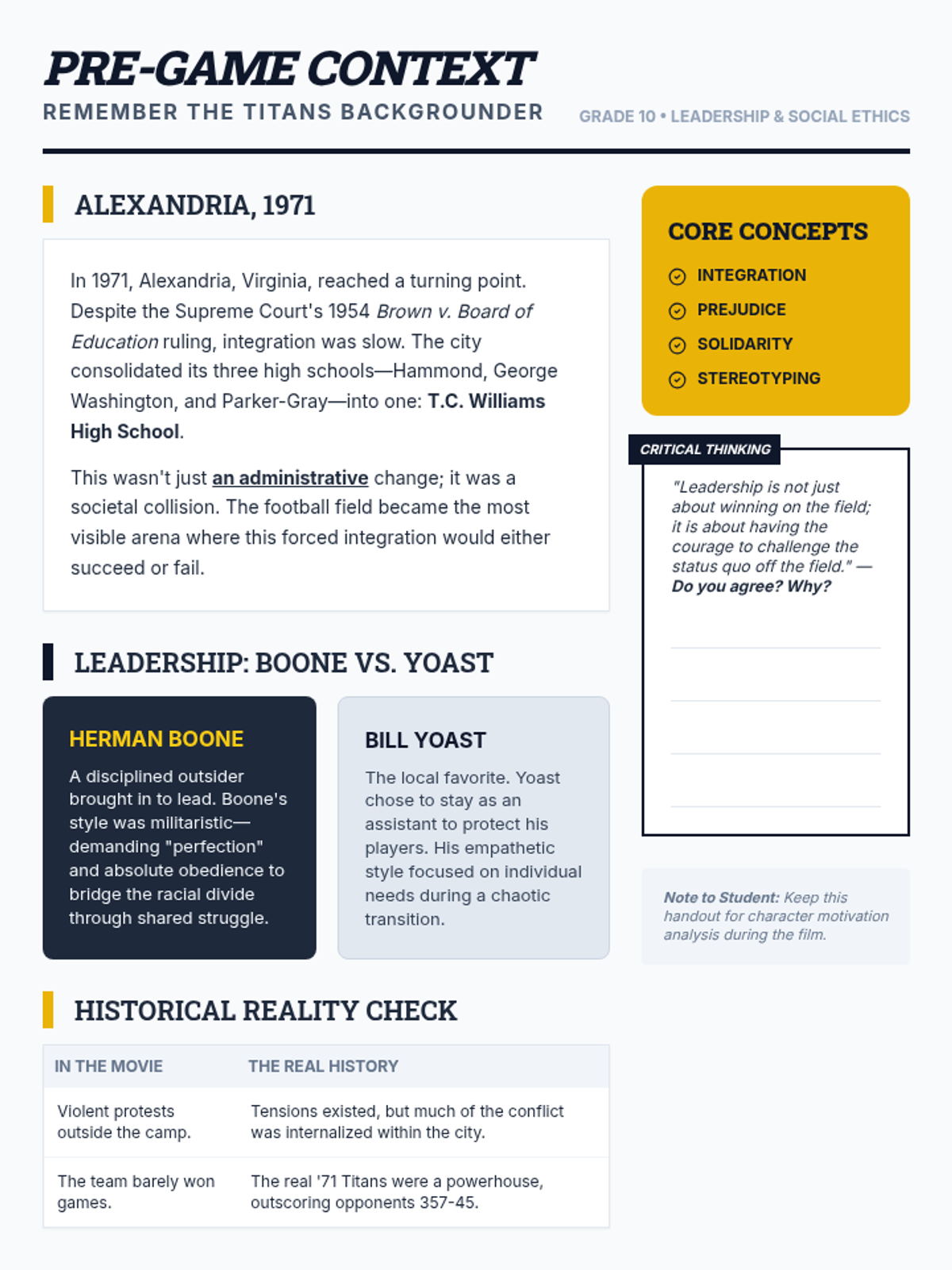
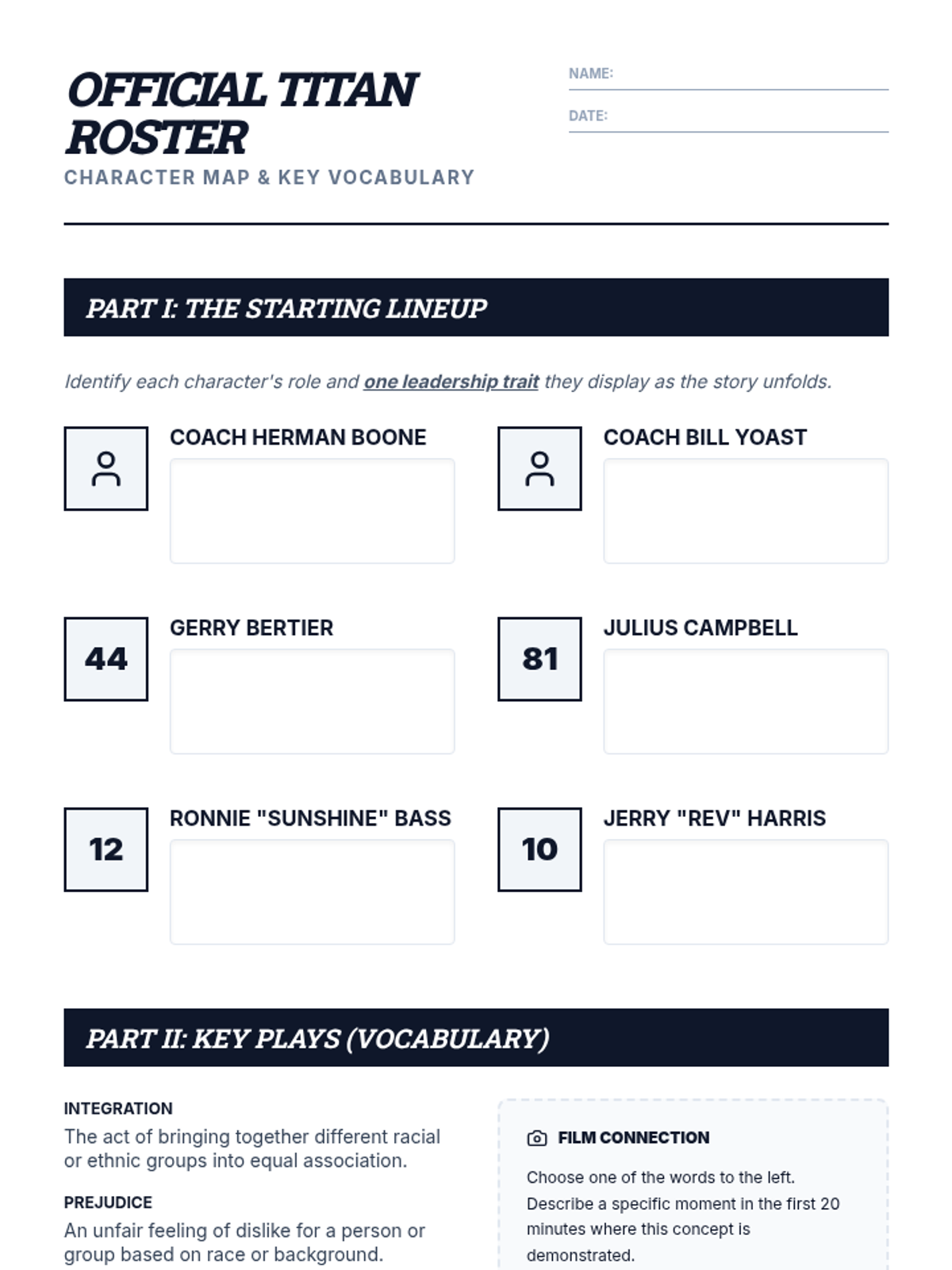
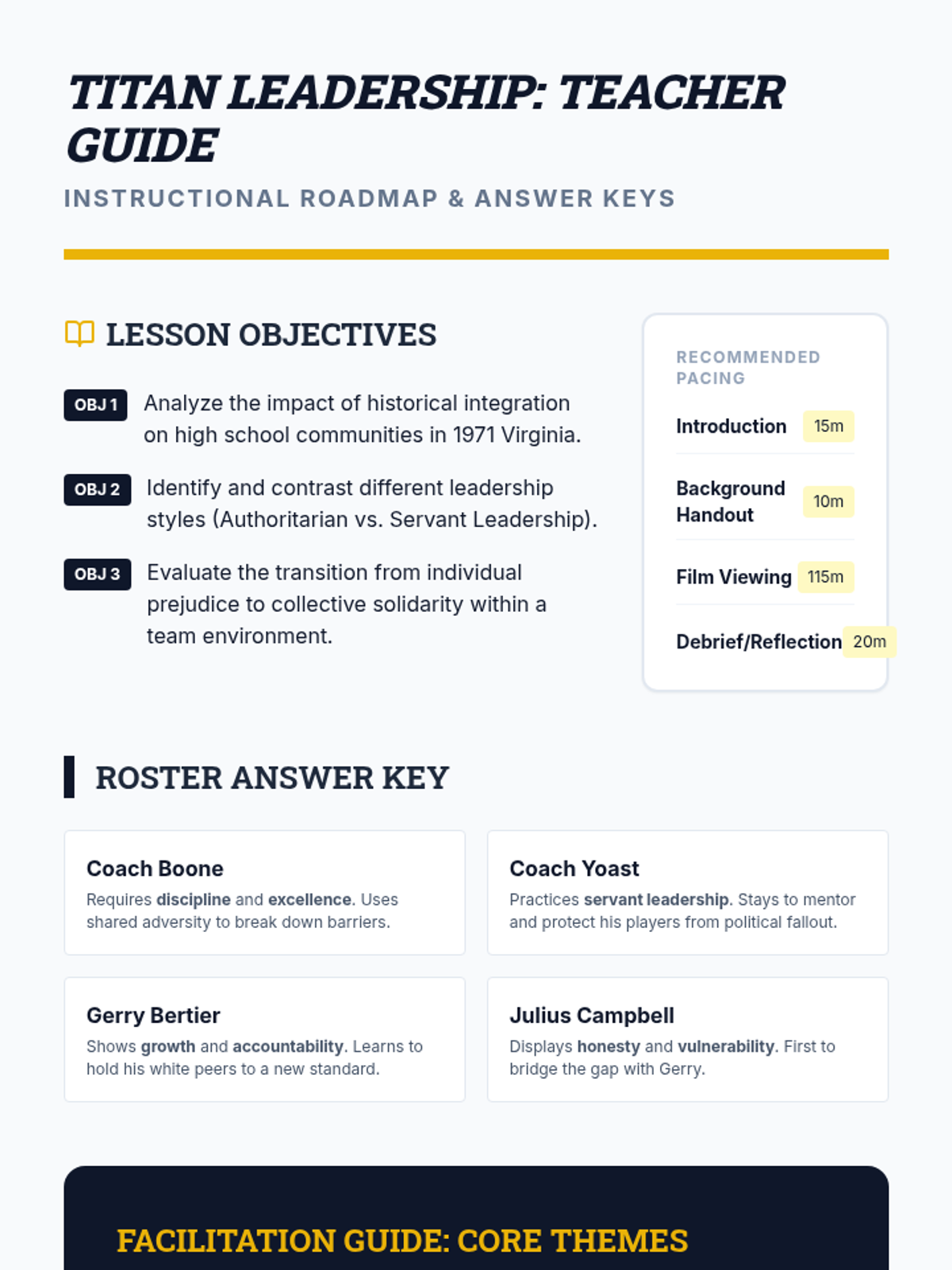
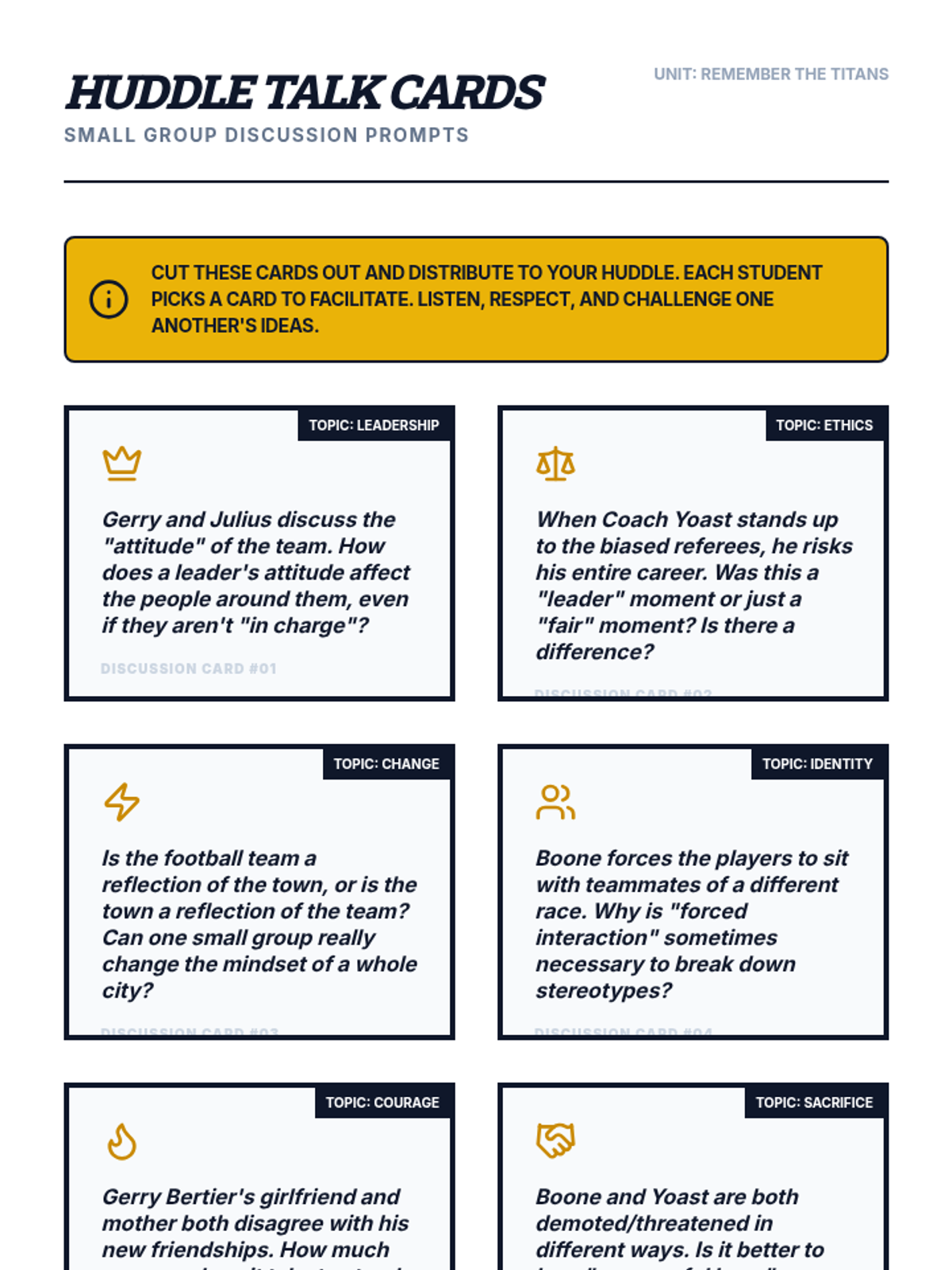
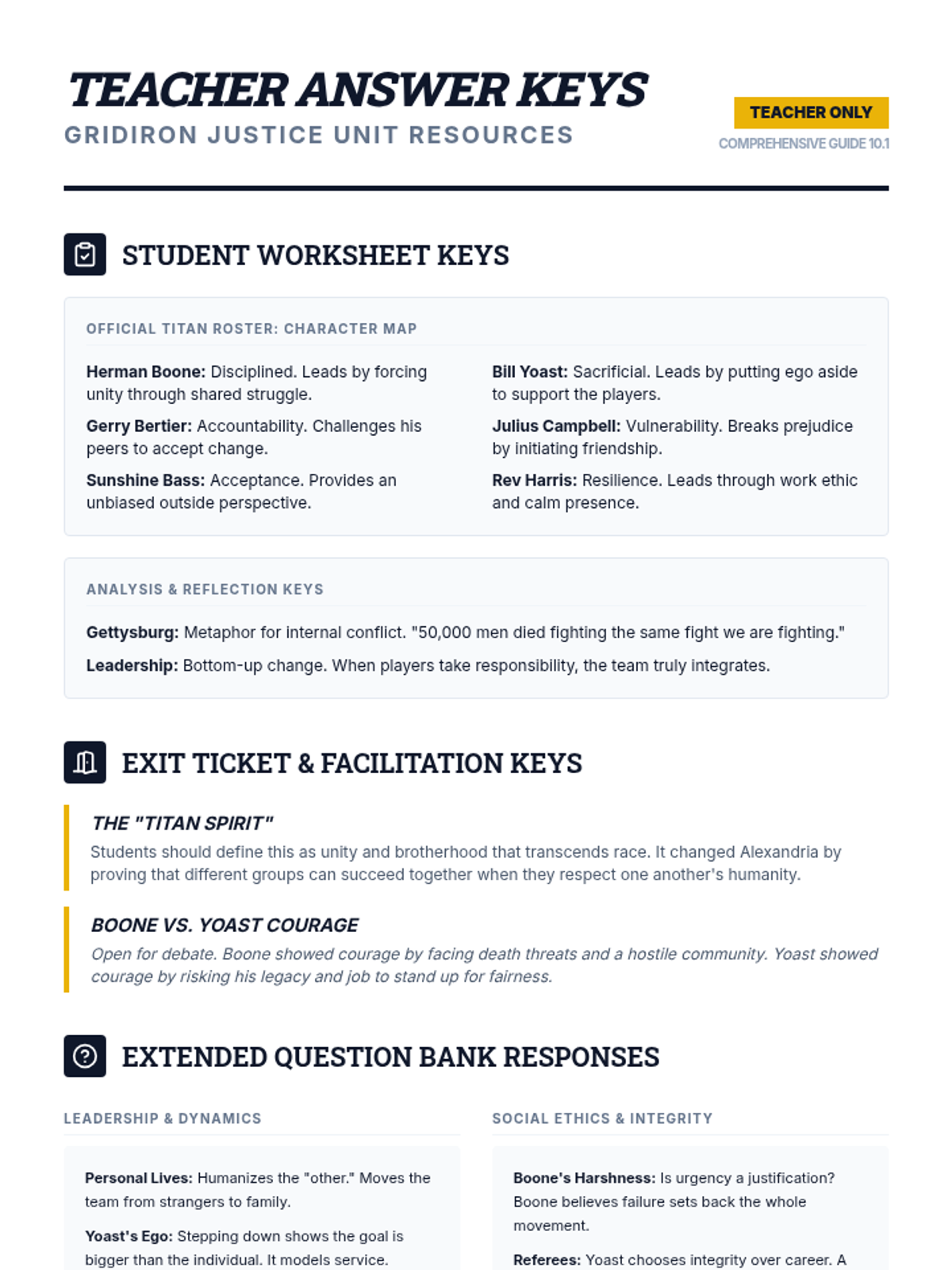
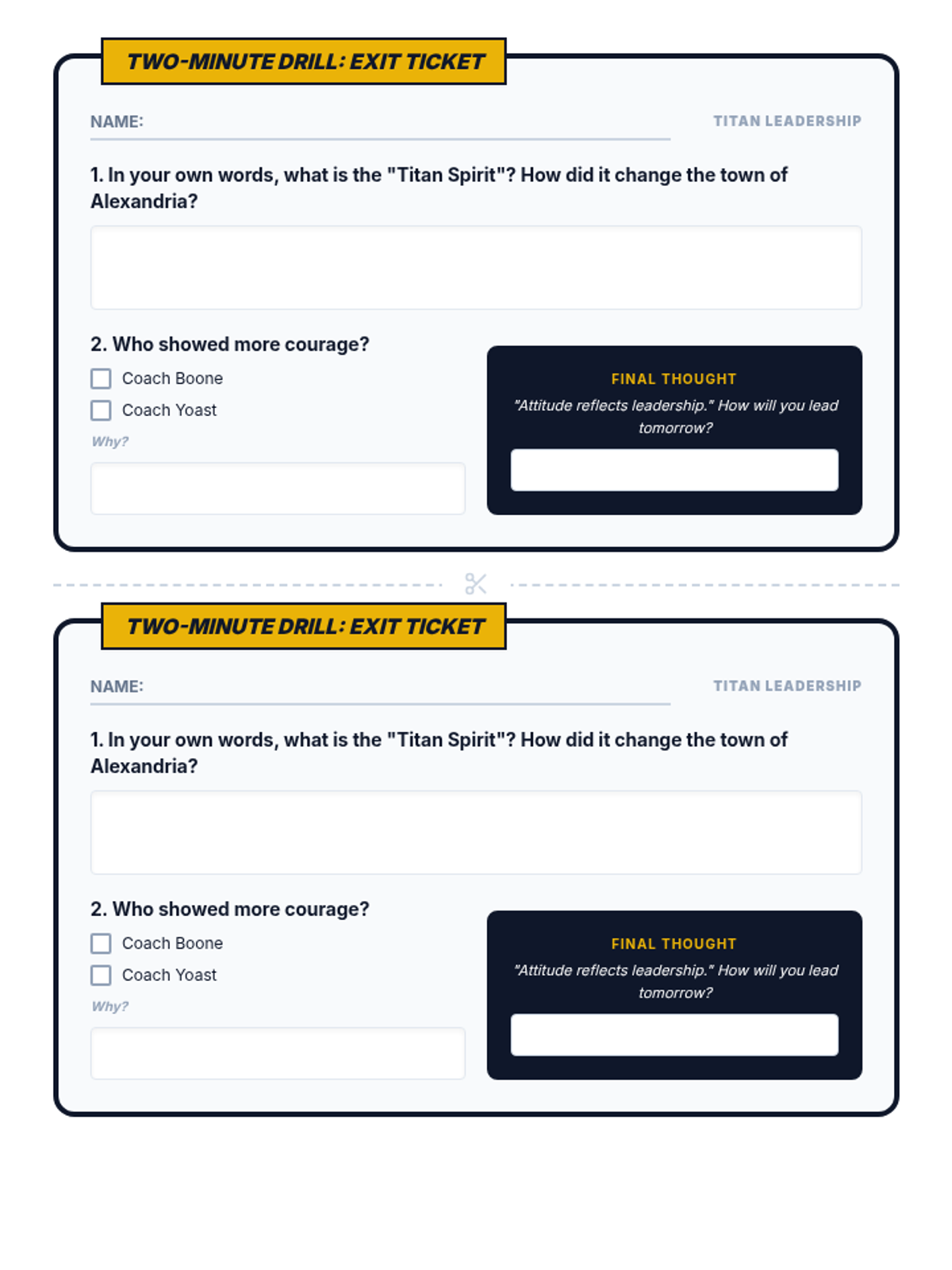
An introductory exploration of the historical and social themes in the film Remember the Titans, focusing on the 1971 integration of T.C. Williams High School and the leadership required to build a unified team.
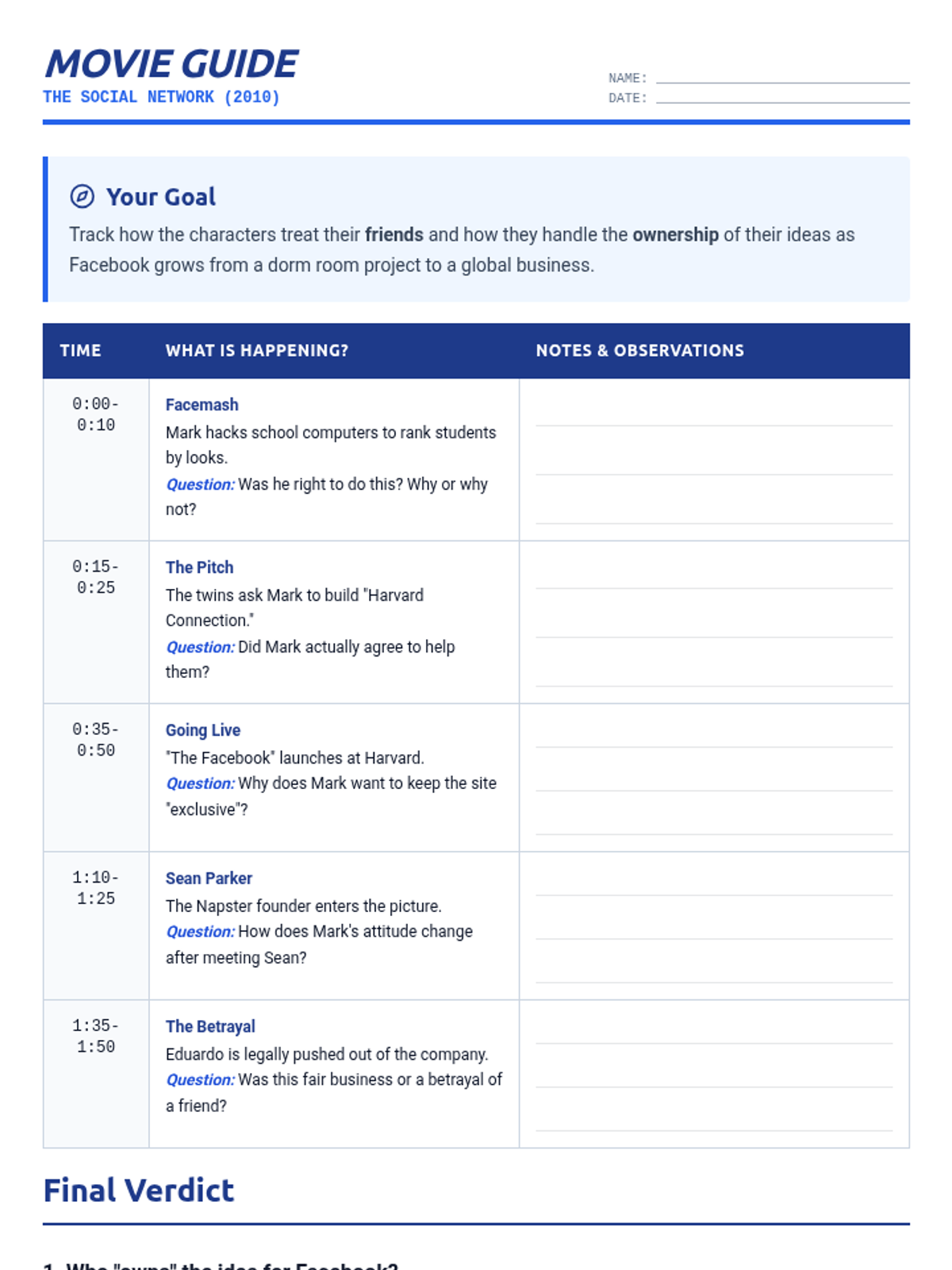
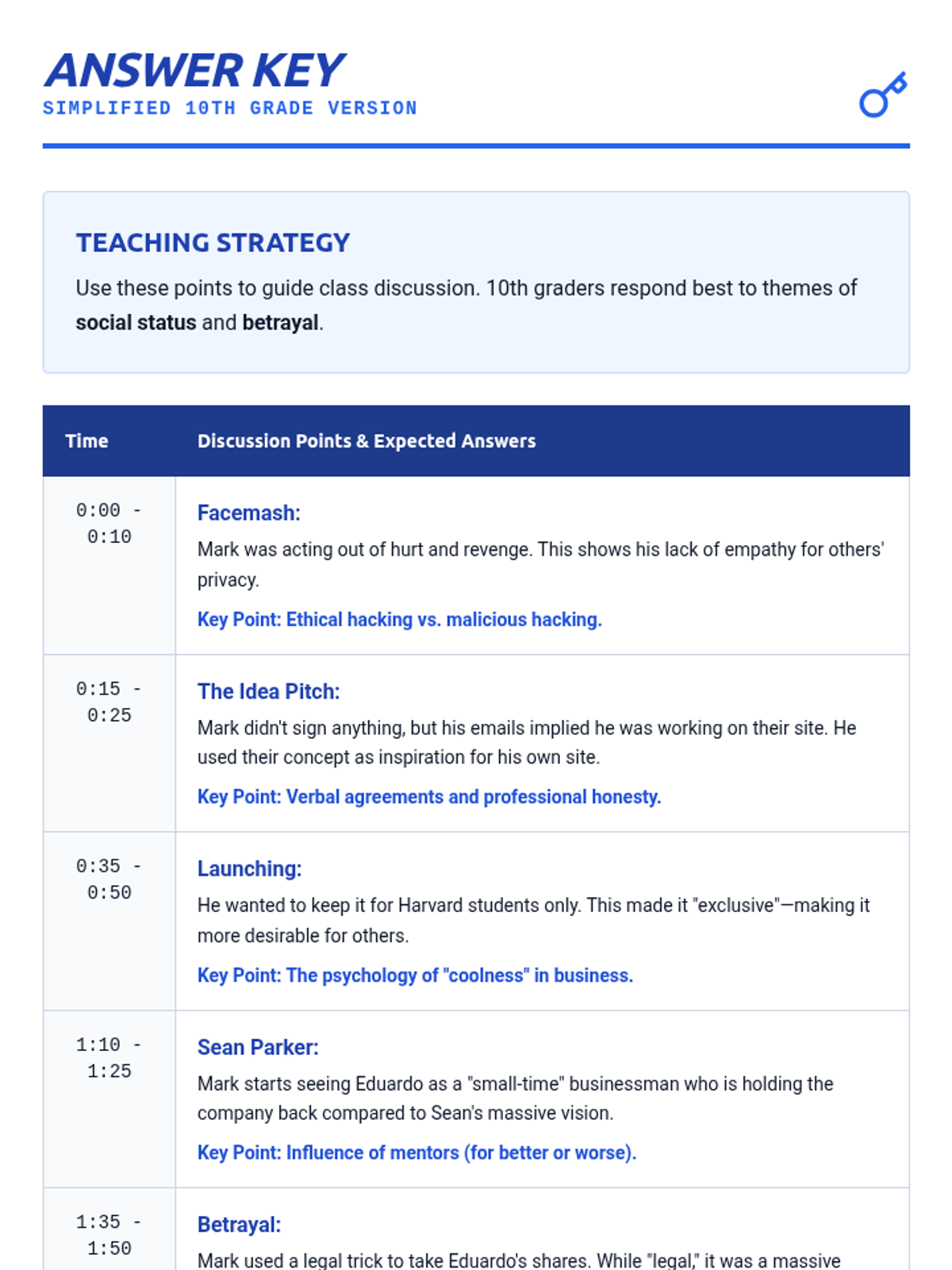
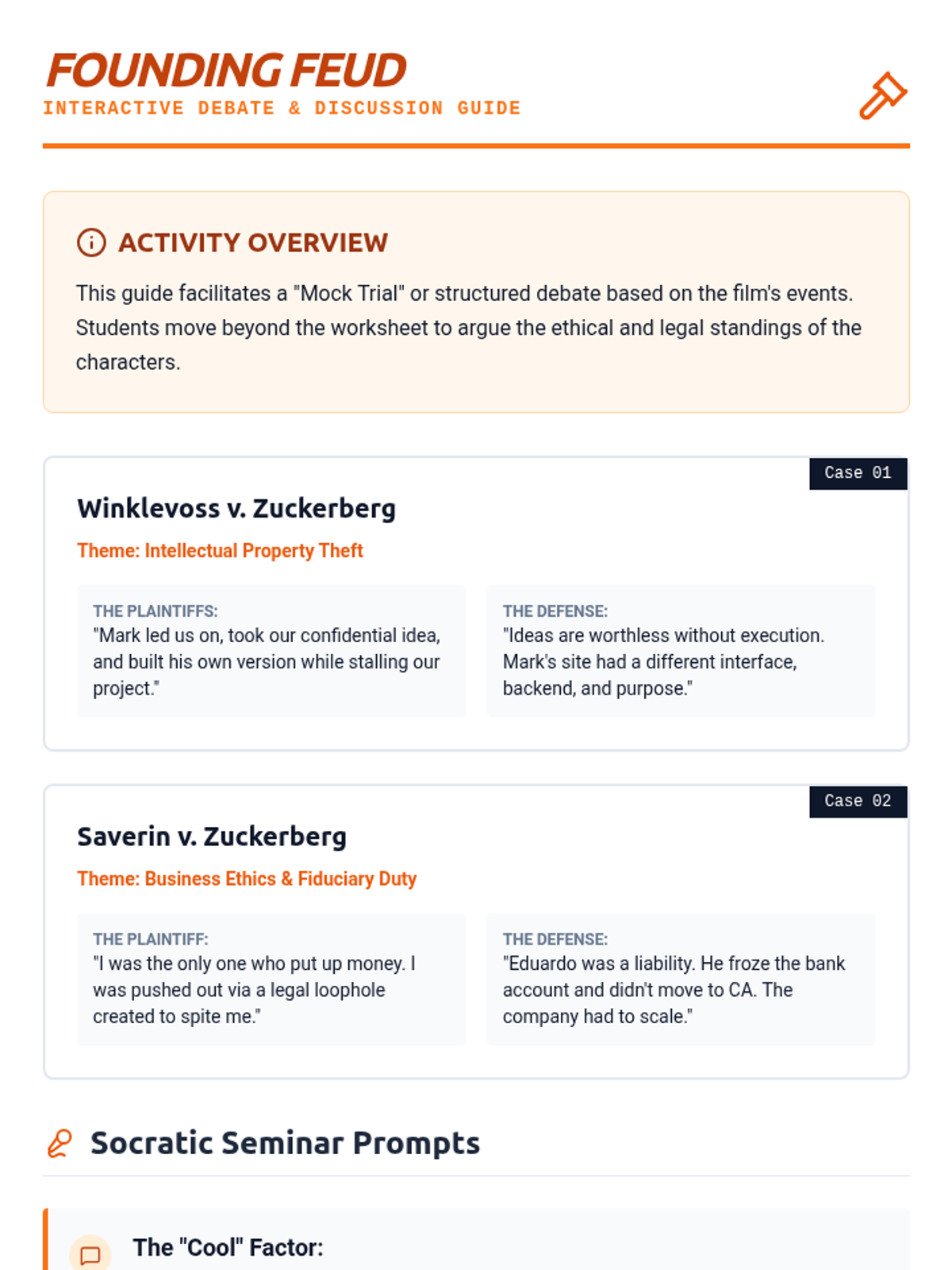
A lesson exploring the legal, ethical, and social ramifications of the creation of Facebook through the film The Social Network. Students analyze intellectual property disputes, business ethics, and the transformative power of social media.
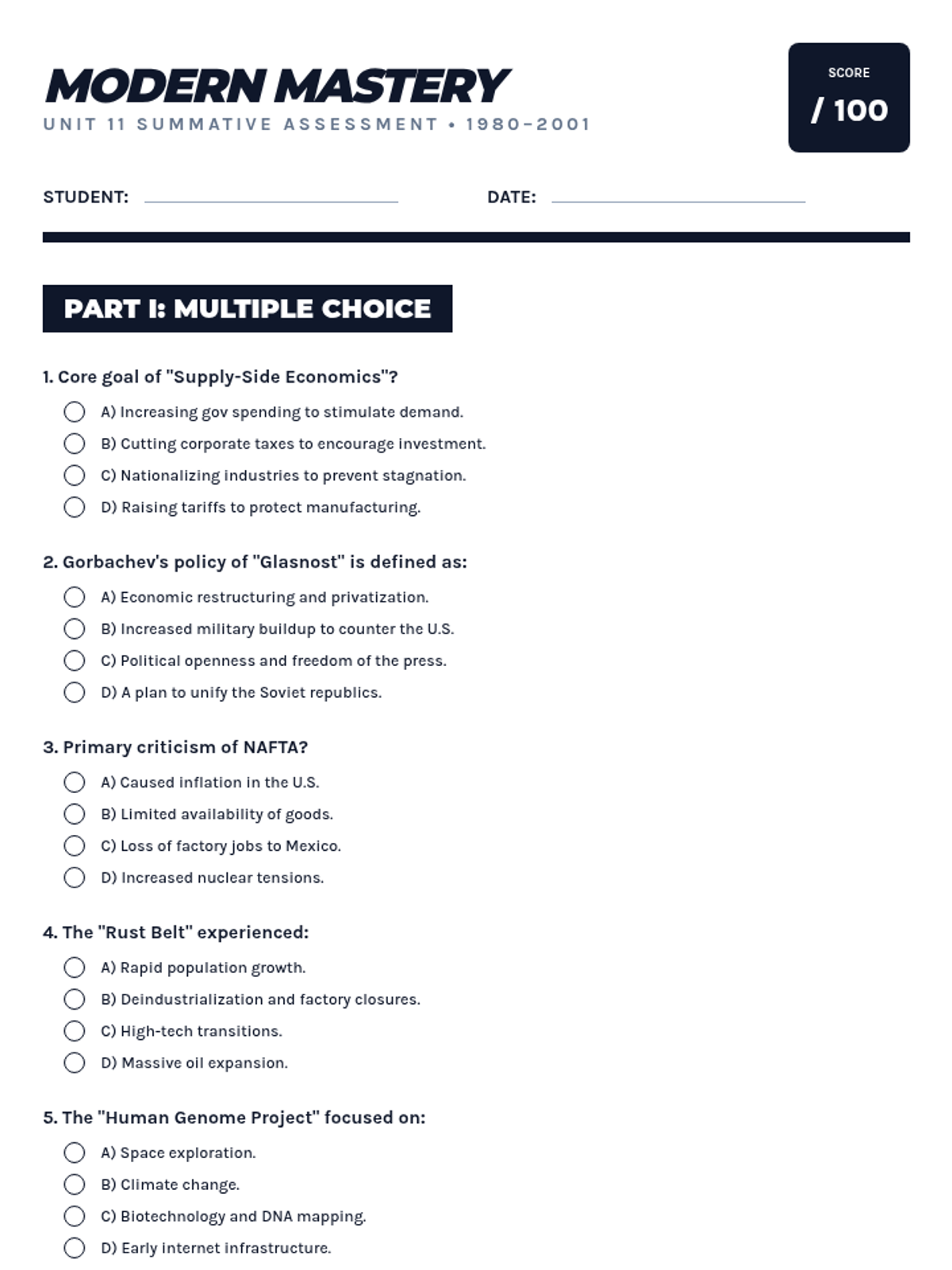
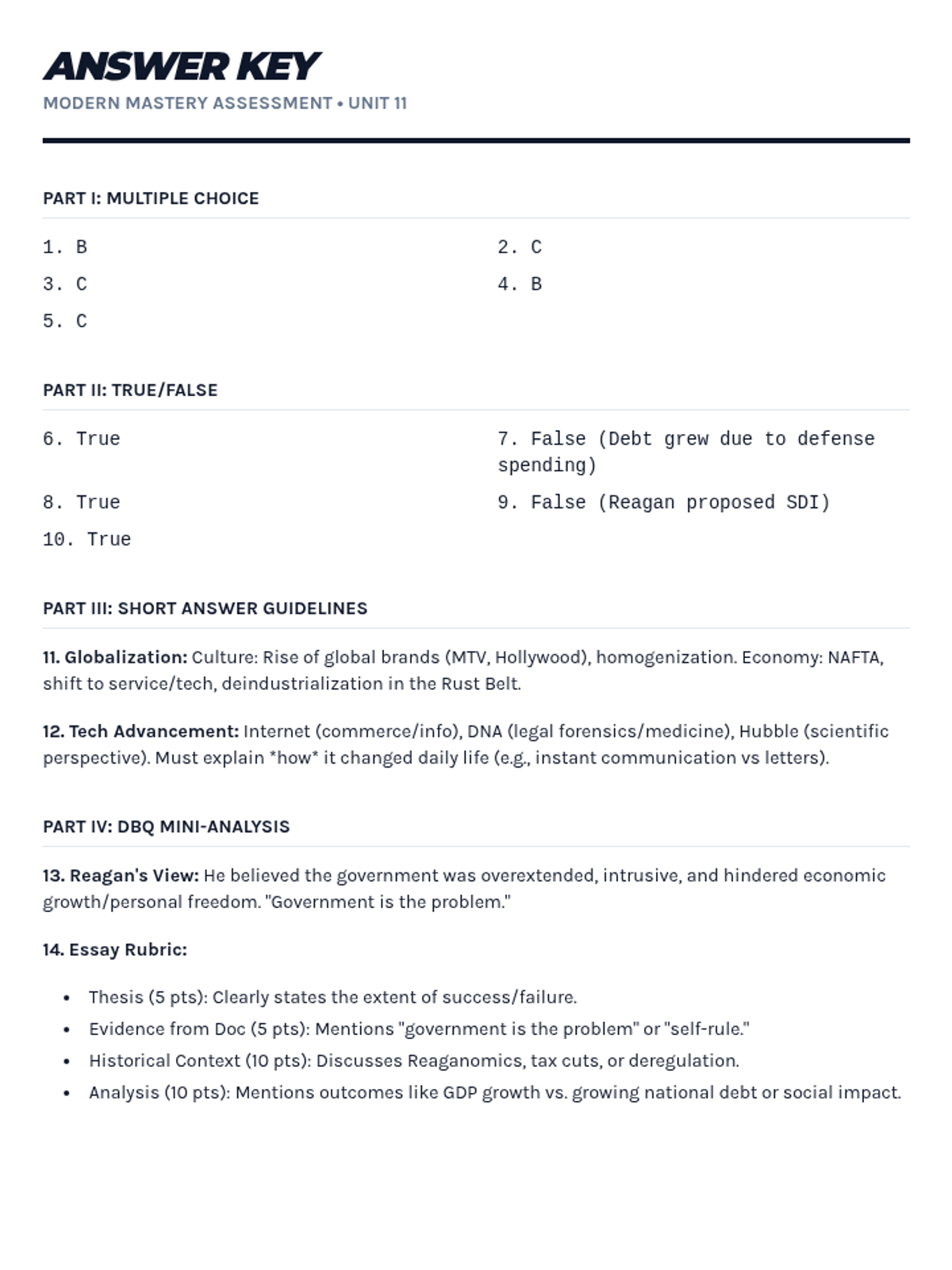
A summative assessment evaluating student mastery of the 1980s and 90s through multiple-choice, true/false, short answer, and DBQ questions.
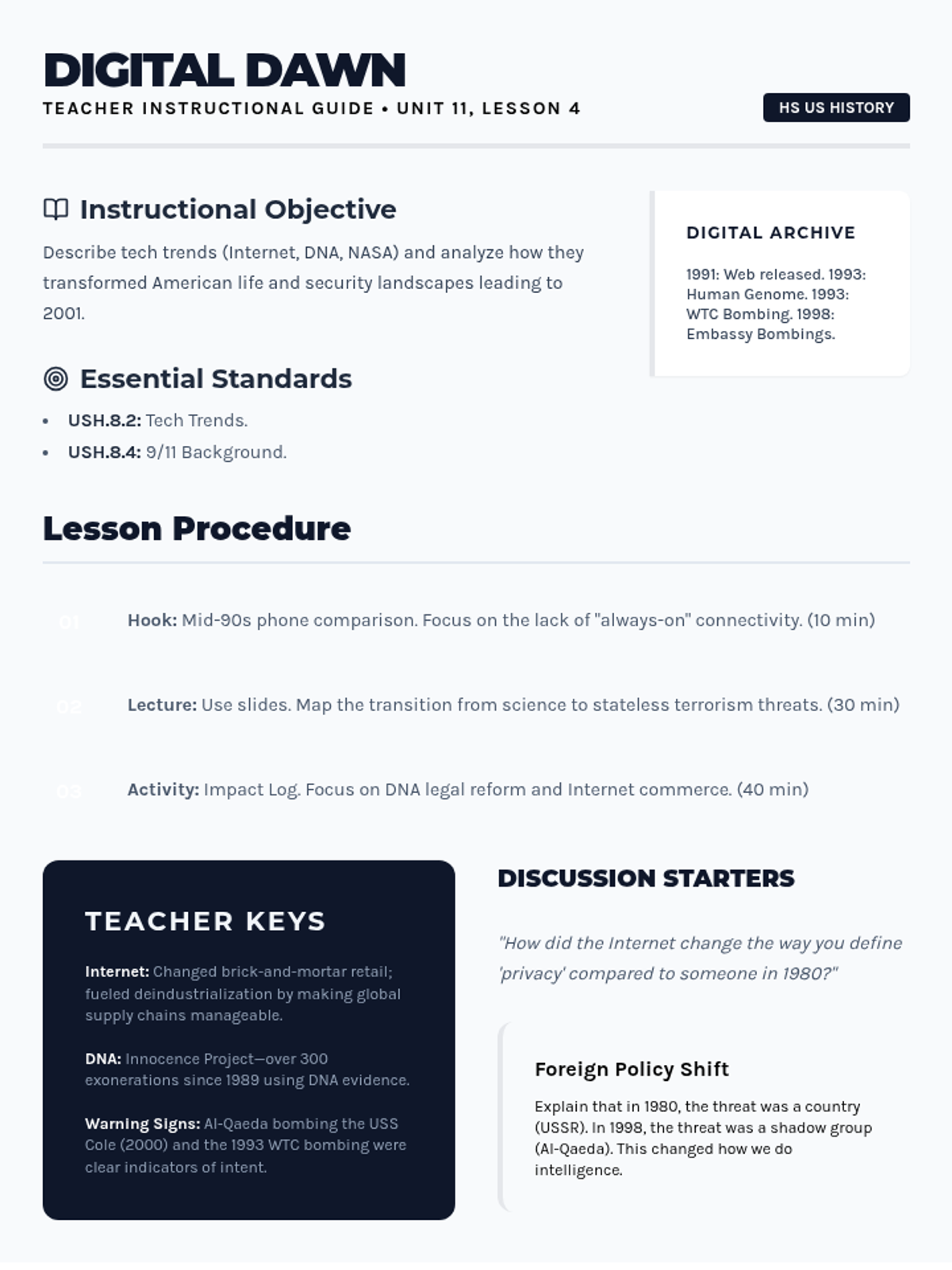
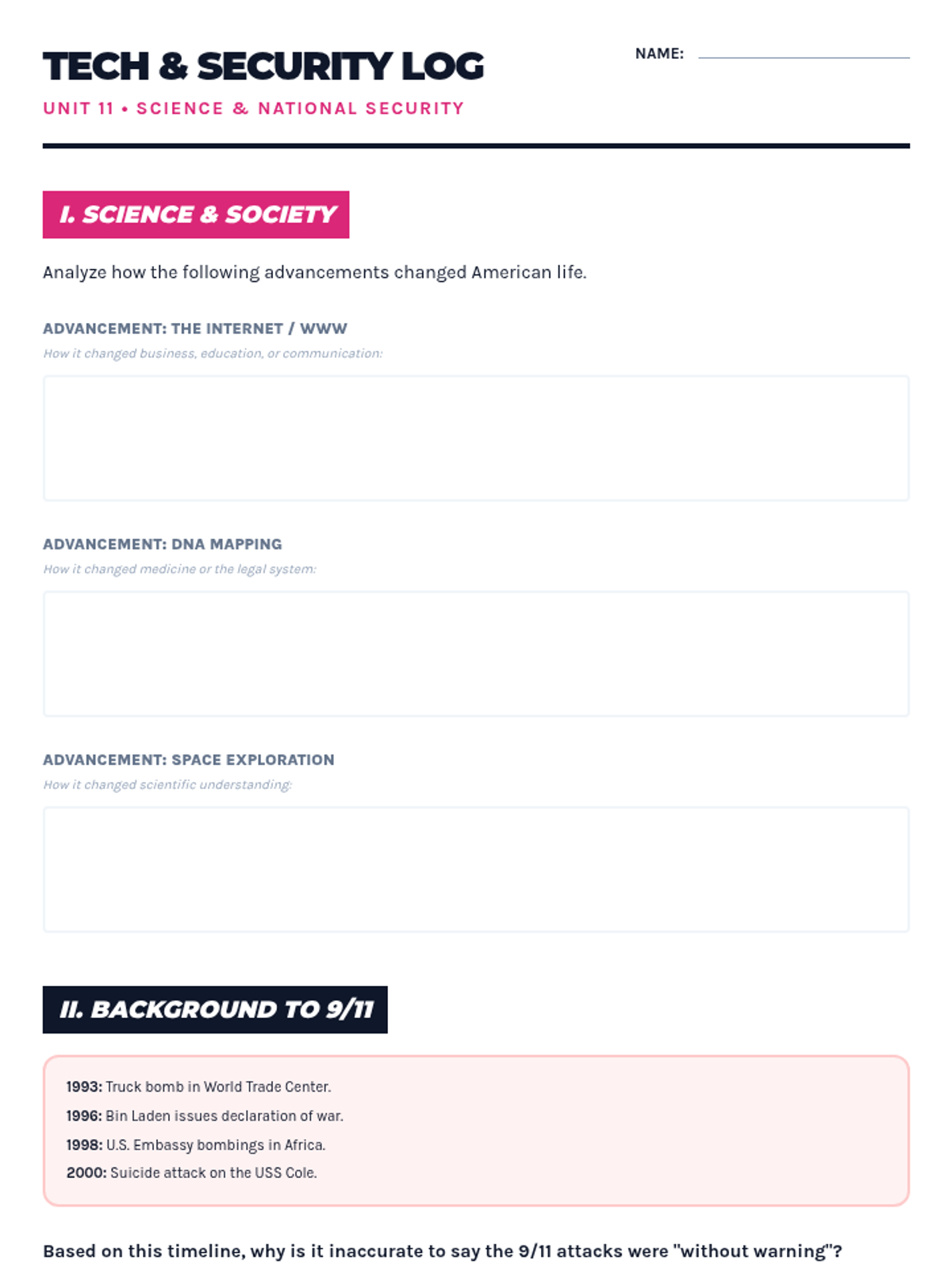
Investigate the technological revolution of the Internet, advancements in DNA, and the shifting landscape of global security leading toward 2001.
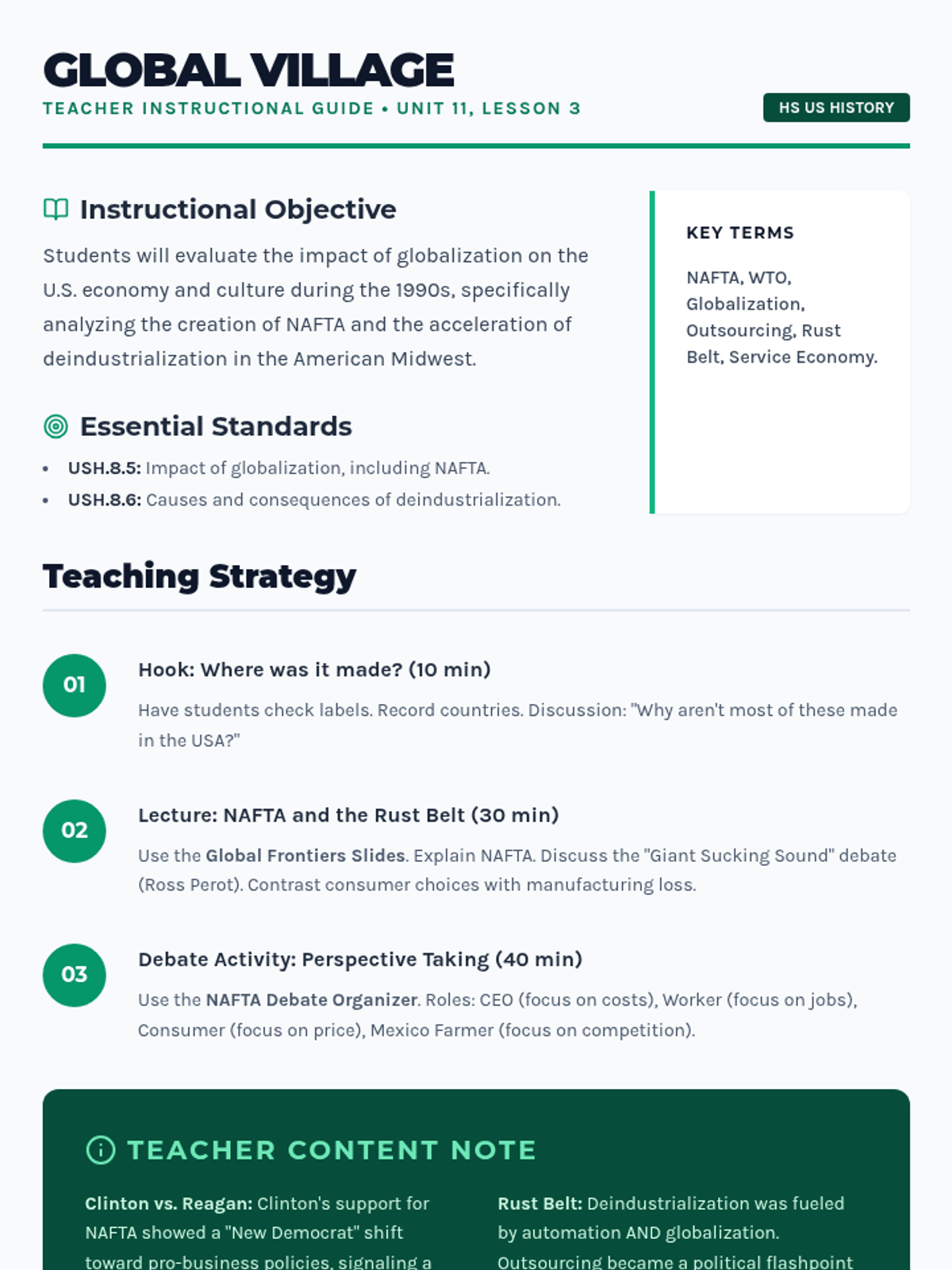
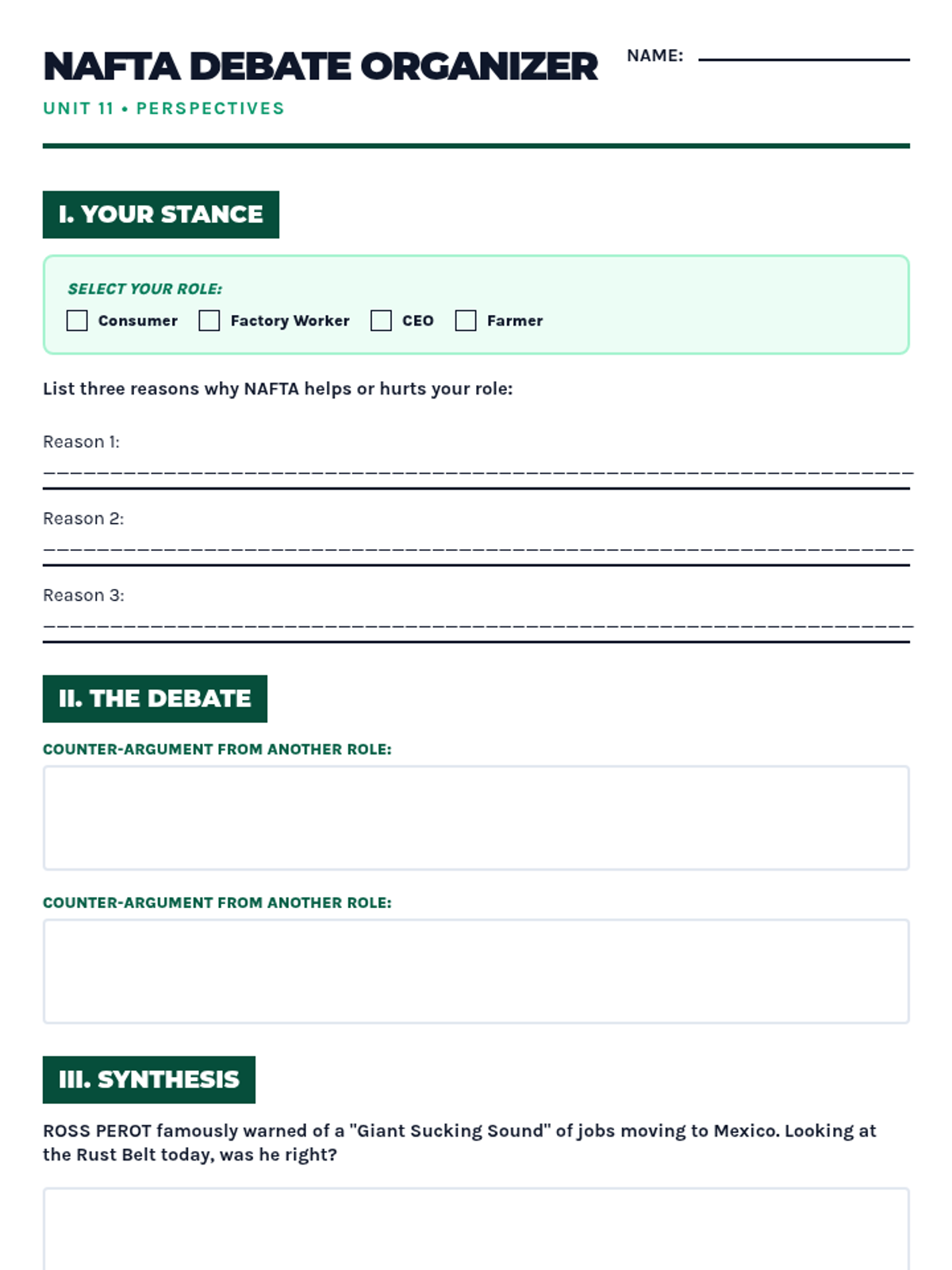
Examine the economic boom of the 90s, the impacts of NAFTA, and the process of deindustrialization.
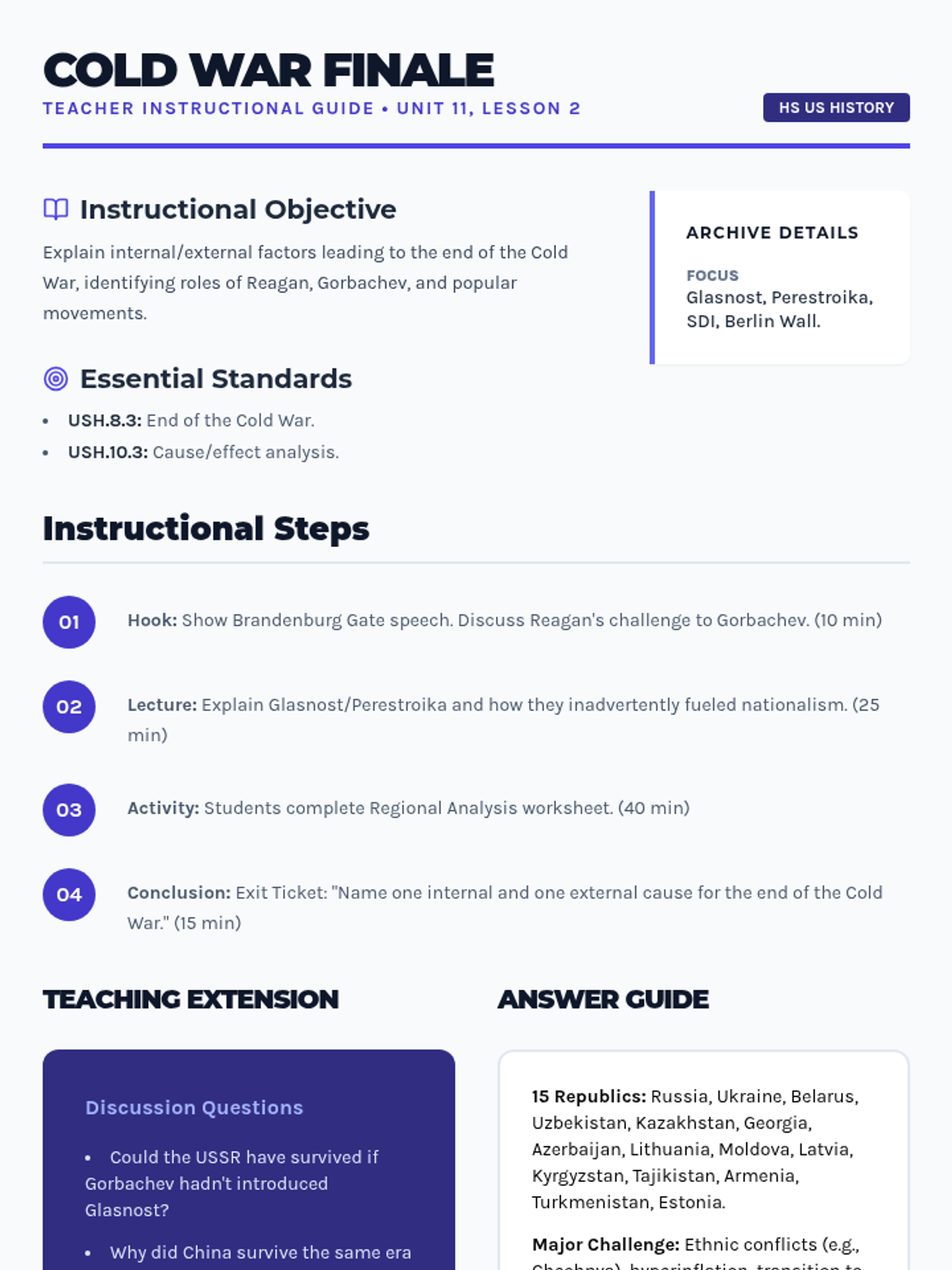
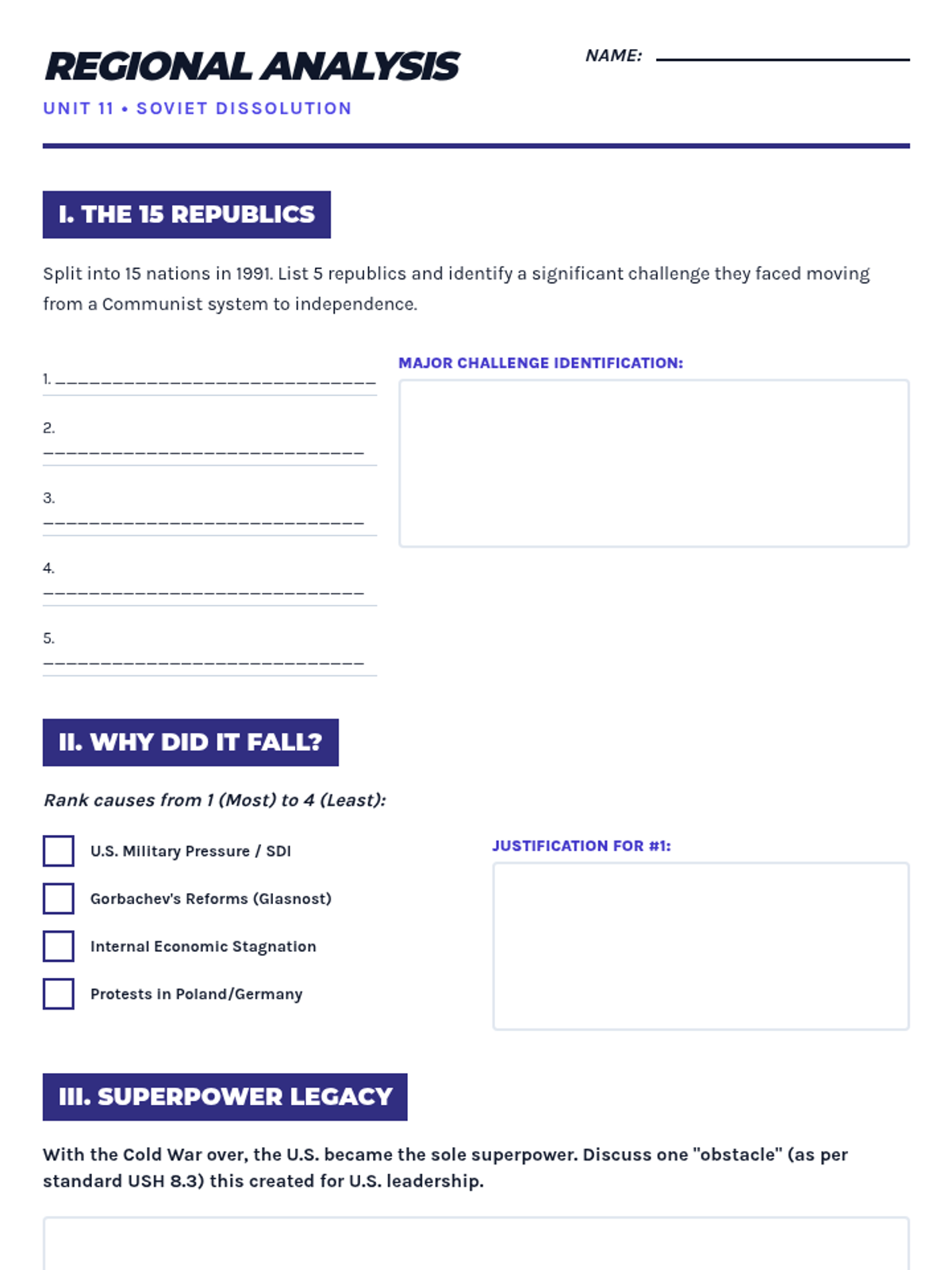
Analyze the collapse of the Soviet Union, the fall of the Berlin Wall, and the end of the Cold War.
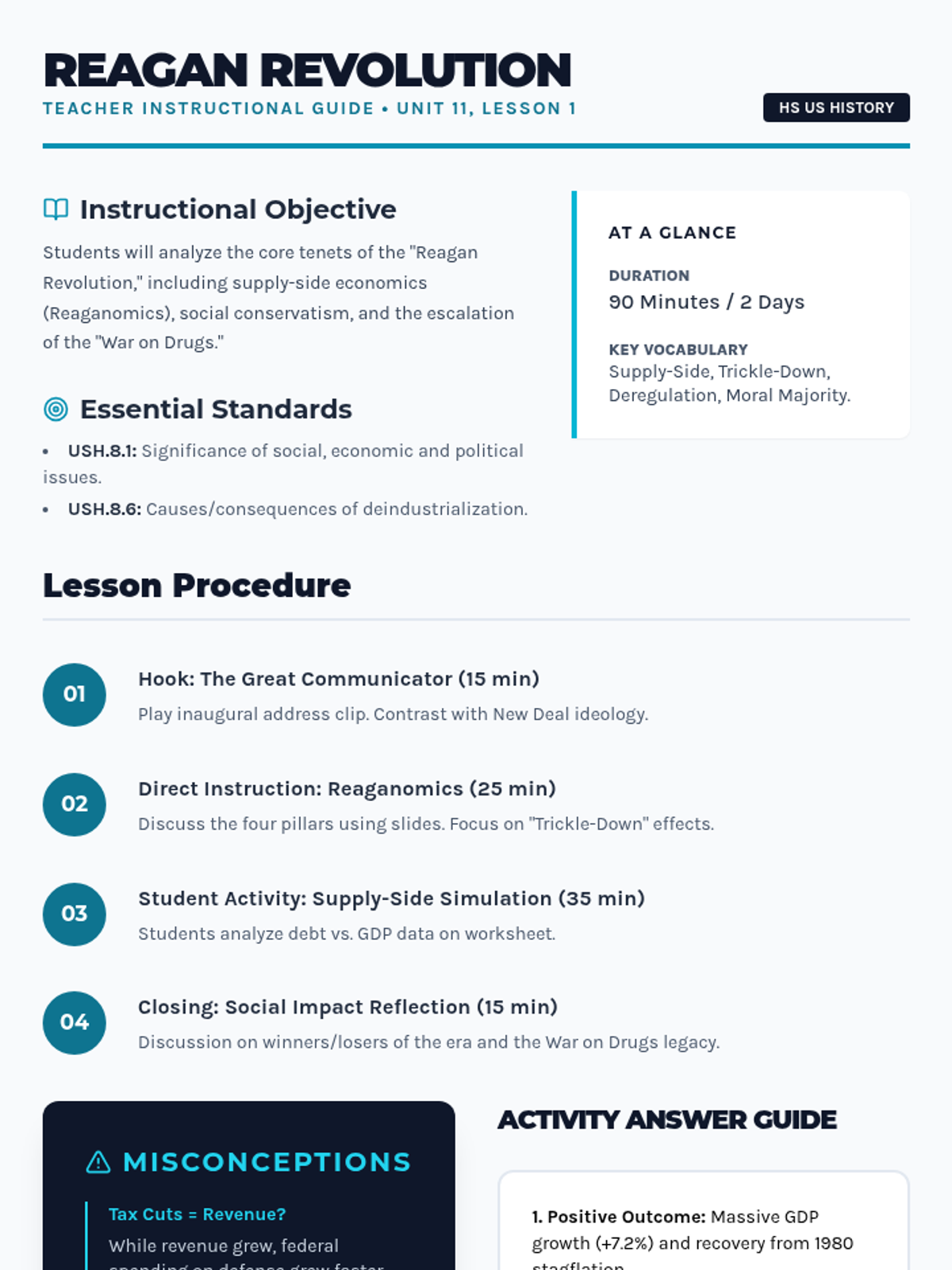
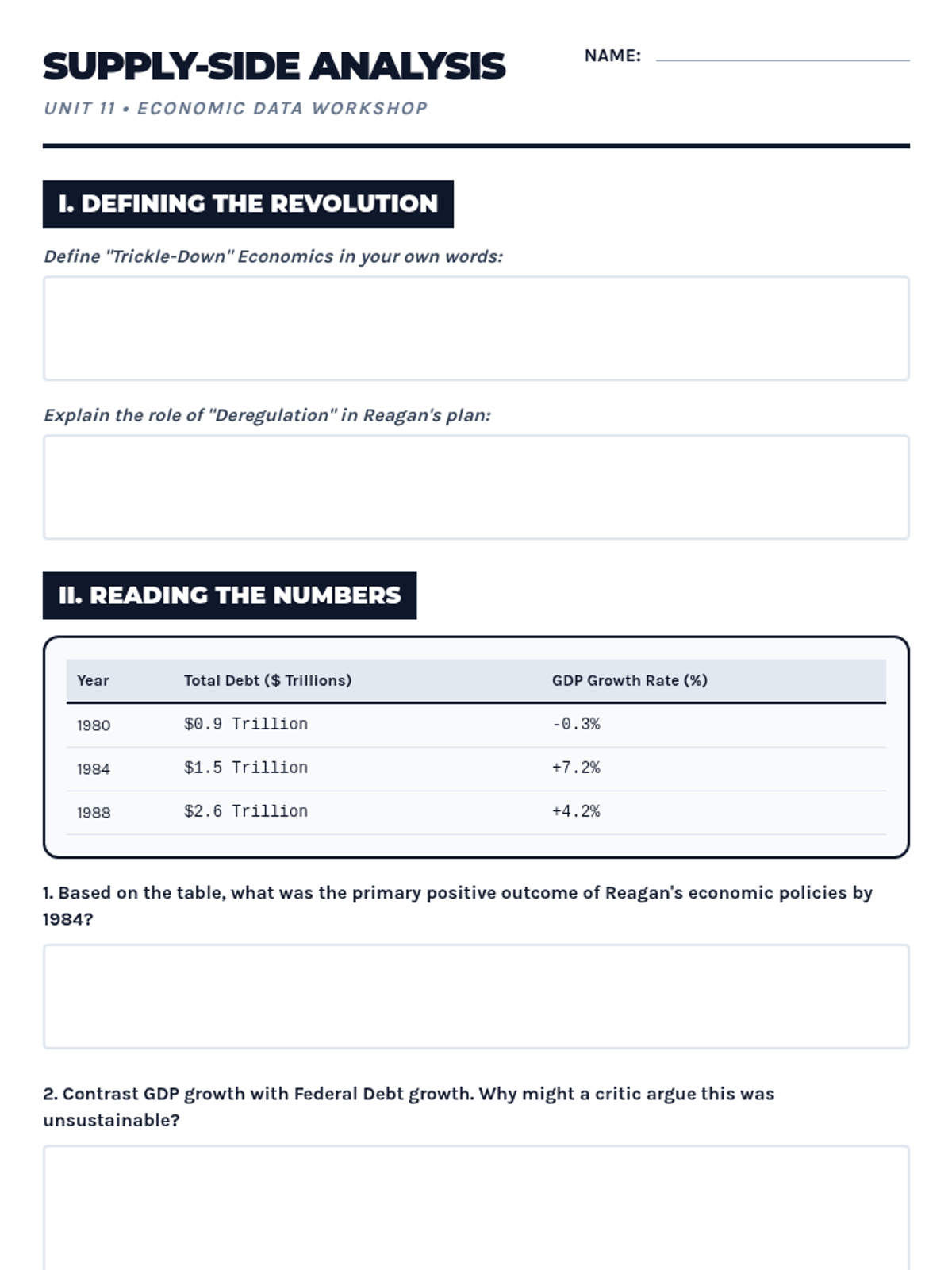
Explore the rise of conservatism, 'Reaganomics', and the social shifts of the 1980s.
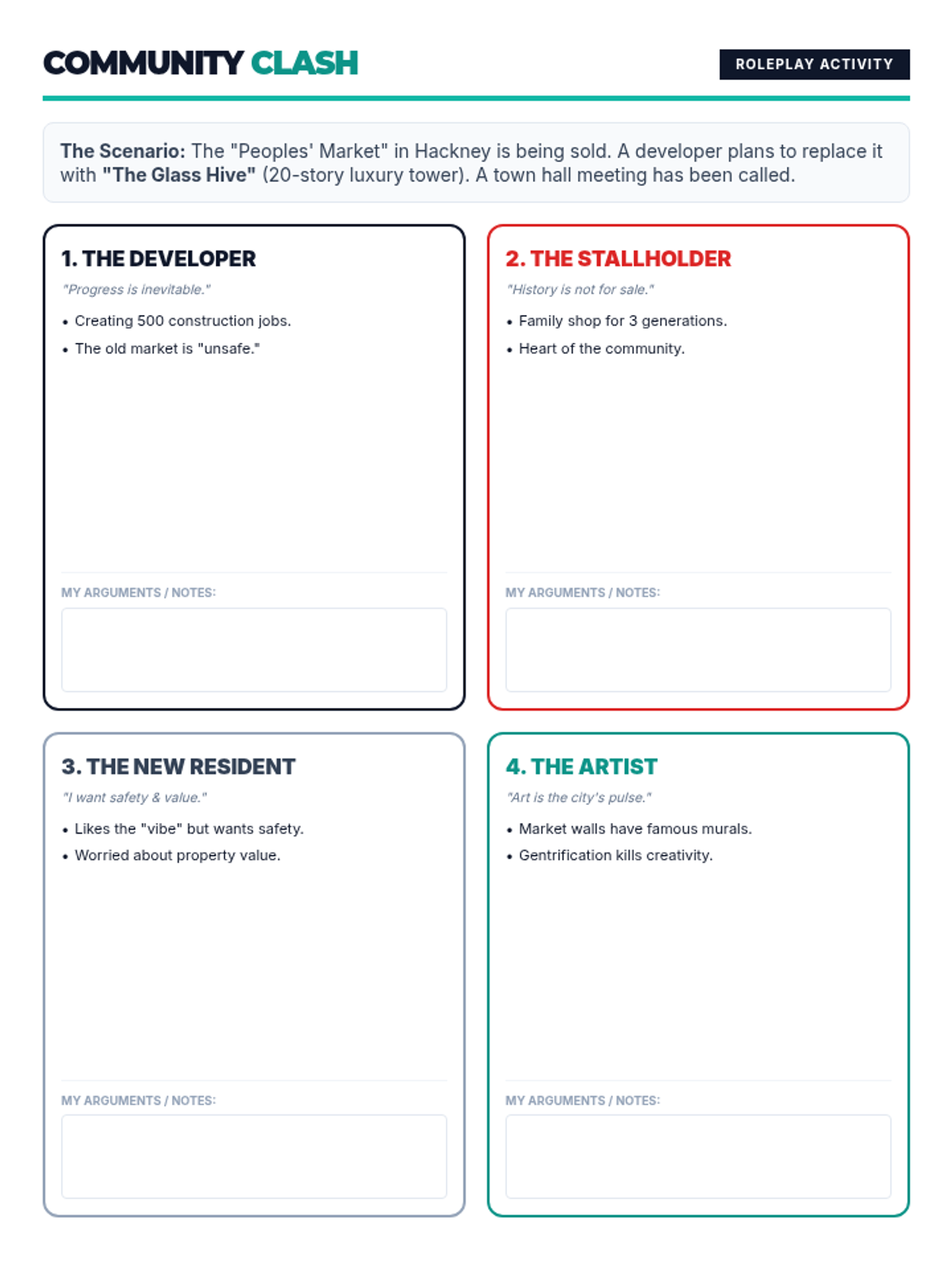
A speaking-focused lesson exploring the human cost of urban change through a role-play debate regarding the redevelopment of a local community market.
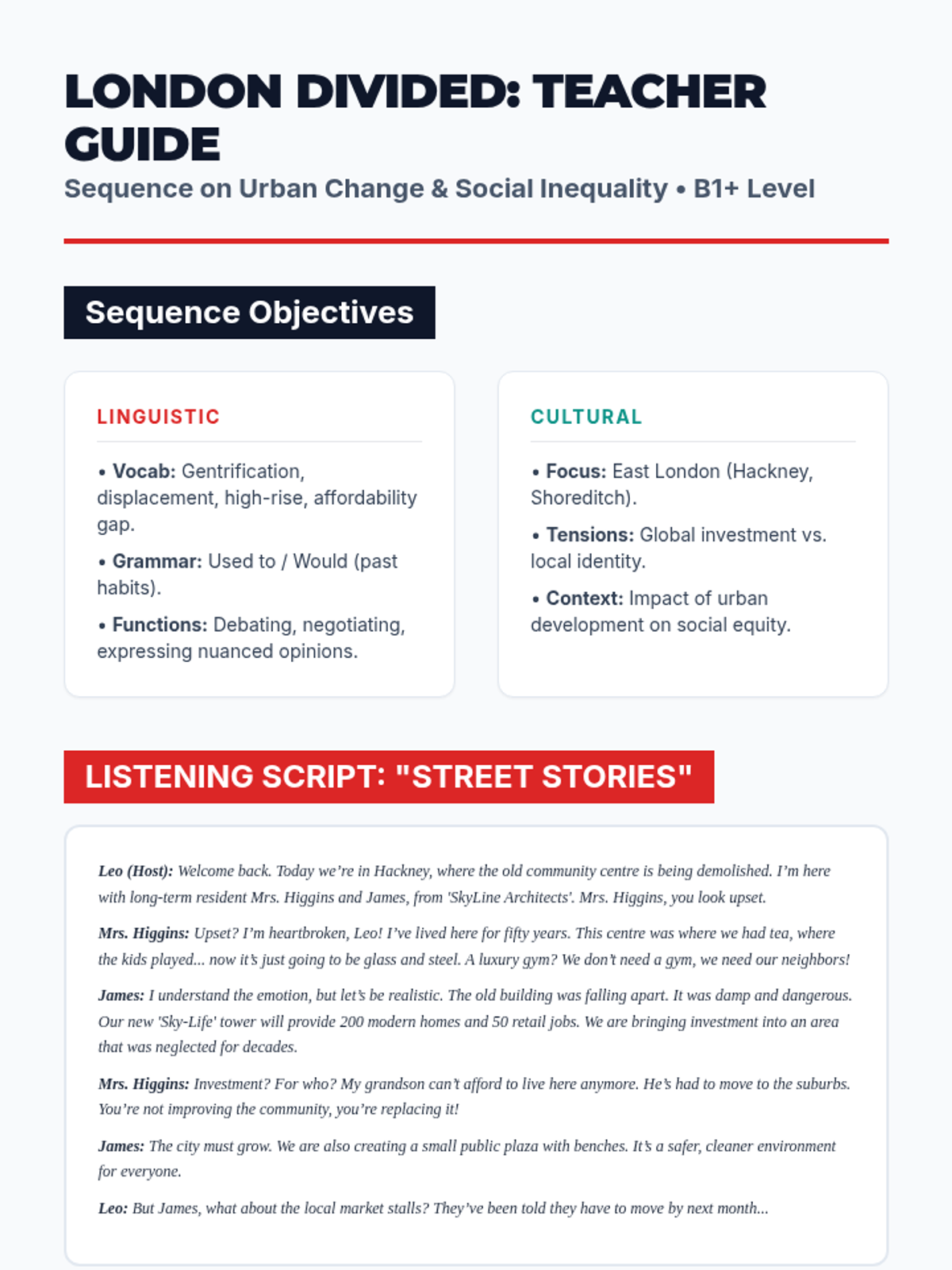
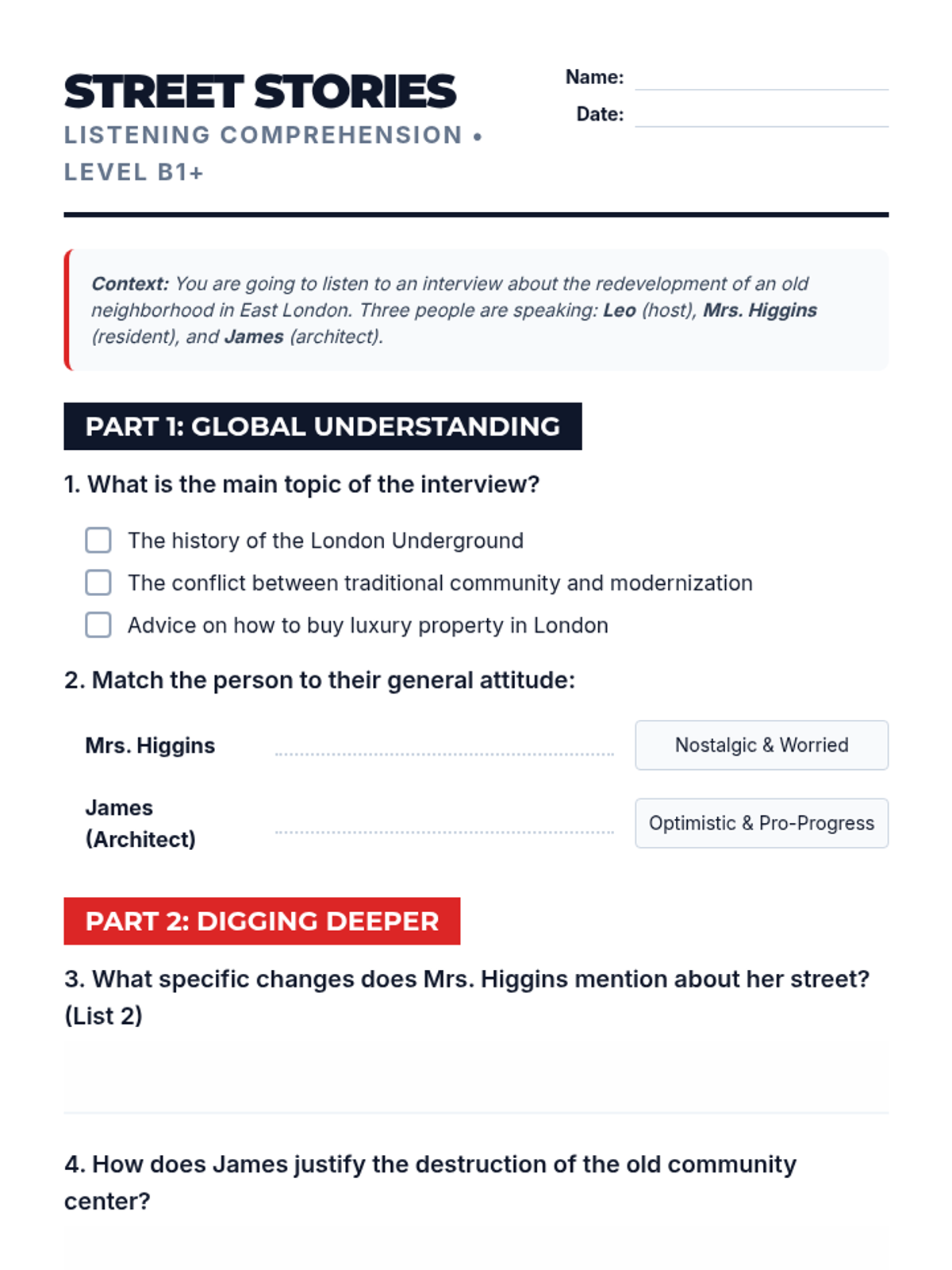
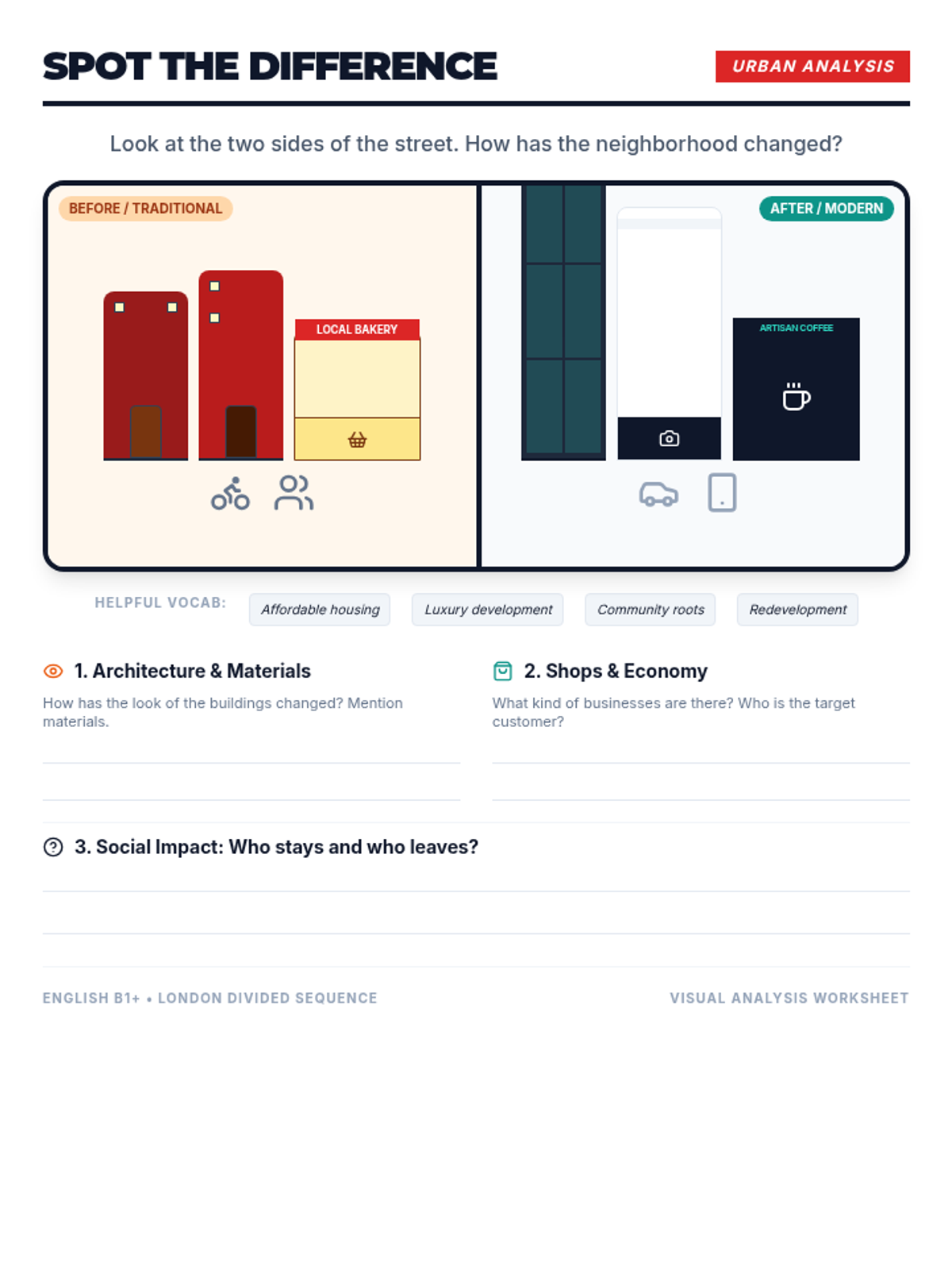
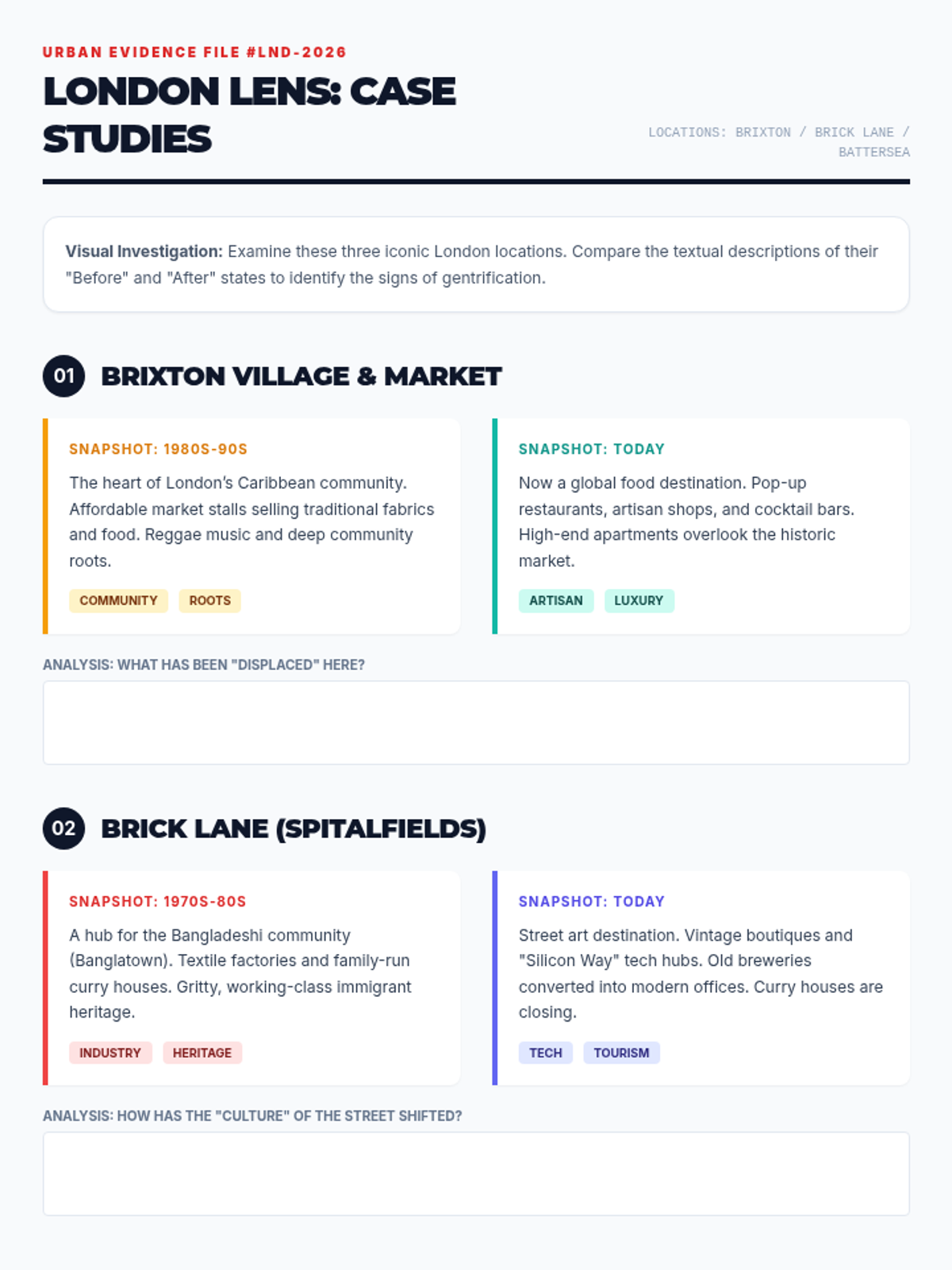
Introduction to the concept of gentrification through visual analysis and a 'live listening' exercise focusing on the transformation of East London neighborhoods.
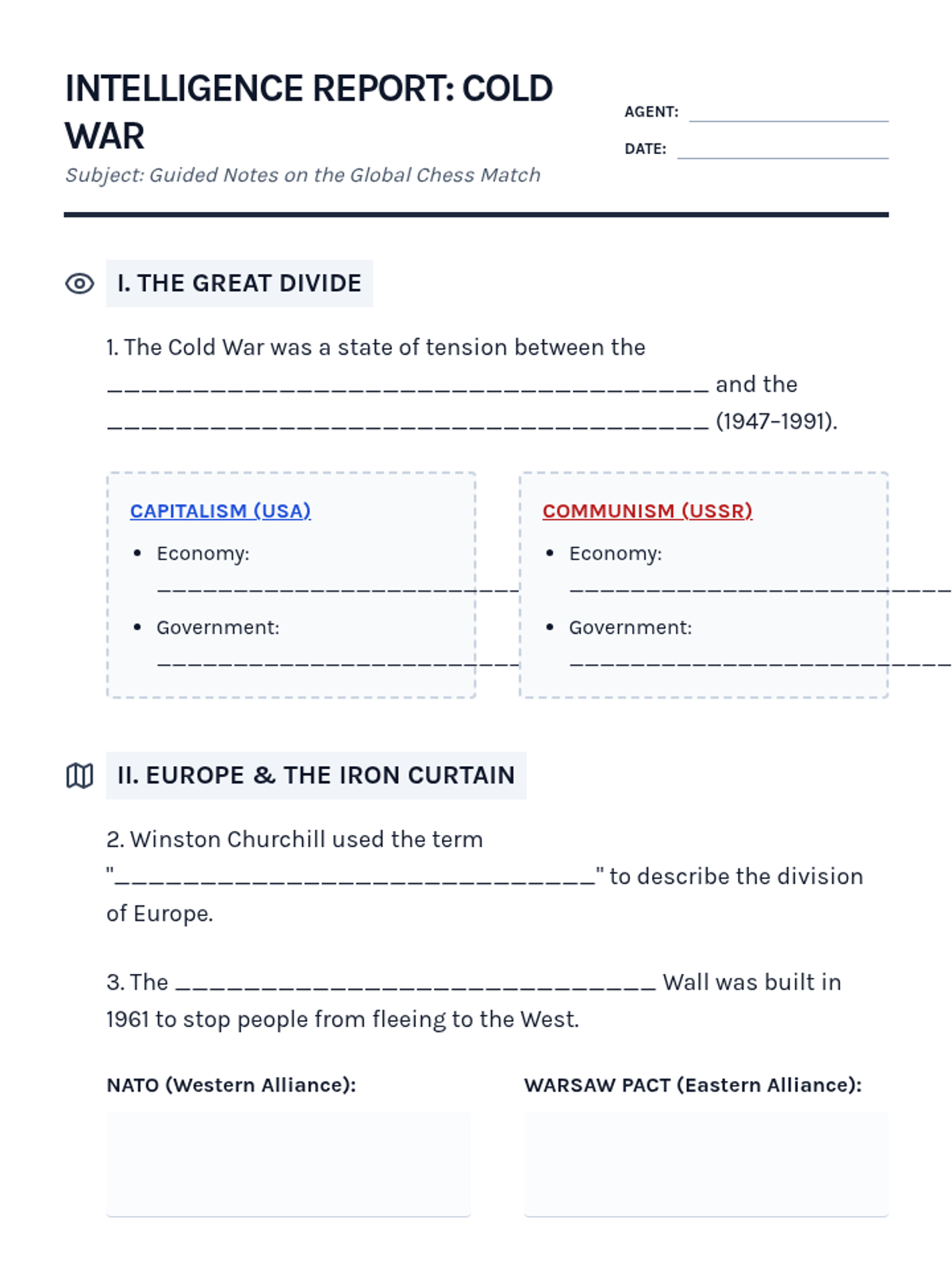
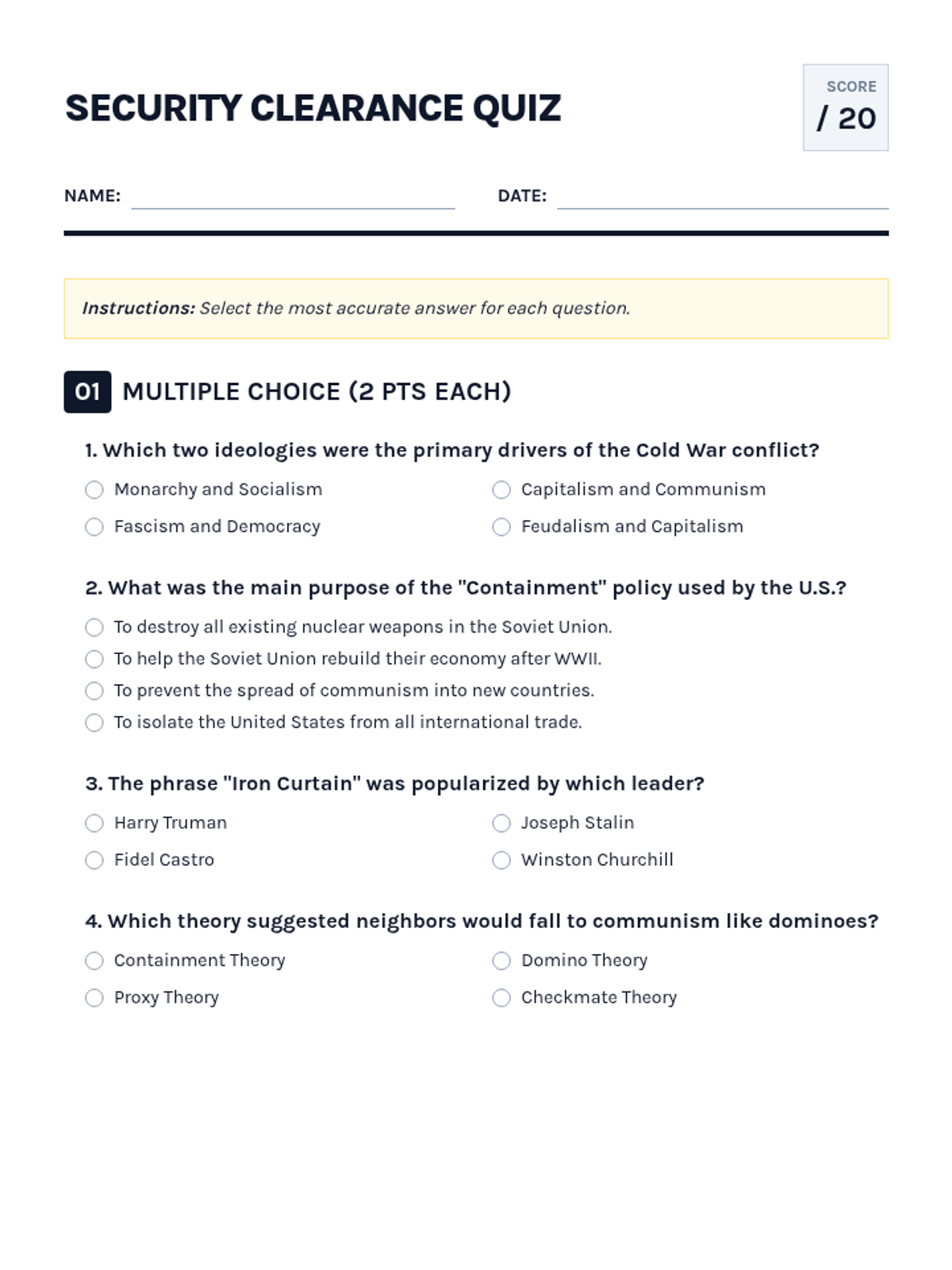
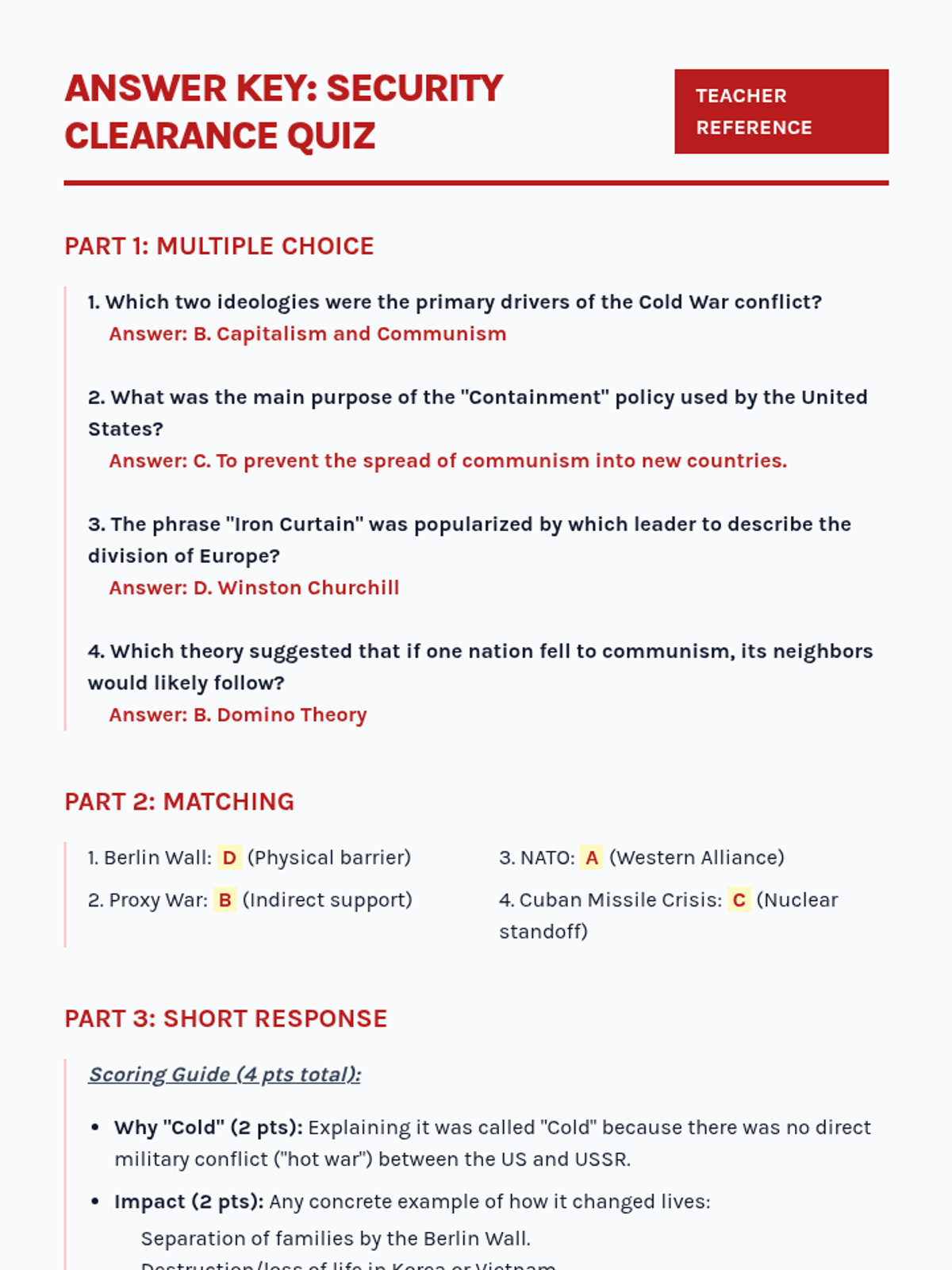
A comprehensive exploration of the Cold War's global impact, focusing on proxy wars in Korea and Vietnam, the division of Europe and the Berlin Wall, and the Cuban Missile Crisis. Students will analyze how the superpower rivalry reshaped the 20th-century world.
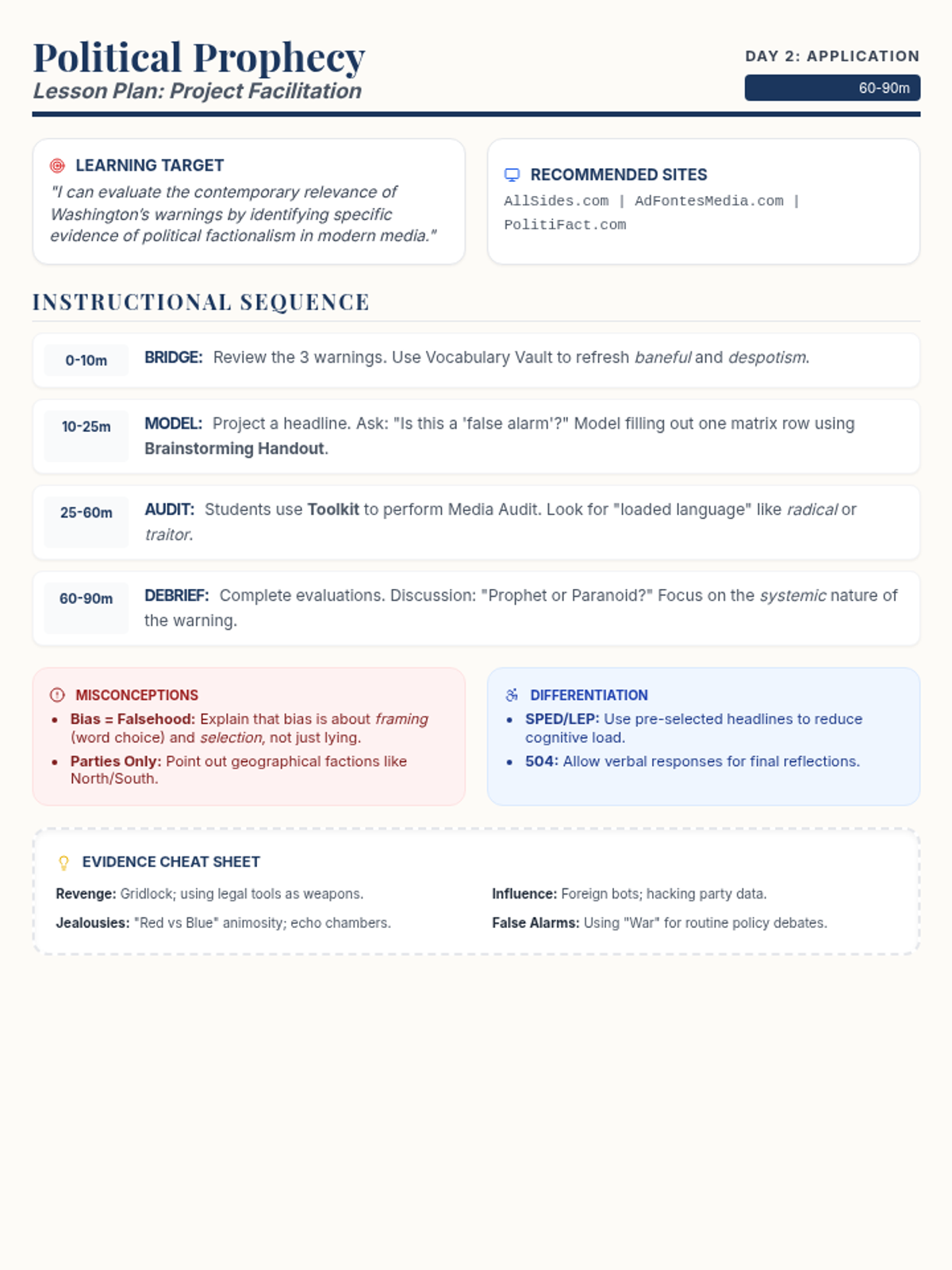
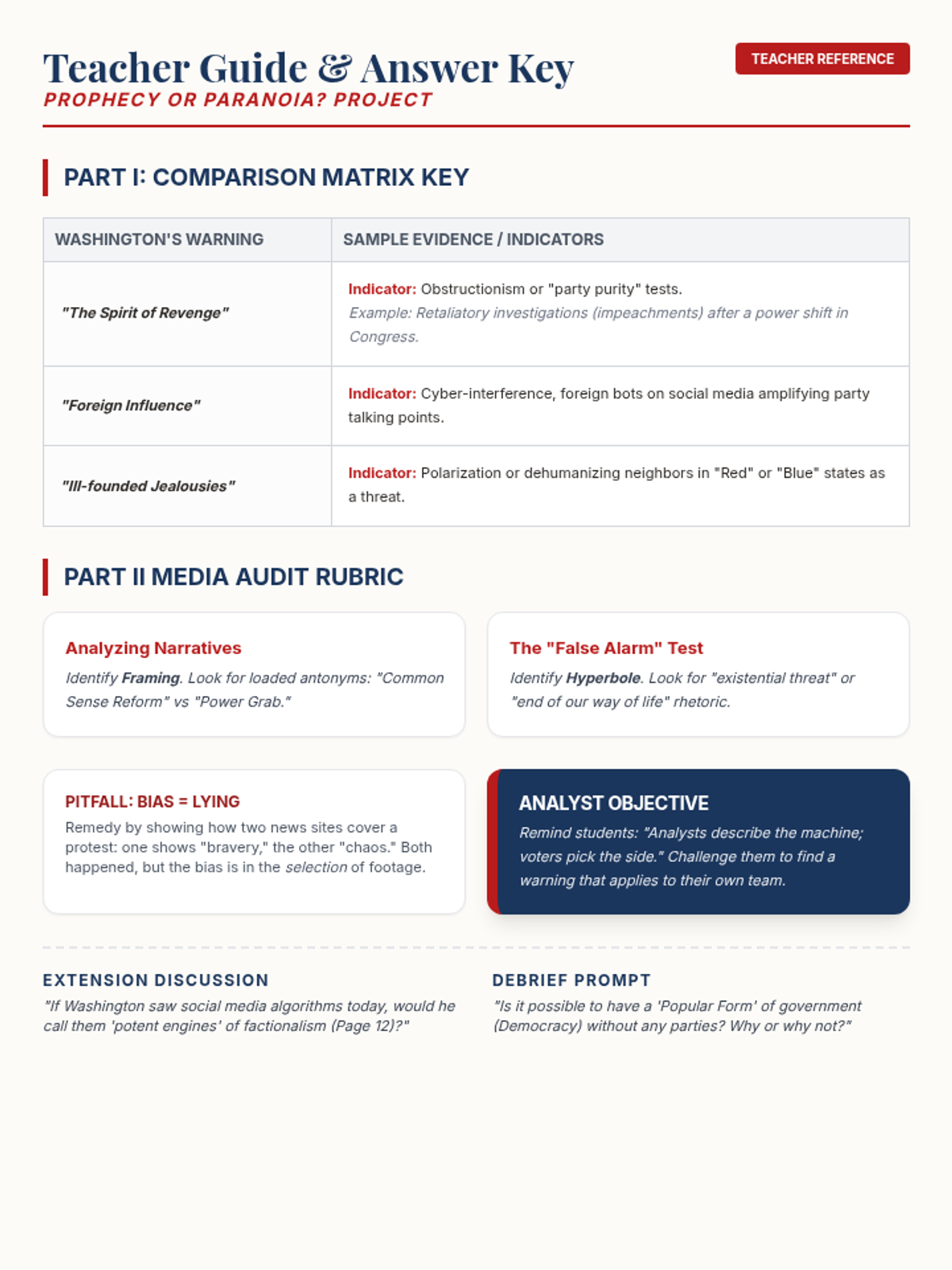
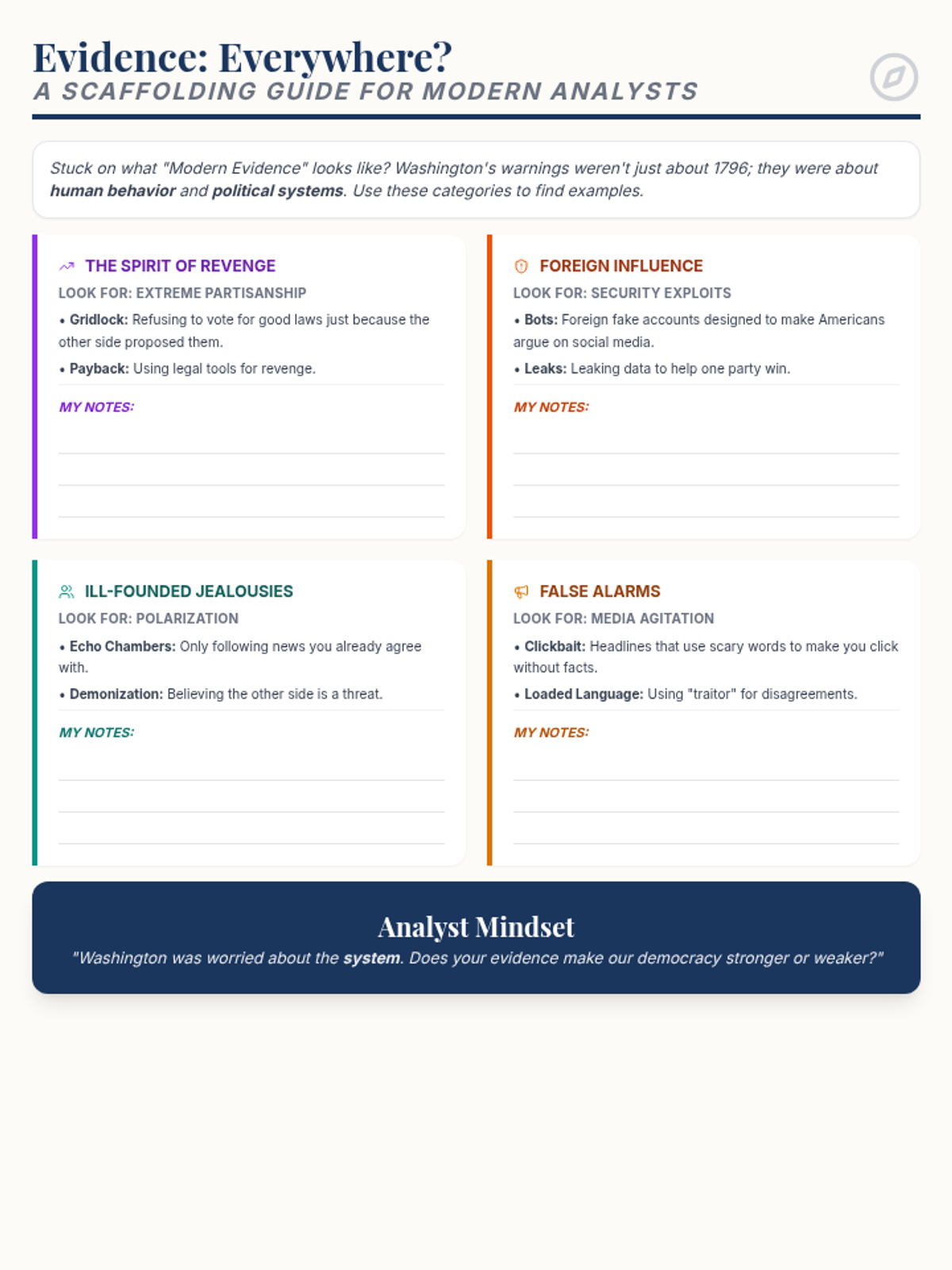
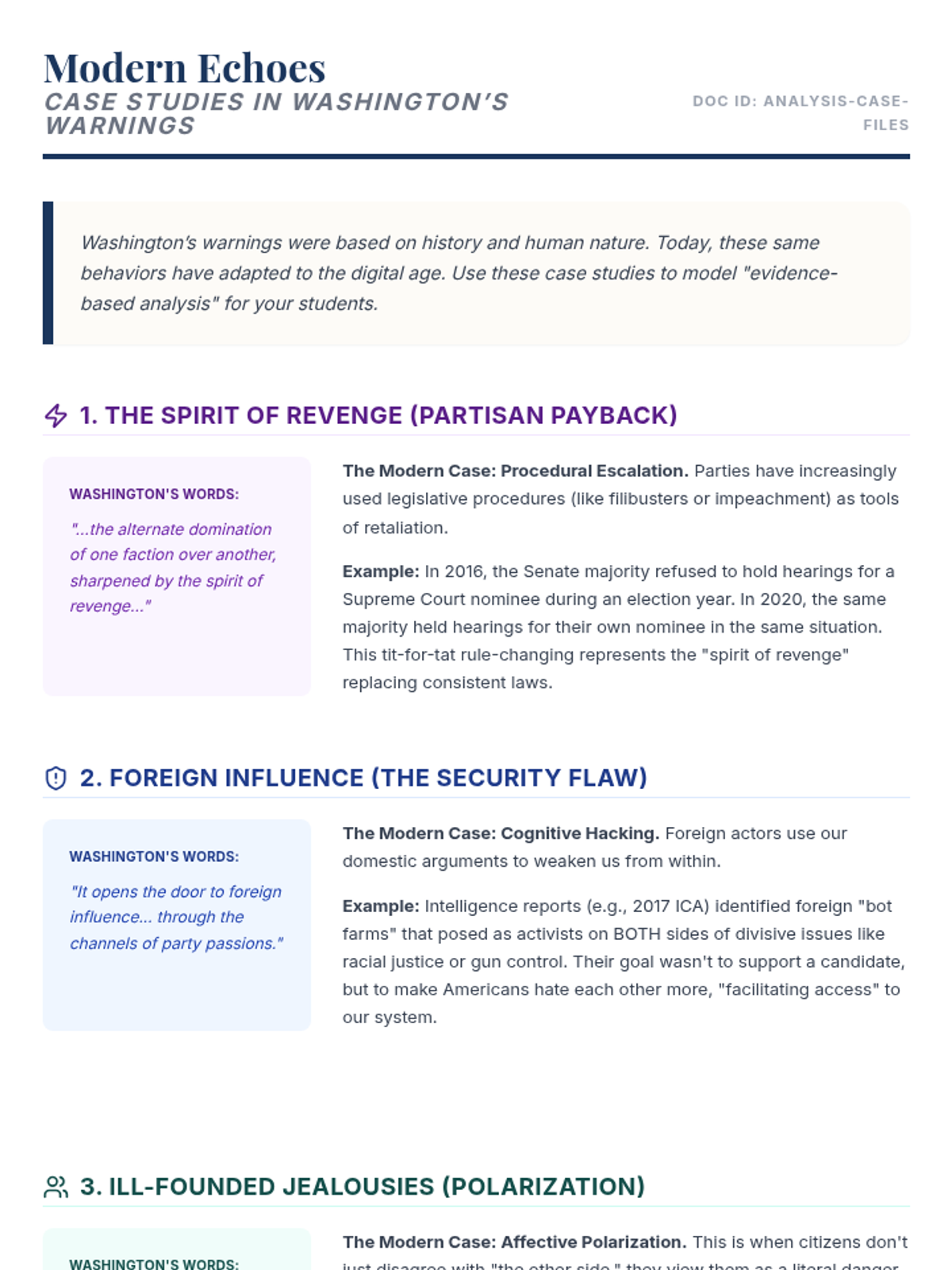
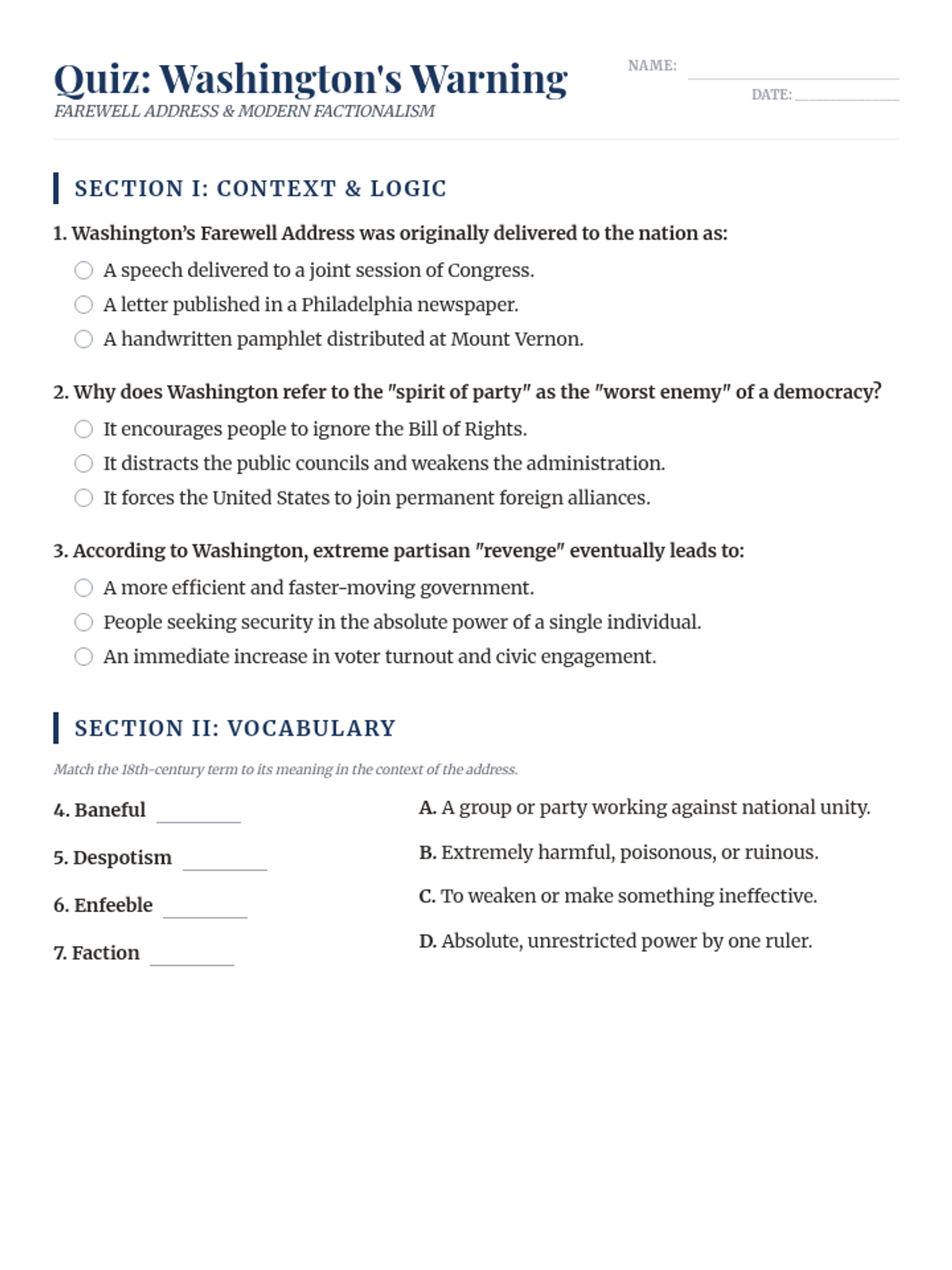
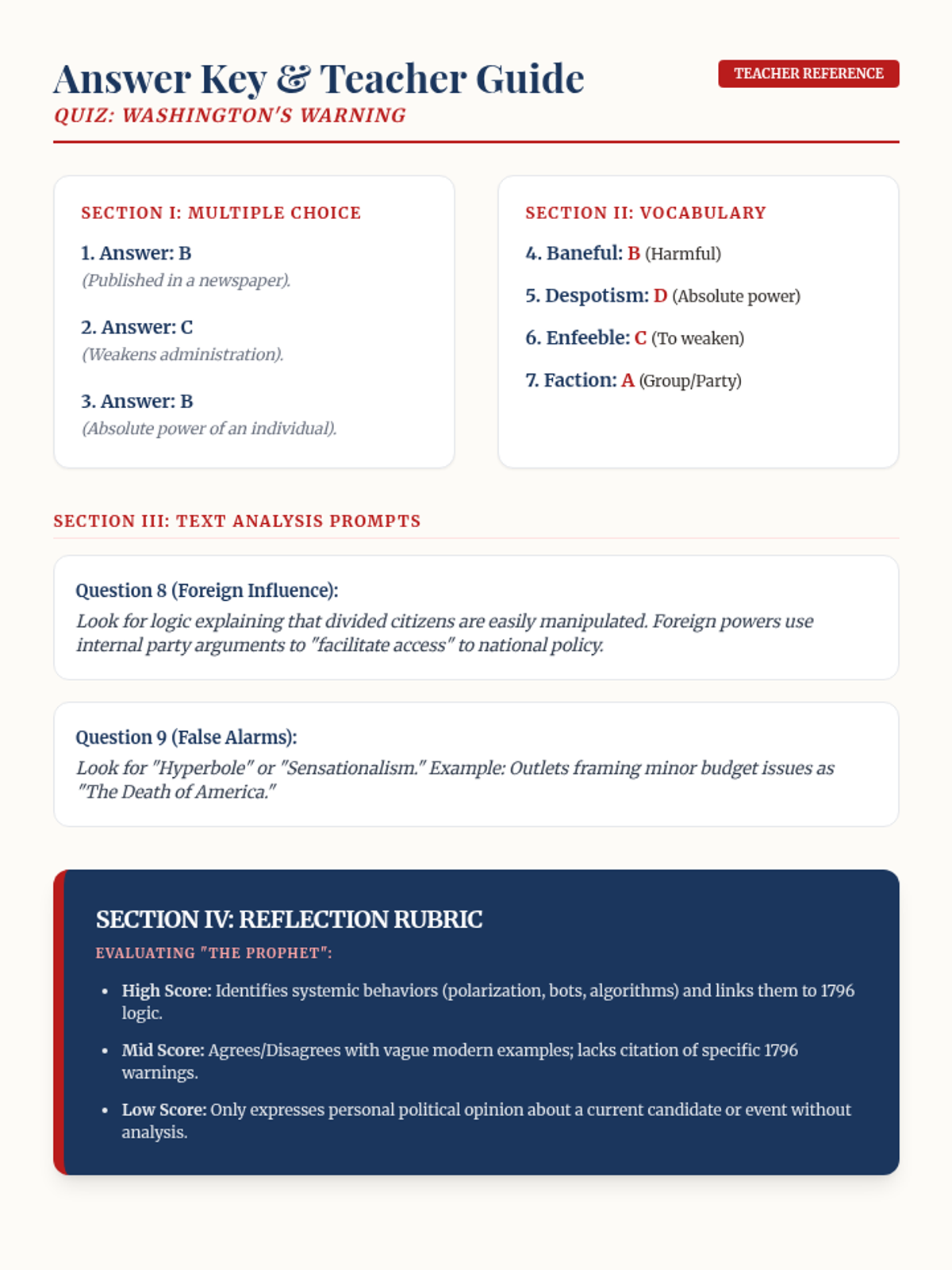
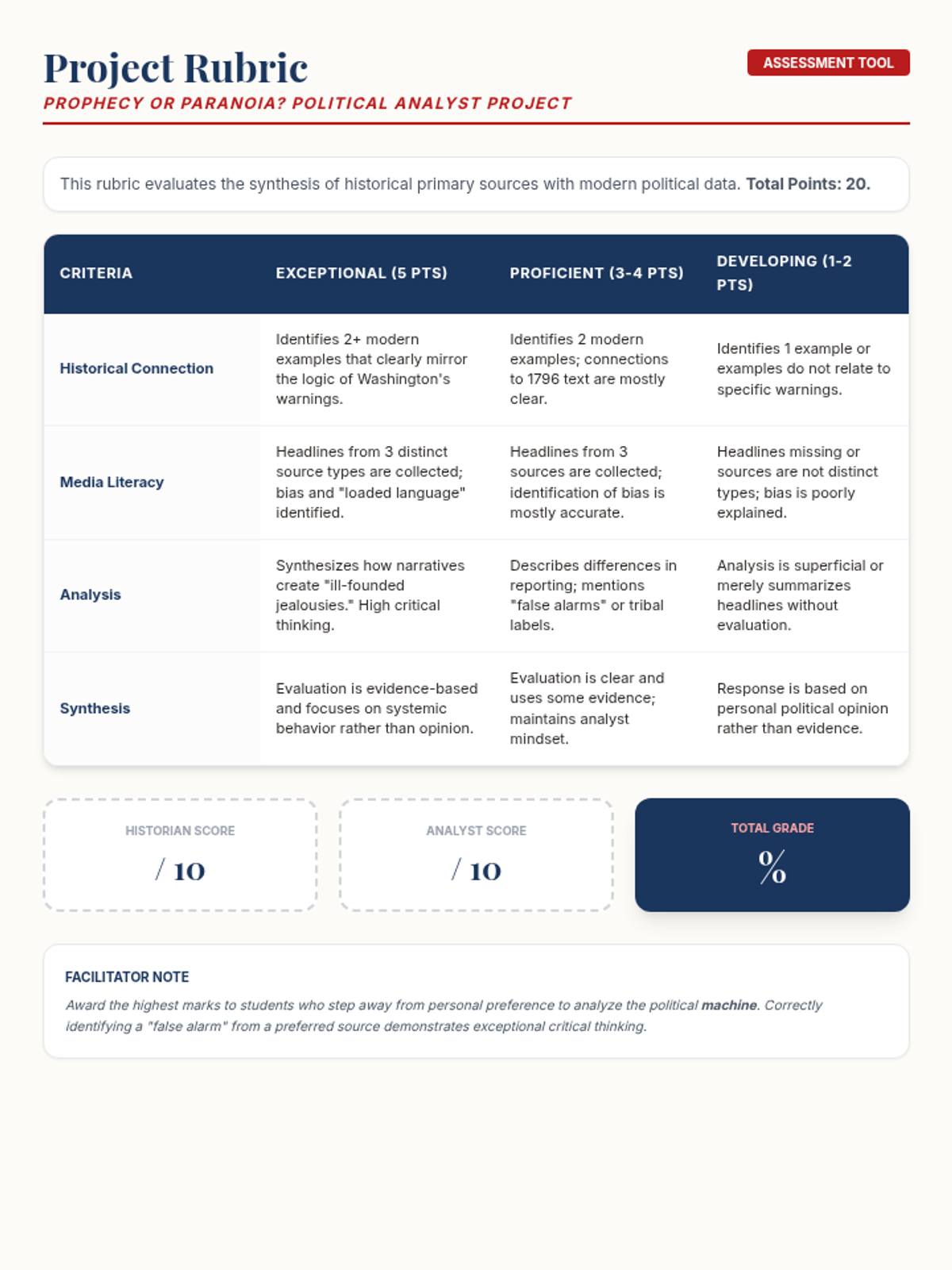
A project-based lesson where students act as political analysts to evaluate the modern-day relevance of George Washington's 1796 warnings using current news media and political events.