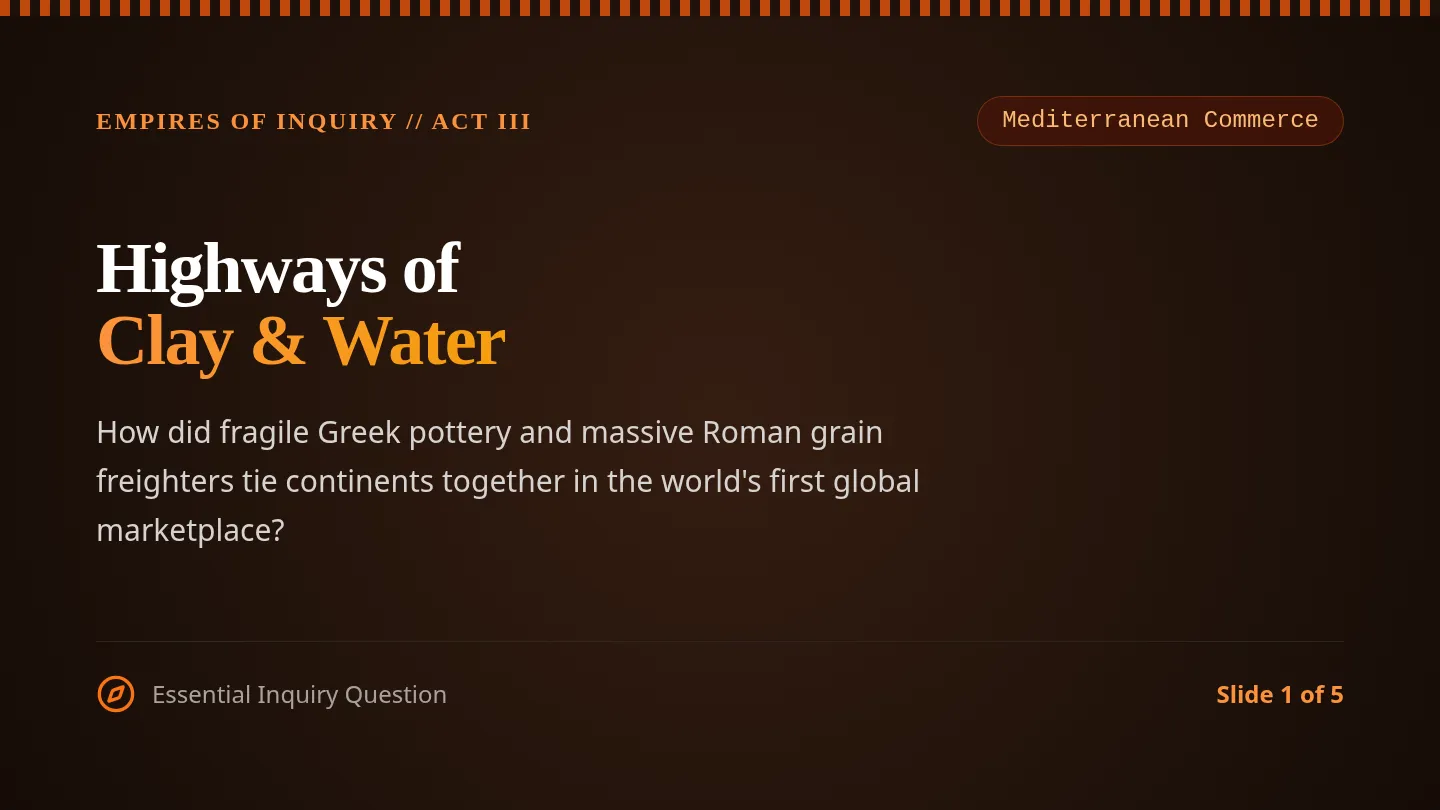
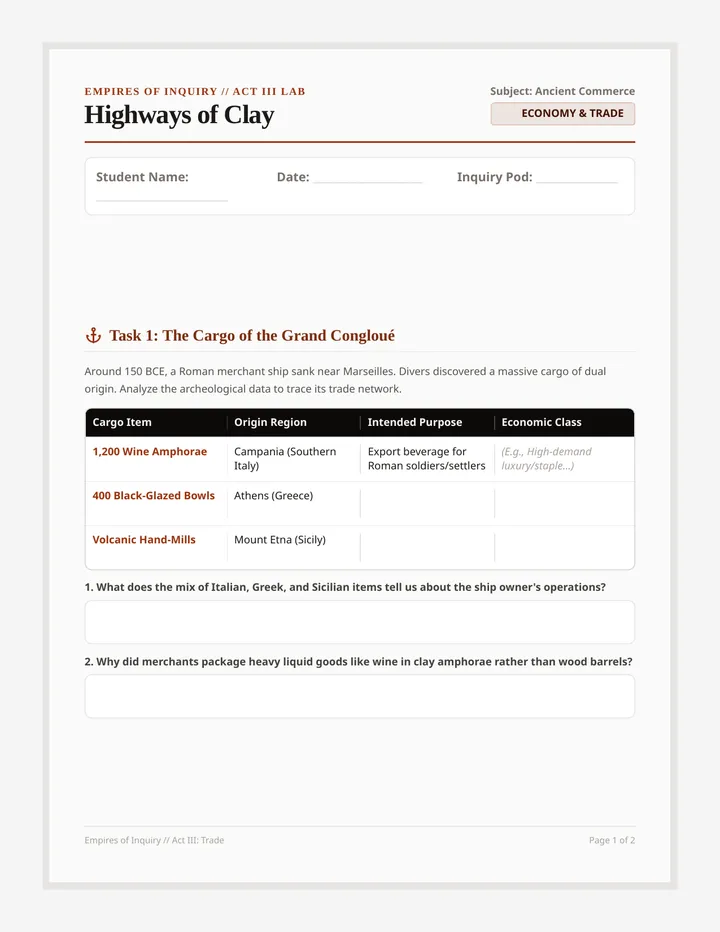
A focused vocabulary lesson to build background knowledge for historical texts, covering key terms like colonist, convince, government, and representative.
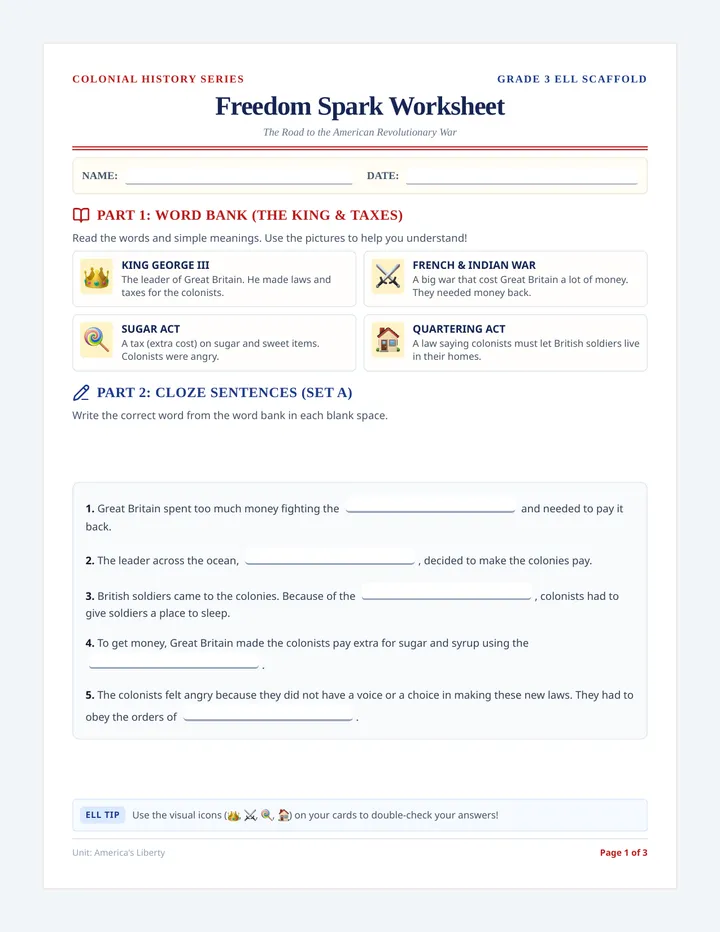
A lesson exploring how natural resources like water, soil, and forests support the needs and economy of a community. Students will learn to distinguish between claims about resource importance and the evidence that supports them.
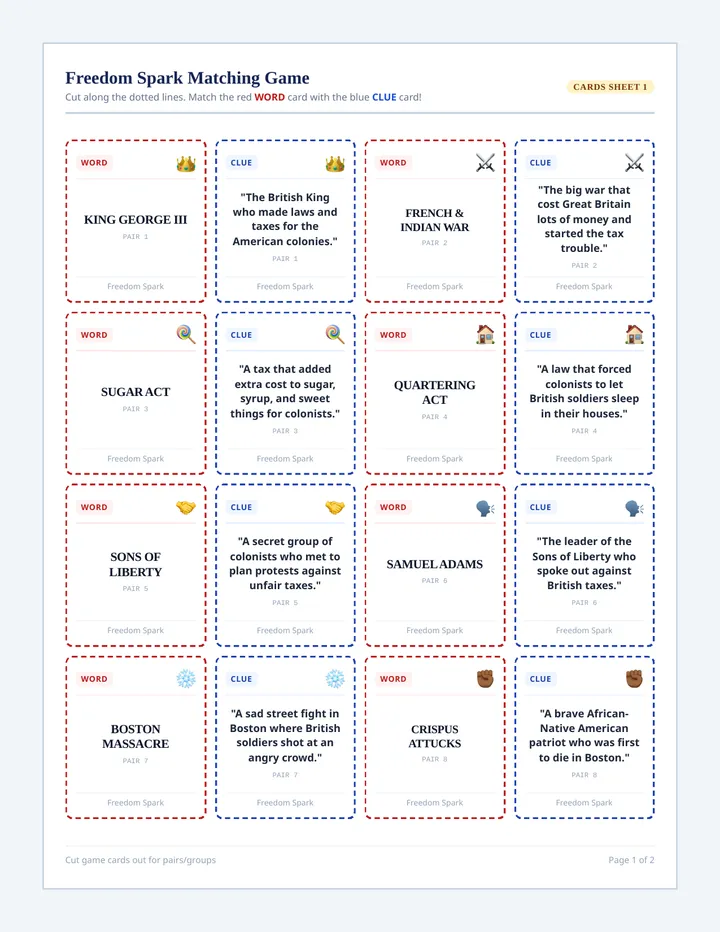
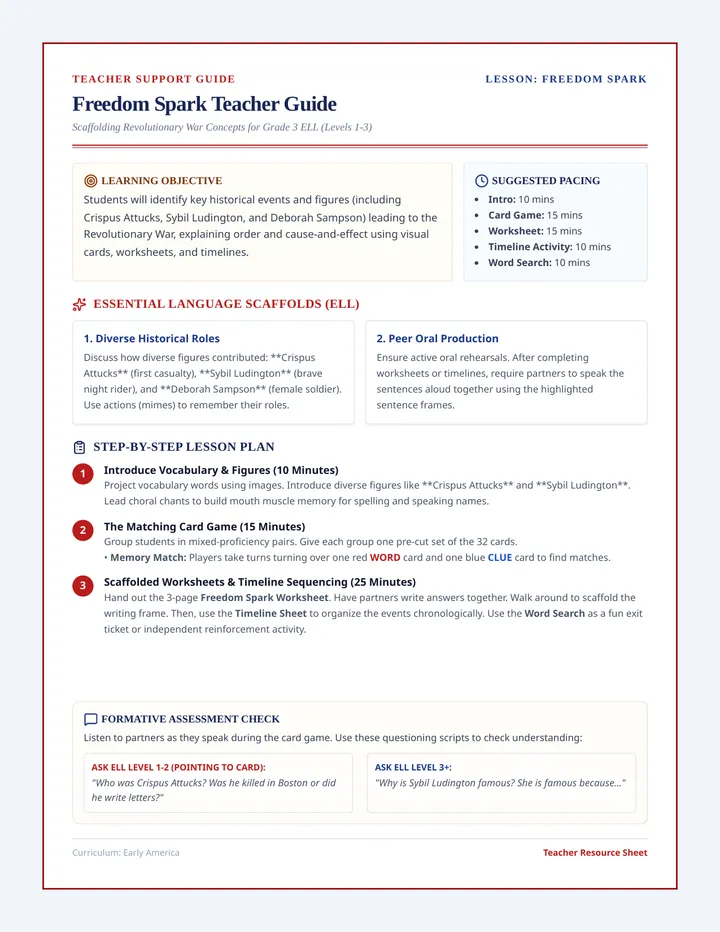
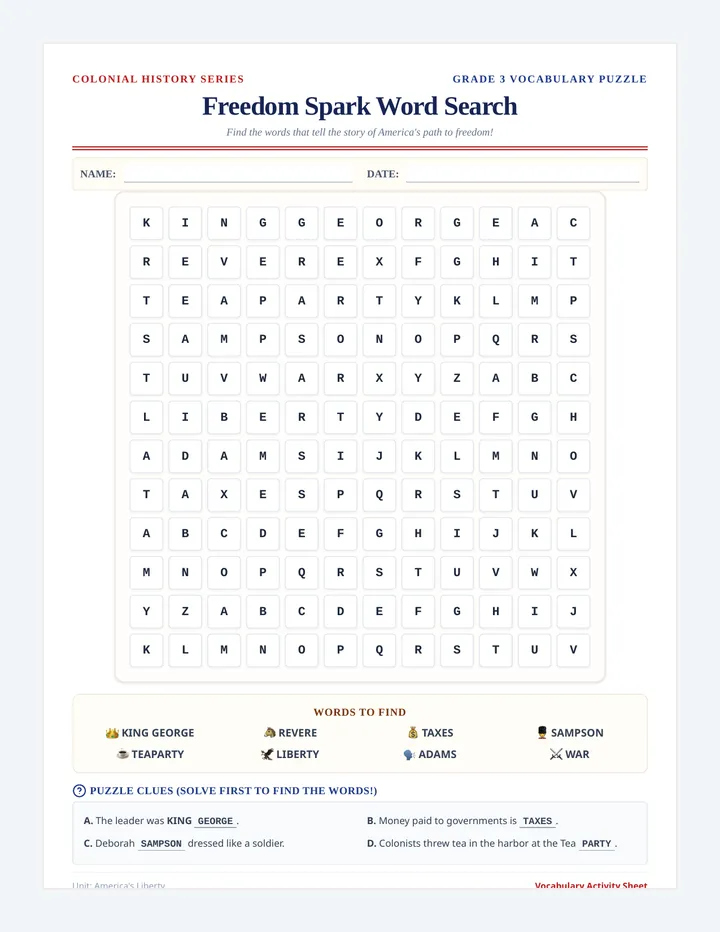
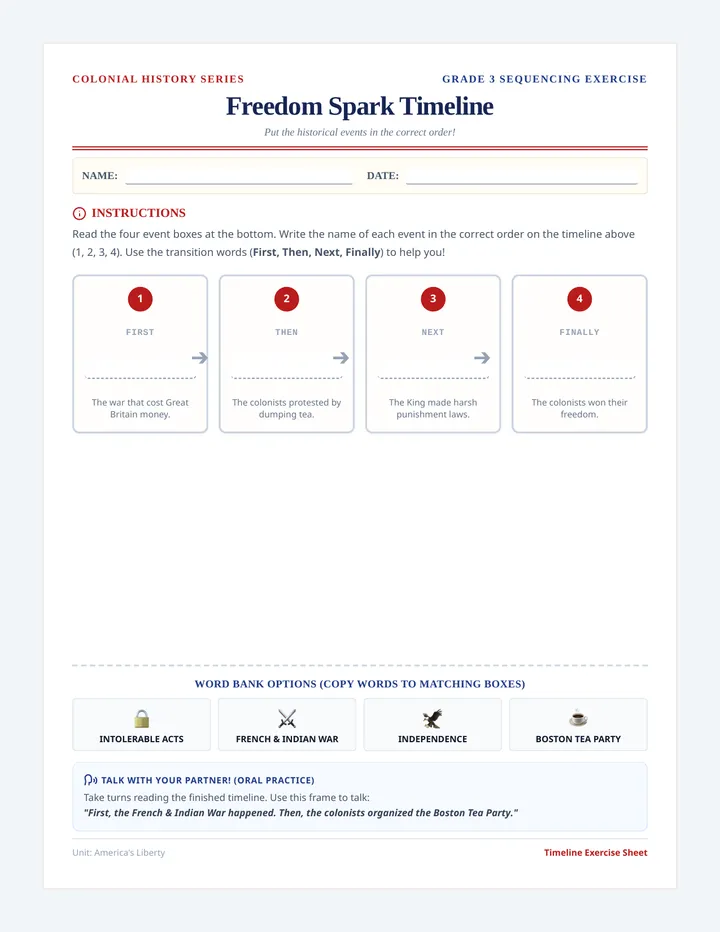
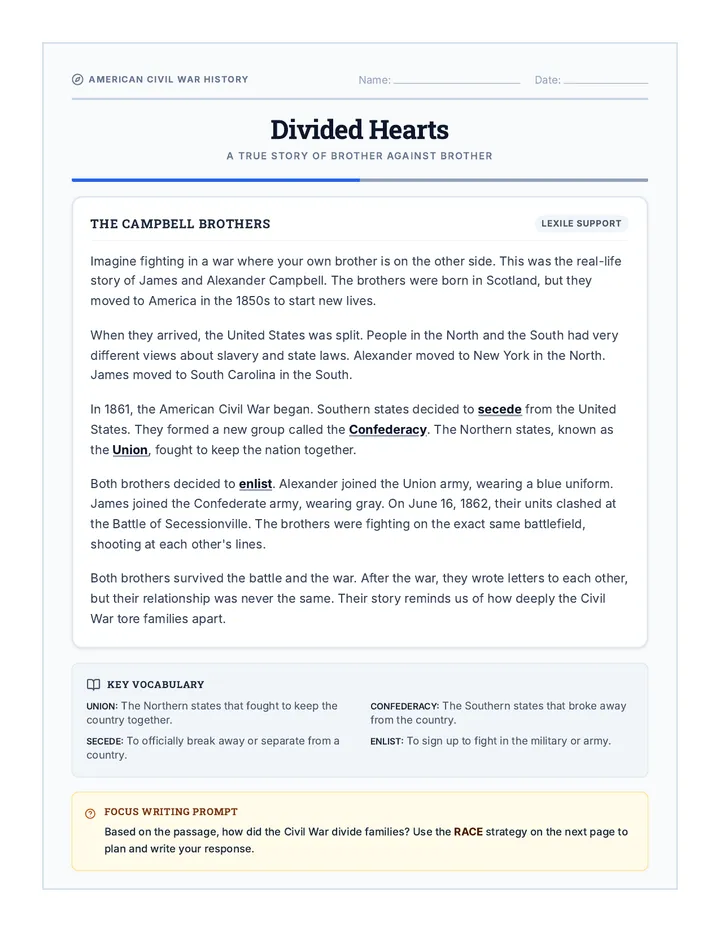
A focused overview of the primary causes and events that ignited the American Revolution, designed for 4th-grade students. This lesson covers the progression from the French and Indian War to the First Continental Congress.
An introductory lesson covering major historical explorers including Marco Polo, Columbus, Magellan, and Lewis and Clark.
A 20-minute middle school activity where students categorize evidence to determine whether the Cold War was caused by ideological differences or post-war security concerns.
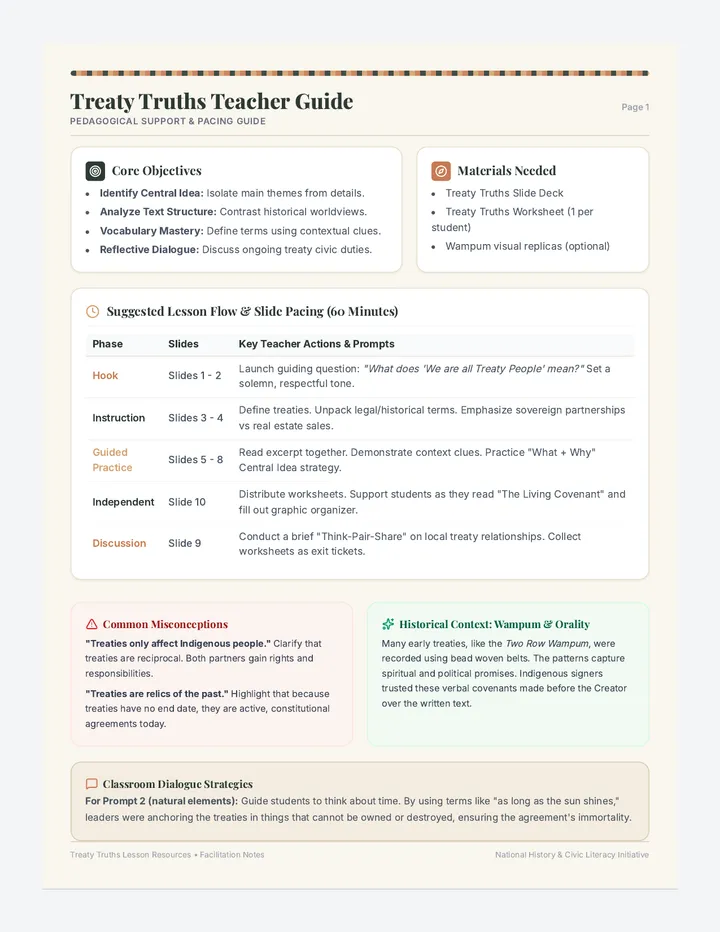
A lesson exploring the Boston Massacre and its role as propaganda.
A middle school history lesson exploring the events, perspectives, and propaganda surrounding the Boston Massacre through primary source analysis and creative writing.
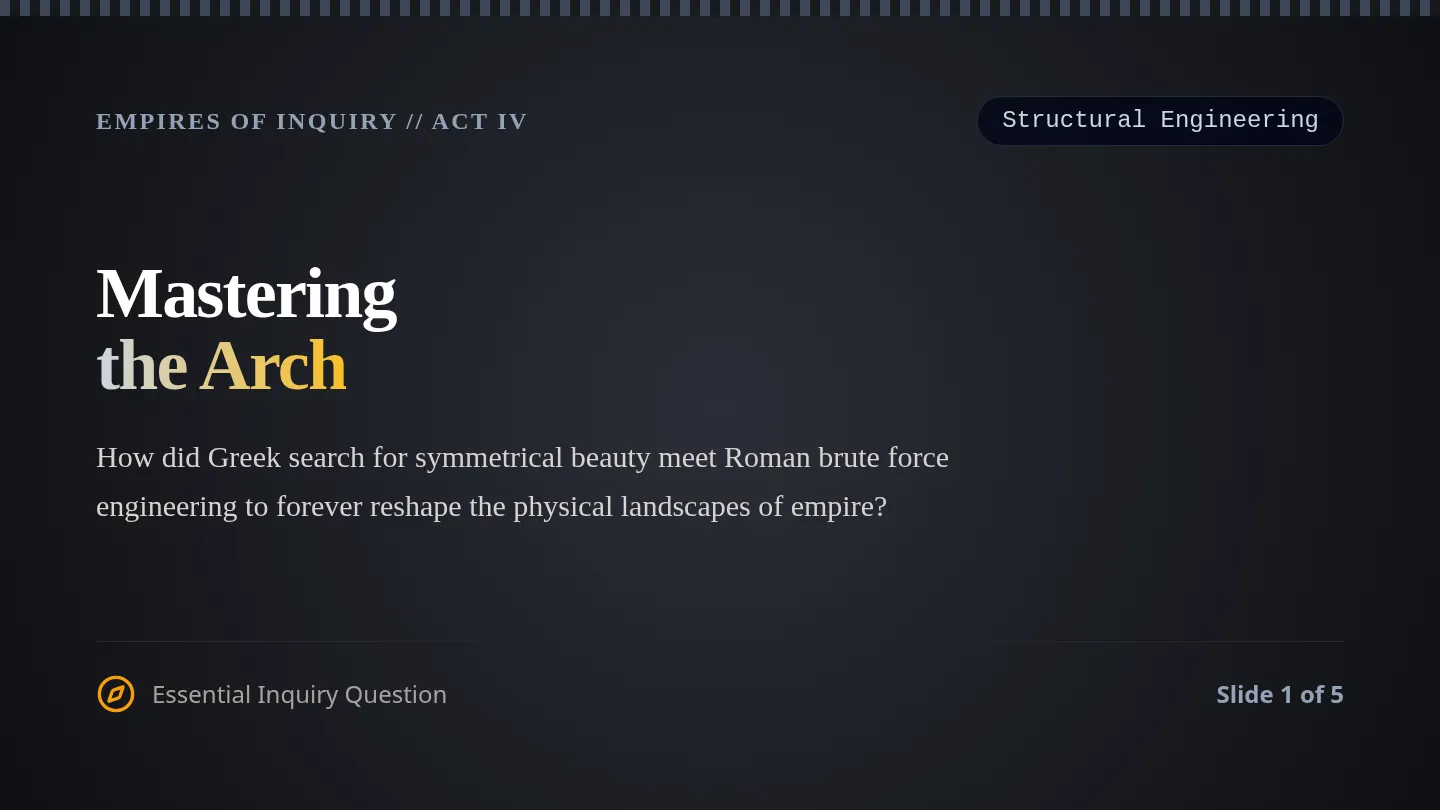
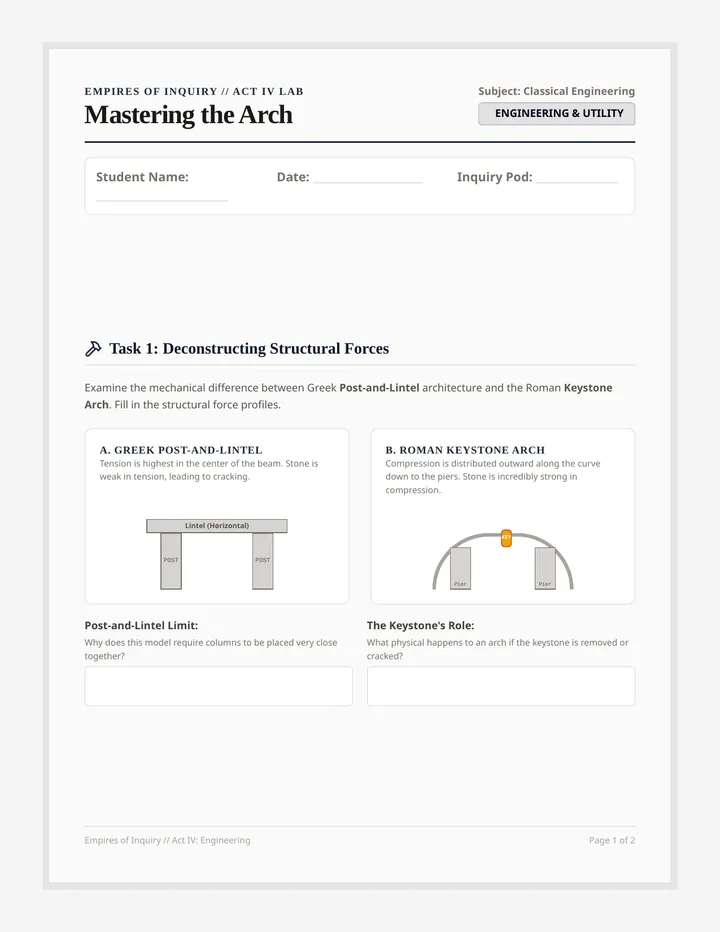
A lesson exploring the transition from monarchy to republic in Ancient Rome and how those early democratic ideas shaped modern governments like the United States.
An exploration of the 79 AD eruption of Mount Vesuvius and its impact on Pompeii, focusing on how archaeological evidence serves as a primary source for understanding Roman life.
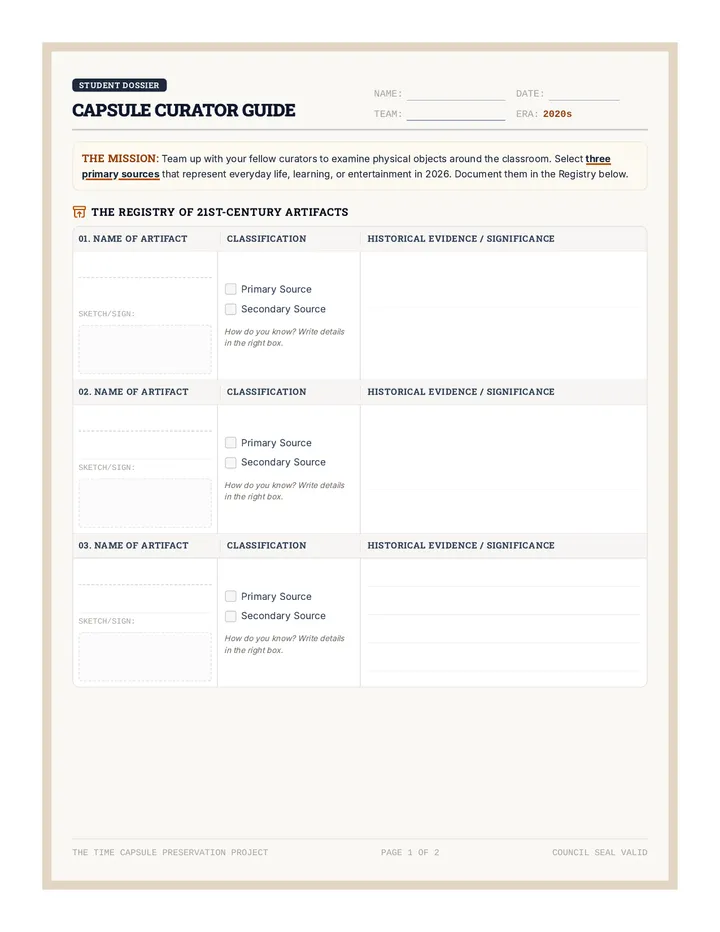
A comprehensive set of materials focusing on the global freshwater crisis, designed to help students identify cause-and-effect relationships within complex environmental systems. Students will analyze the drivers of water scarcity, its global impact, and potential technological and policy solutions.
A short dramatic unit exploring the aftermath of the 19th Amendment through a 10-character play, focusing on the diversity of women's experiences and the ongoing fight for equality in 1922.
Students will perform a short play set in 1922, highlighting the everyday contributions of women to the suffrage movement and their new roles as voters.
A high-energy, comedic exploration of the various strategies used by suffragists to win the vote, culminating in a 10-character play performance. Students will analyze picketing, lobbying, and public demonstrations through drama and discussion.
A lesson introducing third-grade students to the daily life, inventions, and famous landmarks of Ancient Rome through a reading passage and comprehension check.