A middle school history lesson exploring the events, perspectives, and propaganda surrounding the Boston Massacre through primary source analysis and creative writing.
A 20-minute middle school activity where students categorize evidence to determine whether the Cold War was caused by ideological differences or post-war security concerns.
A lesson exploring the Boston Massacre and its role as propaganda.
An exploration of the 79 AD eruption of Mount Vesuvius and its impact on Pompeii, focusing on how archaeological evidence serves as a primary source for understanding Roman life.
A comprehensive set of materials focusing on the global freshwater crisis, designed to help students identify cause-and-effect relationships within complex environmental systems. Students will analyze the drivers of water scarcity, its global impact, and potential technological and policy solutions.
A short dramatic unit exploring the aftermath of the 19th Amendment through a 10-character play, focusing on the diversity of women's experiences and the ongoing fight for equality in 1922.
Students will perform a short play set in 1922, highlighting the everyday contributions of women to the suffrage movement and their new roles as voters.
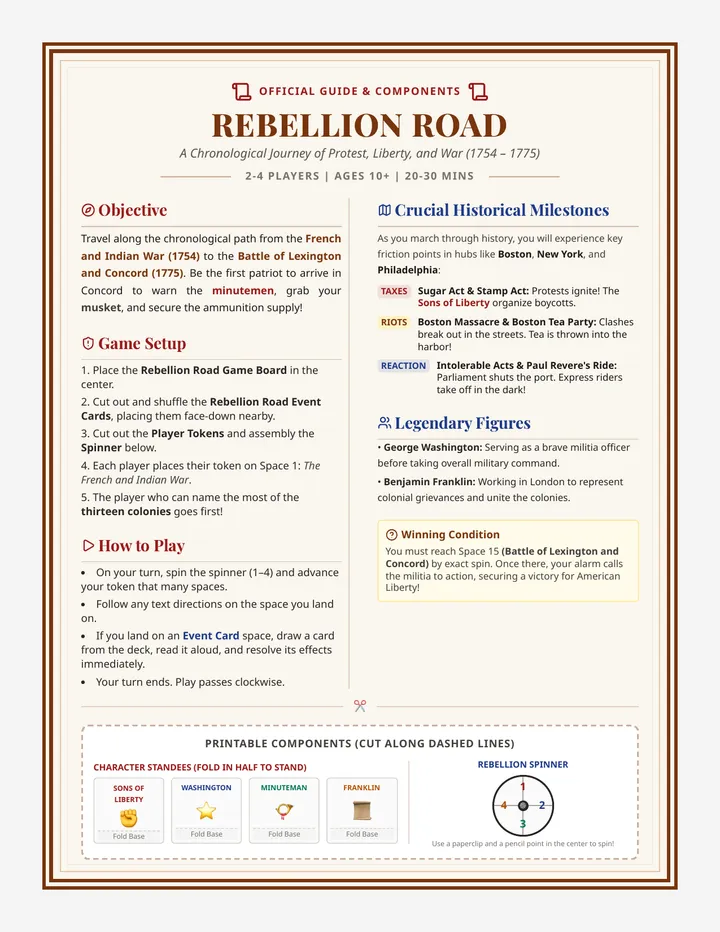
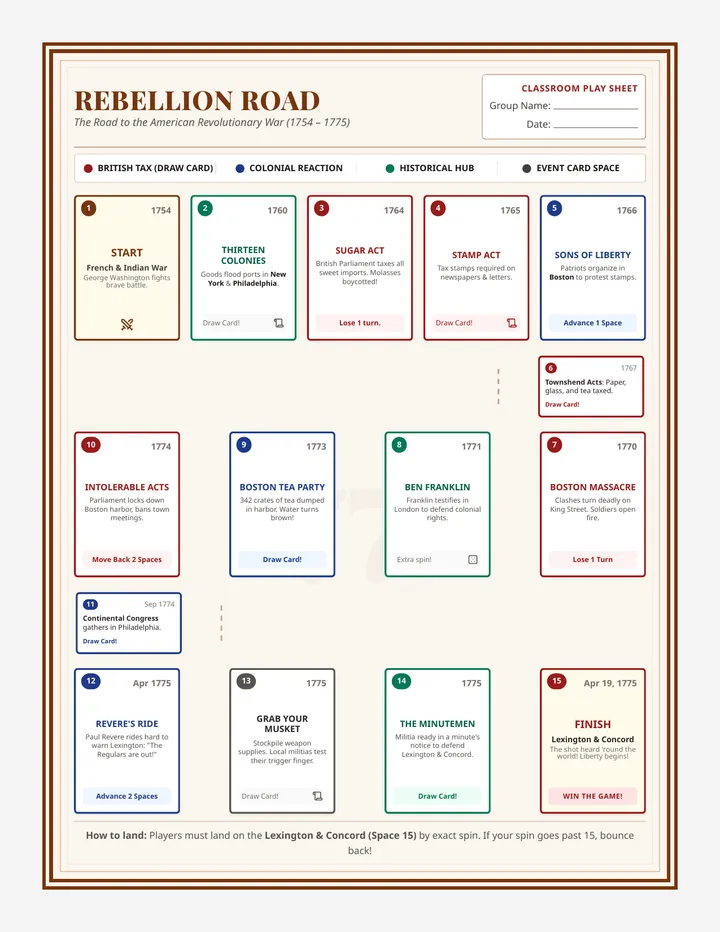
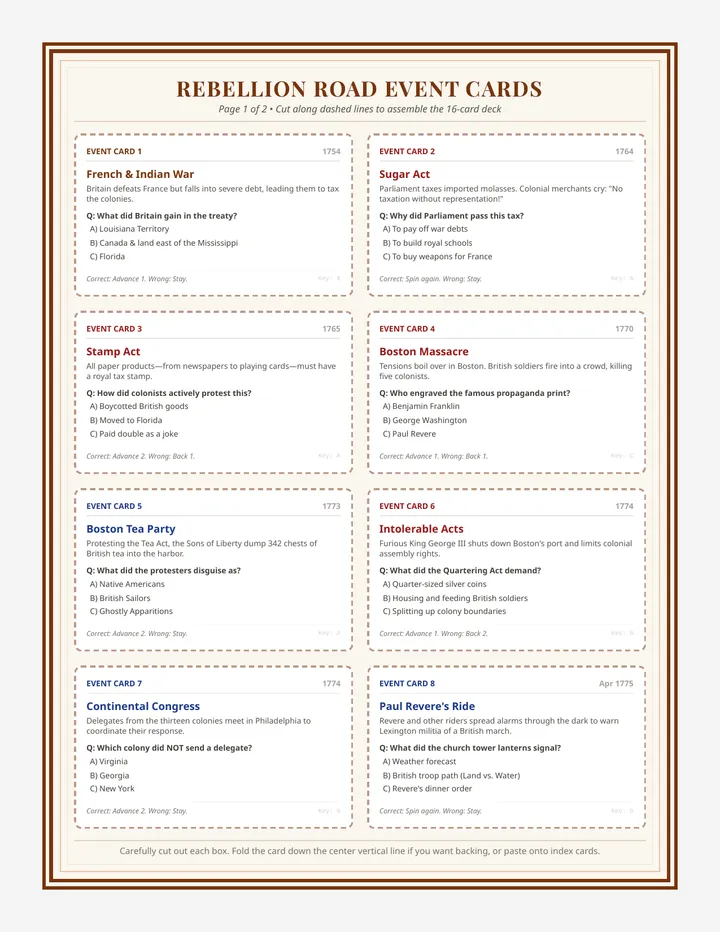
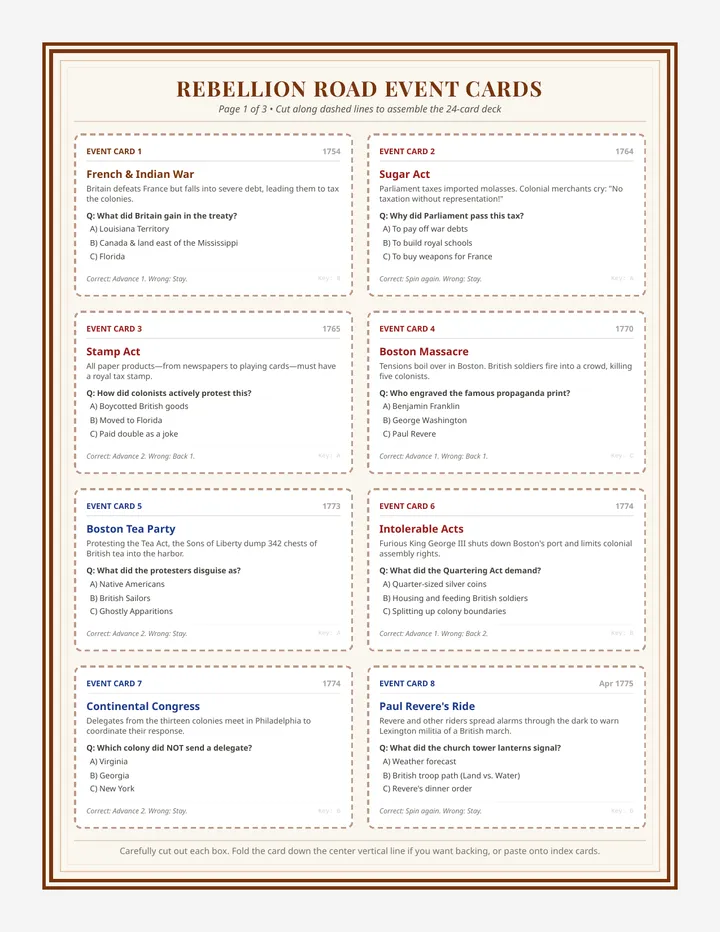
This lesson explores the escalating tensions between the American colonies and Great Britain, focusing on the conflicting perspectives of Patriots and Loyalists regarding colonial protests and British authority.
Examine the structural changes in the Americas following the fall of indigenous empires. Students explore the Encomienda system, the Casta hierarchy, and the long-term cultural fusion that shaped modern Latin America.
An immersive exploration of the Spanish Conquest of the Americas through role-play and primary source analysis. Students examine the motivations of various groups and the transformative impacts of colonization.
A festive collection of St. Patrick's Day activities focusing on vocabulary and Irish folklore.
Students delve into the legal and social bonds of the feudal contract through a knighting ceremony simulation and drafting their own oaths of fealty.
In this lesson, students explore the concepts of disability discrimination and accessibility, analyzing how physical, digital, and social barriers impact individuals and the health of a democracy. Students will learn to distinguish between discriminatory practices and legitimate professional boundaries.
A middle school history lesson centered on a formal debate regarding the causes of the American Revolution, featuring research organizers, a comprehensive rubric, and teacher guidance.