An introductory lesson for 3rd graders on respectful persuasion and logical reasoning using fun, low-stakes topics like snacks and superpowers. Students learn to state opinions, provide reasons, and listen to others with kindness.
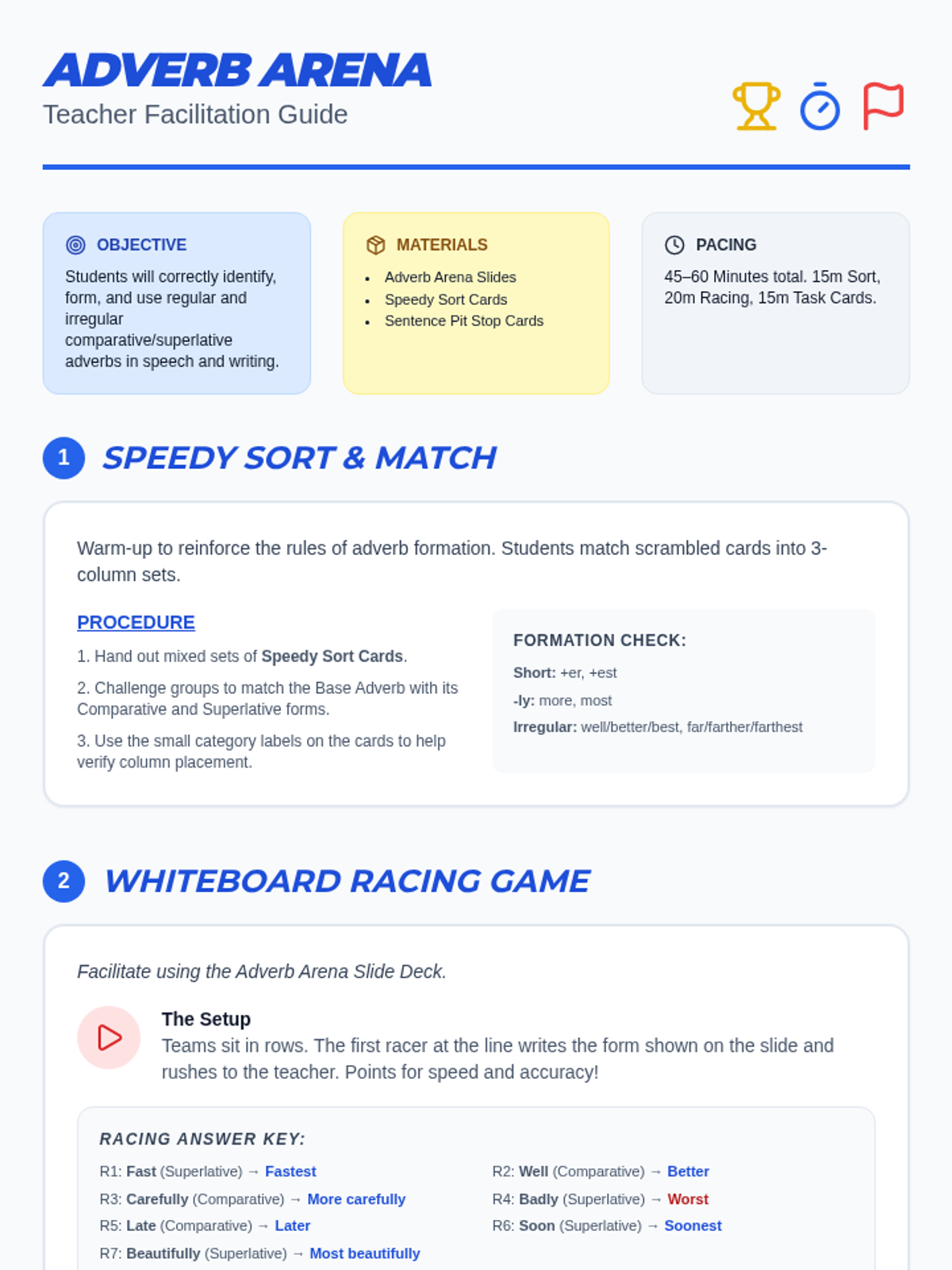
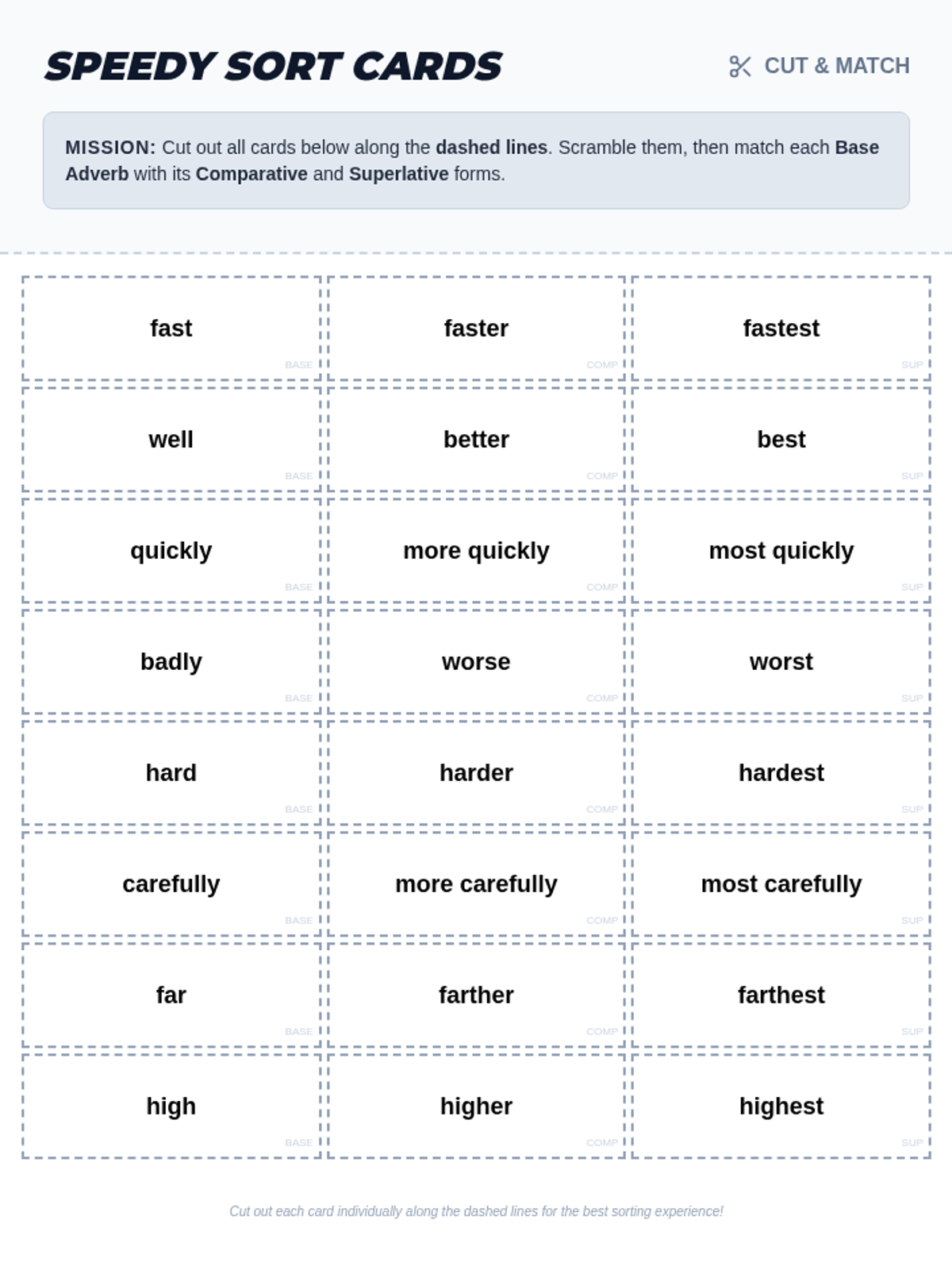
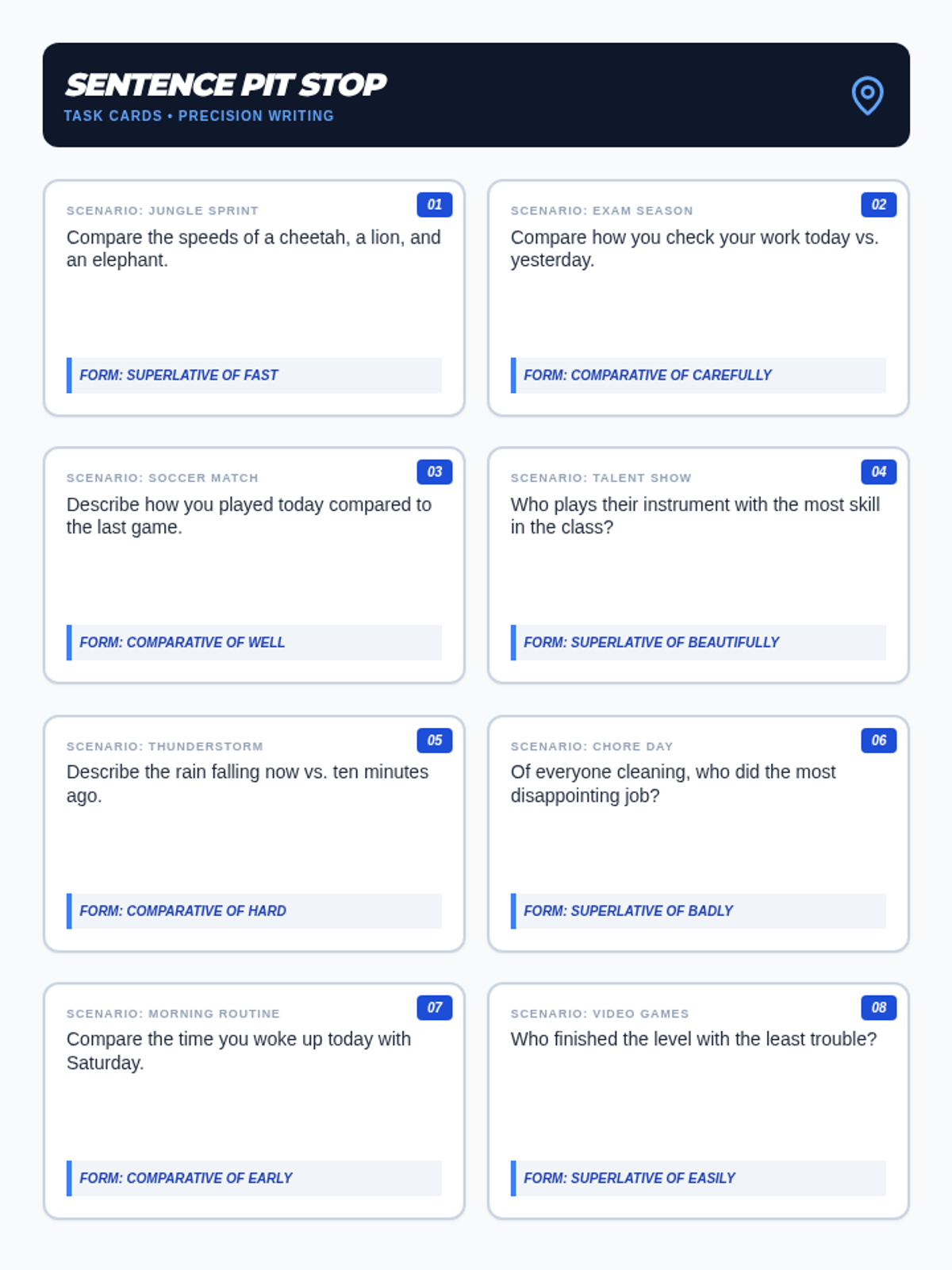
A high-energy set of activities designed to master comparative and superlative adverbs through movement, sorting, and creative sentence construction.
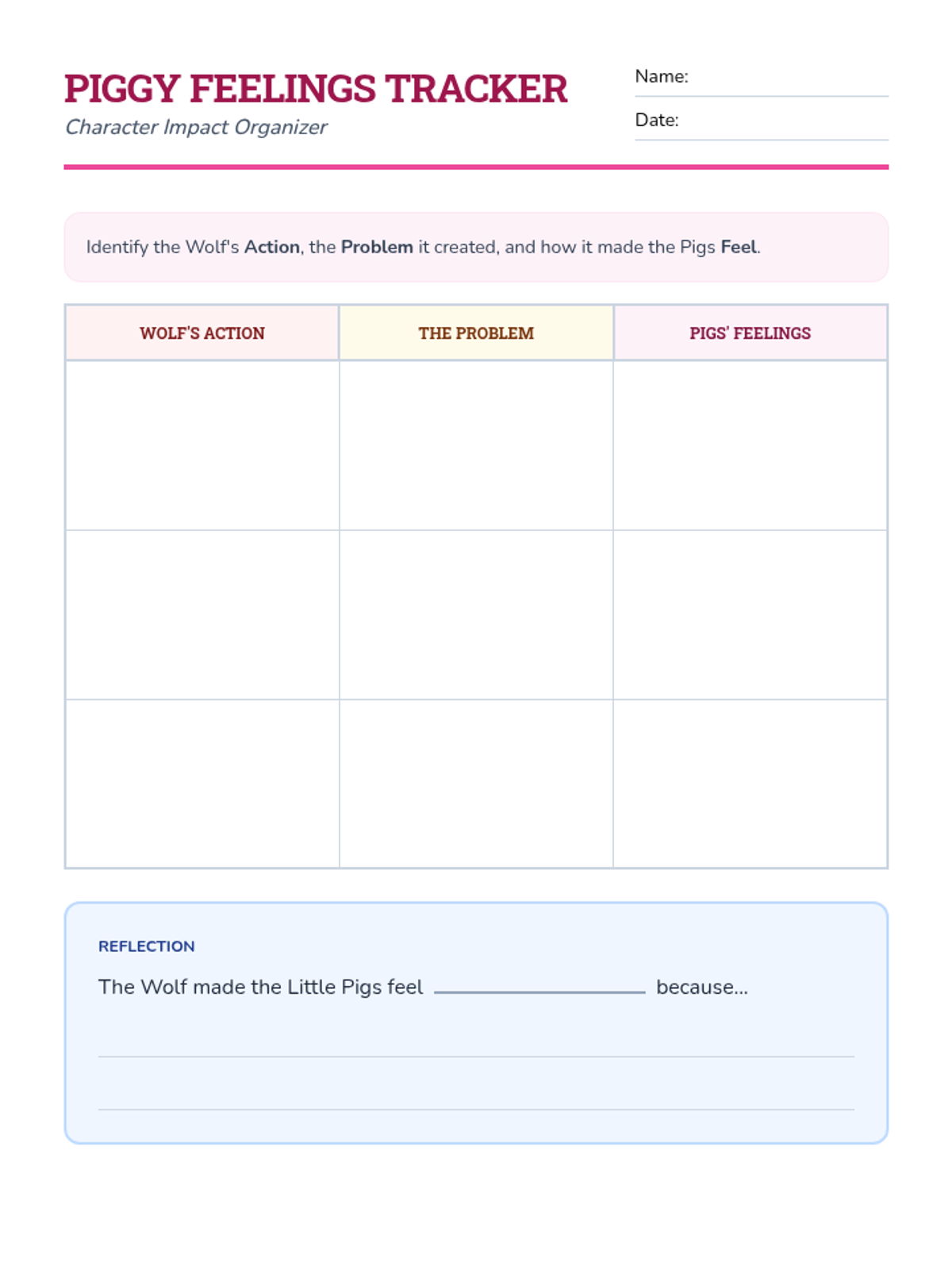
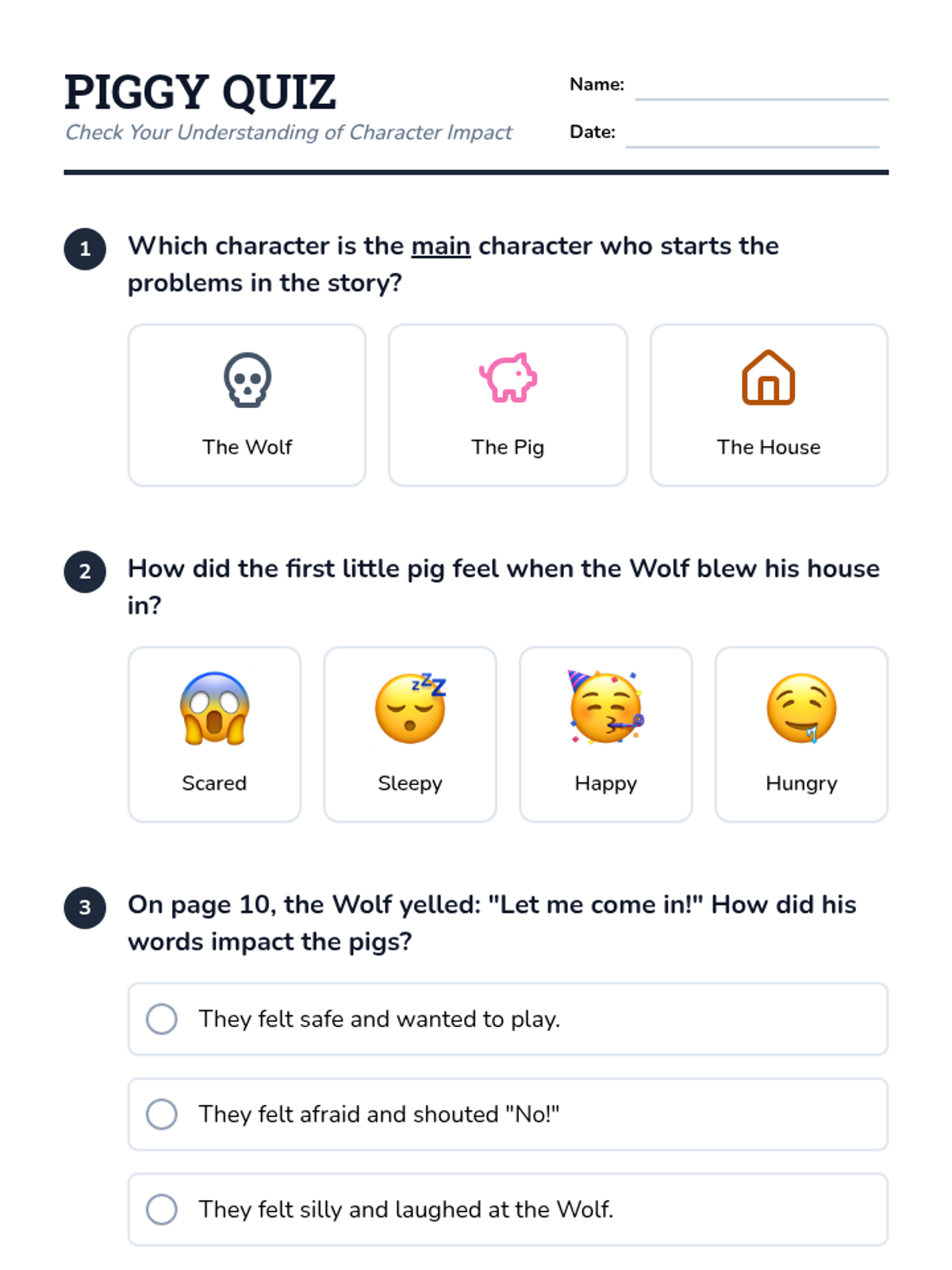
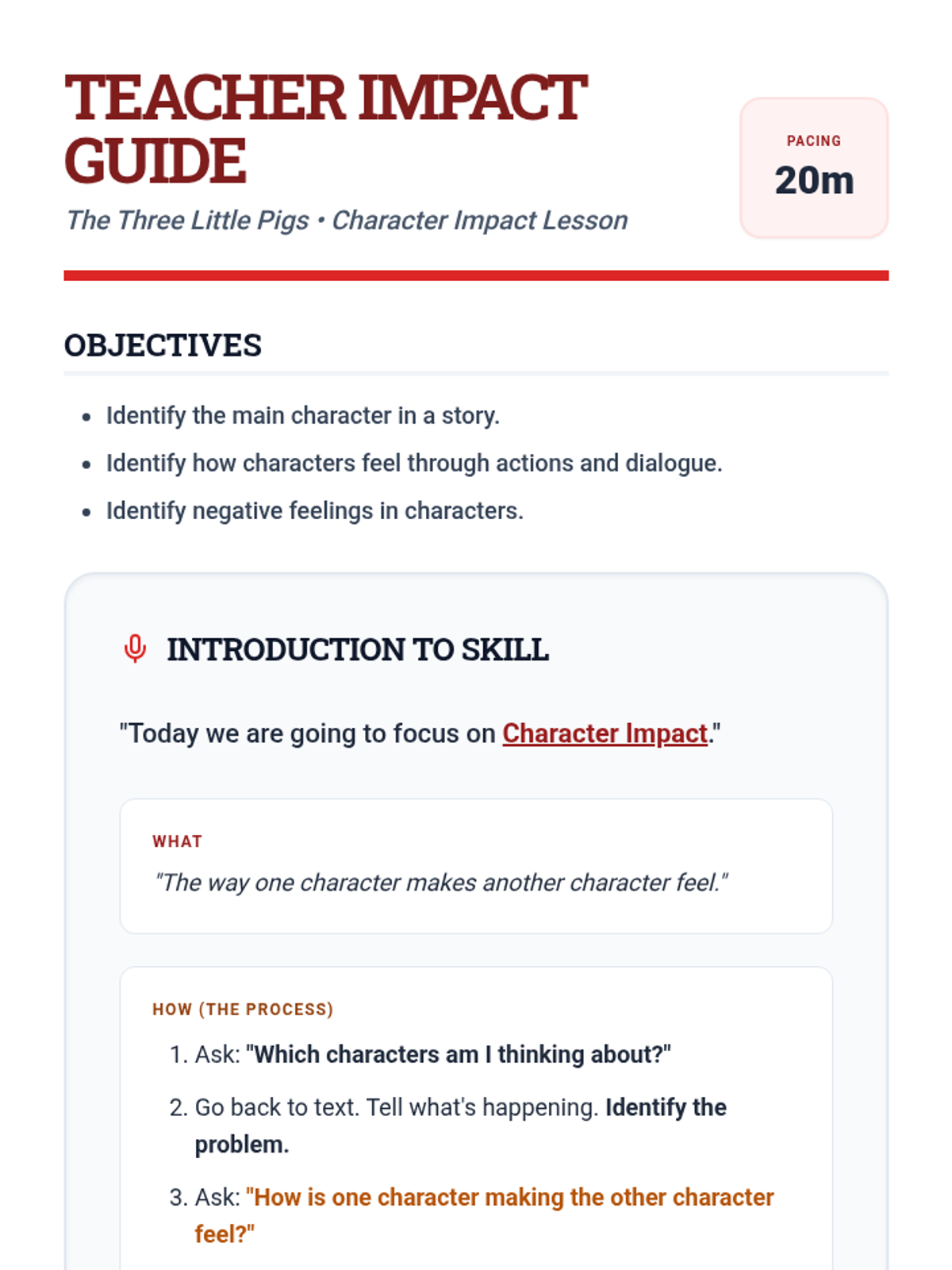
A guided reading lesson focused on how characters' actions and dialogue impact others' feelings, using the story of The Three Little Pigs.
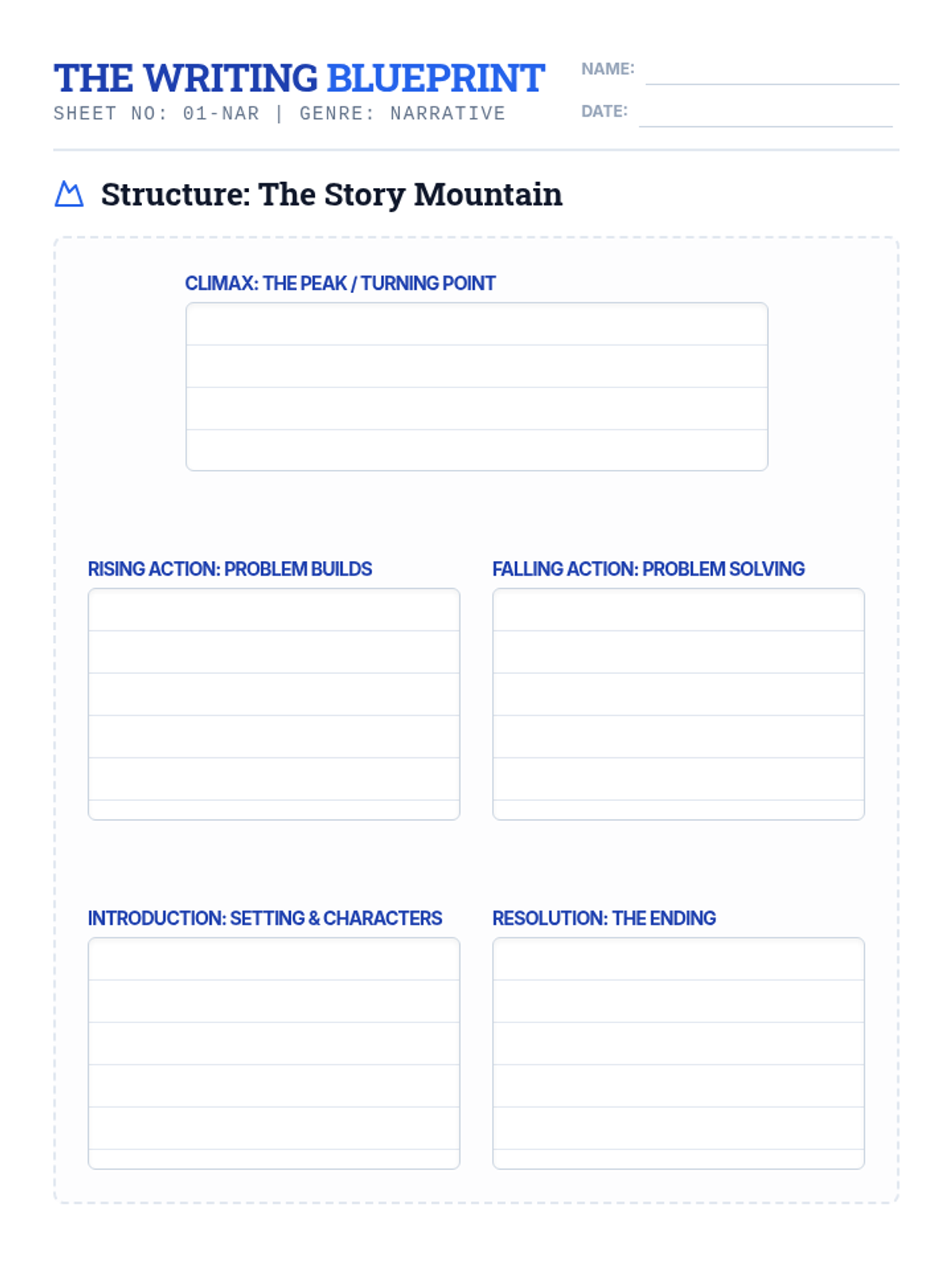
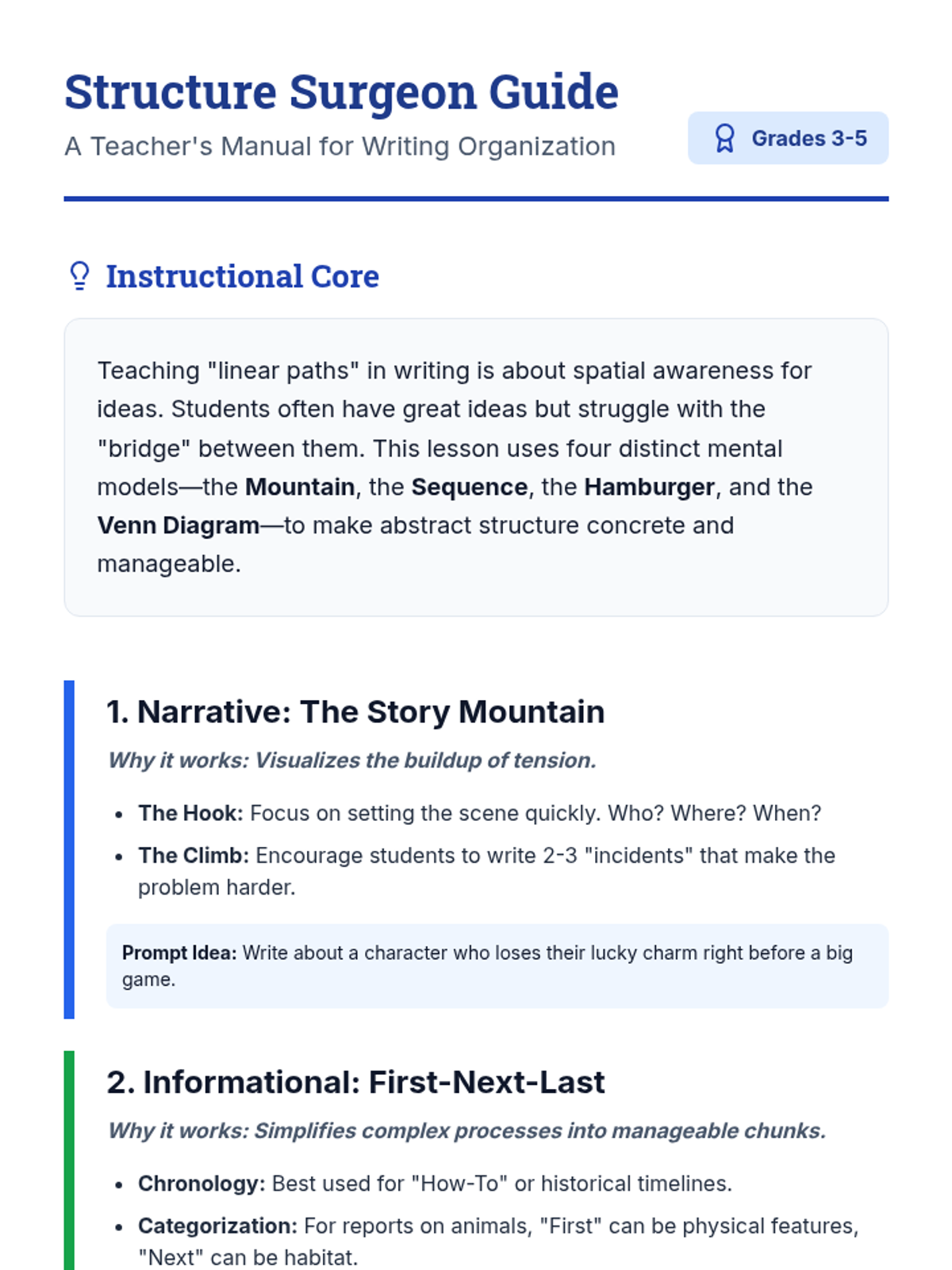
A comprehensive lesson teaching students how to organize their writing using specific structures for narrative, opinion, informational, and compare/contrast genres. Students will learn to use the Story Mountain, Hamburger Map, First-Next-Last sequences, and Venn Diagrams to ensure their writing follows a clear, linear path.
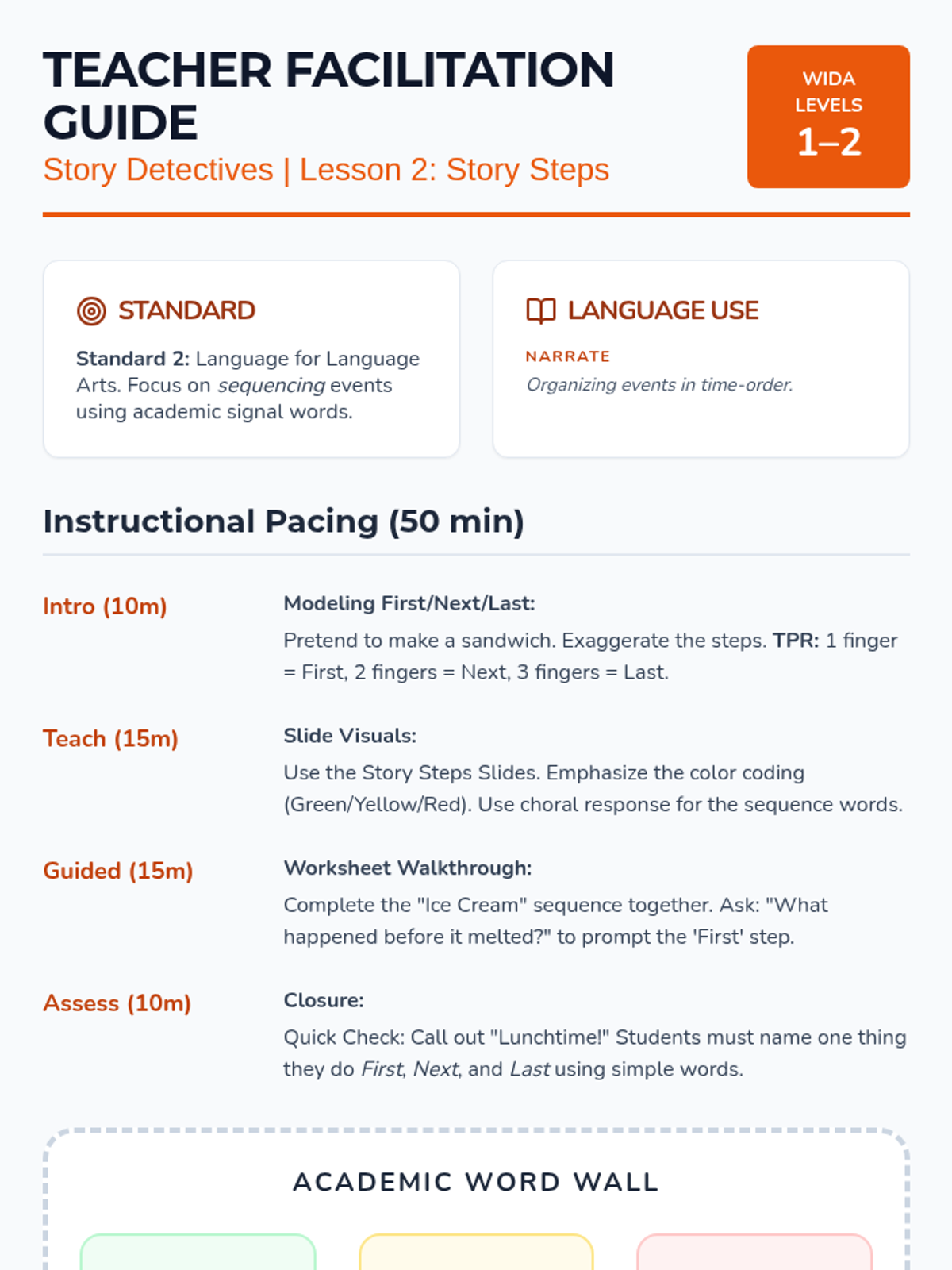
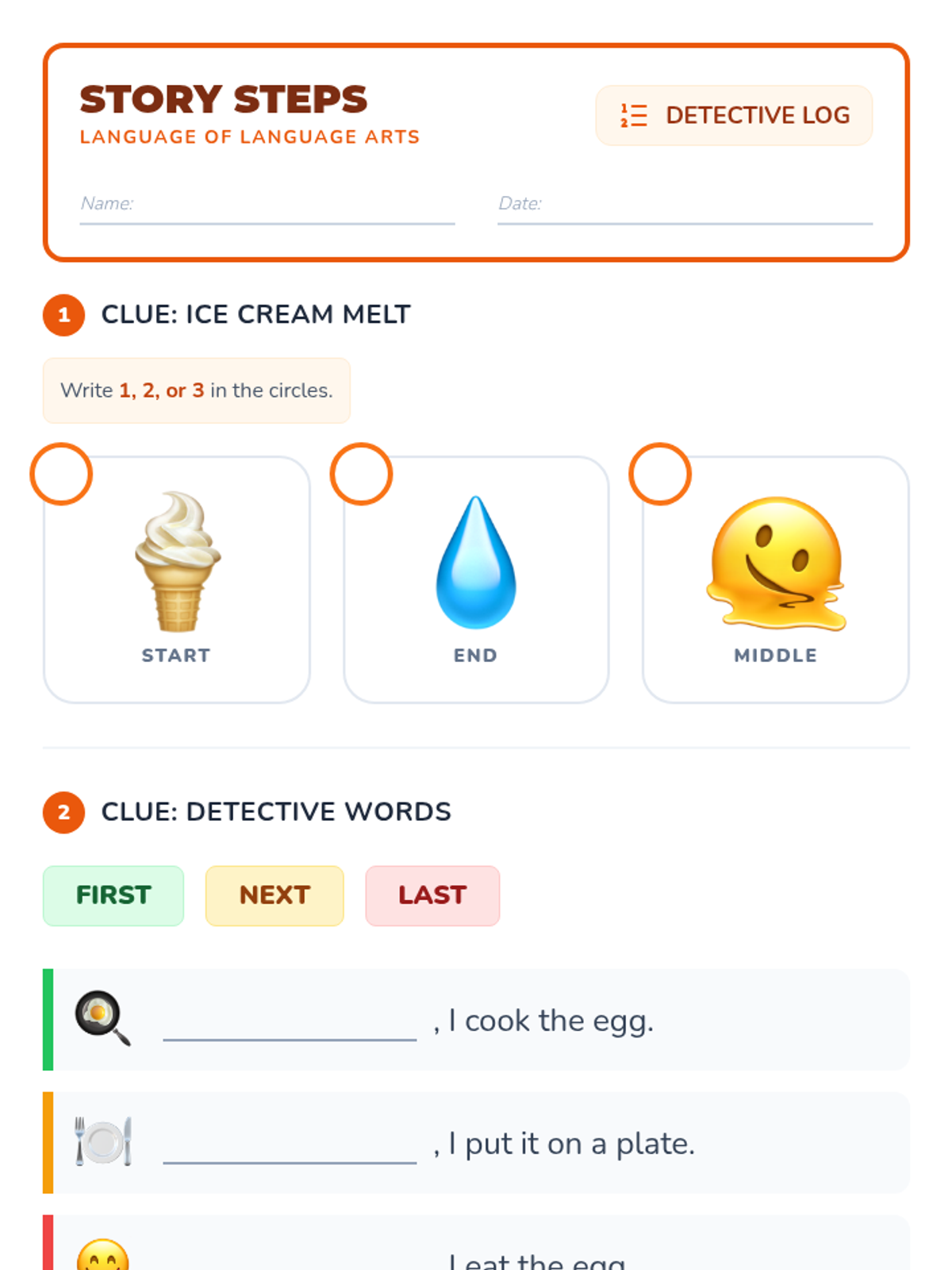
Students will sequence three major events in a story using the signal words 'first', 'next', and 'last'.
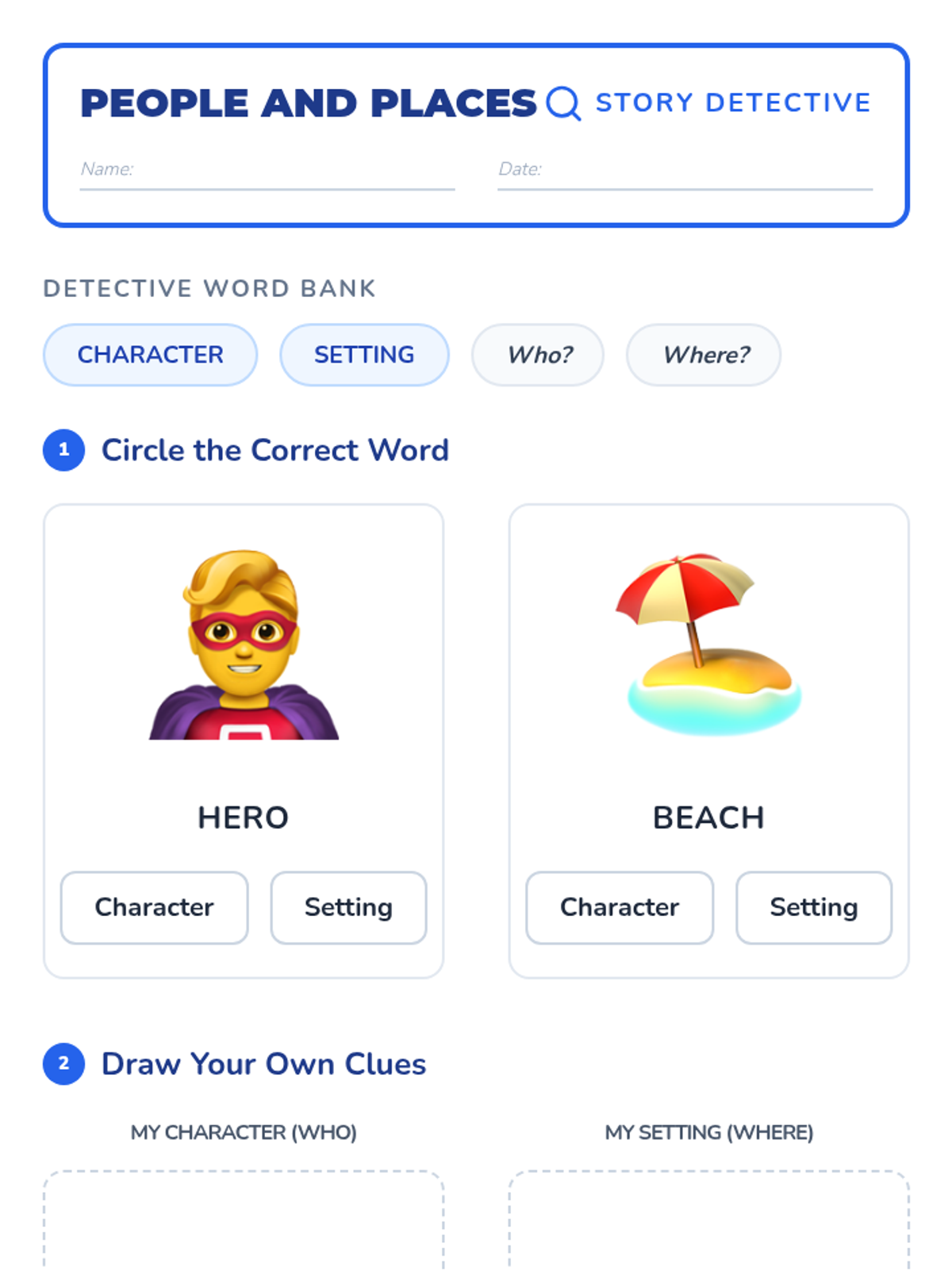
Students will identify characters (who) and settings (where) in simple narratives using visual cues and foundational descriptive language.
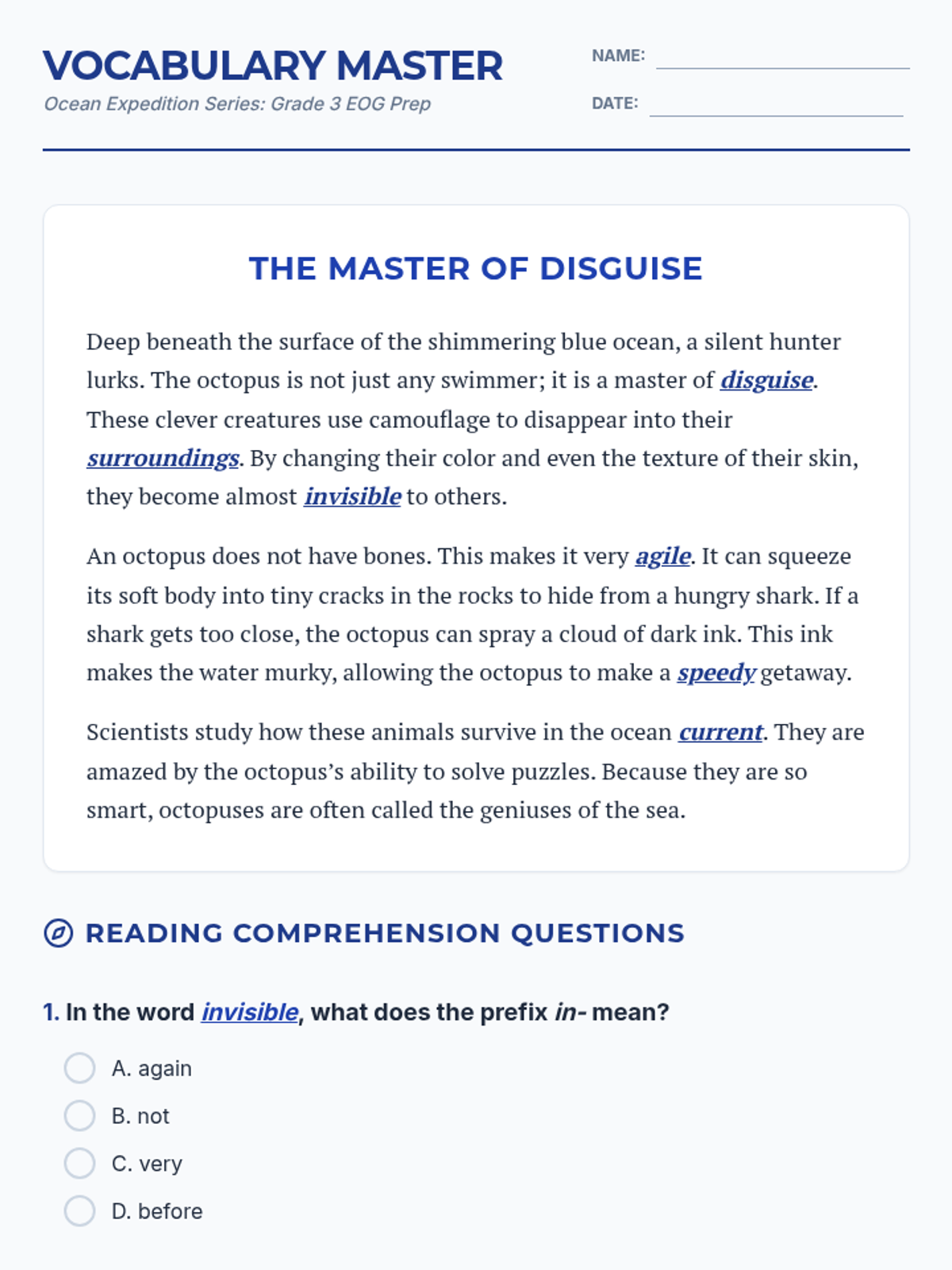
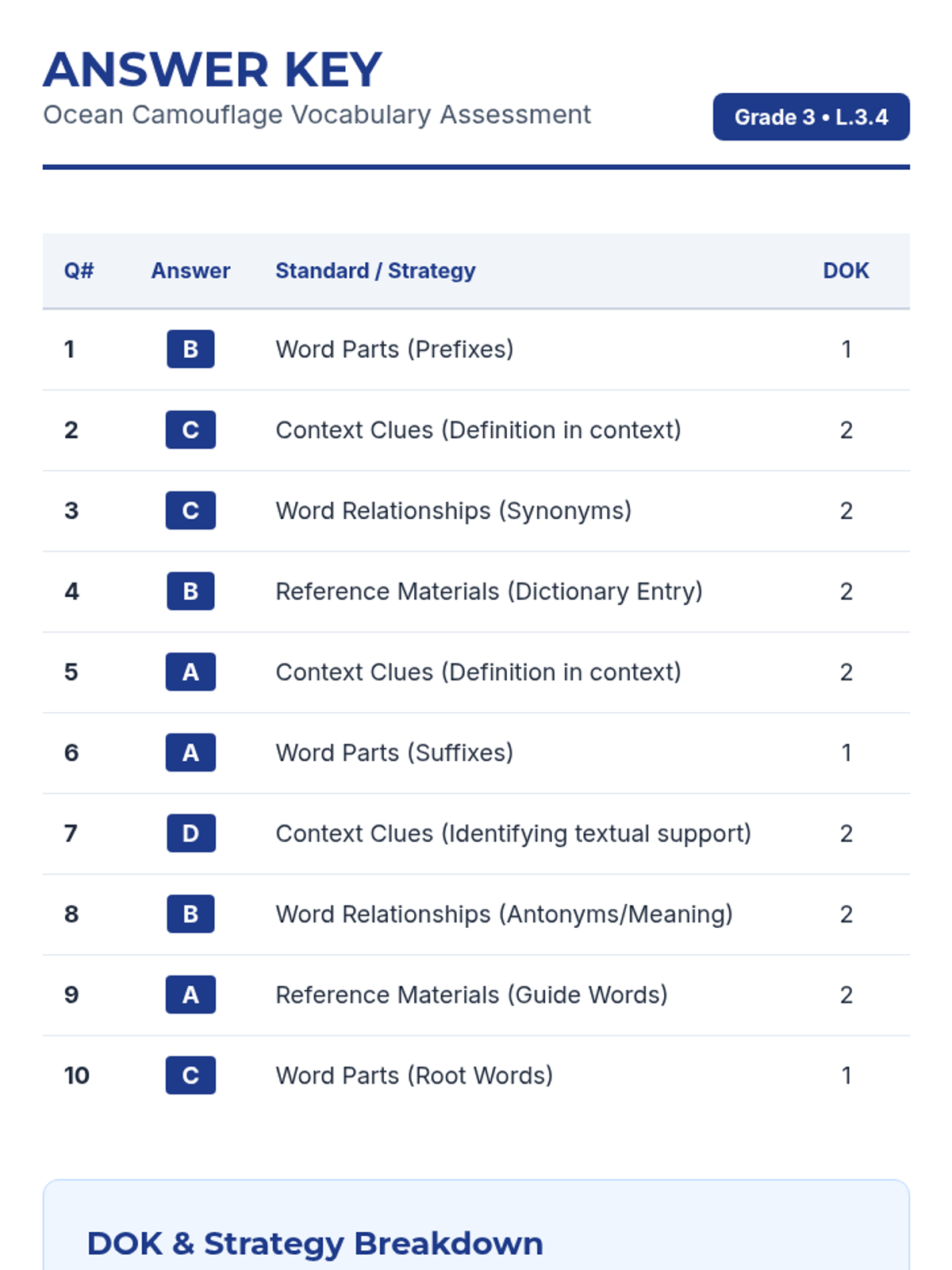
A lesson focused on mastering vocabulary strategies through a marine-themed reading passage, aligned with CCSS L.3.4 End-of-Grade testing styles and DOK levels.
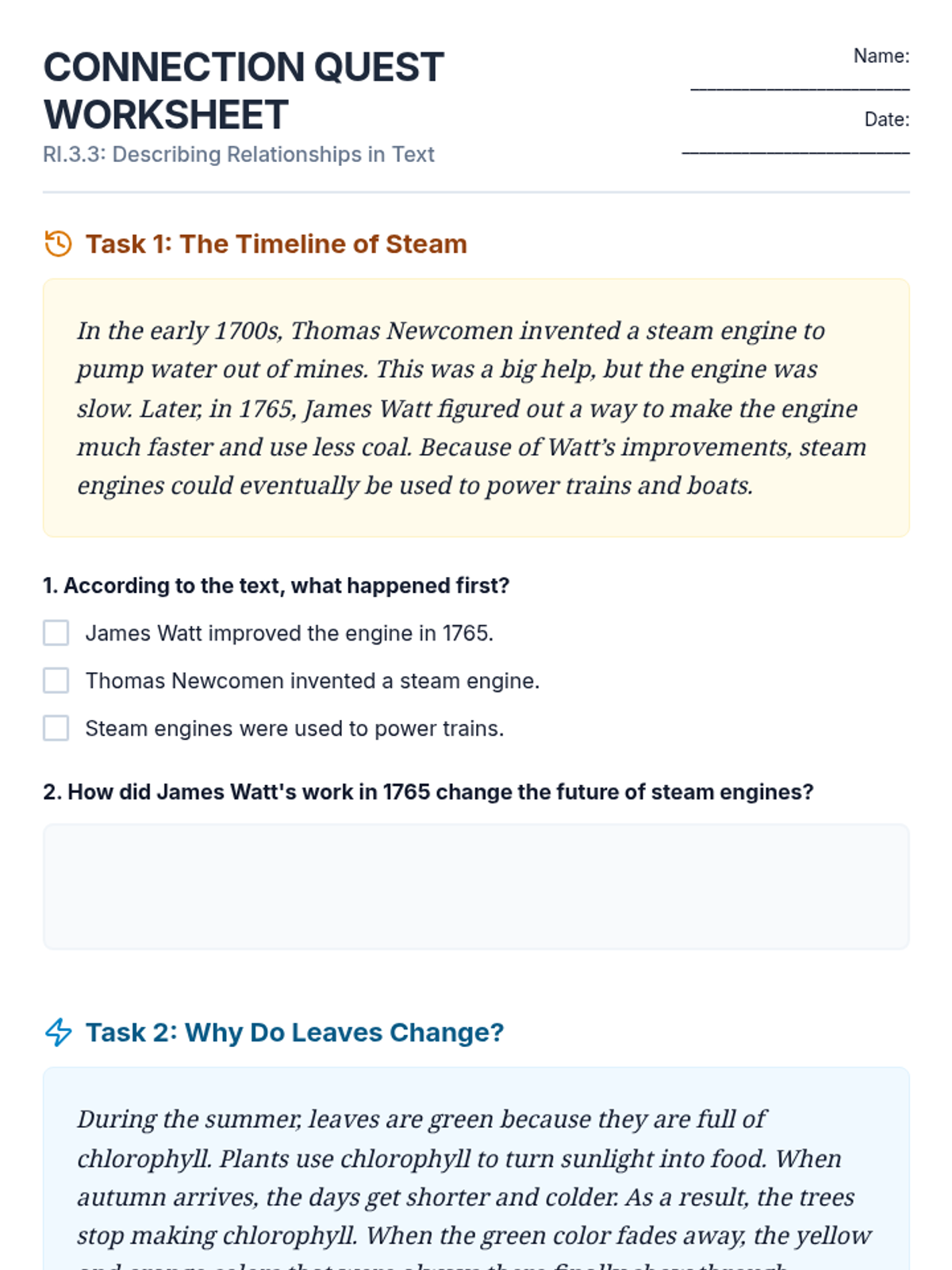
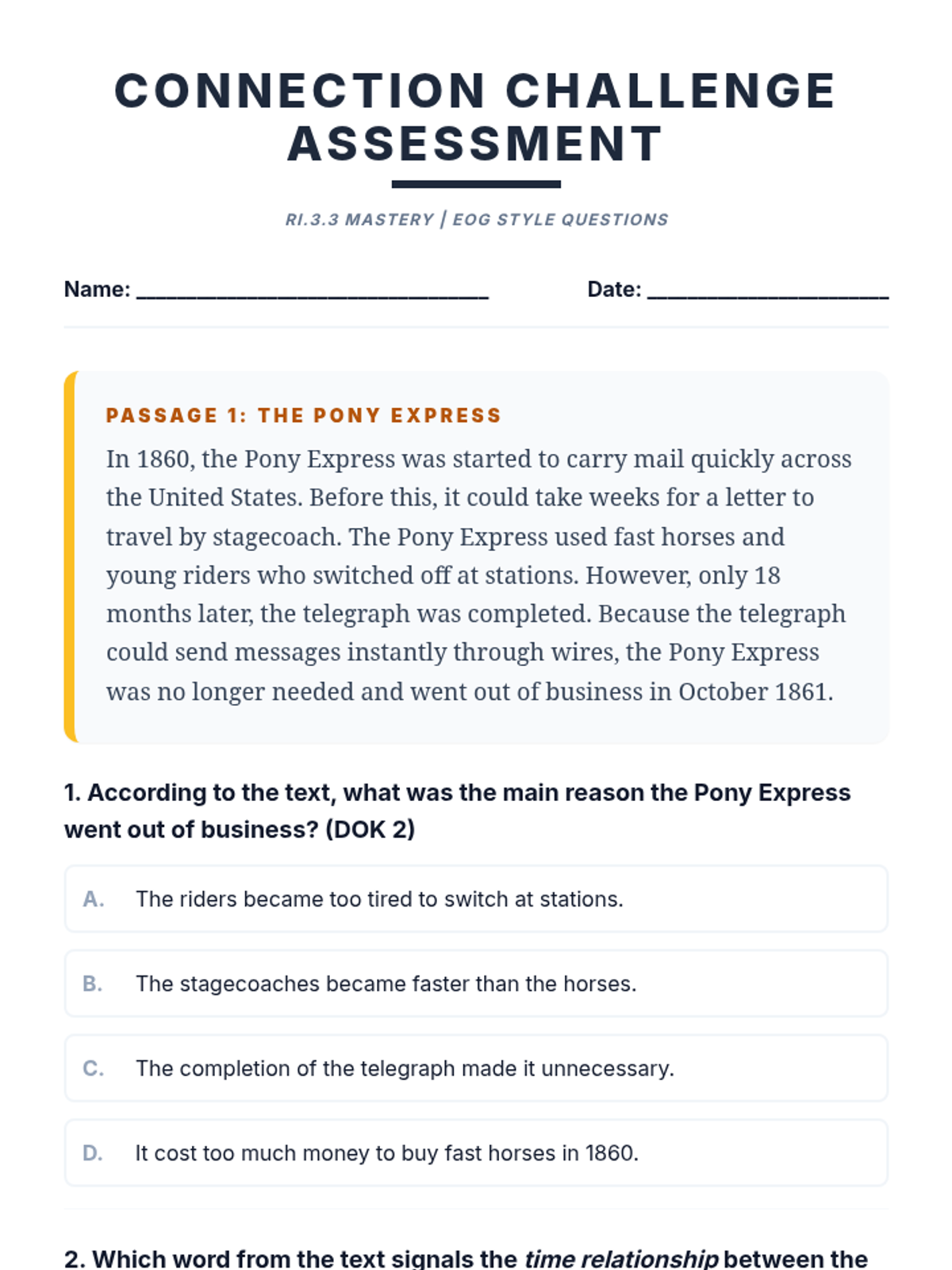
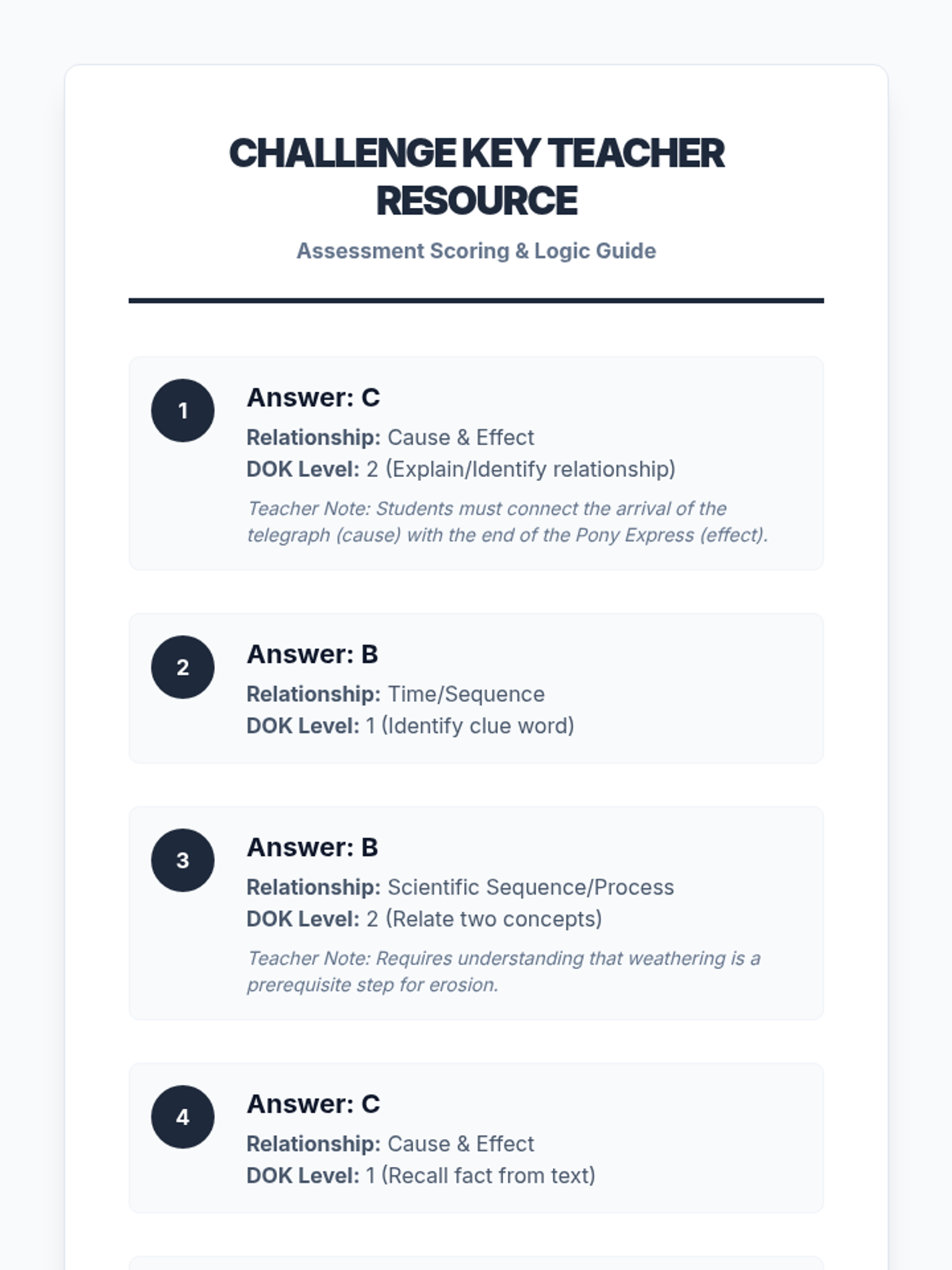
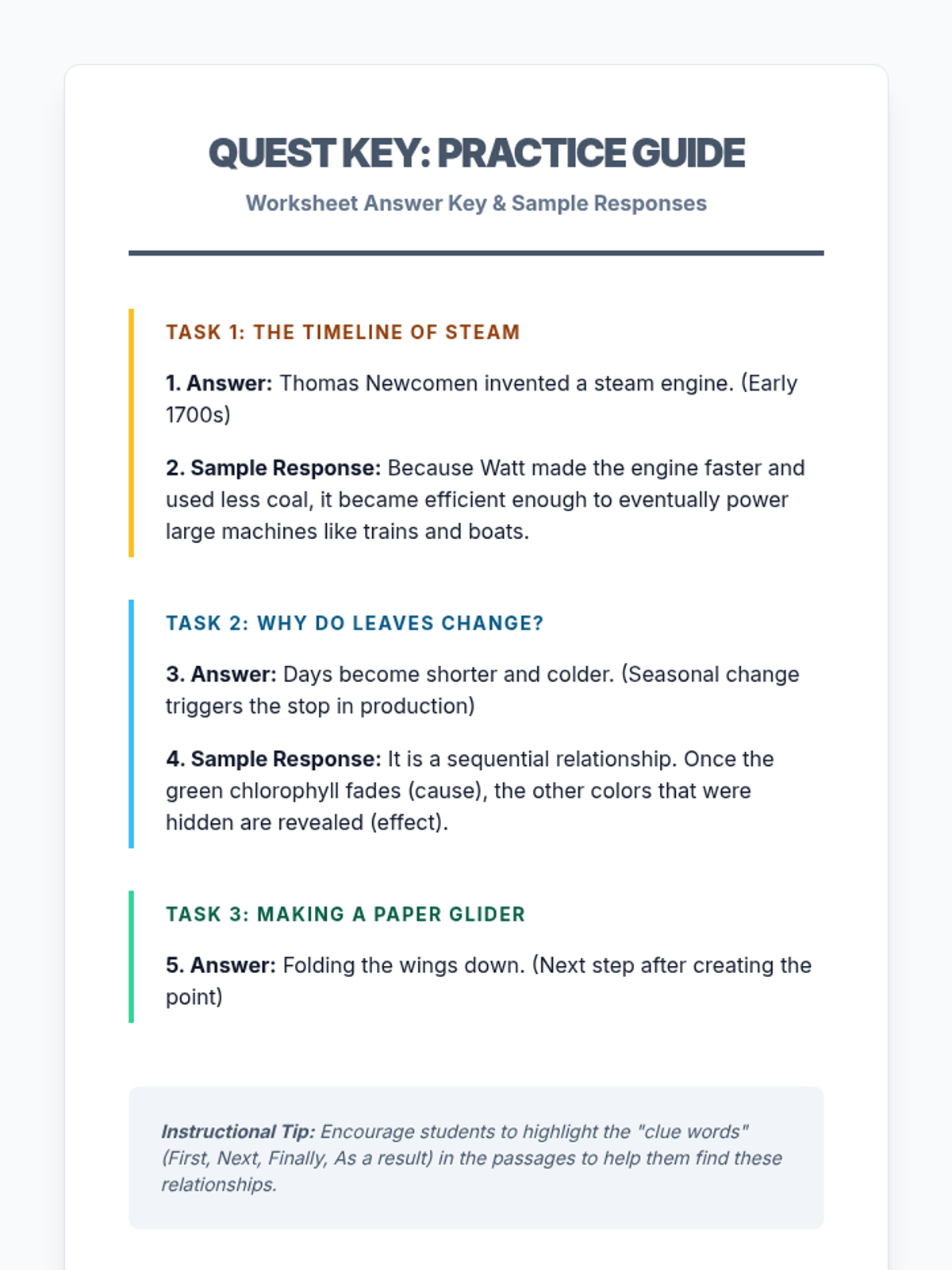
A comprehensive lesson on identifying relationships in informational texts, covering historical events, scientific concepts, and technical procedures using time, sequence, and cause/effect language.
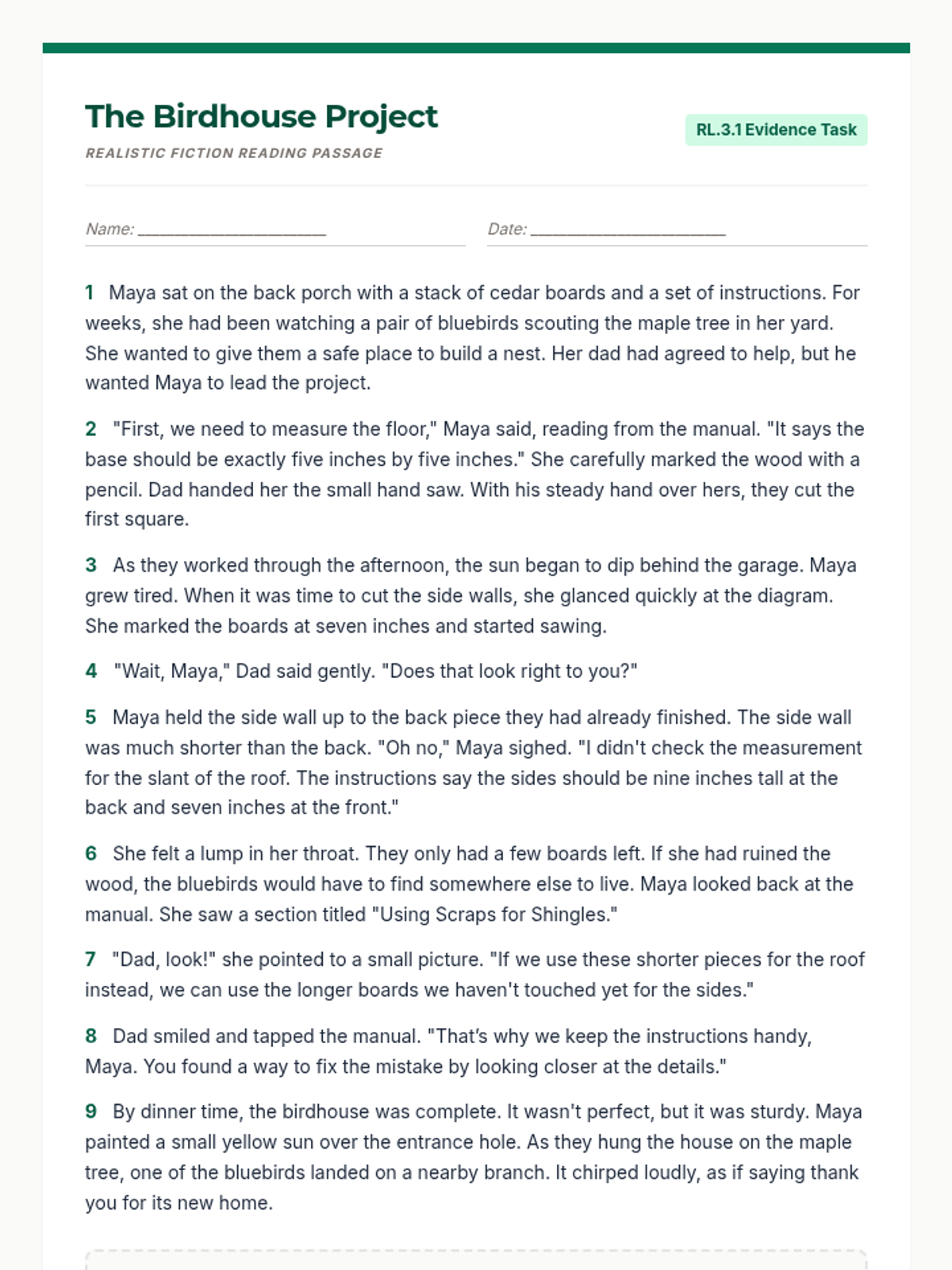
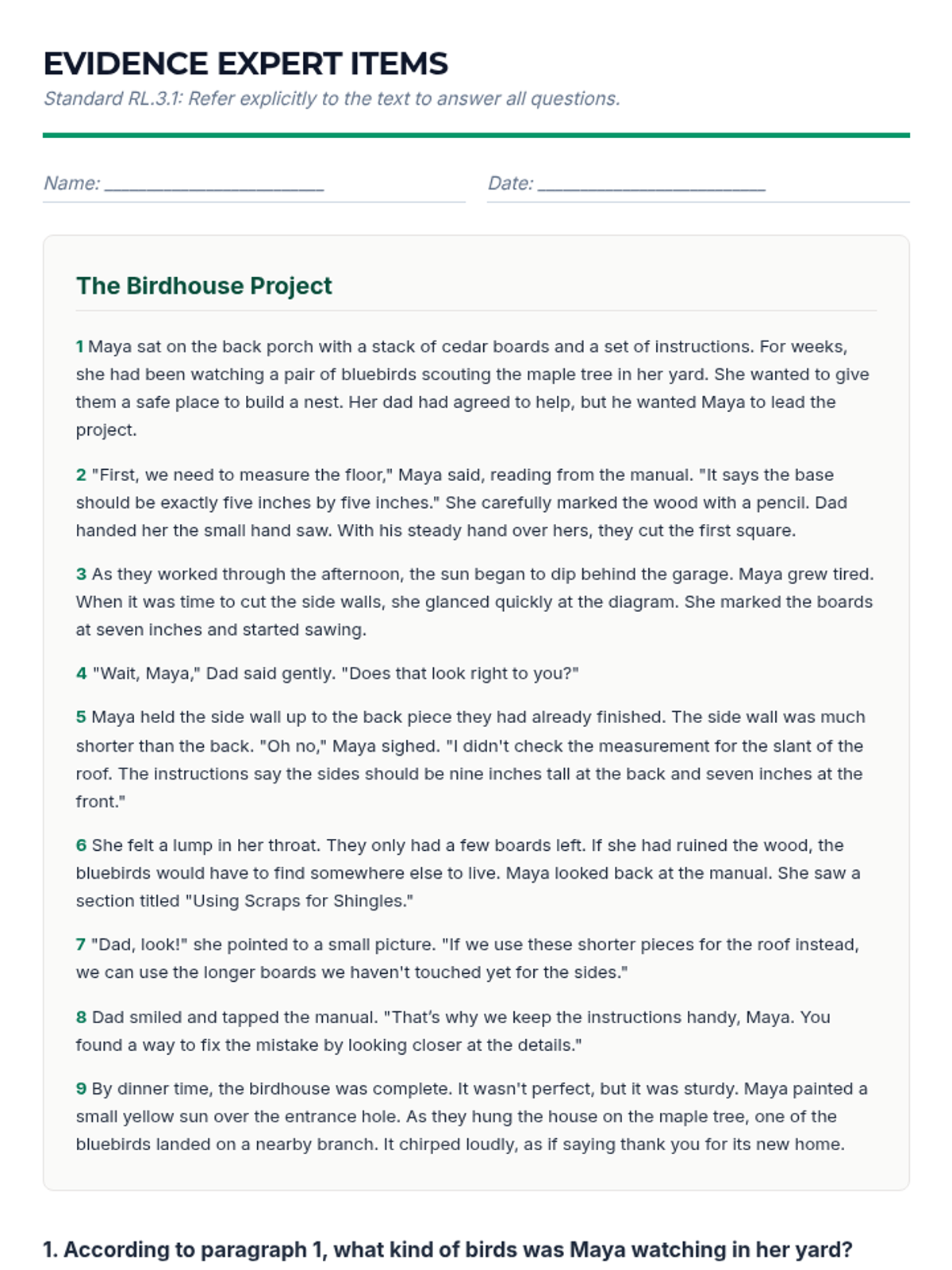
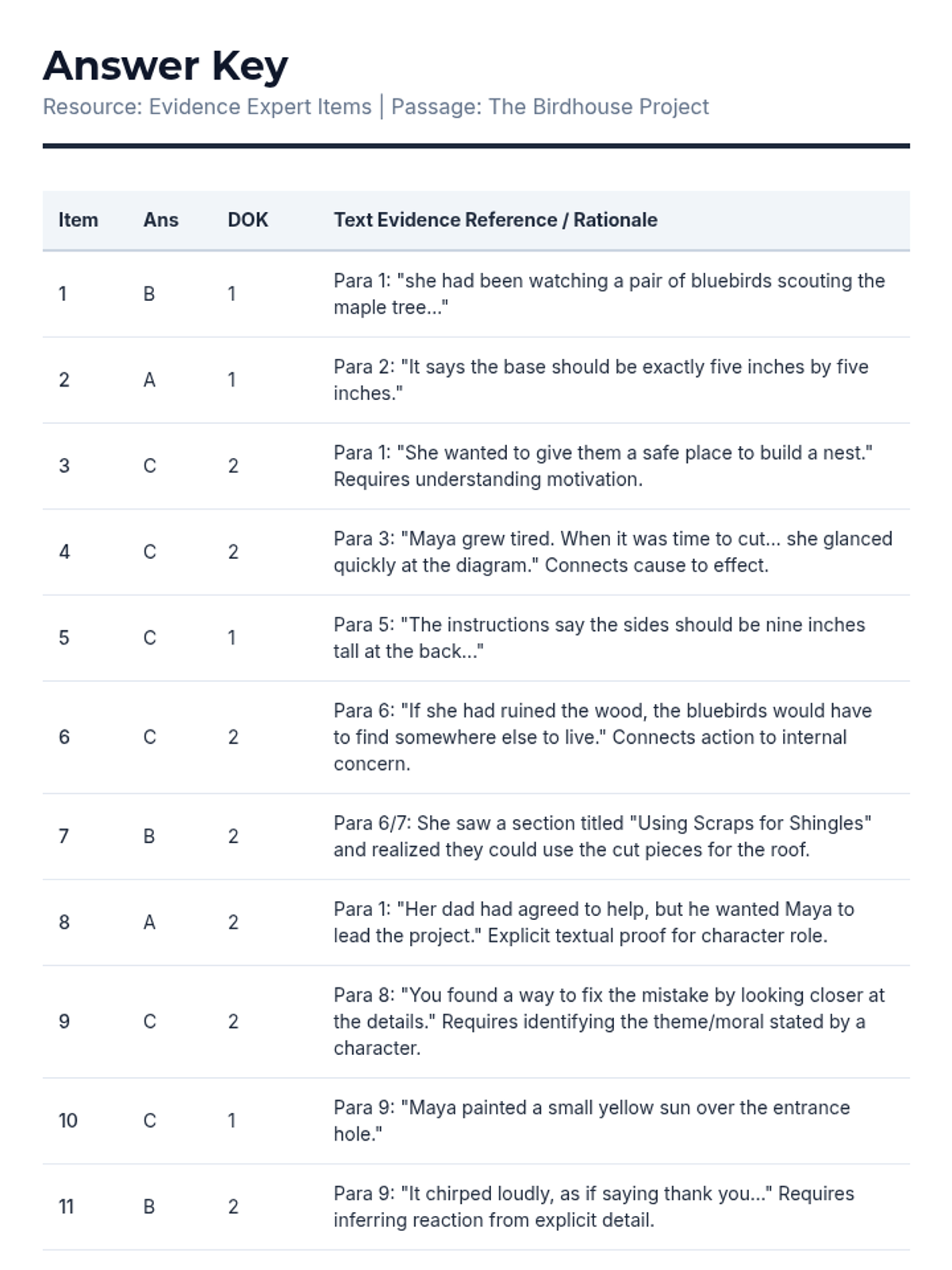
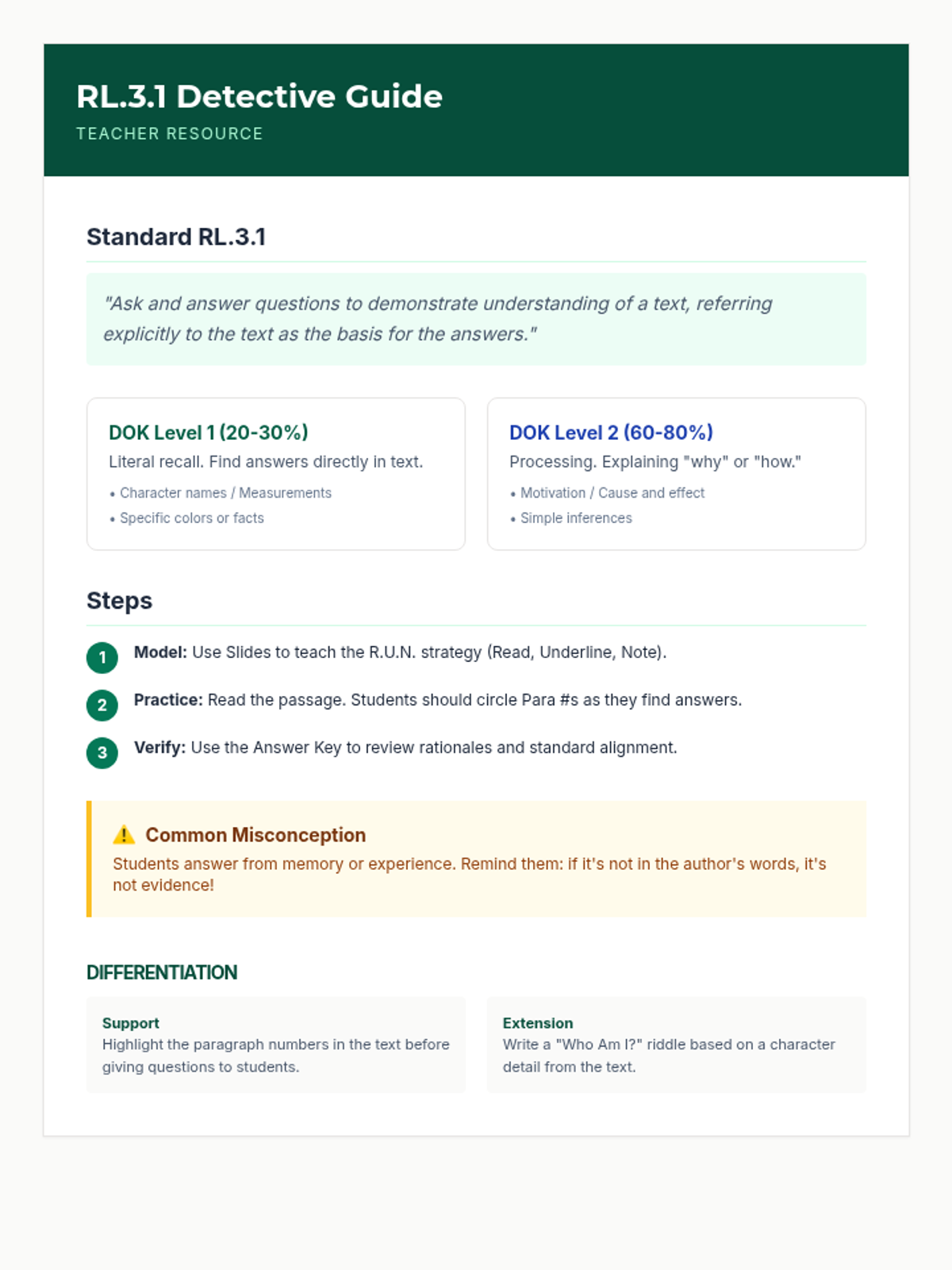
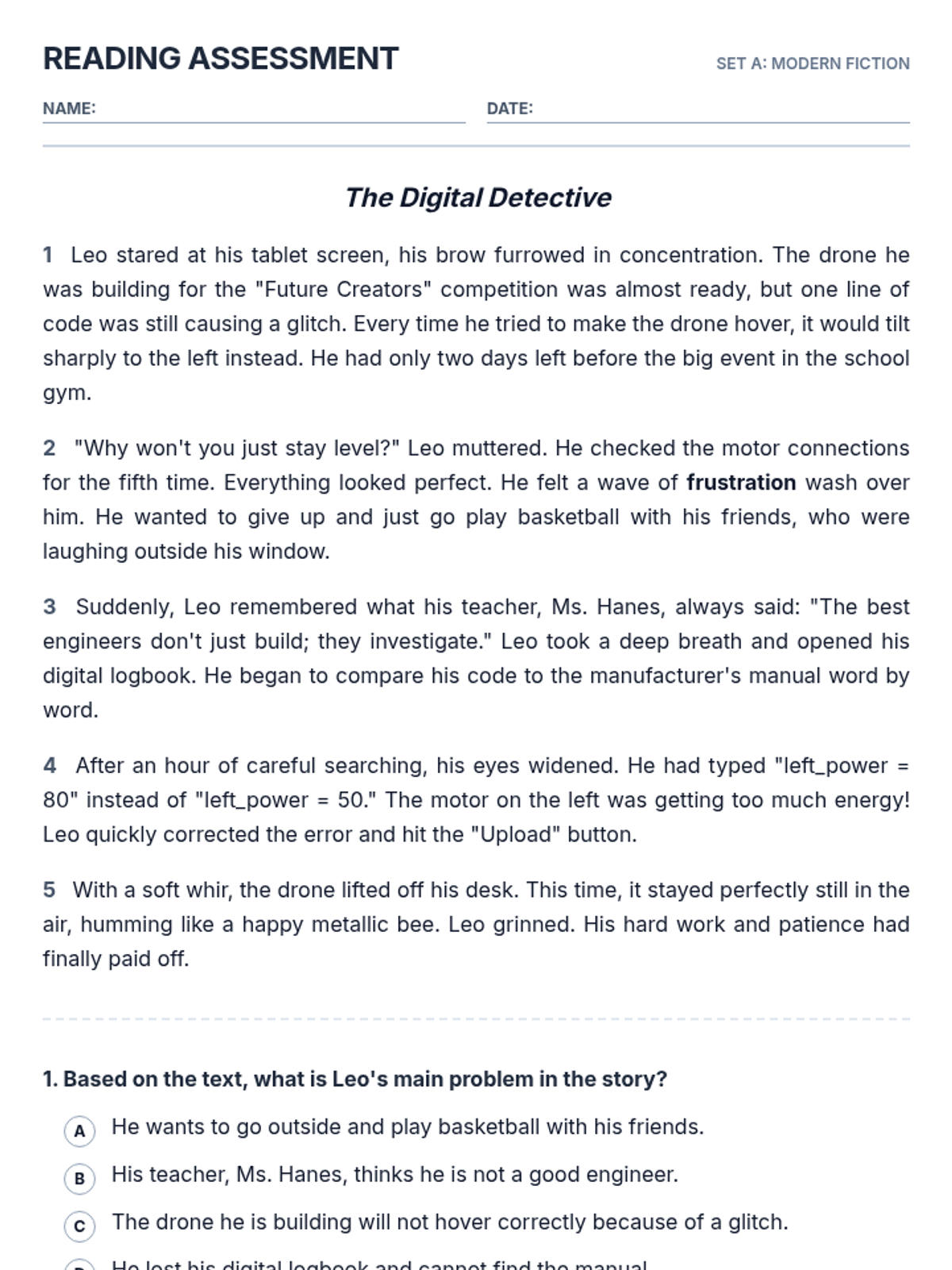
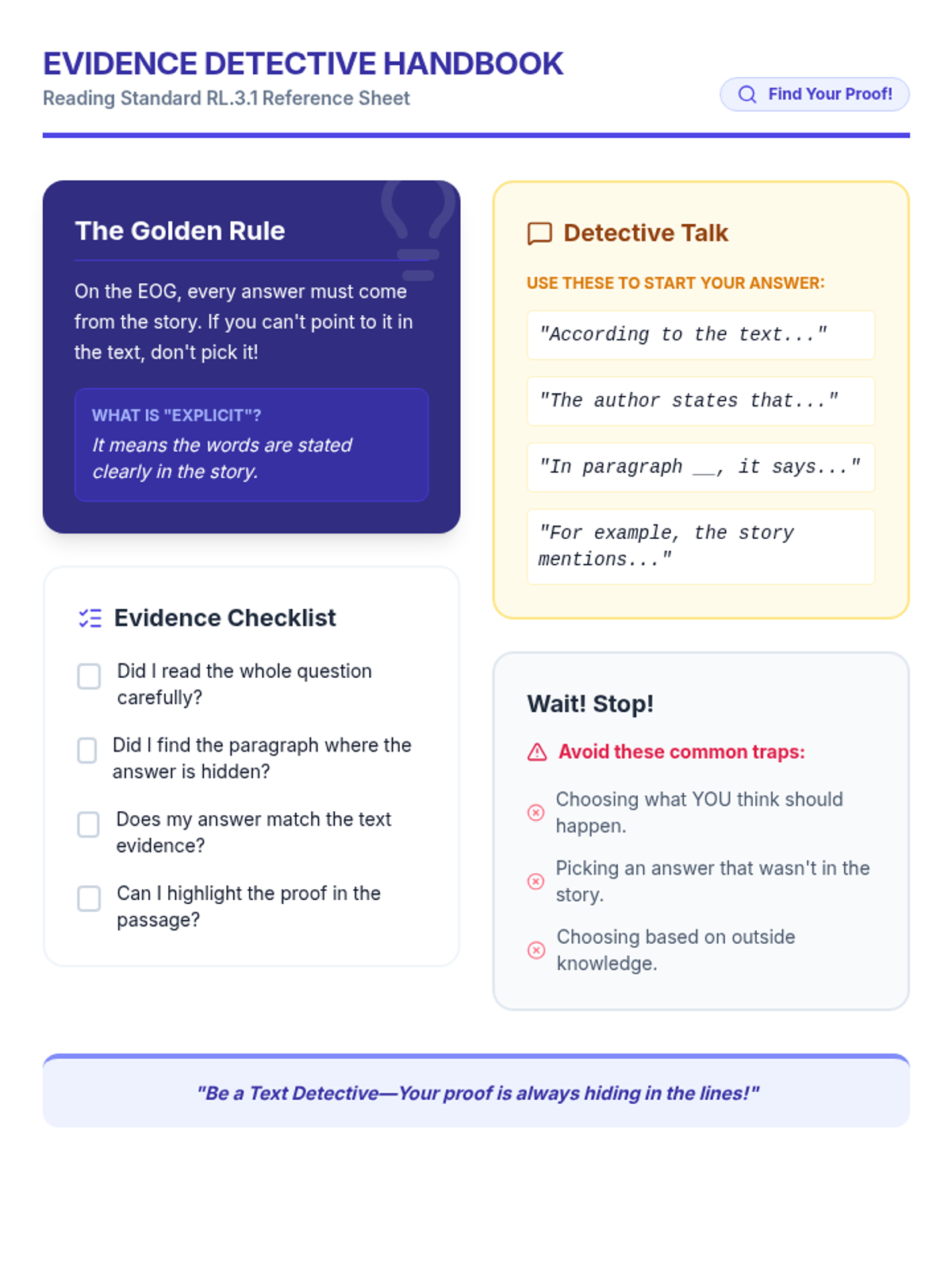
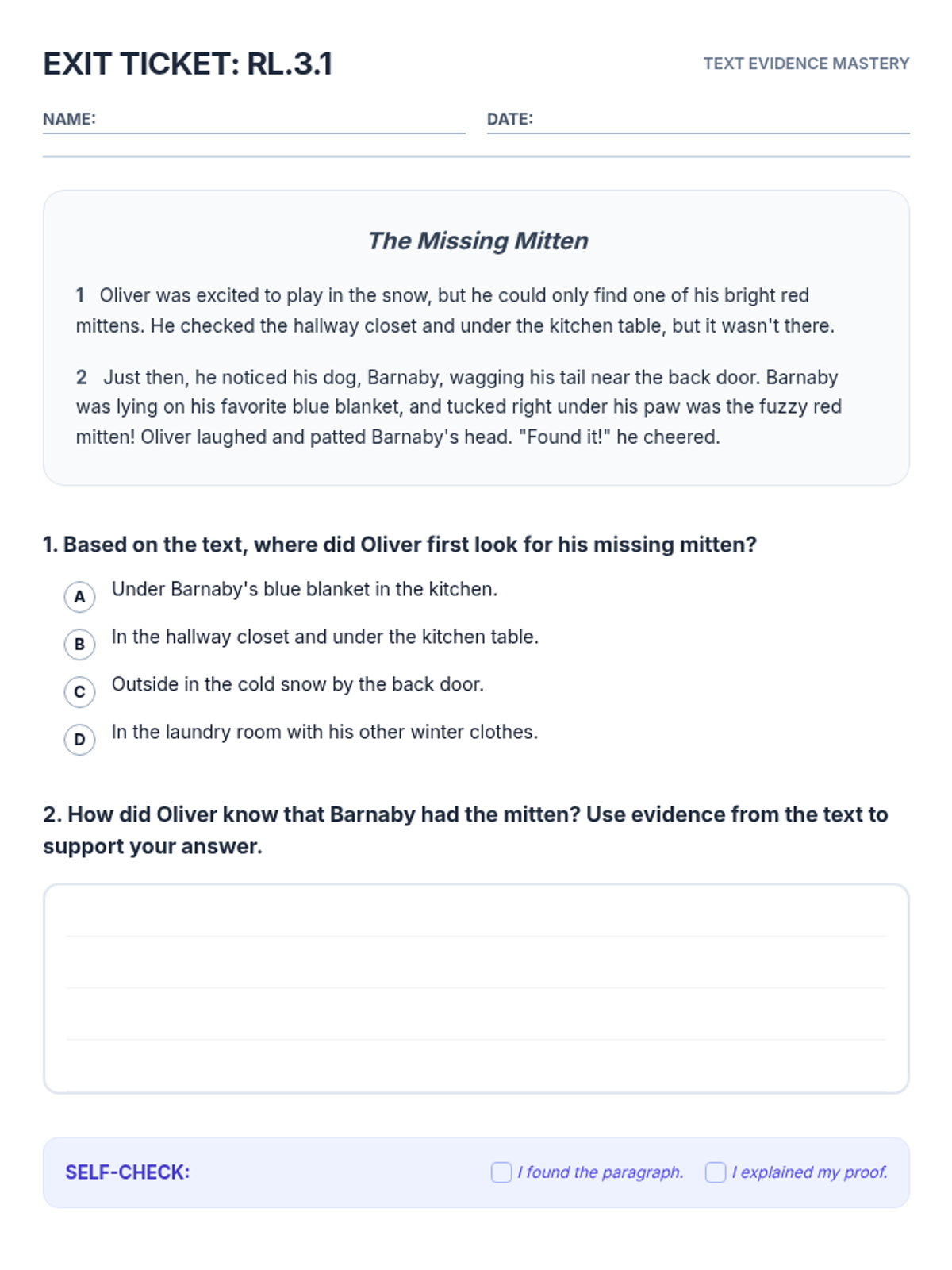
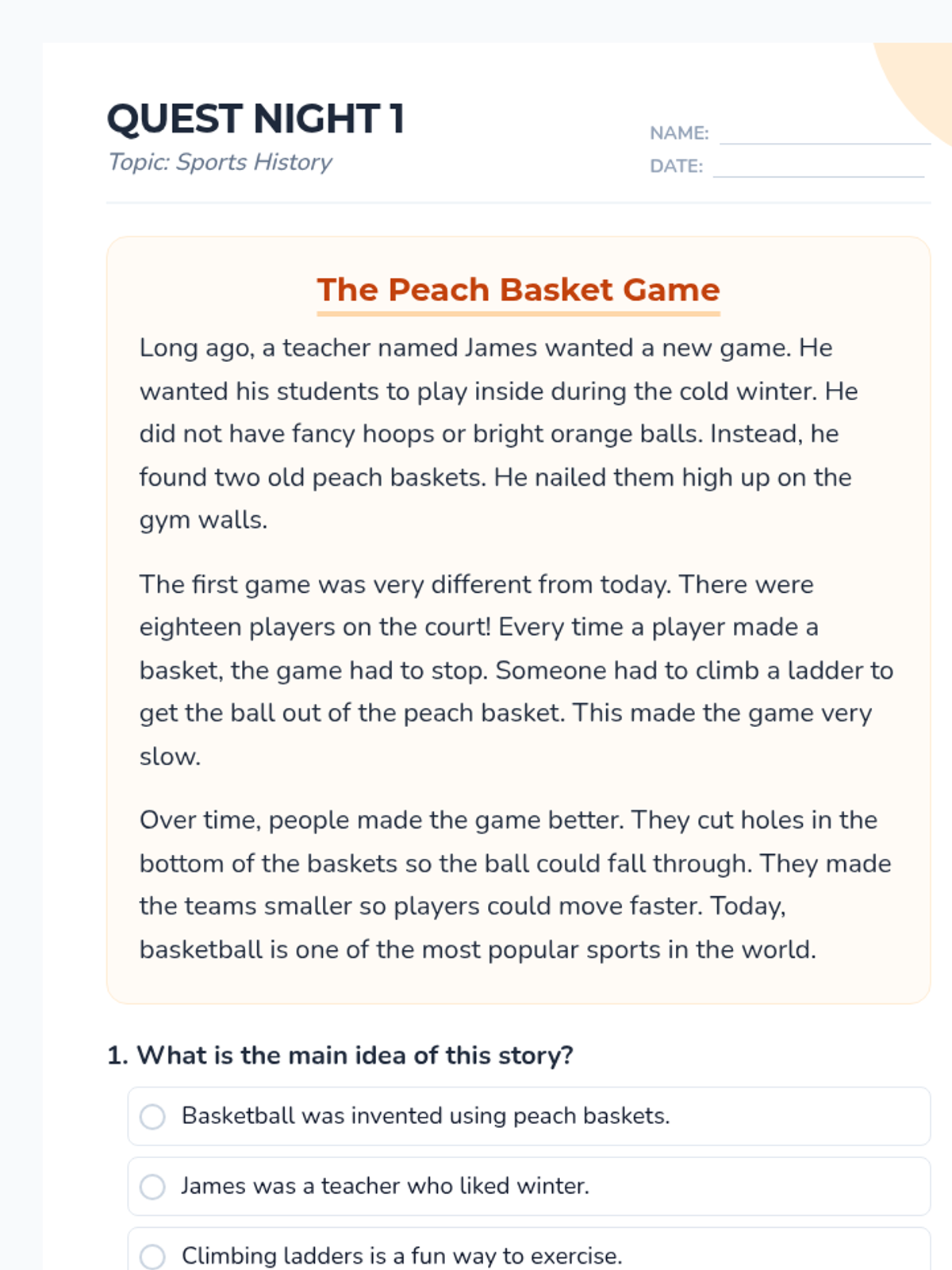
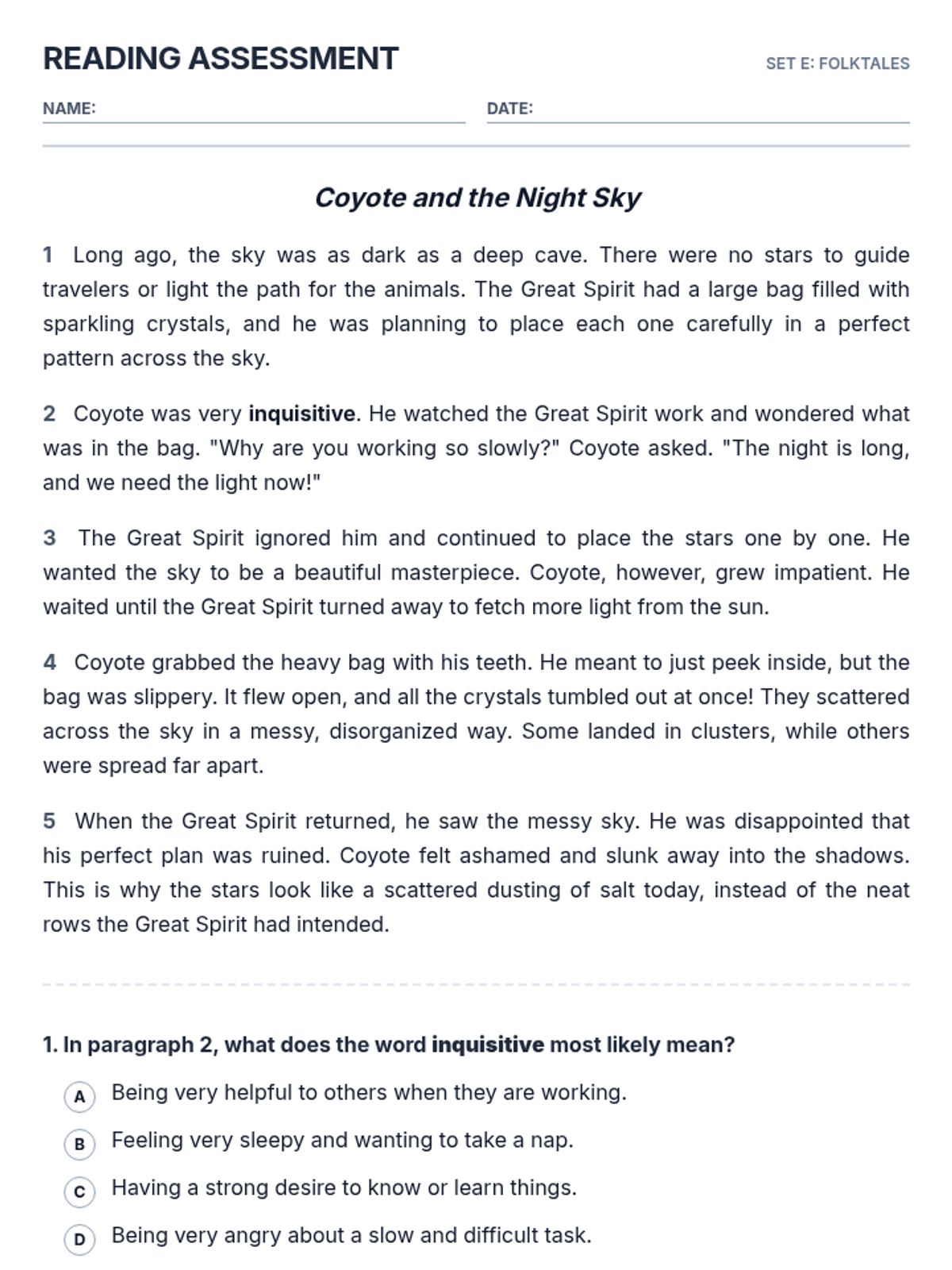
A focused lesson on RL.3.1 (Text Evidence) featuring a realistic fiction passage and 15 EOG-style questions designed to build student proficiency in referring explicitly to the text for answers.
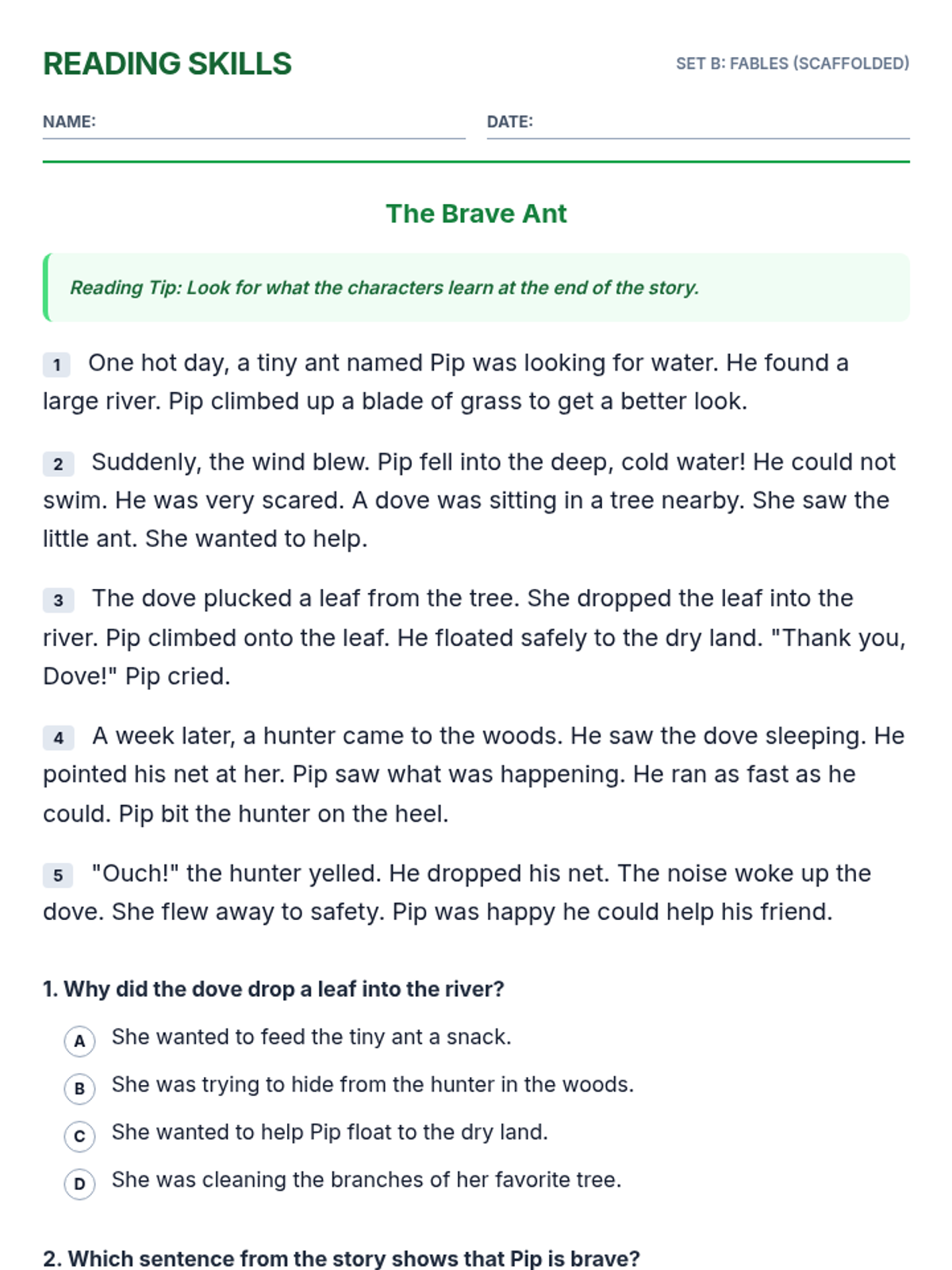
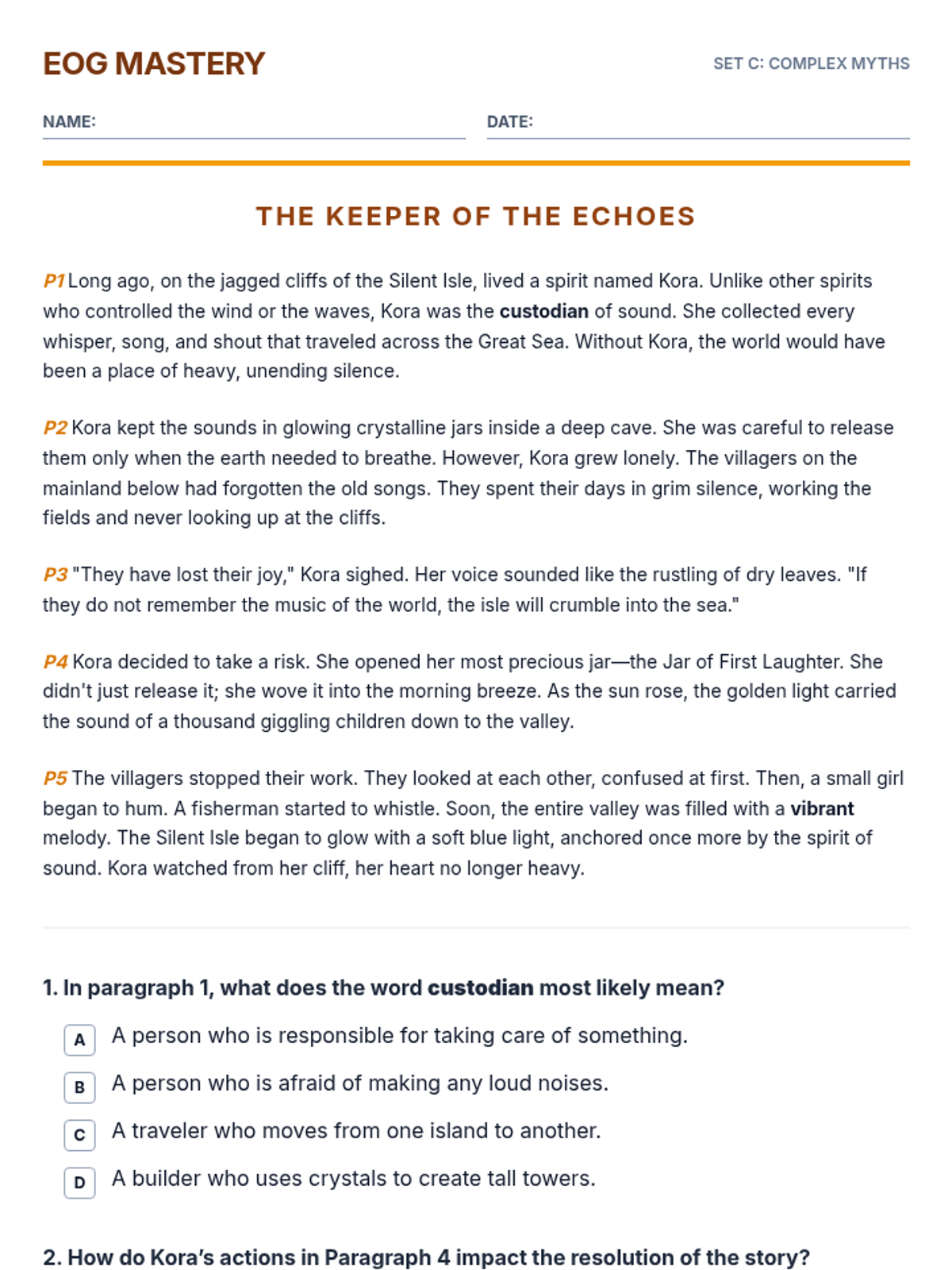
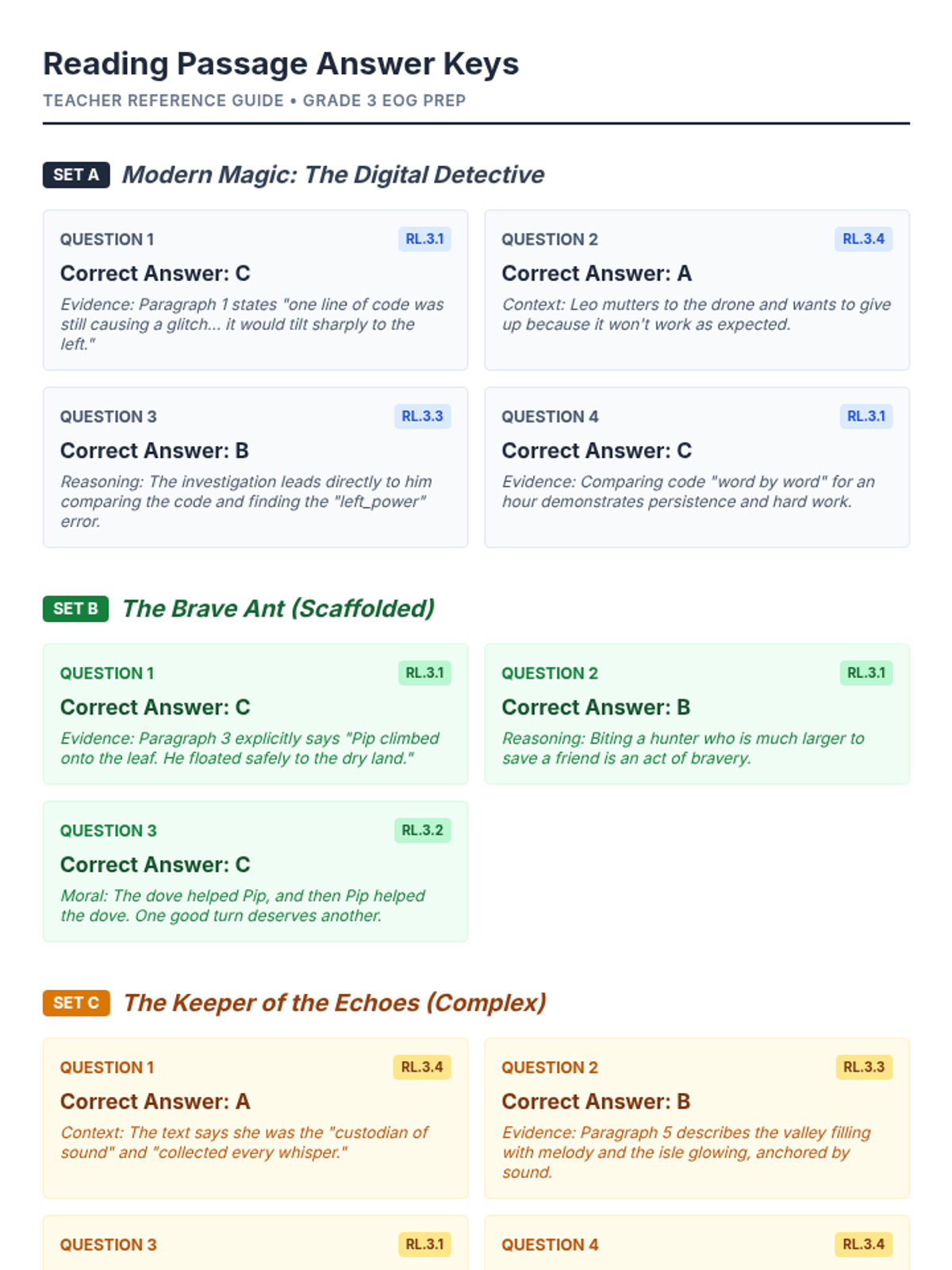
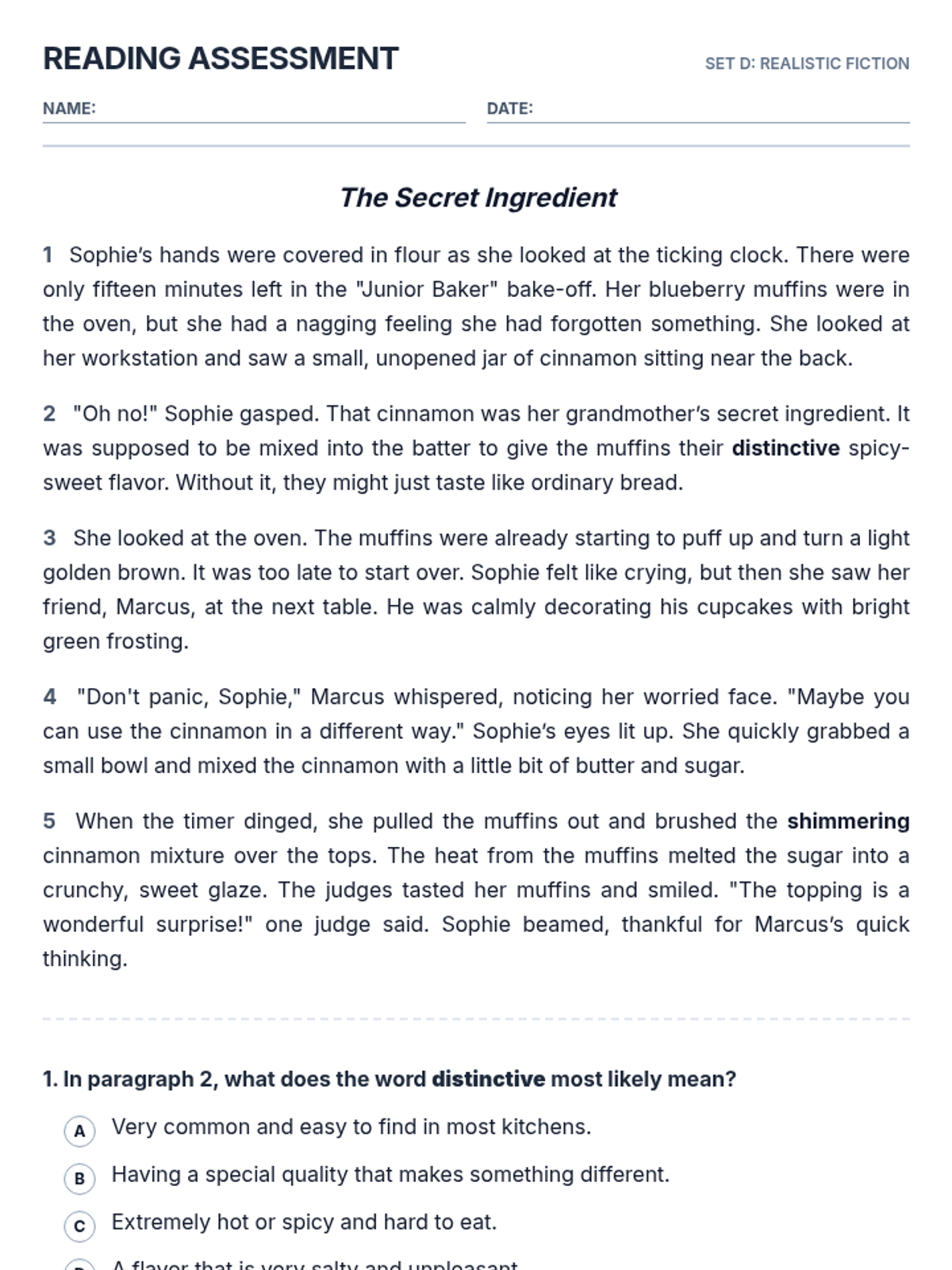
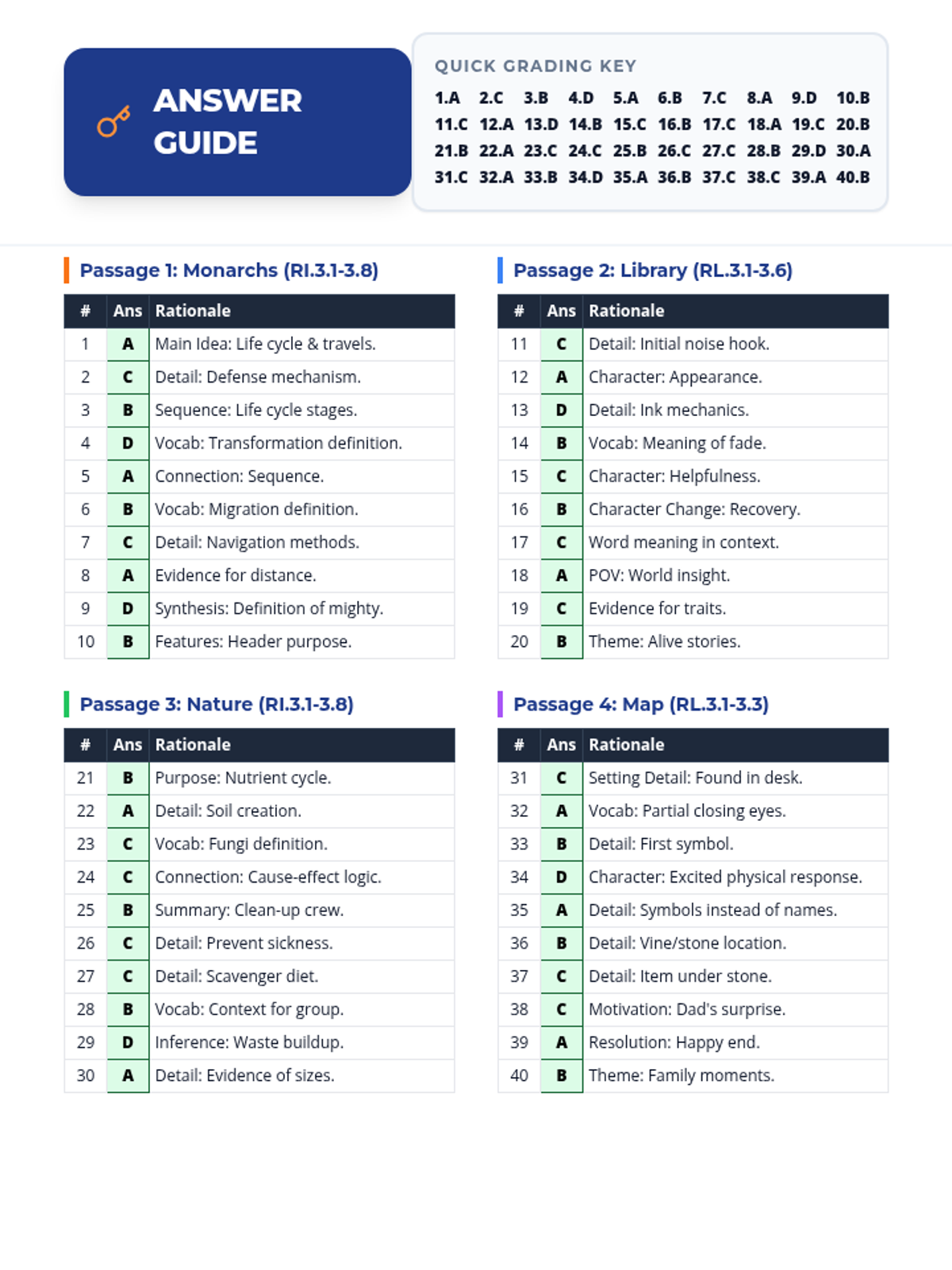
A comprehensive set of EOG-style reading passages and questions designed to prepare 3rd-grade students for end-of-year testing across key literature standards. The materials include various difficulty levels to support differentiation while mimicking the formal testing format.
A comprehensive practice packet for the North Carolina Grade 3 ELA EOG, featuring both original Check-In passages and new standards-aligned practice materials.
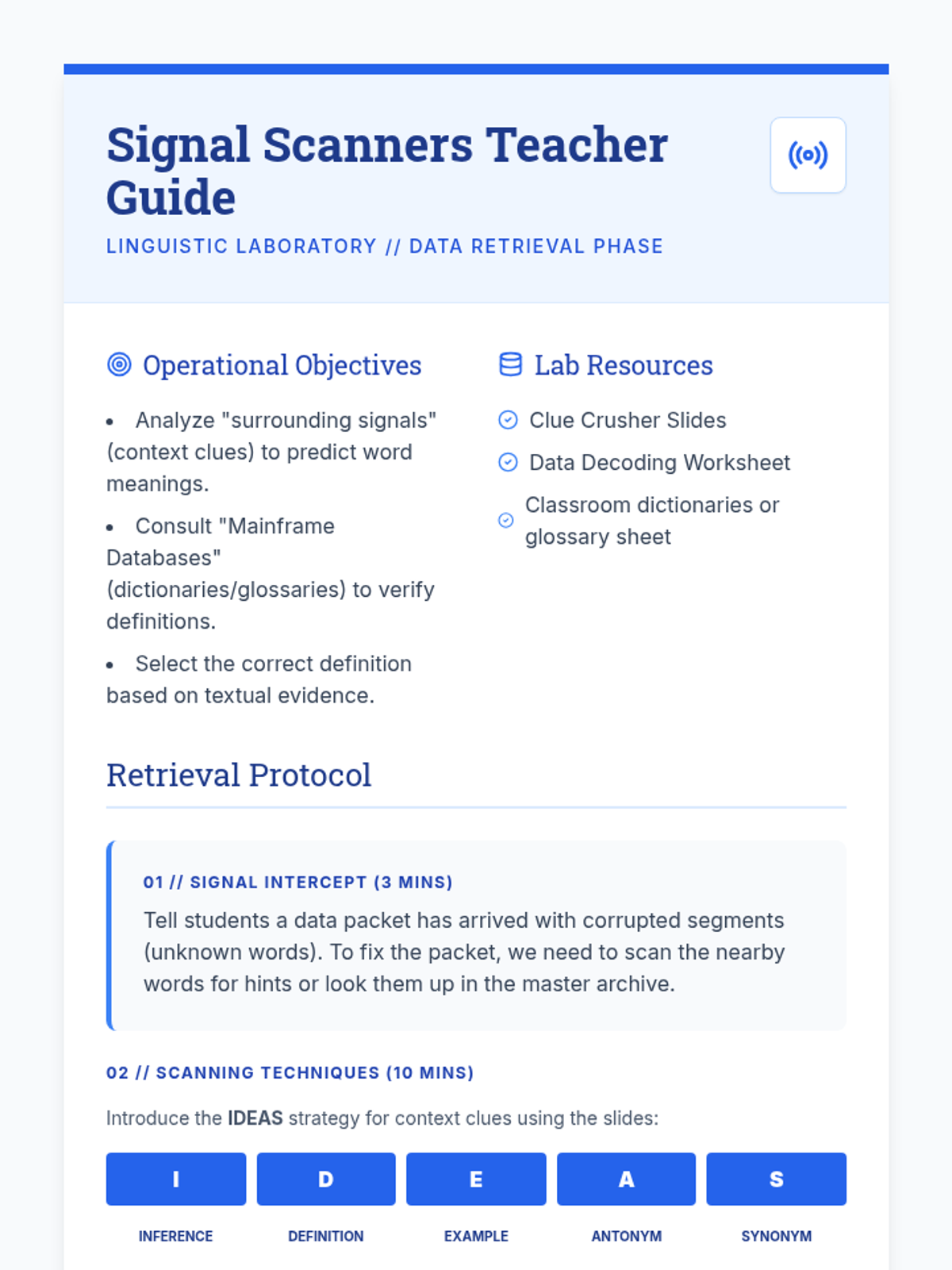
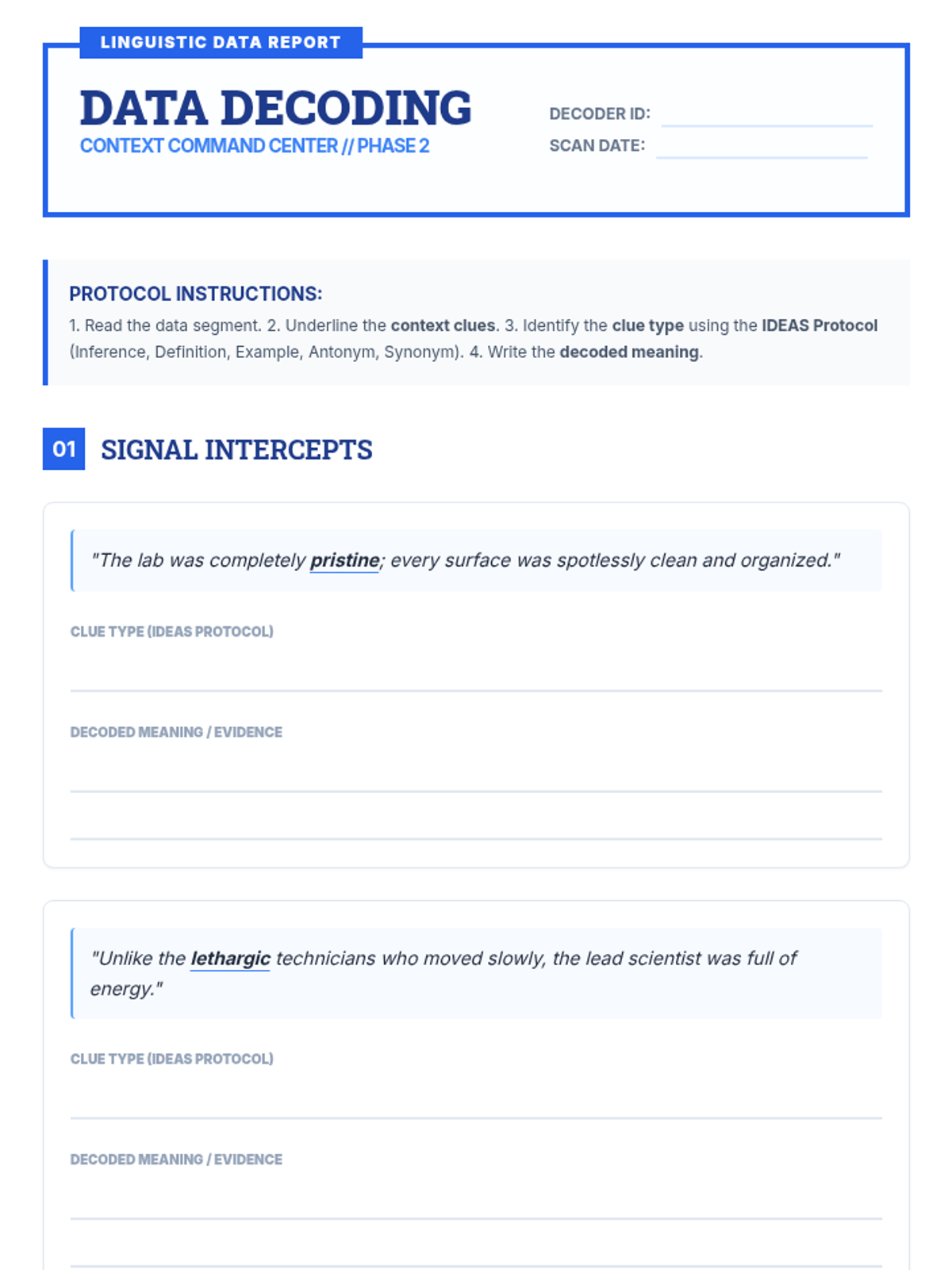
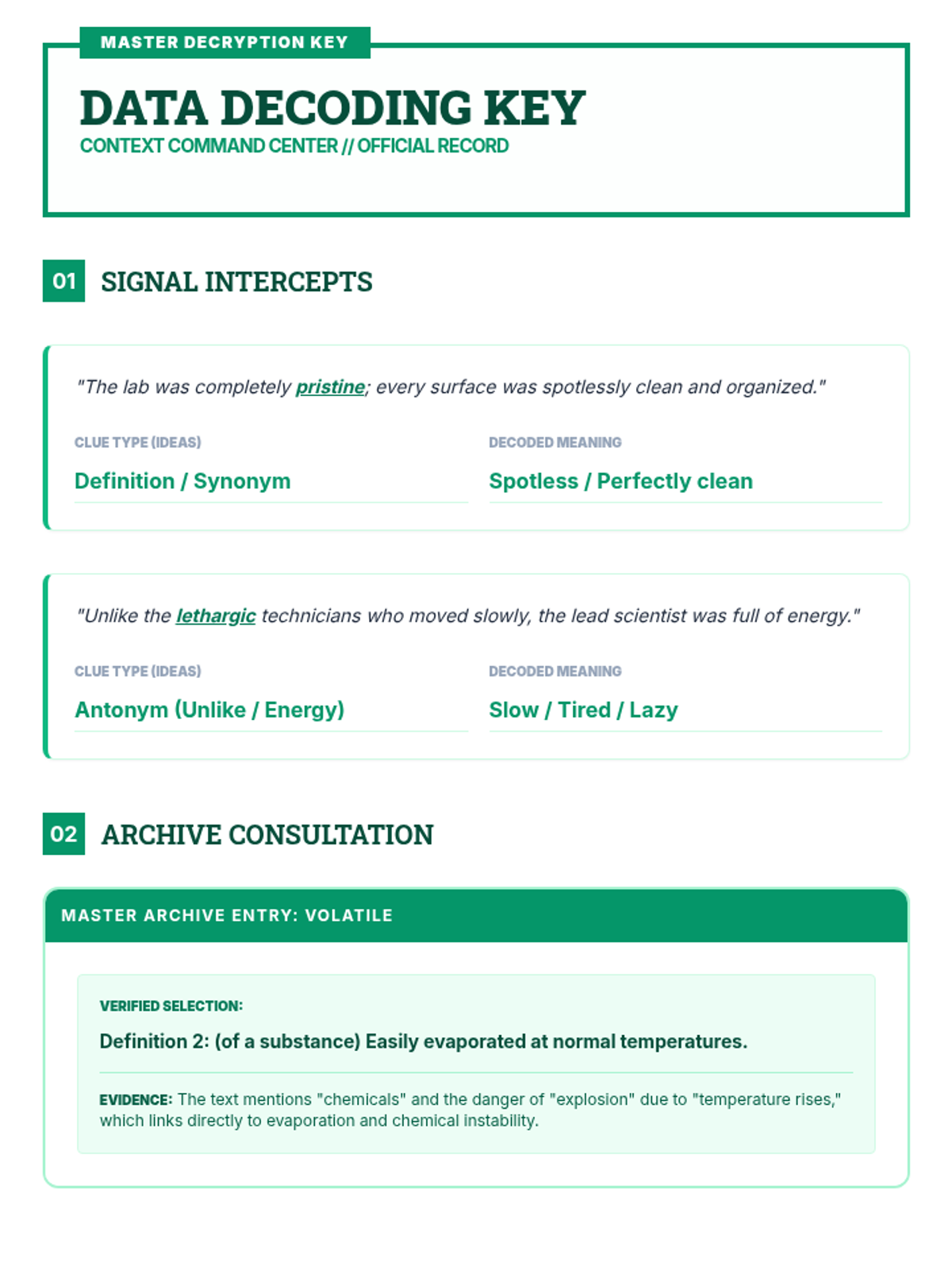
A focused small group lesson exploring how to use context clues and reference materials like dictionaries and glossaries to decipher unknown words.
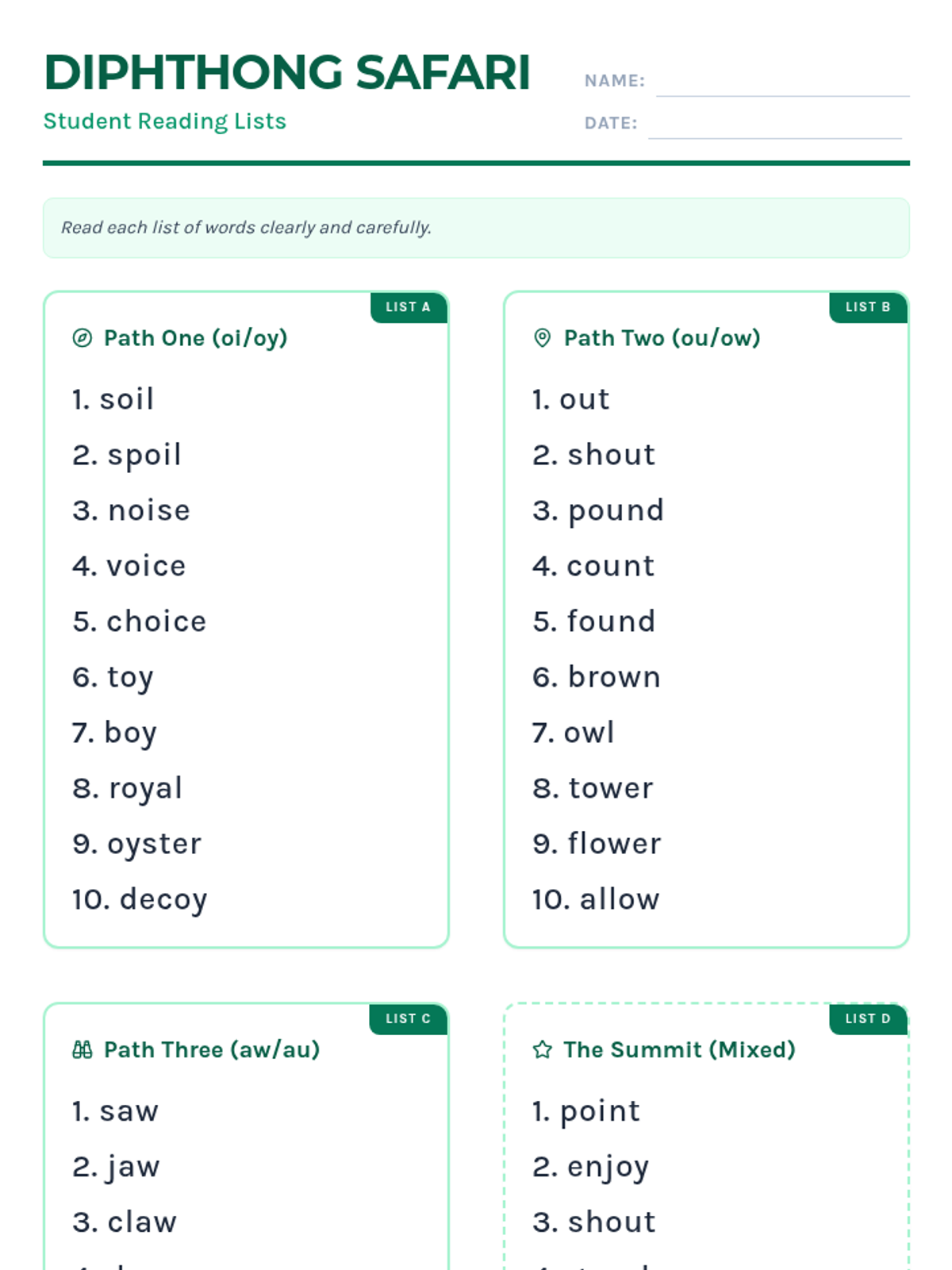
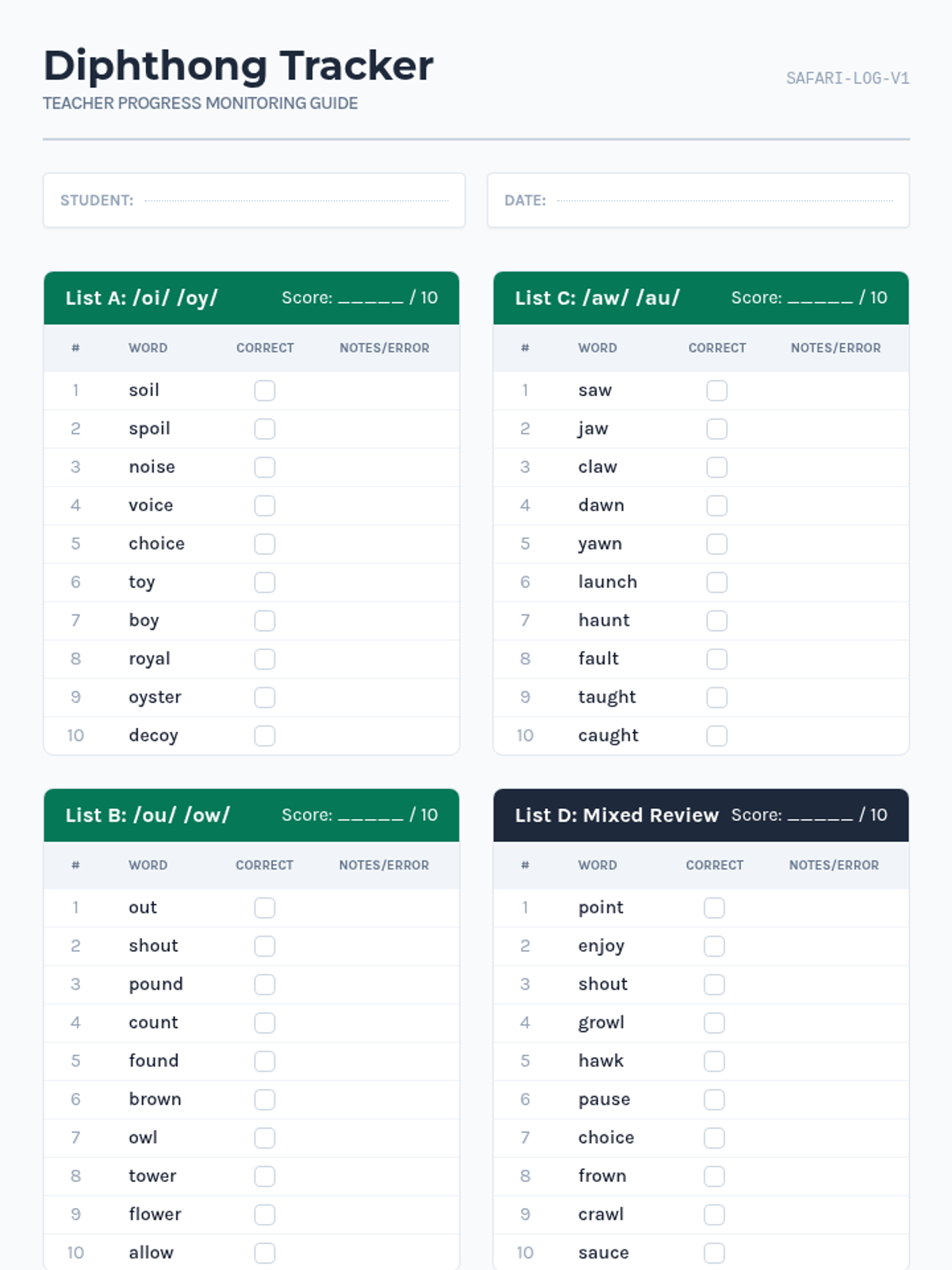
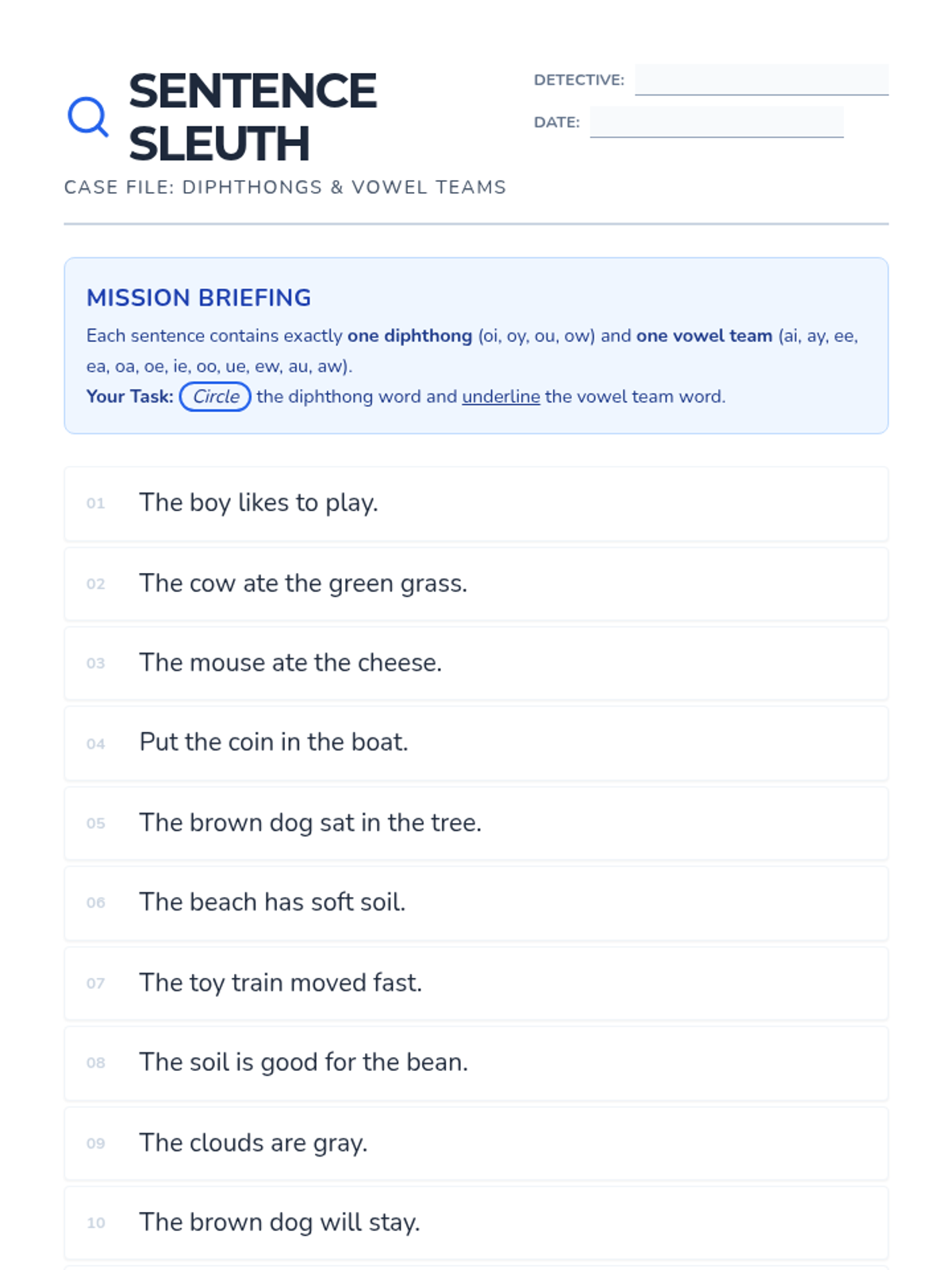
A progress monitoring lesson focused on assessing student mastery of common diphthongs (oi, oy, ou, ow, aw, au). Includes student reading lists and a teacher tracking sheet for data collection.
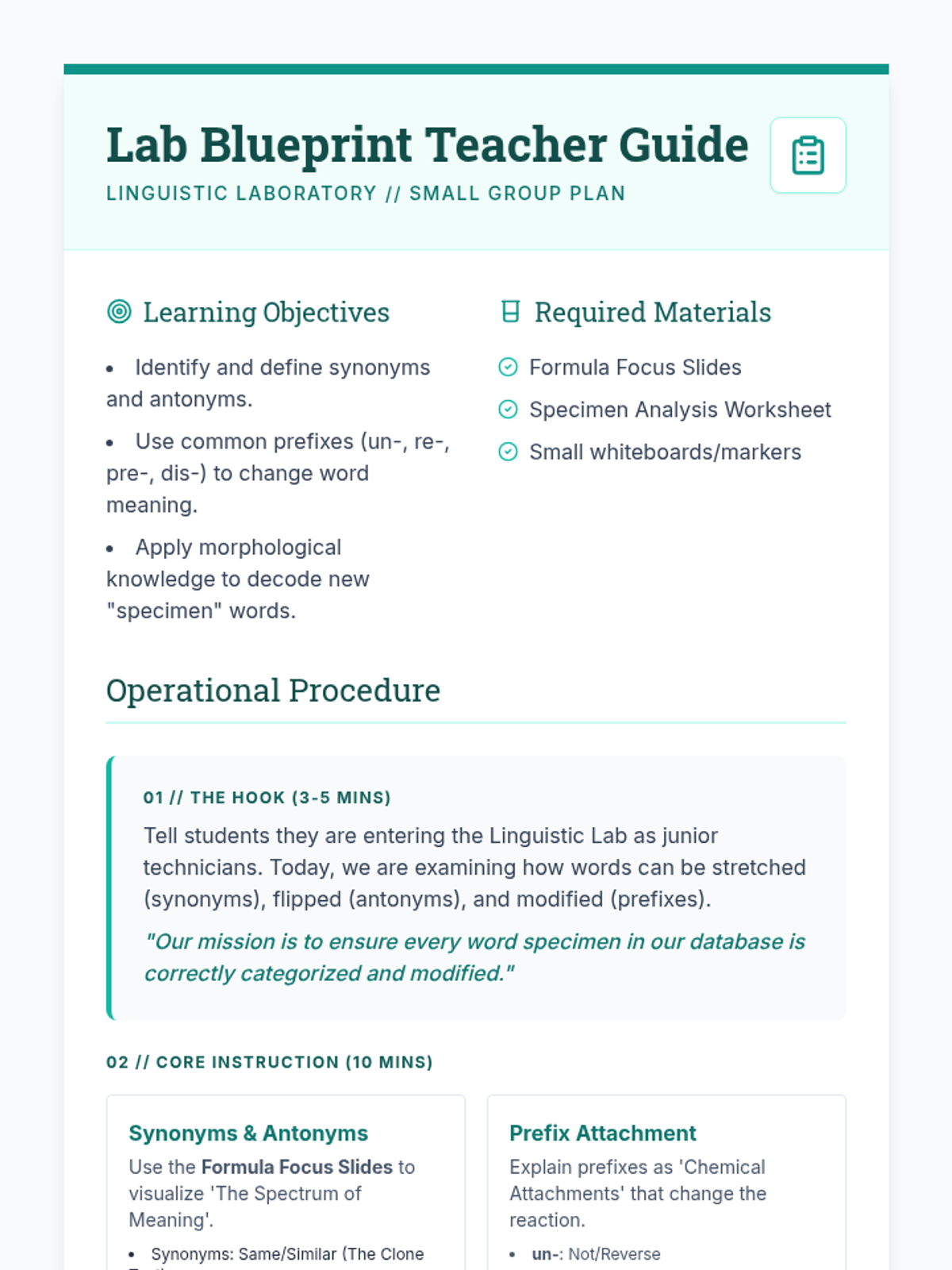
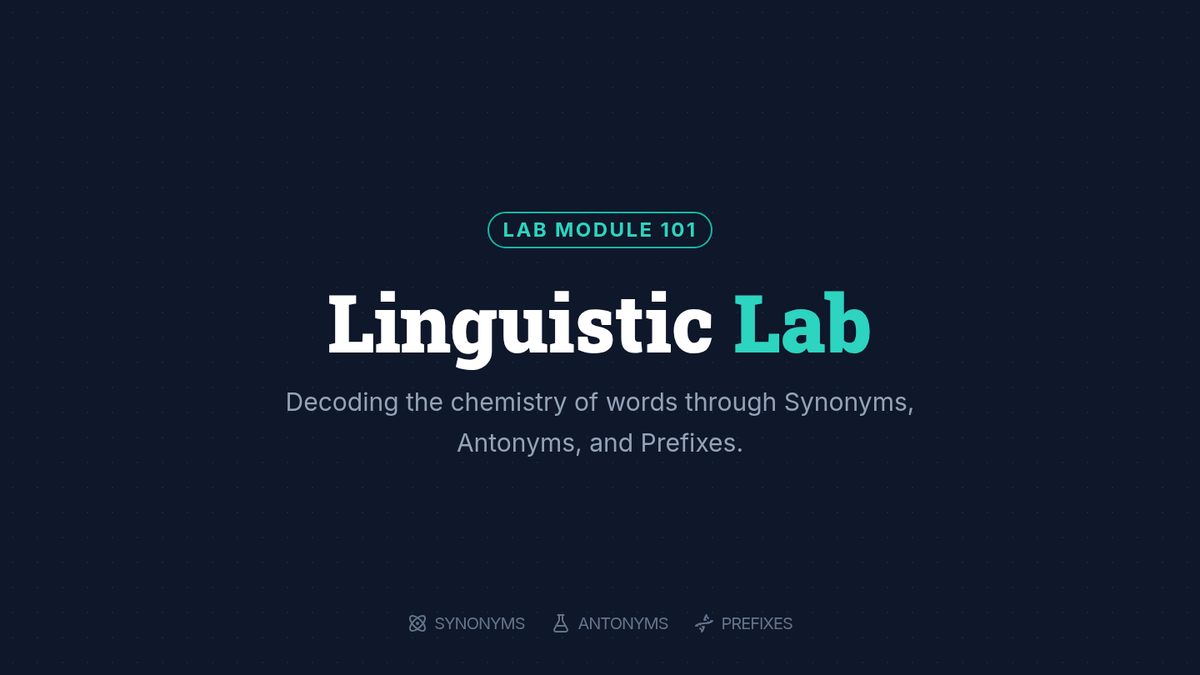
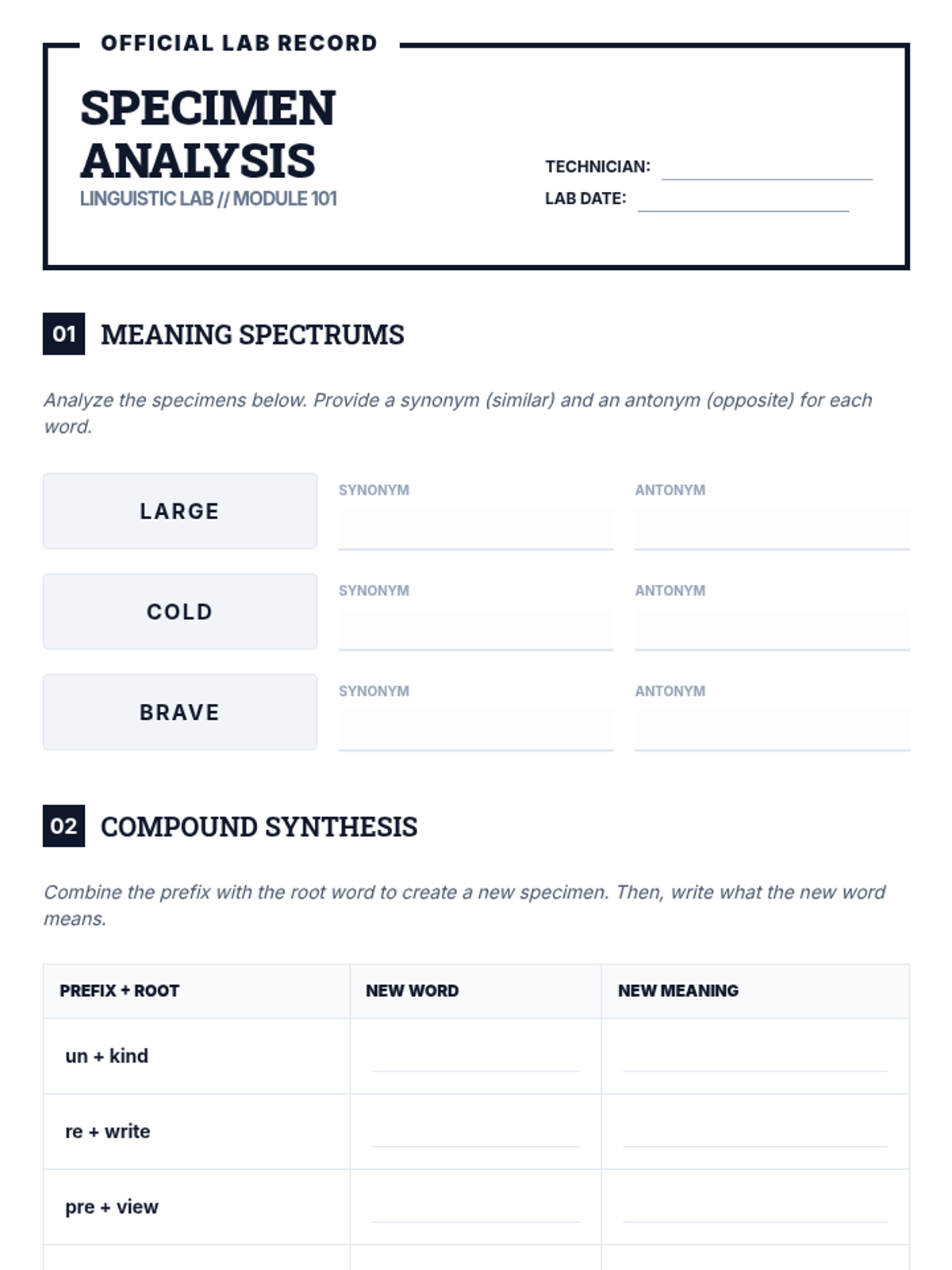
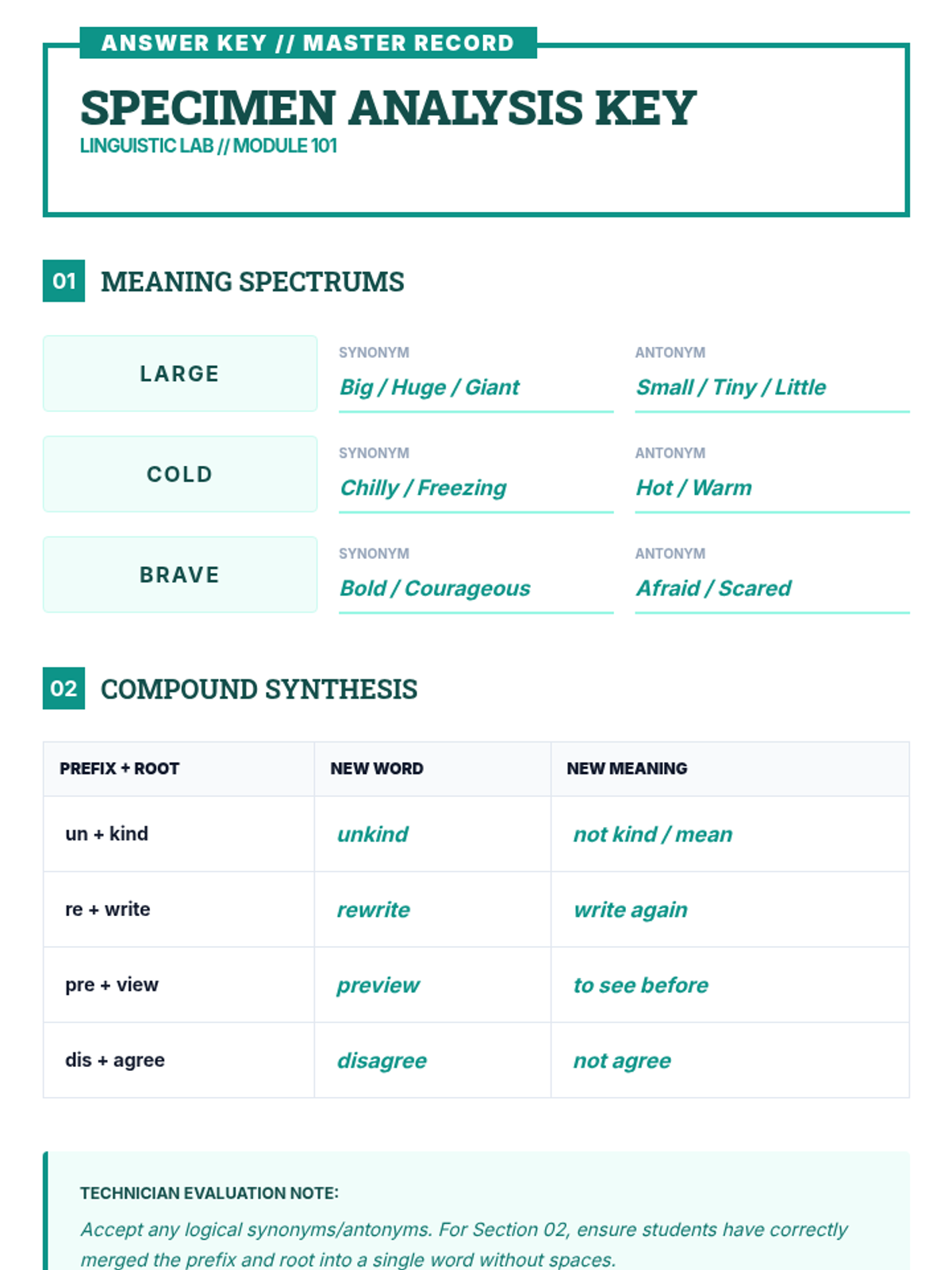
A focused small group lesson exploring the mechanics of words through synonyms, antonyms, and common prefixes using a clinical laboratory theme.
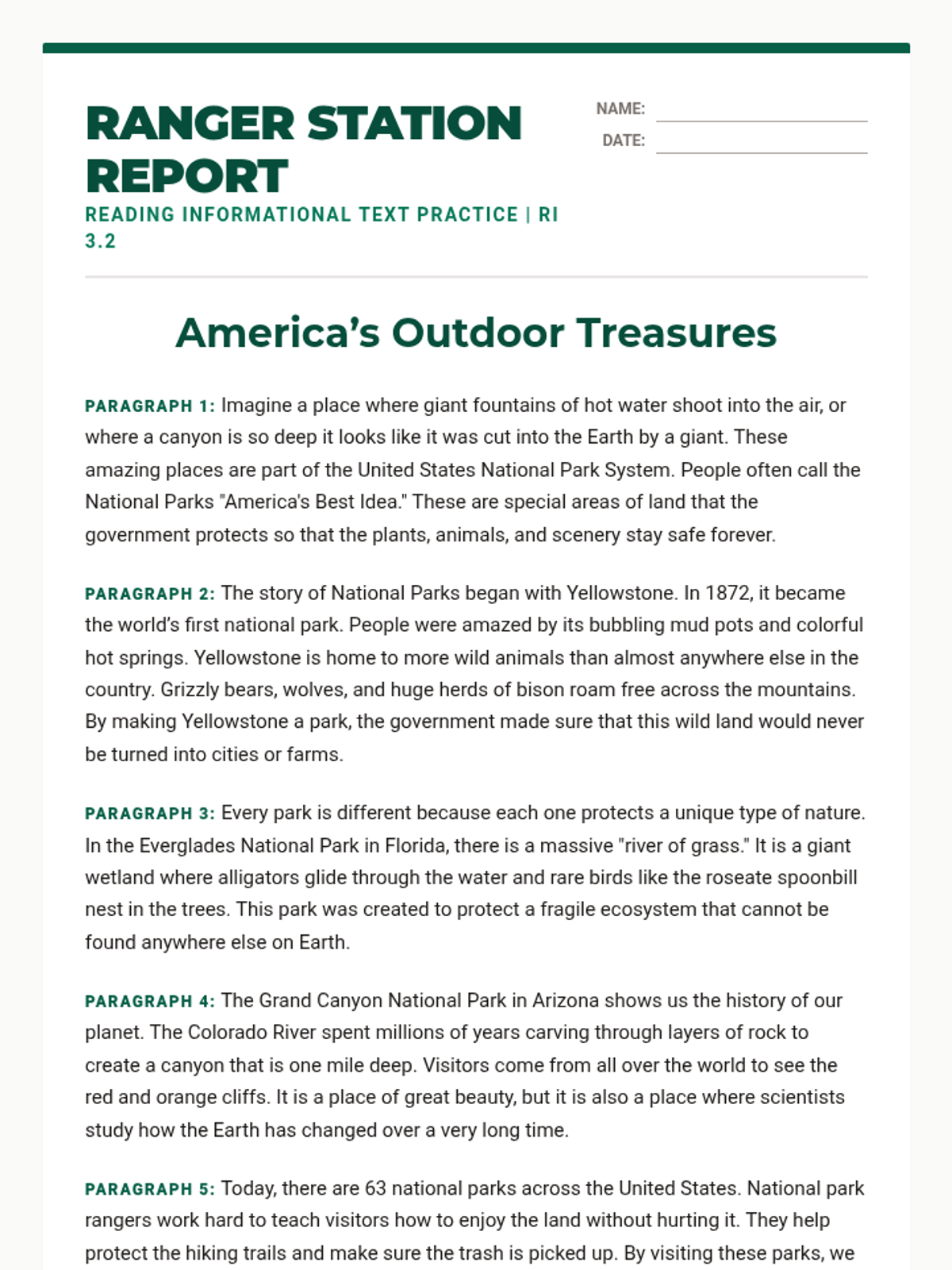
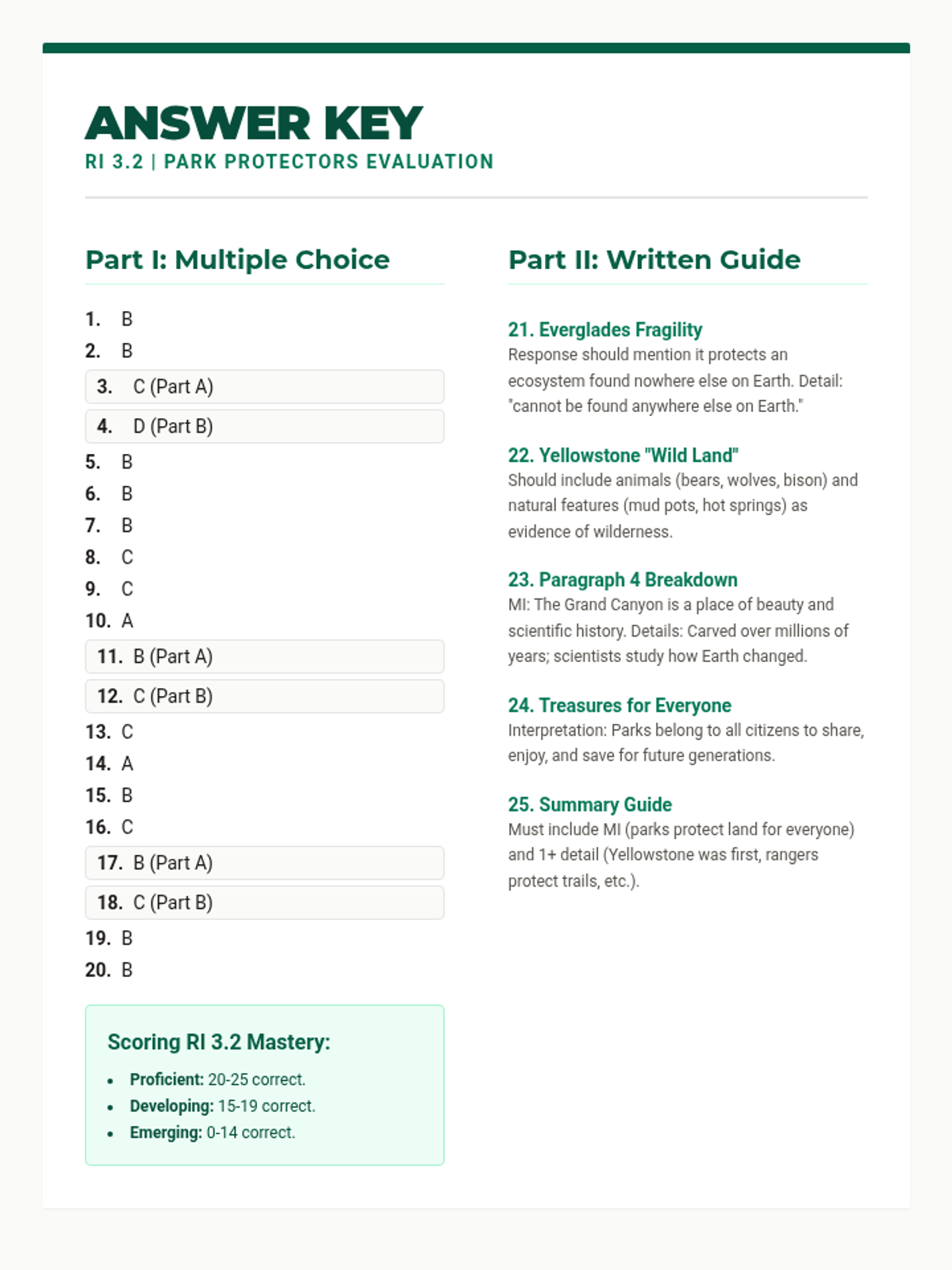
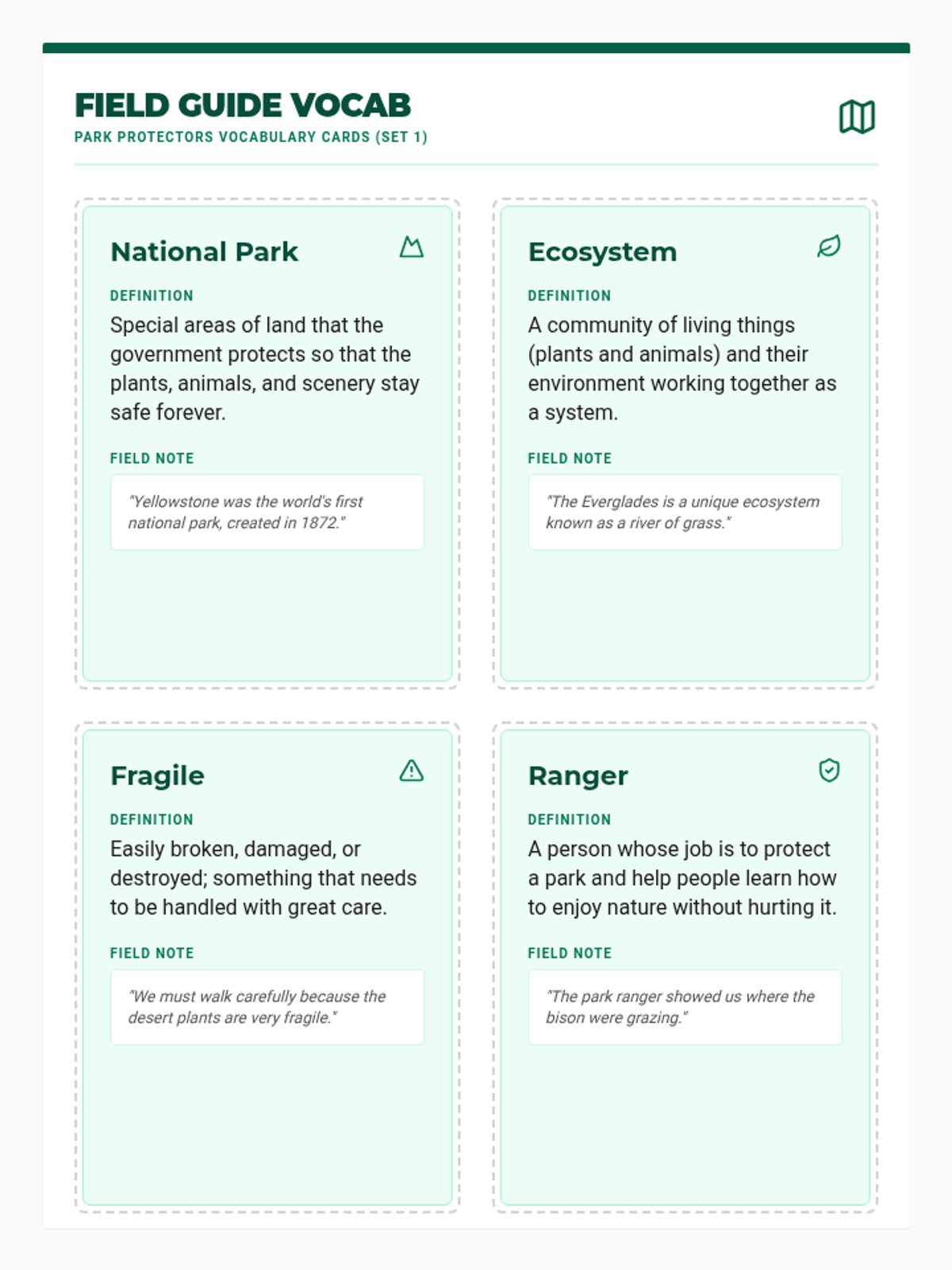
A comprehensive reading comprehension lesson focused on RI 3.2 (Main Idea and Key Details) using the engaging topic of US National Parks. Students will read an informational passage and answer 25 EOG-style questions to build mastery in identifying central messages and supporting evidence.
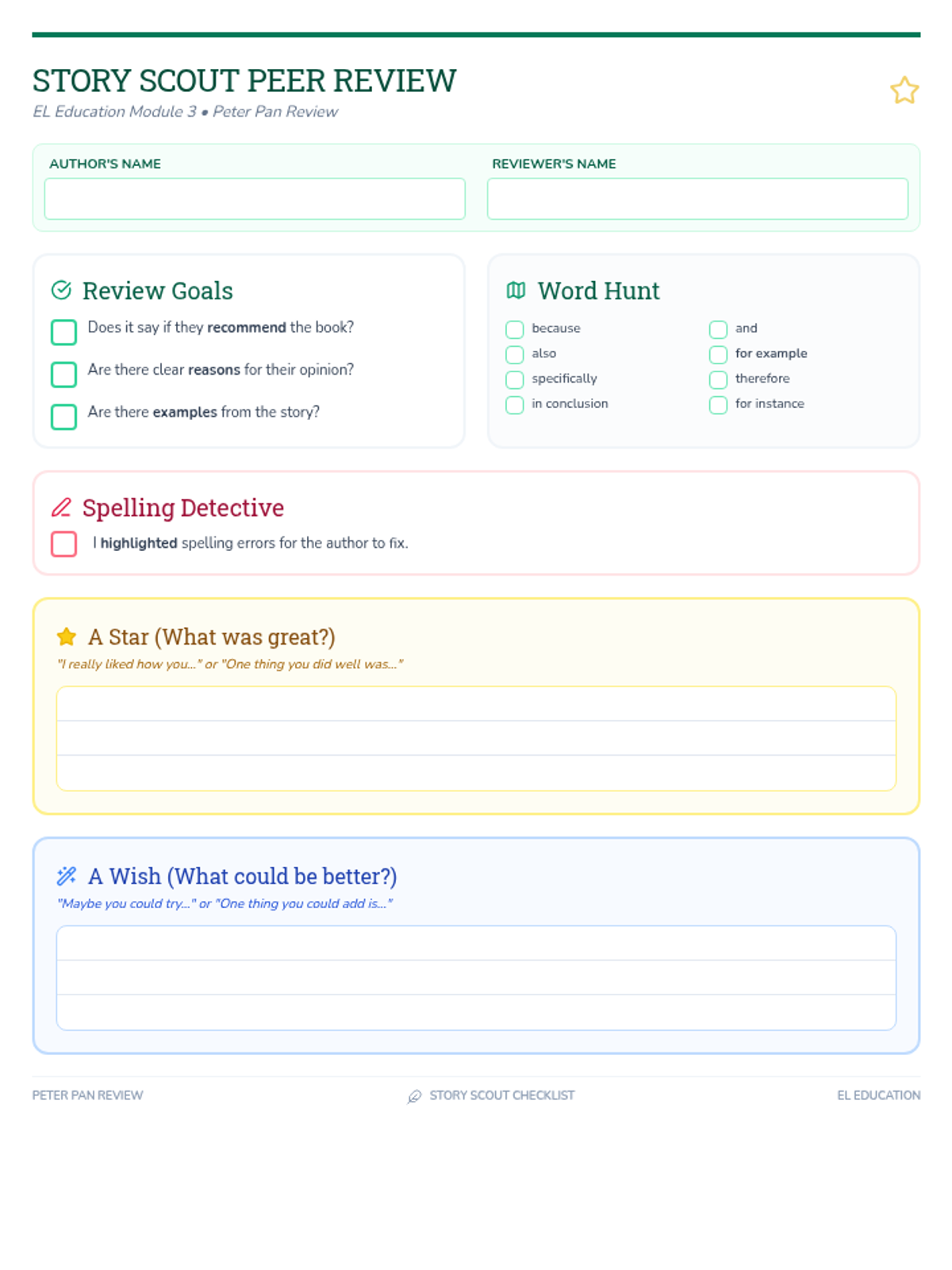
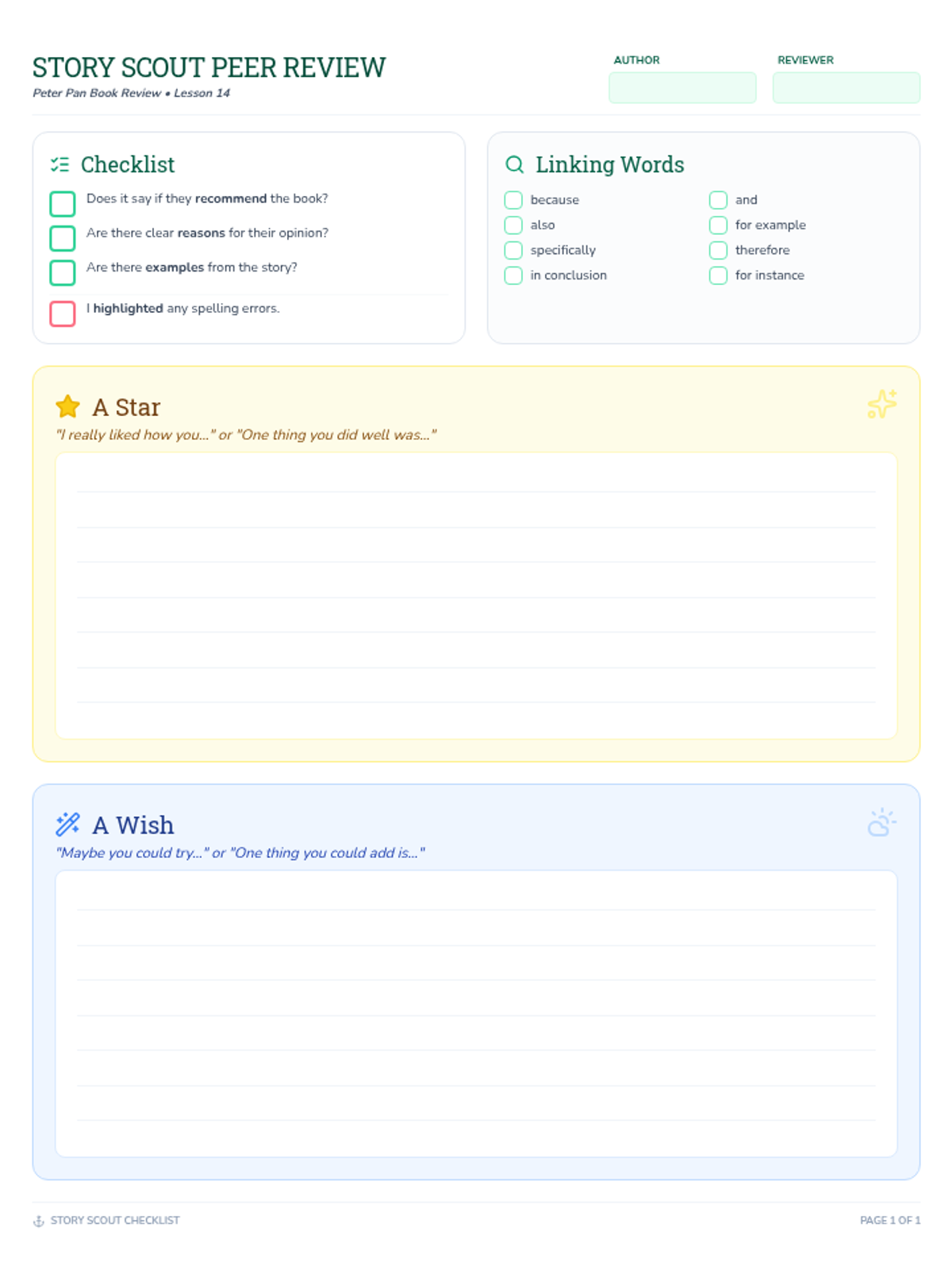
In this lesson, students engage in the peer review process to refine their Peter Pan book reviews, focusing on the use of linking words and spelling accuracy.
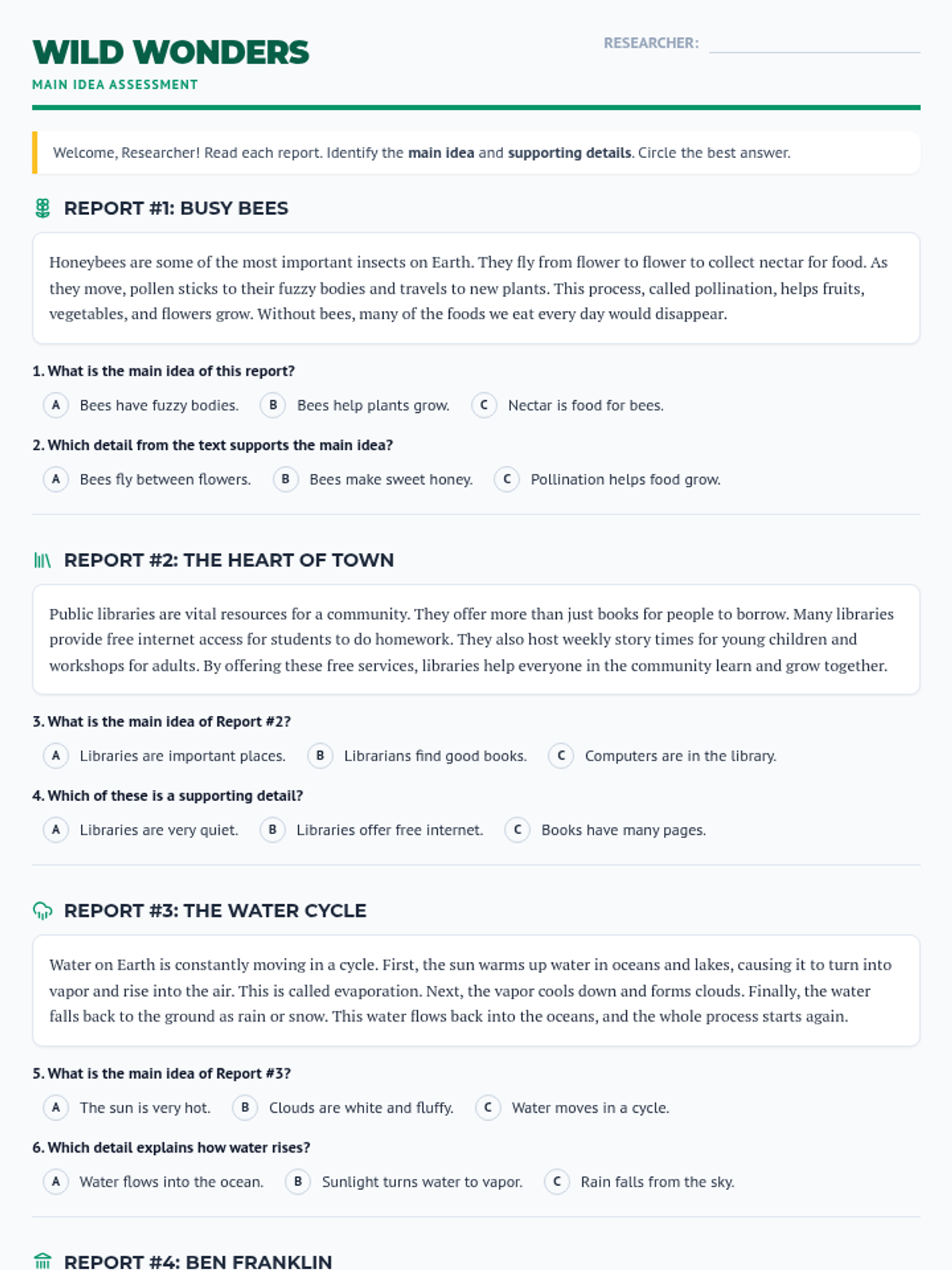
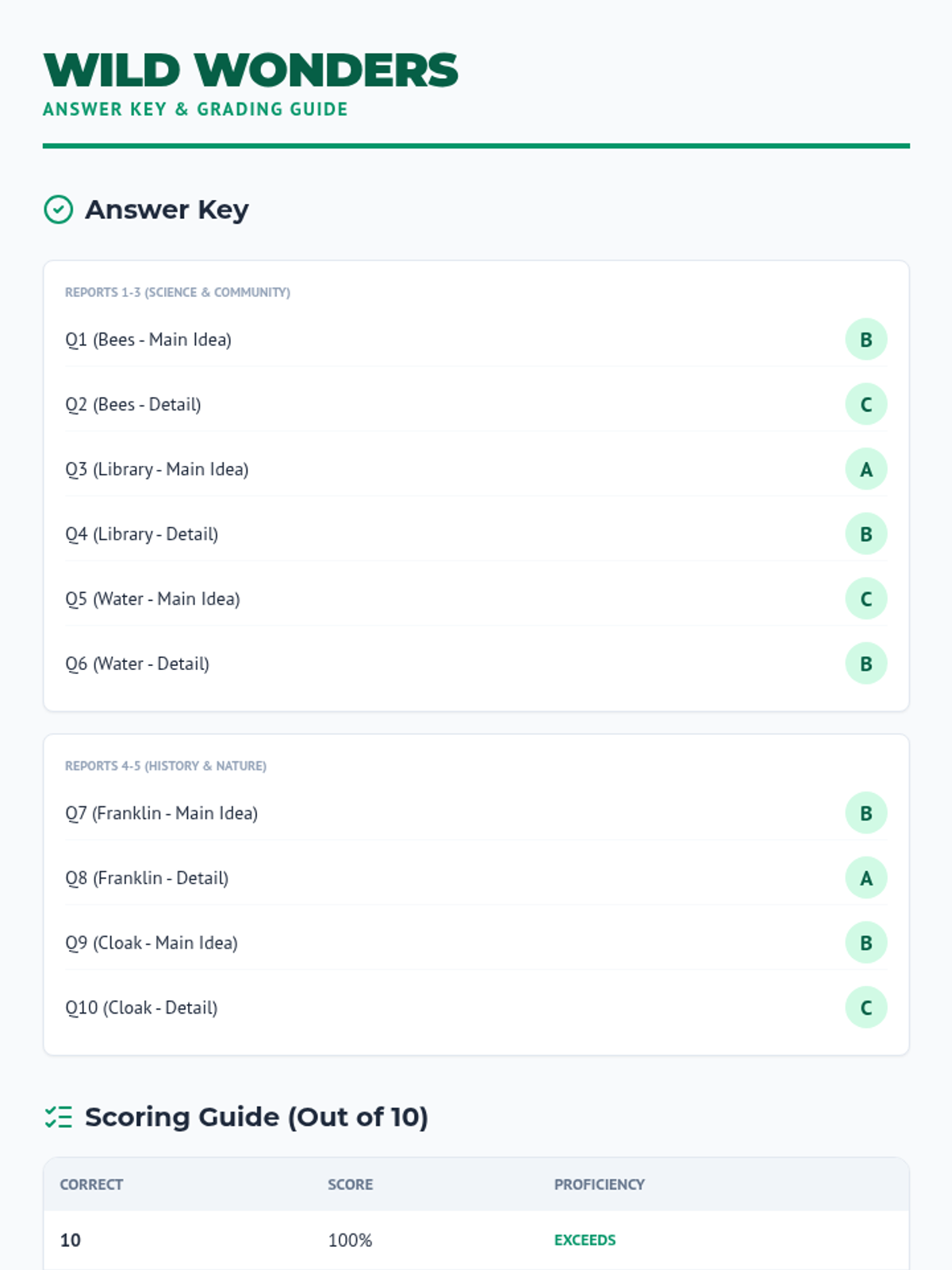
An end-of-week assessment for 3rd graders focusing on identifying main ideas and supporting details within informational texts about science and social studies.
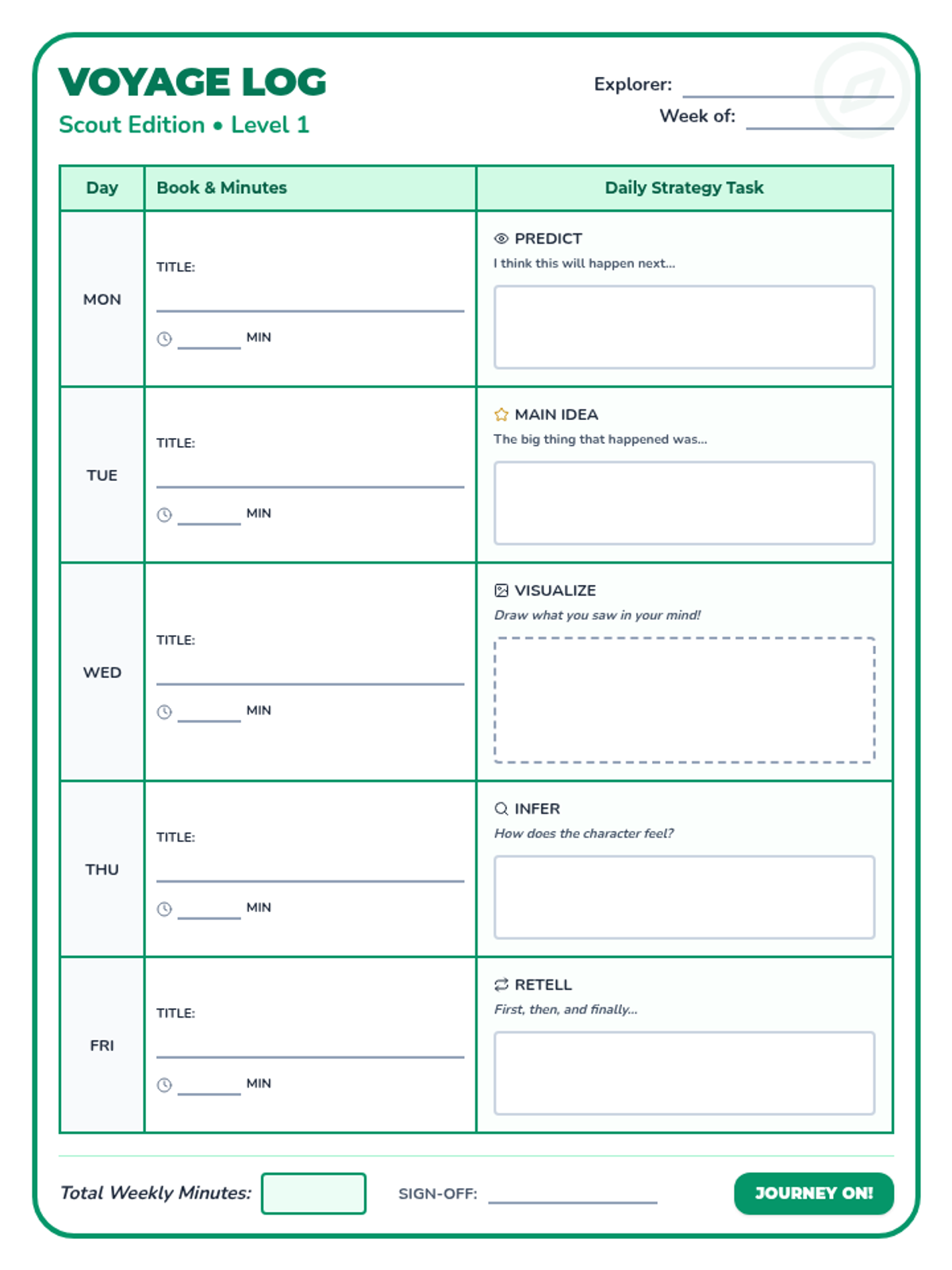
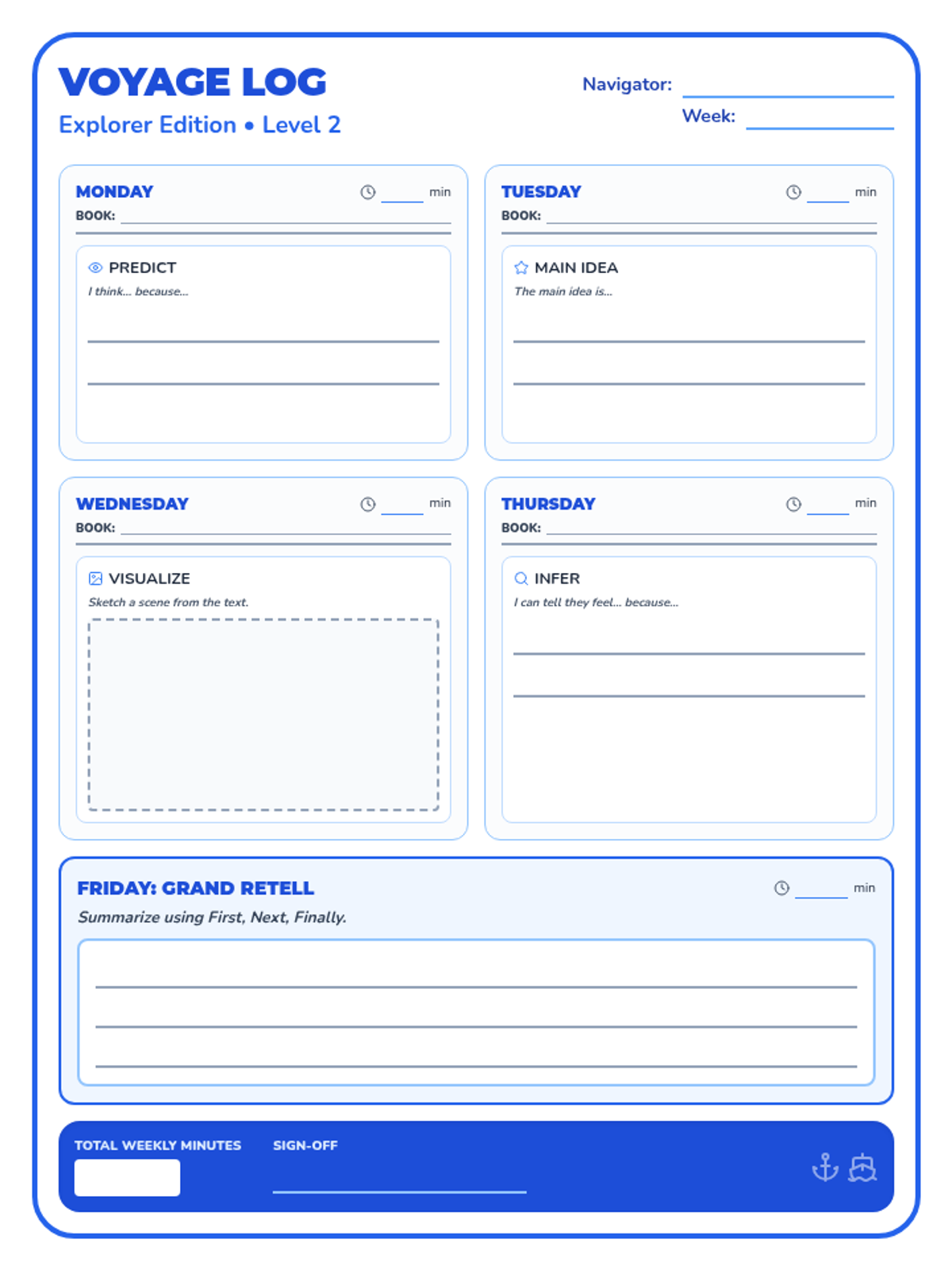
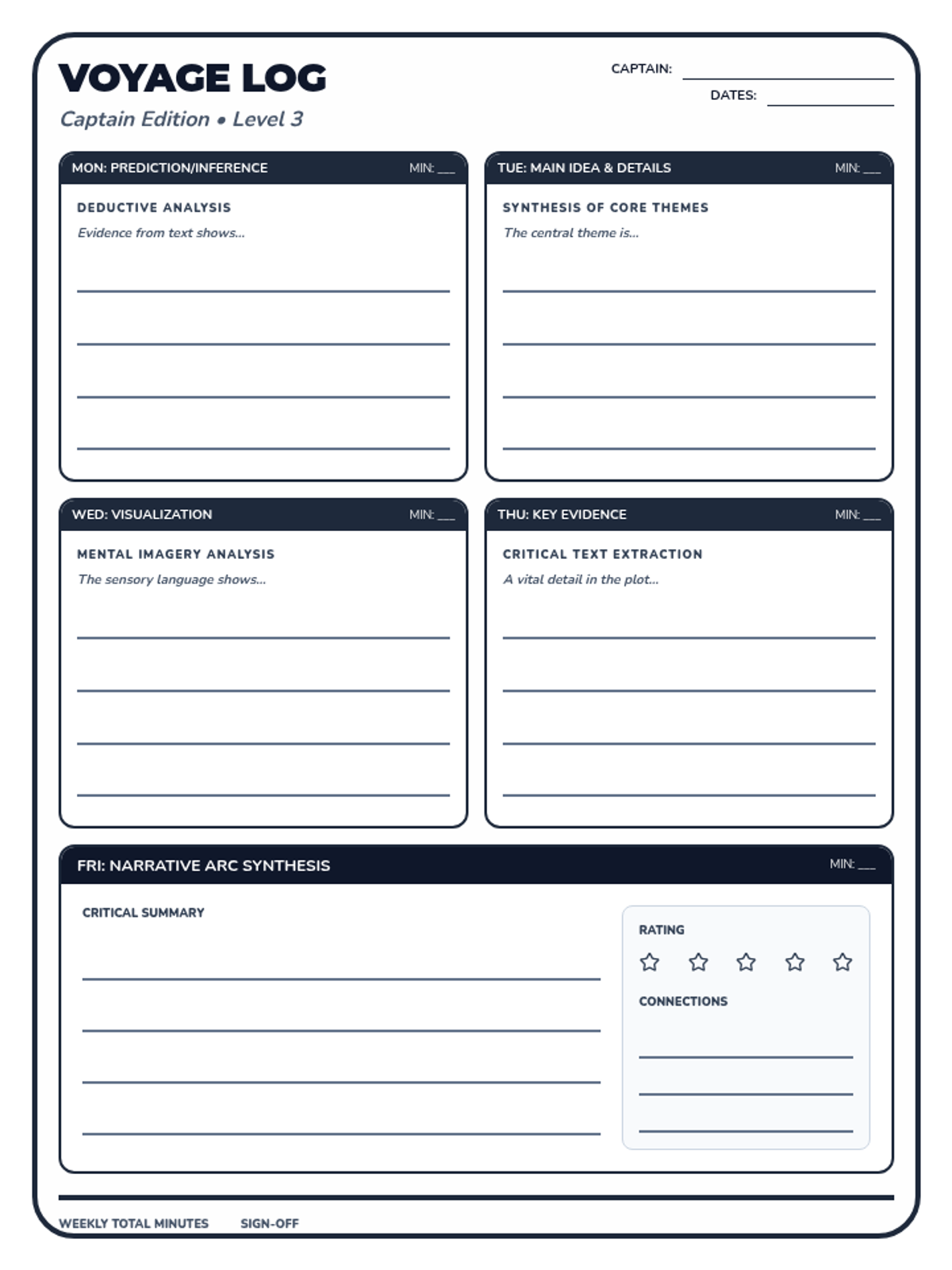
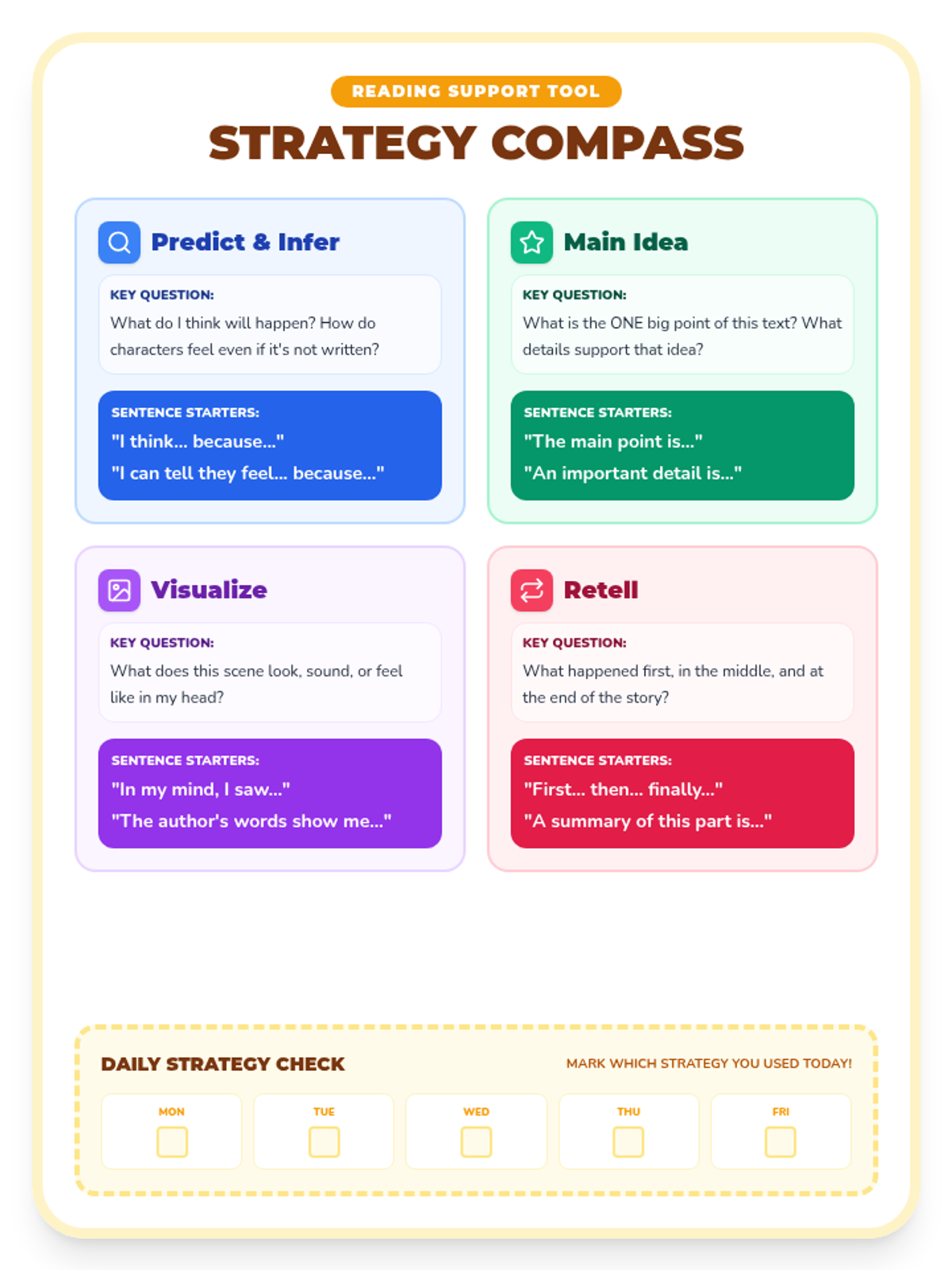
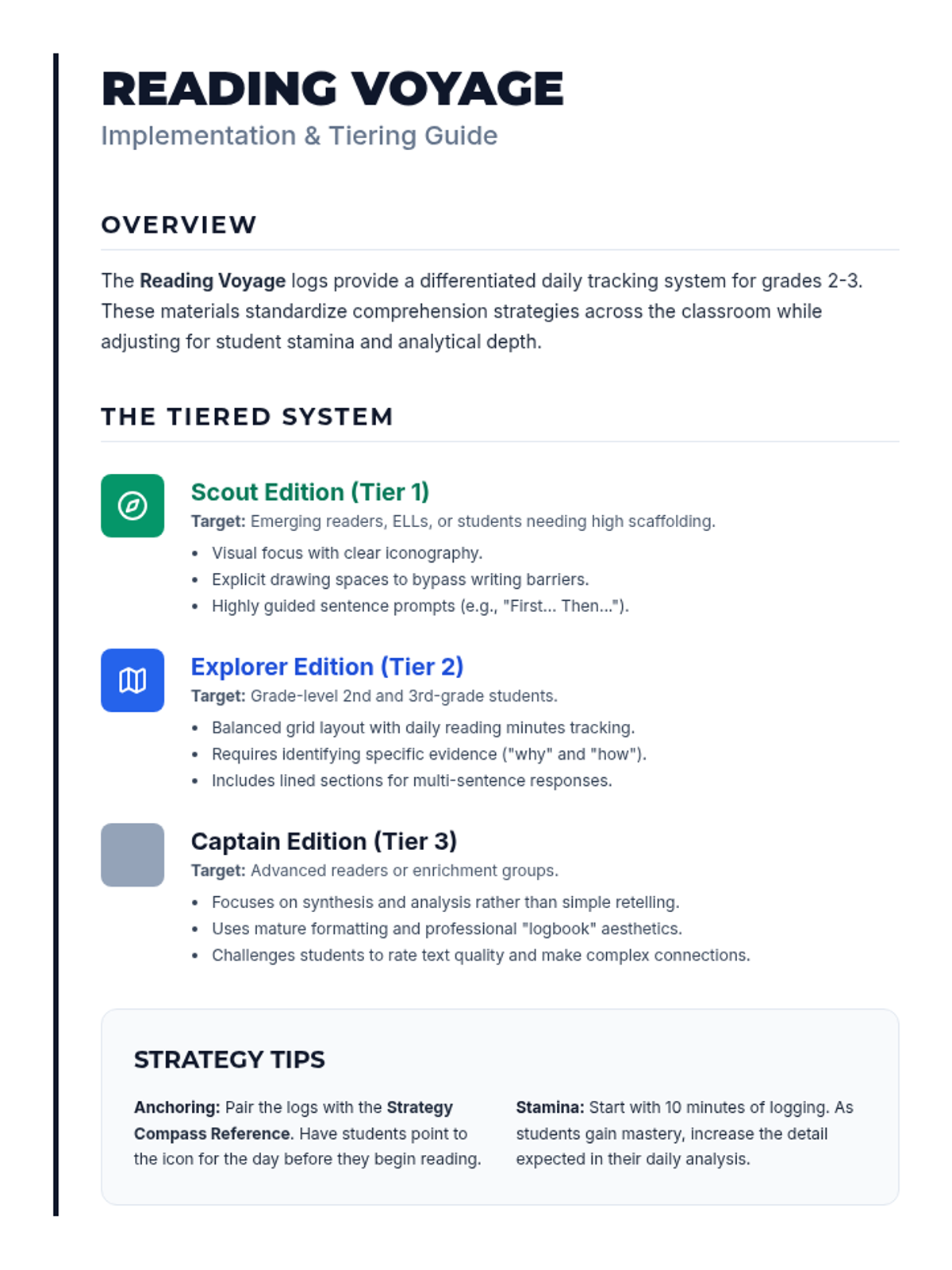
A set of tiered daily reading trackers for 2nd-3rd grade students, focusing on predicting, inferring, main idea, and visualizing. These logs provide differentiated support for various reading levels within a single classroom.
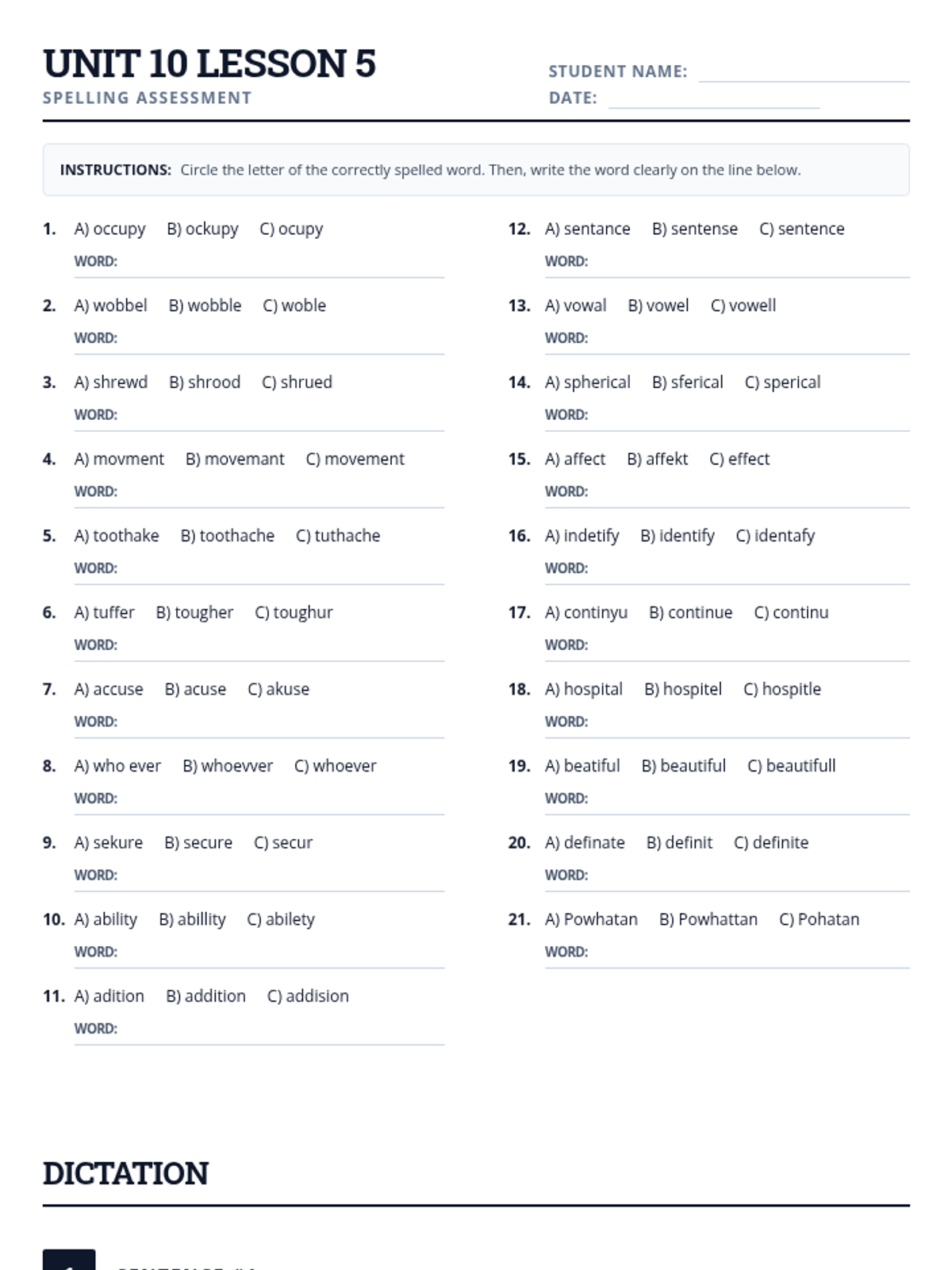
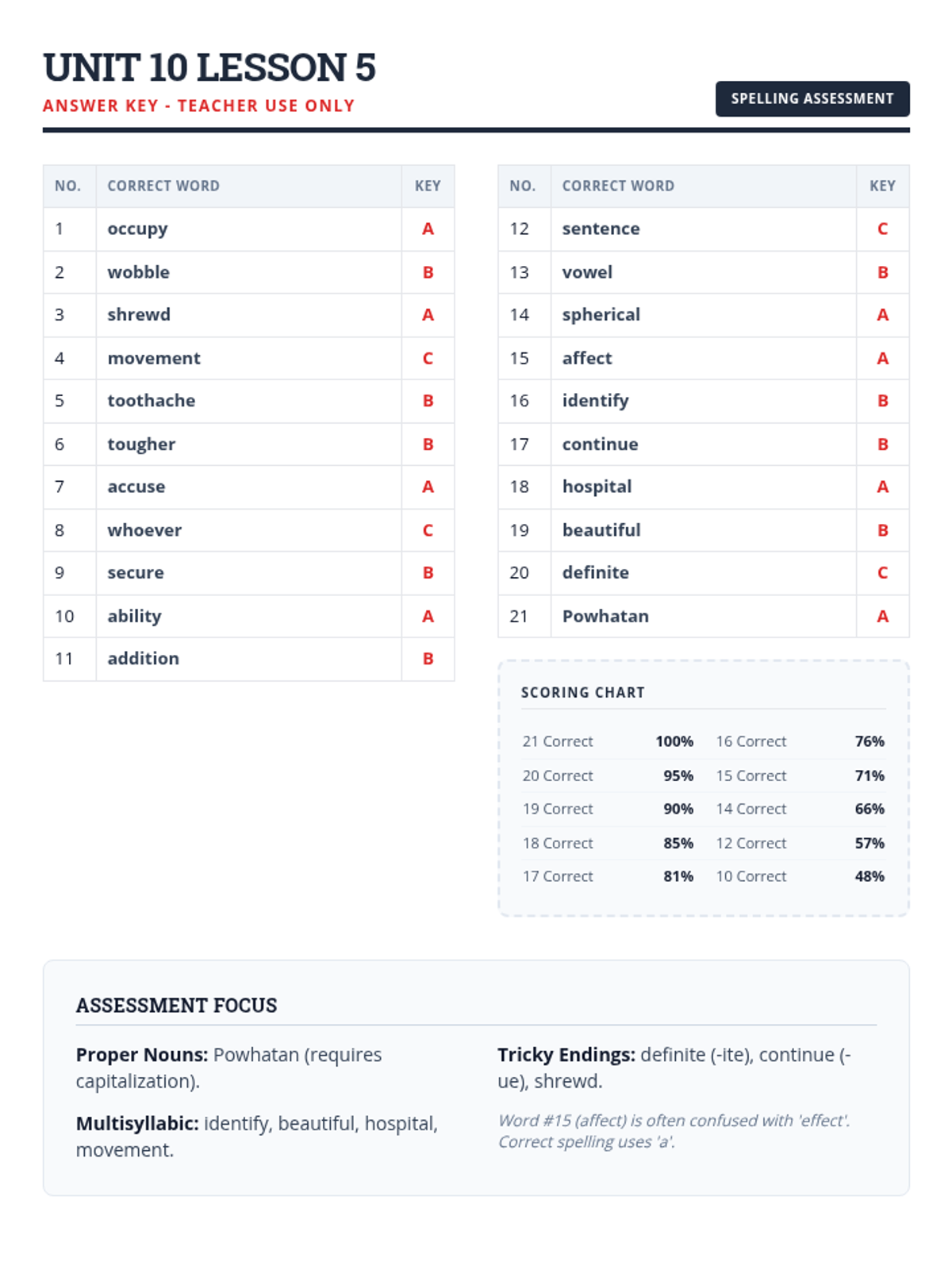
A spelling assessment for Unit 10 Lesson 5 featuring 21 words including 'occupy', 'identify', and 'Powhatan'. Covers double consonants, multisyllabic words, proper nouns, and common vowel teams.
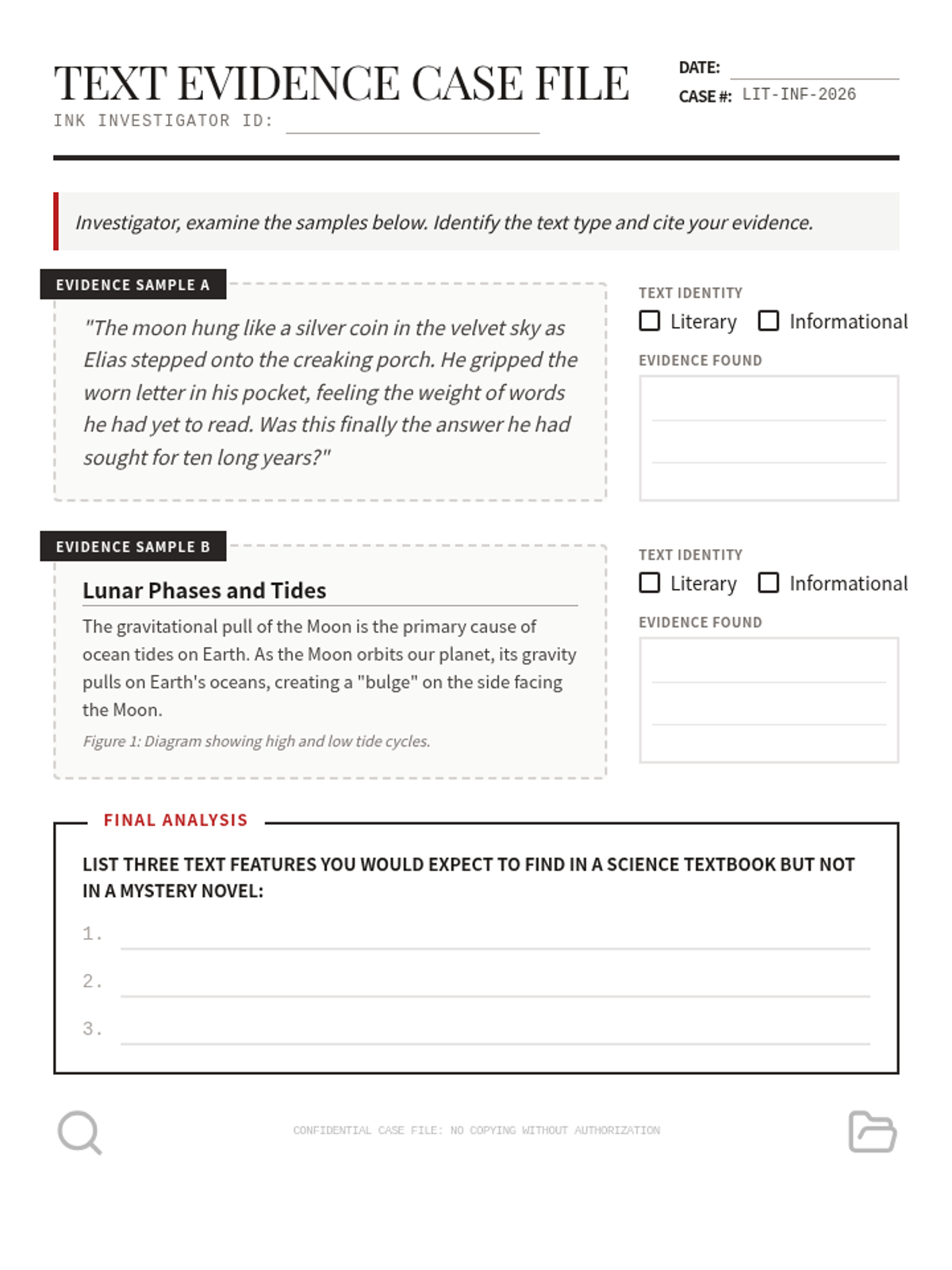
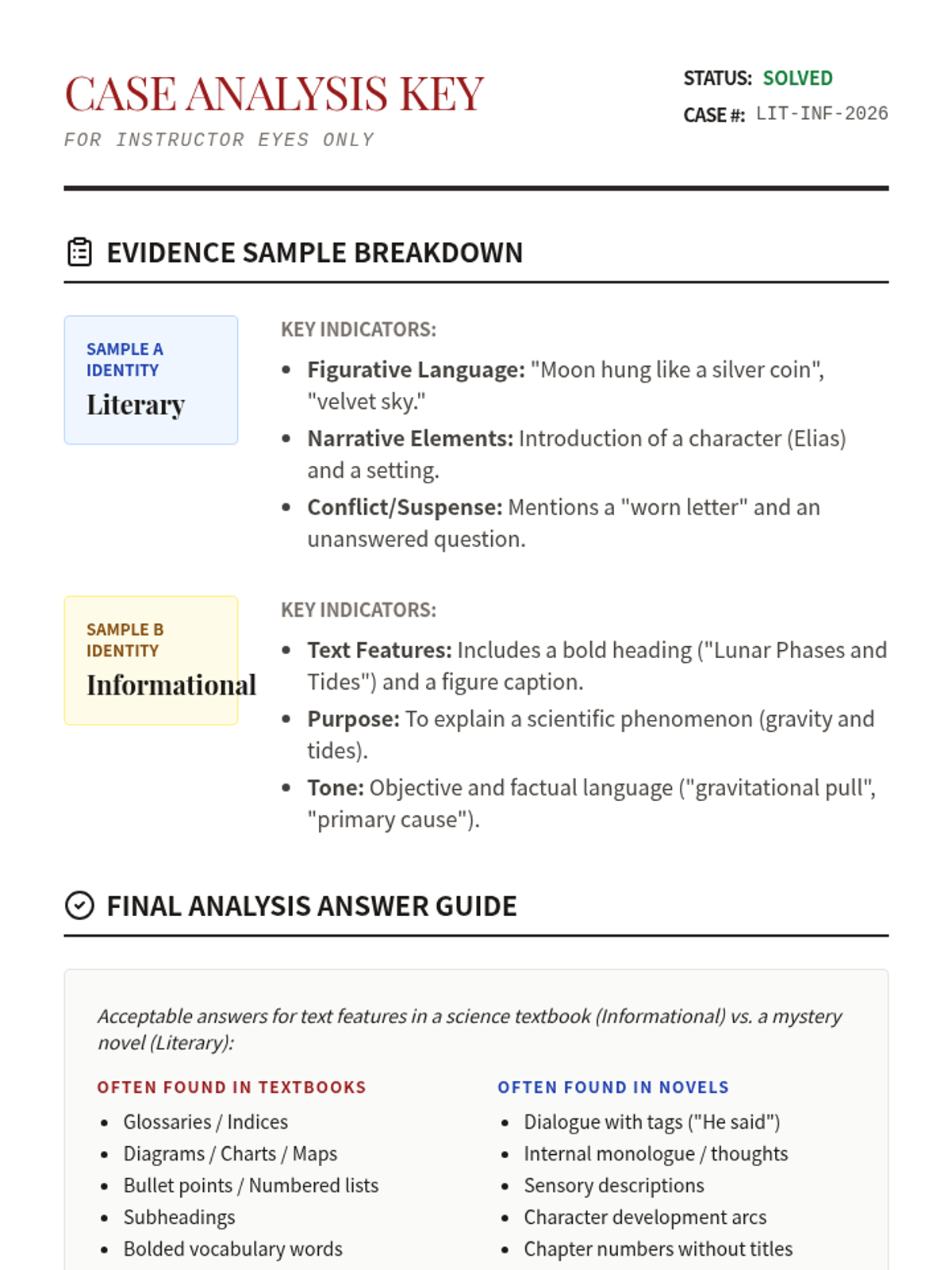
Students learn to distinguish between literary and informational texts by examining purpose, structure, and language features. This lesson uses a detective theme to help students investigate the 'DNA' of different text types.
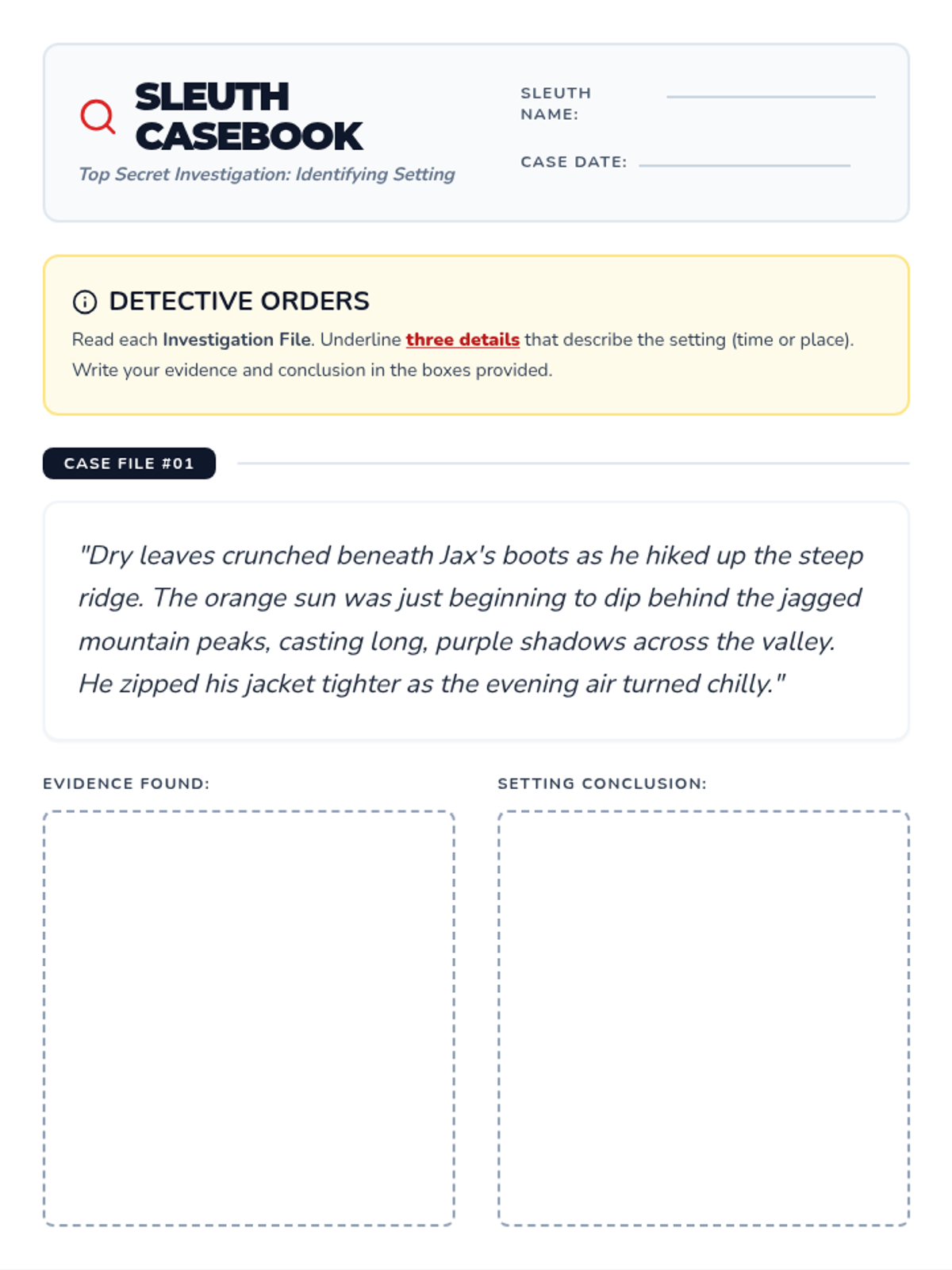
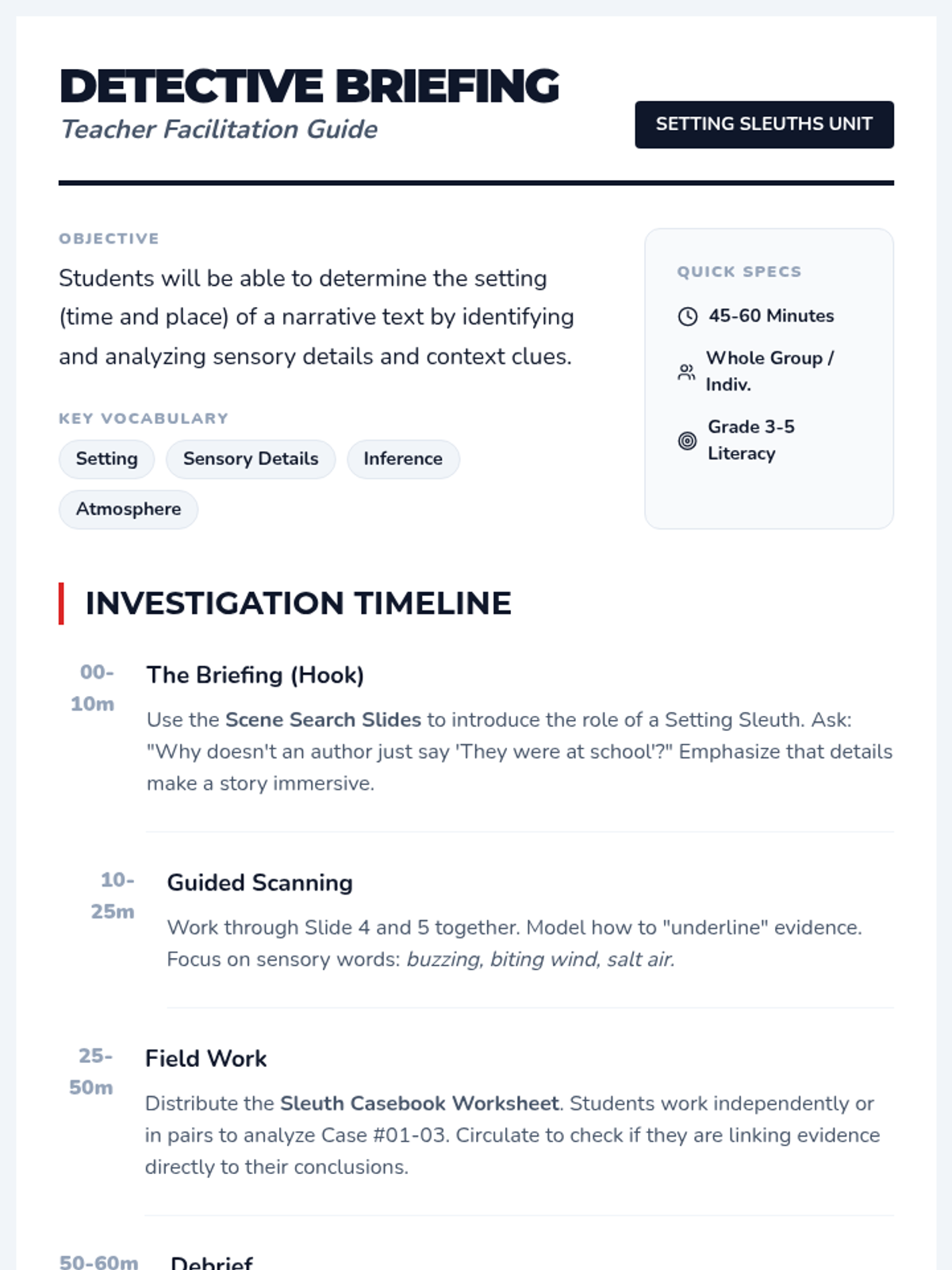
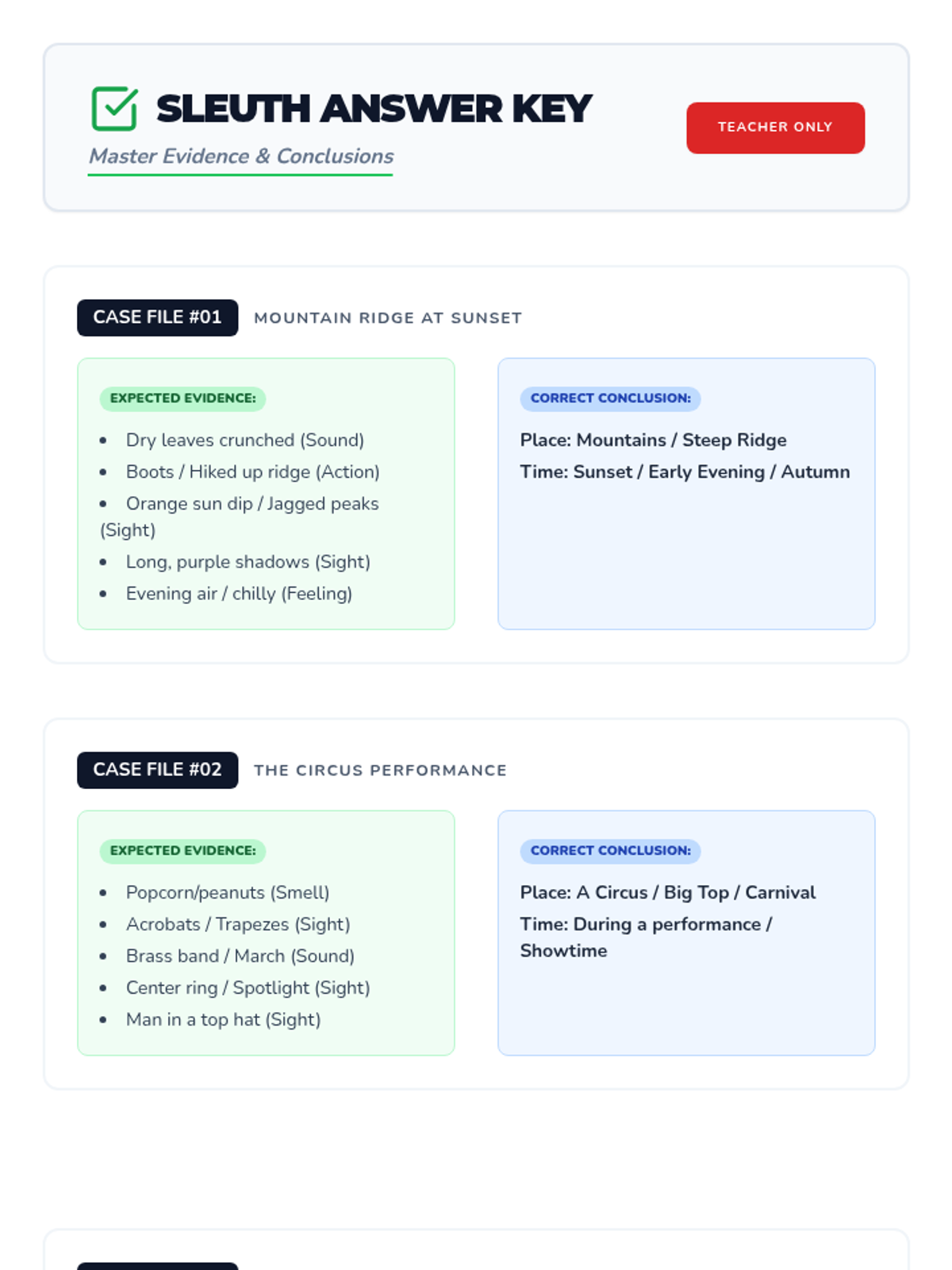
A mystery-themed lesson where students act as 'Setting Sleuths' to identify time and place using sensory details and contextual clues.
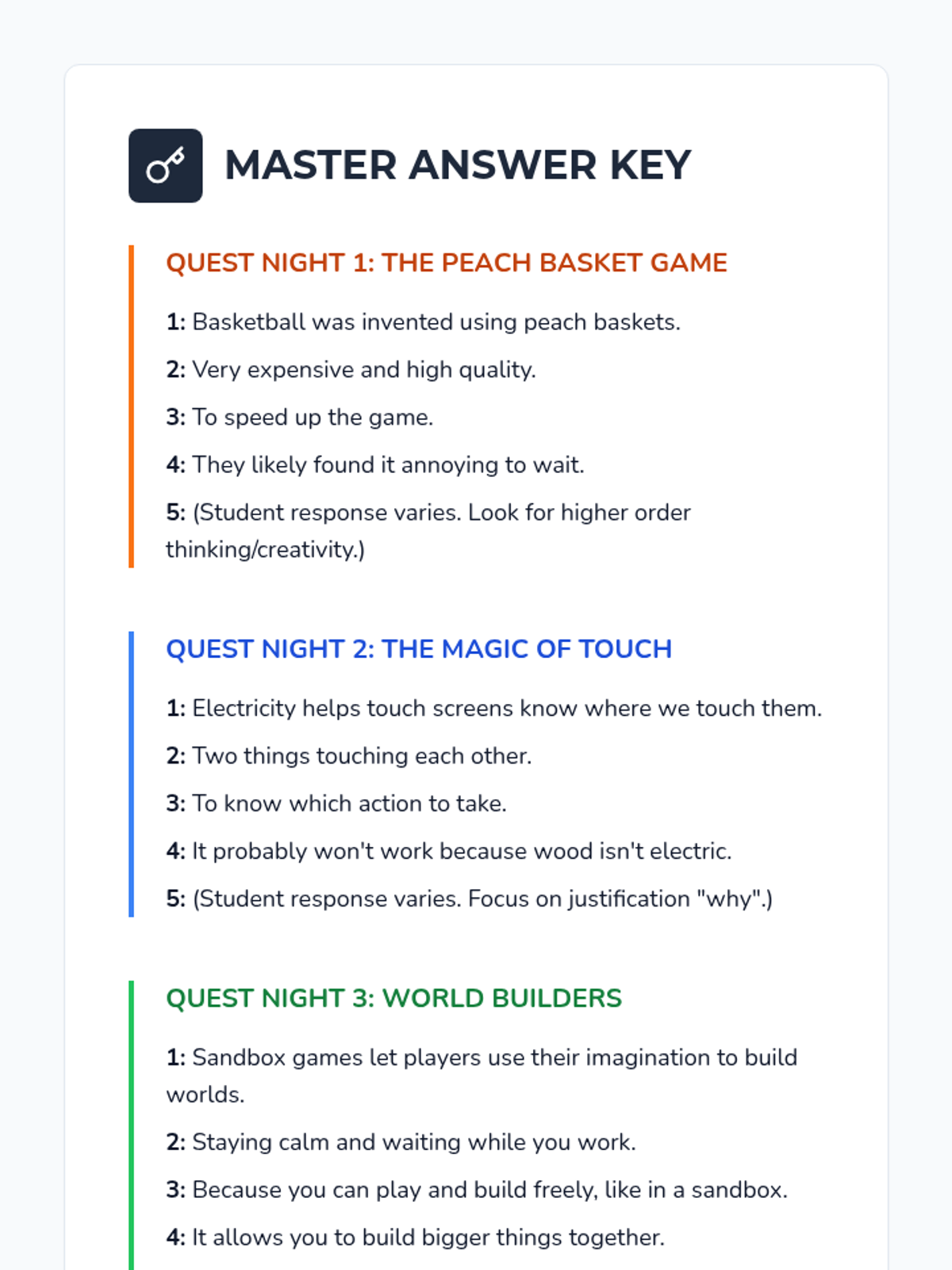
A 5-night homework packet designed for students with a 4th-grade interest level but reading at a 3rd-grade level. Each night features a high-interest passage about sports, technology, or video games, followed by targeted comprehension questions focusing on main idea, context clues, and inferential thinking.
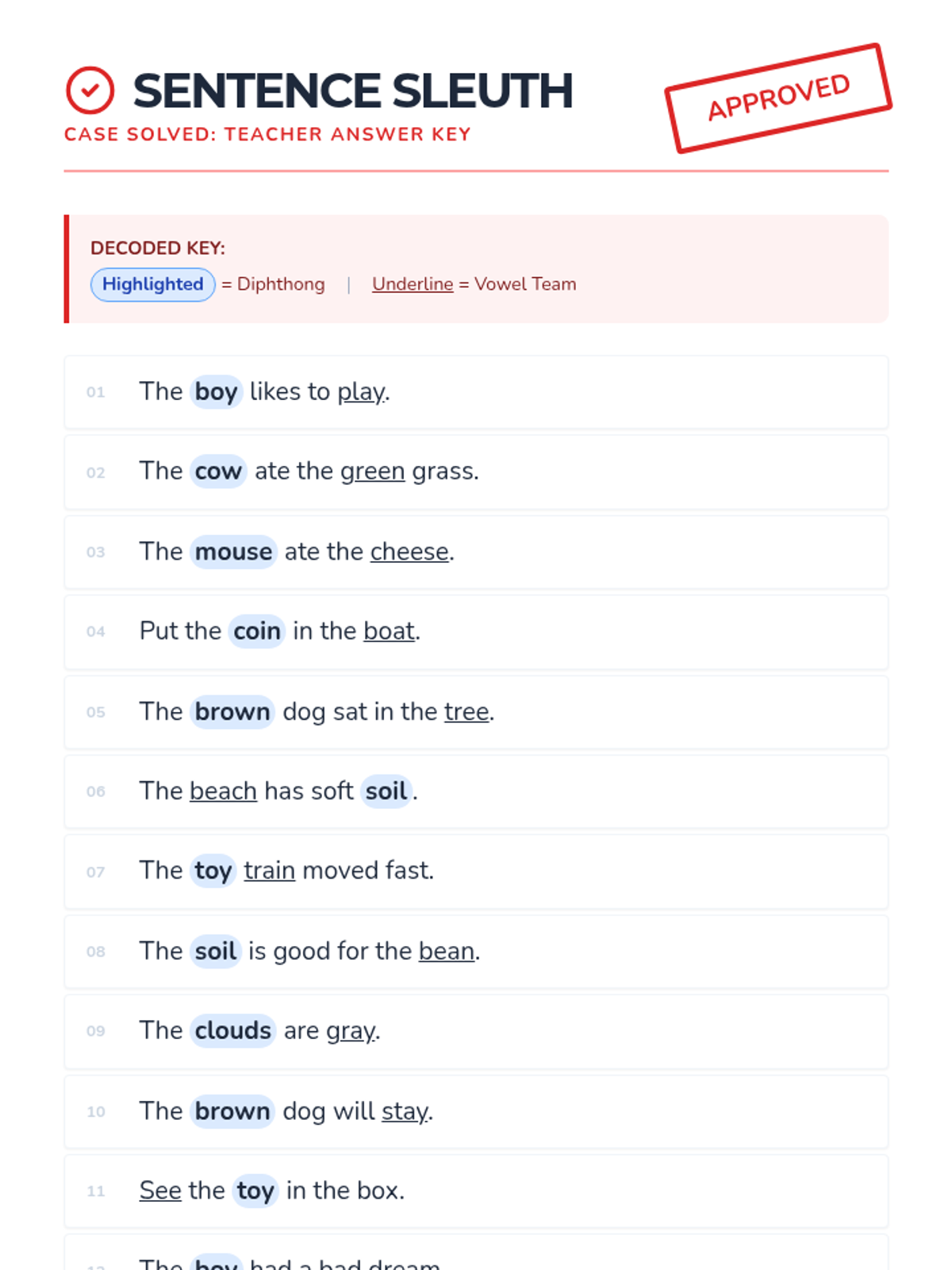
Students practice identifying specific vowel teams and diphthongs within simple sentences through a detective-themed decoding activity.
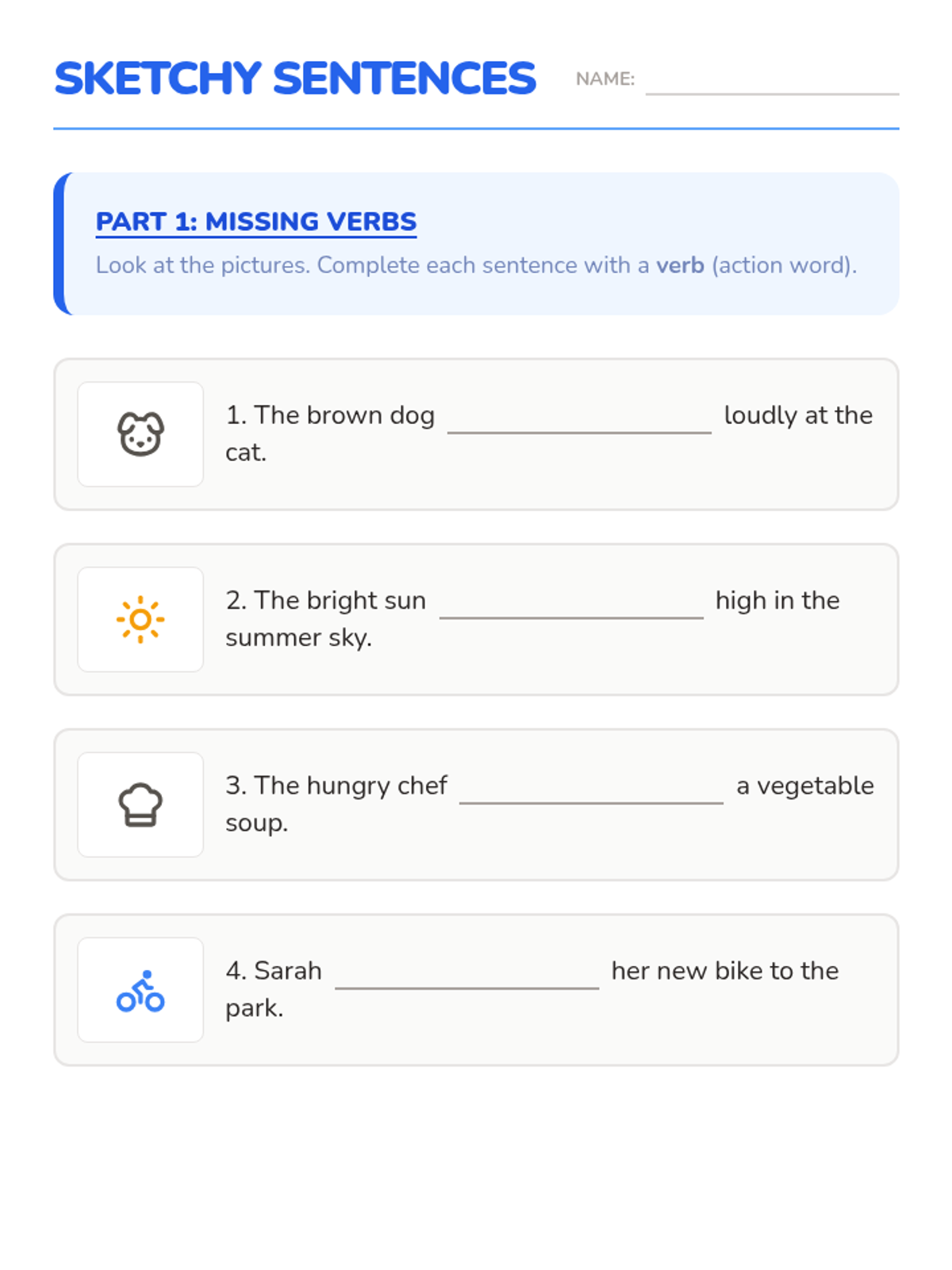
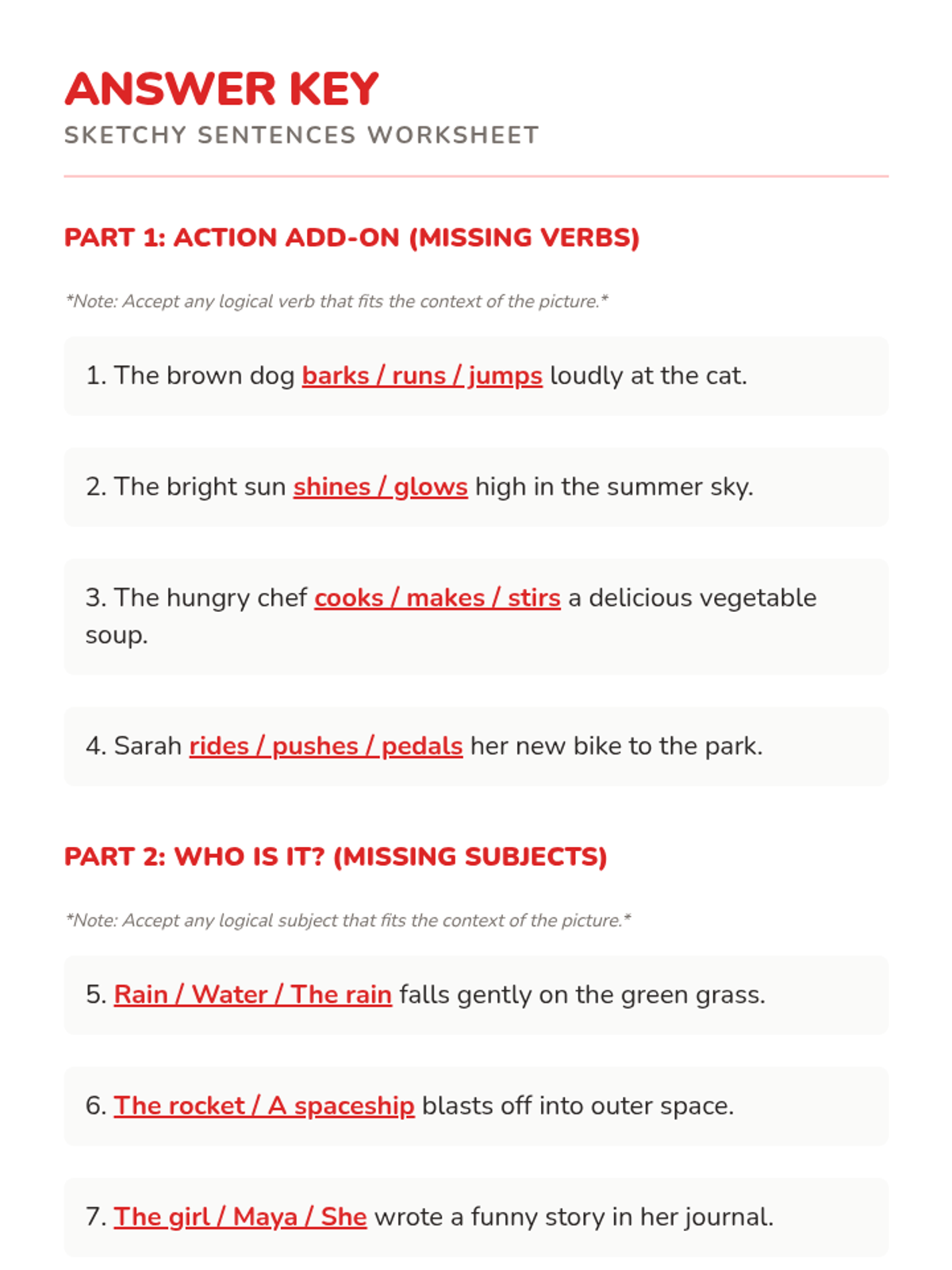
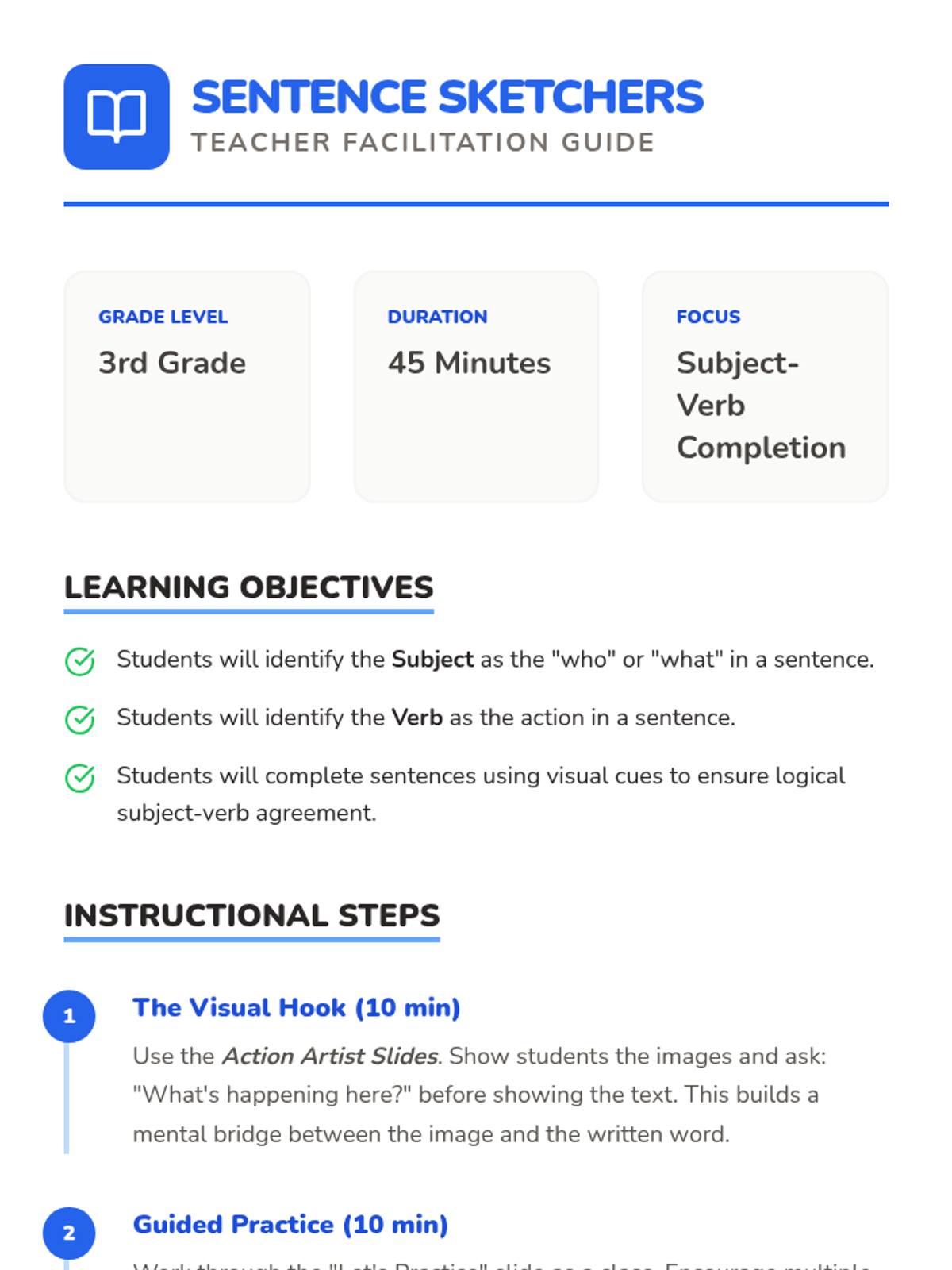
A lesson focused on building complete sentences by identifying and providing missing subjects or verbs, using visual prompts to spark creativity.
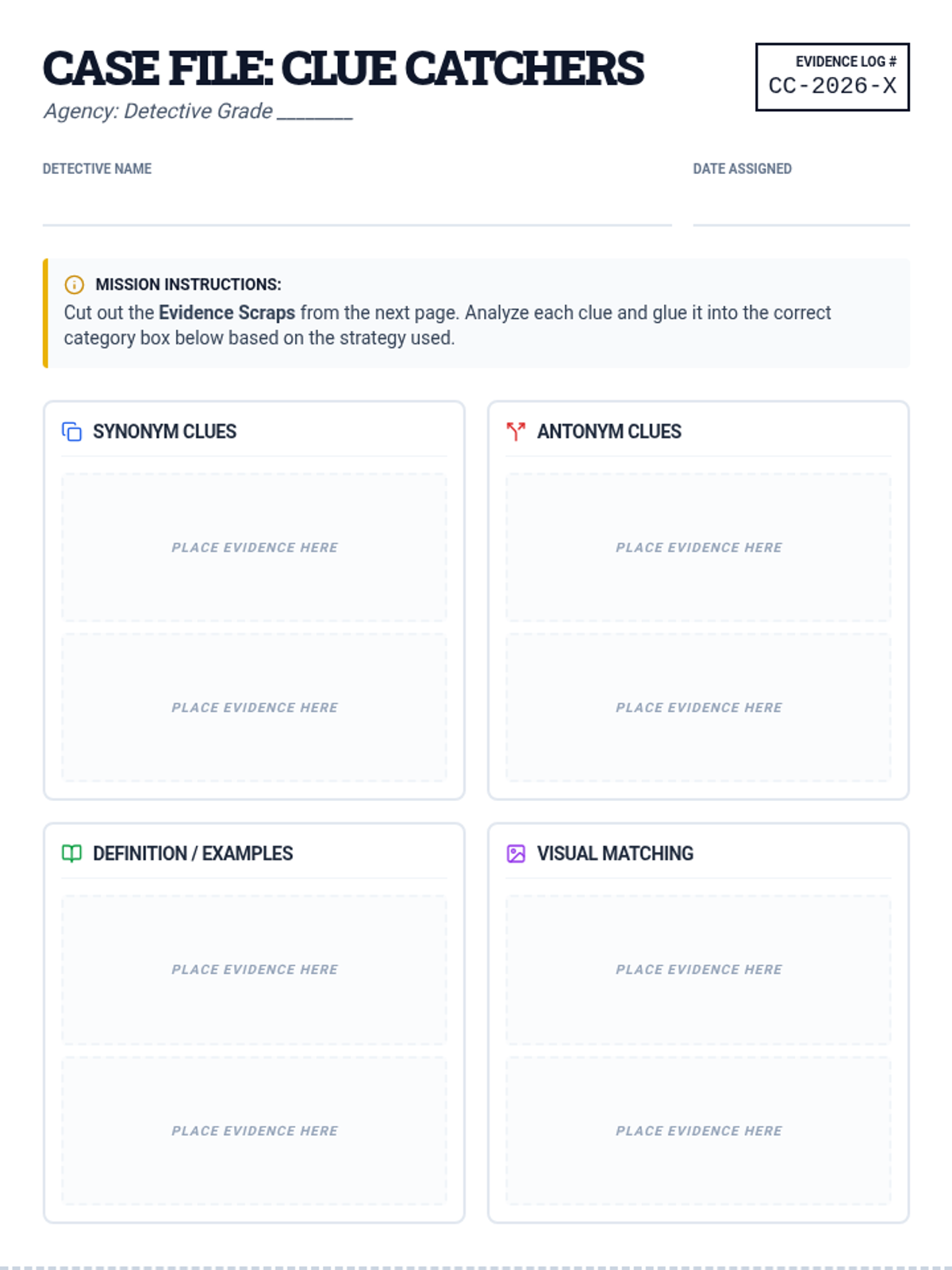
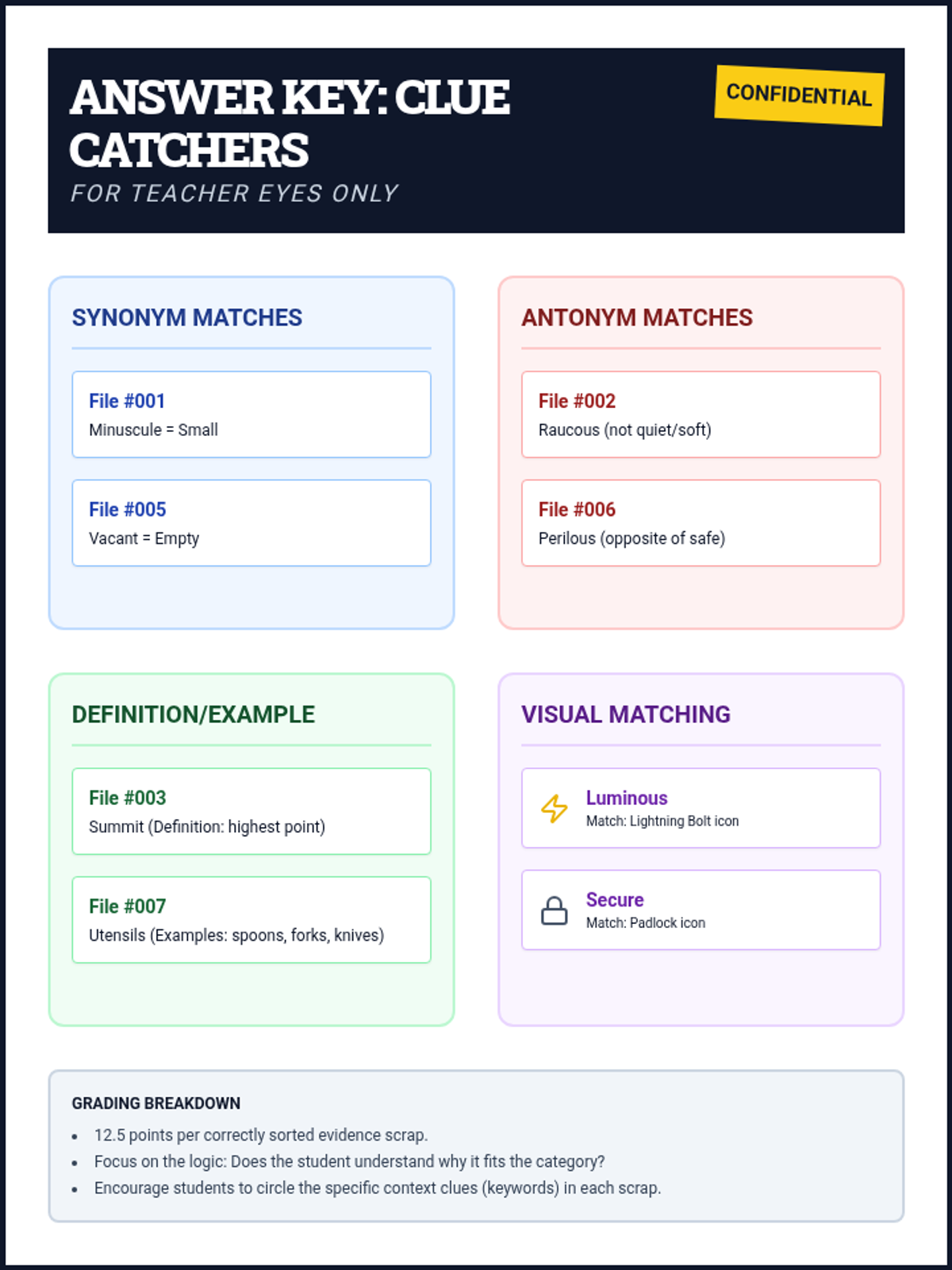
Students become 'Clue Crackers' in this interactive lesson focused on using synonyms, antonyms, definitions, and visual cues to decode unfamiliar words. The lesson includes a presentation and a hands-on cut-and-paste evidence-gathering activity.
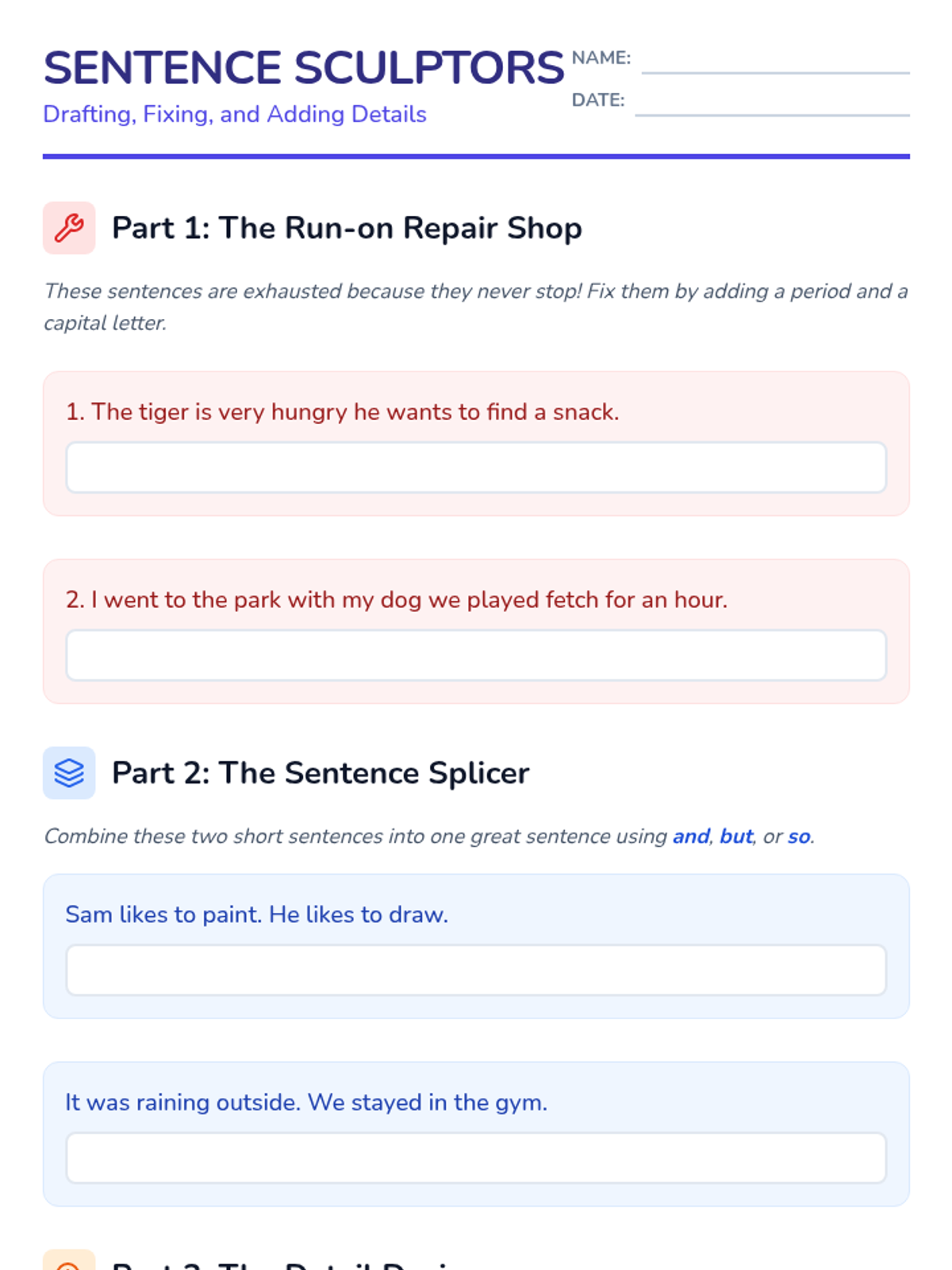
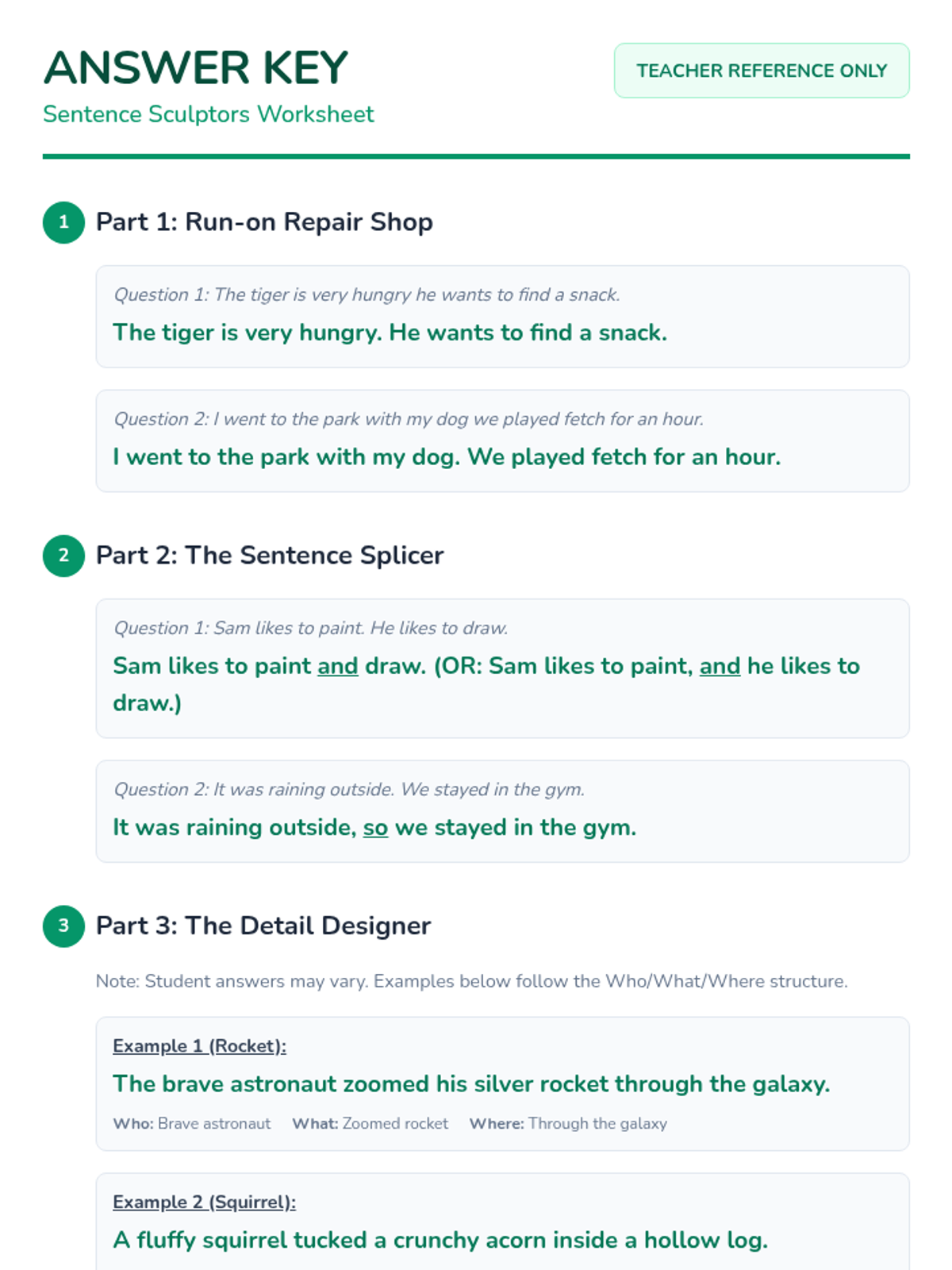
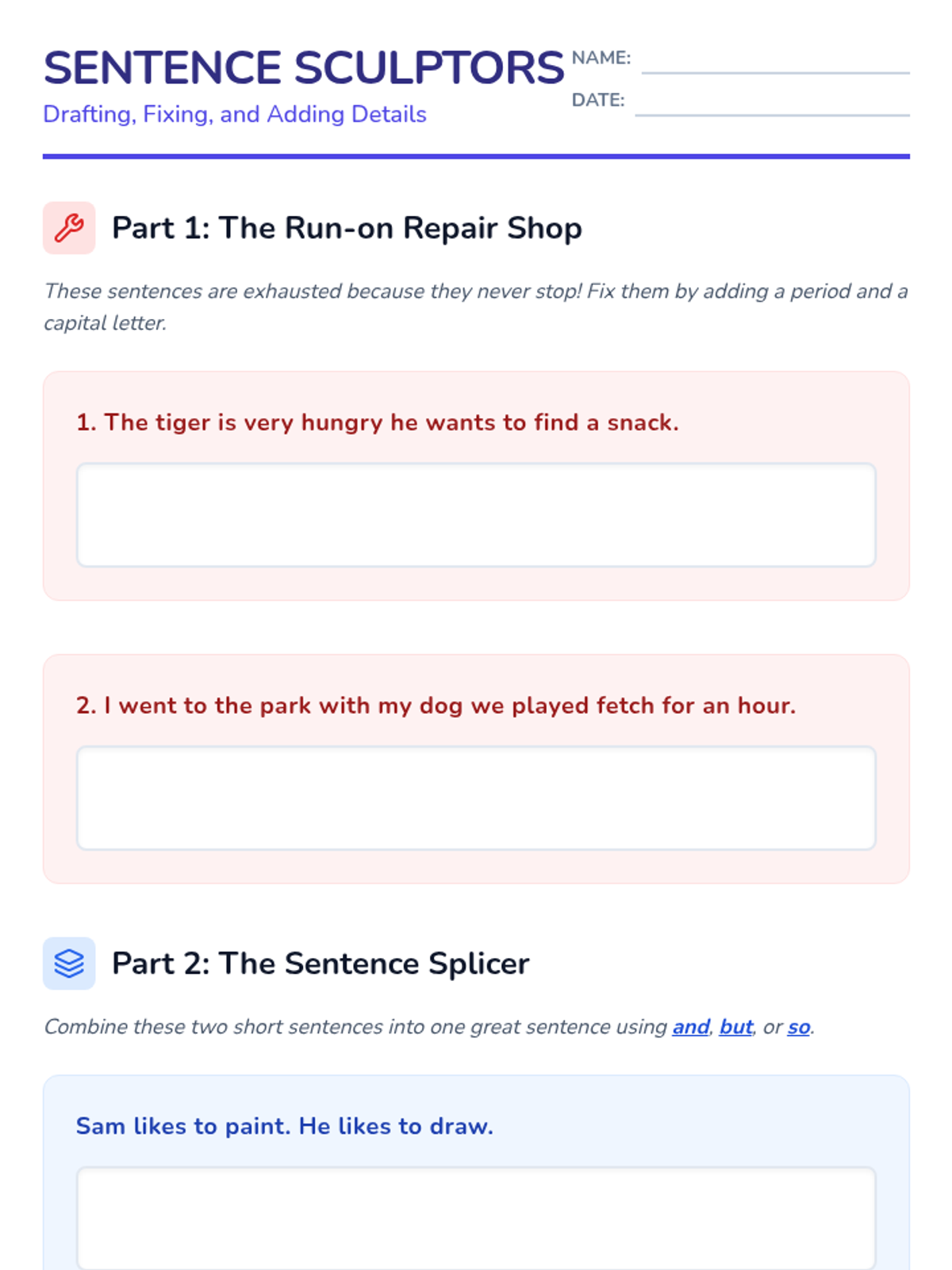
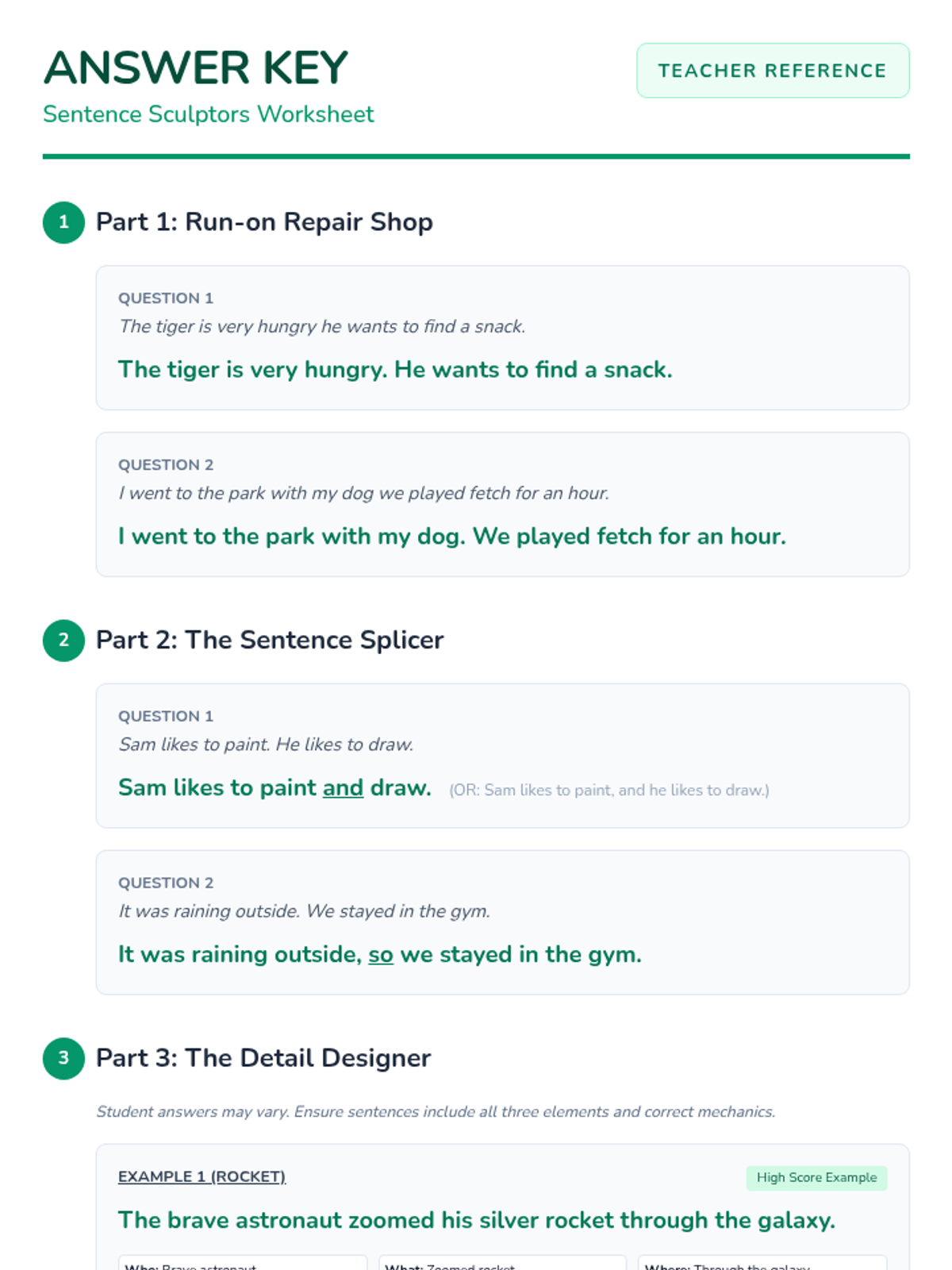
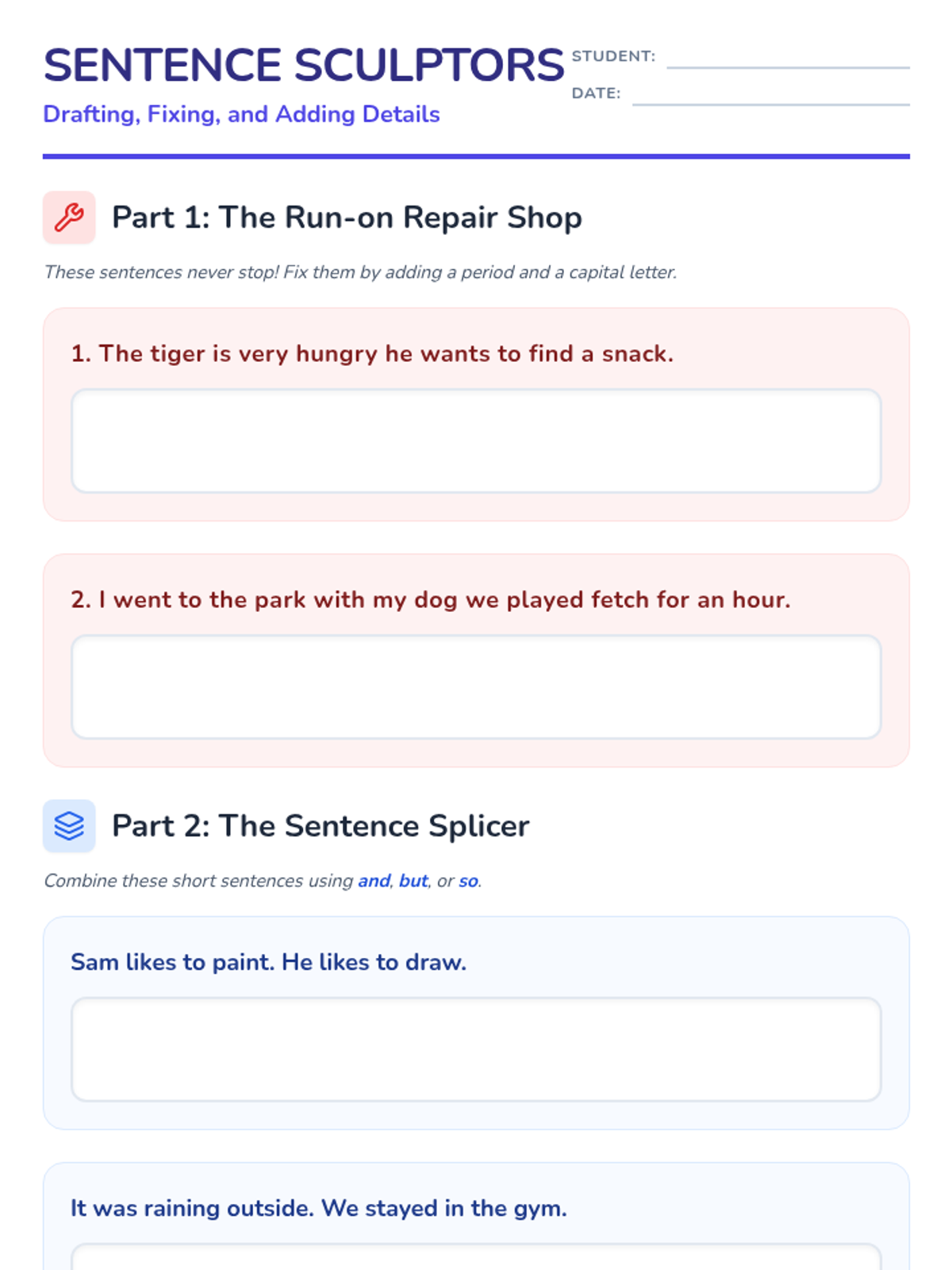
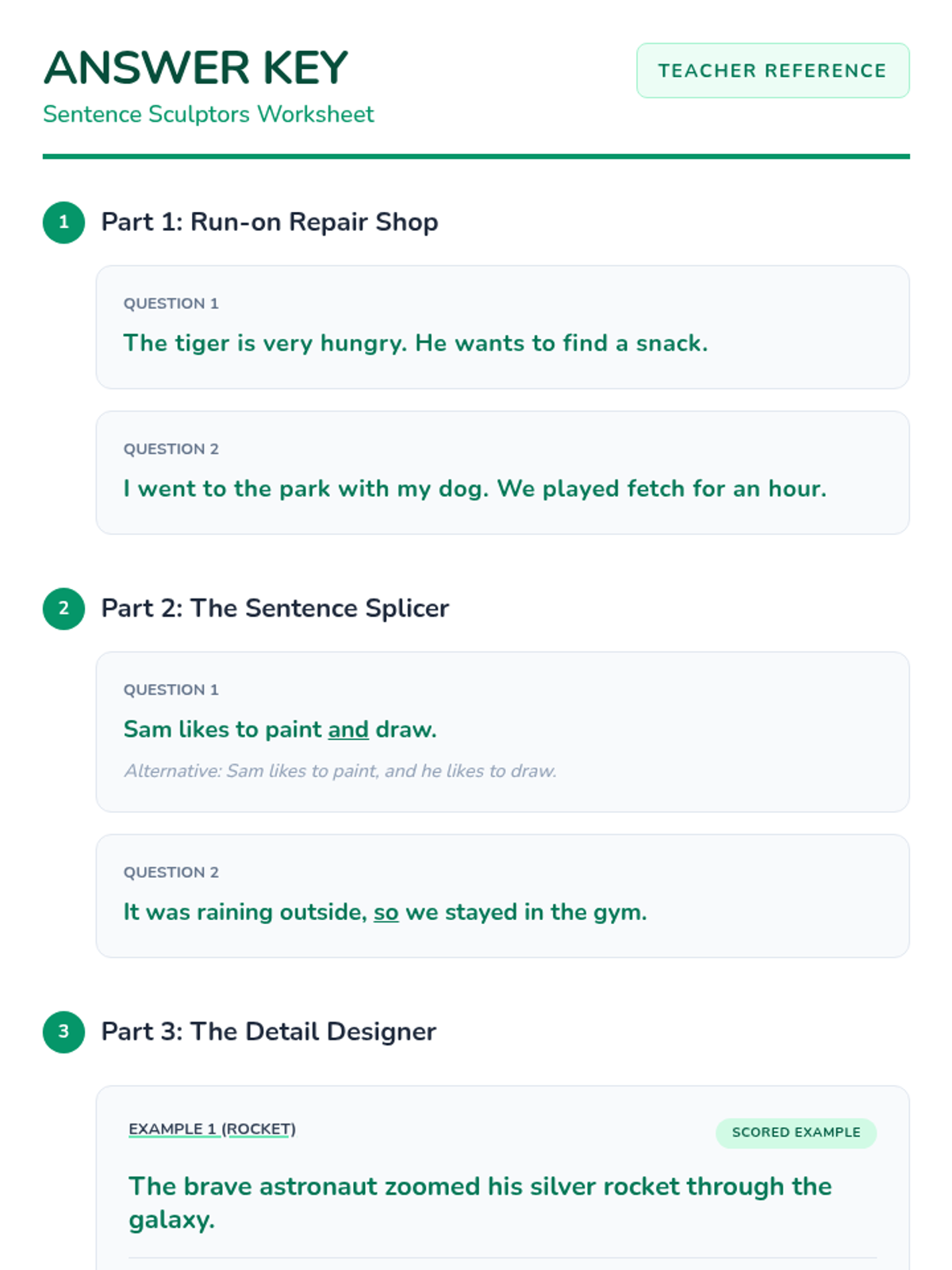
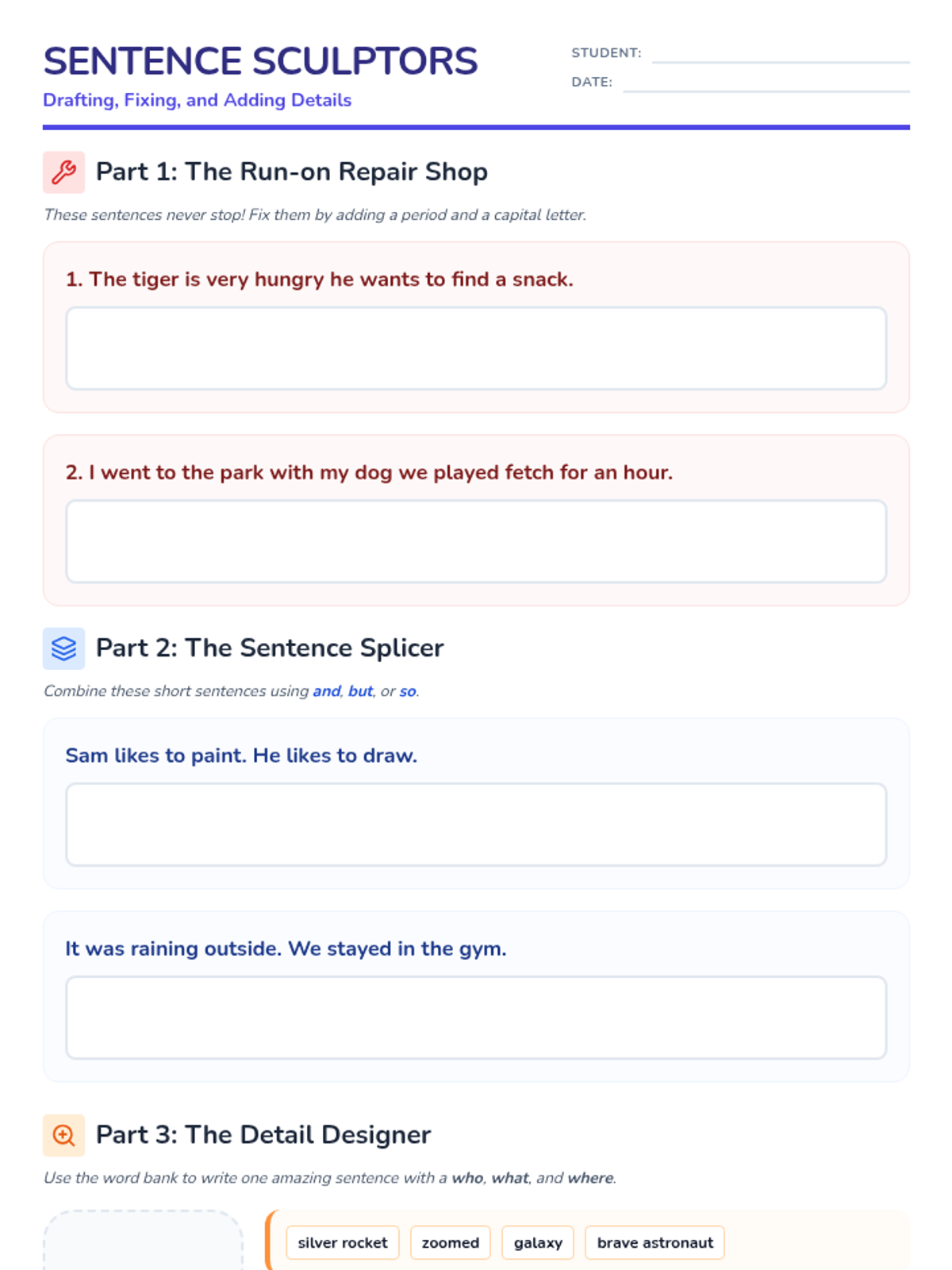
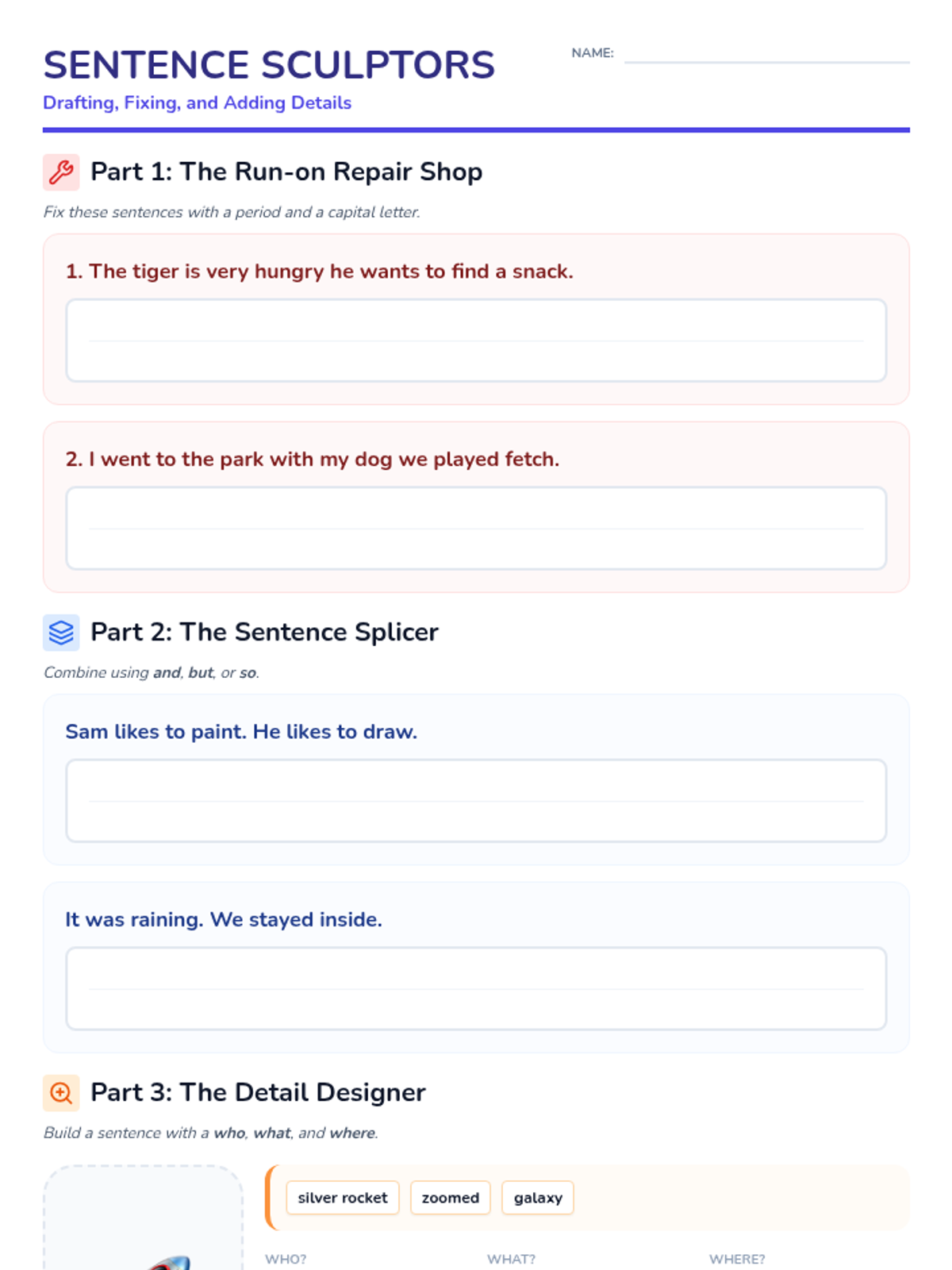
A comprehensive lesson on building better sentences by fixing run-ons, combining simple thoughts, and adding descriptive details.
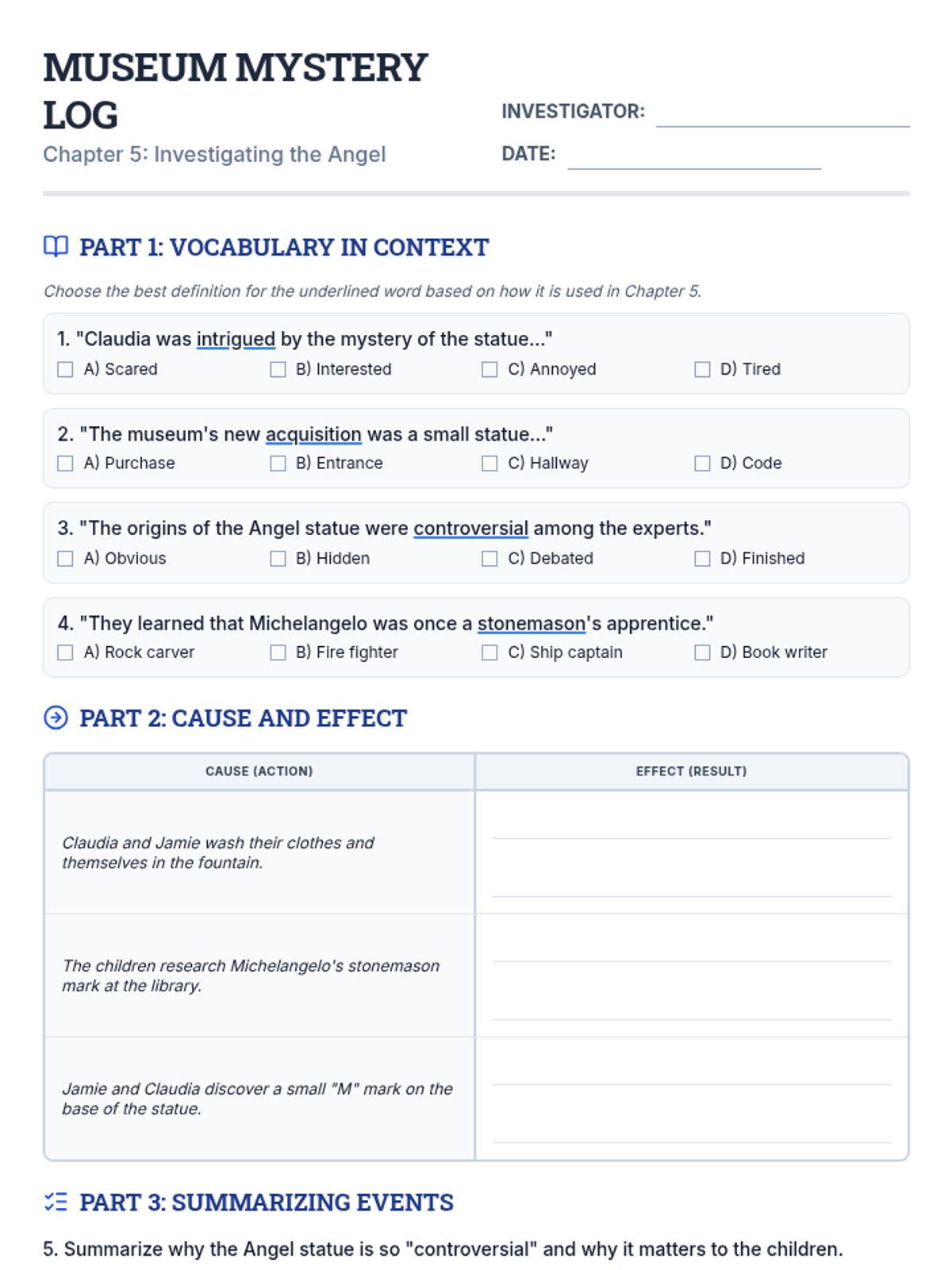
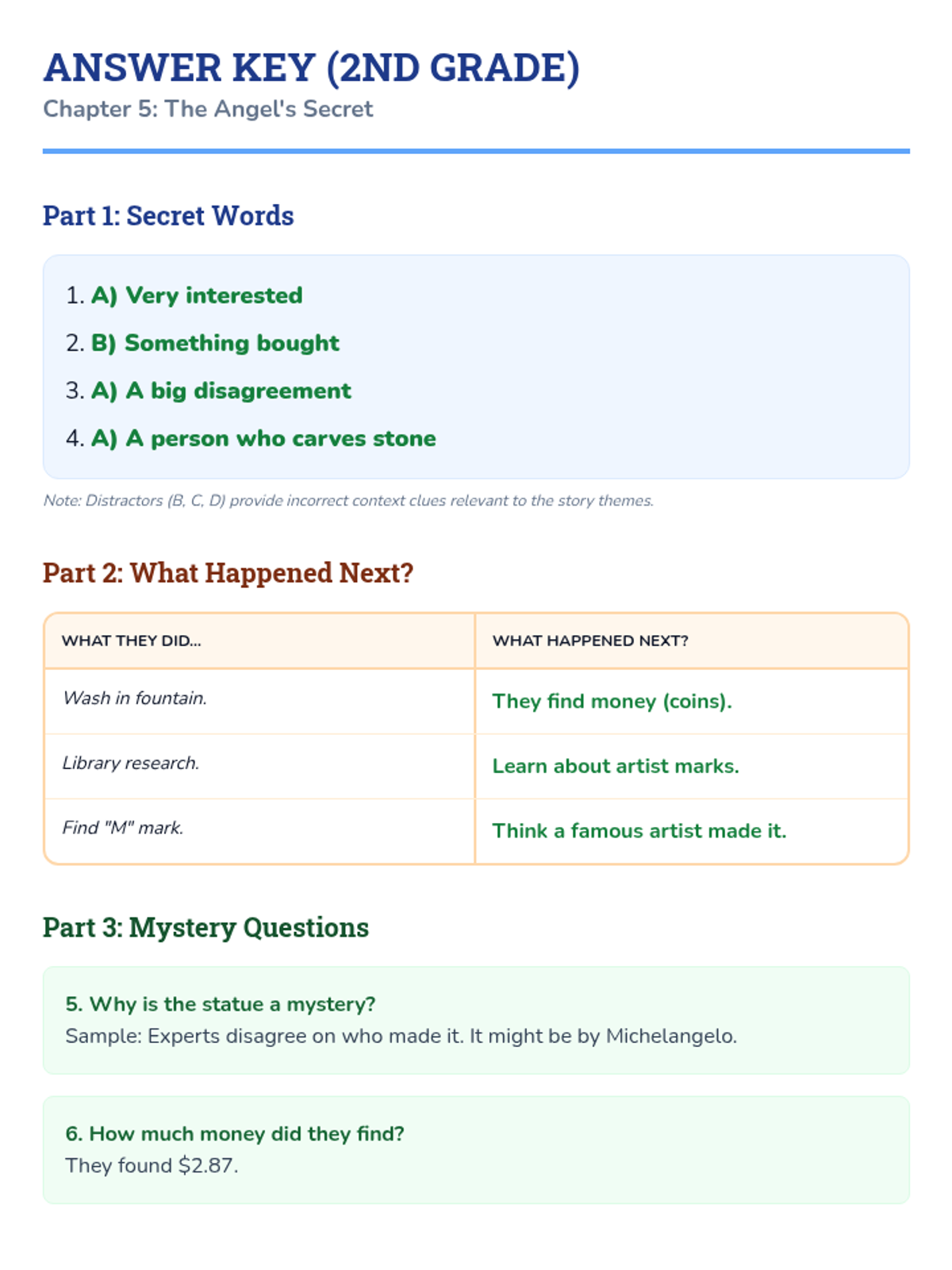
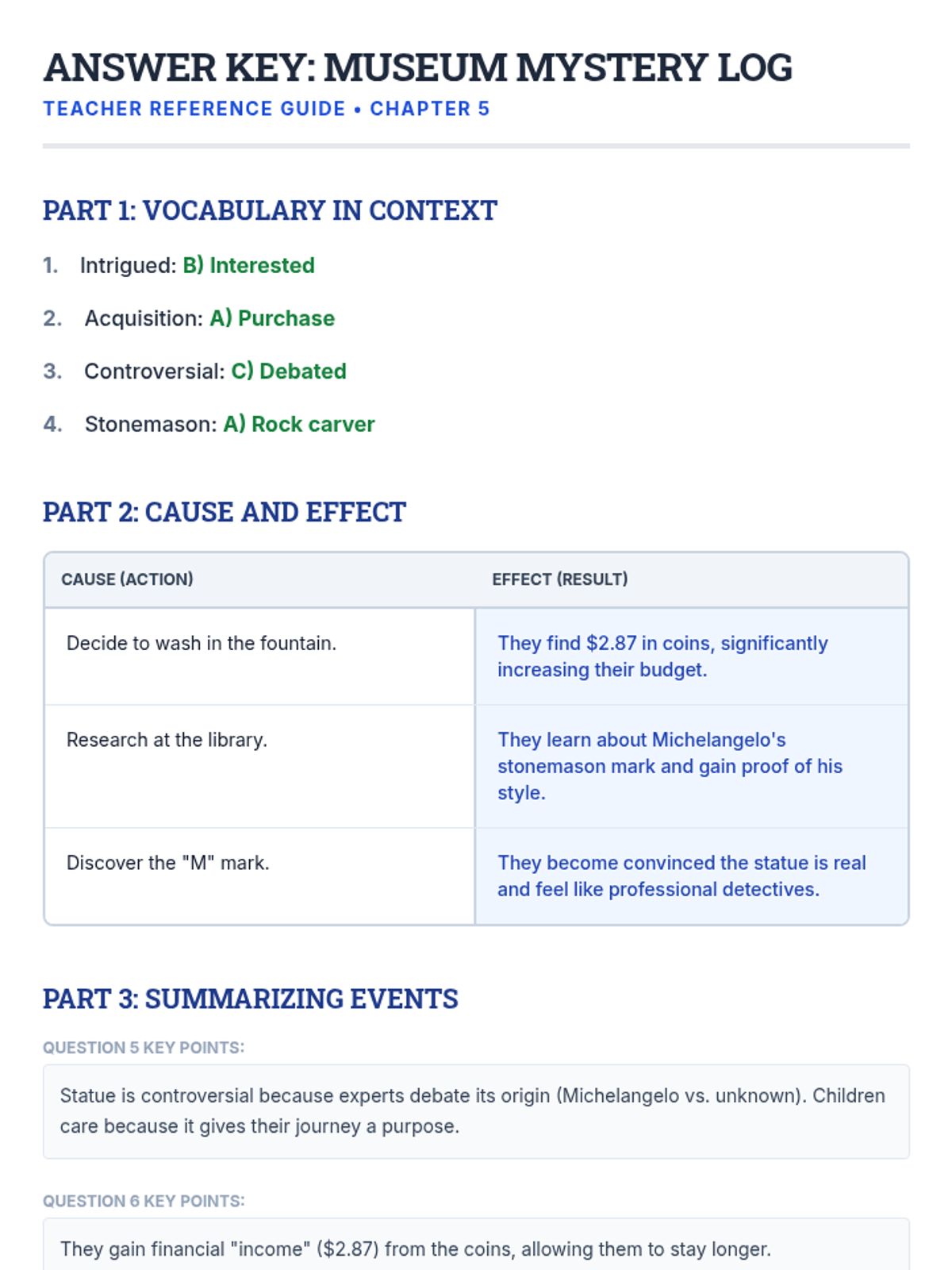
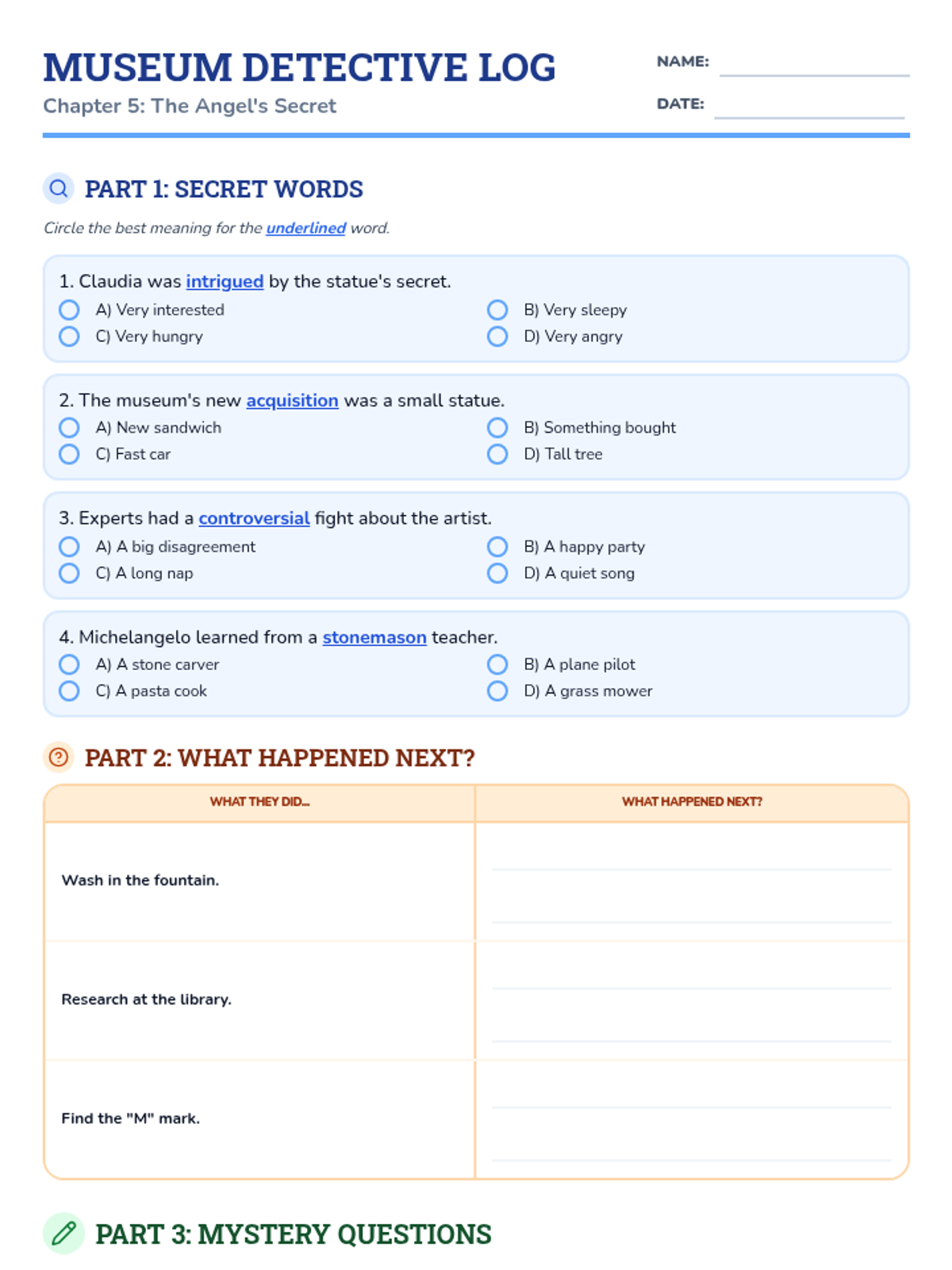
A deep dive into Chapter 5 of 'From the Mixed-up Files of Mrs. Basil E. Frankweiler', focusing on the mystery of the Angel statue and the children's resourceful museum life.
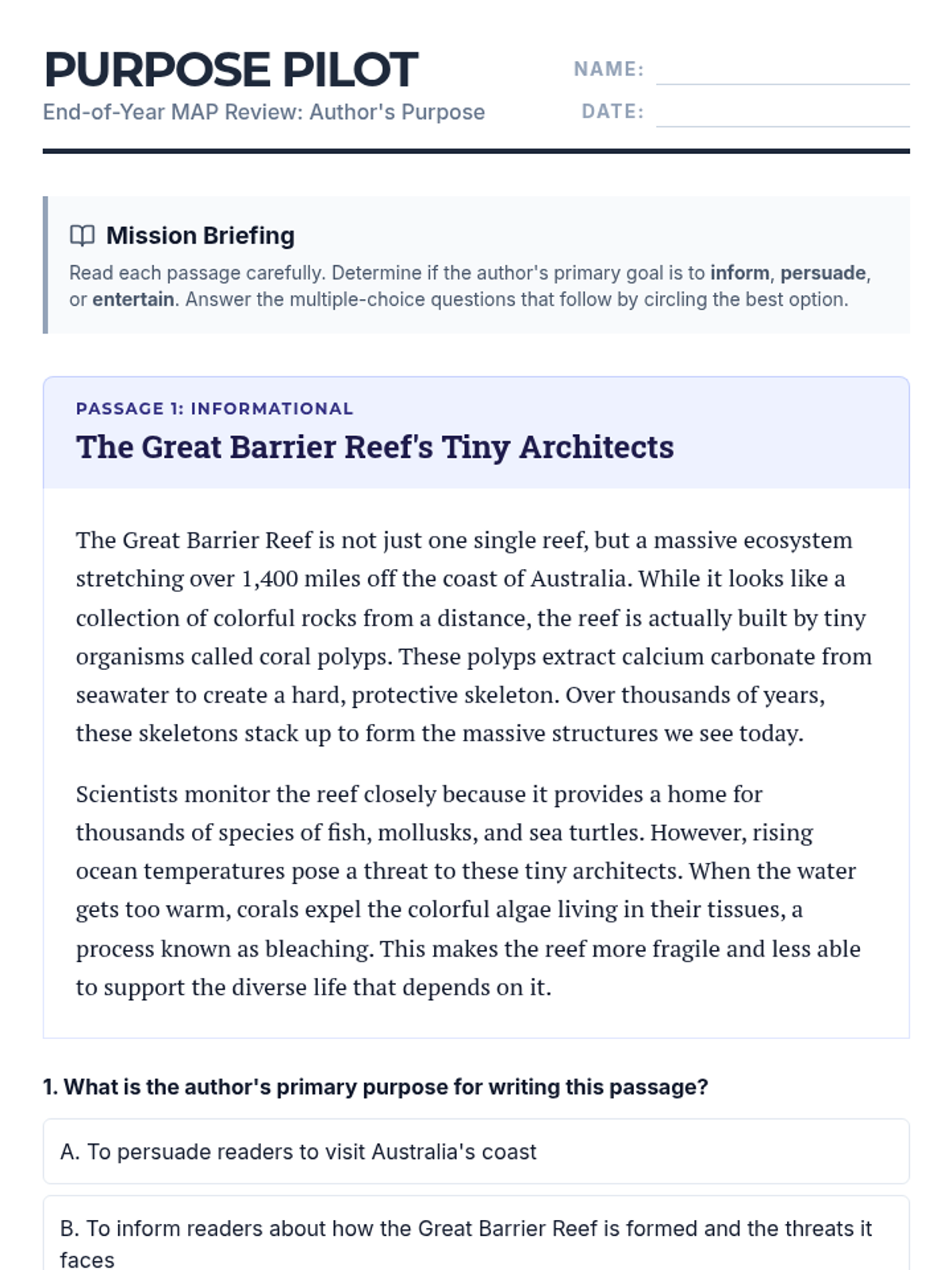
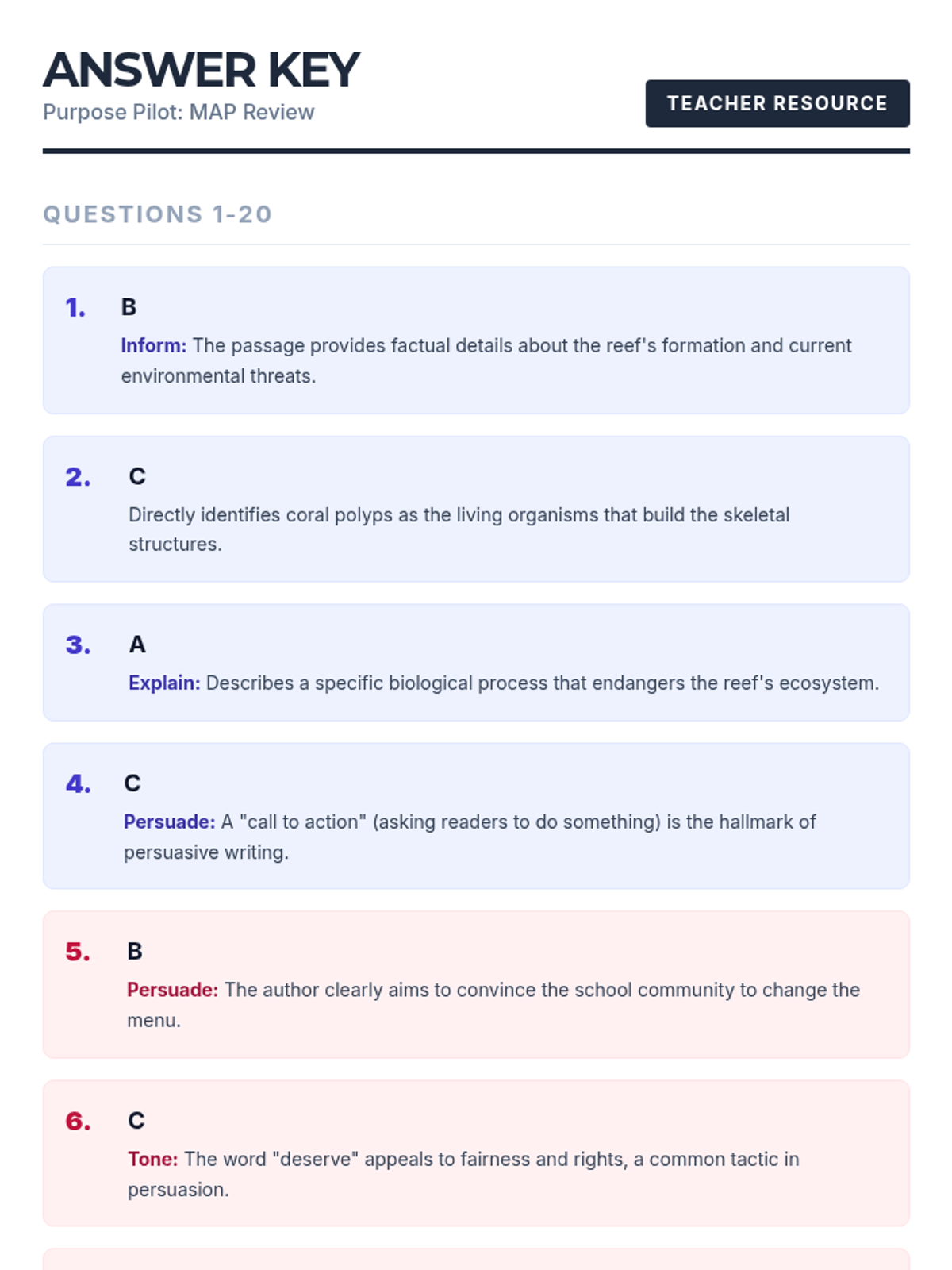
A comprehensive review lesson focused on identifying author's purpose (inform, persuade, entertain, describe) across various text types to prepare for end-of-year MAP testing.
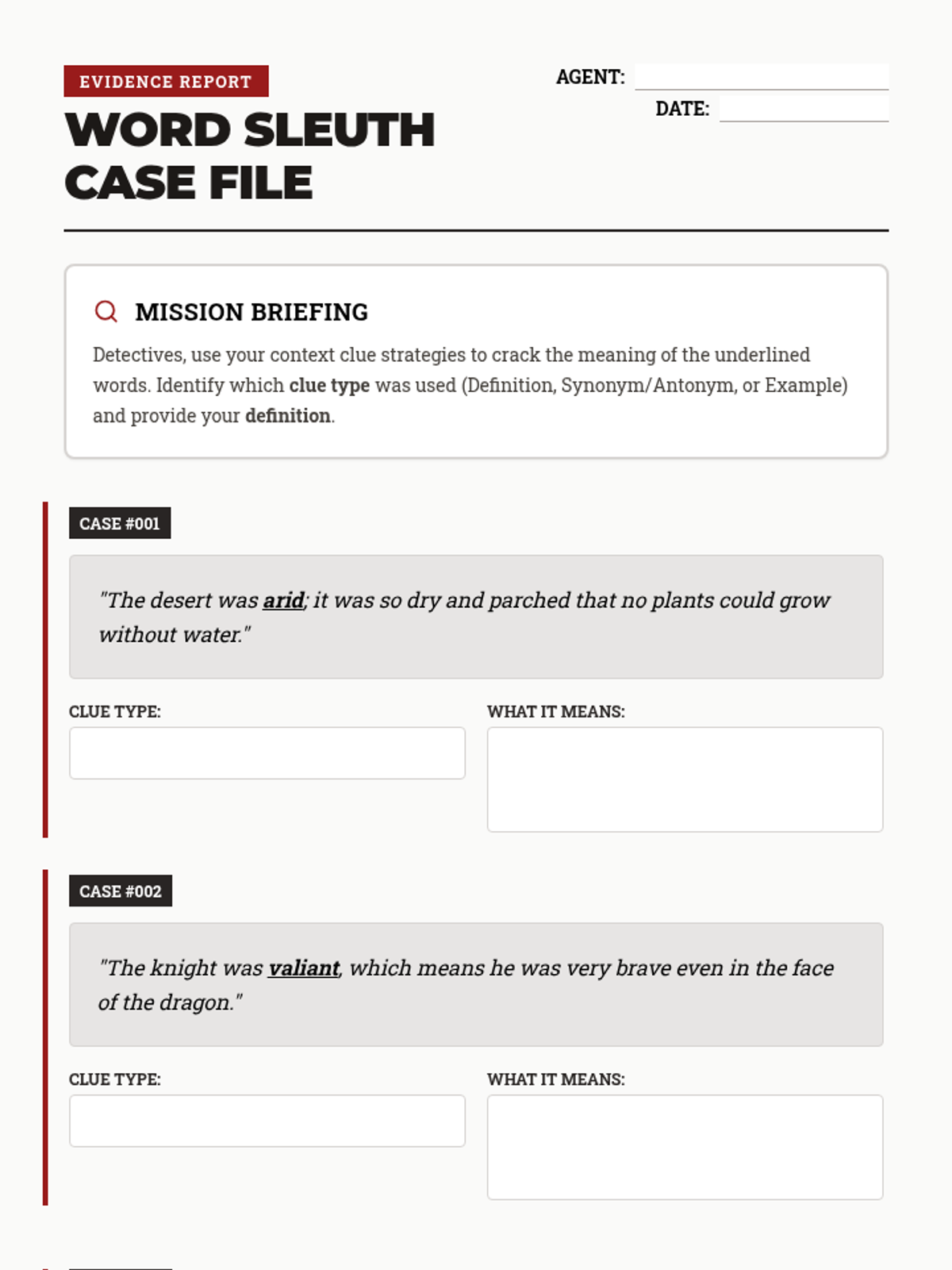
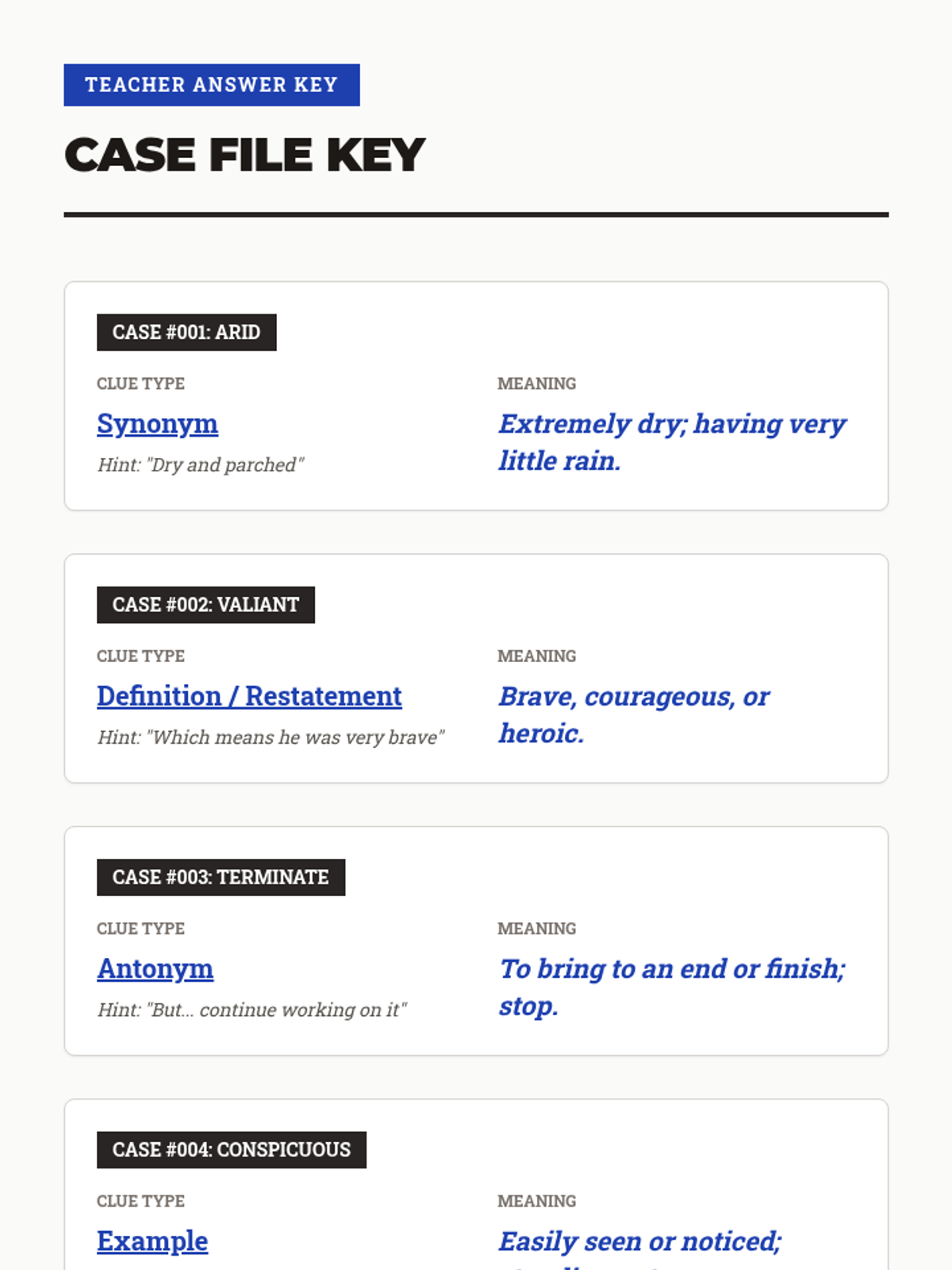
A short, punchy mini-lesson on using simple context clues to determine the meaning of unknown words. Includes a detective-themed slide deck and a practice worksheet.
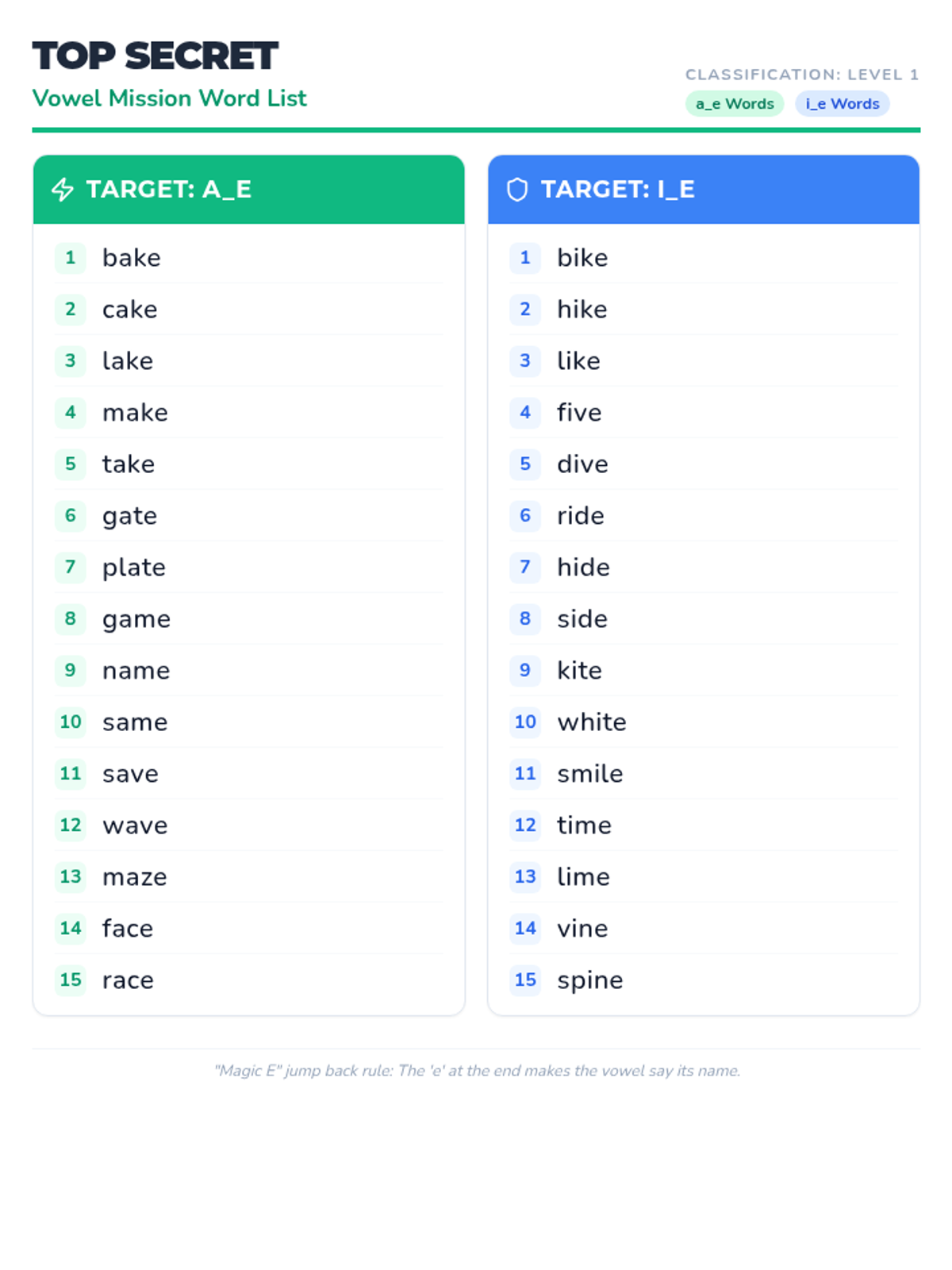
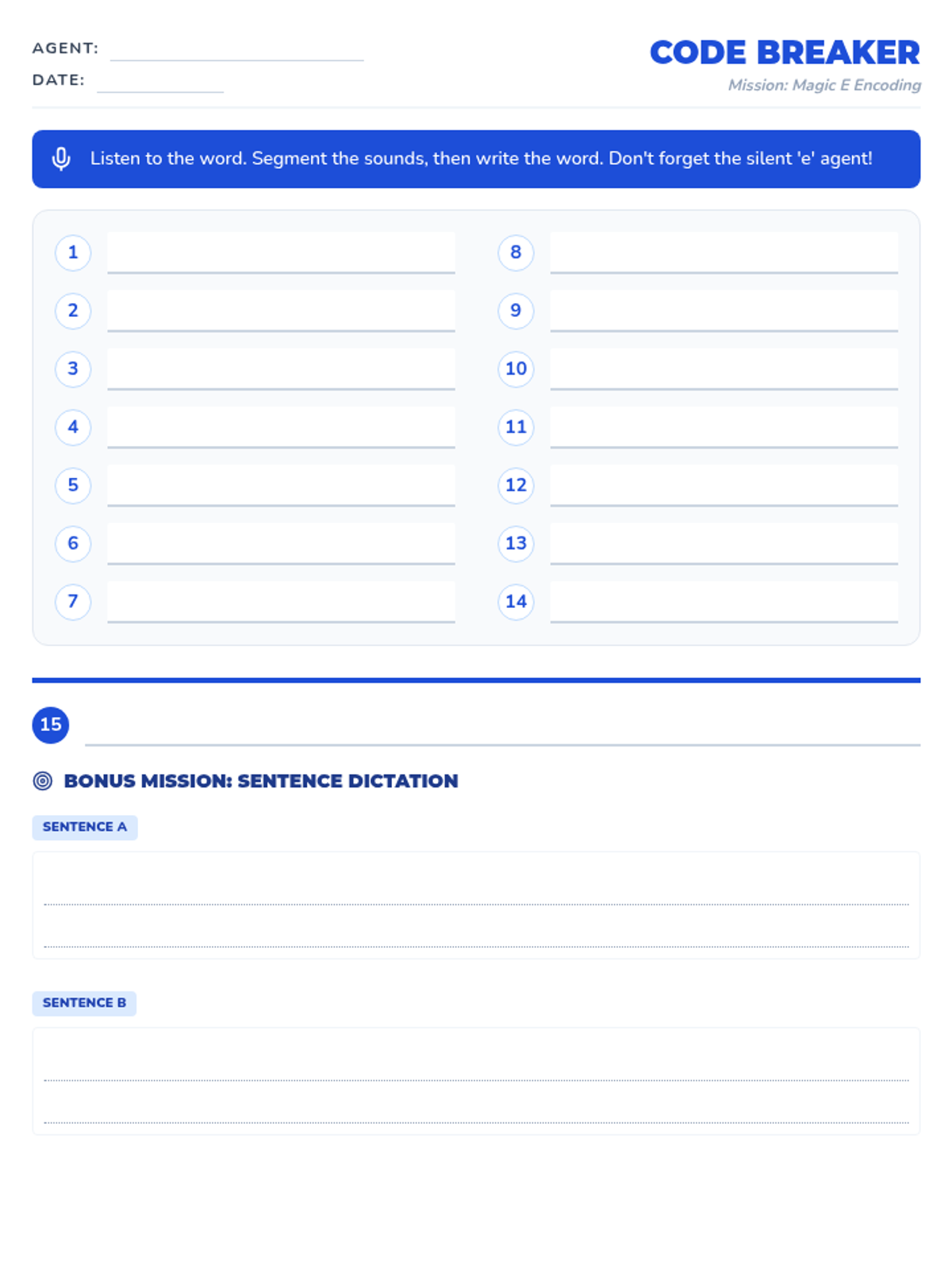
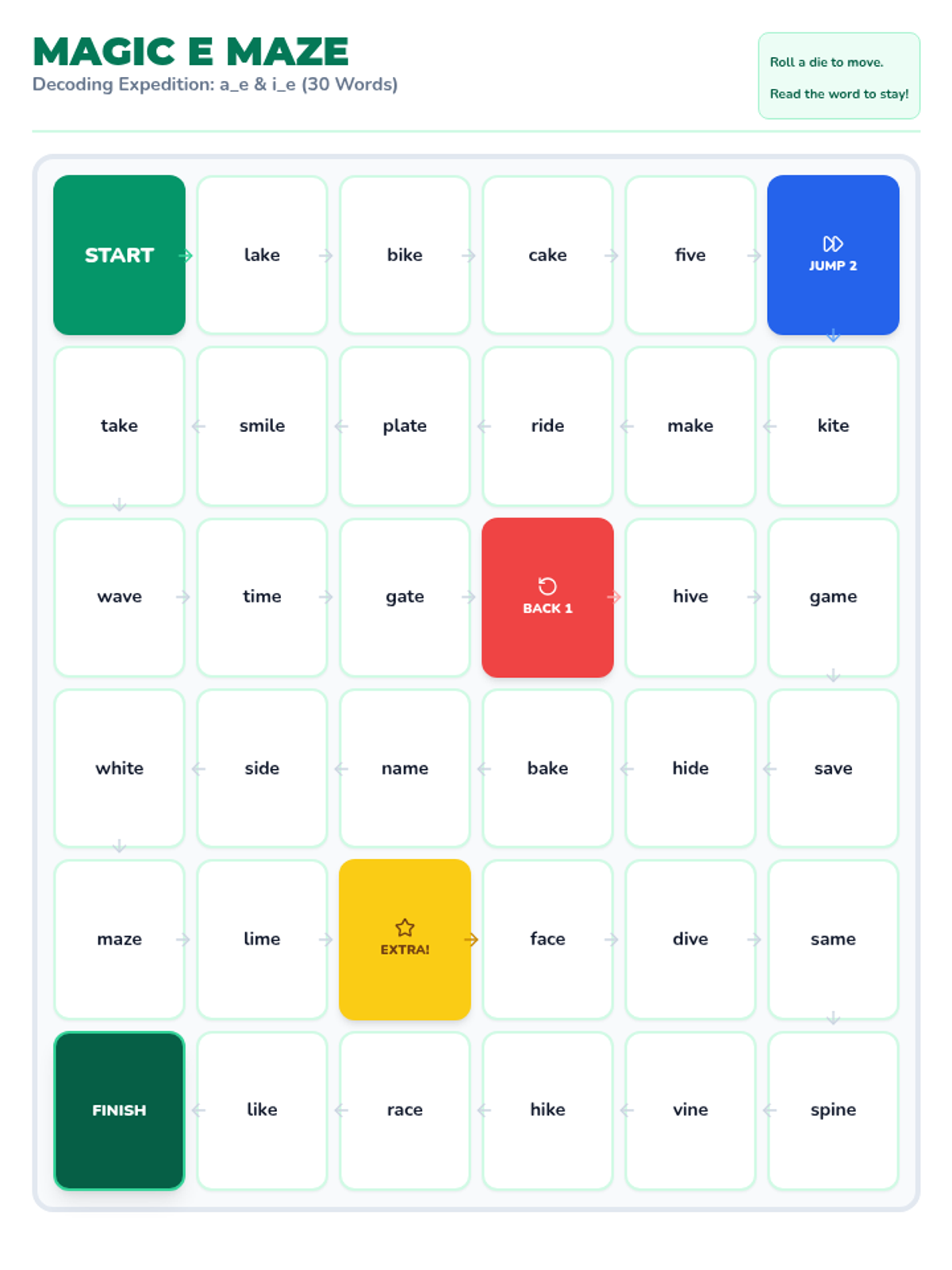
A collection of resources focused on long vowel silent e (a_e and i_e) patterns, designed for intervention groups to practice reading and spelling.
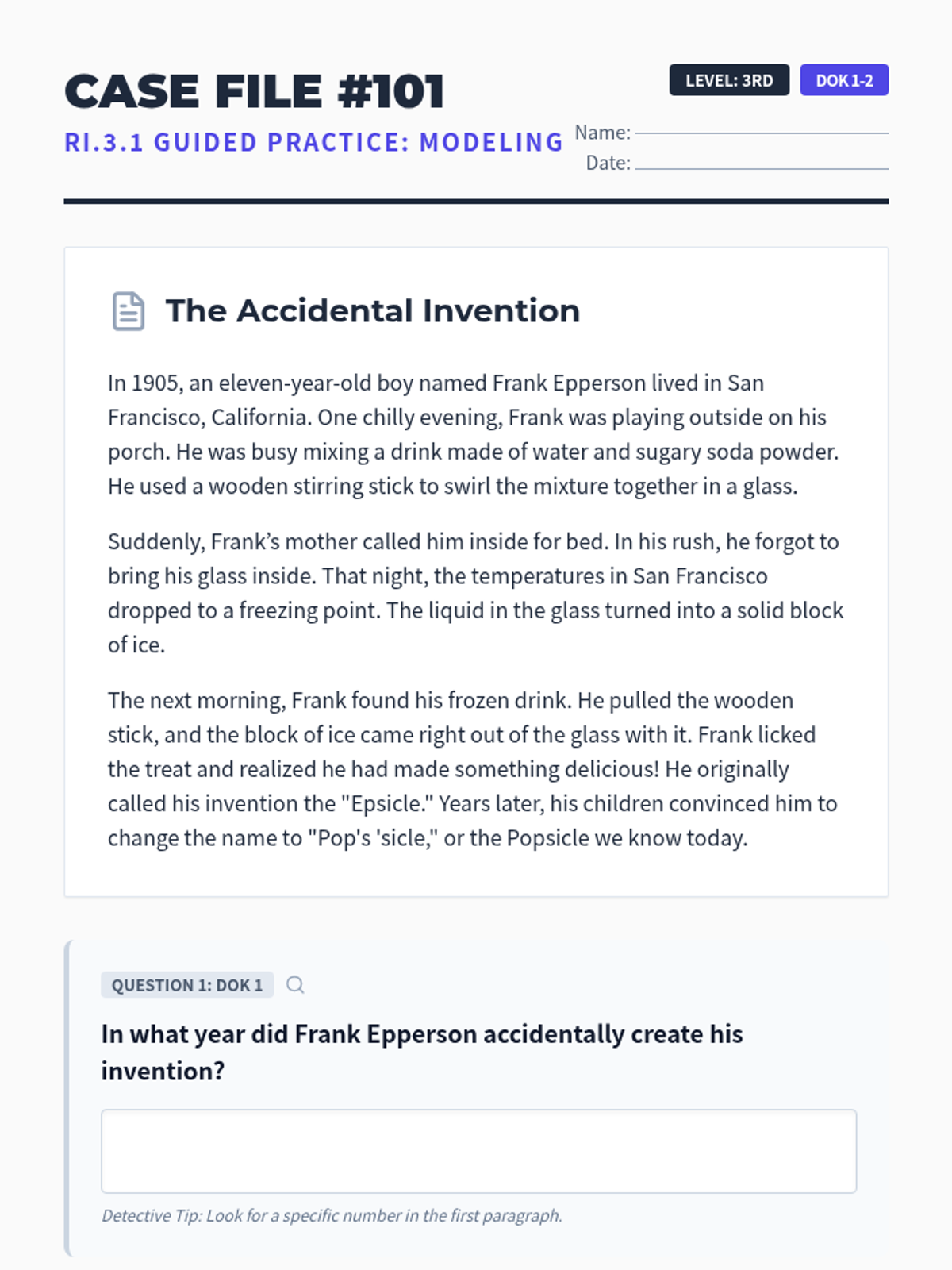
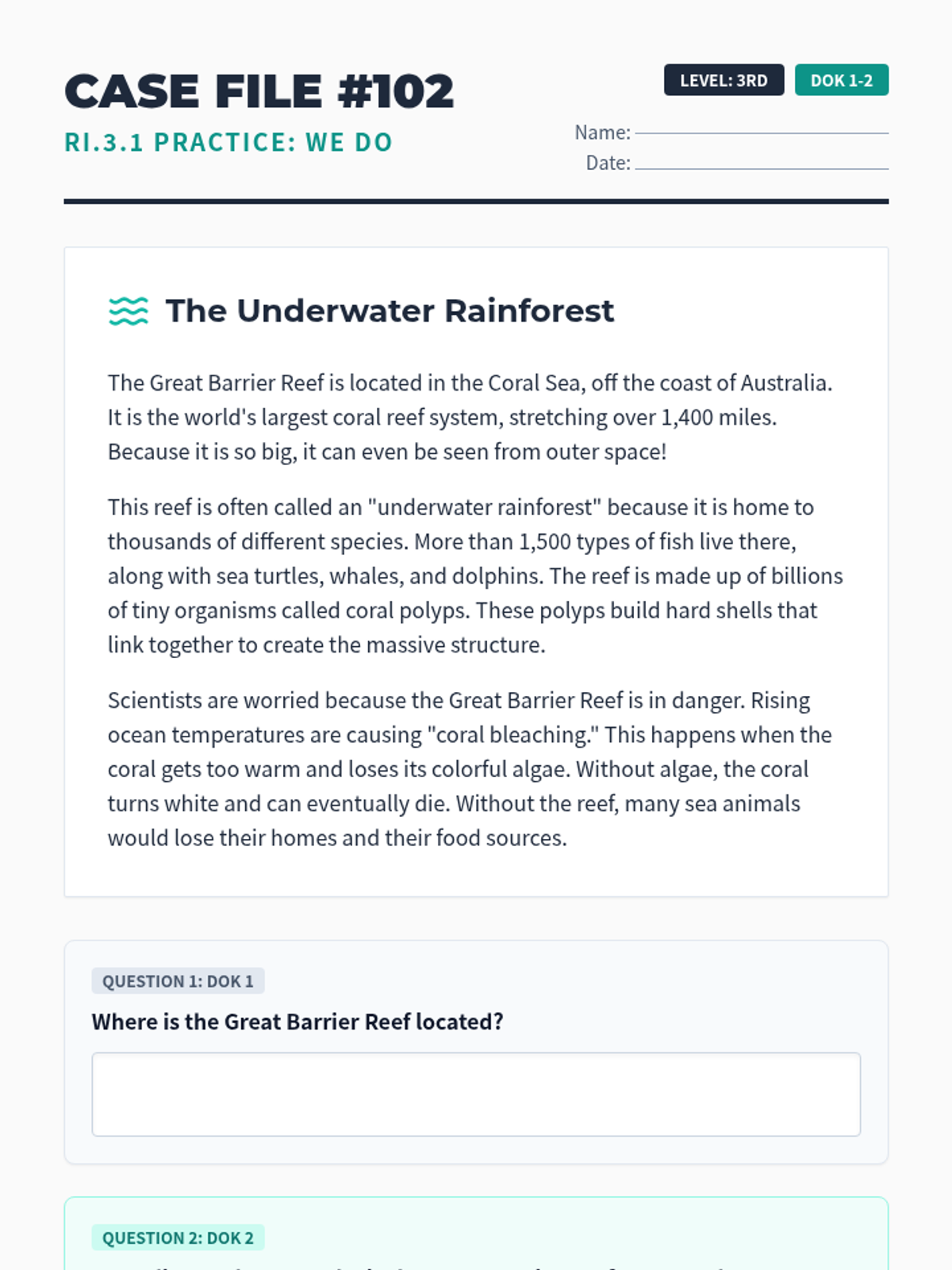
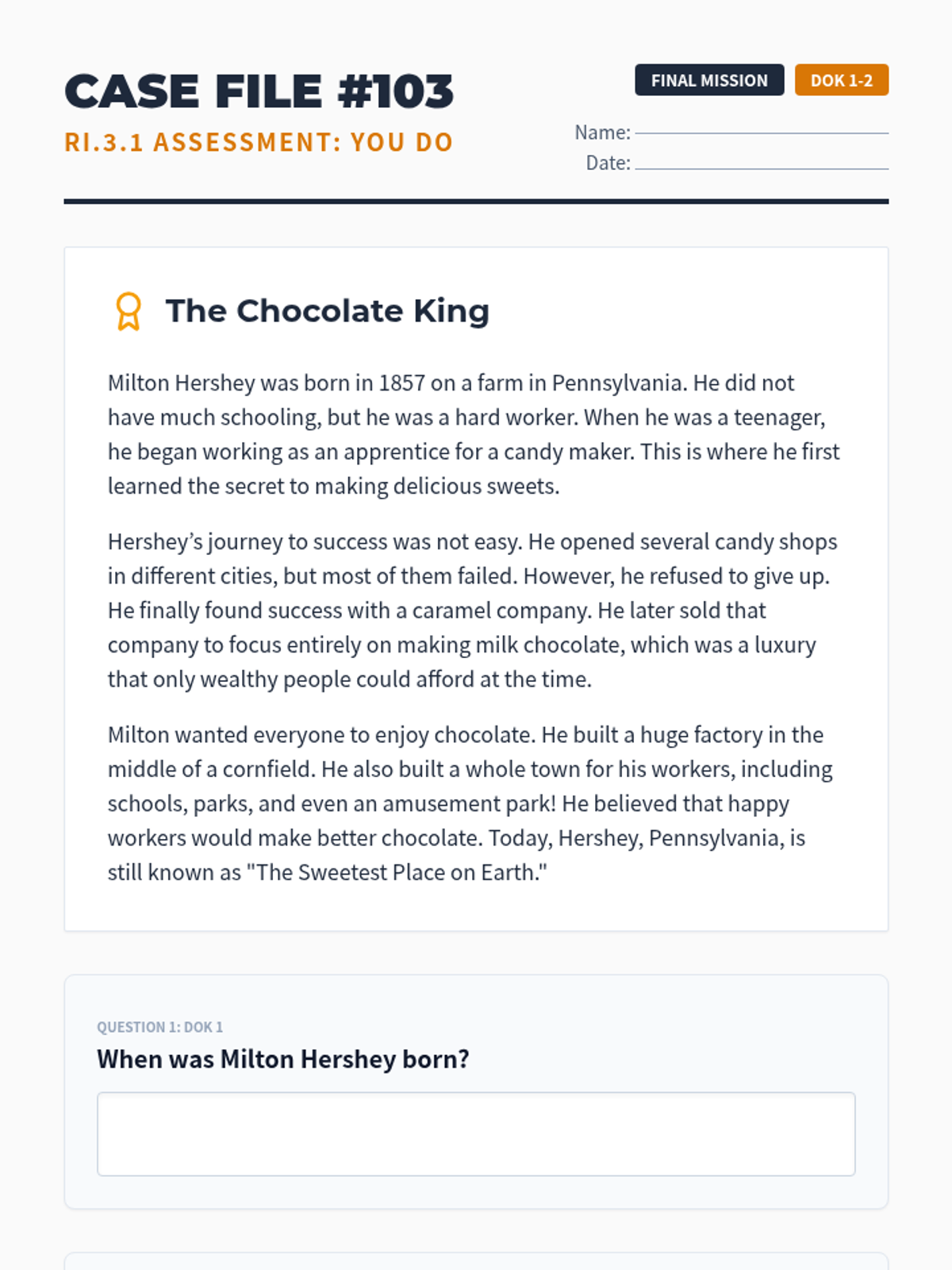
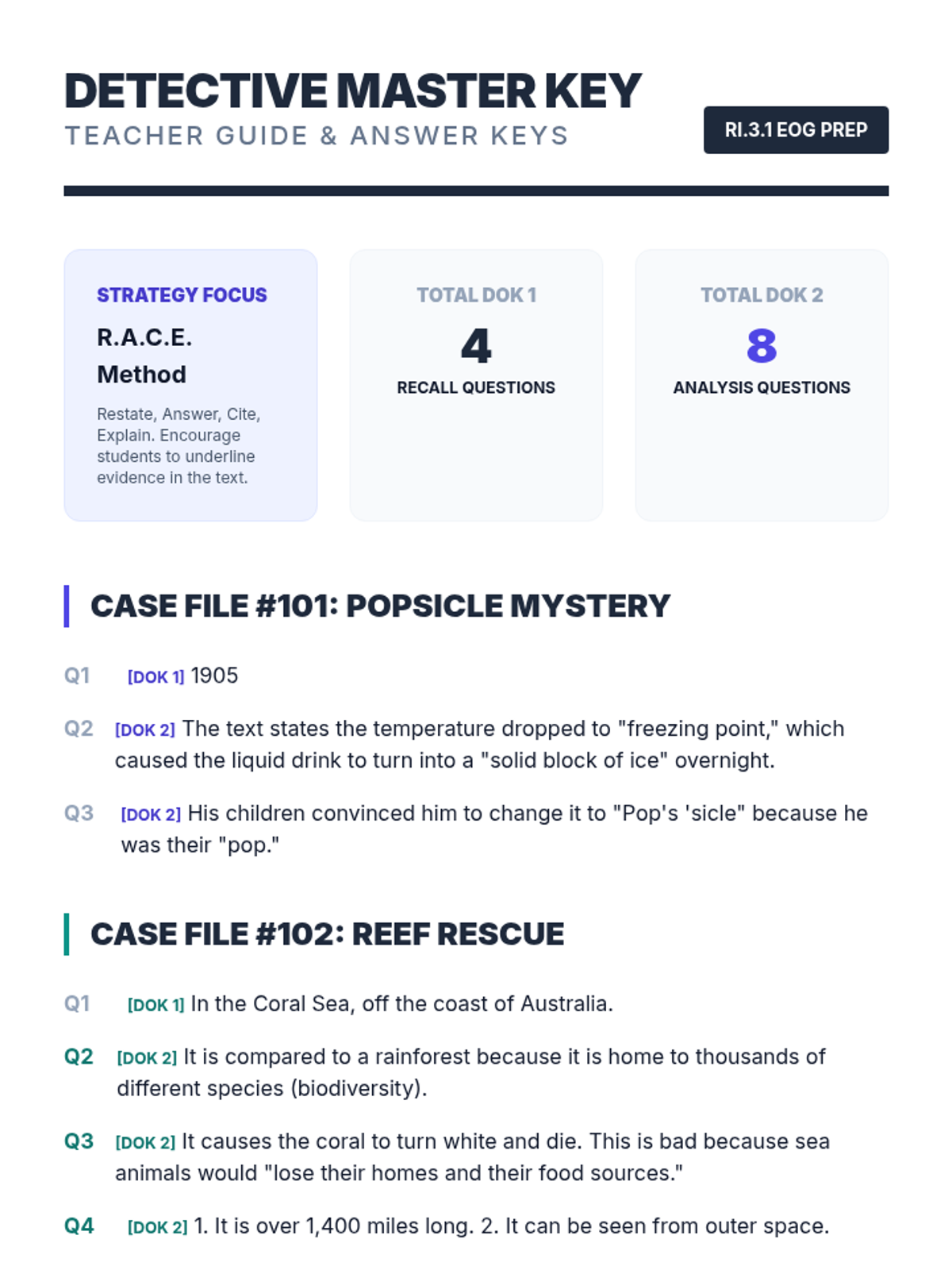
A targeted preparation lesson for RI.3.1, focusing on asking and answering questions using text evidence. Students will practice moving from recall-based questions to deeper analysis across three different informational passages.
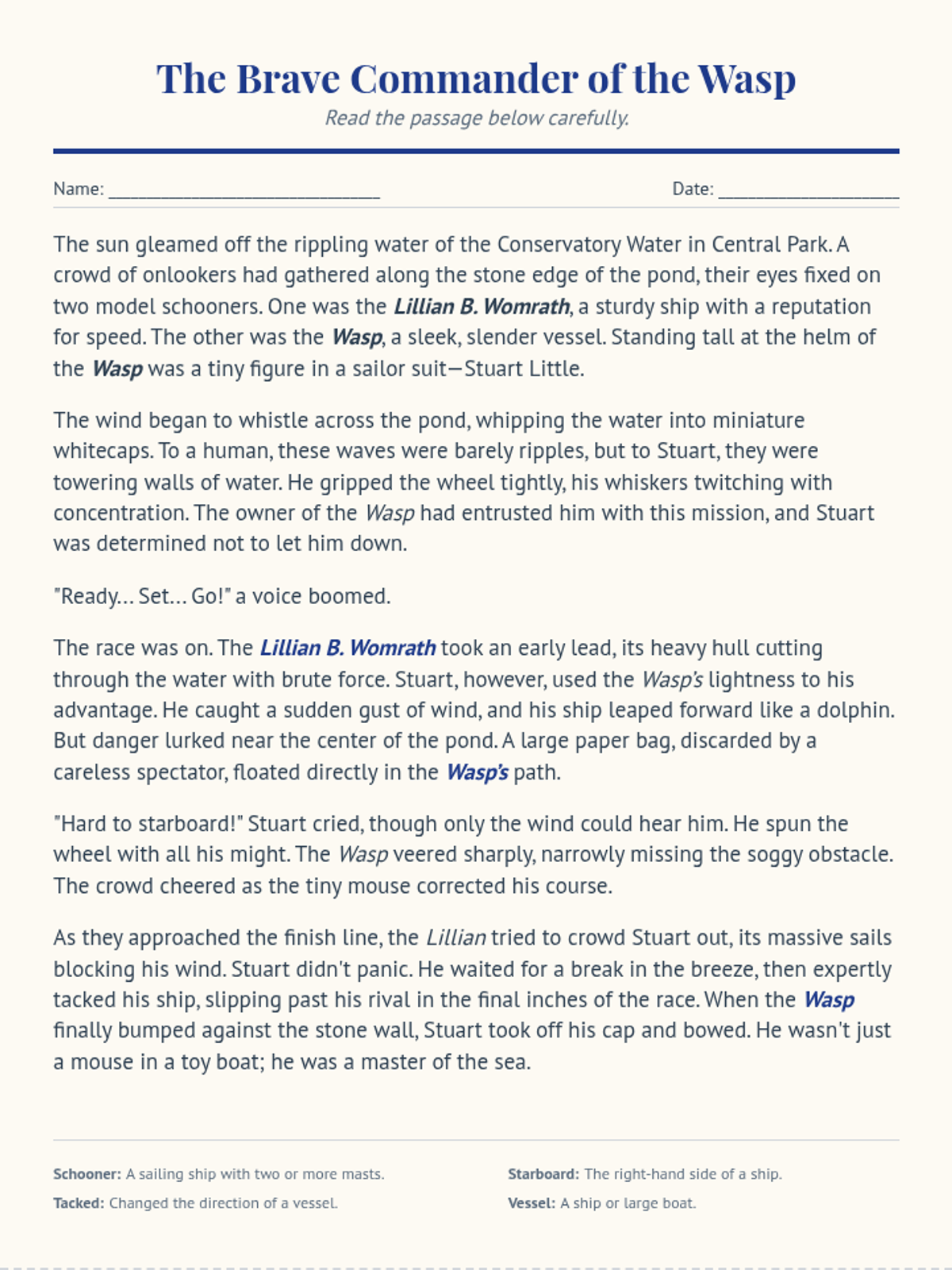
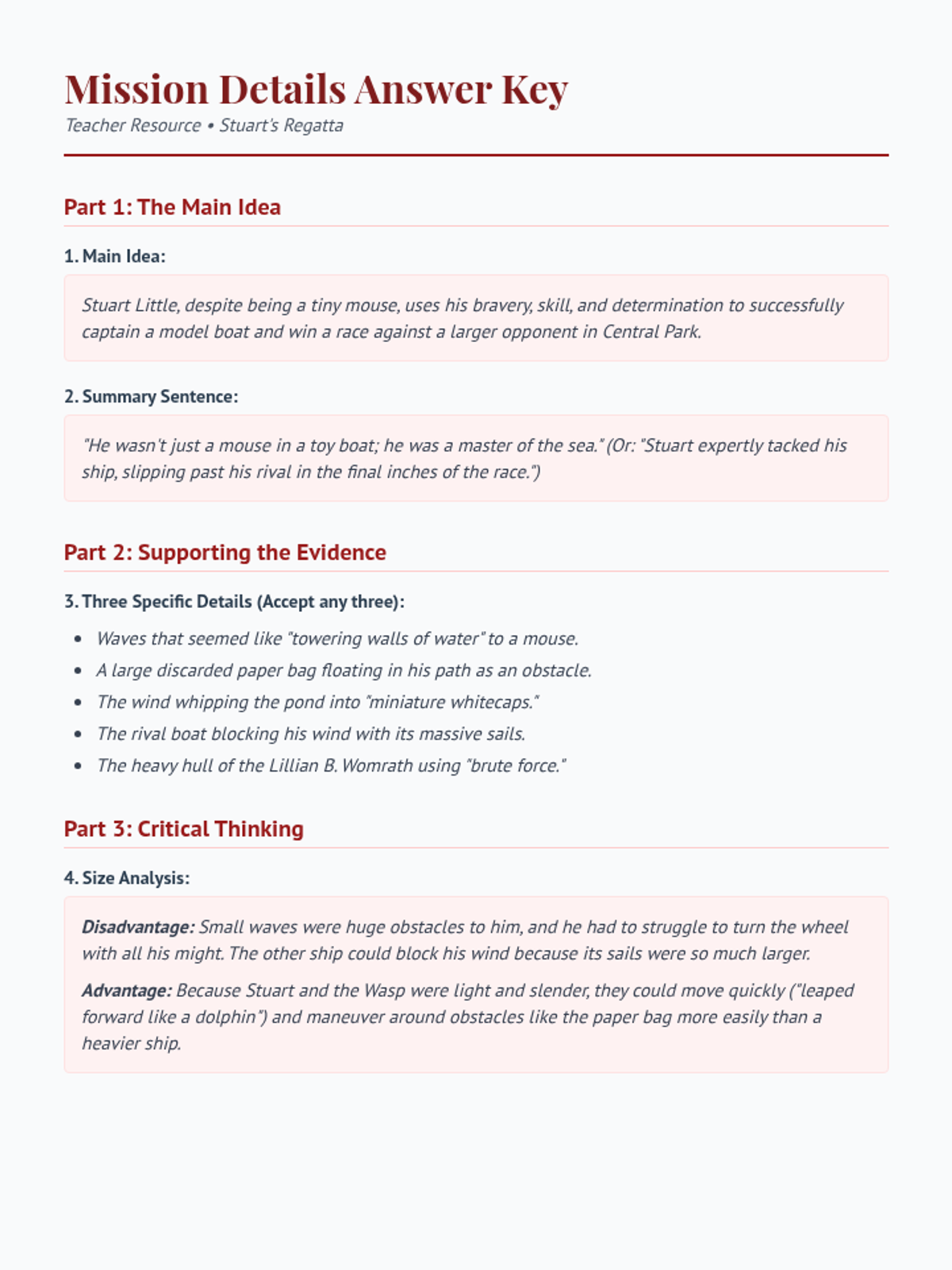
A close reading exploration of Stuart Little's brave boat race in Central Park, focusing on identifying main ideas and supporting details in narrative text.
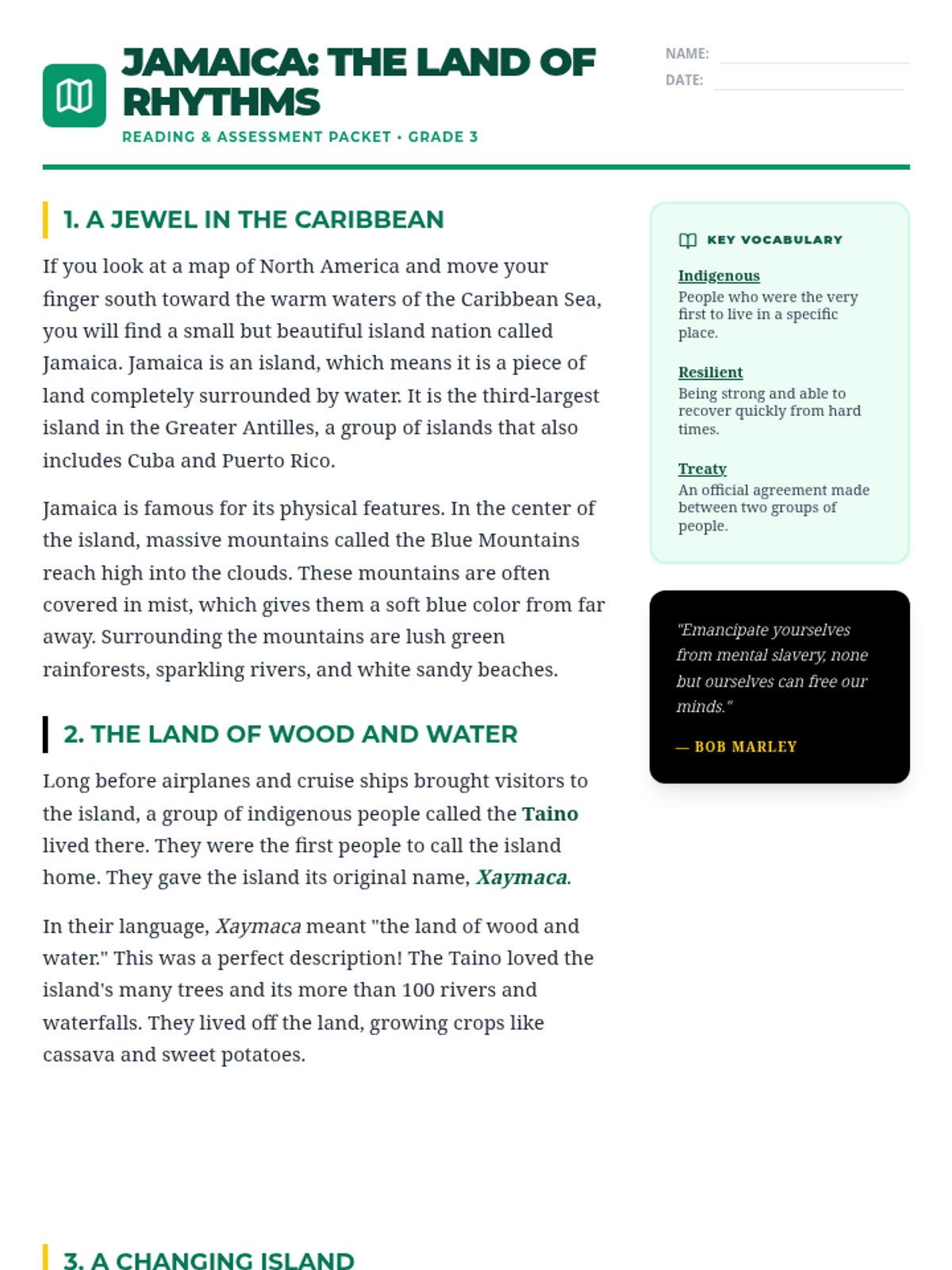
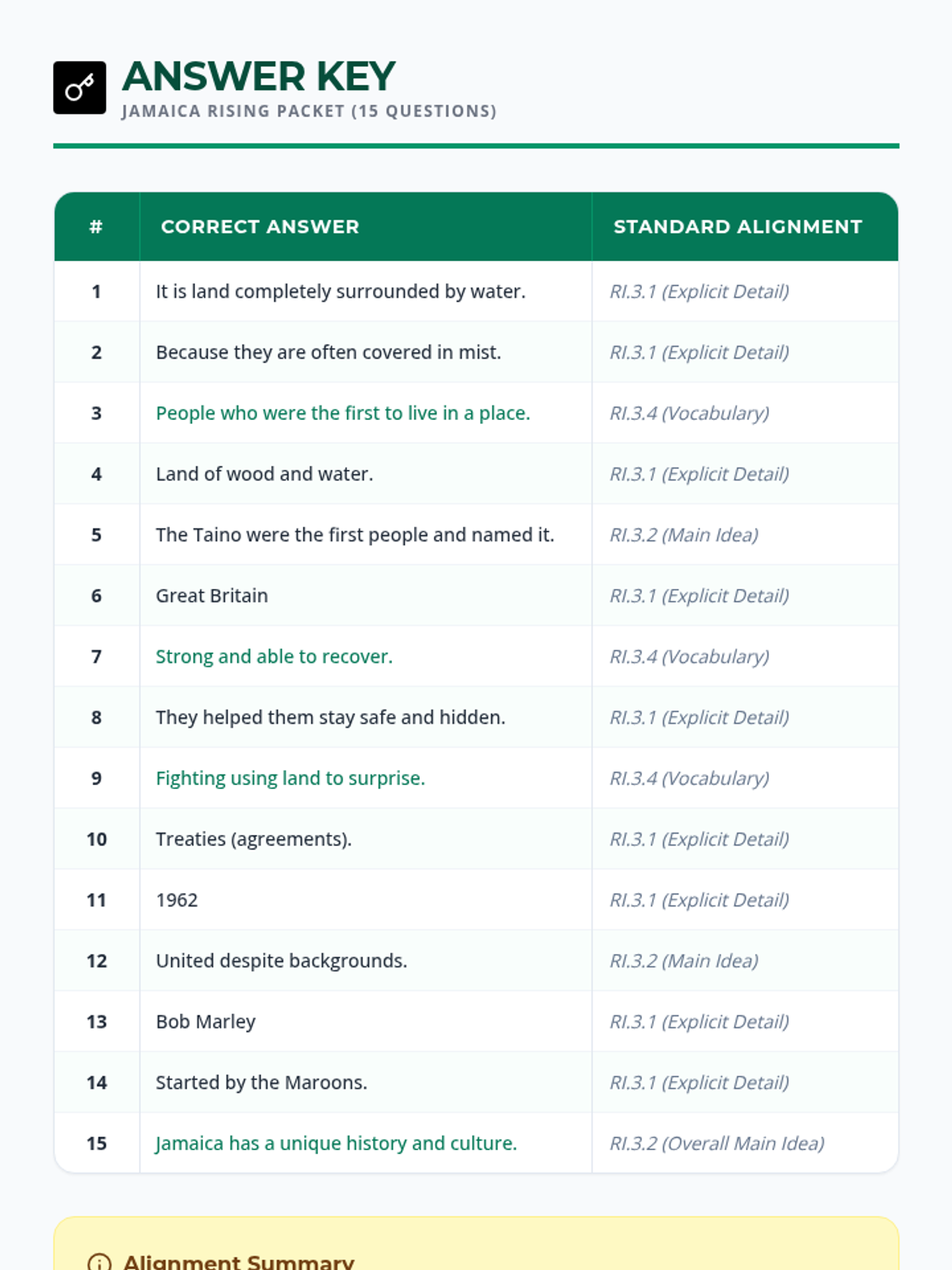
An in-depth exploration of Jamaica's geography, history, and culture aligned with 3rd-grade informational text standards, featuring an expanded reading passage and a 15-question multiple-choice assessment.