Students will distinguish between tangible goods (physical objects) and intangible services (activities or help provided by others) through a mystery bag warm-up, video analysis, and a hands-on sorting activity.
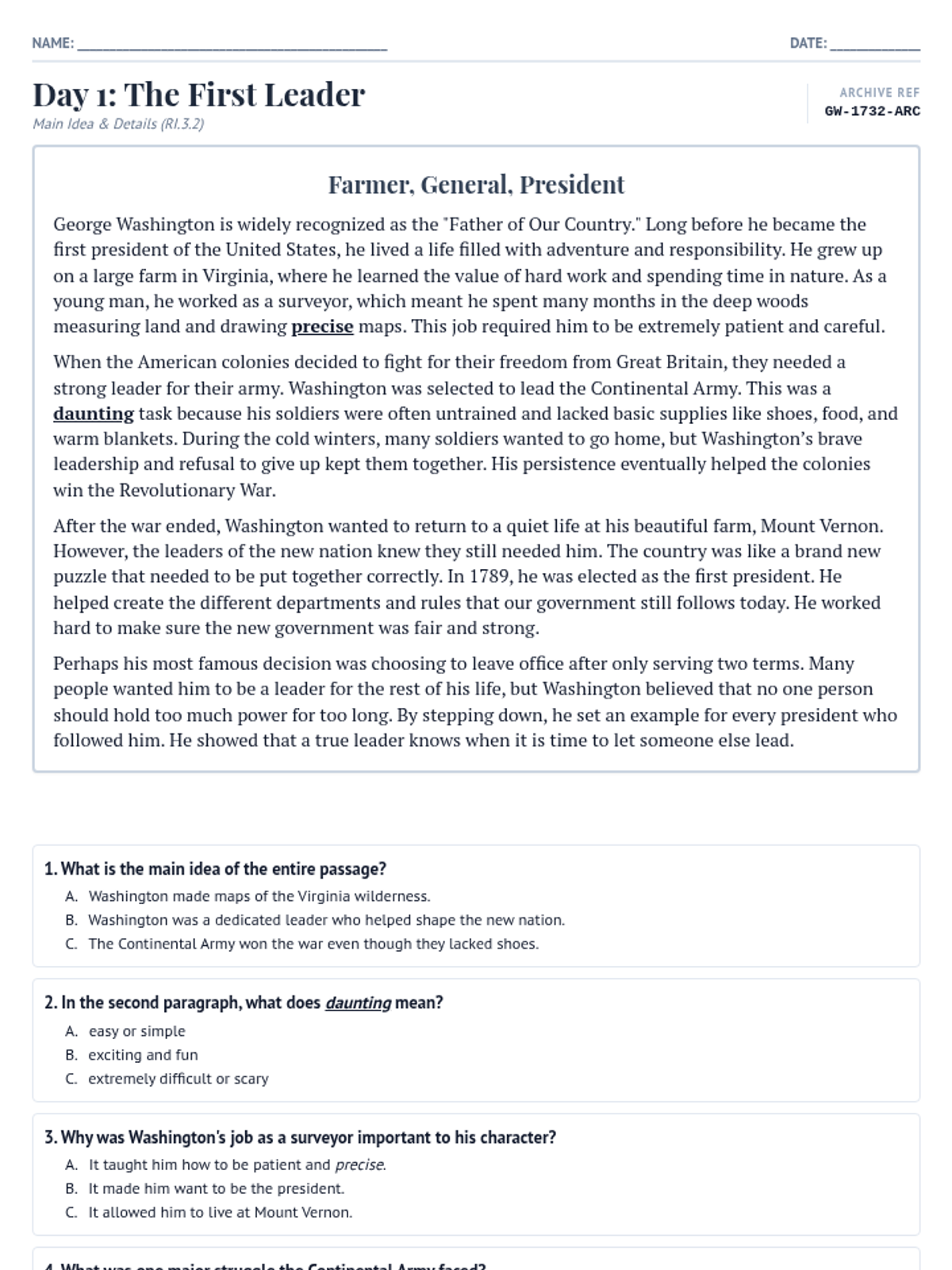
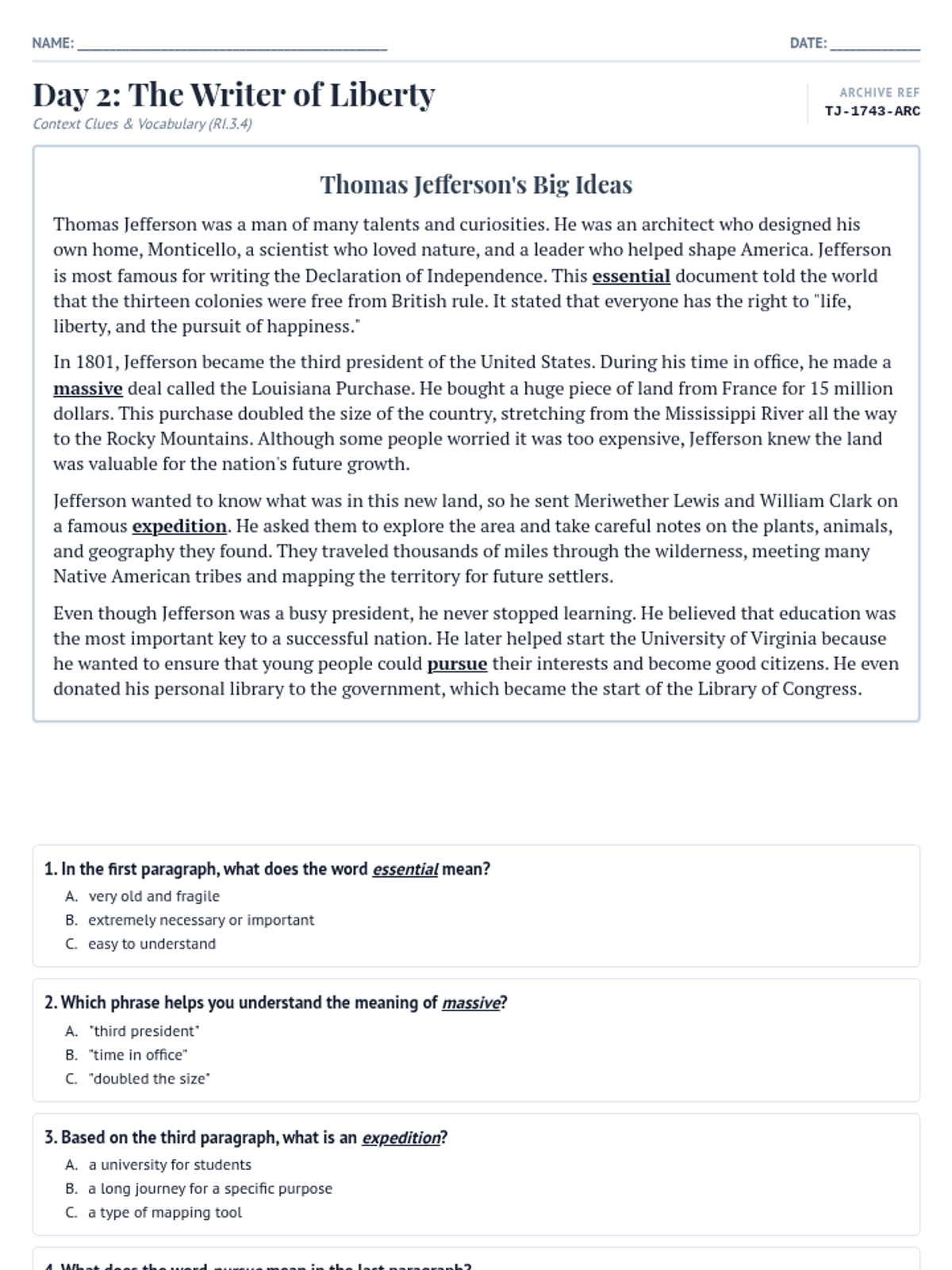
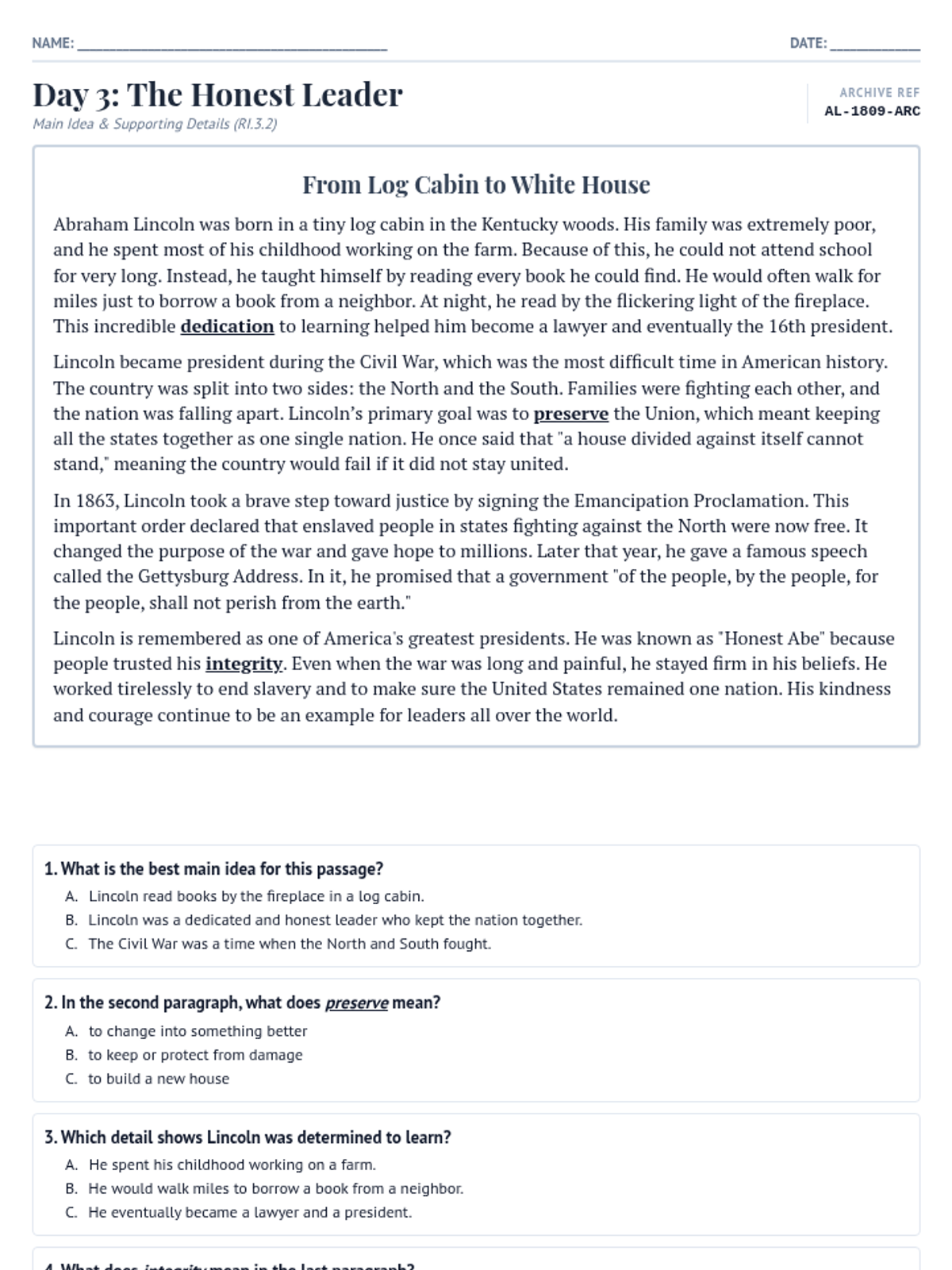
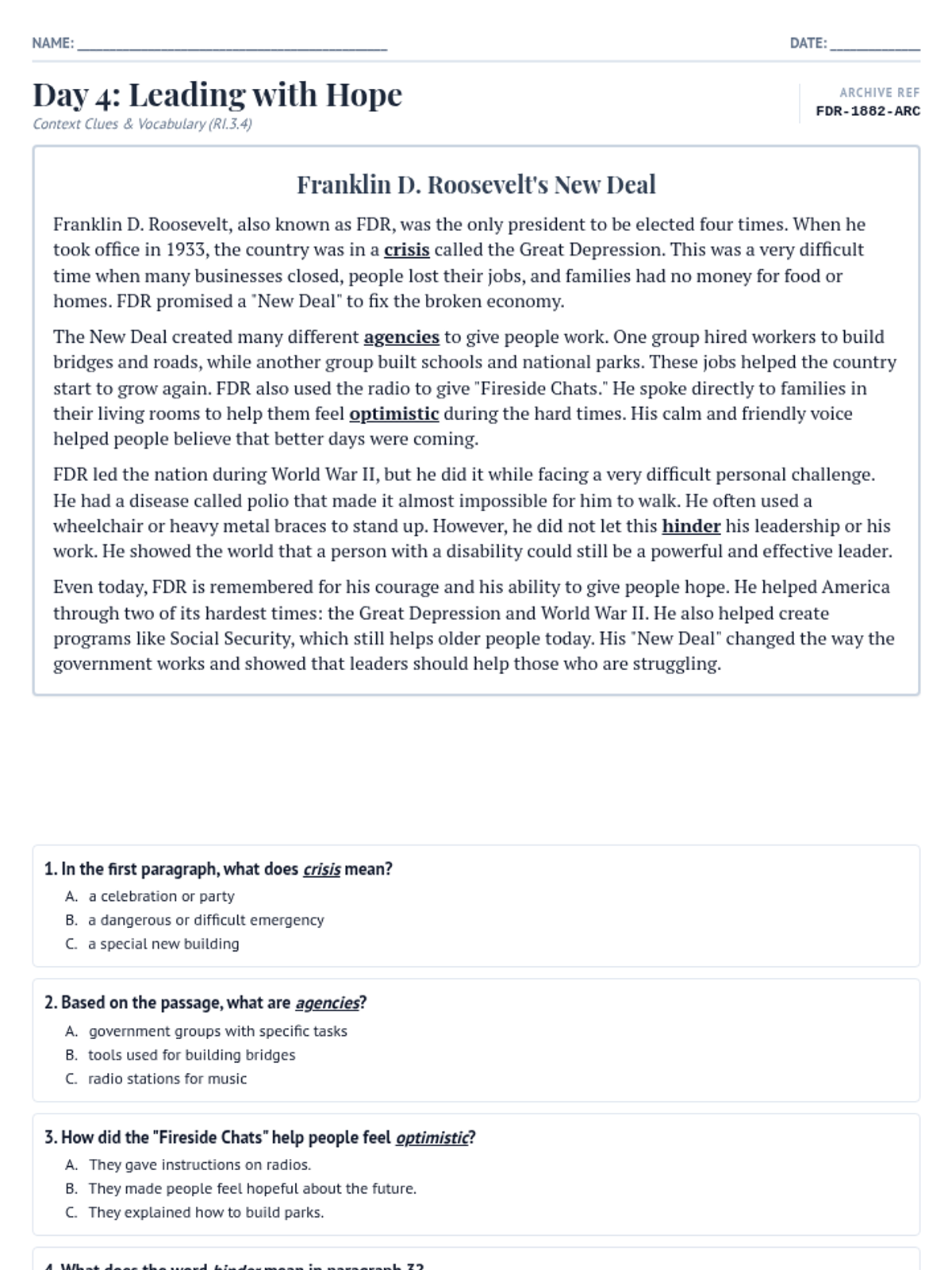
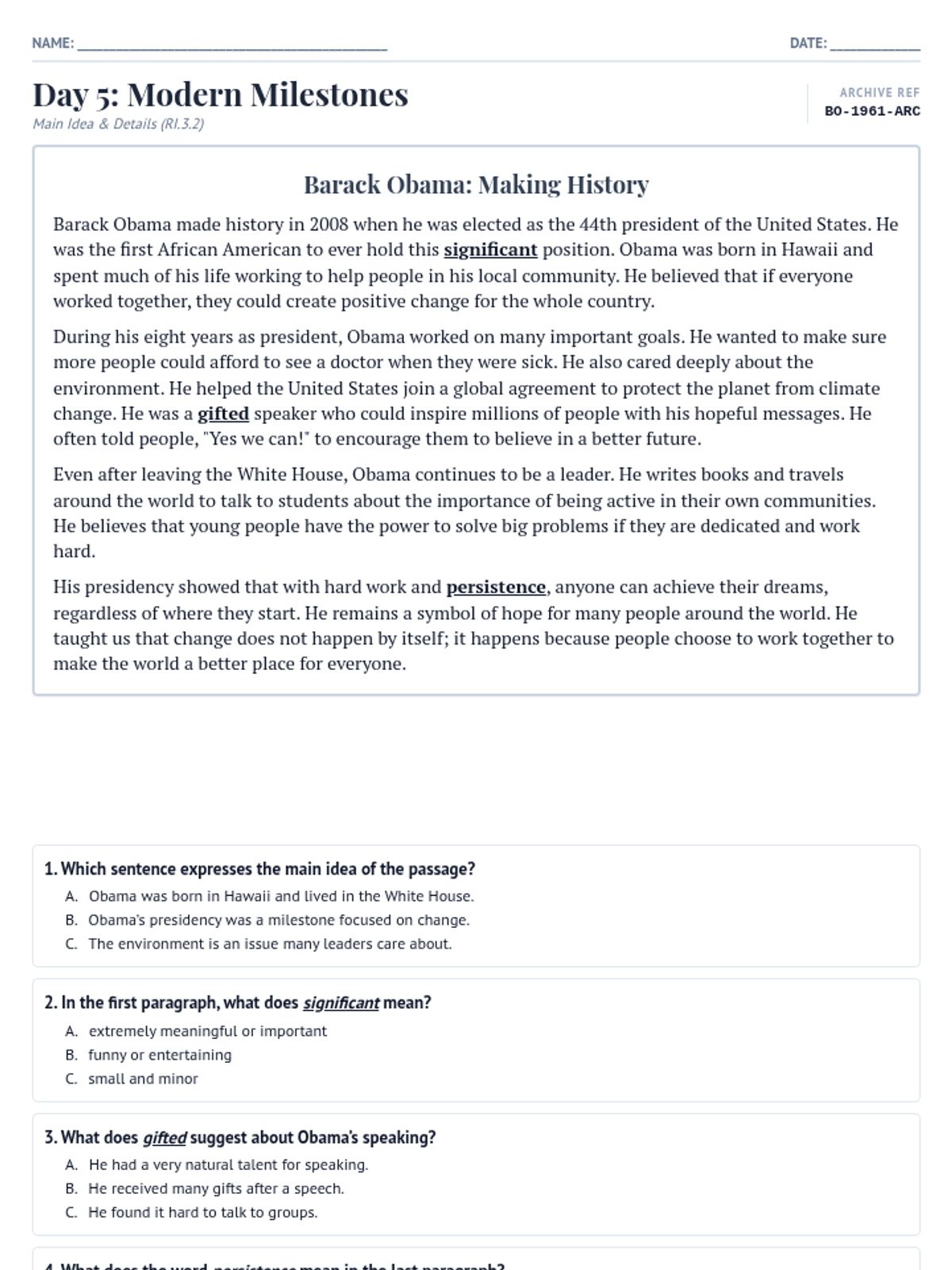
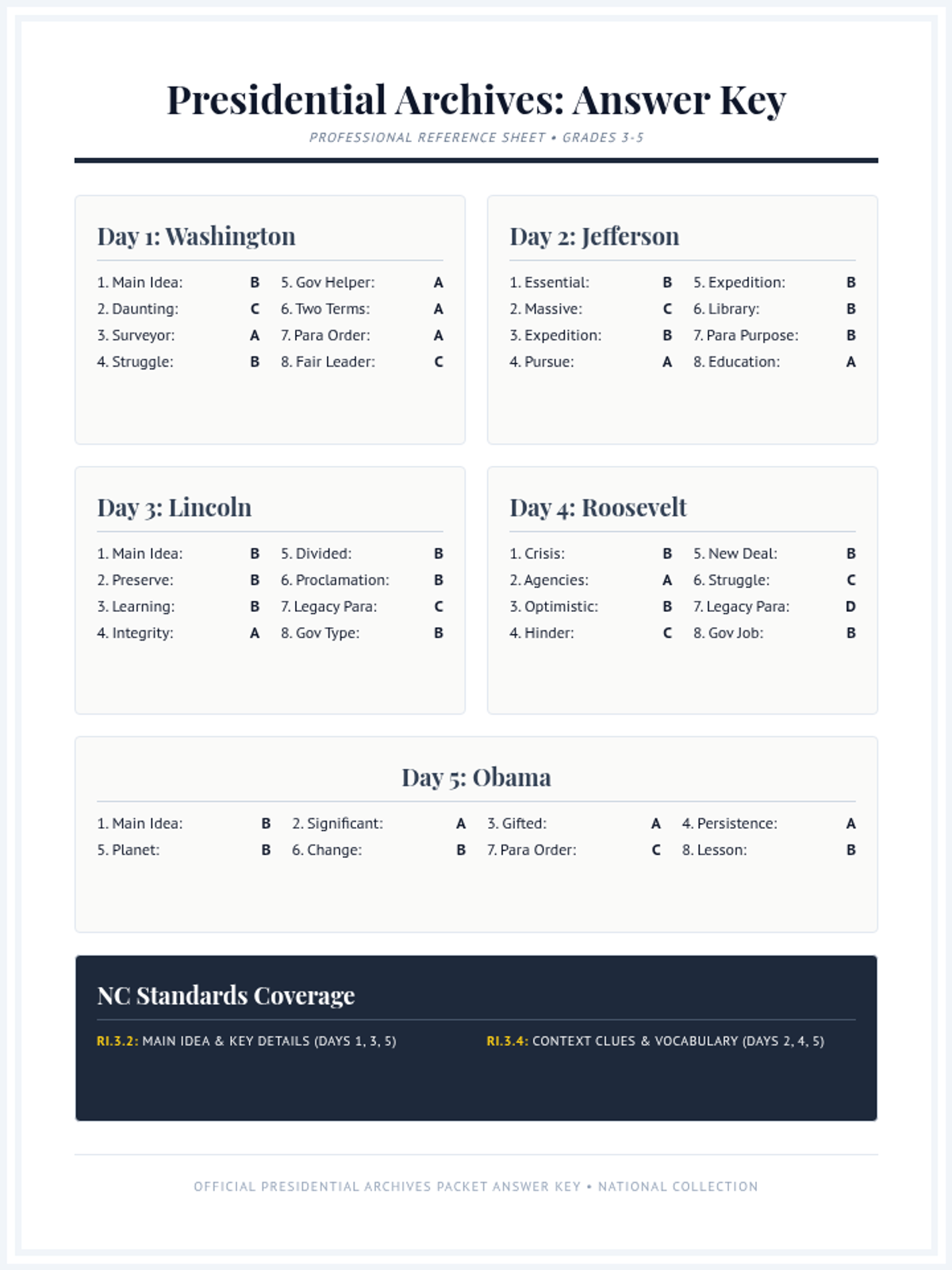
A 5-day series of readings and assessments focused on past presidents, designed to build historical knowledge and ELA test-taking skills.
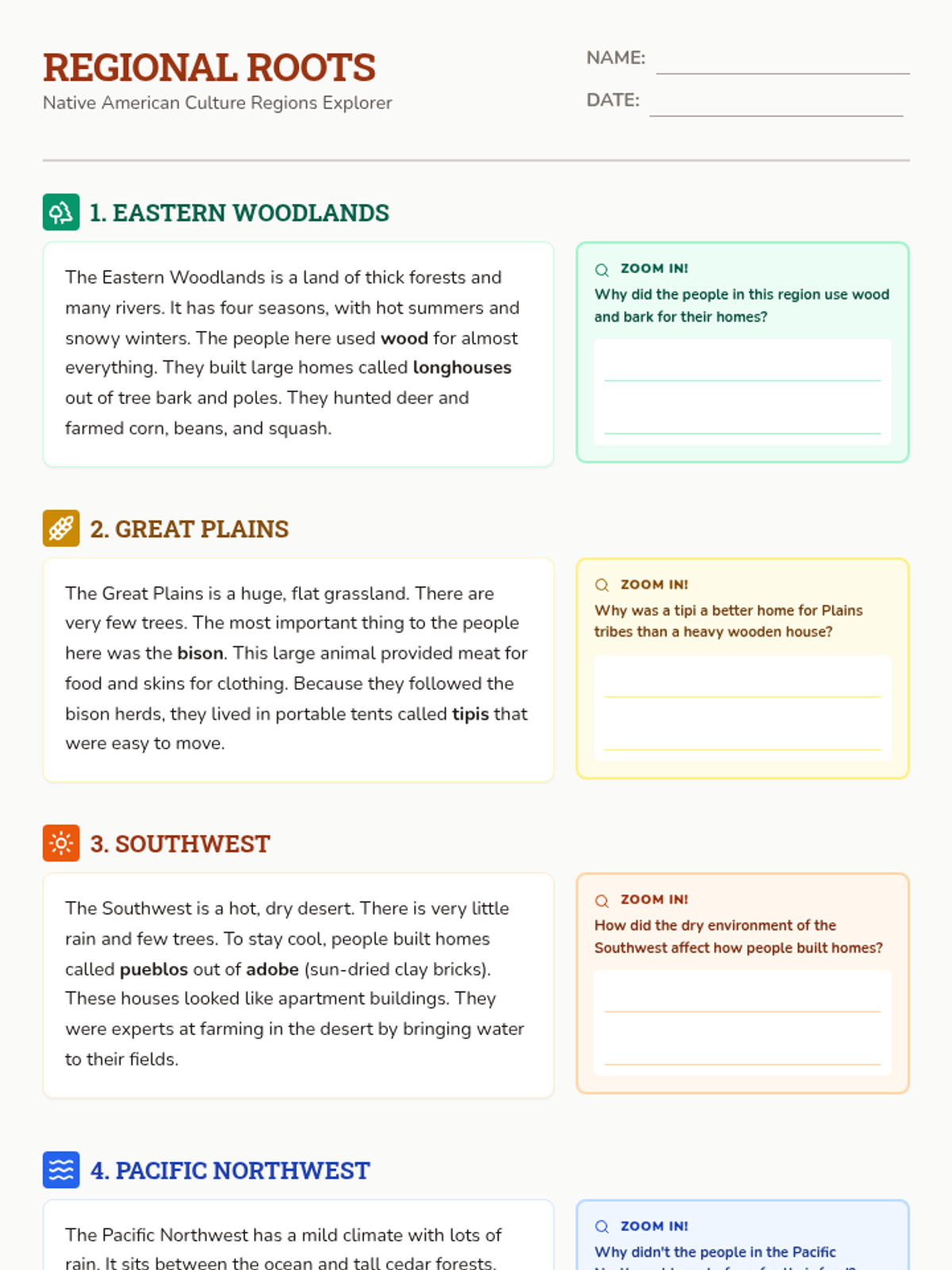
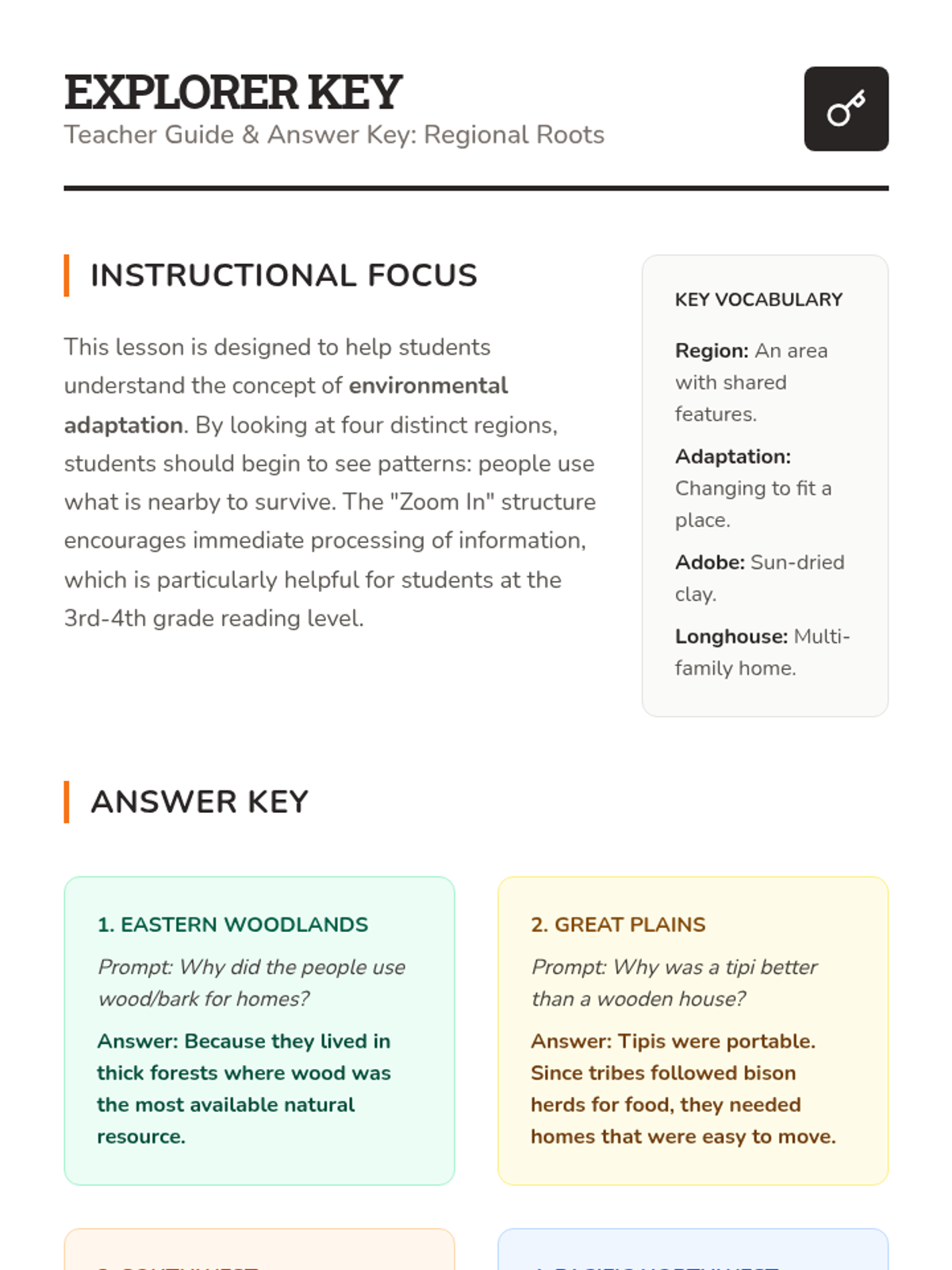
A lesson introducing the concept of cultural regions among Native American tribes, focusing on how different environments shaped unique ways of life across North America.
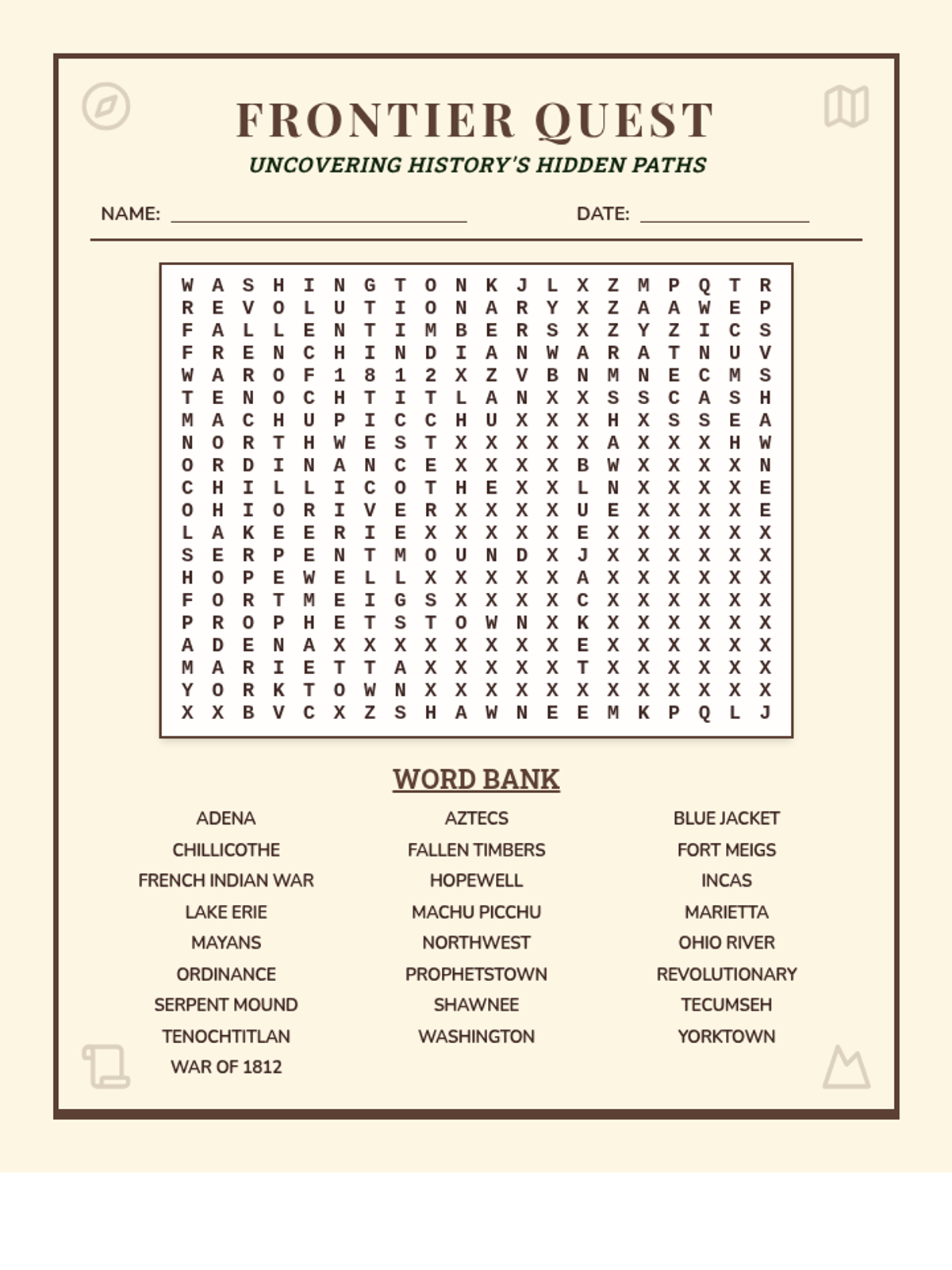
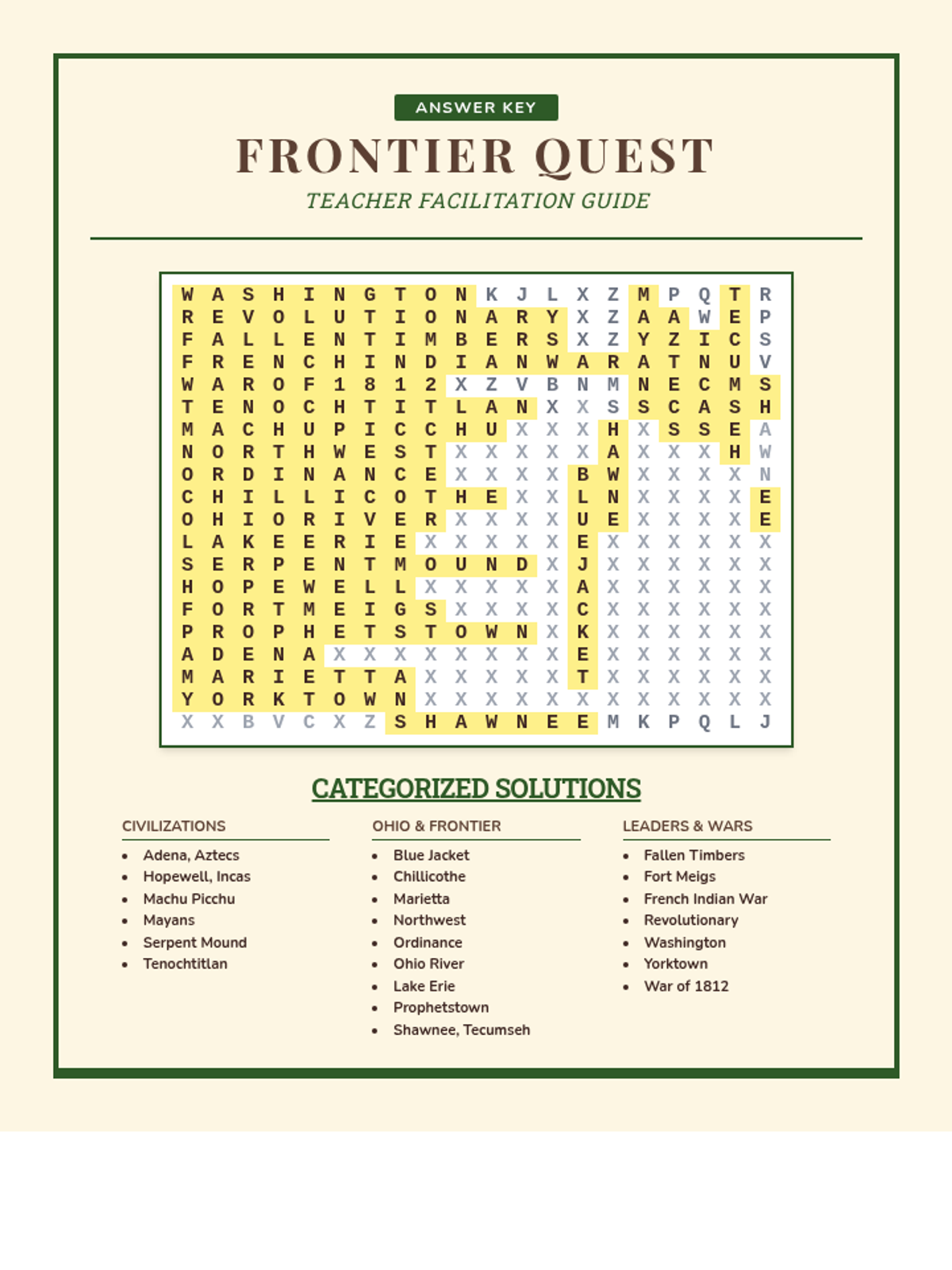
A lesson exploring the intersections of Ohio history, early American conflicts, and the great civilizations of the Aztecs, Mayans, and Incas. students will identify key figures, locations, and events that shaped the North American frontier and Mesoamerica.
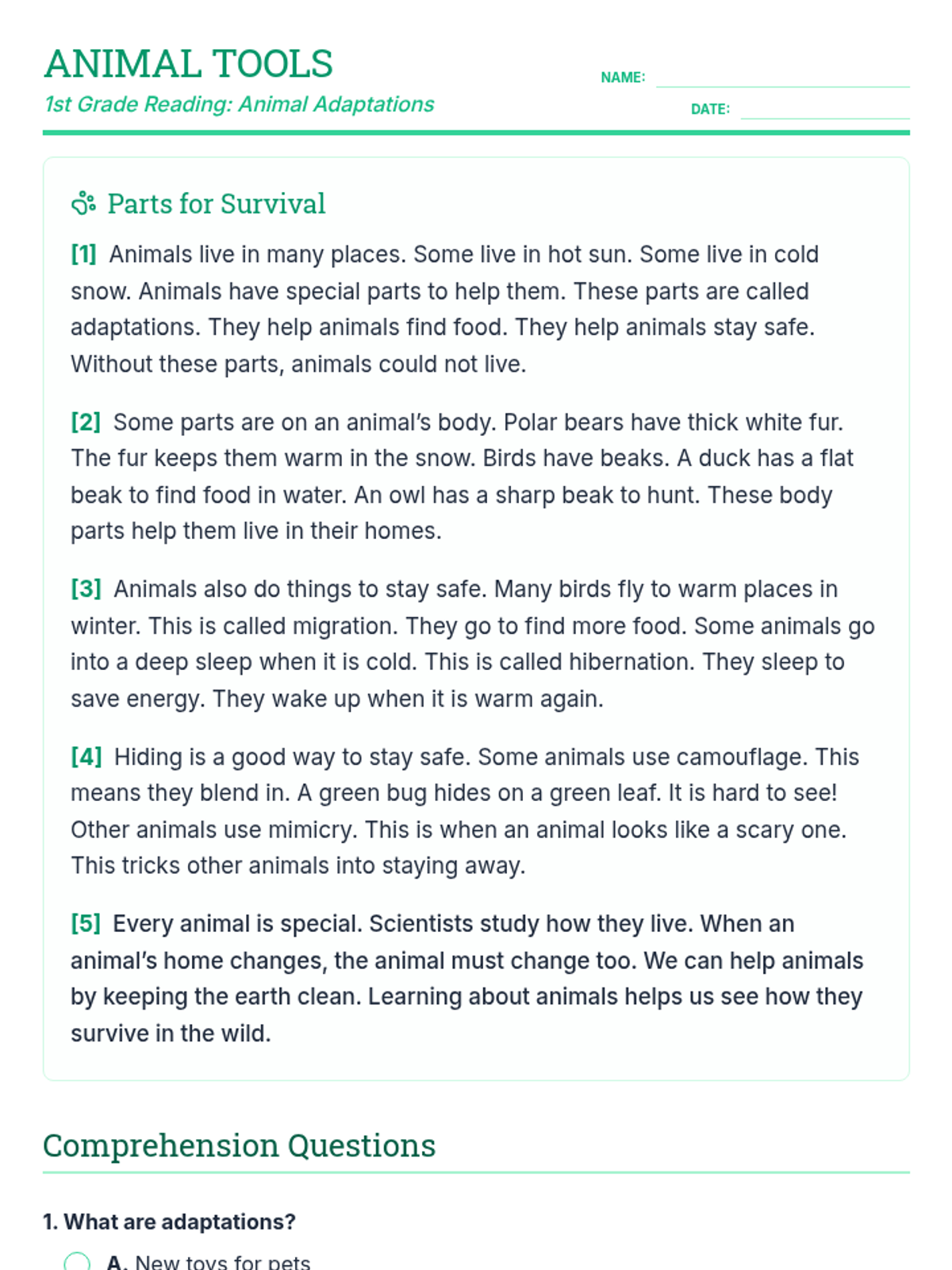
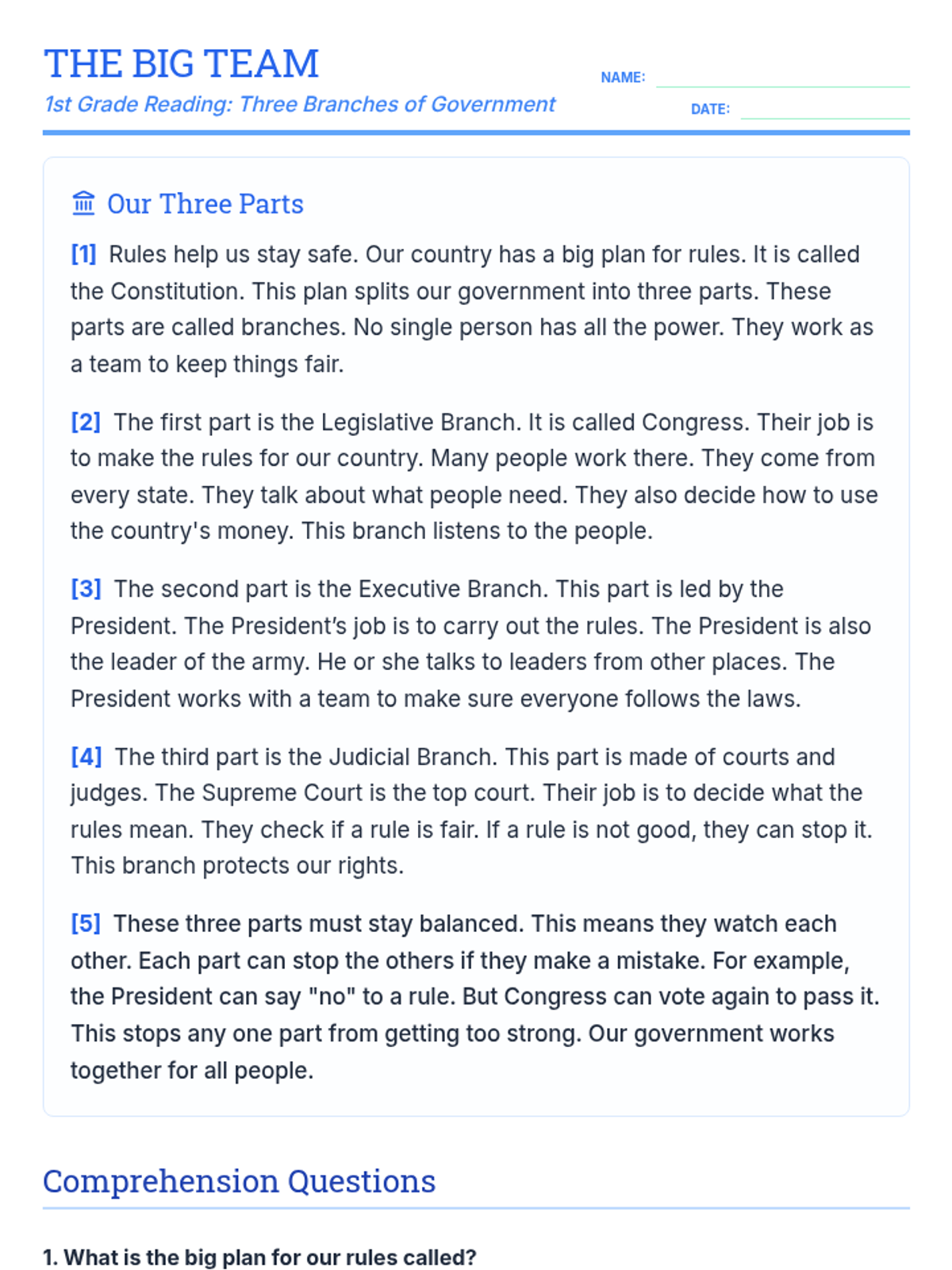
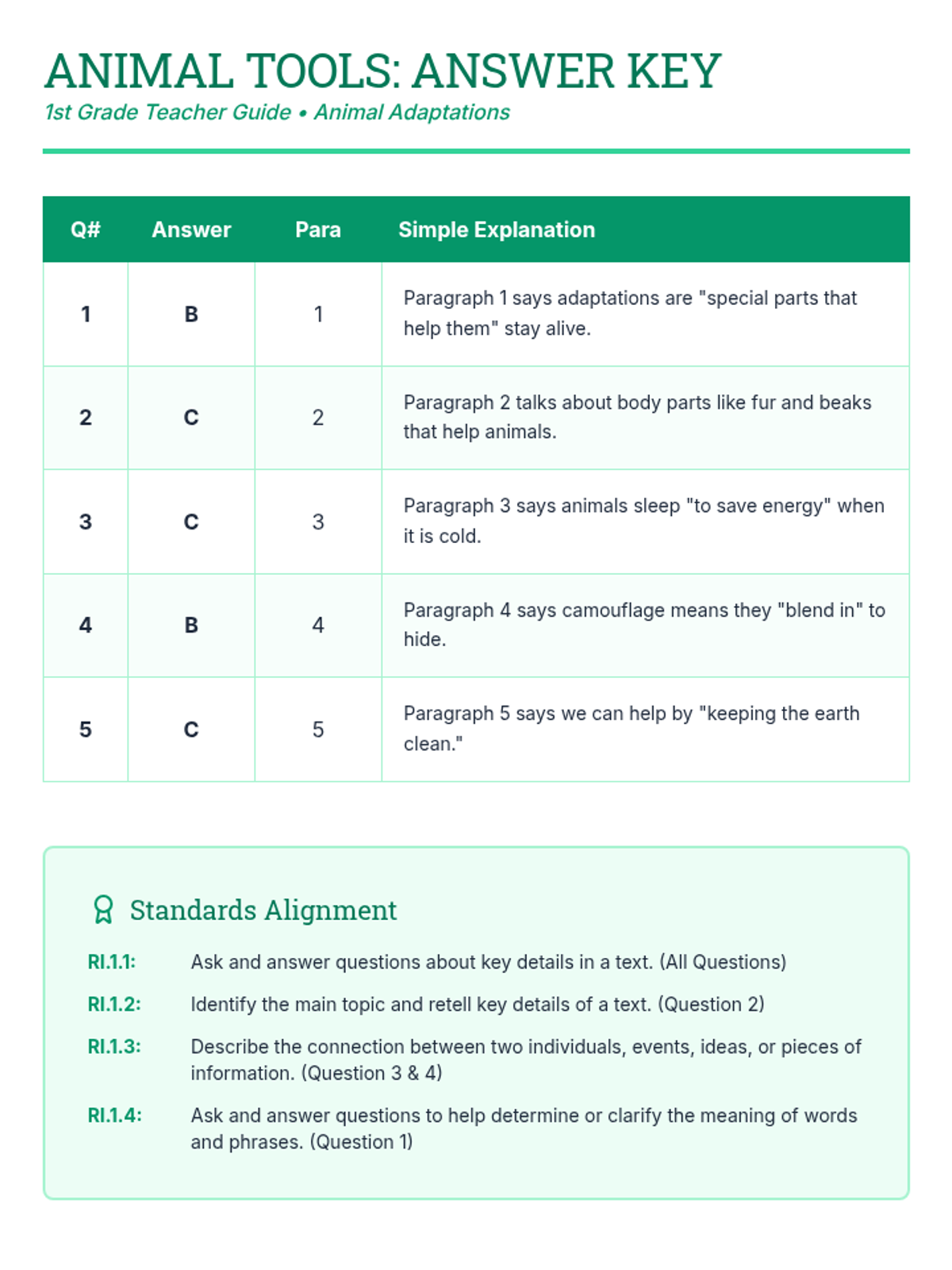
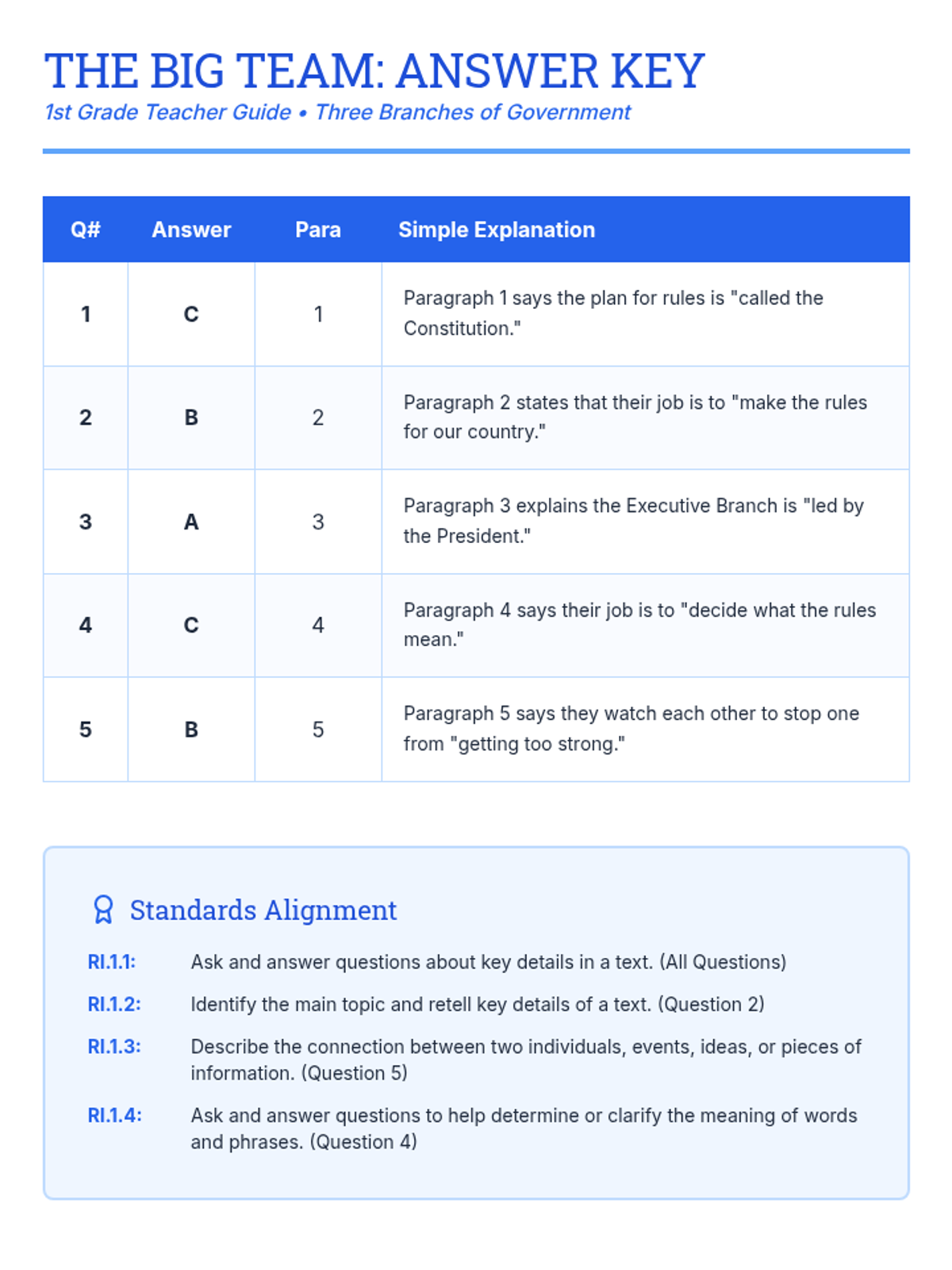
A comprehensive reading comprehension lesson focusing on RI.1, RI.2, RI.3, and RI.4 standards through the lenses of Animal Adaptations and the Three Branches of Government.
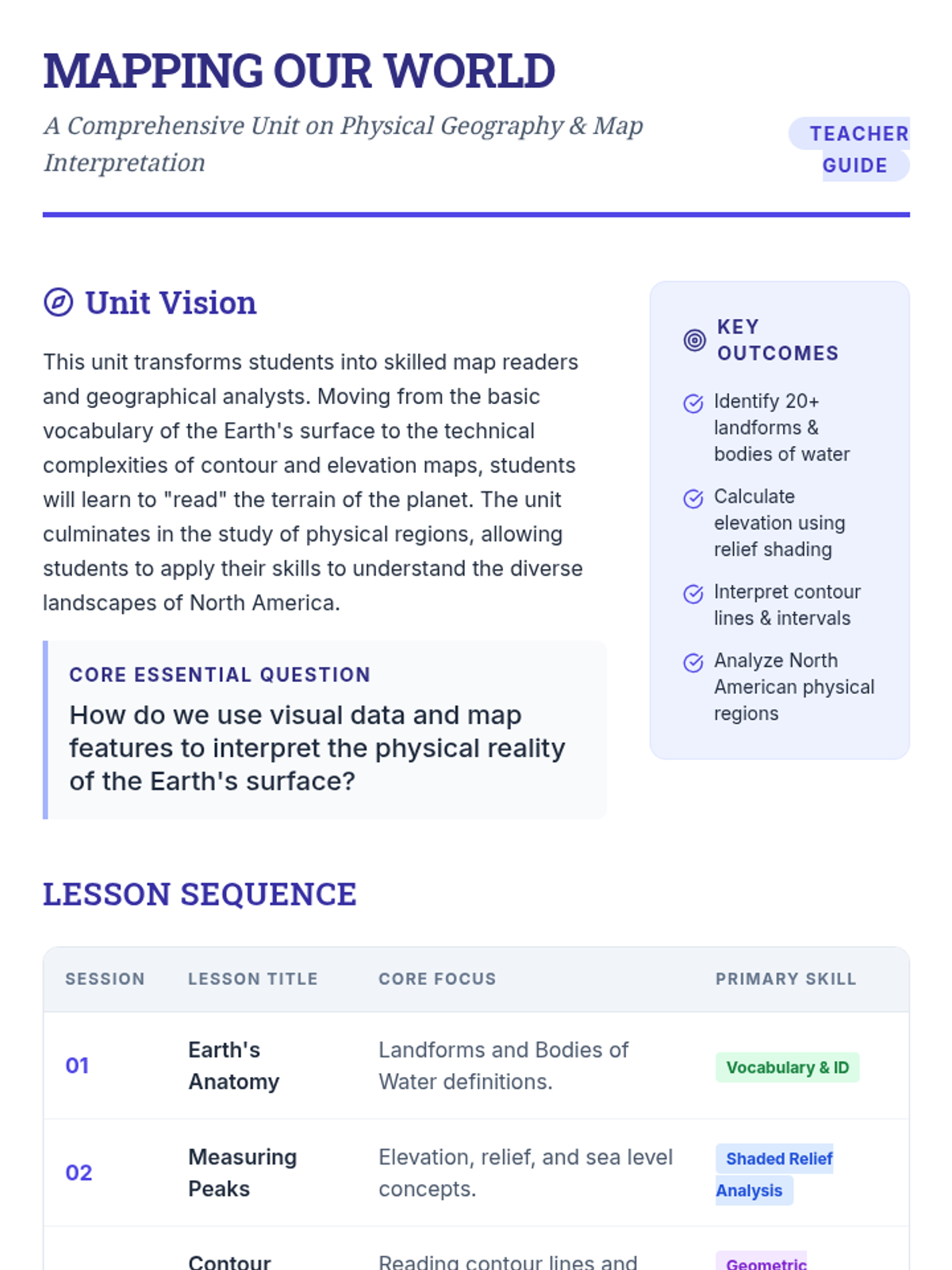
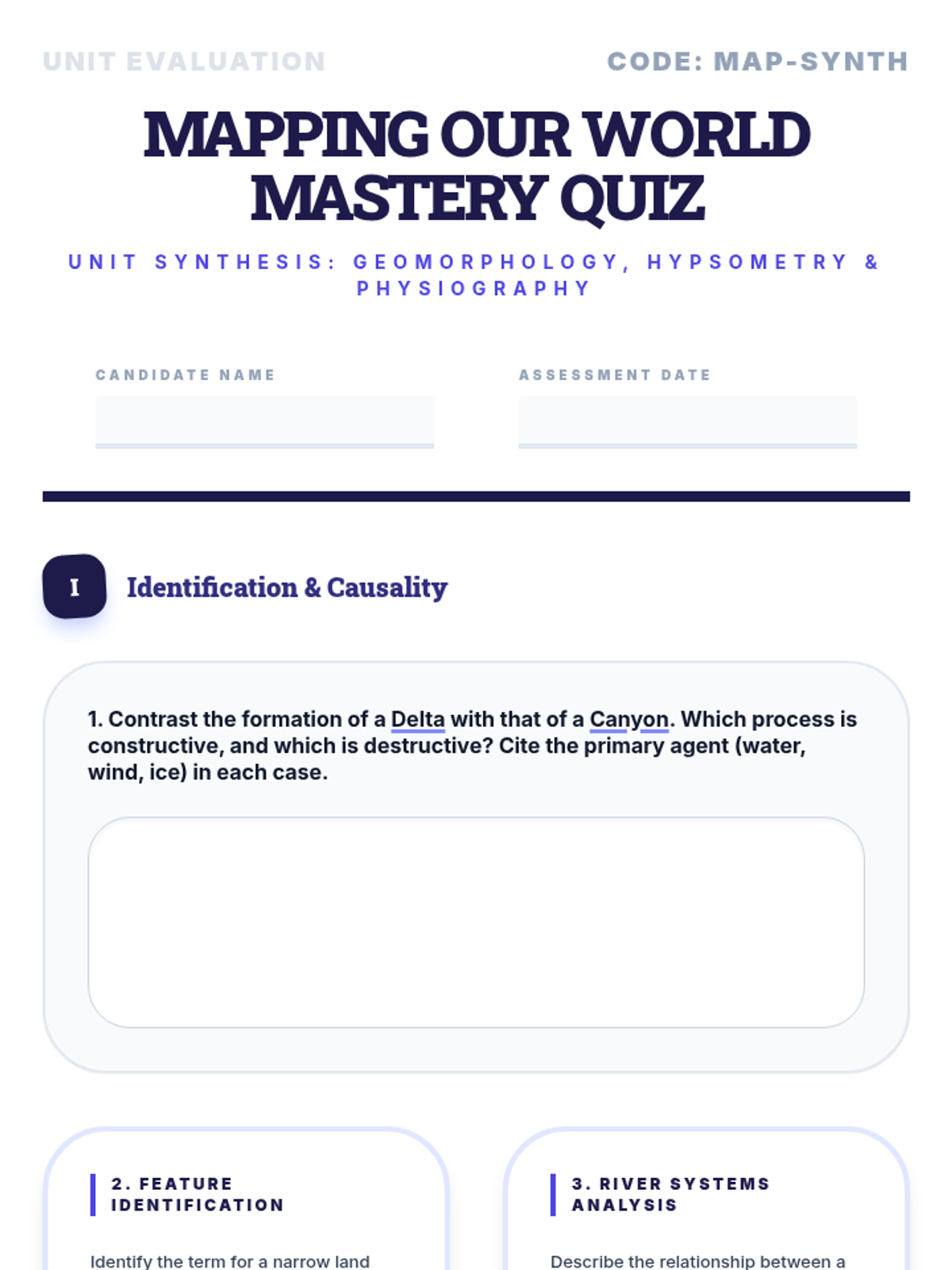
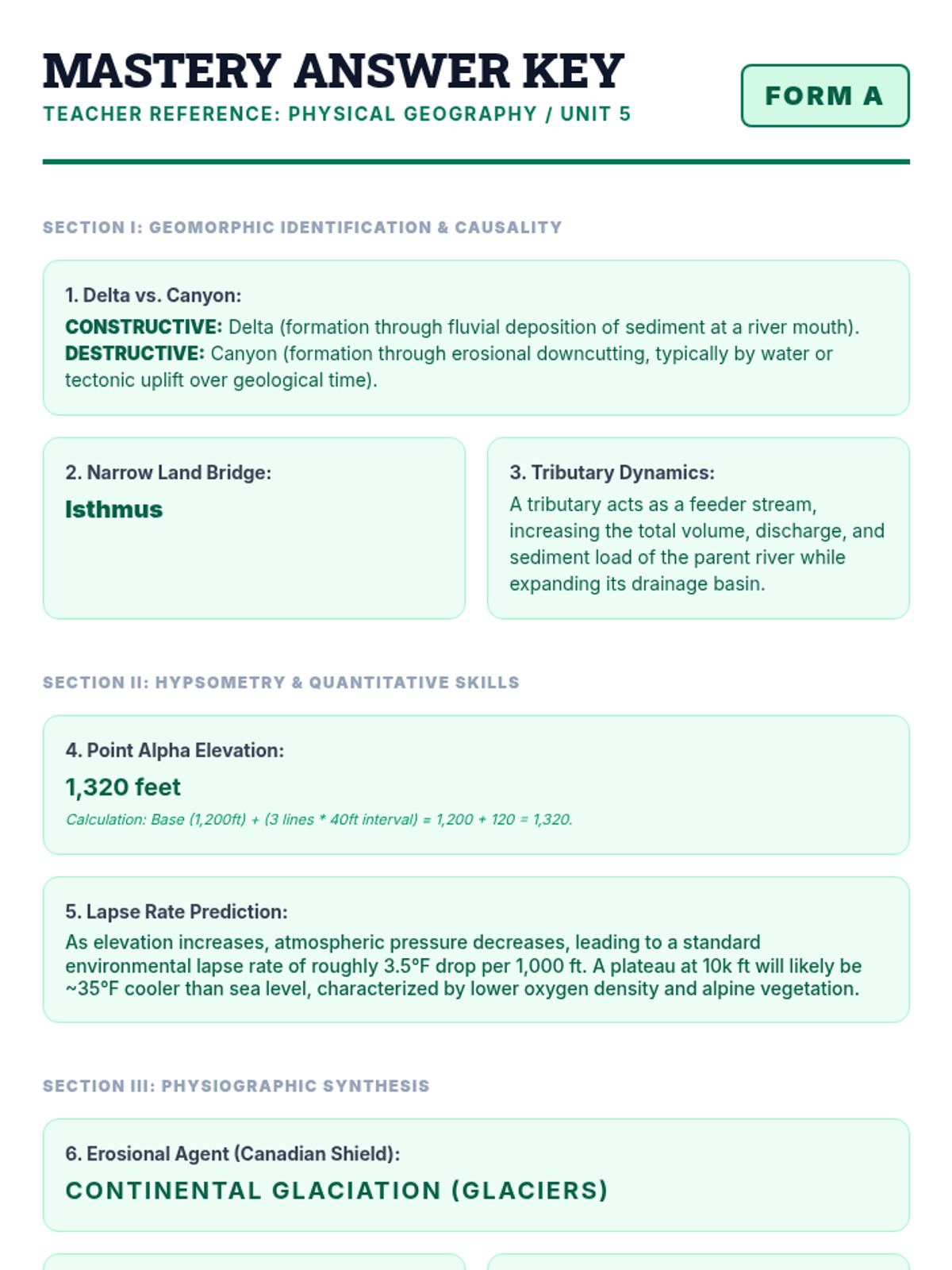
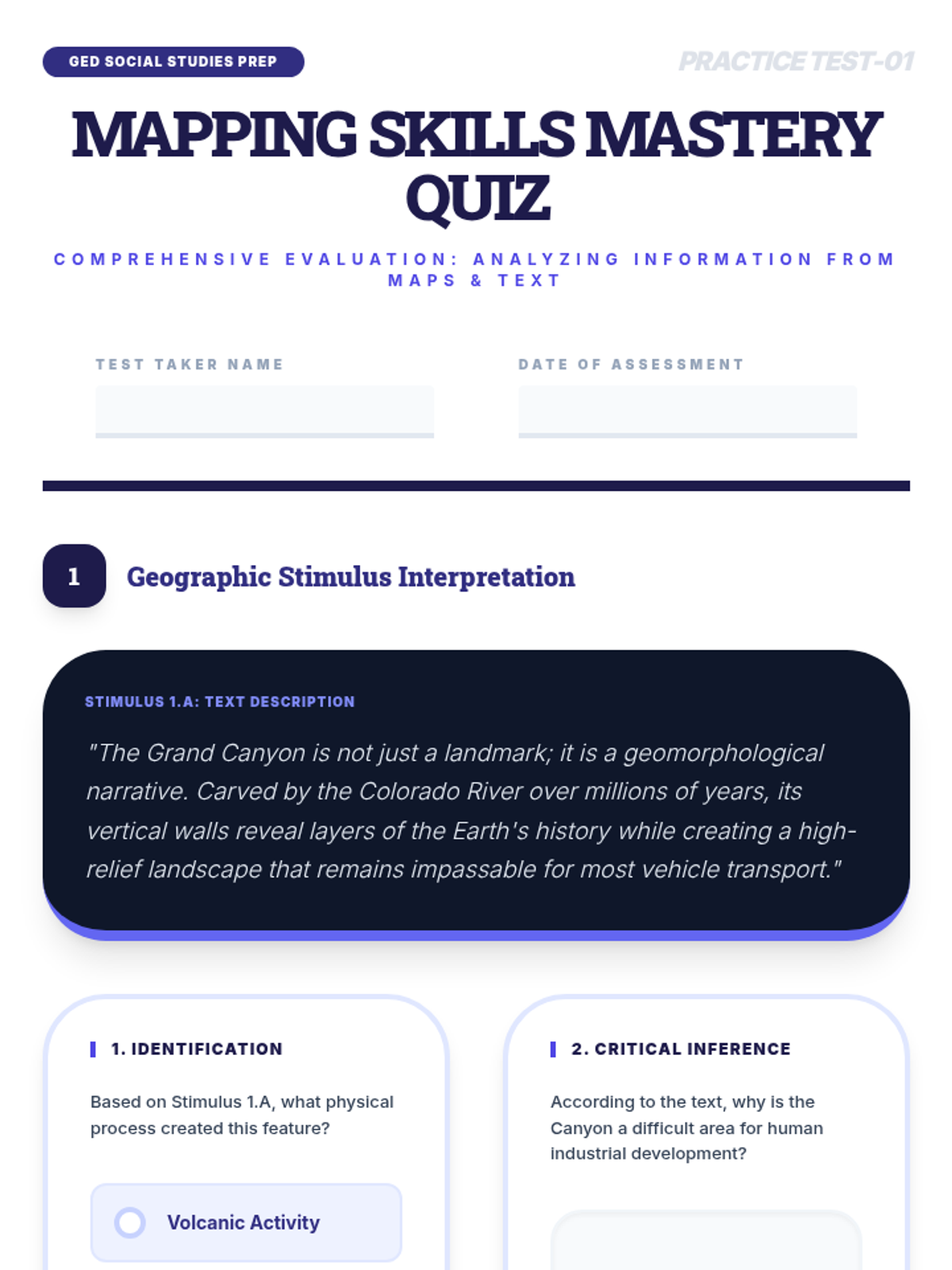
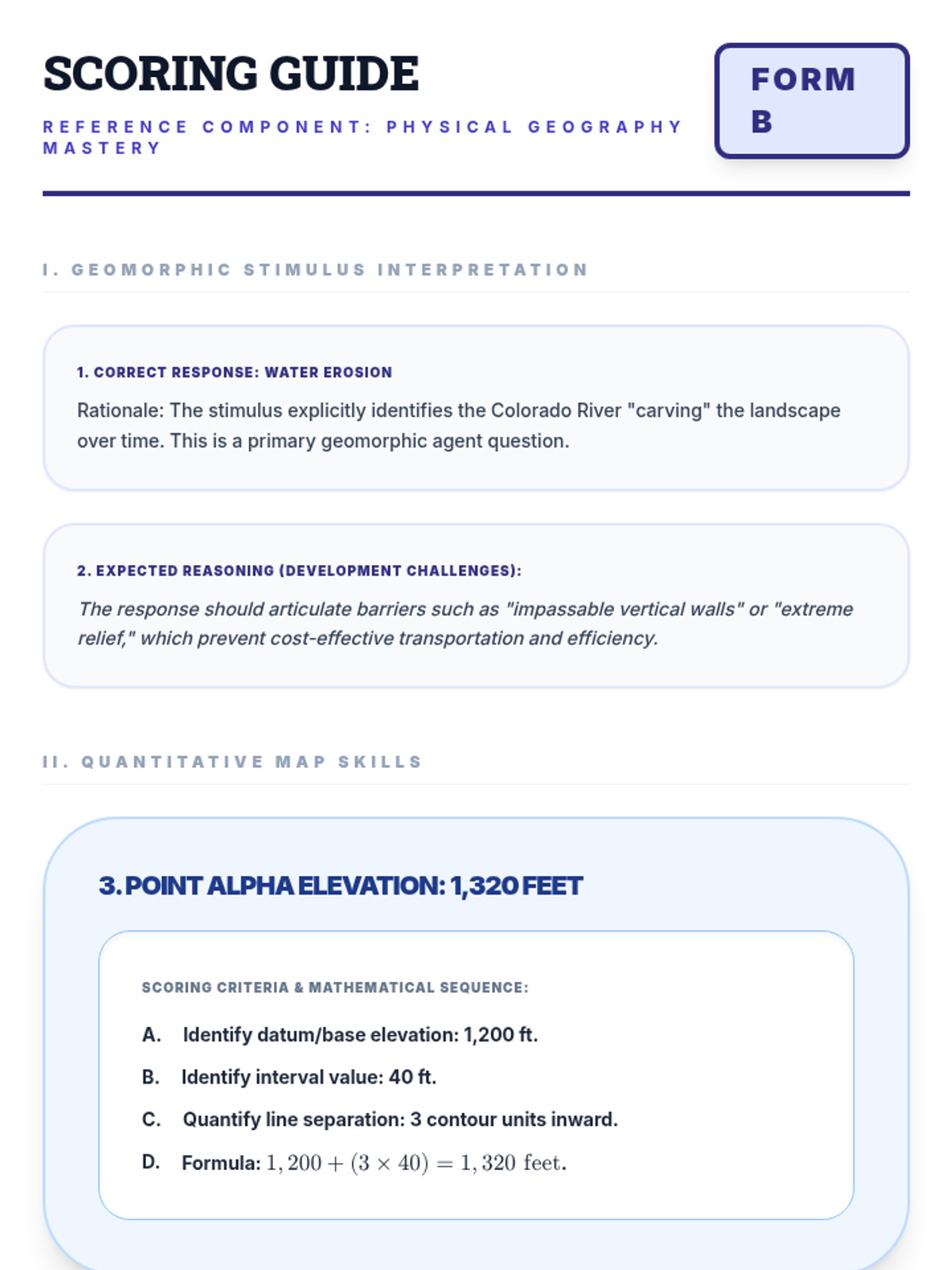
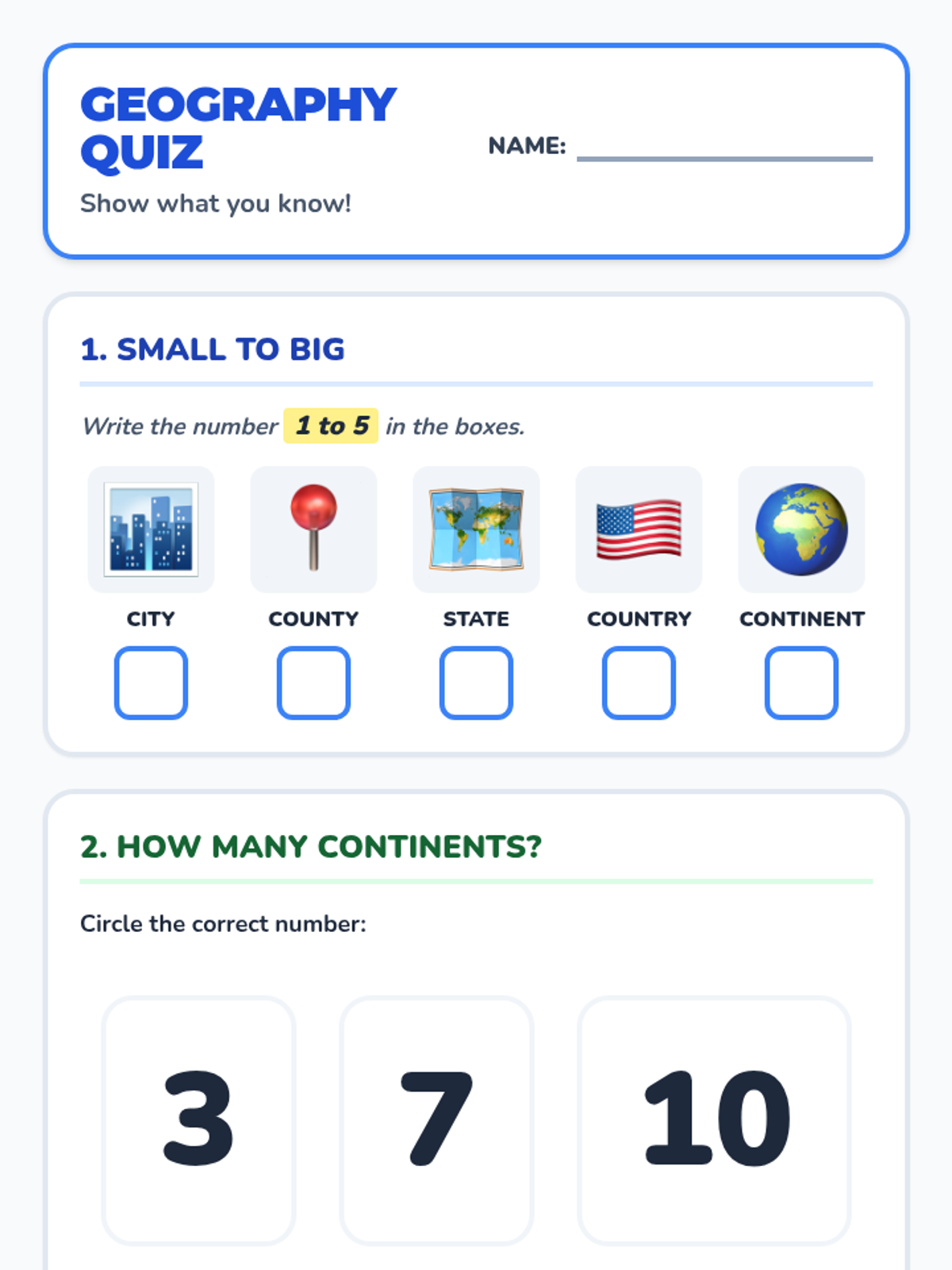
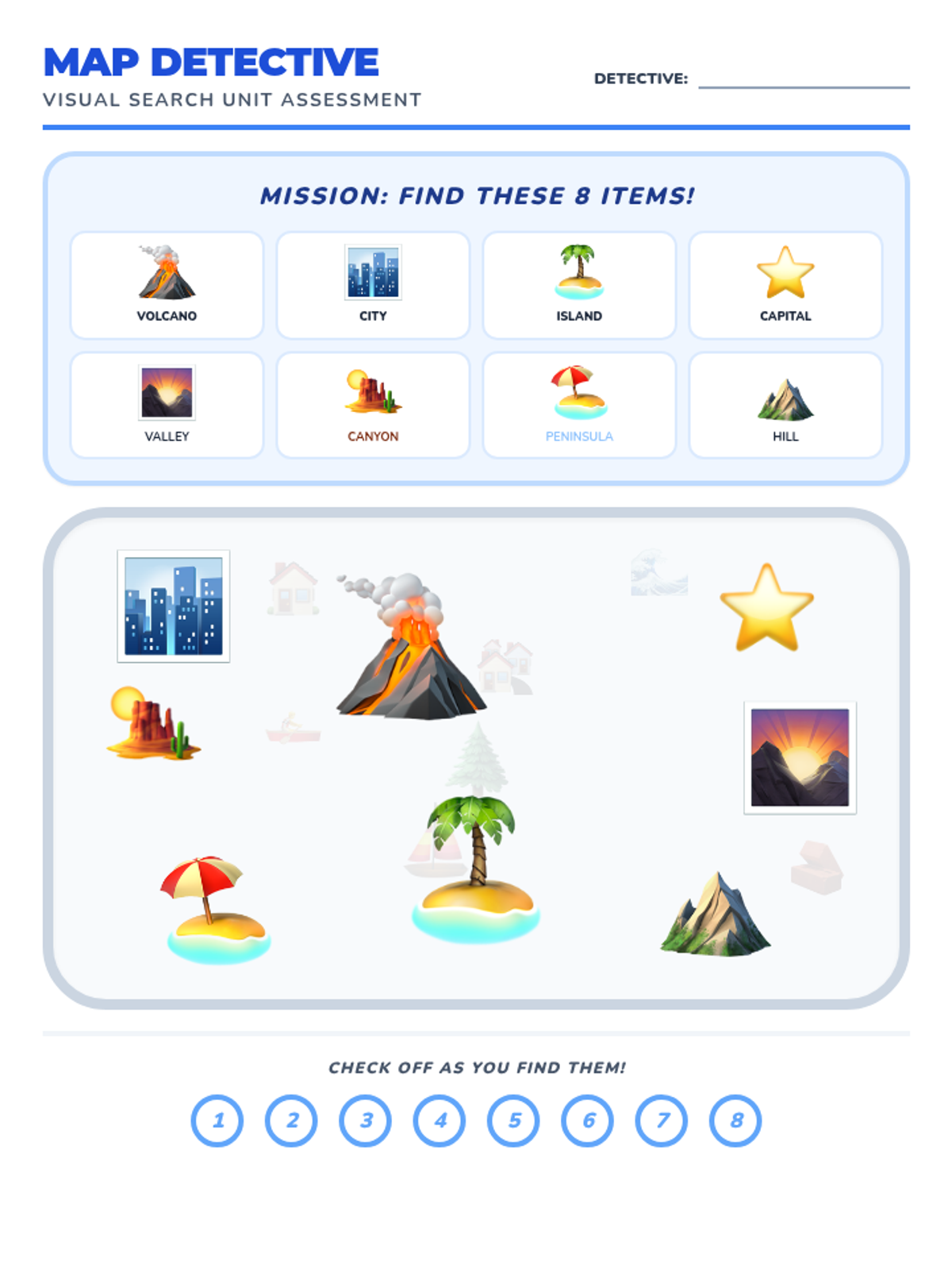
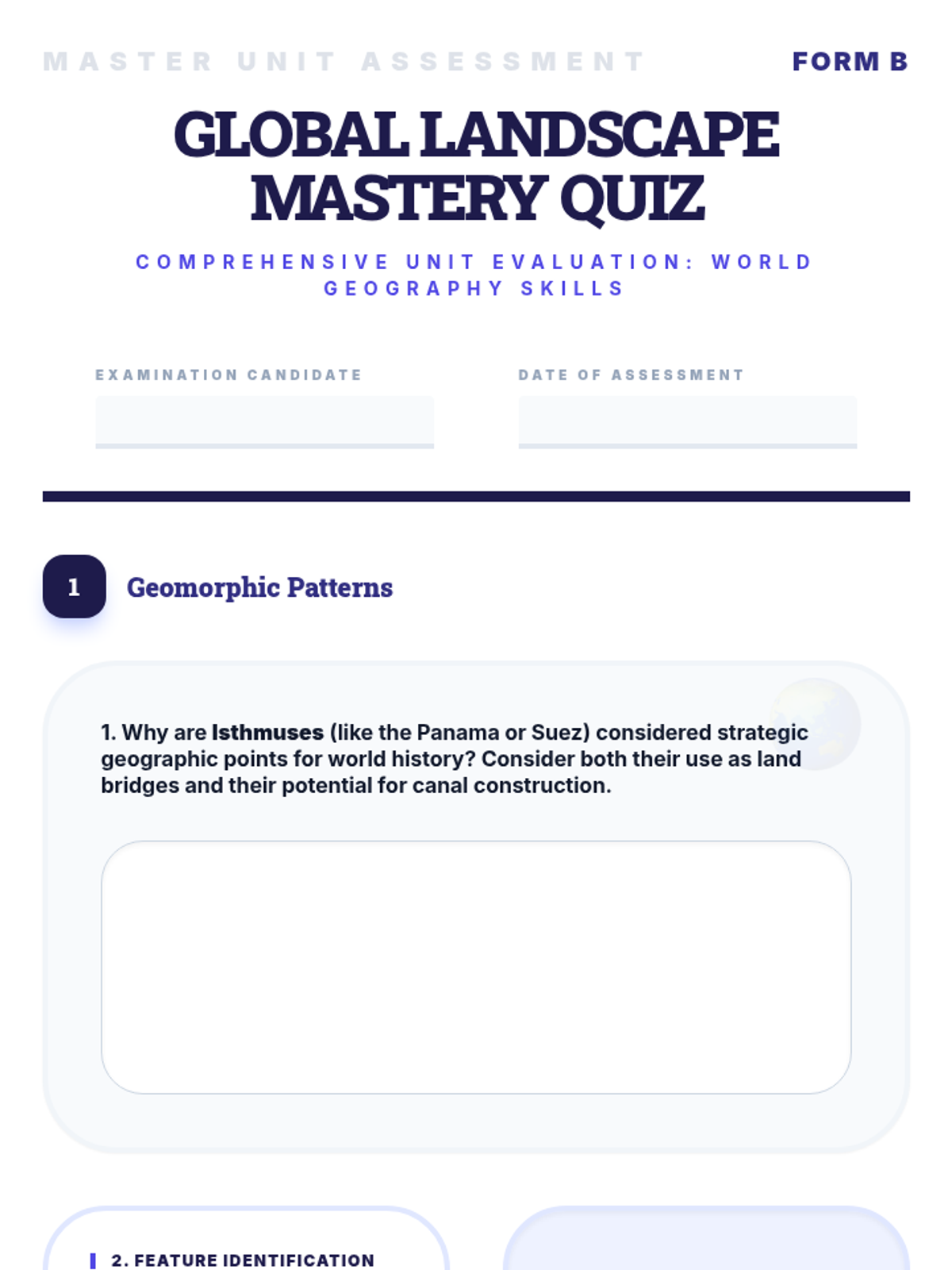
A final assessment and review lesson to verify student mastery of the unit's geography skills.
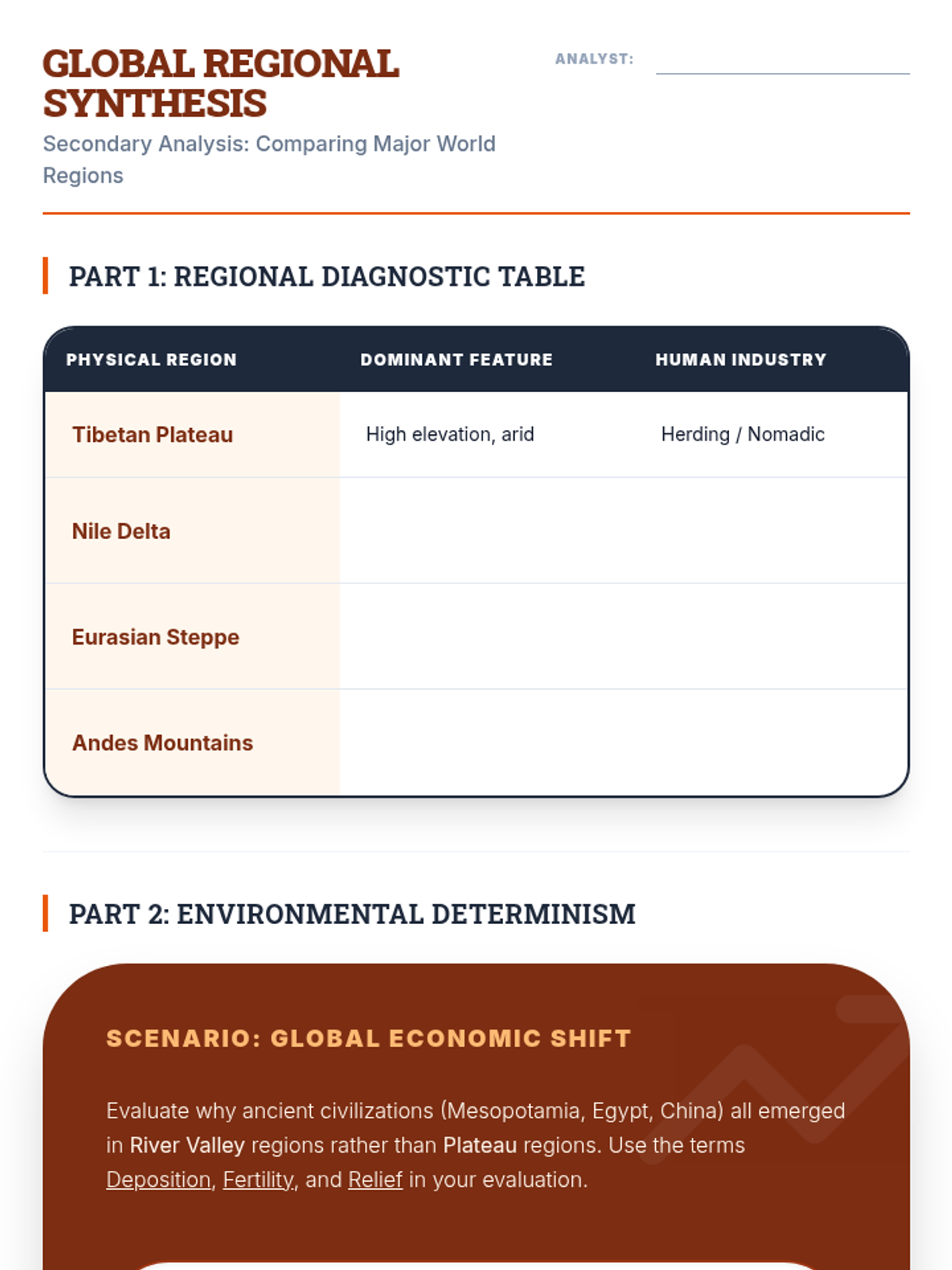
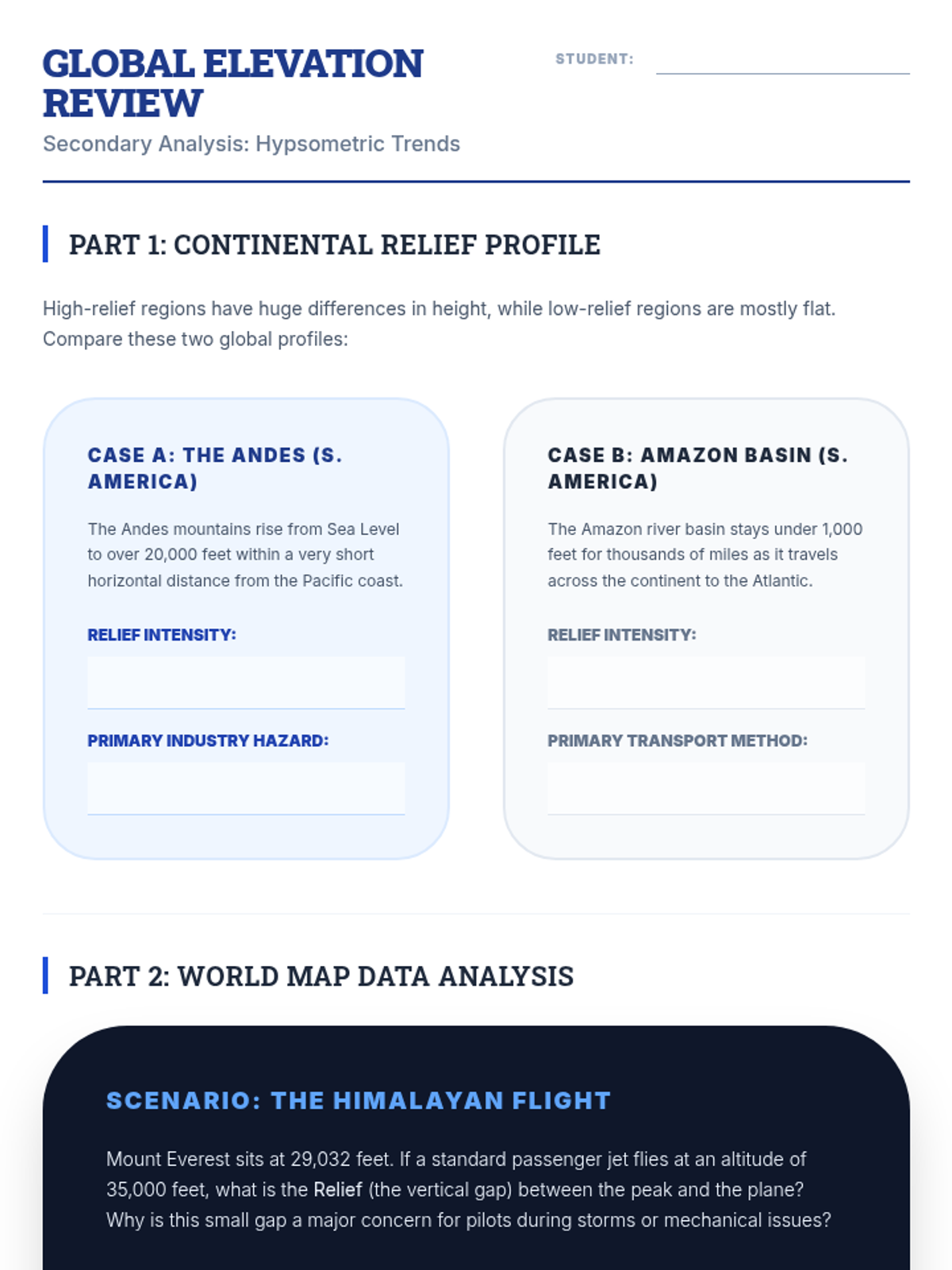
Analyzing the major physical regions of the world and their impact on human settlement and activity.
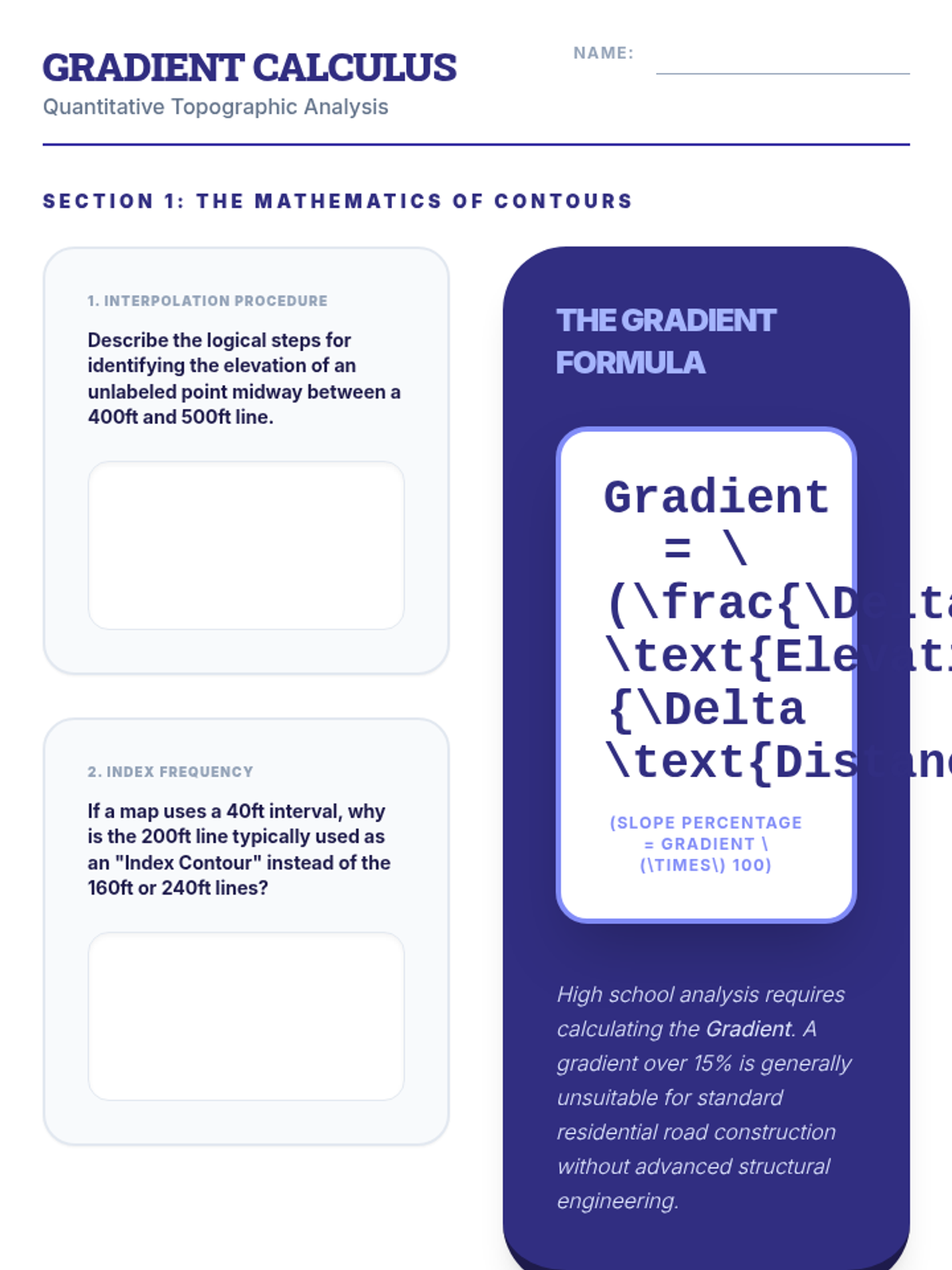
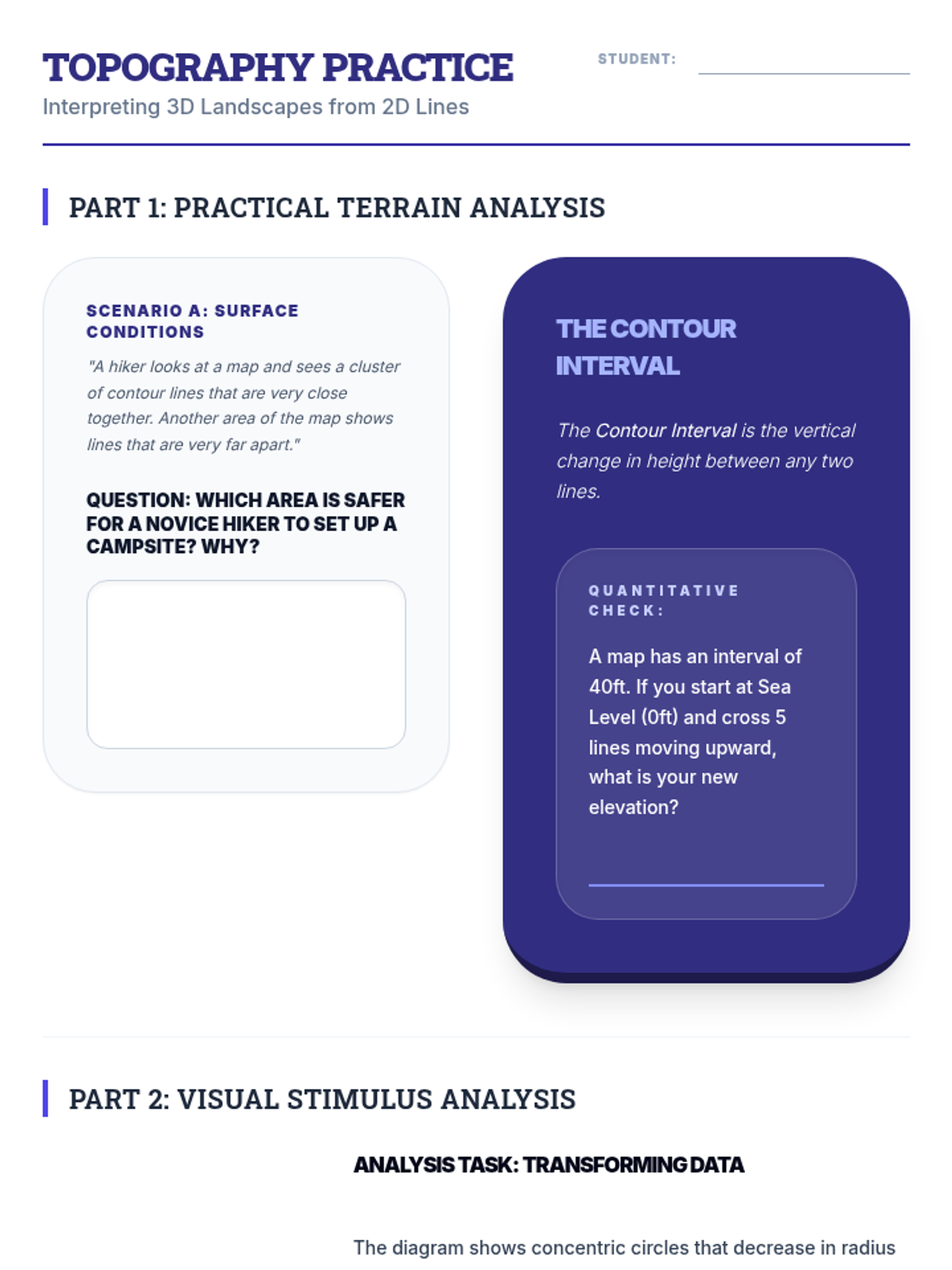
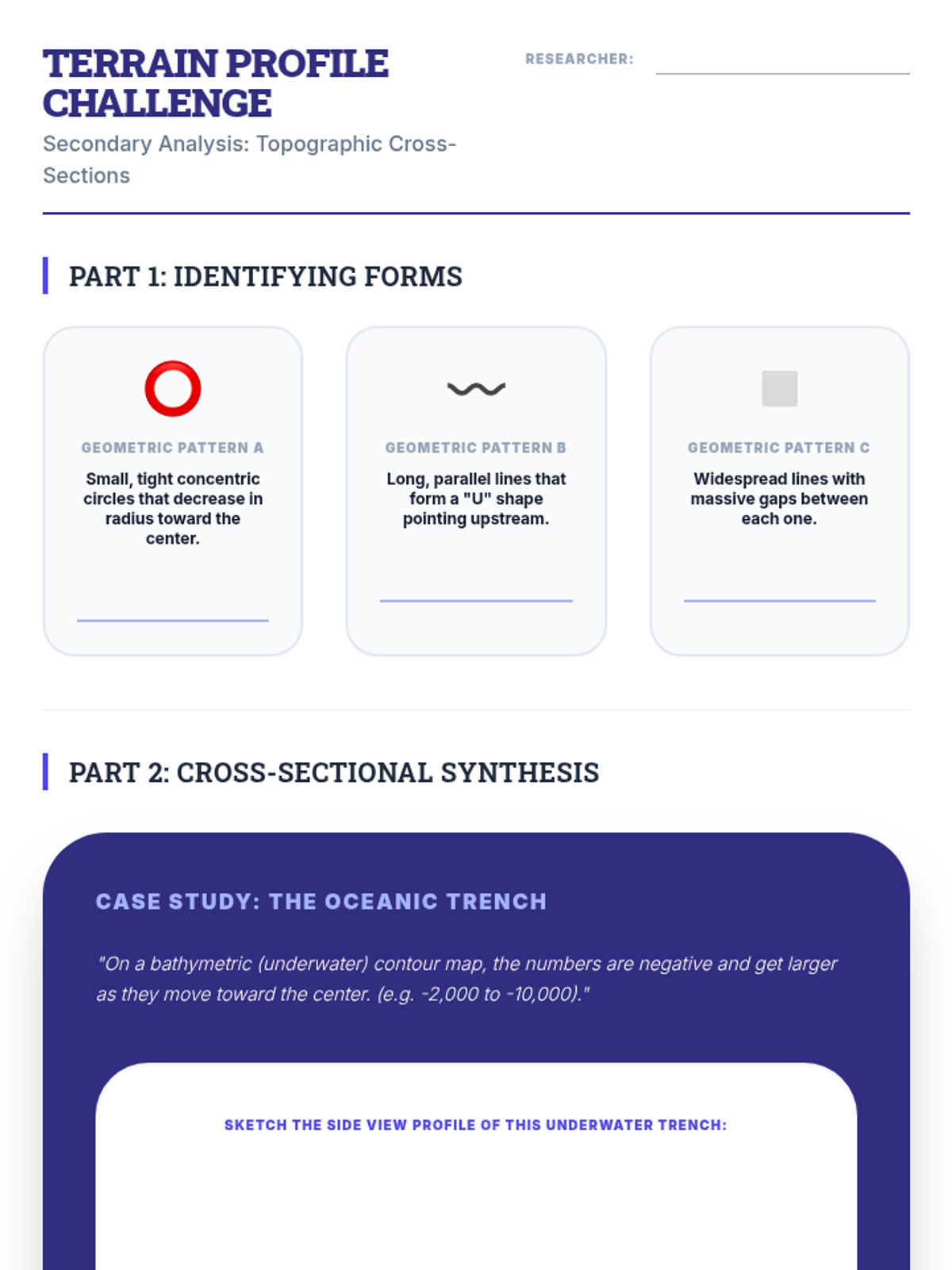
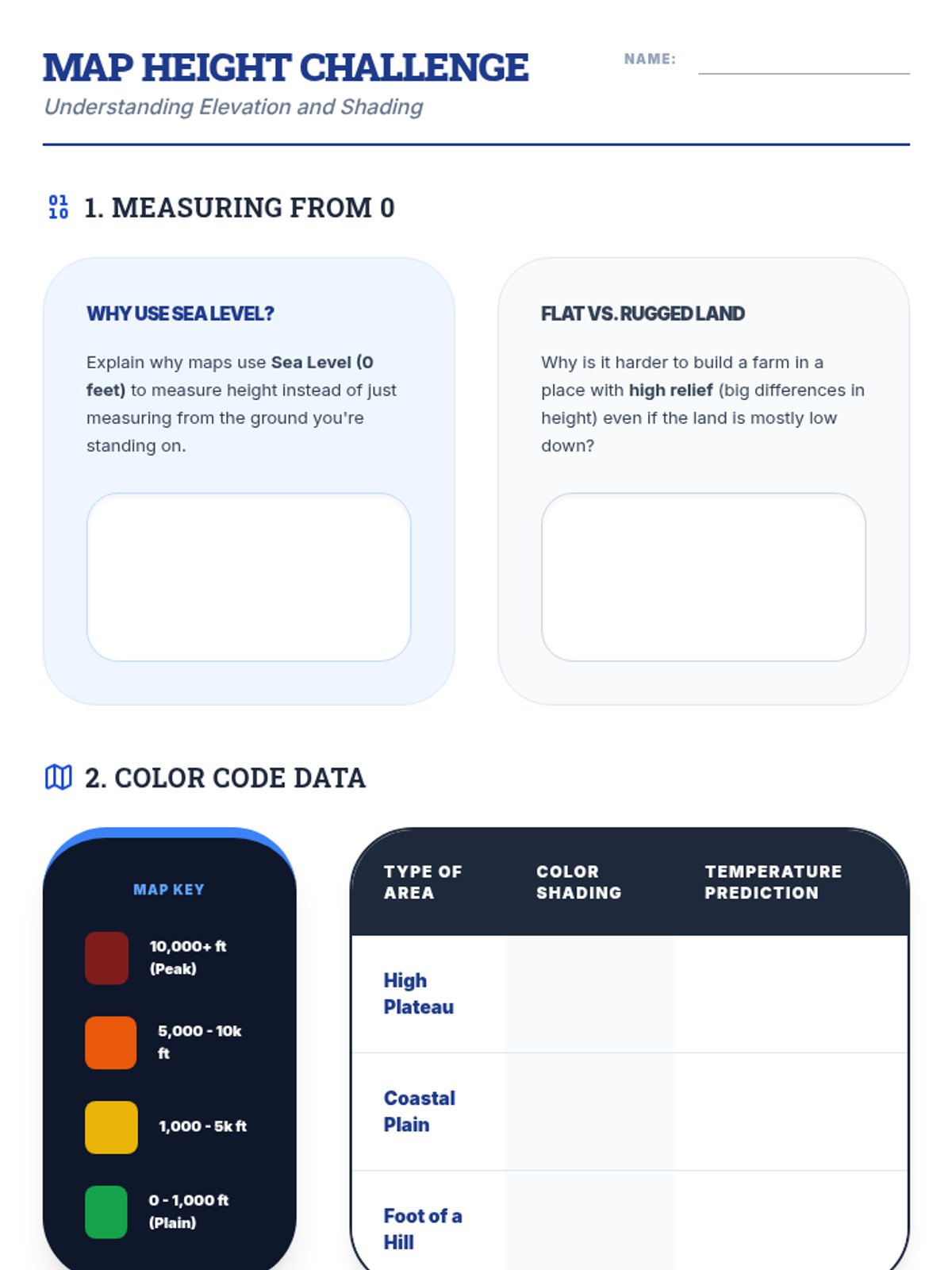
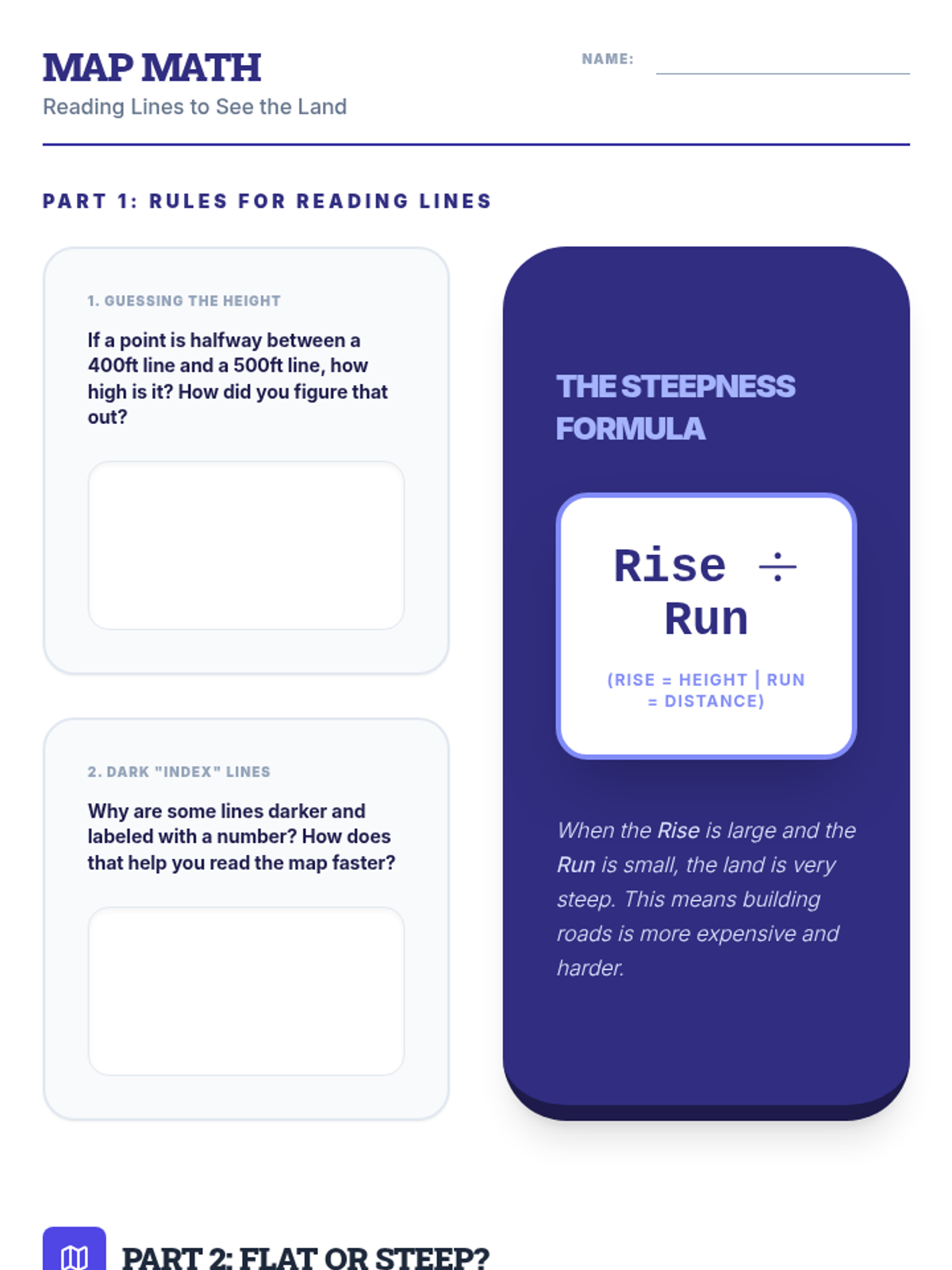
Using contour maps to visualize 3D terrain and calculate gradients across various global landscapes.
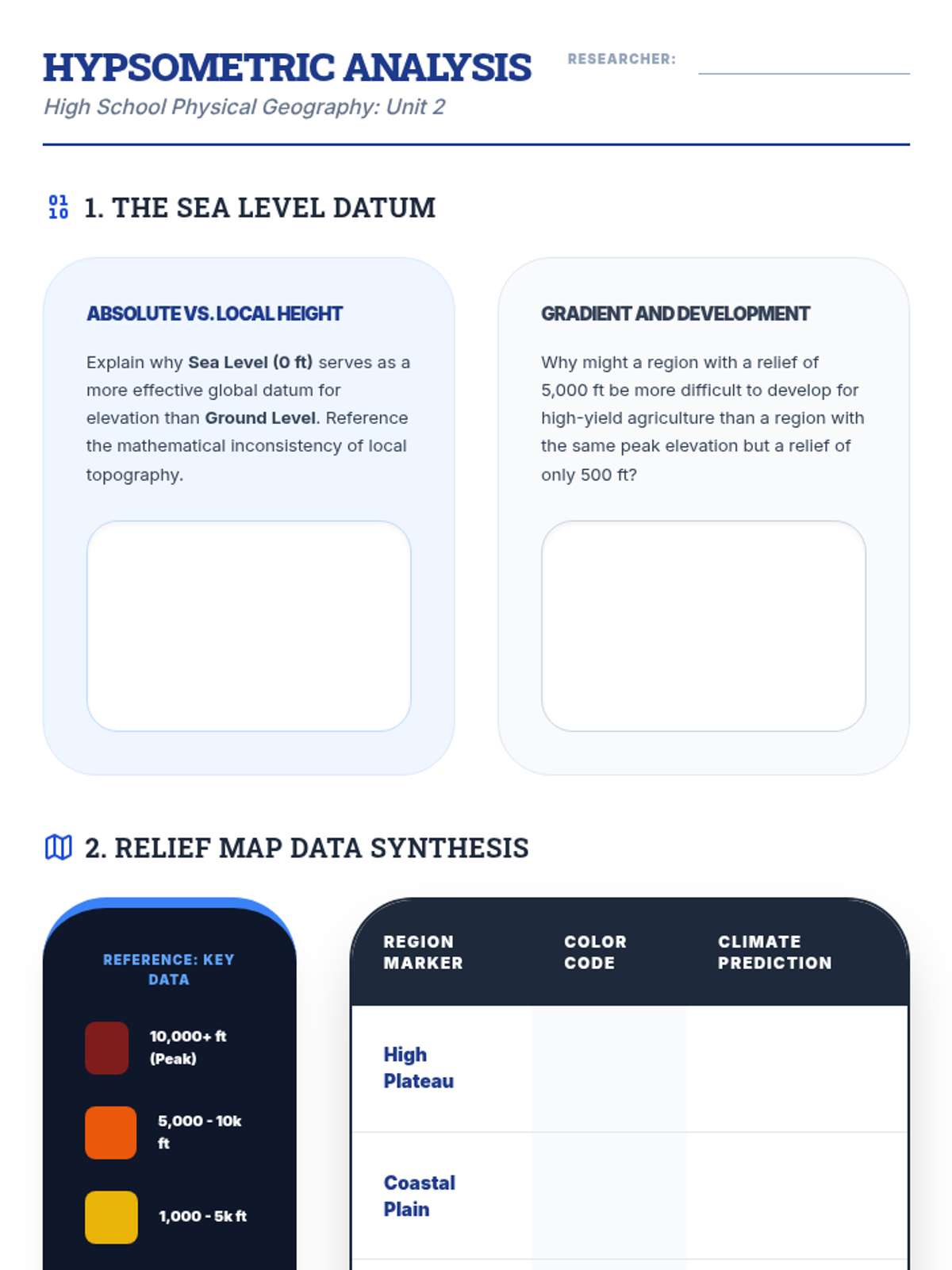
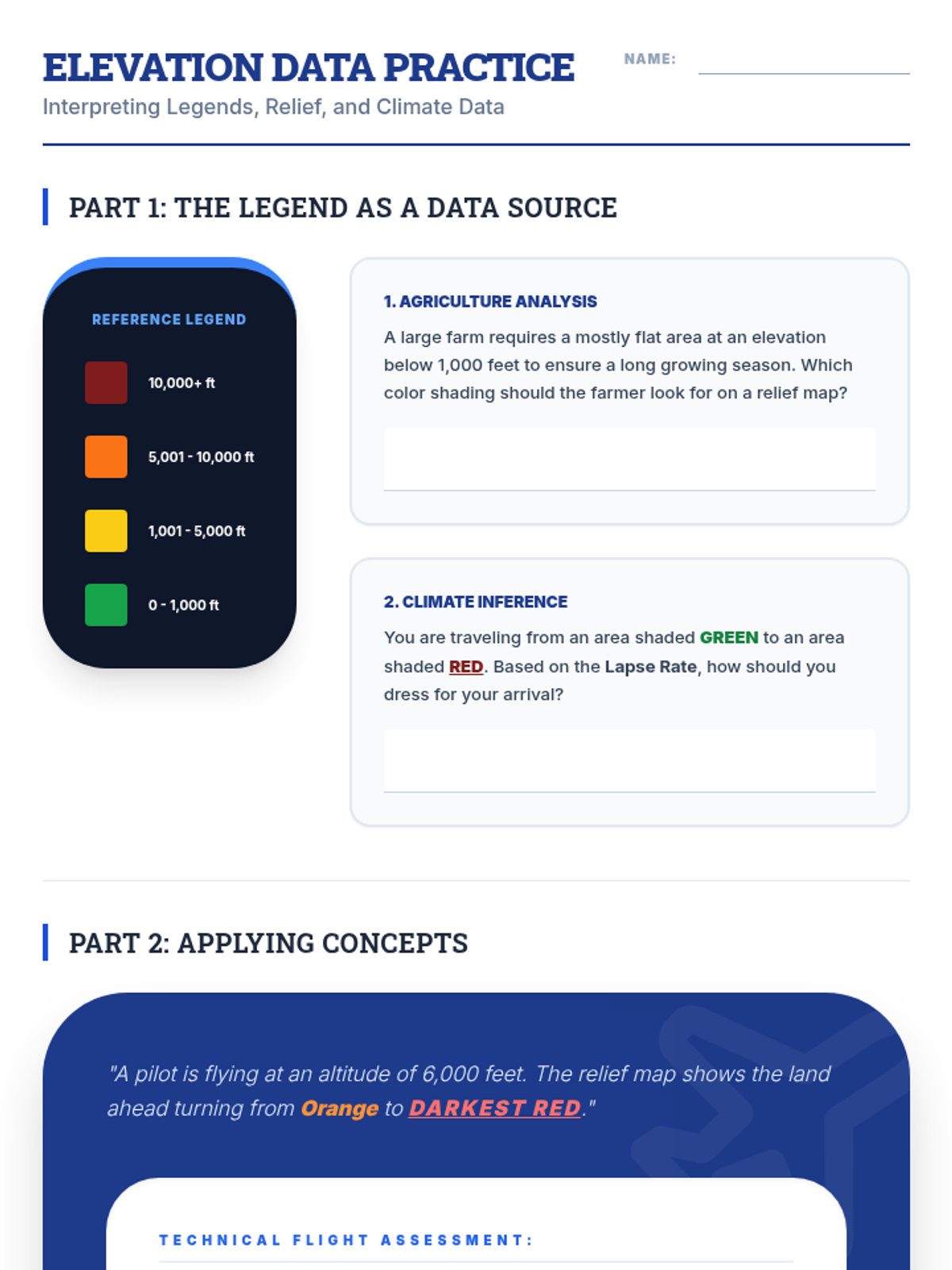
Mastering the use of relief shading and elevation data to interpret global mountain ranges and basins.
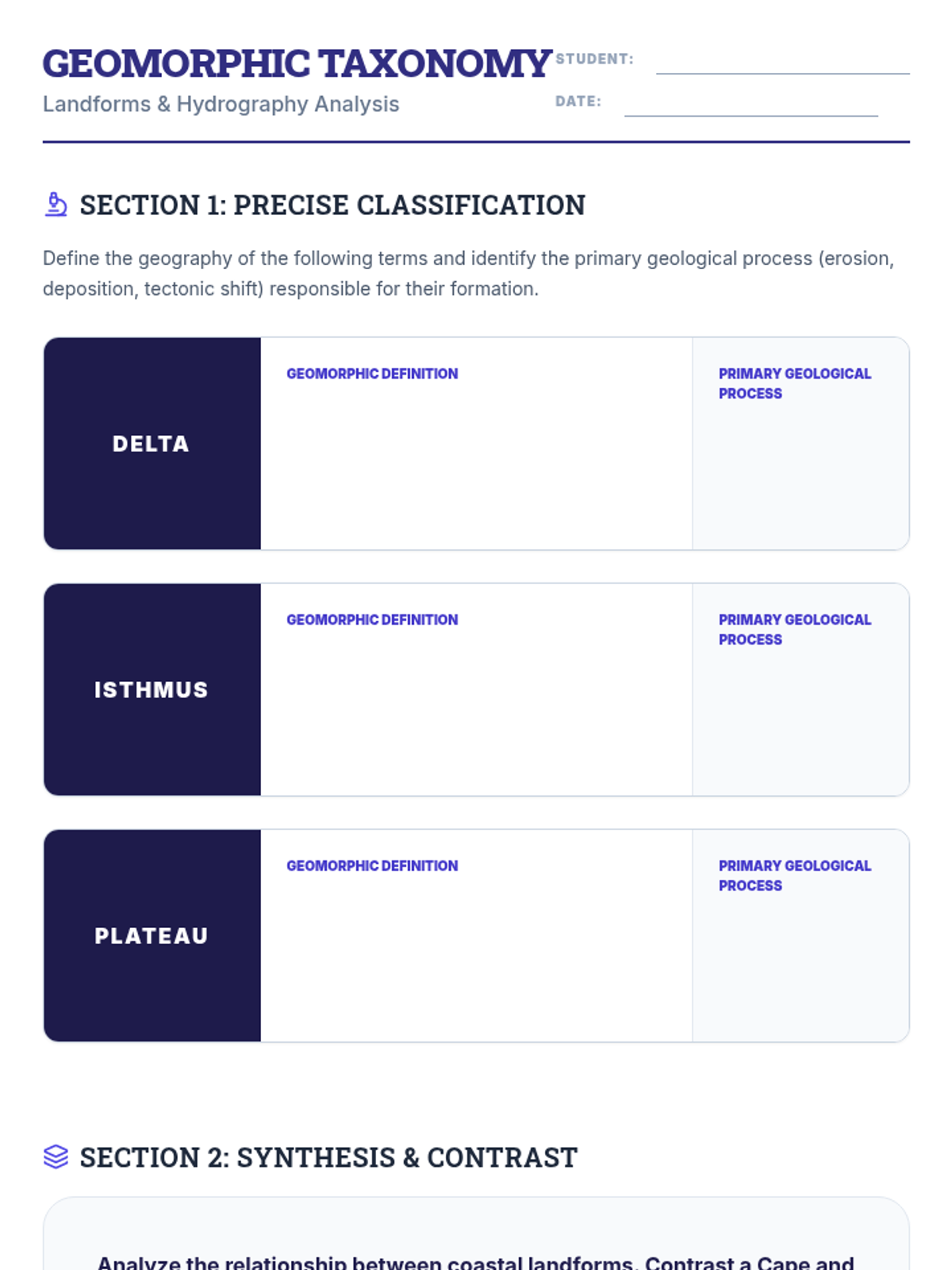
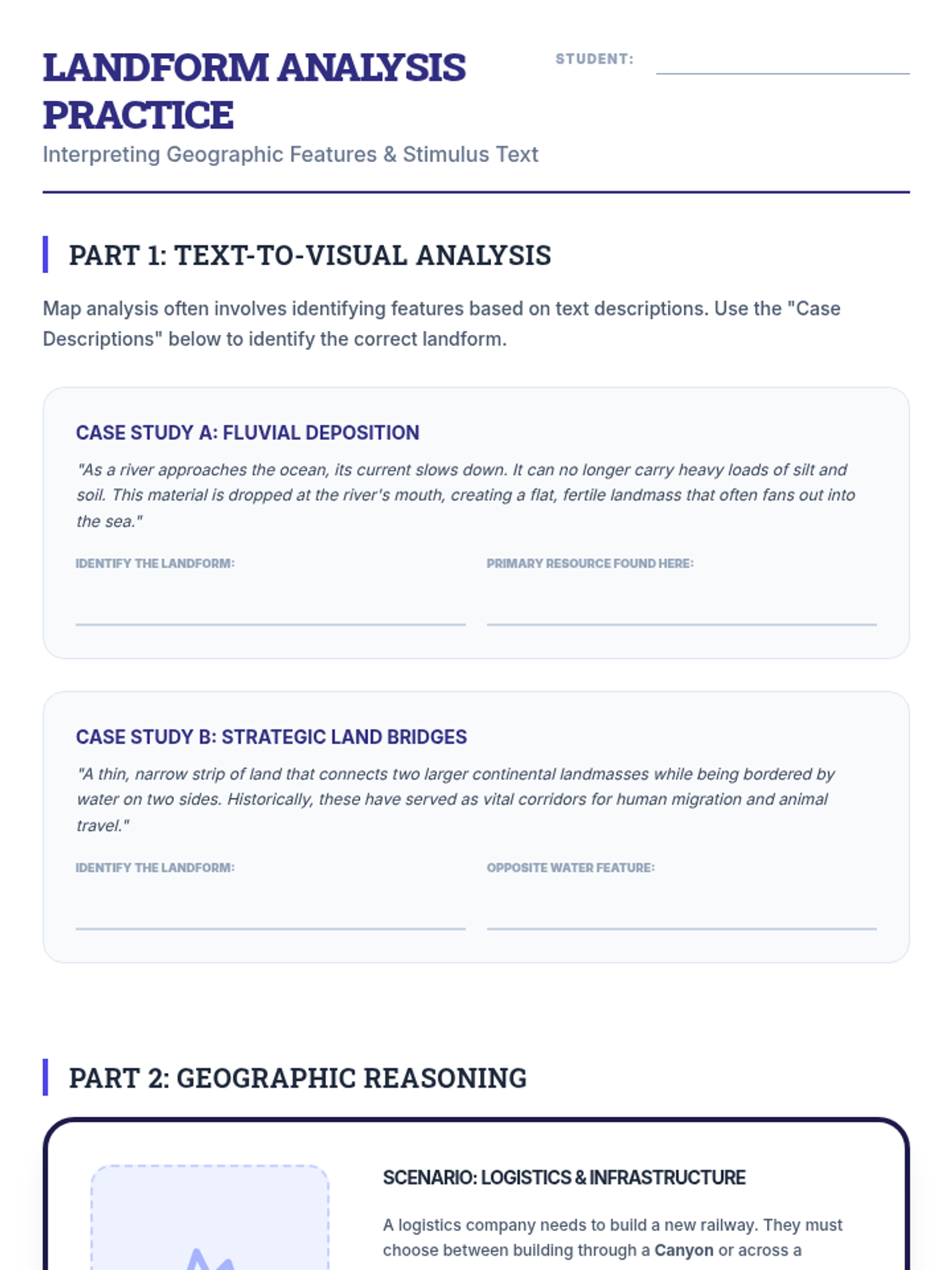
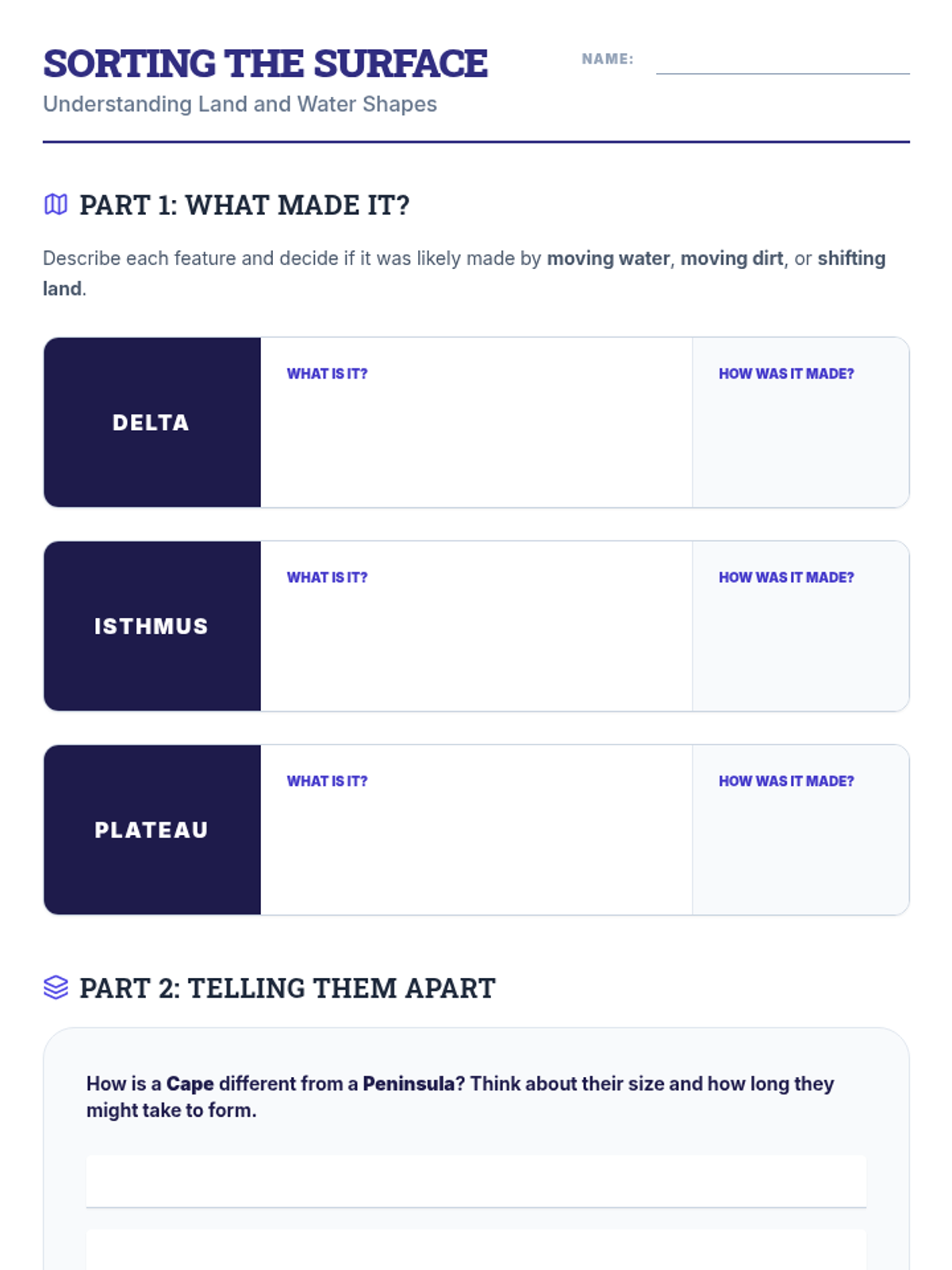
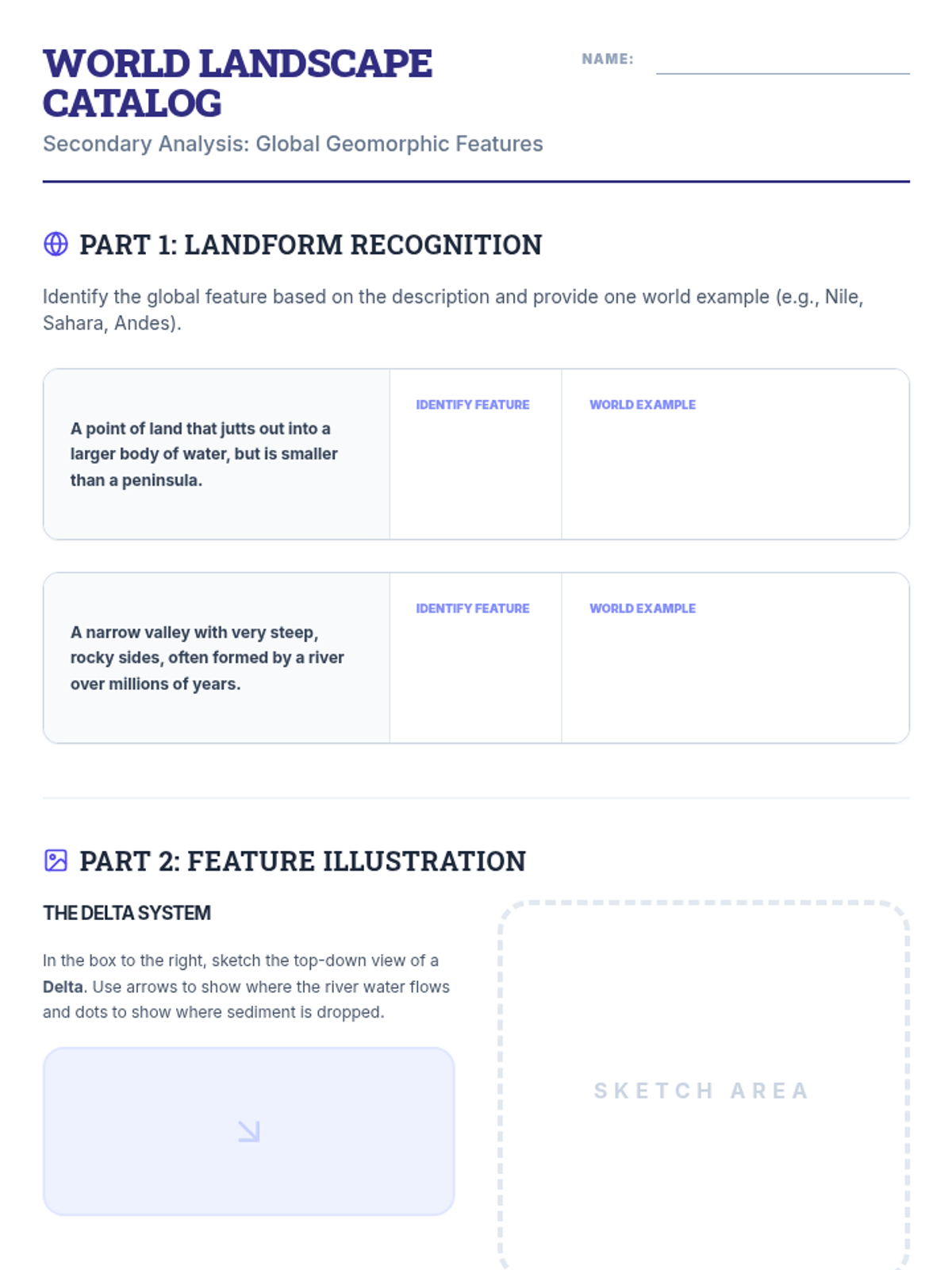
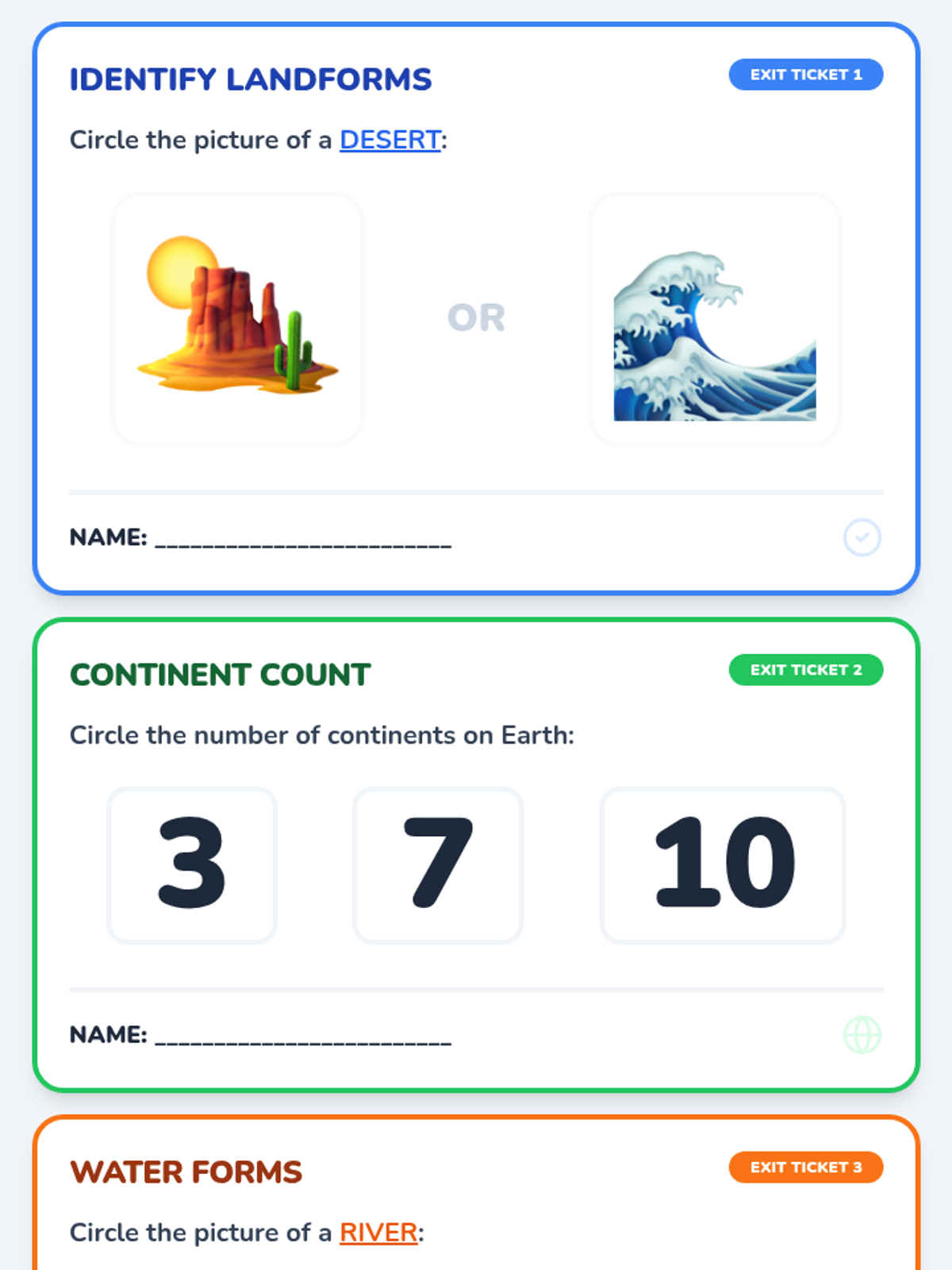
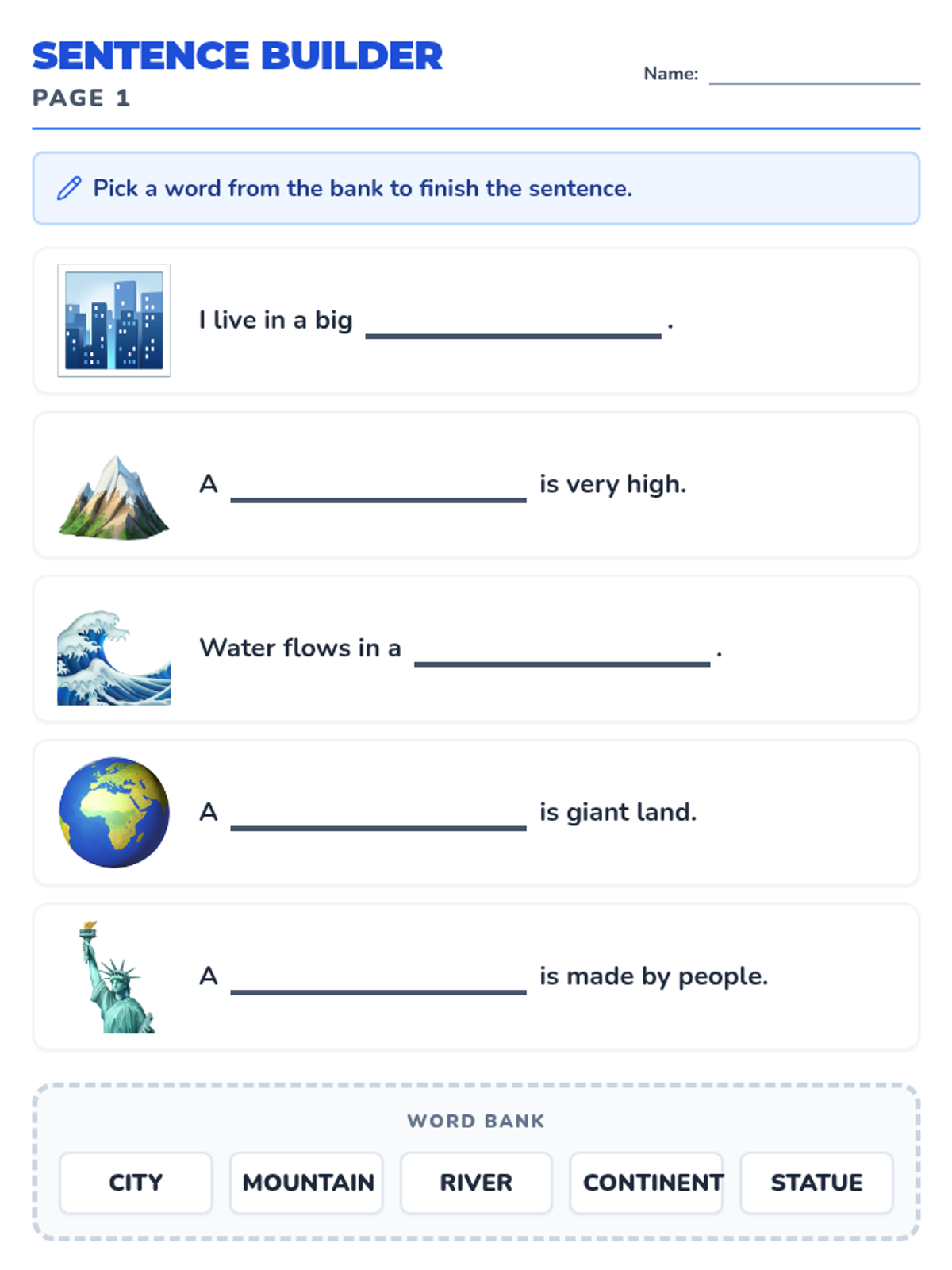
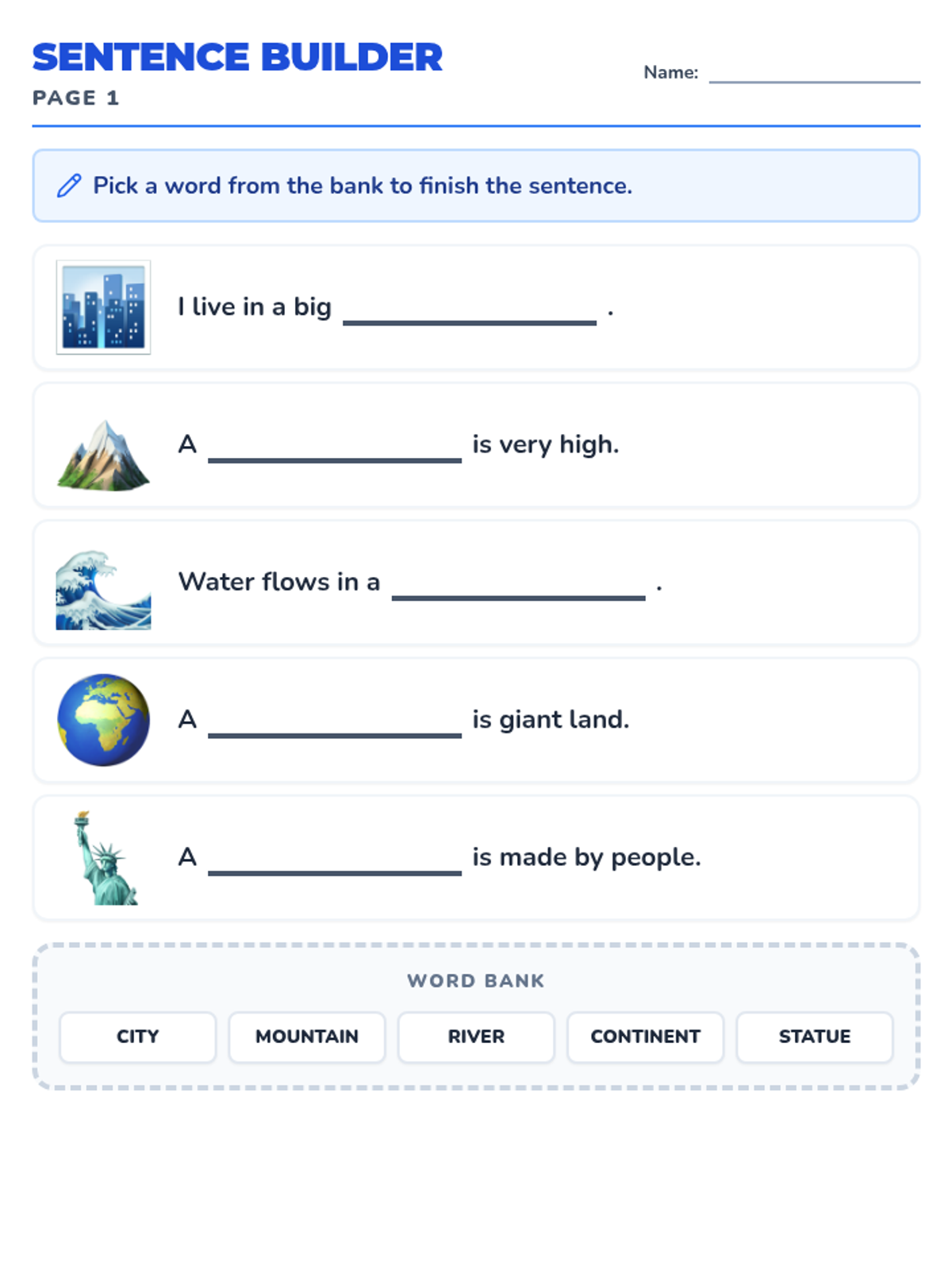
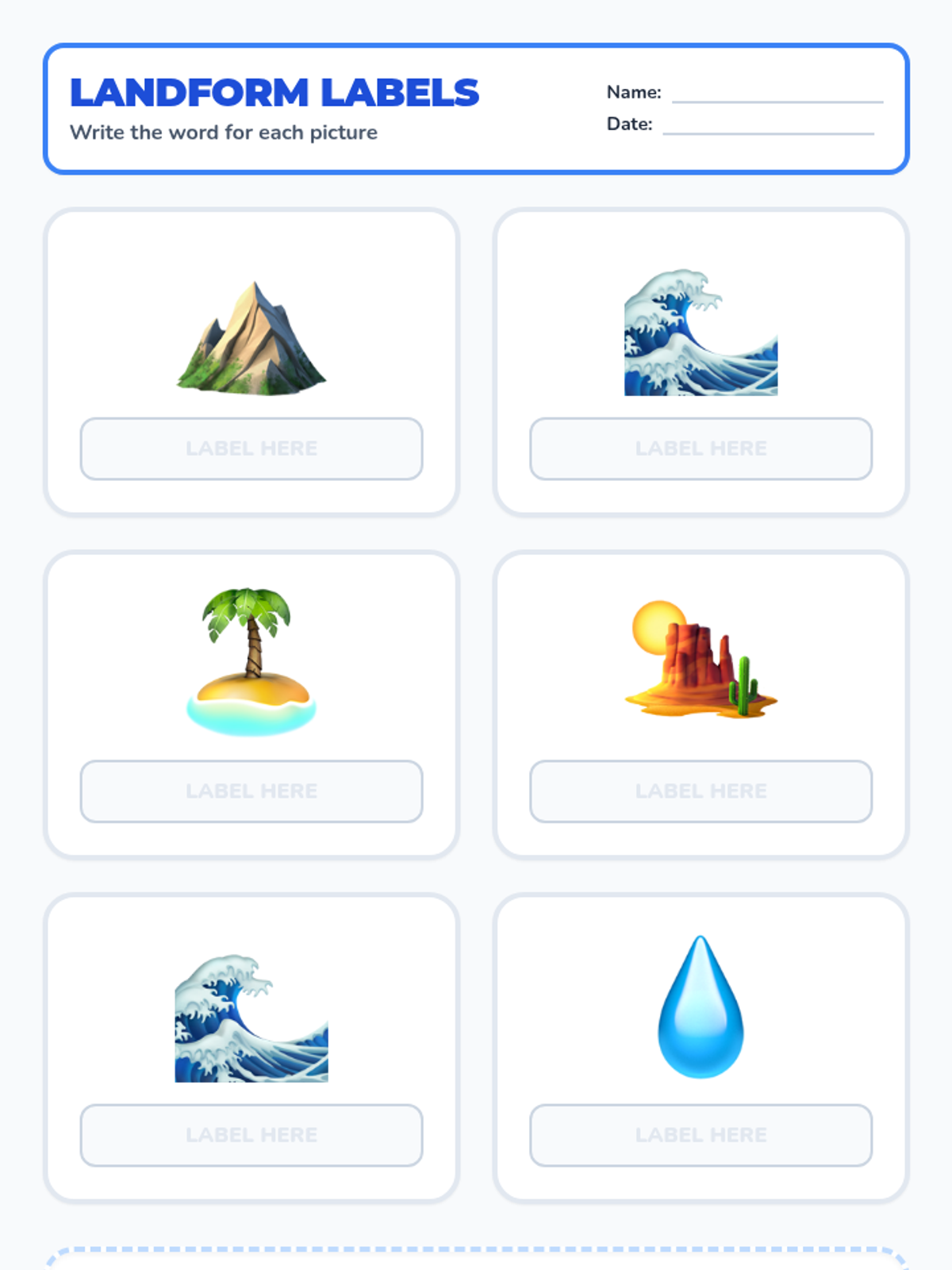
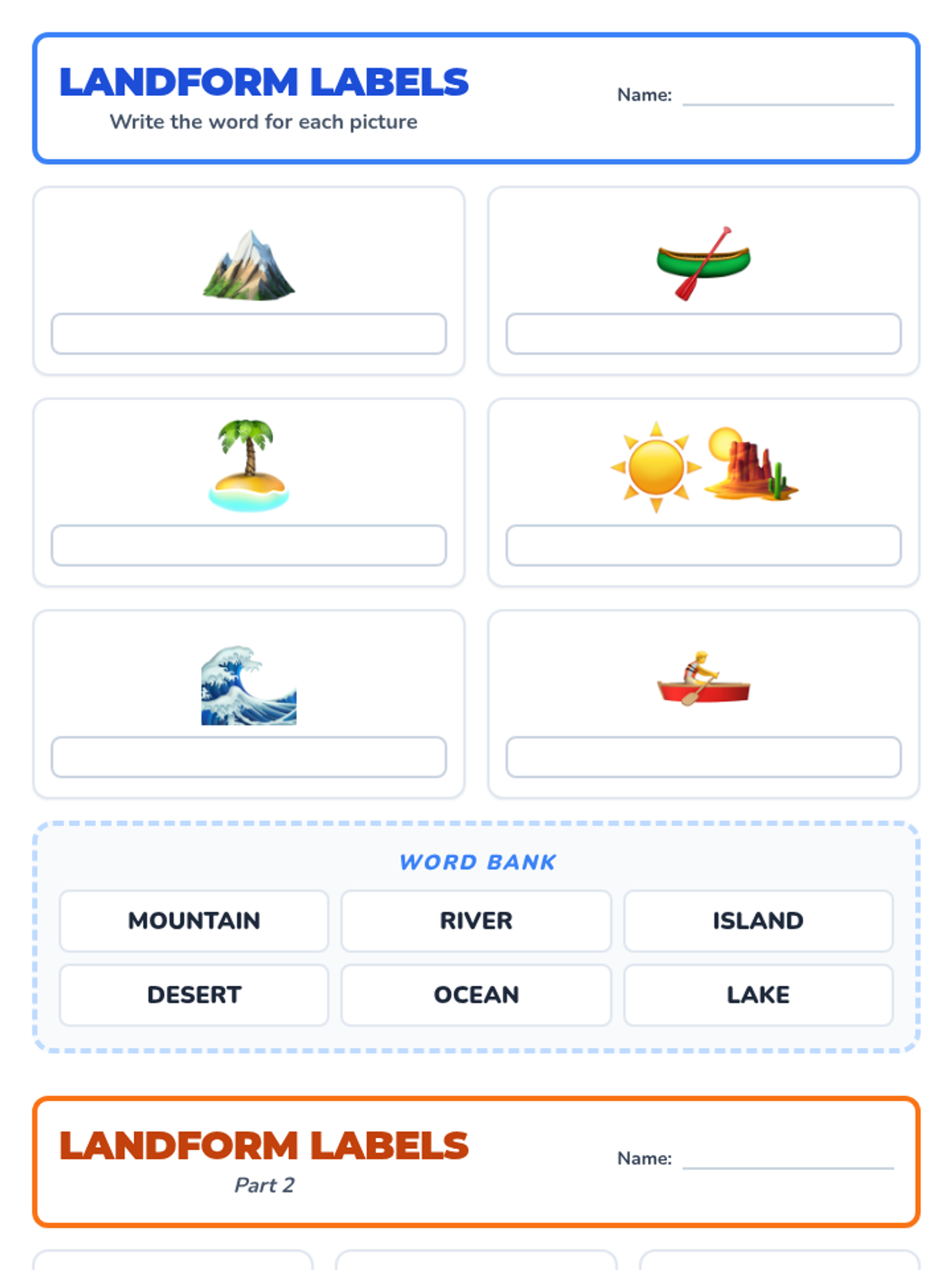
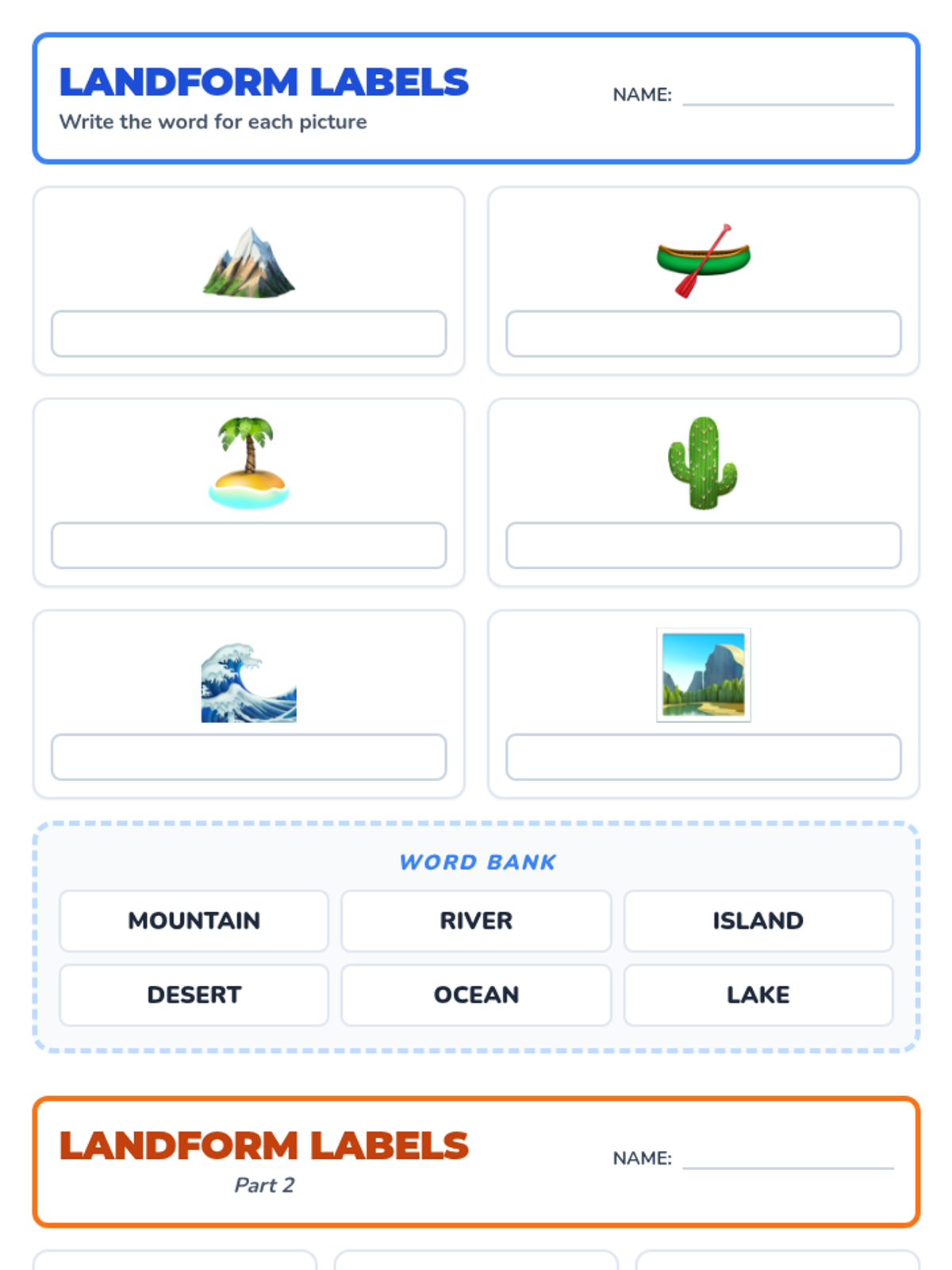
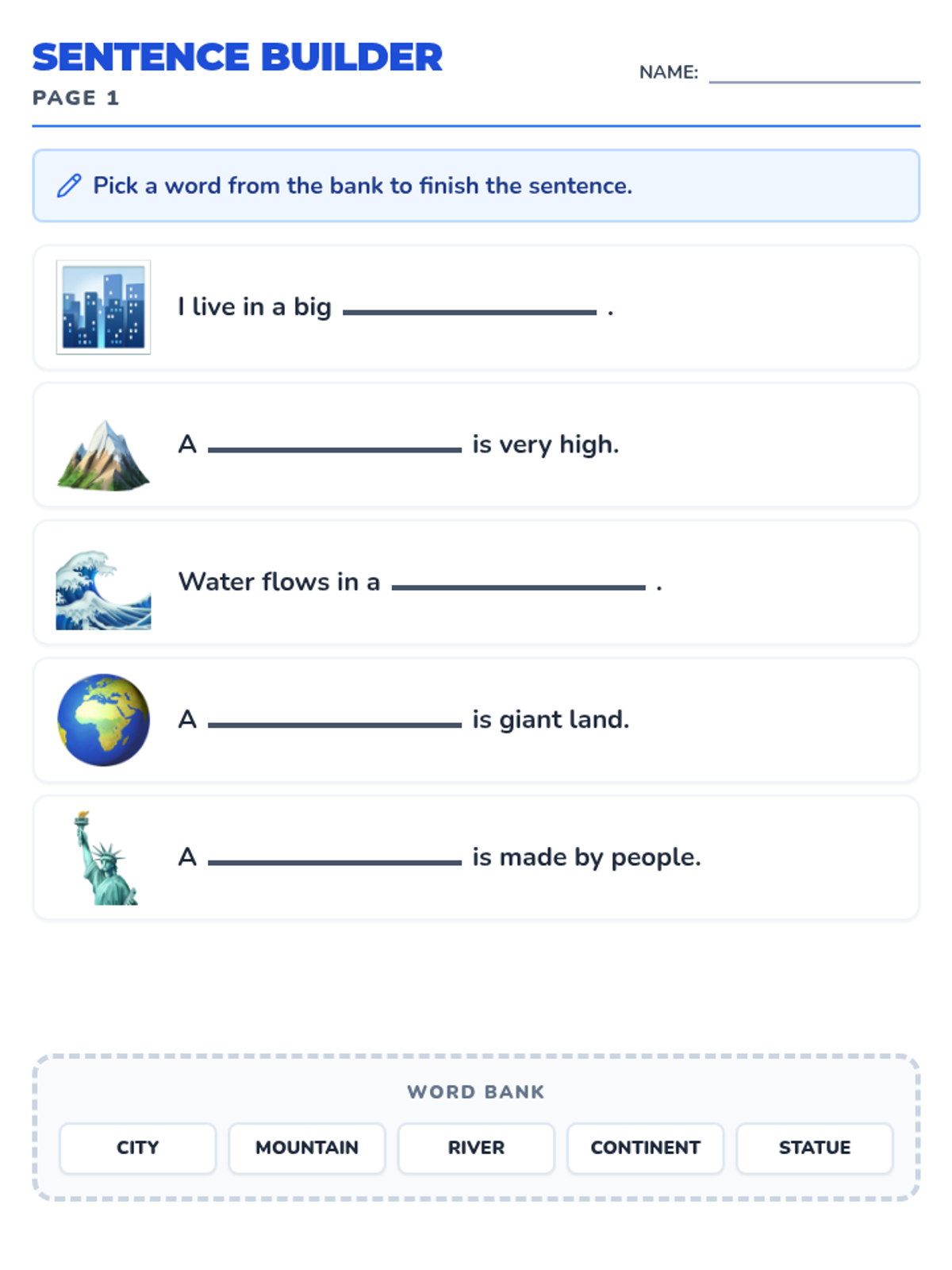
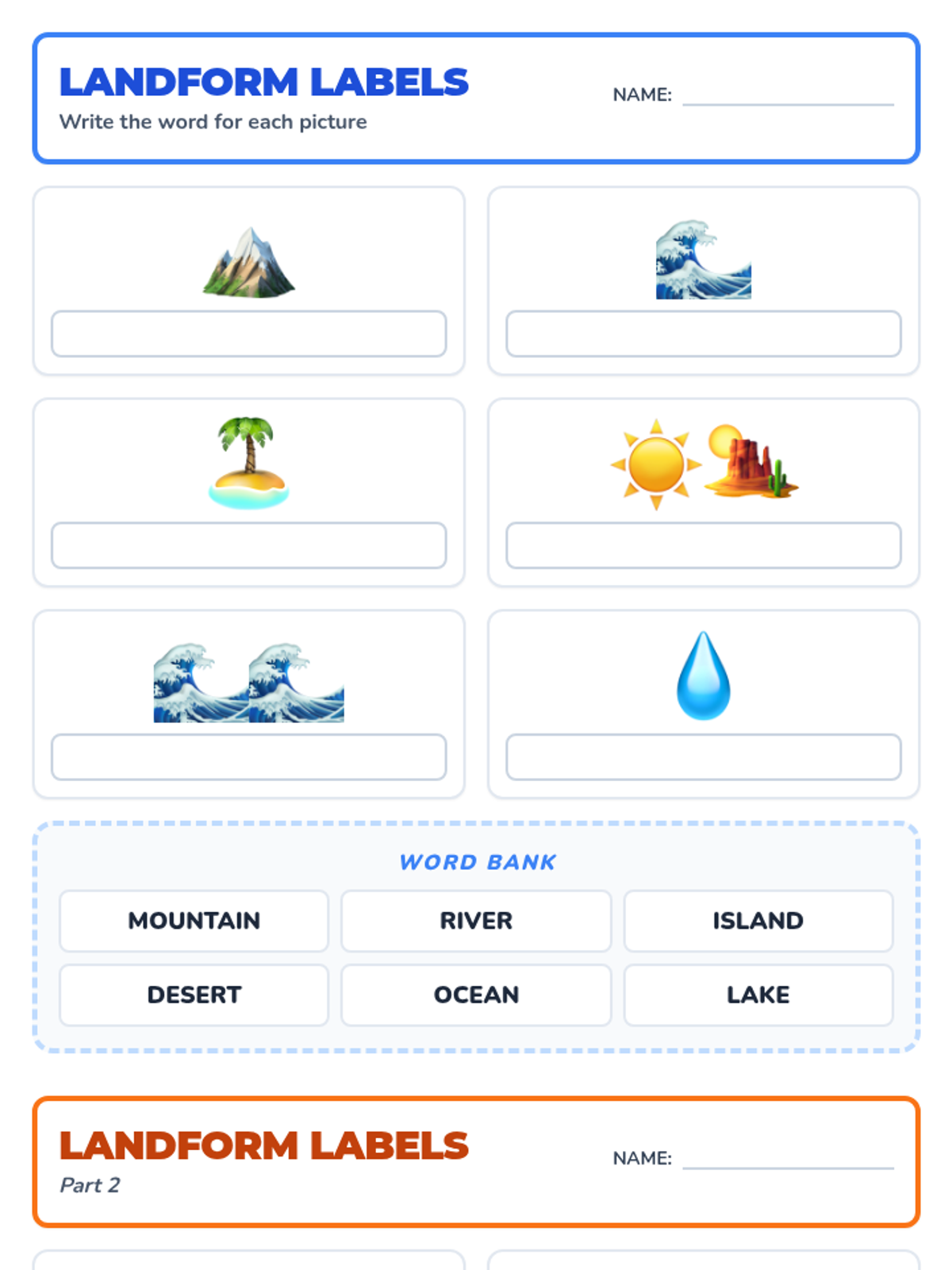
Identification of major landforms and bodies of water found across the seven continents.
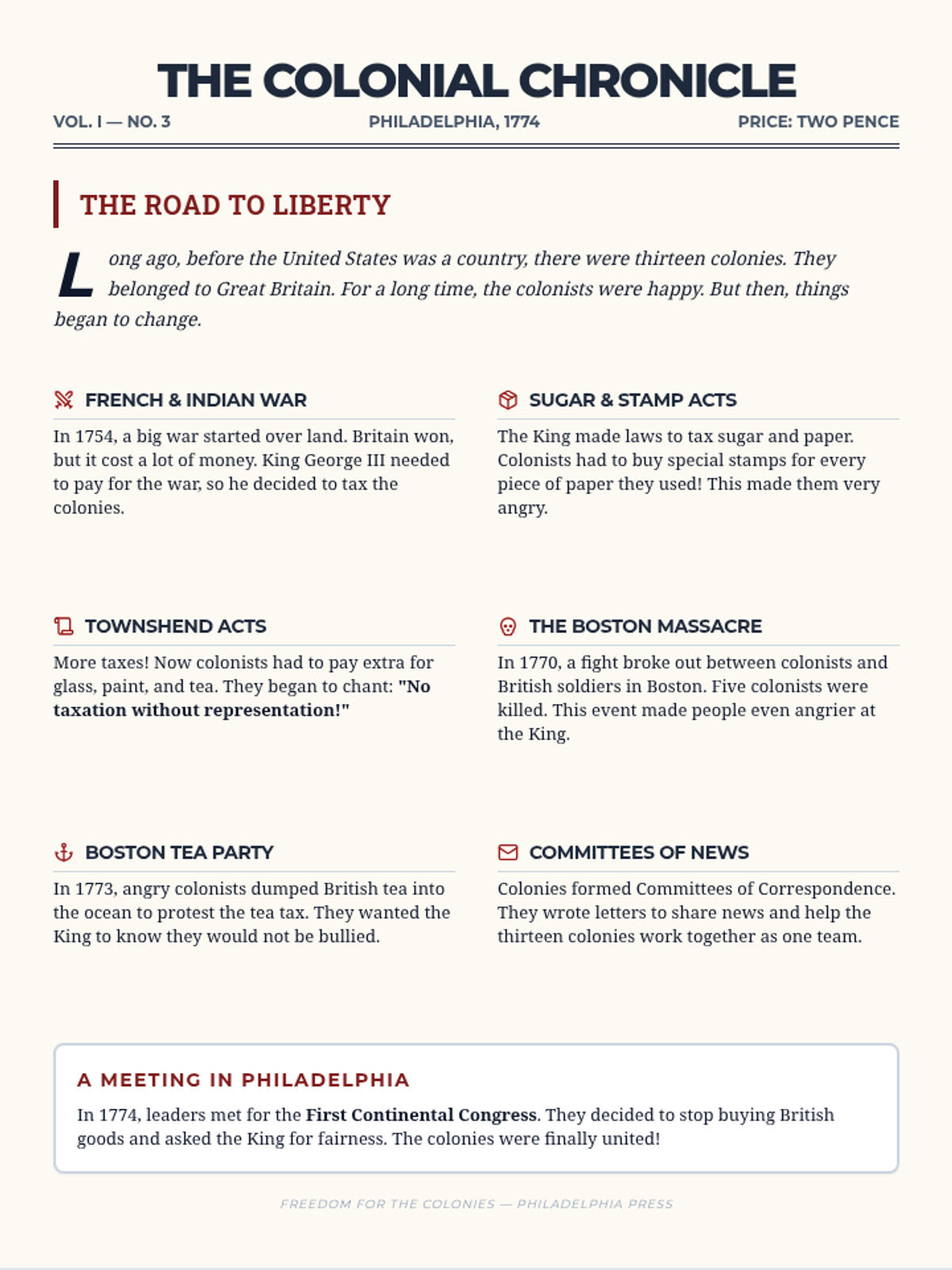
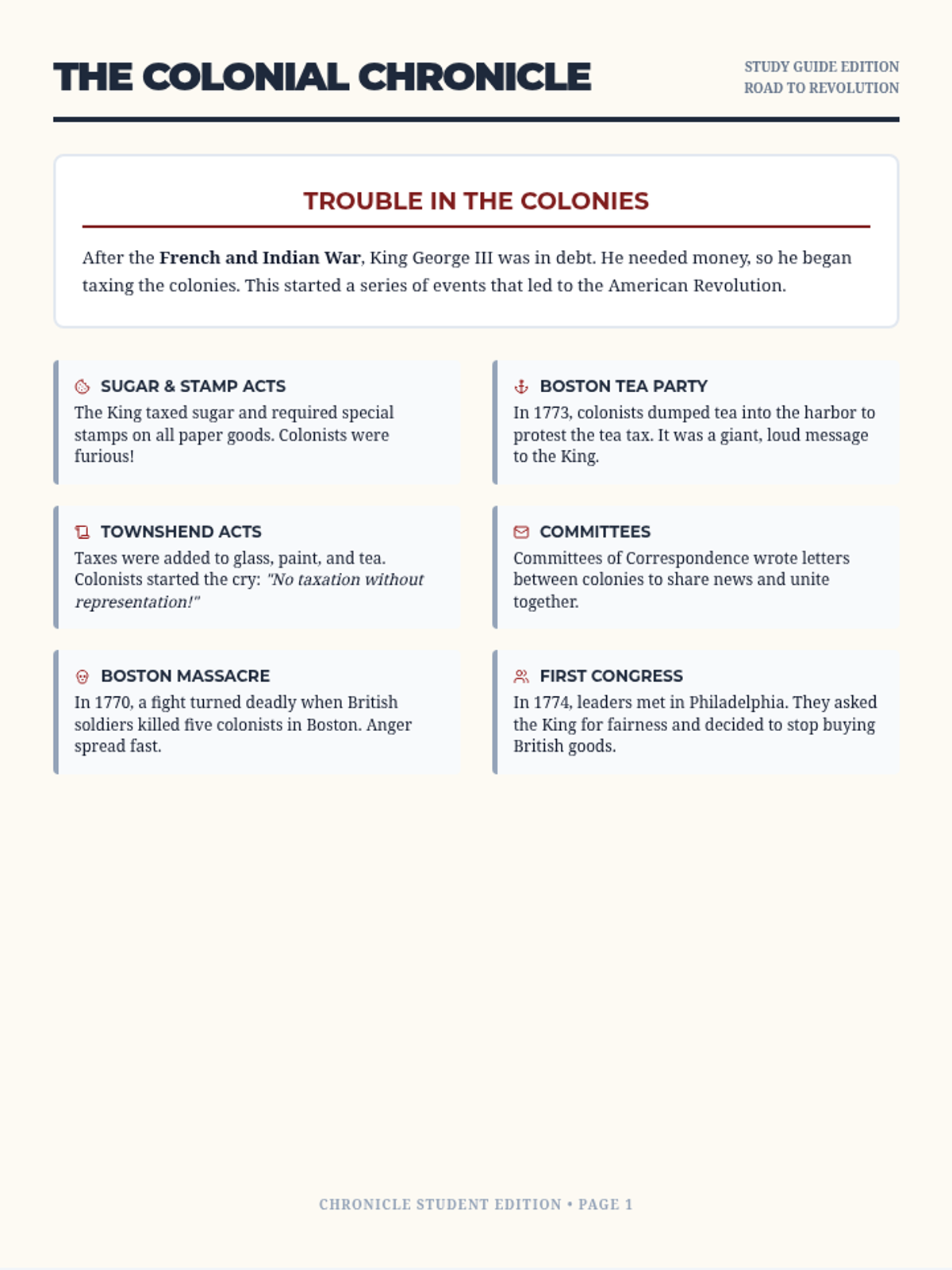
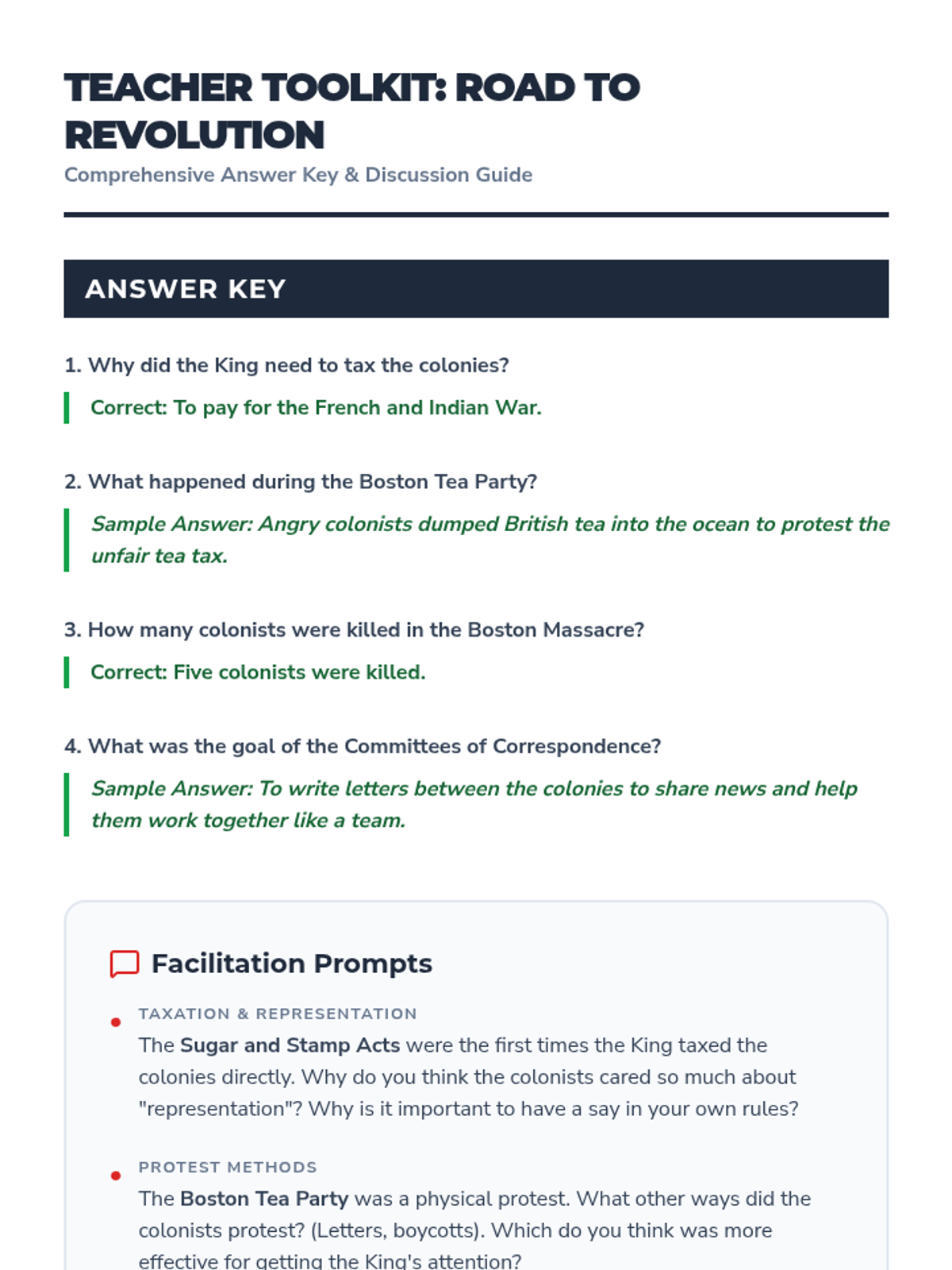
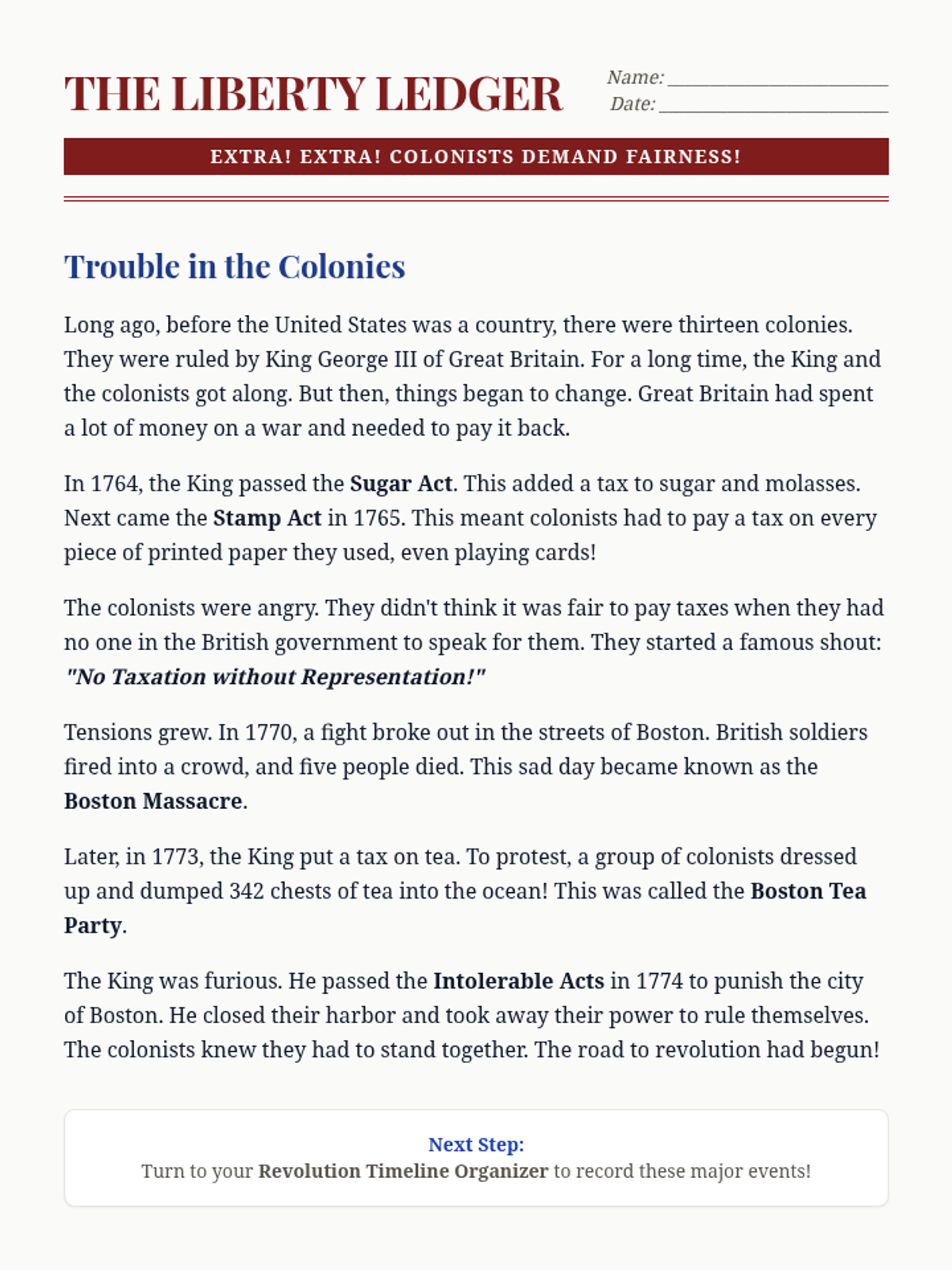
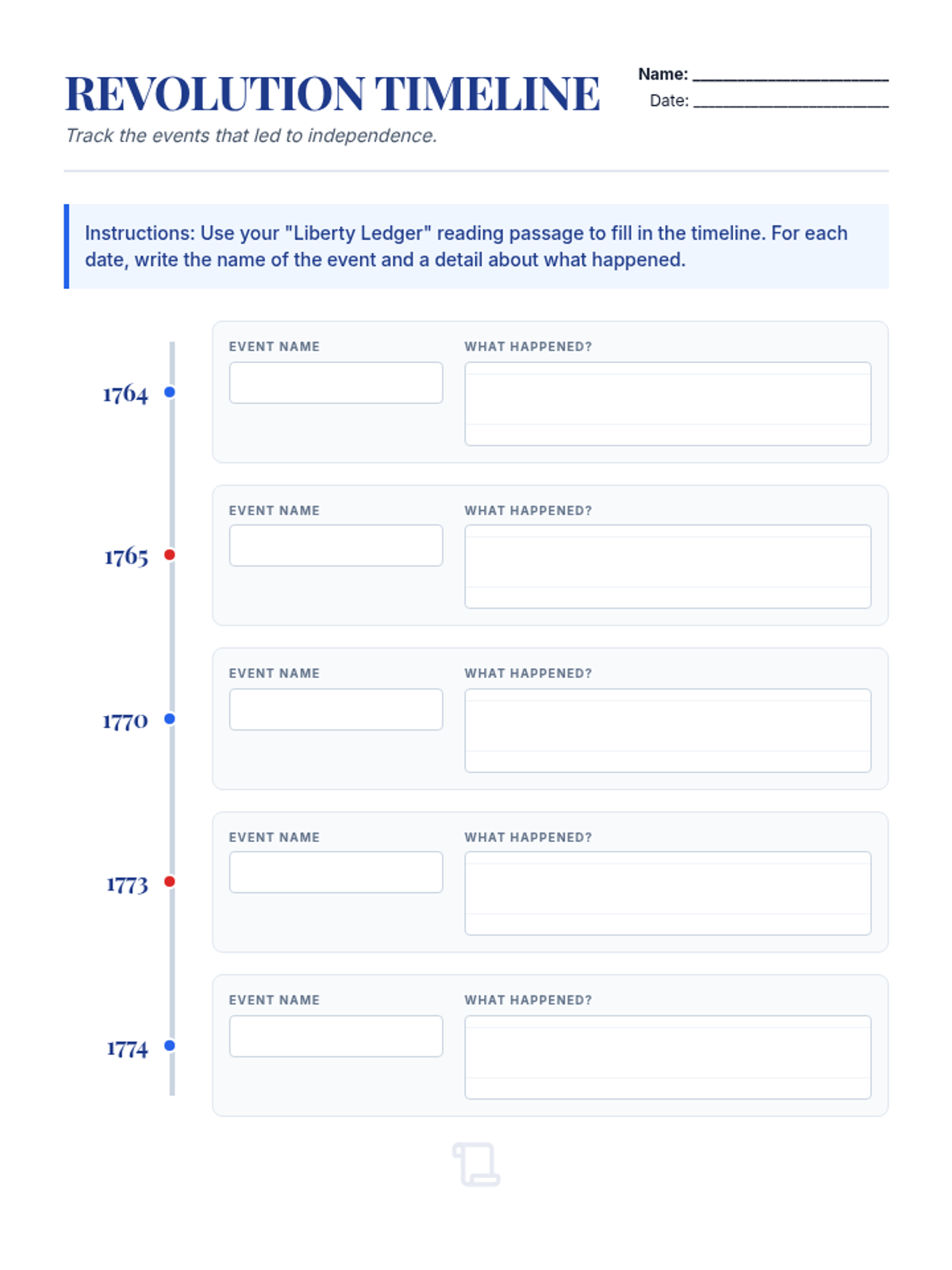
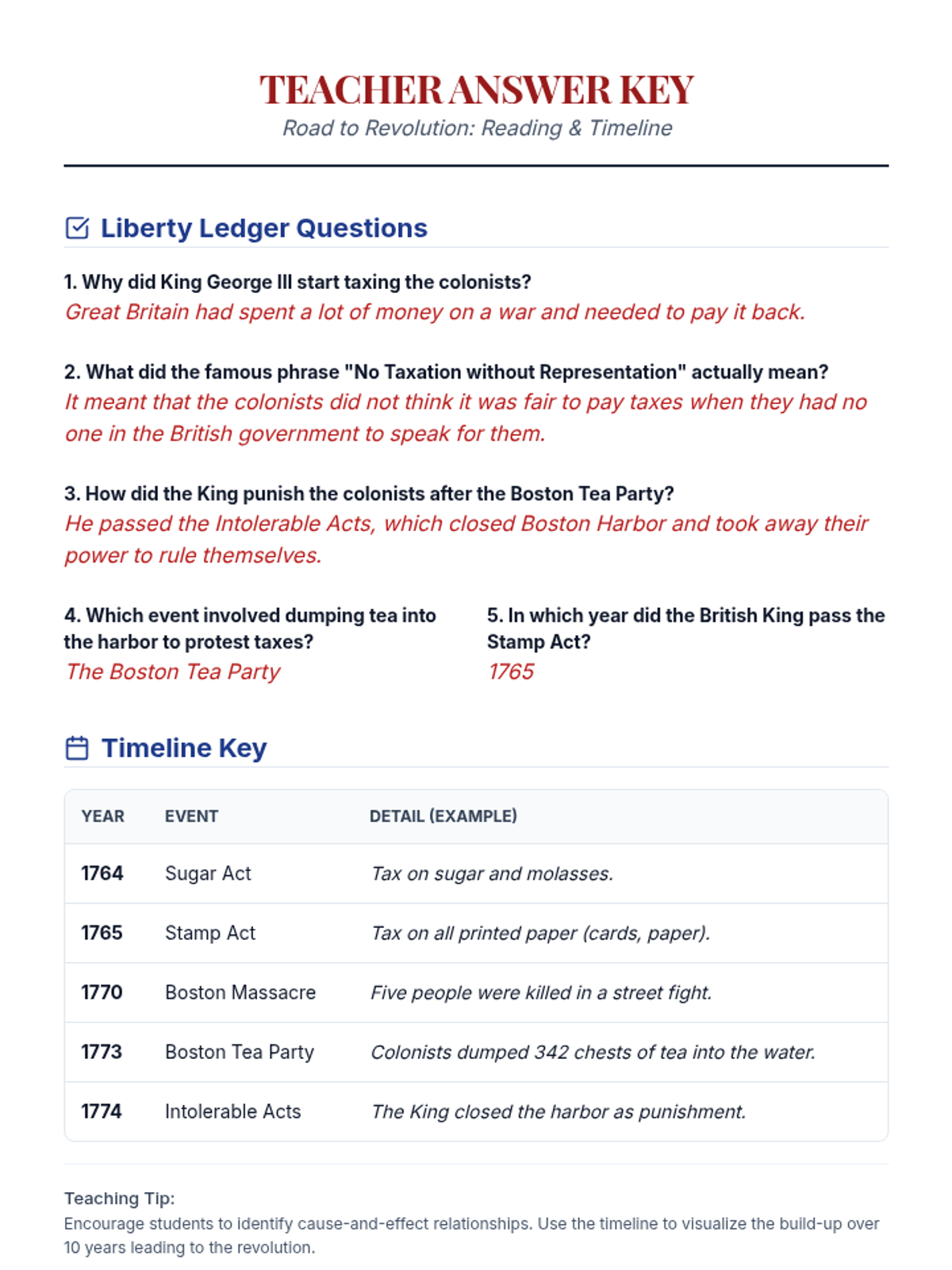
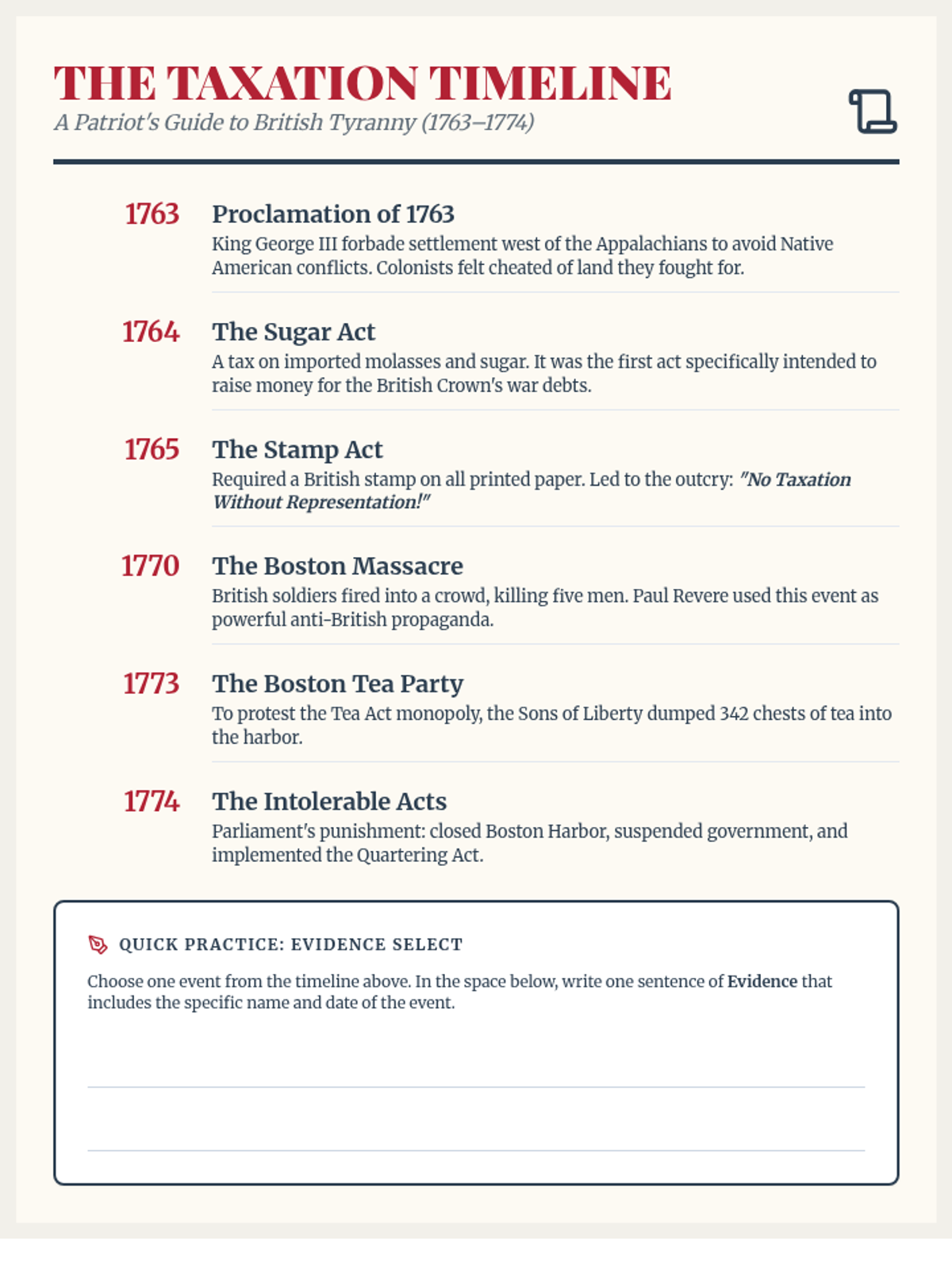
A lesson exploring the key events leading up to the American Revolution, including the French and Indian War, Sugar Act, Stamp Act, Townshend Acts, Boston Massacre, Boston Tea Party, Committees of Correspondence, and the First Continental Congress.
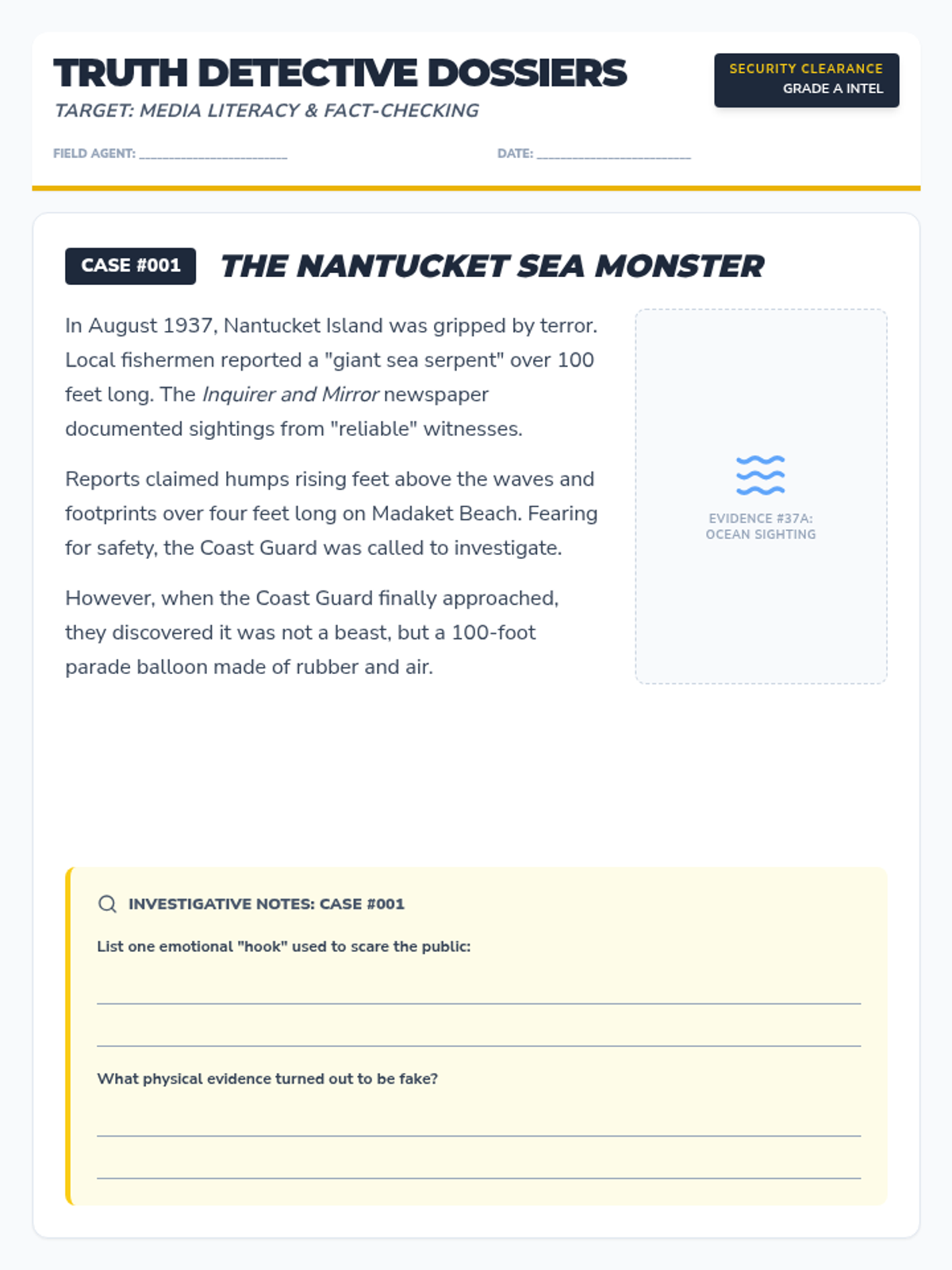
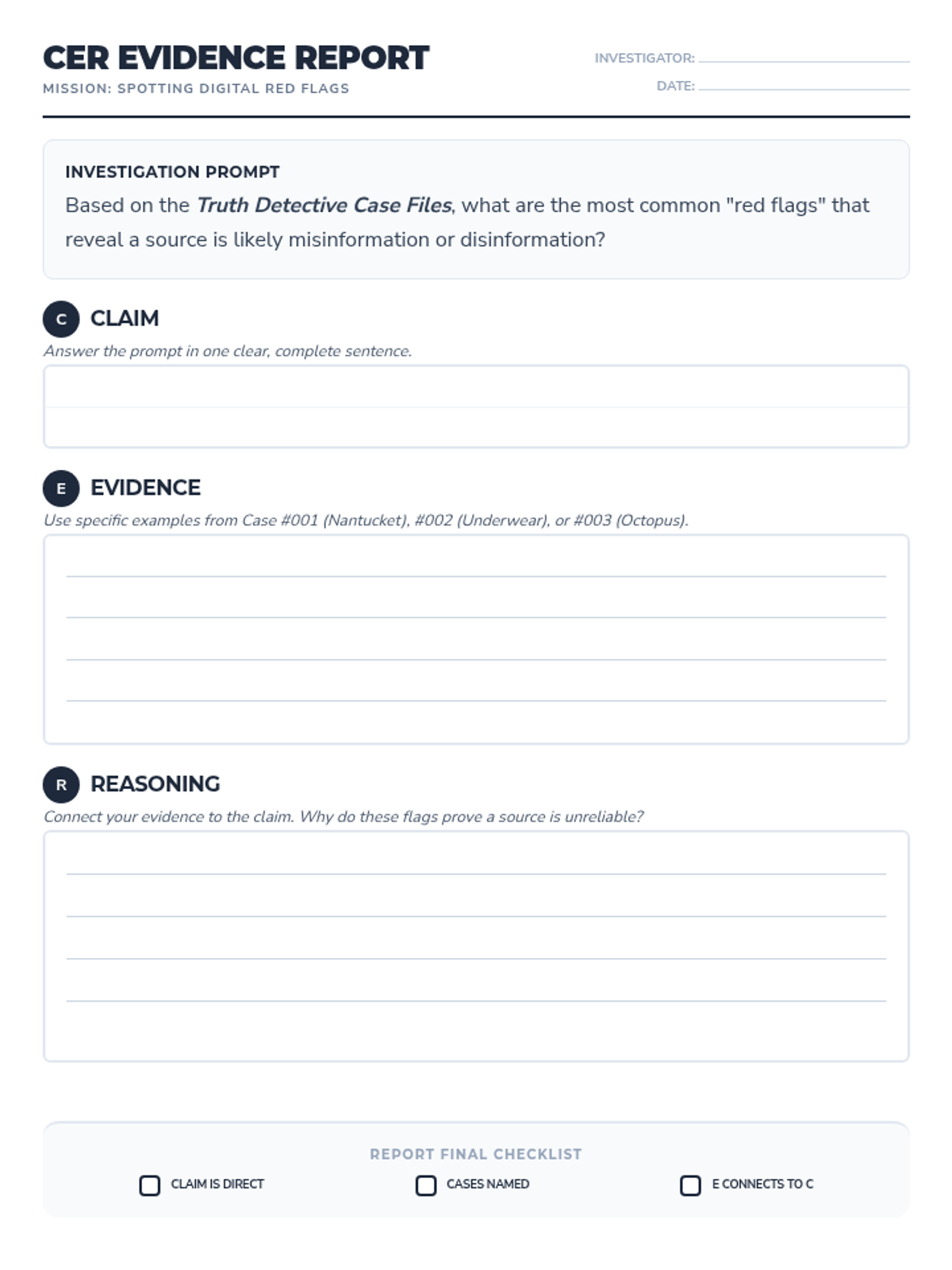
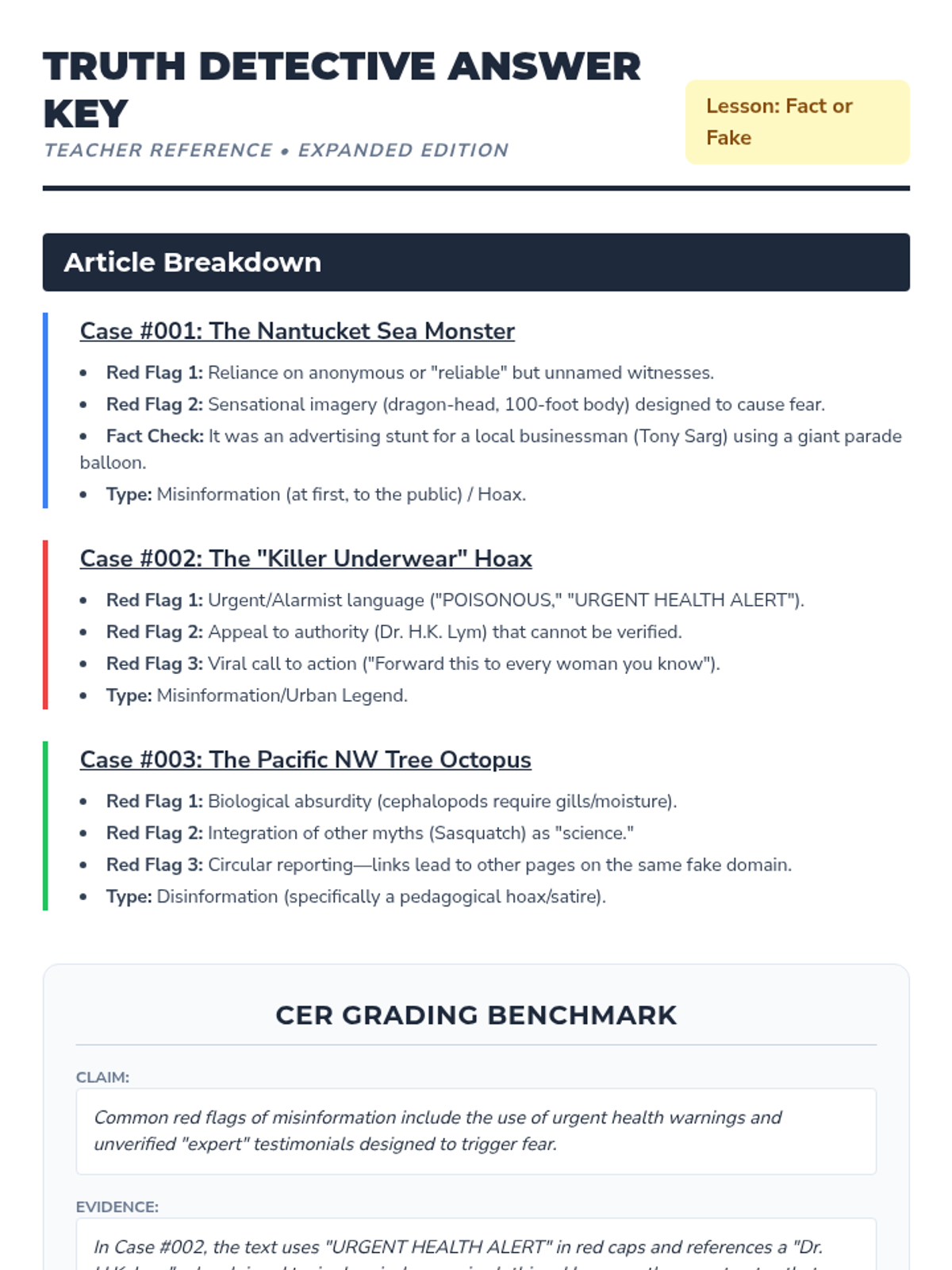
A lesson focused on identifying misinformation and disinformation through short case studies, culminating in a CER (Claim, Evidence, Reasoning) paragraph about spotting digital red flags.
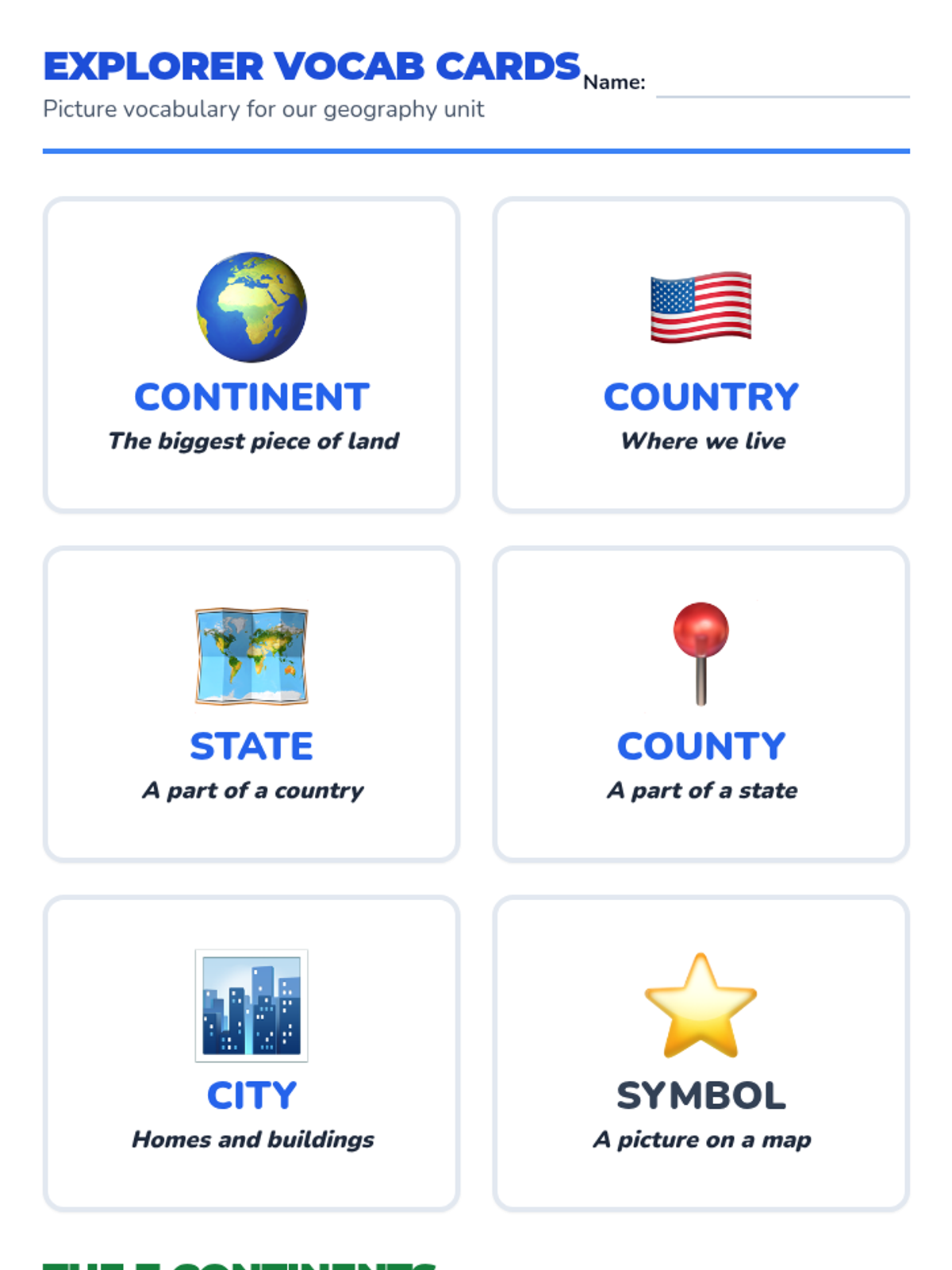
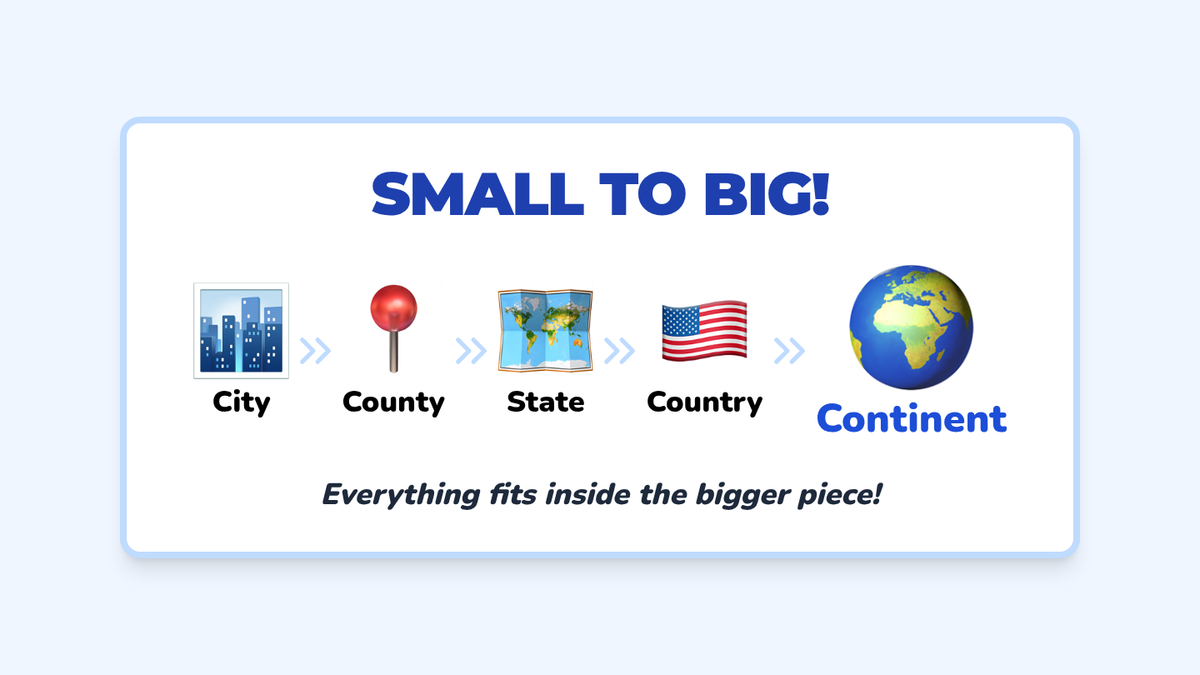
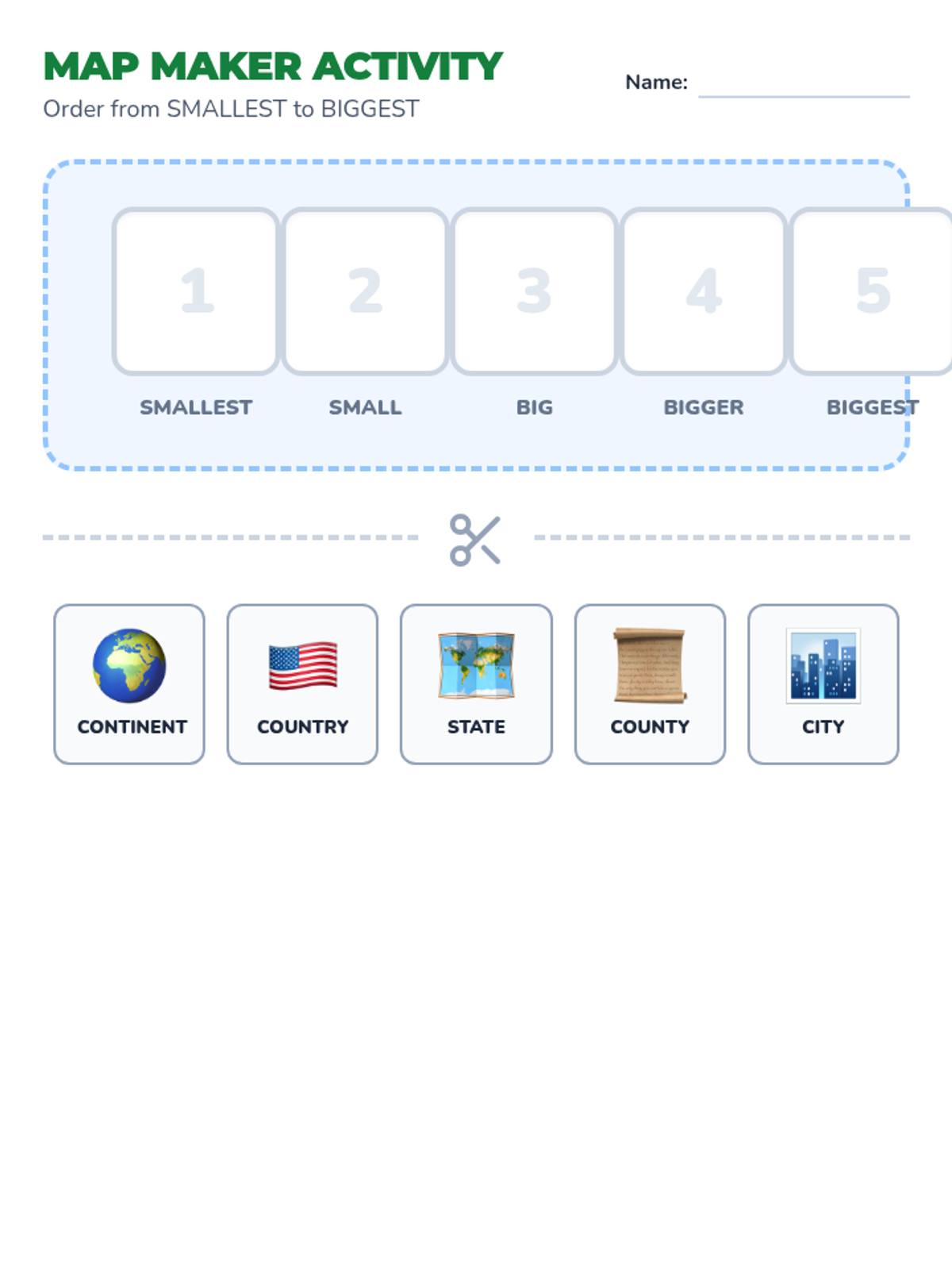
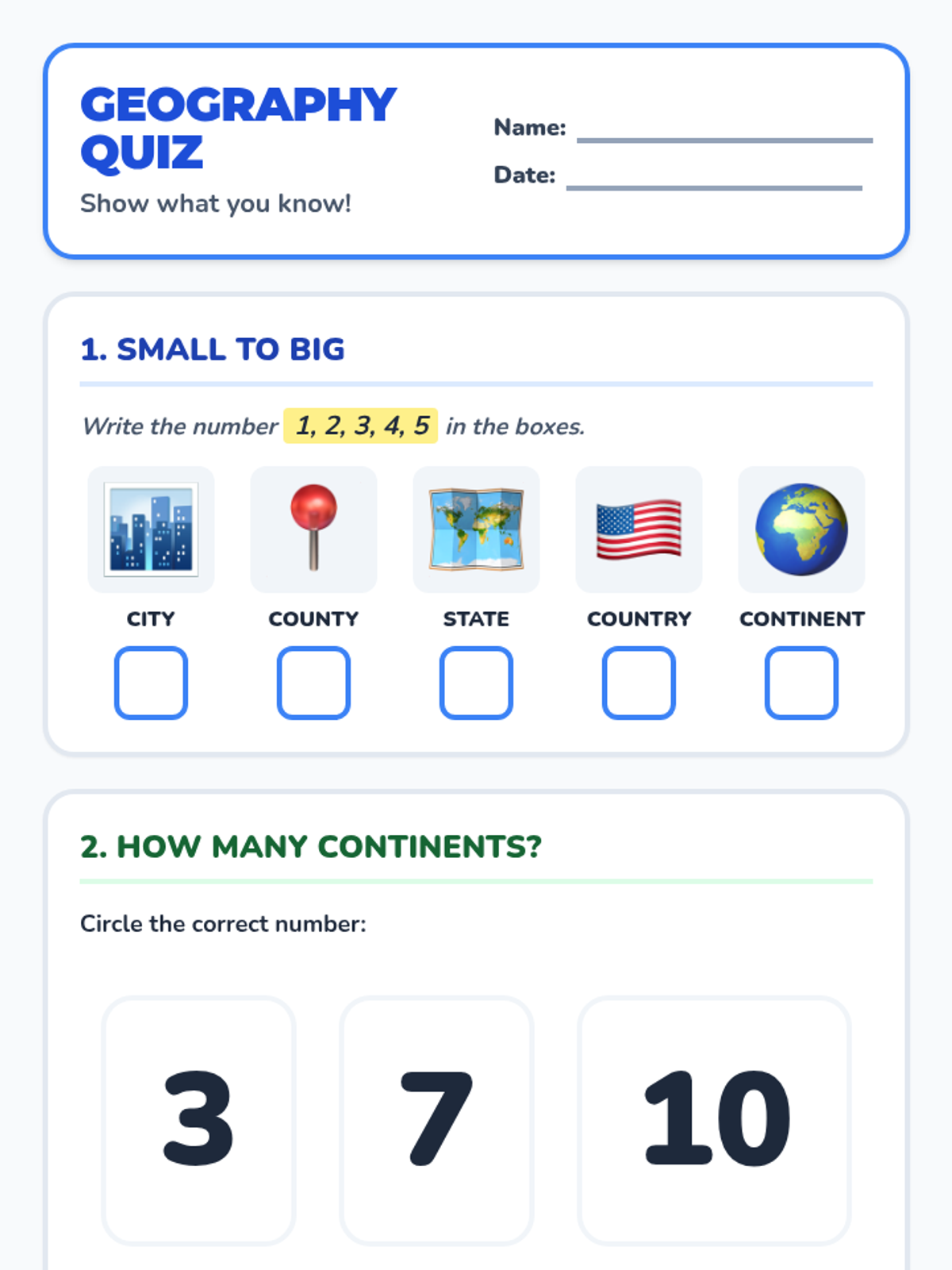
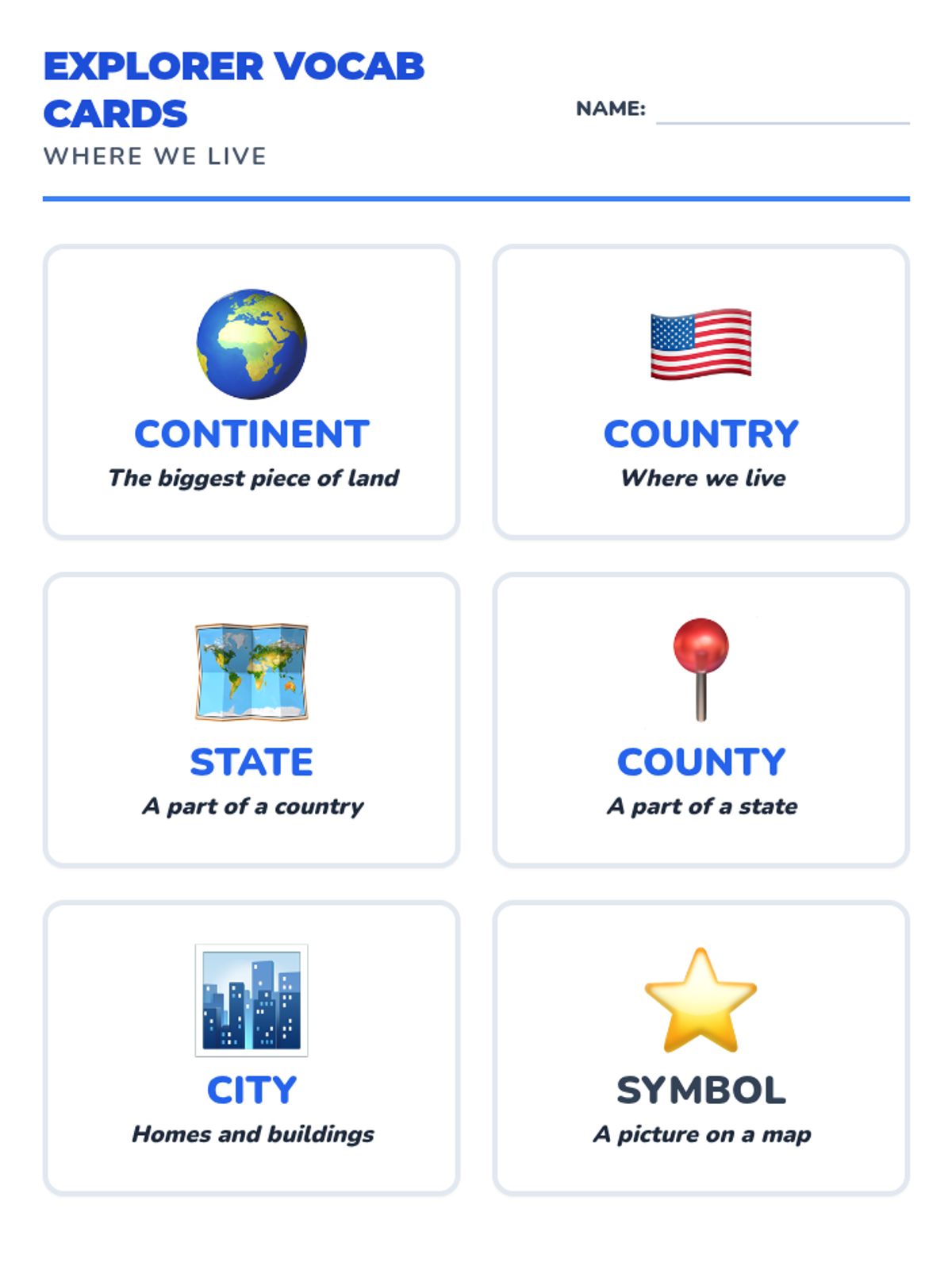
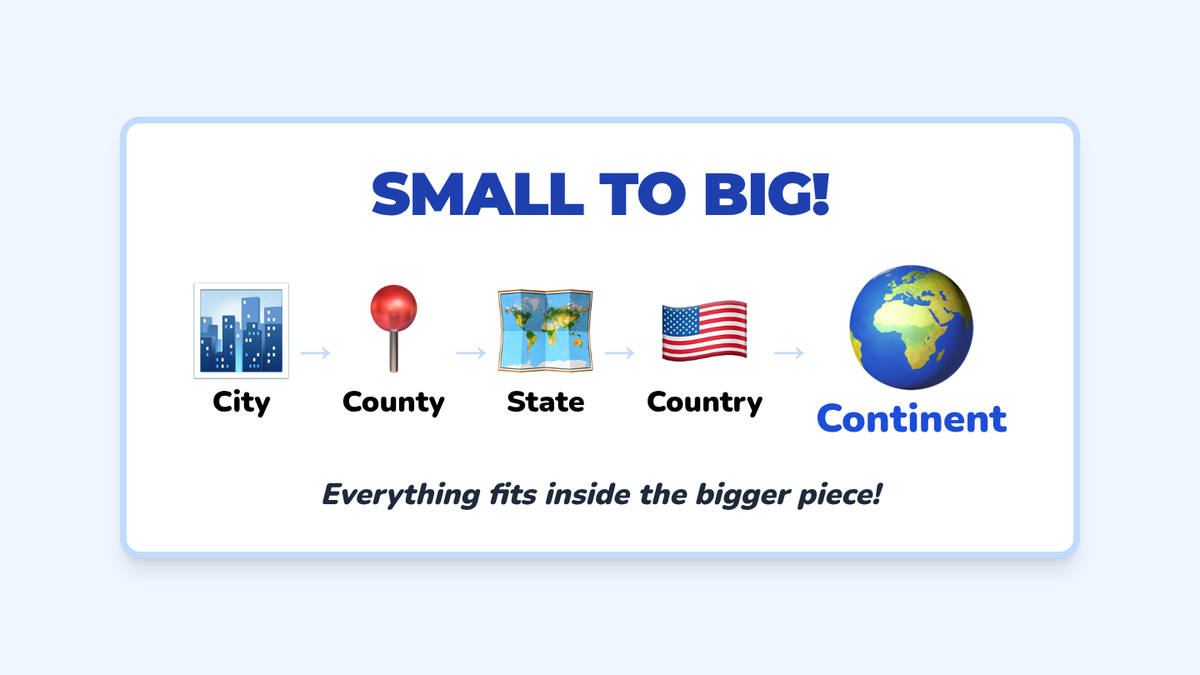
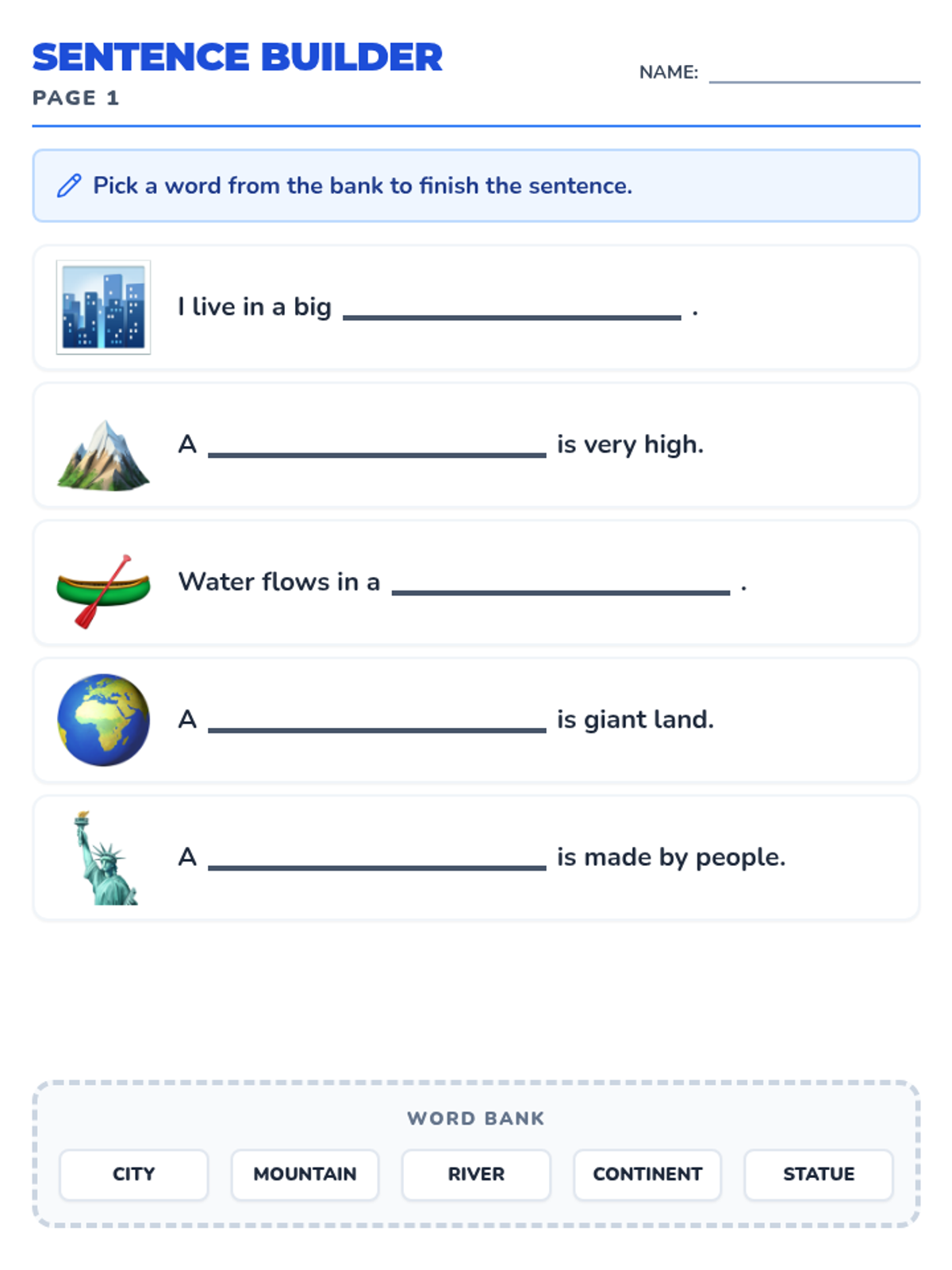
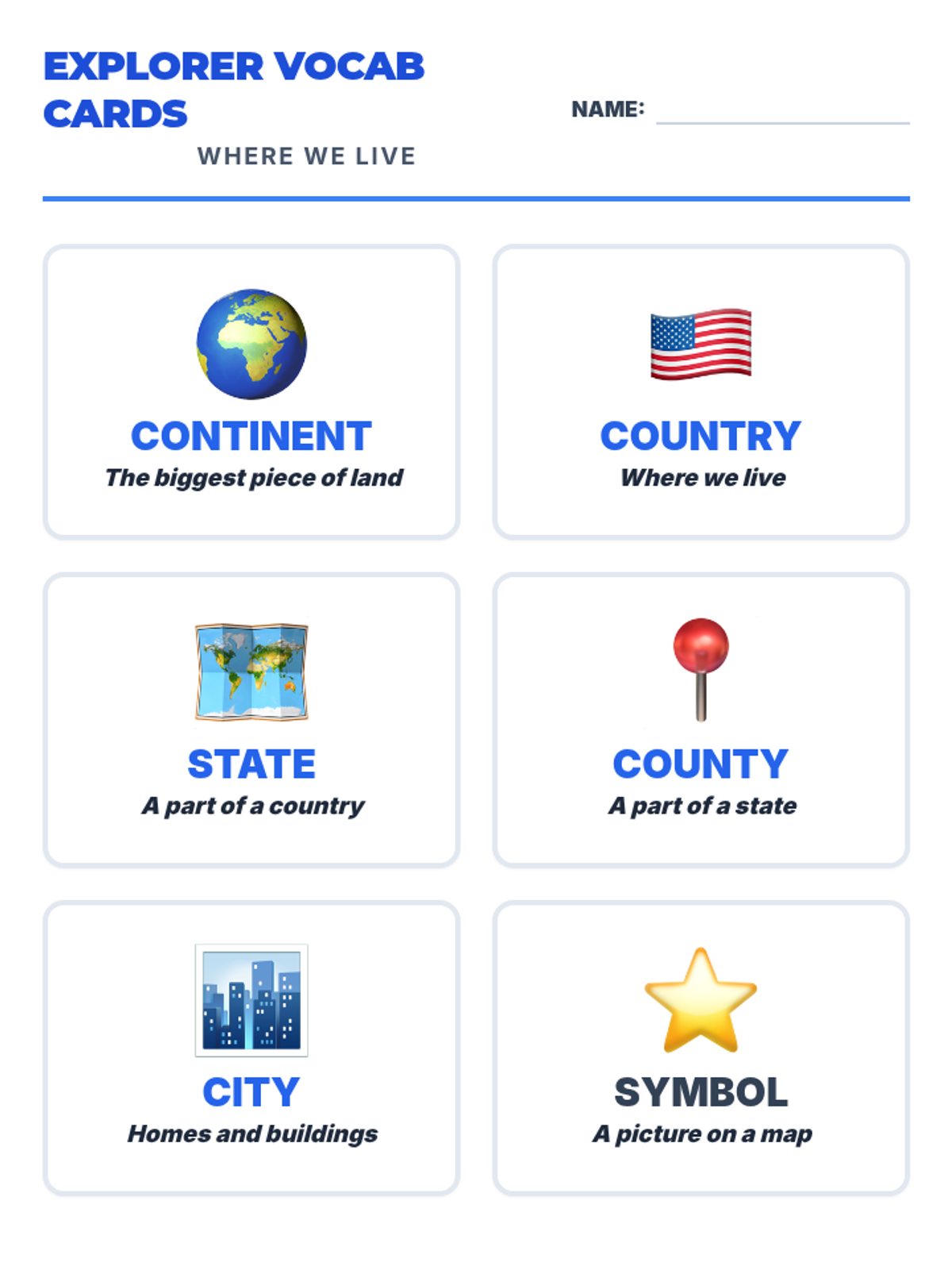
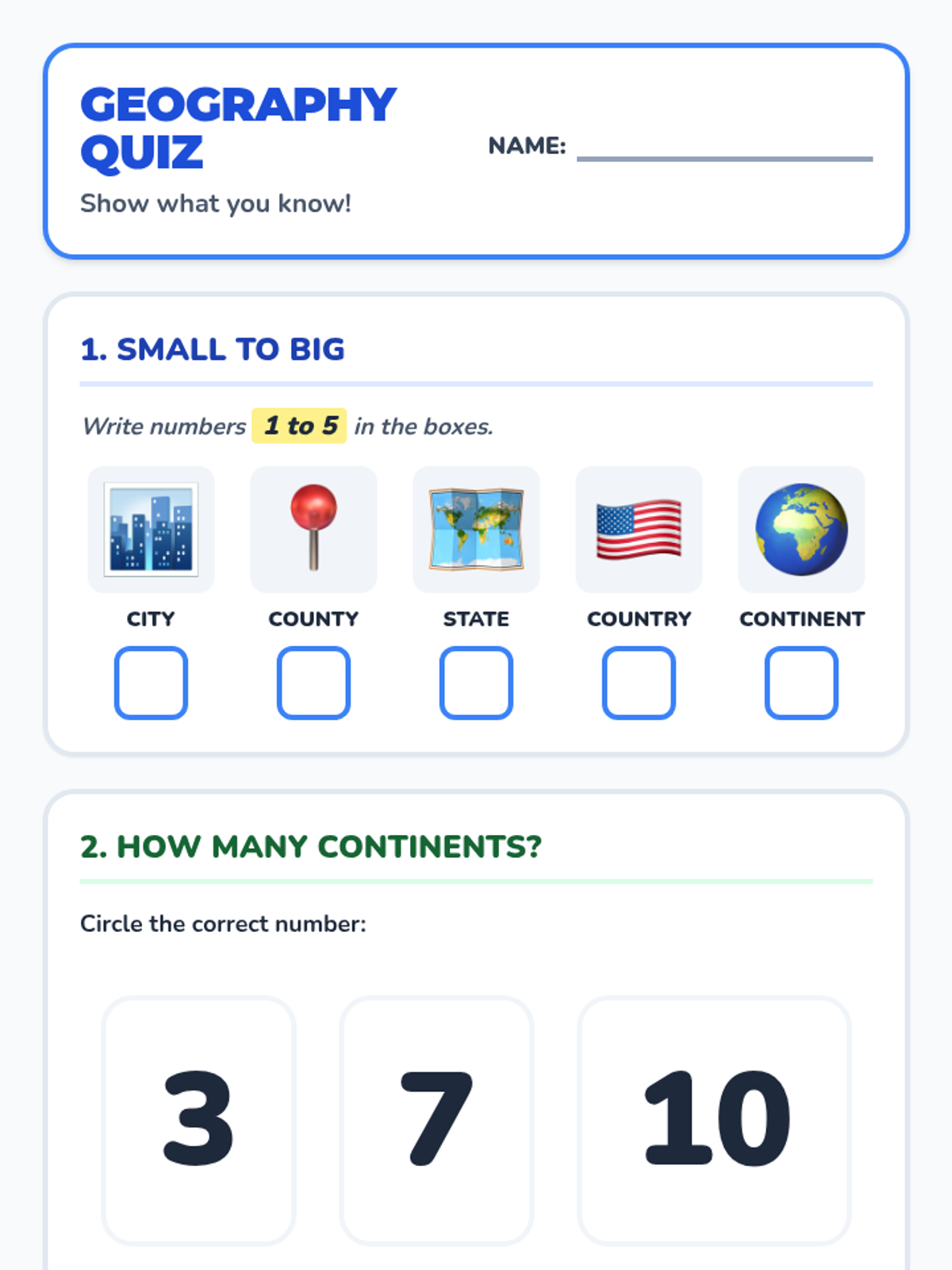
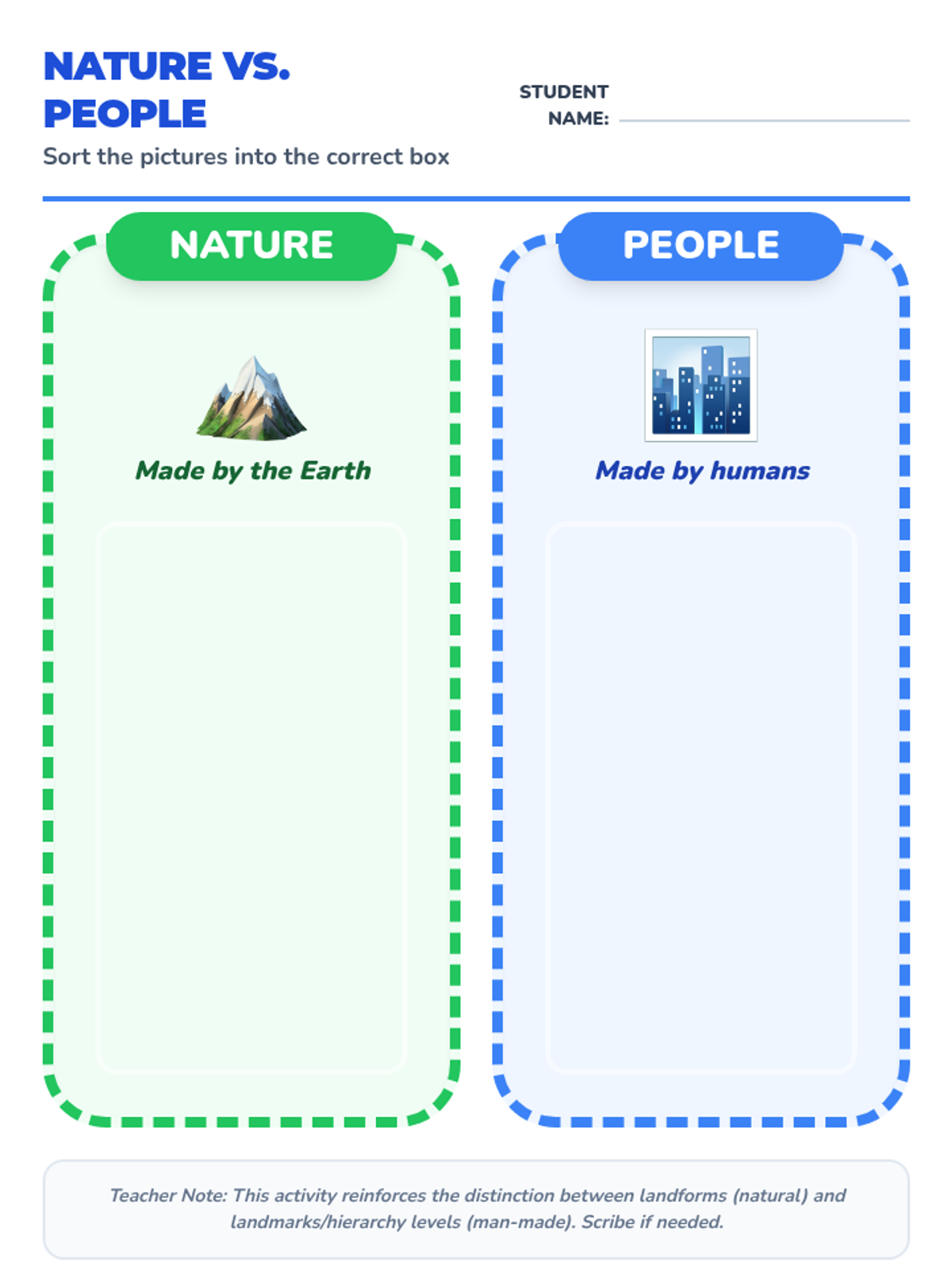
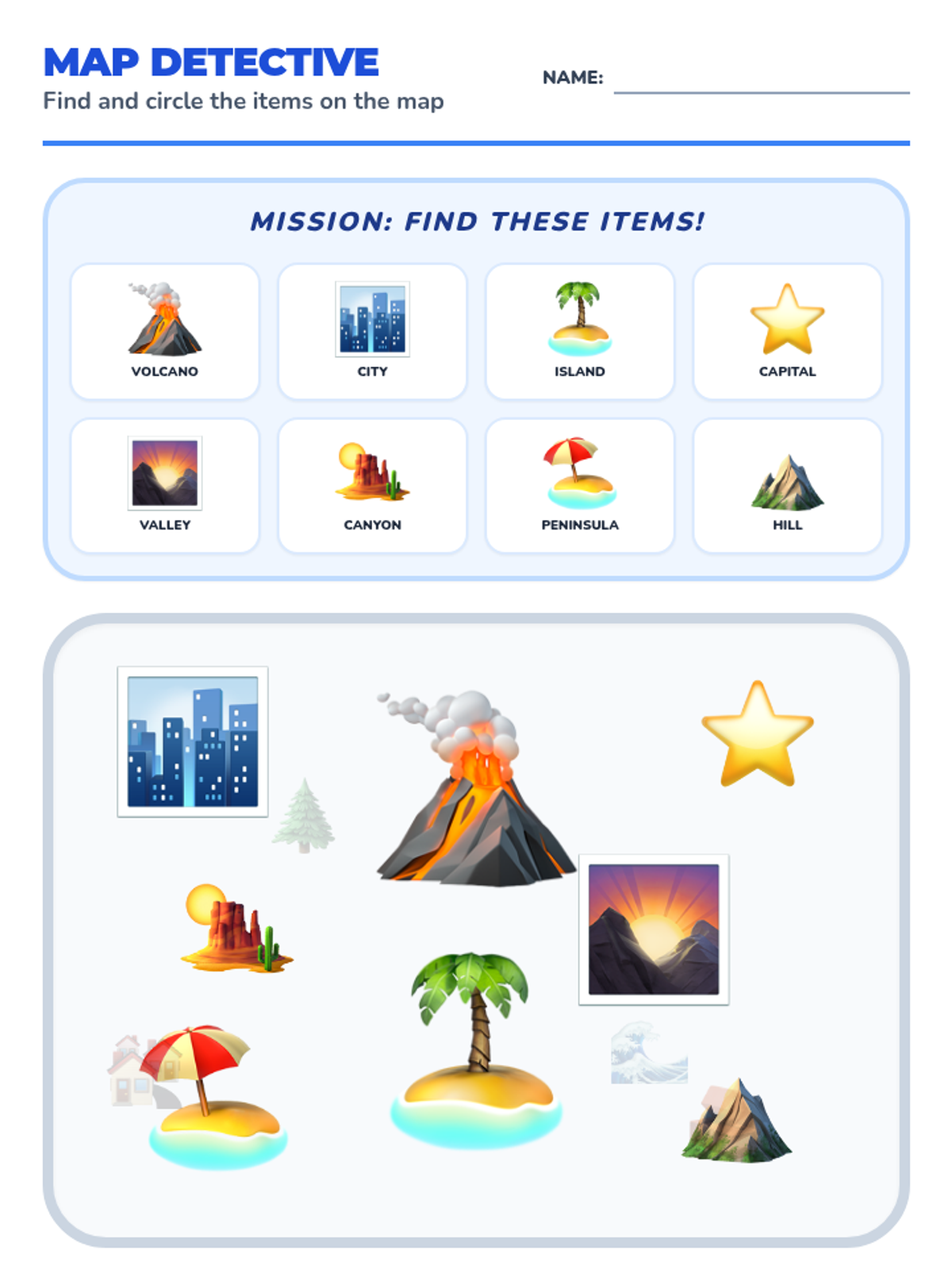
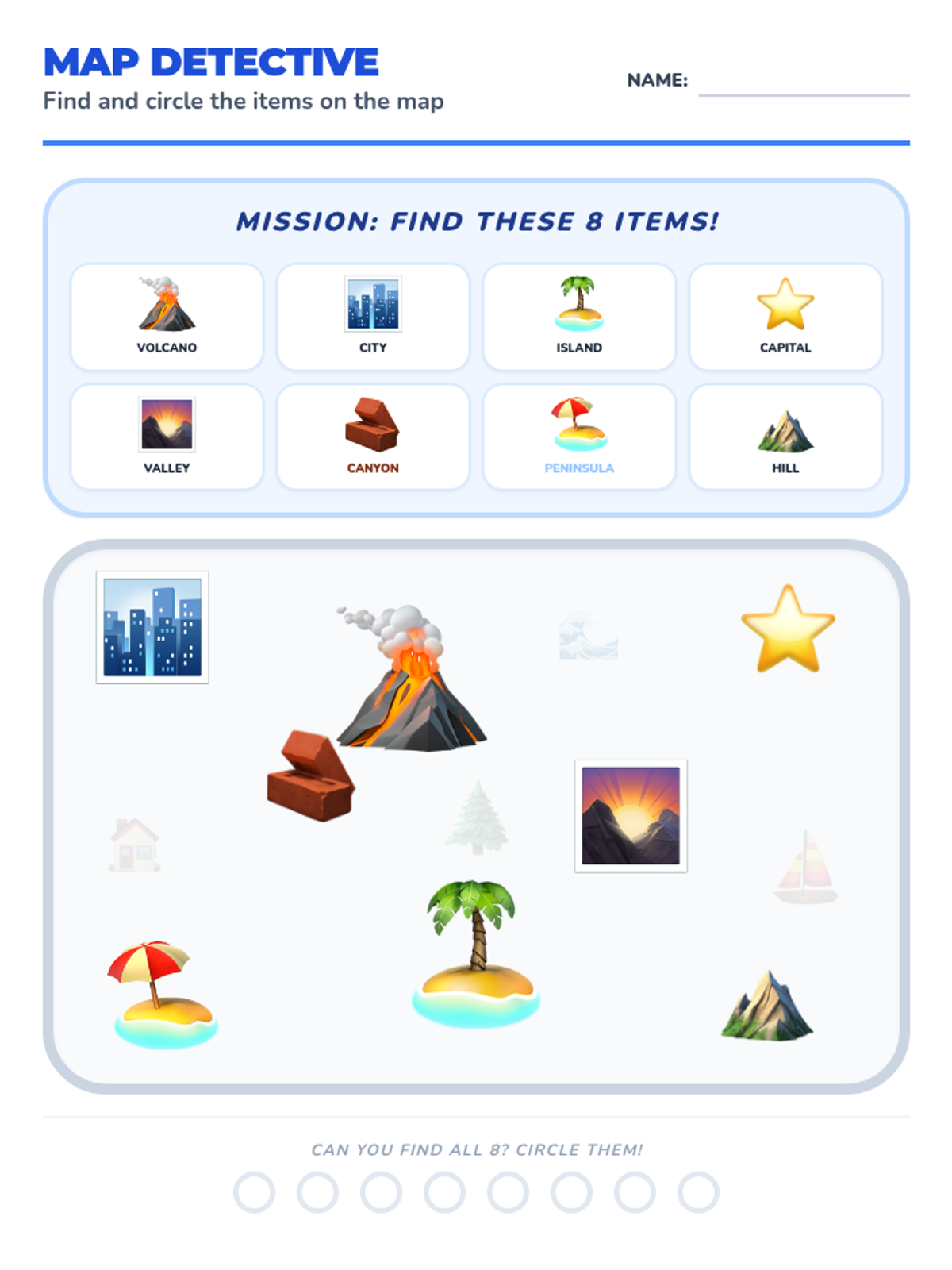
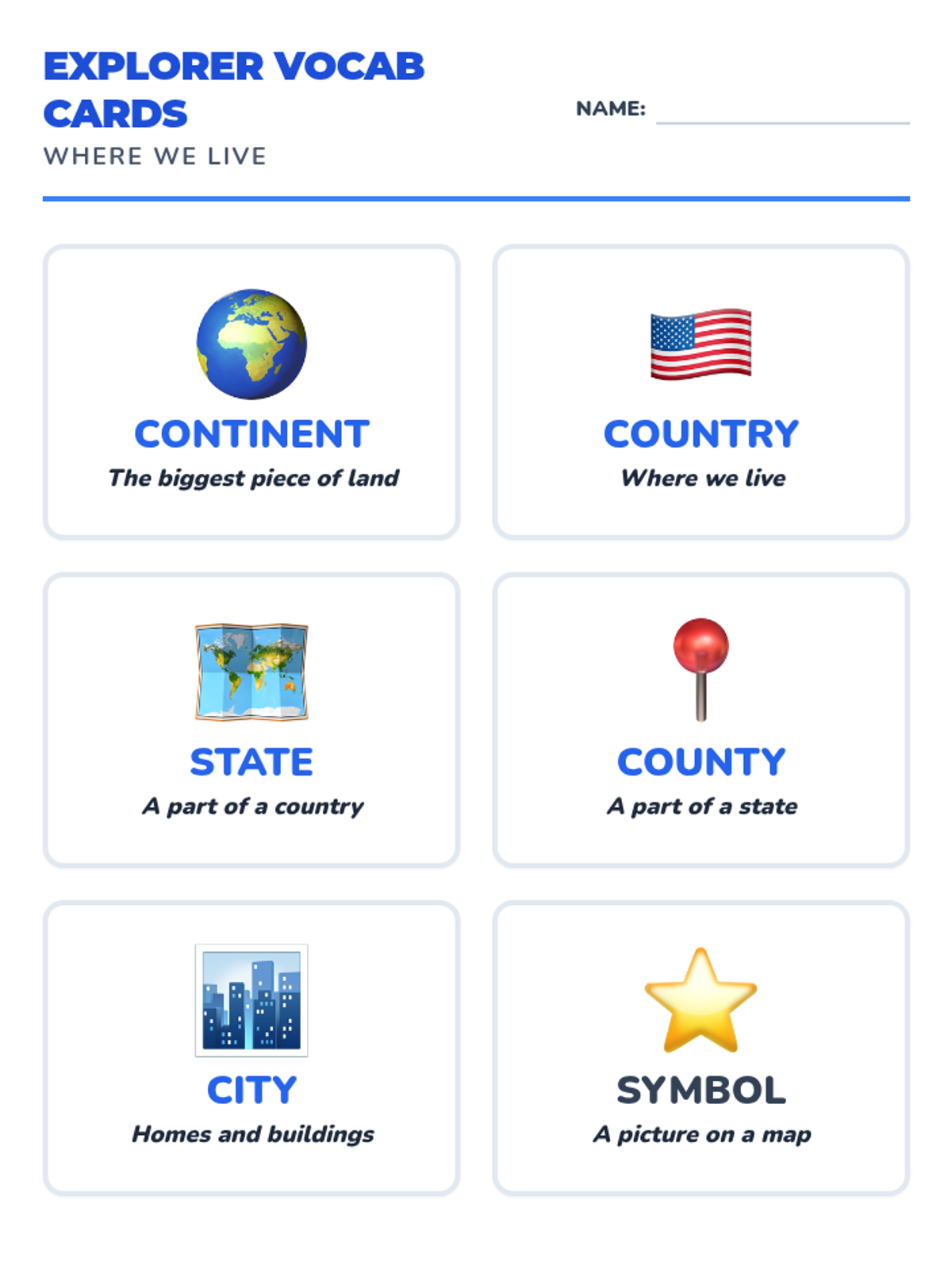
A visual-heavy lesson introducing map symbols, the hierarchy of place from city to continent, and major landforms and landmarks around the world.
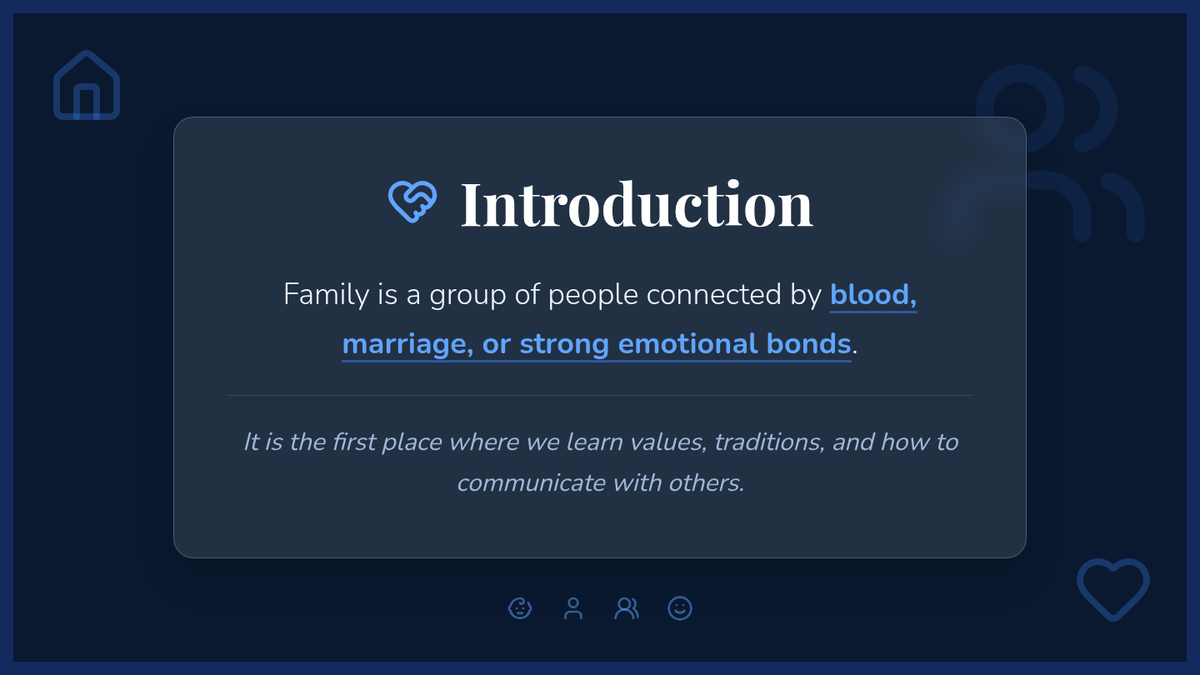
A lesson introducing the concept of family, its definition, and its importance as a social unit.
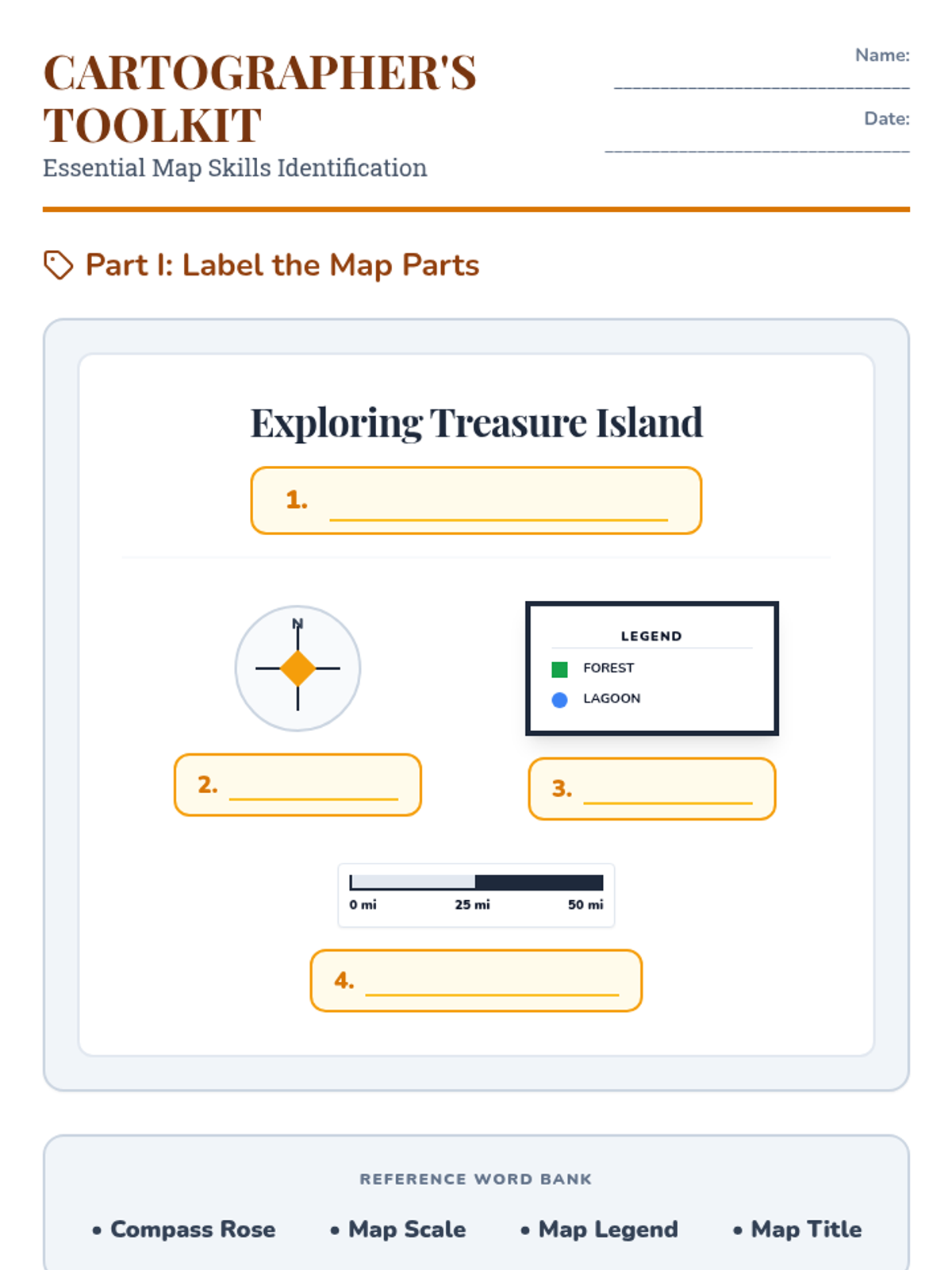
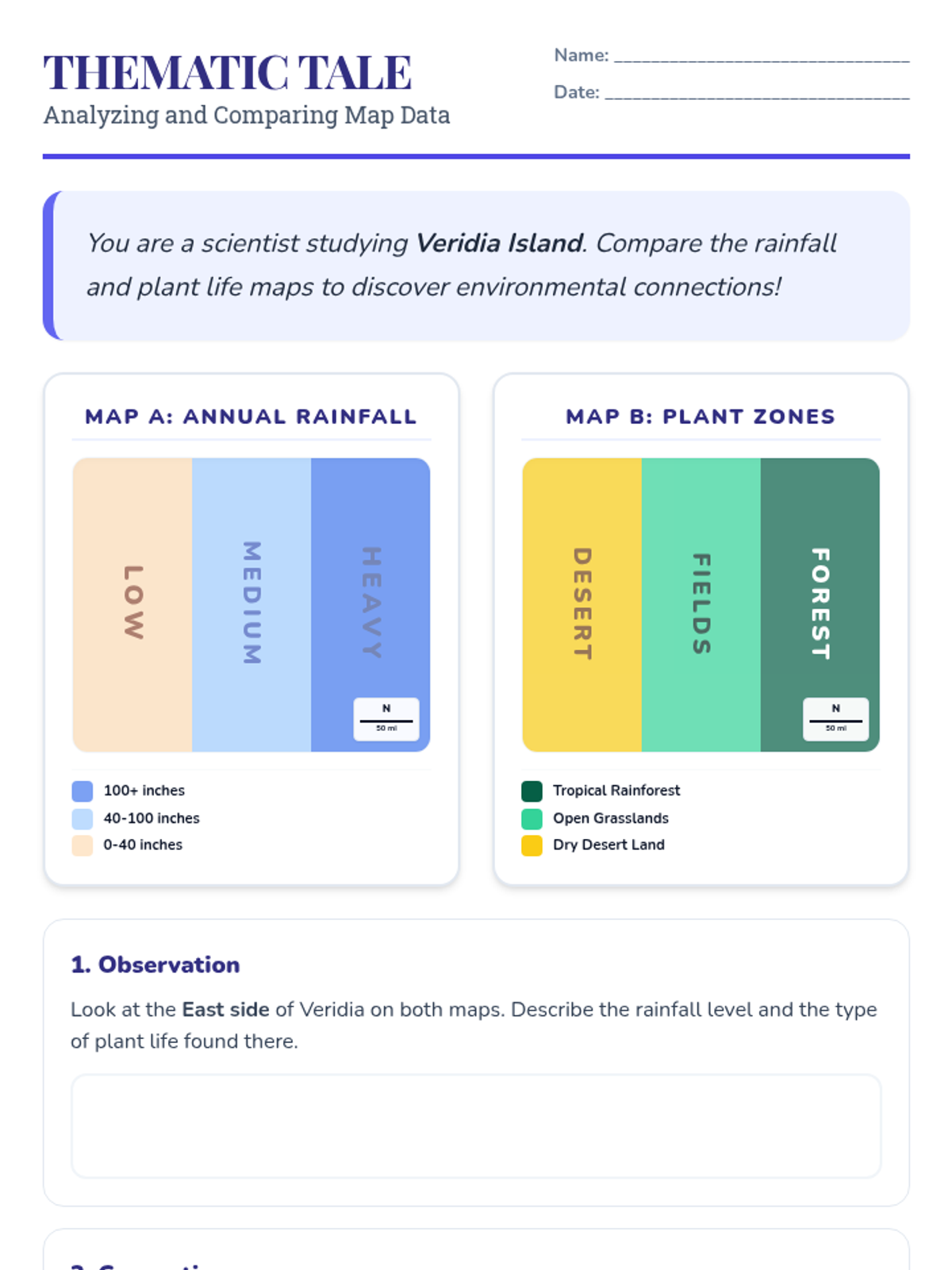
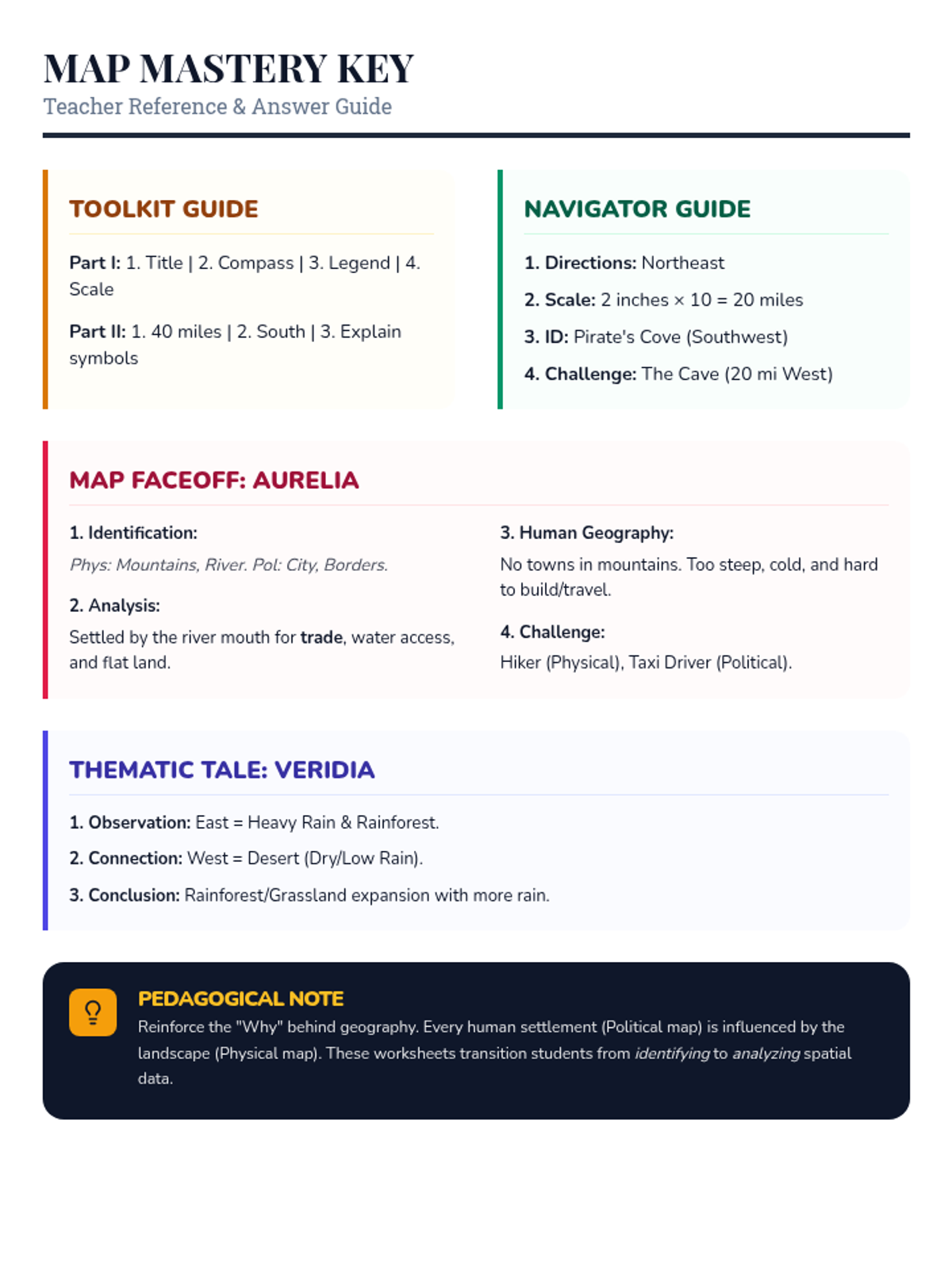
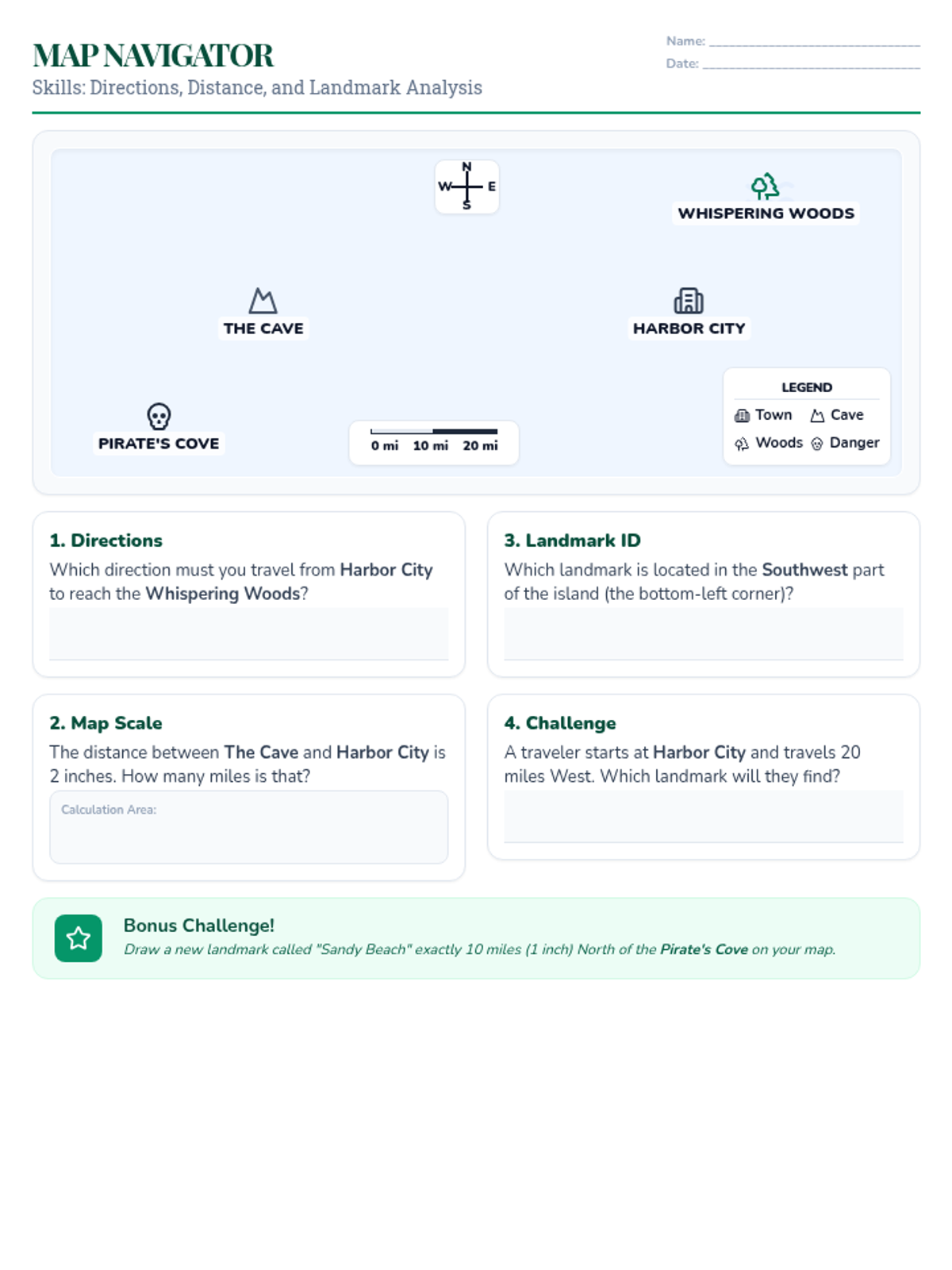
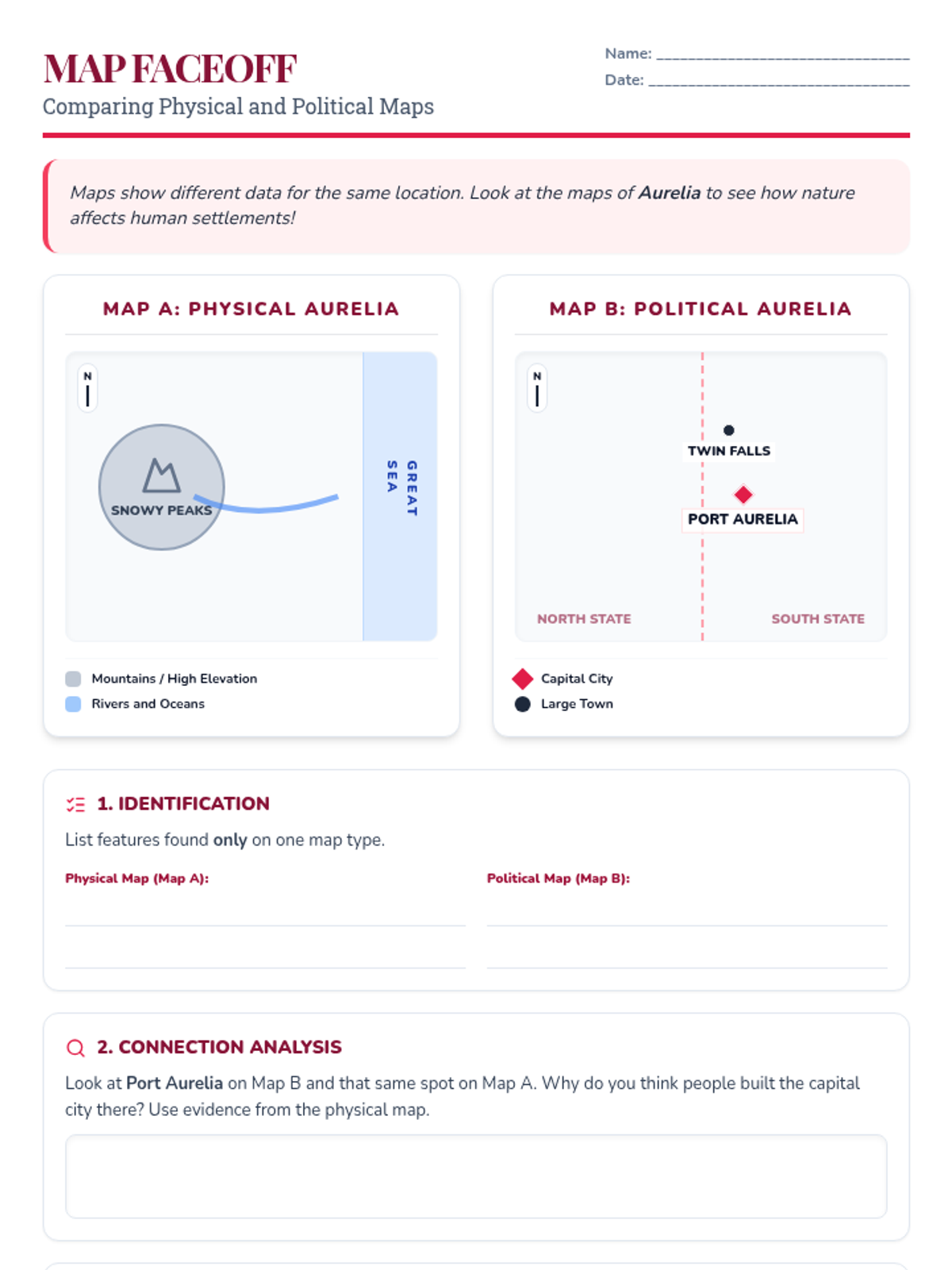
Students will identify map features including scale, legend, and compass rose, and analyze thematic maps to draw conclusions about geographical data.
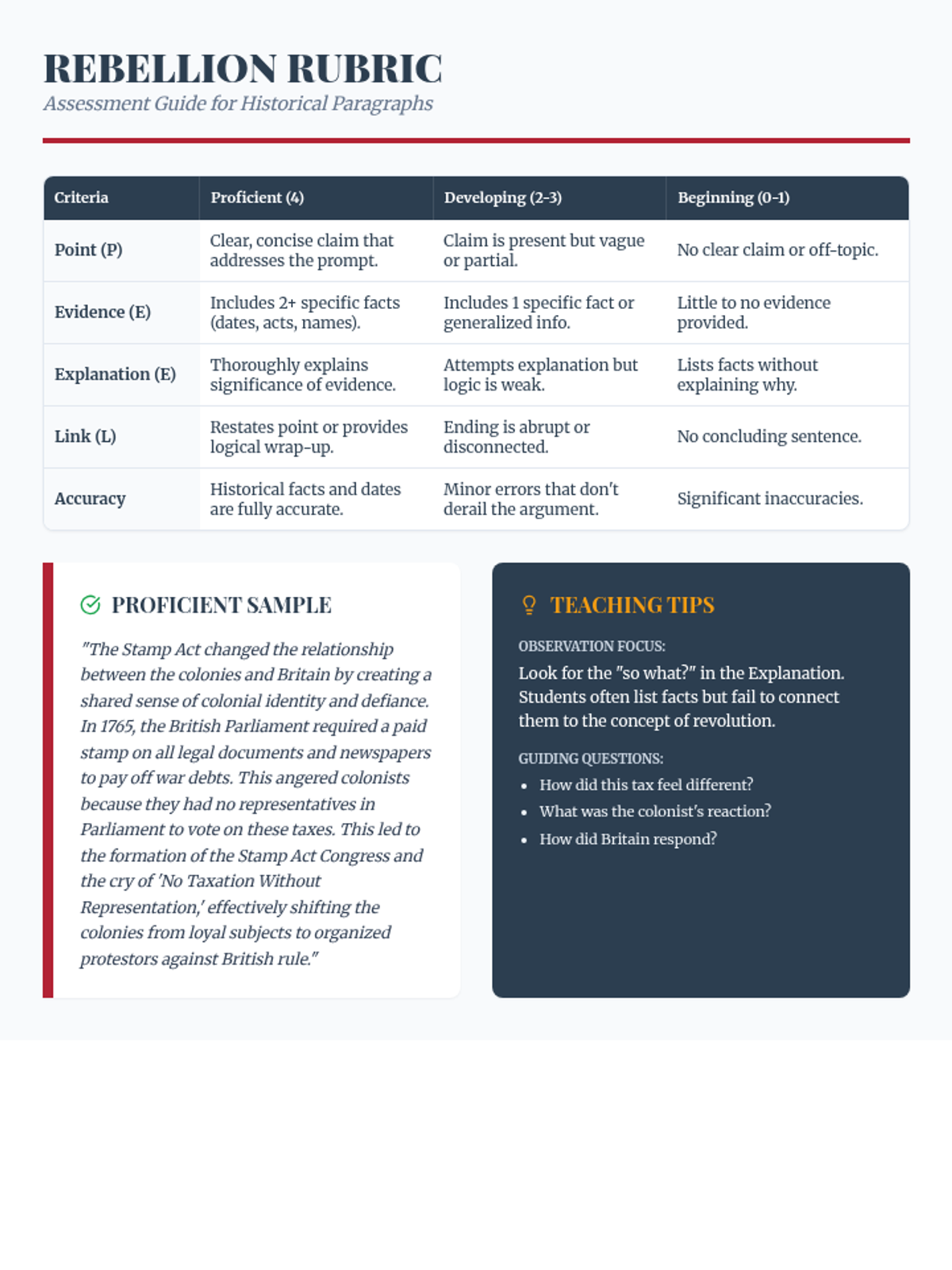
A lesson introducing 3rd graders to the key events that sparked the American Revolution, focusing on the tension between the colonies and Great Britain.
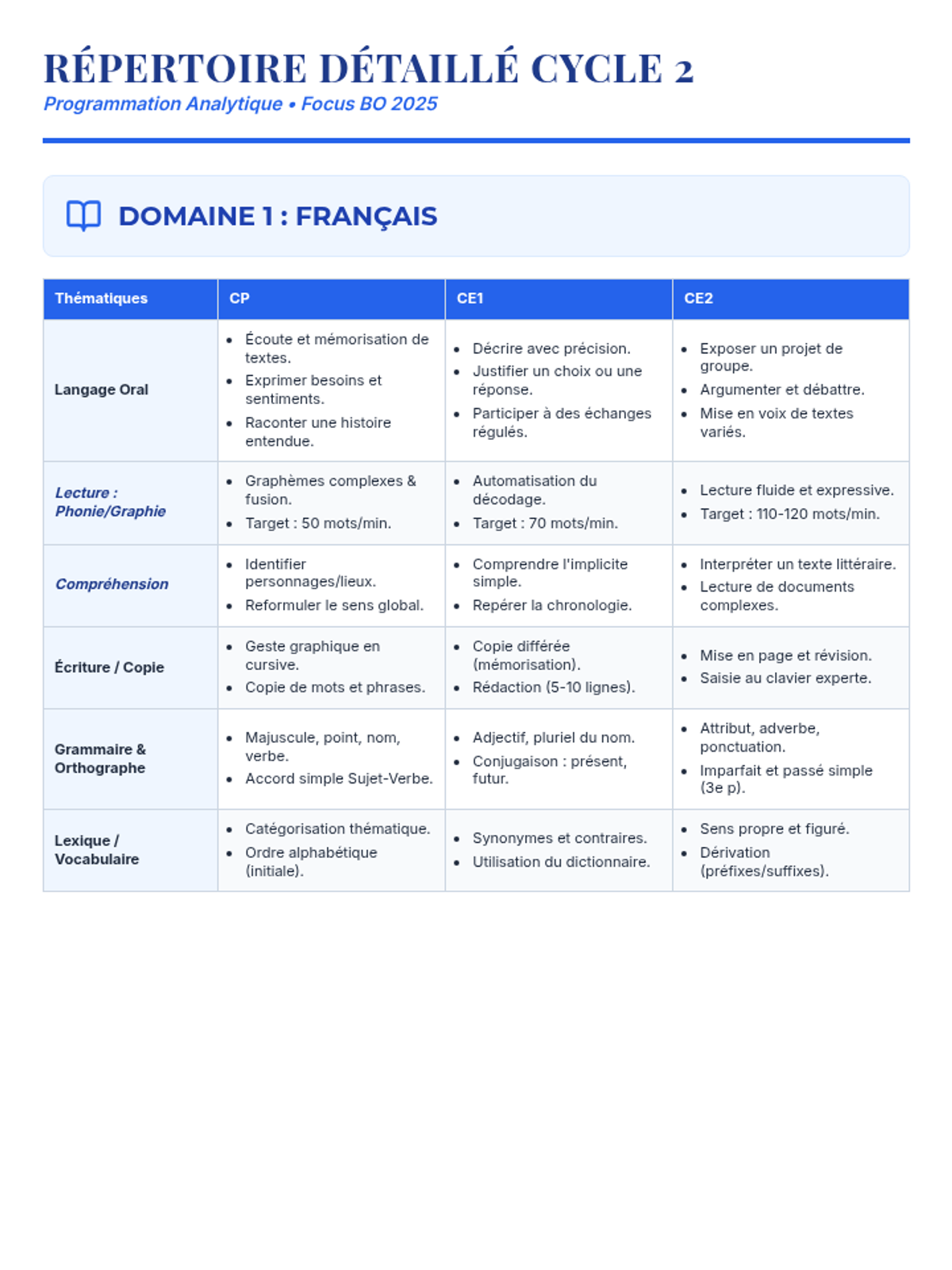
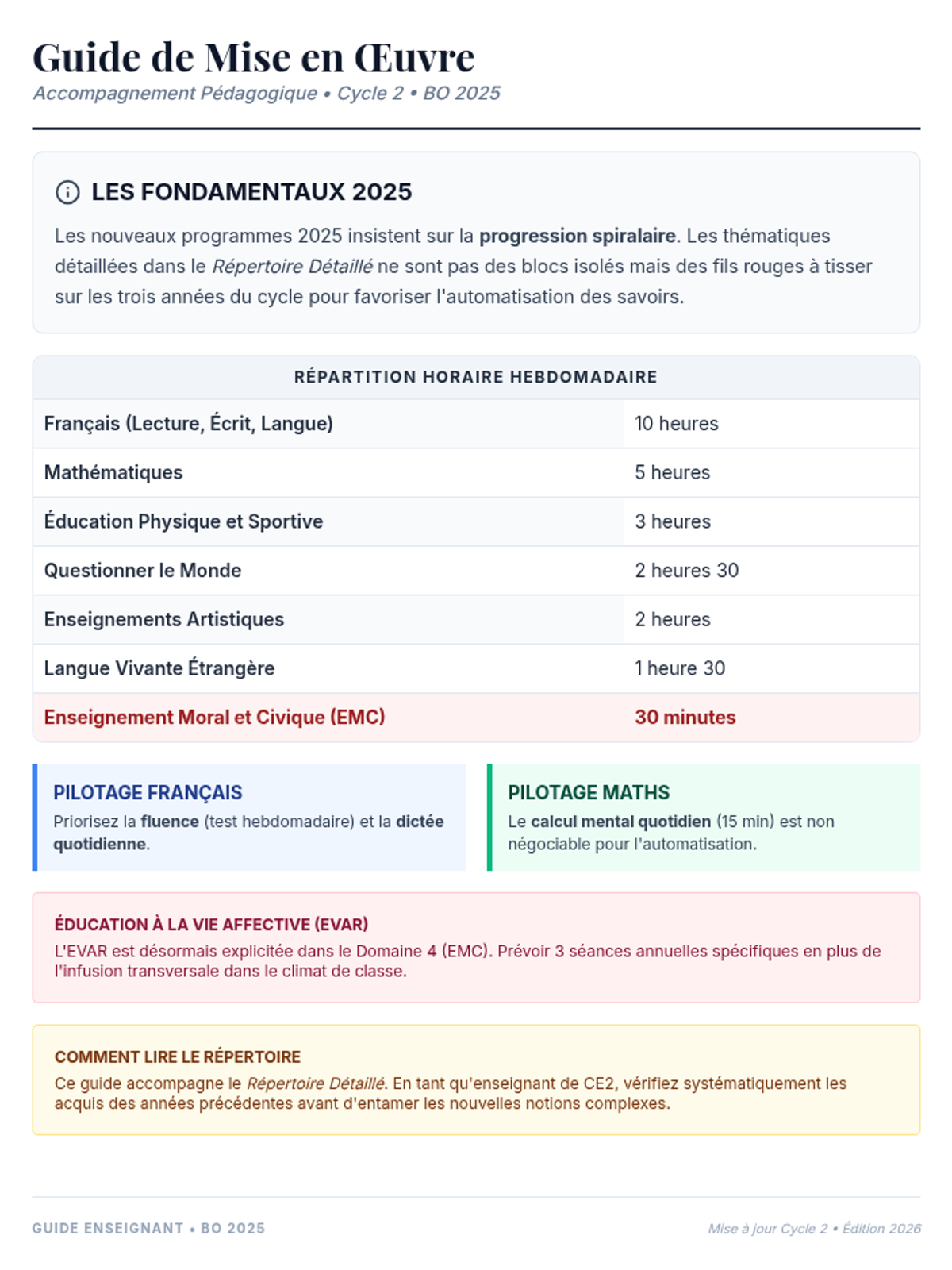
Une programmation complète pour le Cycle 2 basée sur les nouveaux programmes de 2025, structurée par thématiques et par année (CP, CE1, CE2) pour toutes les matières.
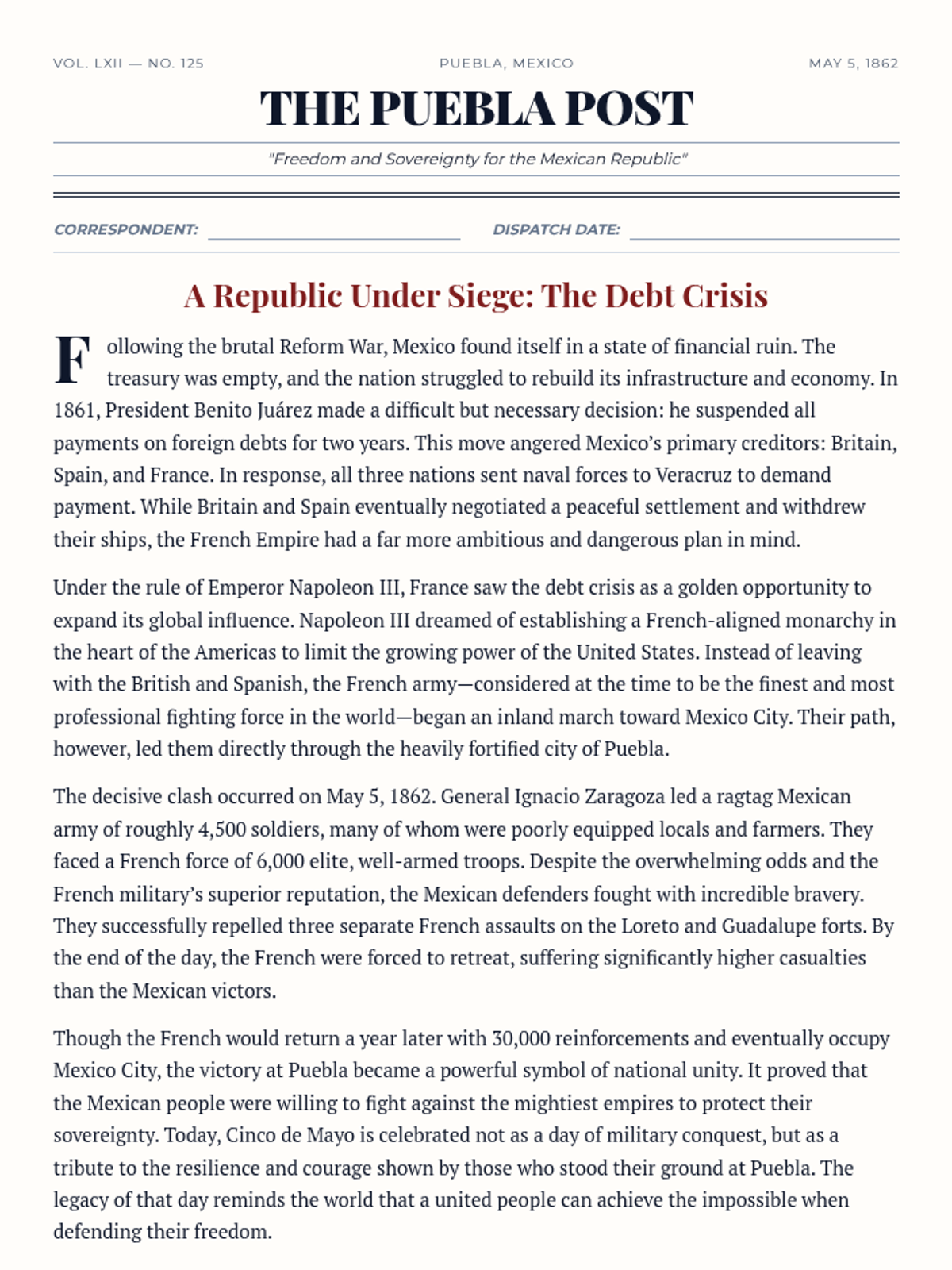
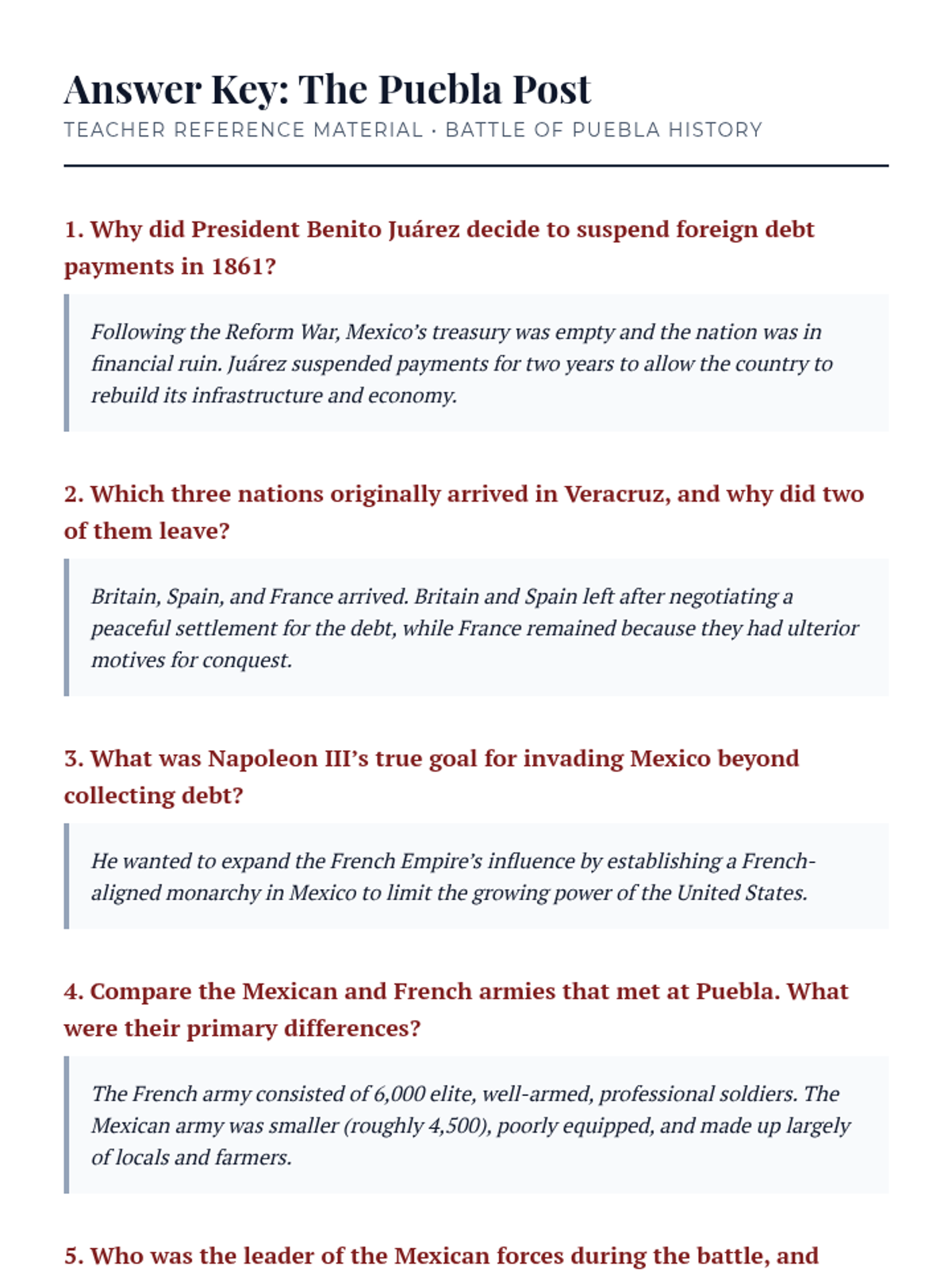
A lesson exploring the historical roots of Cinco de Mayo, focusing on the debt crisis and the Battle of Puebla.
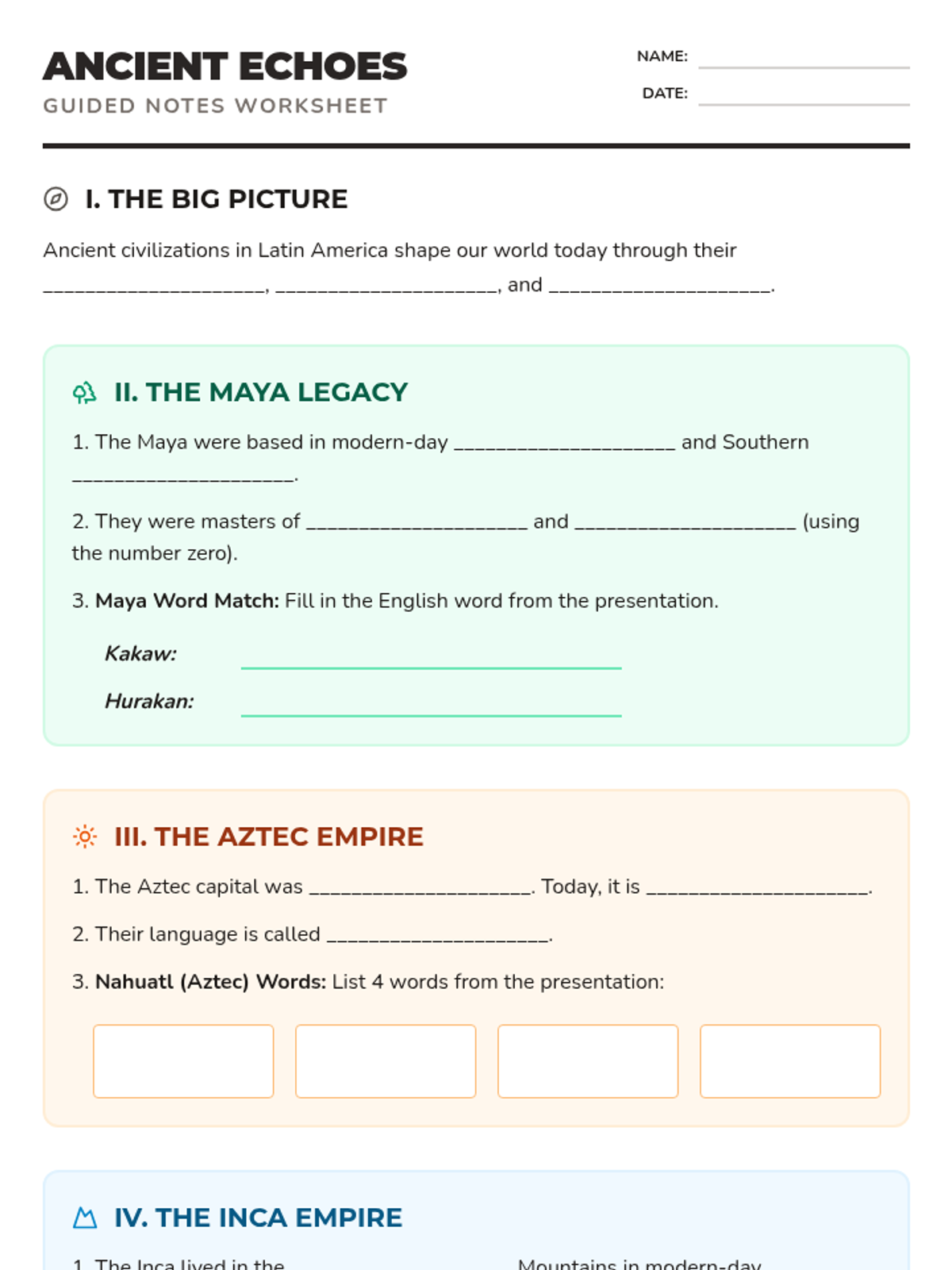
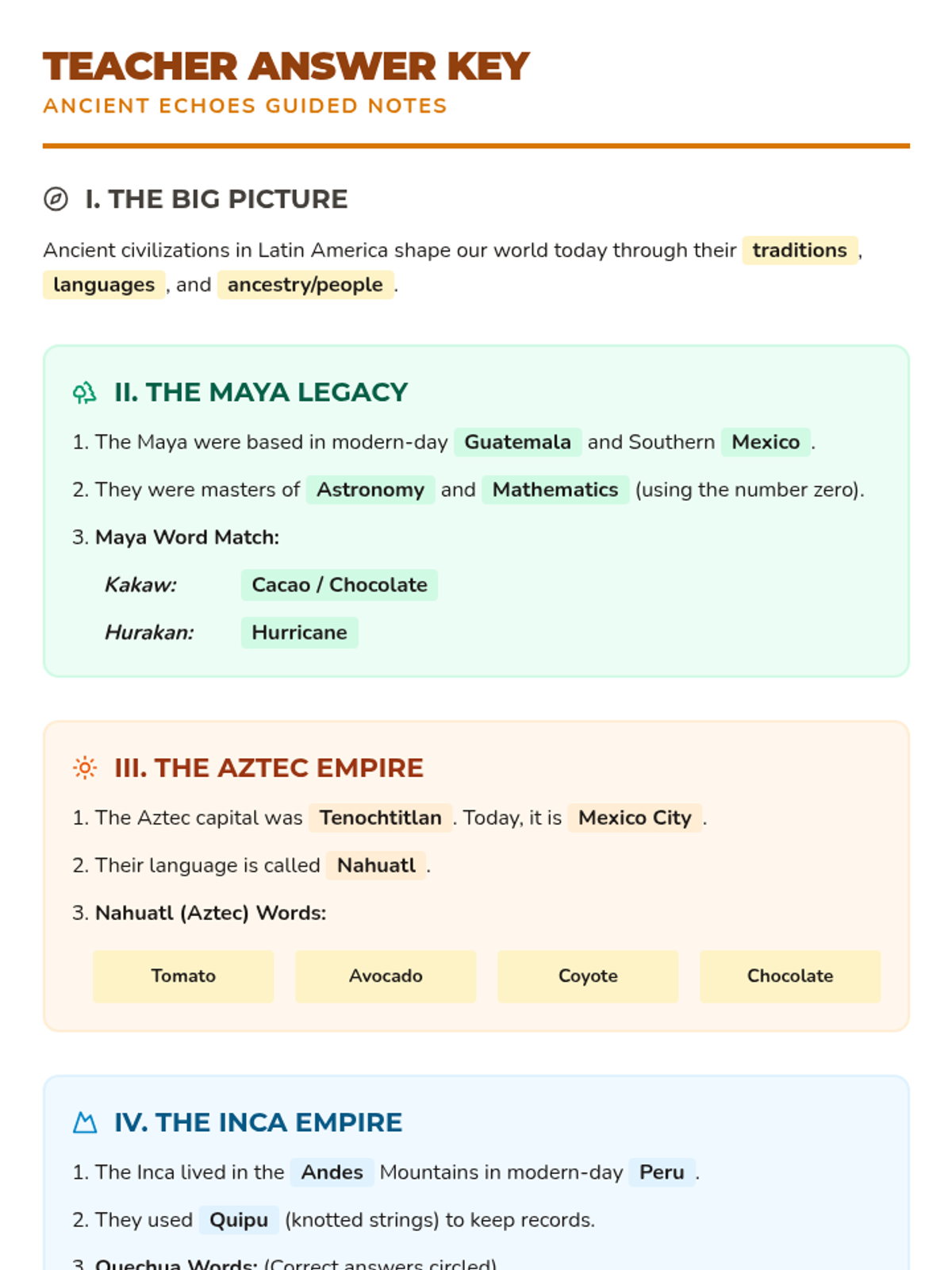
A lesson exploring the linguistic and cultural threads connecting the Maya, Aztec, and Inca civilizations to modern-day Mexico, Peru, and Guatemala. Students learn about indigenous words used in everyday language and enduring traditions.
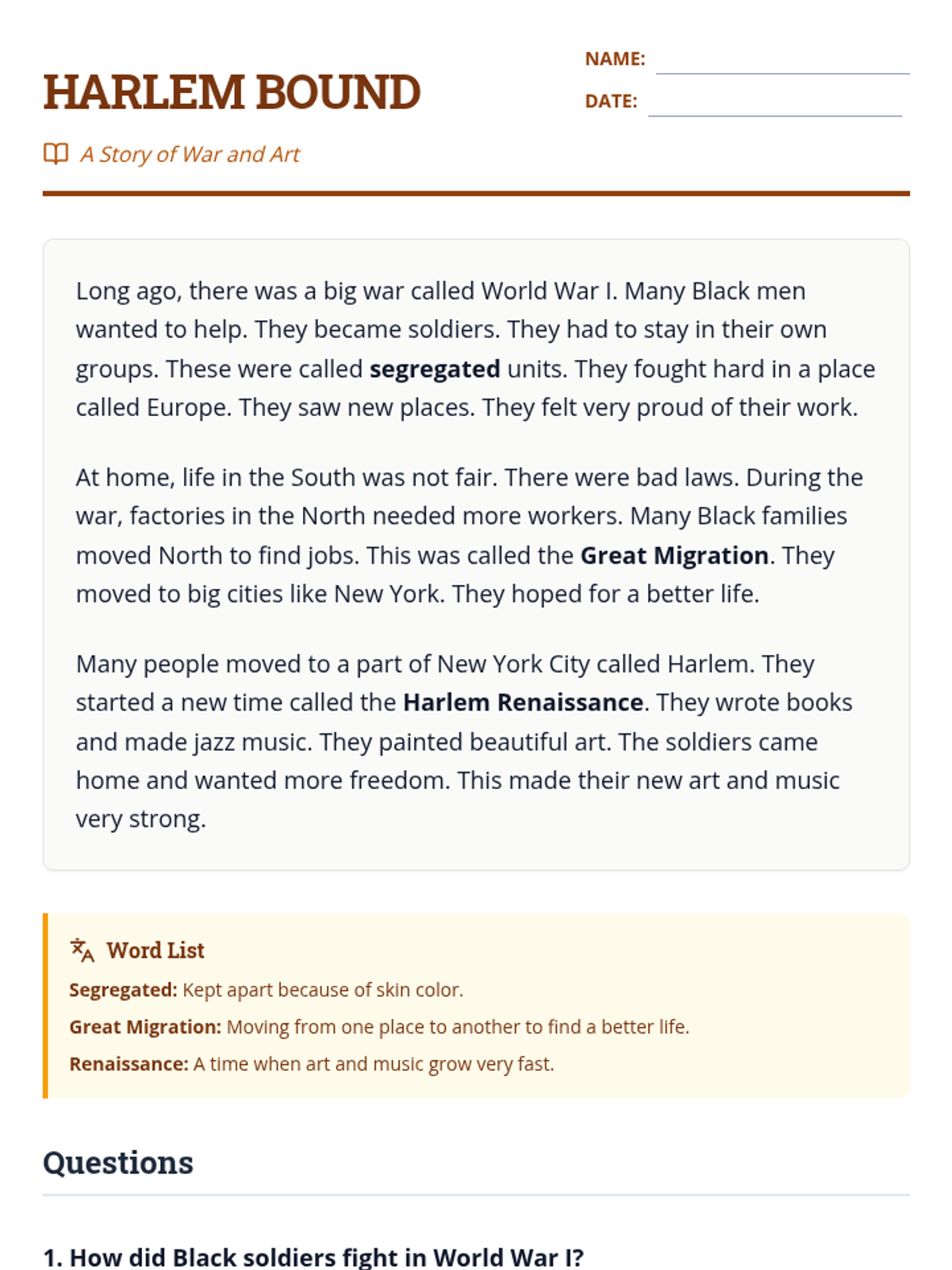
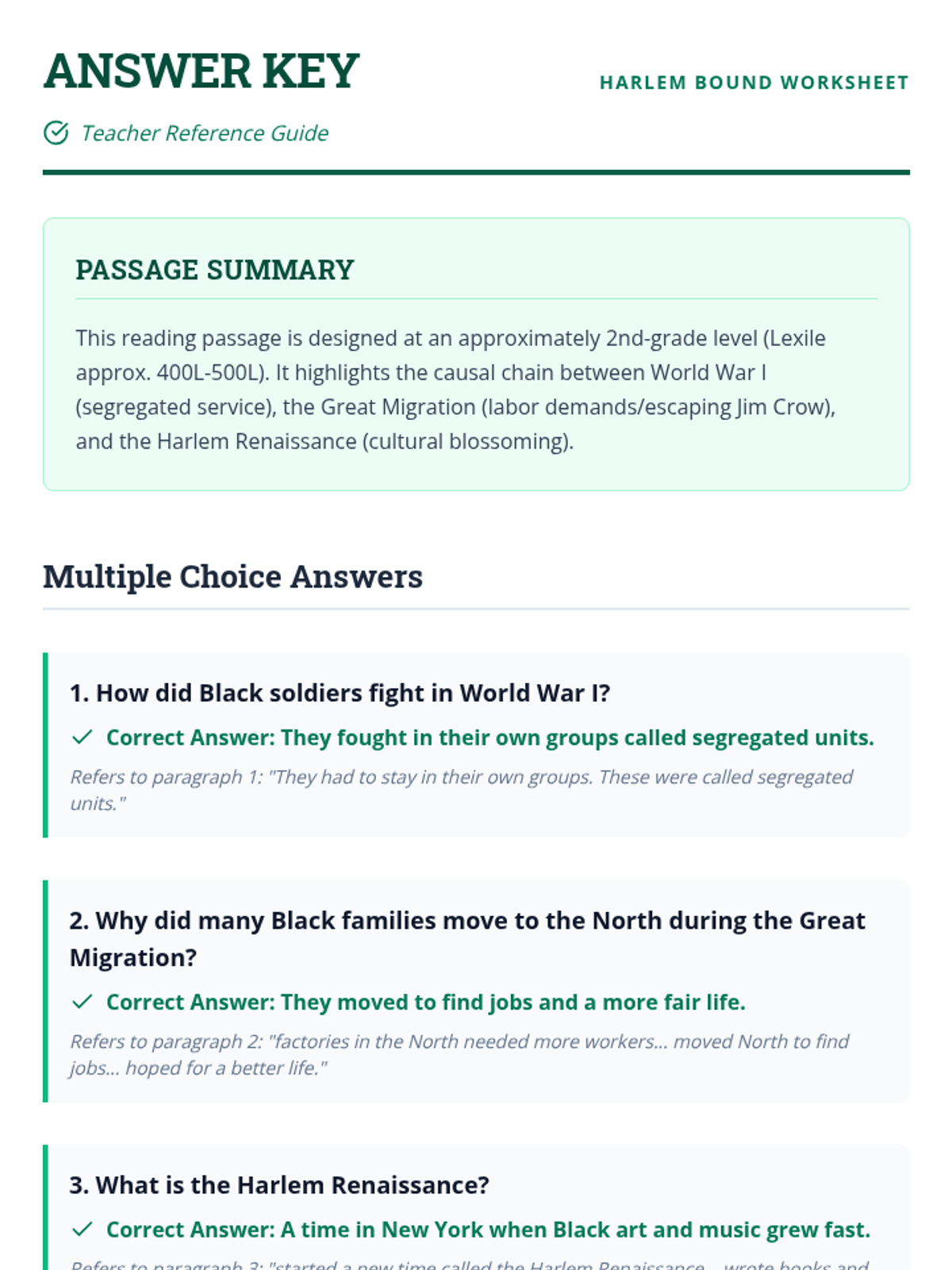
This lesson explores how World War I and the Great Migration led to the cultural explosion of the Harlem Renaissance. Students will read a simplified text and answer comprehension questions.
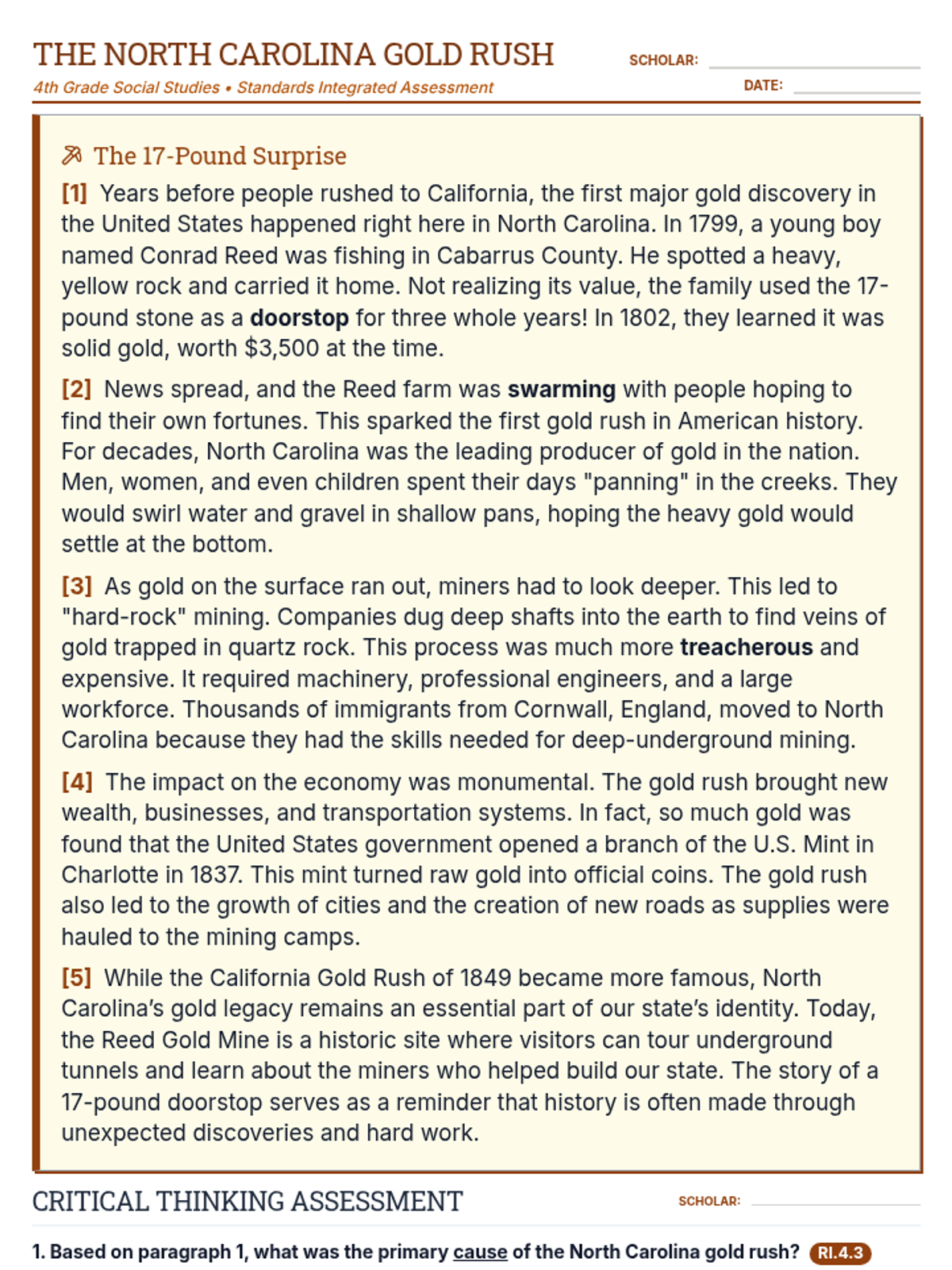
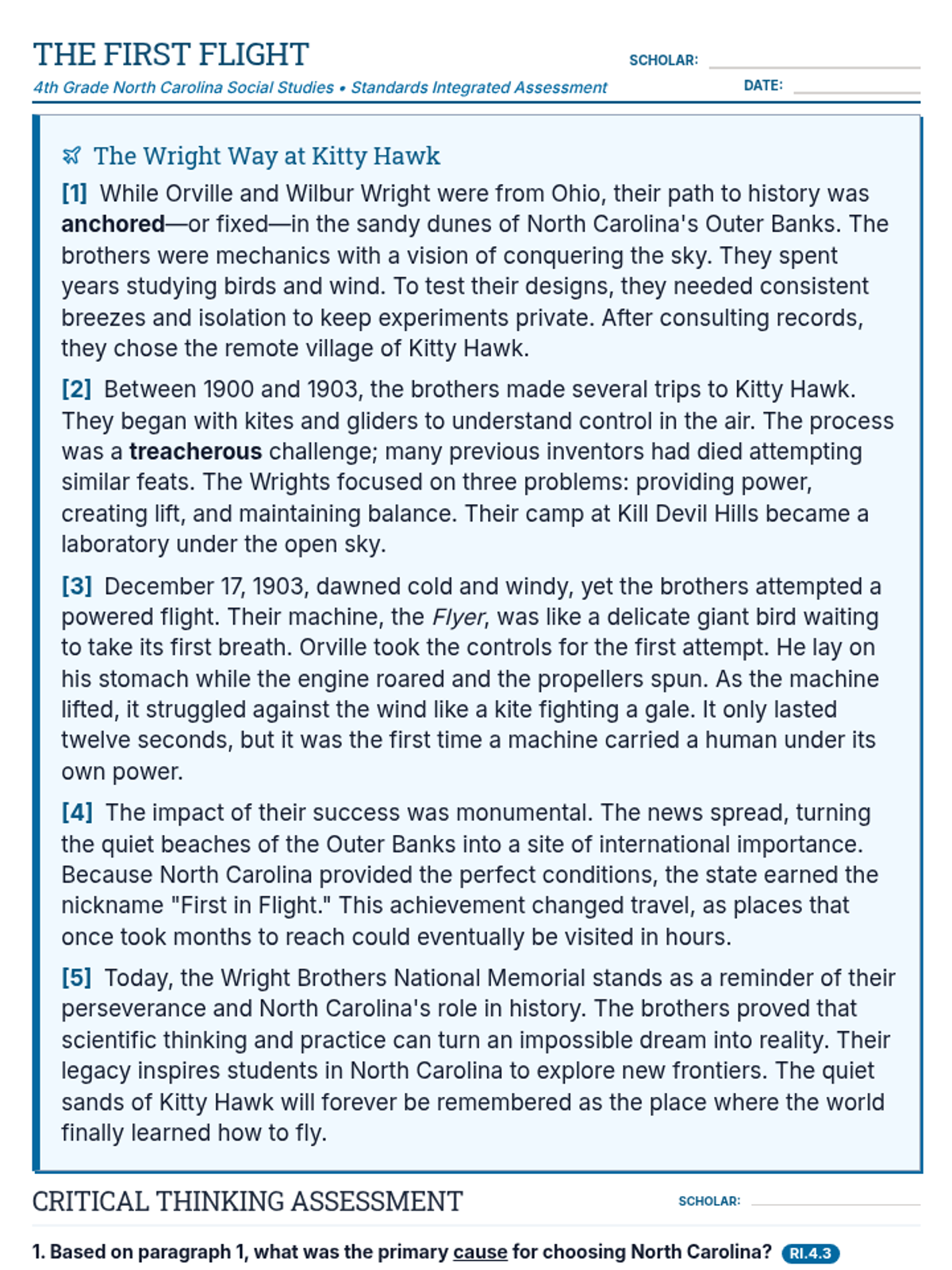
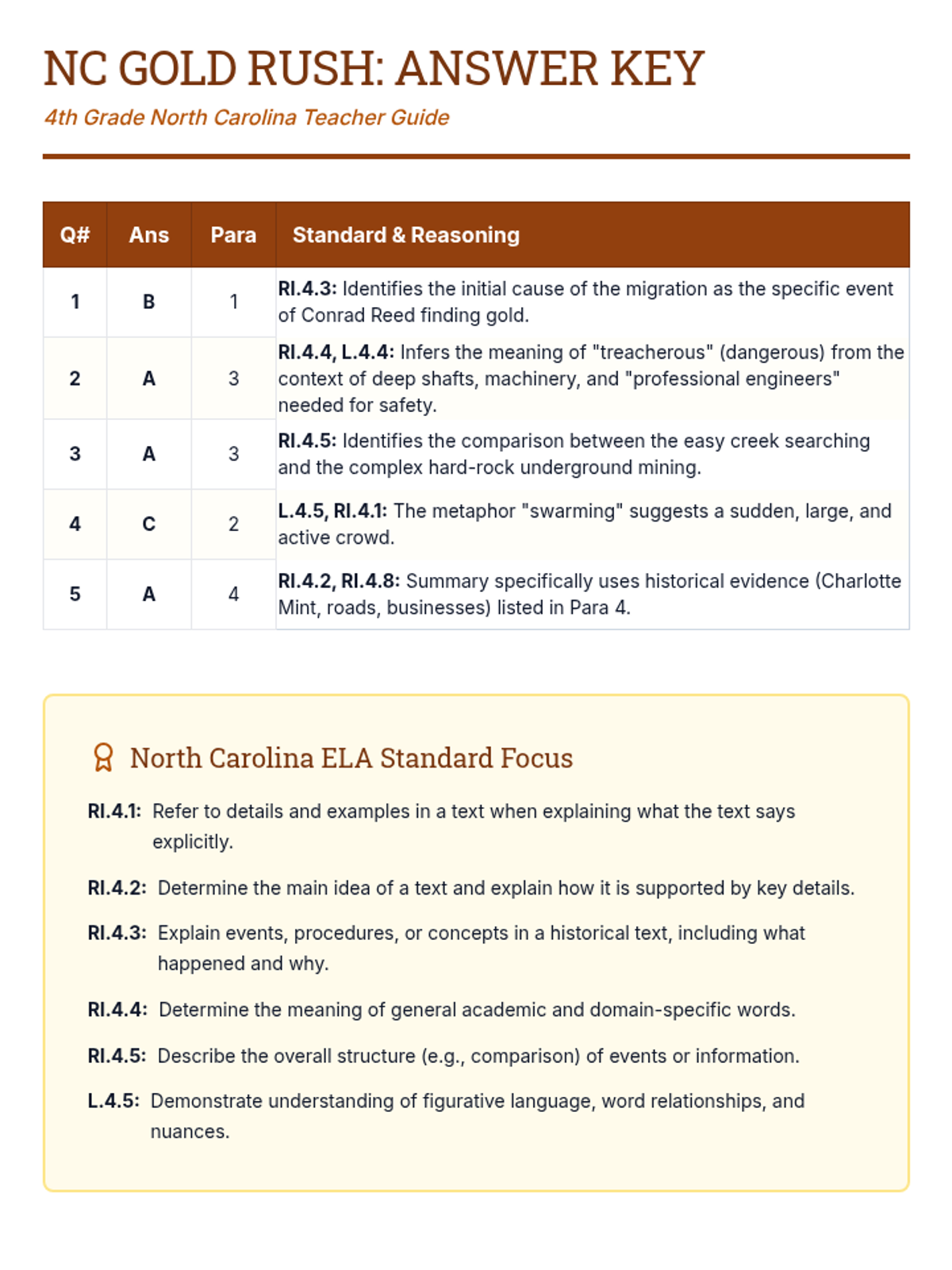
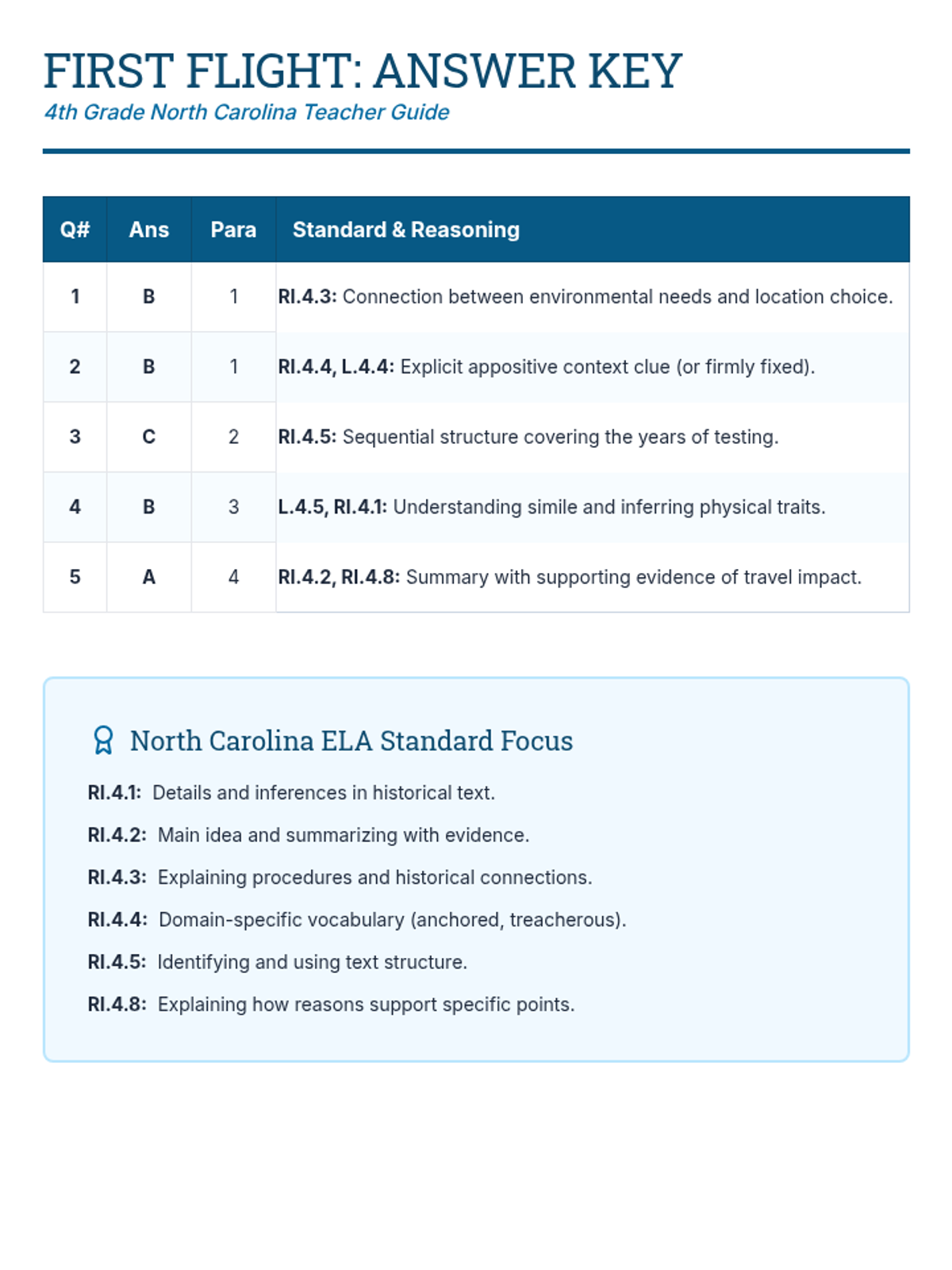
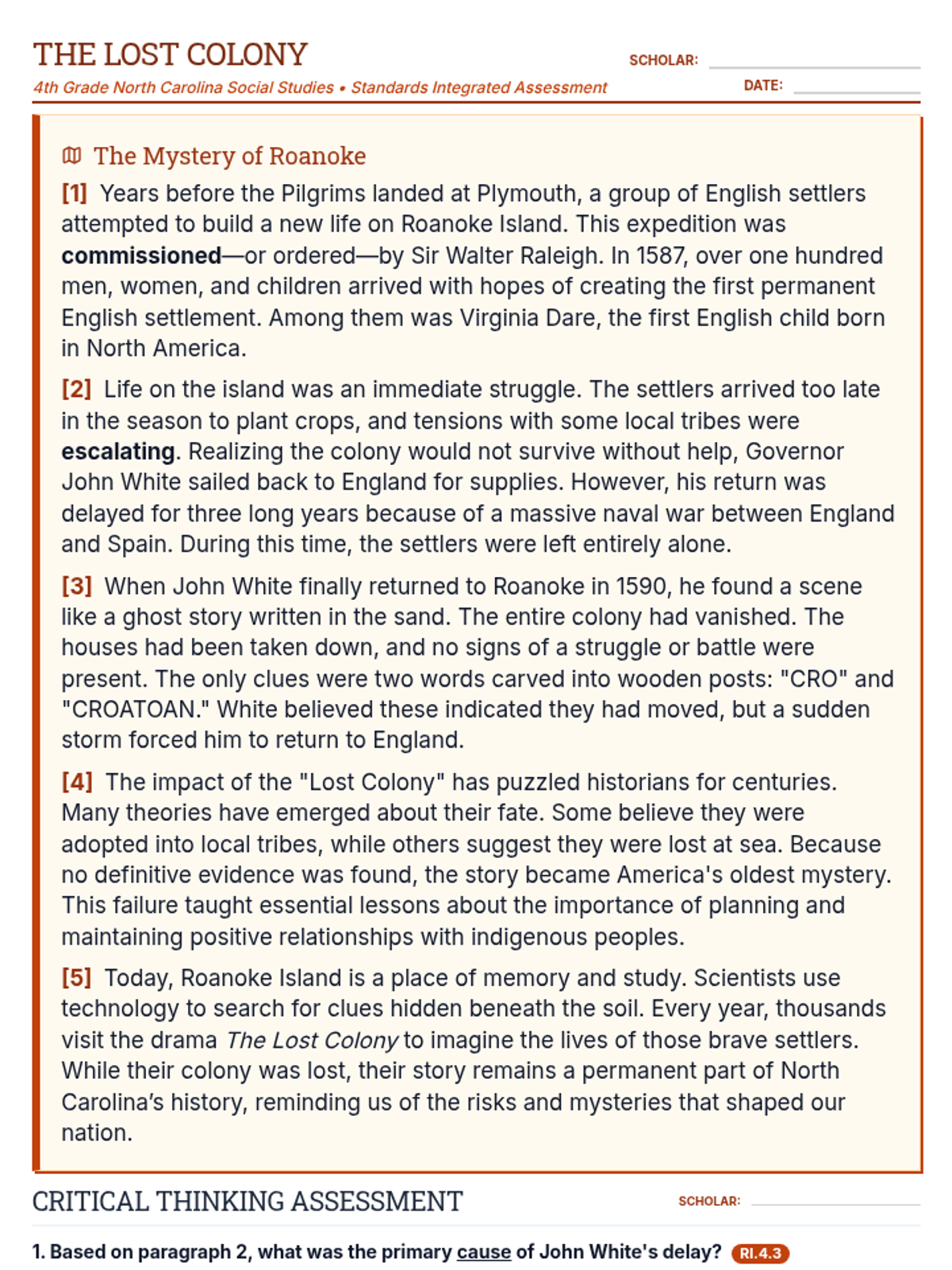
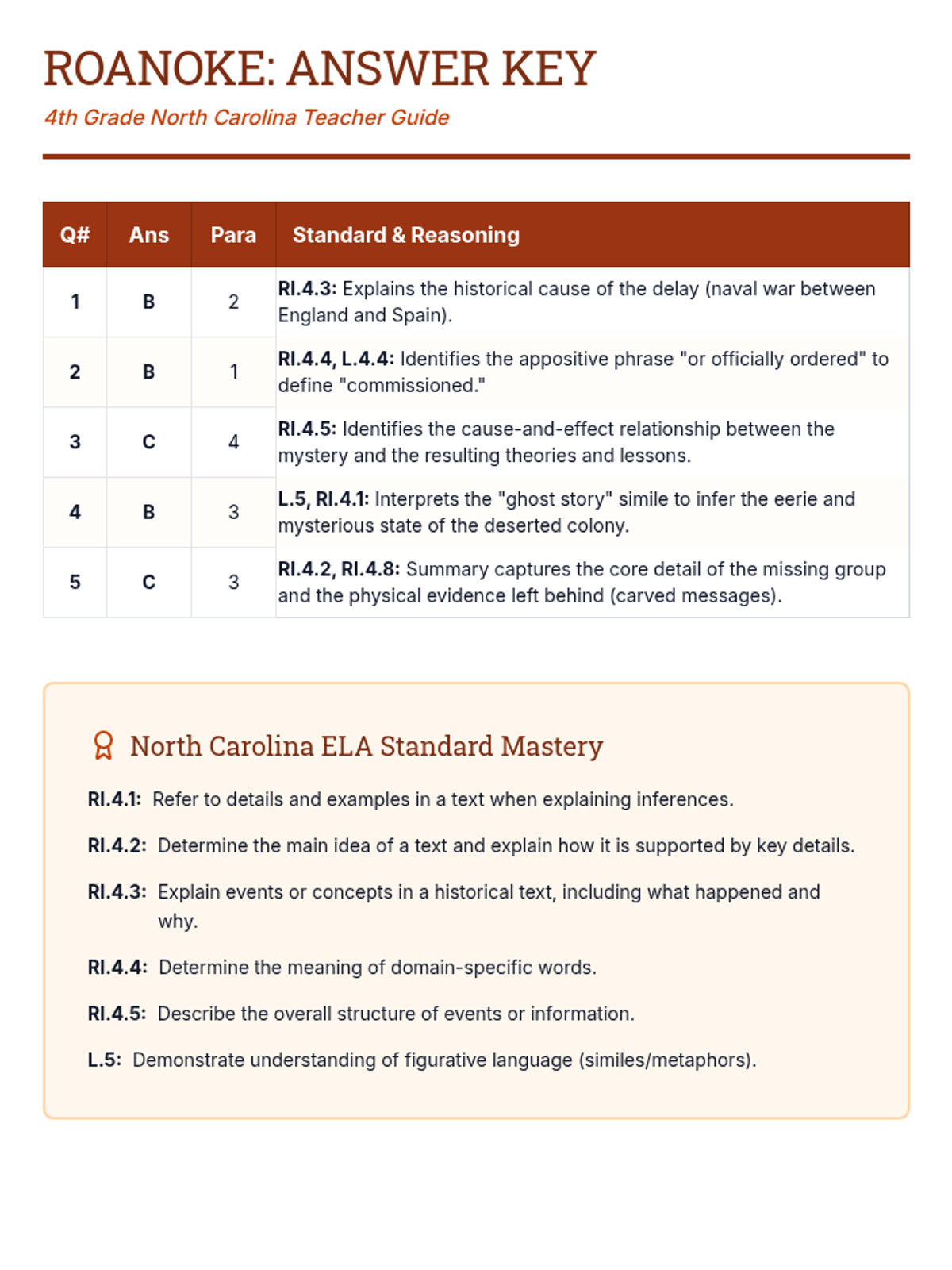
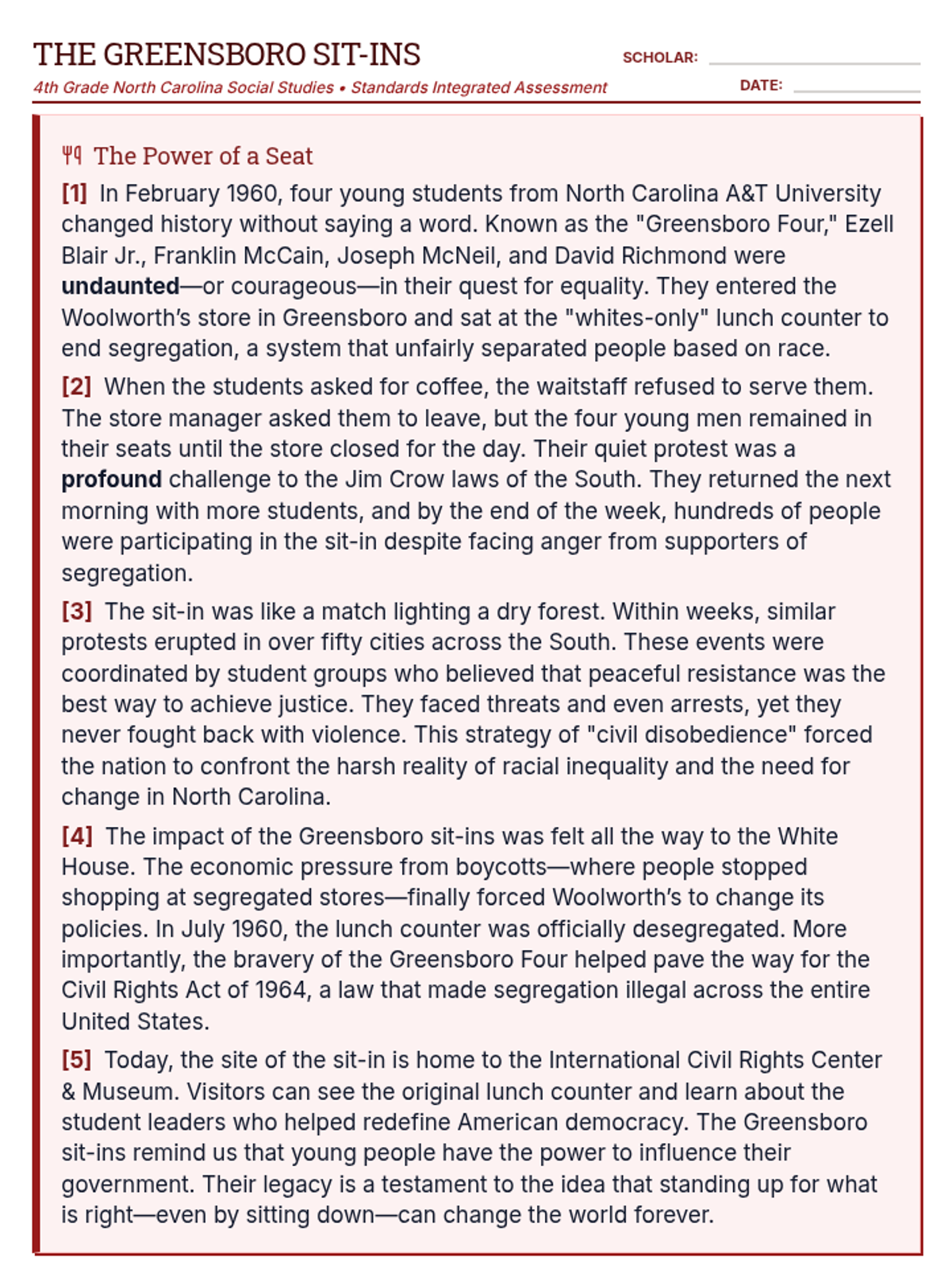
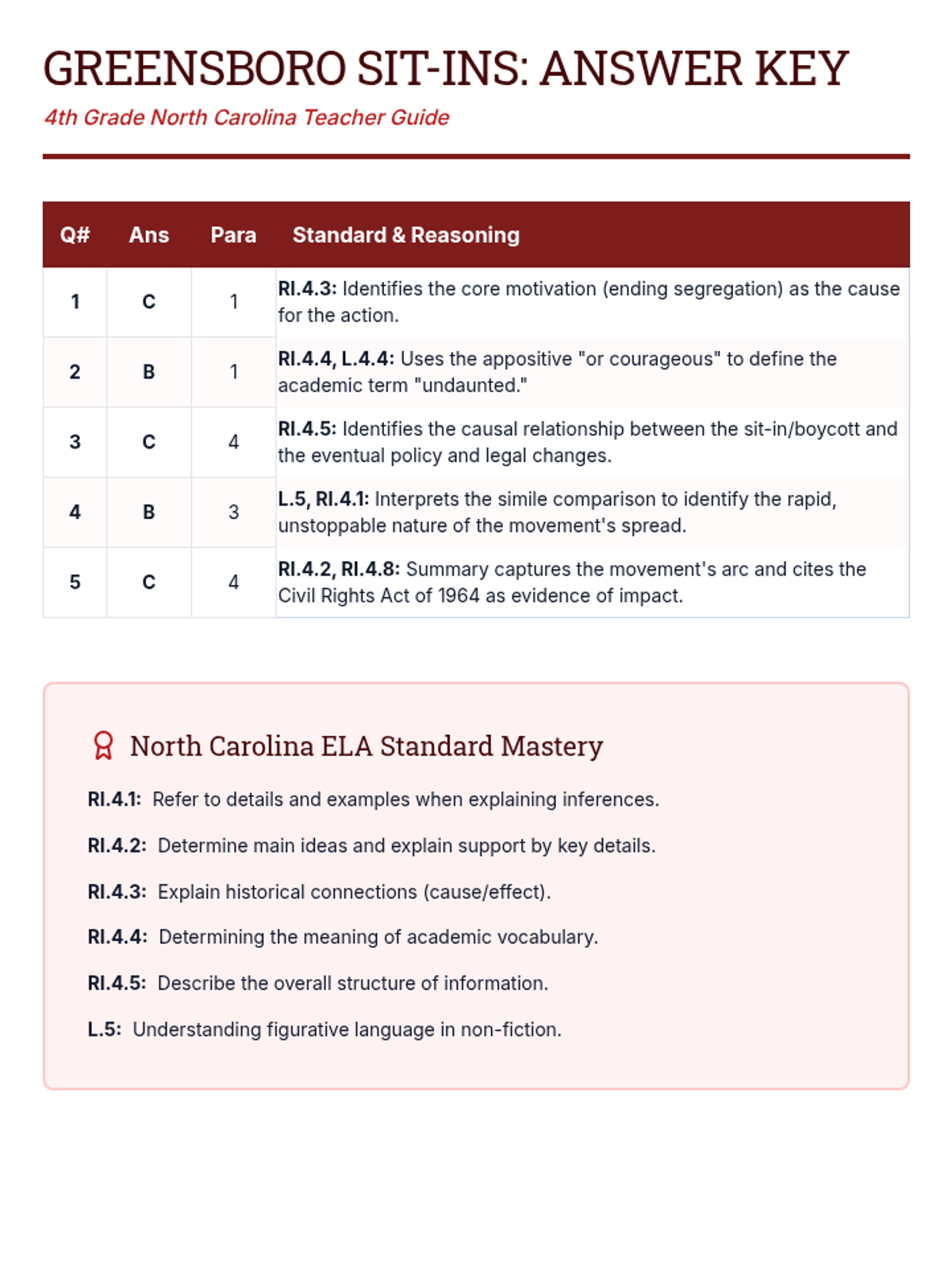
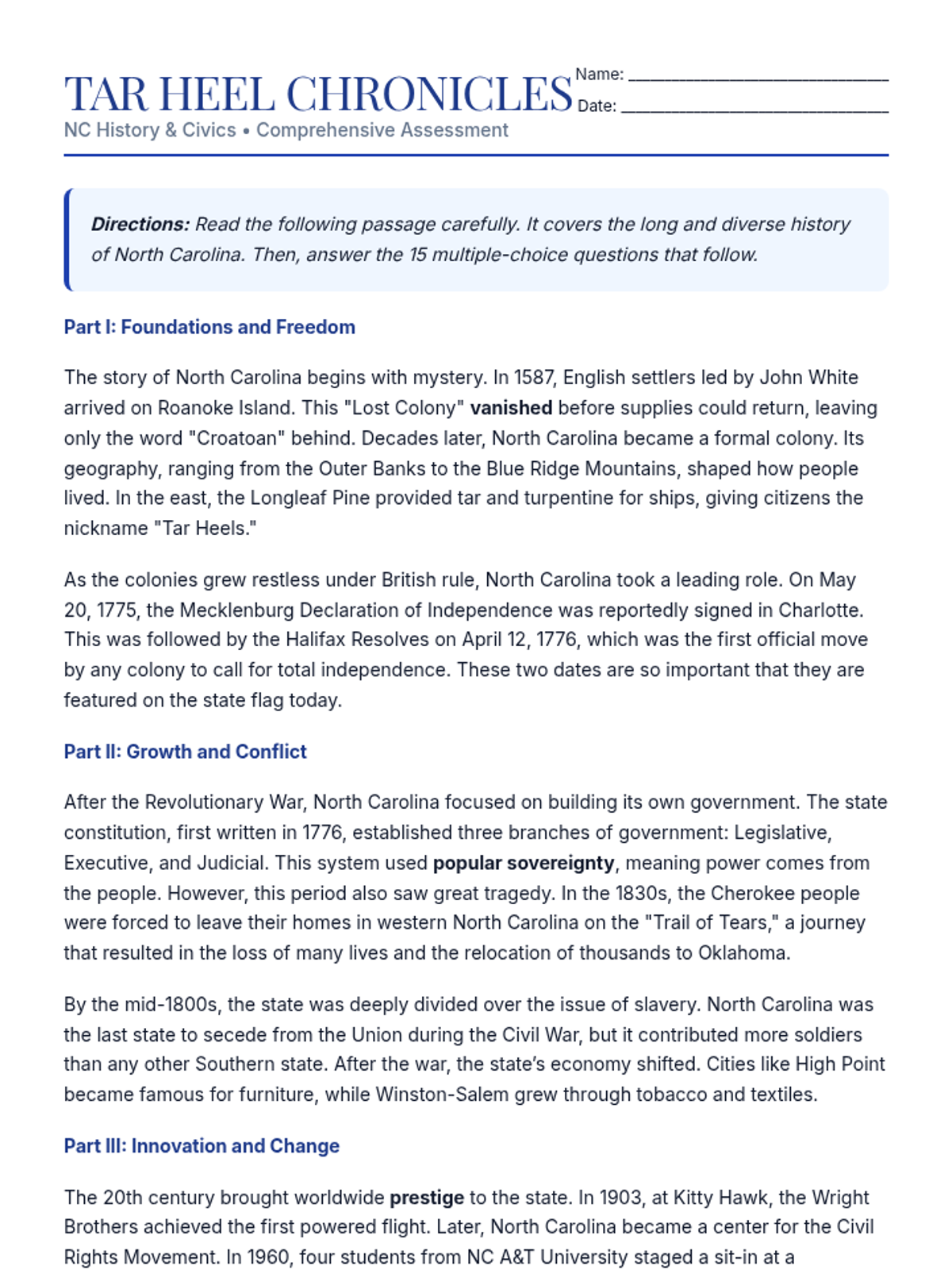
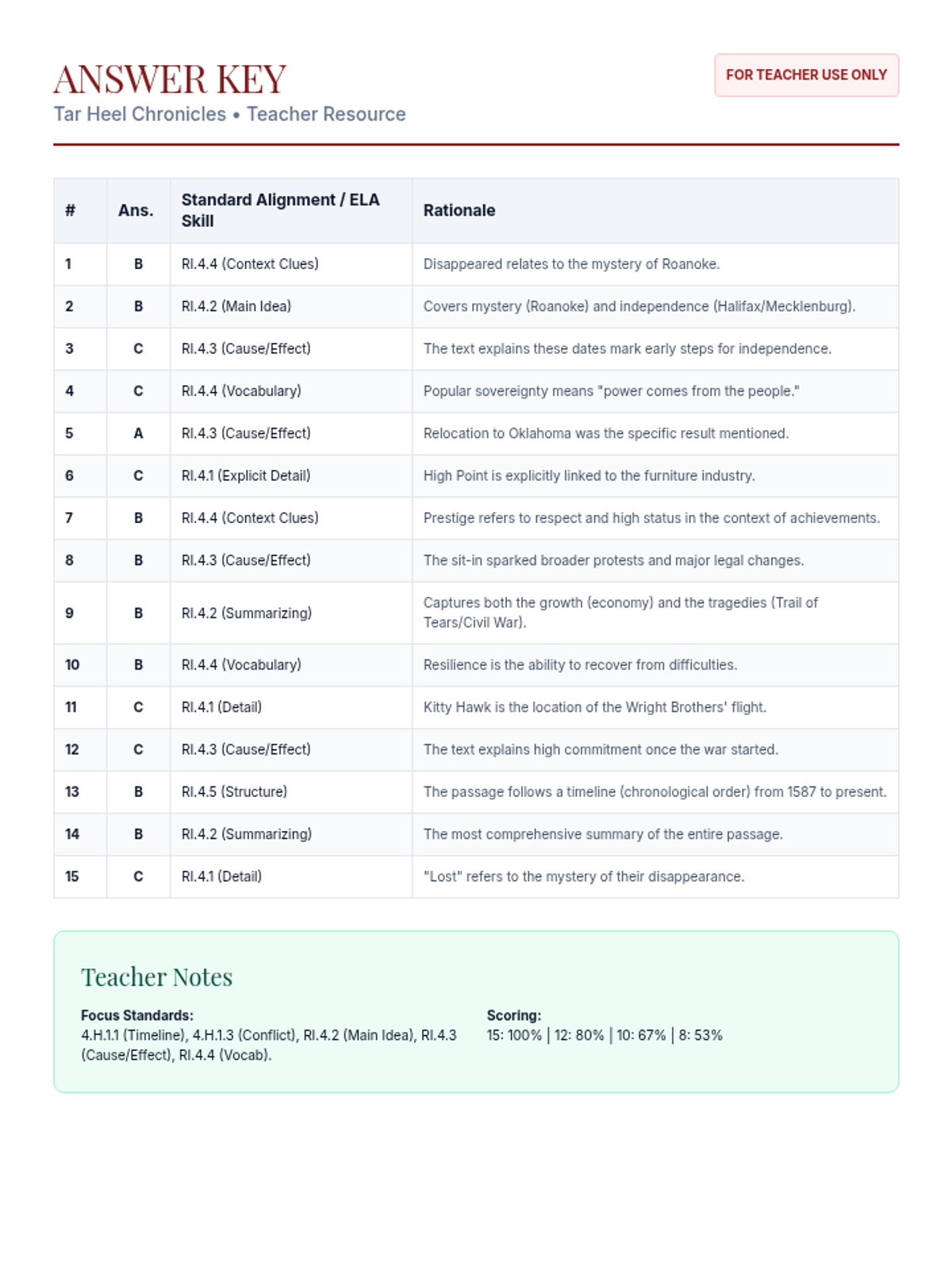
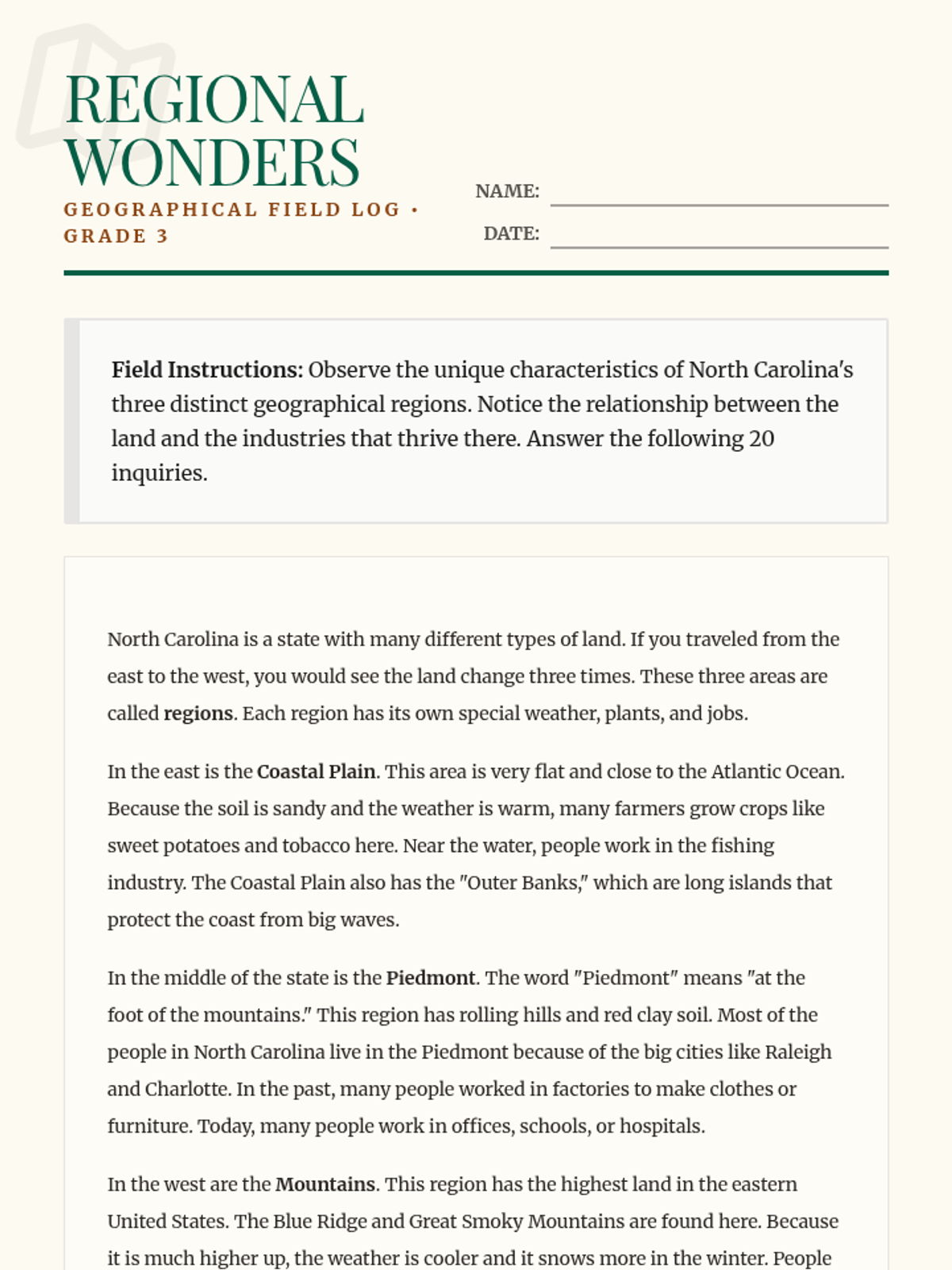
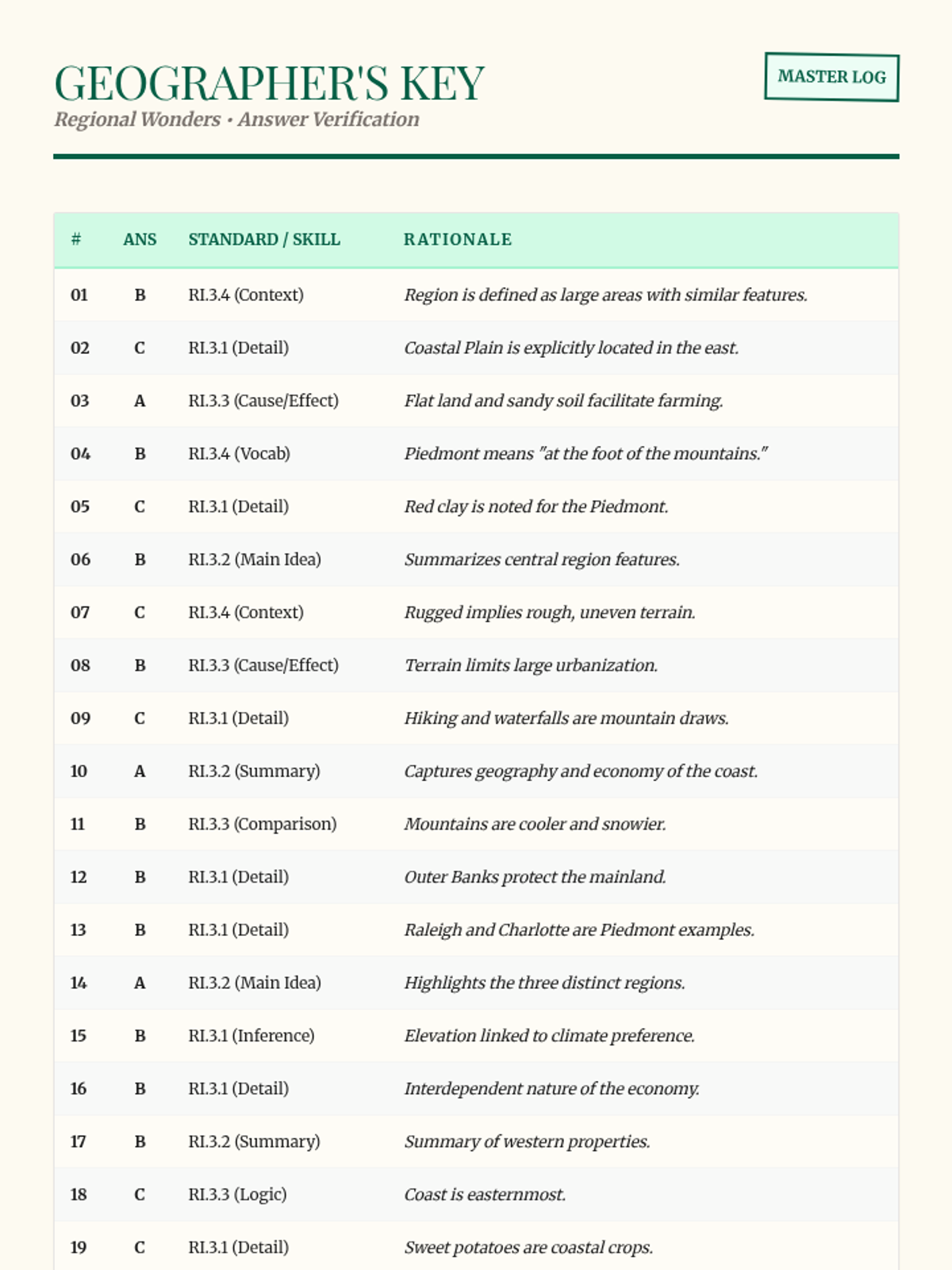
A comprehensive unit on North Carolina's history, geography, and government, featuring 3rd and 4th grade level resources with EOG-style assessments.
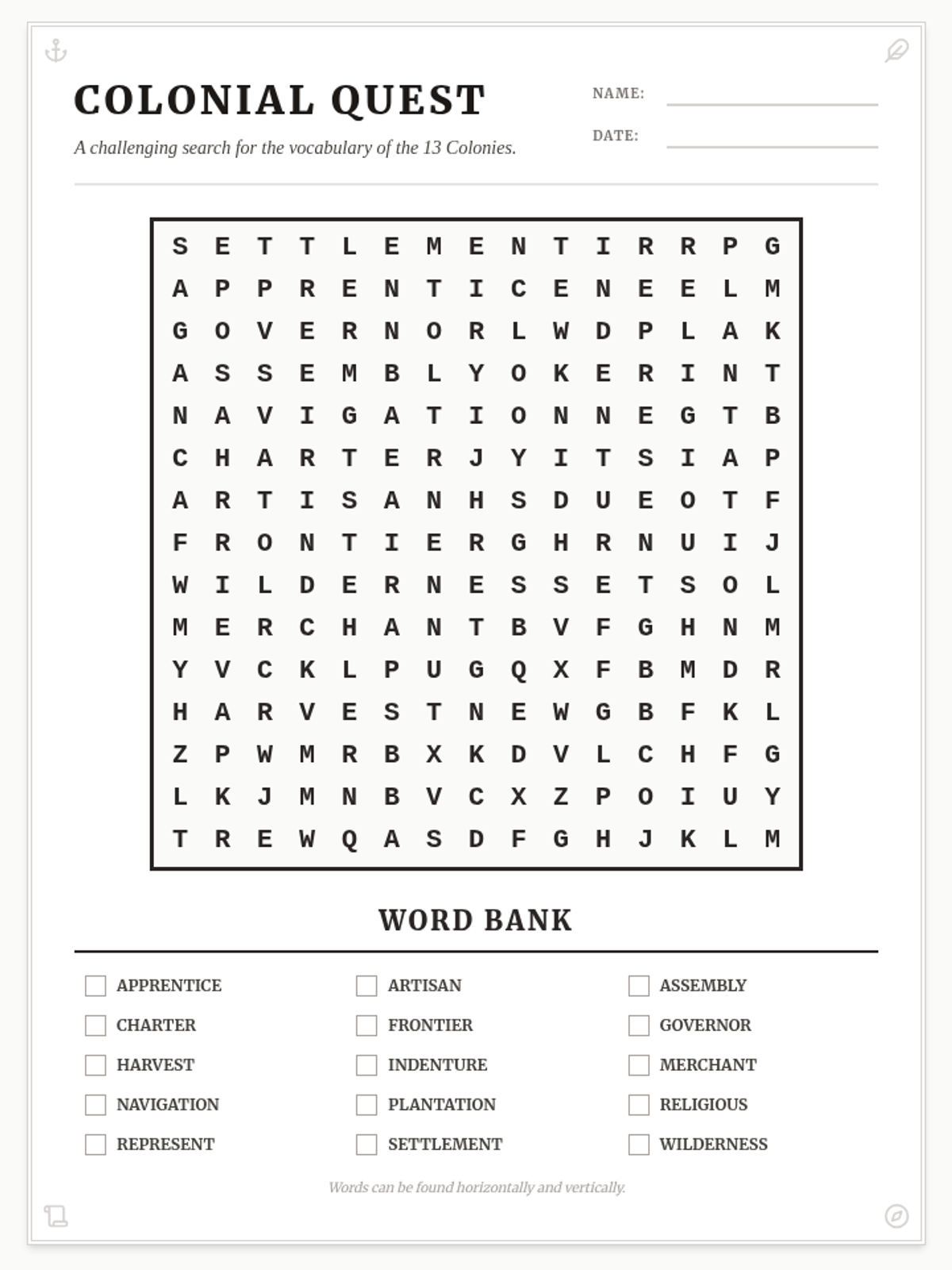
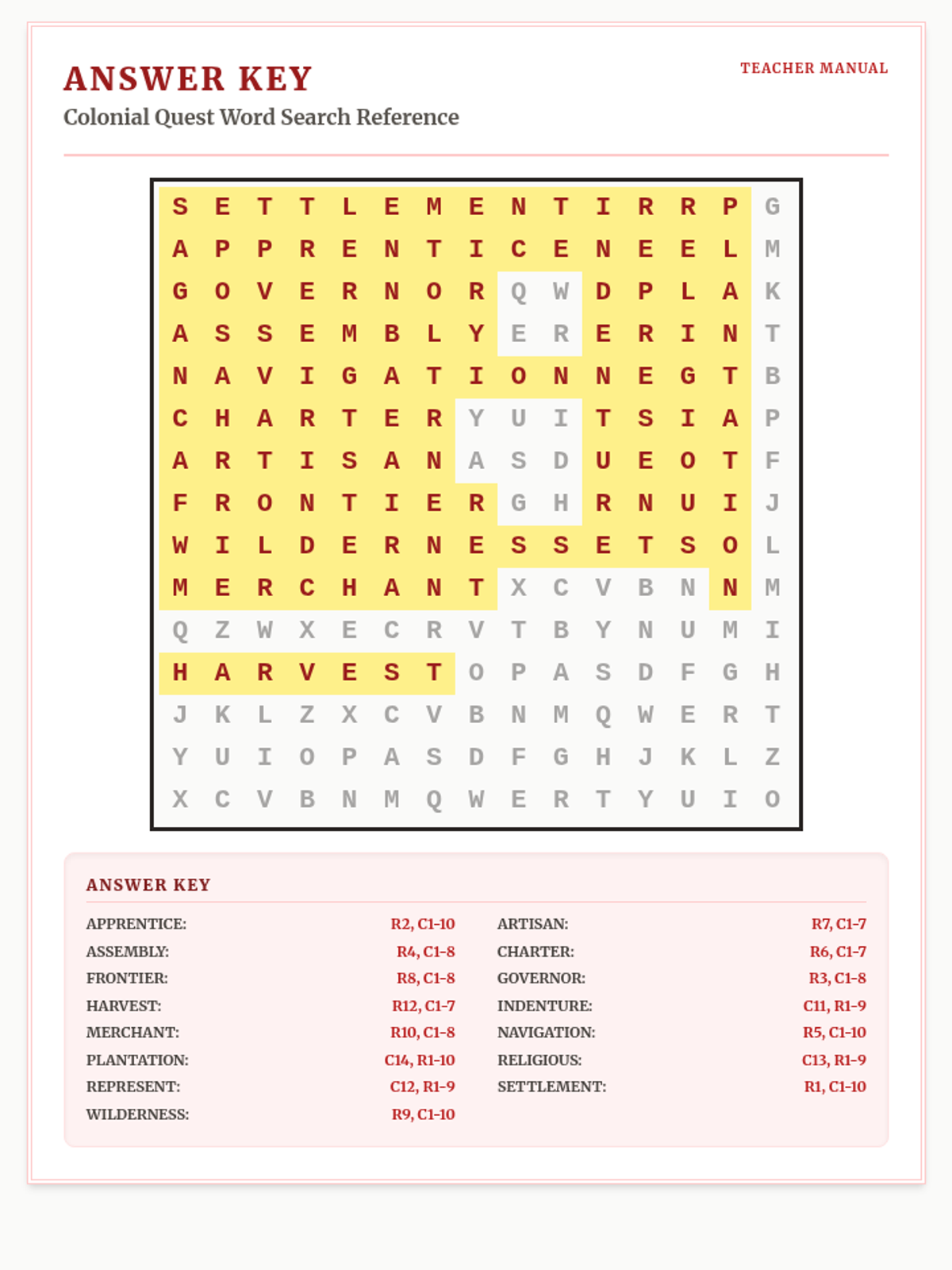
A look into the lives, systems, and vocabulary of the thirteen original American colonies.
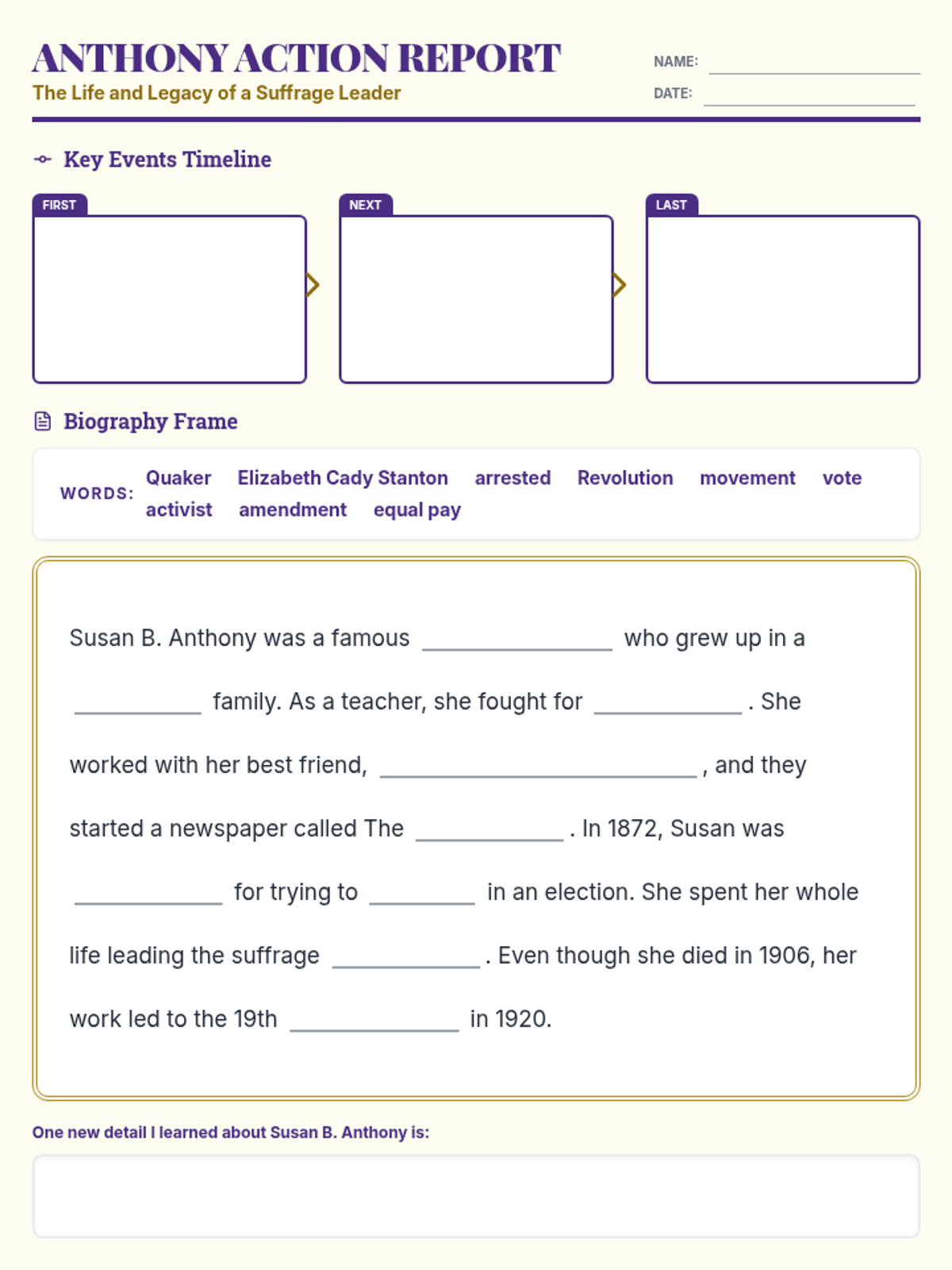
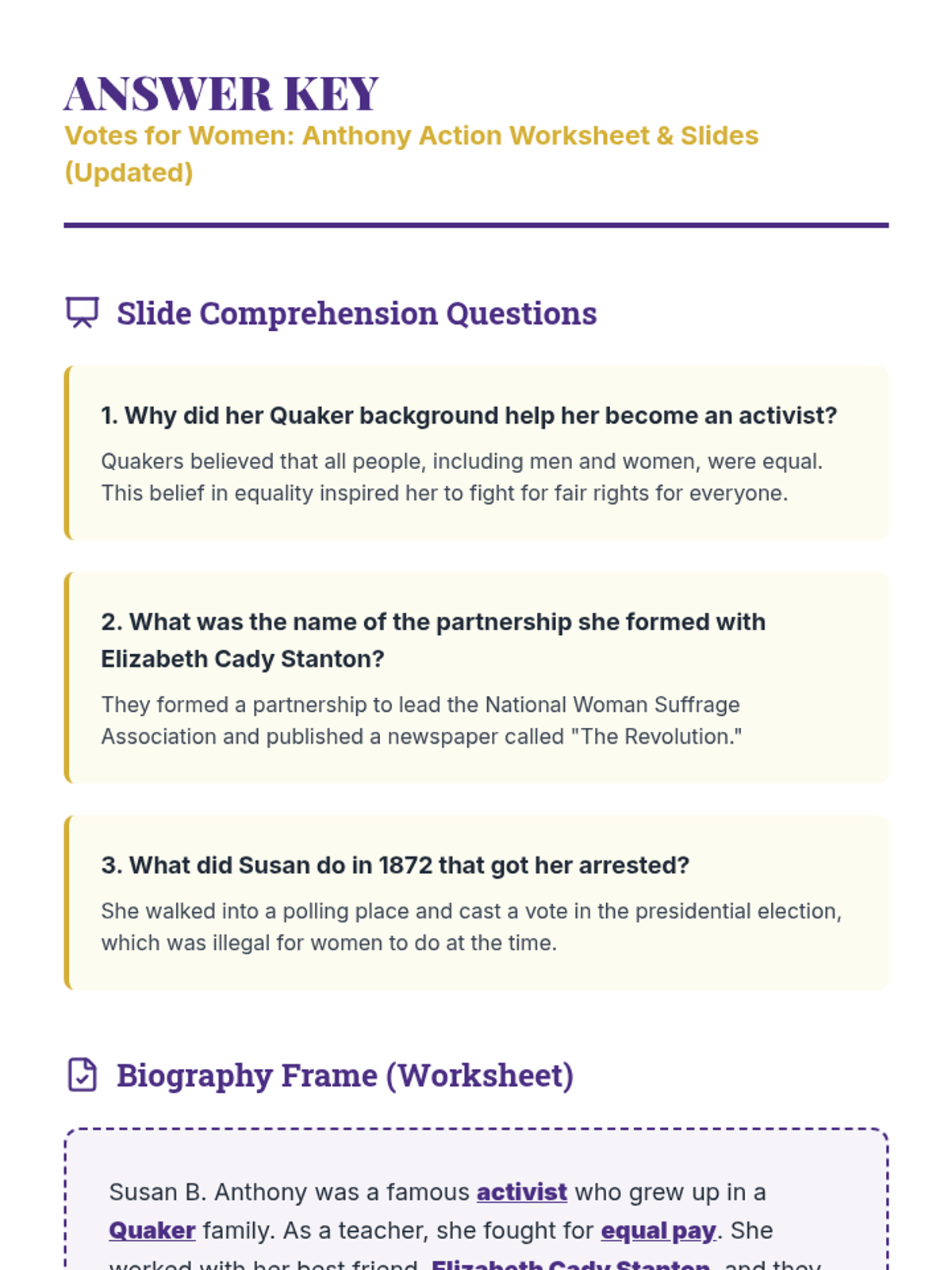
A lesson exploring the Women's Suffrage Movement through the life and activism of Susan B. Anthony, featuring vocabulary building and historical sequencing.
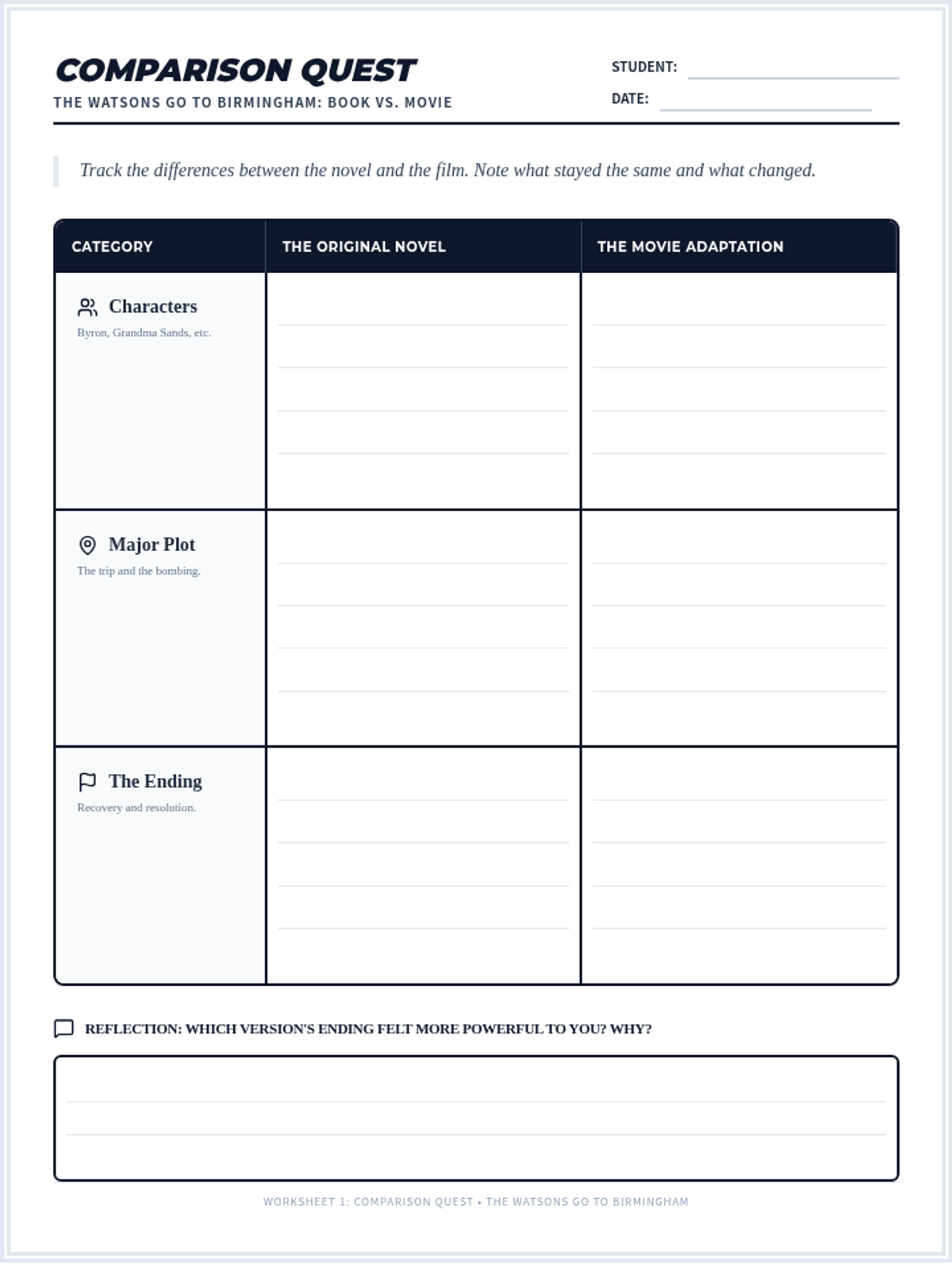
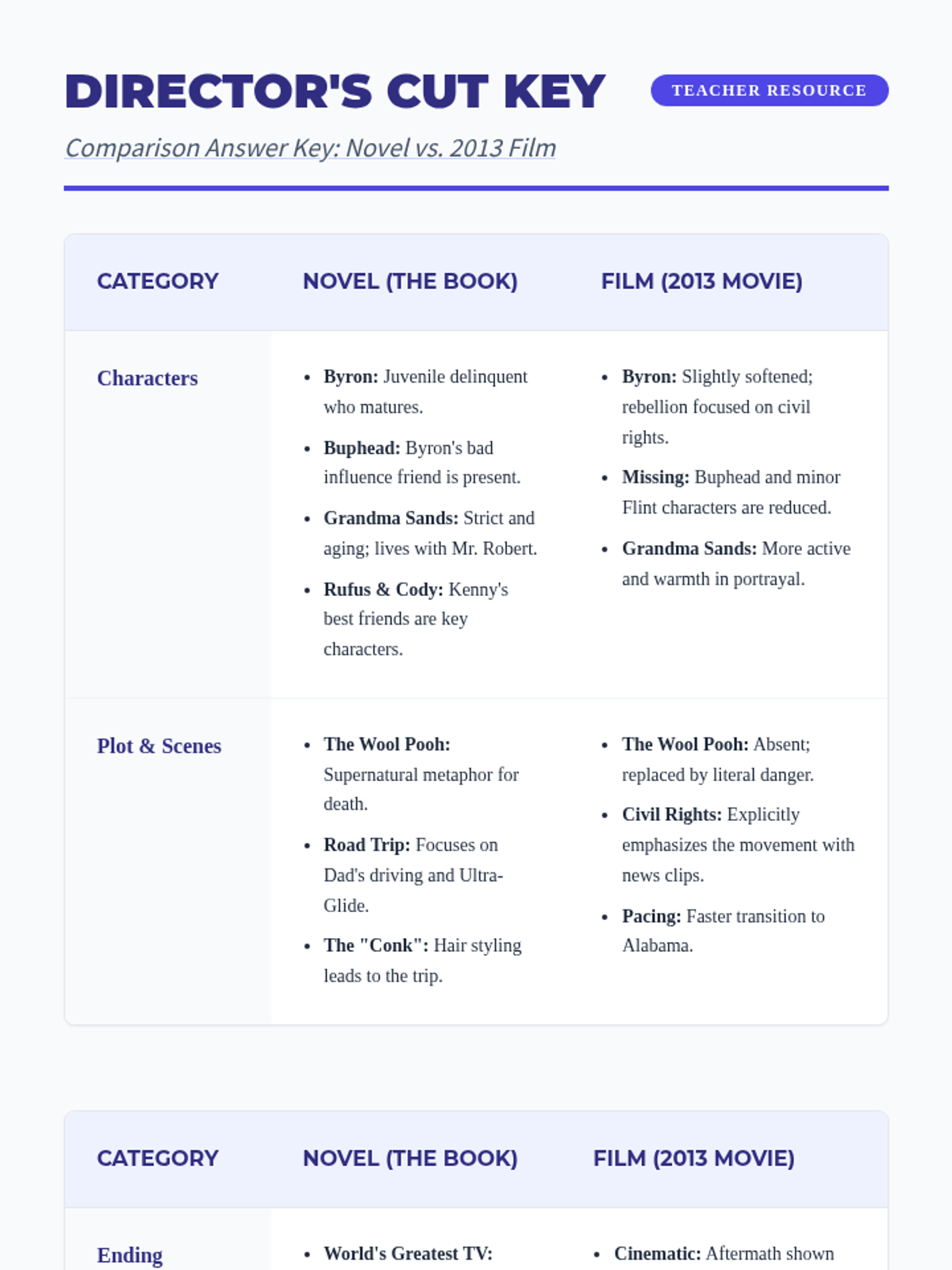
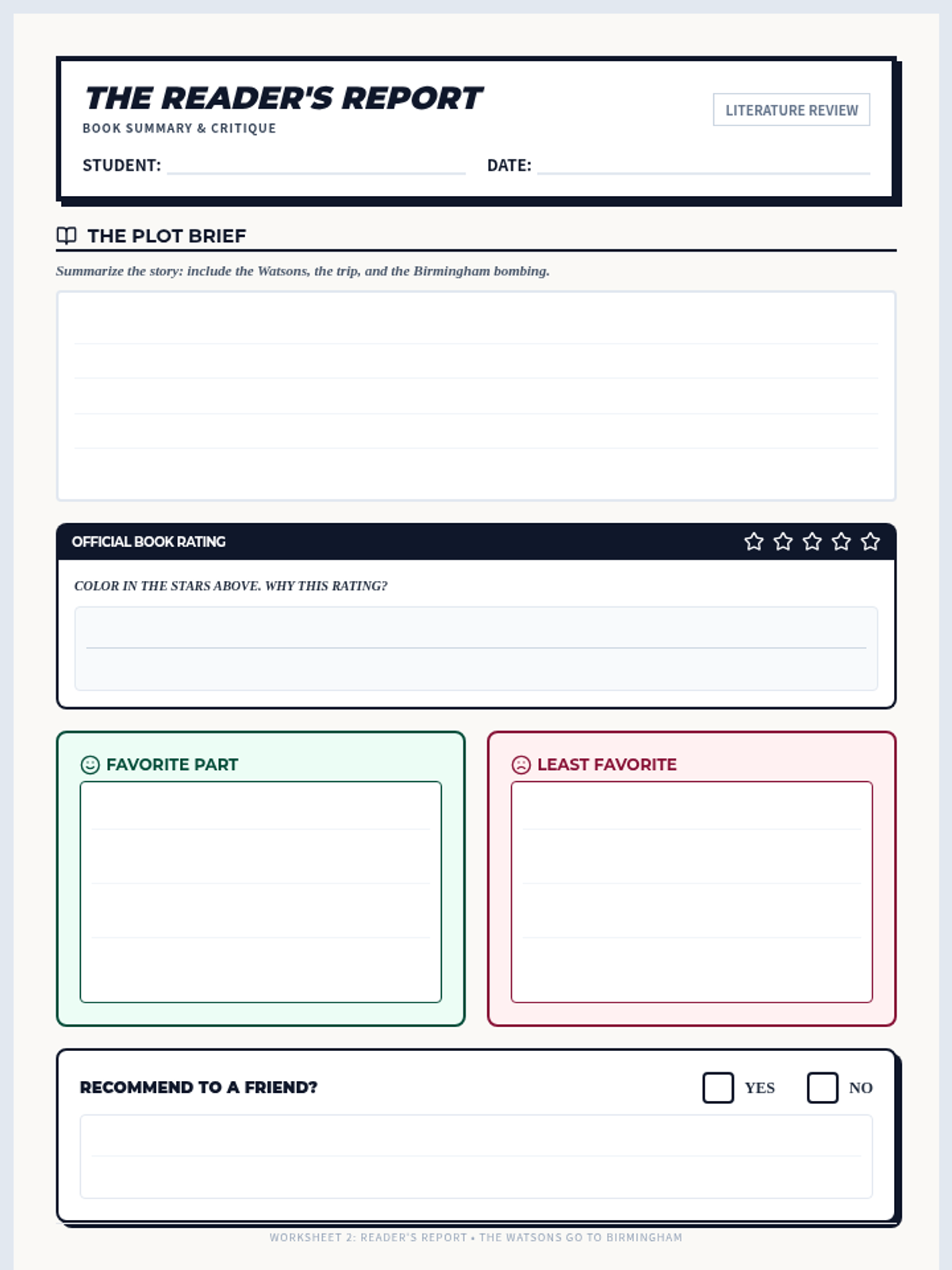
A comprehensive look at the classic novel 'The Watsons Go to Birmingham – 1963', including a complete plot summary and a comparative analysis between the book and its film adaptation.
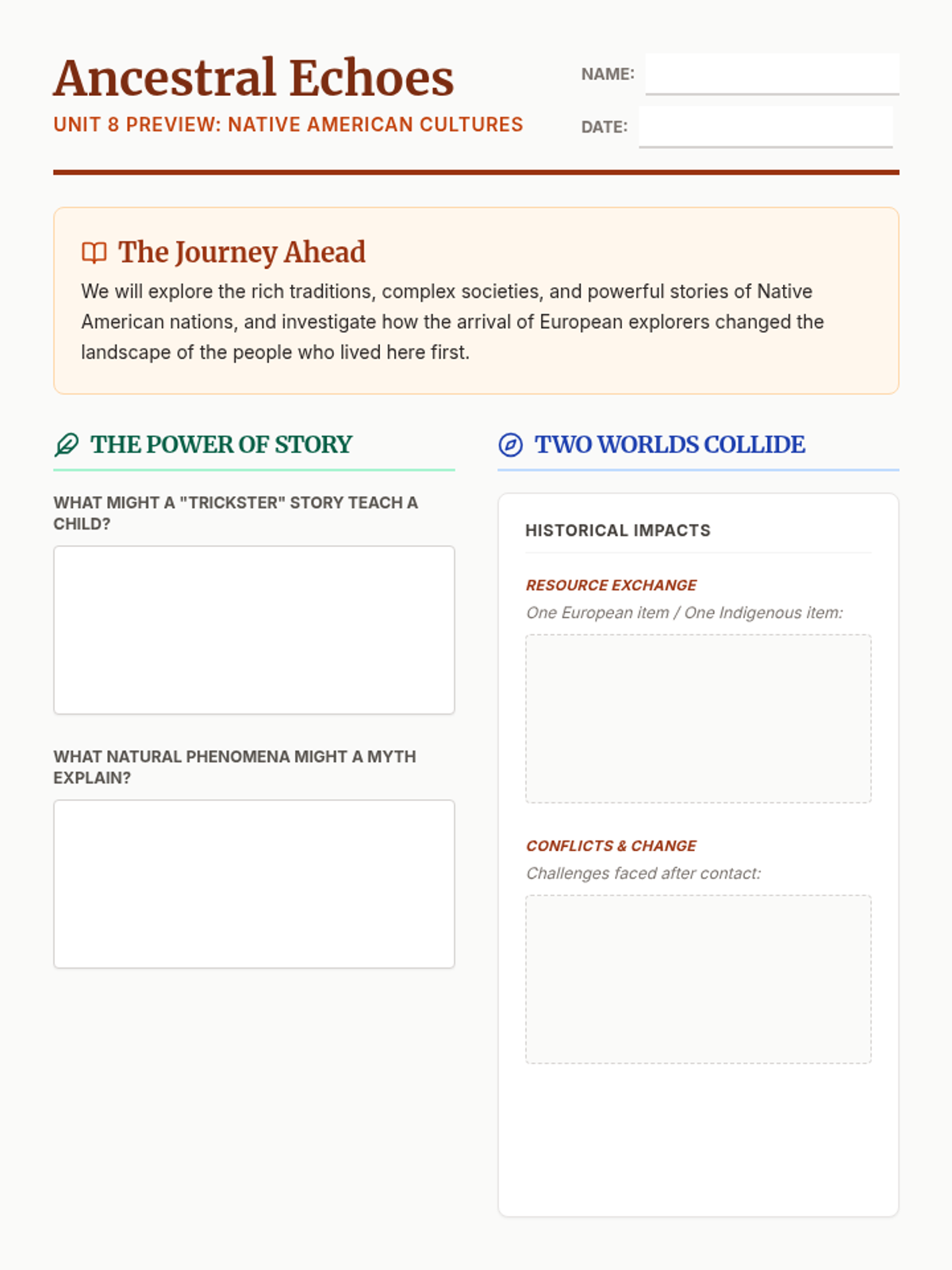
An introductory preview of CKLA Unit 8 exploring Native American cultures, traditional myths, and the historical impact of European exploration.
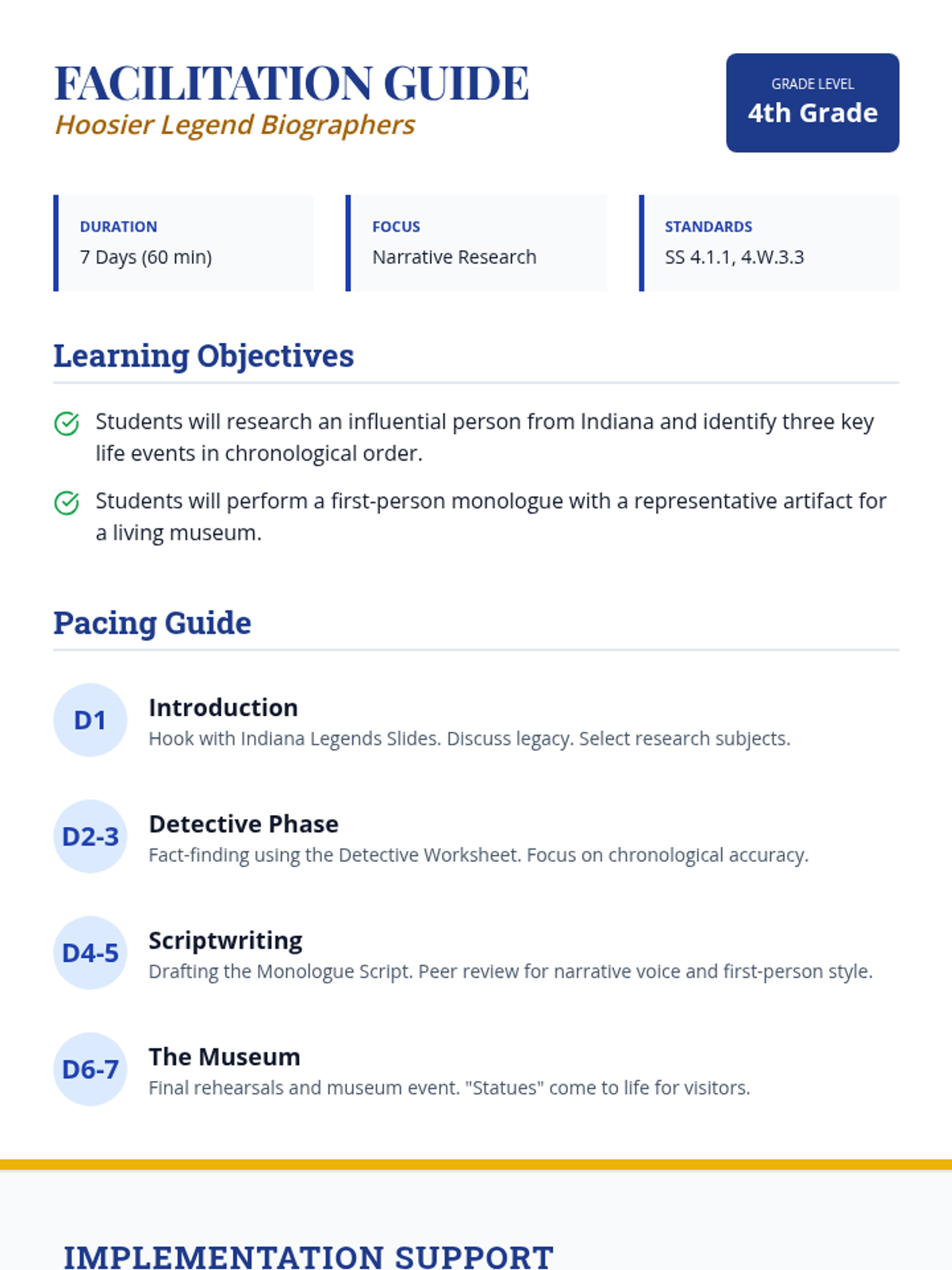
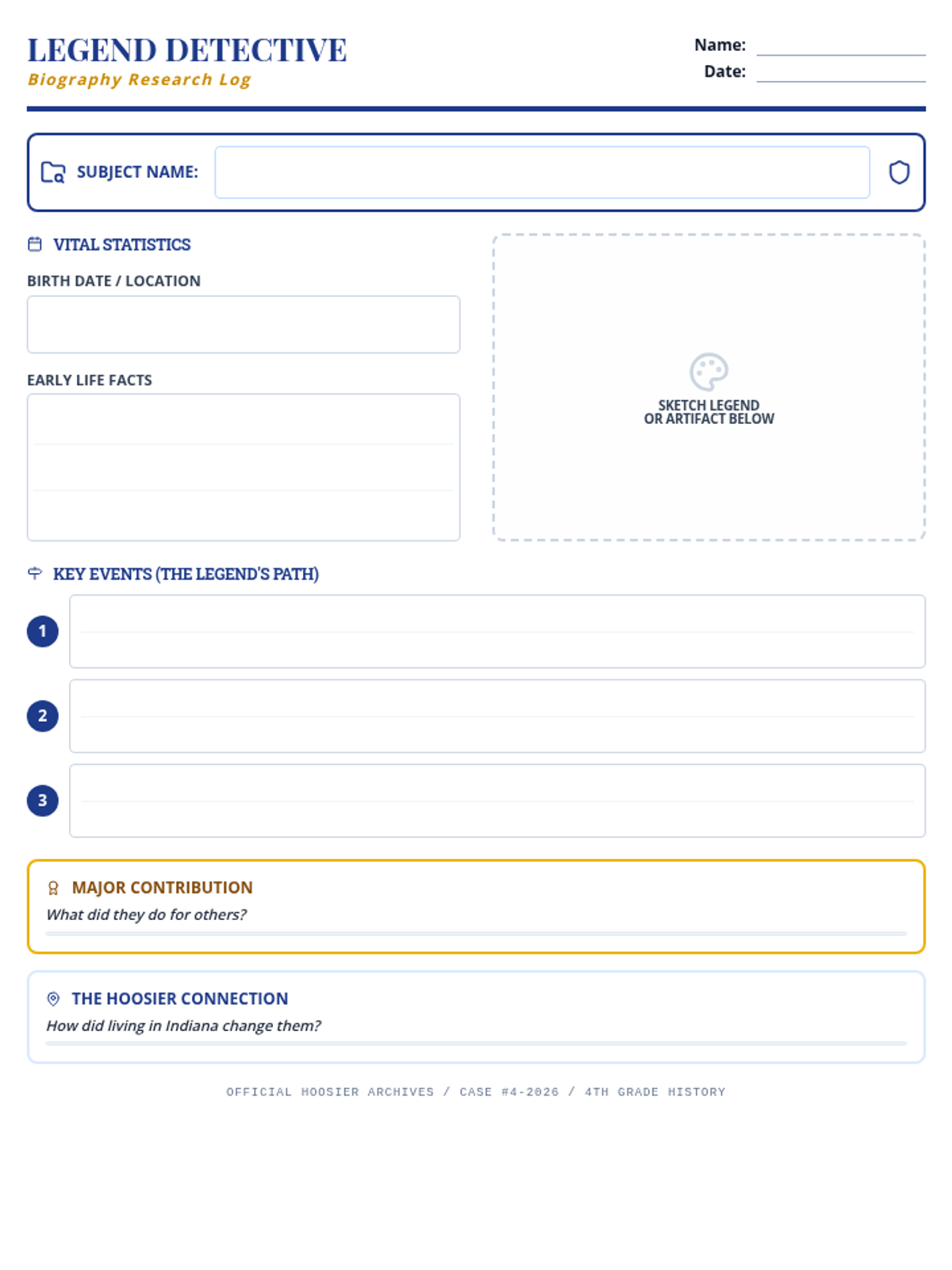
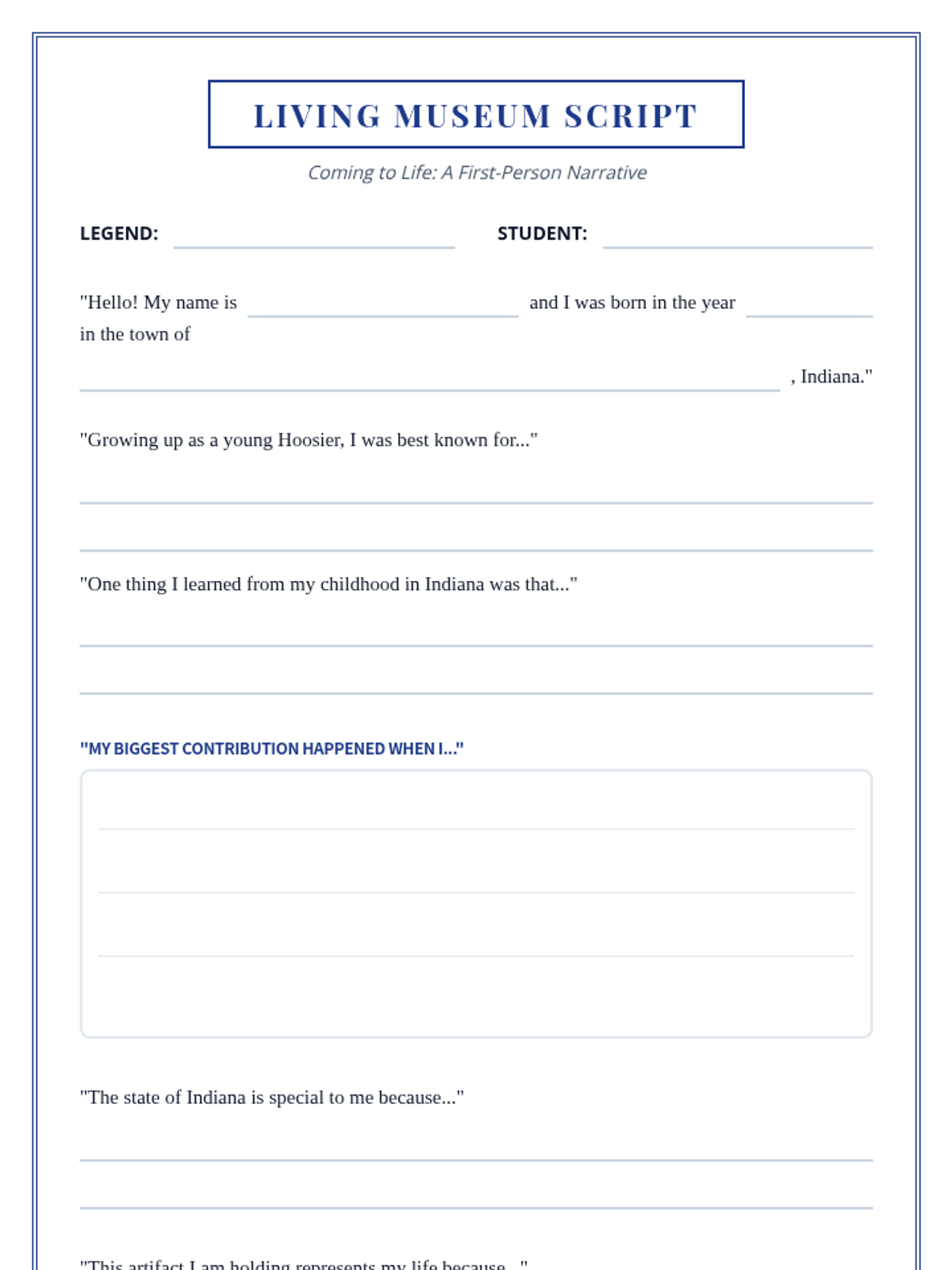
A comprehensive biography project where fourth graders research influential Indiana figures, develop narrative writing skills, and prepare for a 'living museum' presentation. students learn to synthesize facts into first-person scripts and select representative artifacts.
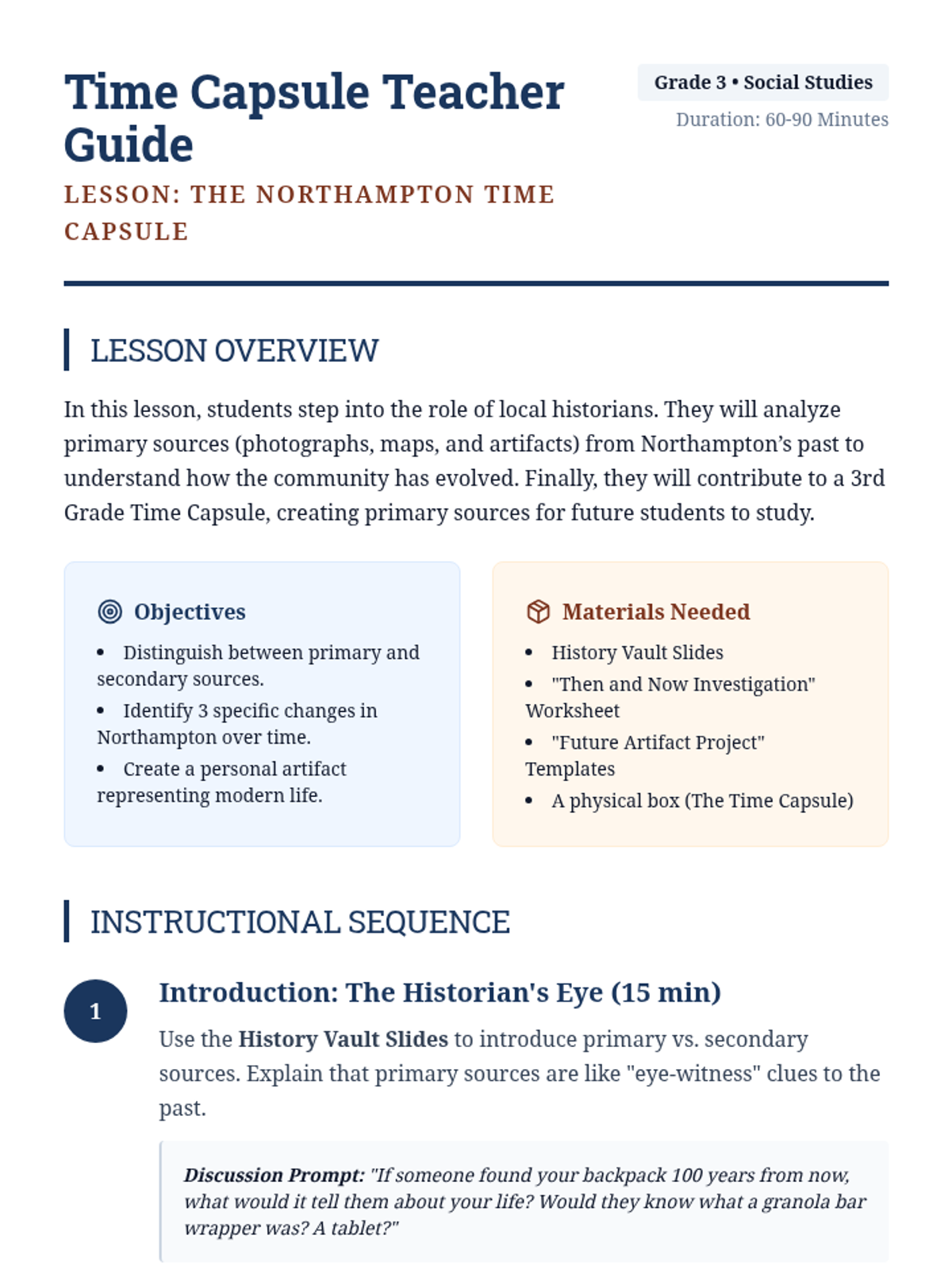
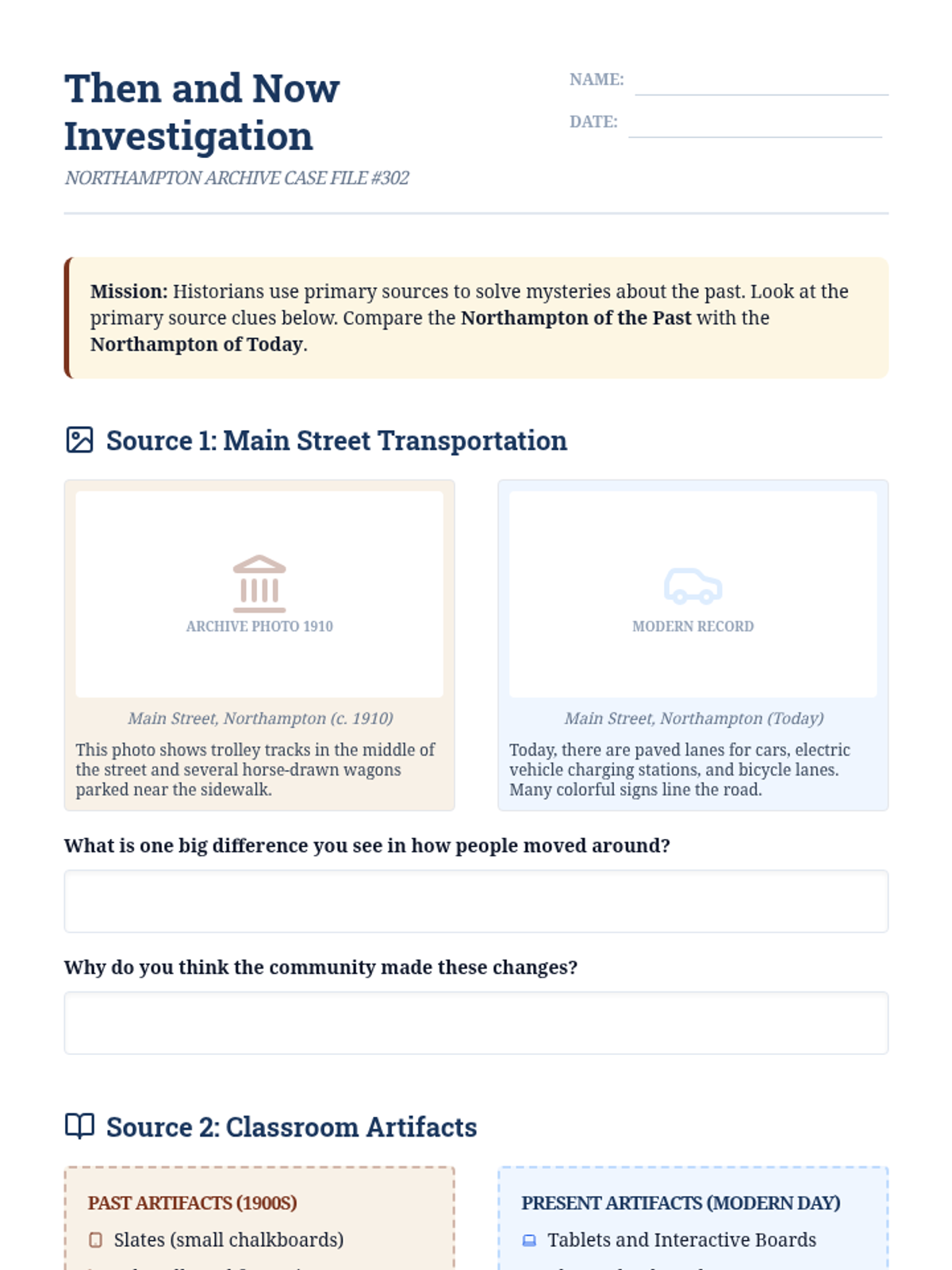
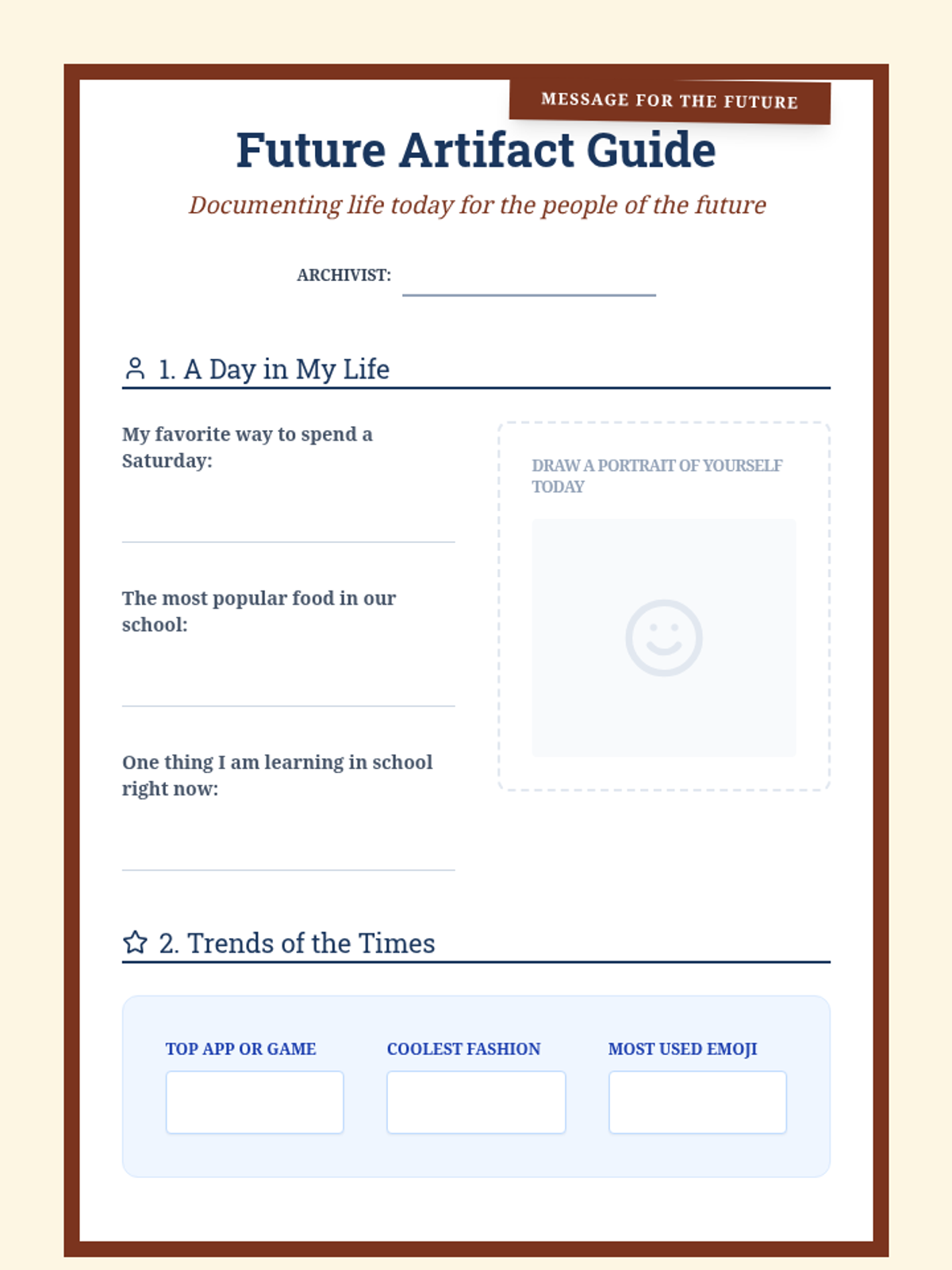
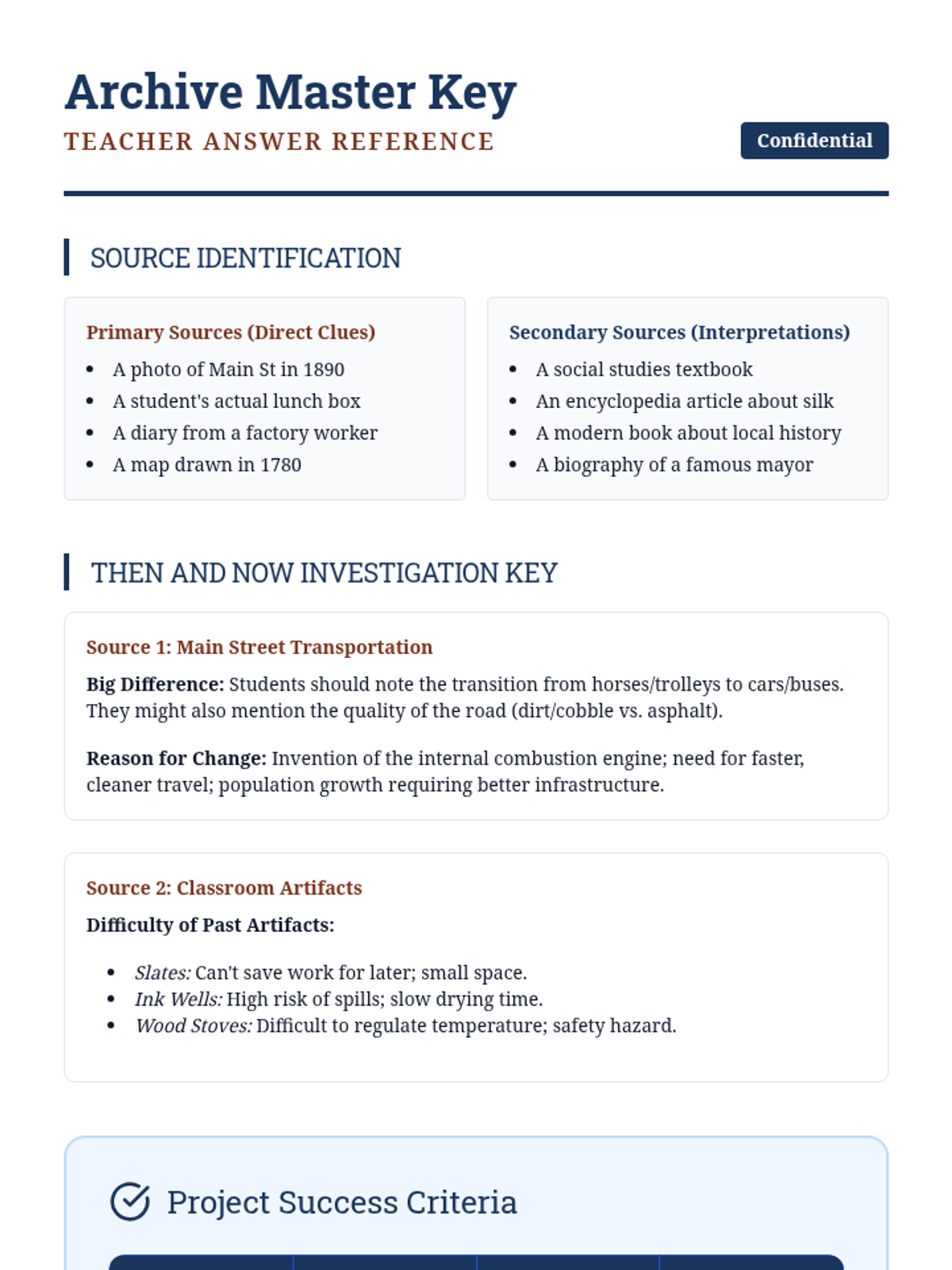
A history lesson where 3rd-grade students investigate primary sources to understand how Northampton has changed, culminating in the creation of a modern-day time capsule.
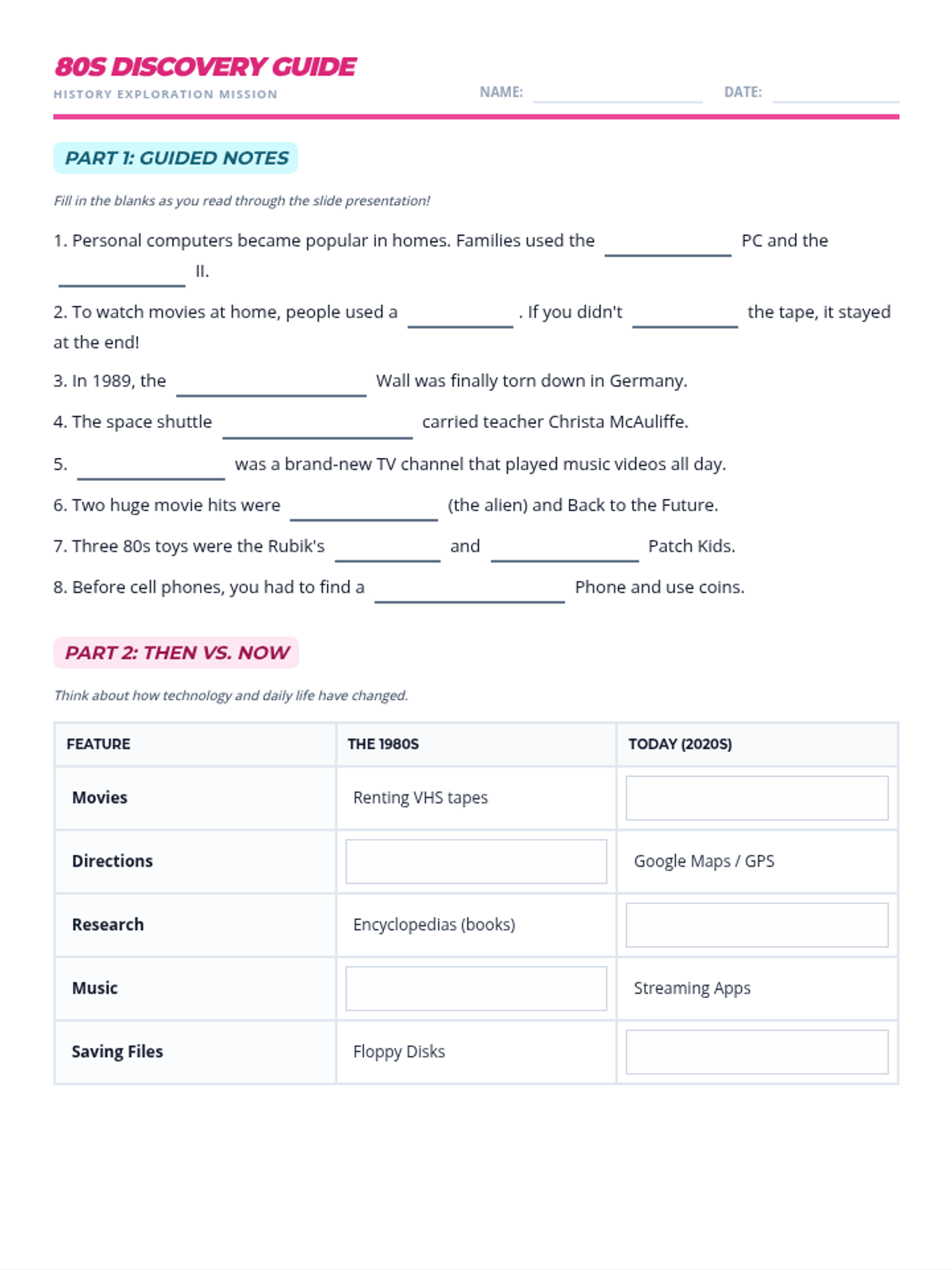
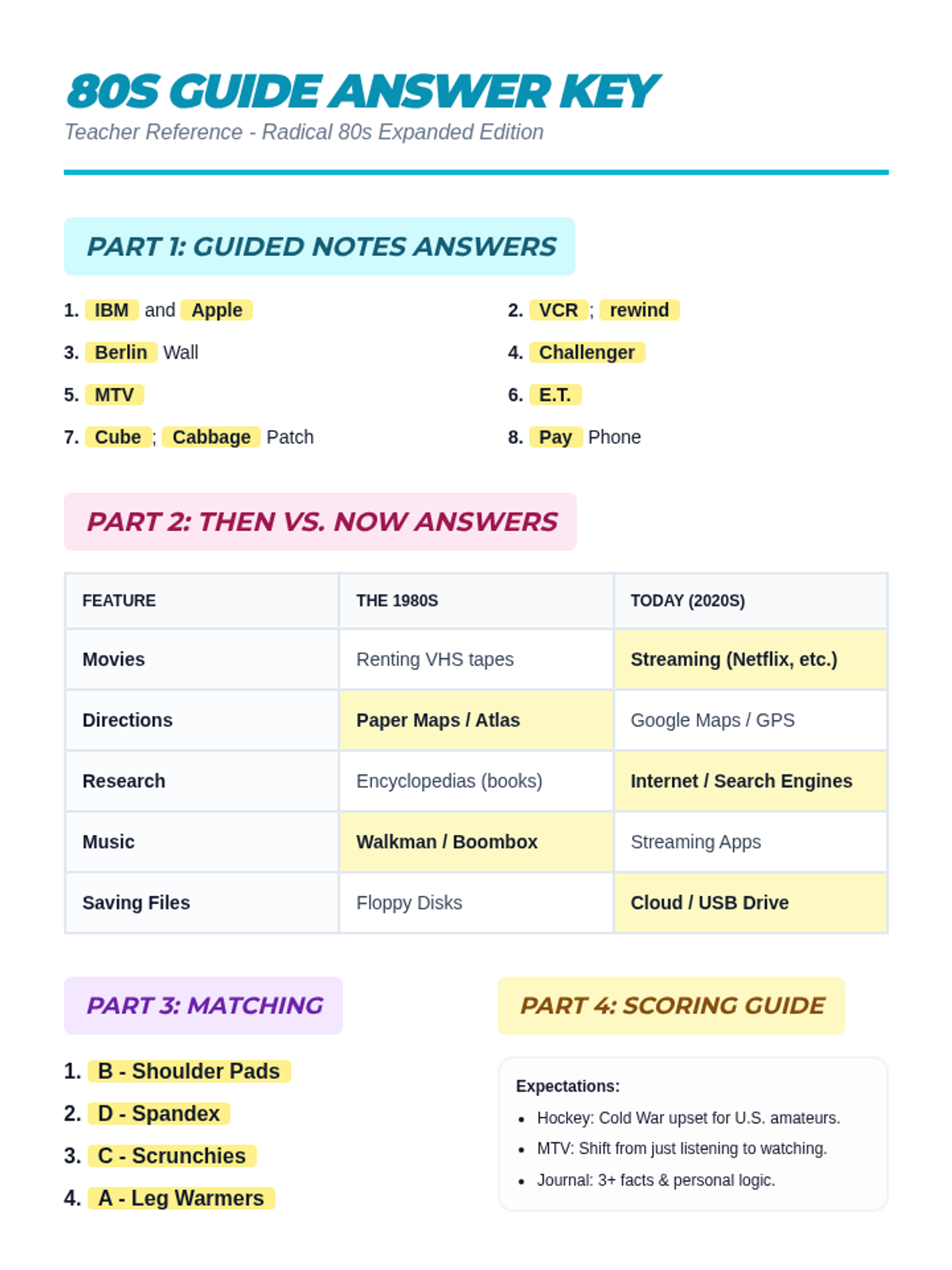
A vibrant, interactive dive into the 1980s for 4th graders, covering technology, culture, fashion, and history through a virtual asynchronous lens.
An introductory lesson exploring the primary political and economic causes of the American Revolution, including the various tax acts and escalating tensions.