A 1st-grade social studies lesson where students distinguish between rights (freedoms) and responsibilities (duties) through a video-based discussion and a sorting activity.
A comprehensive lesson introducing young learners to the various roles and tools of community helpers through visual aids, role-play, and creative projects.
A lesson exploring the lives of Deborah, Samson, and Ruth, focusing on their character traits, the challenges they faced, and their significance in biblical history.
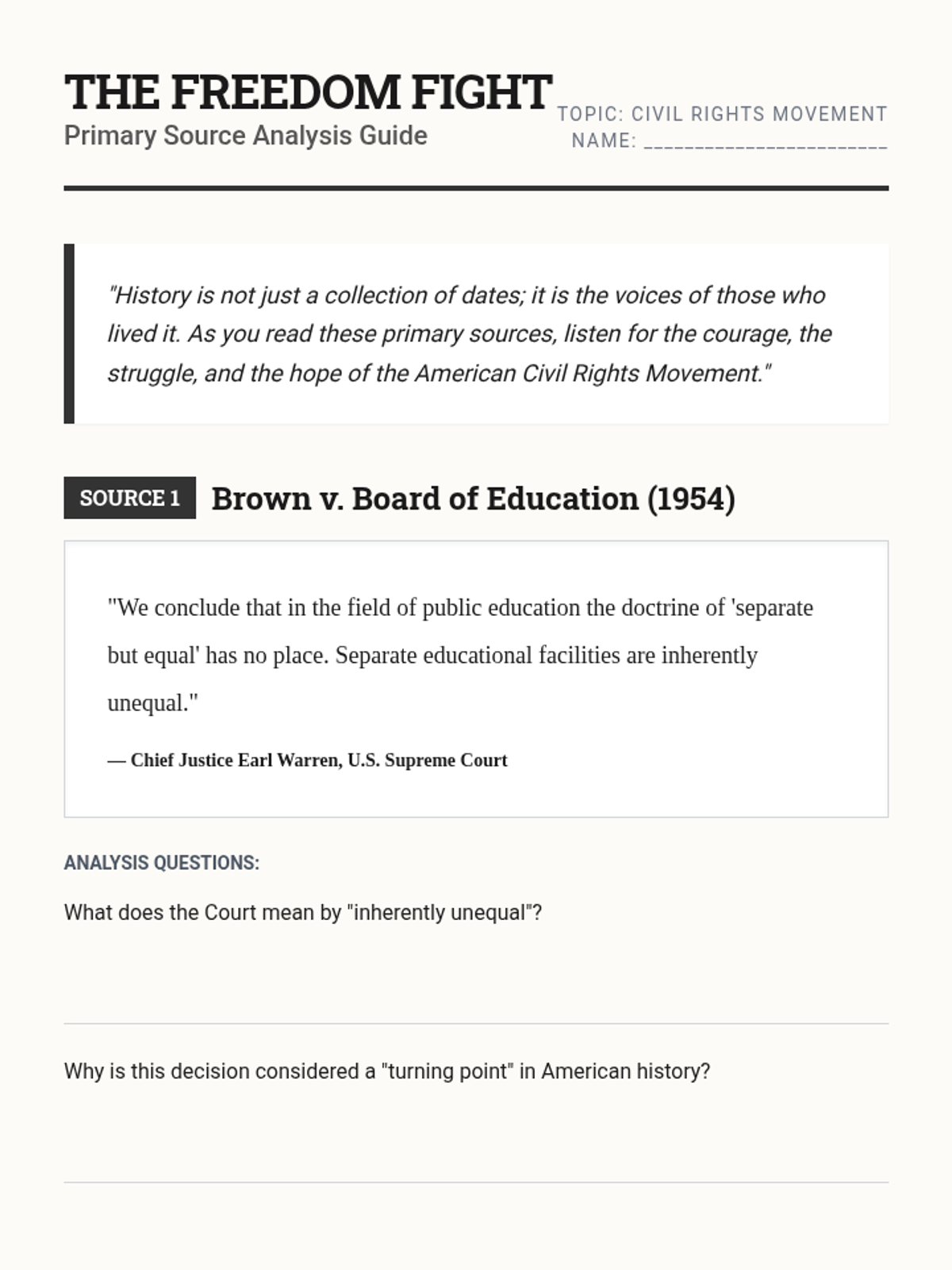
A 50-minute lesson exploring the history and customs of Valentine's Day, designed for middle school students with K-3 reading levels. Includes a KWL chart, accessible text, and comprehension questions.
A lesson focused on the Morning Offering Prayer, including a comprehensive quiz and teacher answer key.
A lesson focused on the life and legacy of Abraham Lincoln through foundational literacy activities like tracing and word recognition.
A social studies lesson for Kindergarten and 1st Grade students to explore the roles of community helpers through a video interview with a Mayor, a song, and interactive role-playing. Students will practice naming various jobs and explaining how those workers help their neighborhoods.
Students will learn to distinguish between different city departments, focusing on the vital role of Public Works in maintaining a community. Through a video interview with a Mayor and a hands-on sorting activity, students identify which city heroes handle specific neighborhood needs.
A civics lesson for K-2 students that introduces the concept of voting through a video analogy and a hands-on mock election to make class decisions.
A civic-focused lesson for 1st and 2nd graders to learn about the role of a mayor and propose their own ideas for community improvement. Includes a video interview, guided discussion, and a creative writing activity.
A 1st-grade lesson where students meet Gina the EMT, learn about first responders, and practice gratitude and writing by creating thank-you cards for local emergency medical teams.
A lesson for Kindergarten and 1st Grade students to learn about the role of EMTs, the tools they use, and how they help keep our community safe. Includes a video presentation, a tool-sorting activity, and a creative drawing task.
A 1st-2nd grade lesson introducing the difference between government-provided public services and private businesses. Students explore common community locations and identify how they are funded and who they serve.
A lesson for K-1 students exploring community helpers and the dual purposes of government: keeping people safe and helping them work together. students will watch a video, engage in discussions, and complete a sorting activity.
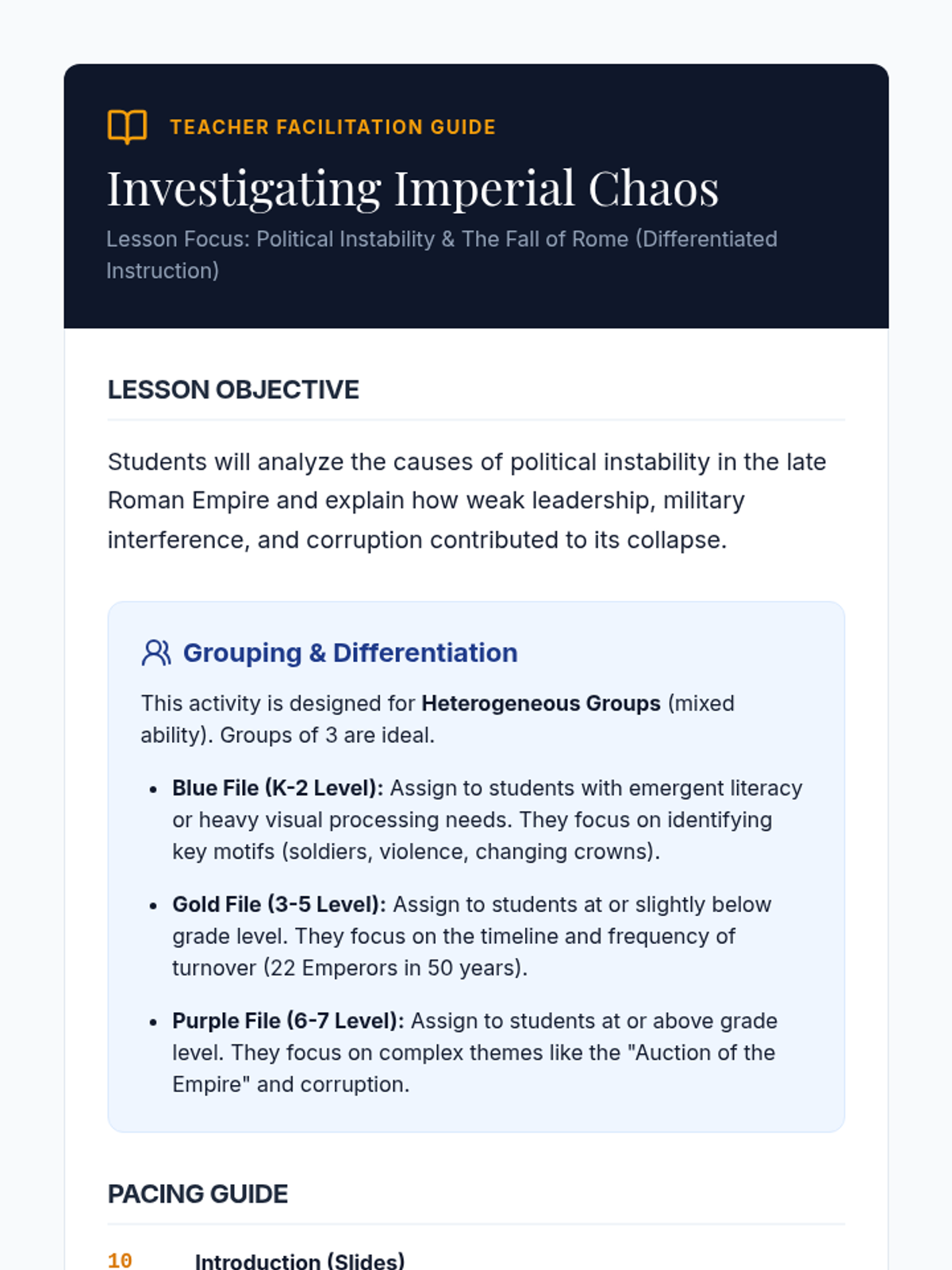
Students explore the fundamental purpose of laws and government, focusing on safety and cooperation. The lesson culminates in the collaborative creation of a 'Classroom Constitution' where students categorize rules based on their primary function.
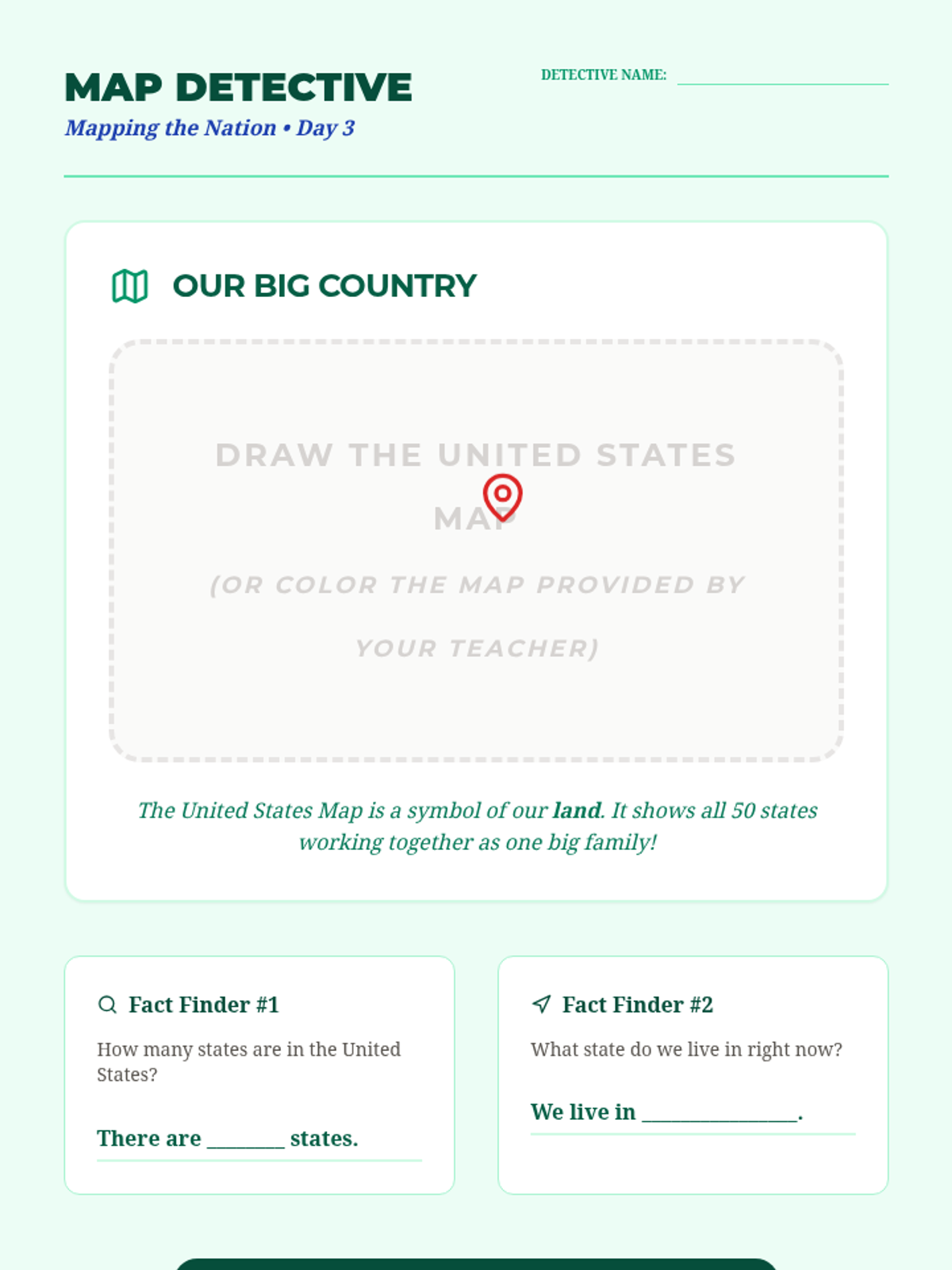
A lesson for K-2 students to develop deduction and critical thinking skills using map symbols and keys. Students will compare real objects to their map symbols and solve park-themed clues.
Students learn to use a map key to locate items on a park map through an interactive video game and a scavenger hunt activity. The lesson emphasizes symbol recognition and spatial reasoning for 1st and 2nd graders.
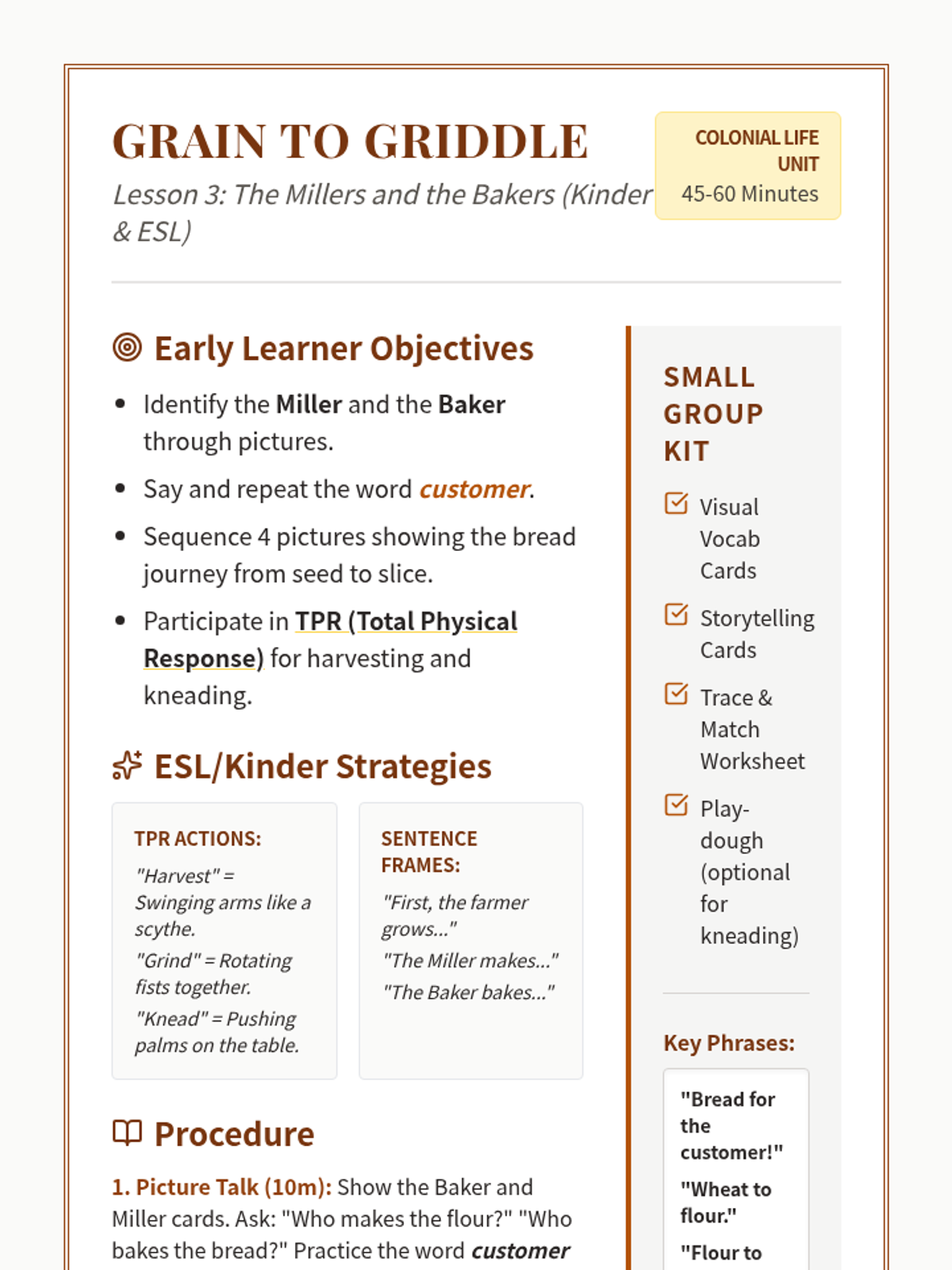
Students learn how to use and create map keys by designing their own park layout. The lesson uses the analogy of emojis as symbols to help students understand how map keys communicate information about a location.
A Kindergarten and 1st Grade lesson introducing the concept of map symbols using emojis as a relatable starting point. Students will watch a video about a park map key and then create their own symbols for common classroom objects.
A 1st-grade social studies lesson where students explore empathy and communication through the role of community helpers like doctors and nurses. Students learn how to use 'brave words' and comfort others while watching a video and practicing through structured role-play.
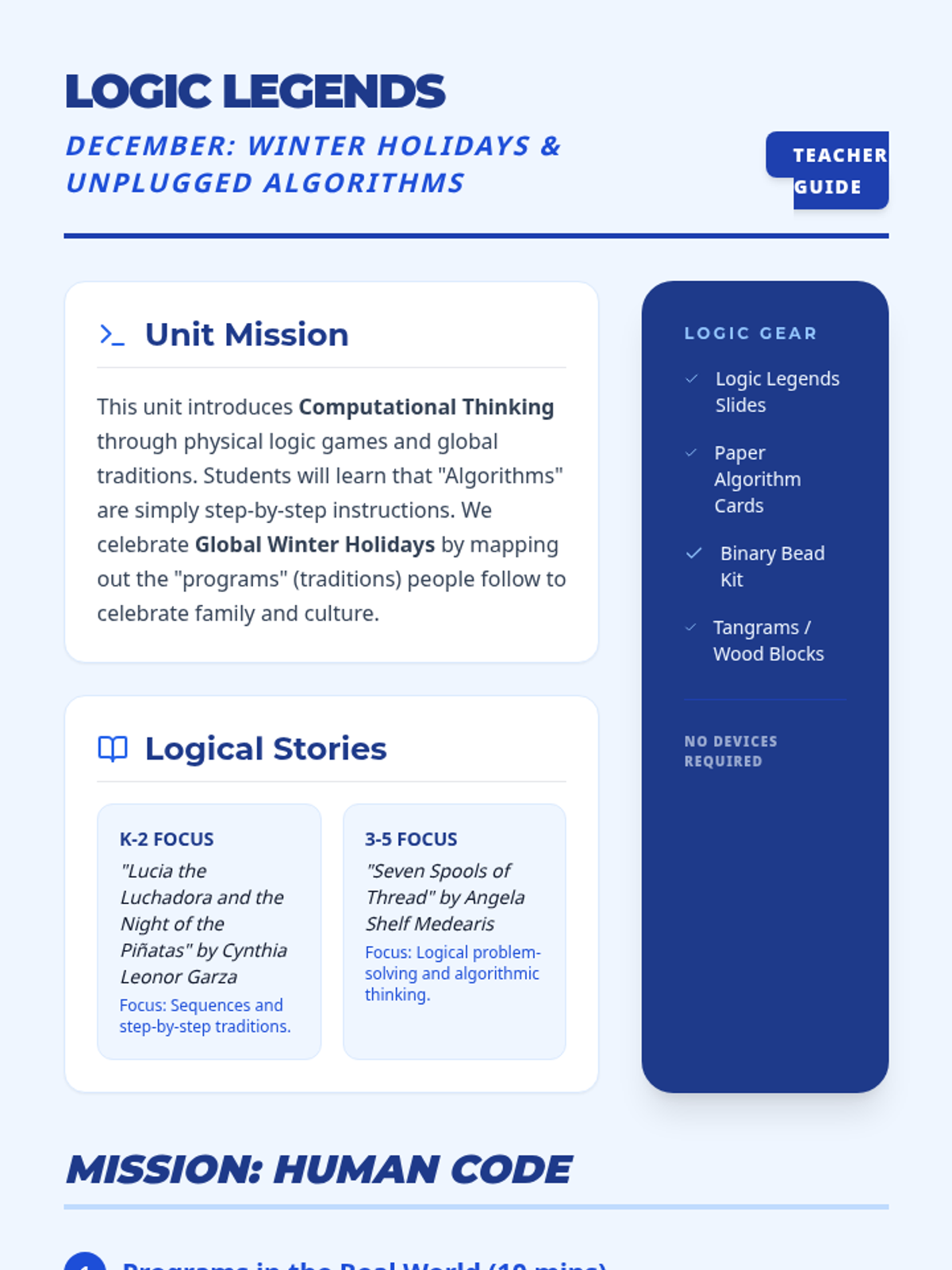
A 1st grade social studies lesson introducing Abraham Lincoln, focusing on his life, leadership as the 16th president, and his presence on U.S. currency. Students will explore his humble beginnings in a log cabin and his legacy through video and hands-on coin rubbings.
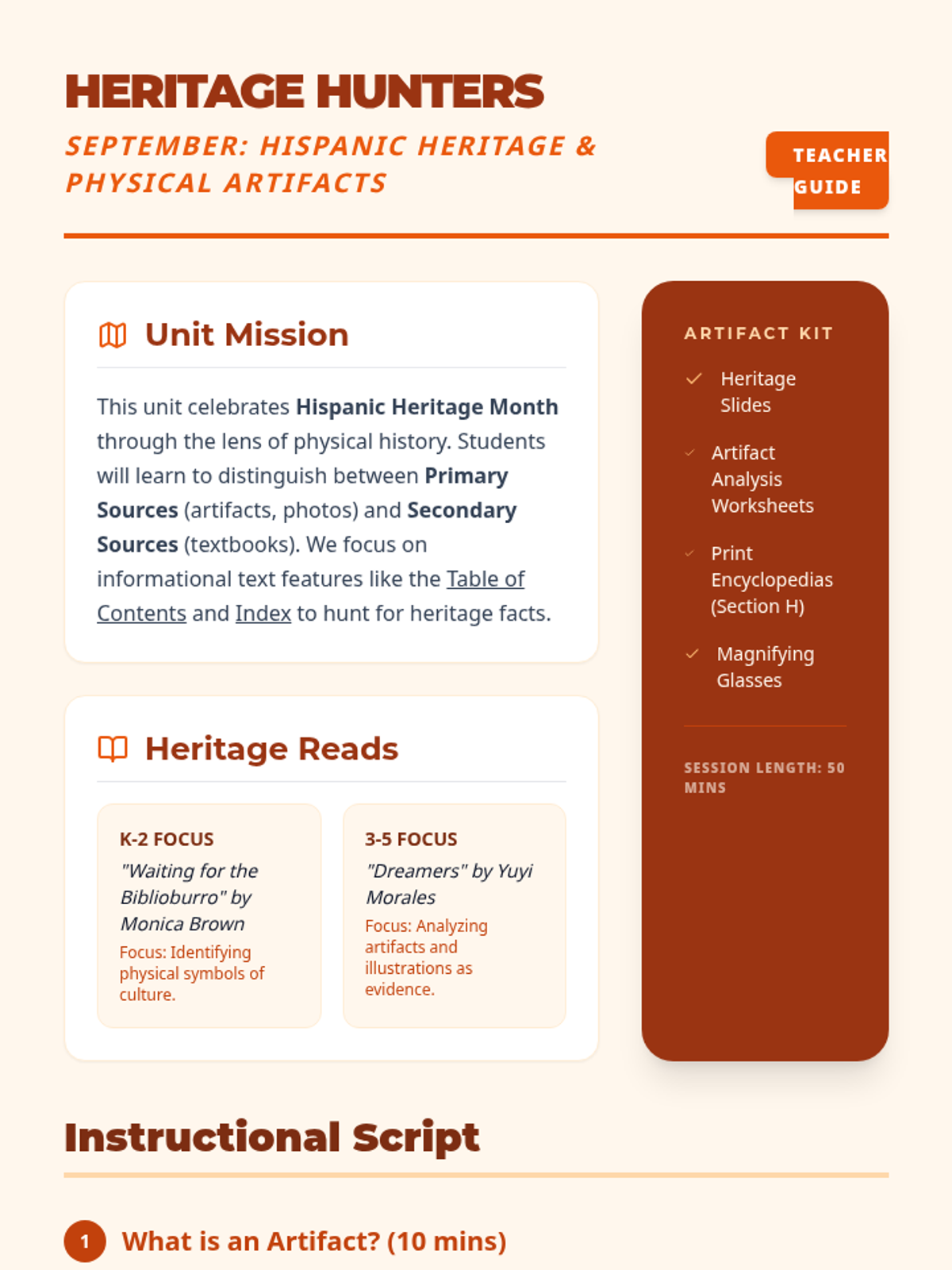
Students will explore the concept of citizenship through a friendly video, identify key values like respect and kindness, and collaboratively draft a Classroom Constitution to establish positive community norms.