An introductory lesson on the fundamentals of heredity, focusing on dominant and recessive traits, and the distinction between genotype and phenotype.
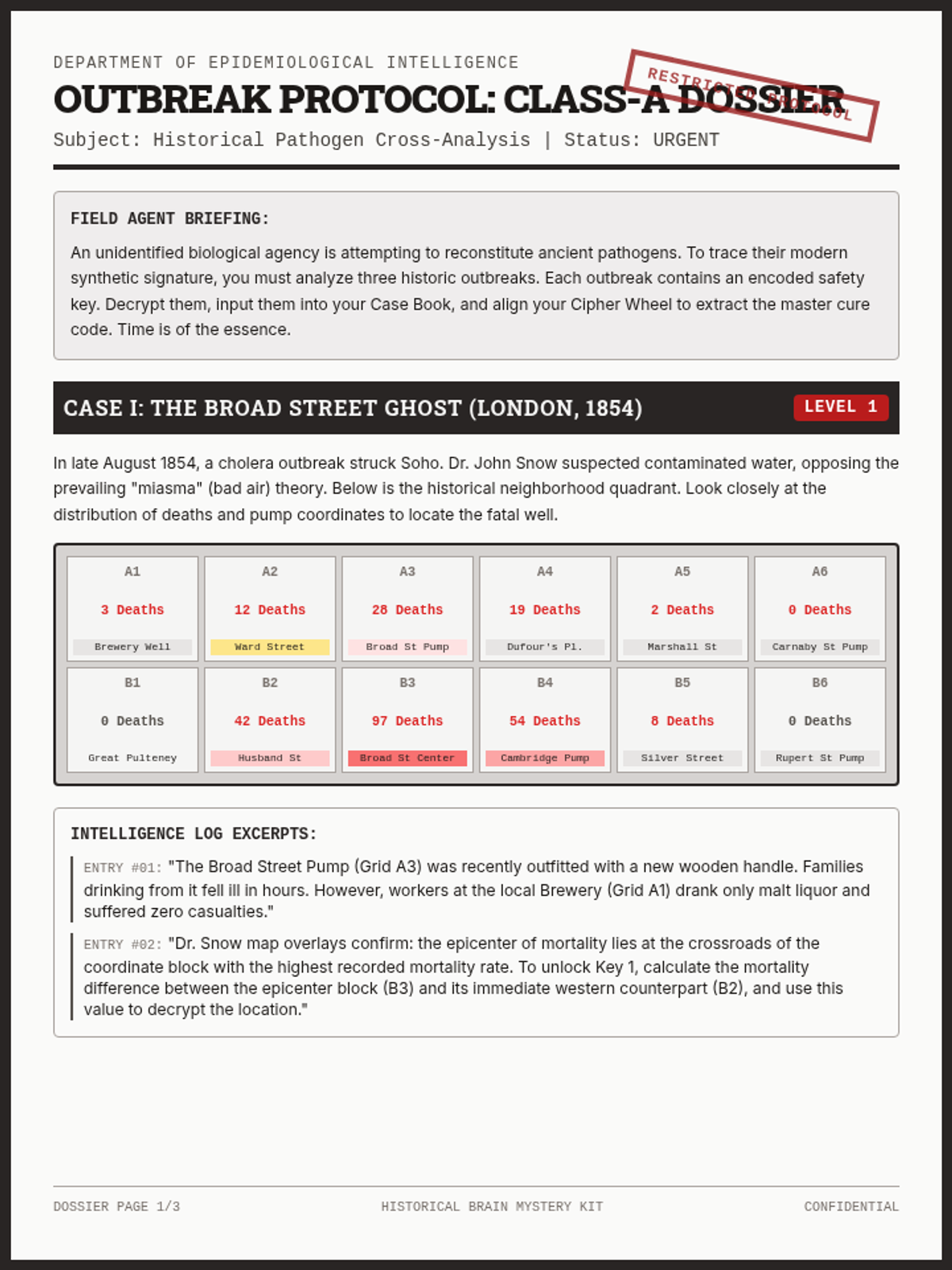
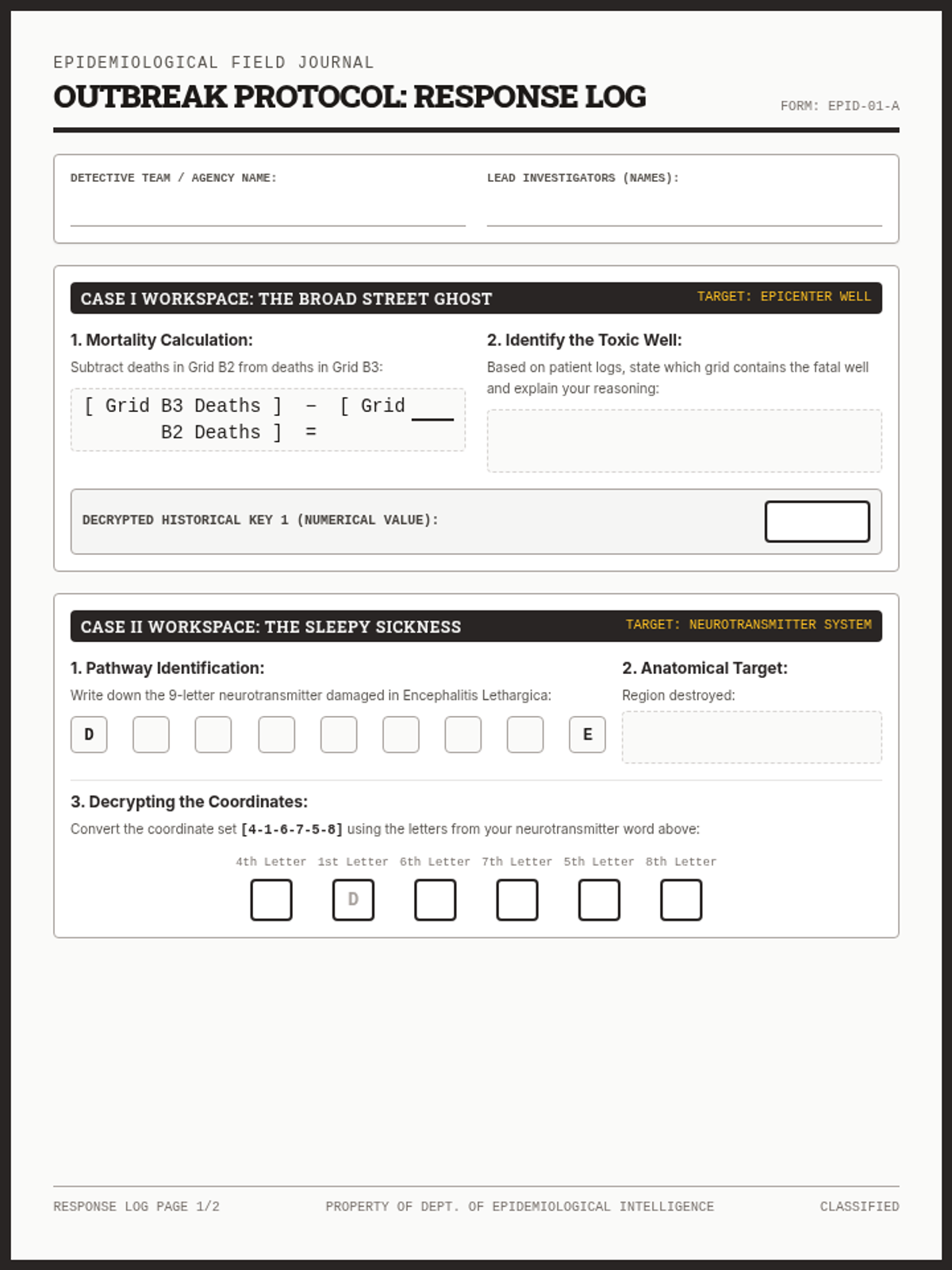
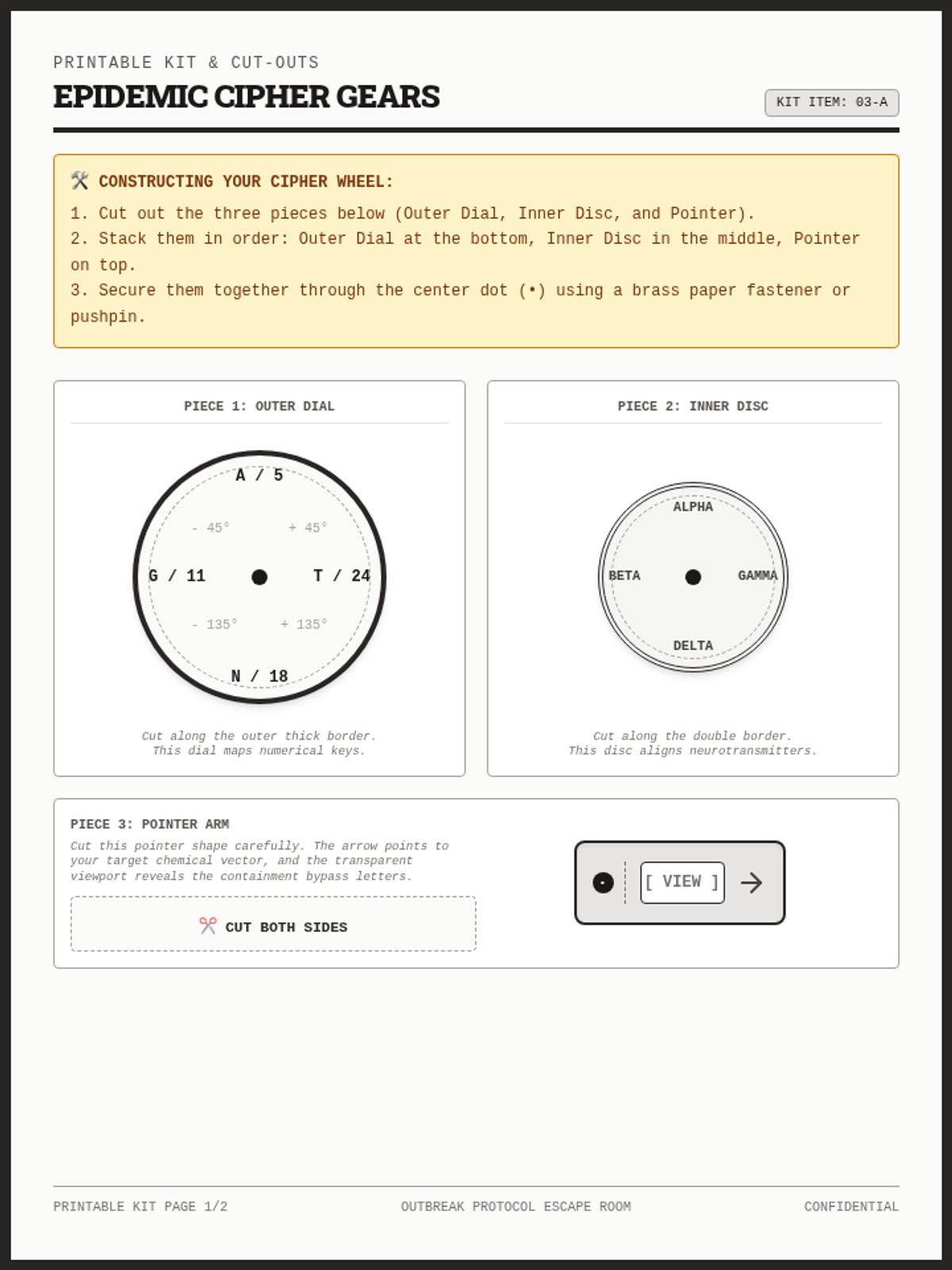
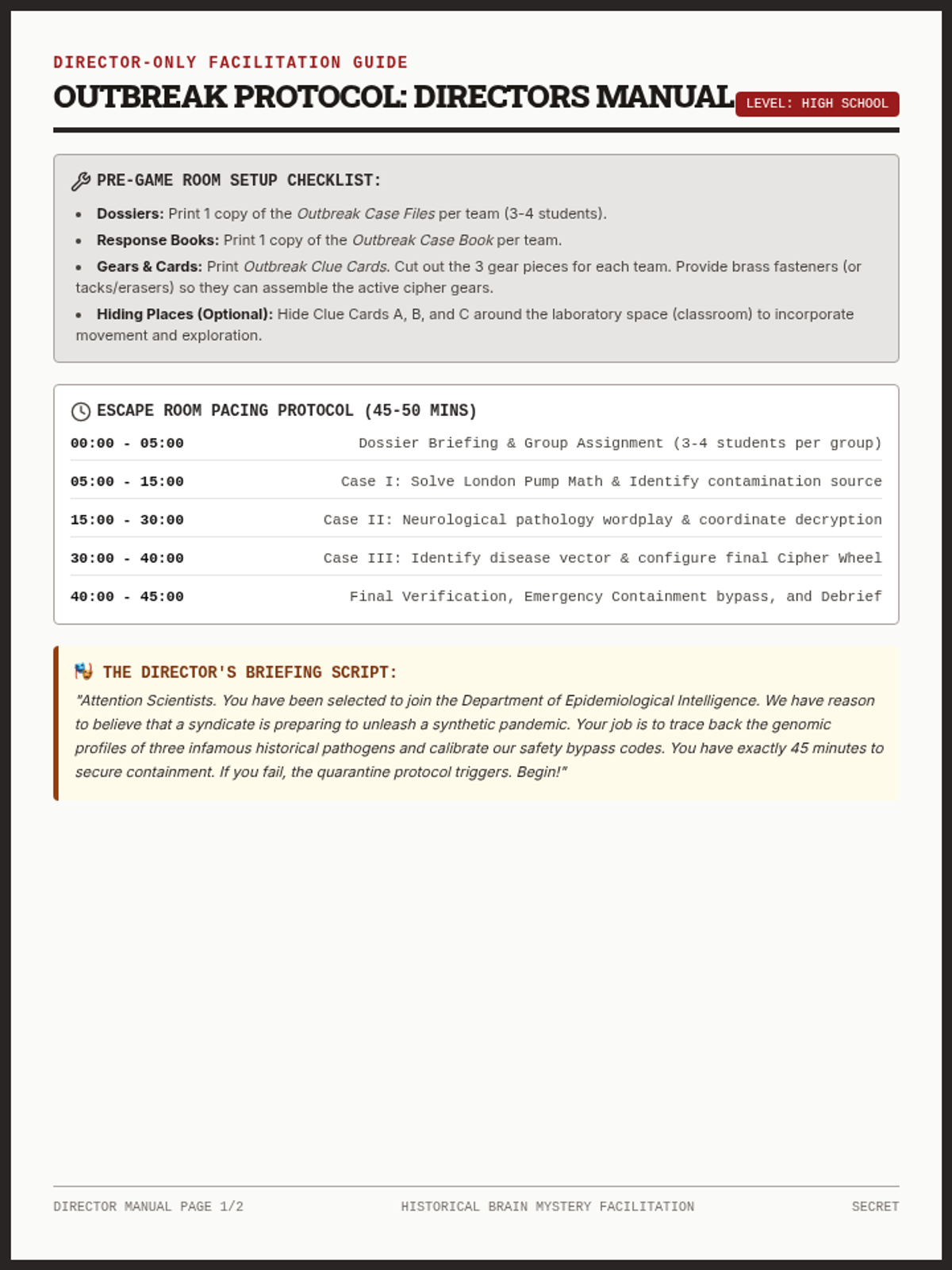
An immersive, teamwork-driven escape room where students act as epidemiological detectives. They decode historical medical mysteries, analyze clinical symptoms, and use cipher keys to prevent a global outbreak.
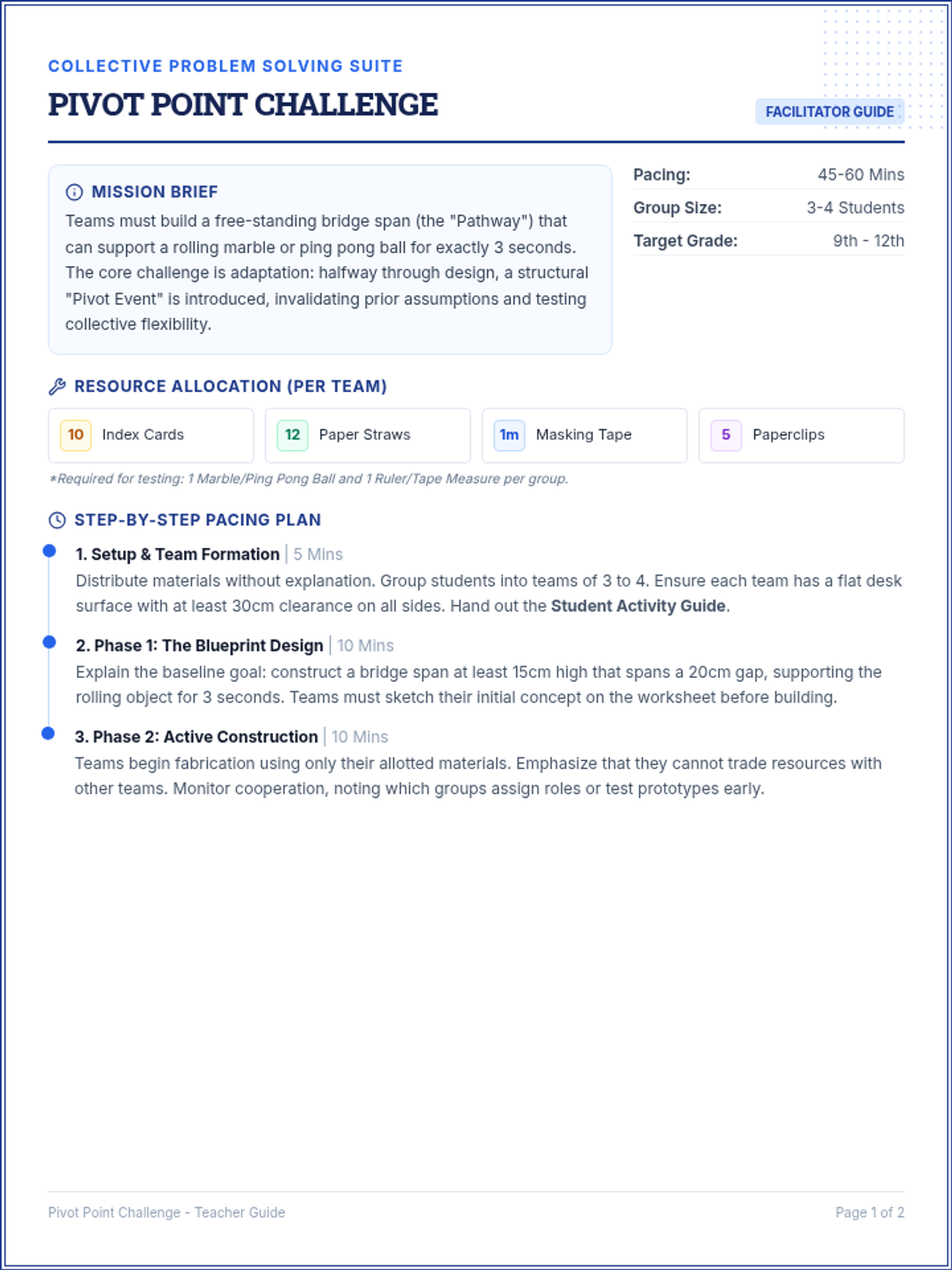
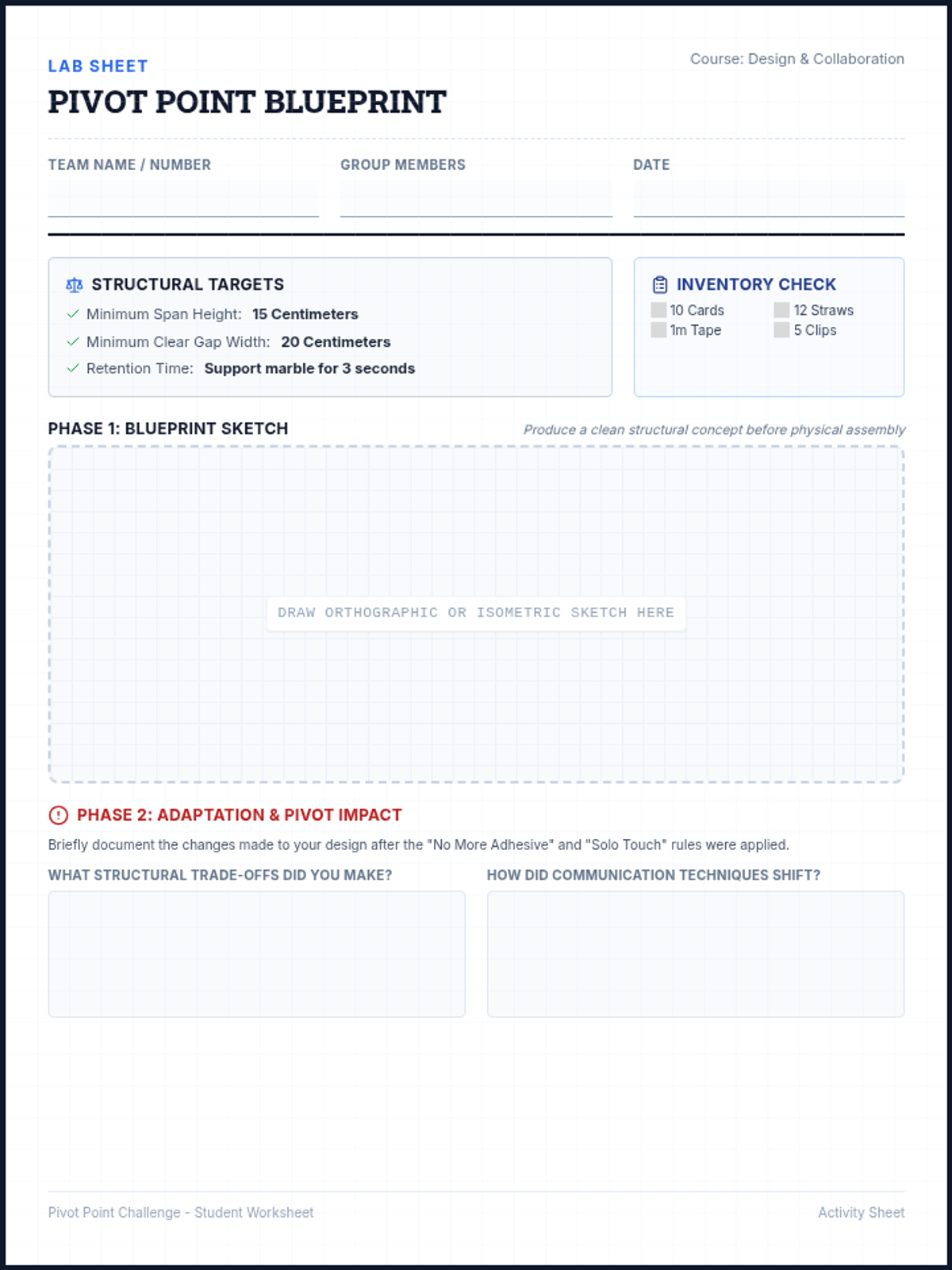
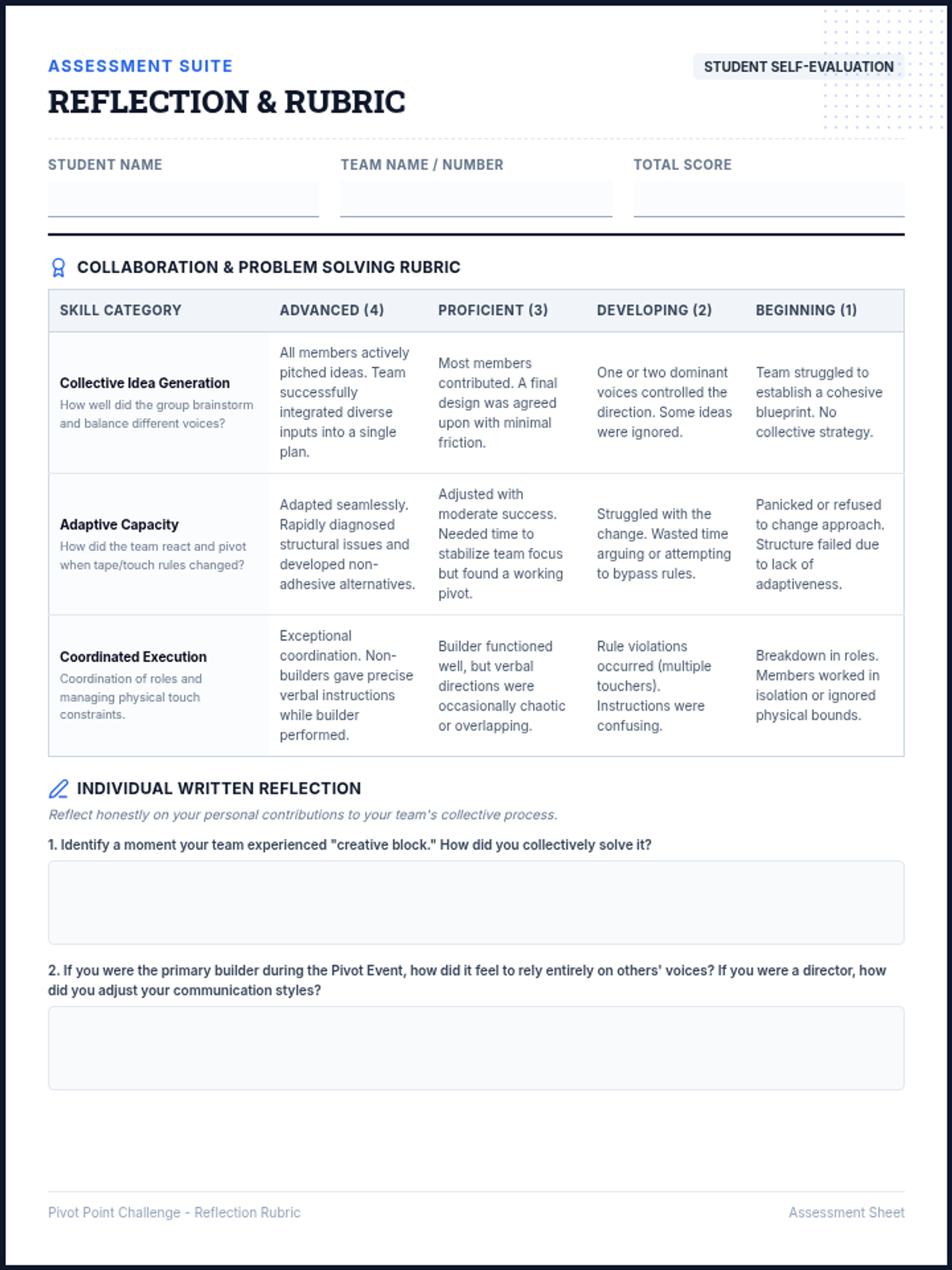
A hands-on engineering and teamwork challenge where high school students collaborate to build a path under tight material constraints, only to face a sudden structural 'pivot' rule that forces them to adapt their strategy mid-game.
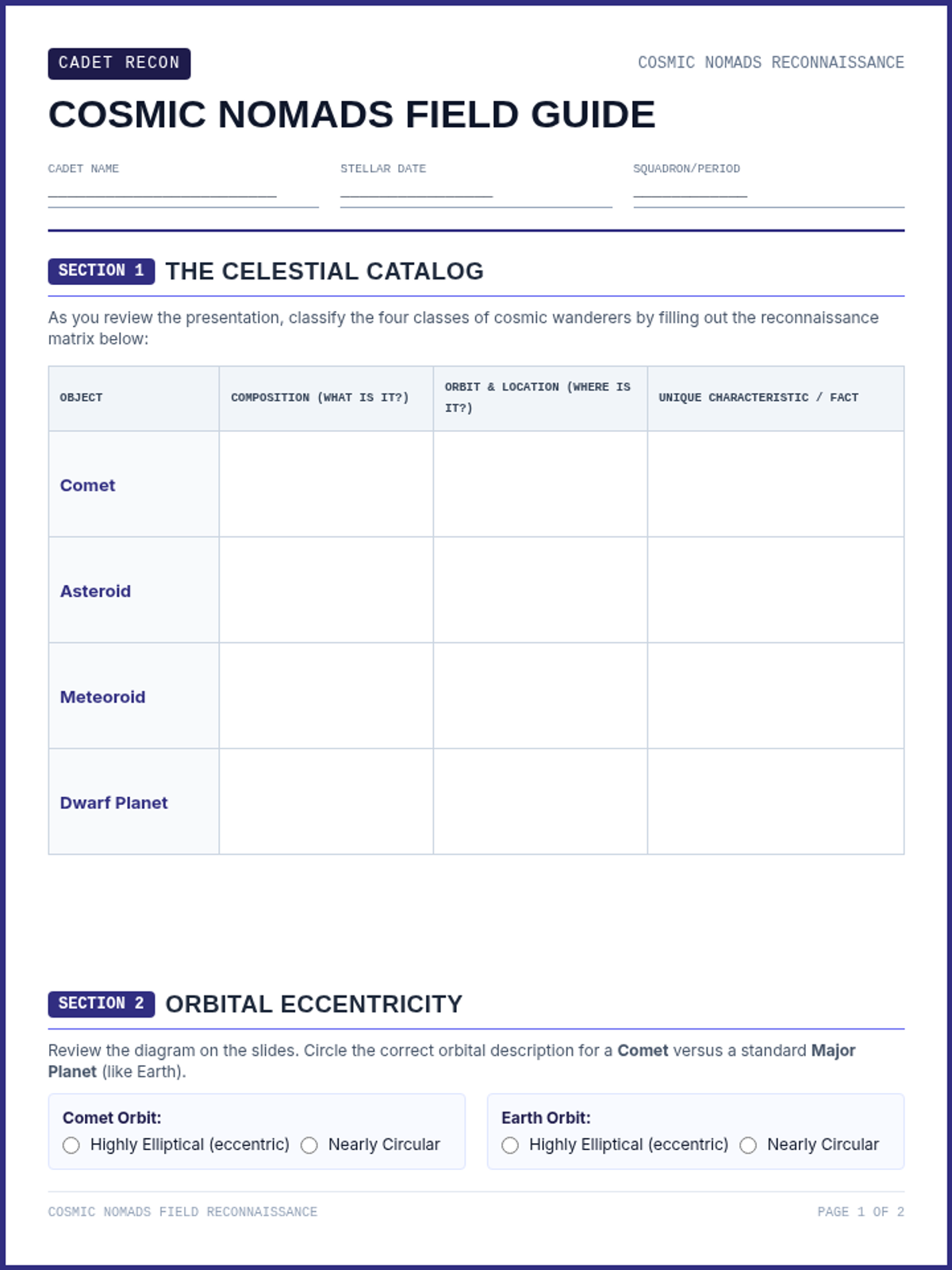
An interactive exploration of asteroids, comets, meteoroids, and dwarf planets, focusing on their physical compositions, eccentric orbital pathways, and origins in the Kuiper Belt and Oort Cloud.
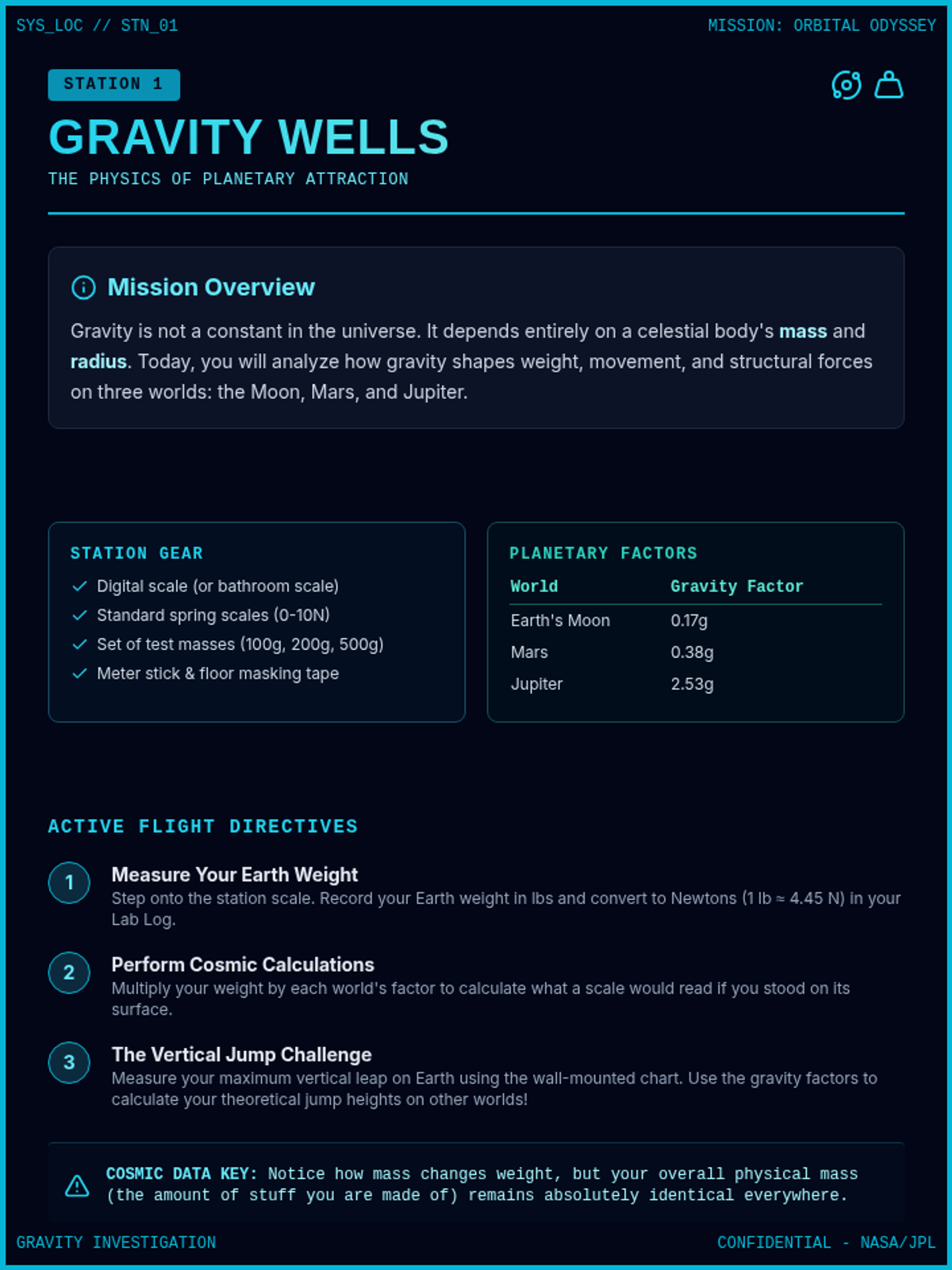
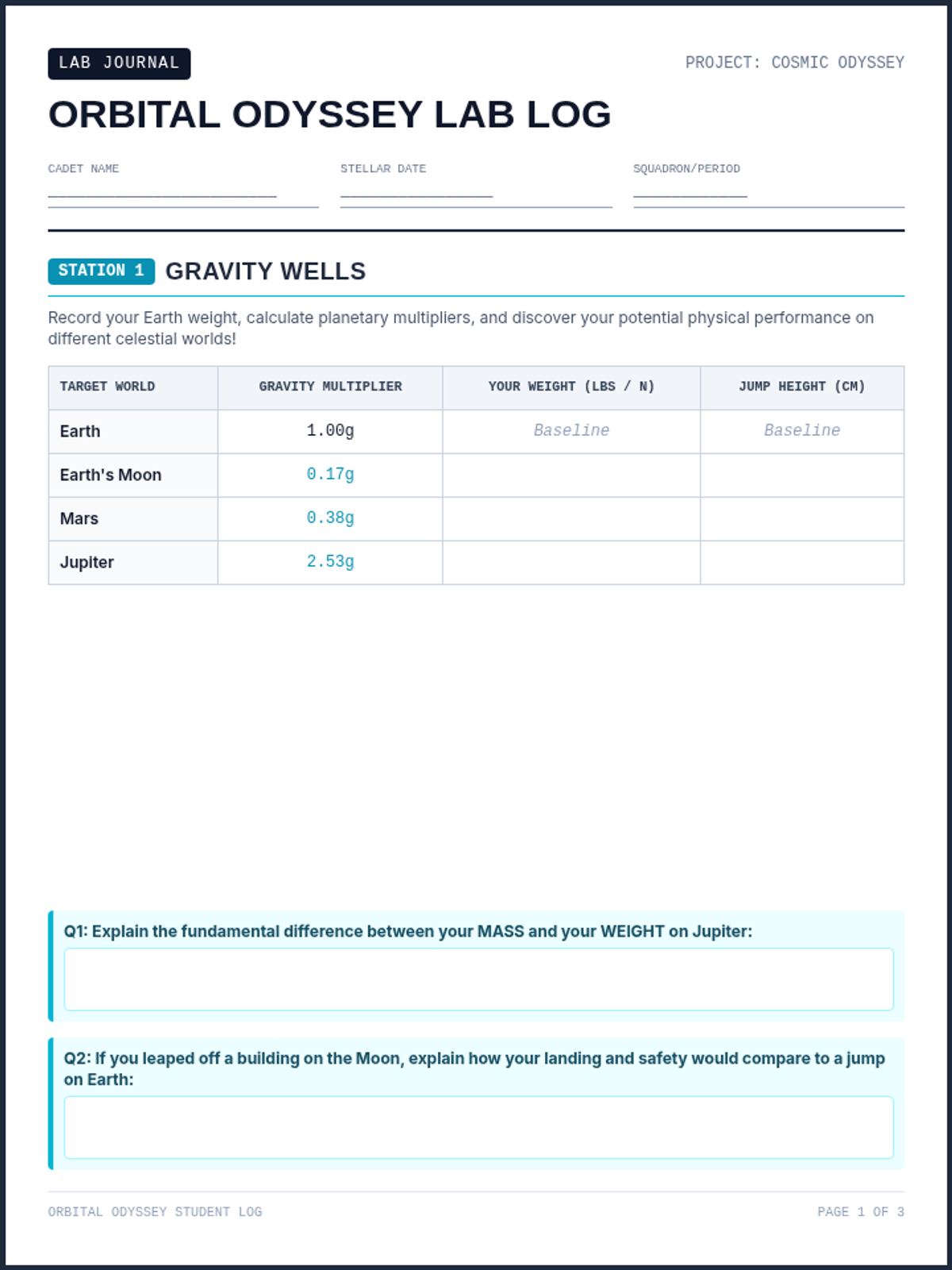
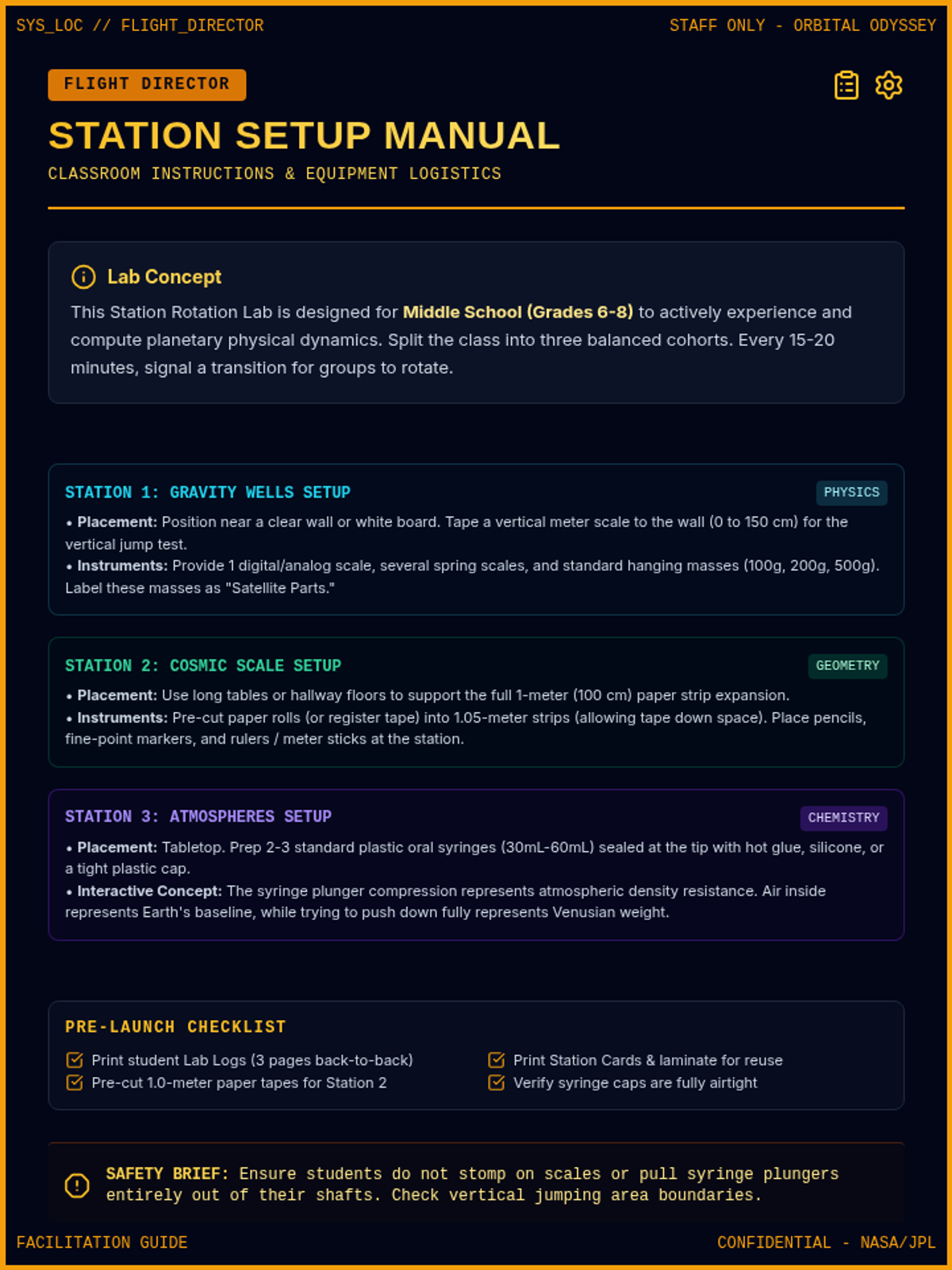
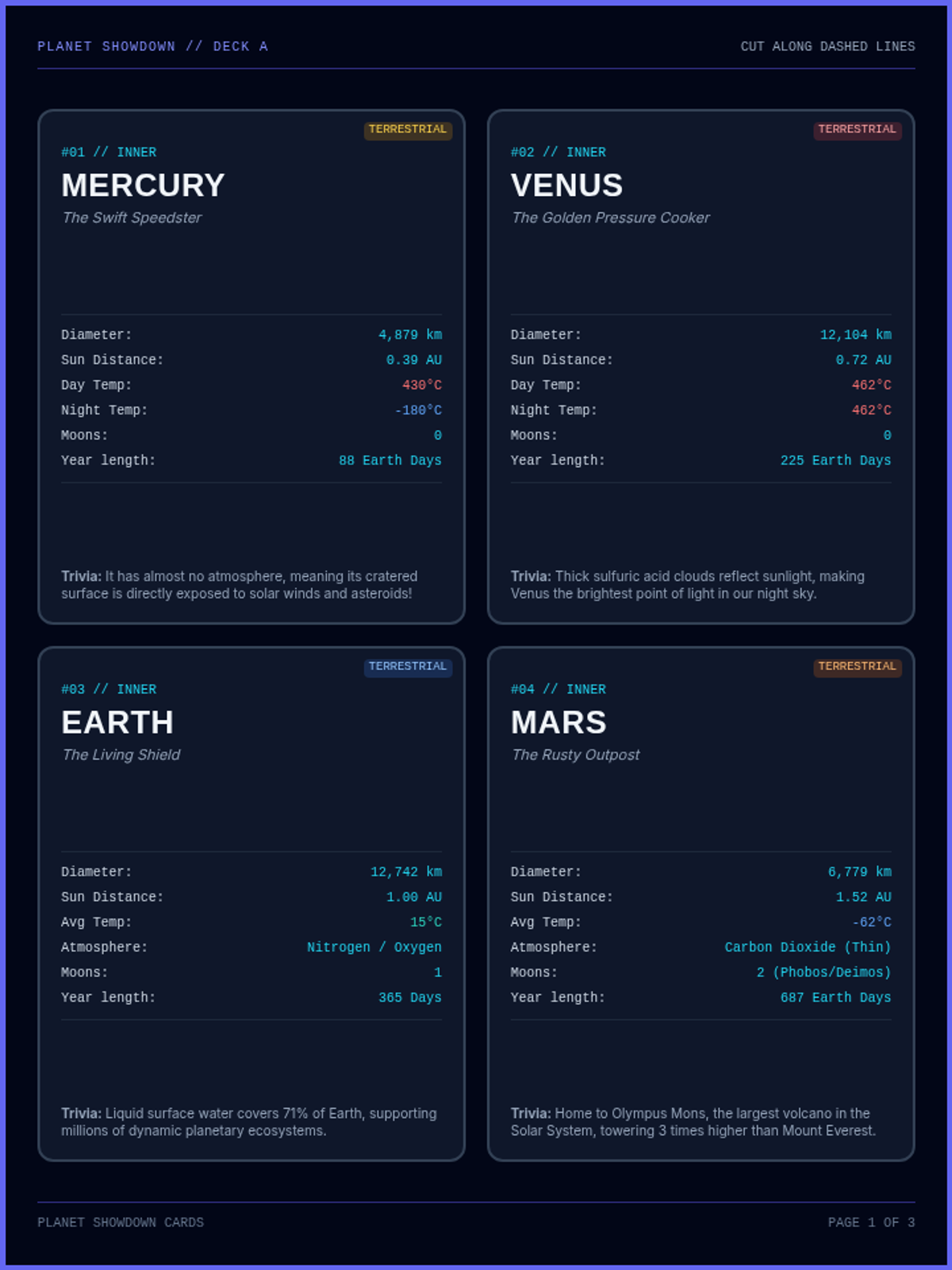
A hands-on station rotation lab where middle school students analyze planetary gravity, scale distances, and atmospheric conditions through inquiry-based activities.
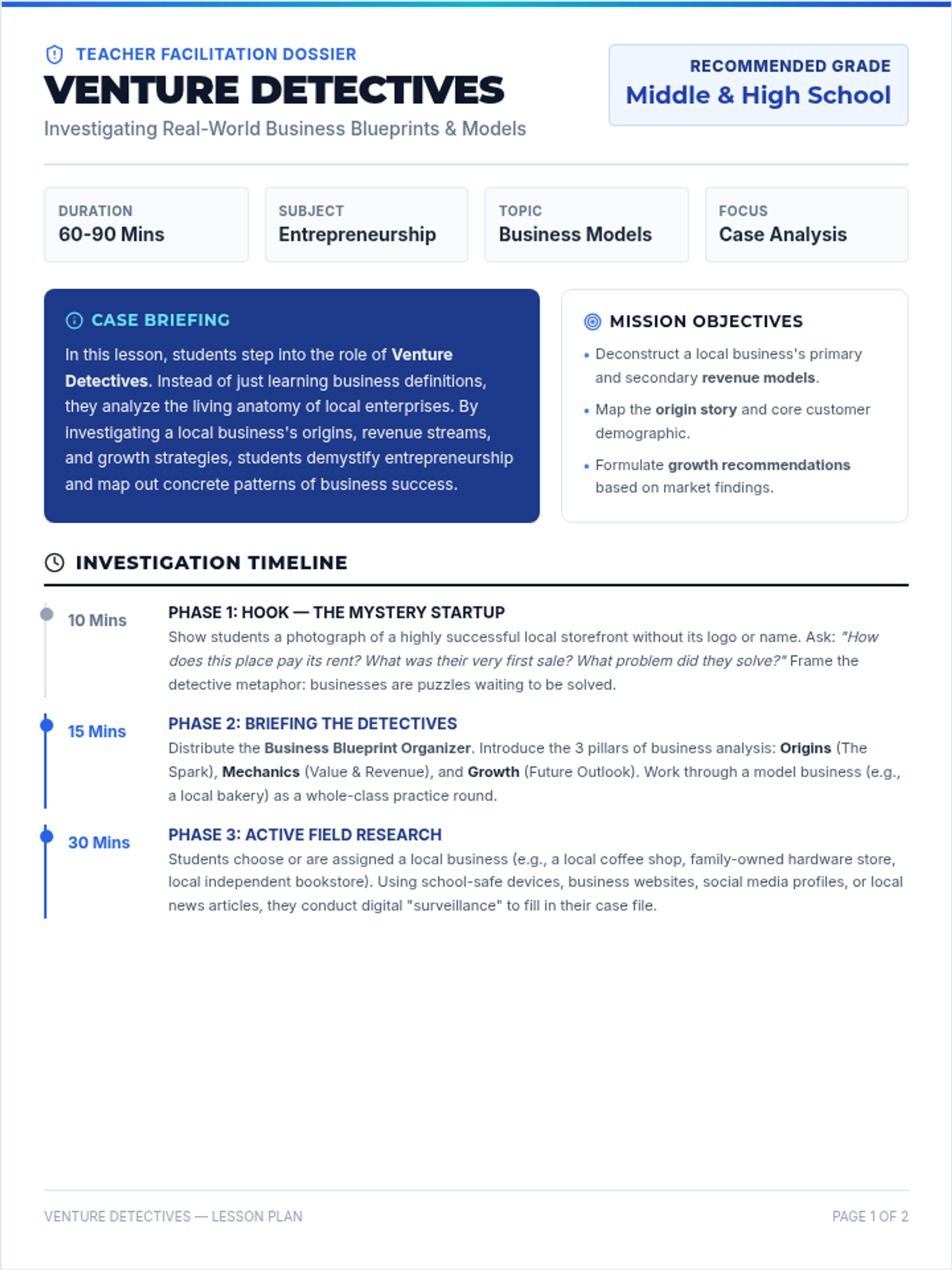
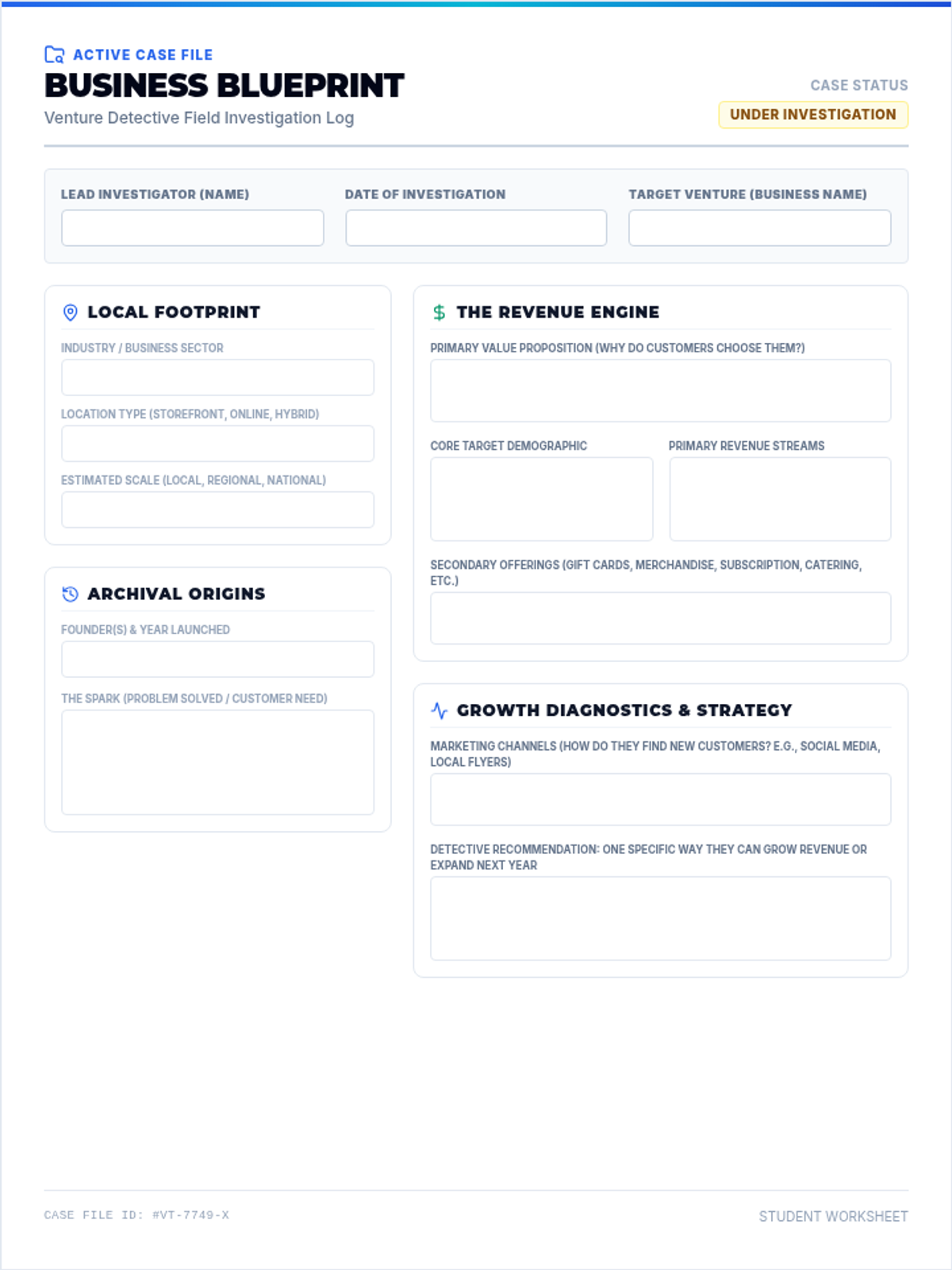
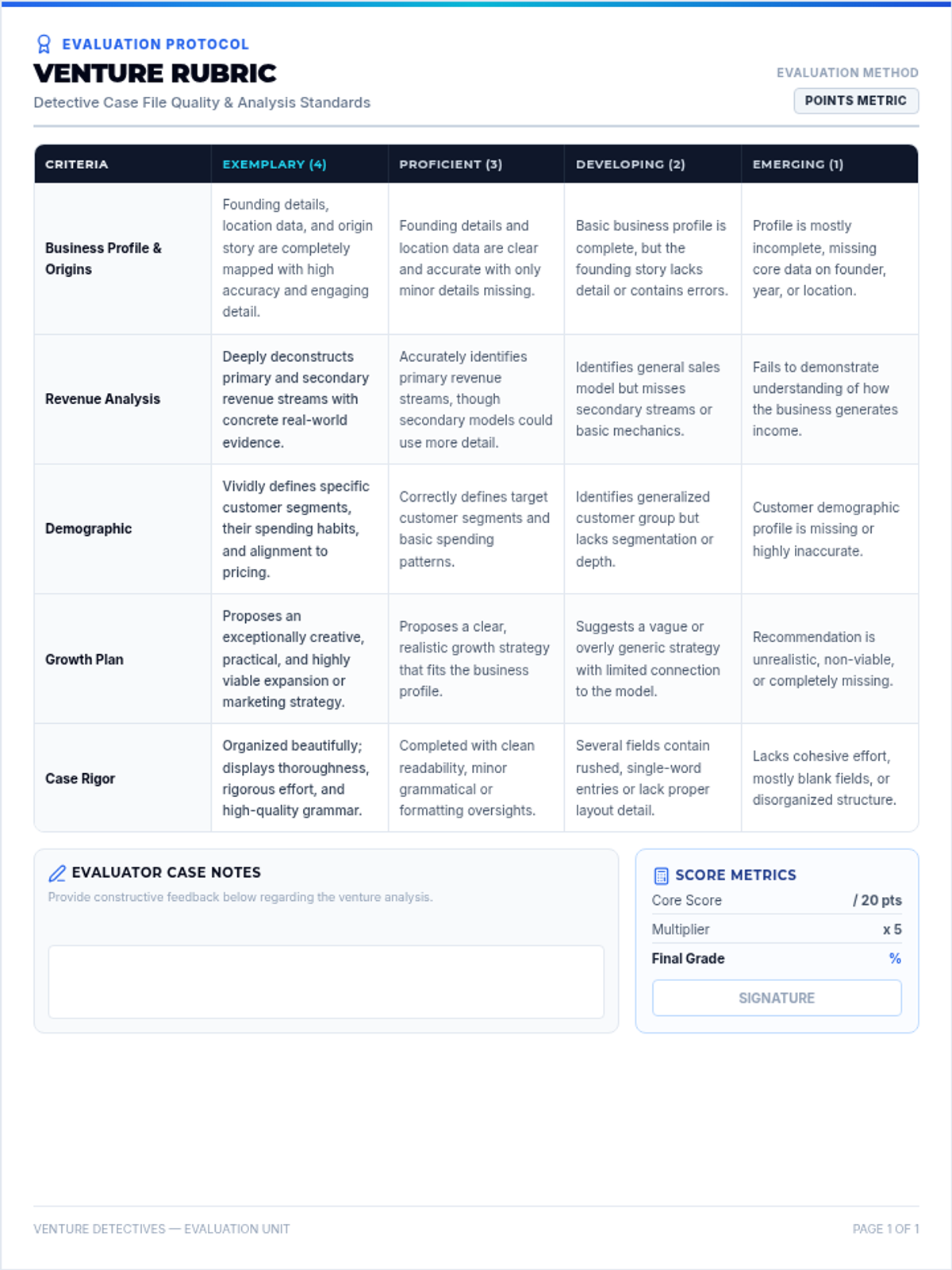
An immersive entrepreneurship lesson where students become 'venture detectives' to investigate local businesses, analyzing how they started, their revenue streams, and their growth strategies.
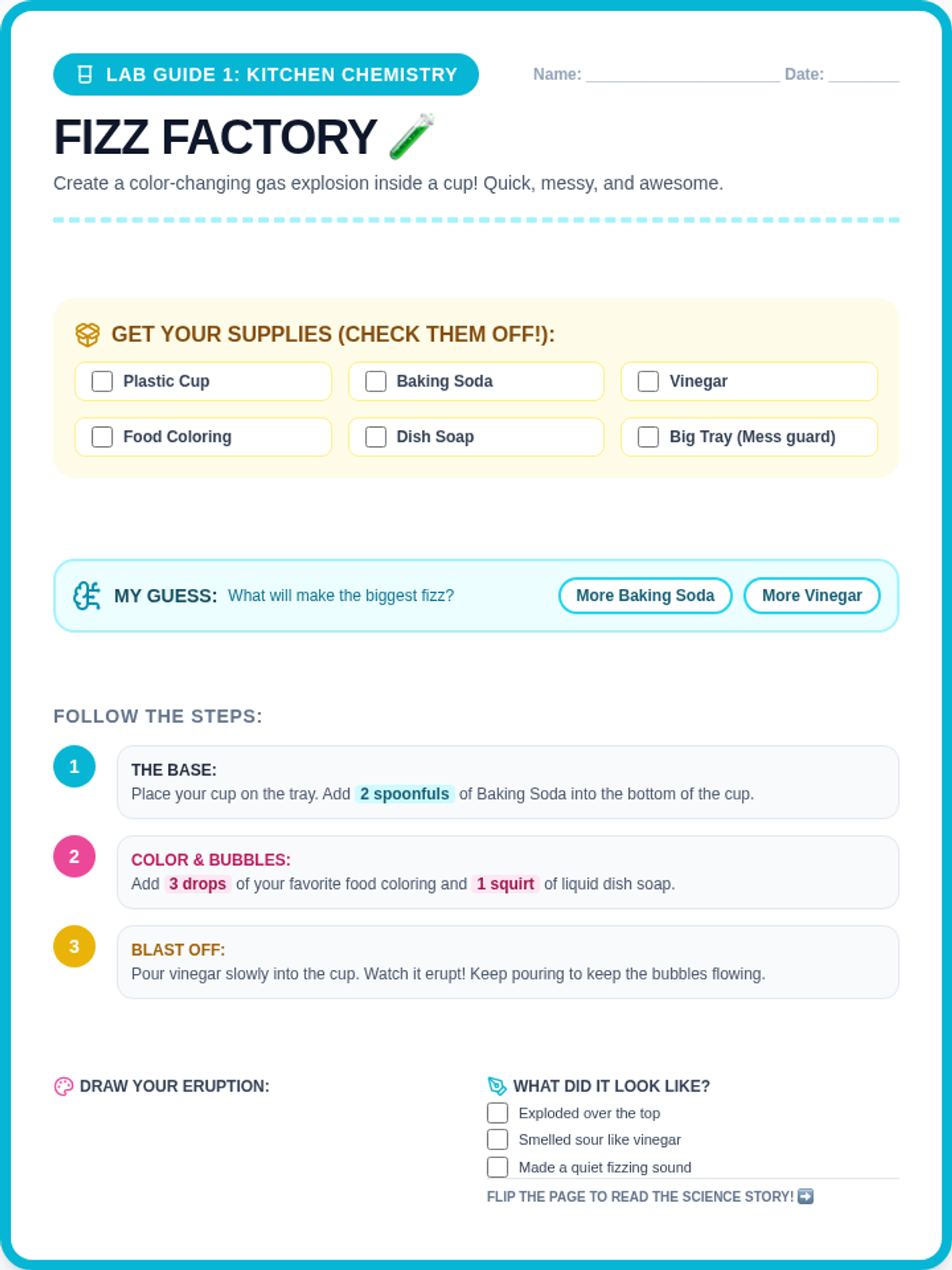
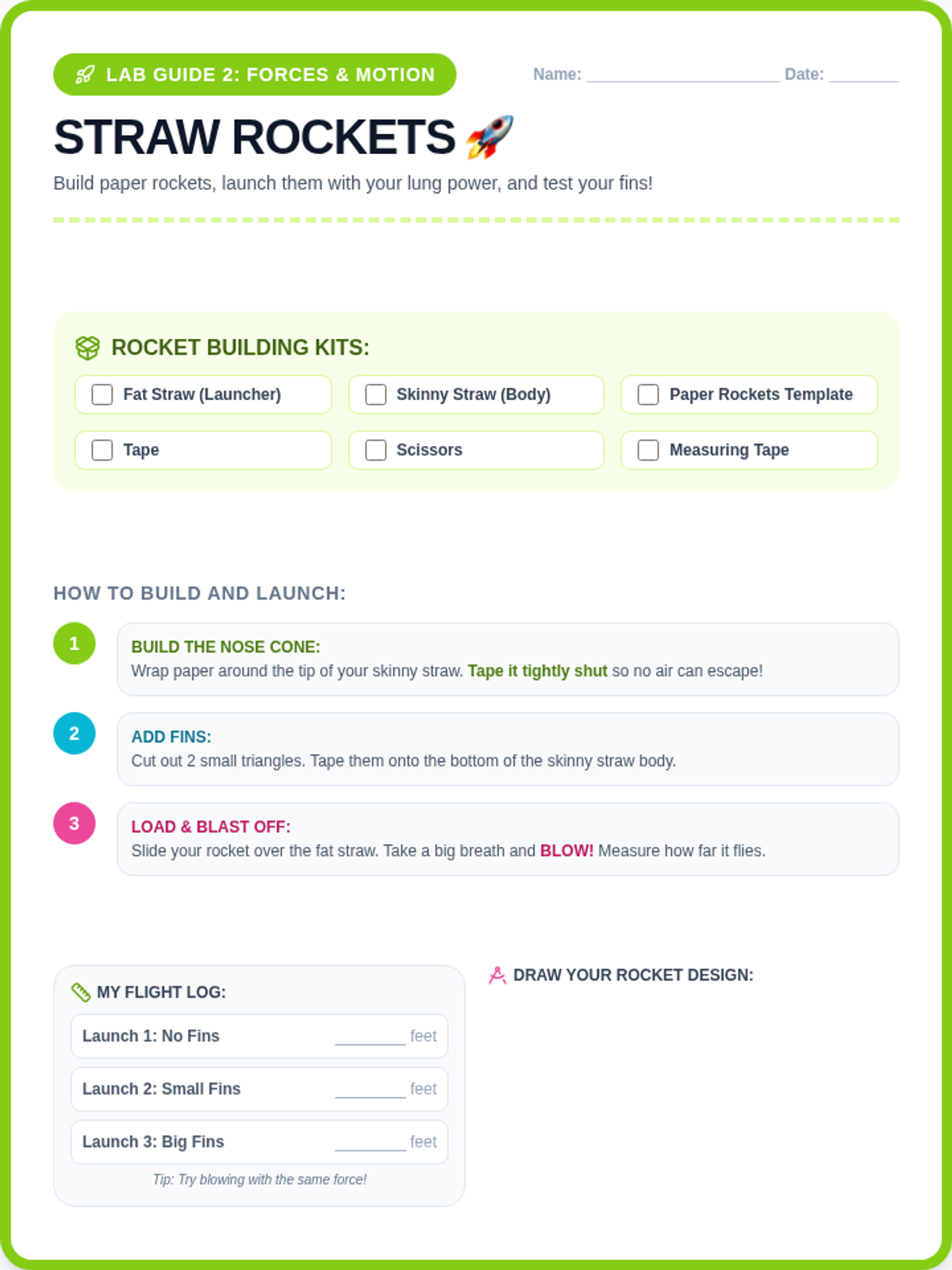
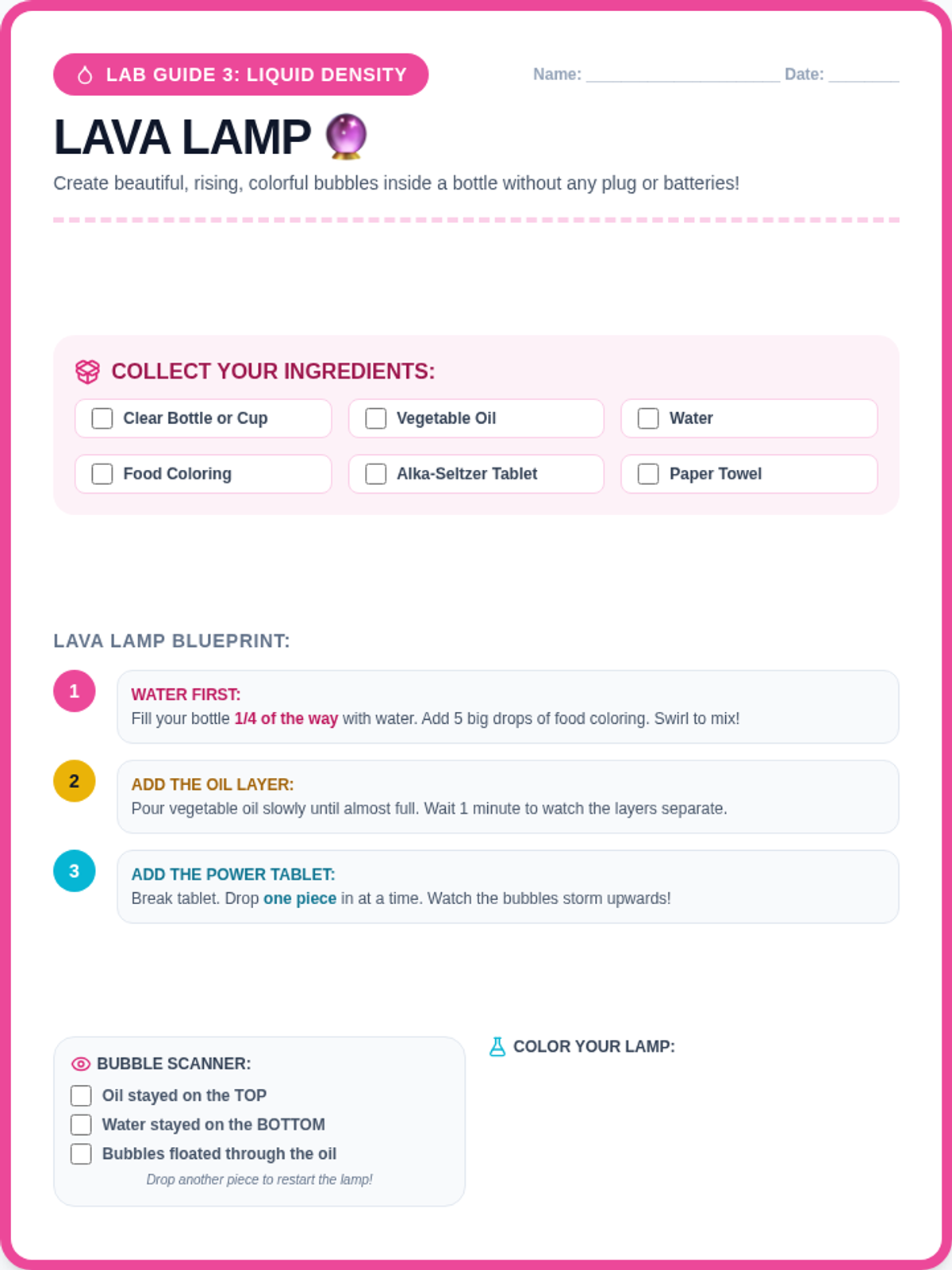
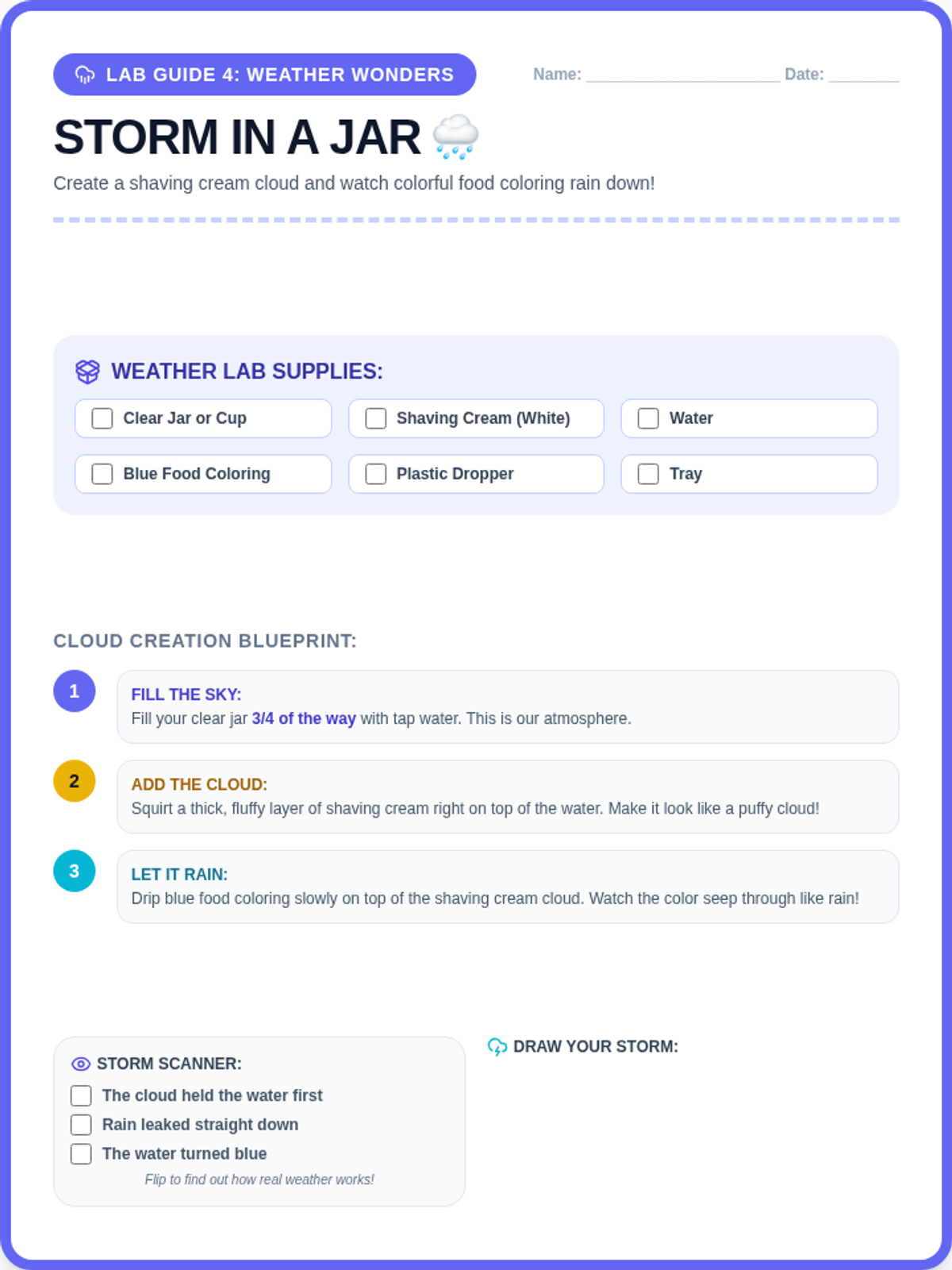
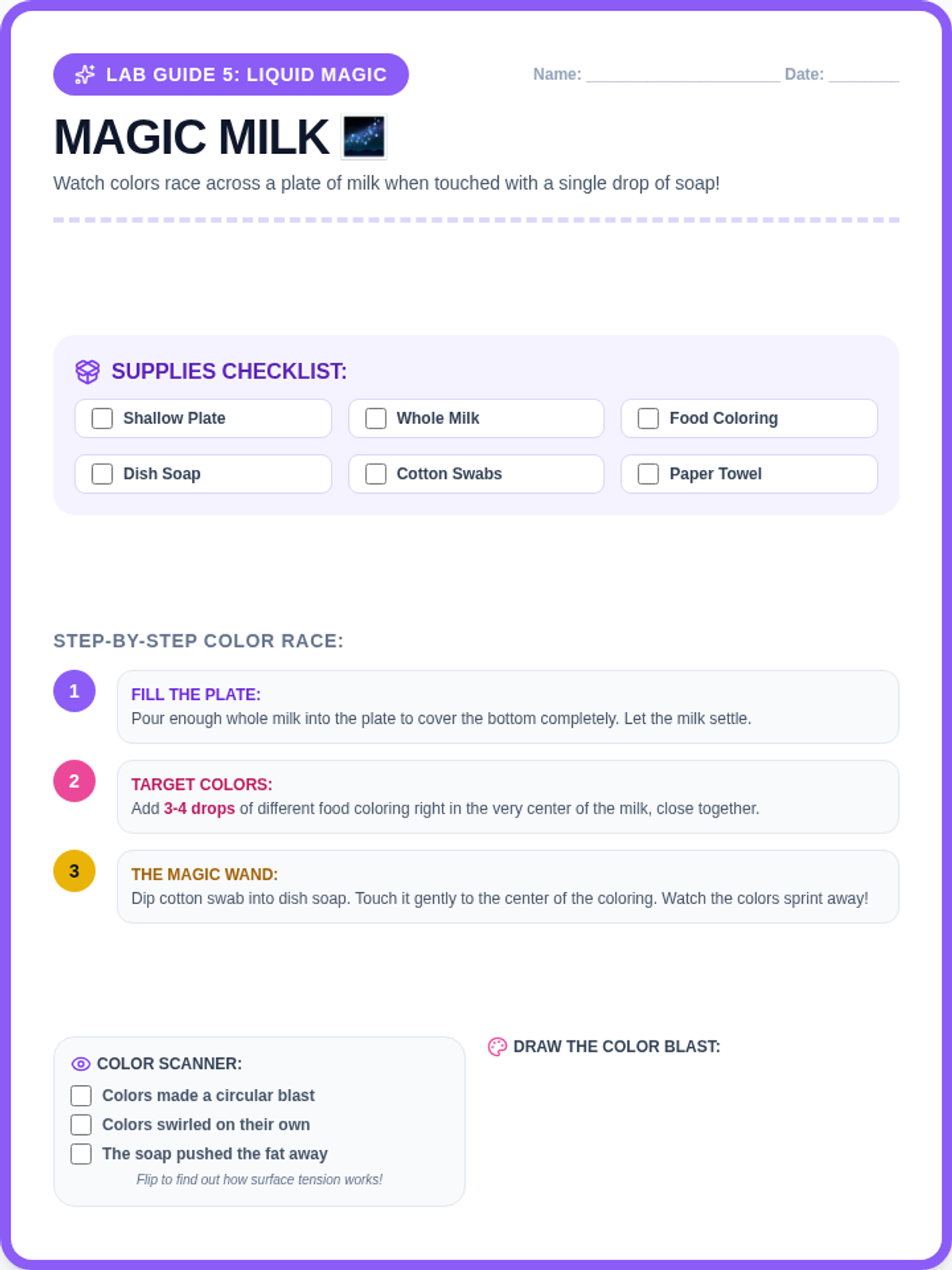
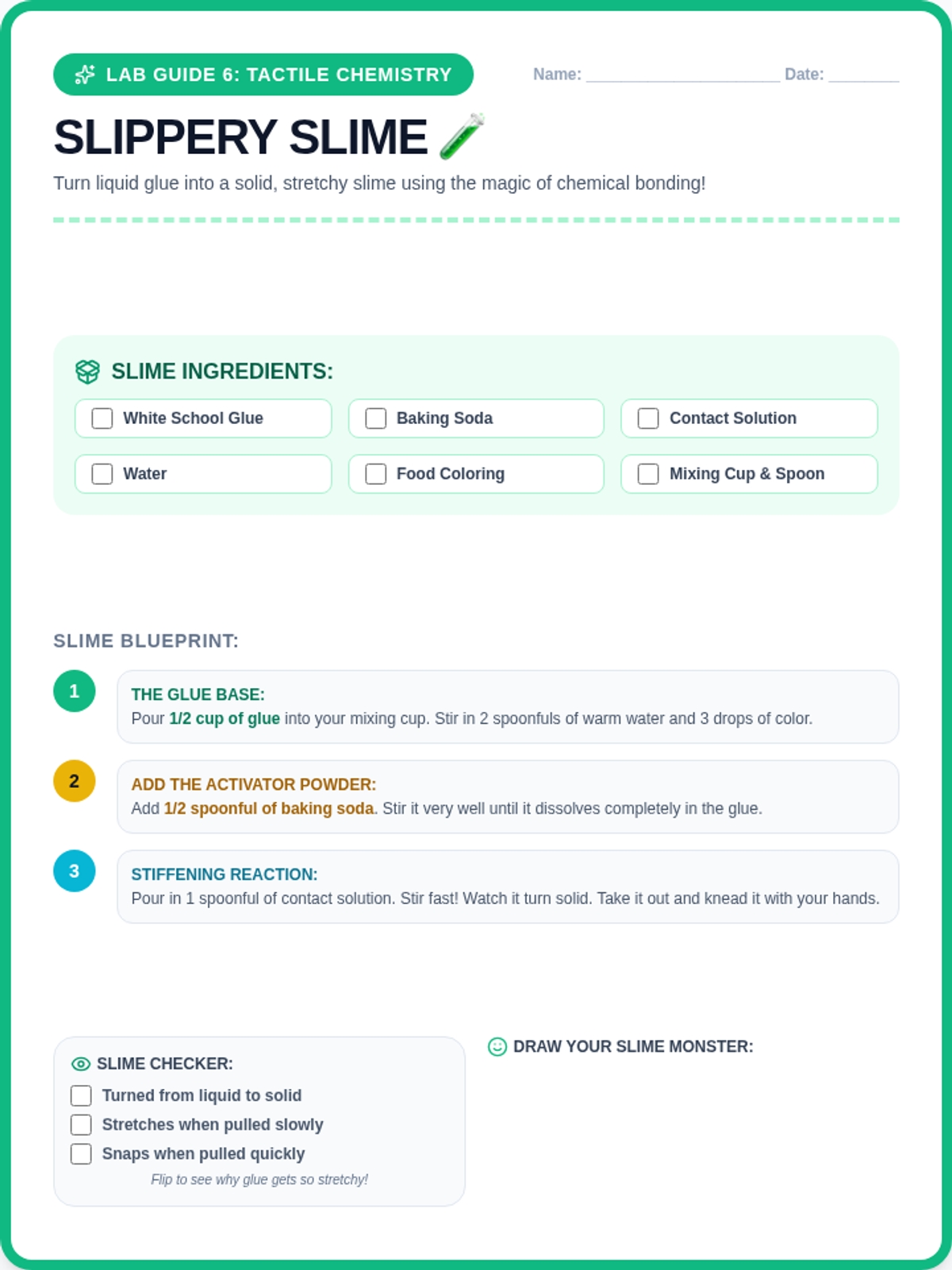
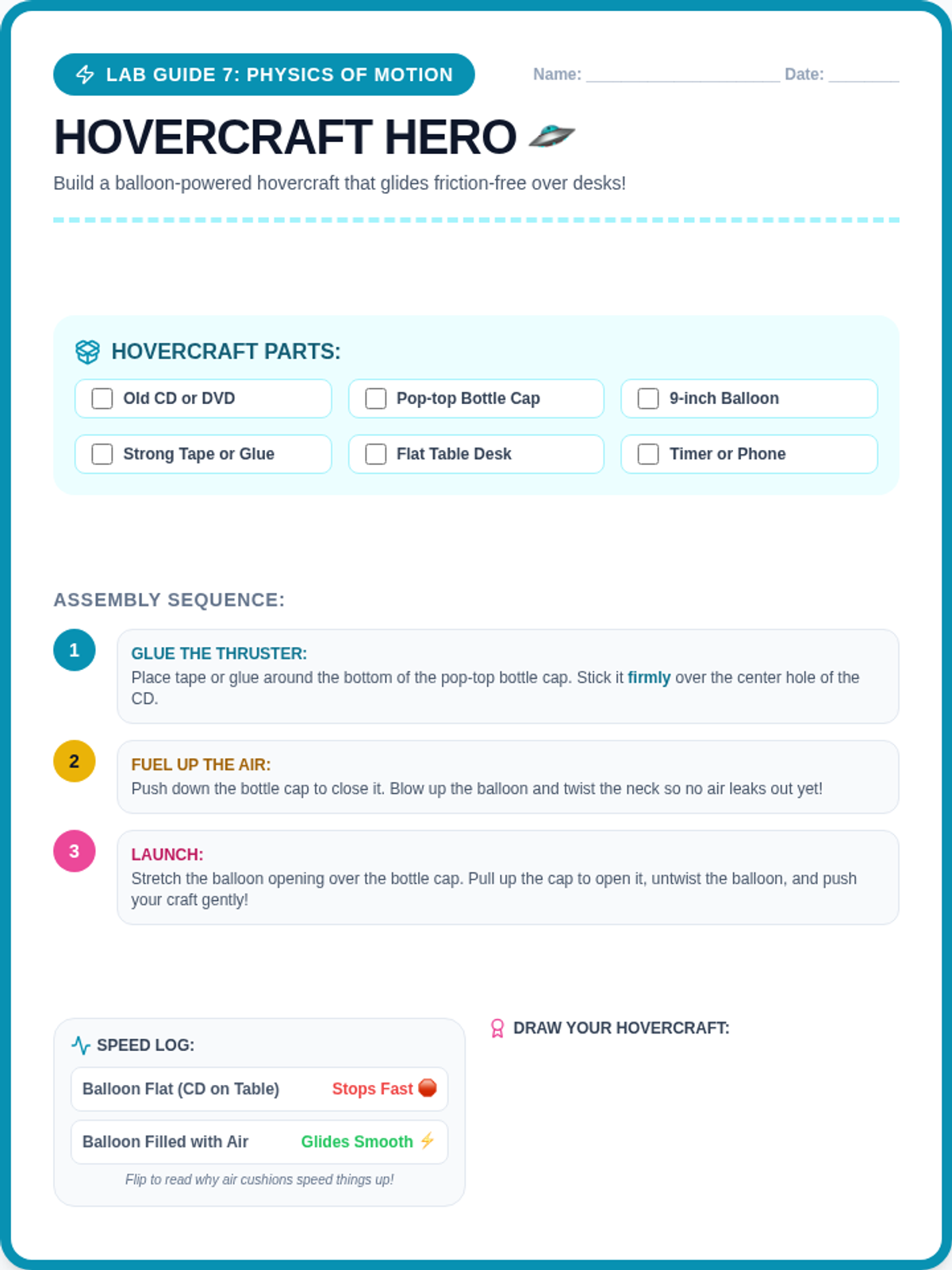
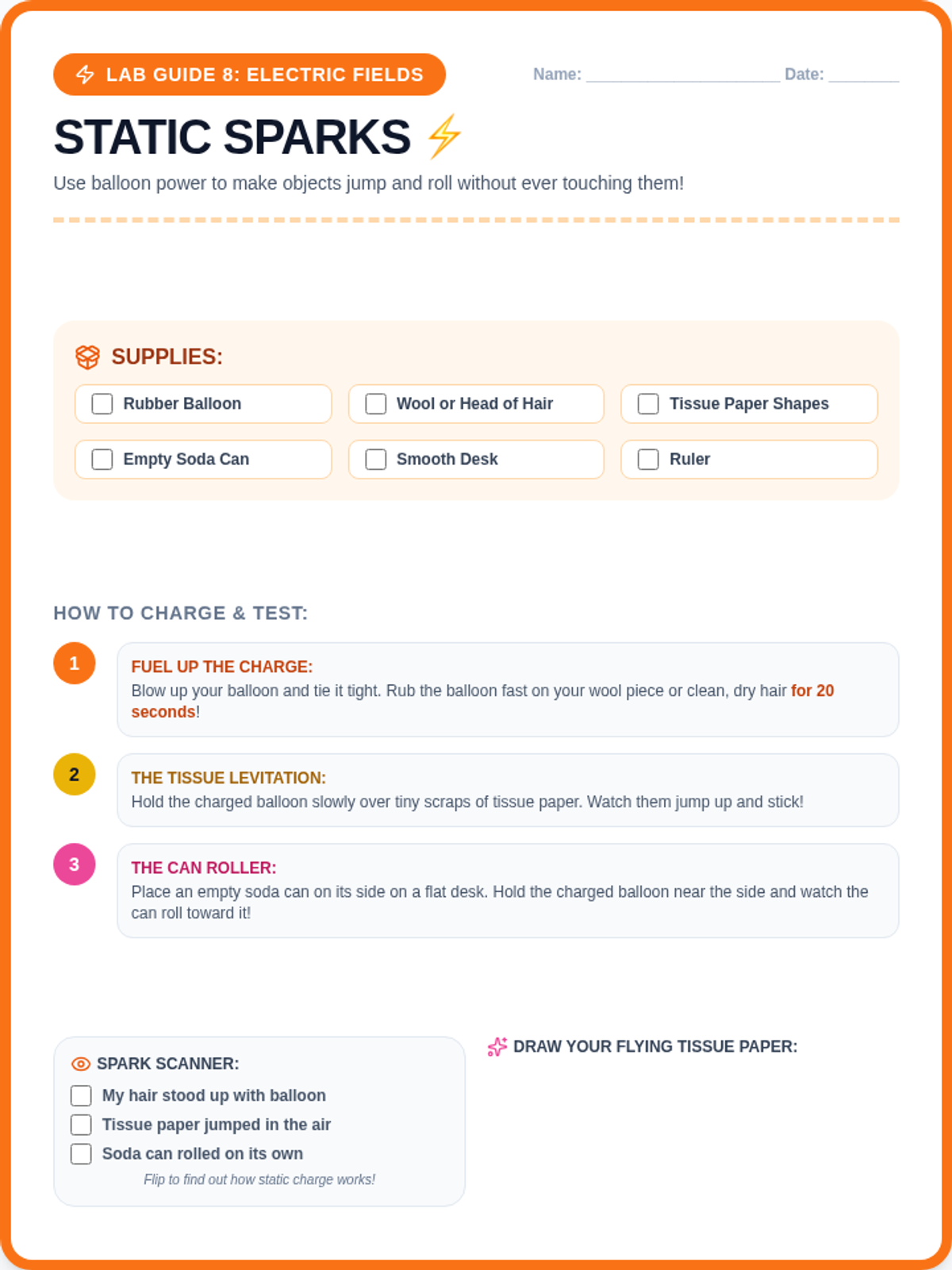
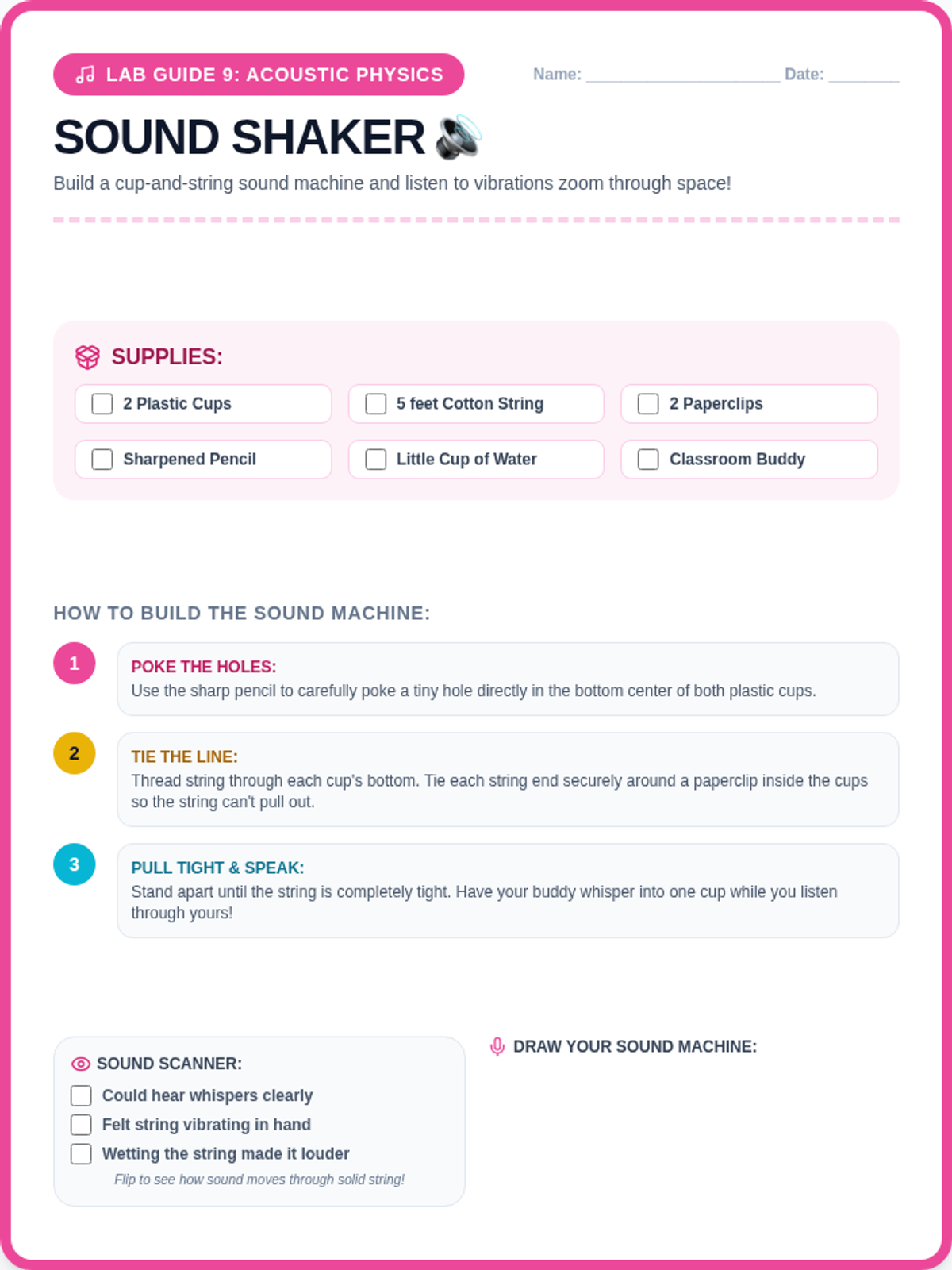
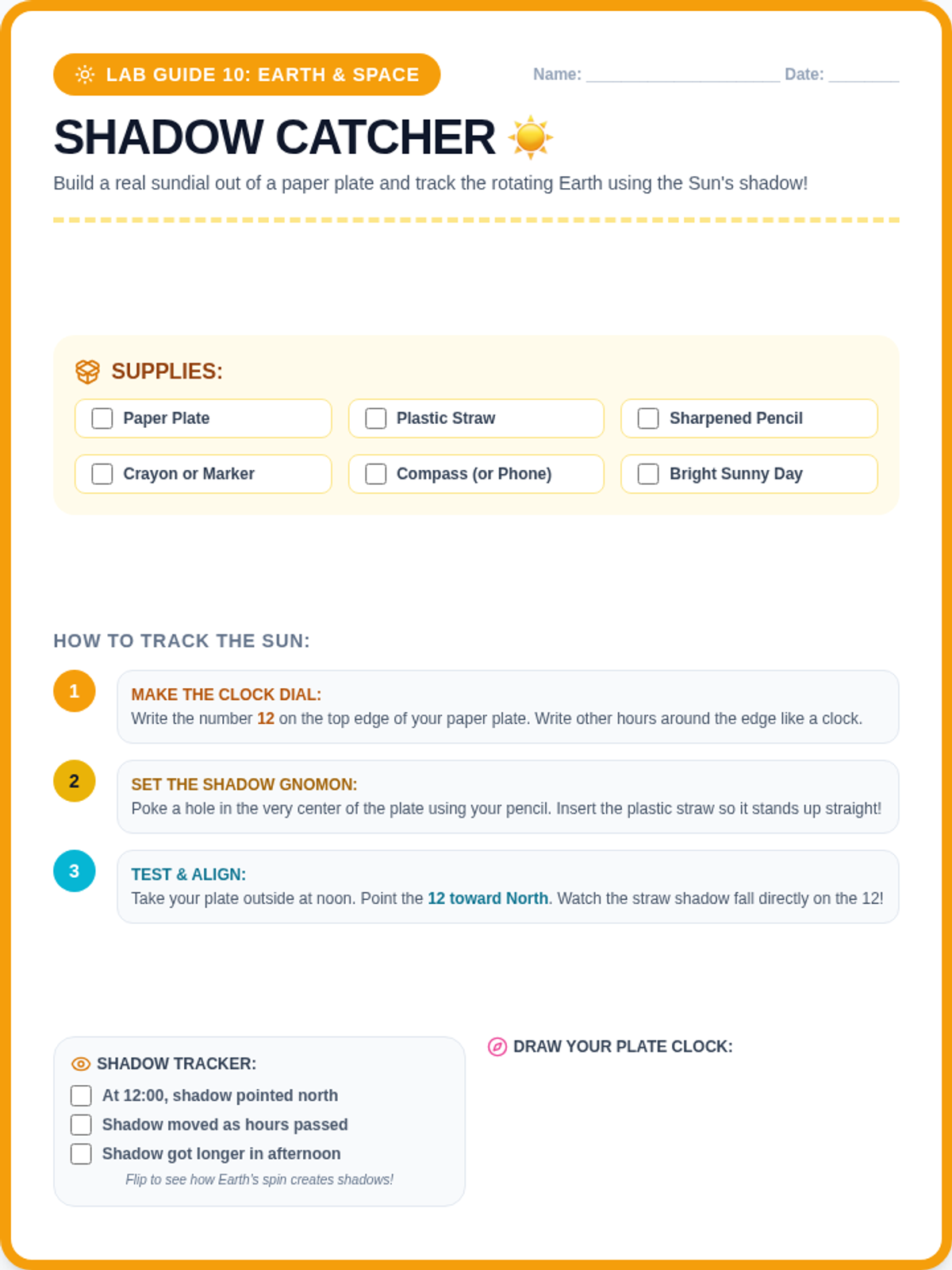
A hands-on, highly engaging, low-cost end-of-year science unit designed for 6th-grade students of lower academic levels. It features simplified, visual step-by-step guides for independent, sensory-rich experiments exploring kitchen chemistry, forces, and density.
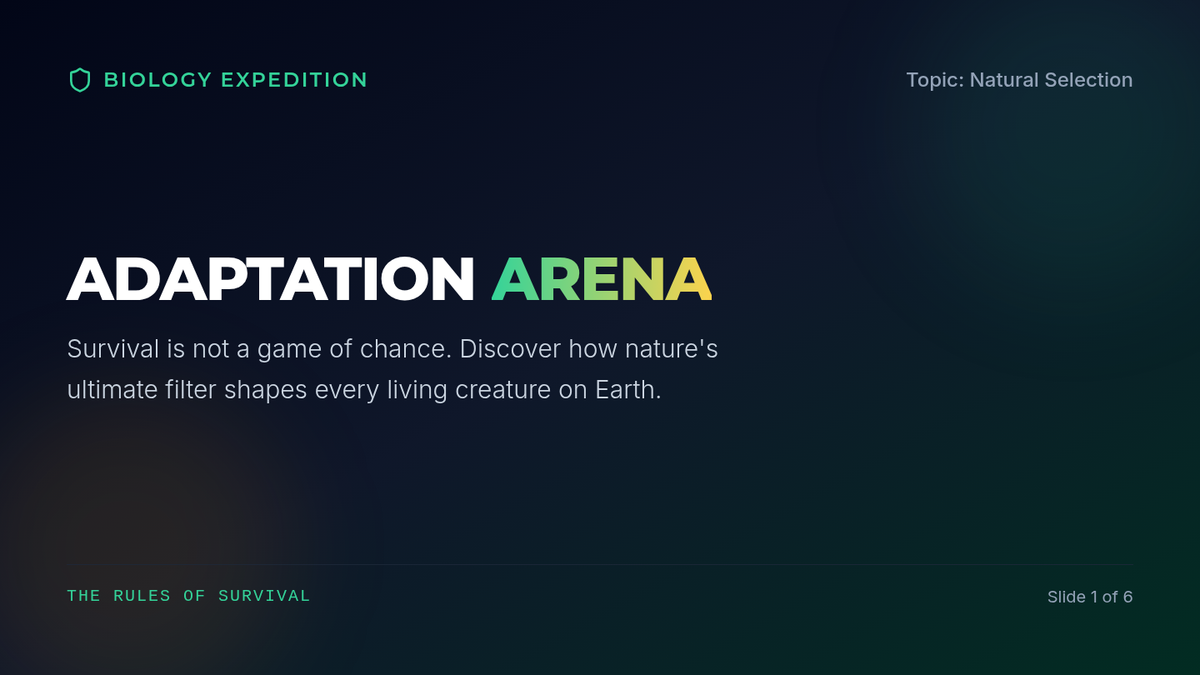
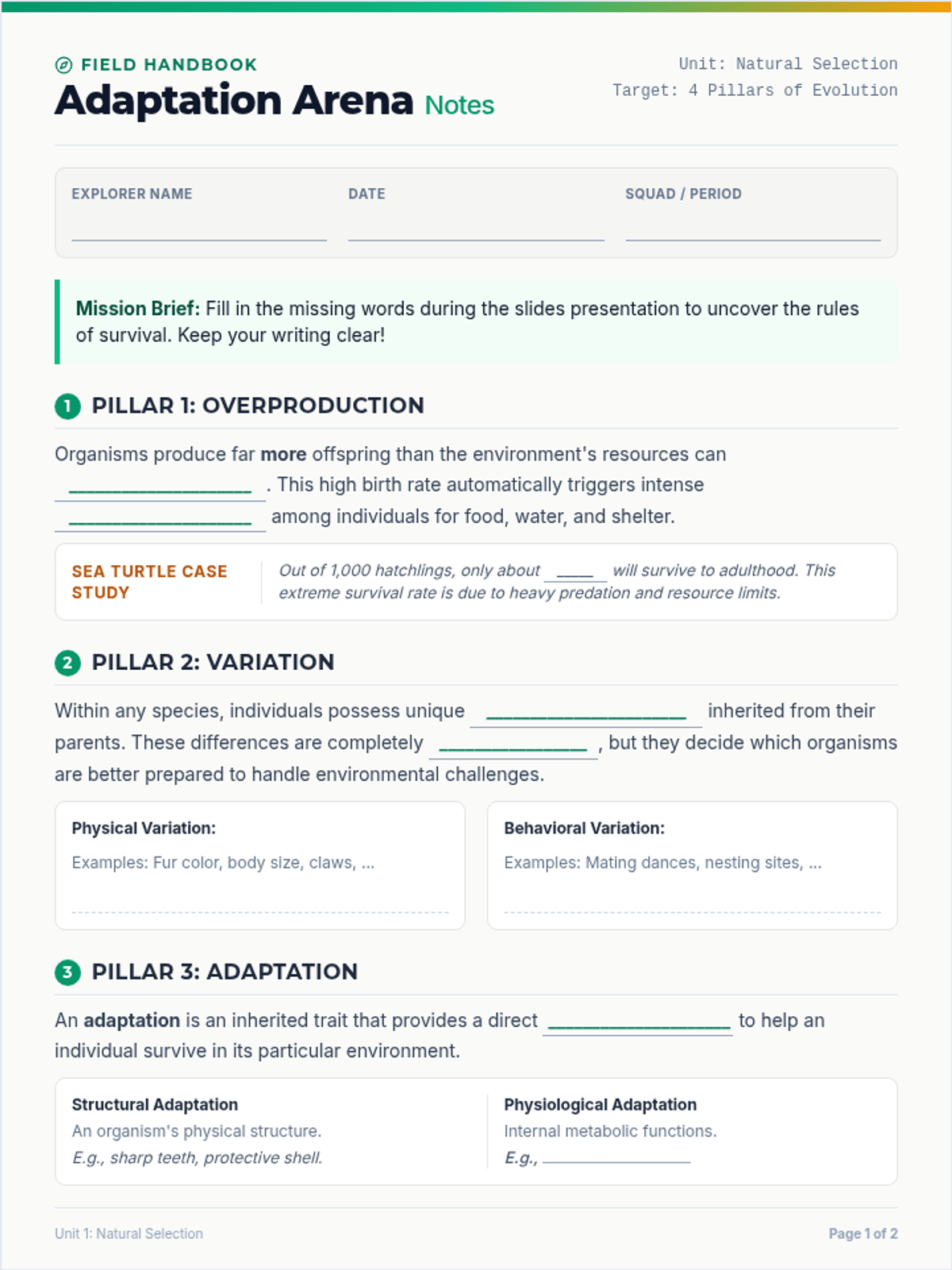
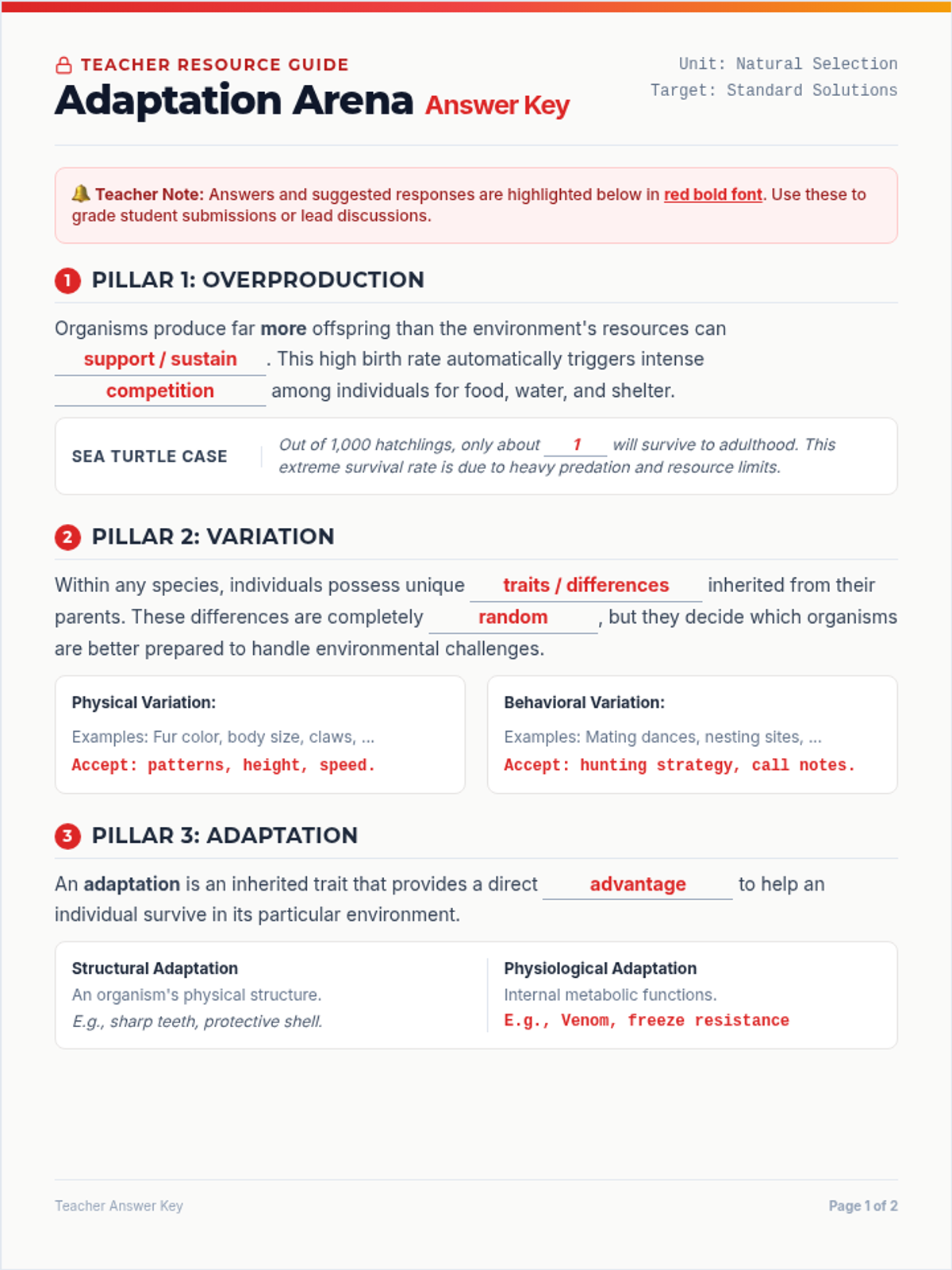
An immersive lesson exploring the core principles of natural selection: variation, overproduction, adaptation, and differential survival. Students engage with visual slides and companion guided notes to understand how populations change over time.
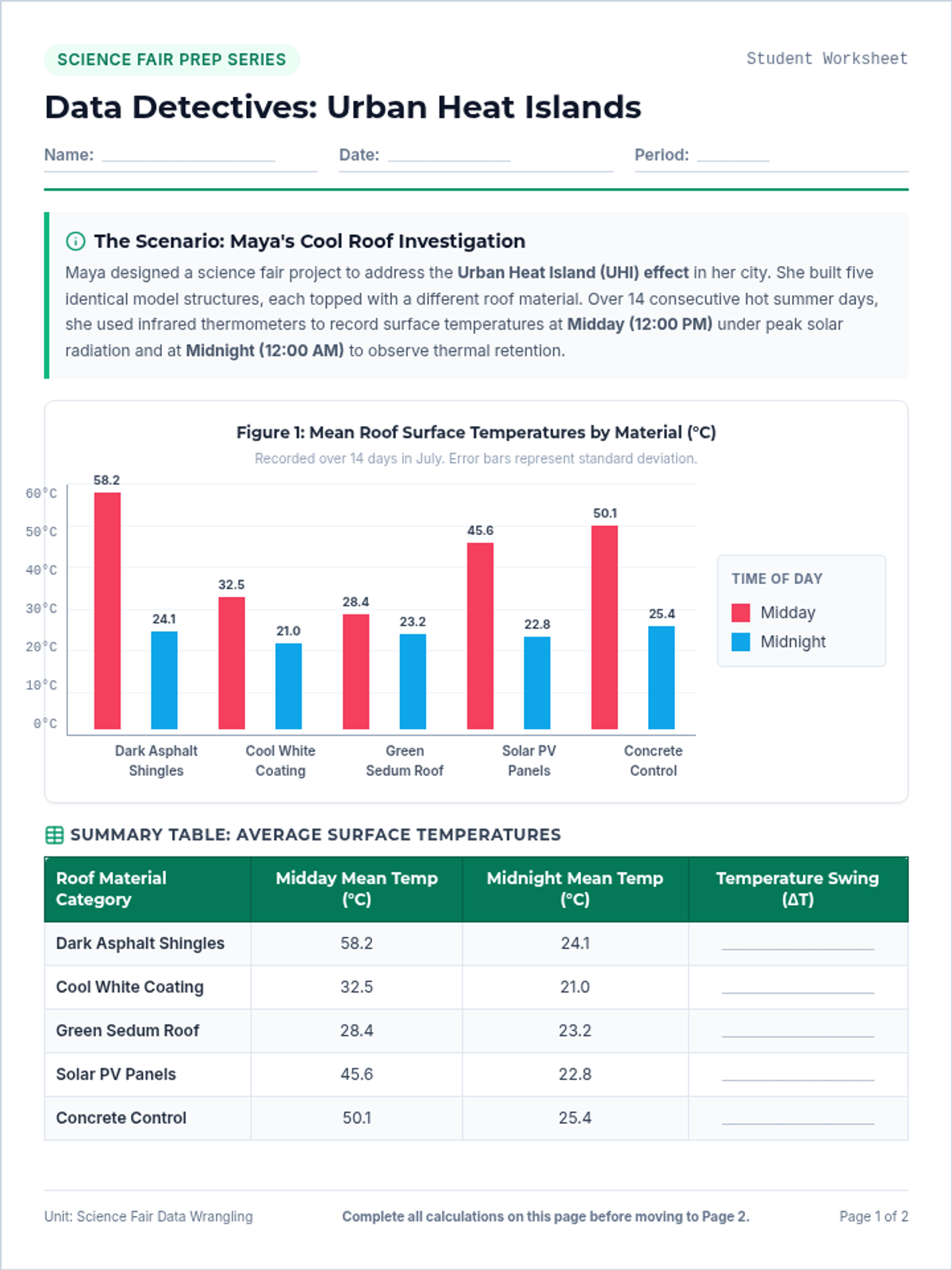
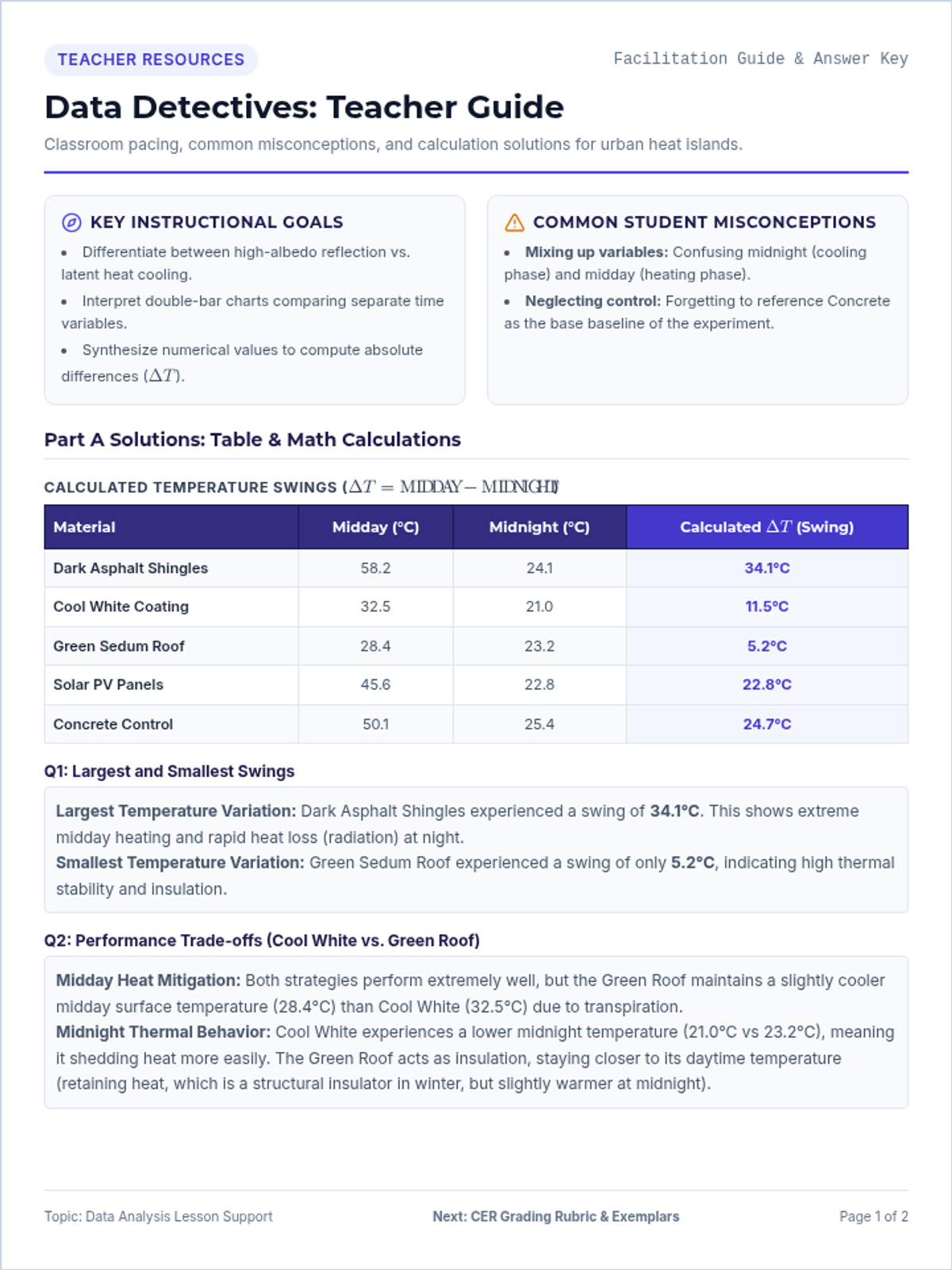
A rigorous high school lesson designed to teach students how to analyze experimental data, interpret bar graphs, and construct scientific arguments using the Claim-Evidence-Reasoning (CER) framework in preparation for their science fair projects.
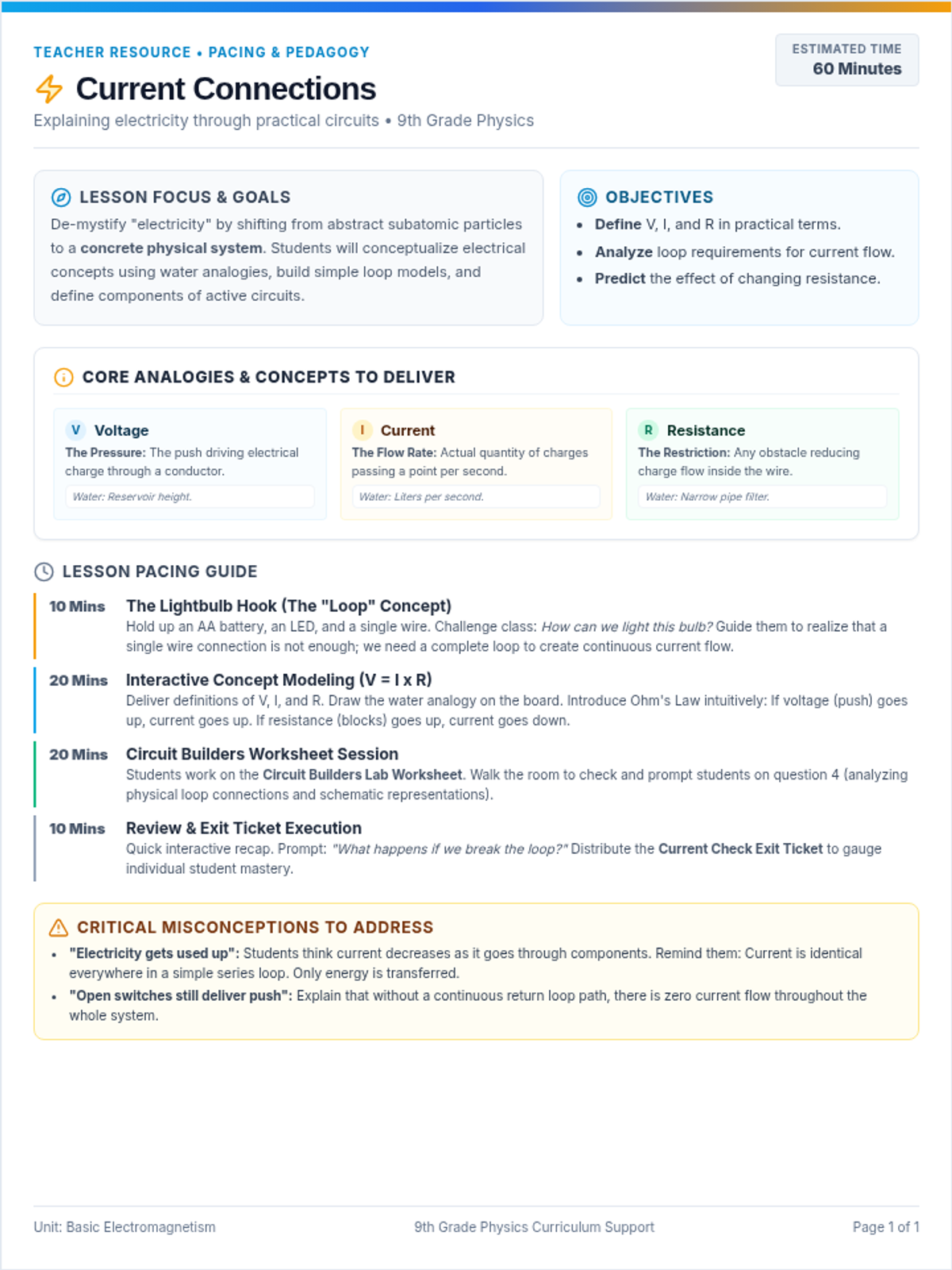
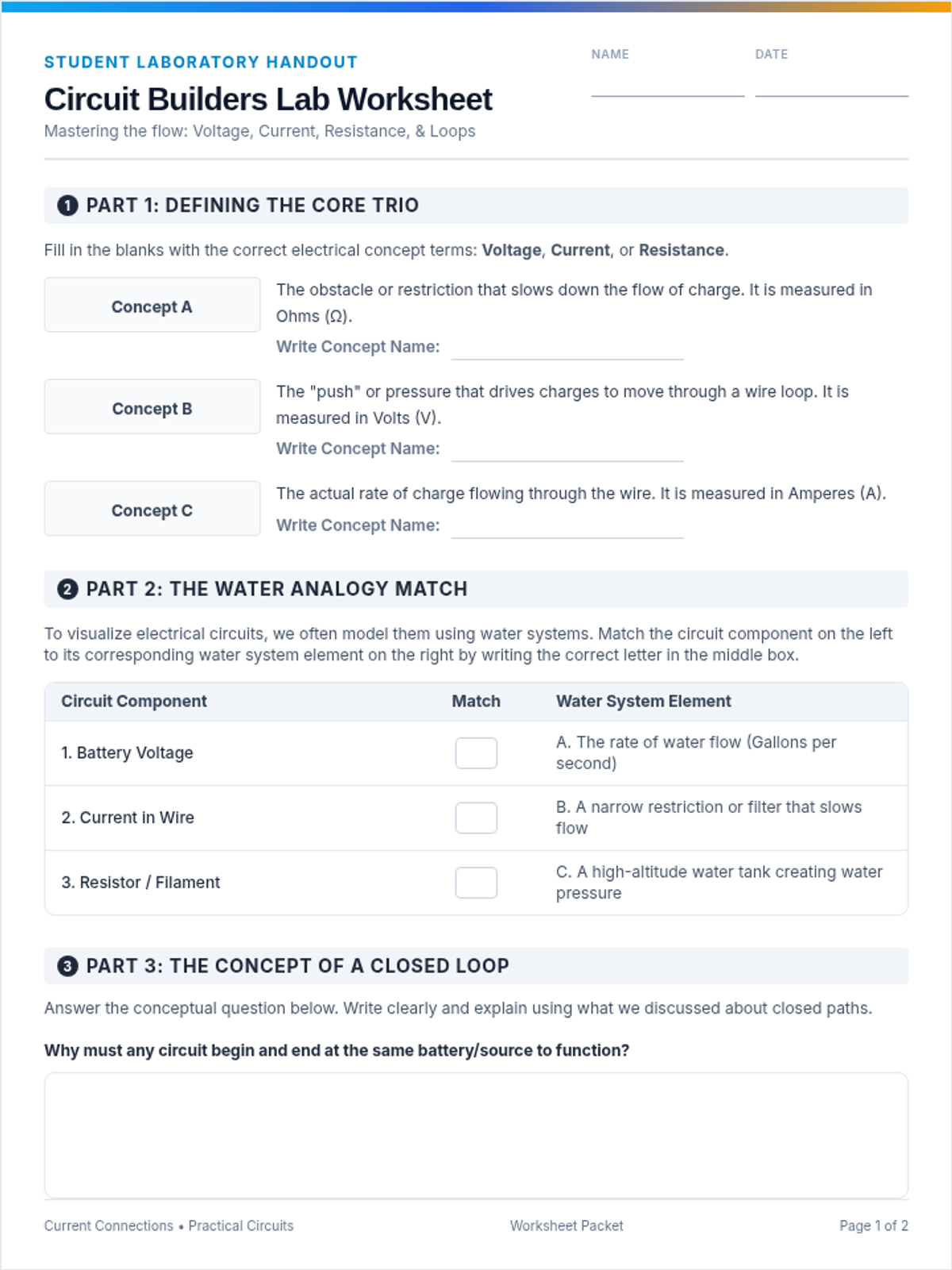
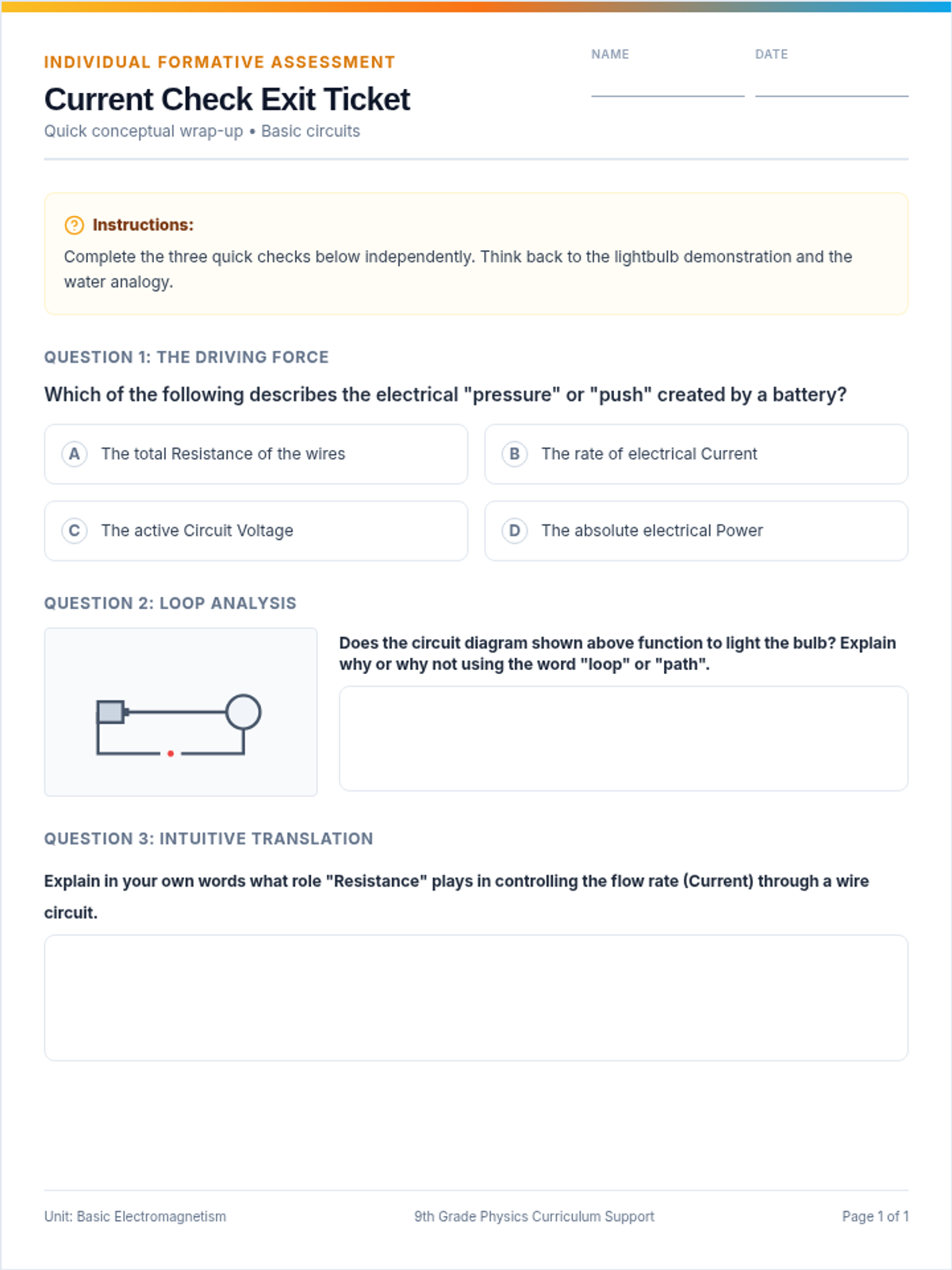
A comprehensive 9th-grade physics lesson exploring electricity through practical circuits, covering voltage, current, resistance, and closed loops with hands-on analysis.
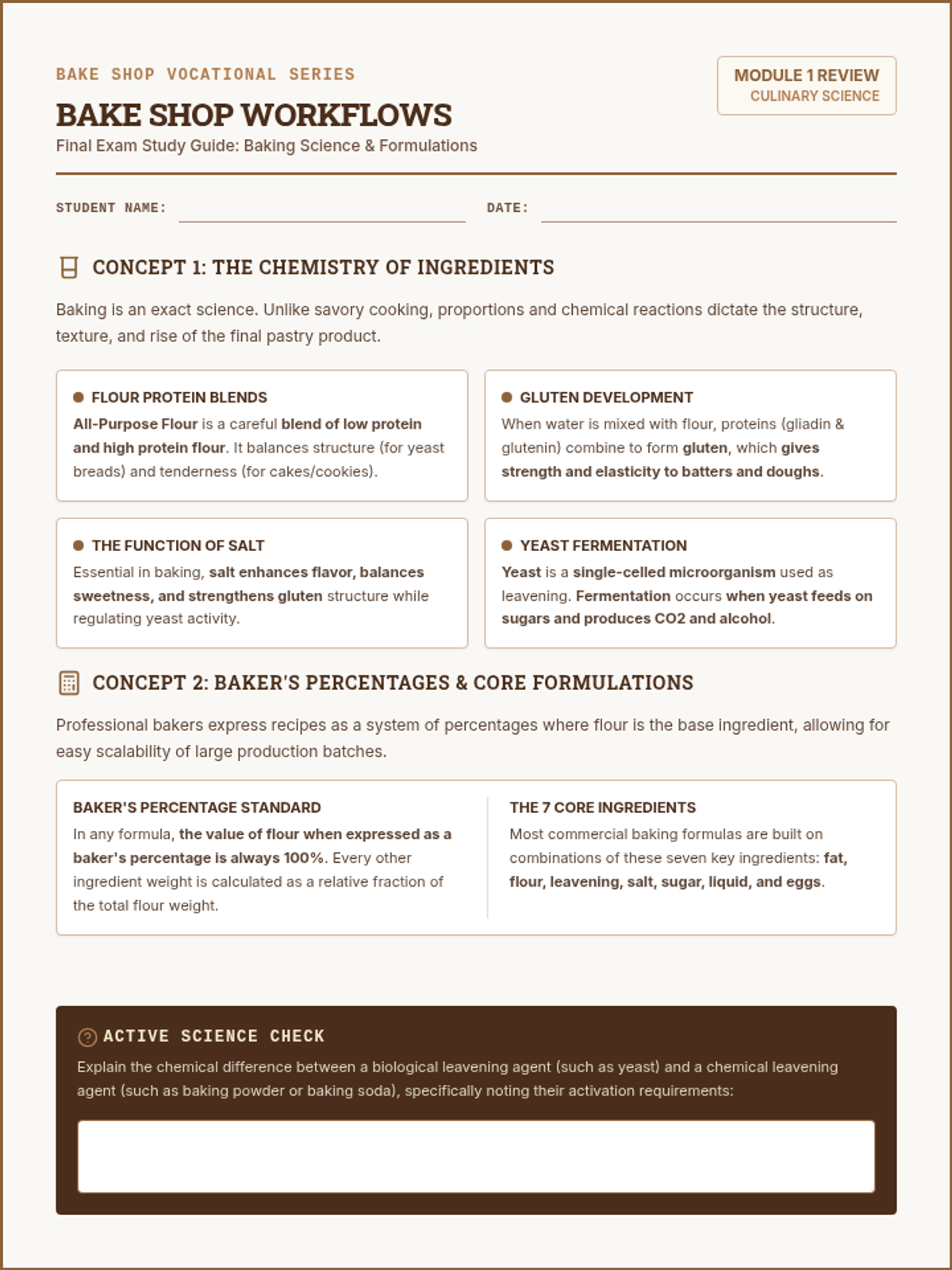
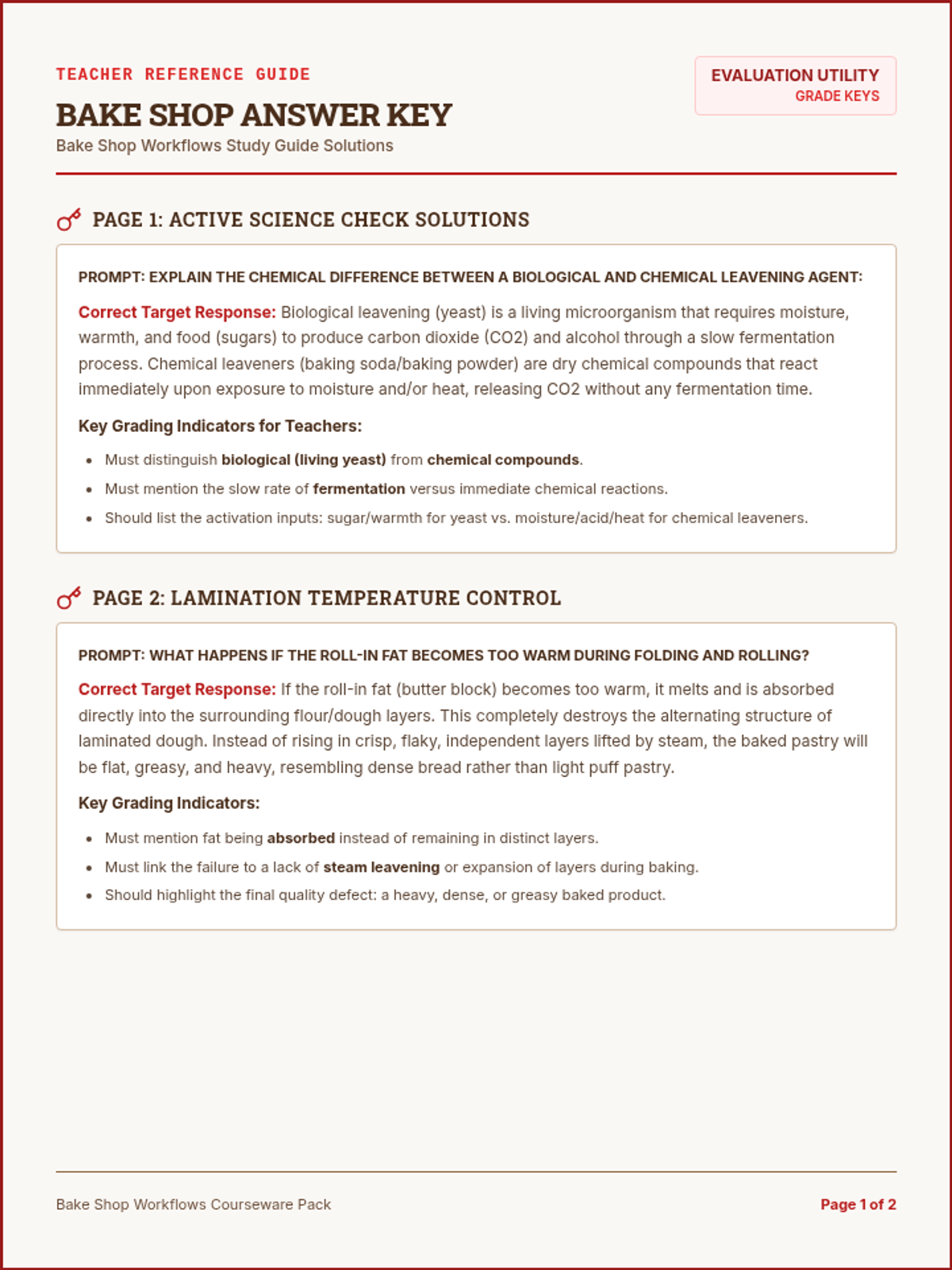
A high-yield vocational lesson focusing on commercial baking science, pastry production techniques, laminated doughs, and professional bake shop workflows.
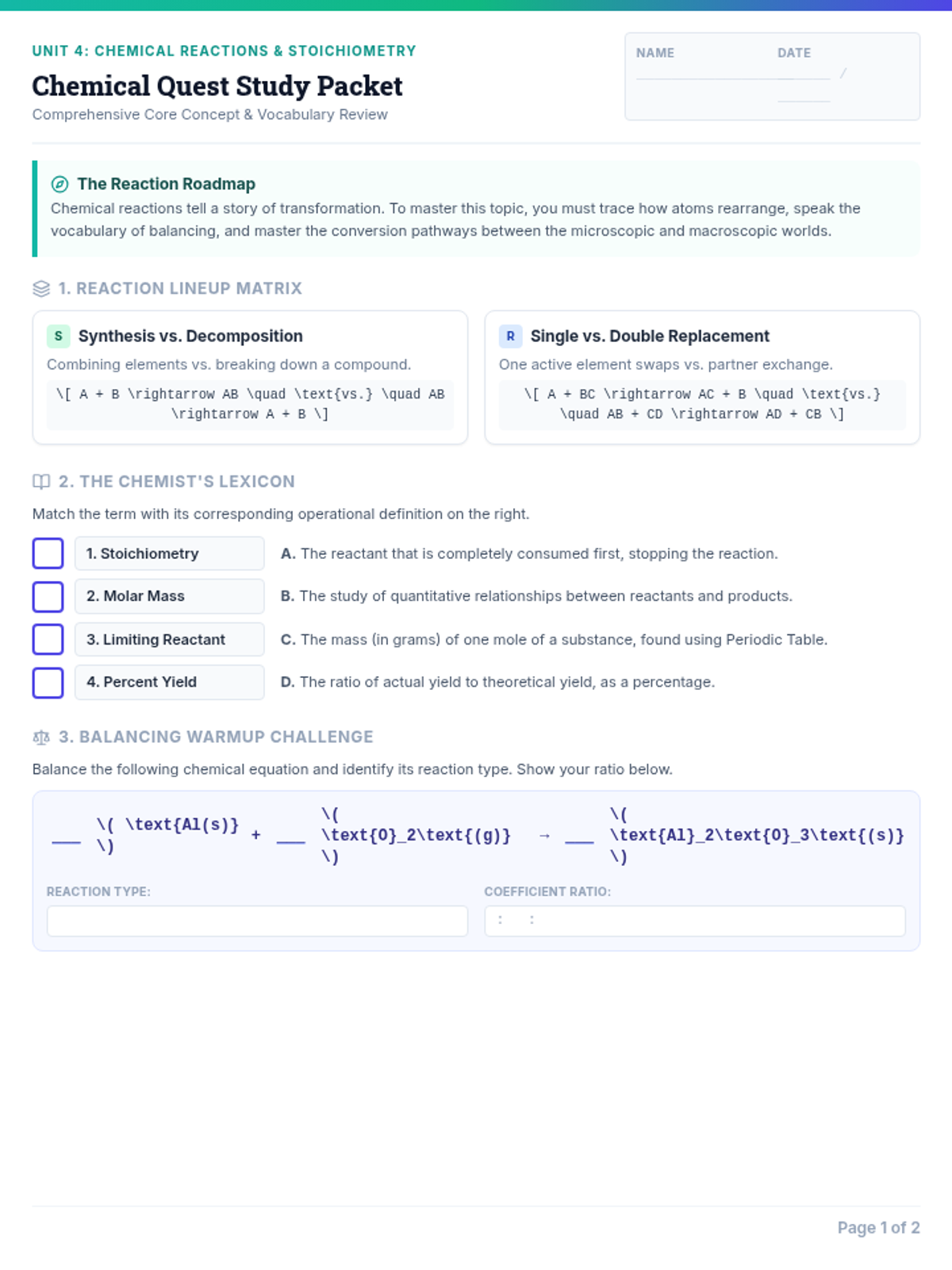
A comprehensive lesson focused on mastering chemical equations, reaction types, and stoichiometry calculations through guided scaffolding and structured review.
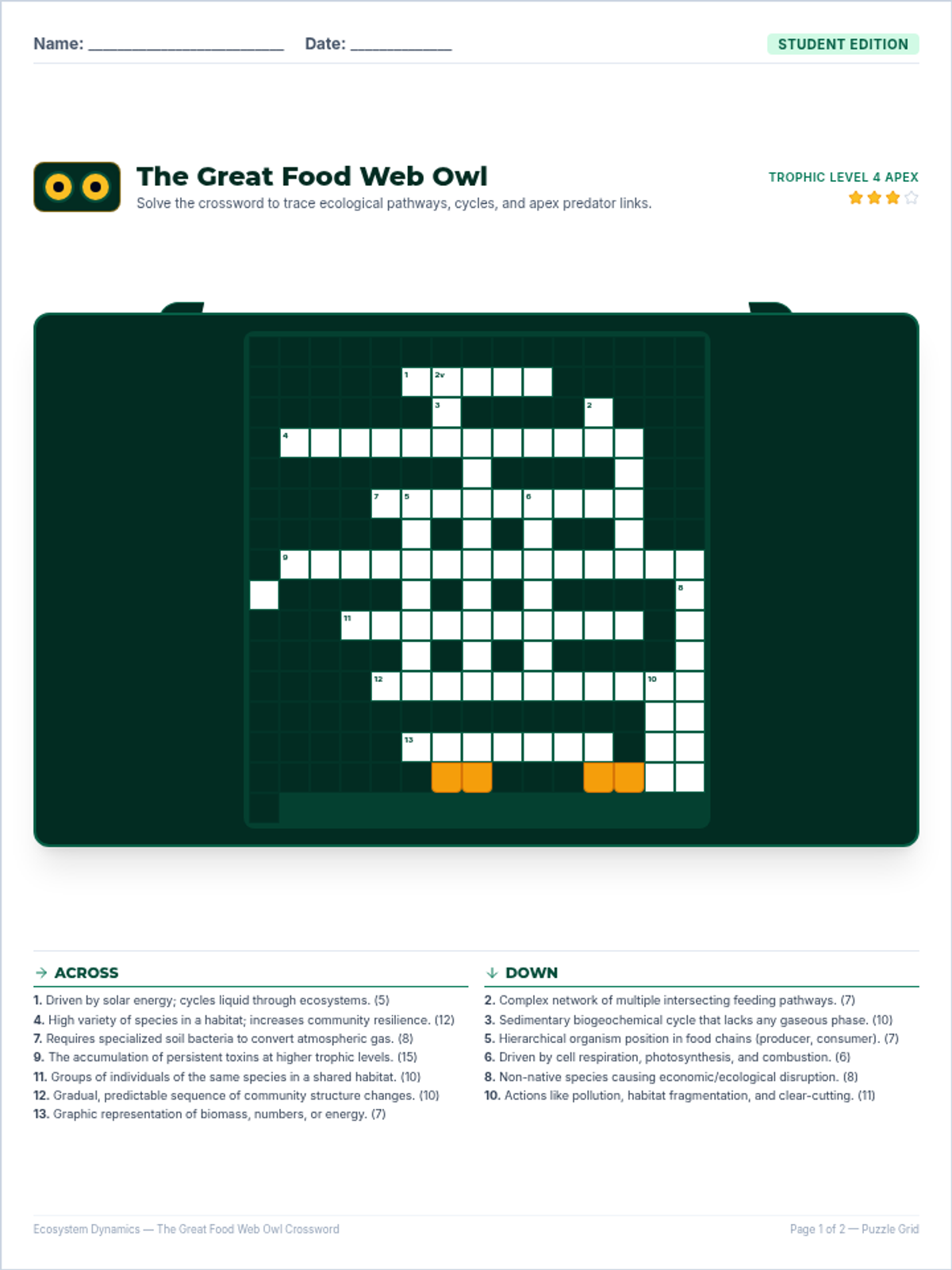
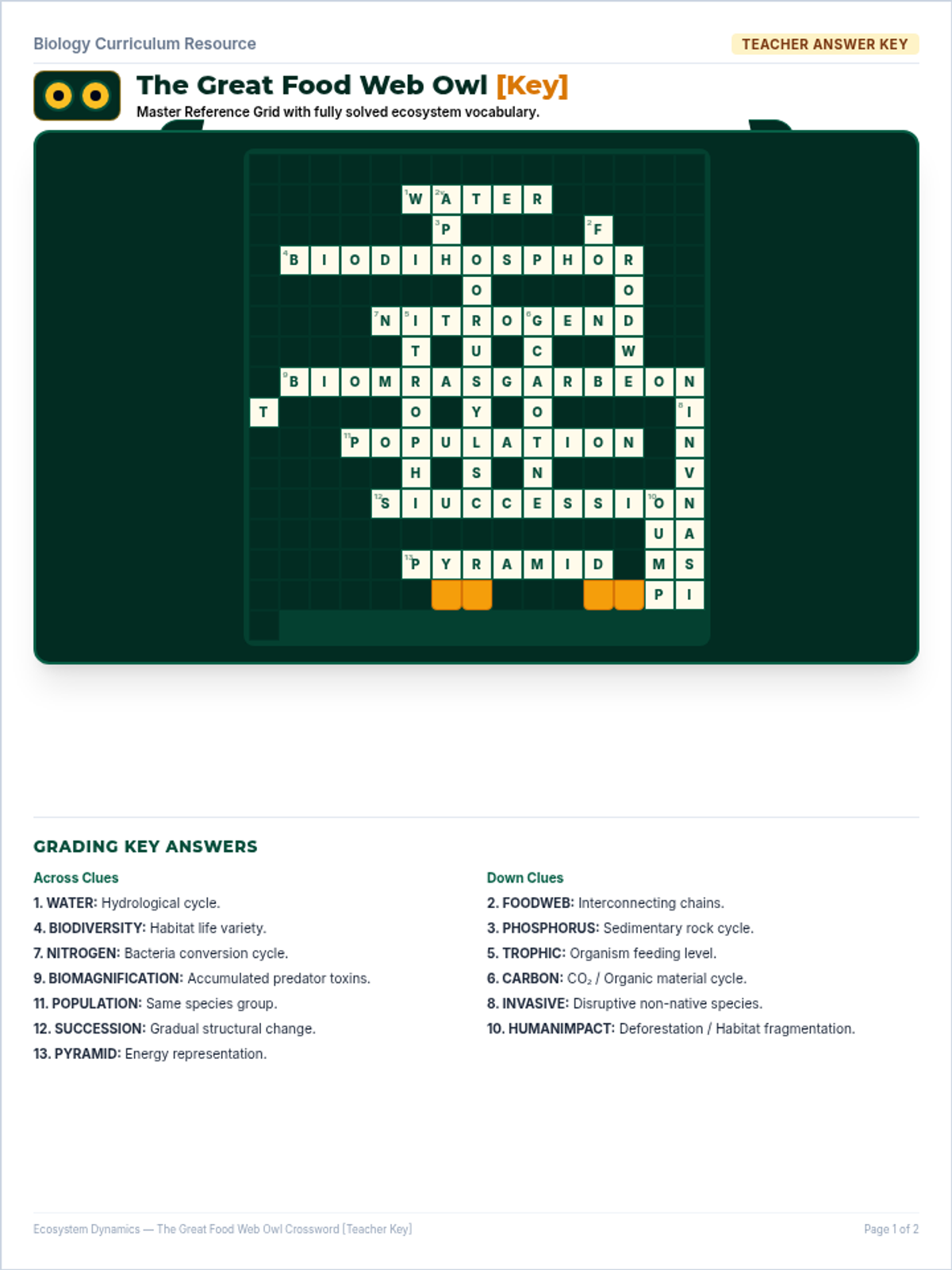
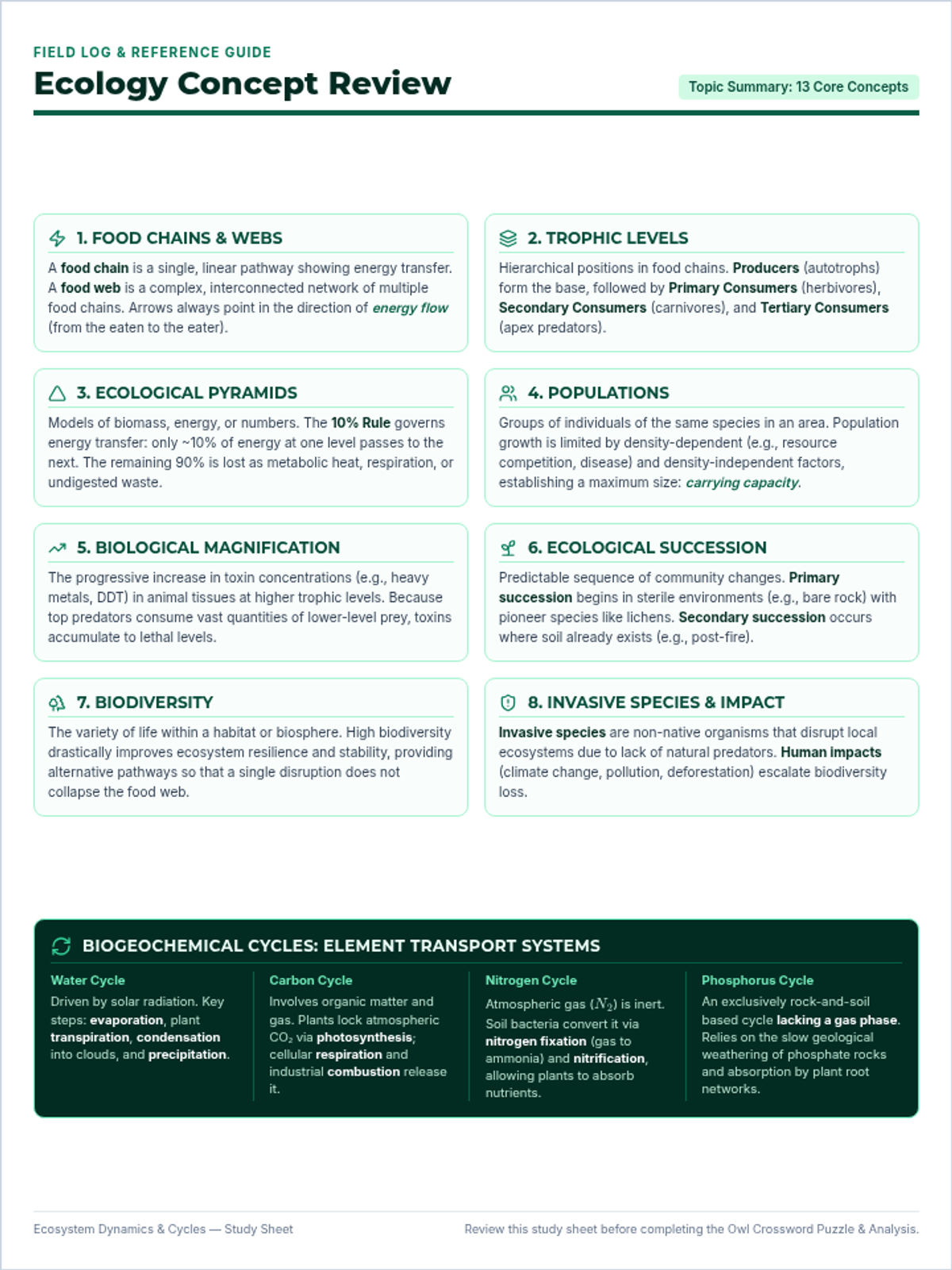
A comprehensive lesson on ecosystem dynamics, nutrient cycles, and human impacts, featuring an owl-shaped crossword puzzle, review guide, and critical analysis worksheet.
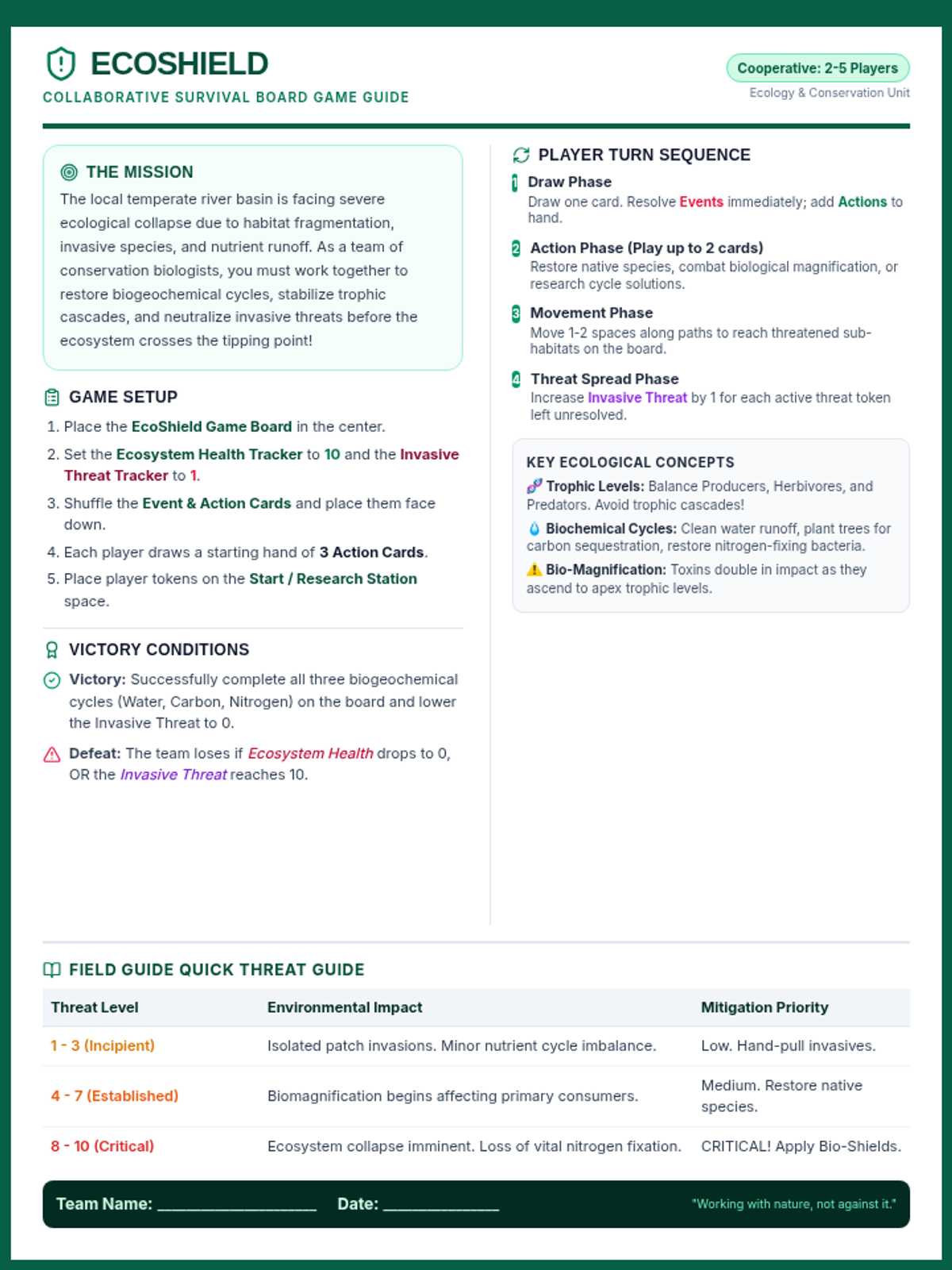
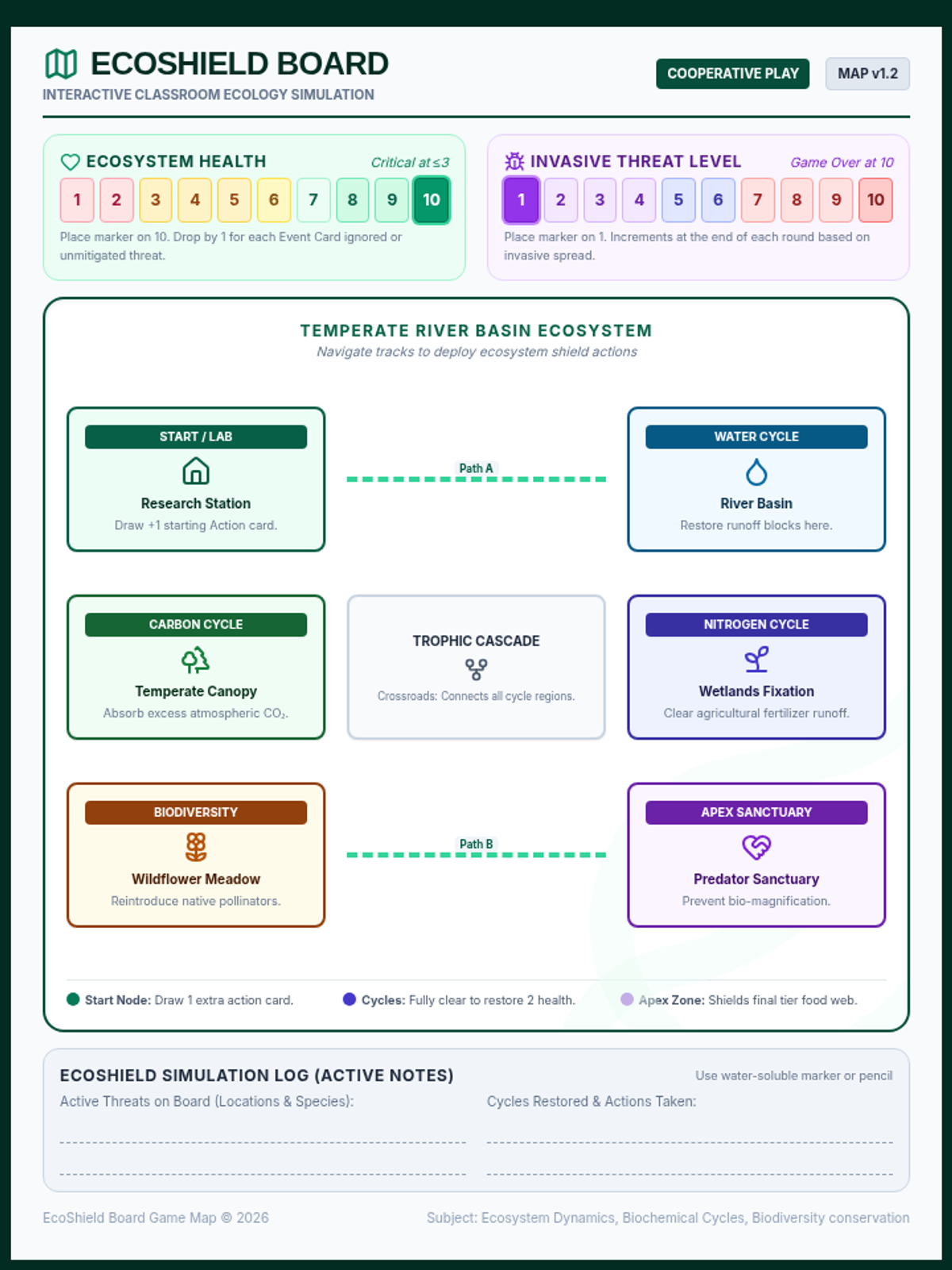
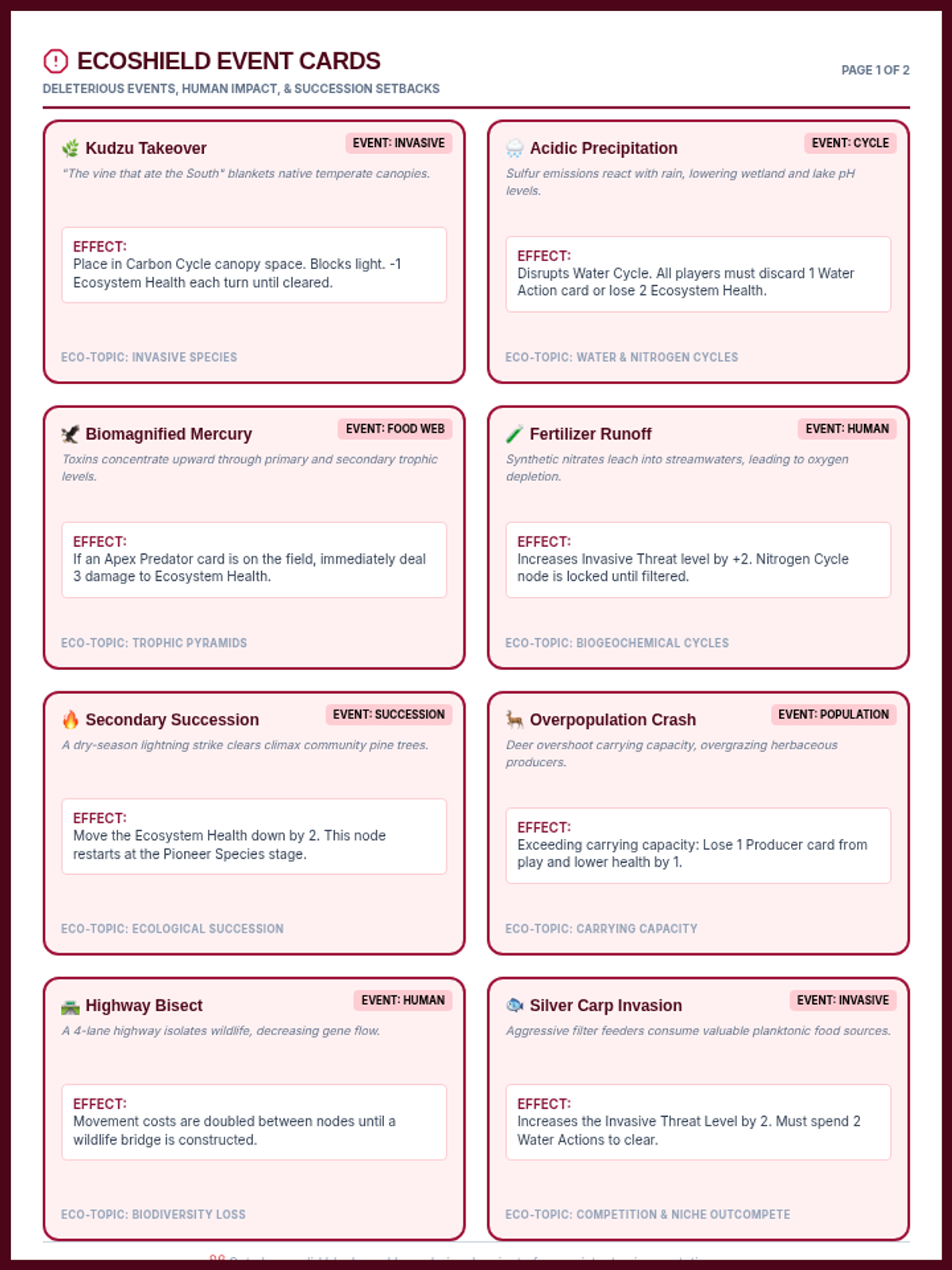
A collaborative board game lesson where students work together to save an ecosystem from ecological threats, human impact, and invasive species using food web dynamics and biochemical cycle actions.
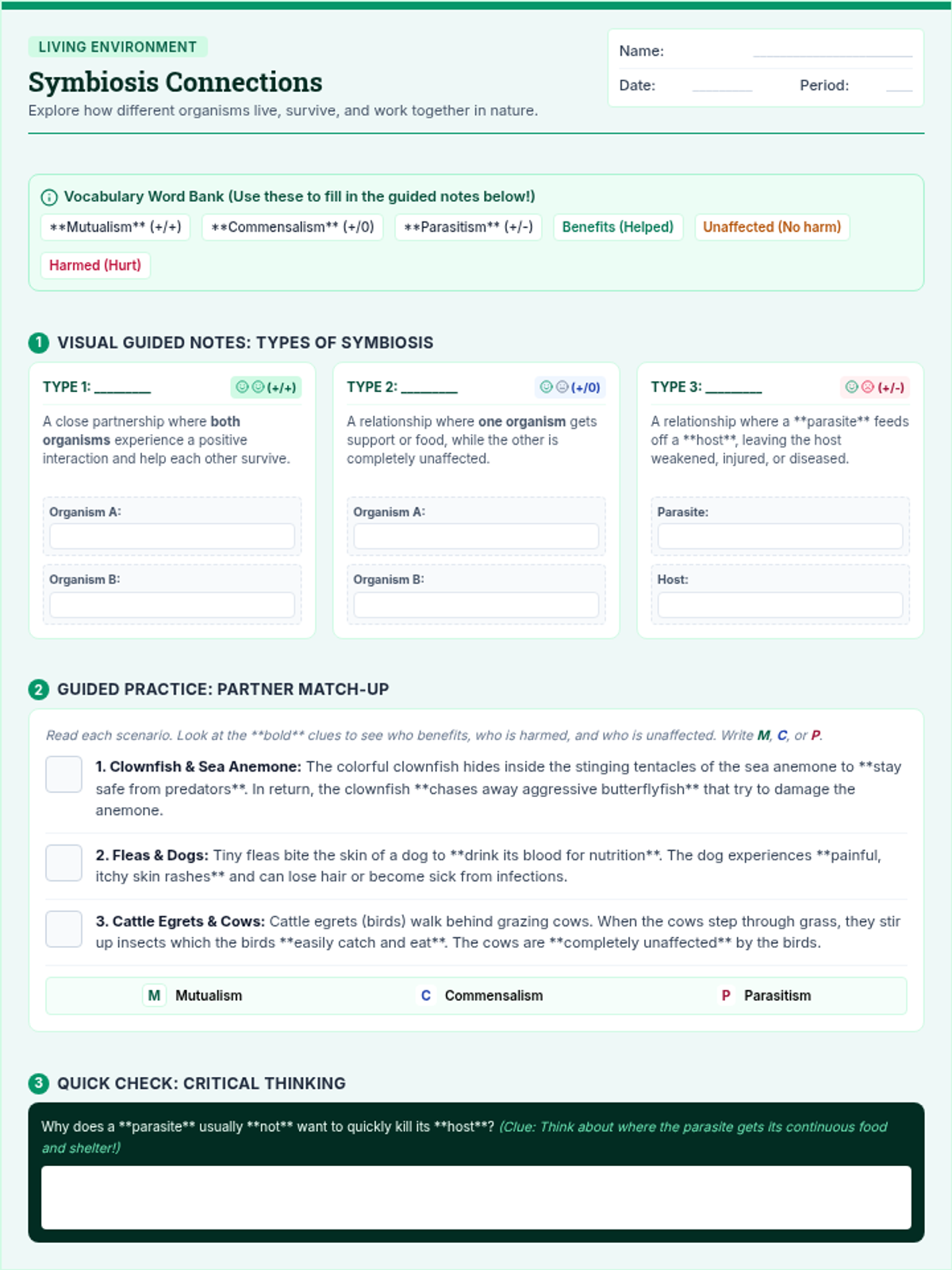
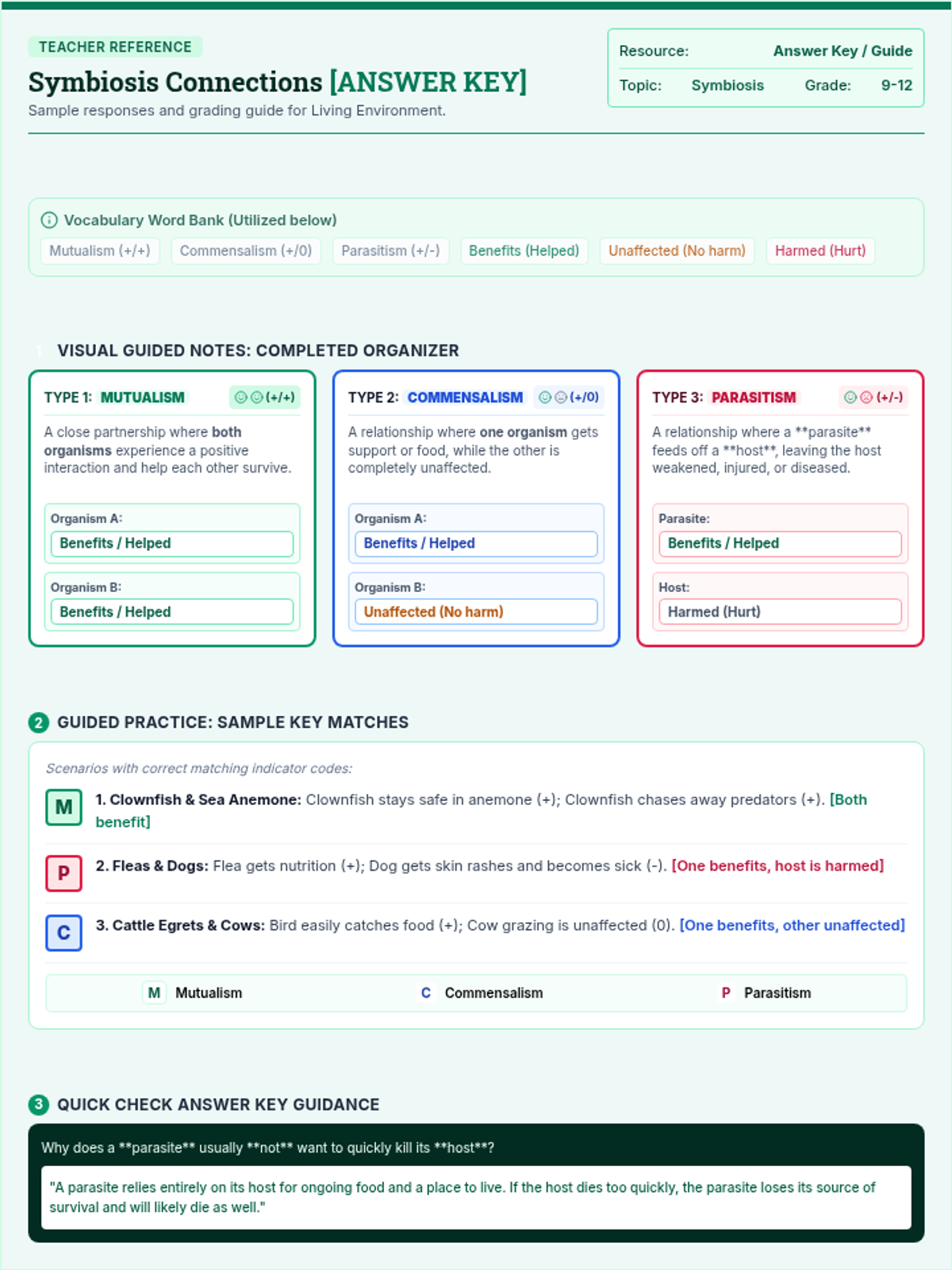
A lesson on ecological symbiotic relationships, featuring a student-facing graphic organizer with mild reading scaffolds and a teacher answer key.
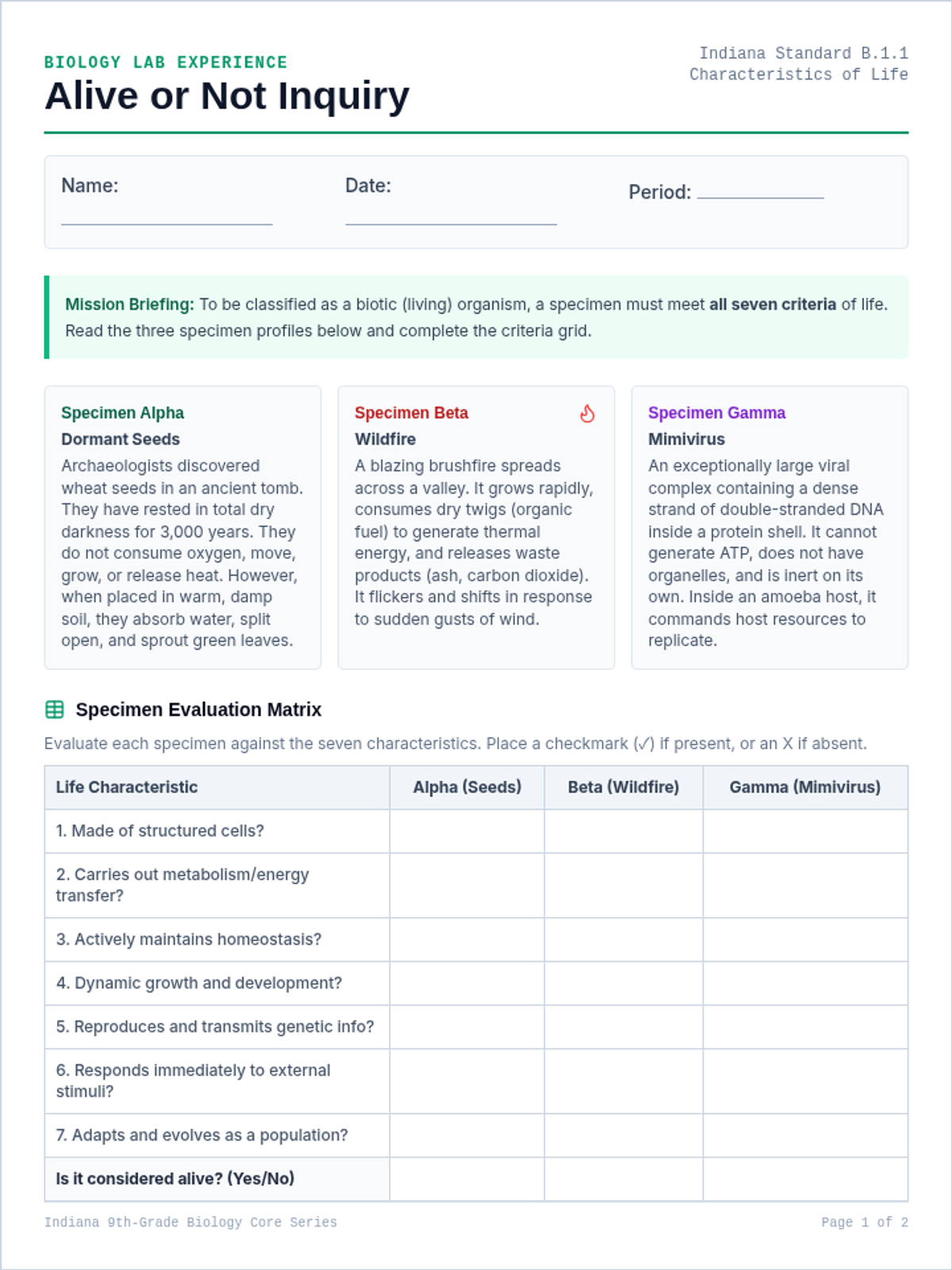
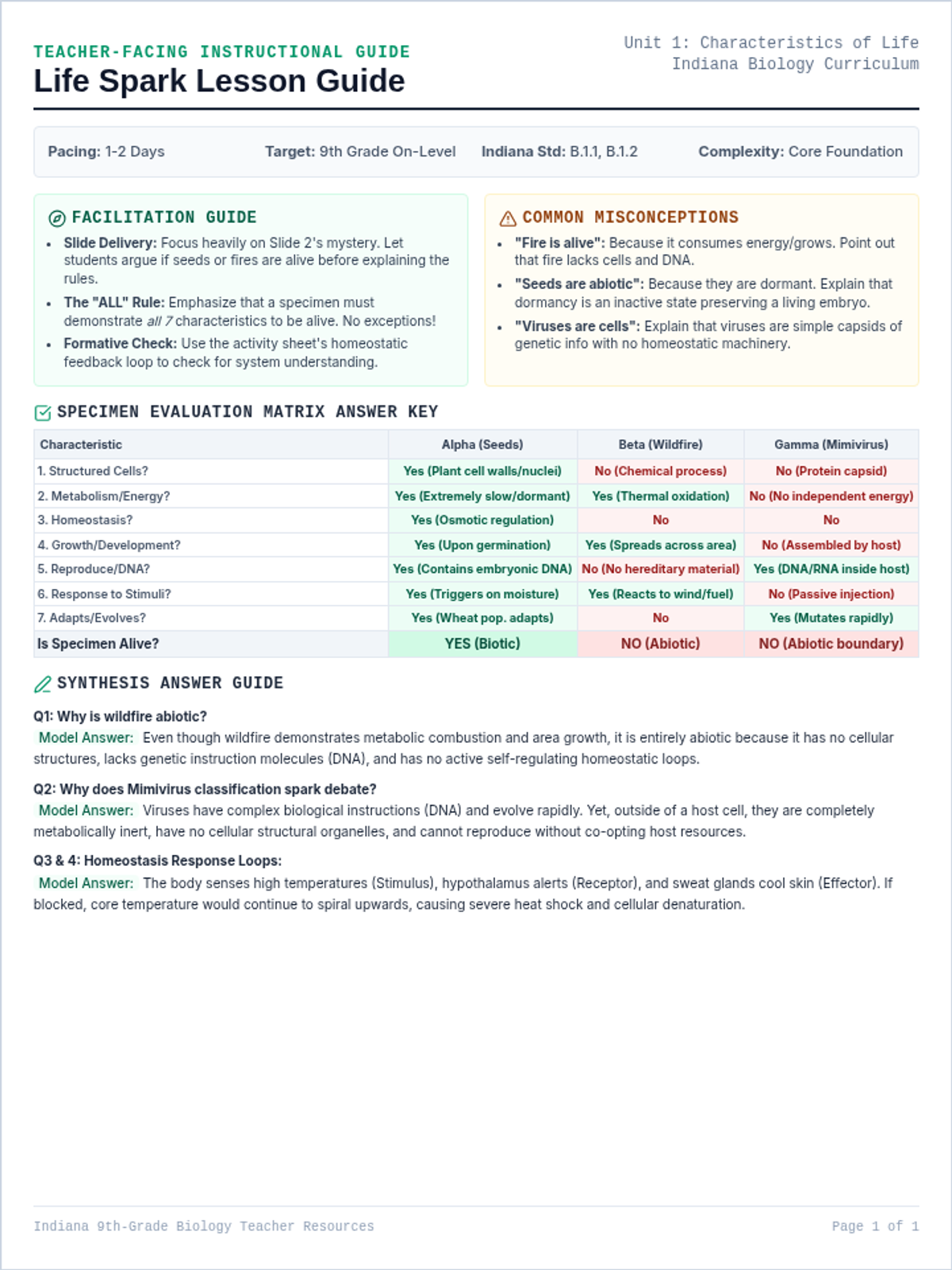
An introductory unit exploring the seven characteristics of living things, structural organization, and homeostatic balance in organisms, aligned with Indiana Academic Standards.
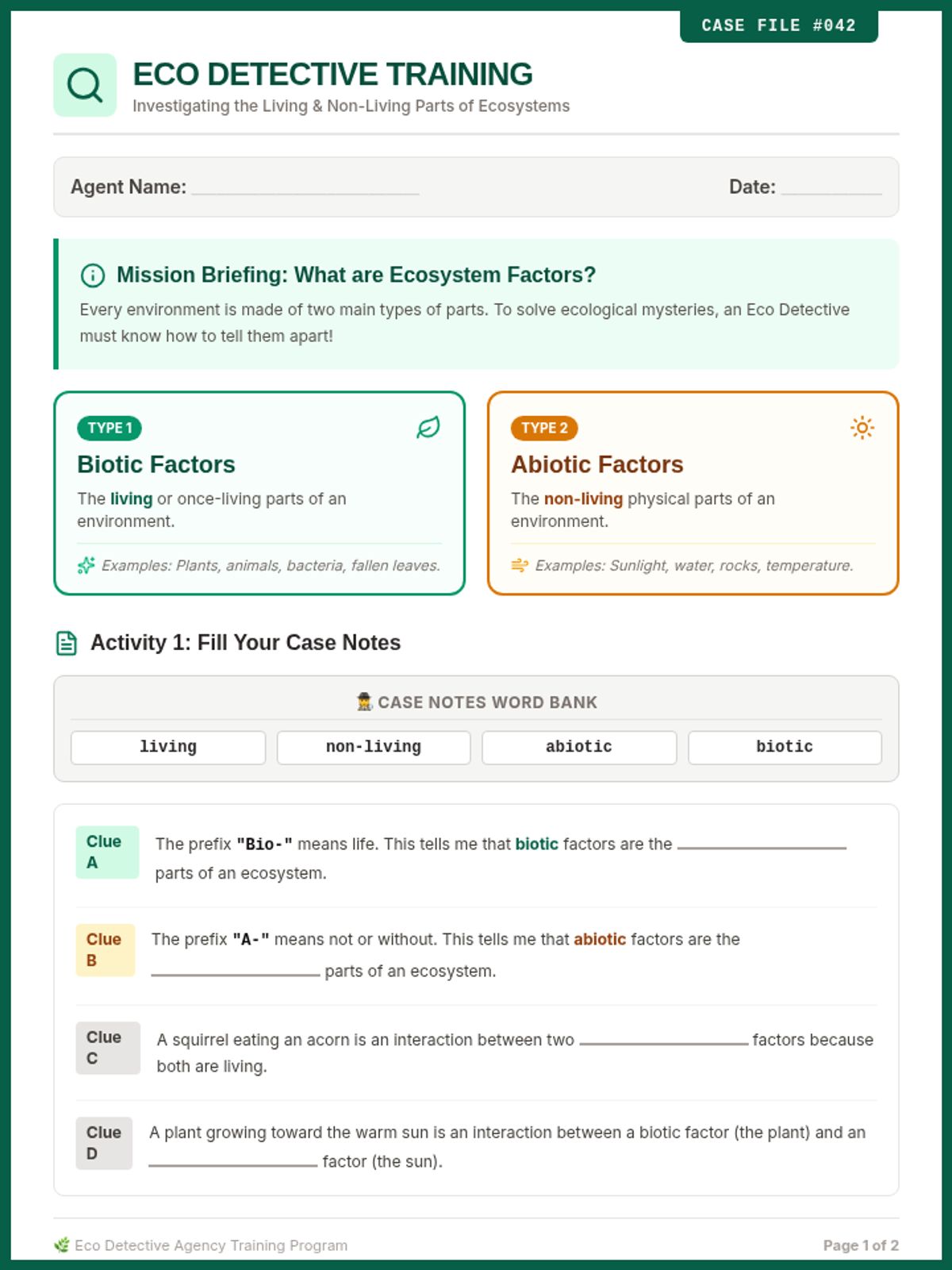
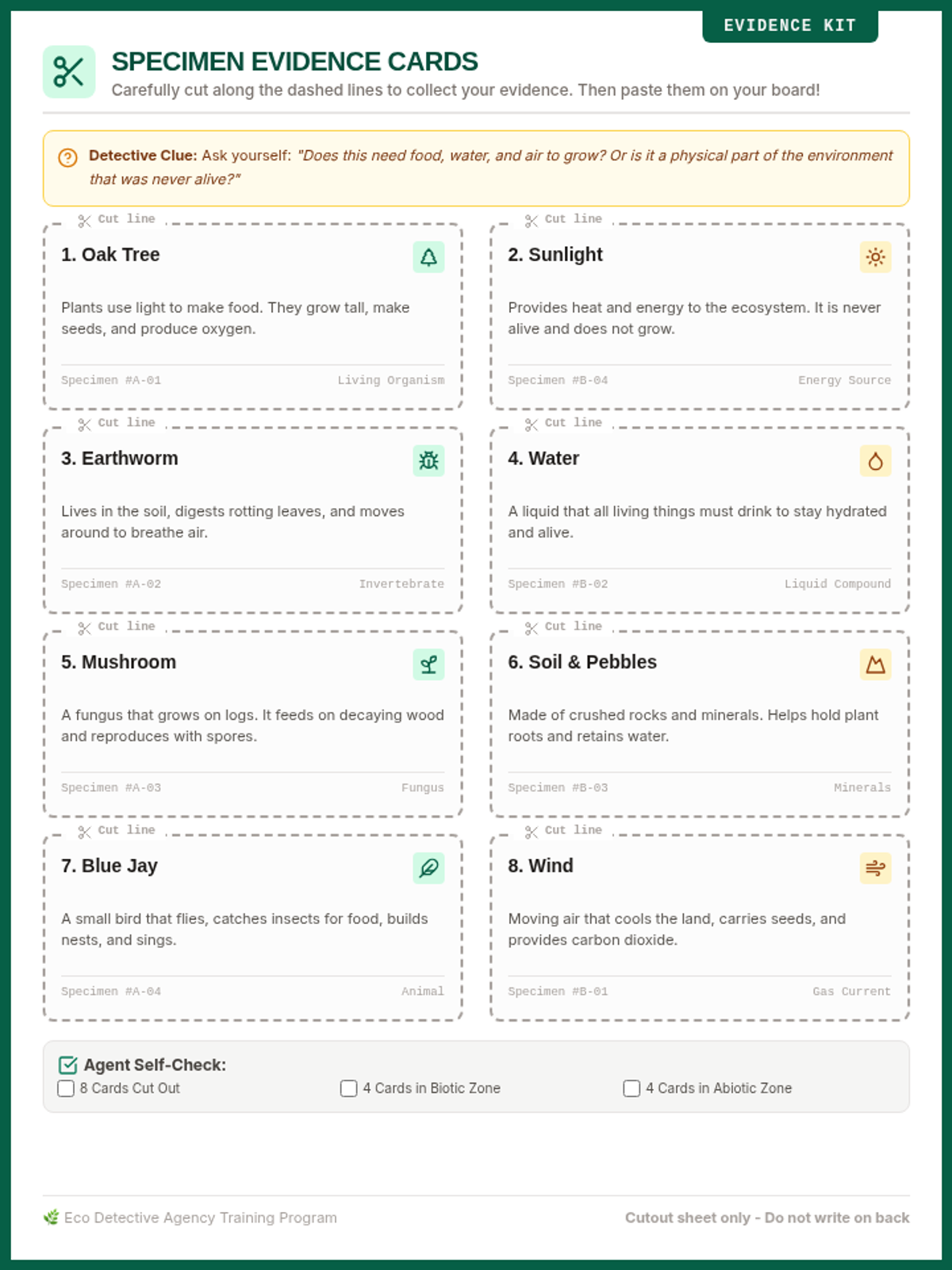
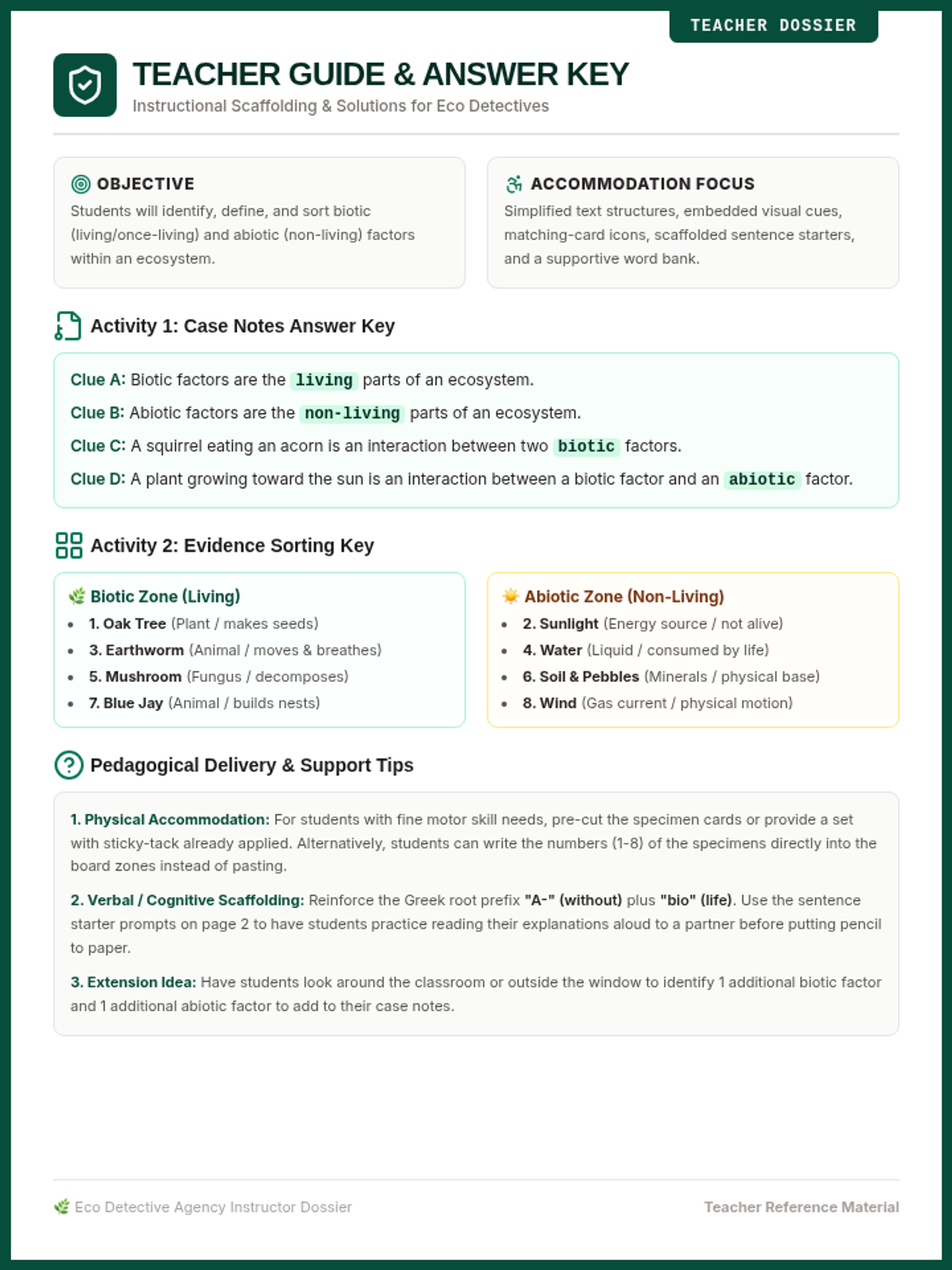
An interactive, scaffolded lesson introducing biotic and abiotic factors in ecosystems. Includes guided notes with sentence starters, a word bank, and a hands-on sorting activity designed for students requiring accommodation.
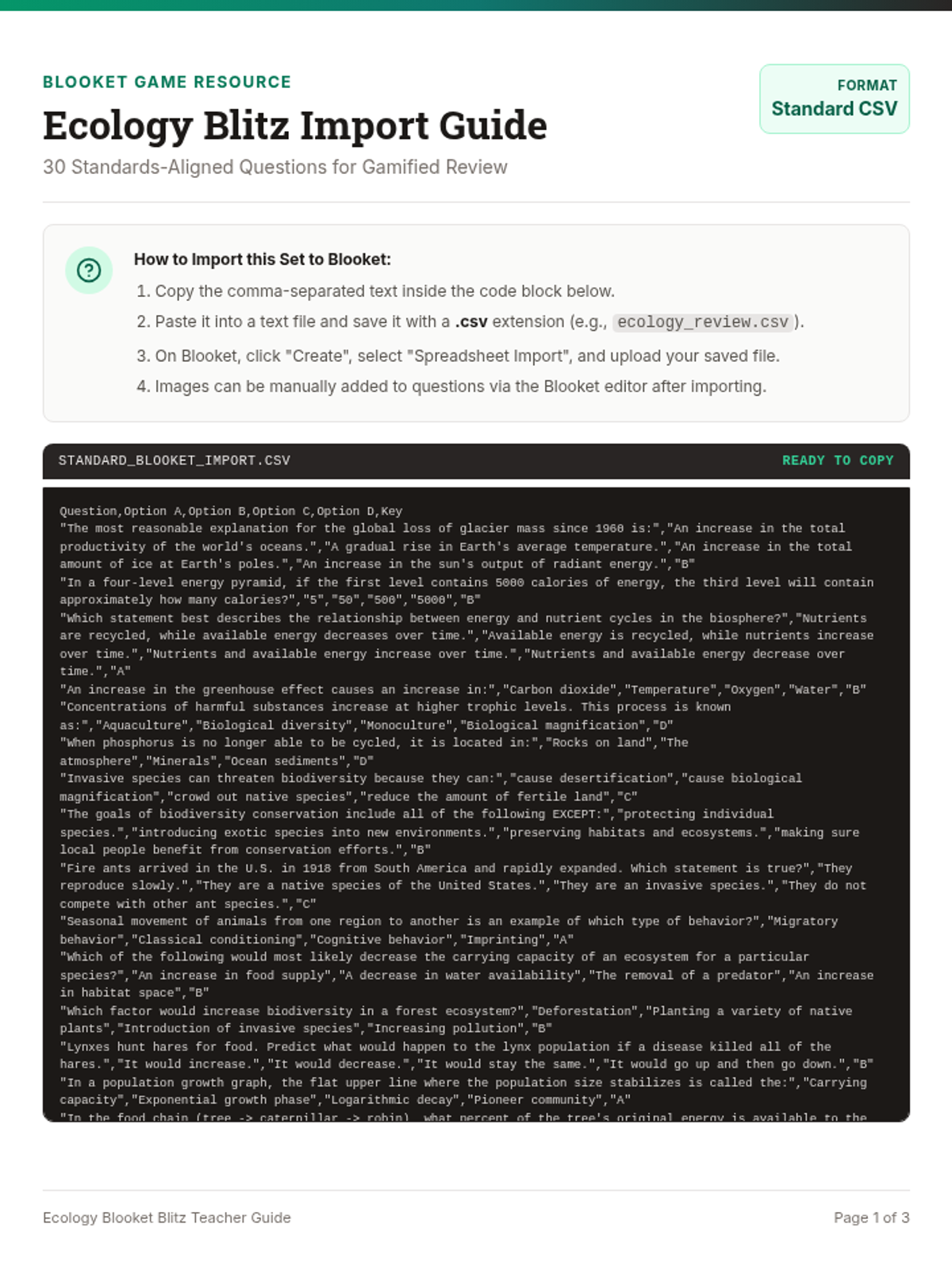
A high-energy ecology review lesson utilizing a gamified Blooket activity. It contains a complete Blooket-ready question bank and teacher guide featuring 30 standards-aligned ecology questions designed to evaluate understanding of ecosystems, energy pyramids, human impacts, and biochemical cycles.
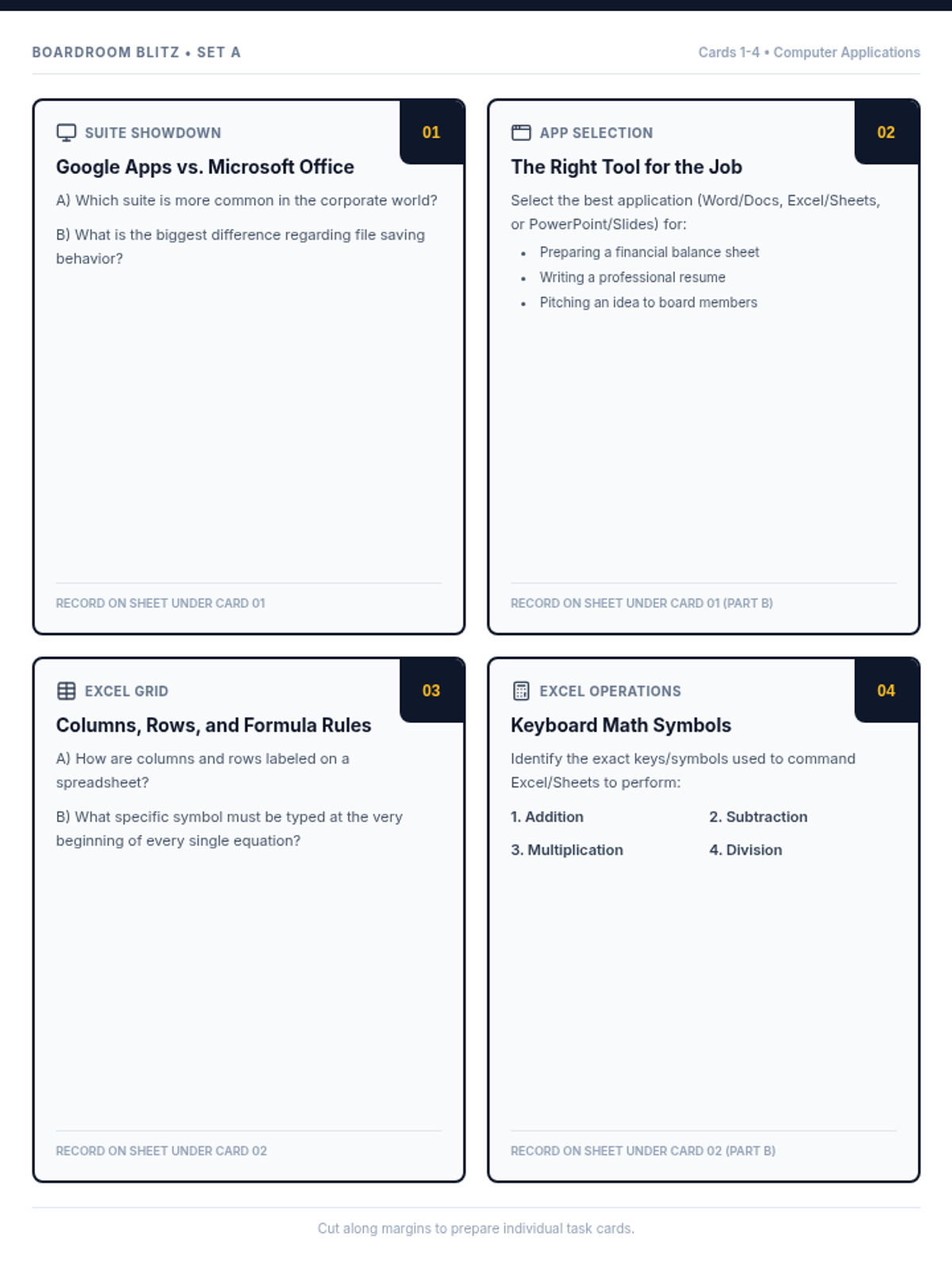
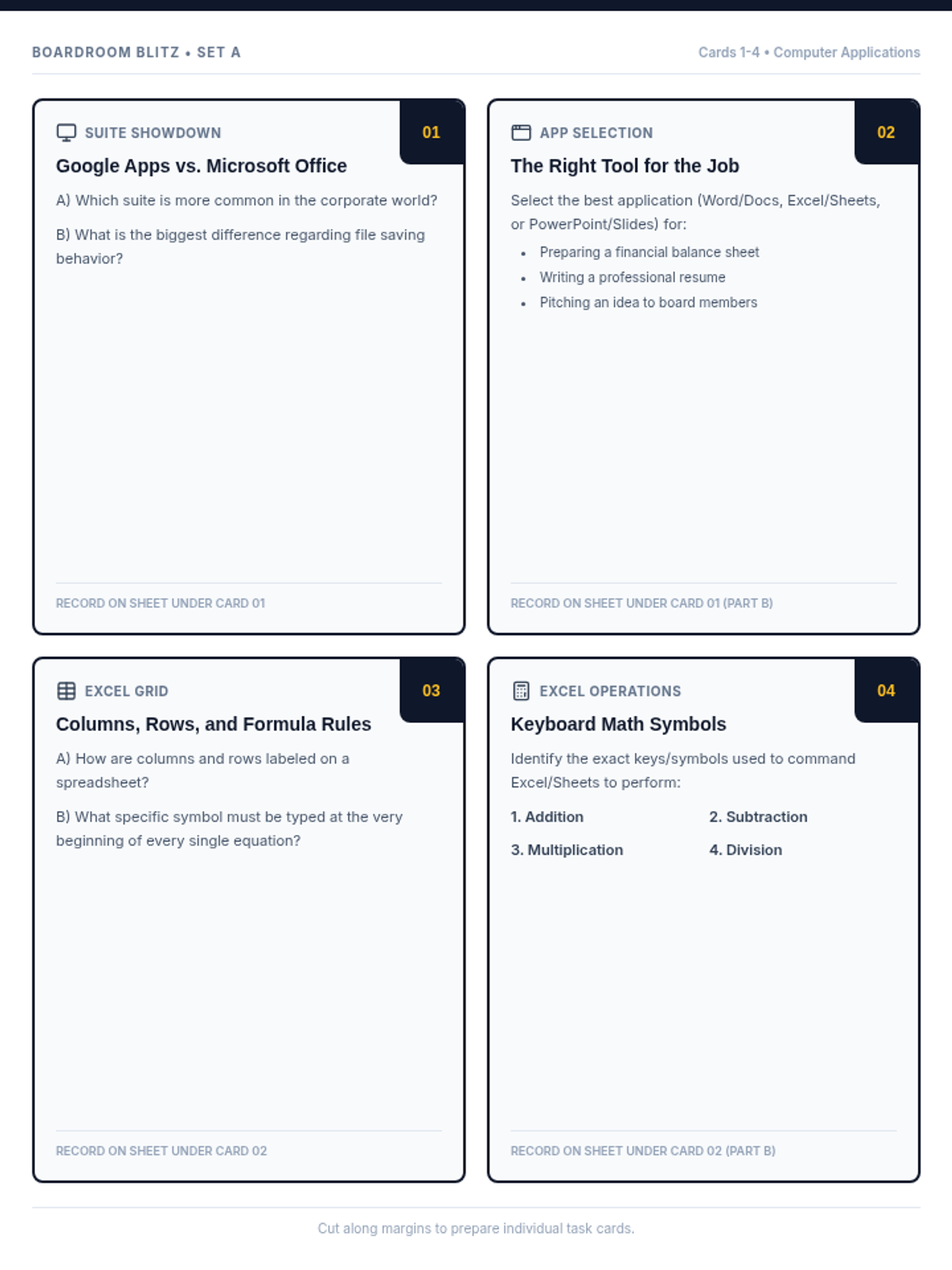
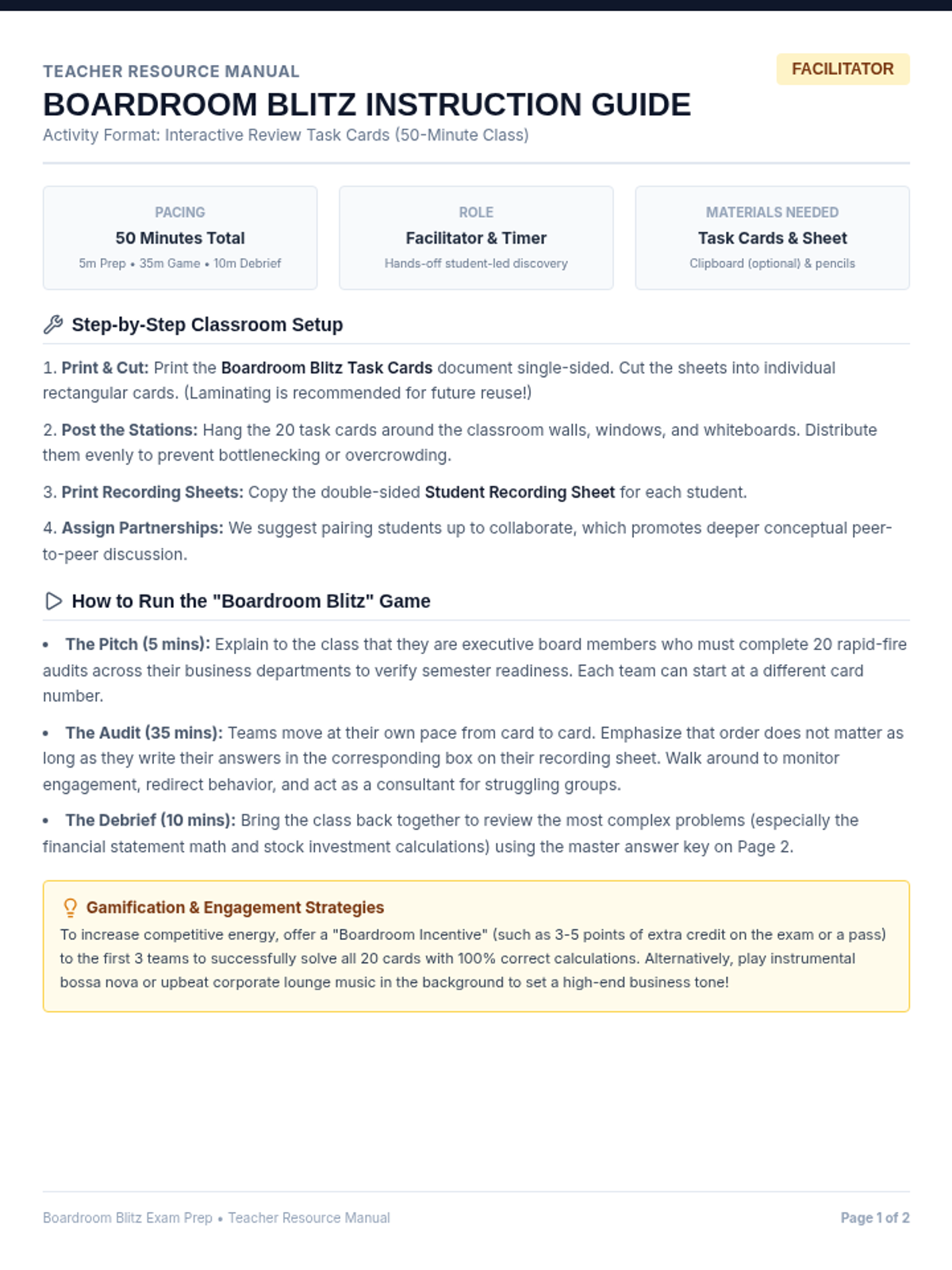
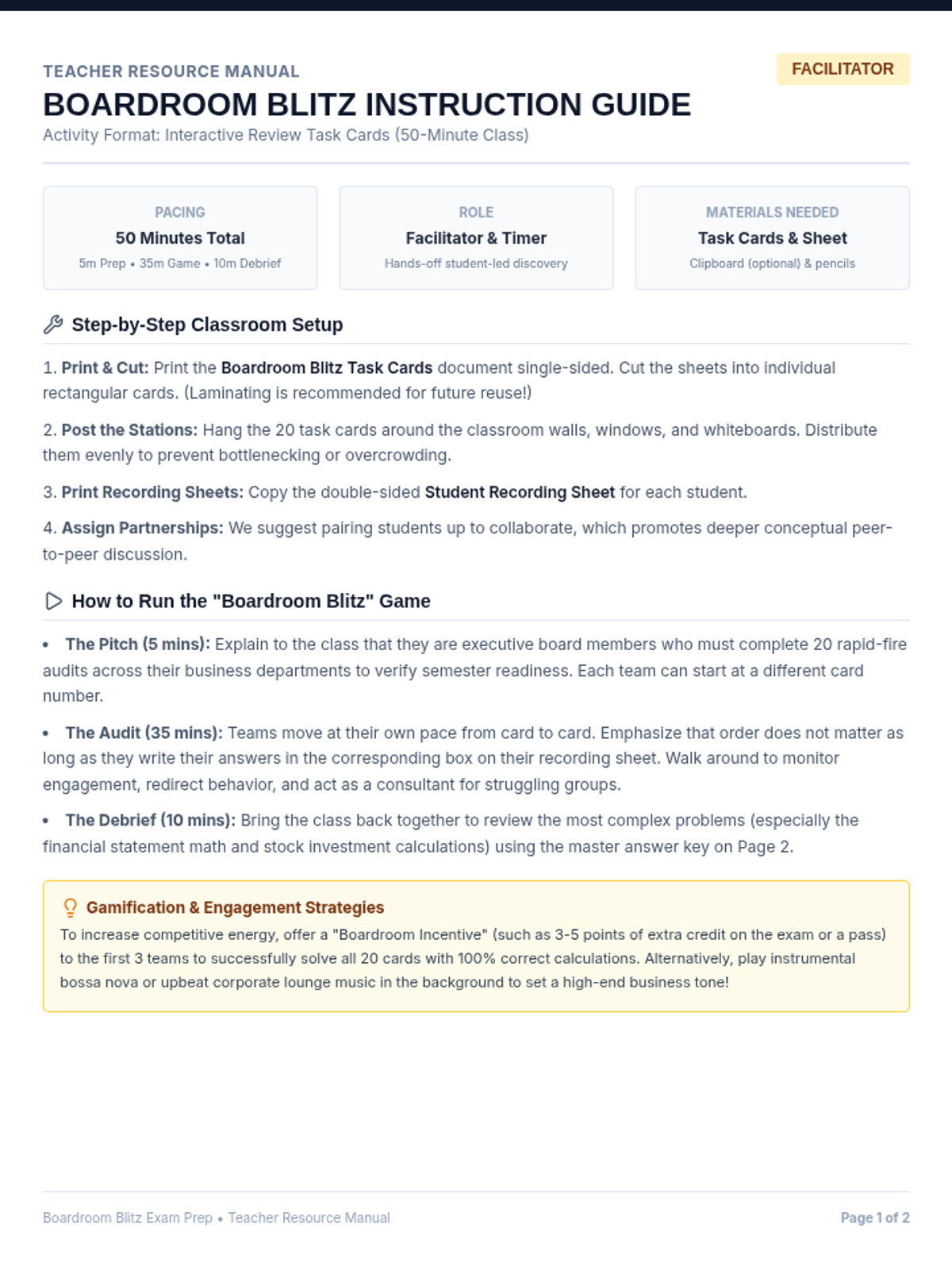
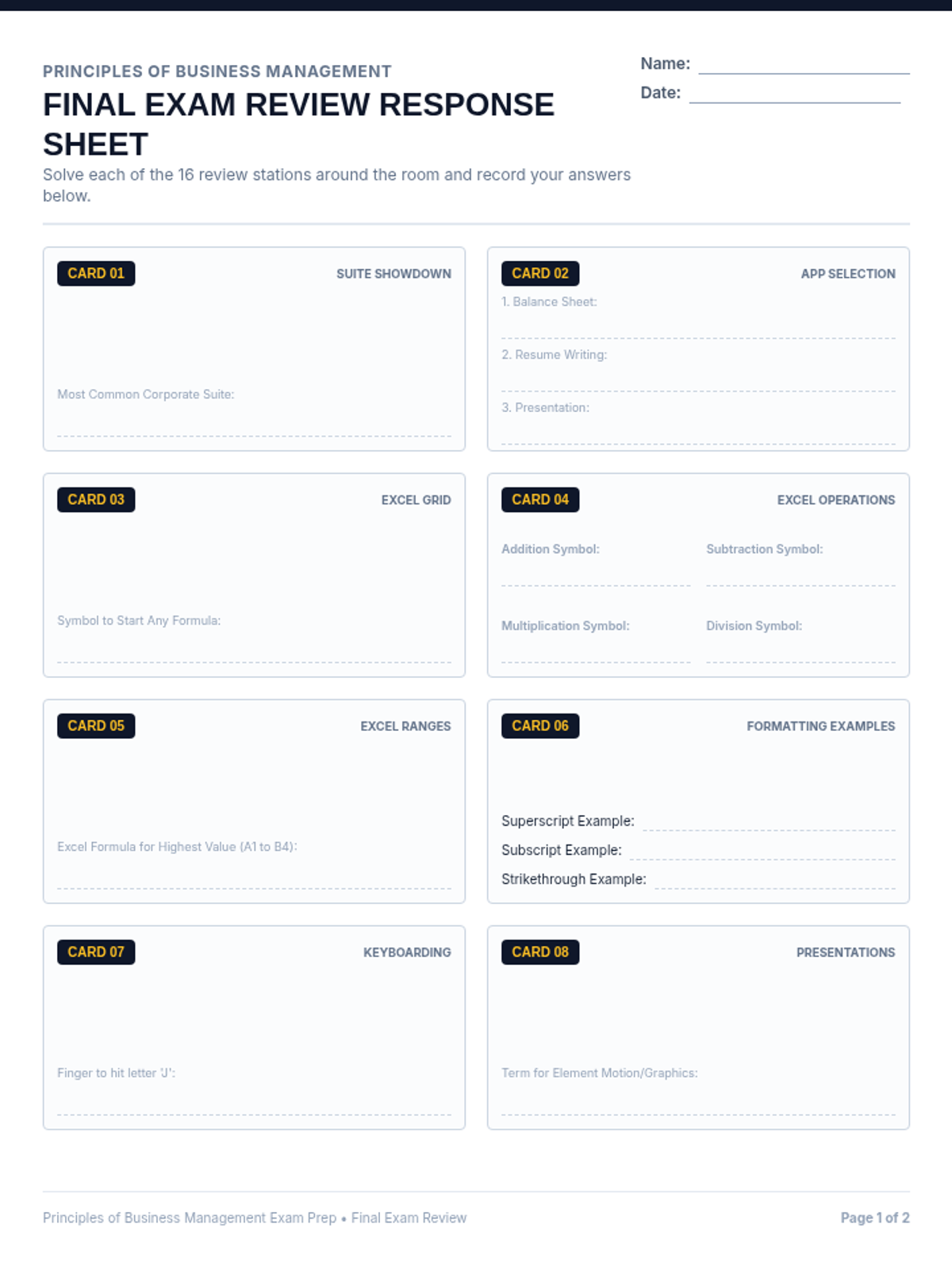
An engaging, student-led classroom game designed to review all semester 2 concepts for Principles of Business Management, including Computer Applications, HR, Business Organizations, Financial Management, and Financing.
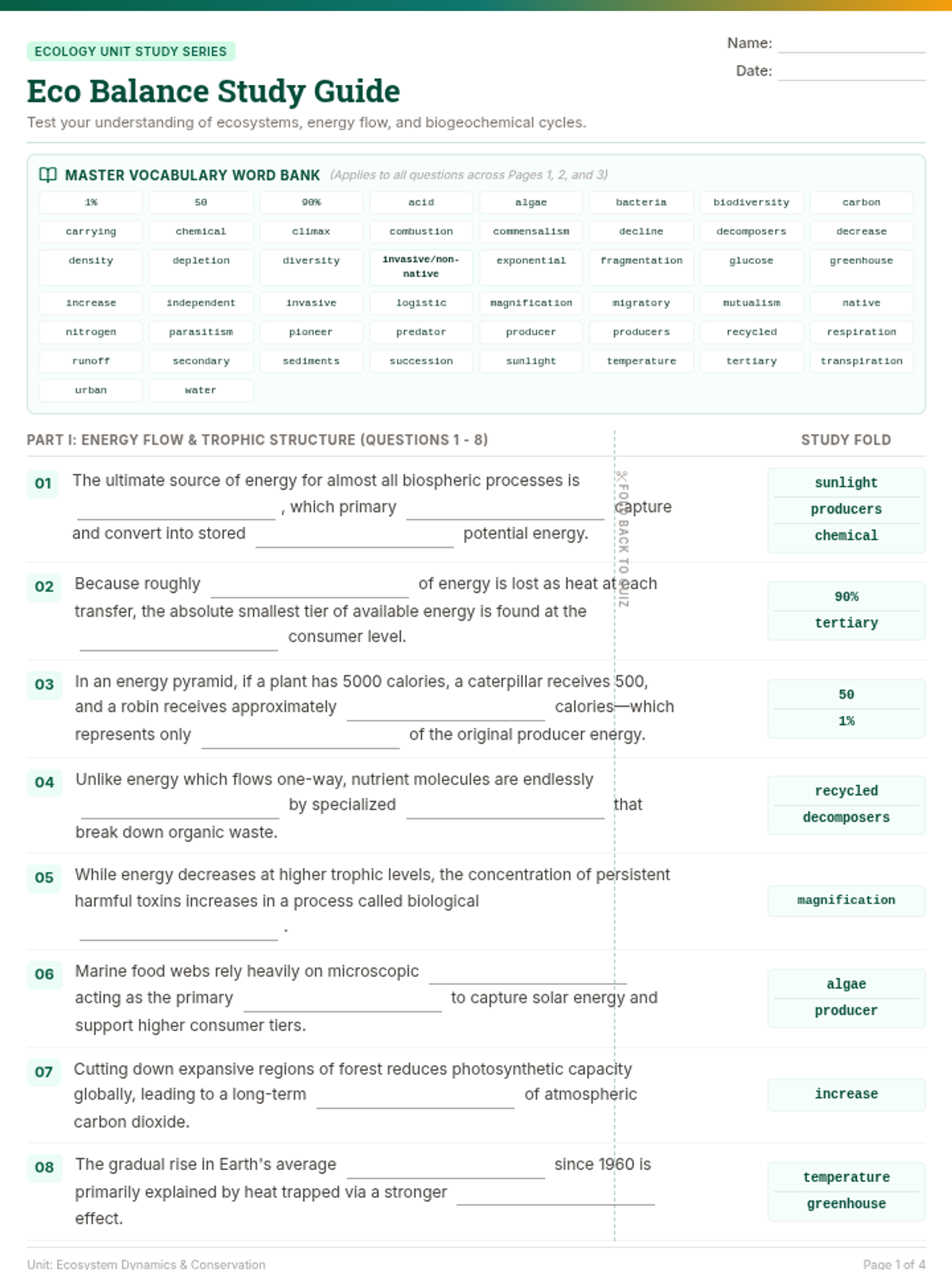
An essential study unit focusing on ecosystem dynamics, energy flow, biogeochemical cycles, and human impacts on biodiversity.
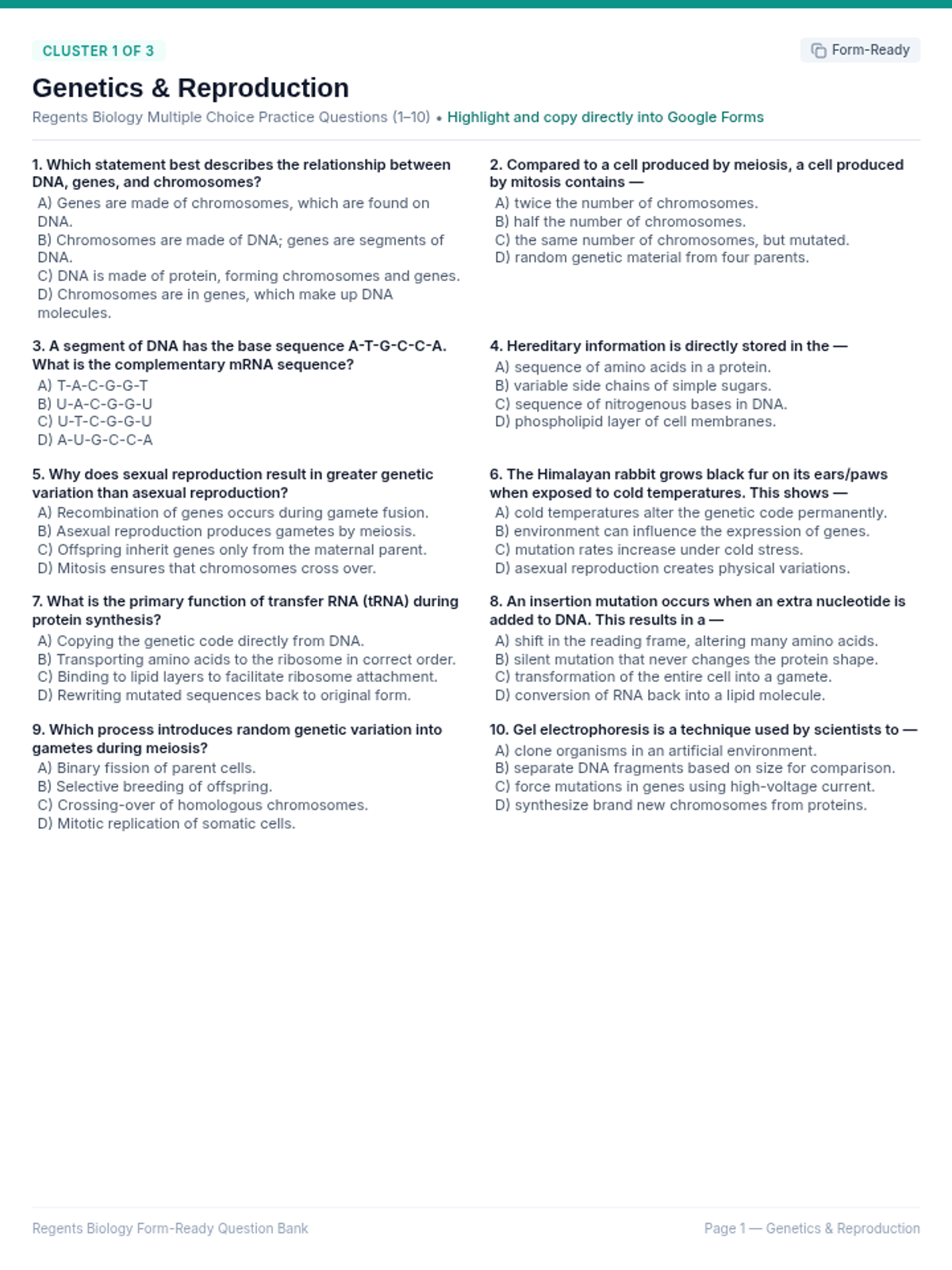
A comprehensive, regents-level biology practice package containing a form-ready question bank across three key clusters: Genetics/Reproduction, Cells/Living Environment, and Evolution/Diversity, optimized for Google Forms integration.
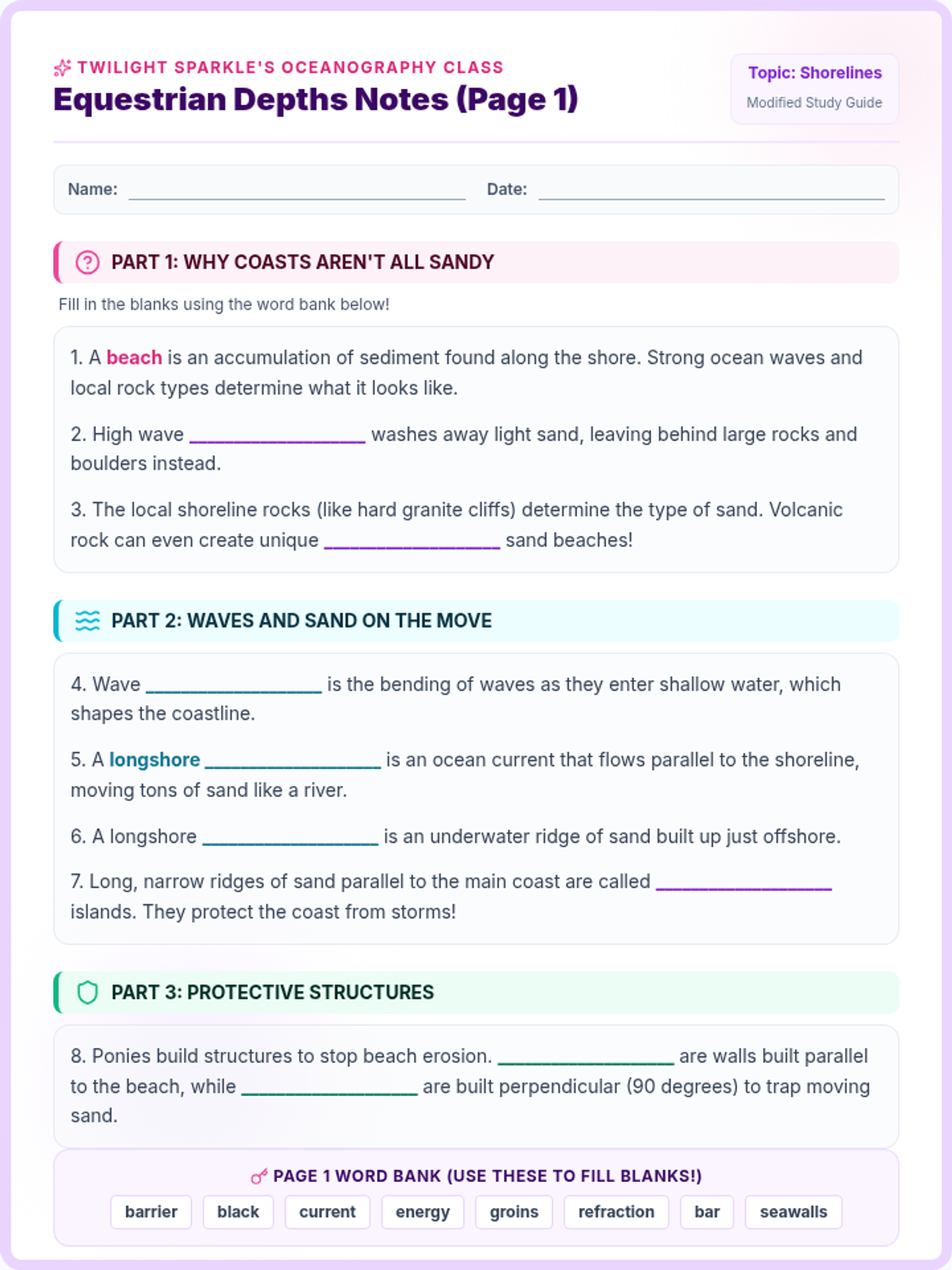
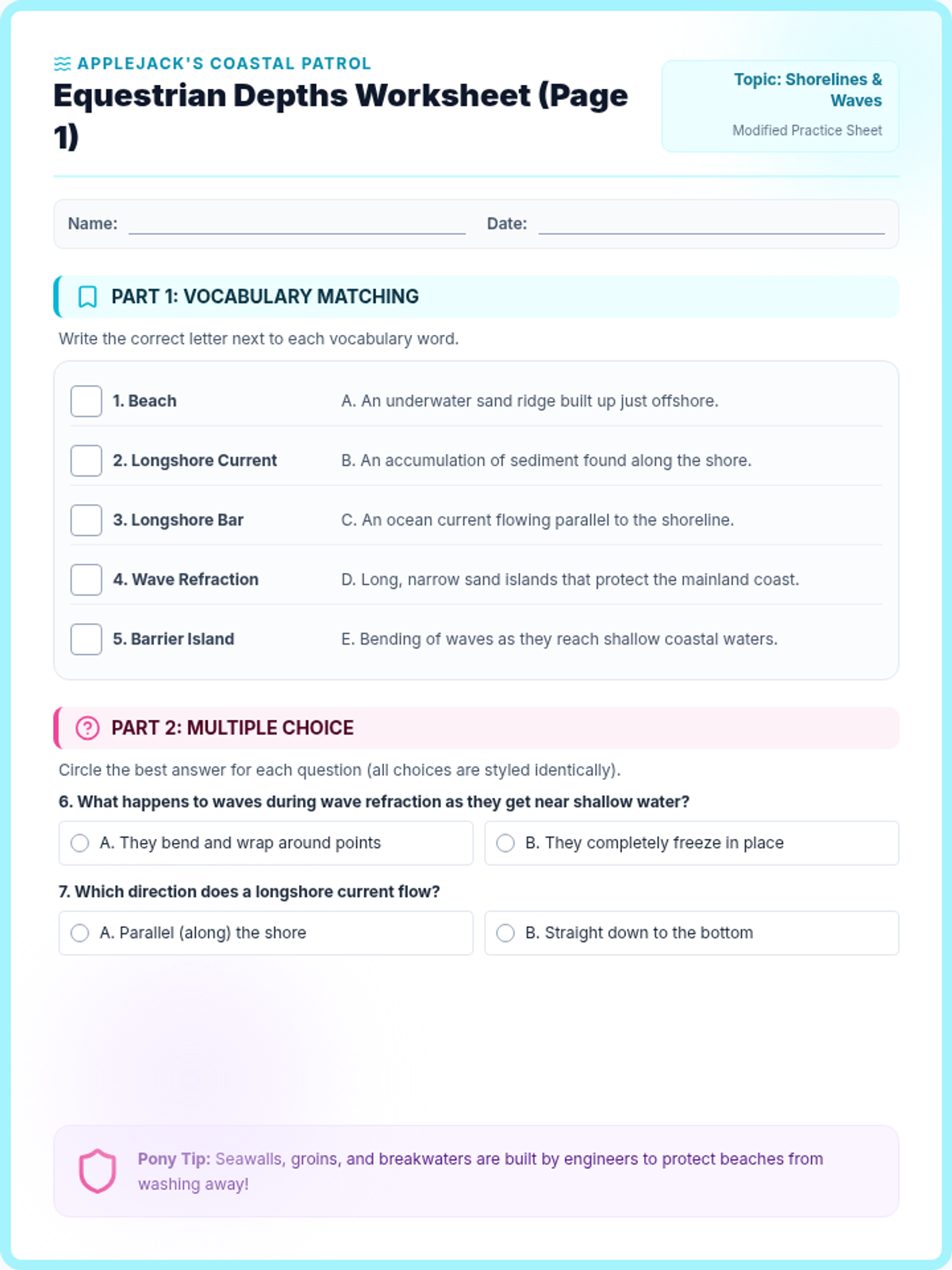
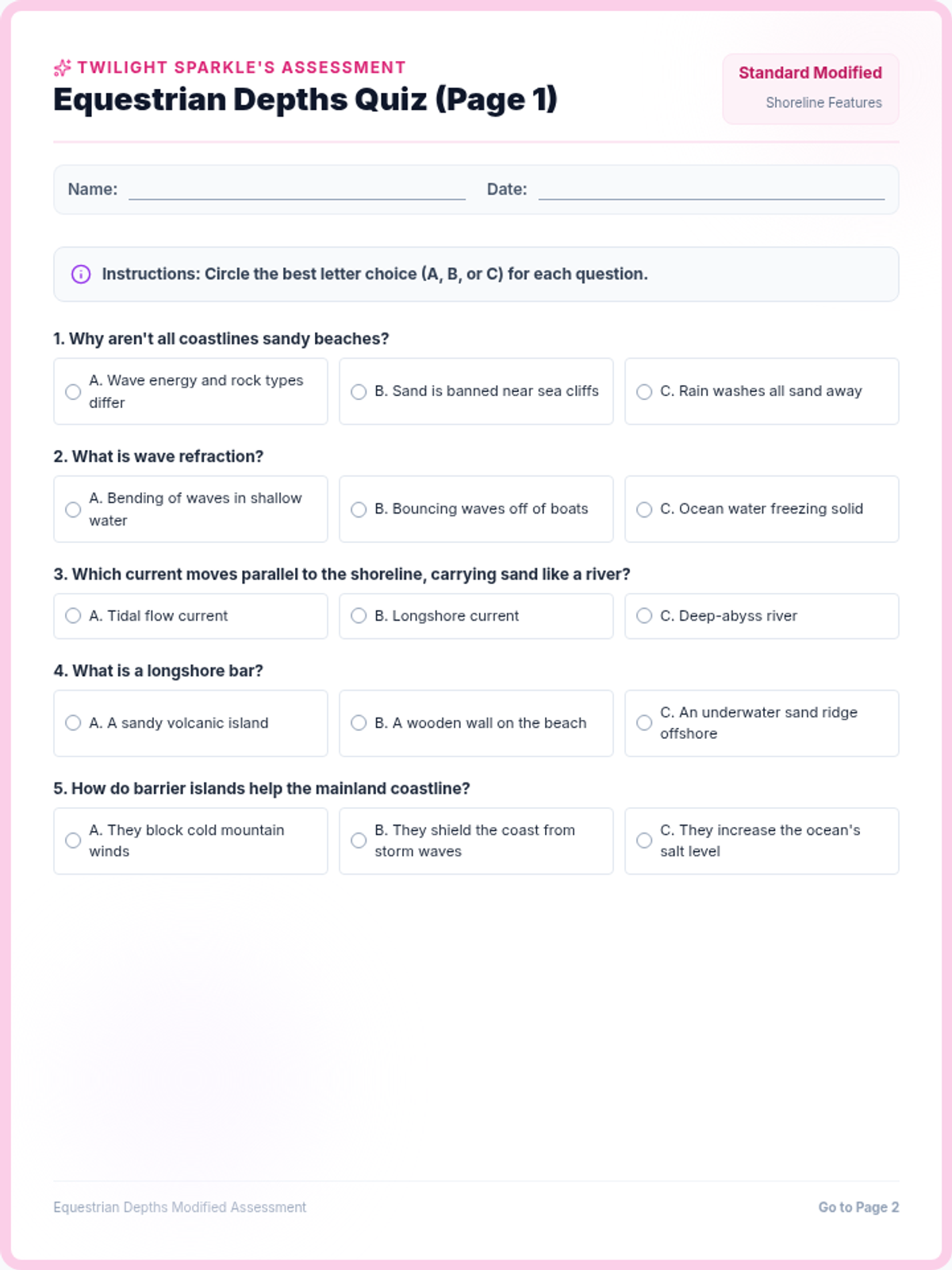
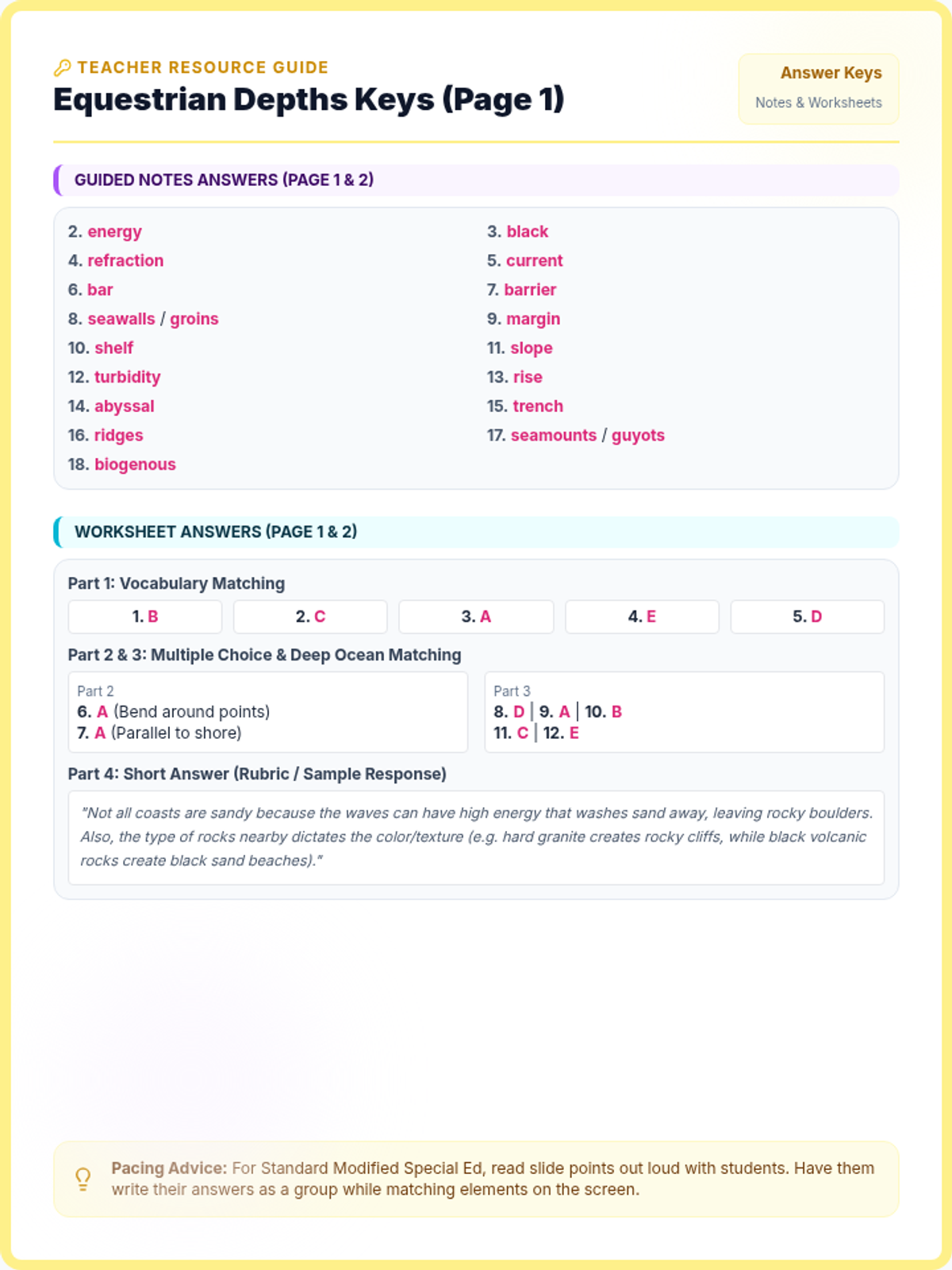
A lesson on oceanography covering shorelines, coastal features, and the deep seafloor, adapted with a friendly My Little Pony decorative theme and chunked, accessible text for Standard Modified Special Education students.
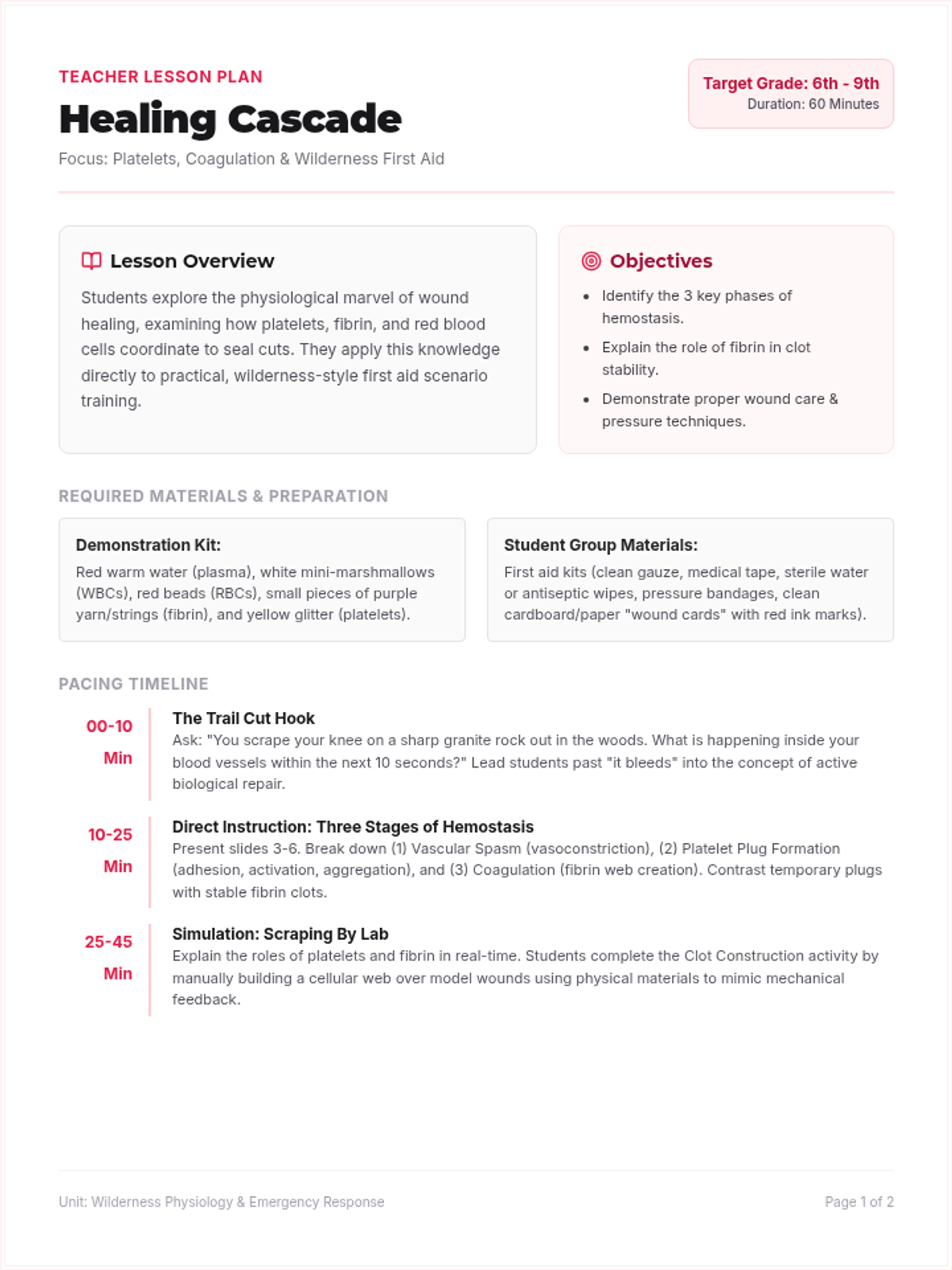
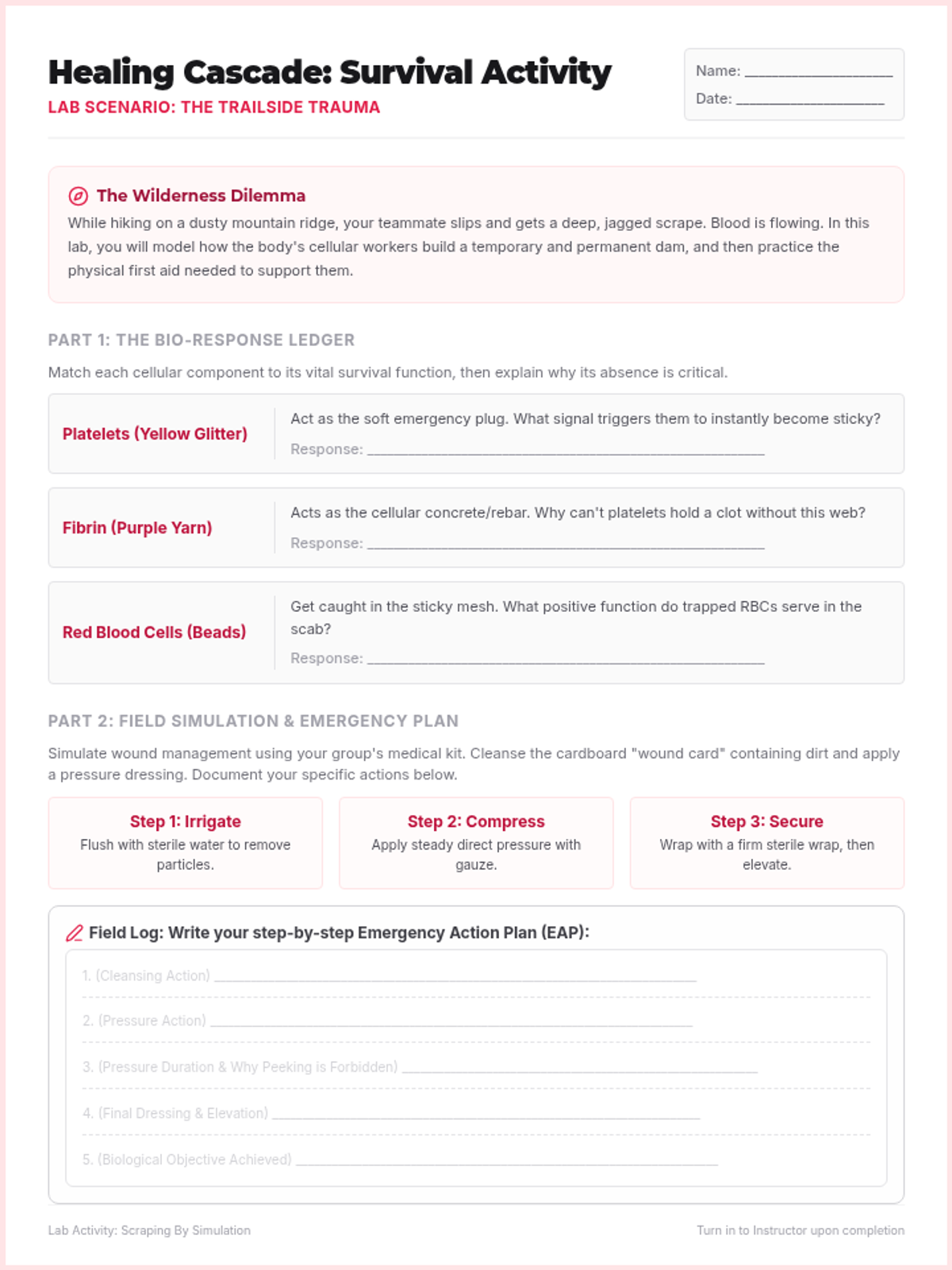
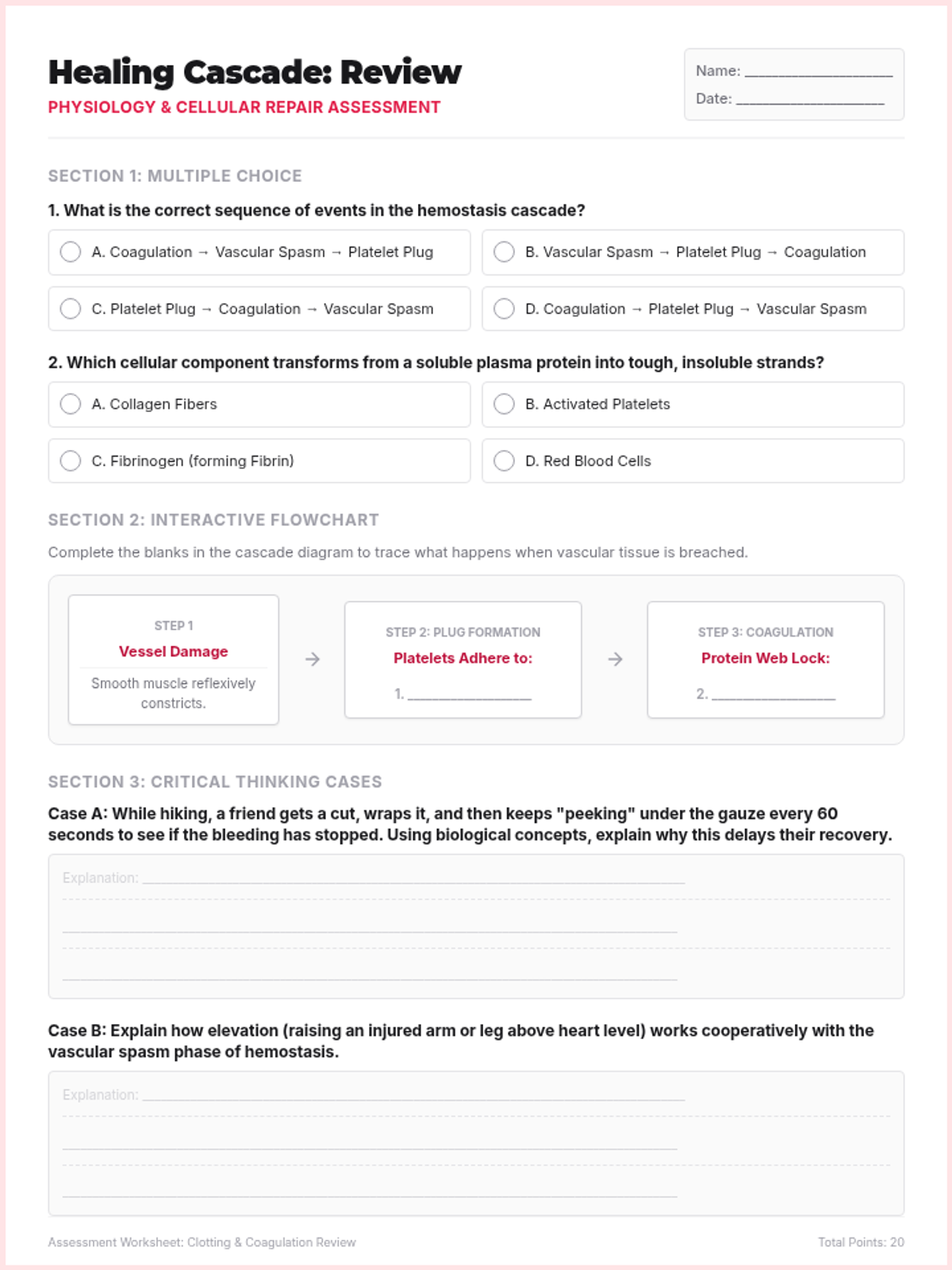
This lesson explores the physiological marvel of wound healing, focusing on platelets, coagulation, and cellular repair. Students learn how the body heals scrapes and cuts and apply this knowledge to practical, outdoors-focused first aid.