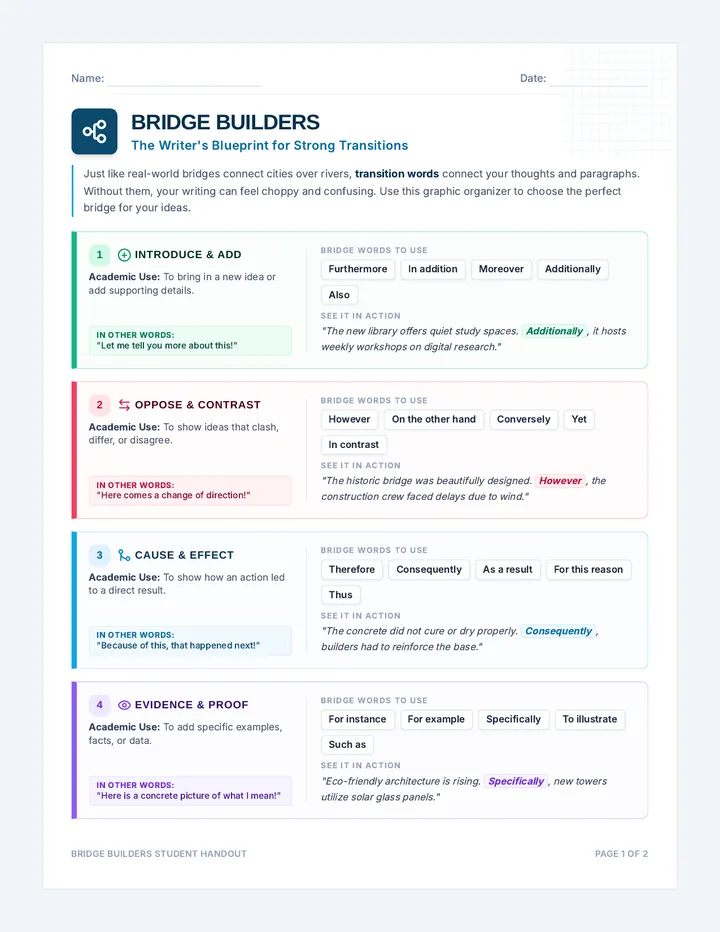
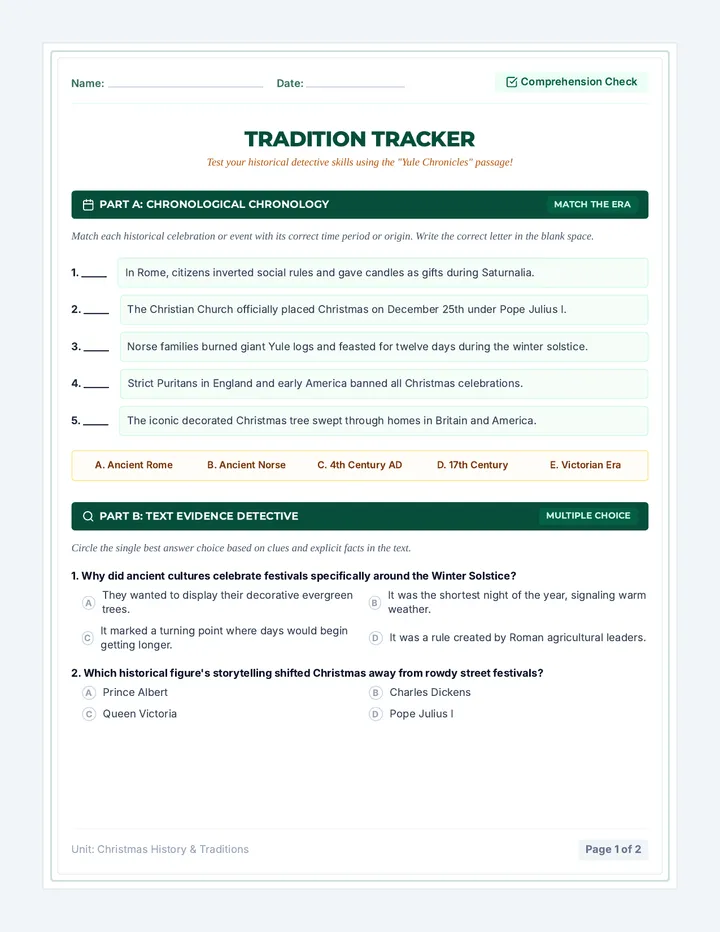
Students compare statistical data with personal stories (anecdotes) to see which type of evidence carries more weight in a formal debate.
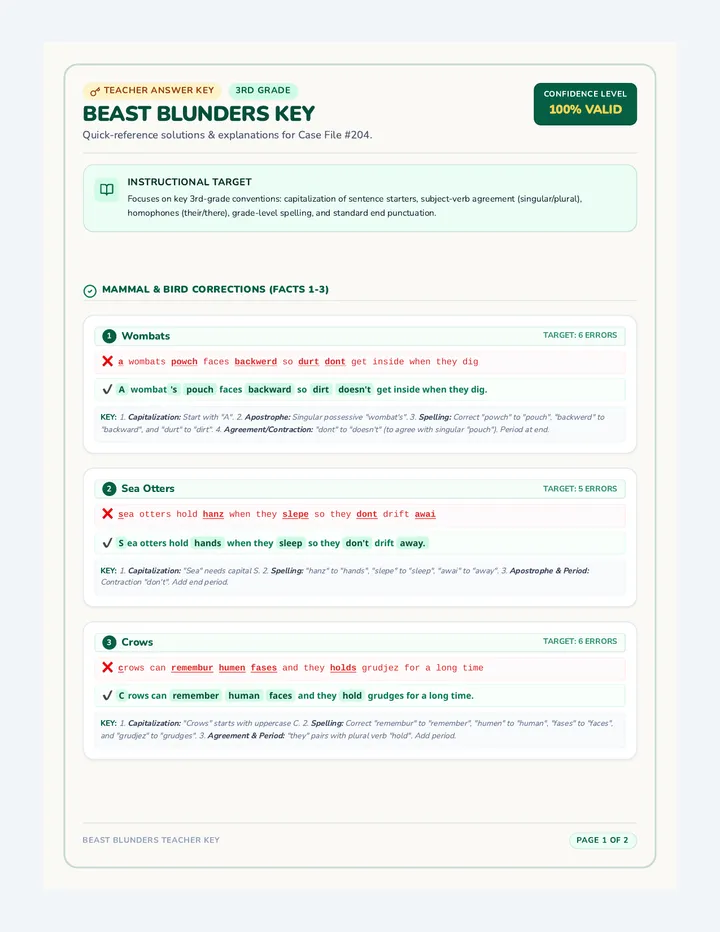
Students will learn to use simple present tense verbs correctly, focusing on subject-verb agreement for singular and plural nouns.
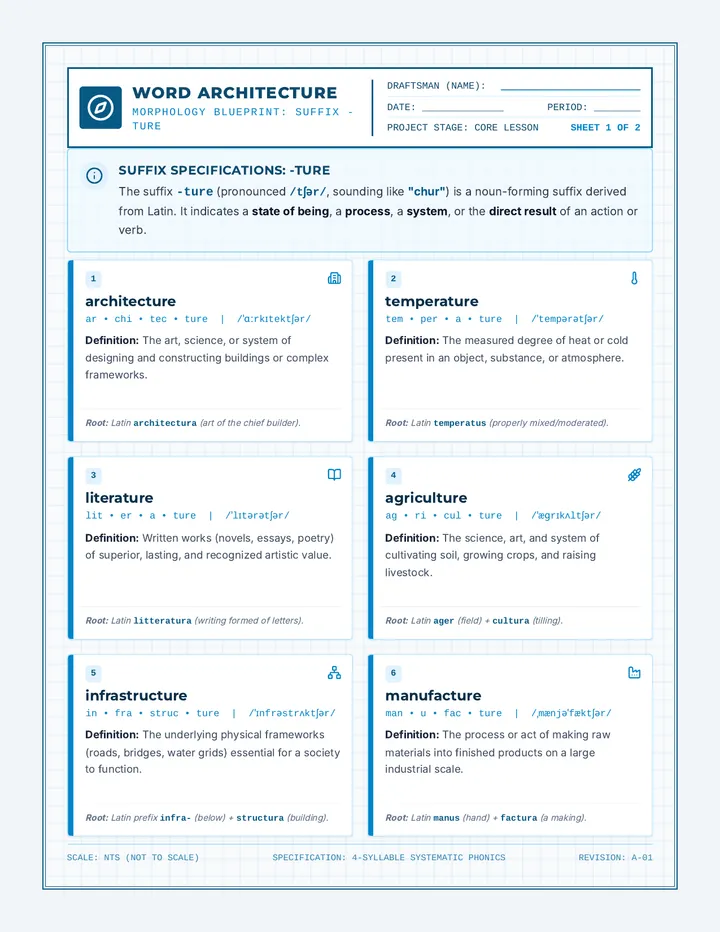
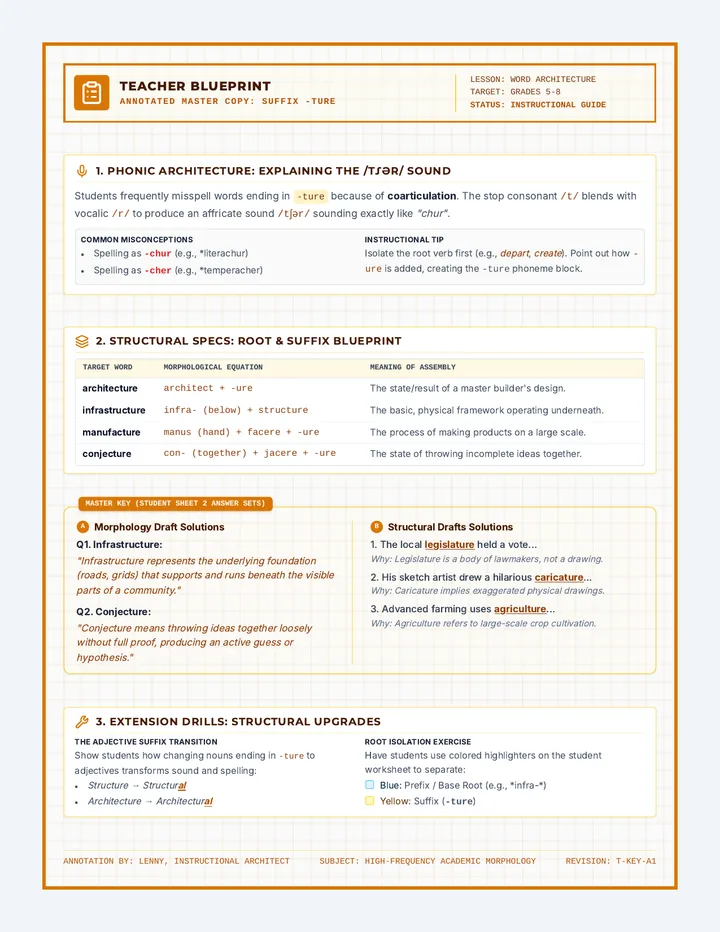
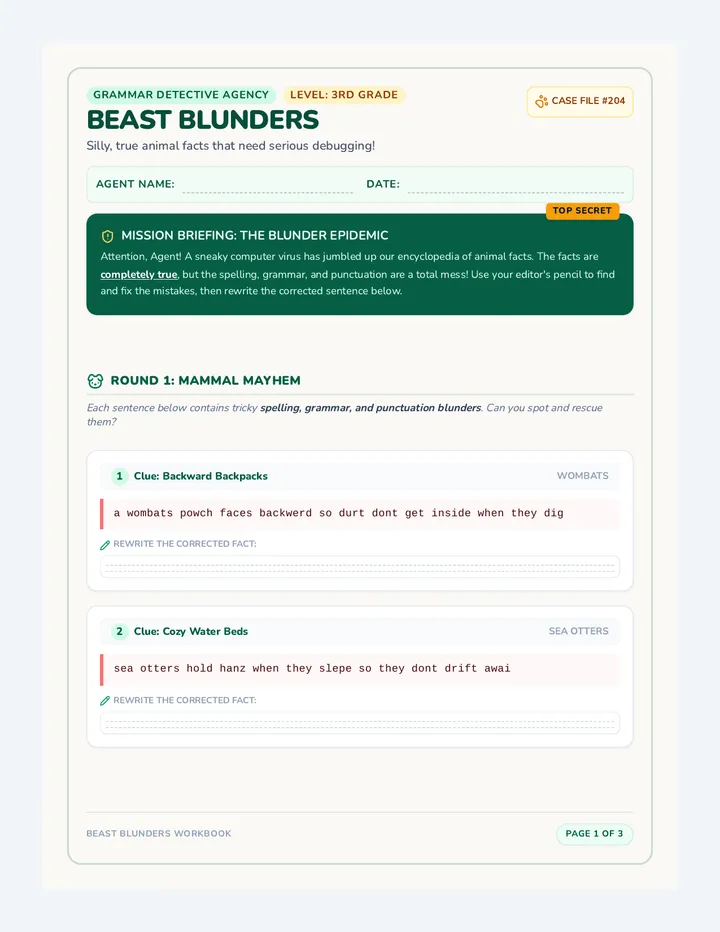
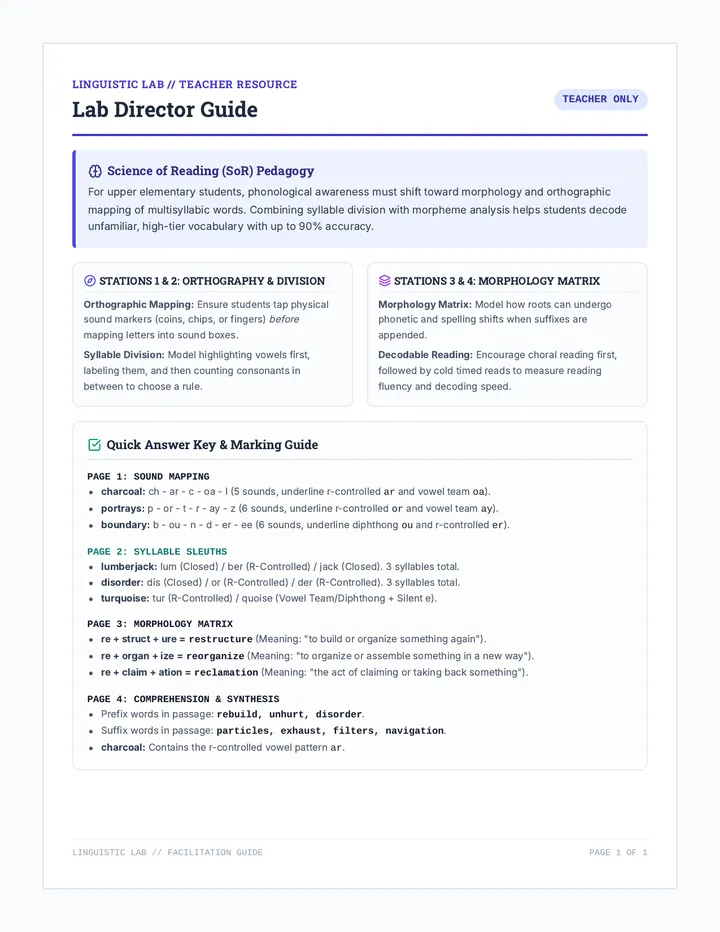
Applying common suffixes (-s, -es, -ed, -ing) and mastering spelling rules like doubling consonants and dropping the silent e.
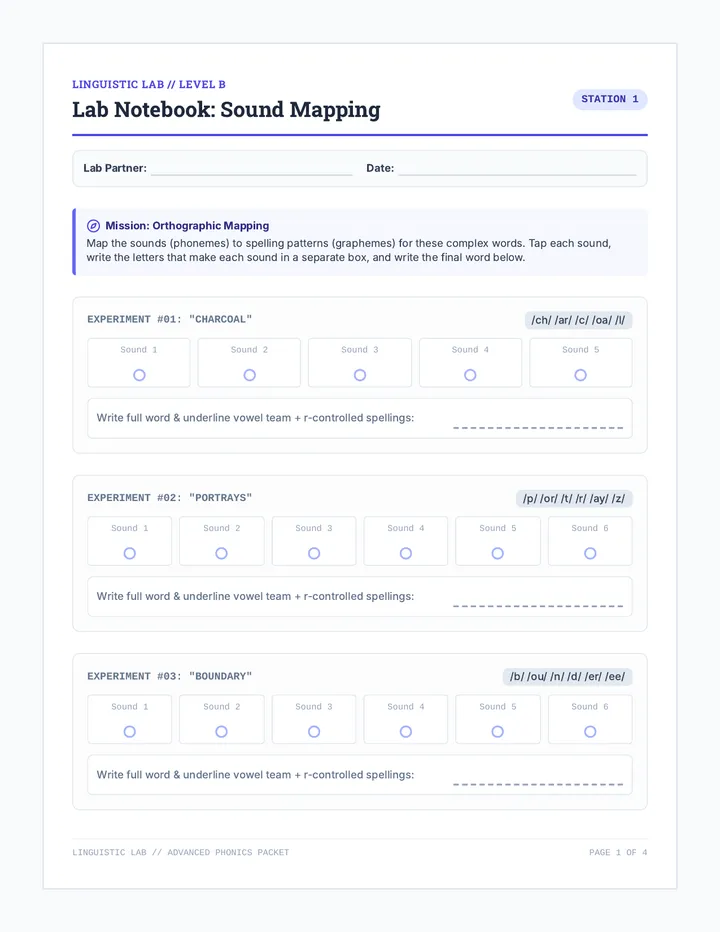
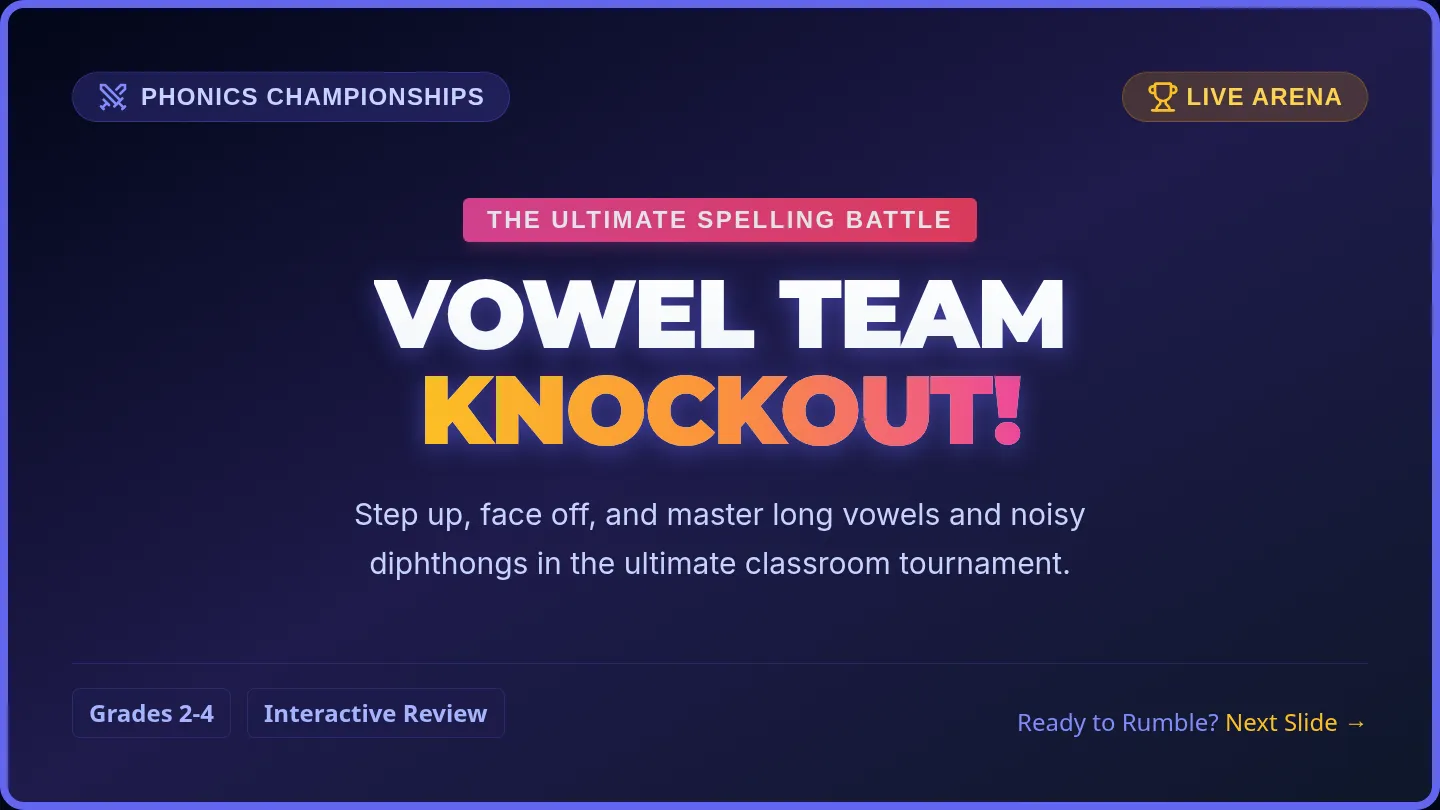
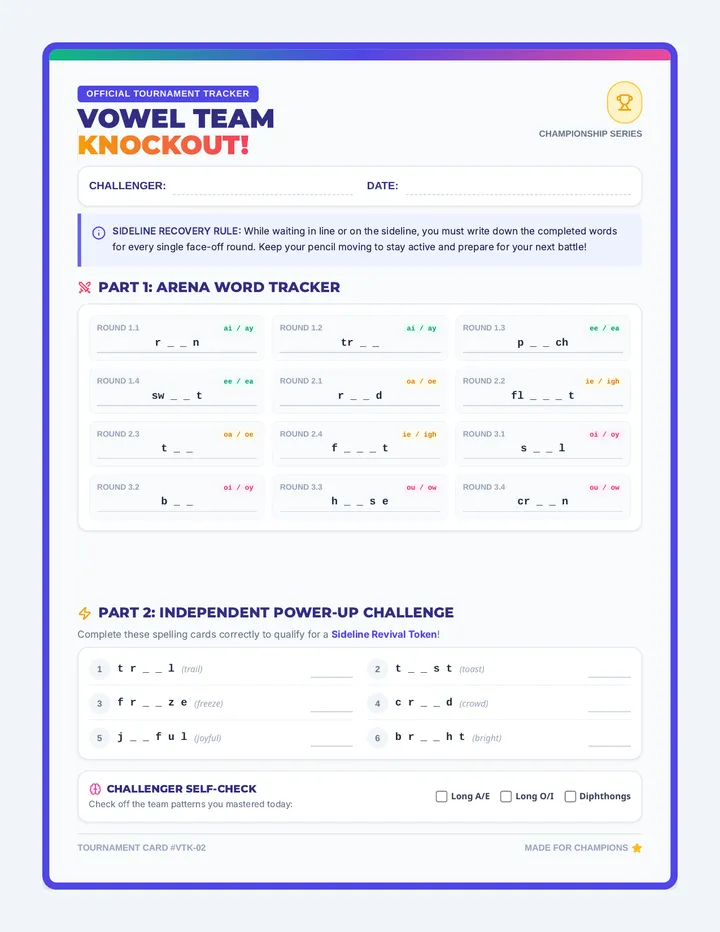
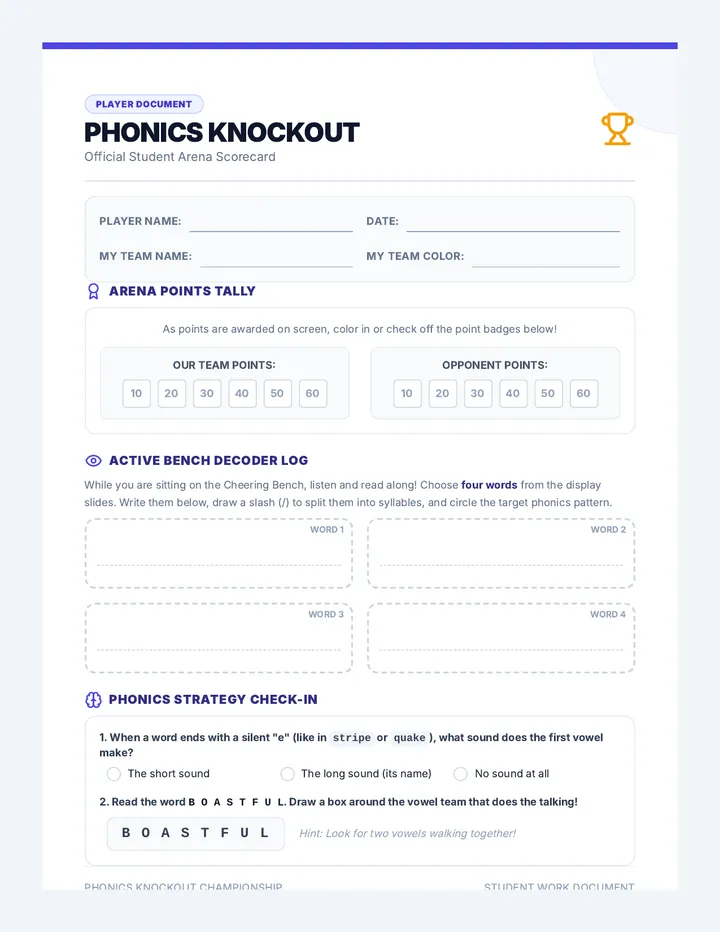
Exploring common vowel teams like ai, ay, ee, and ea, and understanding how vowel combinations create long vowel sounds.
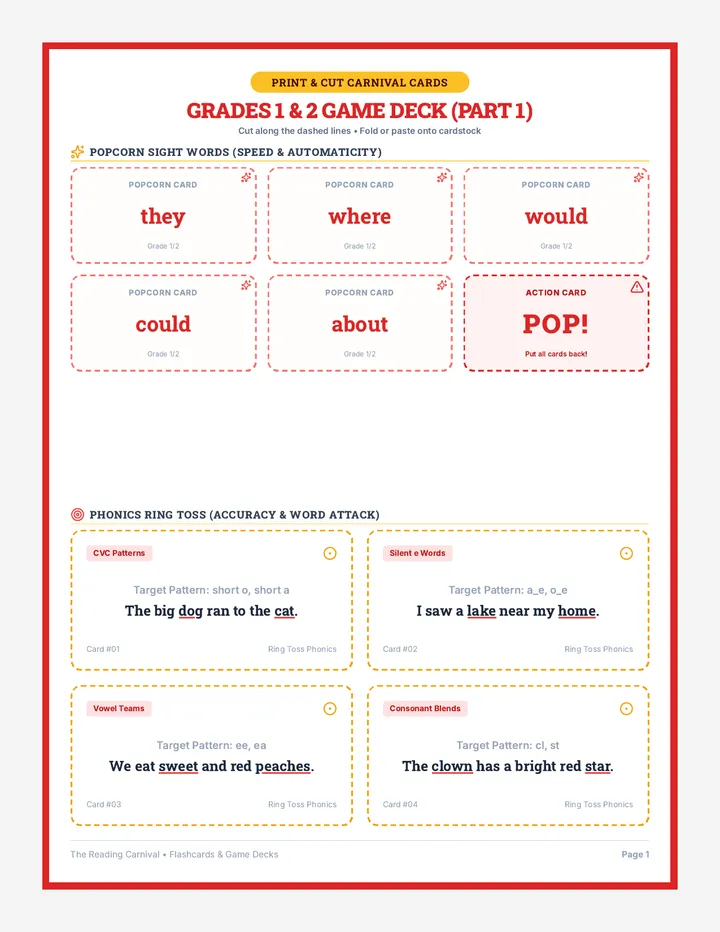
Learning the role of silent e in changing vowel sounds from short to long, focusing on common CVCE patterns.
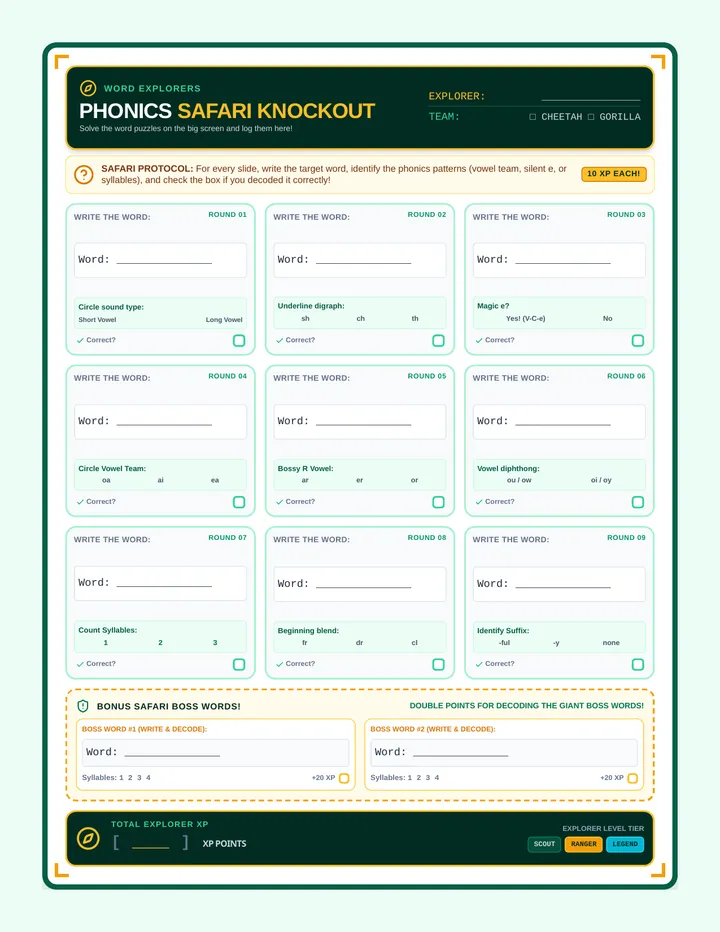
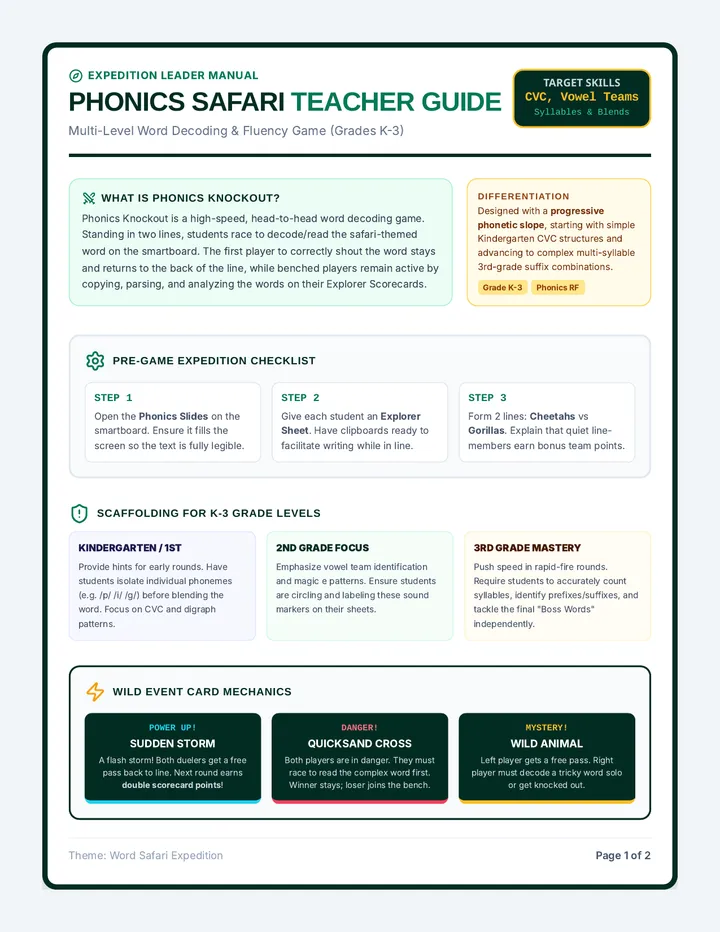
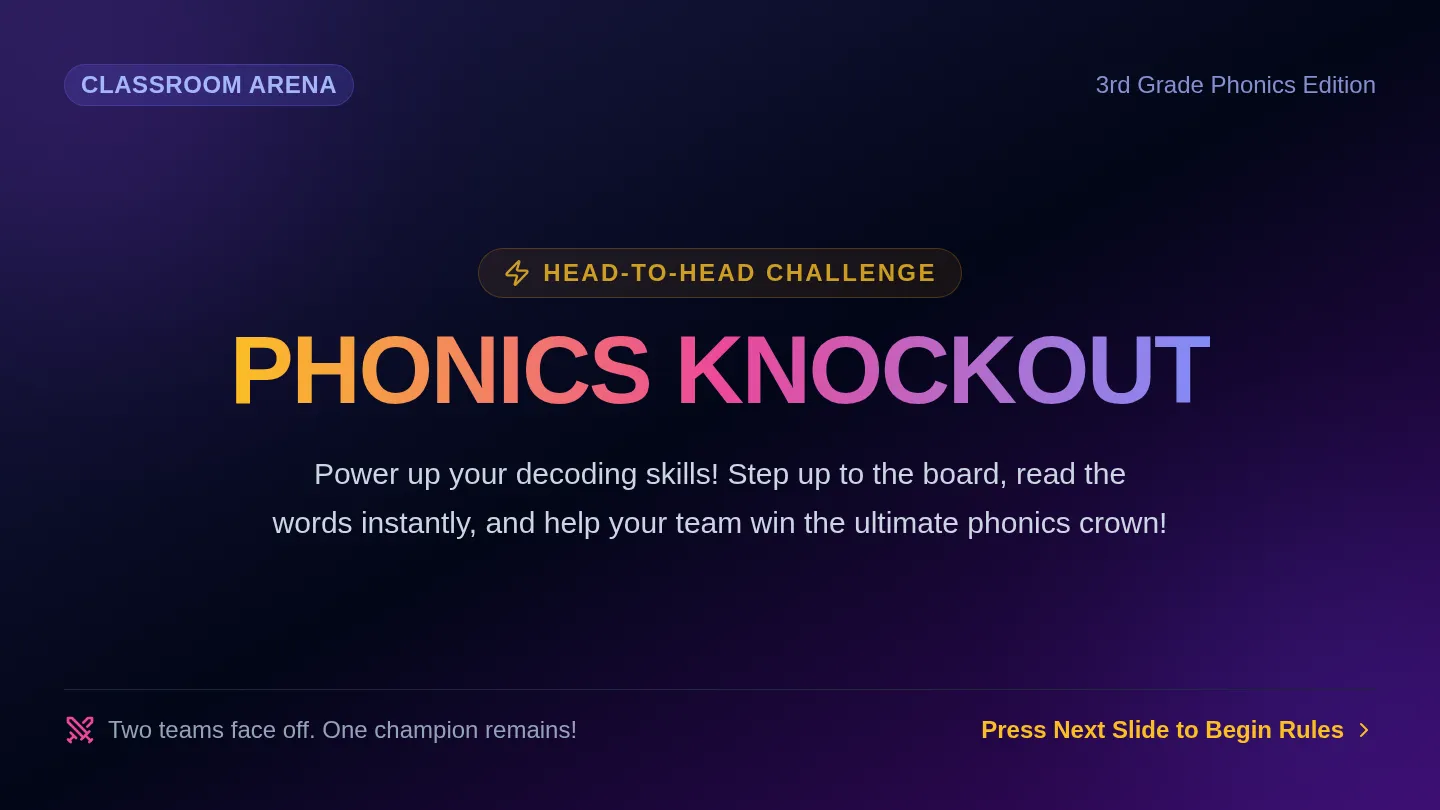
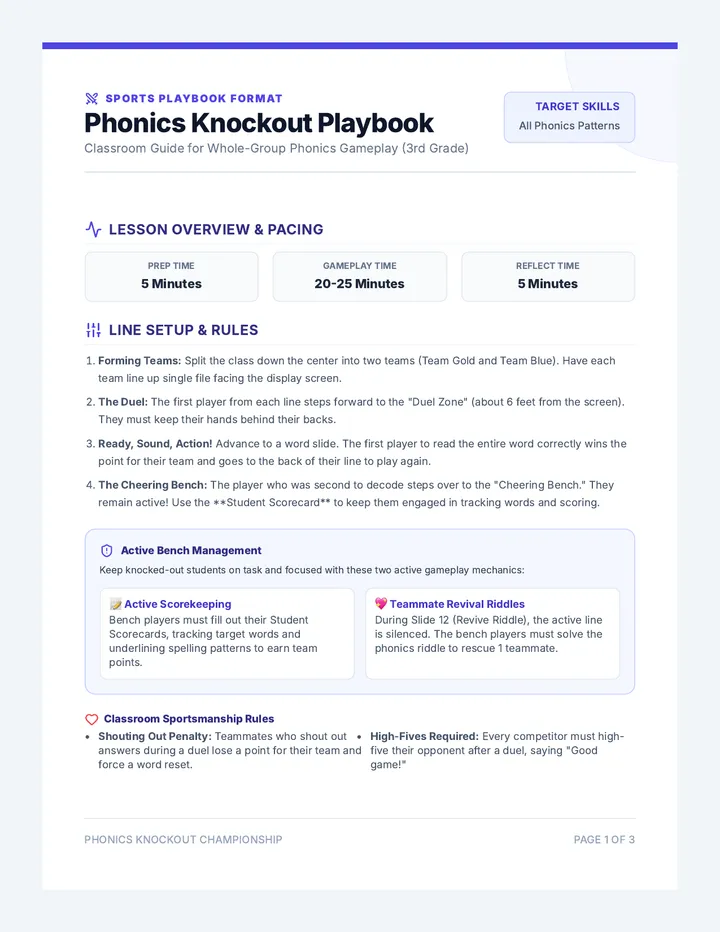
Developing proficiency with consonant blends (bl, st, fr) and digraphs (ch, sh, th, wh) to decode and spell more complex single-syllable words.
Mastering short vowel sounds (a, e, i, o, u) through CVC word construction, reading fluency with simple decodable text, and basic spelling patterns.
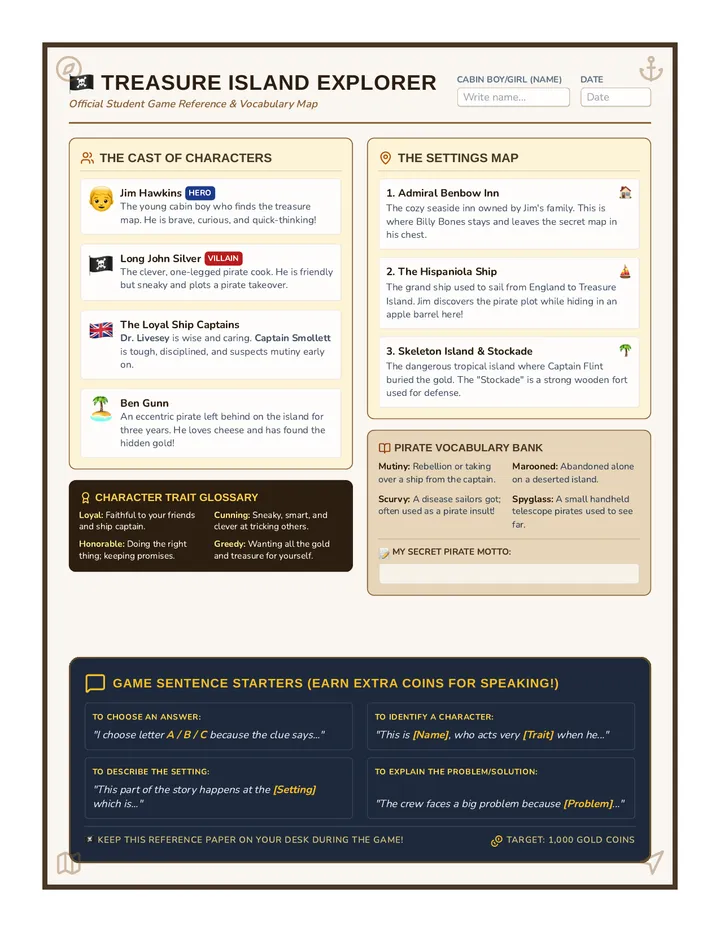
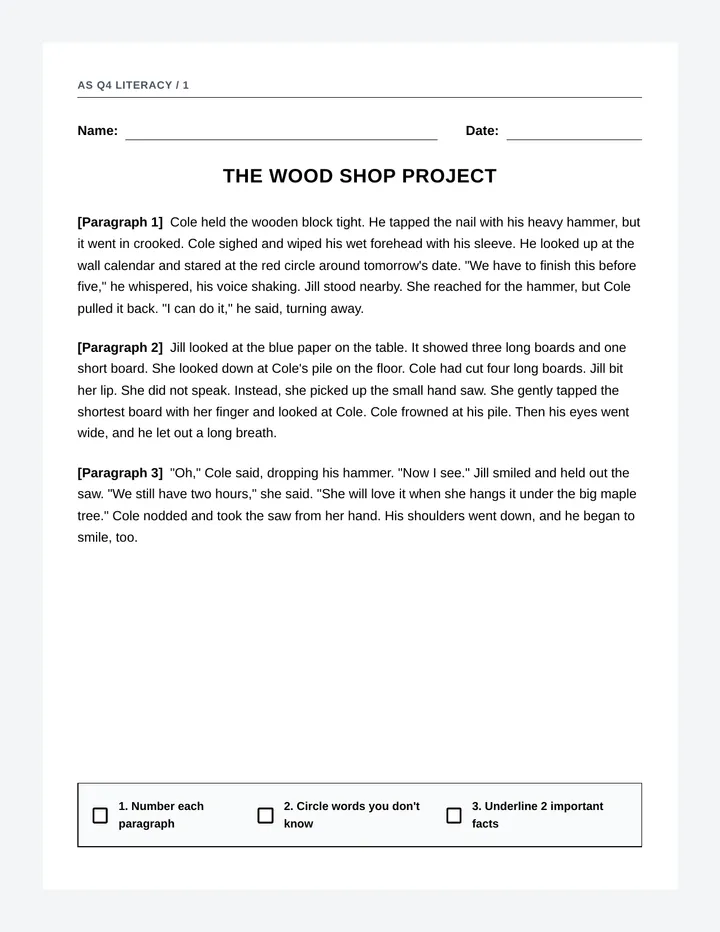
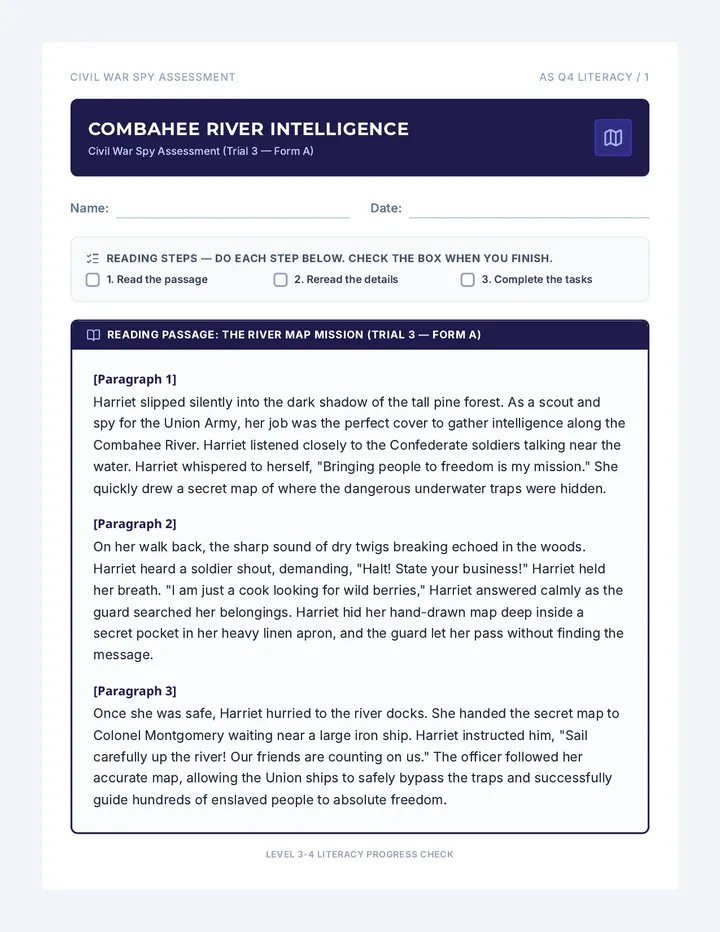
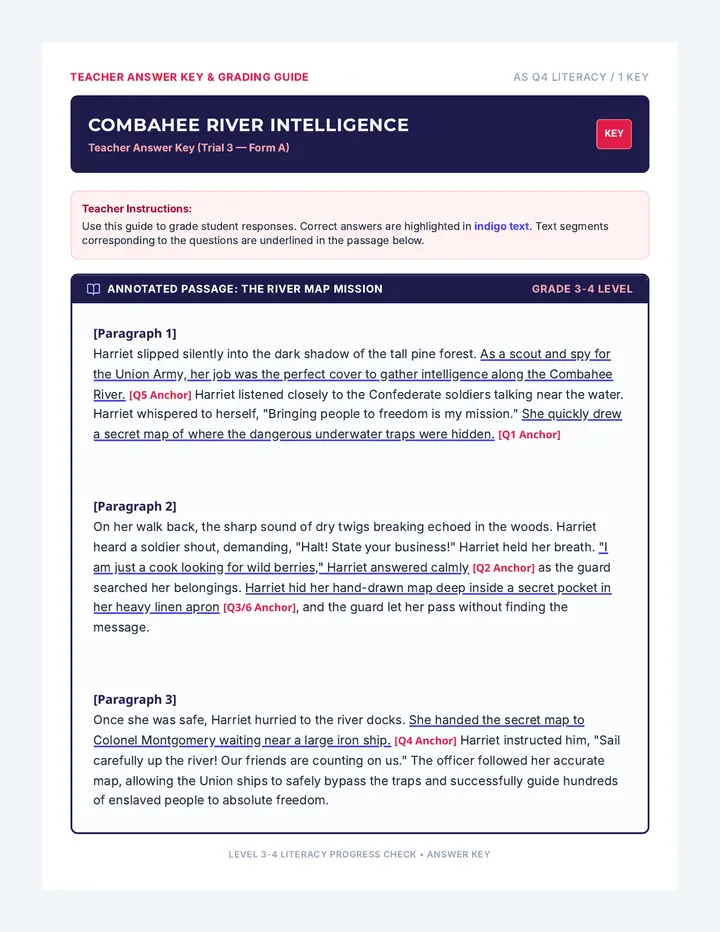
A lesson focused on identifying the central message and key details in stories, specifically designed for NC 3rd Grade Reading standards. Students will learn to recount stories and connect lessons to specific textual evidence.
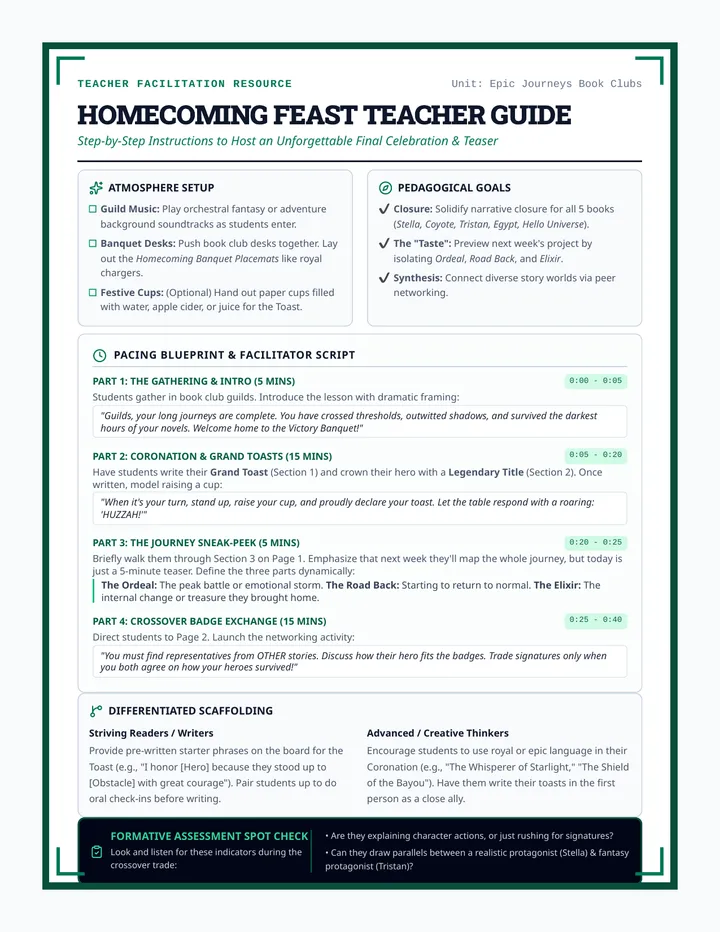
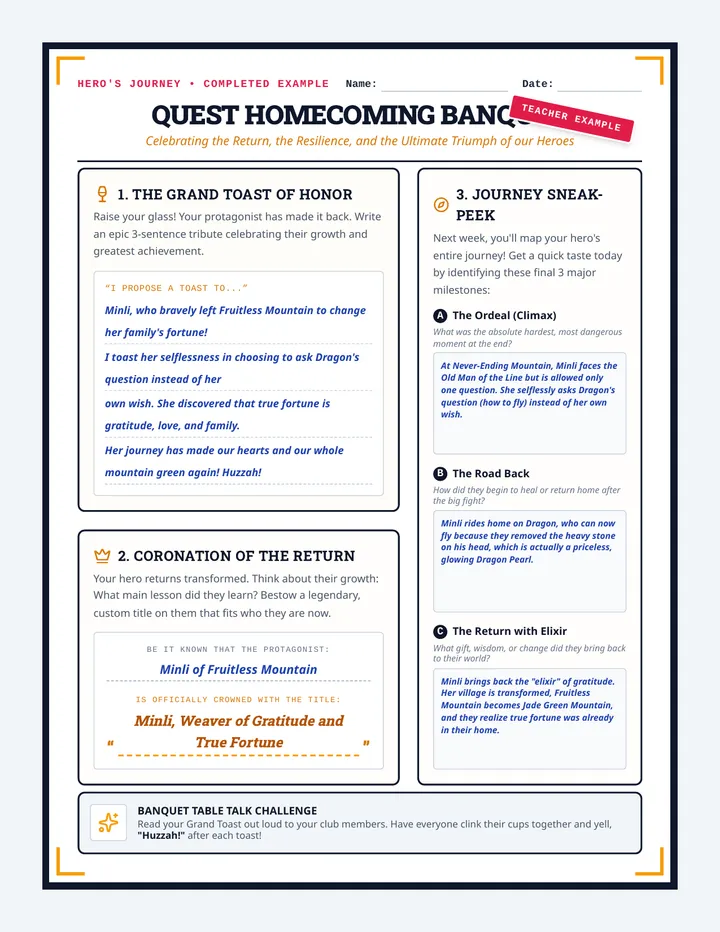
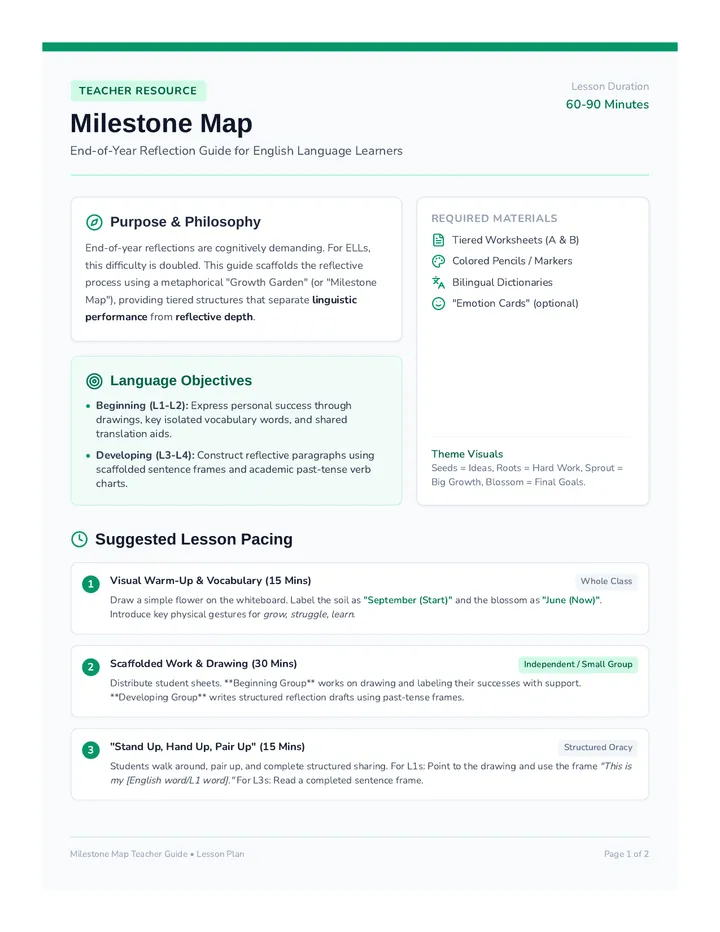
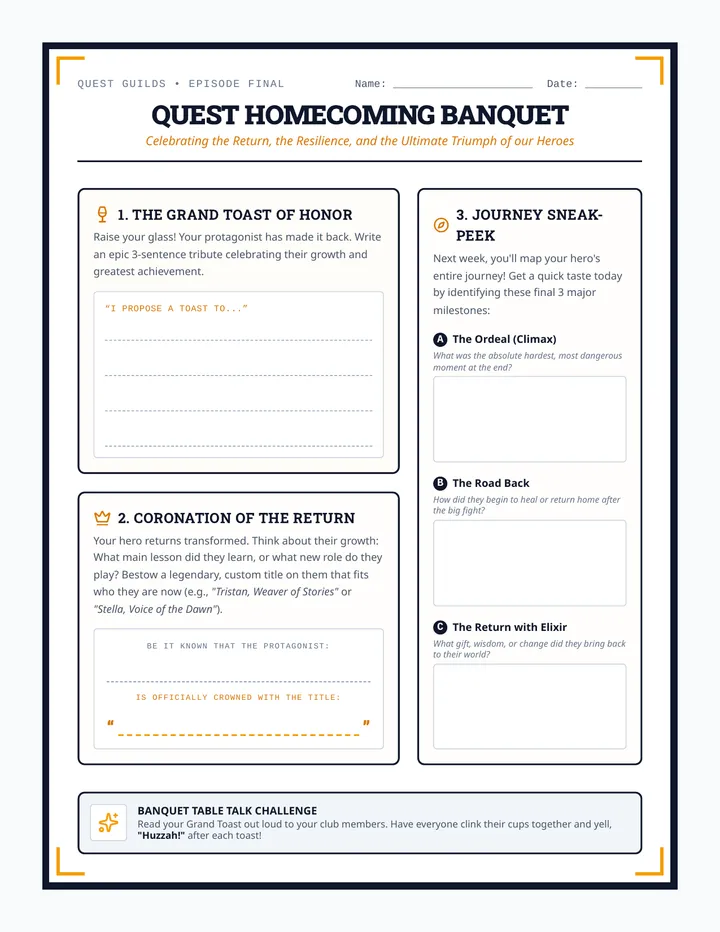
A celebratory final session where students demonstrate their 'Master Pathfinder' skills and receive recognition for their growth in thinking and English.
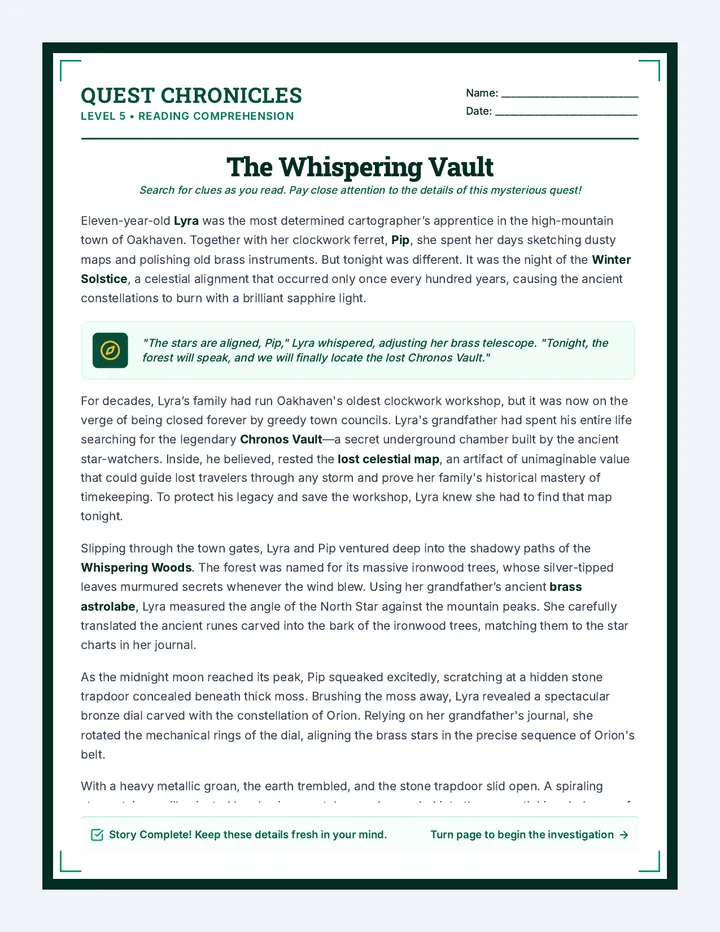
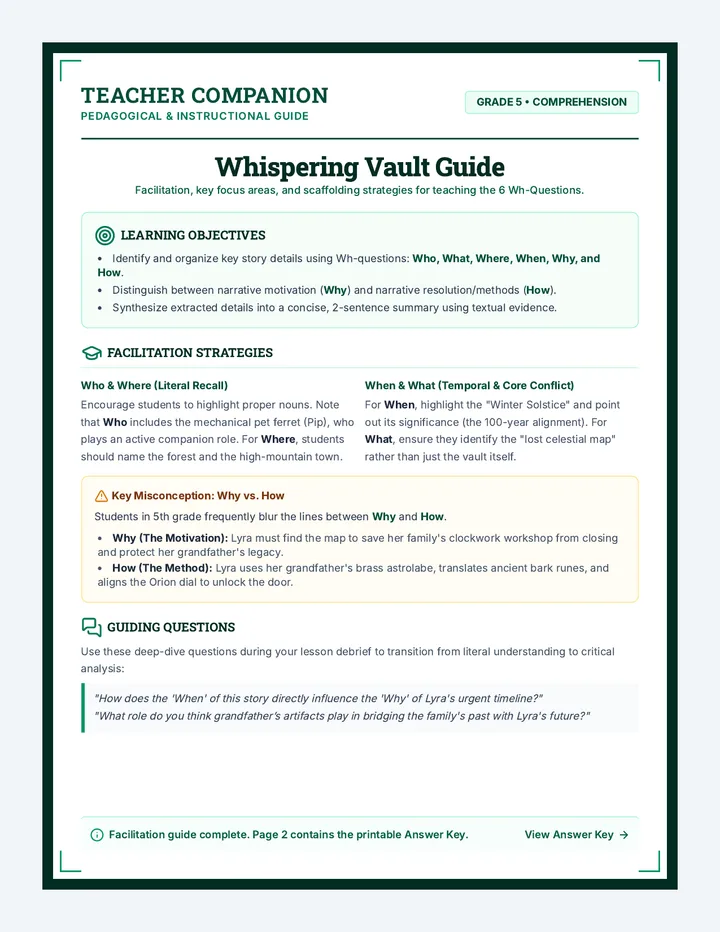
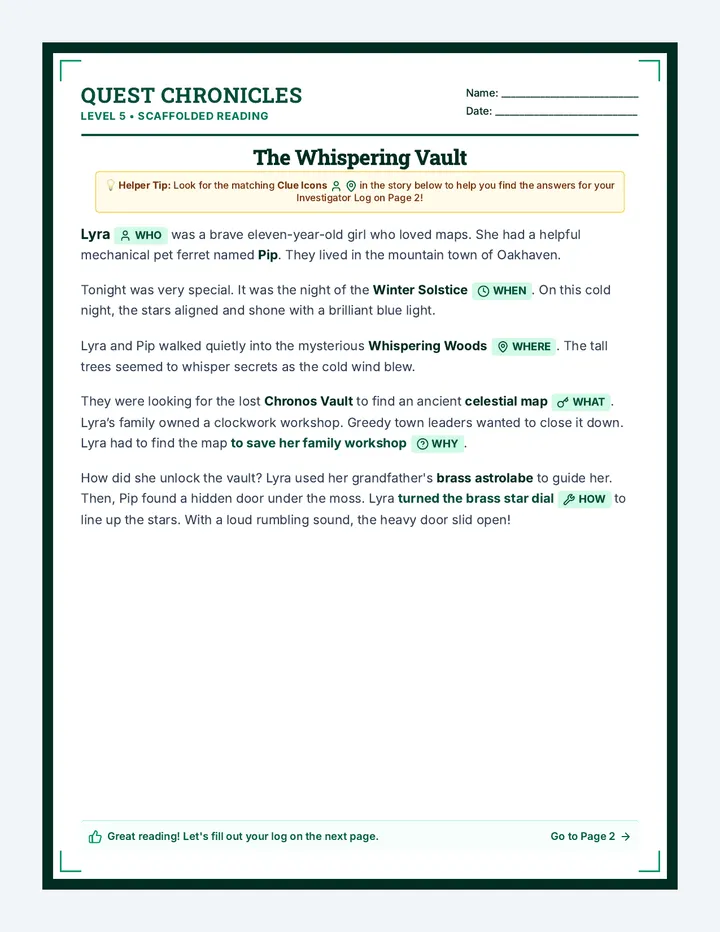
Focuses on logic and decision-making by asking 'why' and 'how' questions about texts to understand cause and effect.
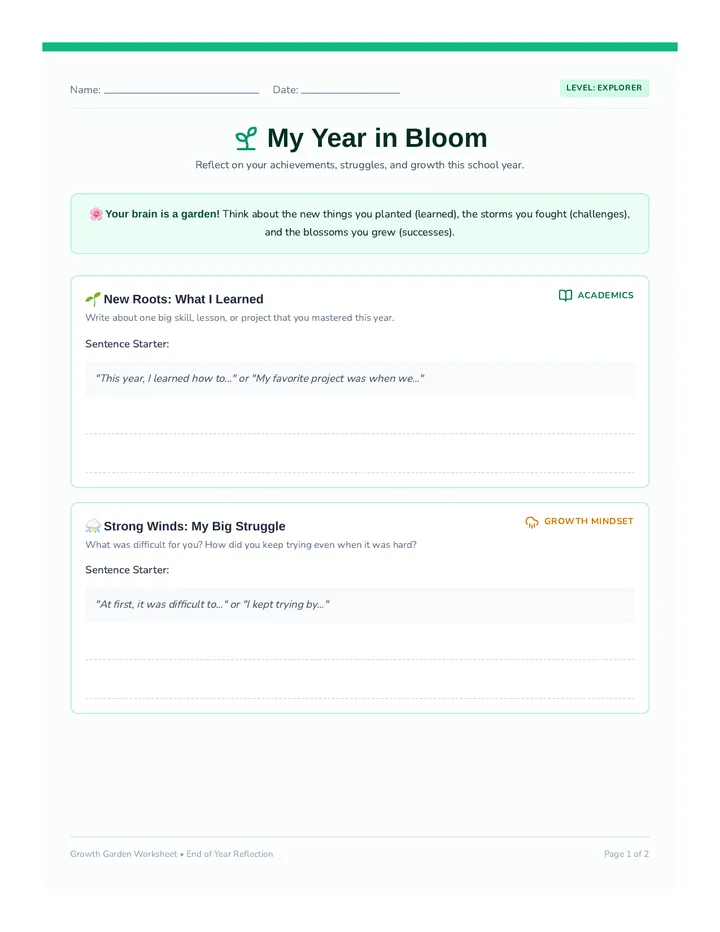
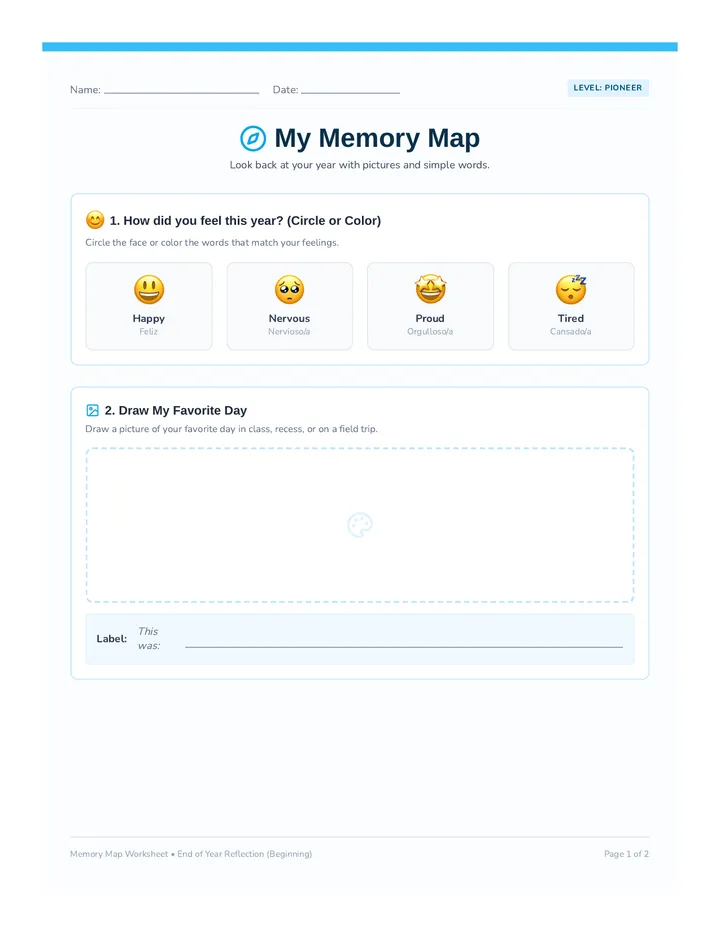
Deepens self-awareness through journaling and reflection, helping students recognize their own reactions and thoughts while reading and writing.