Students apply their knowledge to complex scenarios, identifying energy sources, transformations, and 'wasted' heat in systems like engines and batteries.
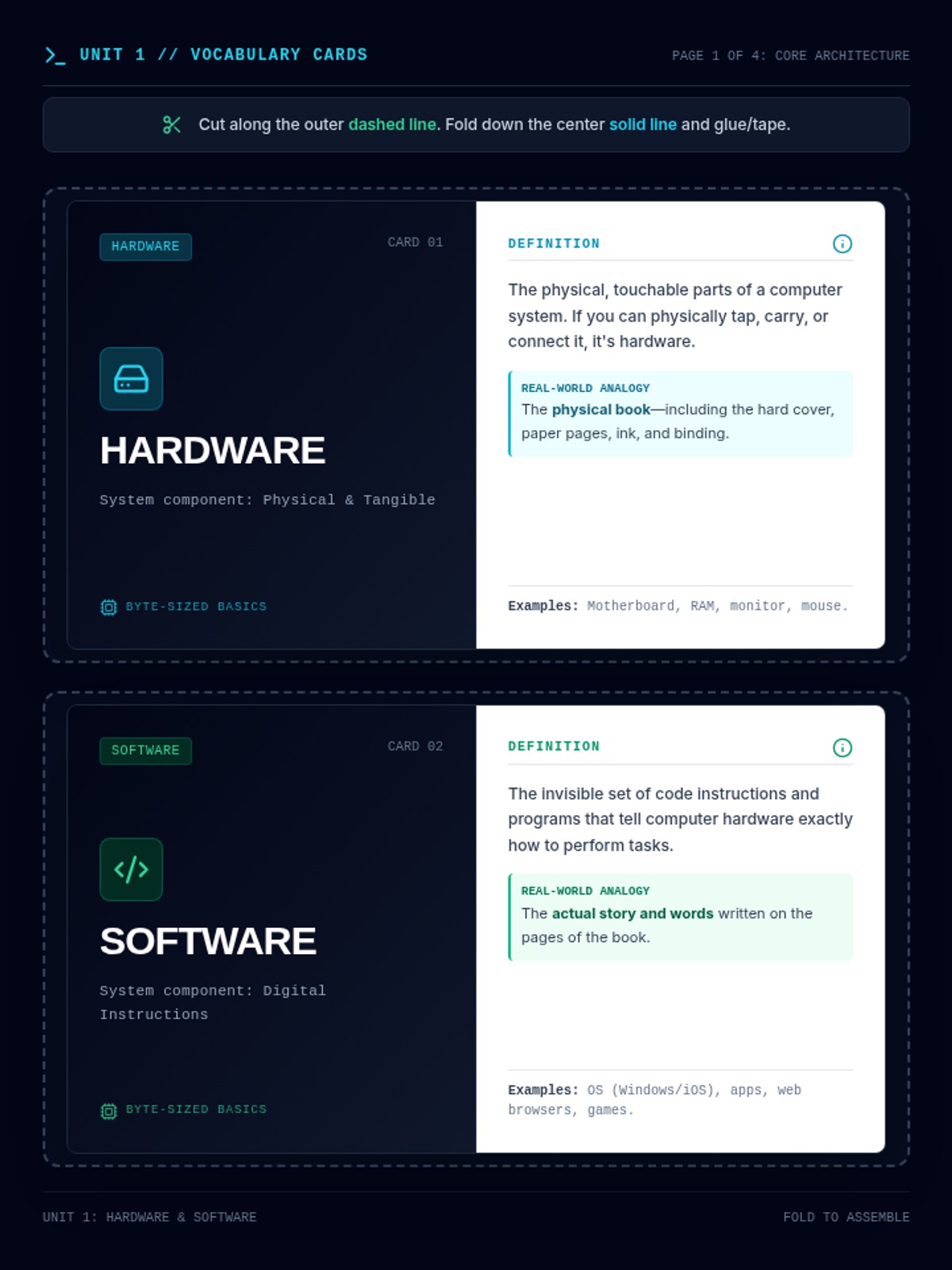
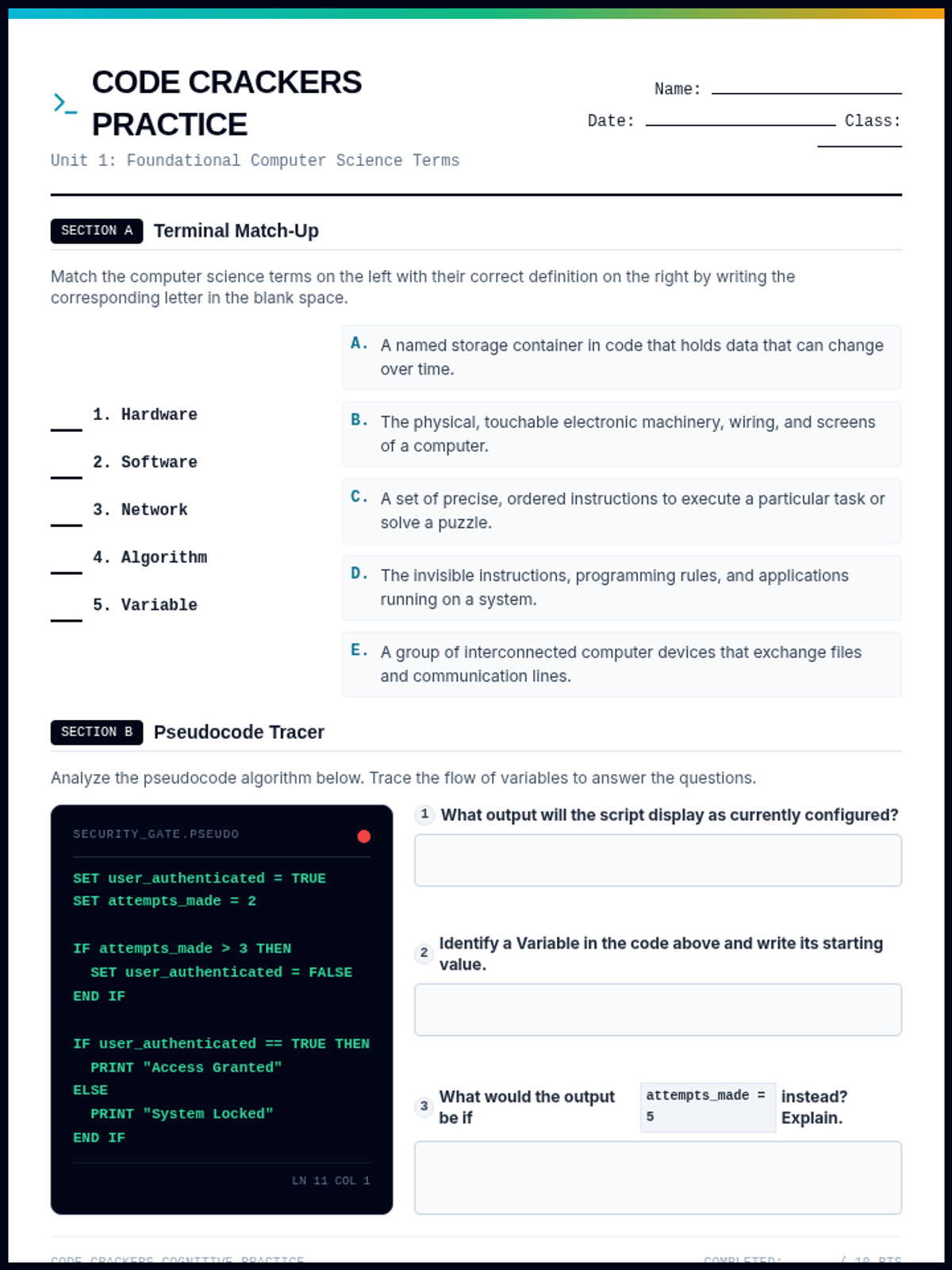
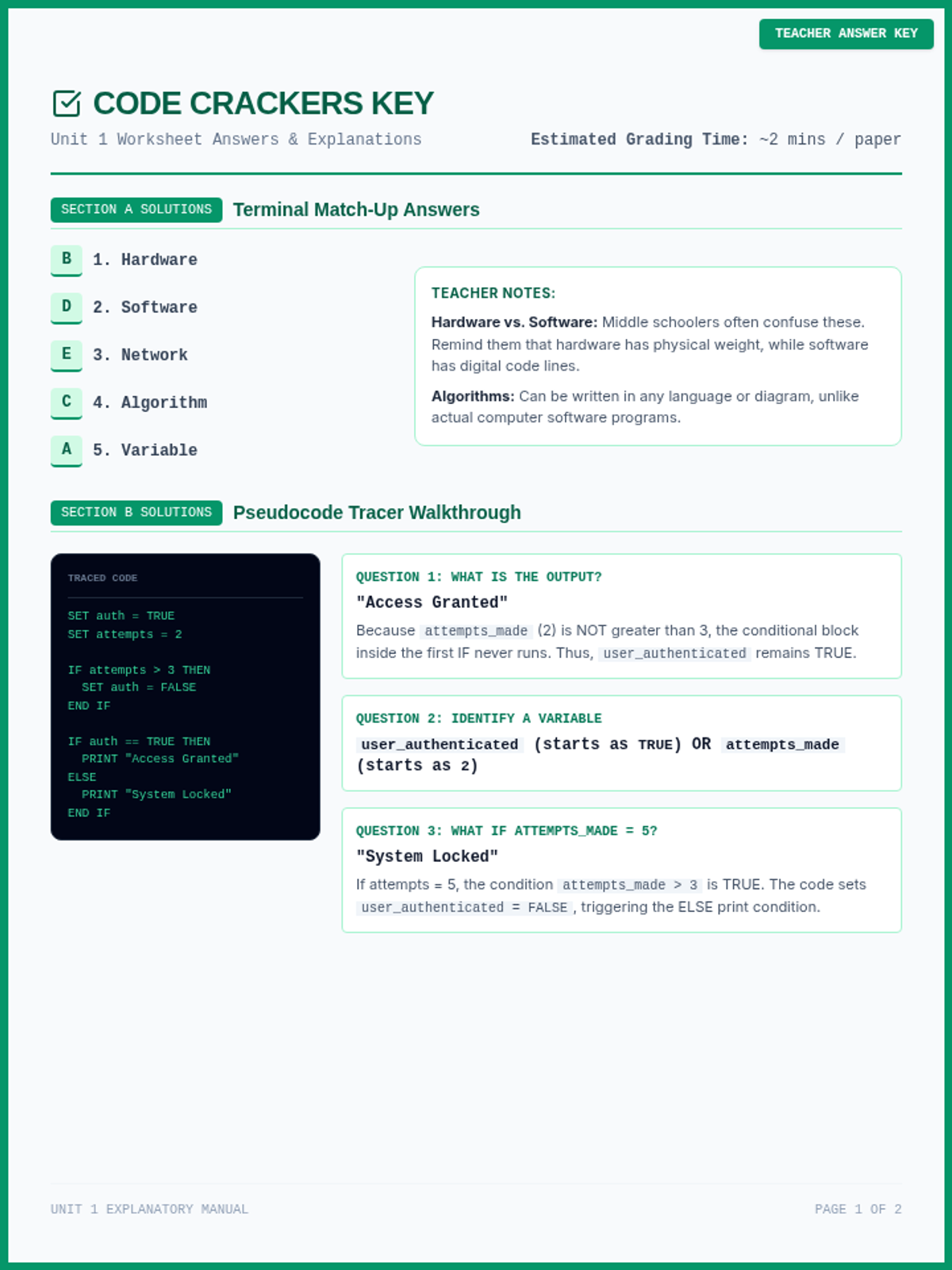
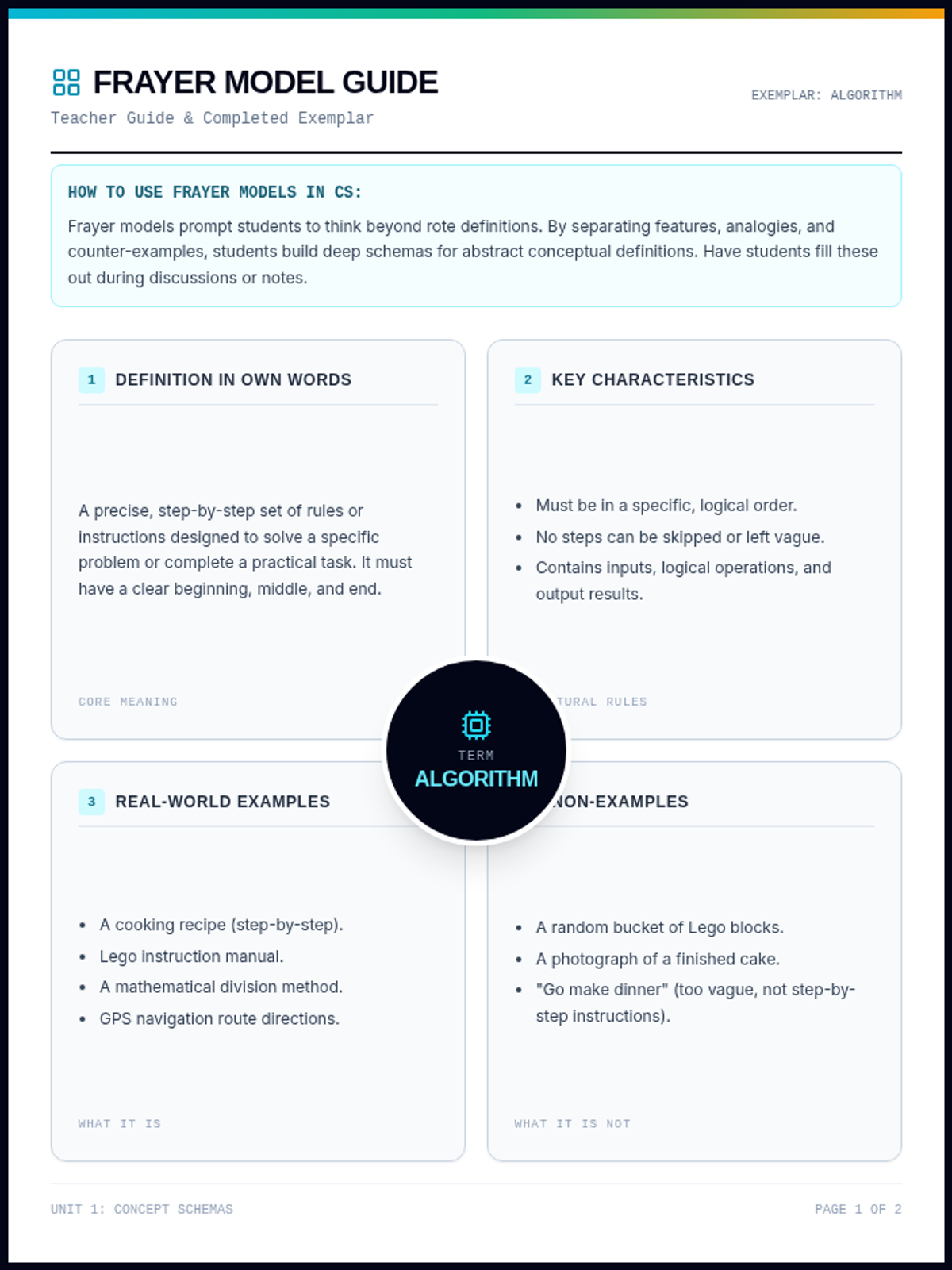
A foundational computer science lesson for middle school students introducing essential concepts of hardware, networks, and pseudocode through engaging visual slides, interactive vocabulary cards, Frayer organizers, and a diagnostic worksheet/quiz combo.
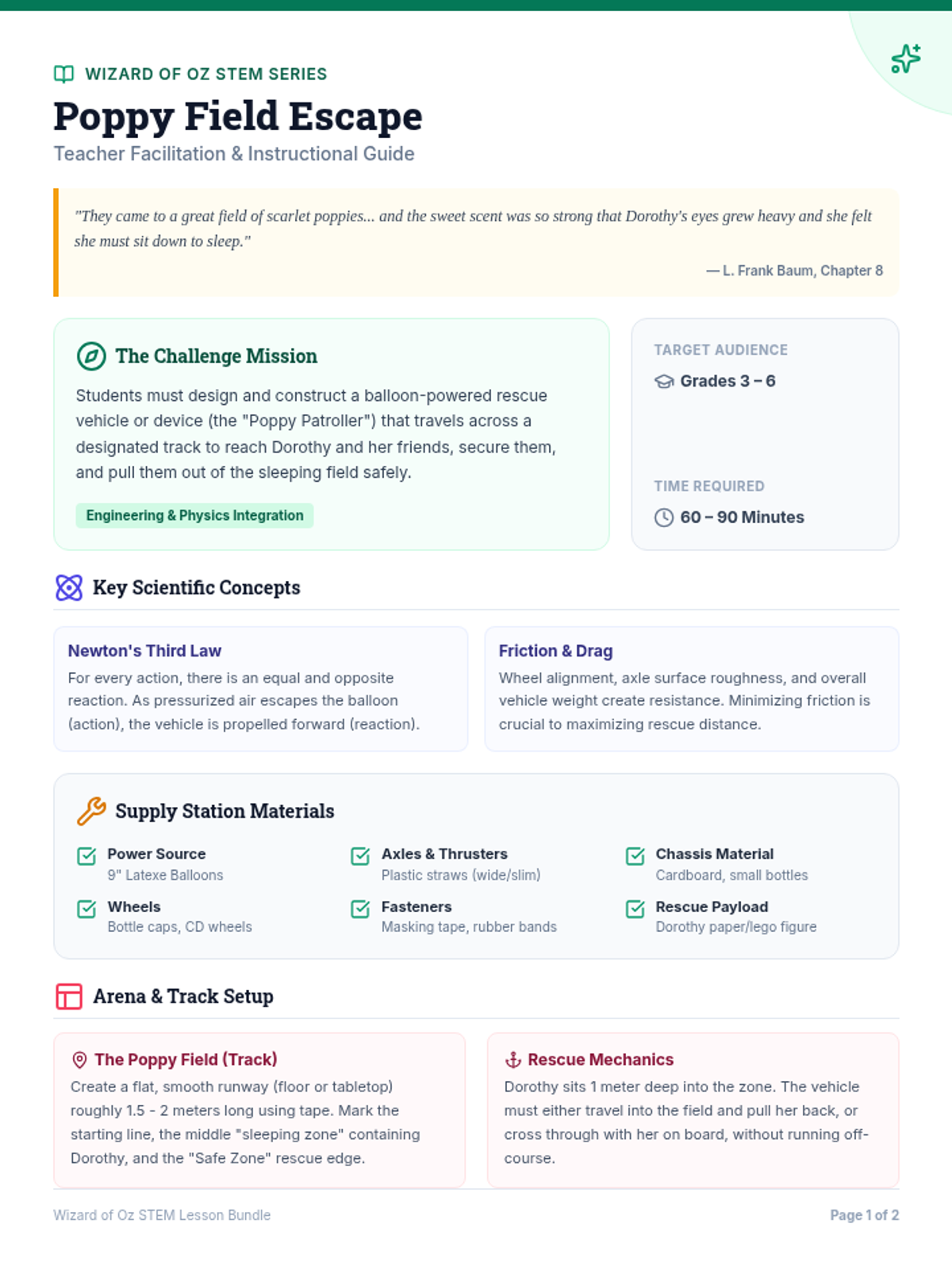
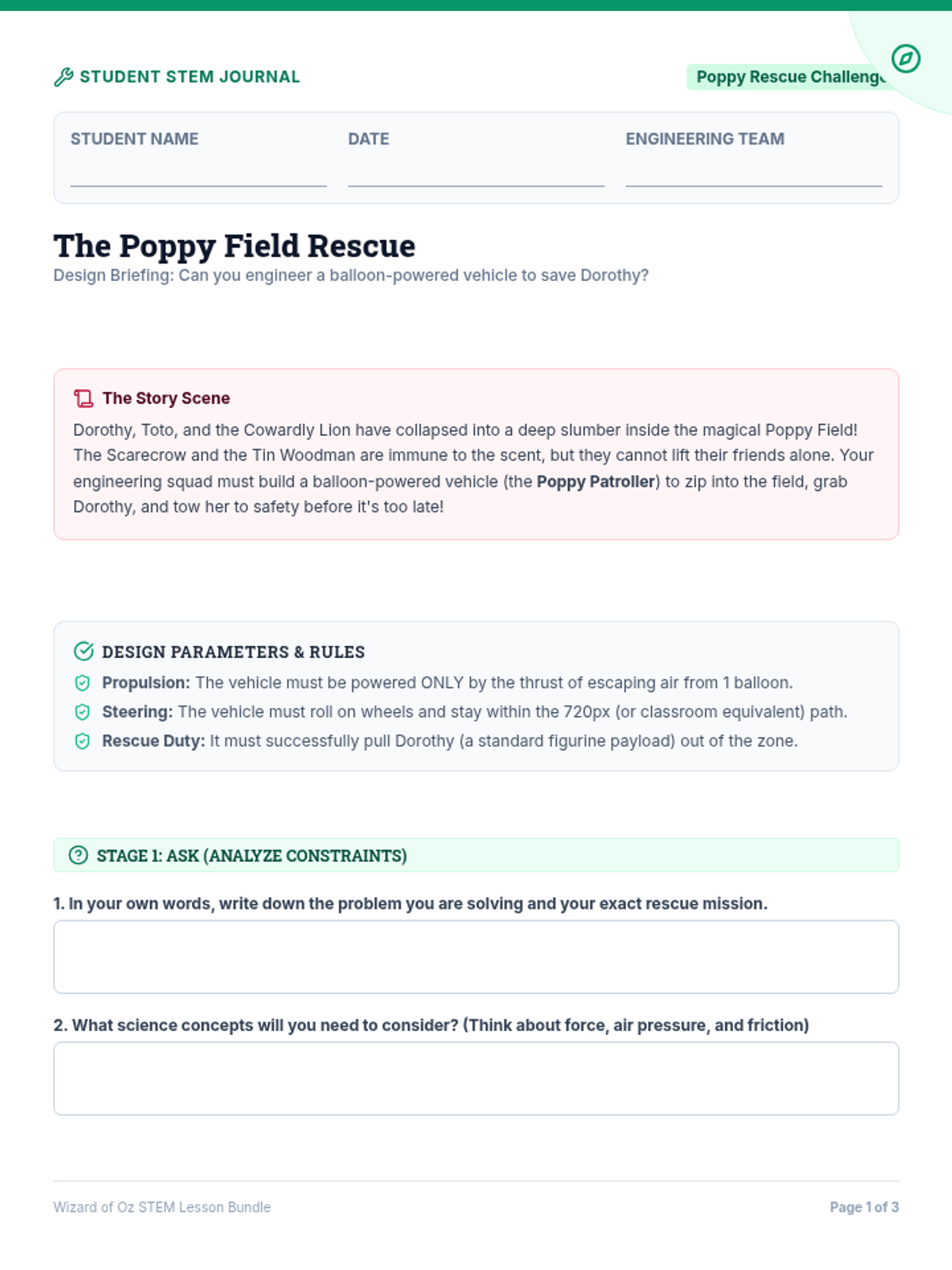
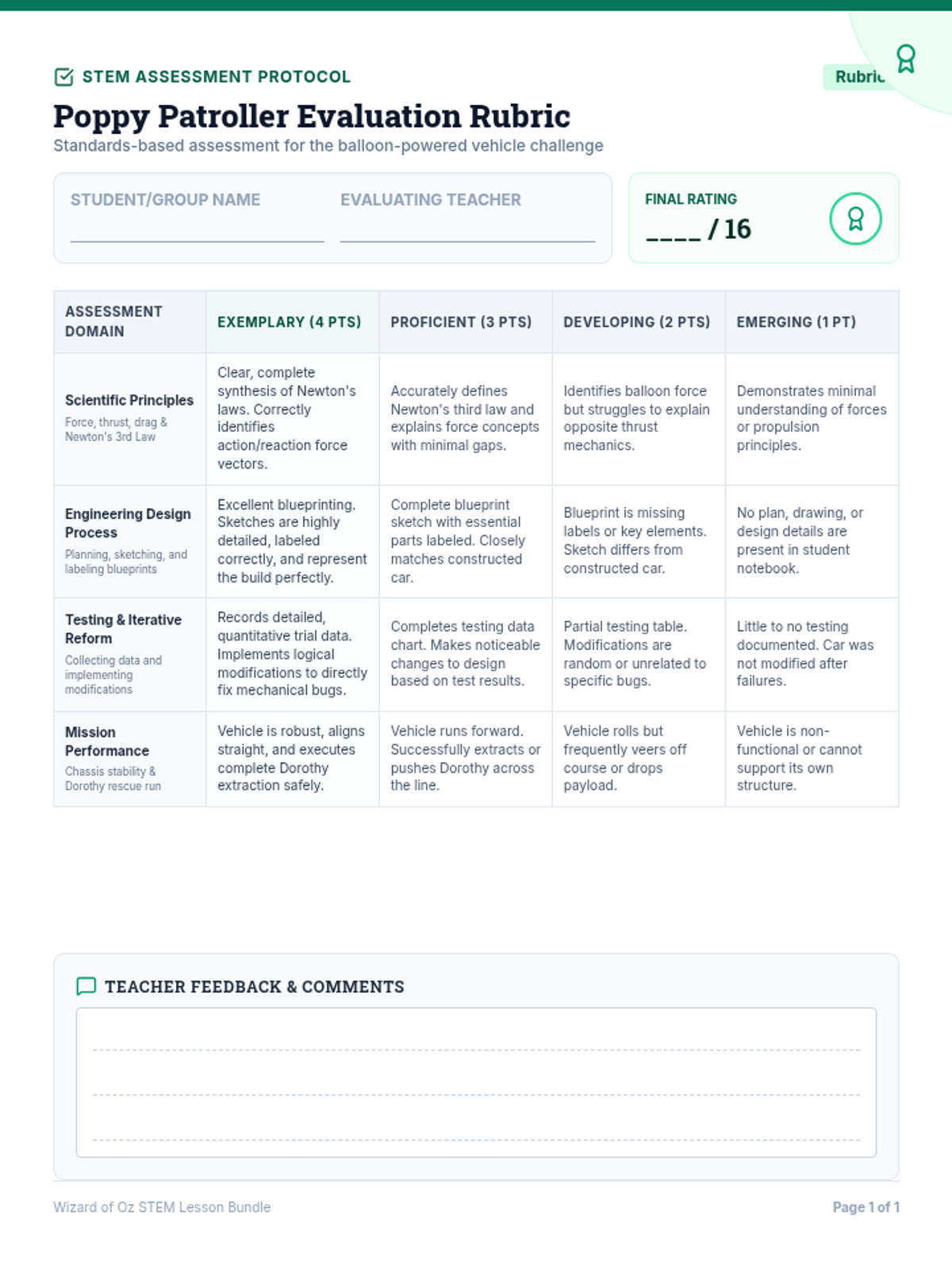
A hands-on STEM challenge based on The Wizard of Oz where students design and build a balloon-powered rescue vehicle to save Dorothy and her friends from the sleeping effects of the Poppy Field. This lesson guides students through the complete engineering design process, combining physical science concepts with literary connections.
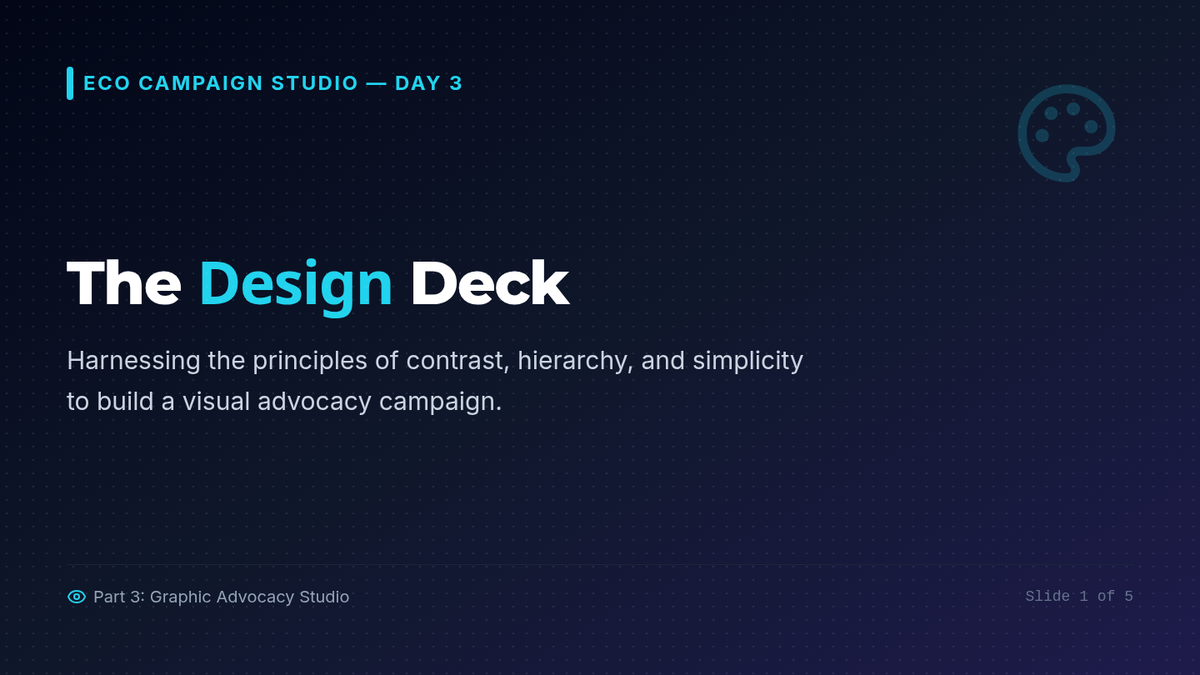
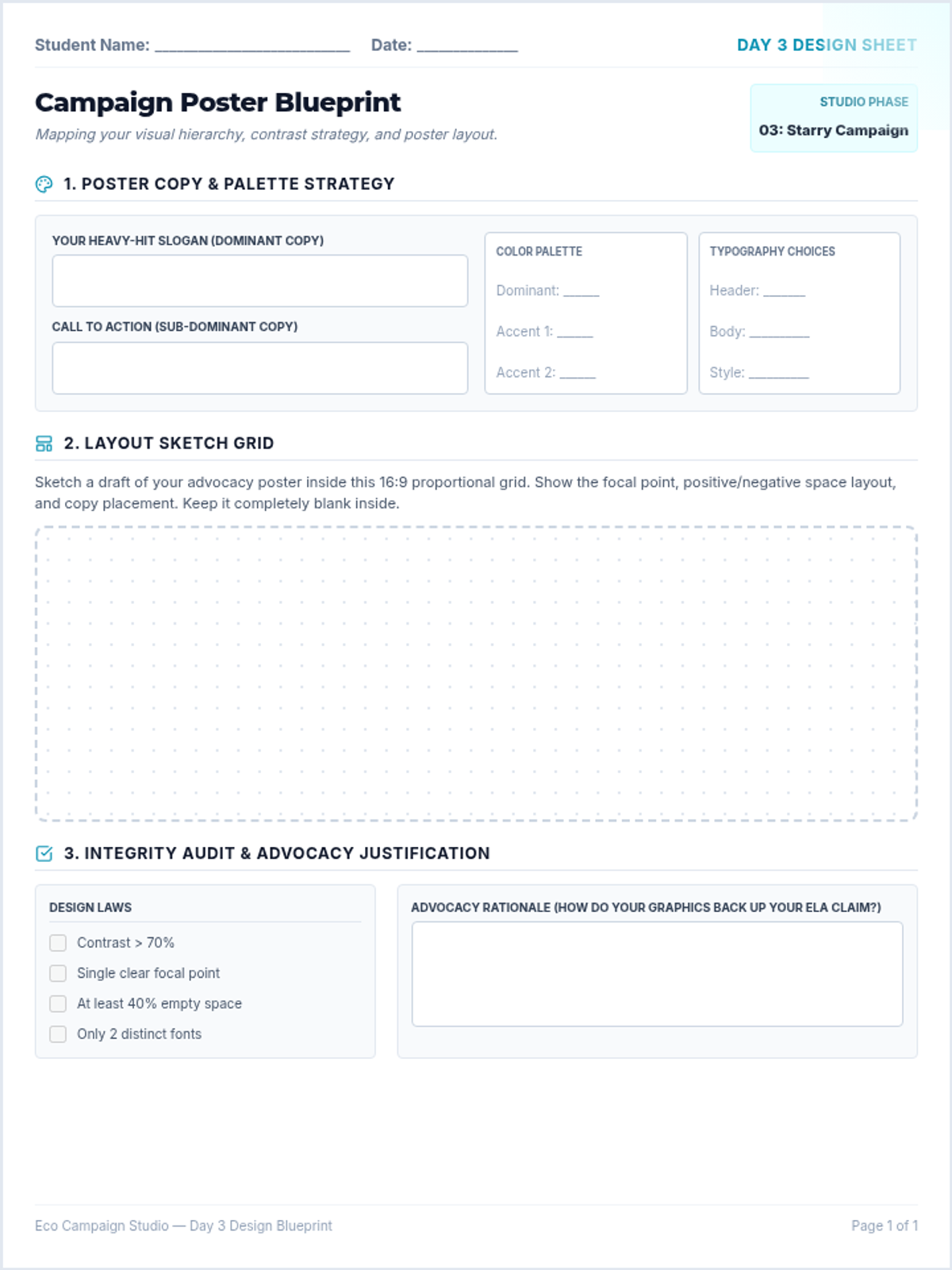
Students explore principles of visual design, contrast, and visual hierarchy to design and sketch an advocacy poster that supports their persuasive argument.
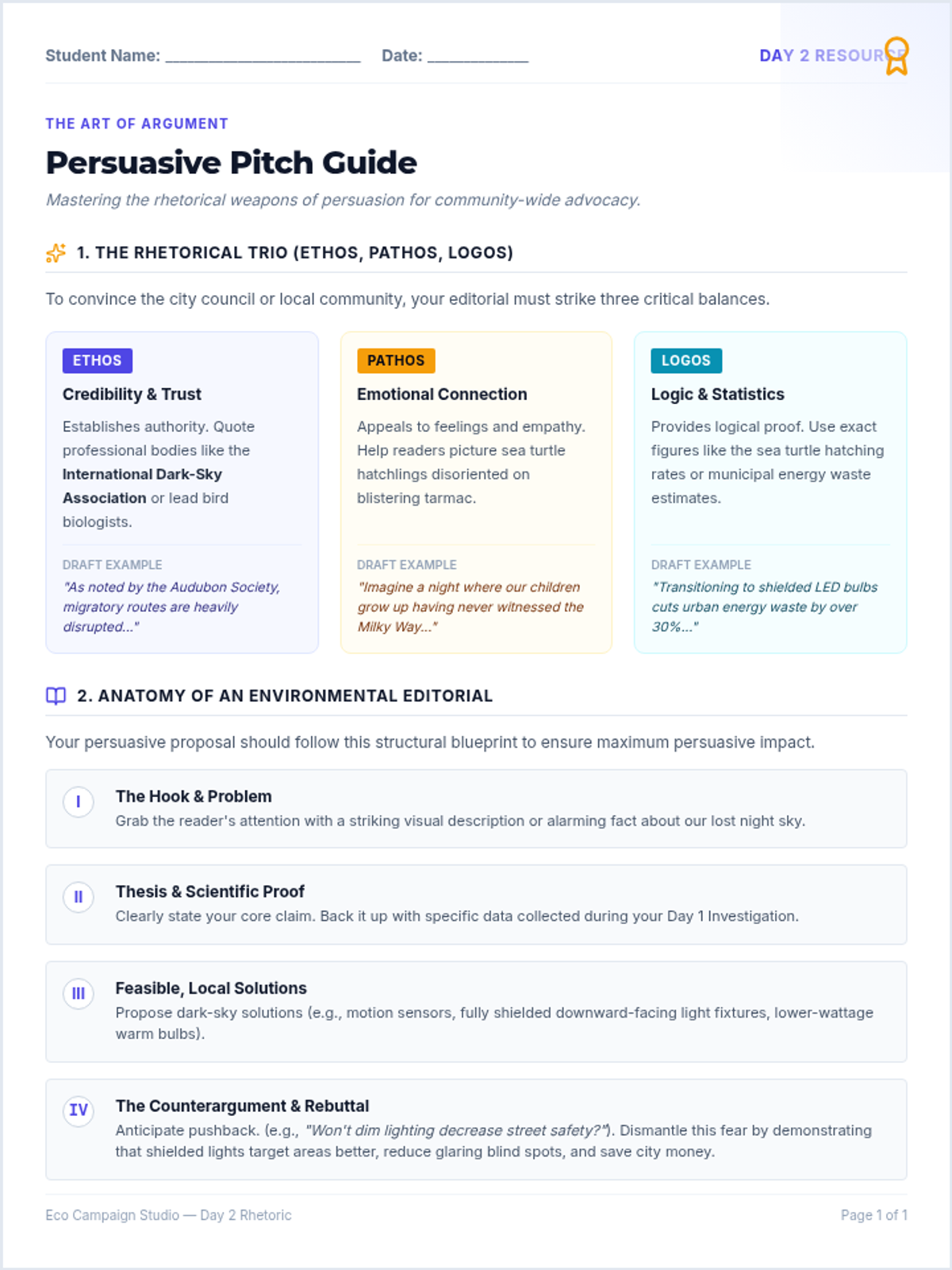
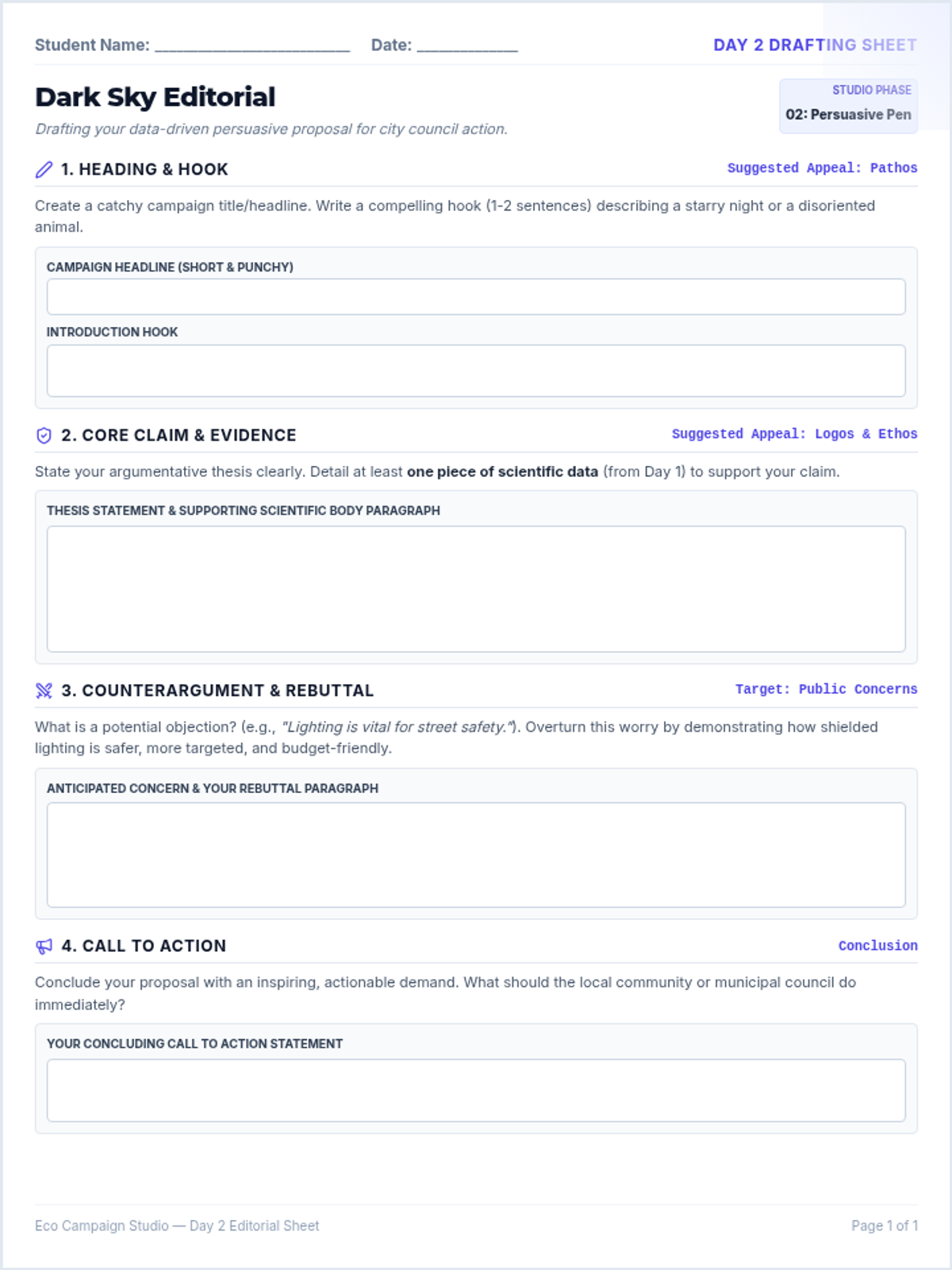
Students translate their scientific evidence into a structured, persuasive editorial or proposal, mastering rhetorical appeals and learning to counter opposing viewpoints.
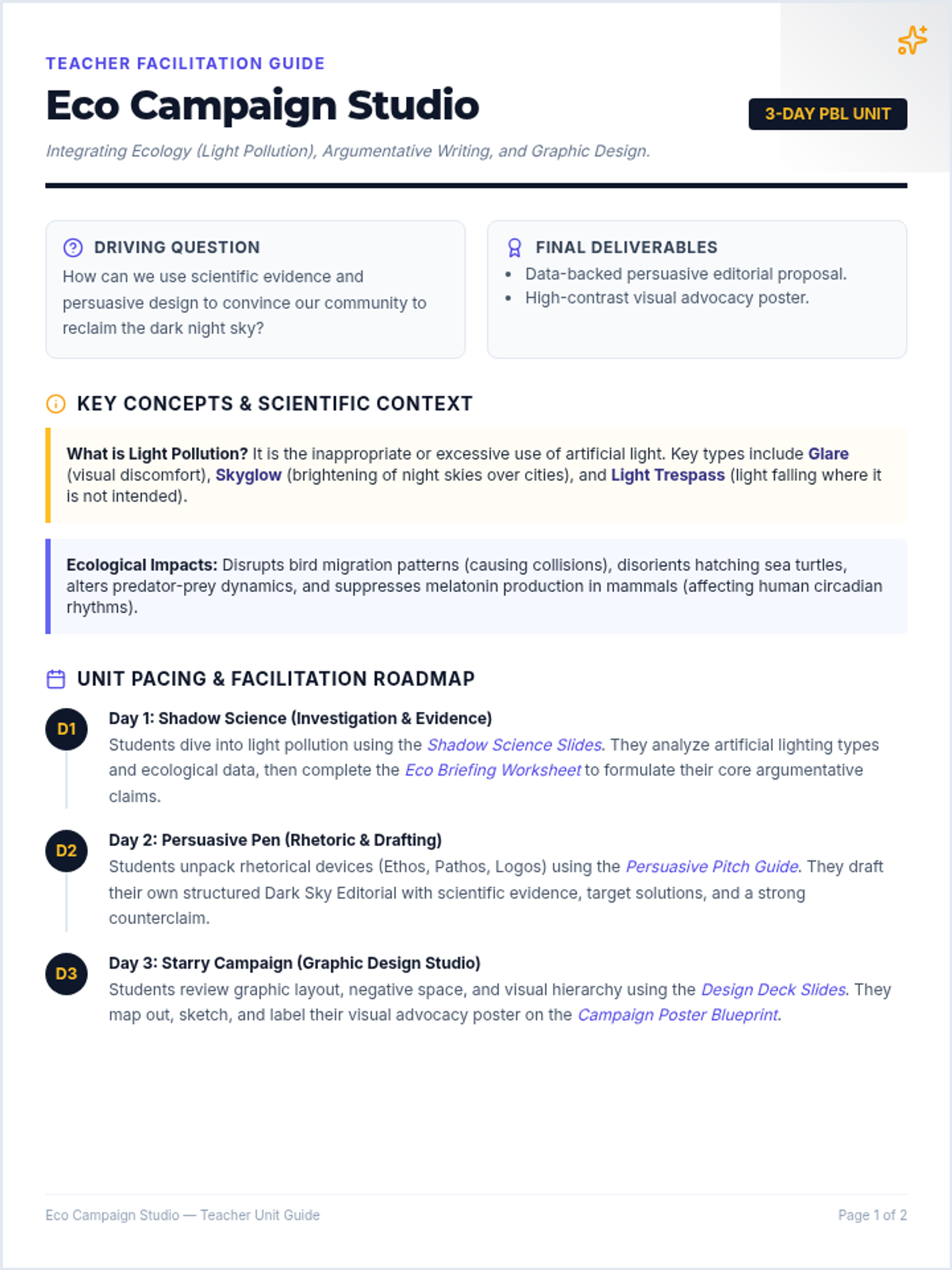
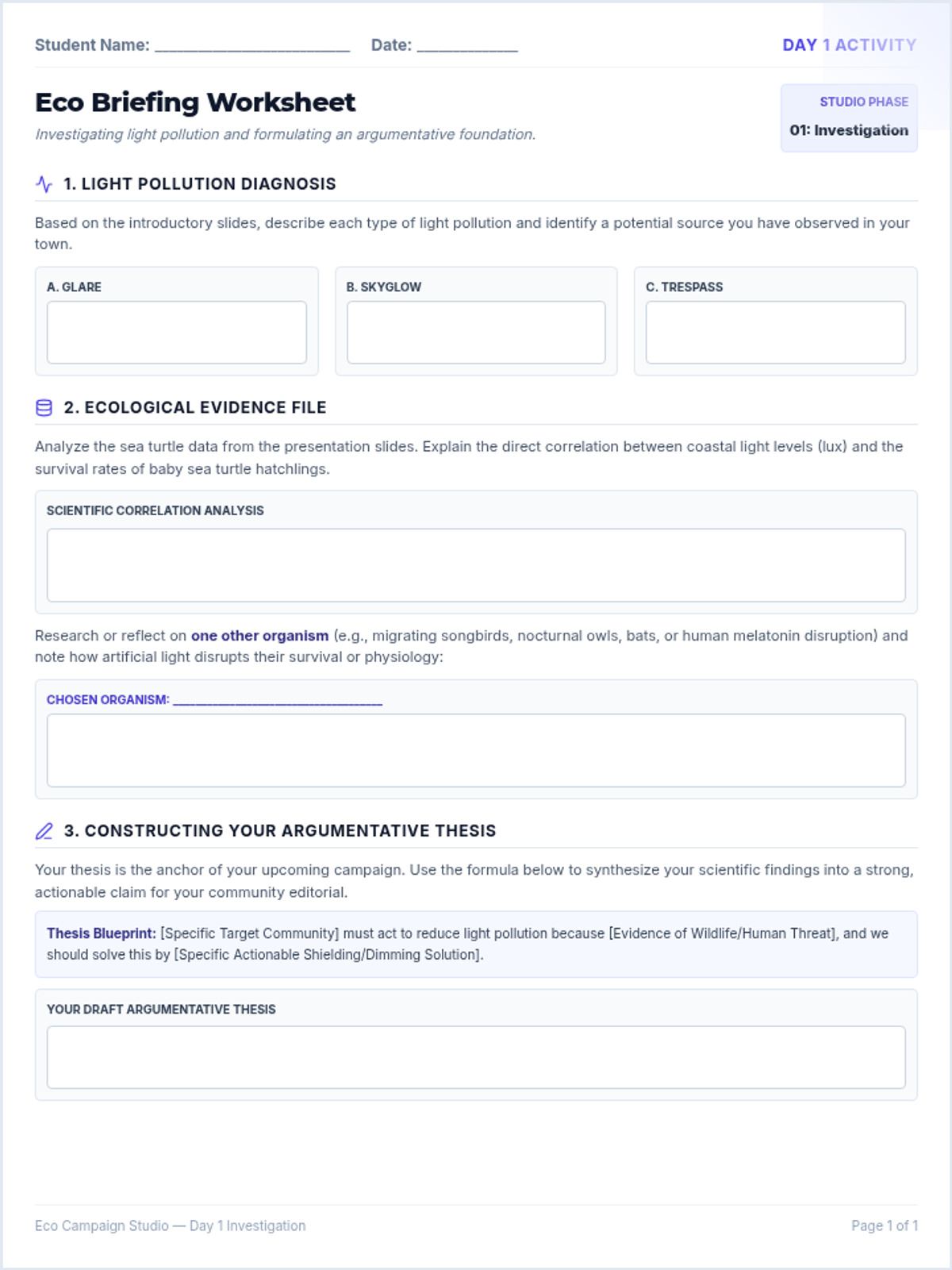
Students investigate the science of light pollution, explore its ecological effects on wildlife and human health, and analyze real-world data to formulate their core argumentative thesis.
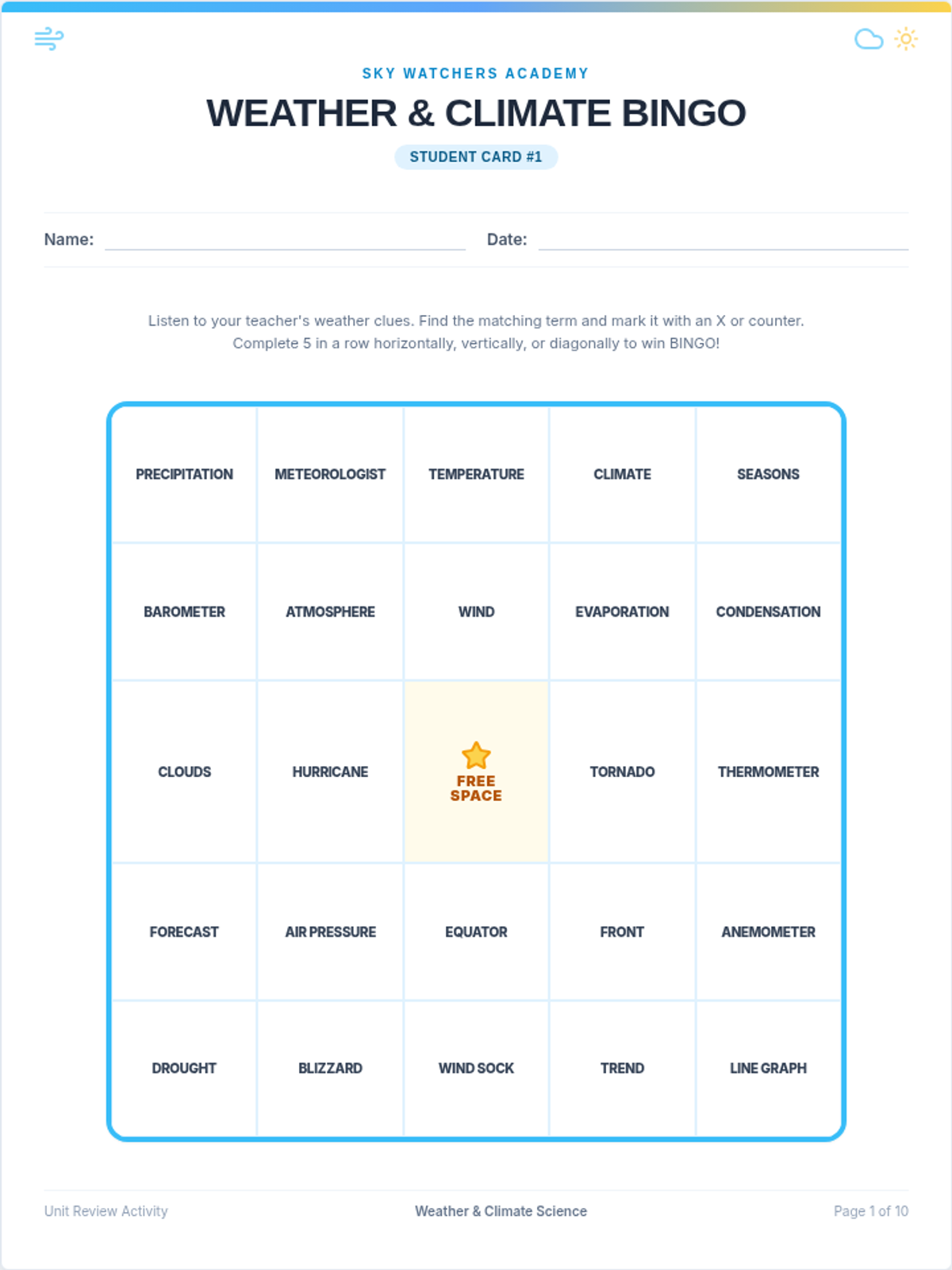
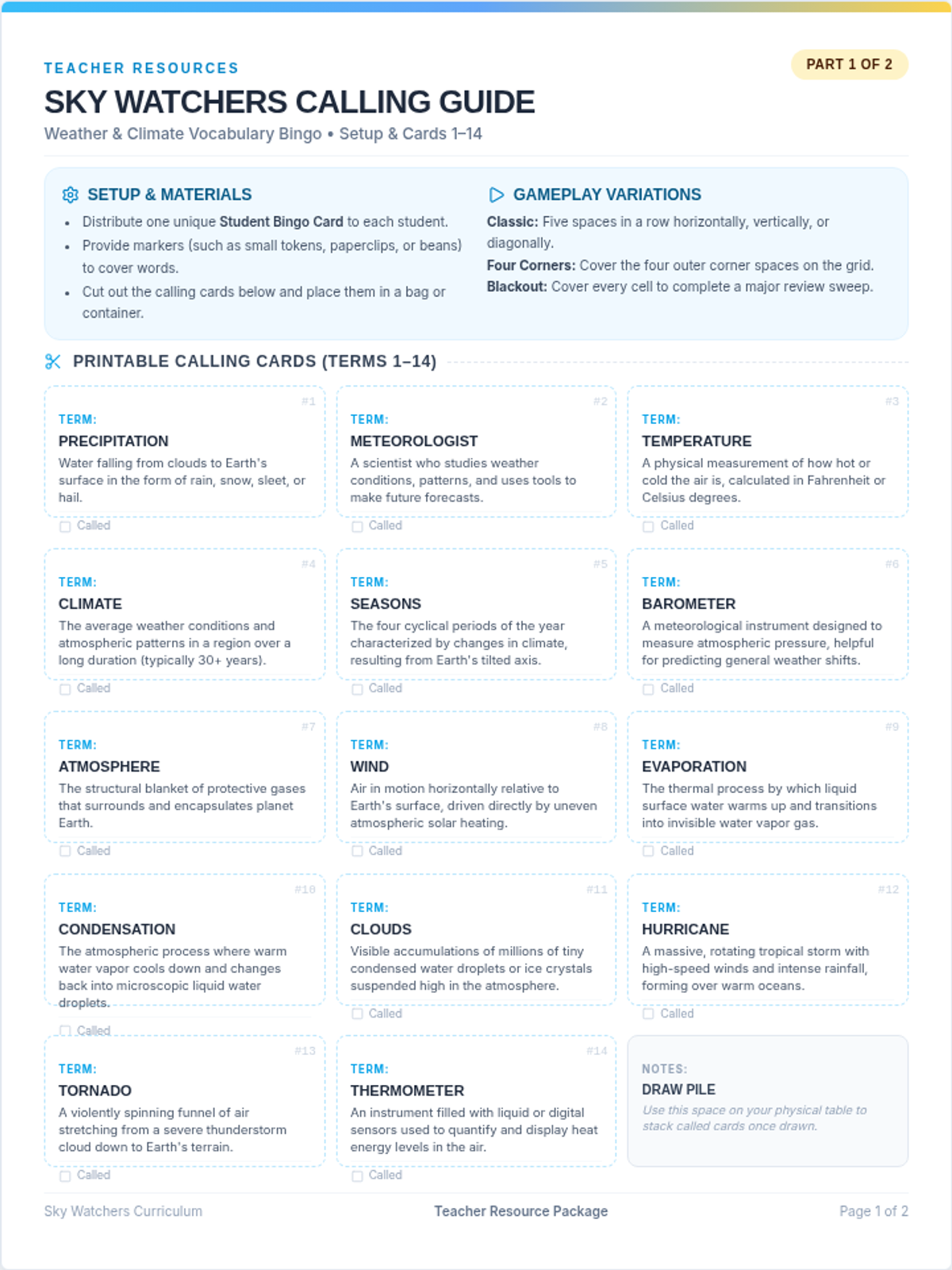
A weather and climate science unit featuring a complete class set of ready-to-print Bingo cards and a comprehensive teacher calling and tracking guide.
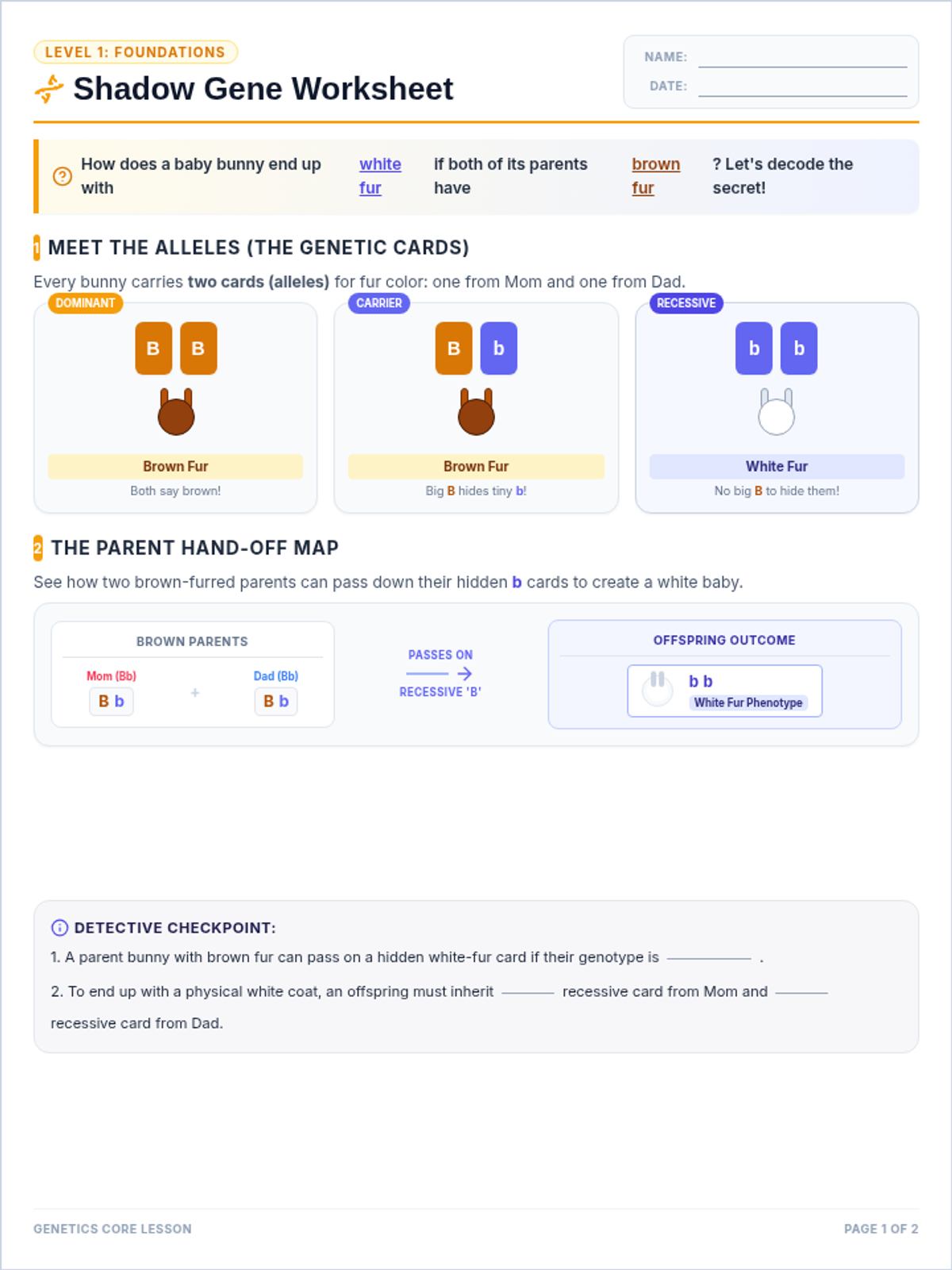
A highly visual, scaffolded lesson introducing recessive inheritance. Students explore how recessive alleles manifest as physical phenotypes using concrete bunny fur examples, guided diagrams, and sentence frames.
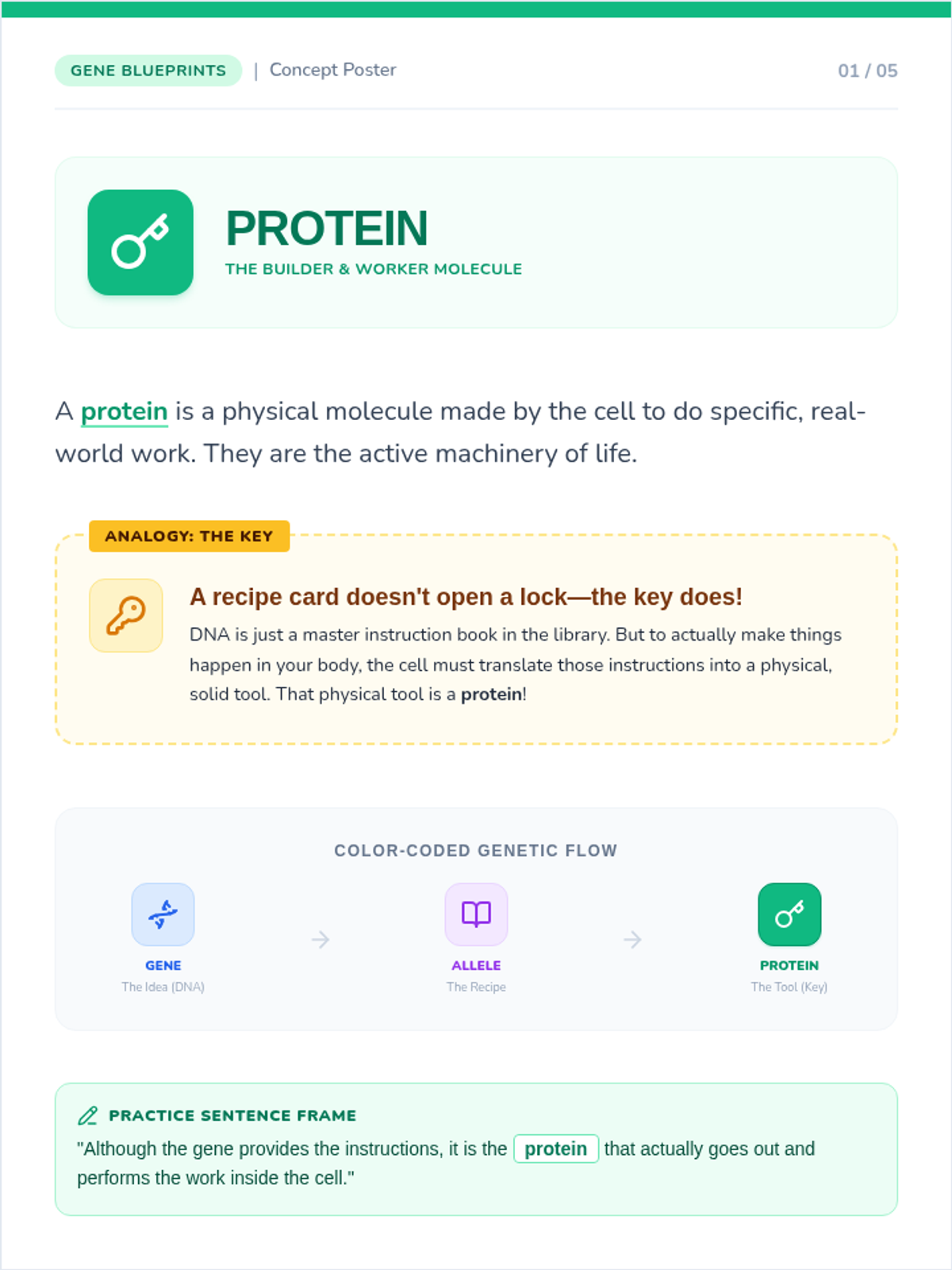
A visual-heavy biology lesson focused on clarifying the relationships between genes, alleles, proteins, and heterozygous states using concrete analogies, color-coding, and structured sentence frames.
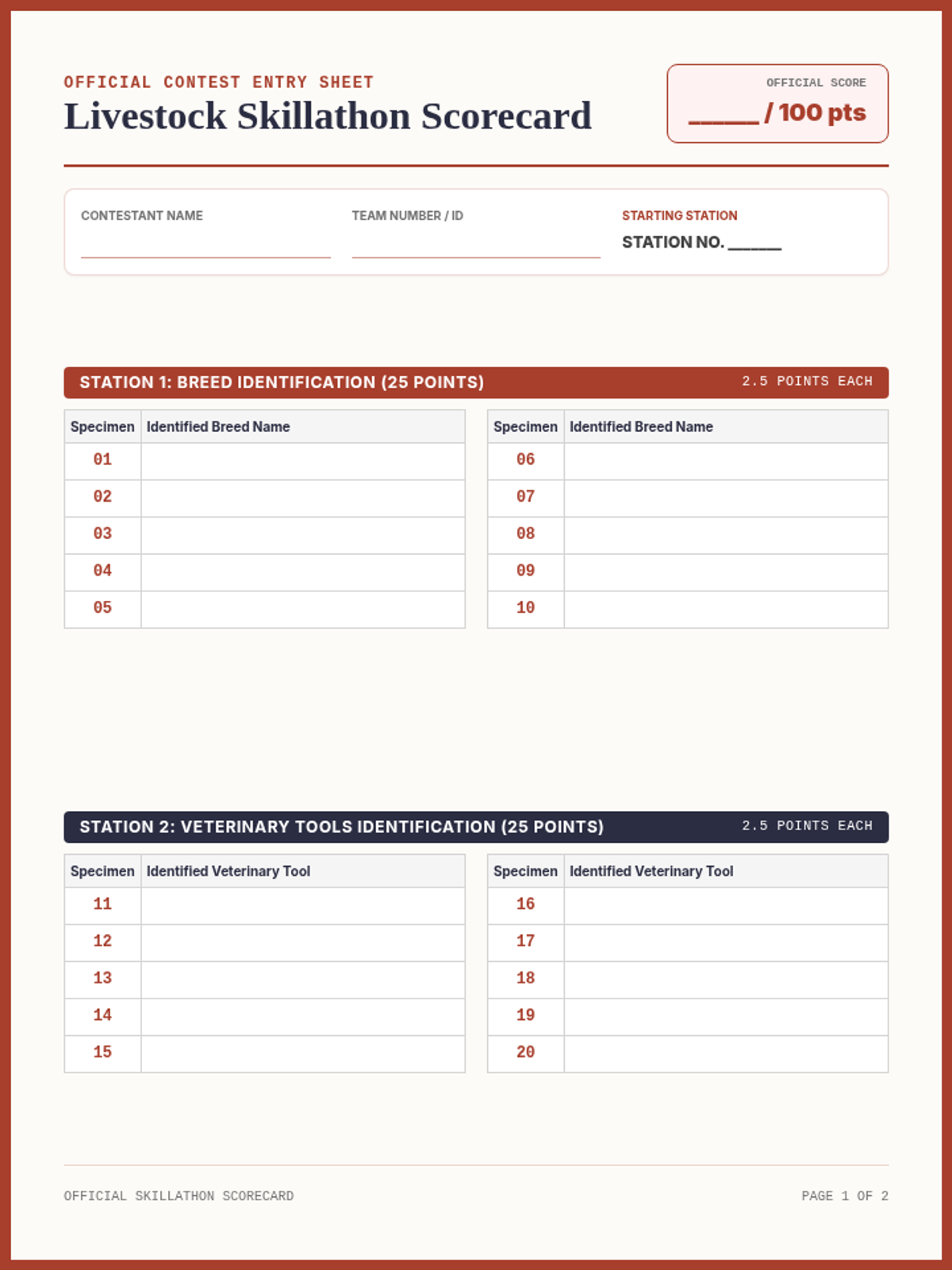
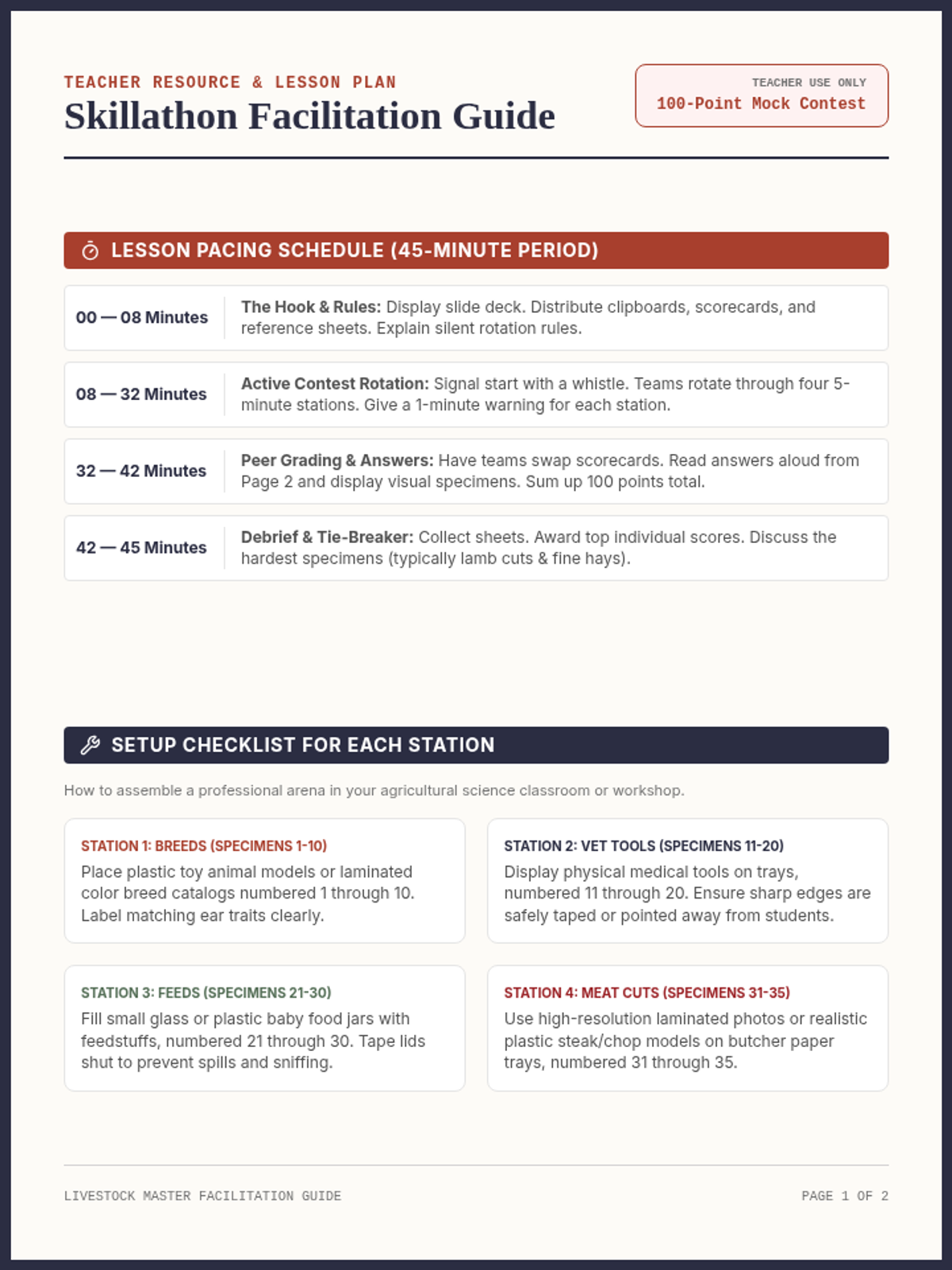
Students participate in a high-stakes, realistic mock Livestock Skillathon, rotating through four hands-on stations to test their knowledge and earn points.
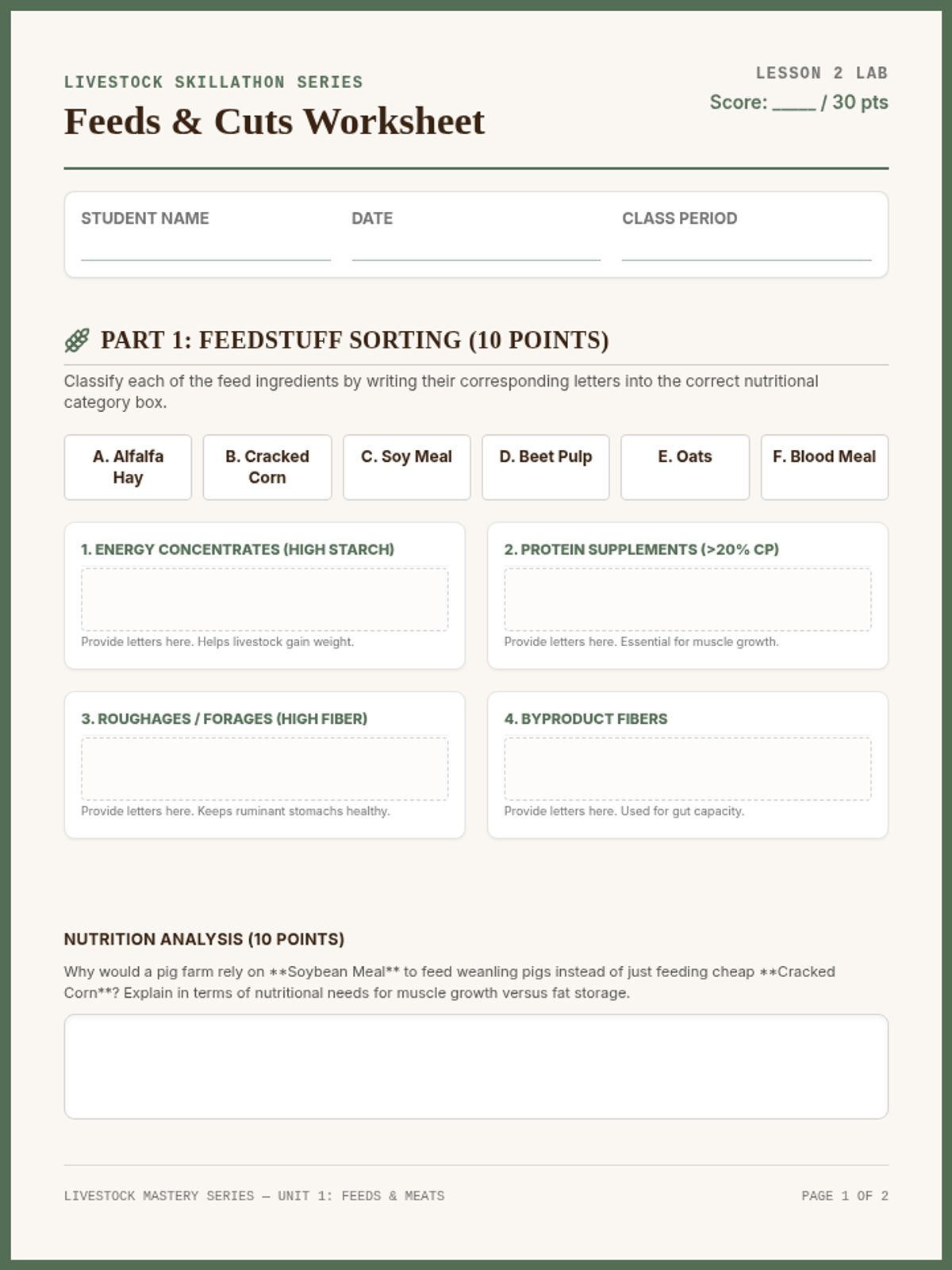
Students learn to identify common feed ingredients and forages, and practice identifying retail cuts of beef, pork, and lamb by wholesale origin and cooking style.
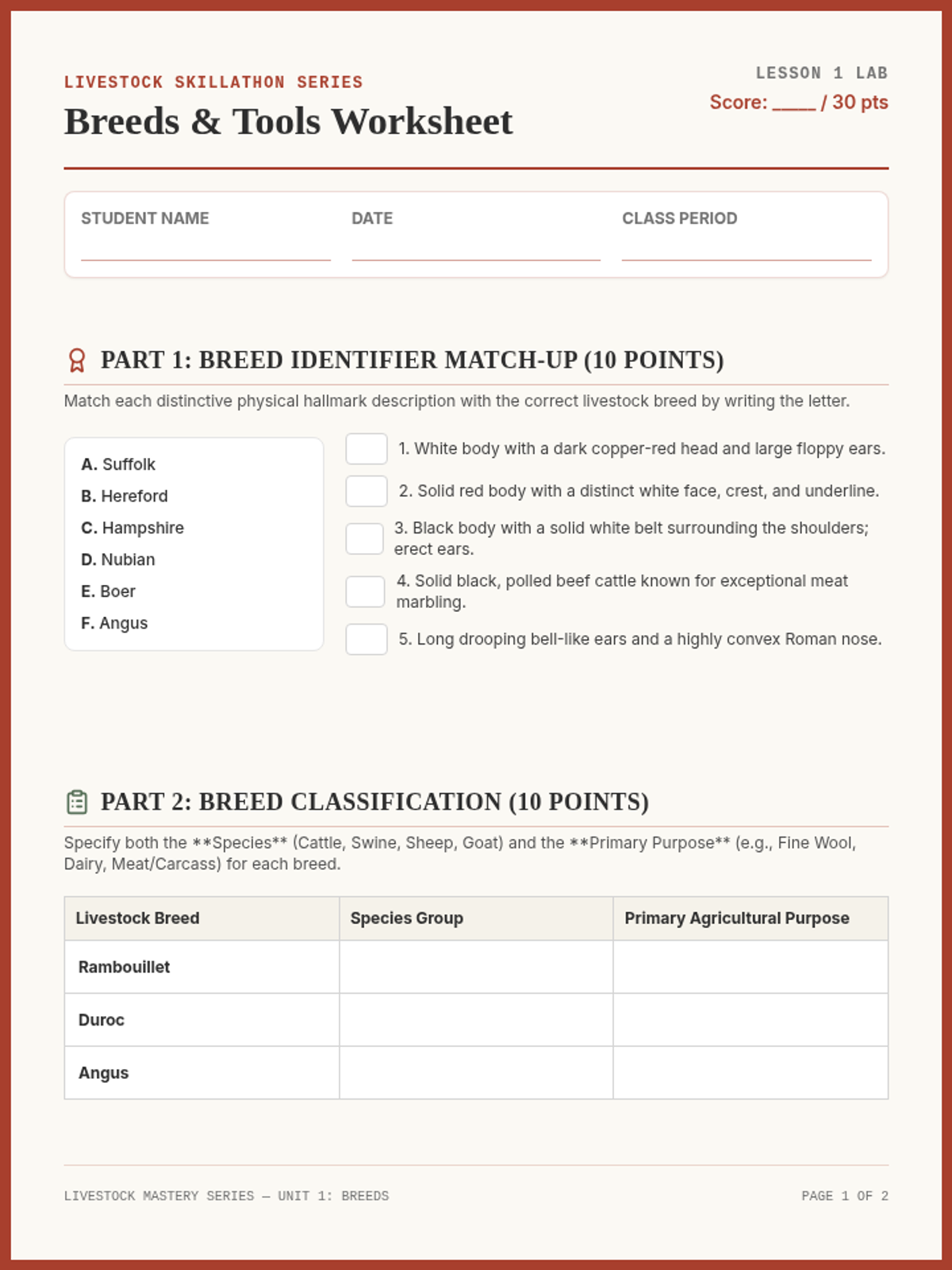
Students learn to identify major breeds of beef cattle, swine, sheep, and goats, along with essential veterinary, handling, and breeding equipment.
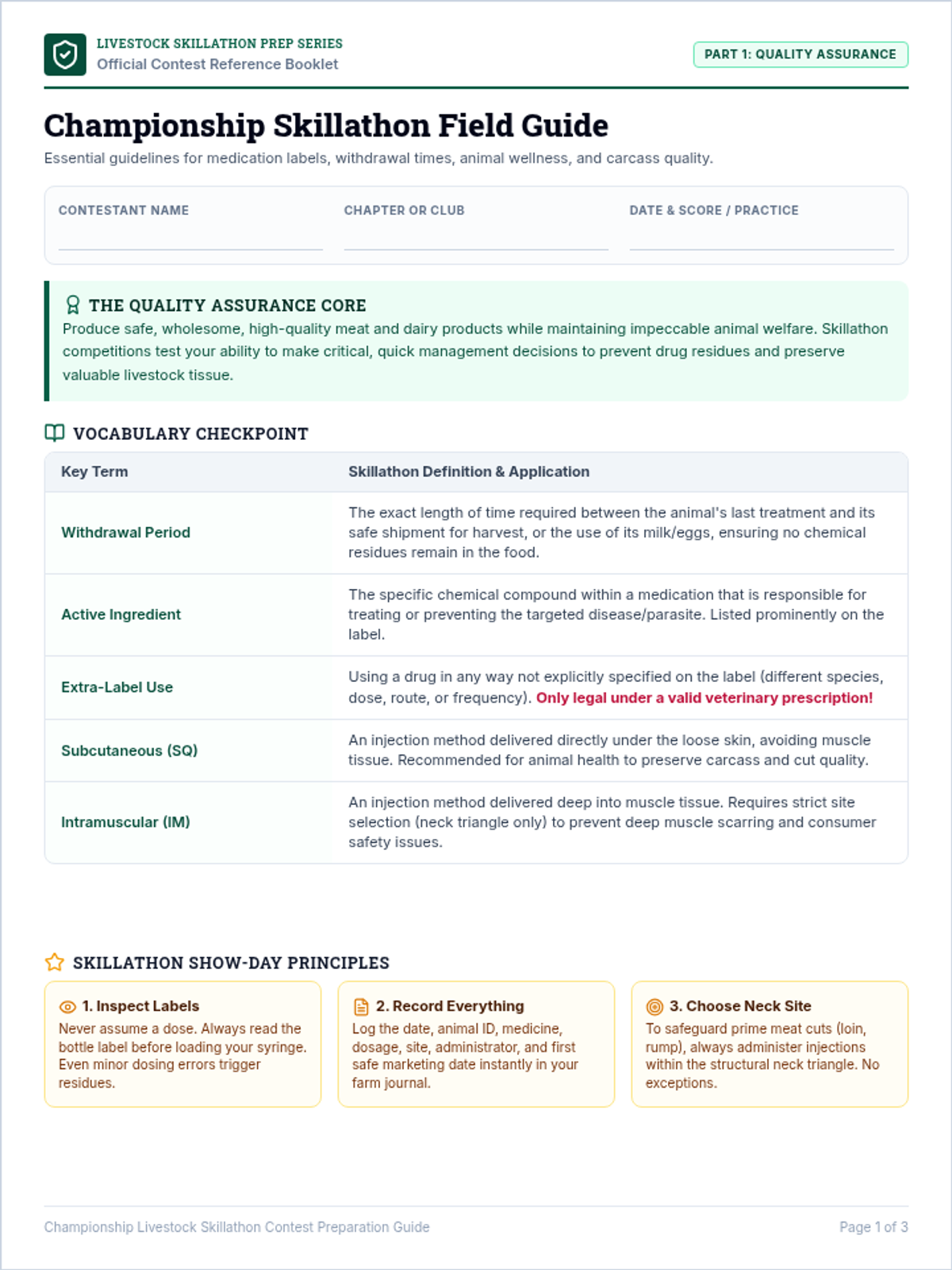
A comprehensive preparation lesson for youth competing in livestock skillathon contests. Covers crucial quality assurance principles, reading medication labels, calculating withdrawal times, and executing proper injection practices to ensure animal health and food safety.
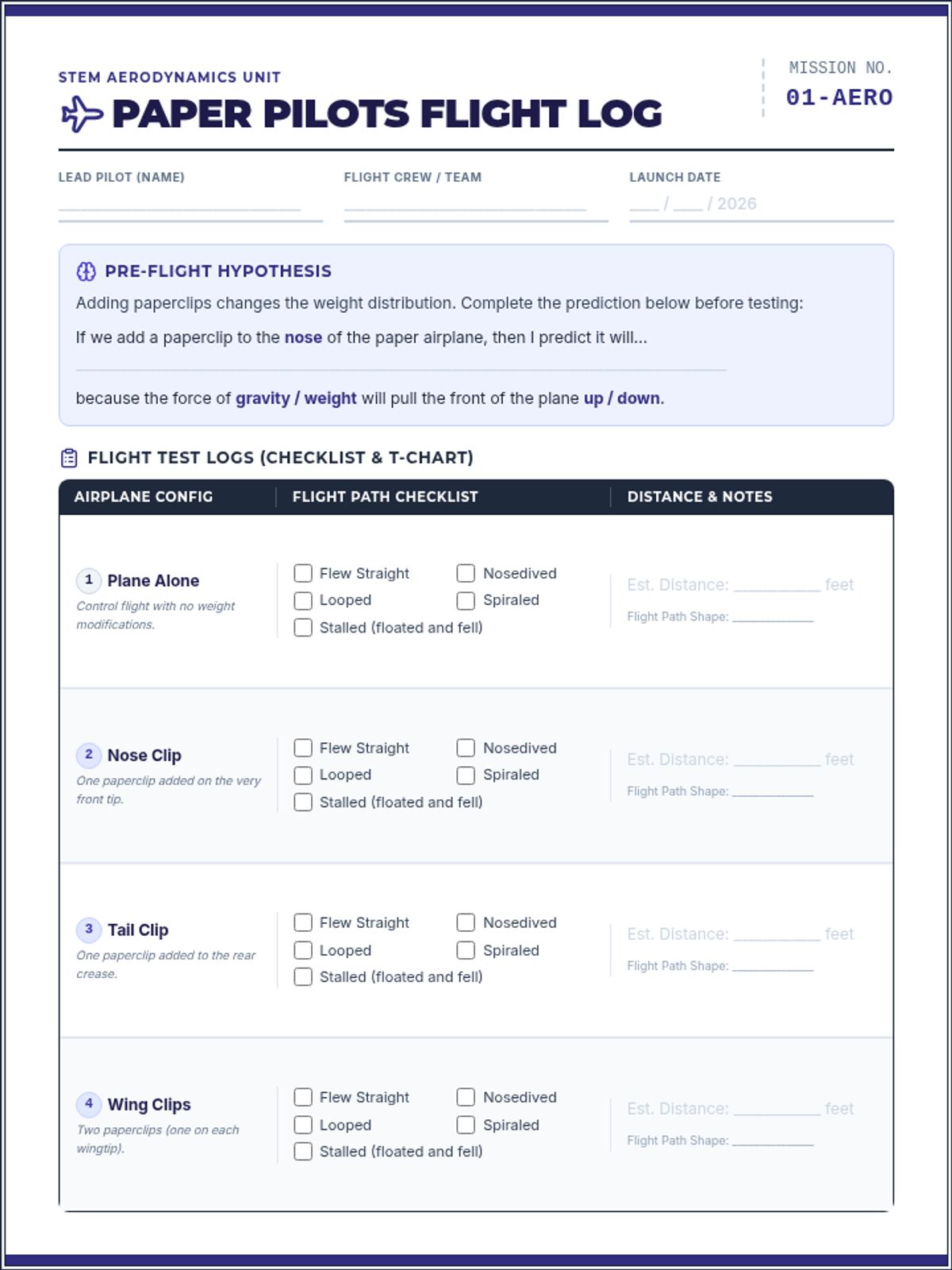
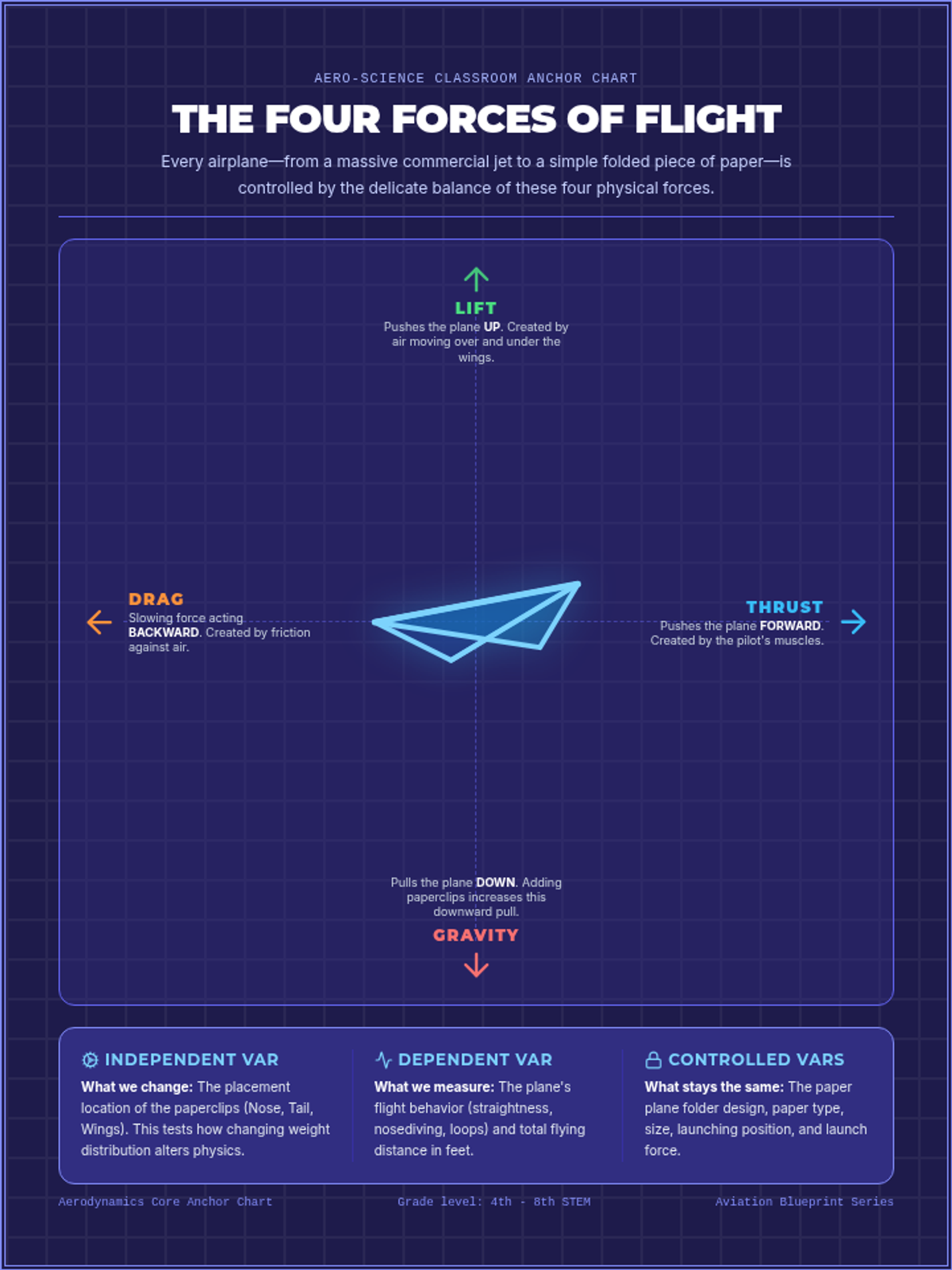
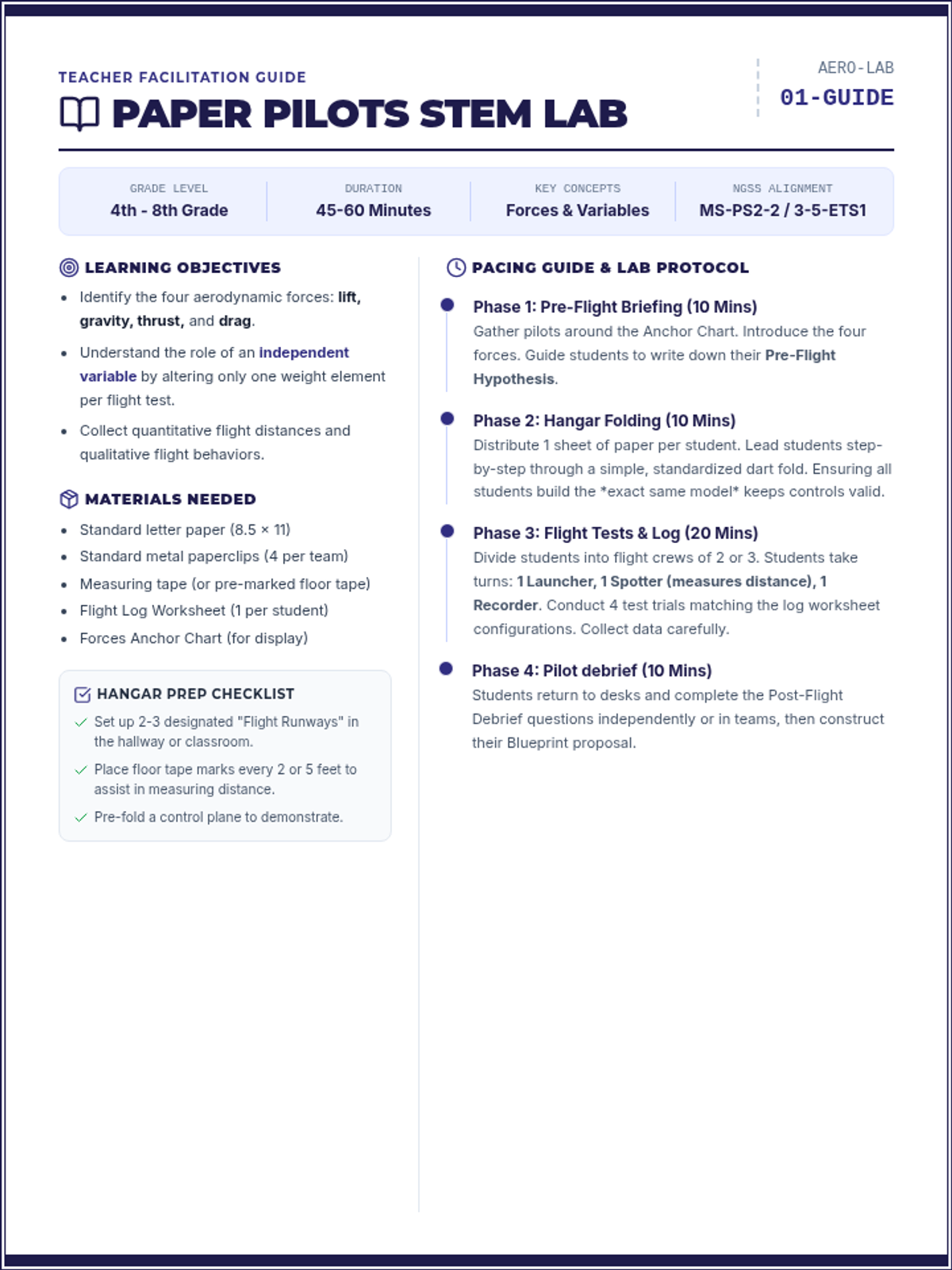
A hands-on STEM lesson where students explore aerodynamics and variables by testing how adding paperclips to different parts of a paper airplane affects its flight path, stability, and distance.
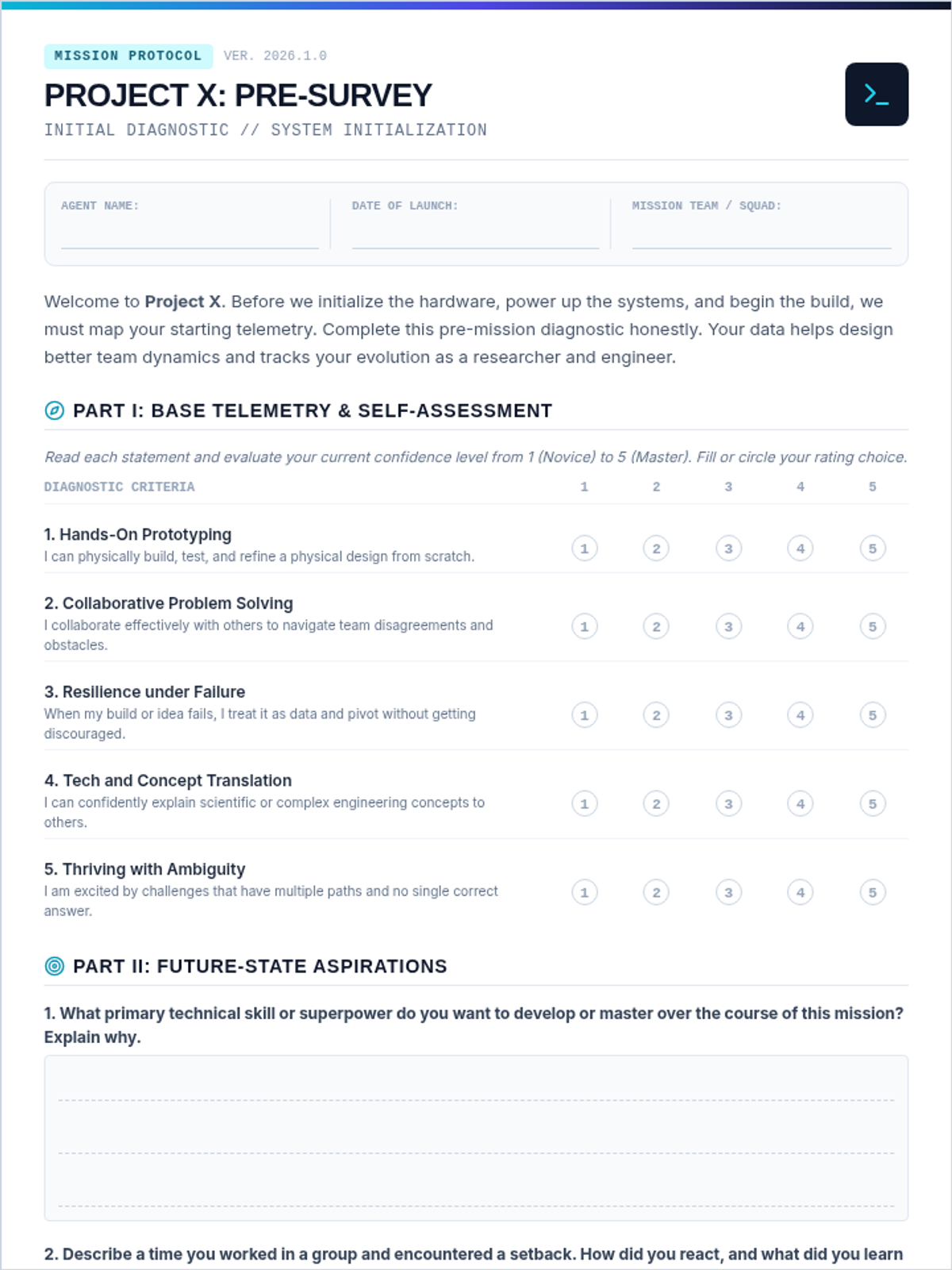
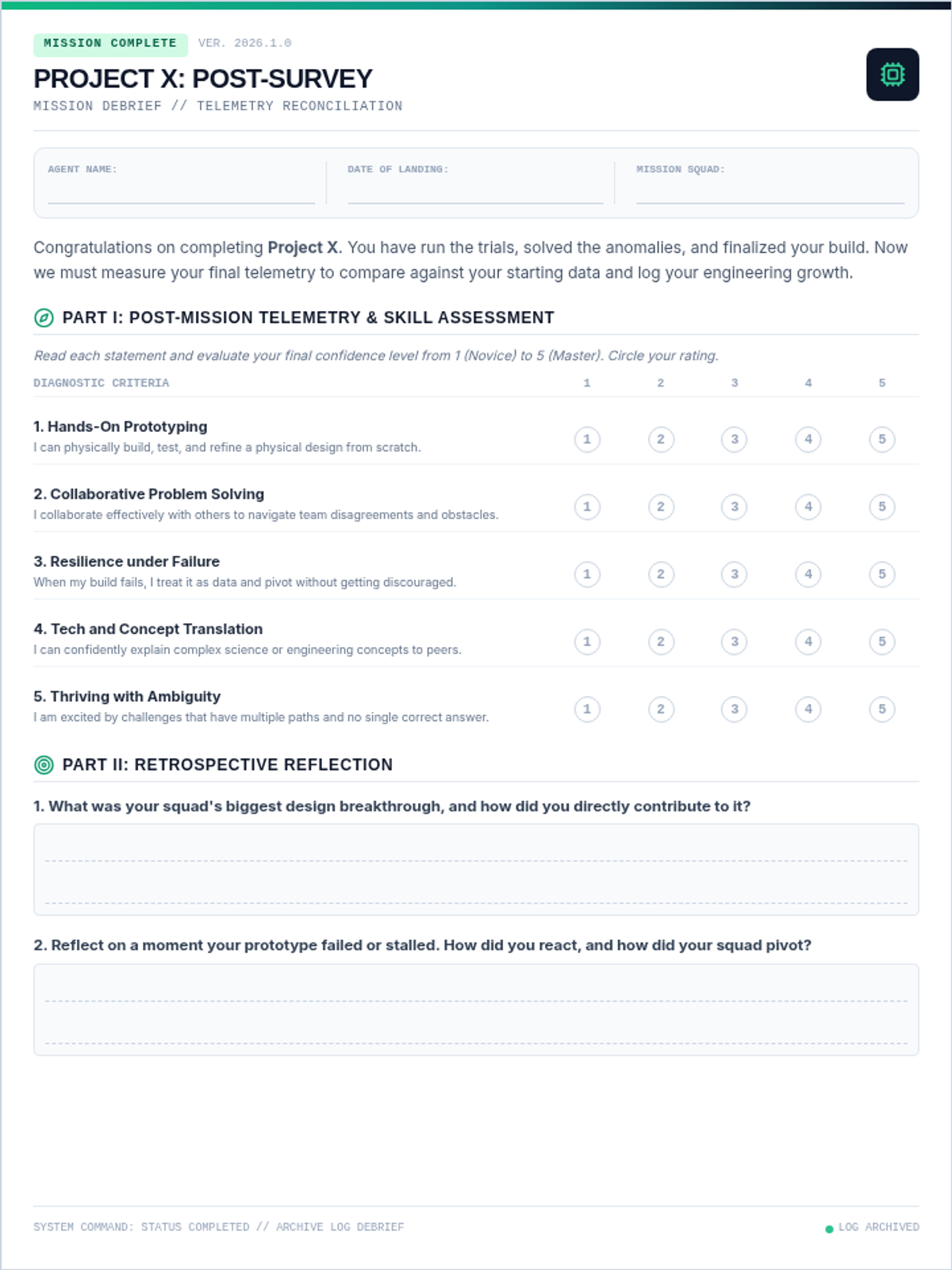
A student-centered engineering and design initiative where students engage in hands-on science and technology challenges. This lesson contains the pre- and post-surveys to measure students' growth in confidence, teamwork, and technical skills.
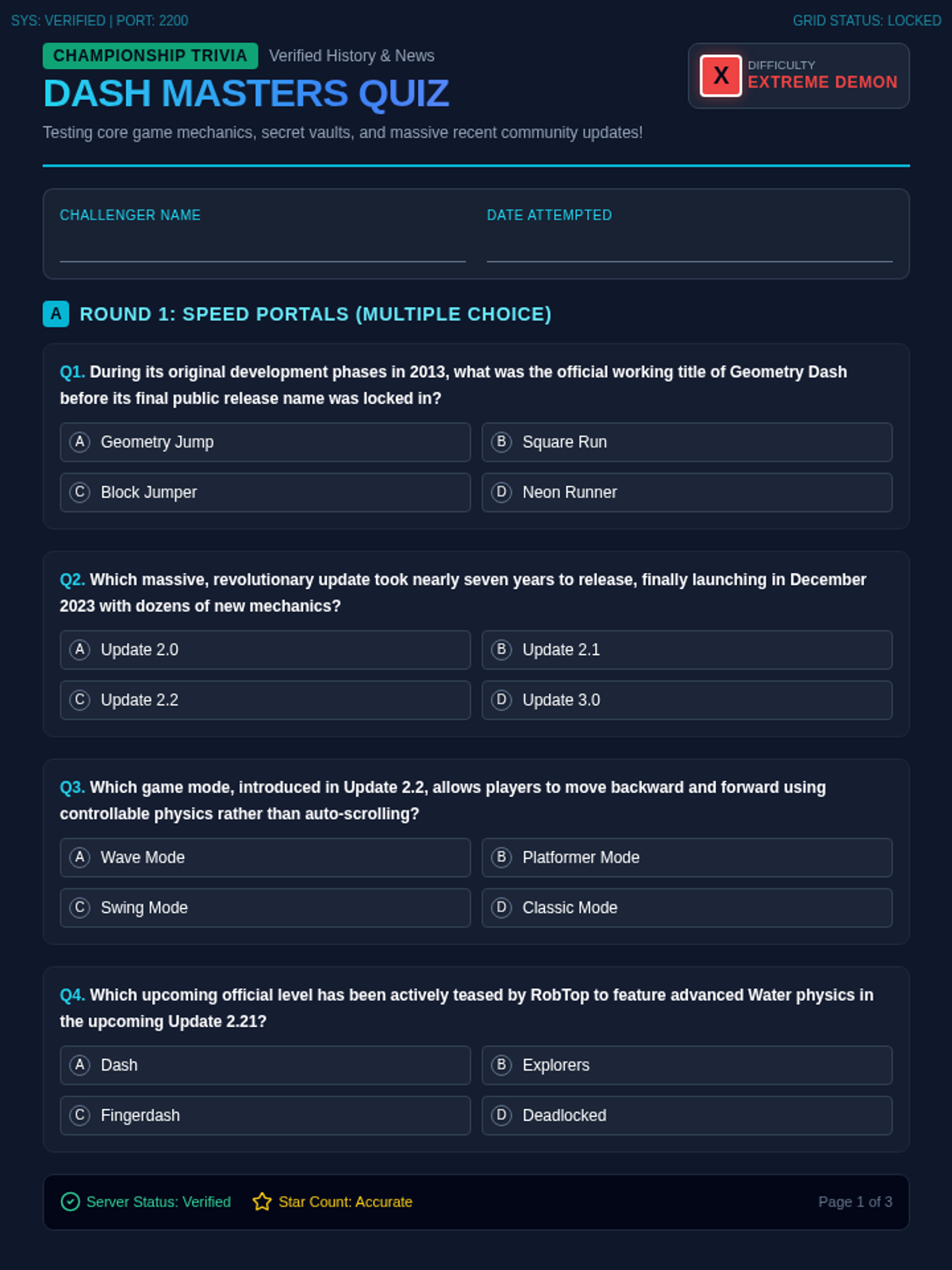
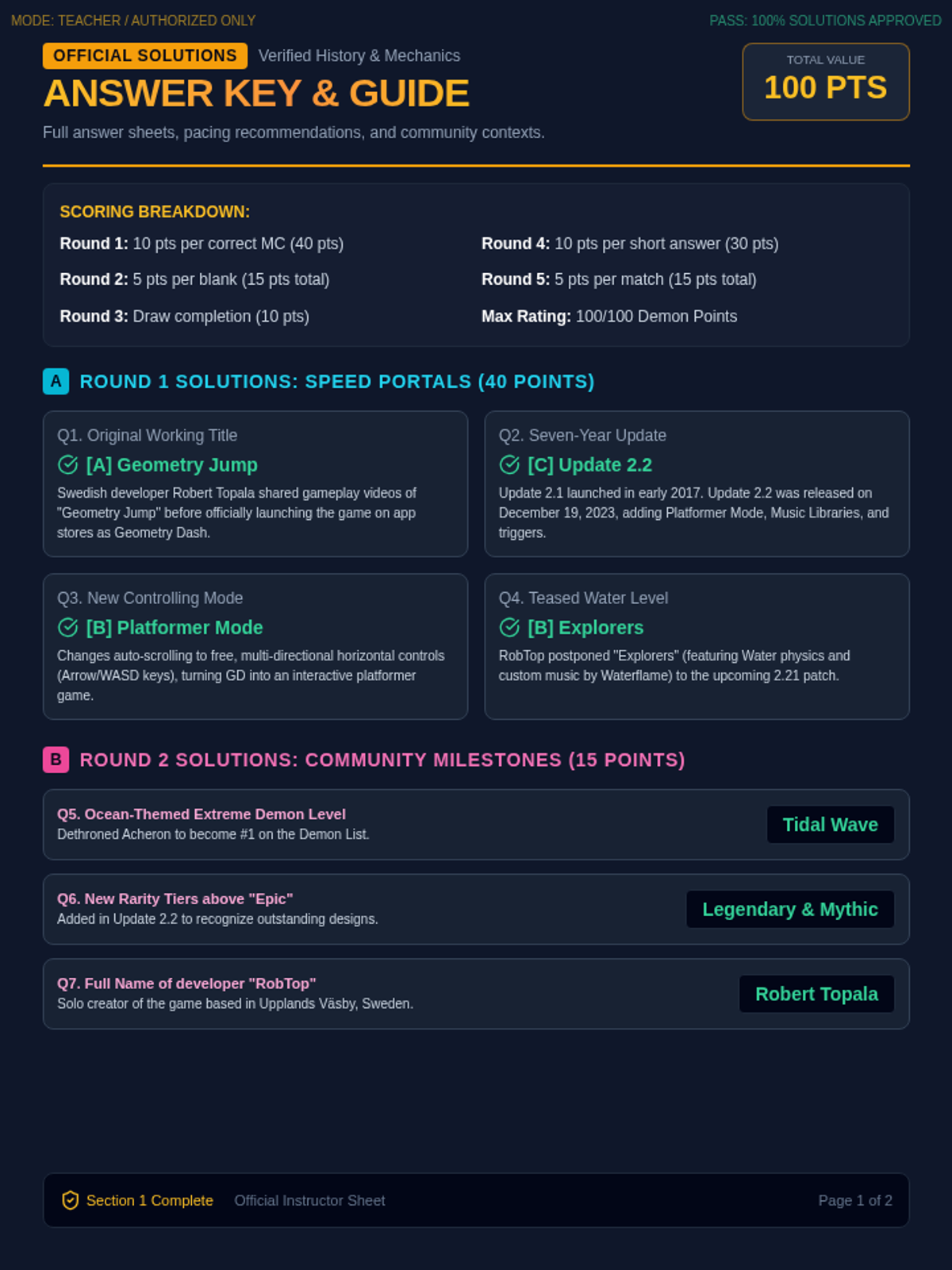
A fun-filled, competitive trivia challenge centered around the history, mechanics, and recent community updates of the sensation Geometry Dash. Perfect for gaming clubs, brain breaks, or student-led activities.
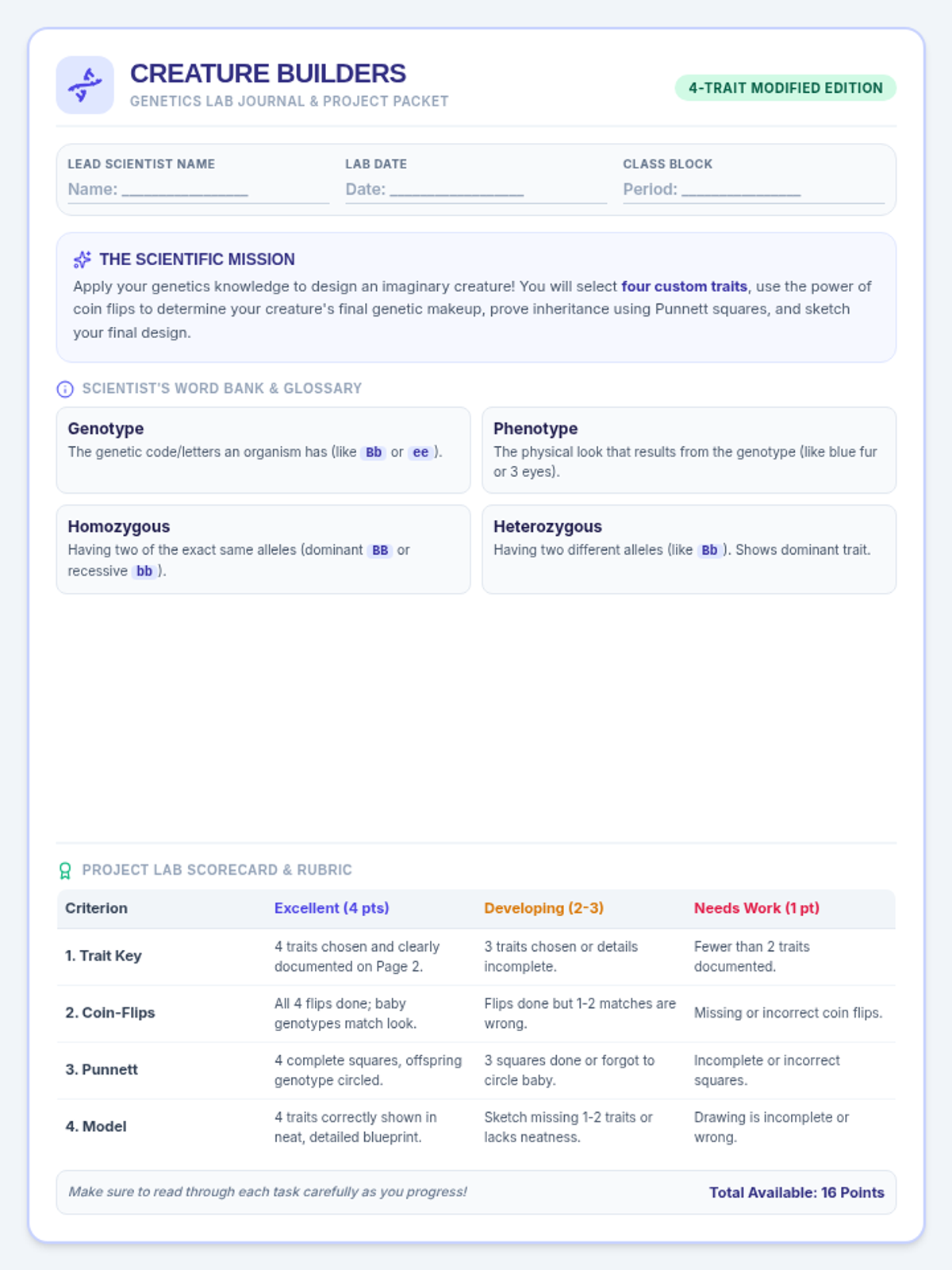
A multi-day hands-on genetics project where students choose traits, flip coins to determine genotypes, solve Punnett squares, and build a model of their designed species.
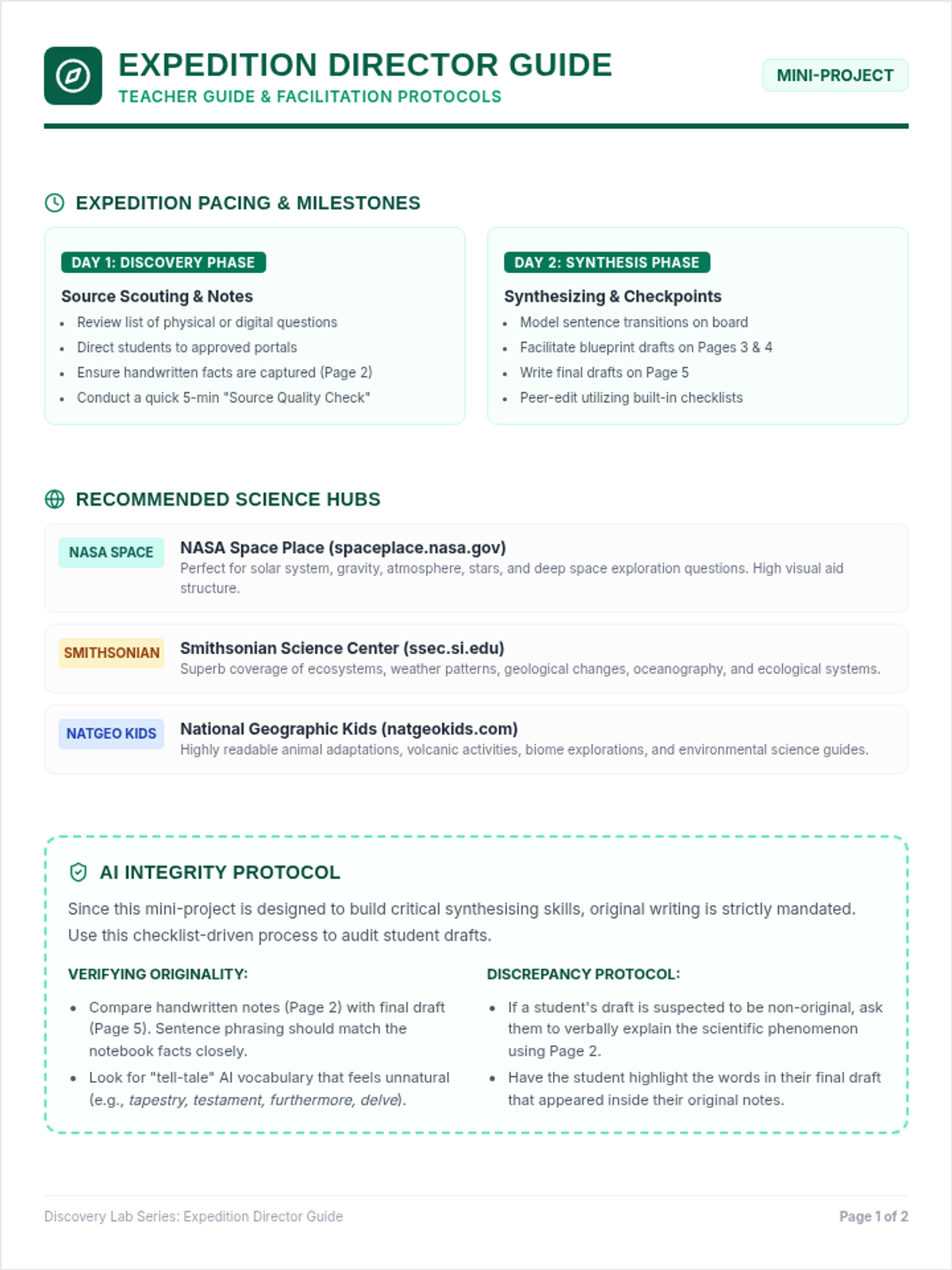
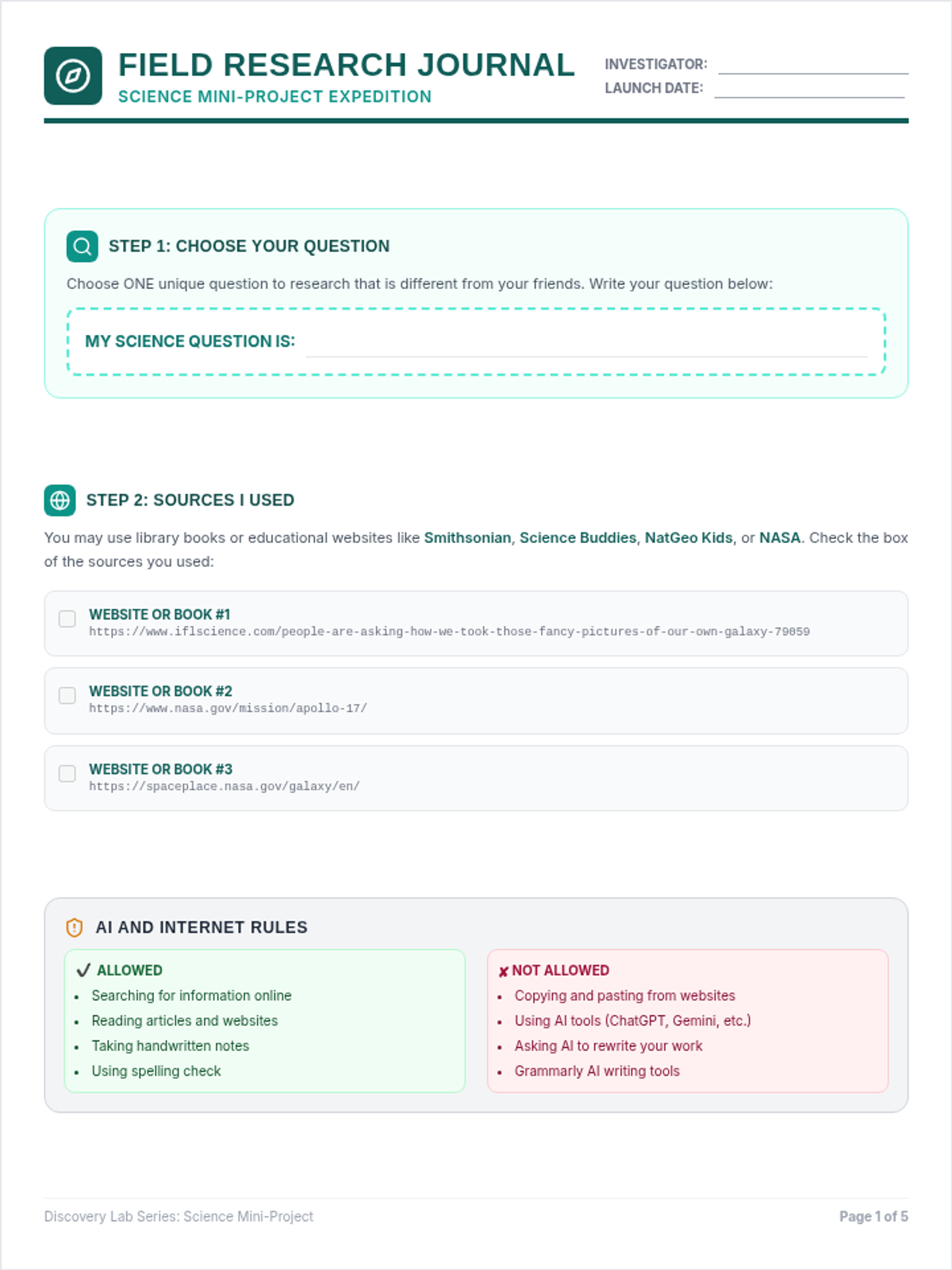
A student-led research project where students choose a science question, evaluate reliable sources, gather evidence, and draft a 3-4 paragraph explanation. Includes moderate visual scaffolding and structured checklists to guide independent inquiry and writing.
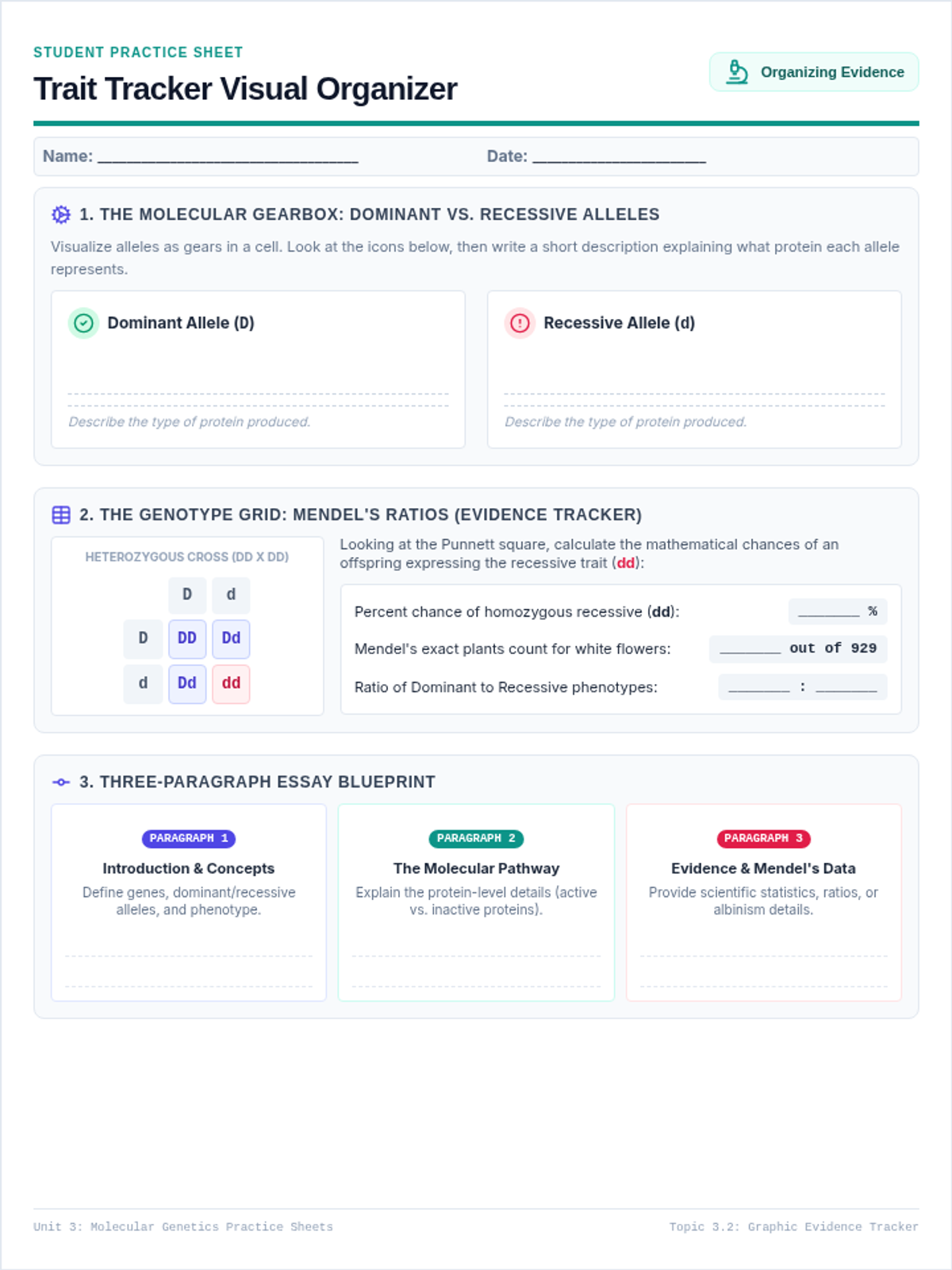
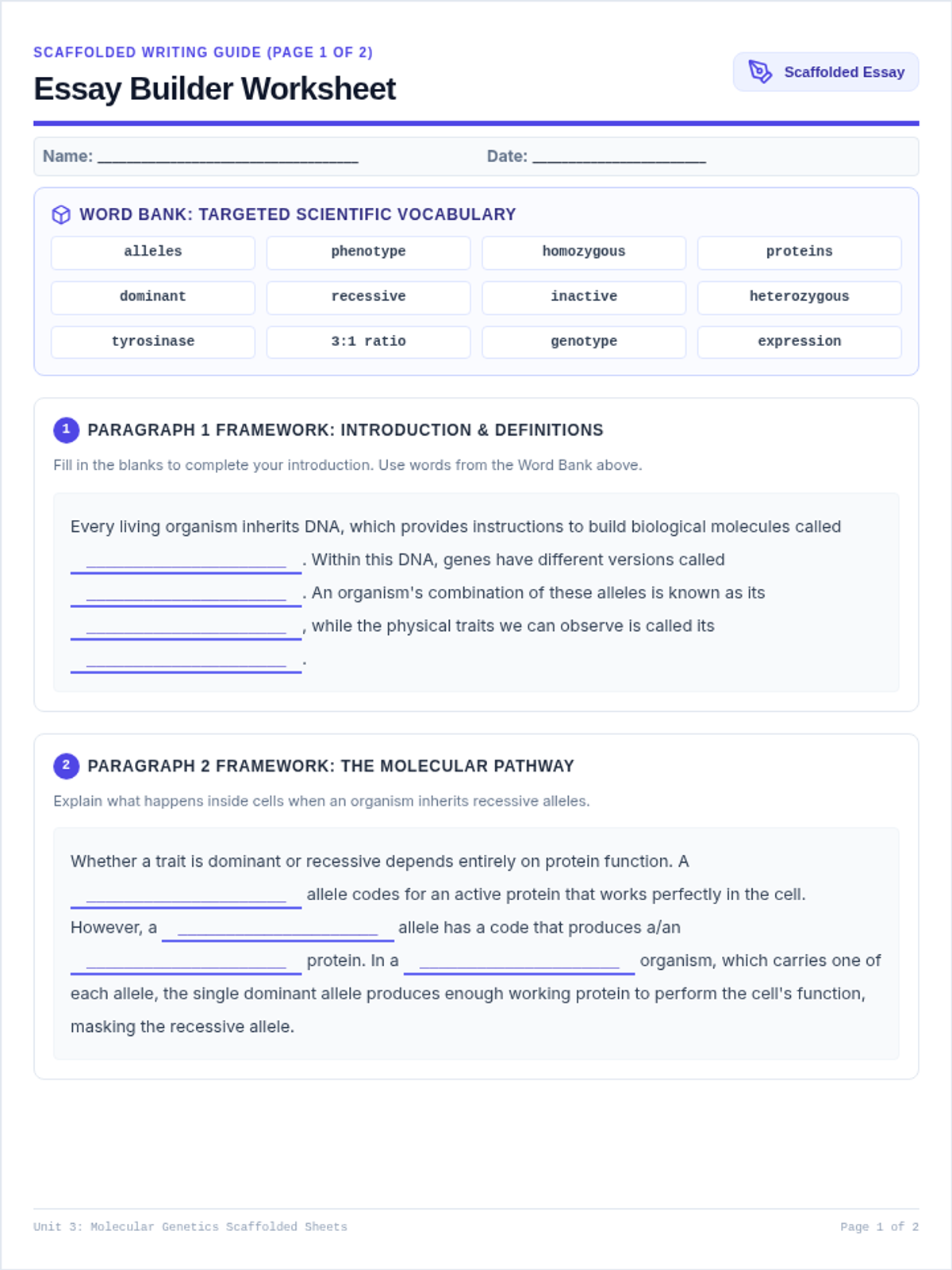
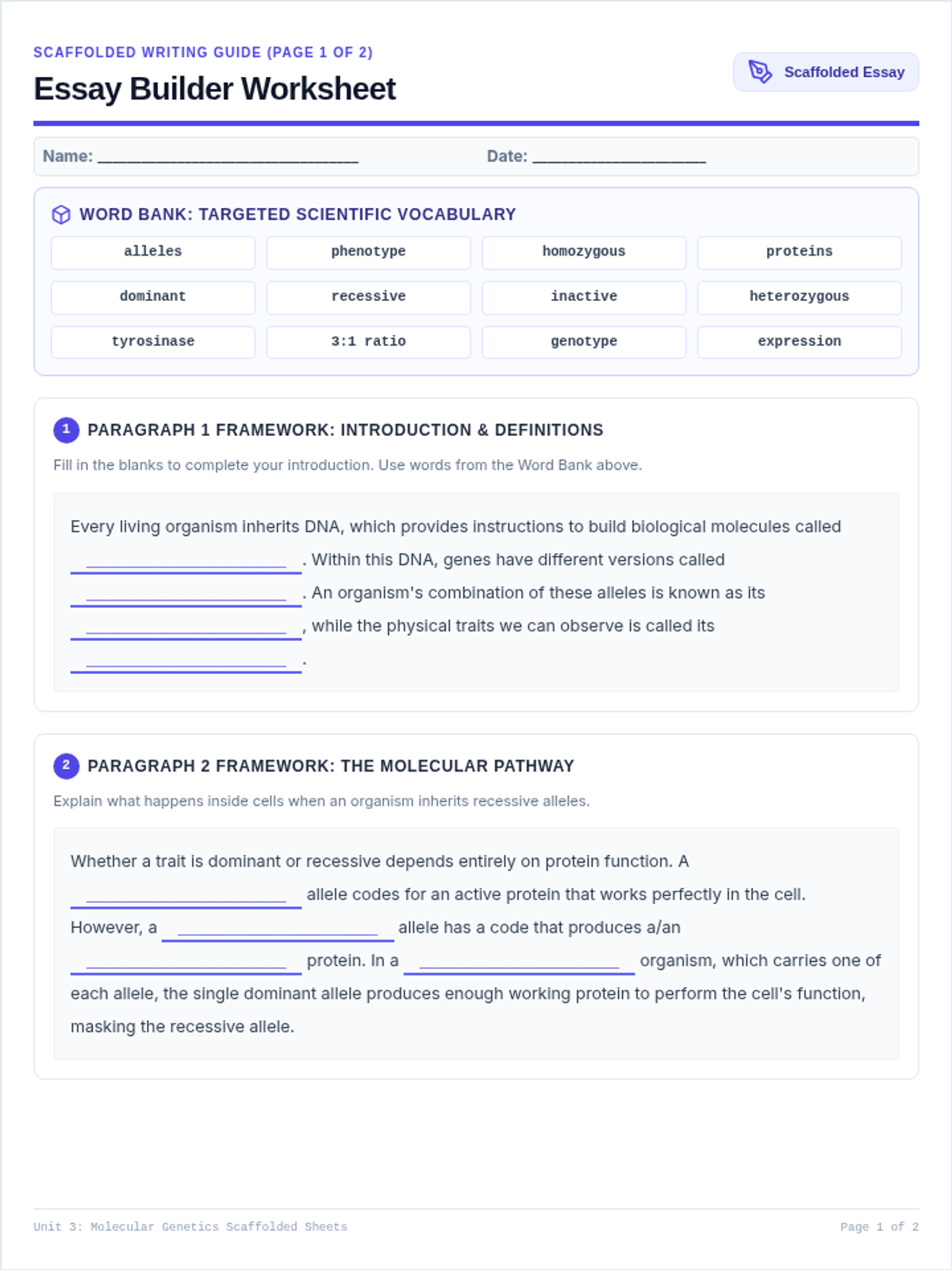
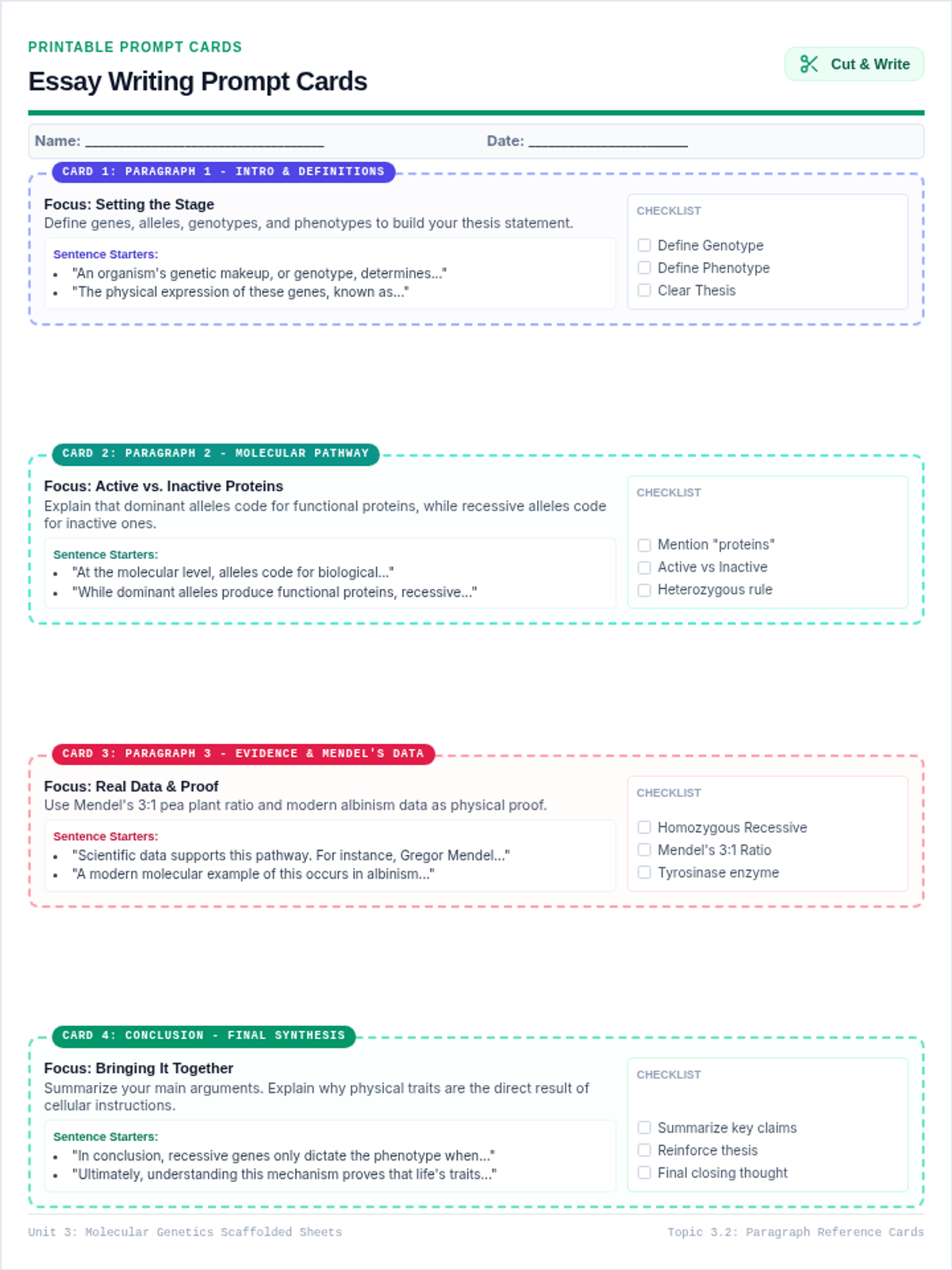
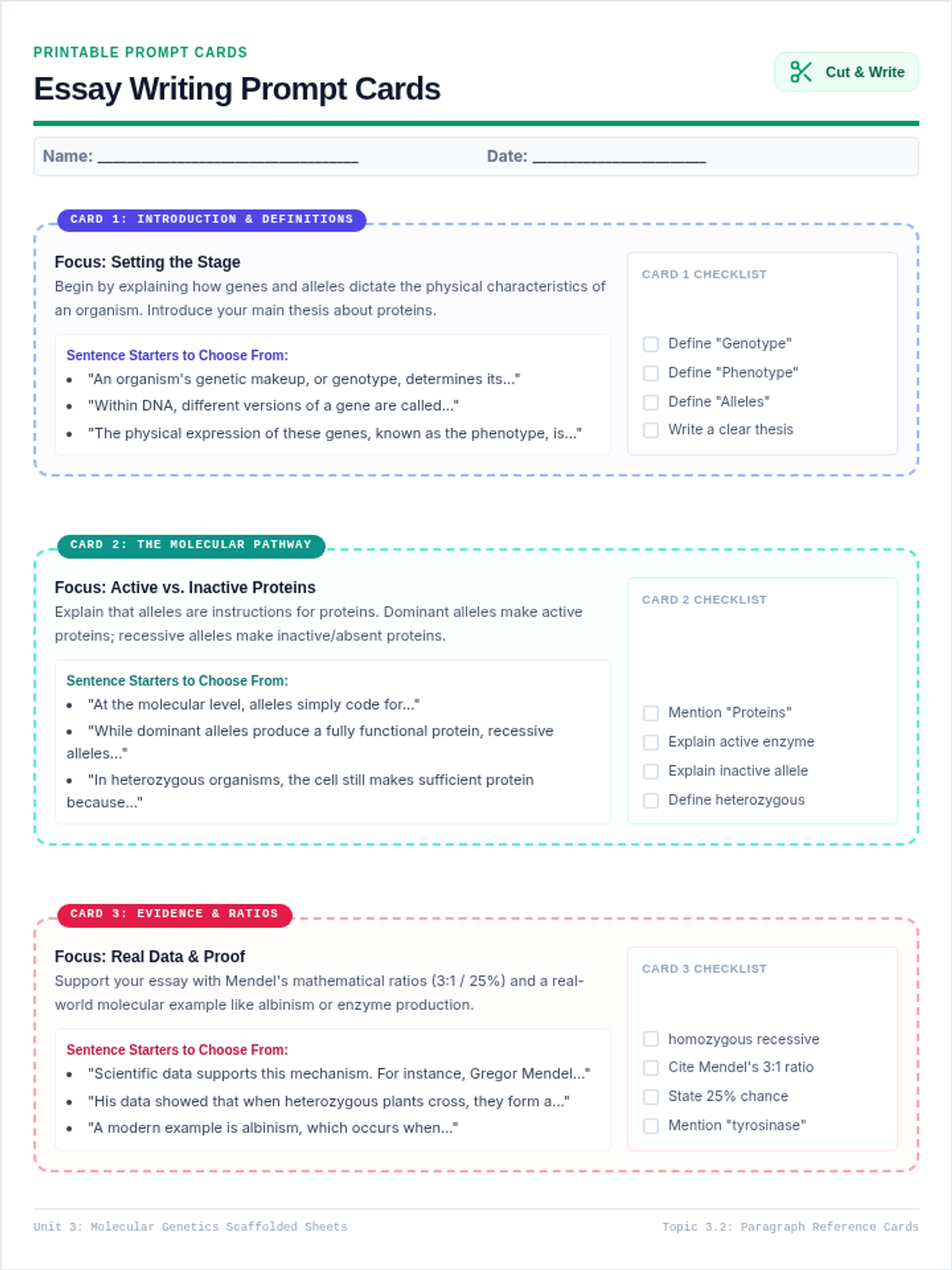
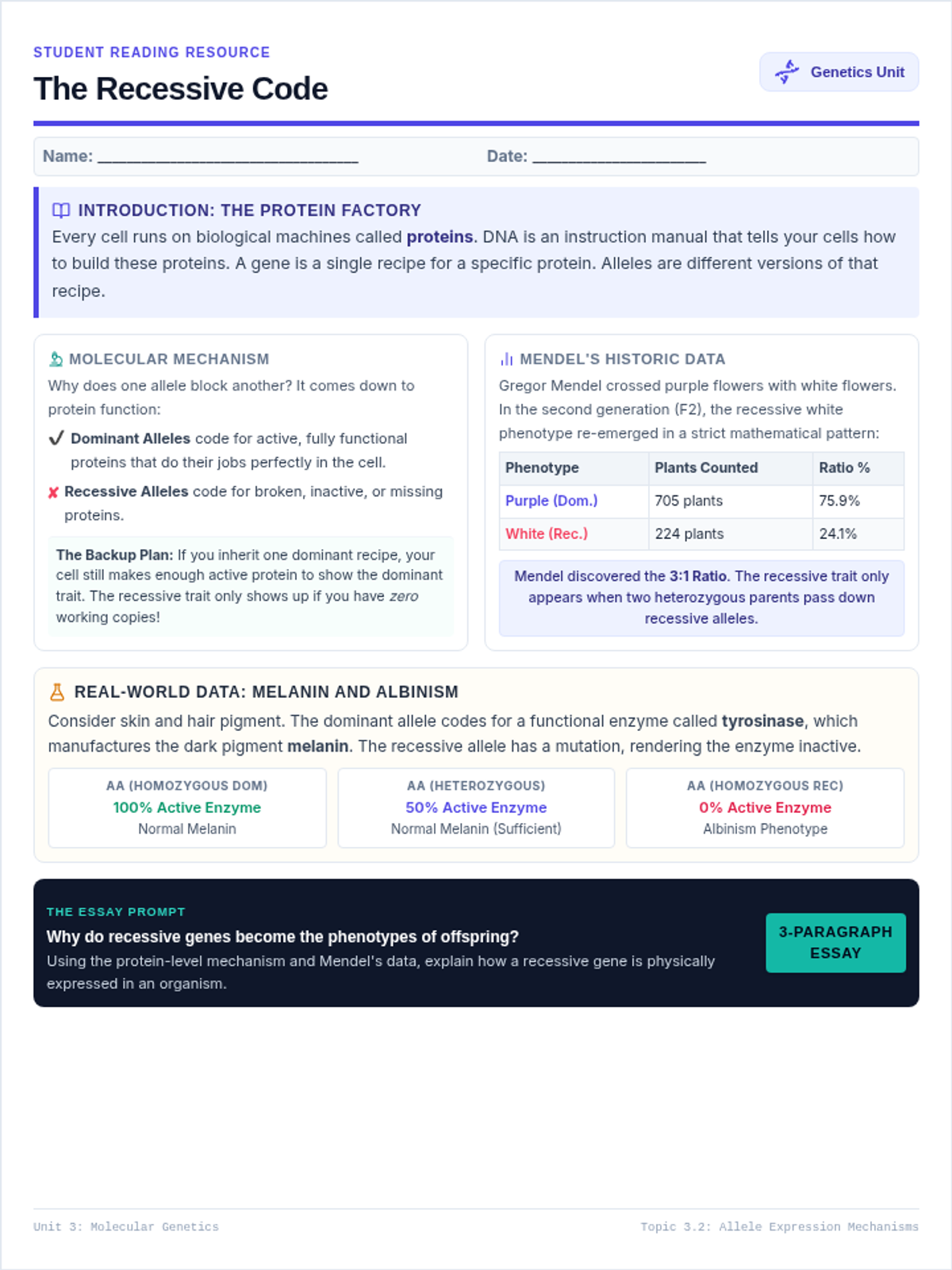
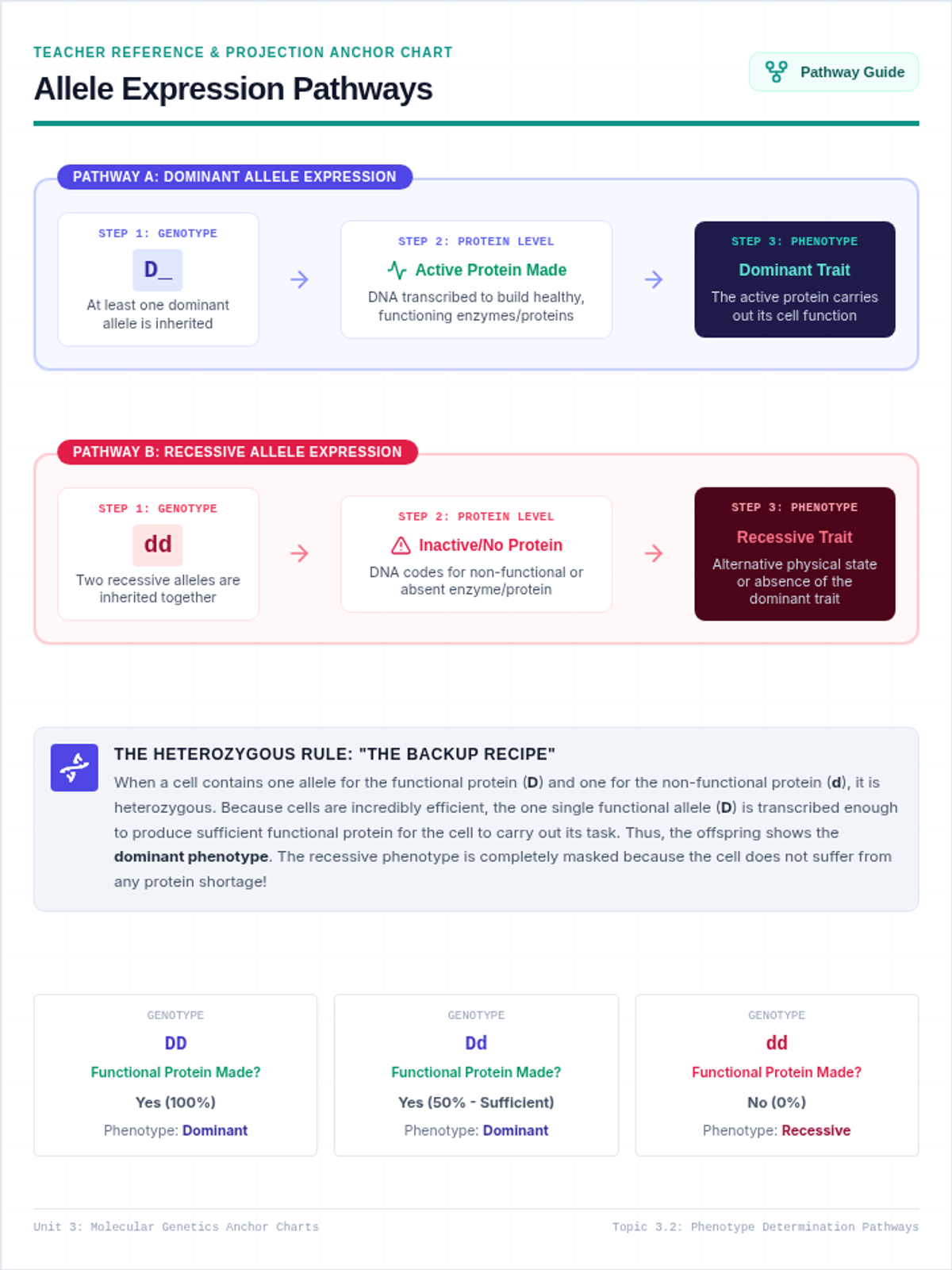
A comprehensive genetics lesson scaffolding the science of recessive gene expression. Students analyze molecular pathways, Mendel's data, and complete a structured three-paragraph essay using visual guides and sentence starters.
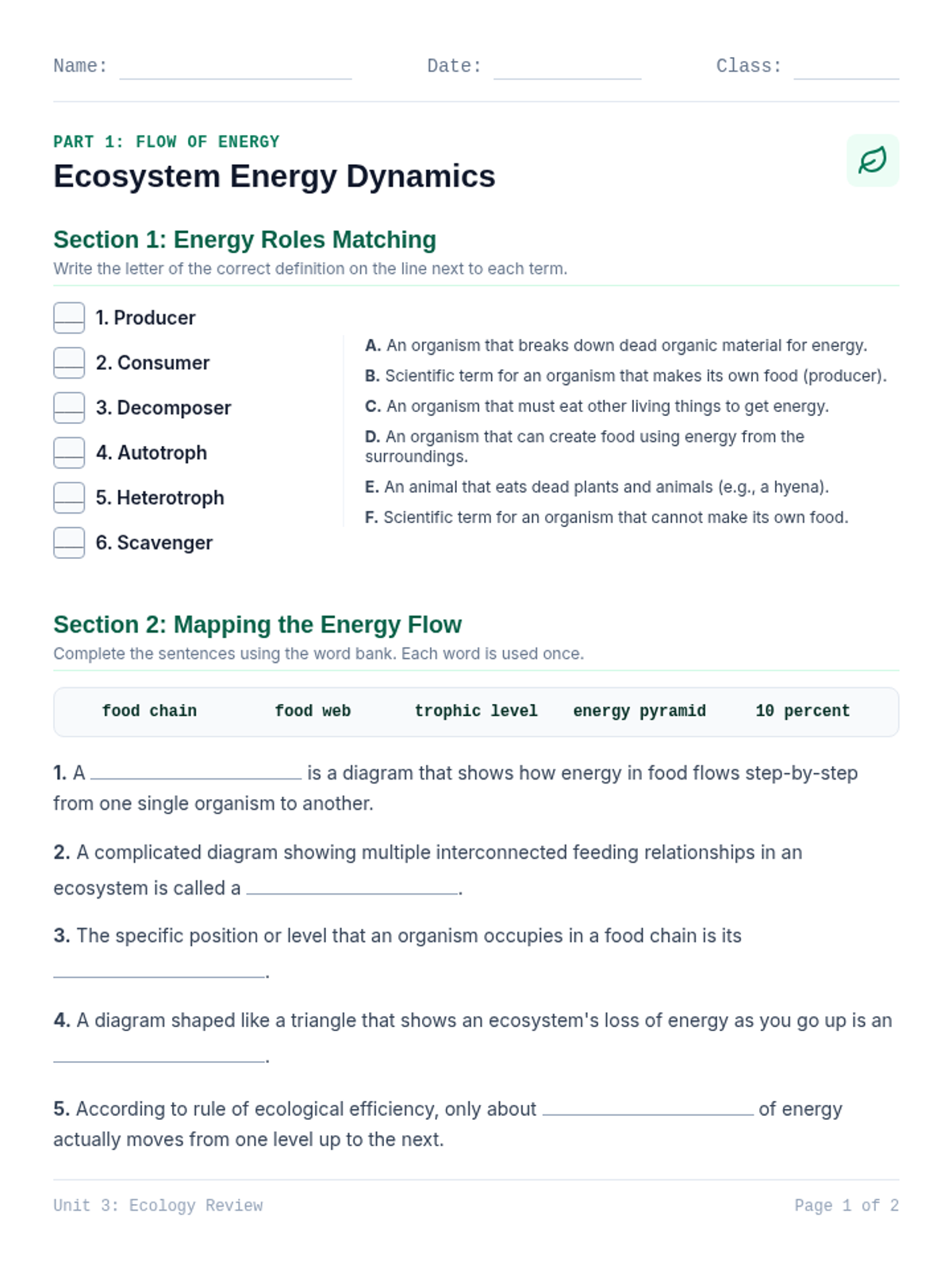
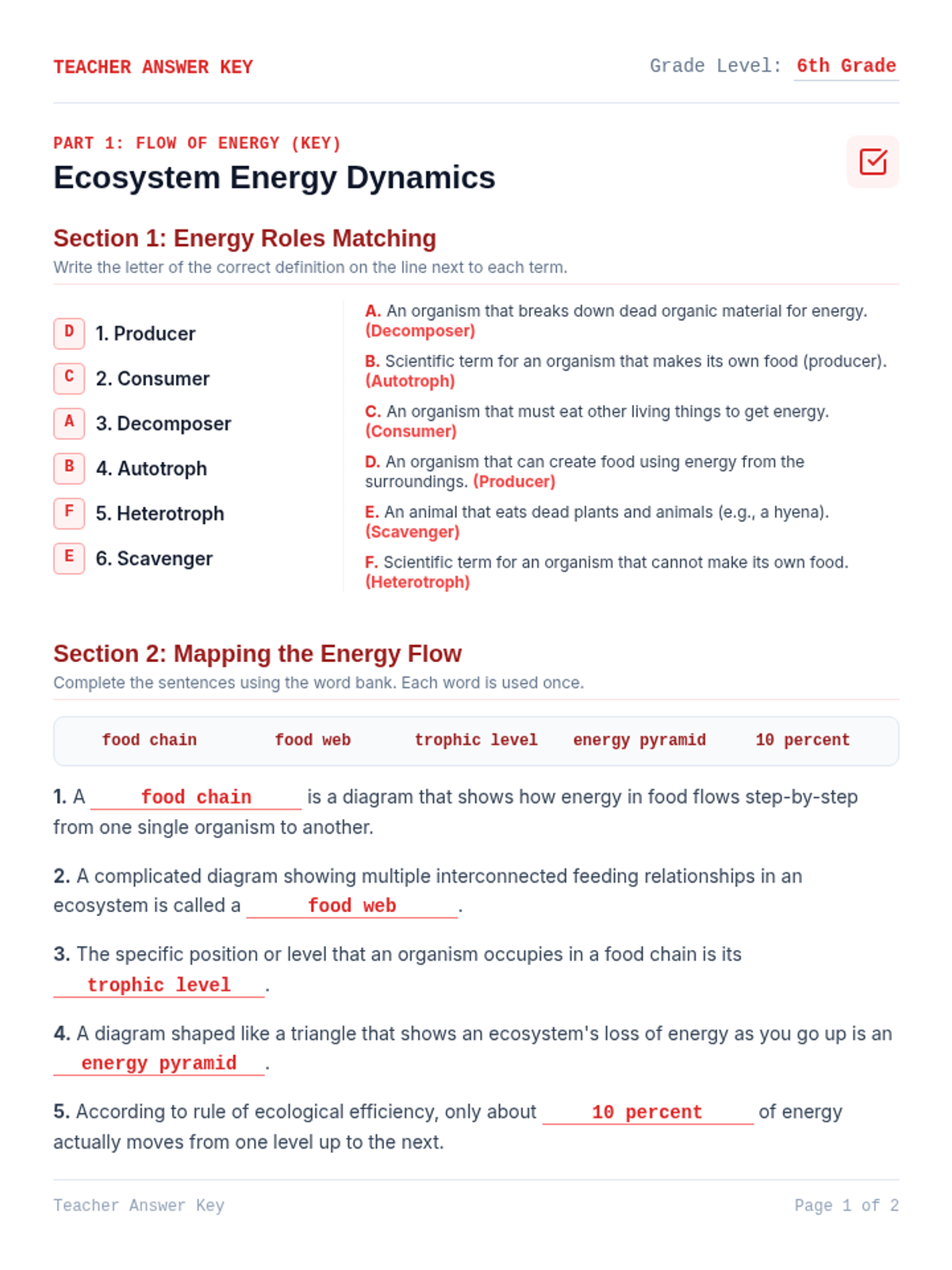
A lesson covering energy flow dynamics (producers, consumers, decomposers, food chains, webs, pyramids) and symbiotic relationships (mutualism, commensalism, parasitism, competition, predator-prey) for sixth-grade students.
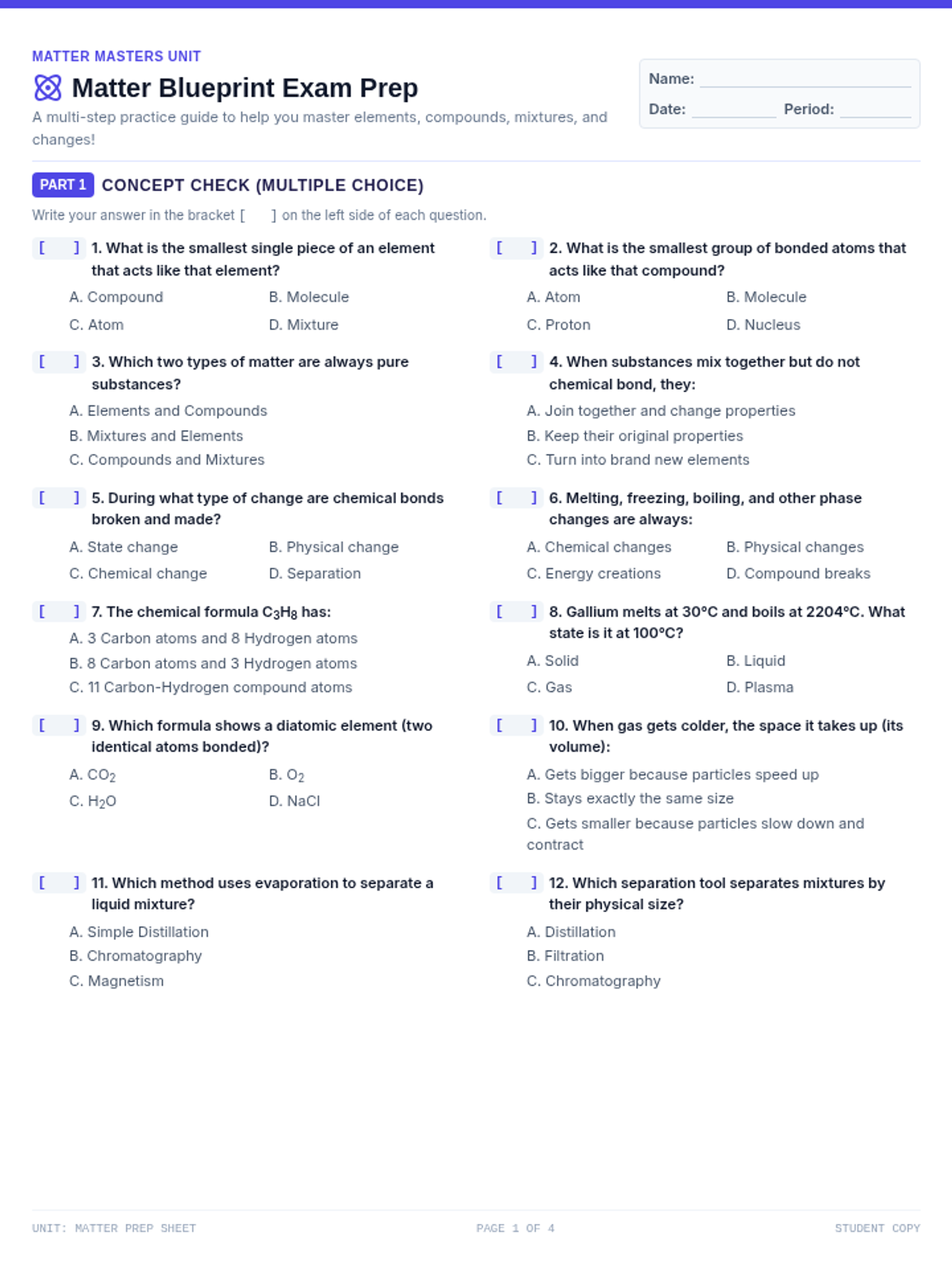
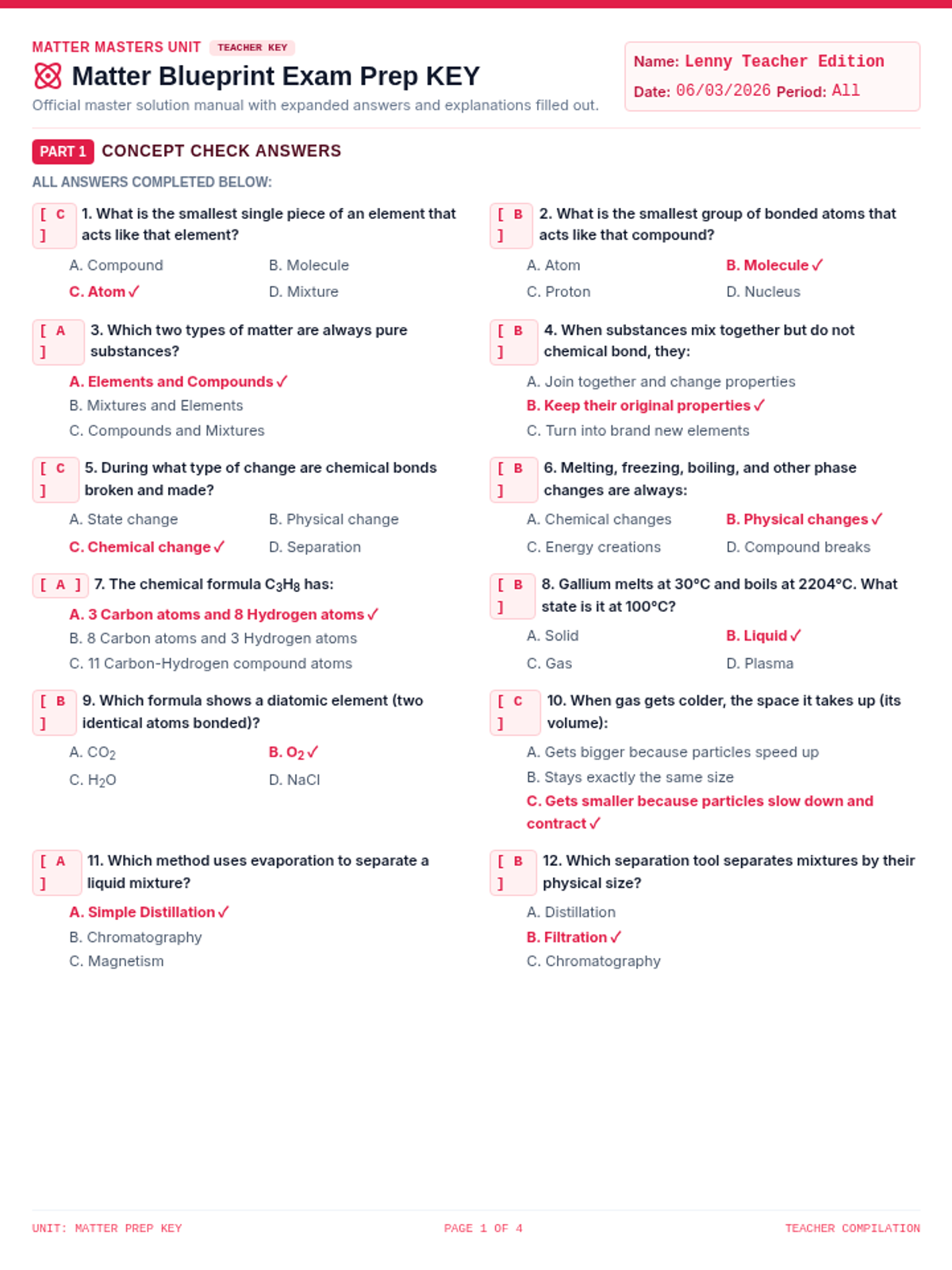
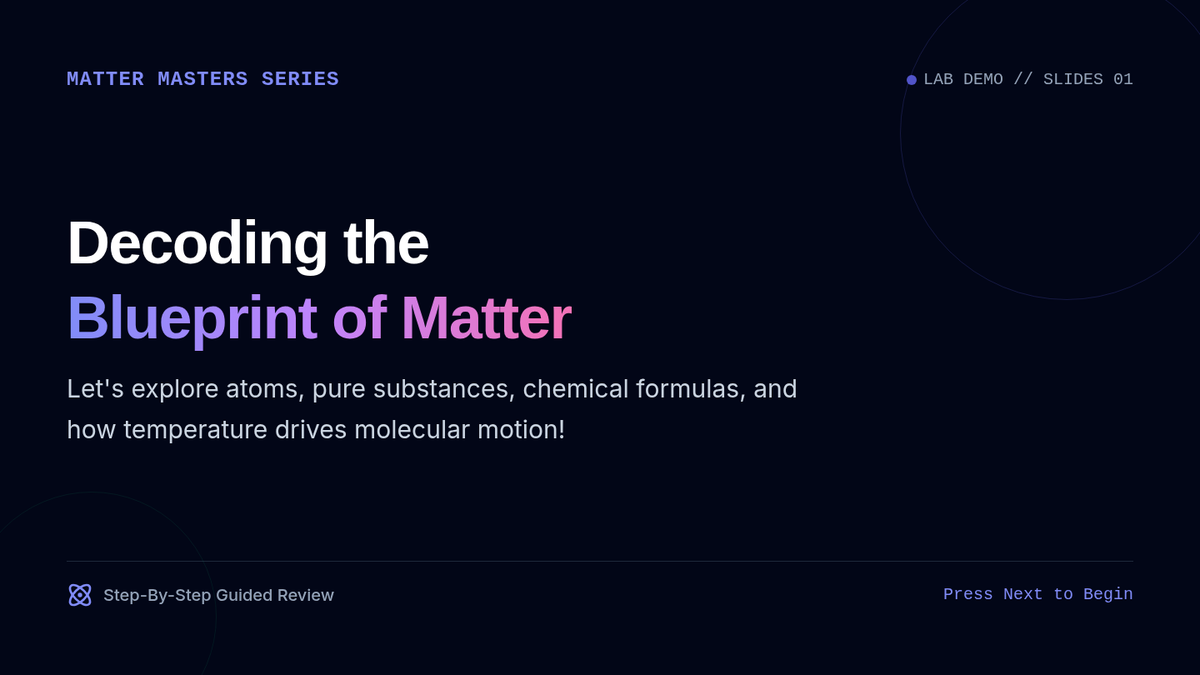
An introductory unit on the properties, classifications, and phases of matter. Students explore elements, compounds, mixtures, phase changes, and chemical reactions through visual and hands-on activities.
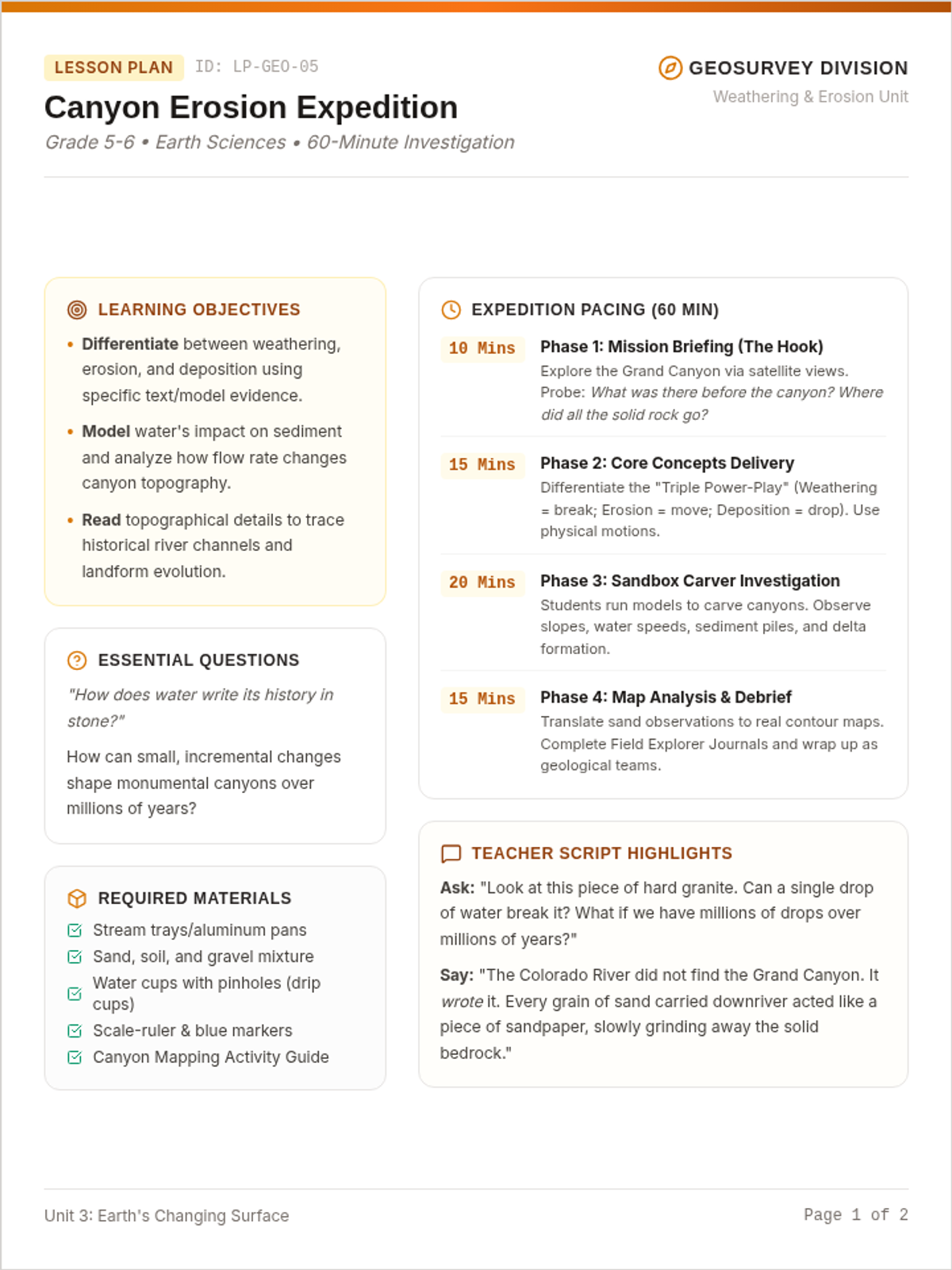
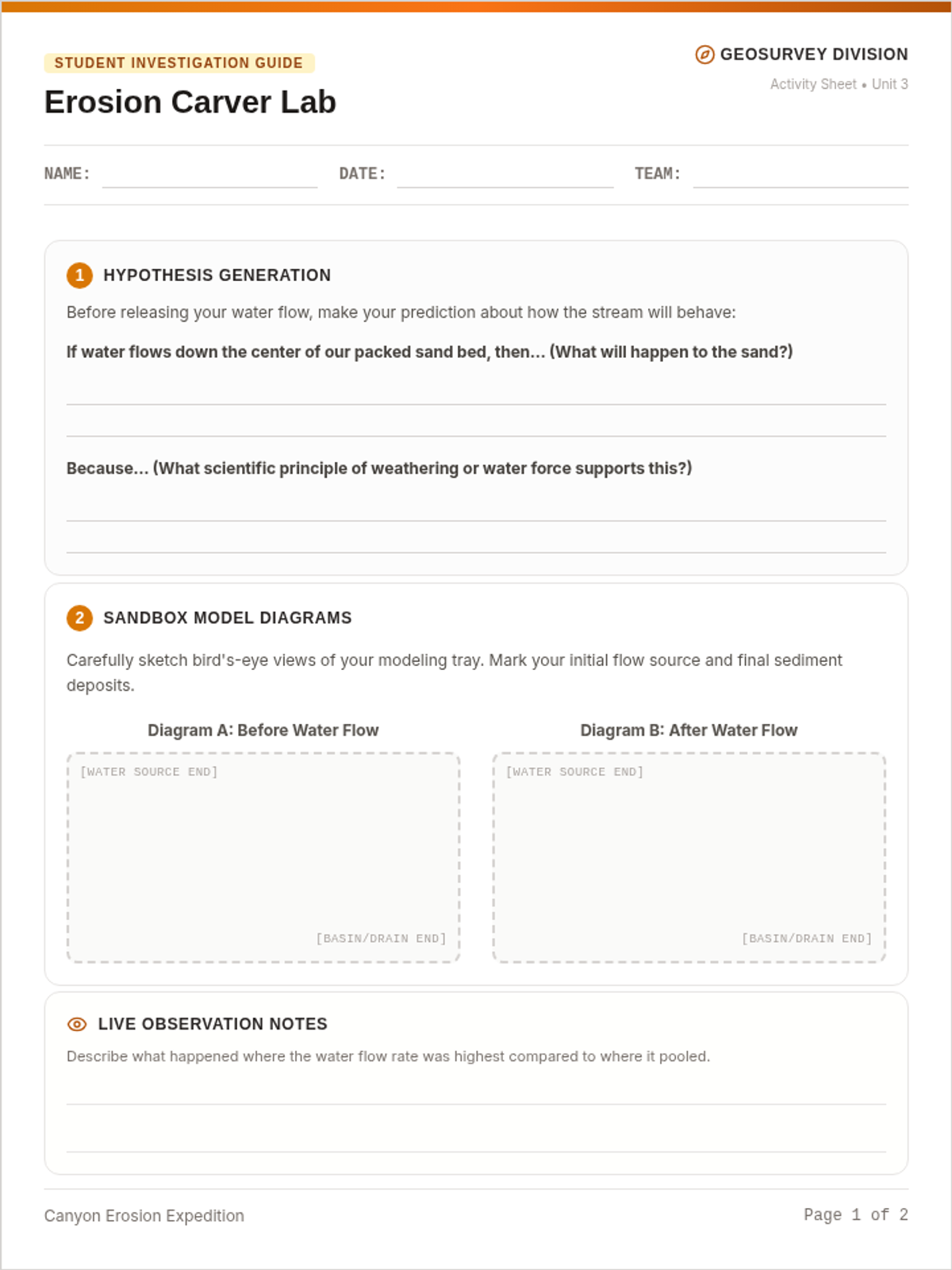
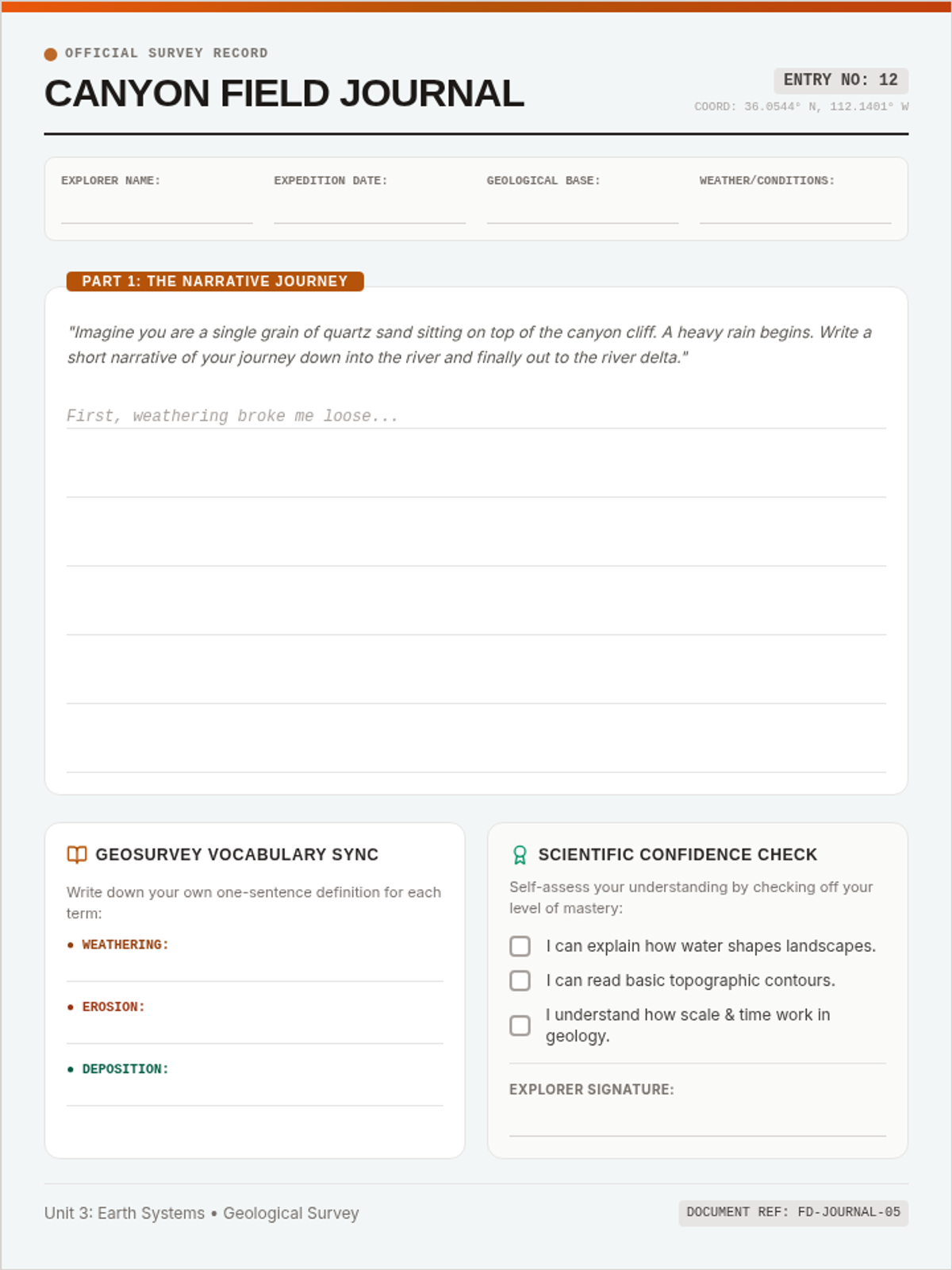
An immersive geological investigation where 5th and 6th-grade students study weathering and erosion. Students analyze canyon maps, model erosional forces, and keep a scientific field journal.
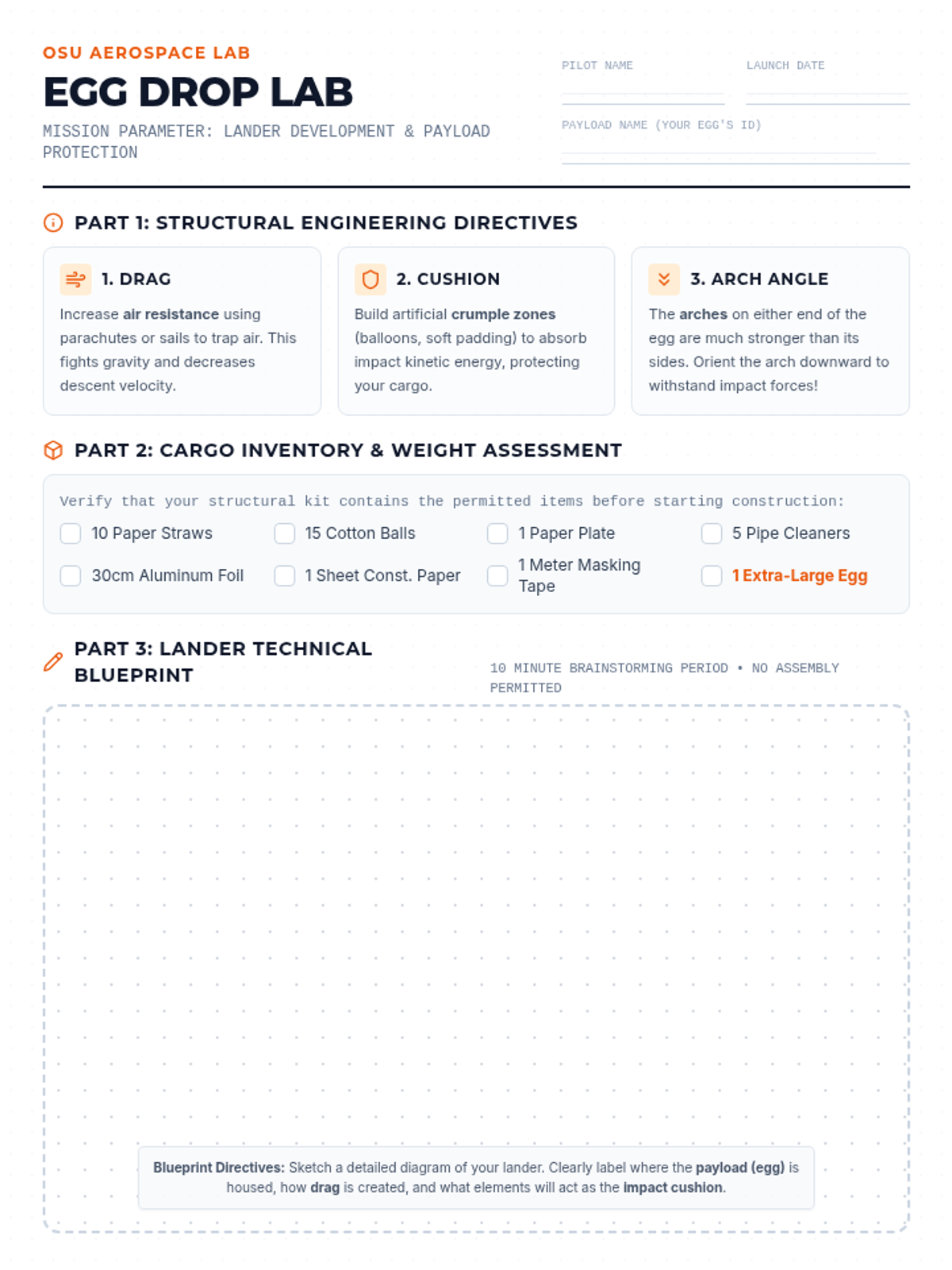
An engaging, hands-on physics and engineering lesson where students design, build, and test protective landing craft for fragile payloads (eggs), exploring forces, deceleration, and structural integrity.
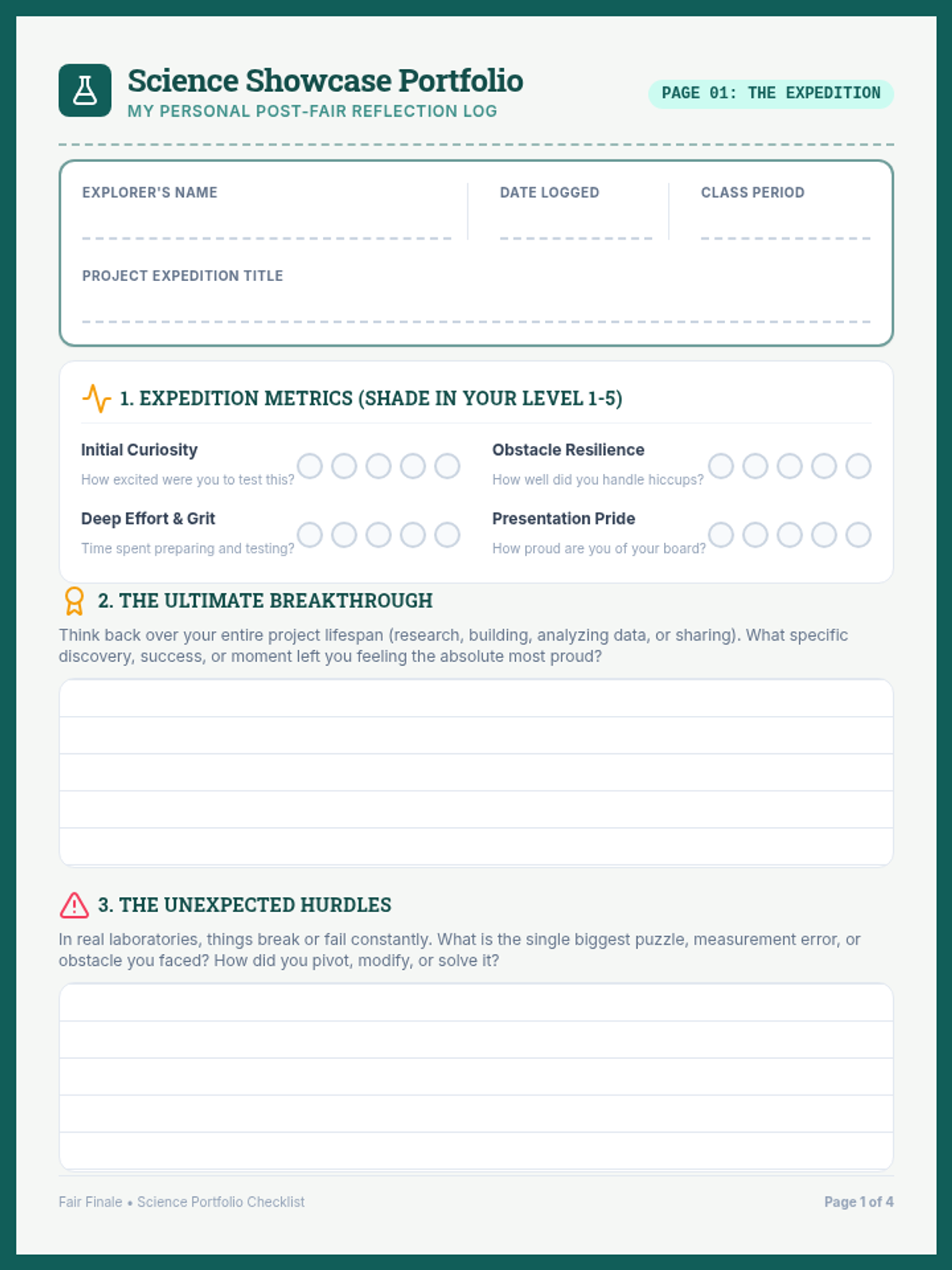
A reflection-focused lesson designed to guide students through evaluating their own science fair projects, reviewing their peers' work, and outlining future experimental improvements.
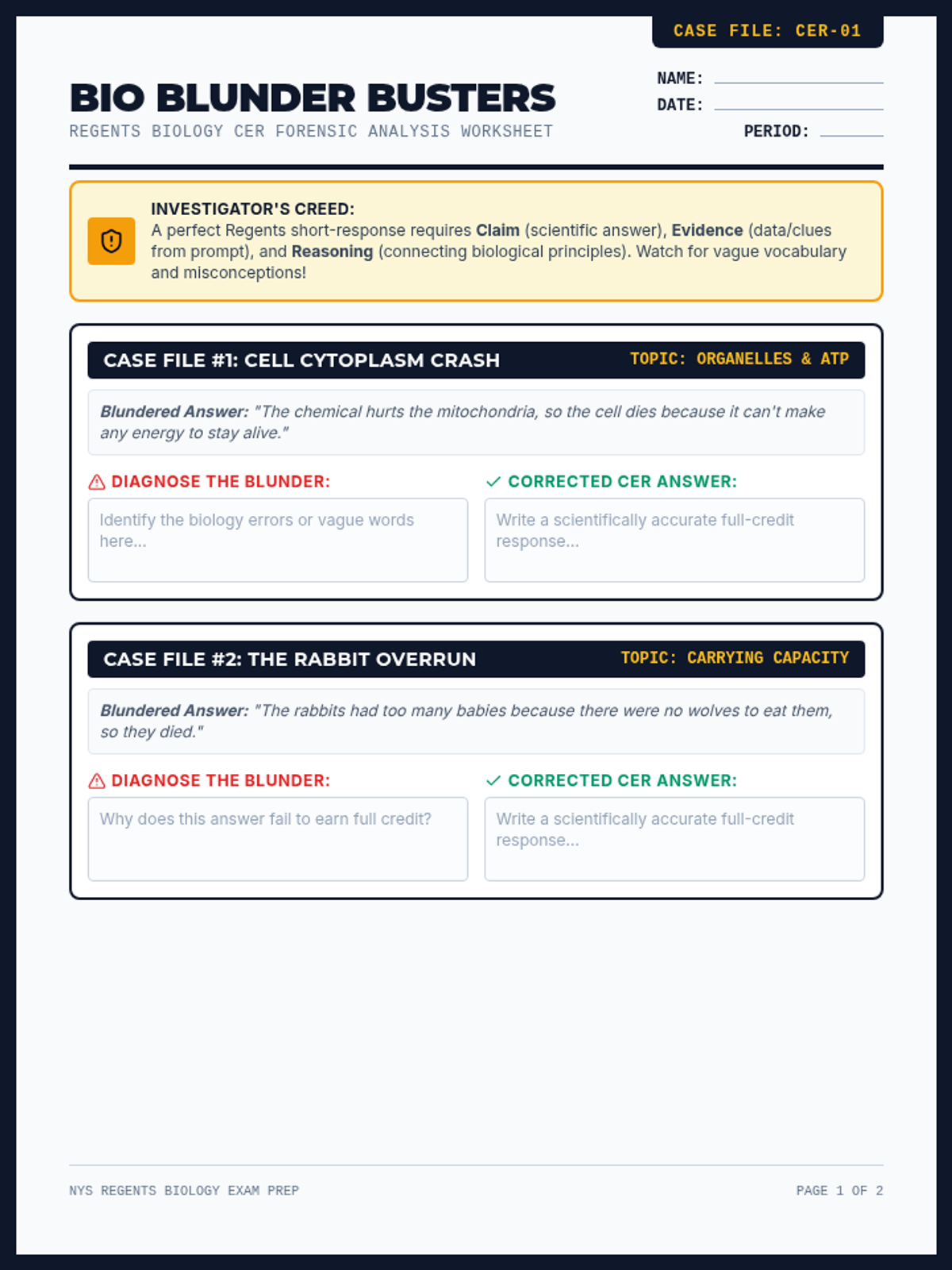
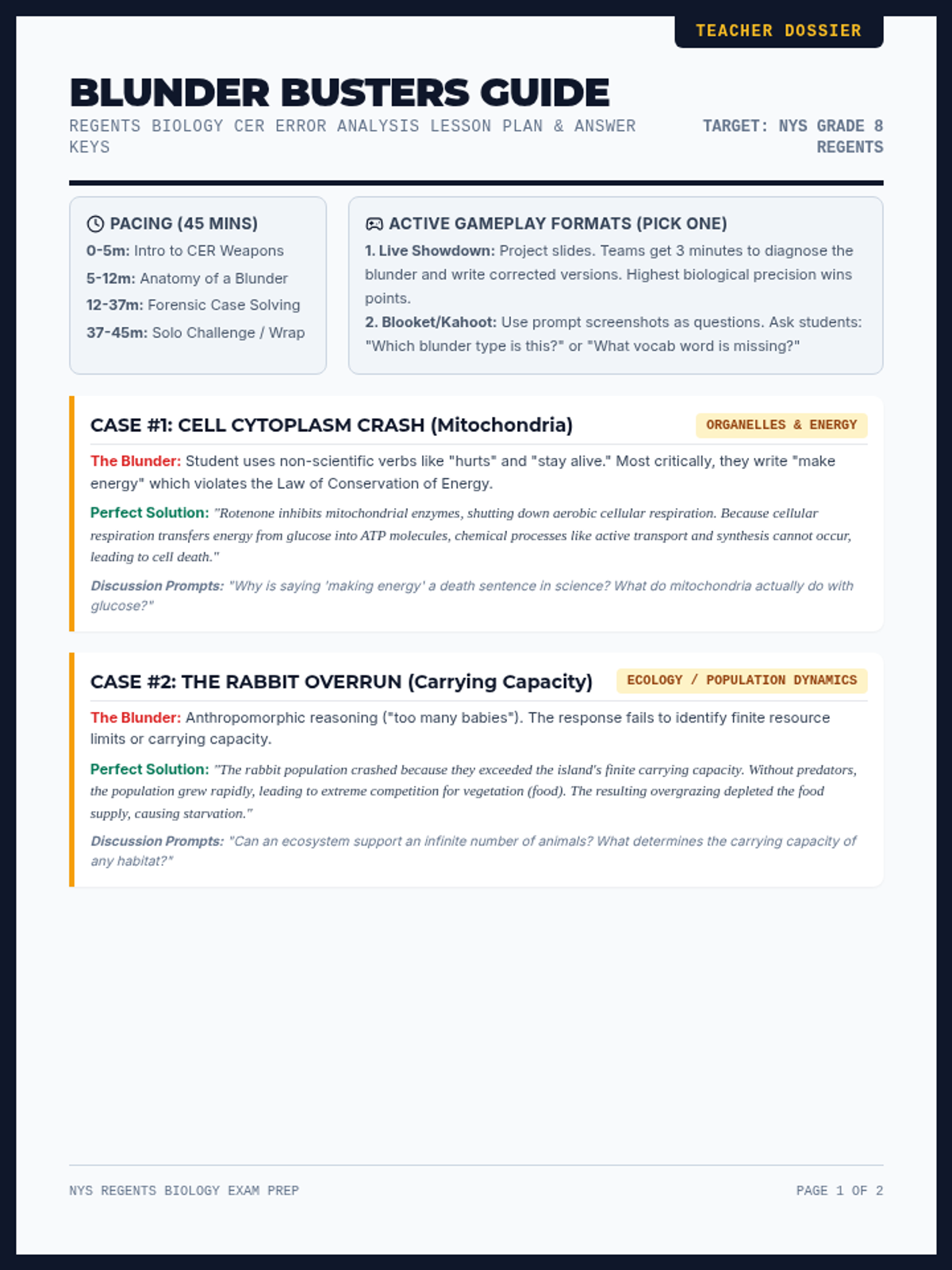
A highly engaging Regents Biology lesson focused on Claim-Evidence-Reasoning (CER) error analysis. Students act as science detectives to identify, analyze, and correct common exam blunders across major biology topics like ecology, cell division, and human impact.
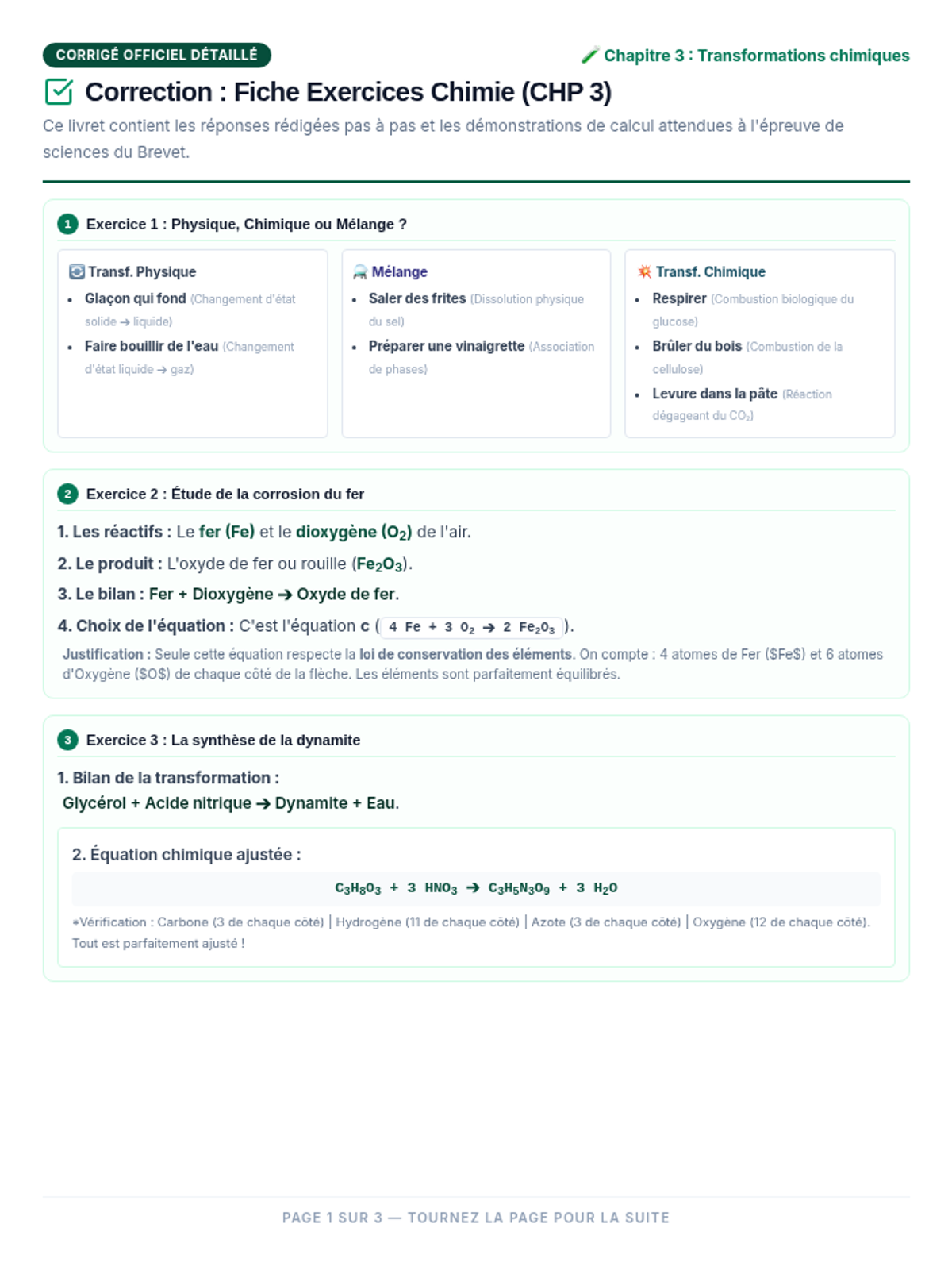
Une leçon complète de physique-chimie de niveau 3ème pour maîtriser les transformations chimiques, la conservation de la masse, les équations de réaction, le pH et la rédaction de protocoles expérimentaux pour le Brevet.
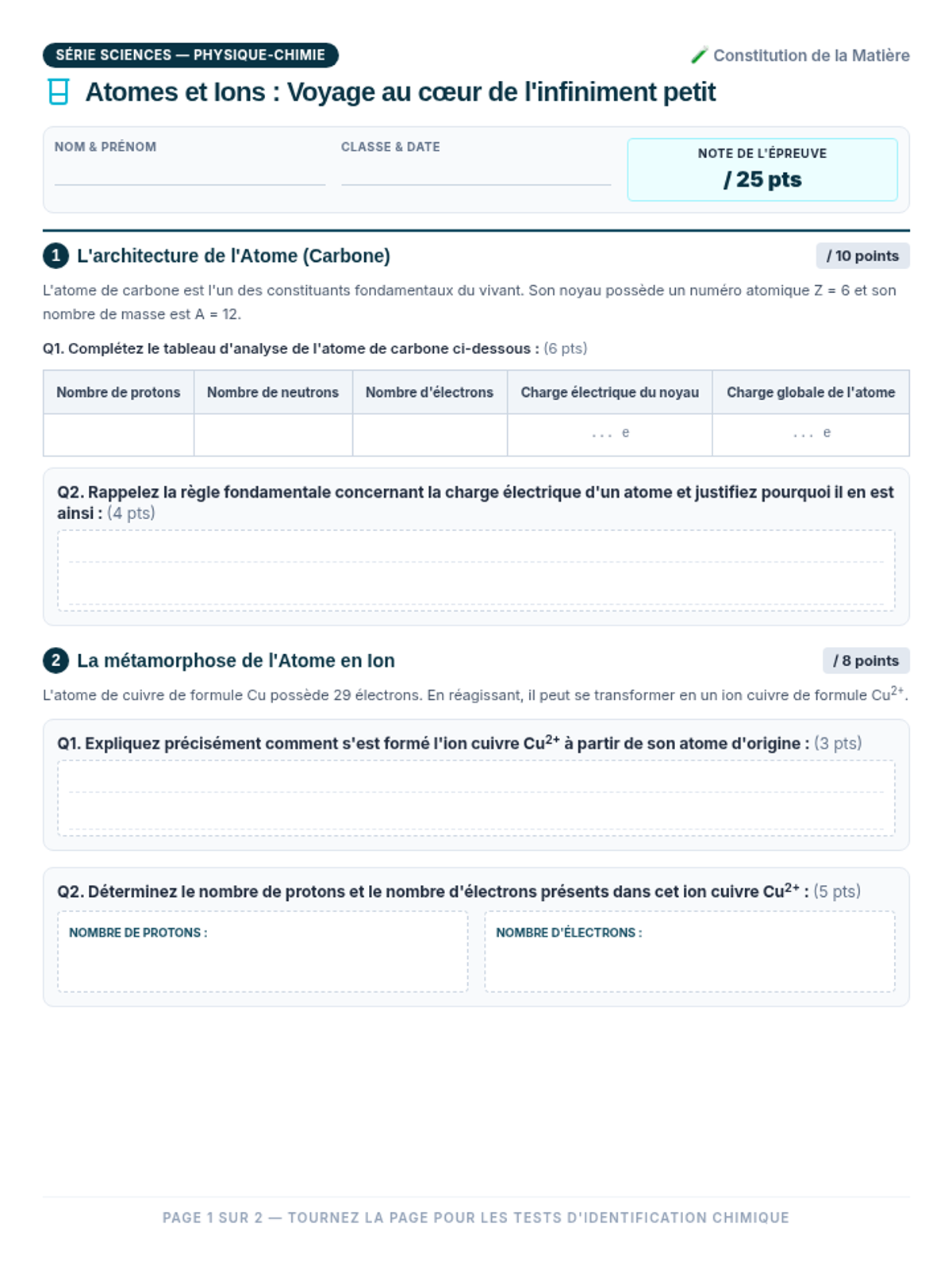
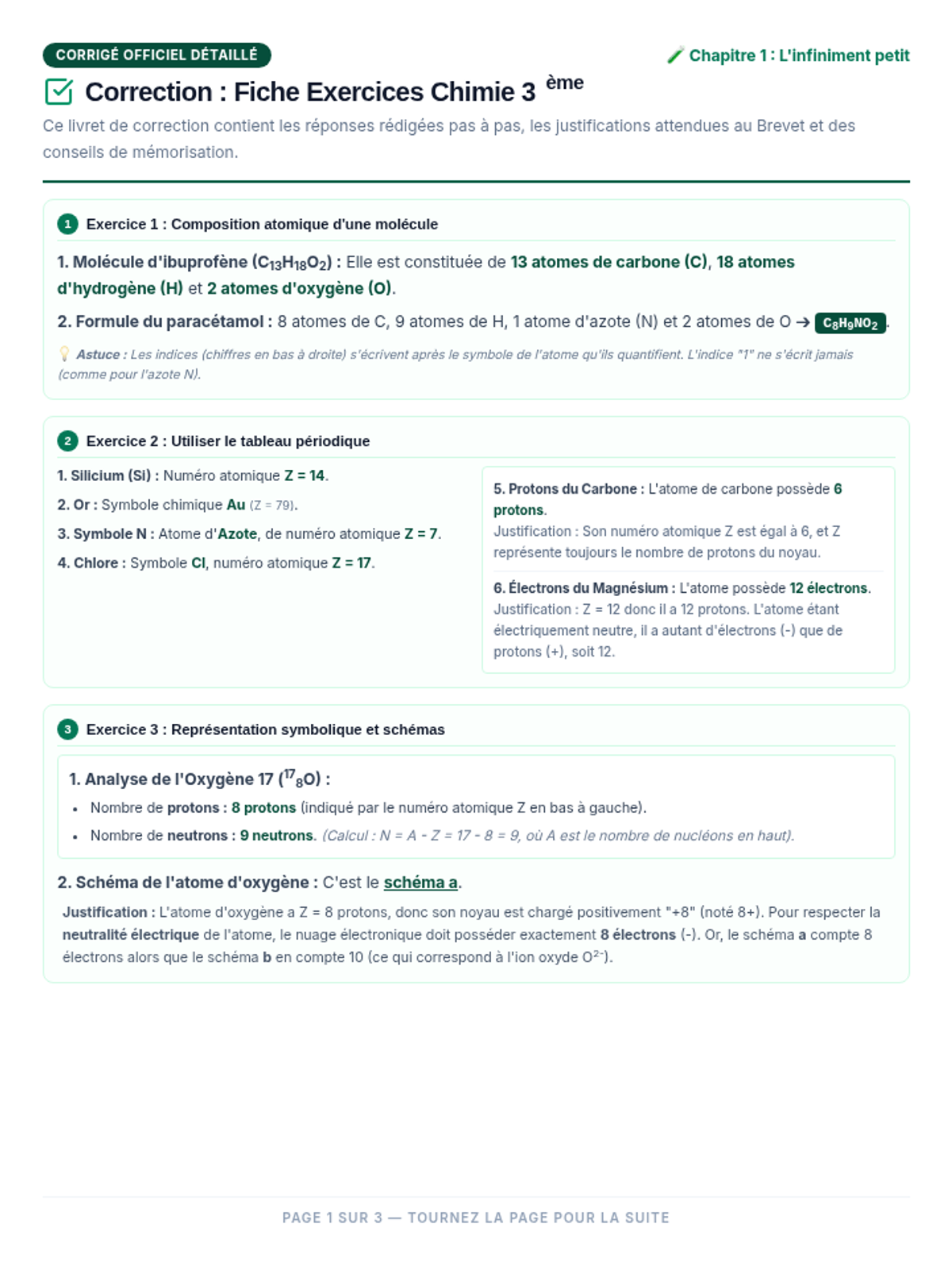
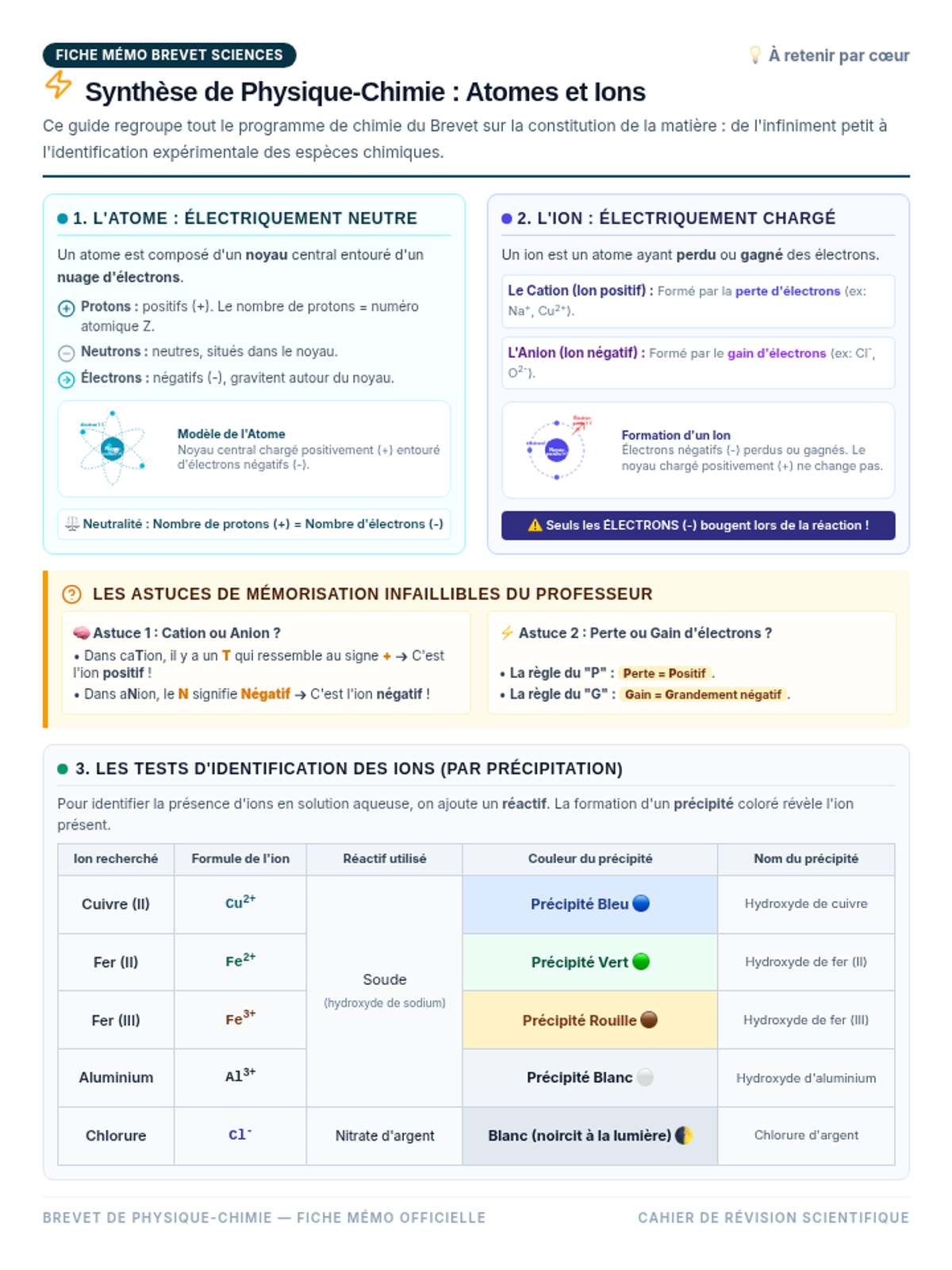
Une leçon de physique-chimie de niveau 3ème pour maîtriser la structure des atomes, la formation des ions et les tests d'identification chimique du Brevet.
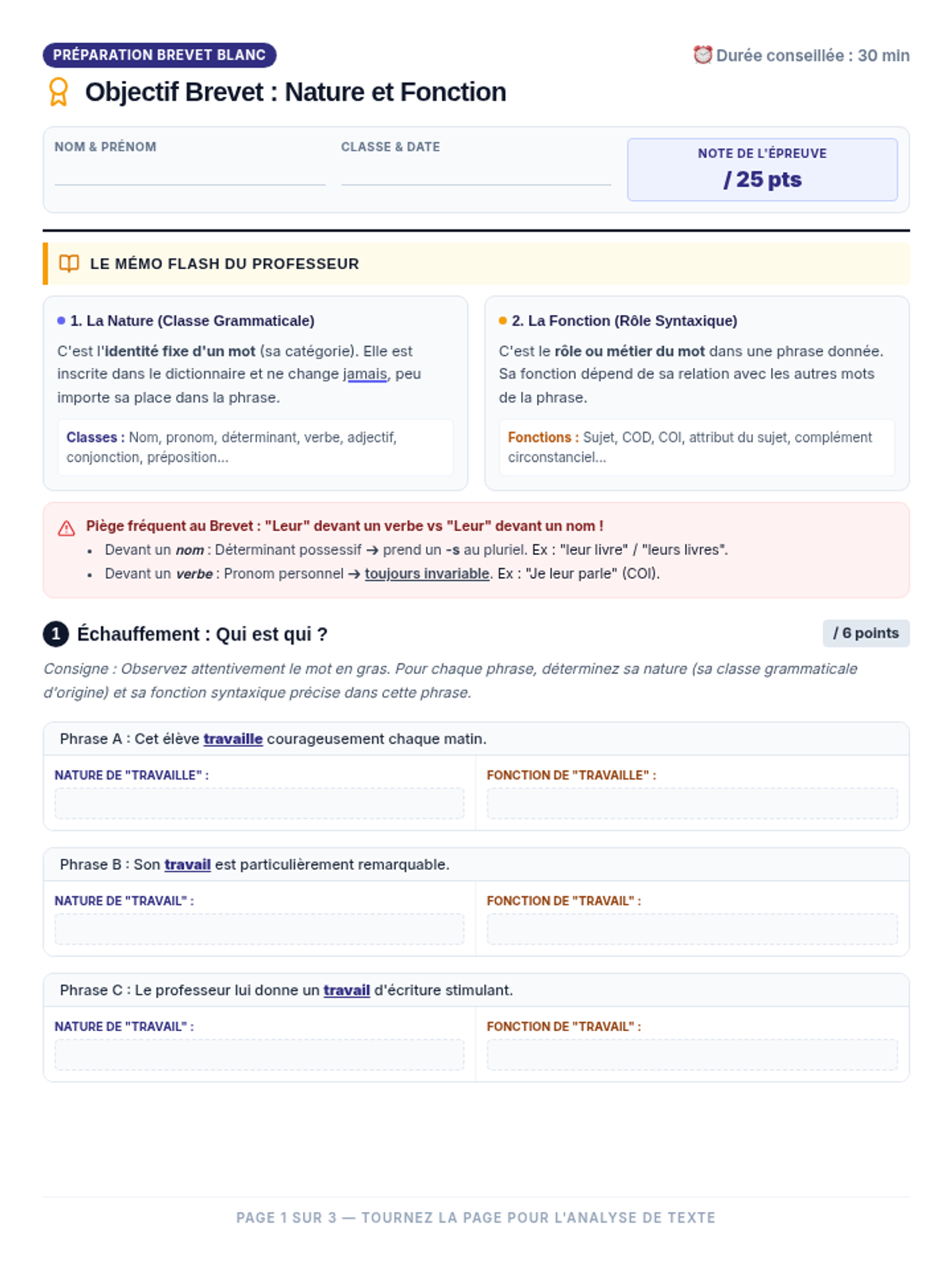
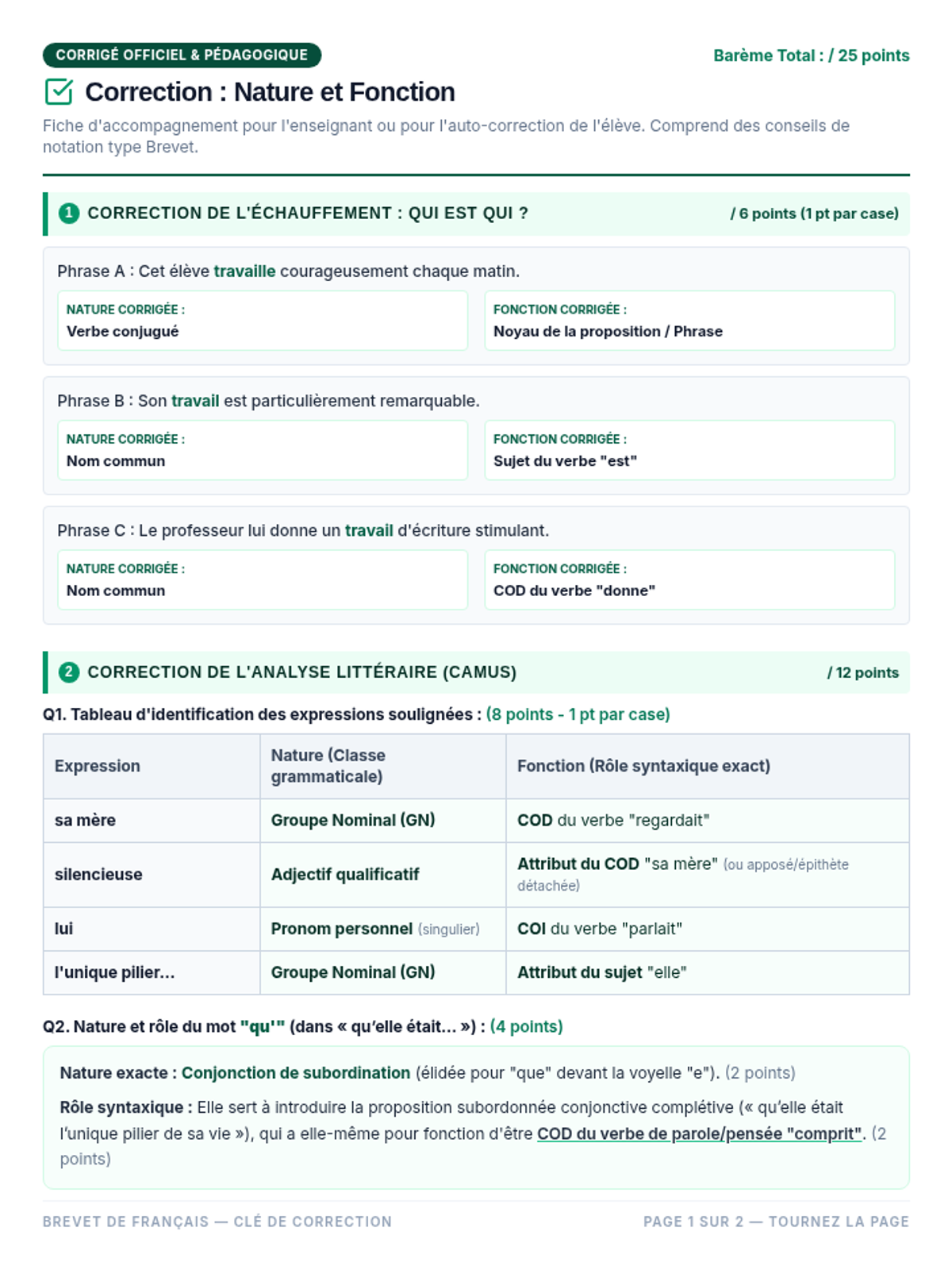
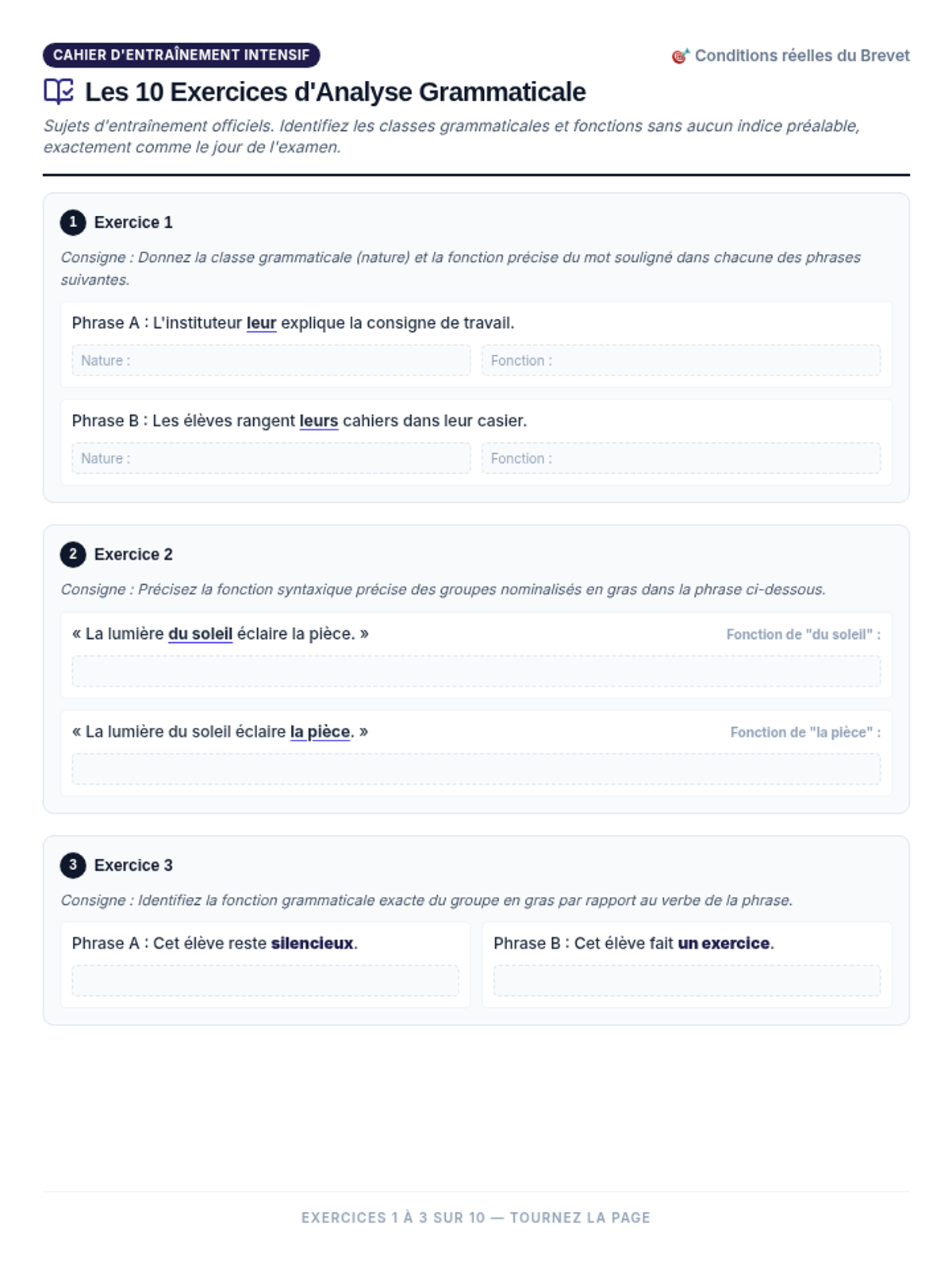
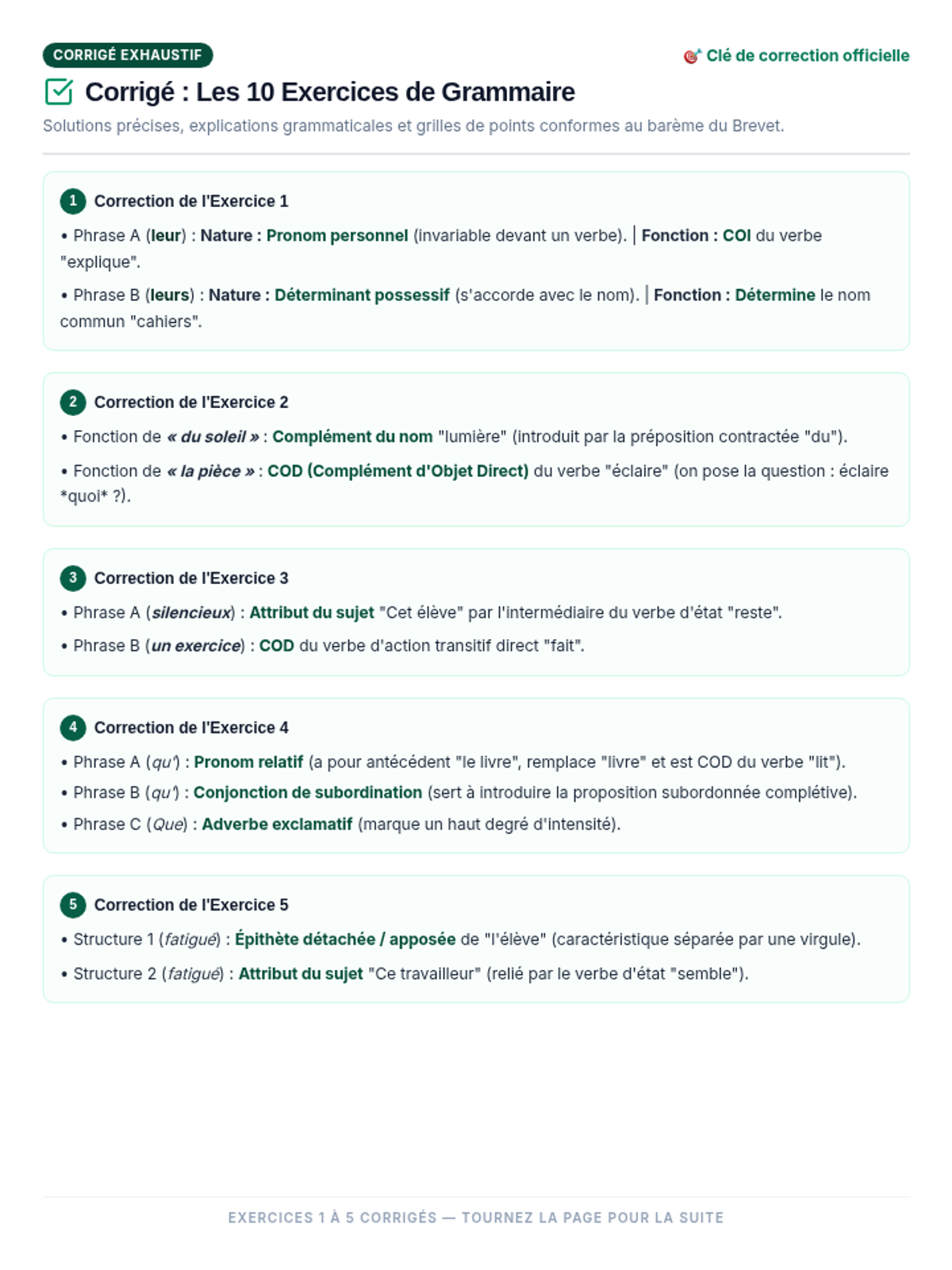
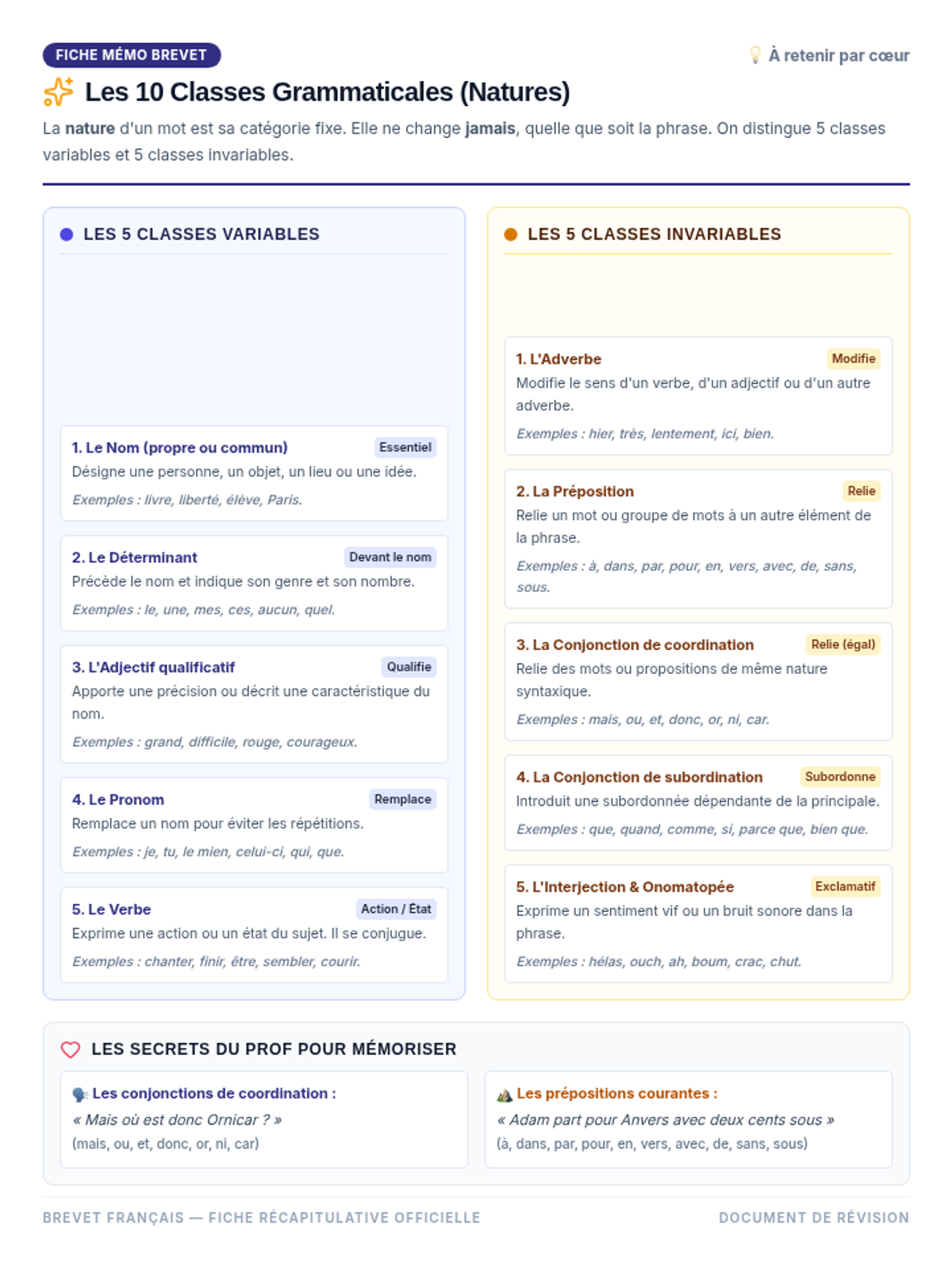
Séance d'entraînement intensive de 30 minutes conçue par un professeur pour maîtriser la distinction cruciale entre nature et fonction au brevet de français, accompagnée de sa correction détaillée.