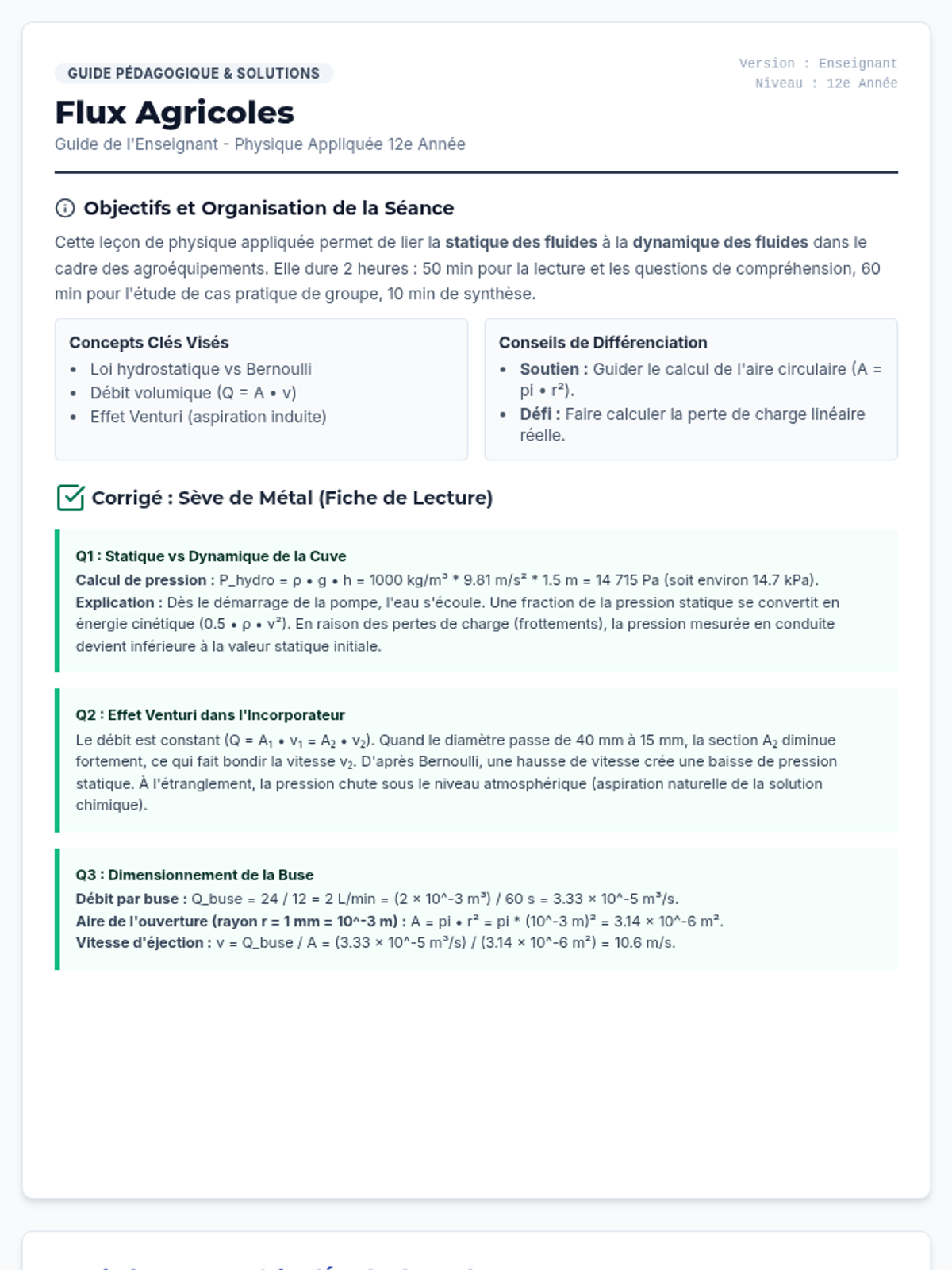
Students synthesize their learning to analyze why engineering designs cannot simply be scaled up indefinitely. They review historical engineering failures caused by ignoring scaling laws.
A two-block exploration of animal systems, focusing on homeostasis, nutrient absorption, reproduction, and defense mechanisms.
A two-block investigation into plant tissue systems, vascular transport, reproductive adaptations, and environmental responses.
Students analyze the relationship between chemical structure, mode of delivery, and addiction potential using the 'Speed of Delivery' concept. The lesson features a comparative analysis of substances like heroin vs. morphine and vaping vs. nicotine patches to understand the biological 'why' behind addiction.
This lesson connects behavioral symptoms of schizoaffective disorder to neurotransmitter imbalances and explores the pharmacological mechanisms of antipsychotics and mood stabilizers through research and diagramming.
A clinical diagnostic workshop for nursing and pre-med students focused on applying DSM-5 criteria to differentiate schizoaffective disorder from other mood and psychotic disorders. Students analyze patient case studies and use evidence-based criteria to reach accurate diagnoses.
A 6th-8th grade science and health lesson exploring neuroplasticity through a hands-on yarn simulation and a video-based discussion. Students learn how neural pathways strengthen through use and dissolve through neglect.
This lesson explores the dual approach to treating the five major anxiety disorders, focusing on the physiological mechanisms of medications (SSRIs, Benzos, Beta-blockers) and the cognitive-behavioral shifts of psychotherapy. Students will analyze the 'tandem' treatment model to understand why biological and psychological interventions are often used together for optimal patient outcomes.
Students investigate the intersection of neurobiology and external substances, analyzing how drugs and hormones alter neurotransmitter function to change a person's perception of reality.
This lesson explores the neurological basis of the optimism bias, focusing on the role of the Inferior Frontal Gyrus in belief updating. Students analyze fMRI and TMS data from Tali Sharot's research and simulate a research group to design follow-up experiments while critiquing current neuro-intervention methodologies.
A high-level genetics lesson exploring how environmental factors like maternal care and stress trigger epigenetic modifications that influence gene expression across generations. Students analyze the classic Meaney rat study to understand the molecular mechanisms beyond DNA sequences.
An undergraduate-level neuroscience lesson exploring the physiological and cellular impacts of chronic stress on the brain, specifically focusing on the HPA axis, cortisol-induced neurotoxicity, and the role of BDNF in neuroplasticity.