An introductory lesson on the various methods used to extract minerals and resources from the Earth, covering surface, underground, placer, and in-situ mining techniques.
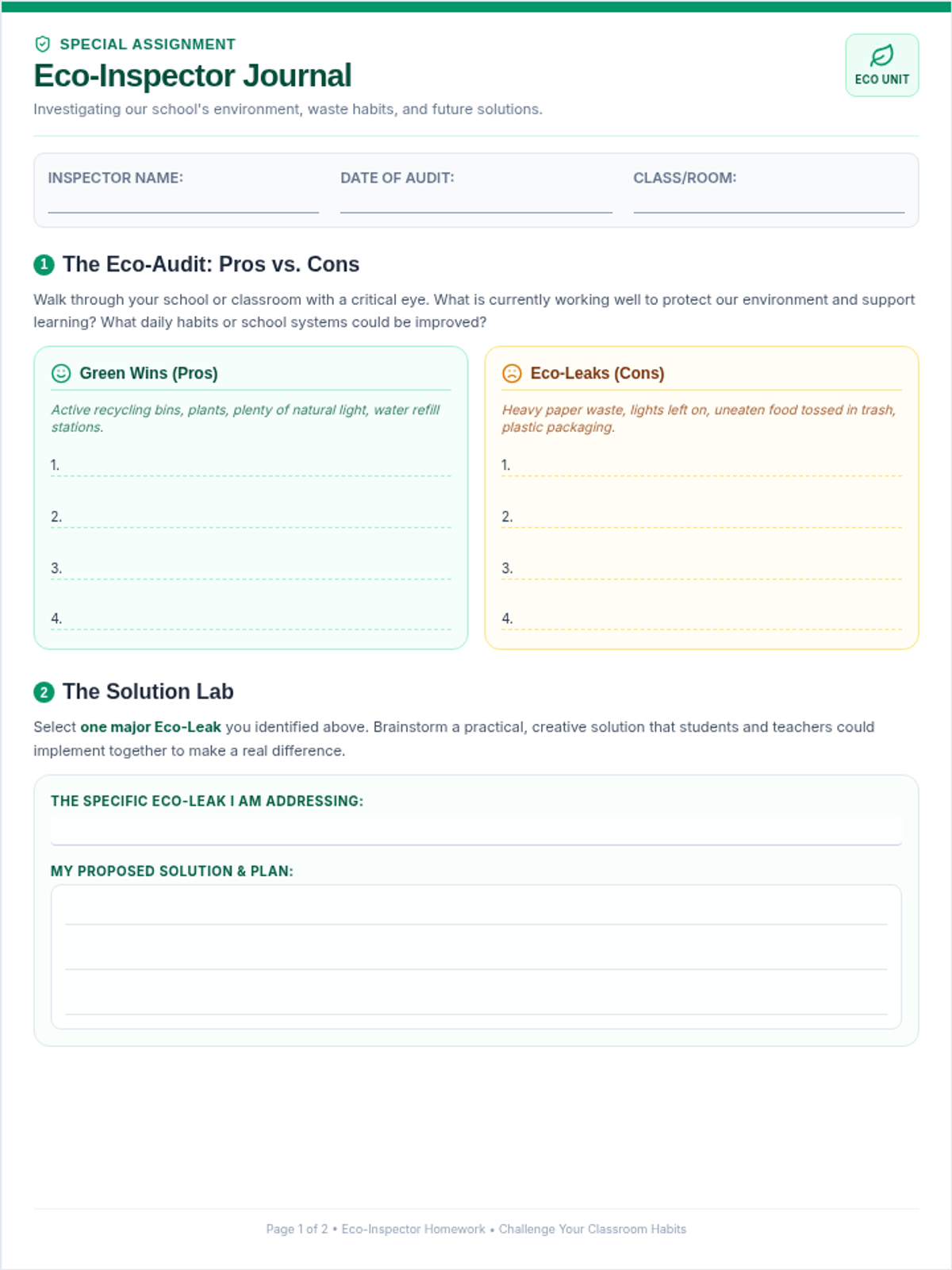
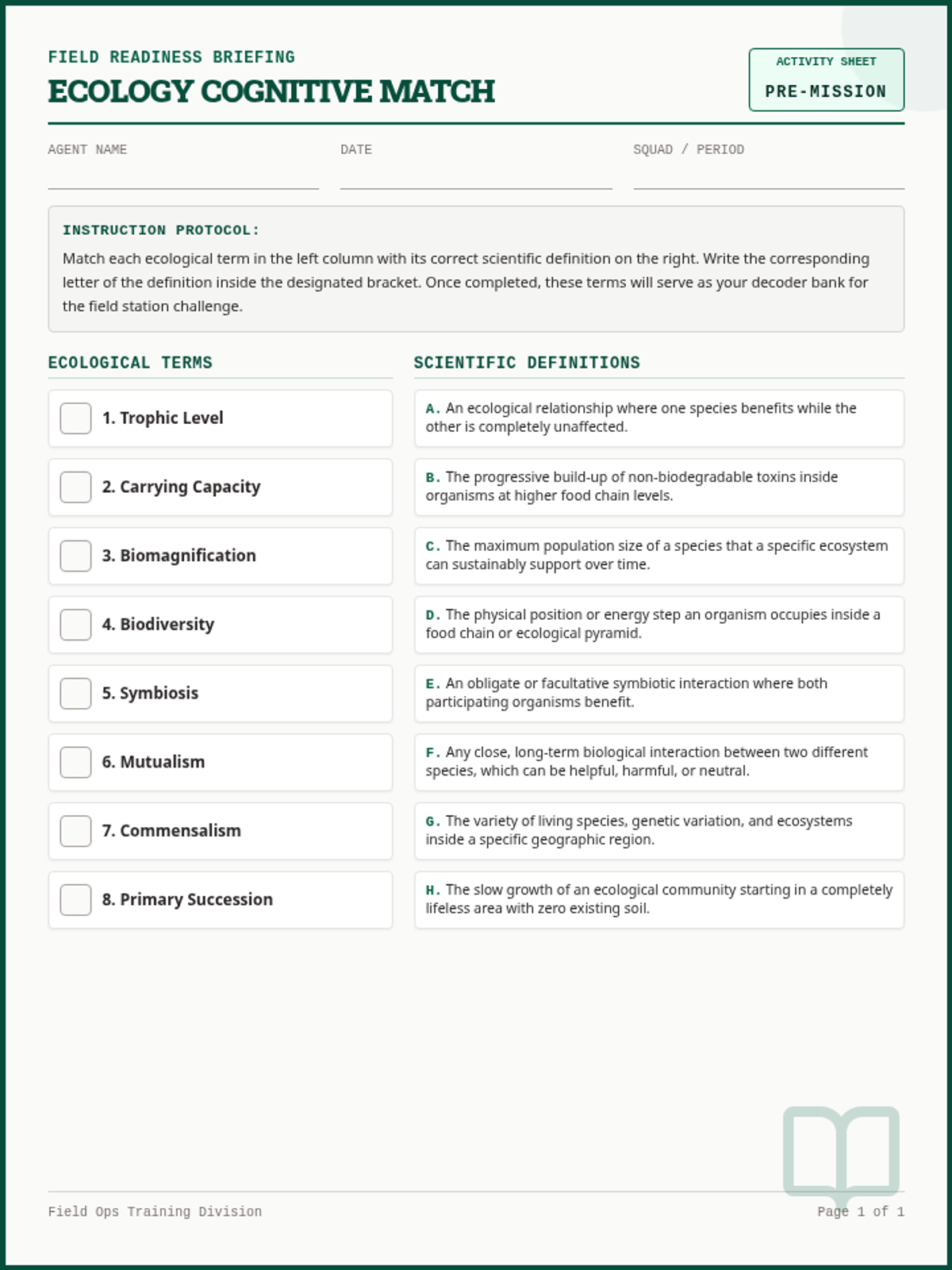
A comprehensive project-based assessment where students act as conservation agents to analyze threatened ecosystems, evaluate HIPPCO threats, and propose multi-layered solutions to preserve biodiversity.
An exploration of thermal pollution, its industrial and environmental causes, and its devastating effects on aquatic biodiversity and oxygen levels. Students analyze case studies to understand the real-world impact of temperature shifts in water systems.
A 45-minute lesson exploring how we measure light pollution and its profound impact on marine ecosystems, habitat connectivity, and predator-prey relationships. Students analyze case studies of sea turtles and nocturnal hunters to understand the ecological cost of a world that never gets dark.
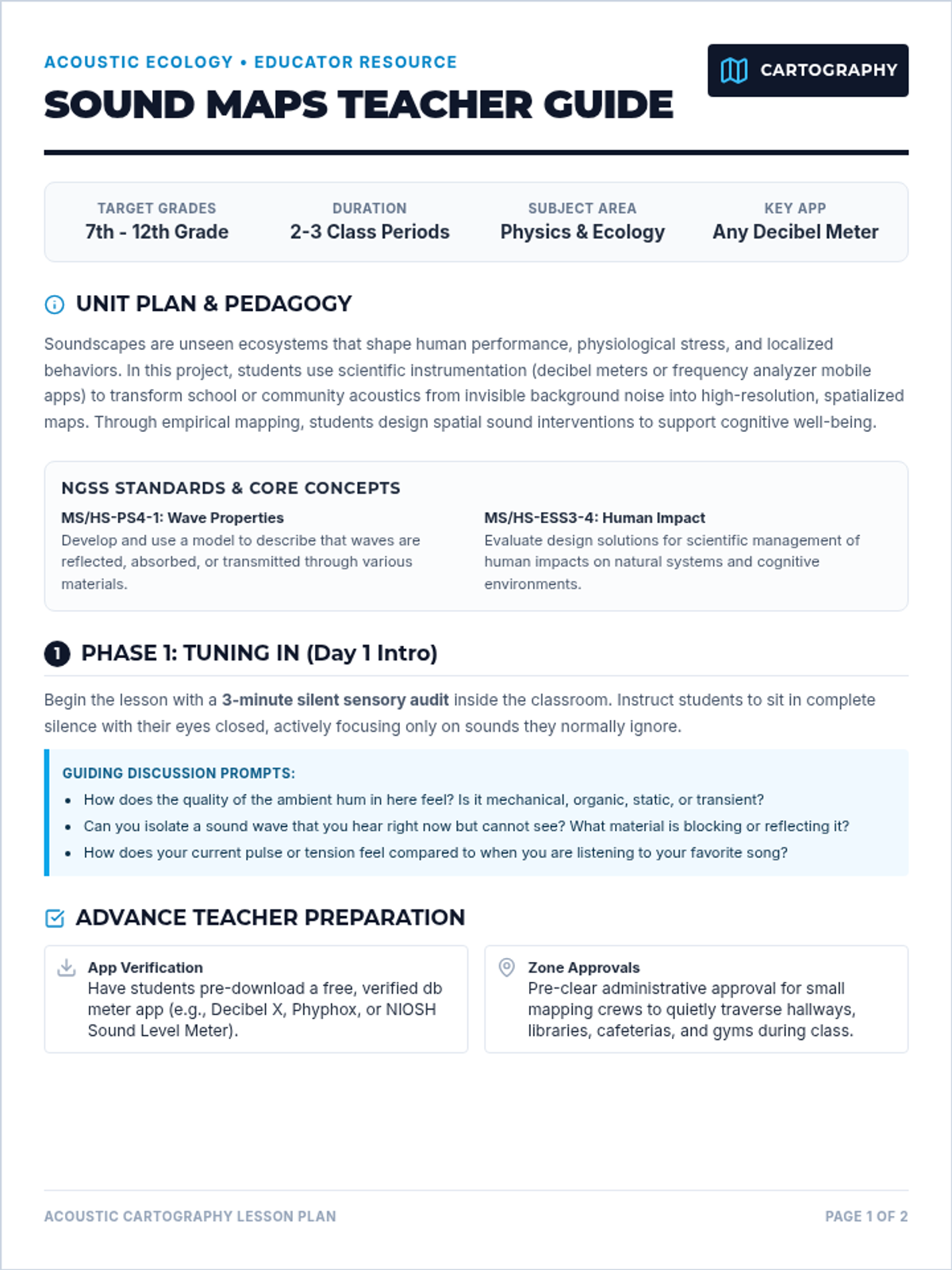
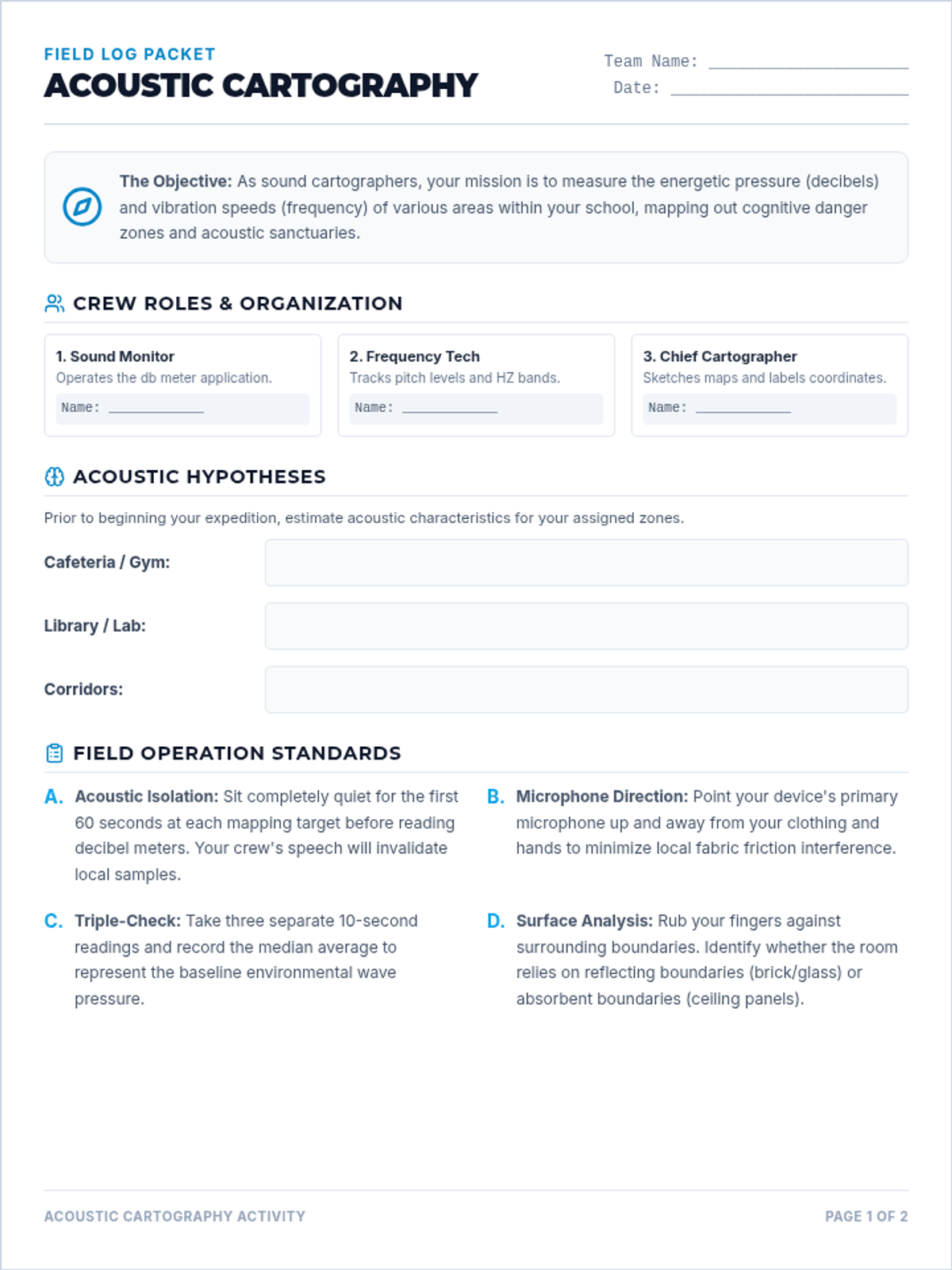
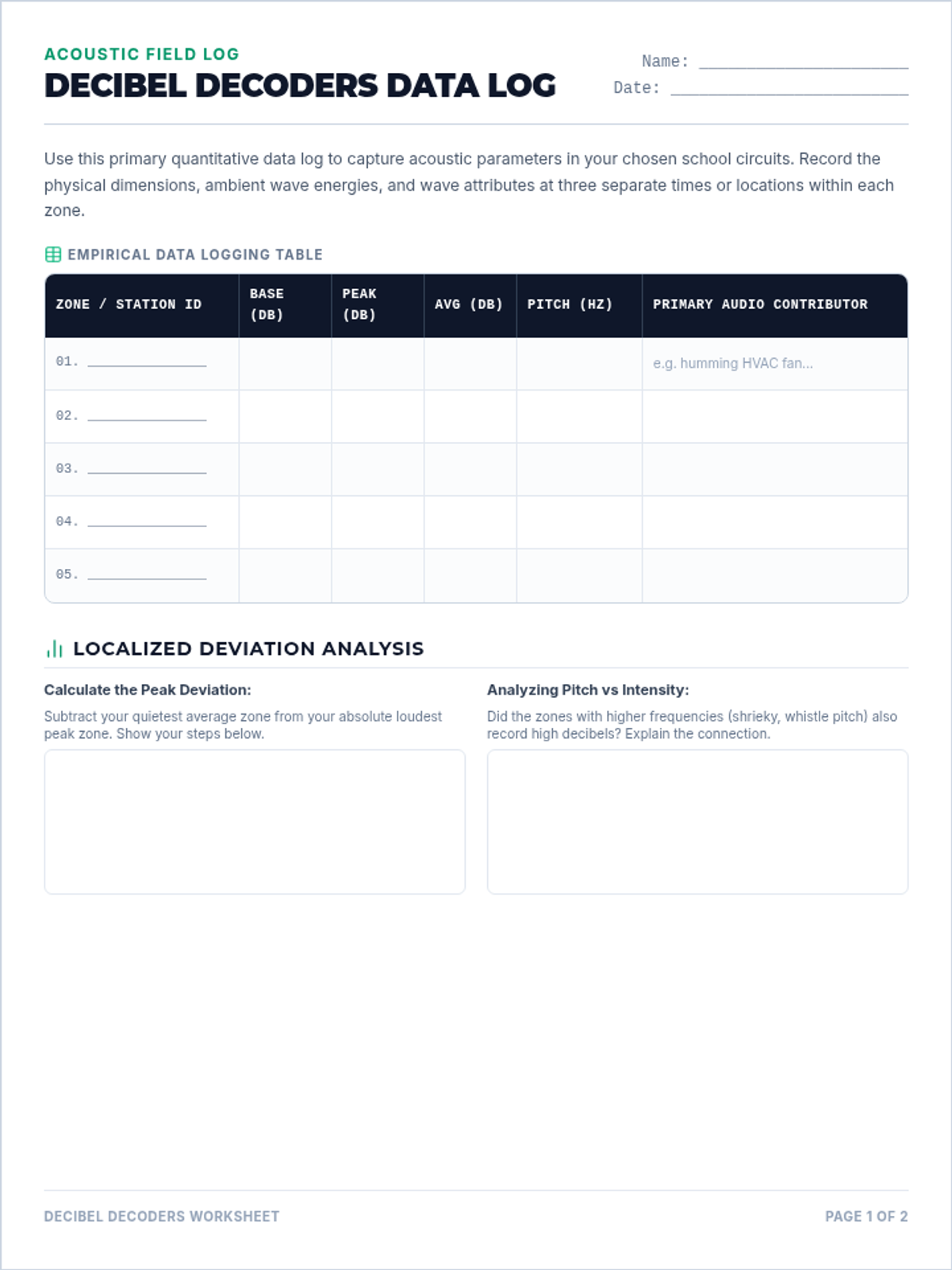
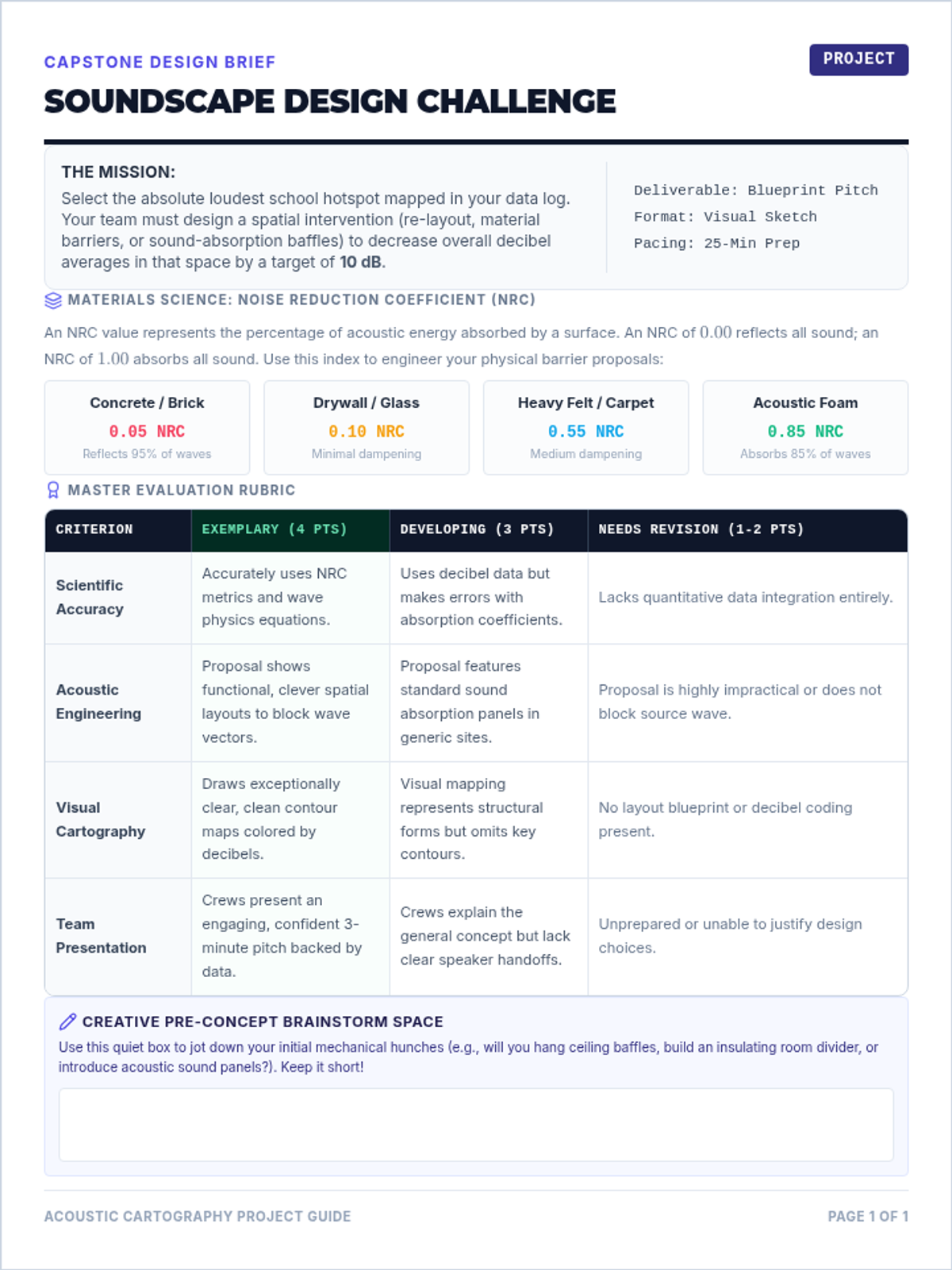
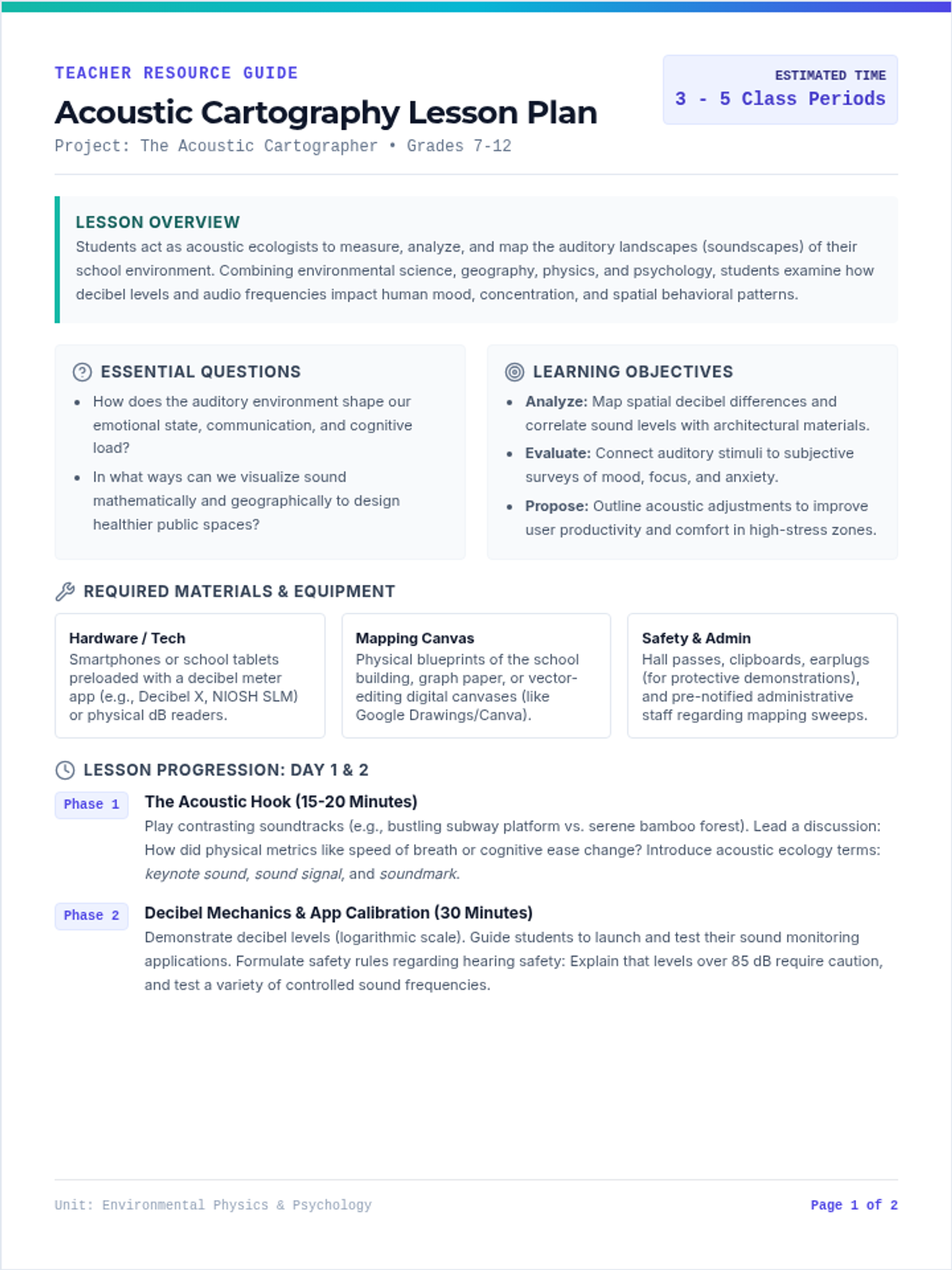
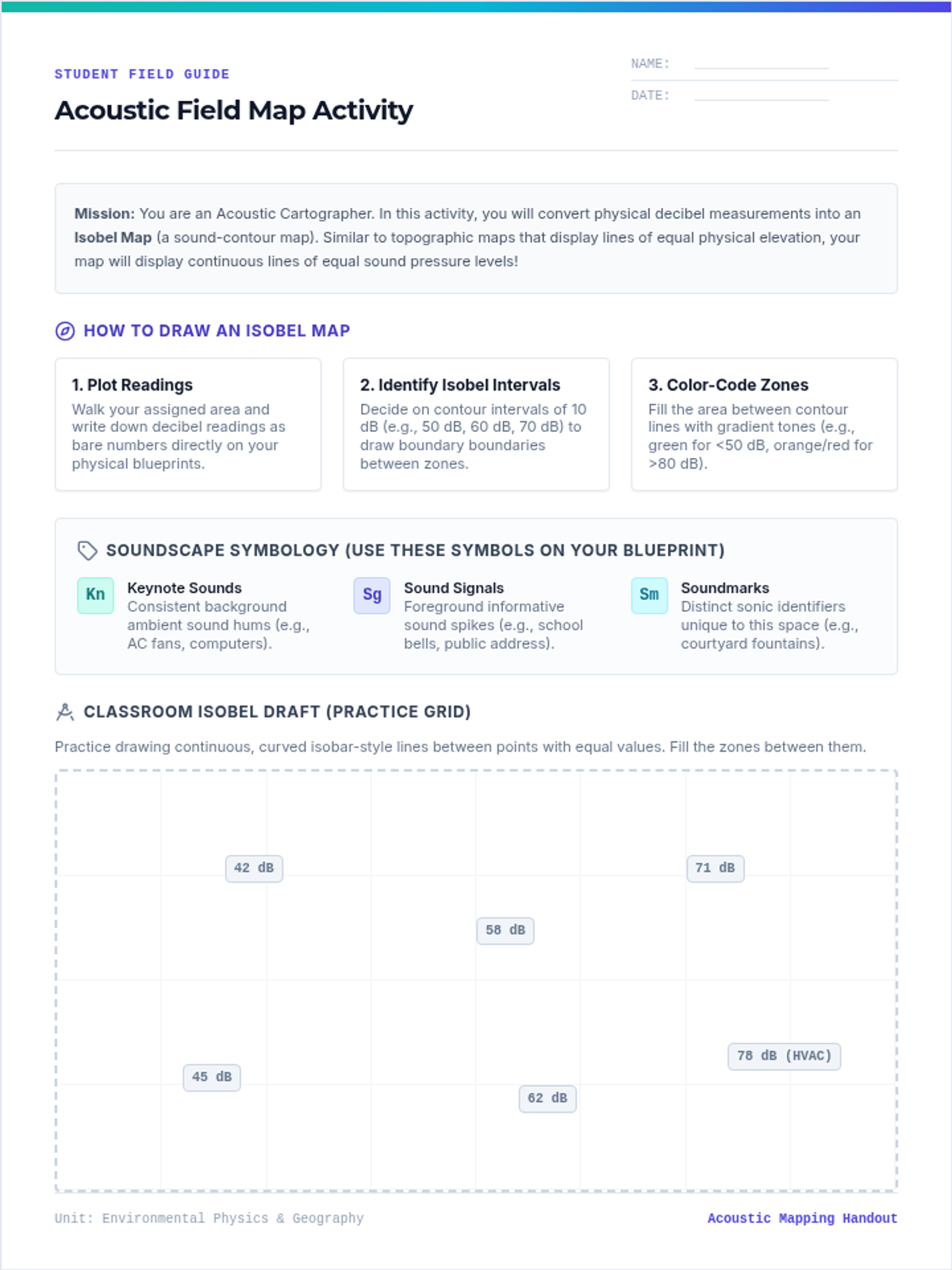
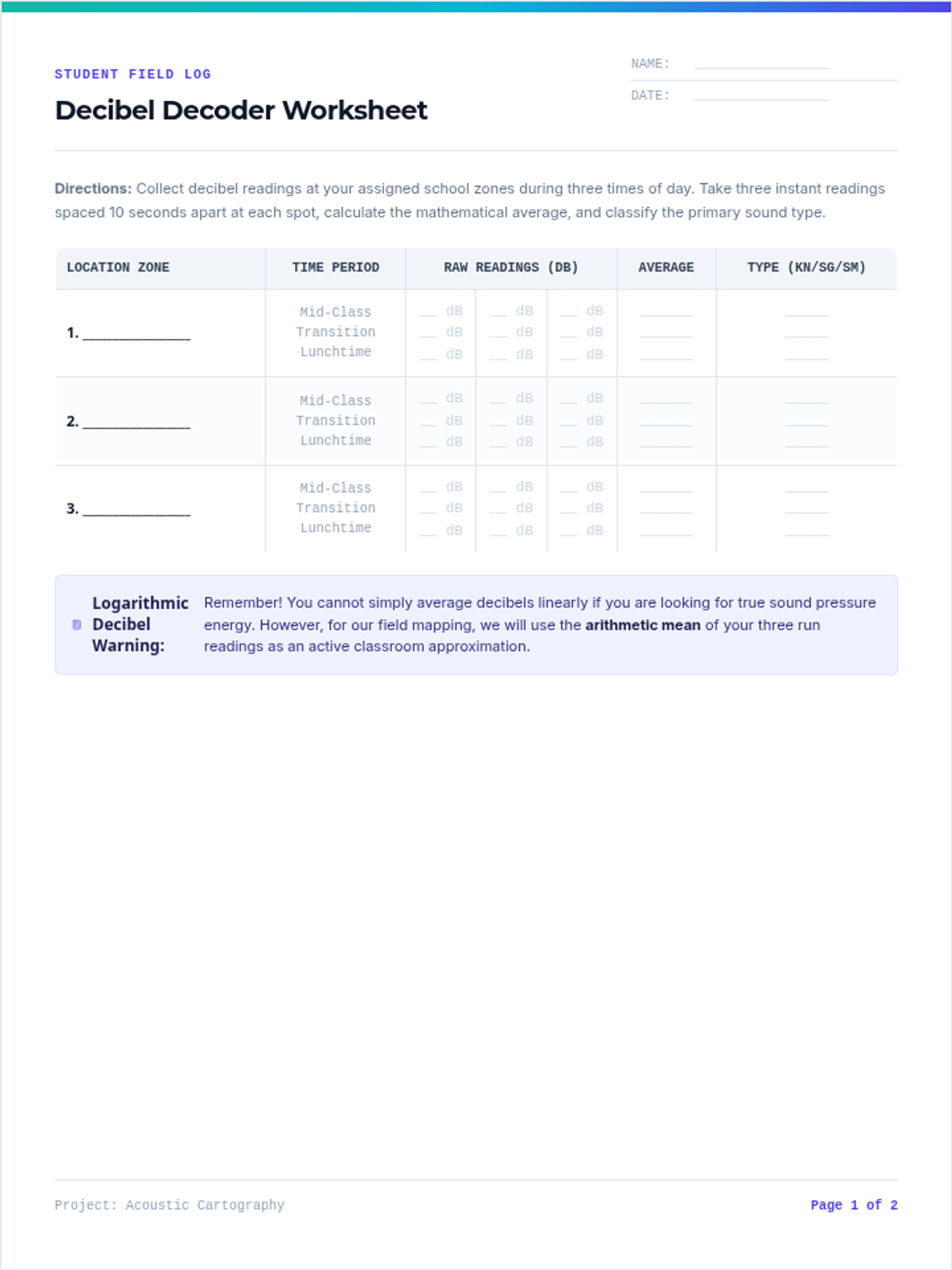
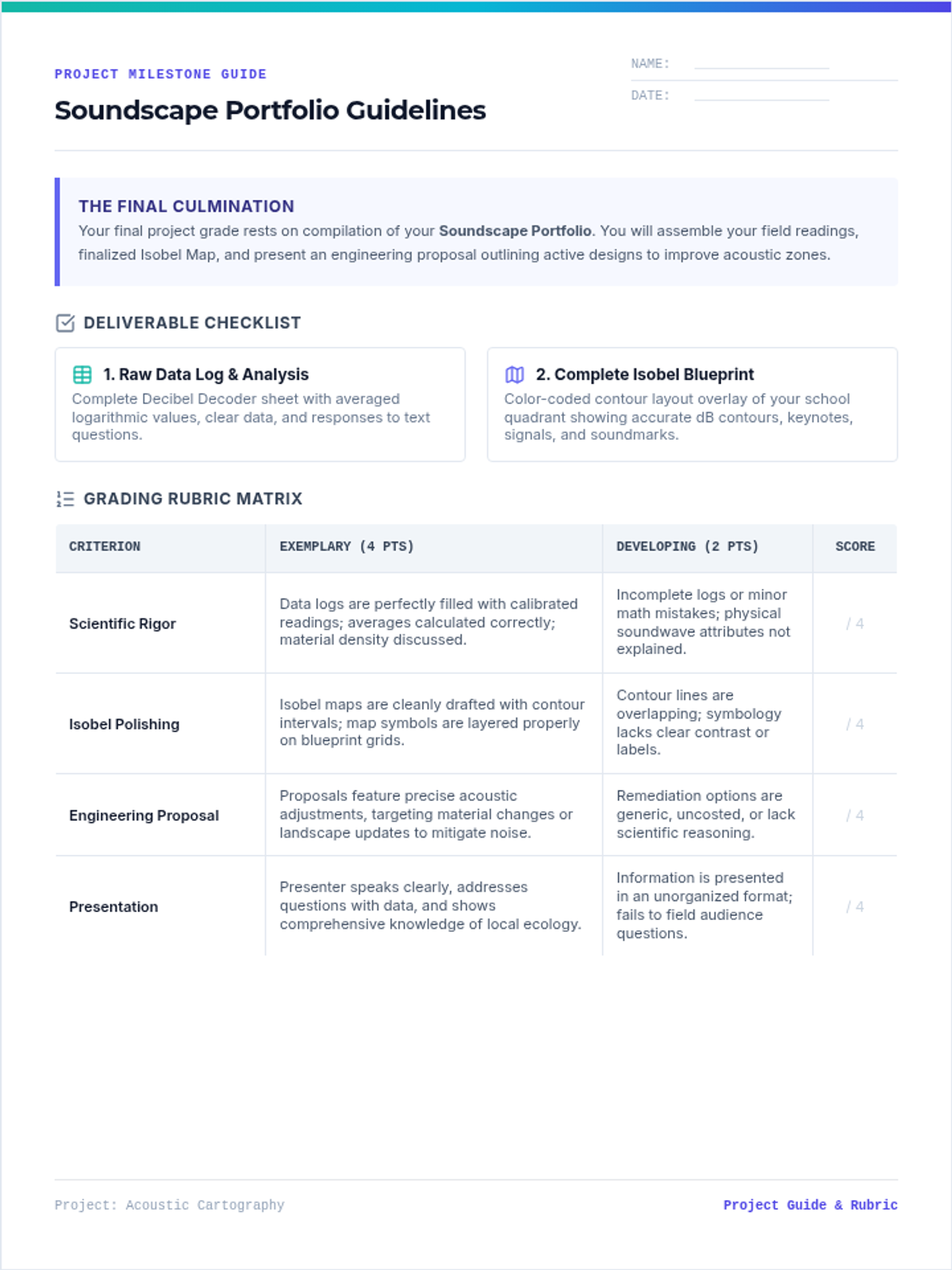
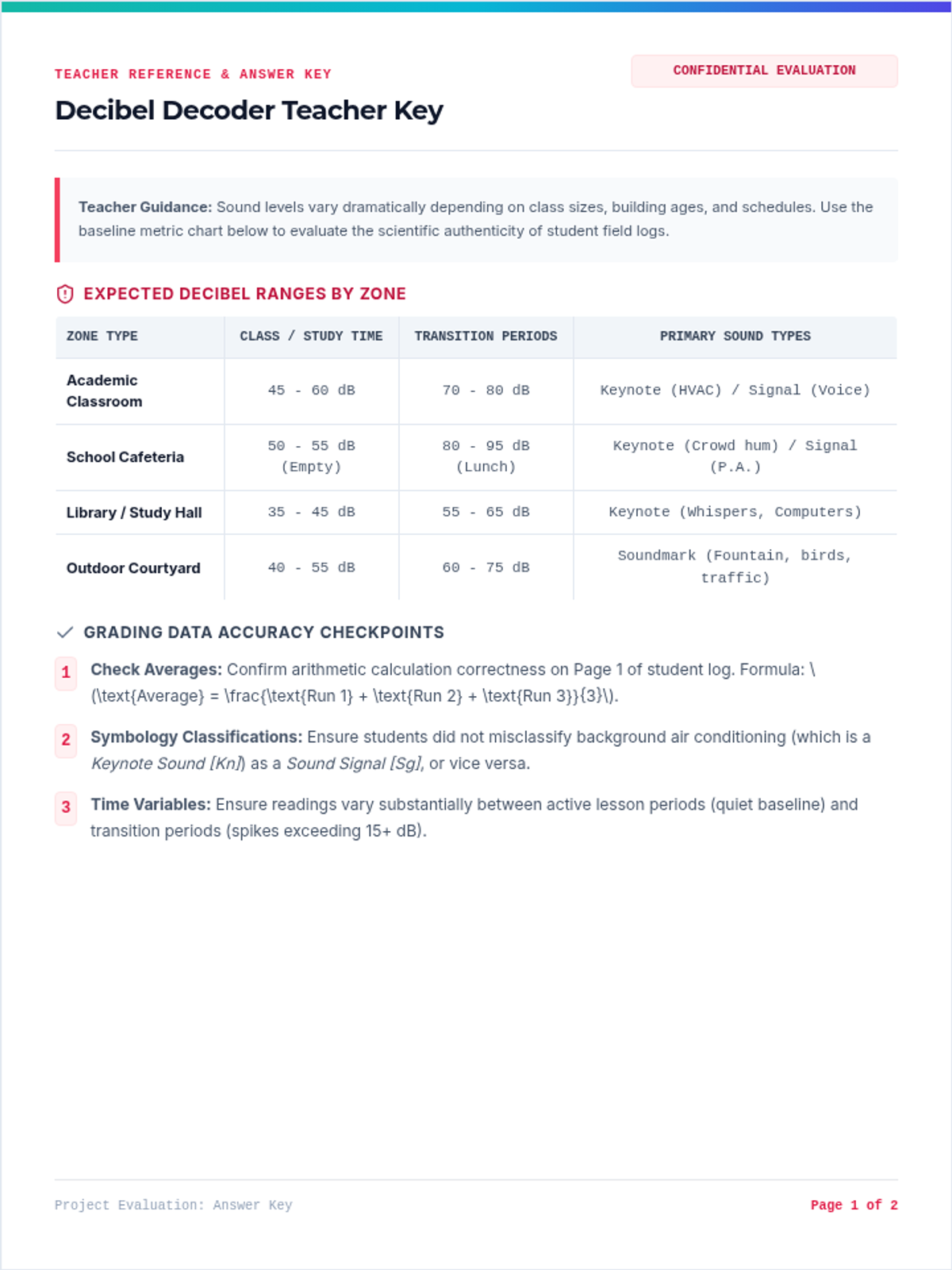
A comprehensive lesson exploring noise pollution, its measurement in decibels, and its diverse impacts on ecosystems, urban policy, and schools.
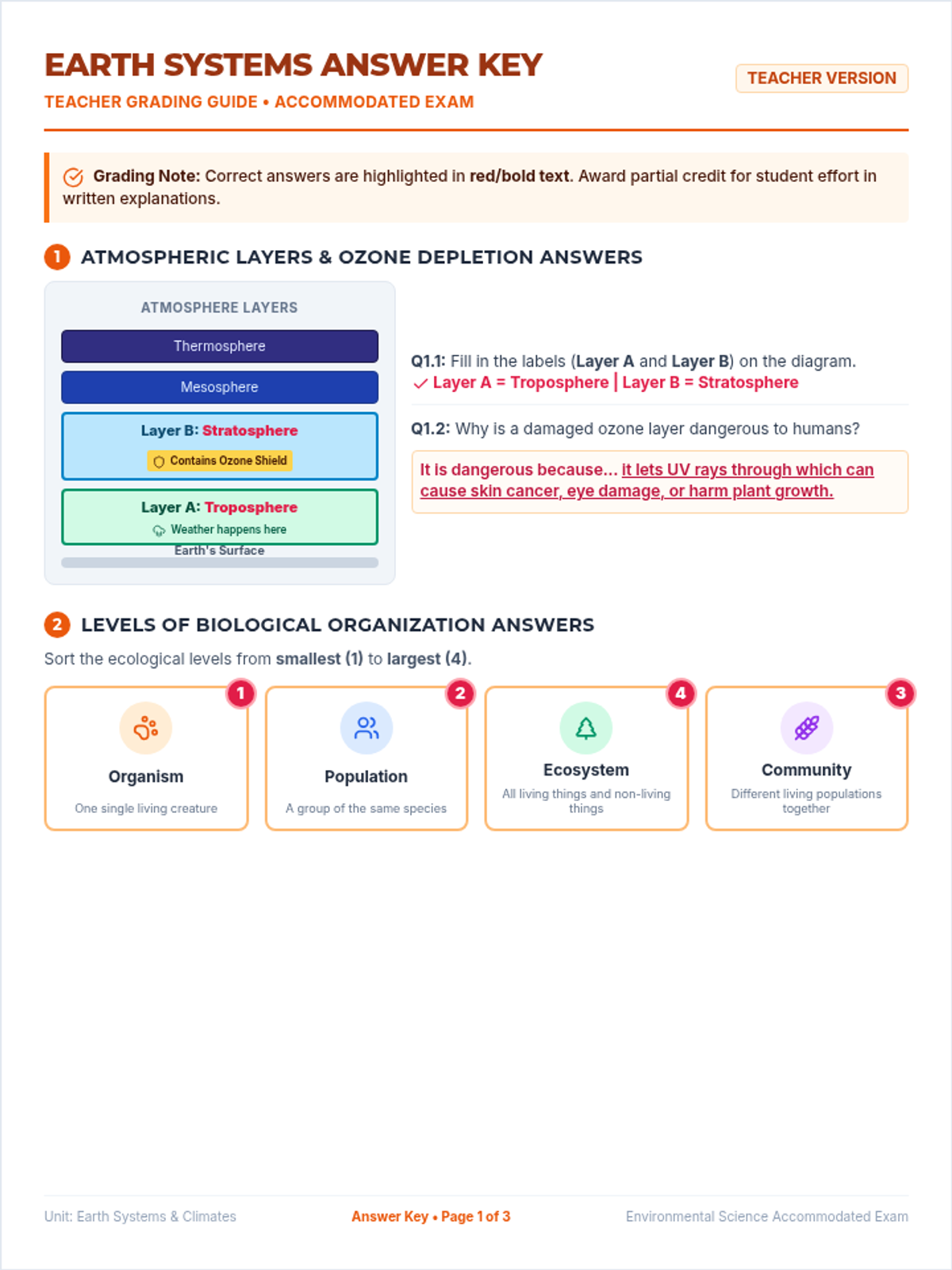
Students will explore the frameworks of environmental policy in the United States, focusing on the Clean Air Act, Clean Water Act, and the enforcement role of the EPA. The lesson includes a presentation, student dossier, and assessment tools.
A foundational exploration of speed, motion, and the various forms of energy, focusing on the relationship between kinetic and potential energy.
A comprehensive sub plan focusing on hardware basics, cybersecurity, and the impact of computing through a hands-on 'Human Computer' unplugged simulation.
A mini-project lesson where students act as data detectives to collect, analyze, and ethically report on classroom data.
A lesson exploring the elusive snow leopard, focusing on its unique adaptations, habitat in the high mountains of Central Asia, and the conservation efforts to protect this 'Ghost of the Mountains'.
A middle school science lesson exploring the physics of levers through the lens of Ancient Egyptian engineering, designed to accompany K'NEX education kits.
A hands-on investigation using cyanotype paper to explore UV radiation and the effectiveness of various blockers, including sunscreens and physical objects. Students will practice the scientific method by designing their own variable tests and analyzing the resulting prints.
A comprehensive introduction to microbiology focusing on germs, bacteria, and viruses. Students will explore how these microorganisms affect the human body and learn to distinguish between different types of pathogens through interactive slides and hands-on organizers.
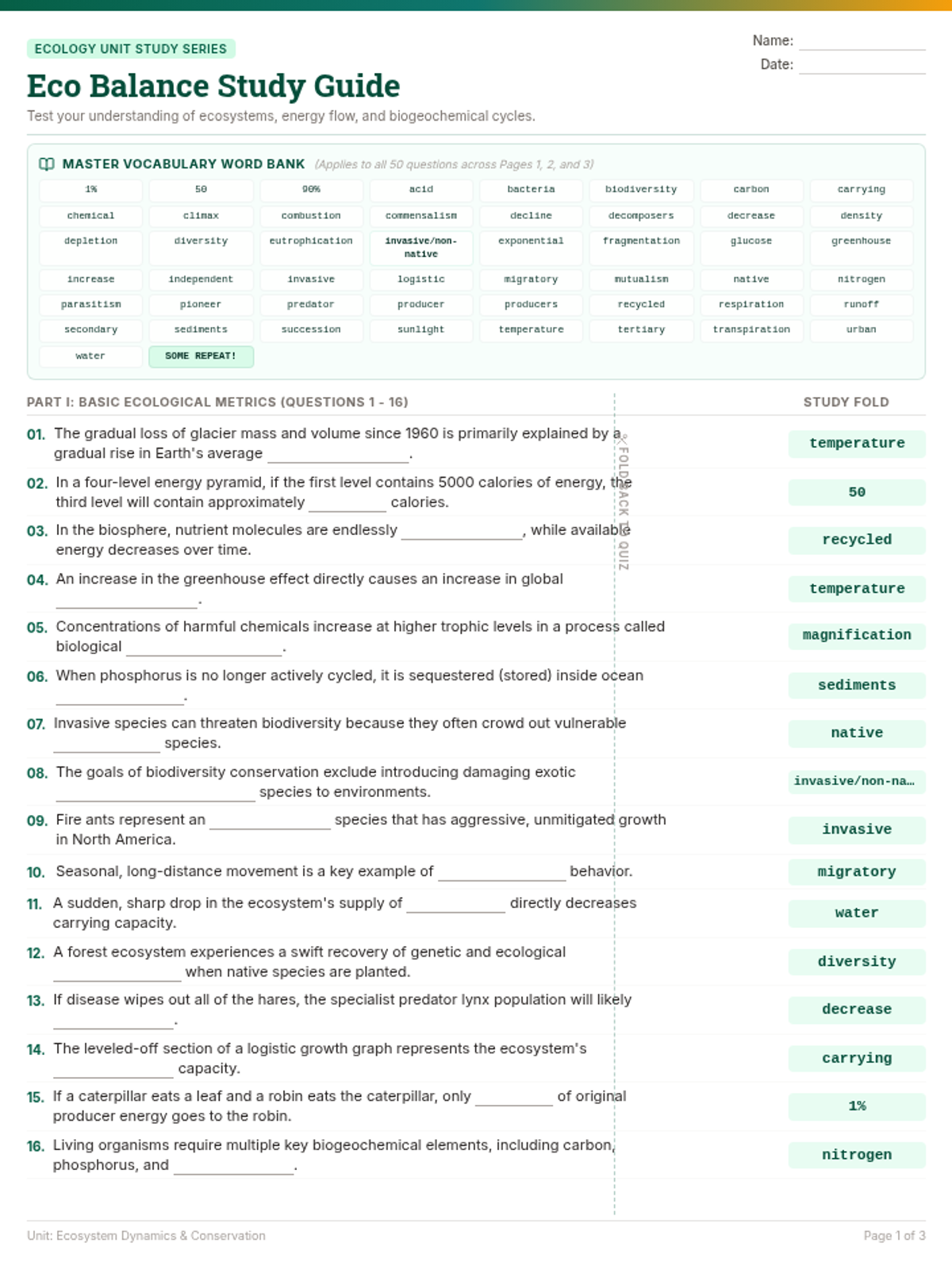
A comprehensive review of how plant and animal systems interact to maintain homeostasis and respond to the environment, including a comparison of viral and cellular structures based on unit exam standards.
Discover the structure of watershed systems, the importance of the Chesapeake Bay, and how human activity impacts water quality.
Investigate the chemical nature of water through pH testing, exploring acidity, alkalinity, and how water's role as a solvent impacts life and the environment.
Explore the unique molecular properties of water, including cohesion, adhesion, and surface tension, through the 'Penny Power' lab and interactive demonstrations.
Una sesión práctica de 60 minutos que integra los fundamentos de la programación orientada a objetos en Python con la persistencia de datos mediante el manejo de archivos (File I/O).
An introductory overview of blockchain security vulnerabilities, focusing on the mechanics and consequences of a 51% attack on decentralized networks.
En esta lección, los estudiantes aprenderán a transformar aplicaciones estáticas en interfaces interactivas mediante el uso de TouchableHighlight y la actualización del estado (setState) en React Native dentro del entorno CodeHS.
A comprehensive set of practice problems covering the six fundamental gas laws: Boyle's, Charles's, Gay-Lussac's, Ideal, Combined, and Dalton's law of partial pressures.

A high-energy review session for 7th-grade life science focusing on cell structures, functions, and the differences between plant and animal cells. Students engage in a visual review followed by a 'Cellular Showdown' practice activity.
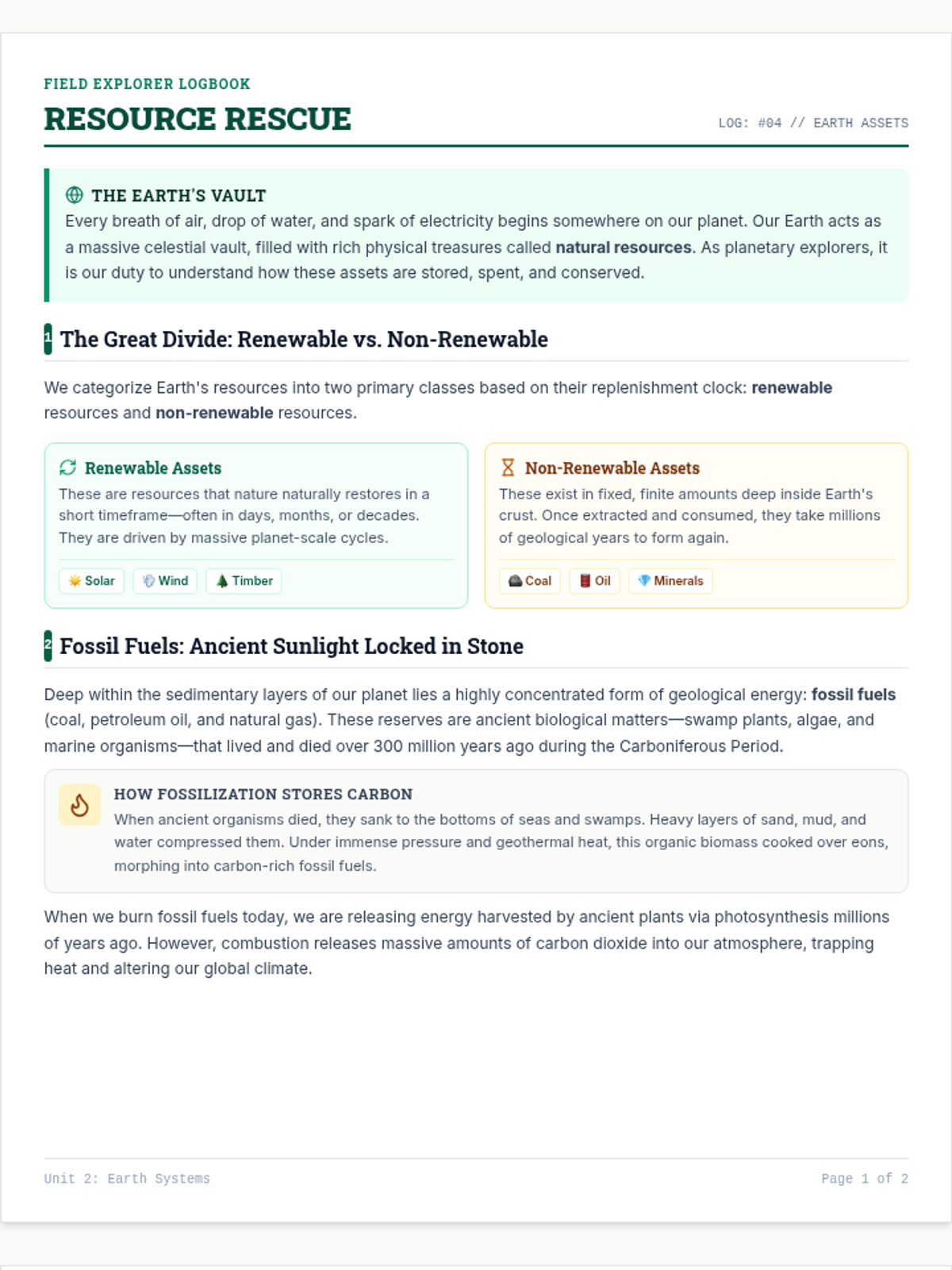
Introduces energy sources like the sun, wind, and fossil fuels, and how we use them to power our world using simple language.
Introduces viruses, bacteria, and how to stay healthy using simple 1st-grade level language and high-visual support.