Students transition to drawing lines and learn the concept of an 'edge' as a specific straight line found on real-world objects.
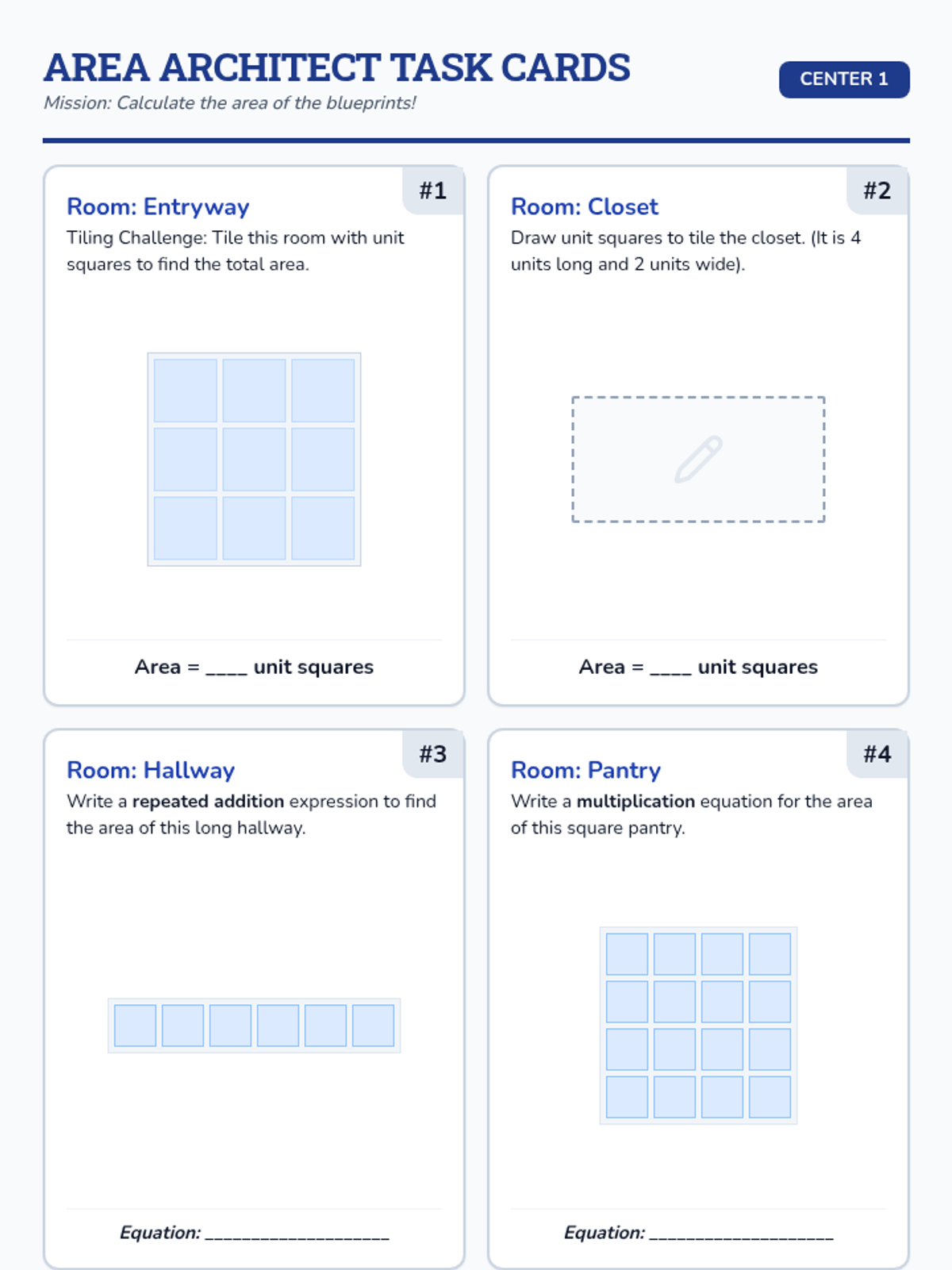
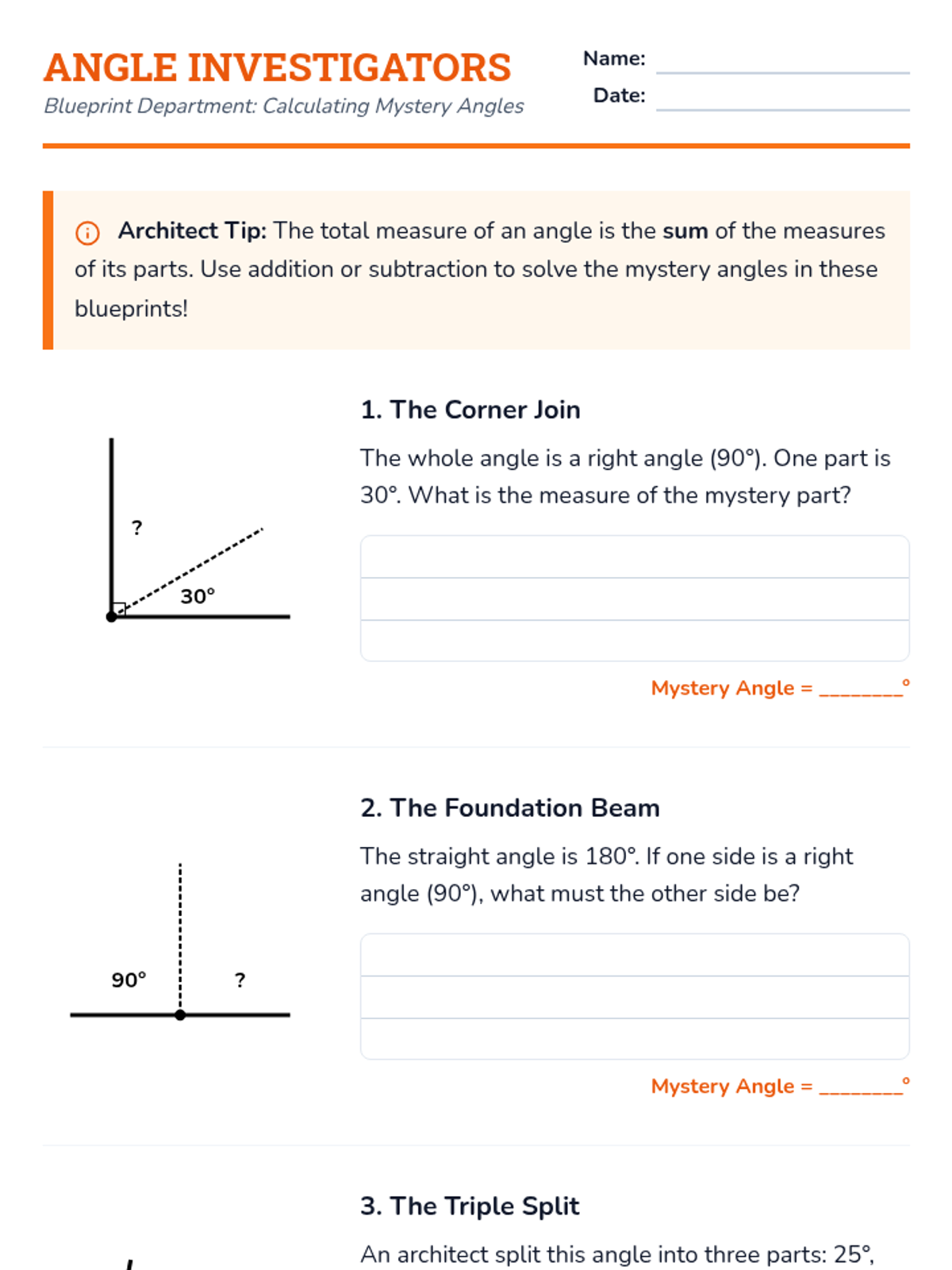
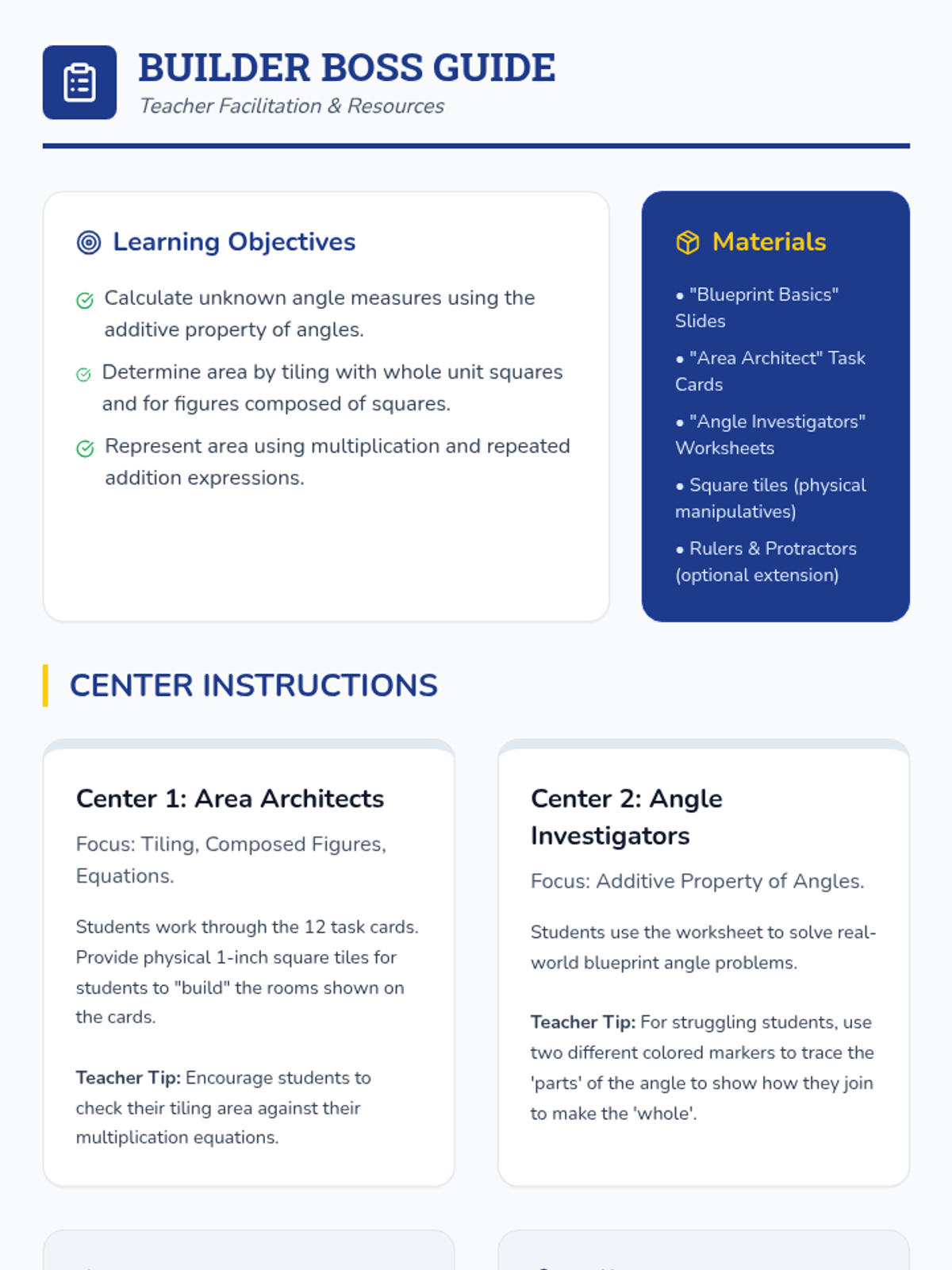
A comprehensive set of small group activities where students calculate unknown angles and determine the area of various figures using tiling and equations. The lesson uses a 'Blueprint Builders' theme to engage students in real-world mathematical applications.
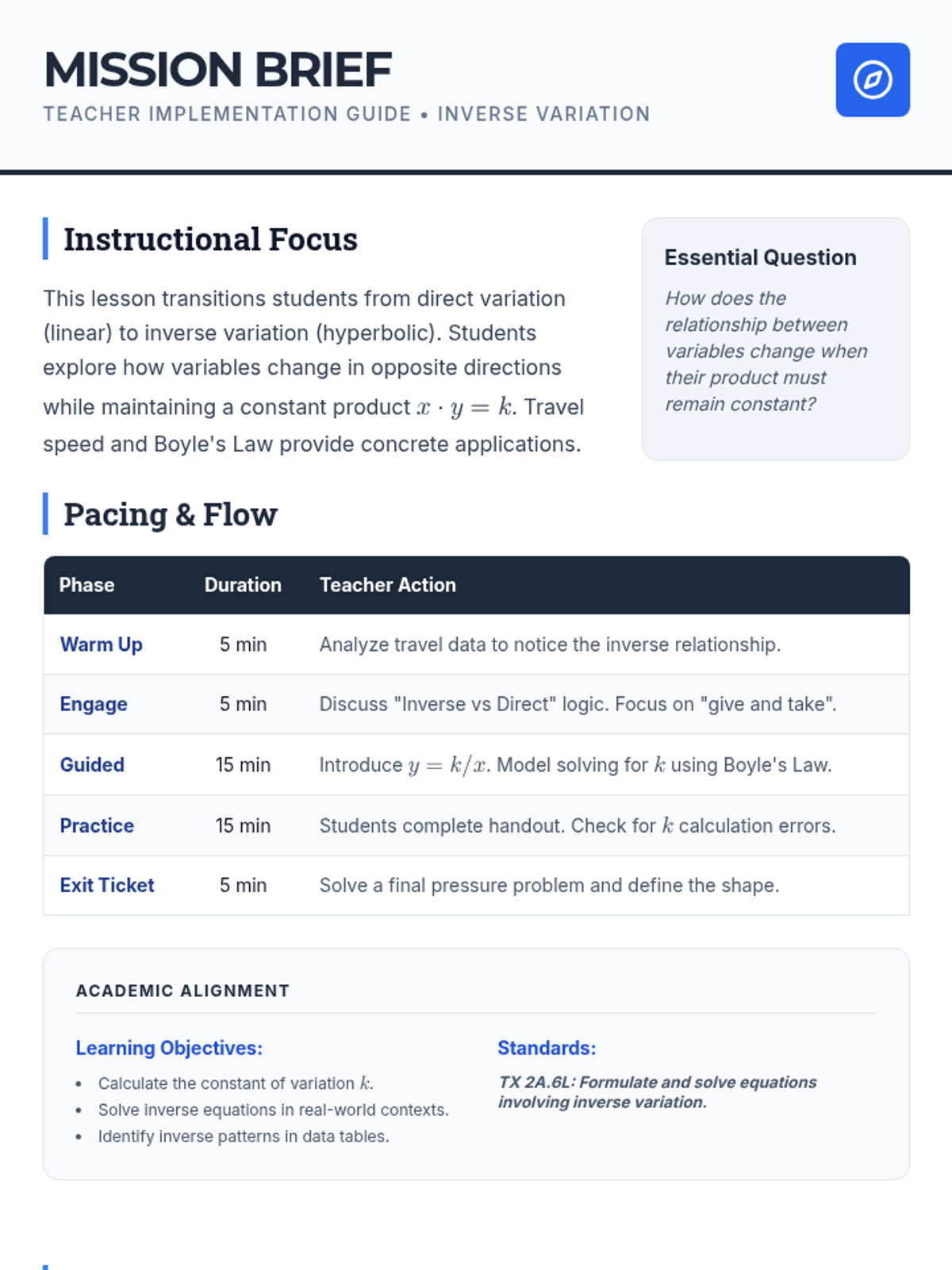
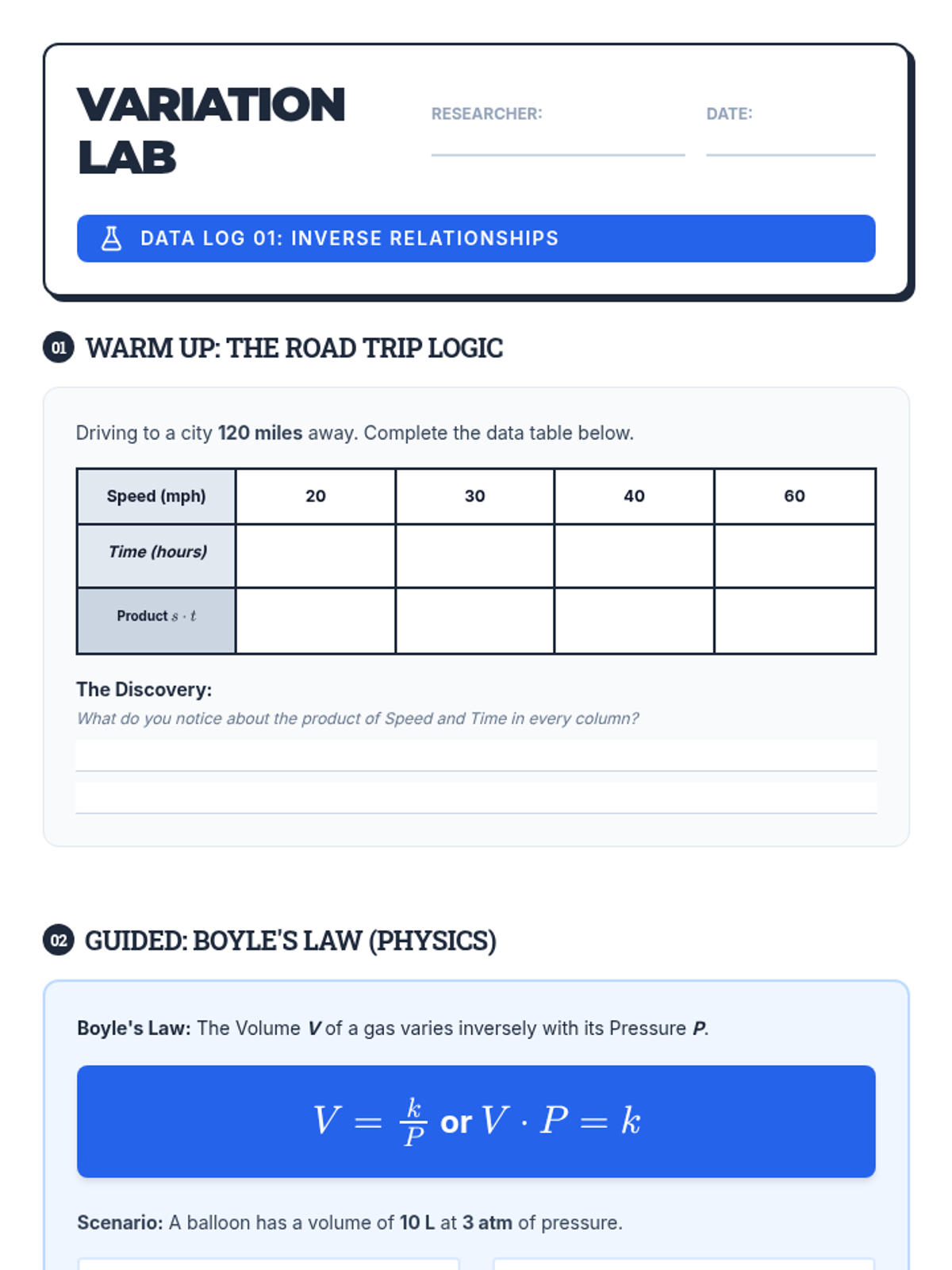
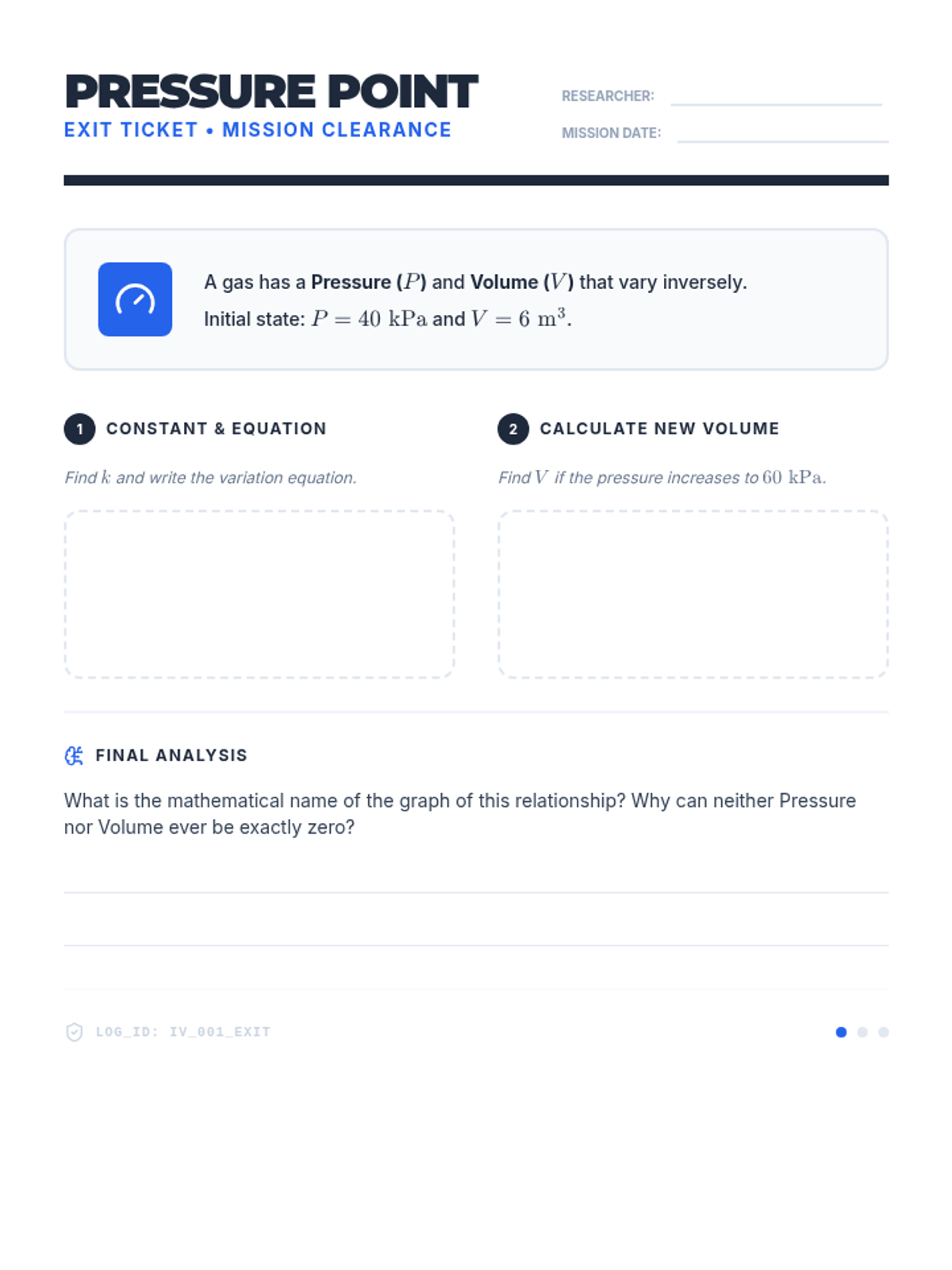
A 45-minute lesson exploring inverse variation through the lens of travel speed and Boyle's Law, focusing on formulating and solving equations for real-world scenarios.
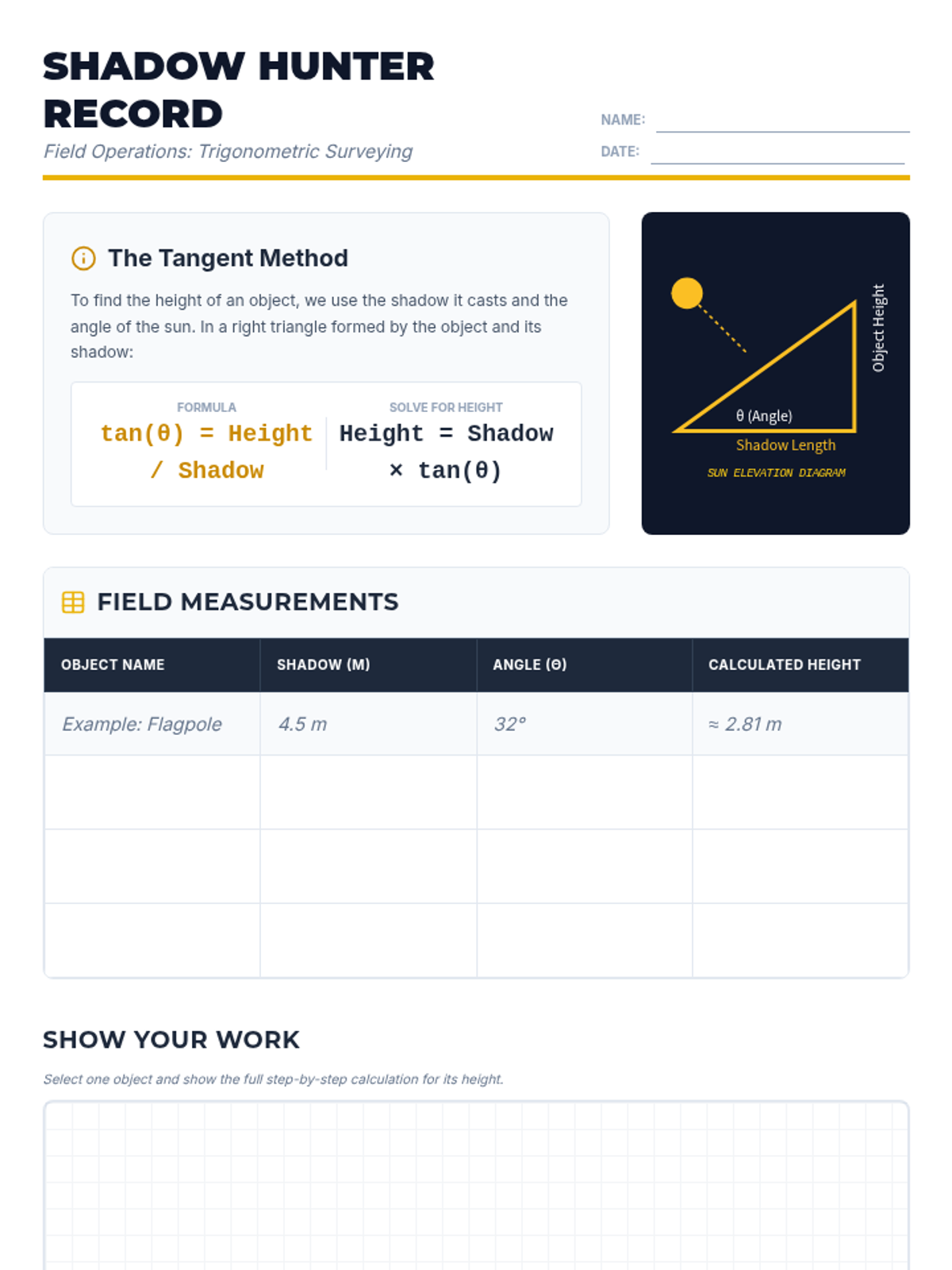
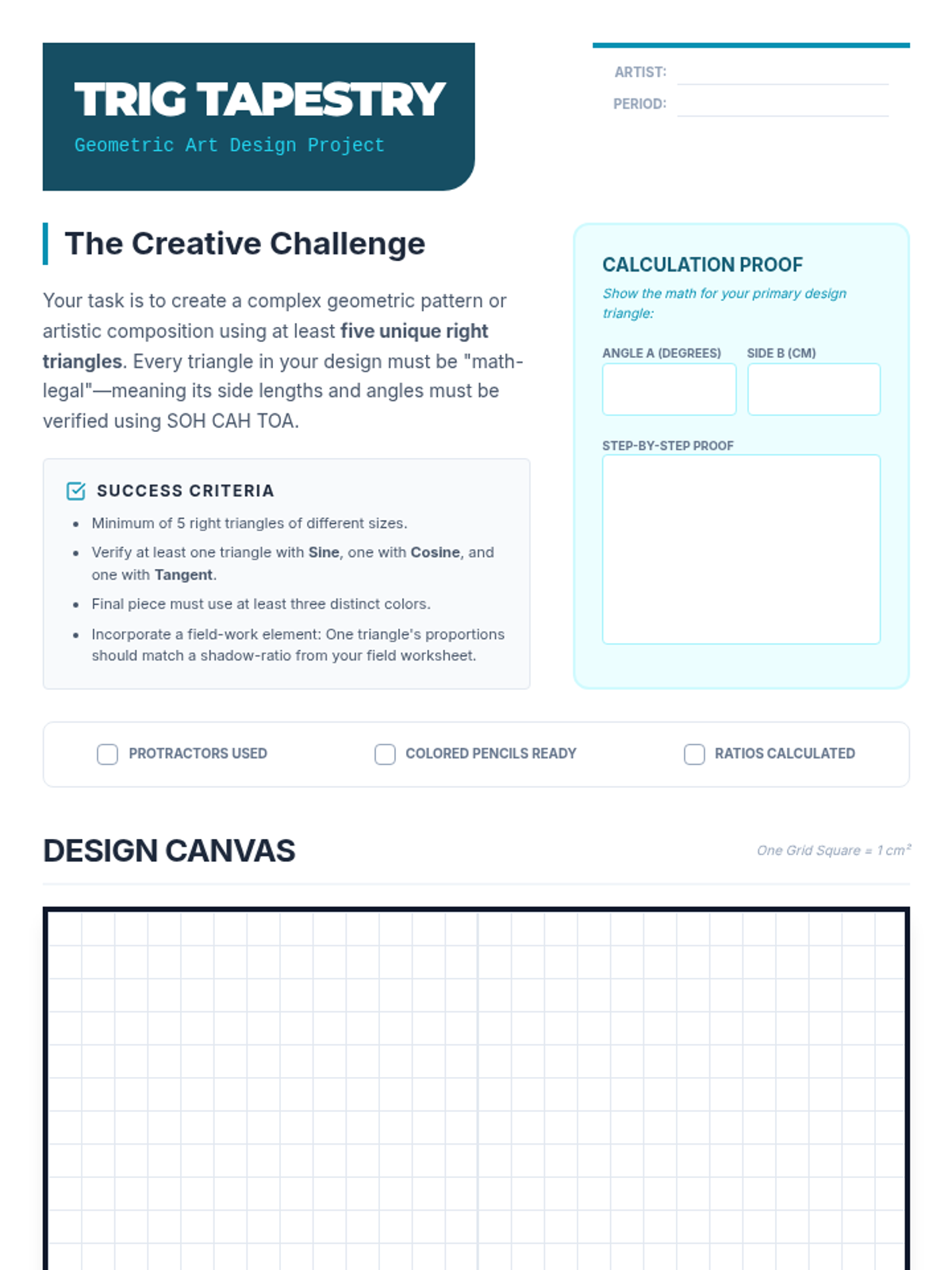
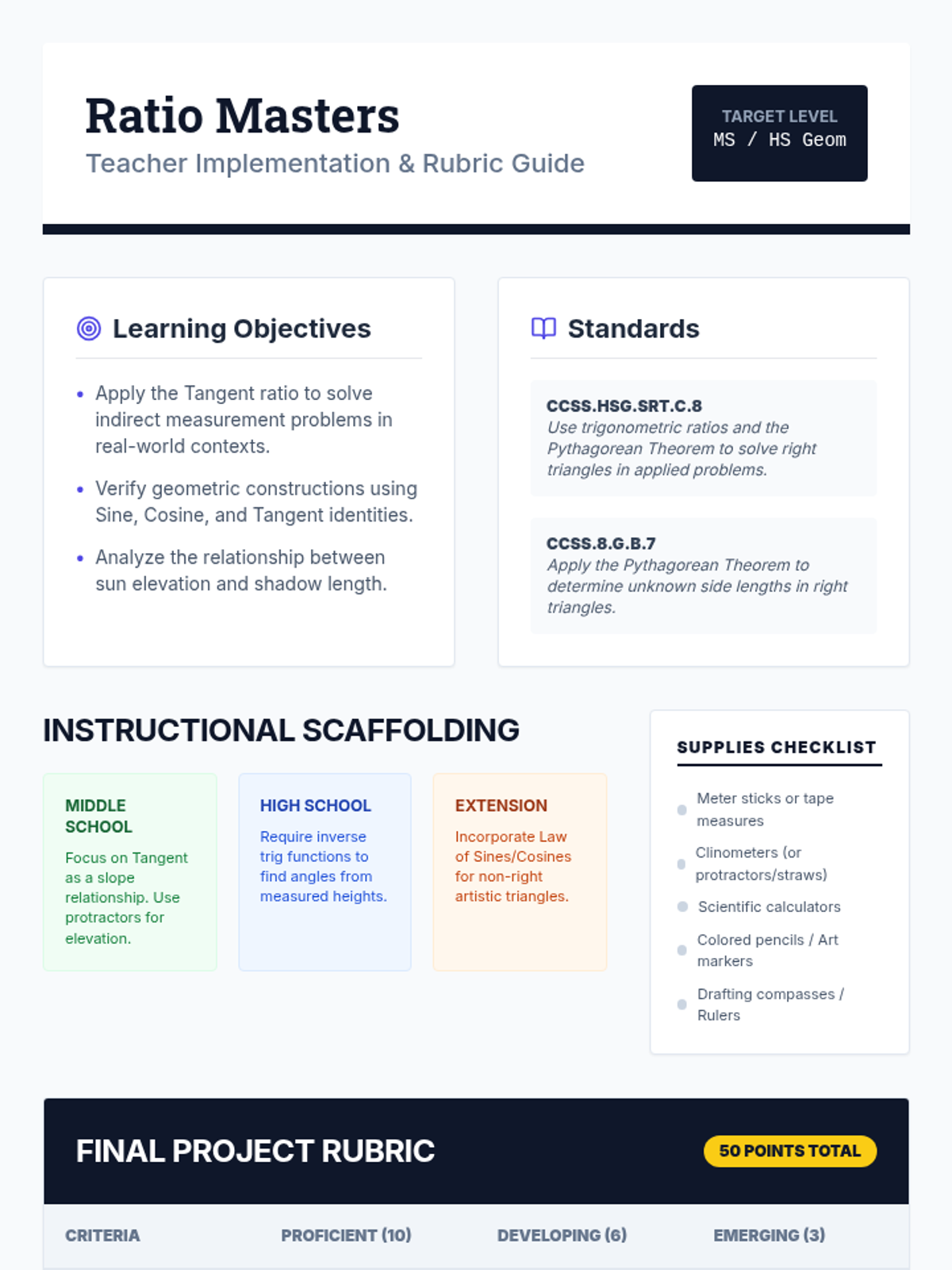
Students learn to apply Sine, Cosine, and Tangent to real-world measurements and abstract artistic design, culminating in a dual-phase project.
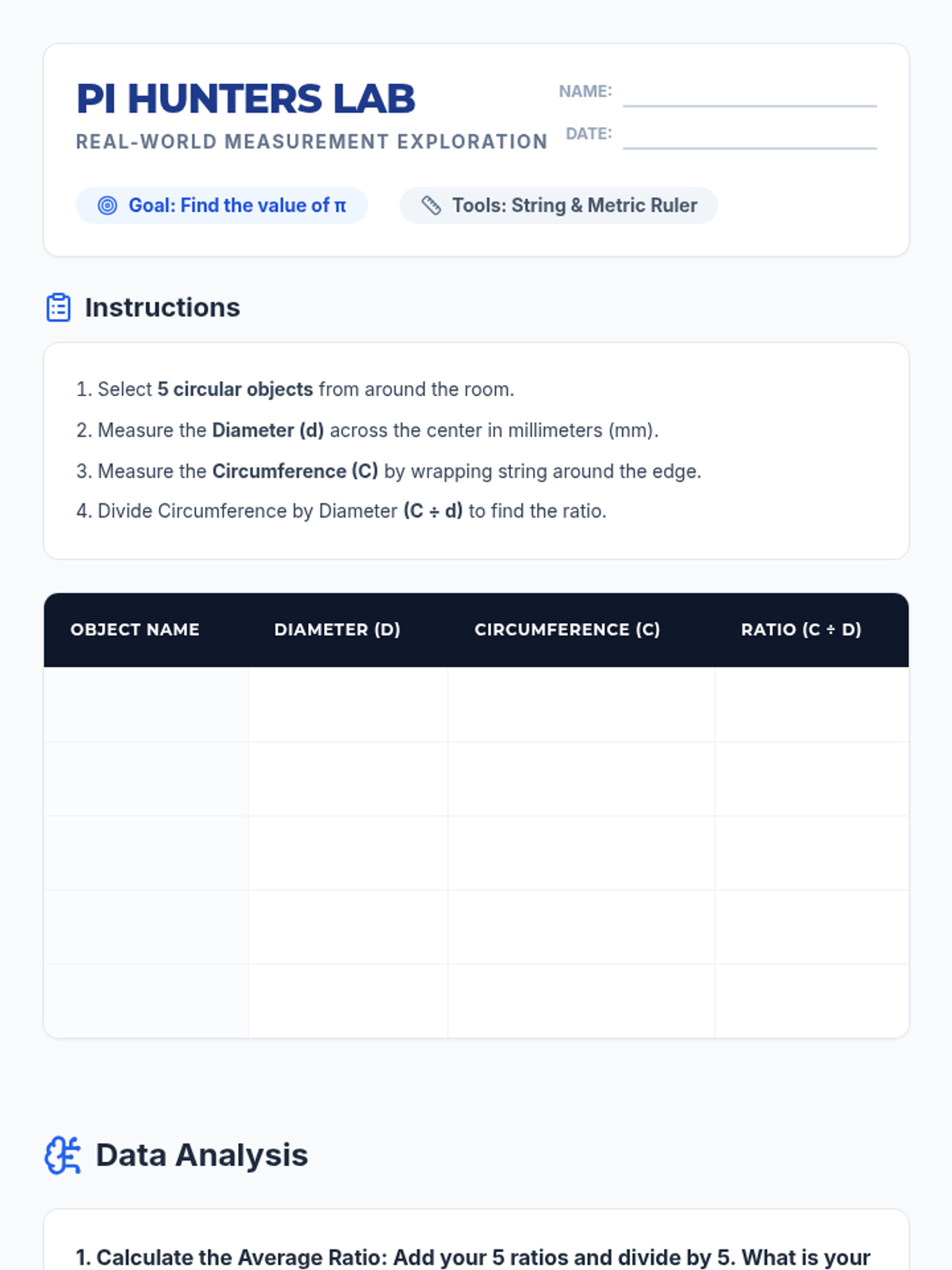
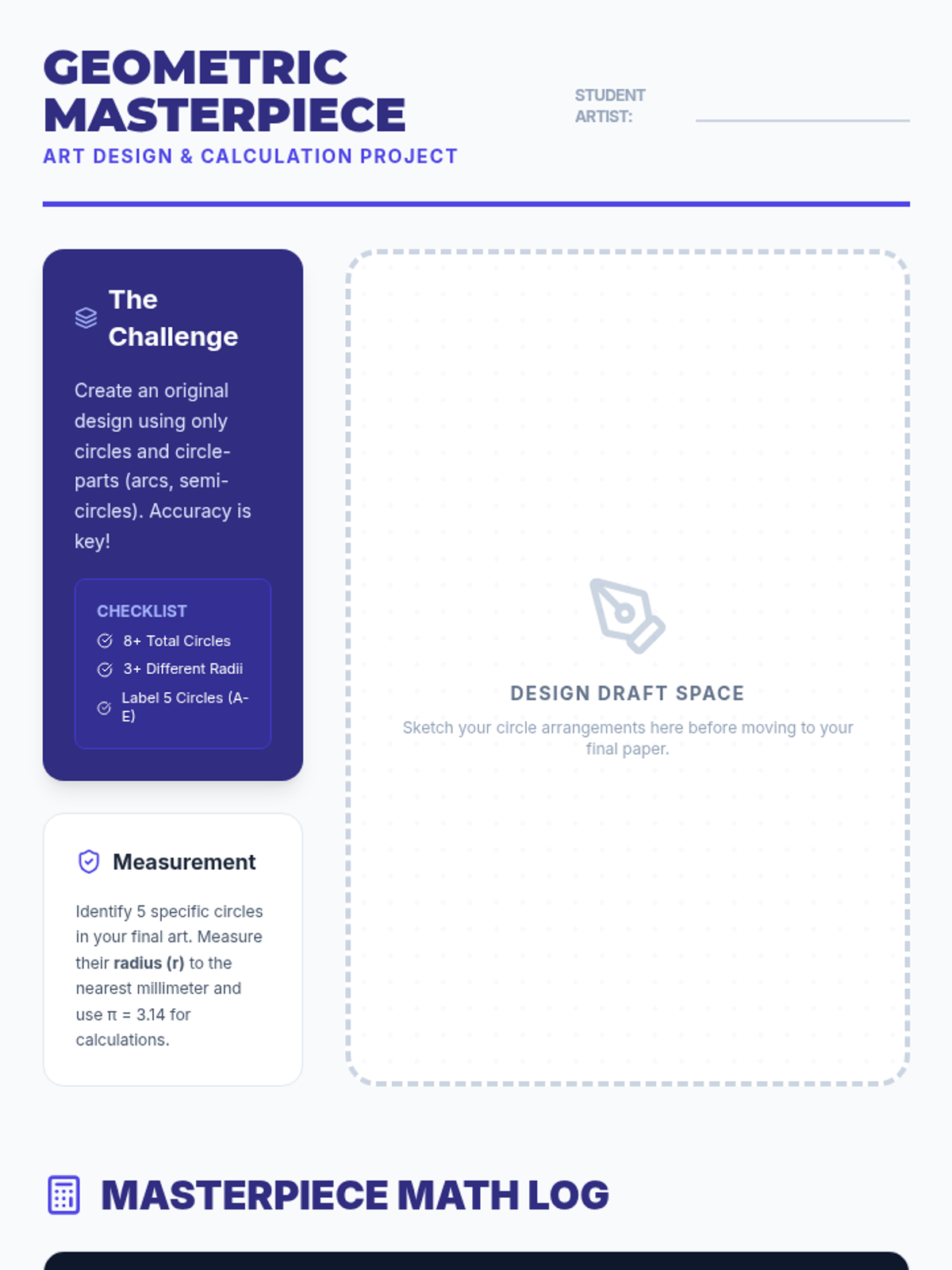
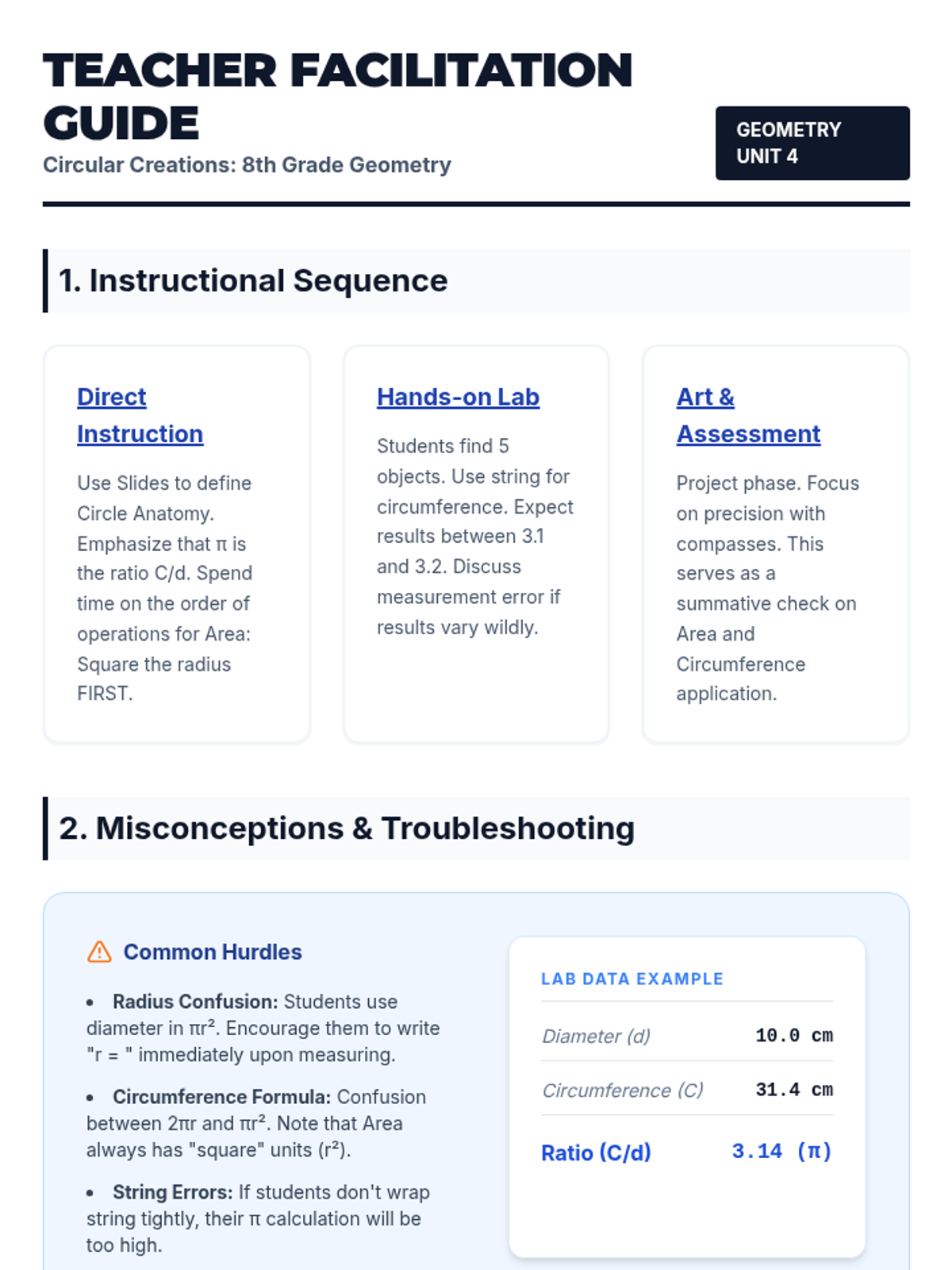
A hands-on geometry lesson where students explore the mathematical properties of circles through real-world measurement and creative geometric art design. Students discover the relationship between circumference and diameter while applying area formulas to their own masterpieces.
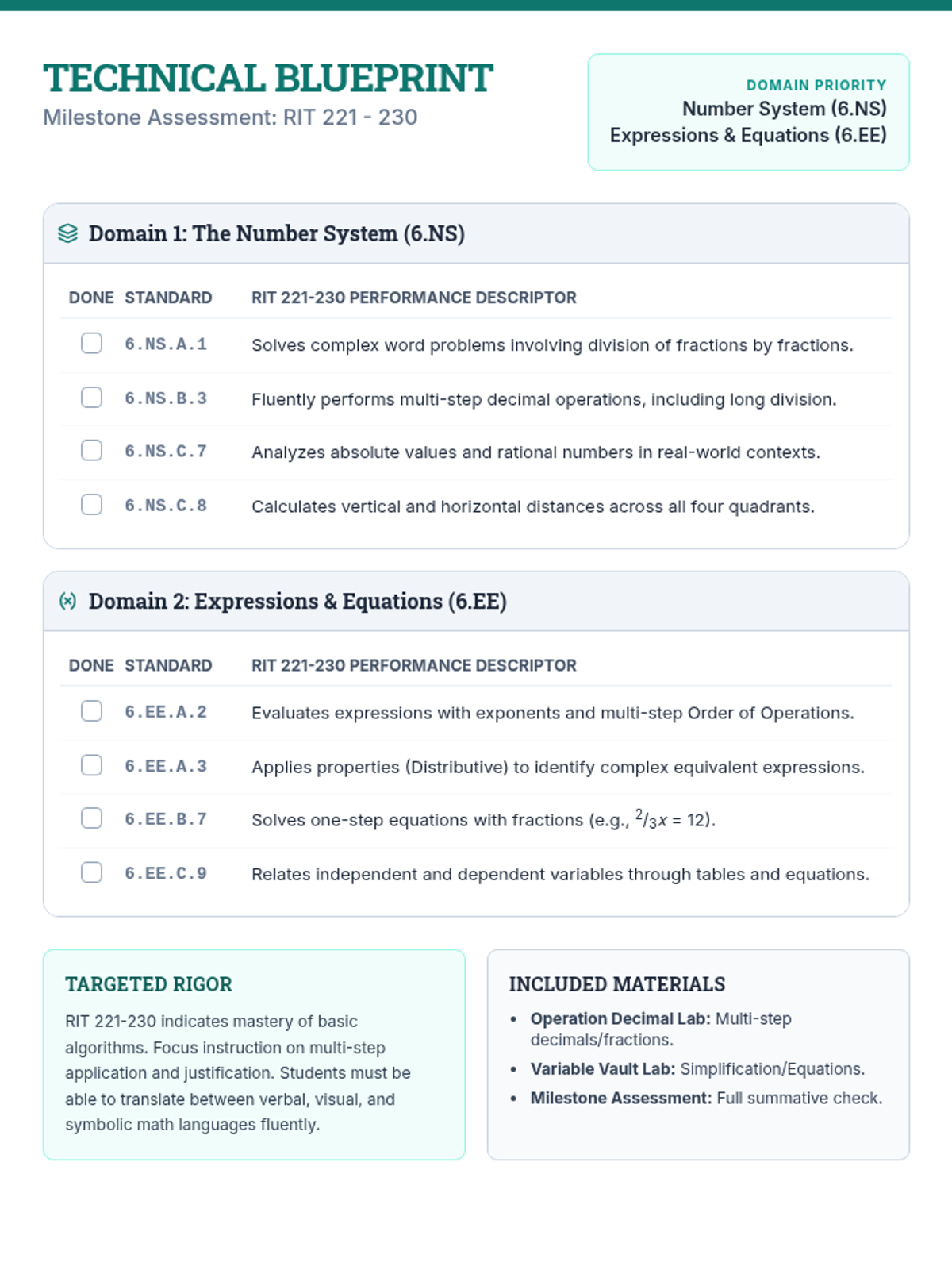
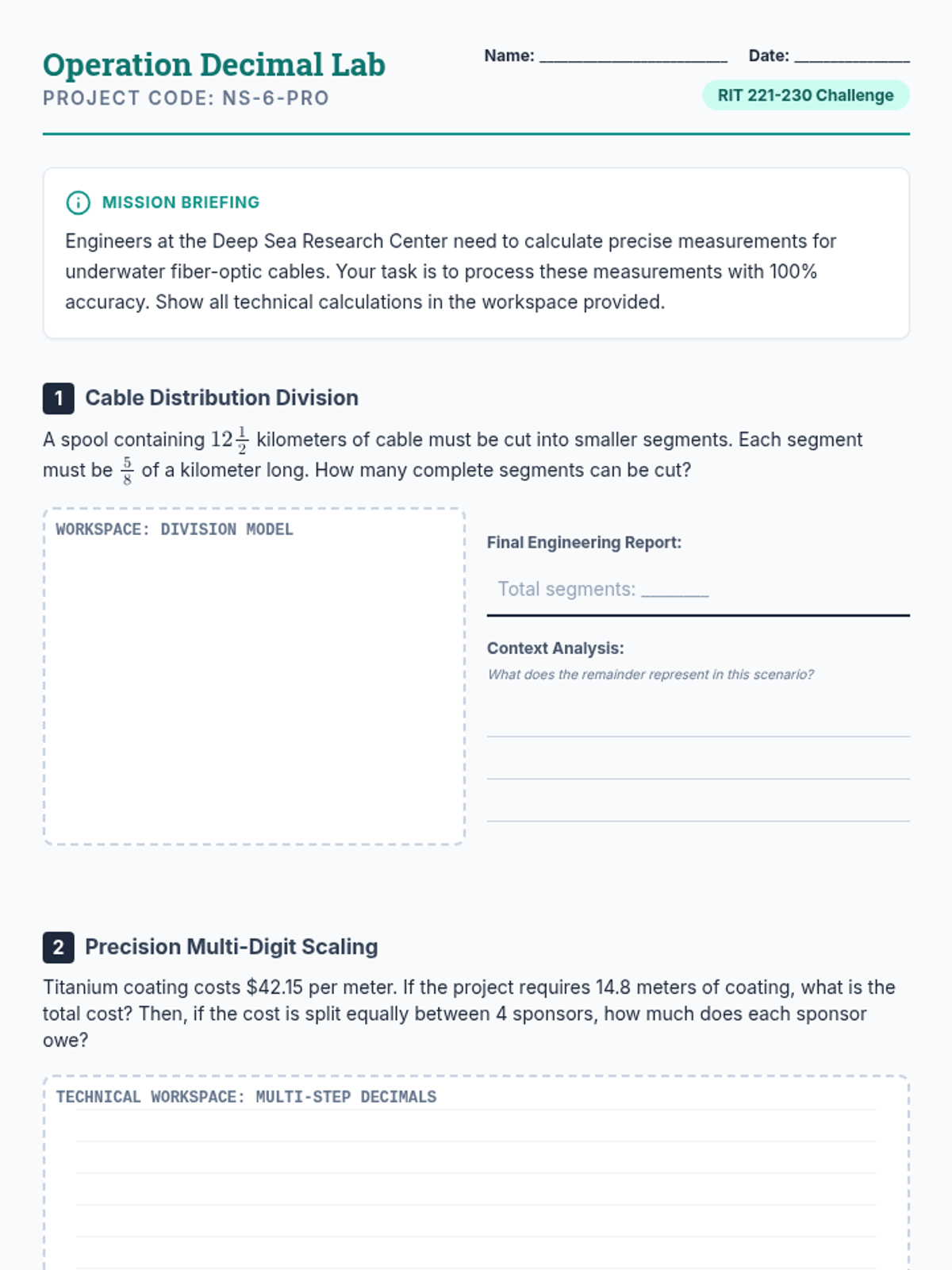
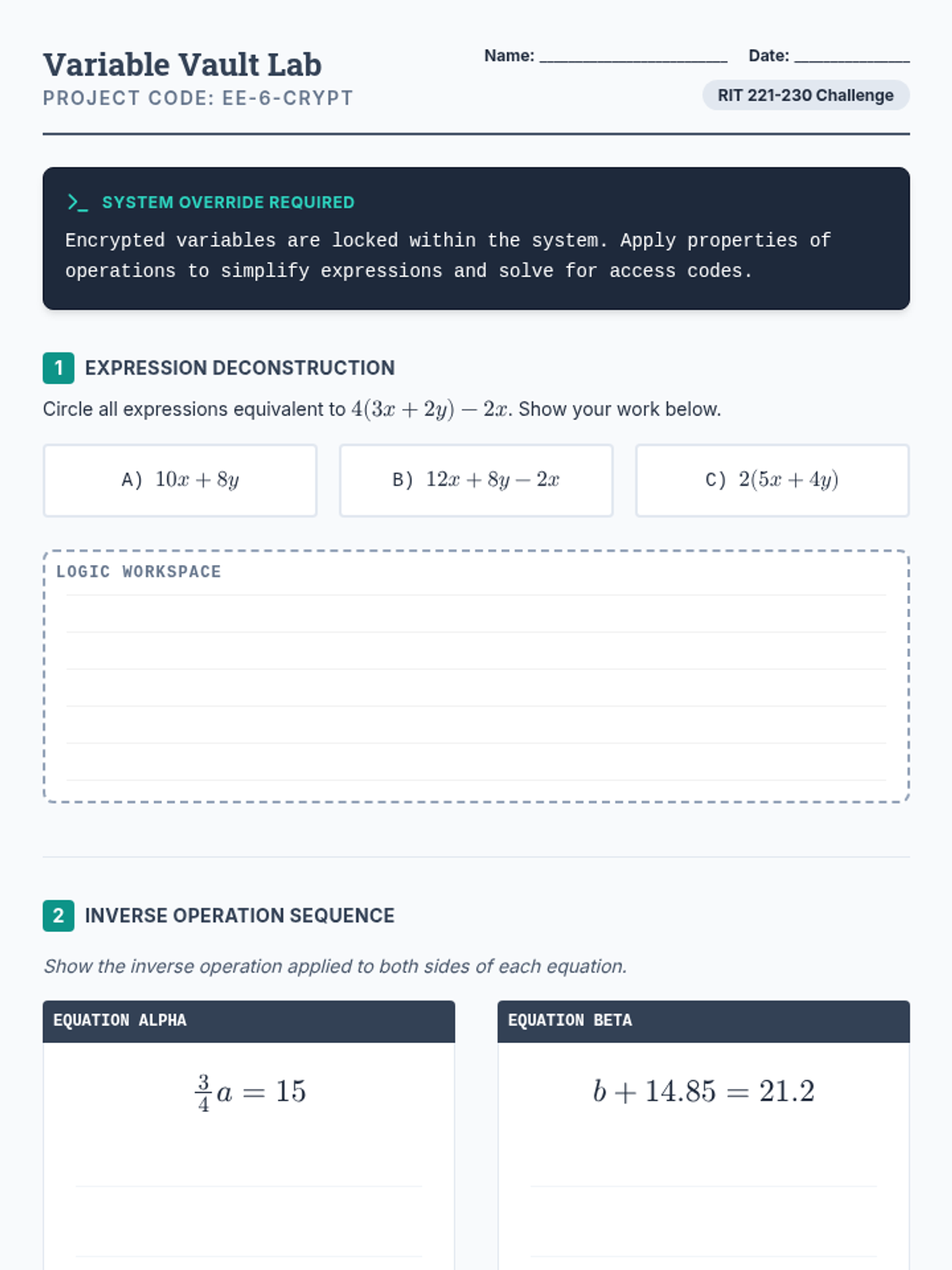
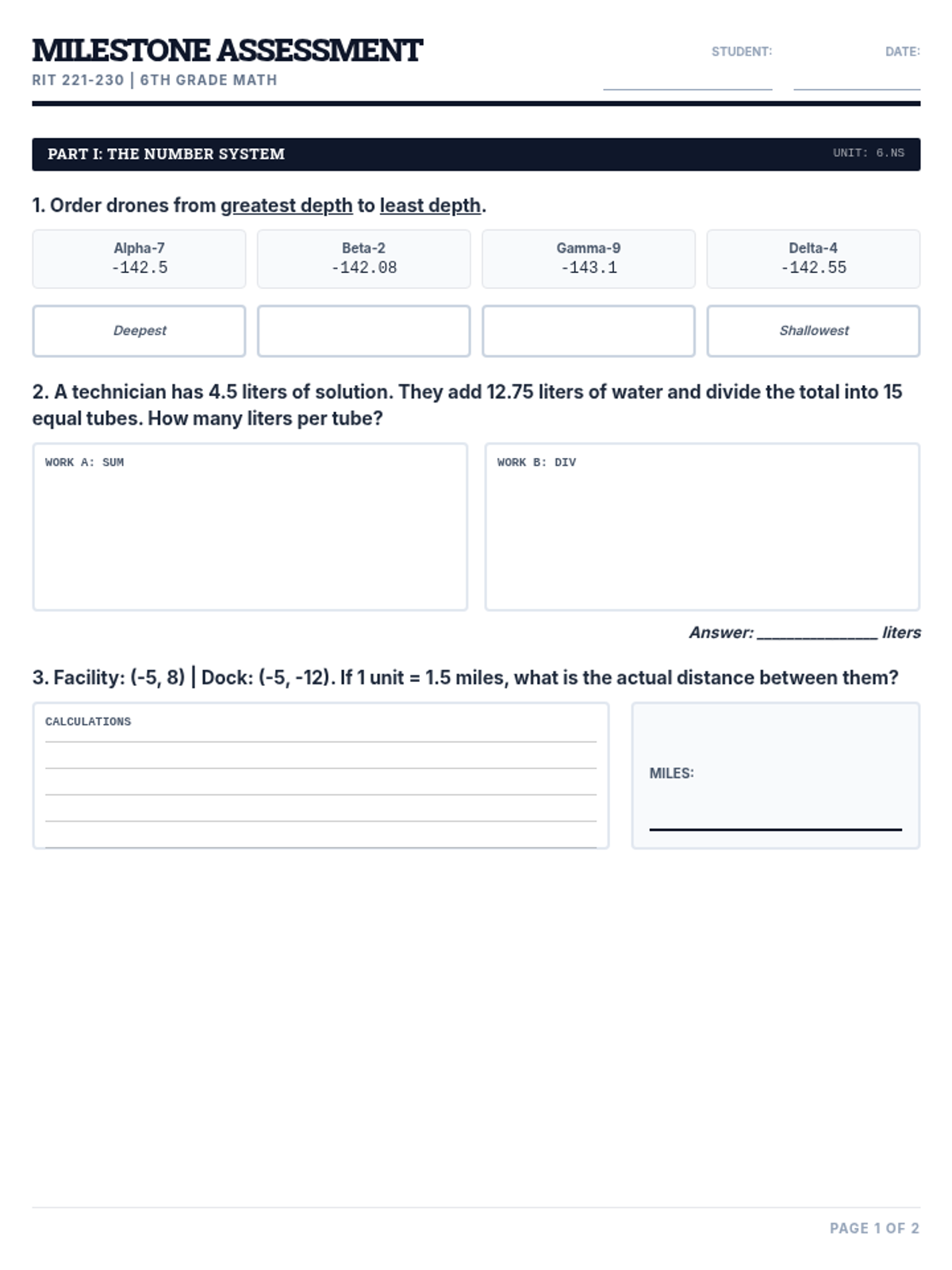
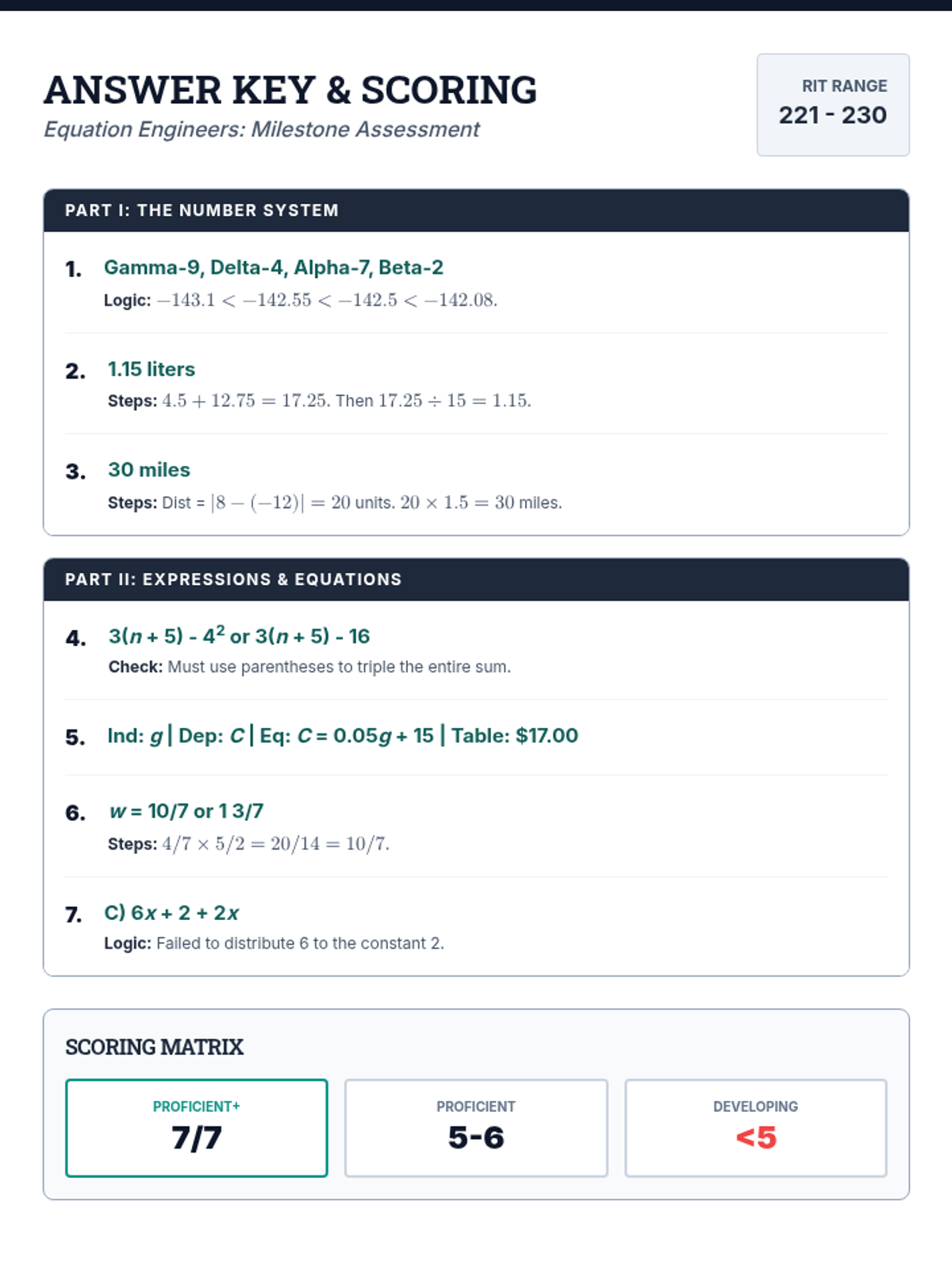
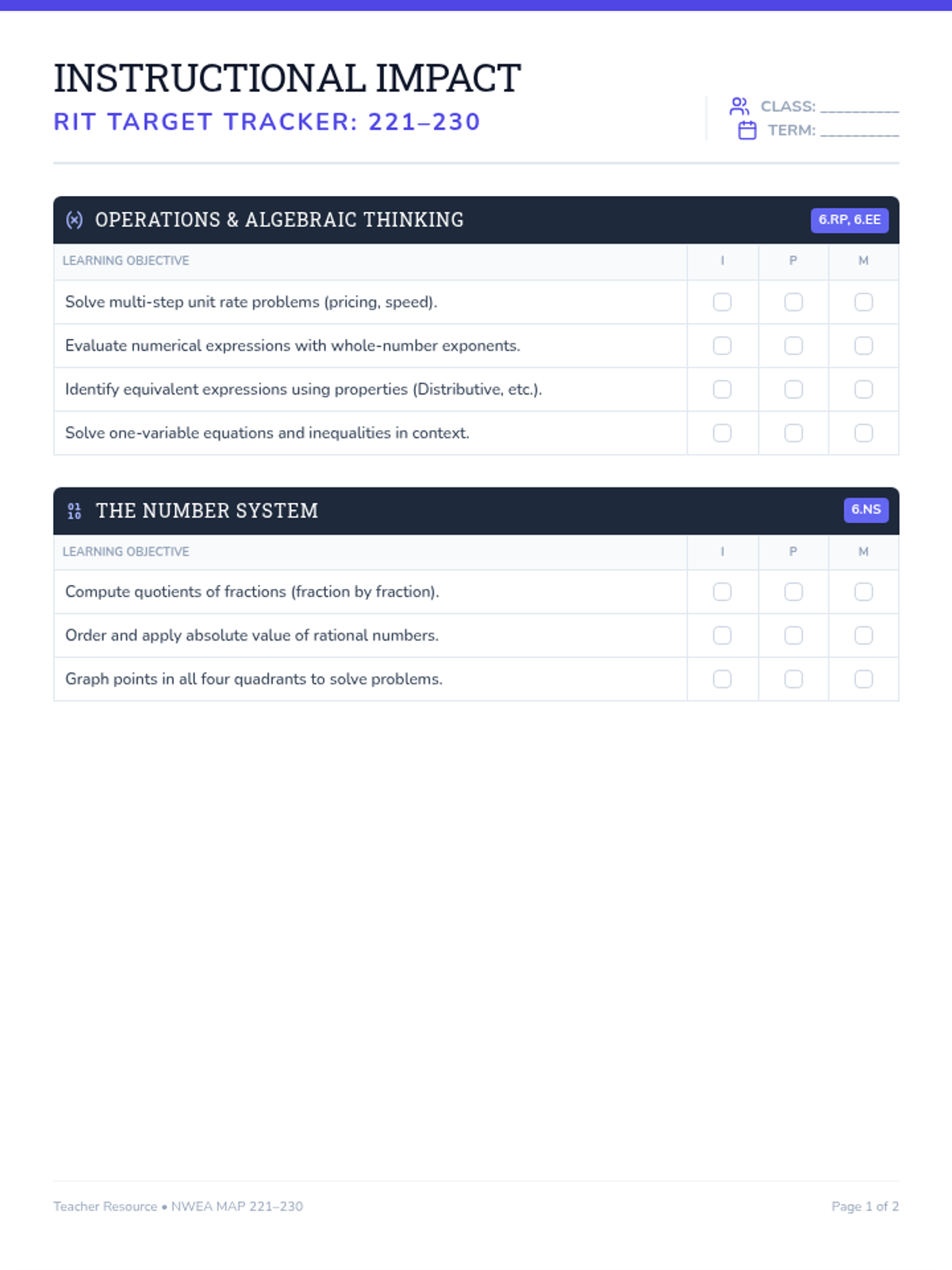
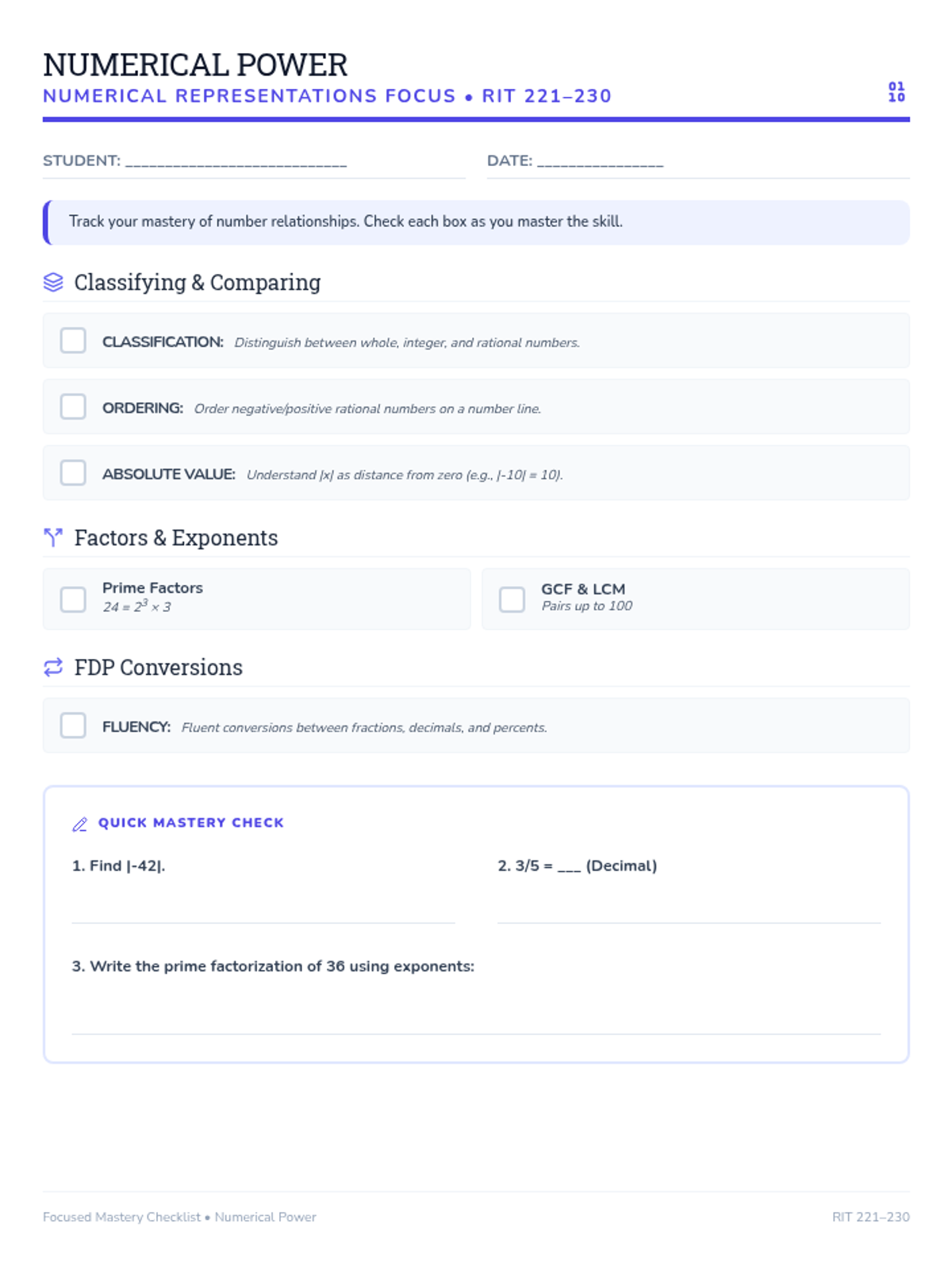
A comprehensive milestone assessment and review unit for 6th-grade students performing in the 221-230 RIT range, focusing on The Number System and Expressions & Equations. Includes a technical blueprint, skill-building lab activities, and a final proficiency assessment.
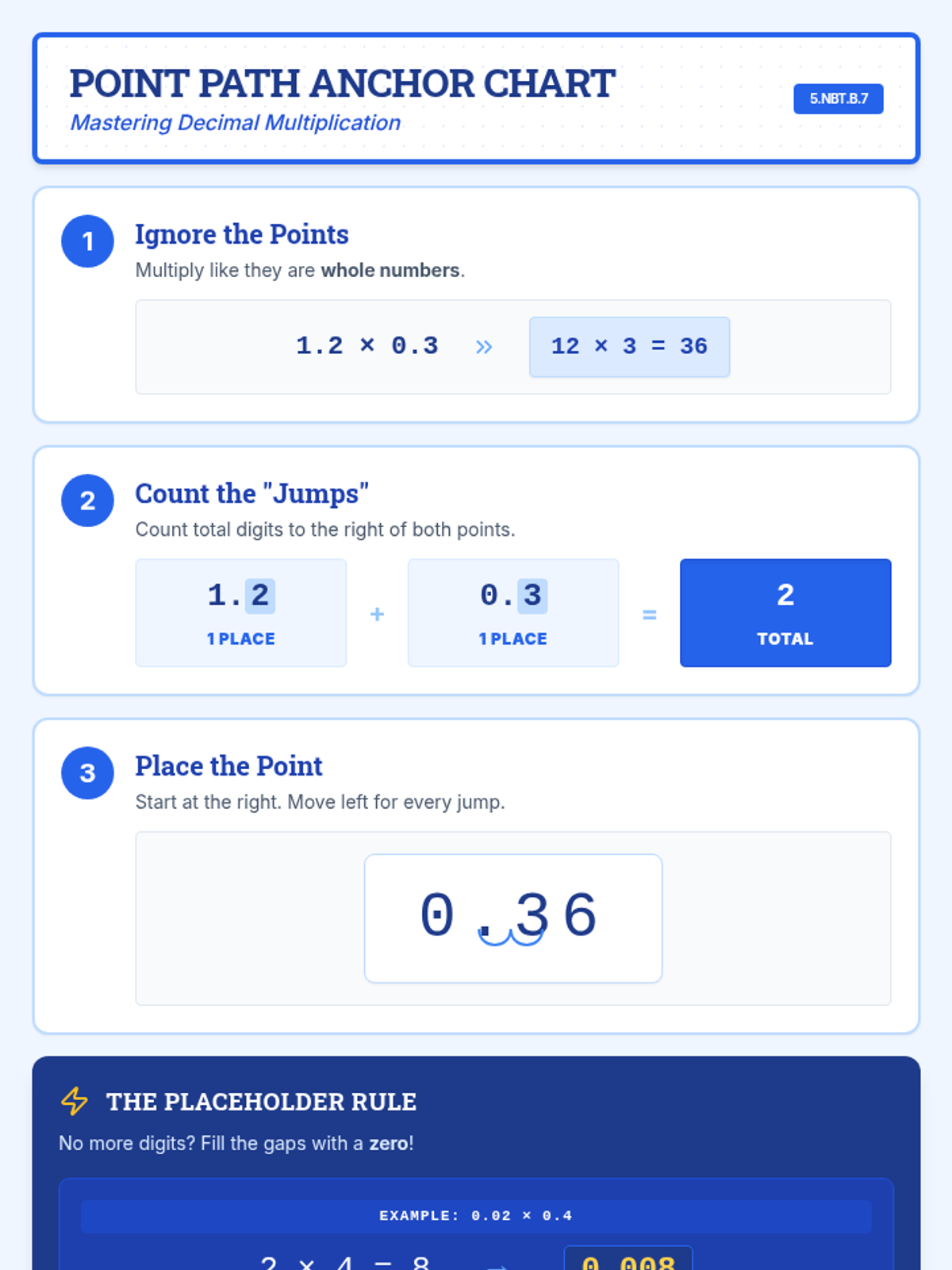
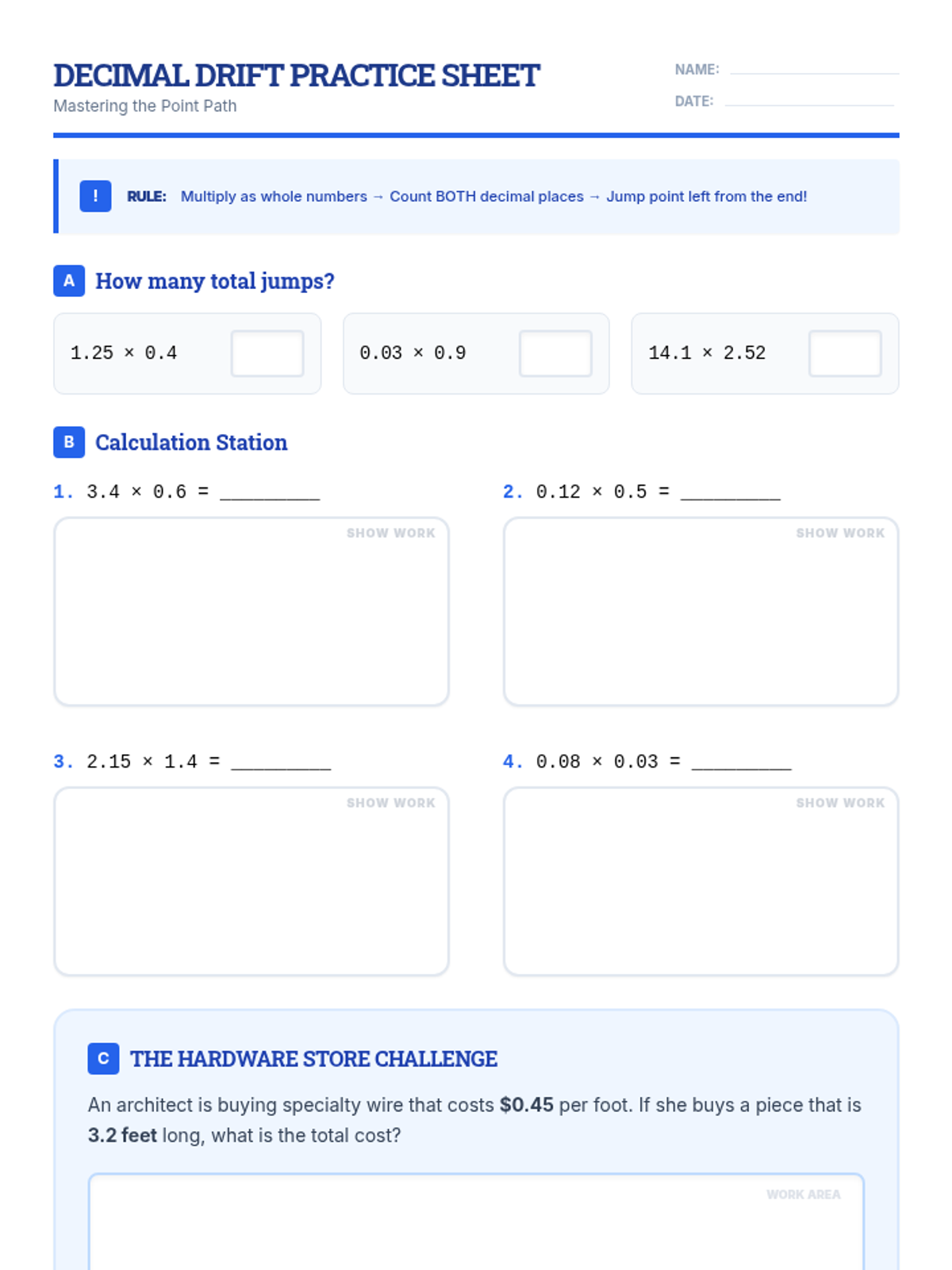
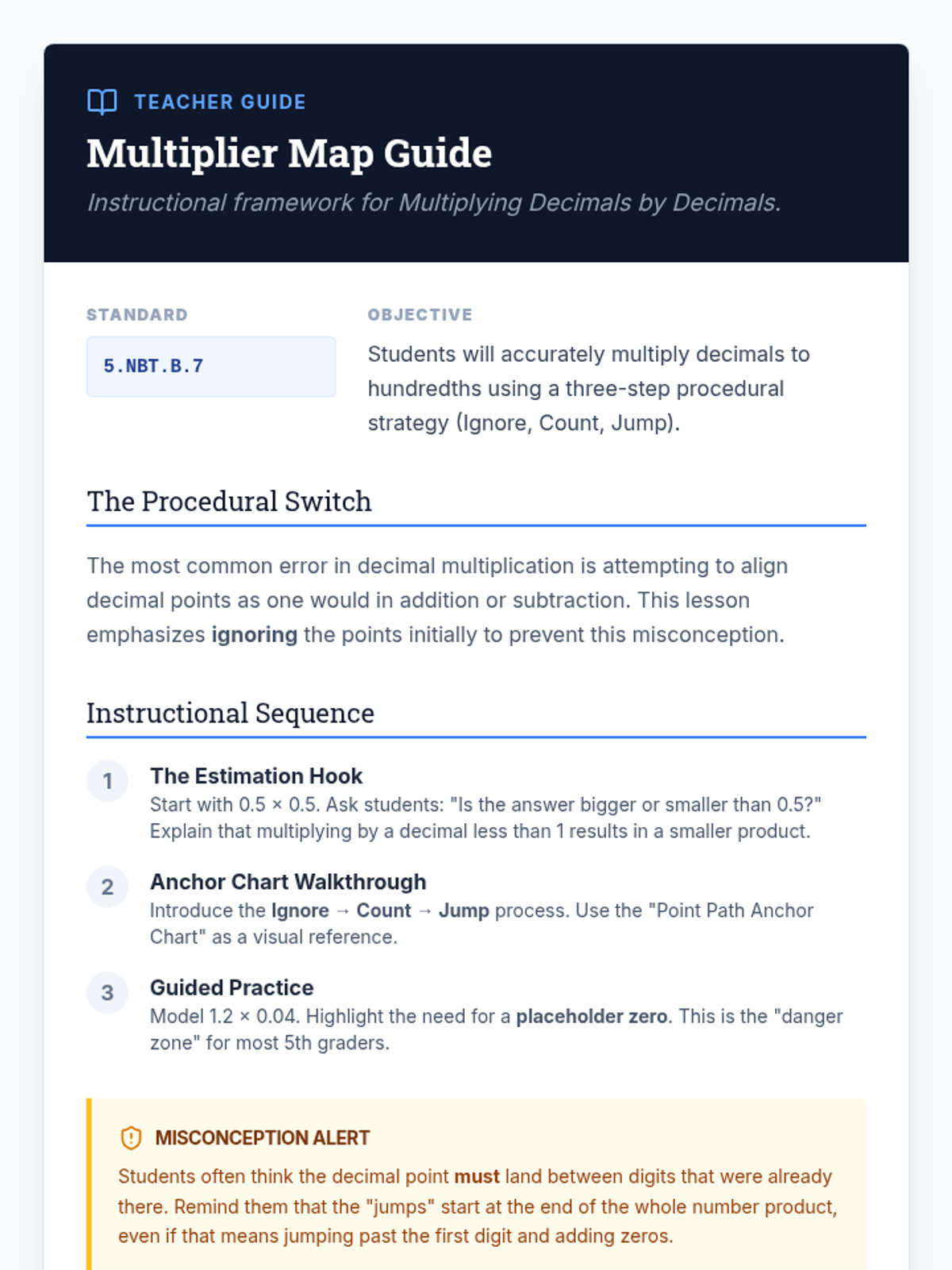
A comprehensive guide to multiplying decimals by decimals using a step-by-step procedural approach. This lesson includes a visual anchor chart for students, a practice worksheet to reinforce the skill, and a teacher guide for effective instruction.
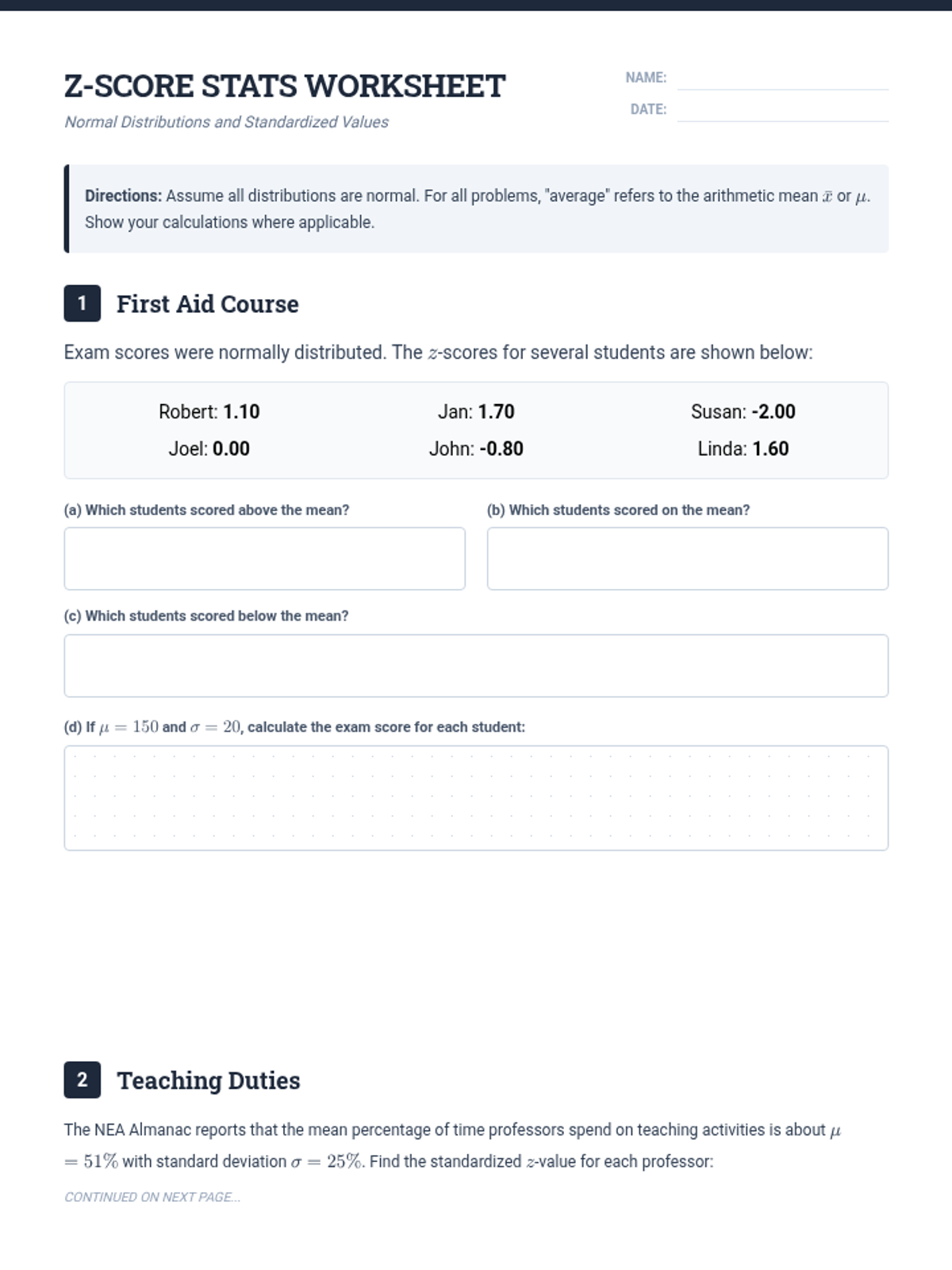
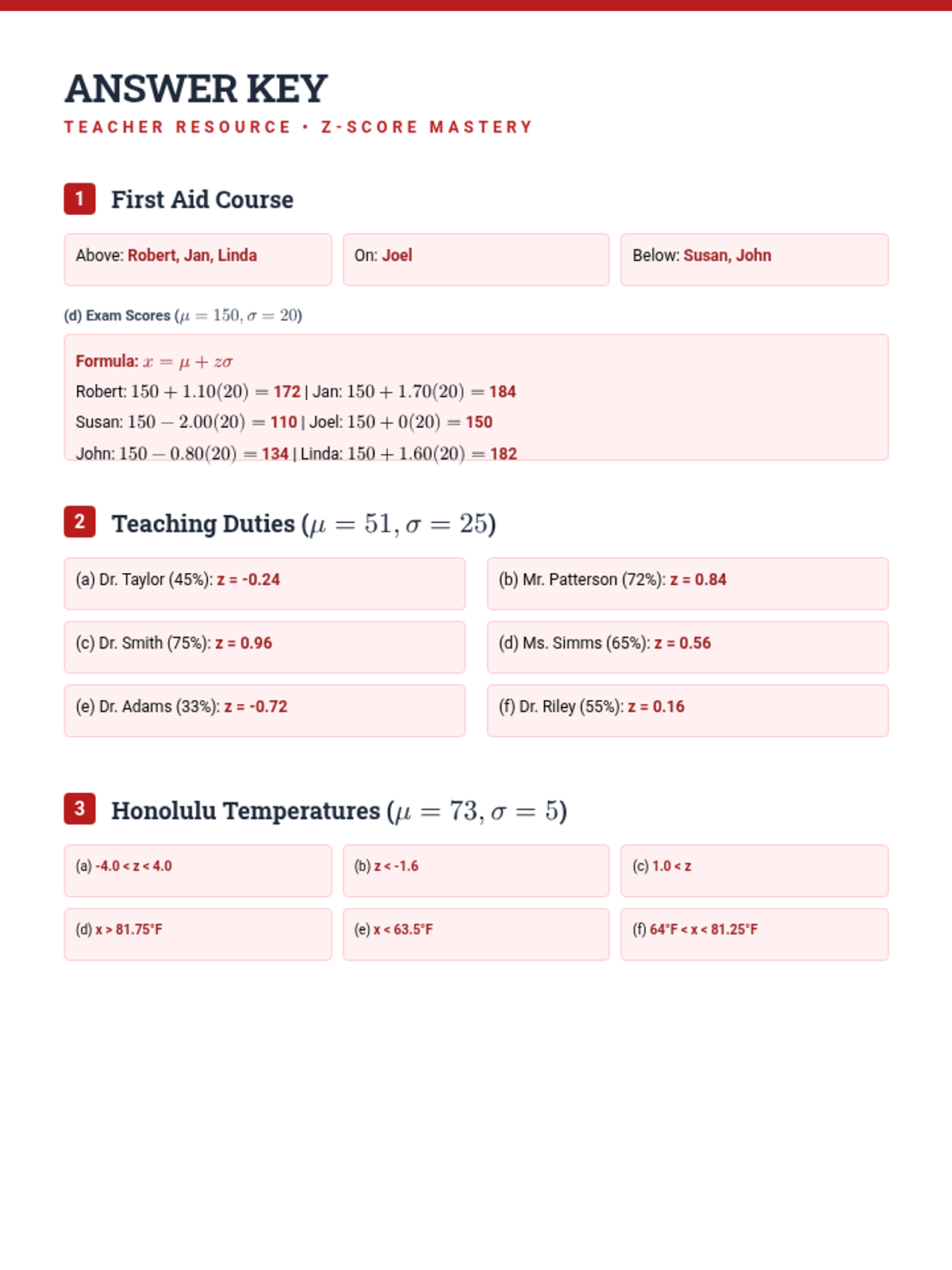
A lesson focused on calculating and interpreting z-scores within the context of normal distributions, featuring real-world data from ecology to education.
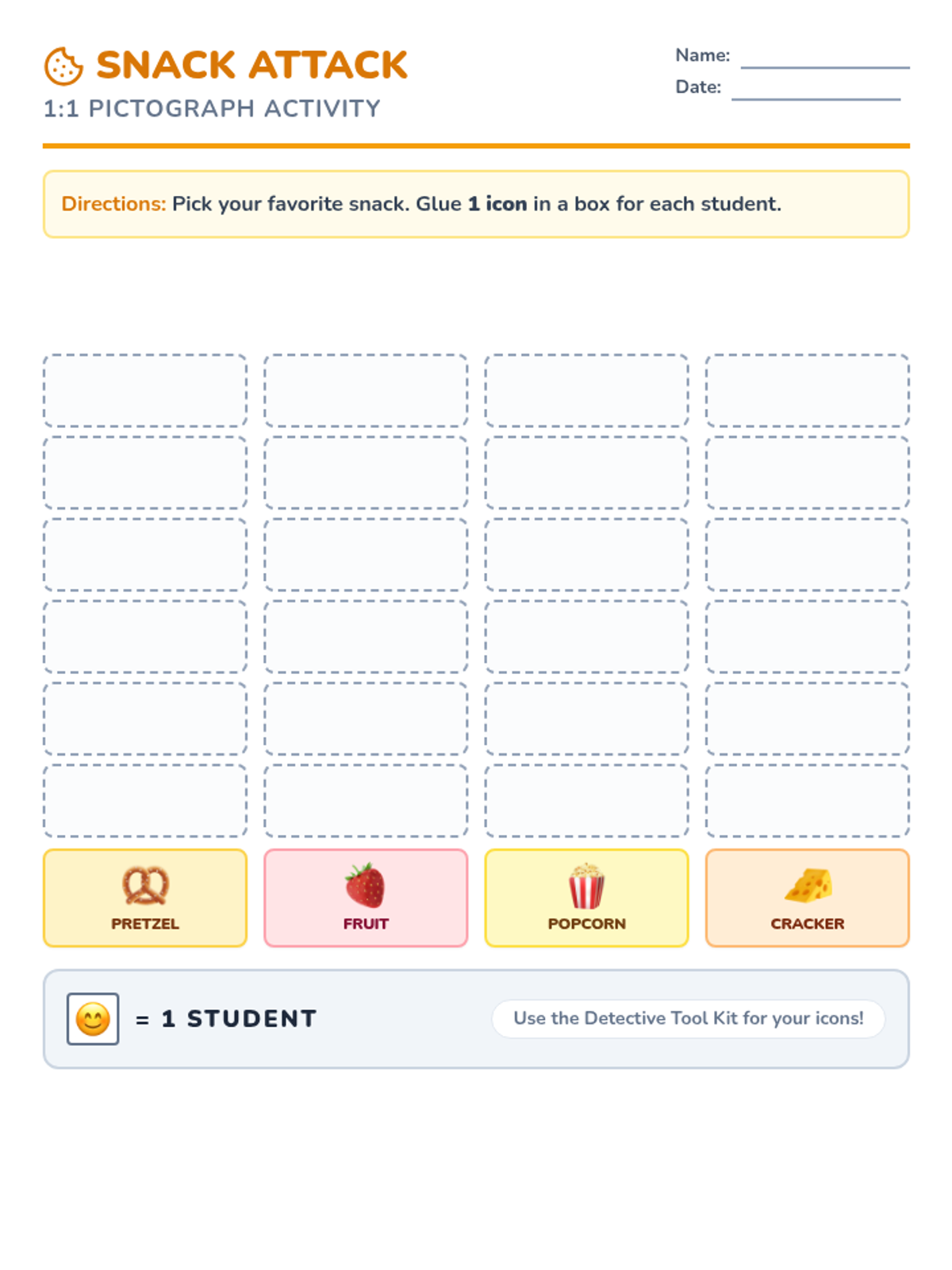
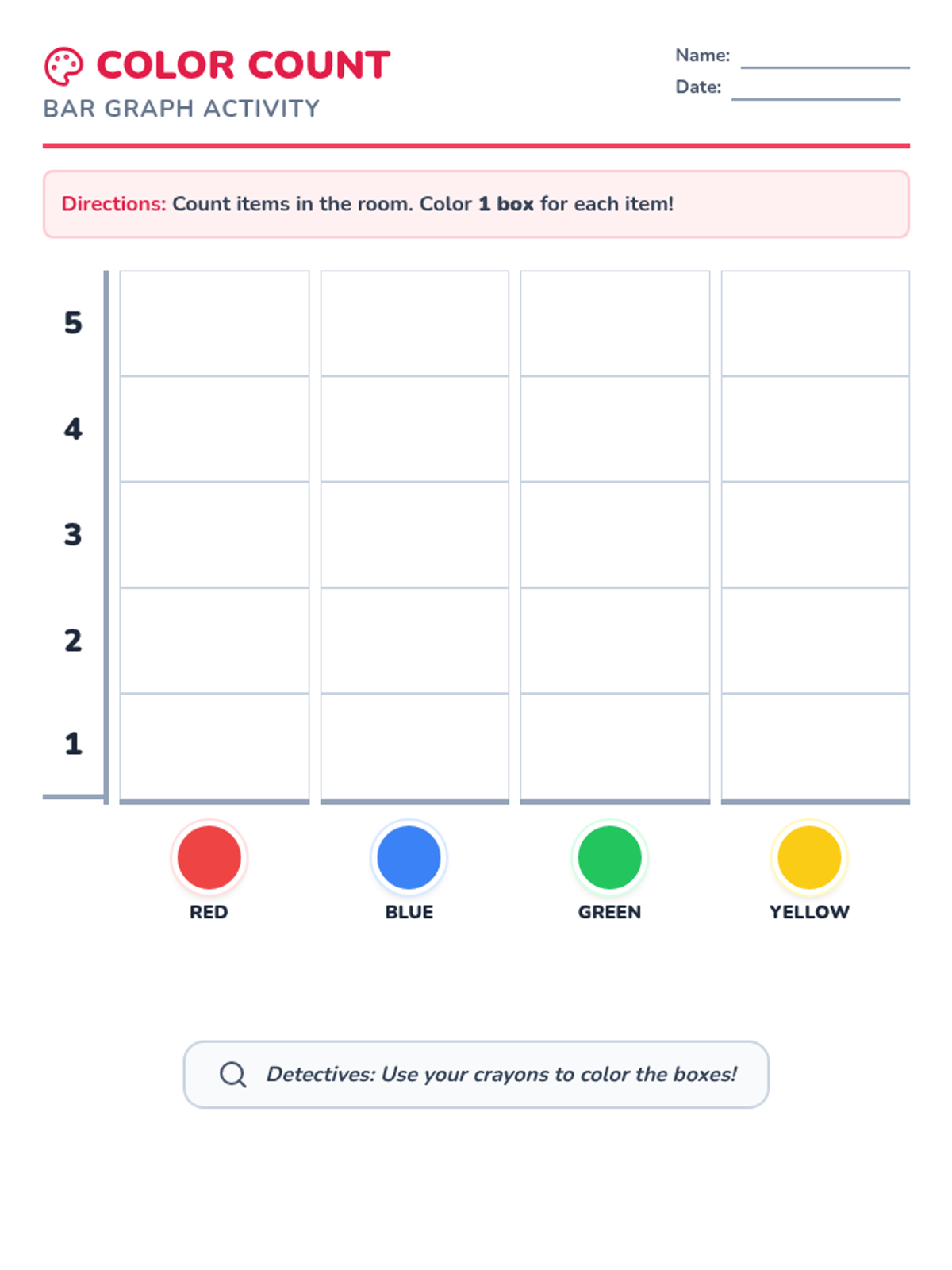
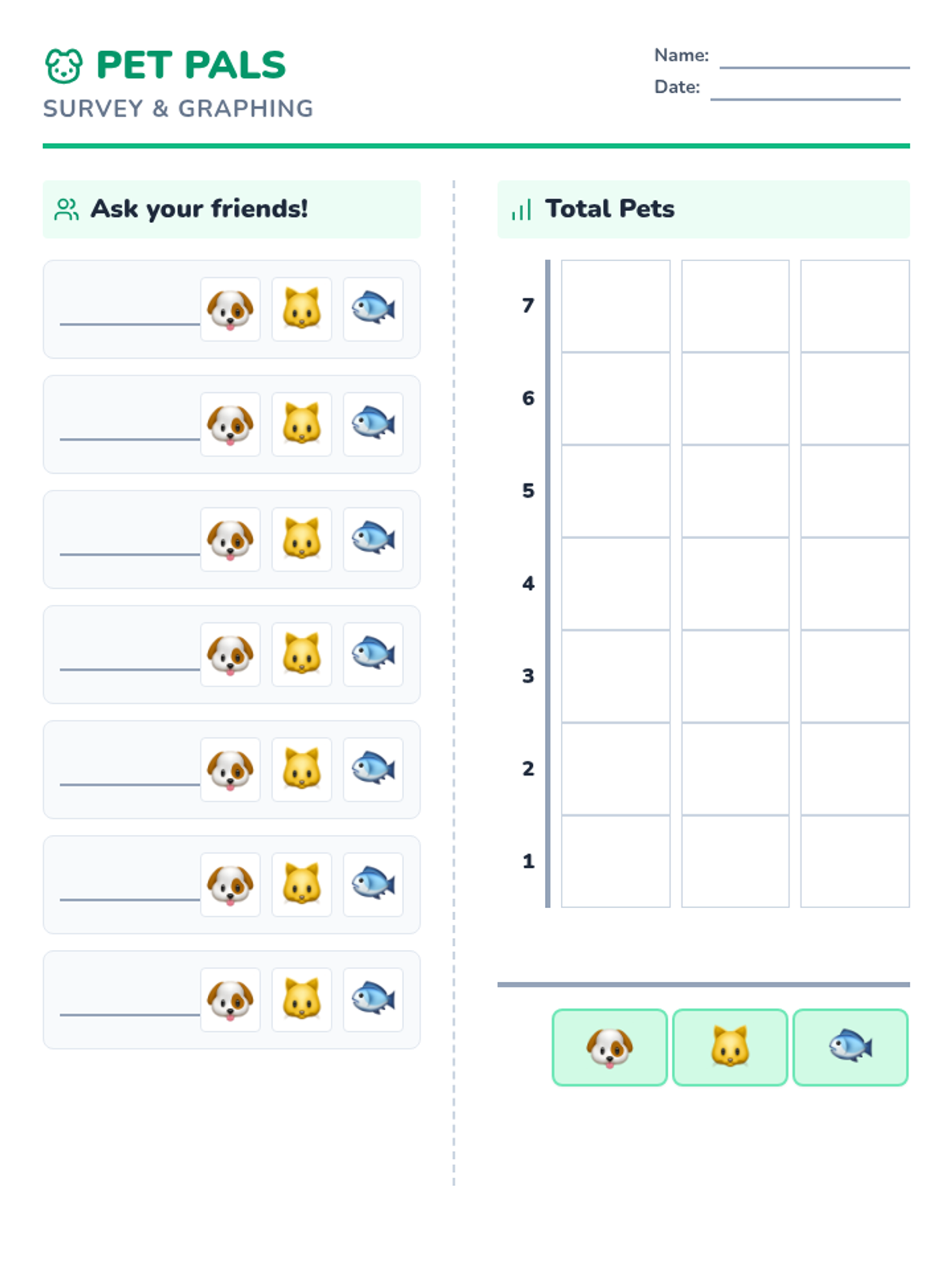
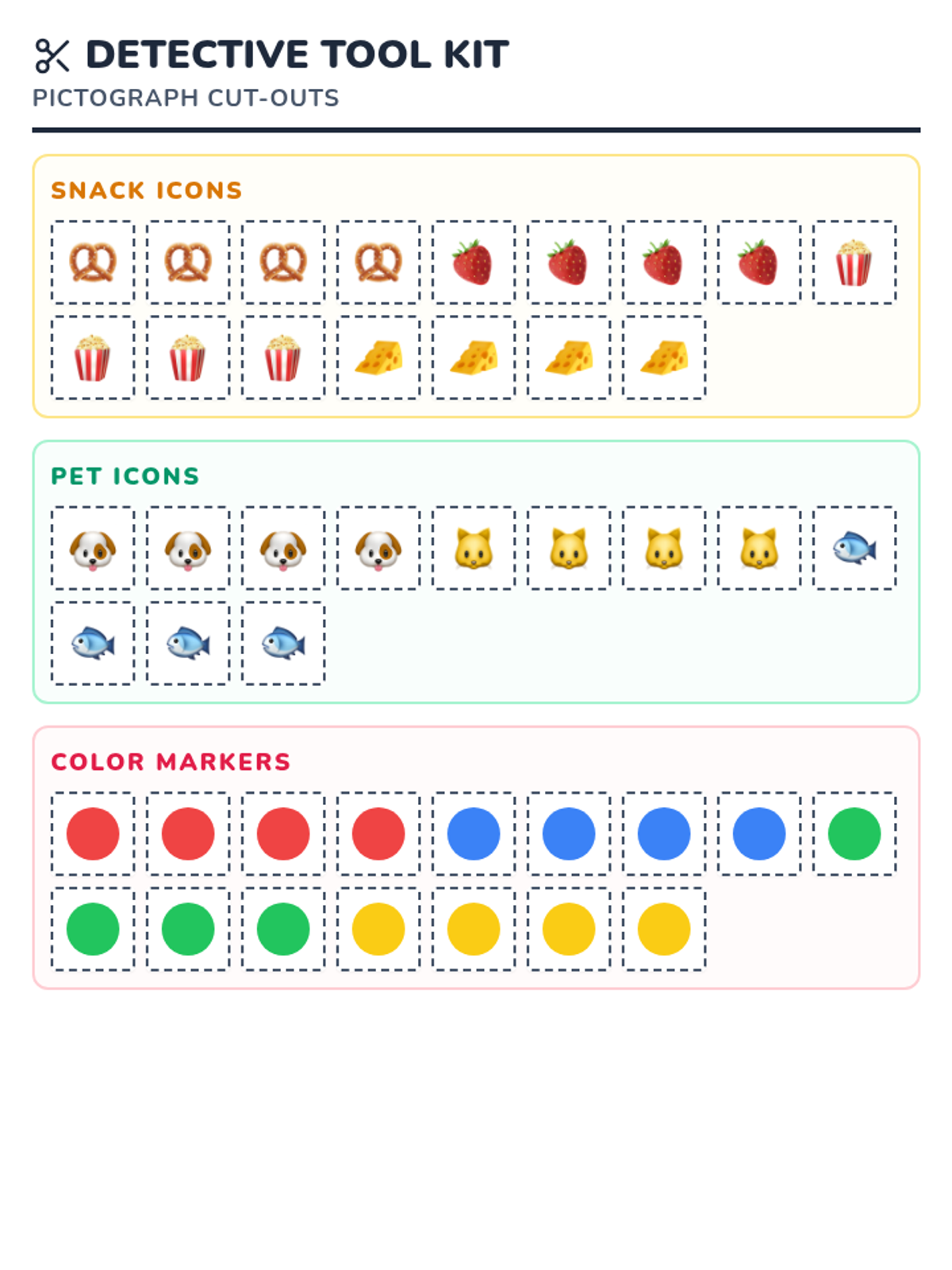
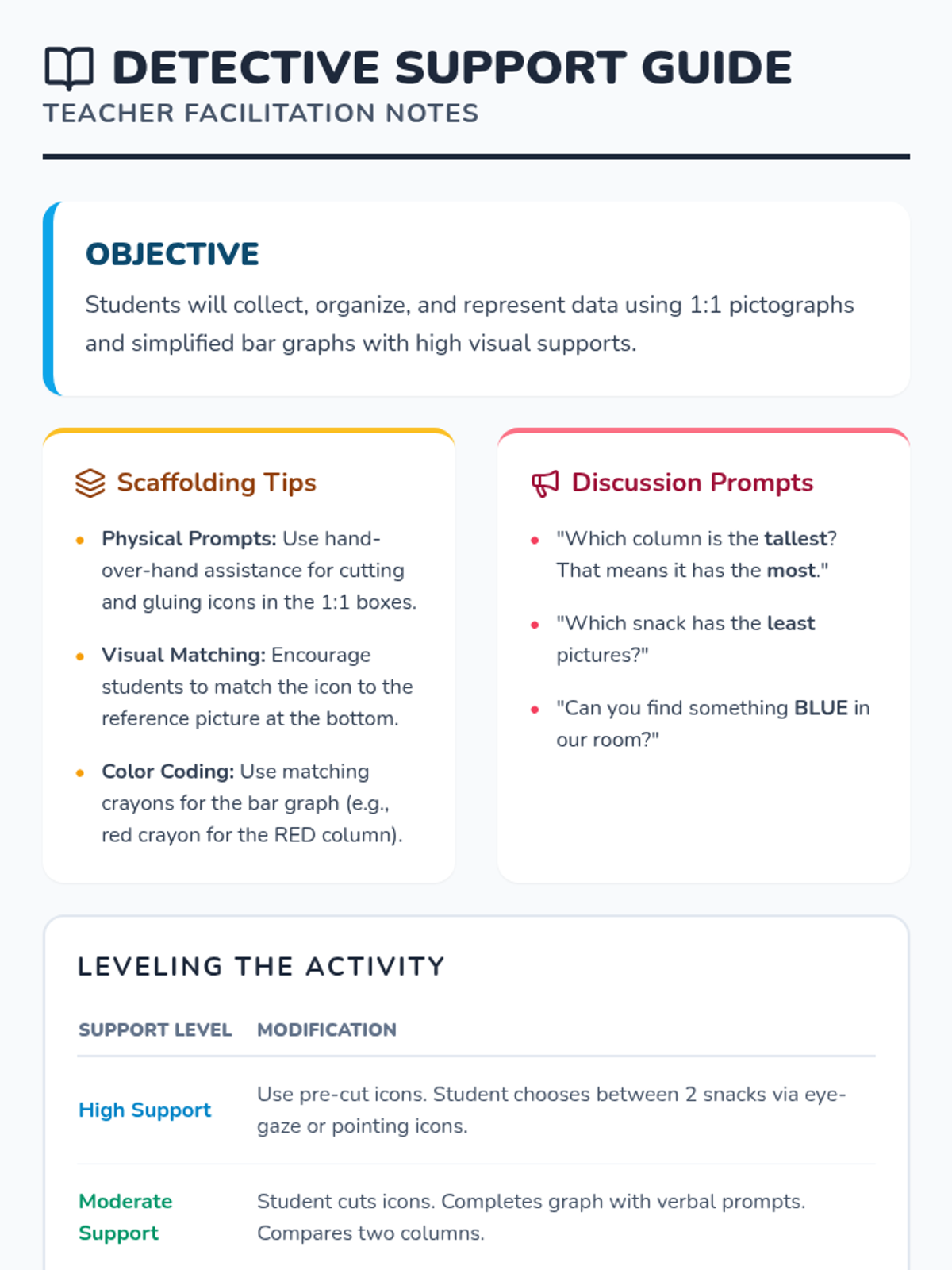
A hands-on graphing lesson designed for Essential Skills students, focusing on 1:1 pictographs and bar graphs using snack, color, and pet data with heavy visual supports.
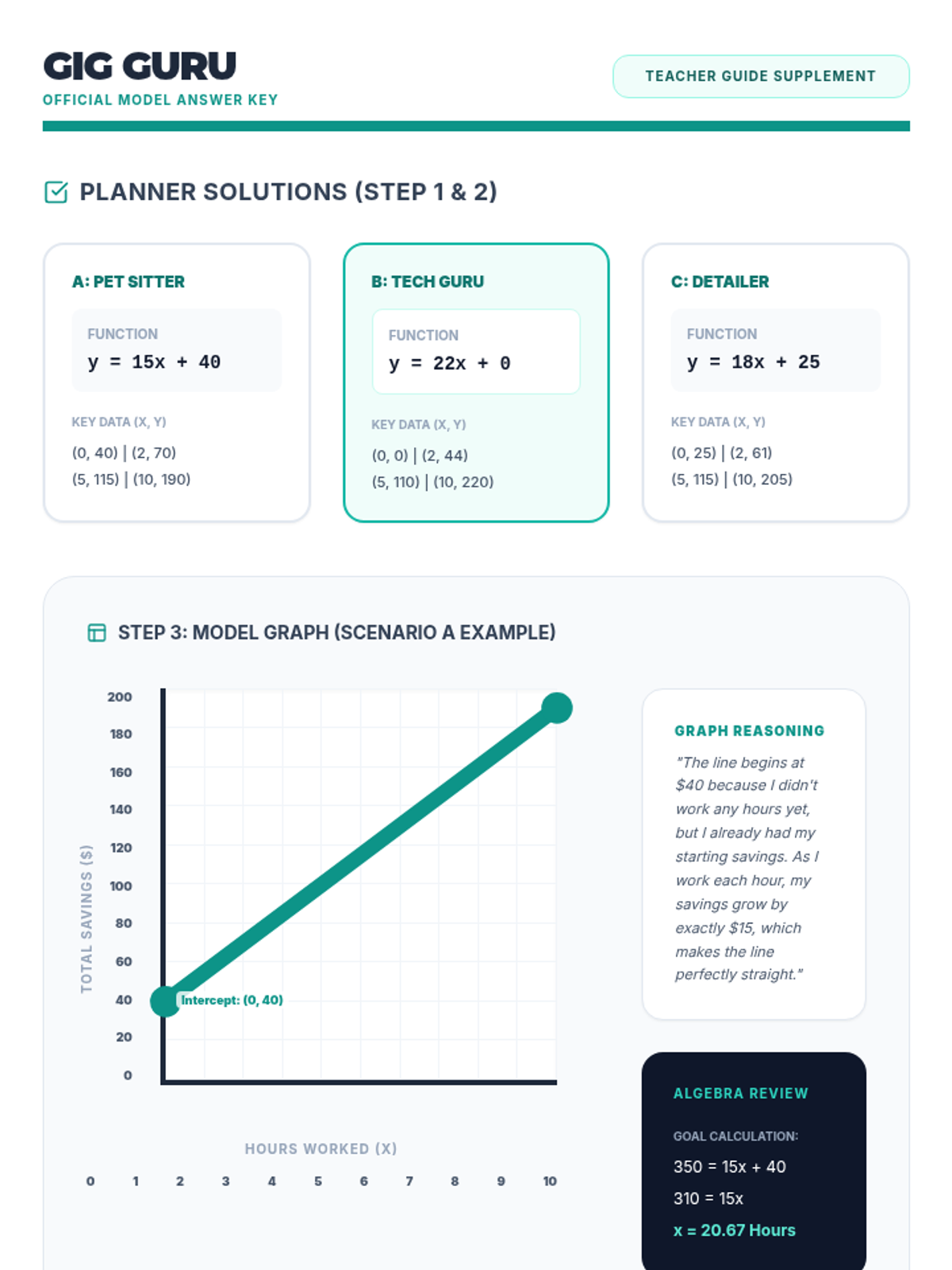
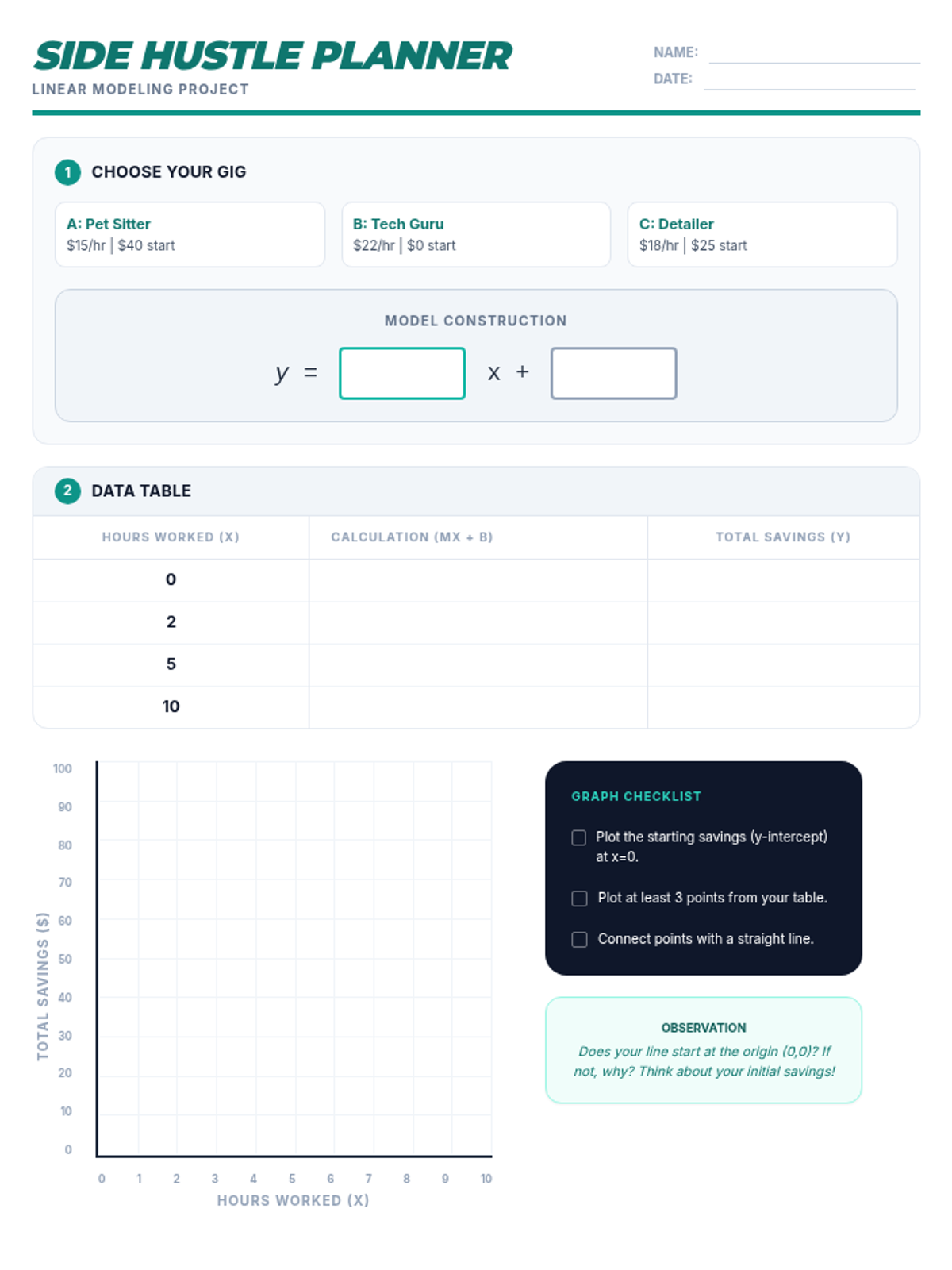
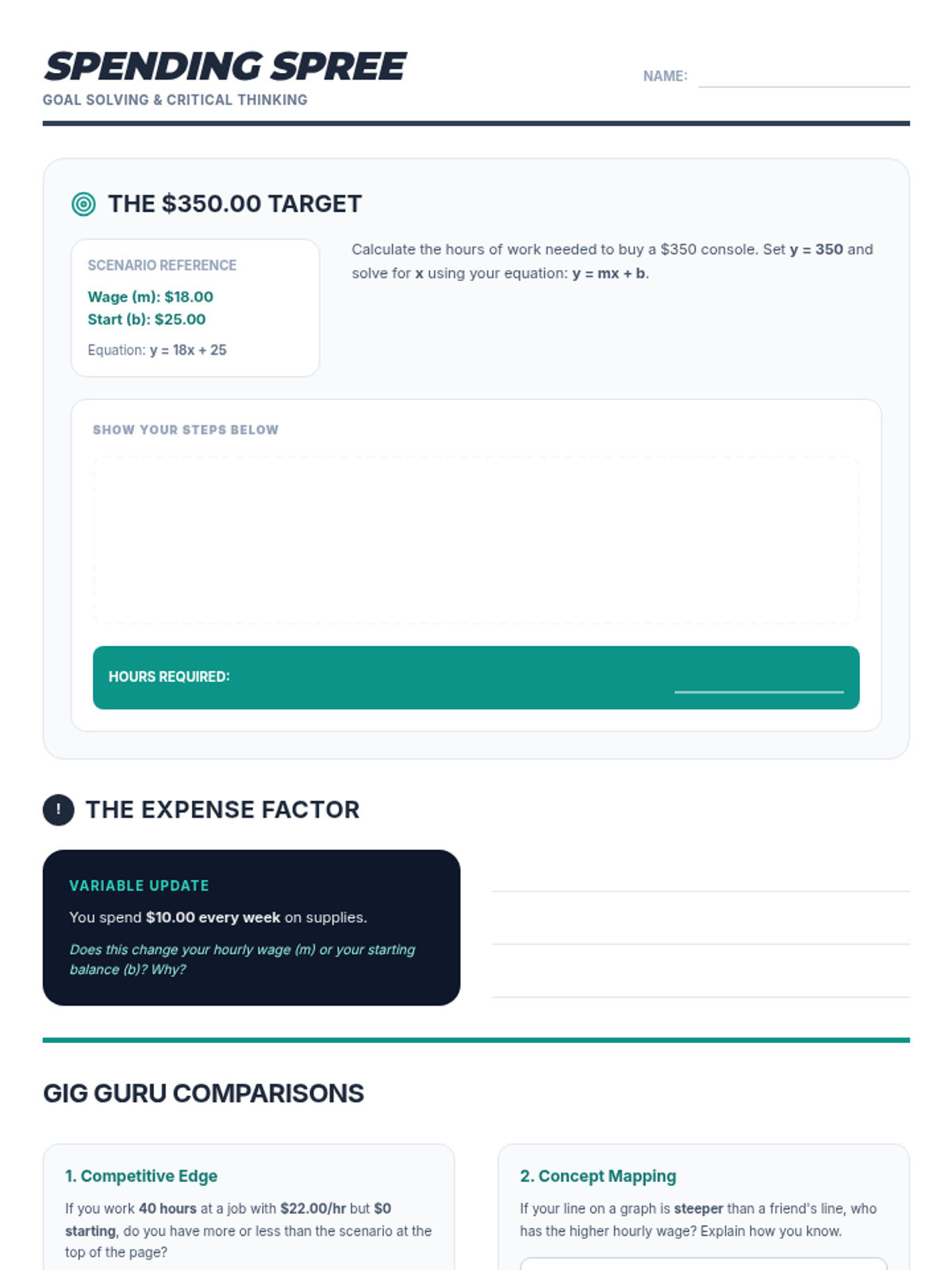
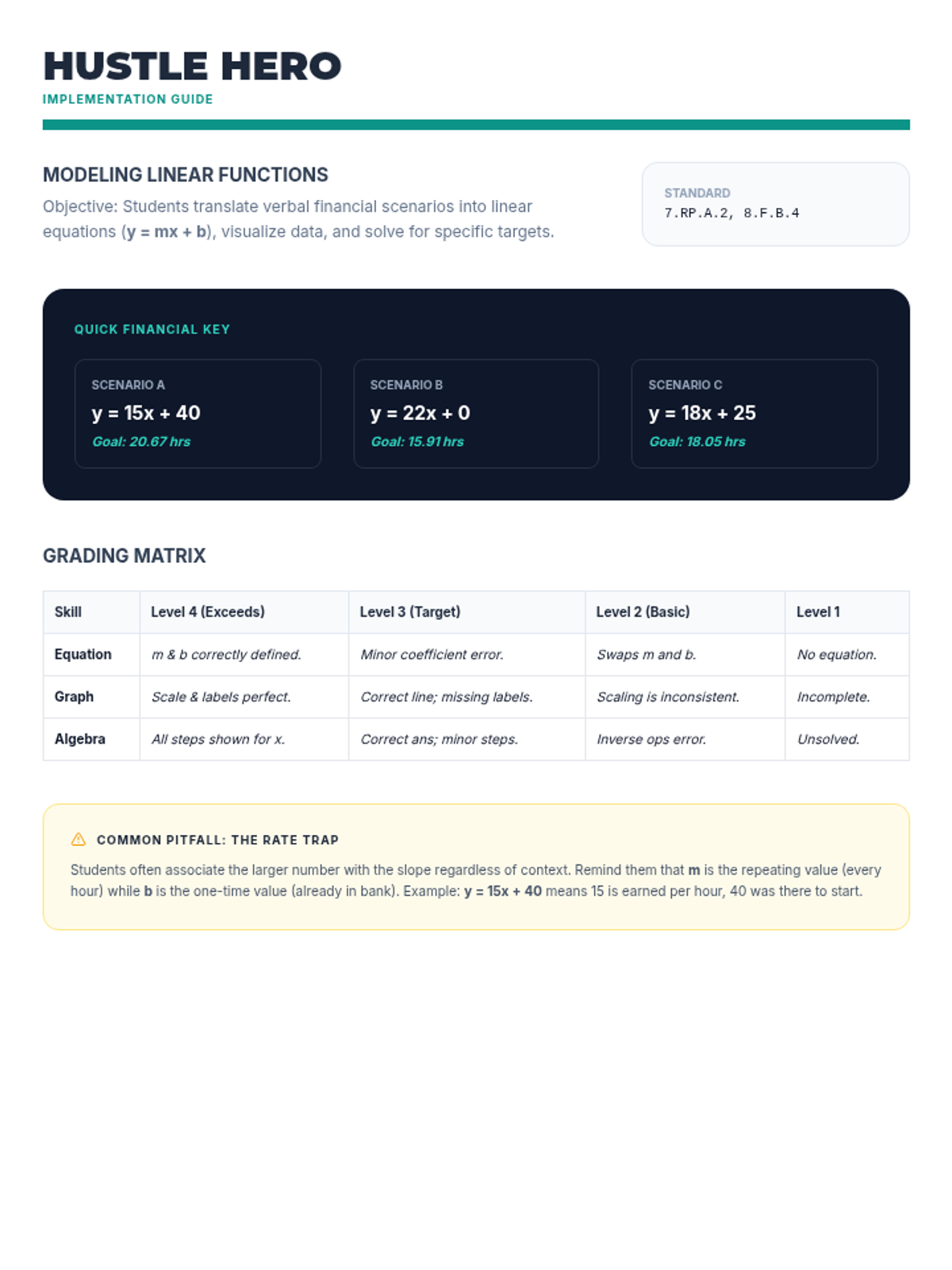
Students apply linear function concepts to model a real-world income and expense scenario. They will calculate rates of change, identify initial values, and visualize their budget through graphing.
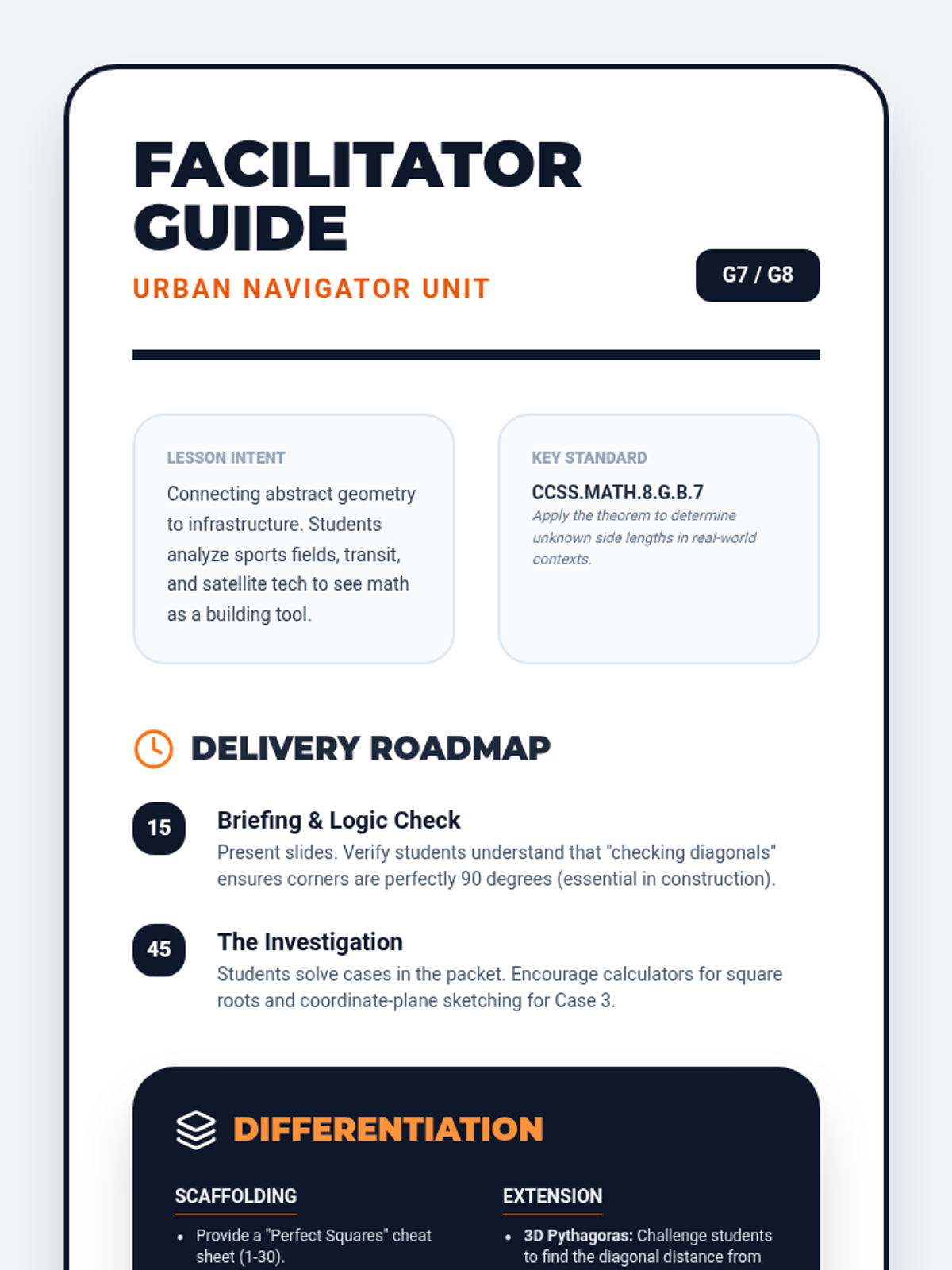
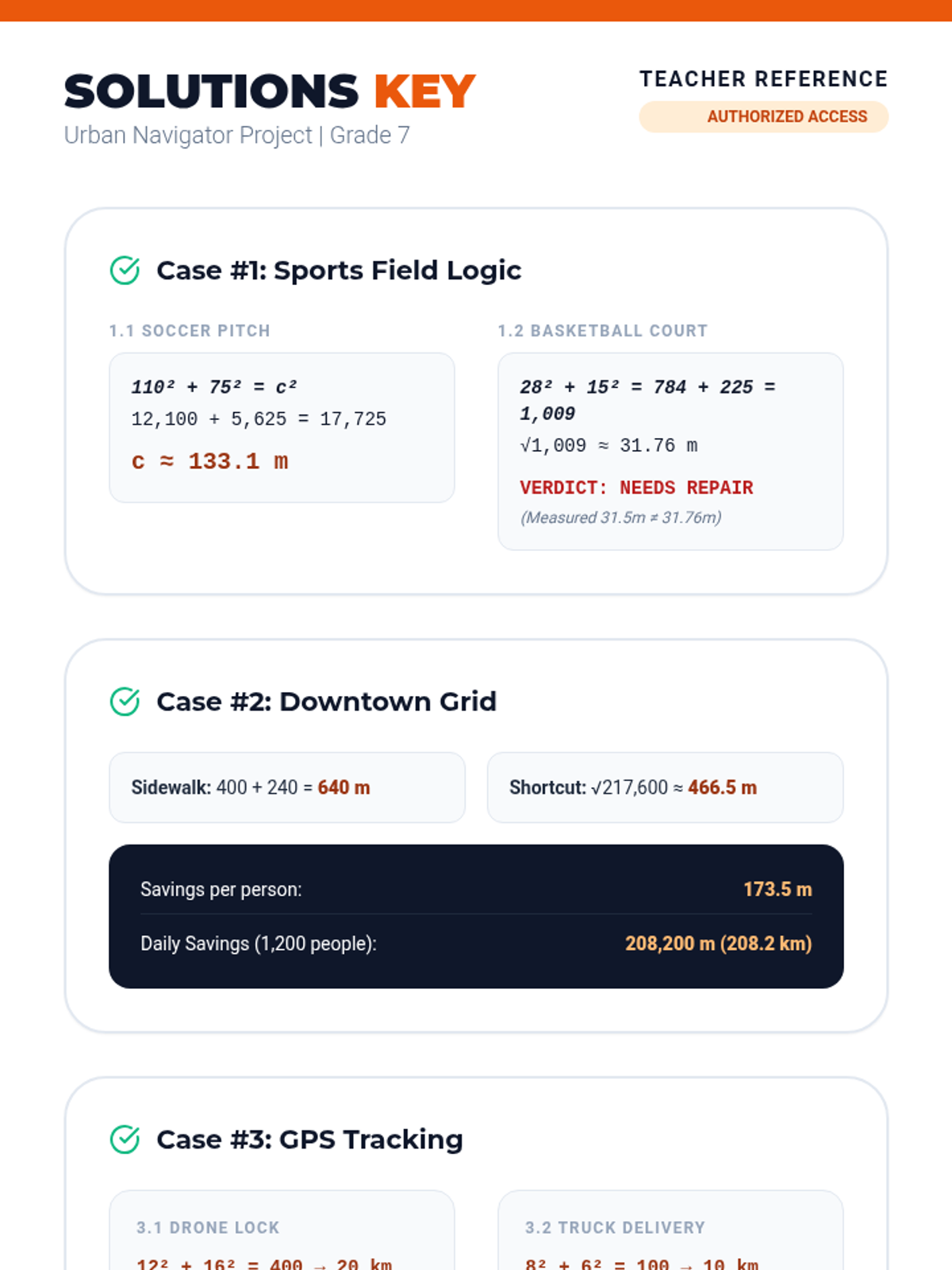
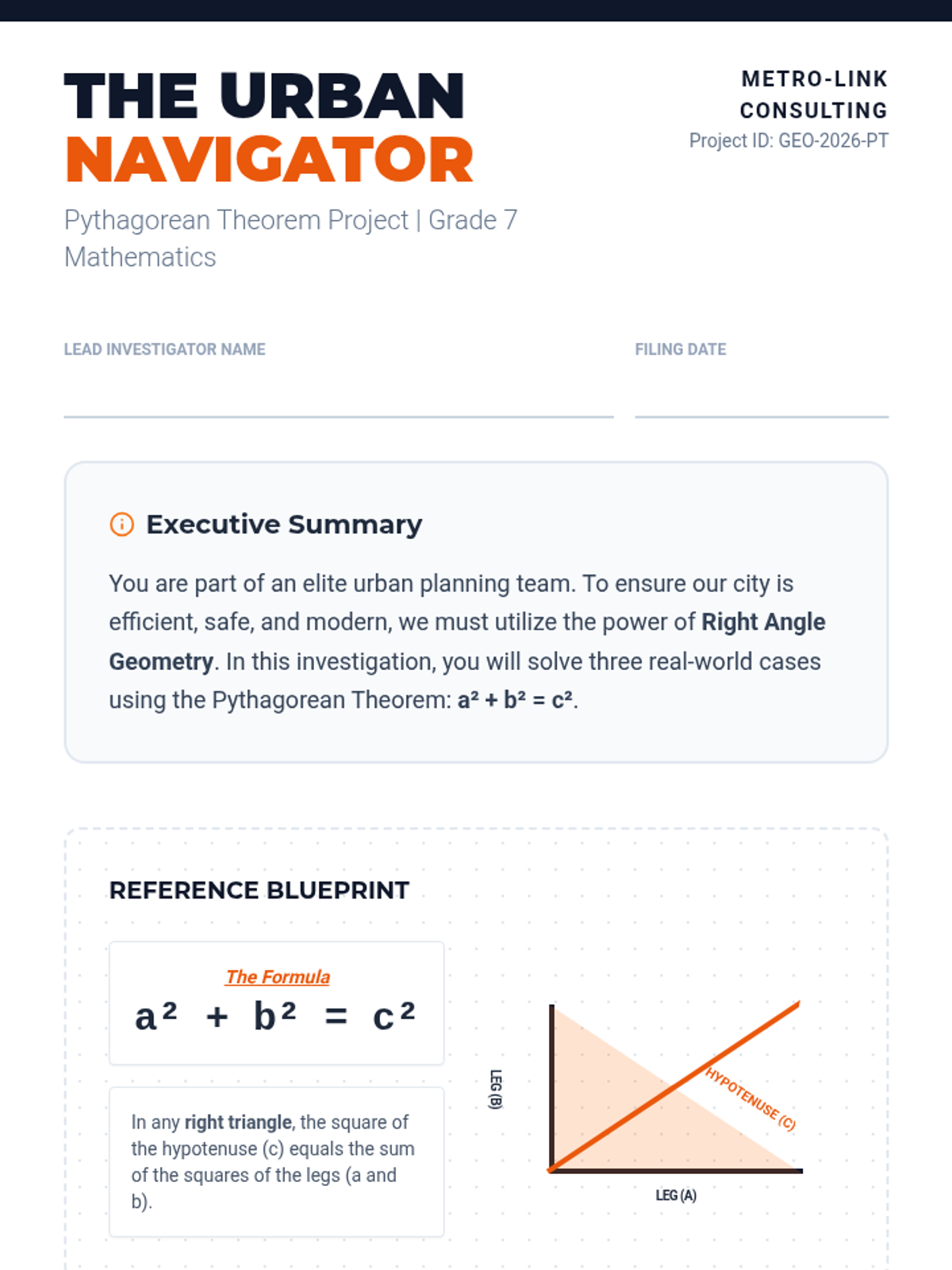
A real-world project-based learning unit where students apply the Pythagorean Theorem to urban planning, sports field design, and GPS navigation. Students act as urban developers and navigators to solve practical distance problems.
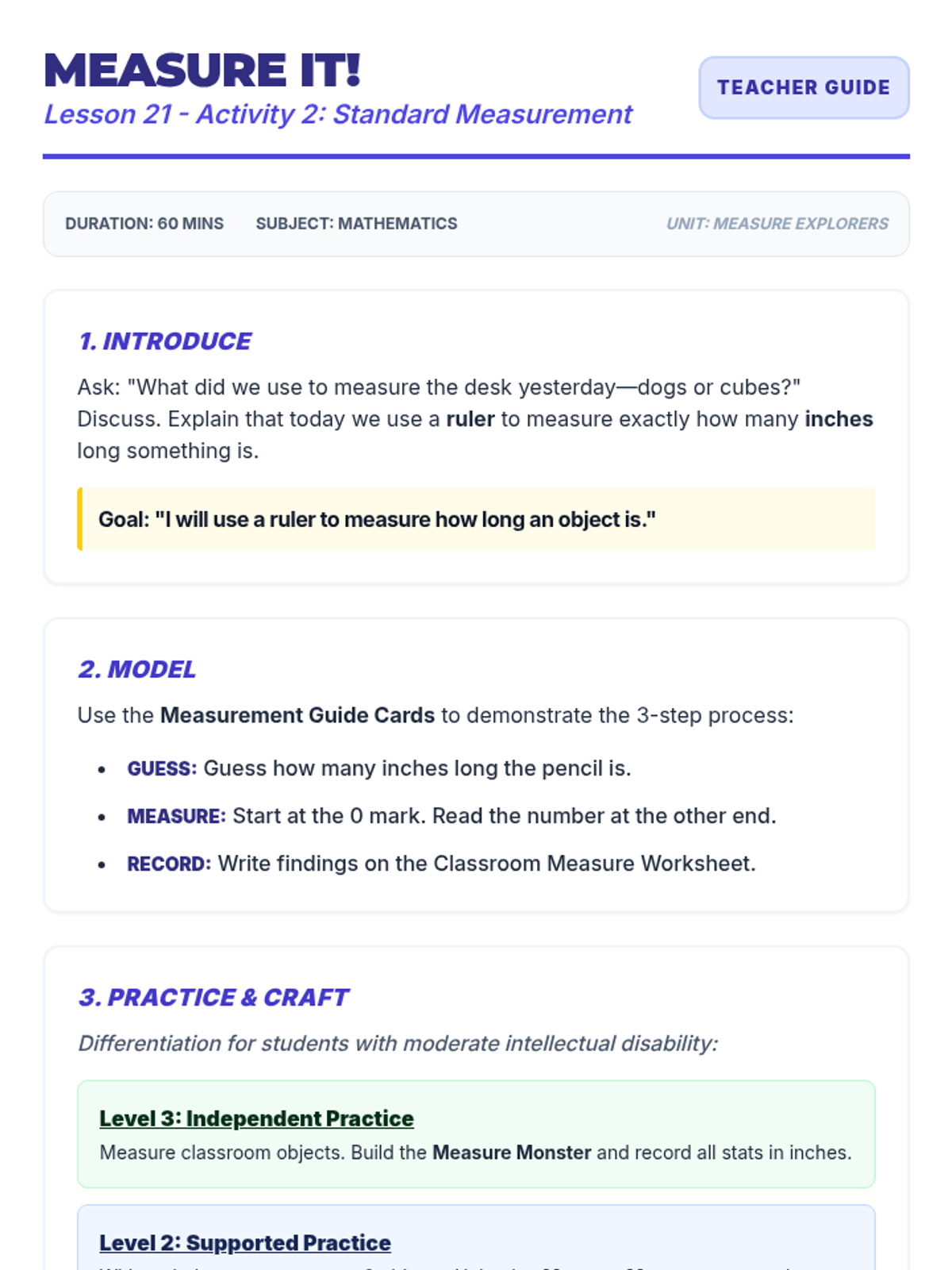
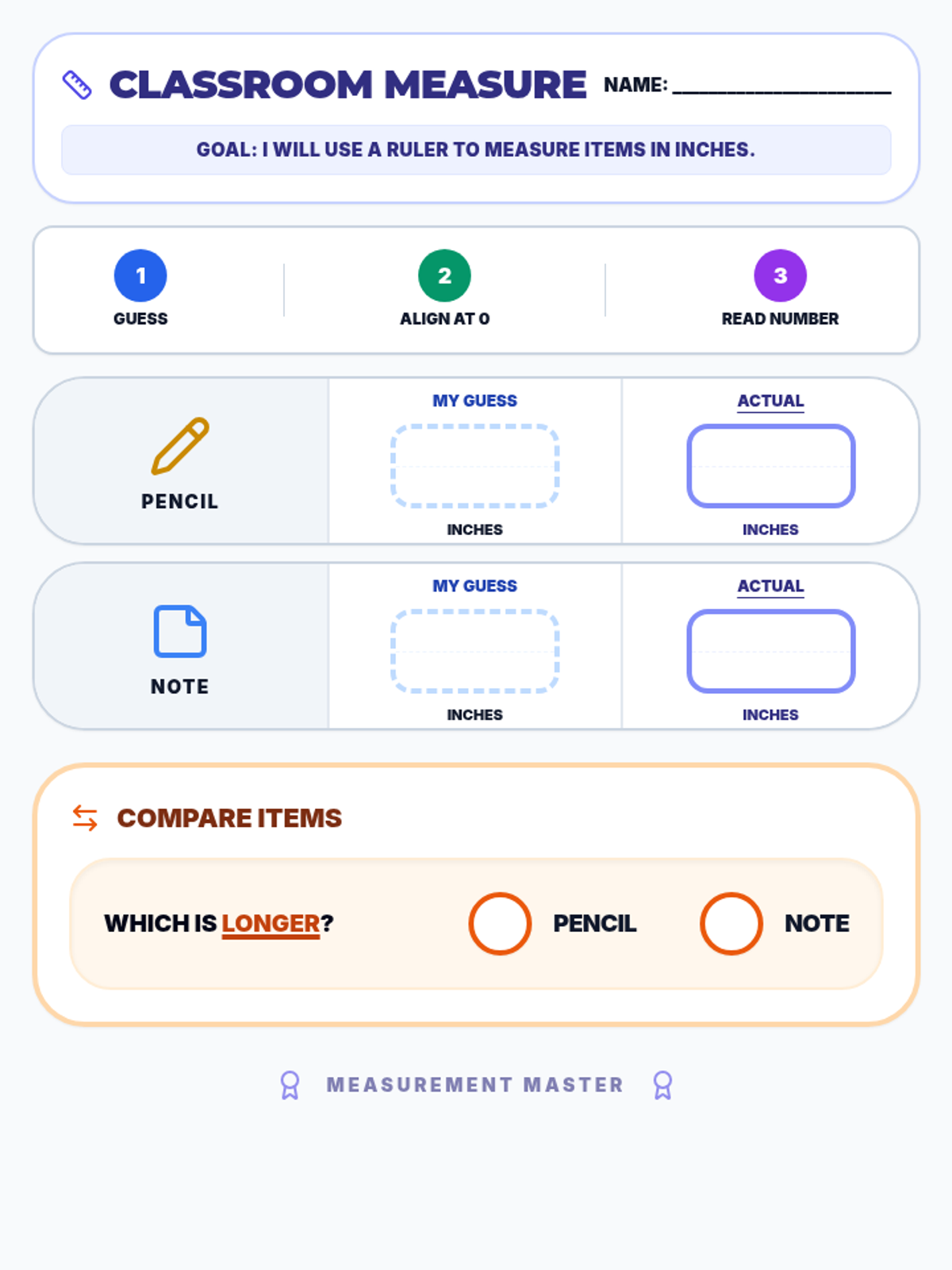
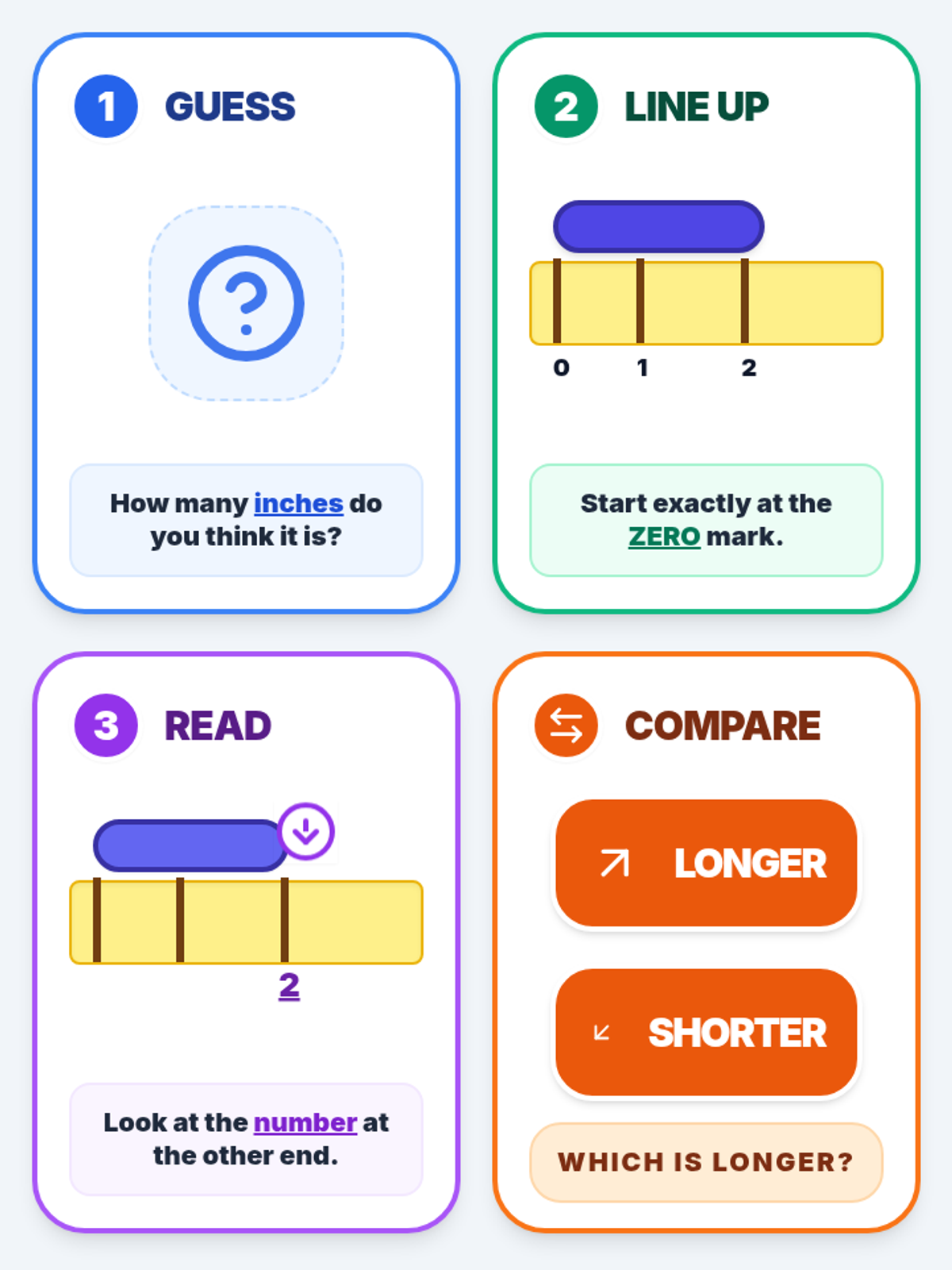
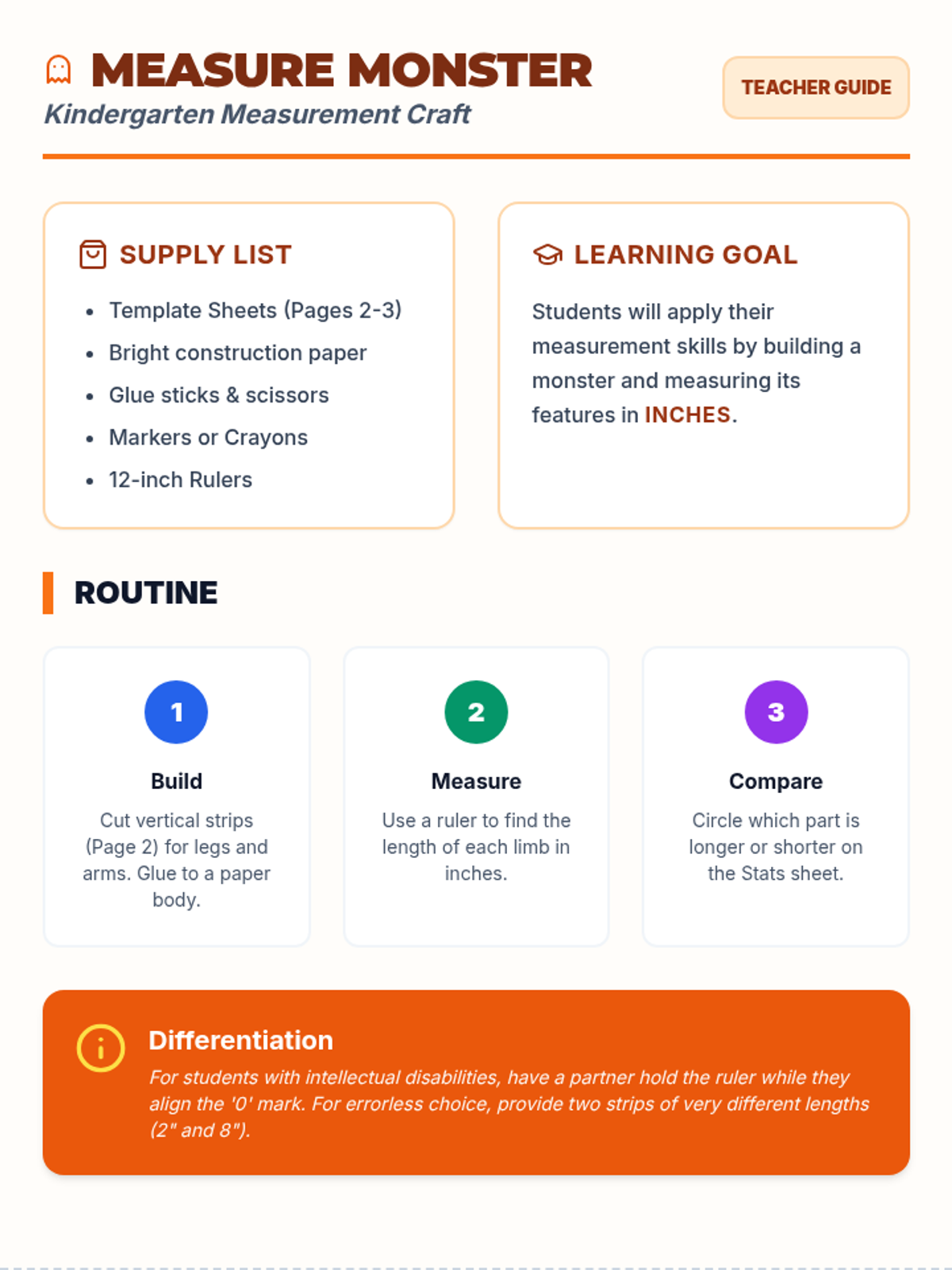
Introducing standard measurement using inches and rulers, focusing on estimating, measuring, and comparing classroom objects with tiered supports.
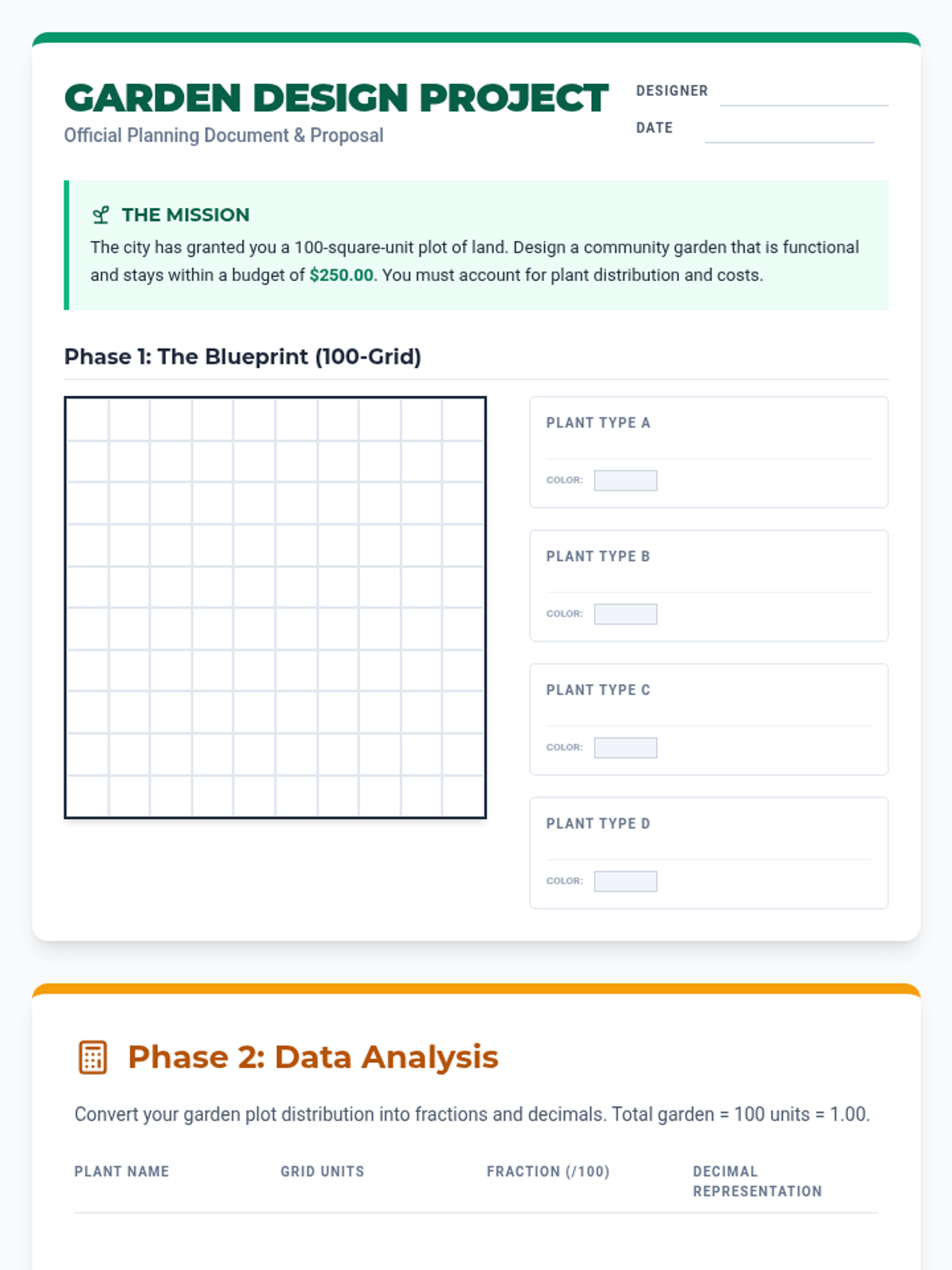
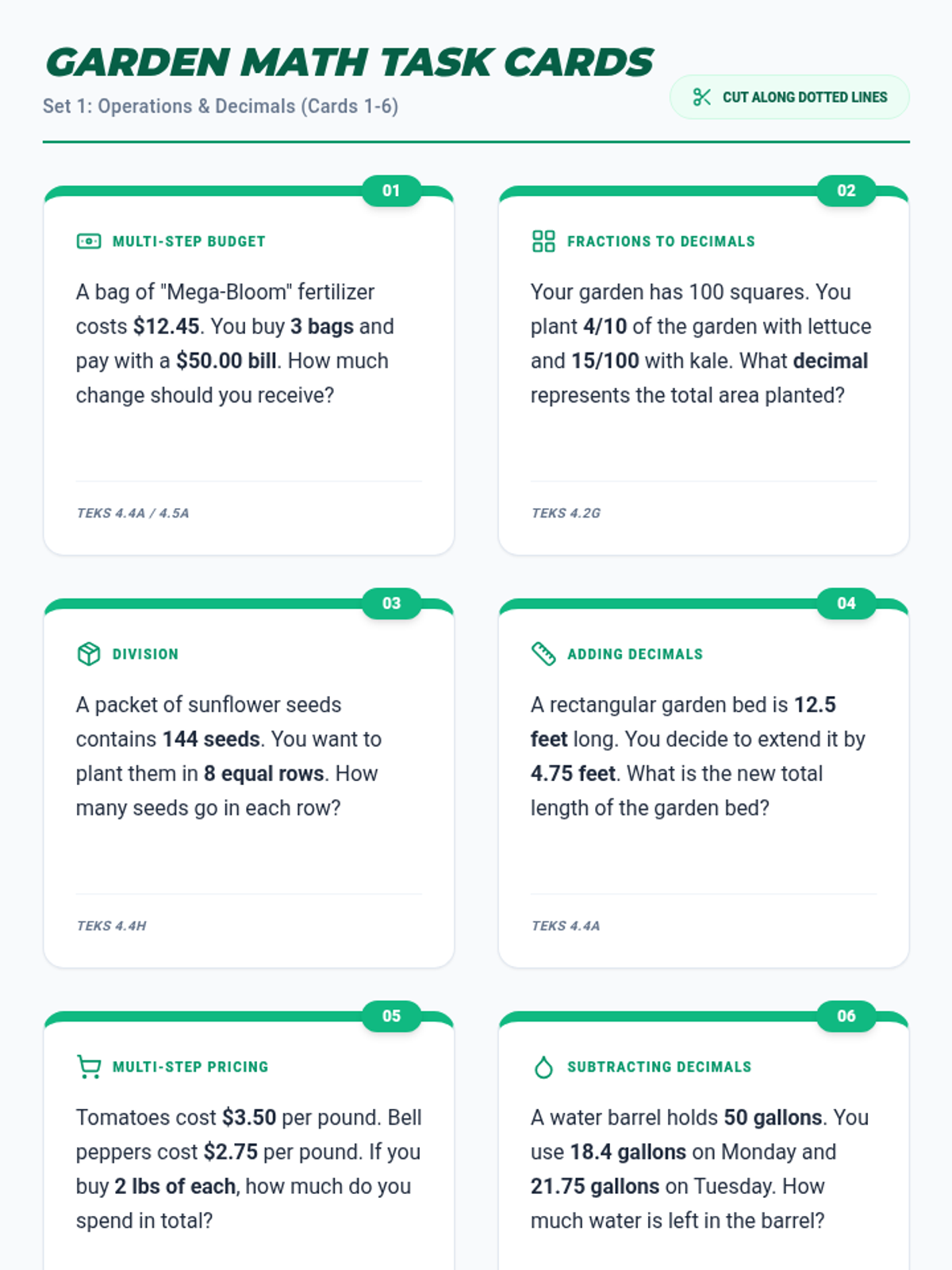
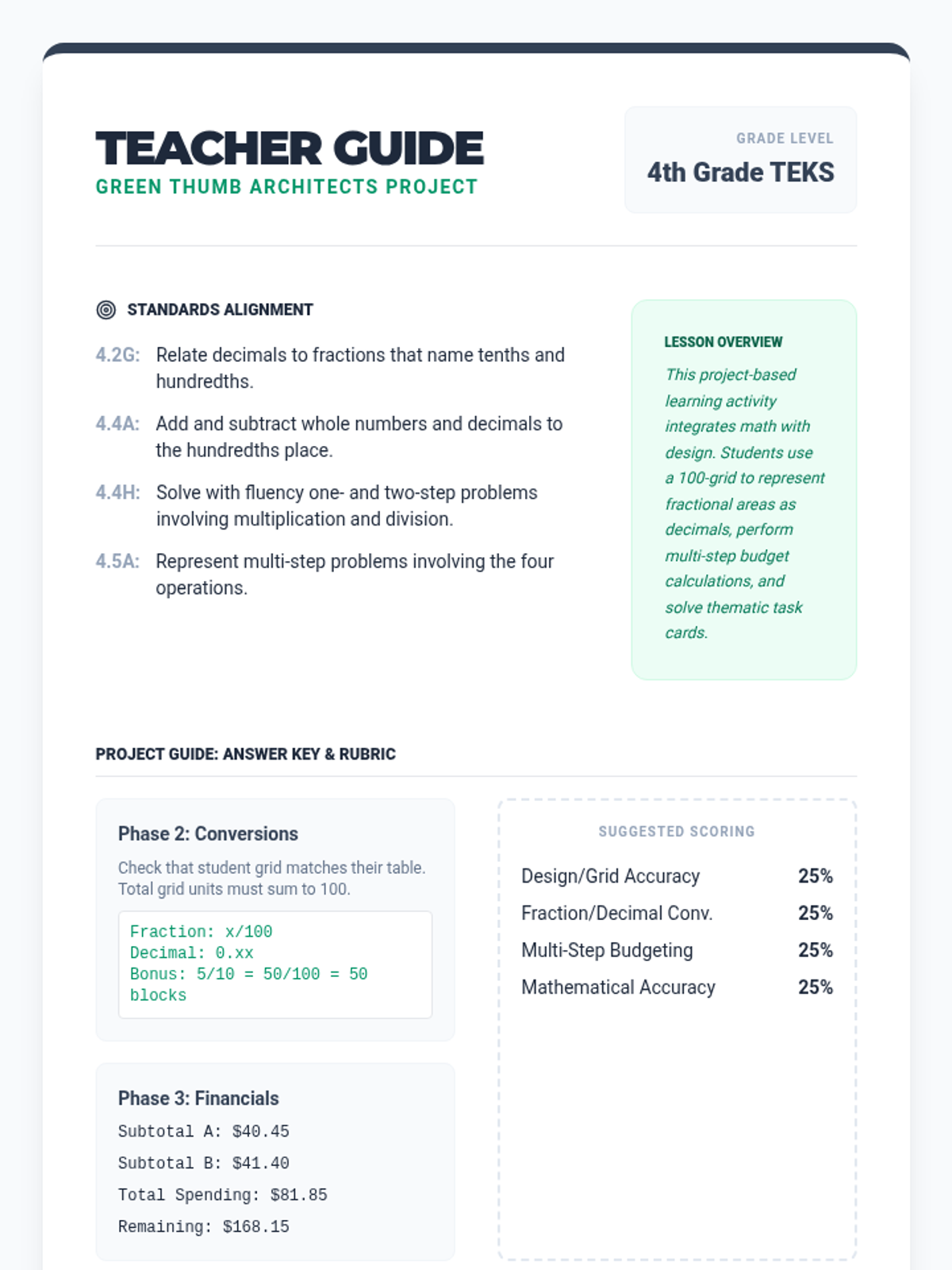
A math-focused project where students step into the role of garden designers to plan a community space while mastering multi-step word problems, decimal operations, and the relationship between fractions and decimals.
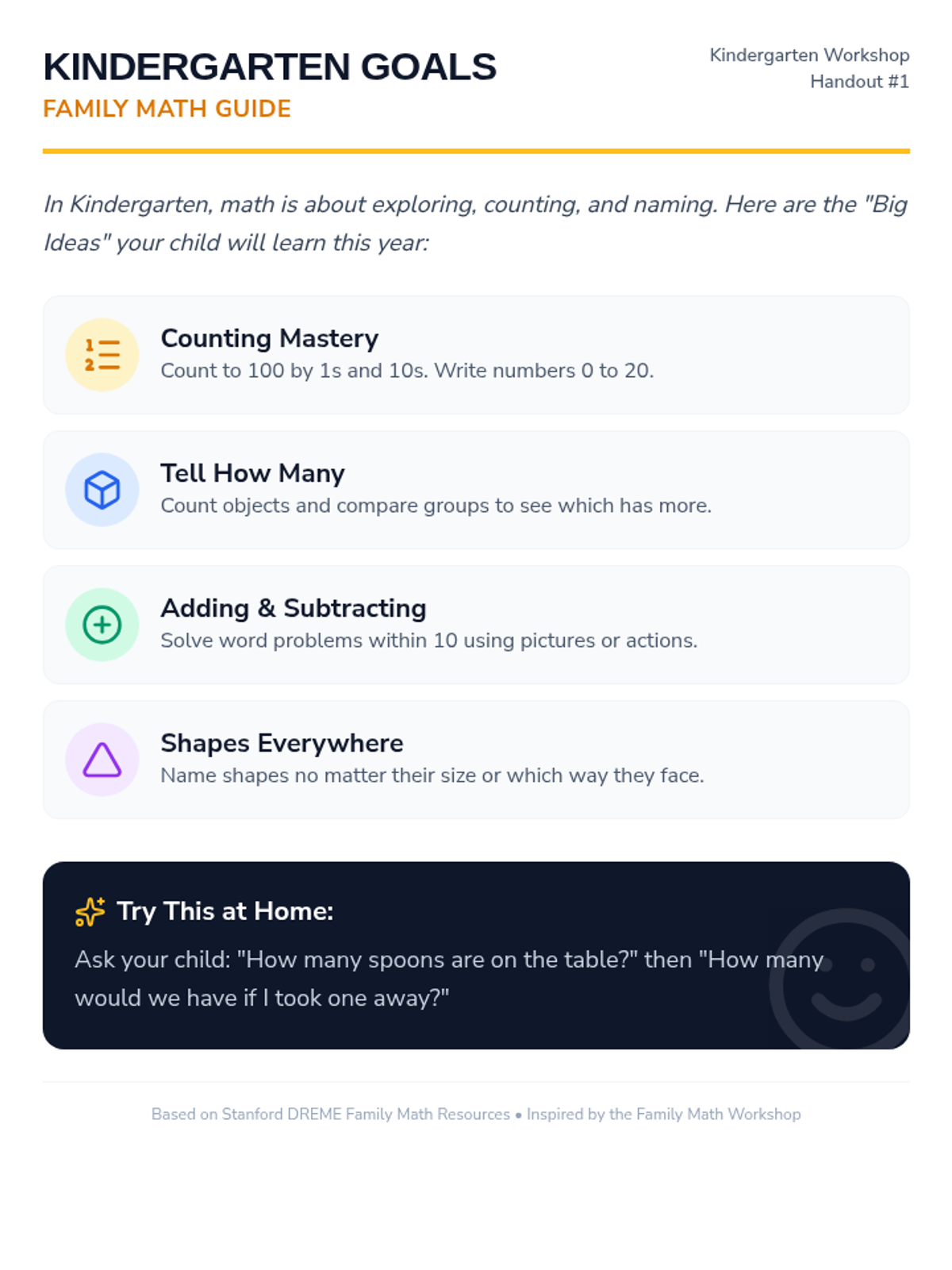
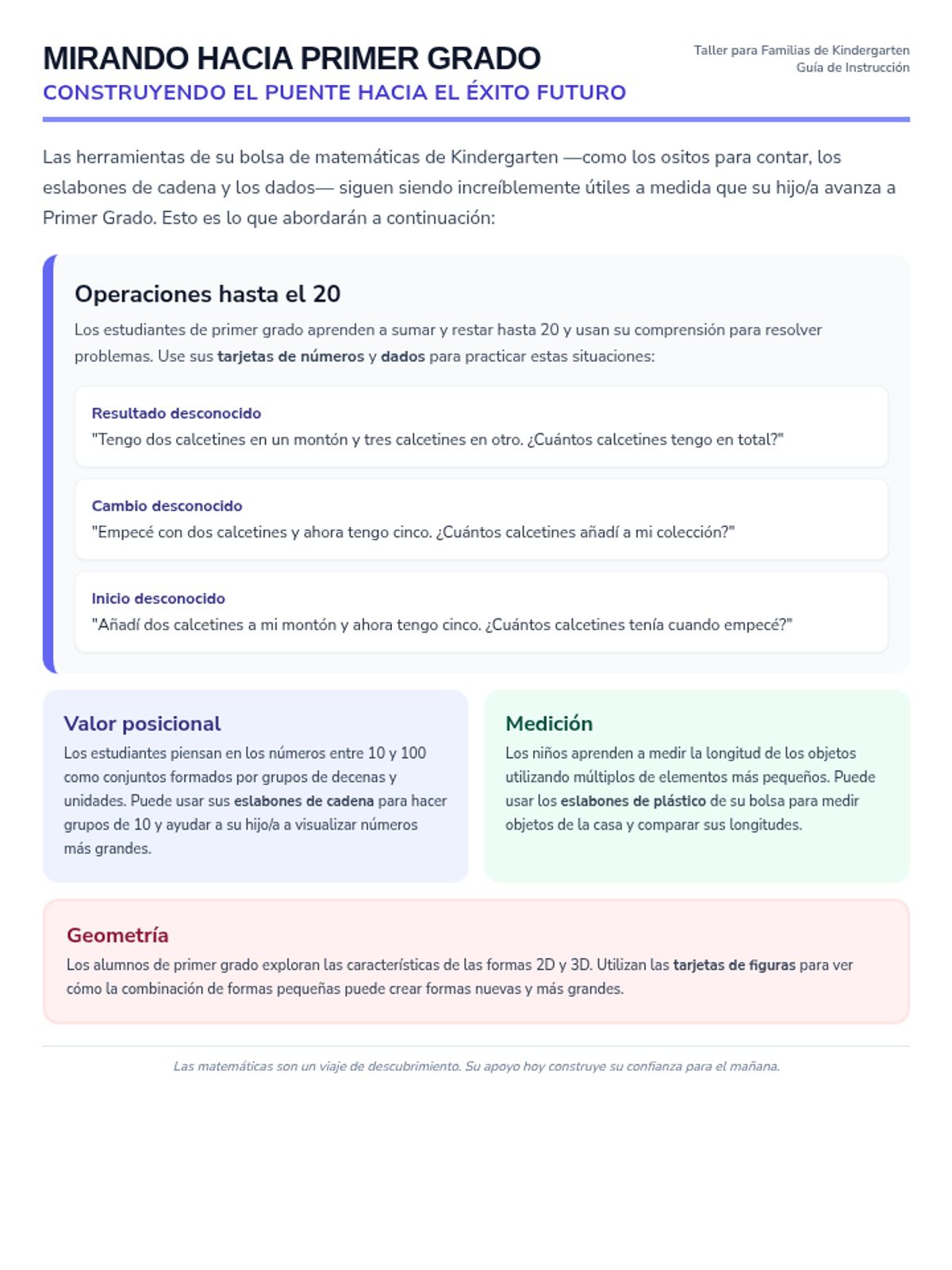
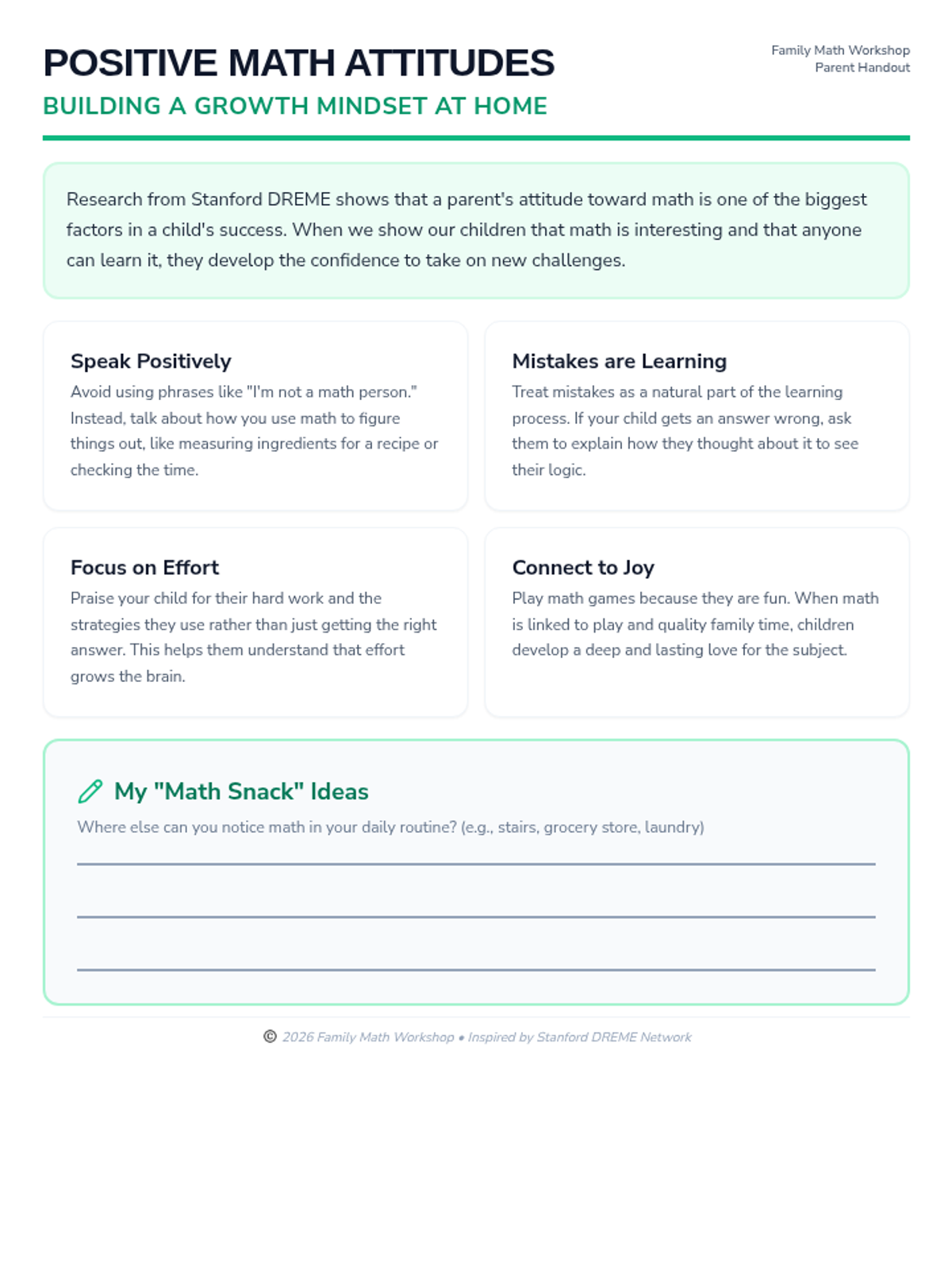
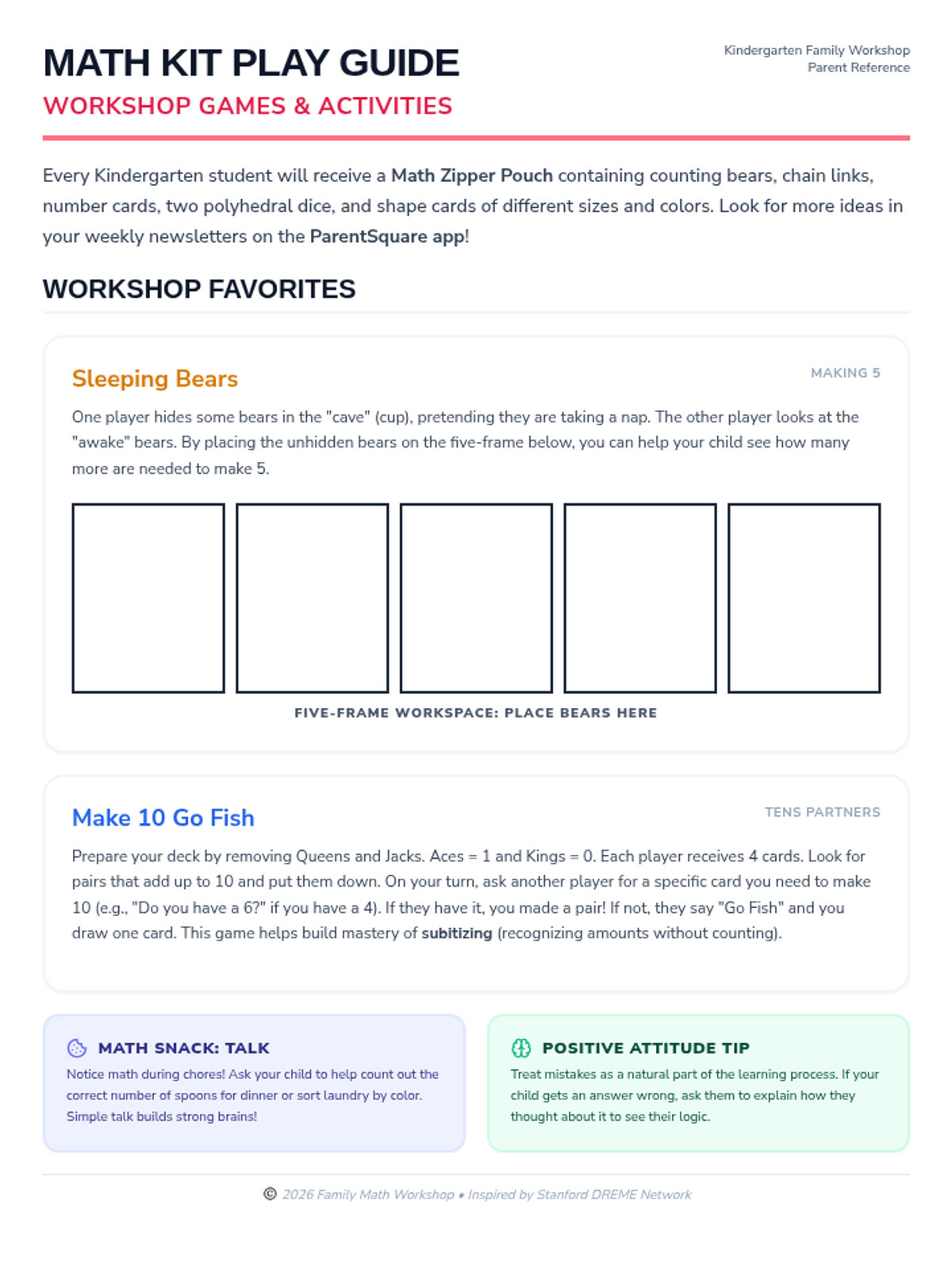
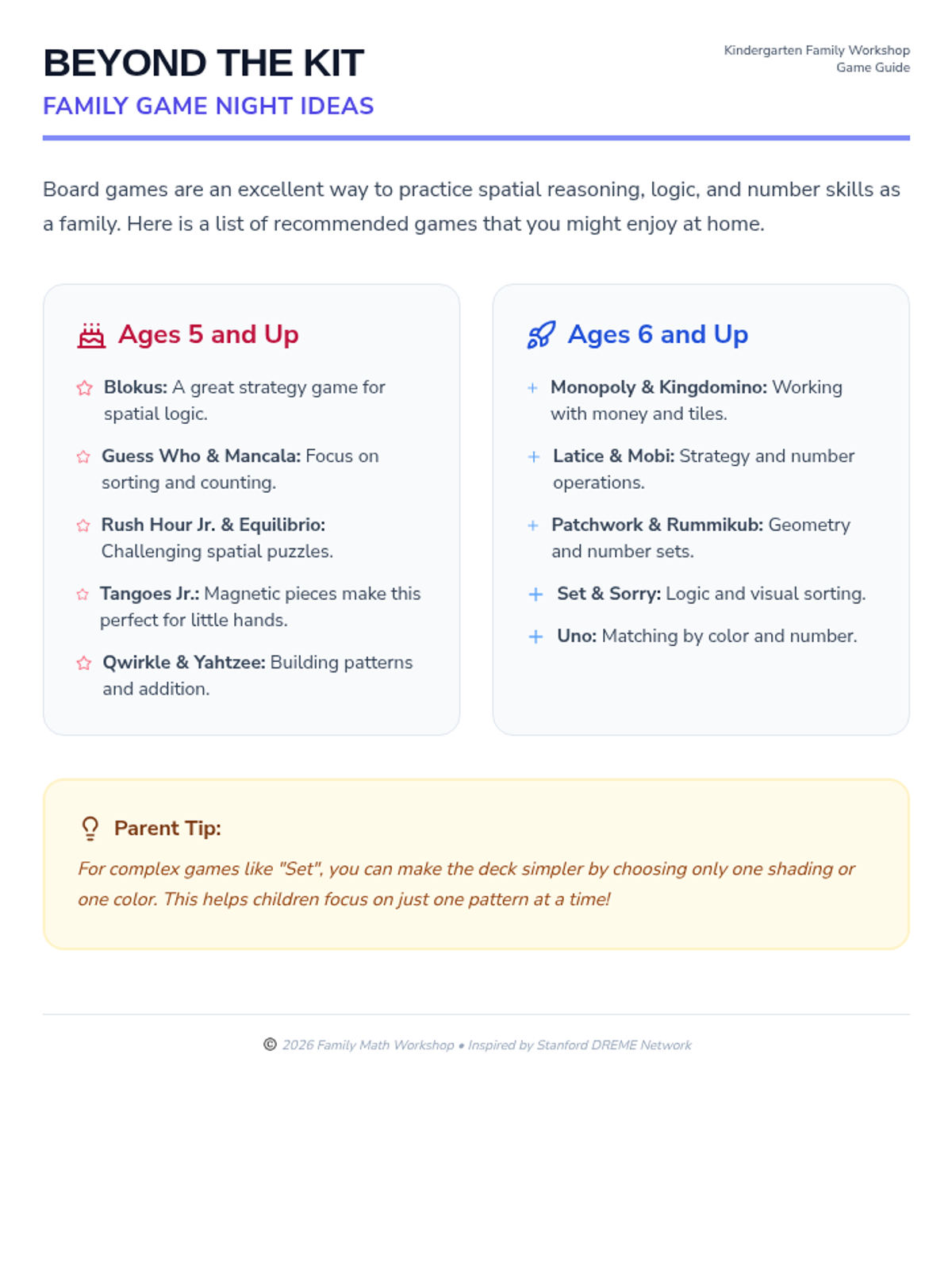
A comprehensive workshop for Kindergarten parents and guardians focused on building positive math attitudes and supporting math learning at home through play and daily routines. Based on Stanford DREME research.
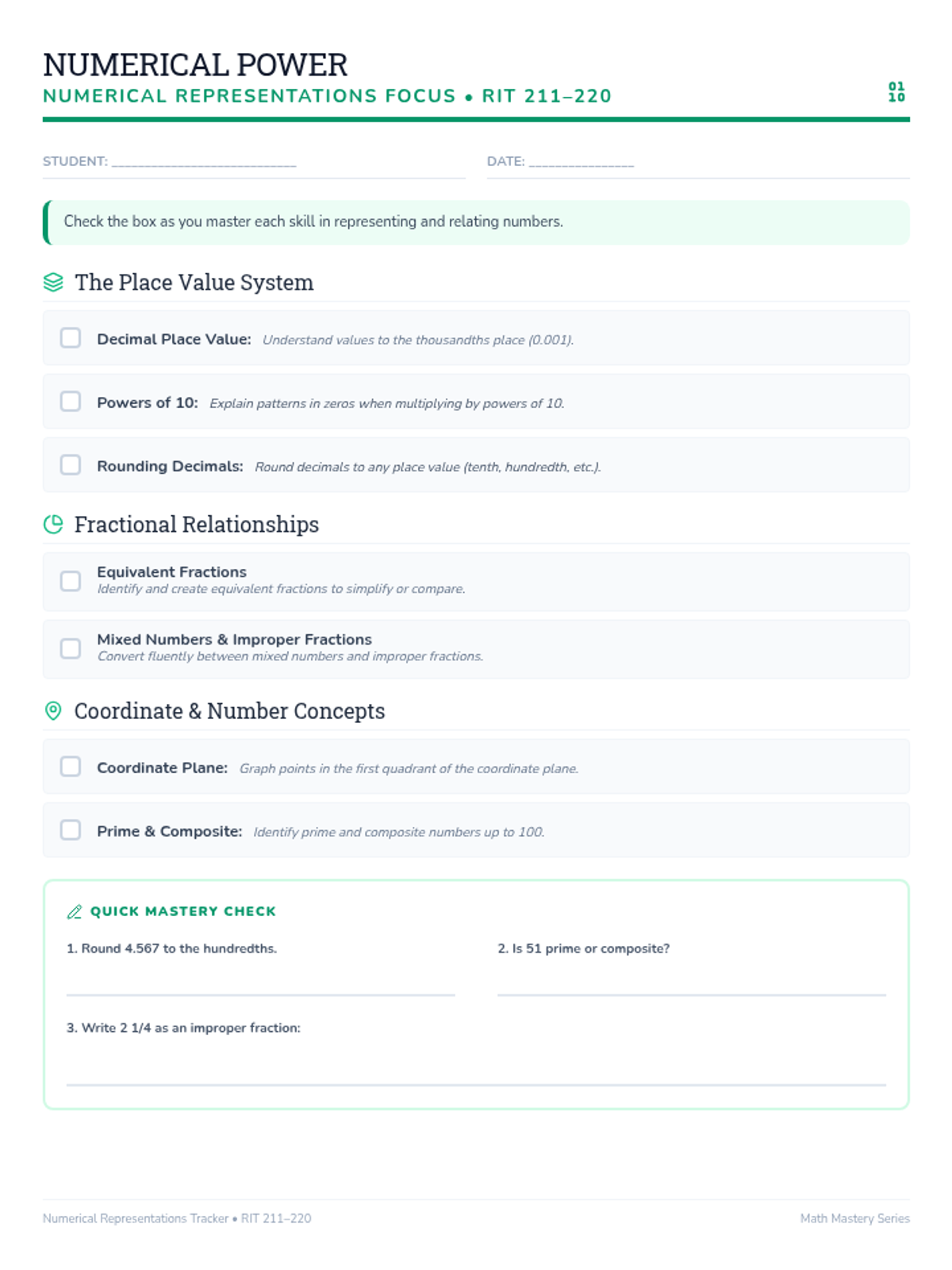
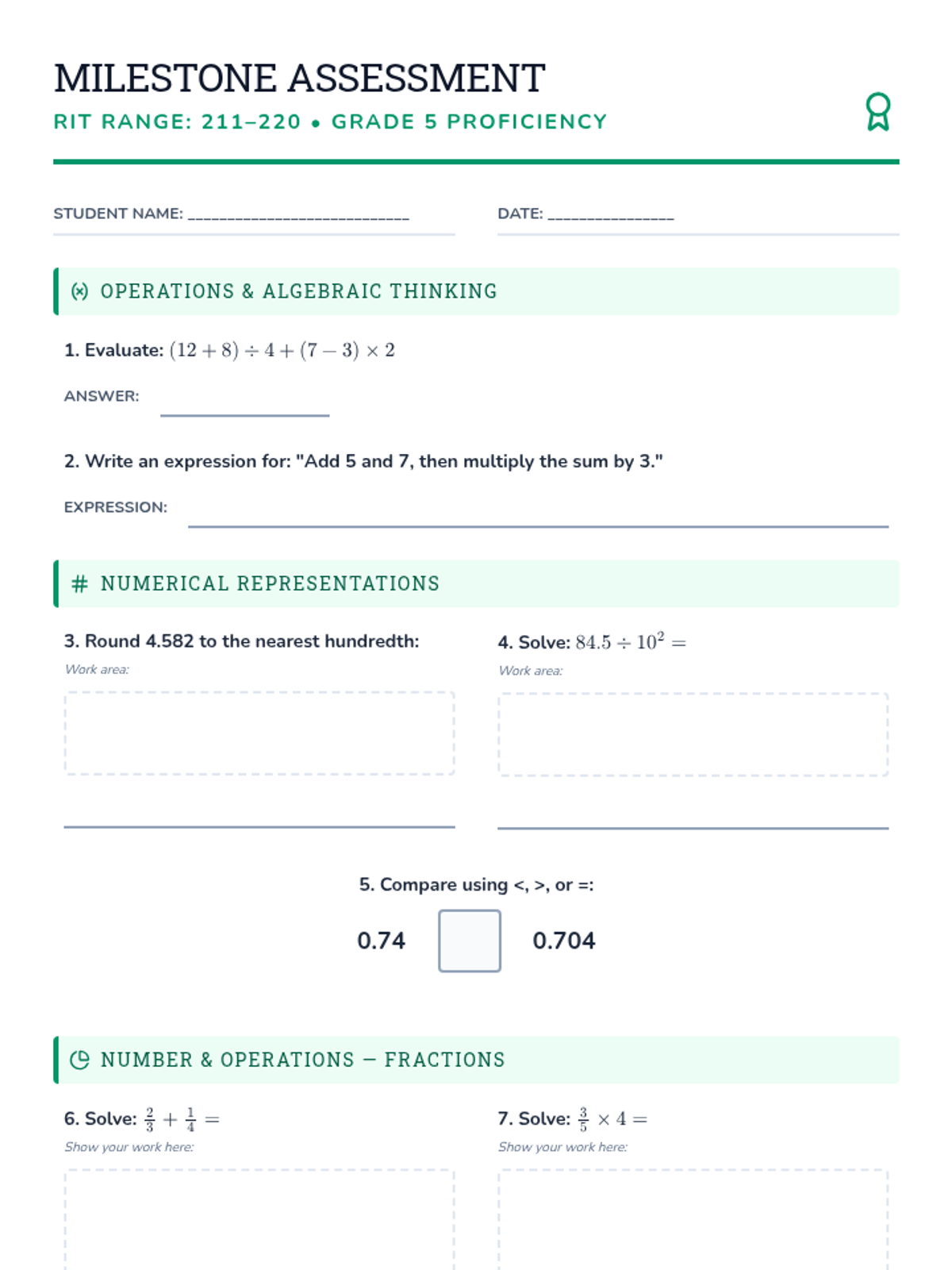
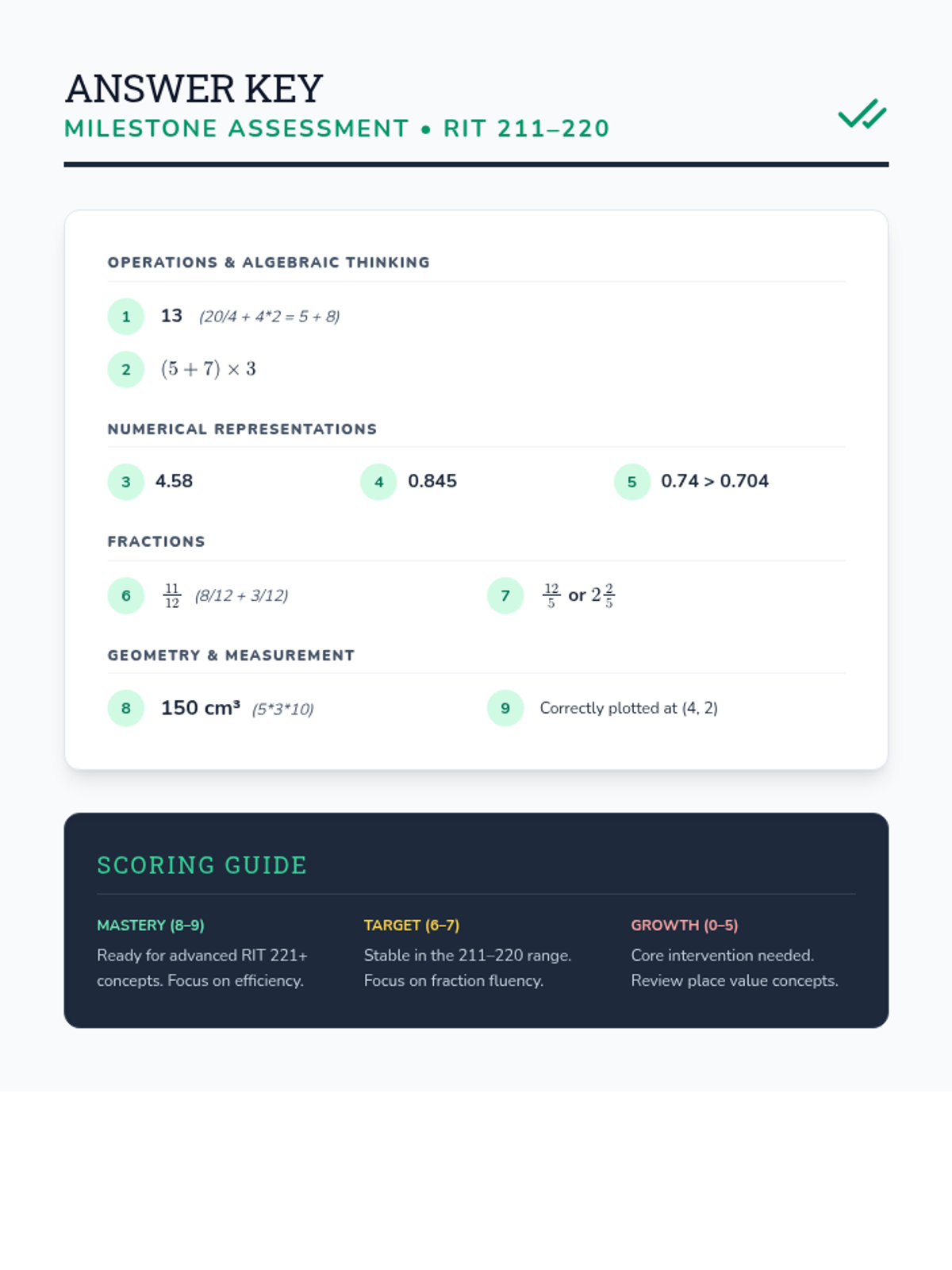
A specialized toolkit for navigating mathematical skills in the 211-220 RIT range, with a focus on foundational decimals, fractions, and place value relationships.
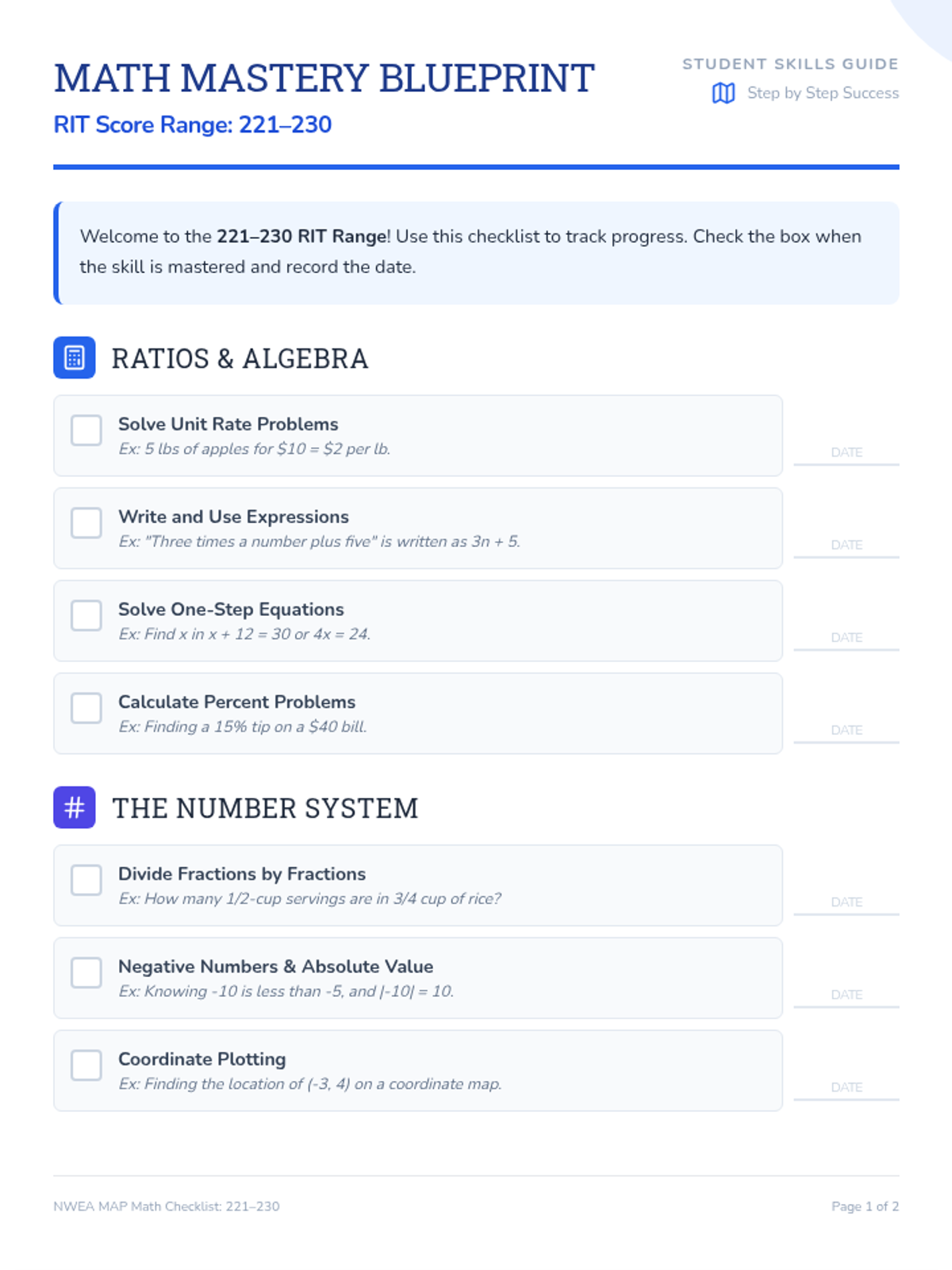
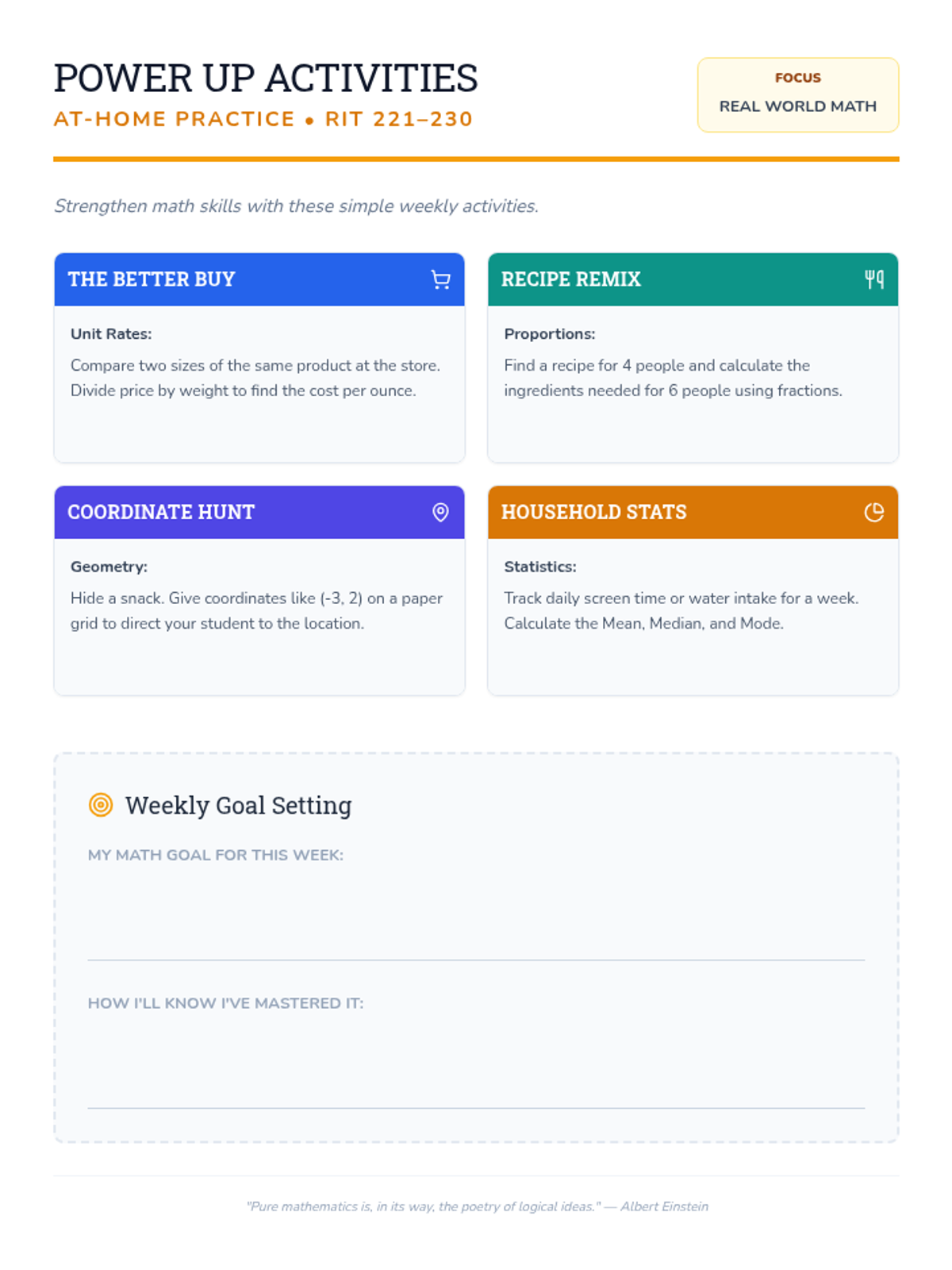
A comprehensive guide for parents and students to navigate the mathematical skills expected in the 221-230 NWEA MAP RIT range, featuring actionable checklists and home-based practice ideas.
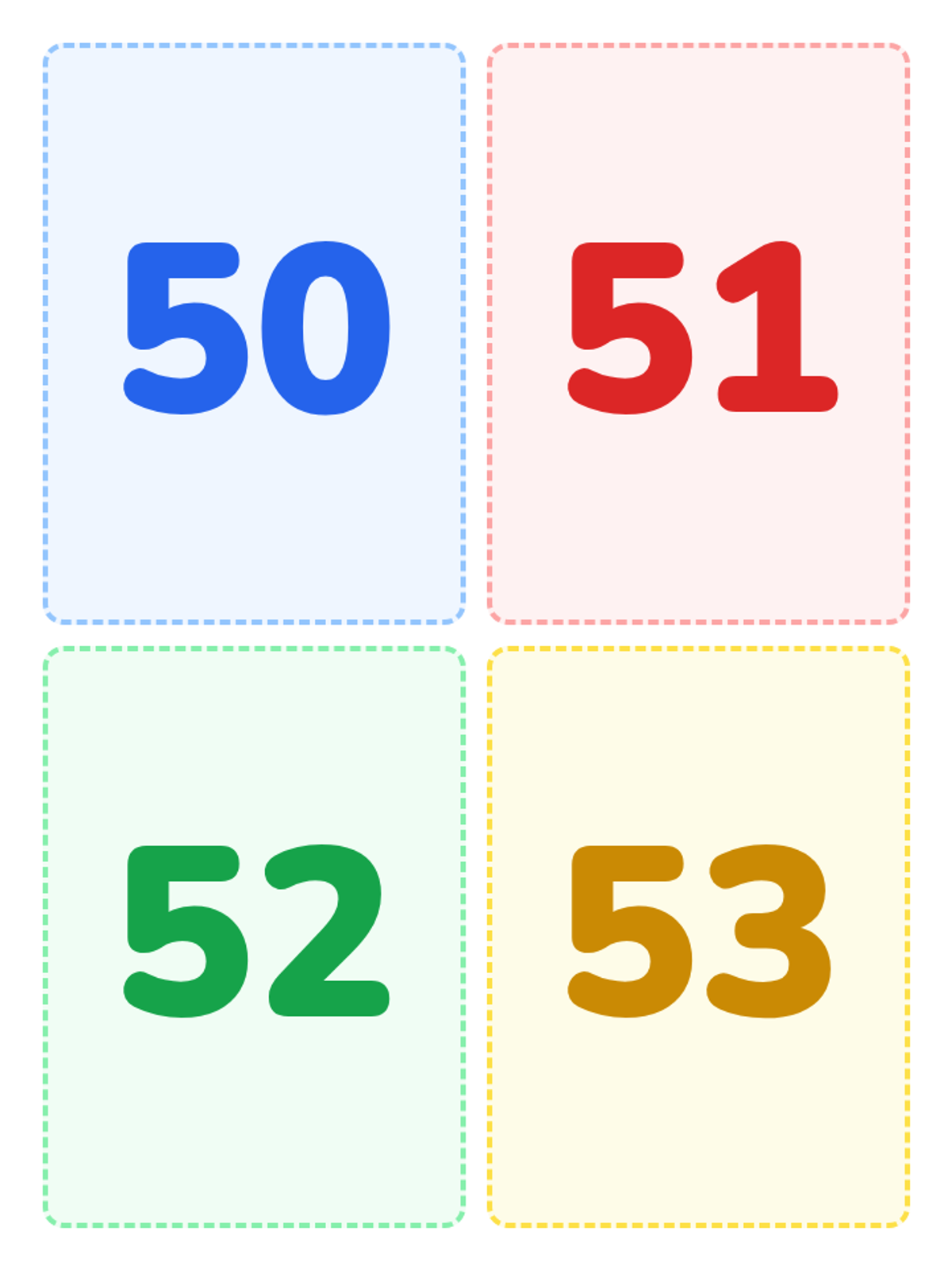
A set of resources focused on mastering numbers 50-100 through hands-on flashcard activities and games designed for kindergarten learners.
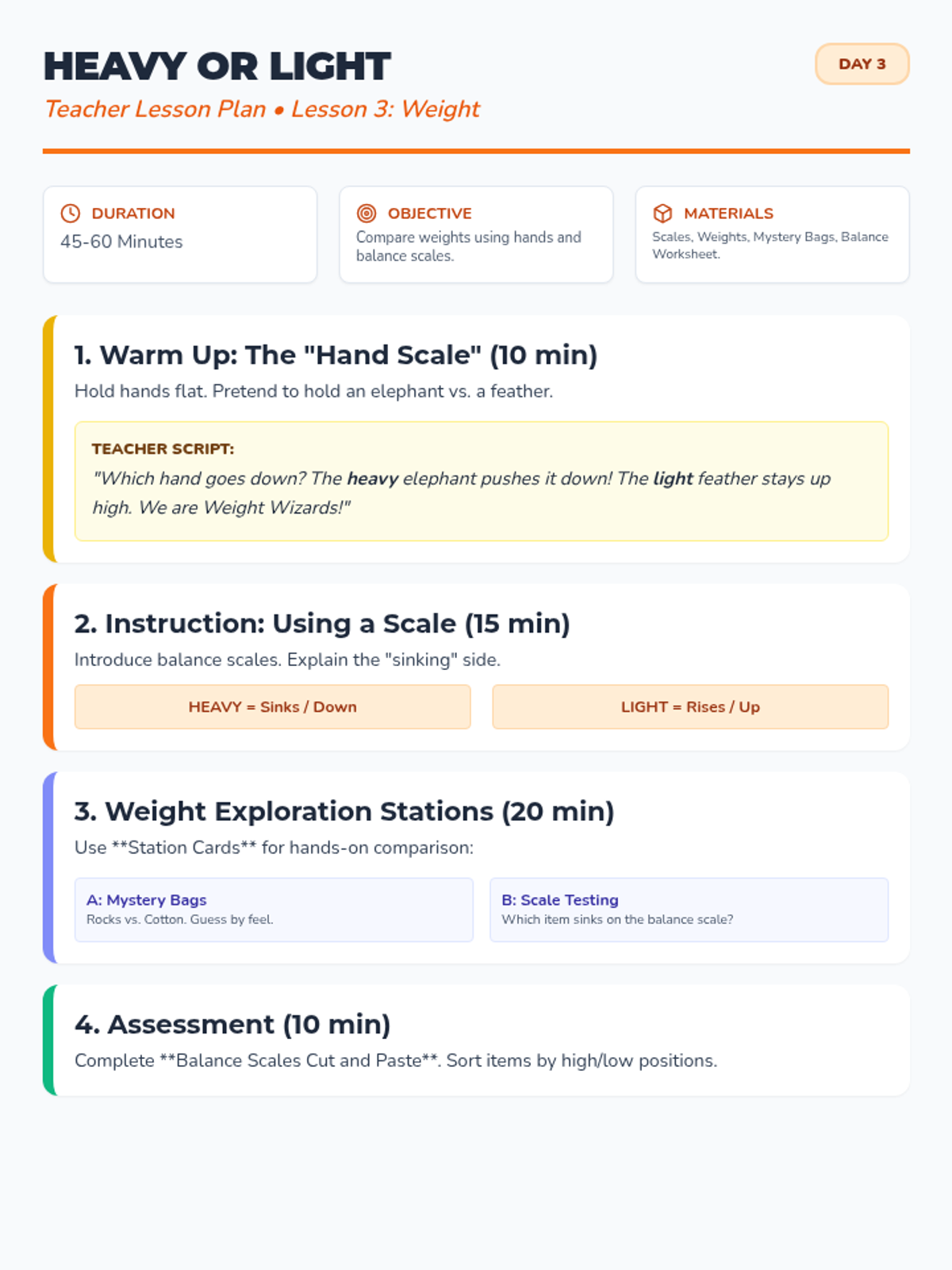
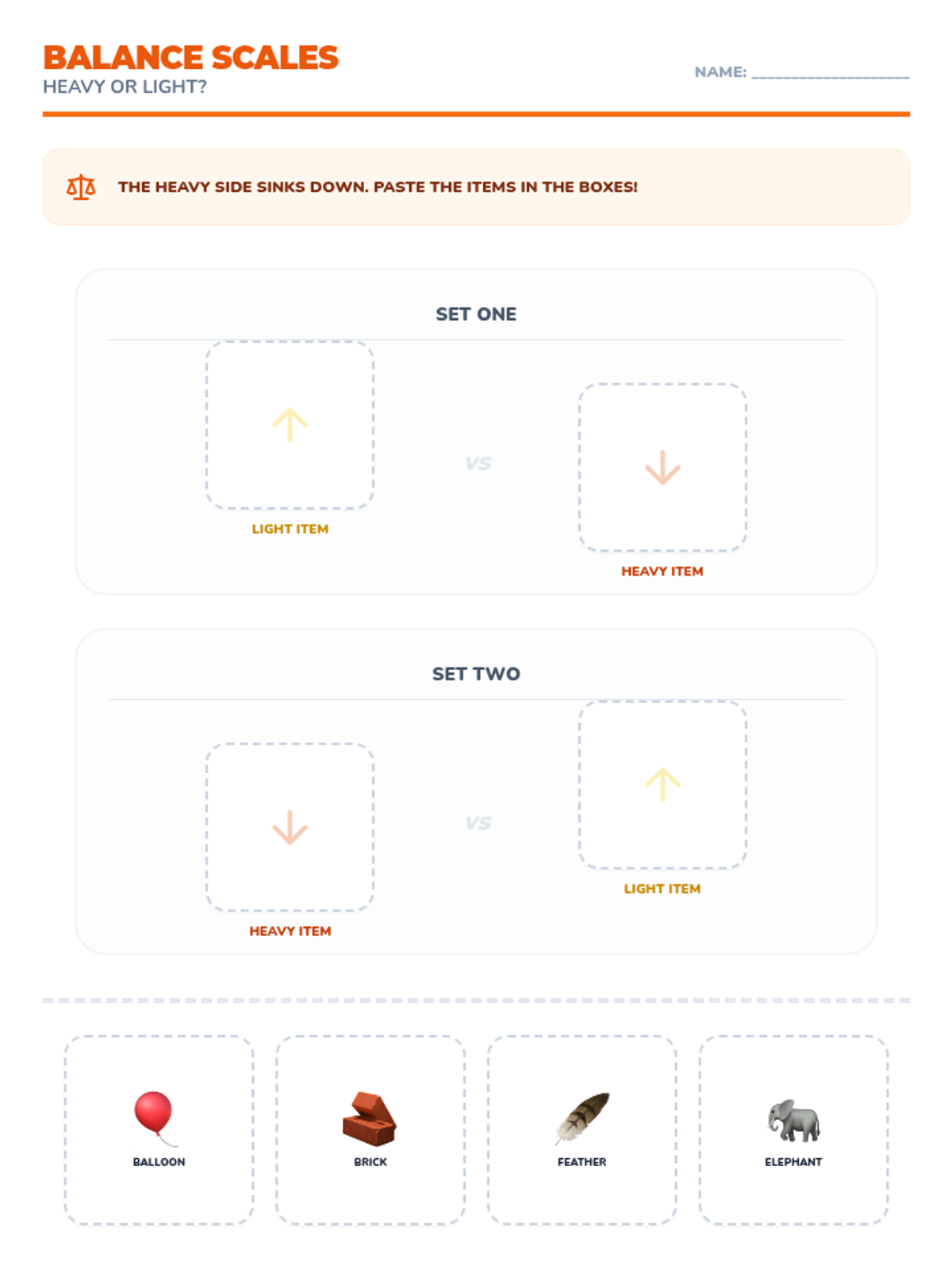
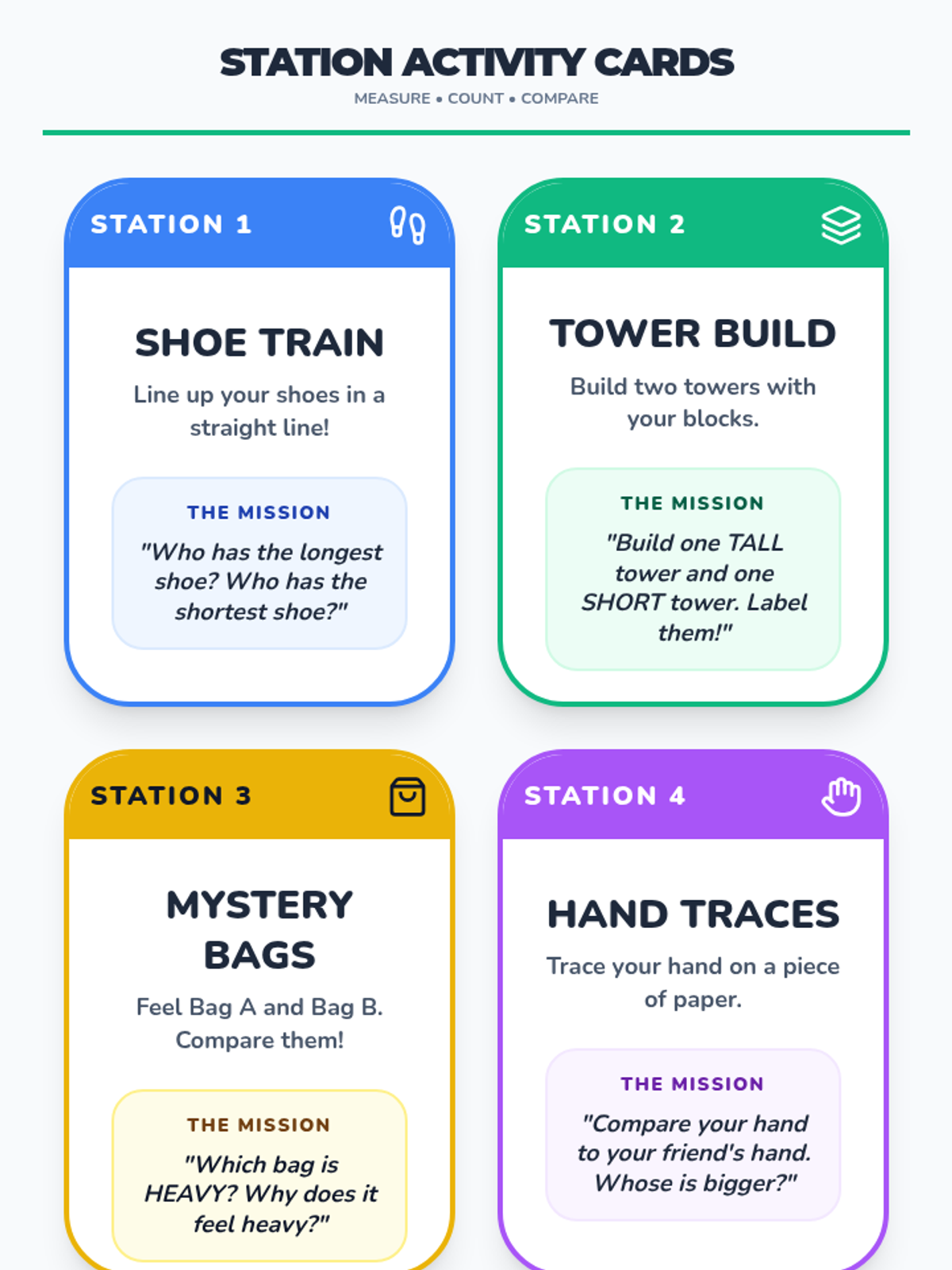
Exploring weight by comparing heavy and light objects using hands and balance scales.
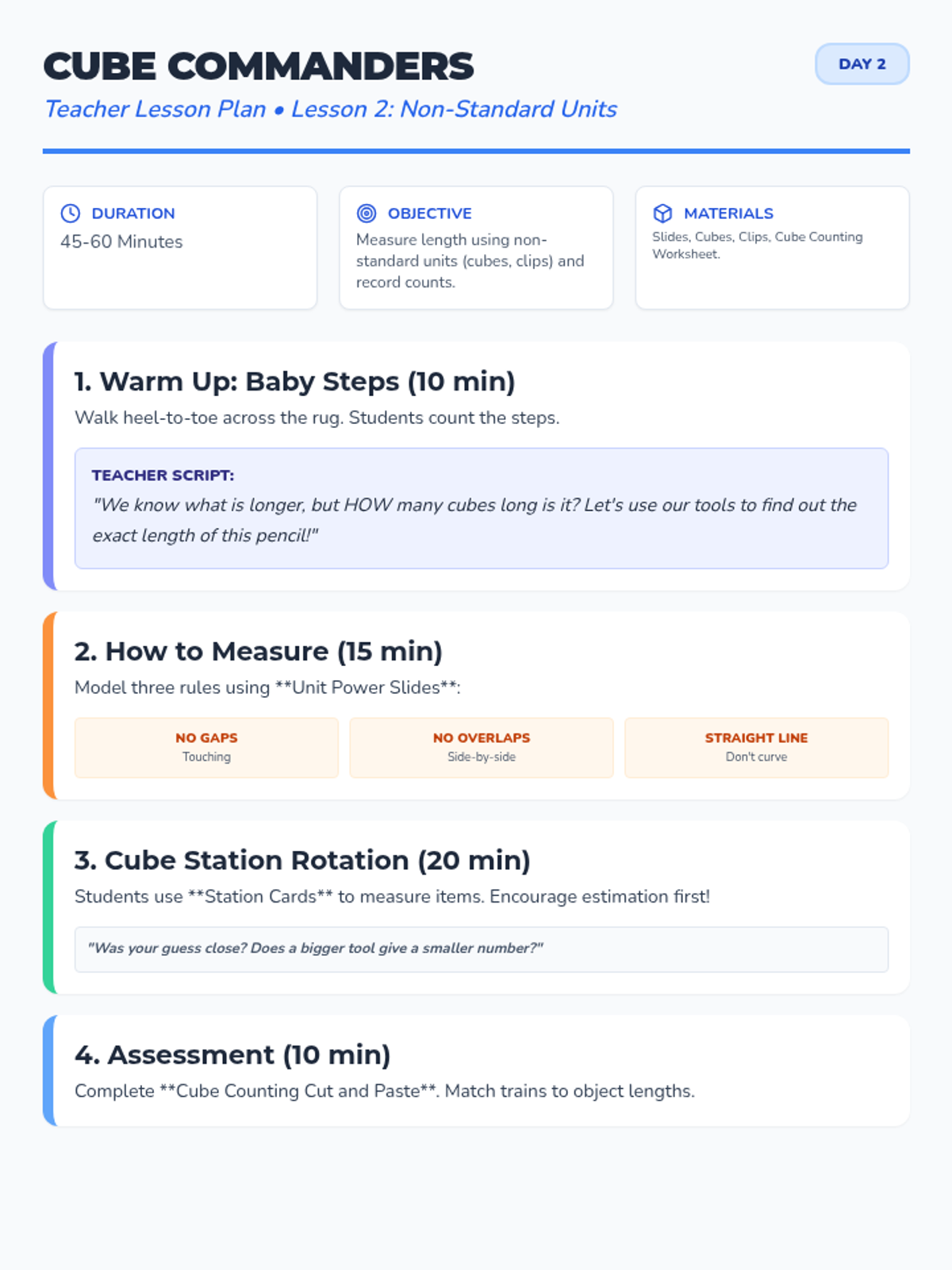
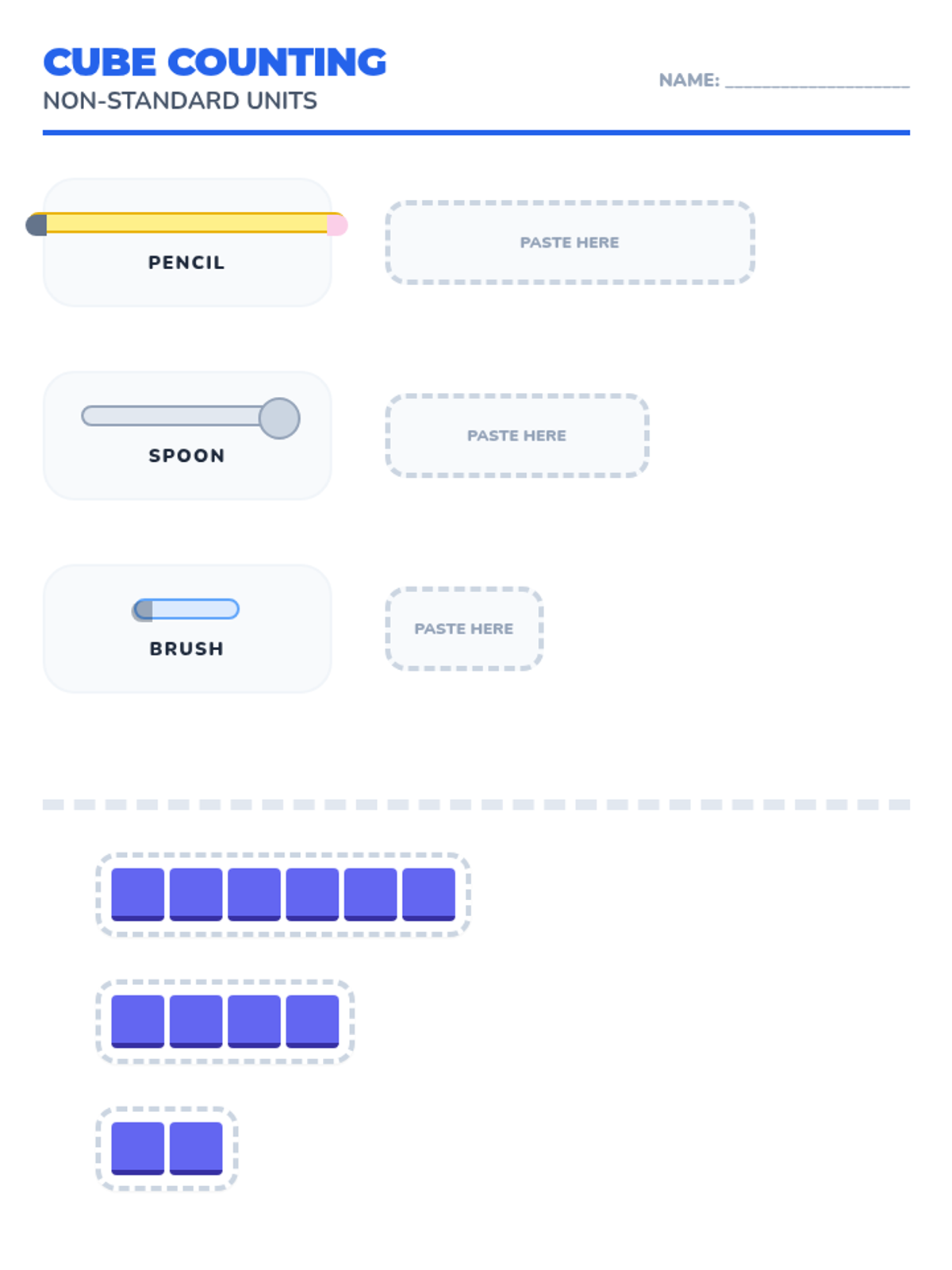
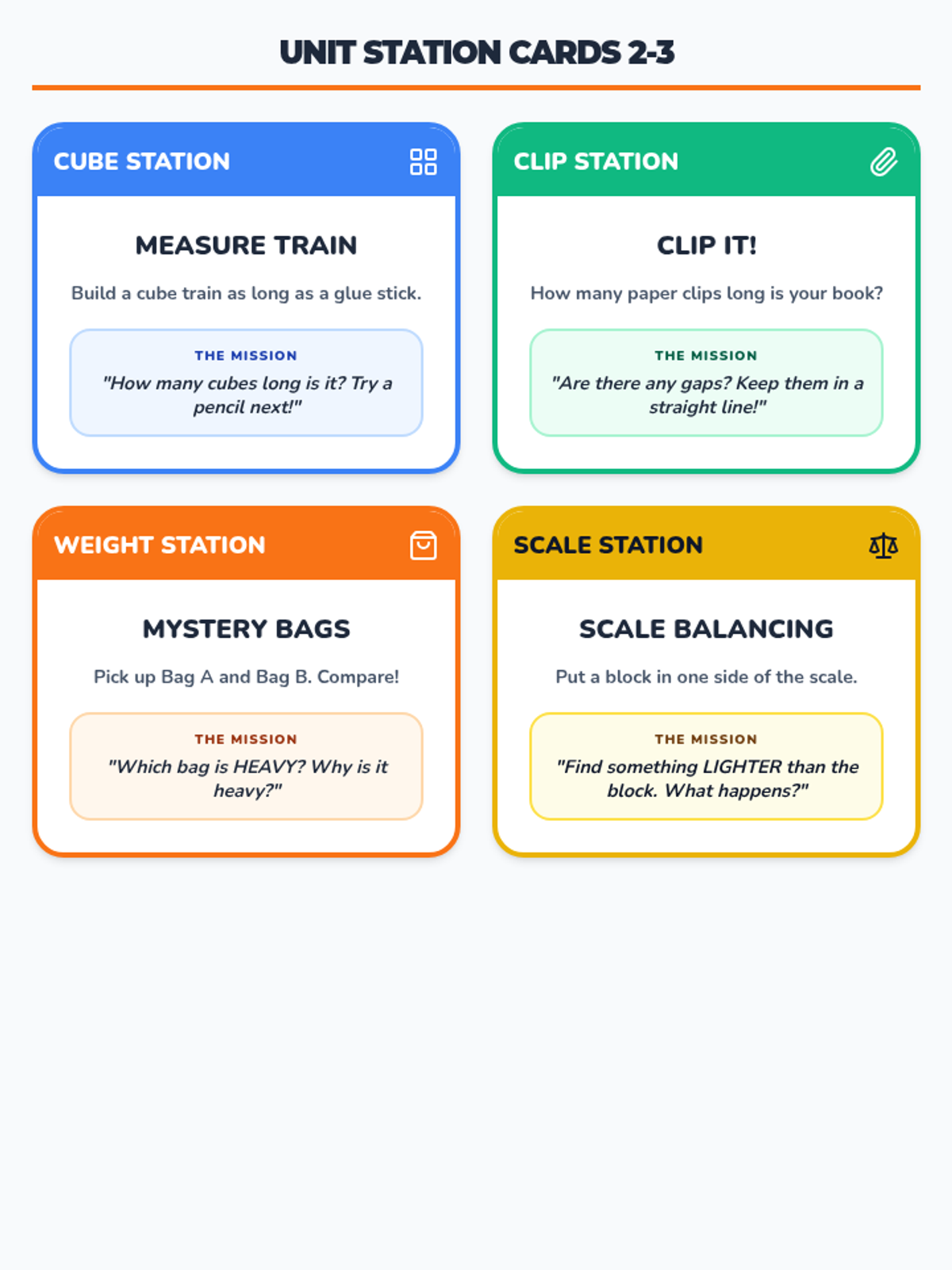
Learning to measure objects using non-standard units like snap cubes, paper clips, and handprints.
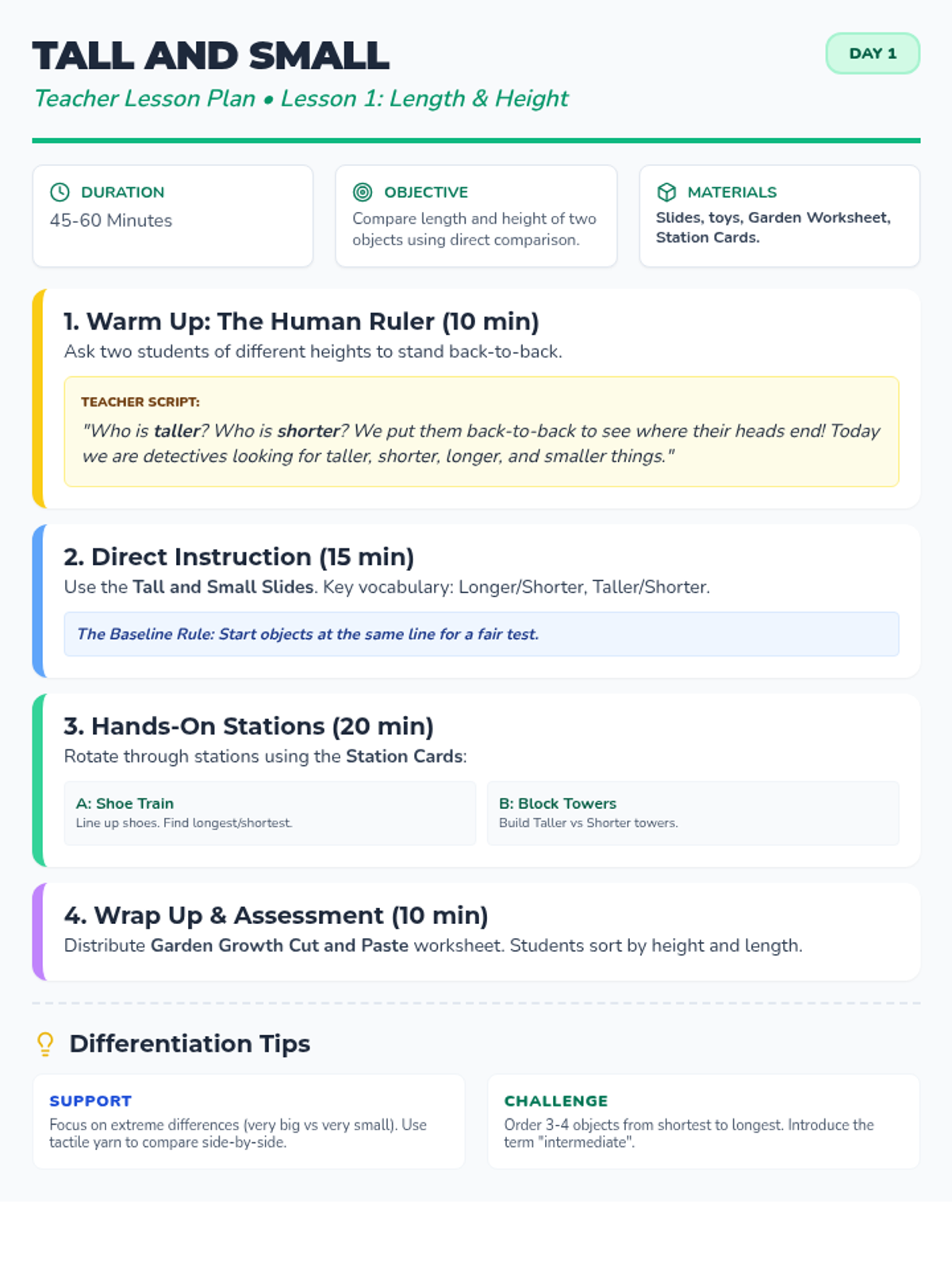
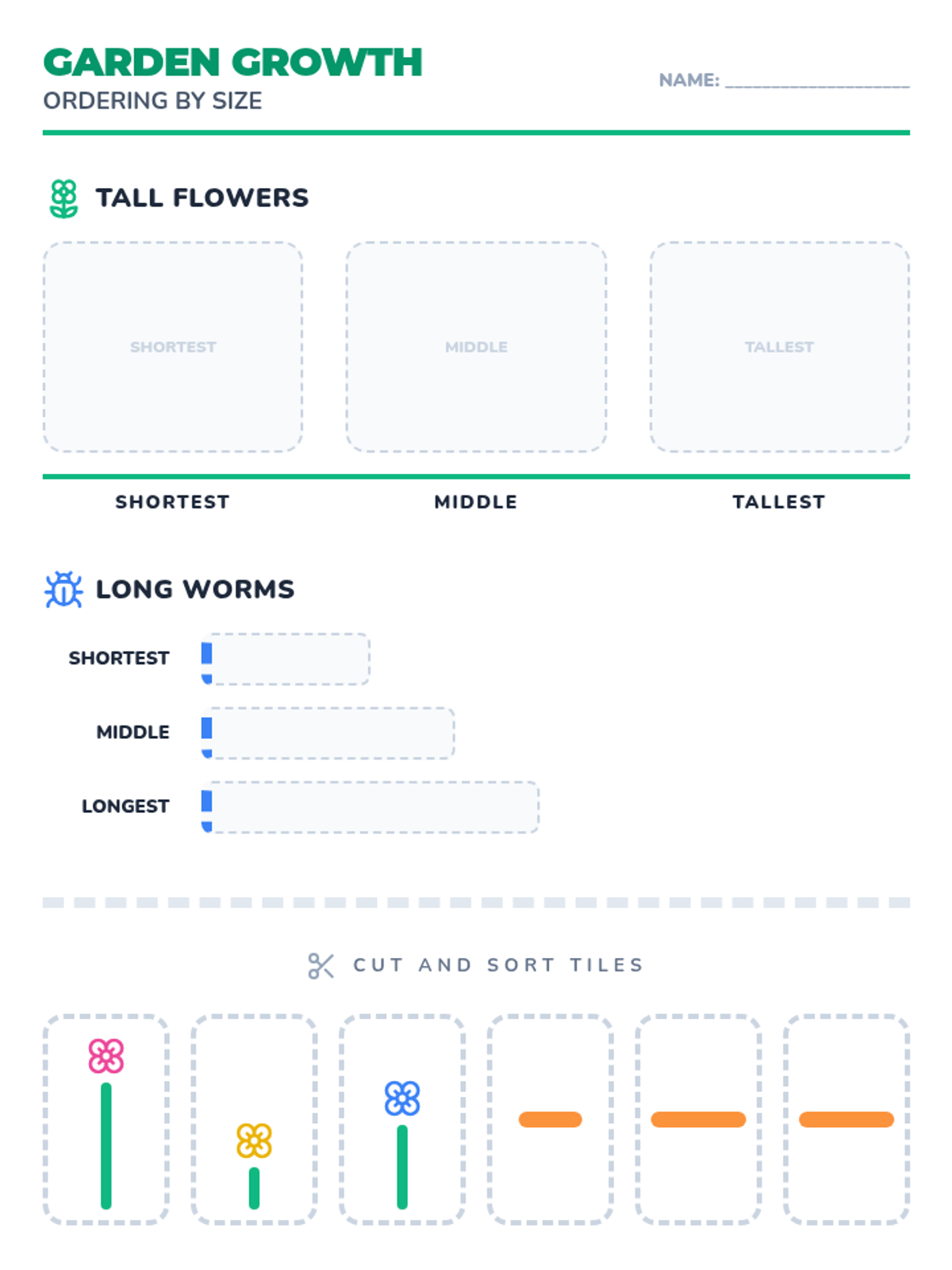
Introduction to comparing length and height using terms like 'longer', 'shorter', 'taller', and 'smaller'.
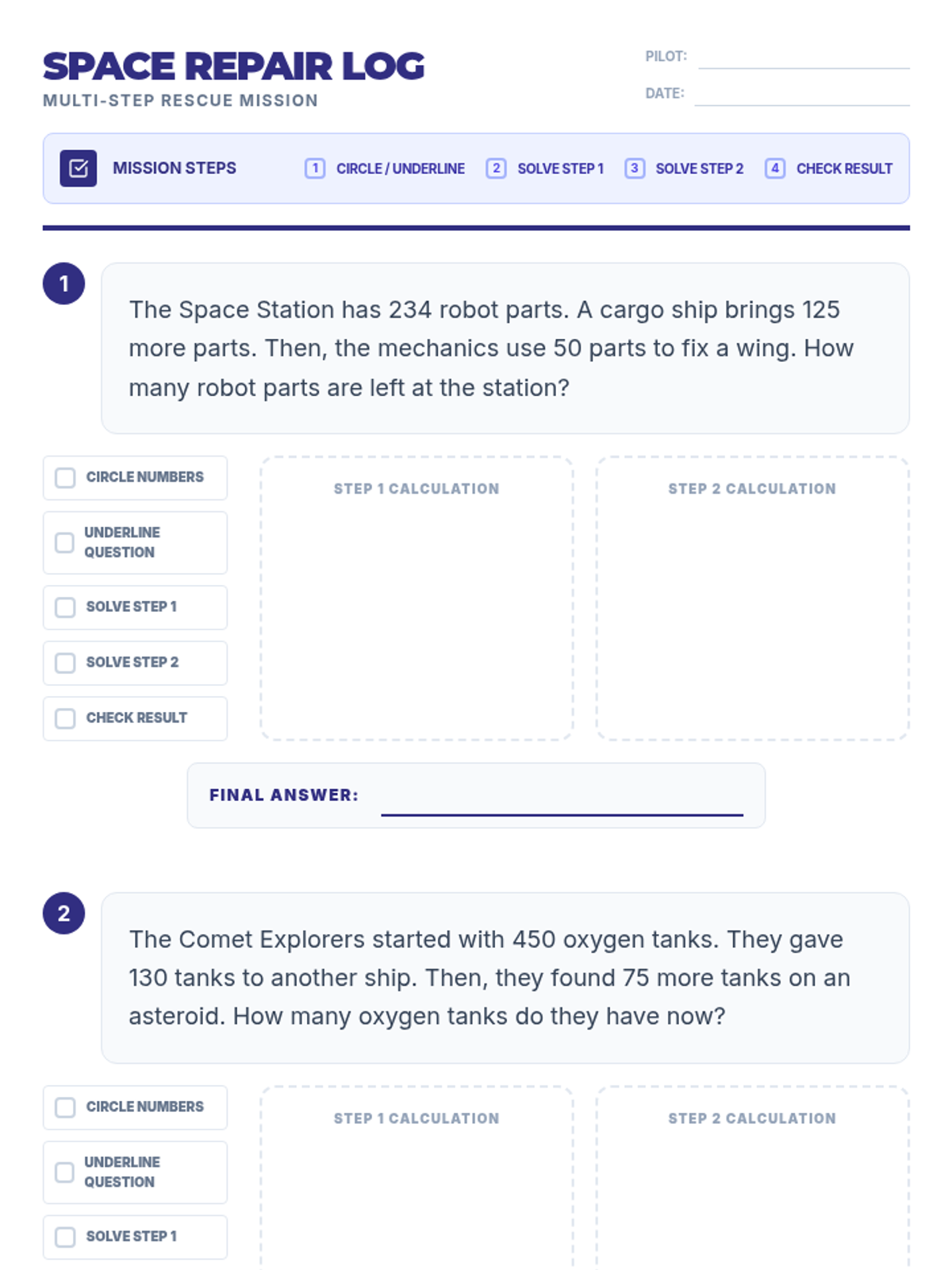
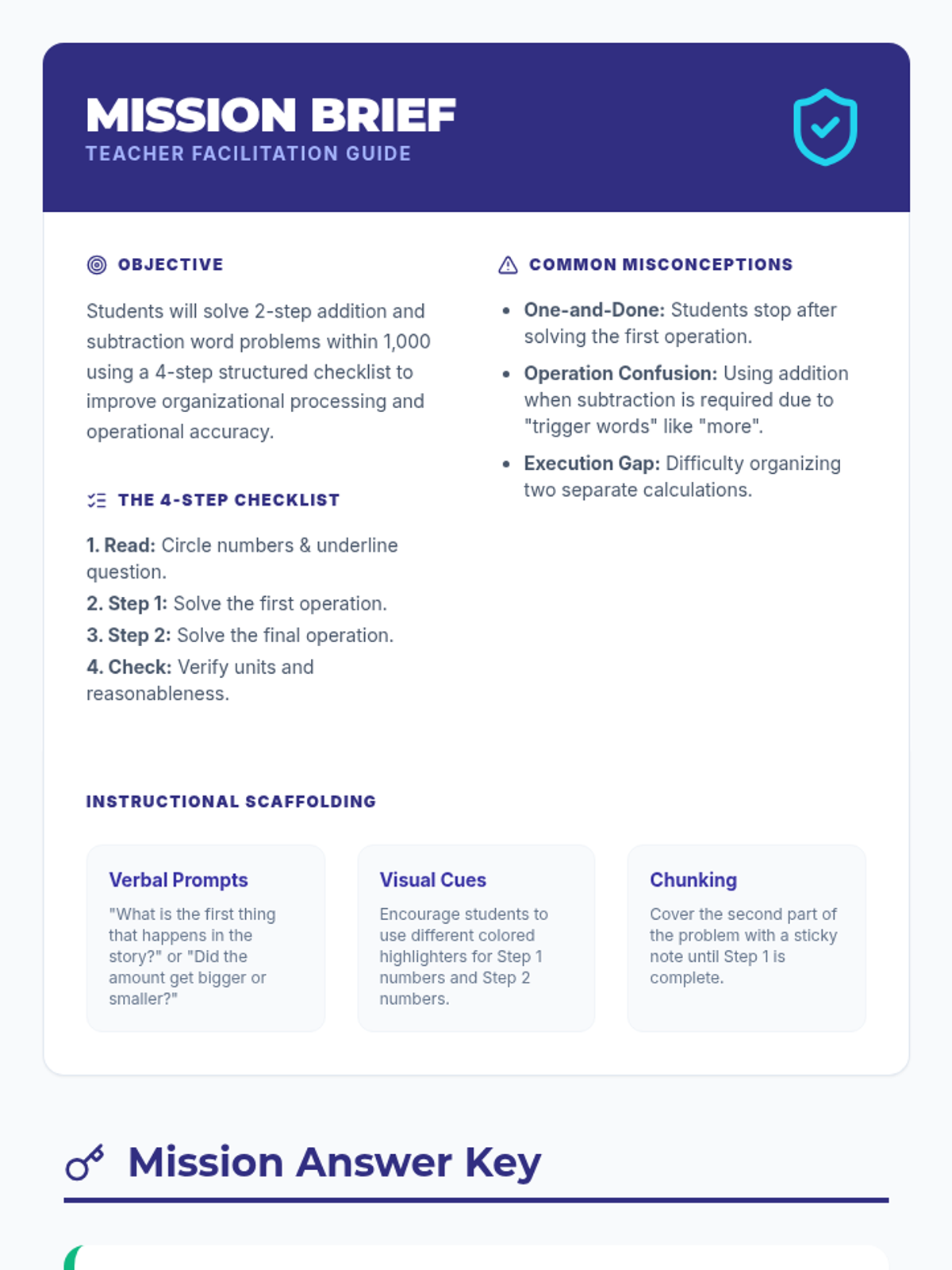
A lesson focused on solving multi-step addition and subtraction word problems using a structured checklist approach, specifically designed for students with IEPs.
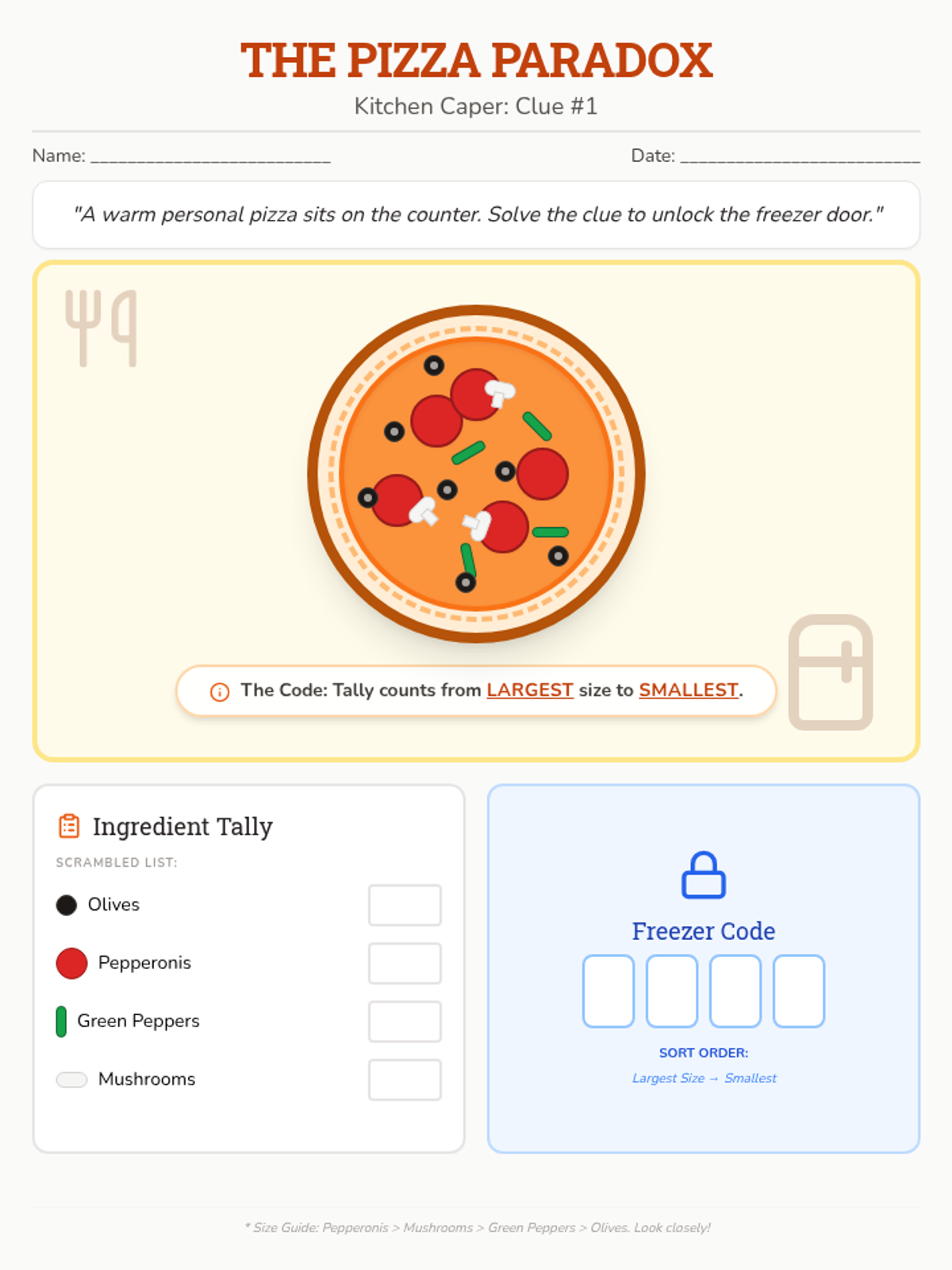
A mini-mystery centered around a kitchen scene where students use observation and logic to solve a visual puzzle.
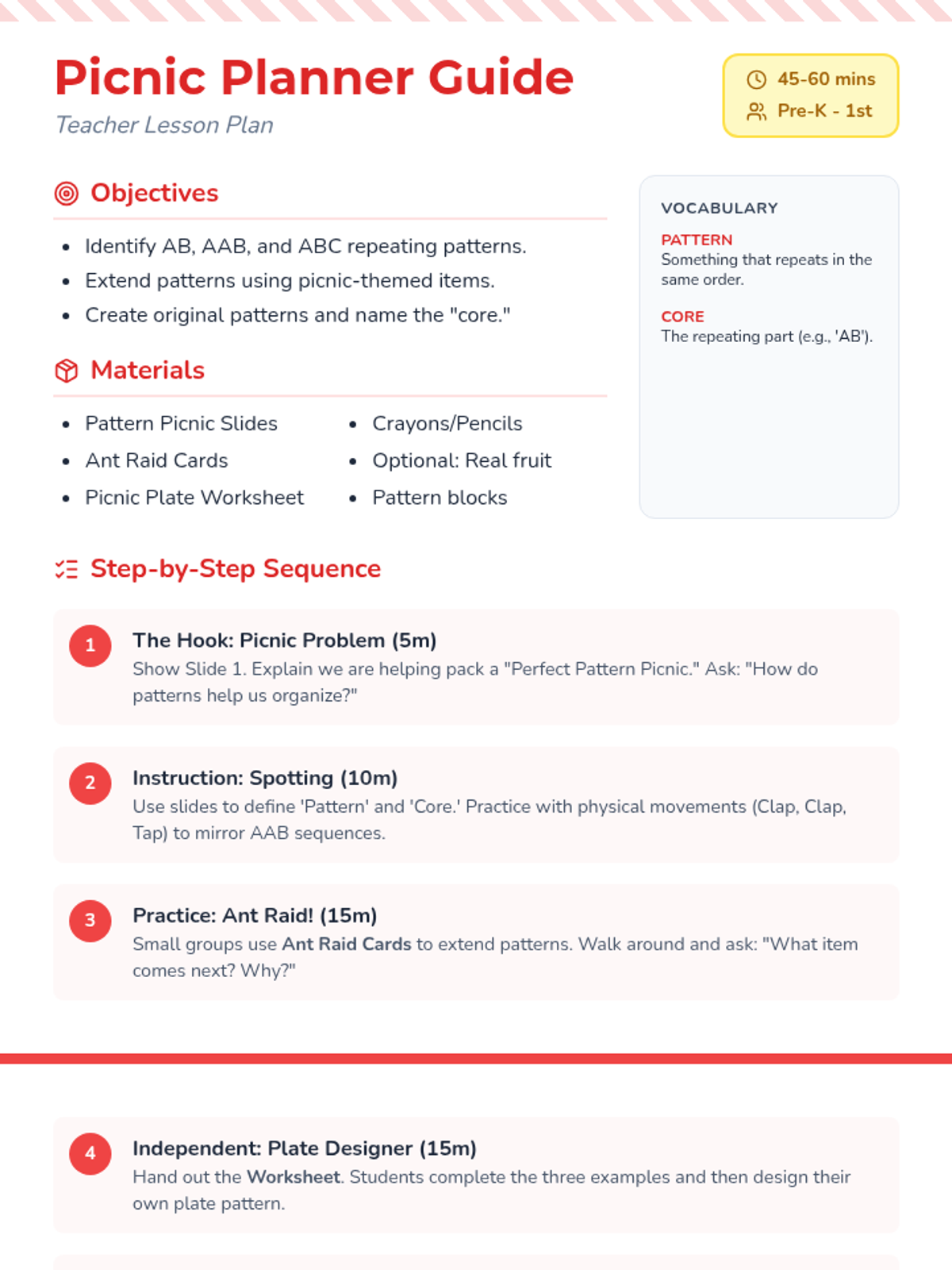
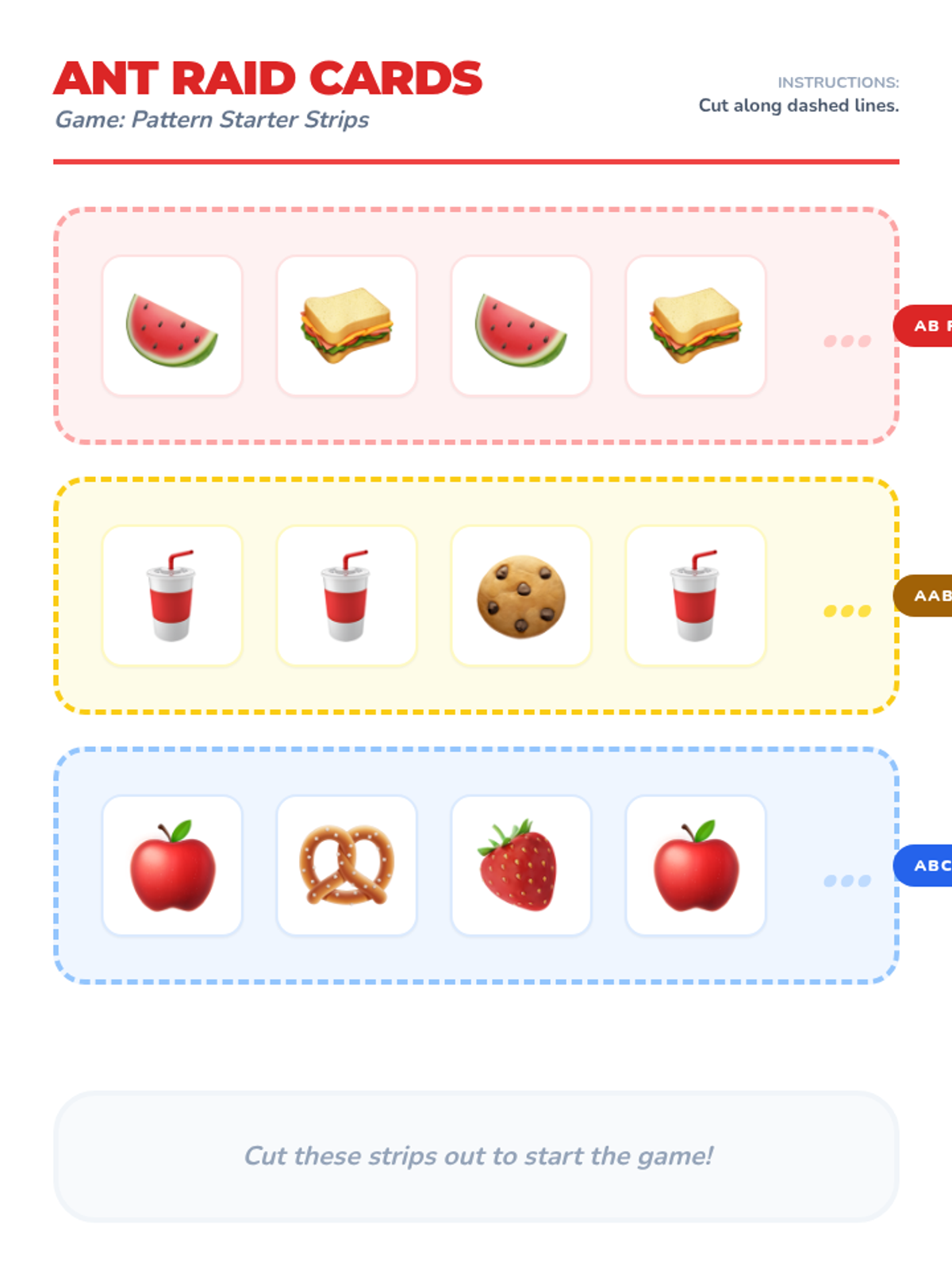
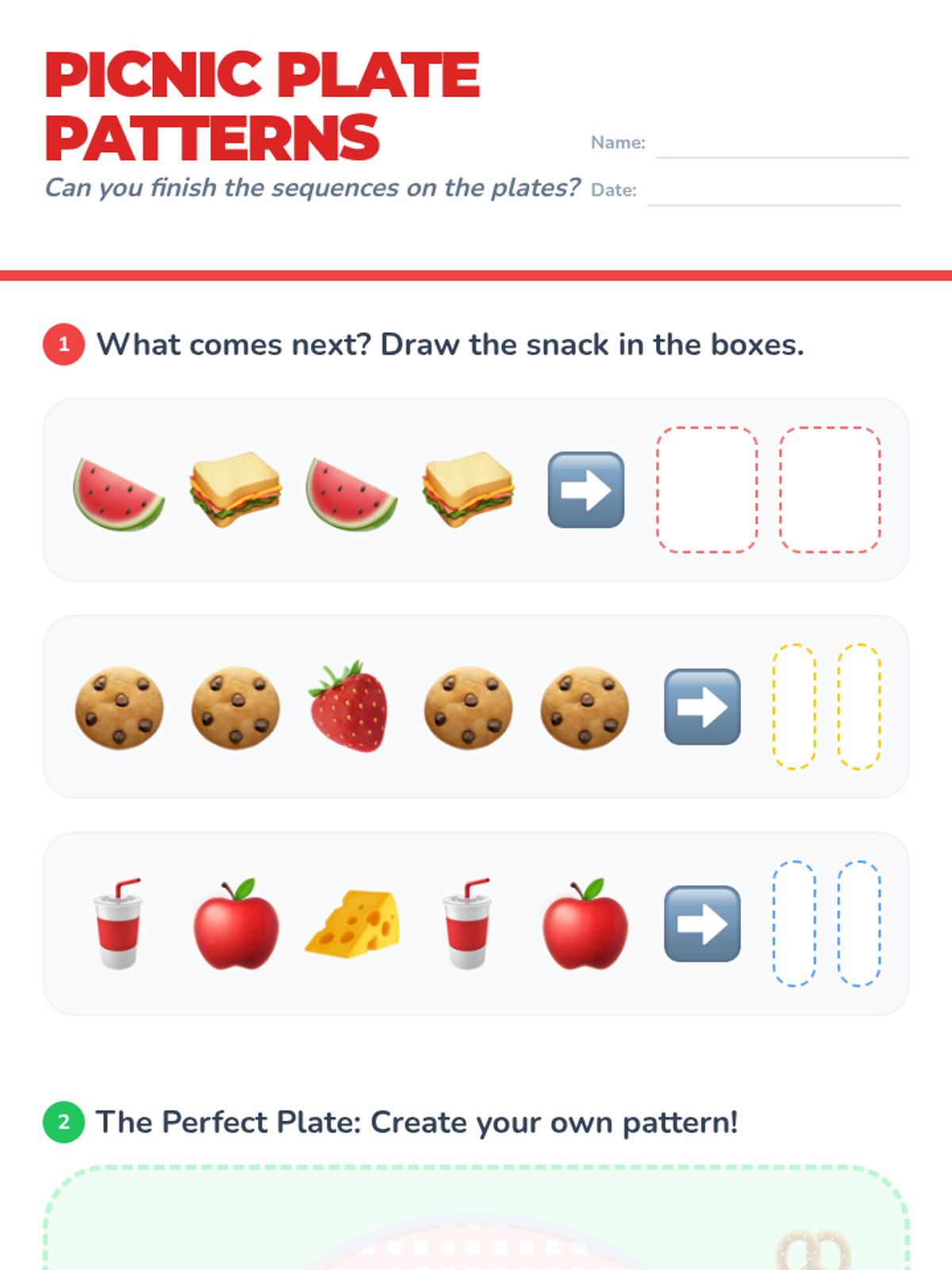
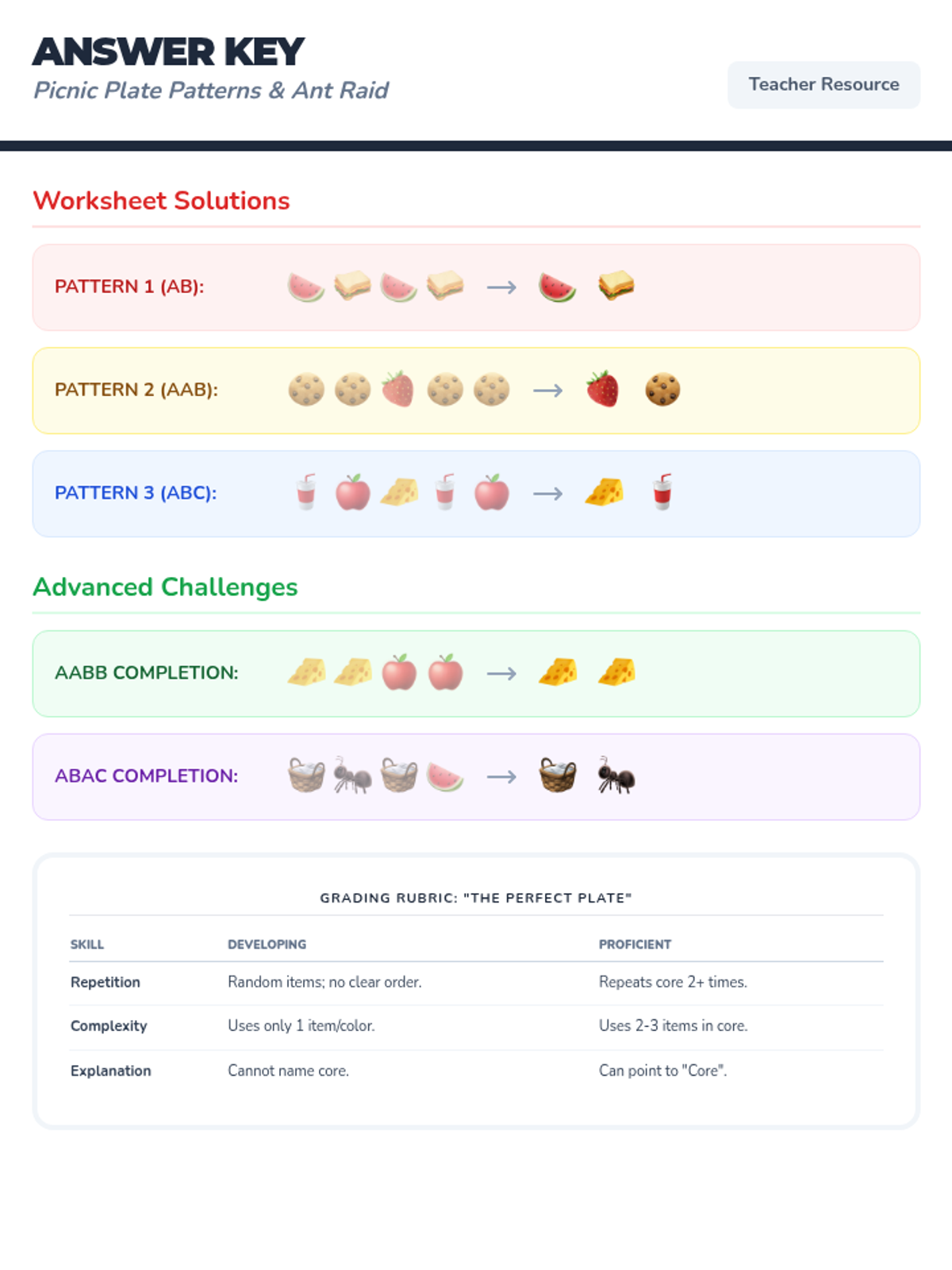
A hands-on lesson where students explore visual patterns using picnic-themed items to build early algebraic thinking skills. Students identify, extend, and create their own sequences using fruits, snacks, and picnic gear.
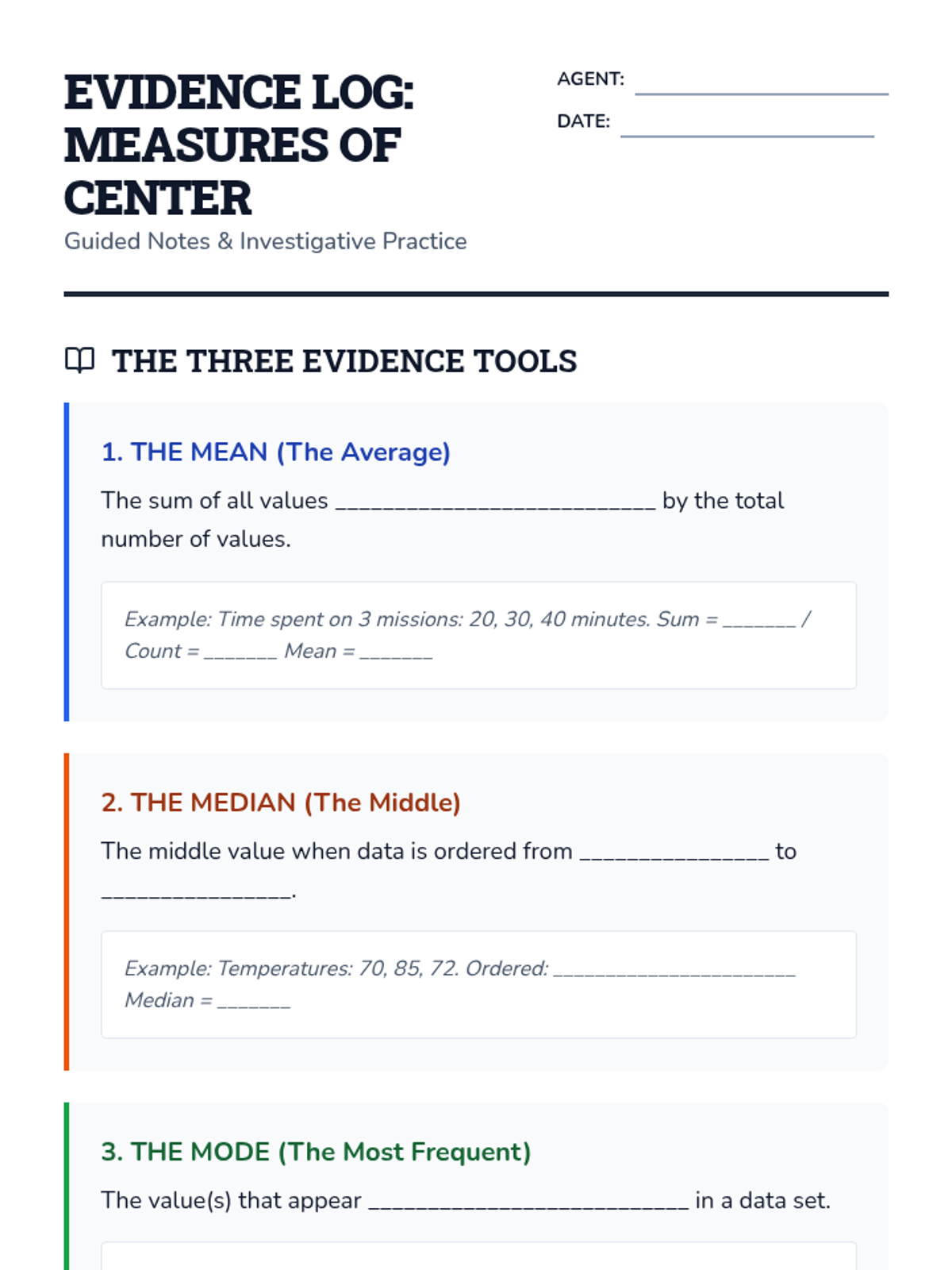
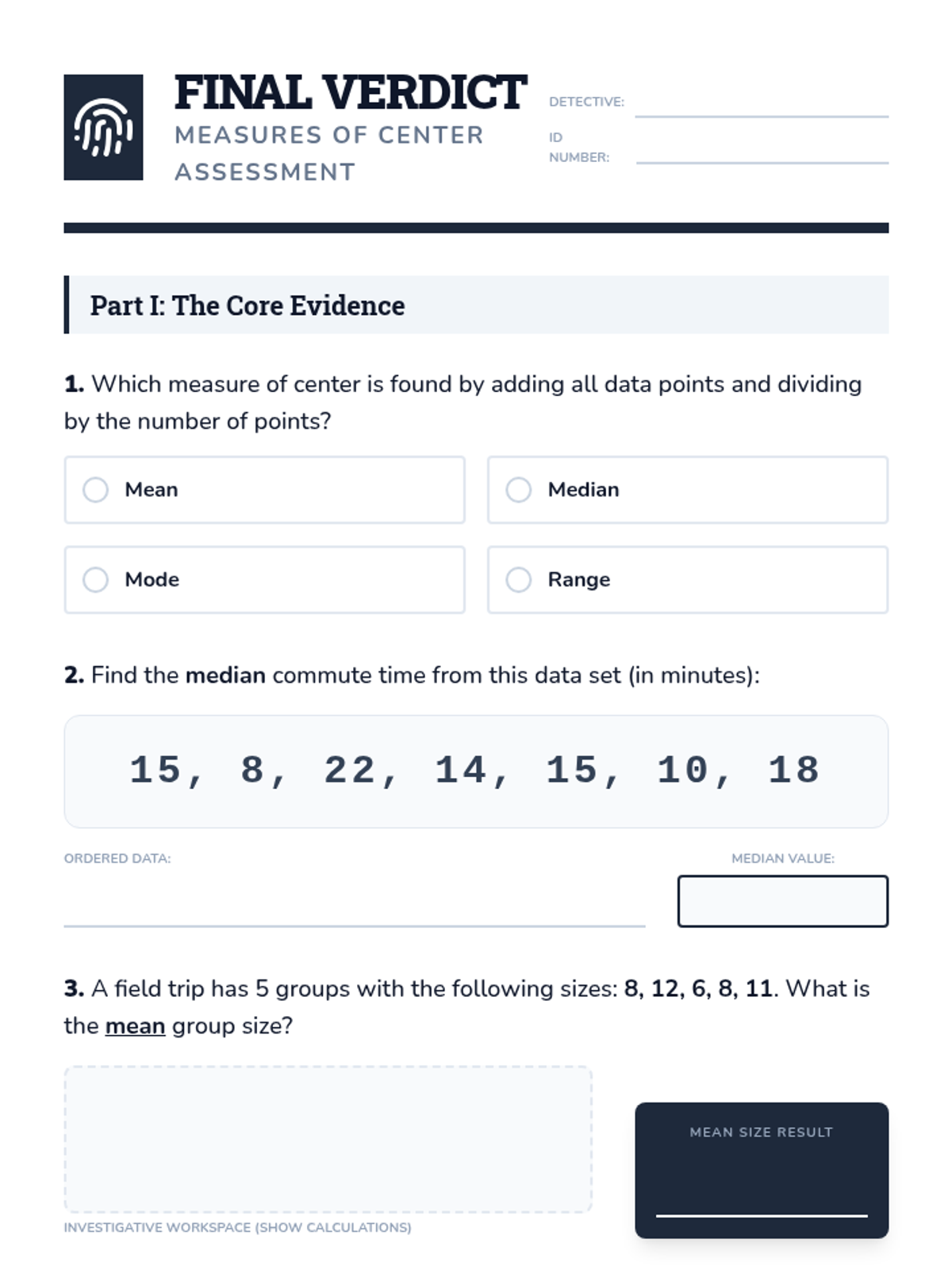
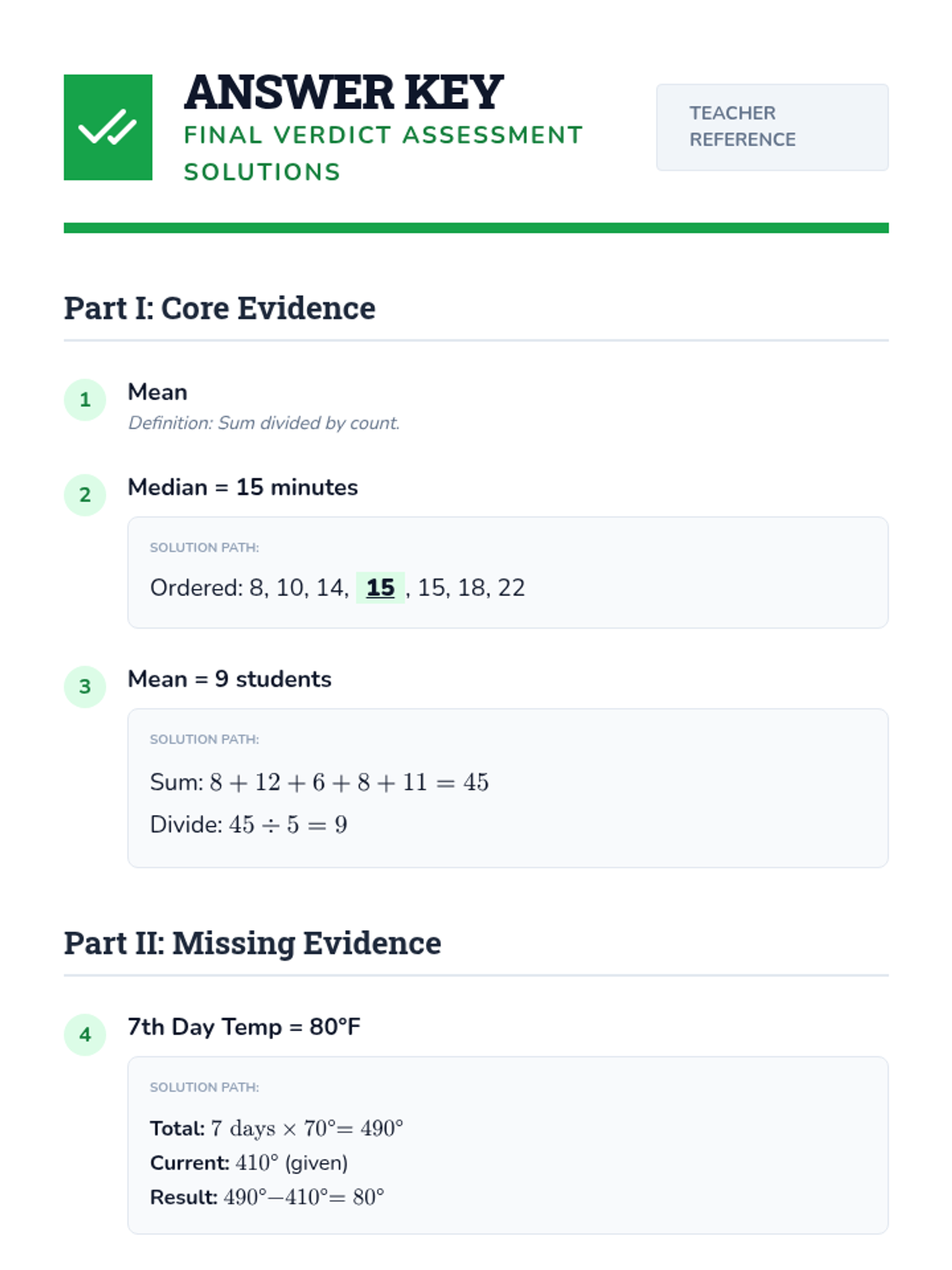
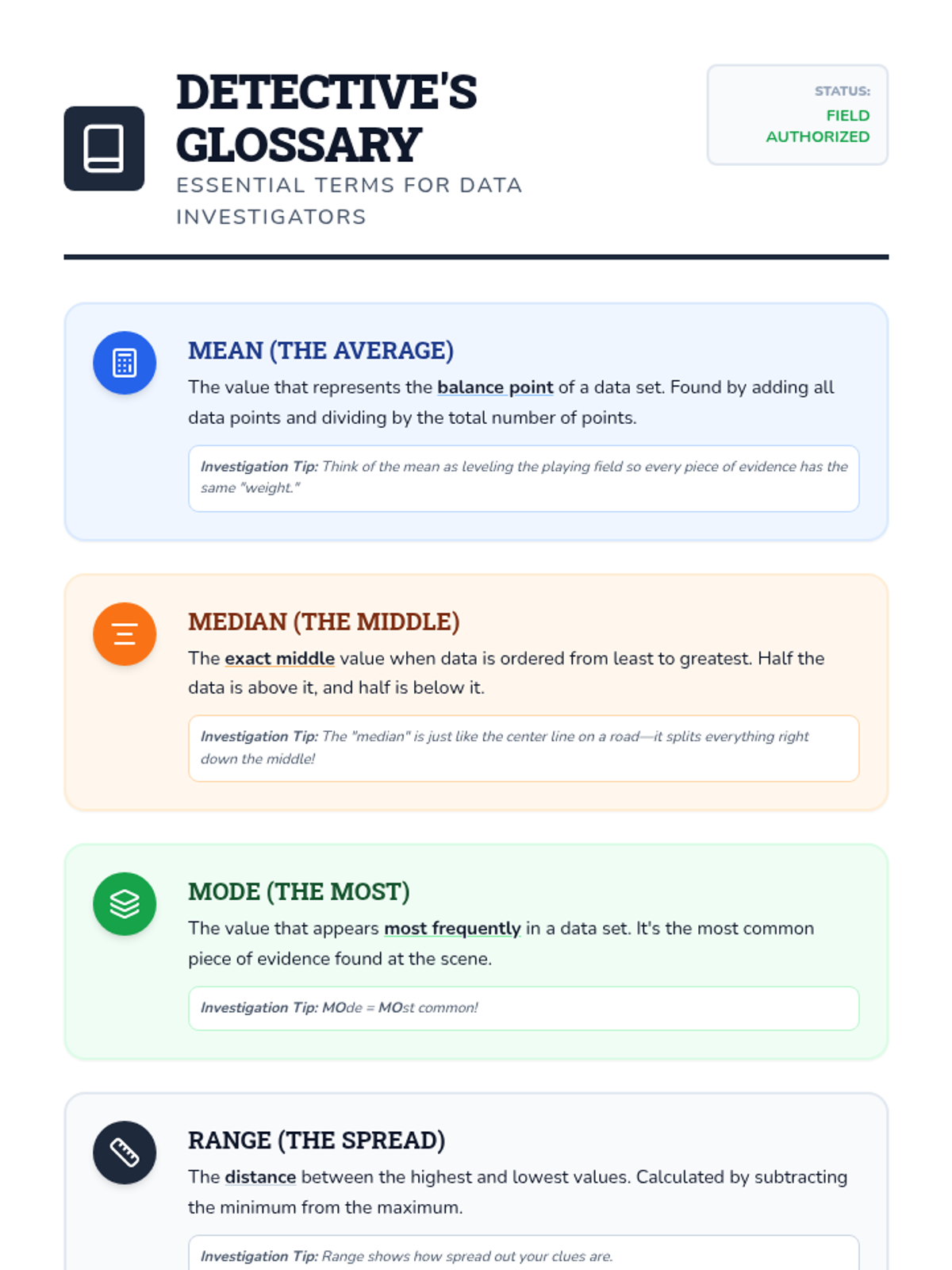
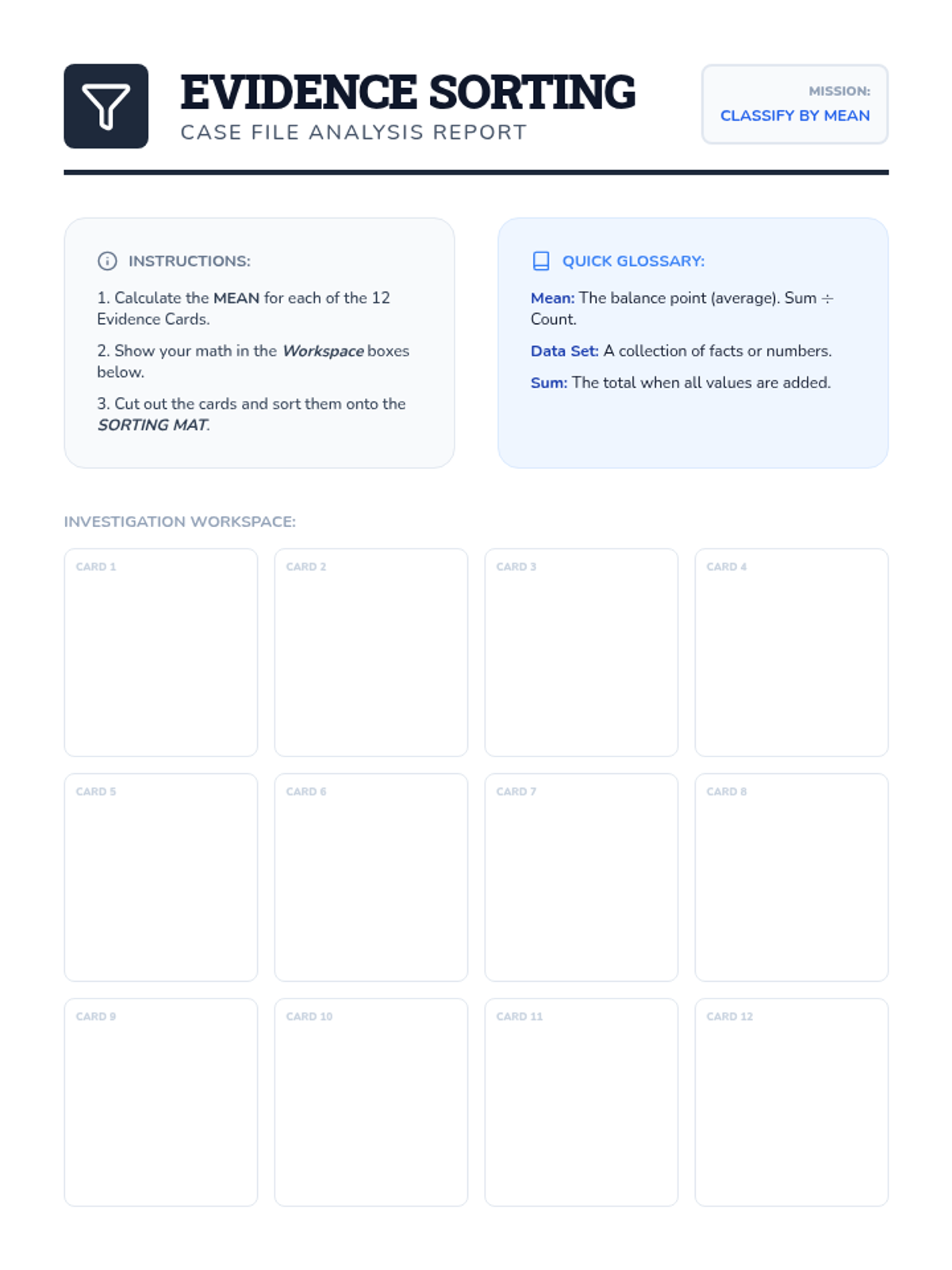
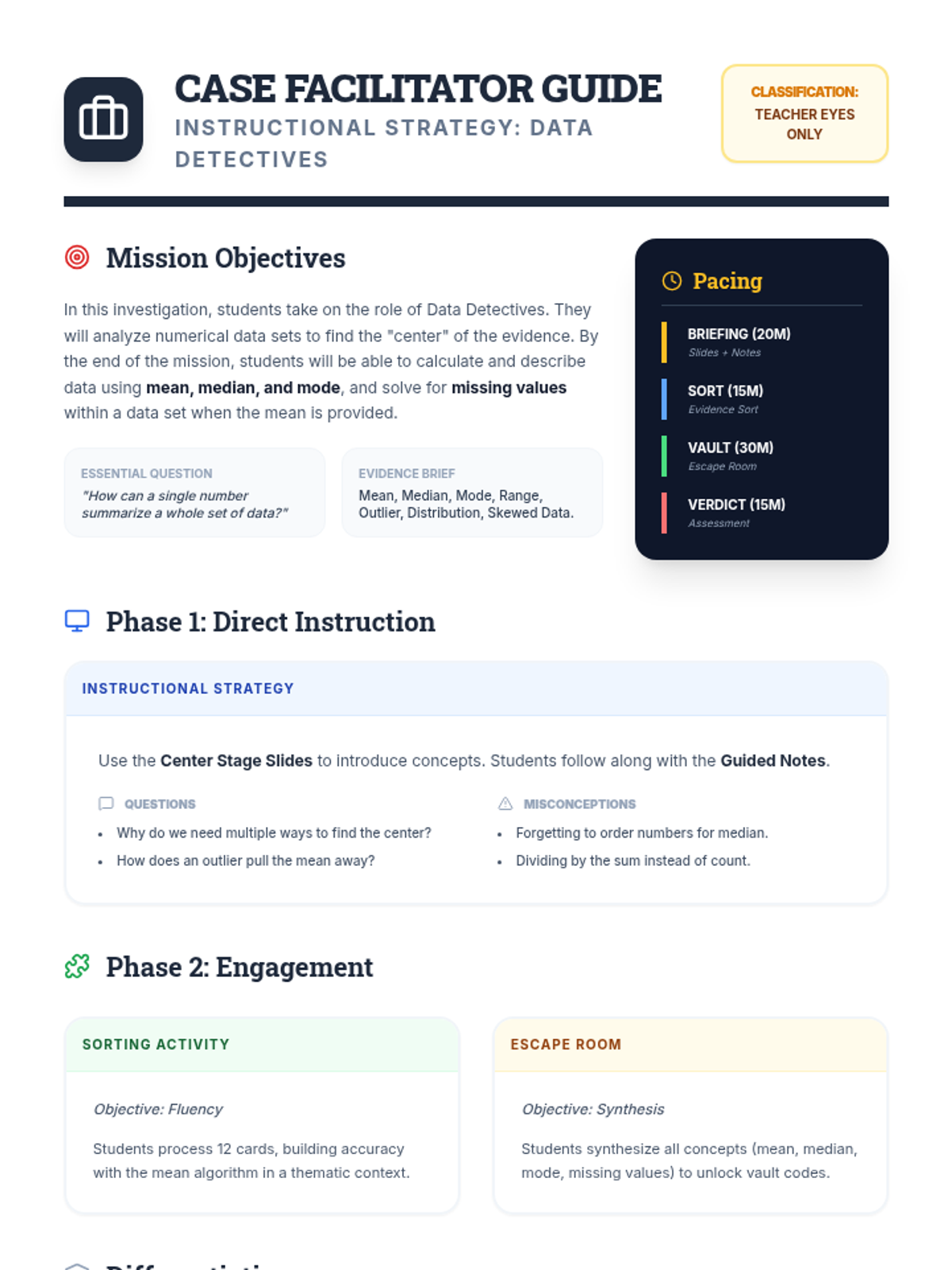
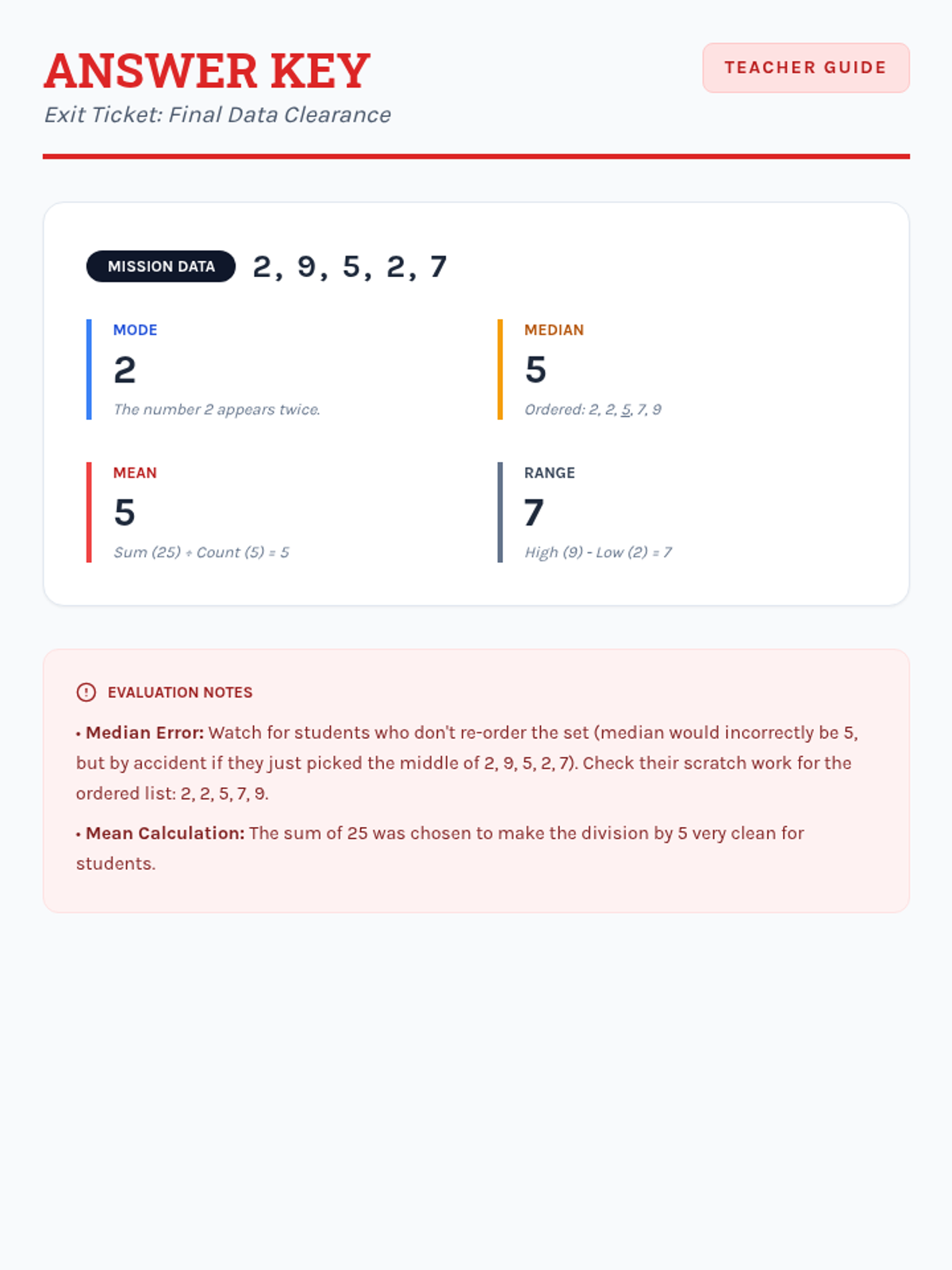
A comprehensive lesson on measures of center (mean, median, mode) where students learn to summarize numerical data and find missing values using time, temperature, and group size data.
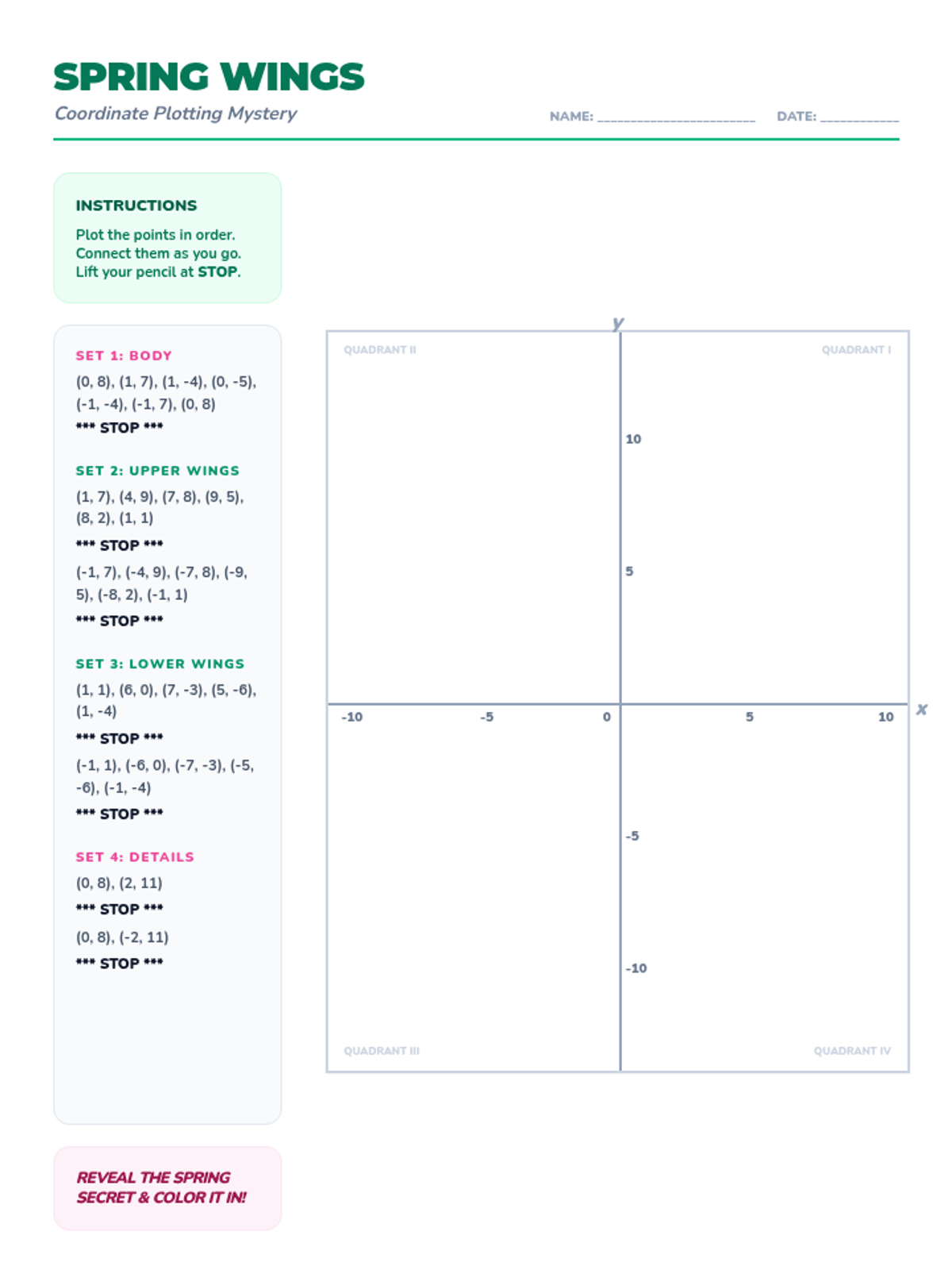
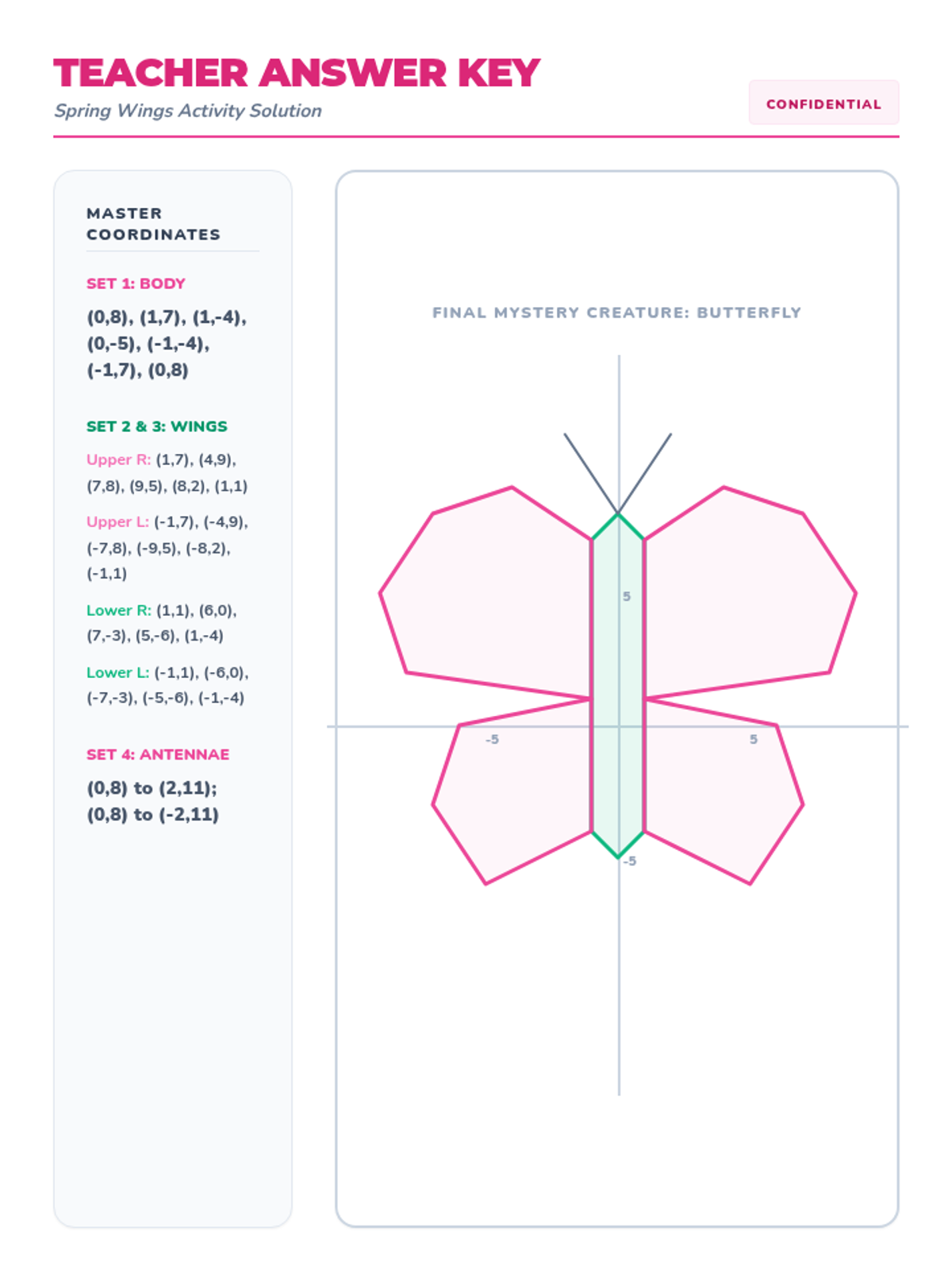
A coordinate plane lesson where students plot integer coordinates in four quadrants to reveal a butterfly. The activity combines math precision with creative coloring for a spring-themed classroom experience.
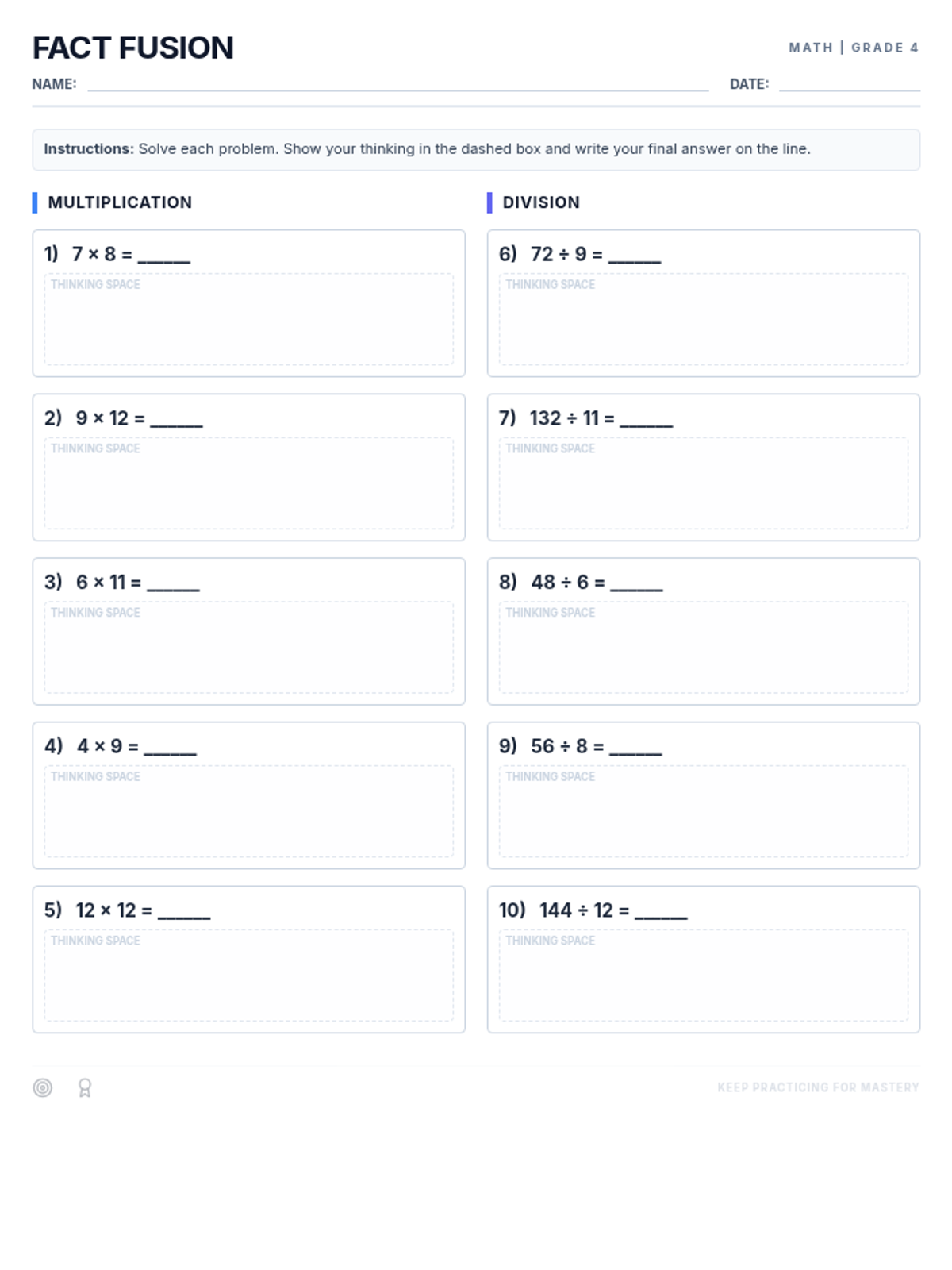
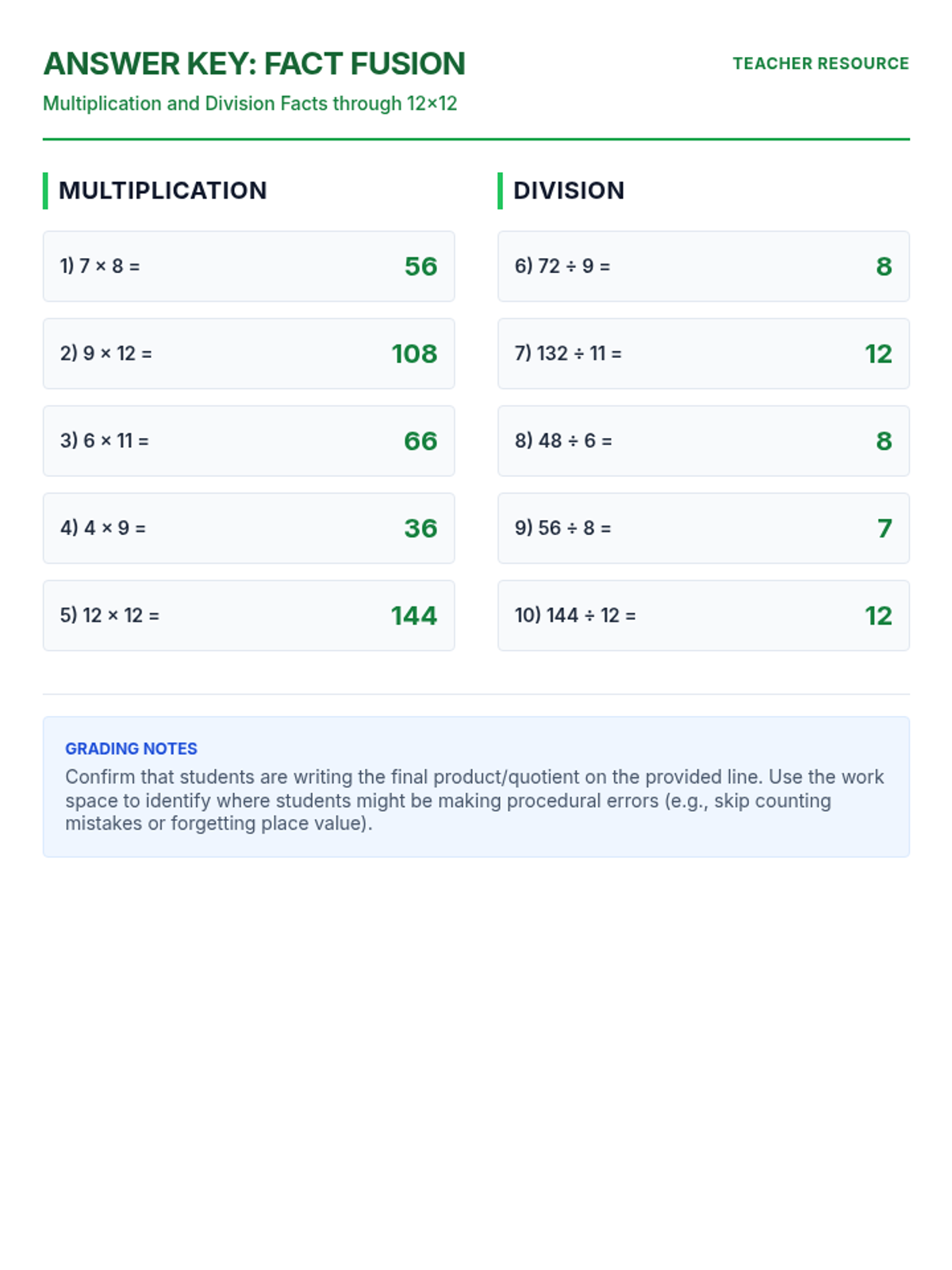
A focused practice session on basic multiplication and division facts up to 12x12. Students will solve five multiplication and five division equations to build fluency.
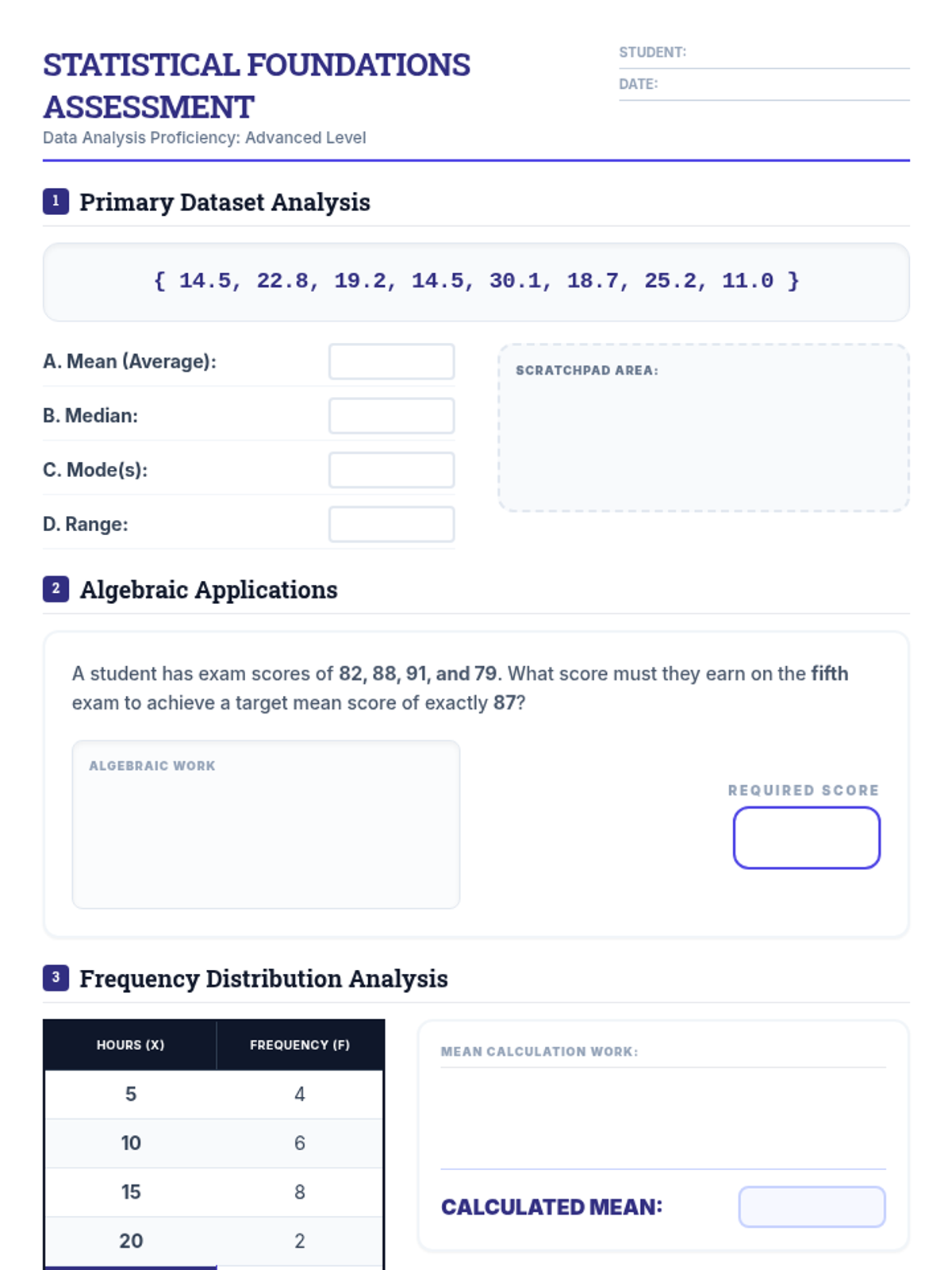
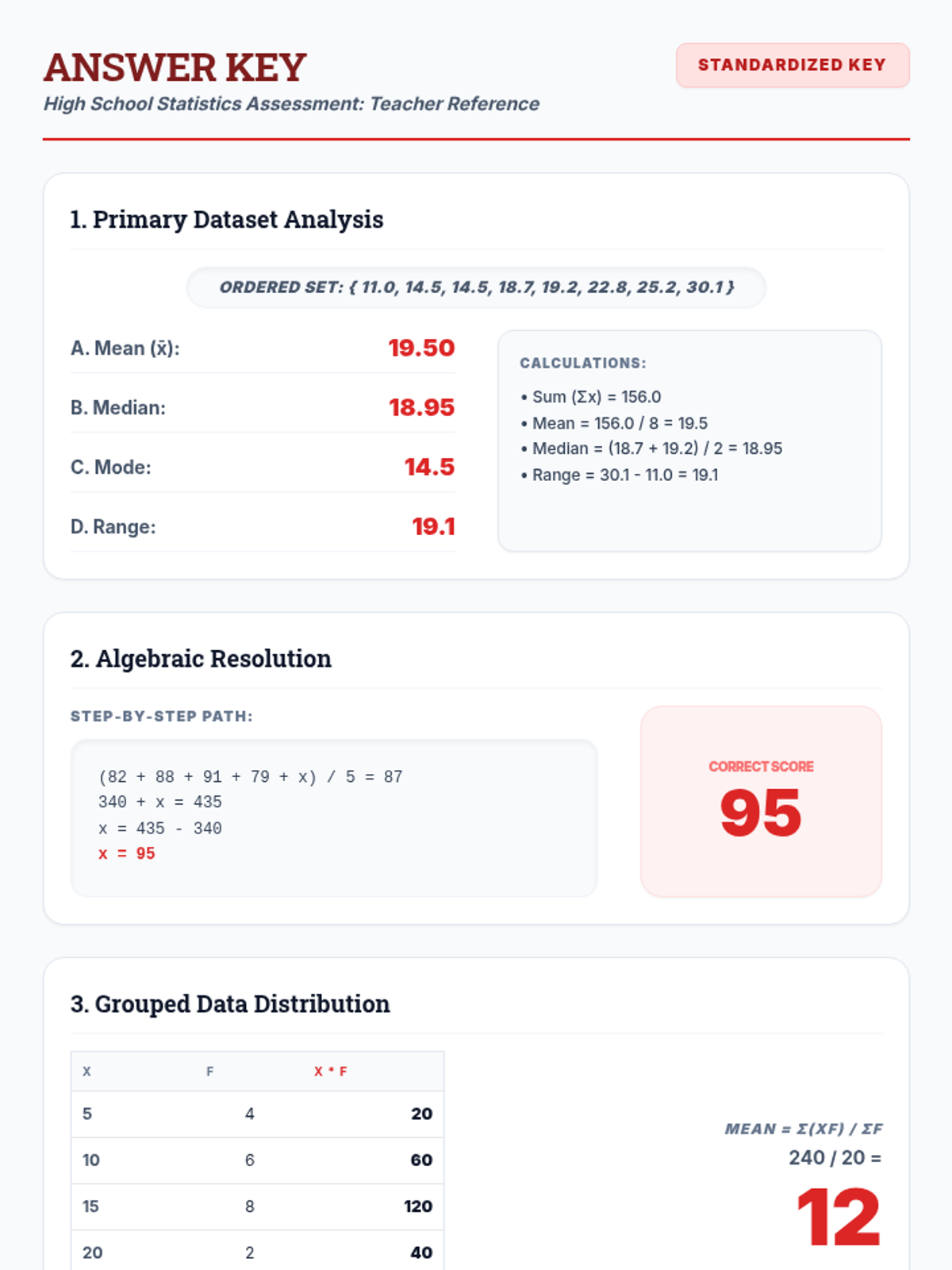
Advanced applications of central tendency and spread, including algebraic problem-solving, weighted means, and the mathematical impact of outliers for high school students.
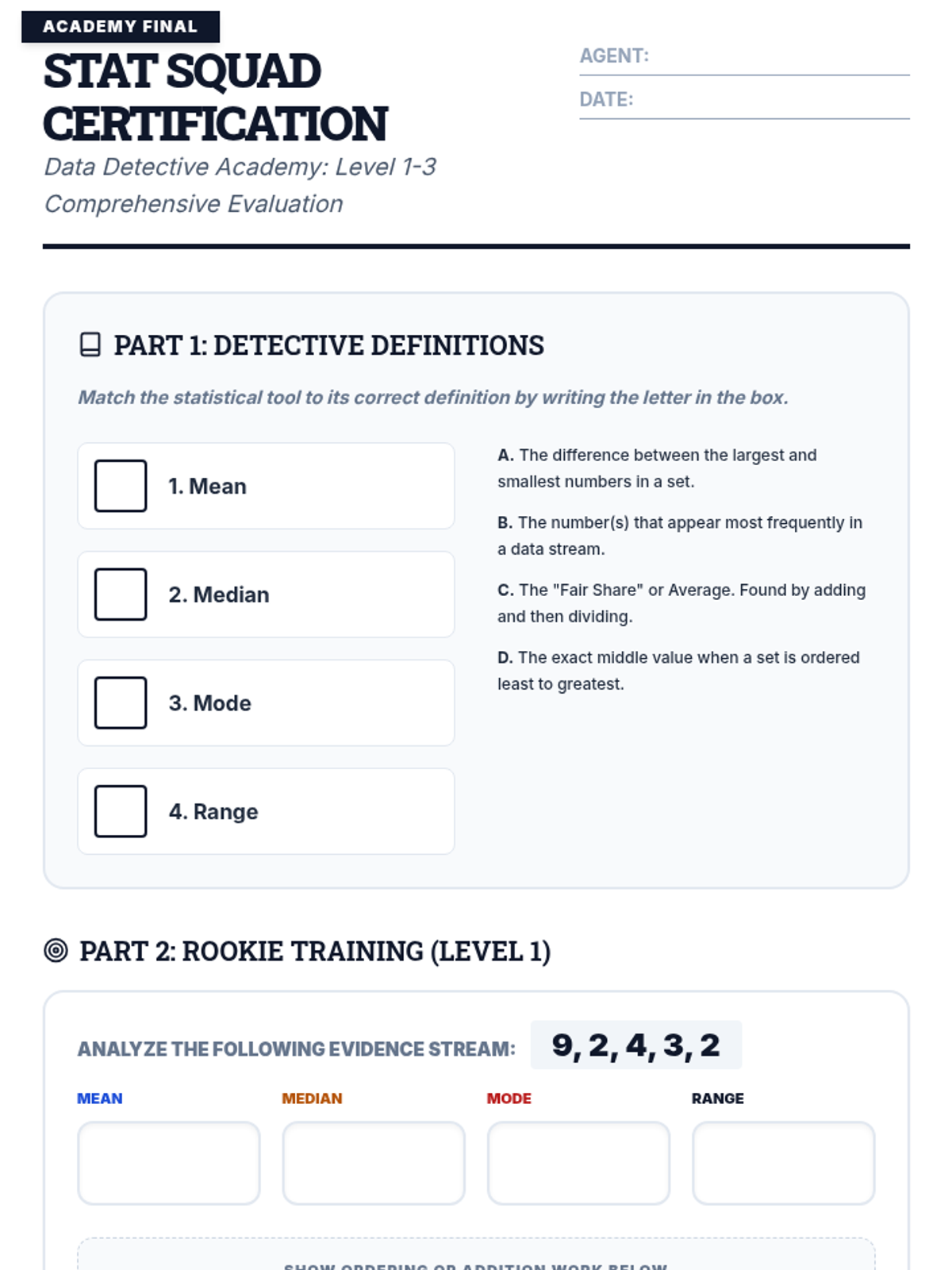
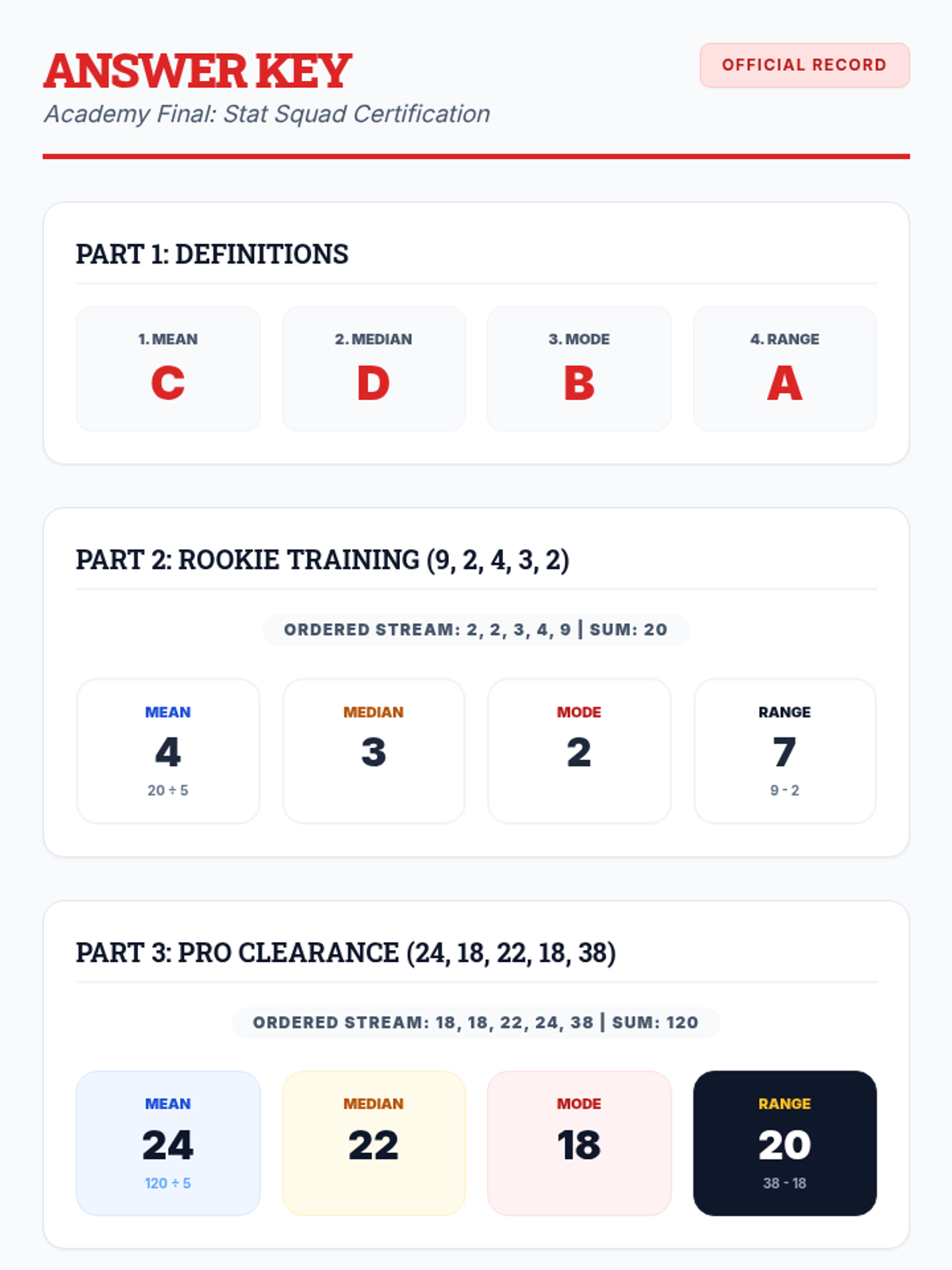
A comprehensive assessment covering Level 1, Level 2, and Level 3 data analysis, designed to evaluate mastery of mean, median, mode, and range in both numerical and narrative contexts.
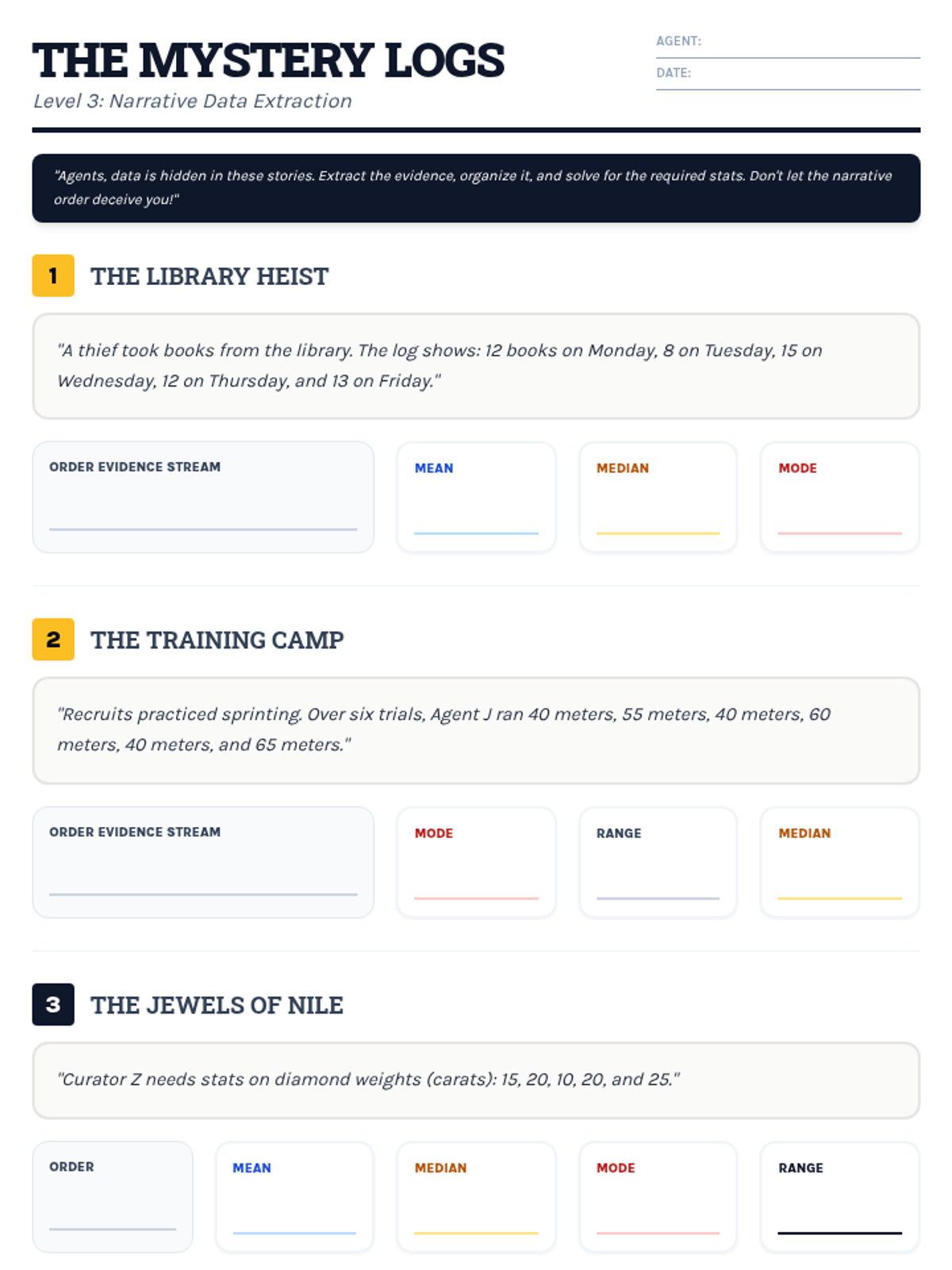
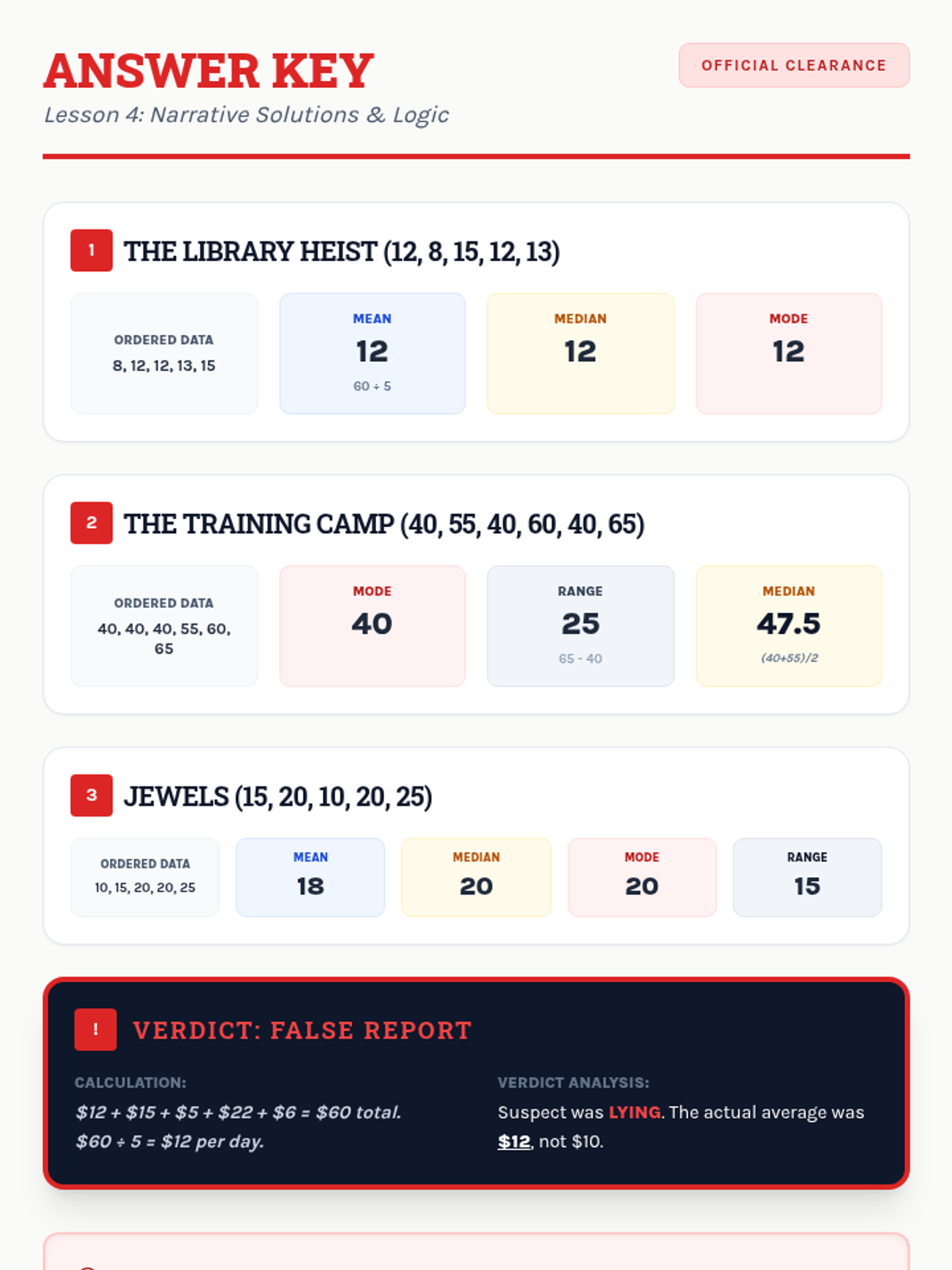
Students interpret and solve word problems involving mean, median, mode, and range, focusing on extracting data from narrative contexts and real-world scenarios.
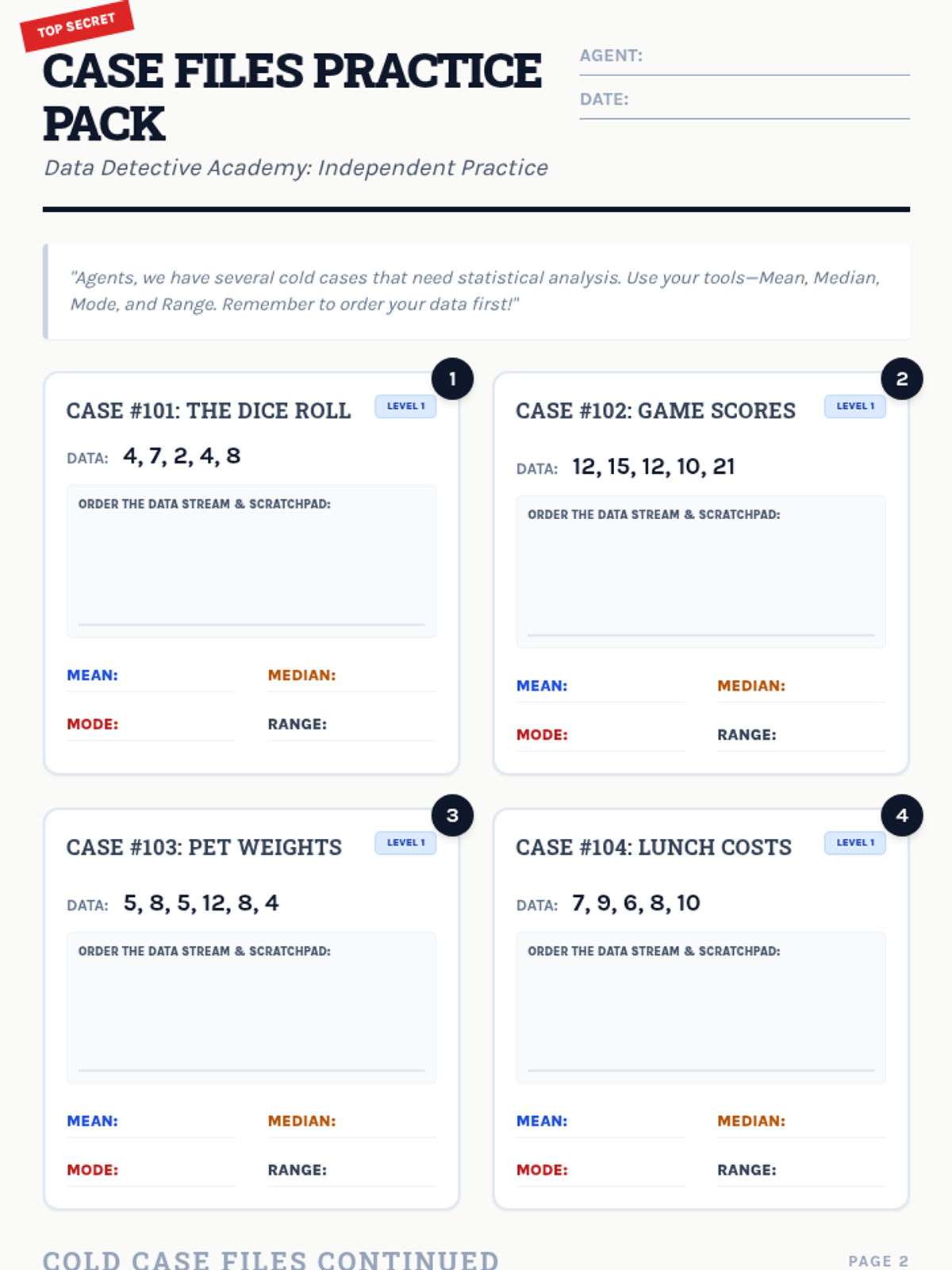
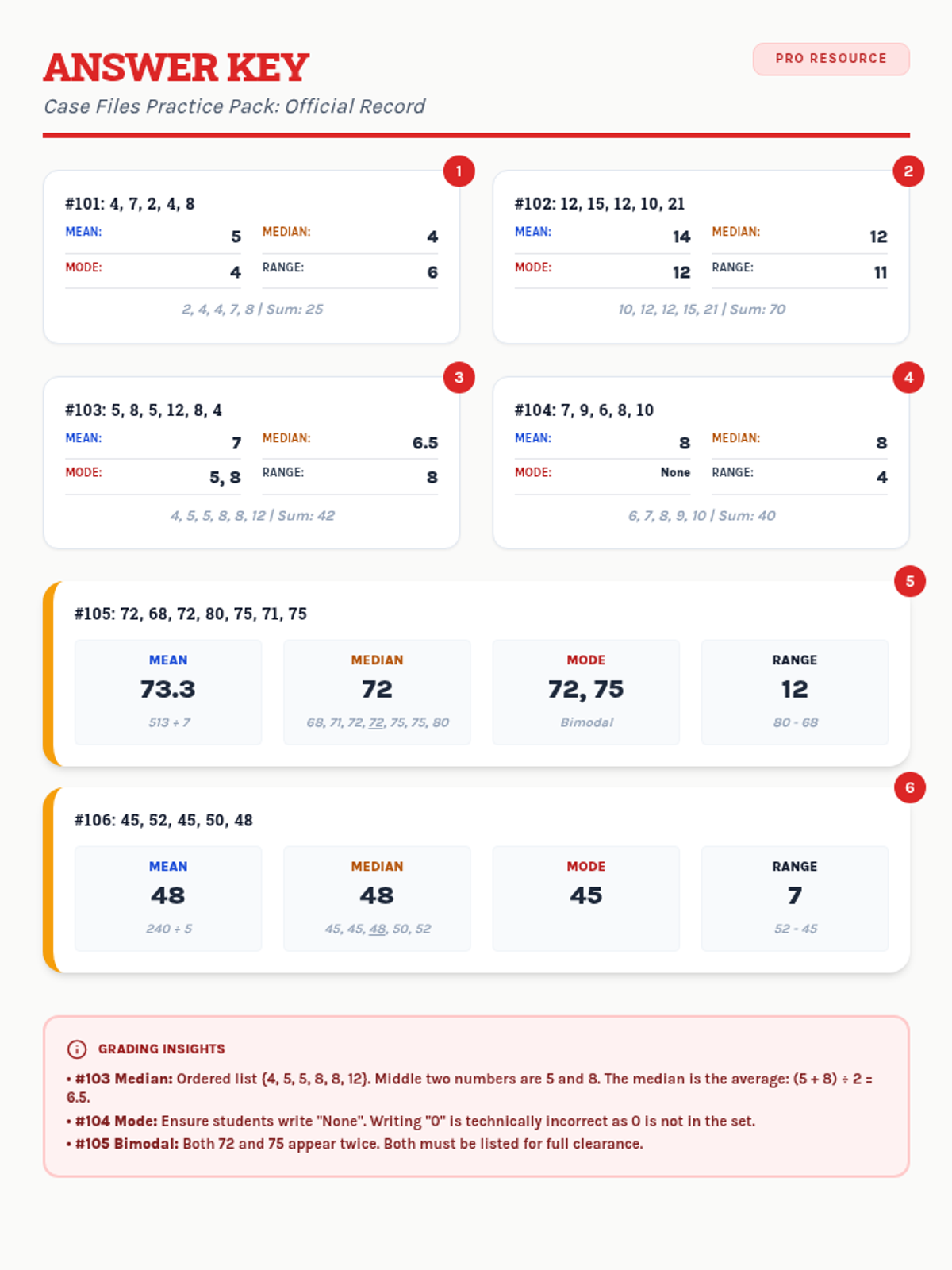
A collection of extra practice cases for mean, median, mode, and range, ranging from single-digit warmups to double-digit challenges, themed as unsolved detective files.
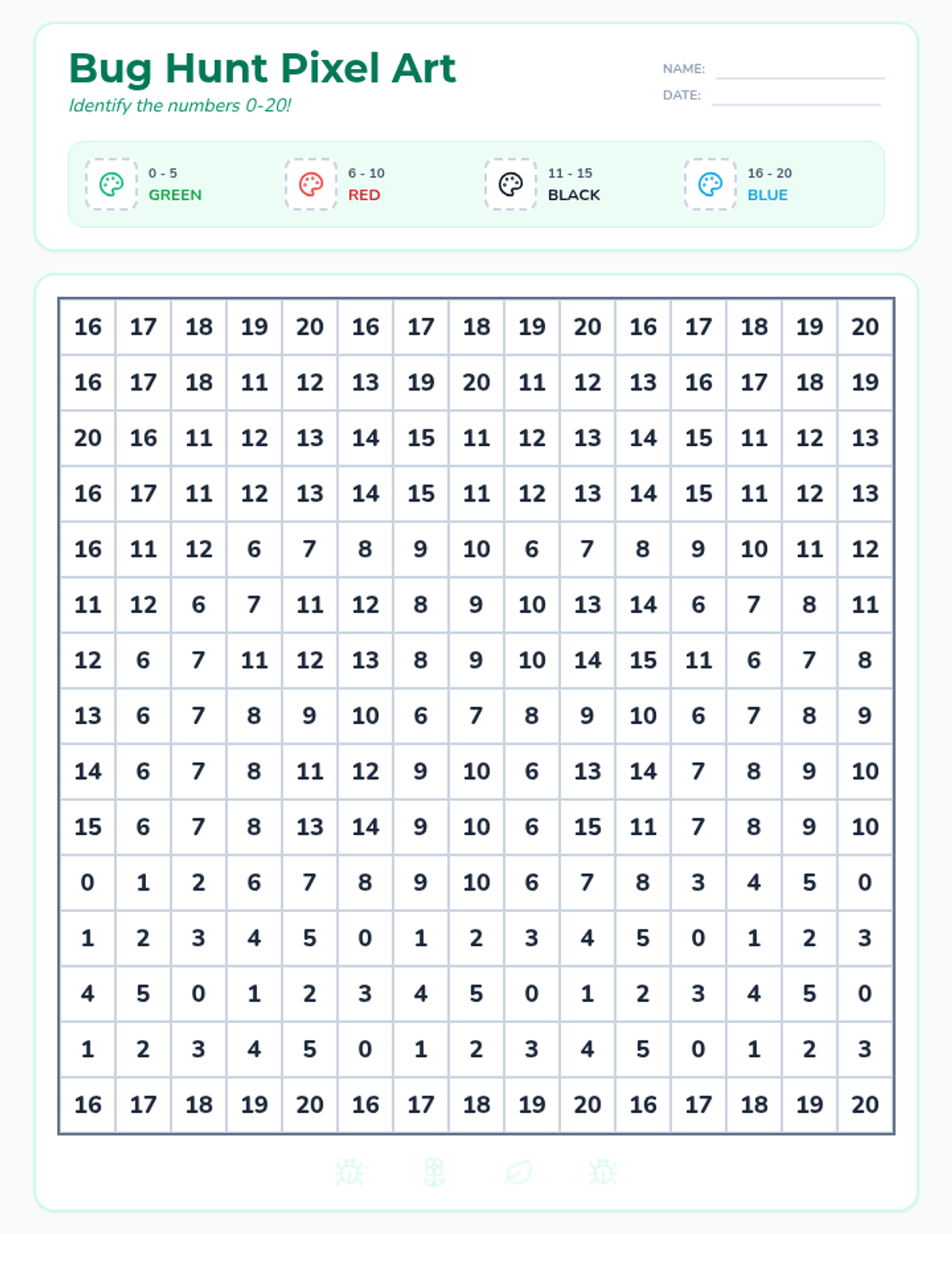
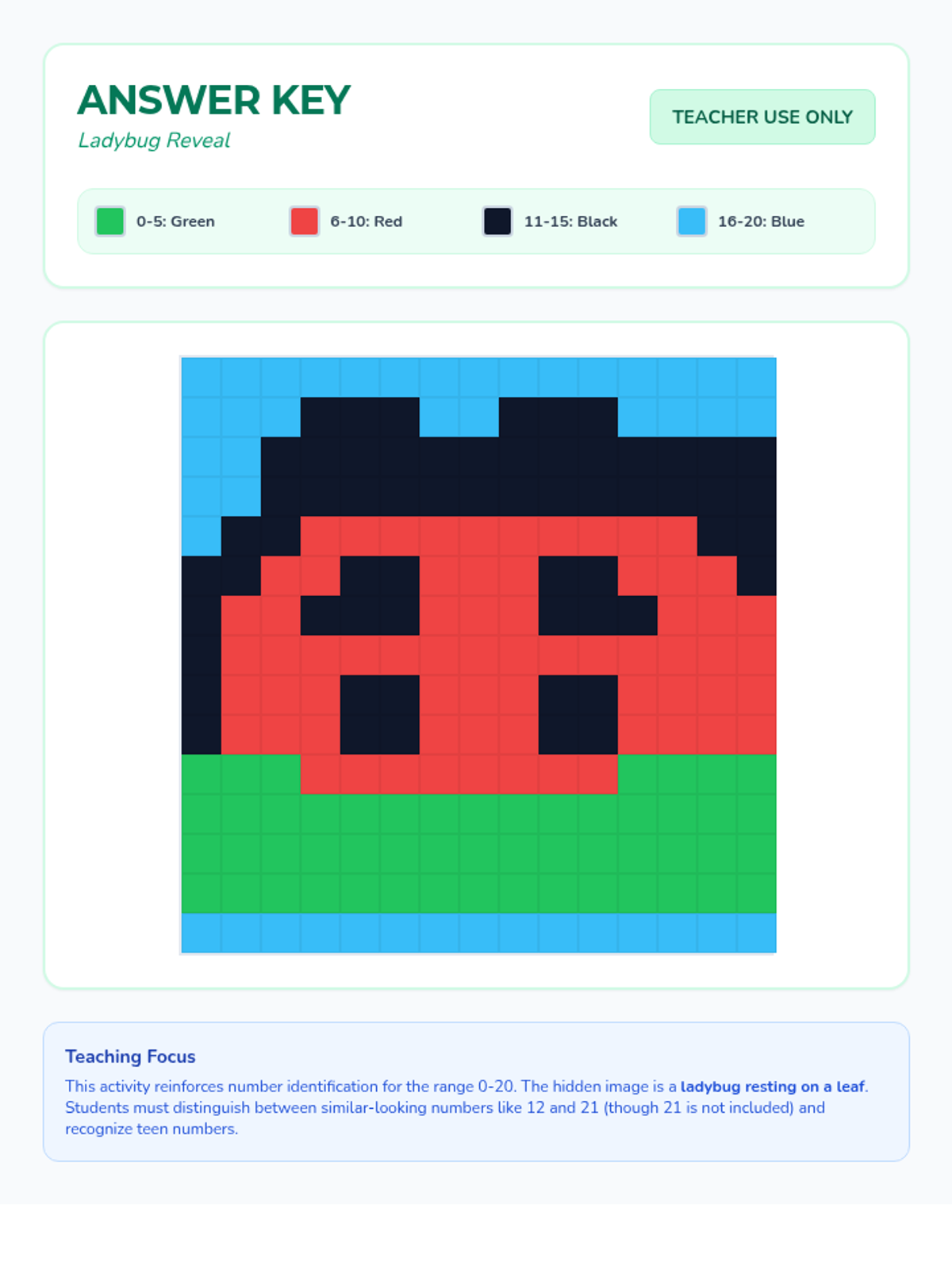
A fun, hands-on activity where students identify numbers 0-20 to reveal a hidden garden critter. Perfect for practicing number recognition and fine motor skills.
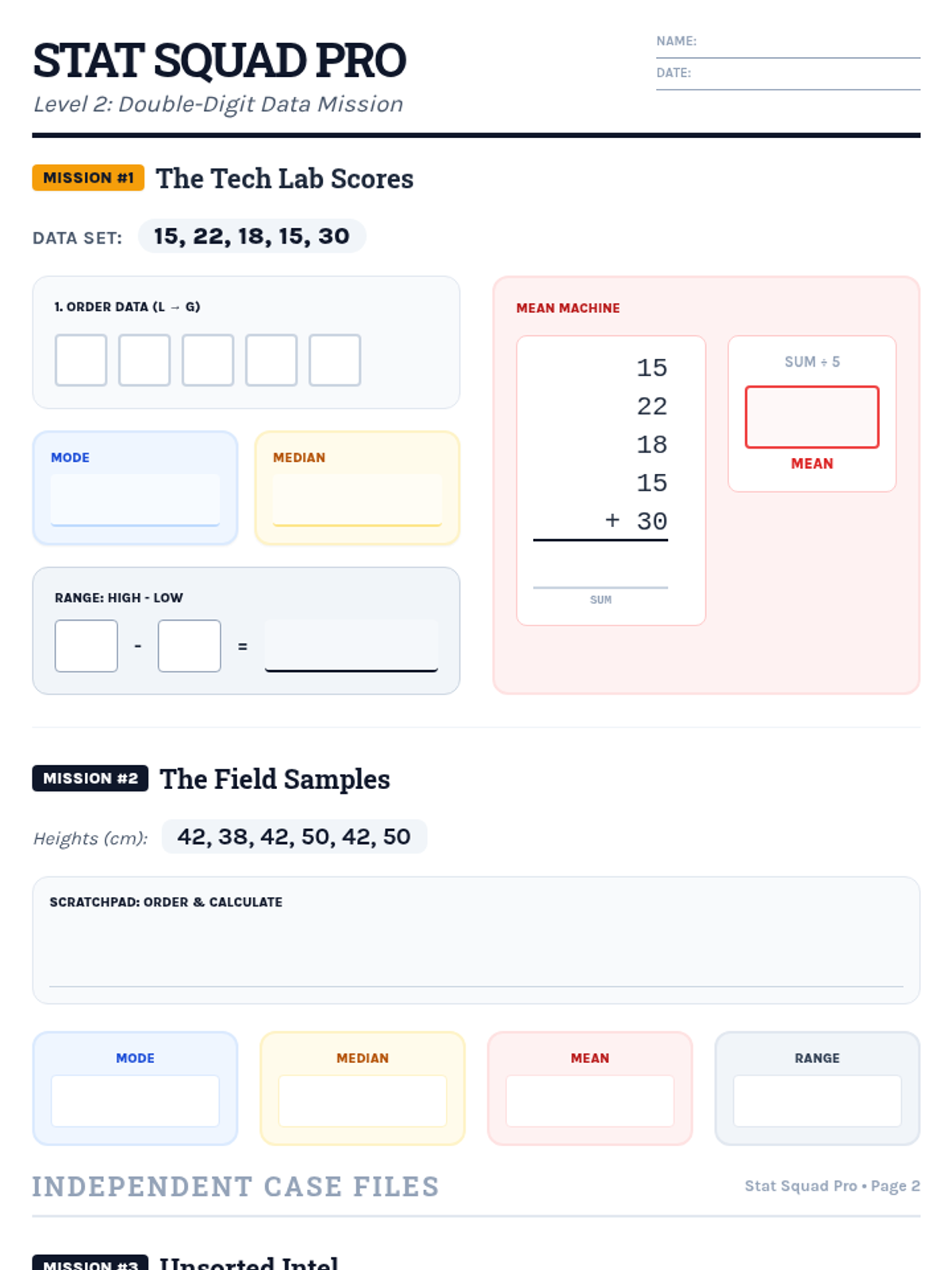
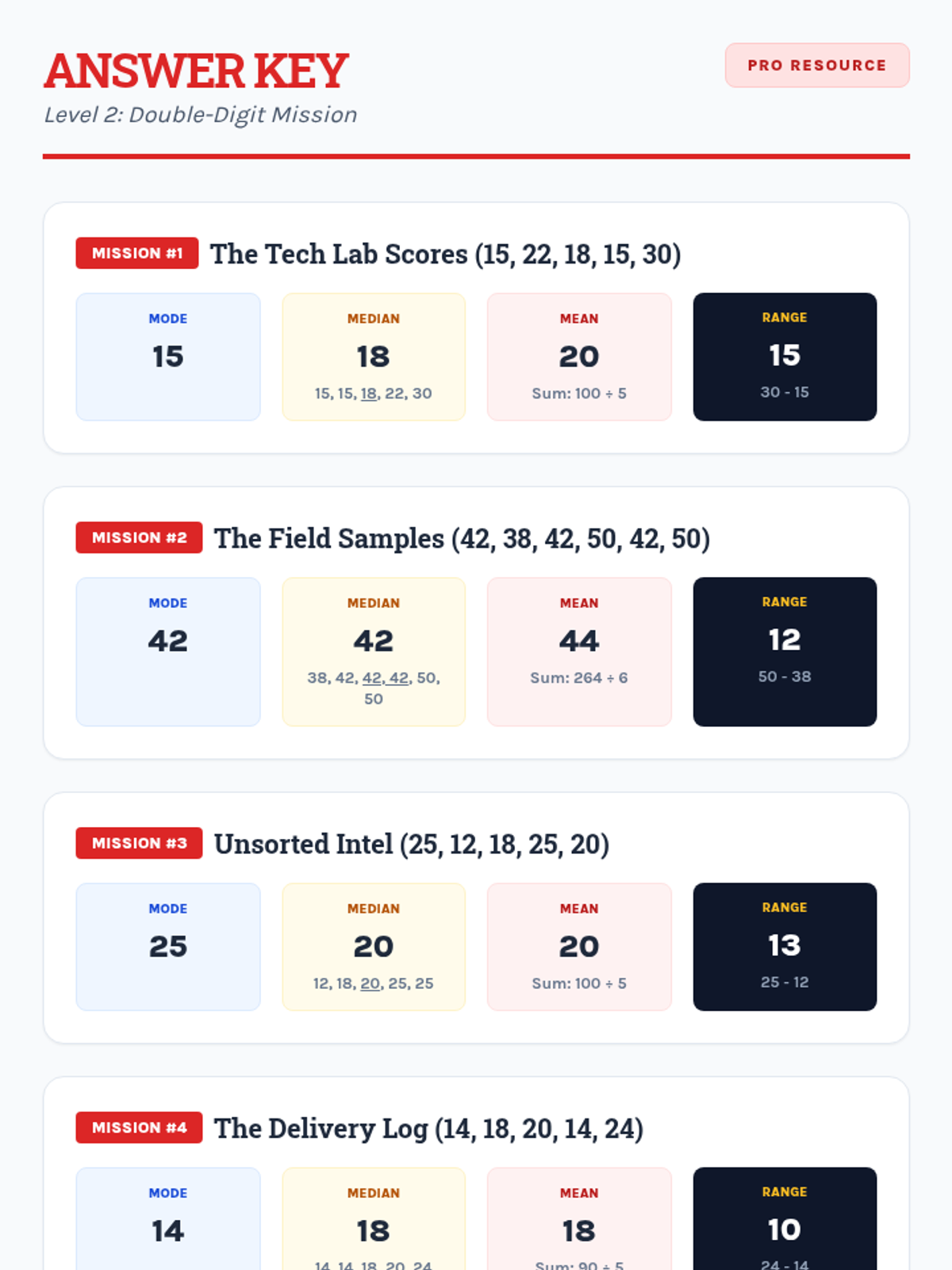
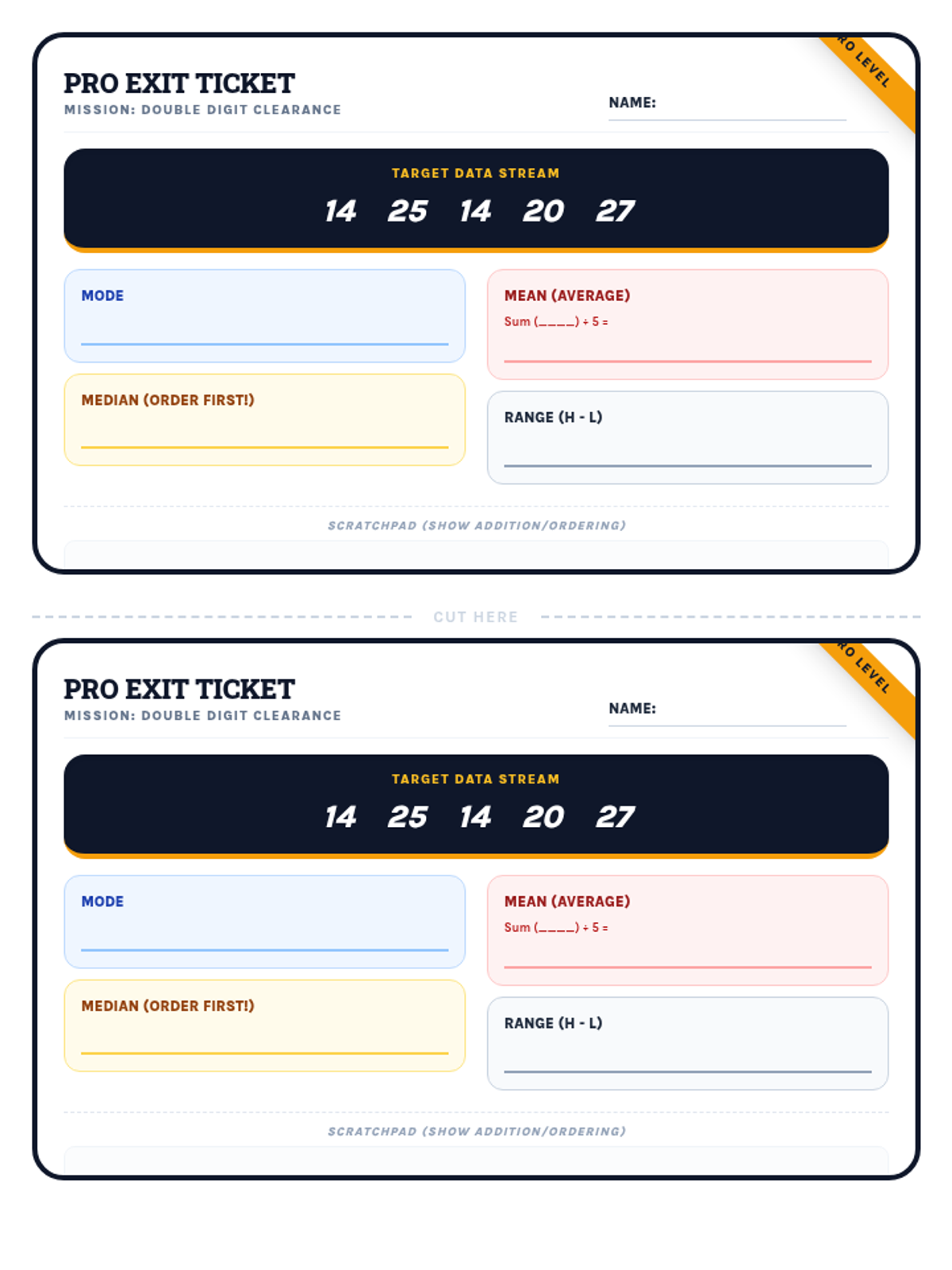
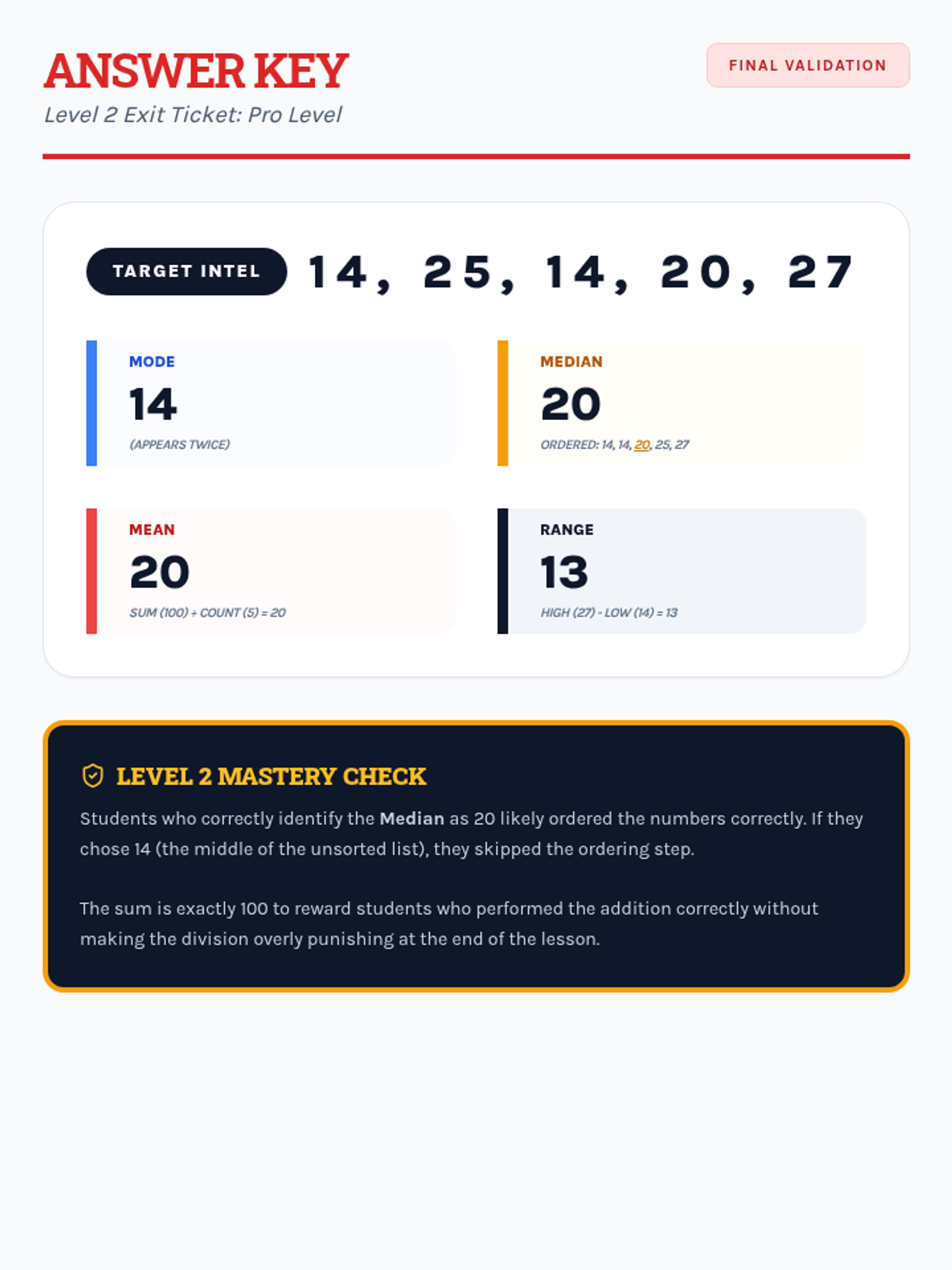
Students apply their knowledge of mean, median, mode, and range to data sets featuring two-digit numbers, focusing on multi-digit addition and division.
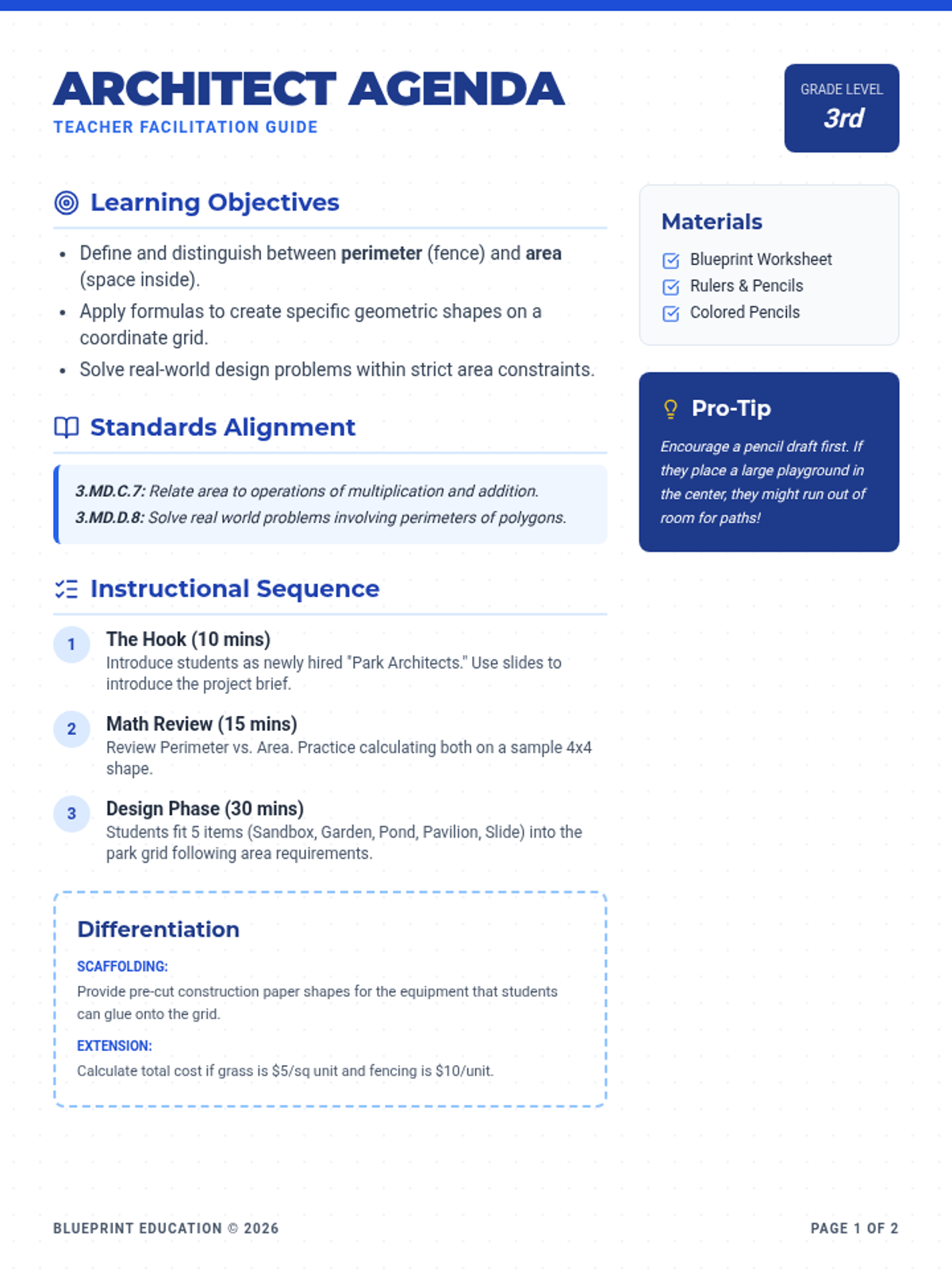
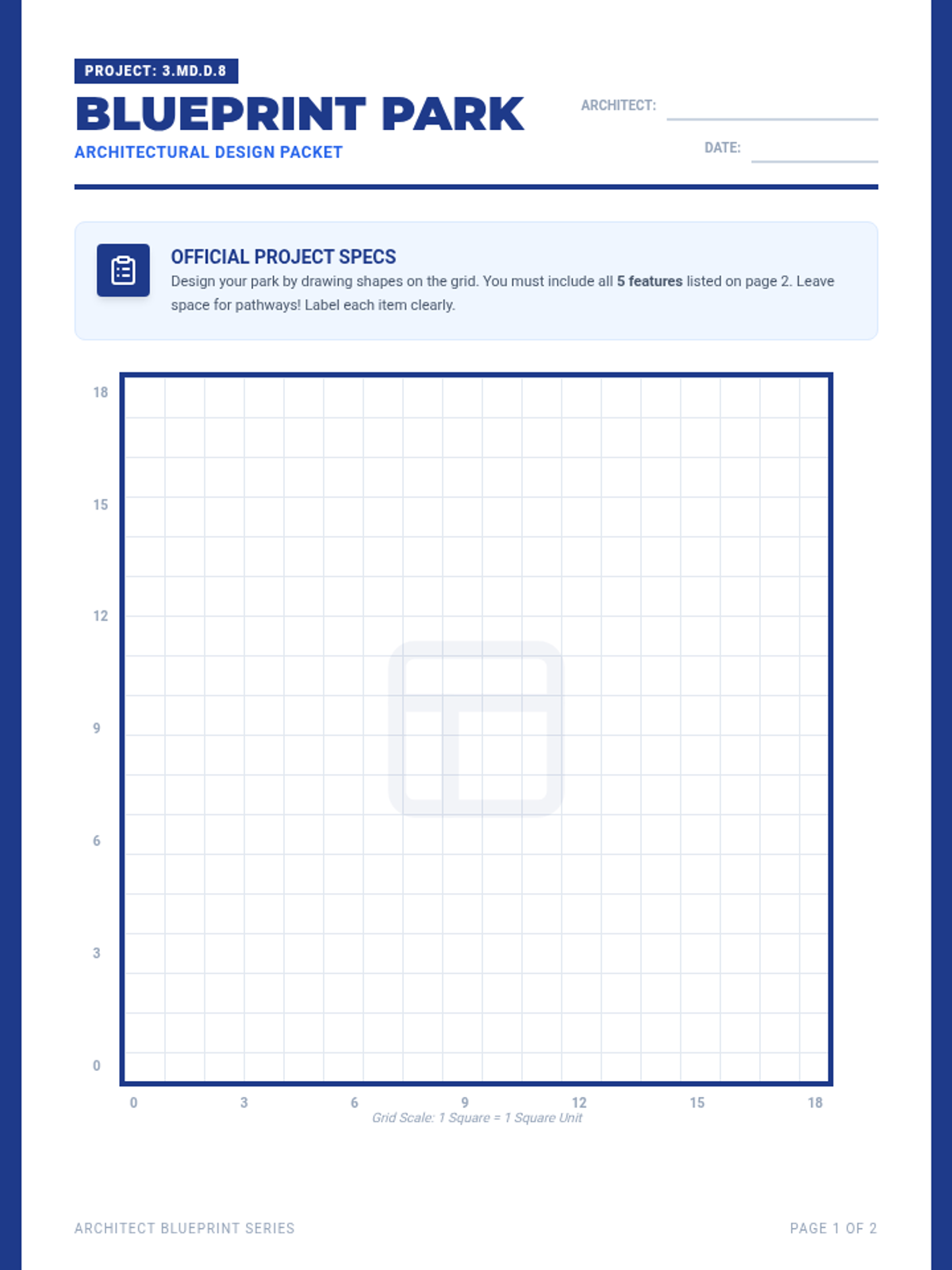
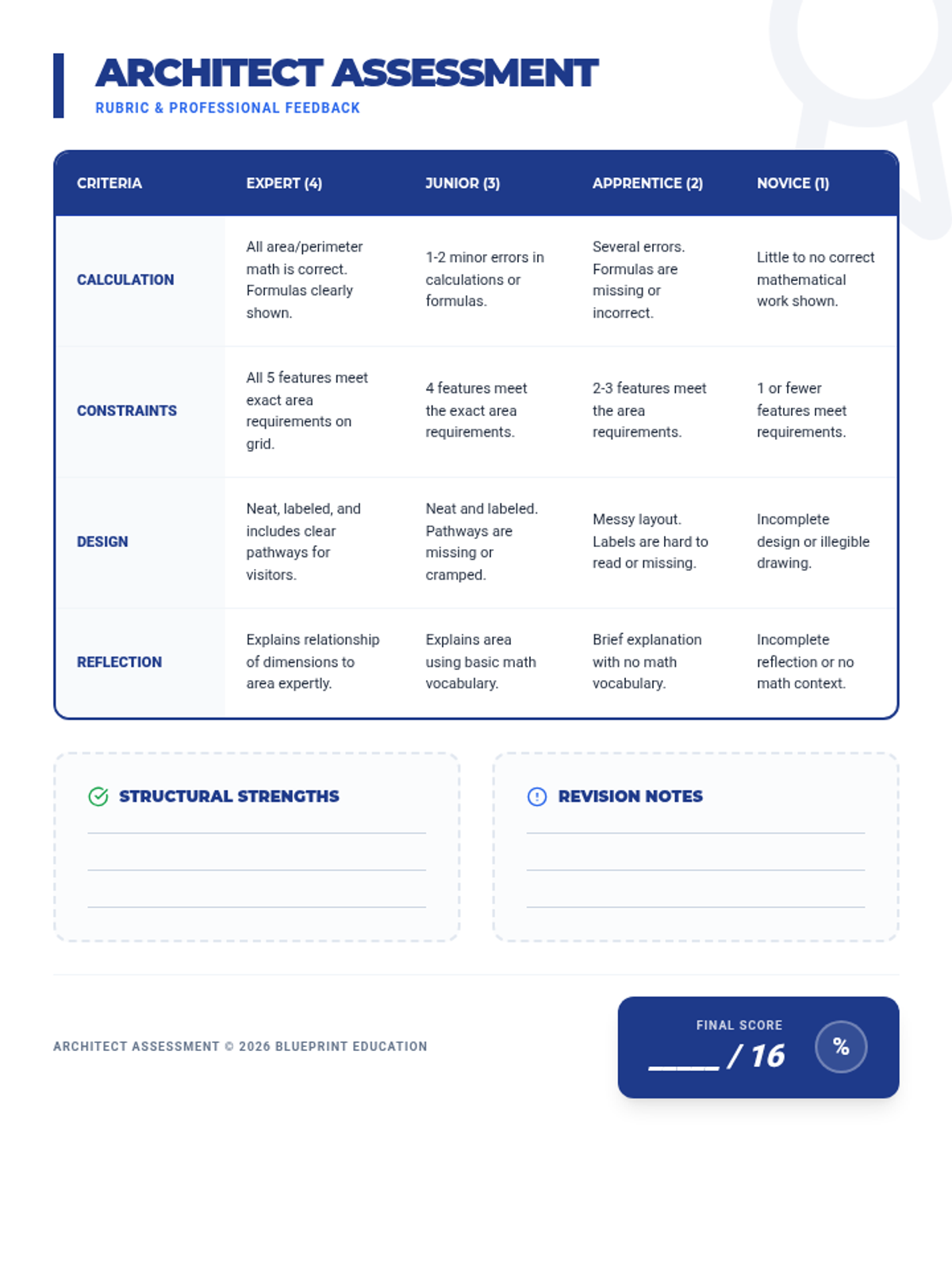
A hands-on geometry lesson where students act as urban planners to design a community park using area and perimeter calculations.
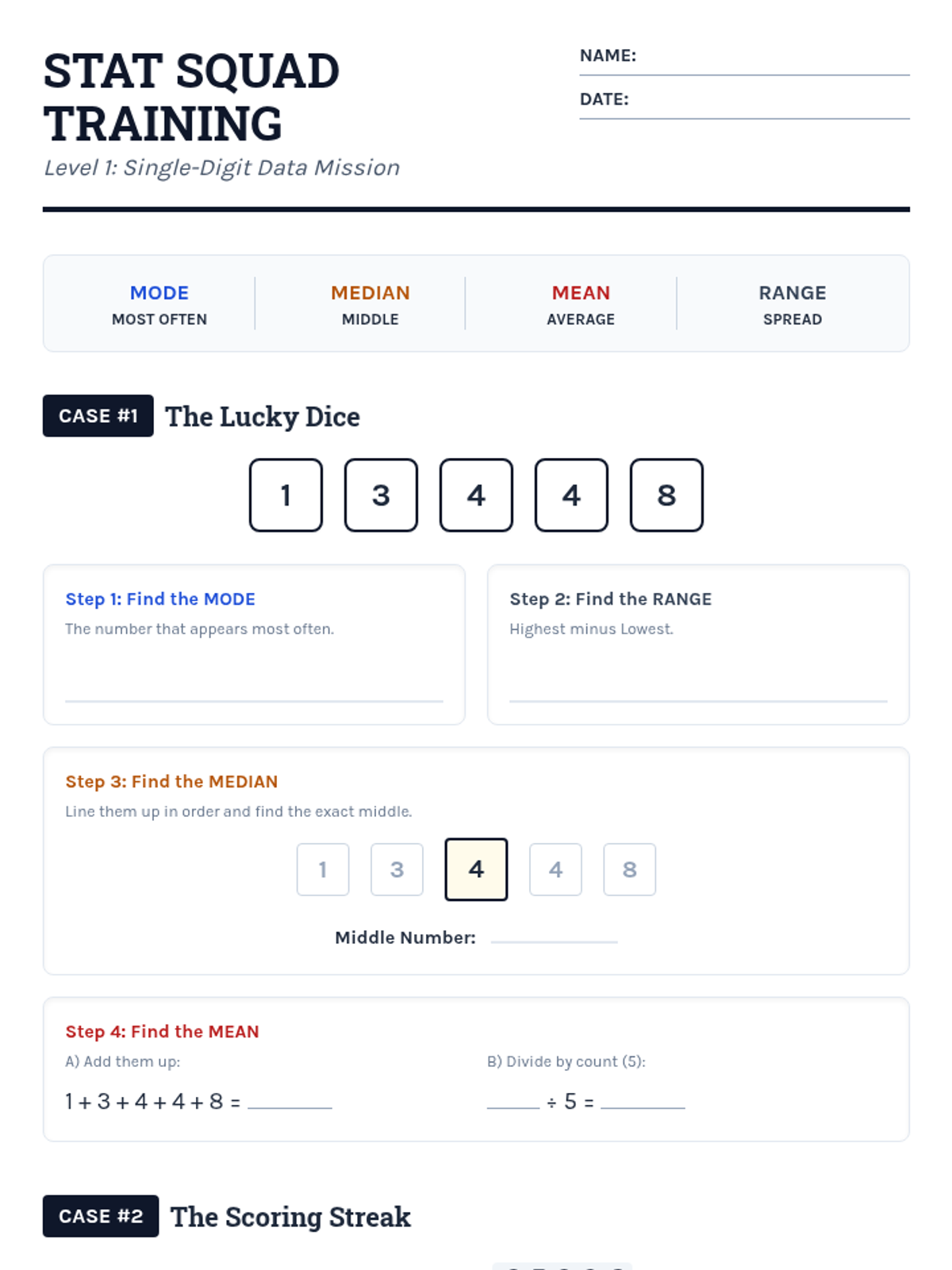
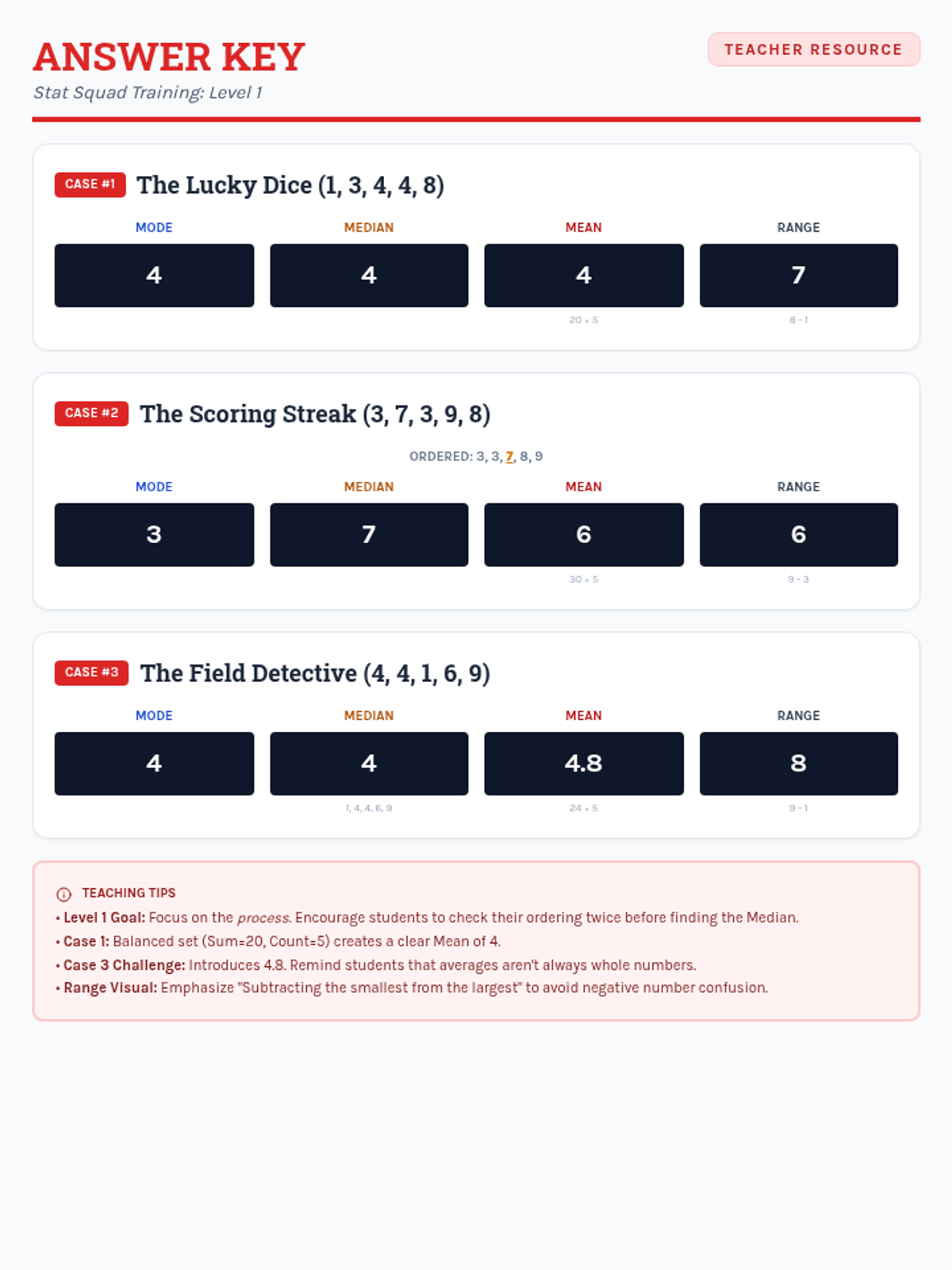
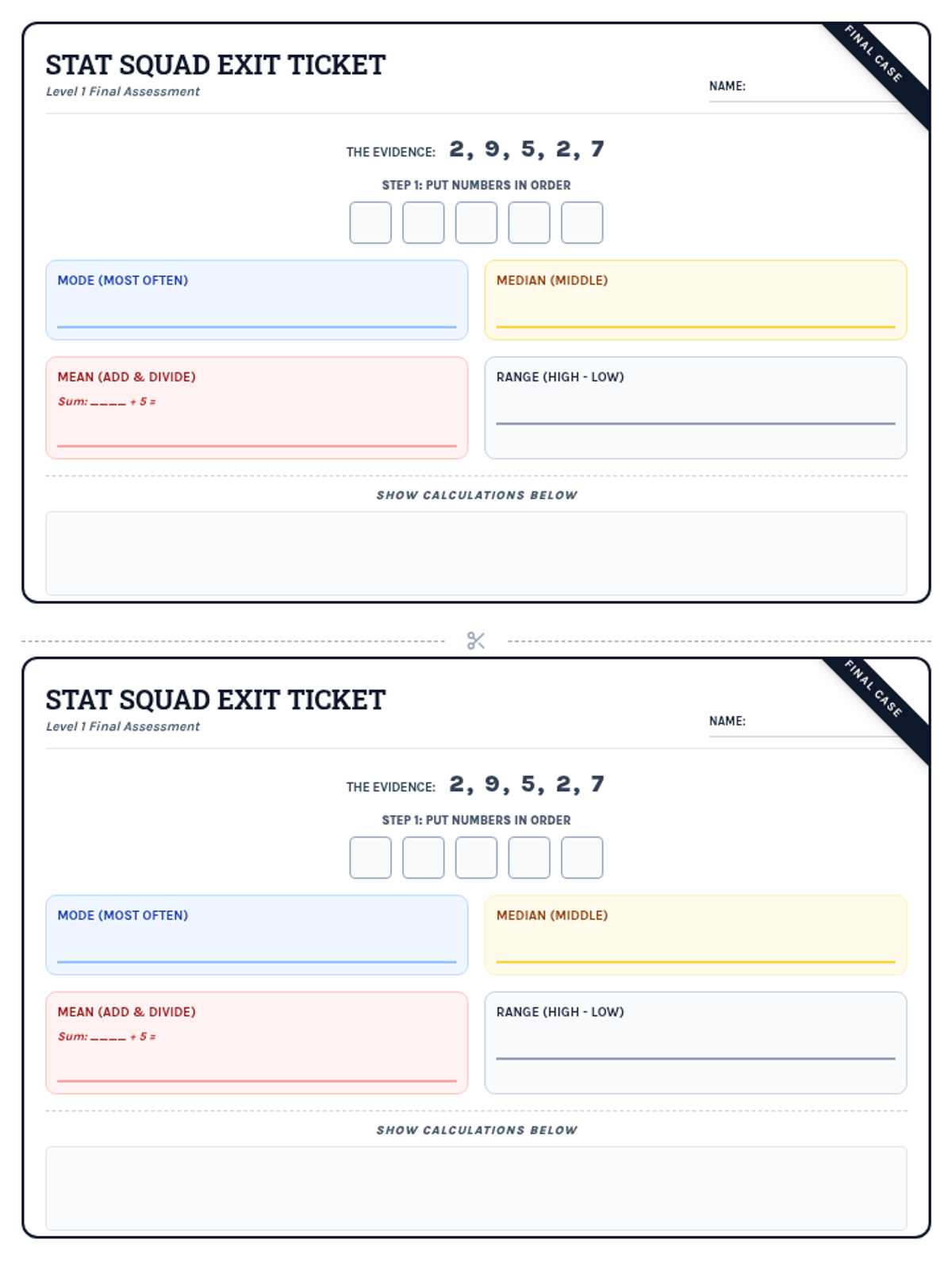
Students learn to calculate mean, median, mode, and range using single-digit data sets through structured, step-by-step guided practice and visual aids.
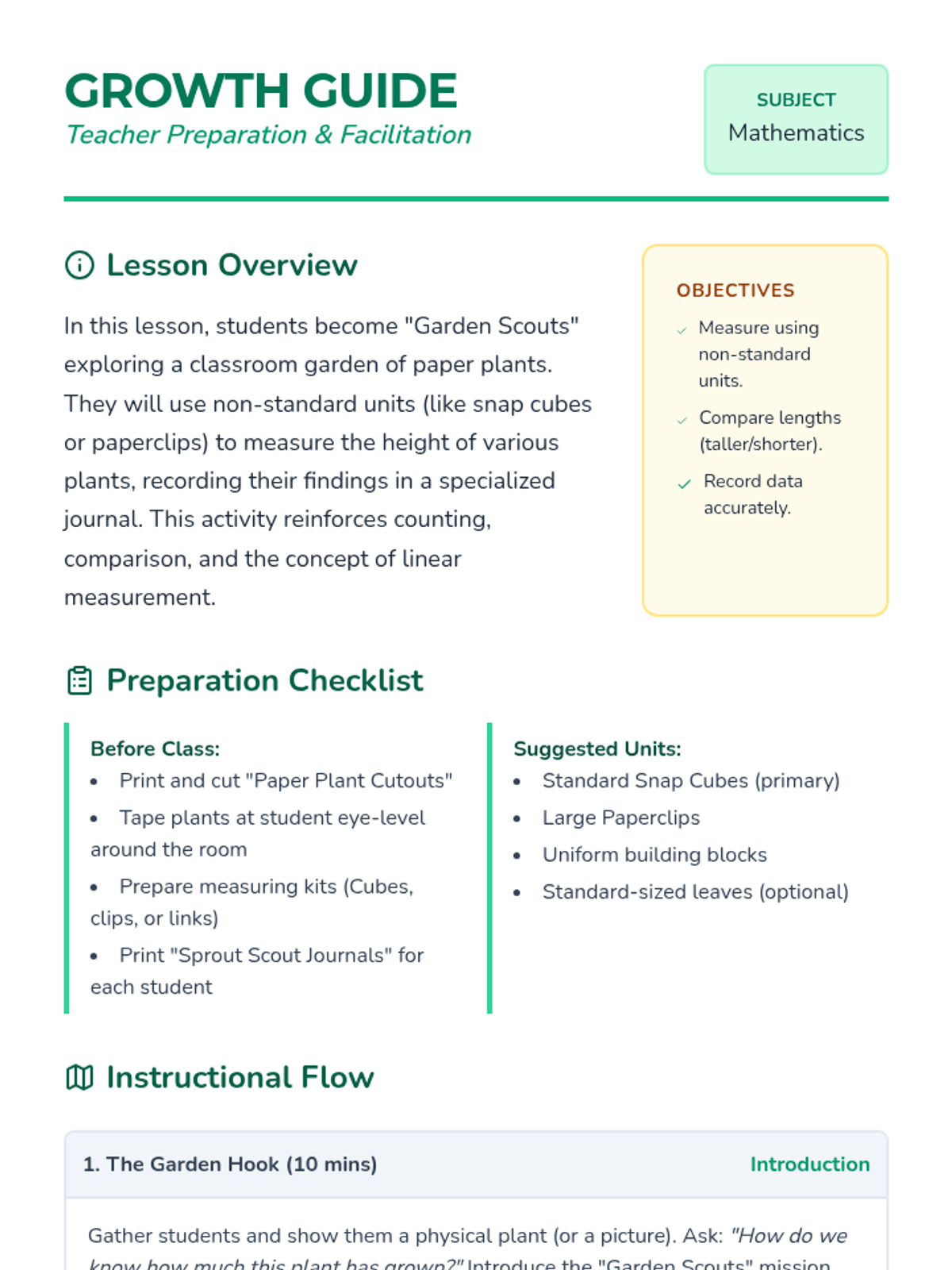
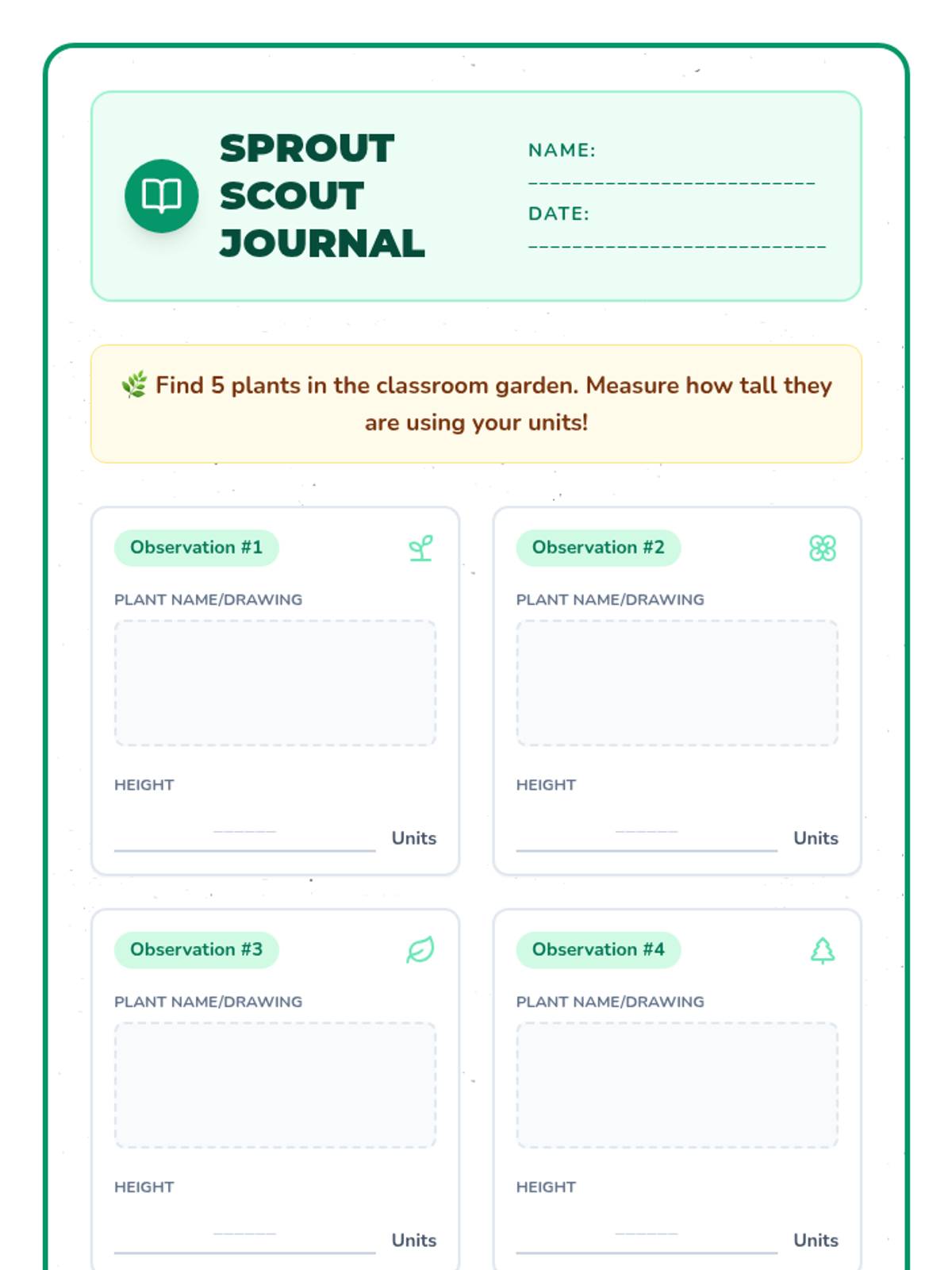
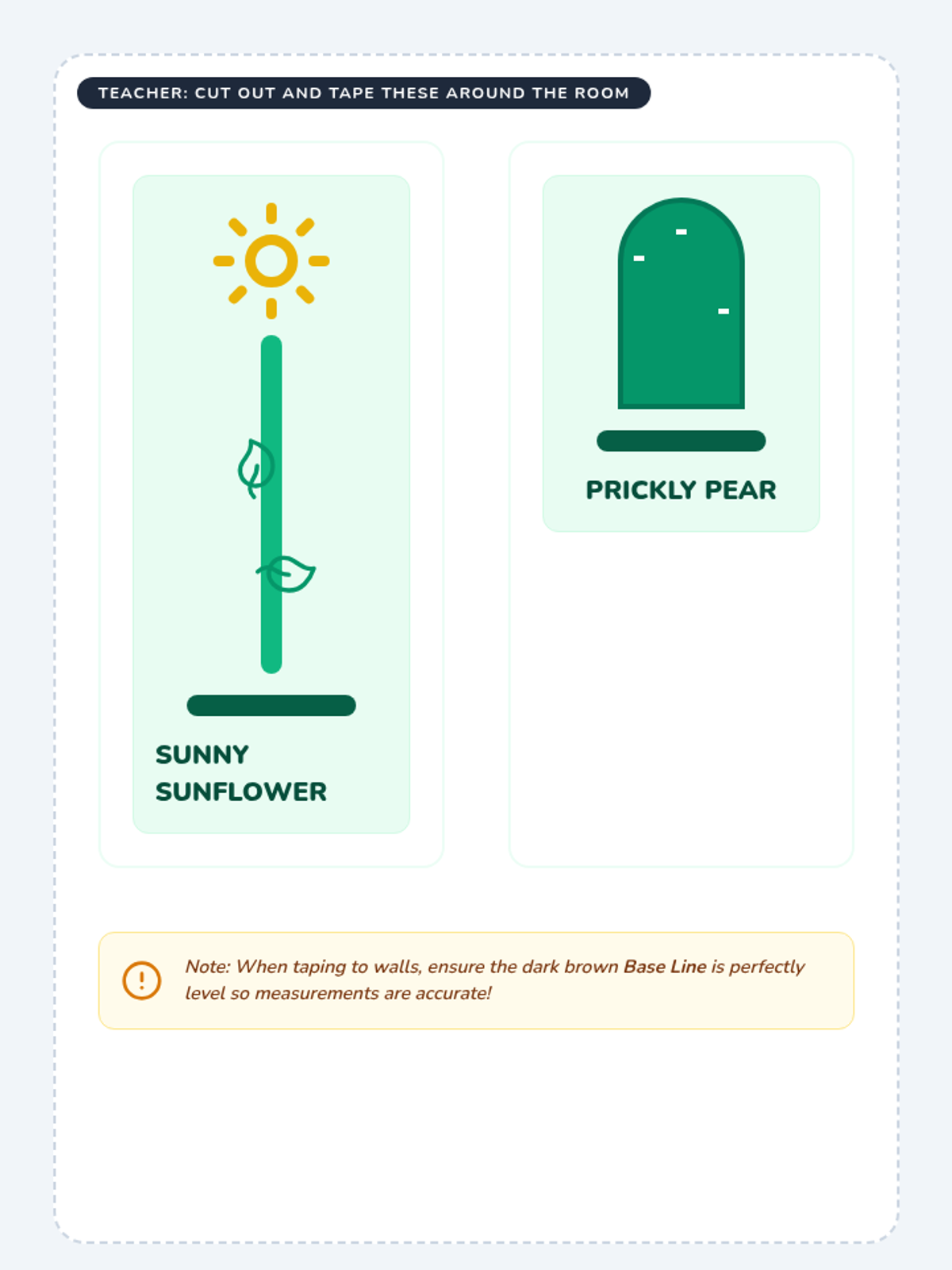
A hands-on measurement lesson where students use non-standard units to measure paper plants, fostering number sense and comparison skills through movement-based learning.
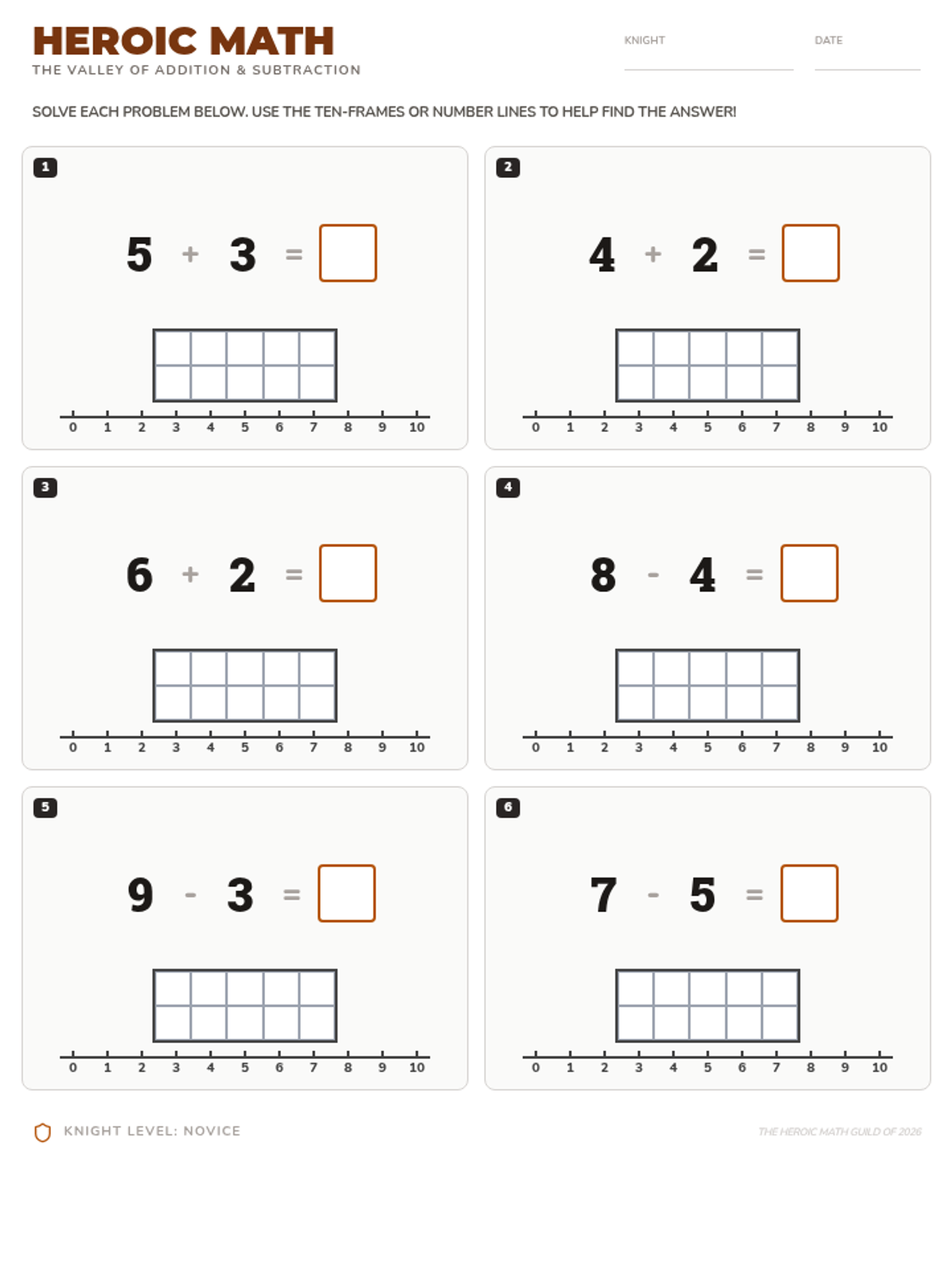
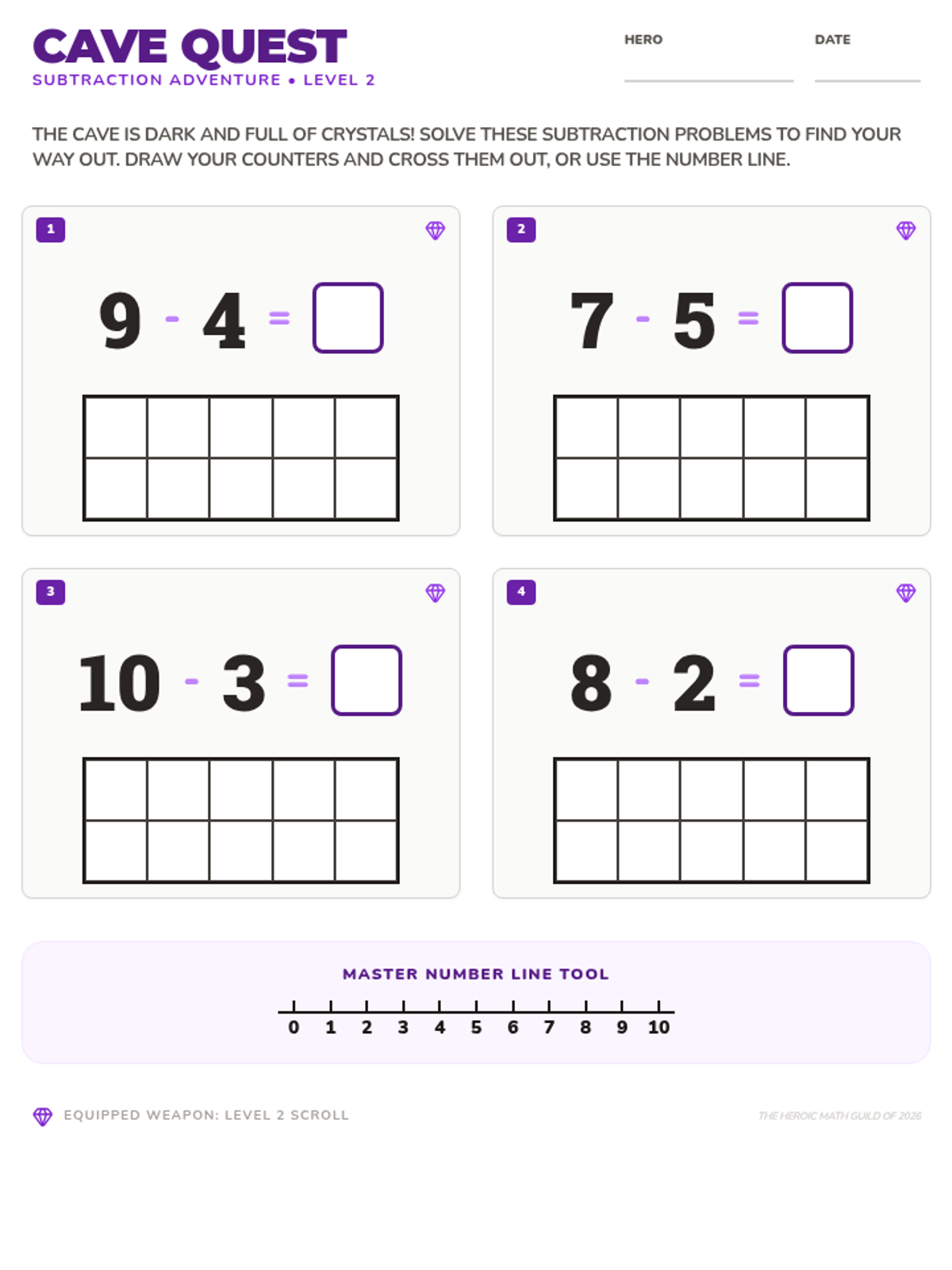
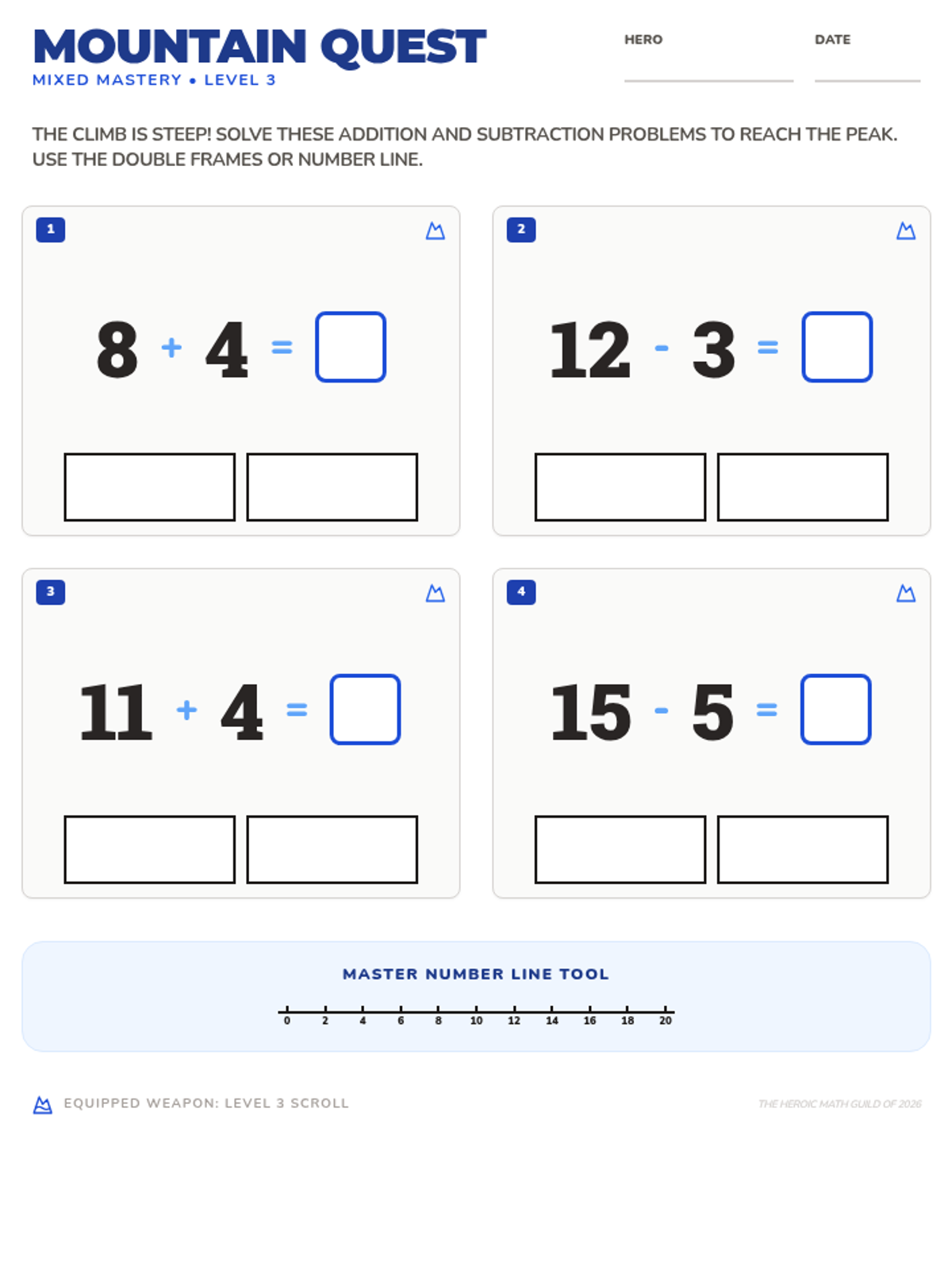
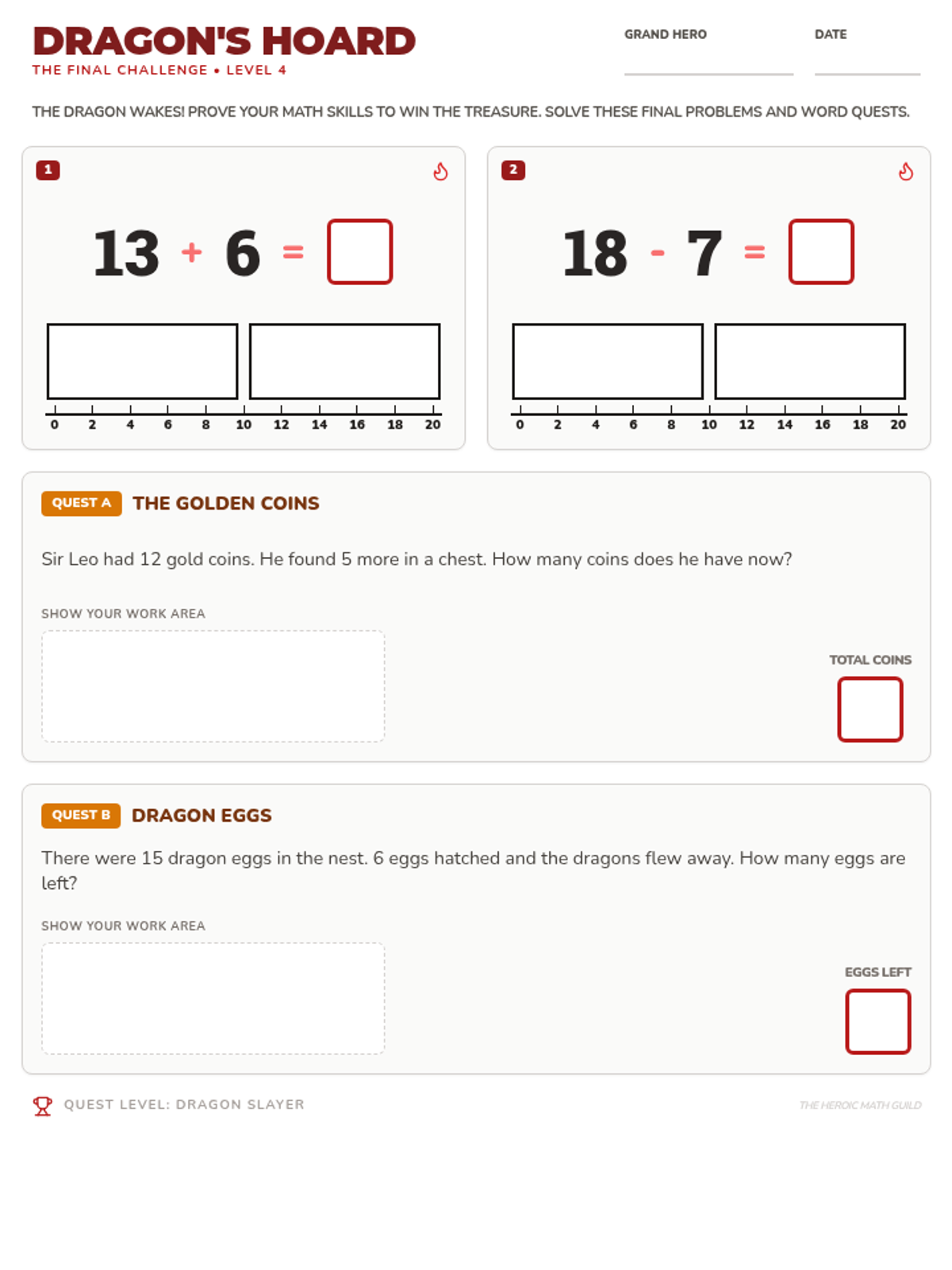
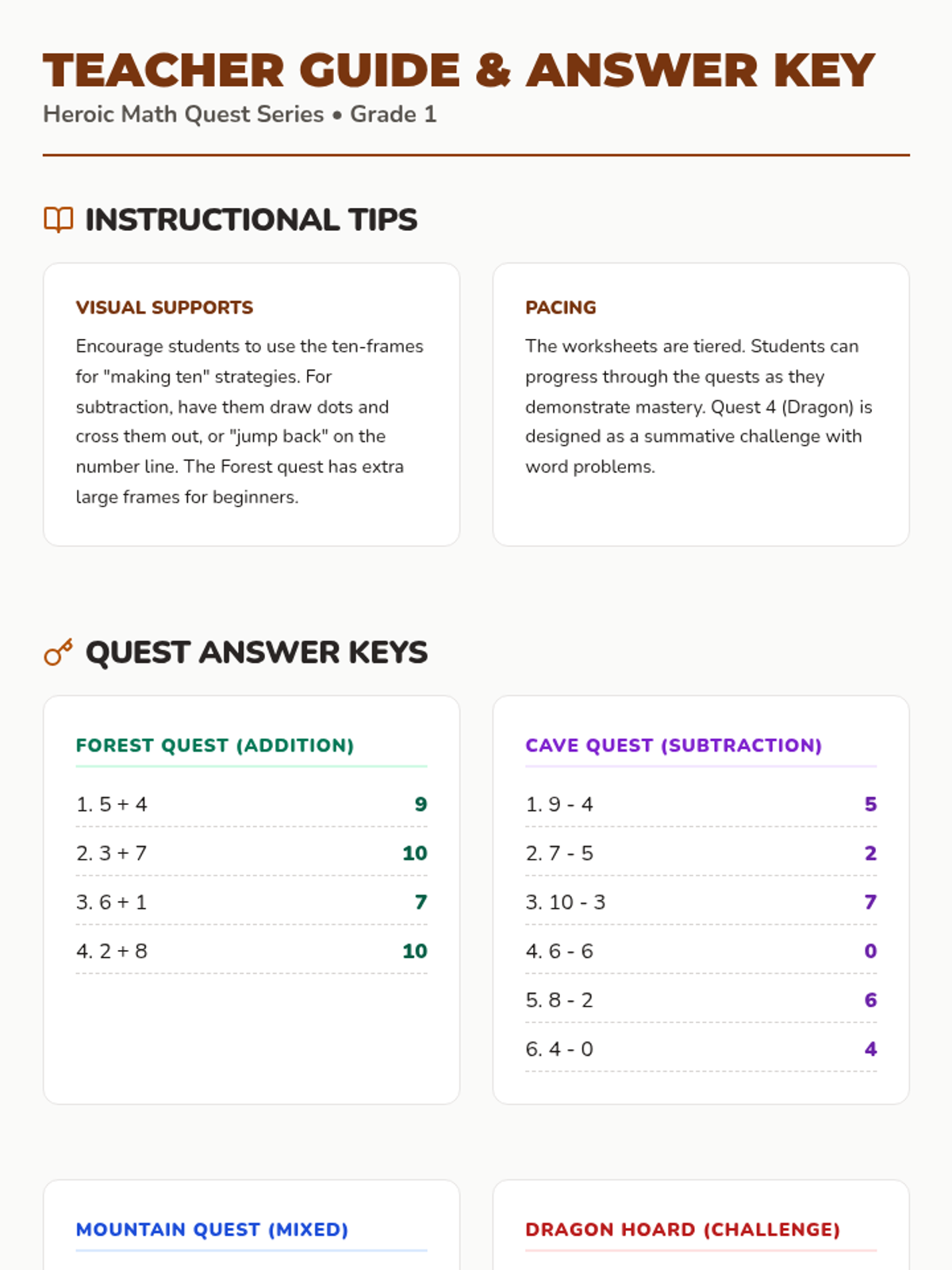
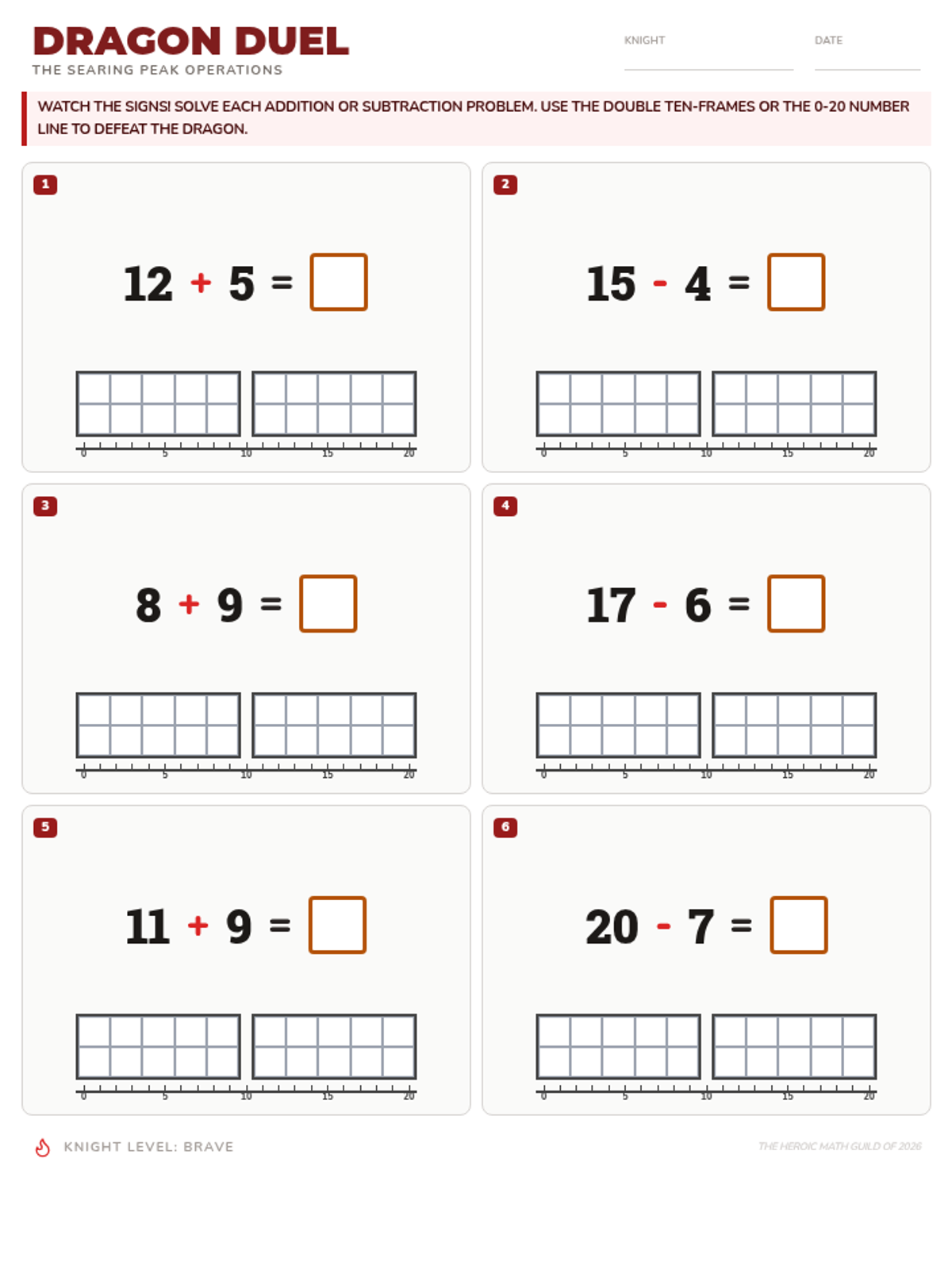
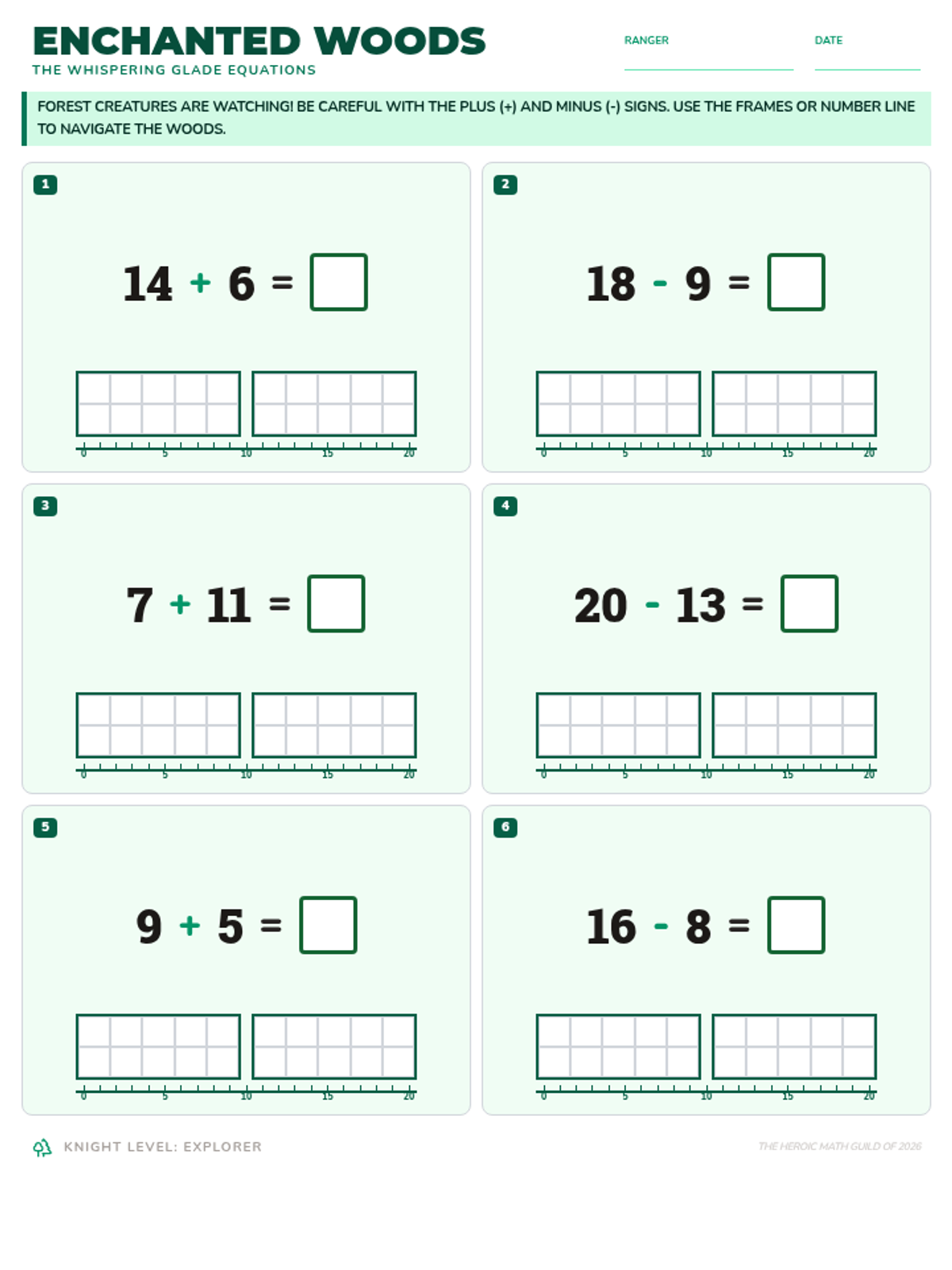
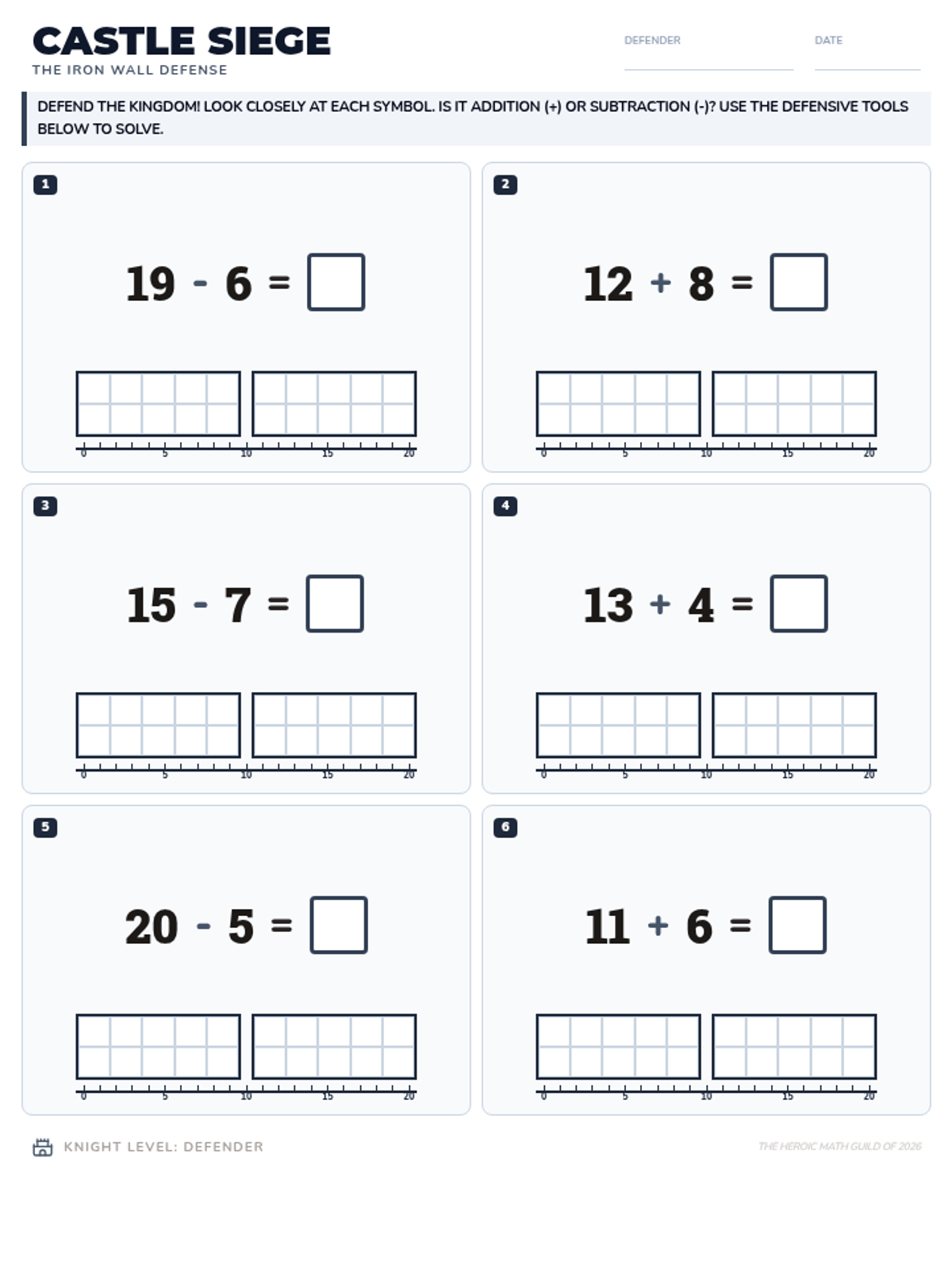
A series of math quests where students practice addition and subtraction within 20. Through medieval-themed challenges, students build fluency using ten-frames and number lines.
A series of medieval-themed math challenges focusing on addition and subtraction fluency within 20. Students use visual models like ten-frames and number lines to solve operational problems.
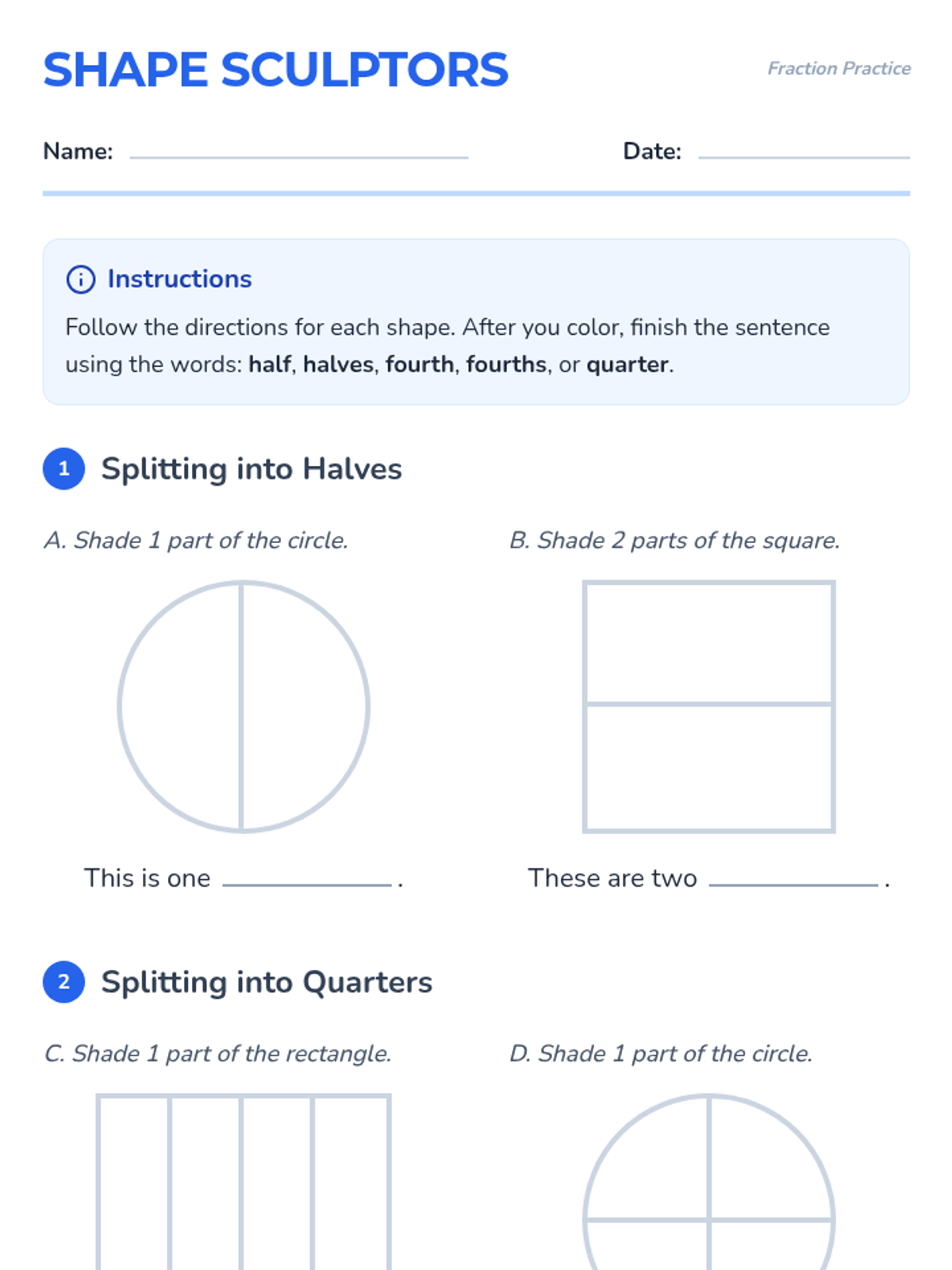
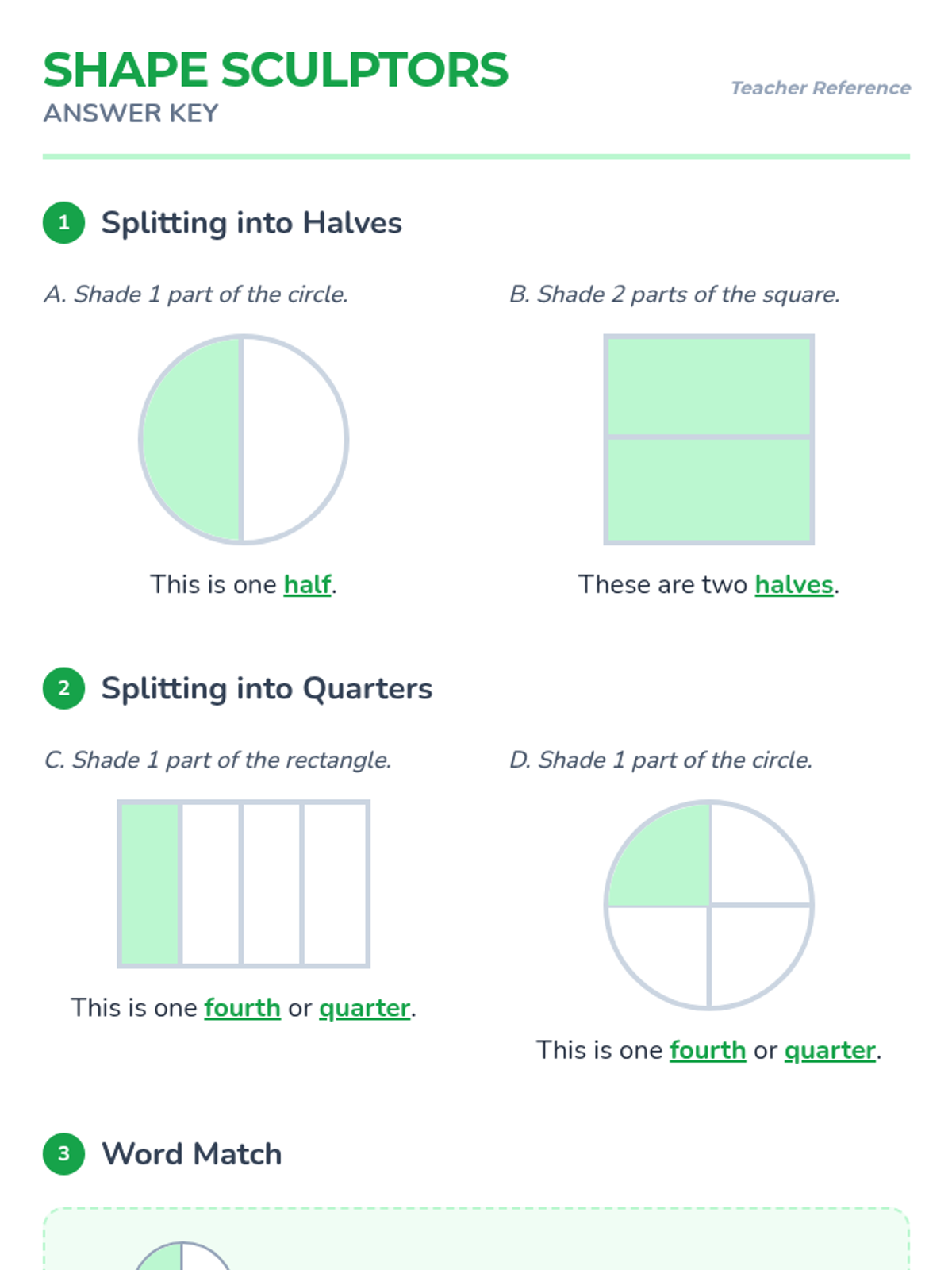
A first-grade lesson focused on partitioning shapes and identifying equal parts as halves and fourths (quarters). Students will practice shading partitioned shapes and completing descriptive sentences using fraction vocabulary.
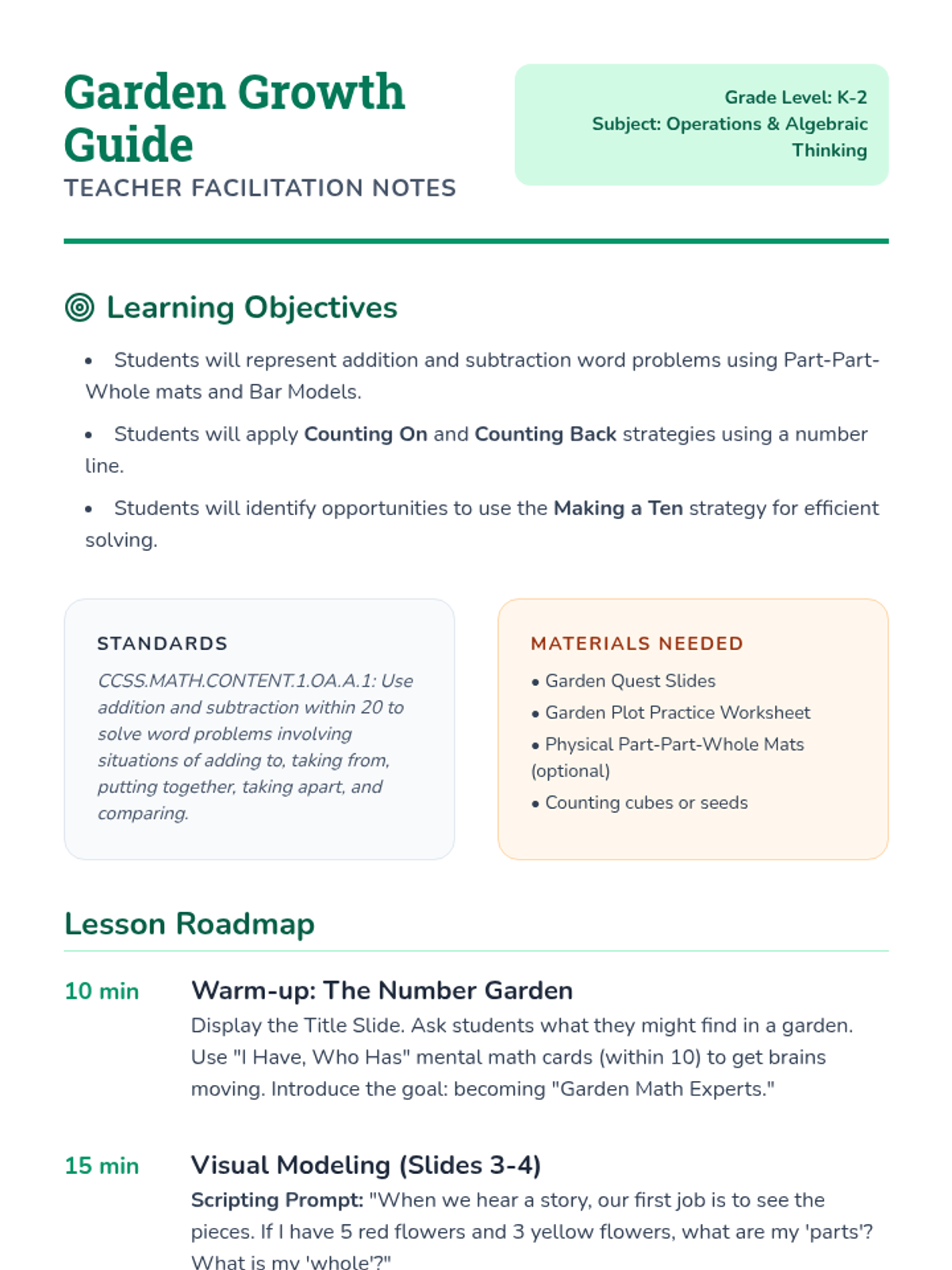
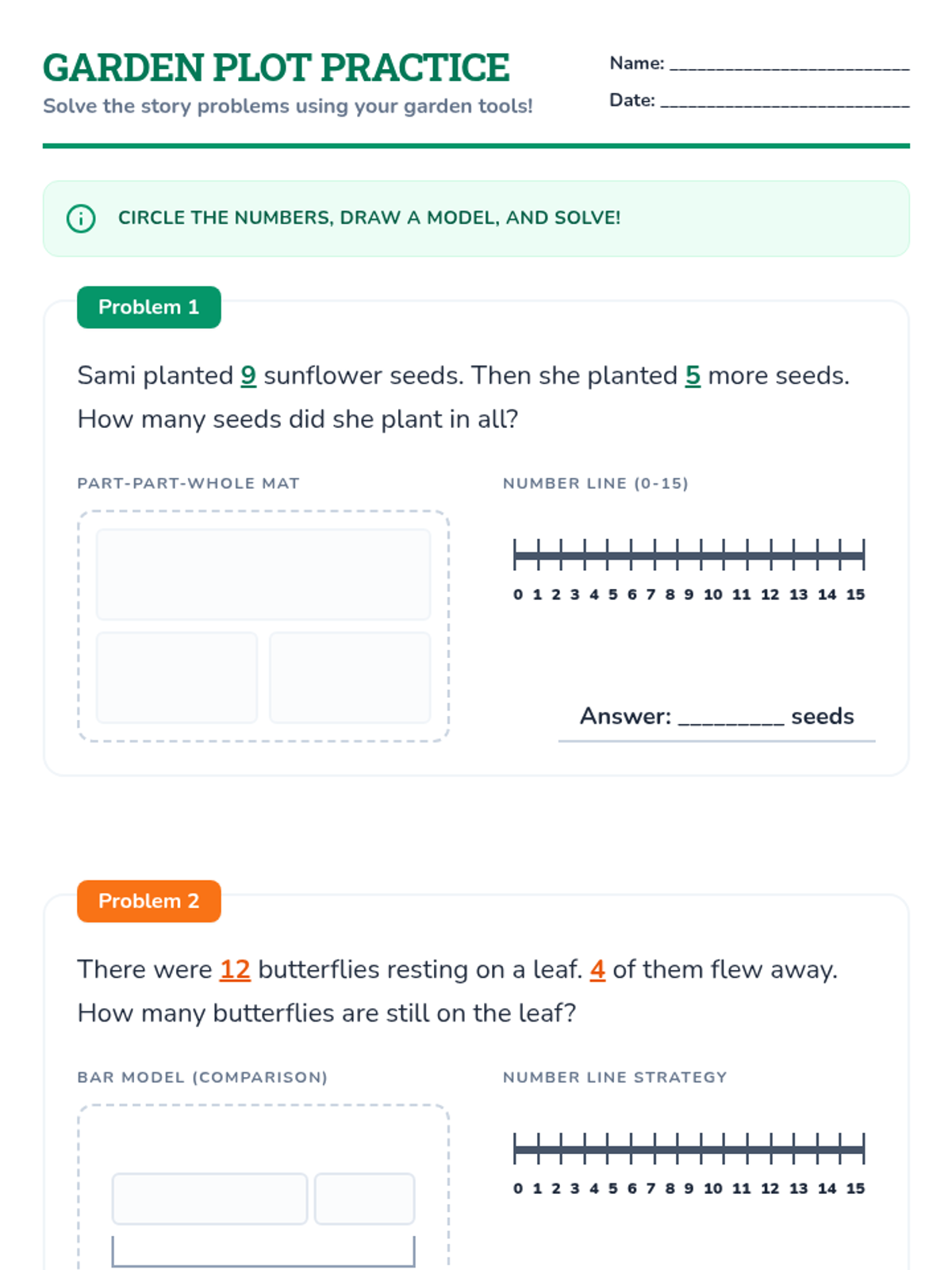
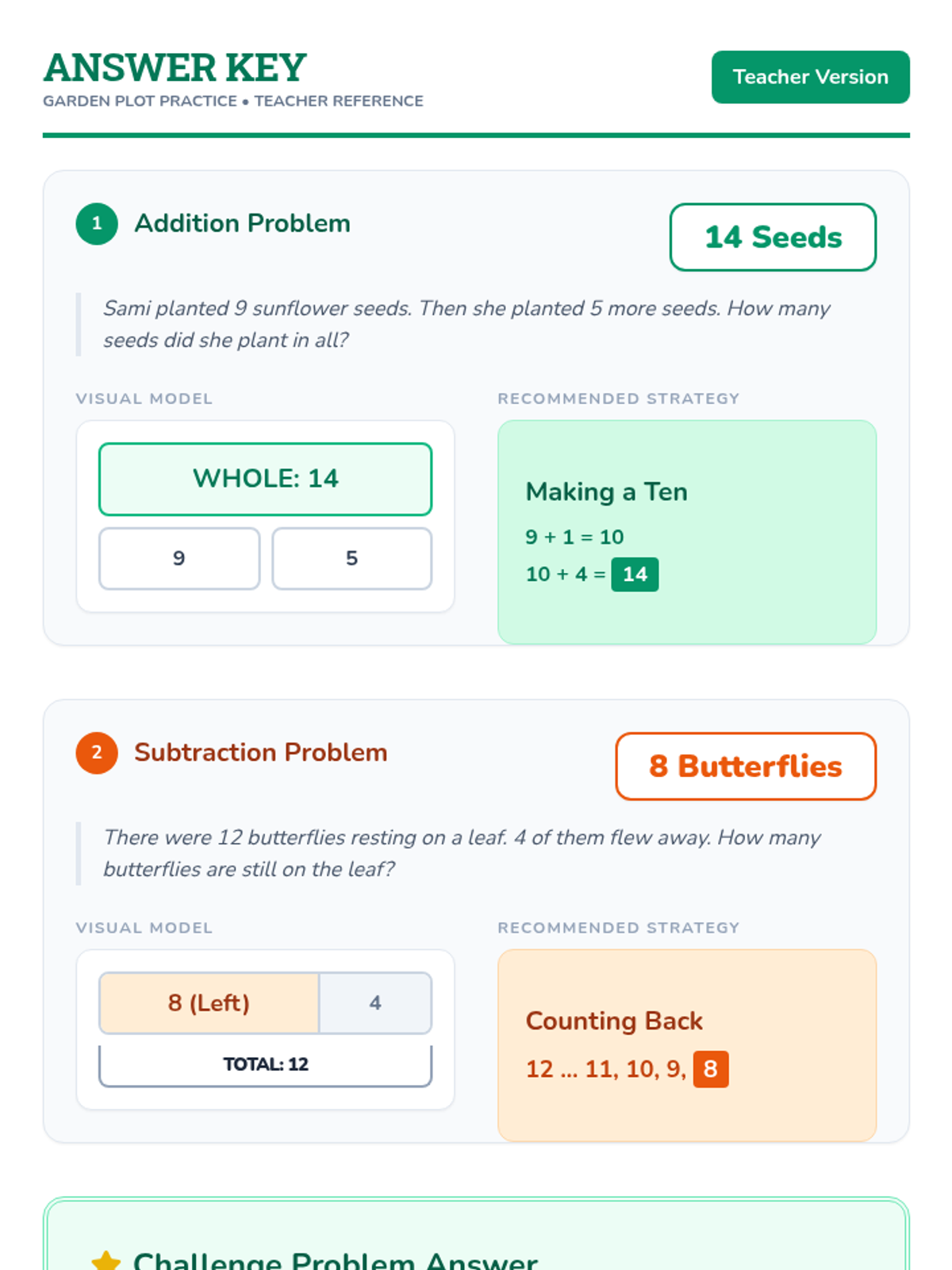
A K-2 math lesson focusing on solving addition and subtraction word problems using part-part-whole mats, bar models, and number lines, while applying counting on/back and making-a-ten strategies.
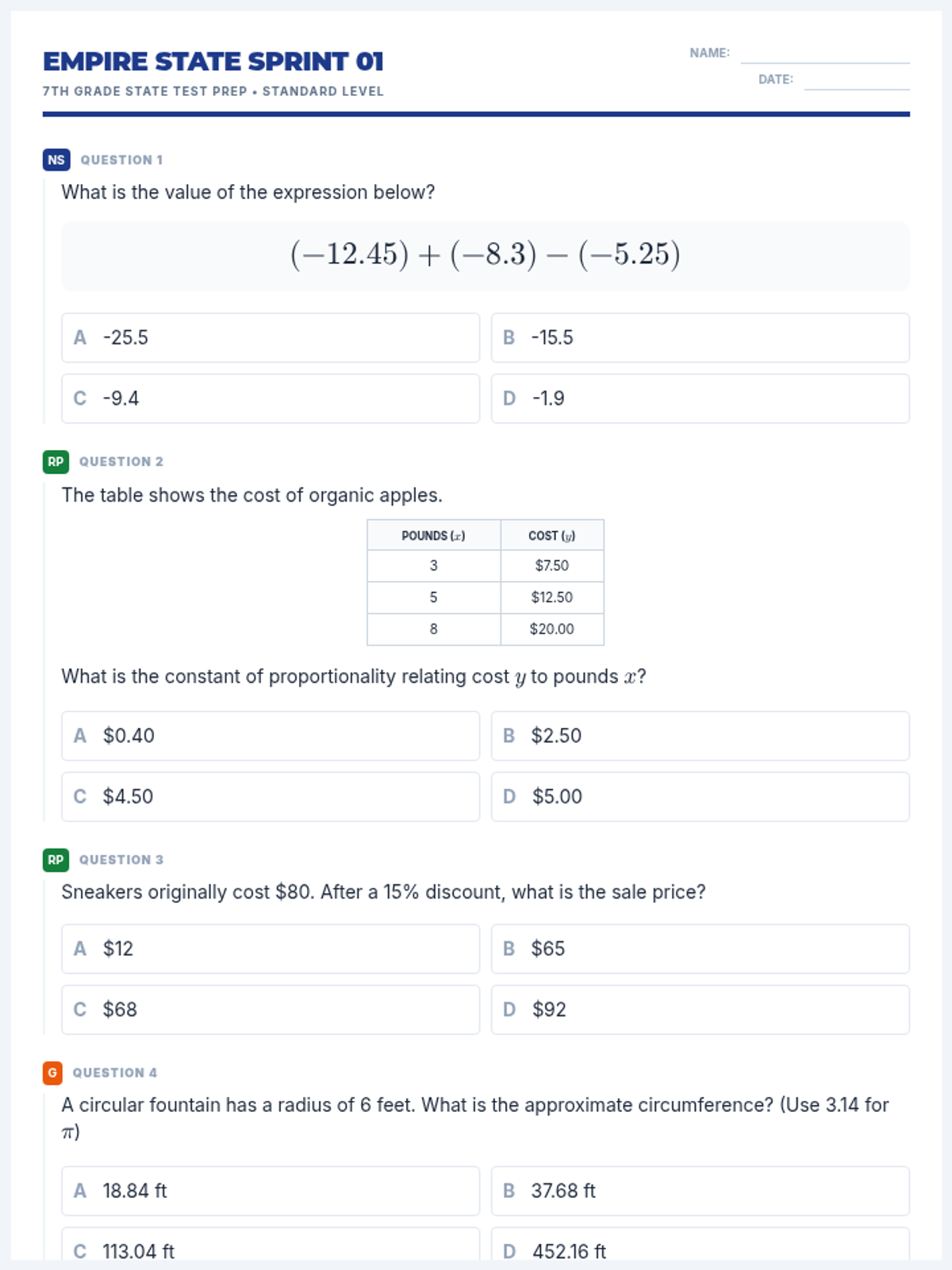
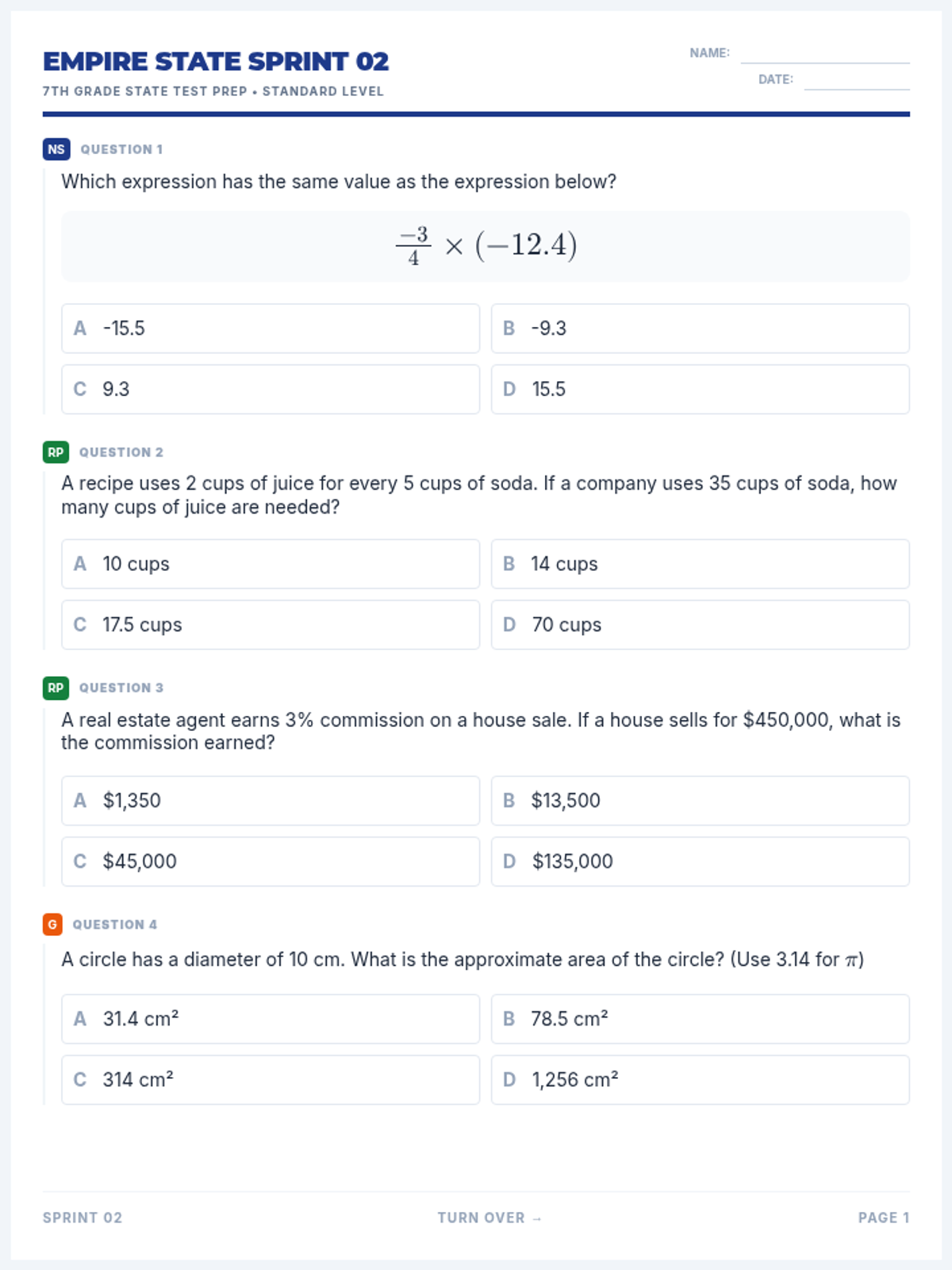
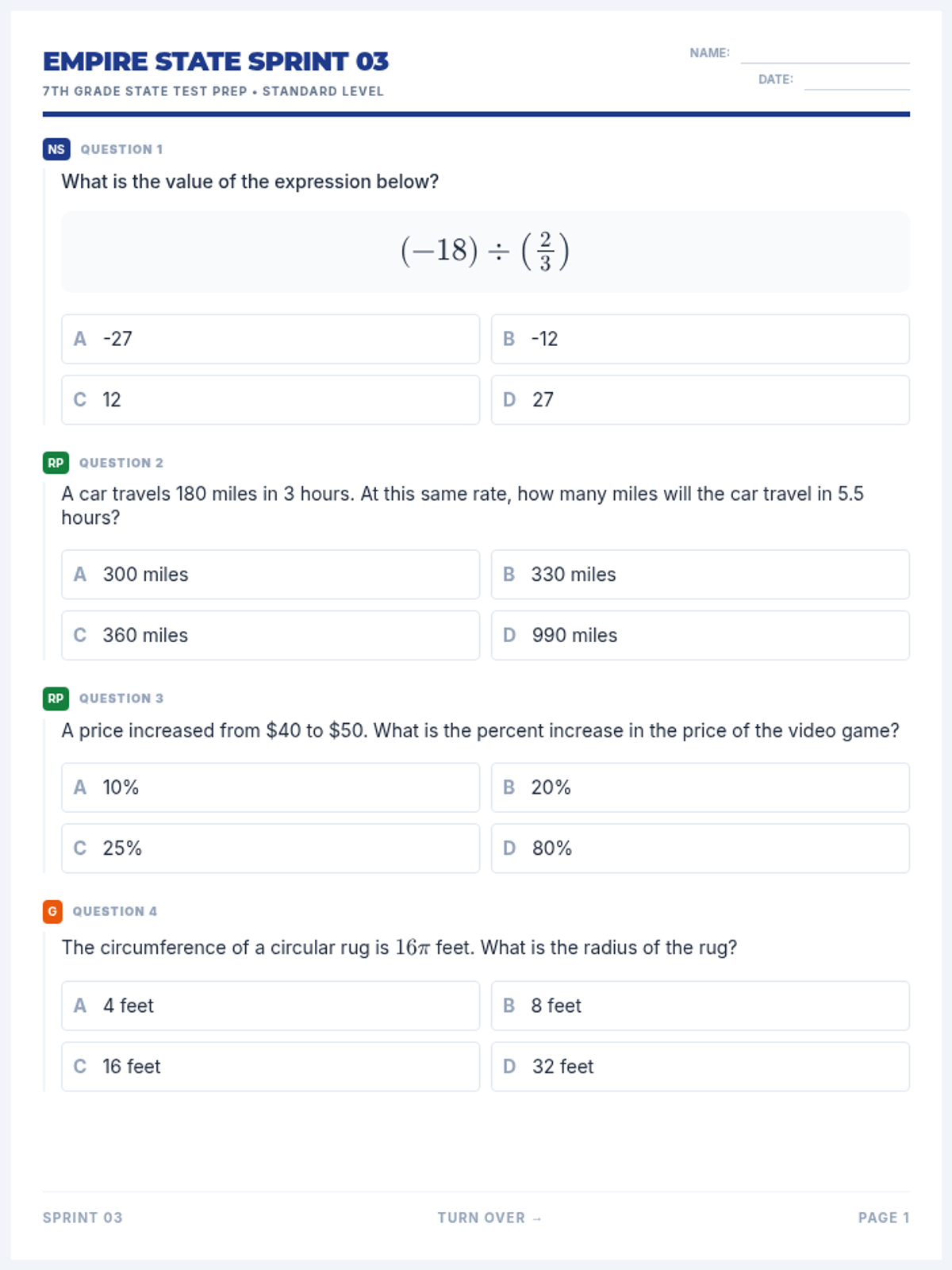
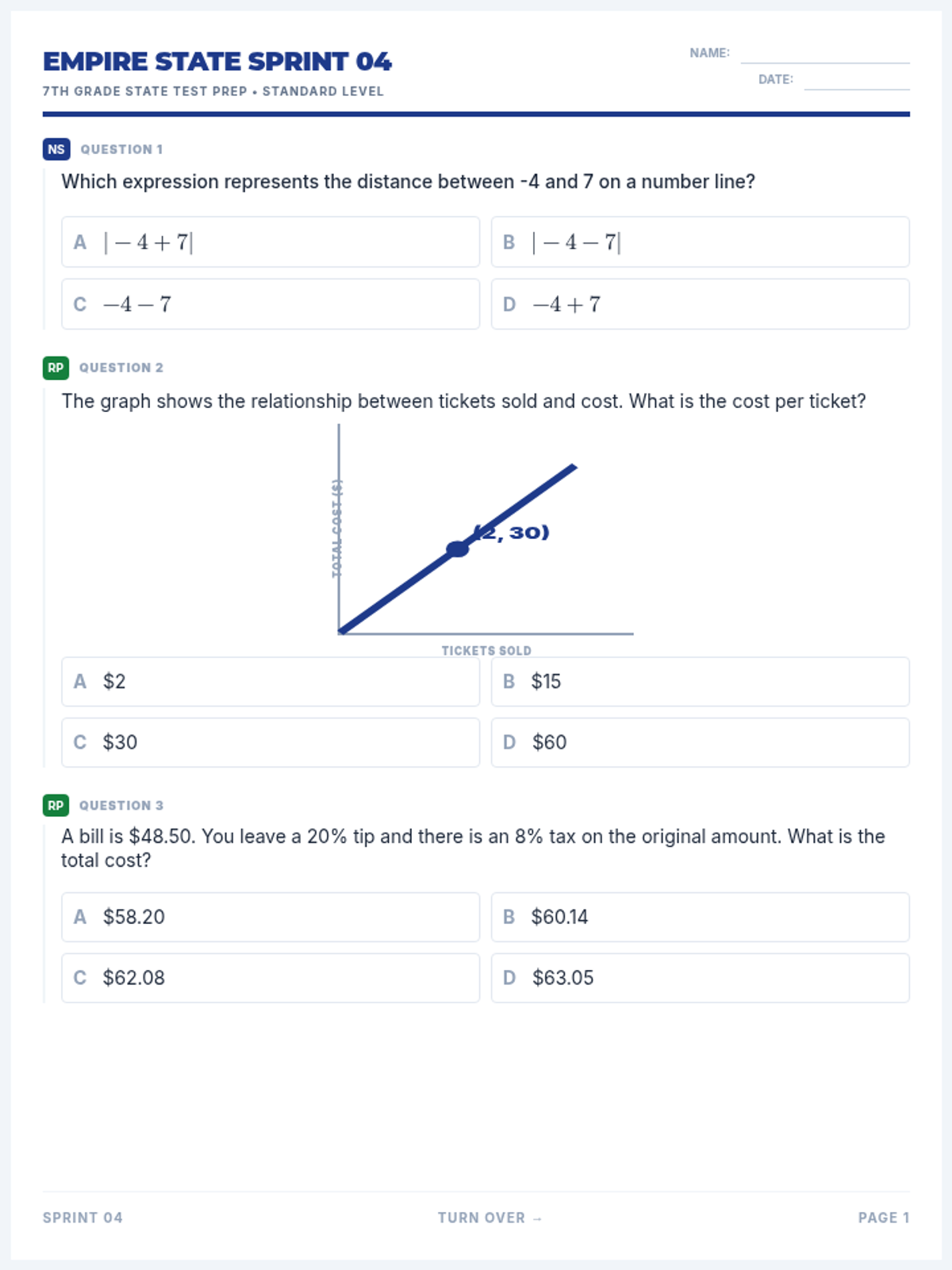
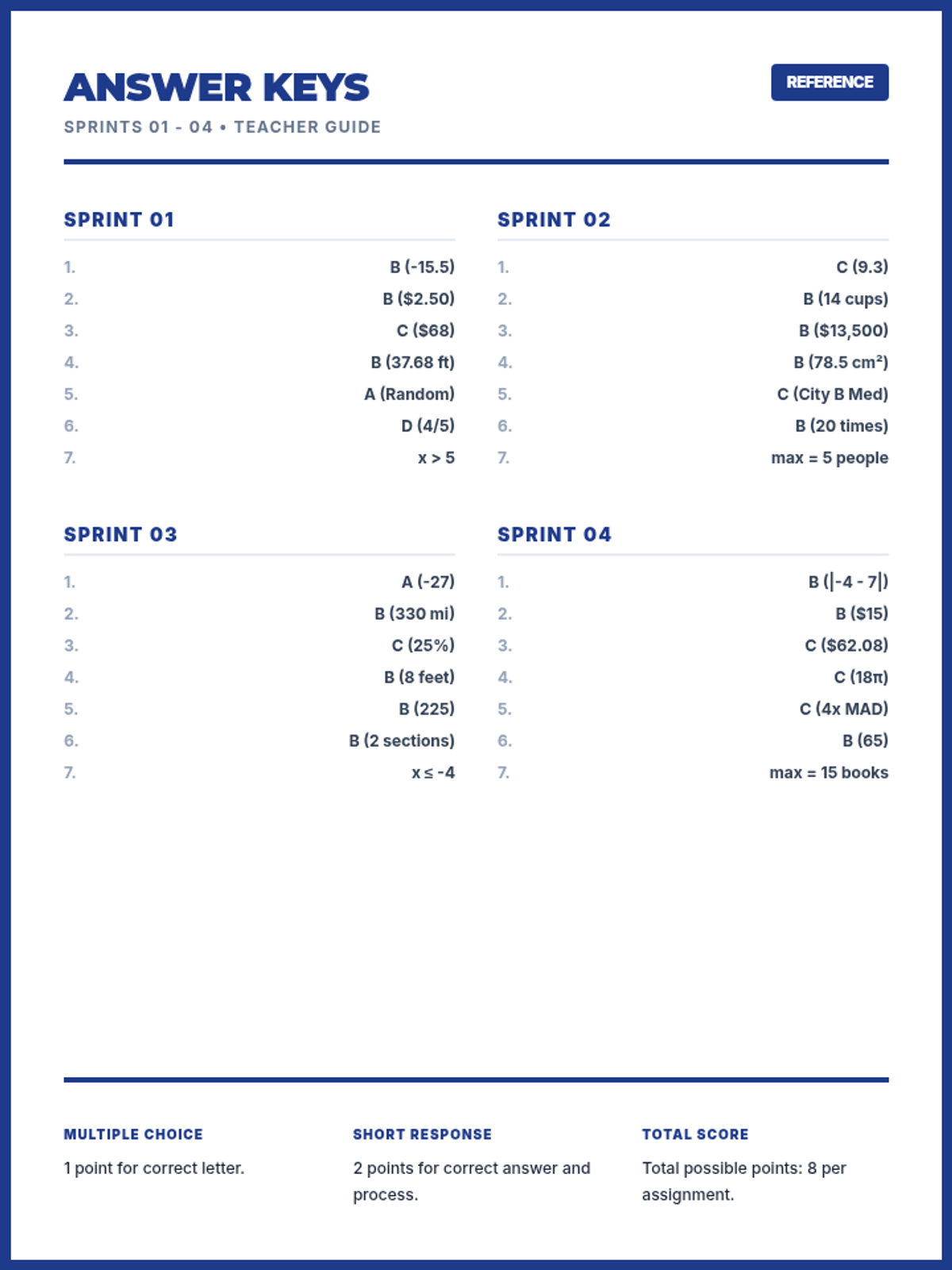
A collection of four double-sided homework assignments focusing on foundational 7th-grade math skills. Each "Sprint" contains seven standardized questions covering all major test categories to build stamina and accuracy.