A lesson focused on solving multi-step addition and subtraction word problems using a structured checklist approach, specifically designed for students with IEPs.
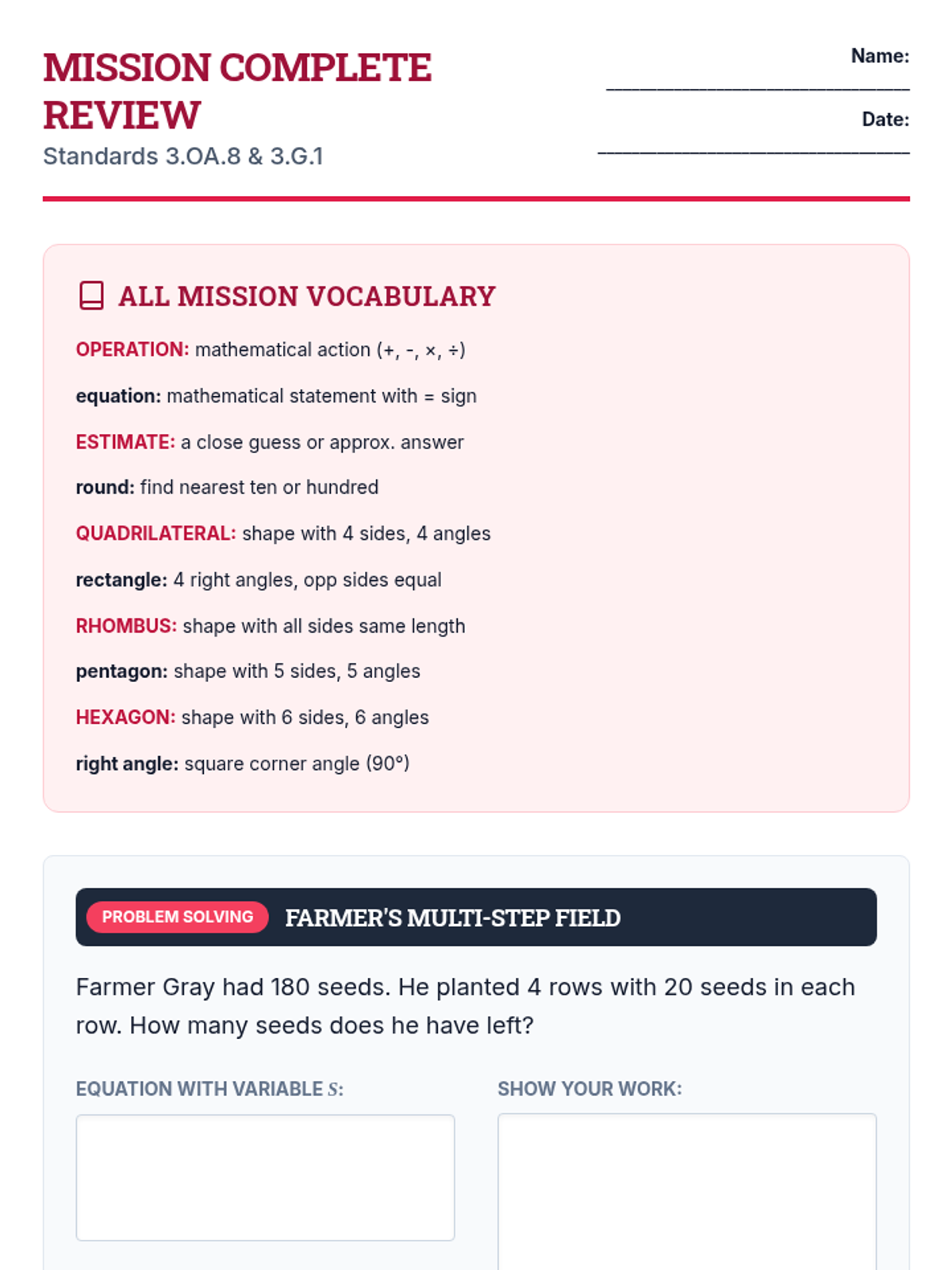
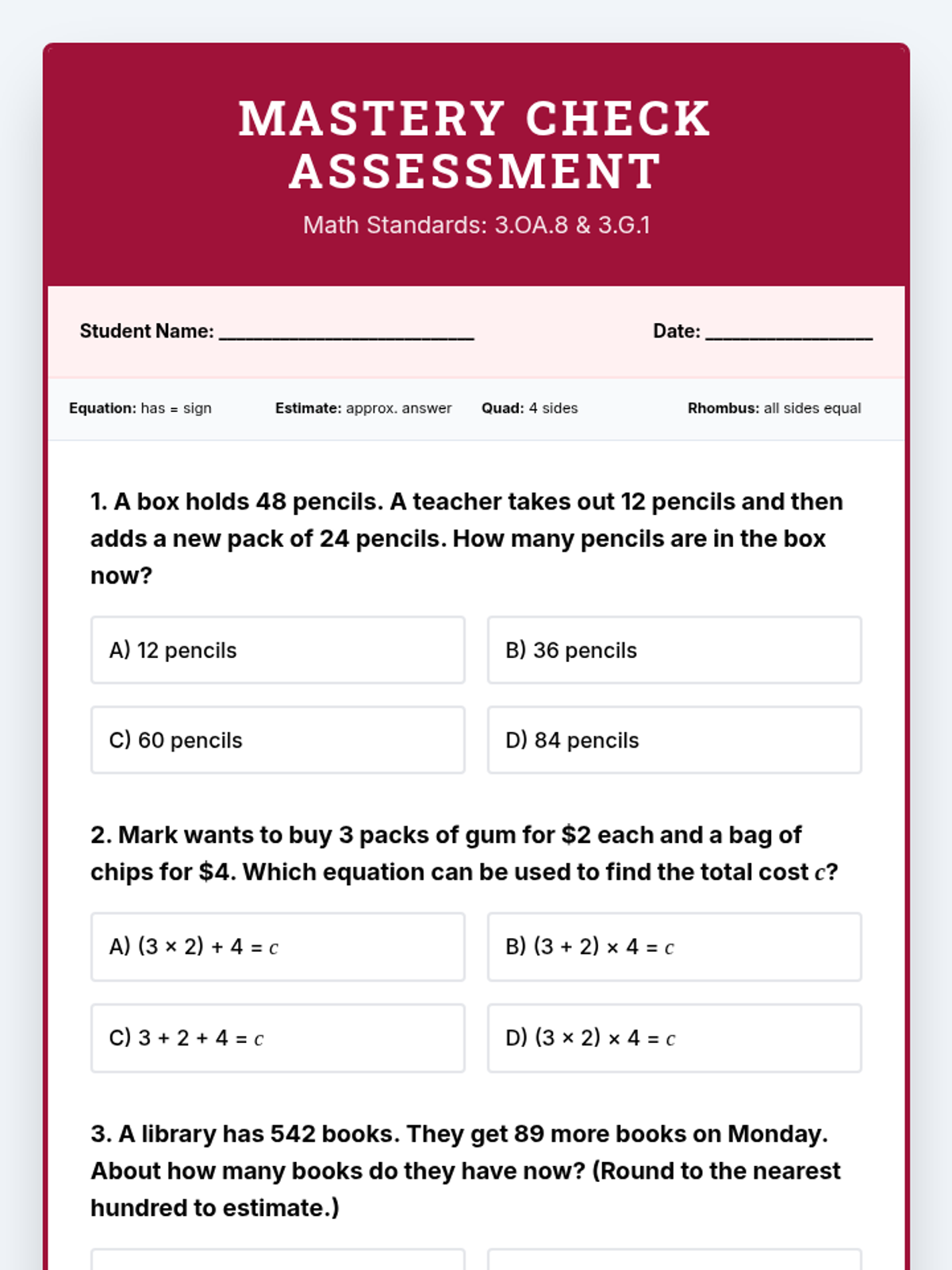
A cumulative review and final assessment covering both word problem solving and geometric classification to ensure mastery of standards 3.OA.8 and 3.G.1.
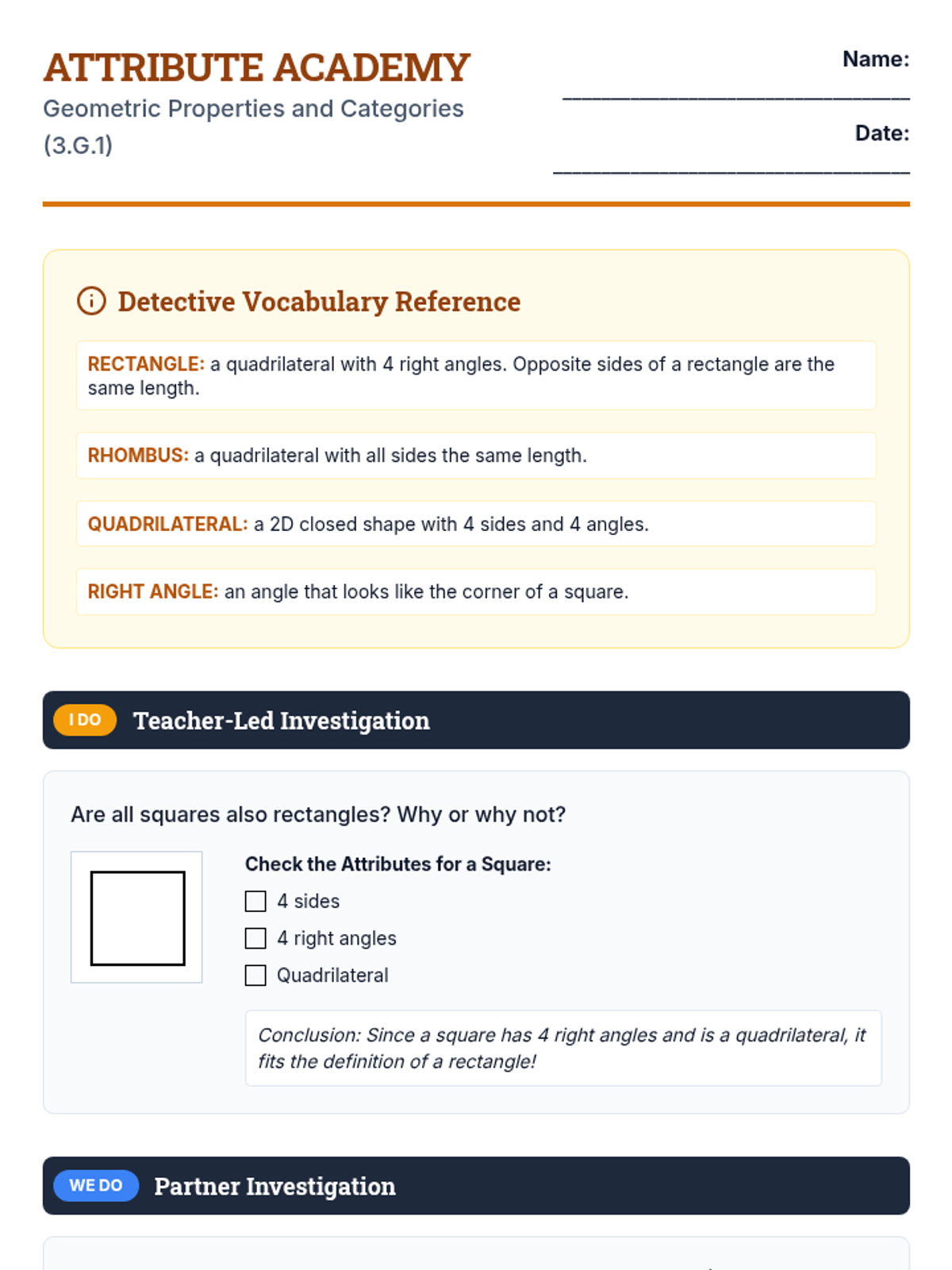
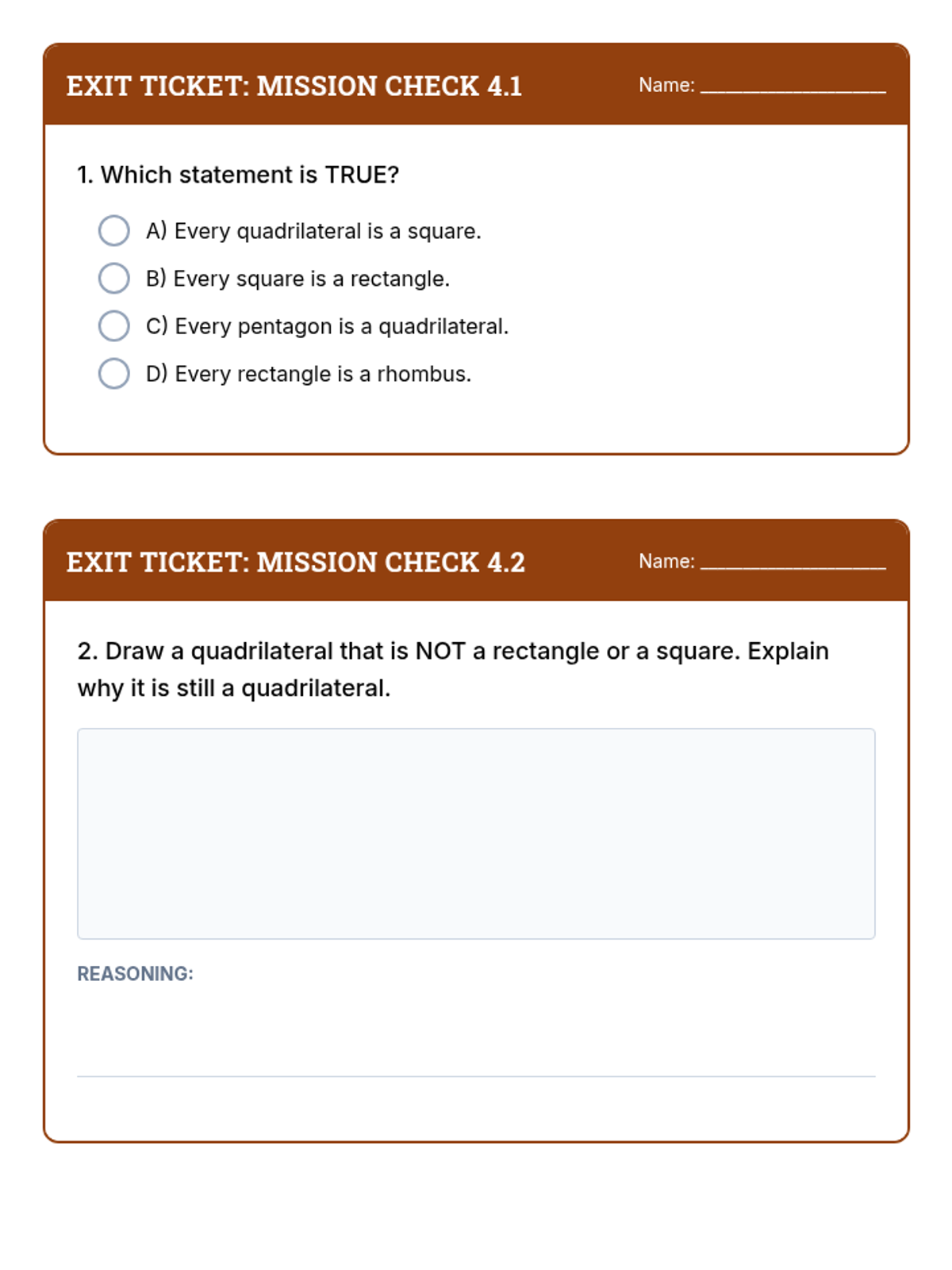
Deeper exploration of geometric attributes, focusing on classifying shapes within larger categories and recognizing shared properties.
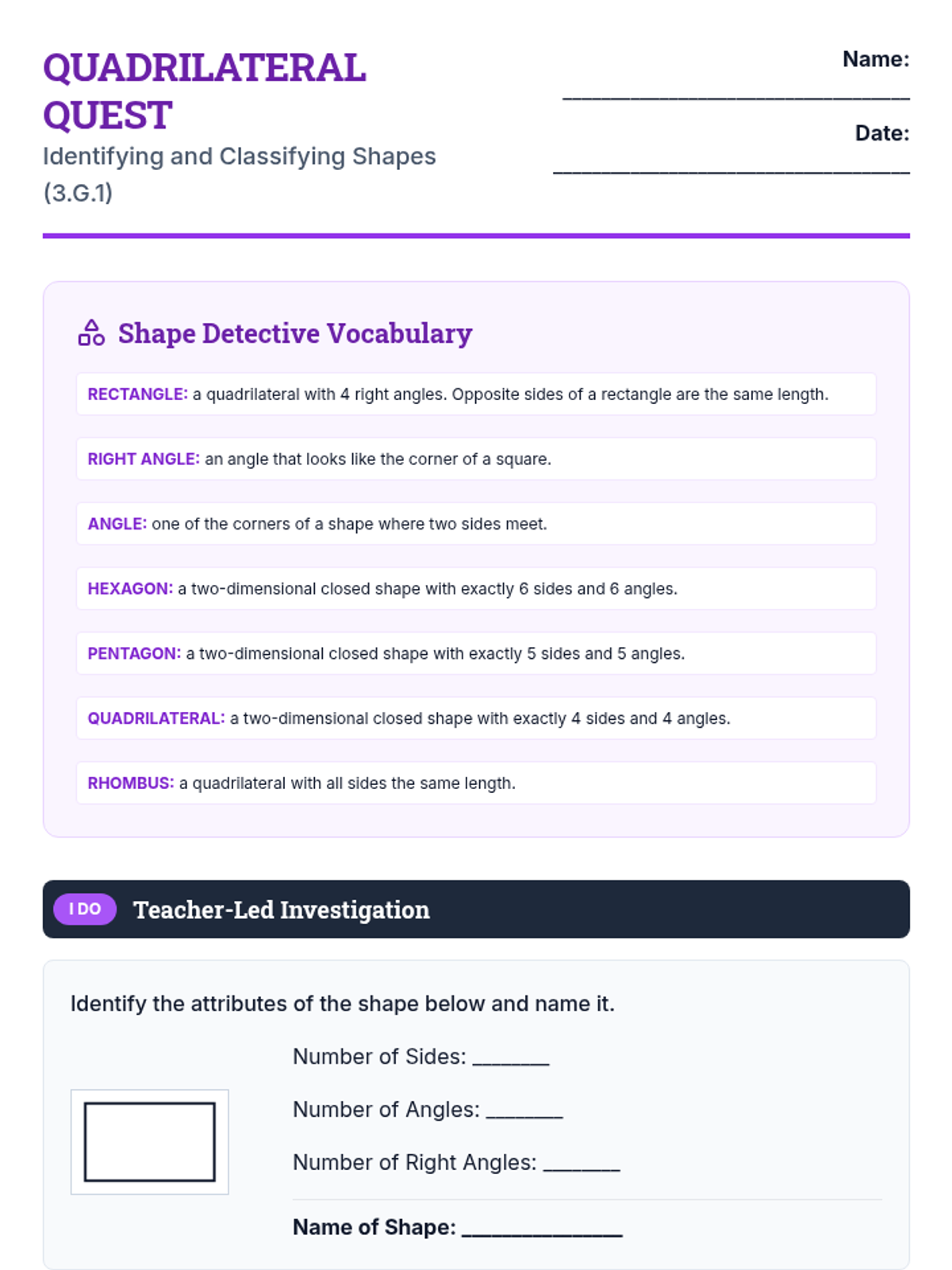
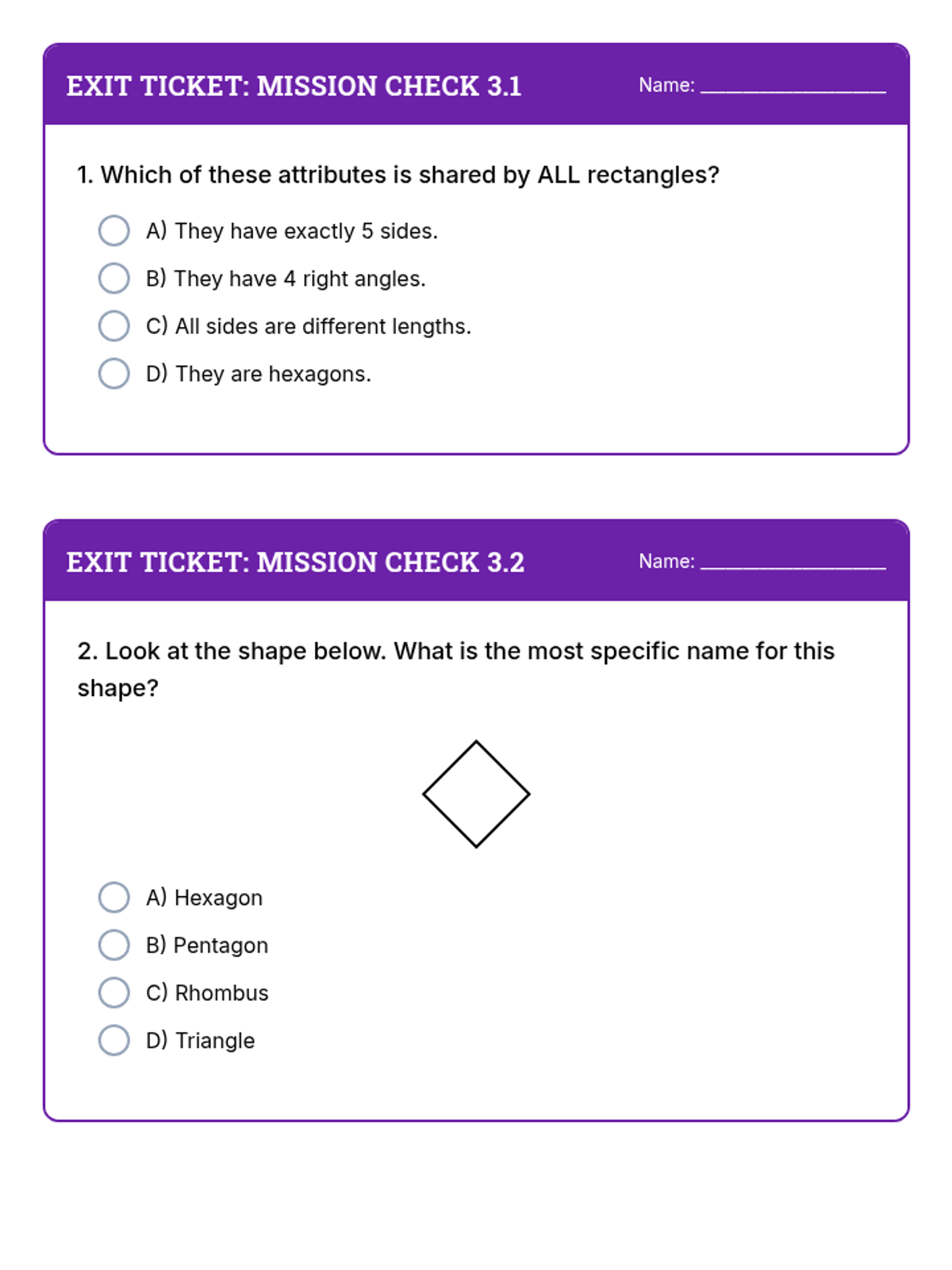
Introduction to identifying and classifying quadrilaterals based on their attributes, including sides, angles, and specific definitions of common shapes.
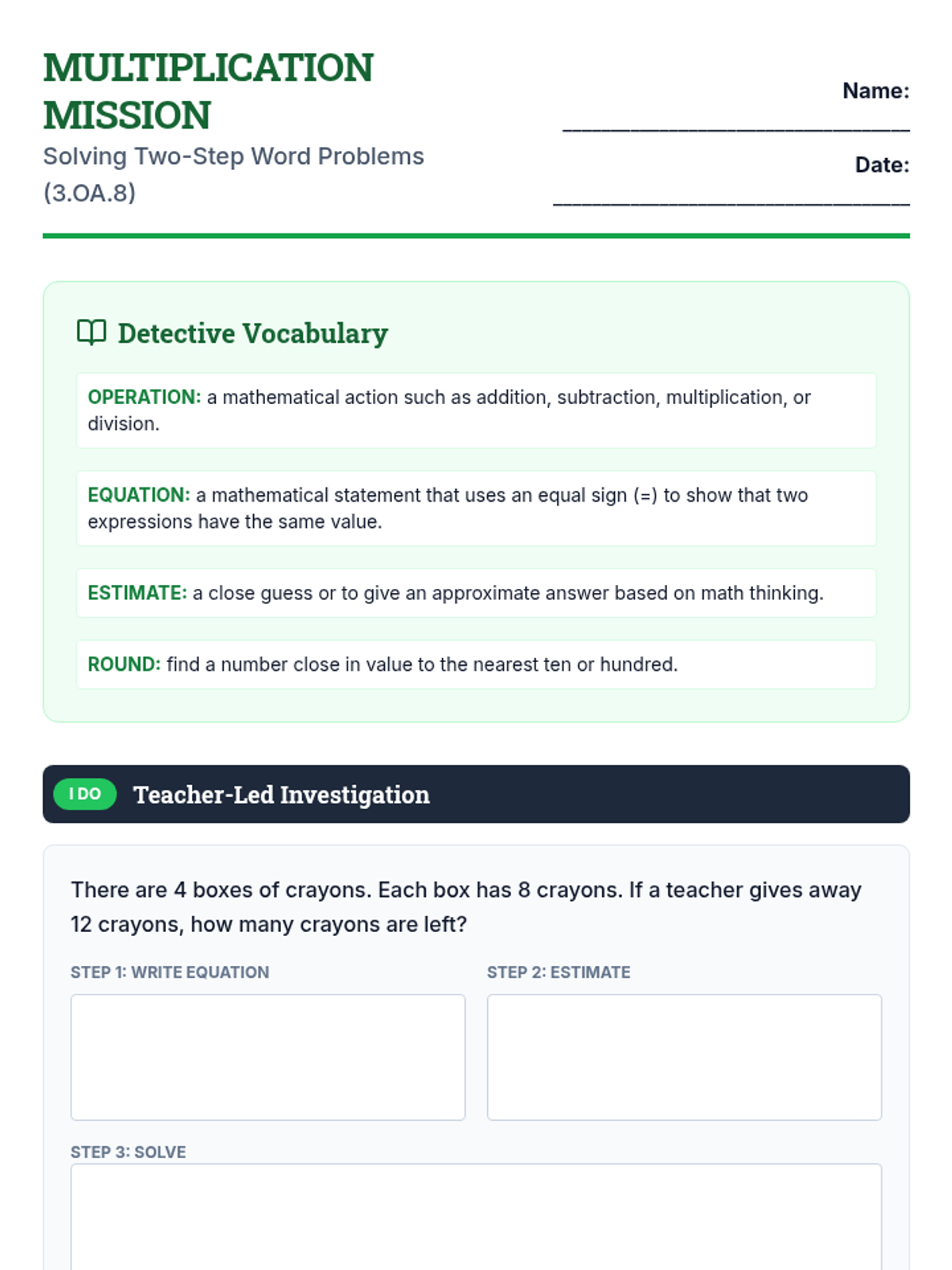
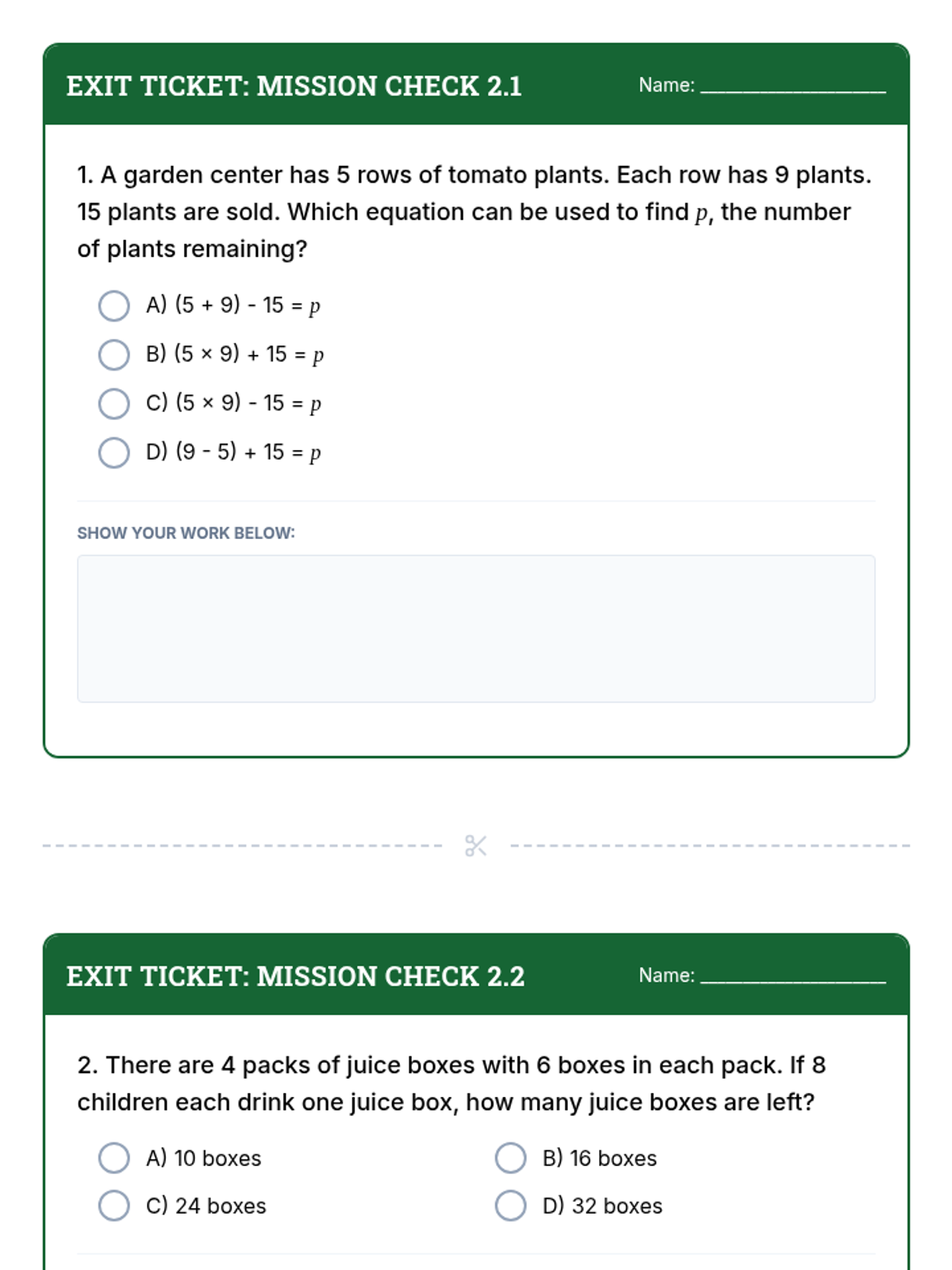
Extends problem-solving skills to two-step word problems involving multiplication and other operations, focusing on equation representation and estimation strategies.
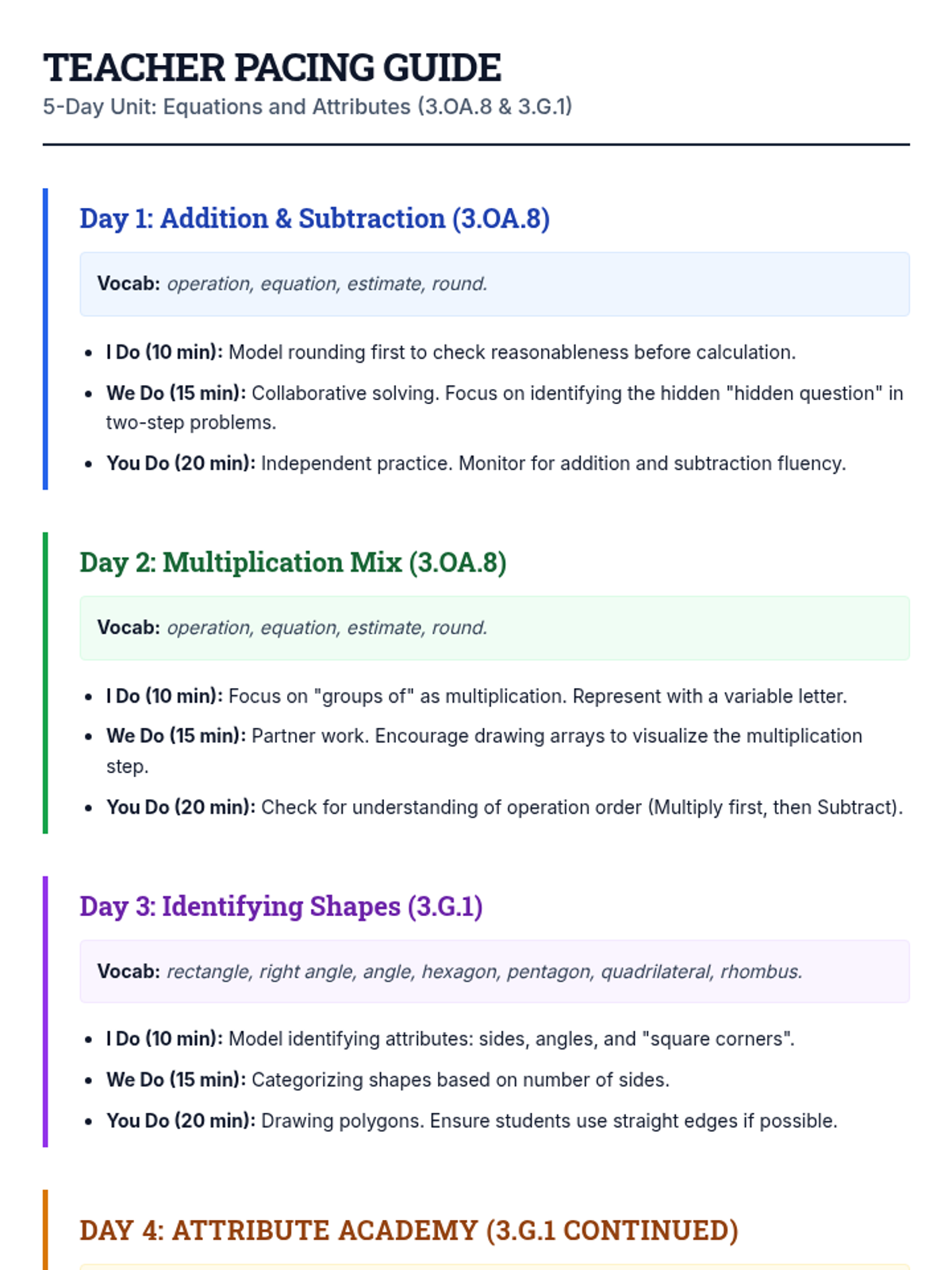
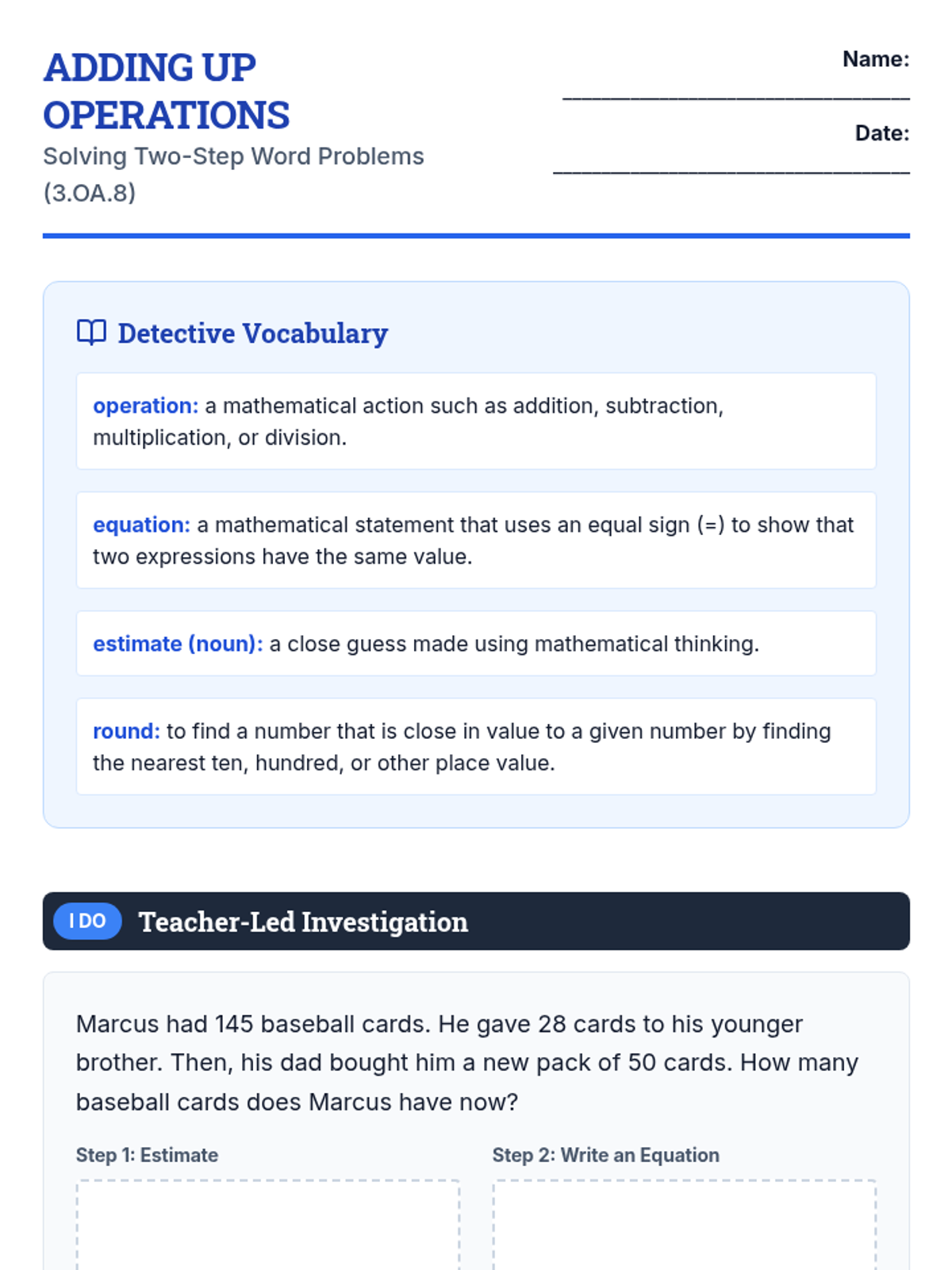
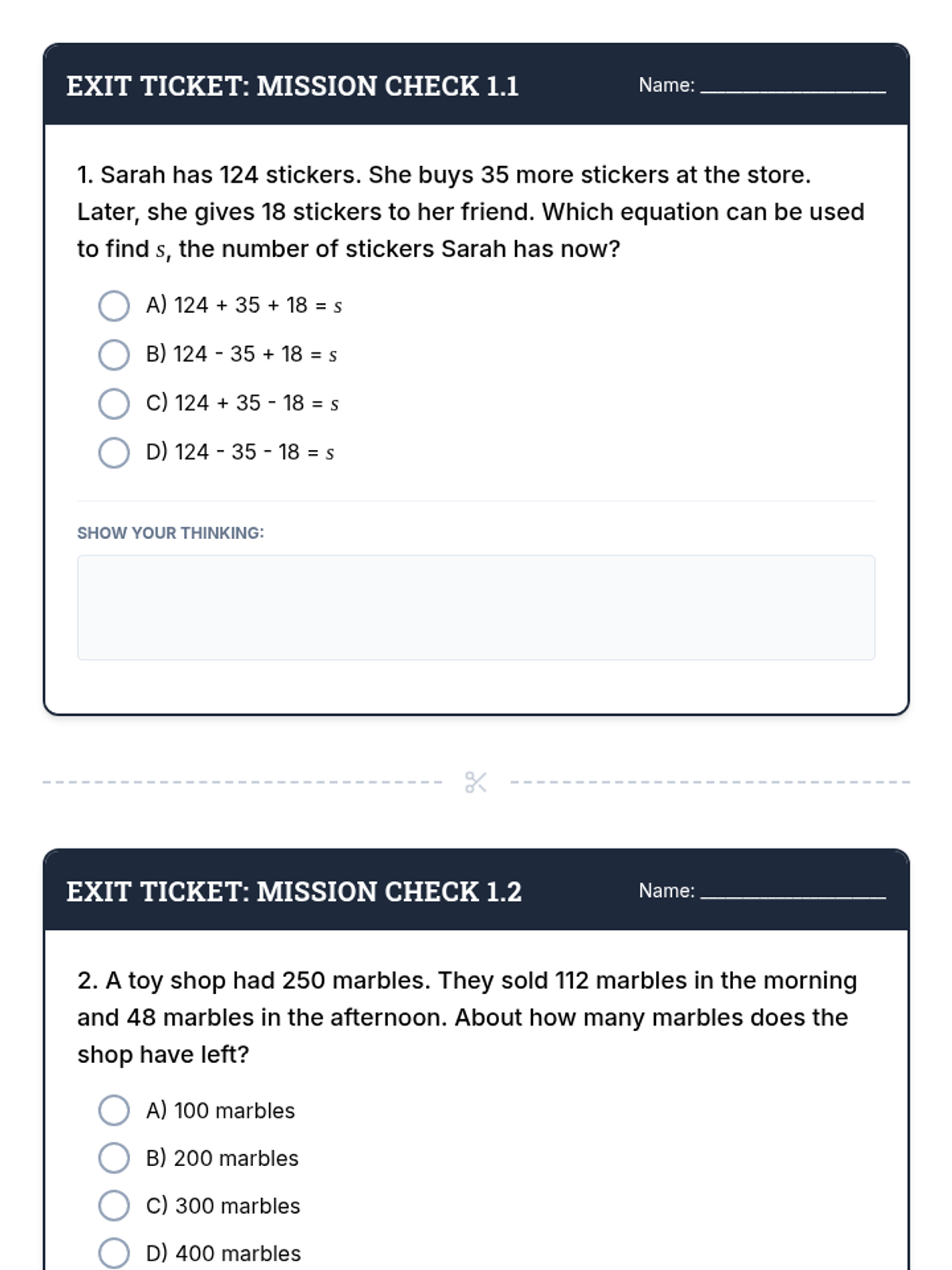
Focuses on solving two-step word problems using addition and subtraction, emphasizing representing problems with equations and assessing reasonableness through estimation and rounding.
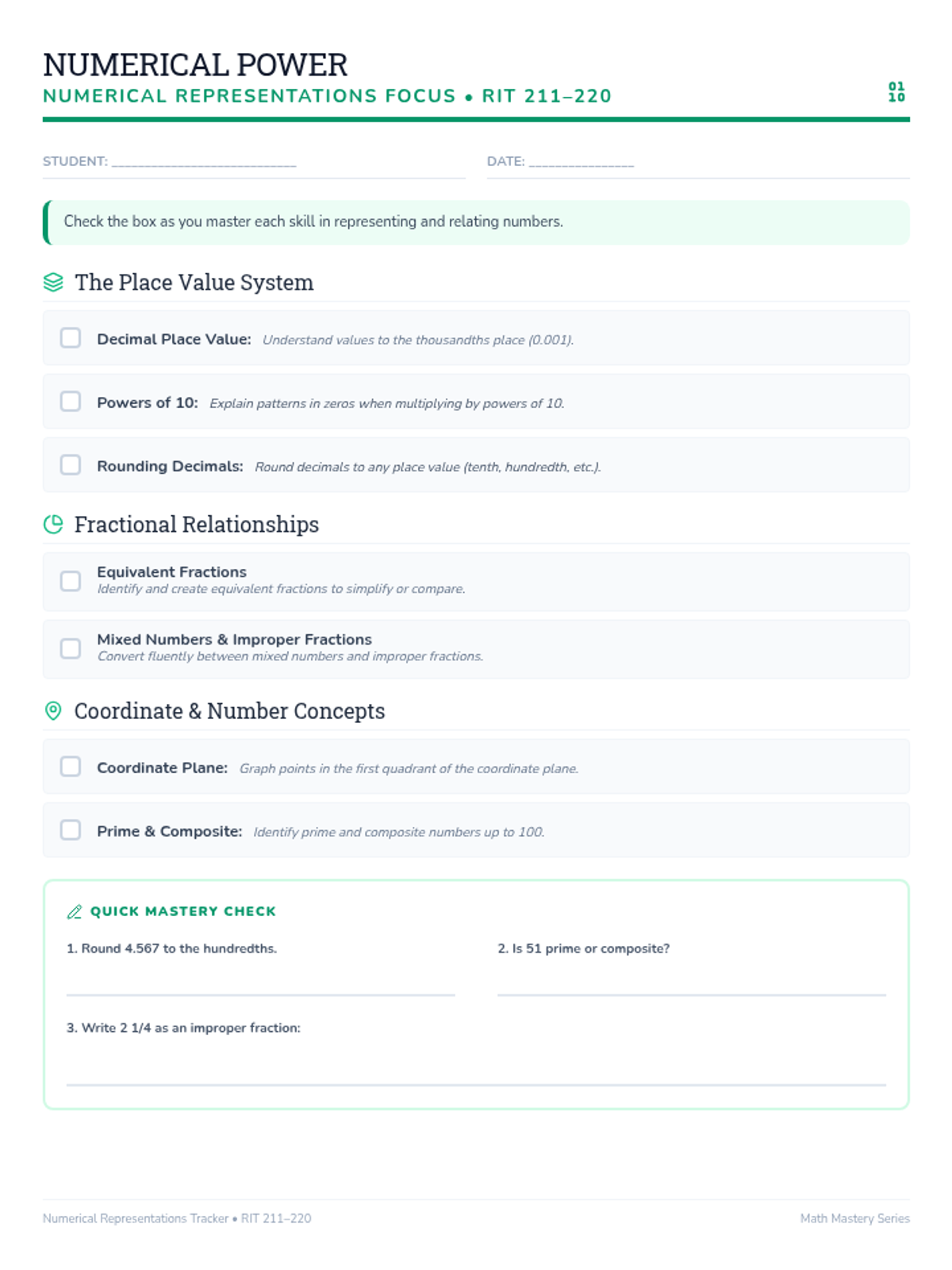
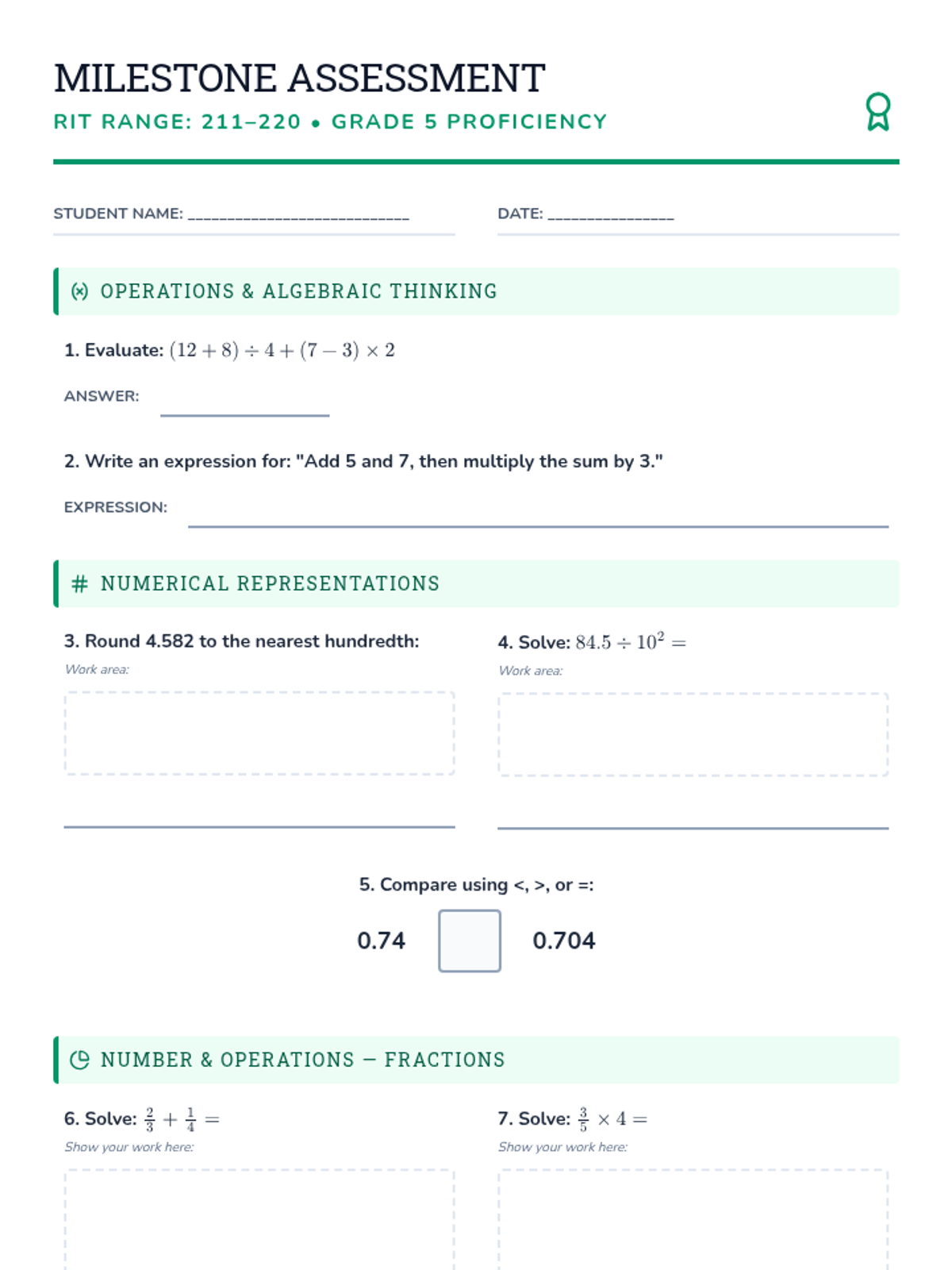
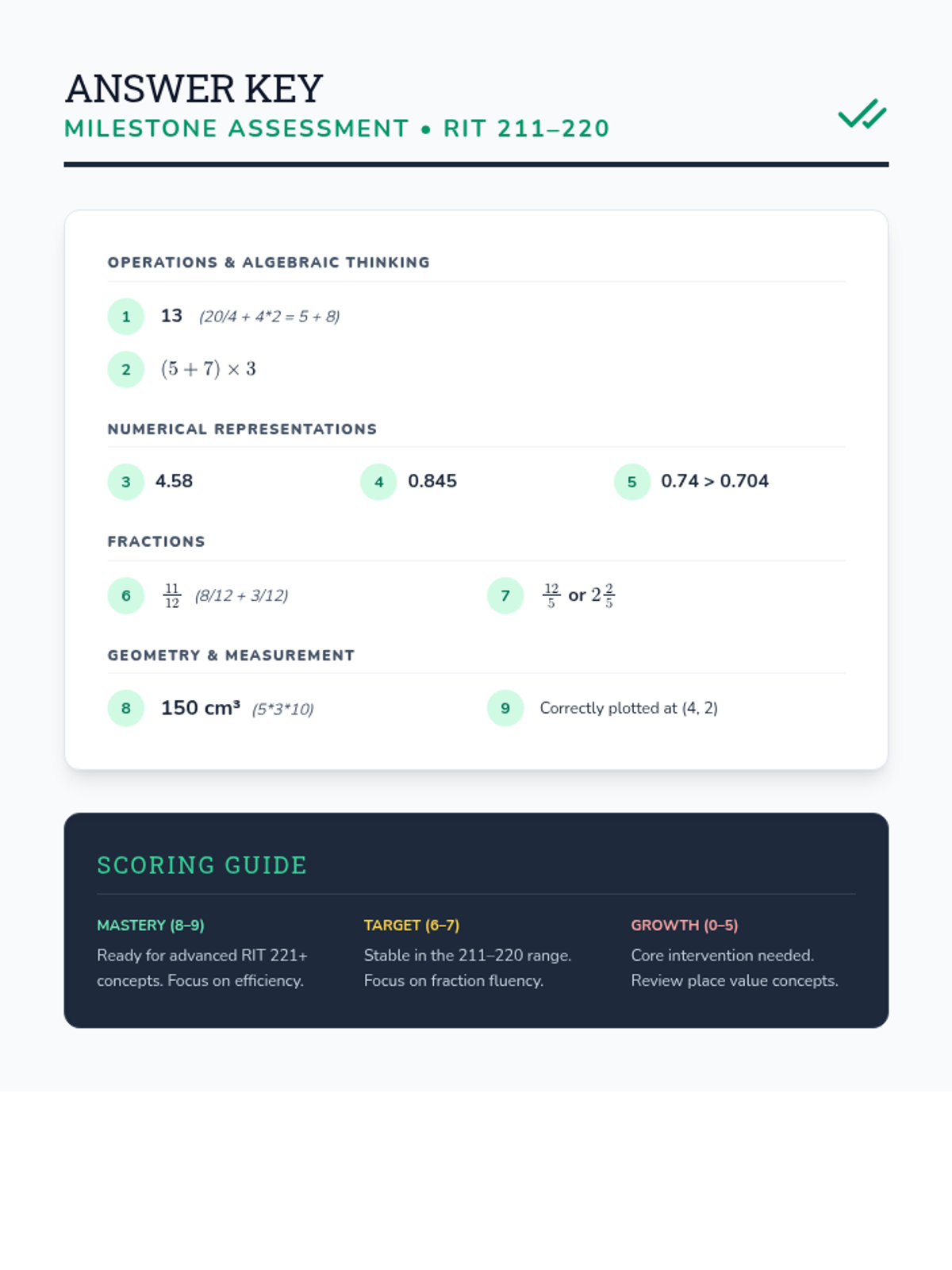
A specialized toolkit for navigating mathematical skills in the 211-220 RIT range, with a focus on foundational decimals, fractions, and place value relationships.
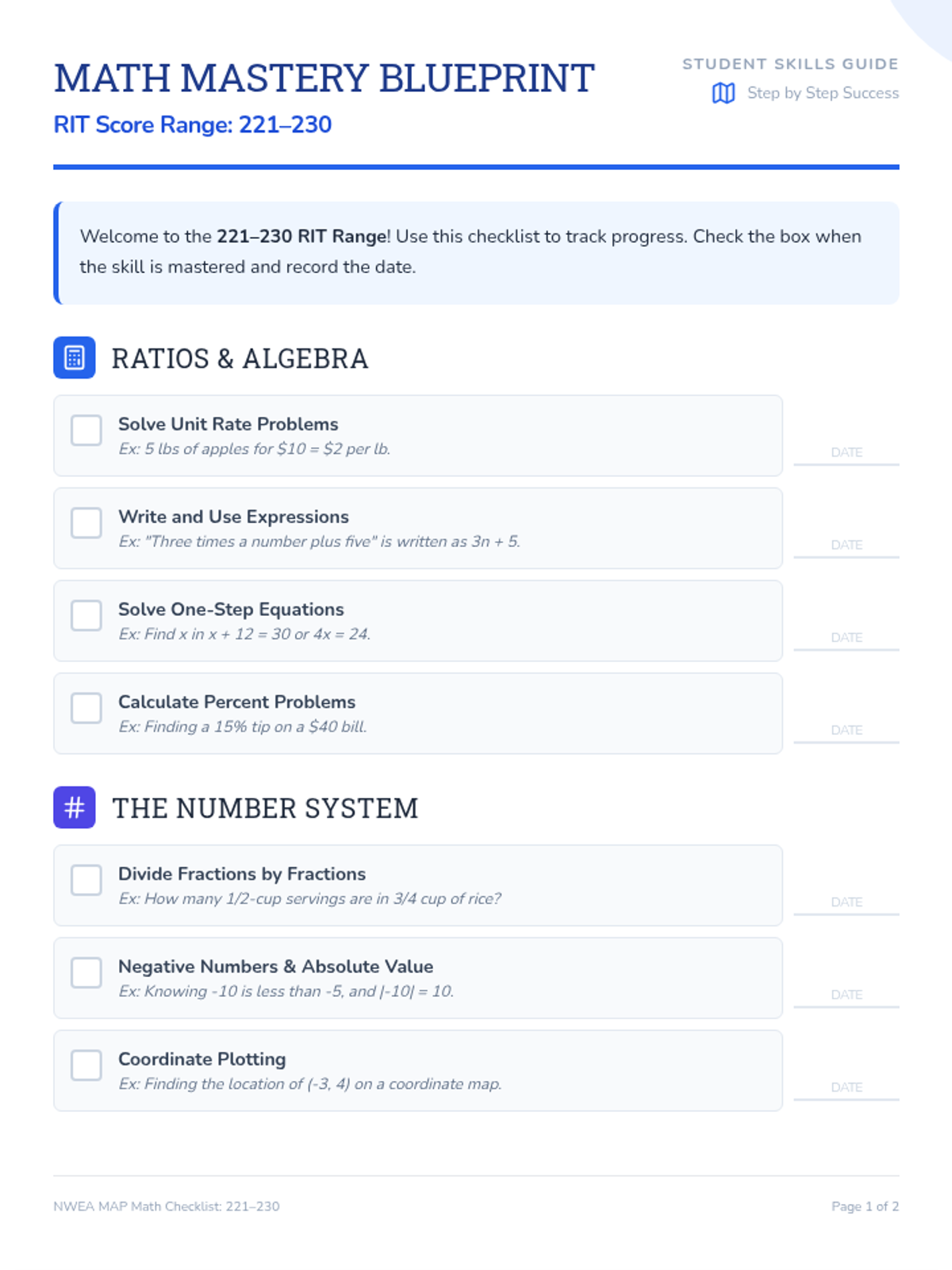
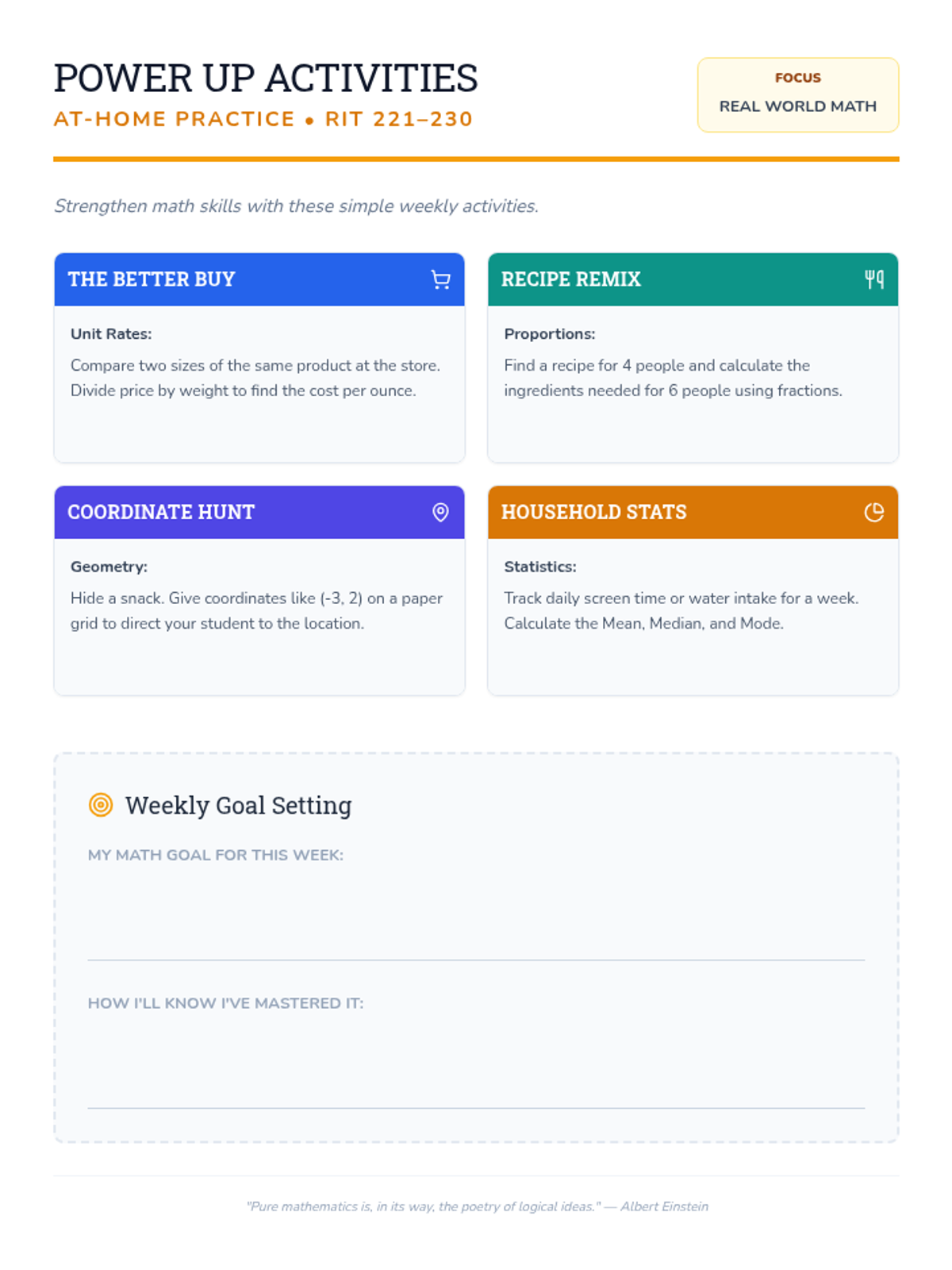
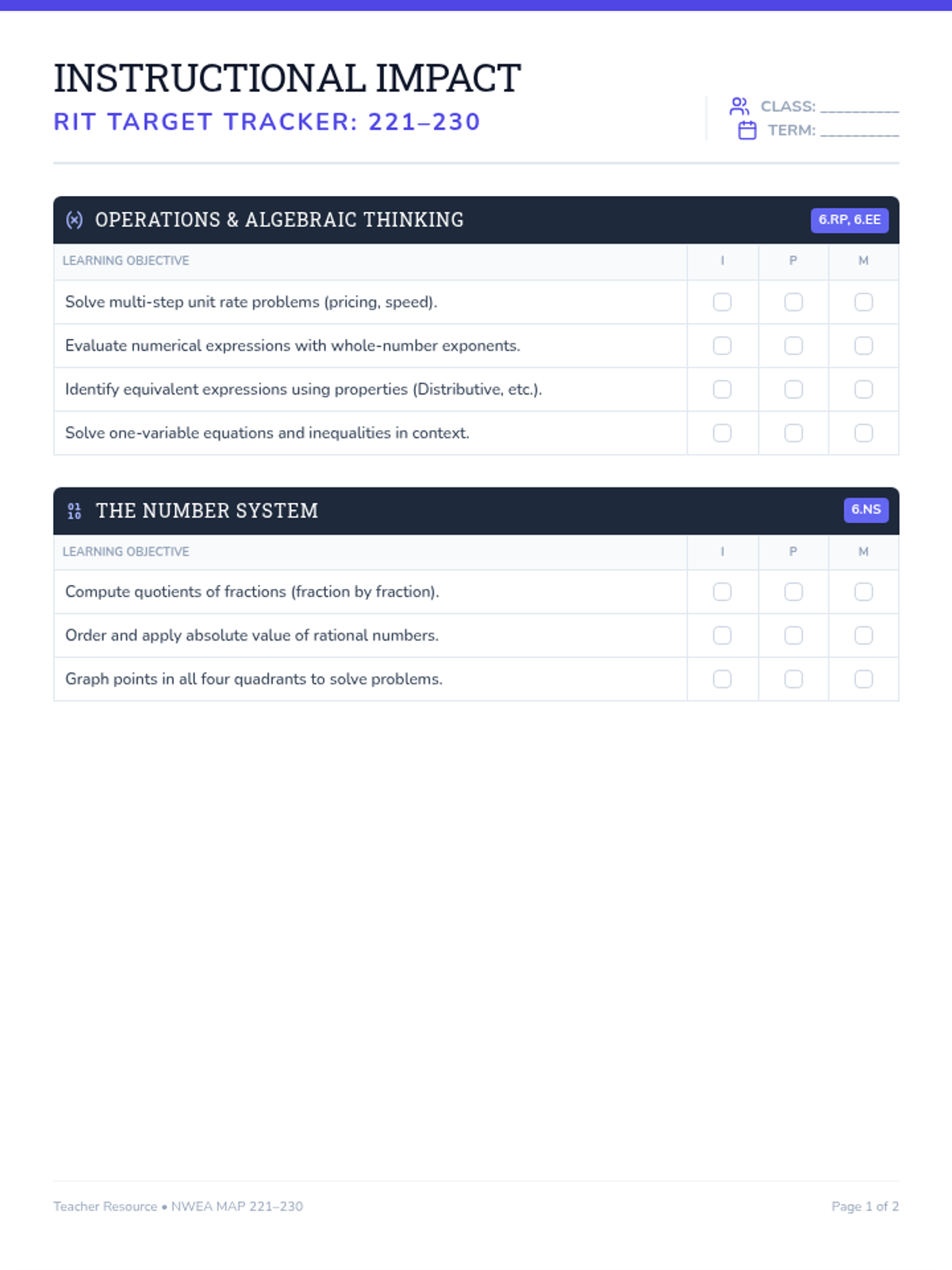
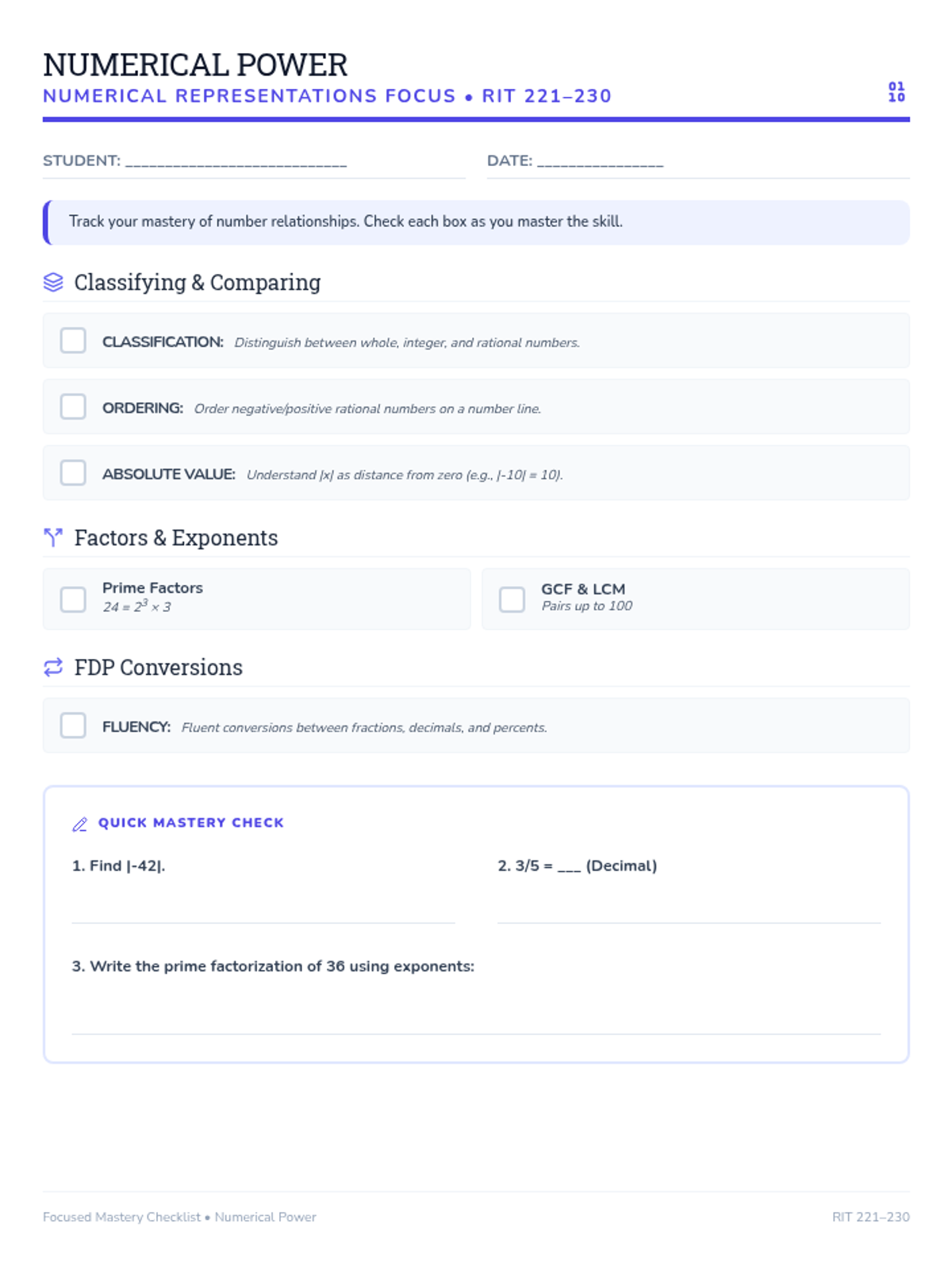
A comprehensive guide for parents and students to navigate the mathematical skills expected in the 221-230 NWEA MAP RIT range, featuring actionable checklists and home-based practice ideas.
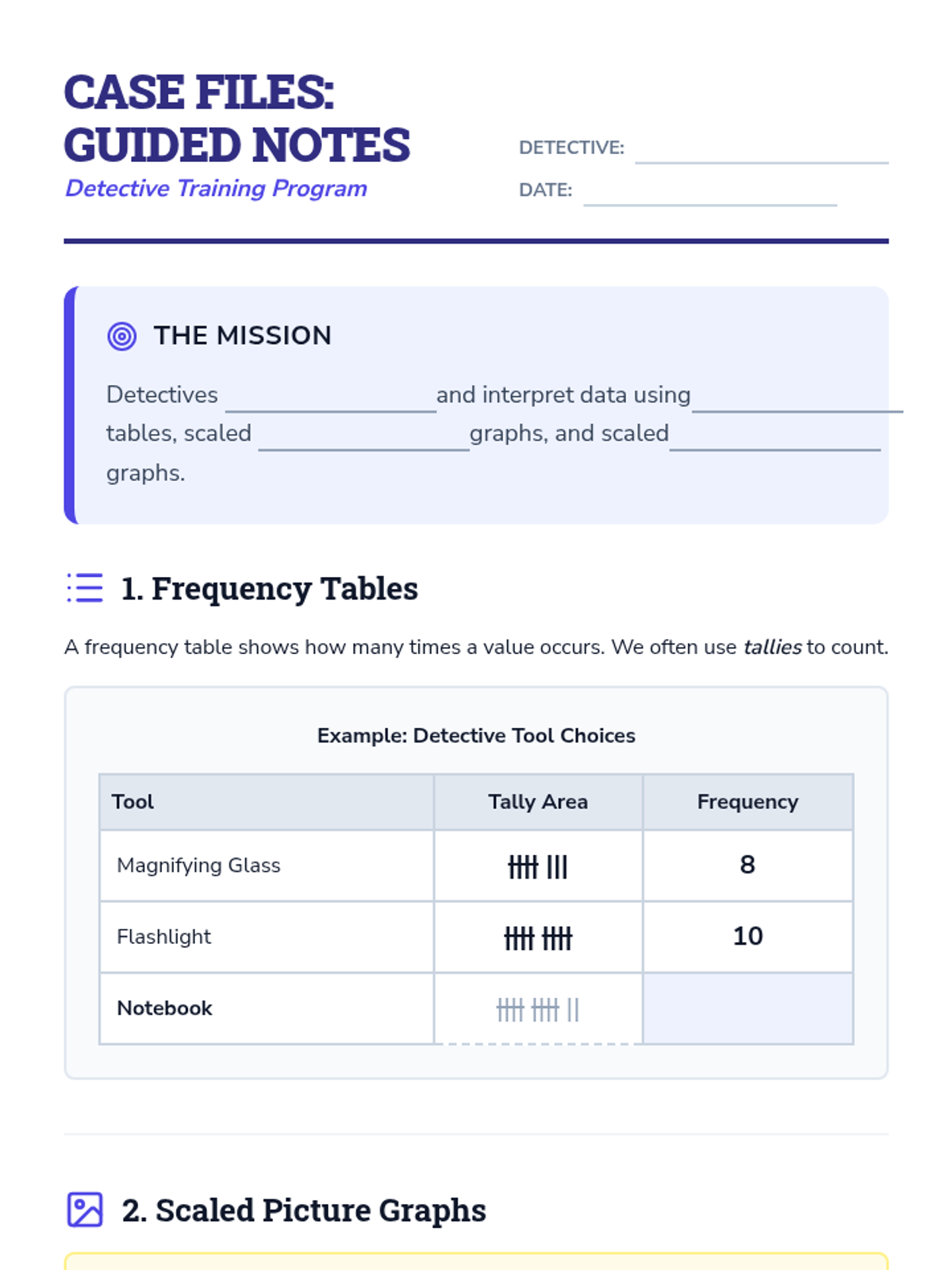
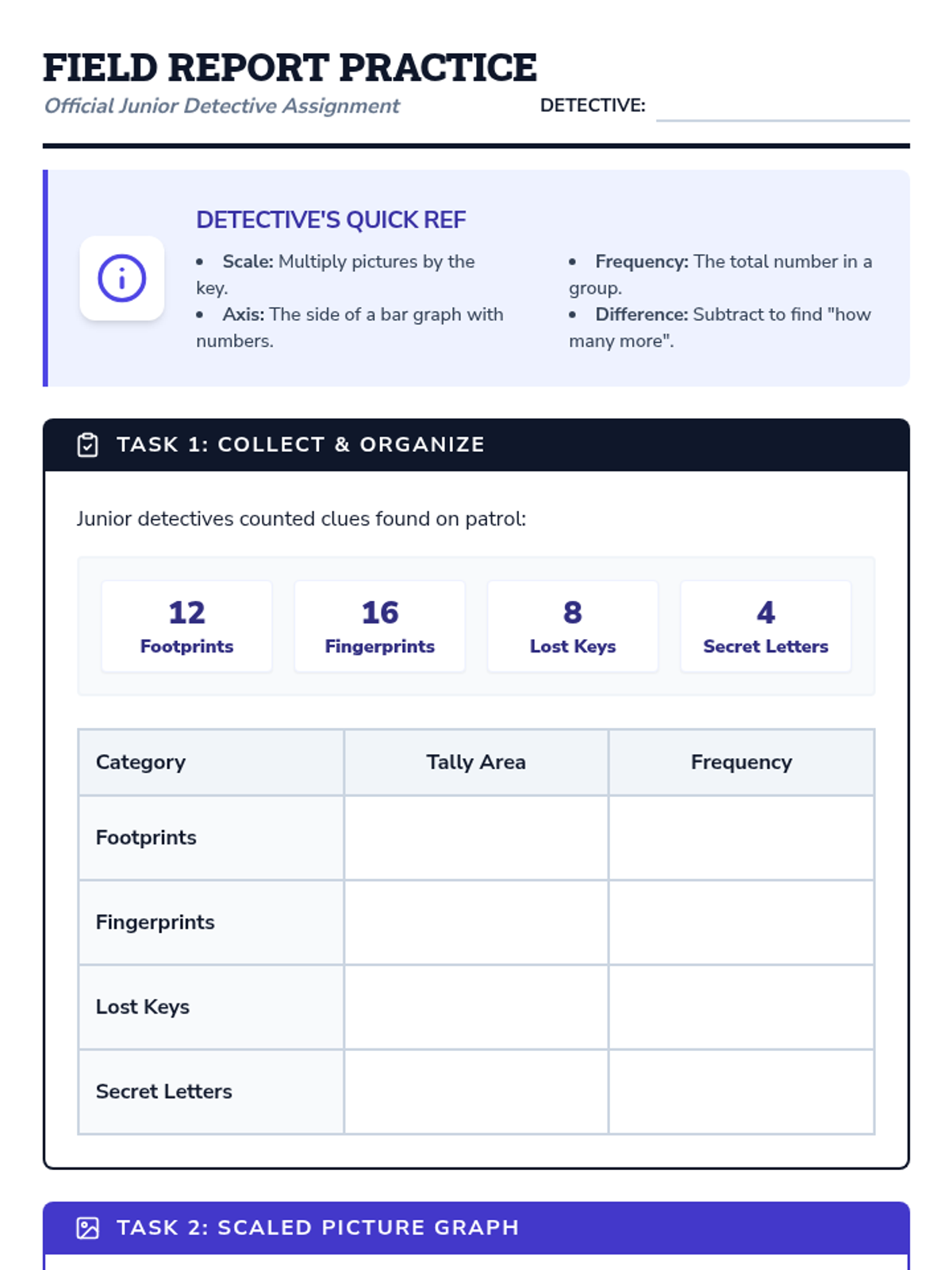
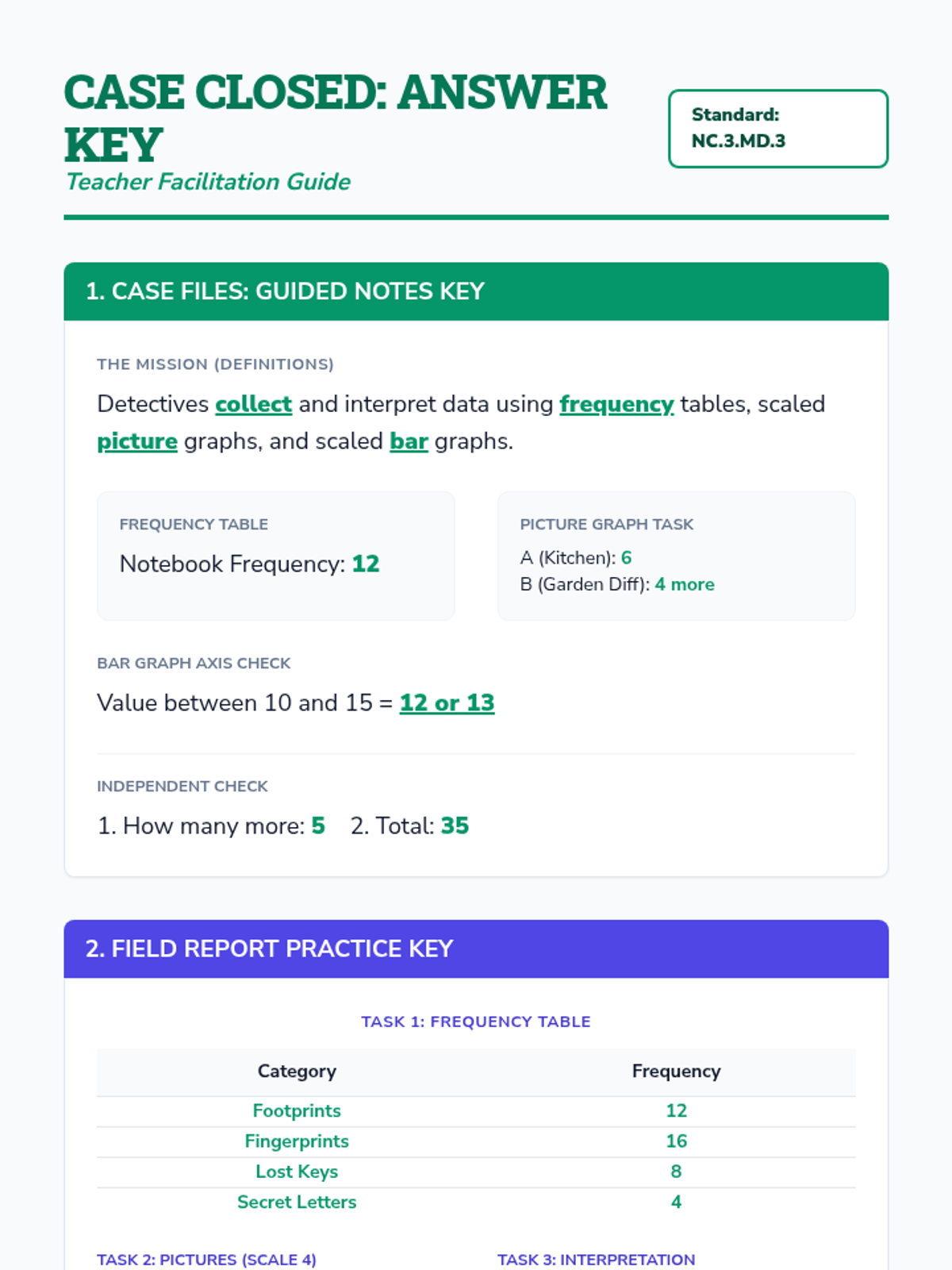
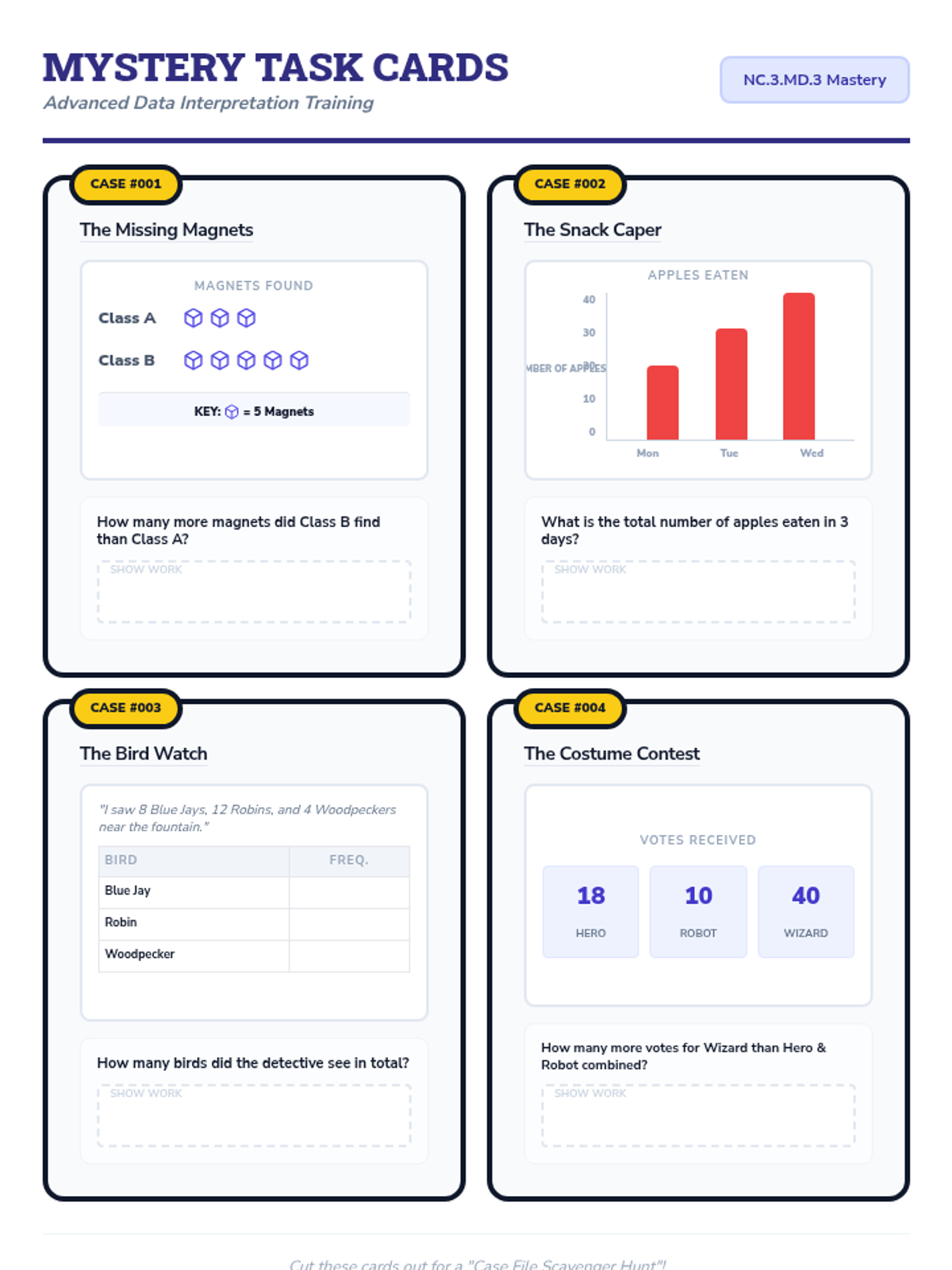
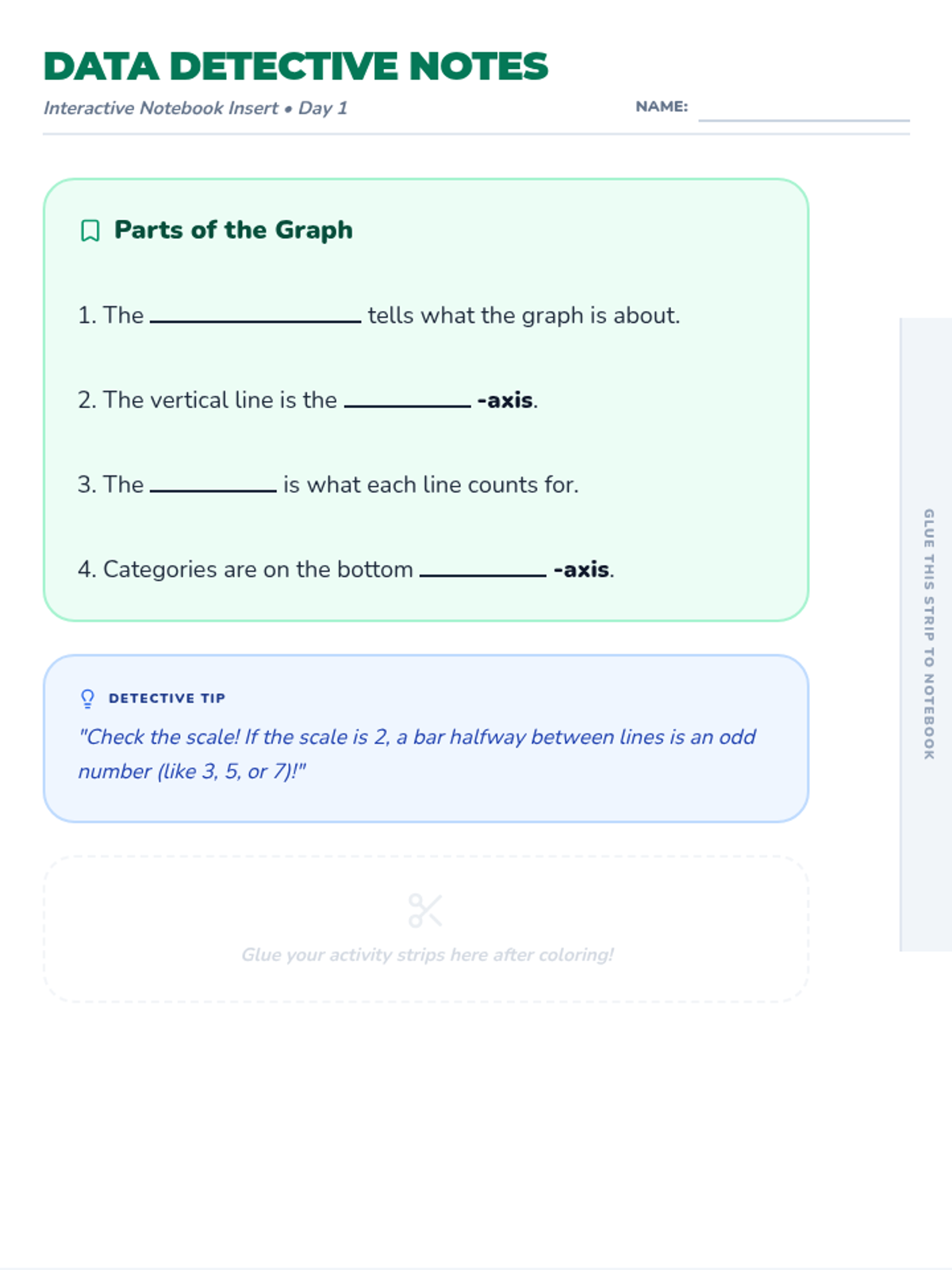
A comprehensive math lesson focused on NC.3.MD.3, where students become 'Data Detectives' to collect, represent, and interpret data using frequency tables, scaled picture graphs, and scaled bar graphs. Includes guided instruction and independent problem-solving tasks.
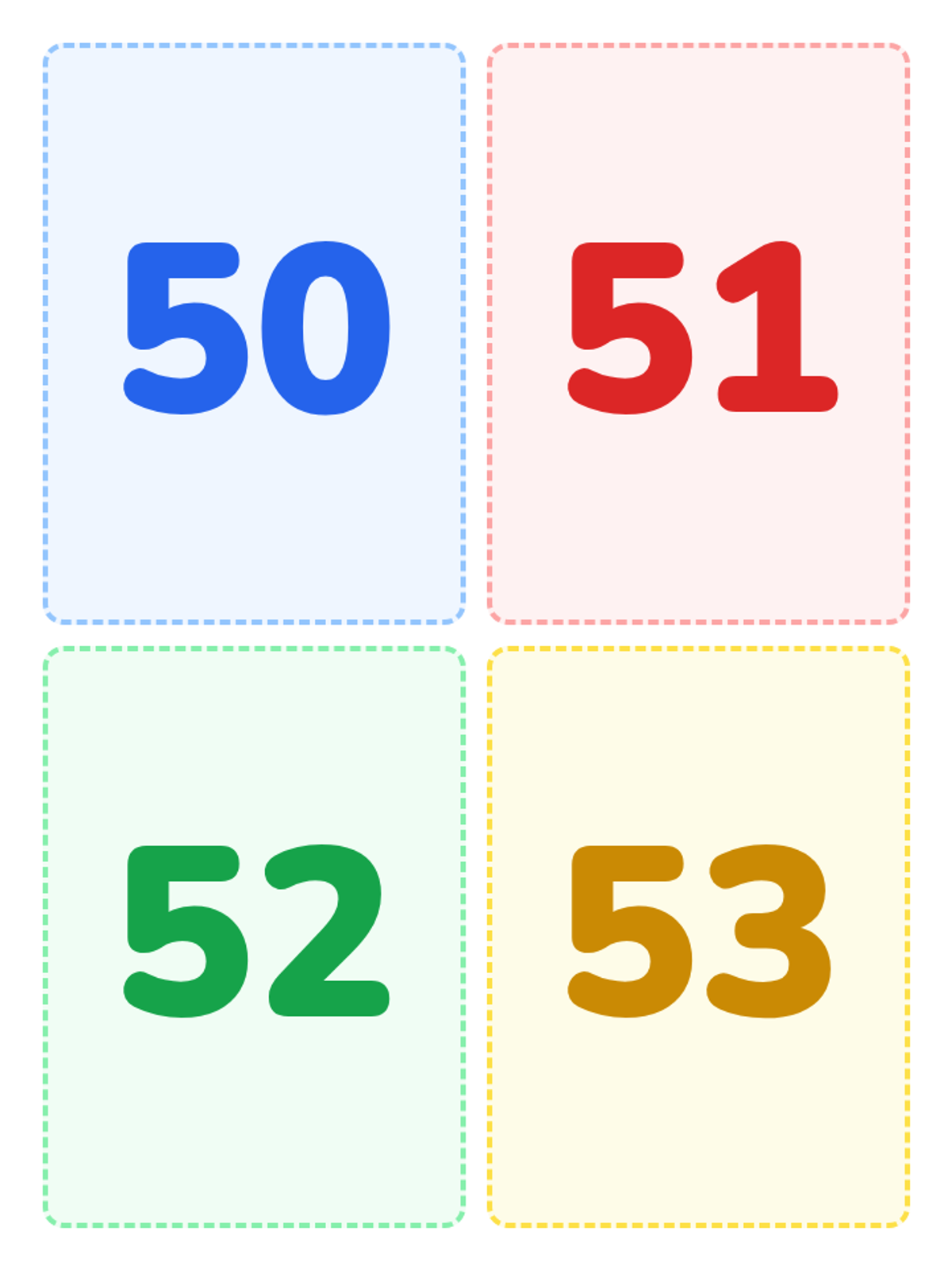
A set of resources focused on mastering numbers 50-100 through hands-on flashcard activities and games designed for kindergarten learners.
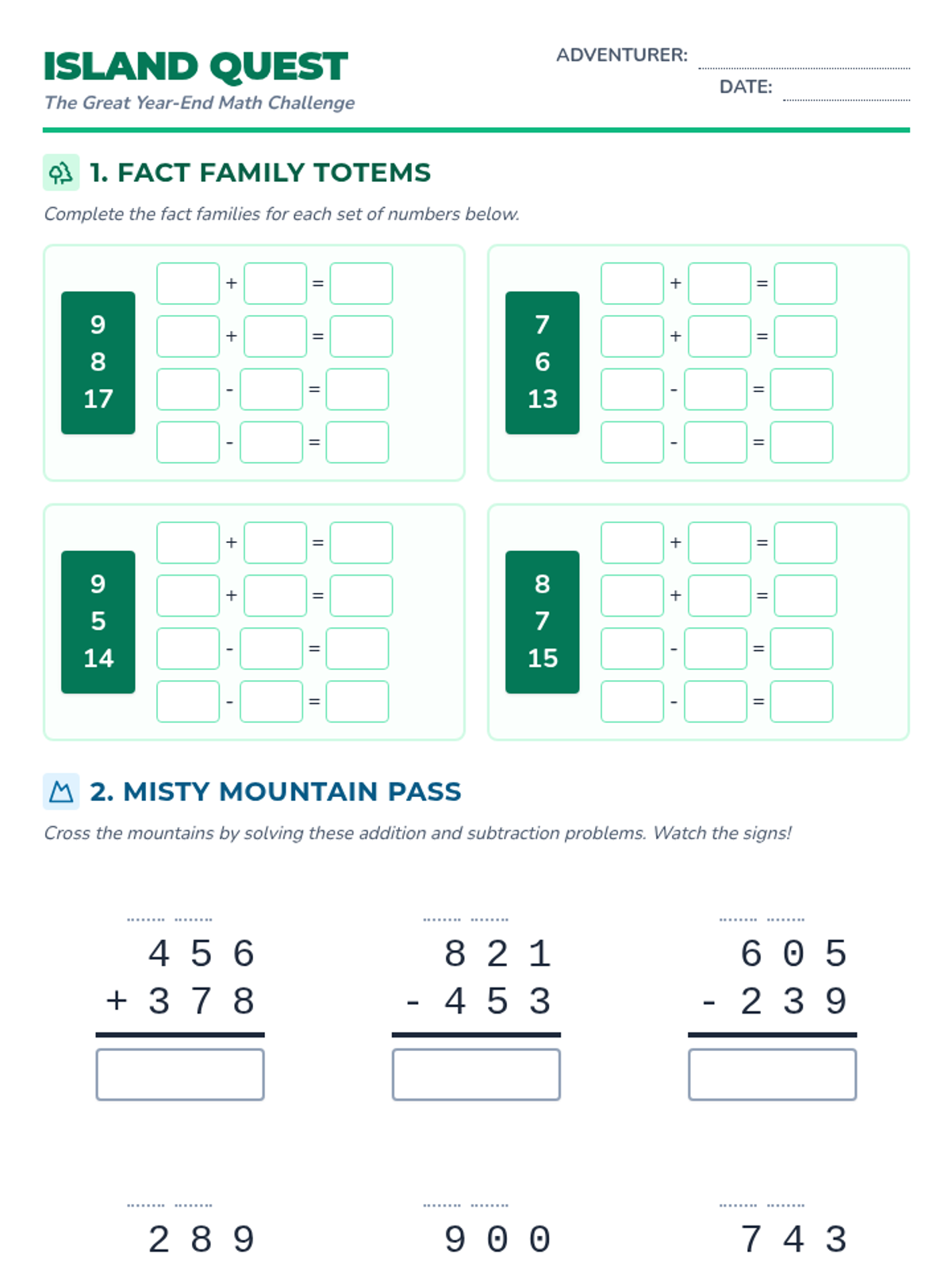
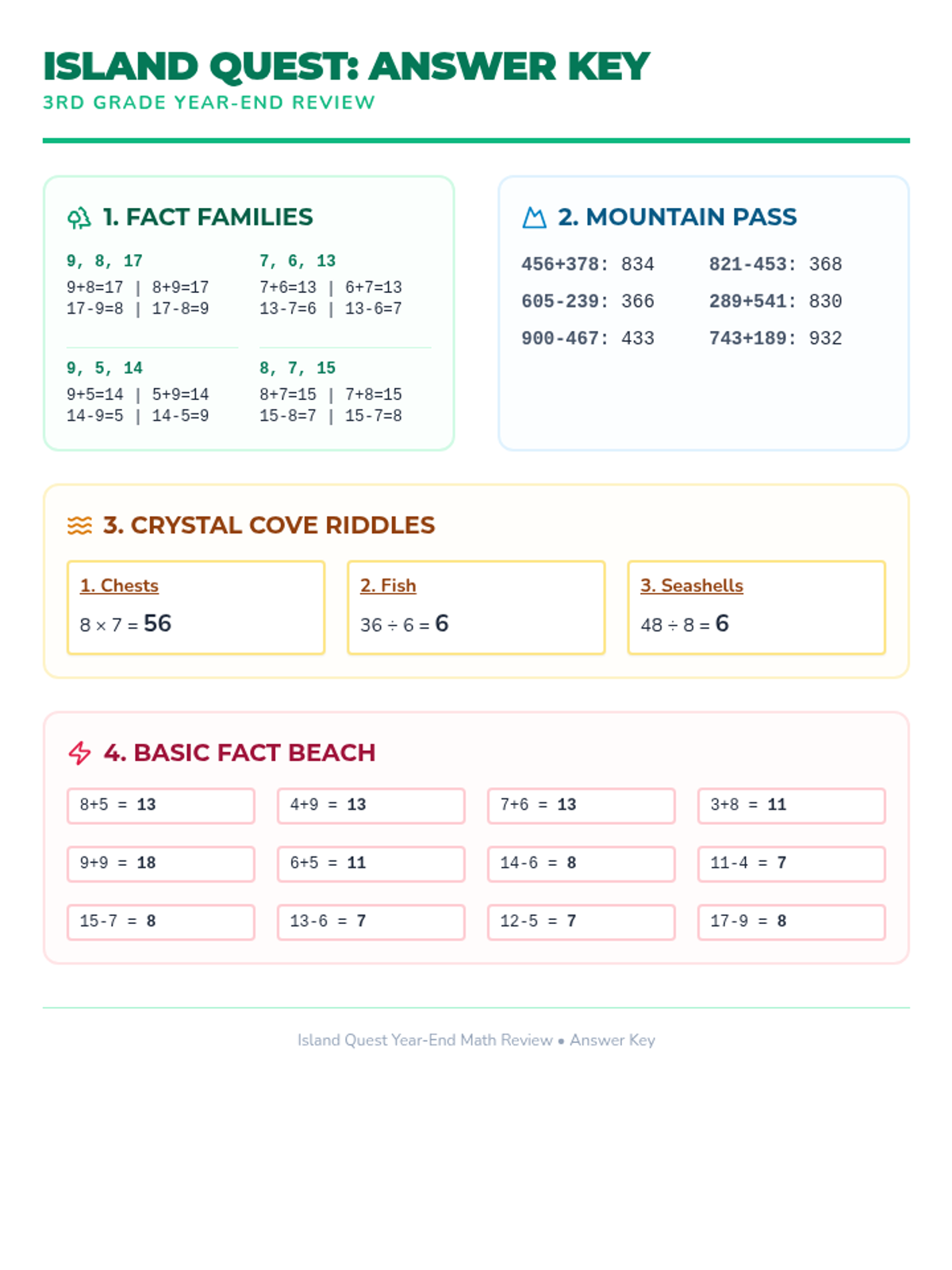
A comprehensive end-of-year math review for 3rd grade covering addition, subtraction, multiplication, and division through a fun island exploration theme.
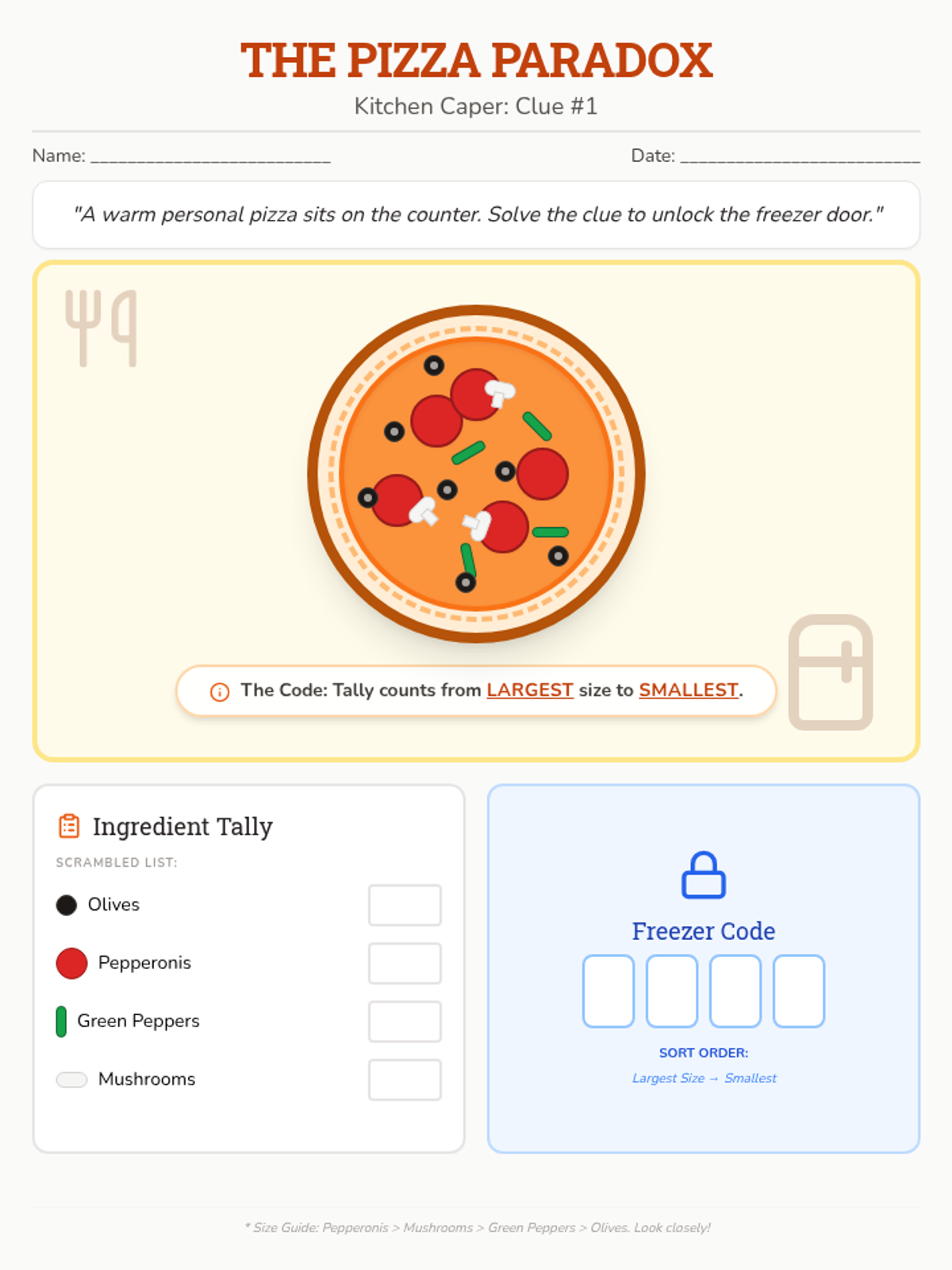
A mini-mystery centered around a kitchen scene where students use observation and logic to solve a visual puzzle.
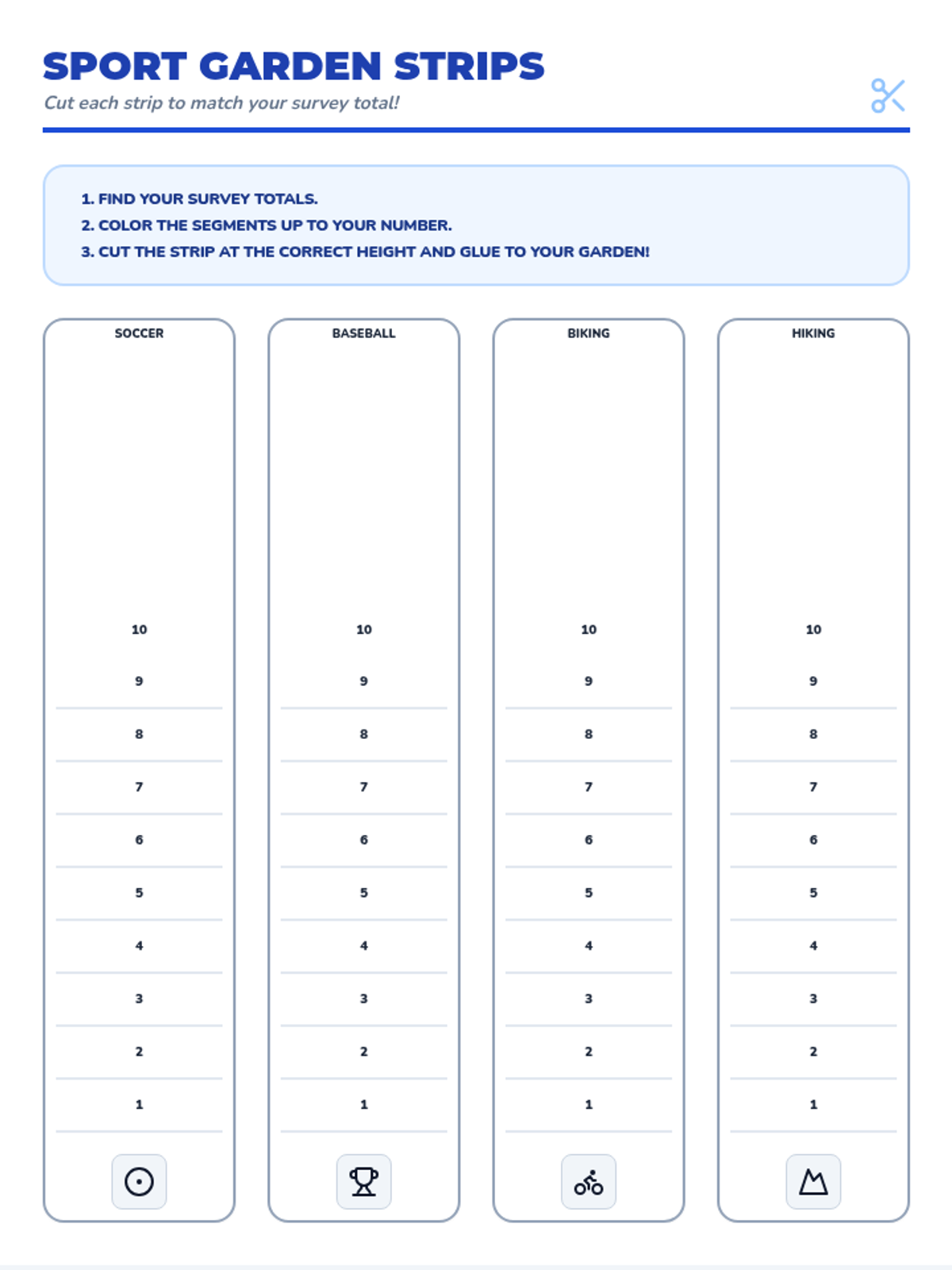
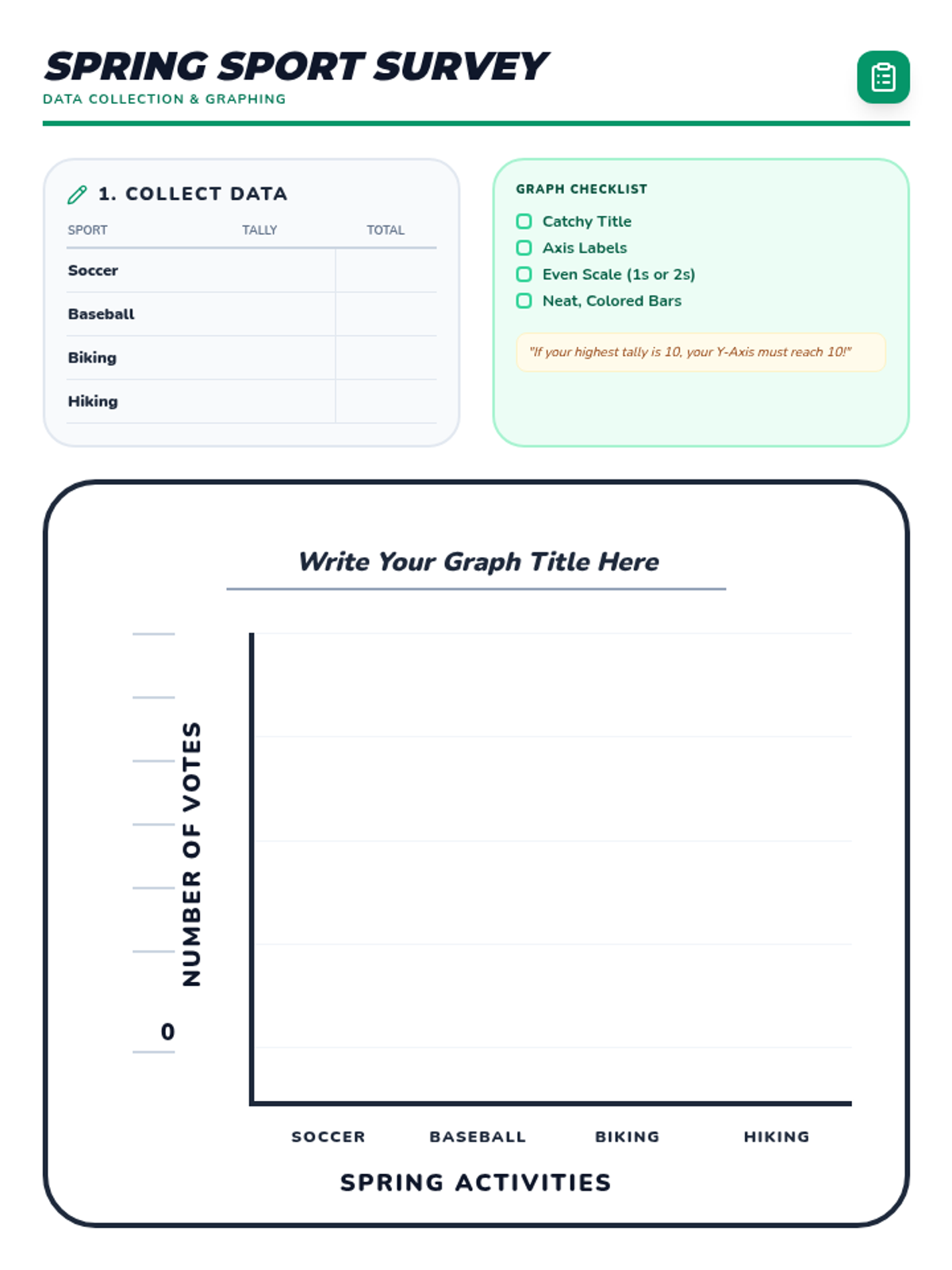
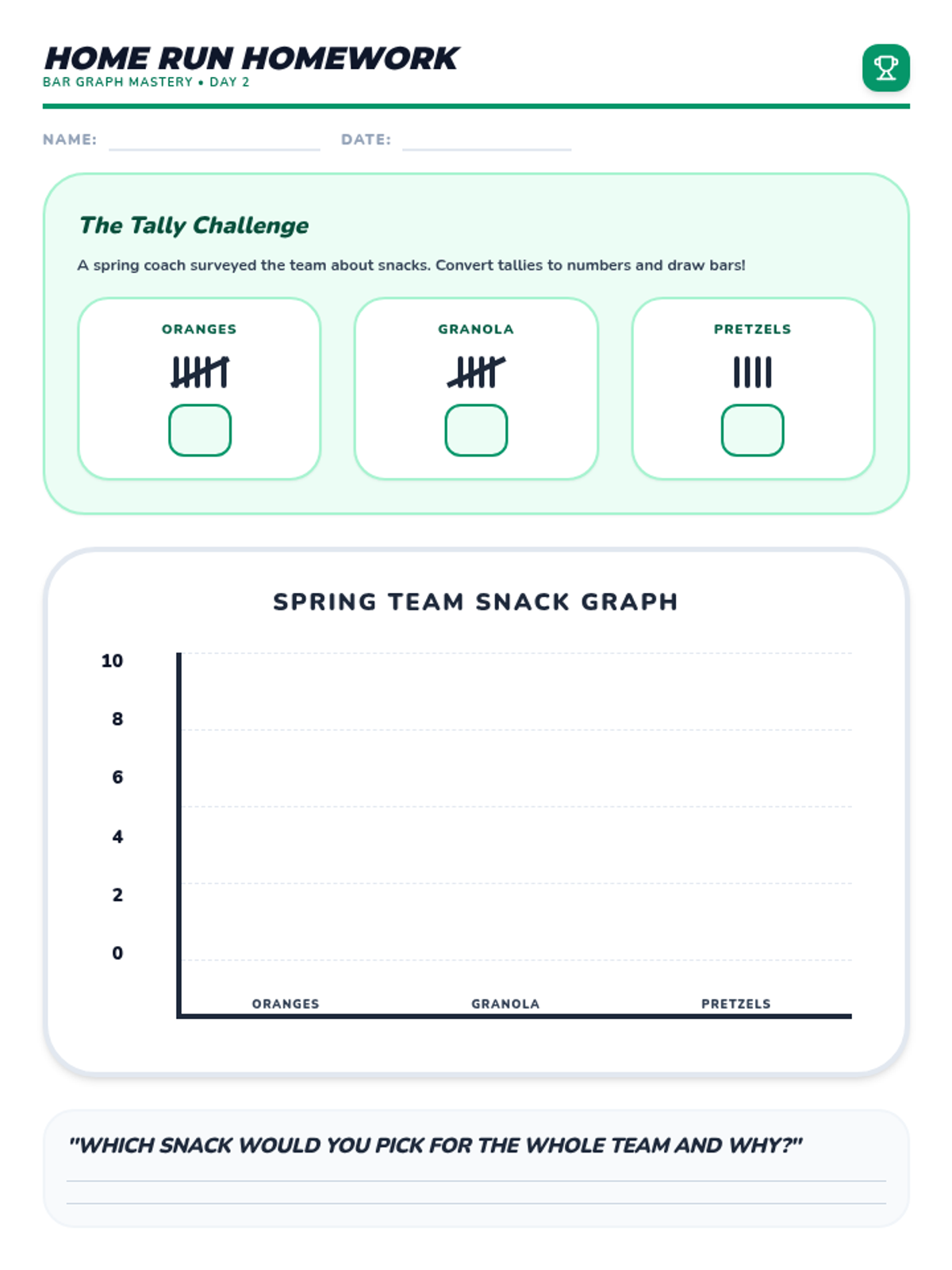
Students collect data through a class survey and create their own bar graphs, culminating in a creative spring-themed sports craft.
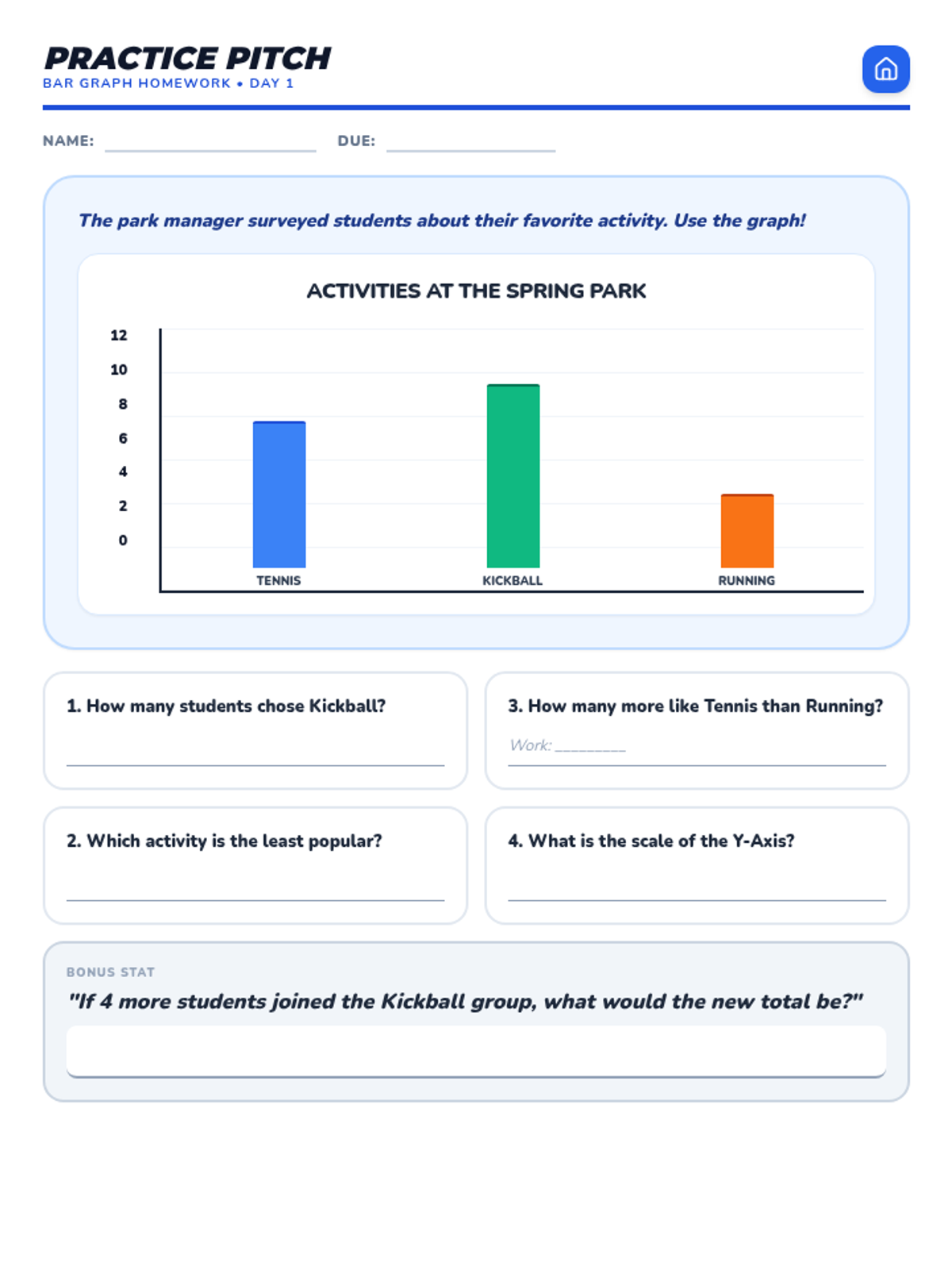
Students learn to read and analyze bar graphs by interpreting data about spring activities and answering comparative questions.
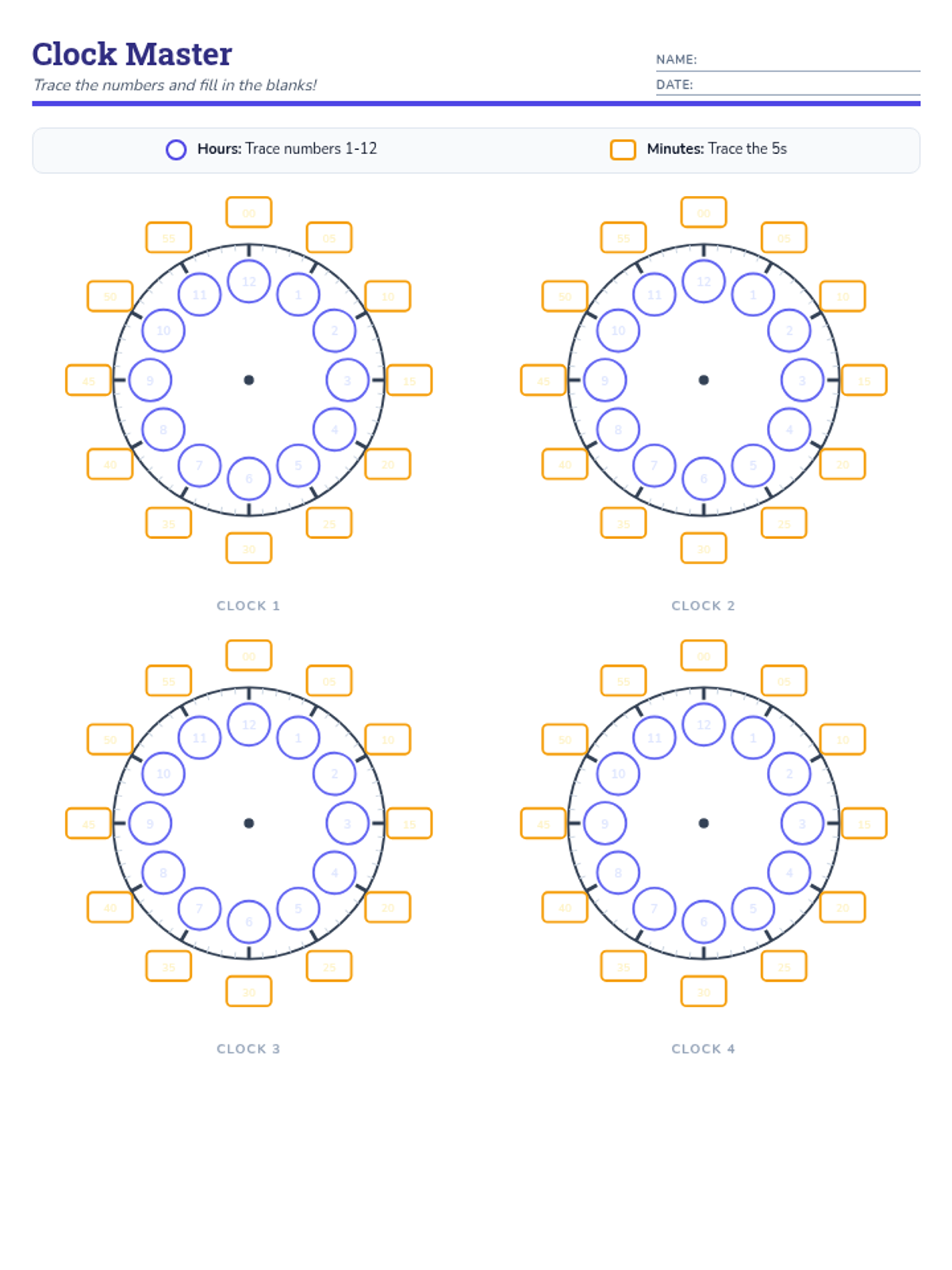
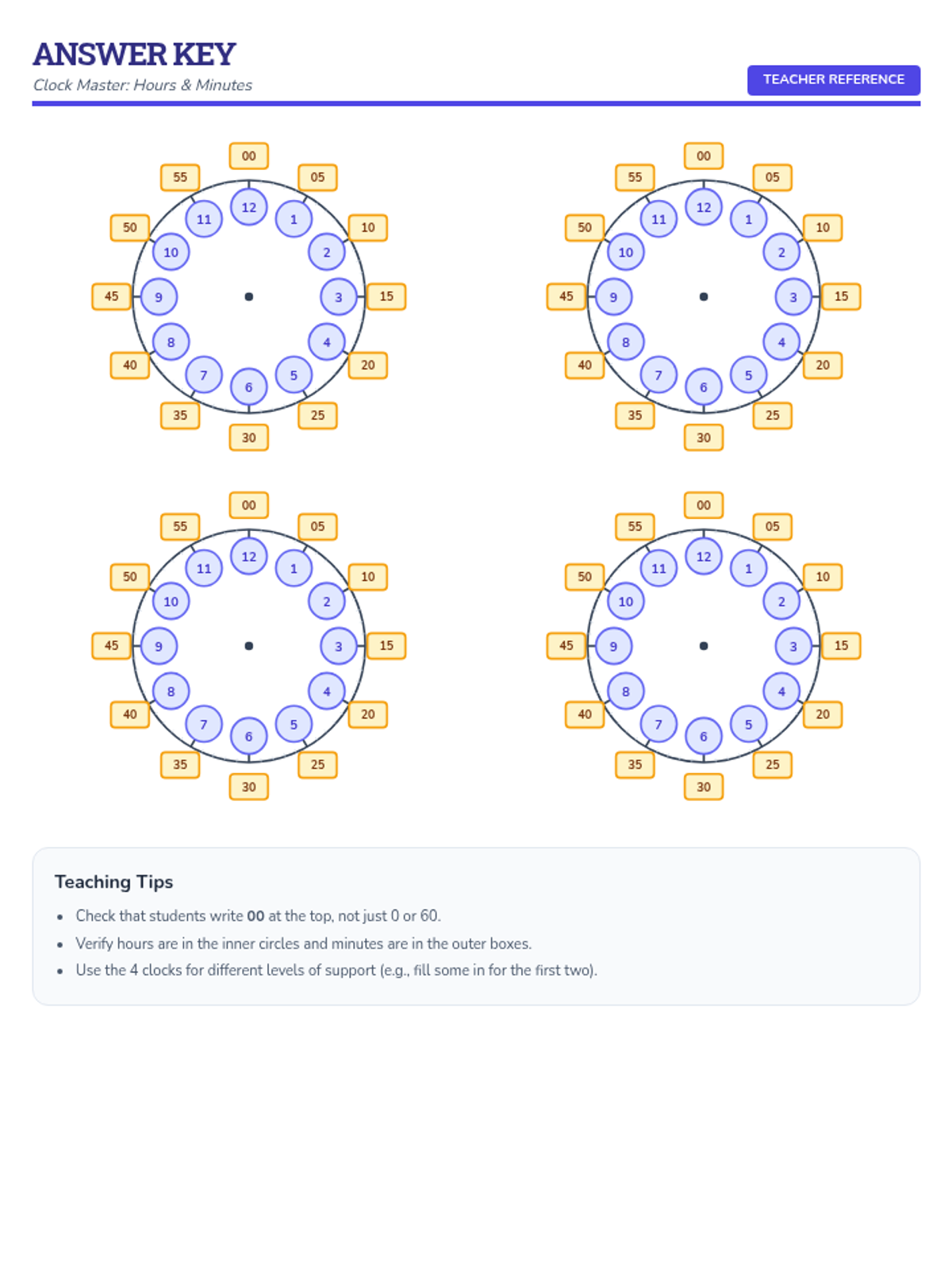
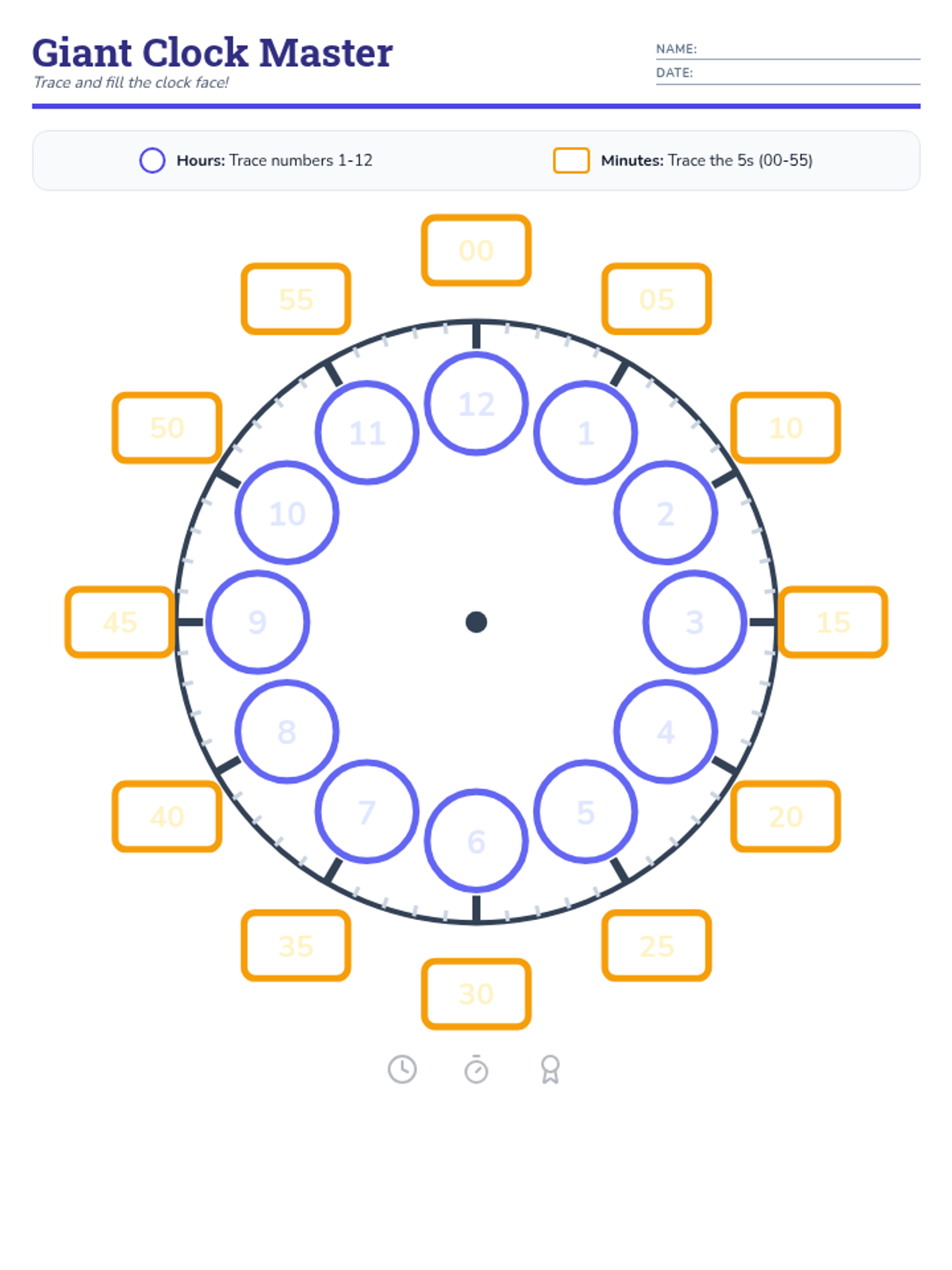
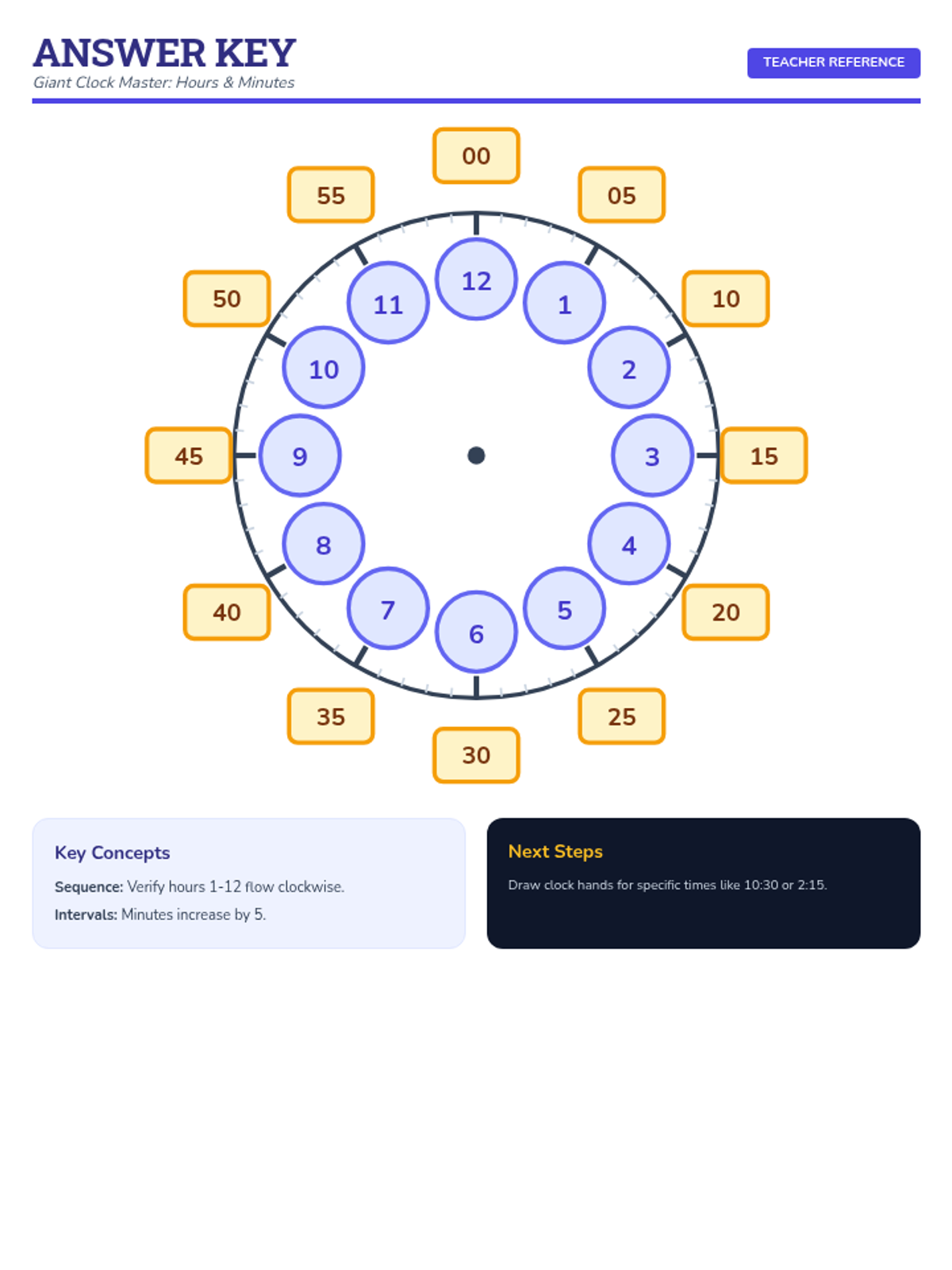
A foundational lesson on clock anatomy, focusing on identifying hour numbers and five-minute increments. Students practice spatial reasoning and number sequencing within a circular layout.
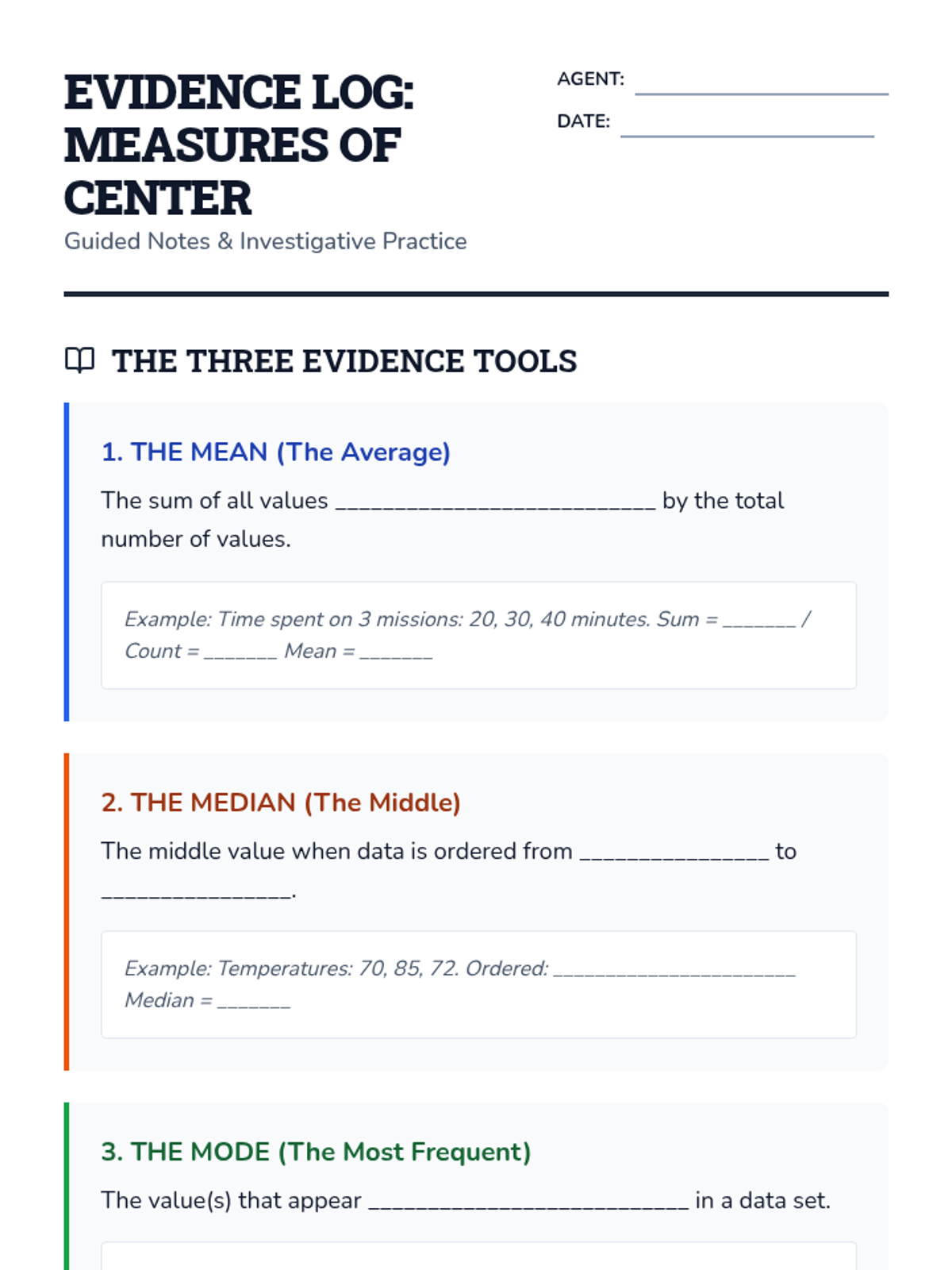
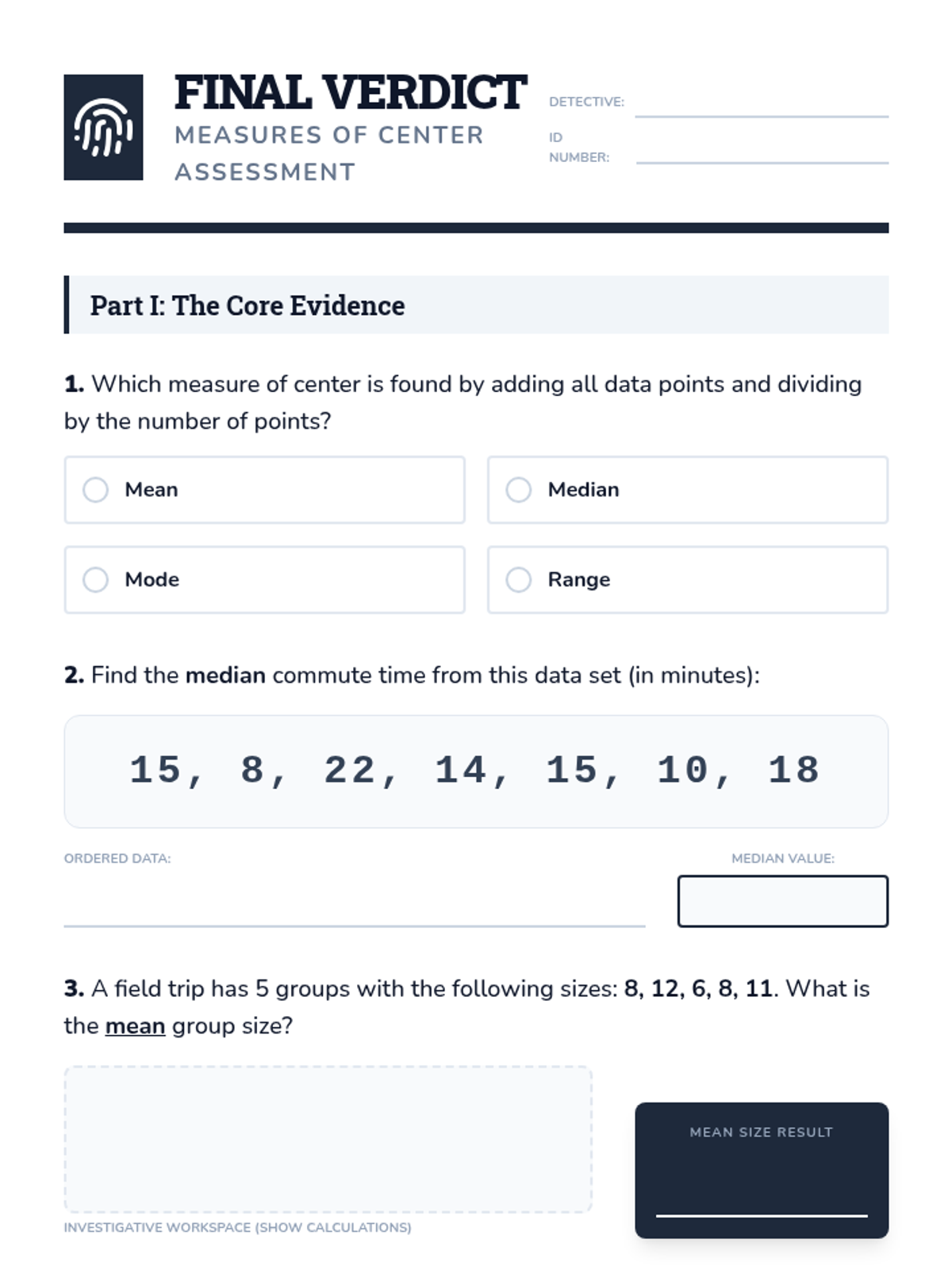
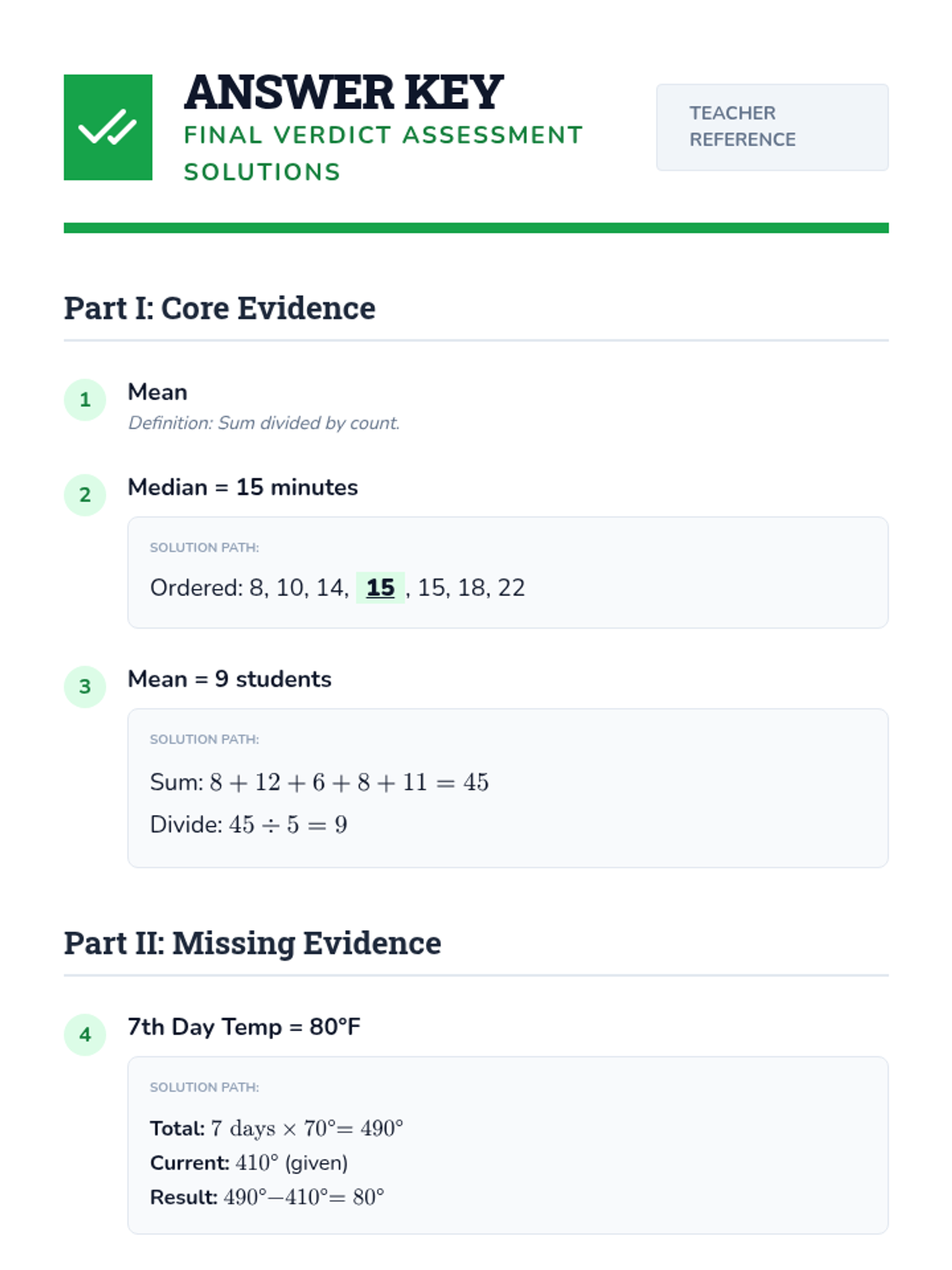
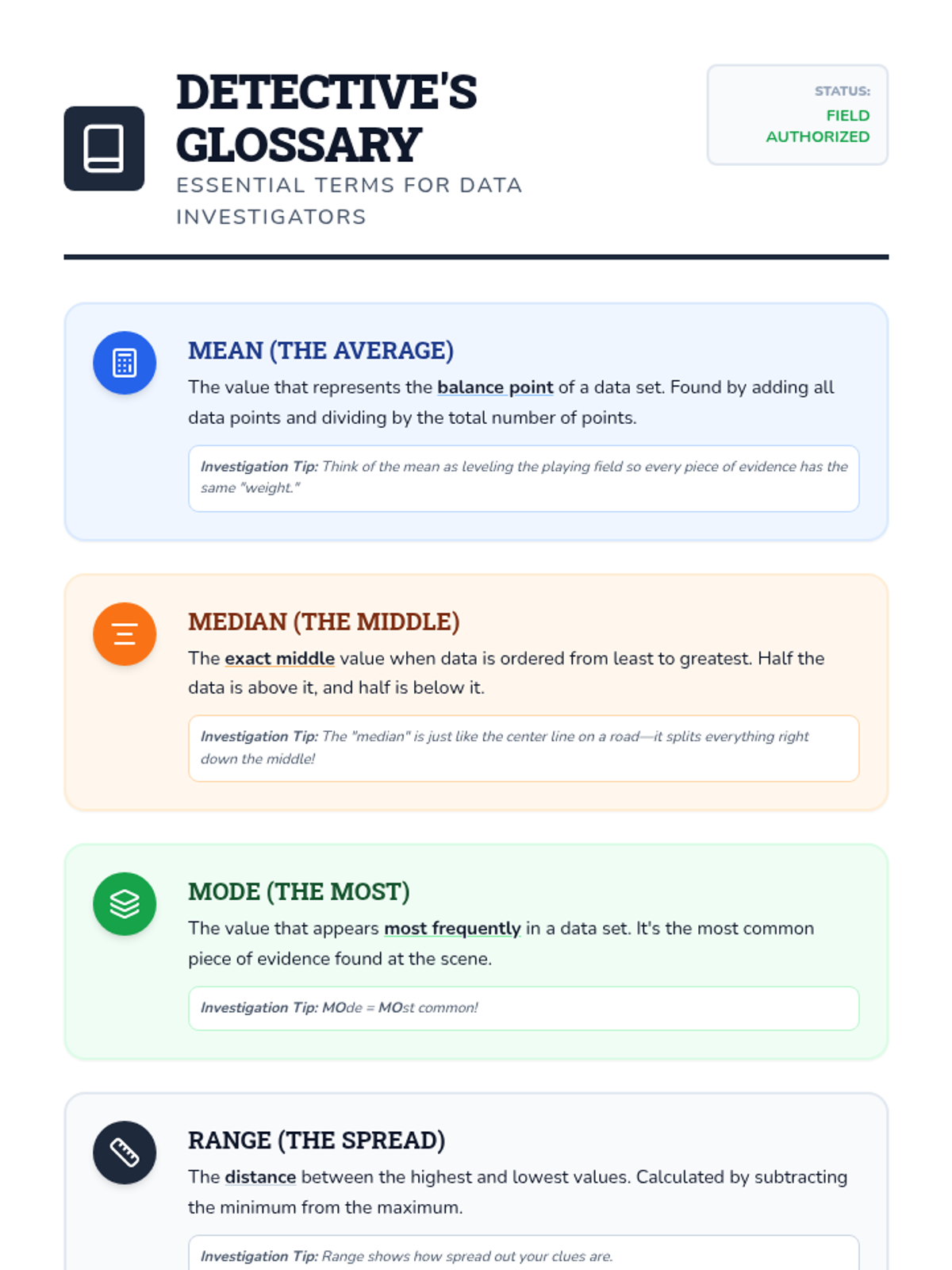
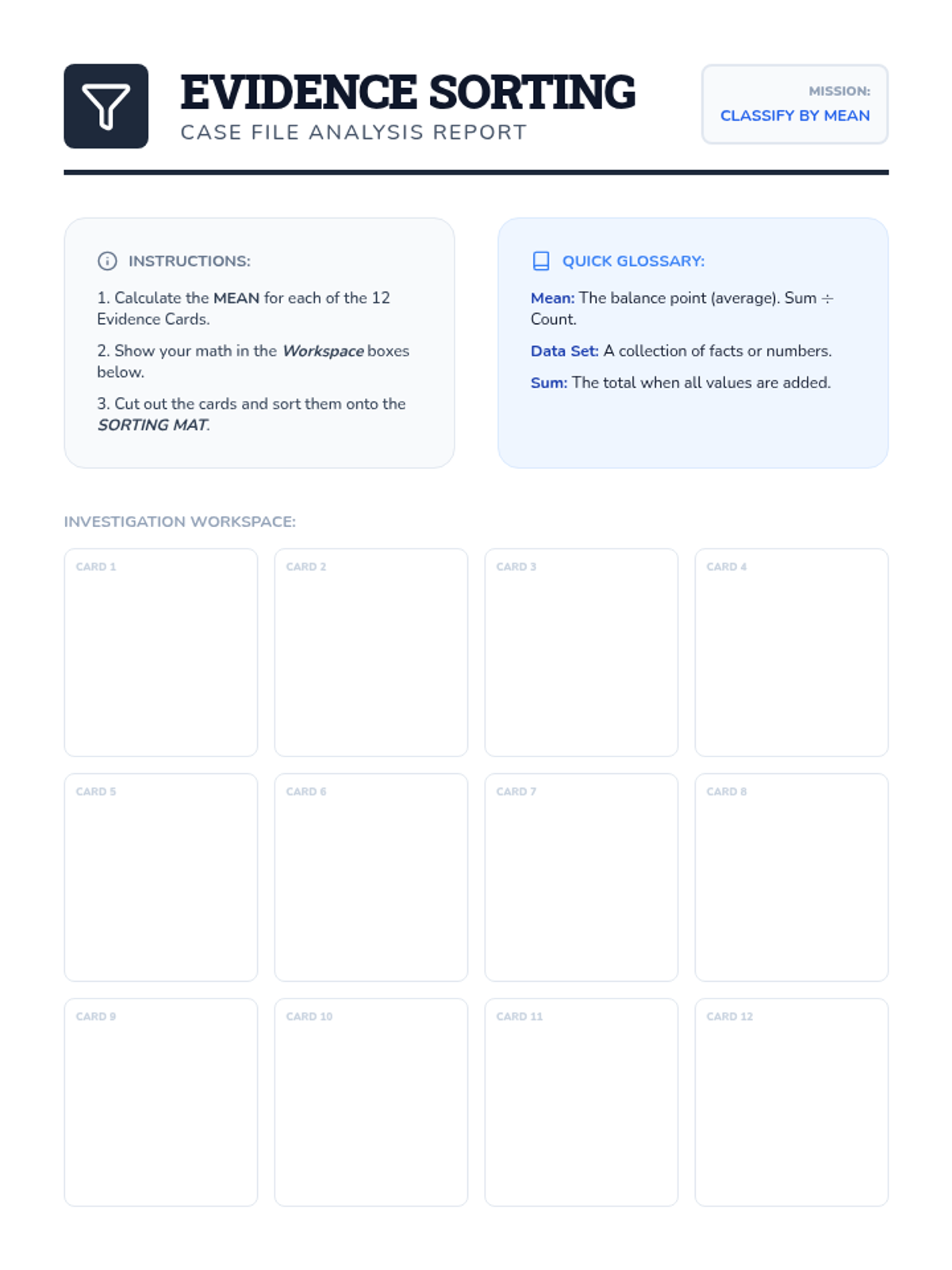
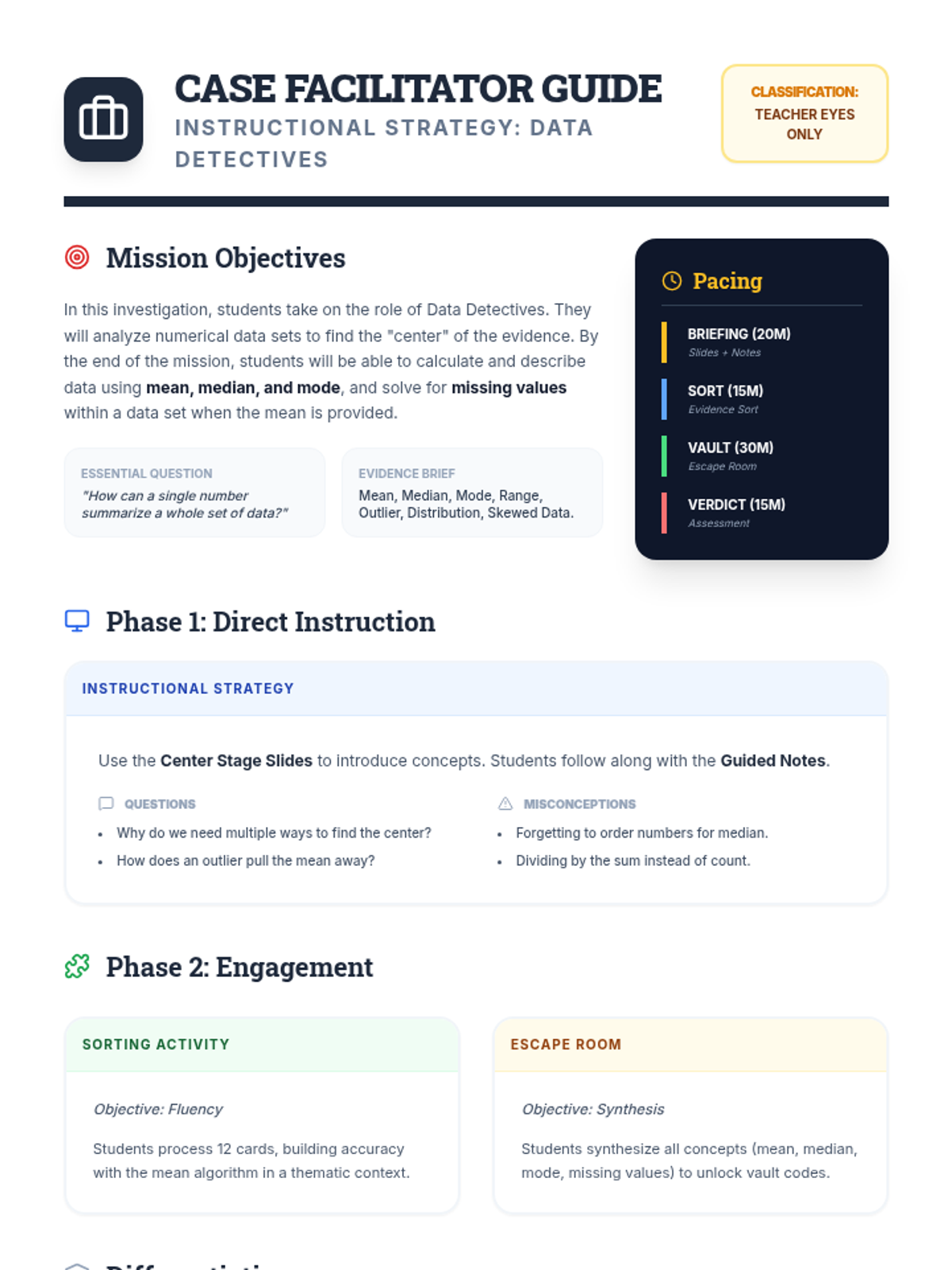
A comprehensive lesson on measures of center (mean, median, mode) where students learn to summarize numerical data and find missing values using time, temperature, and group size data.
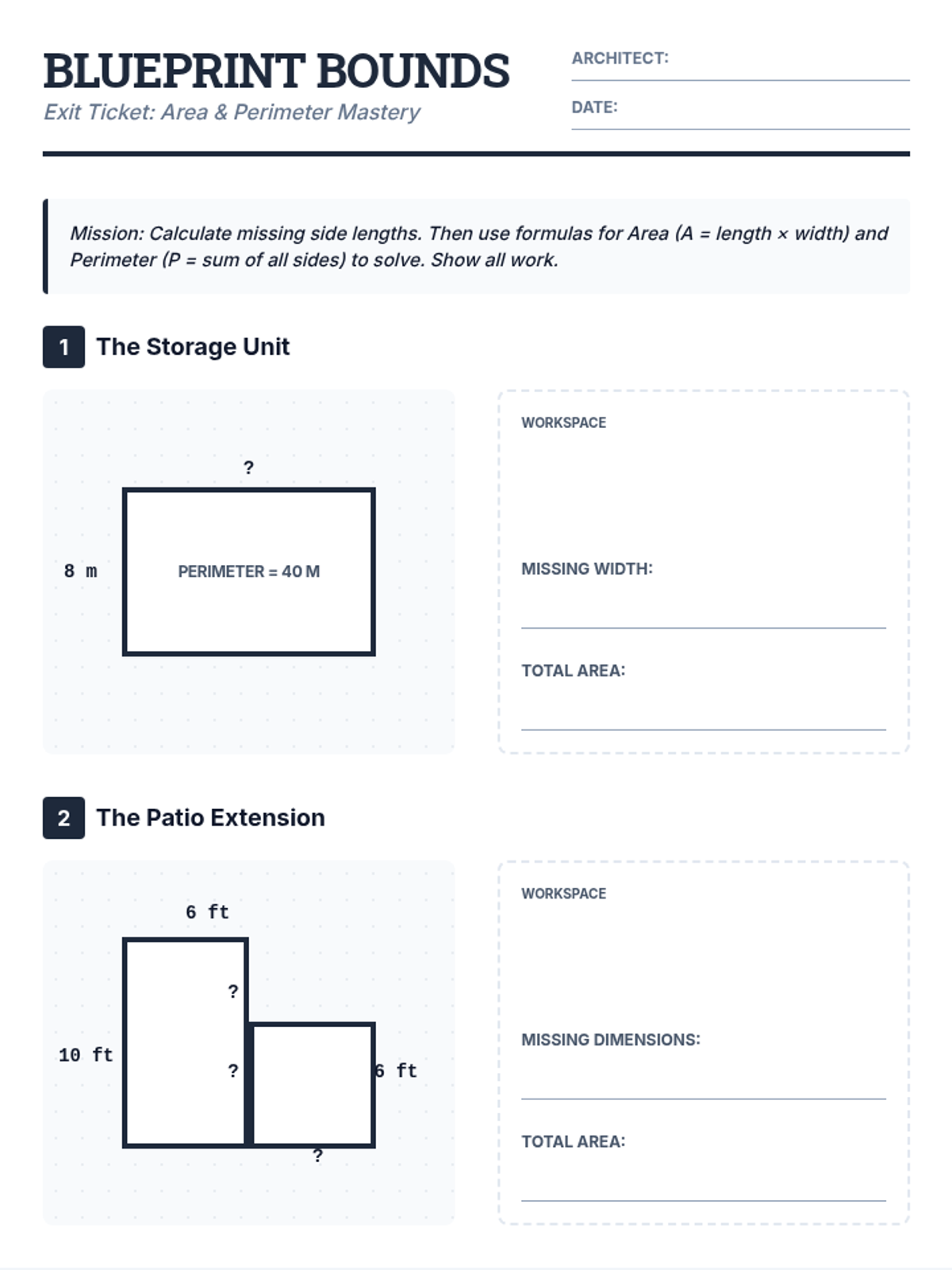
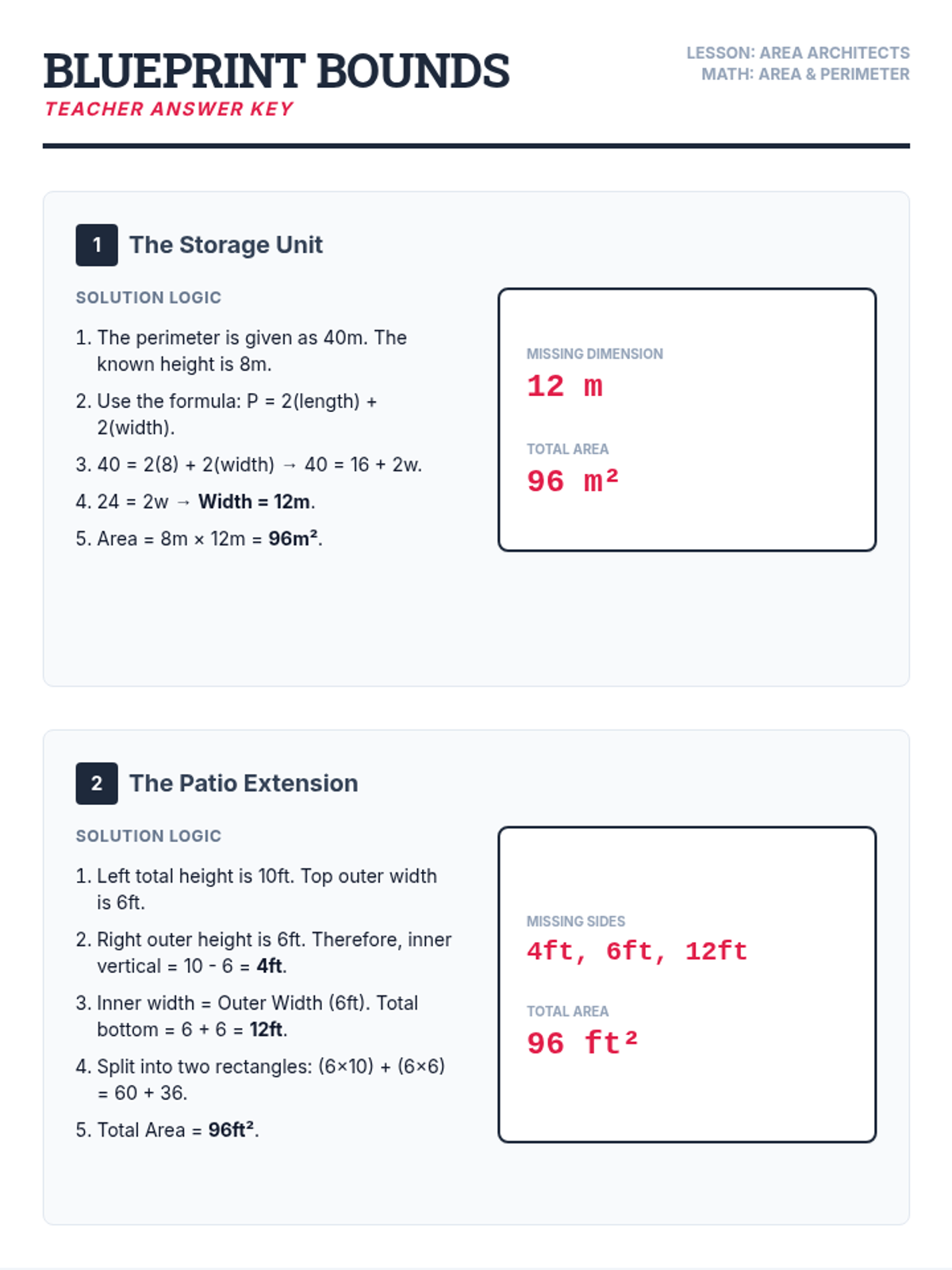
A focused lesson on calculating area and perimeter of complex rectilinear shapes by determining missing side lengths and applying geometric formulas.
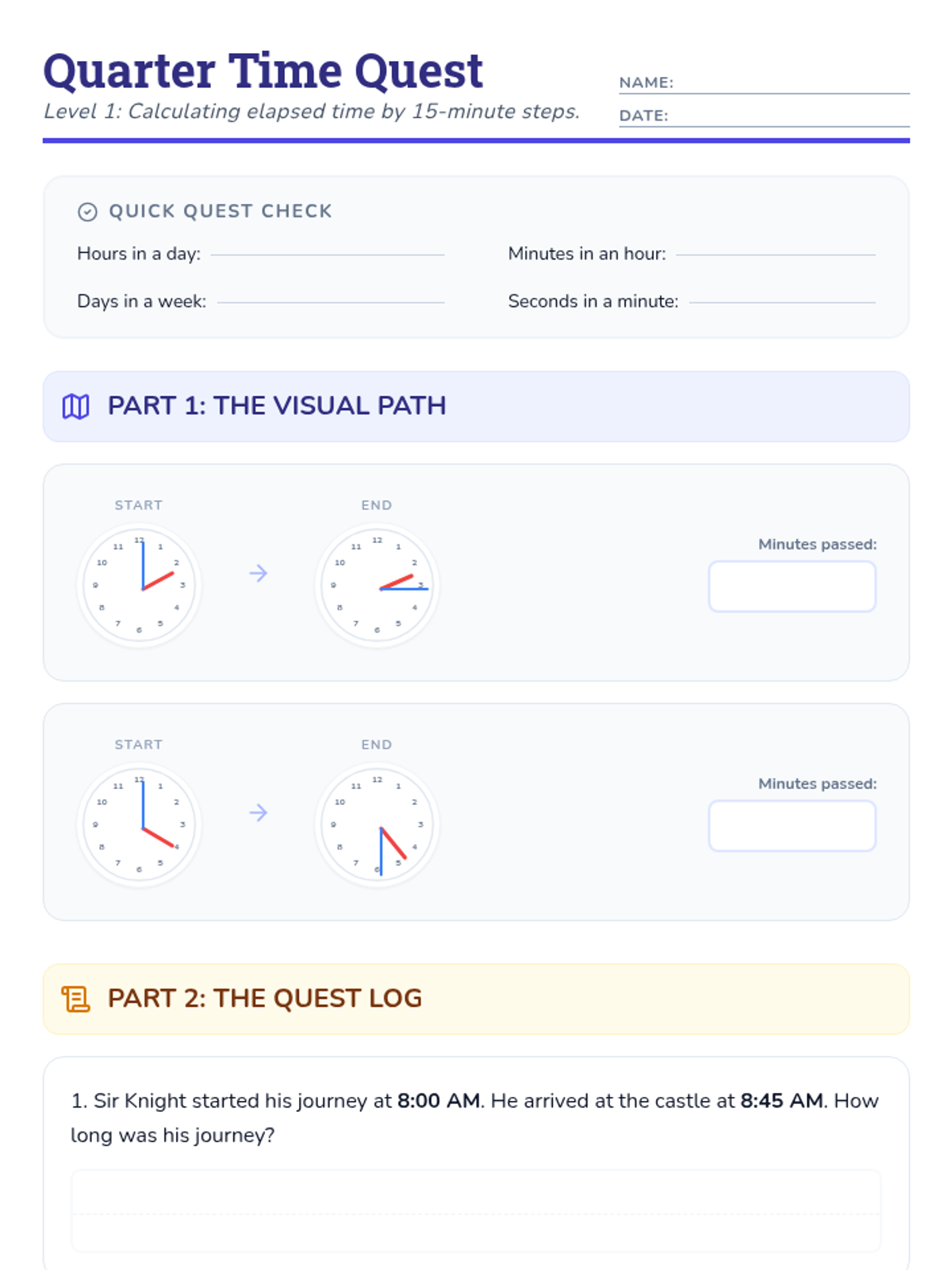
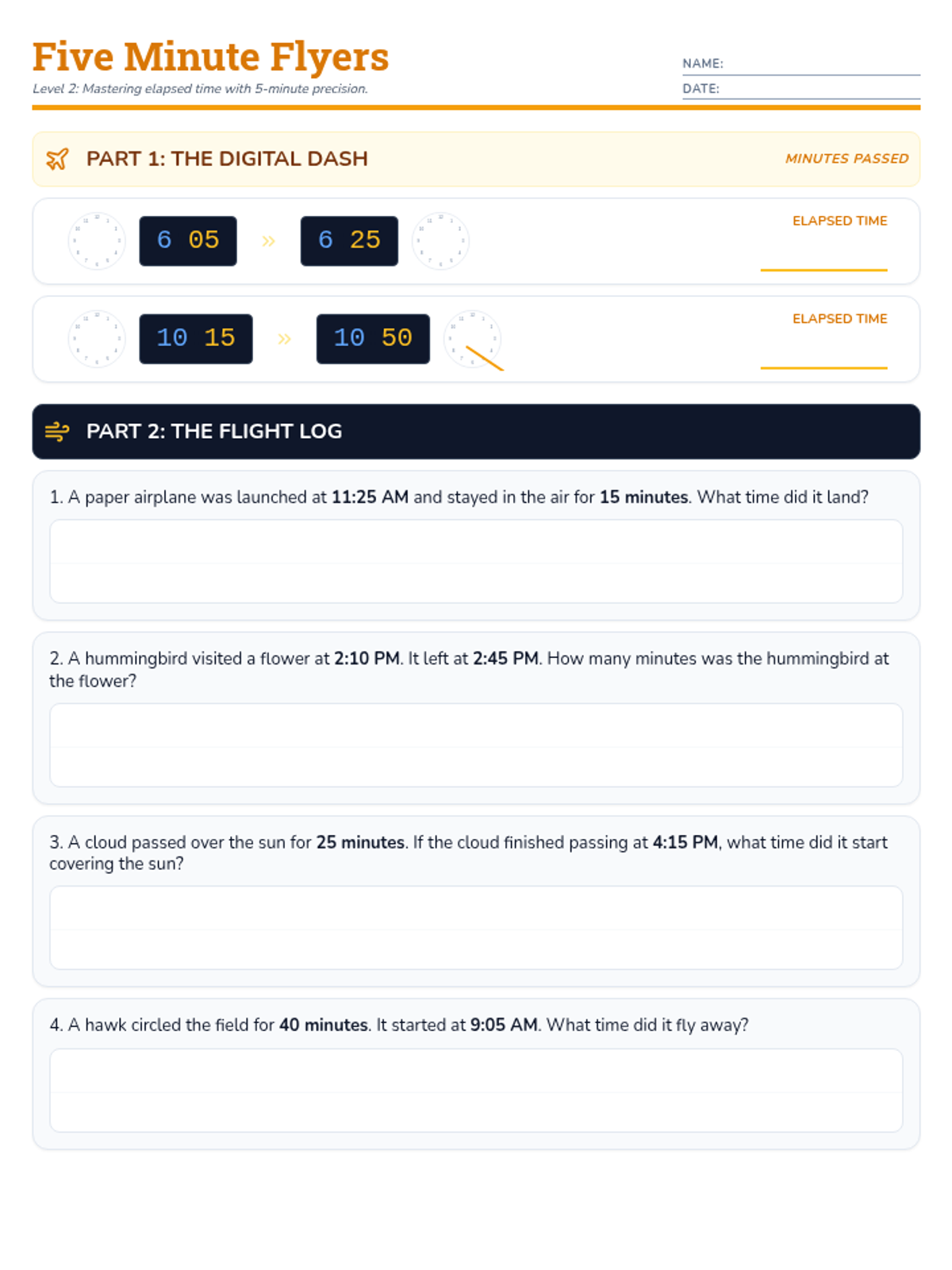
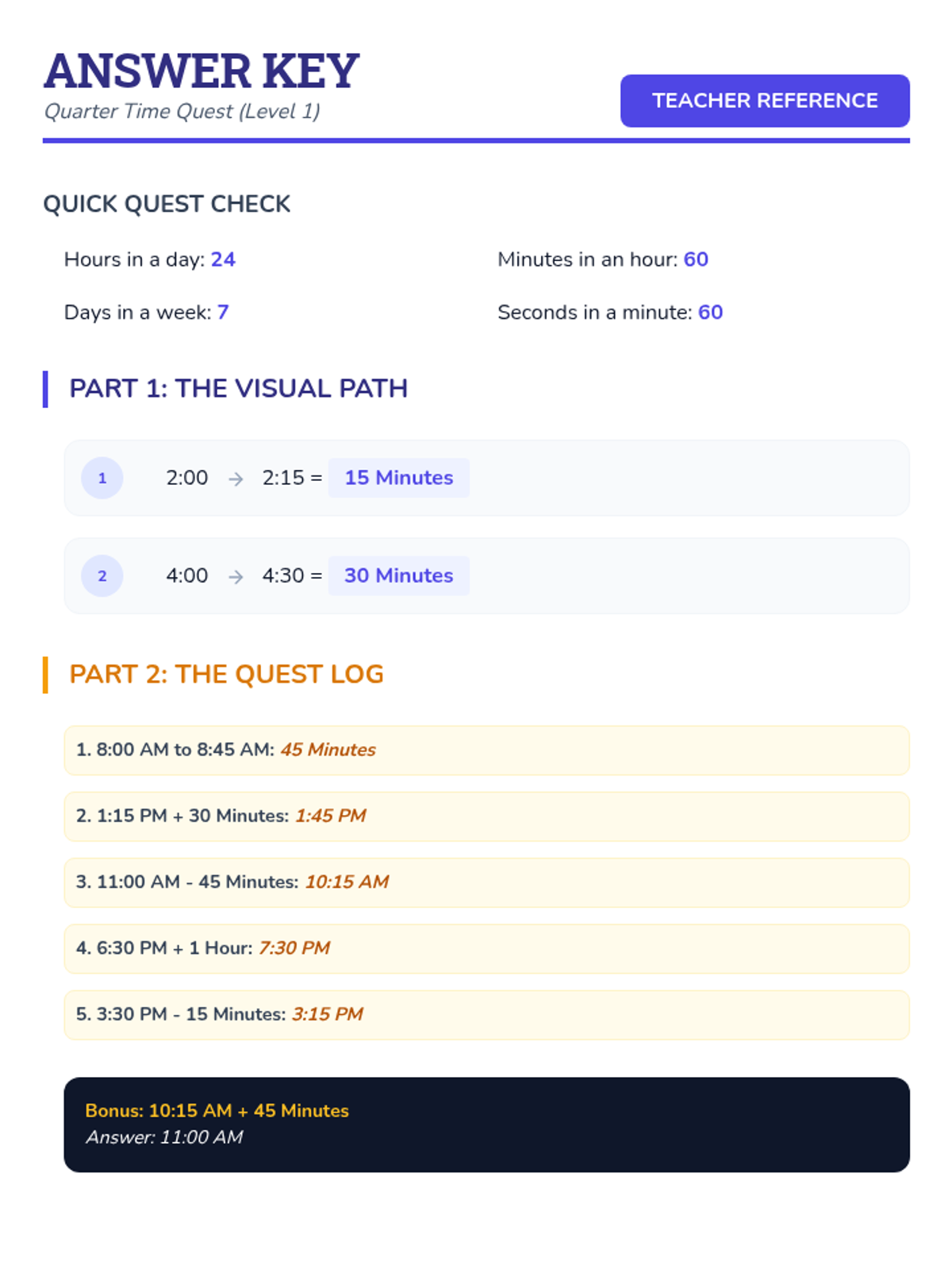
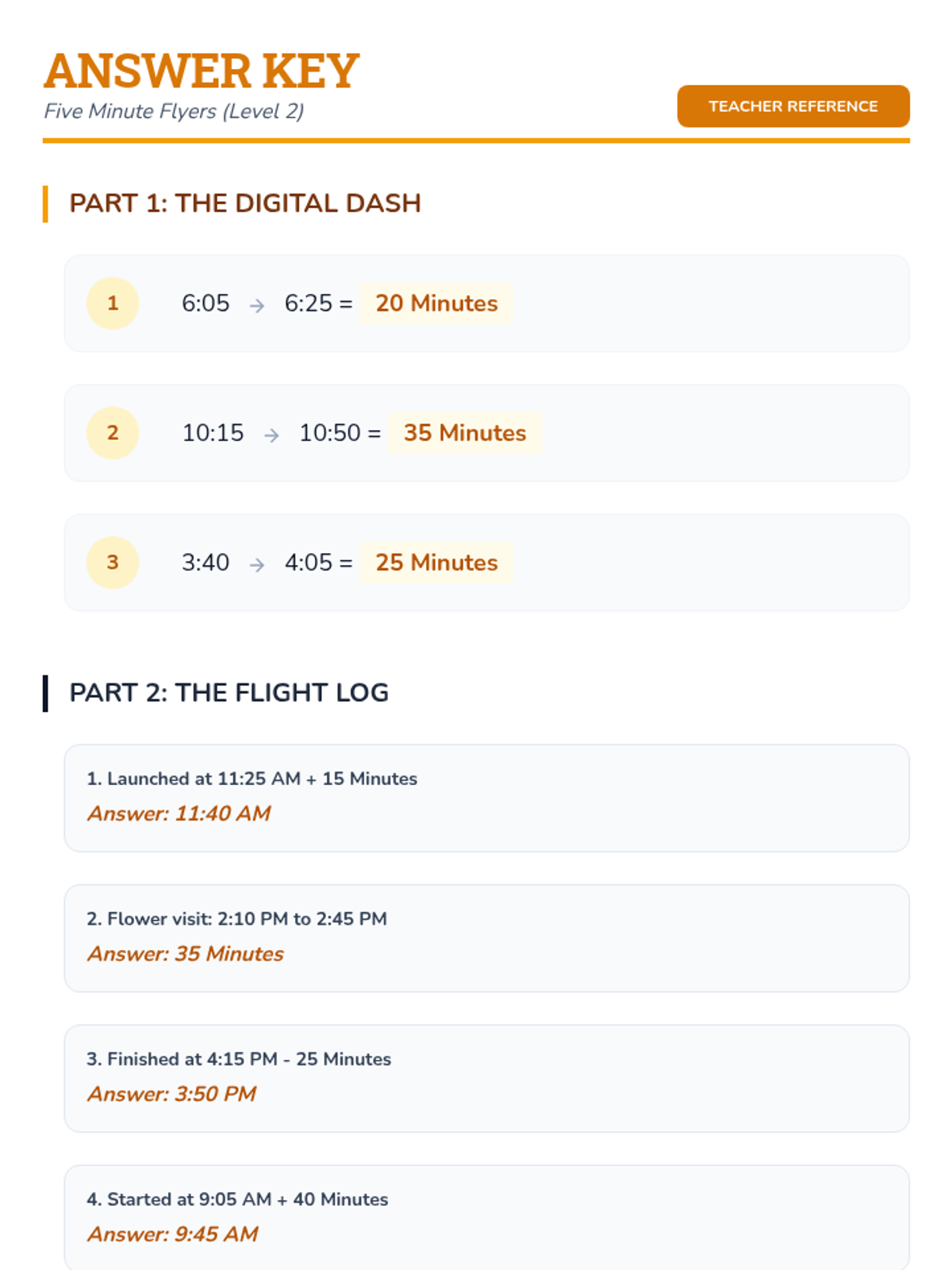
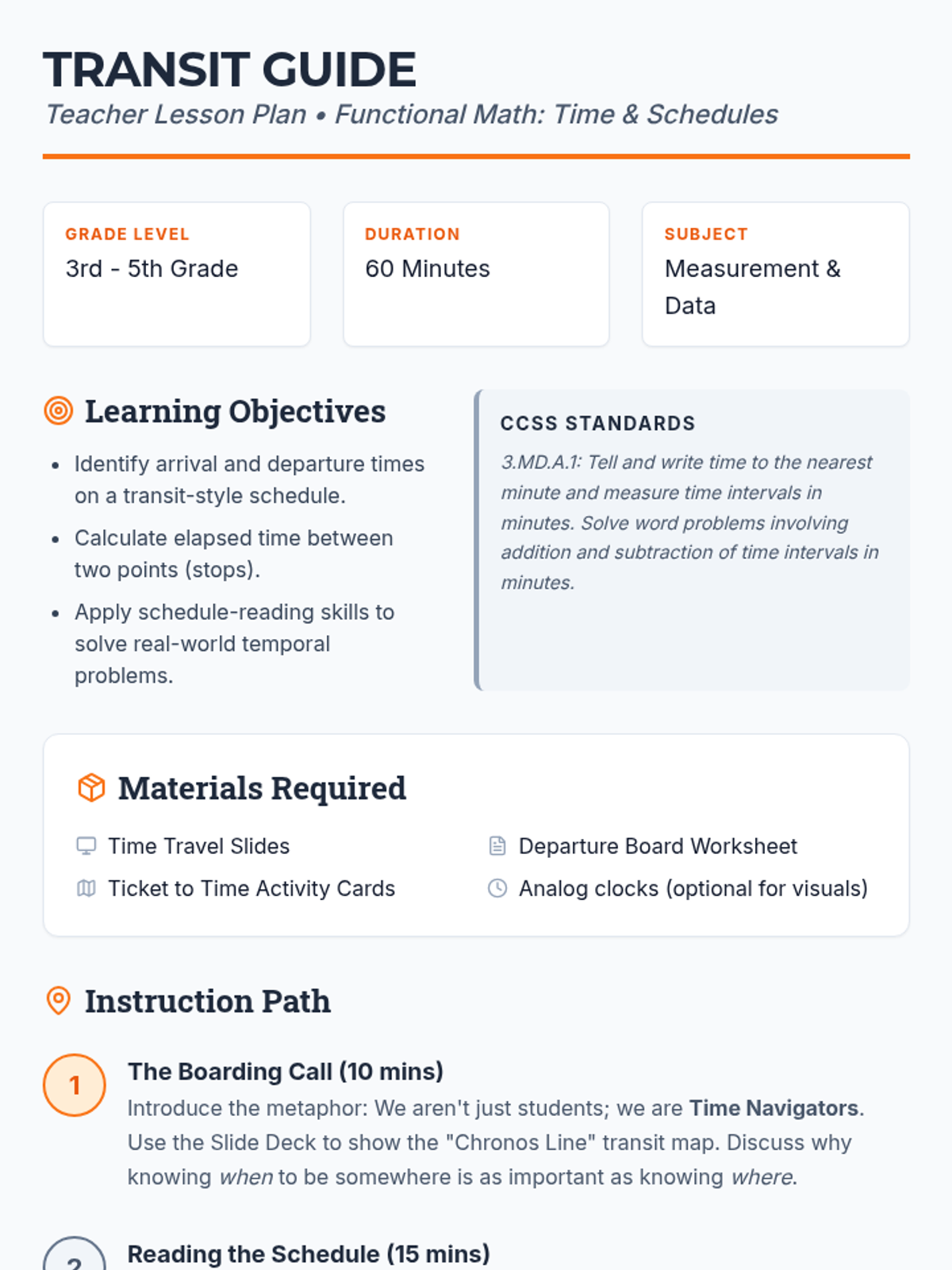
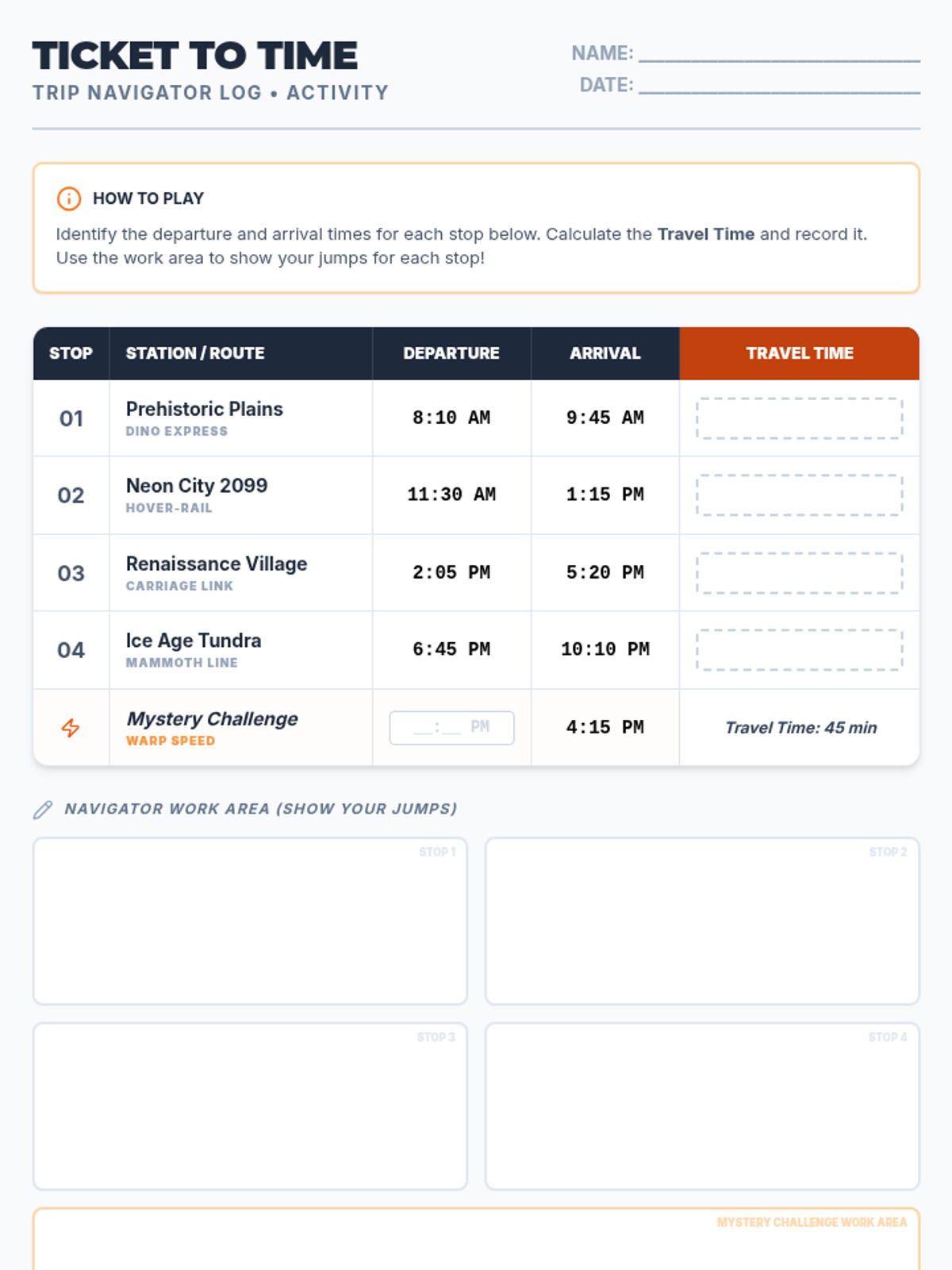
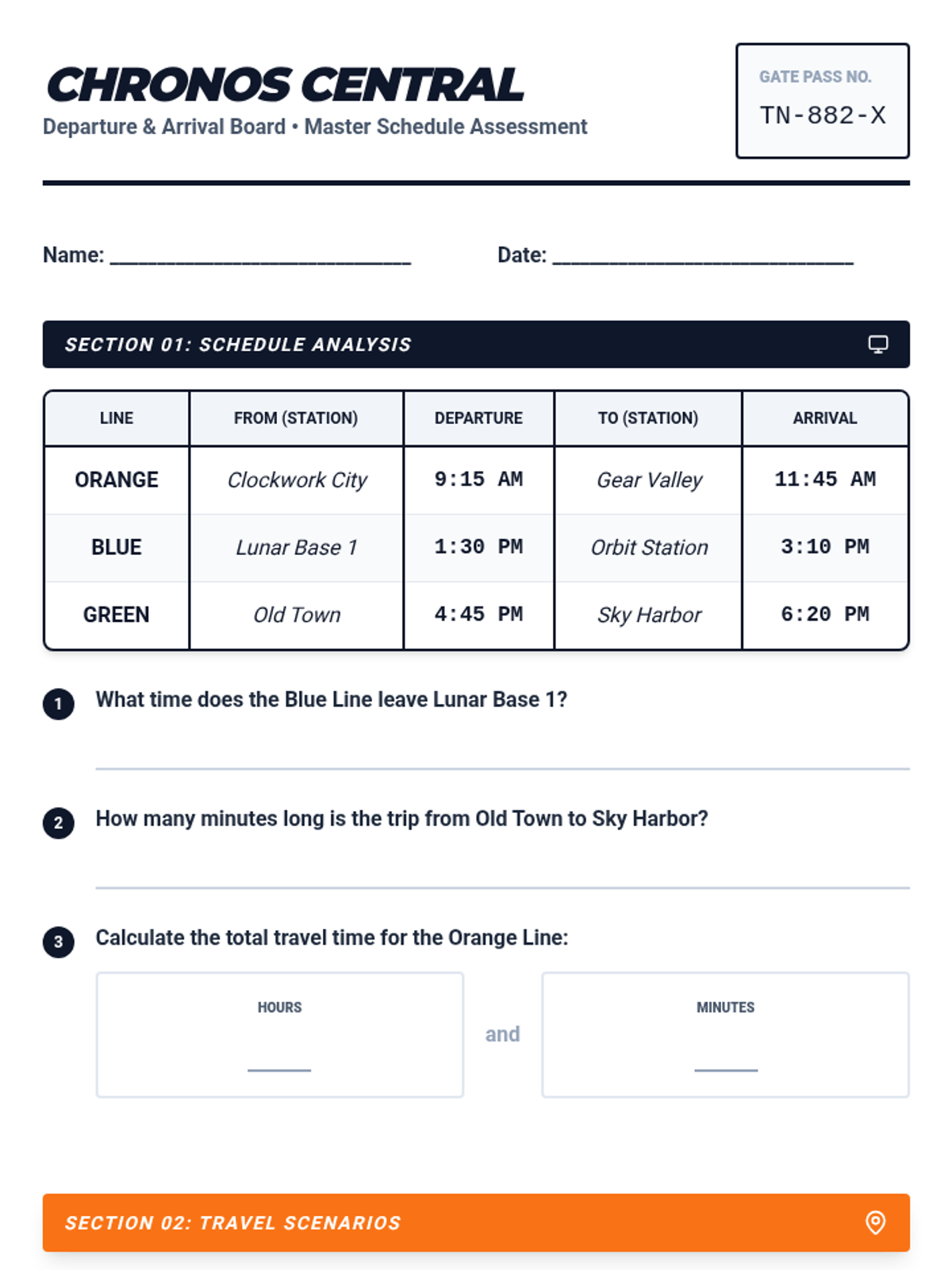
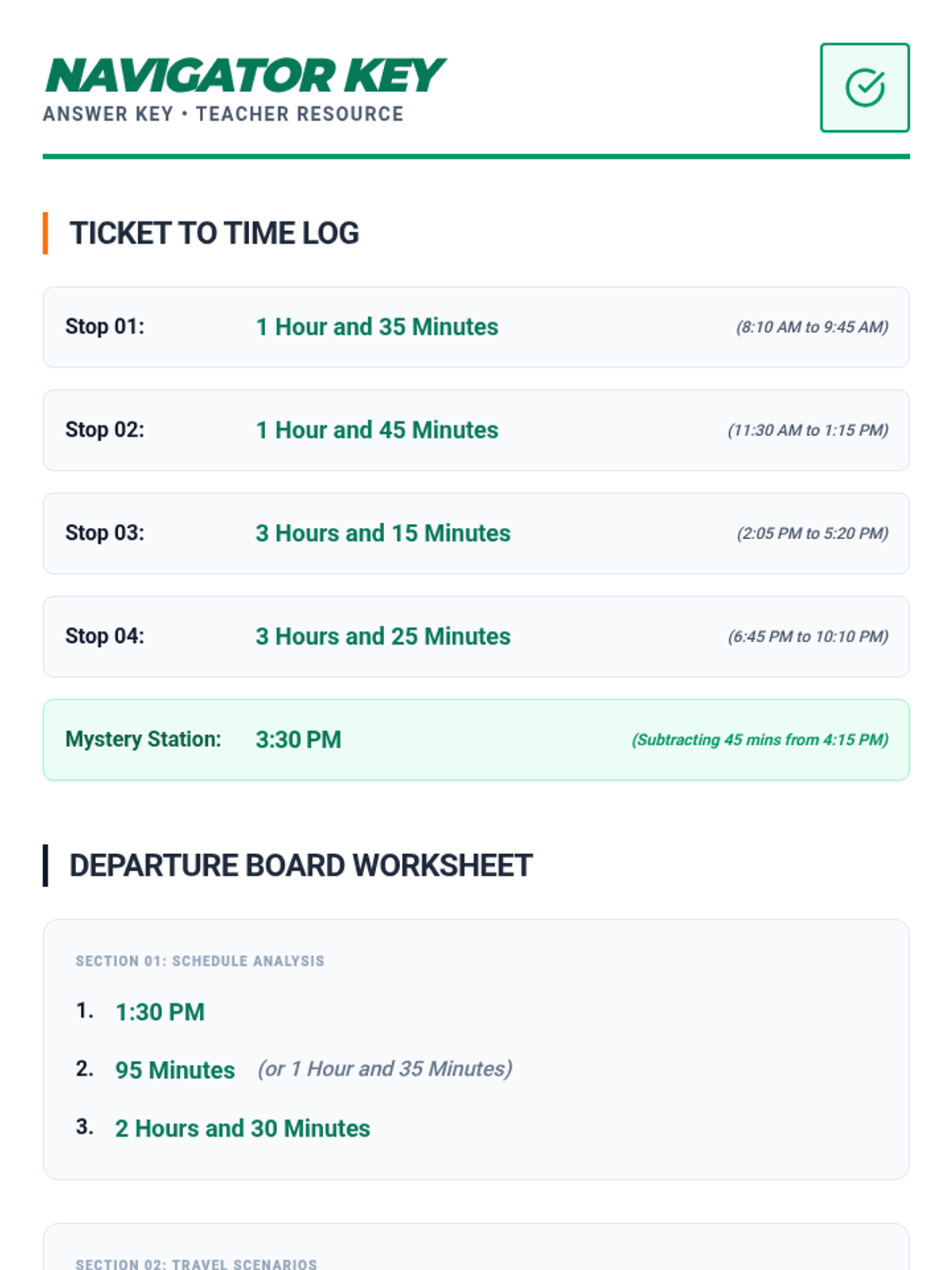
A functional math lesson using a transit map metaphor to teach students how to read schedules and calculate elapsed time, designed for grades 3-5.