Explores the dot product to find the angle between vectors and determine orthogonality, with connections to physical work and projections.
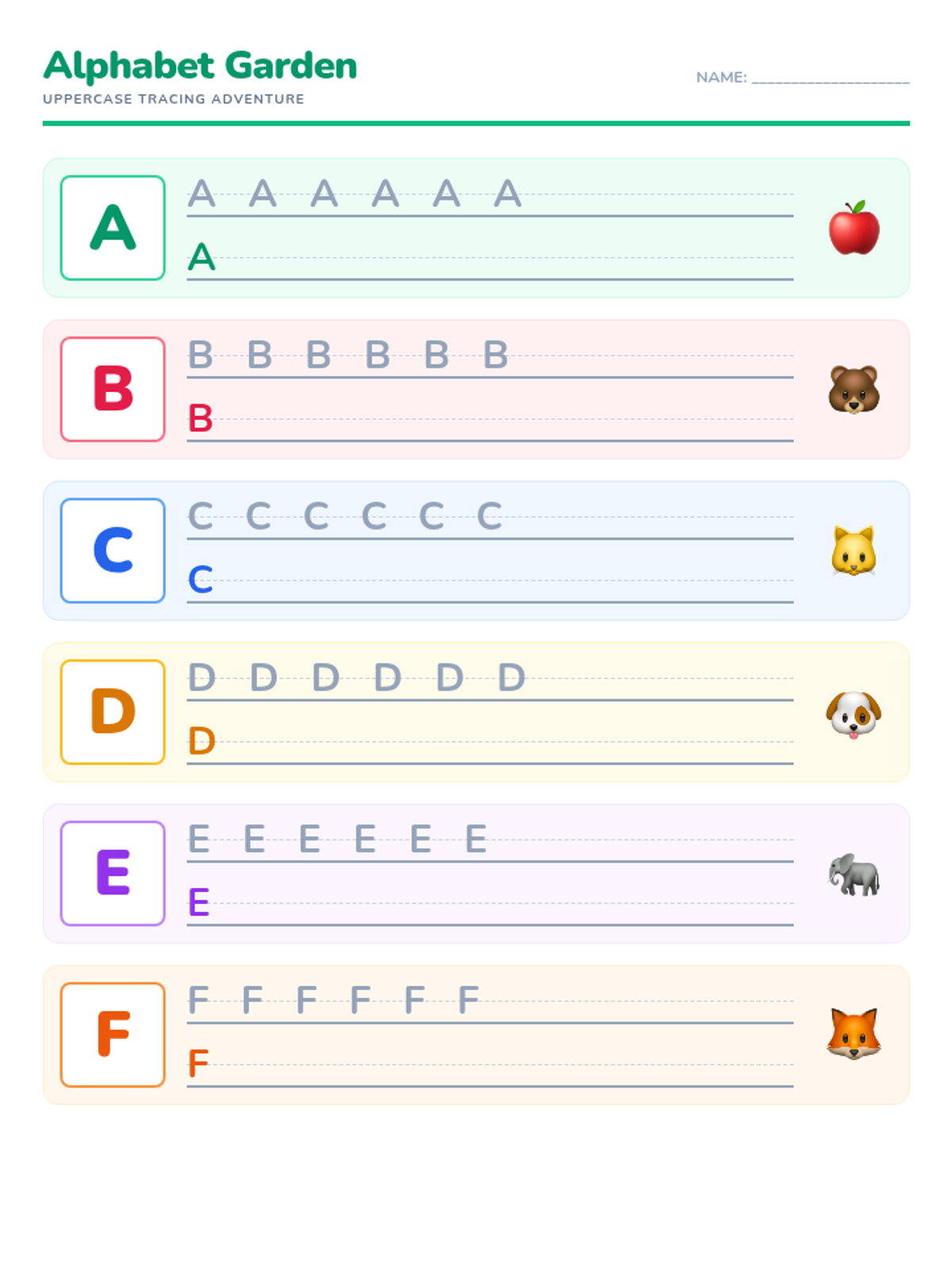
A foundational journey through the uppercase alphabet, focusing on stroke order, pen control, and letter recognition for early learners.
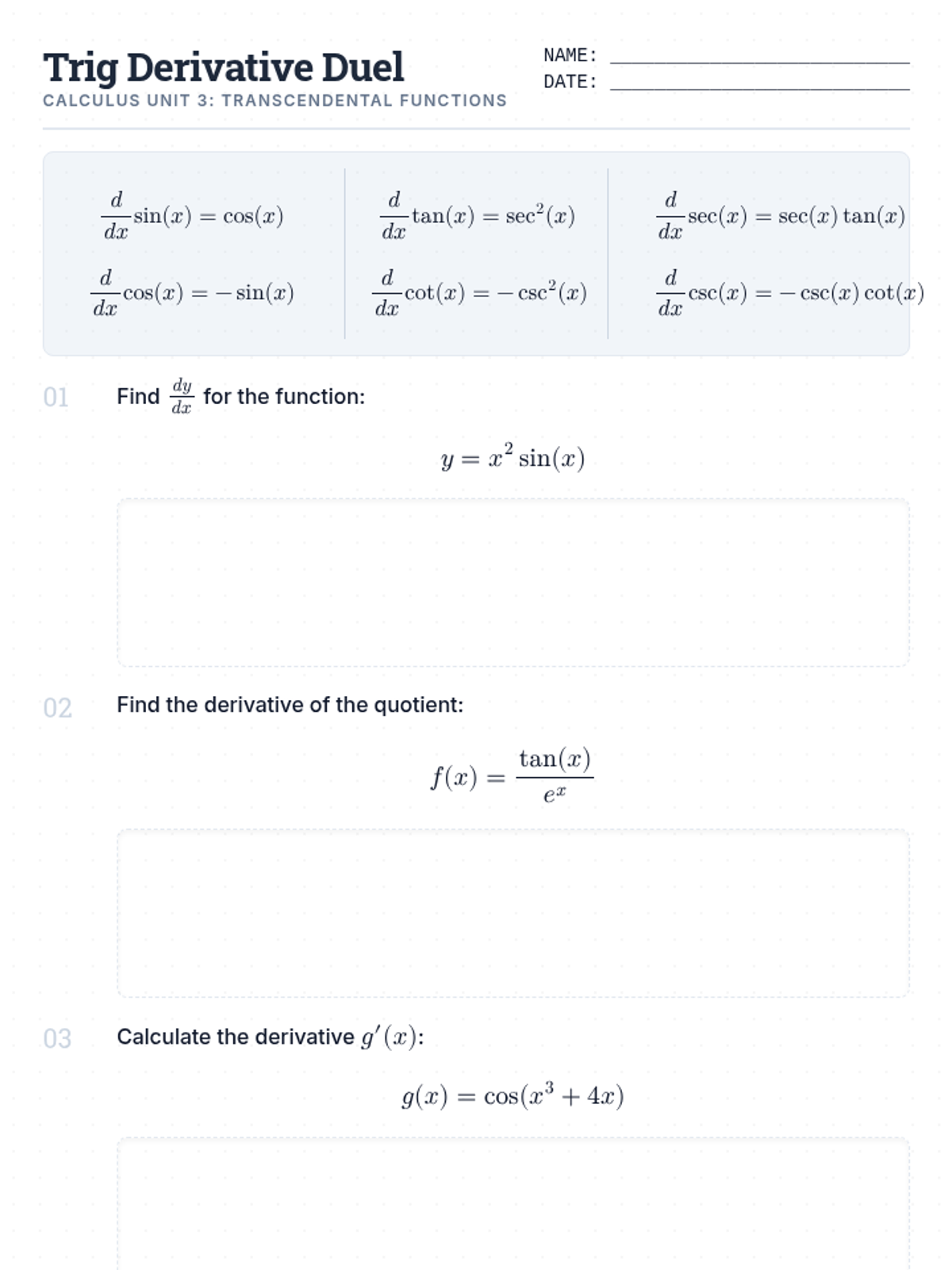
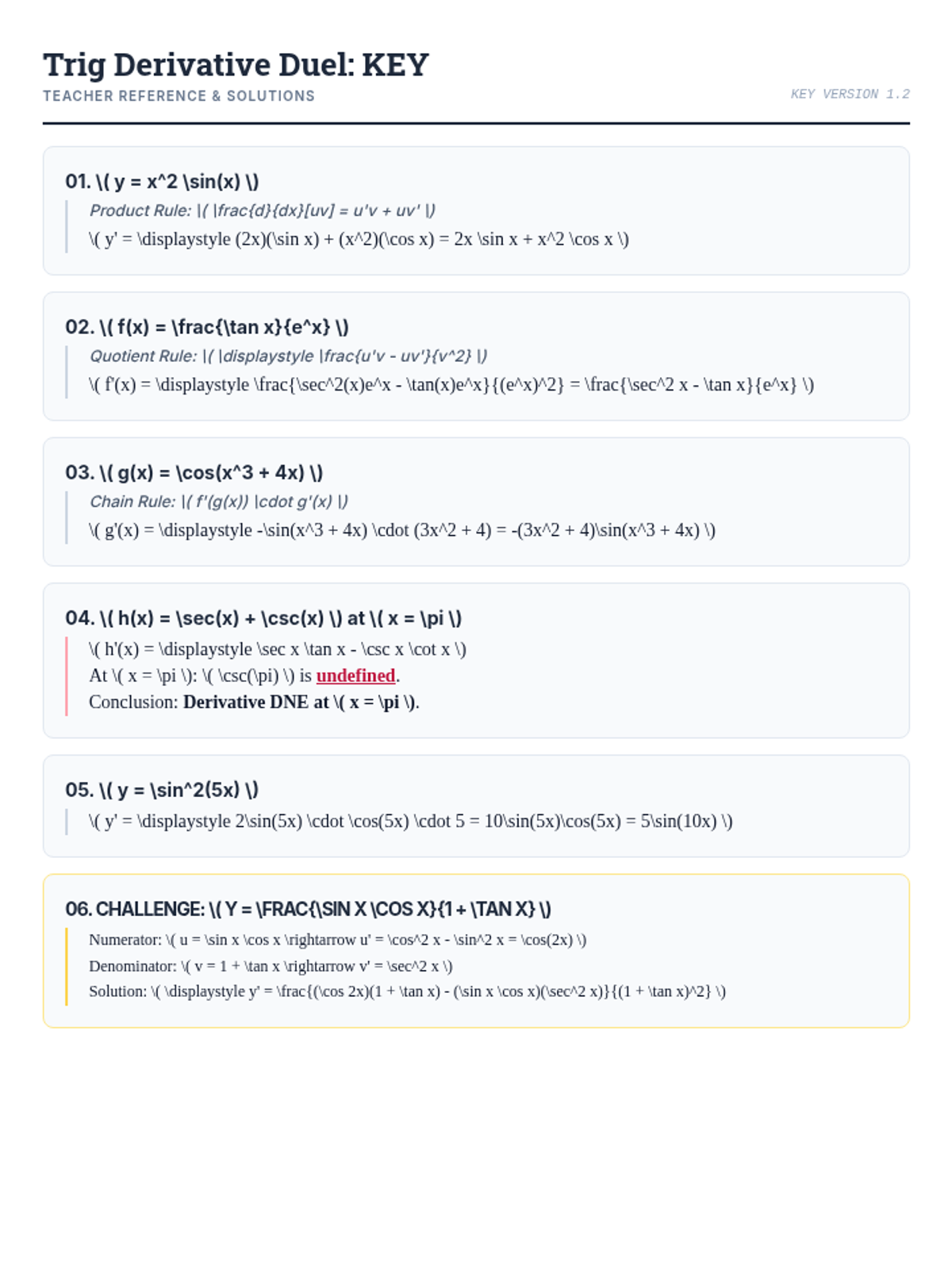
Master the derivatives of the six trigonometric functions through visual explanation and structured practice, including chain rule and product rule applications.
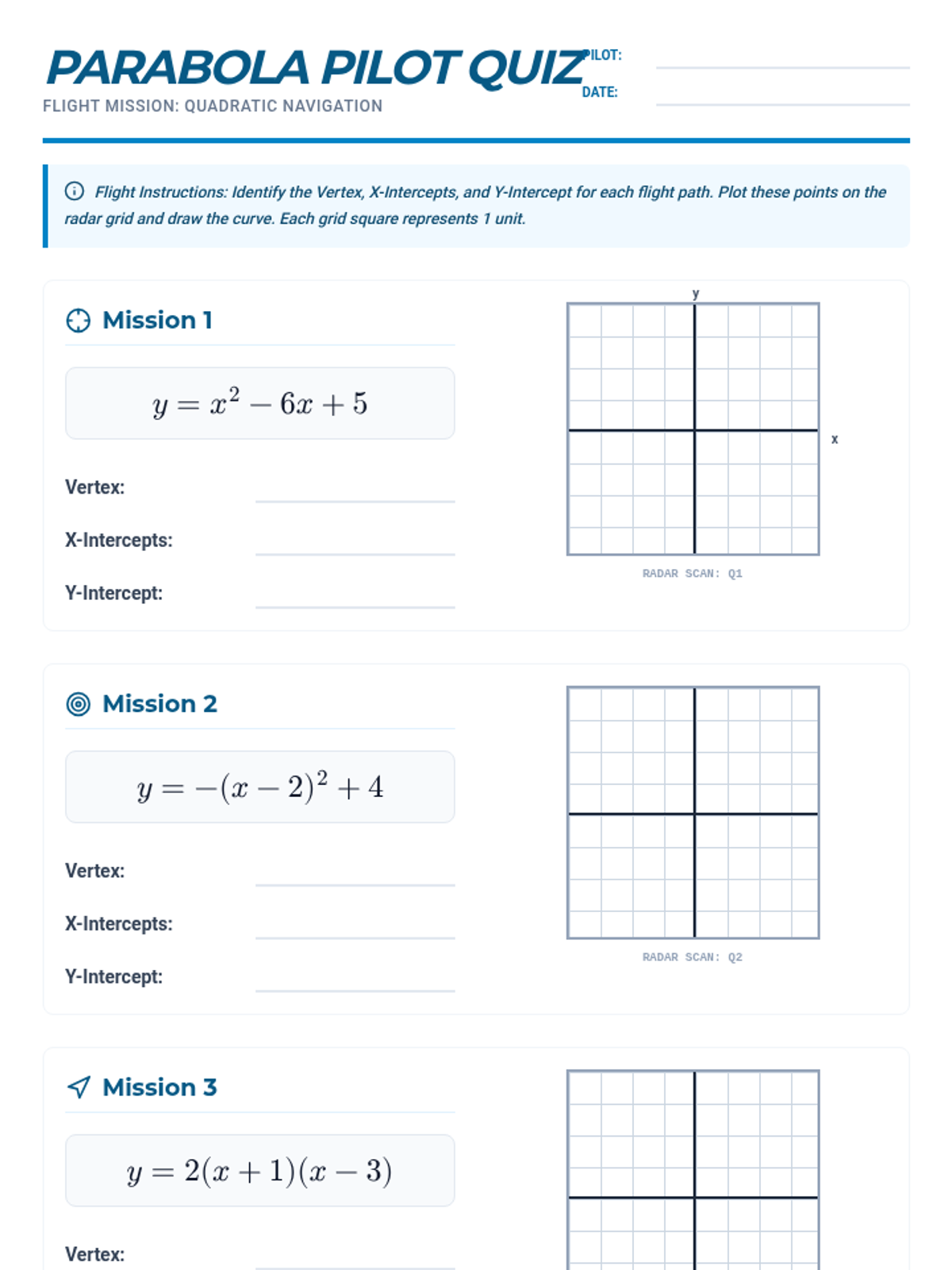
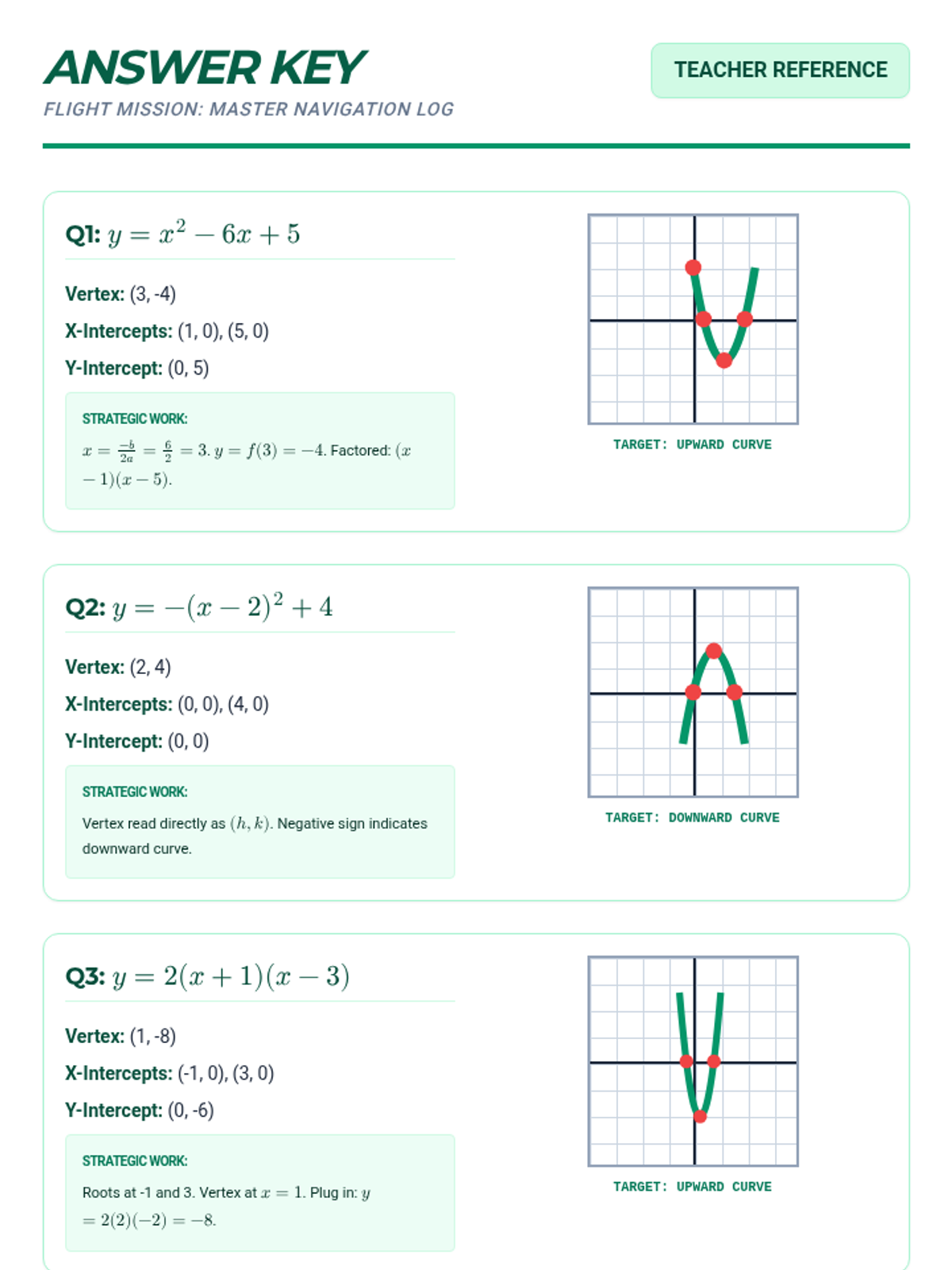
A lesson focused on identifying key features (vertex, intercepts) and graphing quadratic equations across standard, vertex, and factored forms.
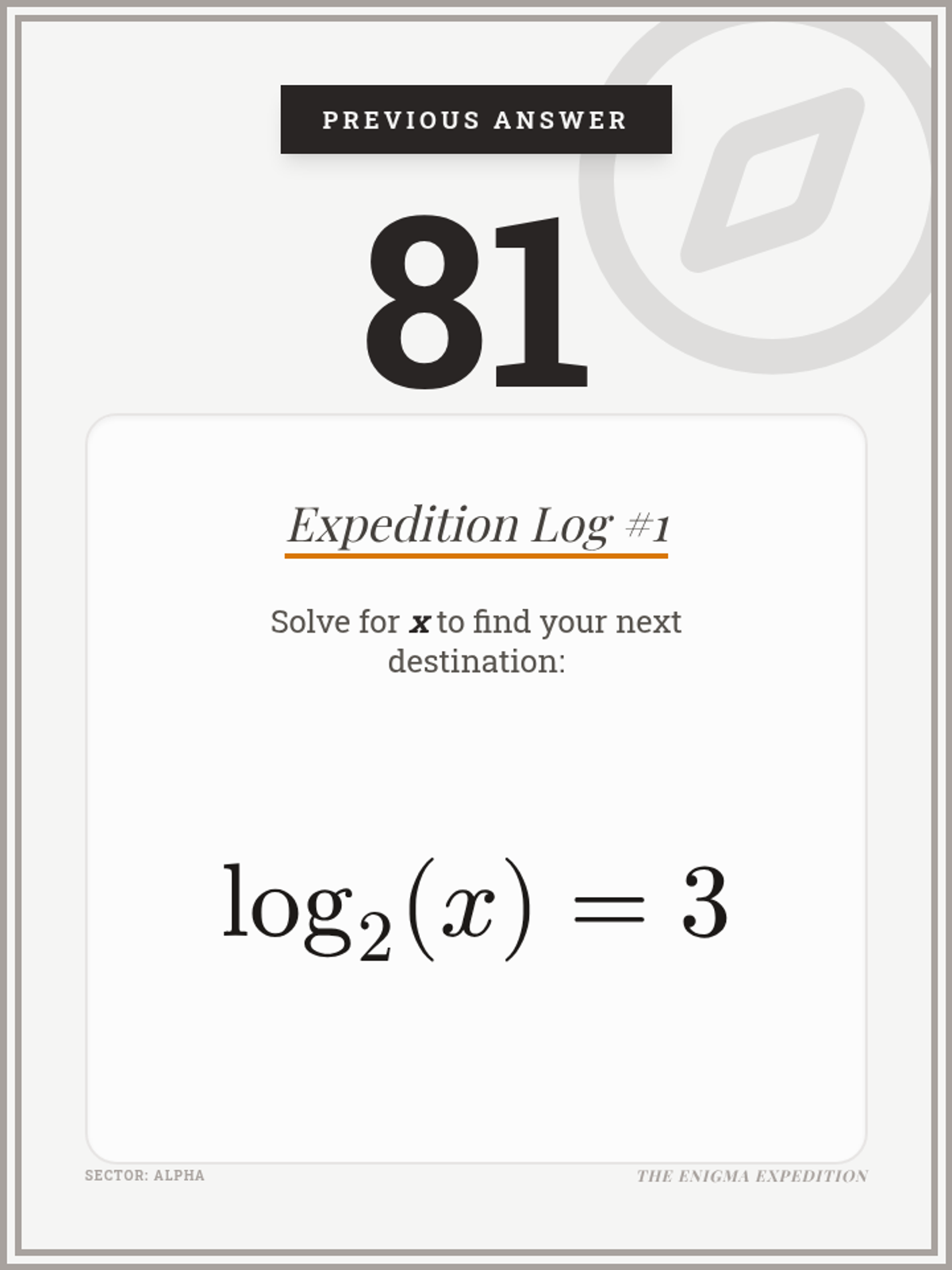
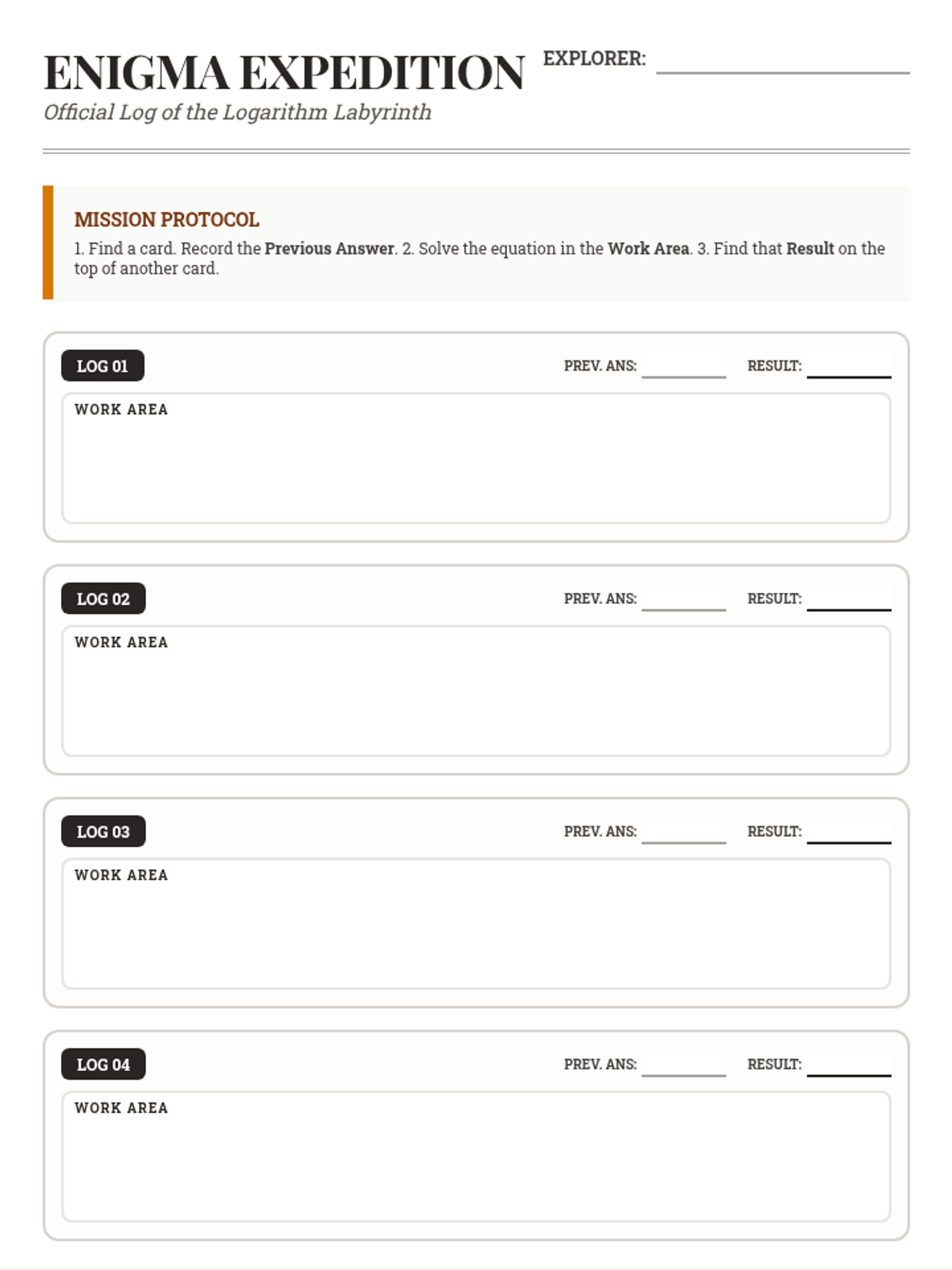
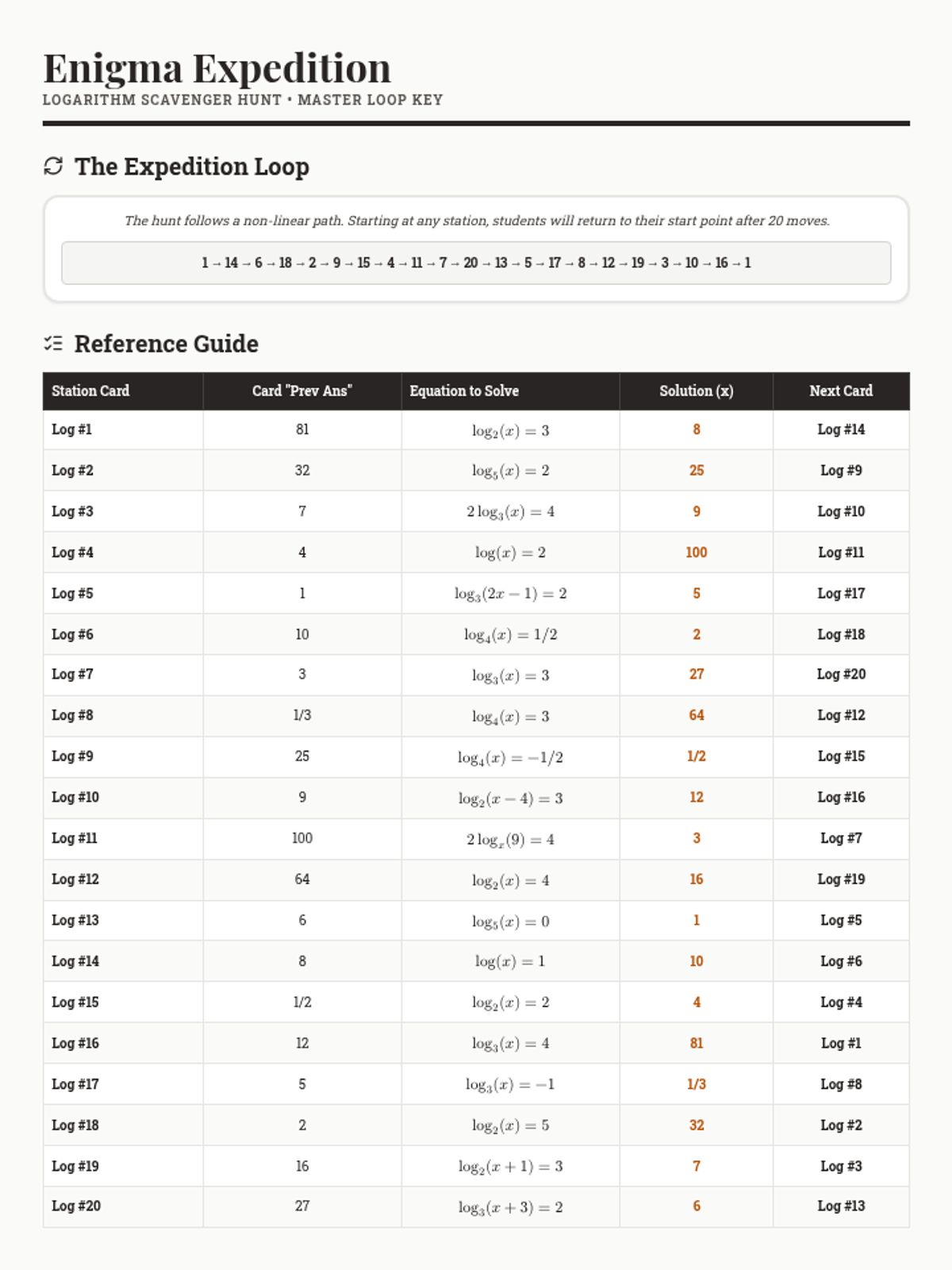
A self-checking scavenger hunt activity where students solve basic logarithmic equations involving conversions, isolations, and simple expressions. The activity is themed as an 'Enigma Expedition' through ancient ruins.
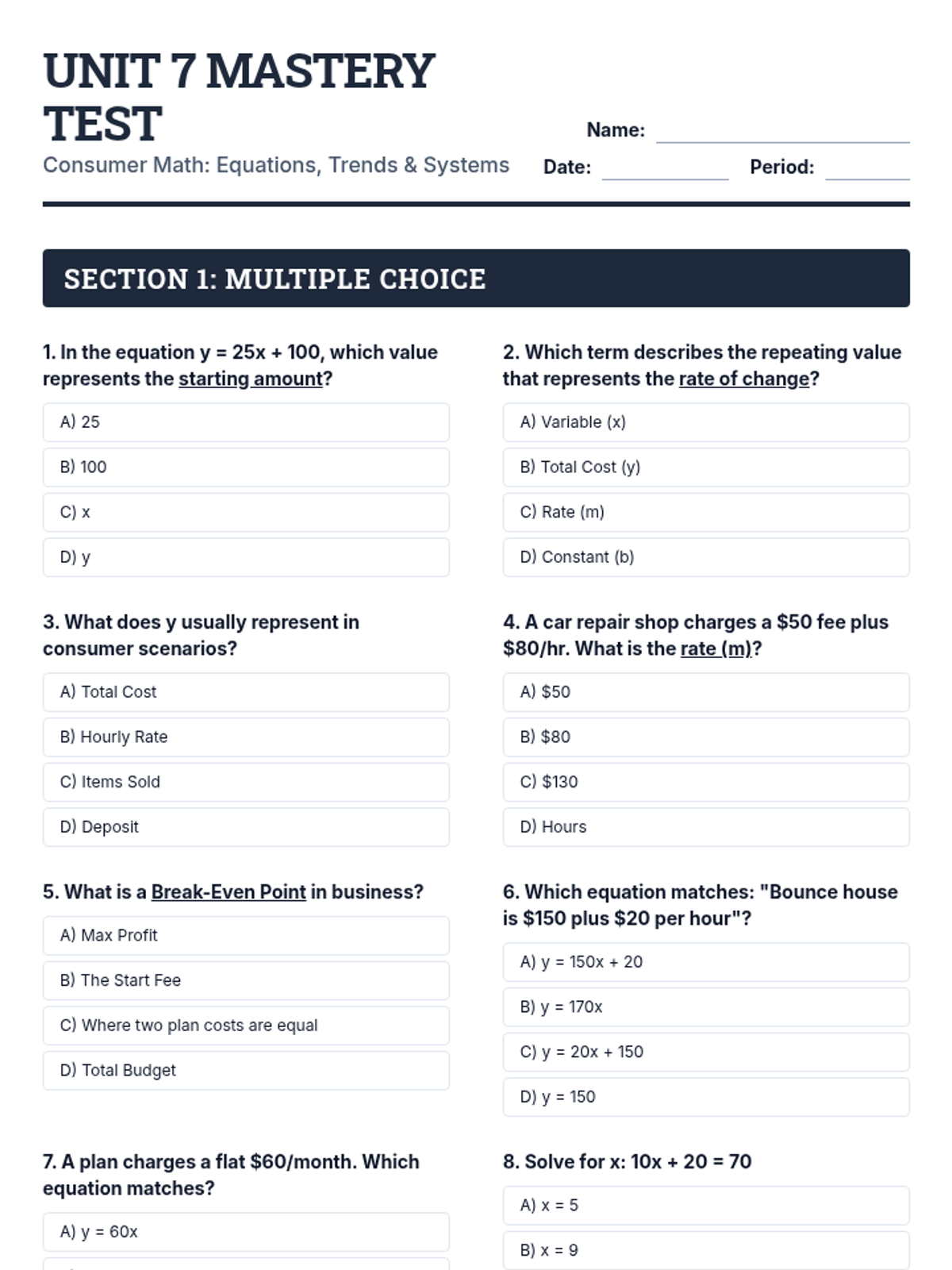
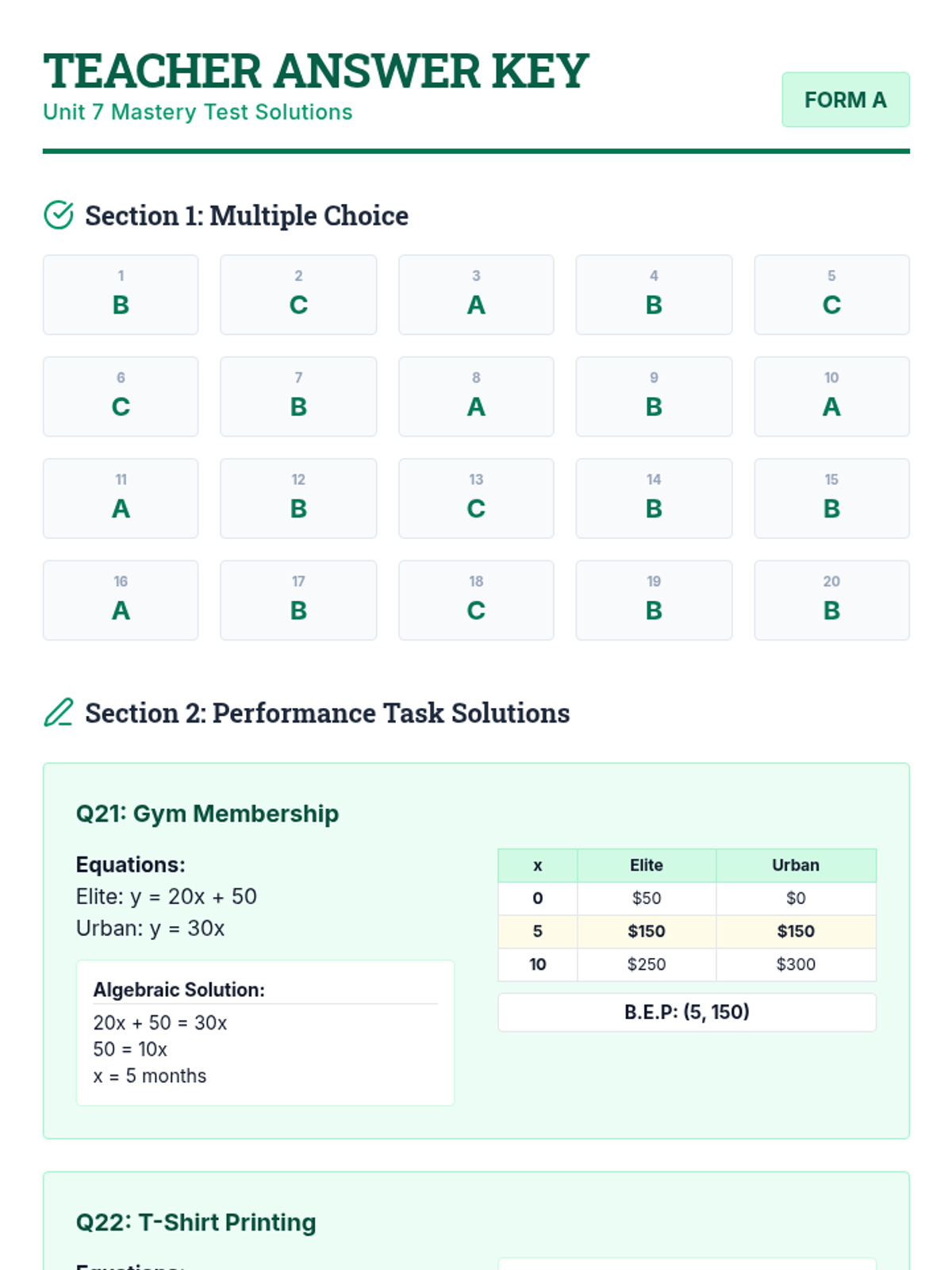
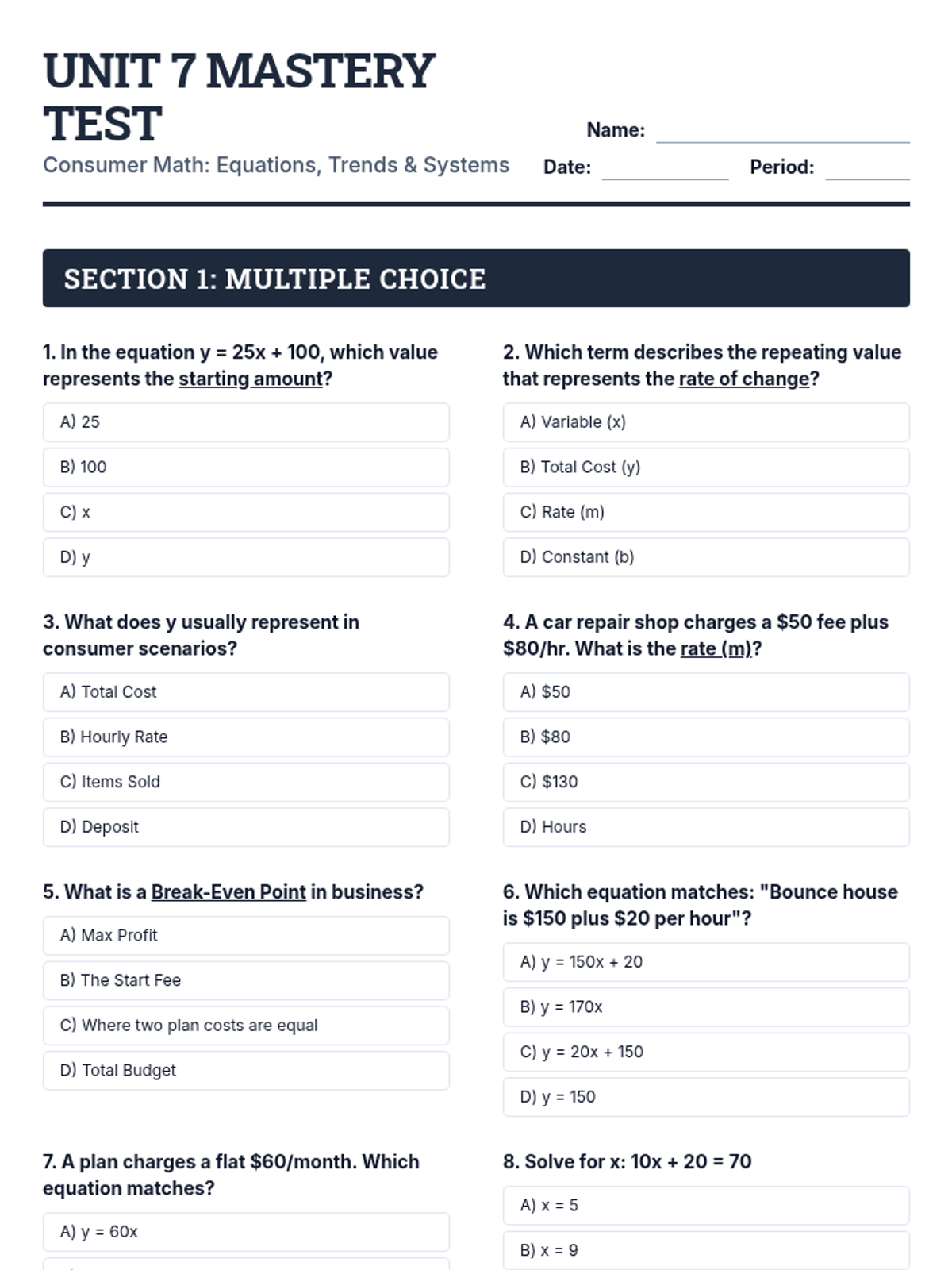
The final summative assessment for the Unit 7 Consumer Math curriculum, covering linear equation translation, table completion, graphing systems, and identifying break-even points.
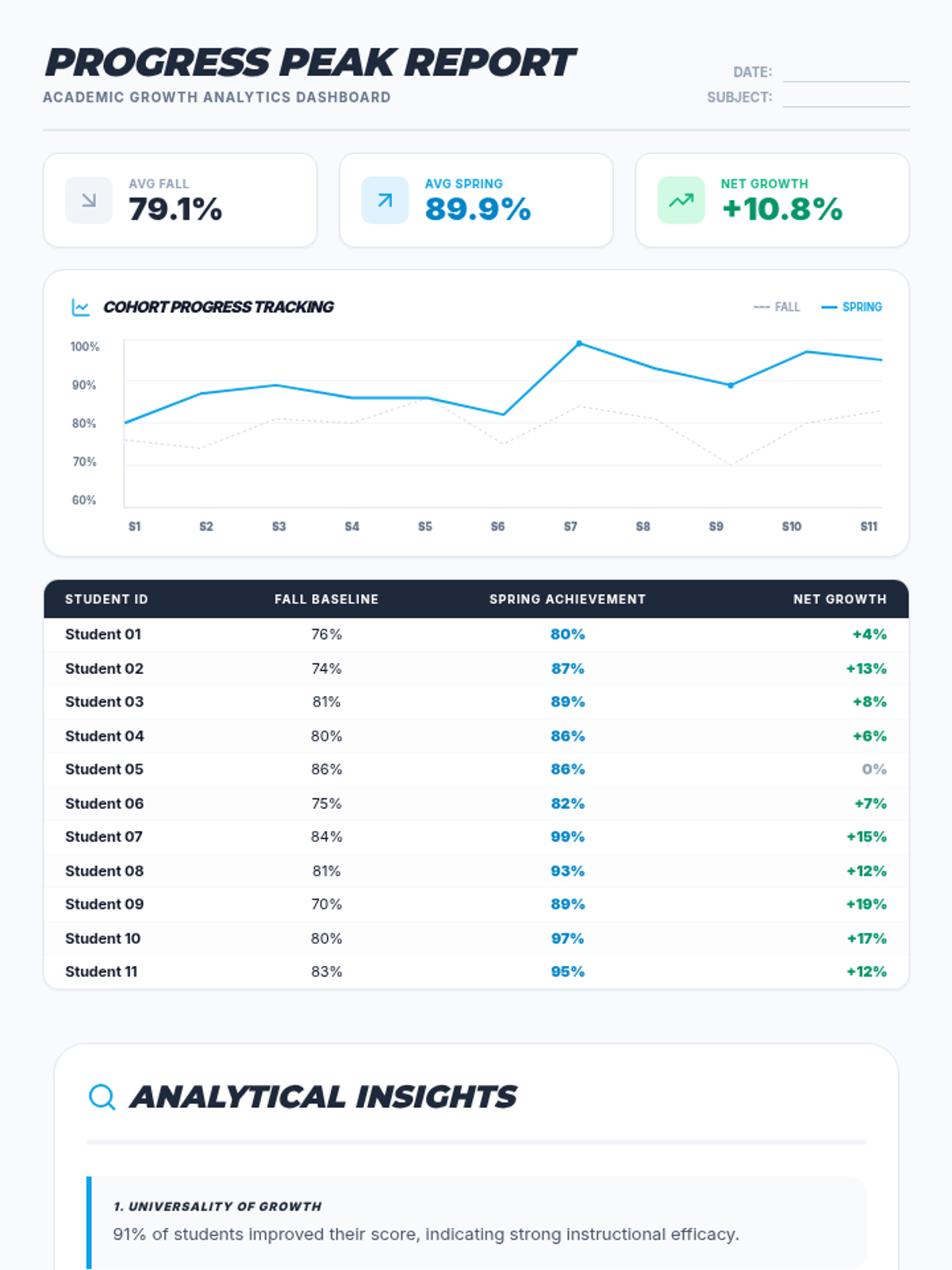
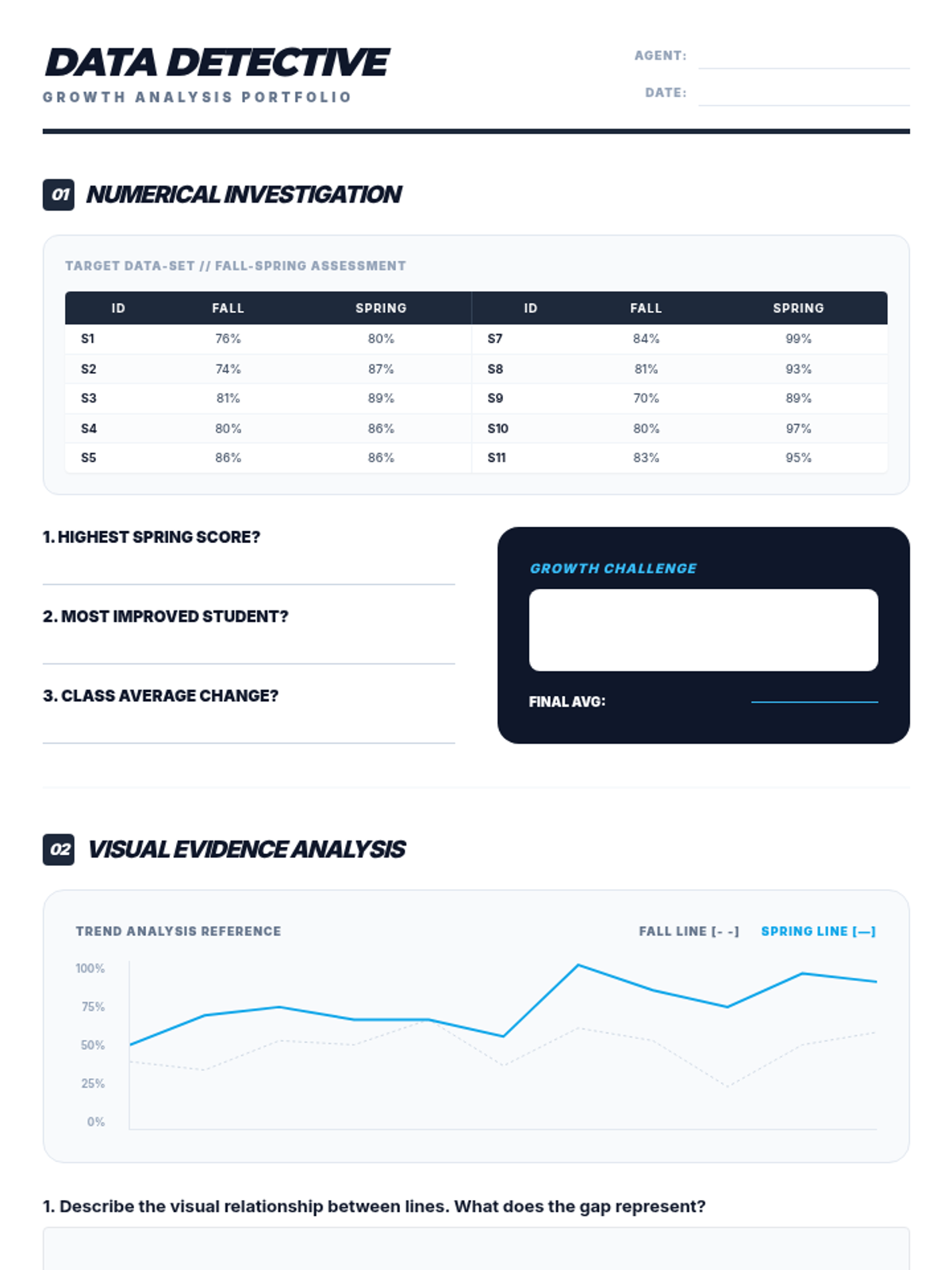
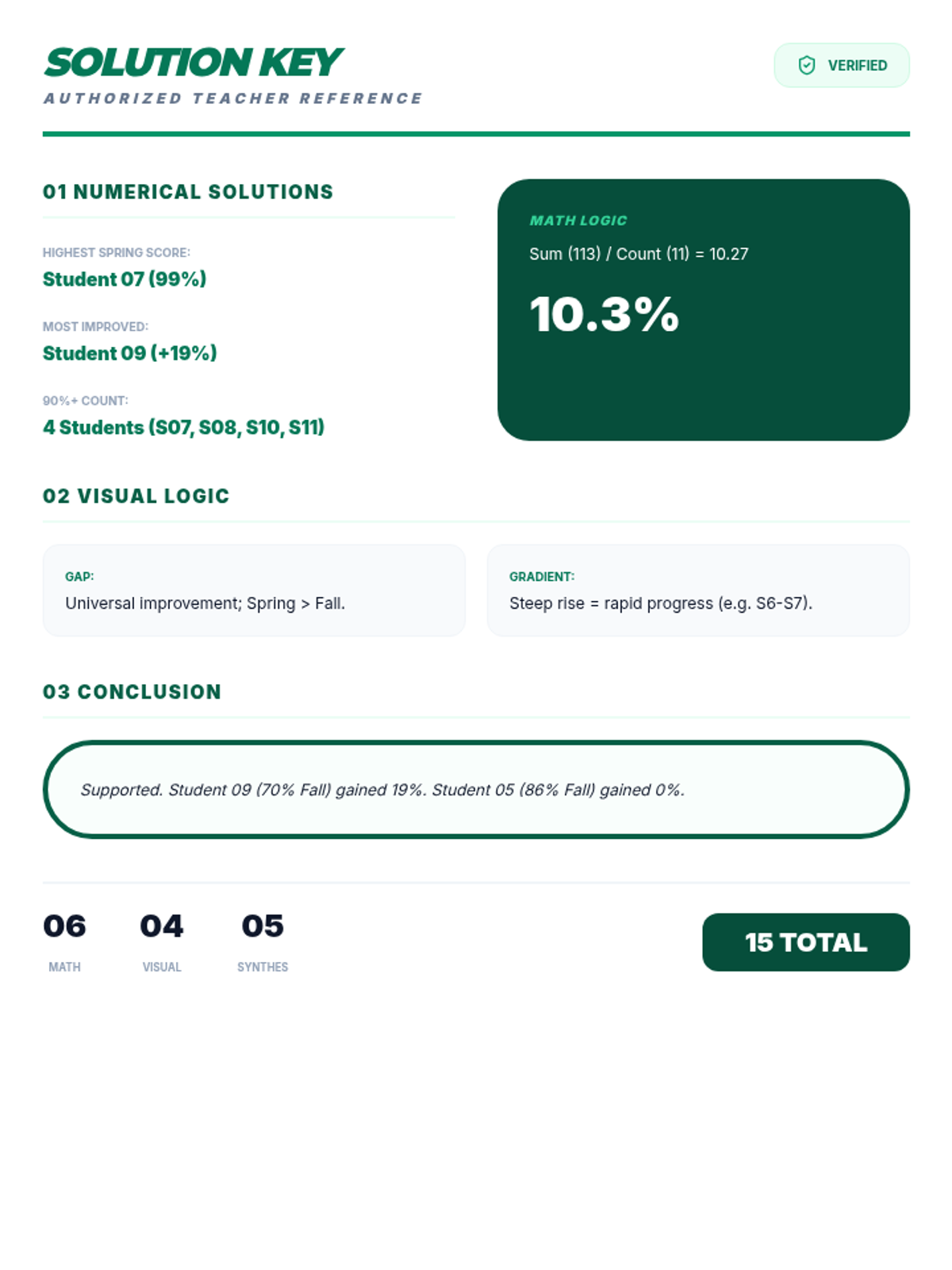
A lesson focused on visualizing academic progress data through line graphs and identifying key trends in student performance.
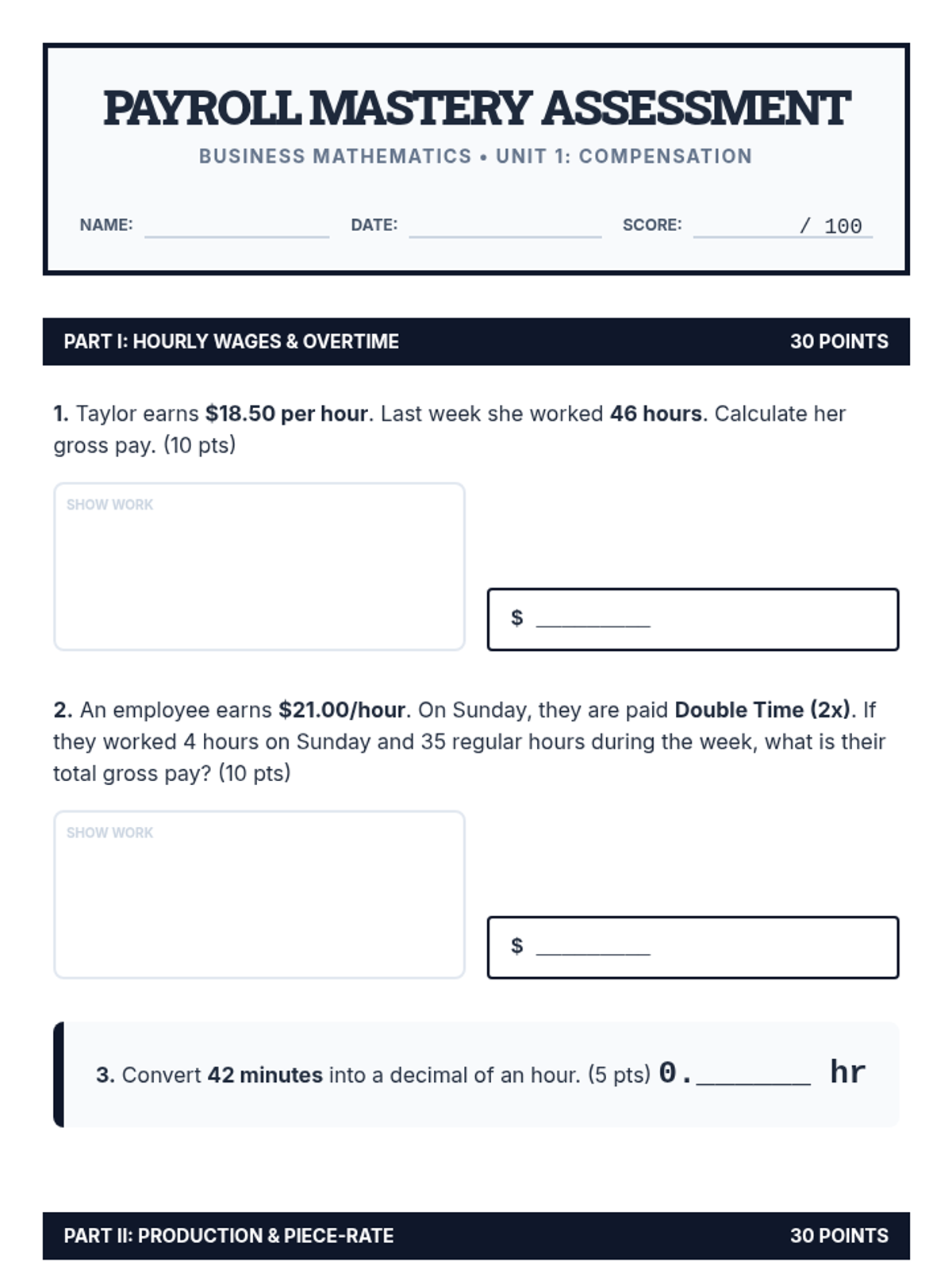
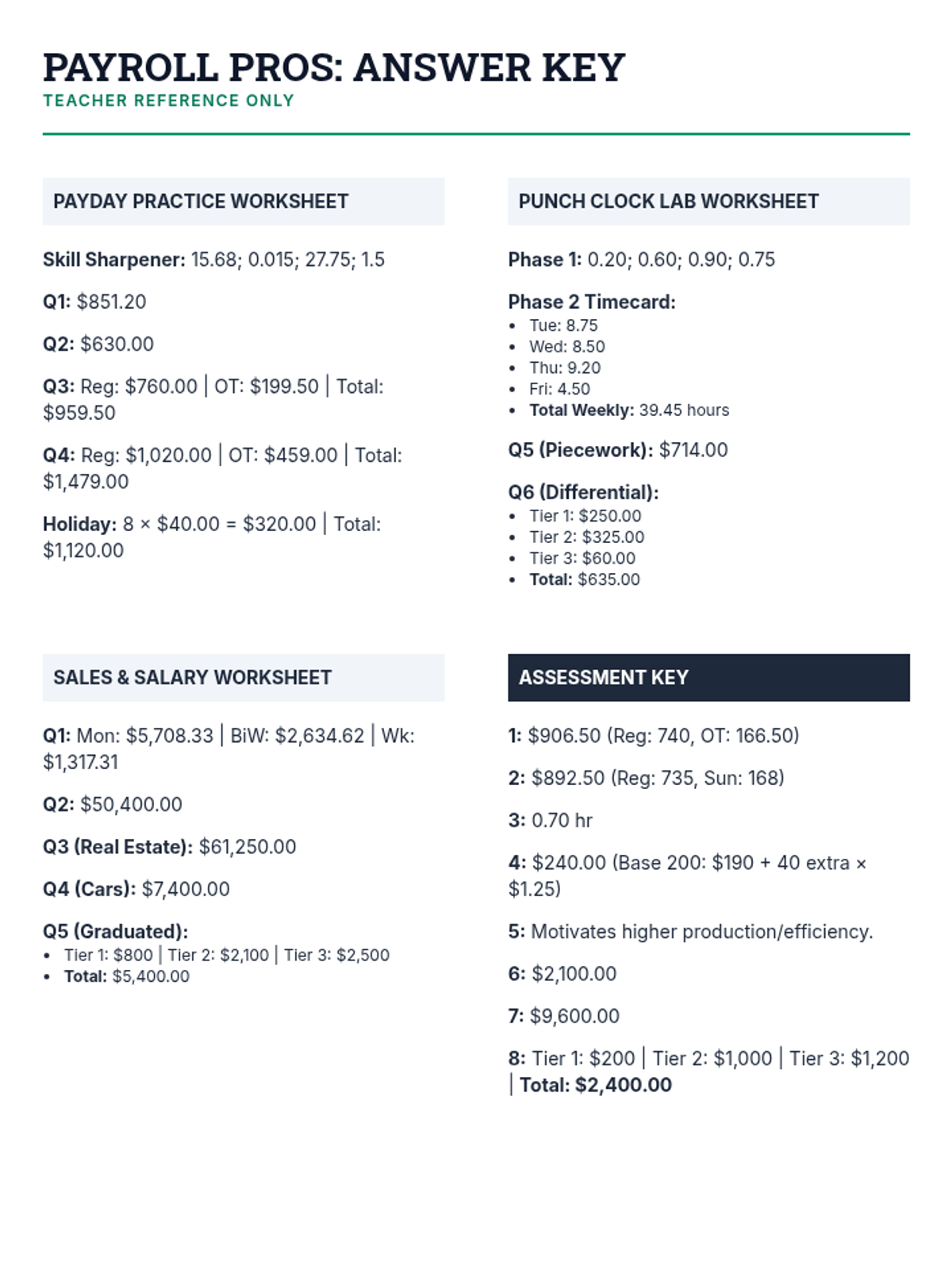
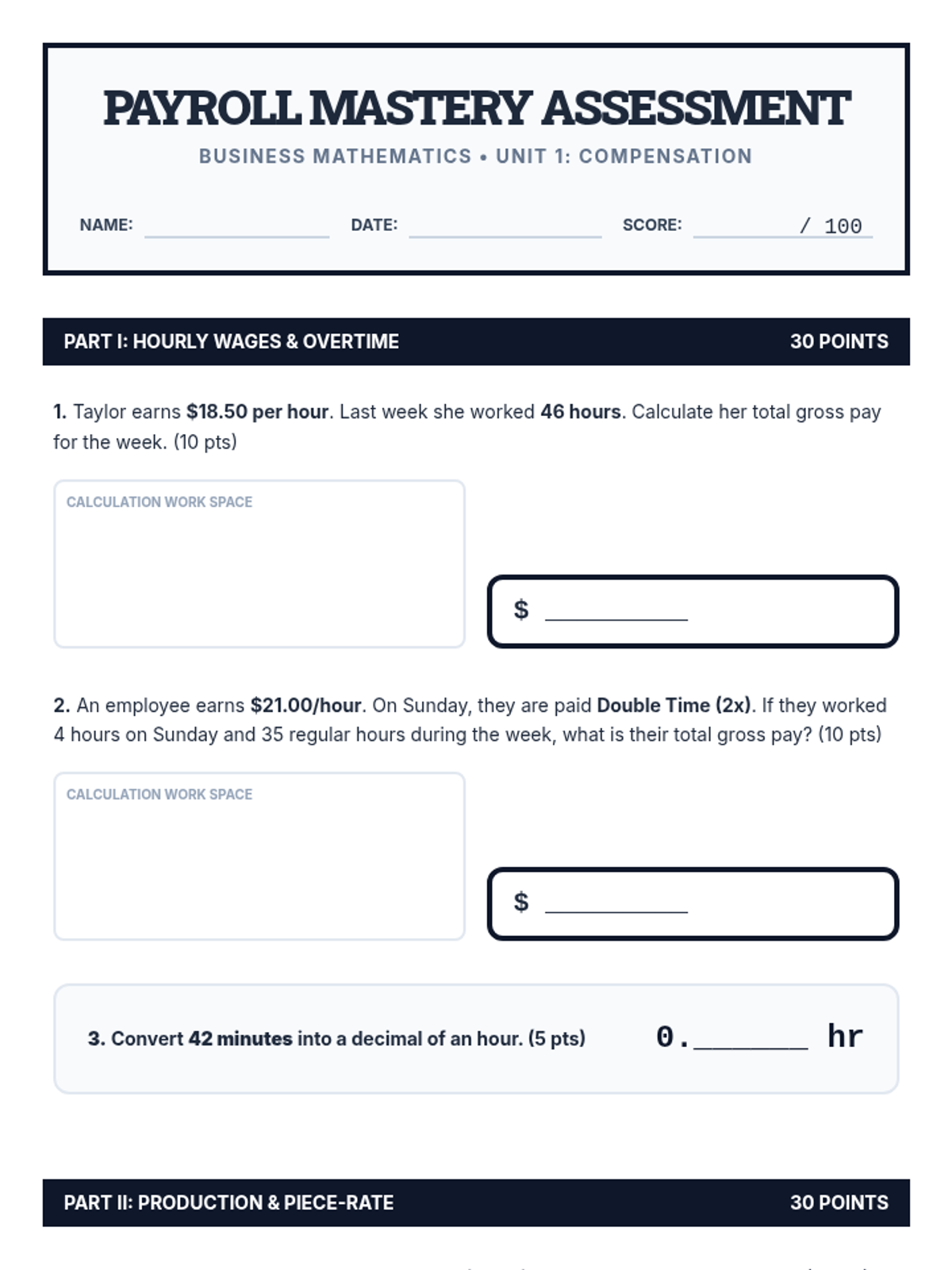
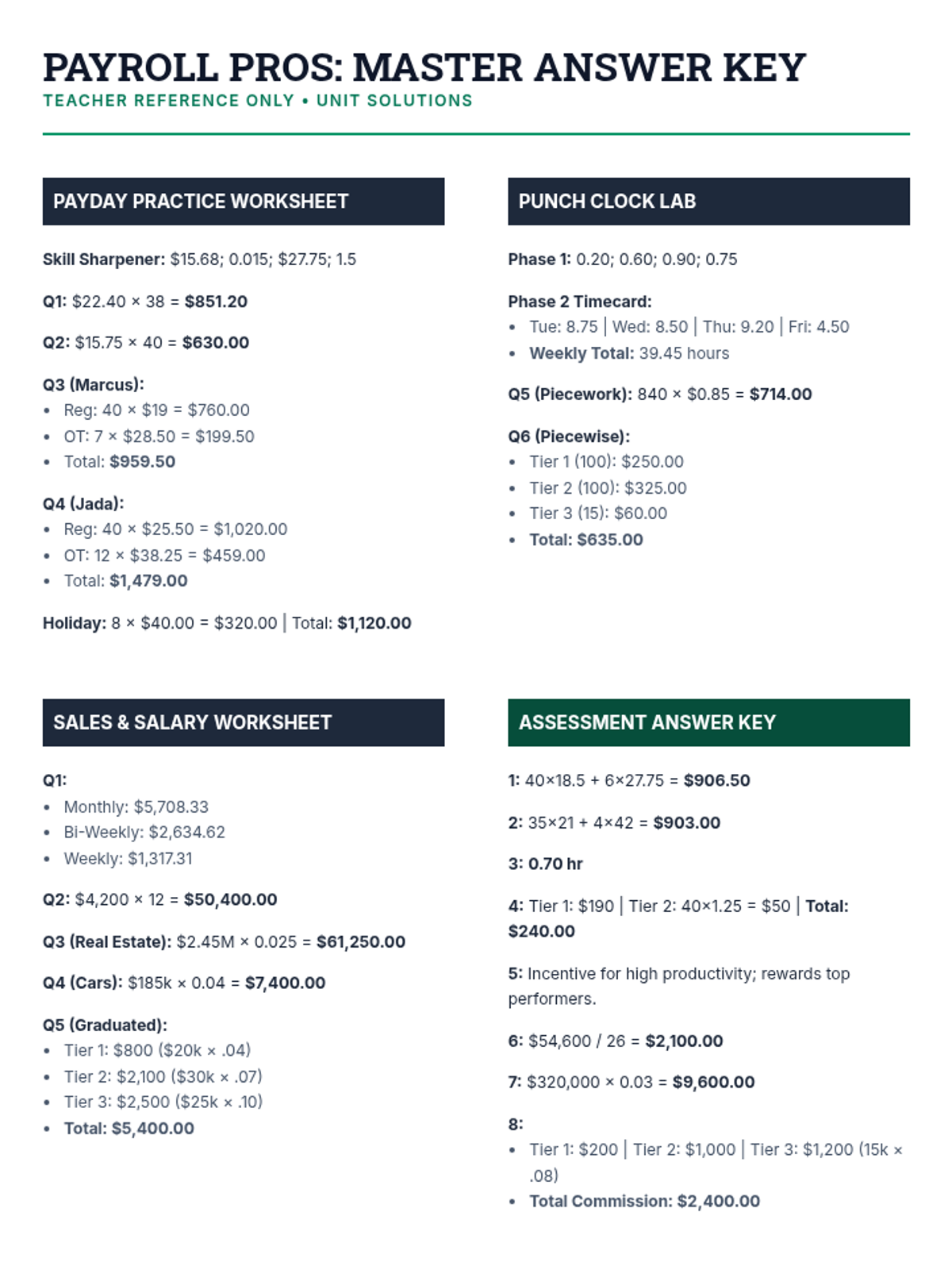
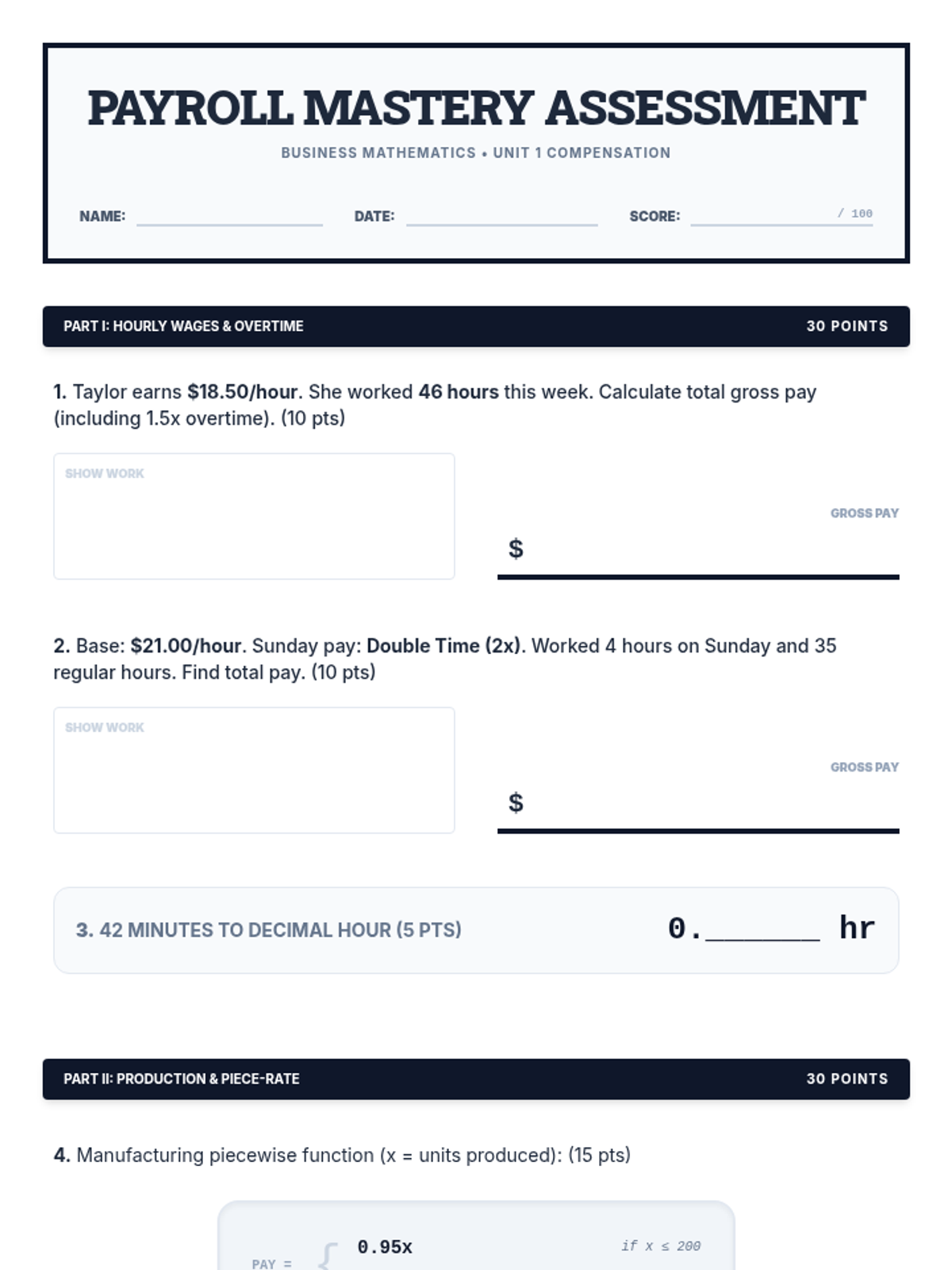
A cumulative review and final assessment covering all pay structures and business math skills taught in the unit.
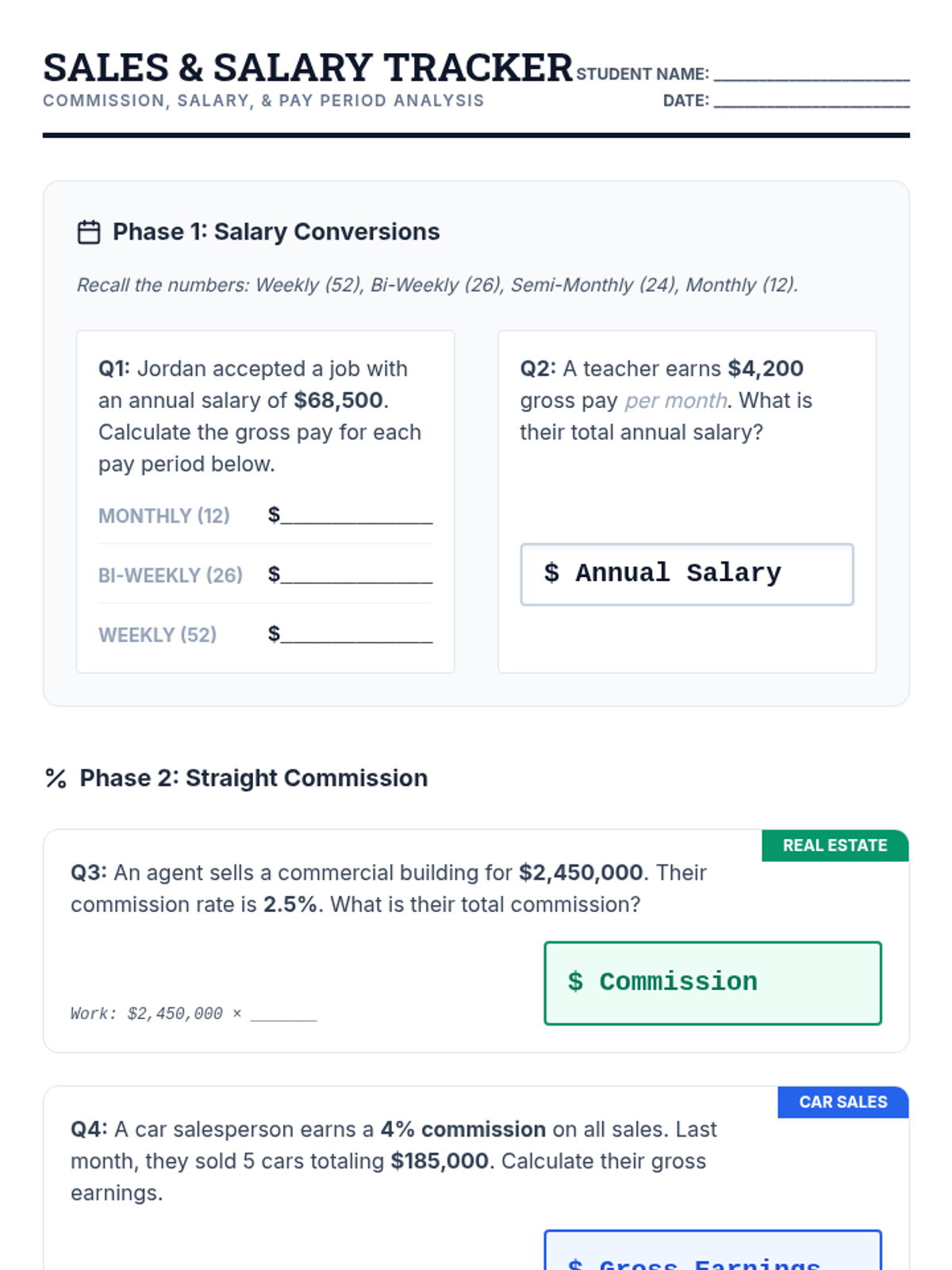
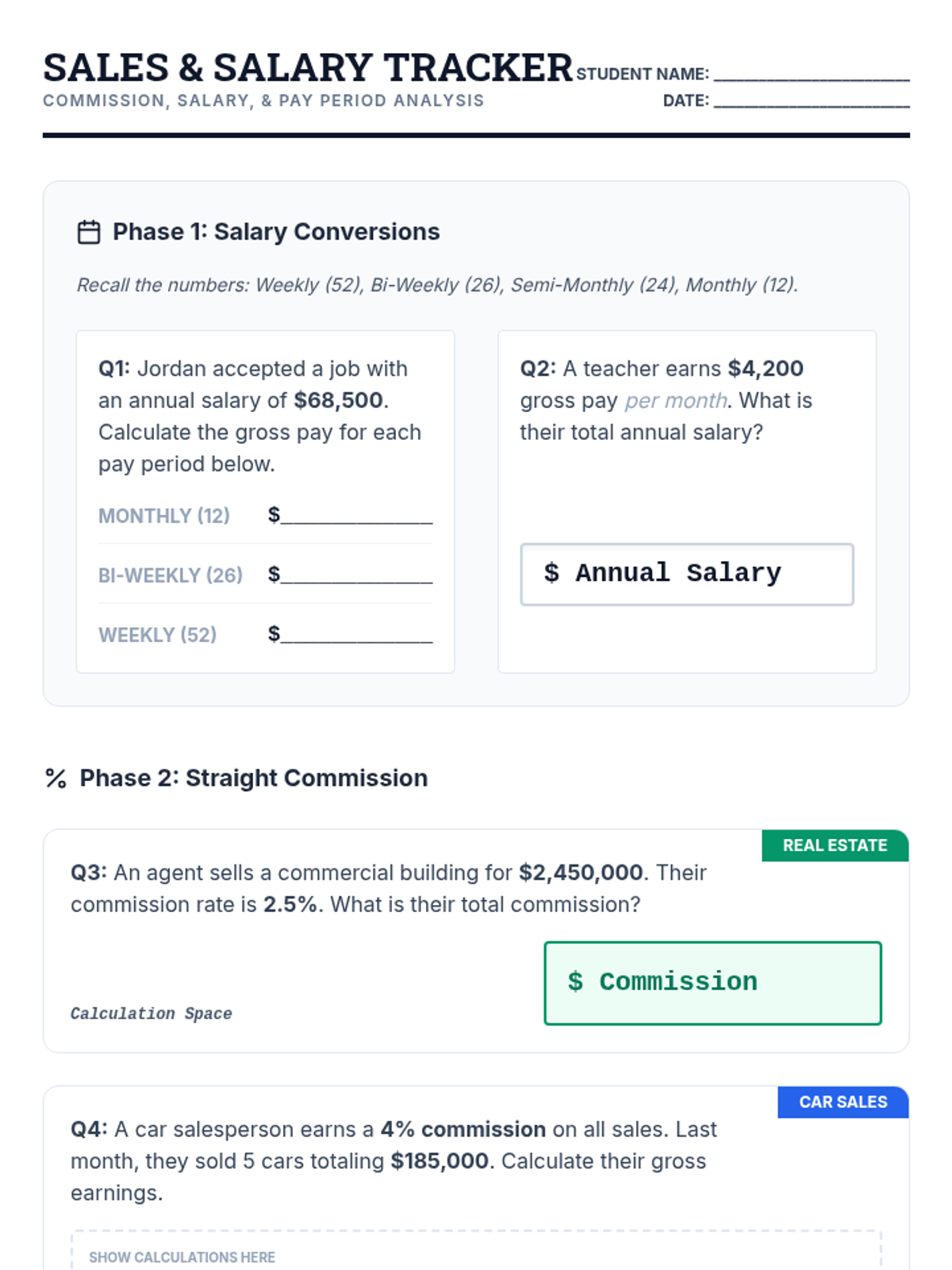
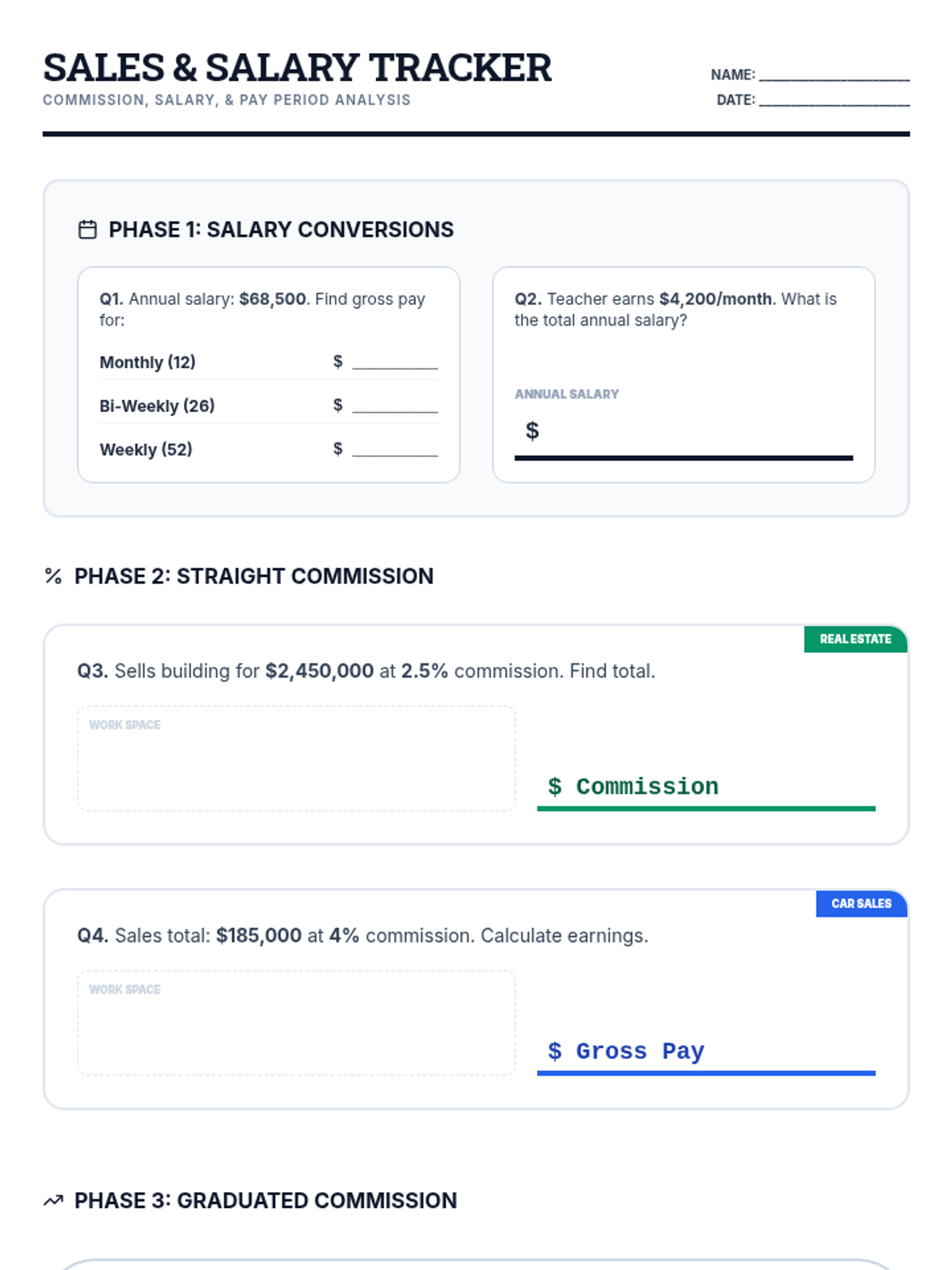
Covers commission-based earnings and salary structures, including a review of fractions as they relate to pay periods and partial earnings.
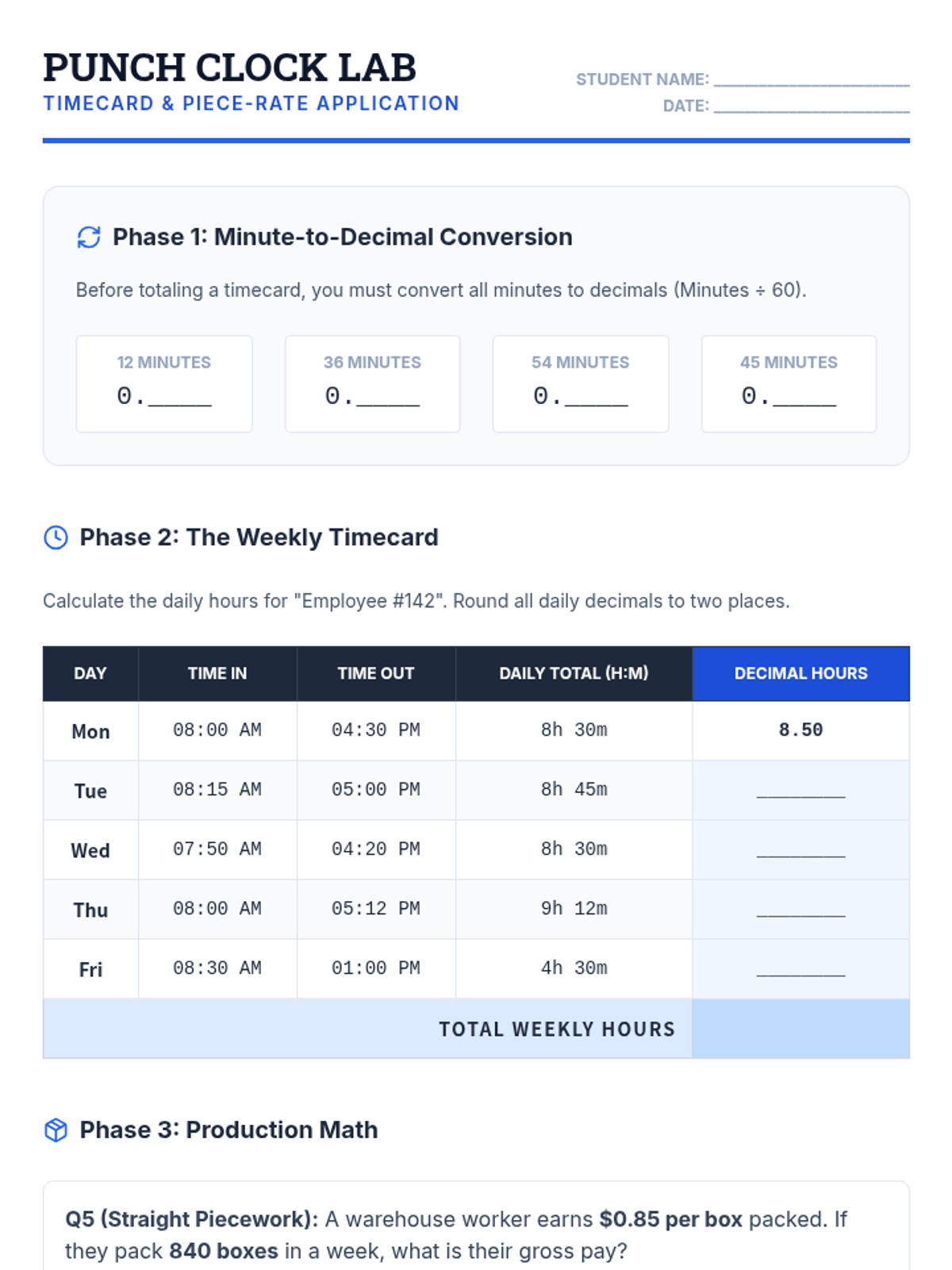
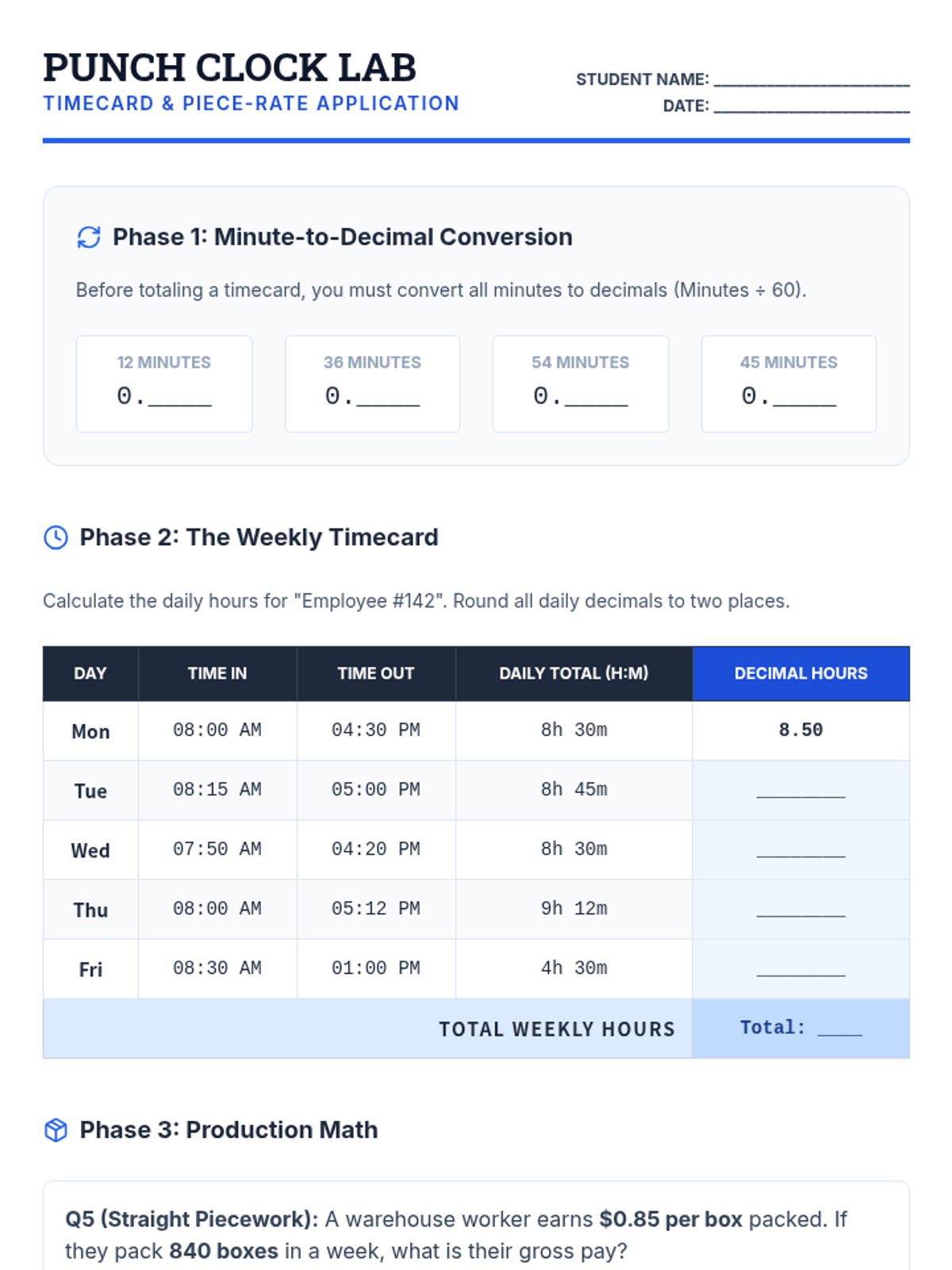
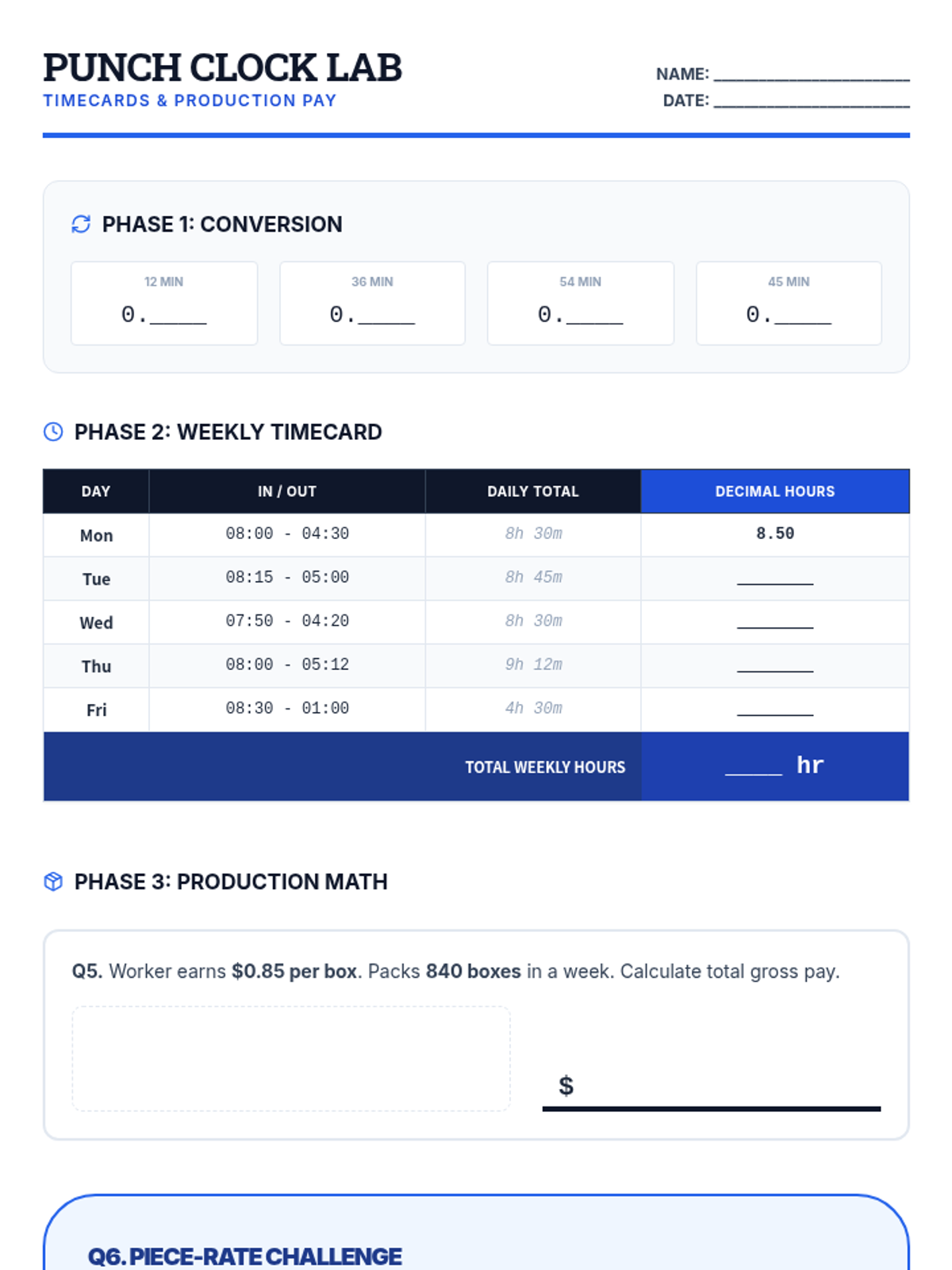
Focuses on tracking work hours through timecards and understanding production-based pay through piecework and piecewise functions.
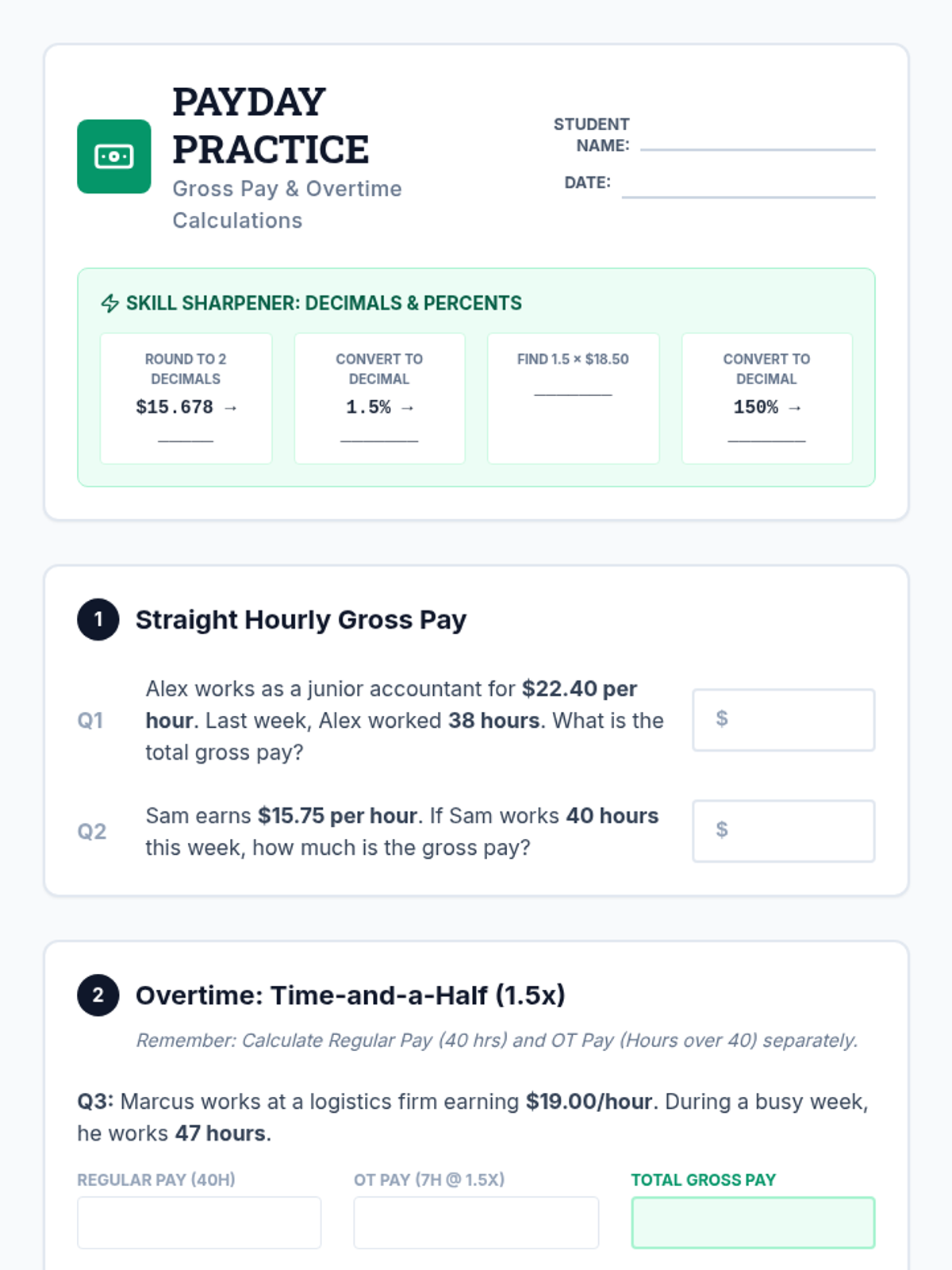
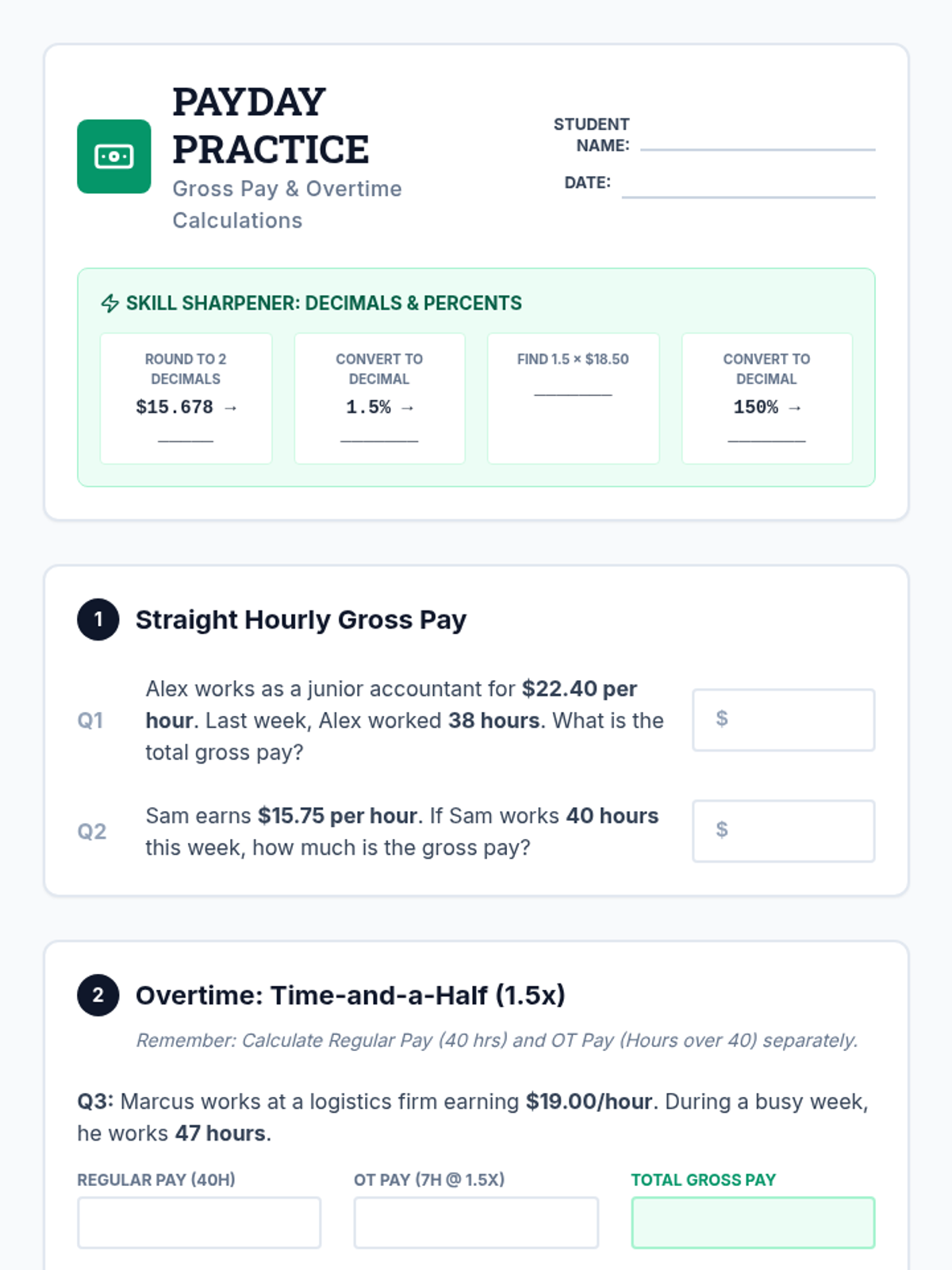
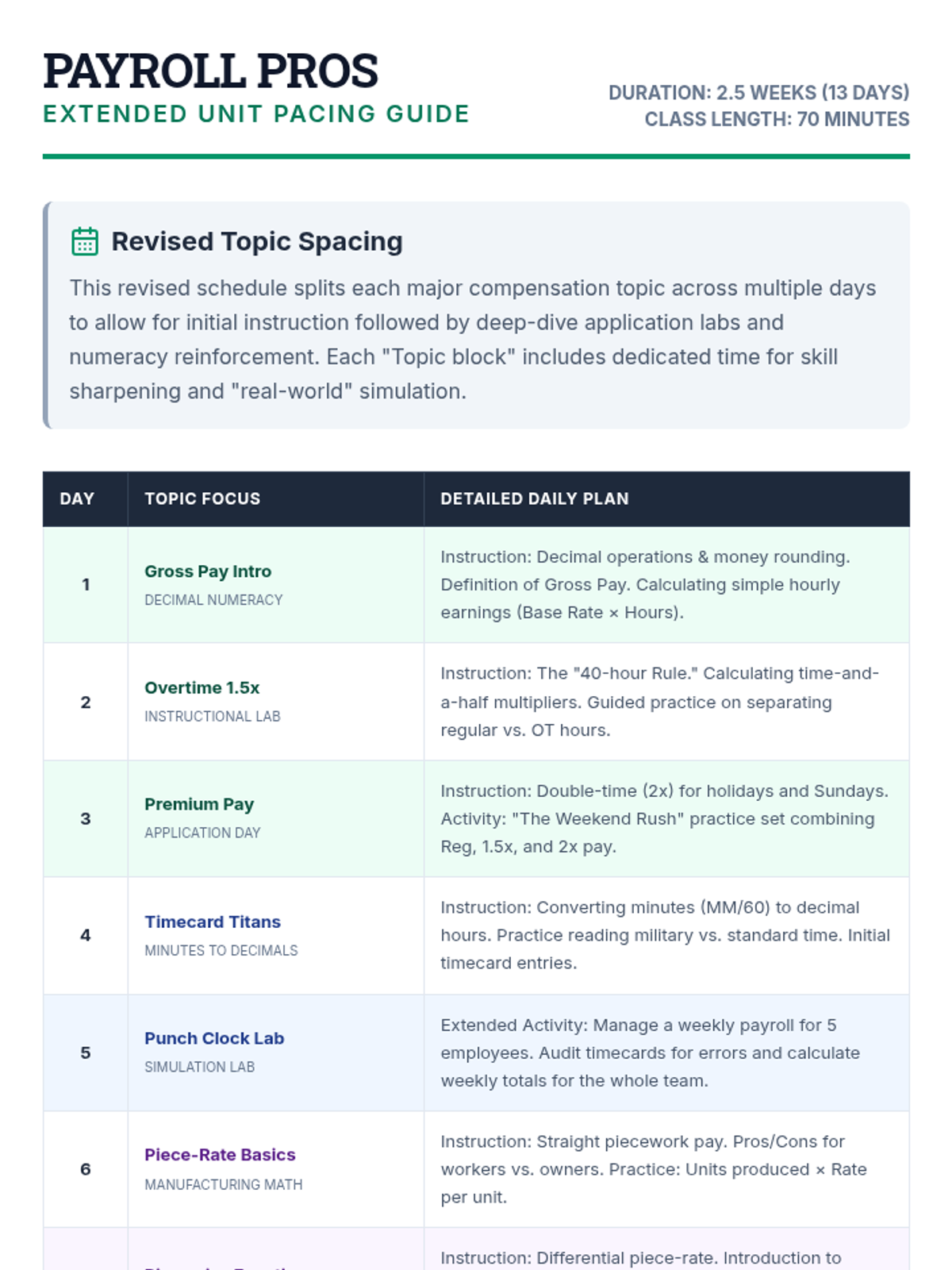
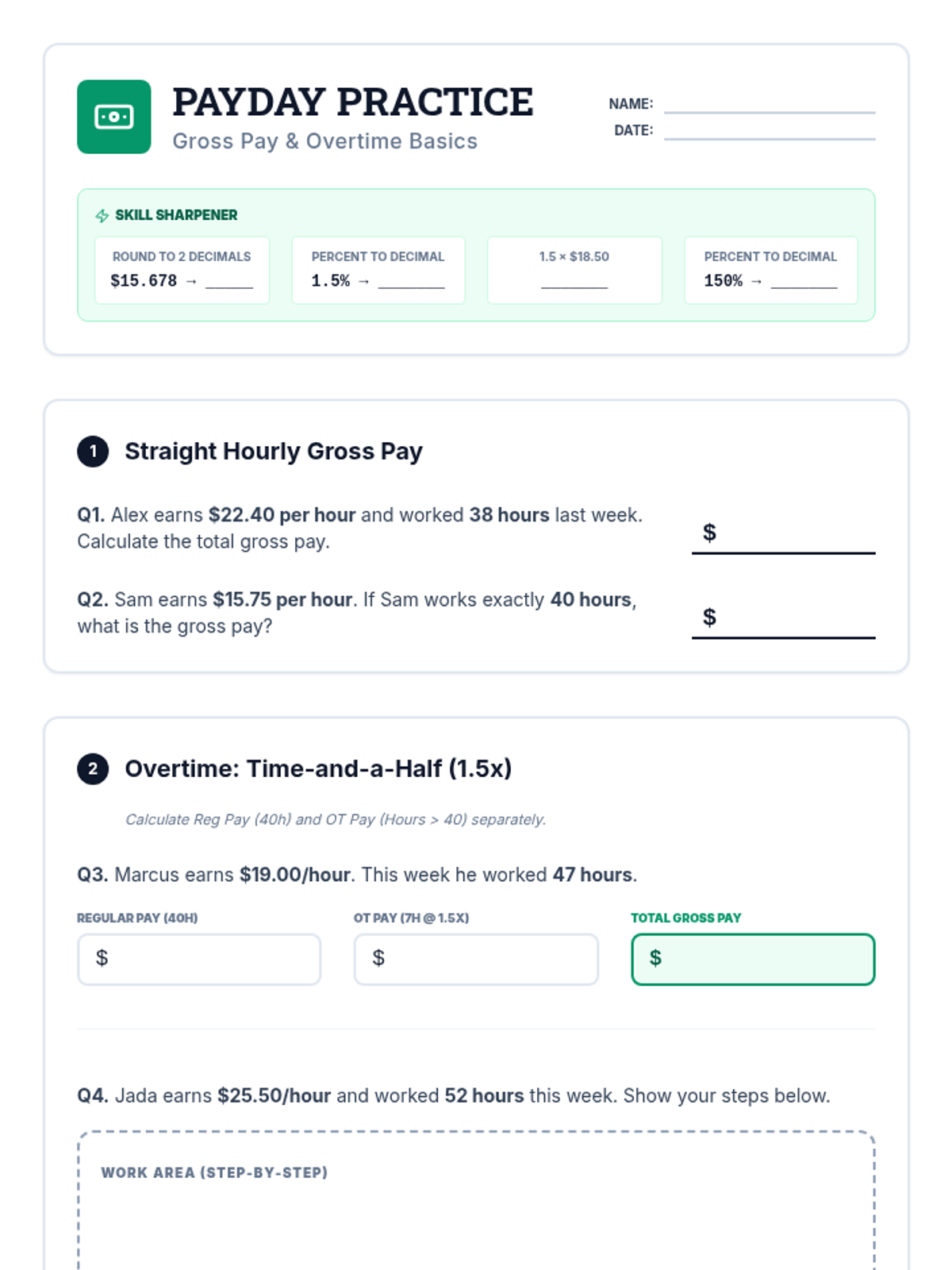
Introduction to gross pay, hourly wages, and overtime calculations, including a review of decimals and percentages for business applications.
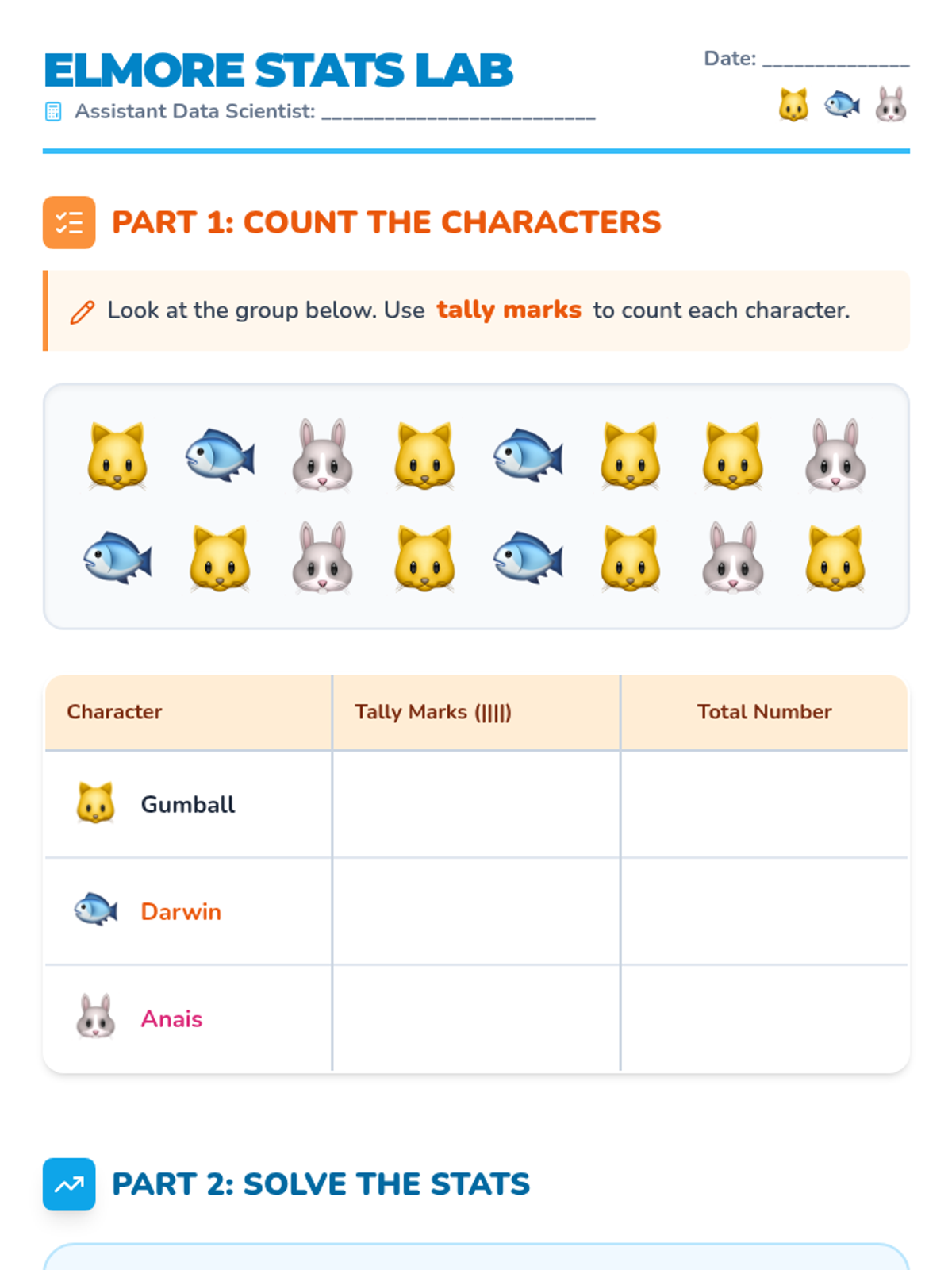
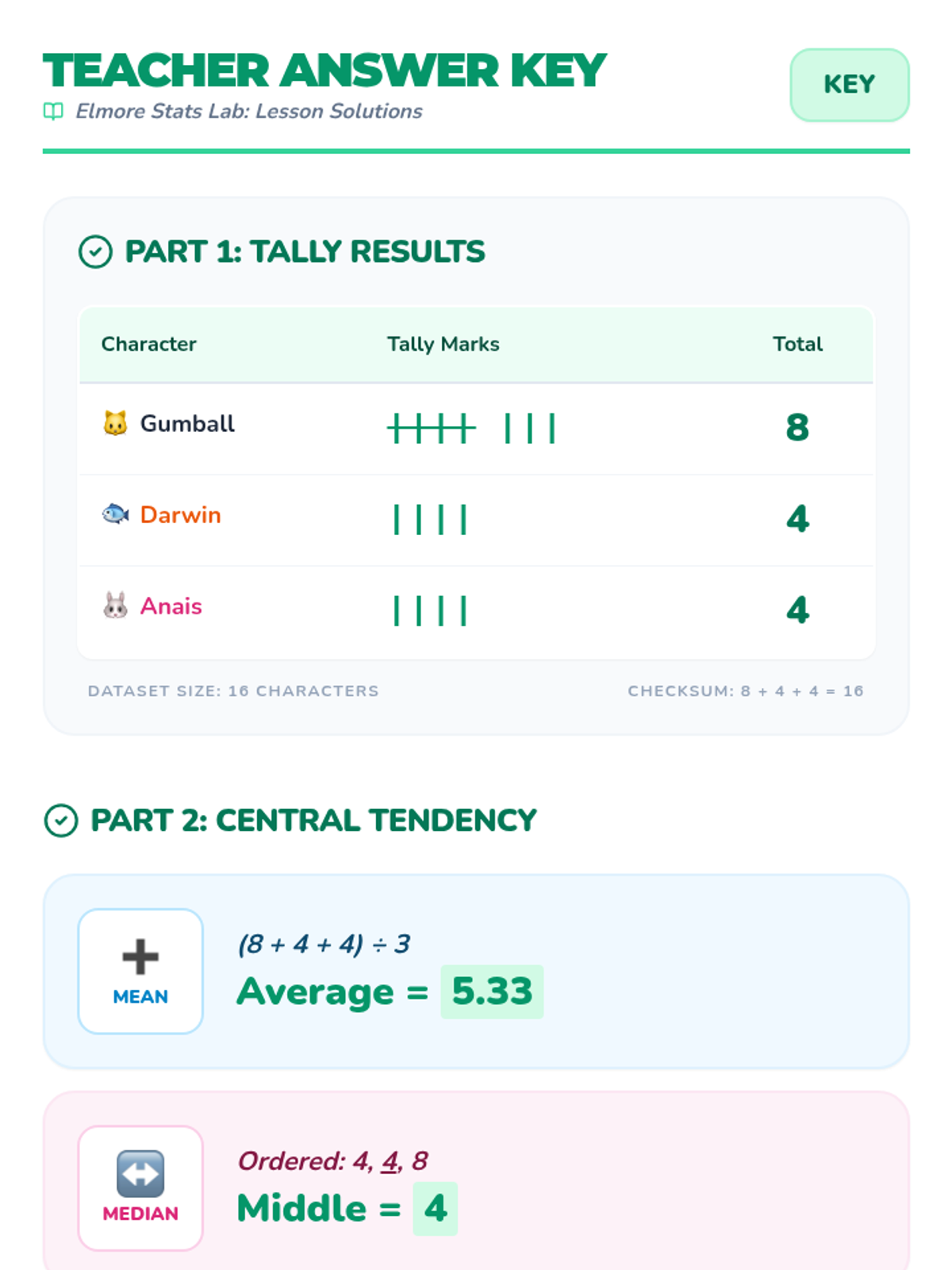
A high-interest statistics lesson themed around the world of Elmore, featuring data collection, central tendency, and probability with visual supports for diverse learners.
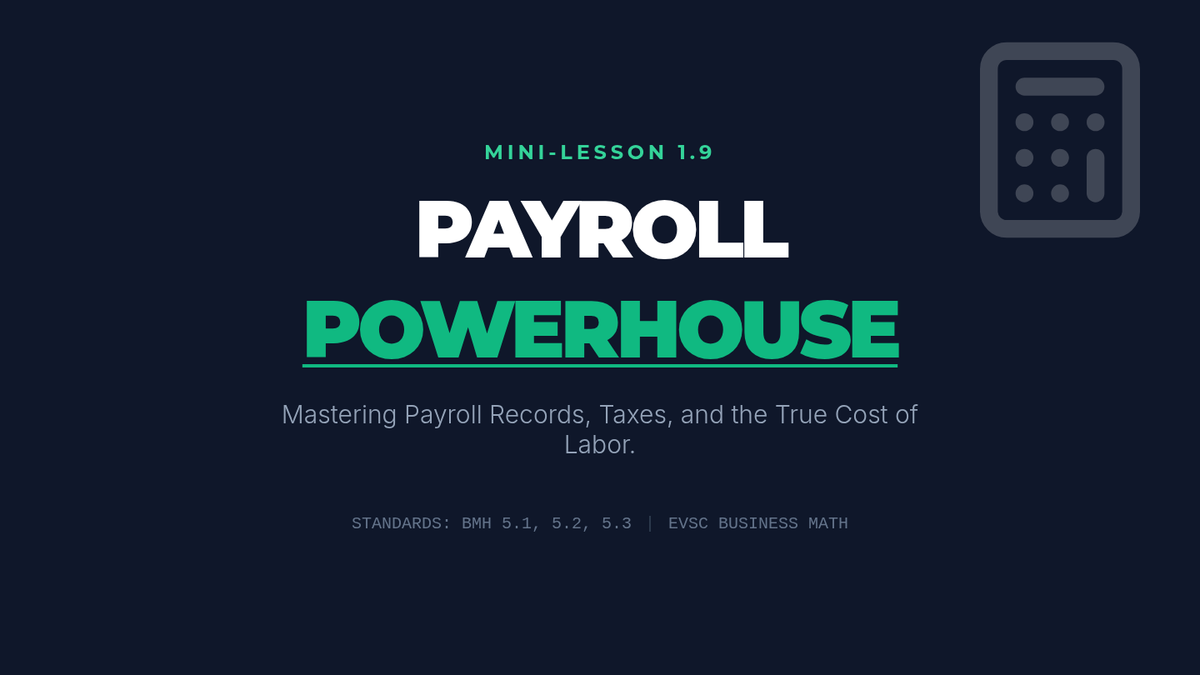
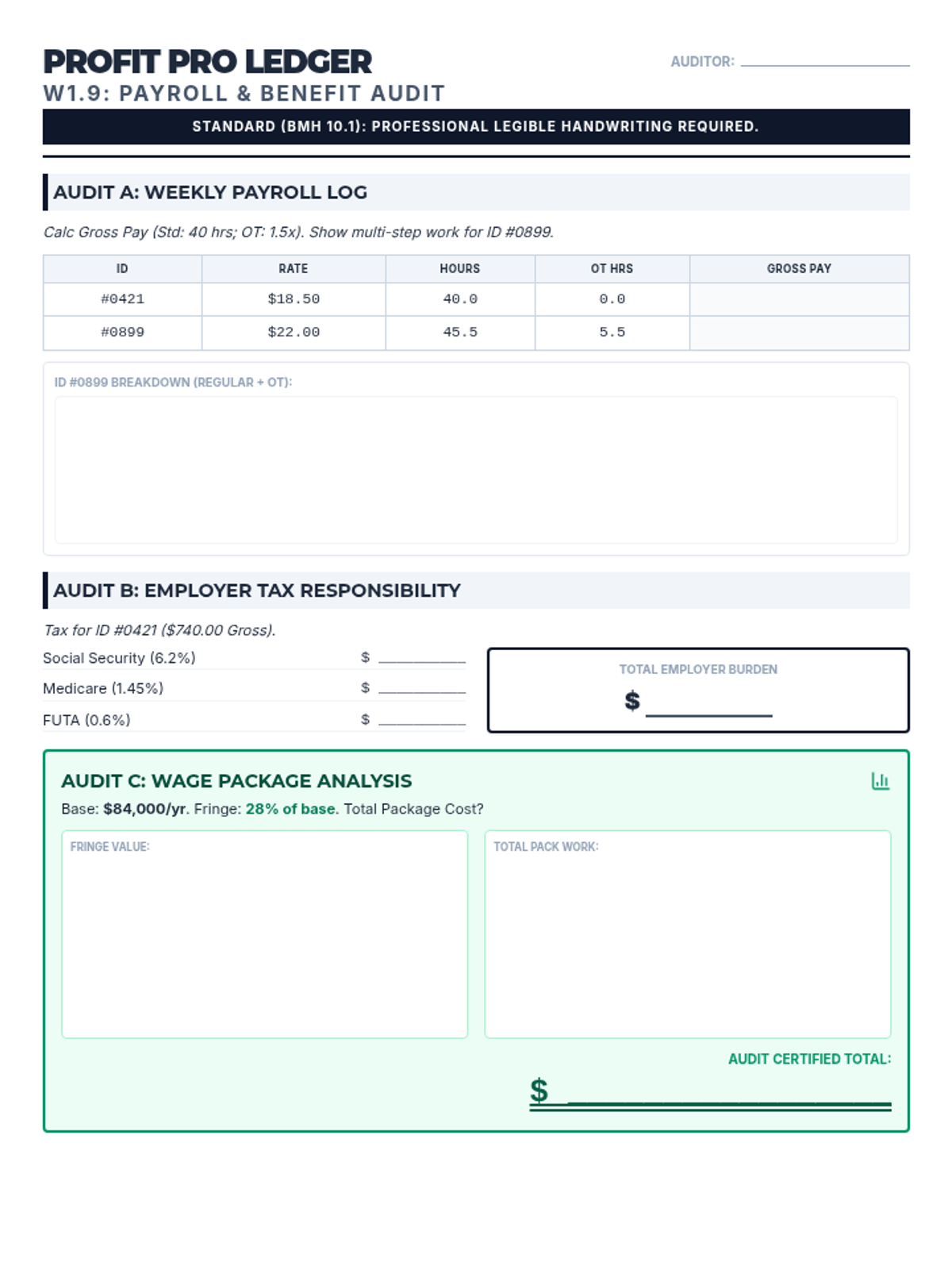
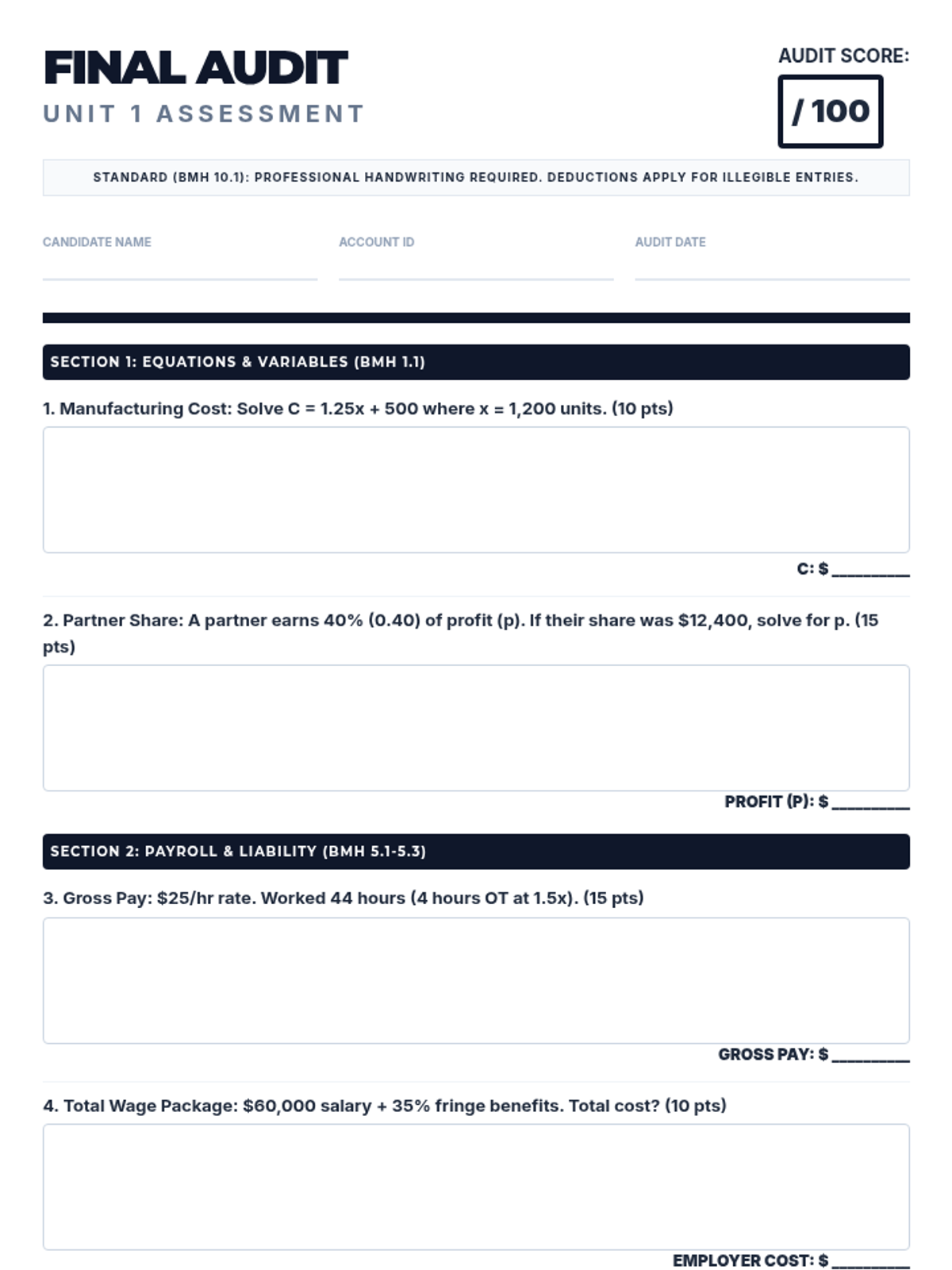
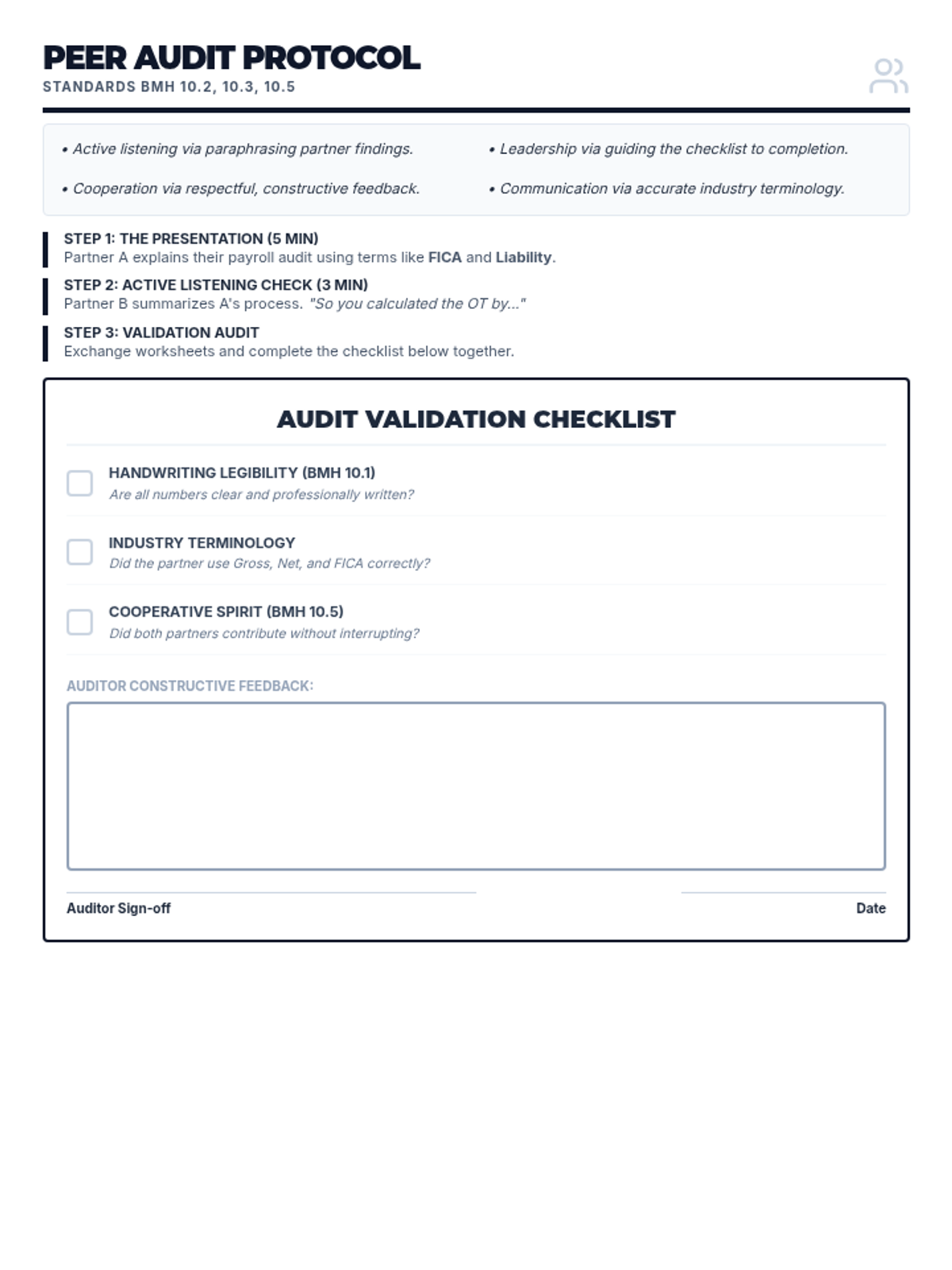
Calculate employee payroll, employer taxes, and fringe benefits while analyzing the total wage package impact.
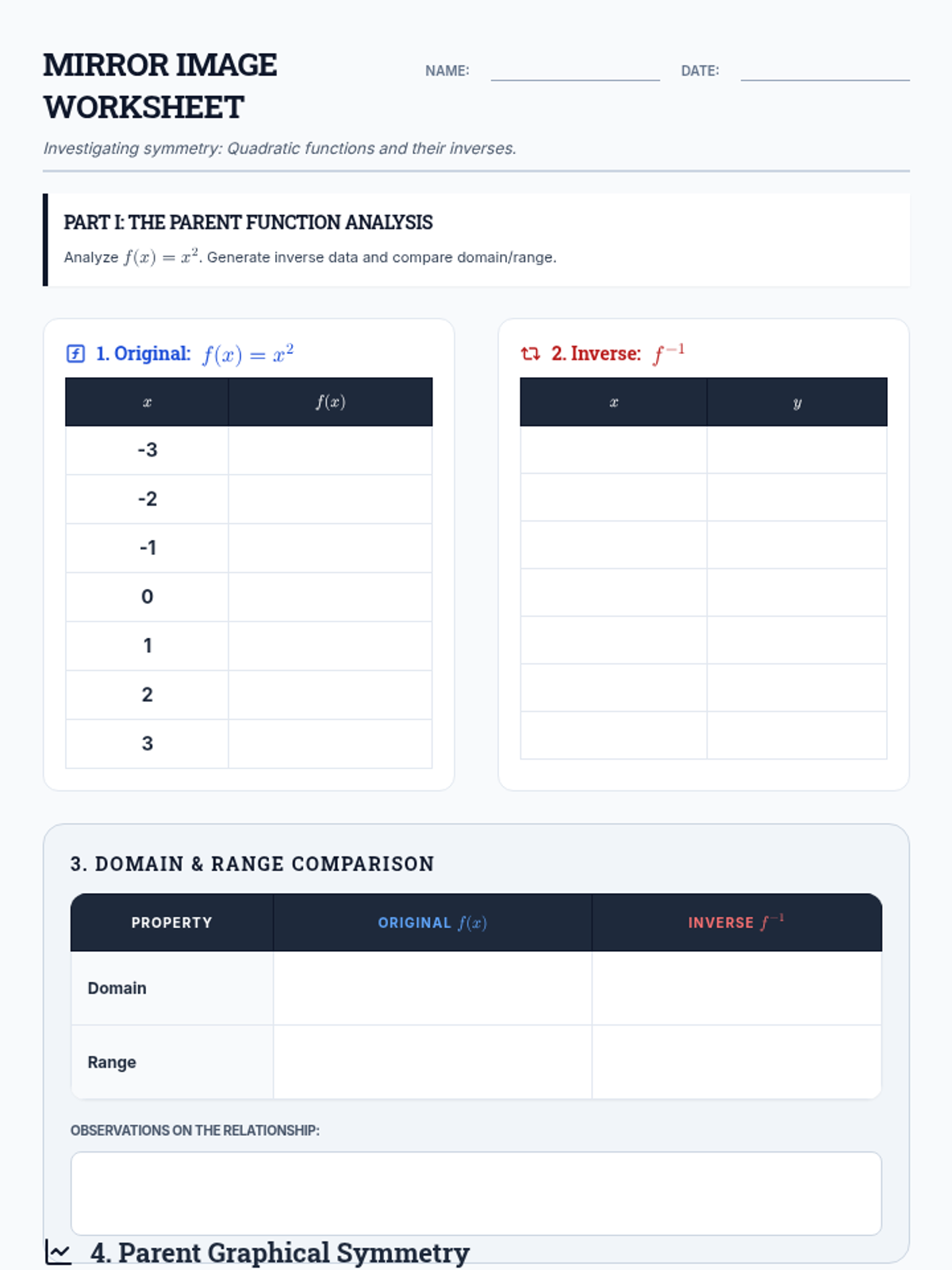
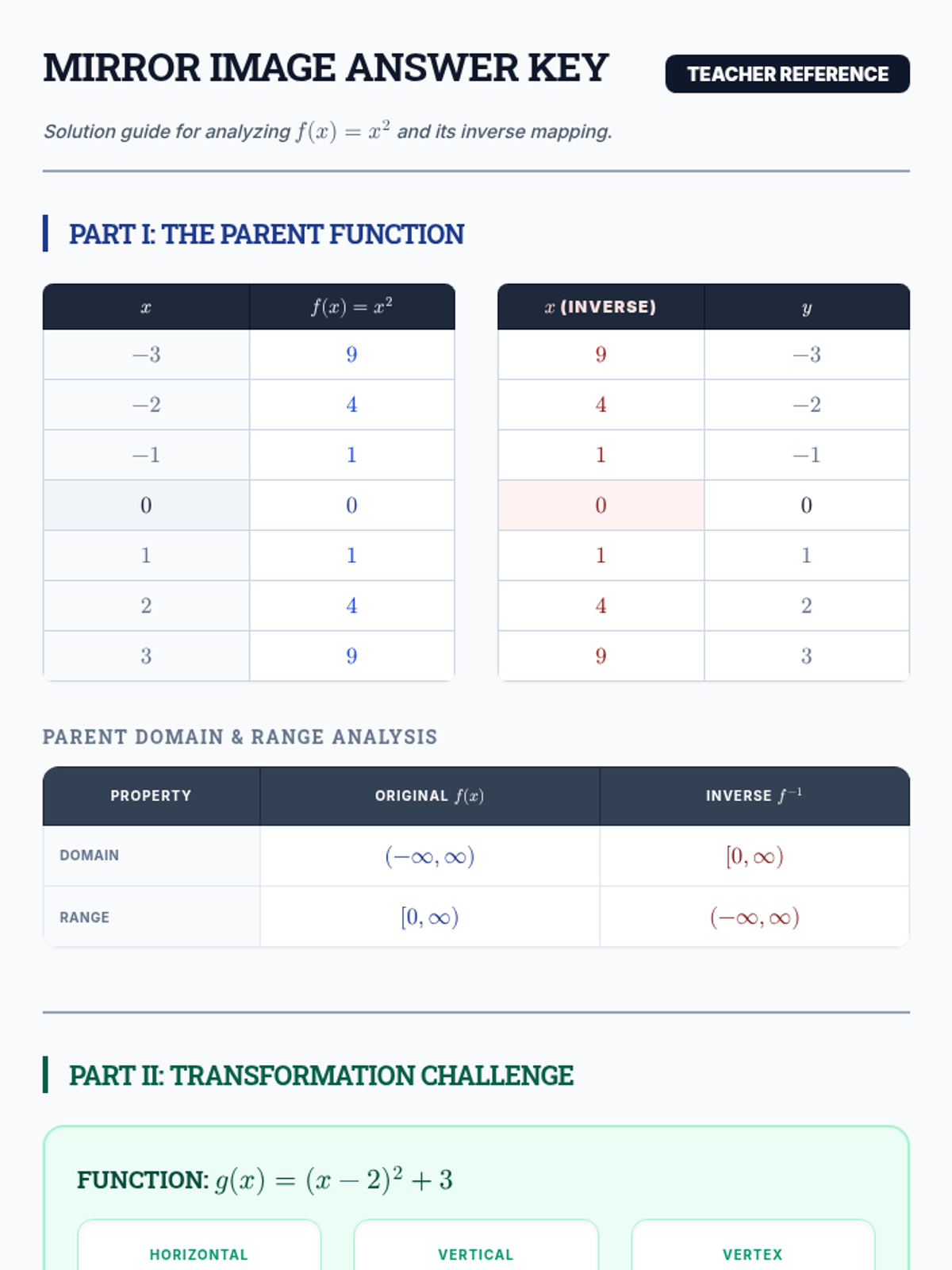
Explore the relationship between a quadratic function and its inverse. Students will graph both, compare domain and range, and determine if the inverse is a function or a relation.
A summative assessment covering decimal, fraction, and percentage operations in business contexts.
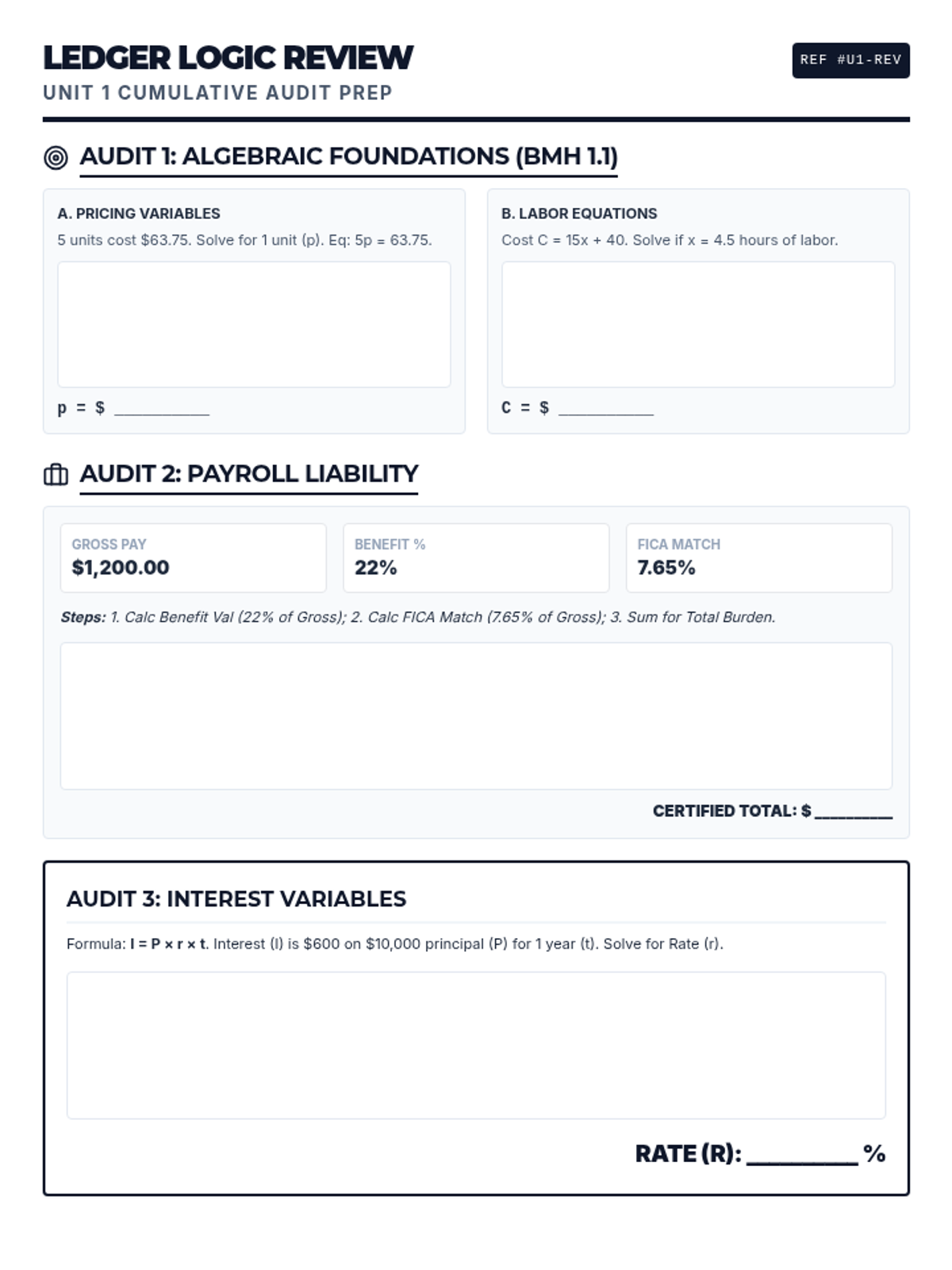
A comprehensive review of all unit operations and business applications in preparation for the assessment.