A 12th-grade Global Politics lesson exploring the legacy of colonization in Ireland, 'The Troubles', and the effectiveness of the Good Friday Agreement in resolving long-standing sectarian conflict.
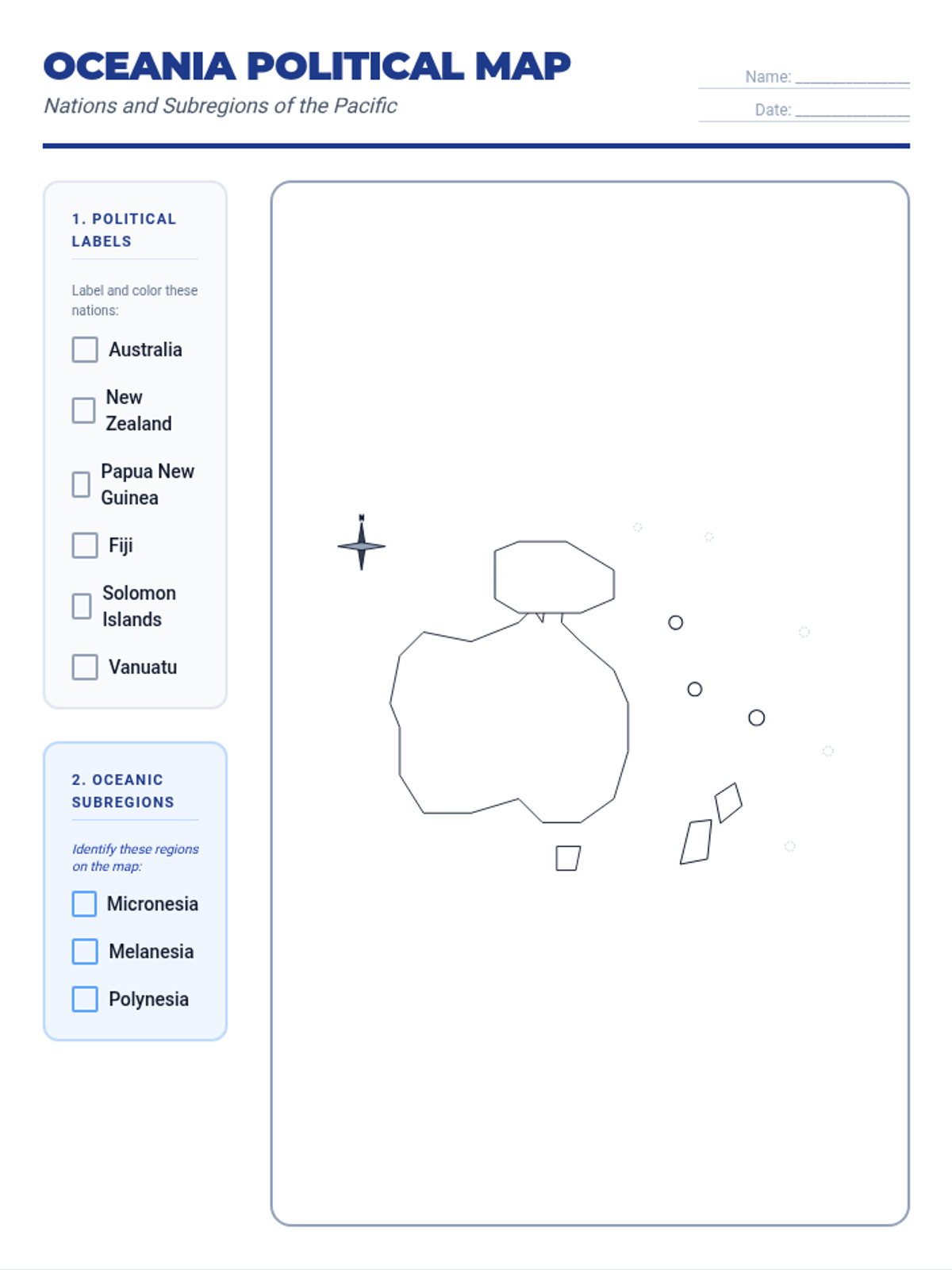
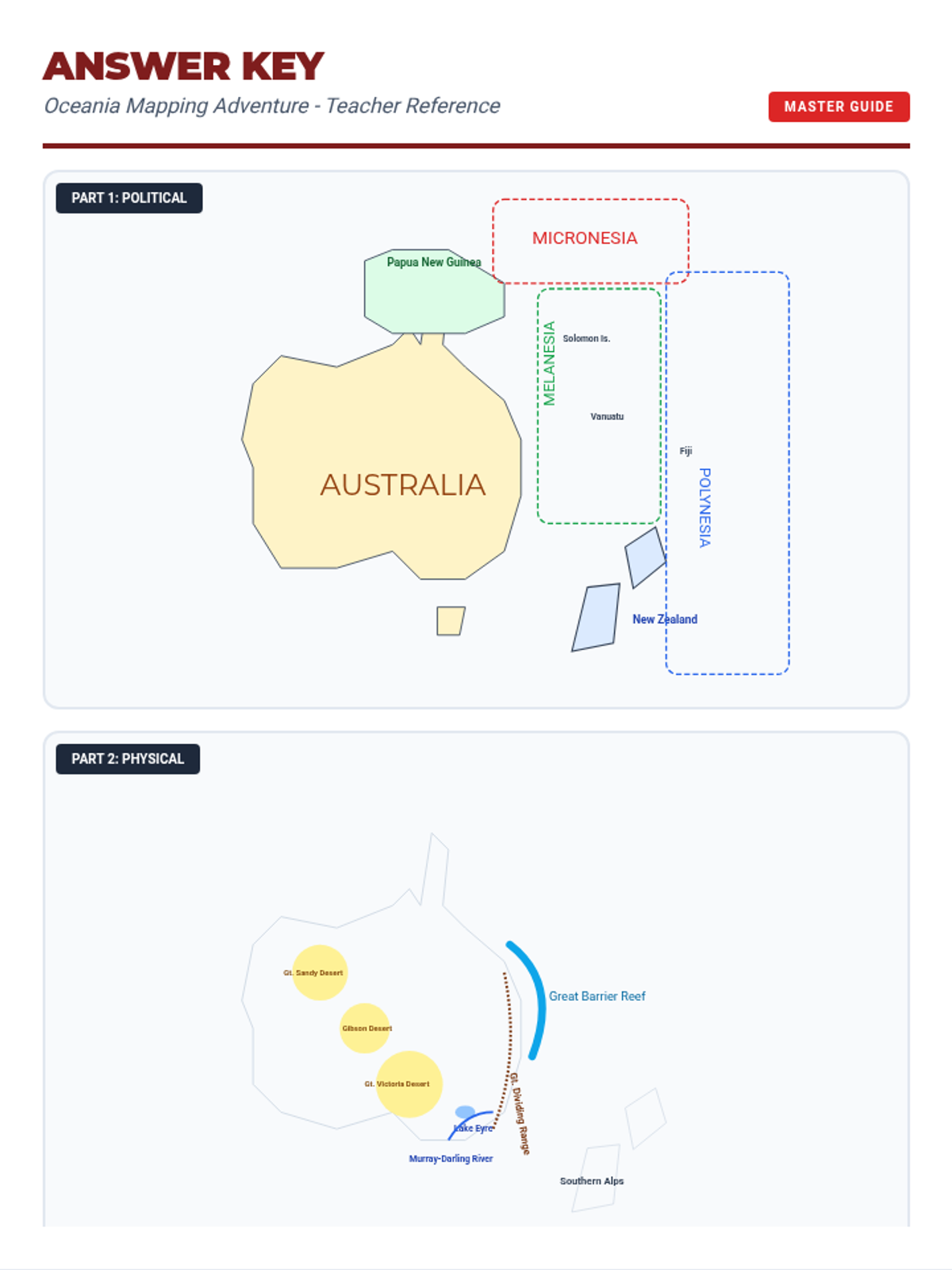
A hands-on cartography lesson where students explore the political boundaries and physical geography of Oceania through labeling and coloring.
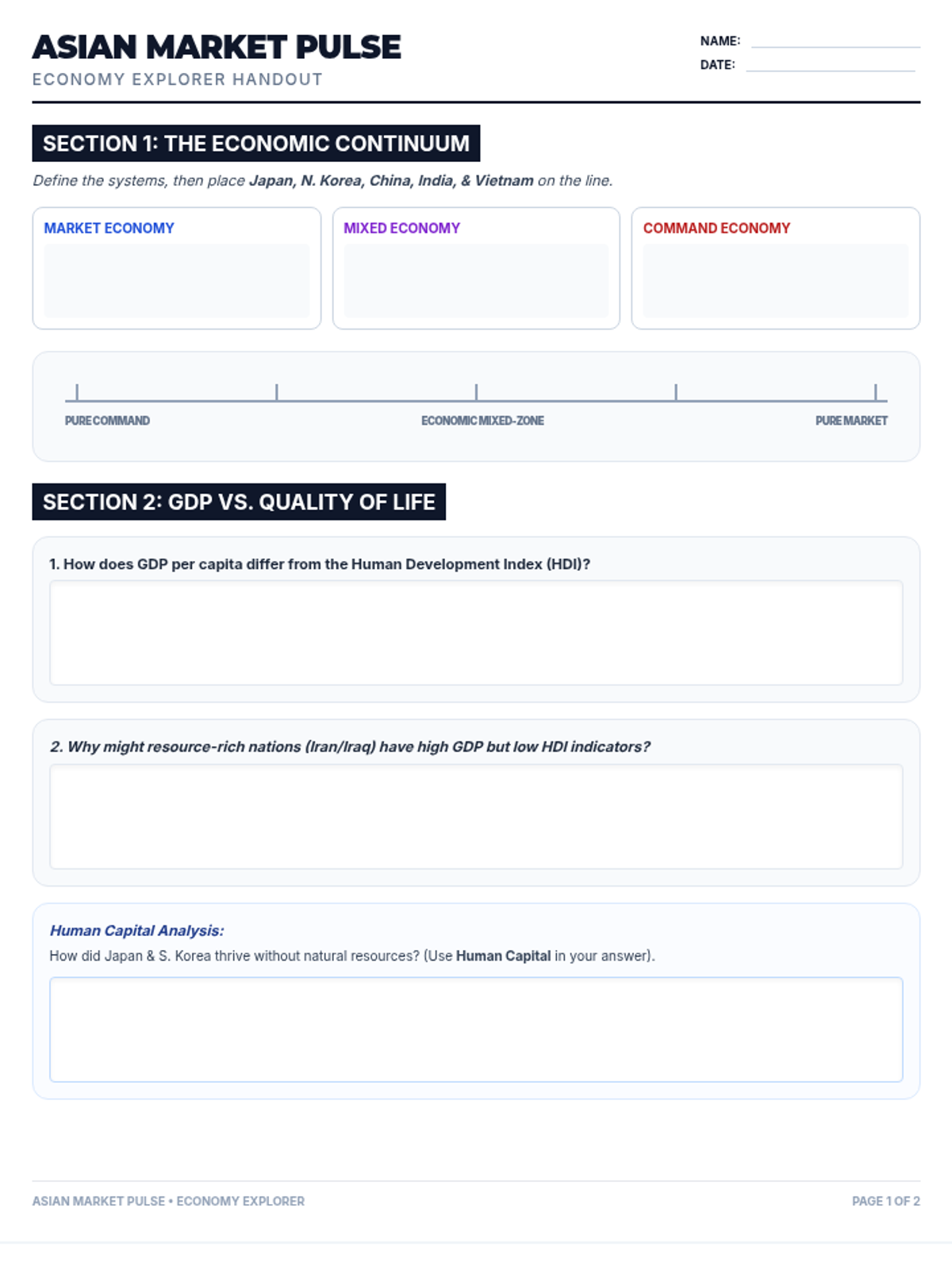
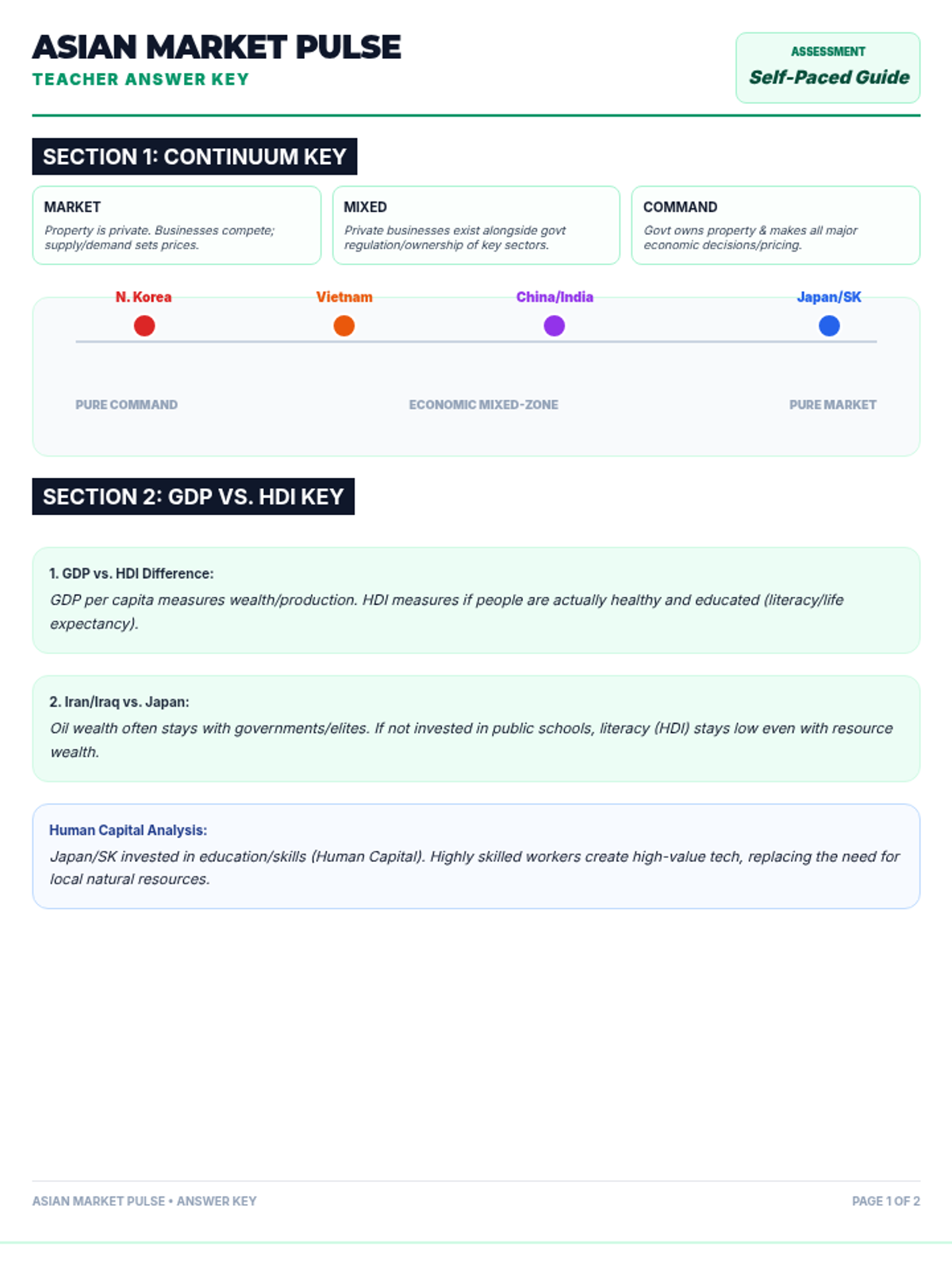
A self-paced study guide exploring the diverse economic landscapes of Asia, focusing on the relationship between economic systems, GDP, and quality of life across major nations.
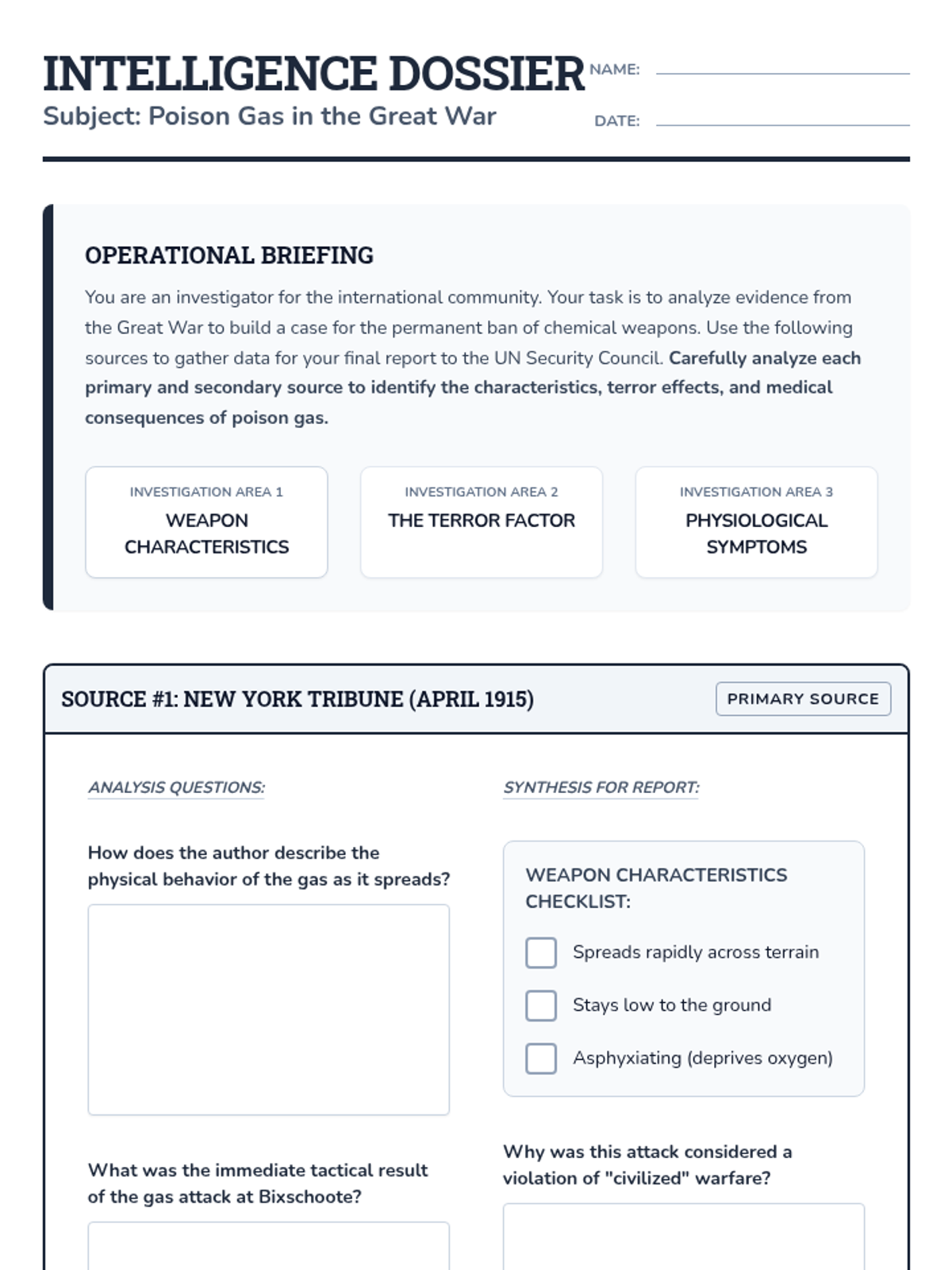
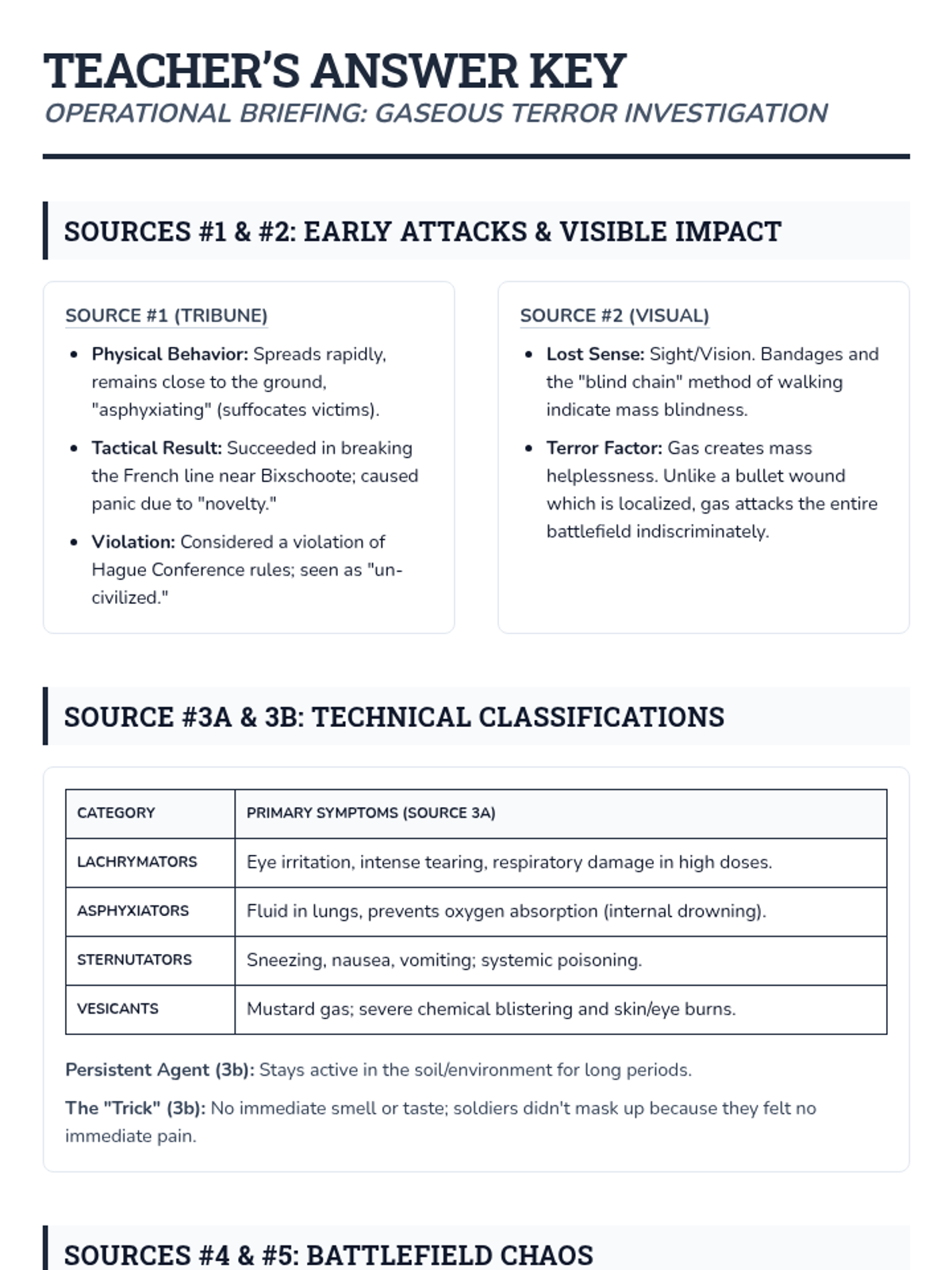
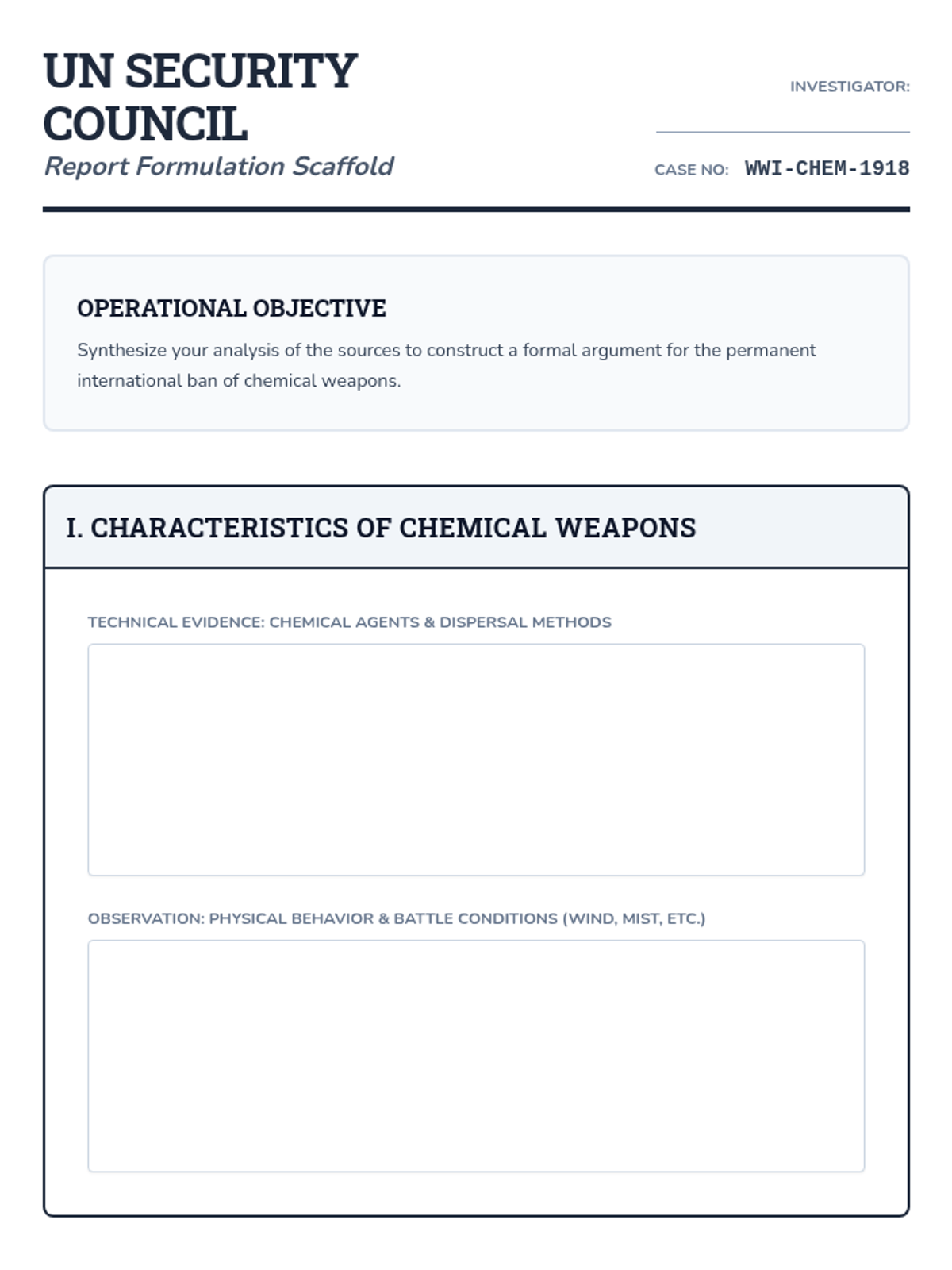
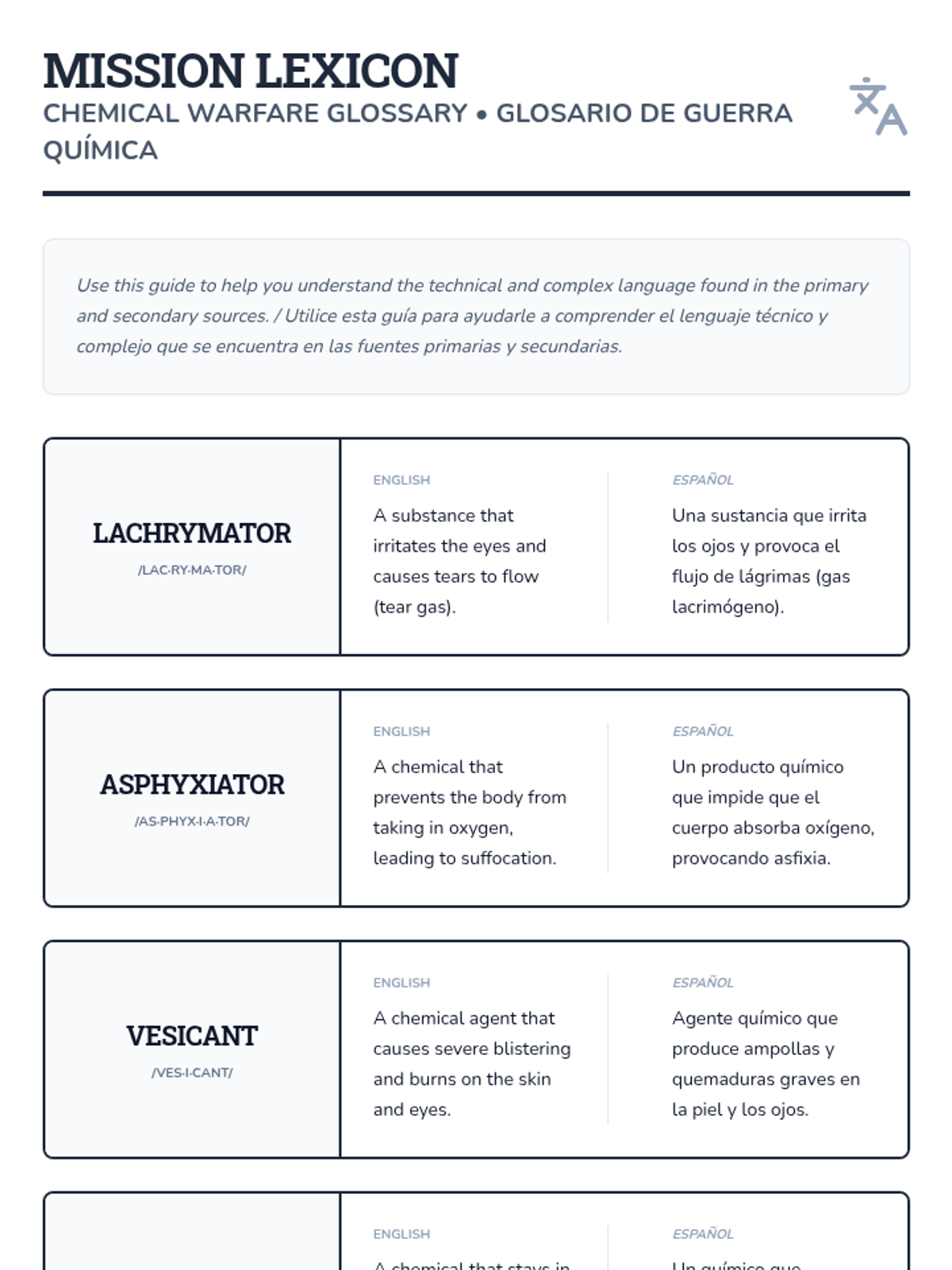
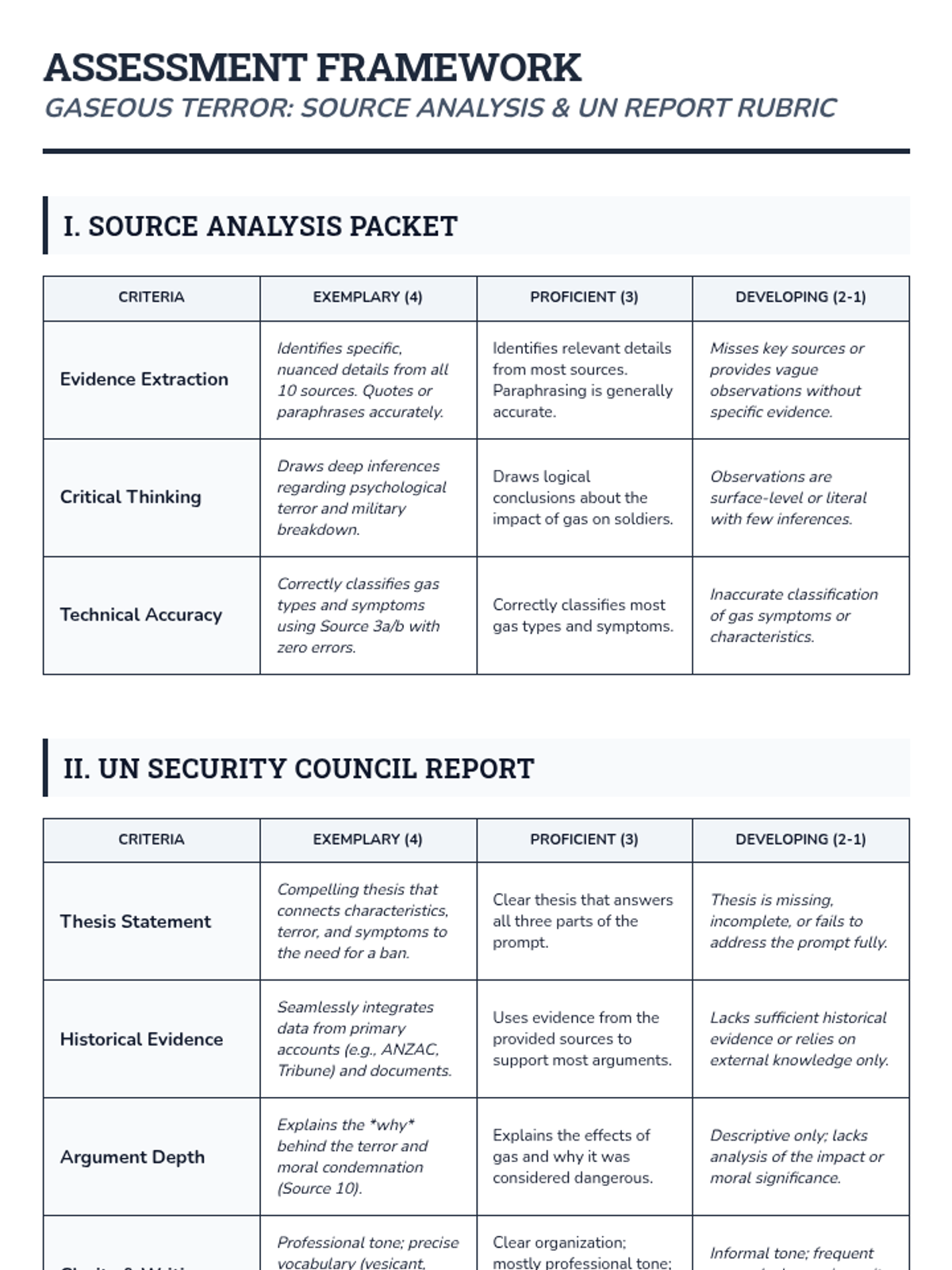
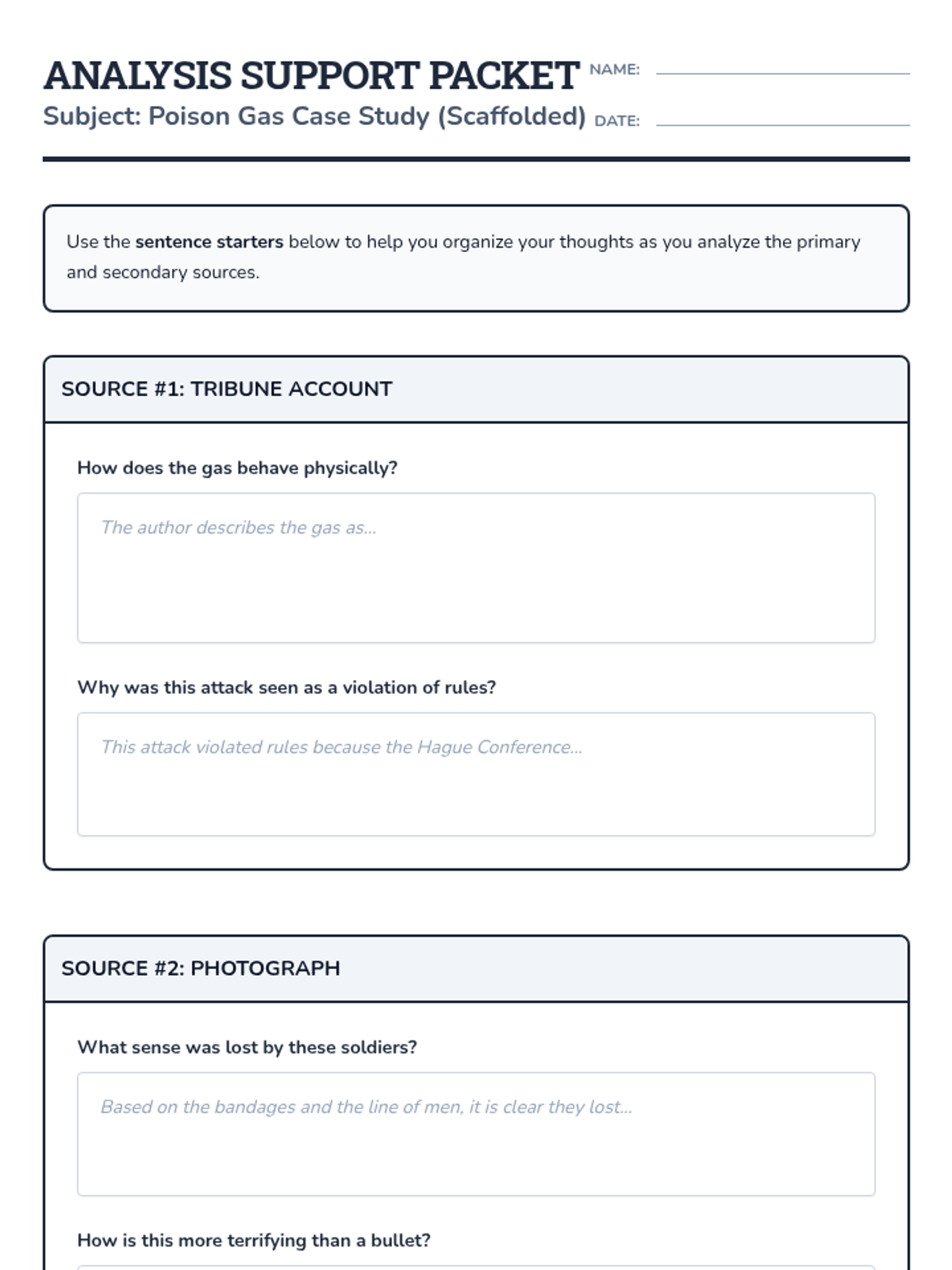
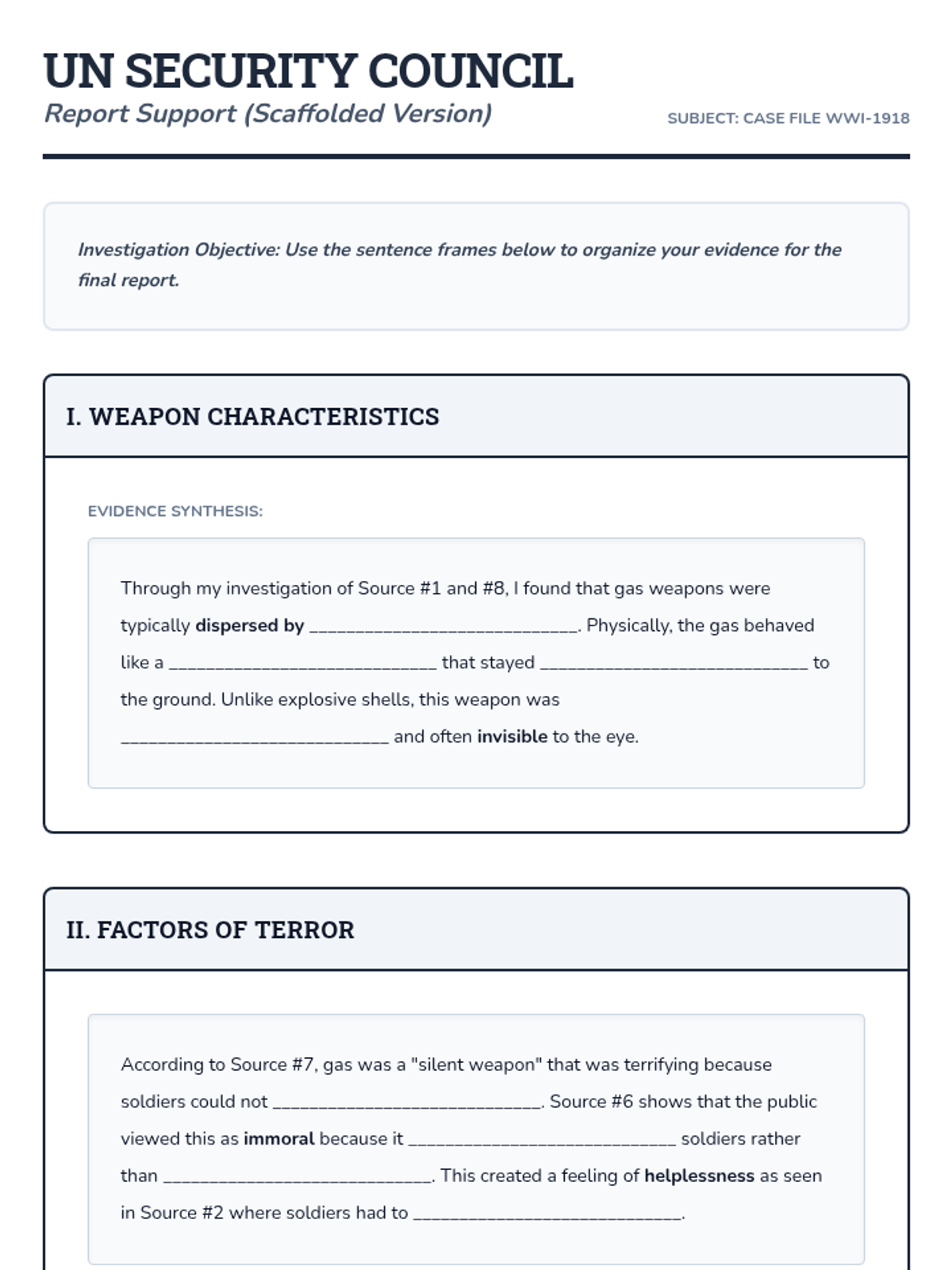
A comprehensive investigation into the use of chemical weapons during WWI, focusing on the tactical, psychological, and physiological impacts of poison gas. Students analyze multiple primary and secondary sources to construct a formal report on the horrors of gas warfare and the subsequent international efforts to ban it.
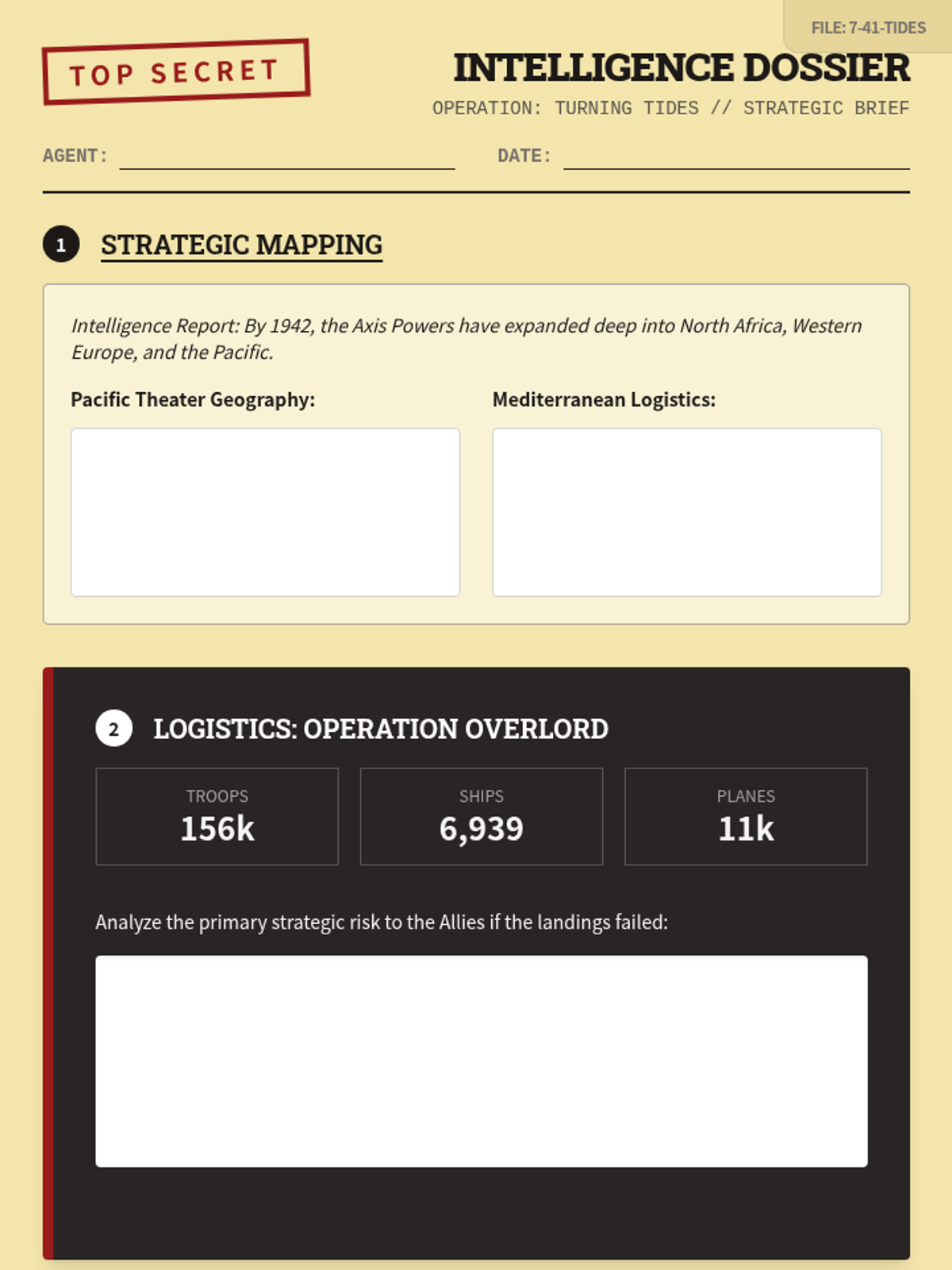
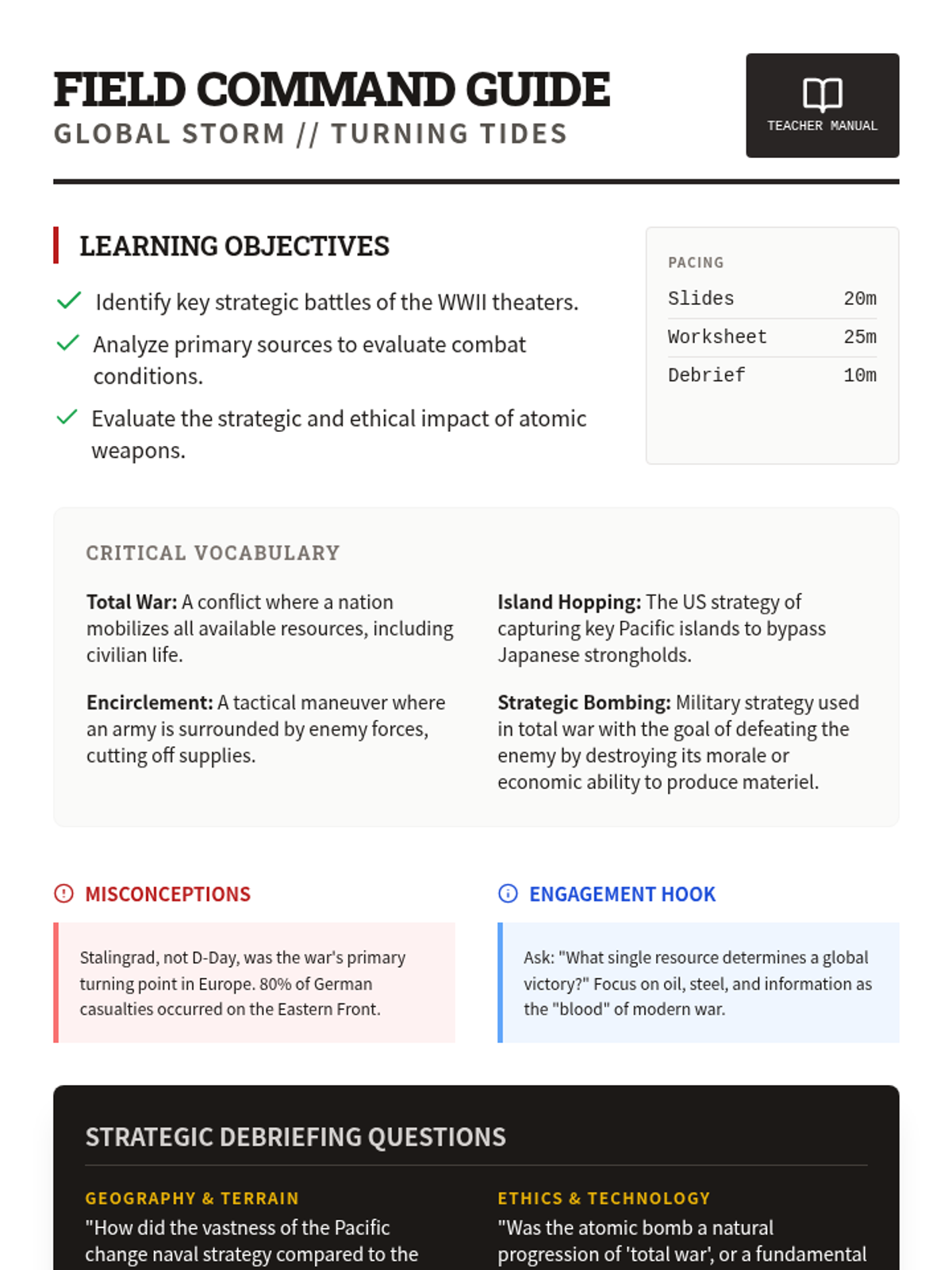
Focuses on the critical turning points of World War II, exploring the strategic shifts and human stories that defined the conflict's outcome.
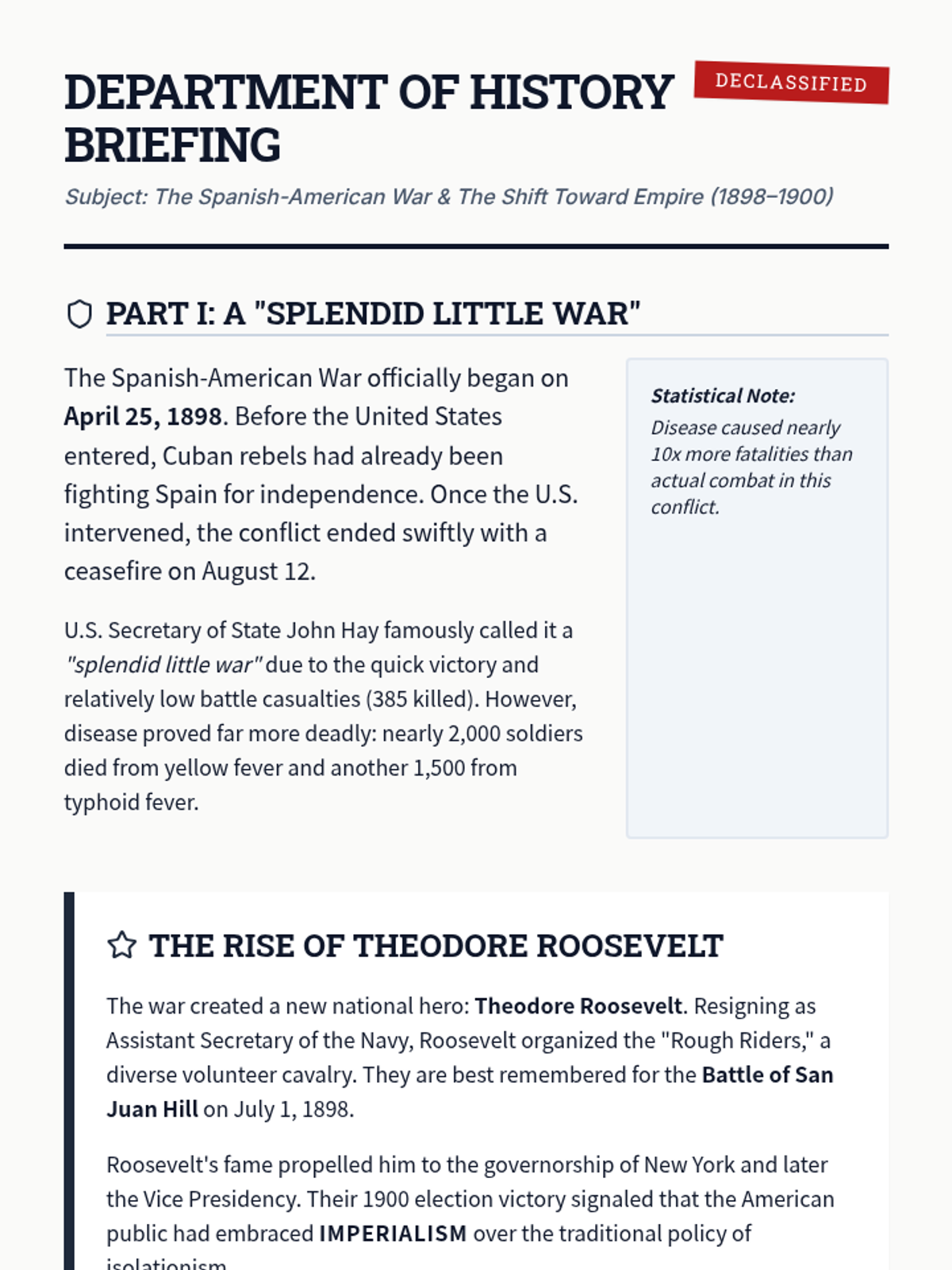
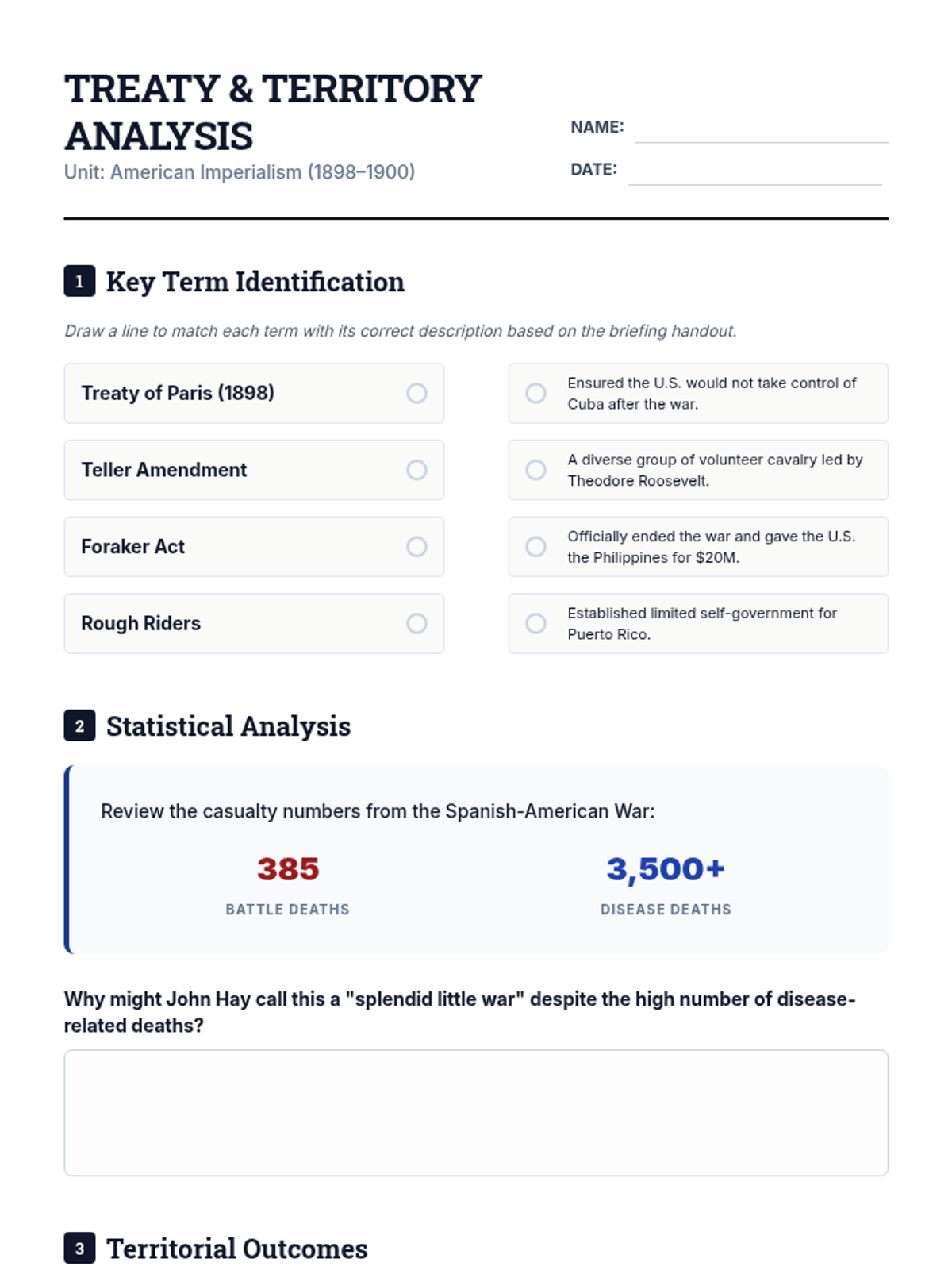
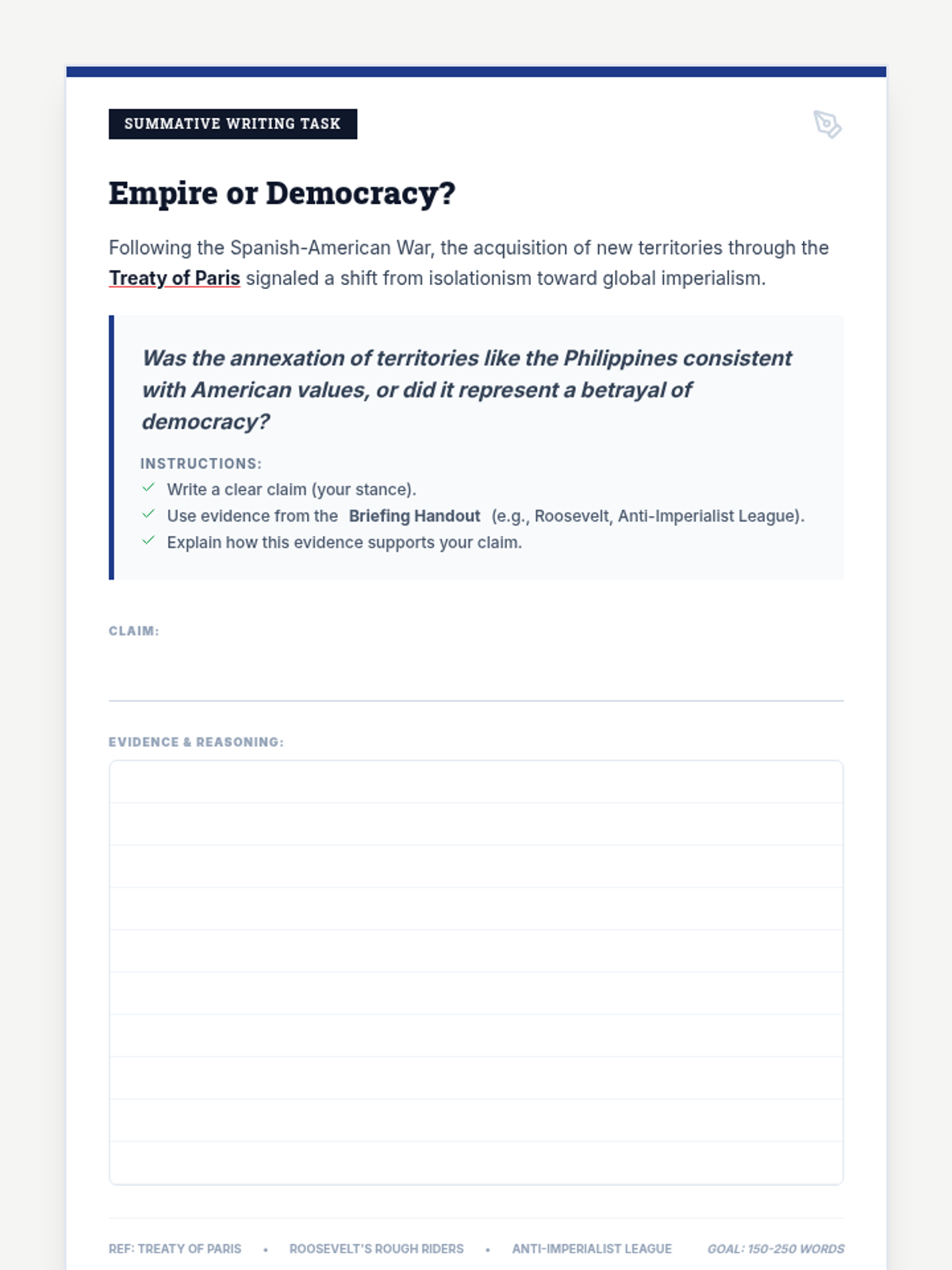
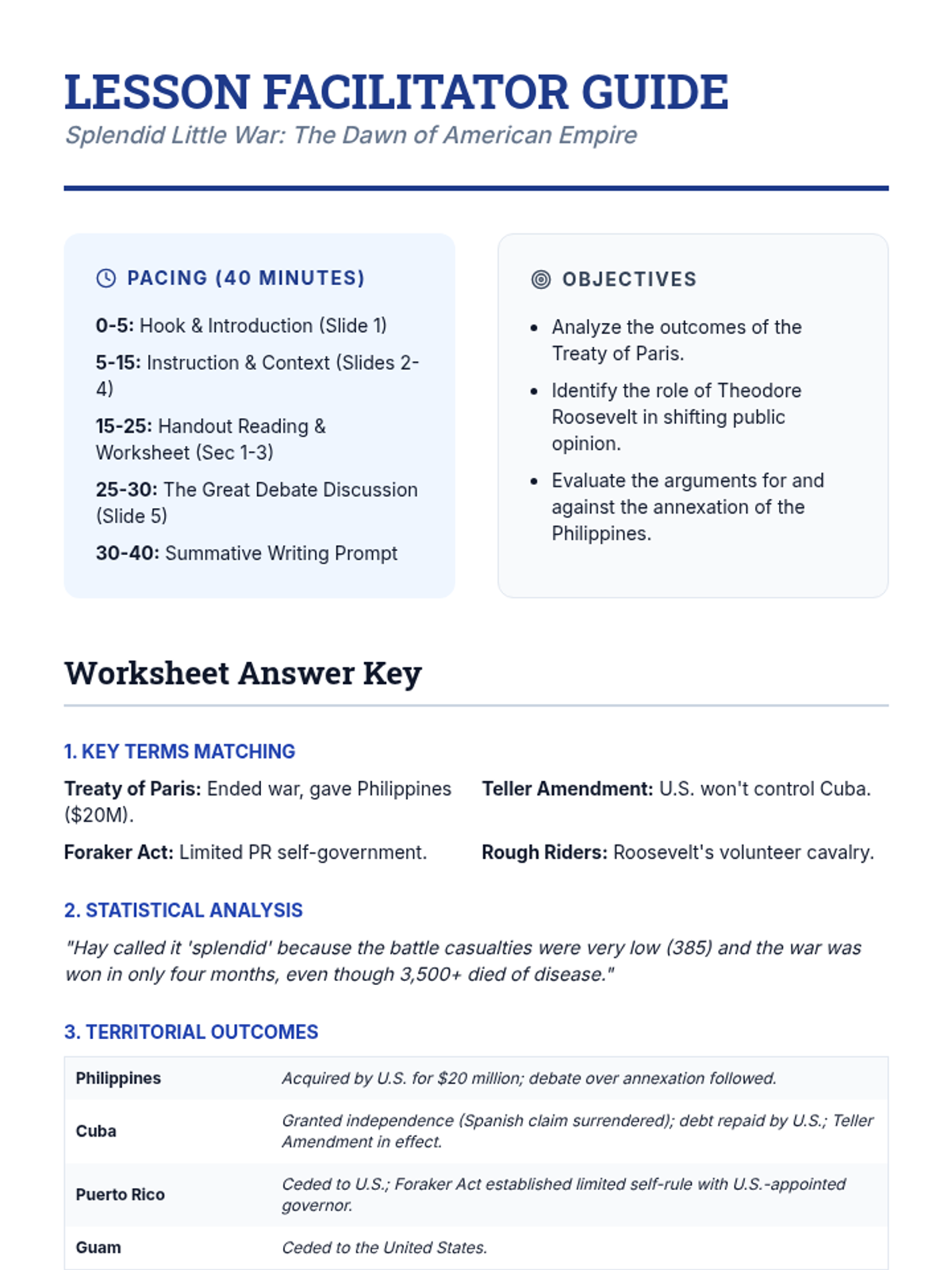
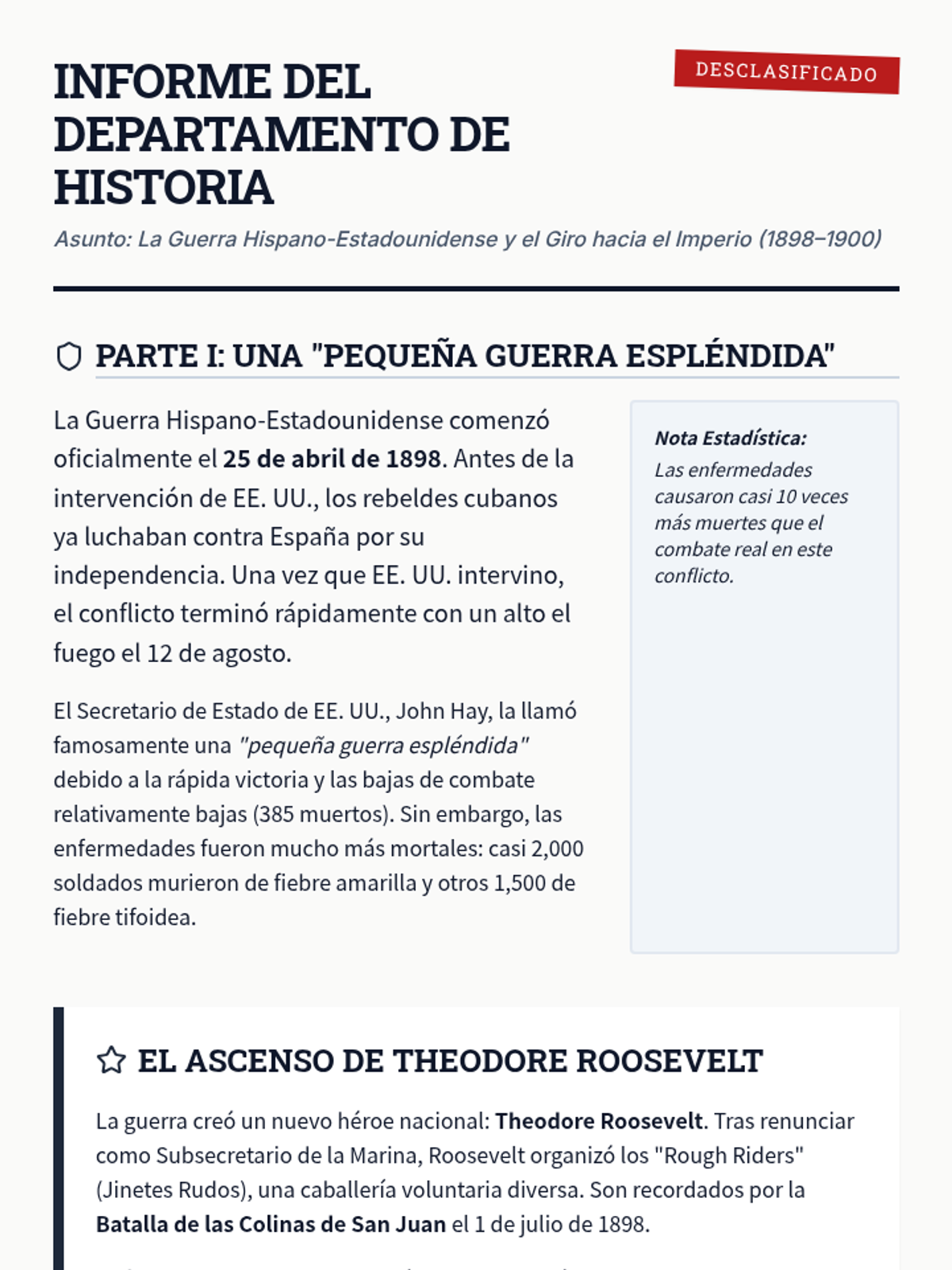
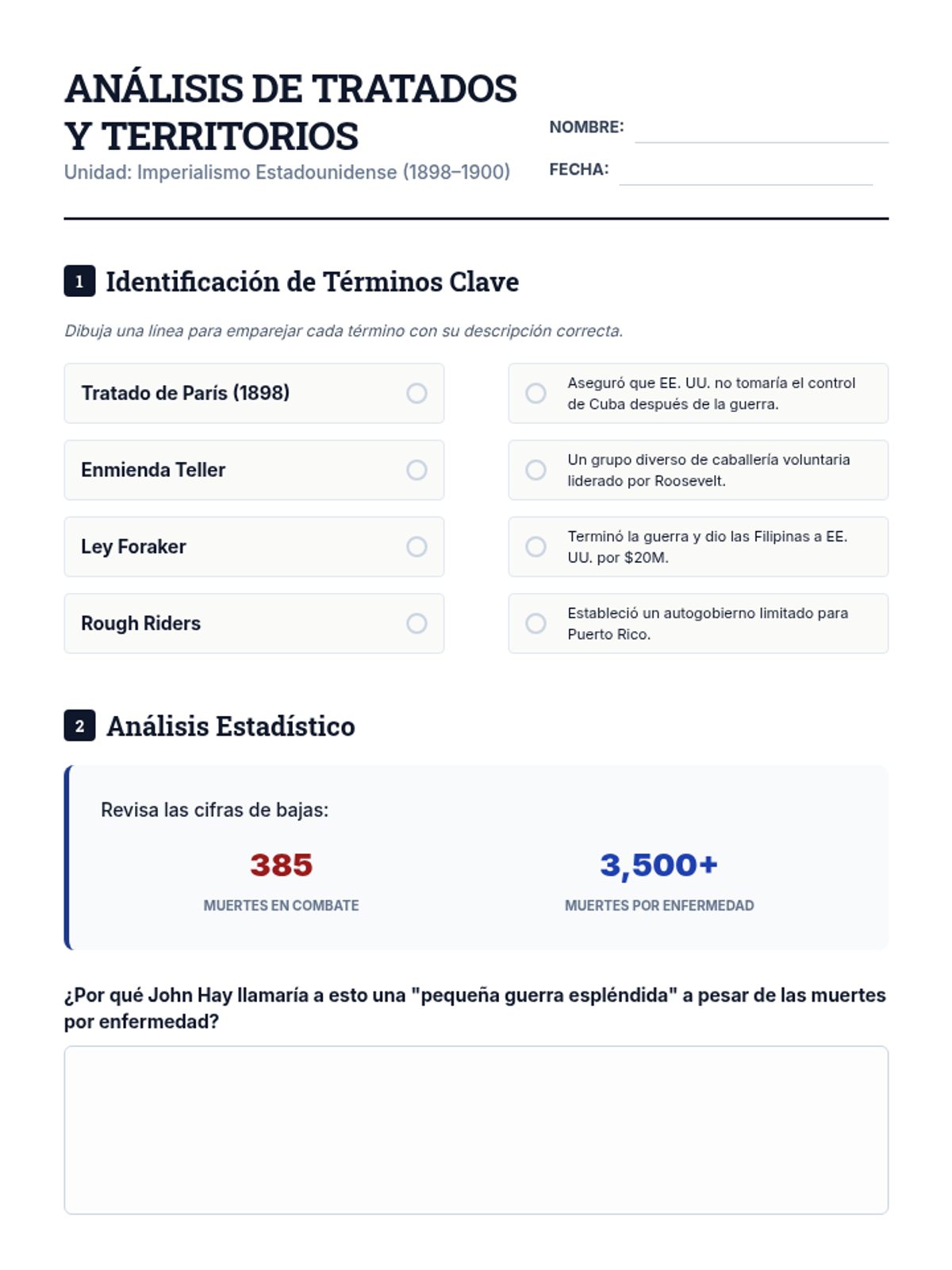
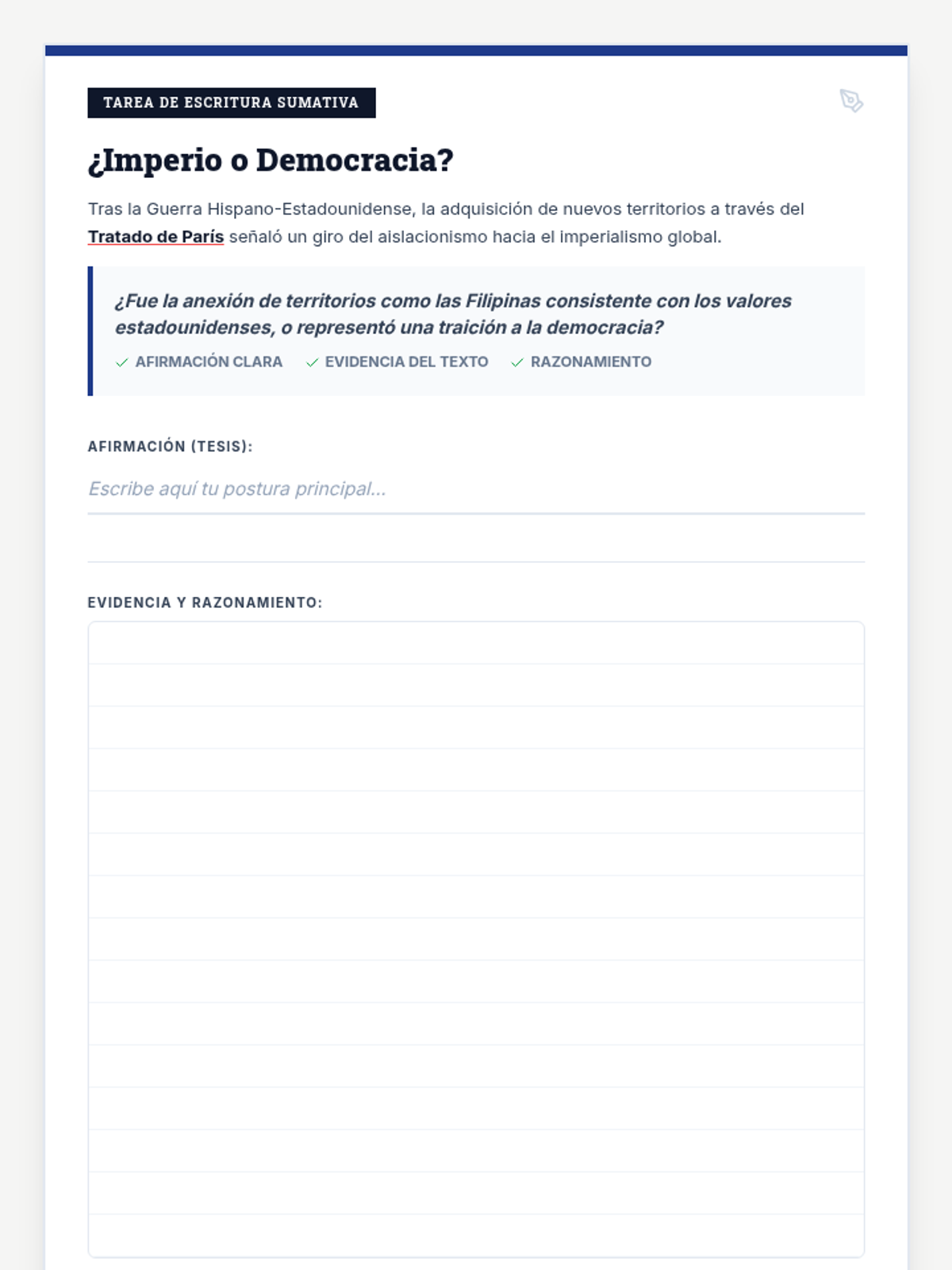
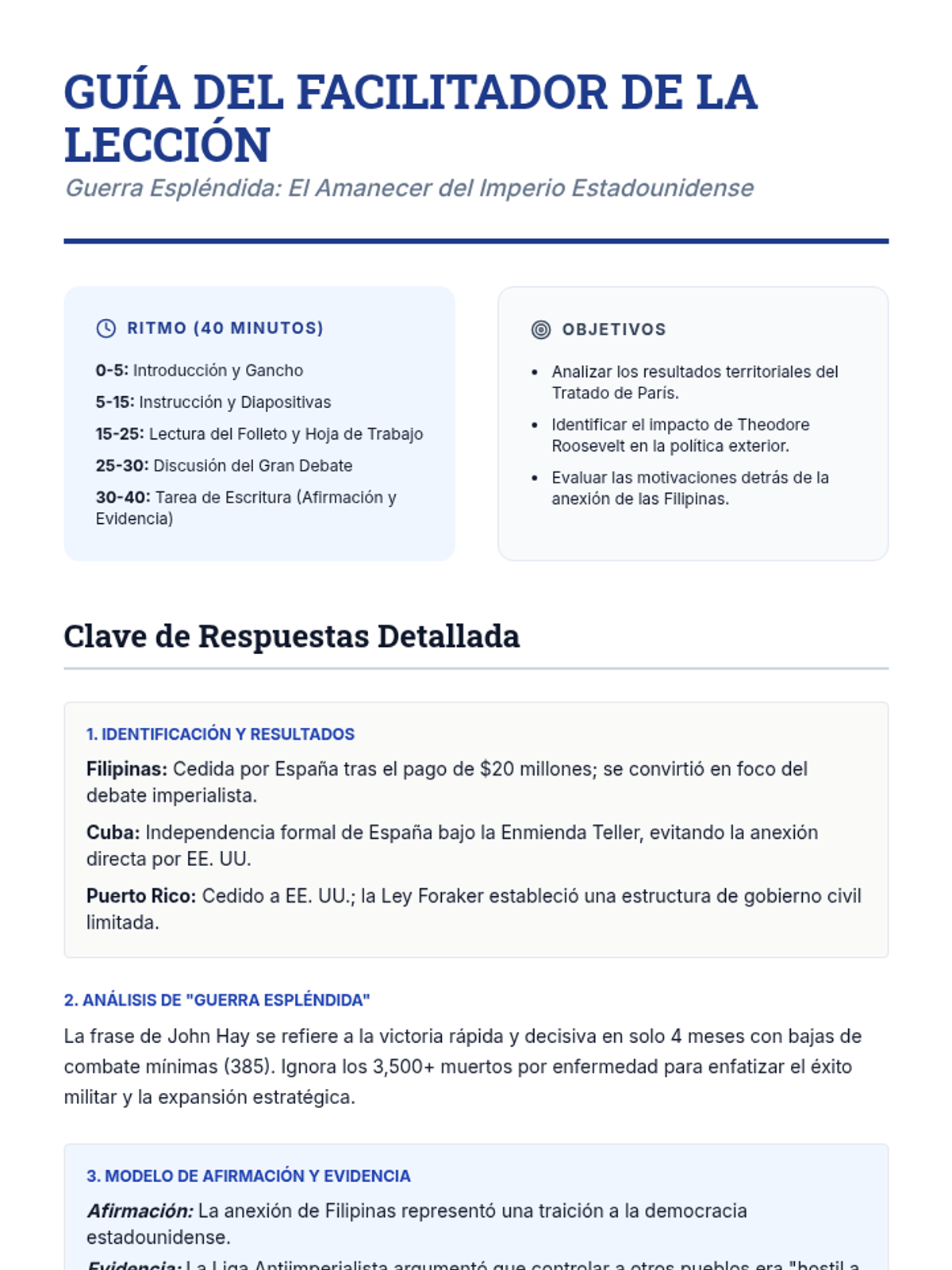
This lesson explores the Spanish-American War, focusing on Theodore Roosevelt's rise, the Treaty of Paris, and the United States' transition from isolationism to an imperial power. Students will analyze the motives and arguments surrounding the annexation of the Philippines and other territories.
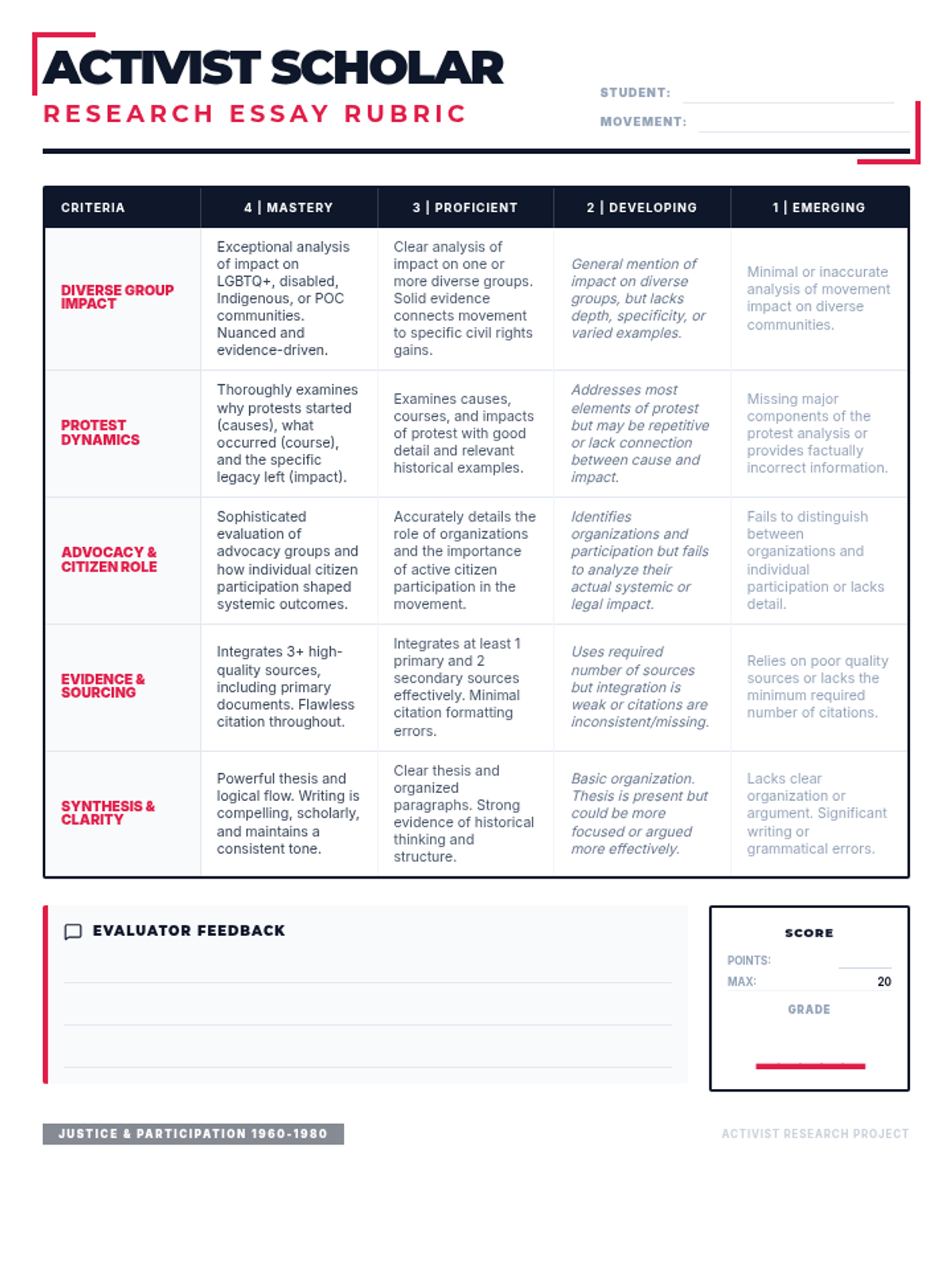
A comprehensive research project exploring the 1960s-80s social movements, focusing on the roles of protest, advocacy, and citizen participation in shaping civil rights for diverse communities.
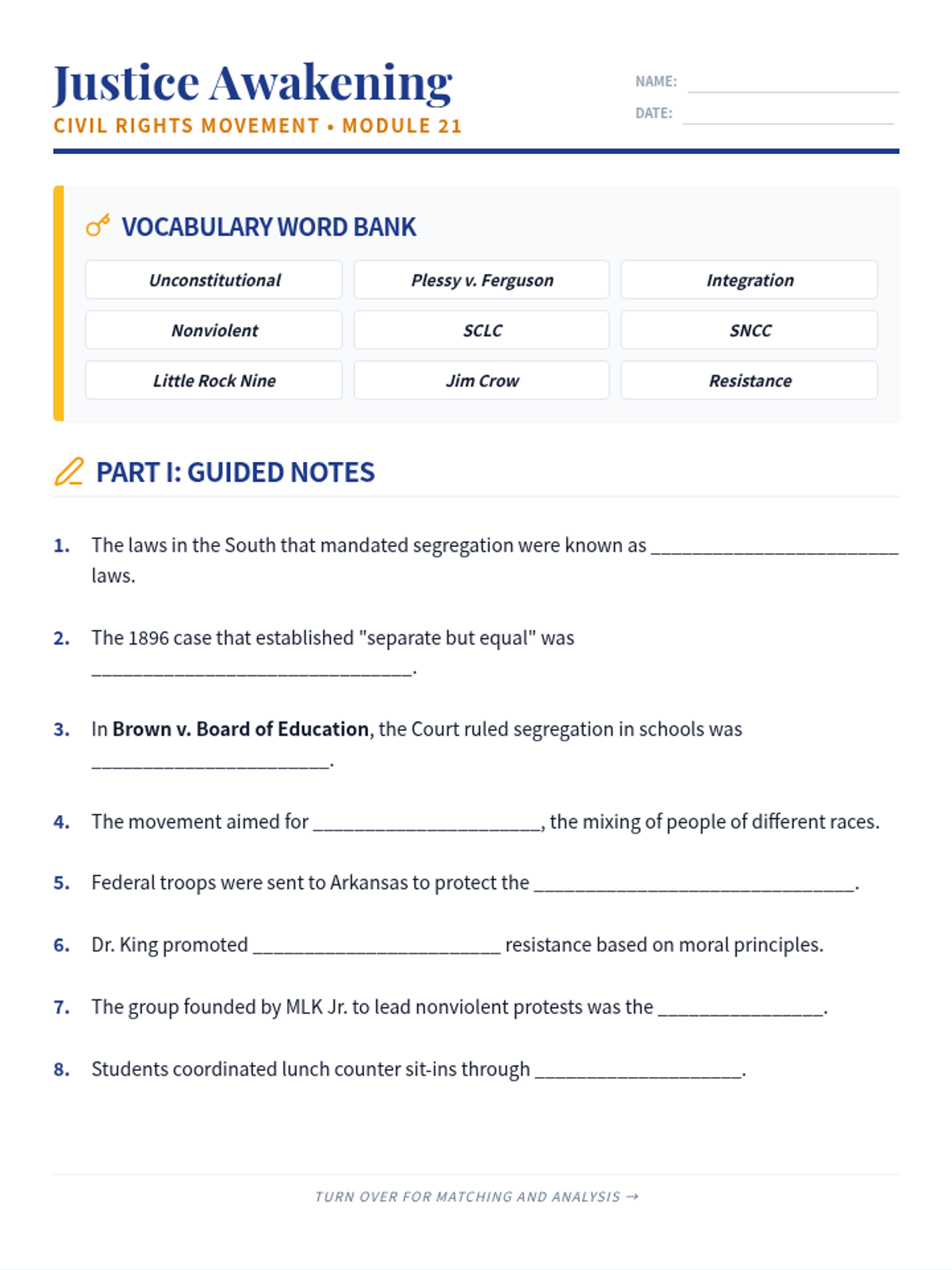
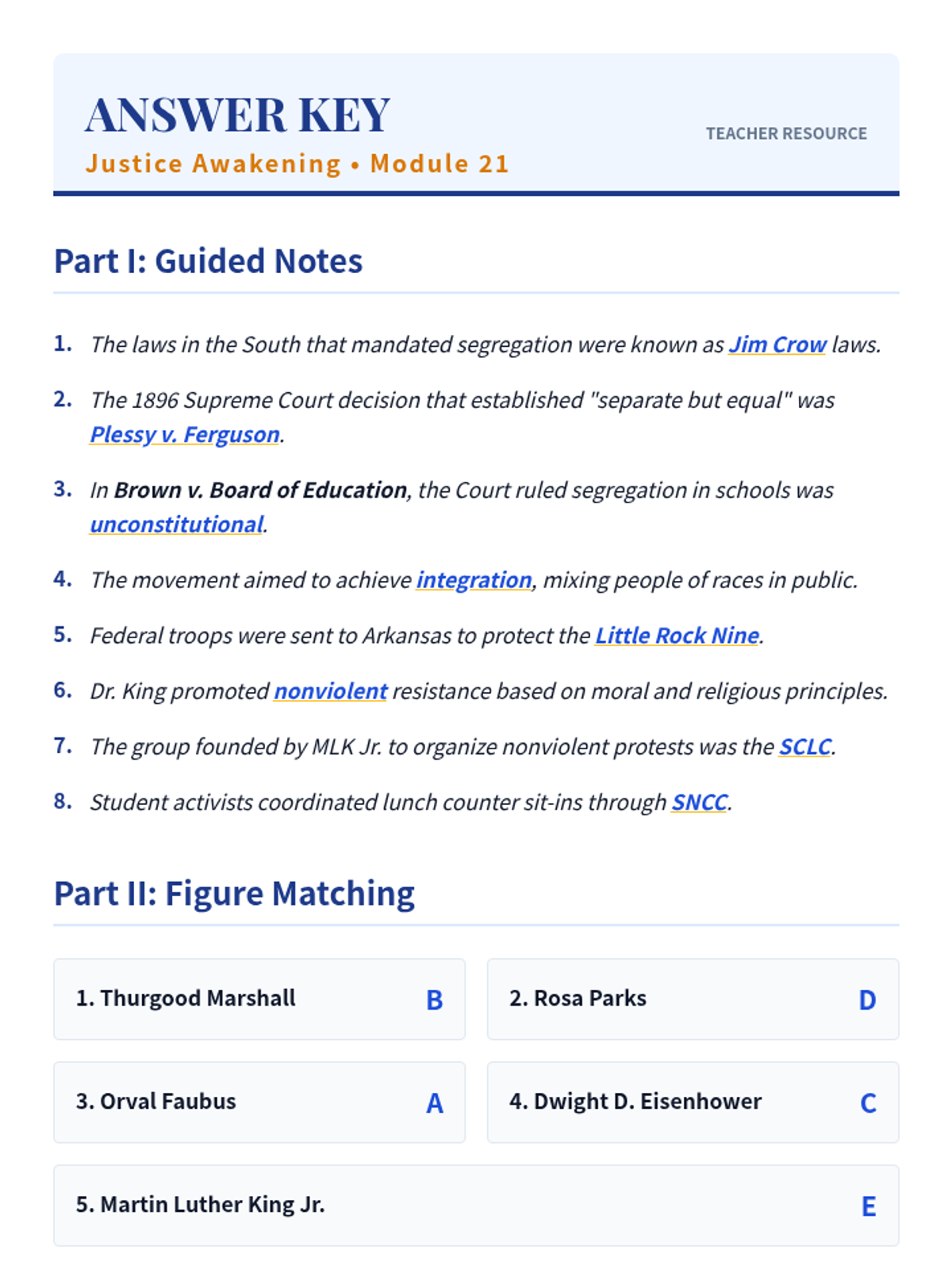
This lesson explores the pivotal events and figures of the early Civil Rights Movement during the 1950s, aligned with HMH Module 21. Students will analyze the legal battles against segregation and the rise of grassroots activism.
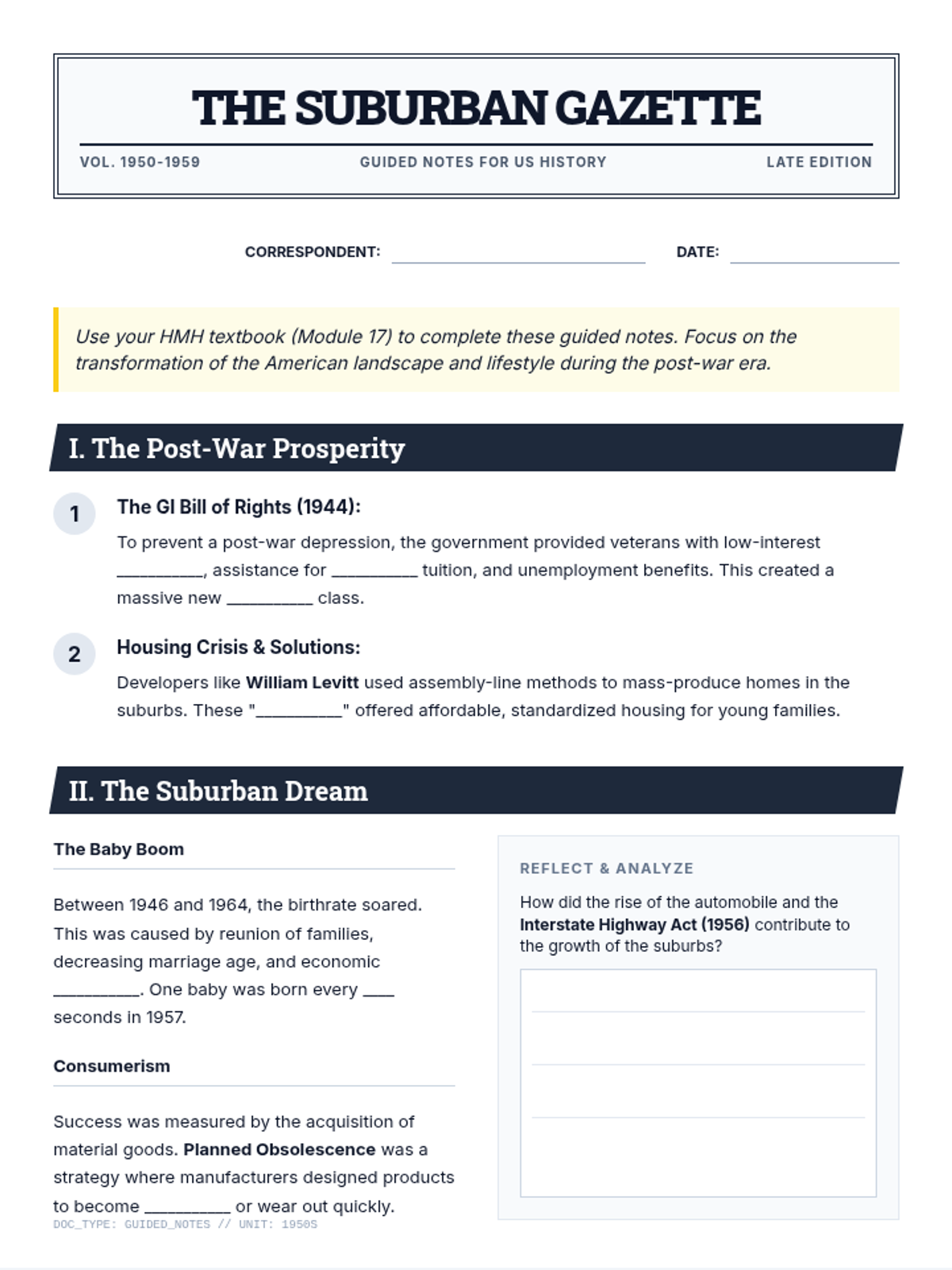
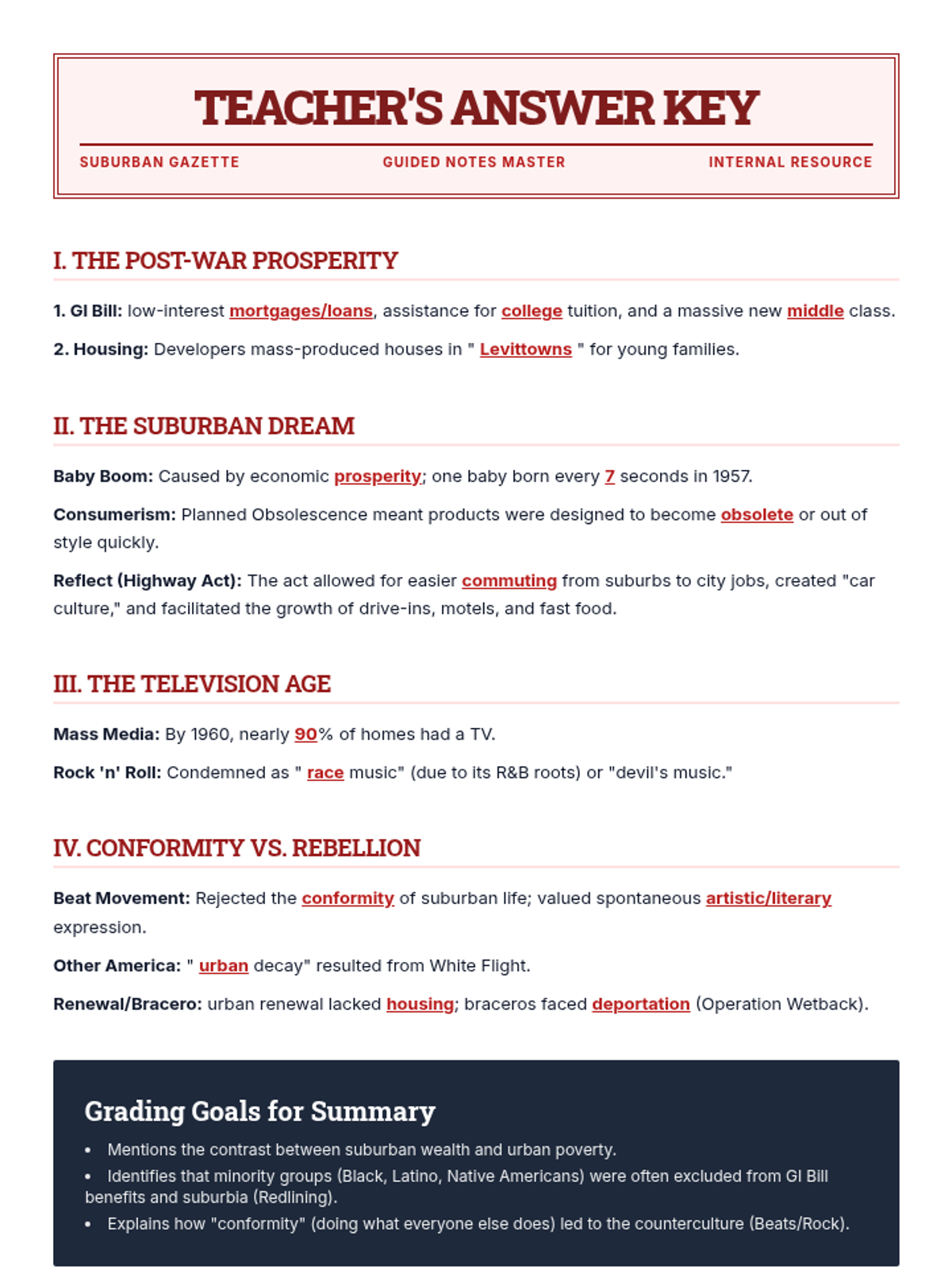
An overview of the domestic life, economic prosperity, and cultural shifts of the 1950s. This lesson covers the GI Bill, the rise of suburbia, the baby boom, and the tension between conformity and the emerging counterculture.