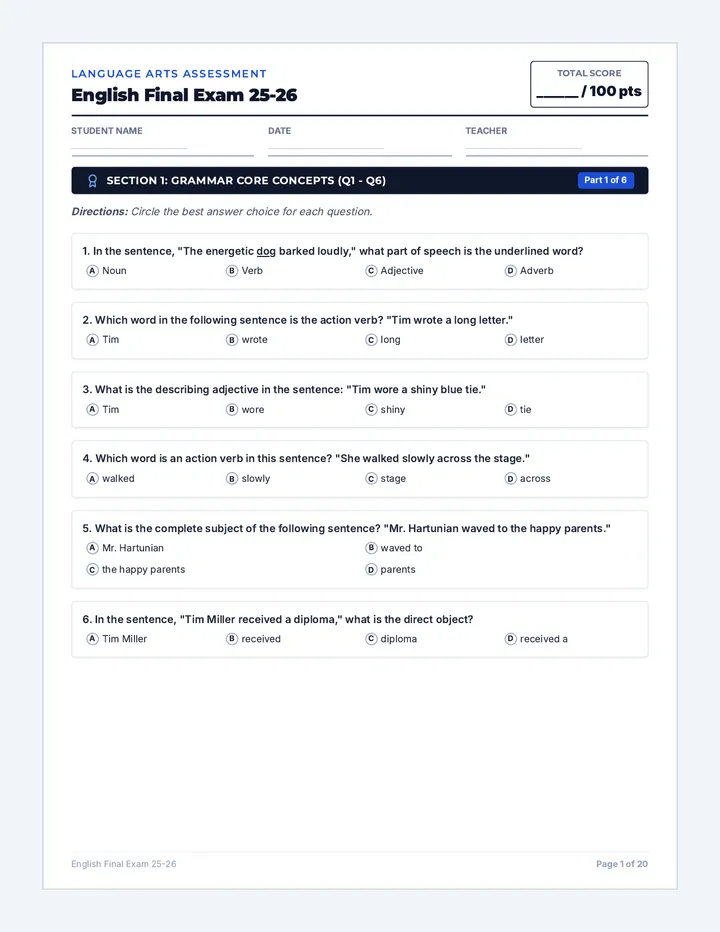
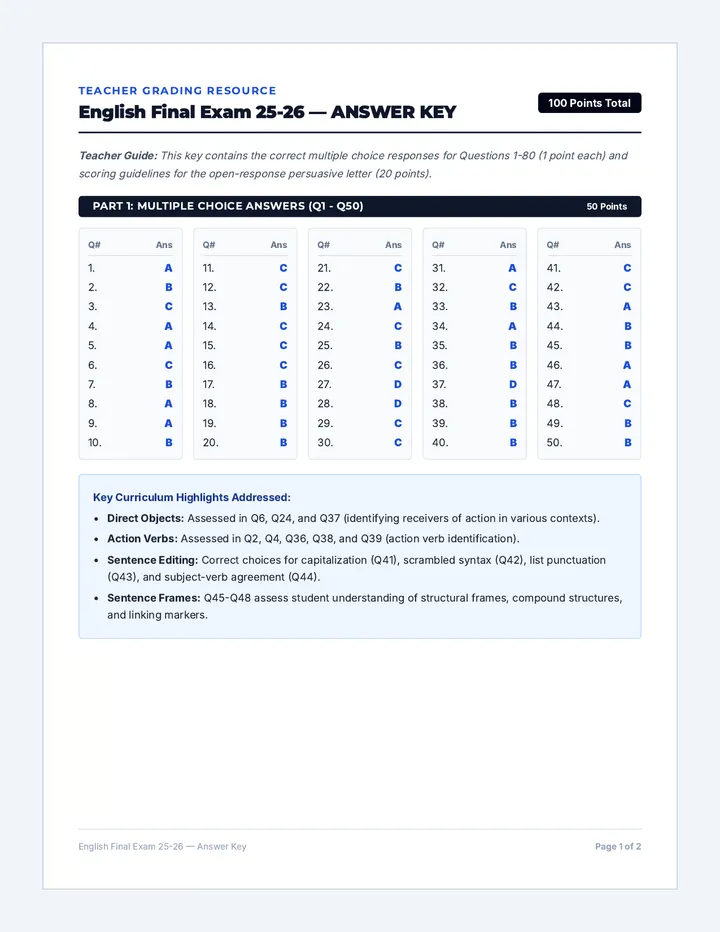
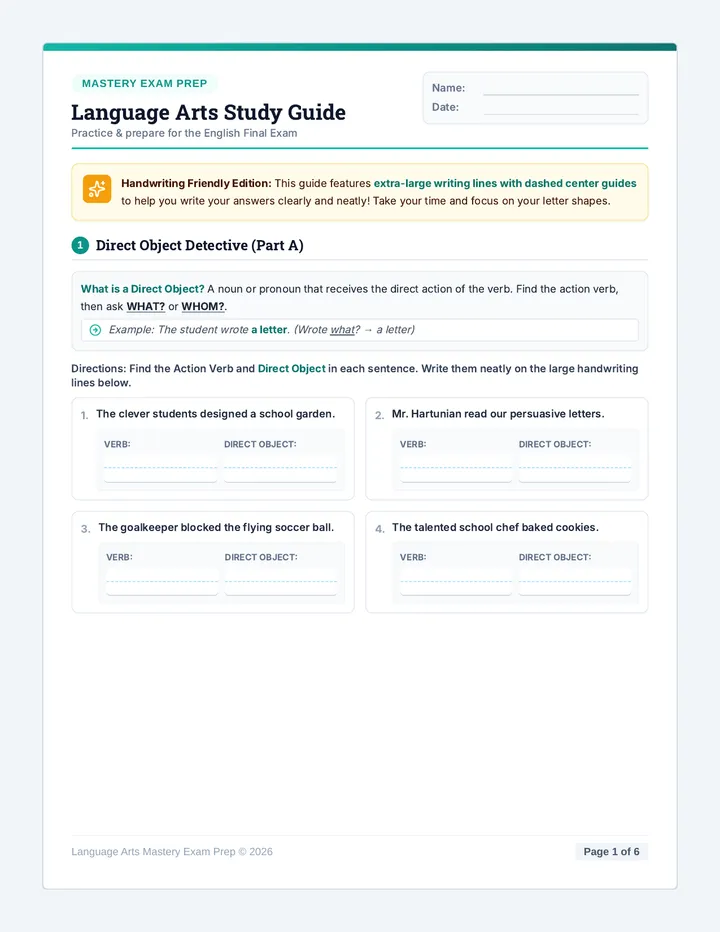
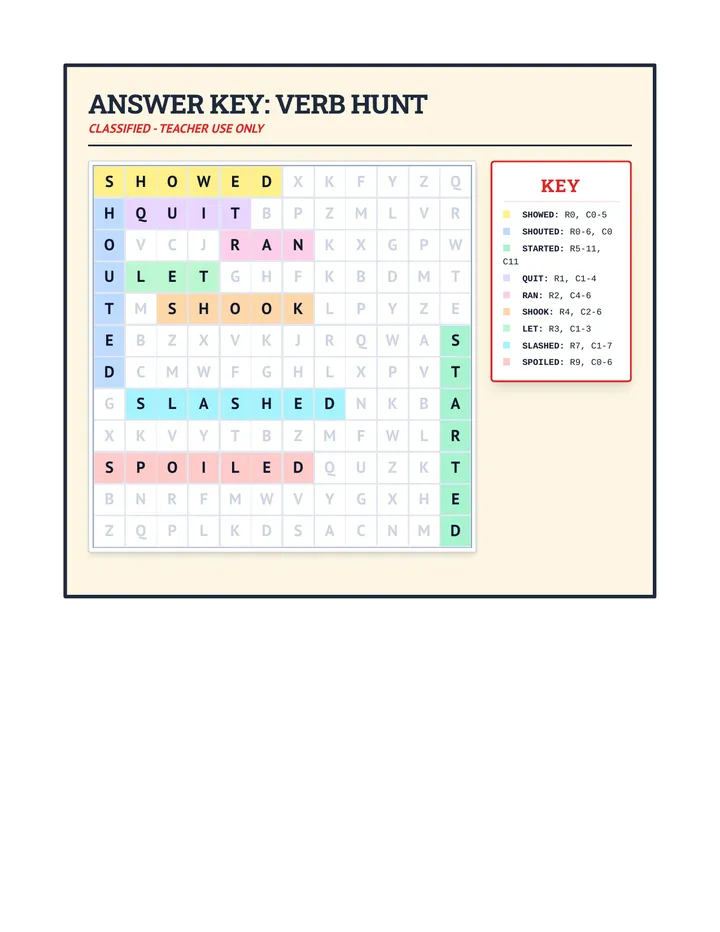
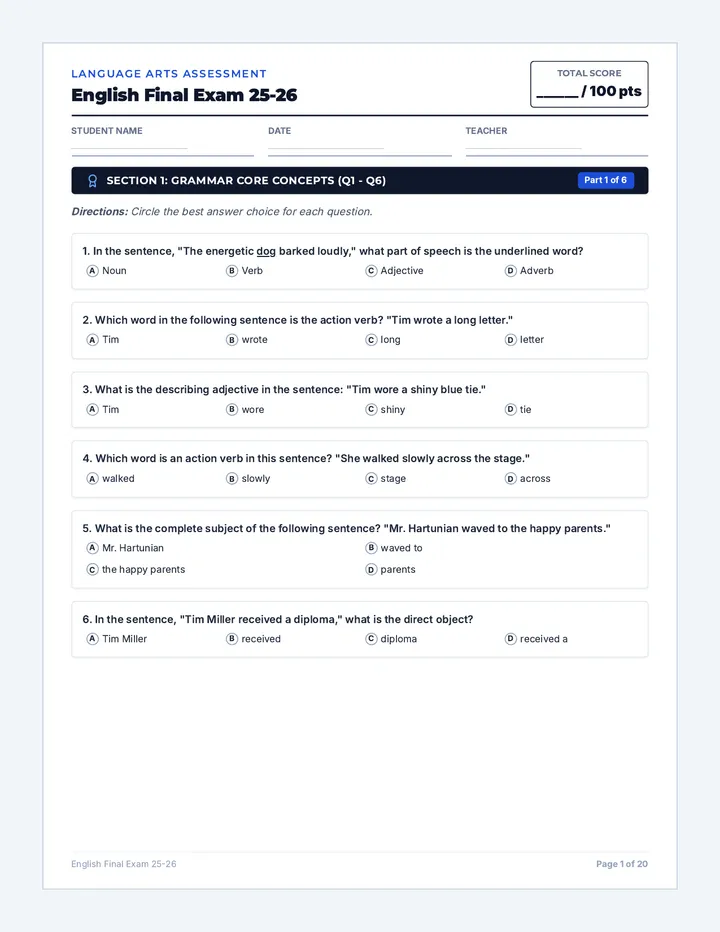
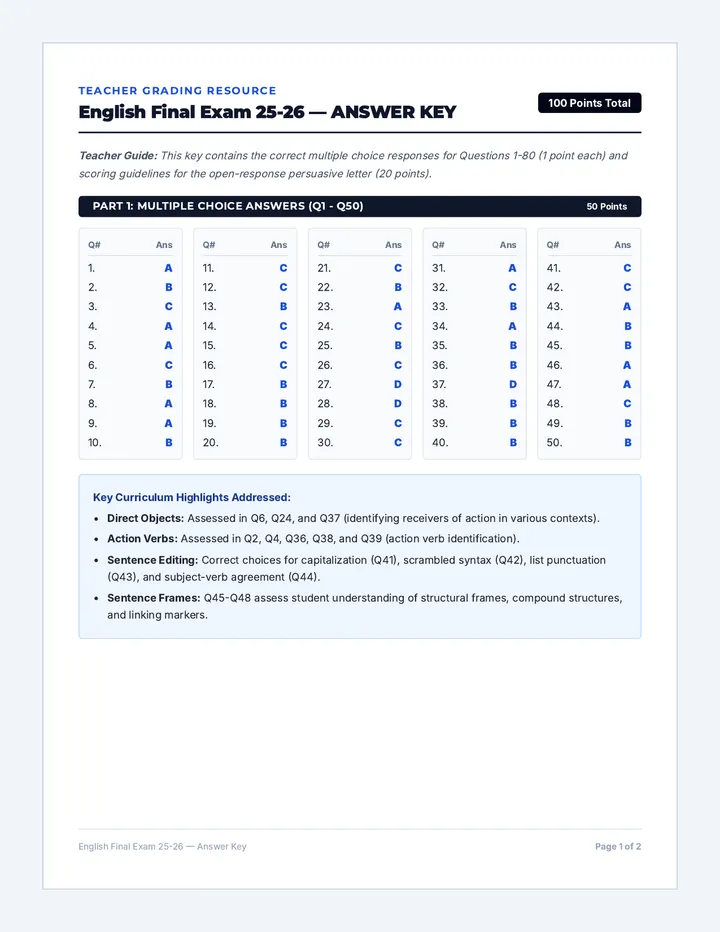
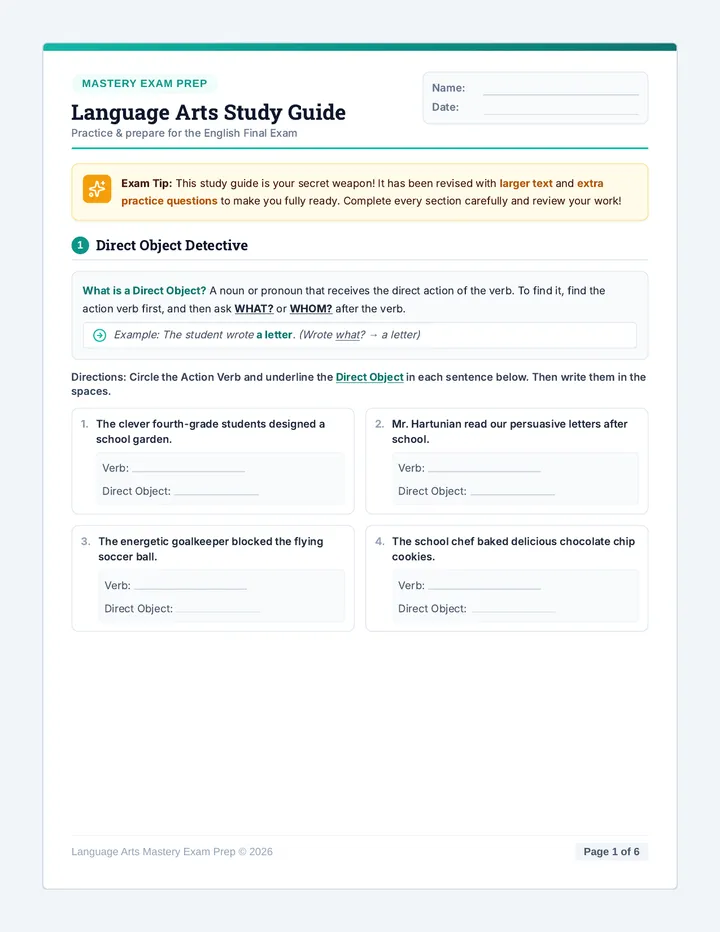
A high-energy 4th-grade grammar lesson where students physically demonstrate the relationship between verbs and direct objects through acting and charades.
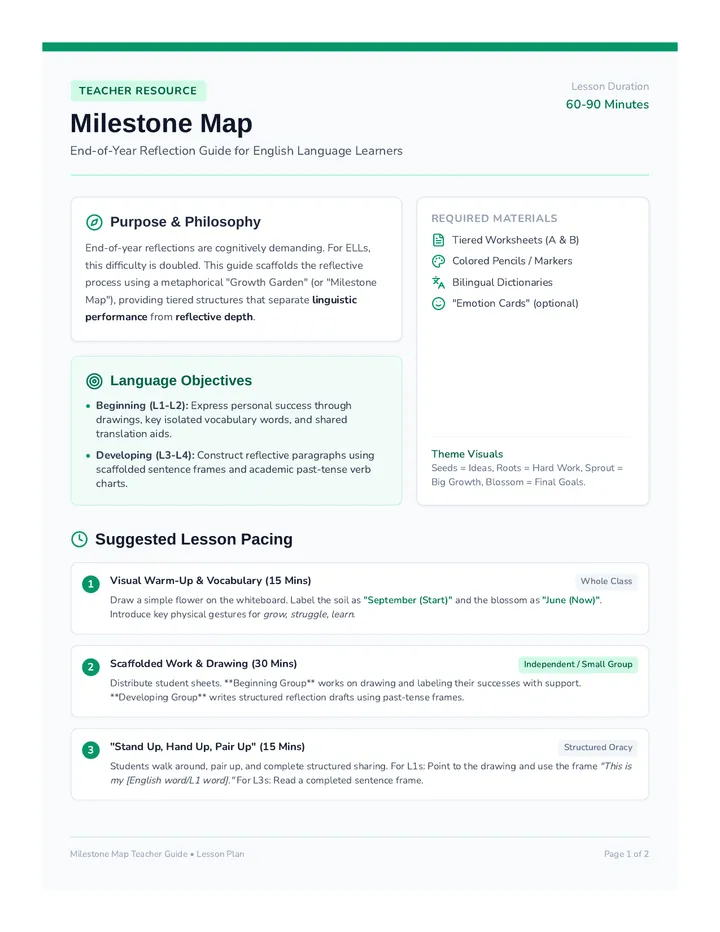
A lesson introducing various suffixes through the lens of women's lacrosse, featuring word analysis and a six-paragraph reading passage.
A collection of visual anchor charts and notebook inserts to help students master common spelling rules including the FLOSS rule and the C/K/CK spelling choice.
A lesson focused on comparing and contrasting two non-fiction texts about animal migration, designed with accessible reading levels for 5th-grade students.
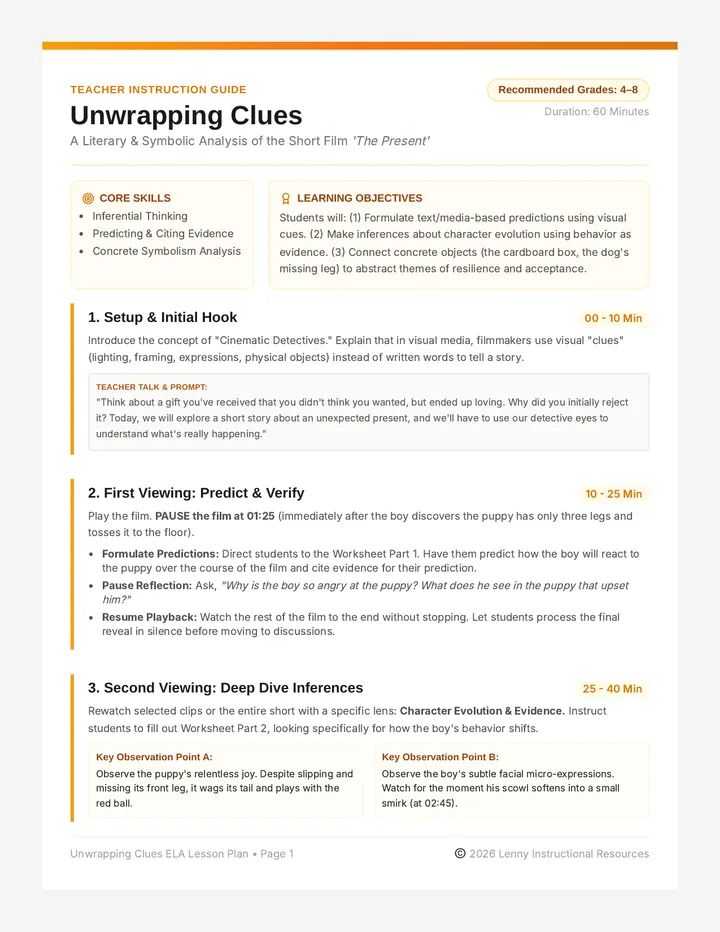
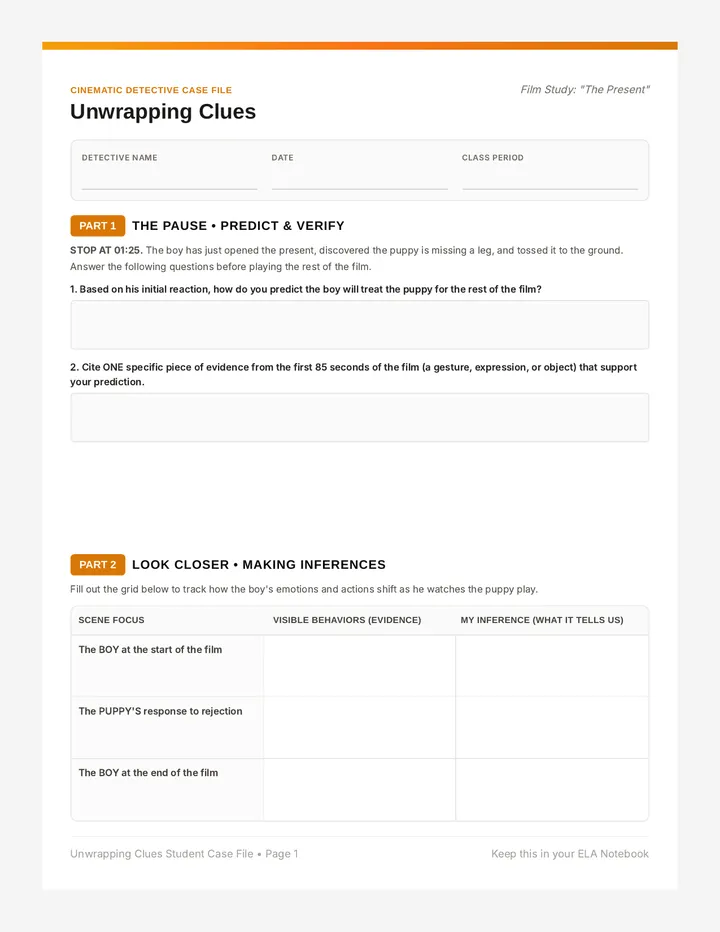
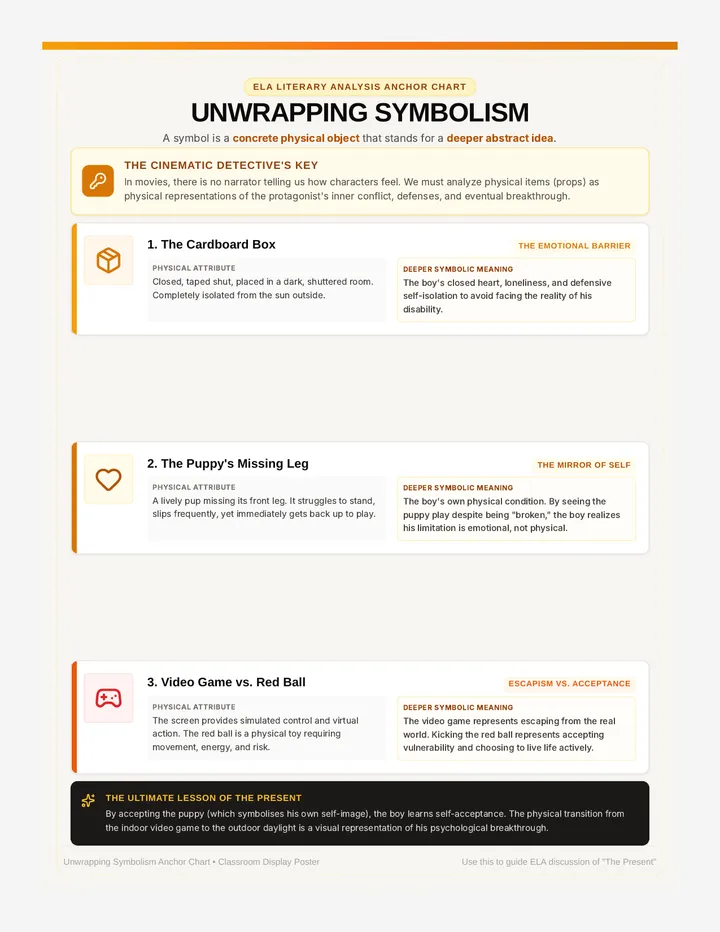
A lesson exploring how authors use everyday objects to represent deeper abstract ideas, helping students decode layers of meaning in literature.
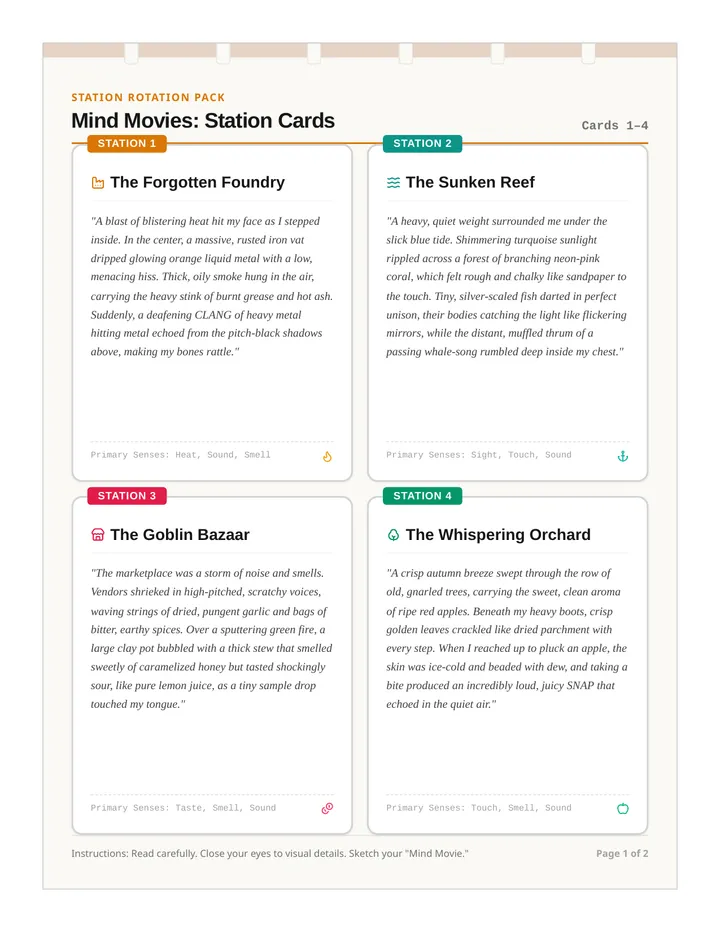
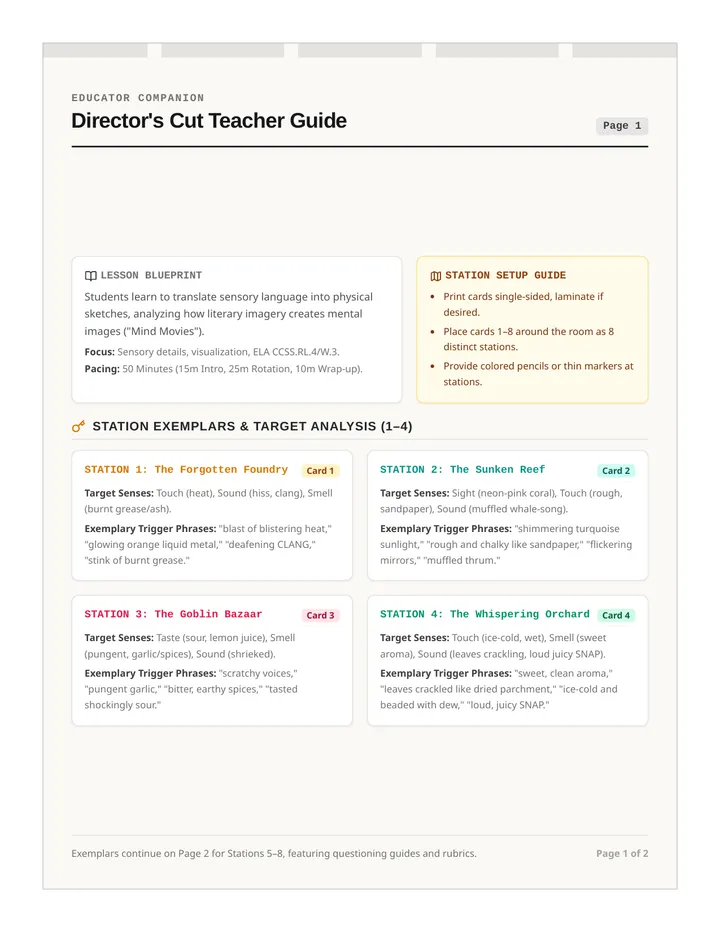
A lesson exploring the emotion of awe and descriptive language through the book 'Awe' by Chana Stiefel, designed for 3rd and 4th-grade students.
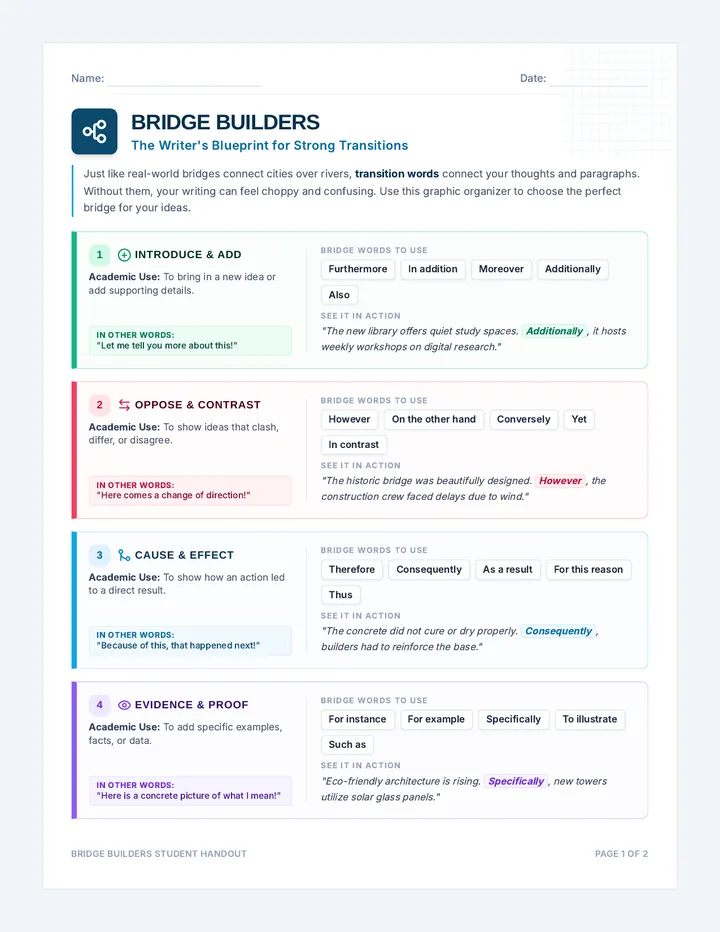
A lesson focused on teaching students how to write compelling book reviews by using specific transition phrases to connect their opinions with text-based evidence.
A comprehensive lesson on identifying and fixing sentence fragments using visual supports, color-coding, and step-by-step practice tailored for neurodivergent learners.
A foundational grammar lesson focusing on sentence structure through visual scaffolds and color-coding. Students learn to identify fragments, complete sentences, and run-ons using a 'Construction' metaphor.
A lesson focused on identifying the main idea or theme of a story by analyzing character growth and turning it into a universal life lesson supported by evidence.
The resolution of Jackson's journey and the culminating creative project. Reading chapters 40-52.
Tensions rise and truths are revealed in chapters 31-40.
Jackson struggles with his family's financial situation and the "car years" as he reads chapters 14-26.
Jackson encounters Crenshaw's return and recalls the first "car year" memory. Reading chapters 1–13.
A comprehensive lesson on distinguishing between facts and opinions using relatable topics like daily routines, sports, and animals. Includes interactive slides, differentiated practice, and formative assessments.
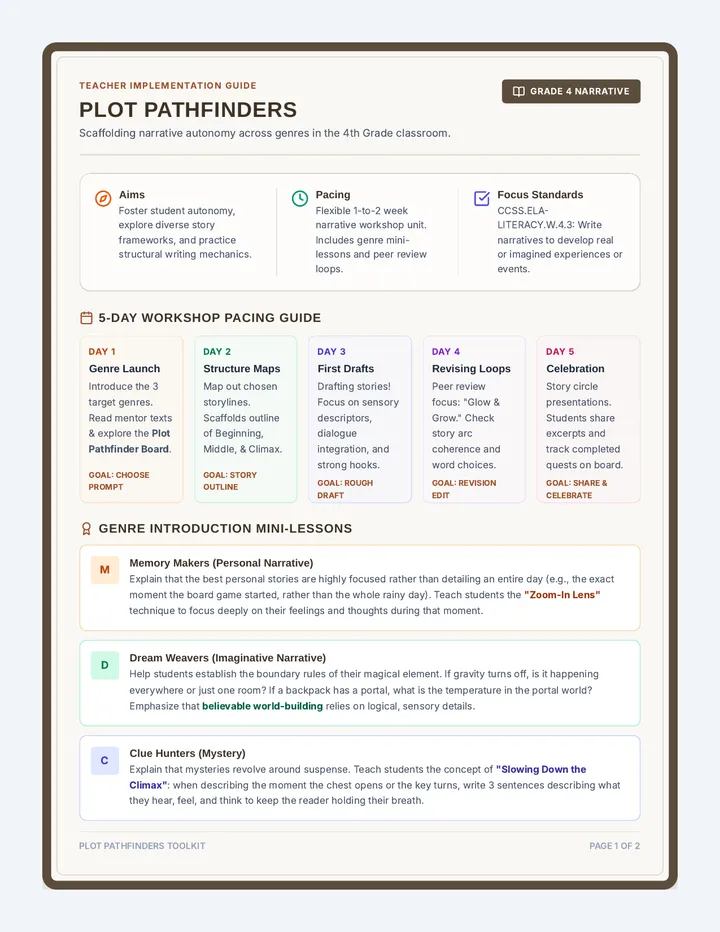
An introductory lesson on creative writing that explores the differences between prose and poetry, defines plot and theme, and introduces literary devices like metaphors.
A summative review focusing on personification and mixed practice of all previously learned figurative language and sound devices to prepare for STAAR-style assessments.
A focused reteach lesson on sensory imagery and sound devices like alliteration and assonance in poetry, featuring teacher-led modeling and collaborative practice.
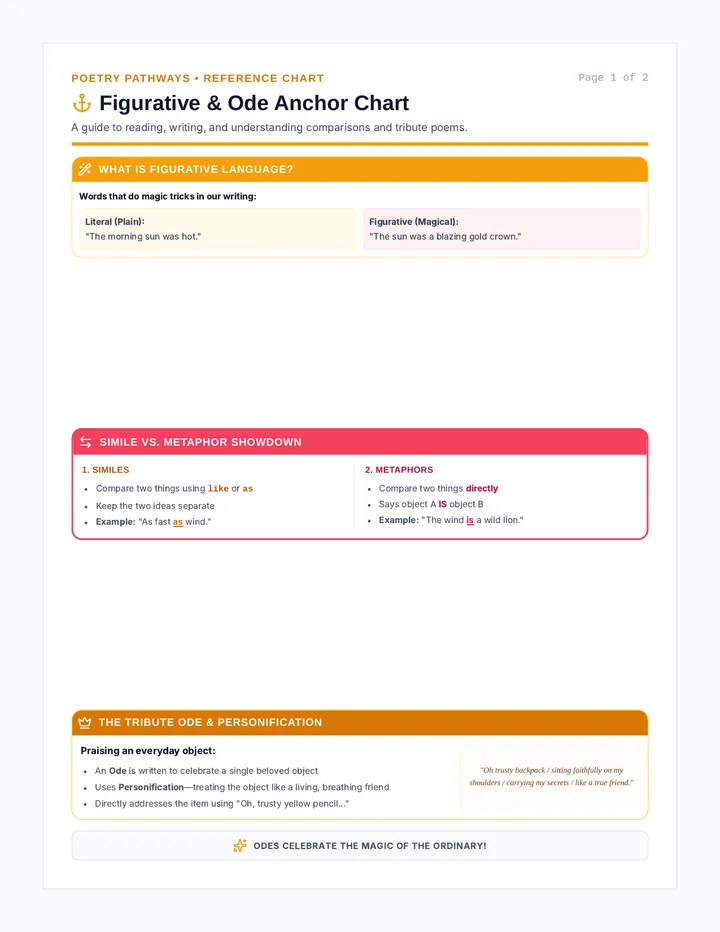
Explores the use of comparisons in poetry, specifically focusing on similes and metaphors to help students understand how authors create meaning.
A tiered reading lesson exploring the signs and science of spring across three grade levels (K, 2, and 4), focusing on main ideas and sequencing.
A reading comprehension lesson focused on the diverse roles women played during the American Revolution, targeting inference skills and vocabulary development for 4th-grade students.
A lesson focusing on consonant-le syllables (Wilson 6.4), including mixed review and the silent-t -stle pattern. Students will practice syllable division and reading fluency.
In this activity, students will evaluate the different ways to handle money—spending, saving, and investing—by matching persuasive arguments with supporting evidence. Students will practice identifying claims and the reasoning that backs them up within a financial literacy context.
A Grade 6 ELA practice session featuring a multi-page realistic fiction passage and MCAS-style multiple-choice assessment items to build test-taking stamina and comprehension skills.
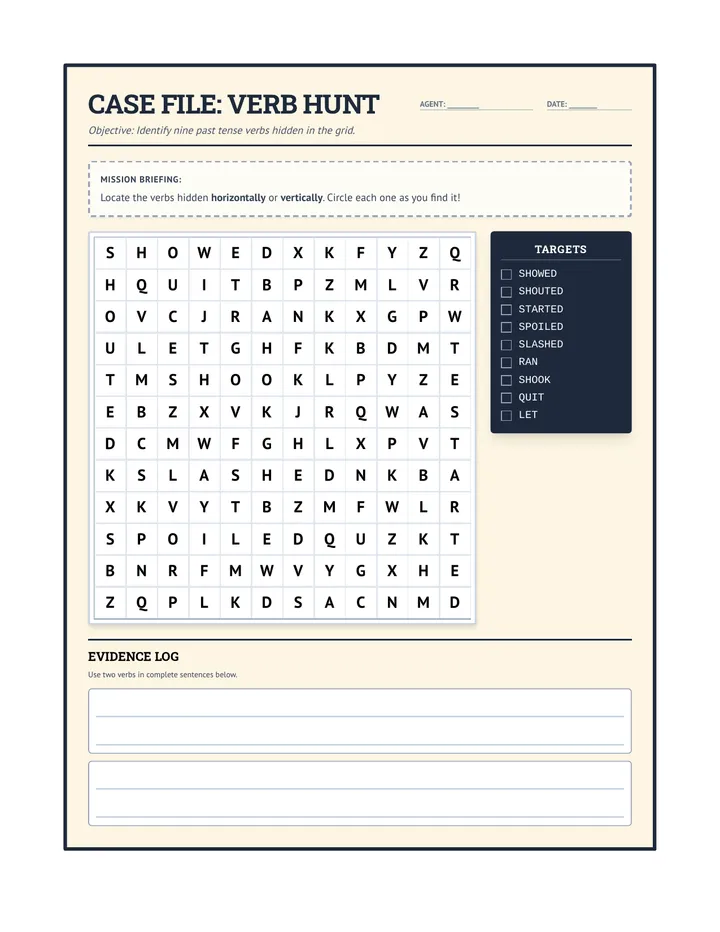
A detective-themed lesson focusing on three tricky homophone pairs: witch/which, led/lead, and break/brake. Students will identify meanings through context and practice using them correctly in sentences.
A lesson exploring the biography of NFL player Dion Lewis, focusing on character traits, resilience, and identifying words with suffixes.
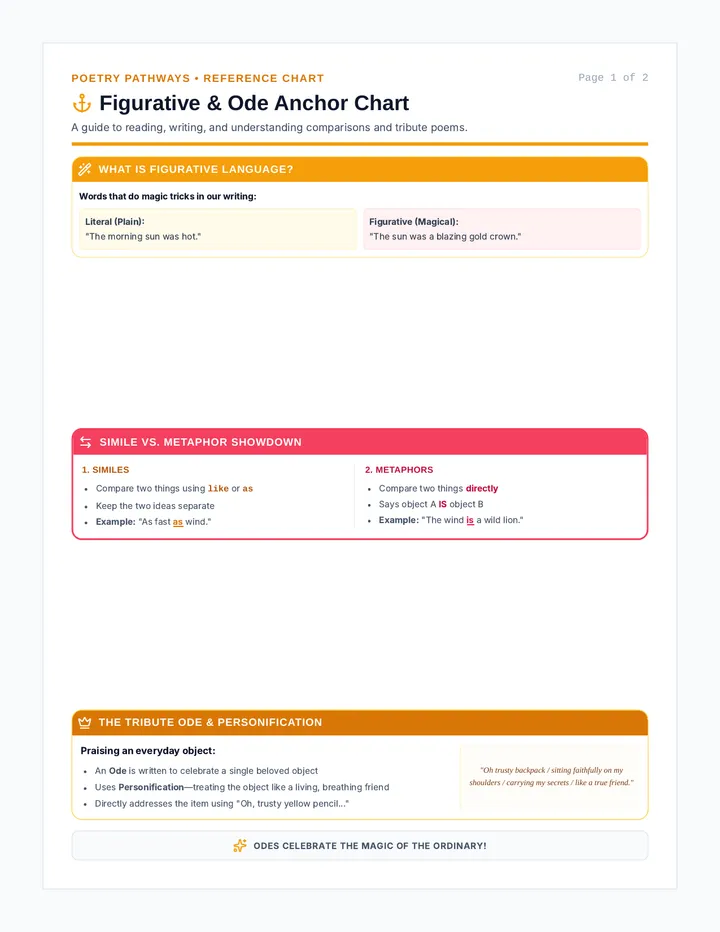
Students step into the role of entrepreneurs, inventing a product and crafting a persuasive pitch using ethos, pathos, and logos to win over a panel of investors.

A lesson focused on helping third graders identify the meaning of unknown words using context clues in fictional short stories. Students act as 'Word Detectives' to highlight evidence and define mystery words.
A targeted small-group intervention focusing on making inferences using key moments and character dynamics from 'The Season of Styx Malone'. Students will practice combining text evidence with background knowledge to uncover deeper meanings.
A cooperative storytelling lesson where students use mystery bags and 'traveler' prompts to build collective narratives, enhancing vocabulary and sequencing skills.
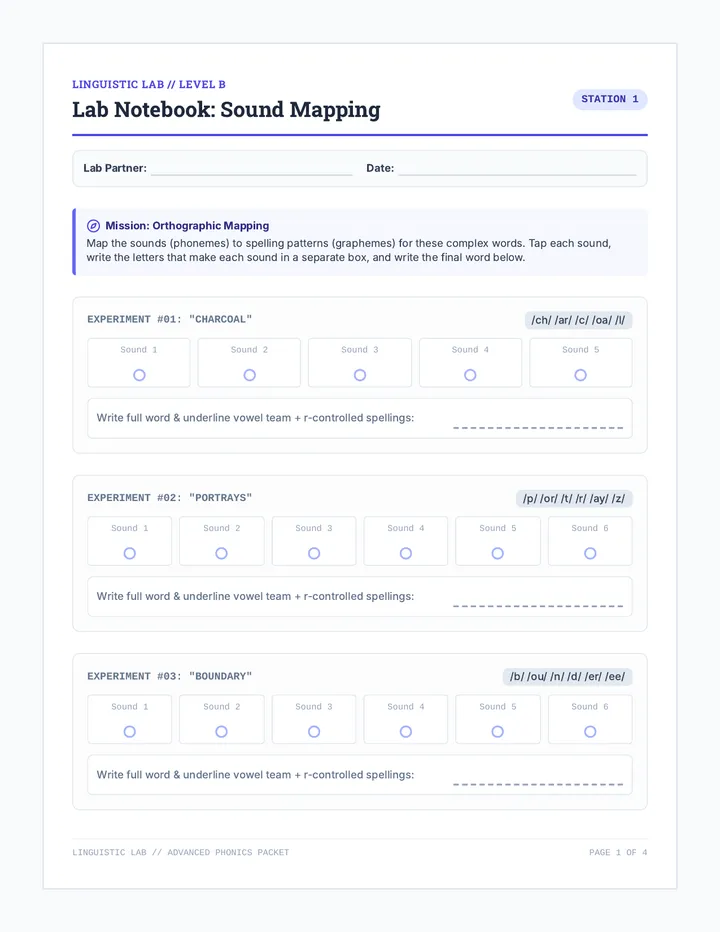
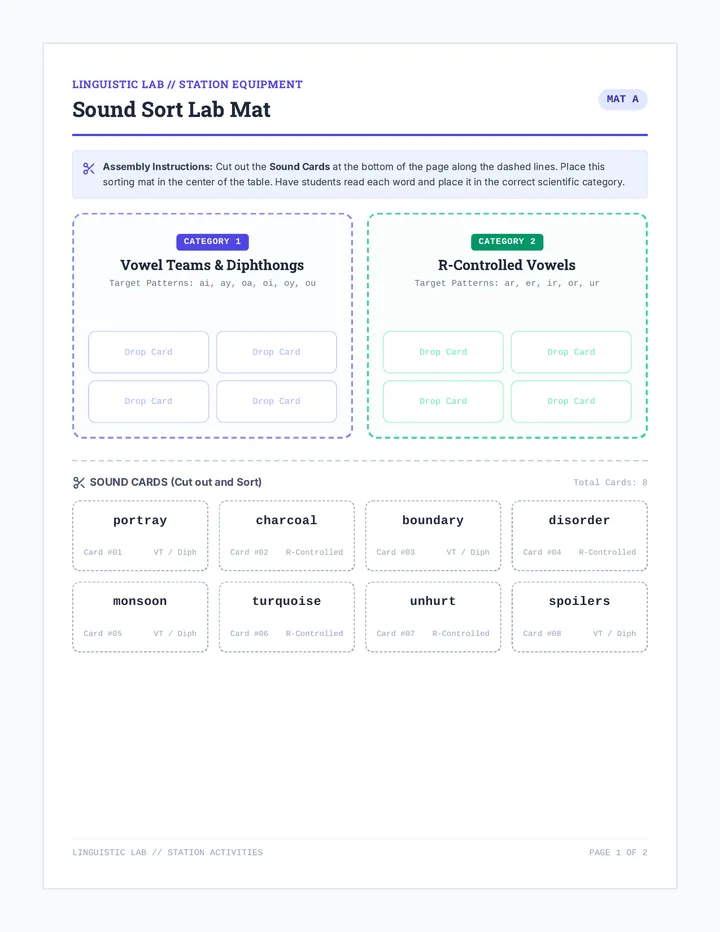
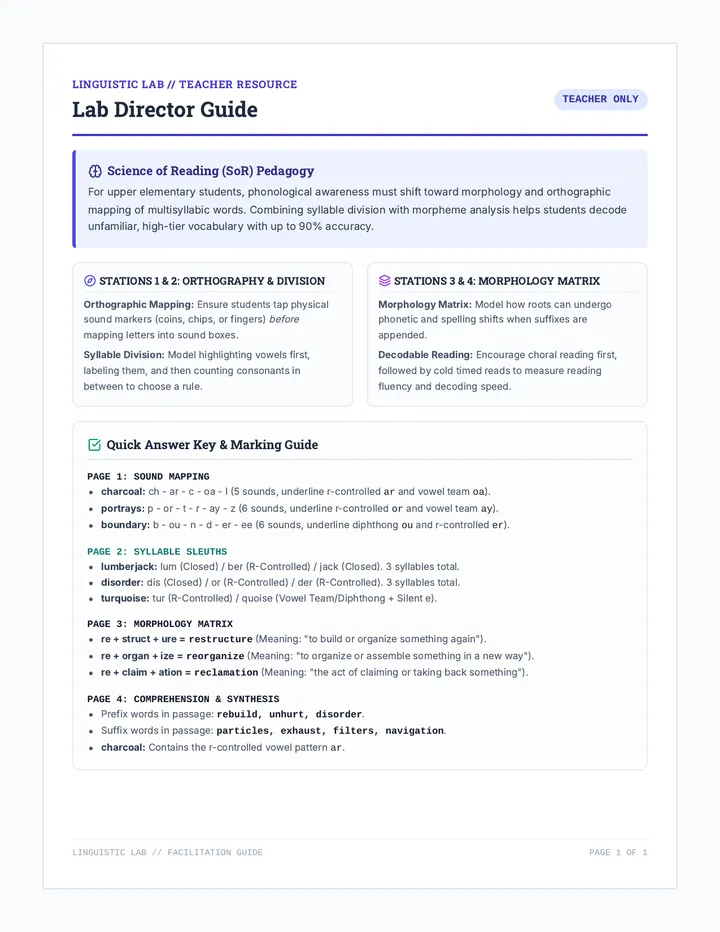
A focused study on multisyllabic words containing the 'oi' and 'oy' vowel teams, focusing on decoding and spelling patterns.
A lesson focused on distinguishing between common homophones and contractions: there/their/they're and its/it's for third-grade students. Includes visual aids and hands-on practice.
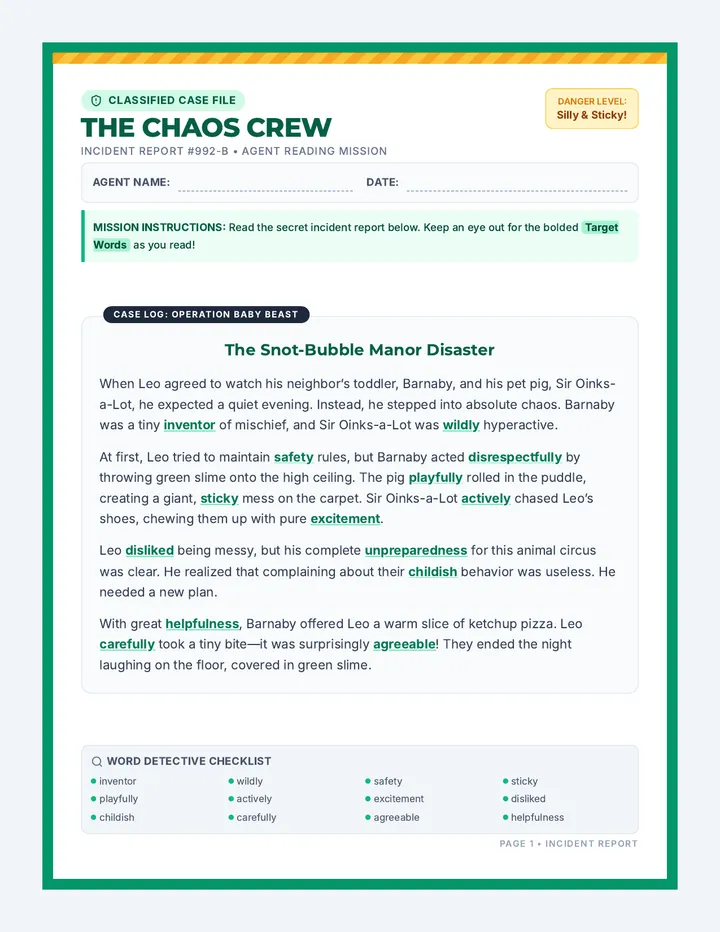
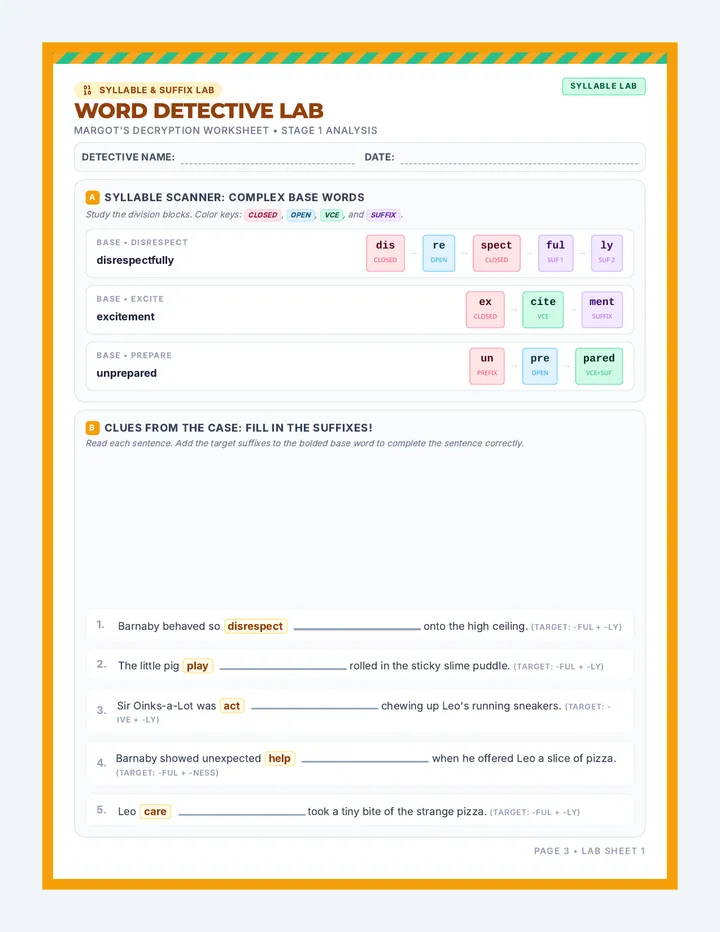
A lesson focusing on reading comprehension through a sports recap of a Celtics vs. Timberwolves game, featuring vocabulary building with suffixes and syllable division, and an extension piece on NBA standings and MVP races.
A 30-minute Tier 2 ELA intervention focusing on RI.4.3 (explaining scientific events and concepts). Students will use annotation and vocabulary-breaking strategies to understand complex science texts.
A targeted Tier 2 intervention for Grade 4 students to master the 'Somebody Wanted But So Then' summary framework as a bridge to identifying theme. Includes guided practice and two short texts for mastery check.
A targeted Tier 2 intervention for 4th graders to distinguish between a story's topic (what it's about) and its theme (the message or lesson). Includes guided practice with short texts and a theme statement formula.
A high-intensity Tier 2 intervention focusing on identifying and mapping multiple text structures within a single informational passage. Designed for NC EOG preparation, this session moves beyond isolated identification to synthesis and evidence-based mapping.
A Tier 2 small group intervention focused on identifying the four primary informational text structures (chronology, comparison, cause/effect, and problem/solution) using signal words and paragraph analysis, aligned with NC EOG standards for Grade 4.
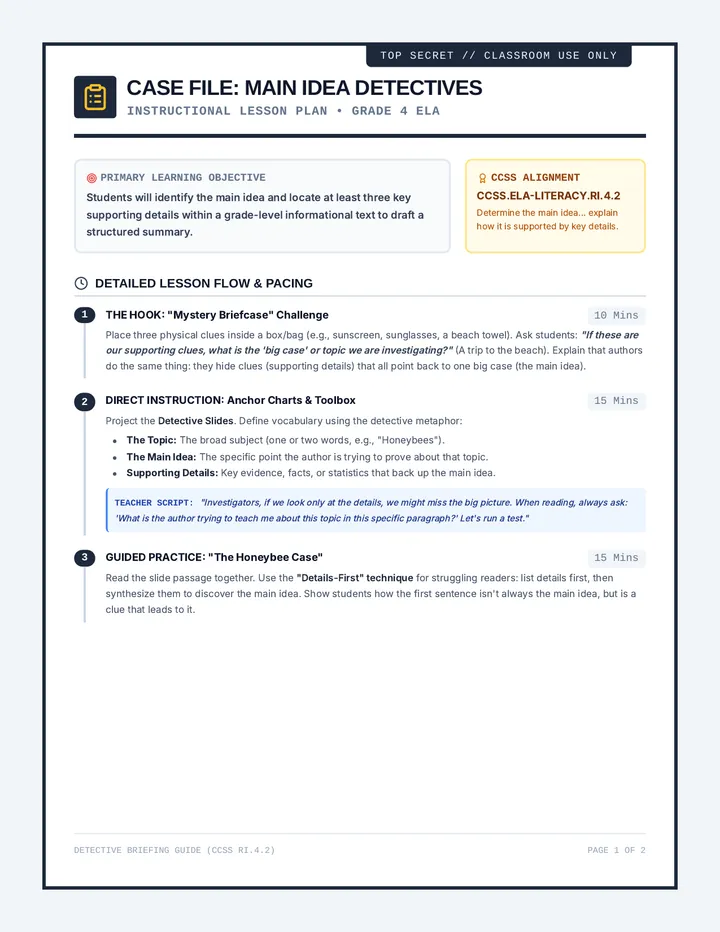
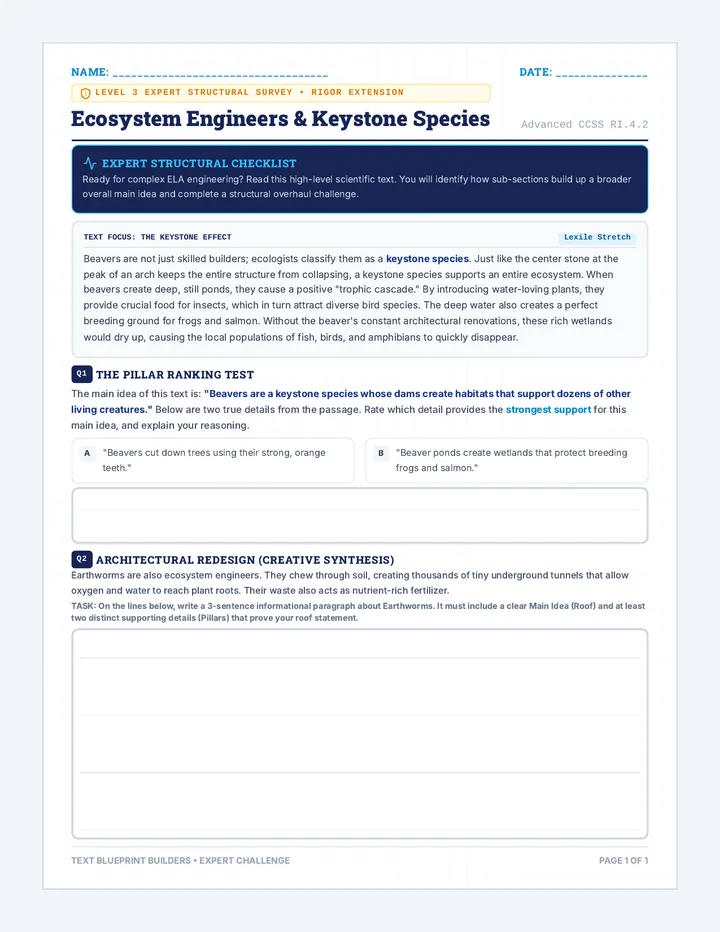
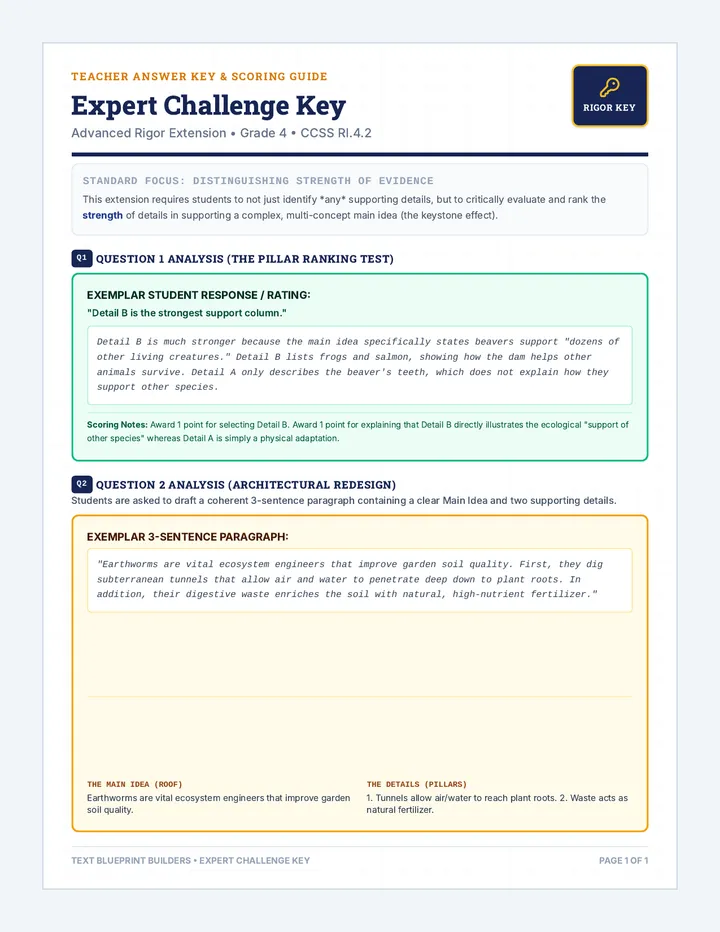
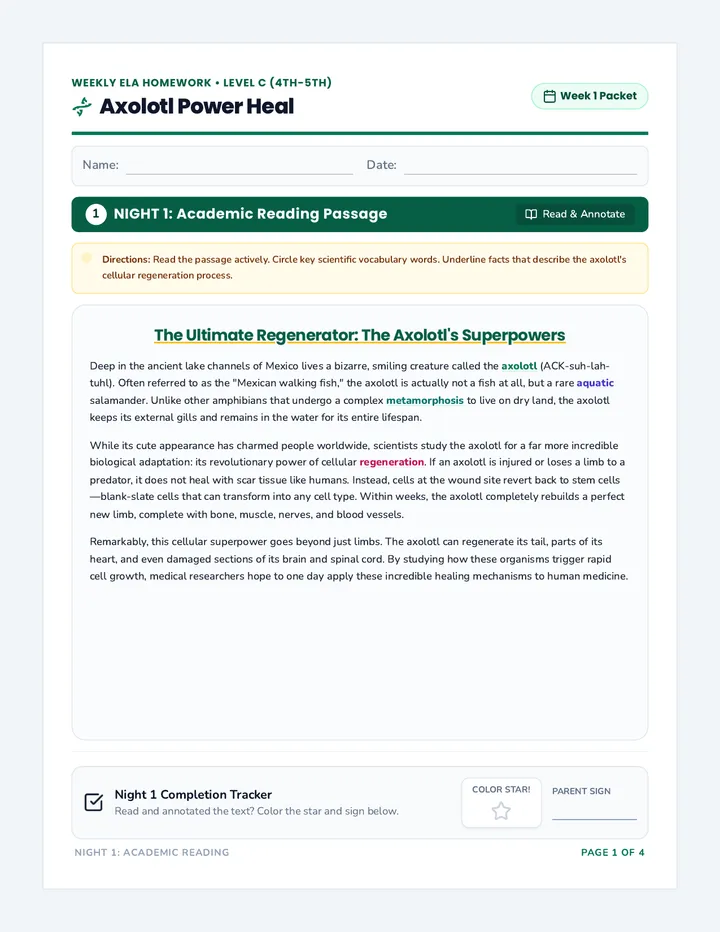
An advanced informational text packet exploring bee biology, pollination, and hive hierarchy.