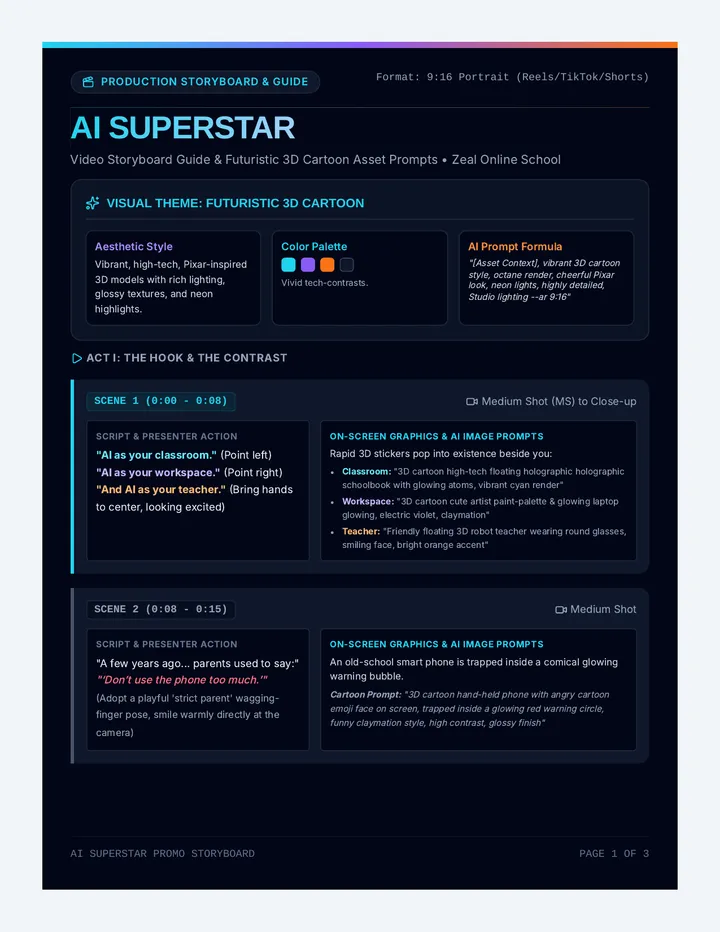
Analyze digital mobilization strategies and viral advocacy campaigns. Students design targeted digital engagement plans to convert online support into real-world action.
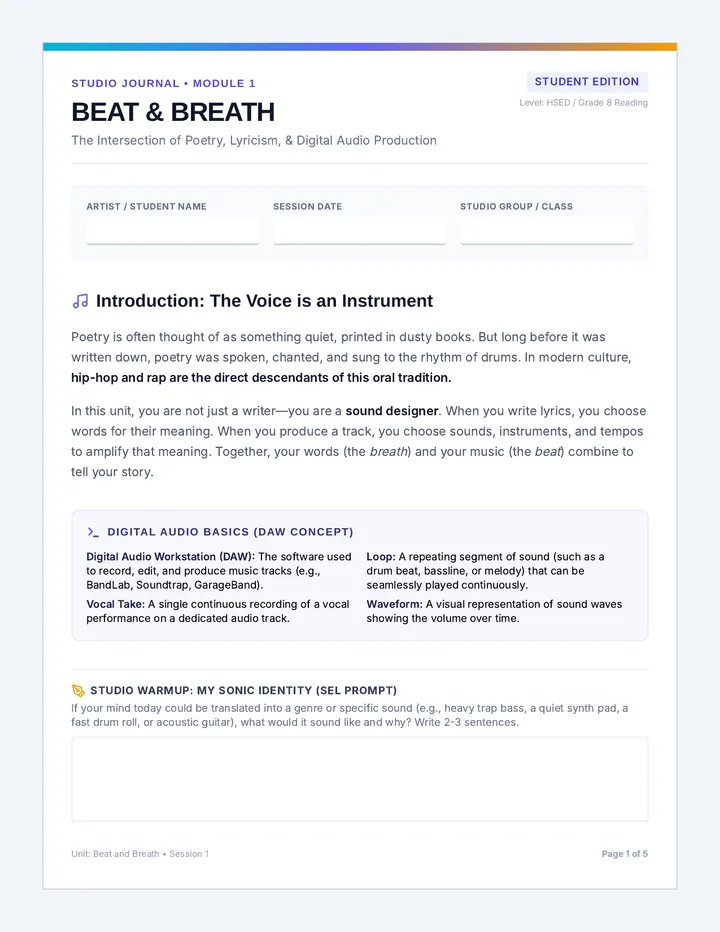
A guided research project where students explore the anatomy, history, and classification of a musical instrument of their choice.
An advanced exploration of microtonal music, covering the physics of pitch, tuning systems beyond 12-TET, and practical experimentation with quarter-tones and just intonation.
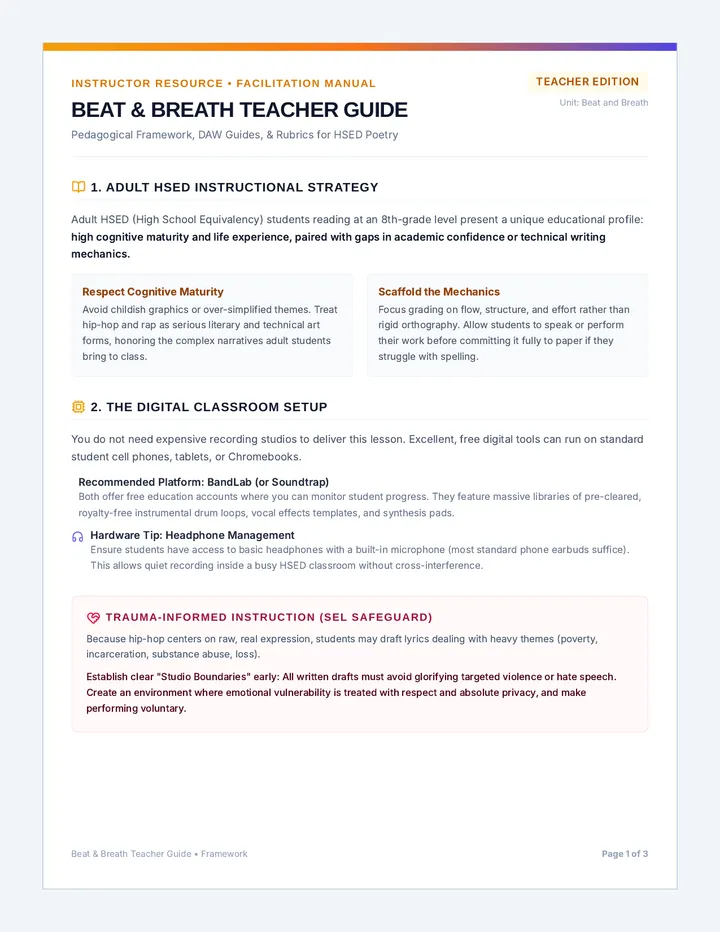
Students transition from raw audio to a polished production. This week focuses on Soundtrap technical skills, including multi-track editing, adding bumpers/music, and applying professional mixing and mastering techniques.
Students focus on the journalistic foundations of podcasting: selecting a topic, conducting deep research, and developing professional interviewing techniques. This week culminates in the recording of raw interview footage.
Students explore atmospheric perspective through monochromatic ink wash painting, learning to control water-to-pigment ratios to create depth and mist-filled mountain landscapes.
A primary art lesson exploring the beauty of nature and our role in keeping the Earth clean. Students observe natural wonders and create their own "Earth Treasures" using drawing and sculpting materials.
A focused introduction to the B Major scale for beginner bassoonists. This lesson covers the complex fingerings required for five sharps and provides a daily routine for developing technical fluency and tone.
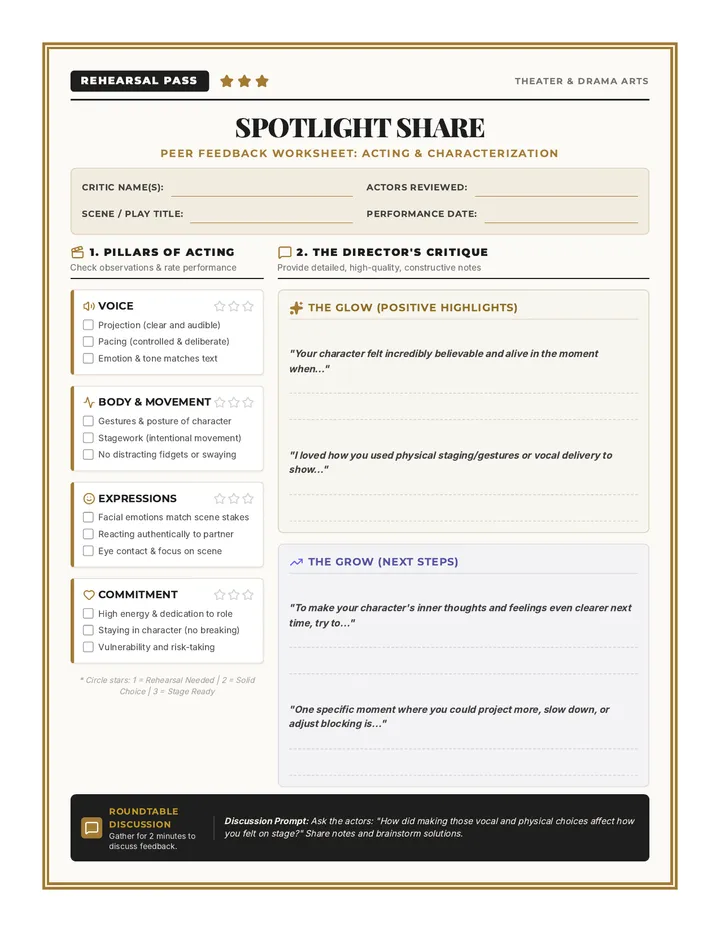
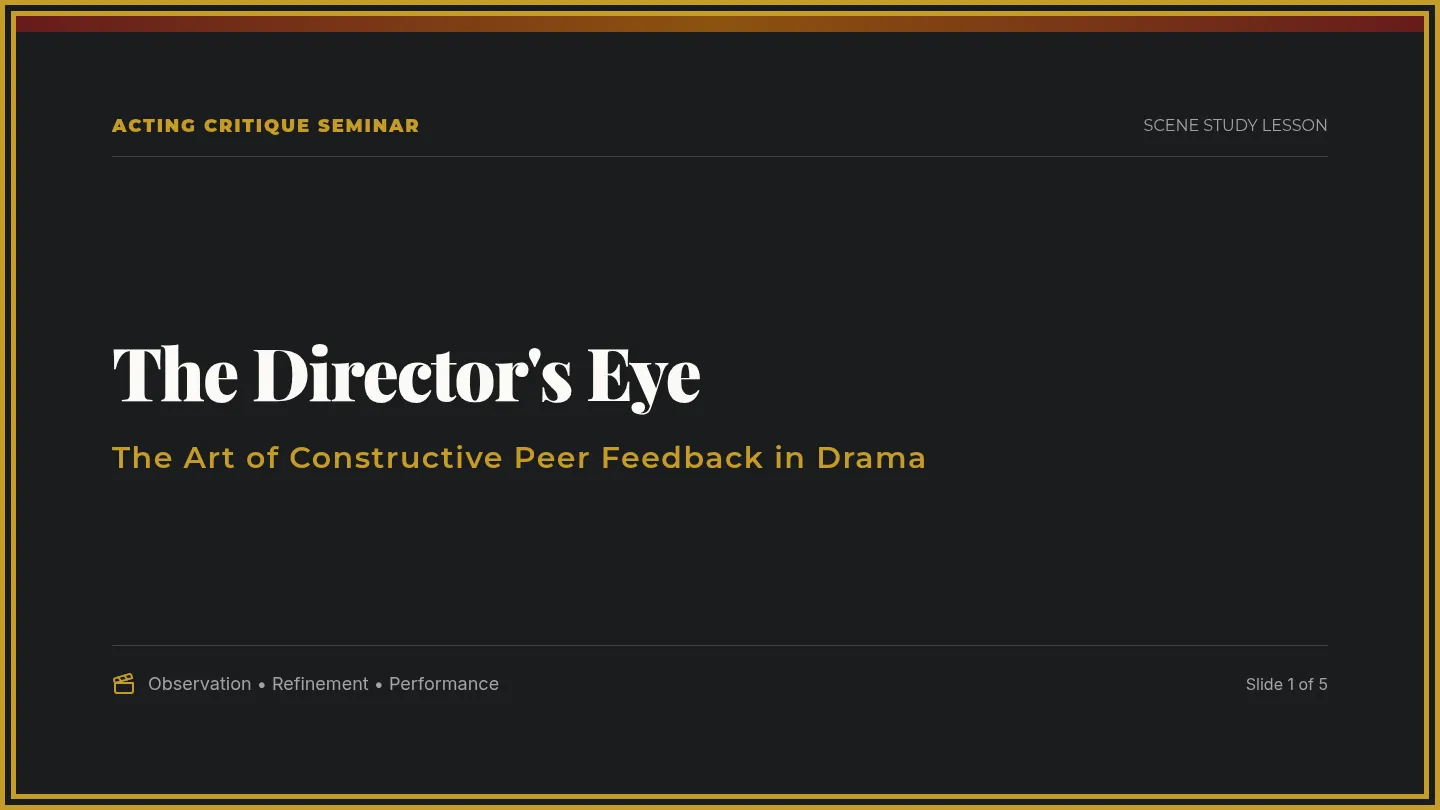
A lesson focused on the power of peer feedback in the contemporary art process, teaching students how to give and receive constructive criticism to fuel growth.
A quick-reference guide to the Creative Problem Solving (CPS) process, focusing on brainstorming and strategy development for educational settings.
A comprehensive lesson where students learn to edit a teacher appreciation video using Adobe Premiere Pro, focusing on narrative pacing and emotional storytelling.
A photography and writing unit where students explore the intersection of identity and environment, using environmental portraiture to craft social commentary and narrative descriptions.
The final premiere of the music video at the All-town Music Tech Showcase, followed by a live performance and student reflection on the collaborative process.
The technical phase involving on-location recordings at elementary and middle schools, followed by high school student-led mixing and video production.
Introduction to the 'Playing for Change' concept, exploring the themes of the chosen protest song, and laying the groundwork for the K-12 collaboration.
A theatrical exploration of Saint-Saëns' 'The Carnival of the Animals' where 2nd graders act as casting directors to match musical traits like tempo and pitch to animal characters.
A series of rhythm reading flashcards and a teacher's guide covering basic to advanced rhythmic patterns. Activities progress from quarter notes and rests to complex sixteenth notes and triplets across multiple time signatures.
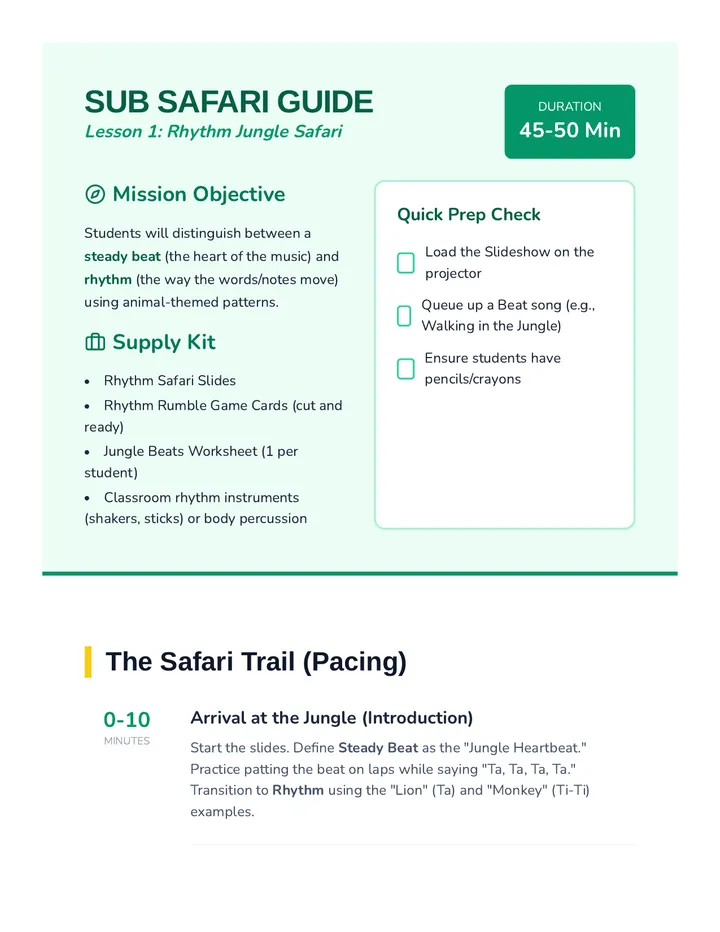
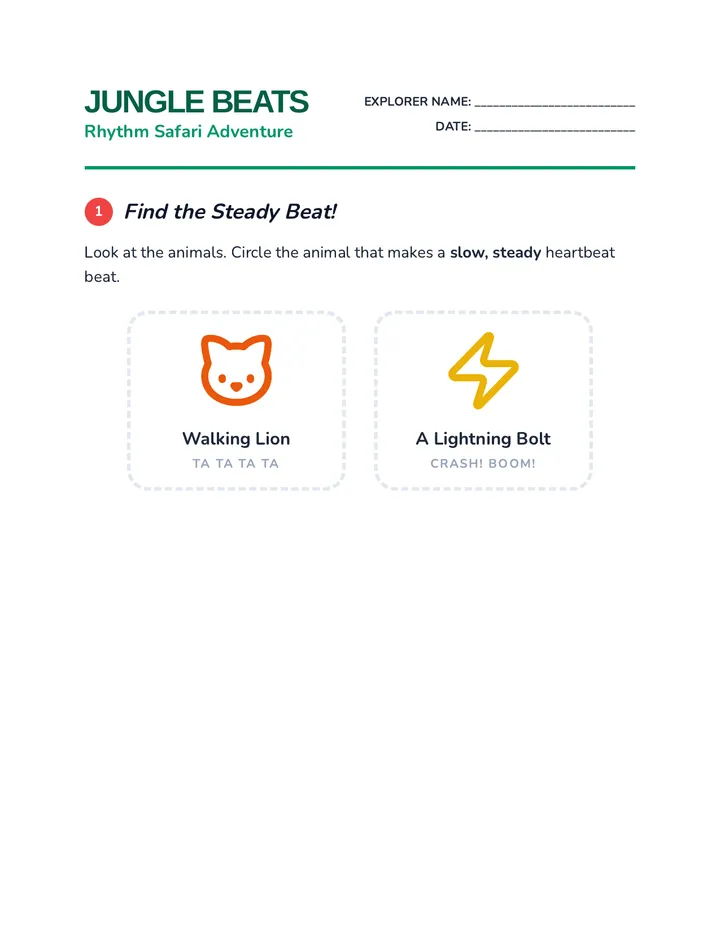
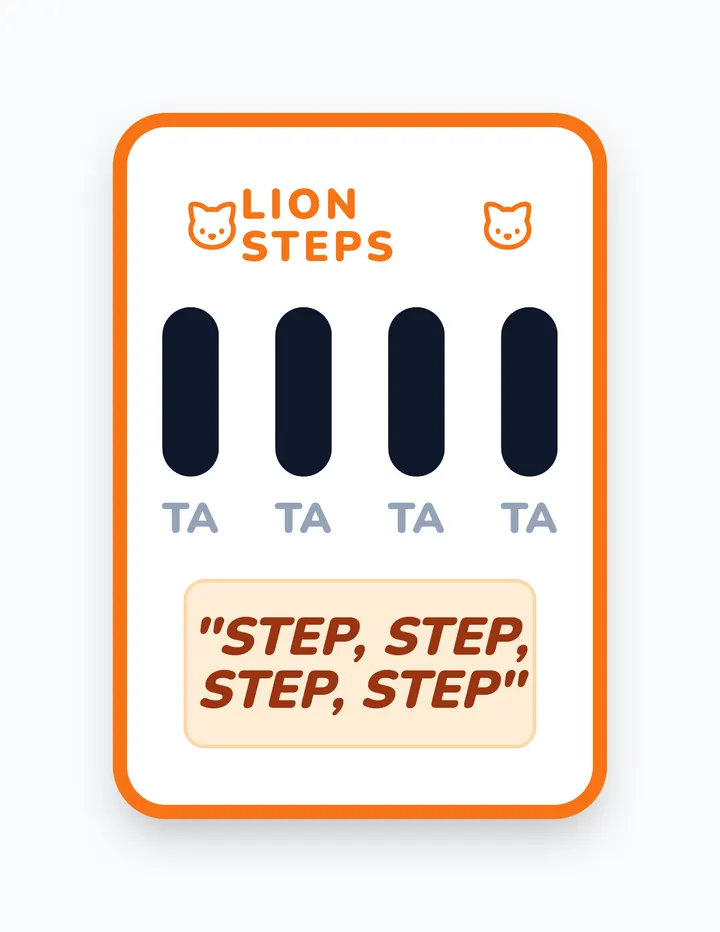
A series of music center activities for first graders to connect word syllables to rhythmic notation (Ta and Ti-Ti) through a zoo animal theme. Students will sort animal names by rhythm and create their own rhythmic patterns.
Learning about art galleries and preparing a final class exhibition of the week's creations.
Connecting colors to feelings and exploring how brushstrokes can express different moods.
Using geometric shapes and stamping techniques to create structured art compositions.
Exploring painting with unconventional tools like sponges, forks, and bubble wrap to create varied textures.
Introducing the building blocks of all colors: Red, Yellow, and Blue through hands-on mixing exploration.
Students will use various tools like pipettes, sponges, and spray bottles to explore how paint moves on paper, focusing on the motor movements of squeezing, pinching, and pressing.
A deep dive into cinematic lighting, from the physics of light and 3-point setups to professional styles like Rembrandt and Butterfly lighting, including a hands-on assessment.
A high-energy culinary challenge where students use mystery Easter-themed ingredients to create unique dishes, focusing on creativity, flavor, and presentation.
A creative art and science lesson where second graders explore bilateral symmetry through monotype printing. Students learn about pollinator anatomy and color mixing while creating unique butterfly or moth prints.
A comprehensive introduction to the physiological and technical aspects of singing, covering vocal anatomy, breath support, vocal registers, and resonance.
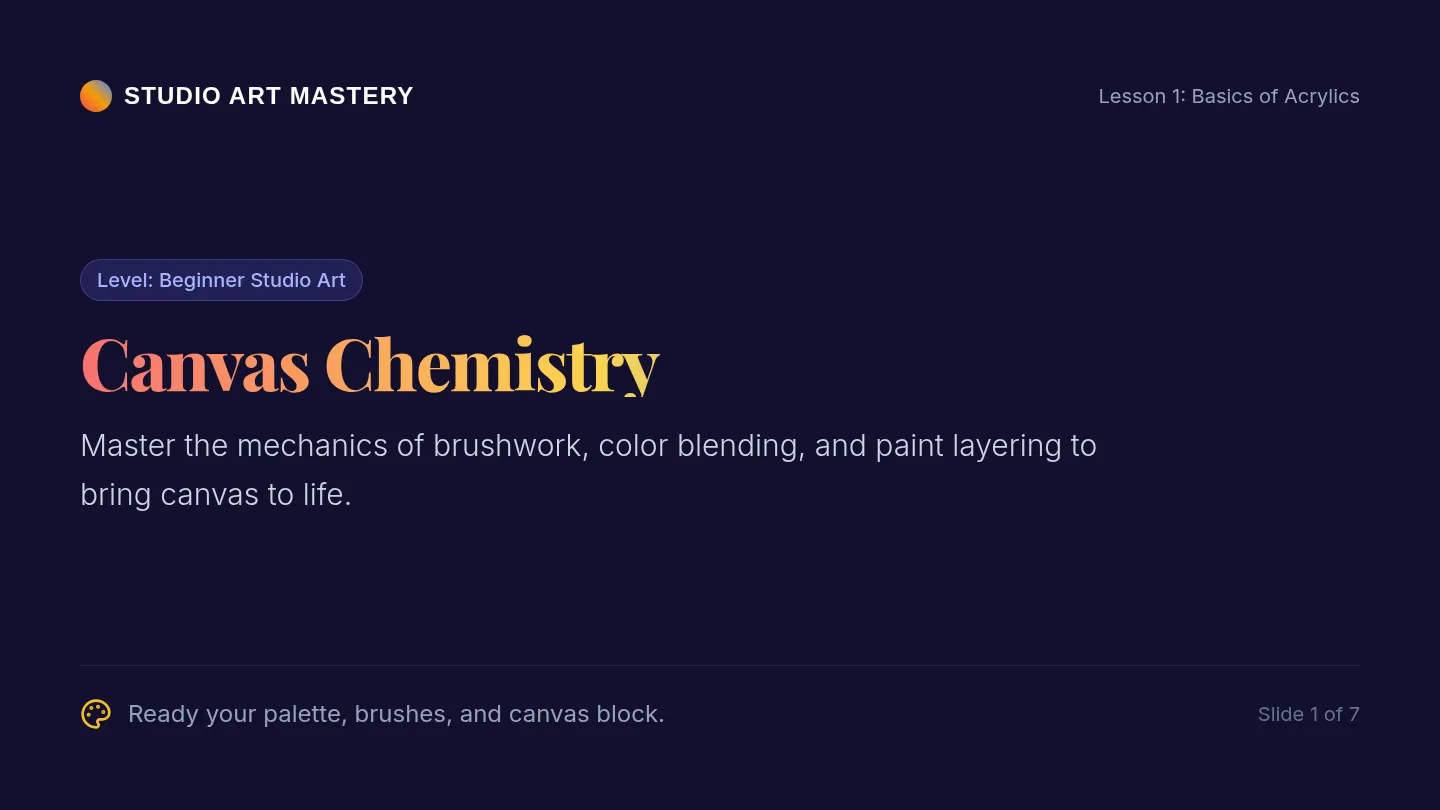
A hands-on exploration of primary color mixing using colored transparencies. Students act as 'Color Chemists' to discover how layering red, blue, and yellow creates new colors.
A comprehensive lesson for high school digital art students exploring the principles of visual balance, including symmetrical, asymmetrical, radial, and crystallographic types. Students will analyze visual weight and apply these concepts to digital compositions.
High school and undergraduate students bridge the gap between digital image manipulation and traditional painting by analyzing how software filters alter color theory and recreating these effects on canvas.
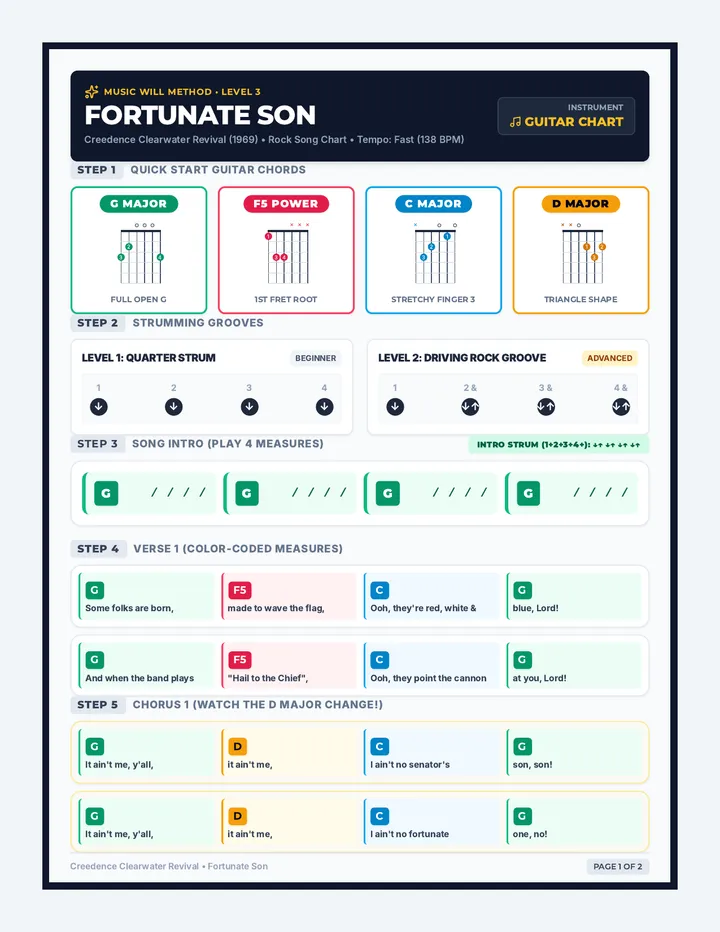
A comprehensive introduction to reading standard musical notation on the guitar, specifically targeting open strings and the first position notes for high school beginners.
A performance-based task where students adapt and perform scenes from Macbeth. It includes specific scaffolds and assessment tools designed for WIDA Level 2-3 ELLs to demonstrate growth in speaking and listening.
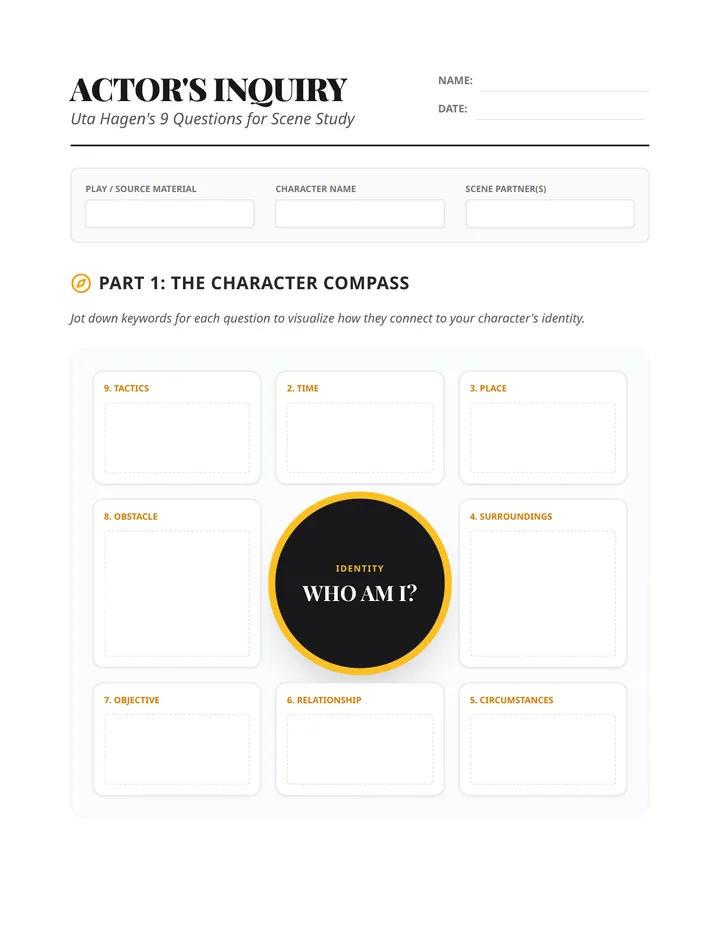
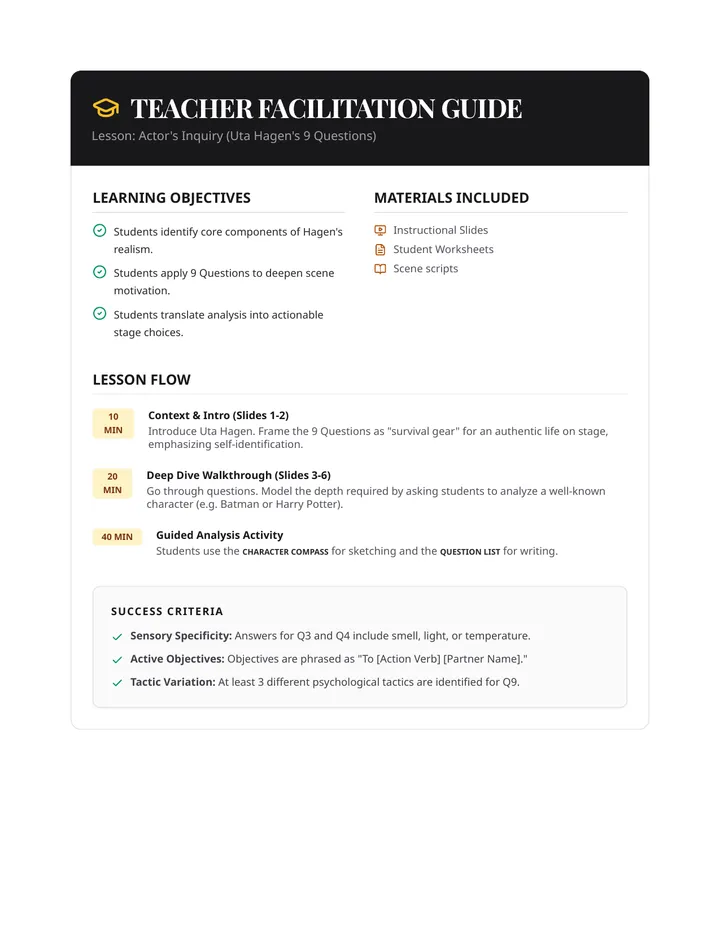
A cross-curricular project where students research a significant historical figure from the fields of science, civil rights, or WWII and transform their findings into a compelling 1-2 minute theatrical monologue. Students develop both historical inquiry skills and dramatic performance techniques.
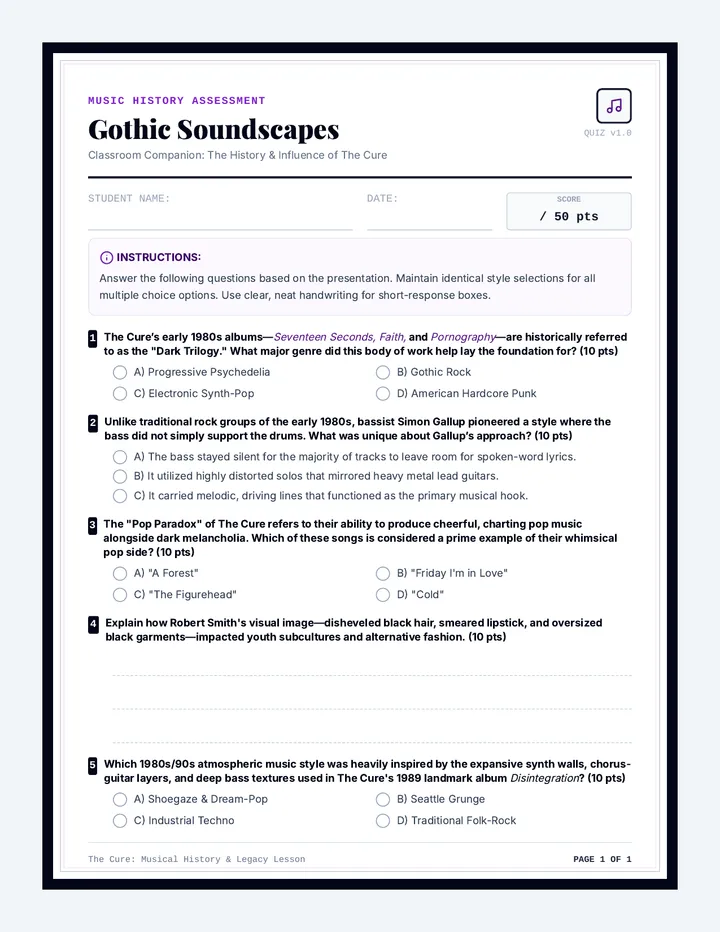
This lesson explores the psychological impact of colors and how they influence human emotion and perception in art and design.