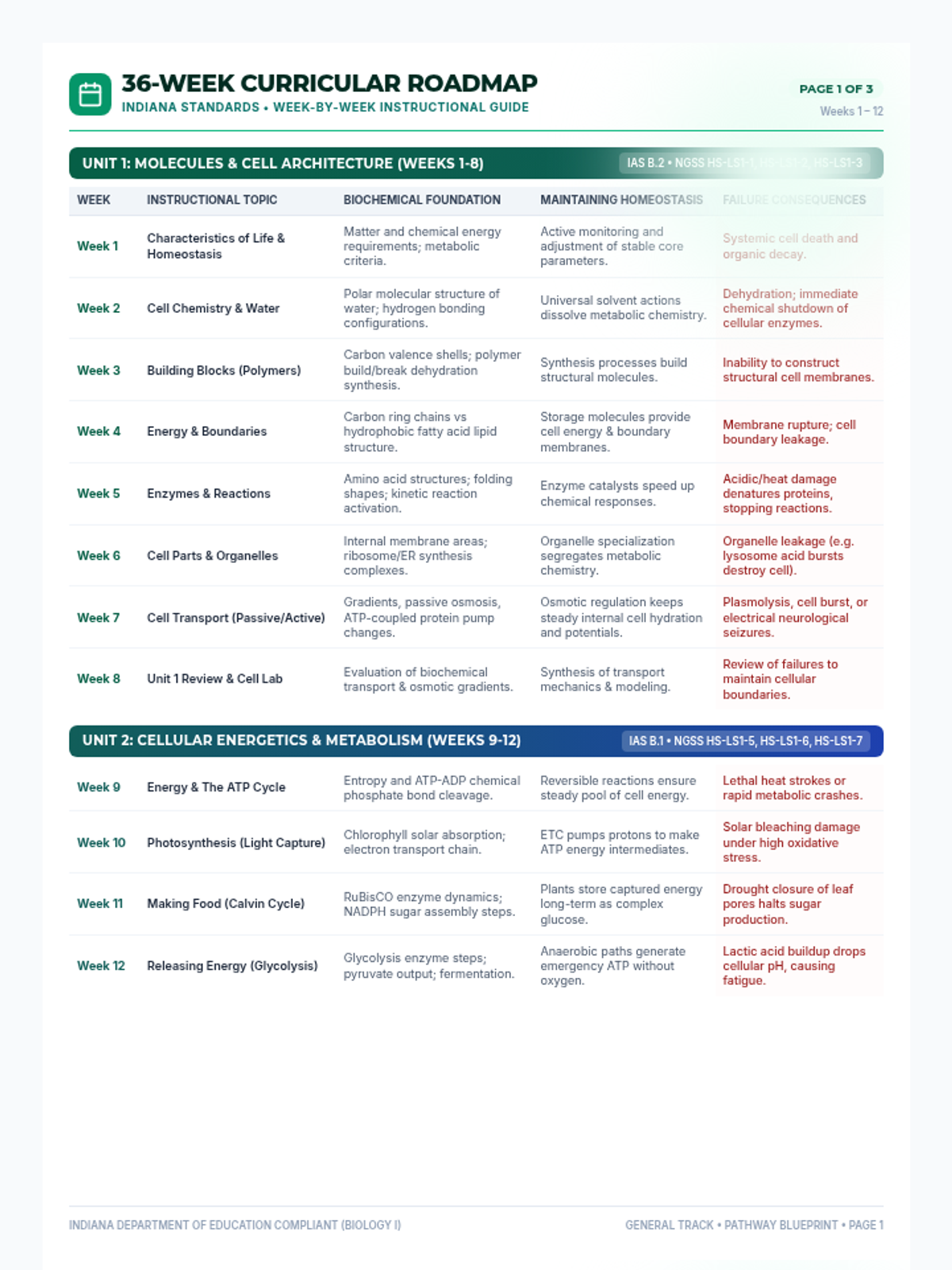
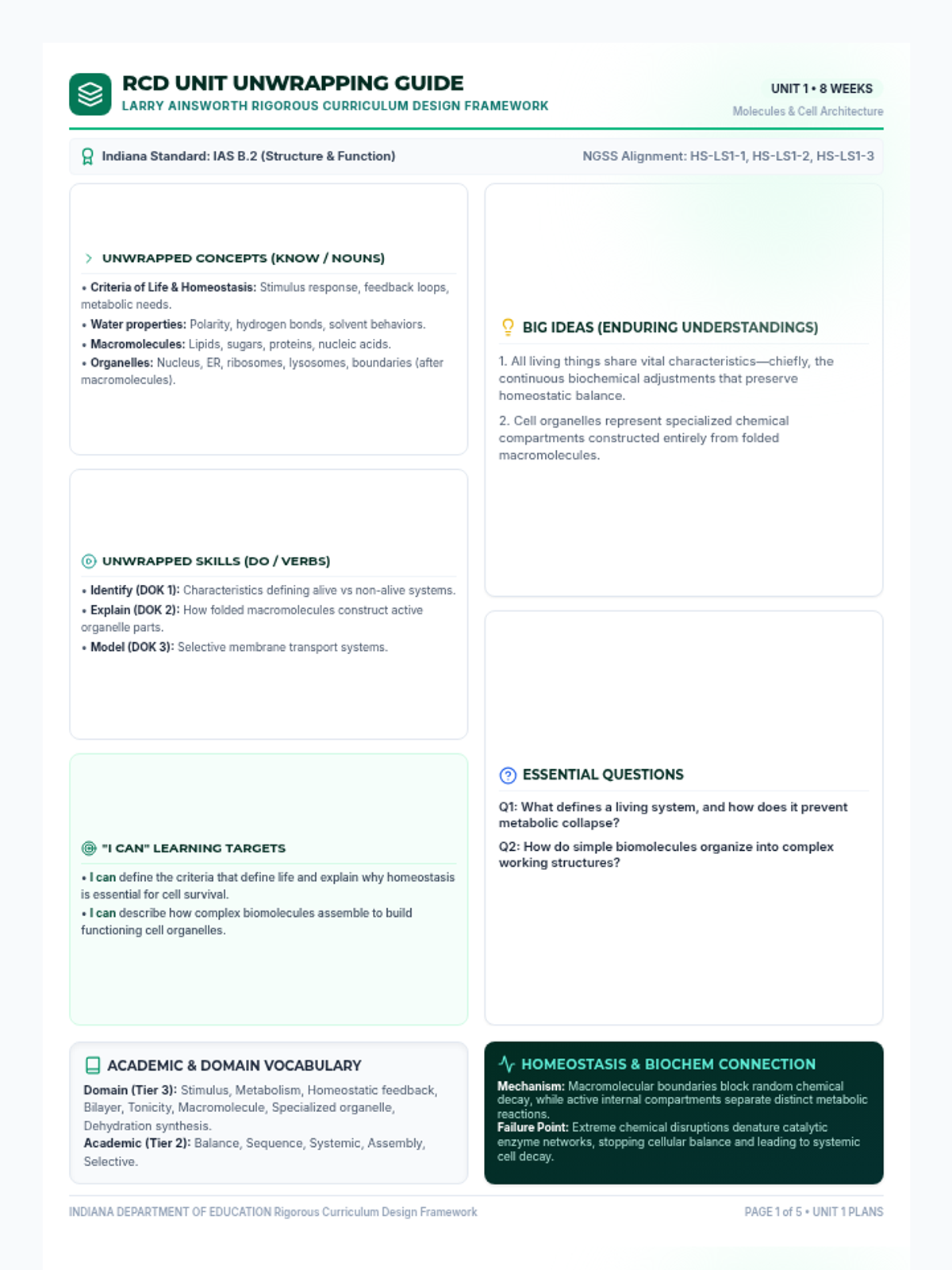
An introductory lesson on the physical structures of marine life, focusing on fish anatomy and the specialized functions of various body parts. Students will learn key terminology and identify structures on a biological diagram.
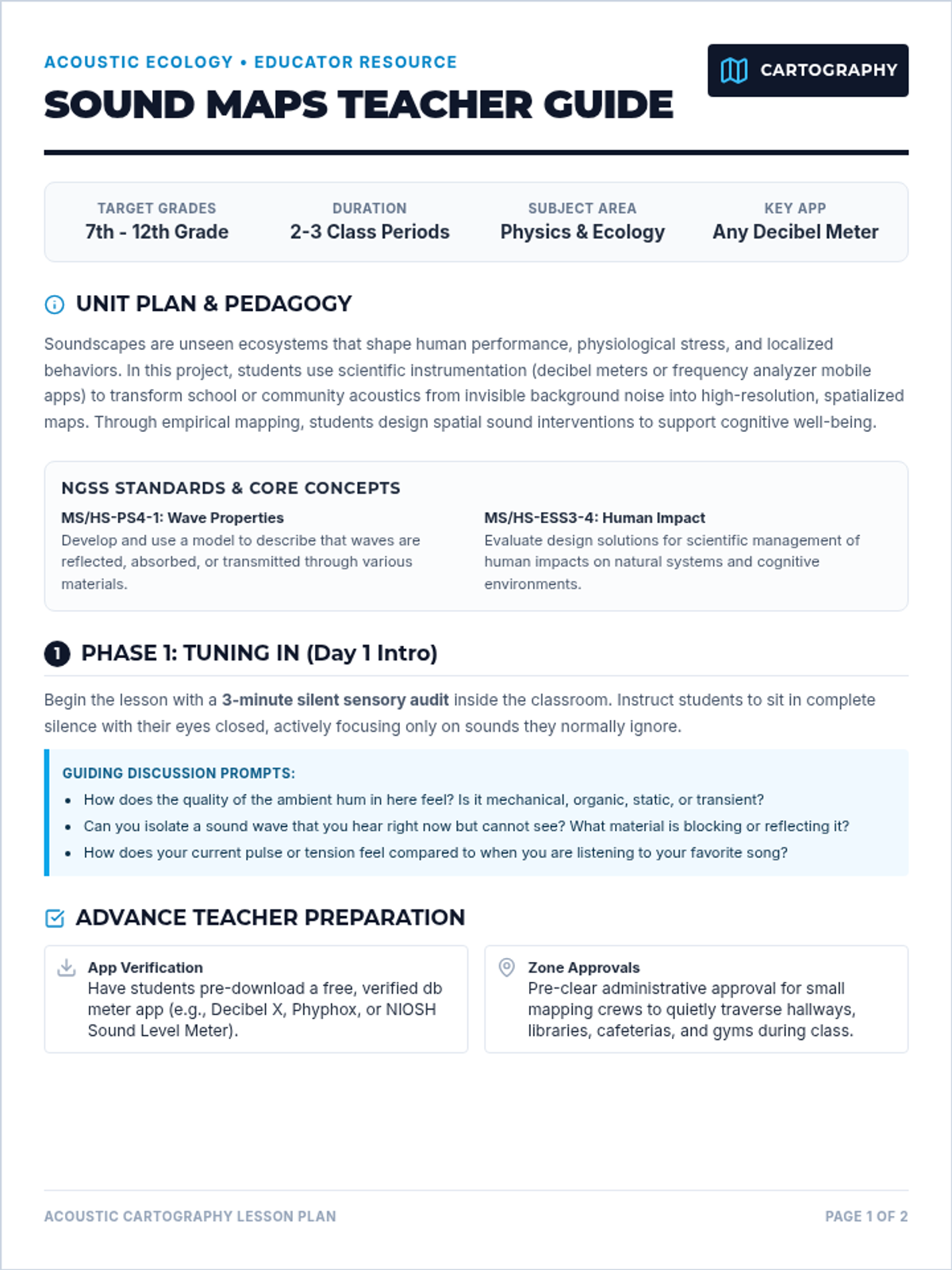
A comprehensive lesson exploring Earth's internal structure and the dynamic movements of tectonic plates at different boundaries. Students will learn to identify Earth's layers and explain the geological features created by plate interactions.
A comprehensive final assessment for the Ocean Architects unit, evaluating student understanding of marine anatomy, specialized biological adaptations, and the comparative differences between major oceanic groups.
A review of plant and animal cell organelles and their functions, featuring diagram identification and matching activities.
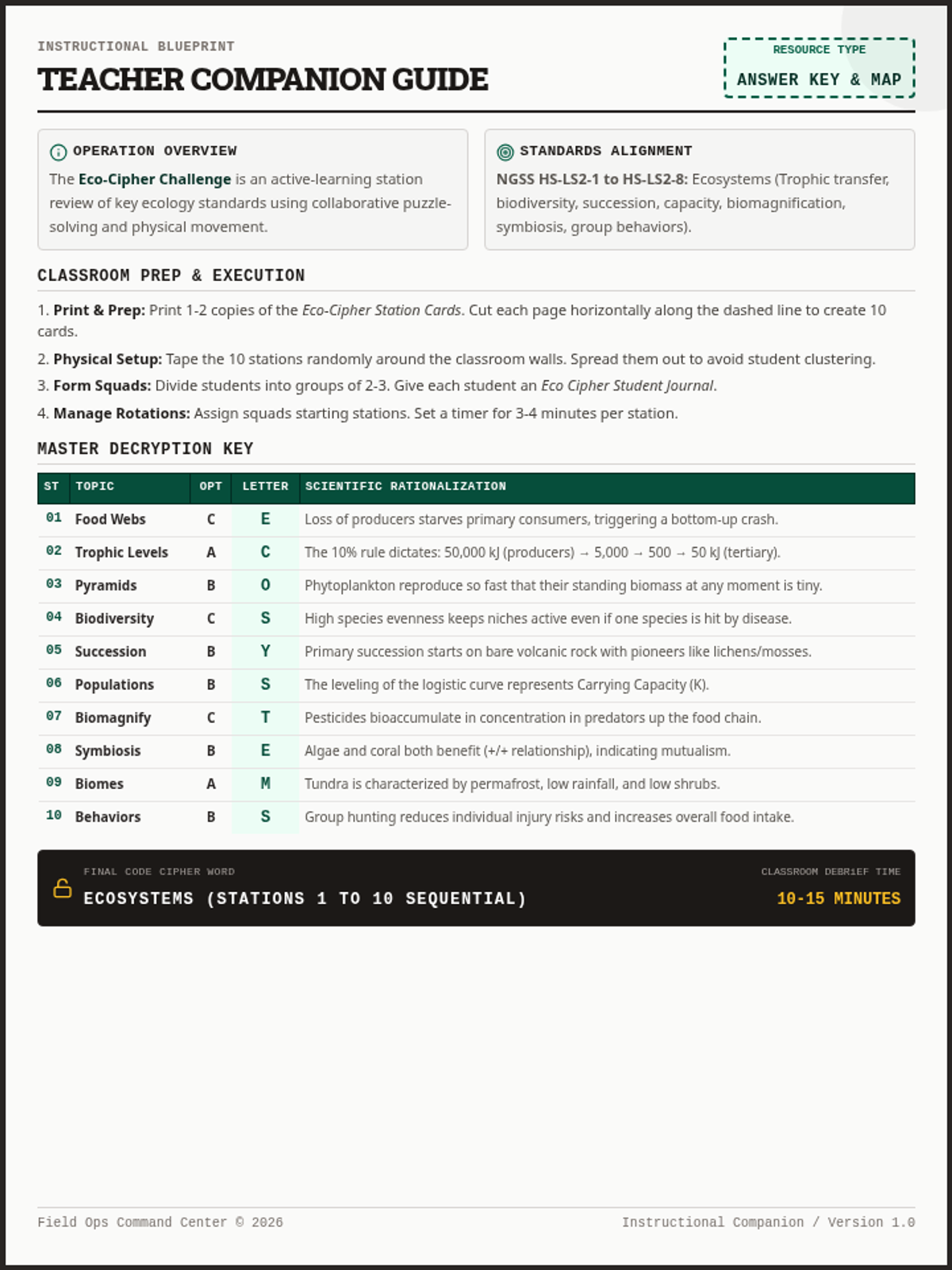
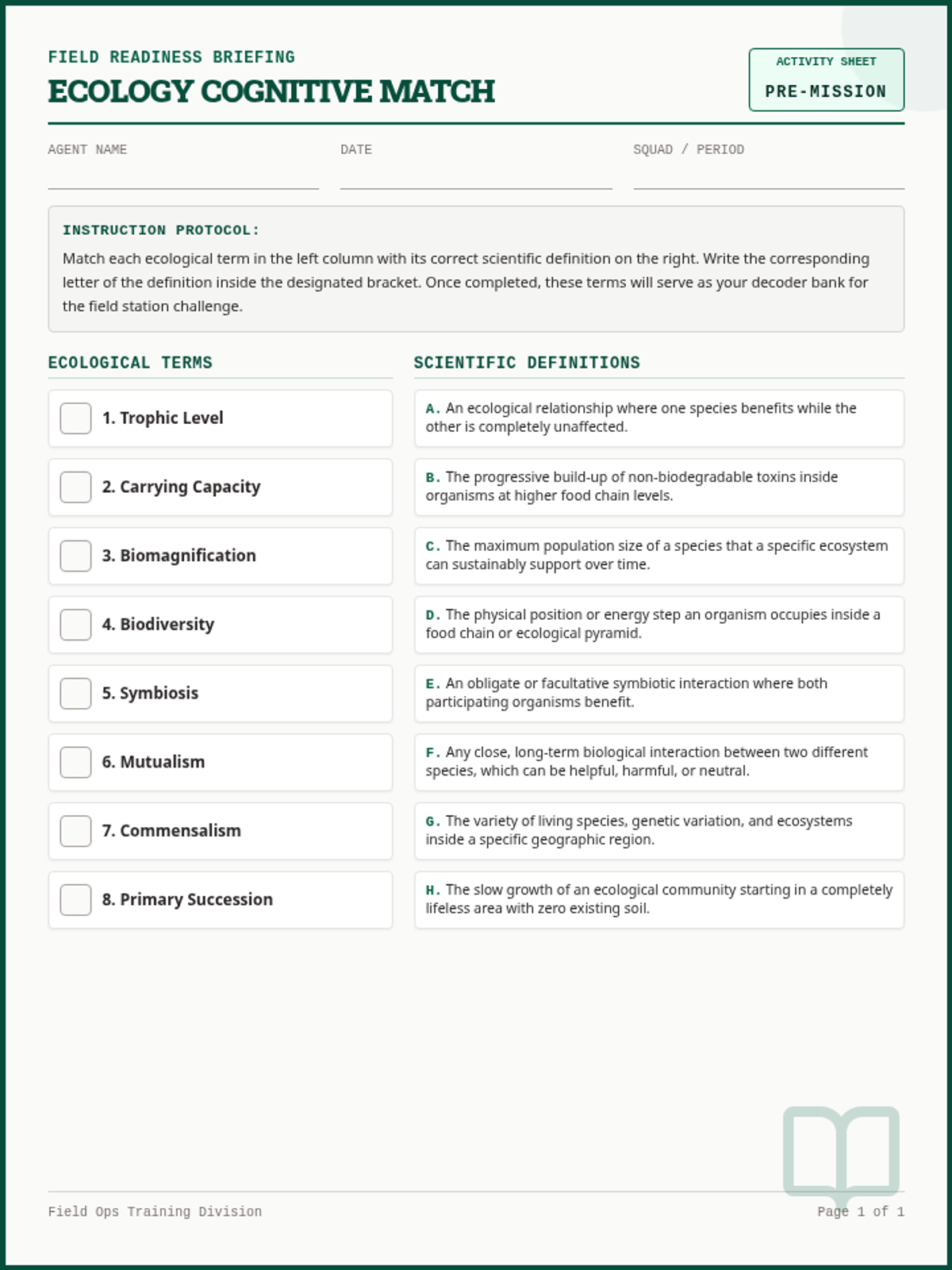
A high-energy review lesson focusing on the three methods of heat transfer: conduction, convection, and radiation. Students participate in a team-based challenge to identify and explain thermal energy movement in real-world scenarios.
An introductory lesson on honeybees featuring differentiated reading passages and activities tailored for 1st-6th grade reading levels.
A high-level, technical exploration of equine science designed for upper secondary students, covering anatomy, breed classification, and professional stable management protocols.
A comprehensive introduction to the fundamental processes, safety protocols, and career paths in professional welding. Students will explore SMAW, GMAW, and GTAW techniques while learning to identify quality welds.
A comprehensive 50-minute science lesson where students model the process of photosynthesis using common classroom materials to understand how plants transform light, water, and air into food.
An introductory lesson on debugging JavaScript within the Pencil Code environment, themed around repairing 'glitched' TikTok-style code. Students will identify and fix common syntax and logic errors to get their viral programs running again.