Students investigate the soil food web and the process of decomposition, learning how nutrients are recycled back into the ecosystem by the 'FBI' (Fungus, Bacteria, Invertebrates).
Students observe and categorize different cloud formations to predict upcoming weather patterns in the New England area. This meteorology lesson encourages 2nd through 5th graders to use sky observations as data for scientific forecasting.
A comprehensive lesson on structural and behavioral adaptations across various biomes, including specialized survival strategies like hibernation, migration, camouflage, and mimicry.
An introductory exploration of Earth's diverse biomes, focusing on the ocean, rainforest, and grassland ecosystems. Students learn to identify key characteristics and express personal preferences based on ecological traits.
A foundational lesson exploring how energy moves through ecosystems, focusing on trophic levels, the 10% rule, and the complex connections in terrestrial and aquatic food webs.
Teachers learn to break complex tasks into smaller, manageable steps using classroom routines and Iowa Core standards as examples.
A creative project where students design and build a 3D biome model in a box, then document their scientific findings.
Students explore the essential methods of purifying water through hands-on experimentation. They will learn the roles of physical filtration and phase changes (evaporation) in removing contaminants from water samples.
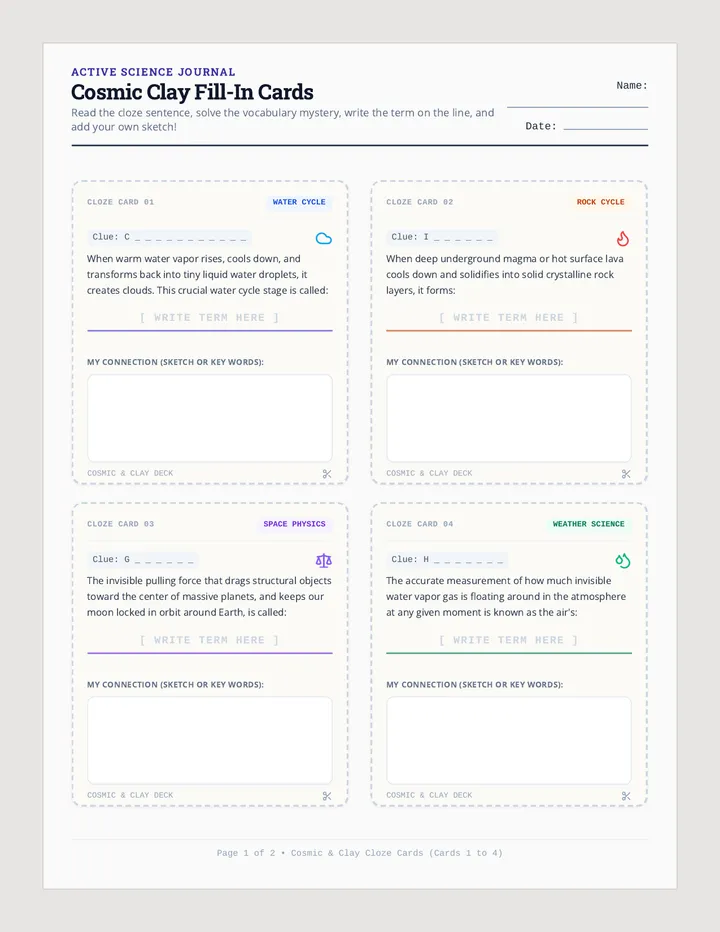
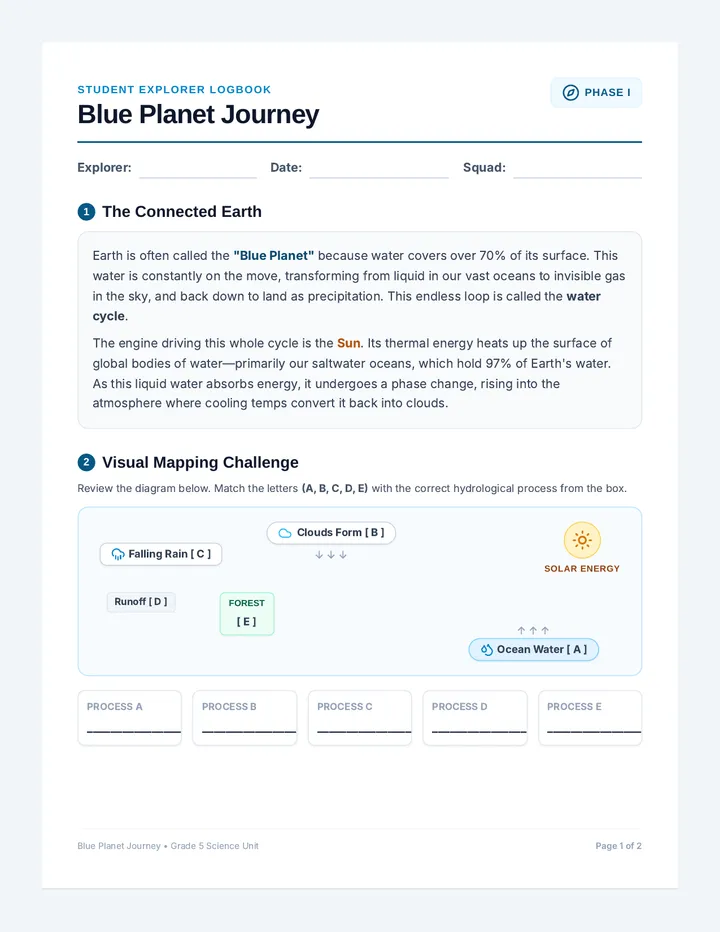
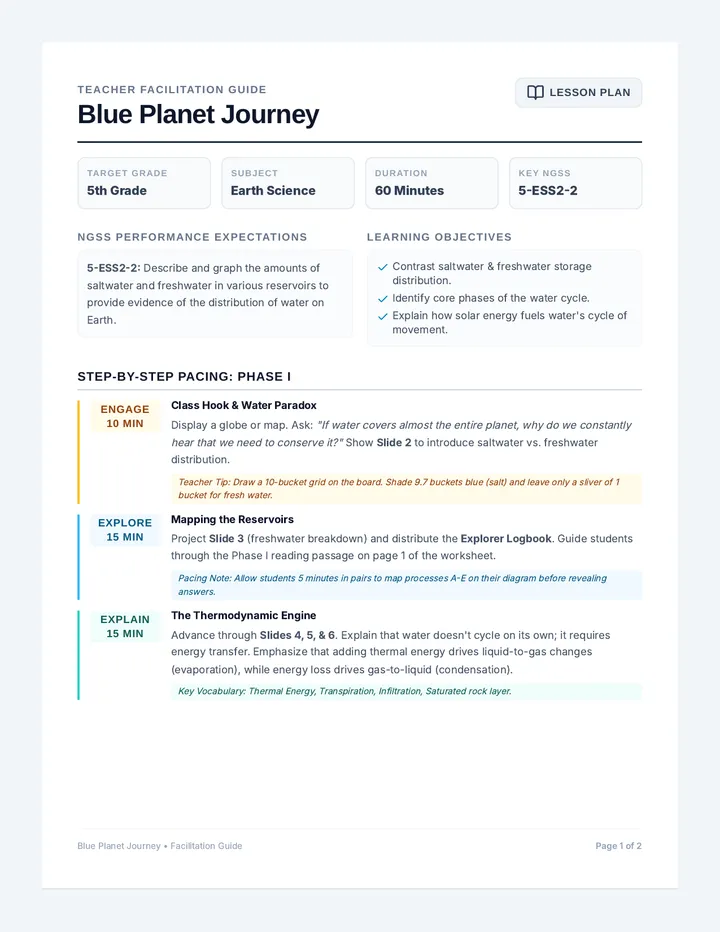
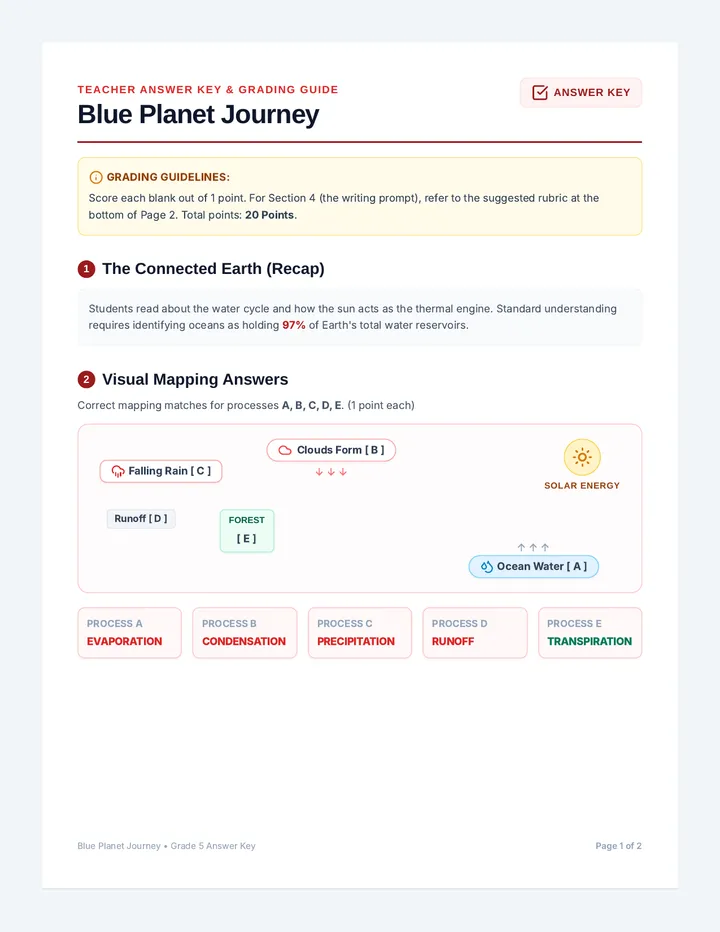
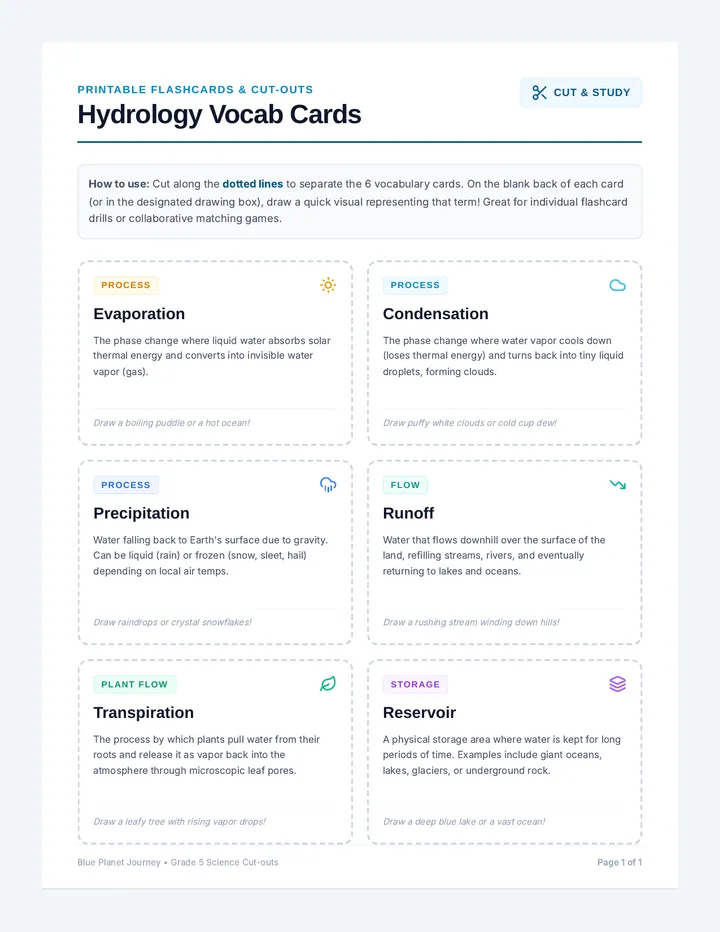
A lesson exploring the continuous movement of water on Earth through a detailed diagram of the water cycle, focusing on the roles of energy and gravity.
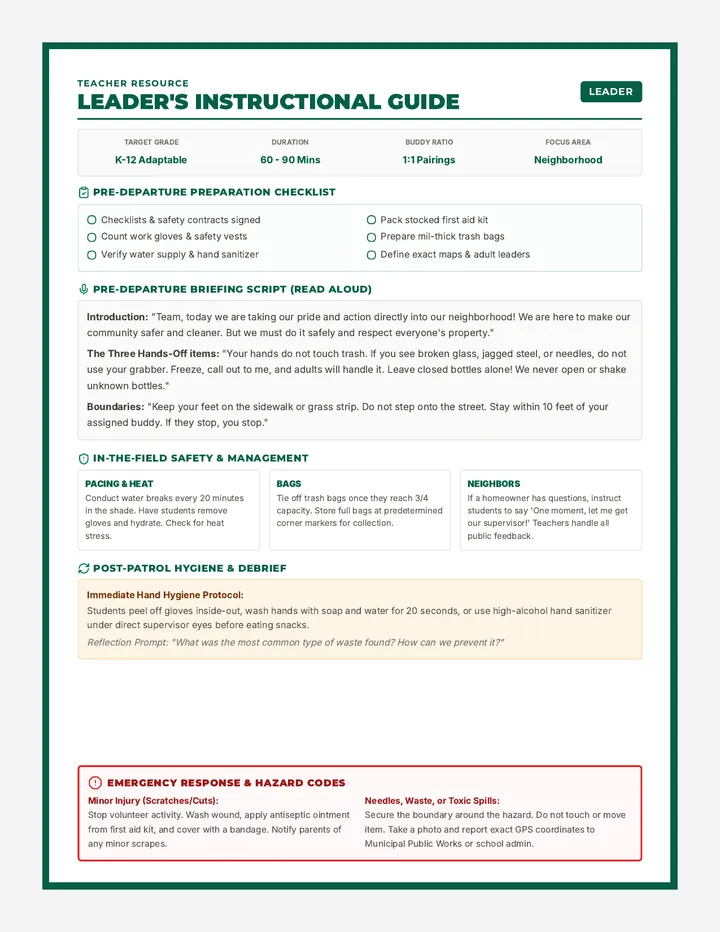
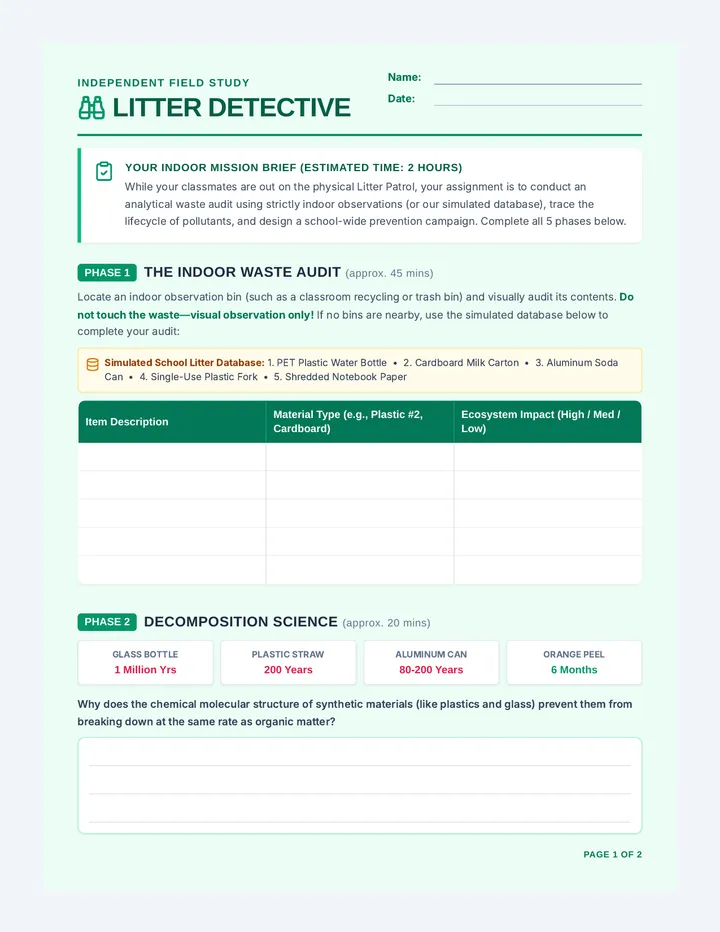
An introductory lesson on waste management and recycling where students practice sorting materials and learning key environmental vocabulary.
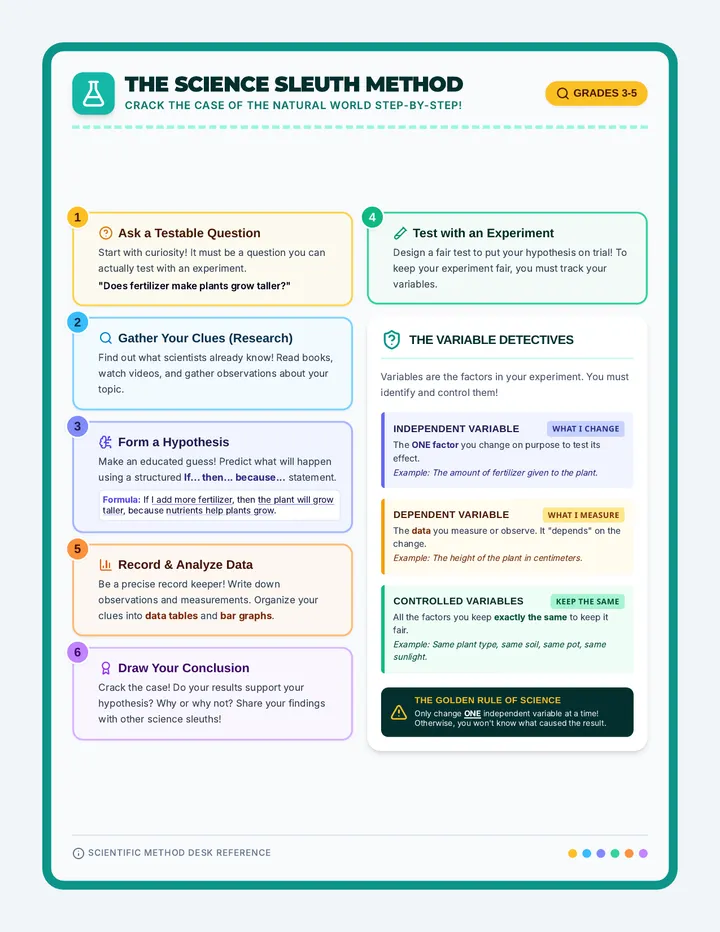
A foundational lesson on the Scientific Method, covering definitions, steps, variables, and data collection methods.
A collaborative jigsaw activity where students become experts on different renewable energy sources before teaching their peers and synthesising their knowledge.
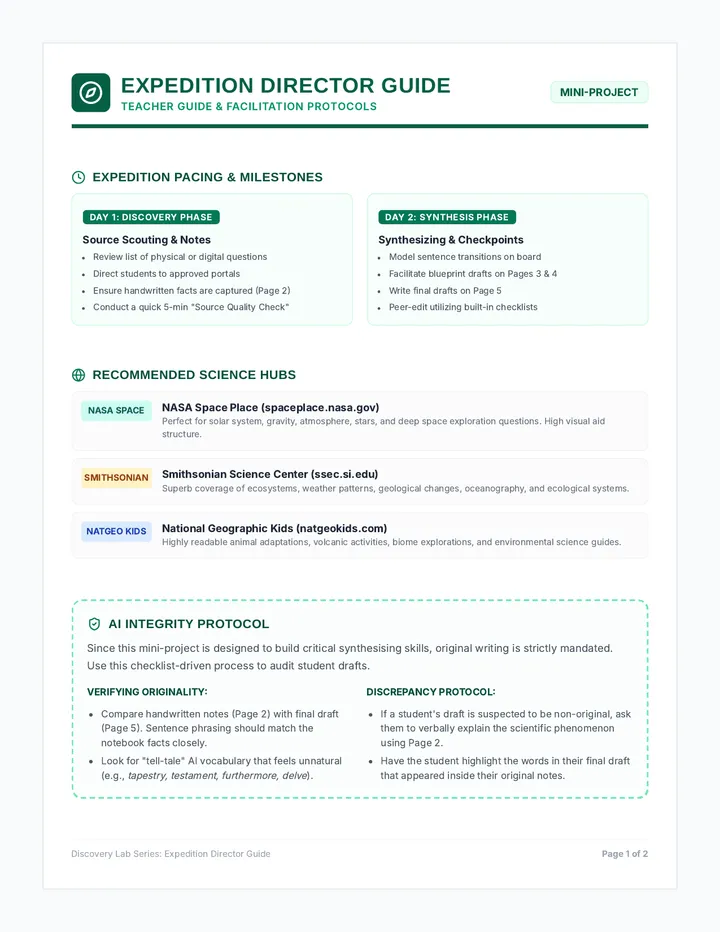
A comprehensive environmental science project broken into manageable phases, from research to final presentation. Students investigate global environmental challenges and propose solutions through a 'mission-based' framework.
A lesson exploring the impact of invasive yellow crazy ants on Christmas Island's ecosystem and the innovative biocontrol methods used to manage them.